


Best Silk Robes: A Practical Guide
By Tara Nguyen, Ph.D., Founder and Creative Director, Tara Sartoria
There is a particular kind of disappointment that comes from buying a silk robe online. It arrives, you open the box, you put it on, and it feels like a costume. Thin in the shoulders. Lighter than you expected. The sash is a strip of the same flimsy fabric, and the whole thing wants to slide off the body rather than settle into it.
I have heard this story from customers more times than I can count, usually in the same sentence as the price they paid, which was rarely the problem. The problem was almost always the silk. Most silk robes on the market are not really robes. They are silk-adjacent objects, made the cheapest way the supply chain allows.
A Short Answer for the Person Skimming
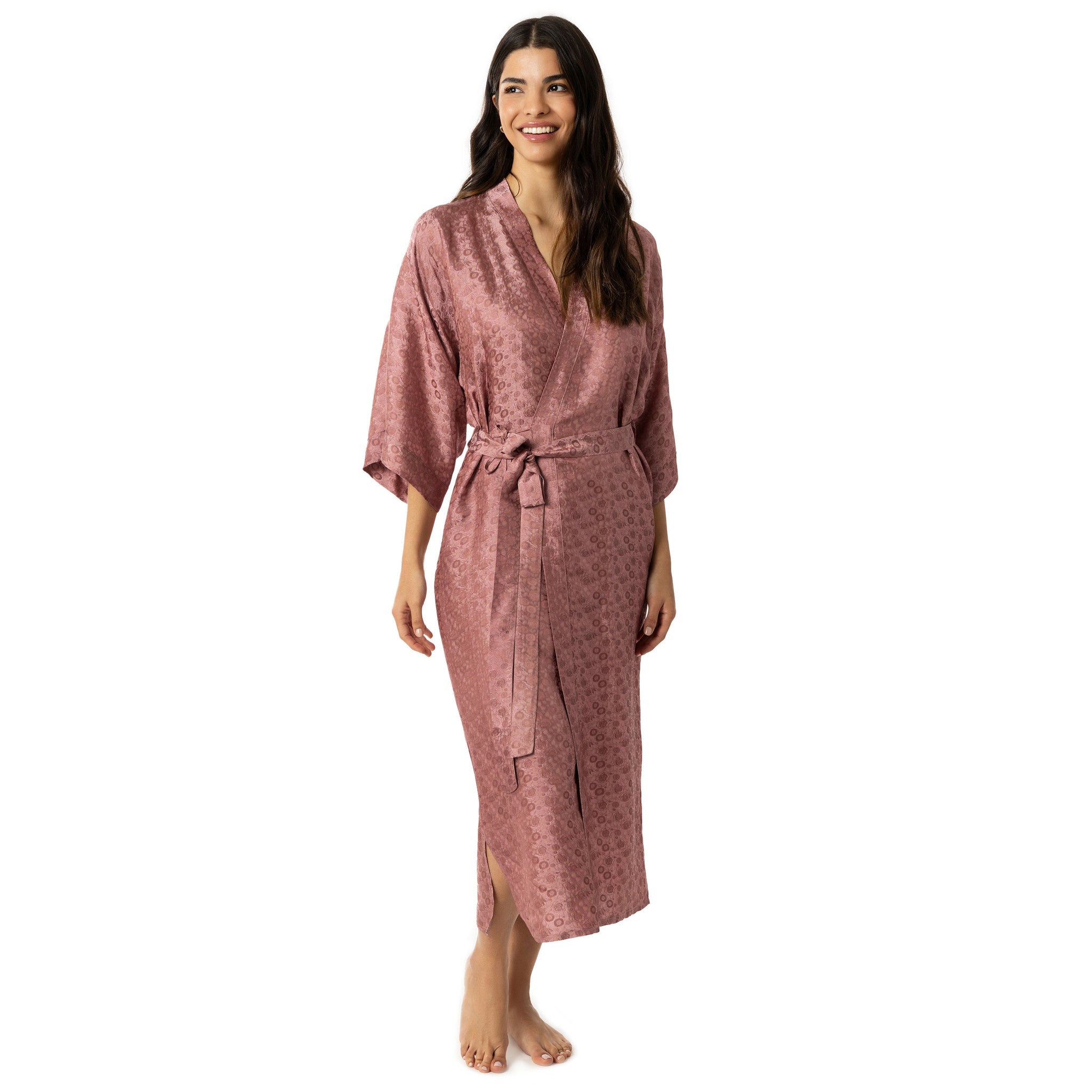
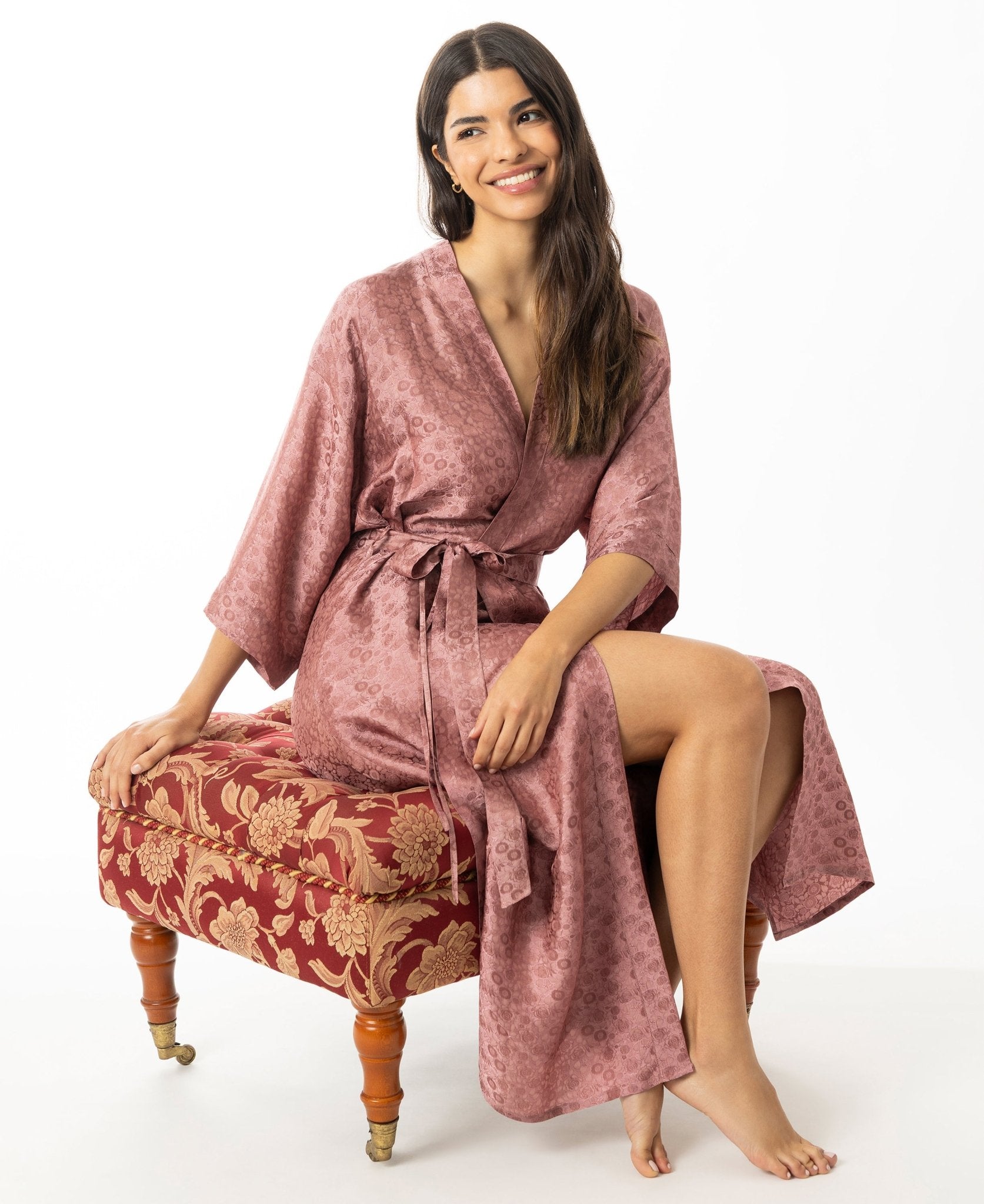
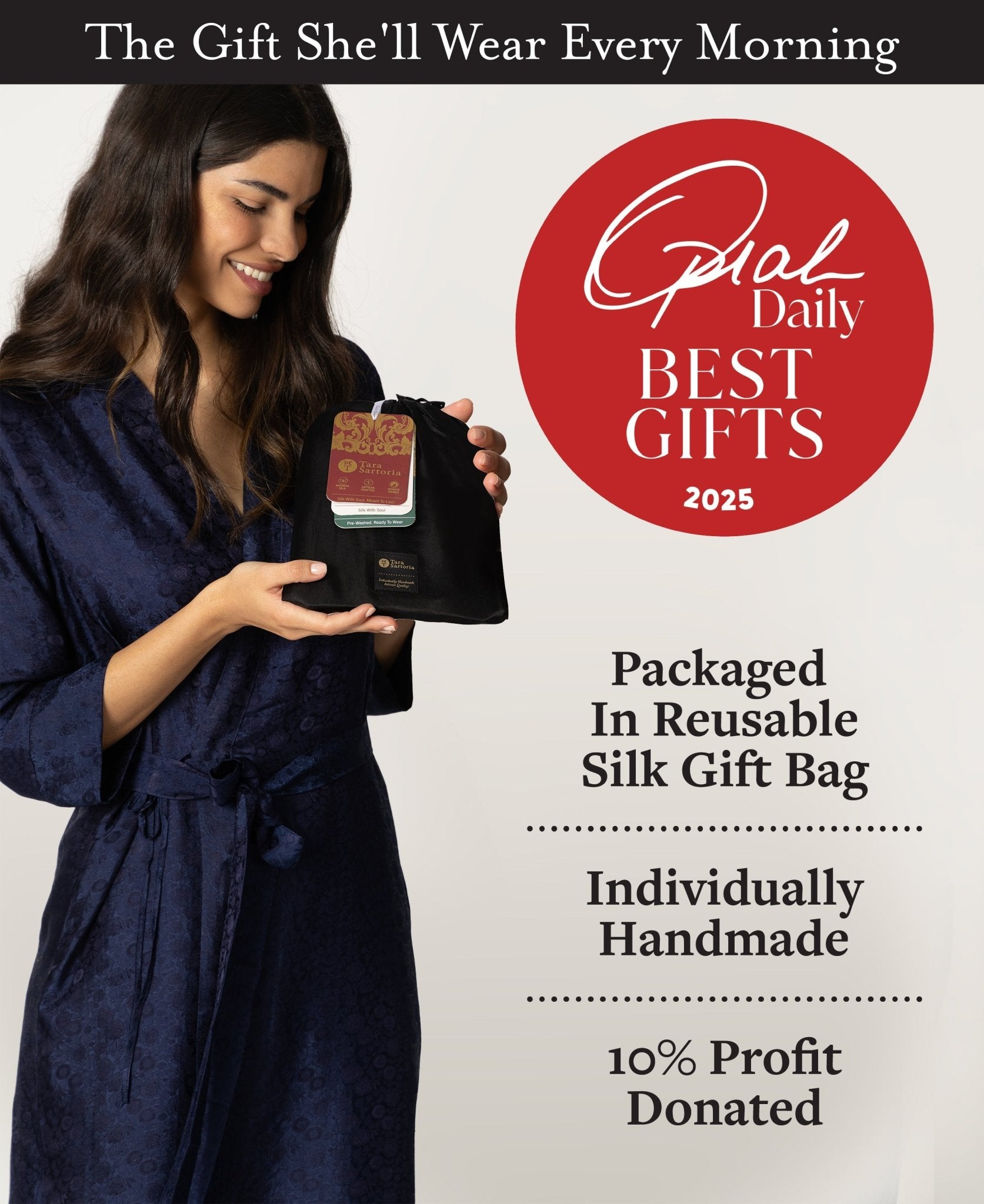
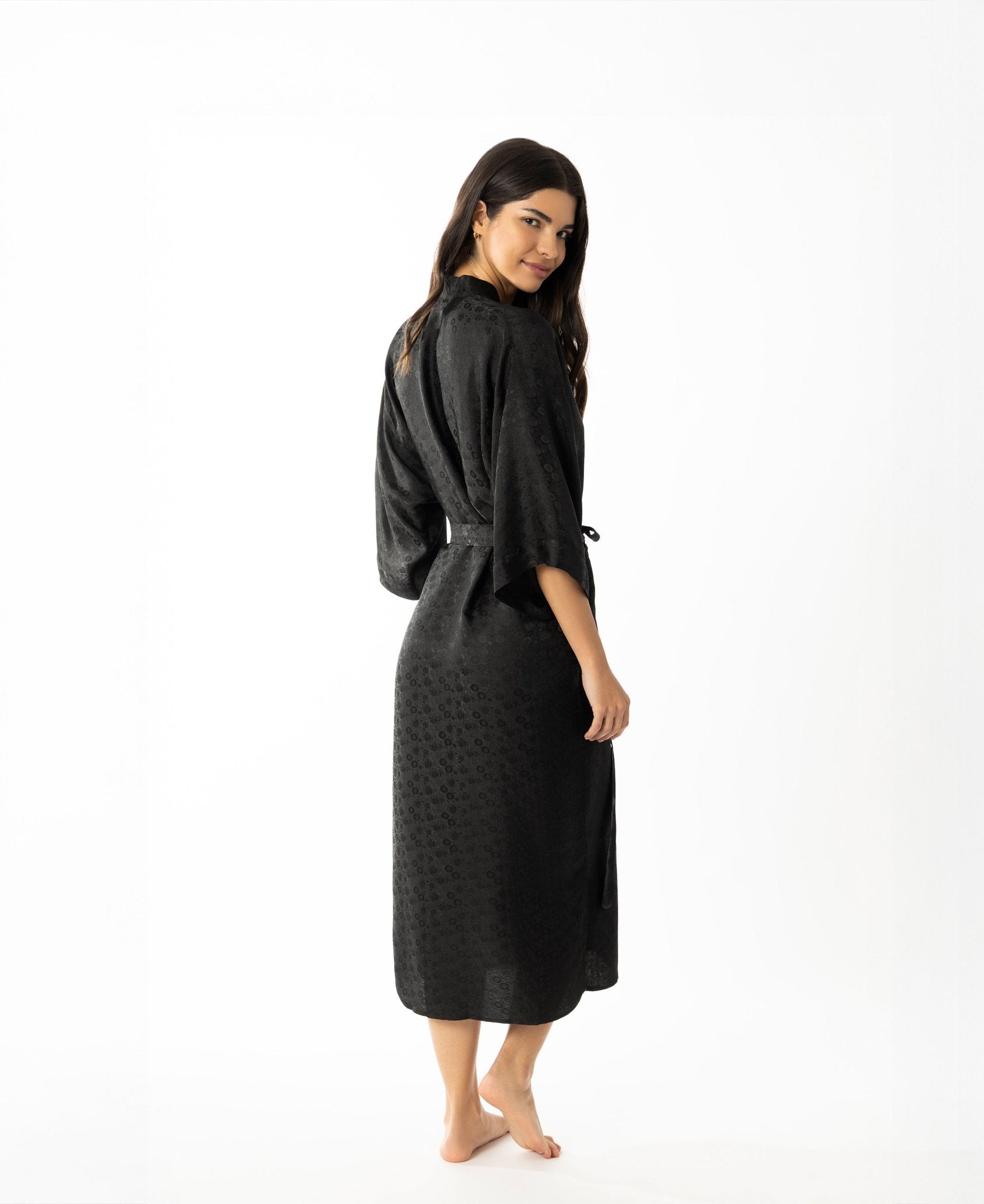
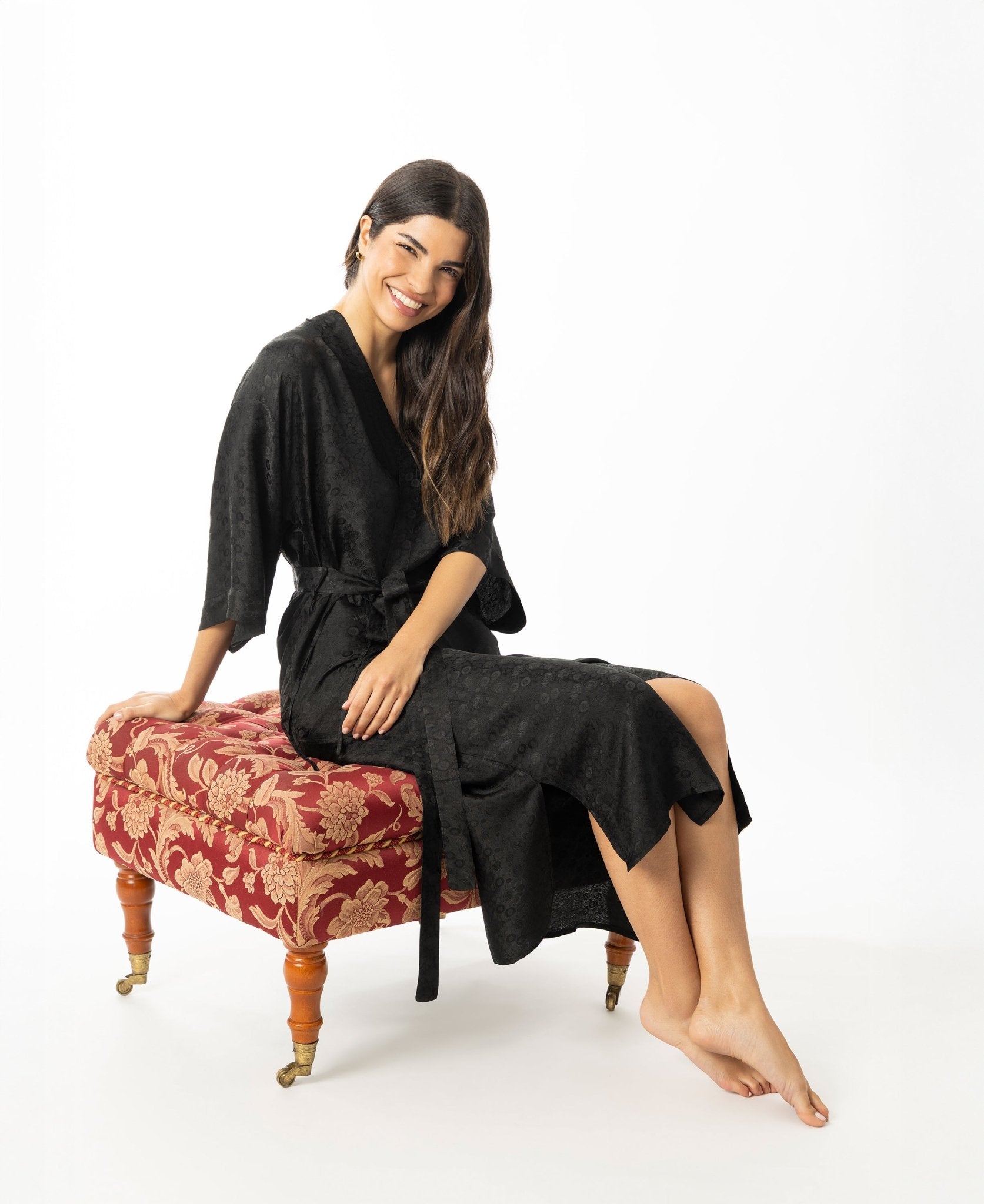
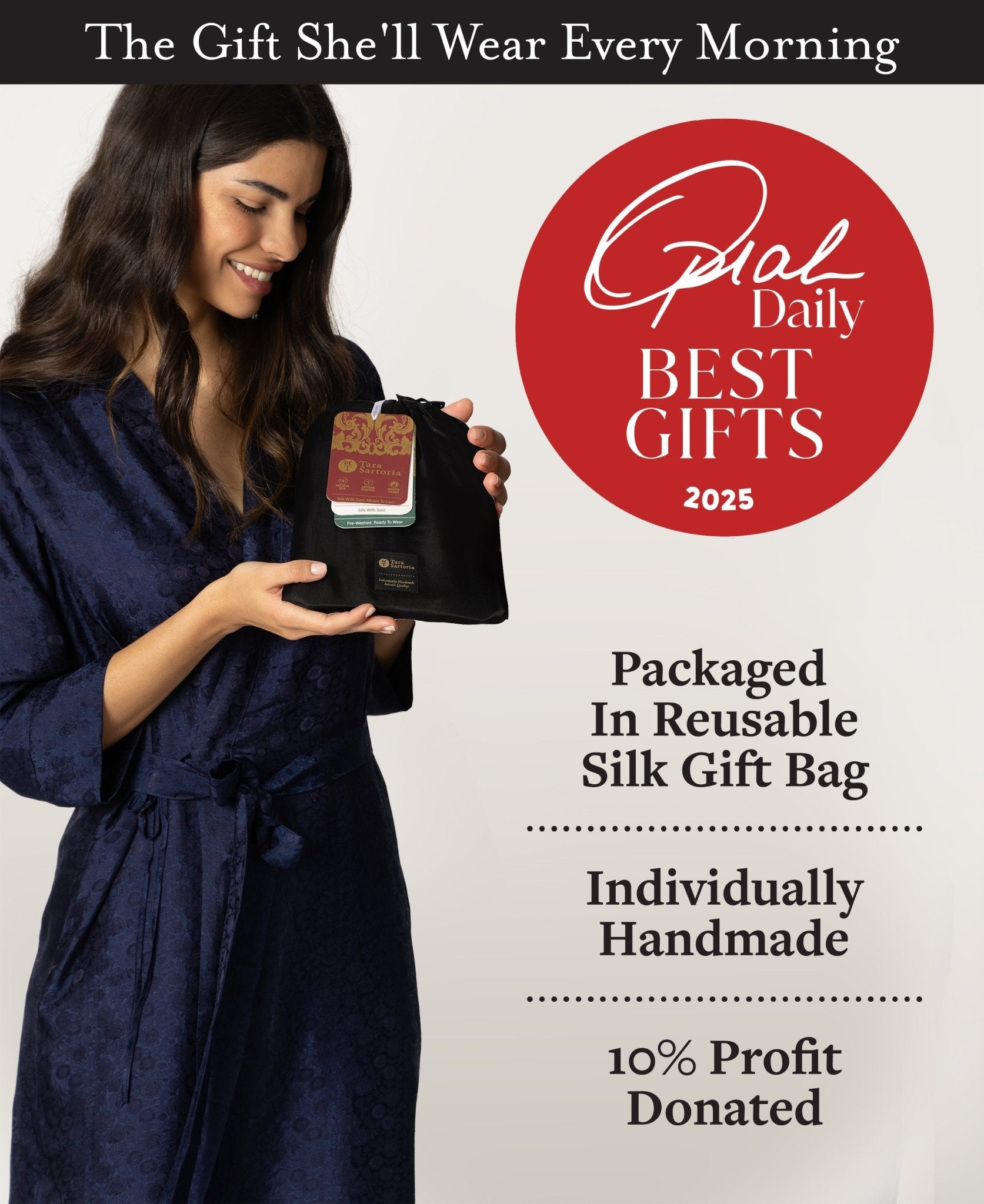
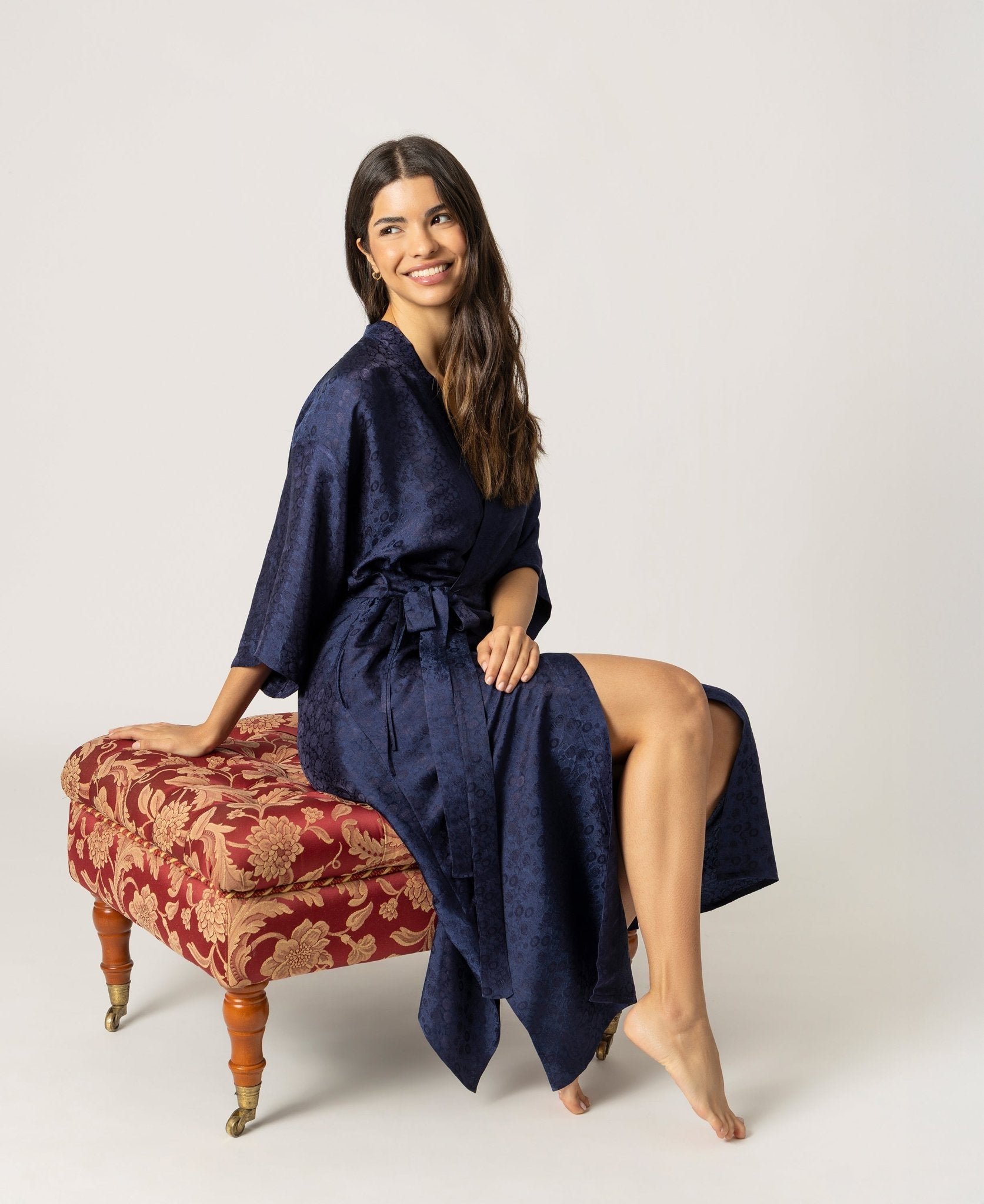
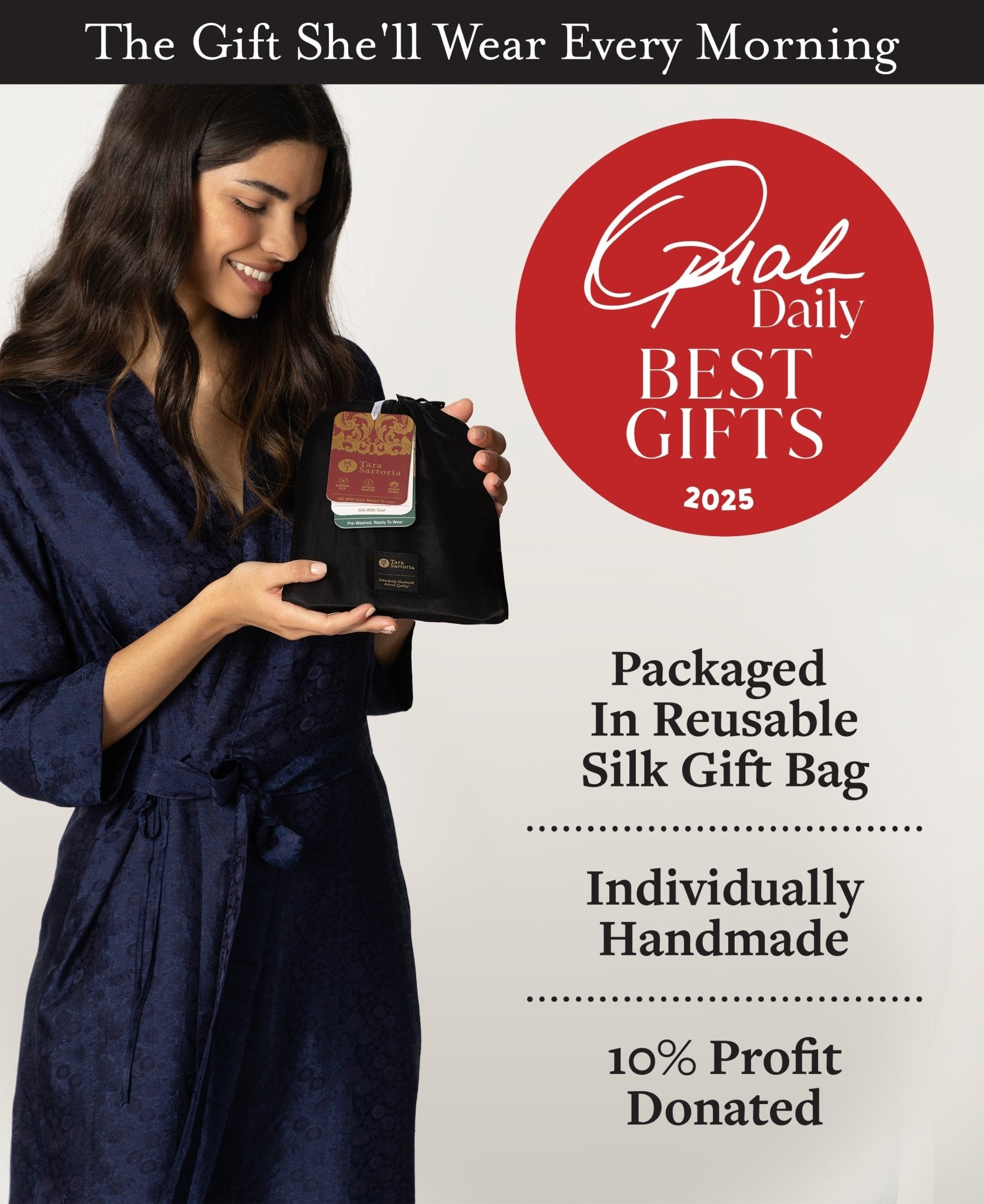
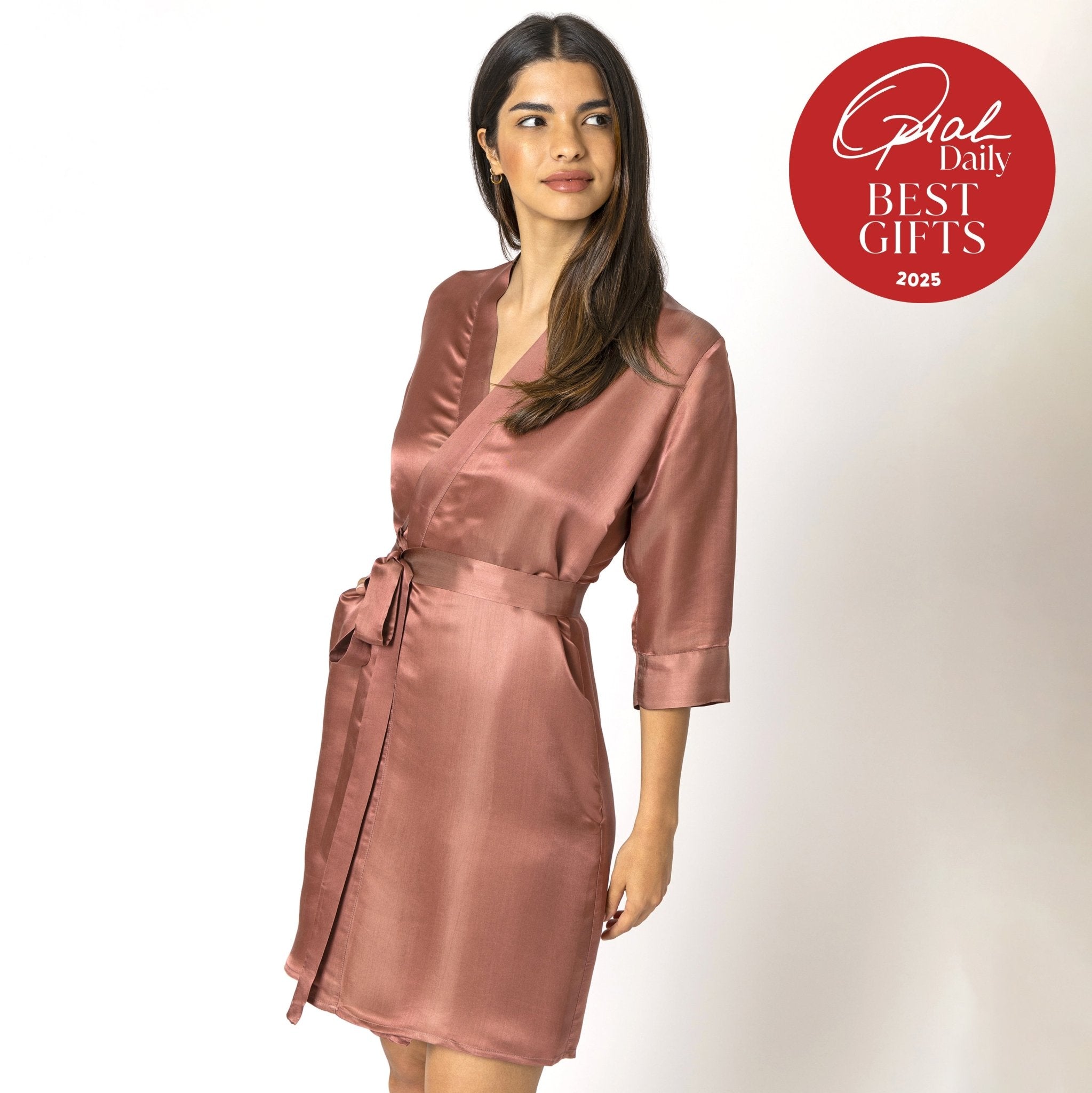
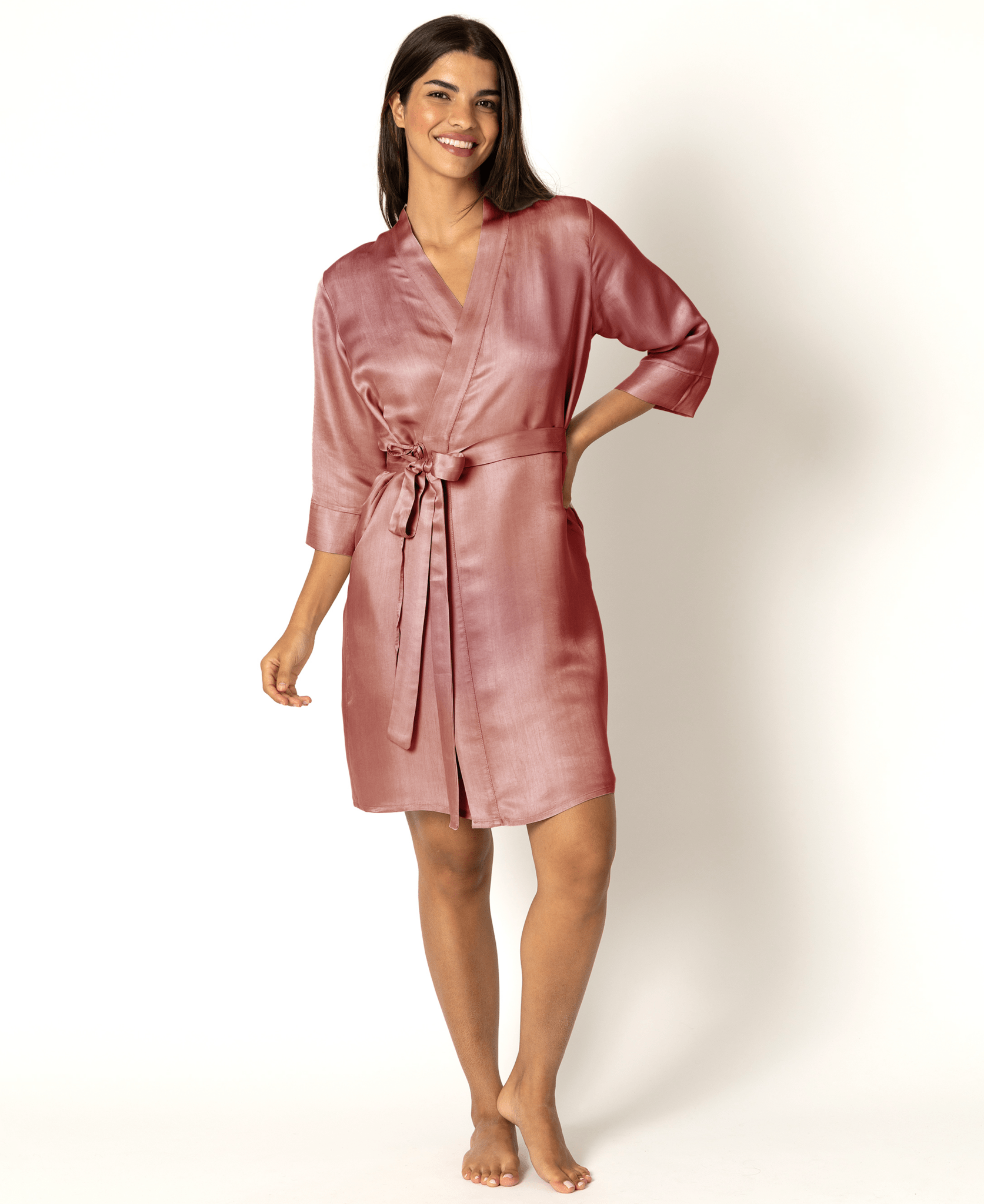
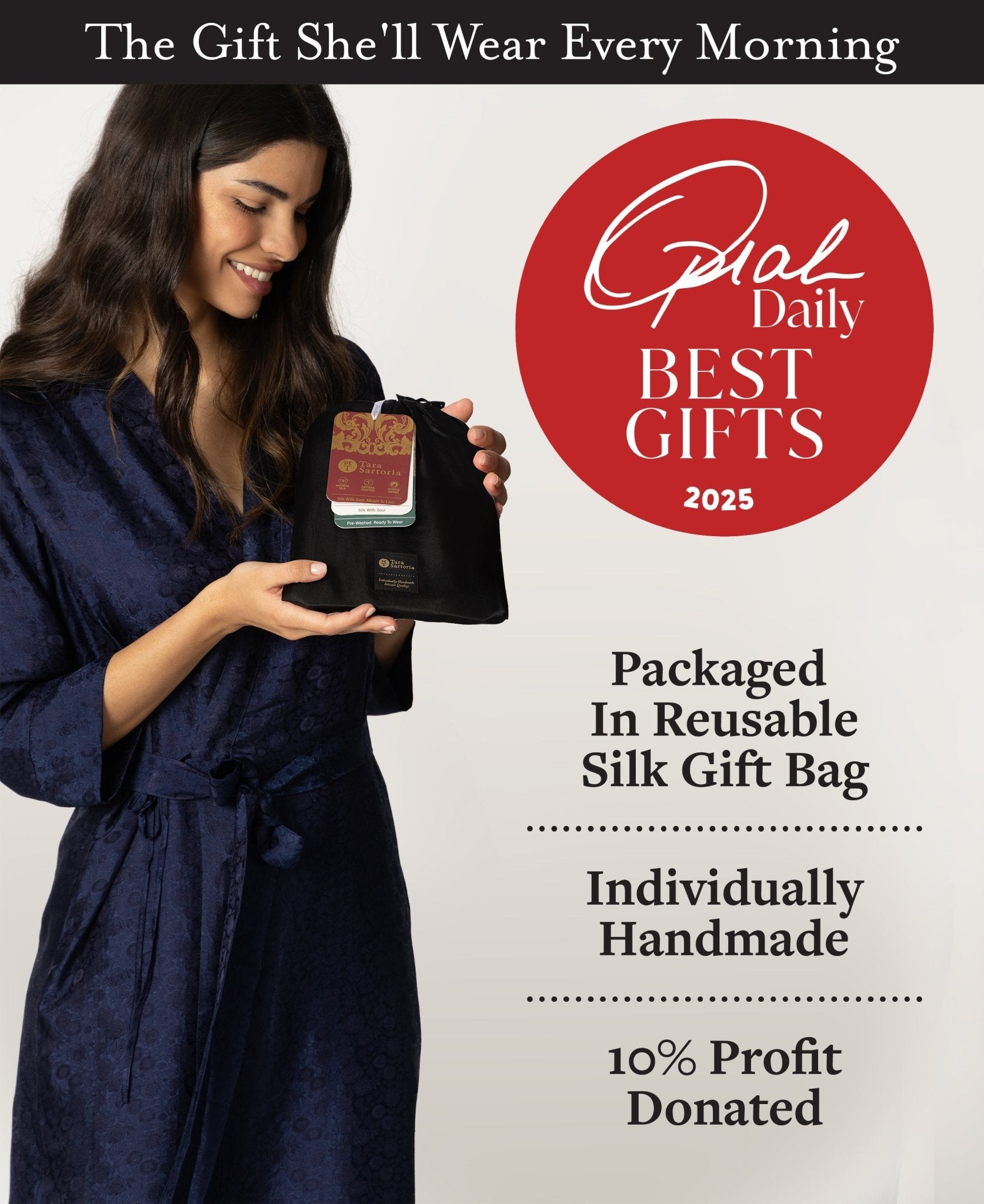
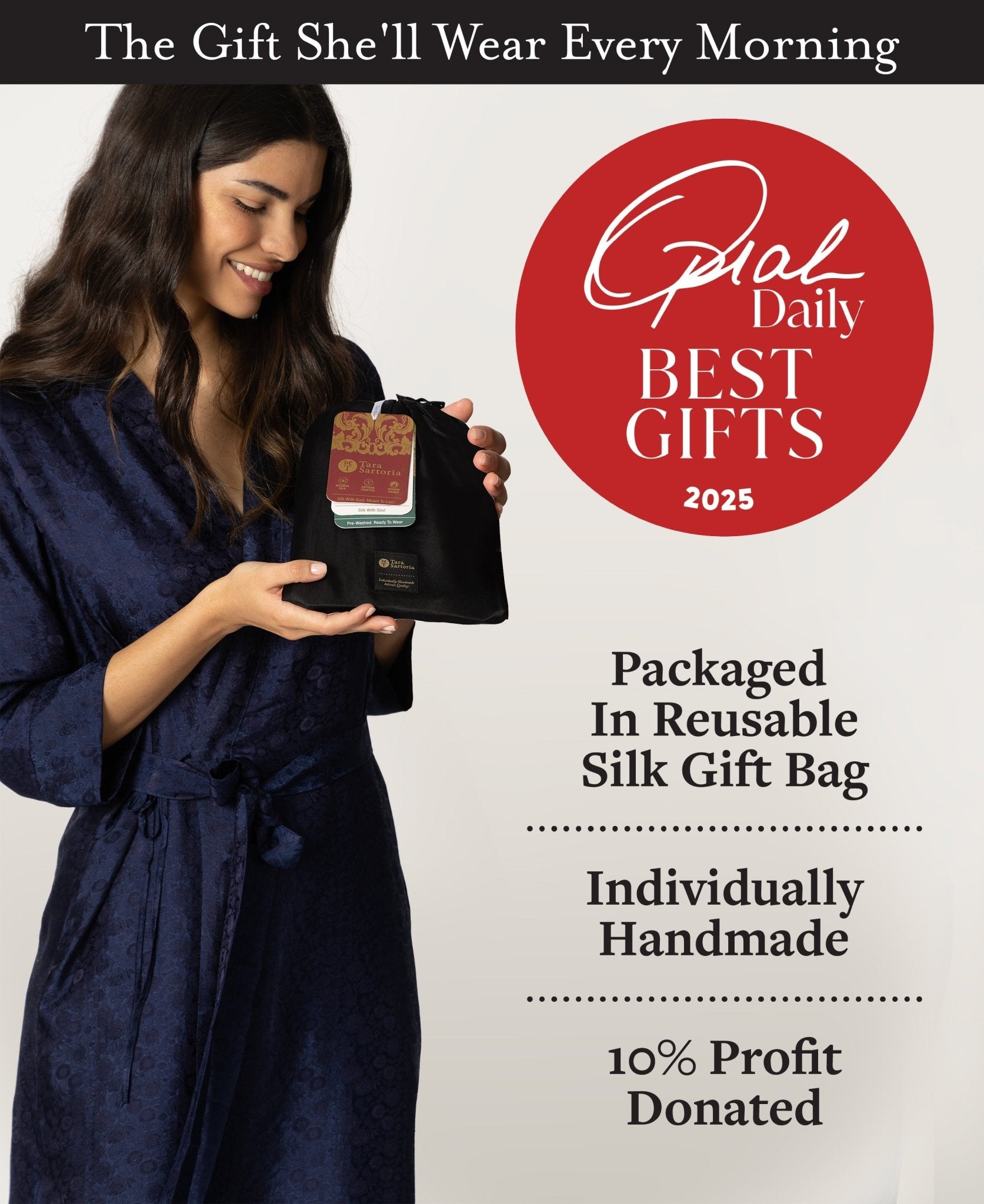
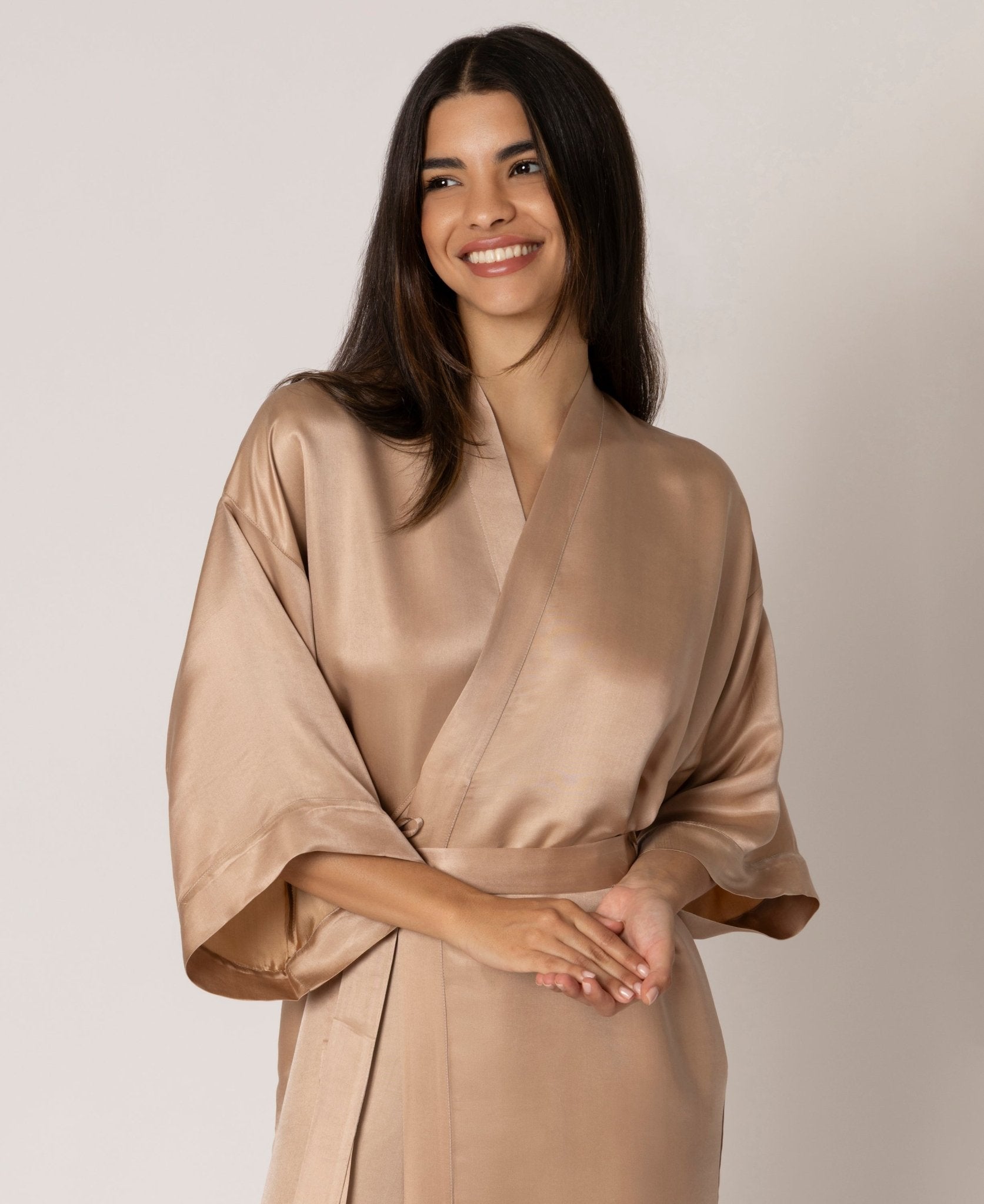
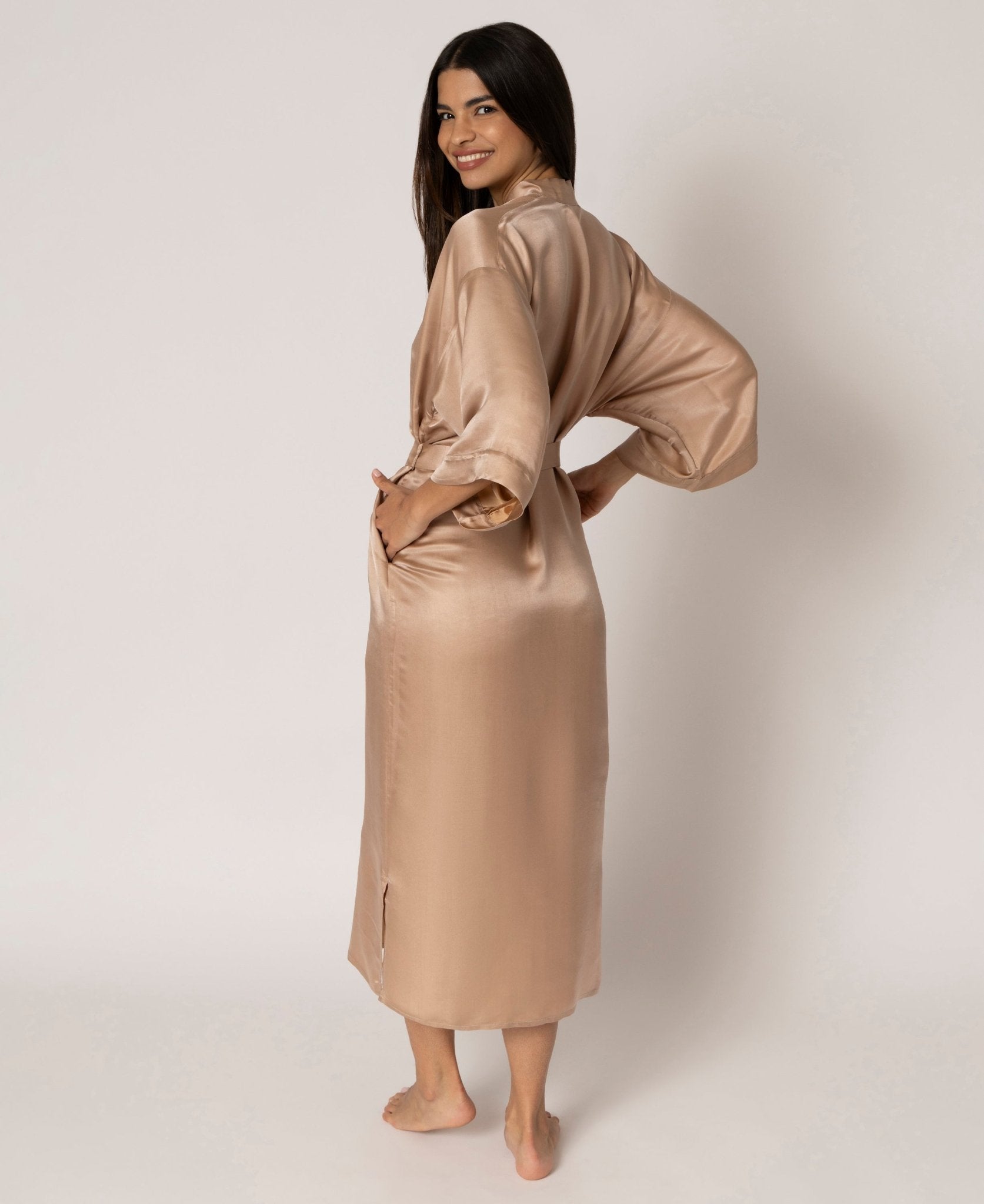
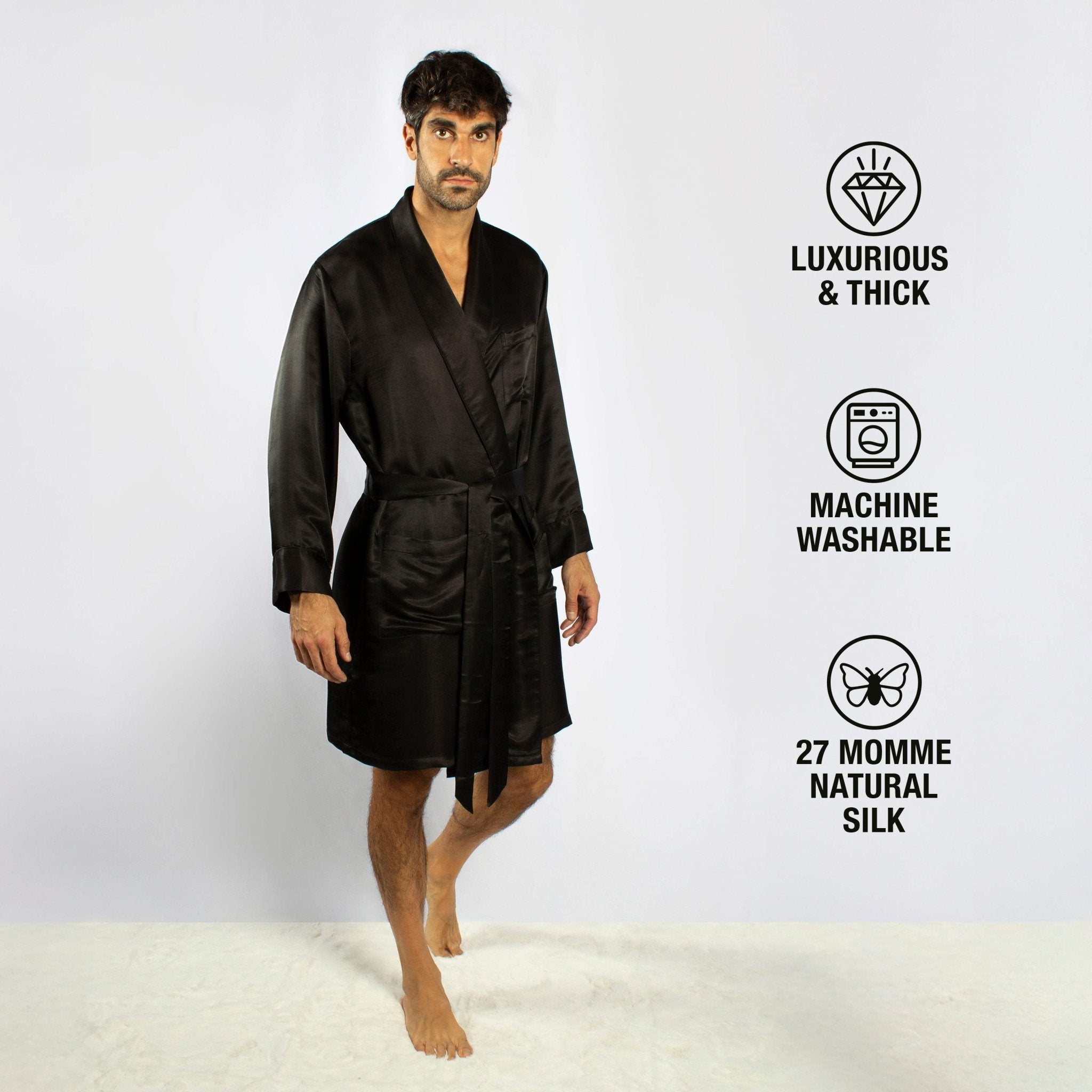
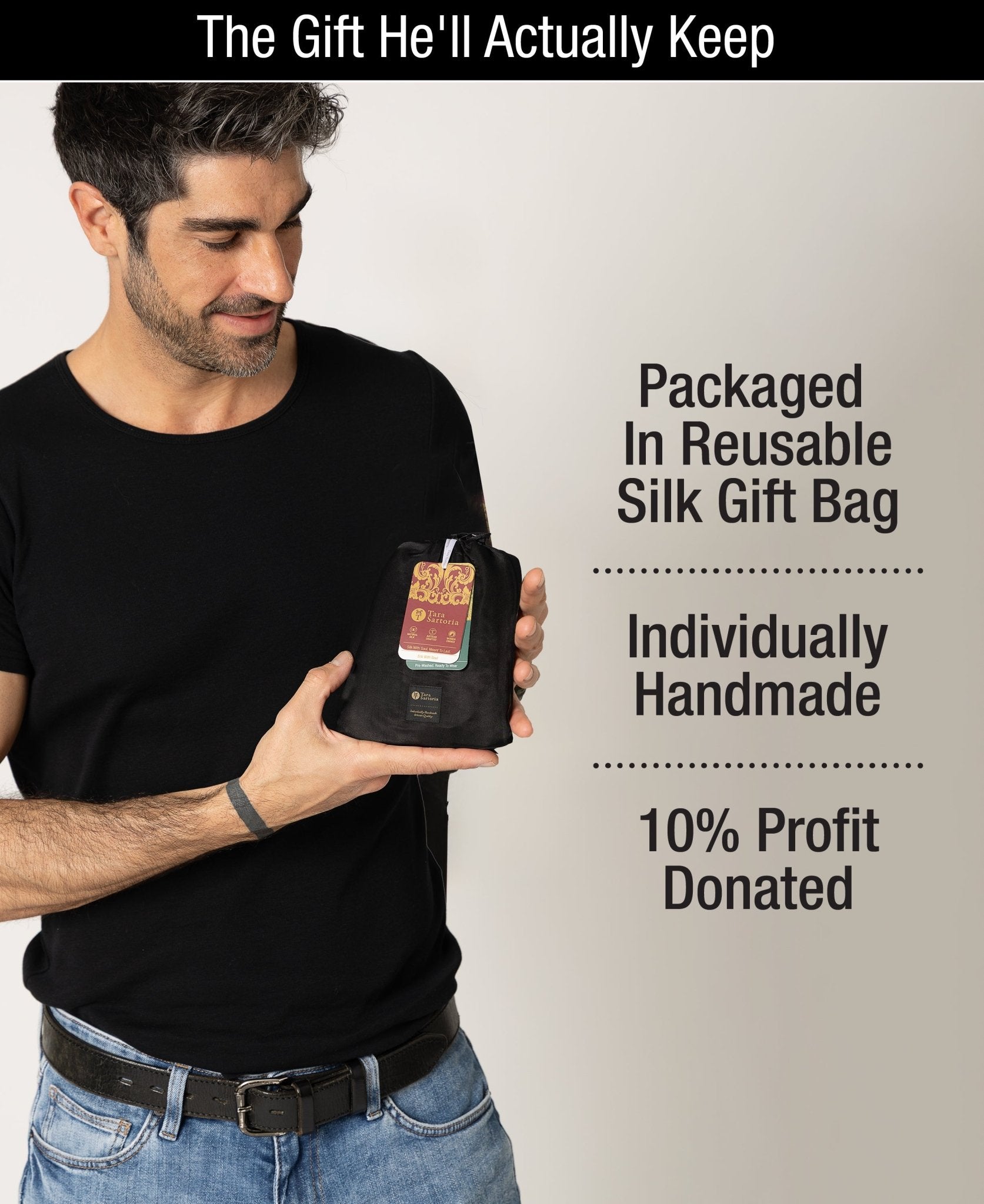
A good silk robe is heavy enough to drape, dense enough to feel substantial against the body, sewn with French seams, and built to be washed and worn many hundreds of times. At Tara Sartoria, the robes are made one piece at a time by master artisans in Vietnam's historic silk villages.
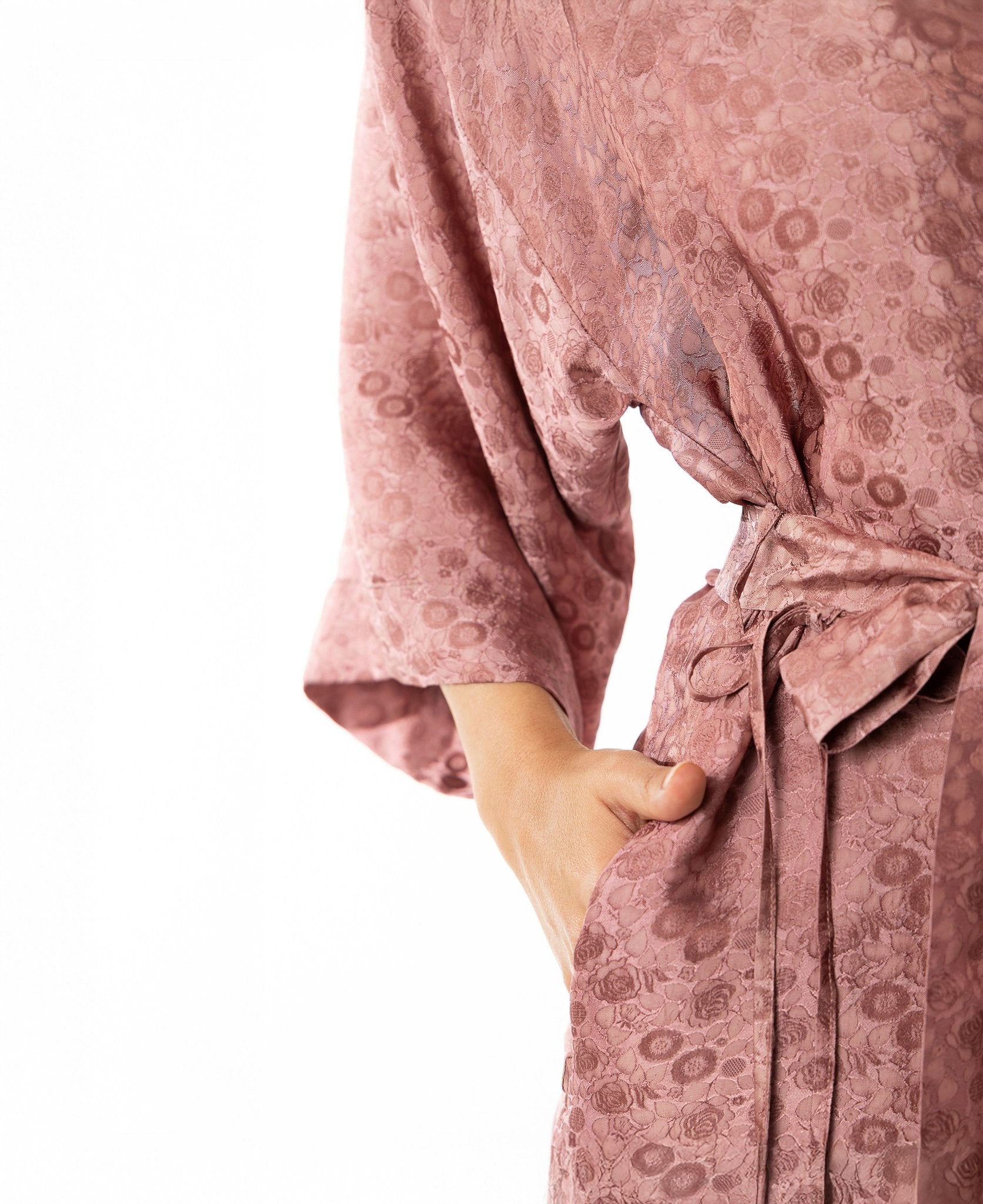
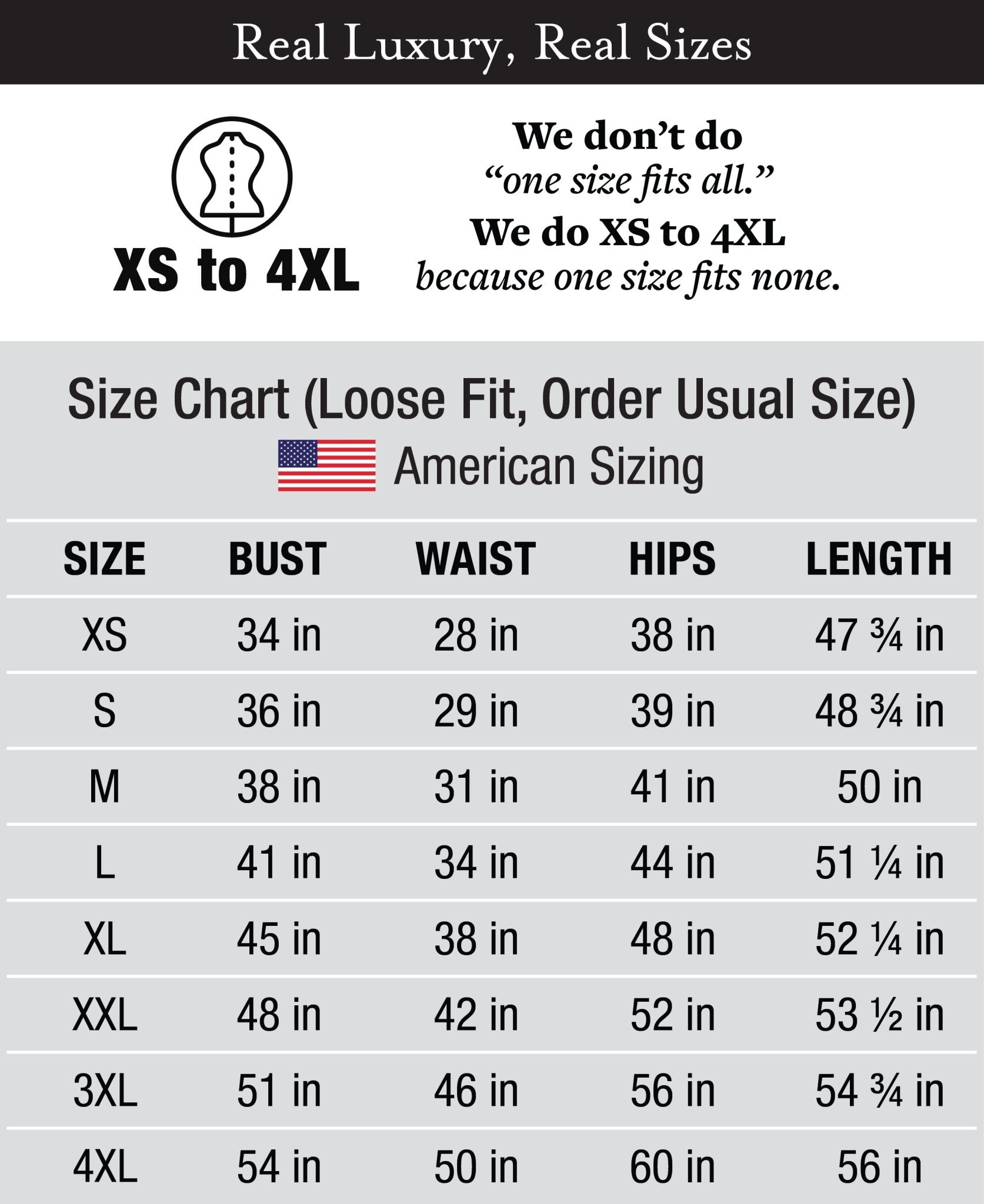
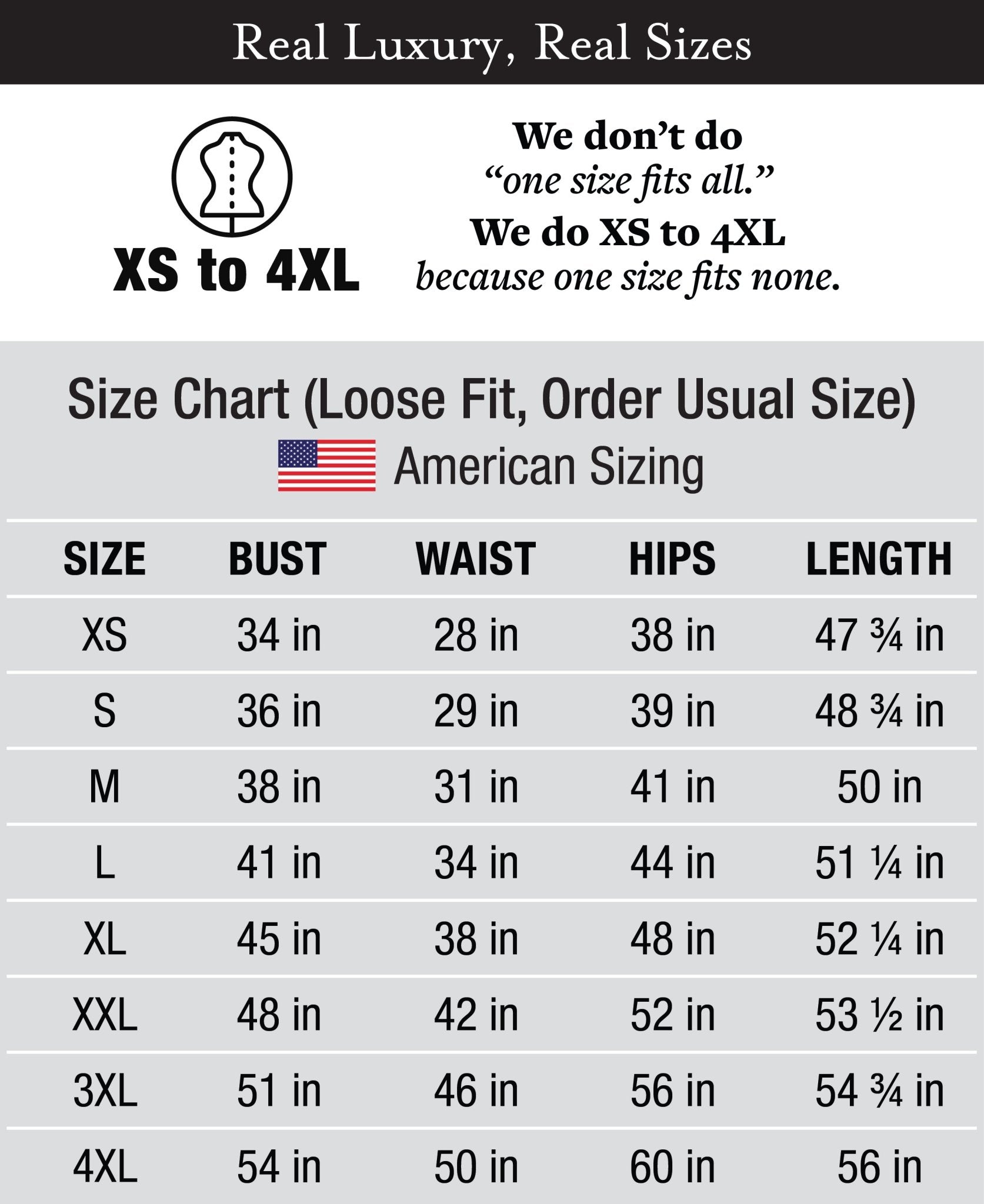
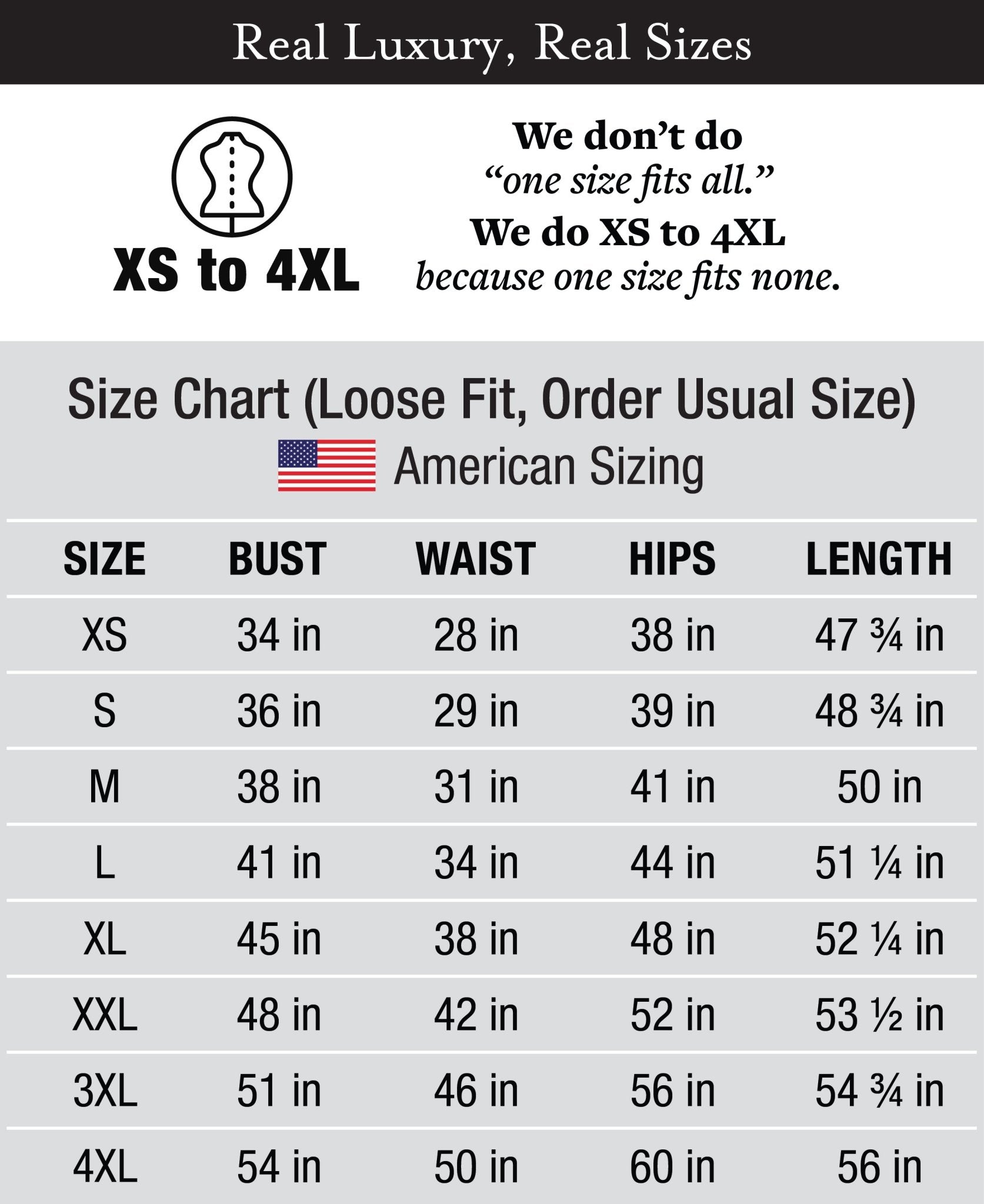
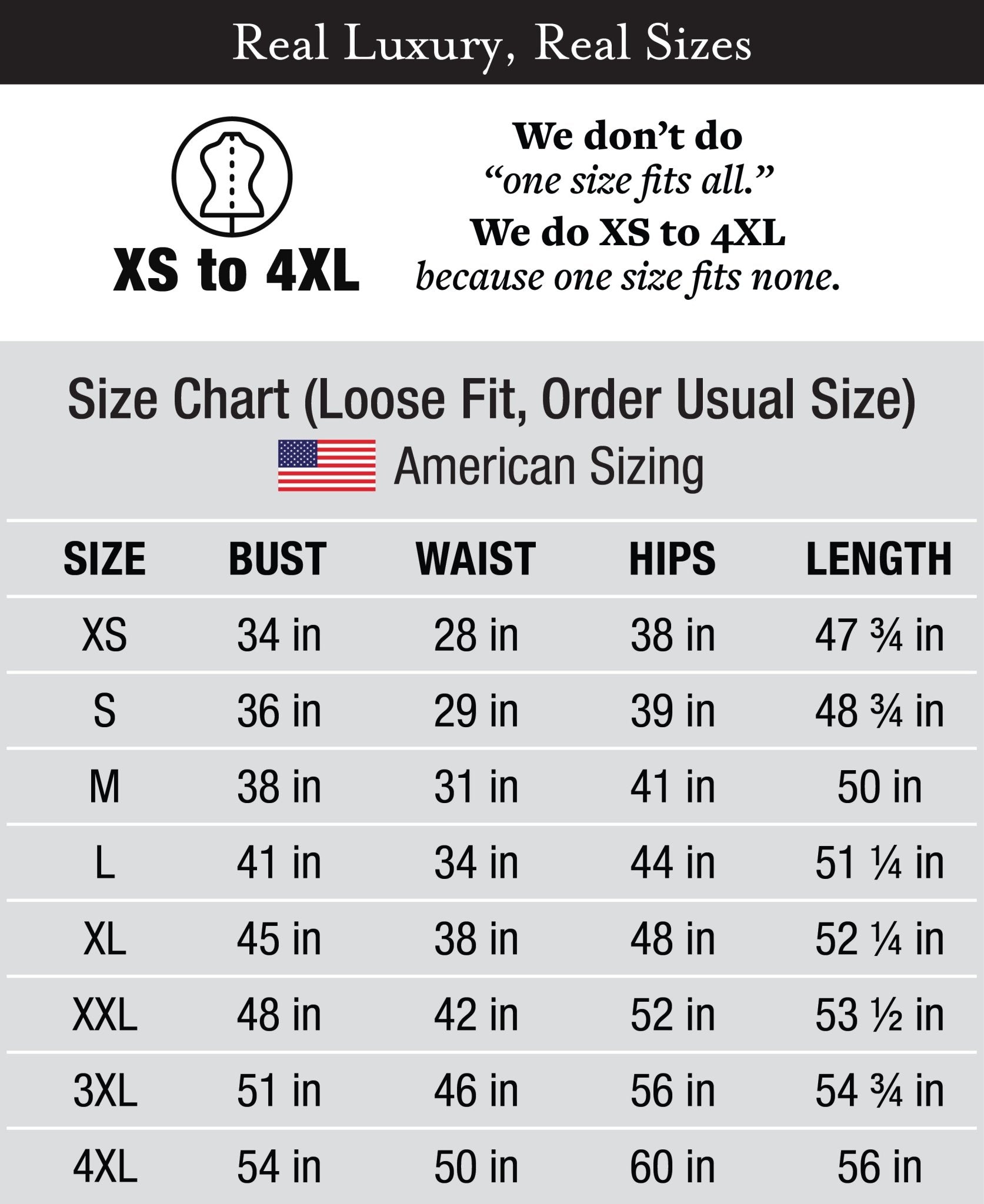
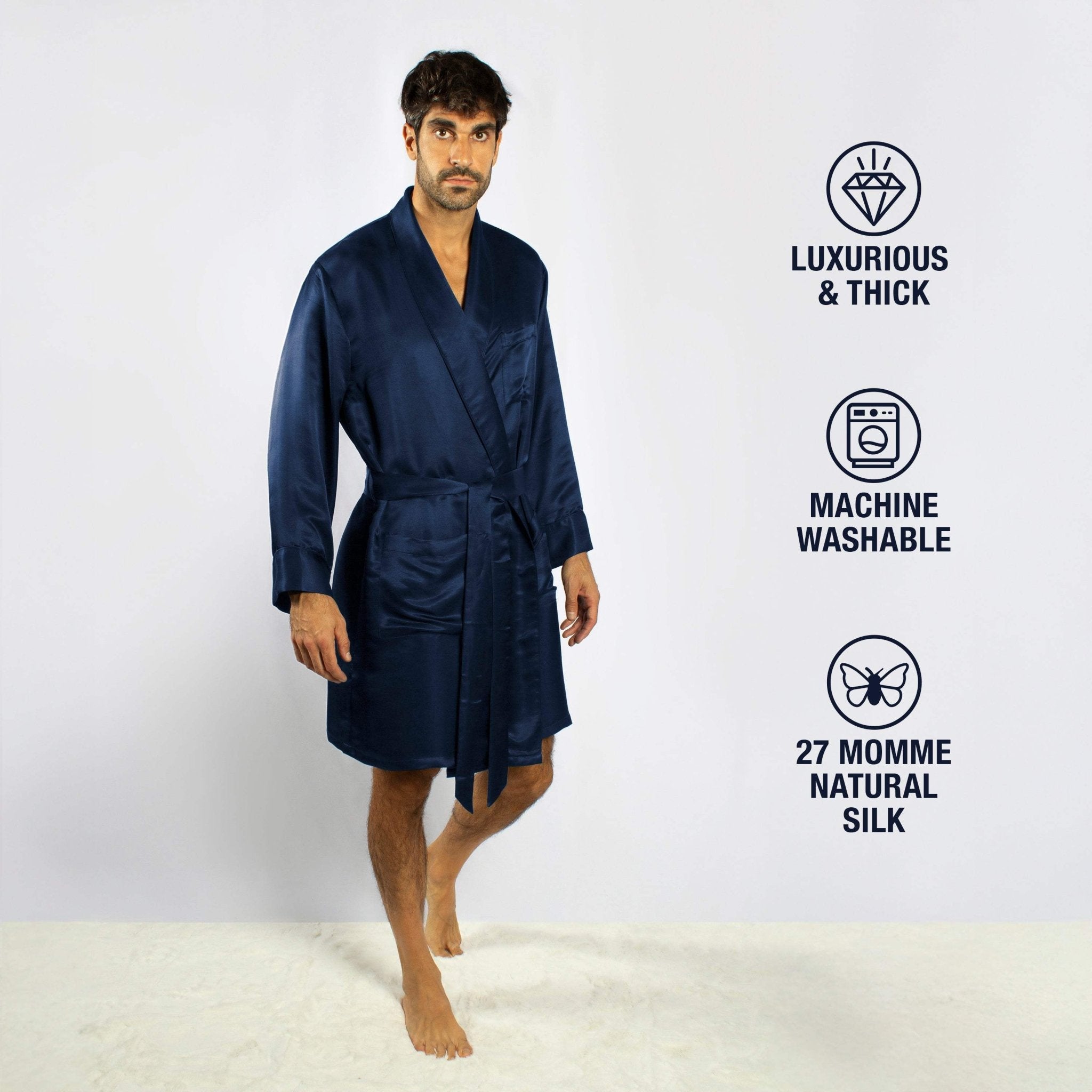
The silk is 27 momme mulberry silk, woven on heritage looms, and the seams are French seams throughout. Sizes run XS to 4XL as standard, with custom sizing available when needed. The robes are machine washable on a delicate cycle. If you are buying one silk robe you want to keep, this is the kind of construction to look for.



What Makes a Silk Robe Actually Good
The weight of the silk is the first thing you feel and the last thing most brands will talk about plainly. Silk weight is measured in momme. Most luxury silk robes sit between 19 and 22 momme, which is the standard the industry settled on because it is the cheapest weight that still passes as silk. Ours is 27 momme. The difference is not abstract. It is the difference between a robe that hangs from your shoulders and a robe that holds its shape when you reach for the coffee.
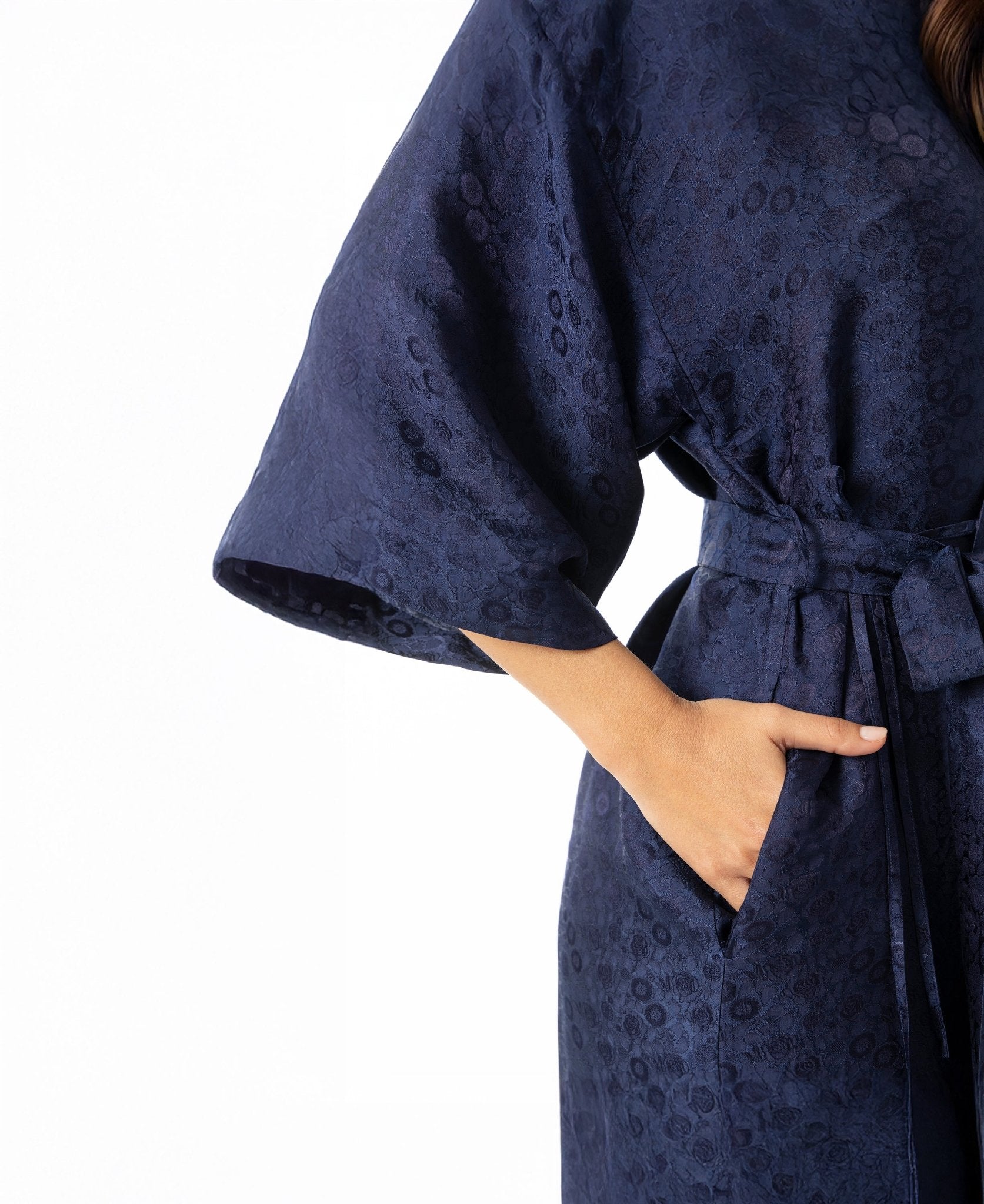
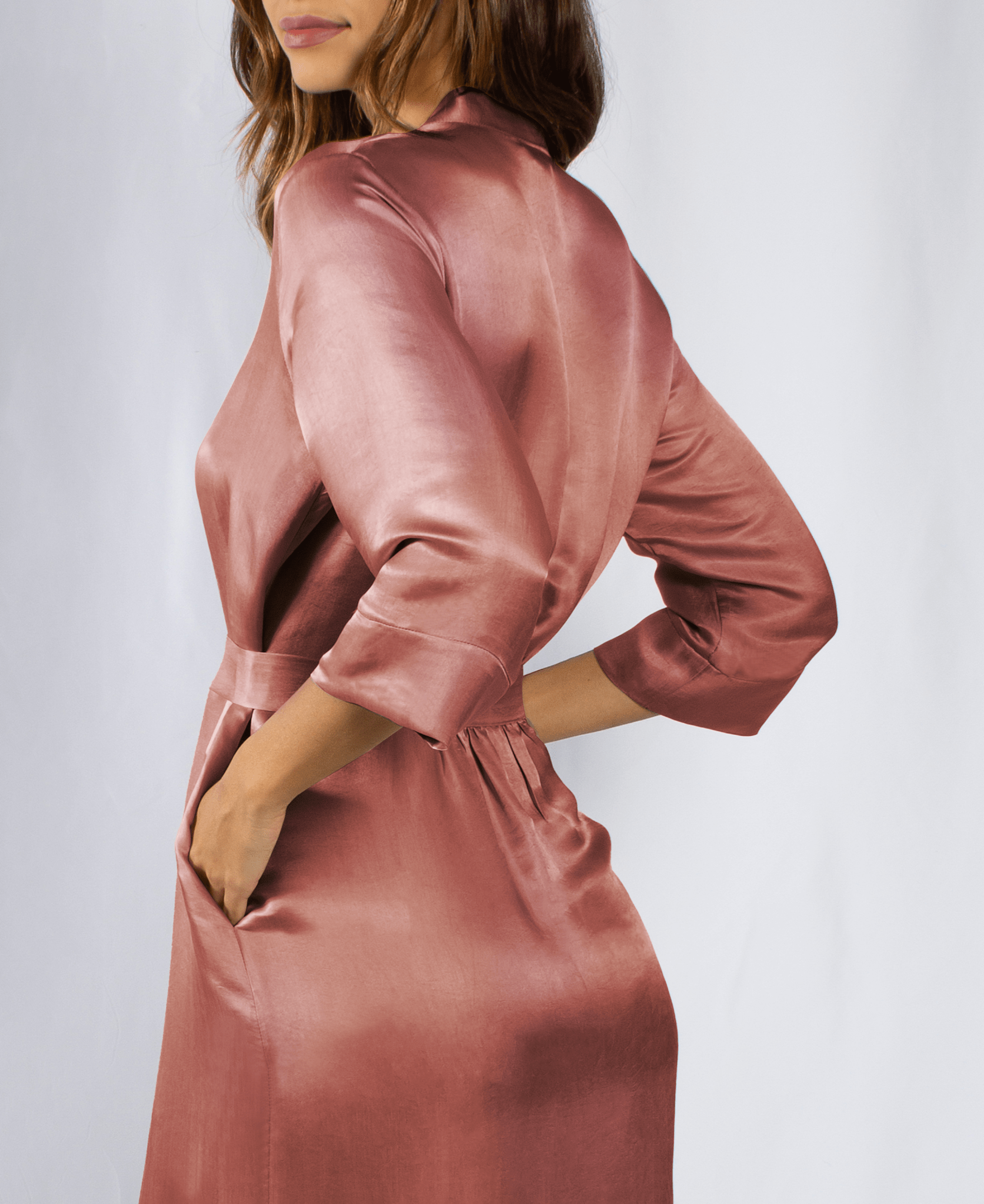
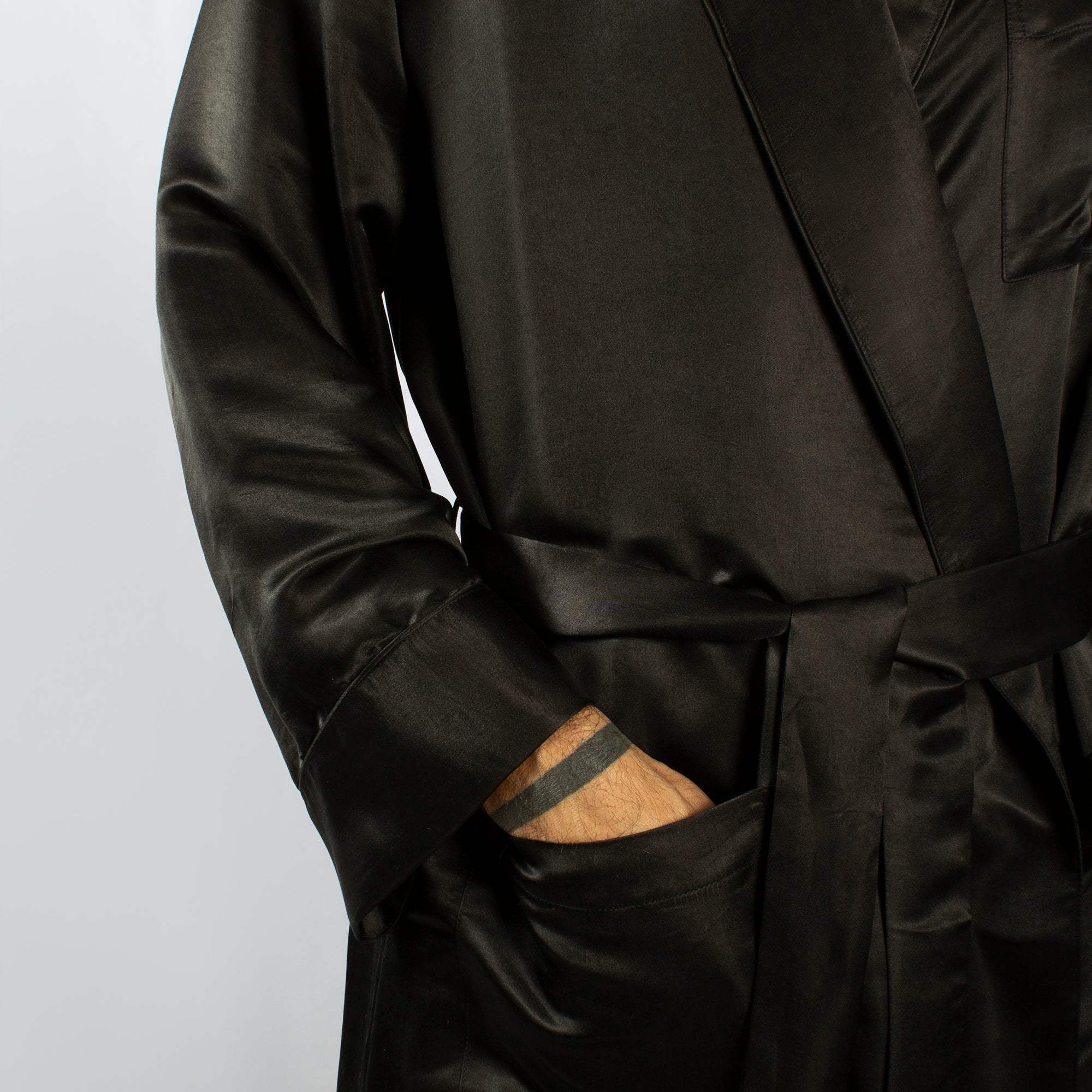
The seam type matters almost as much. A French seam encloses the raw edge of the fabric inside the seam itself, so there are no exposed threads anywhere on the inside of the garment. The seam is essentially stitched twice, and the result is stronger than the silk on either side of it. Most silk robes use surged seams instead, which are fast and cheap and start fraying inside a year of regular wear.
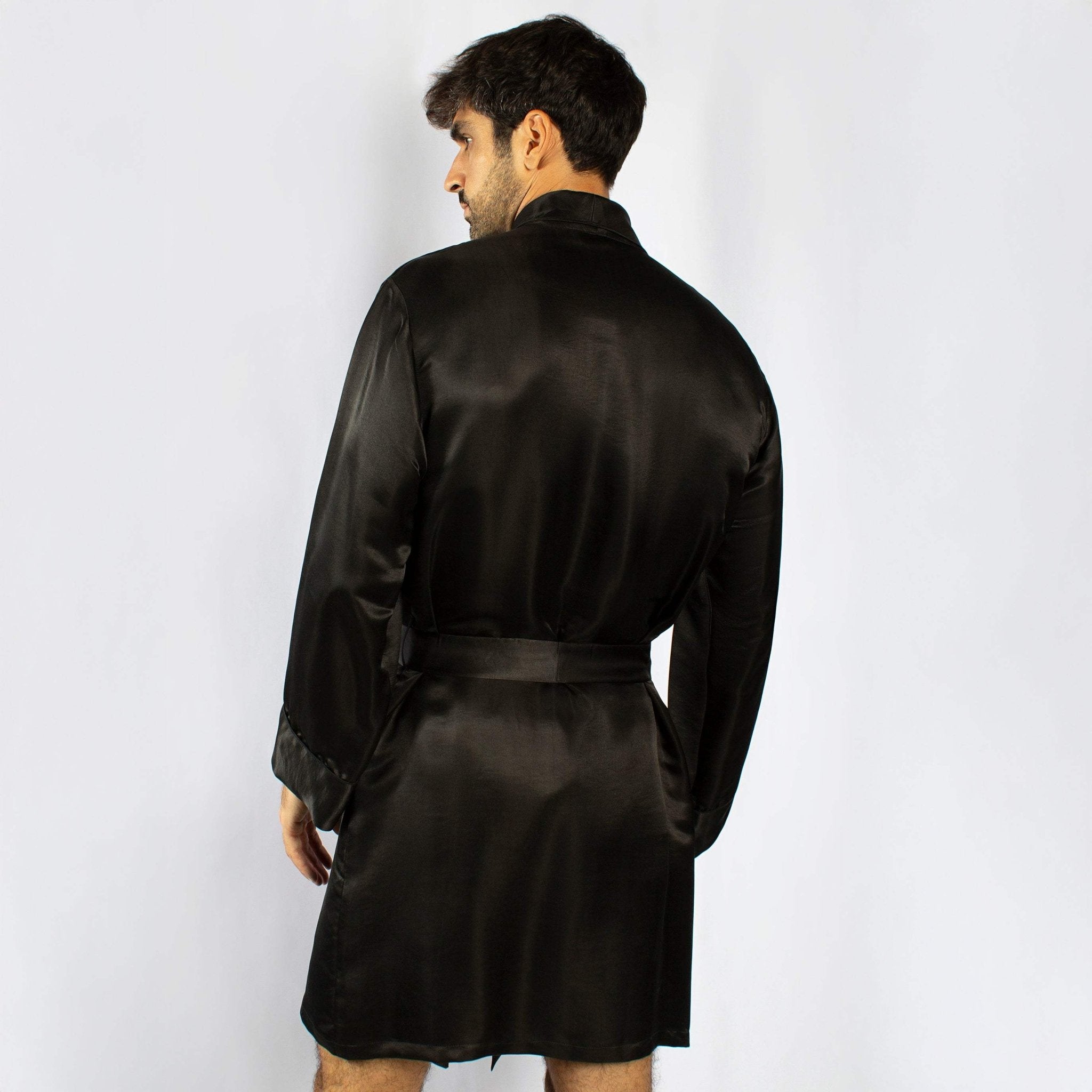
The cut is the third thing. A real silk robe is cut from a single layer of fabric so the master artisan can read the silk's grain and tension on that specific bolt. Most silk robes are cut from stacks of forty or sixty layers at once, which is faster but produces garments where the lower layers do not match the top. The shoulders sit slightly off. The sleeves drift. The drape never quite lines up. You cannot put your finger on what is wrong, but the robe never feels right.
 Shop Artisan Silk Robes, Long, Washable
The Honest Comparison: Silk Robe vs Other Robes You Might Be Considering
Most people shopping for a silk robe are also quietly considering a terry cloth robe, a cotton robe, or a satin robe pretending to be silk. The decision tends to come down to what the robe is for and how long you want to own it.
| Robe Type | What It Feels Like | What It Costs Over Five Years | Real Use Case |
|---|---|---|---|
| 27 momme silk robe (Tara Sartoria) | Substantial, cool to the touch, softens with wear | One robe, around $250 to $400 once | Daily wear, indefinite use, after-shower, hosting, travel |
| Standard 19-22 momme silk robe | Light, slips off shoulders, thin in the seam | Often replaced inside two years | Occasional wear, gift drawer |
| Terry cloth robe | Heavy, absorbent, warm, bulky | Replaced every two to three years | After-shower only |
The cost-per-wear math is the part most shoppers miss. A $90 satin robe replaced every year for five years is $450, and the robe never feels like silk on any of those days. A $300 silk robe worn for ten years is $30 a year, and it feels like silk every single morning. The cheap option is almost always the more expensive option in the end.
What the Best Silk Robes Look Like in Person
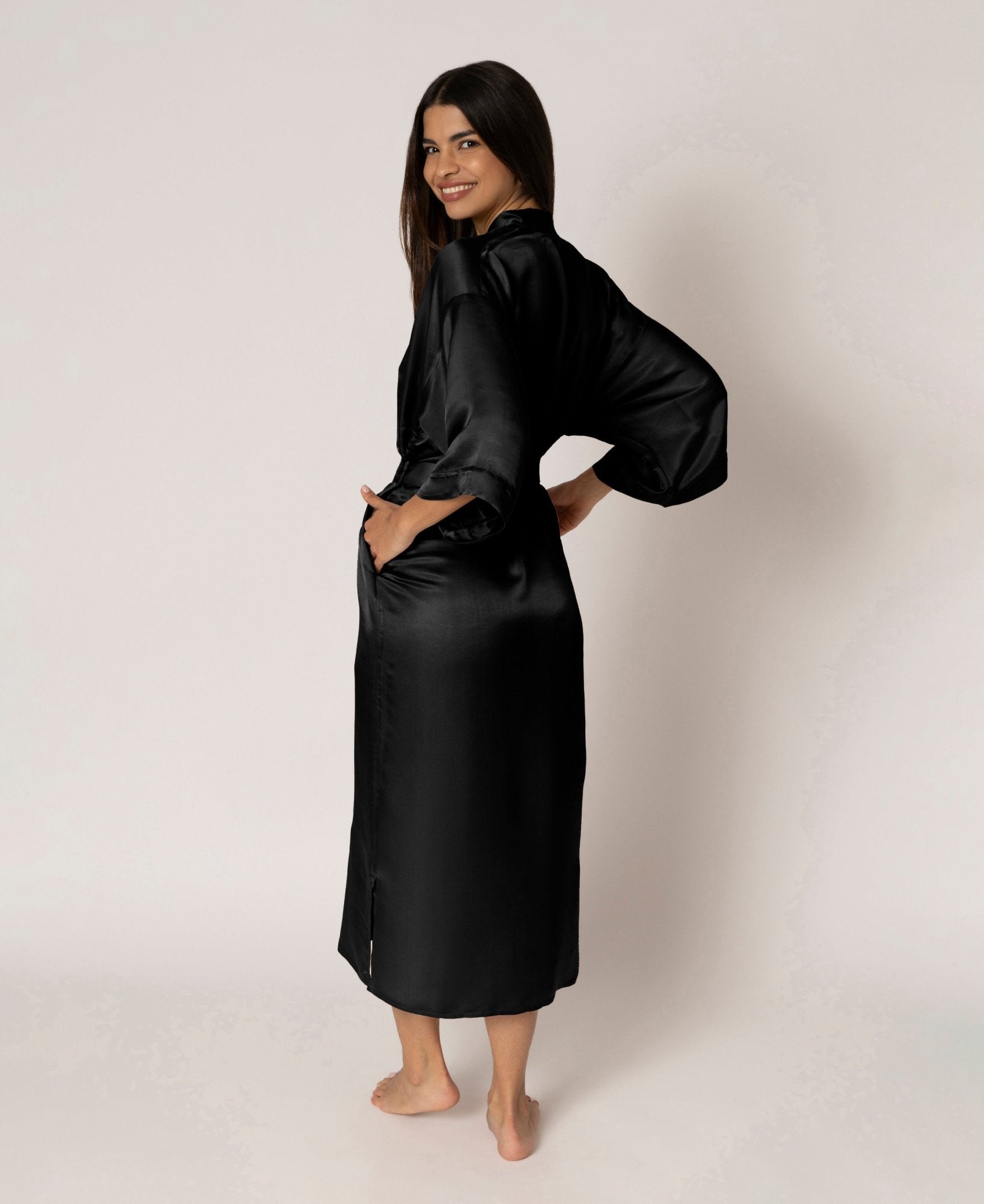
When a silk robe is well made, you can tell from the box. The weight is wrong for a polyester garment of the same dimensions. The folded fabric does not crease into sharp lines because the silk has enough body to resist sharp creases. The seams, if you turn the robe inside out, are clean and enclosed, with no surged thread edges sticking out.
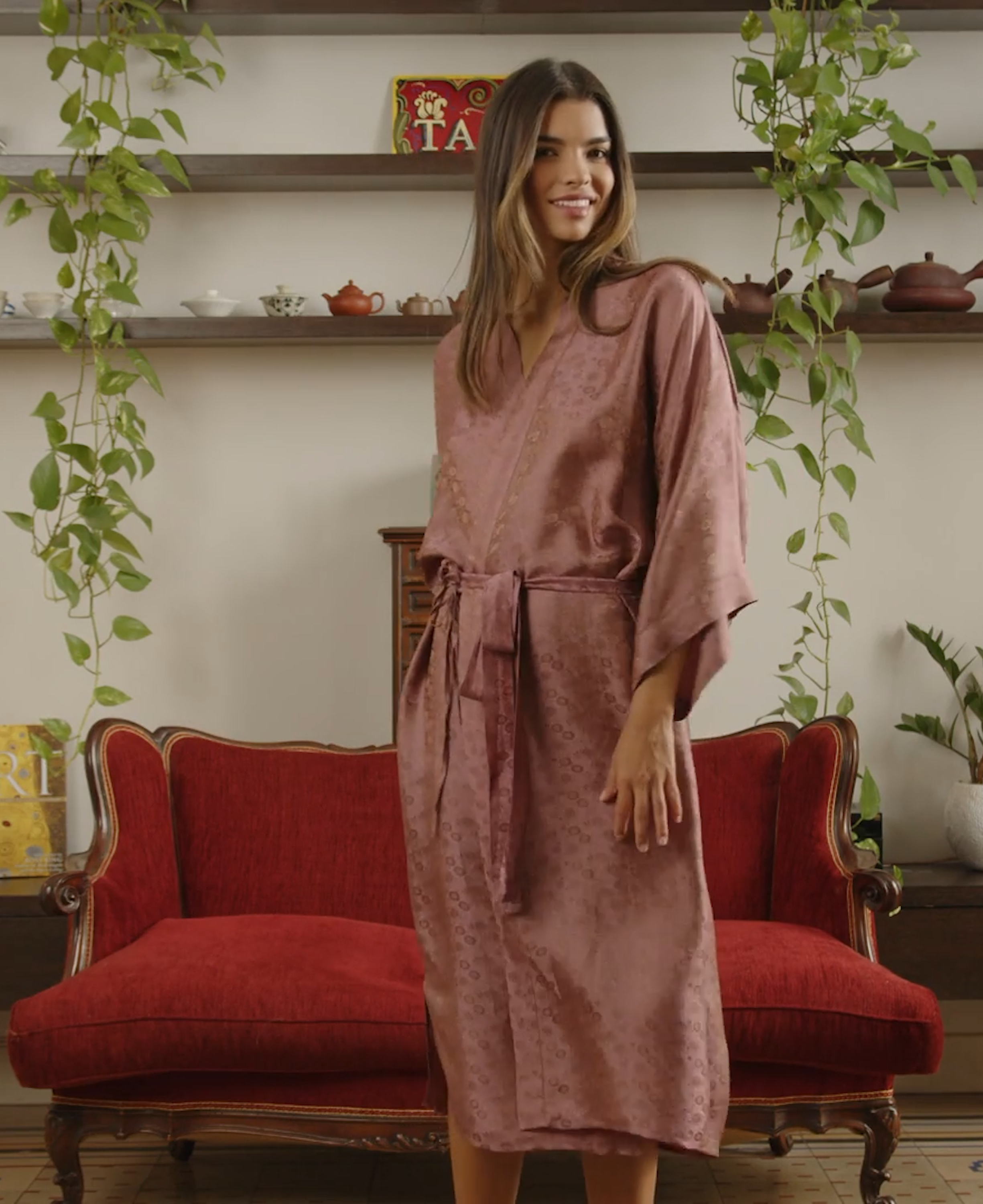
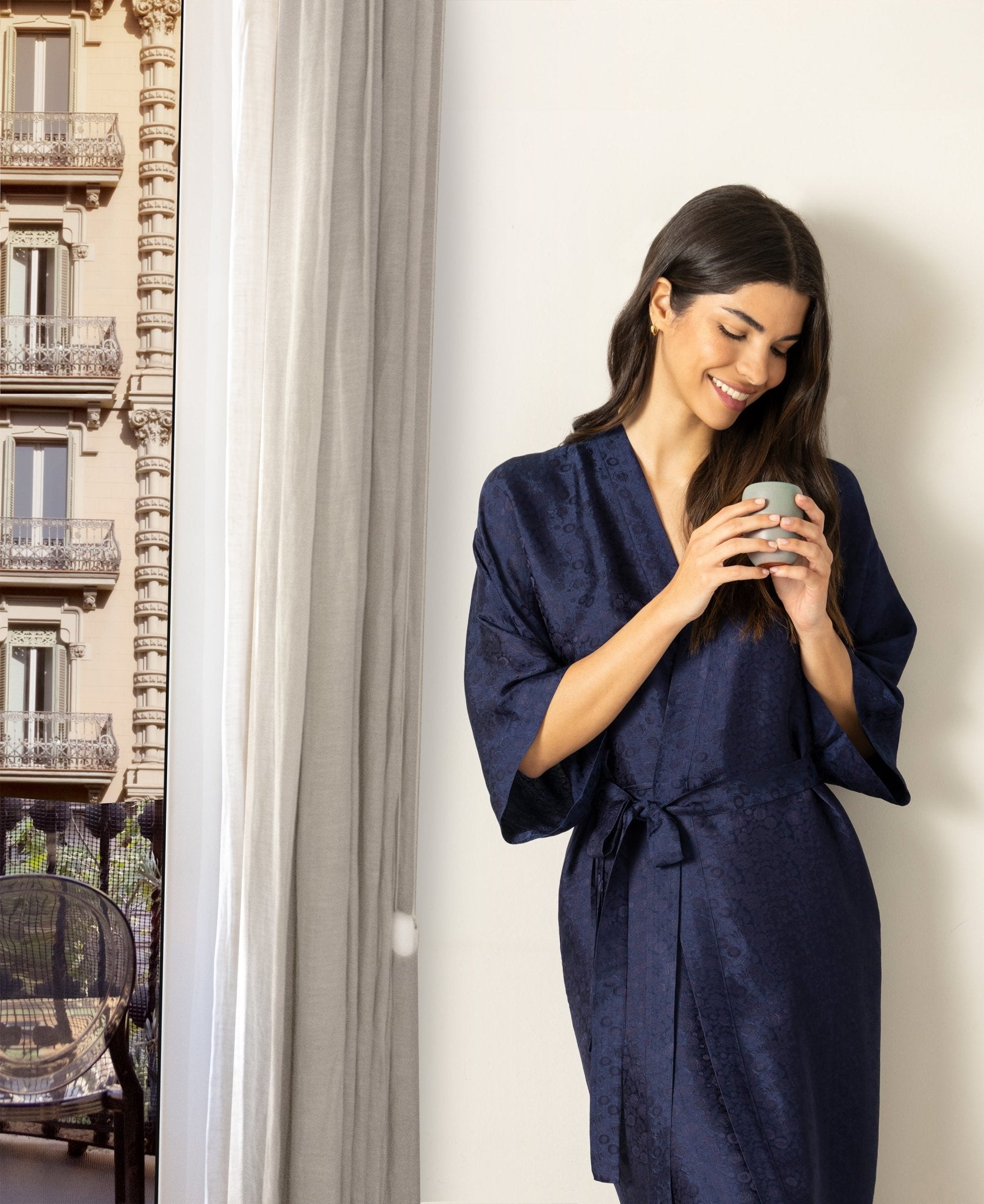
When you put it on, the silk feels cool against the skin for the first few seconds. Real mulberry silk does this. The temperature regulation is part of the fiber itself, not a marketing claim. Then the silk warms to your body temperature and settles. A good silk robe does not so much get worn as it gets adopted by the body.
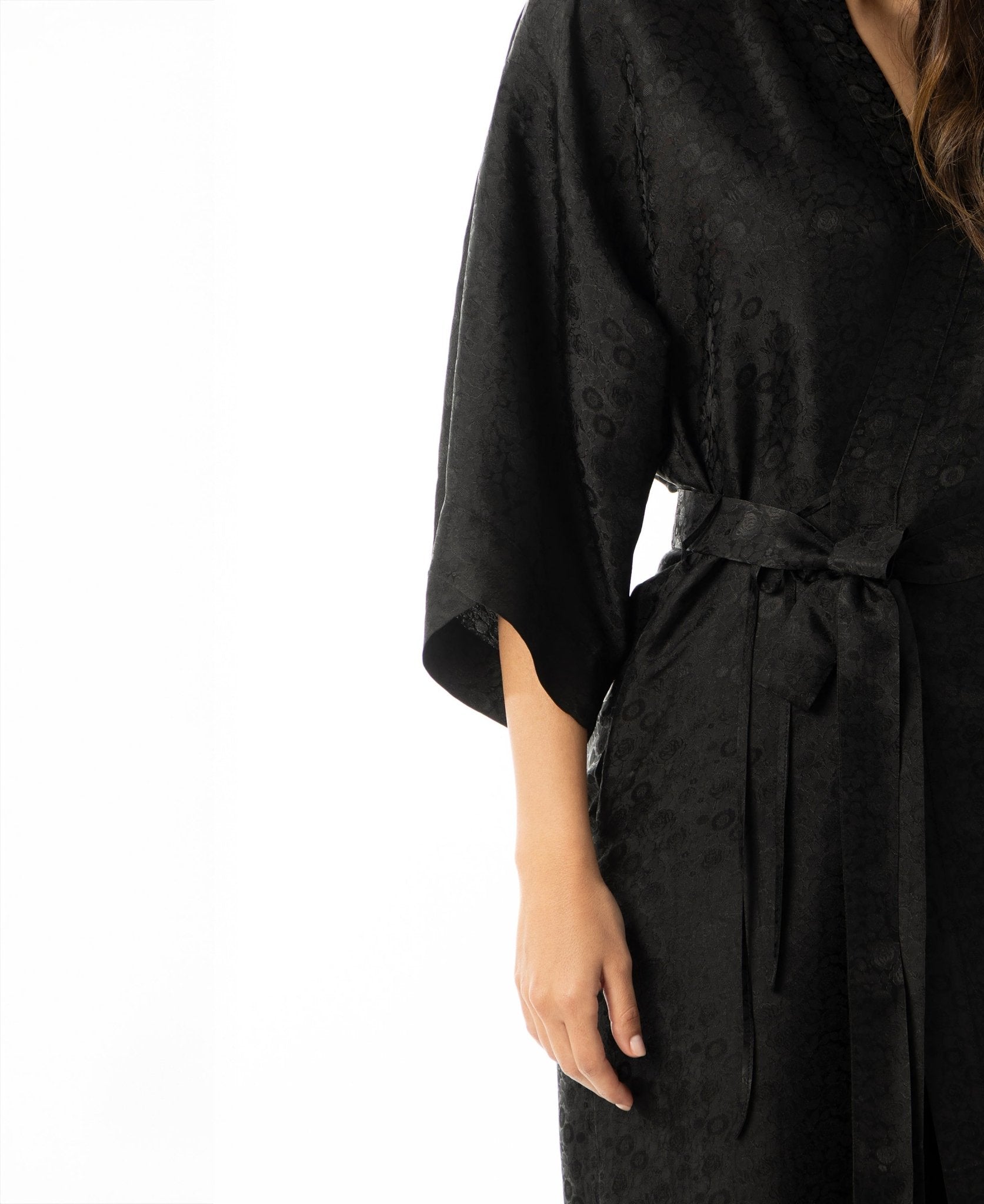
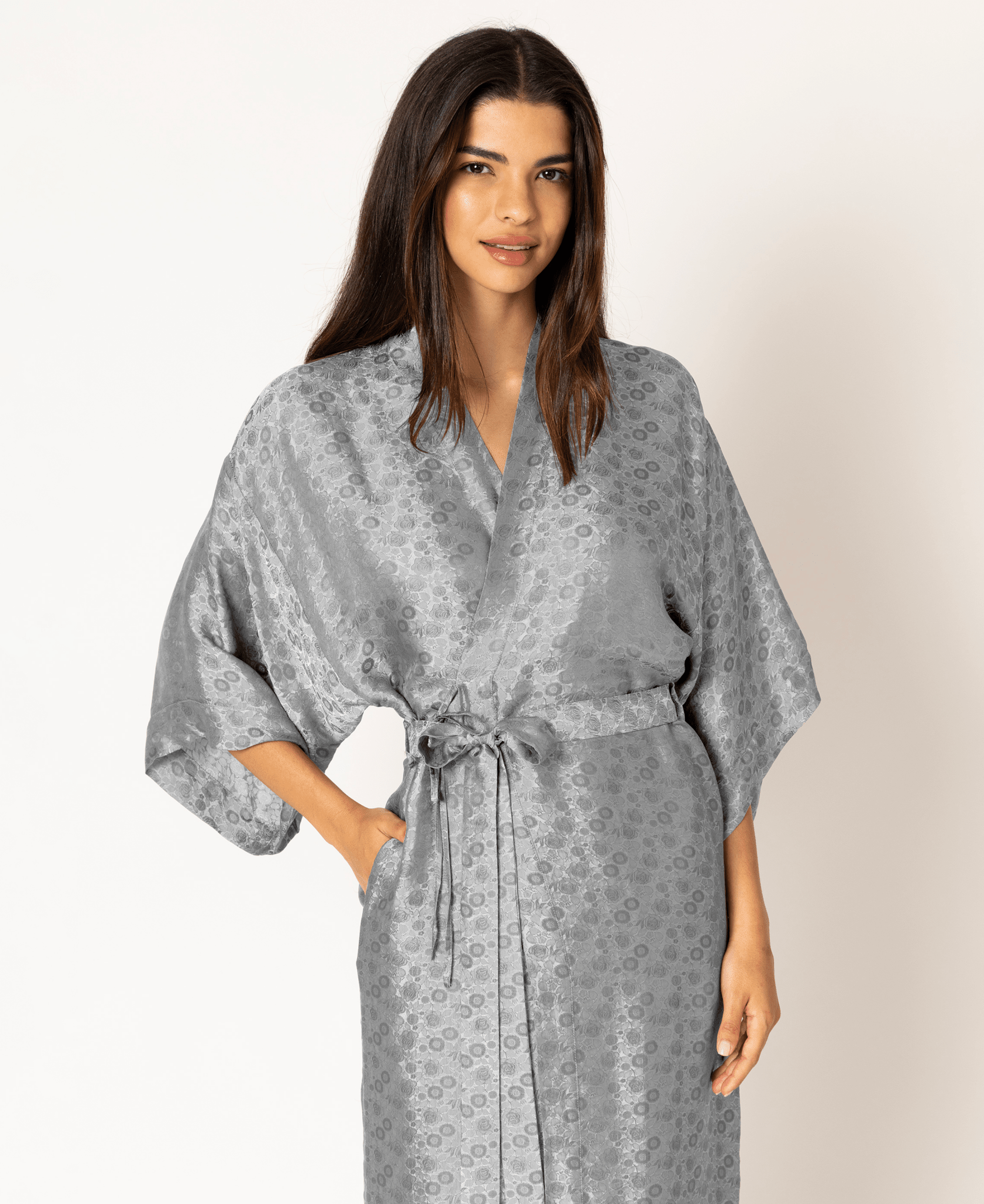
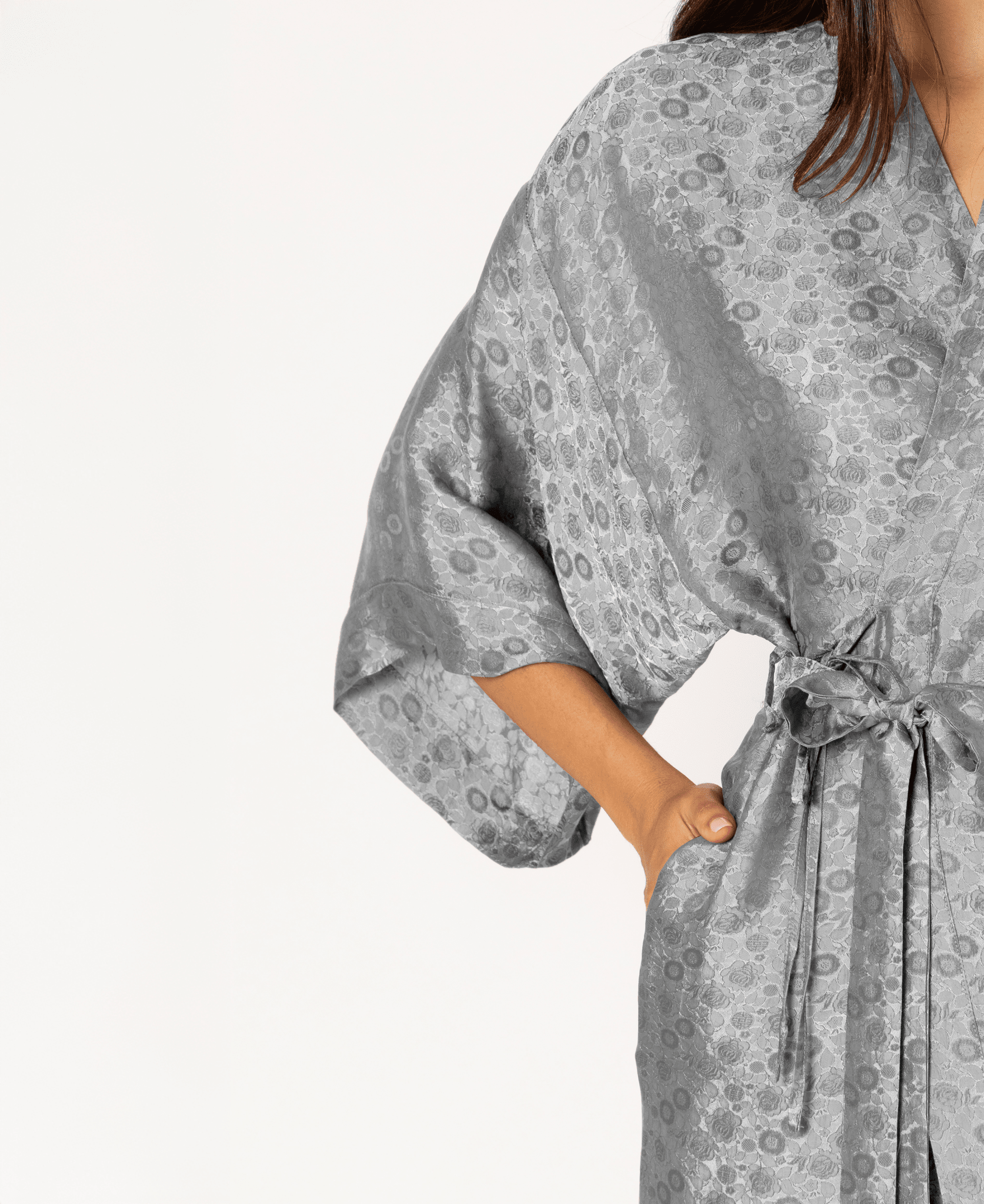
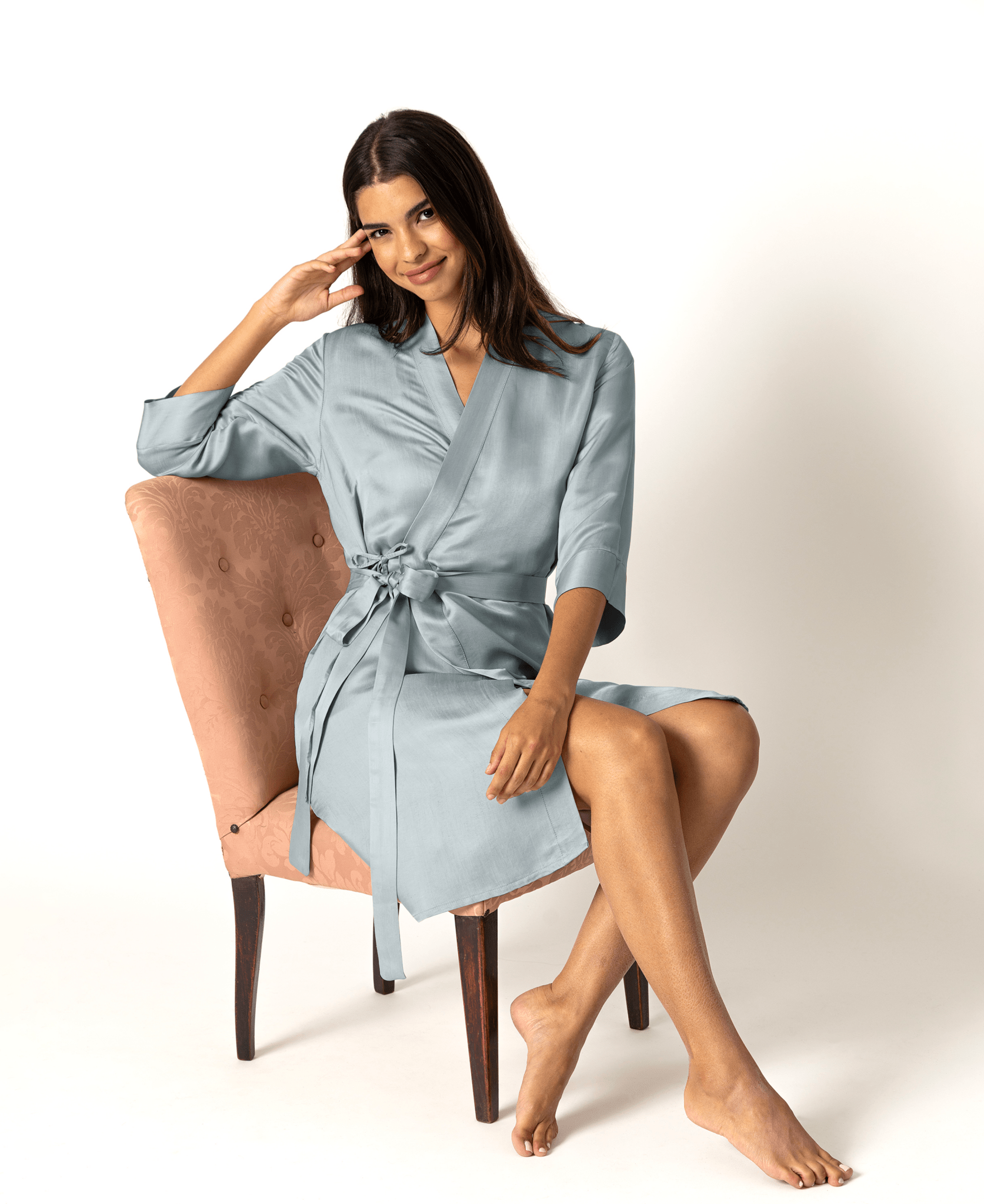
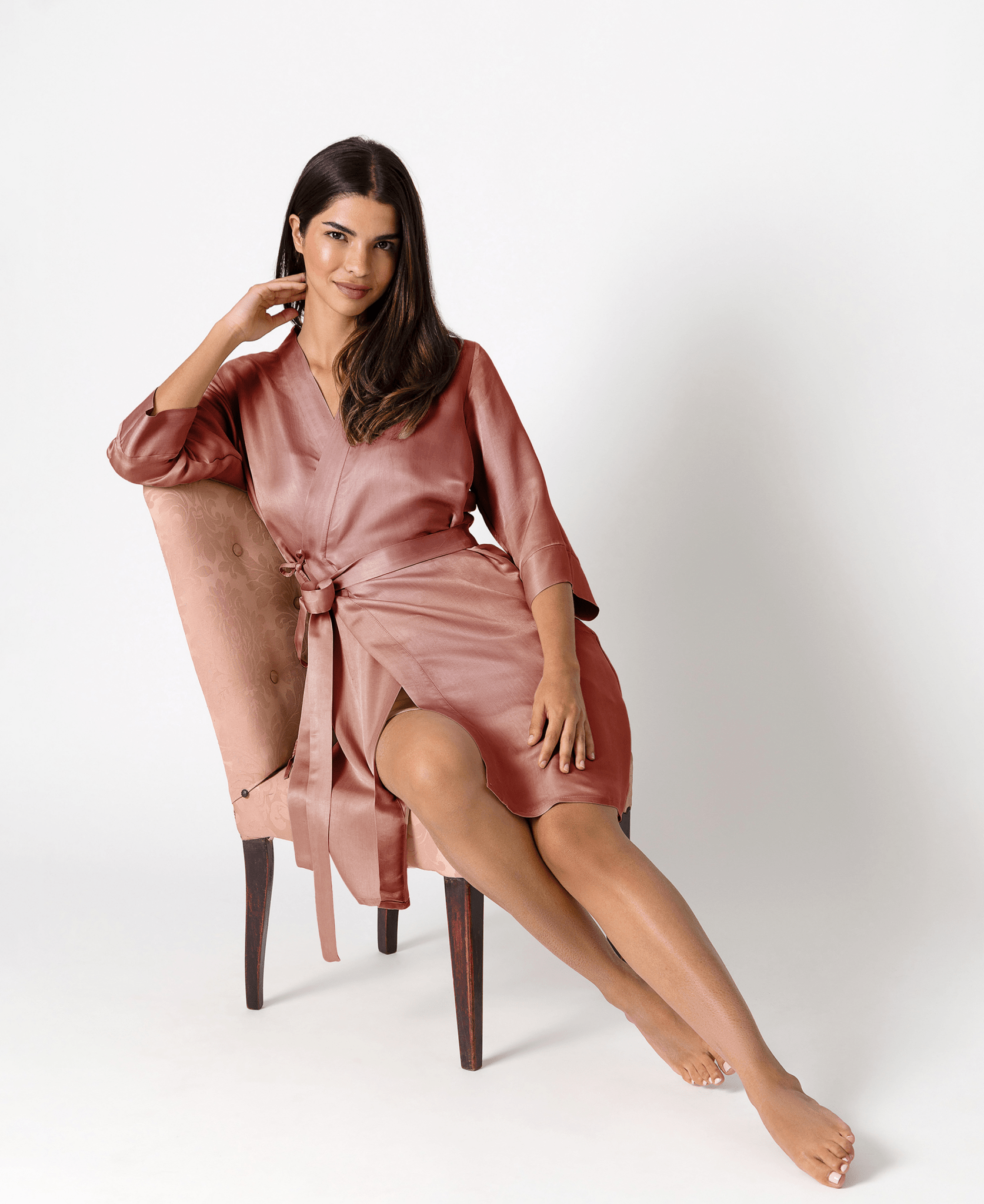
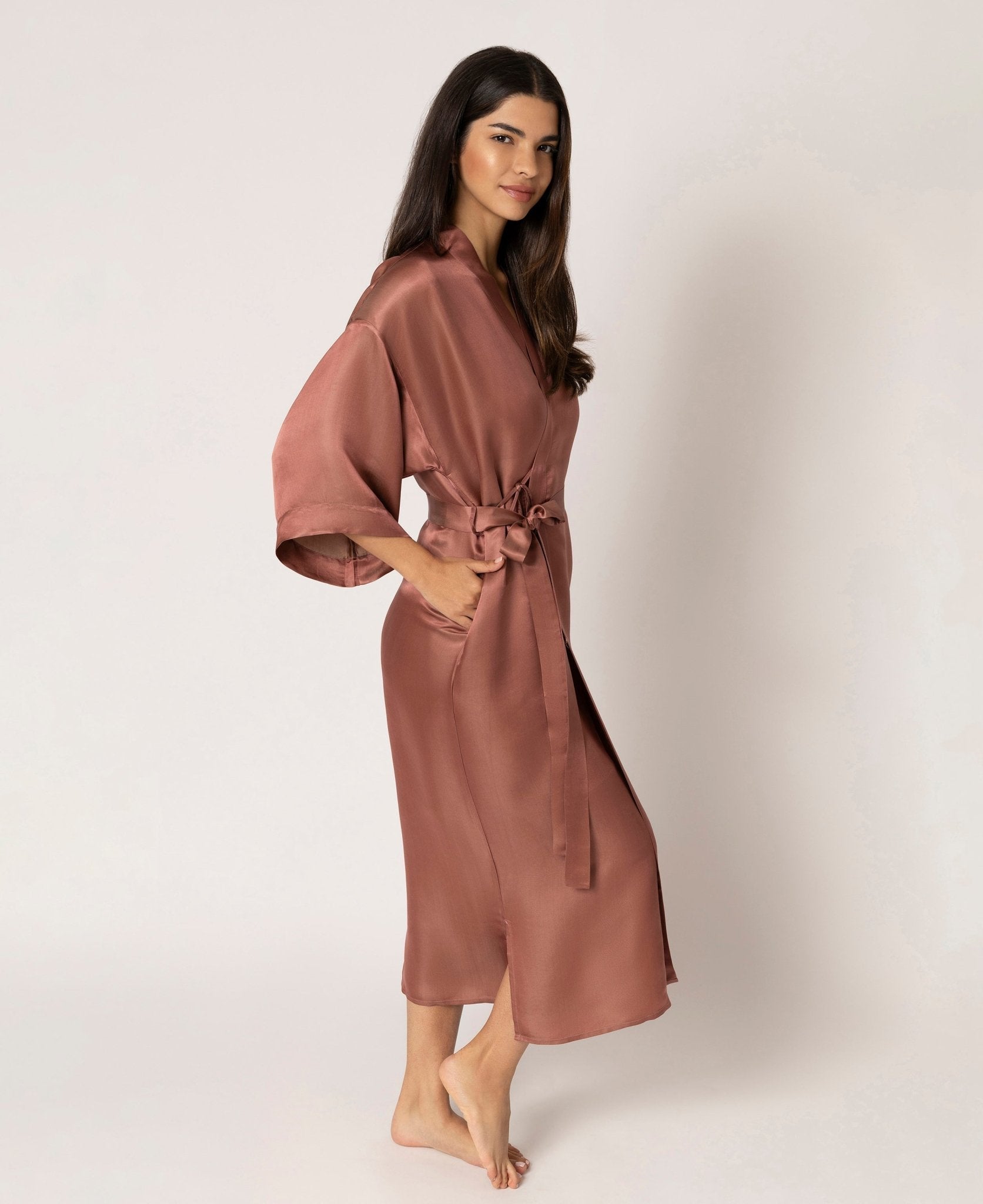
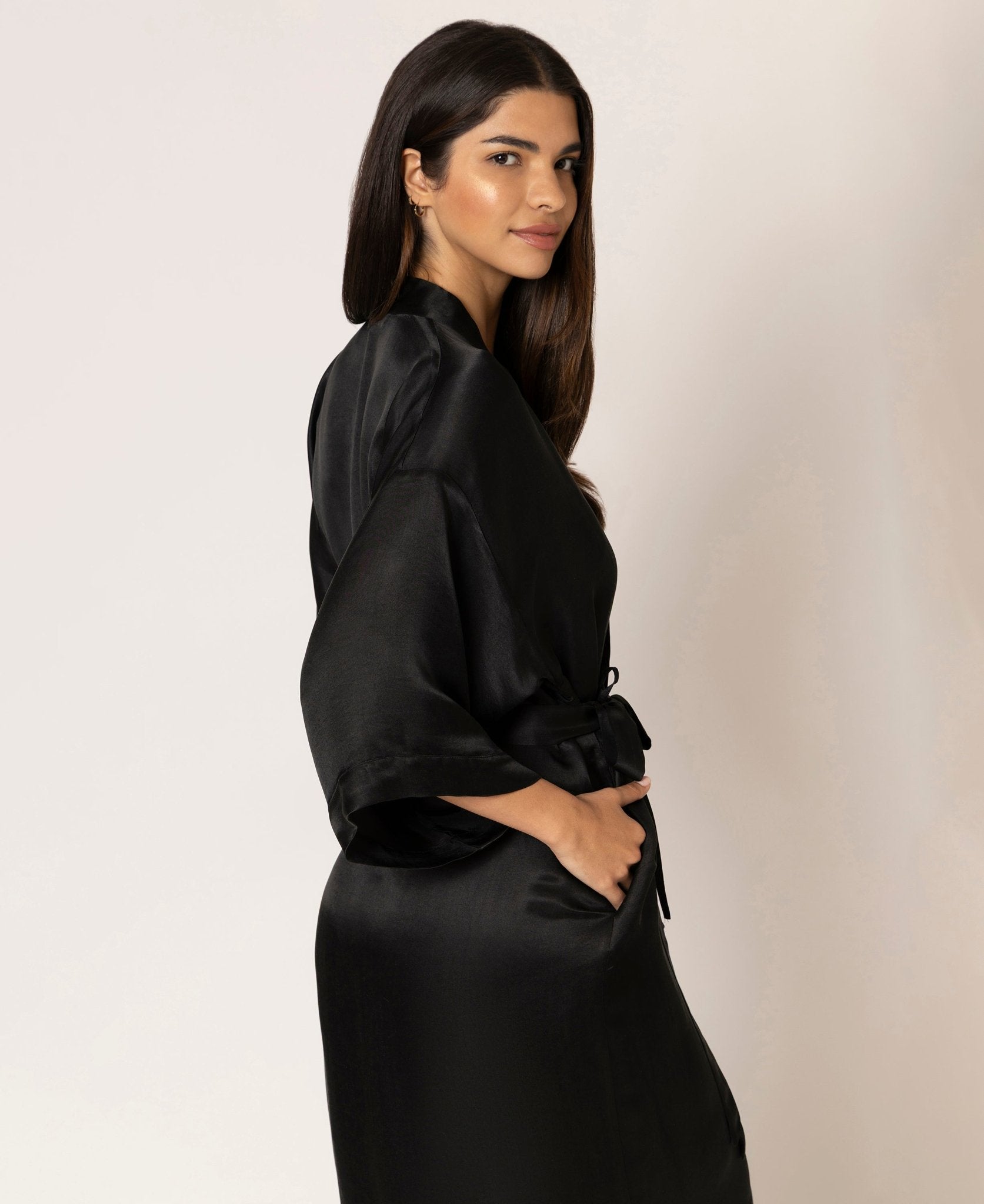
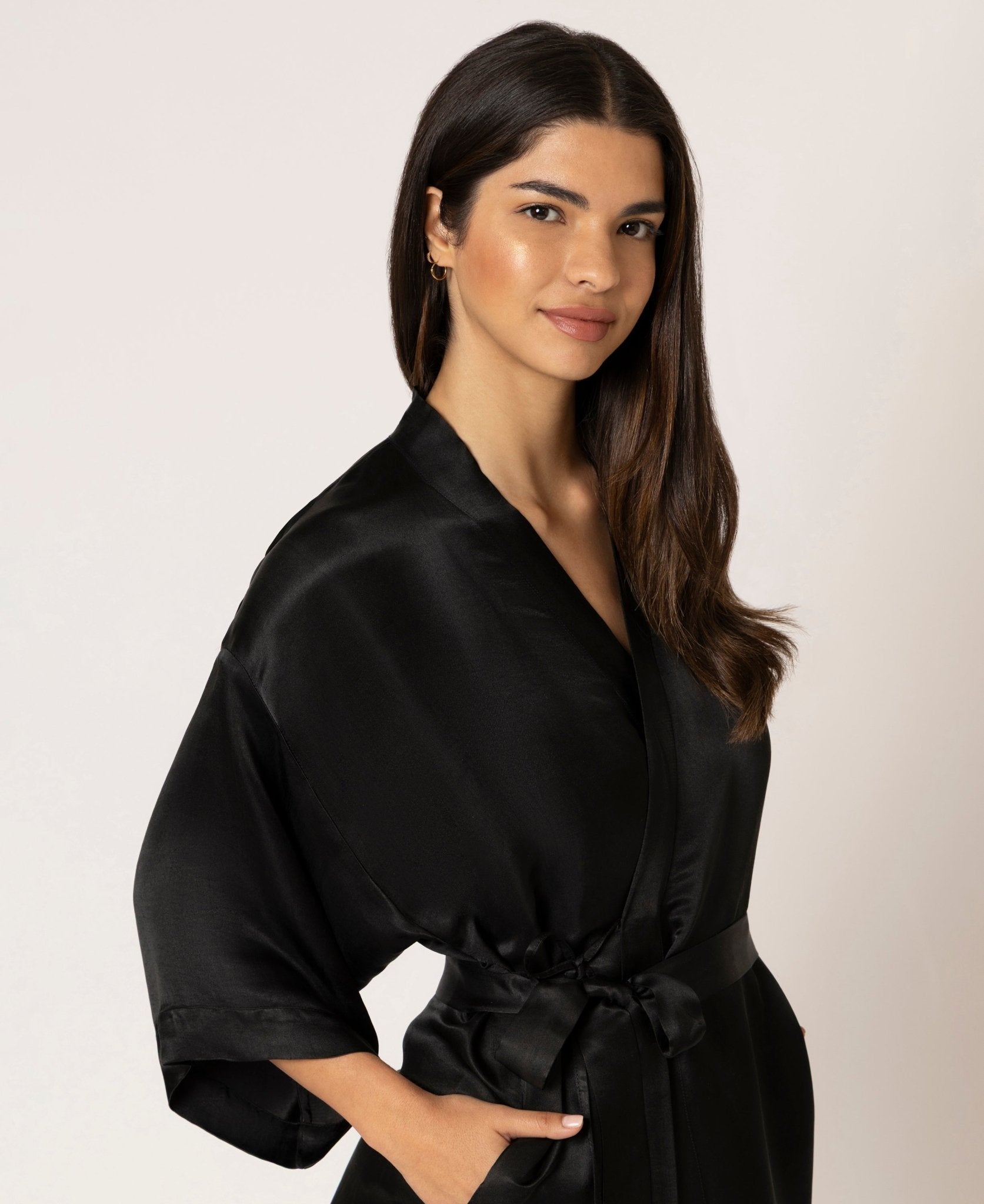
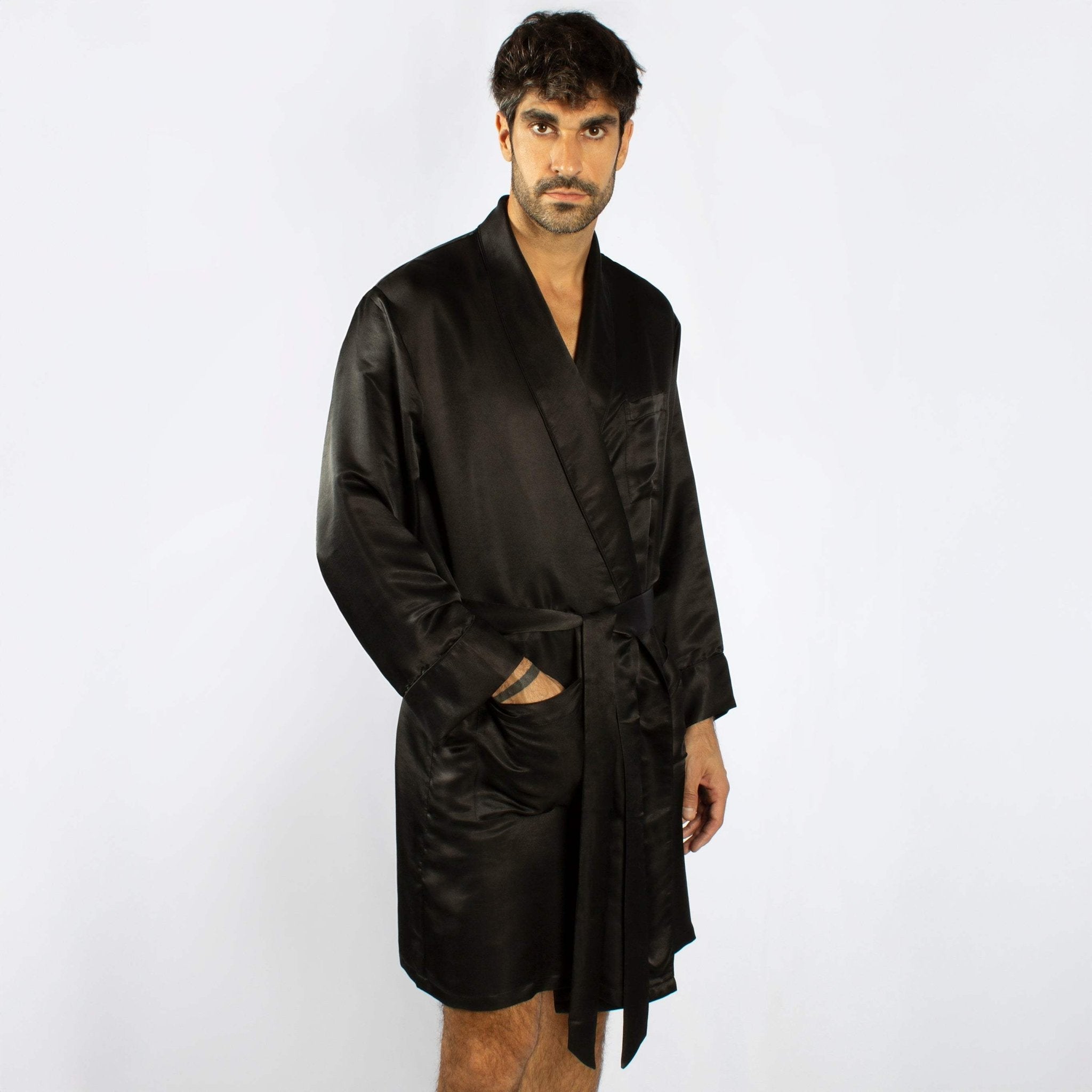
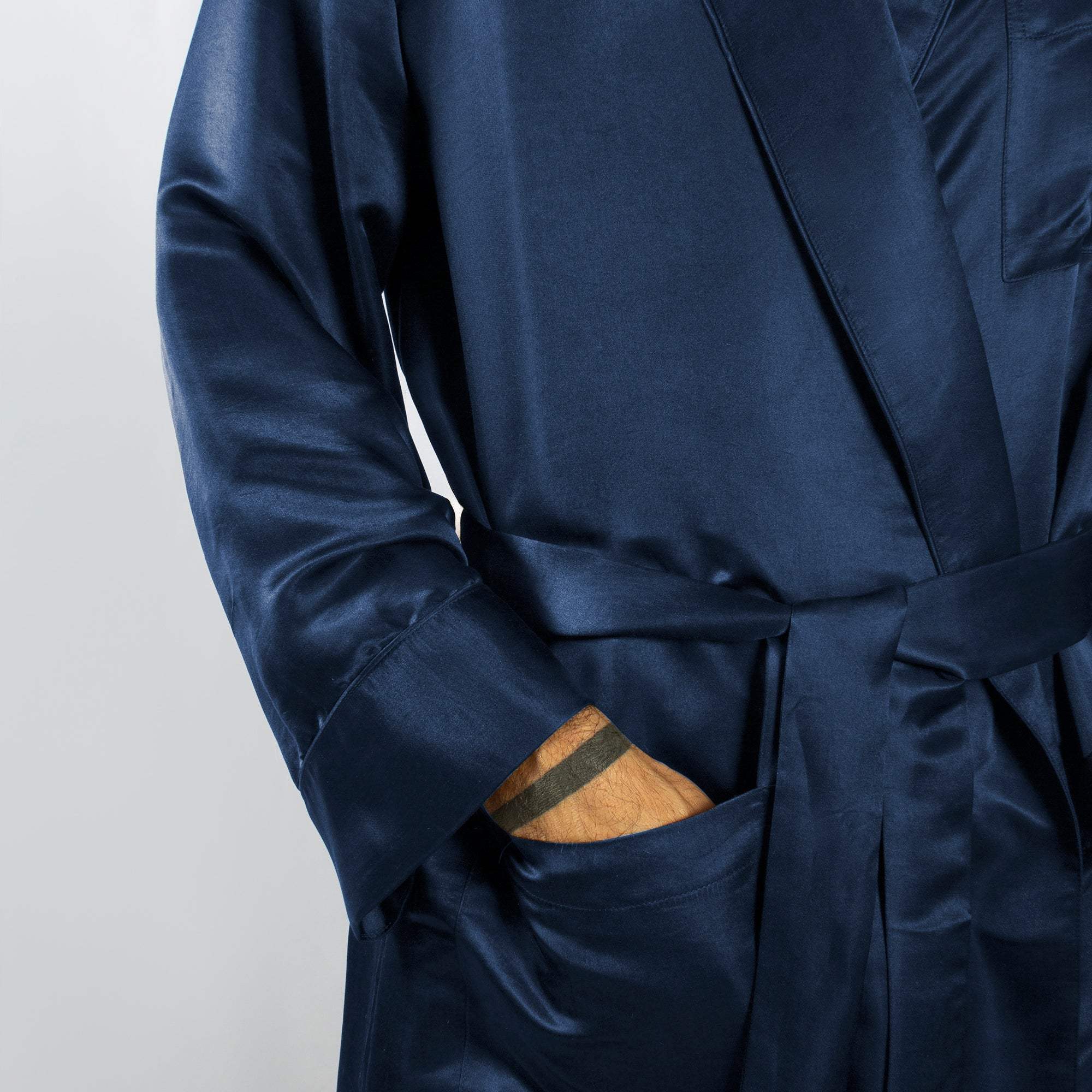
The sash is the smallest detail that gives away the quality. A cheap silk robe has a sash made from the same thin fabric as the body, with a single seam down the middle. A real silk robe has a sash that is essentially a tube of doubled fabric, fully enclosed, with the same French seam construction as the rest of the garment. The sash should hold a knot for the whole day without sliding loose.
How to Choose Between Long and Short, Classic and Kimono
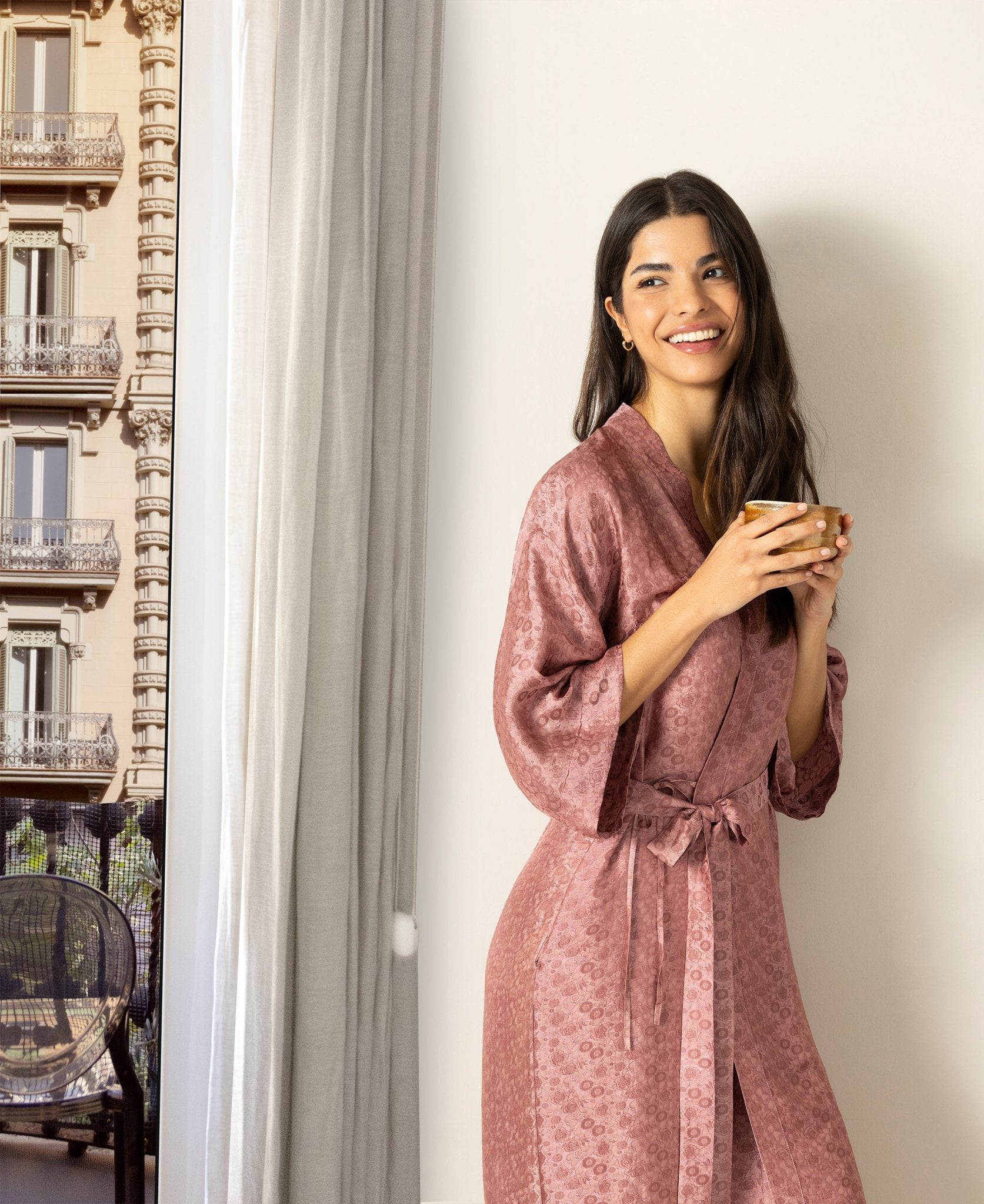
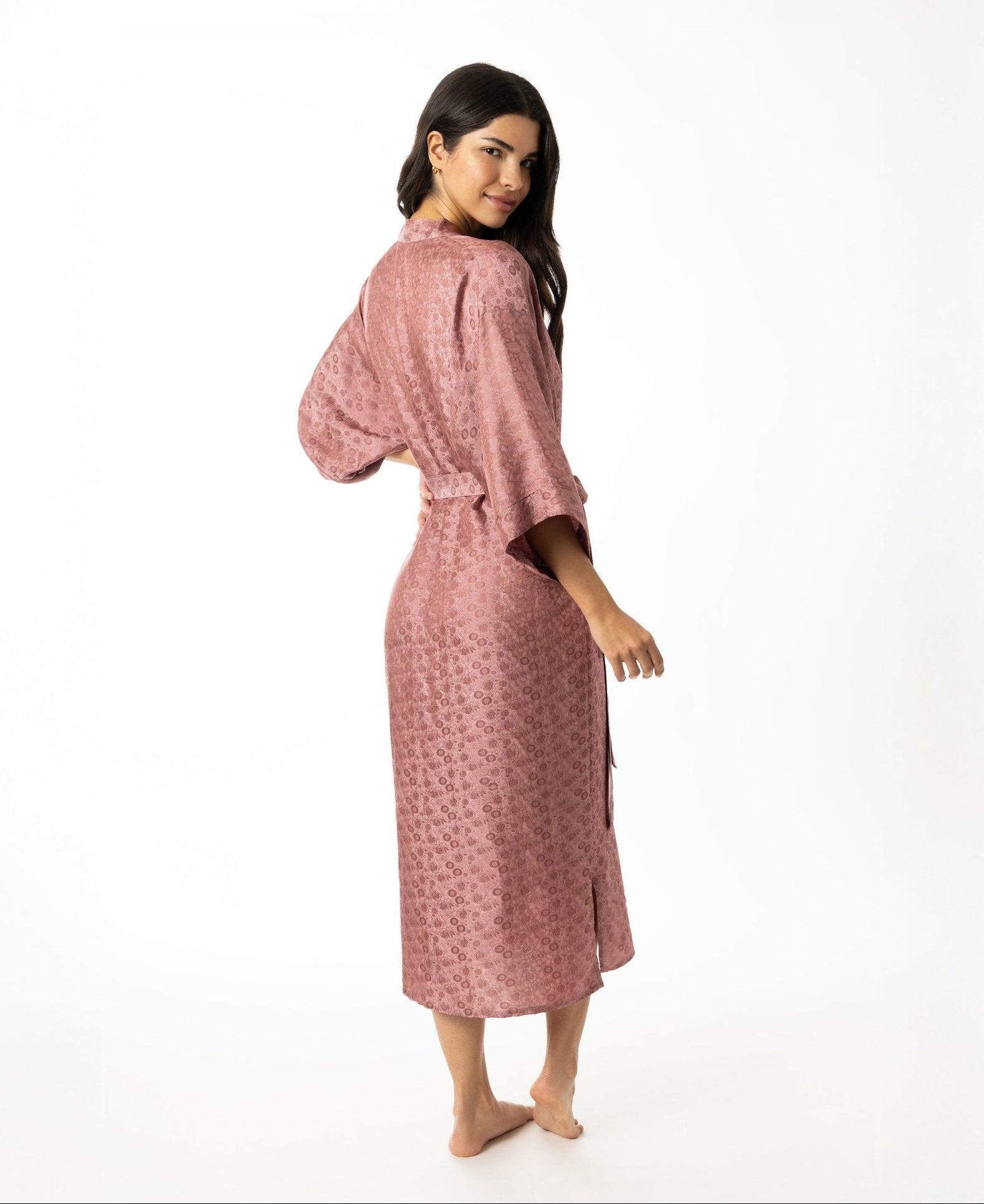
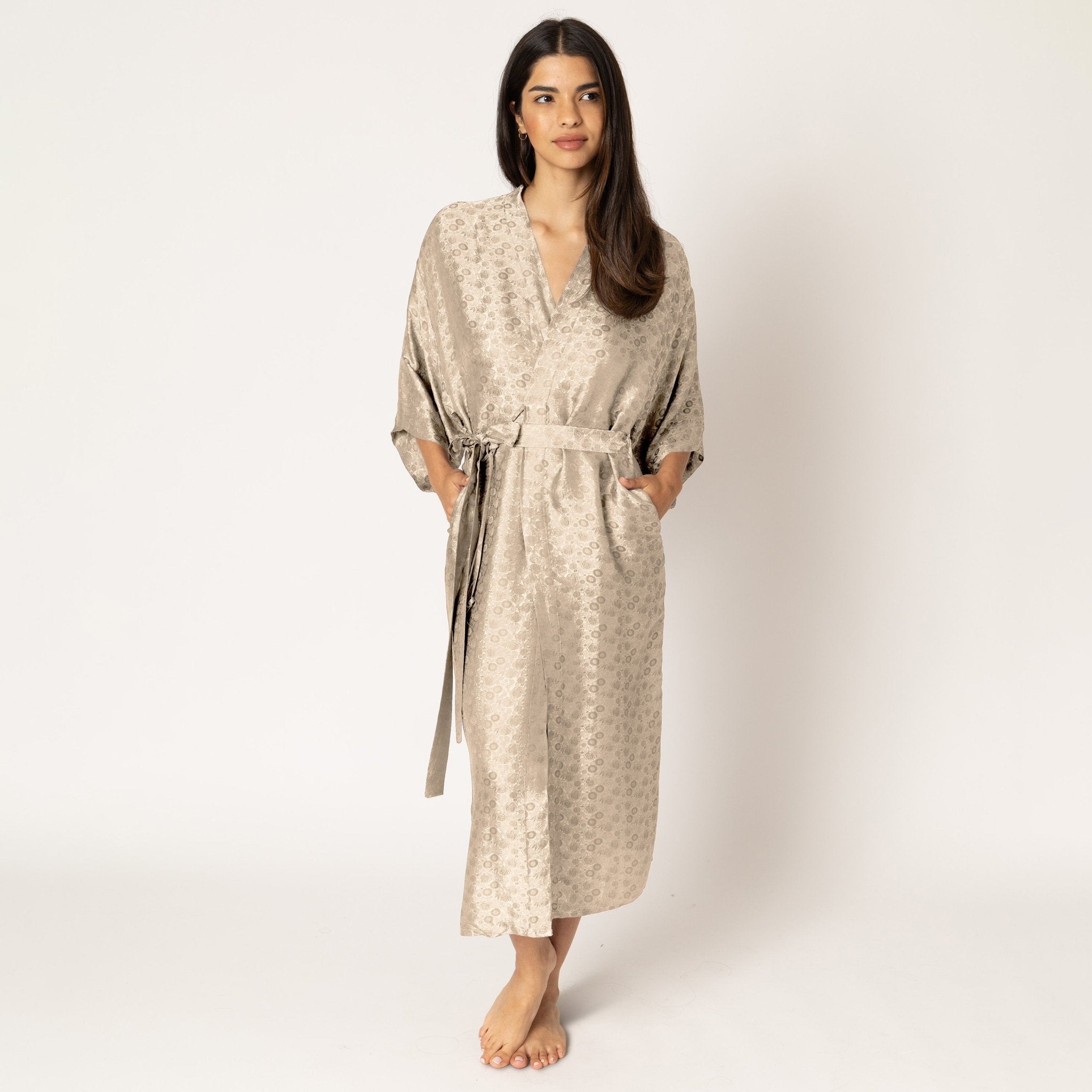
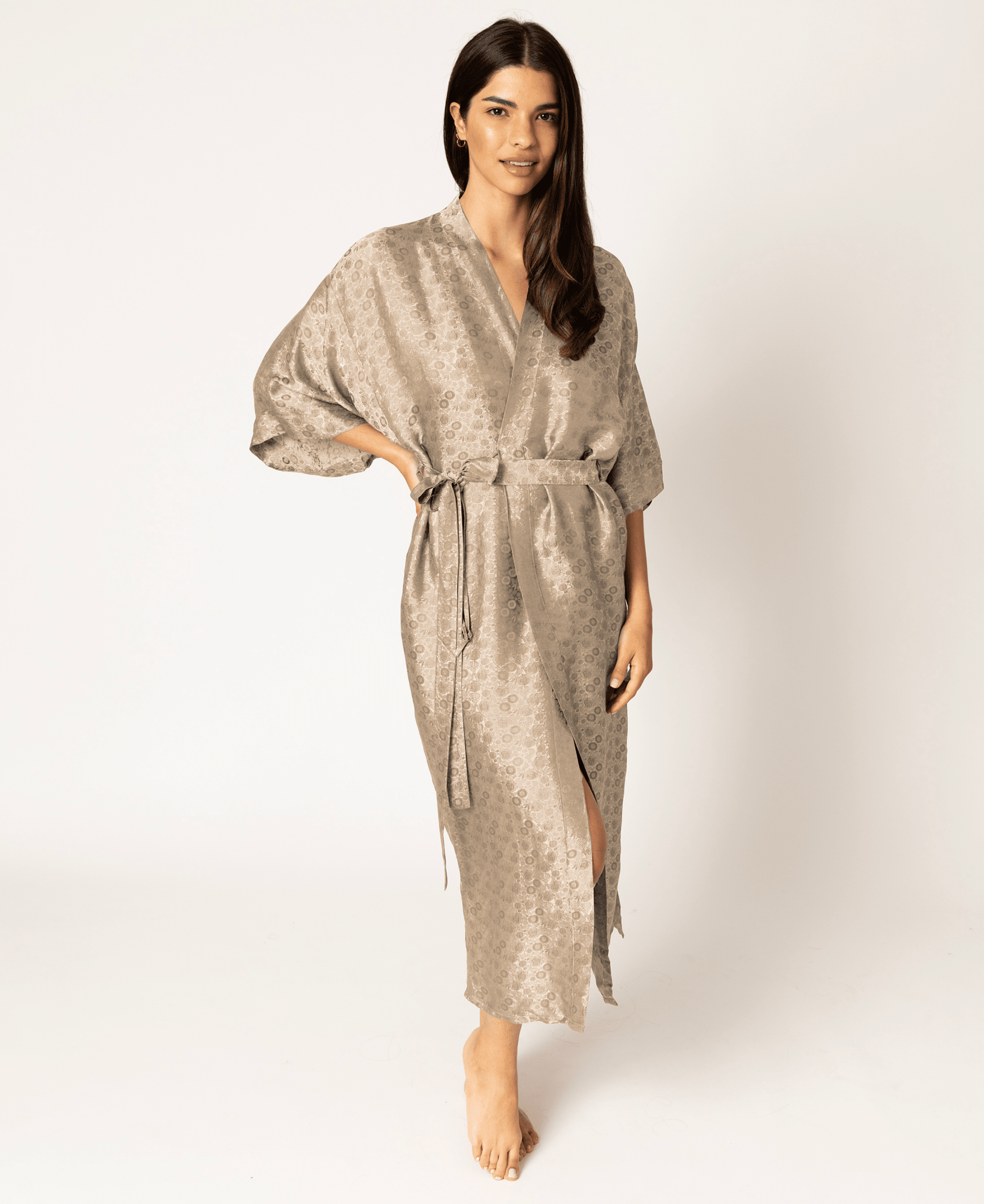
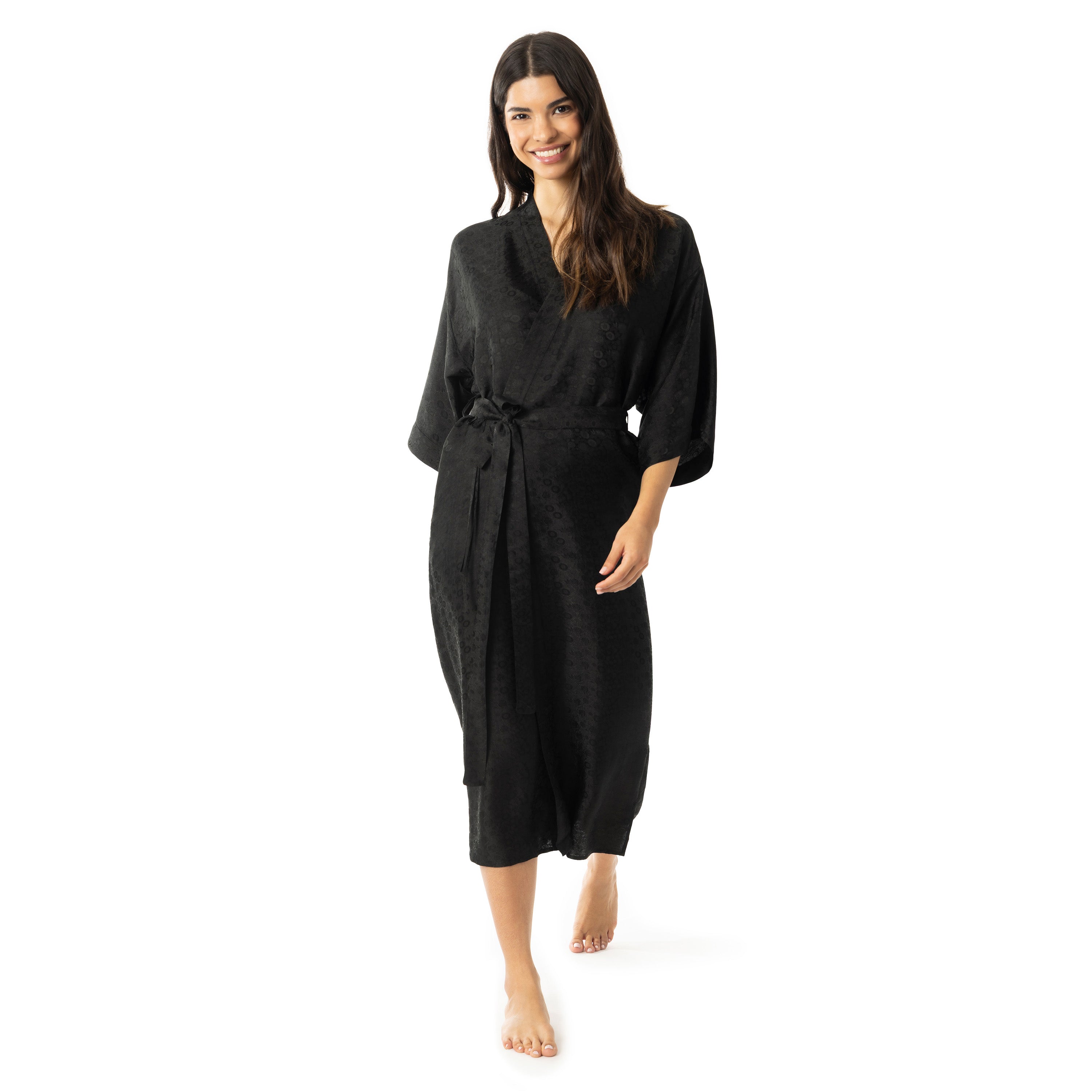
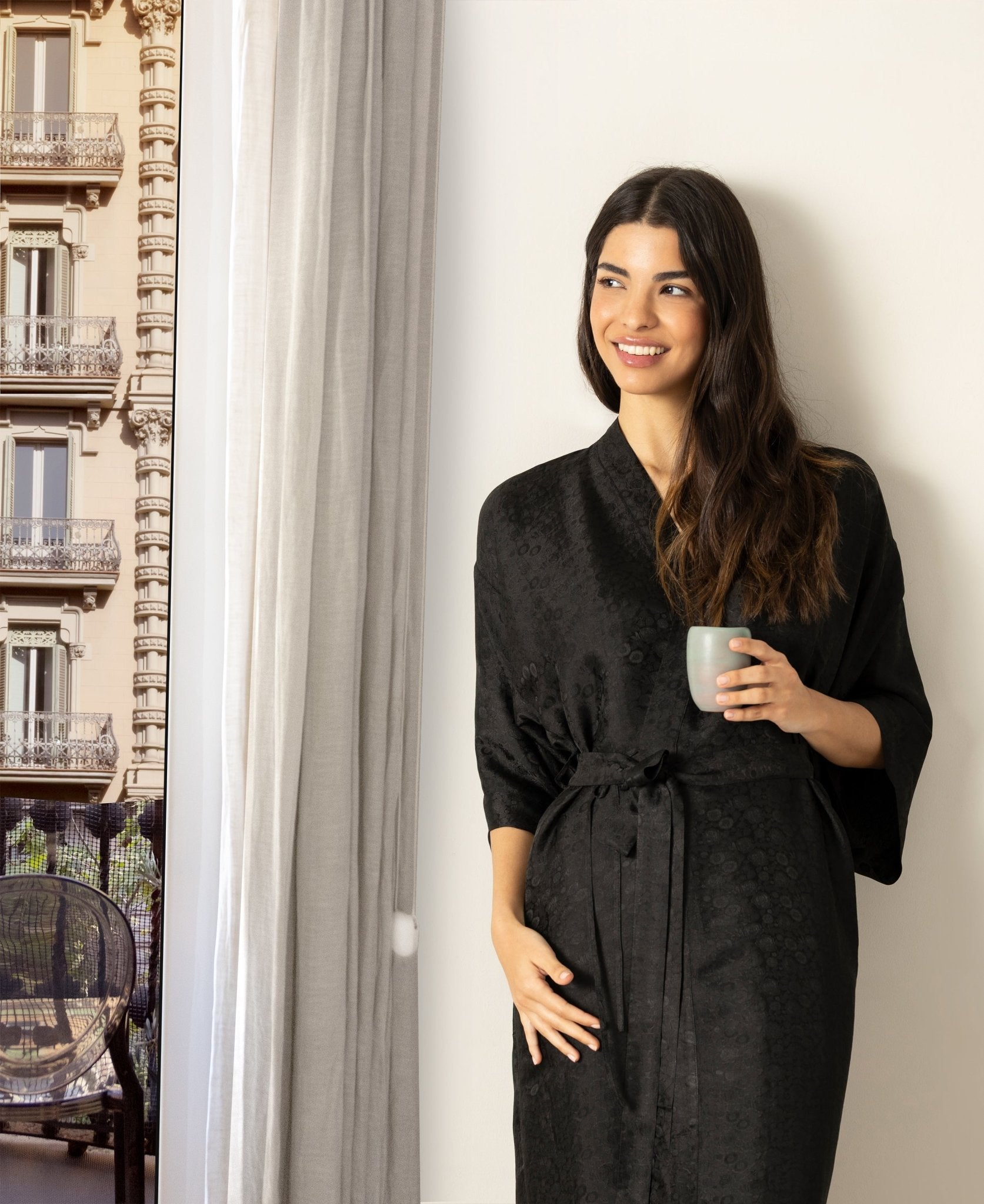
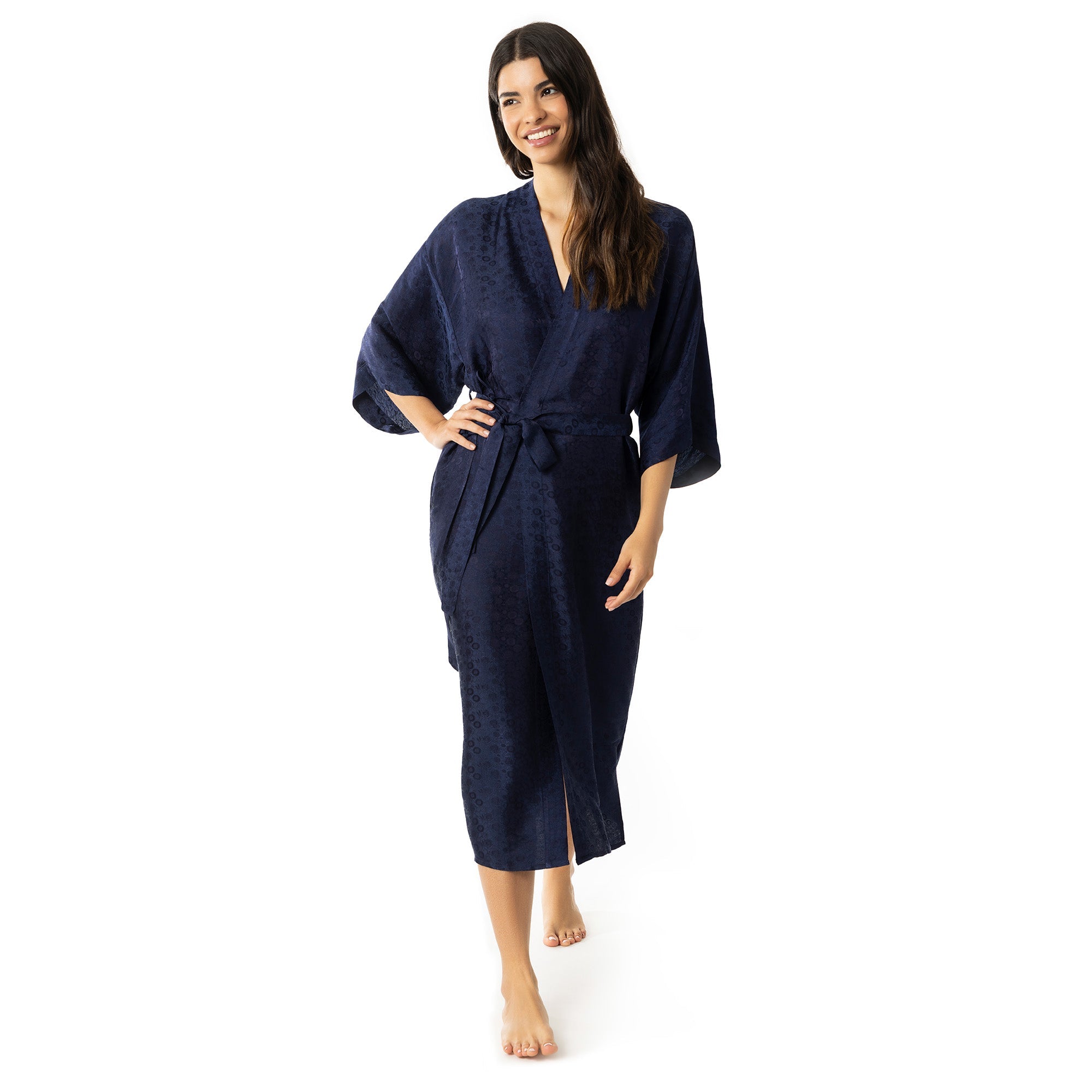
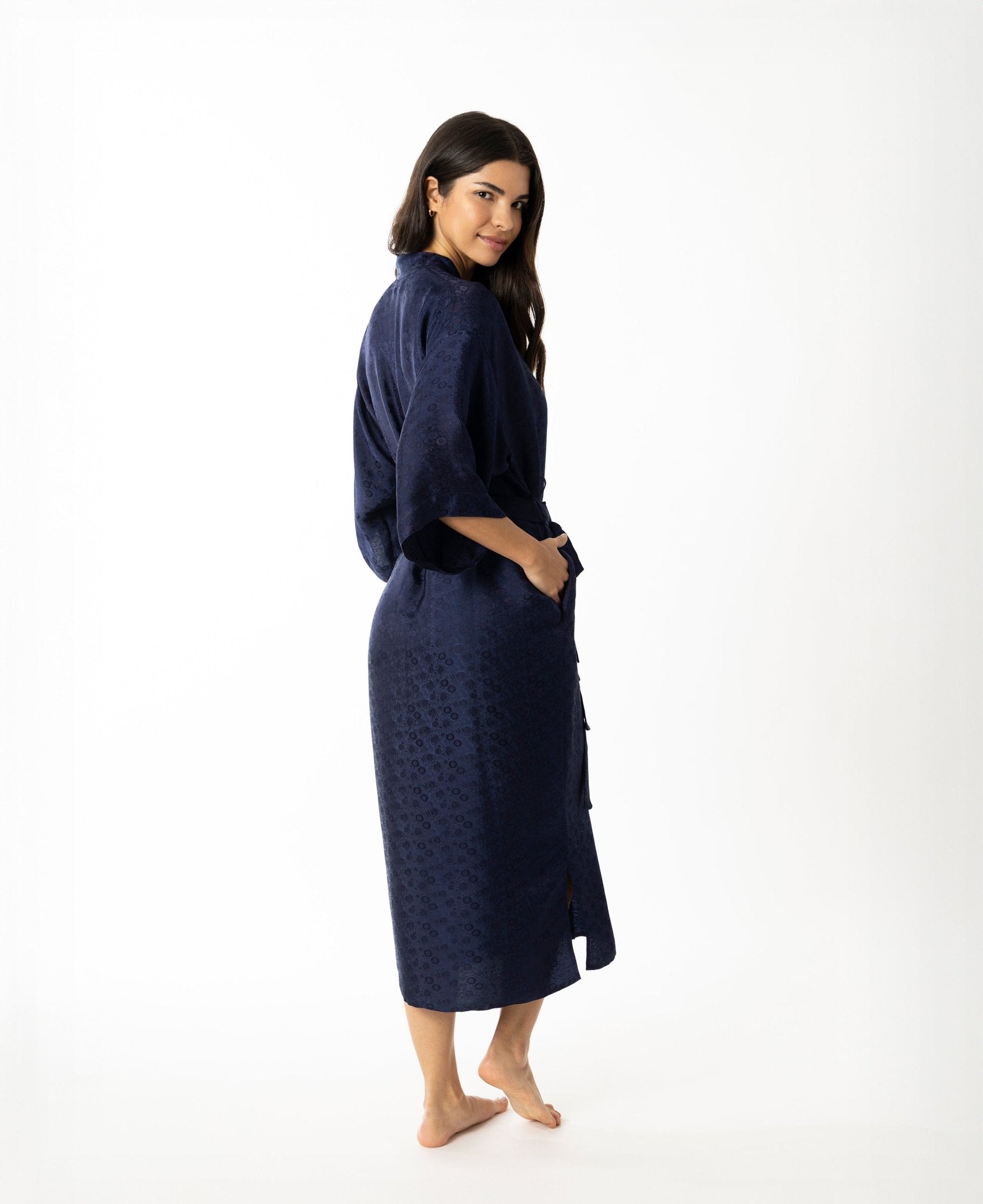
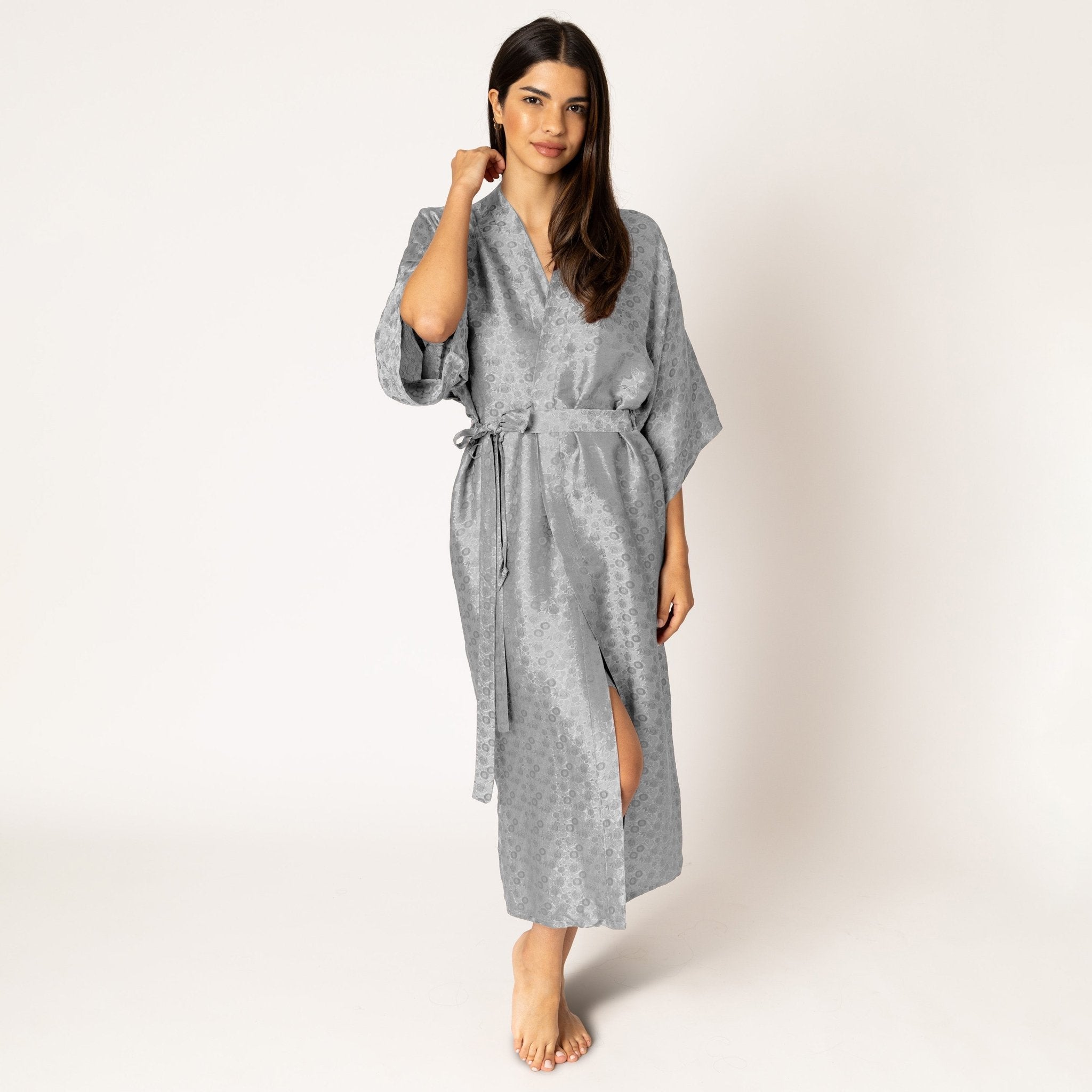
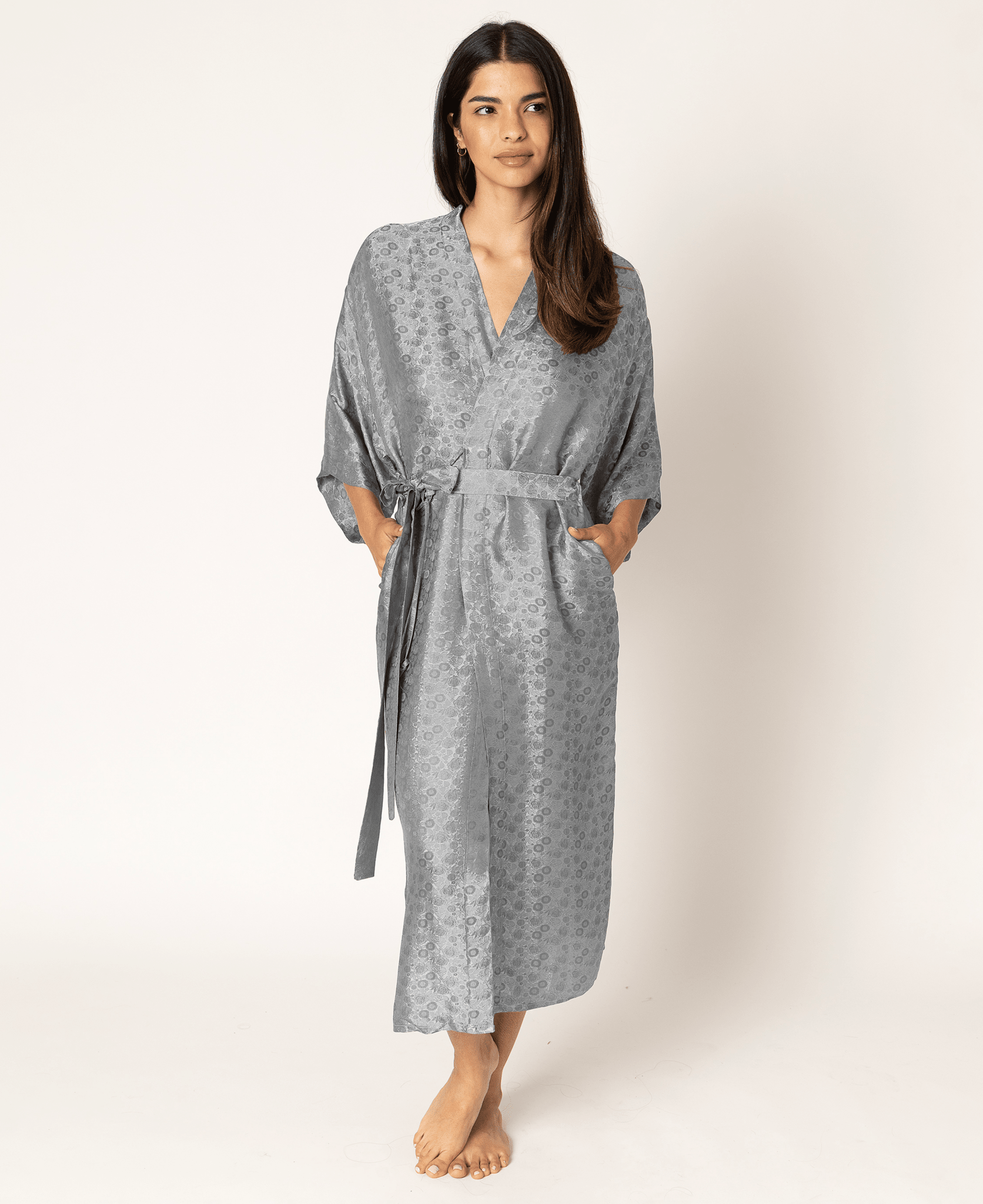
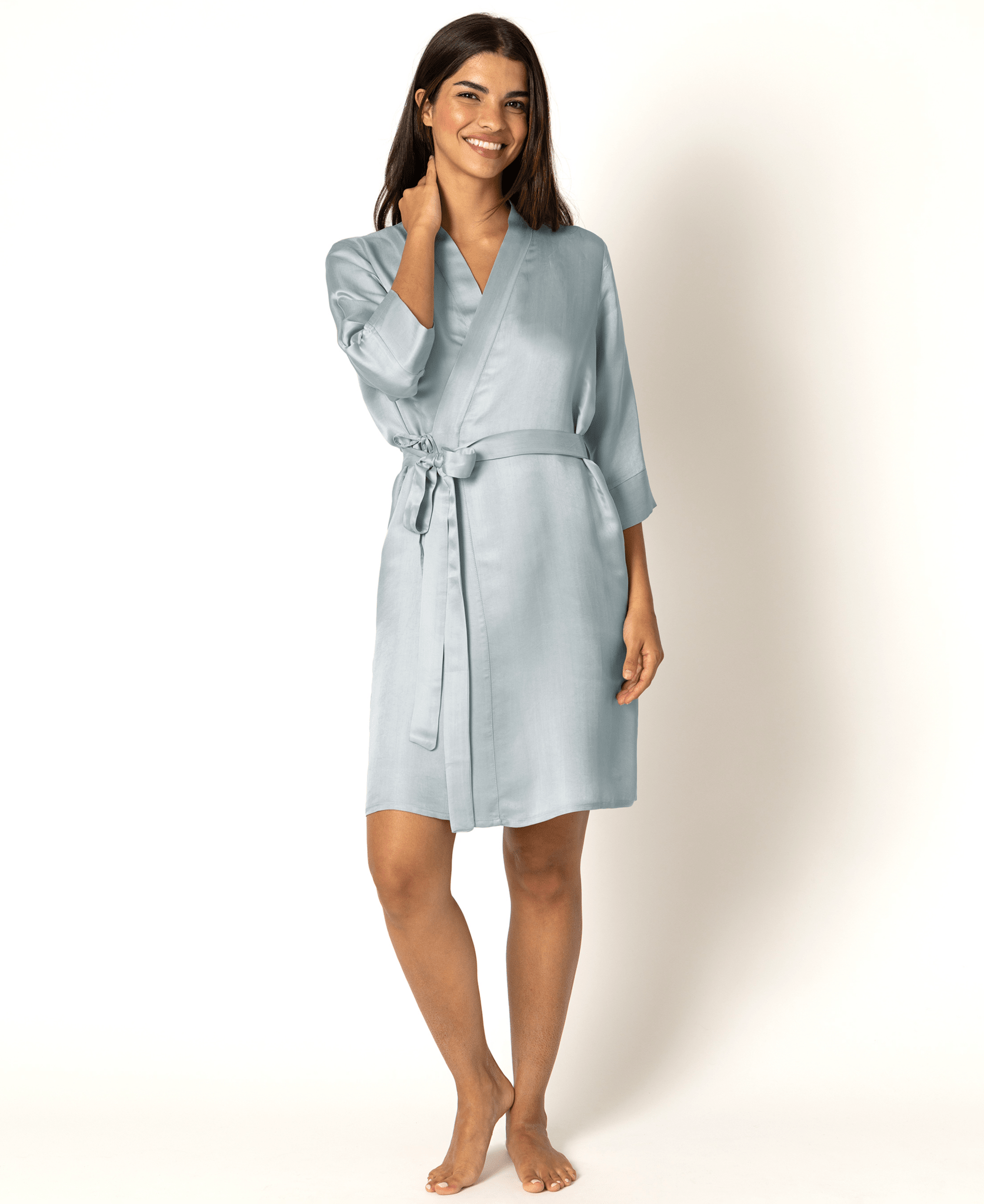
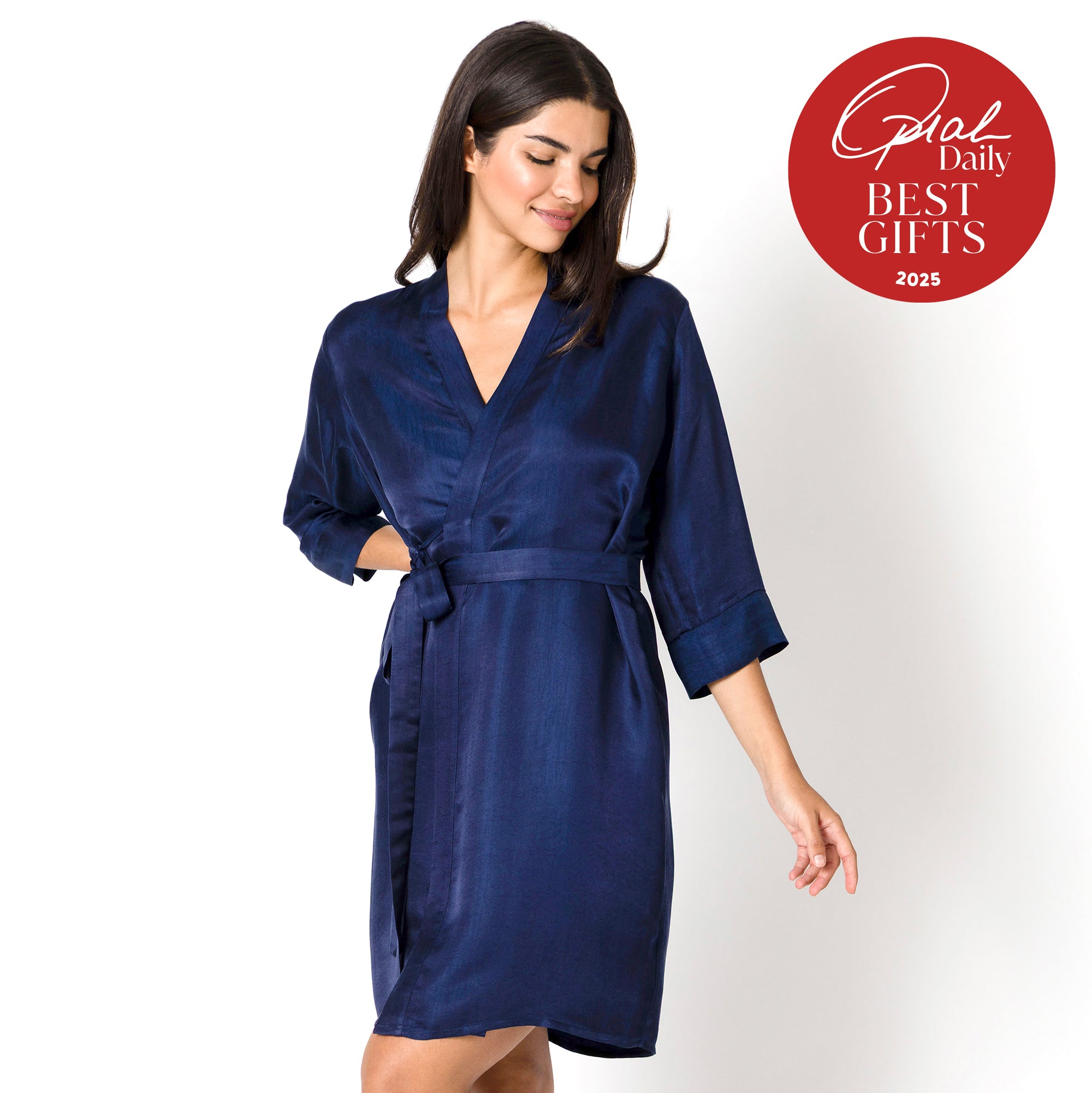
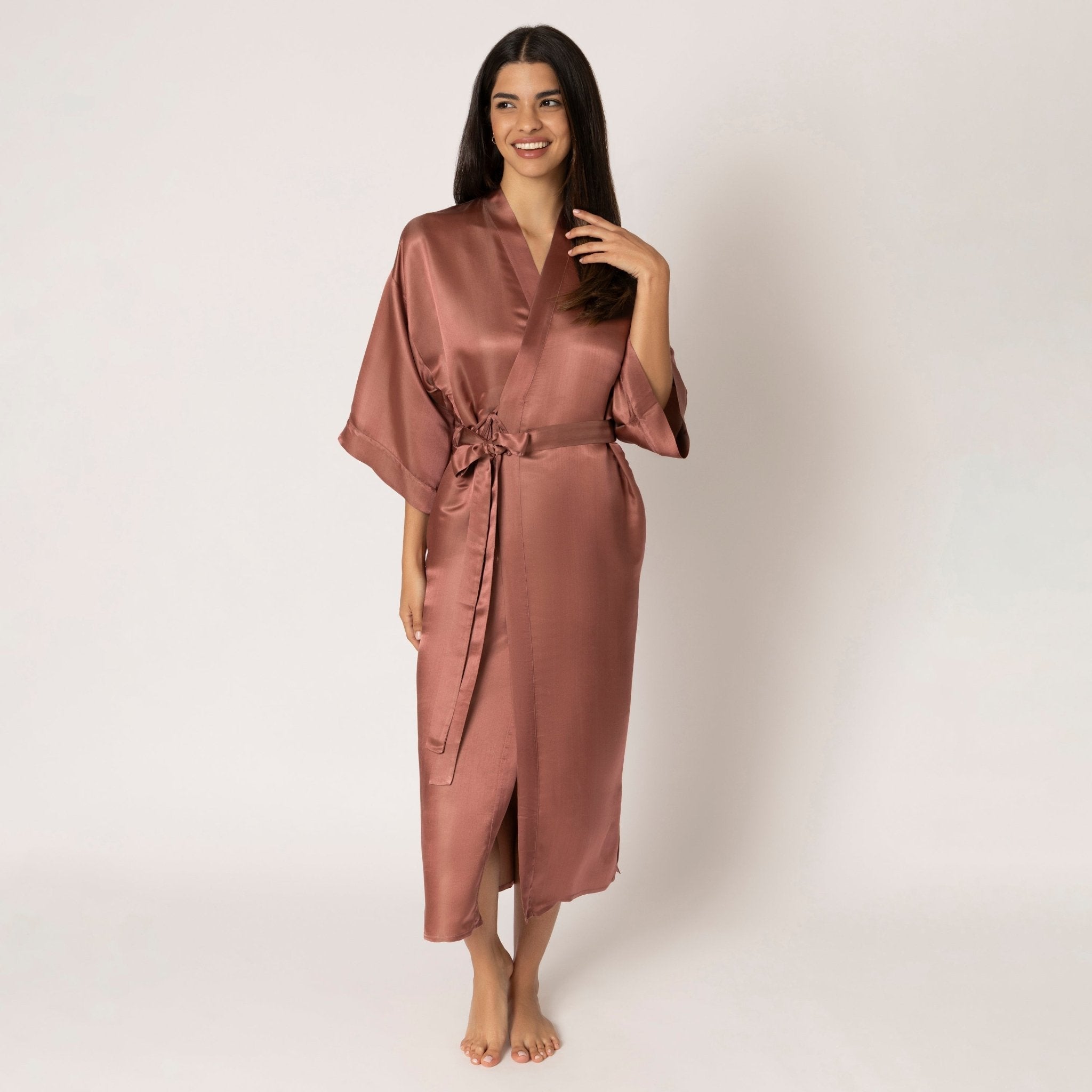
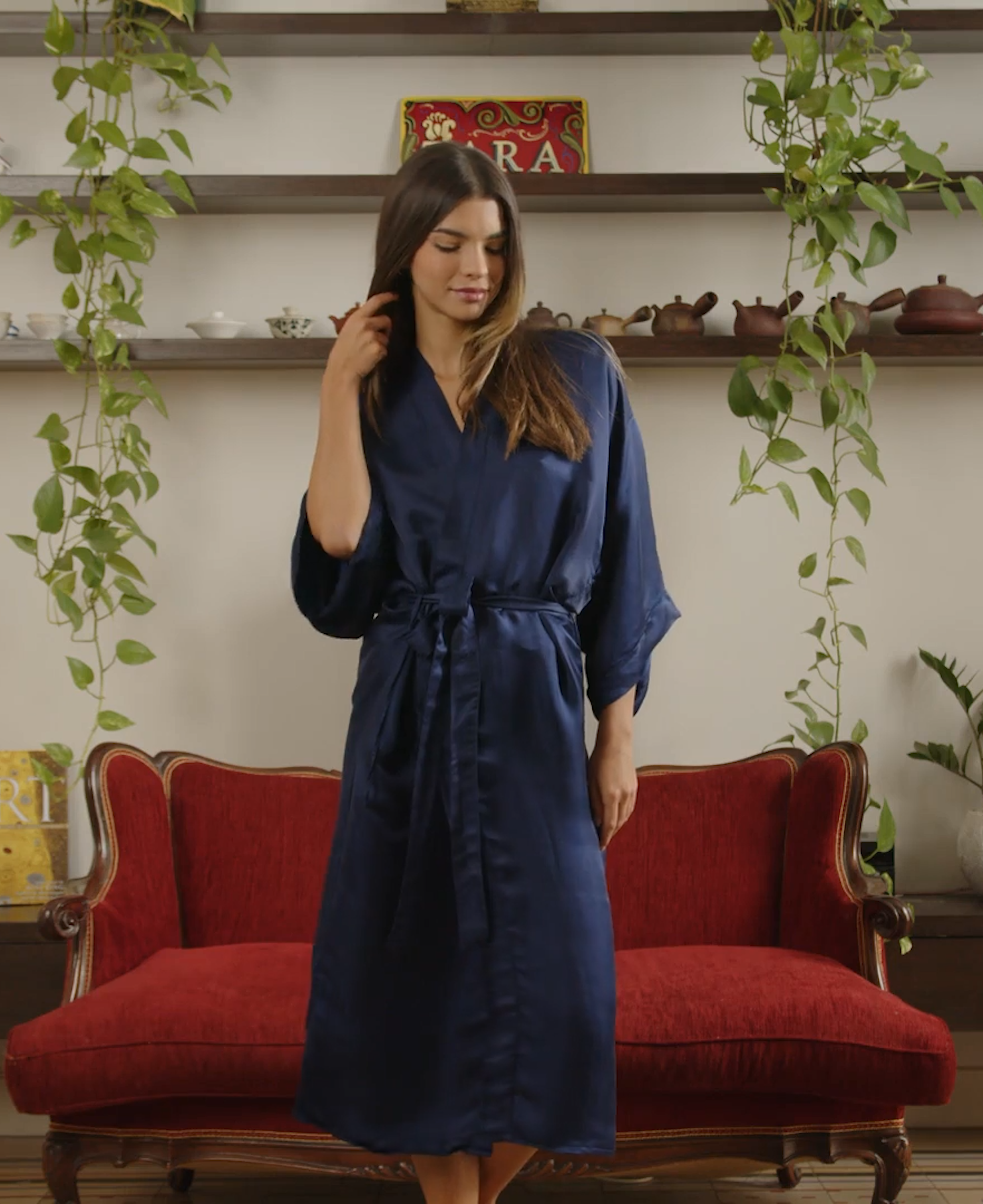
There are essentially four silhouettes worth considering when you are buying one robe to own. The long classic robe falls roughly to mid-calf or lower. It is the most versatile of the four. It works after a shower, over pajamas in winter, alone on a warm morning, and as something to throw on when the doorbell rings. If you are buying one robe and you are not sure what for, this is the one.
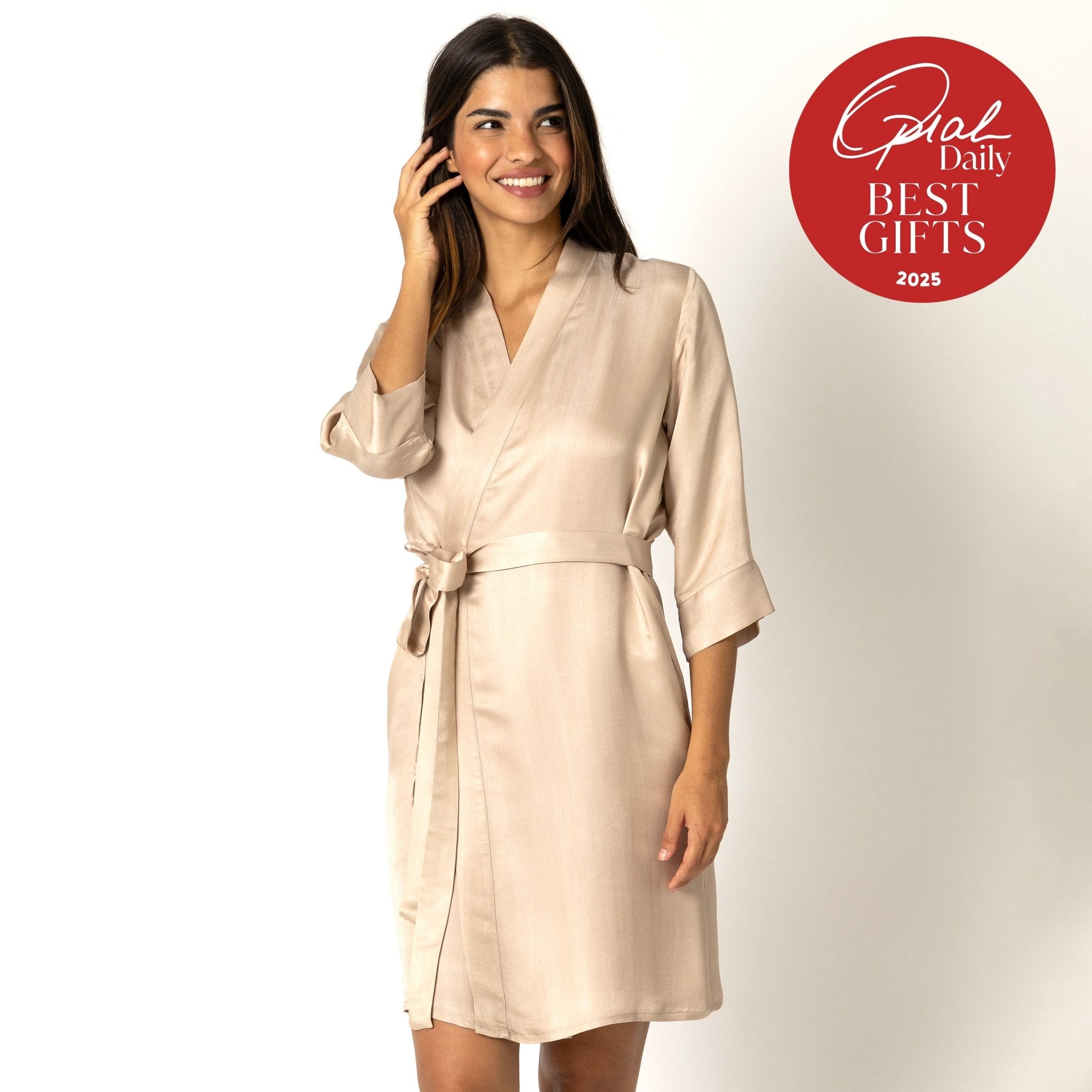
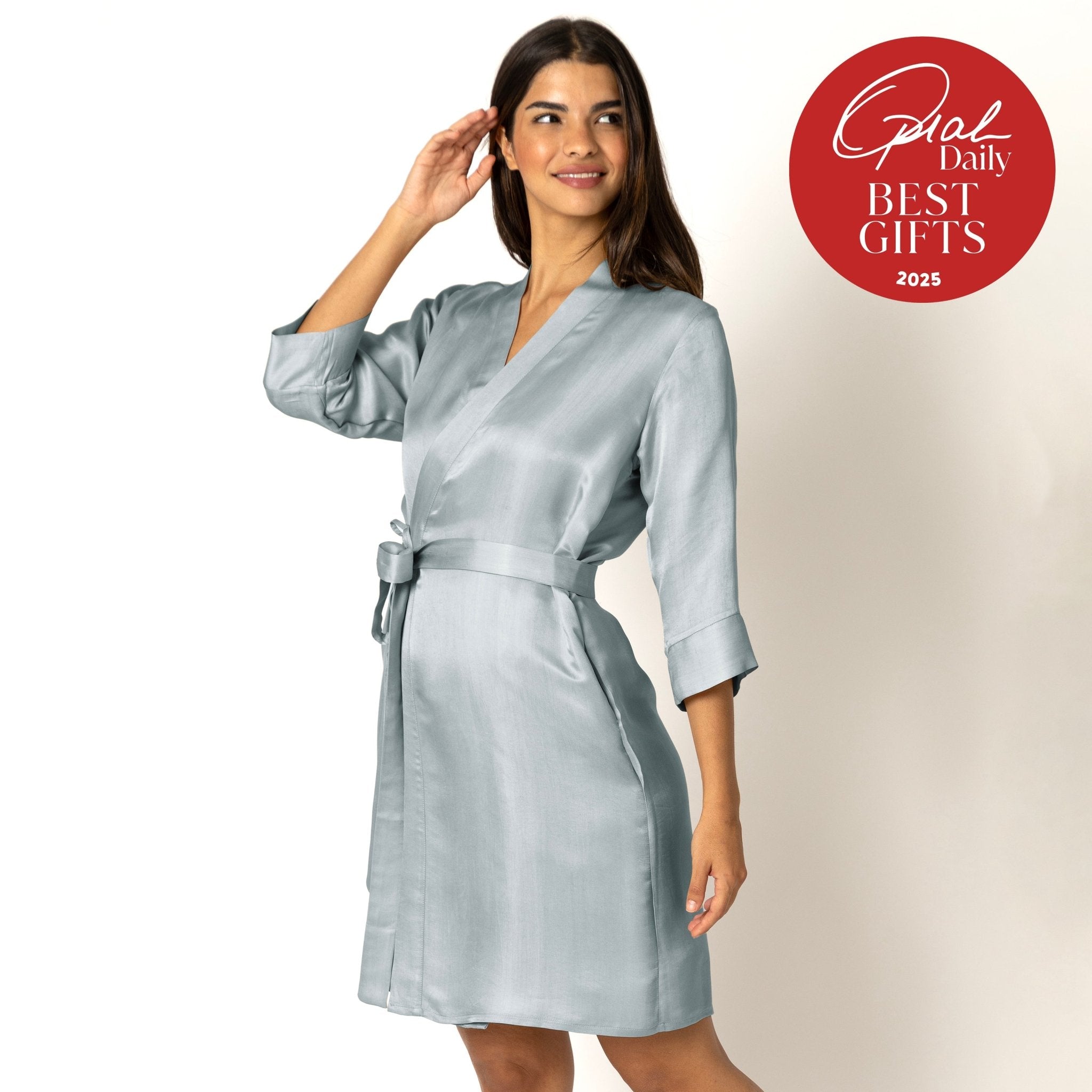
The short robe falls to around mid-thigh. It is lighter, less of a commitment, easier to travel with, and a friendlier price point for someone who is not yet certain about silk. Customers who already own a long robe sometimes buy a short one as the second piece.
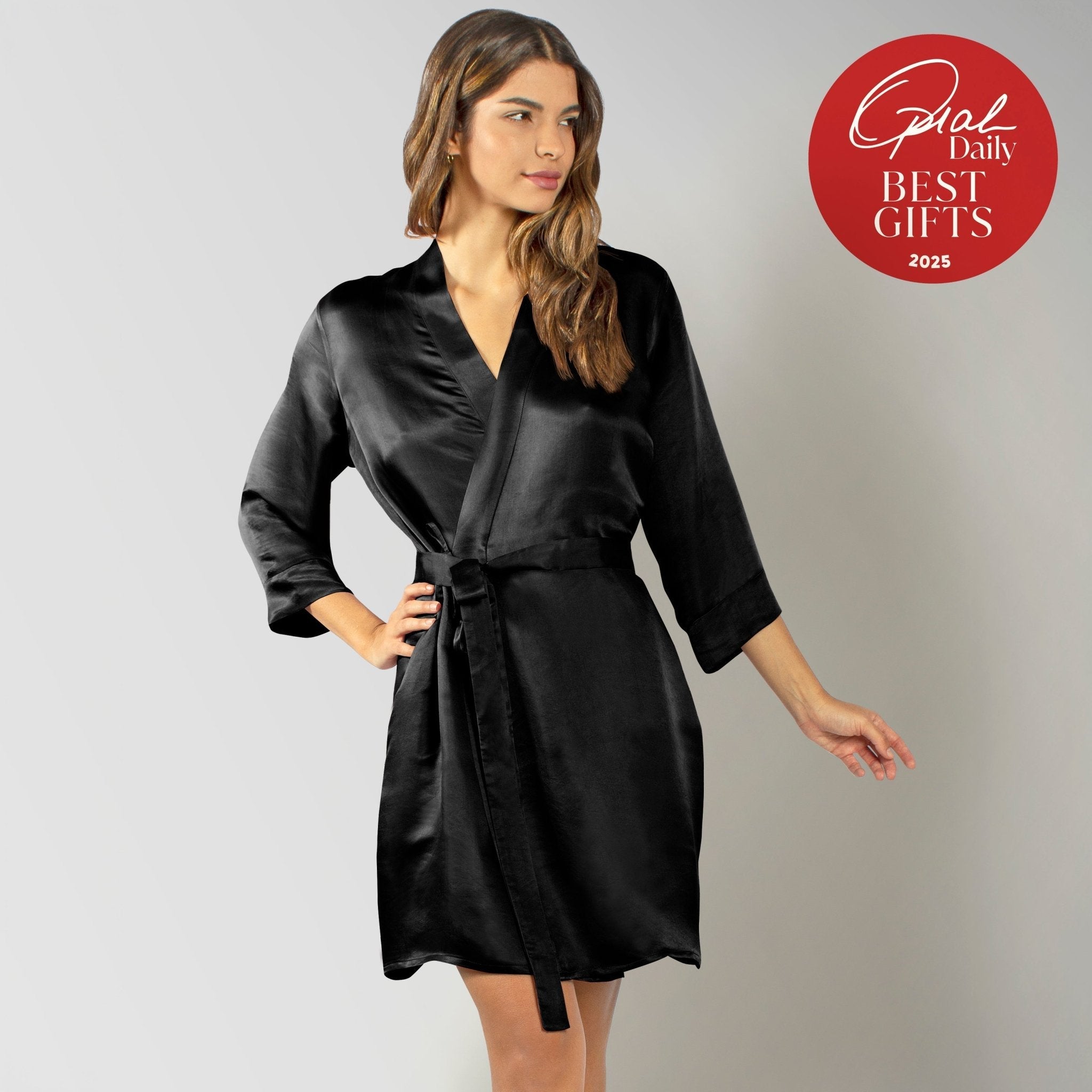
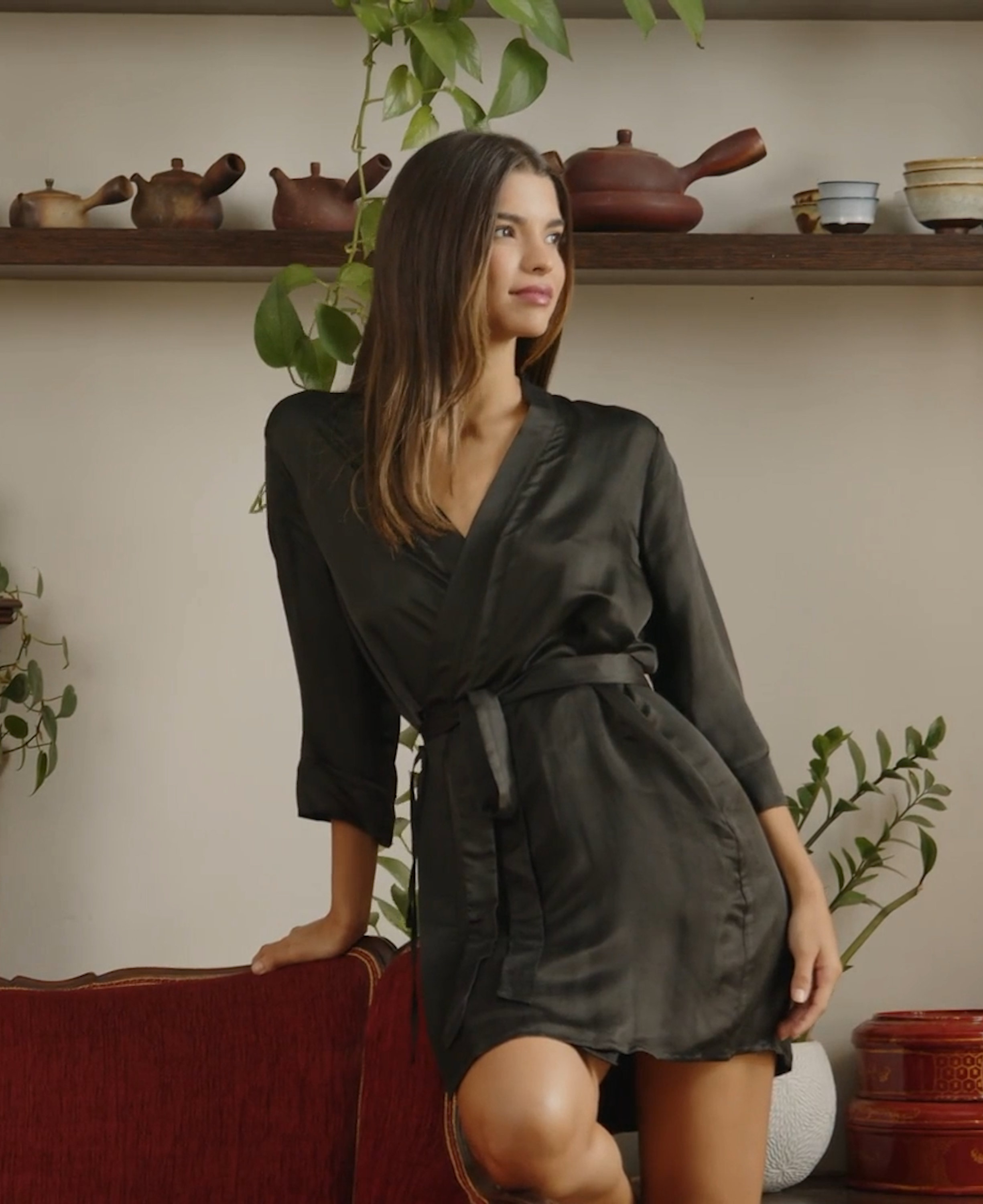
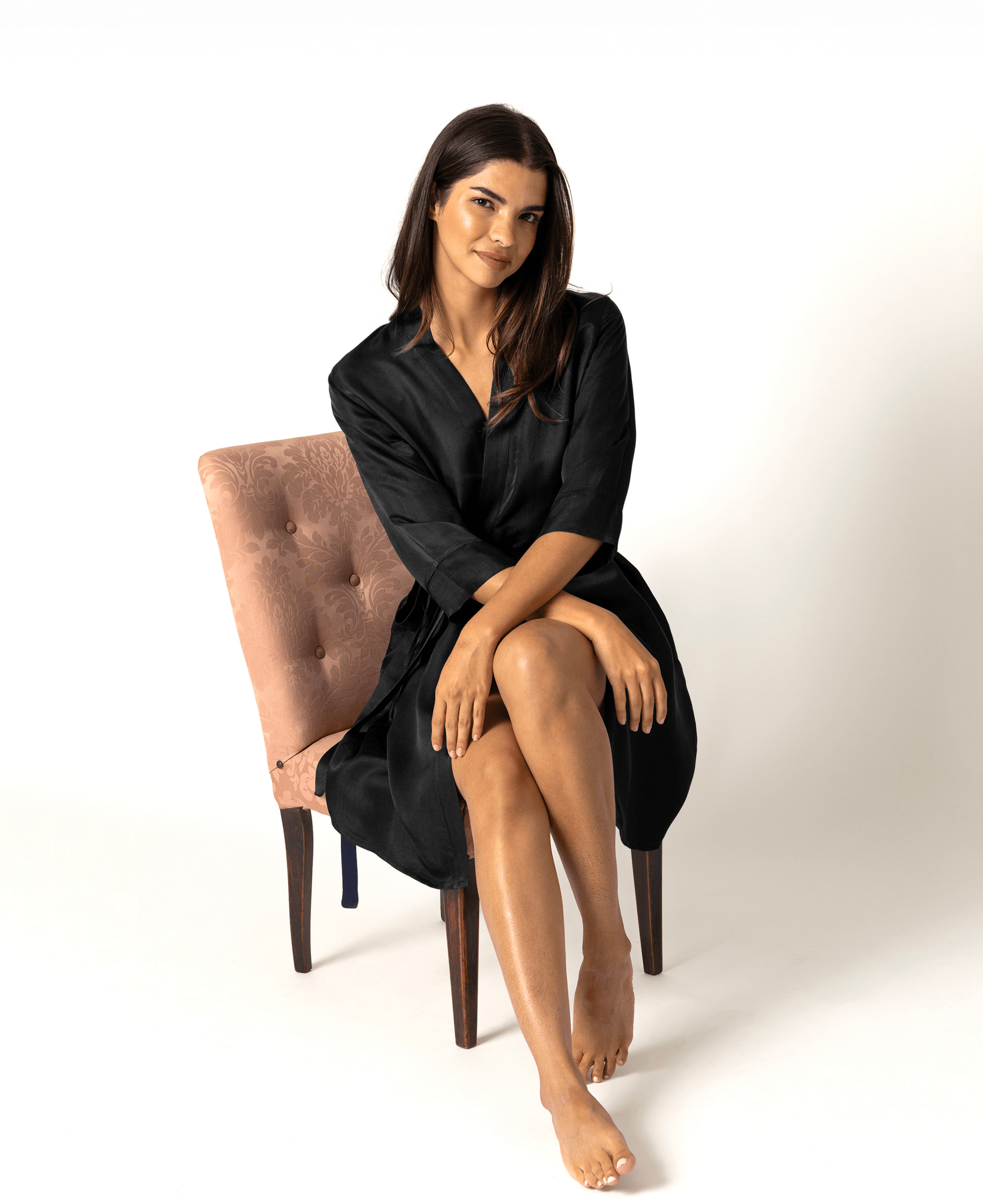
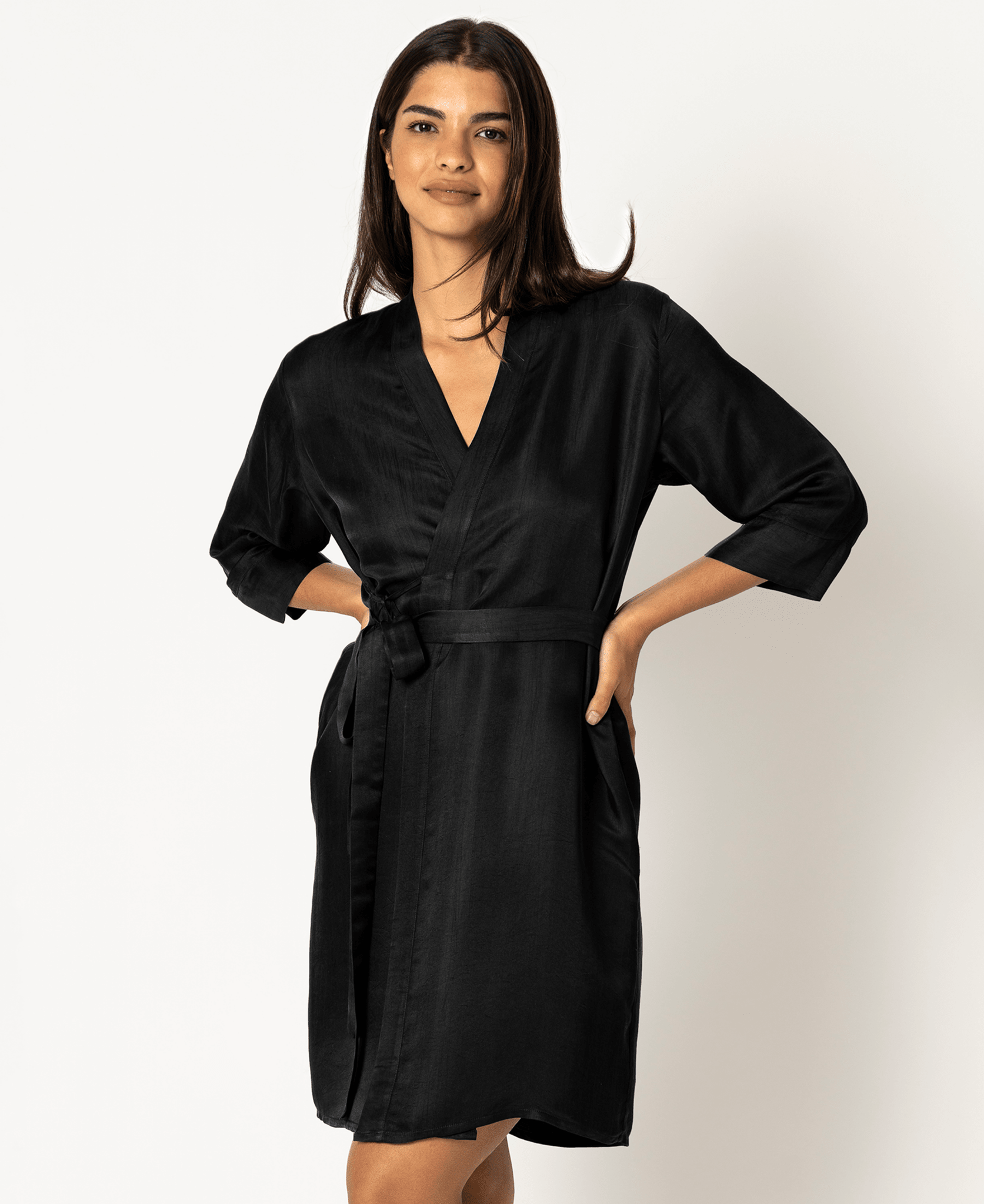
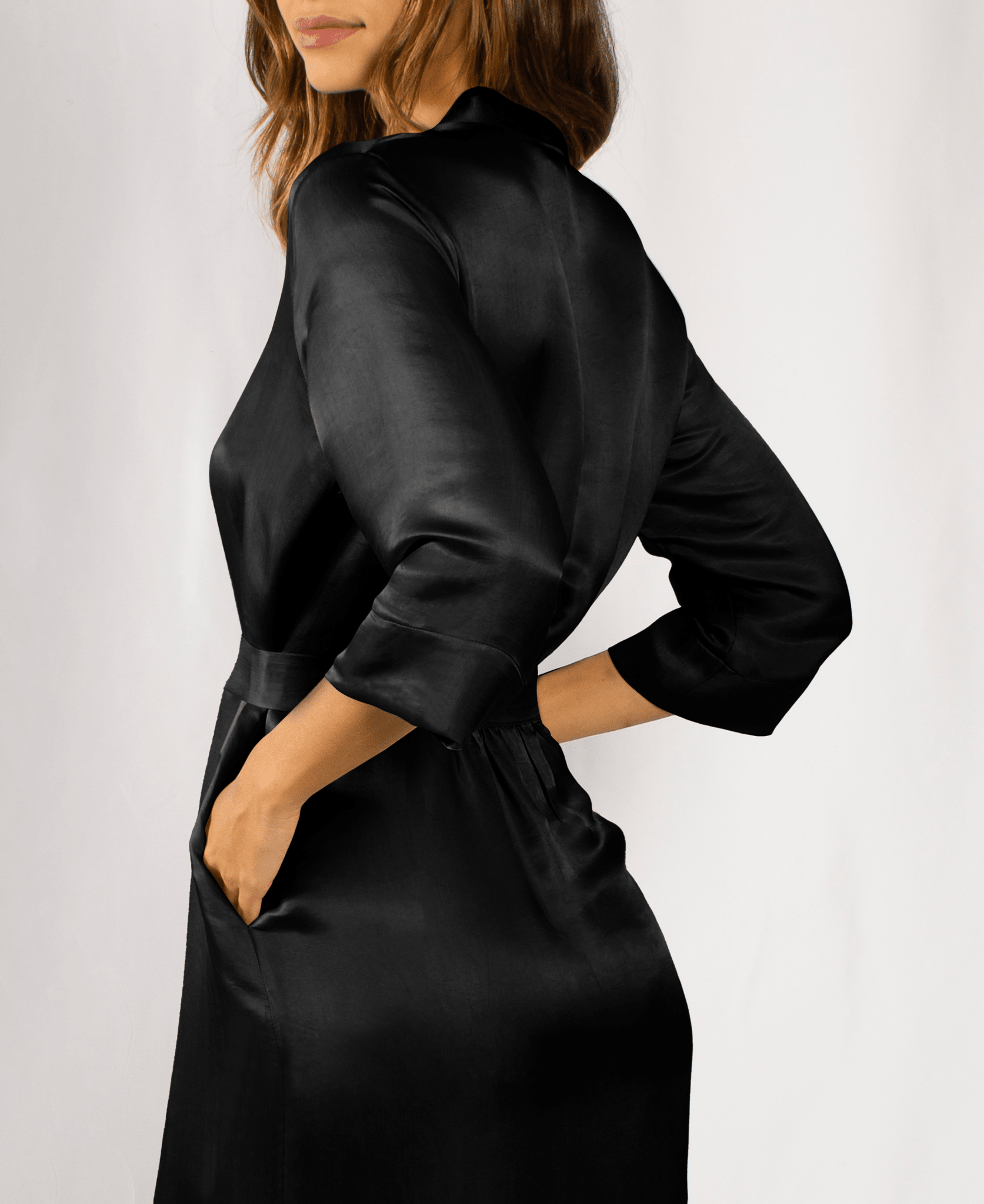
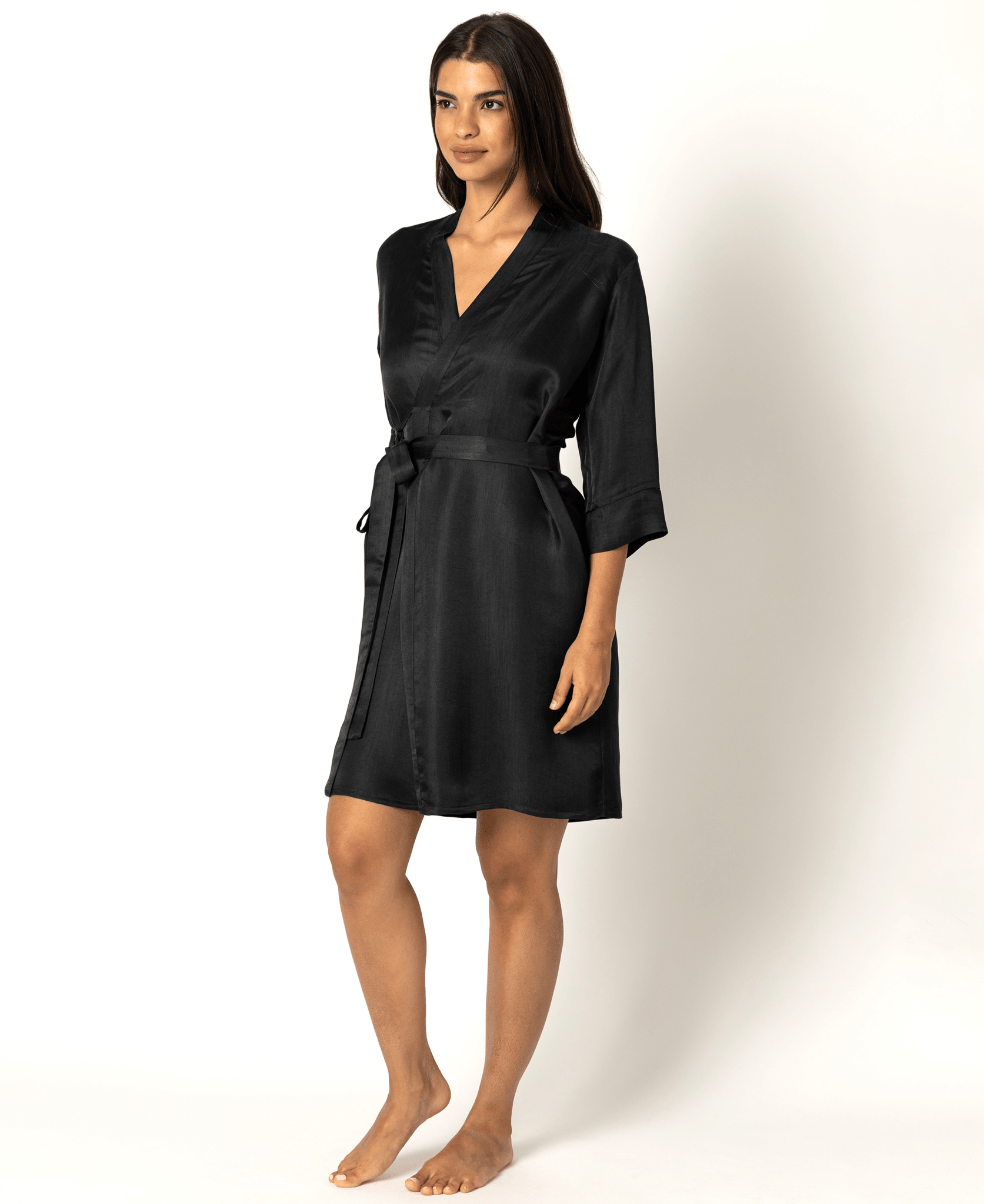
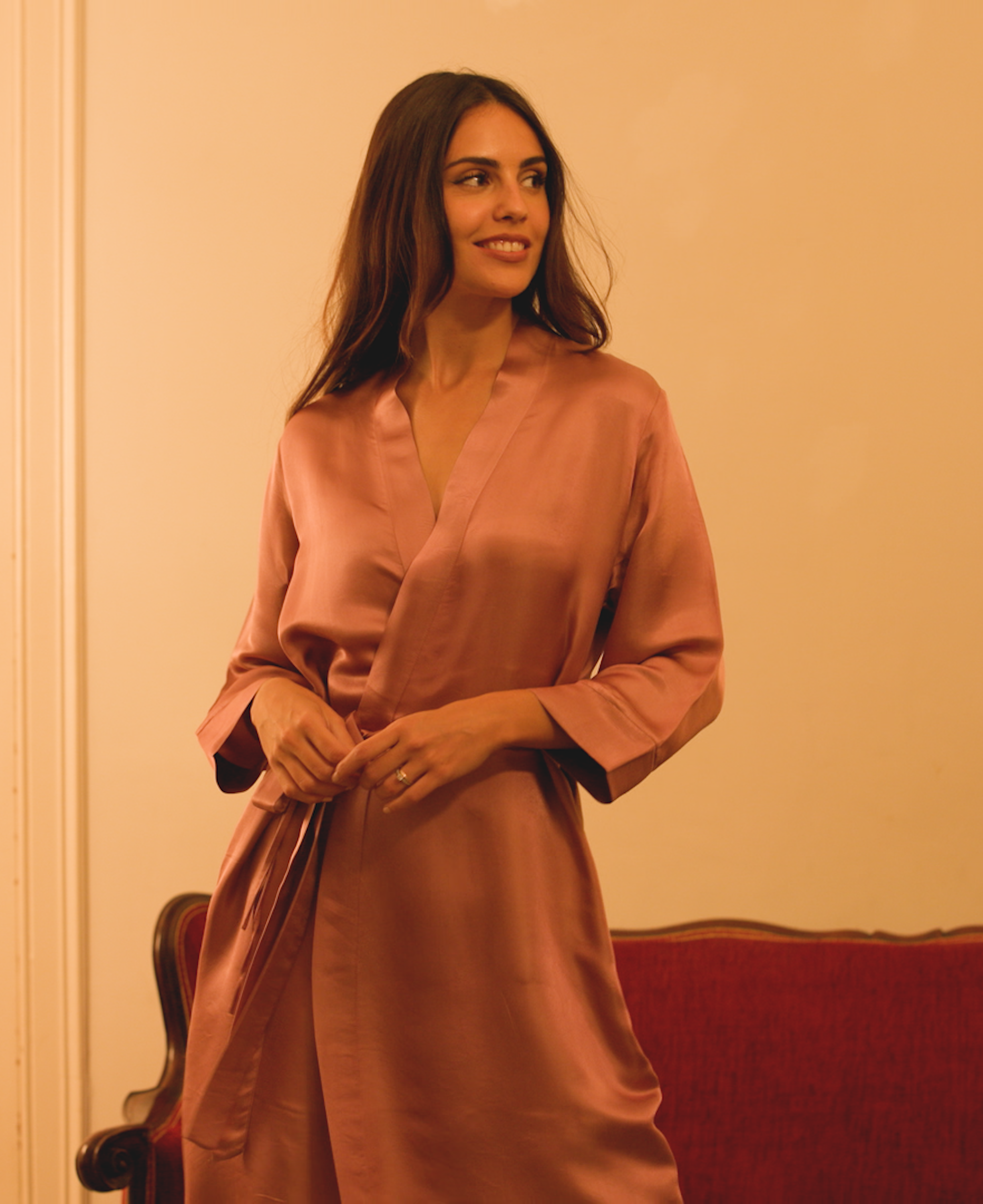
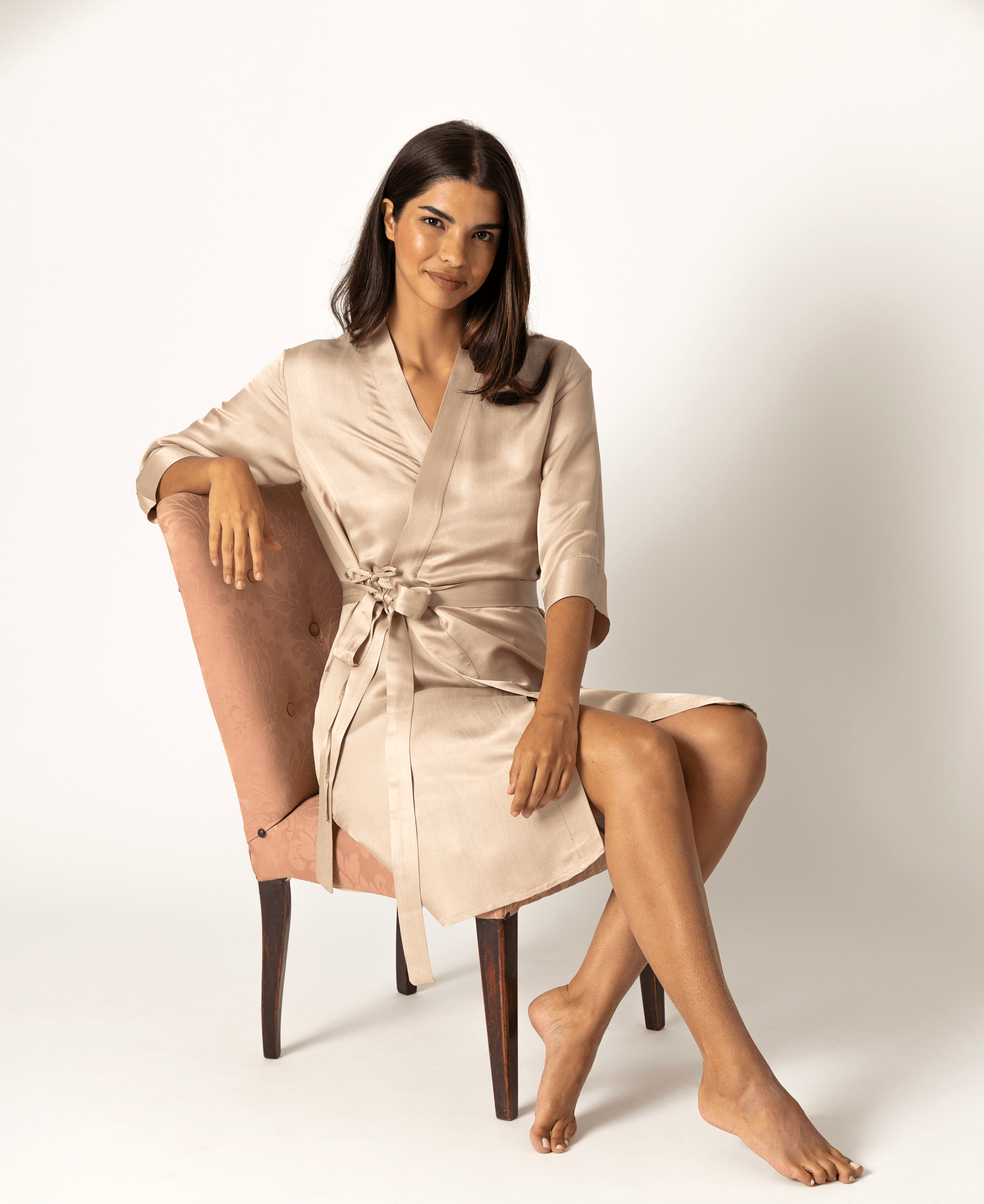
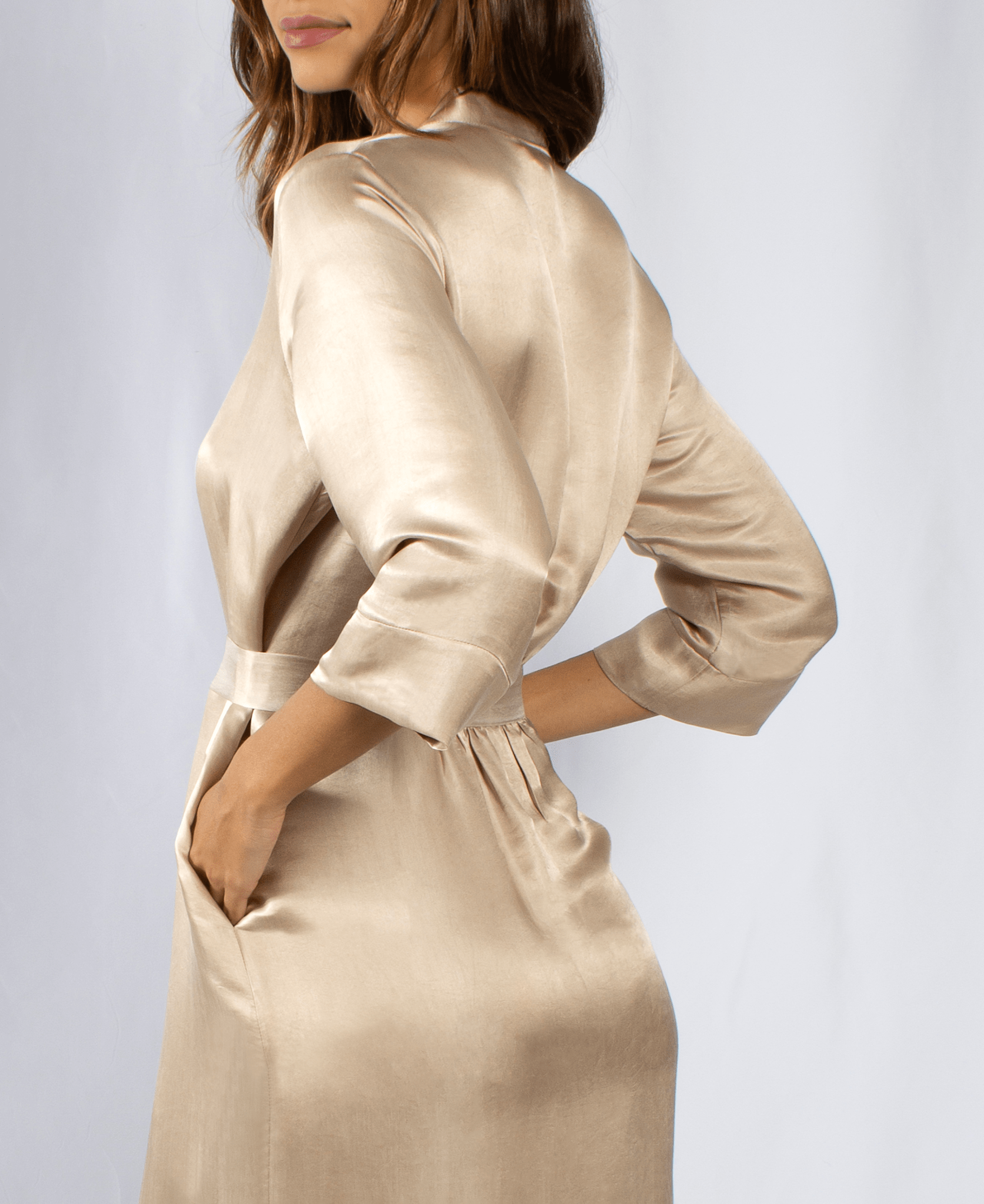
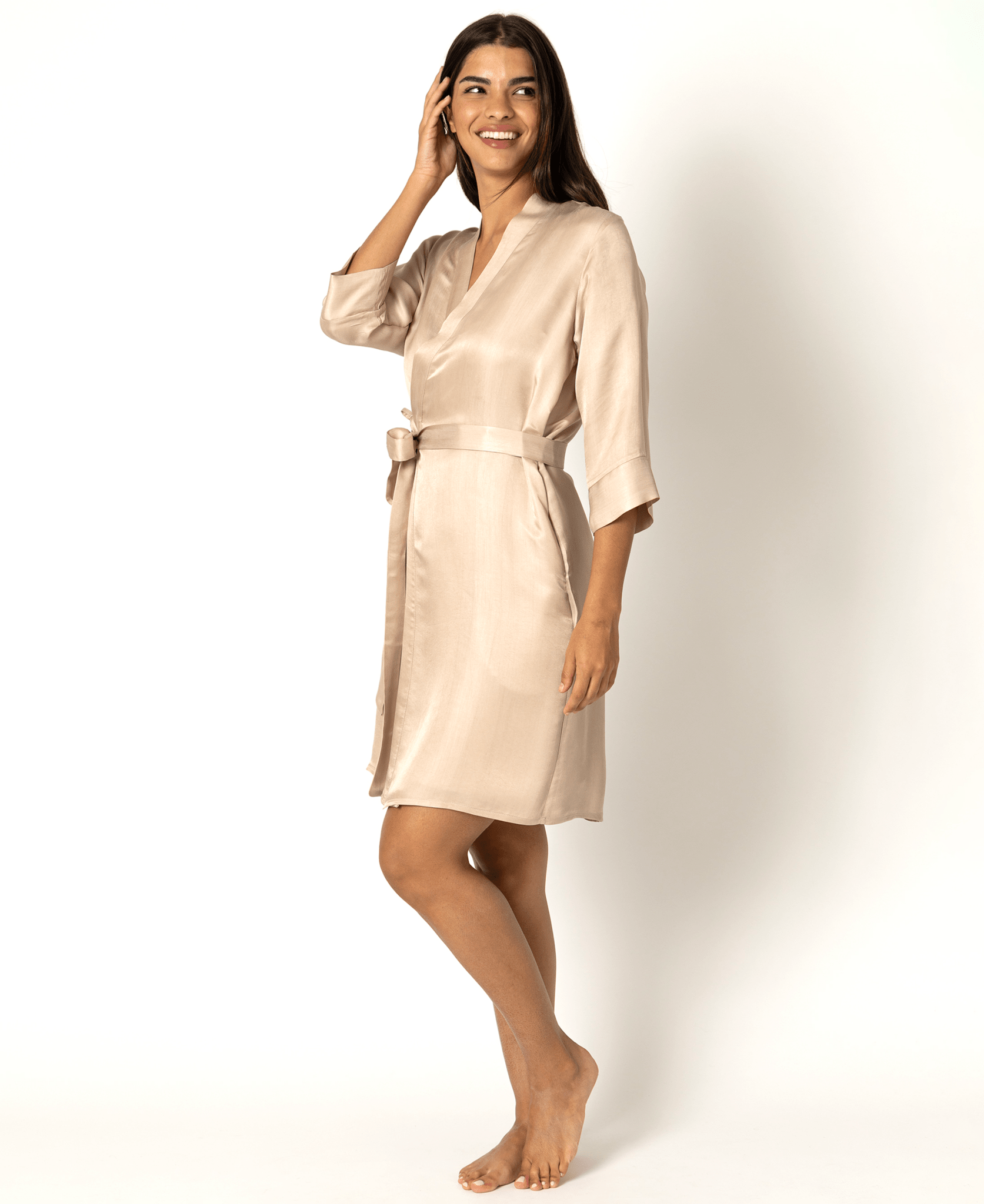
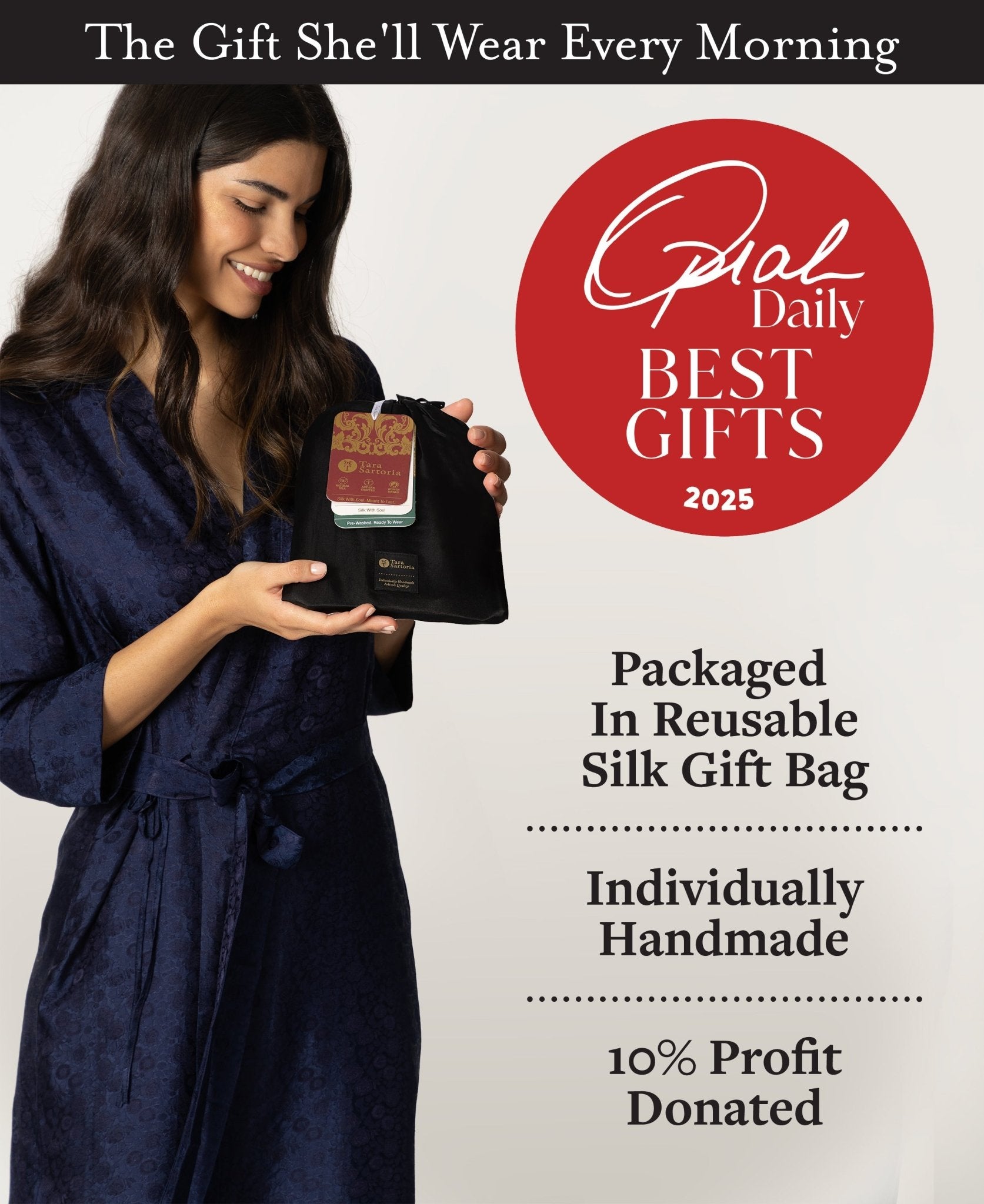

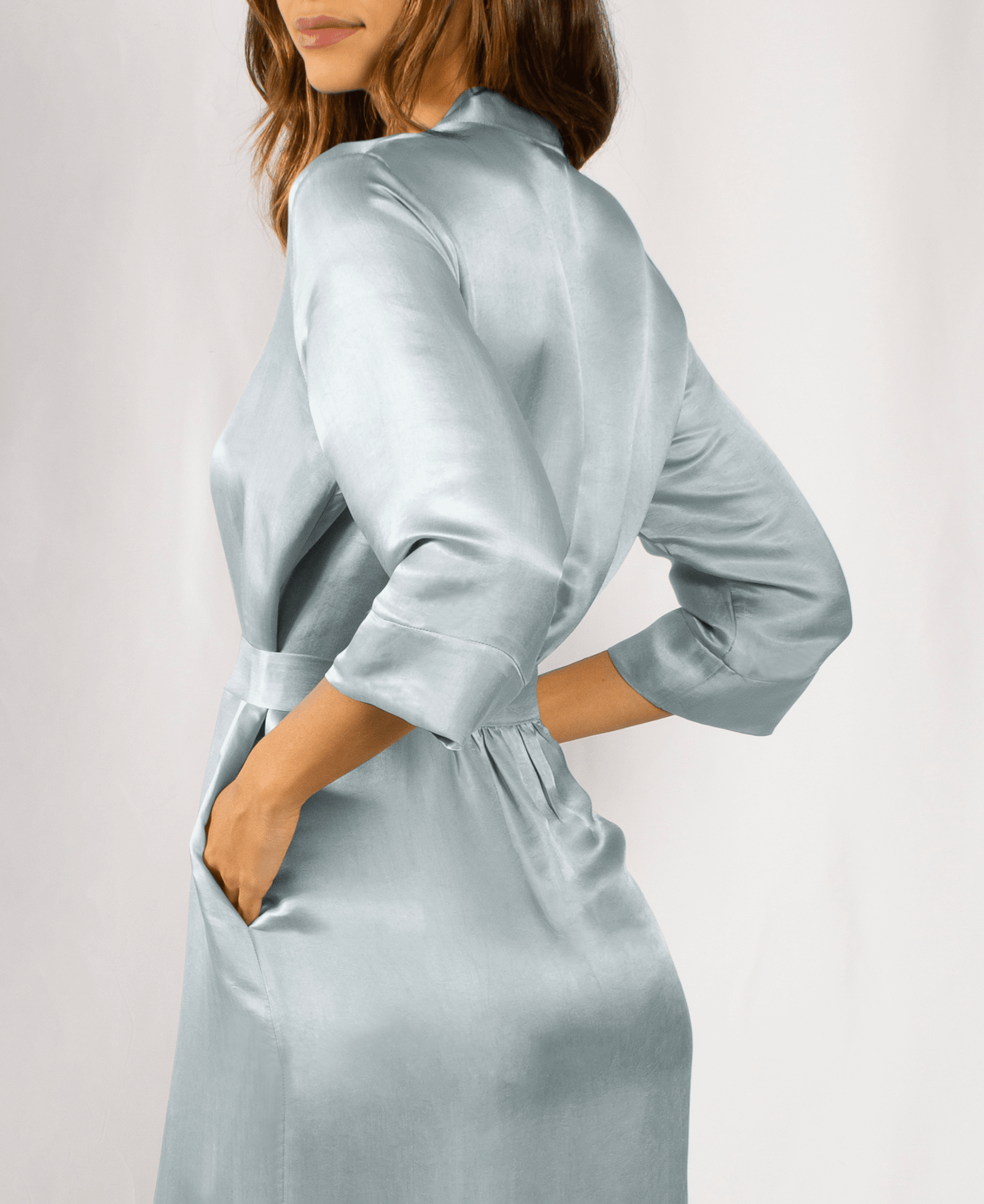
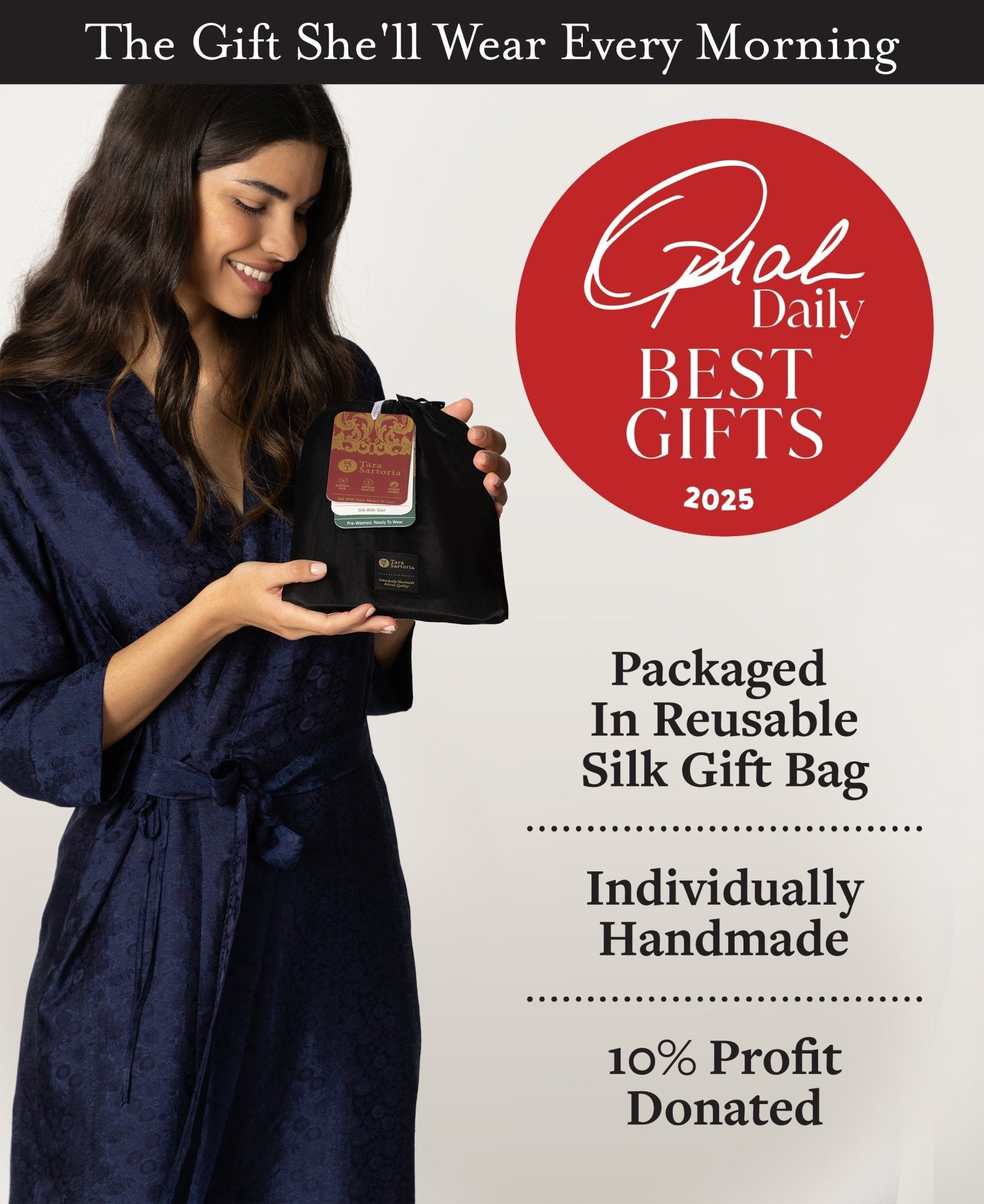
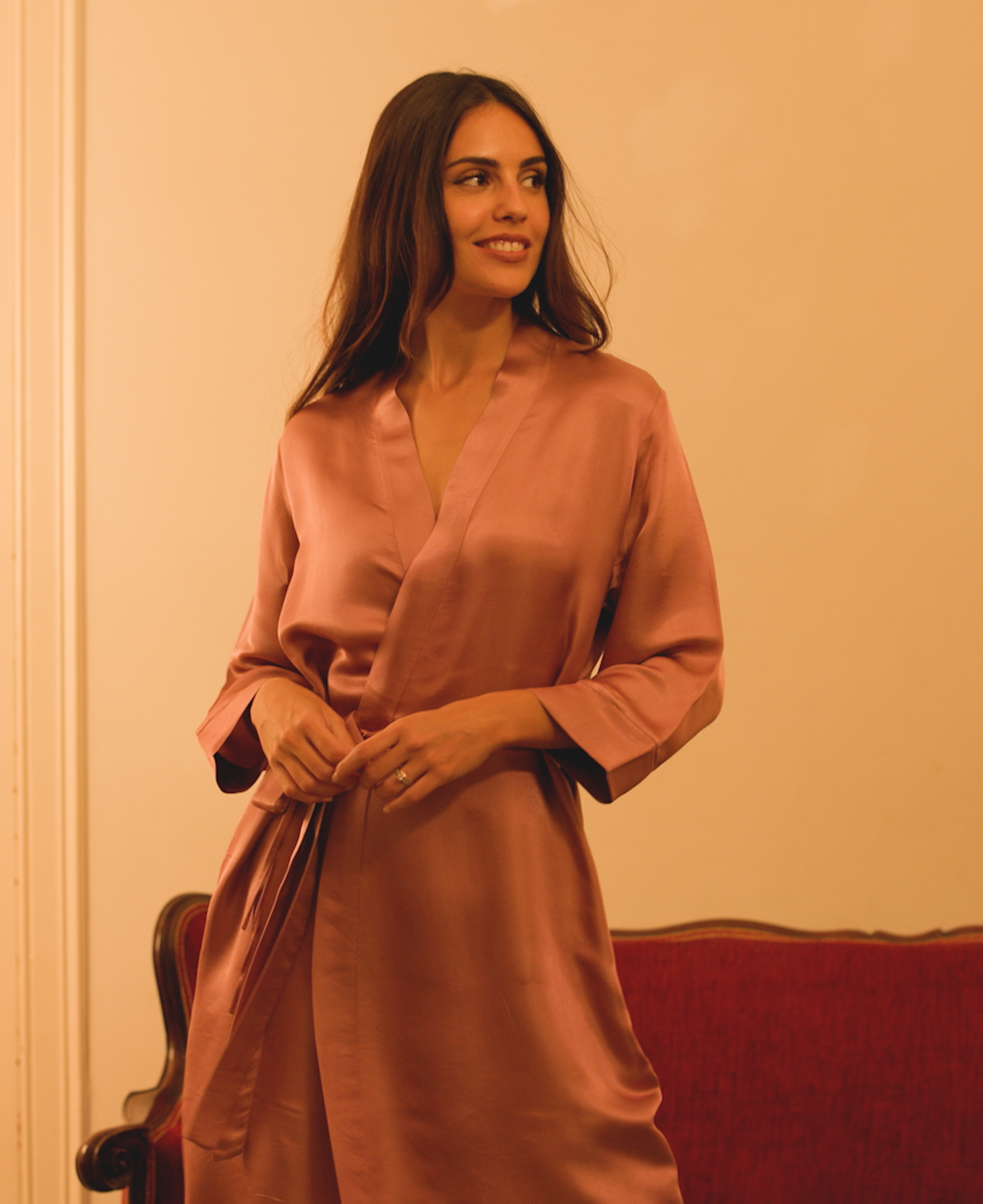



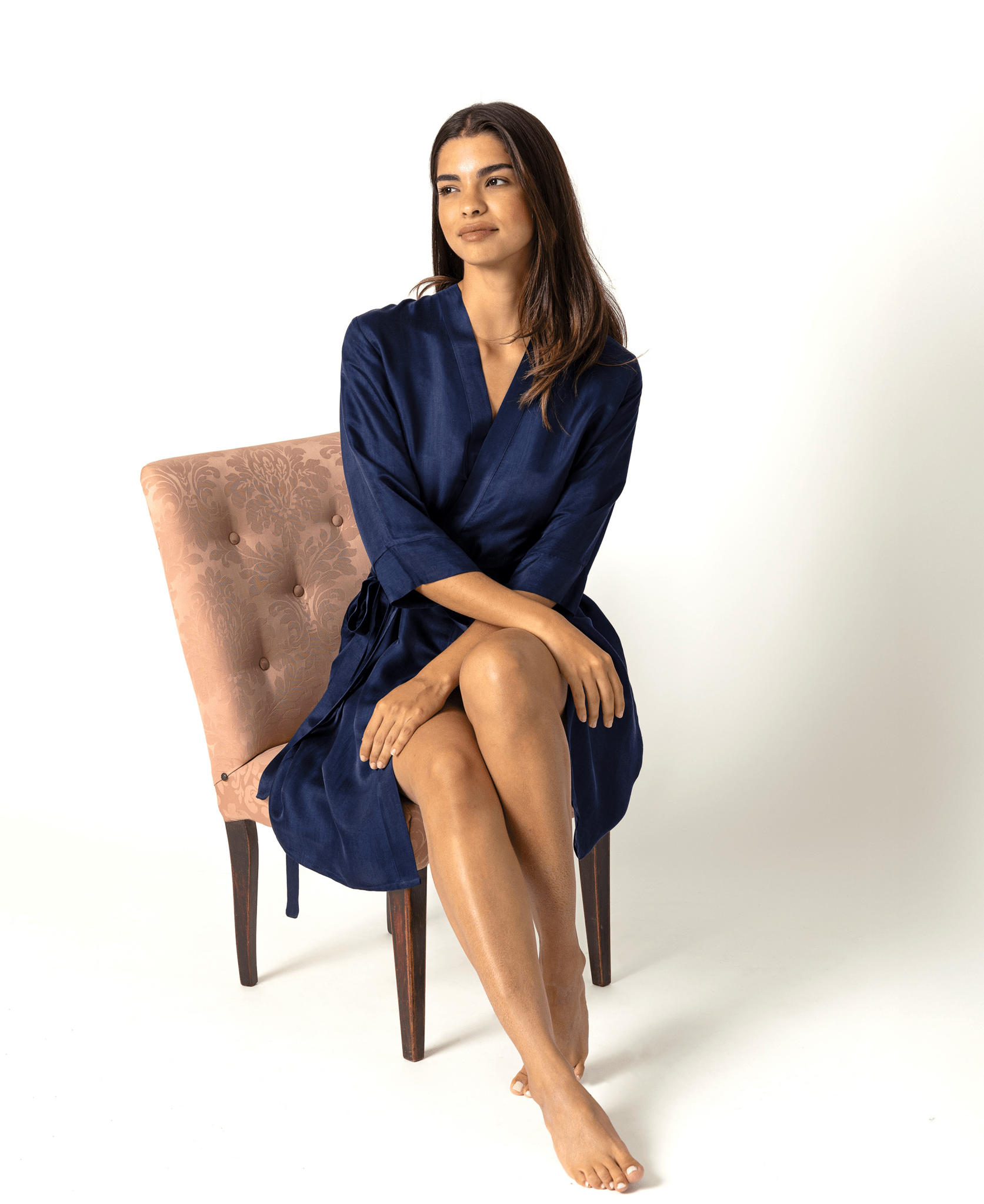
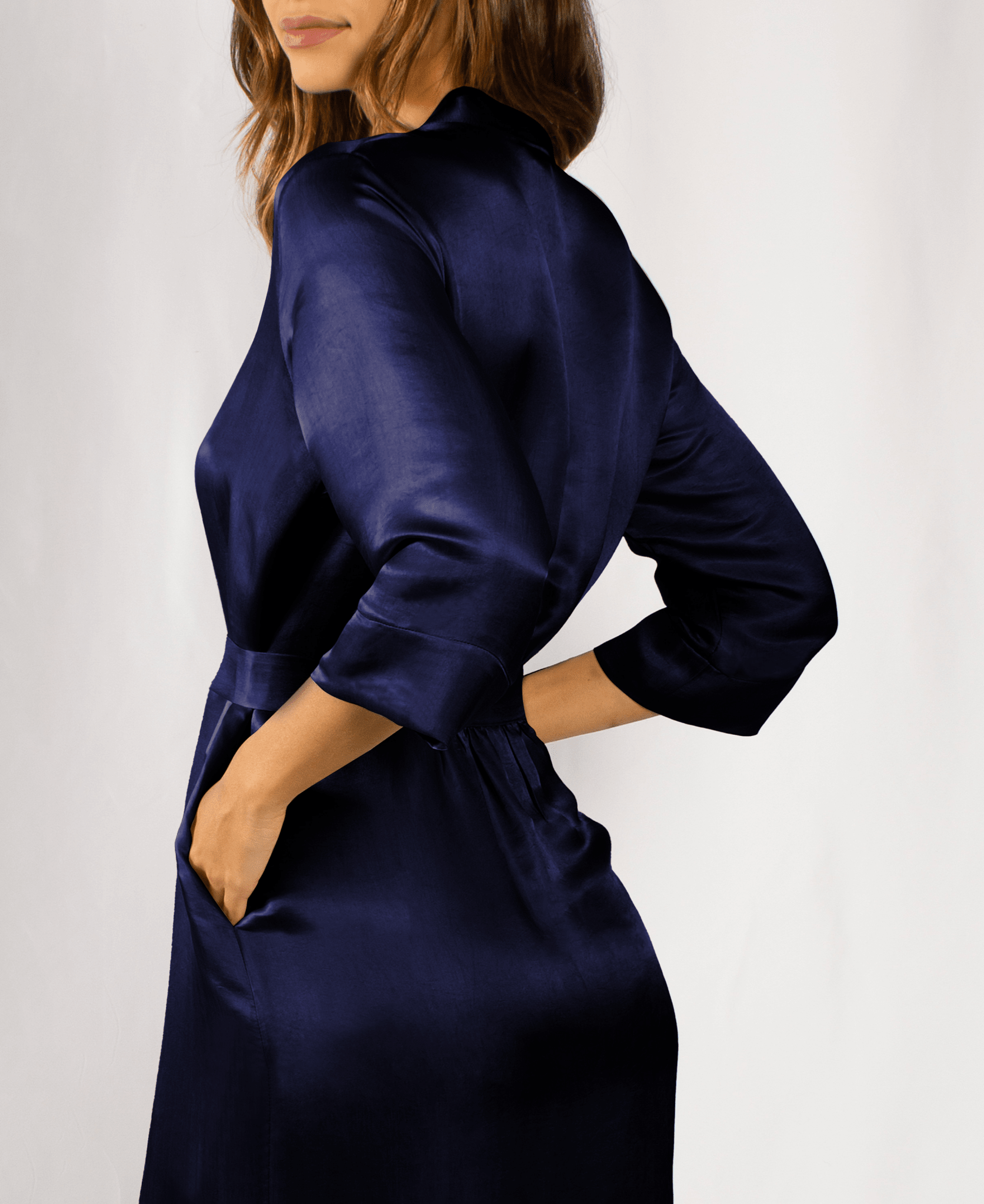
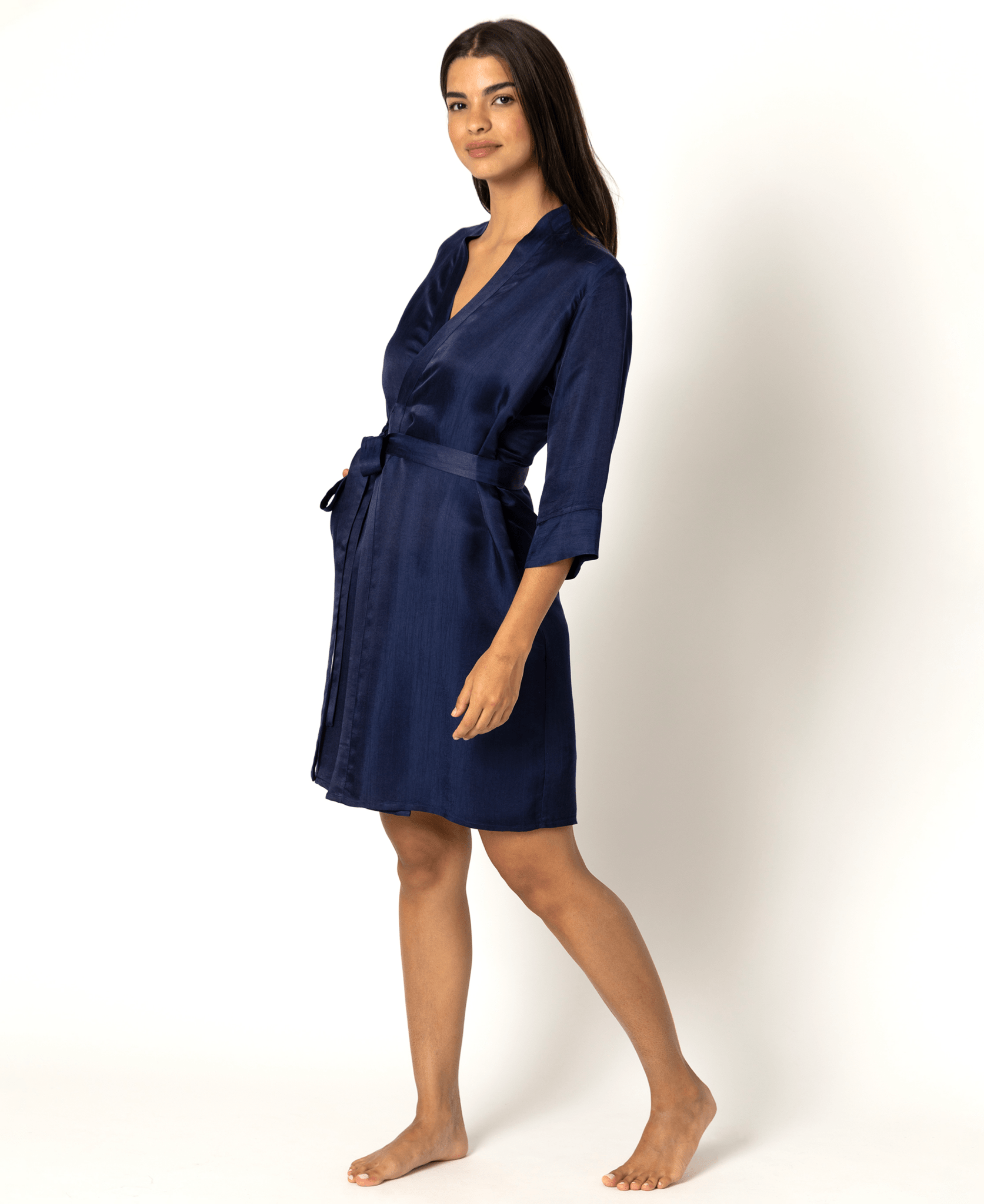
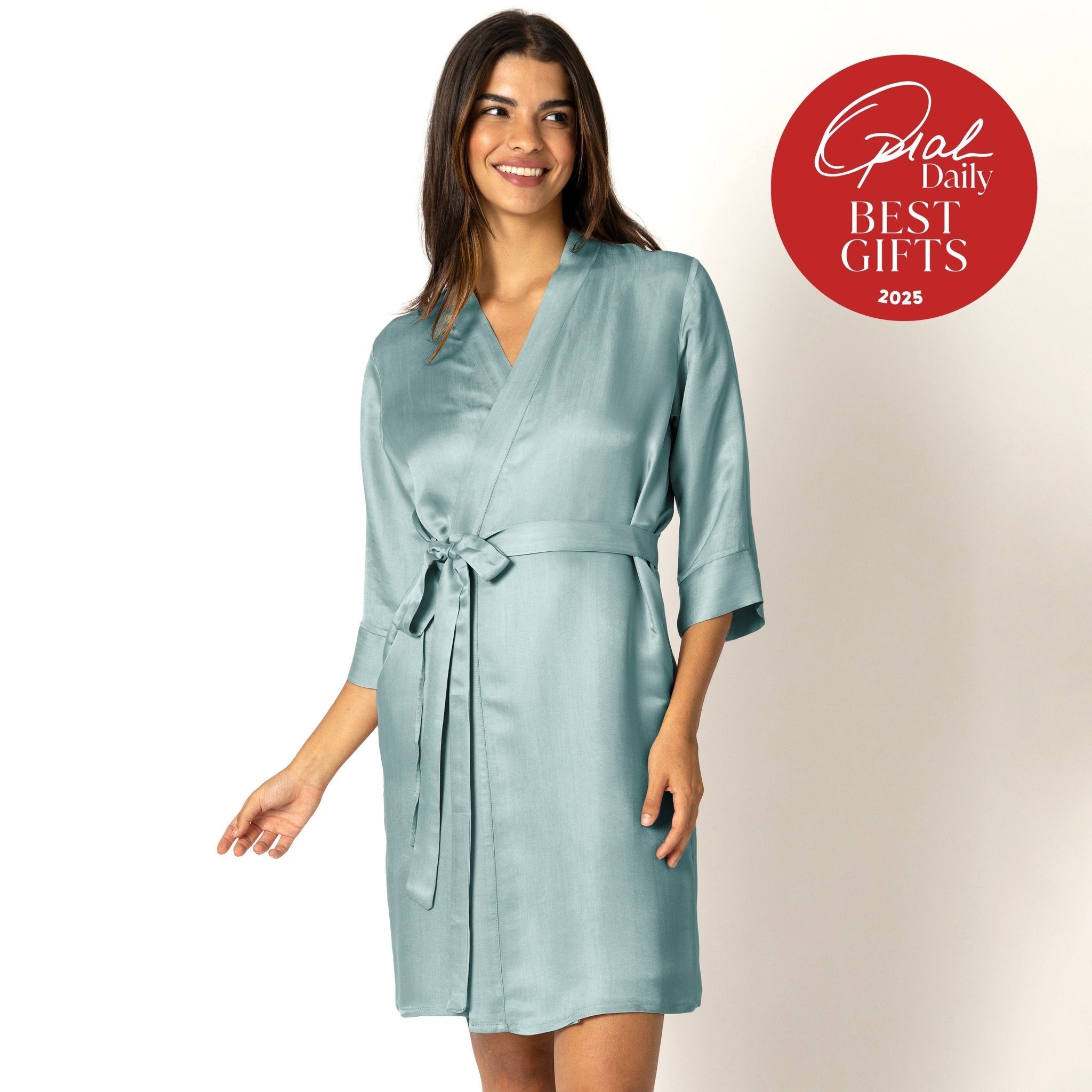

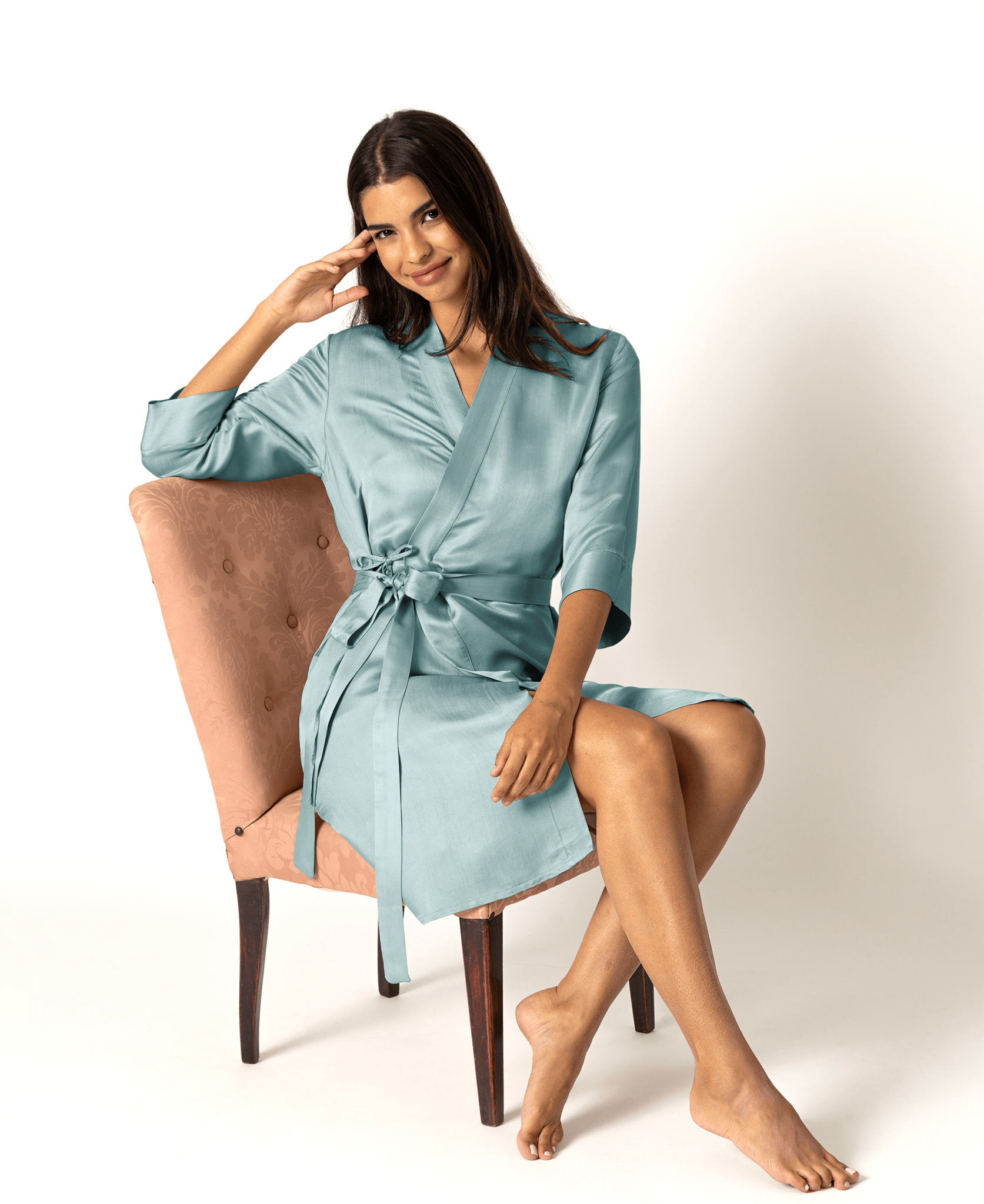
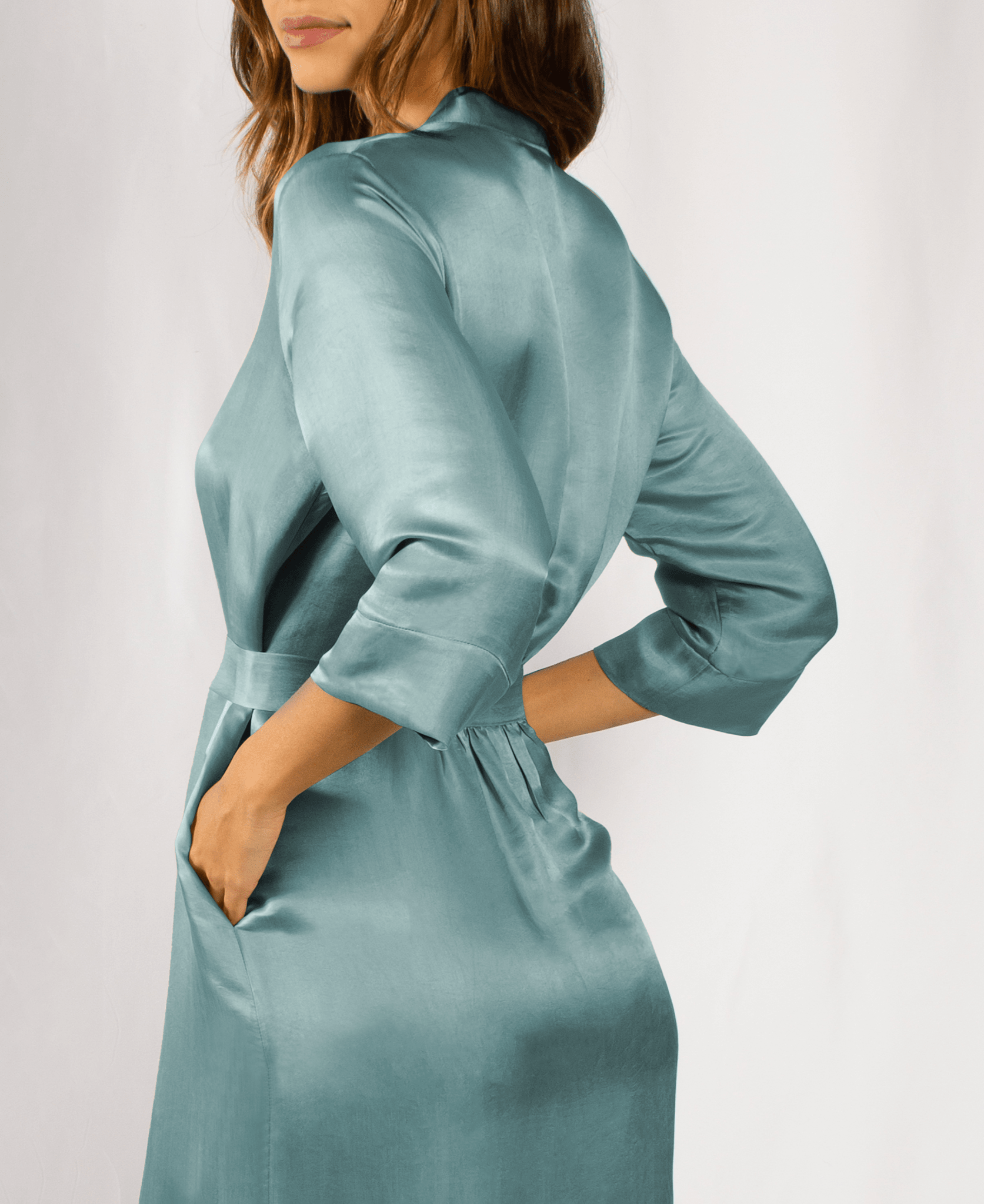
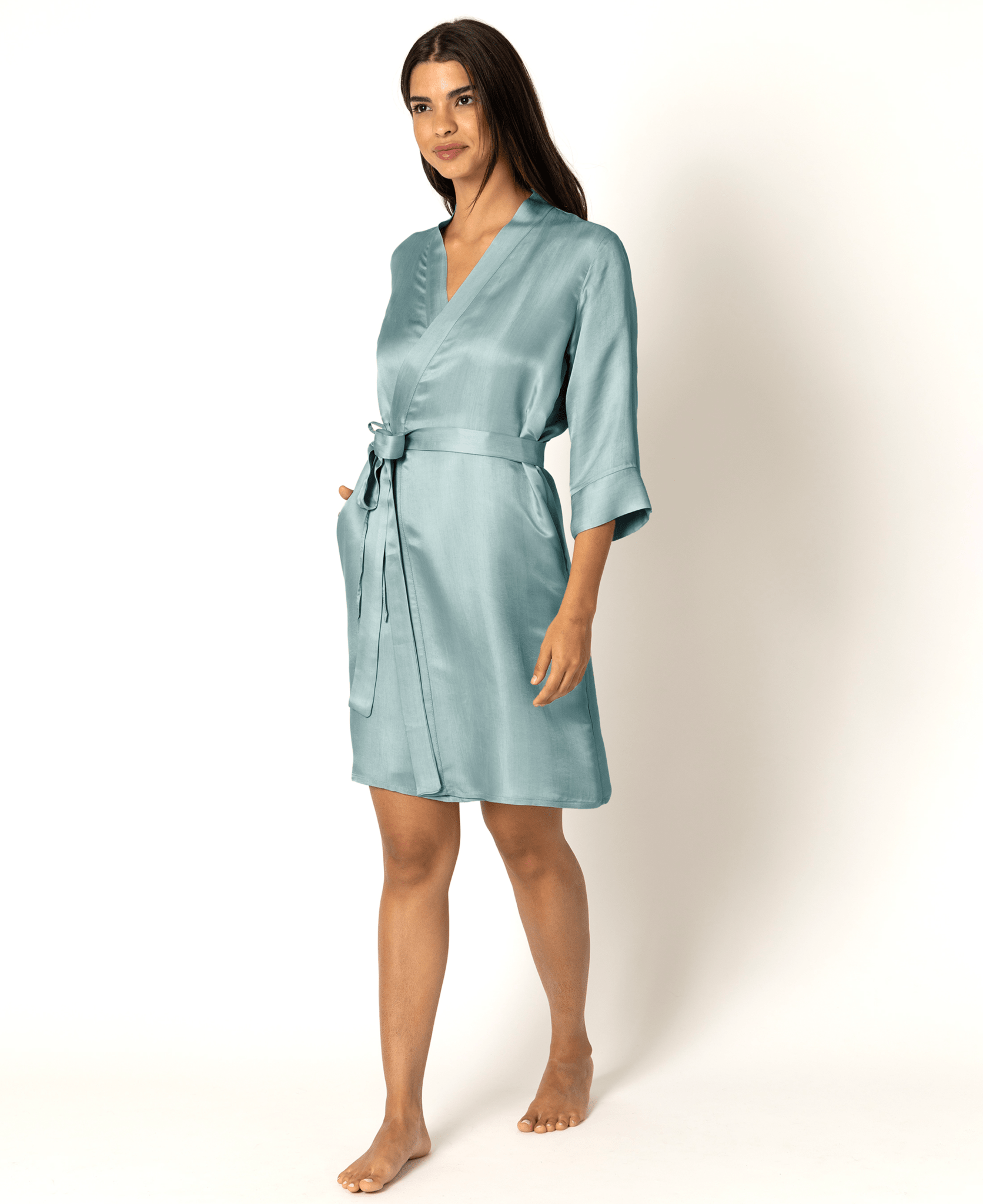
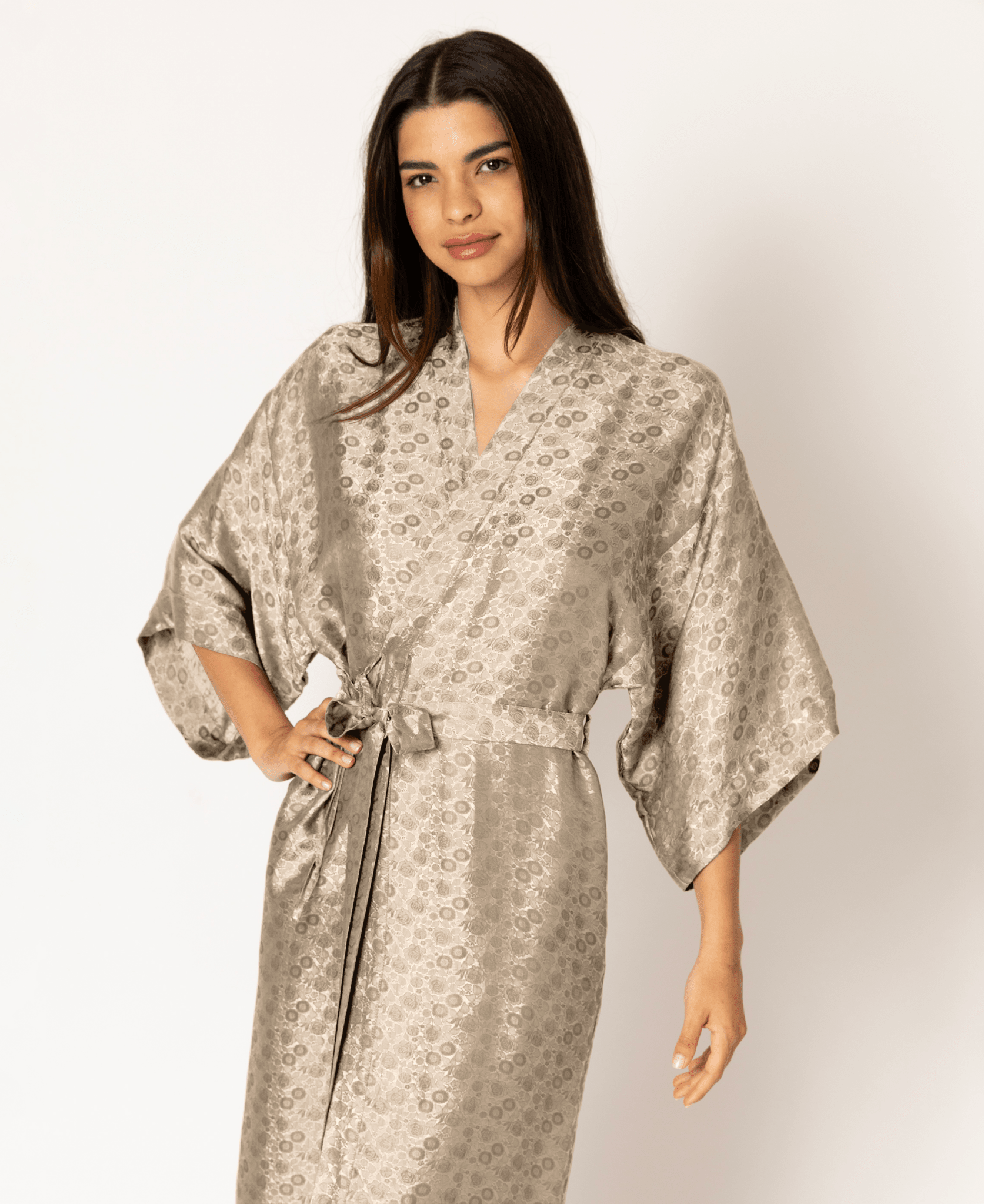
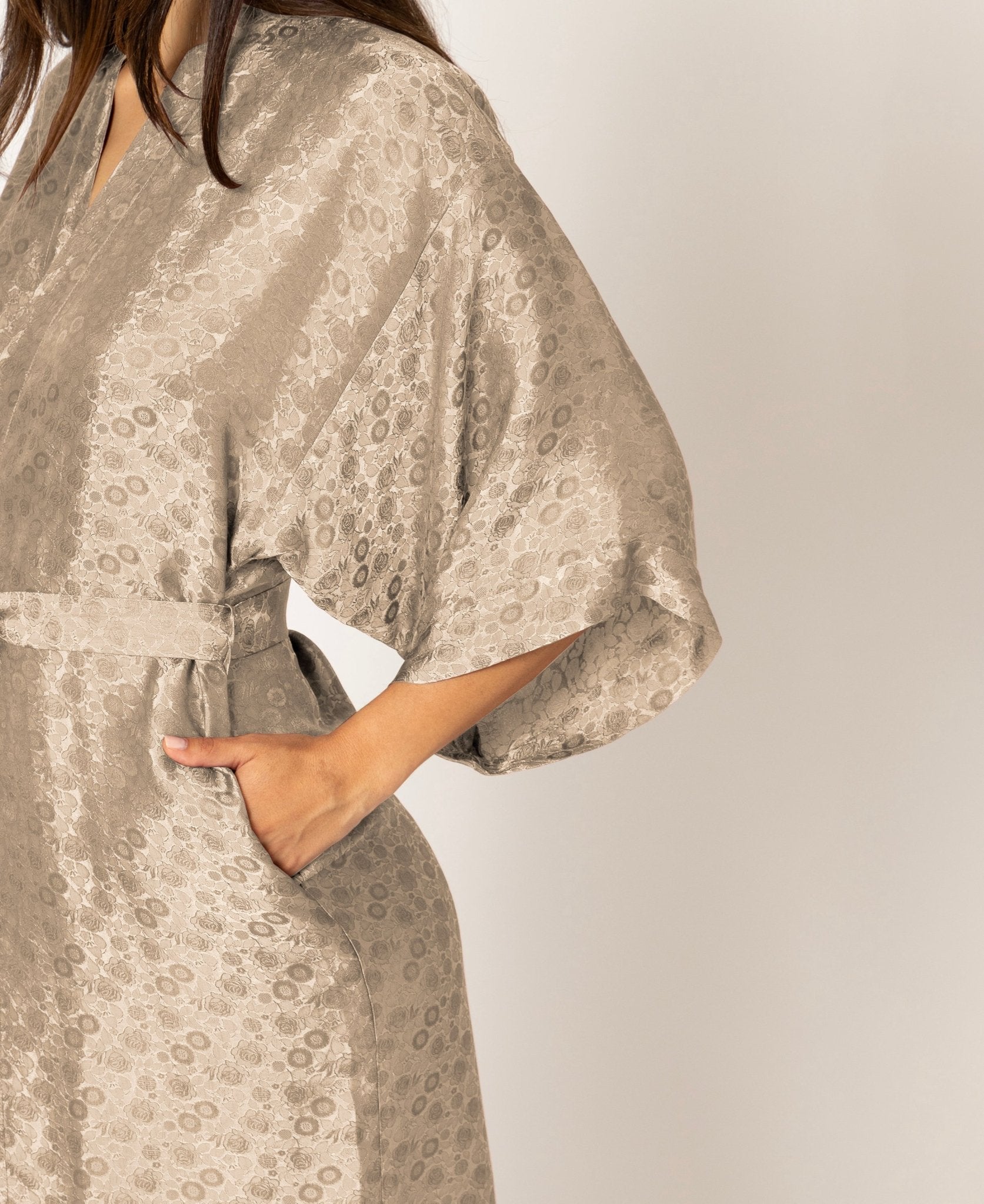
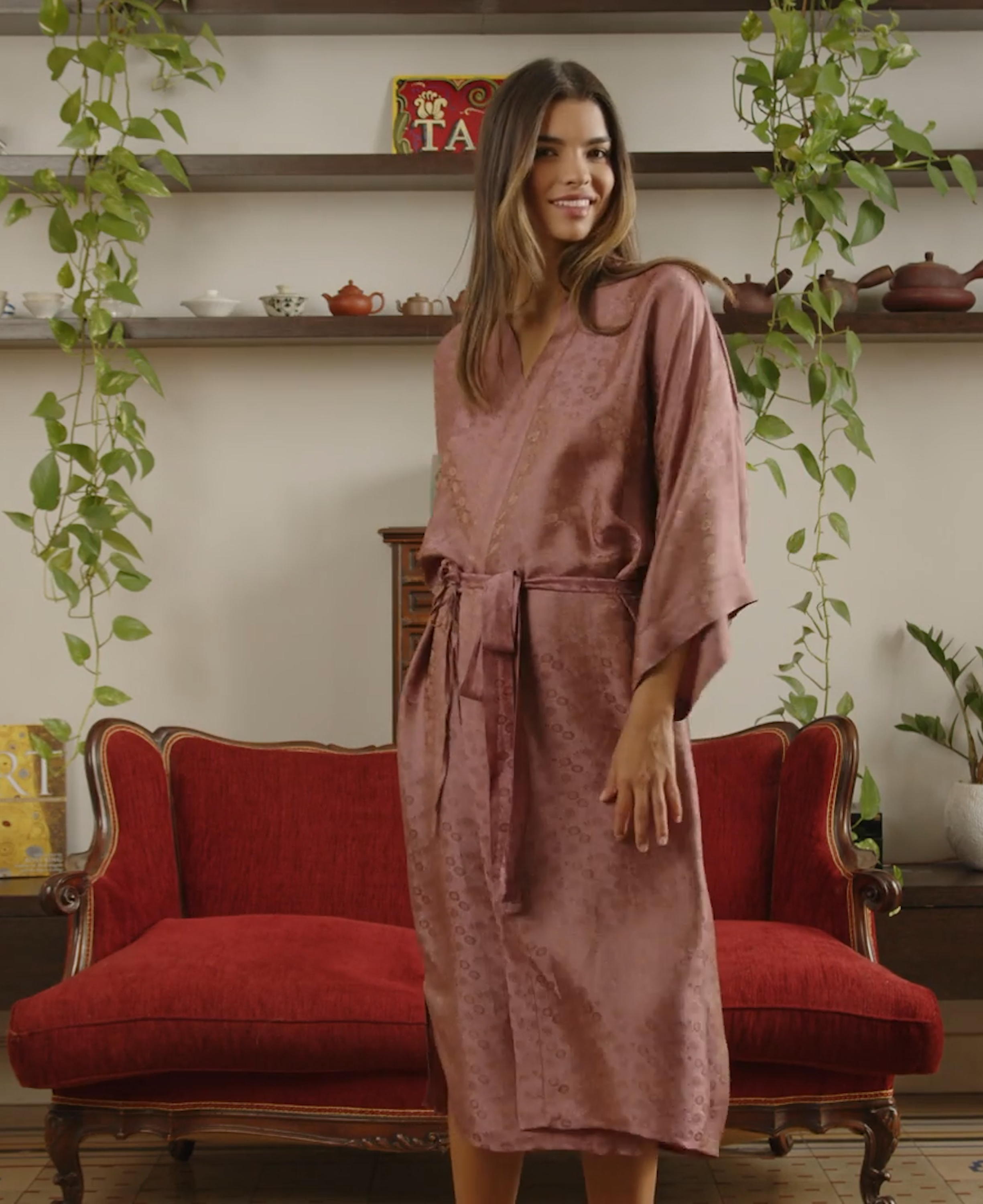
The kimono robe sits in a different category. The cut is wider in the shoulders and through the sleeves, the drape is more architectural, and the personality is louder. A jacquard kimono robe is a real garment in a way a regular robe sometimes is not. It is the right choice for someone who wears silk like clothing, not loungewear.
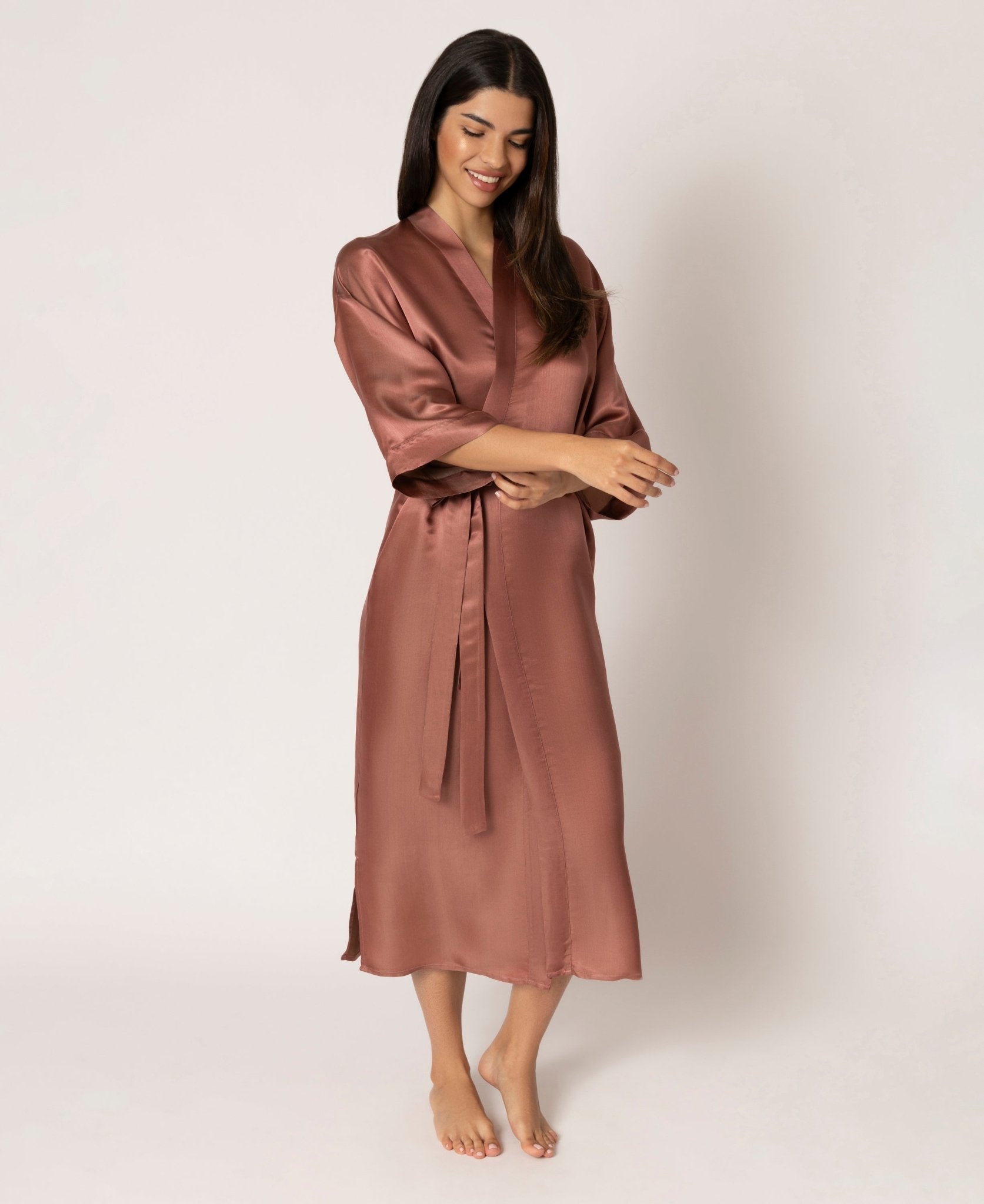
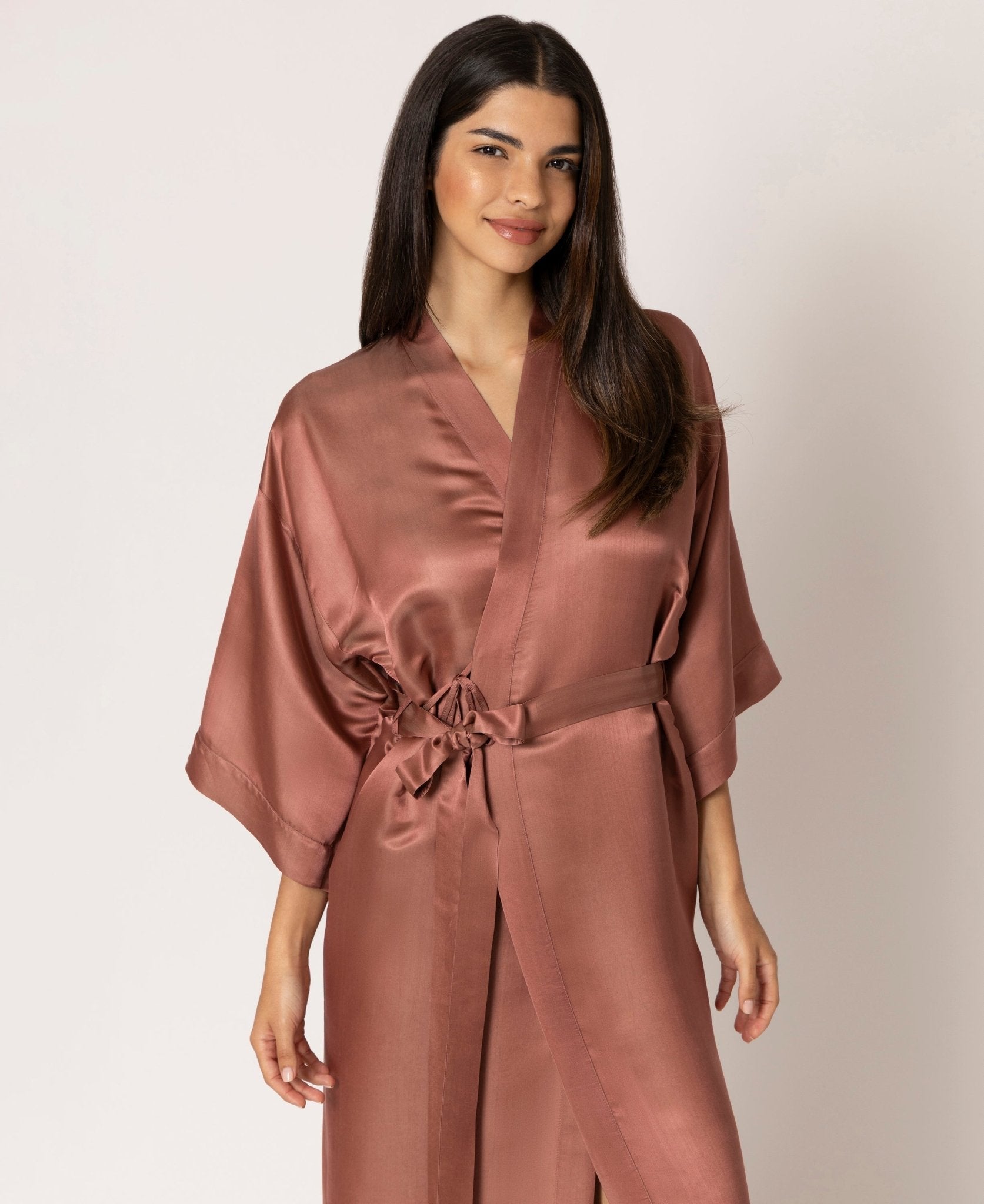
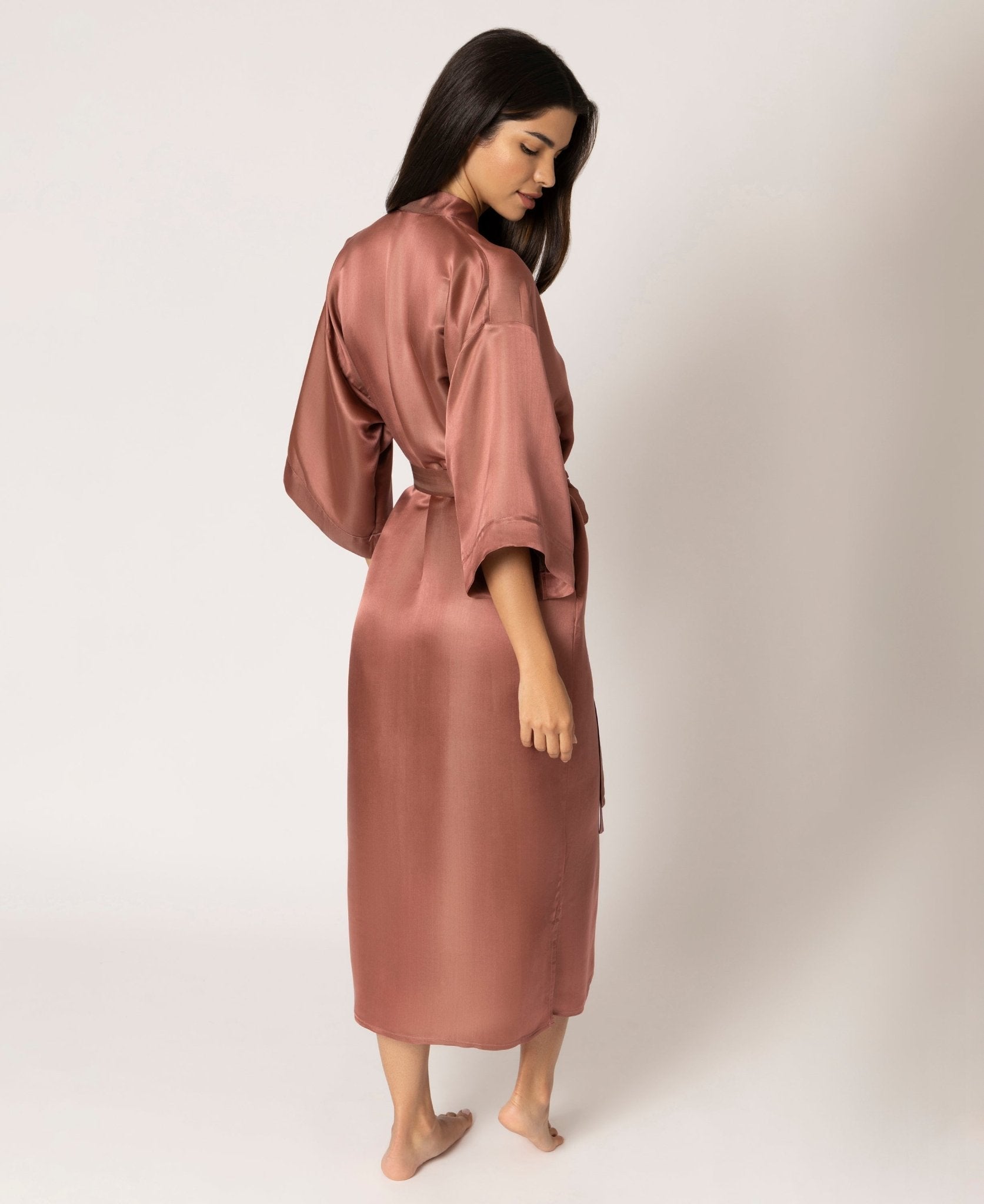
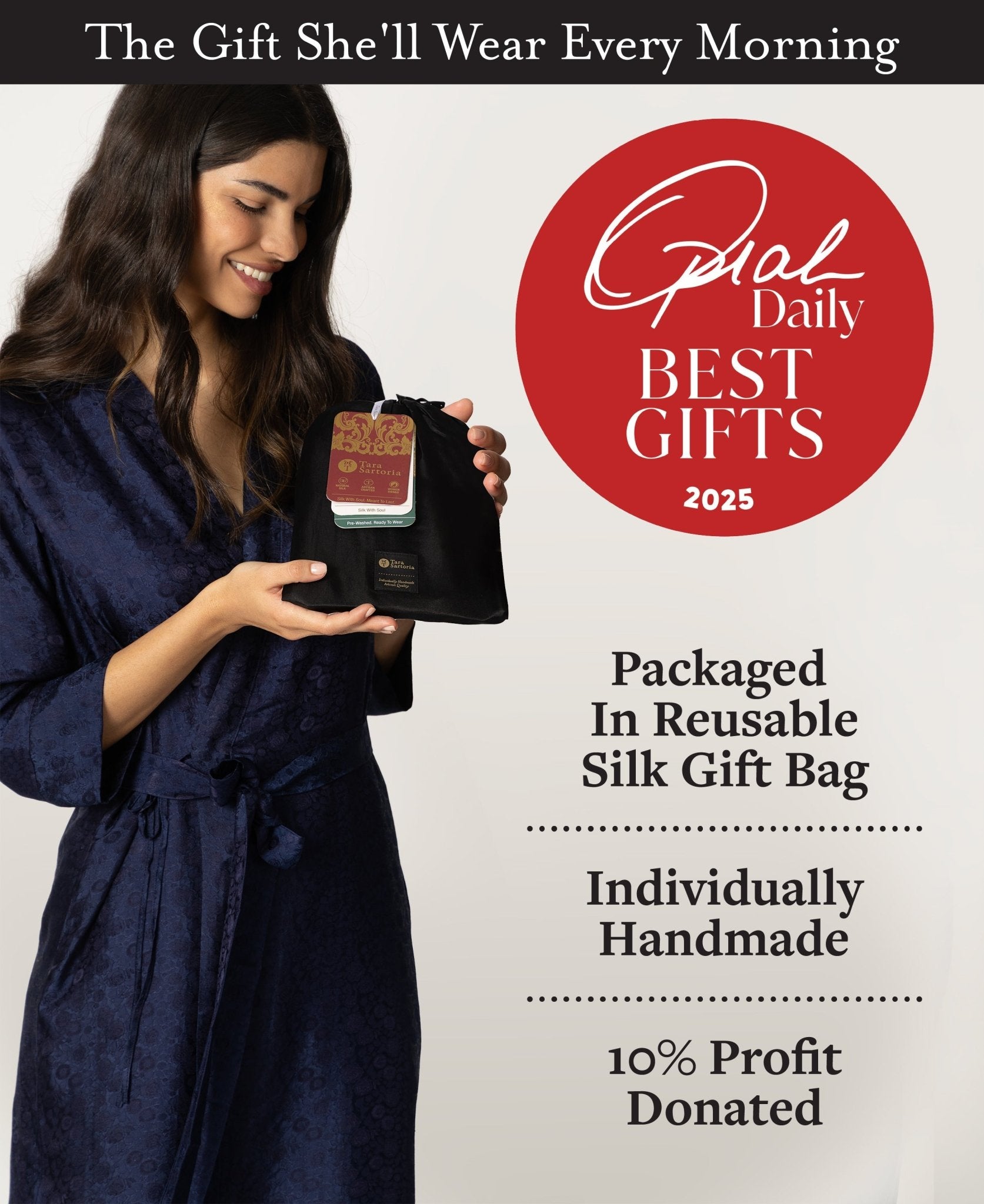
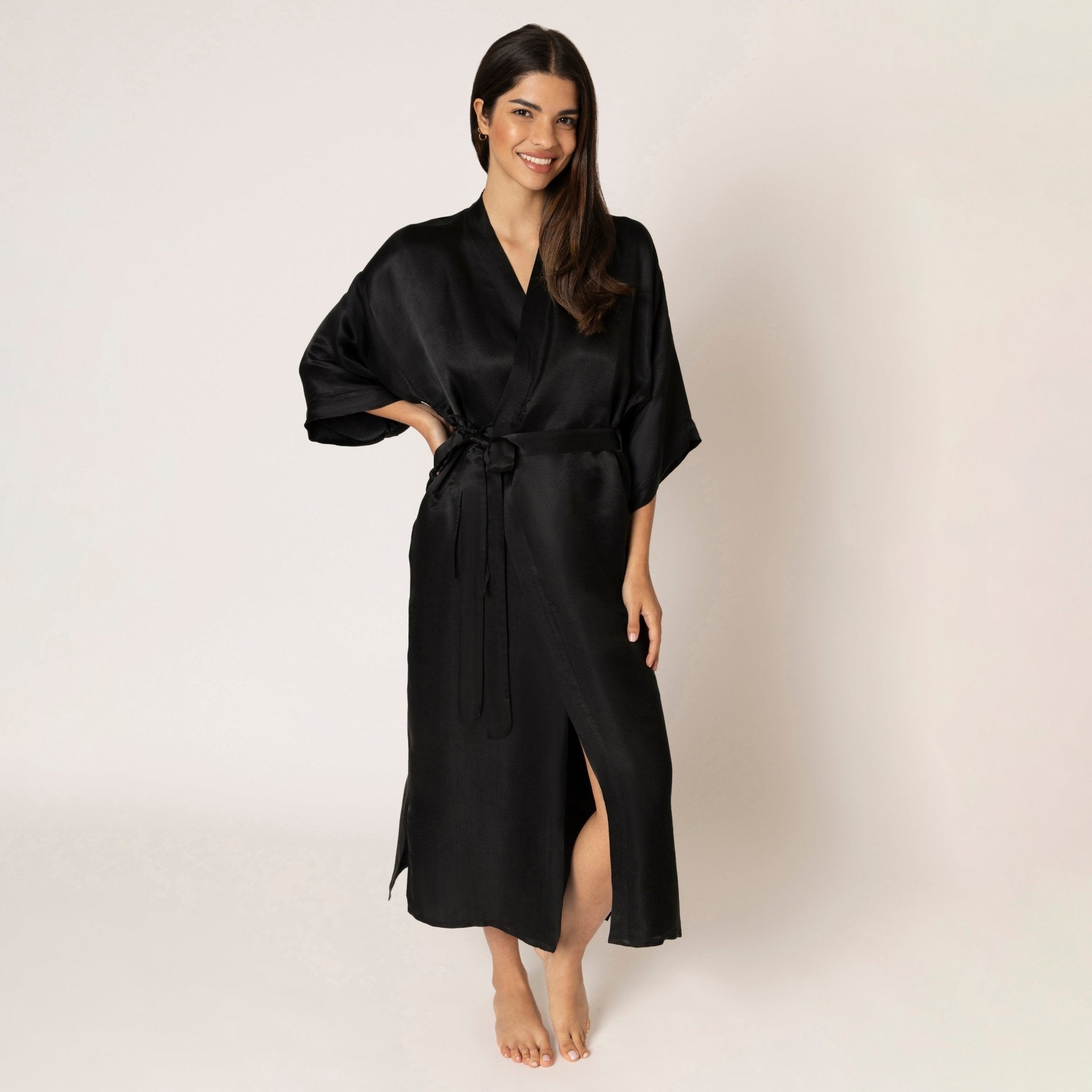
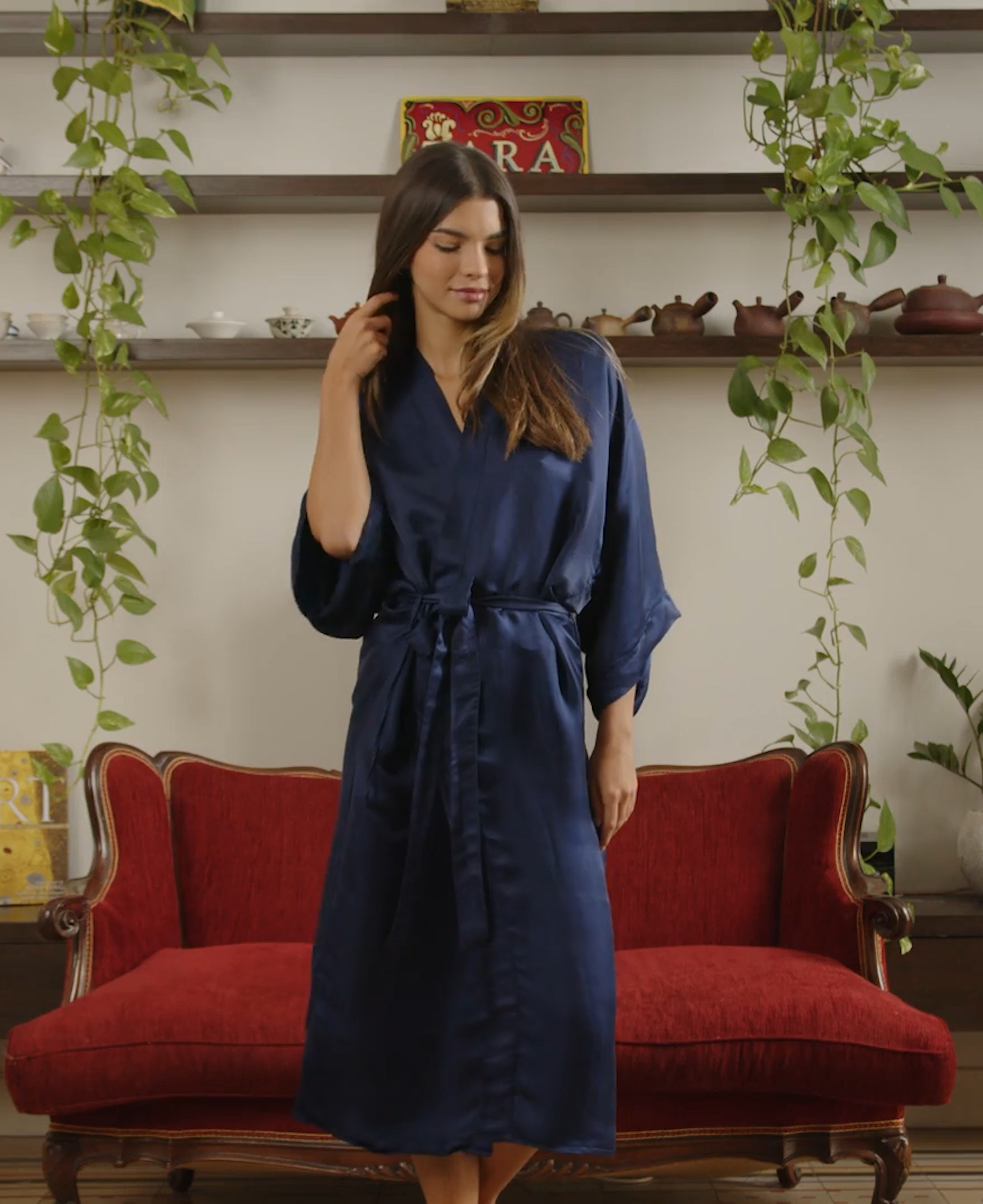
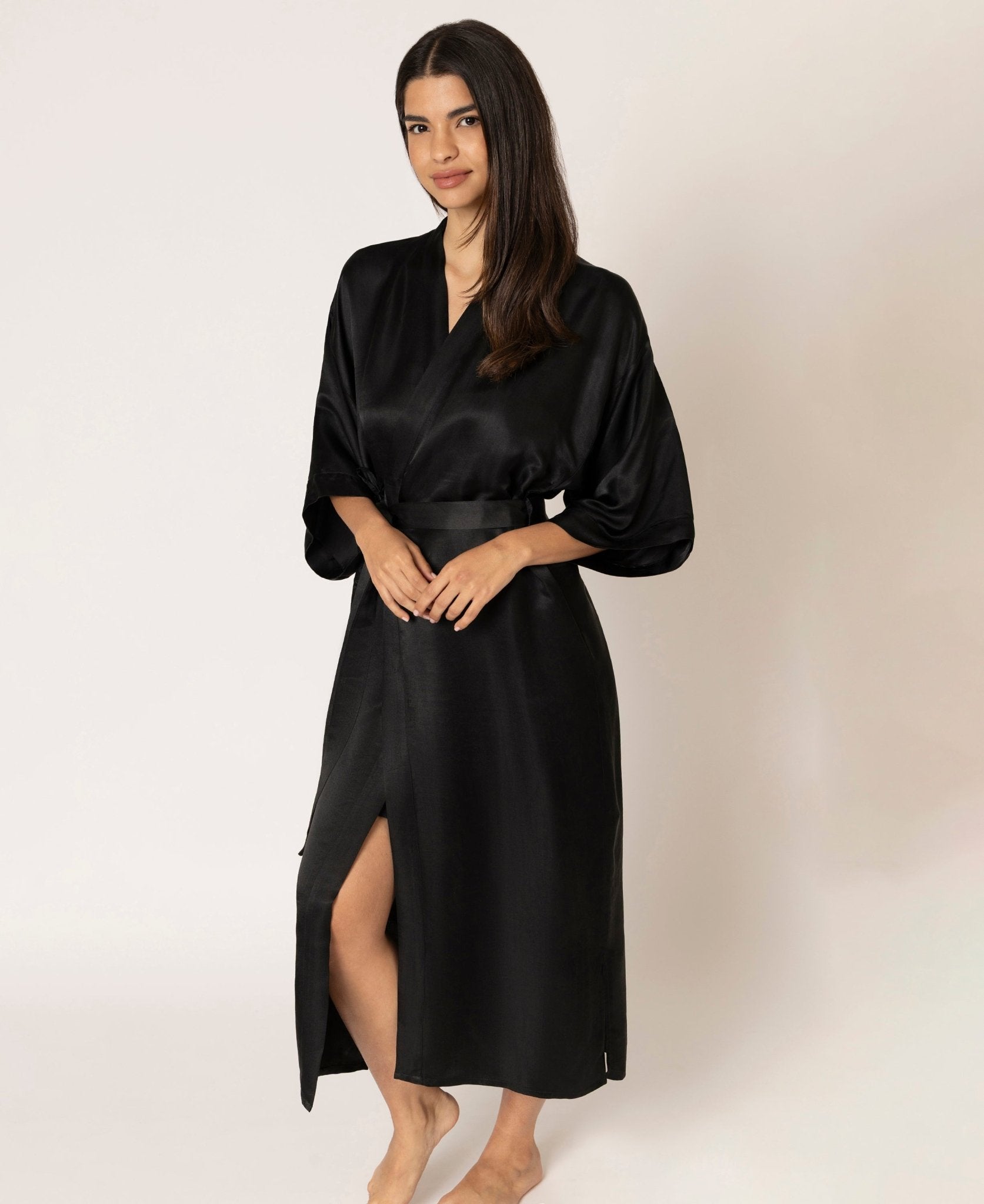
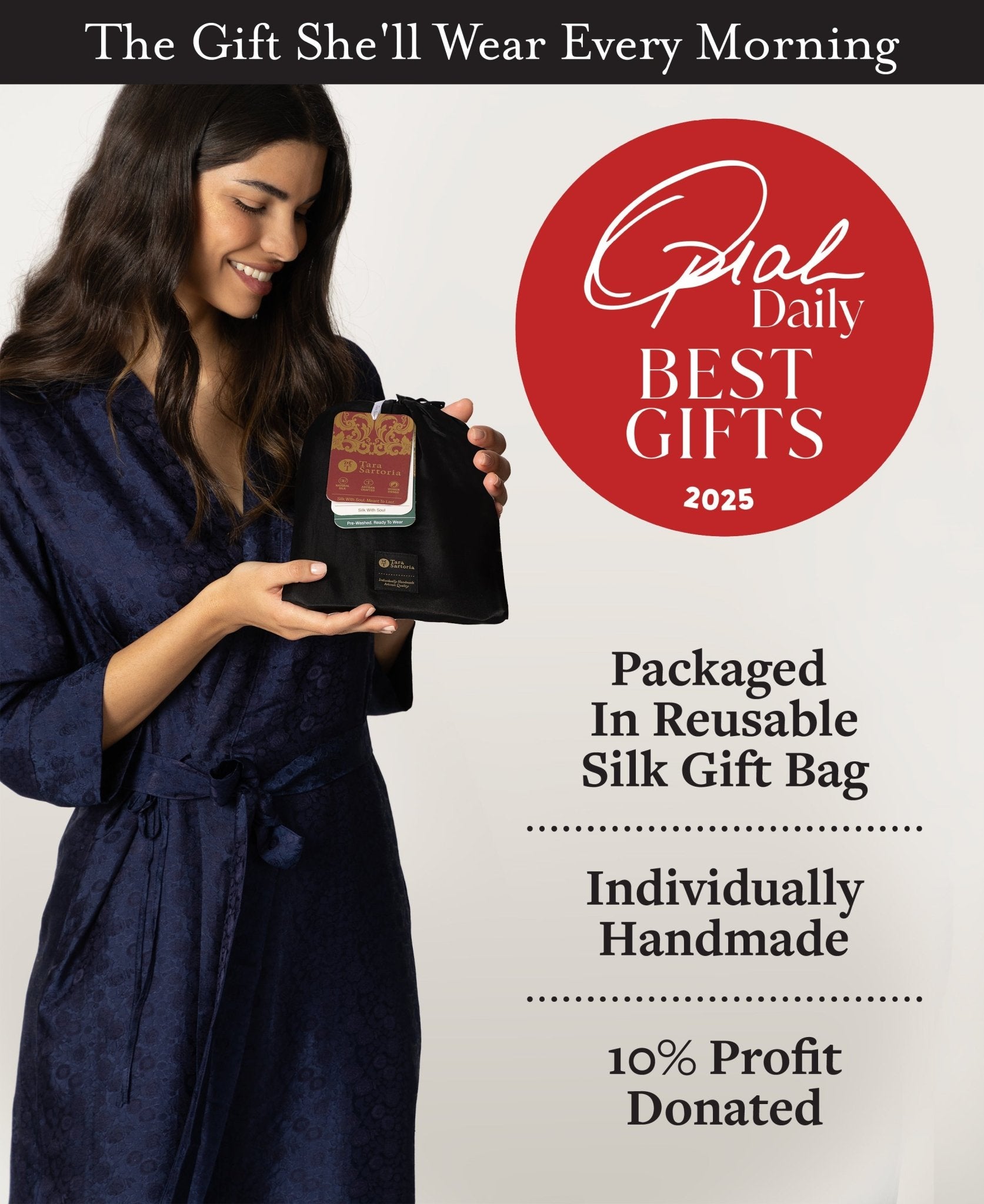
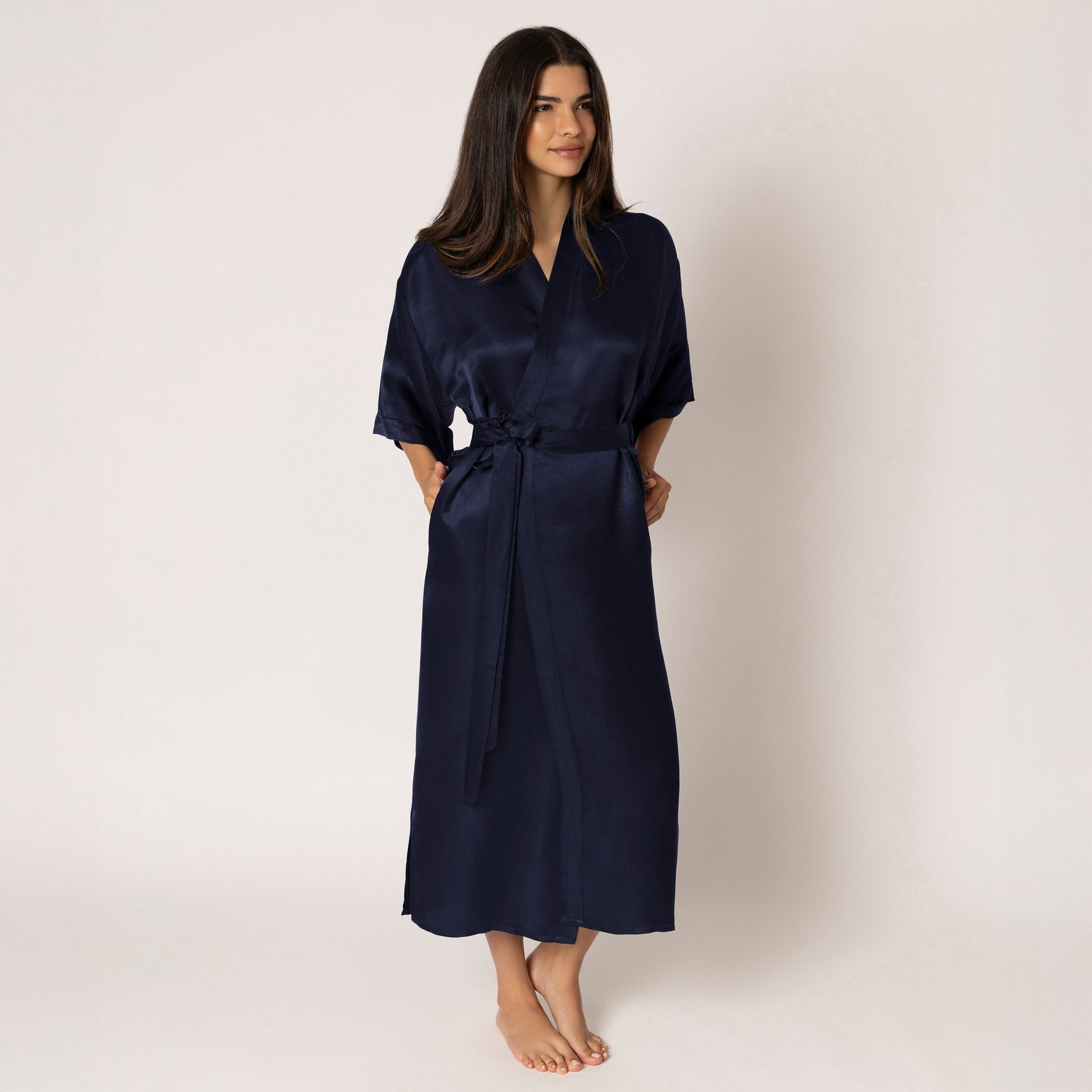
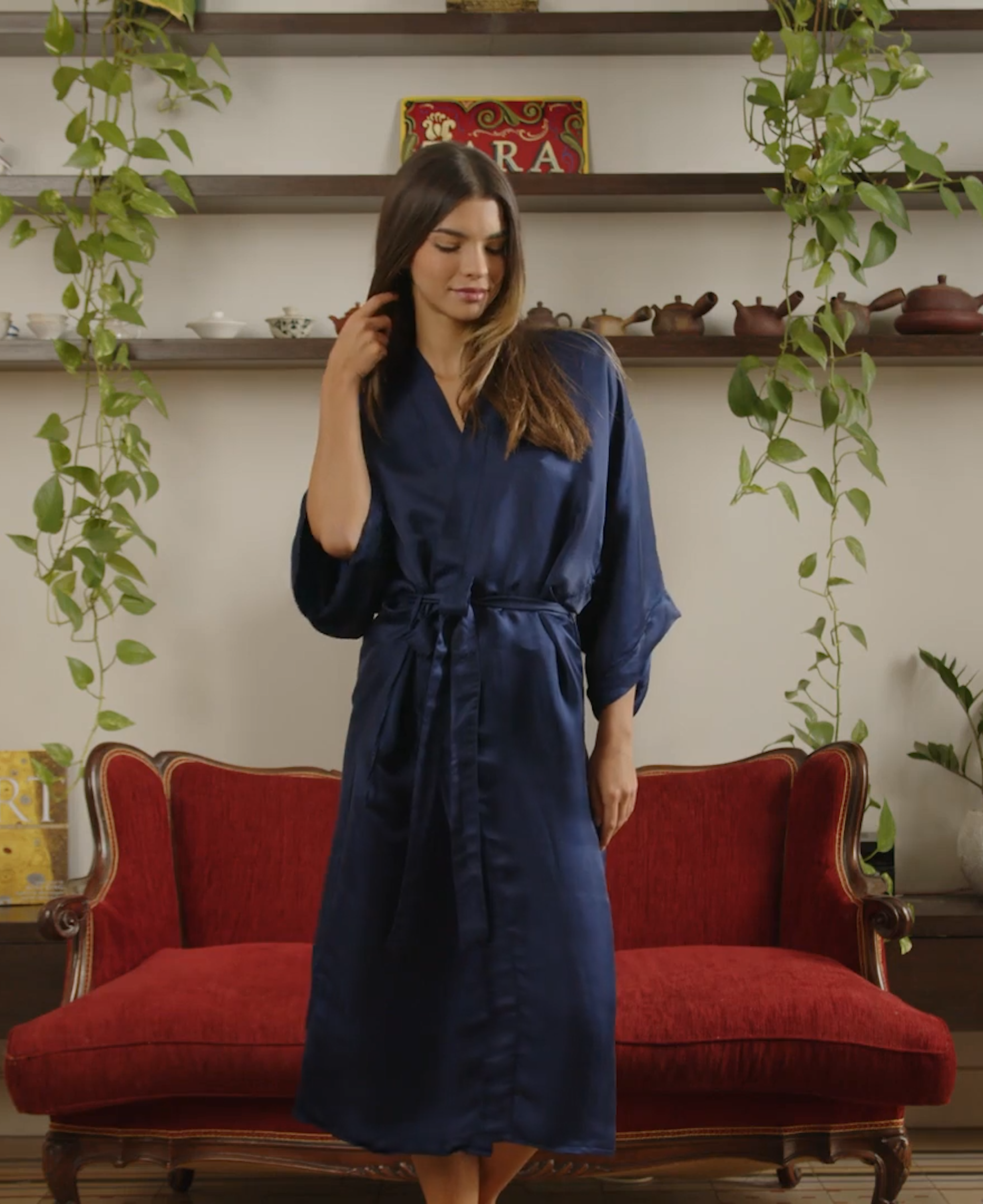
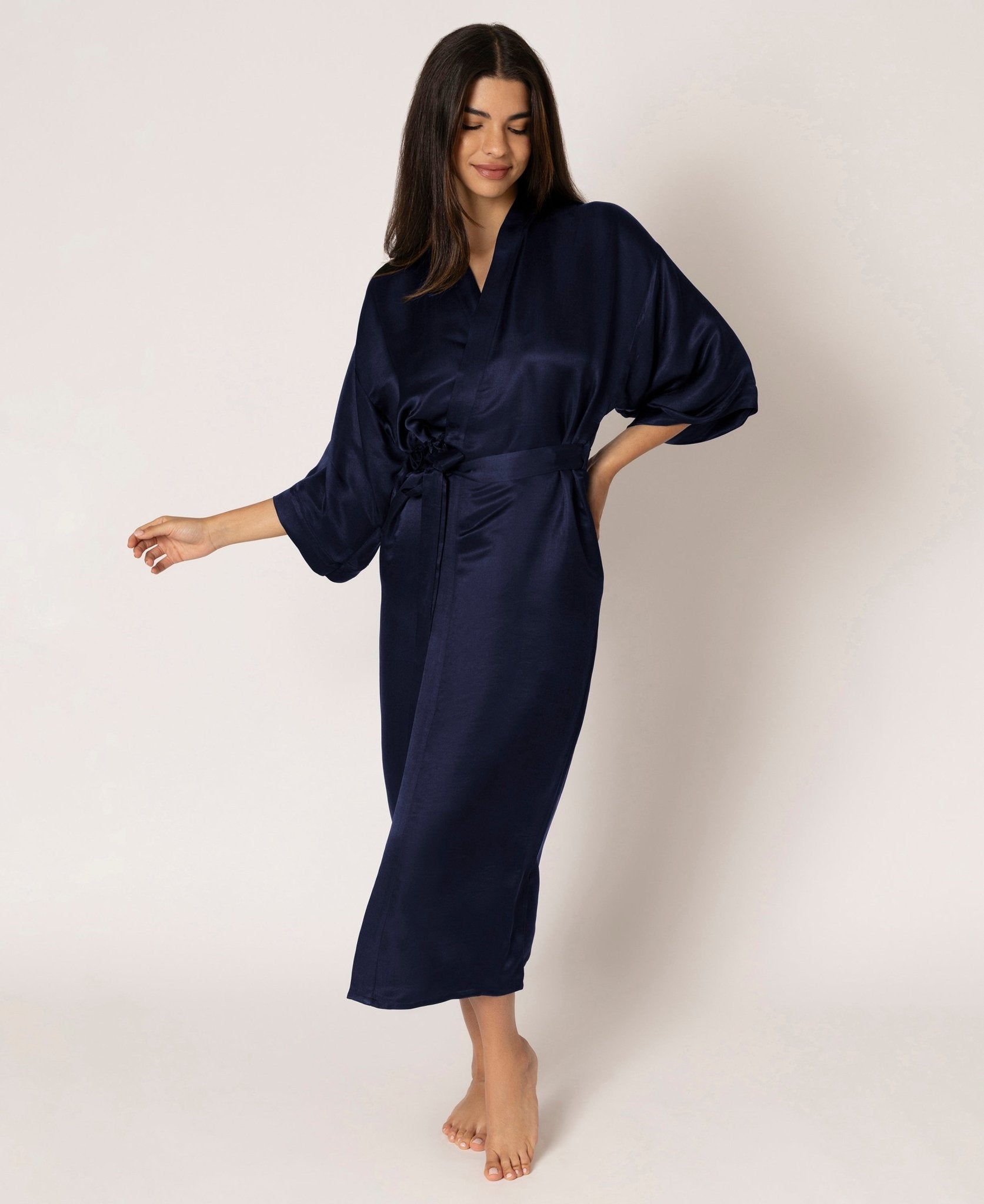
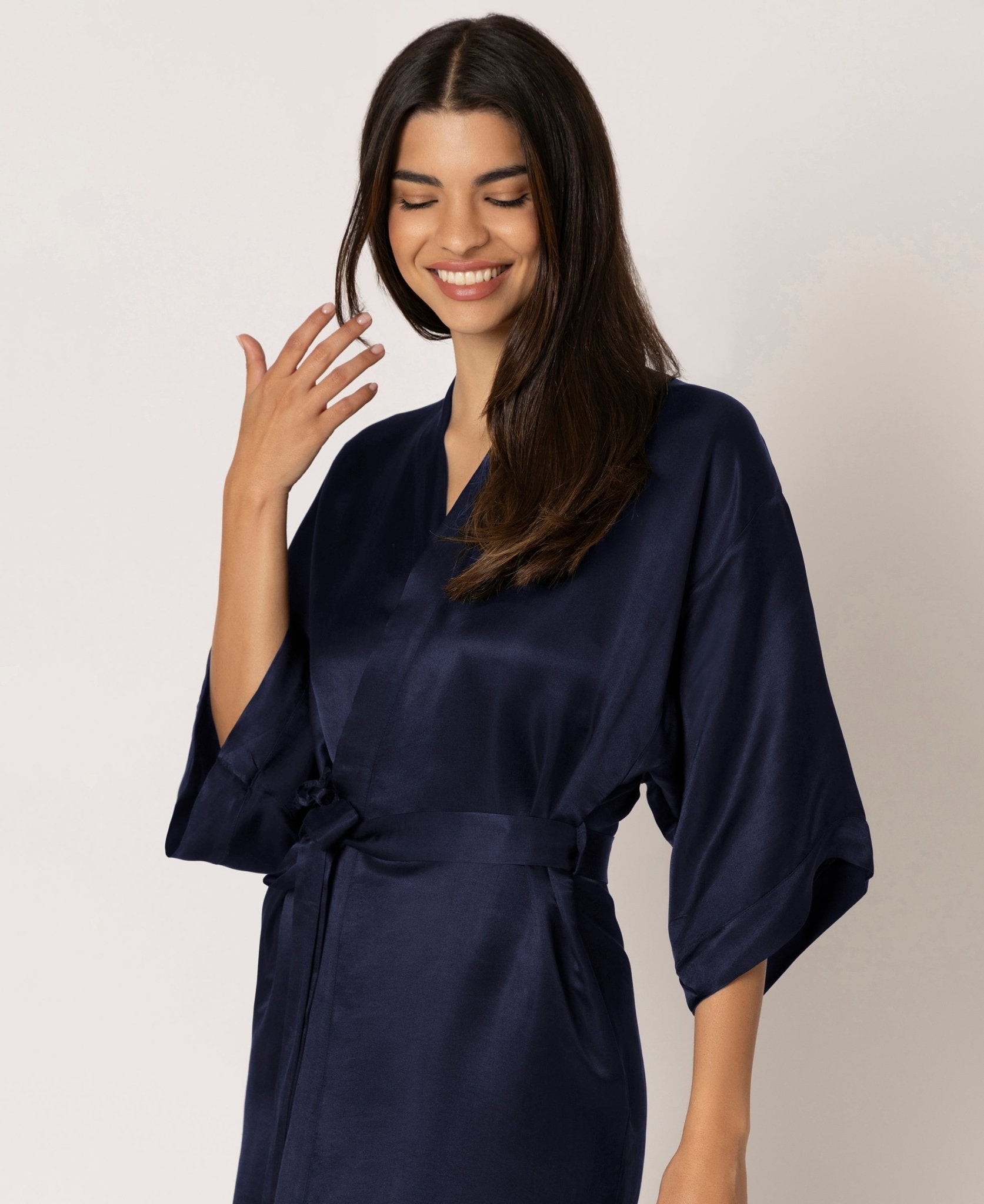
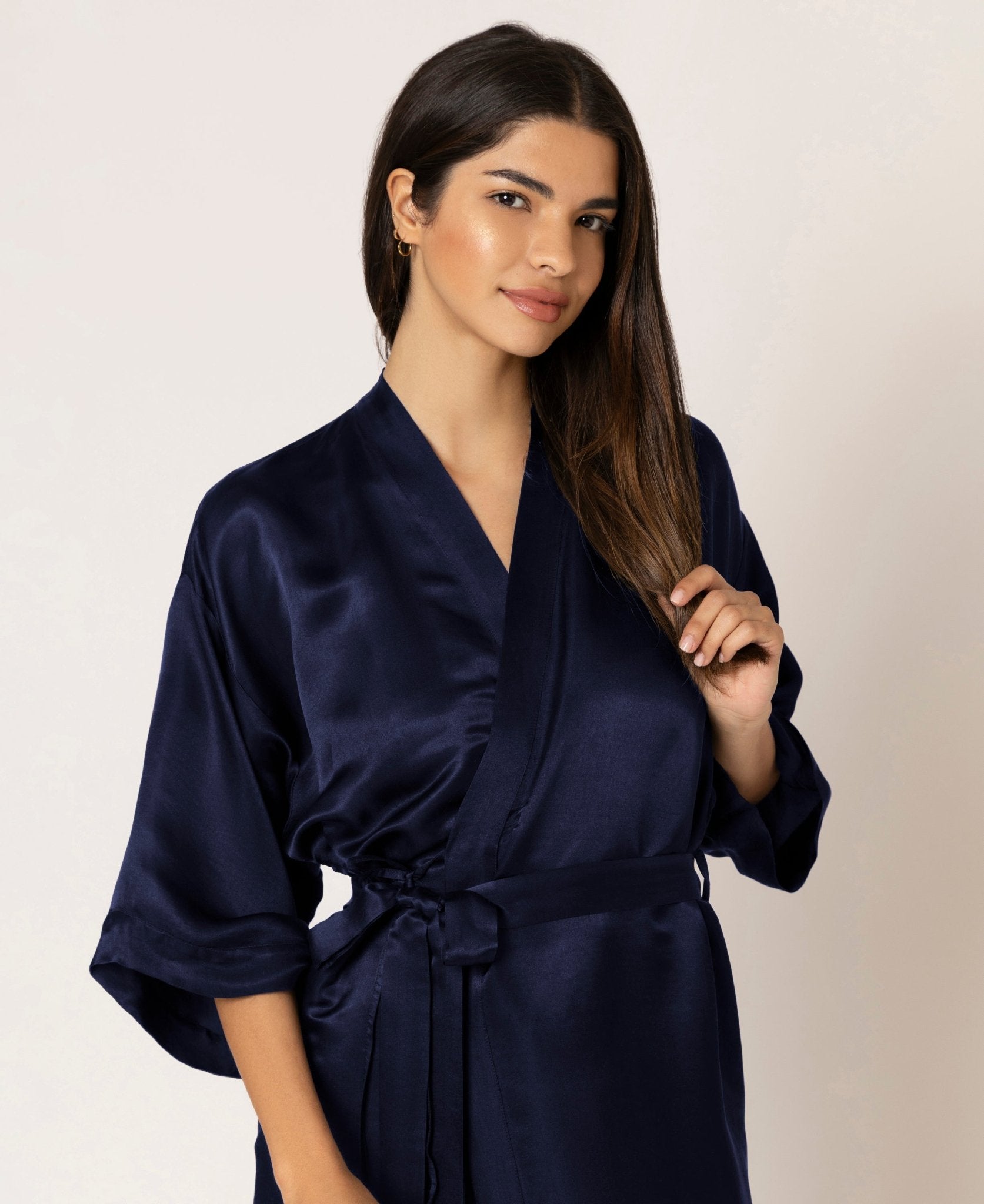
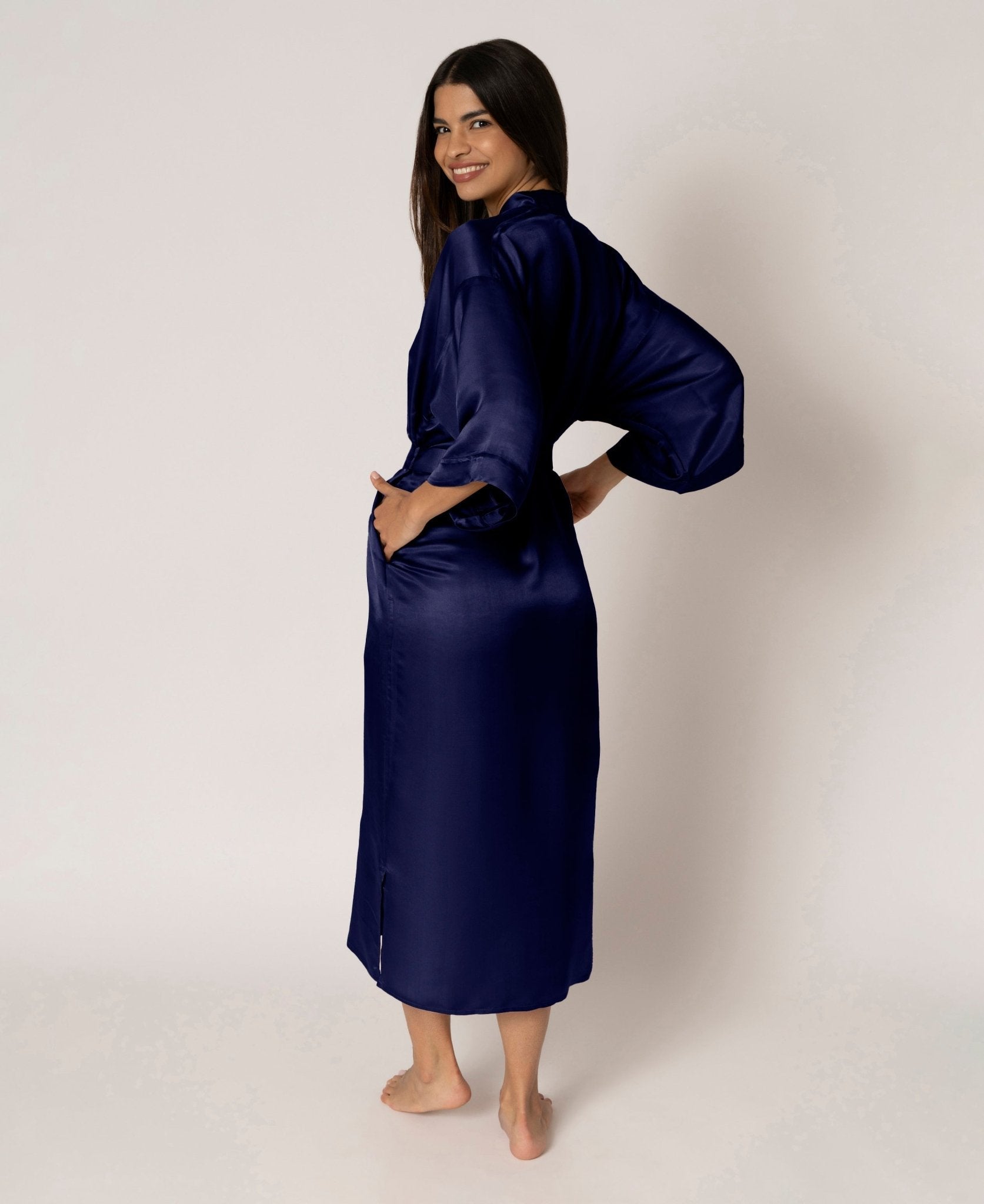
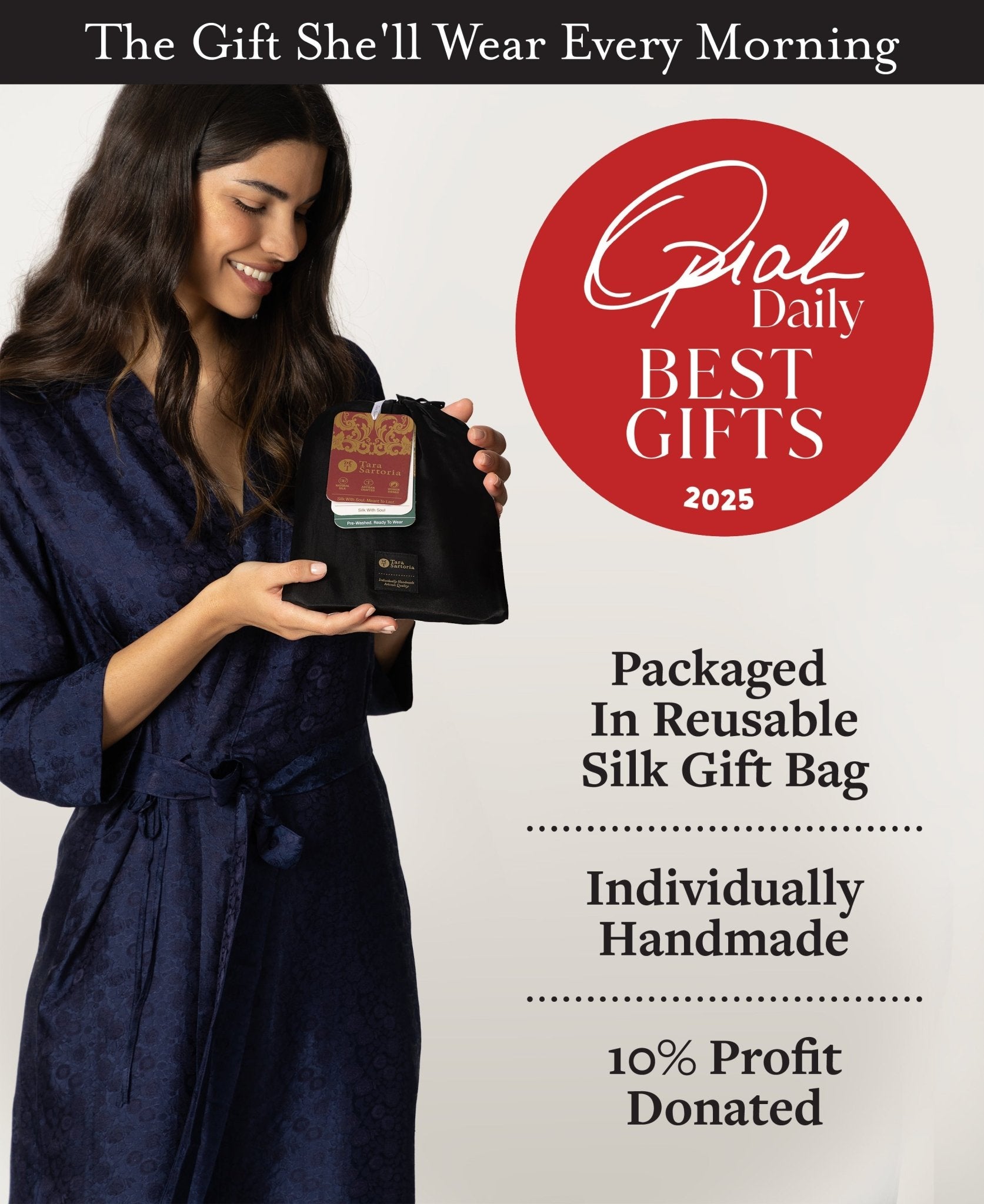
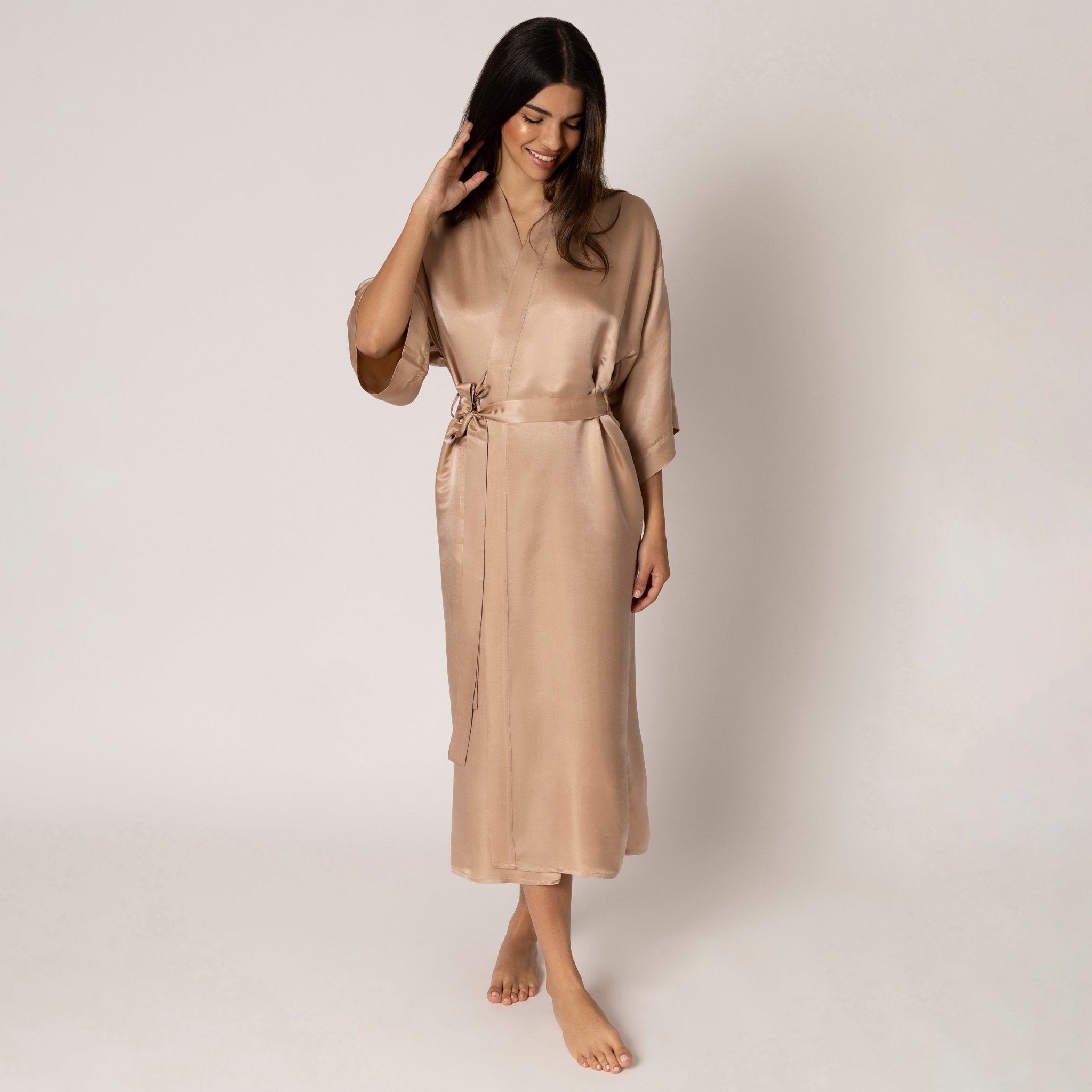
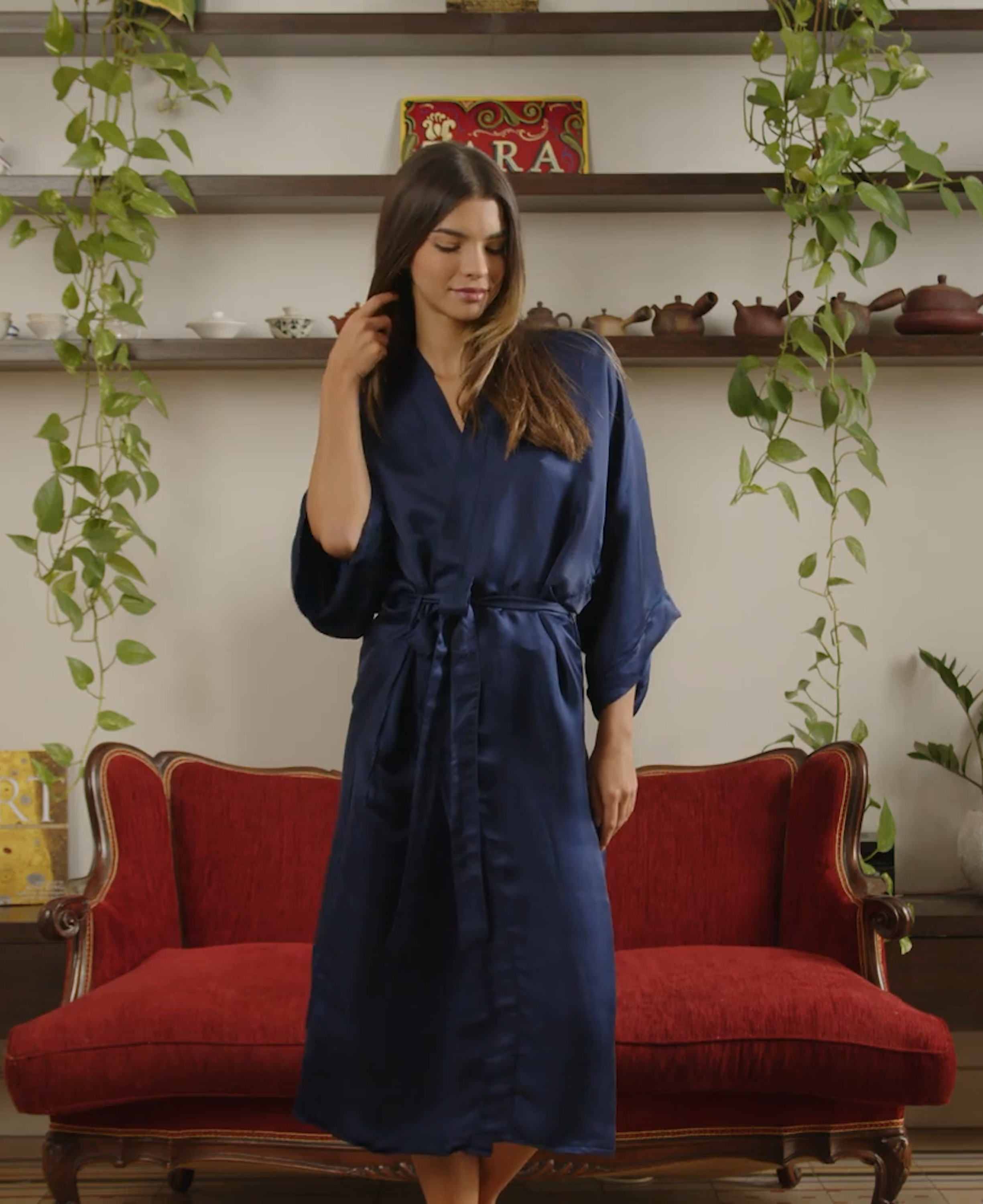
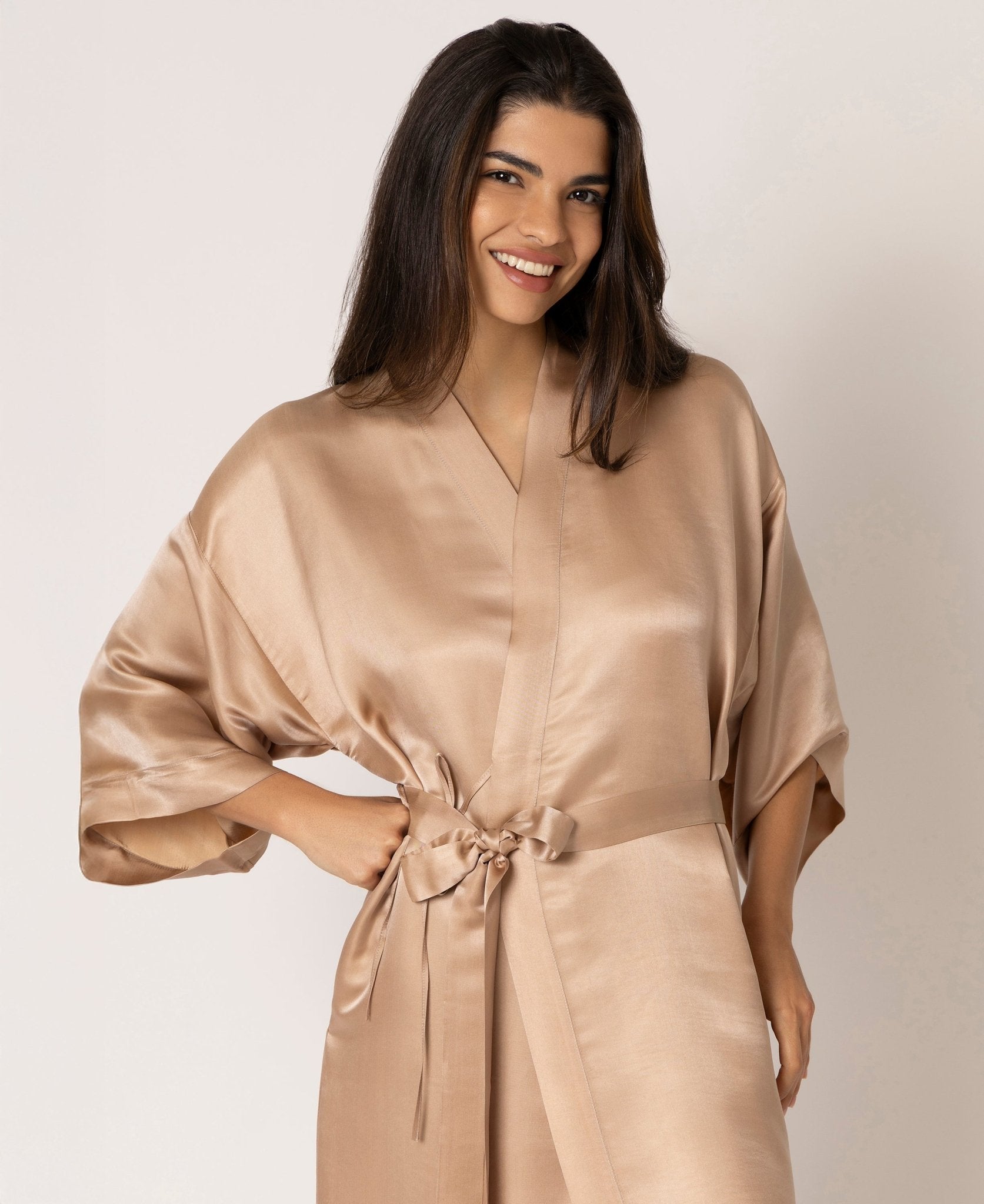

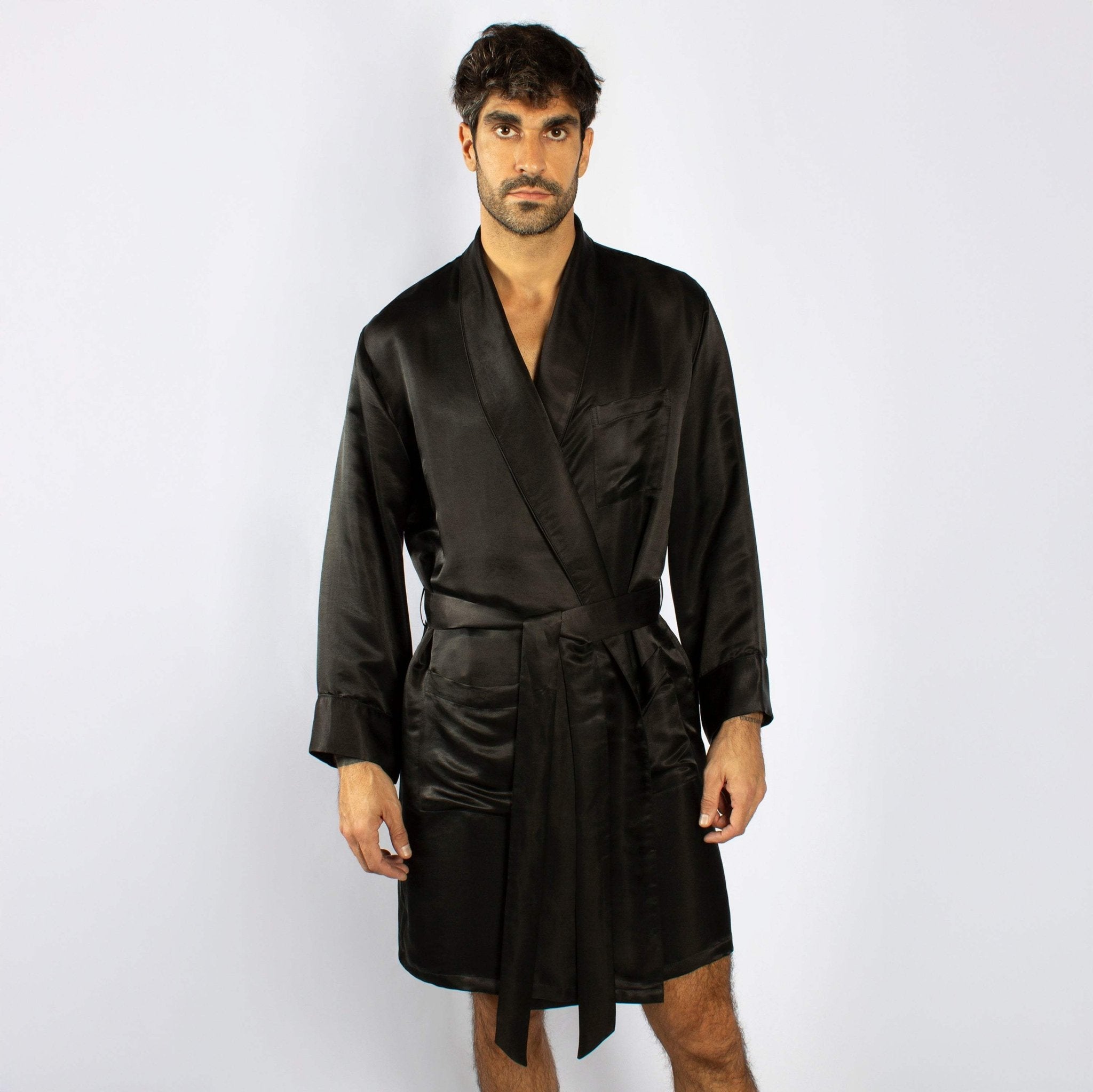
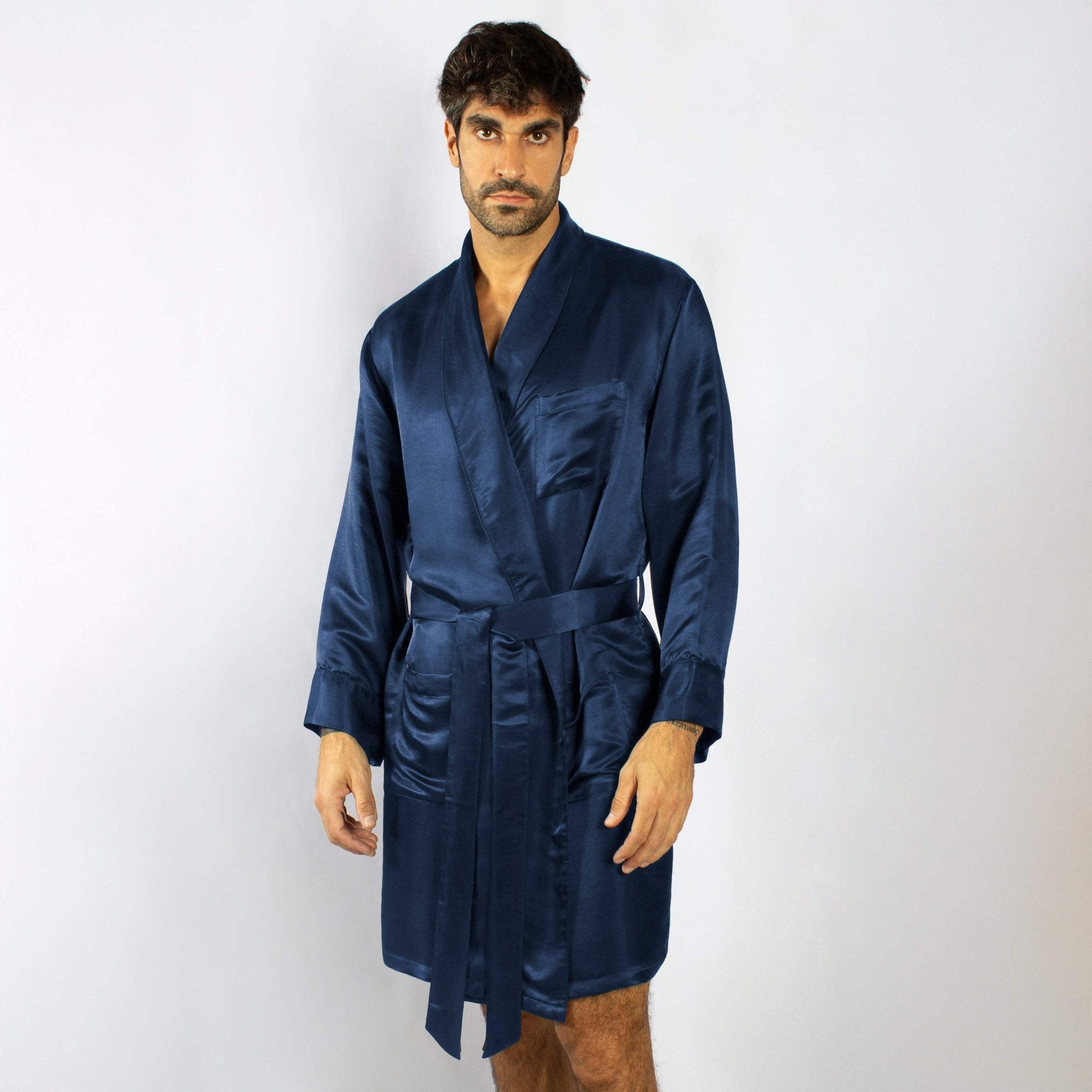
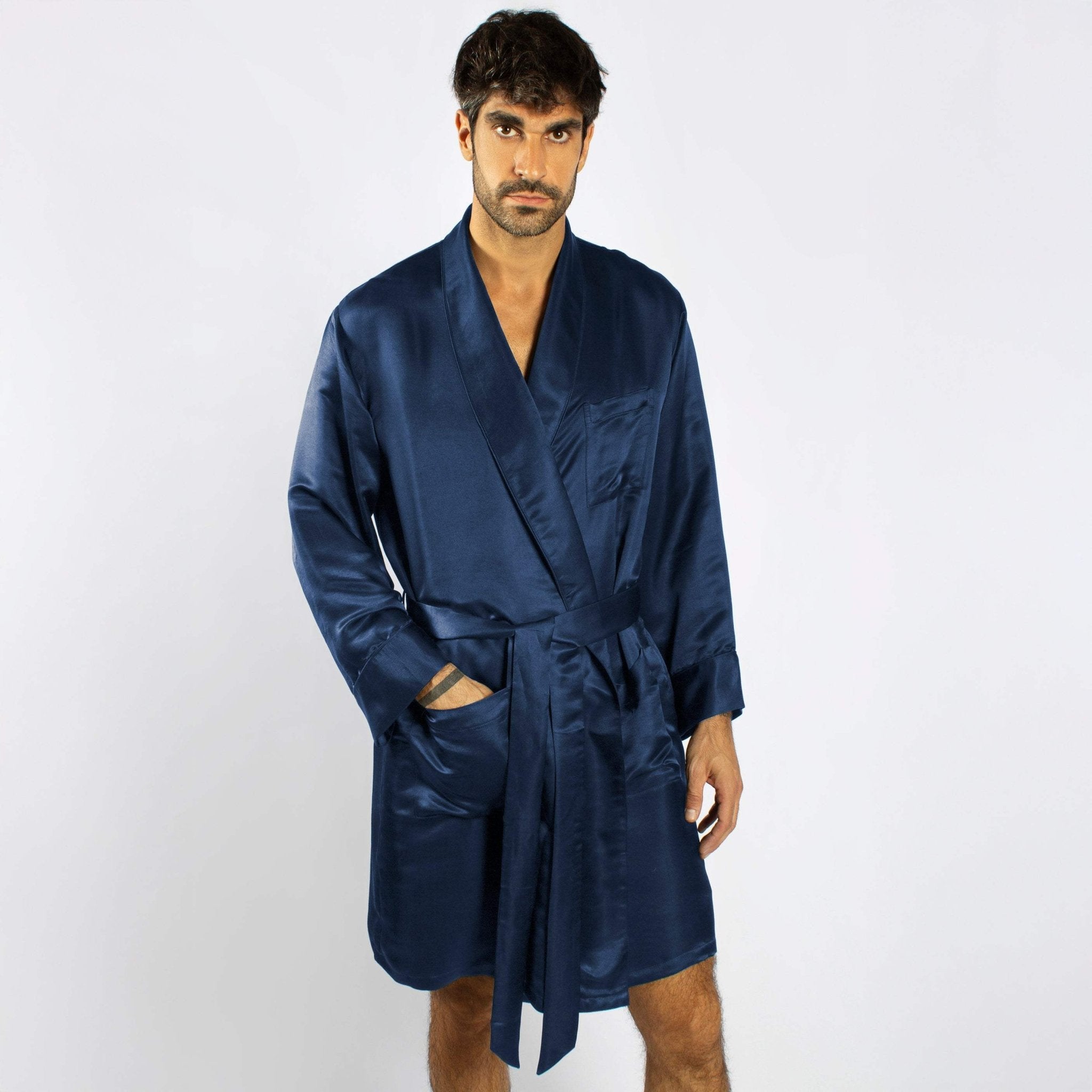
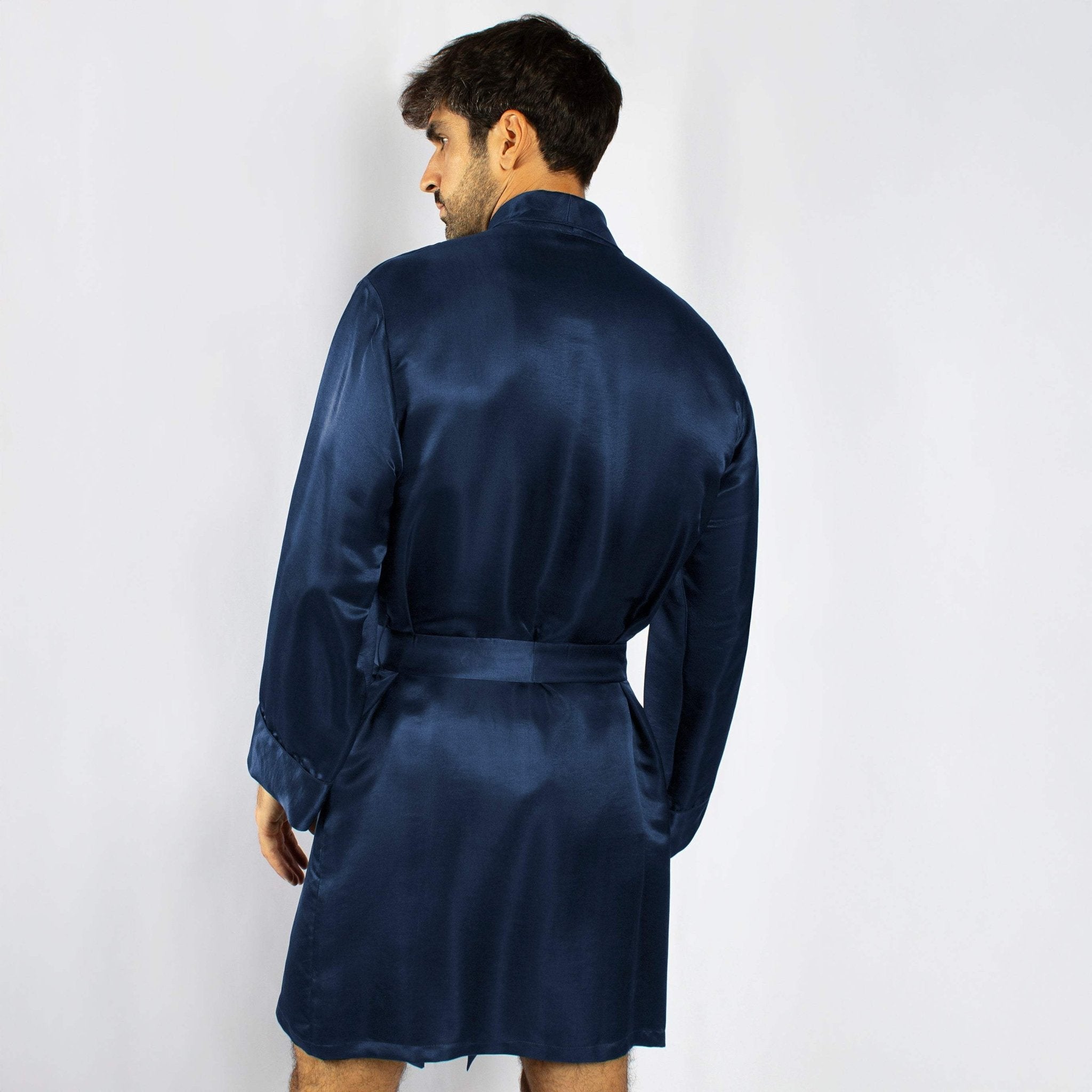
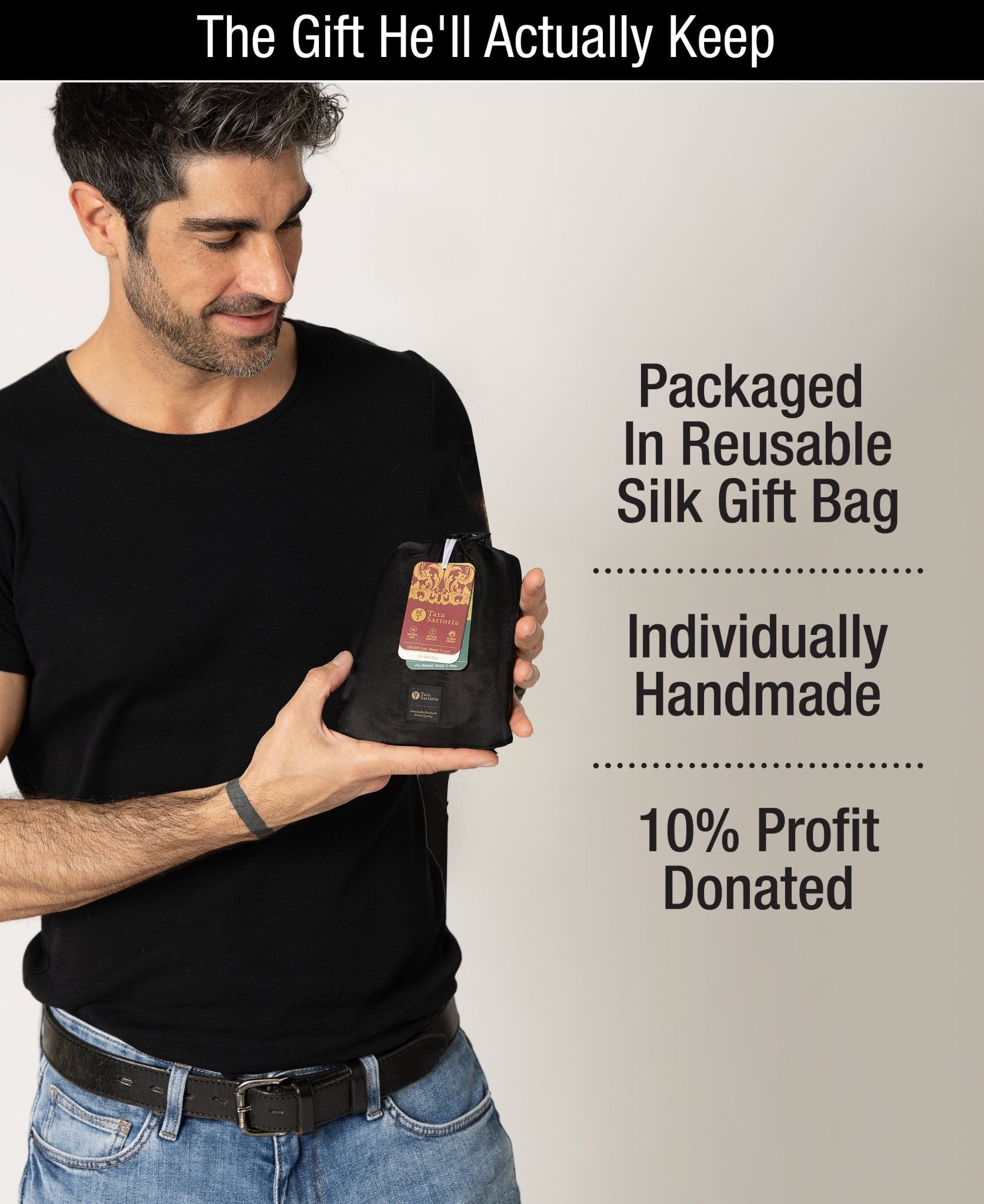
The men's silk robe is cut for a fuller chest and longer arms, in colors that lean charcoal, deep navy, slate, and ivory. The construction is identical to the women's pieces. The fit is the only thing that changes.


What to Look For When You Are Comparing Brands
I would not buy a silk robe from any brand that does not name the momme weight clearly, describe the seam construction, and tell you where the silk was woven. These are the three pieces of information that separate a real silk robe from a polyester object with a silk story.
Specific questions worth asking before you buy:
- What is the momme weight, and does the brand state it on the product page or only in the FAQ?
- Are the seams French seams or surged seams?
- Where is the silk woven? A real answer names a region, not a country.
- Is the robe cut individually or from a stack?
- Does the brand offer machine washable silk, and if not, why not?
A brand that can answer all five is making silk properly. A brand that hedges on more than one of these is almost certainly selling you the cheaper version with the better packaging.
The Takeaway
The best silk robes are heavy enough to drape, dense enough to feel substantial, finished with French seams, and made by people who have spent years with the fabric. Most silk robes on the market are none of these. Ours are. If you are buying one silk robe to keep, the long classic is the safest place to start. The kimono comes next if you live in a warm climate. The short is the third one, for travel and for the morning that does not need full drama.
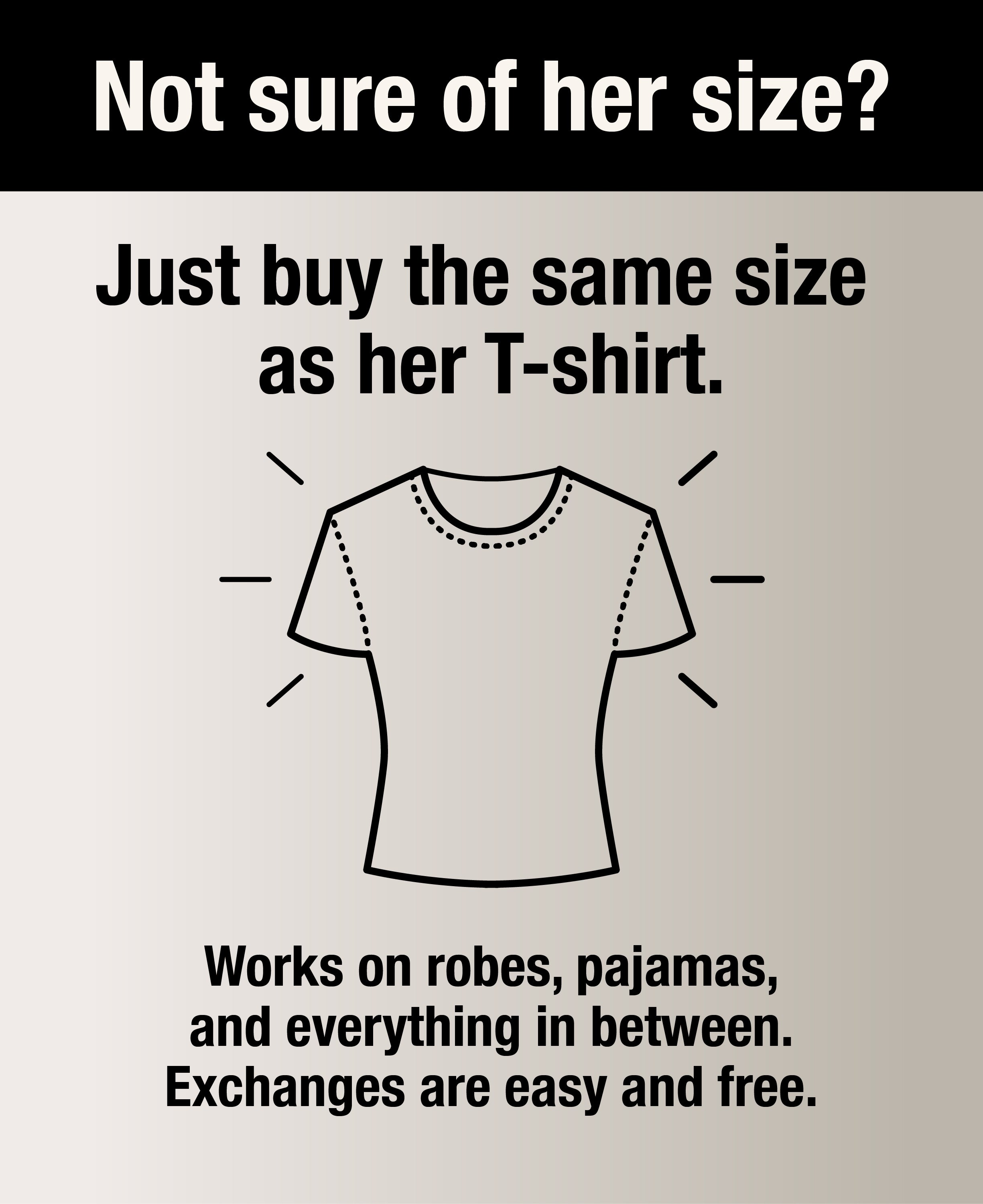
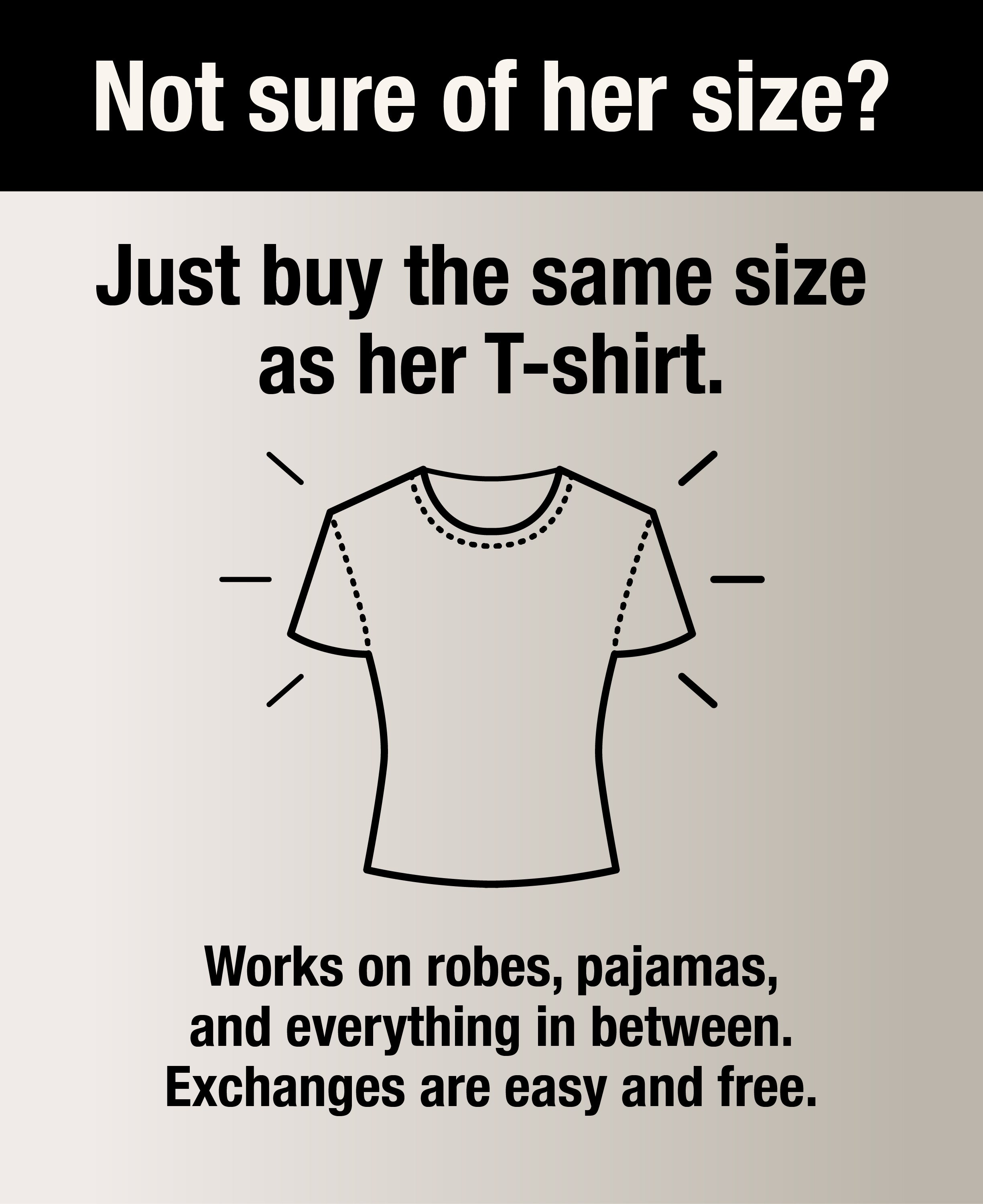
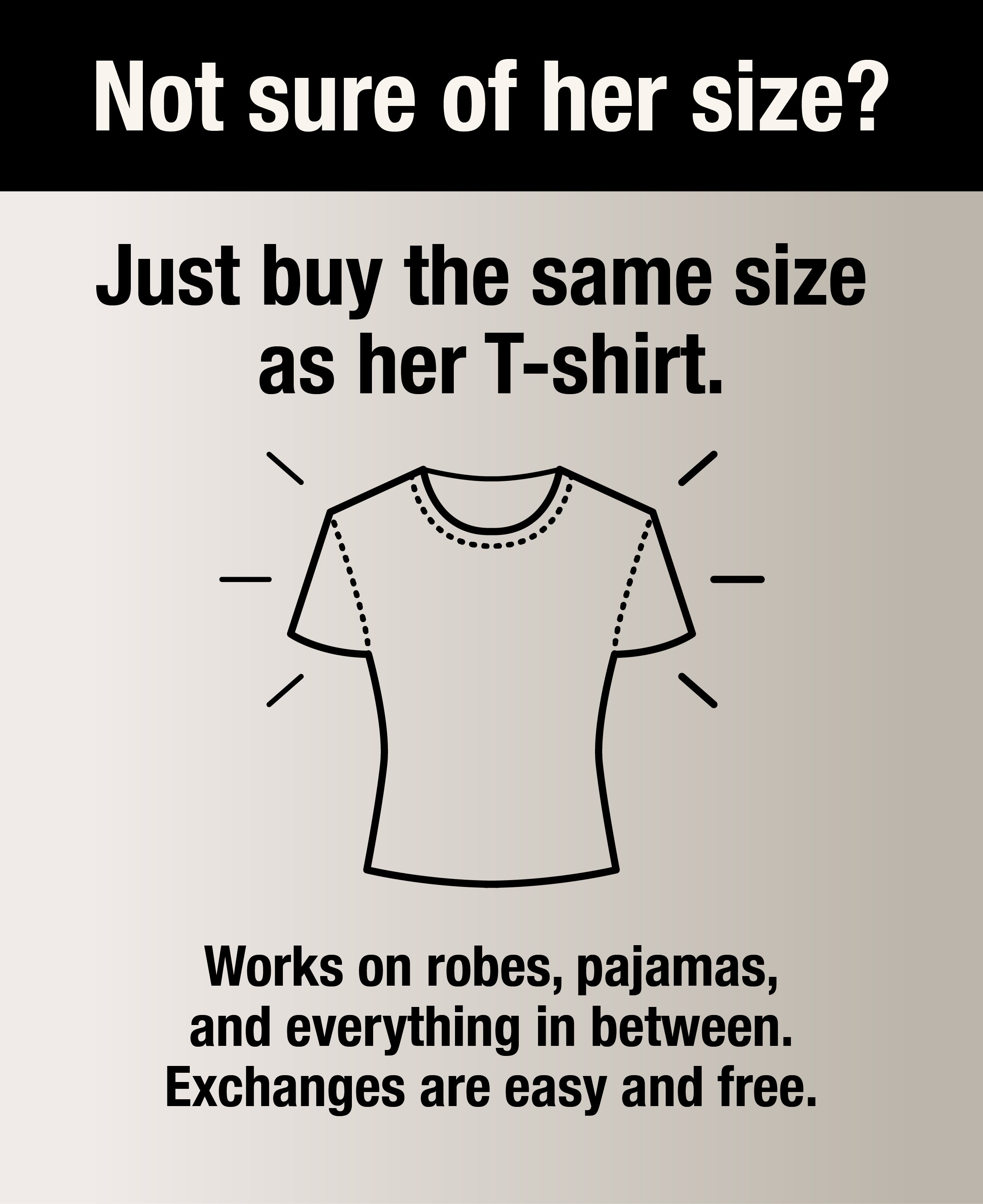
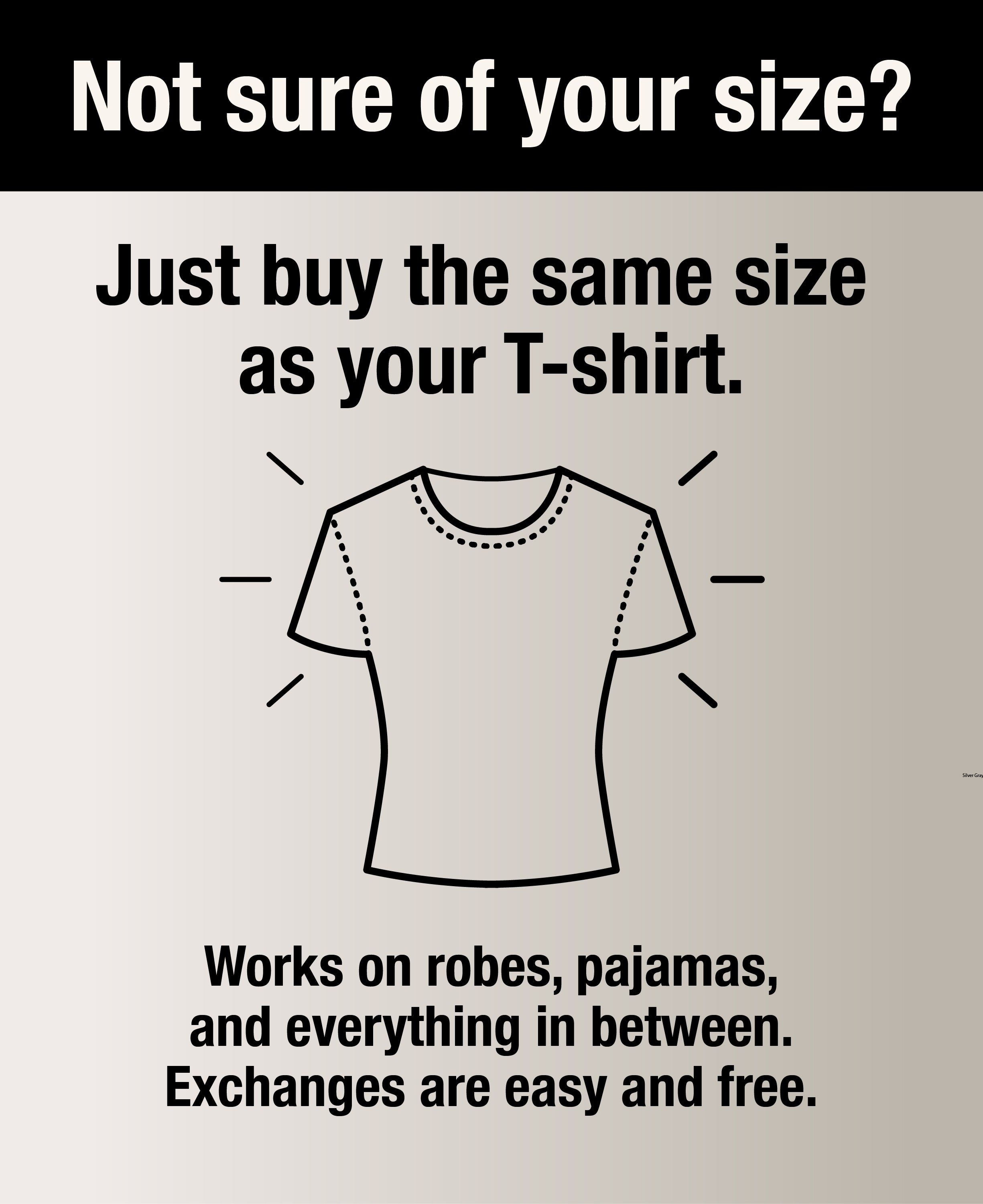
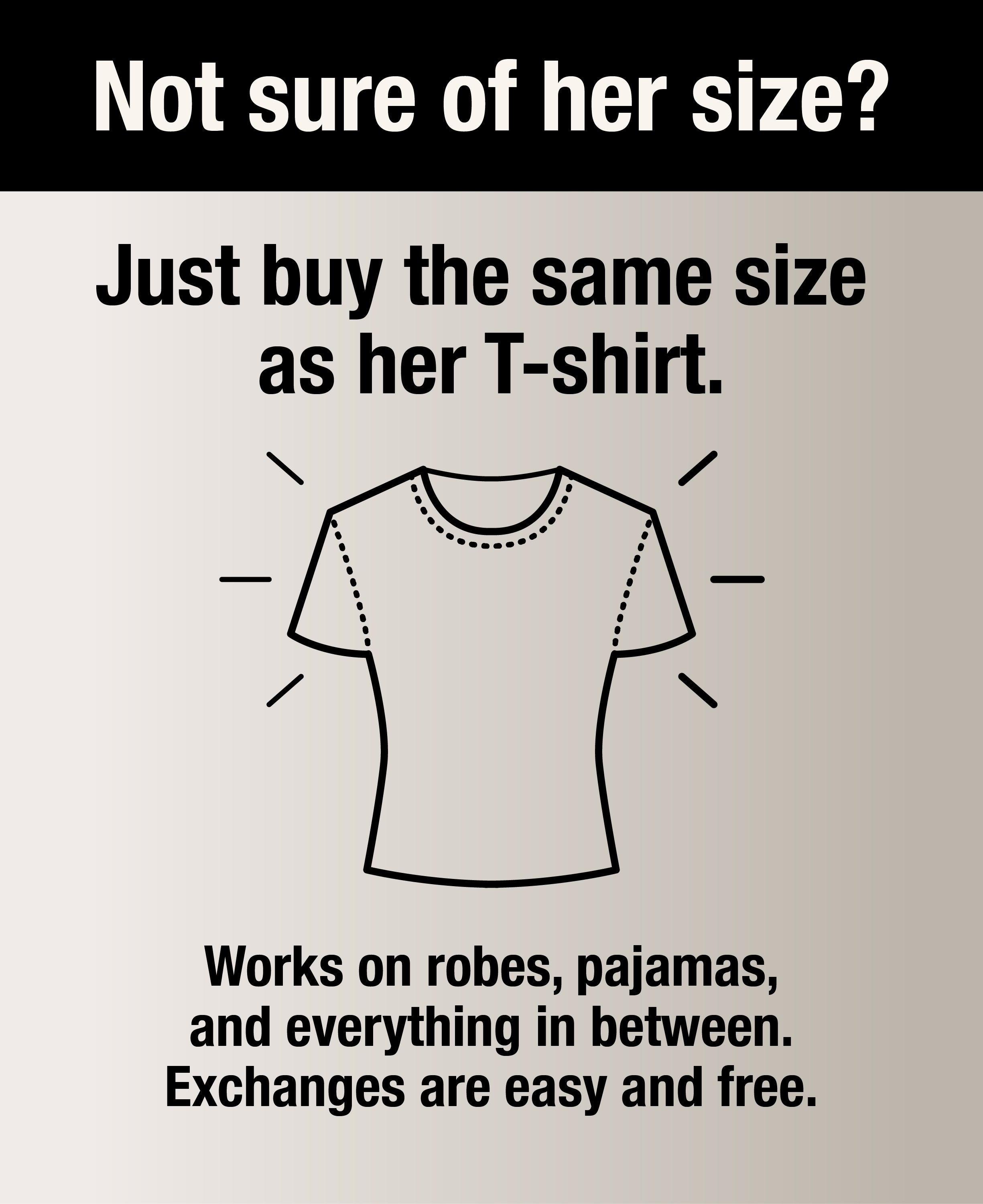
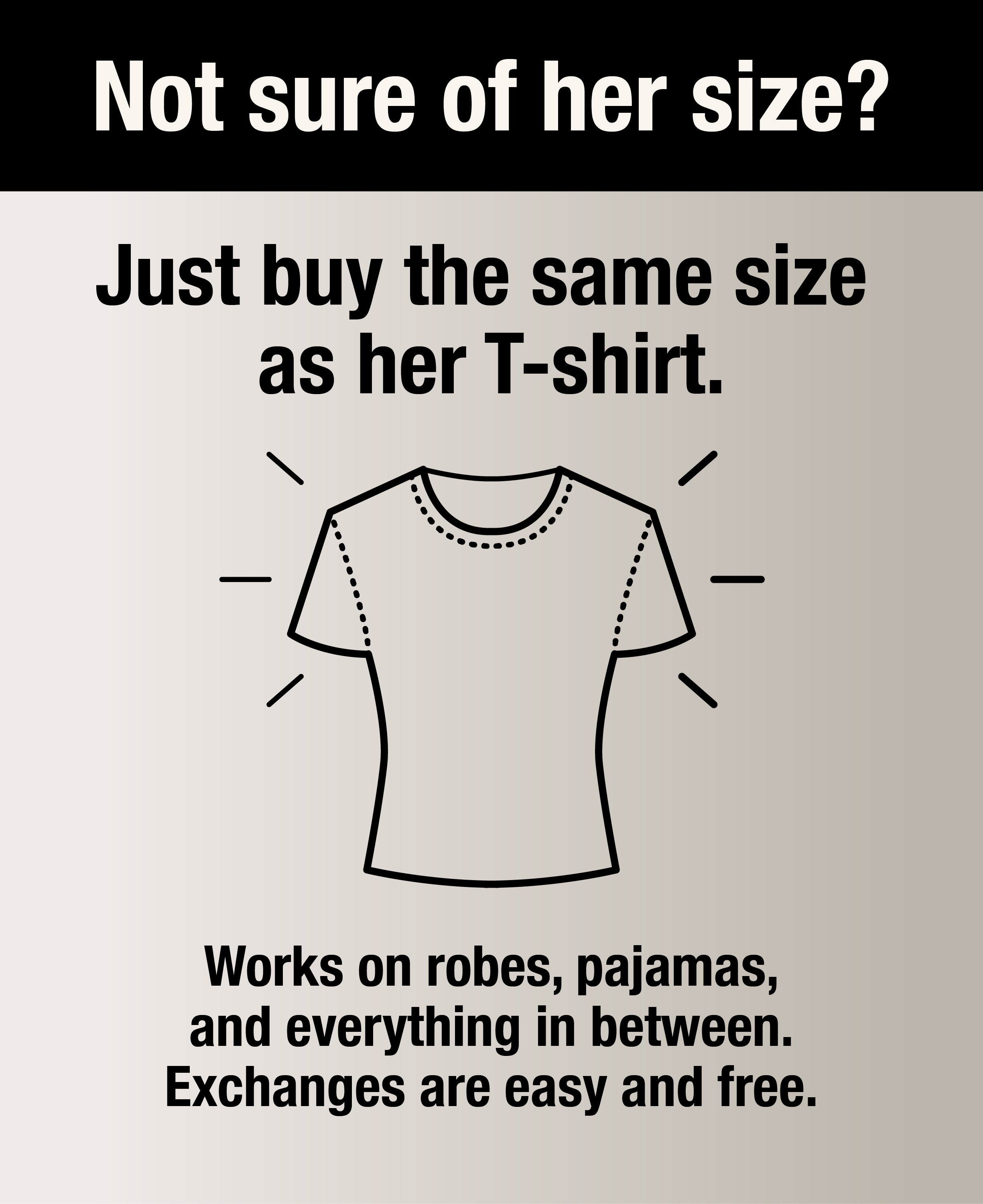
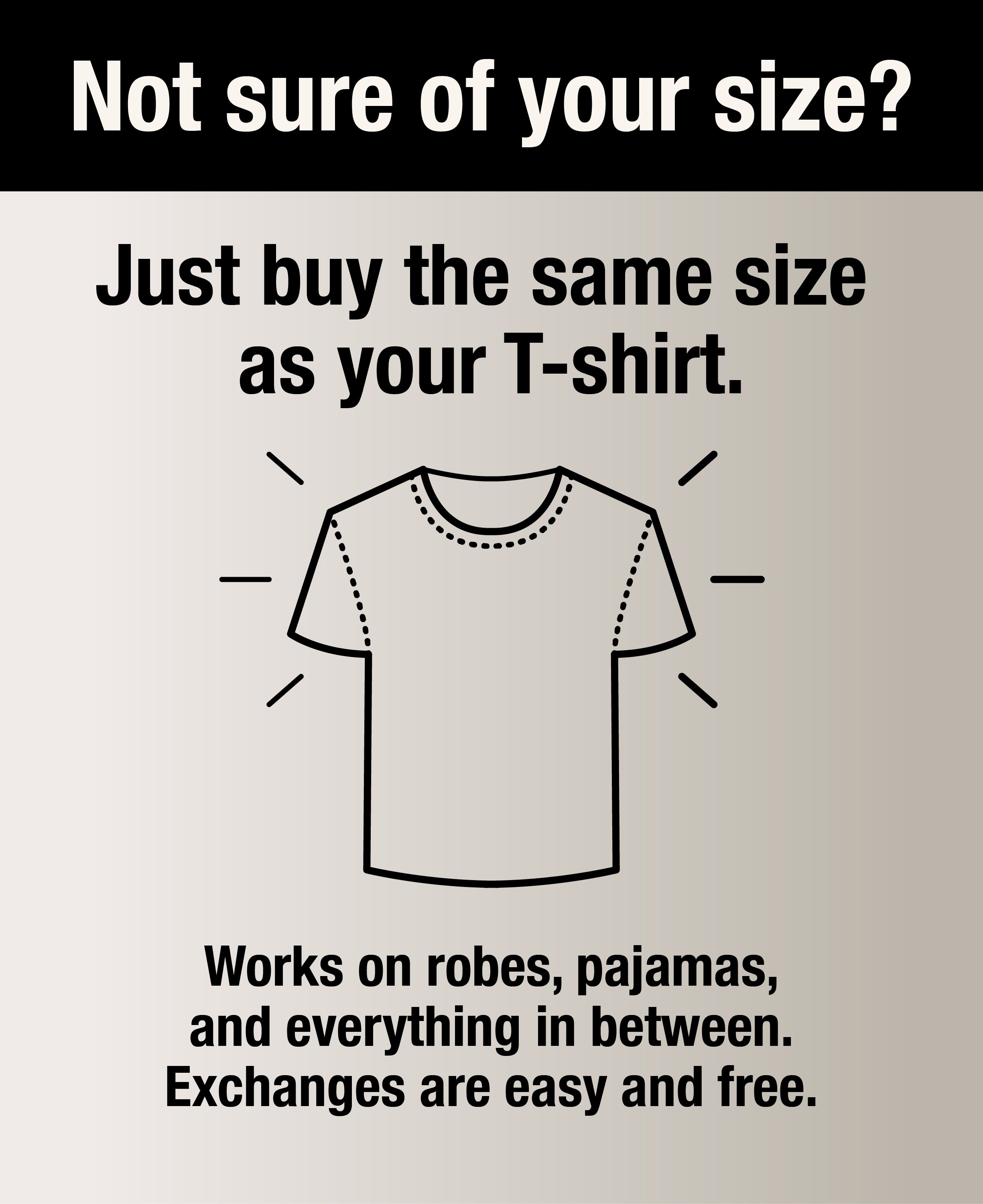
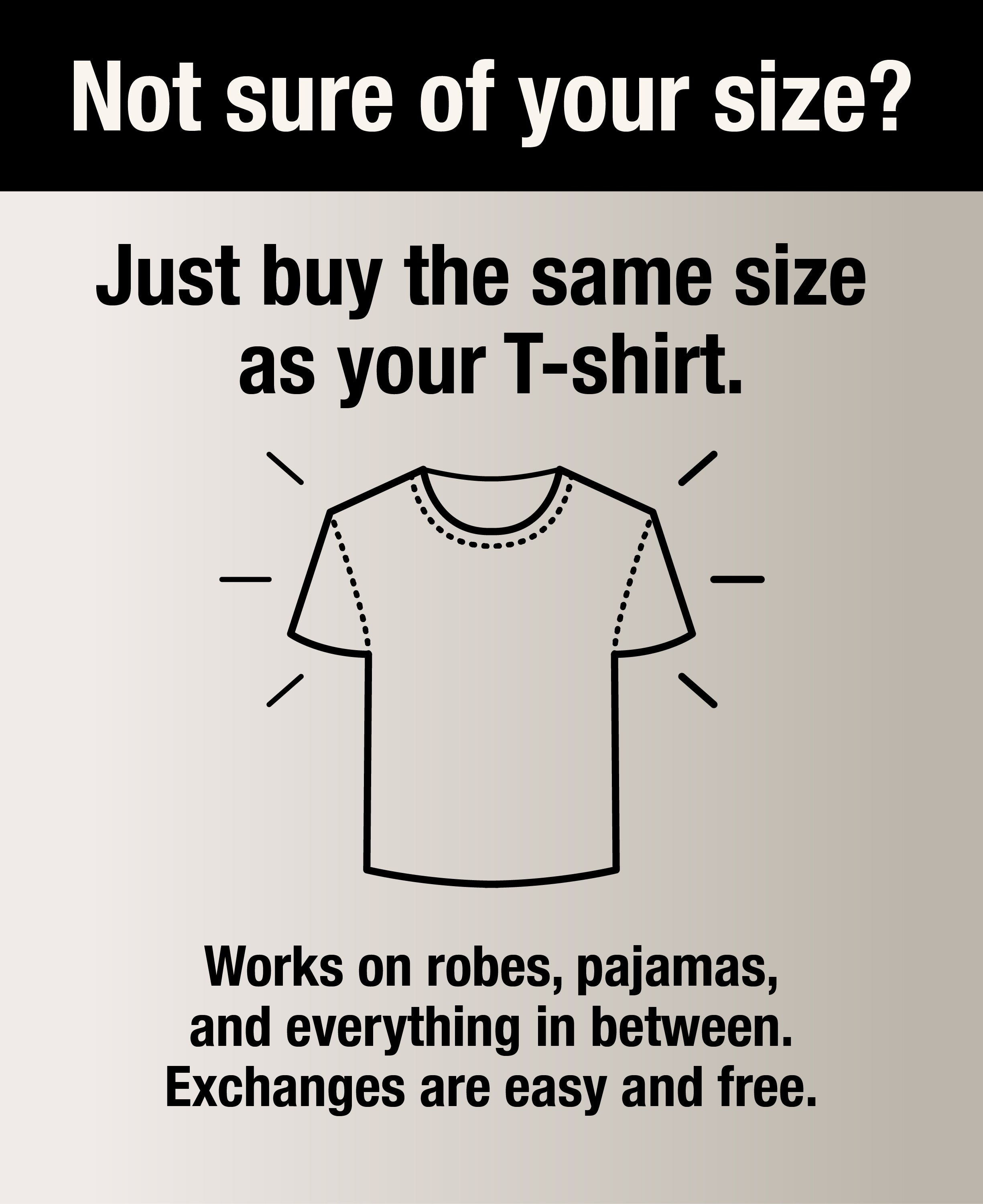
Find your size when you are ready.
Frequently Asked Questions
What momme weight should I look for in a silk robe?
A silk robe at 27 momme is substantially heavier than the industry standard of 19 to 22 momme, and the weight is what gives the robe its drape and durability. Anything below 19 momme is too thin to behave like a robe. Anything between 19 and 22 will function but will feel light. At the heavier weight, the silk is dense enough to hold its shape on the body and to last through several hundred washes without thinning visibly.
Are silk robes really machine washable?
Yes, when the silk is heavy enough and the seams are constructed properly. Tara Sartoria silk robes are machine washable on a delicate cycle at 30 degrees, then laid flat to dry. The French seam construction and the density of the silk are what make this safe. A 19 momme silk robe with surged seams will probably not survive machine washing, which is part of why the lighter weights have the reputation they do.
How long does a good silk robe last?
A heavy silk robe made one piece at a time, with French seams, machine washed on the delicate cycle, typically lasts eight to ten years of regular use. We have customers wearing robes from 2020 who report the silk has not visibly changed. The fabric softens slightly where it touches the body, which most people describe as an improvement.
Is a long silk robe or a short silk robe a better first purchase?
If you are buying one robe and you are not sure what you want it for, the long classic robe is the more versatile starting point. It works after a shower, over pajamas in winter, alone in warmer months, and as a throw-on garment for unexpected guests. The short robe is the better second purchase or the better choice if you travel a lot.
Why do most luxury silk robes only run to XL?
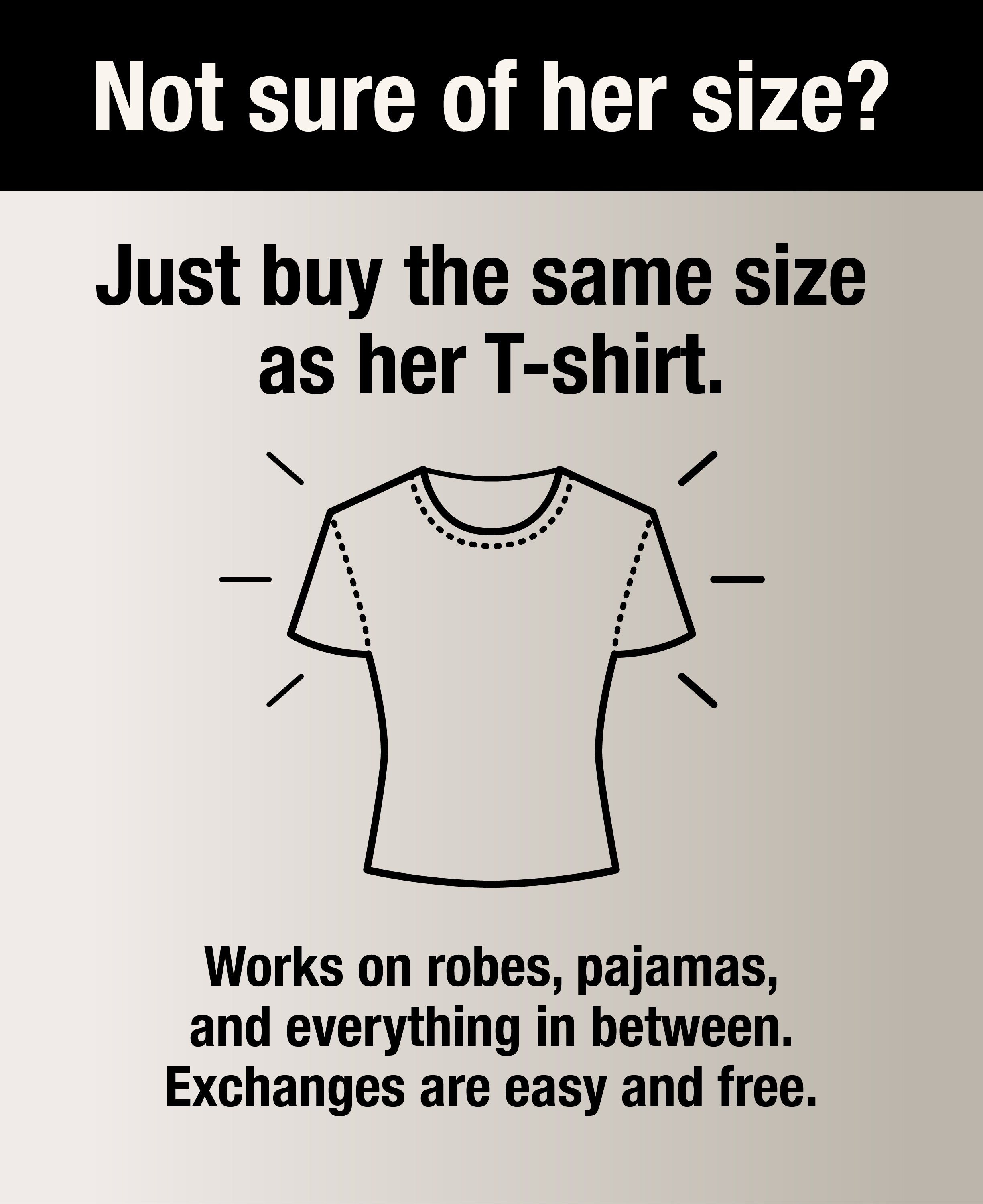
Mass-market luxury is built around standardized production runs, and every additional size adds cost to the system. Tara Sartoria runs XS to 4XL as standard because the brand was built on the belief that luxury should fit real people. Custom sizing is available beyond 4XL when needed.
