


Silk Robe vs Terry Cloth Robe: A Direct Comparison
By Tara Nguyen, Ph.D., Founder and Creative Director, Tara Sartoria
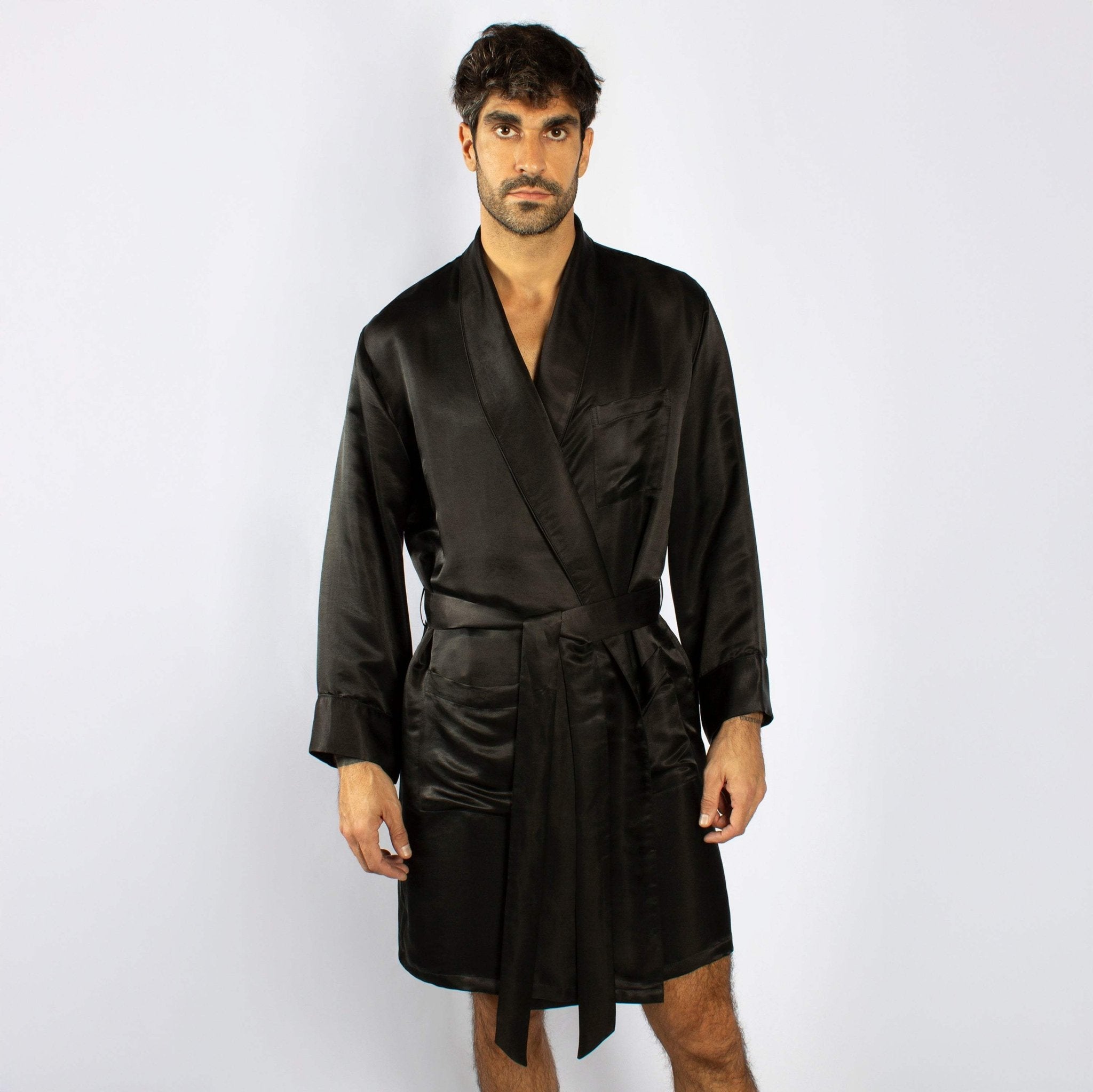
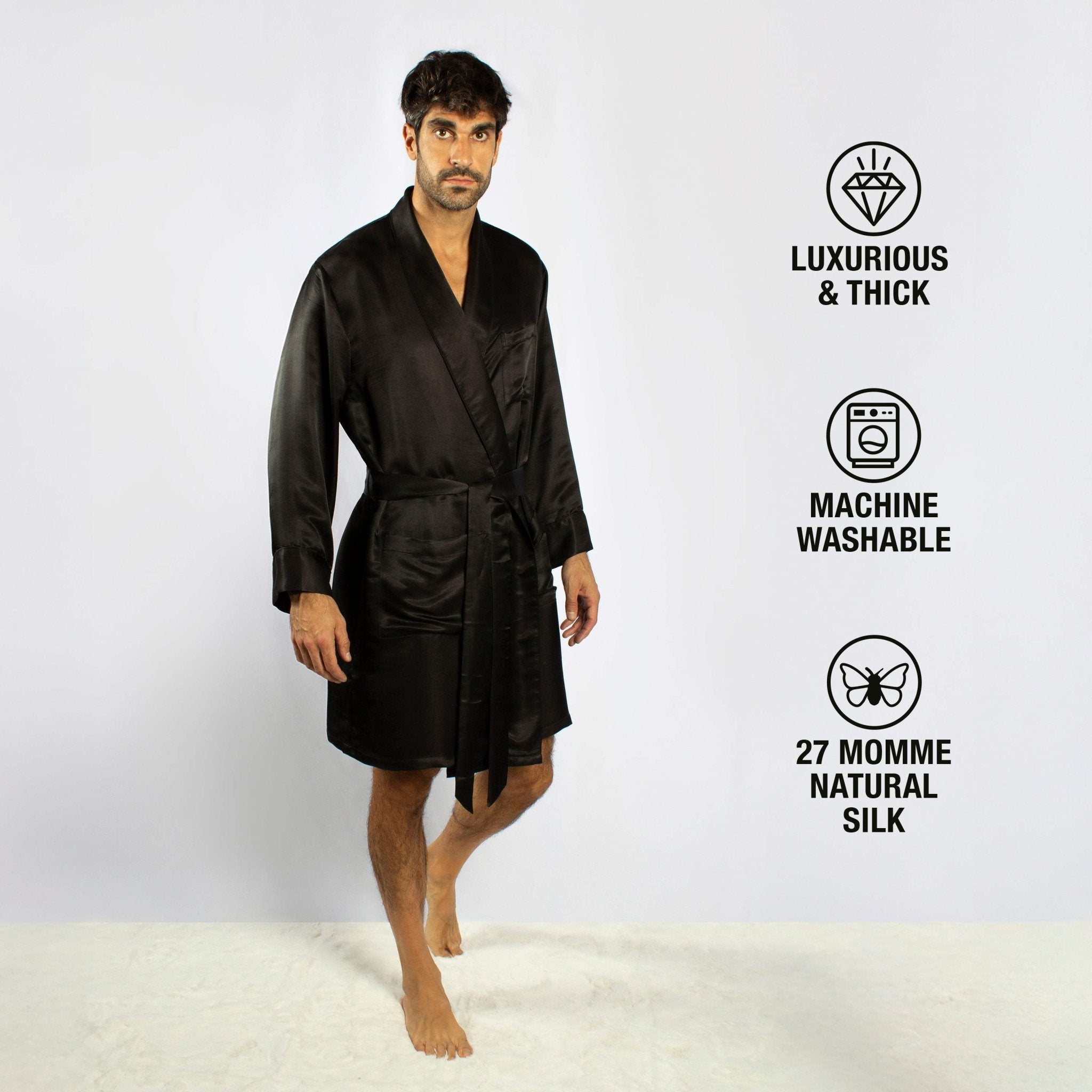
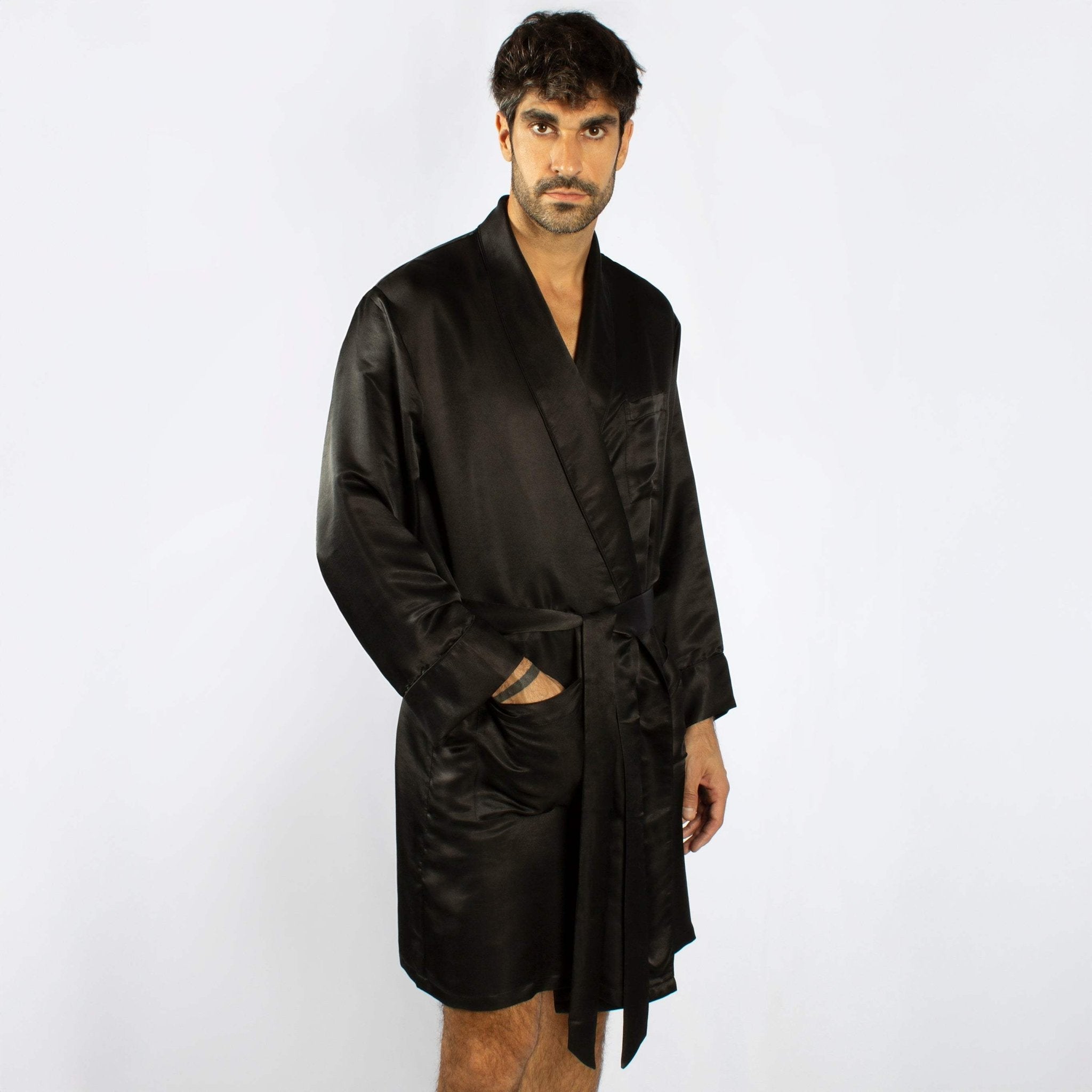
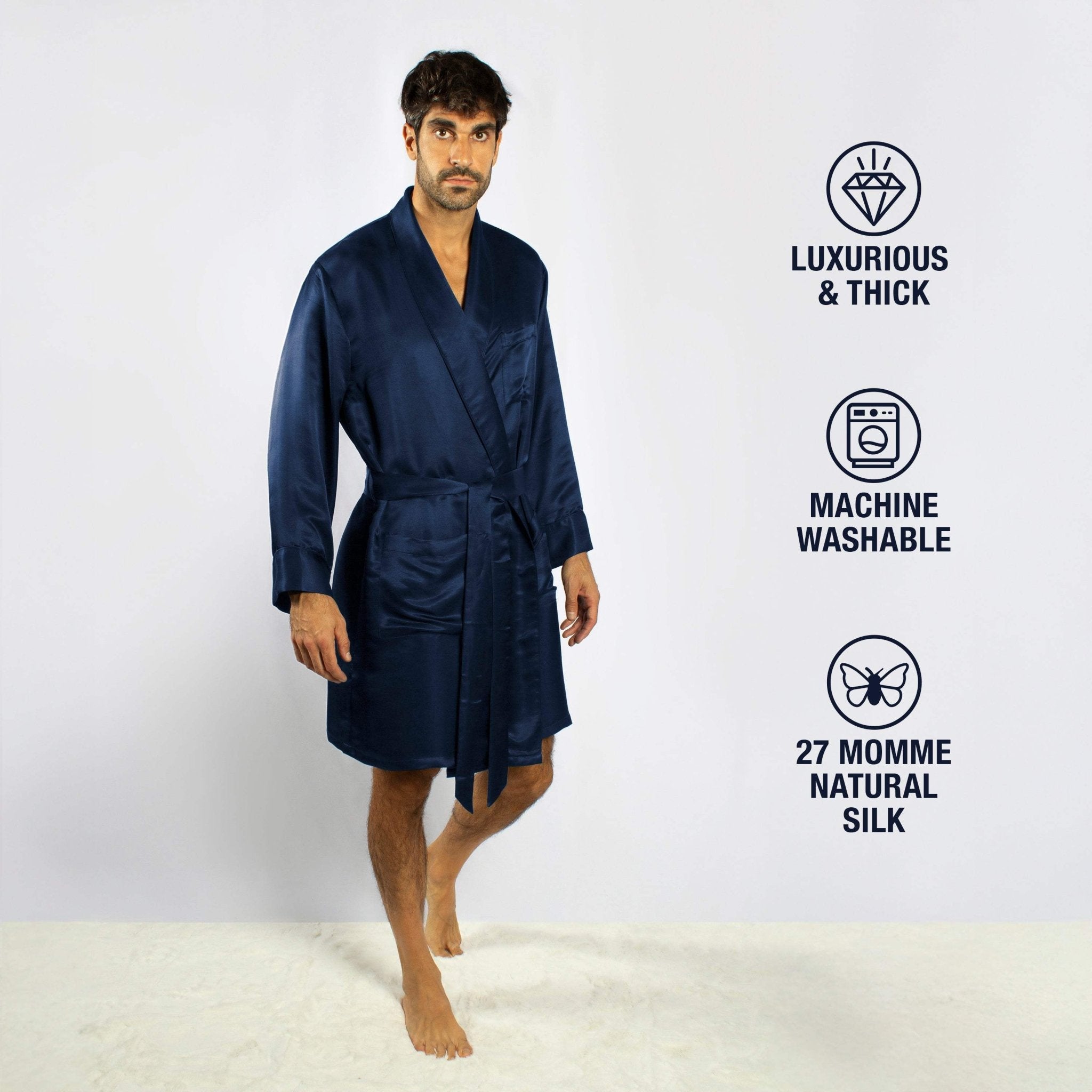
These are not two versions of the same product at different price points. A terry cloth robe and a silk robe serve entirely different functions, feel different on your body, and have different lifespans. Tara Sartoria makes 27 momme mulberry silk robes with French seams. We don't make terry cloth. But we understand why comparing them matters. The answer might genuinely be both, because each solves a different problem.


The Fundamental Difference: Absorption vs Regulation
Terry cloth robes are designed to absorb water. The looped pile structure creates surface area that wicks moisture from your skin after a shower. A well-made terry robe can absorb up to 25 times its weight in water. That's highly functional for exactly one scenario: the five minutes after stepping out of a shower.
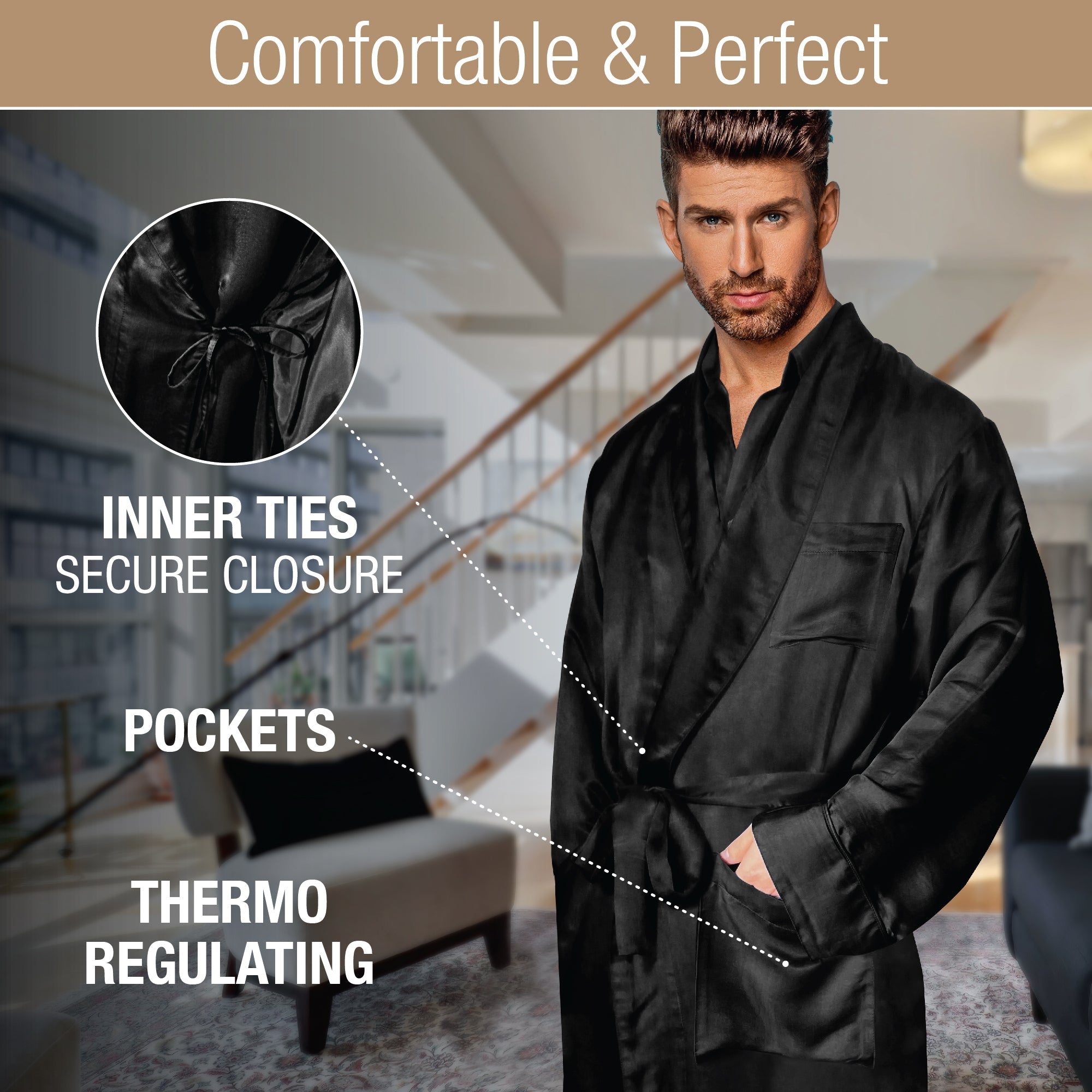
Silk robes regulate temperature. Silk fiber's natural protein structure allows moisture vapor to pass through while maintaining an insulating air layer against your skin. It doesn't absorb water the way terry does. Instead, it manages body temperature, keeping you cooler when warm and warmer when cool.
This distinction determines when each robe is the right tool.
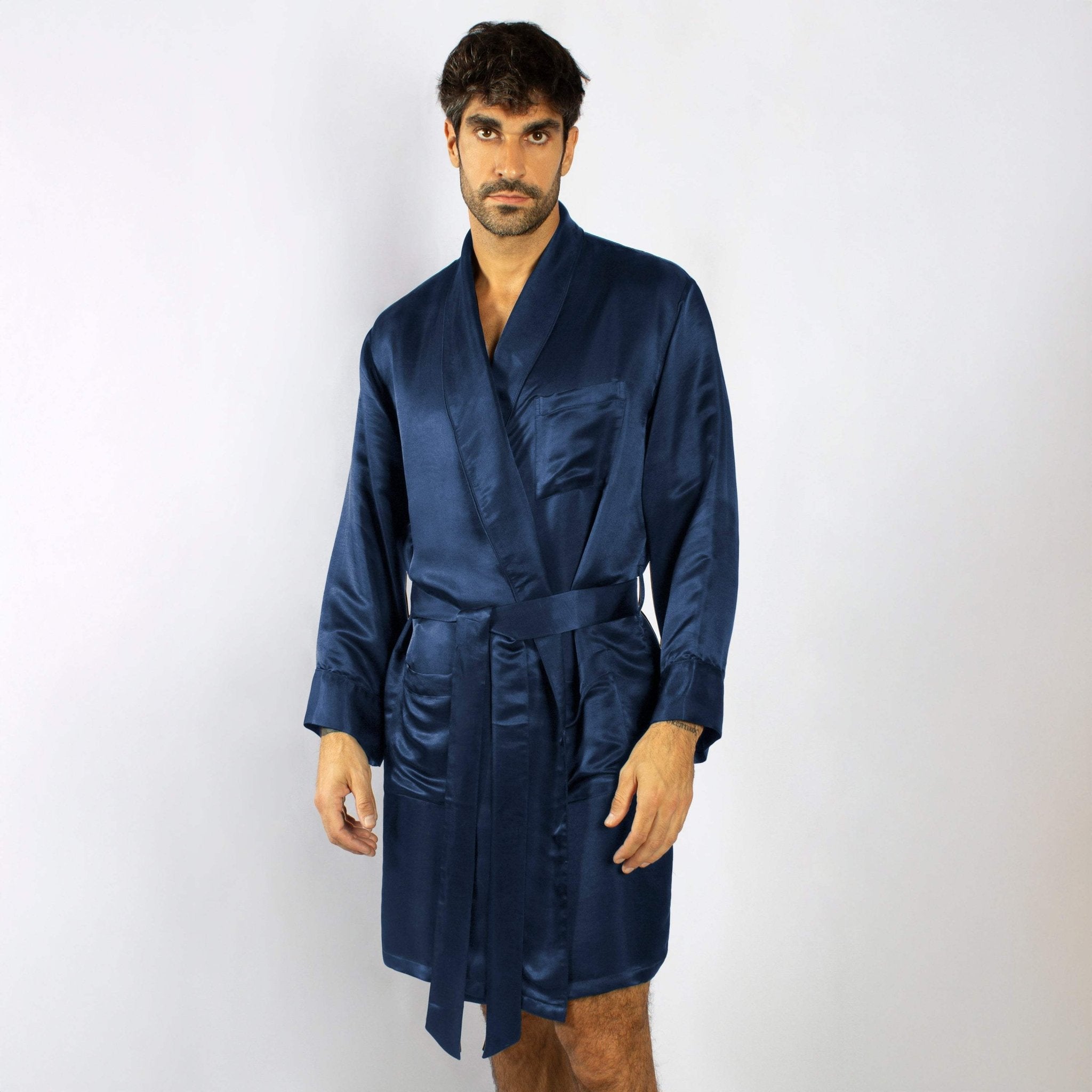
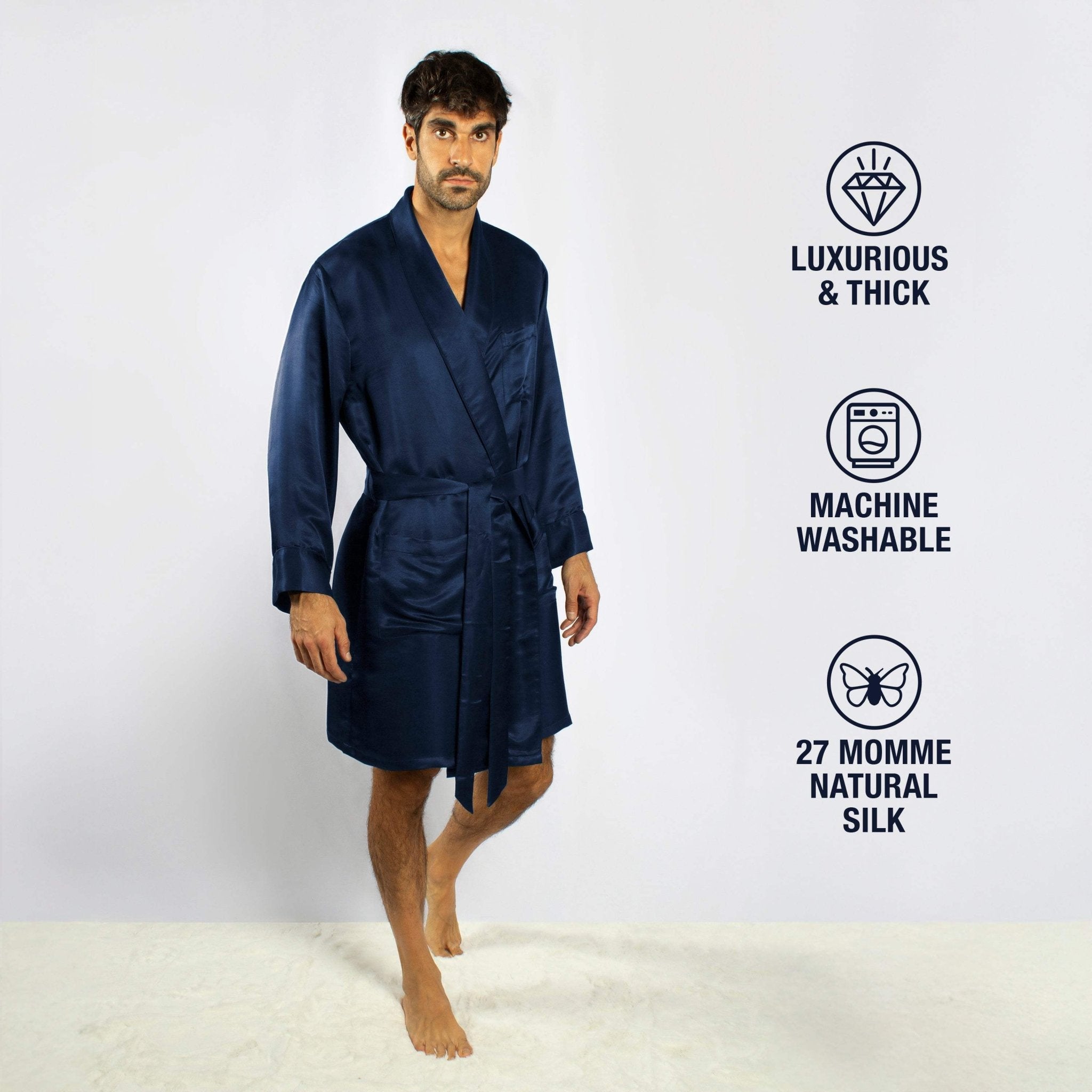
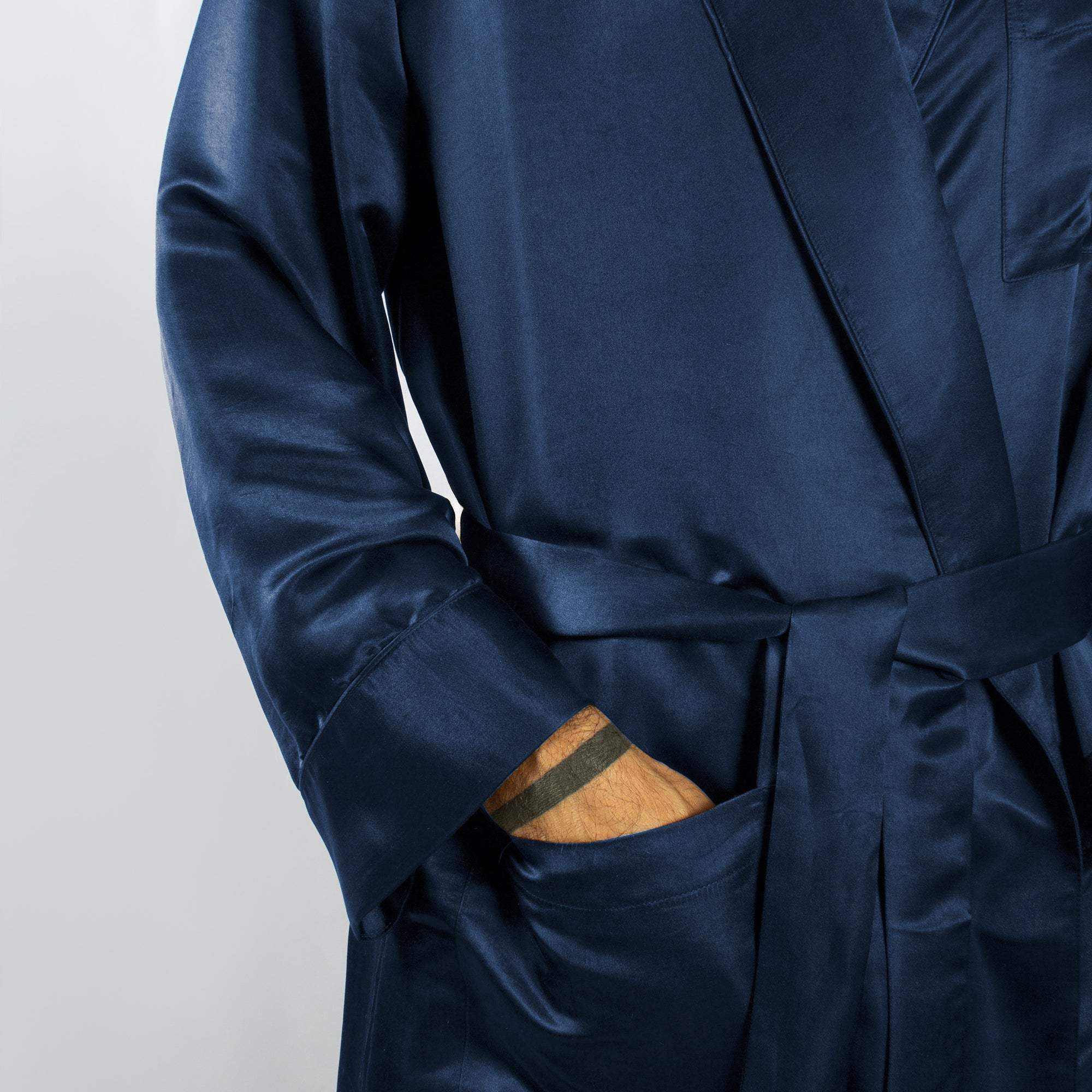
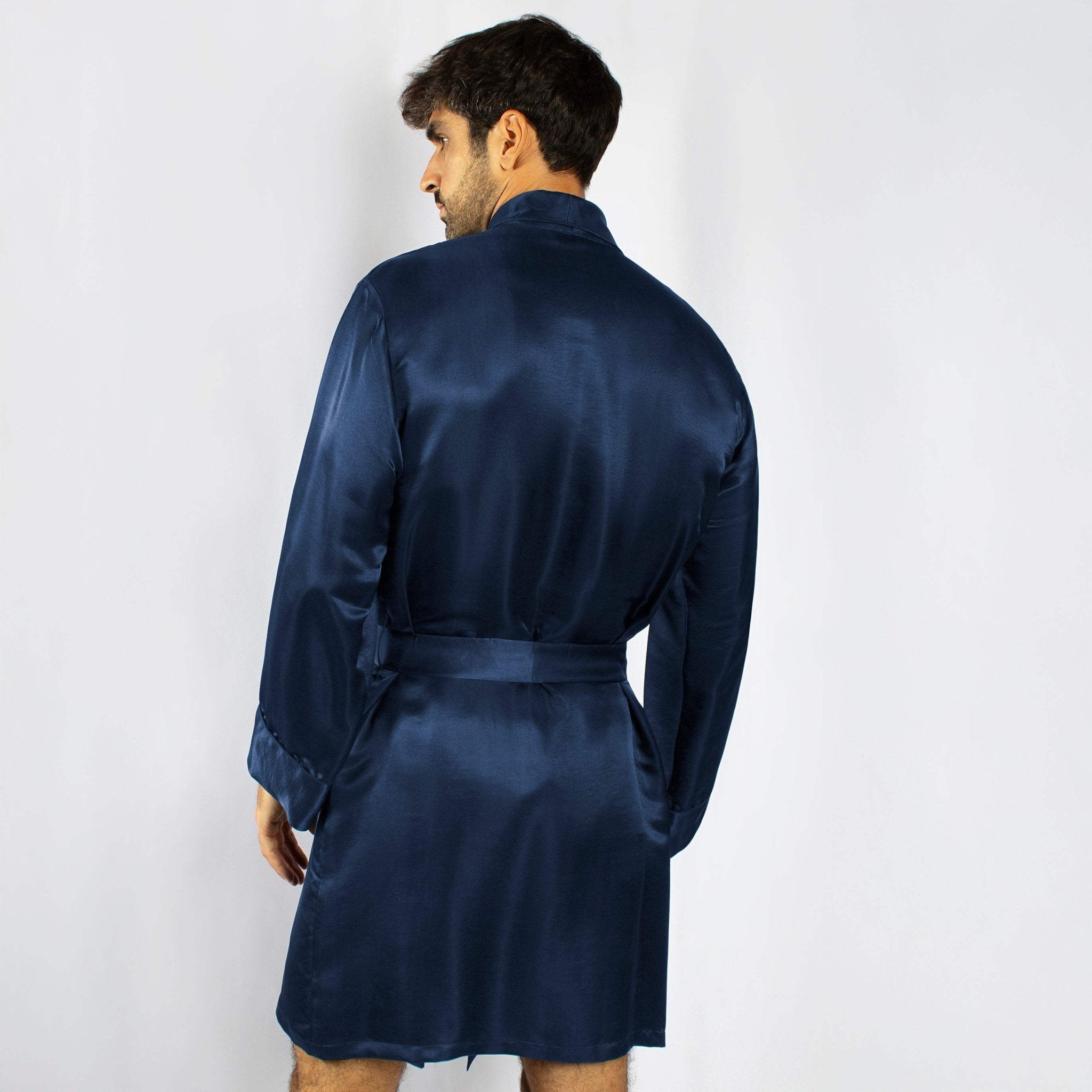
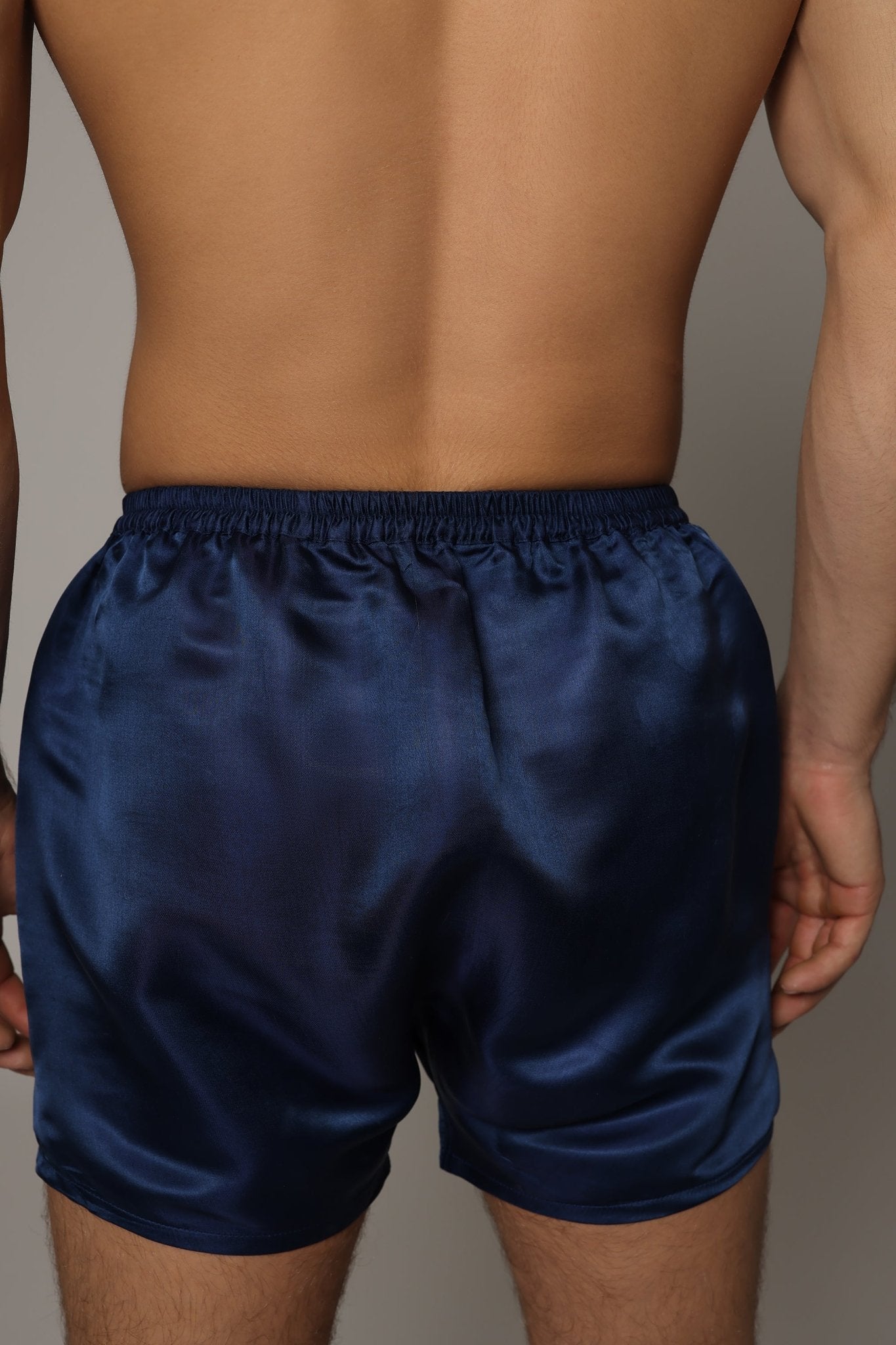
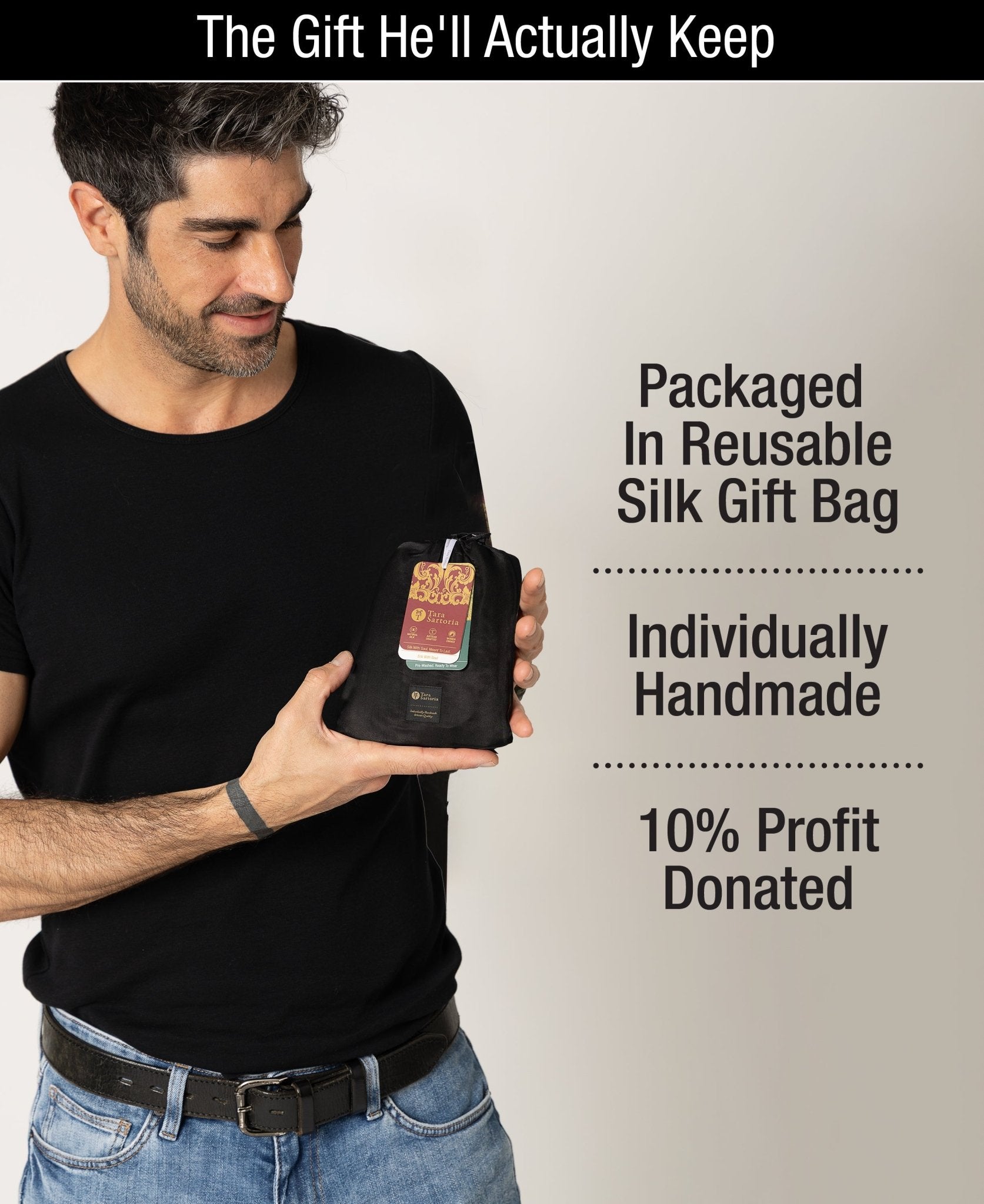
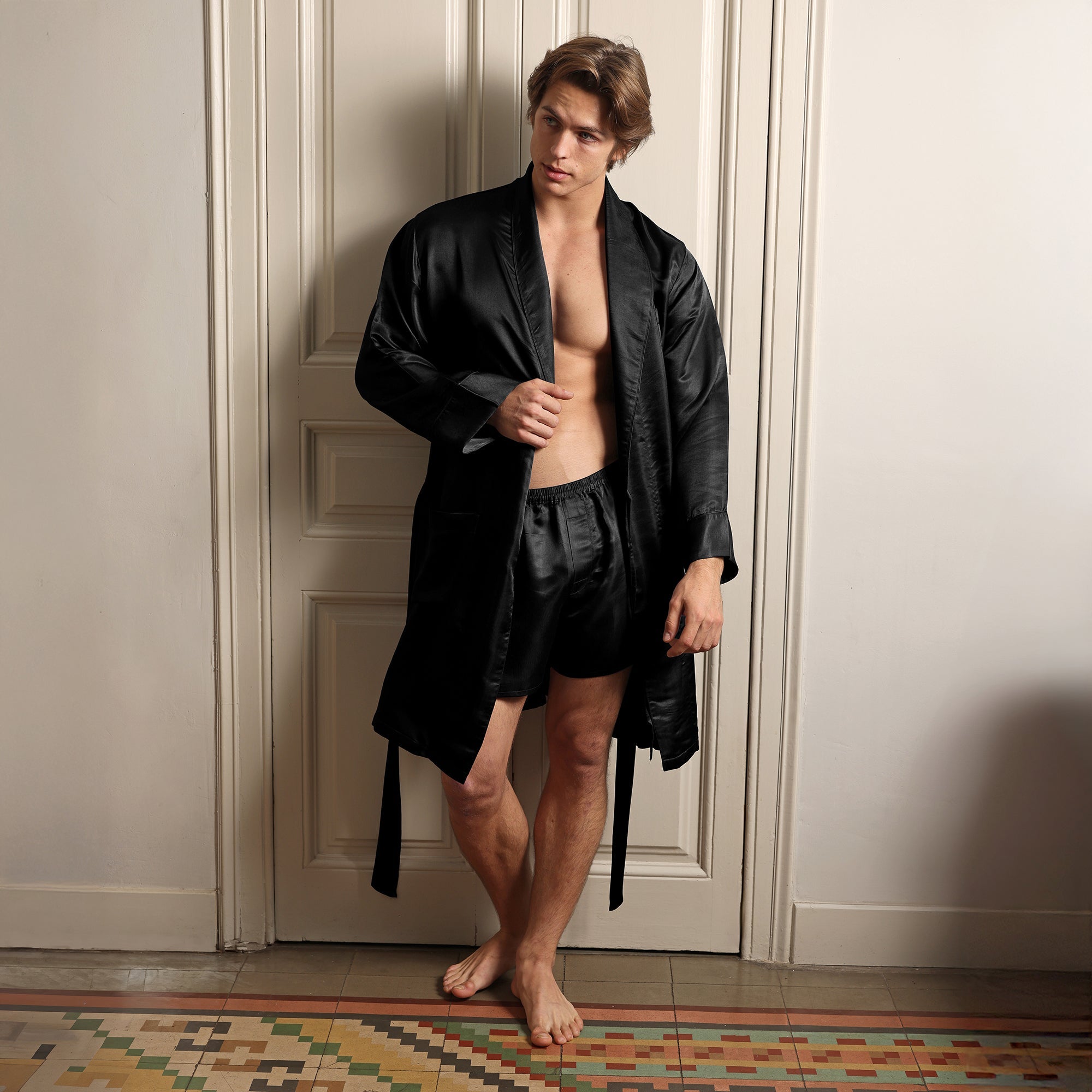
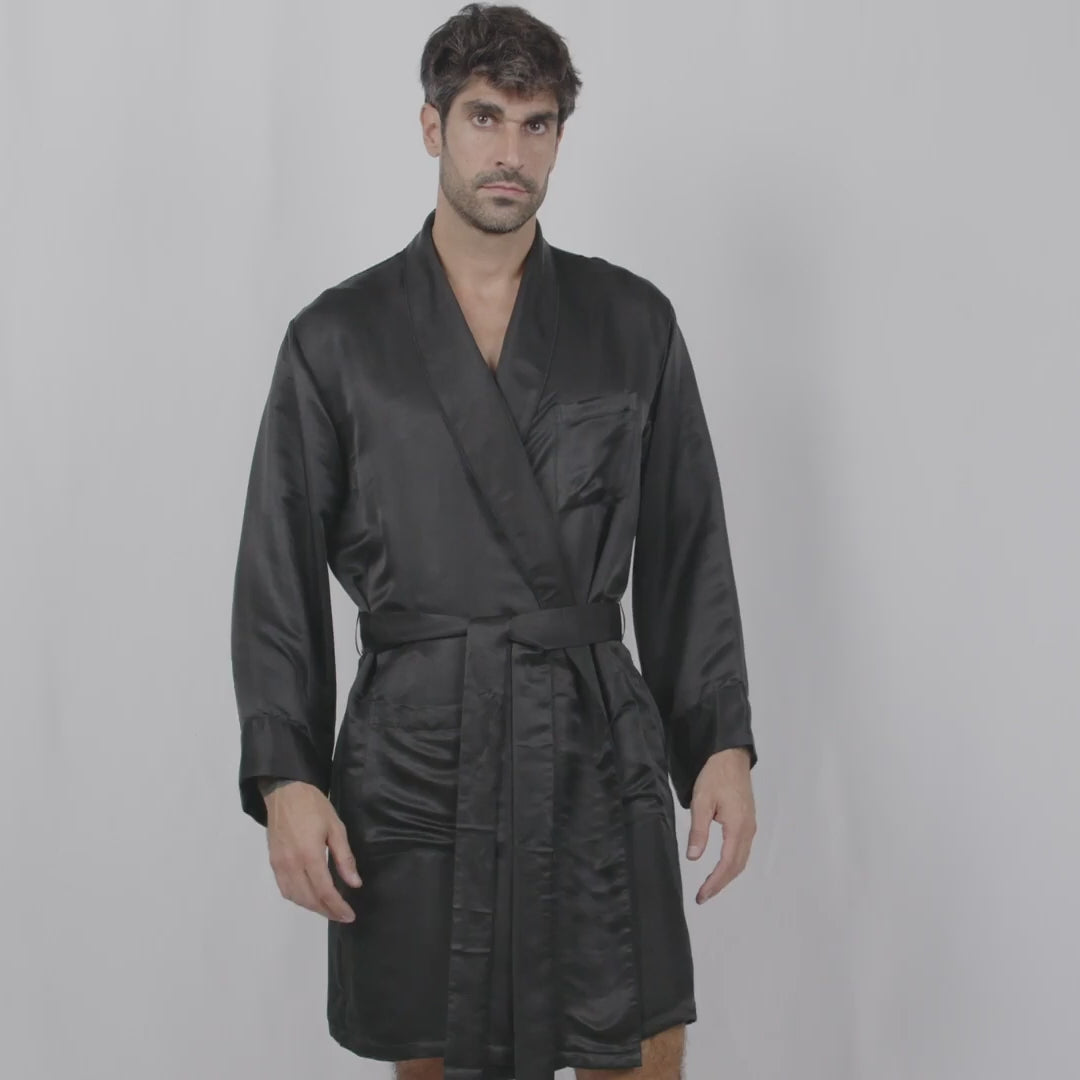
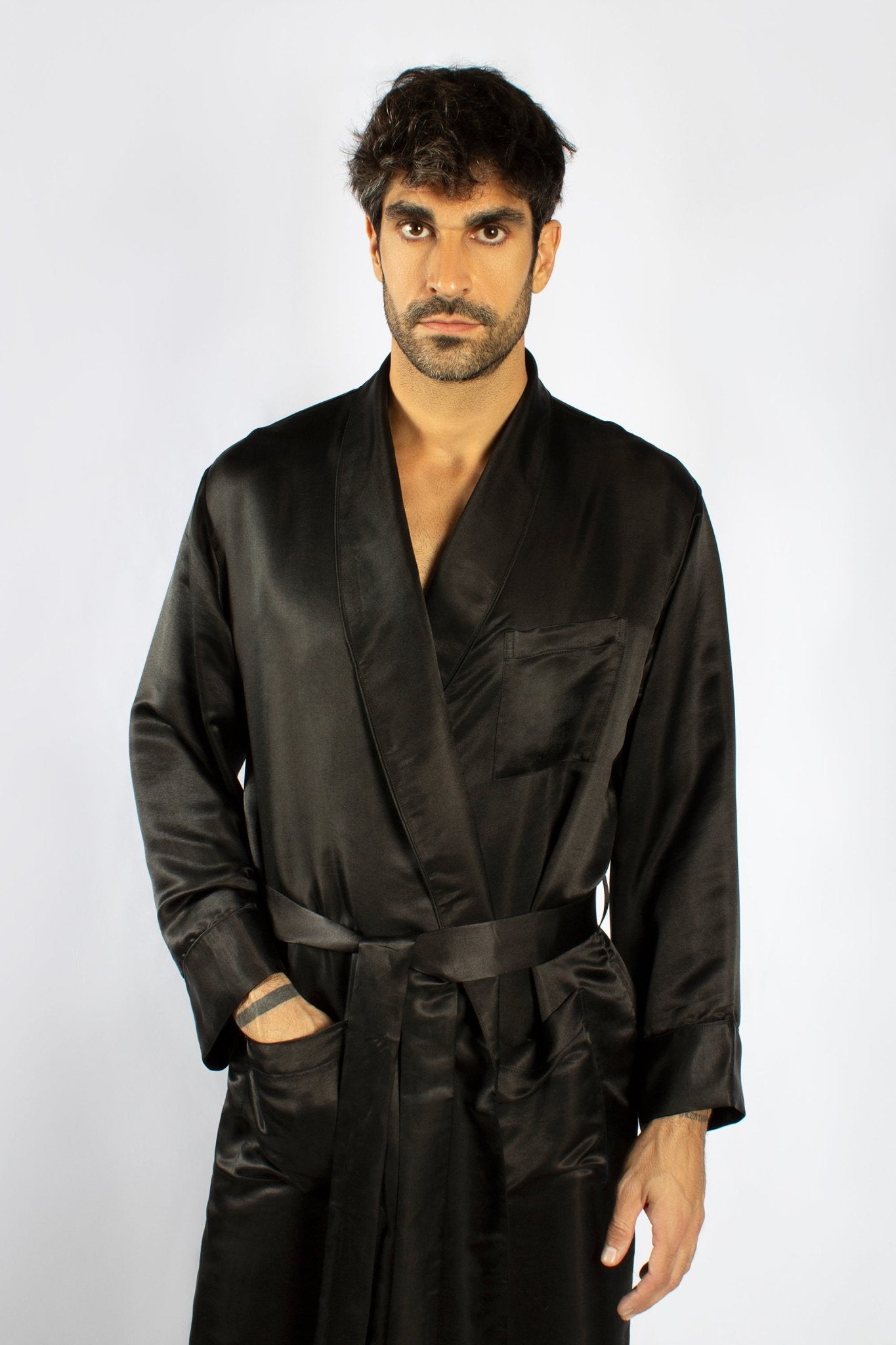
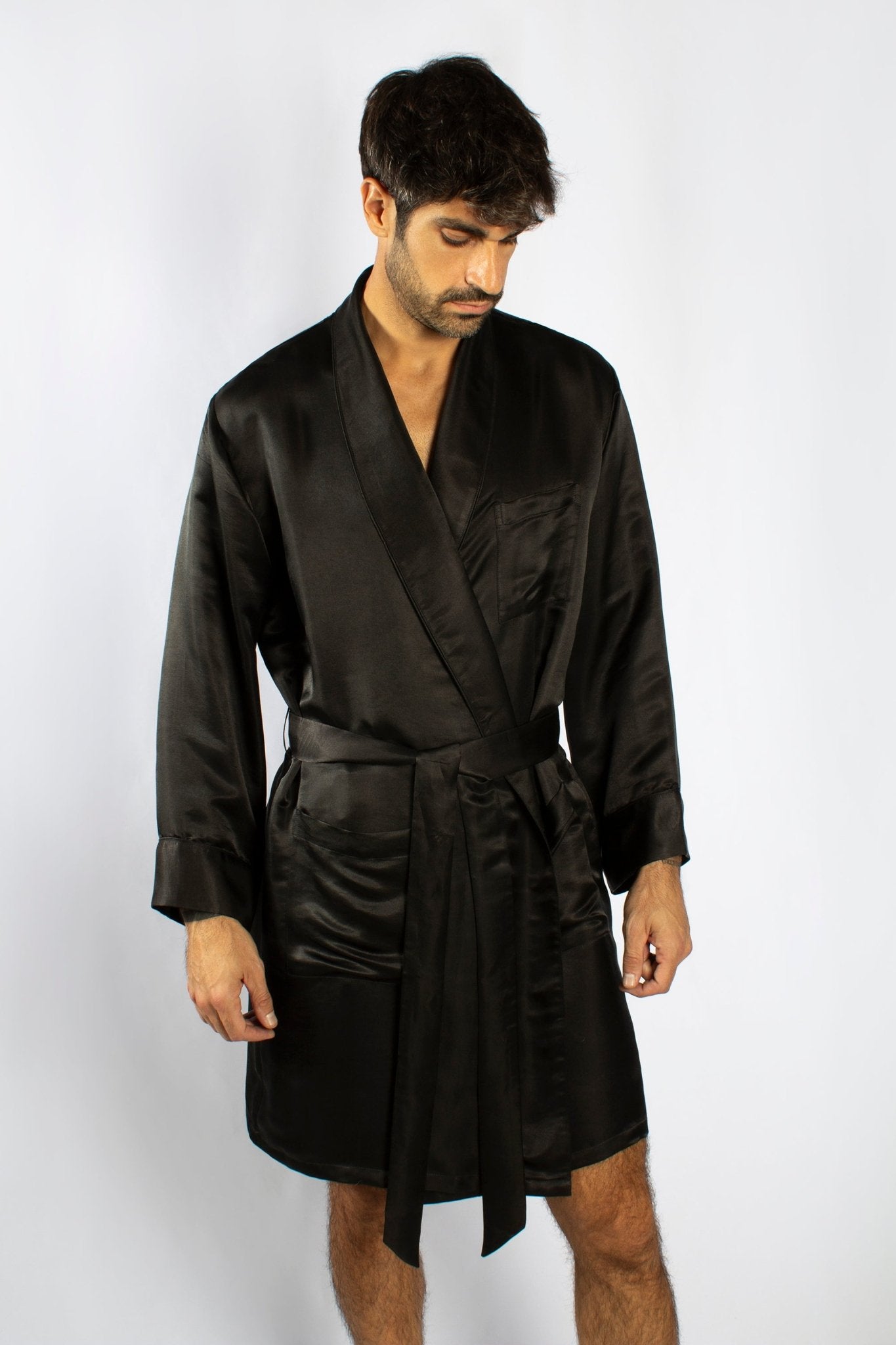
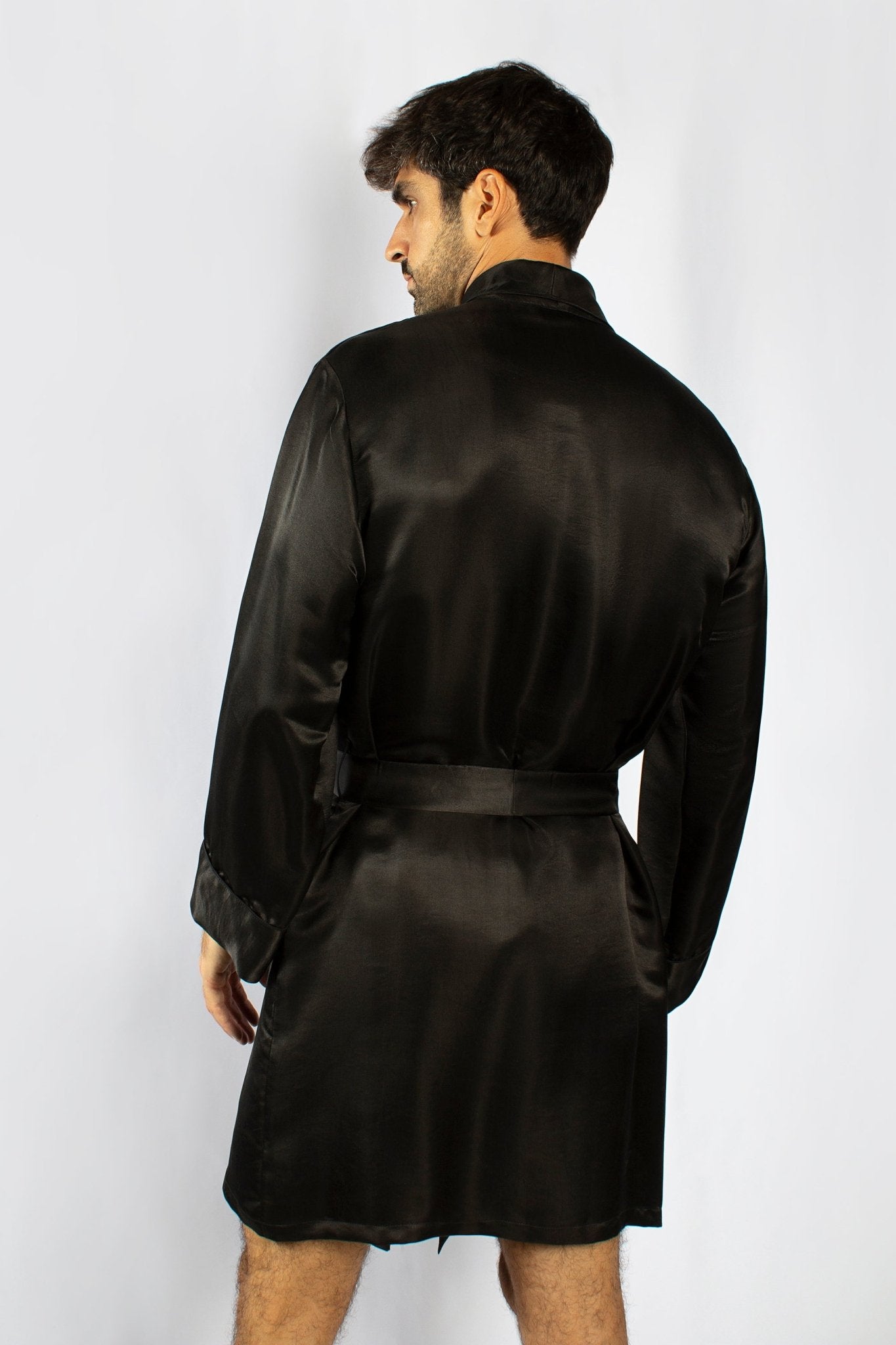
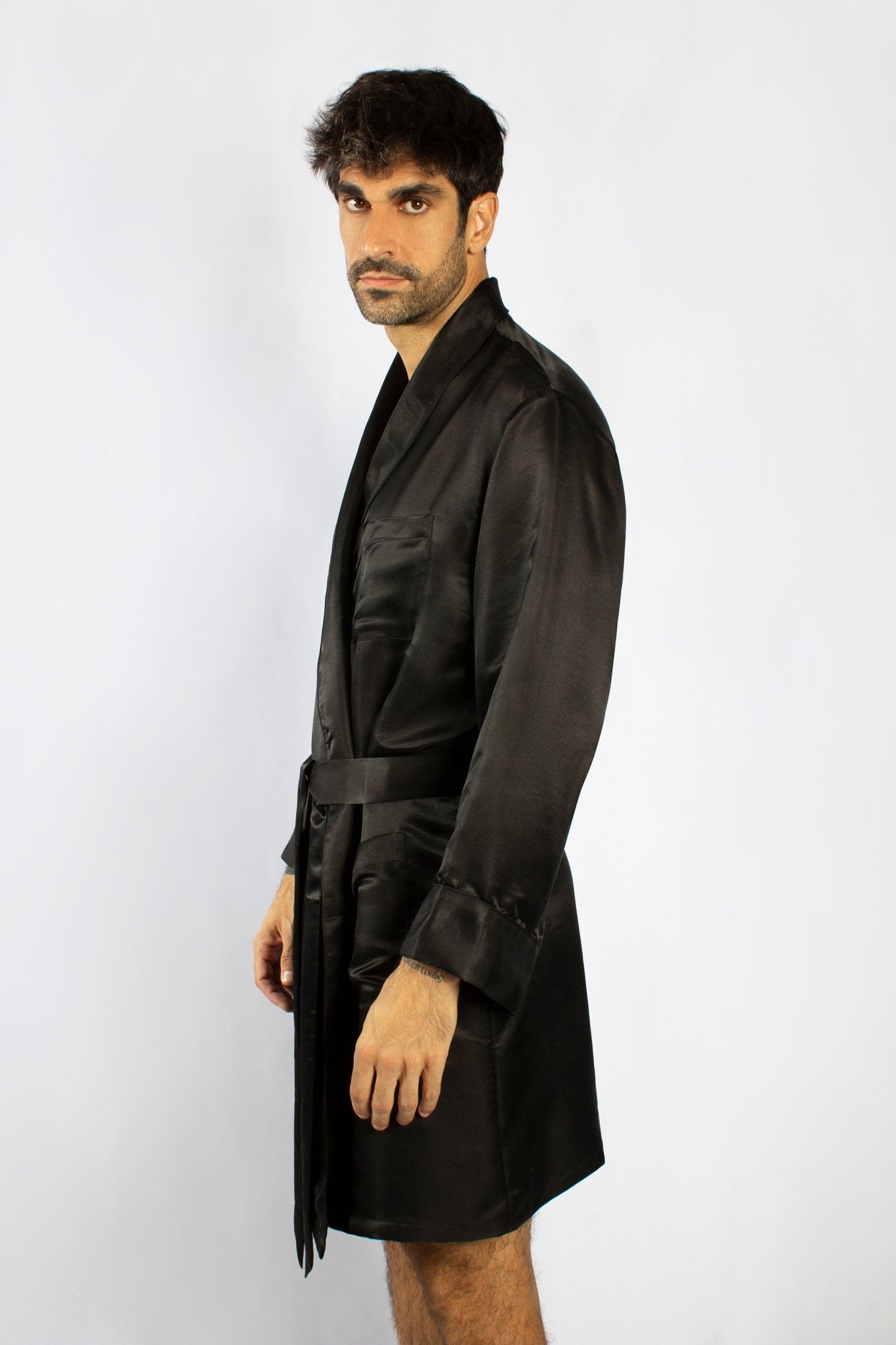
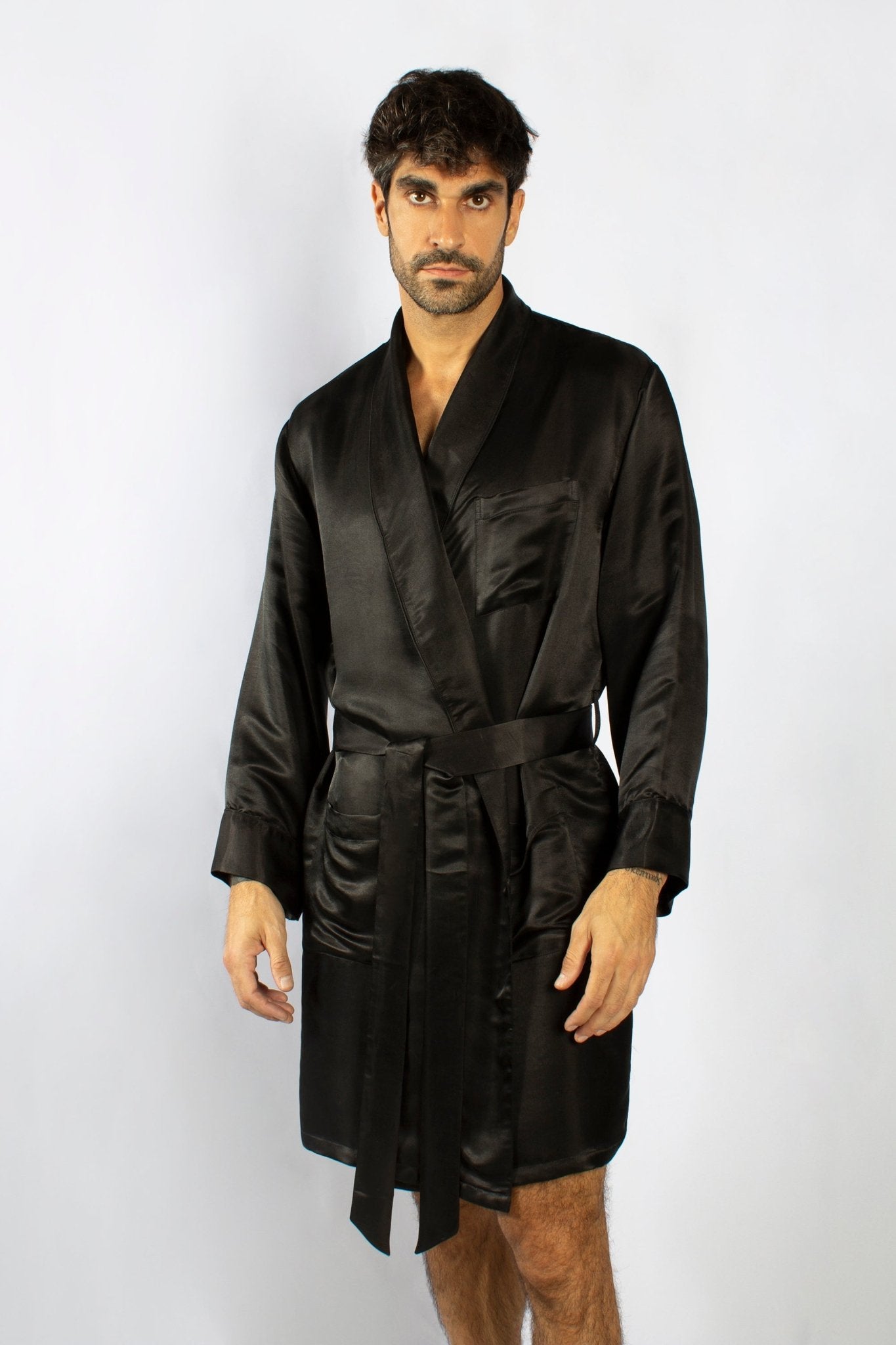
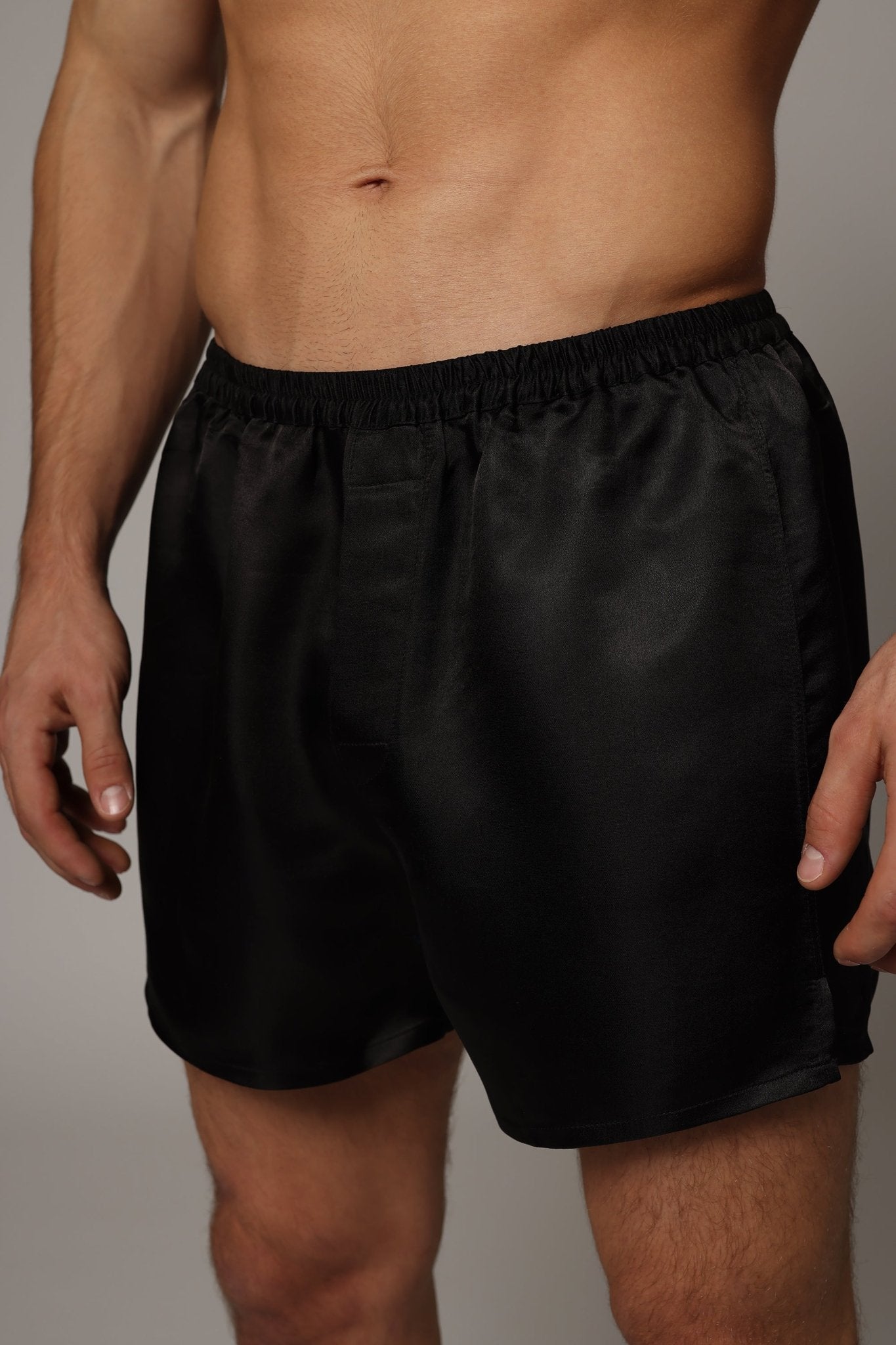
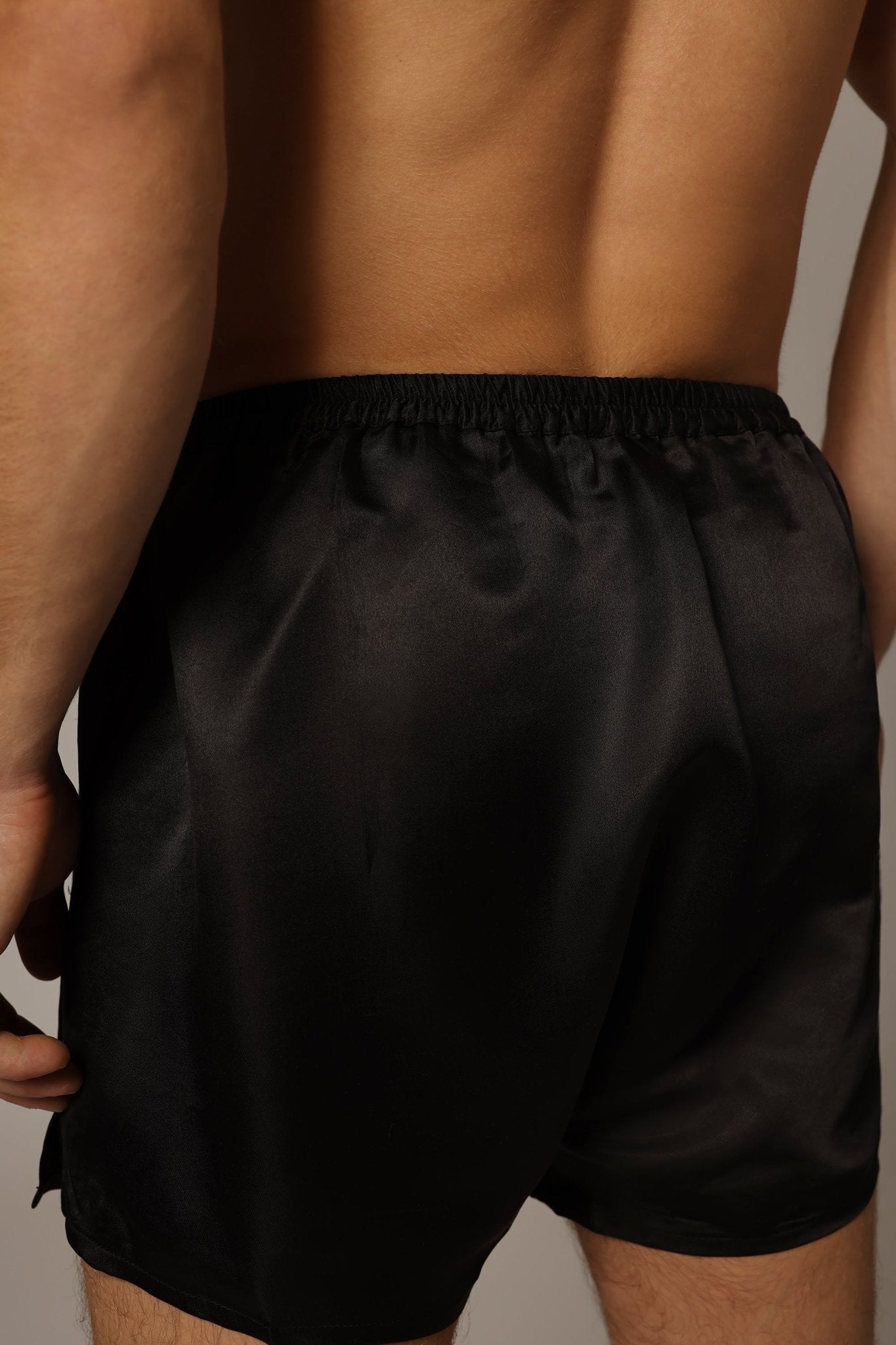
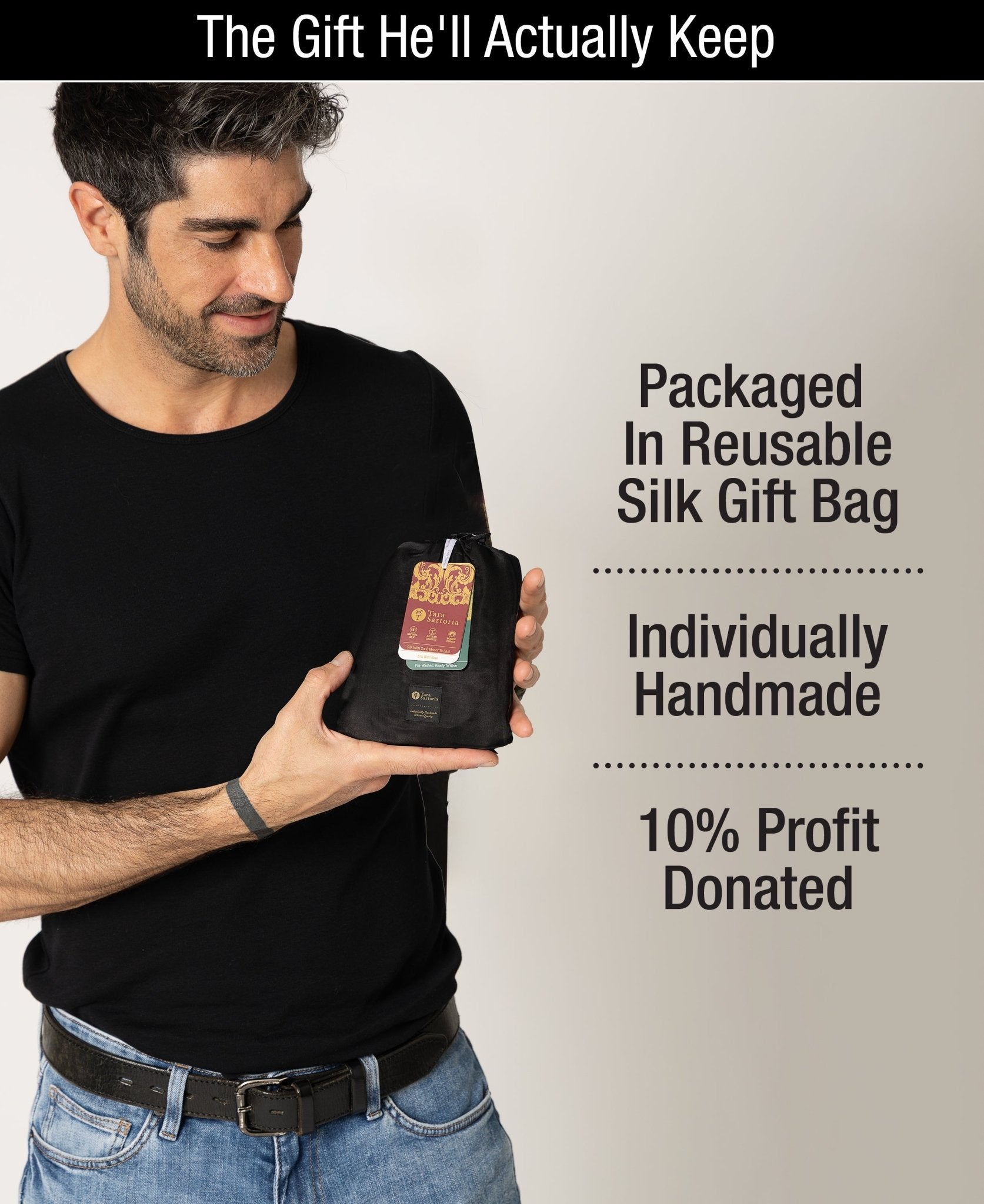
Side-by-Side Comparison
| Property | Silk Robe (27 momme) | Terry Cloth Robe |
|---|---|---|
| Primary Function | Temperature regulation, comfort | Water absorption |
| Weight | Light, folds to pocket-size | Heavy, especially when damp |
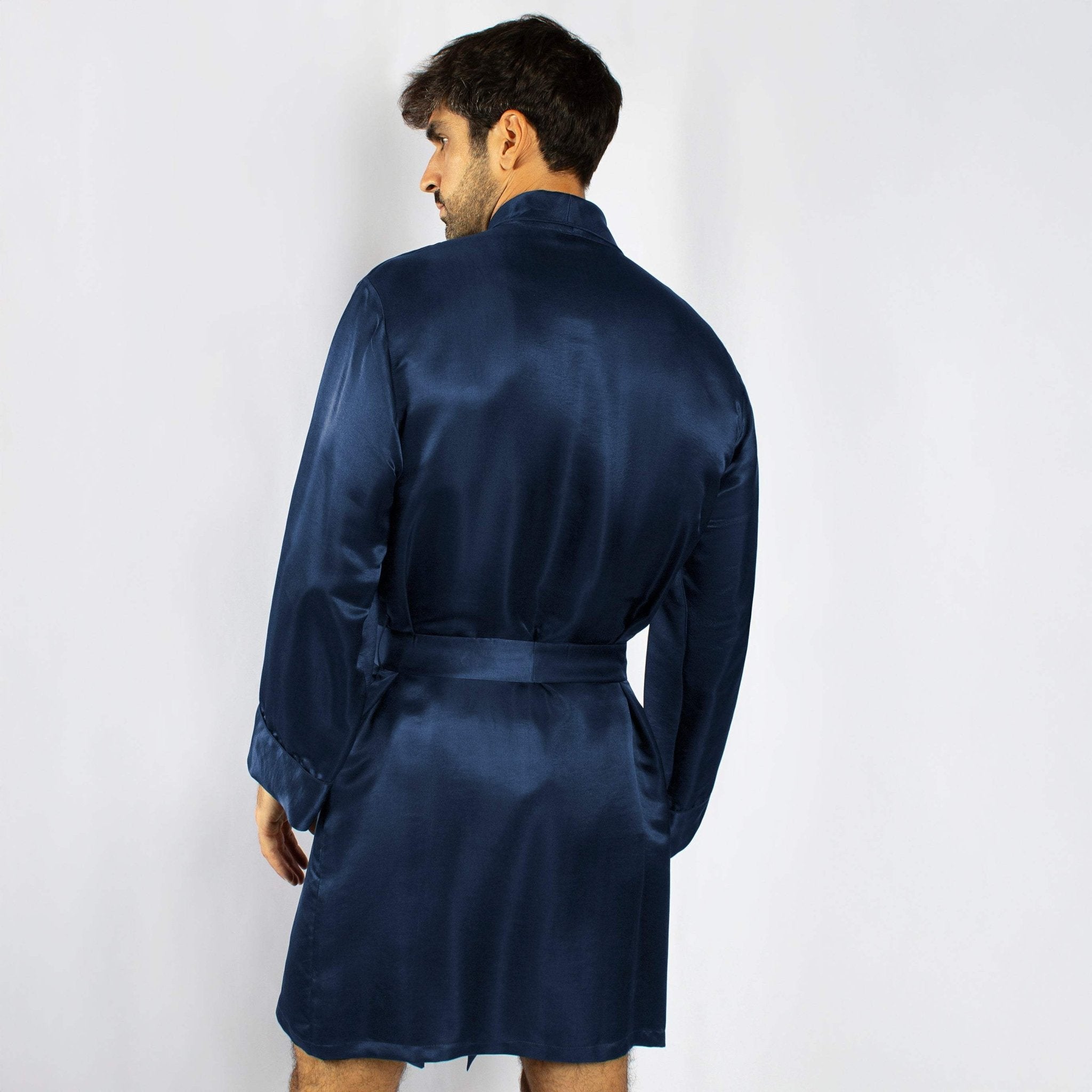
| Drape | Close to body, follows contours | Bulky, stands away from body |
| Breathability | Excellent, natural protein fiber | Moderate, trapped moisture reduces airflow |
| Drying Time | Minutes, non-absorbent | Hours, retains moisture |
| Travel Friendliness | Excellent, rolls small and light | Poor, heavy and slow to dry |
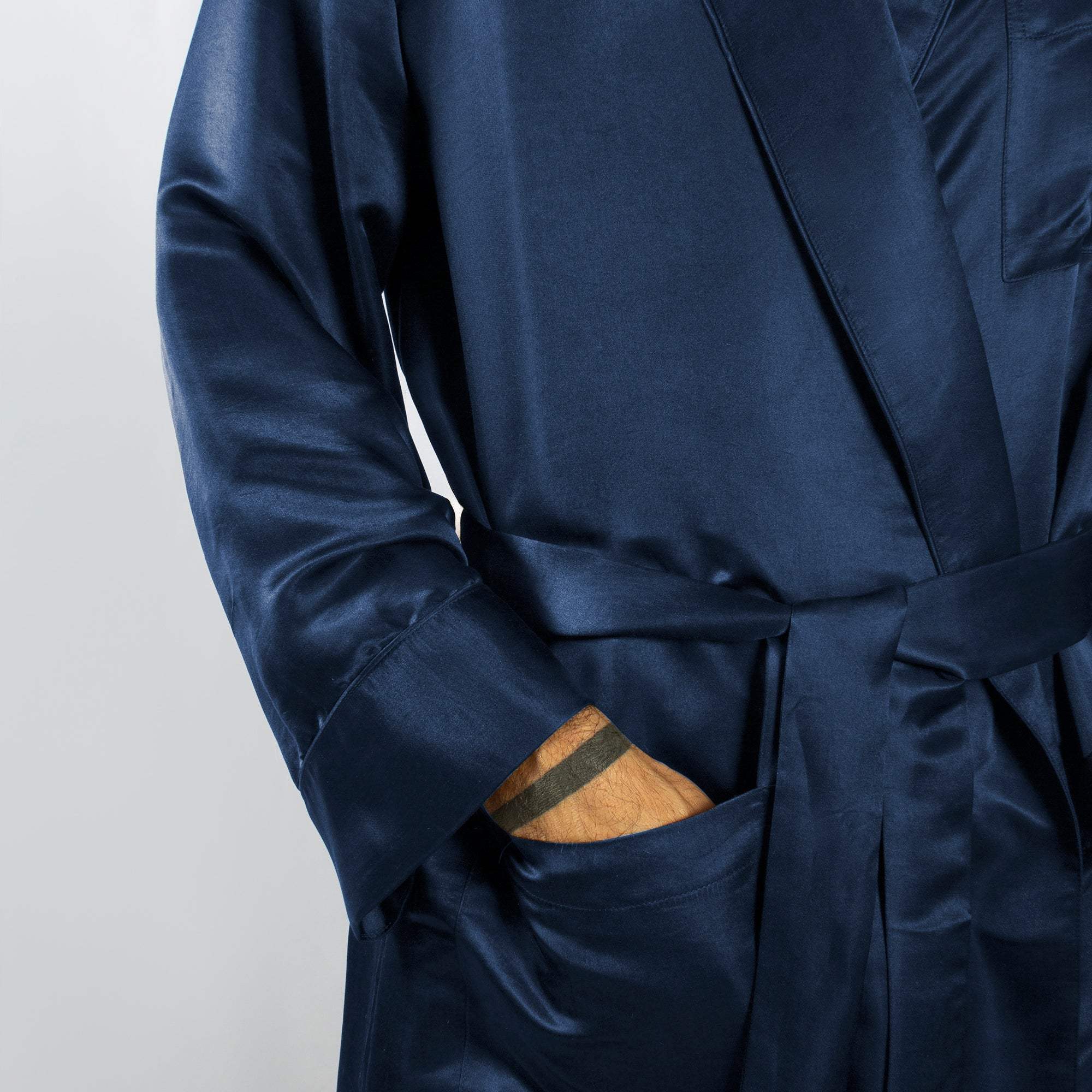
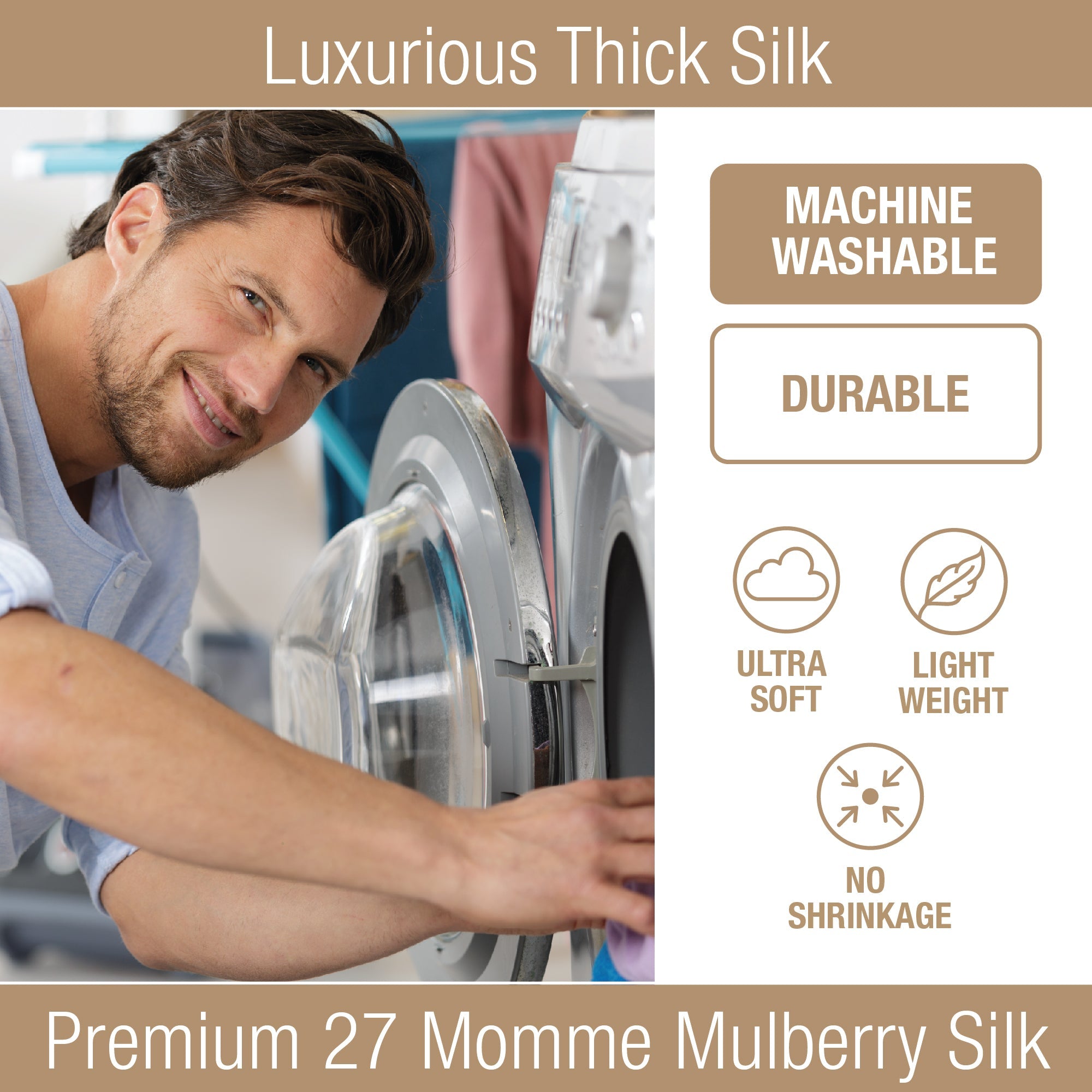
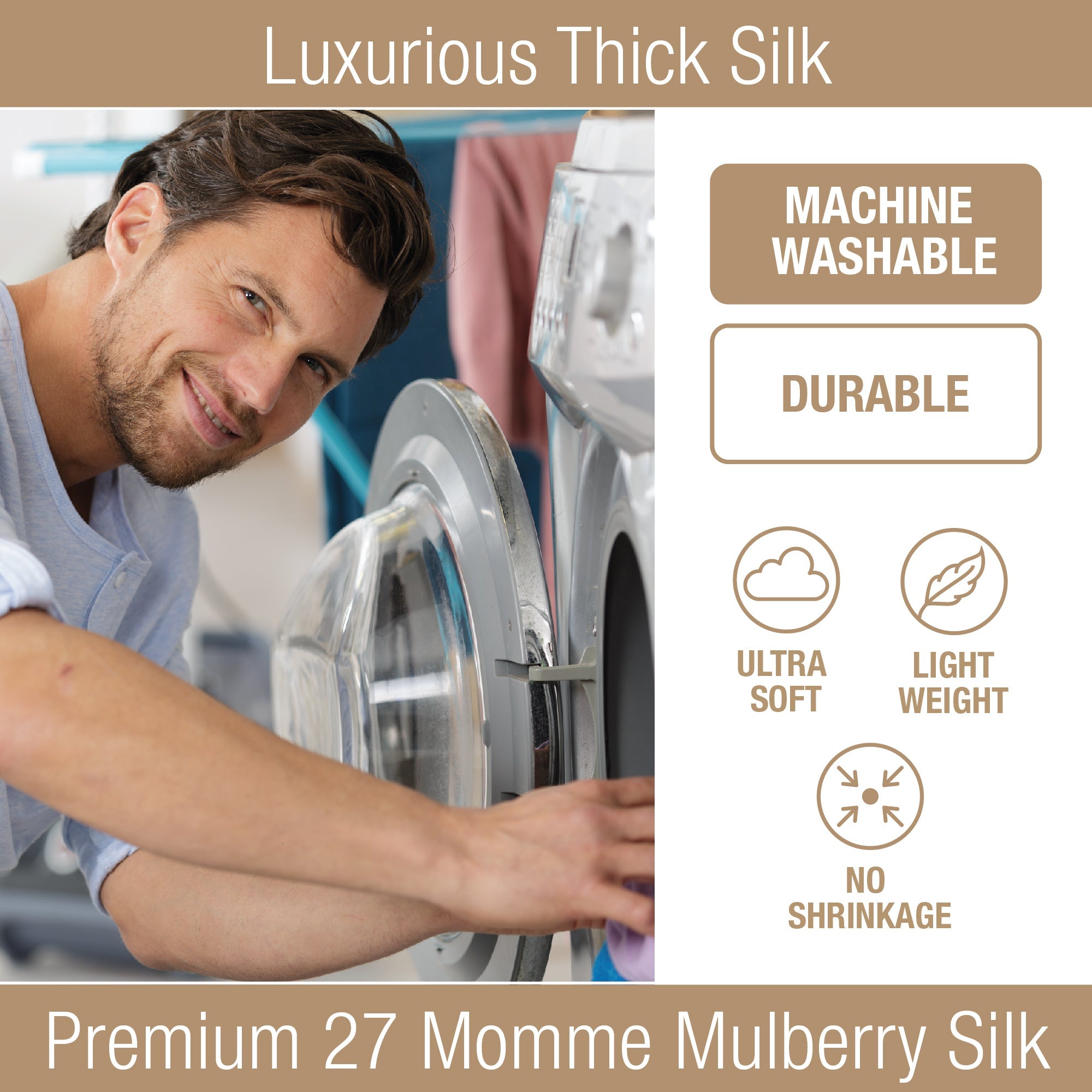
| Machine Washable | Yes, 30 degrees with French seams | Yes |
| Lifespan | ~5 years at 27 momme | 2-4 years, pile flattens and pulls |
| Odor Resistance | High, resists bacterial growth | Low, damp terry breeds bacteria |
| Year-Round Comfort | Yes, thermoregulating | Winter only, too hot in warm weather |
| Price Range | Higher upfront | Lower upfront |
| Appearance | Structured, presentable | Casual, lounge-specific |

The Weight Problem Nobody Discusses
A standard terry cloth robe weighs 2-3 pounds dry. After absorbing shower water, it weighs 5-6 pounds. You are essentially wearing a wet blanket. Because terry is thick and absorbent, it takes hours to dry between uses. In a humid bathroom, a terry robe used daily never fully dries. That perpetual dampness creates an environment for bacterial growth, which is why terry robes develop that musty smell after weeks of use.
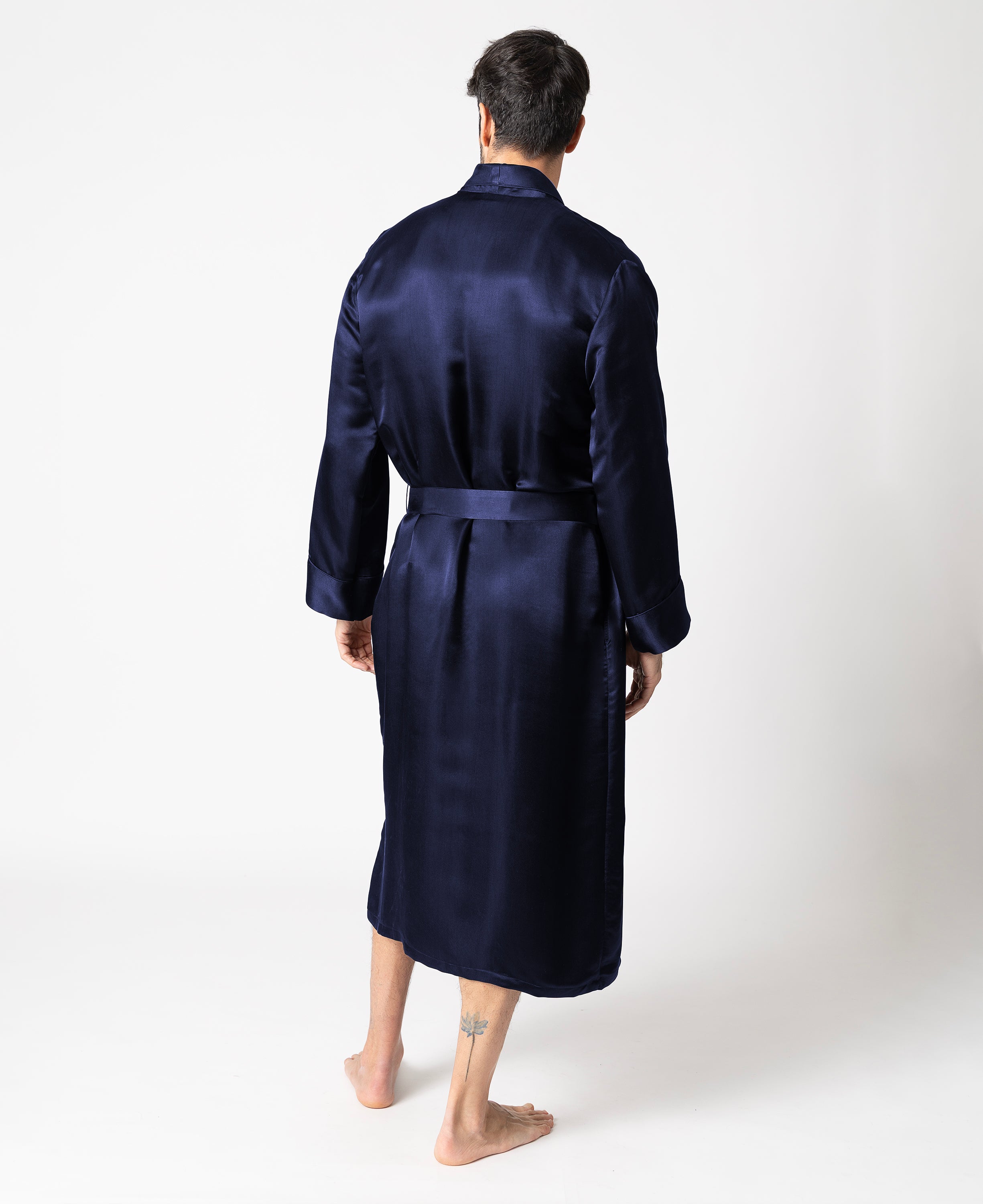
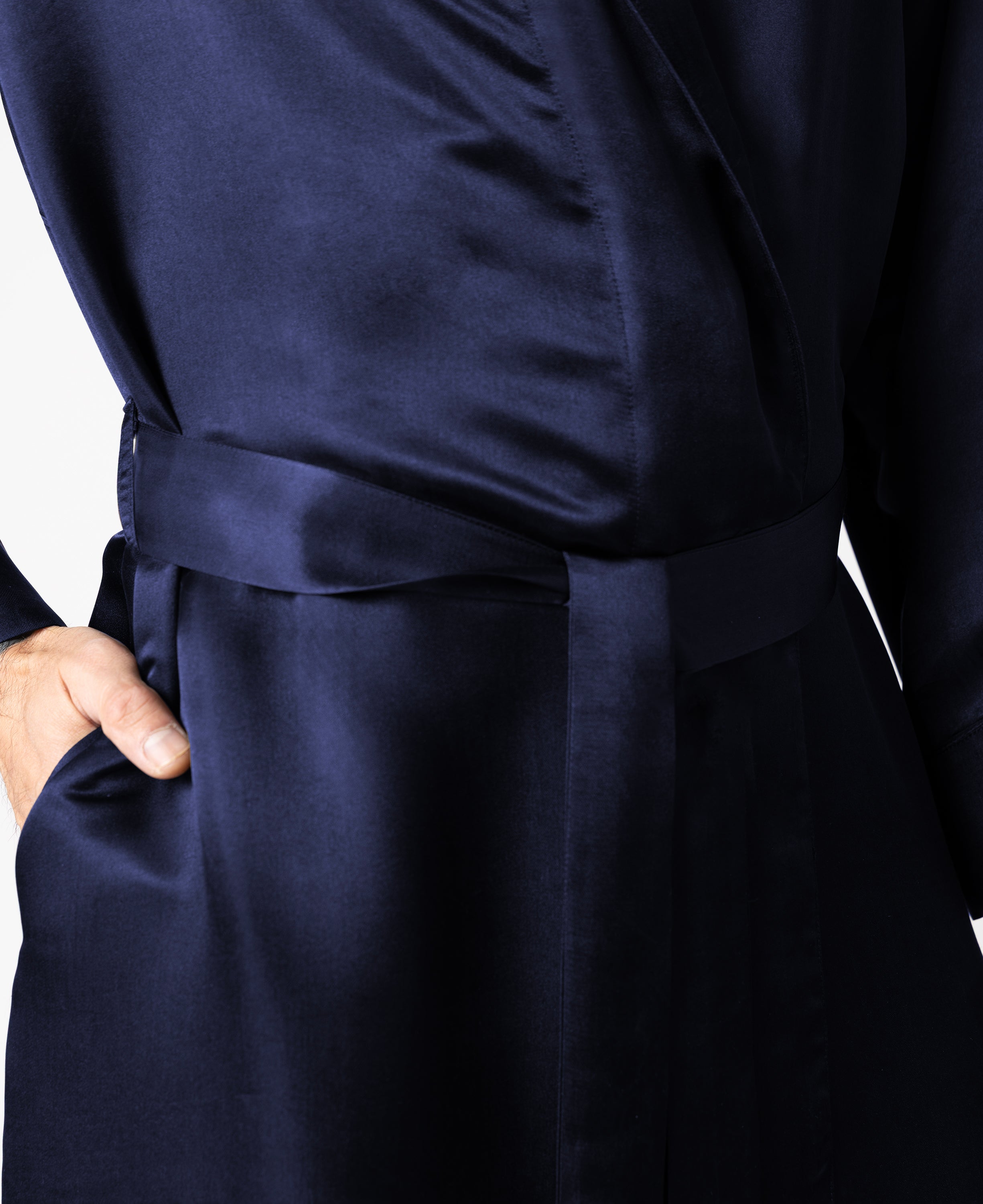
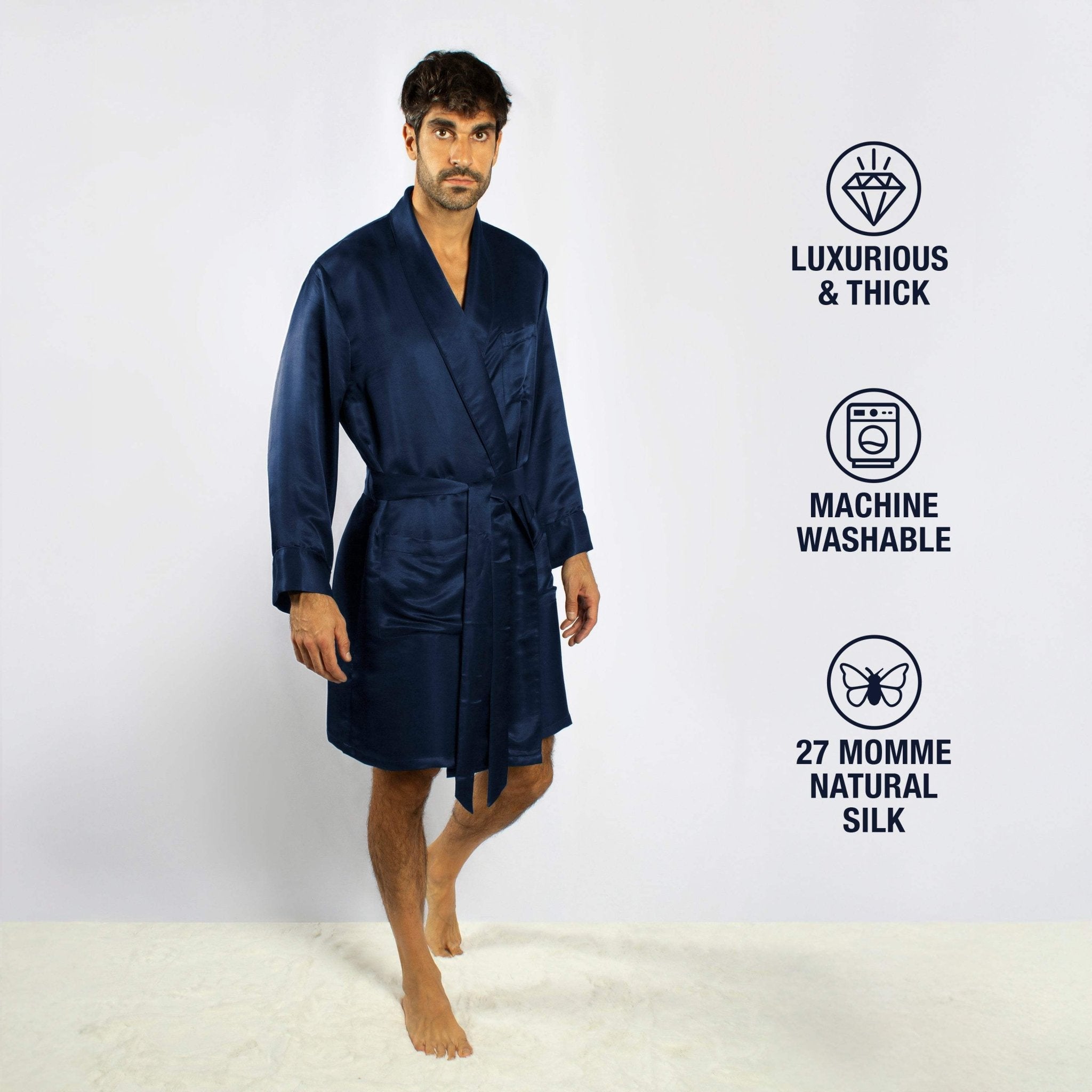
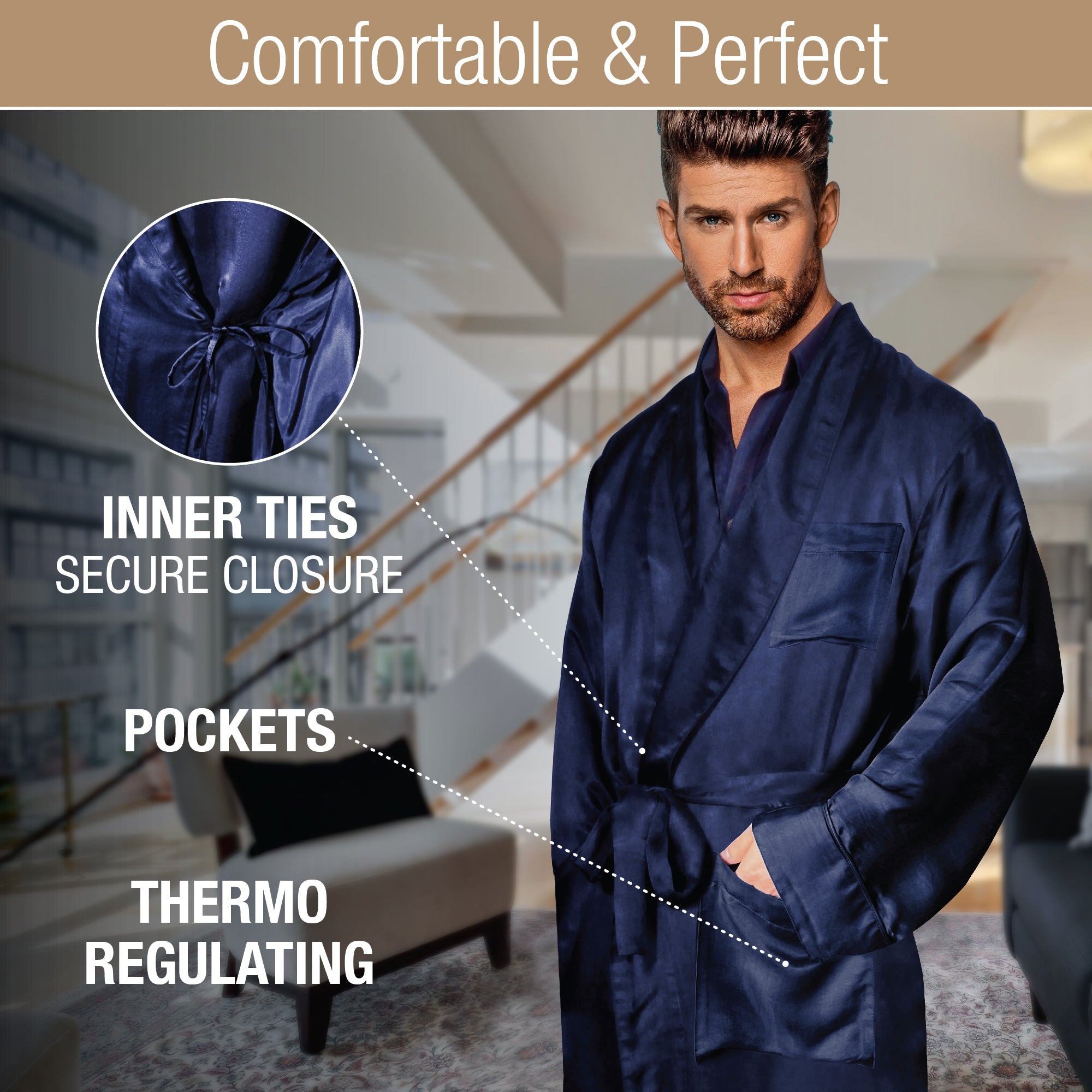
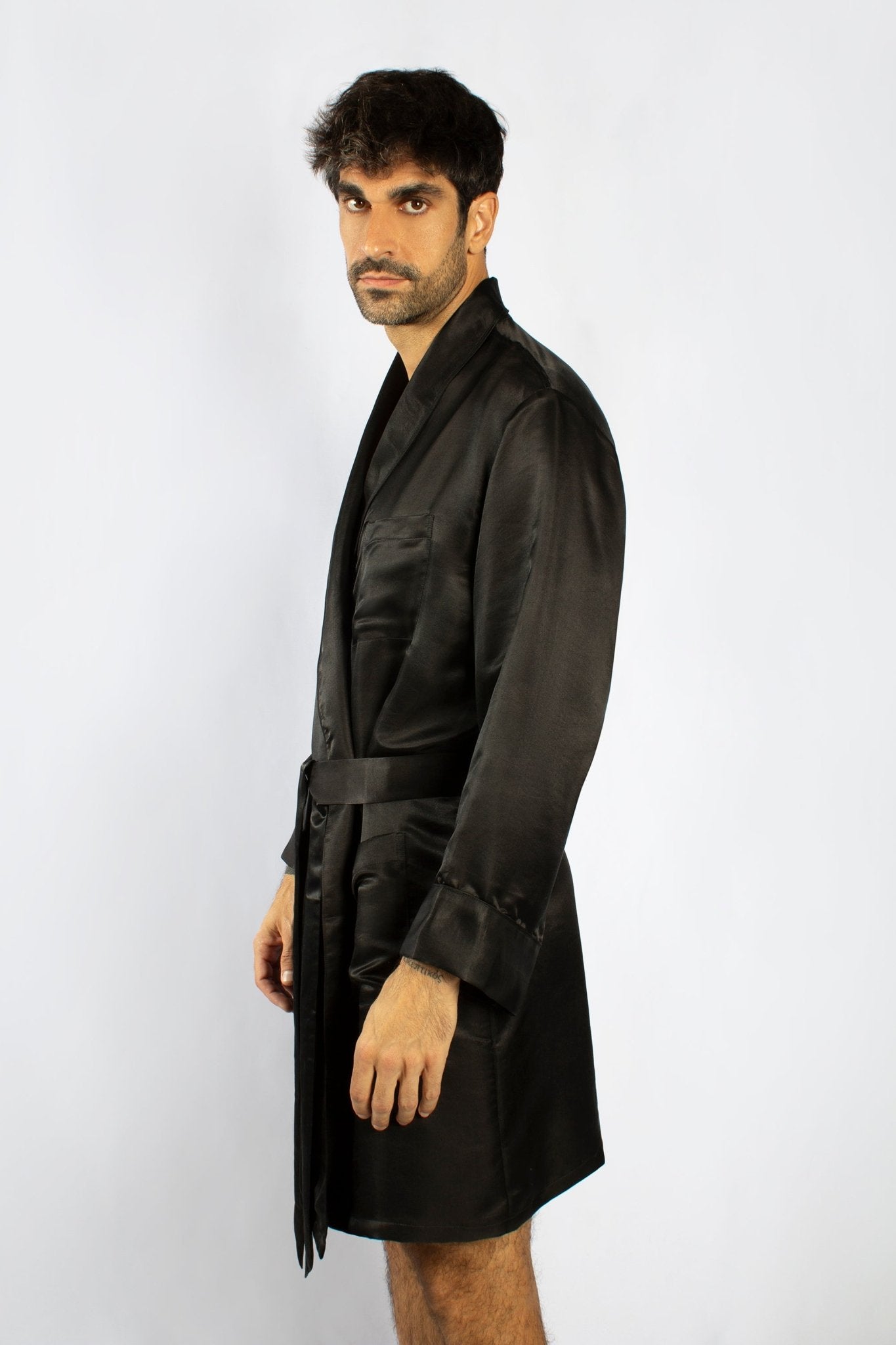
A 27 momme silk robe weighs less than a pound. It doesn't absorb water, so it doesn't become heavy. It dries in minutes if damp. Silk fiber has natural antimicrobial properties that resist bacterial colonization, meaning you can wear it several times between washes without odor developing.
This weight difference compounds across the year. If you use a terry robe daily, that's roughly 365 days of wearing 3-pound dry fabric that becomes 5-6 pounds when damp. Your shoulders carry that weight. Your movement is restricted by the heaviness. Your morning becomes a wrestling match with fabric that wants to stay on the bathroom hook because moving around in it is work.
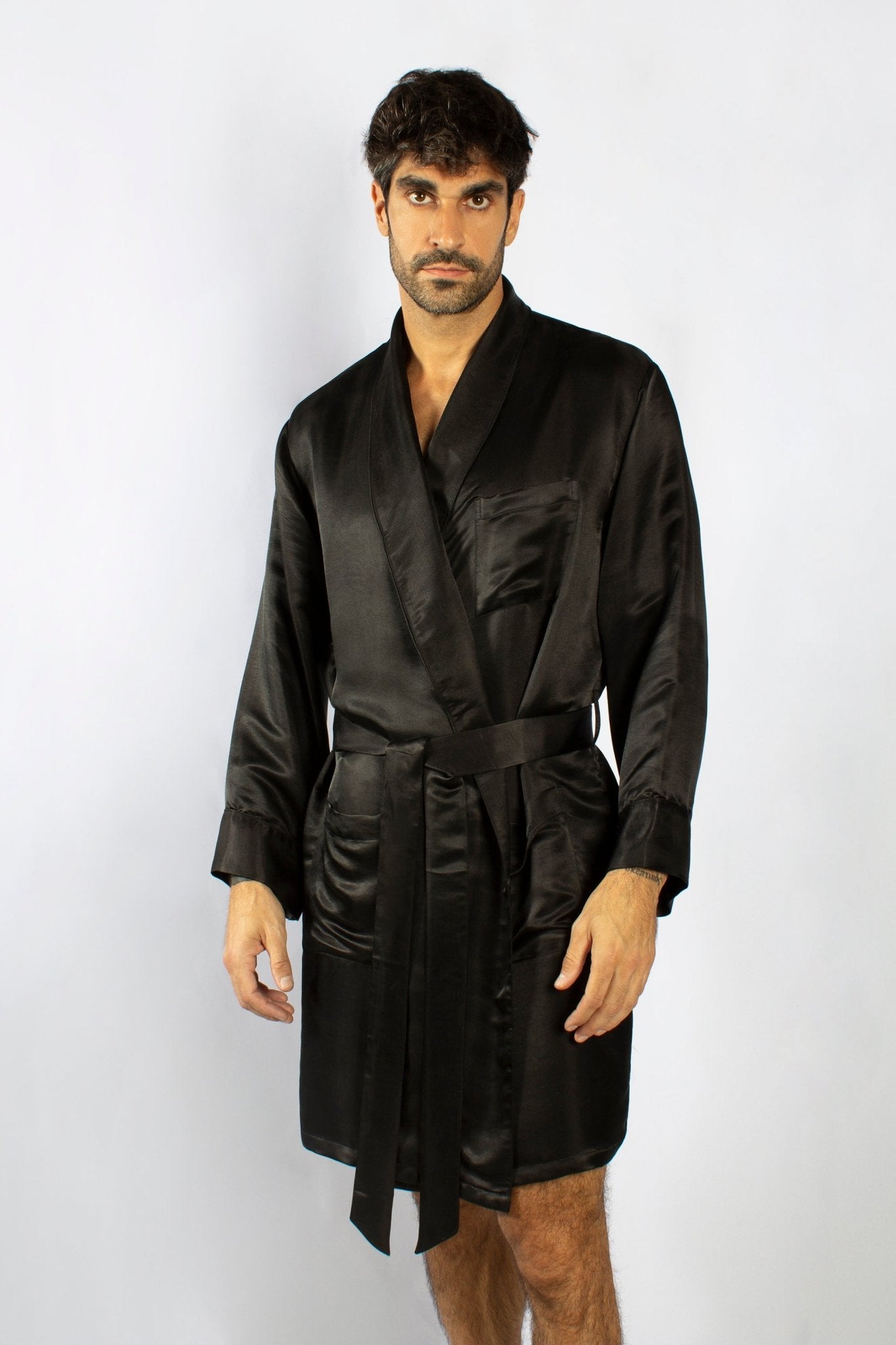
The silk robe, weighing under a pound, feels like you're wearing nothing at all. Your movement is unrestricted. Your shoulders don't carry weight. You can move freely from bedroom to kitchen to home office without the garment becoming an obstacle.
This isn't an argument against terry cloth robes. It's an argument for understanding what each material actually does and what each does well.





When Silk Actually Replaces Terry
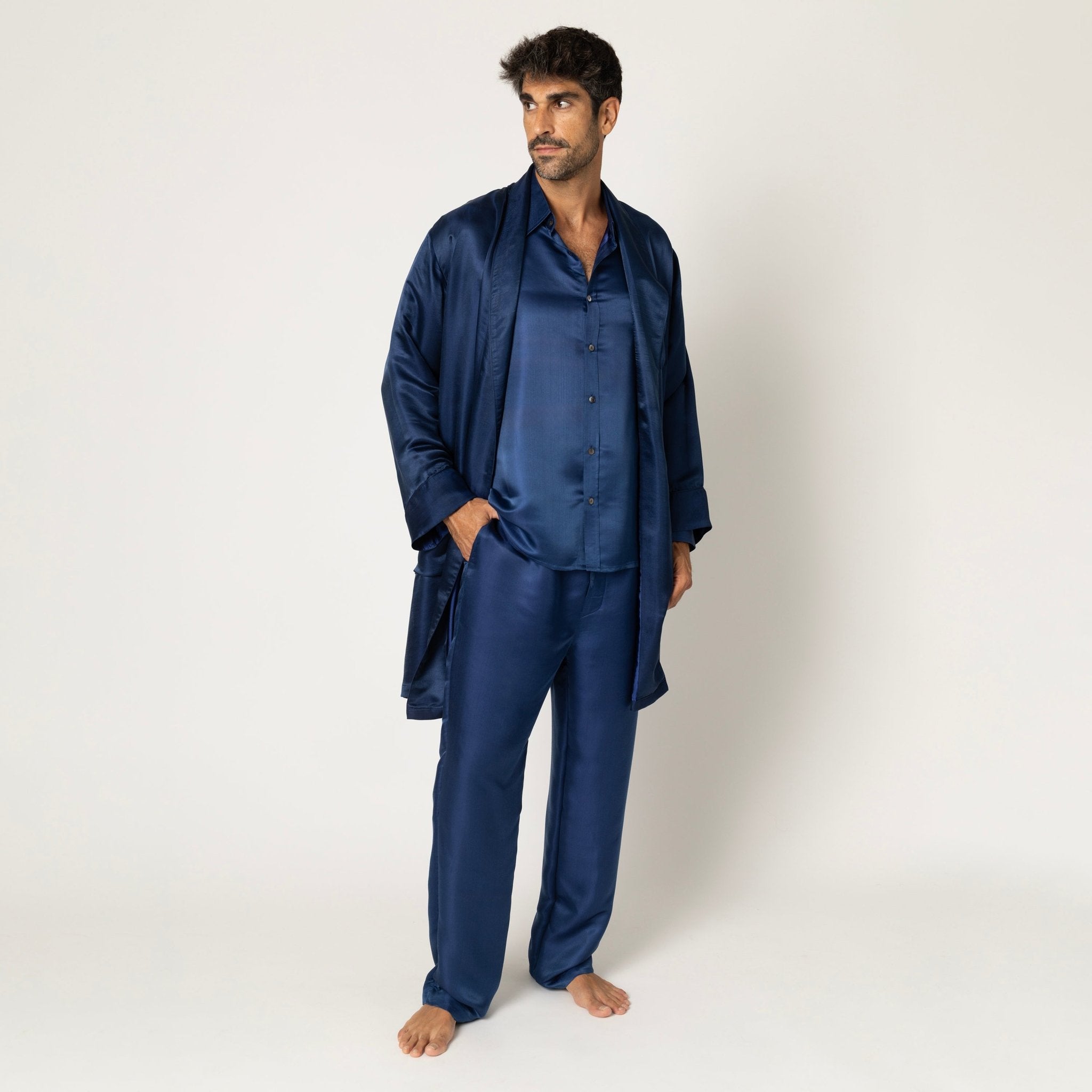
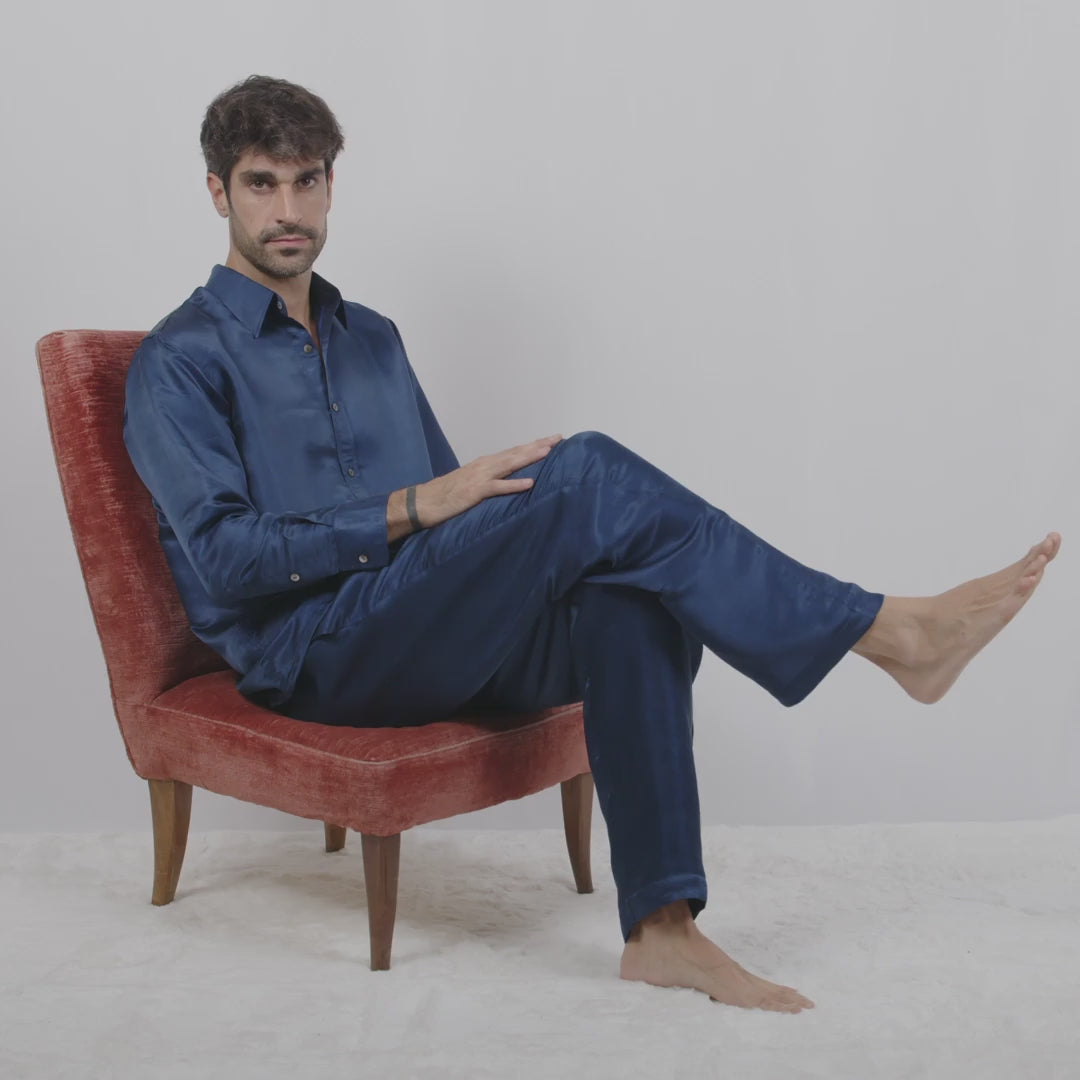
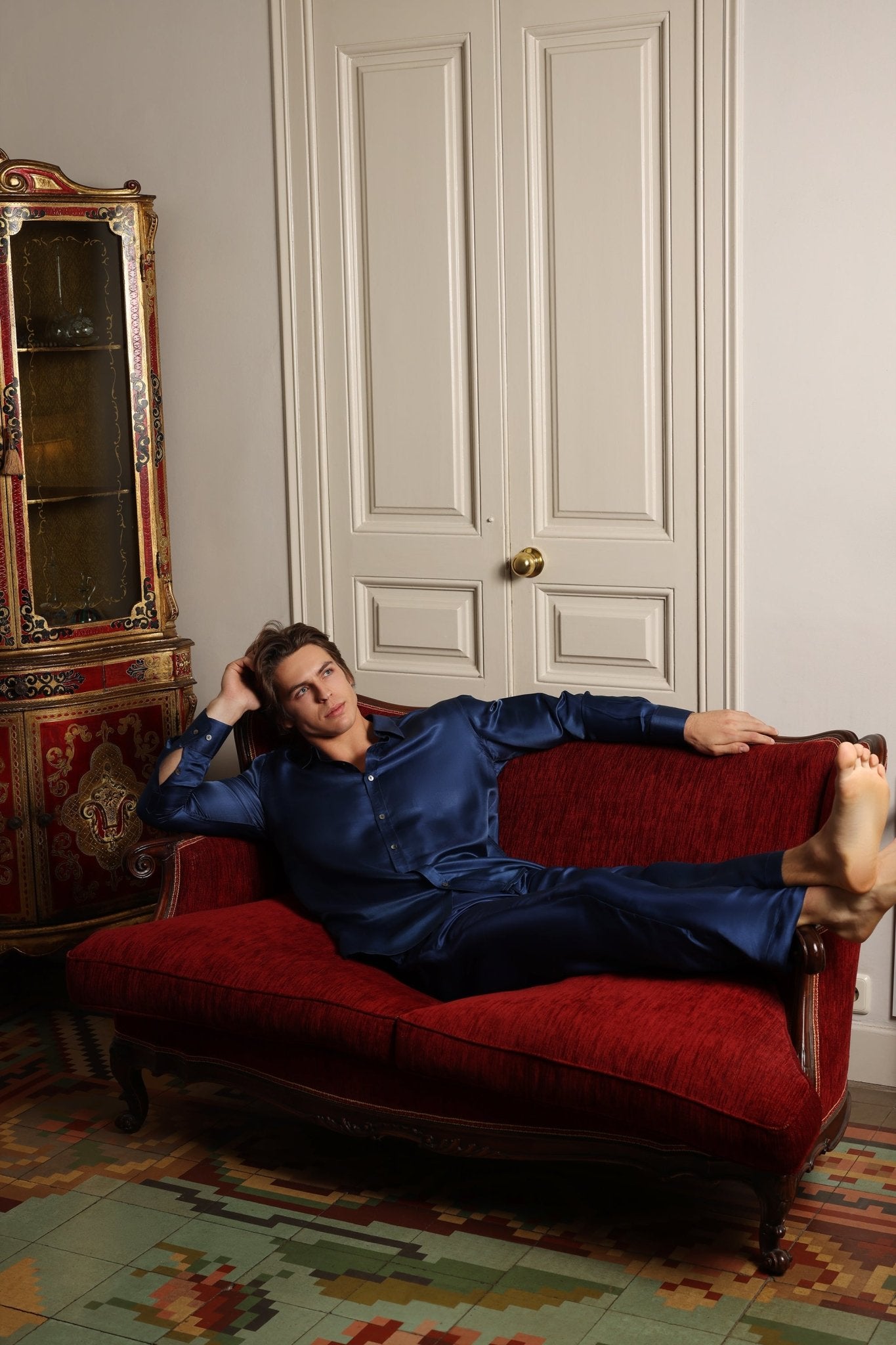
For most people, a silk robe doesn't replace the terry robe living on the bathroom hook. It replaces the ratty t-shirt and sweatpants combination you wear for the other 90 percent of your at-home time.
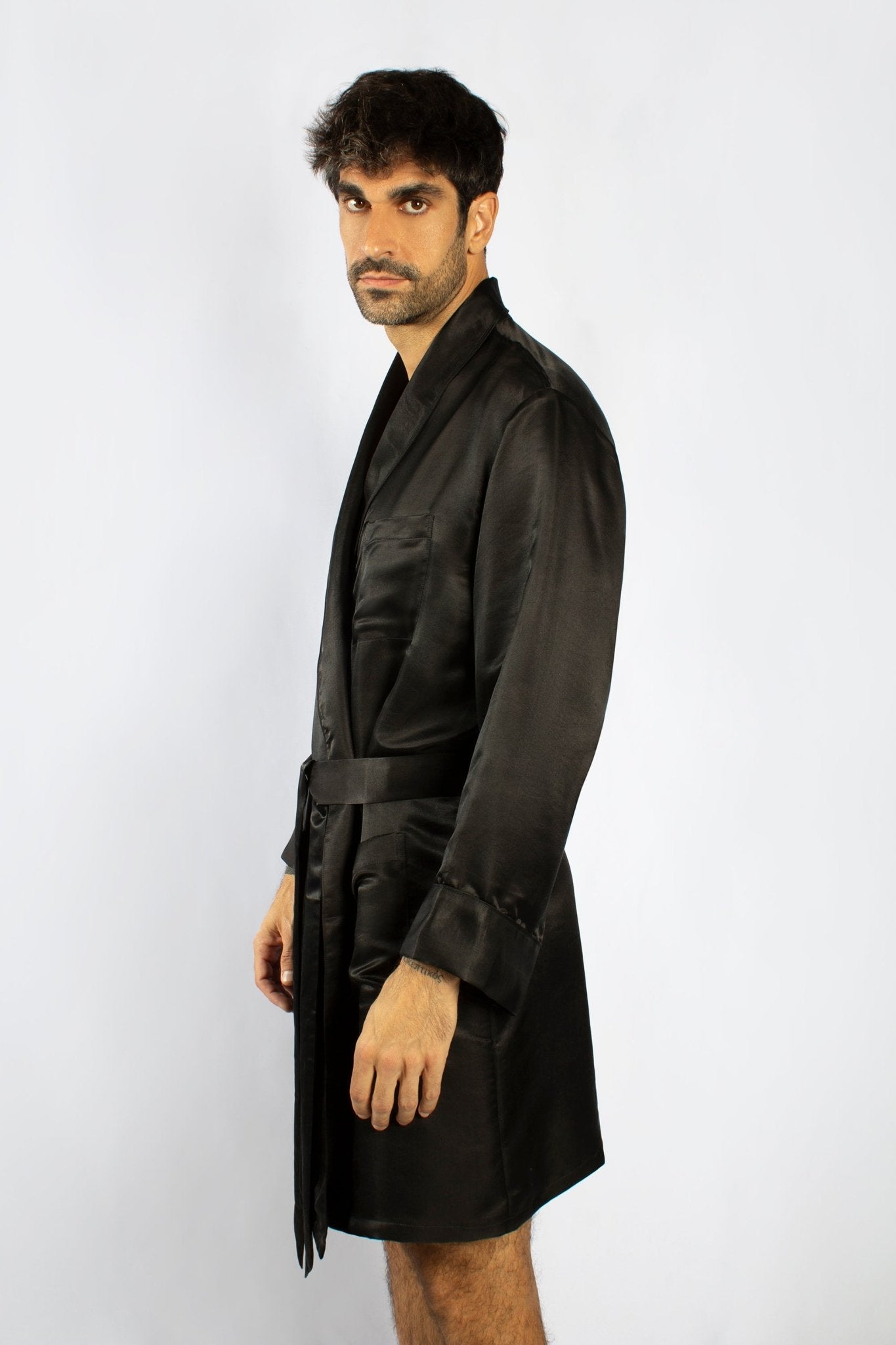
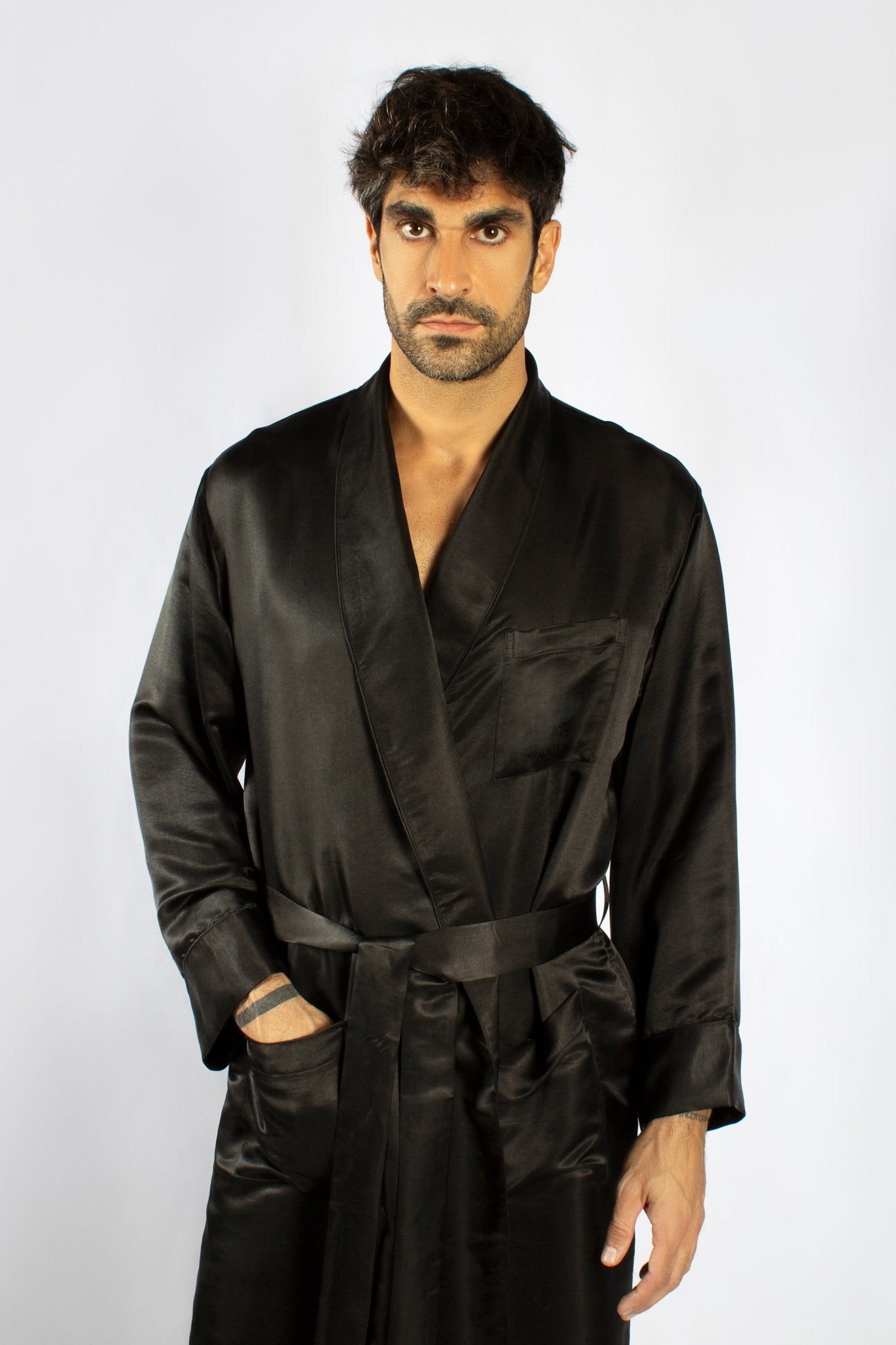
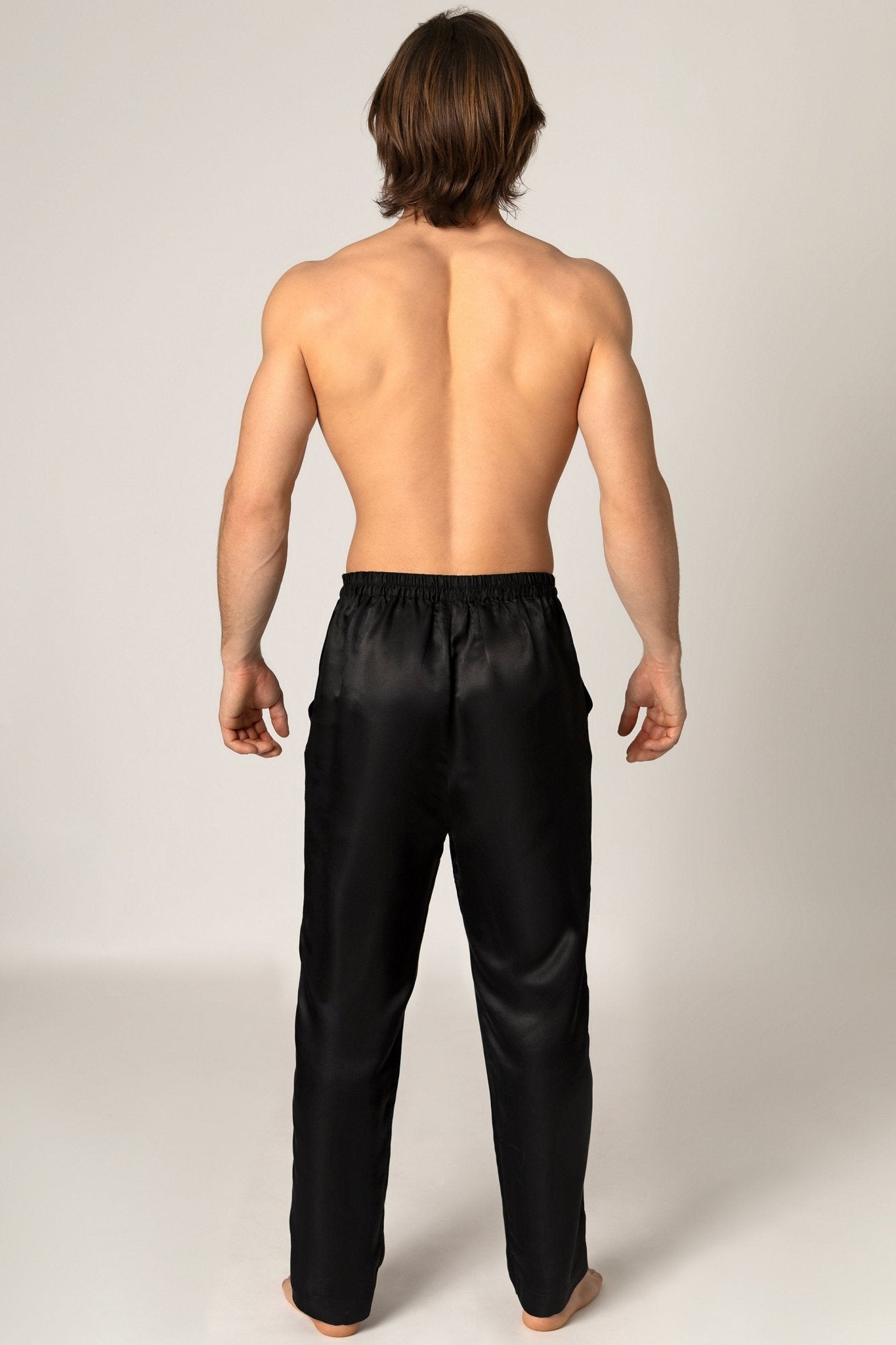
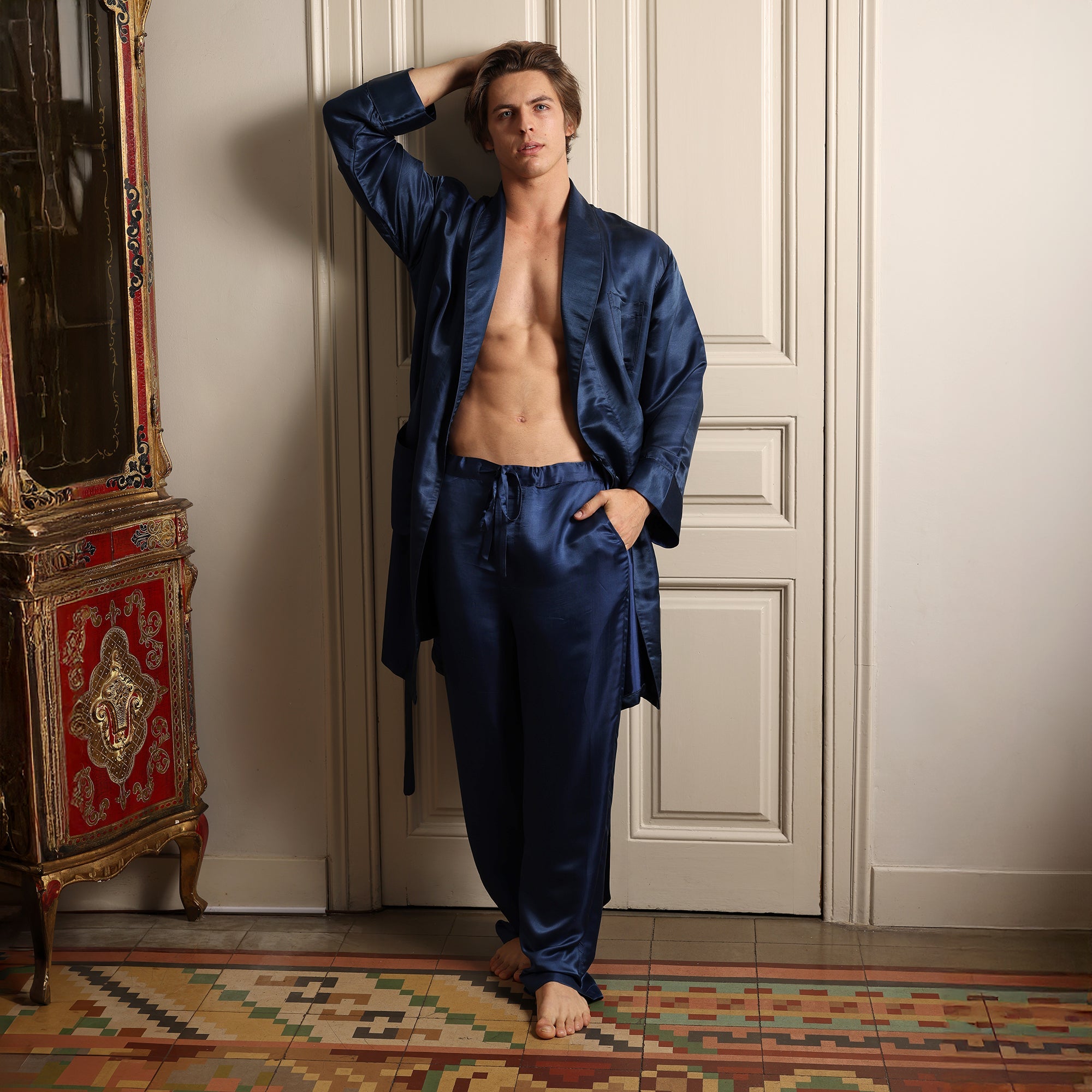
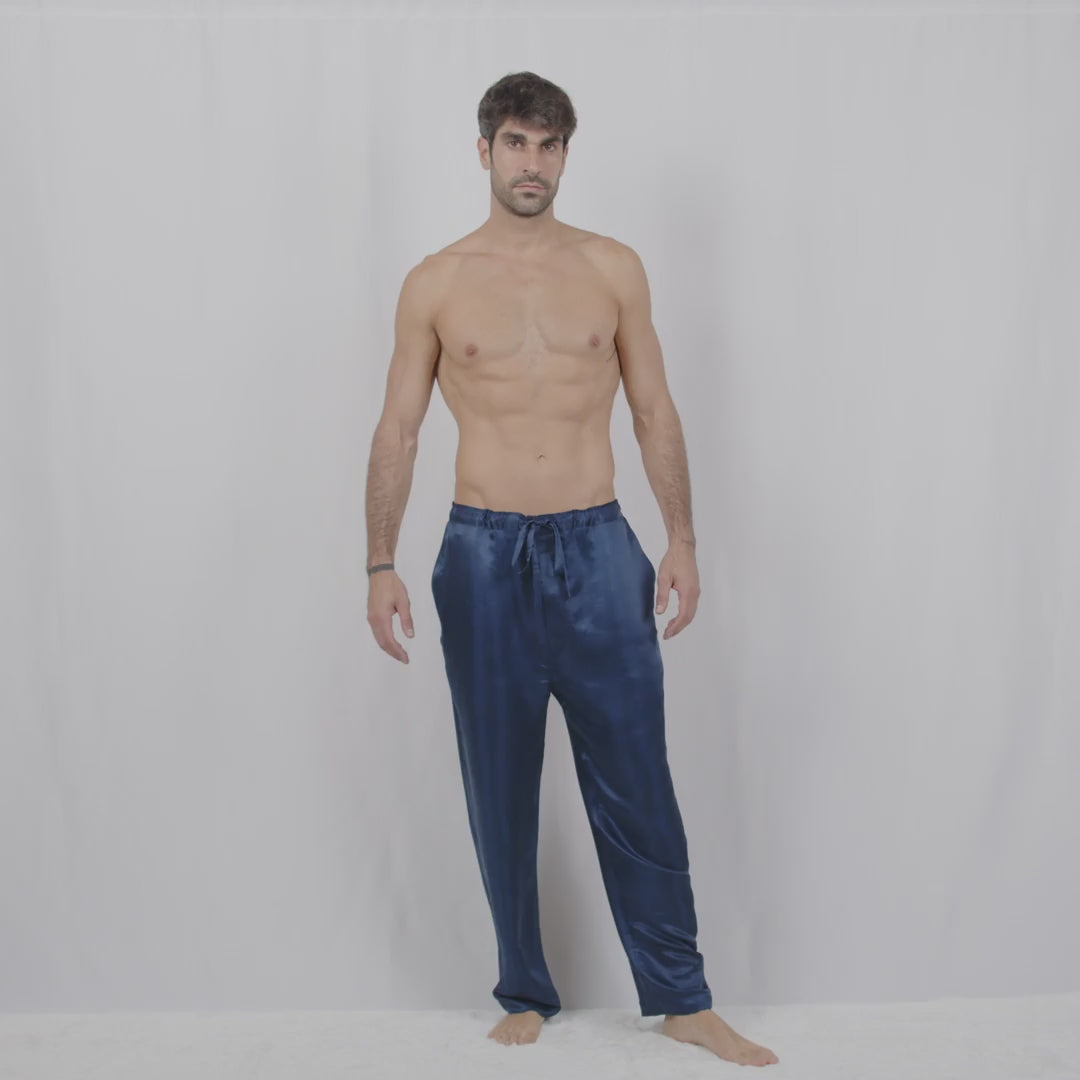
The terry robe stays on the bathroom hook for post-shower use. The silk robe is what you put on when you're making morning coffee and want to feel like a person instead of like someone who just rolled out of bed. When your partner is visiting and the old college sweatshirt has reached the end of its social acceptability. When you're working from home and need a transition garment between sleeping and technically at work. When you're traveling and want a robe that weighs less than a pound and doesn't consume half your suitcase.
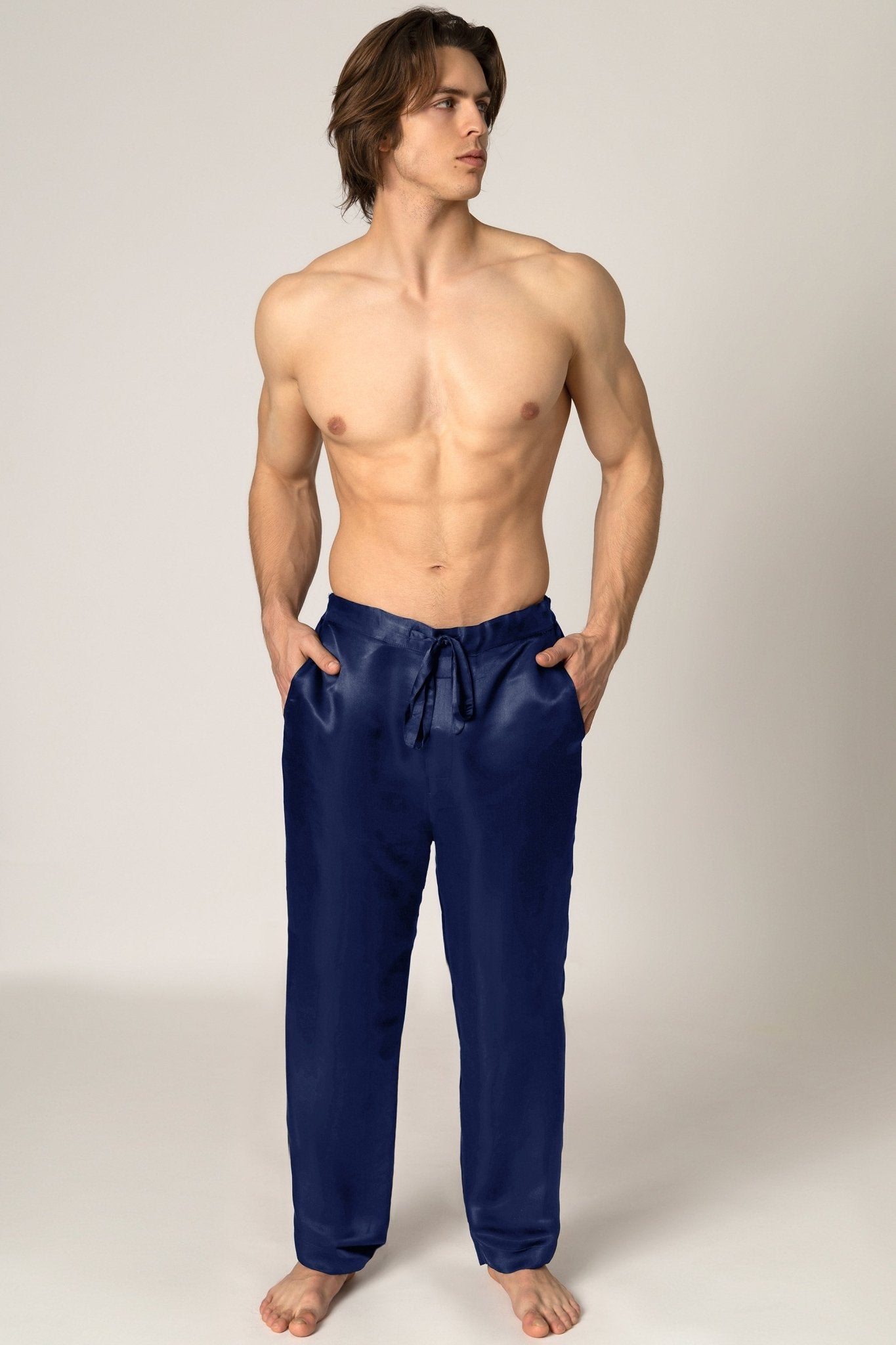
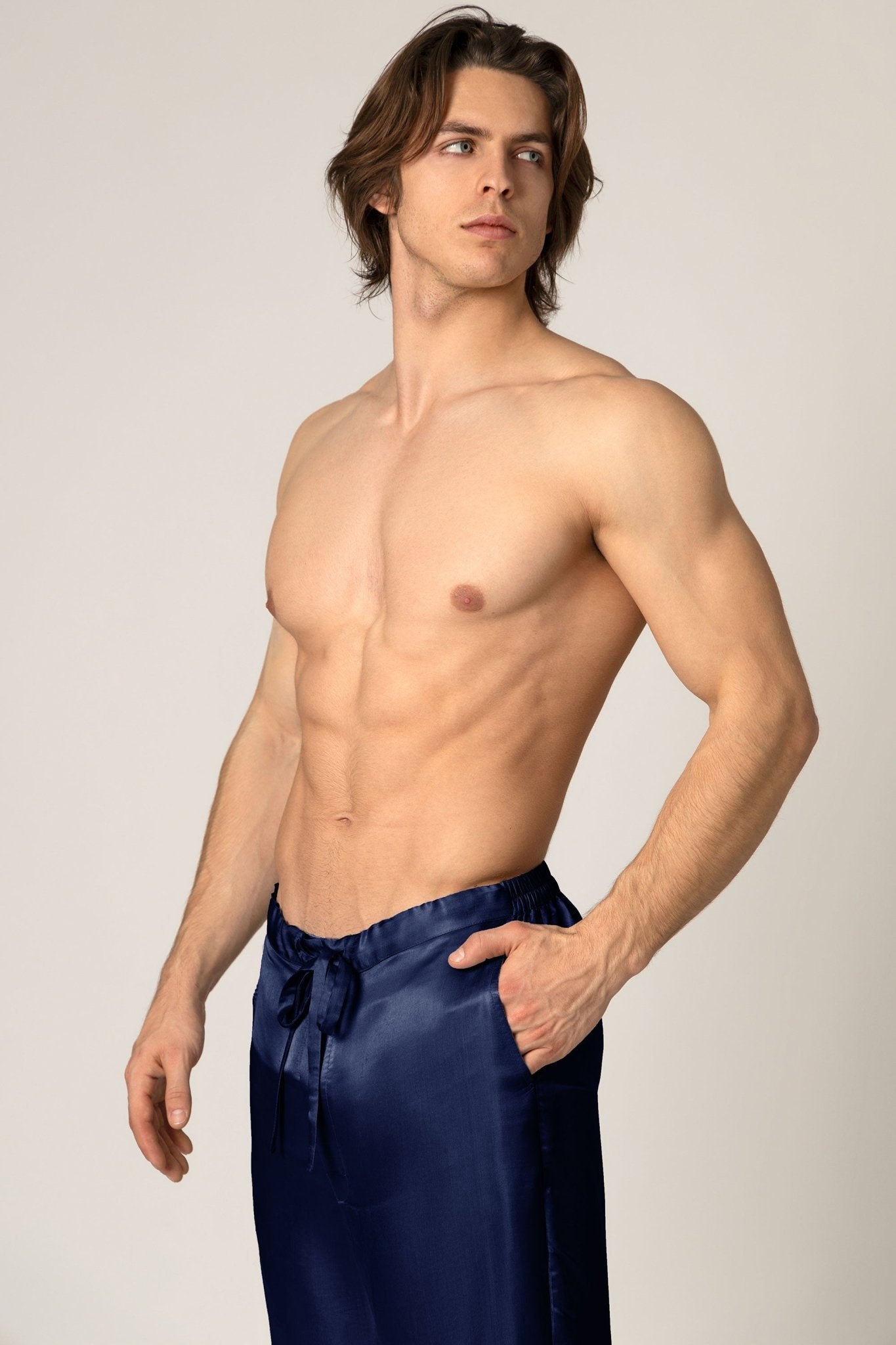
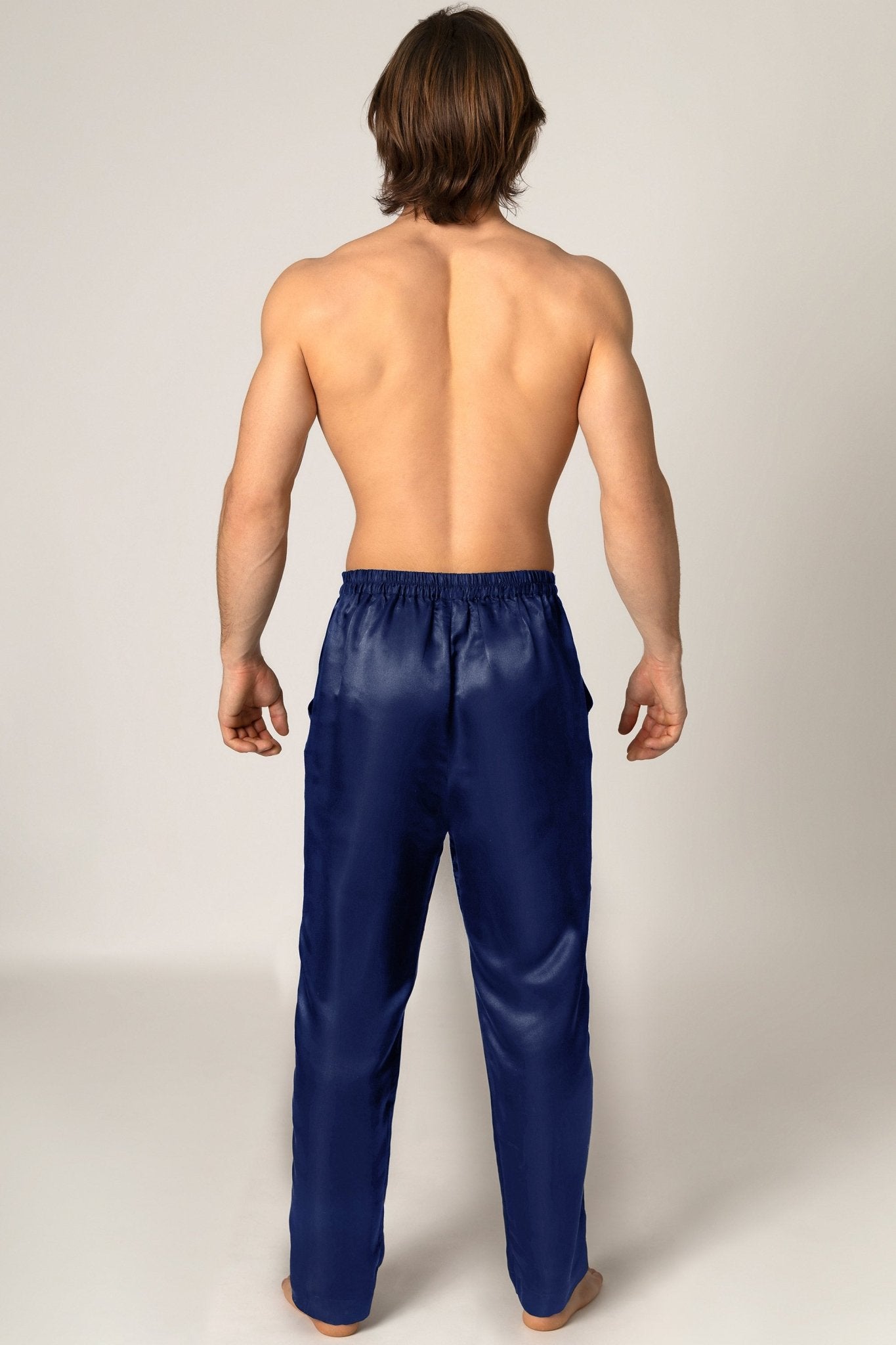
The Cost-Per-Wear Calculation
A good terry cloth robe has a moderate upfront cost and lasts roughly 2-4 years of regular use before the pile flattens, loops start pulling, and absorbency degrades.
A 27 momme silk robe has a higher upfront cost but lasts approximately 5 years of regular use. The fabric softens with age but doesn't degrade the way terry pile does. Over their respective lifespans, the annual cost comes out comparable.
The annual cost is roughly equivalent. The difference: the silk robe works year-round, looks presentable enough to answer the door in, and doesn't develop bathroom smell.
For Men Specifically
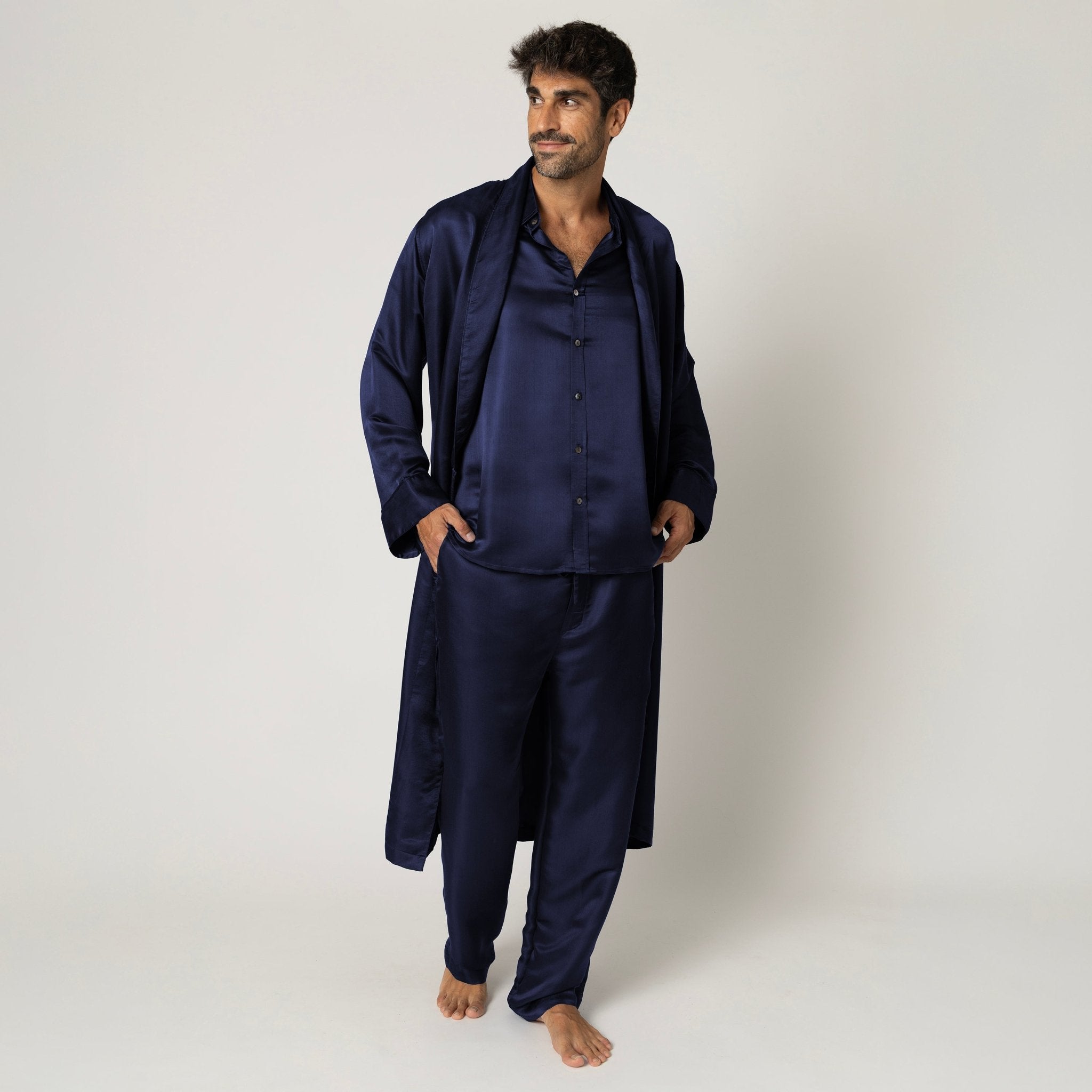
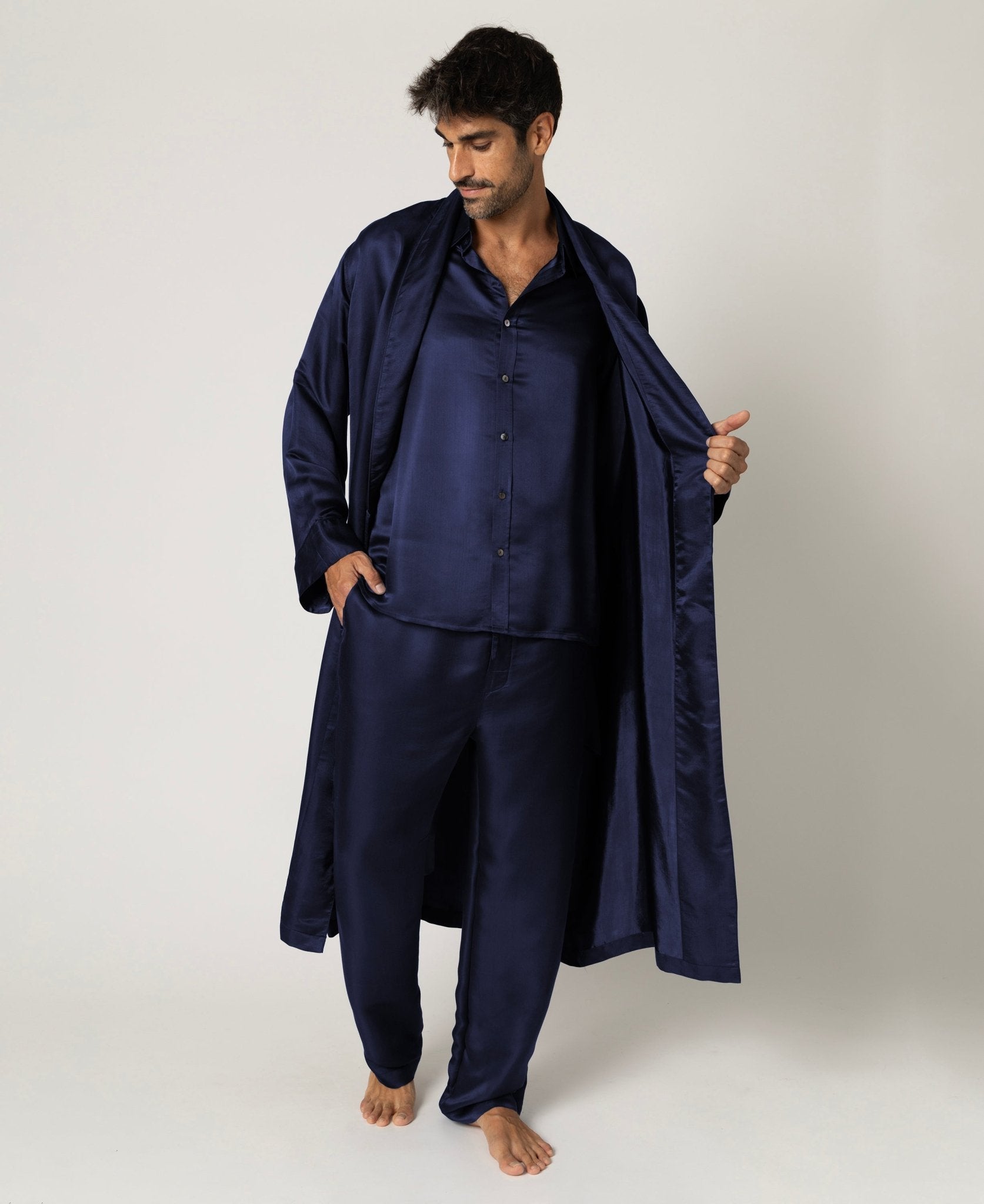
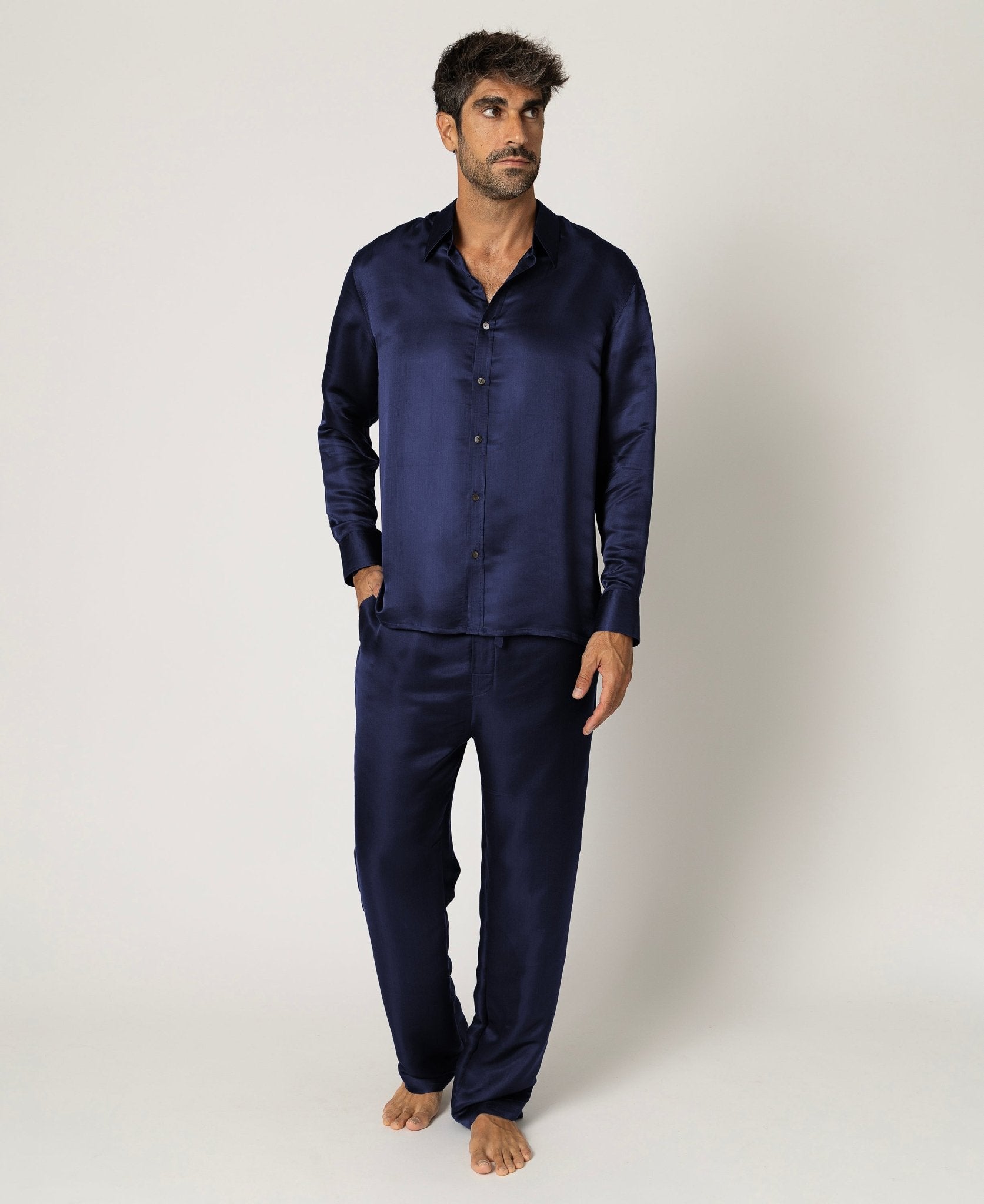
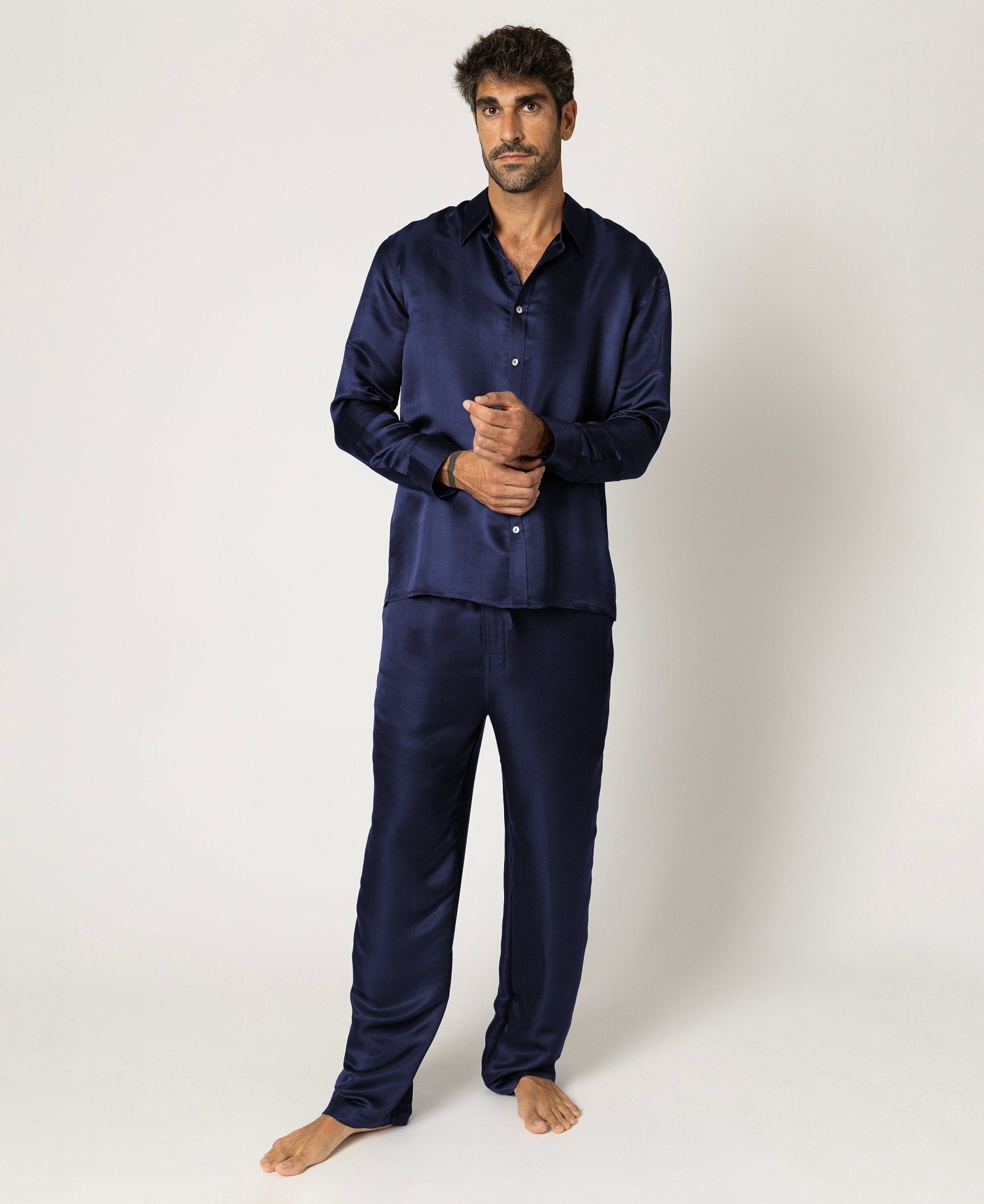
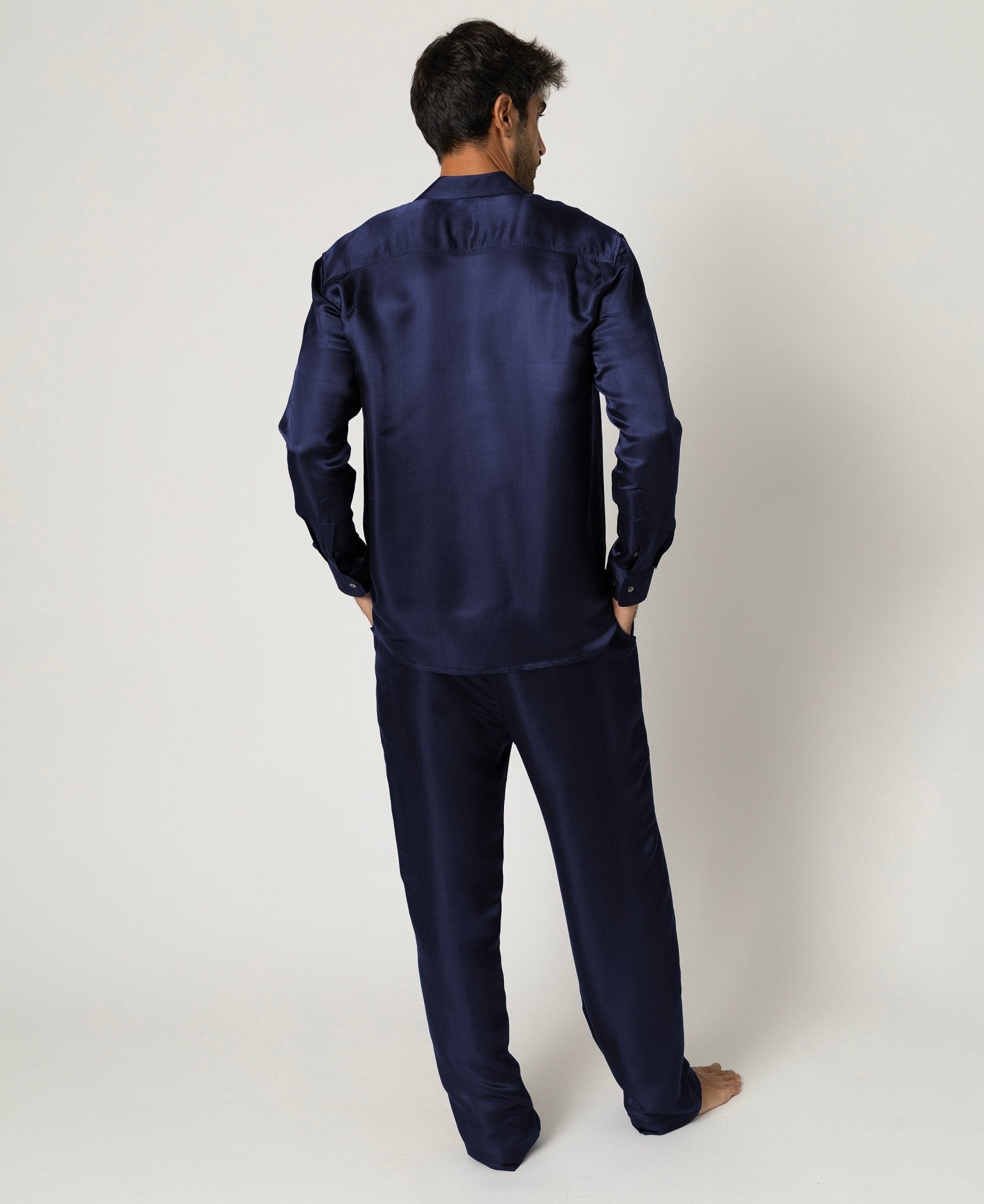
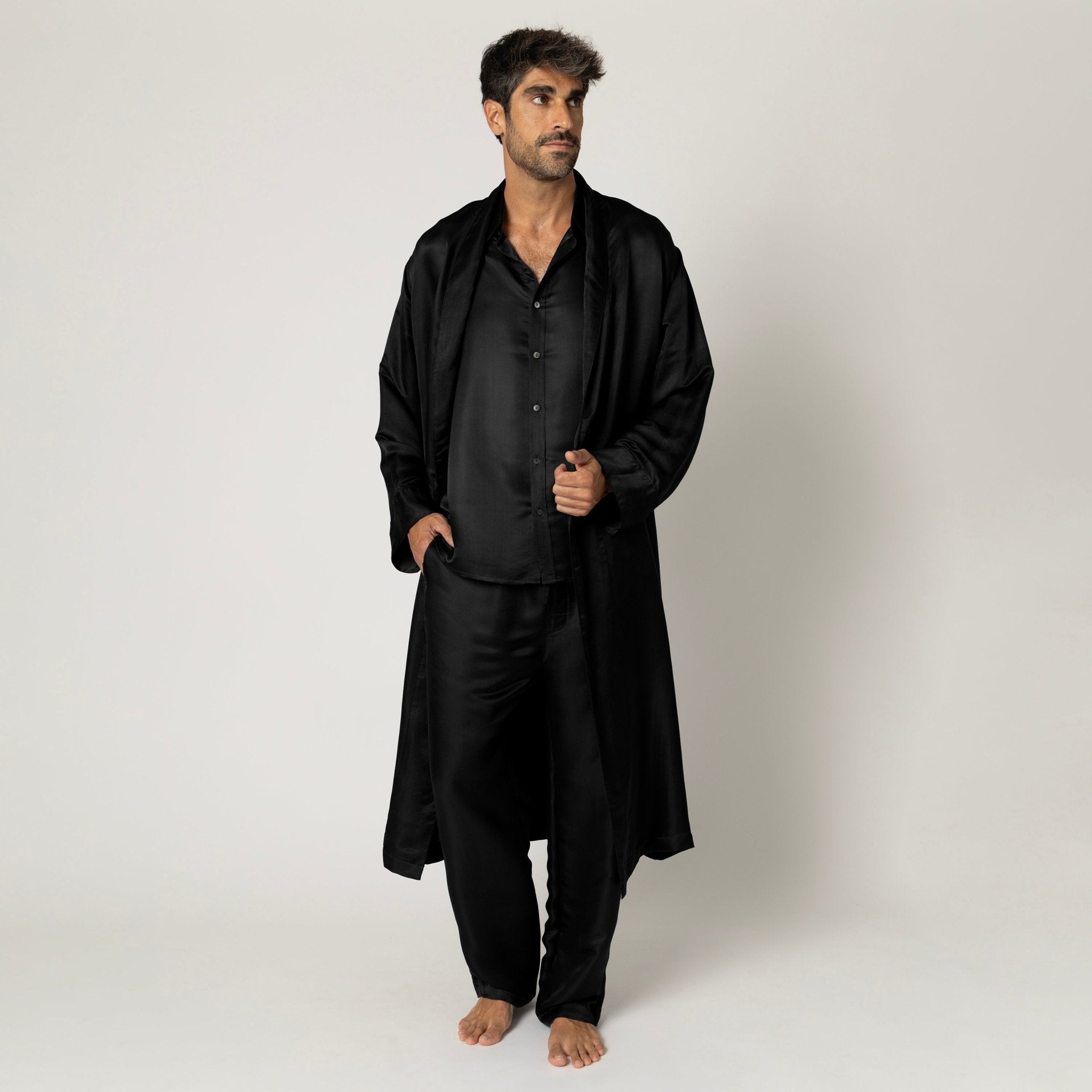
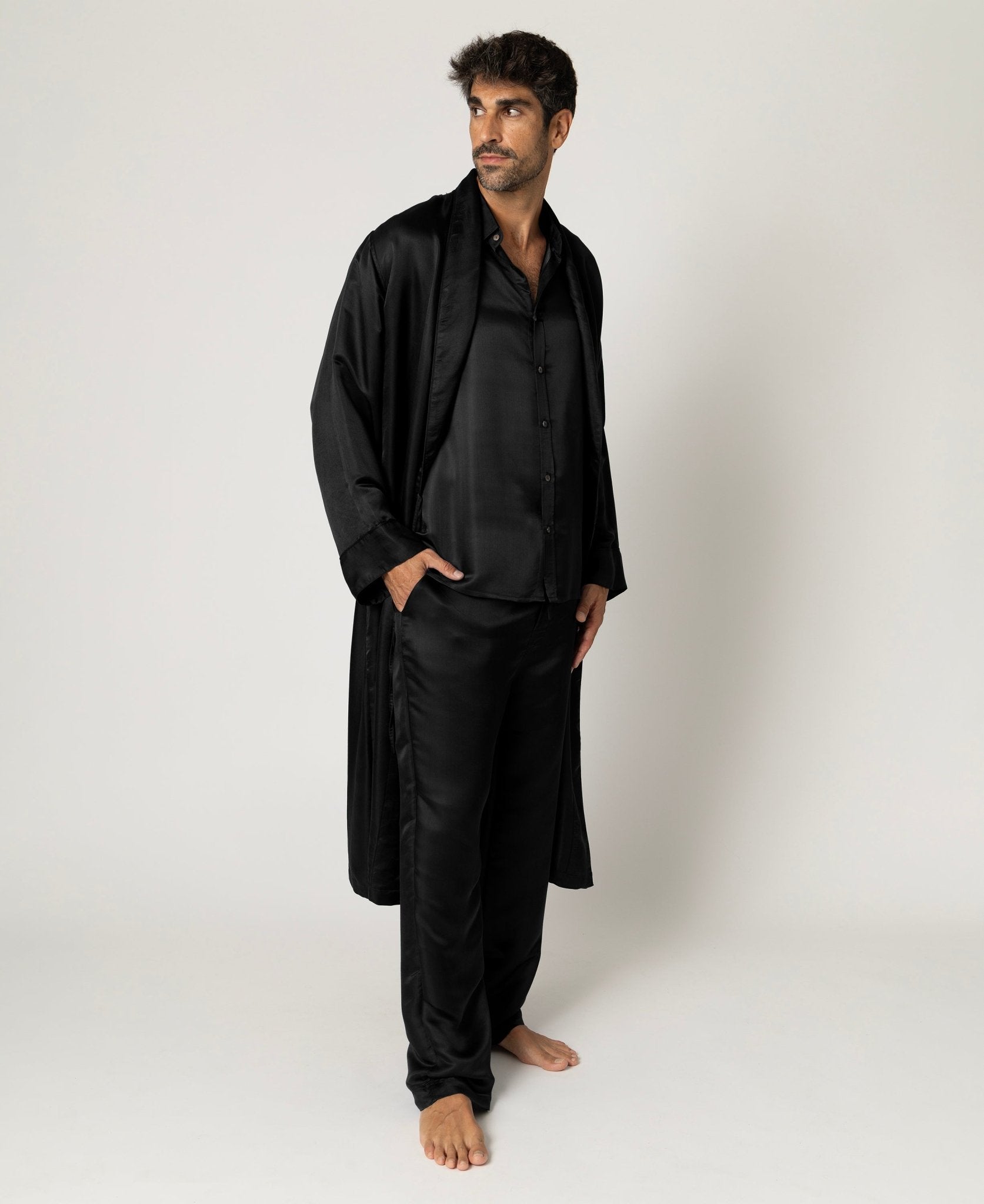
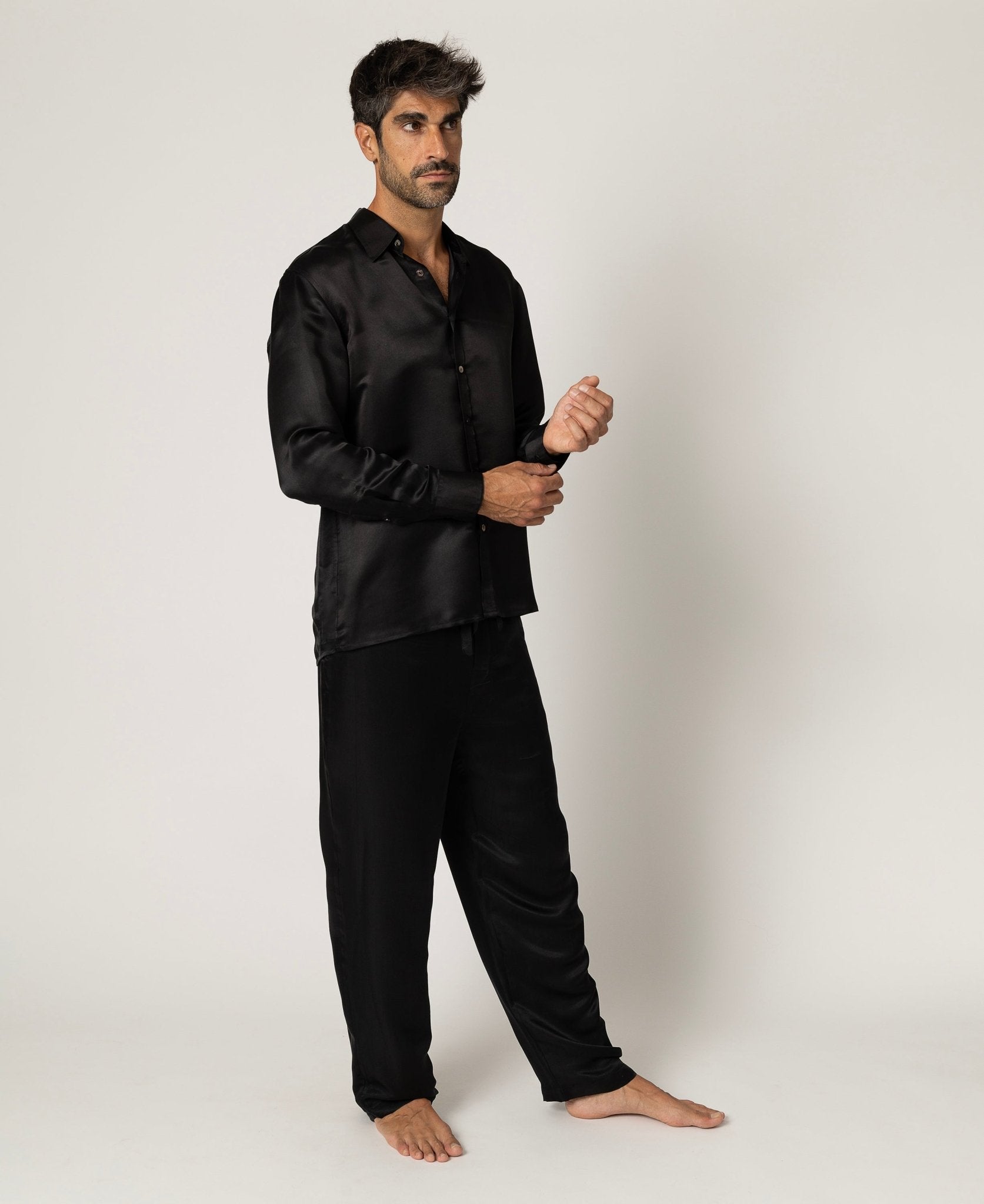
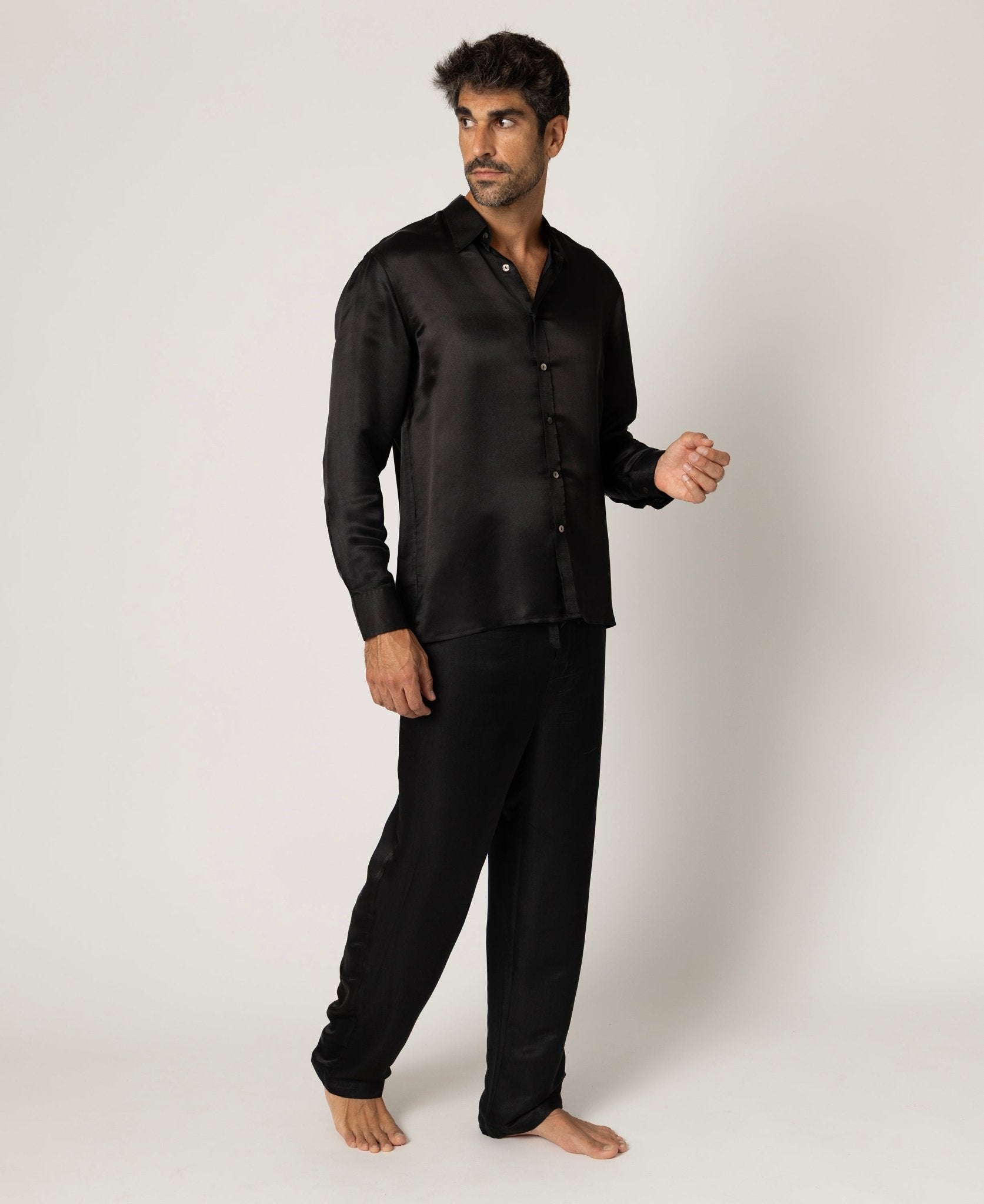
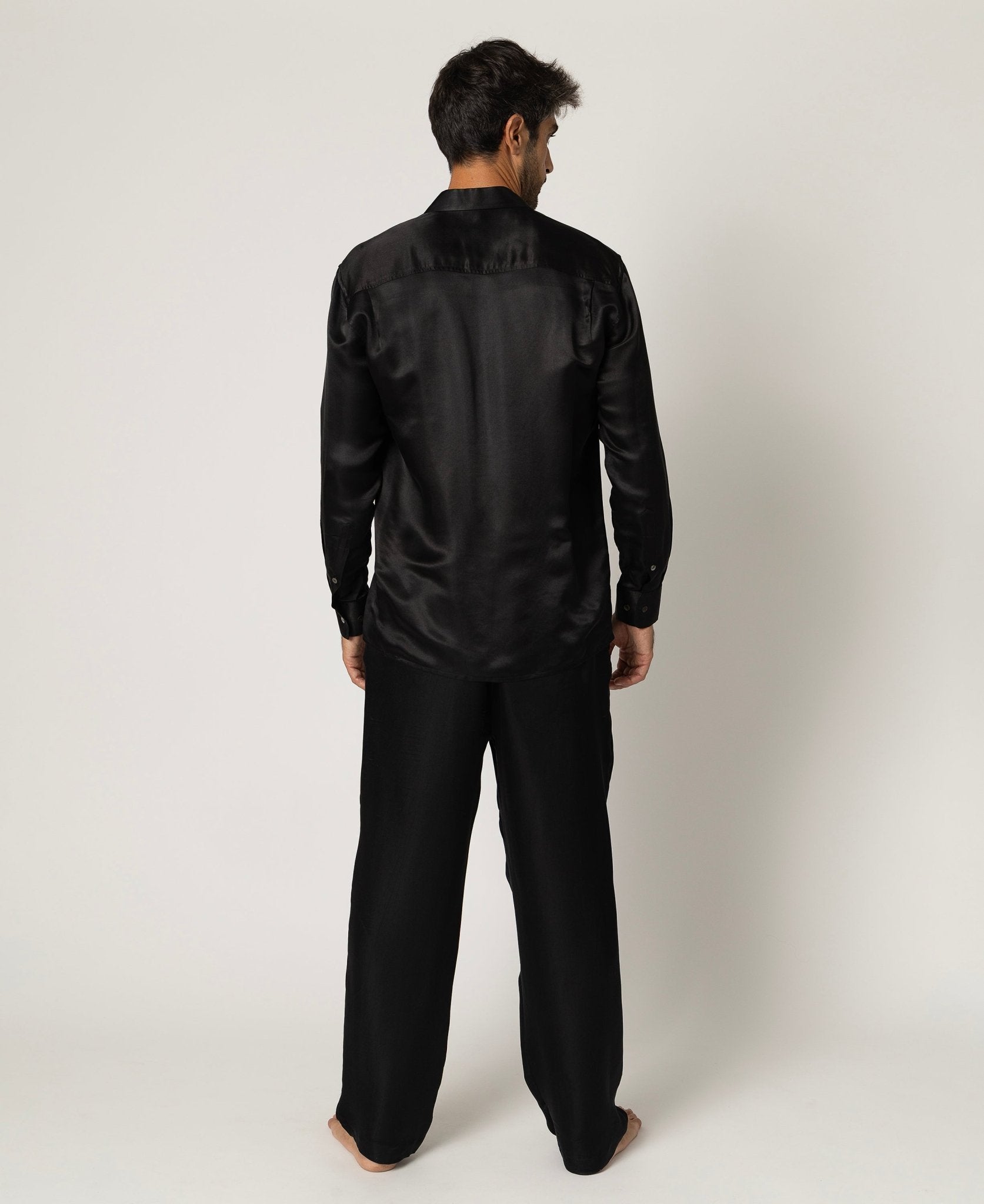
Two-thirds of Tara Sartoria's customers are men. The question we hear from men considering a silk robe is usually some version of: is this too much? Is this excessive?
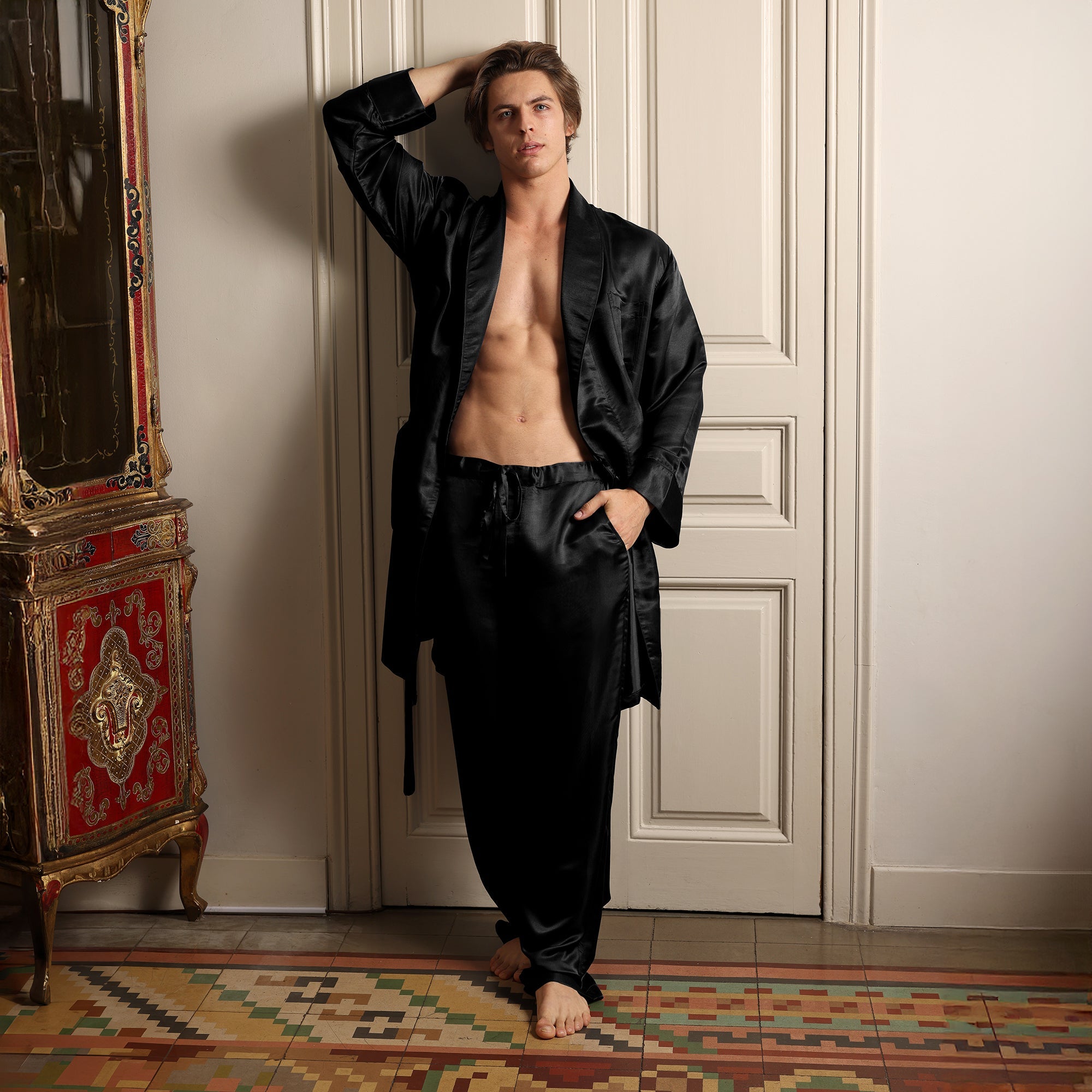
The honest answer: men have worn silk robes for centuries. Japanese culture built an entire aesthetic around the kimono robe. European gentlemen wore dressing gowns as standard morning garments. The idea that robes are gendered is a recent marketing construction, not historical fact.
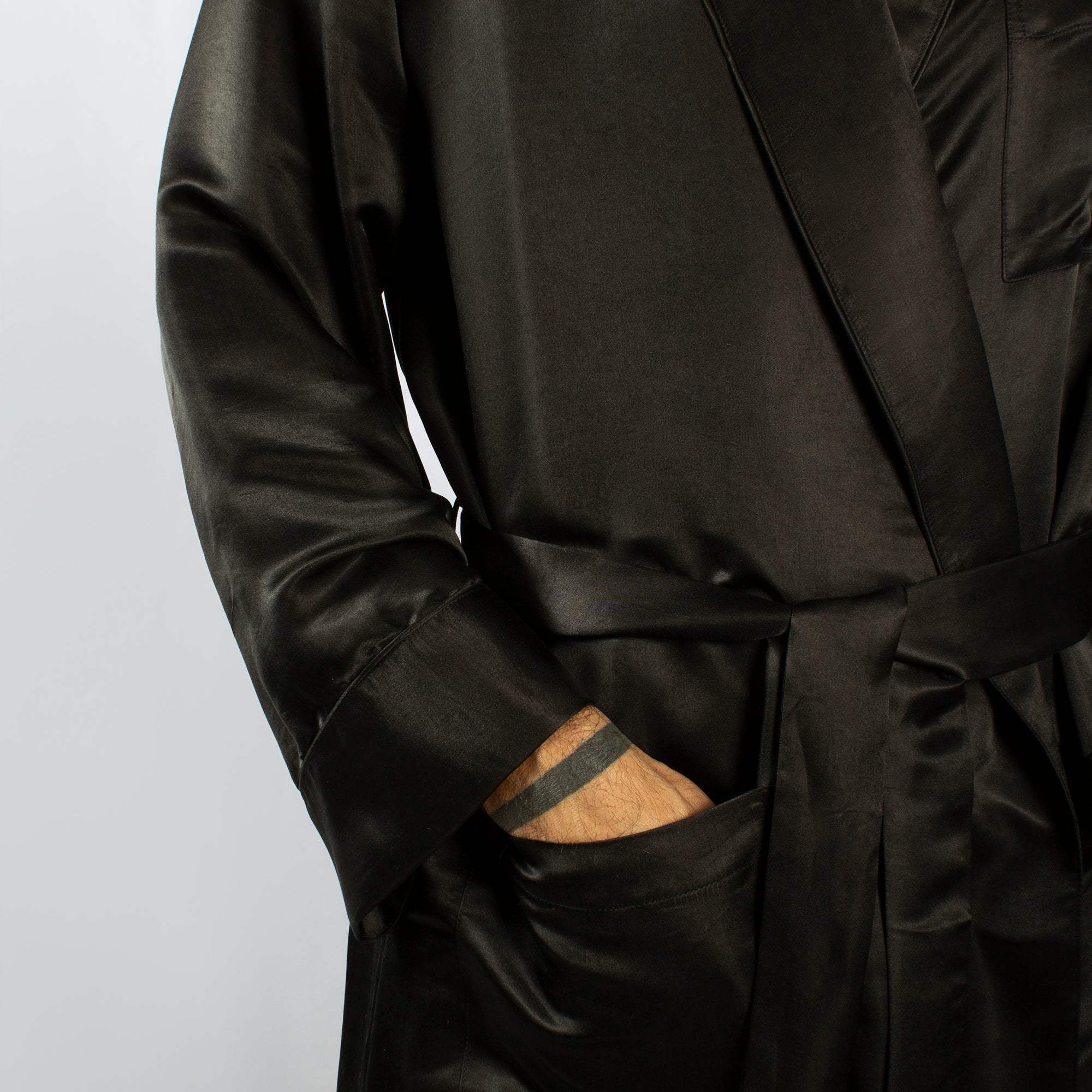
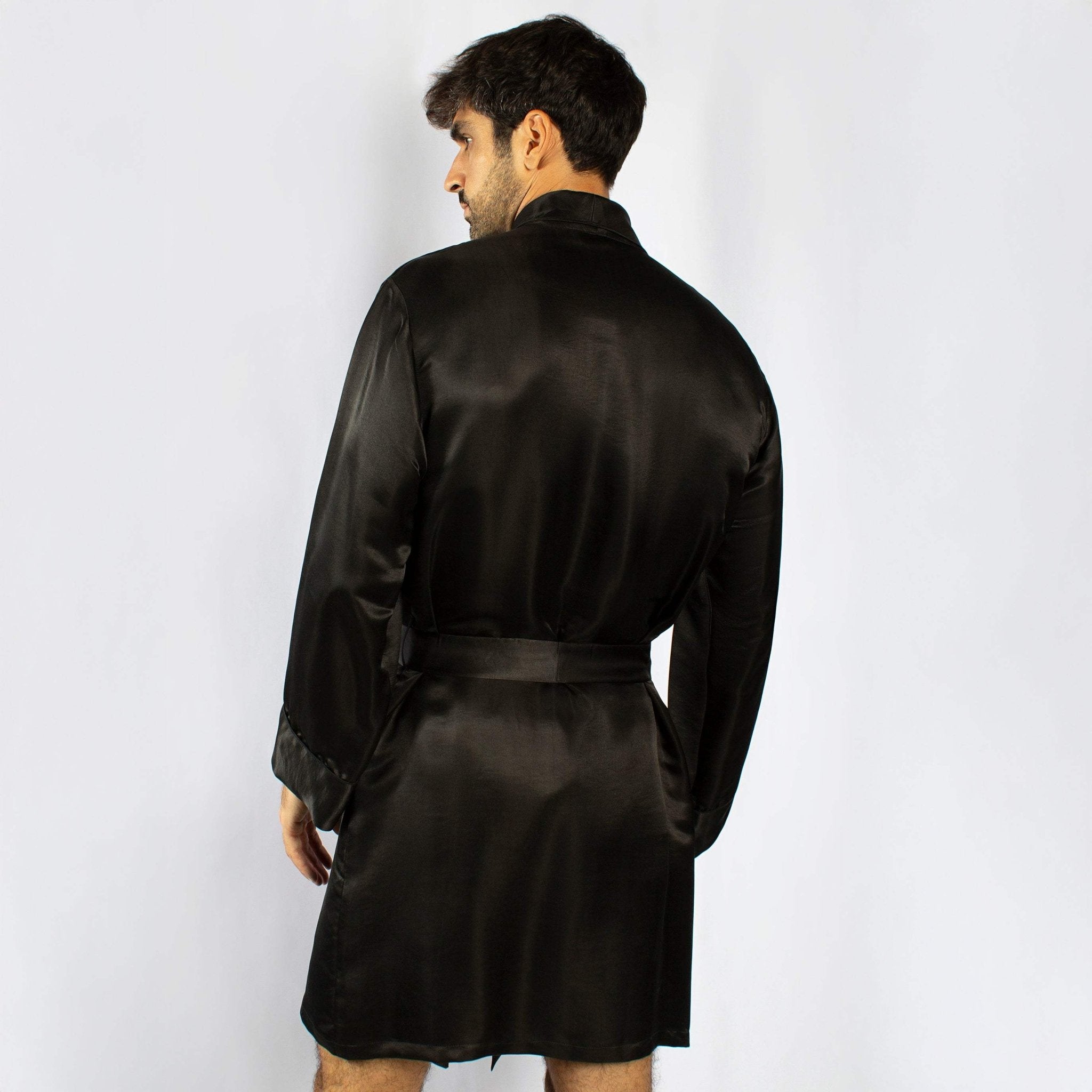
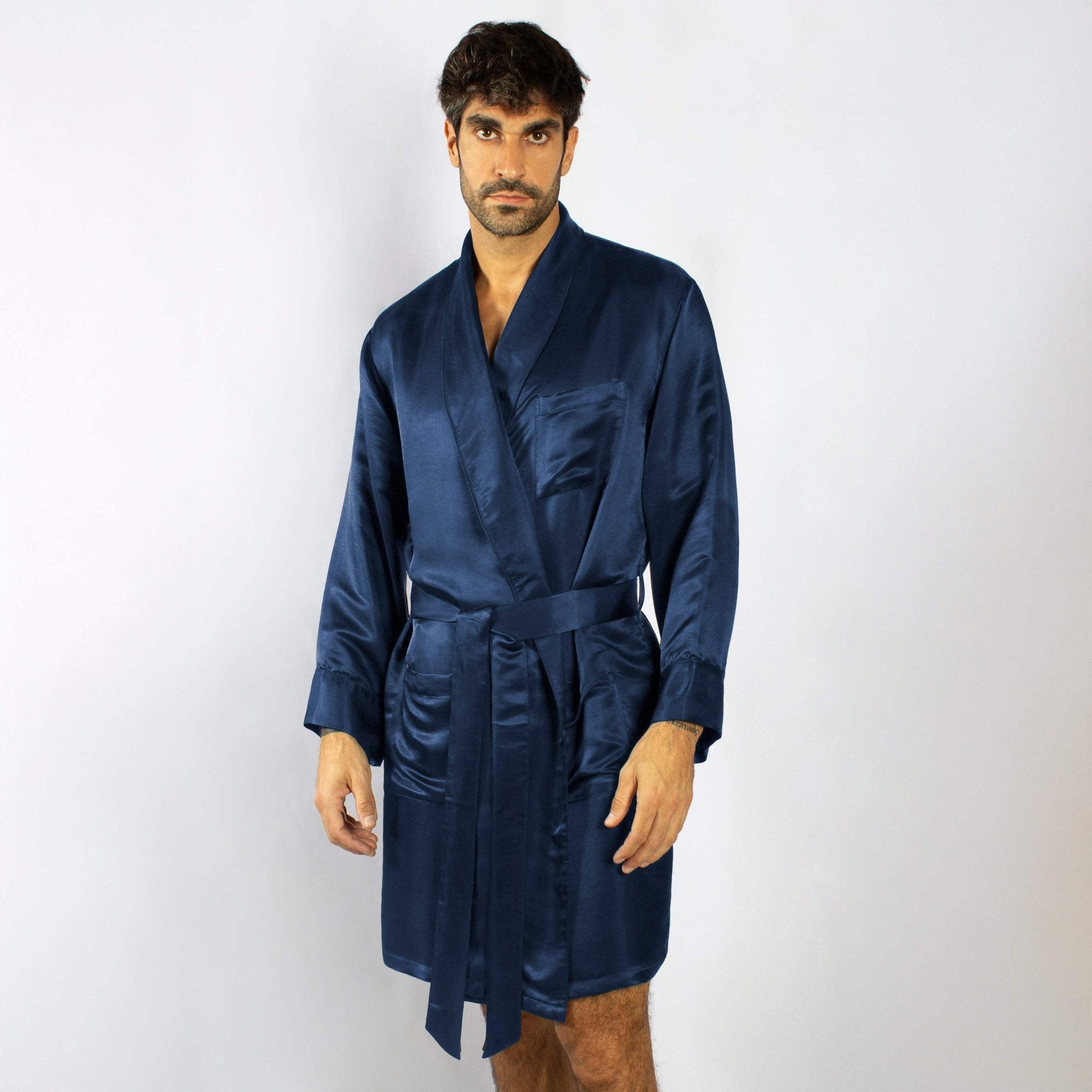
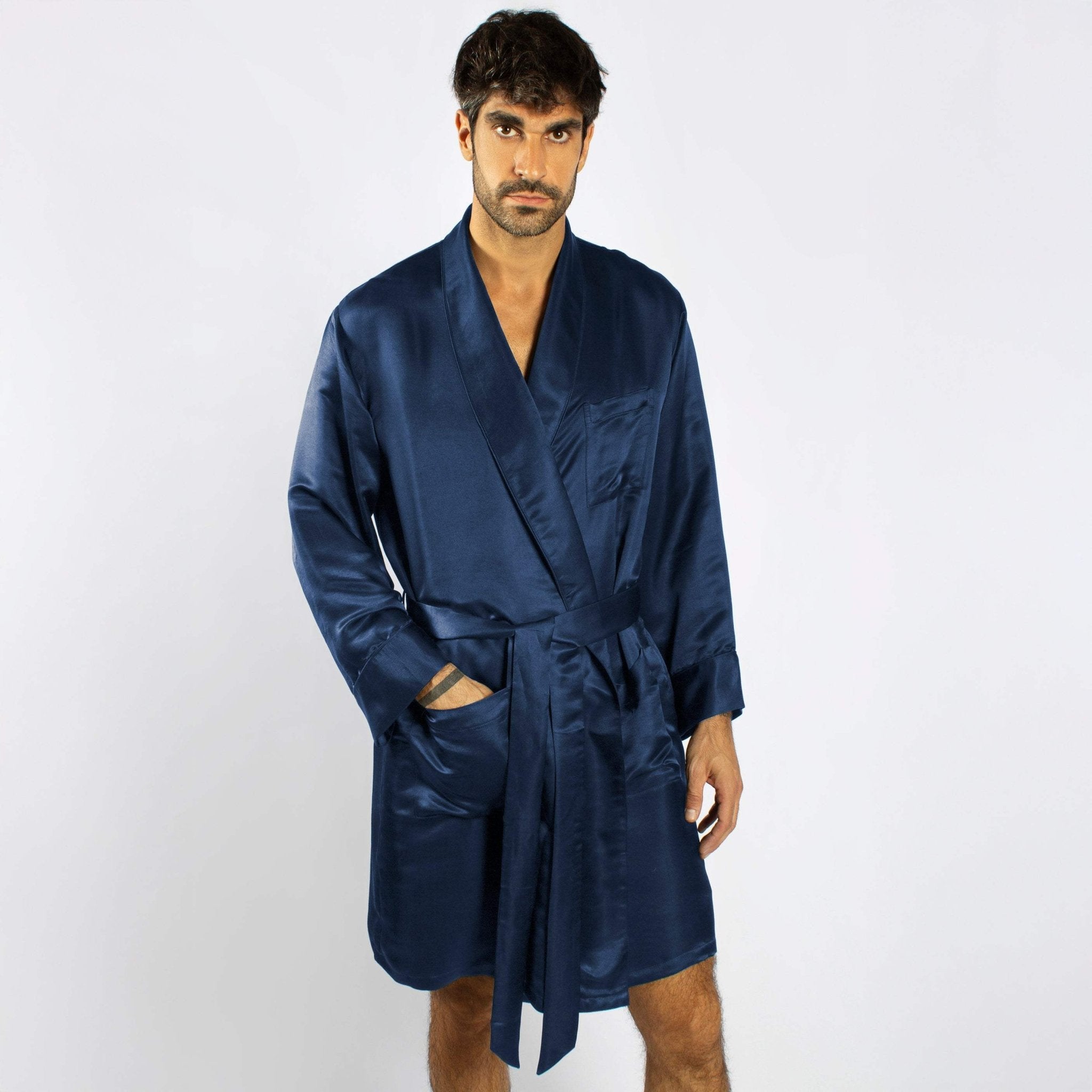
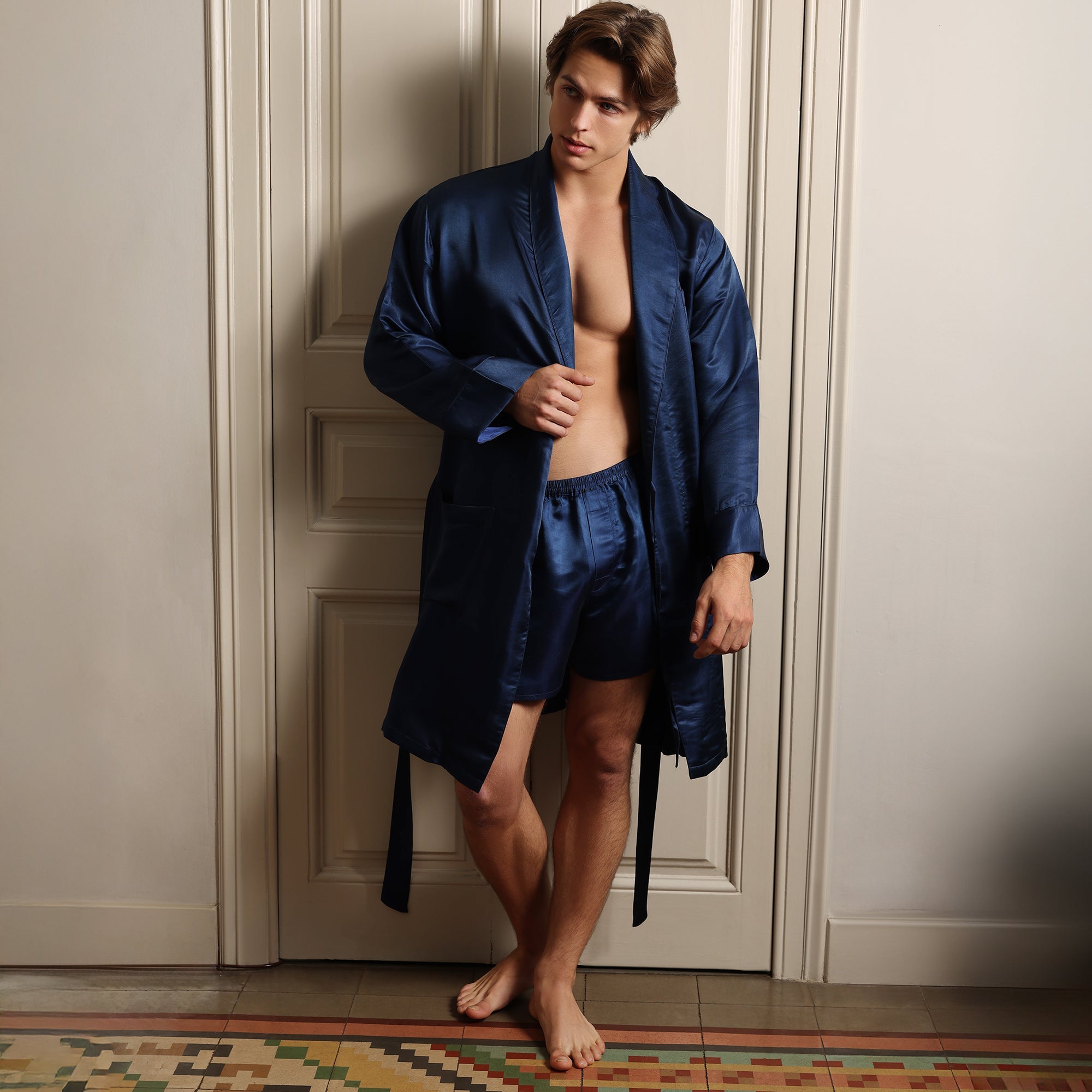
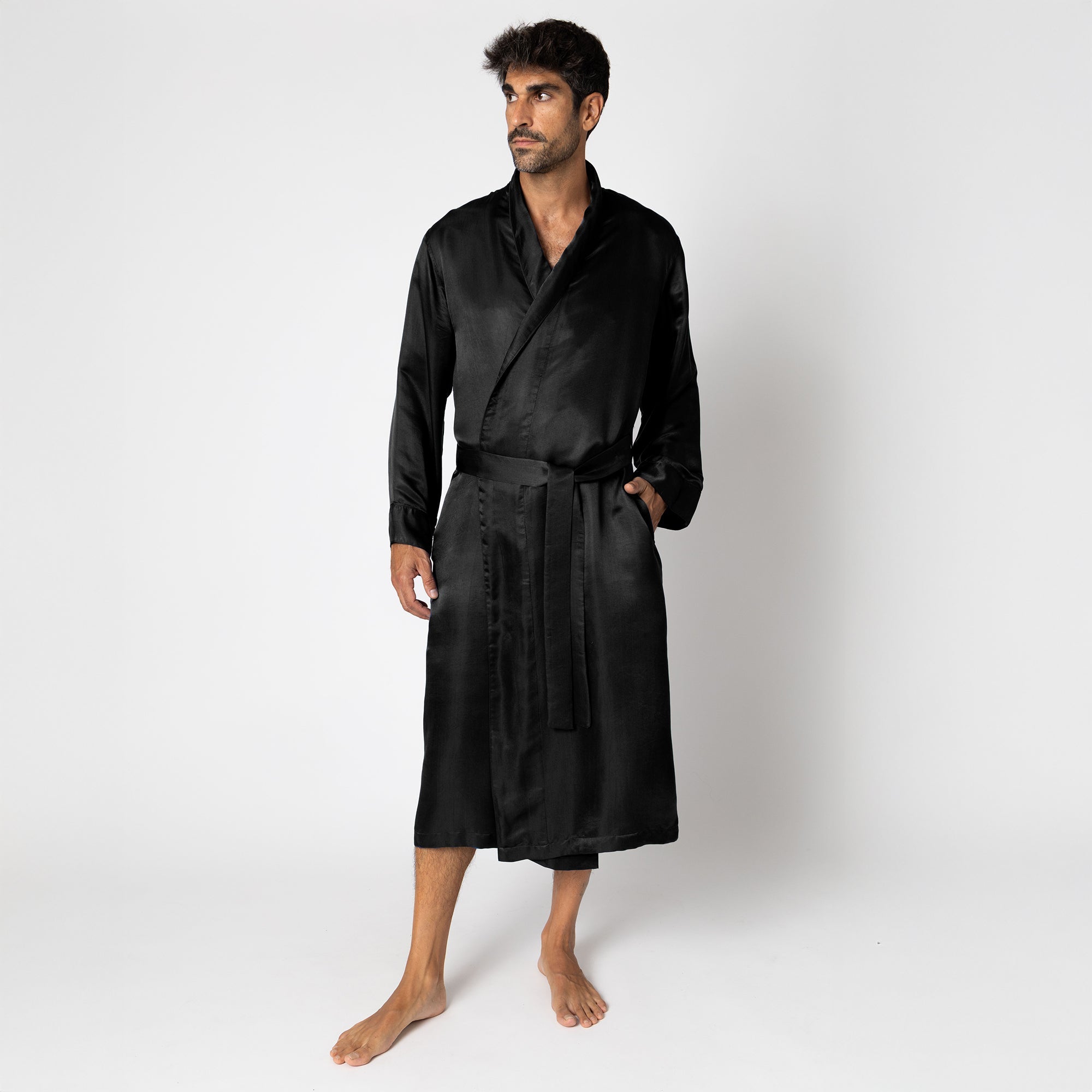
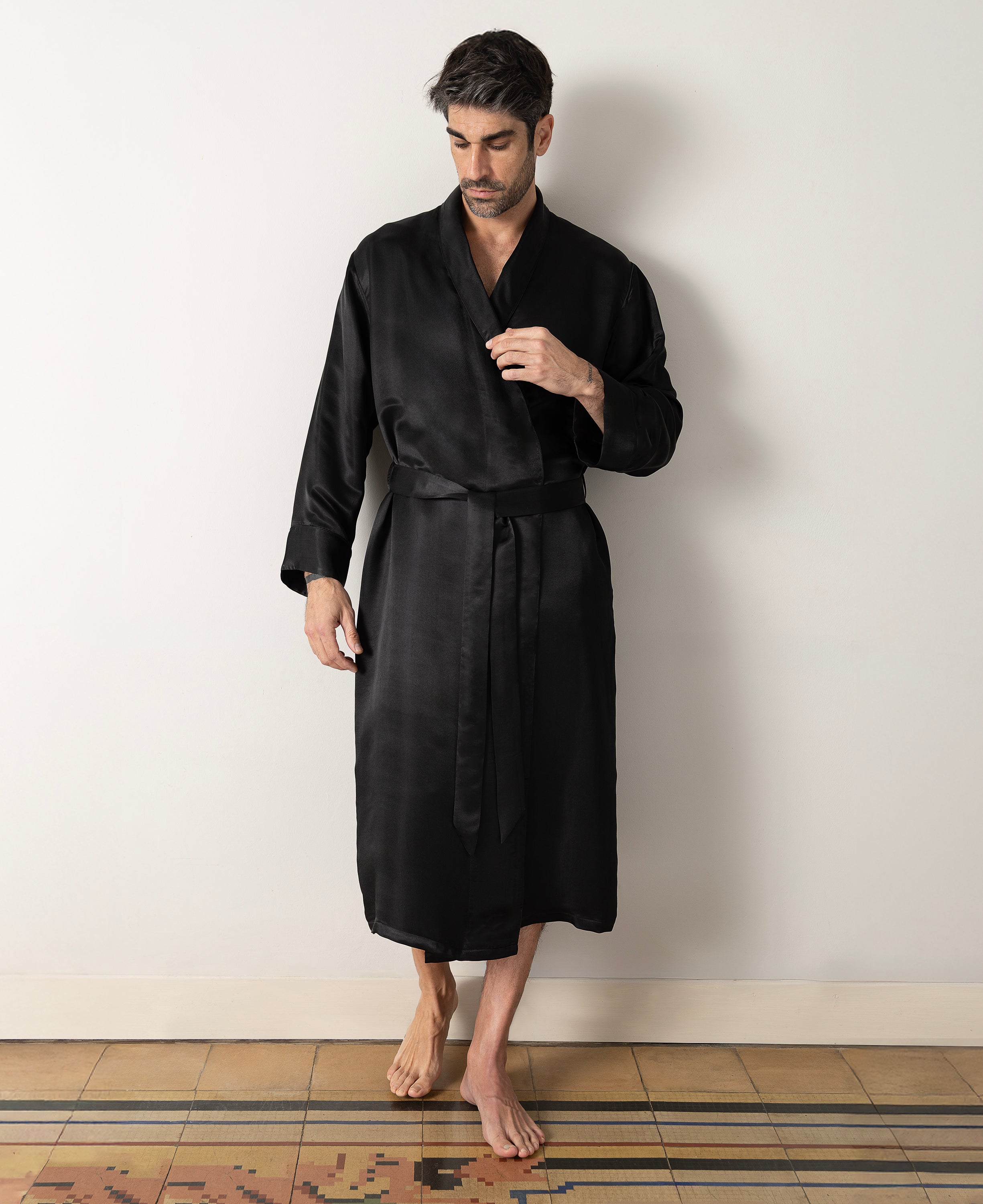
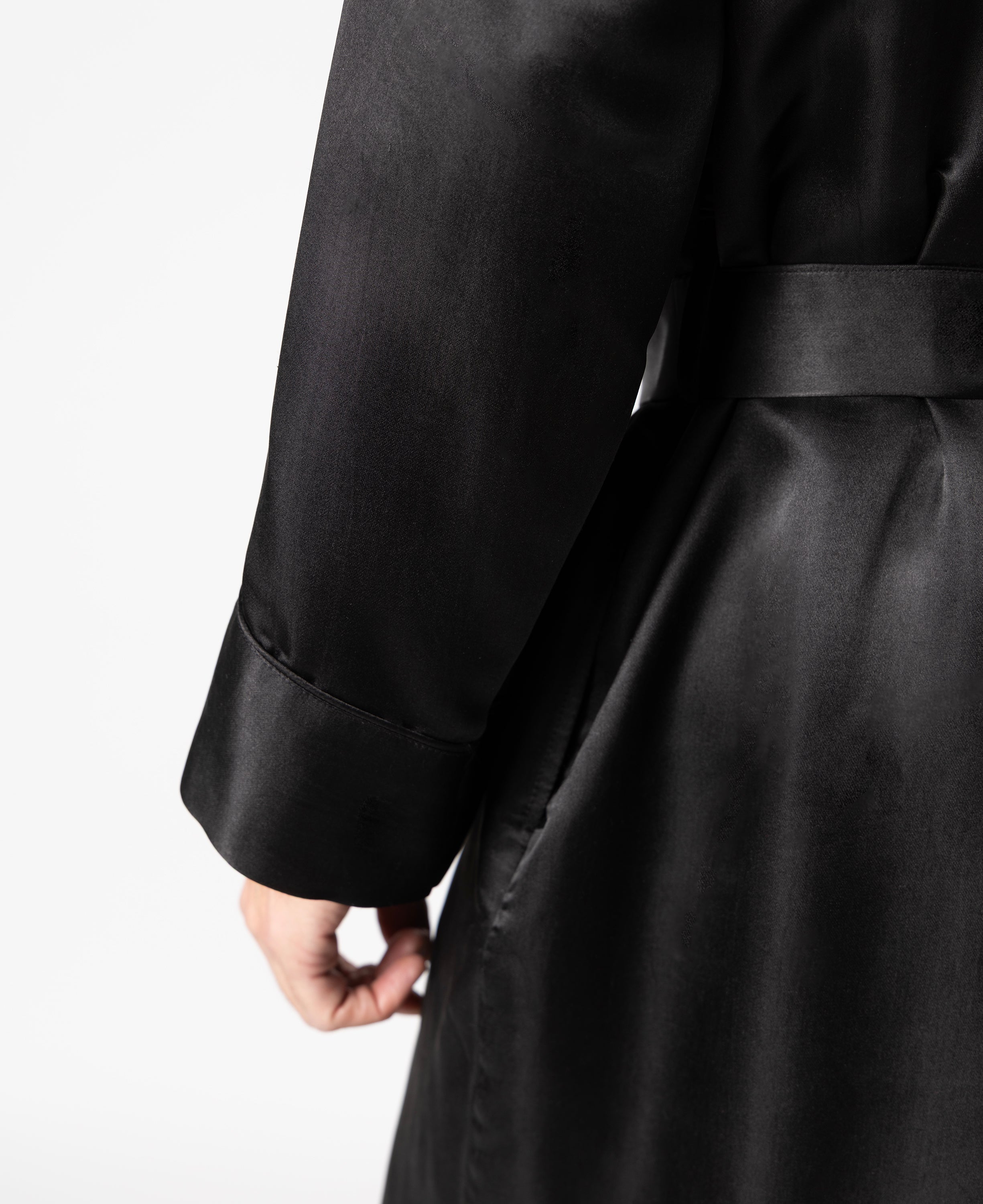
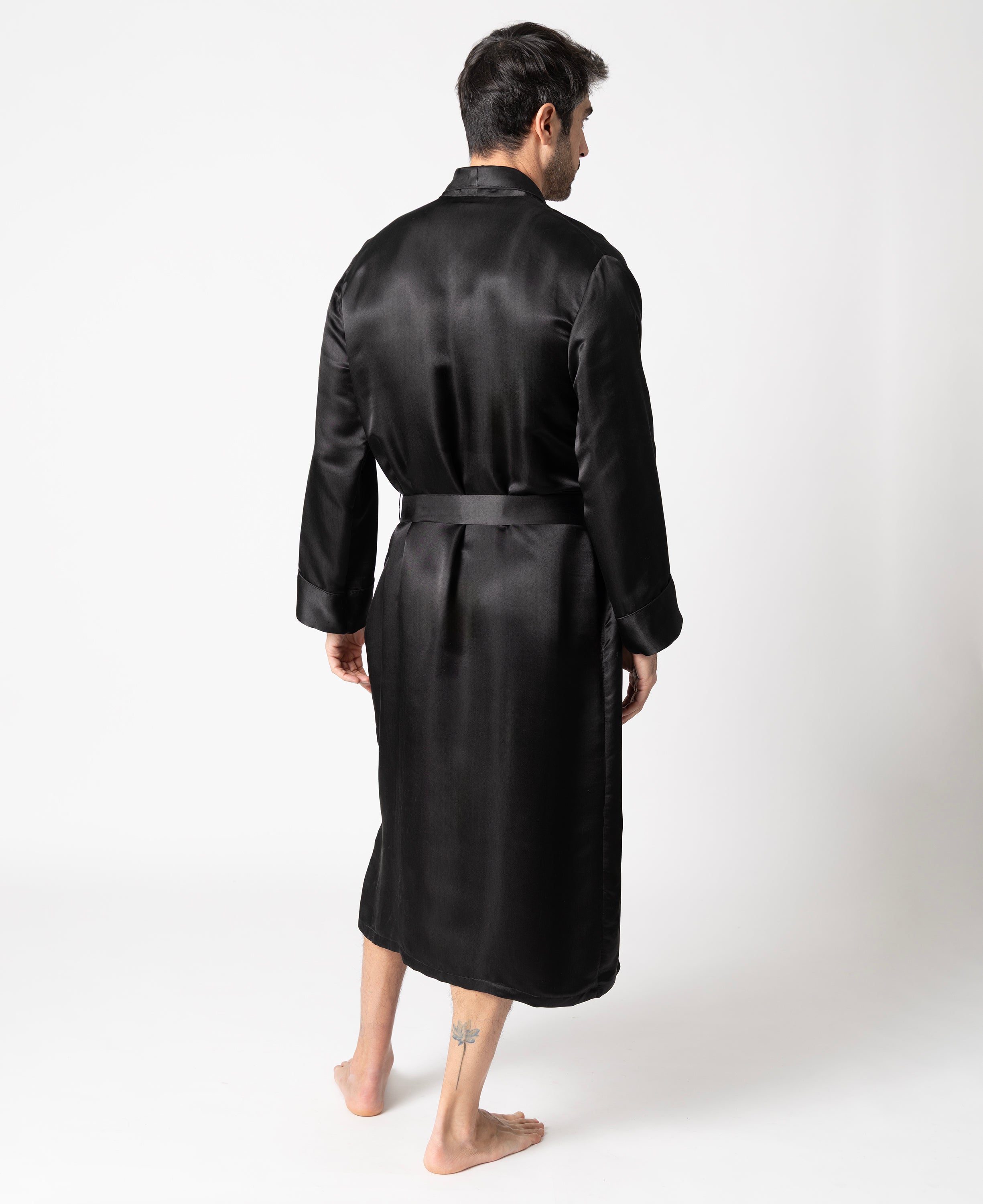
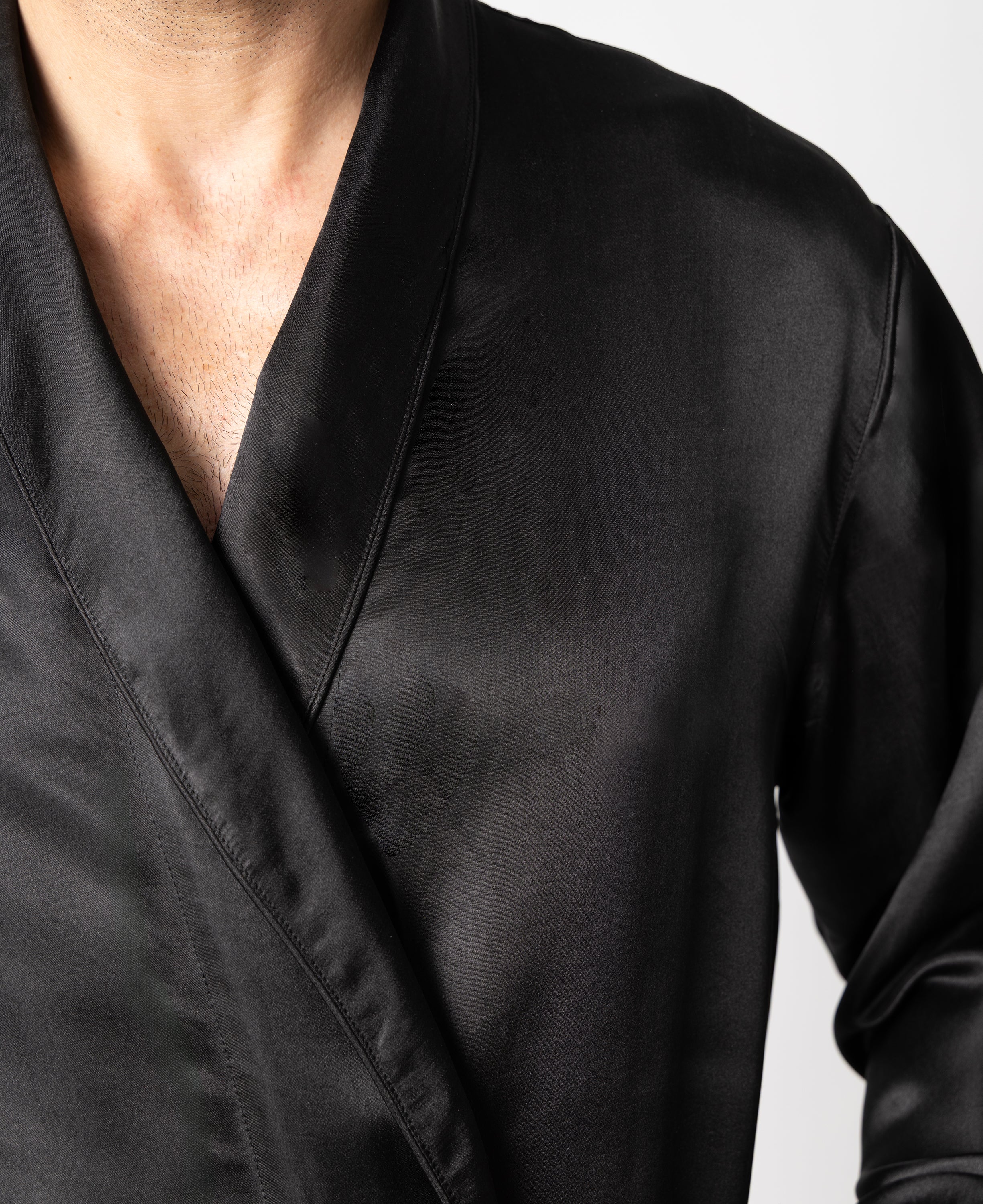
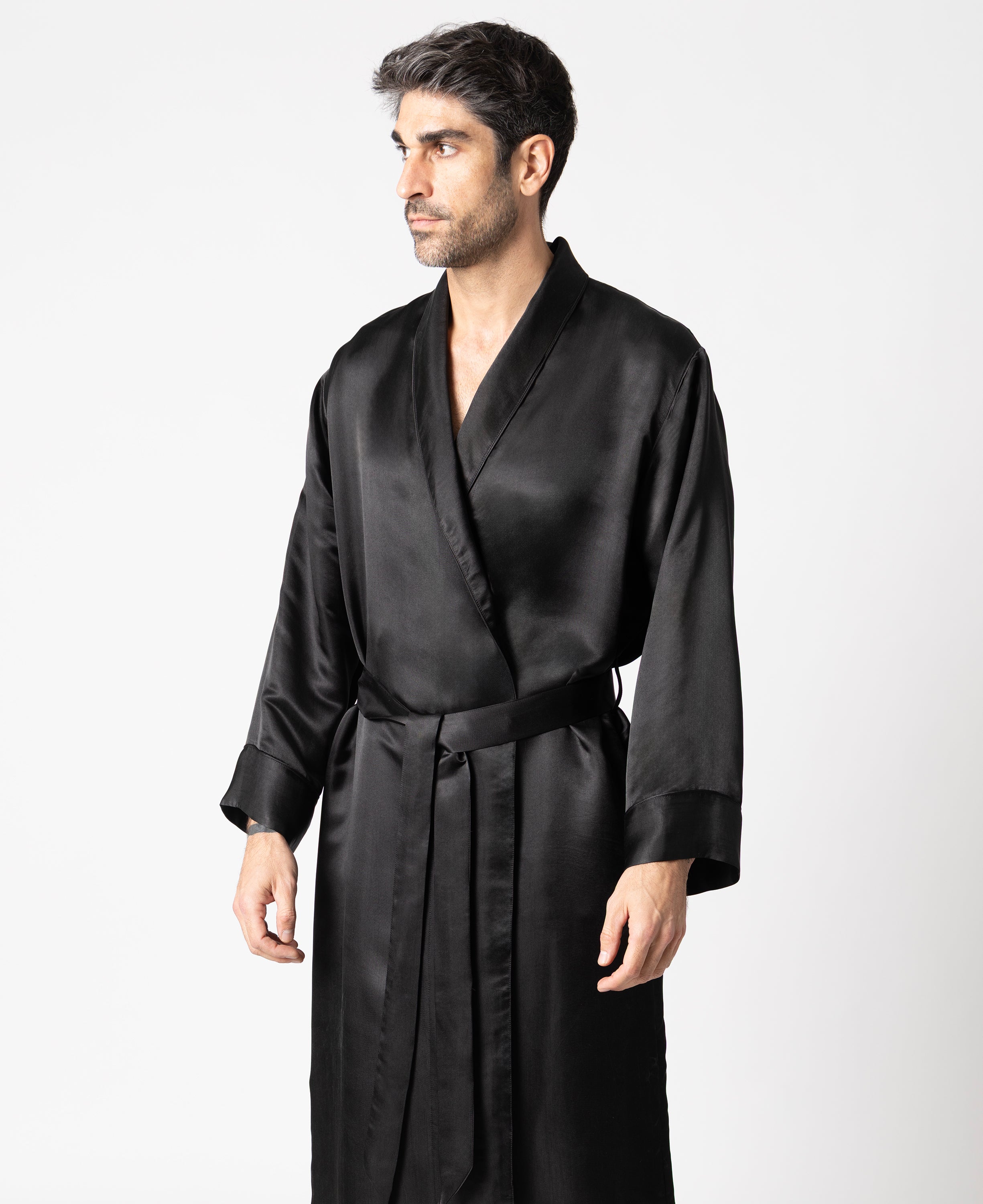
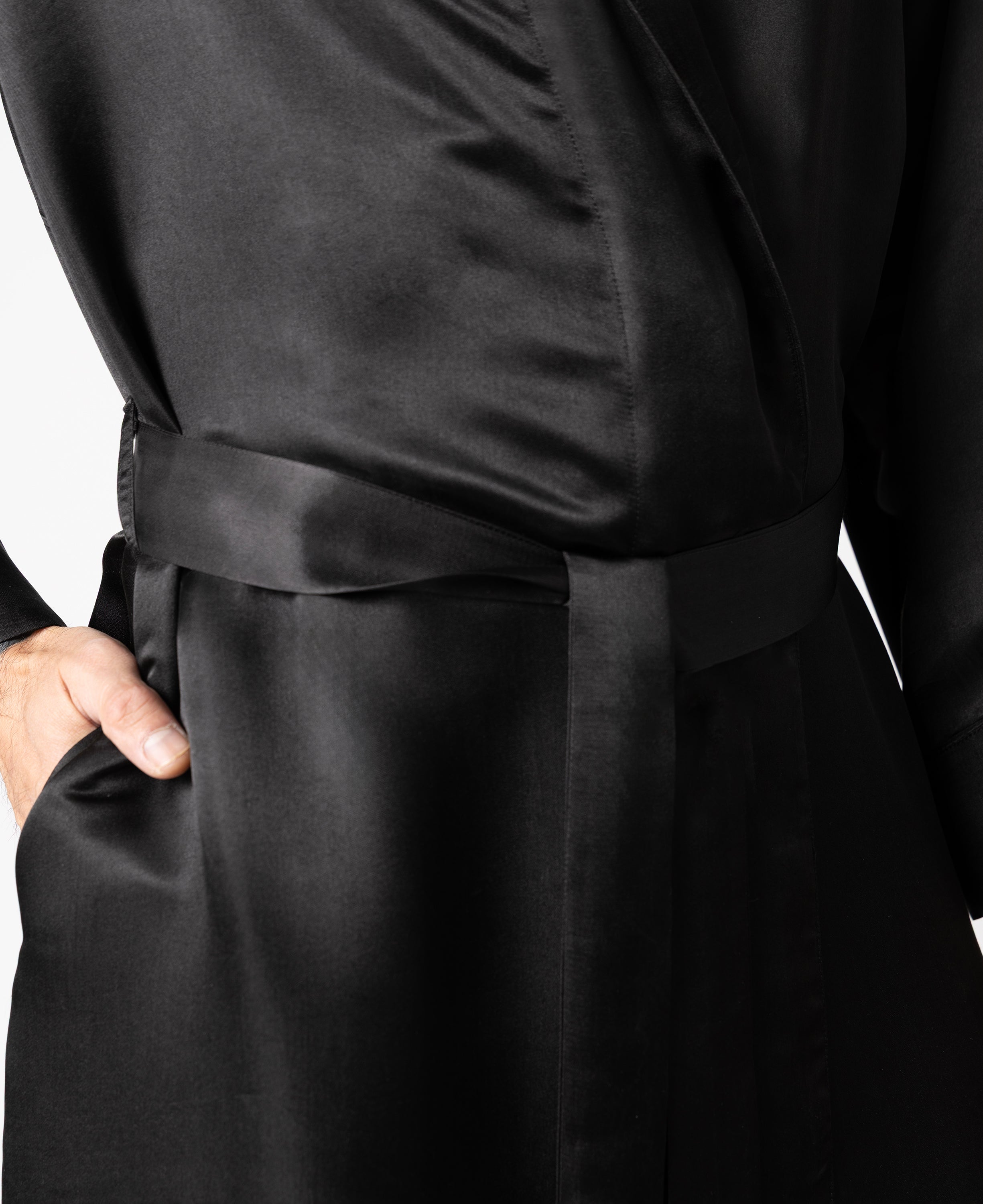
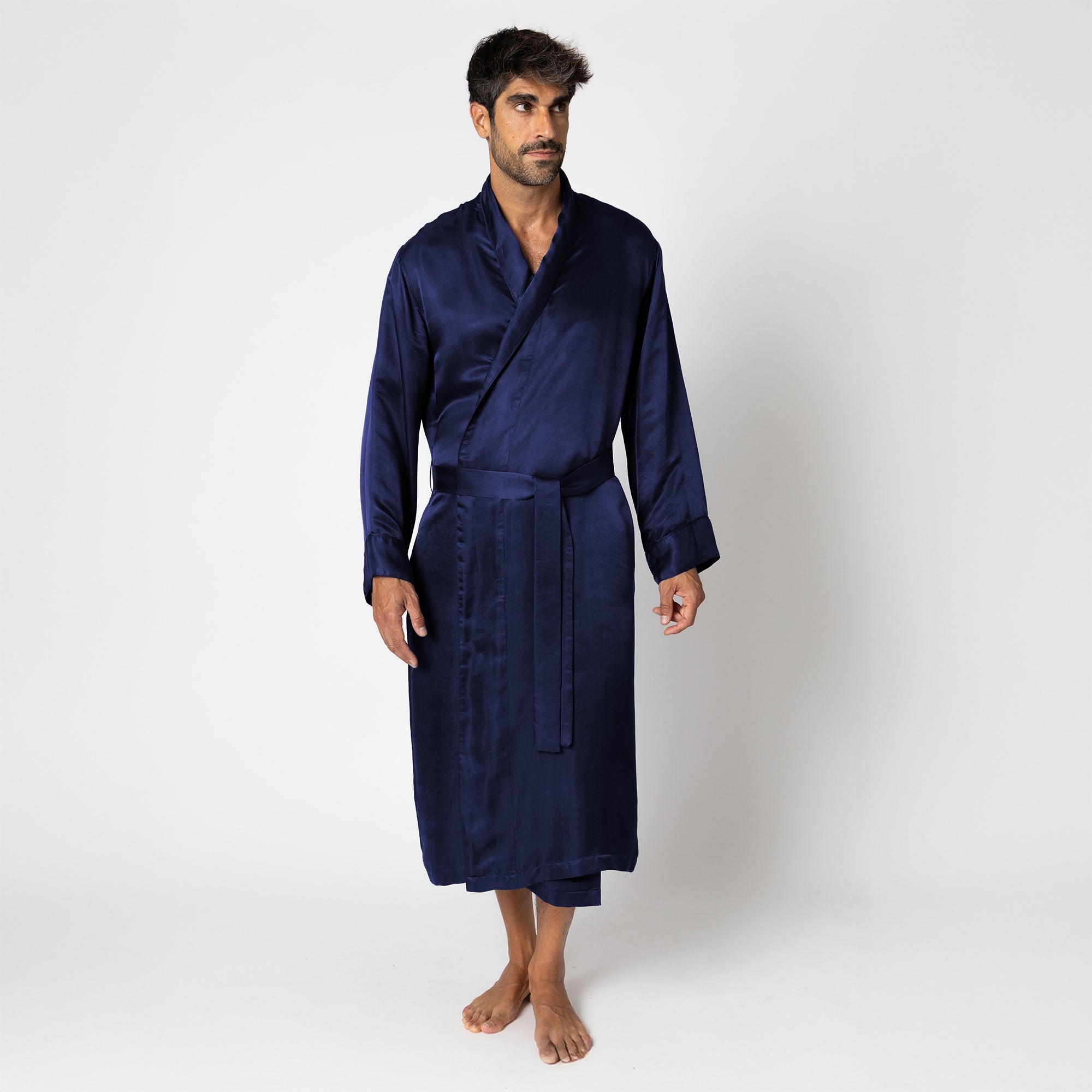
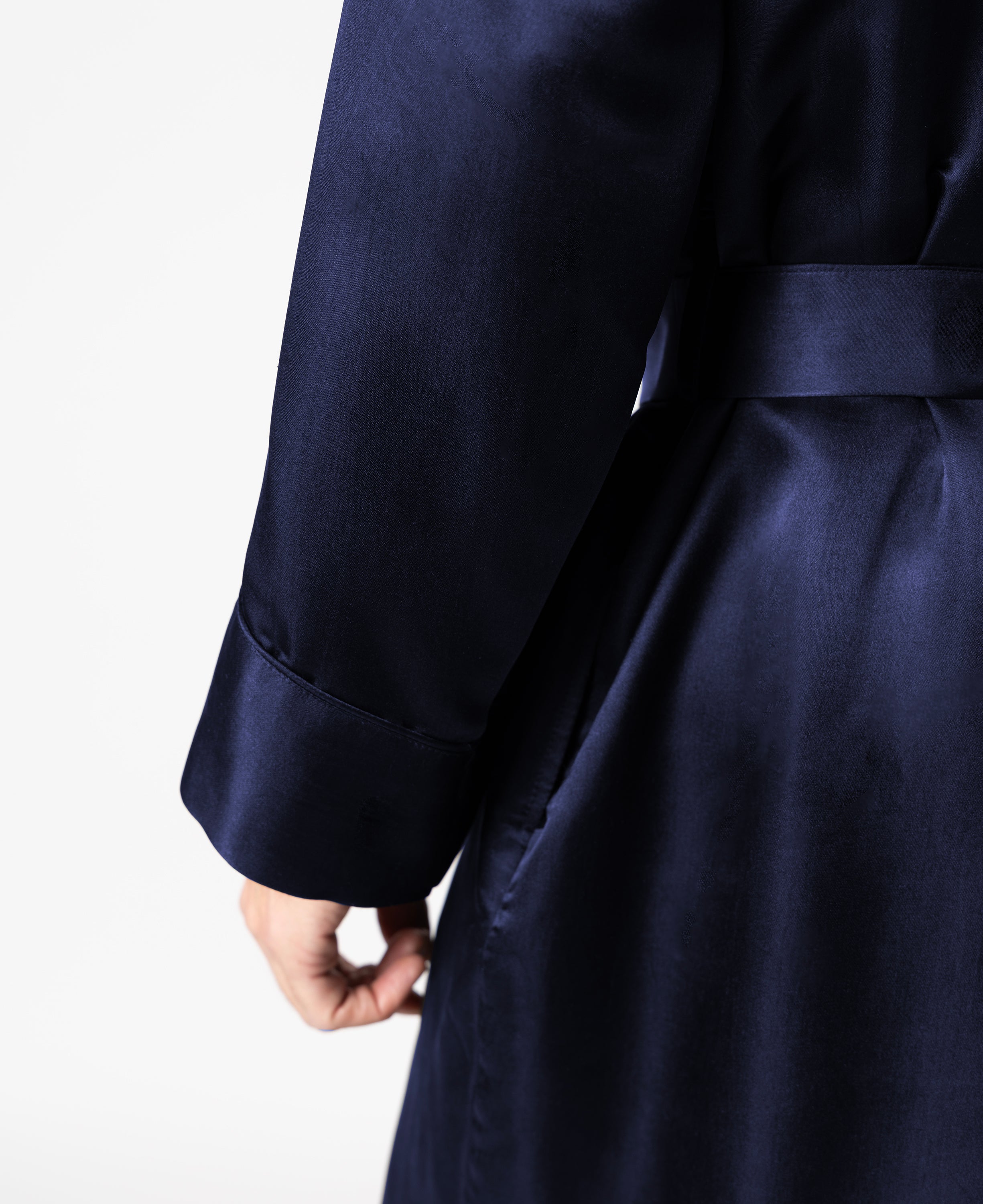
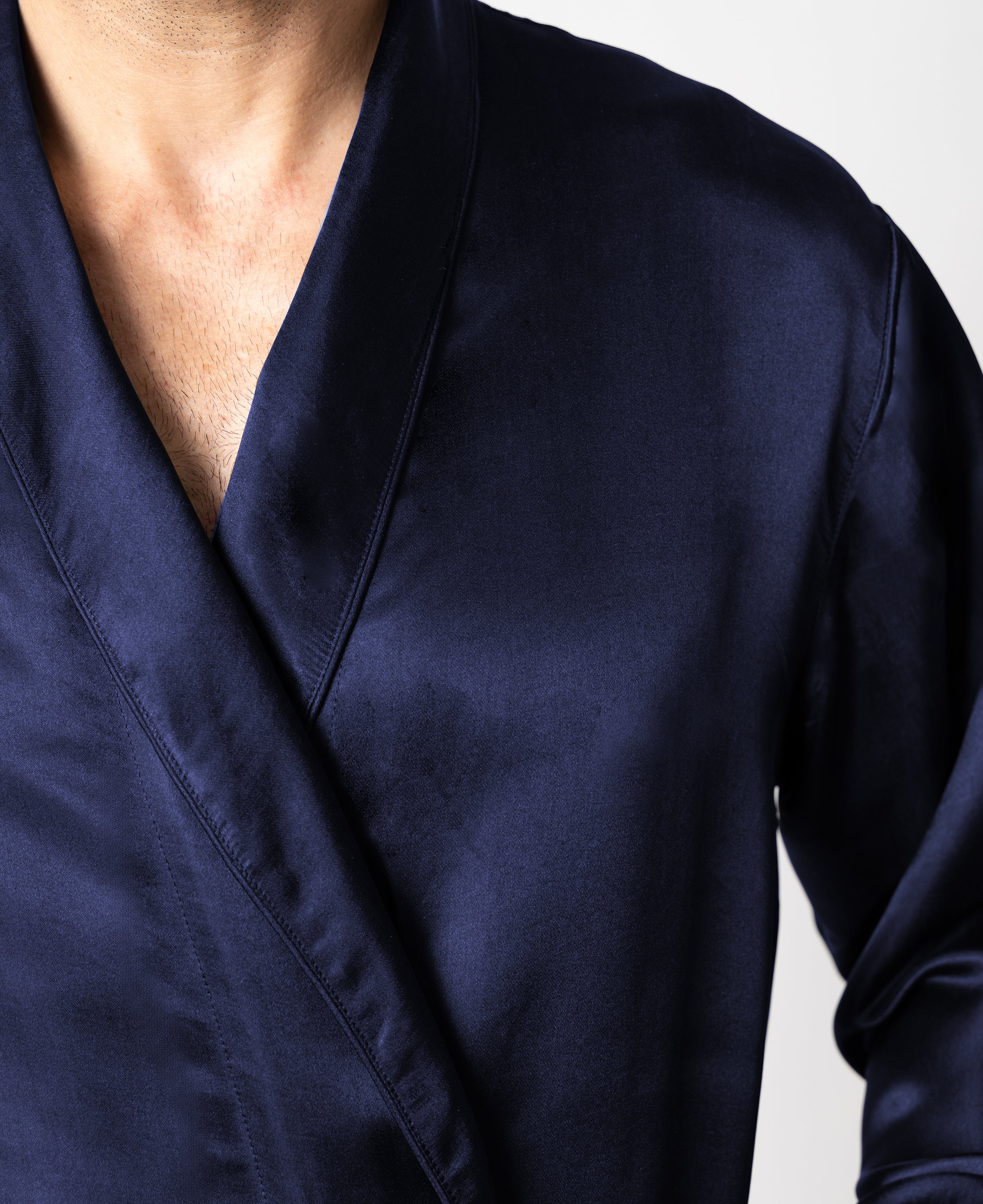
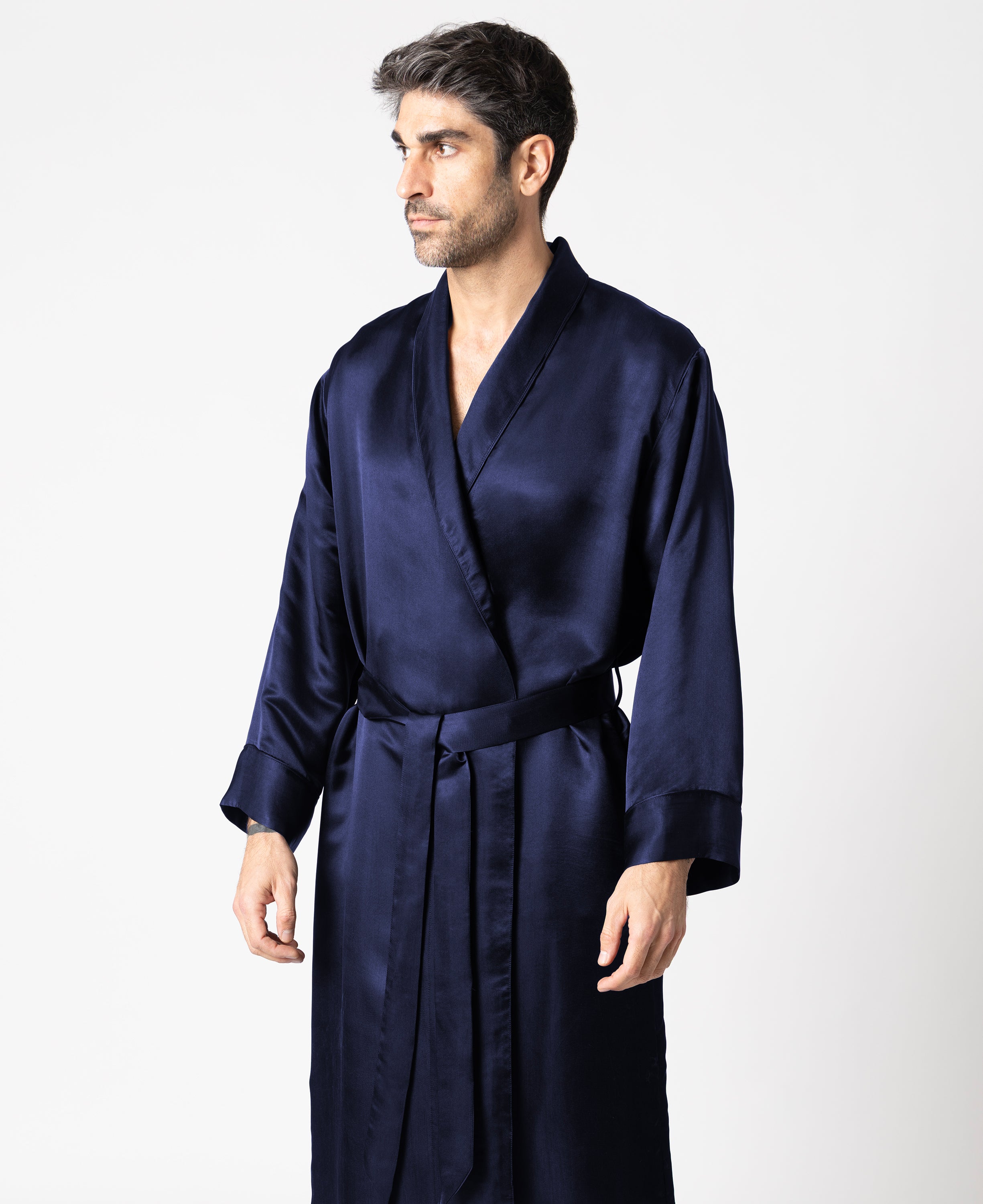
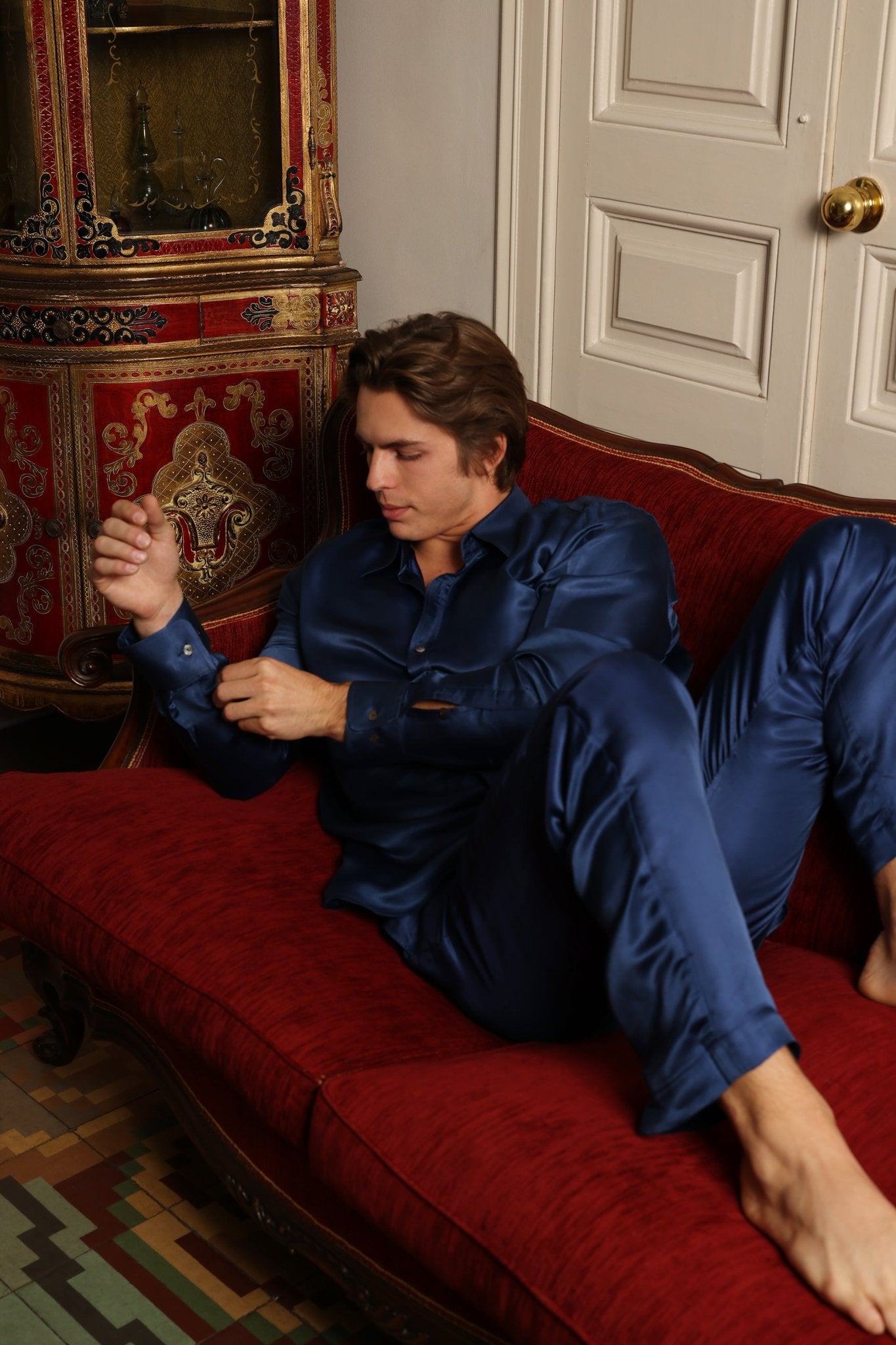
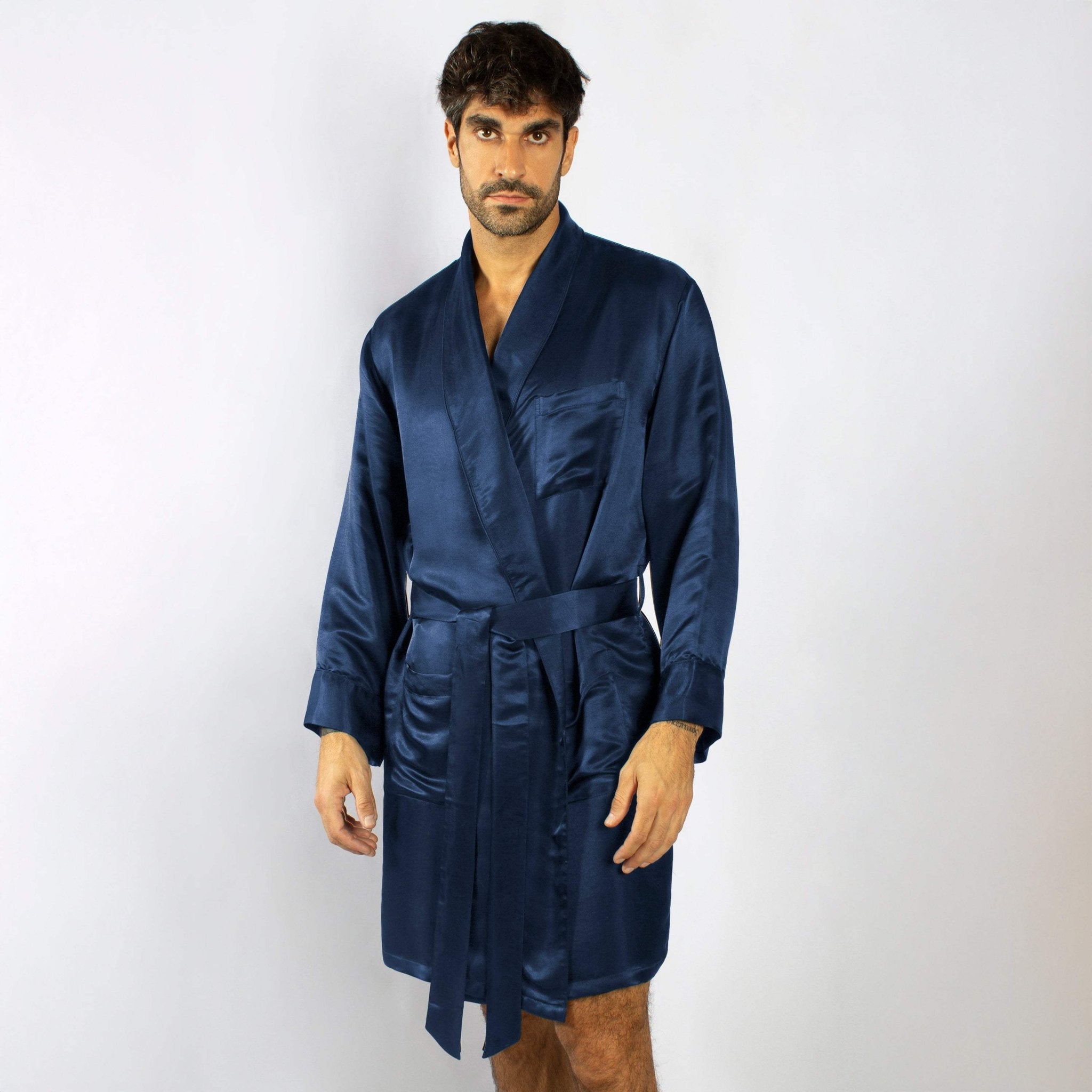
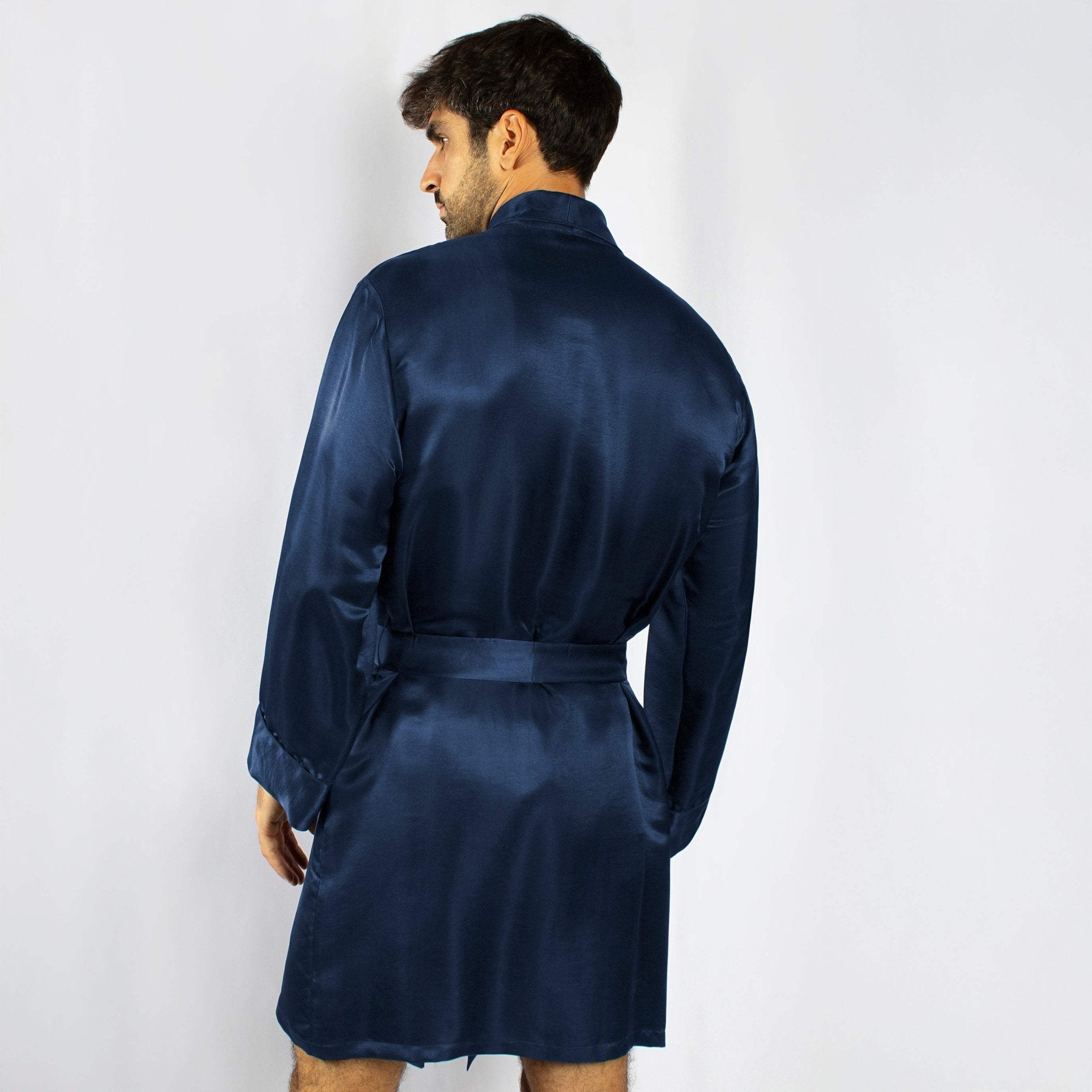
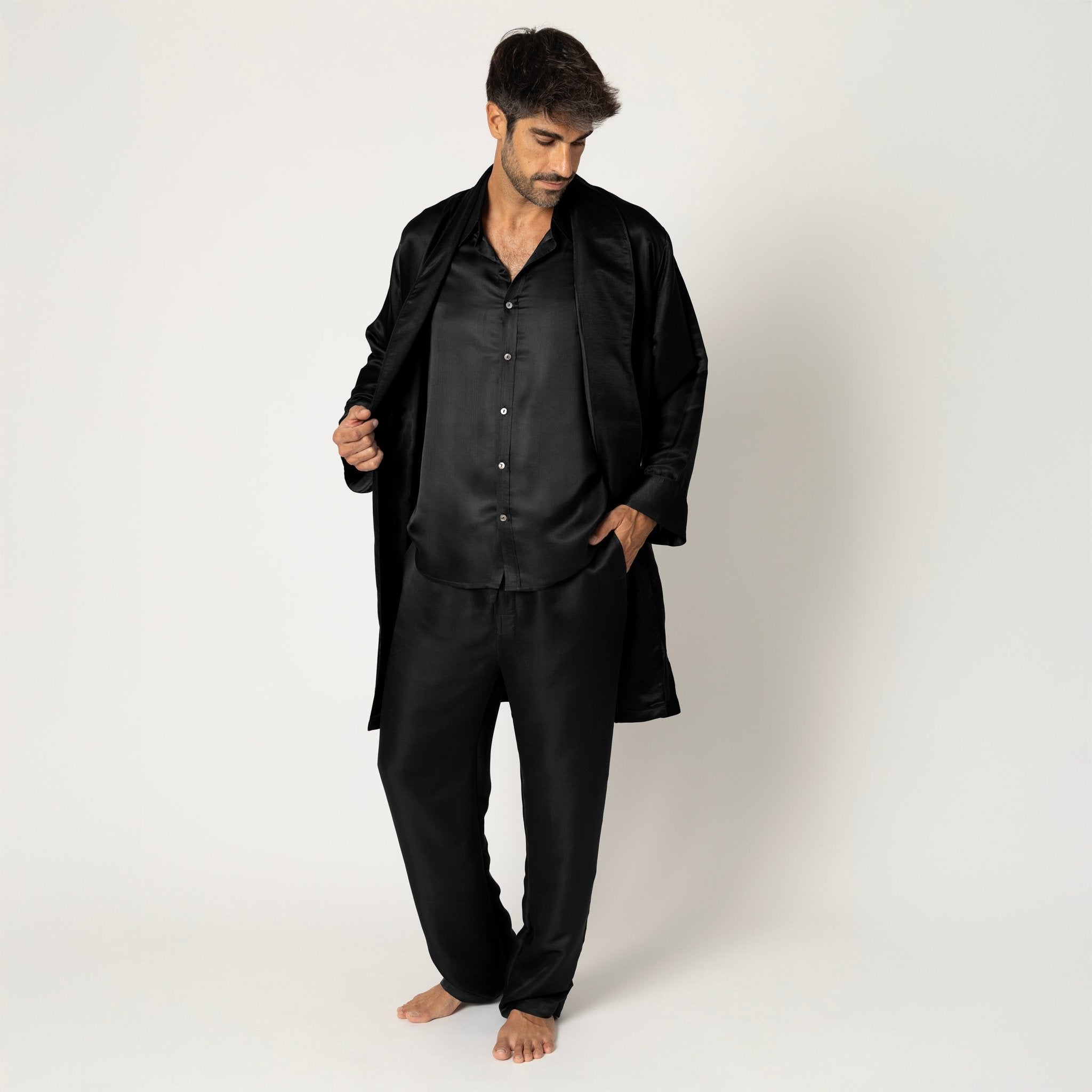
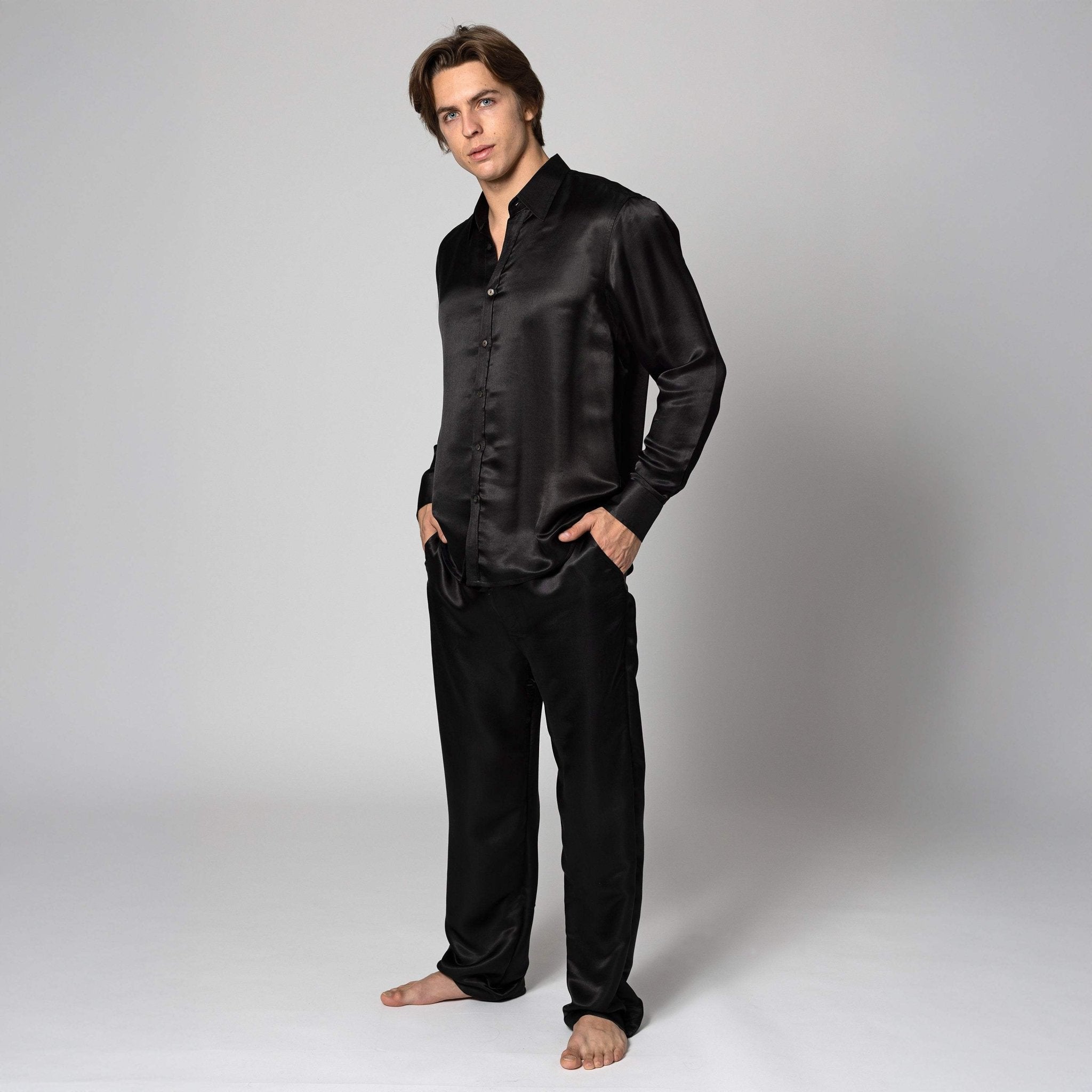
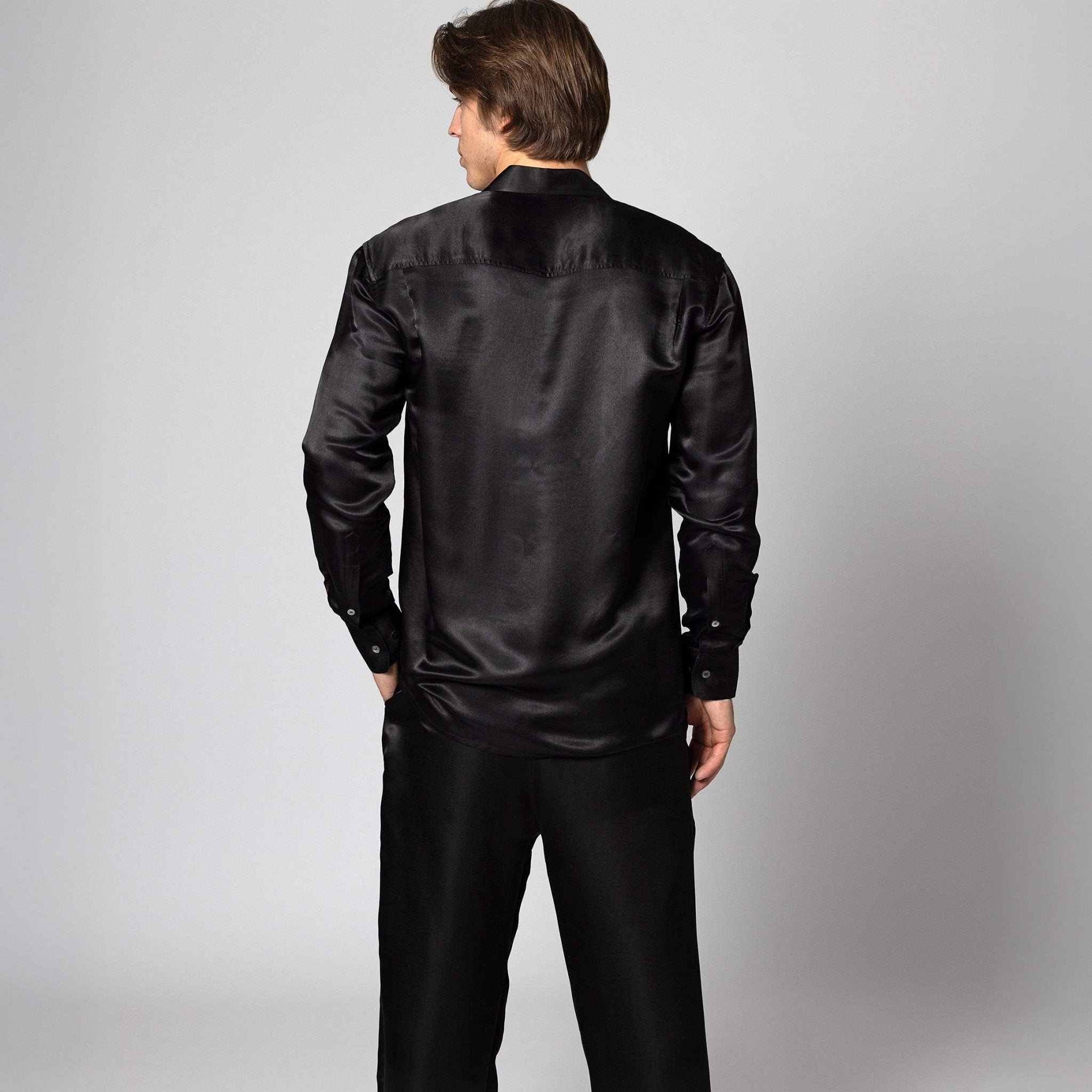
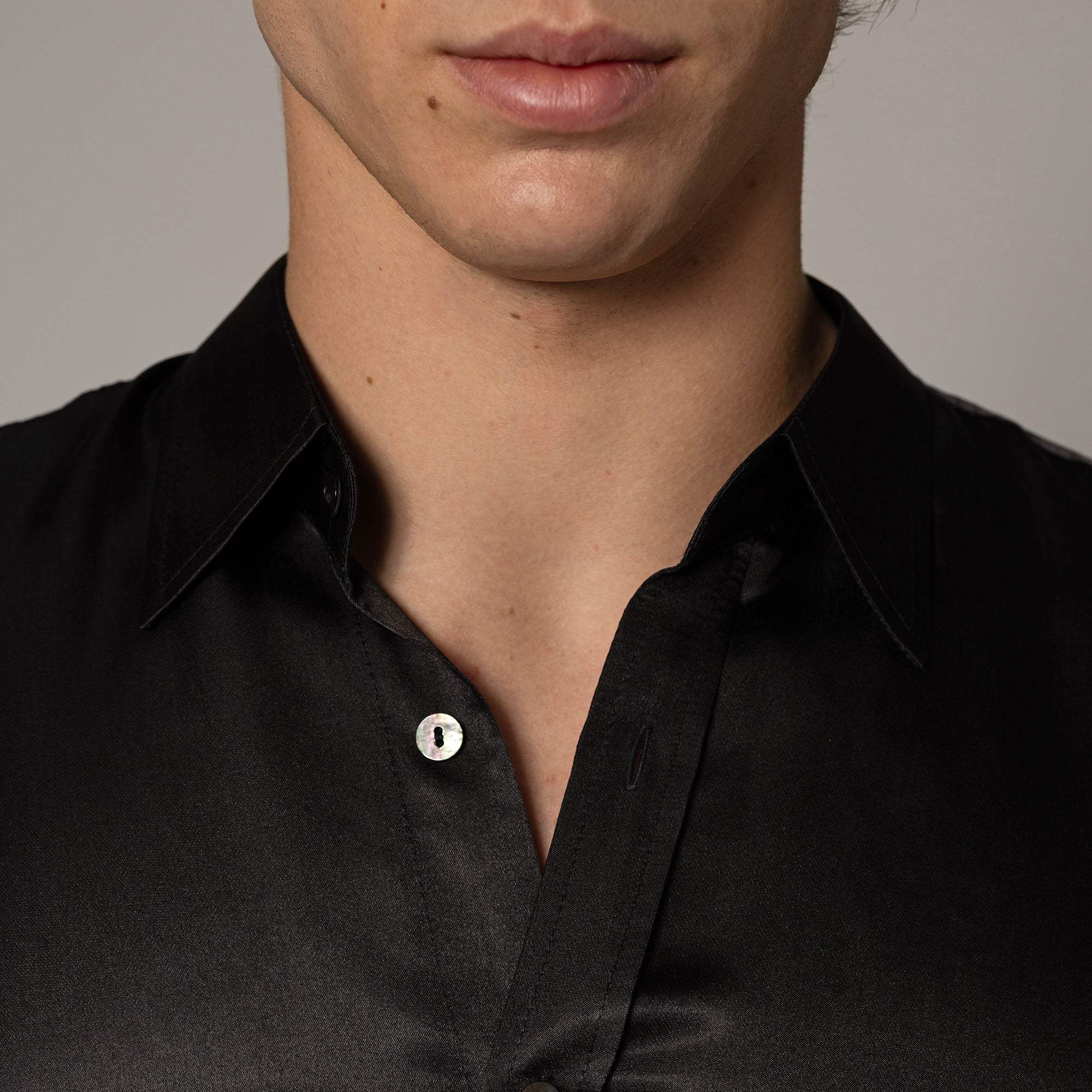
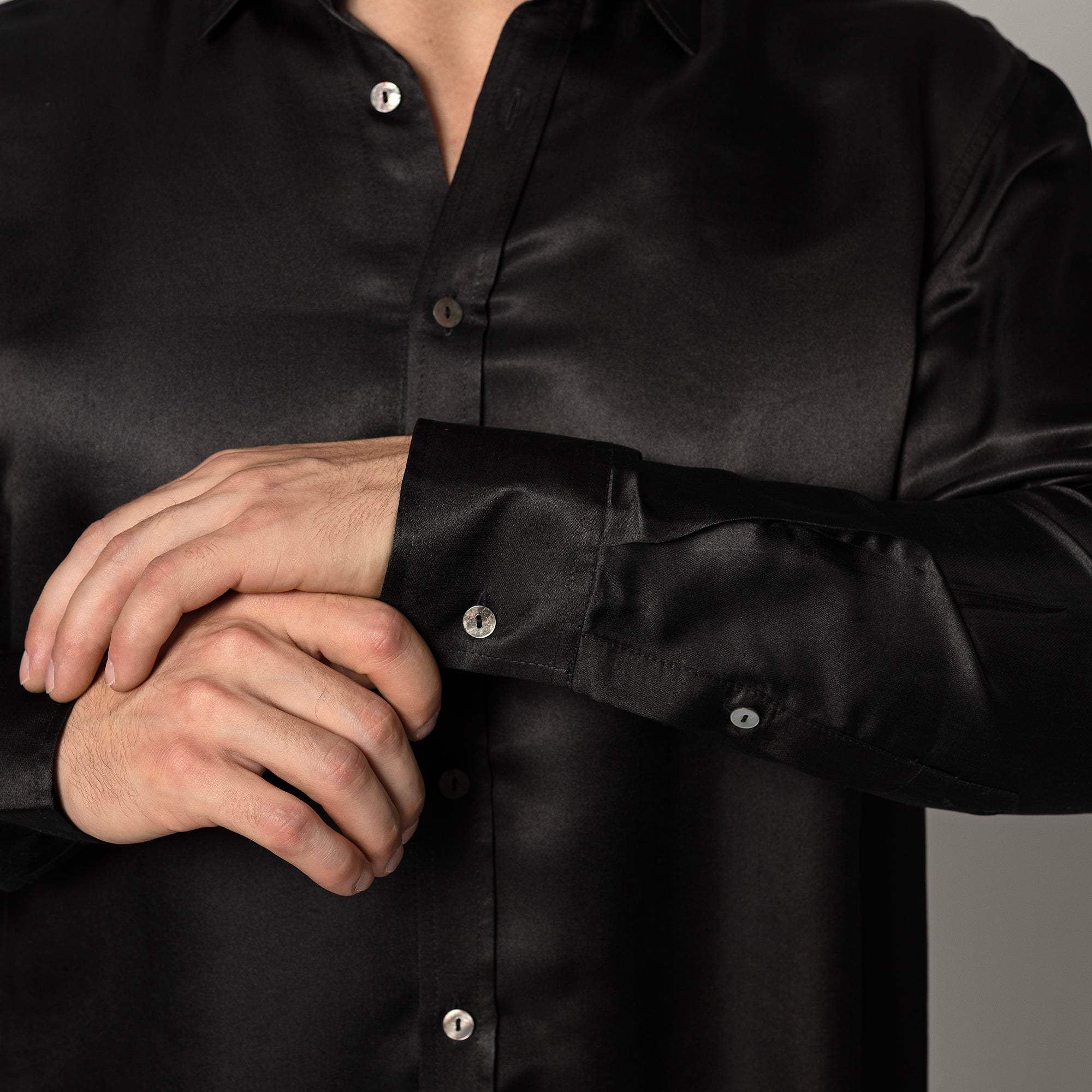
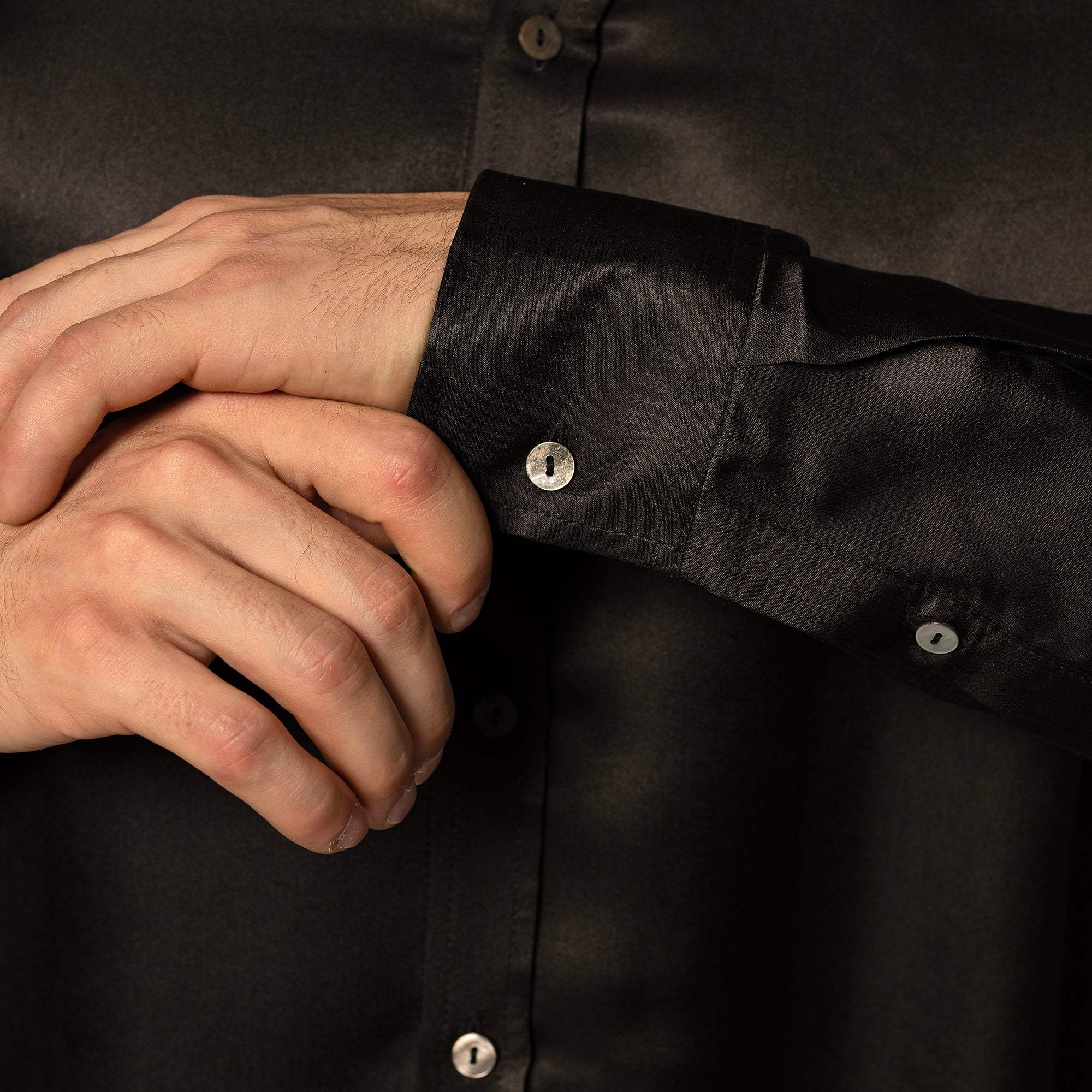
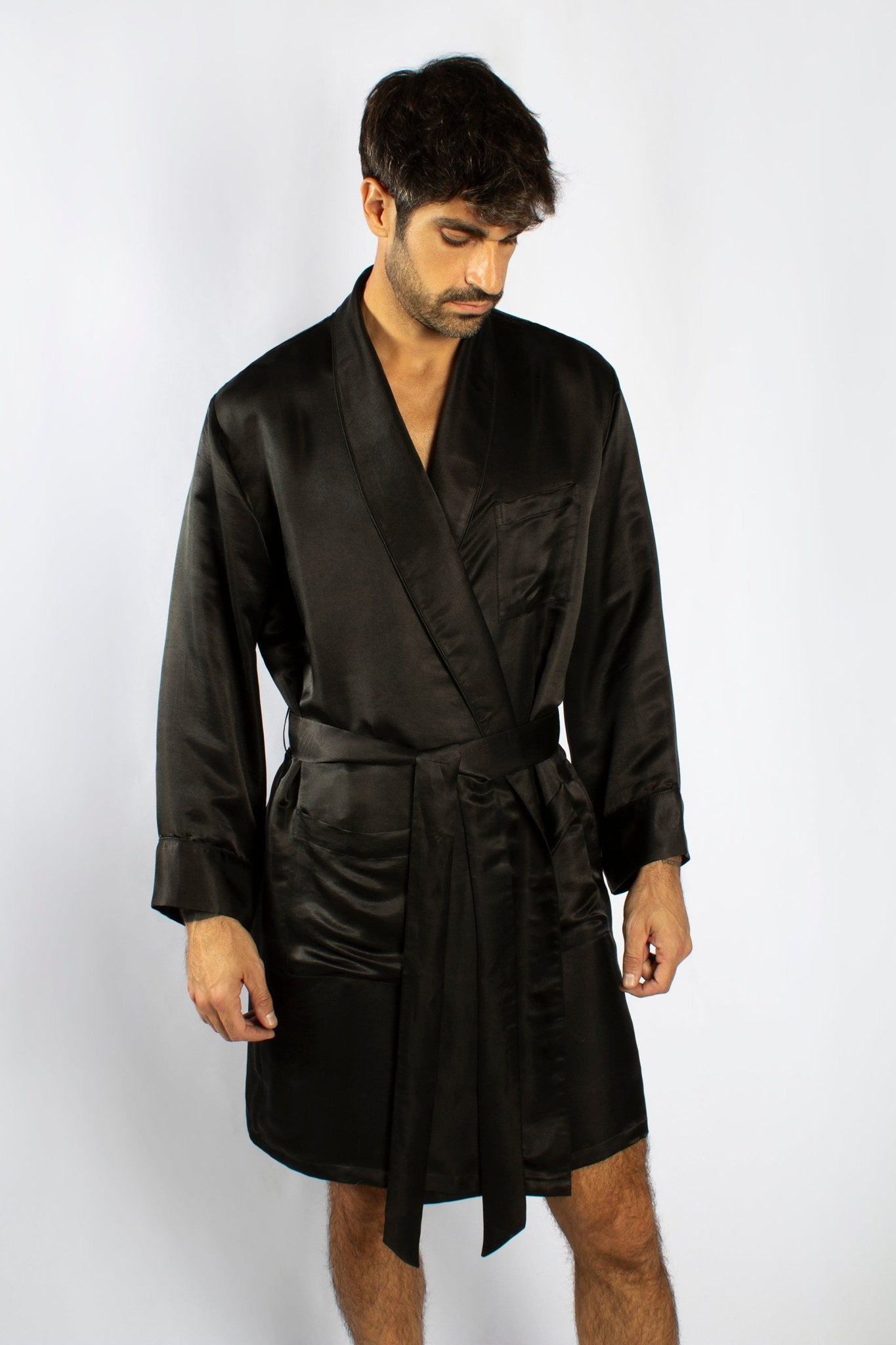
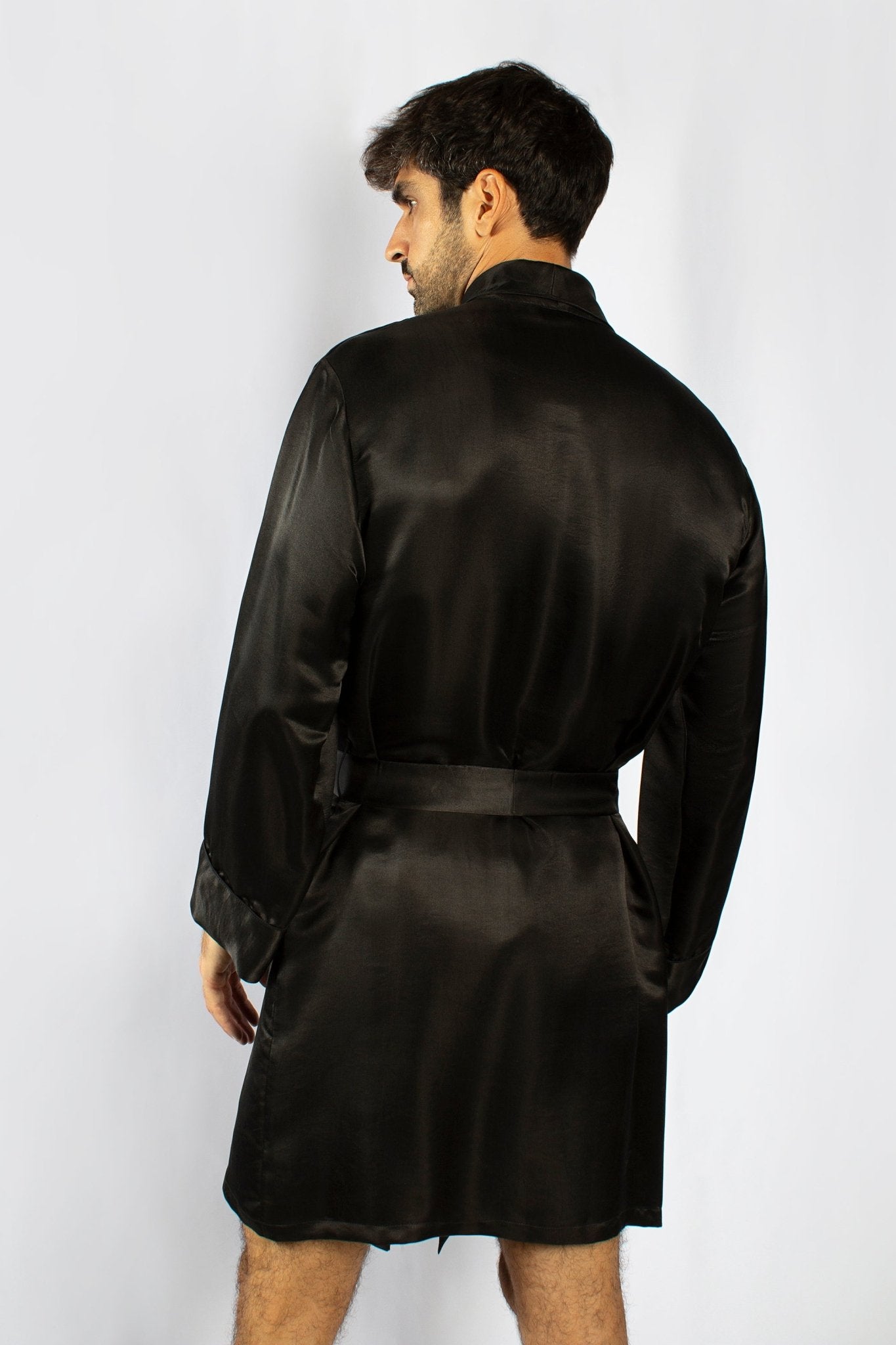
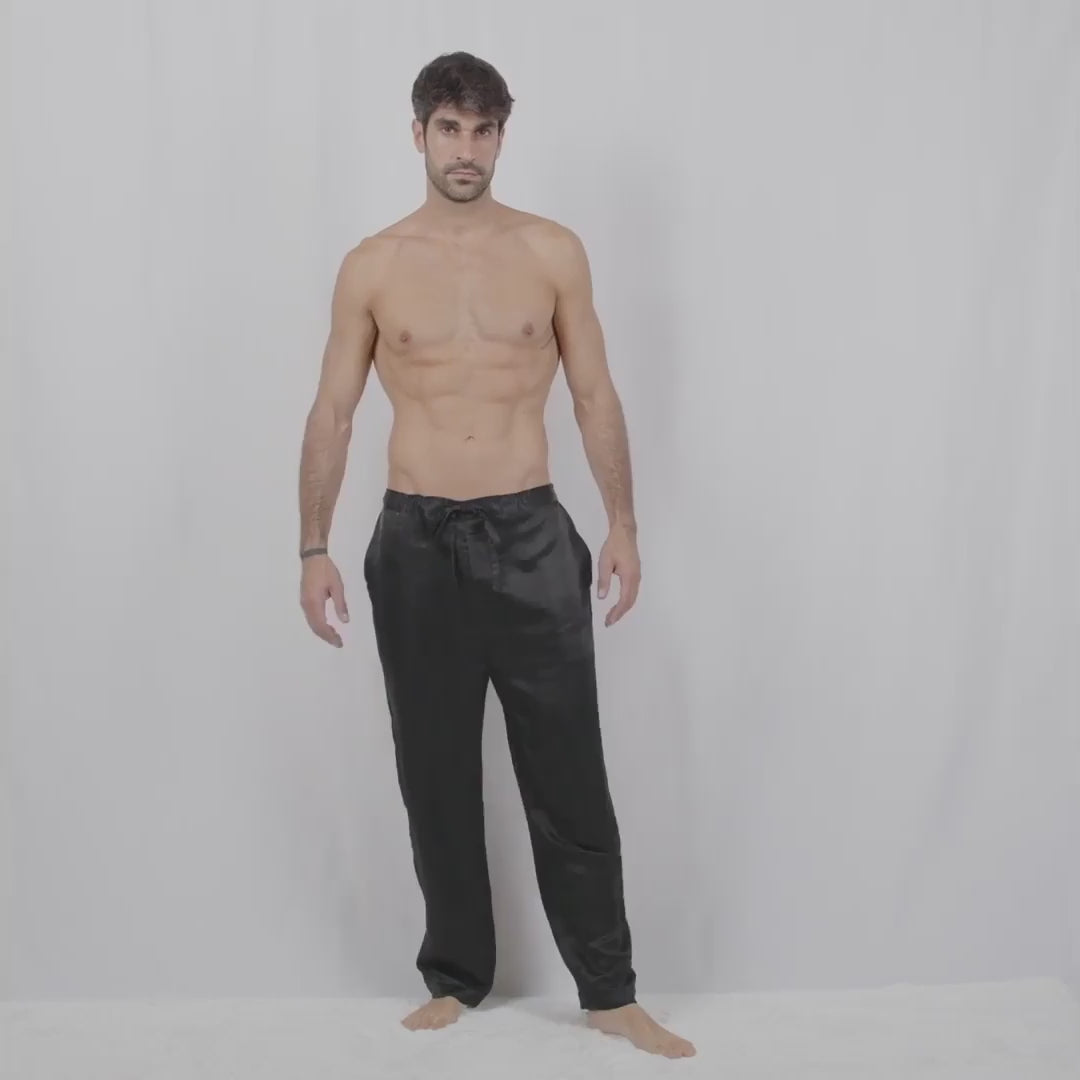
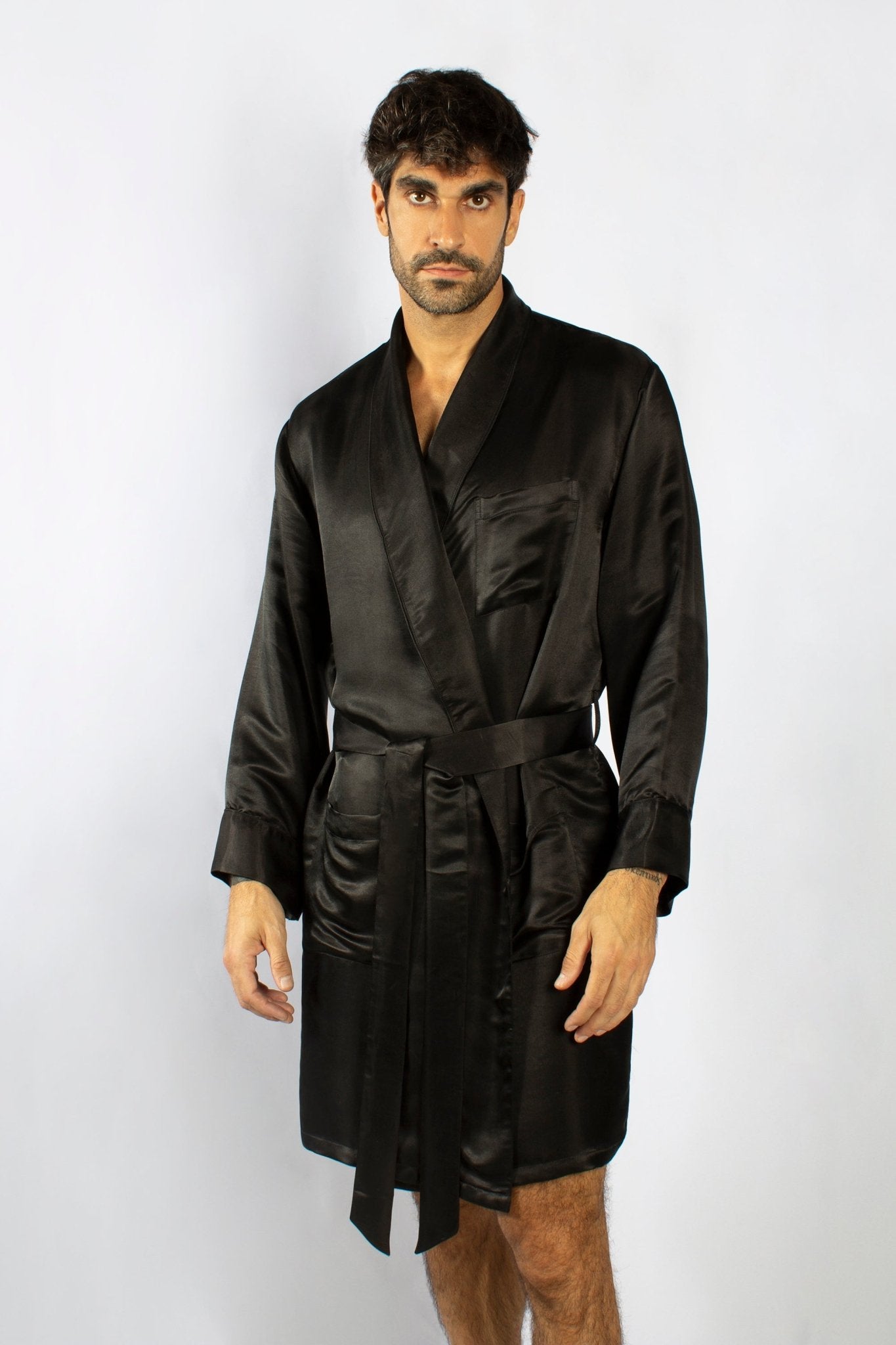
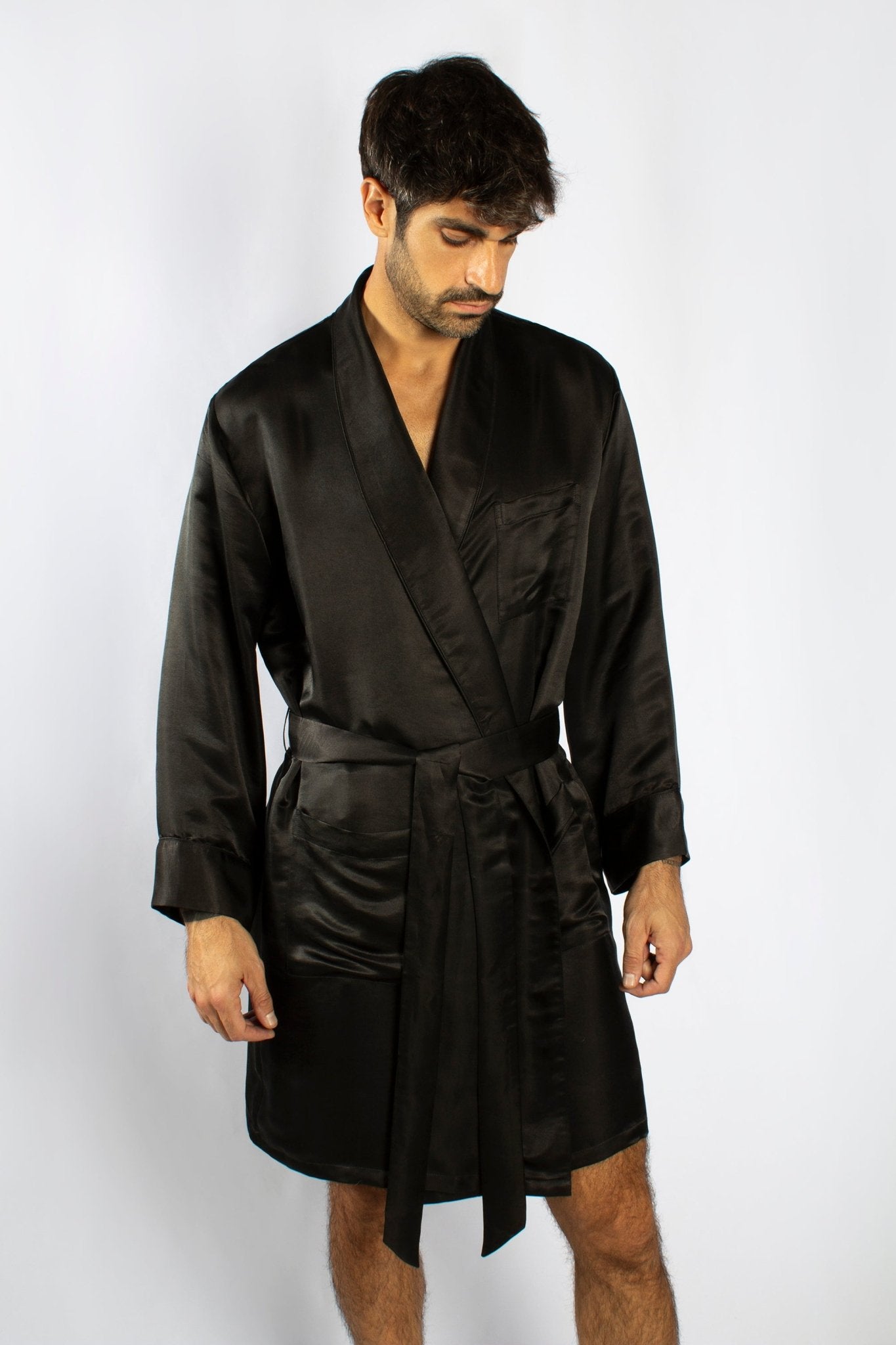
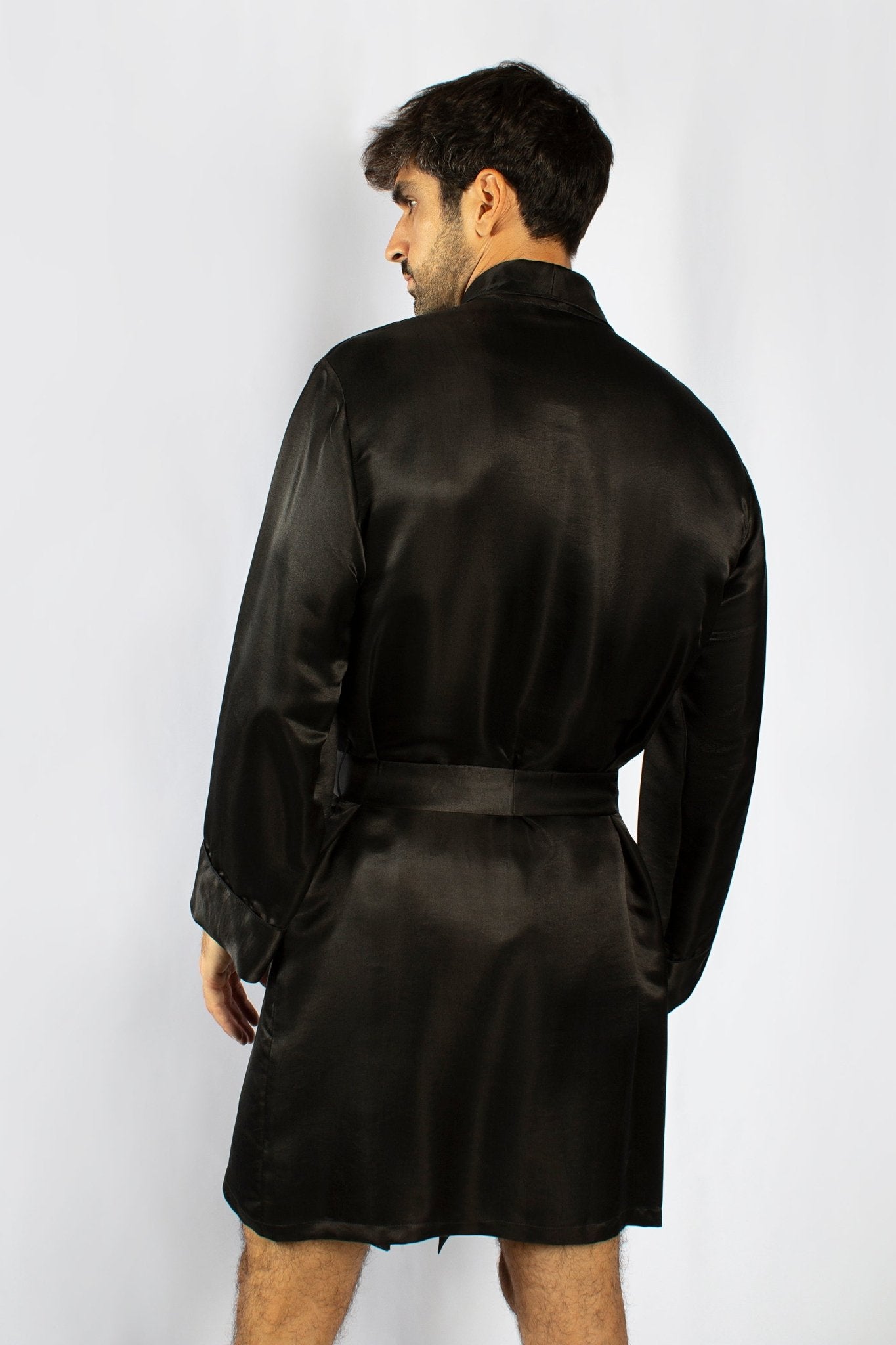
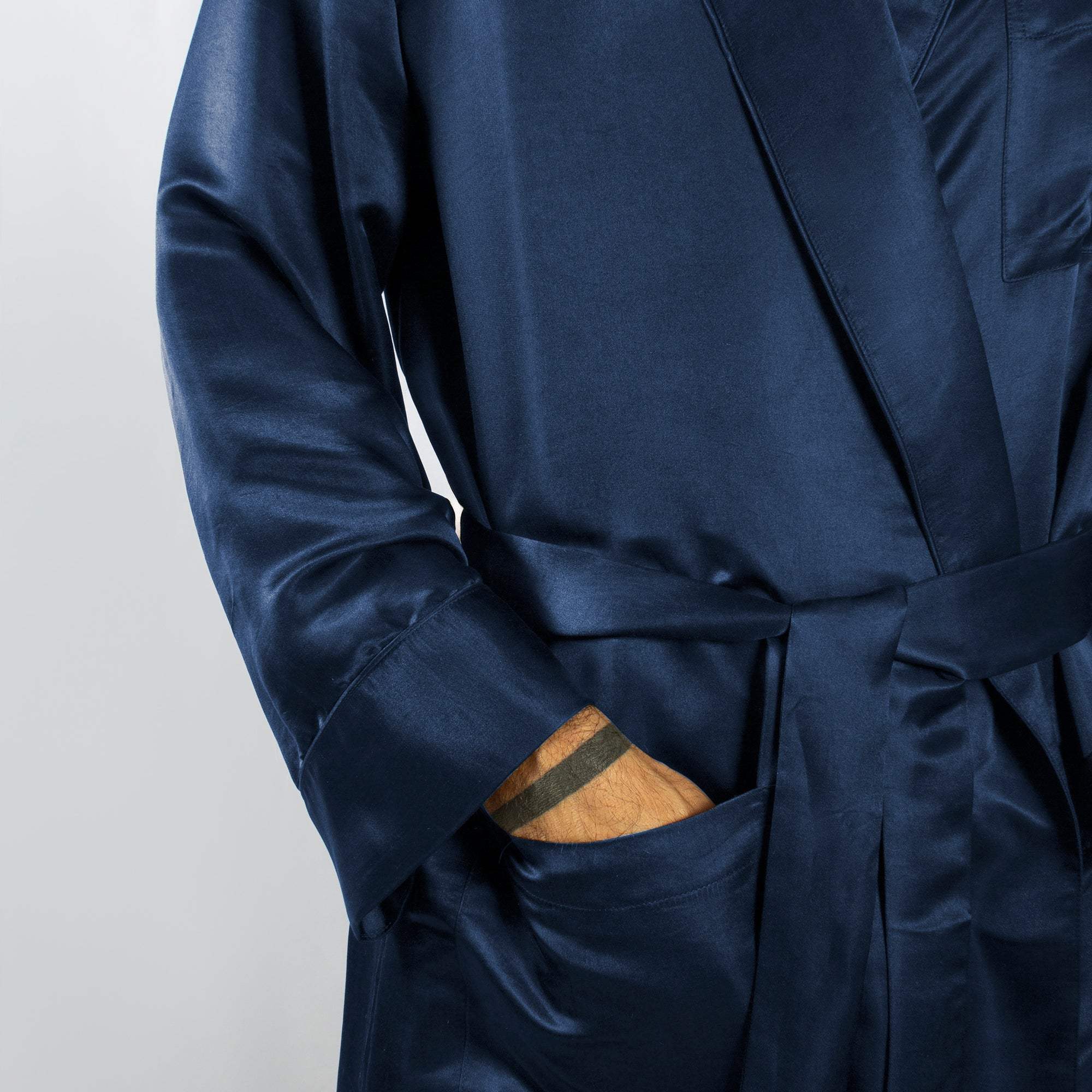
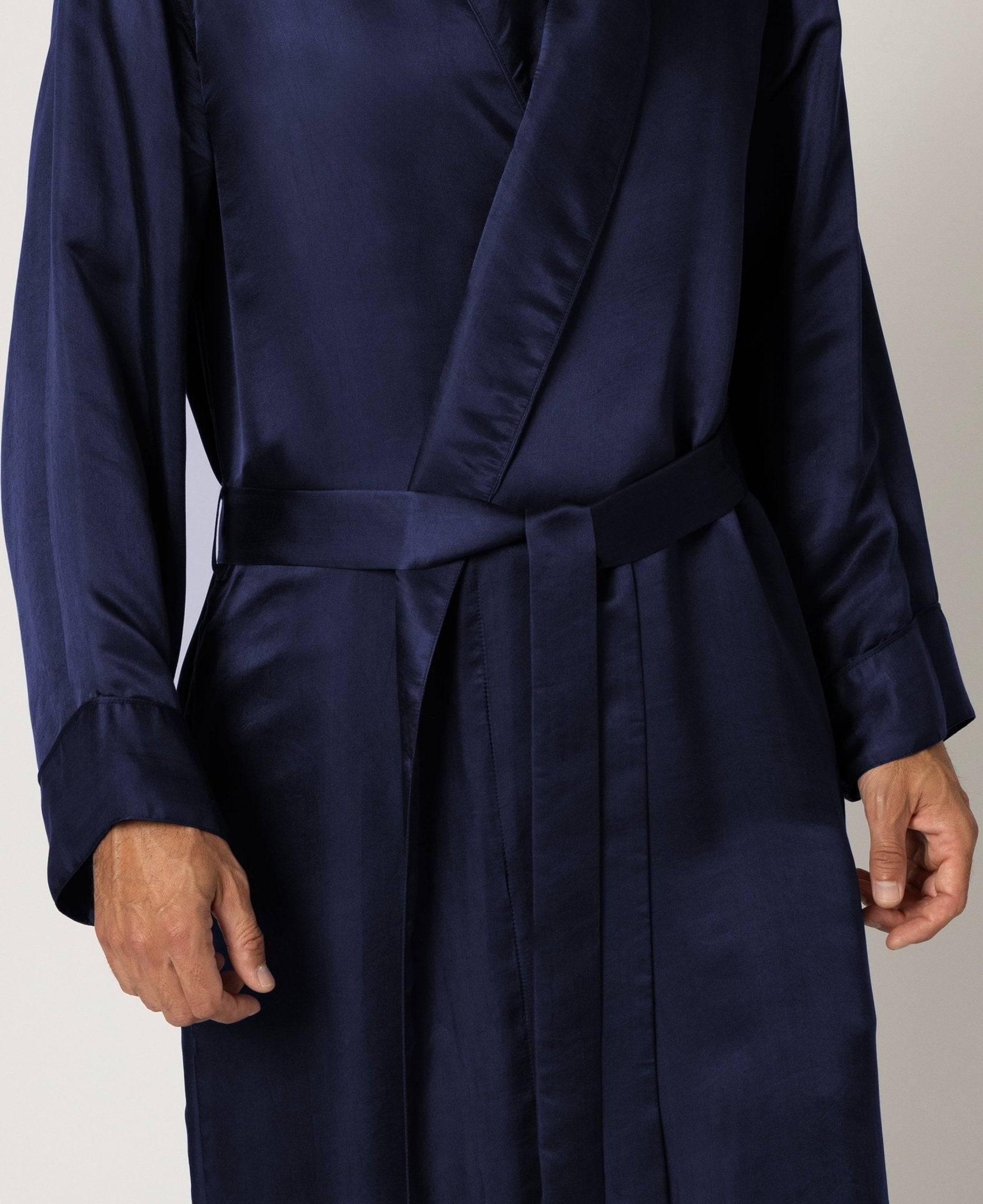
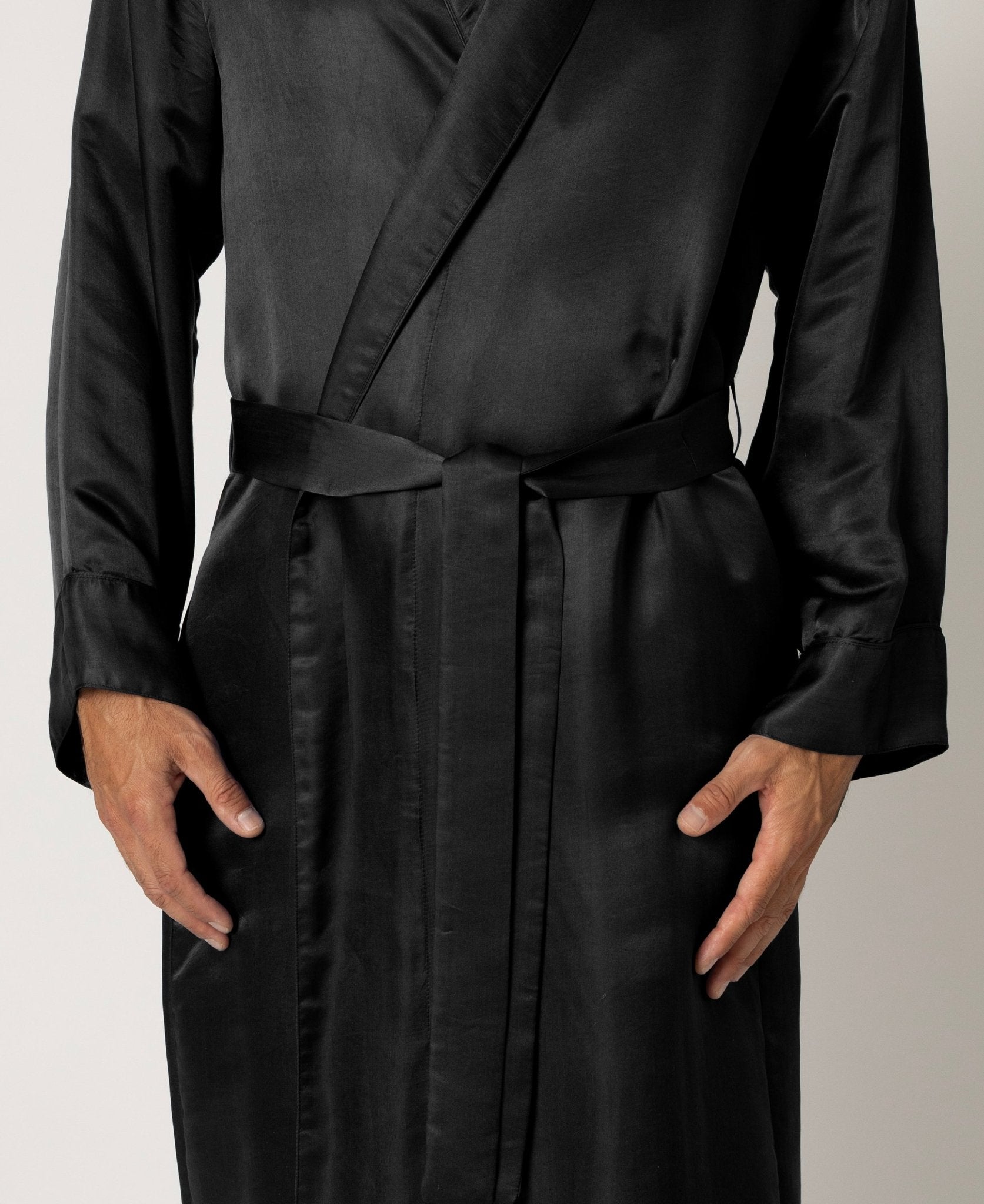
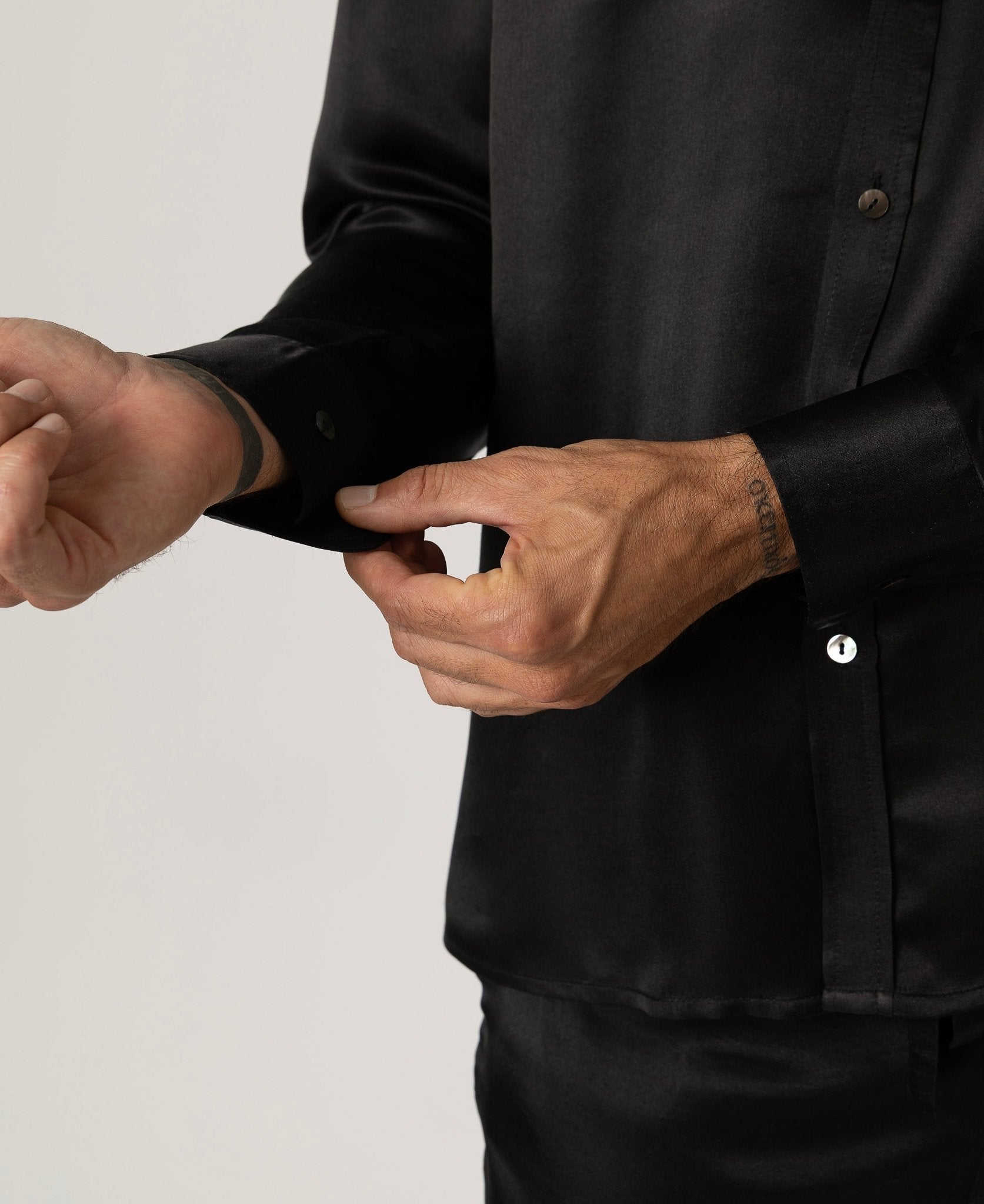
At 27 momme, a silk robe doesn't feel delicate. It has weight. It has substance. It stays where you position it instead of floating around. If you're picturing something flimsy and see-through, you're picturing low-momme silk. At this weight, the closest comparison is a well-made blazer in terms of how the fabric sits on your body.
The psychological shift that happens when a man owns a quality robe is significant. Suddenly, those morning hours before work or that evening wind-down time feel intentional rather than accidental. The robe signals to your brain and body that this is a transition moment, not just rushed morning chaos. That feeling, which sounds trivial until you experience it, improves morning quality measurably.
 Shop Artisan Silk Robes
The Practical Morning Ritual
Consider the actual morning experience with each robe:
Terry cloth robe:
You shower, grab the terry robe from the hook (it weighs three pounds, still damp from yesterday), wrap it around yourself, and feel the weight pulling down on your shoulders. The thick fabric makes you warm immediately, forcing you to overheat slightly while you're making coffee or reading emails.
The damp fabric from yesterday's shower has started to smell subtly musty. You wear it for 20-30 minutes while getting ready, and it makes you feel like you're still in "sleeping" mode rather than transitioning to "awake mode."
Silk robe:
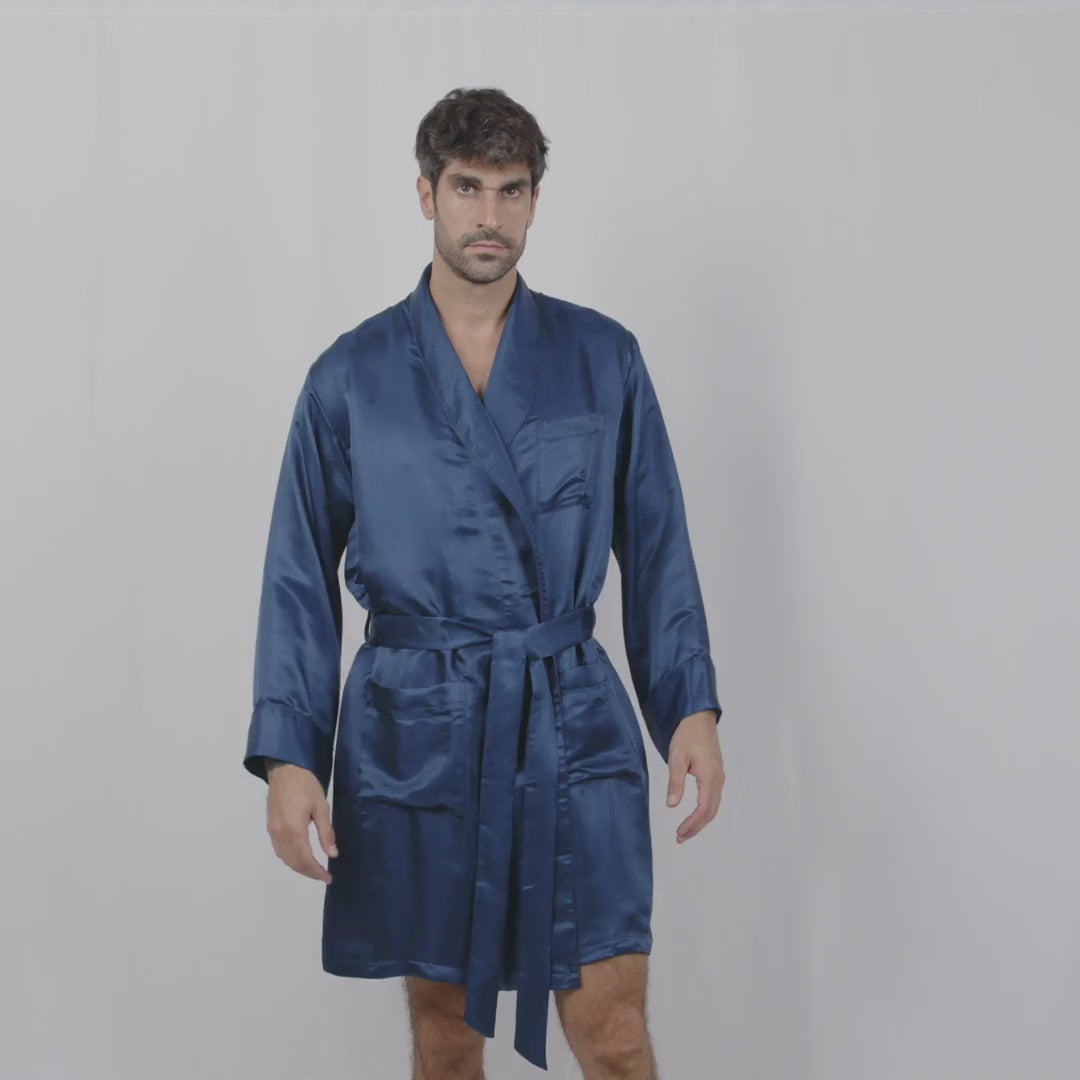
You shower, put on the silk robe (it weighs less than a pound, completely dry, smells fresh), and the weight of the fabric feels substantial without being heavy. It drapes beautifully, making you look like someone who got dressed on purpose, even though you're still in your robe.
You don't immediately overheat because the thermoregulating fabric adapts to your body temperature. You can wear it for an hour if needed without it becoming uncomfortable. The entire experience of moving from sleeping to working feels intentional and purposeful without being pretentious.
Both work functionally. But the experience is dramatically different. One robe signals "still in sleeping mode." The other signals "in transition mode." That distinction matters more than people realize.
 Shop Artisan Silk Robe And Boxers Set
The Both Solution
This recommendation isn't "buy our product instead of theirs." It's simpler than that.
Keep the terry cloth robe on the bathroom hook for post-shower use. It does that job better than silk.
Get a silk robe for everything else. Morning coffee, evening wind-down, working from home, traveling, lounging, receiving guests. The two garments serve different purposes and don't compete with each other.
The mistake most people make is using a terry cloth robe for all of these purposes and then wondering why they feel damp and bulky all morning. Terry cloth is a tool. Silk is a garment. Use each for its intended purpose.
"The robe is amazing. Both myself and my brother wear them pretty much non-stop. You guys seriously rule."
Zach, verified buyer
"This is the best silk robe I have ever owned. It is a work of art on its own. The jacquard pattern is absolutely stunning, lightweight and true to size."
Elyse, verified buyer
Most people who own both never return to the days of owning only one. The coverage gap is too significant. Terry for five minutes after the shower makes sense. Silk for the remaining 23 hours and 55 minutes makes sense. Together, they solve the actual problem.
 Shop Artisan Silk Robes, Long
Summary
Comparing silk and terry robes isn't about determining a winner. Each solves a different problem in your life. Terry cloth absorbs water; silk regulates temperature. Terry suits post-shower moments; silk suits everything else. The cost-per-wear is comparable. The year-round comfort belongs to silk. The logical solution is having both, because both belong in your home. The mistake is assuming you have to choose.
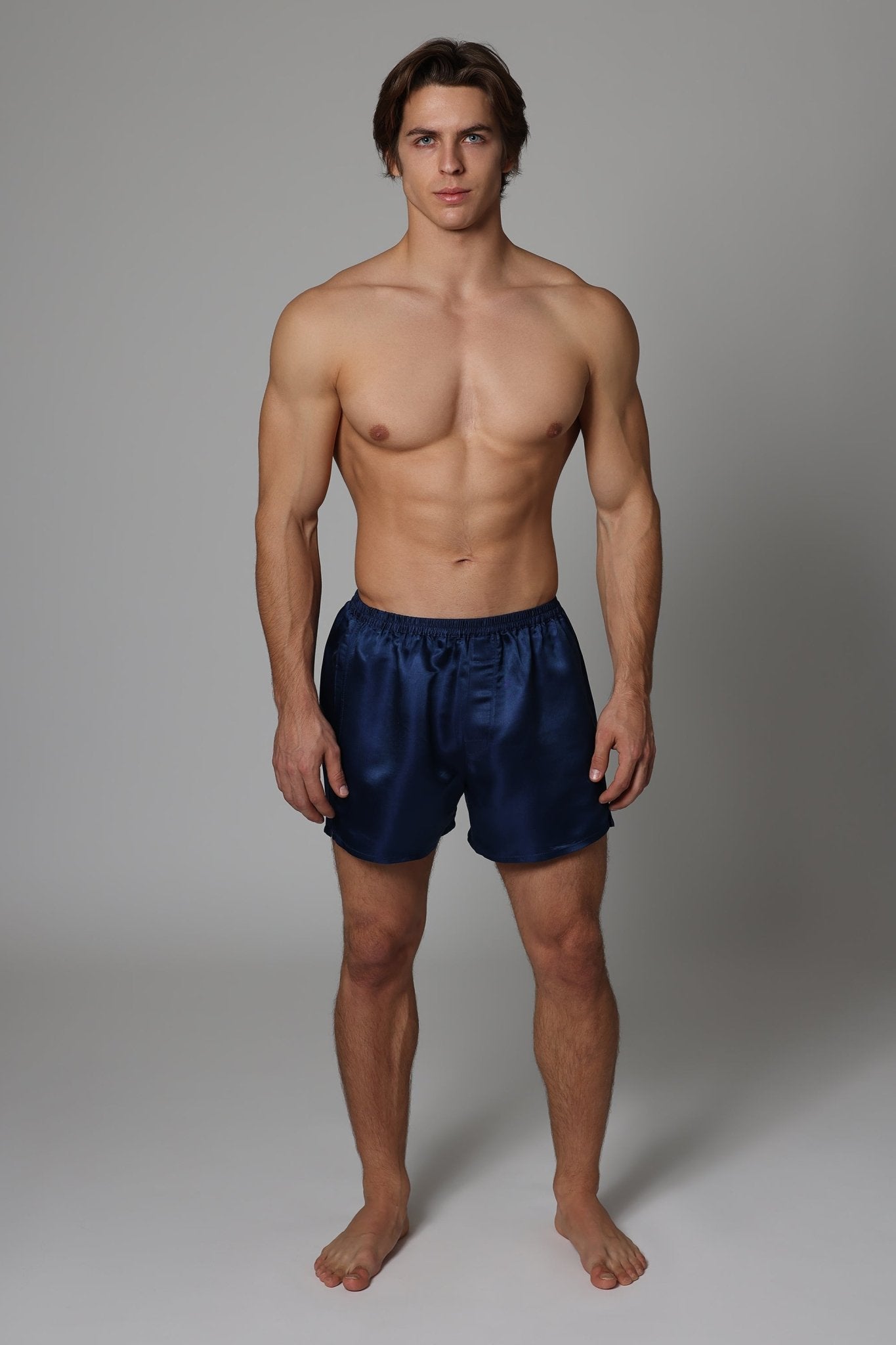
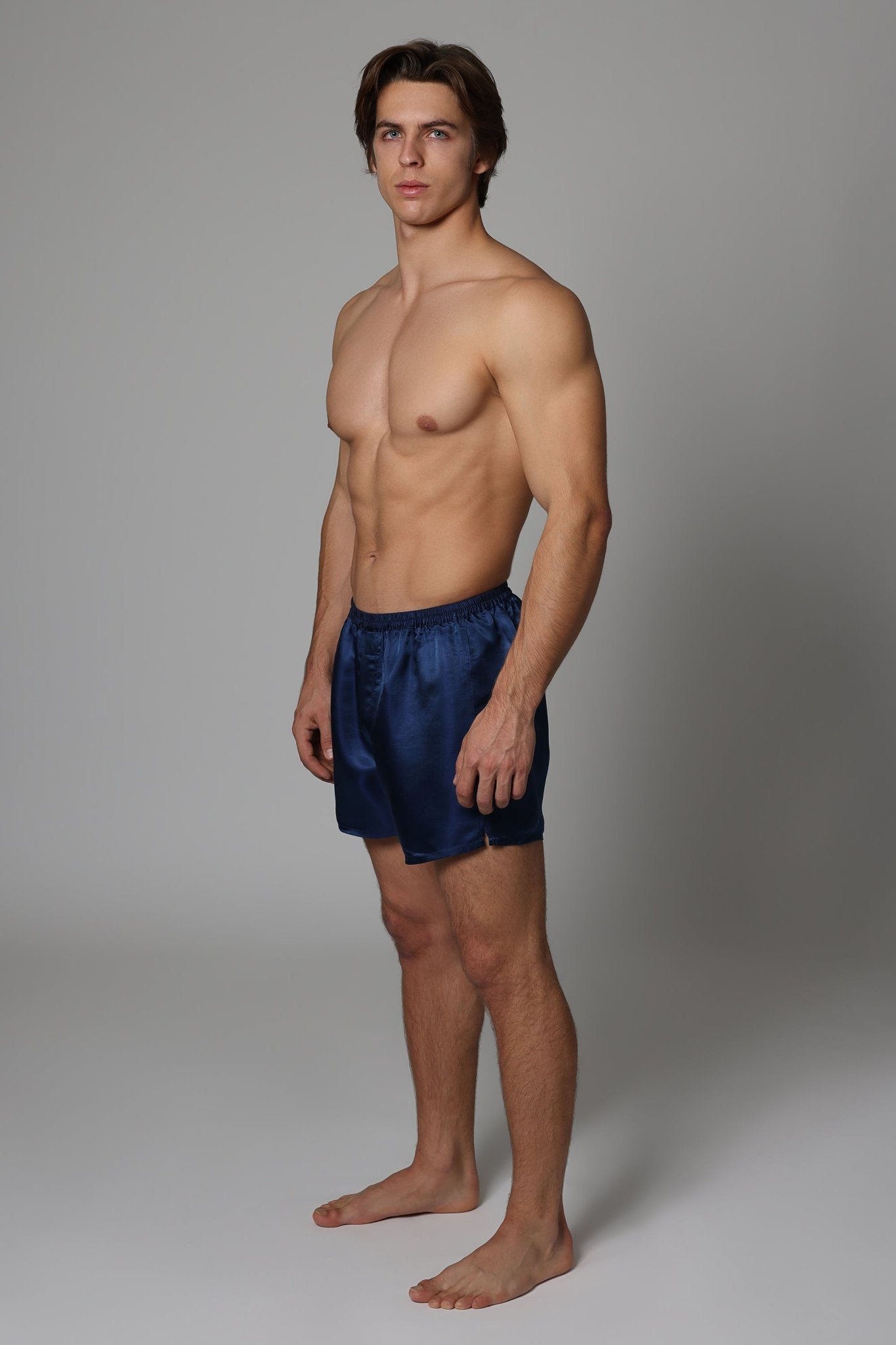
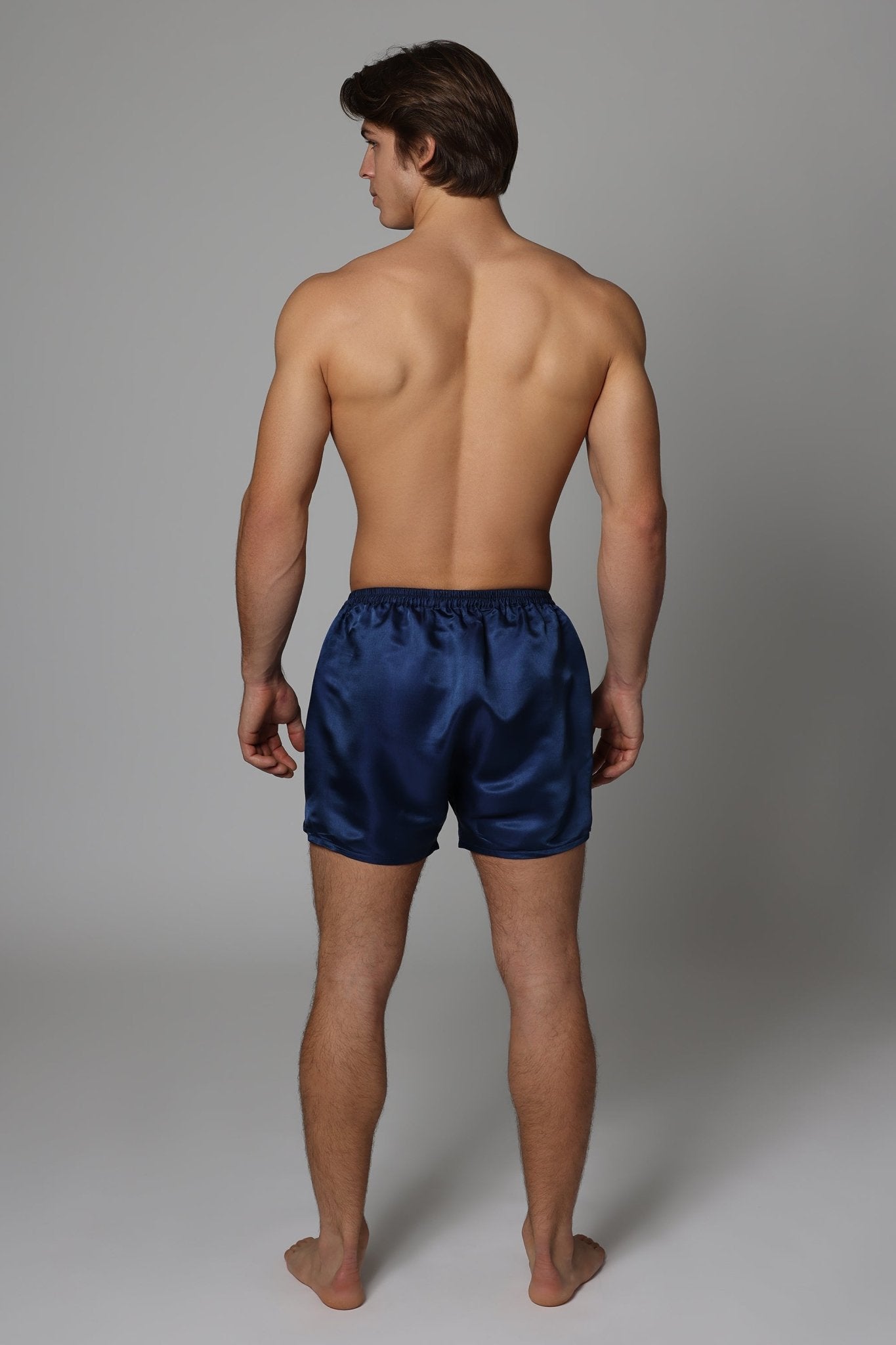
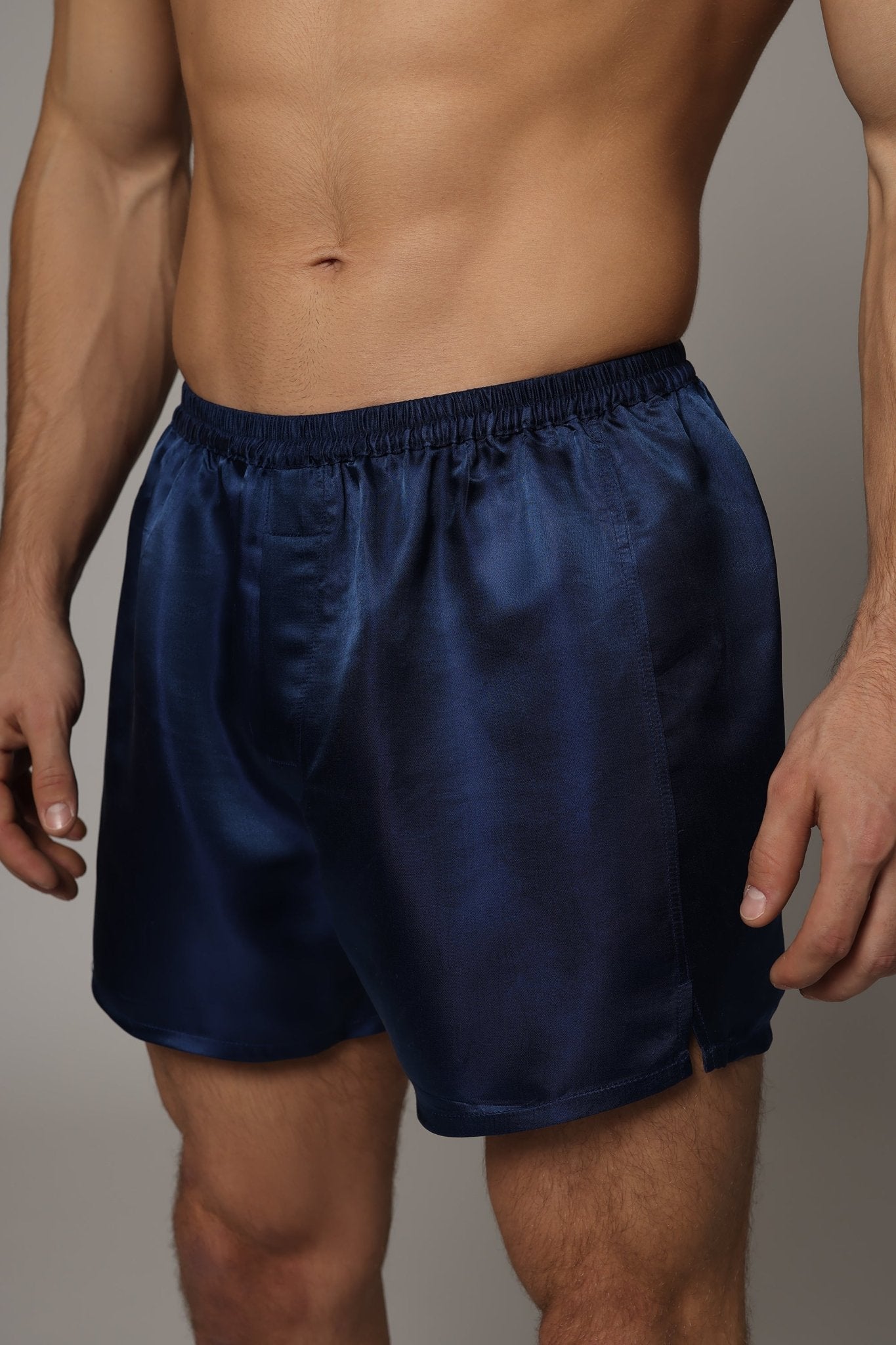
For all-day wear, pair a silk robe with with silk pajamas for sleeping and silk boxers underneath, creating a complete silk system for comfort.
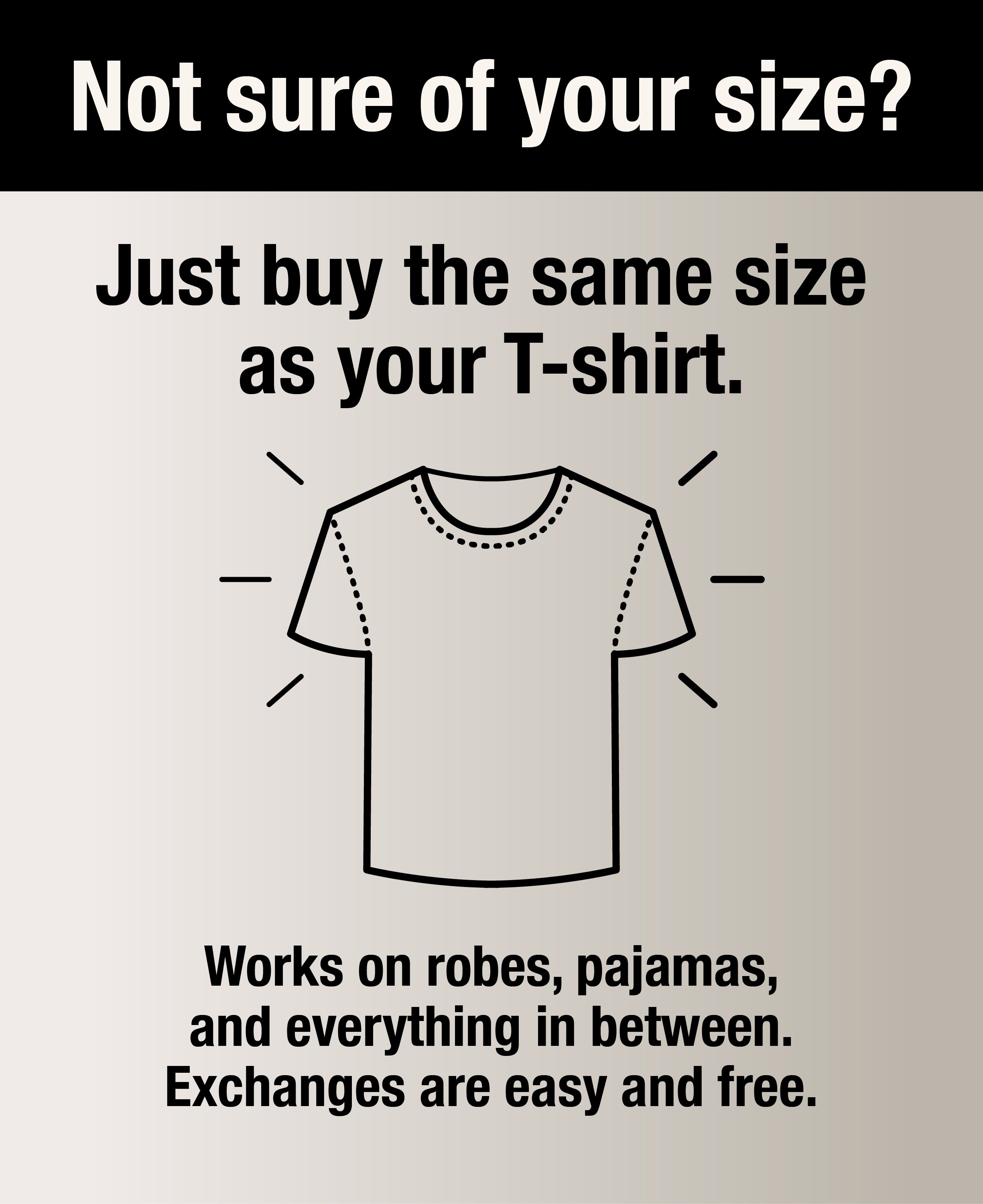
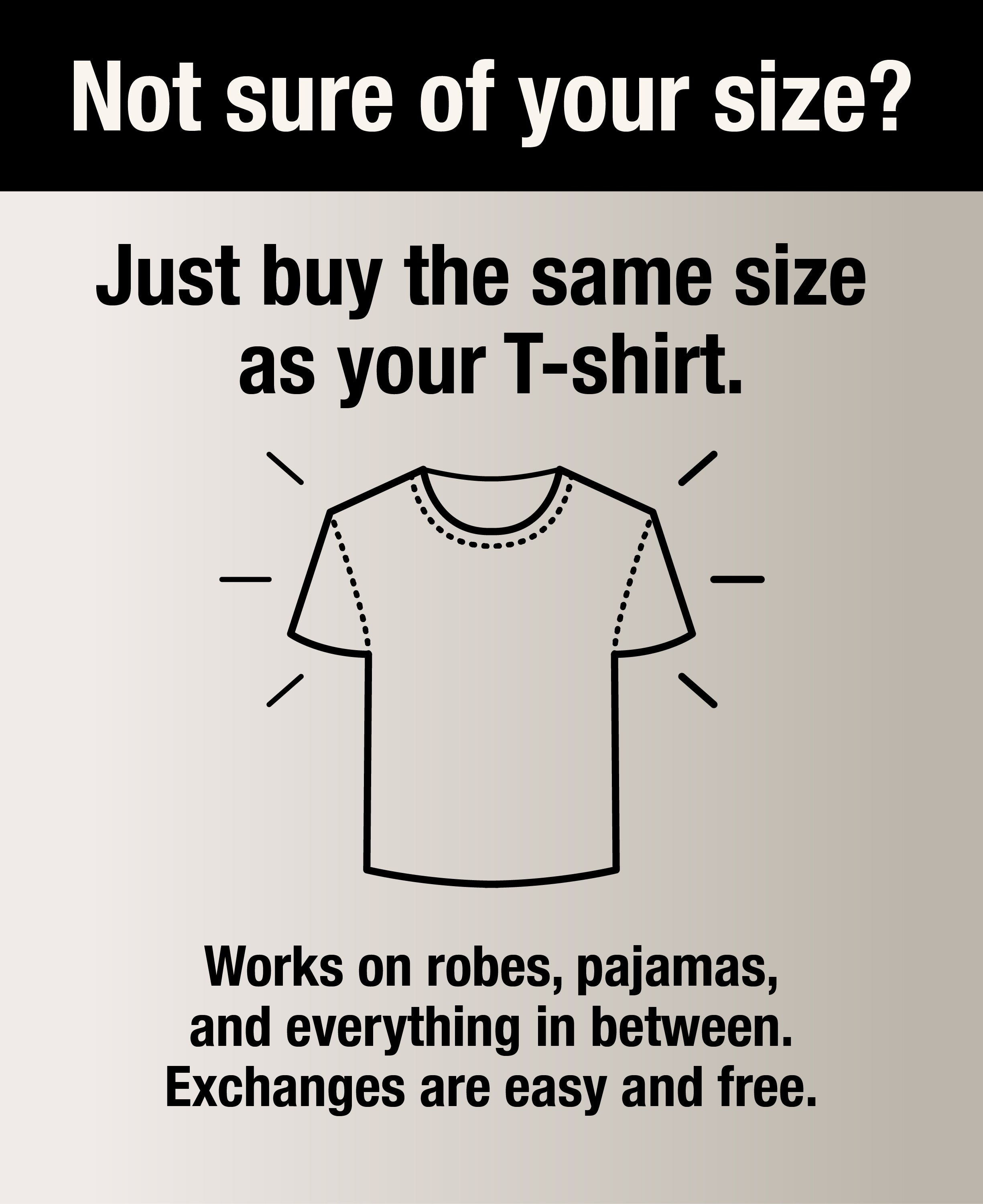
Explore men's silk robes and find your size.Frequently Asked Questions
Can I wear a silk robe directly after a shower?
You can, but silk won't absorb water the way terry does. If you towel off thoroughly first, then put on the silk robe, it works well. If you step directly from the shower into silk expecting it to dry you, you'll be disappointed. Silk regulates temperature; it doesn't absorb moisture.
Does steam from a shower damage silk?
No. Steam from a shower won't damage 27 momme silk. The fabric may absorb some moisture vapor, but it dries within minutes. Silk is a natural protein fiber that handles humidity well. Just avoid leaving it sitting in a puddle of water.
Which lasts longer, silk or terry cloth?
At equivalent use frequency, a 27 momme silk robe outlasts a terry cloth robe by a factor of roughly 2-3 times. Terry pile flattens and loses absorbency within 2-4 years. Silk at this weight maintains its properties for approximately 5 years with proper care.
Is a silk robe warm enough for winter?
Yes. Silk is thermoregulating, meaning it adapts to your body temperature. In winter, the insulating air layer between silk and your skin retains warmth. In summer, the breathable fiber structure allows heat to escape. It works year-round, unlike terry cloth, which becomes uncomfortably warm in summer.
Why are silk robes more expensive than terry cloth?
Raw silk costs significantly more than cotton terry per unit of fabric. 27 momme uses high density of silk fiber. French seam construction takes twice as long as overlocked seams. Artisan workshop production costs more per garment than factory production. Price reflects material and labor, not excessive markup.
Do men actually wear robes?
Sixty-six percent of Tara Sartoria's customers are men. Men have worn silk robes across cultures for centuries. The current men's self-care market is growing, with loungewear and sleepwear as leading categories. Robe-wearing isn't gendered. Marketing made it seem that way.
Can I travel with a silk robe?
Easily. A 27 momme silk robe weighs less than a pound and rolls to the size of a paperback book. A terry robe weighs 3 pounds minimum and takes up significant luggage space. If travel is part of your life, silk is the clear choice.
