


Do Silk Pajamas Keep You Cool? How Thermoregulation Actually Works
By Tara Nguyen, Ph.D., Founder and Creative Director, Tara Sartoria
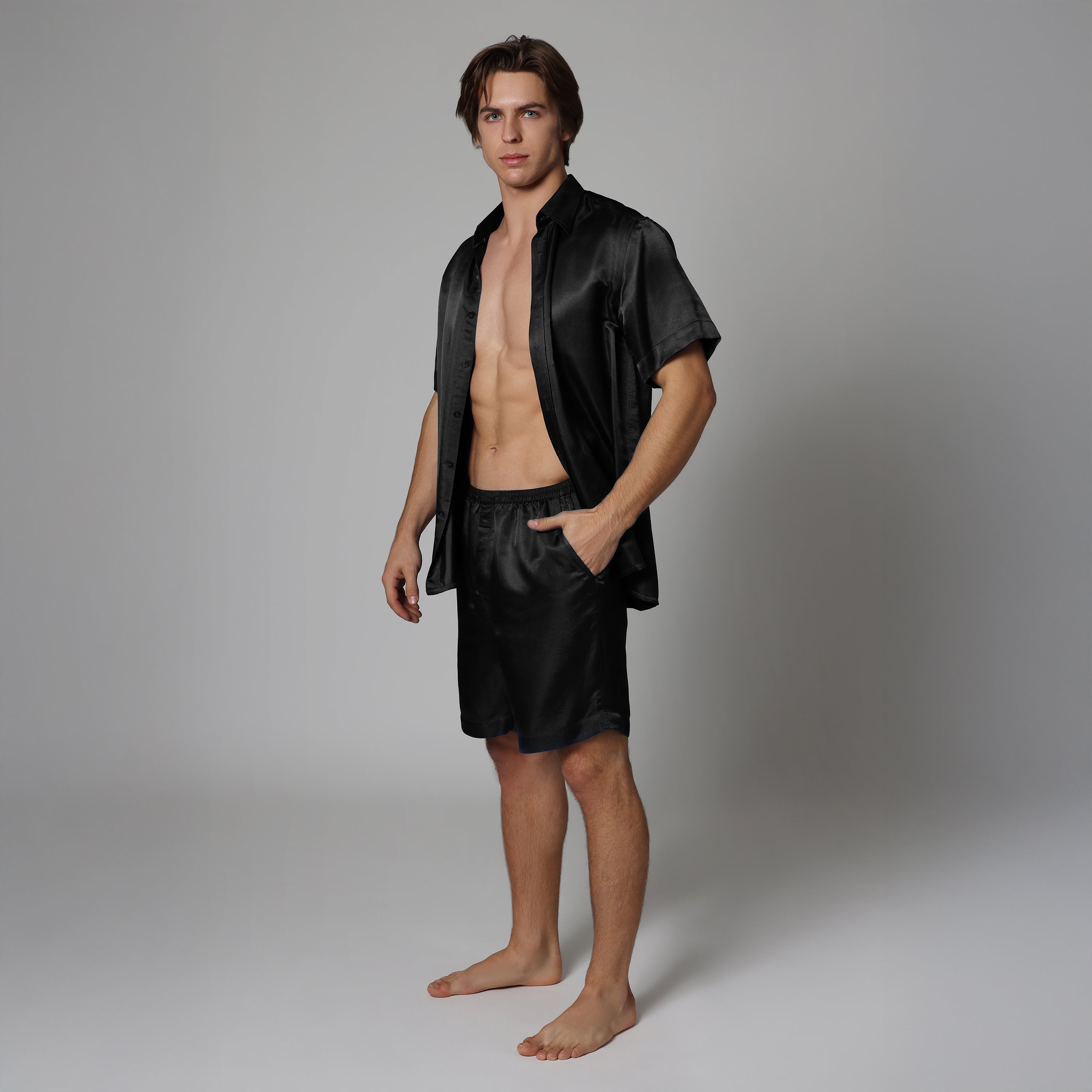
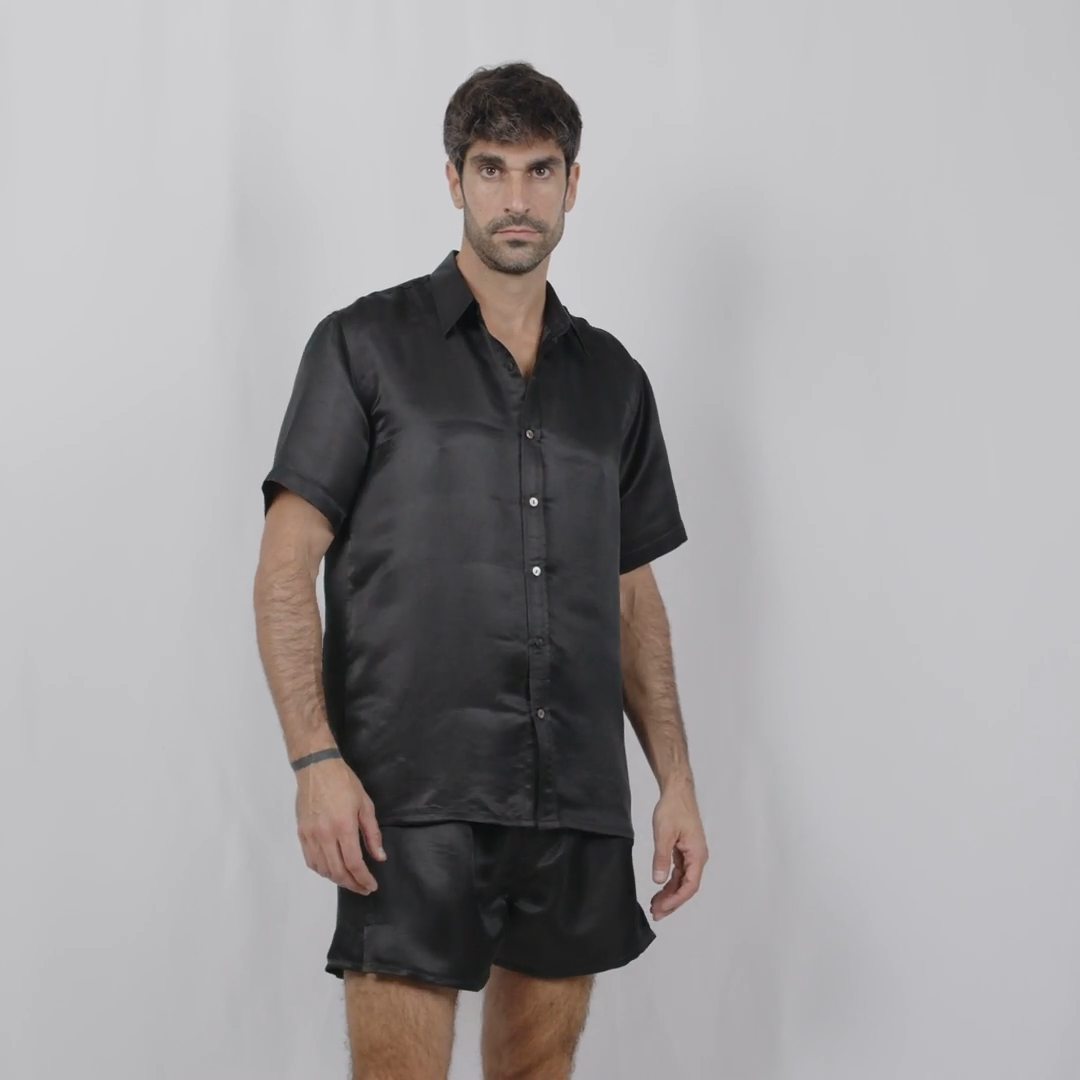
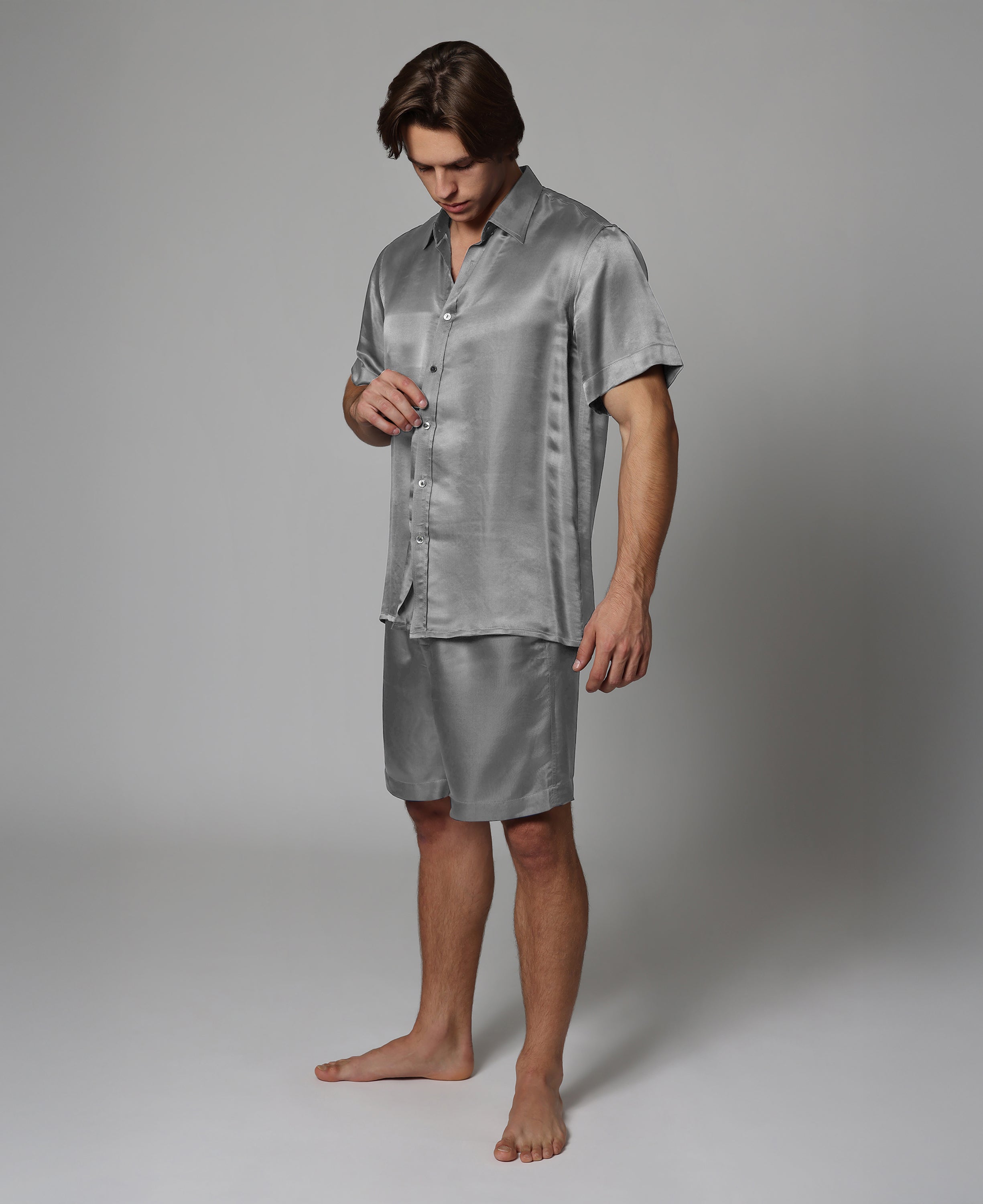
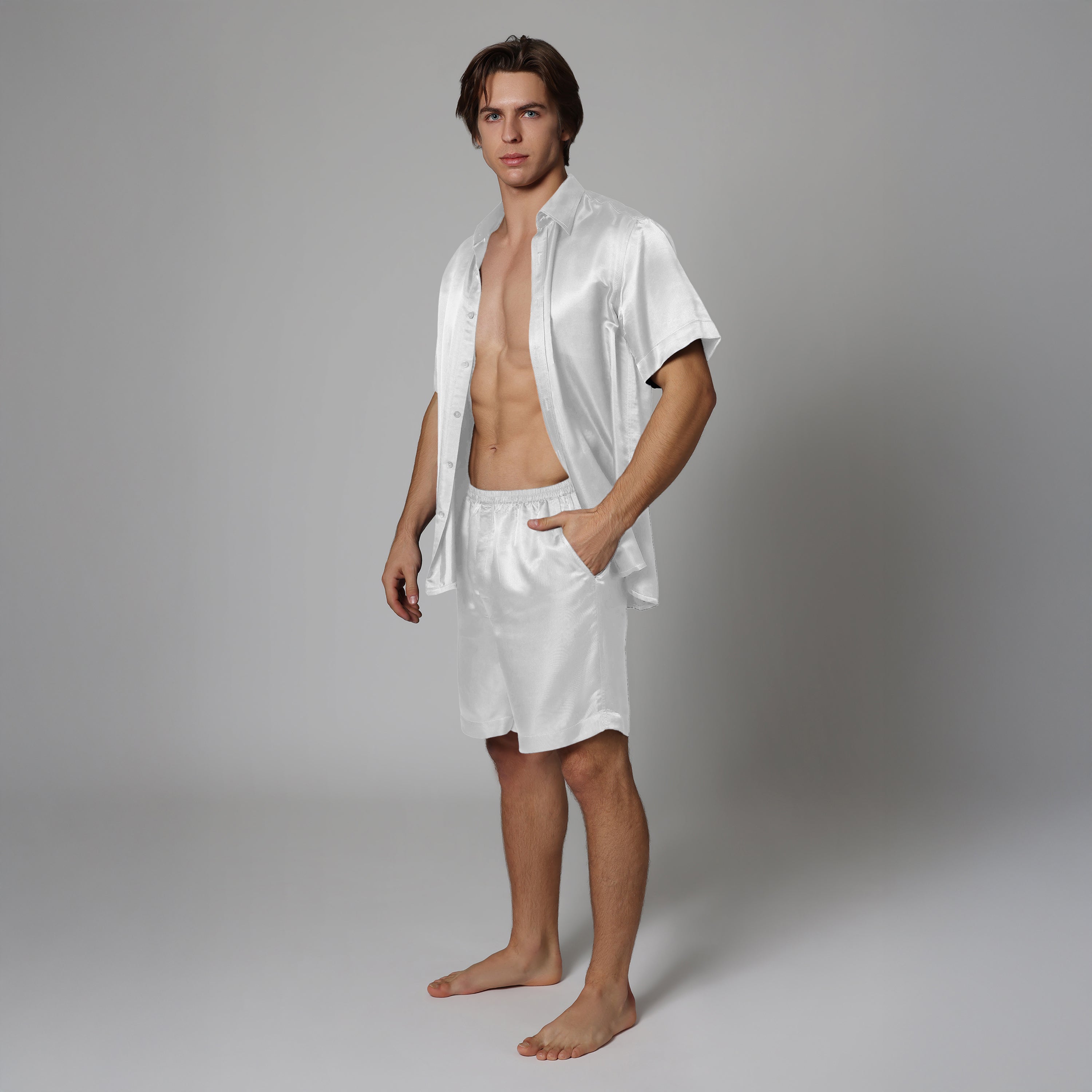
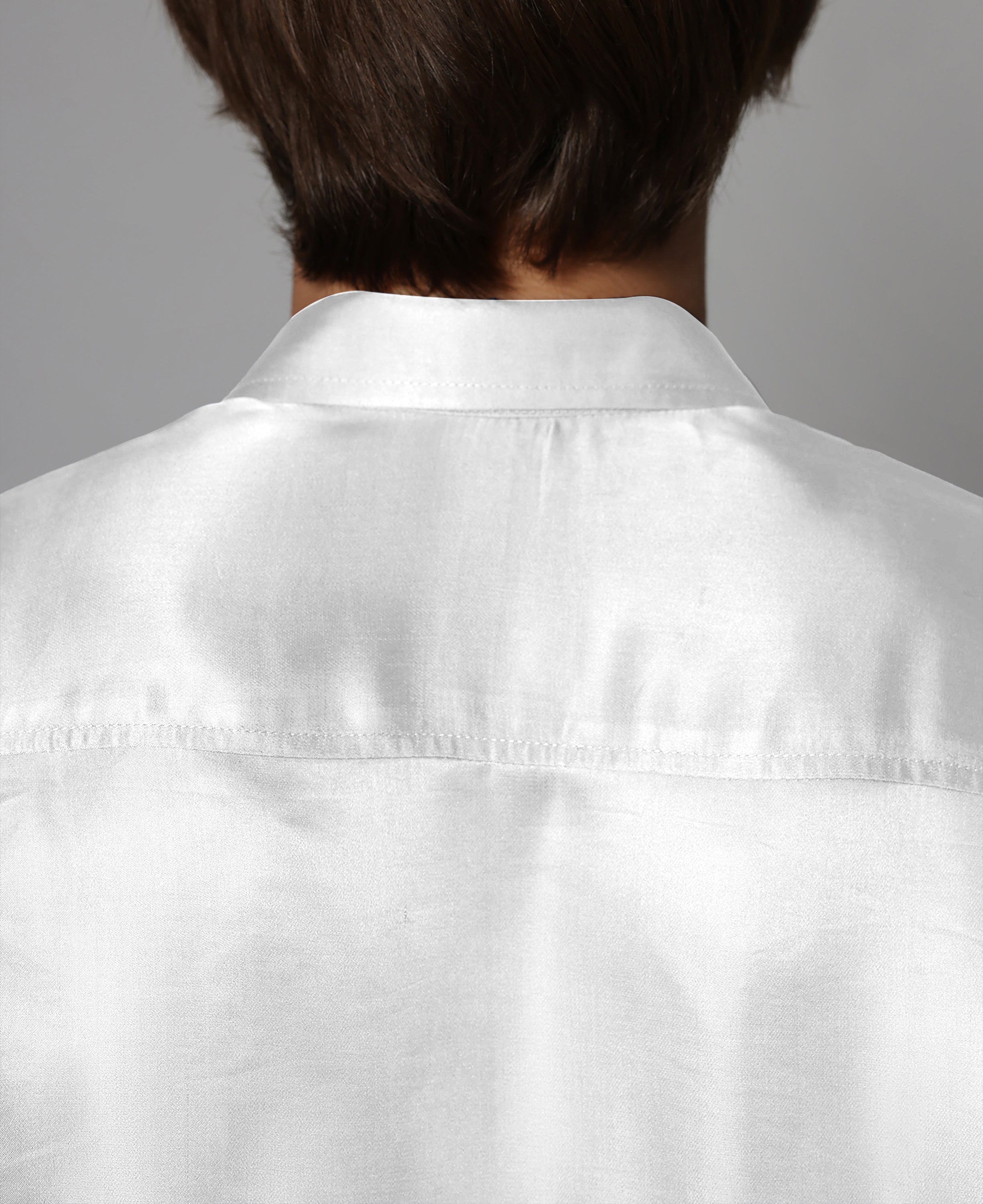
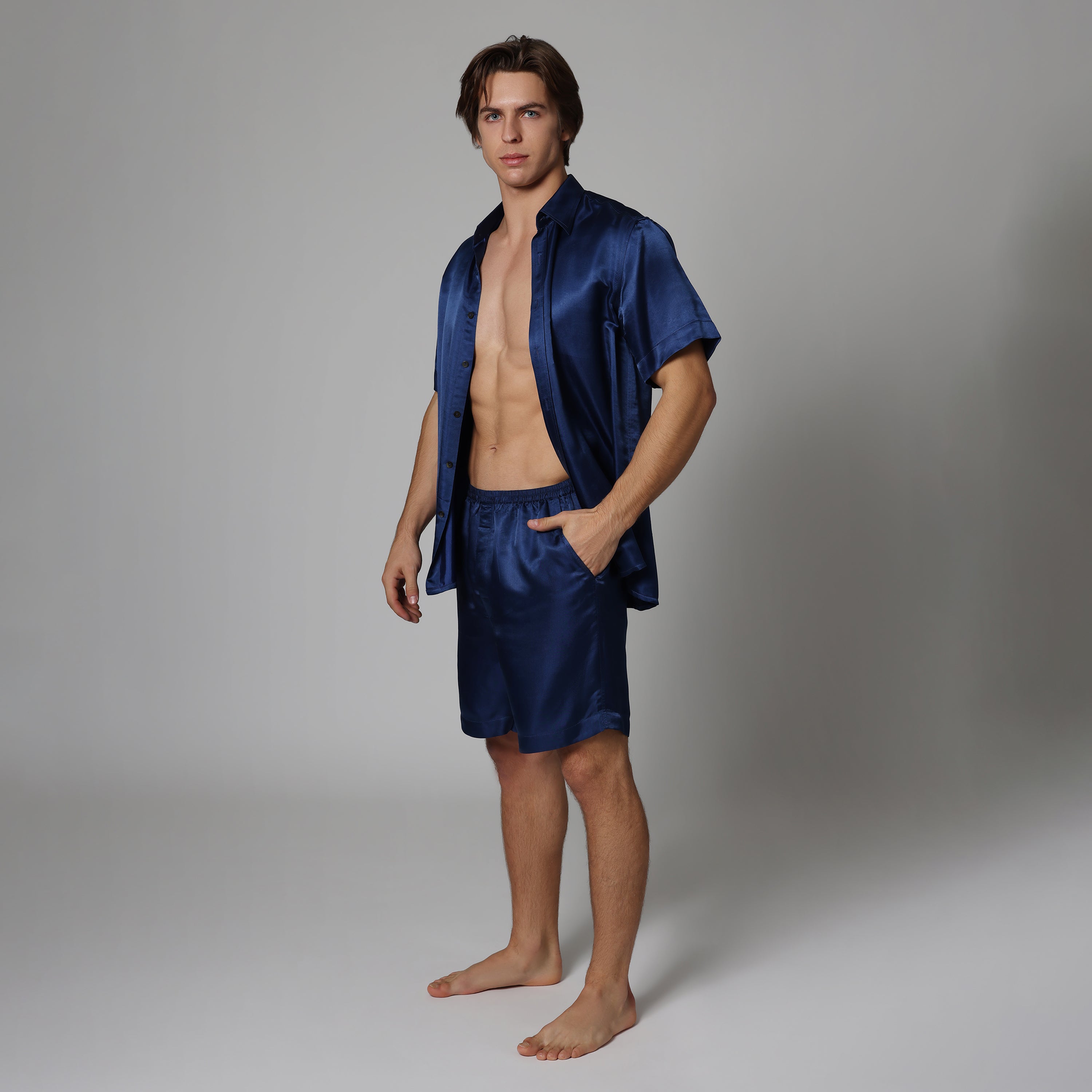
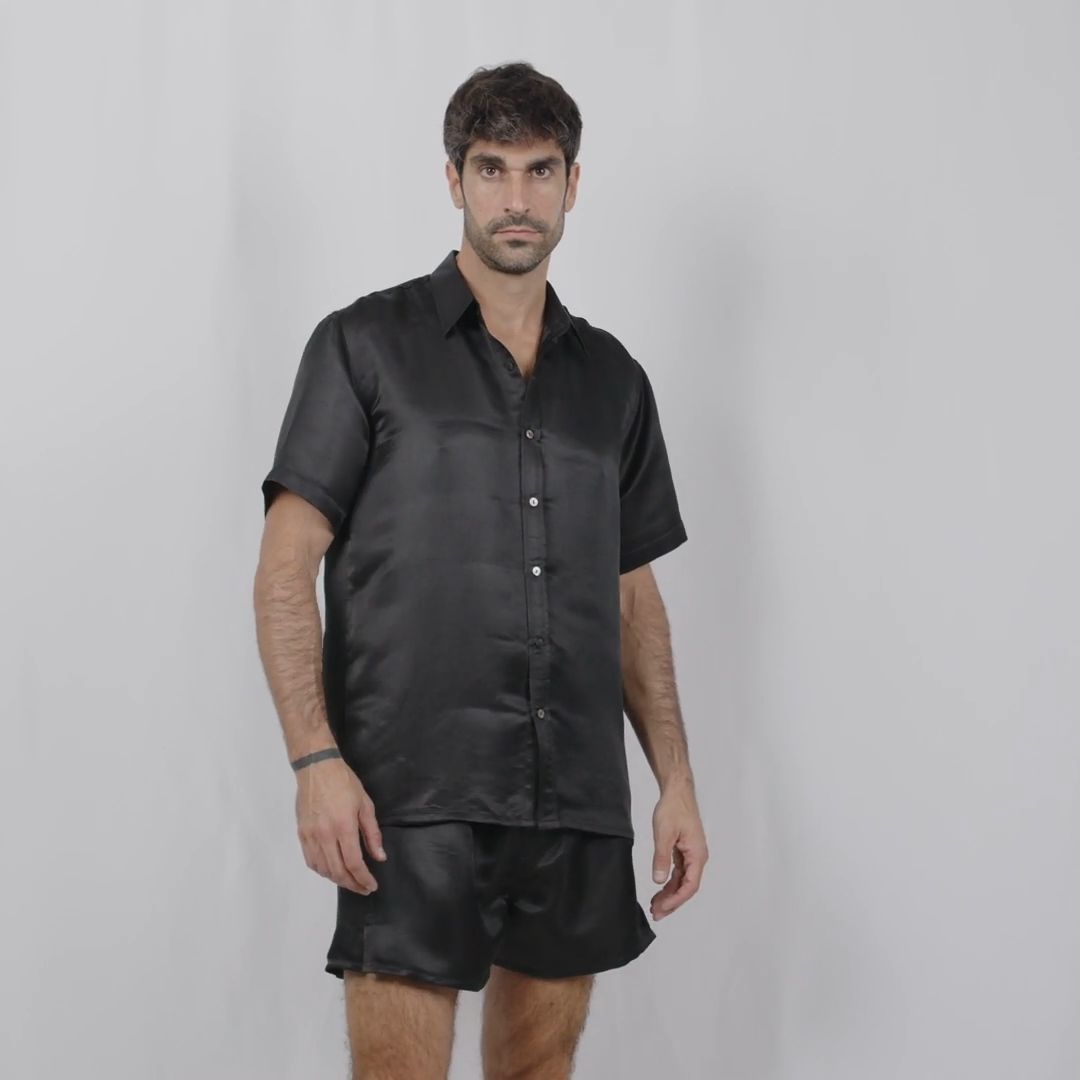
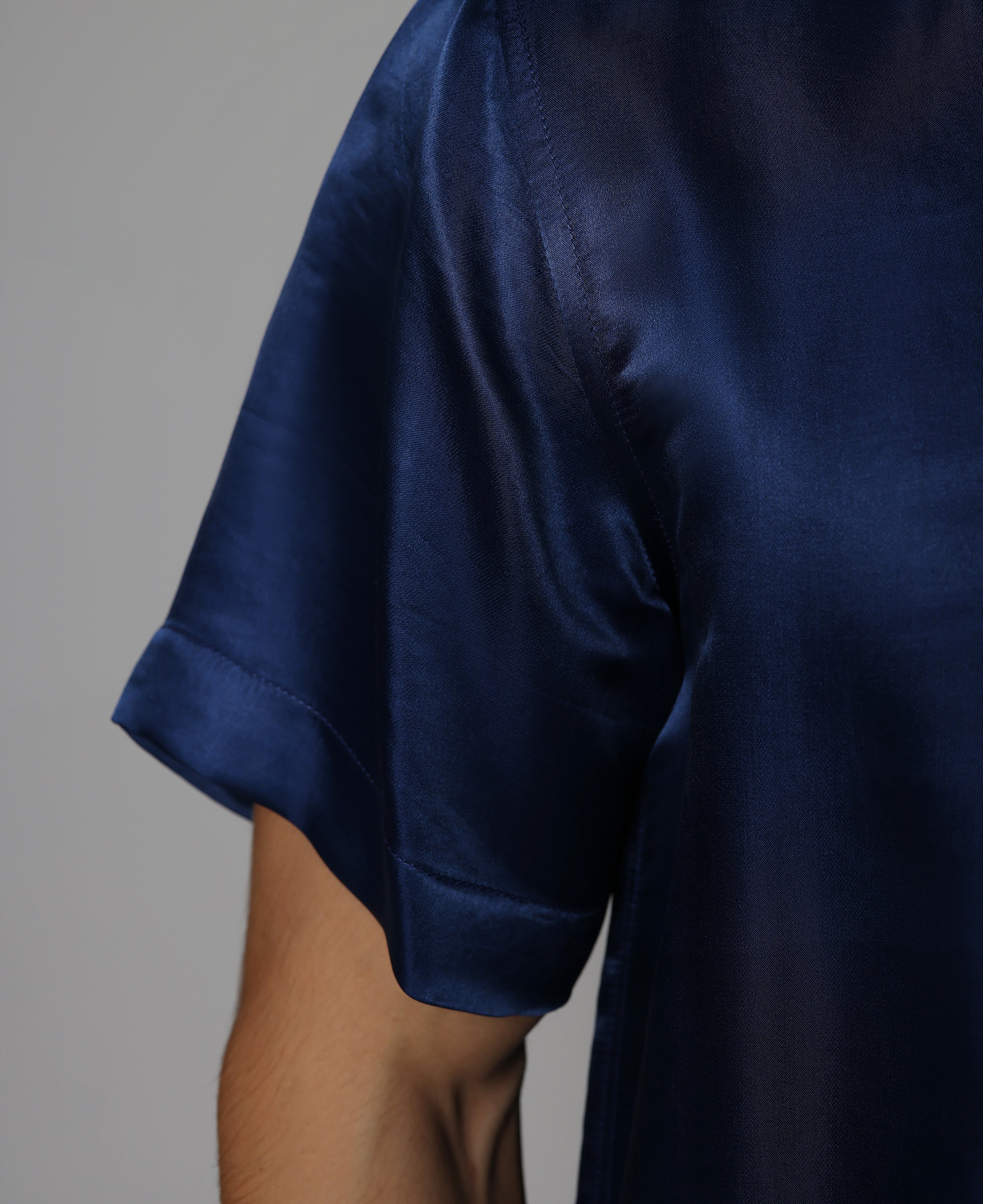
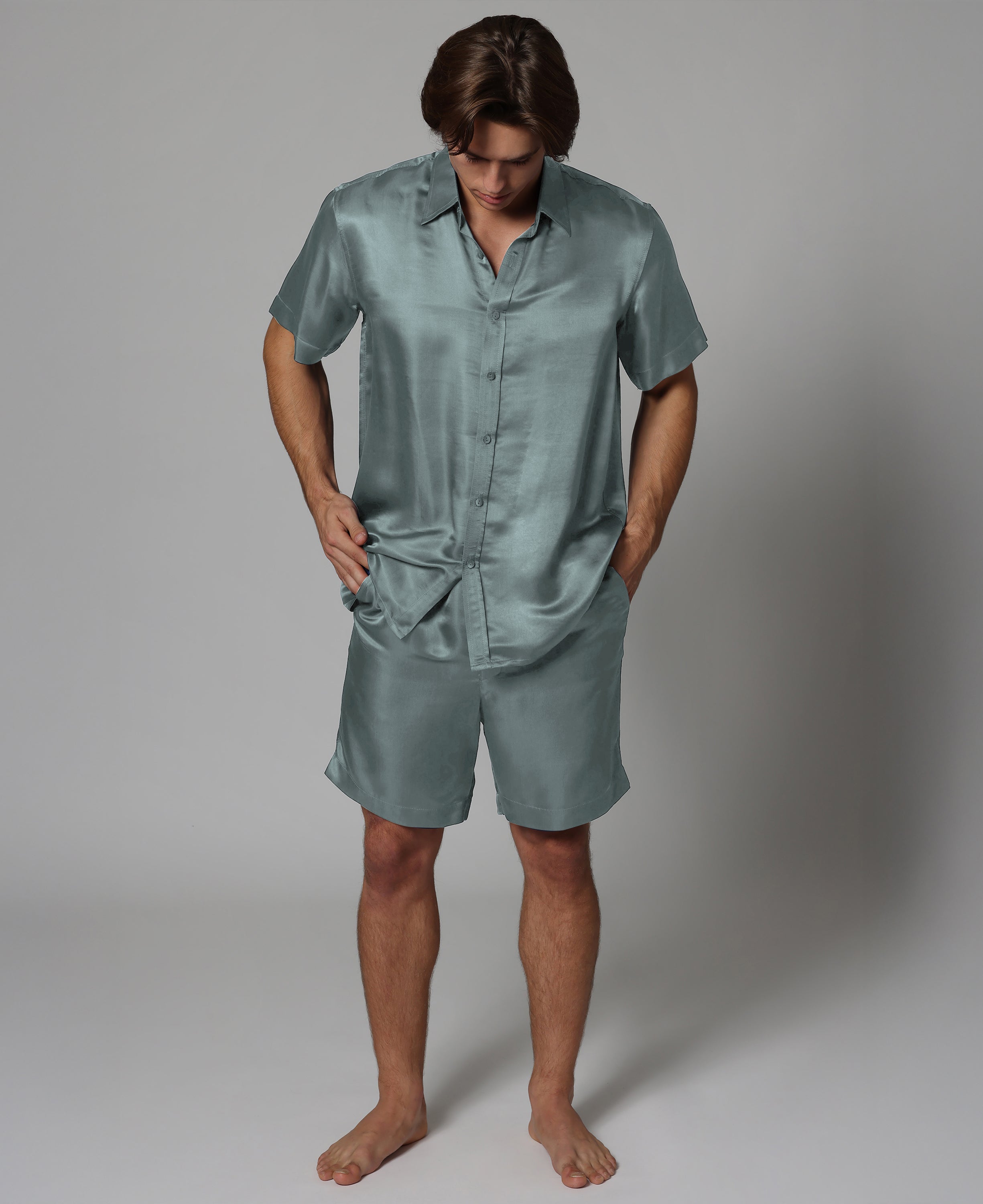
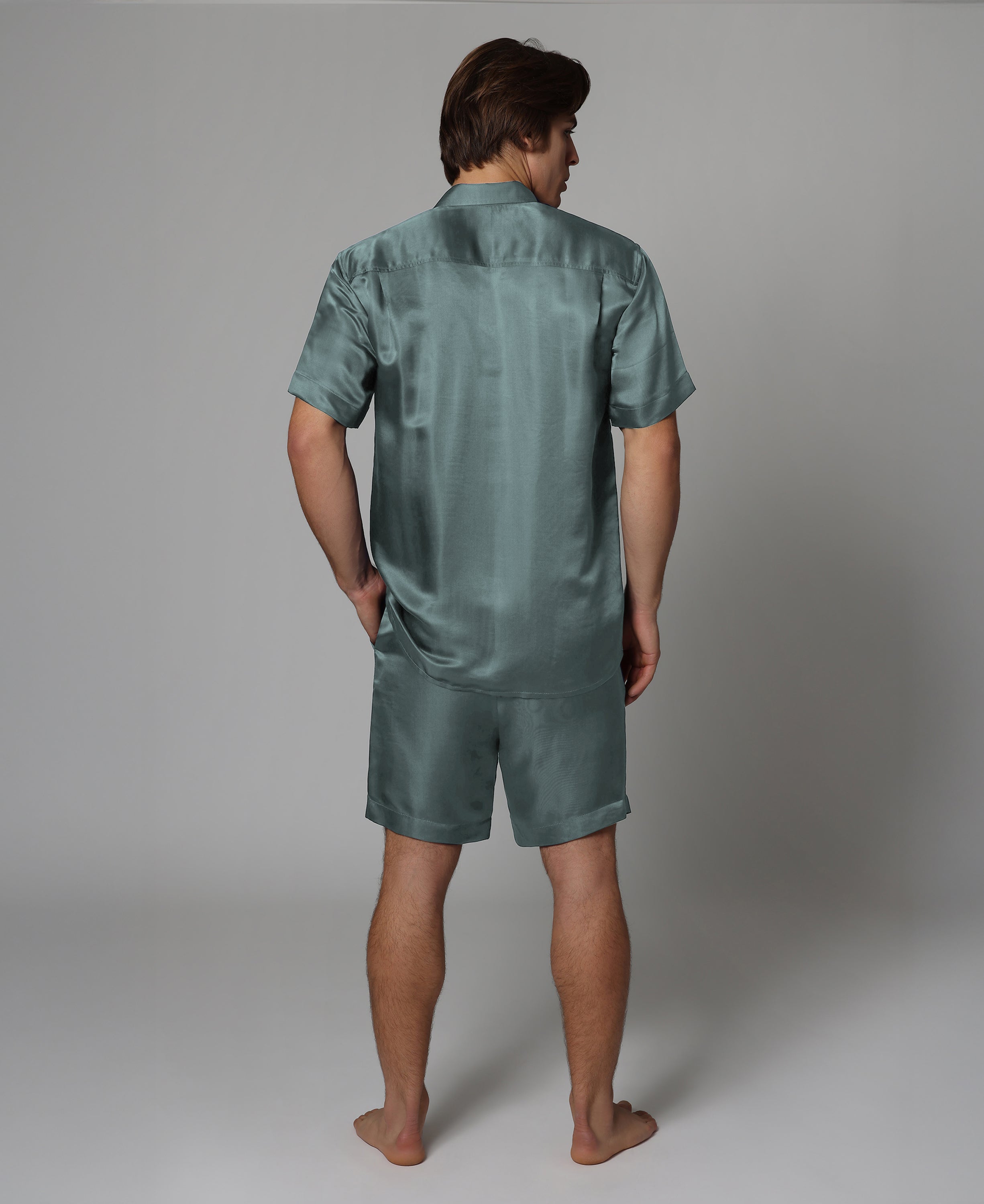
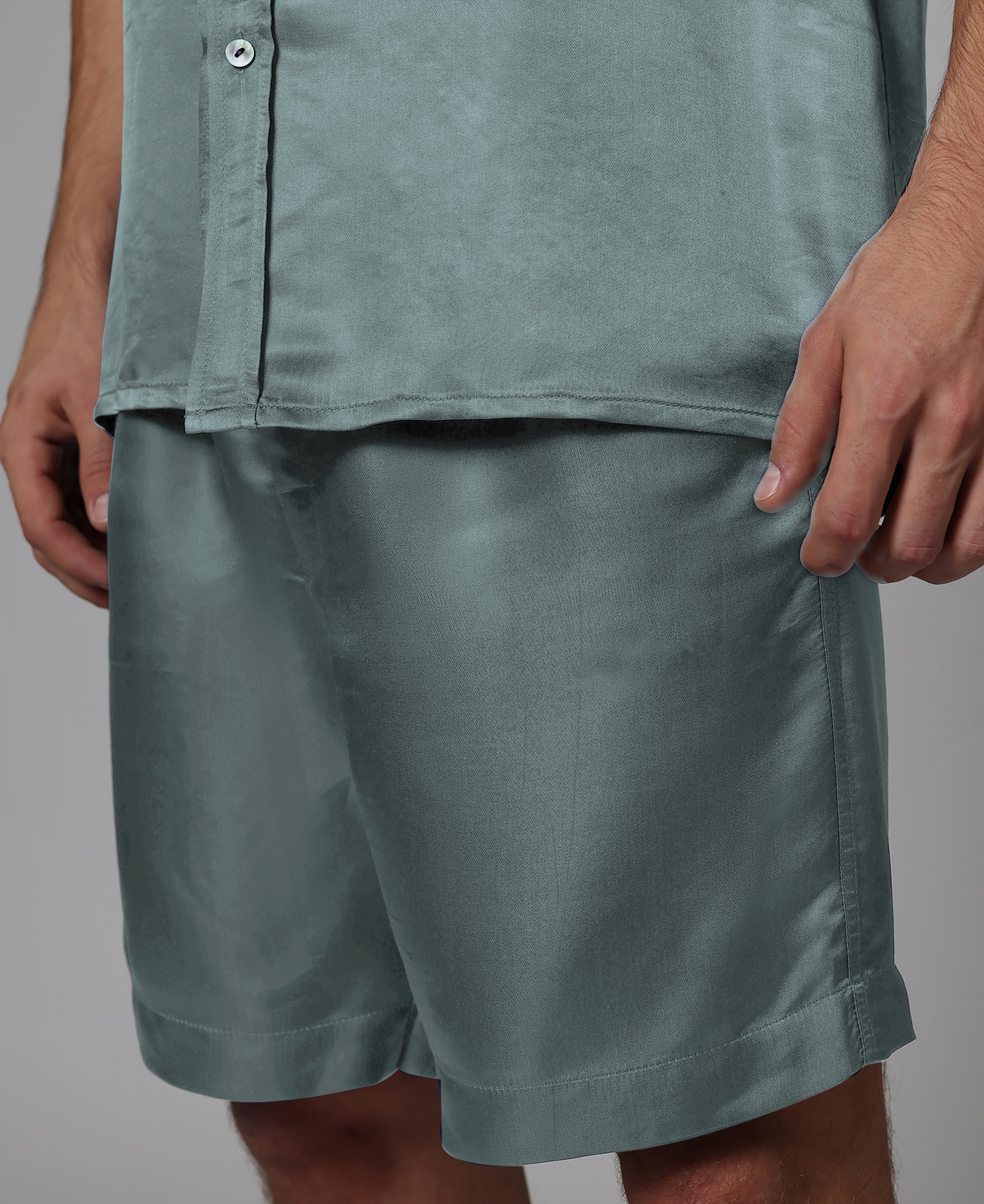
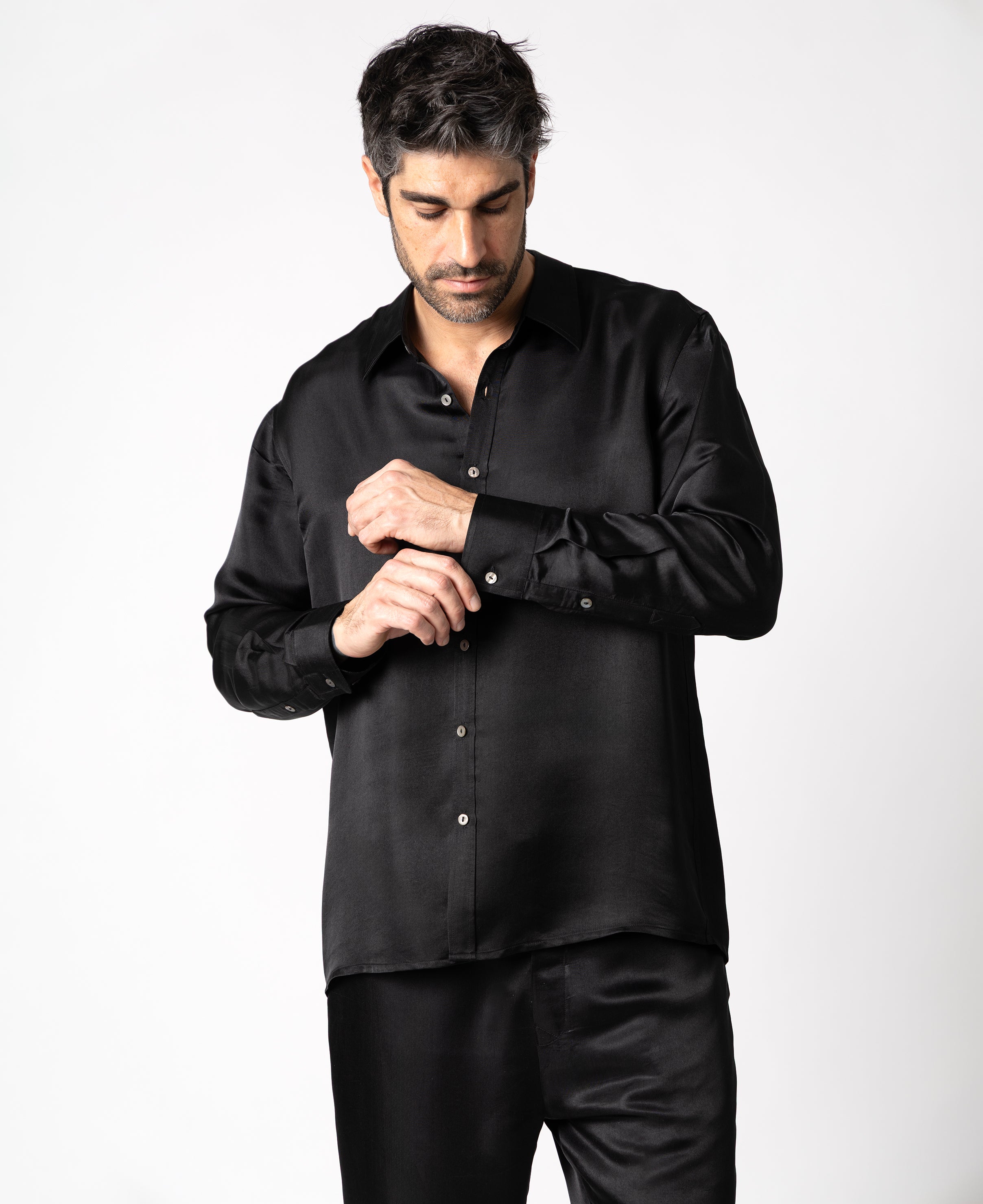
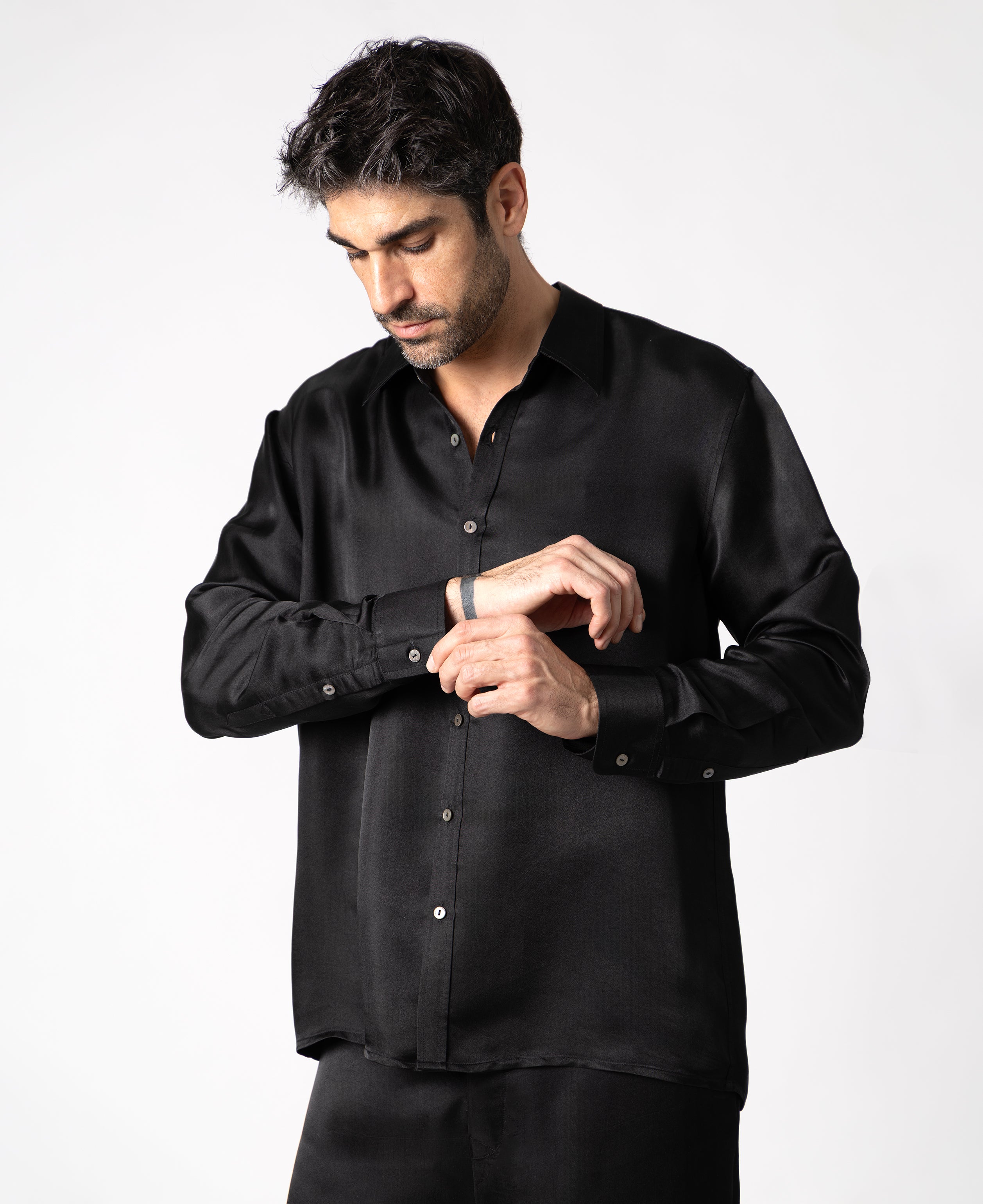
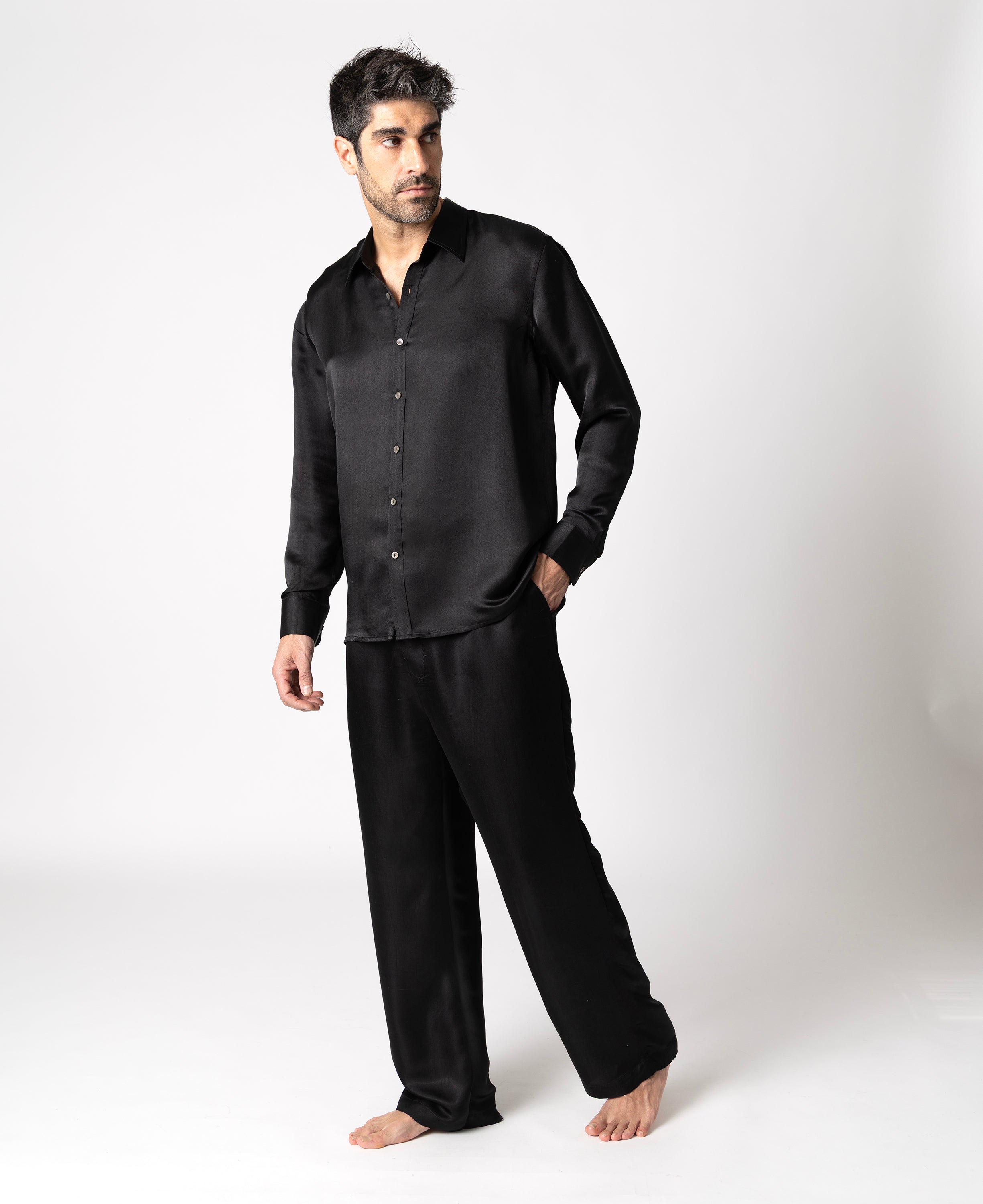
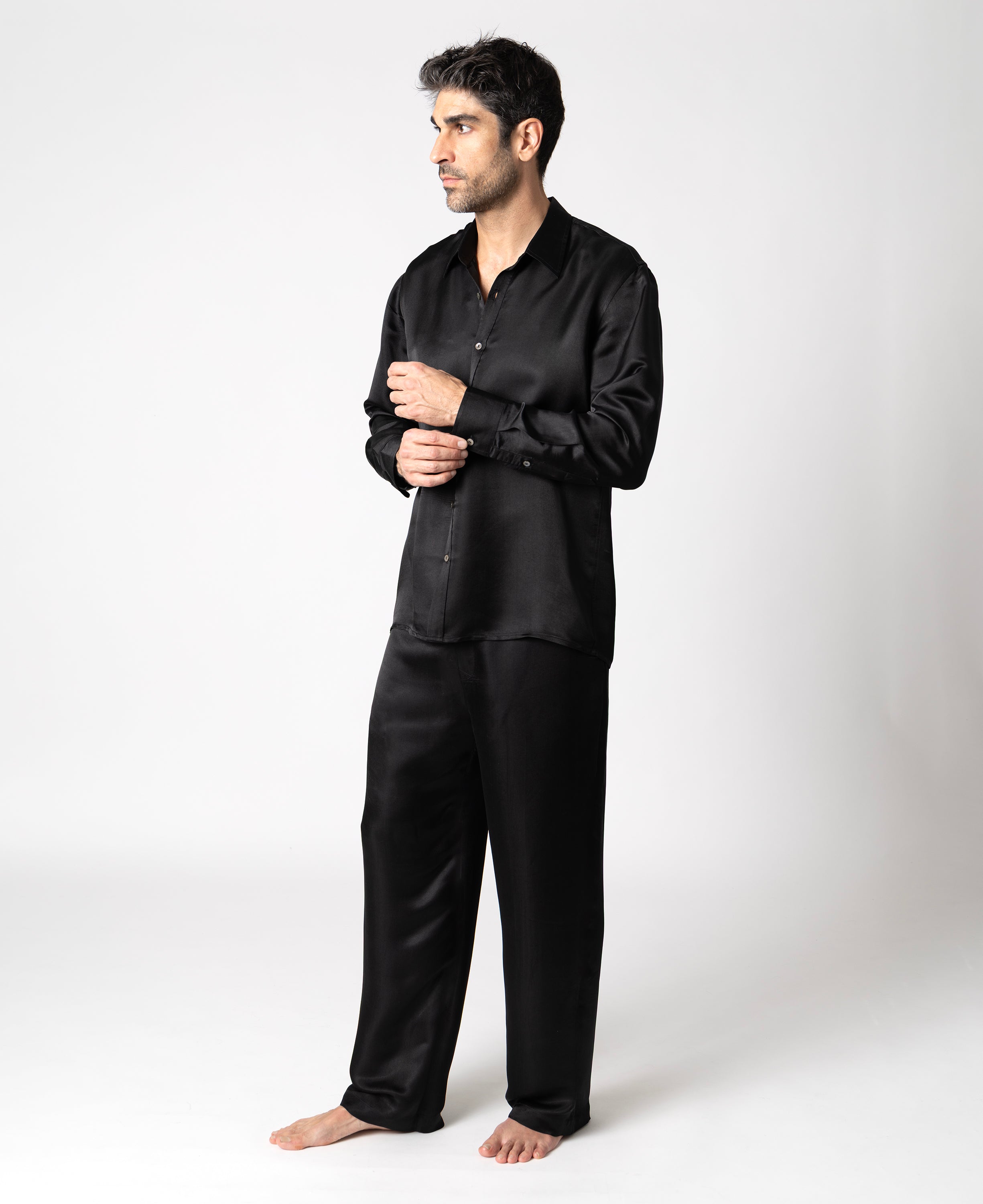
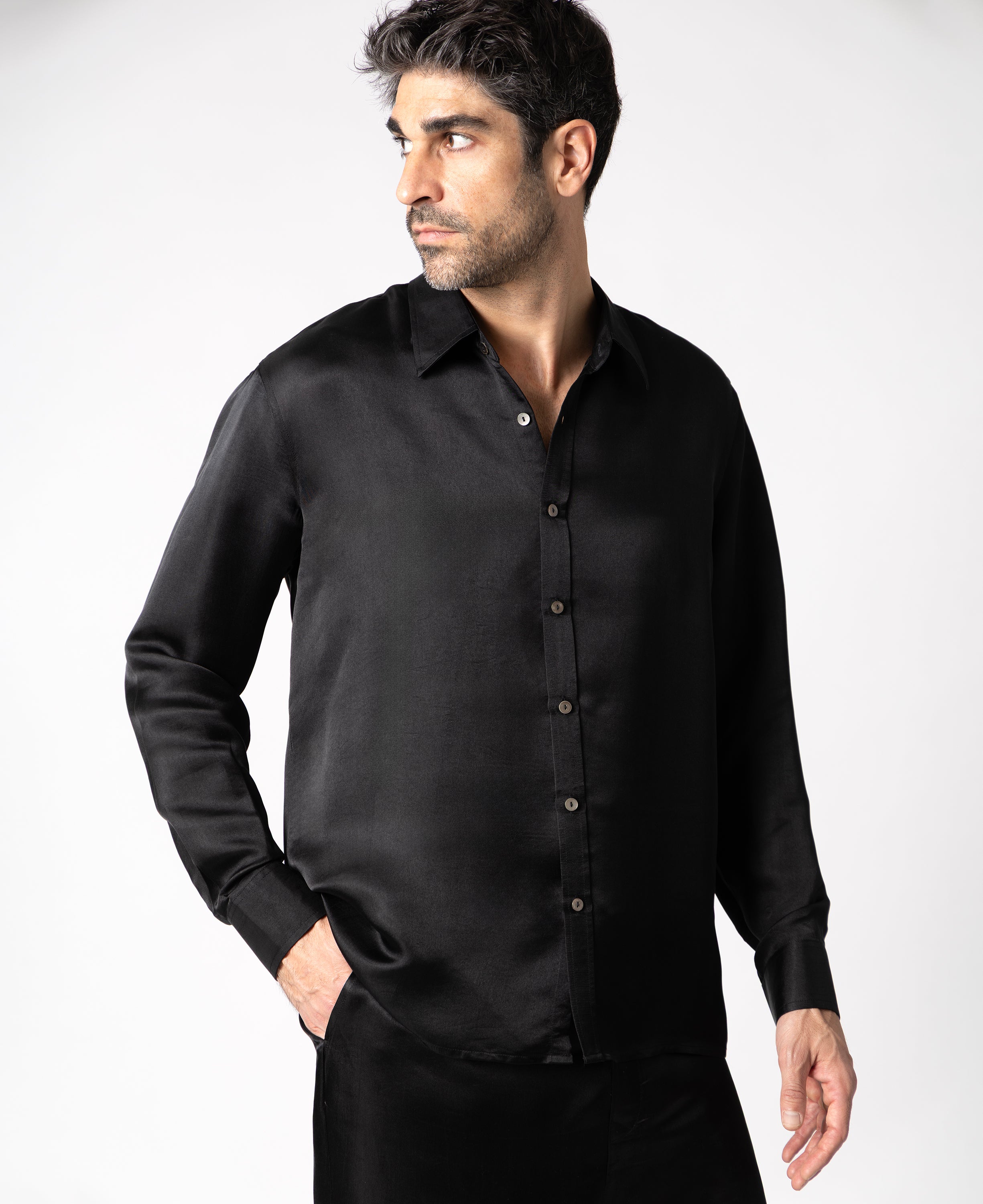
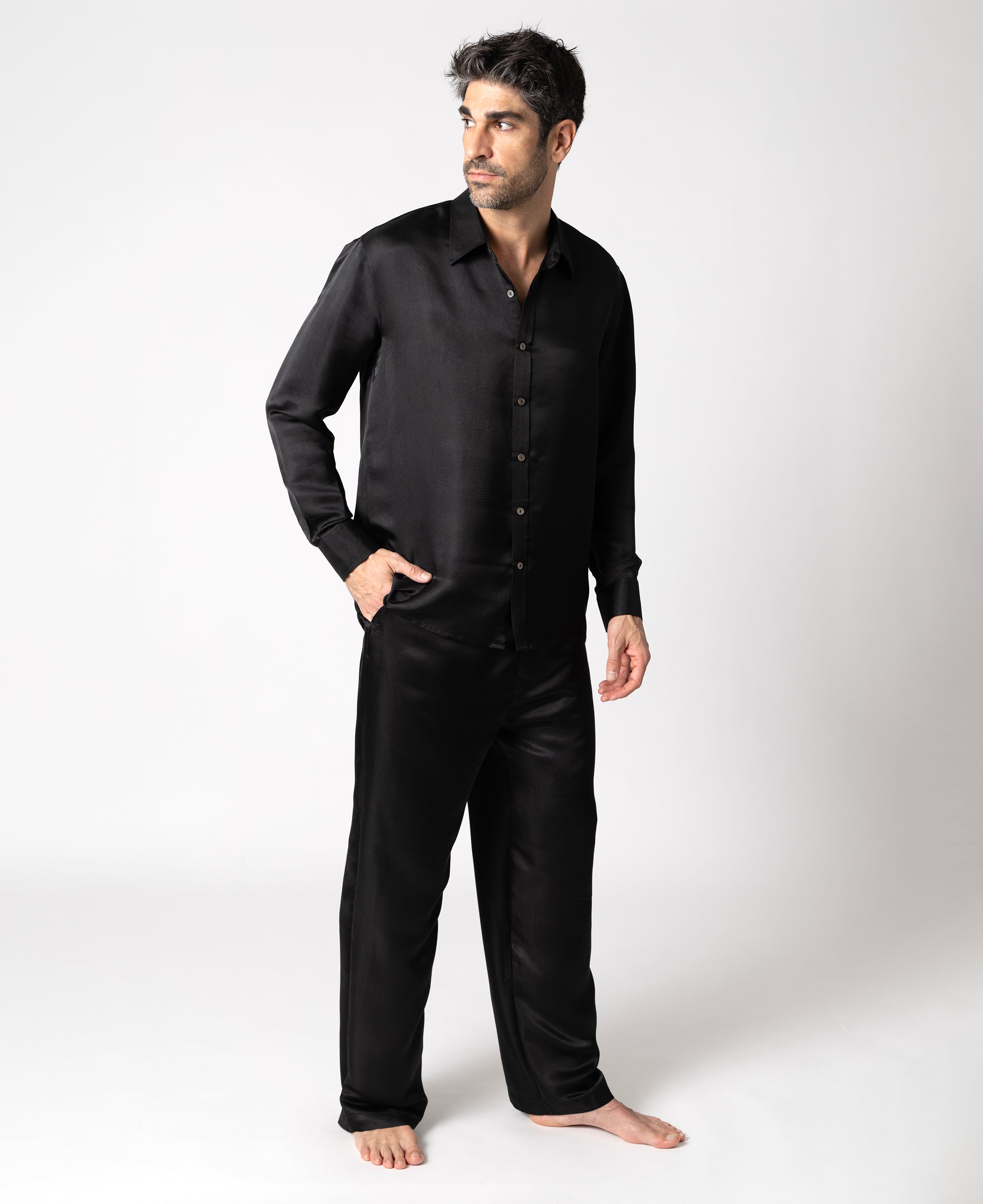
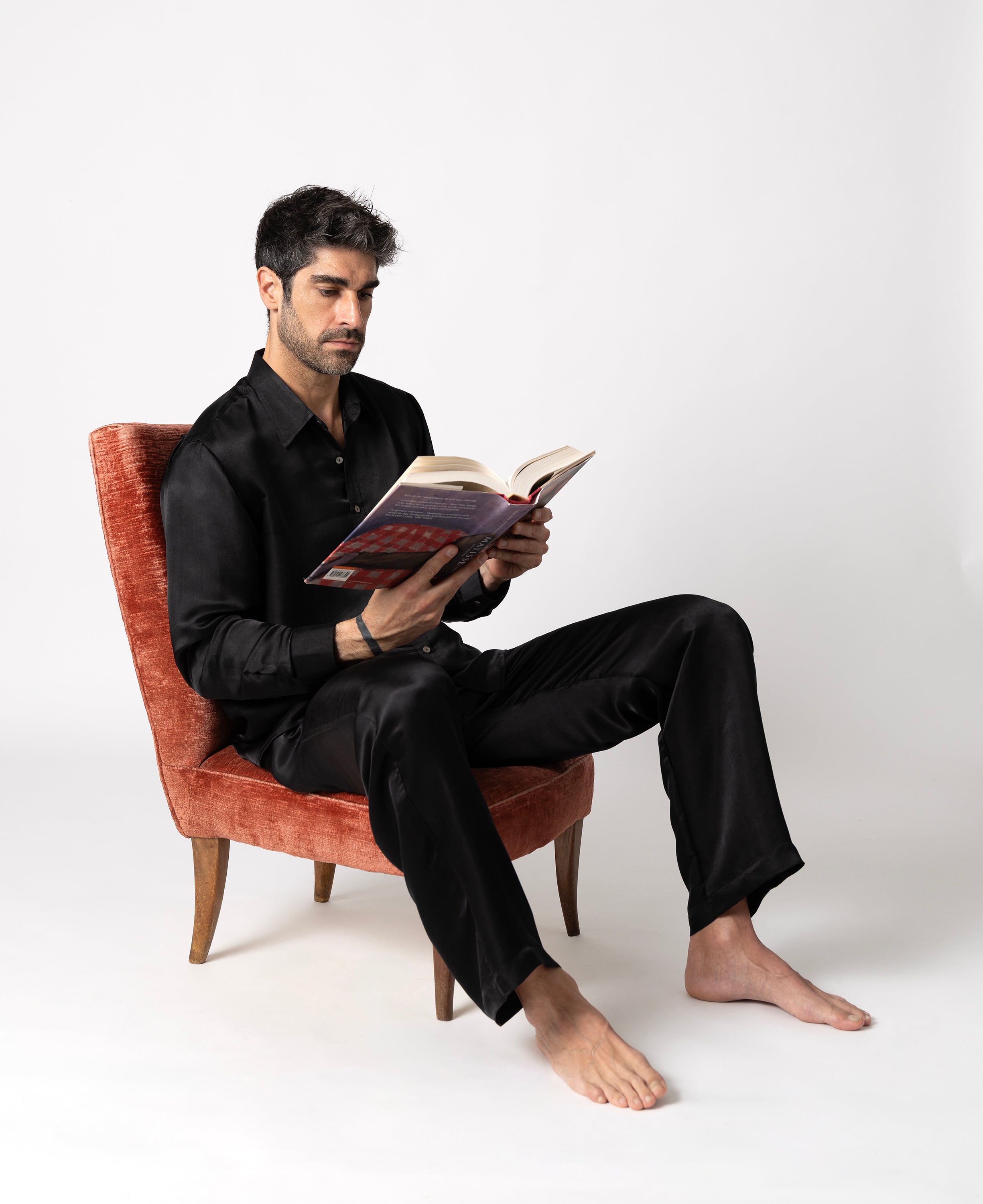
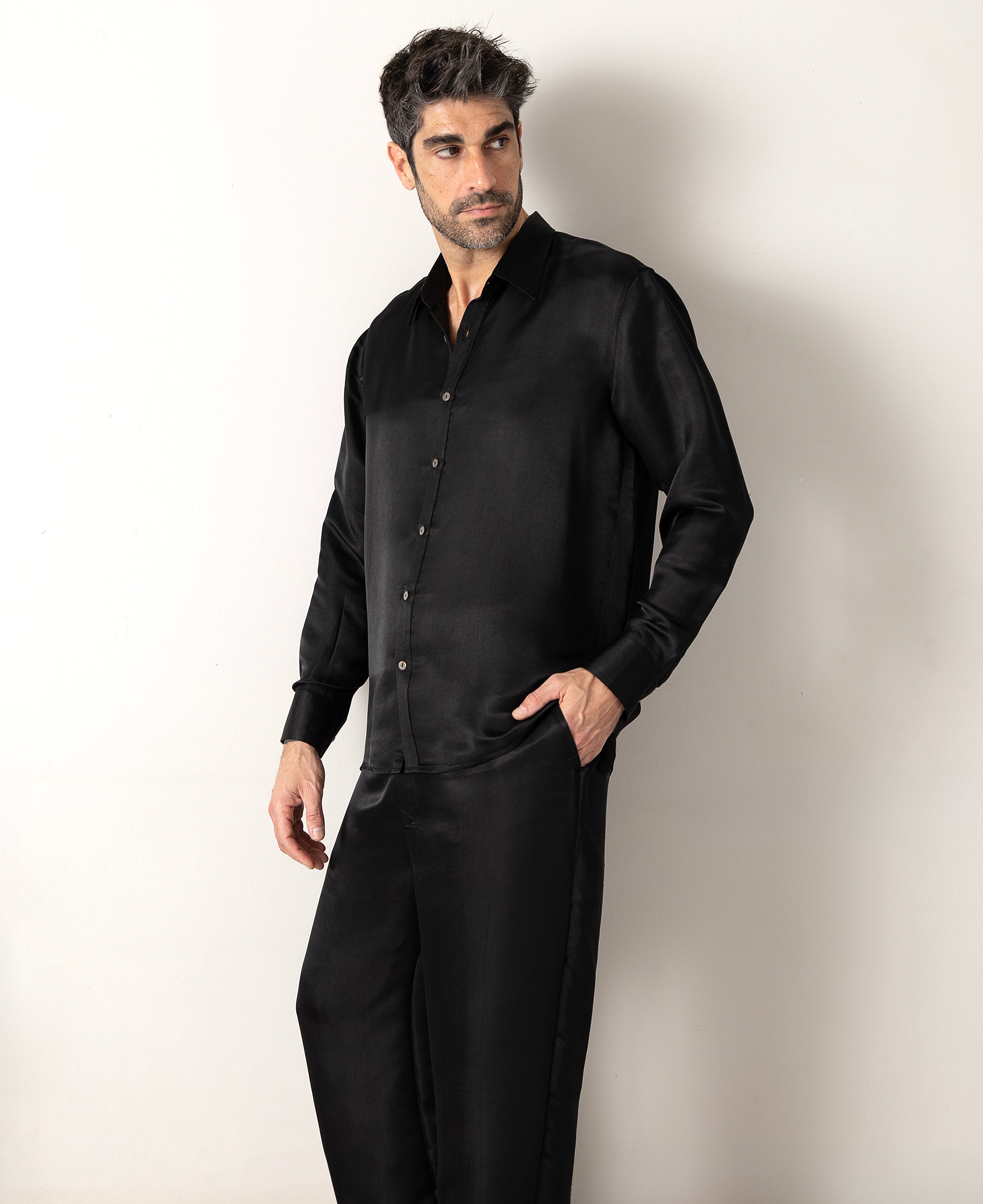
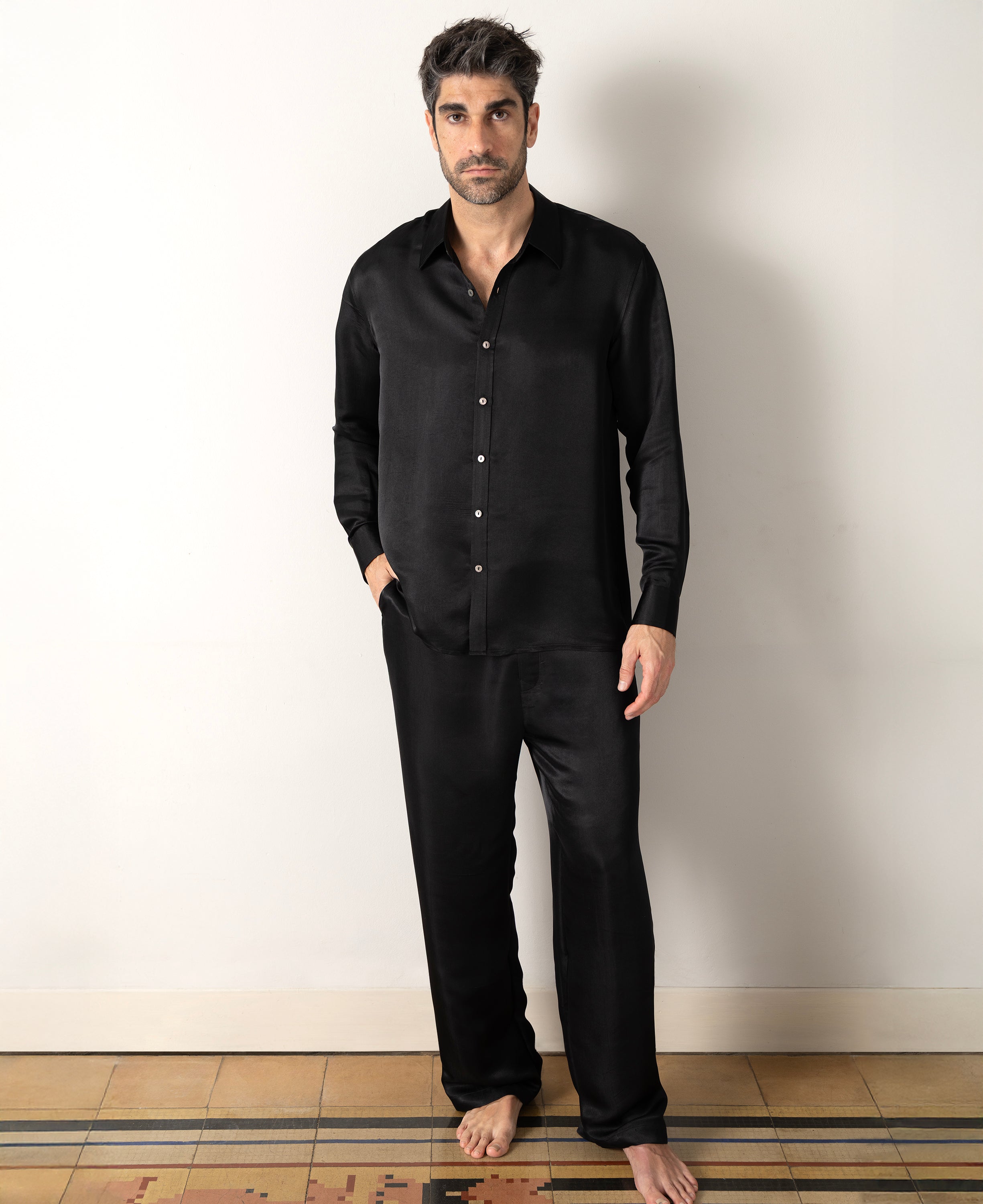
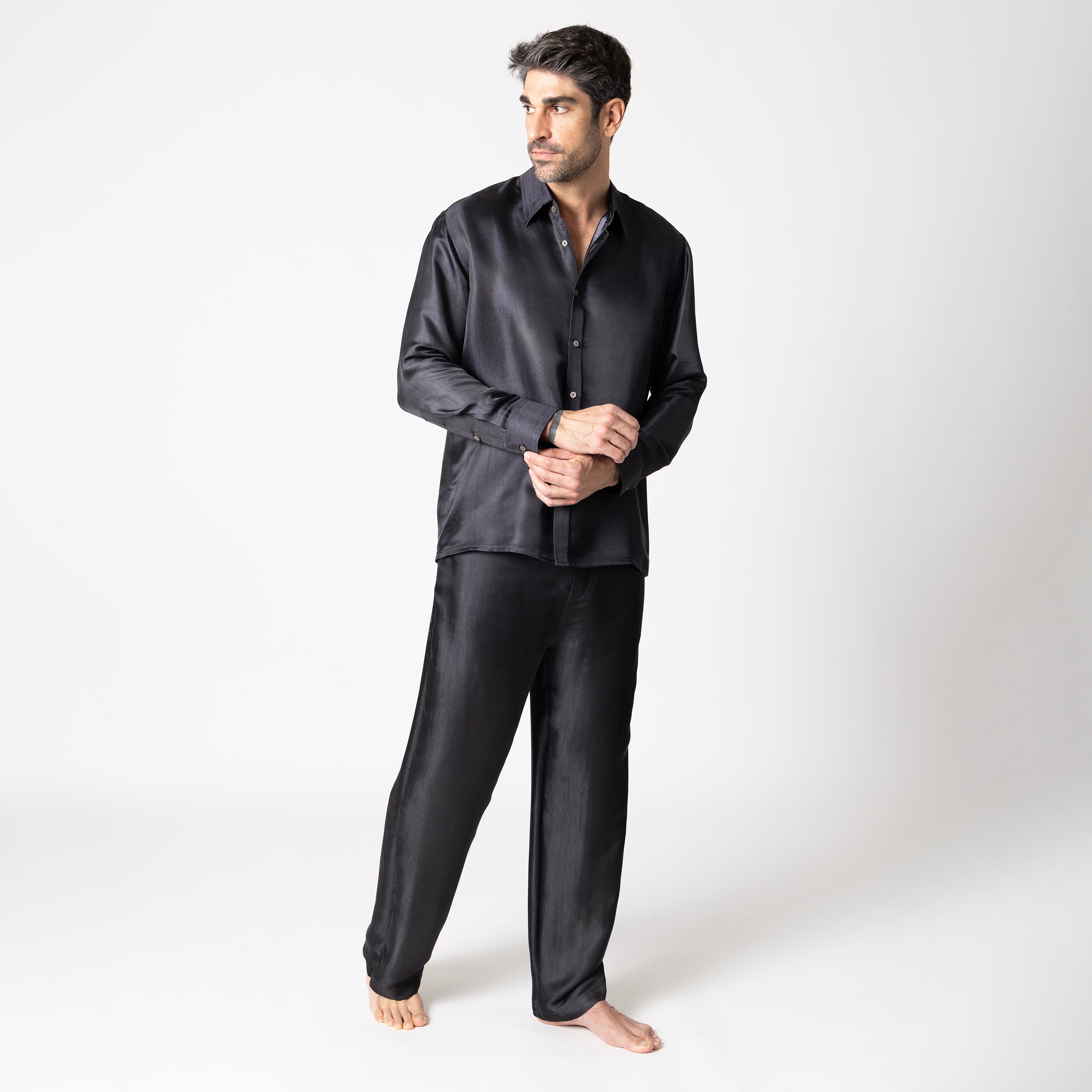
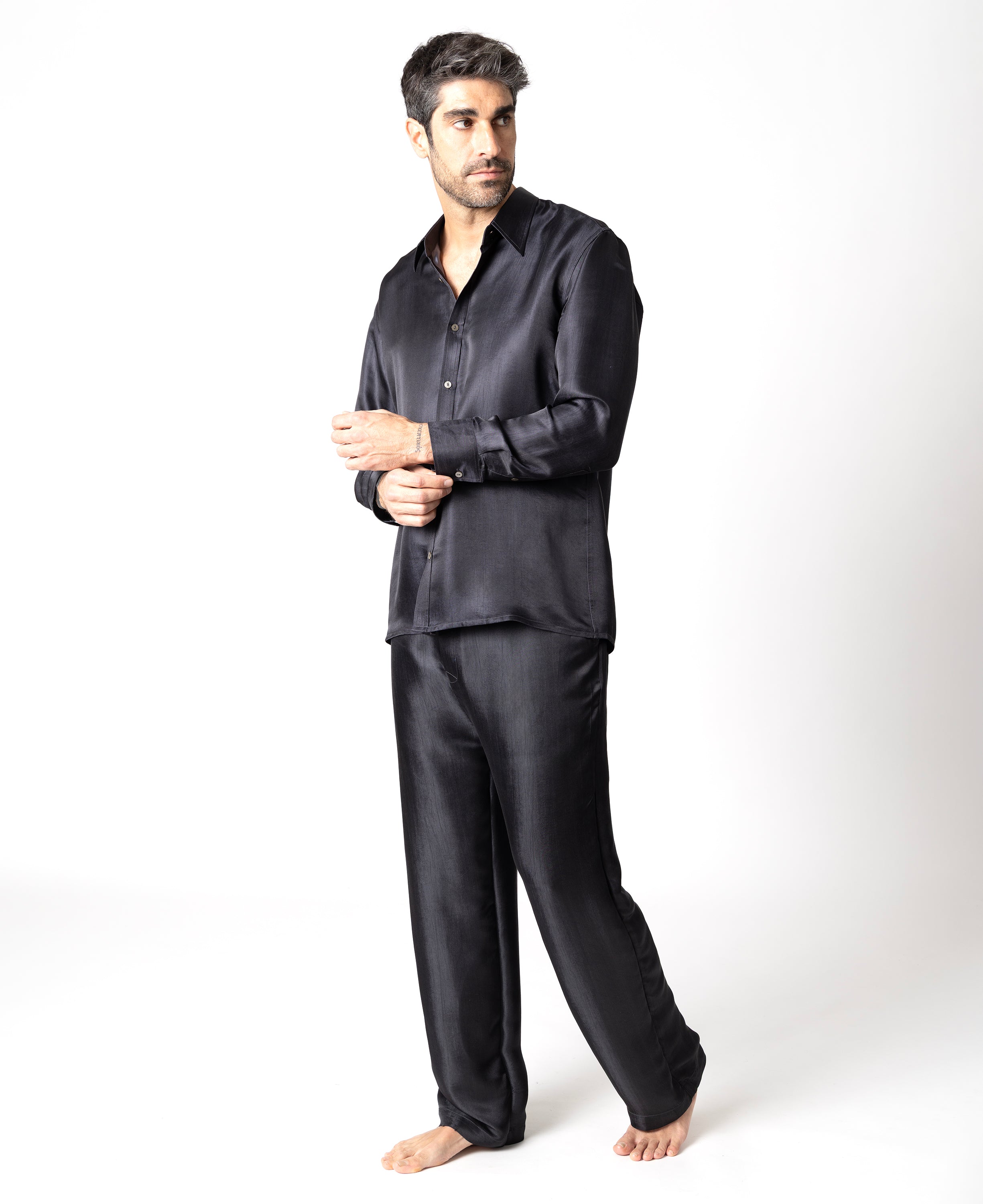
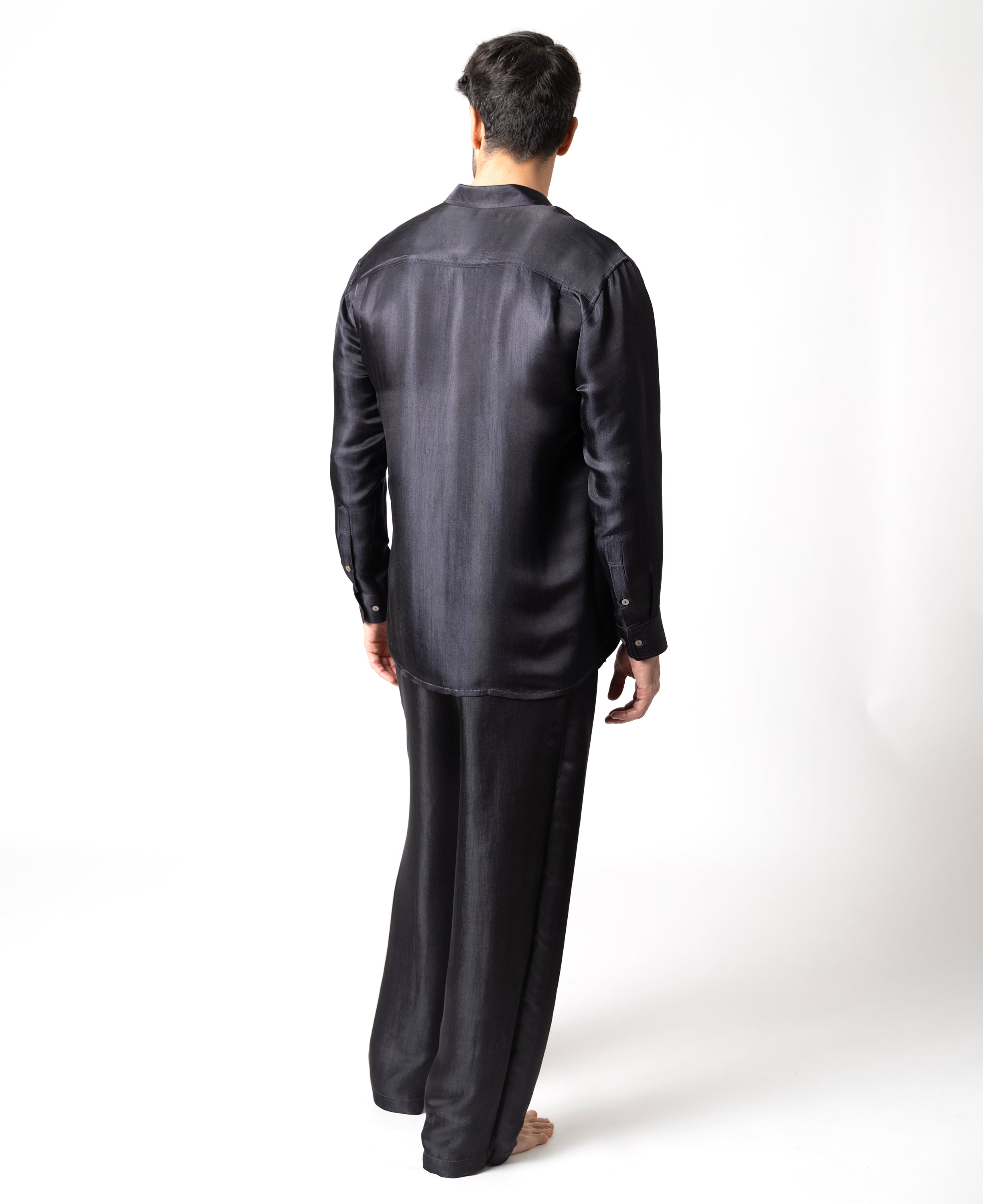
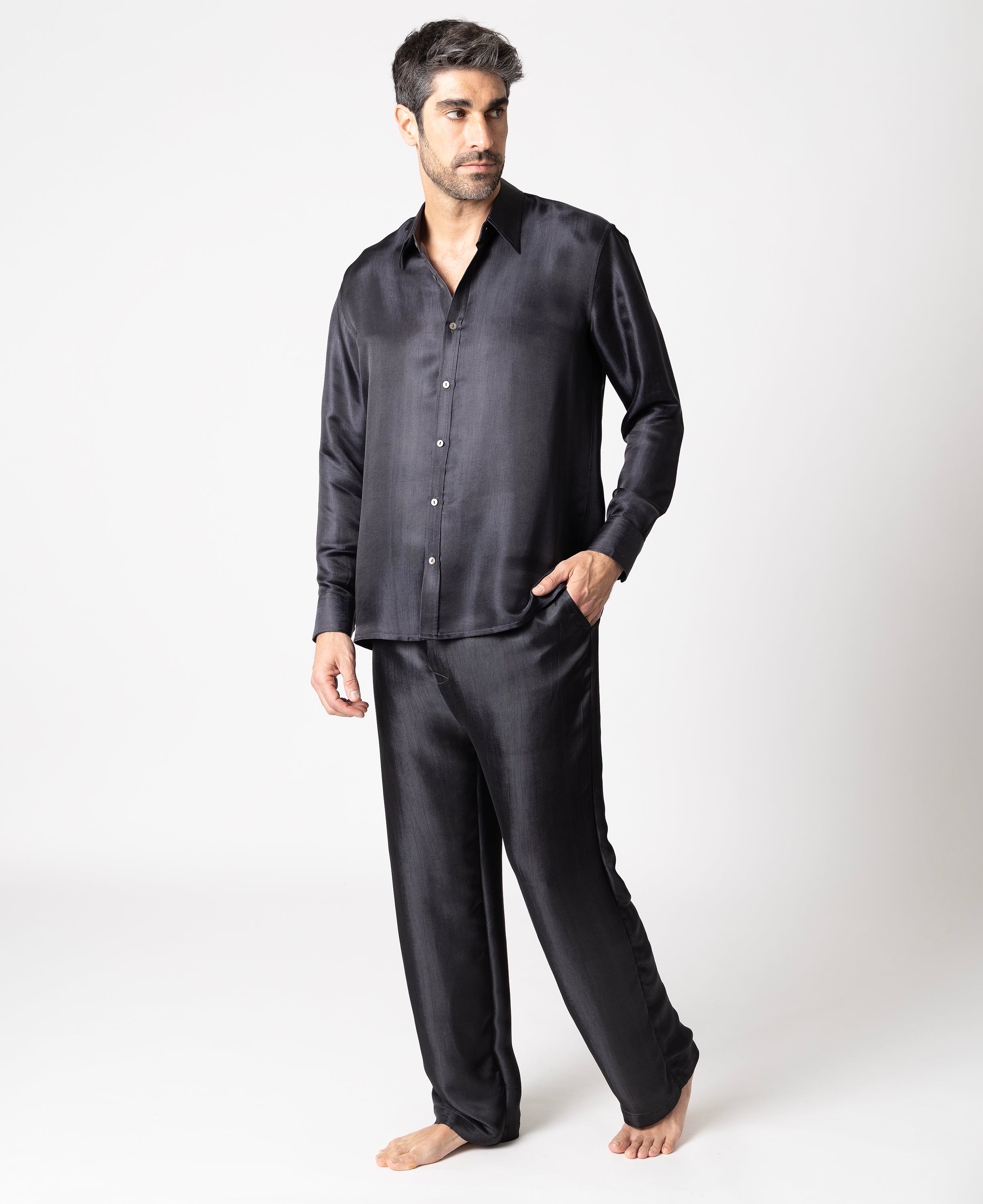
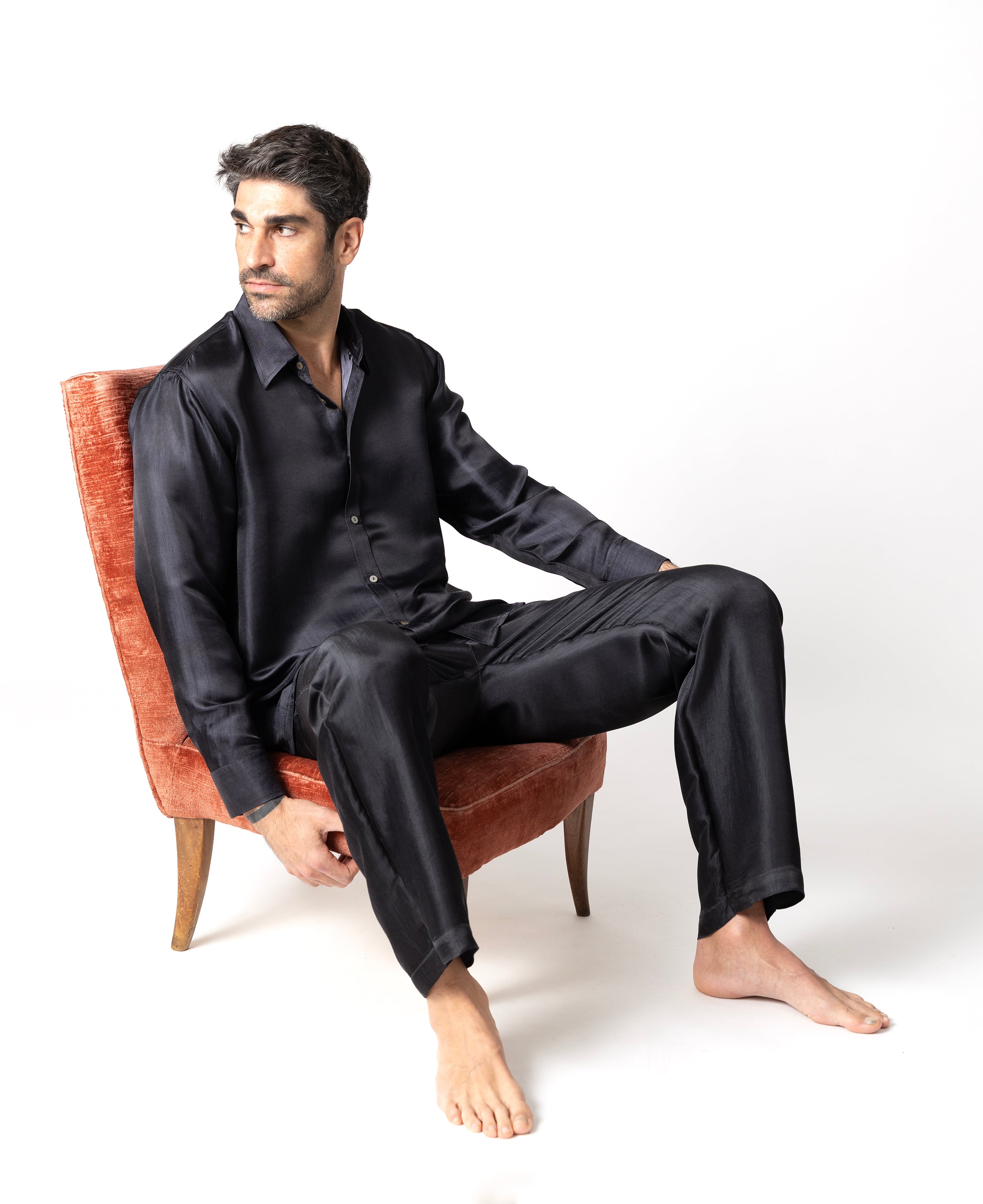
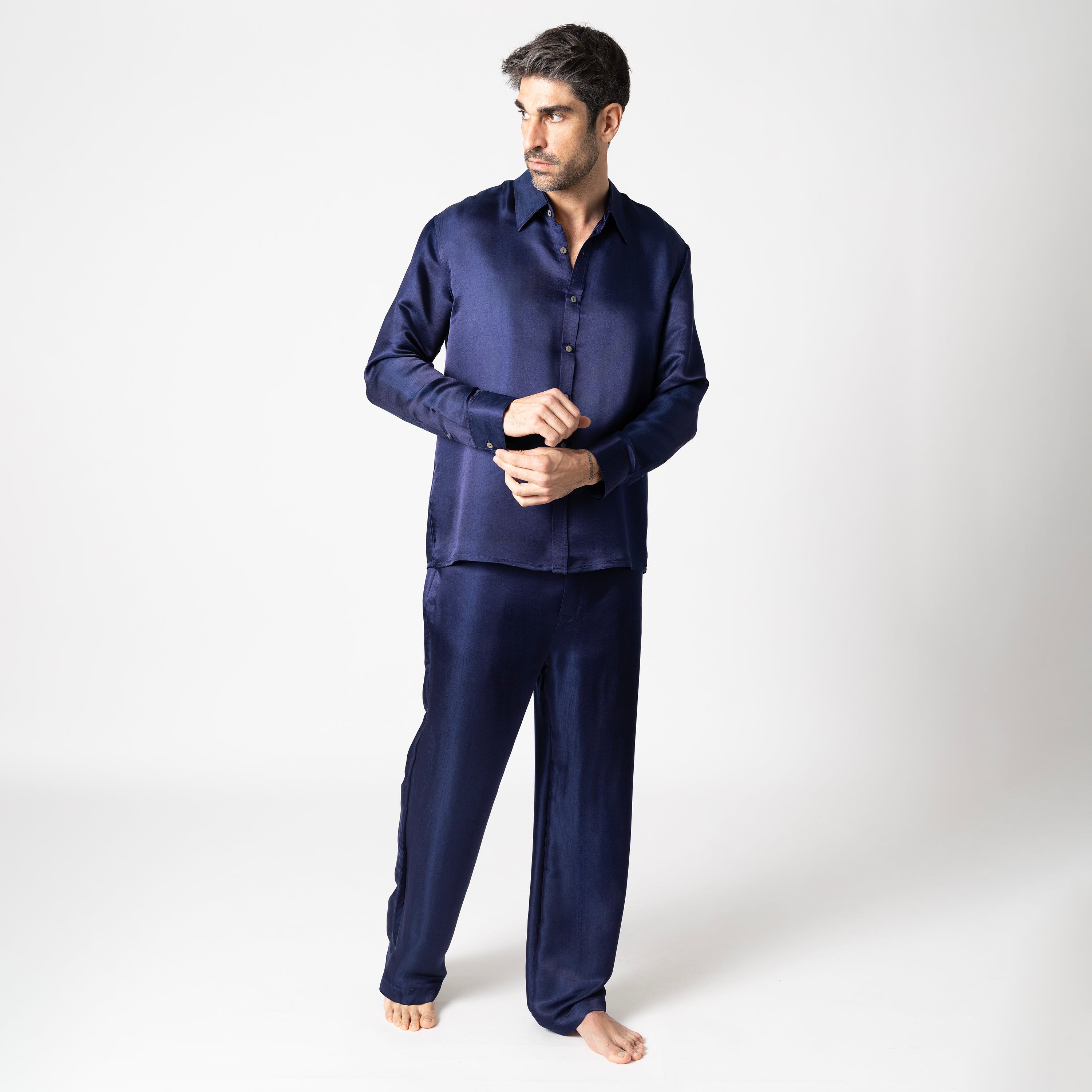
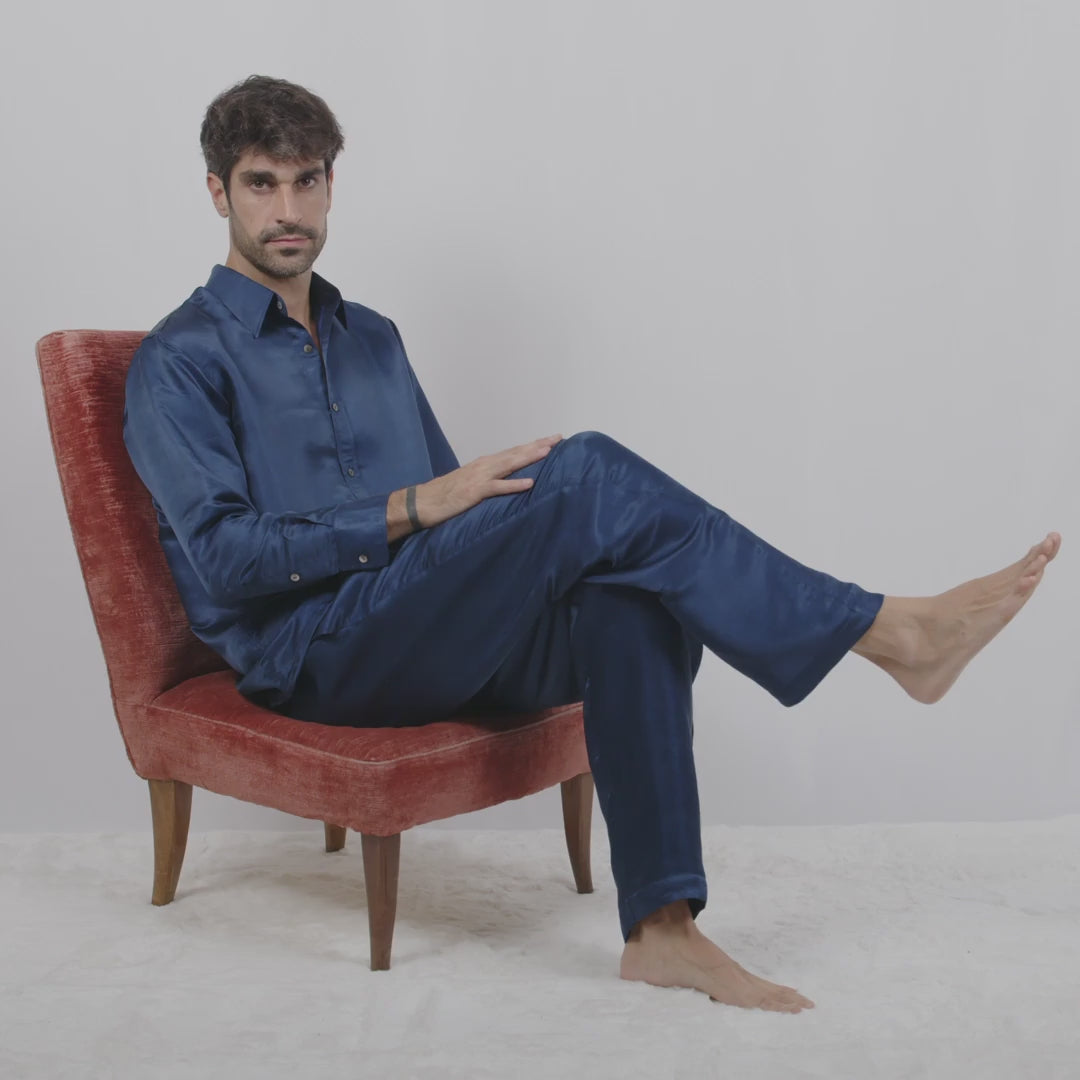
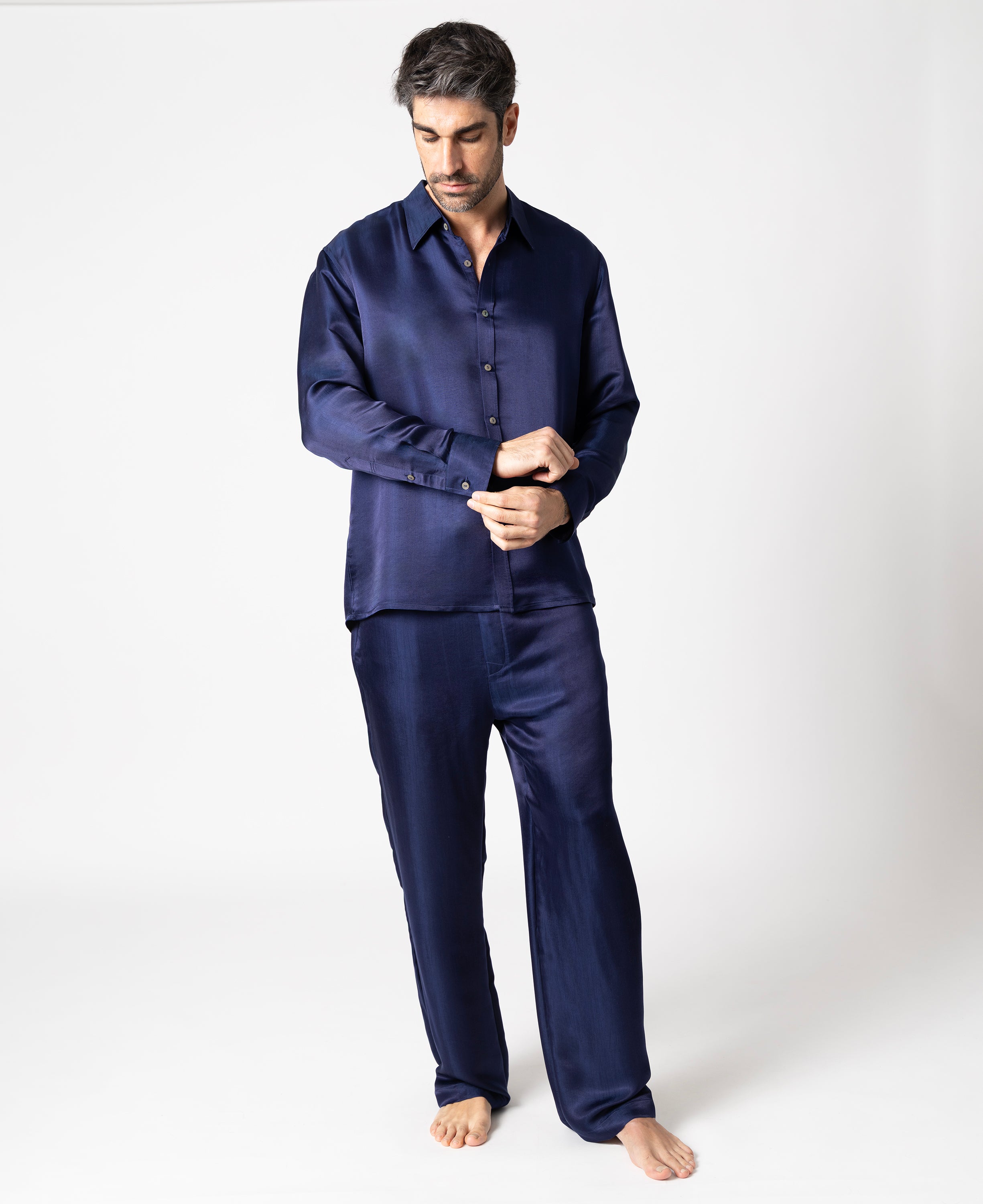
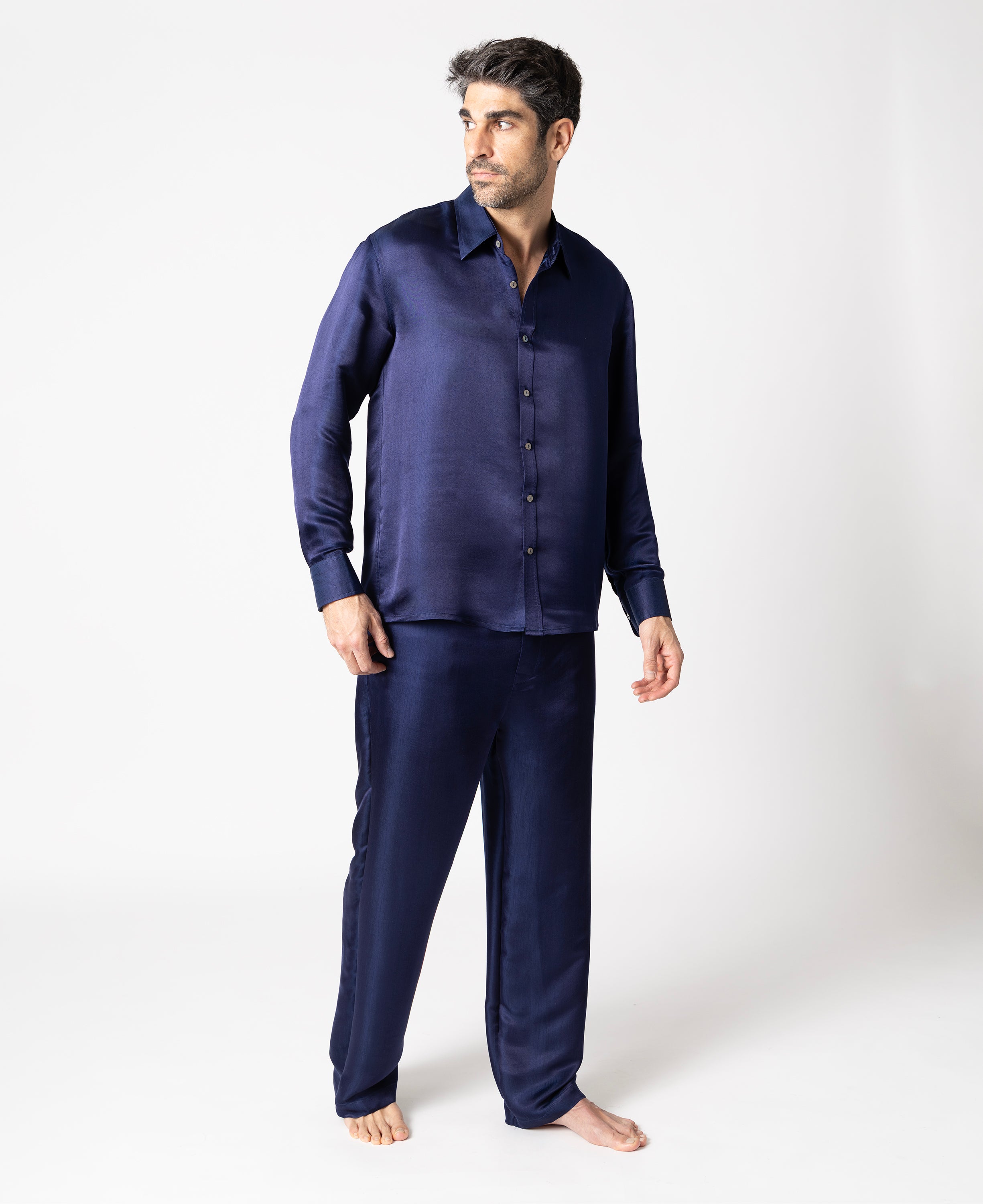
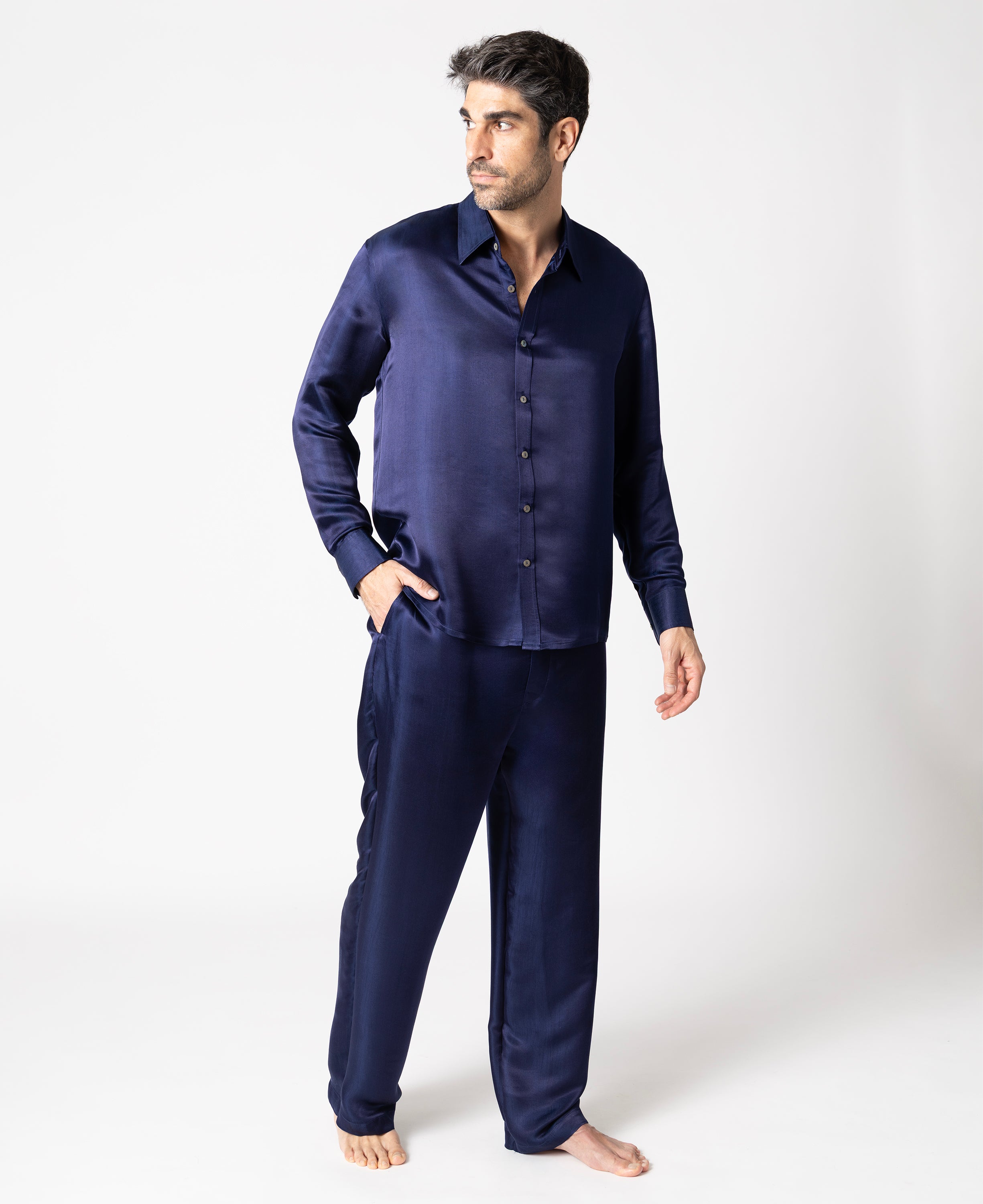
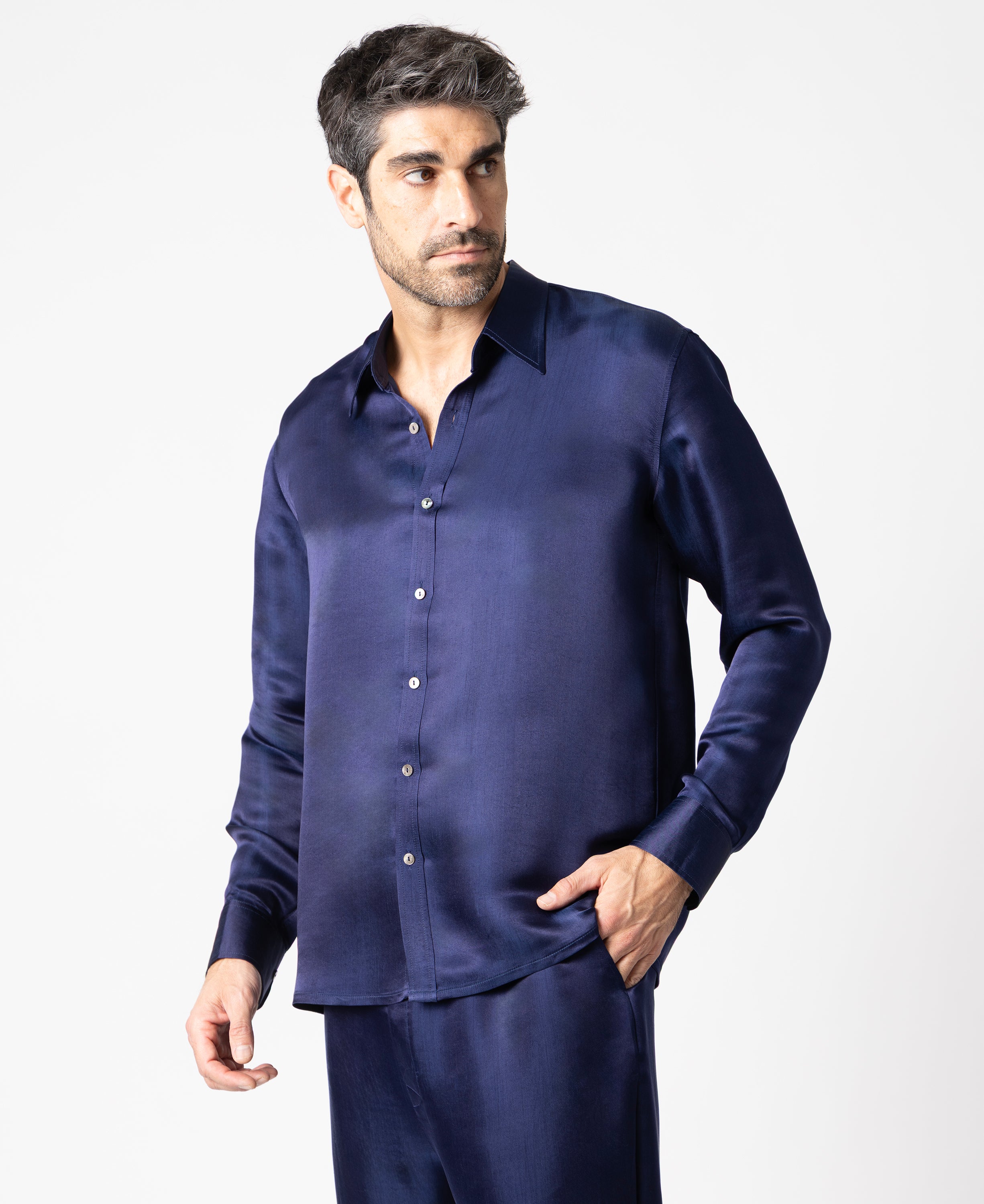
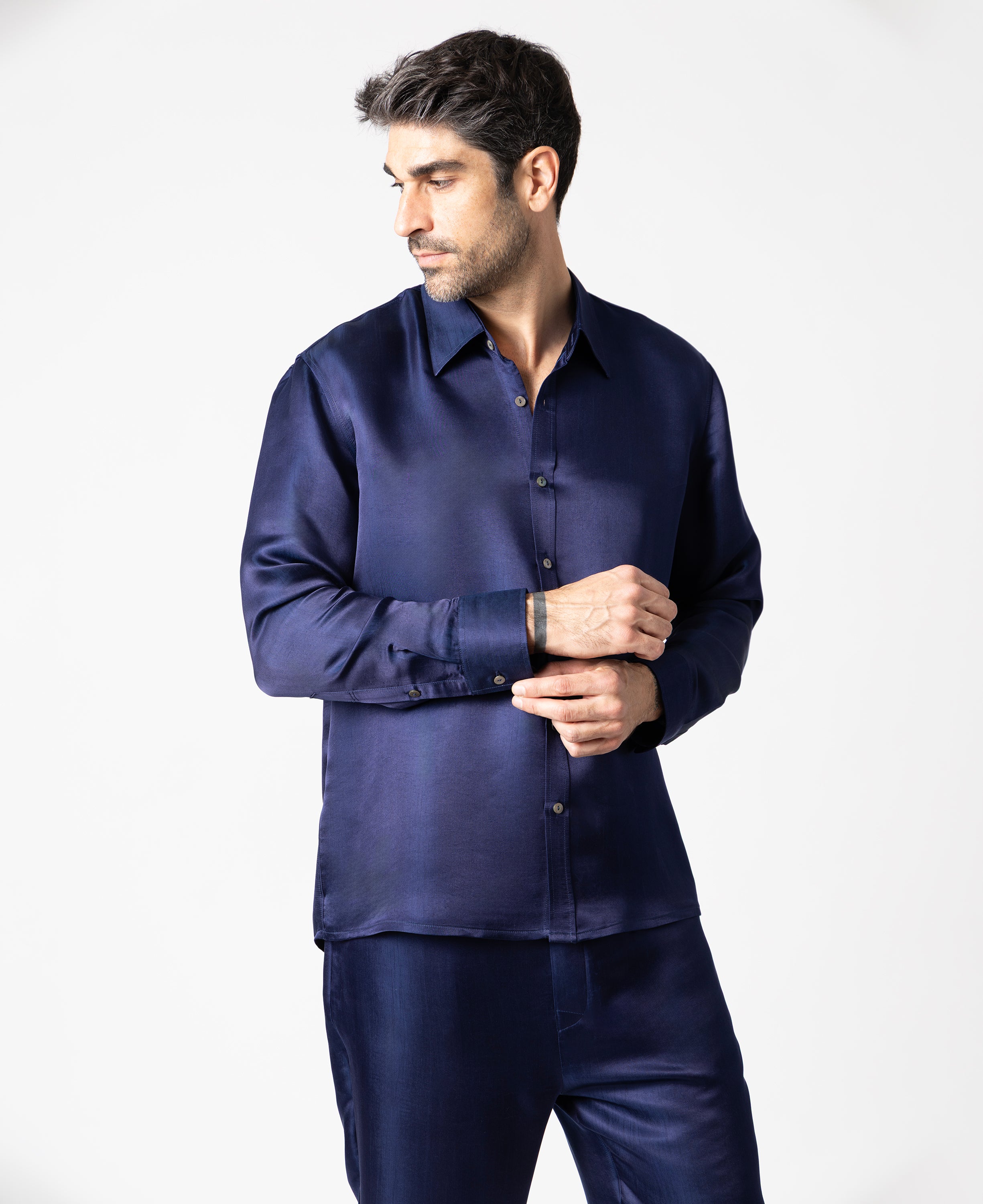
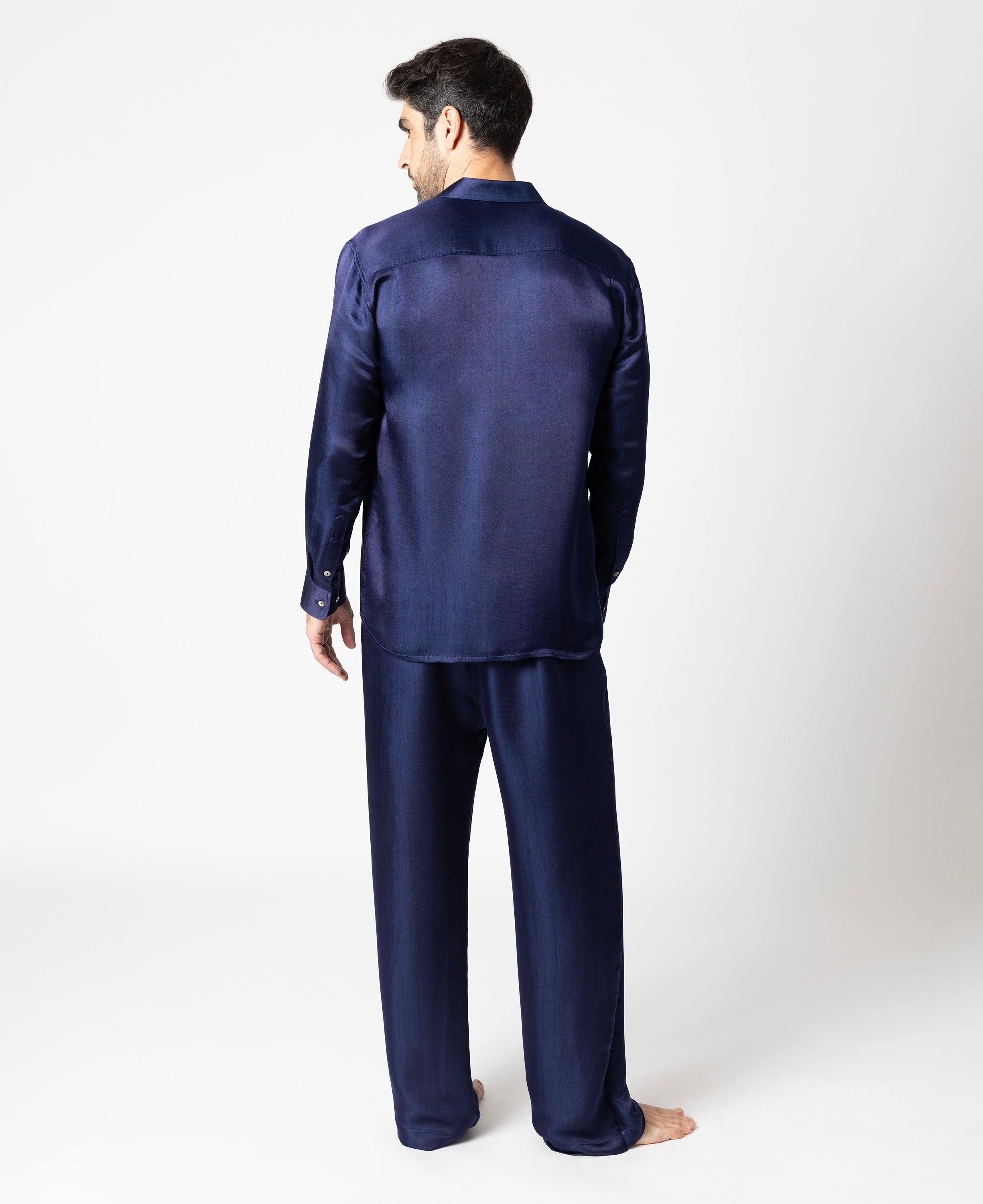
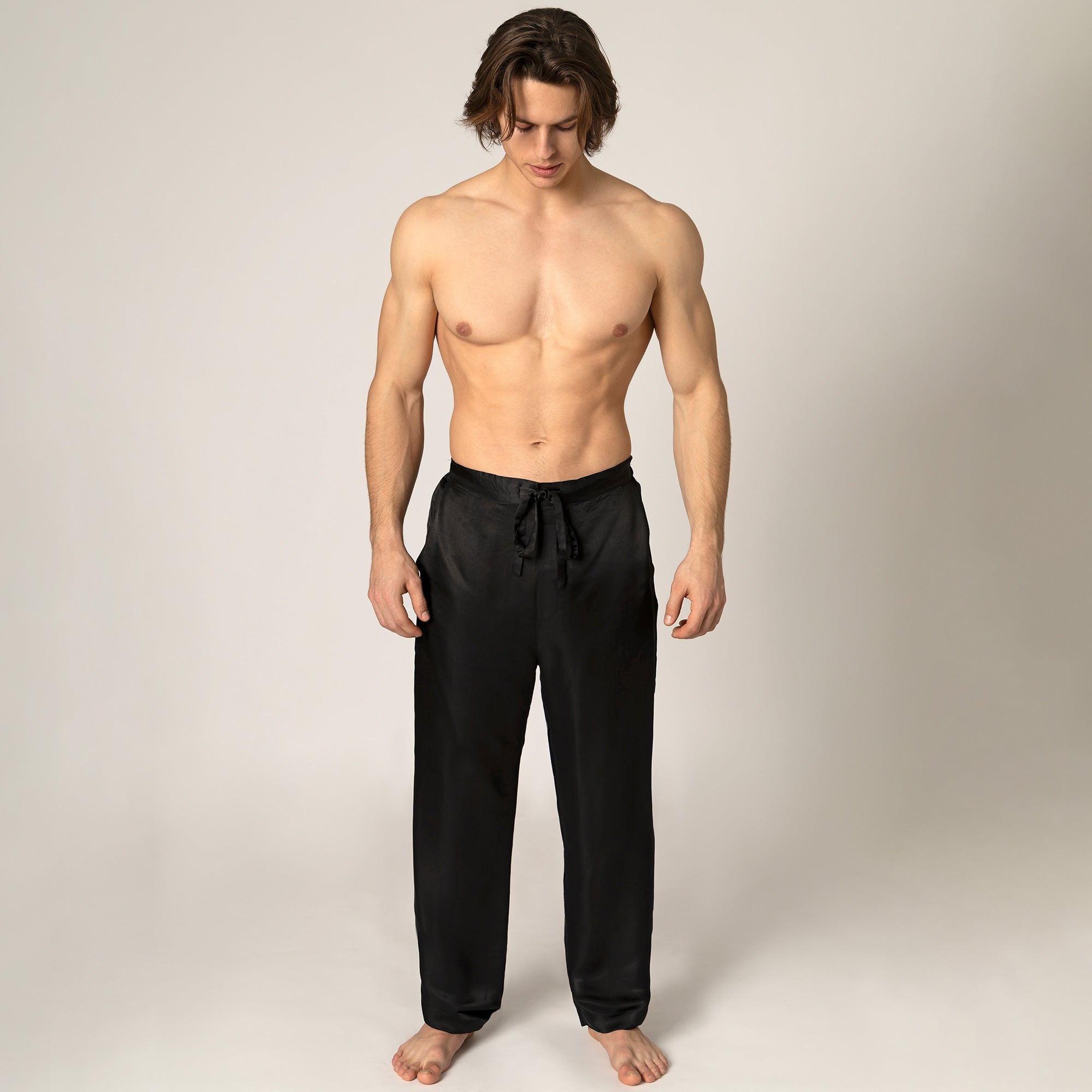
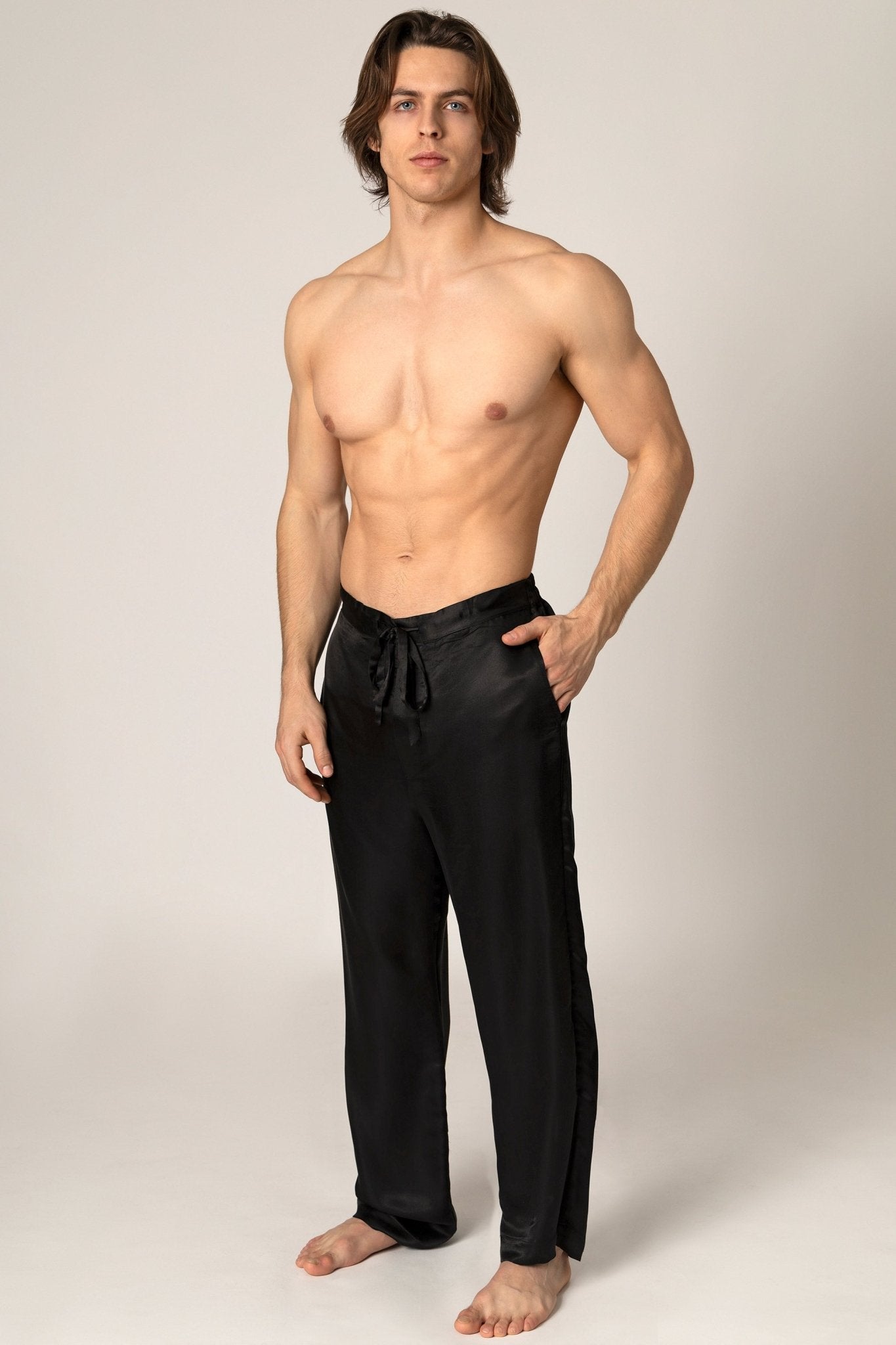
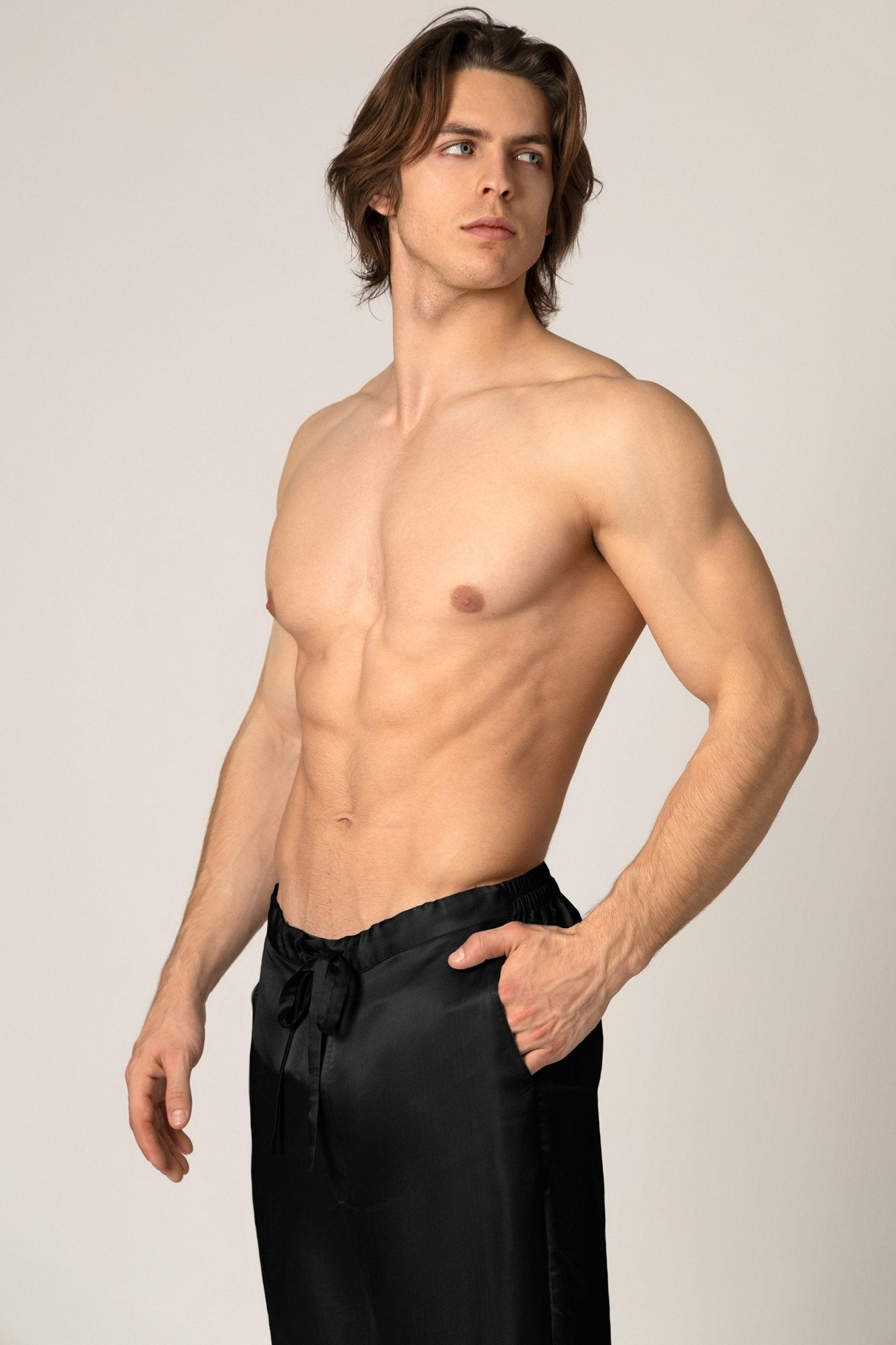
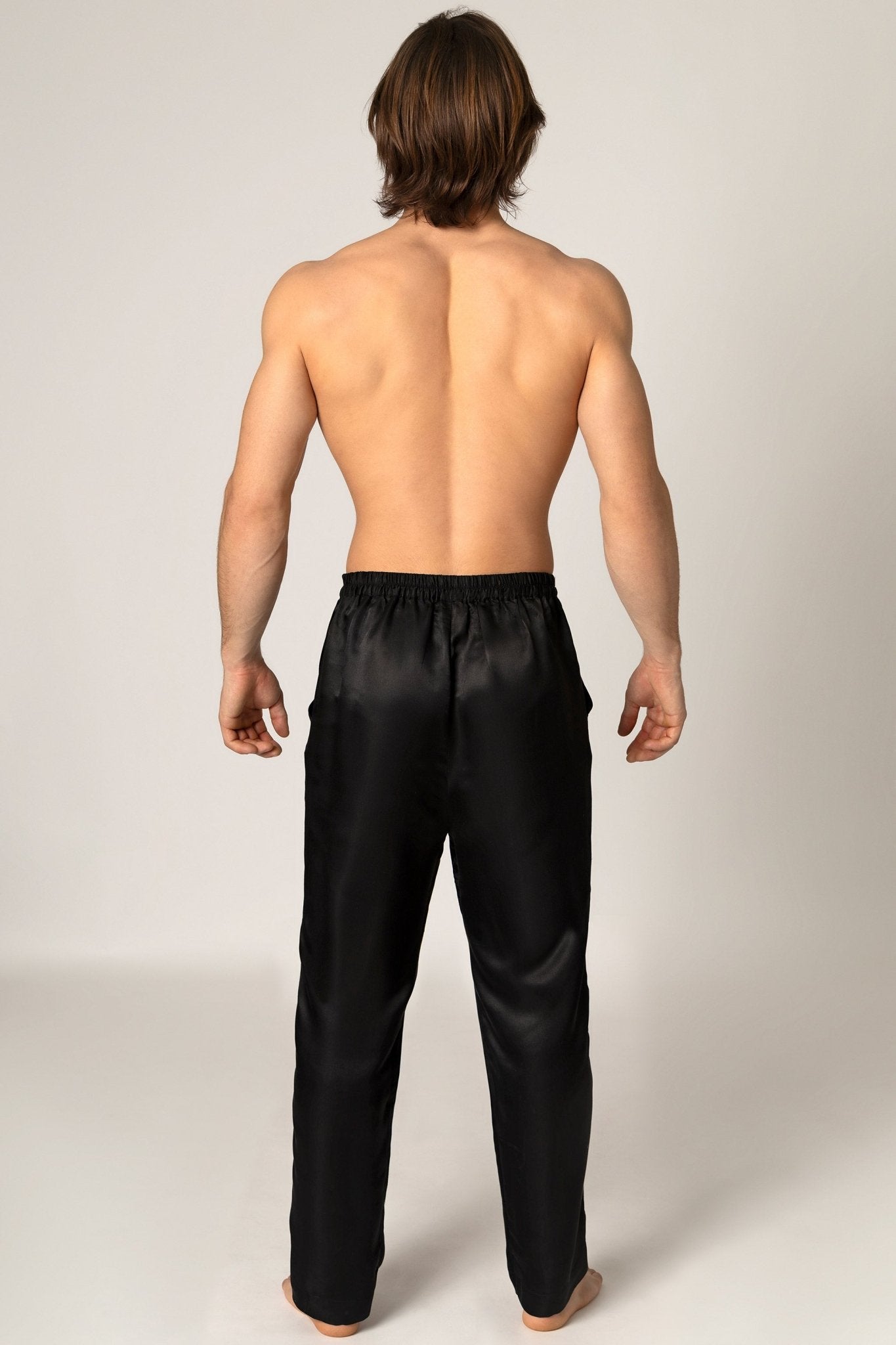
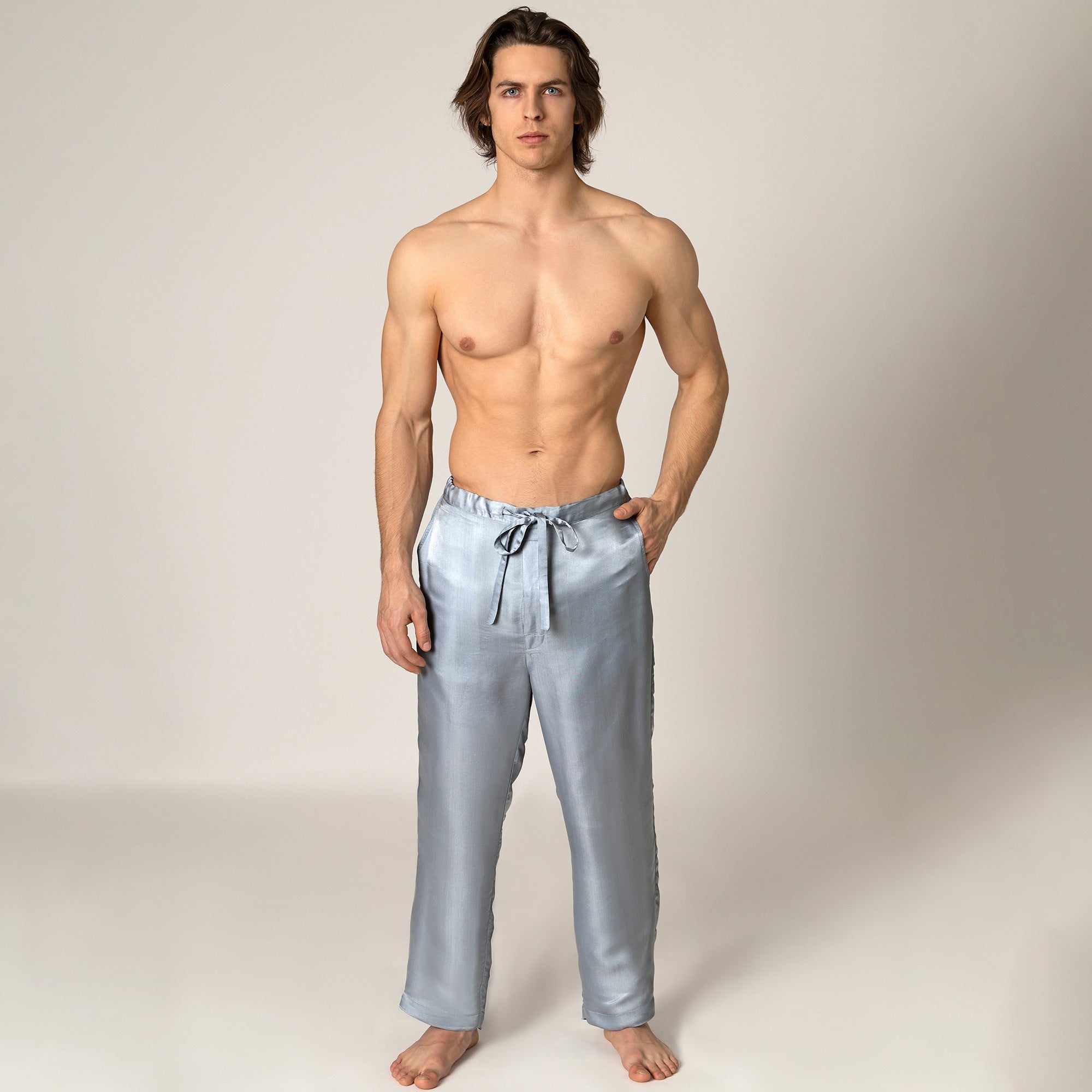
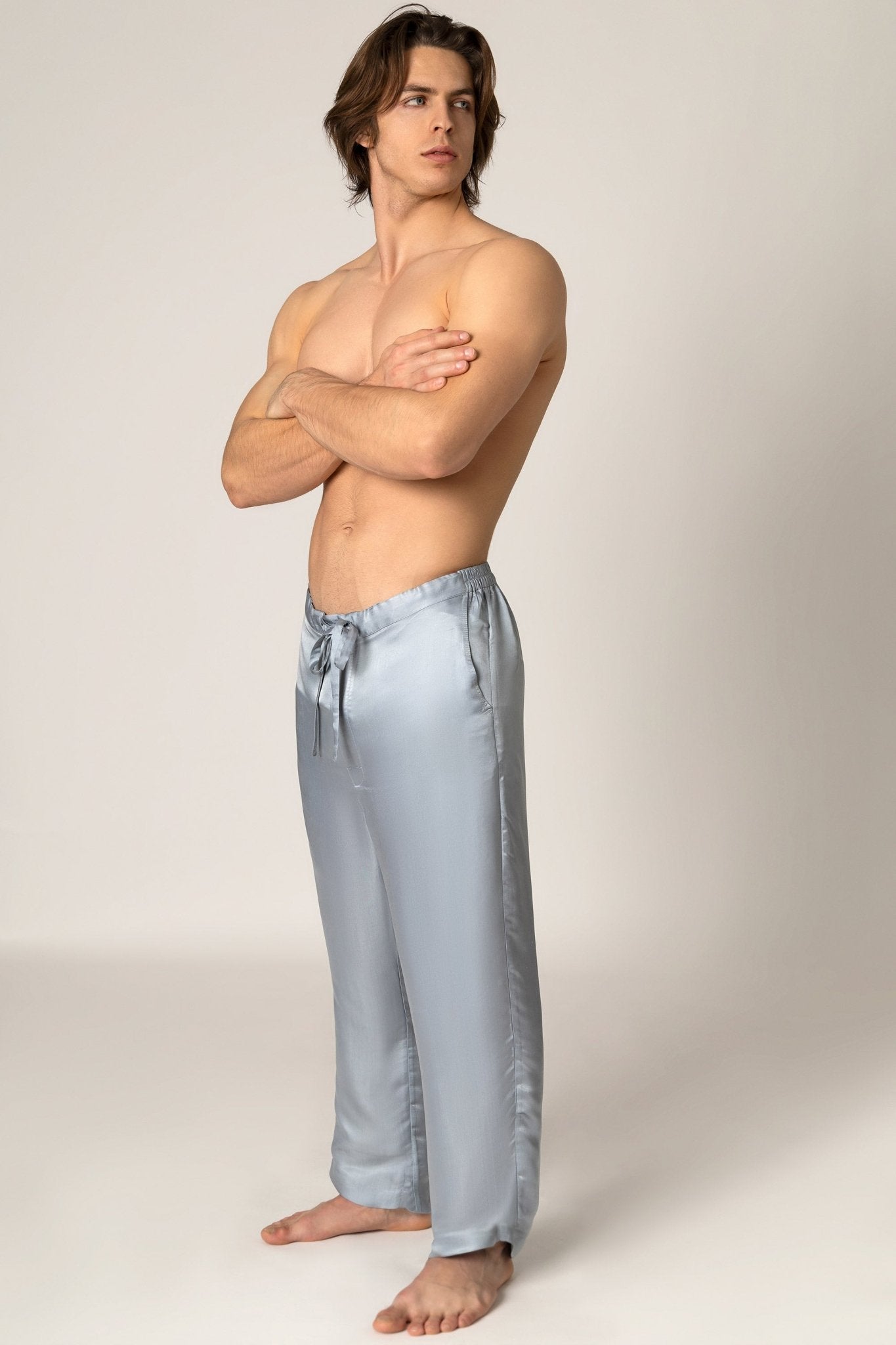
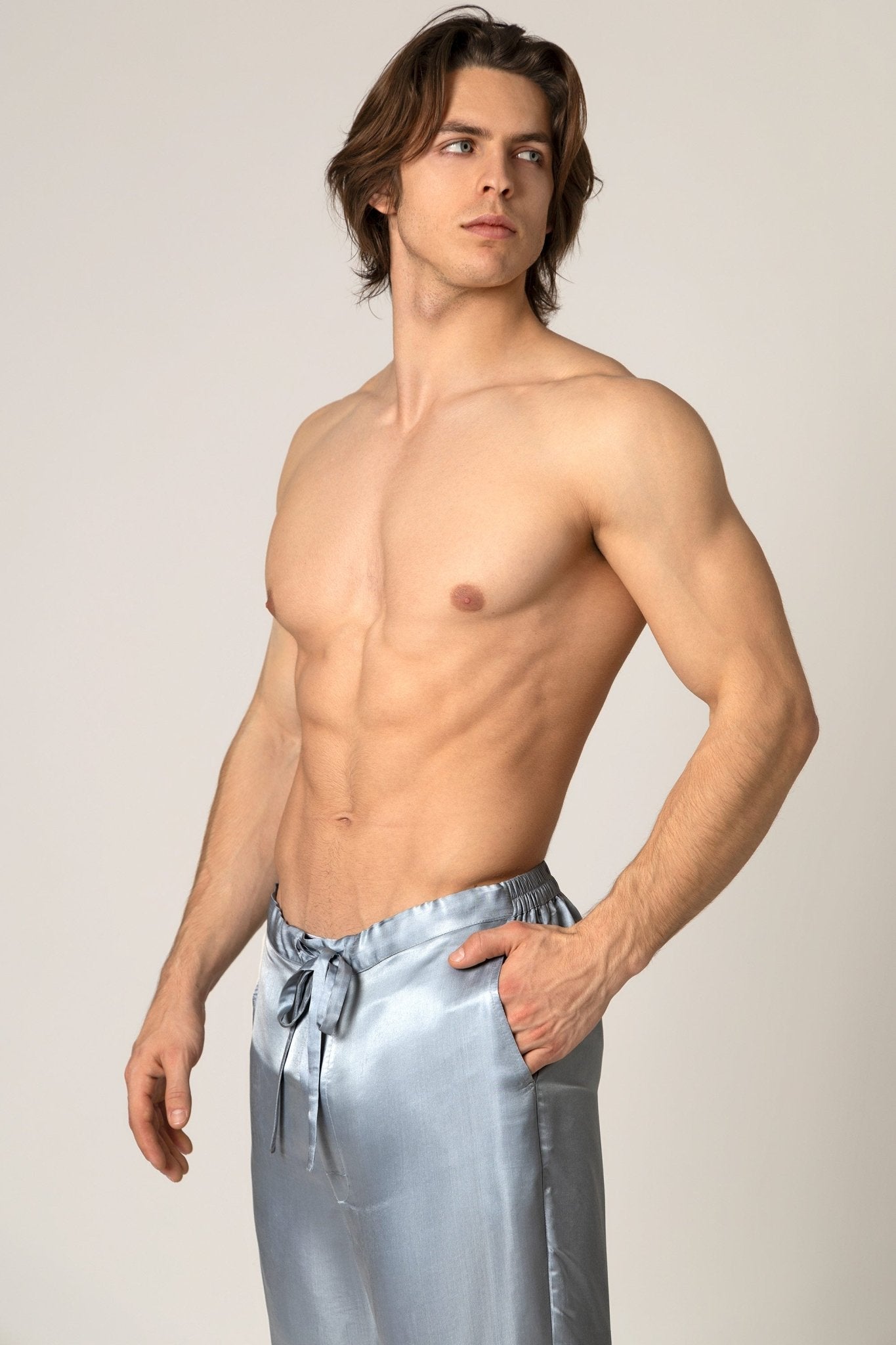
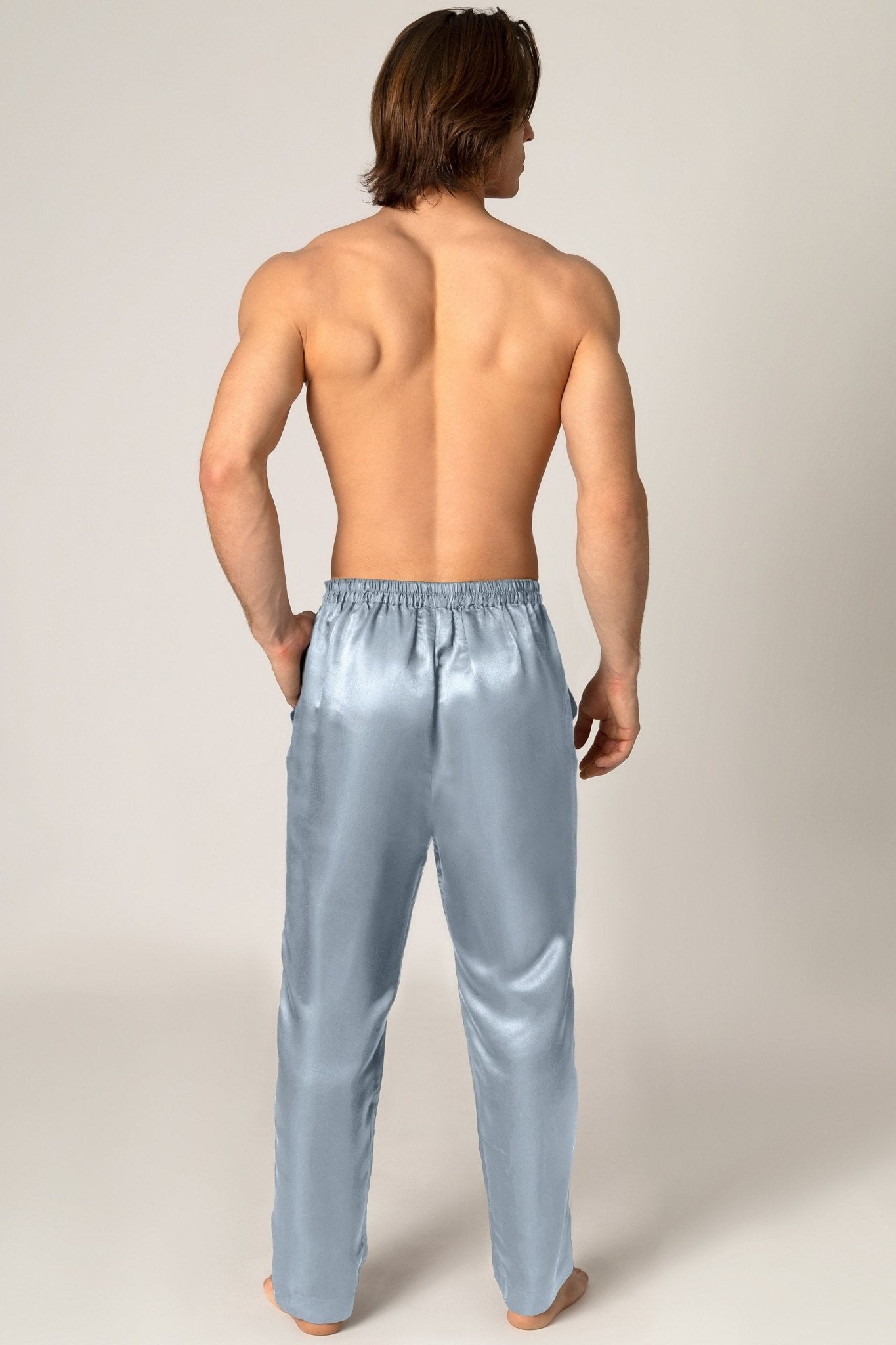
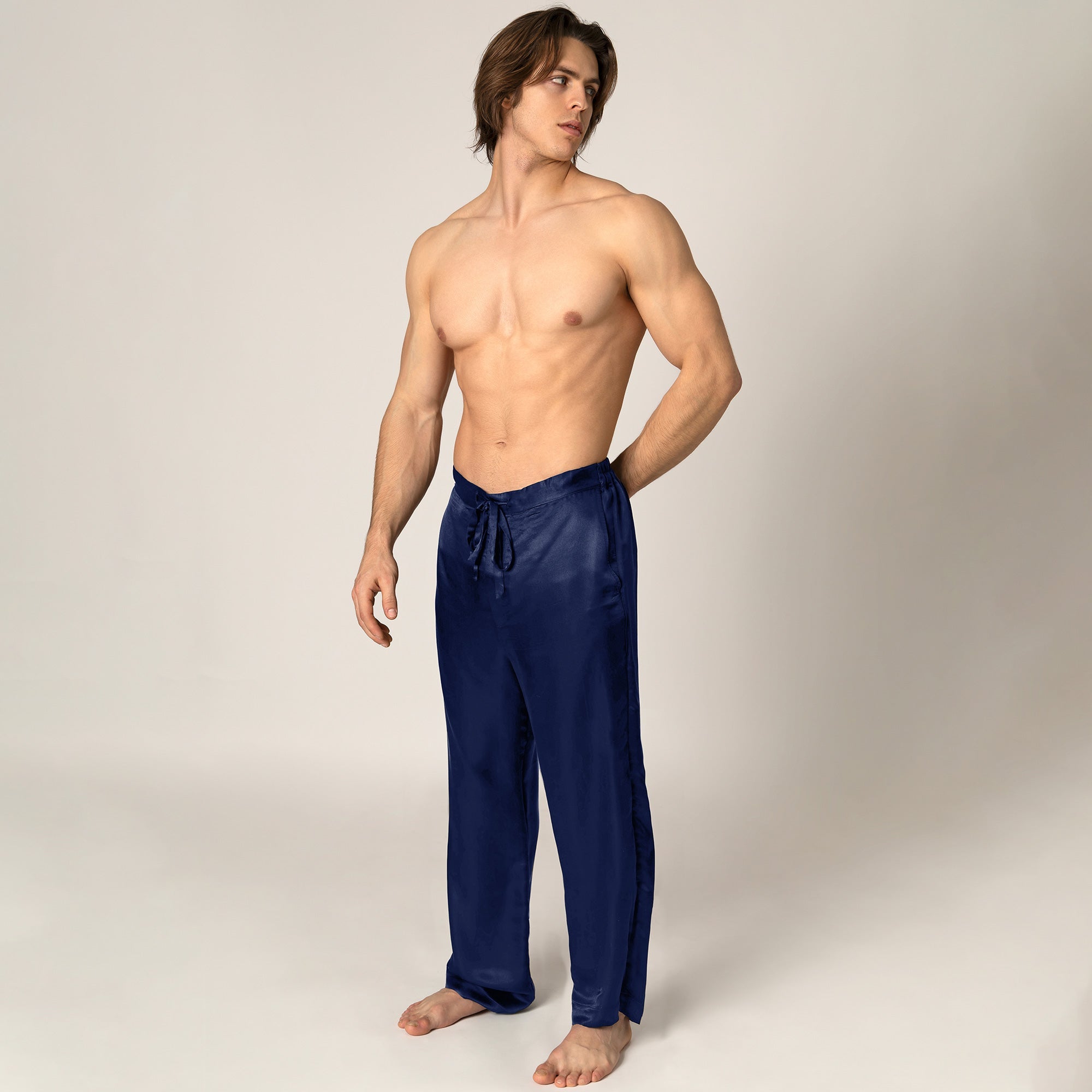
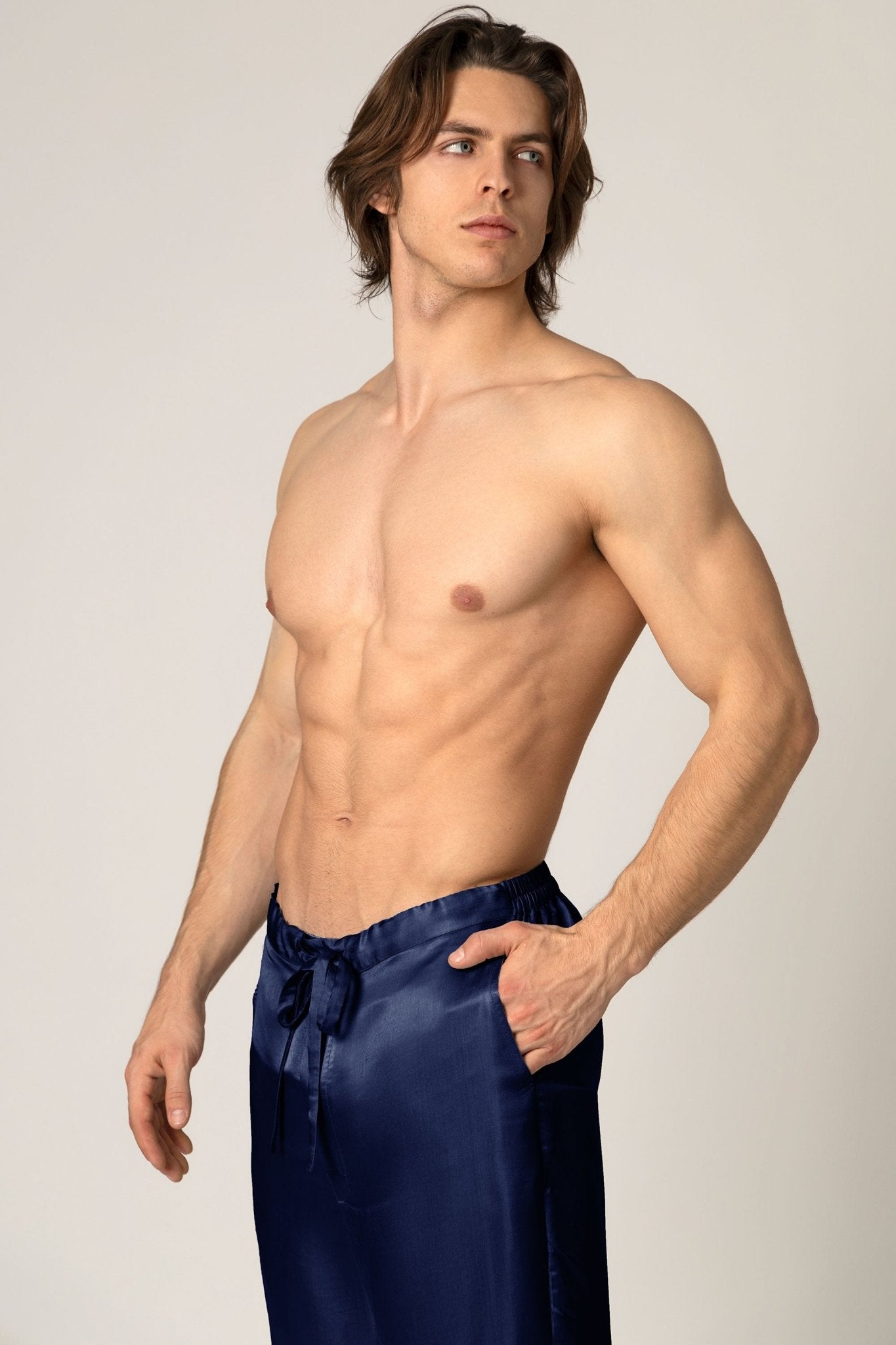
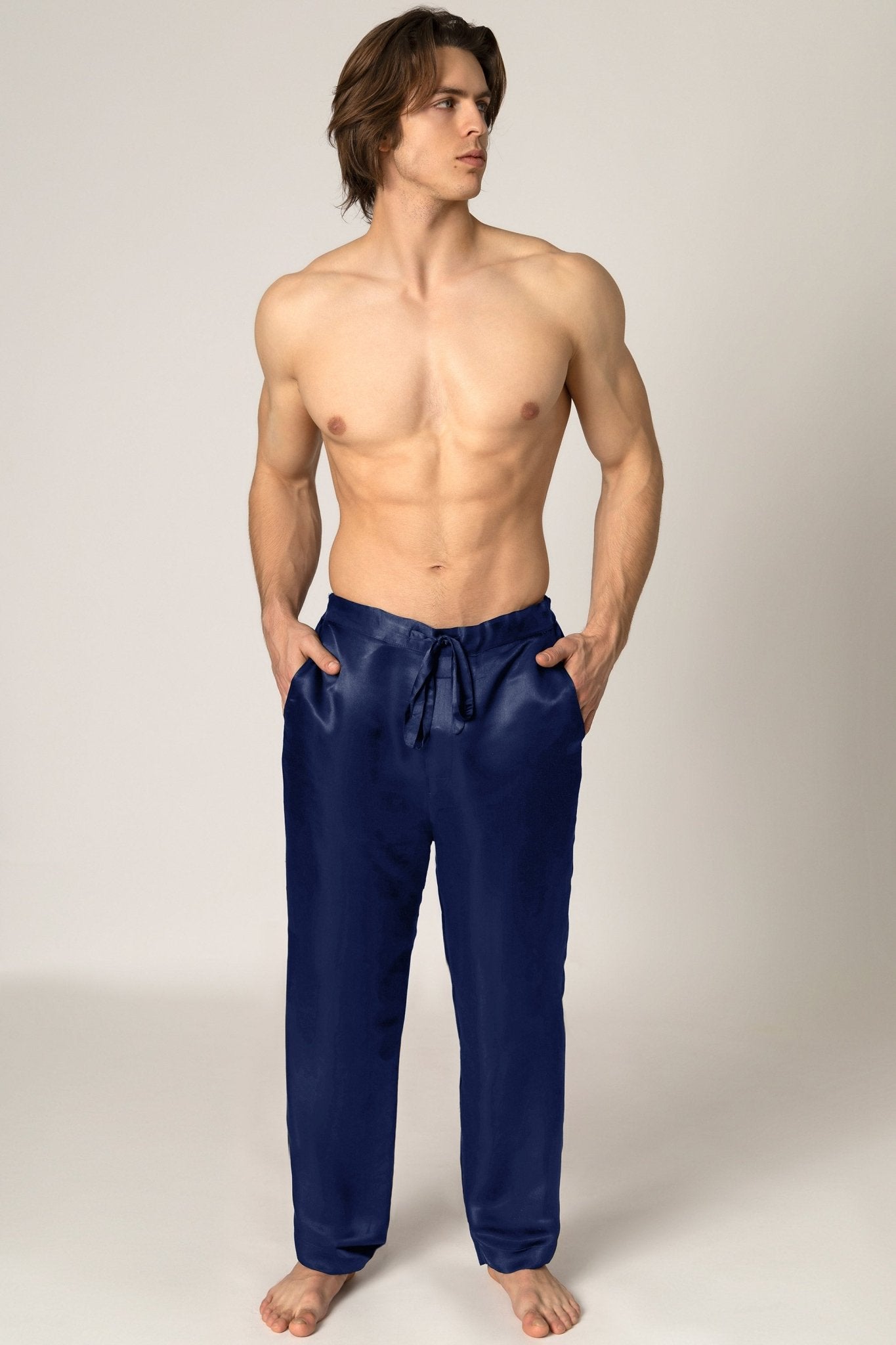
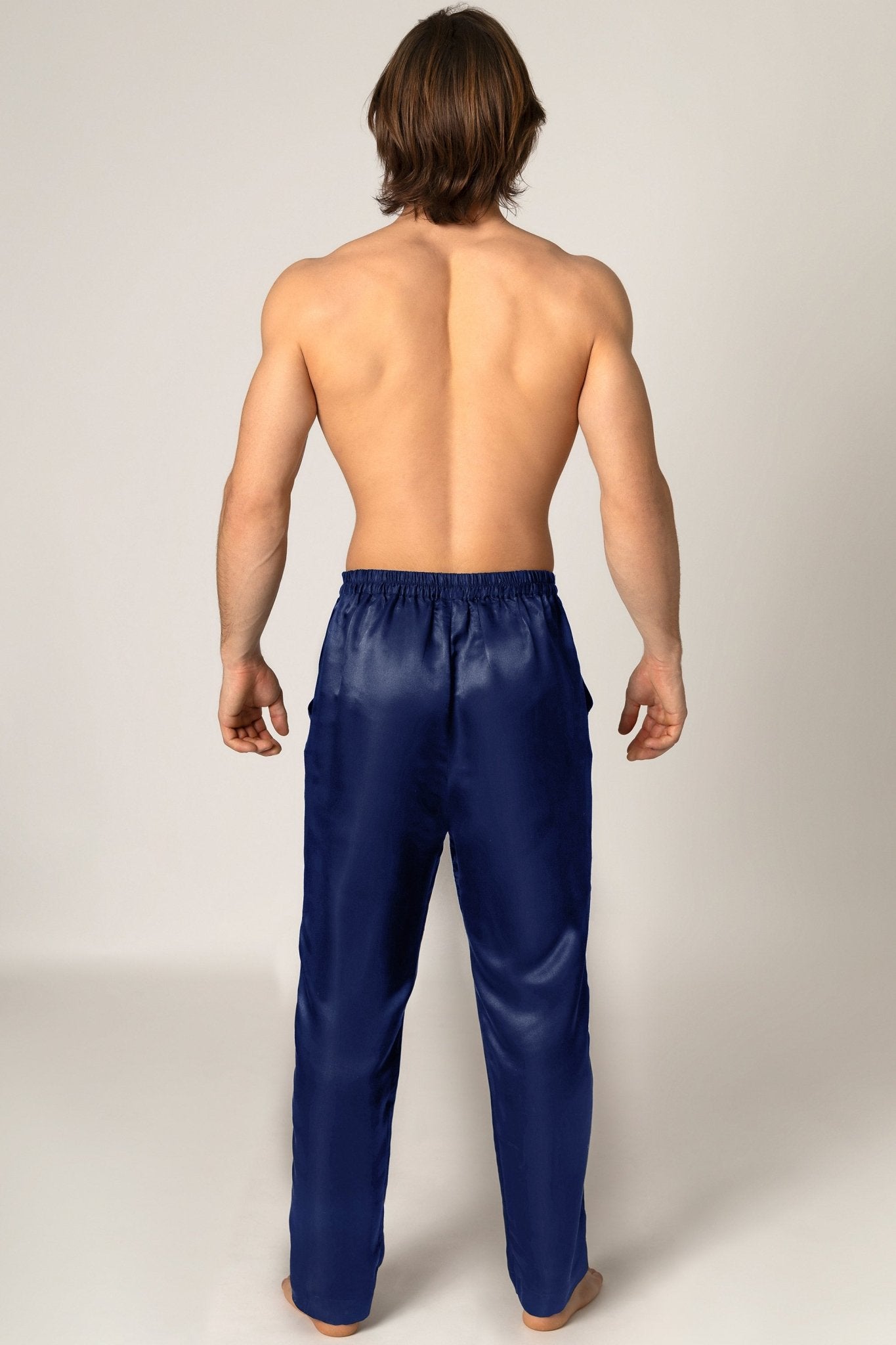
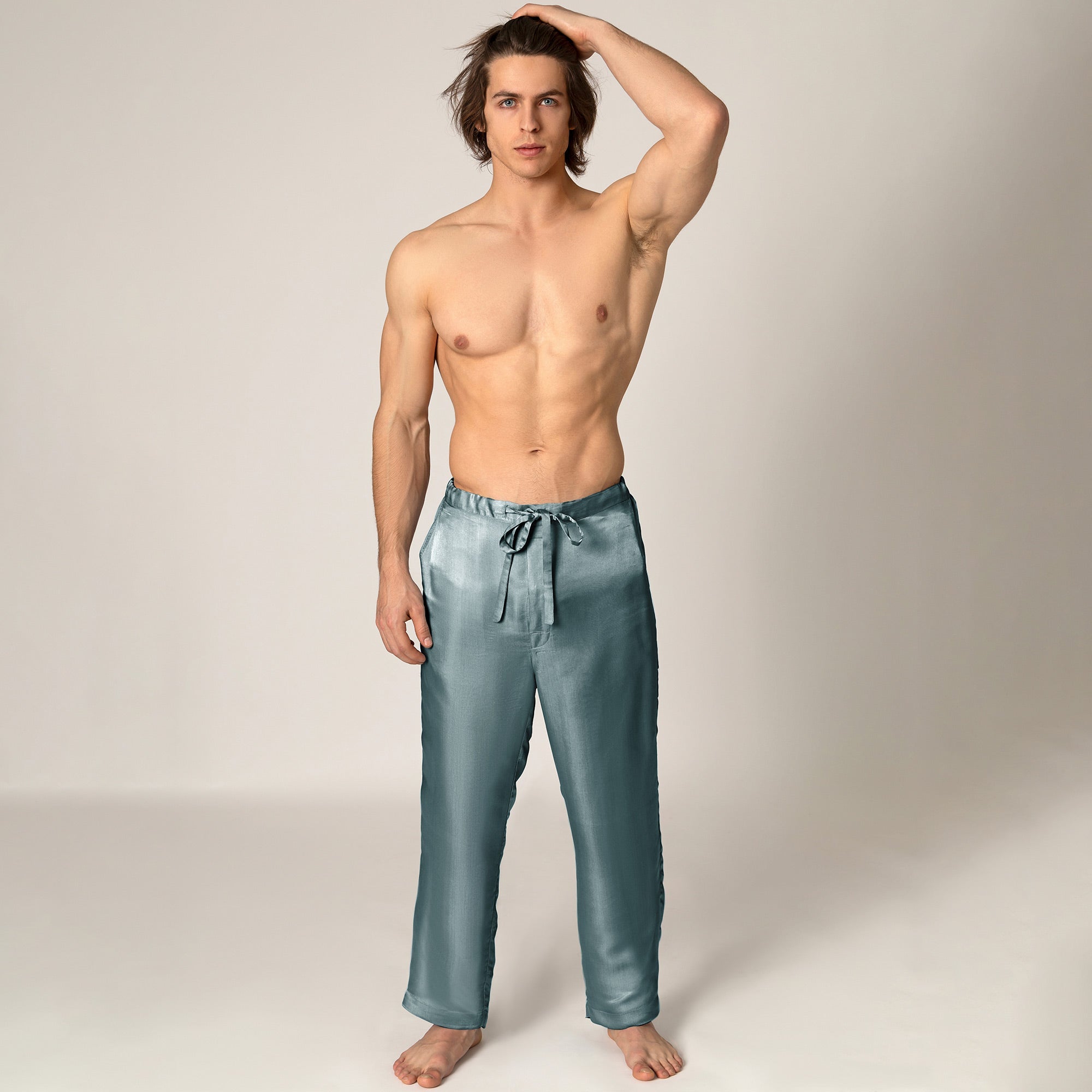
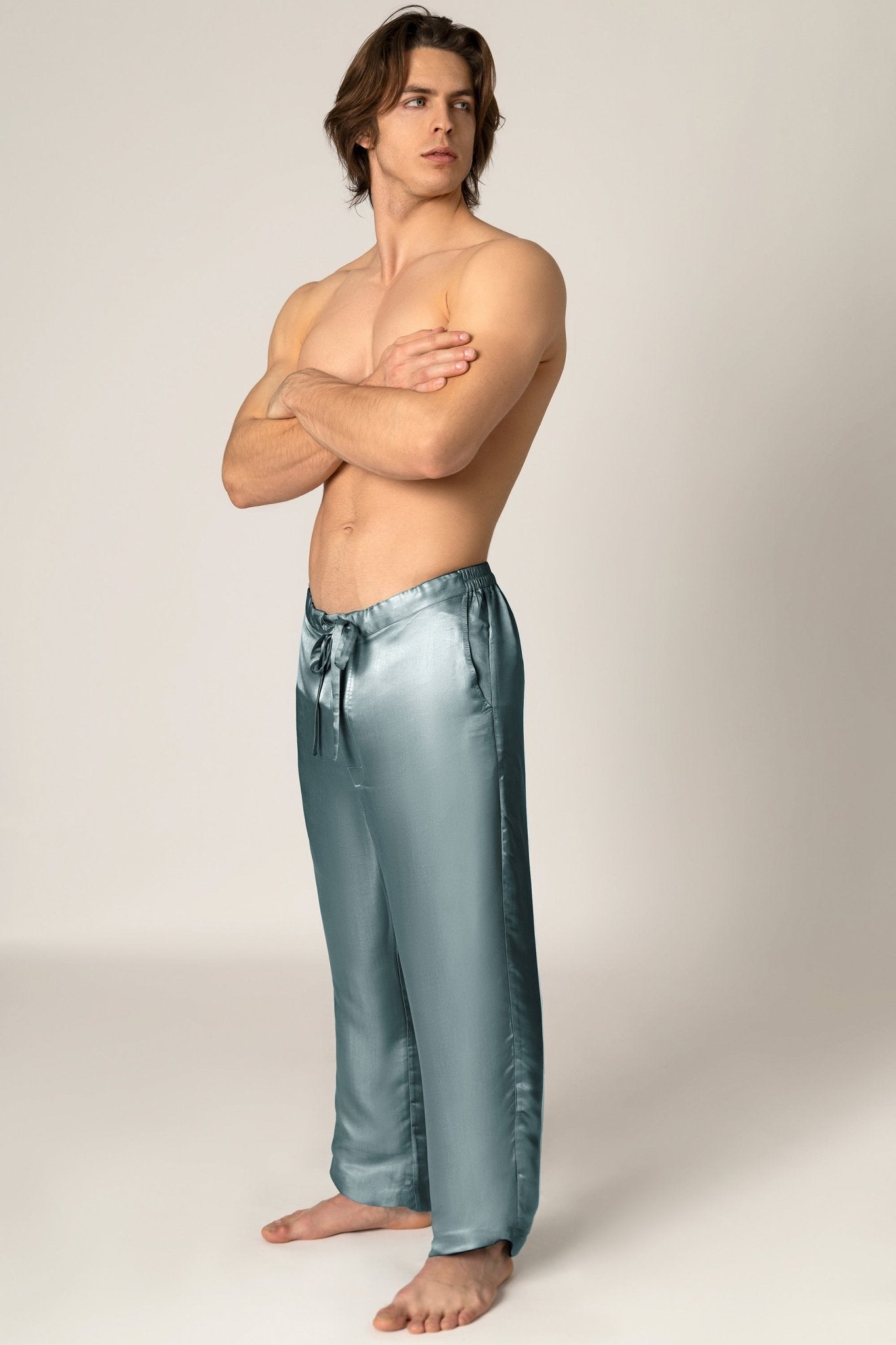
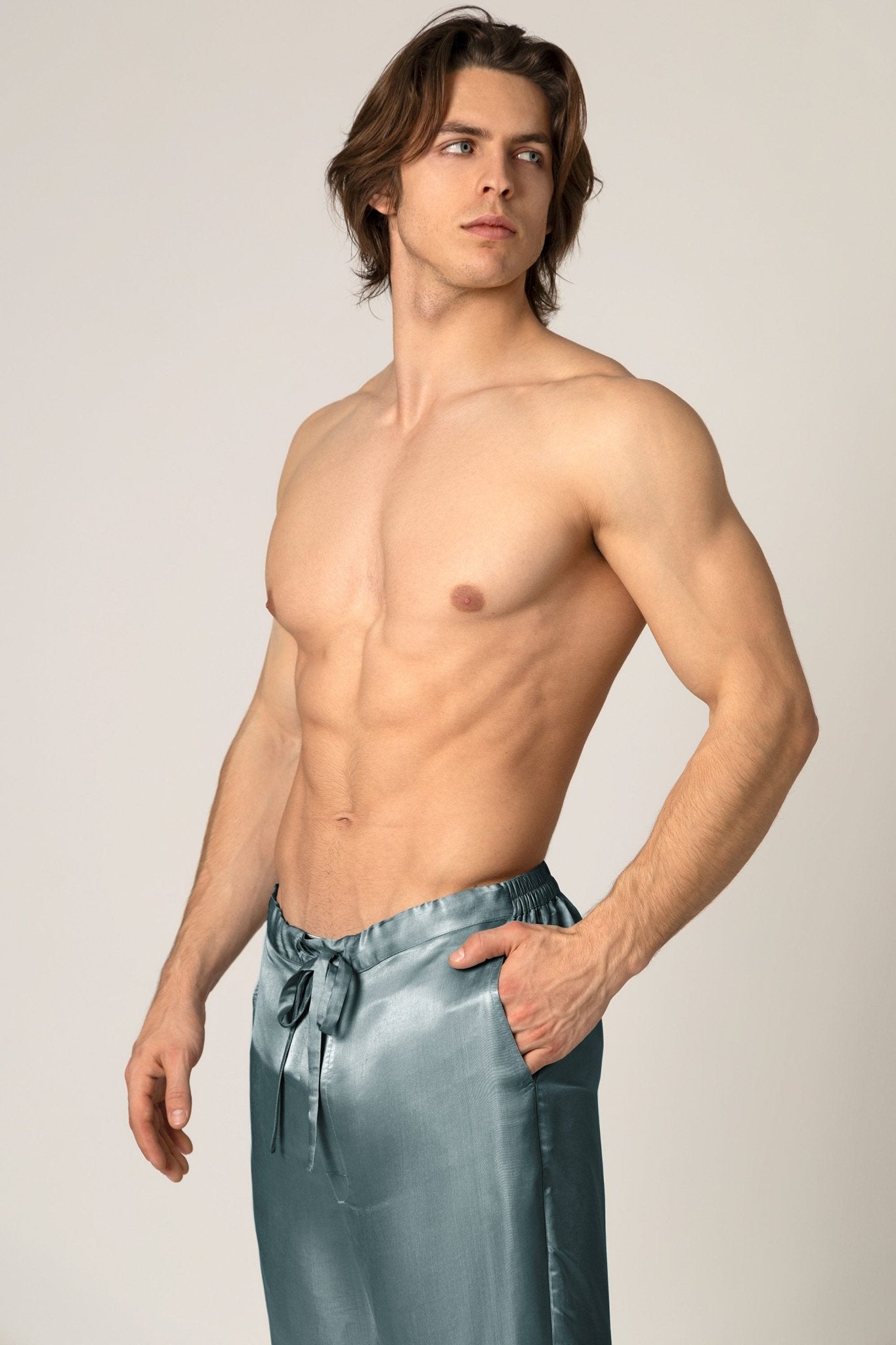
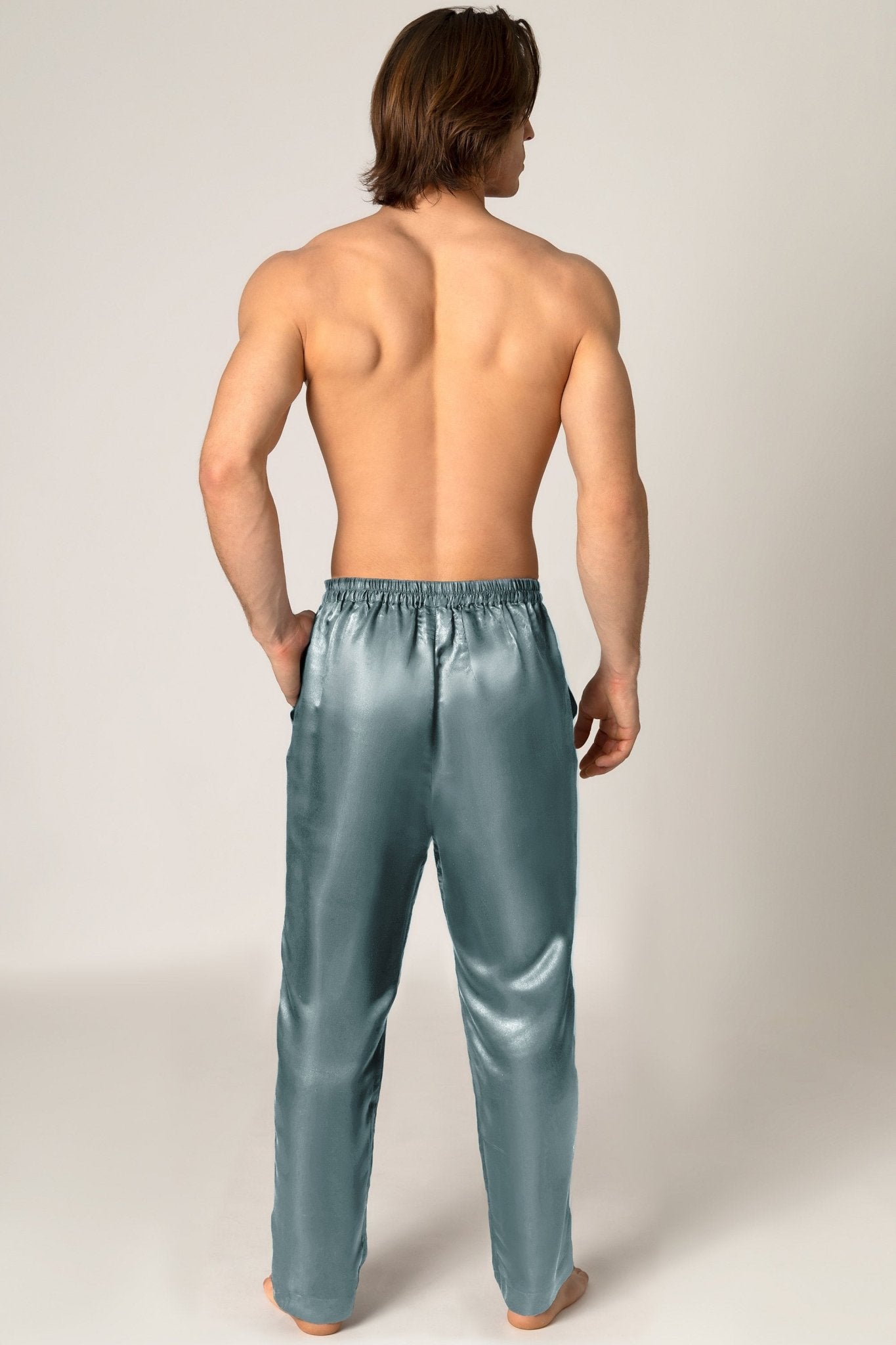
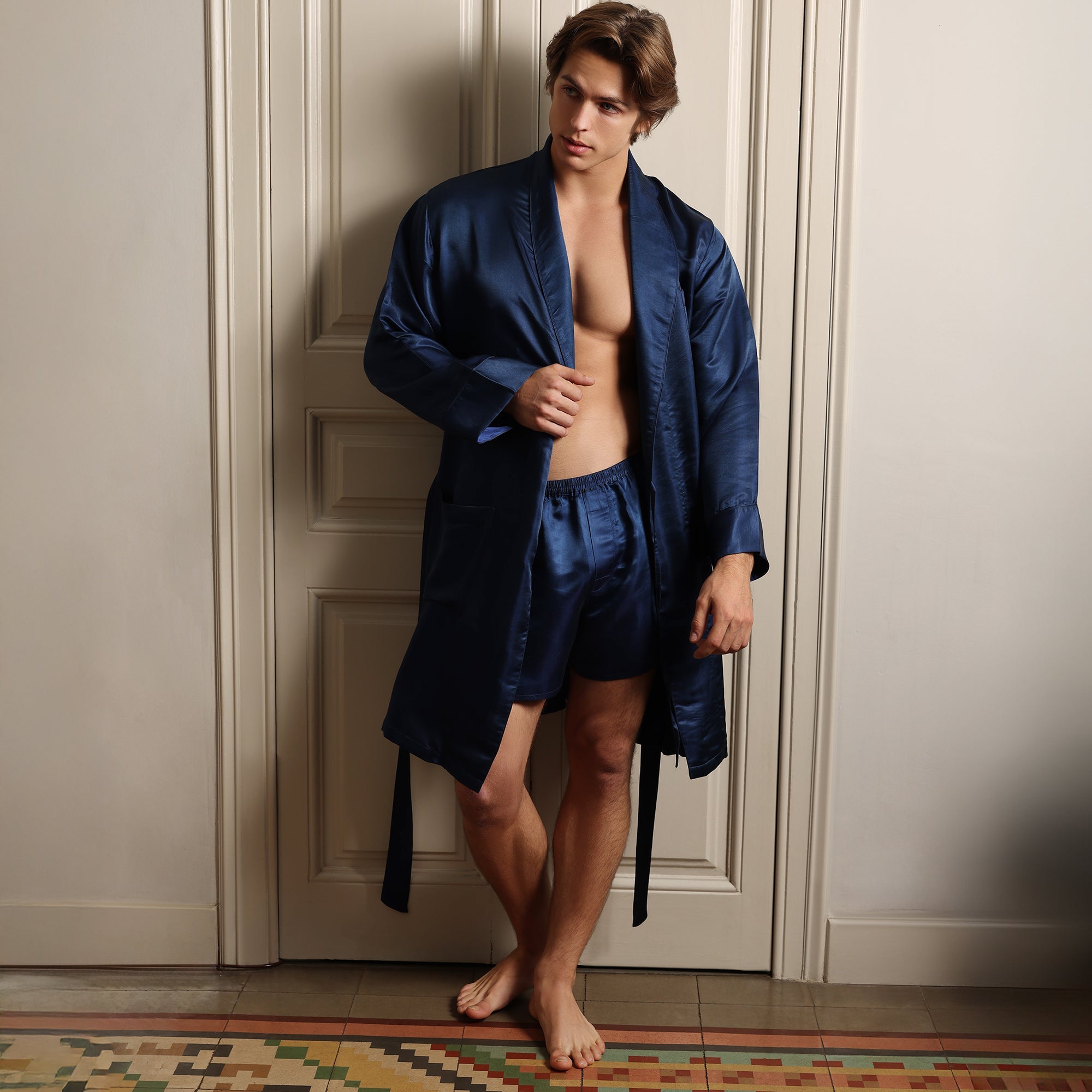
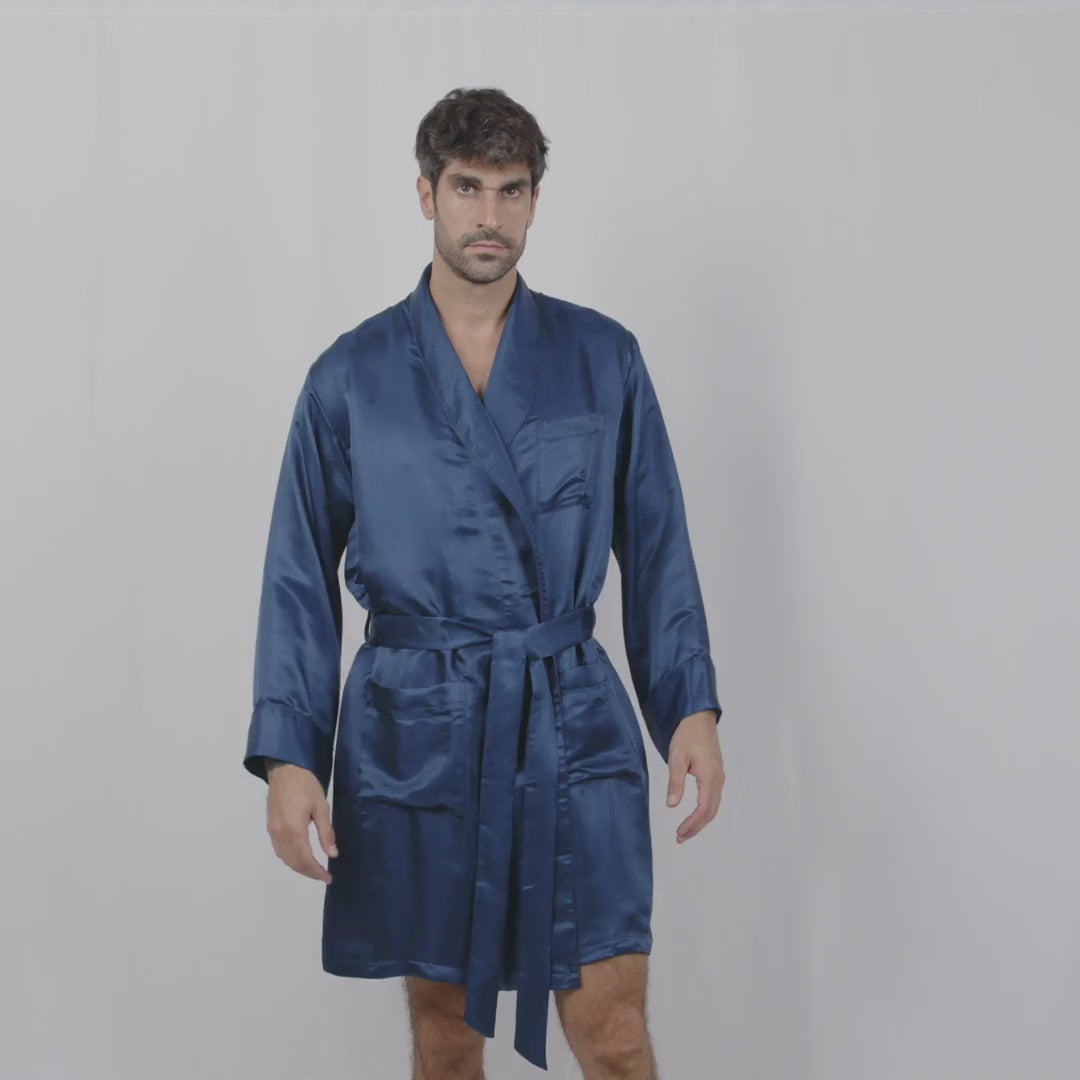
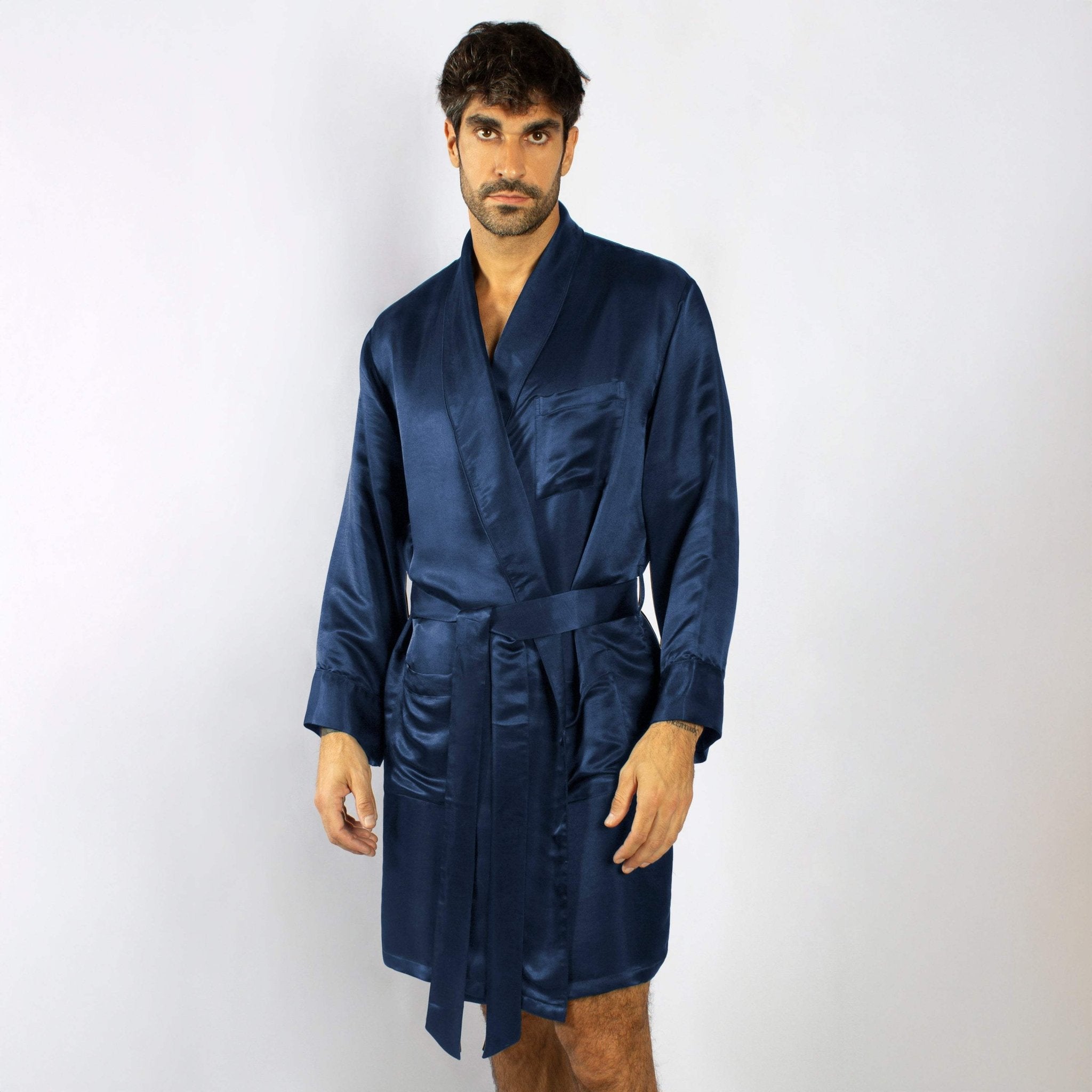
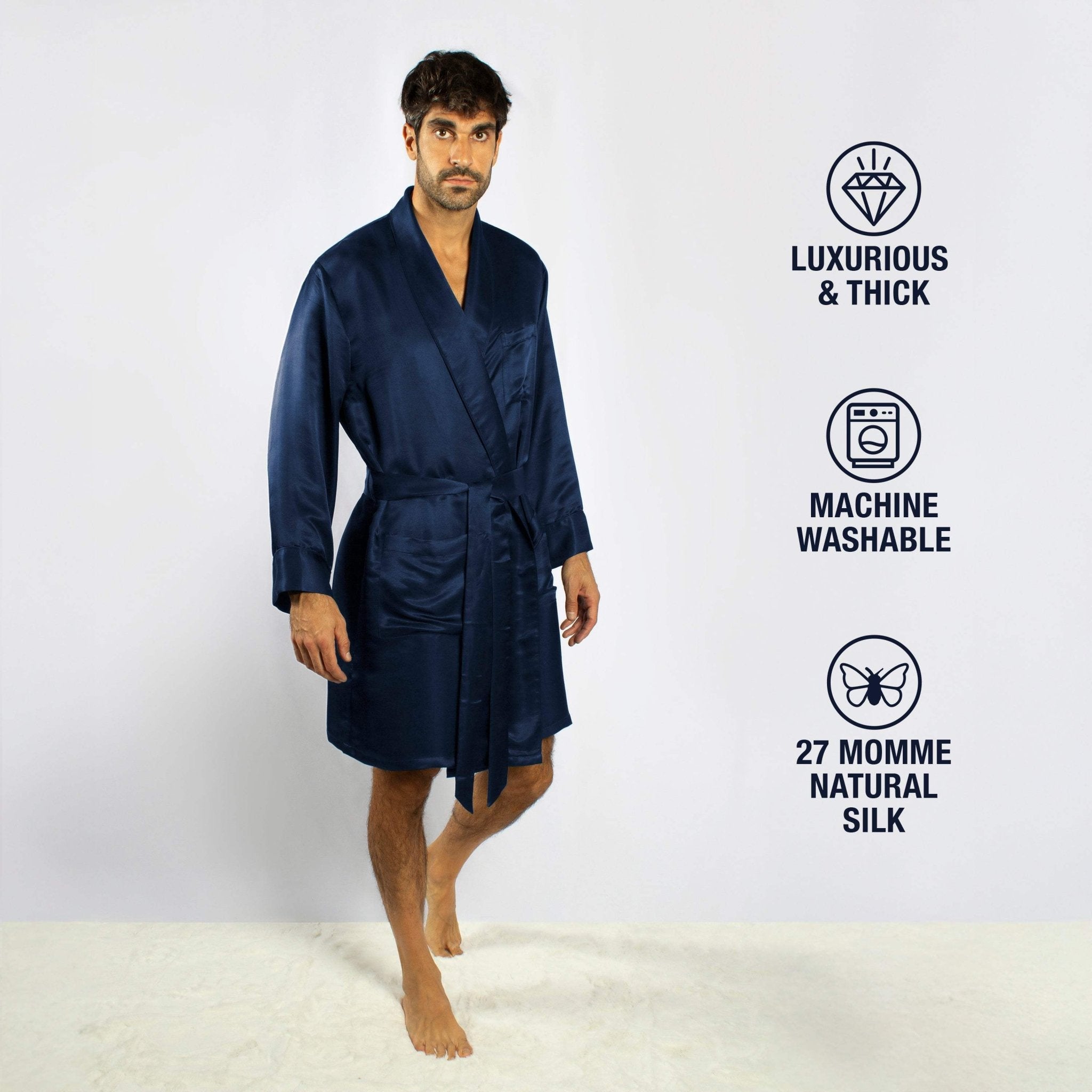
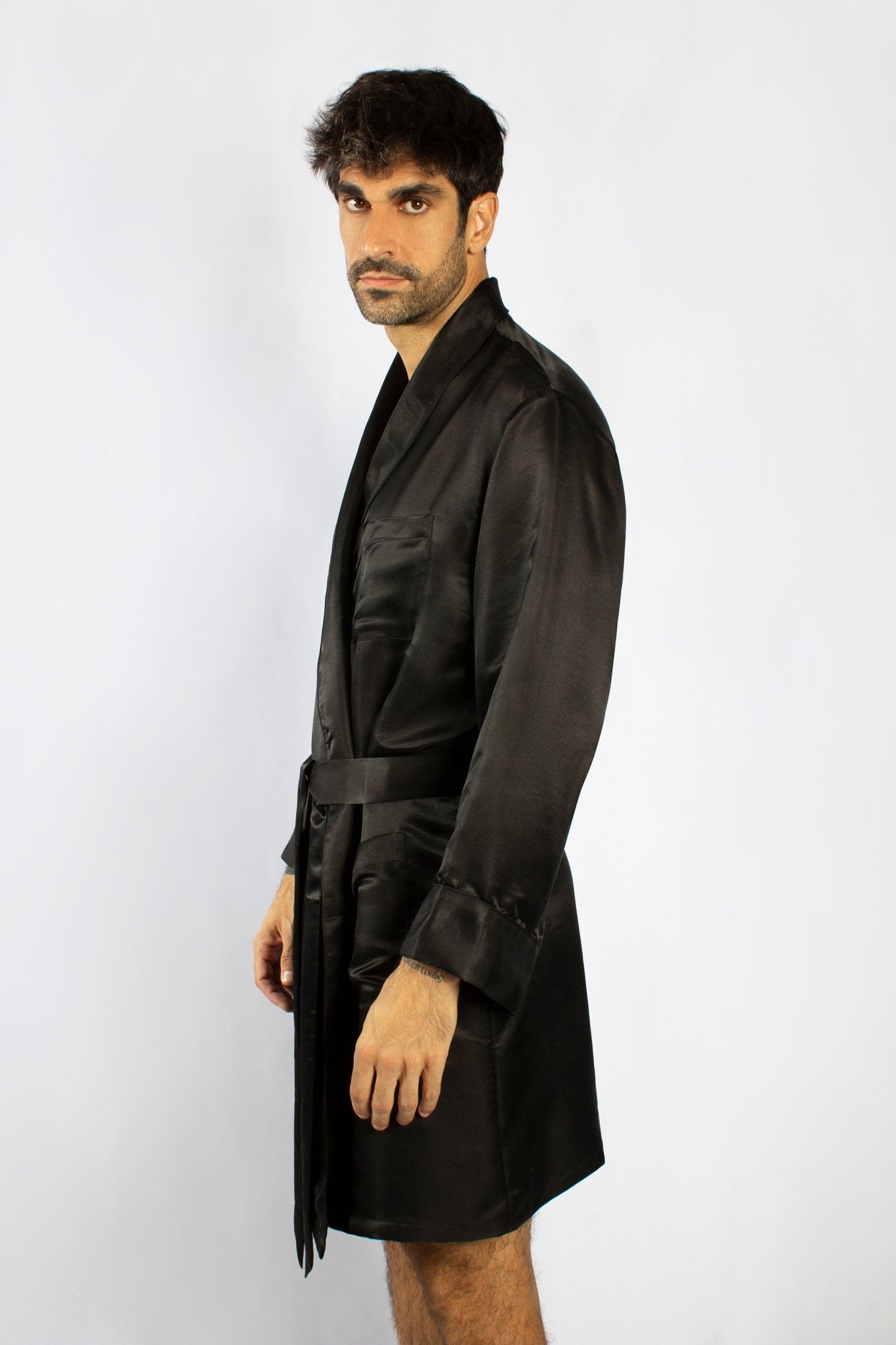
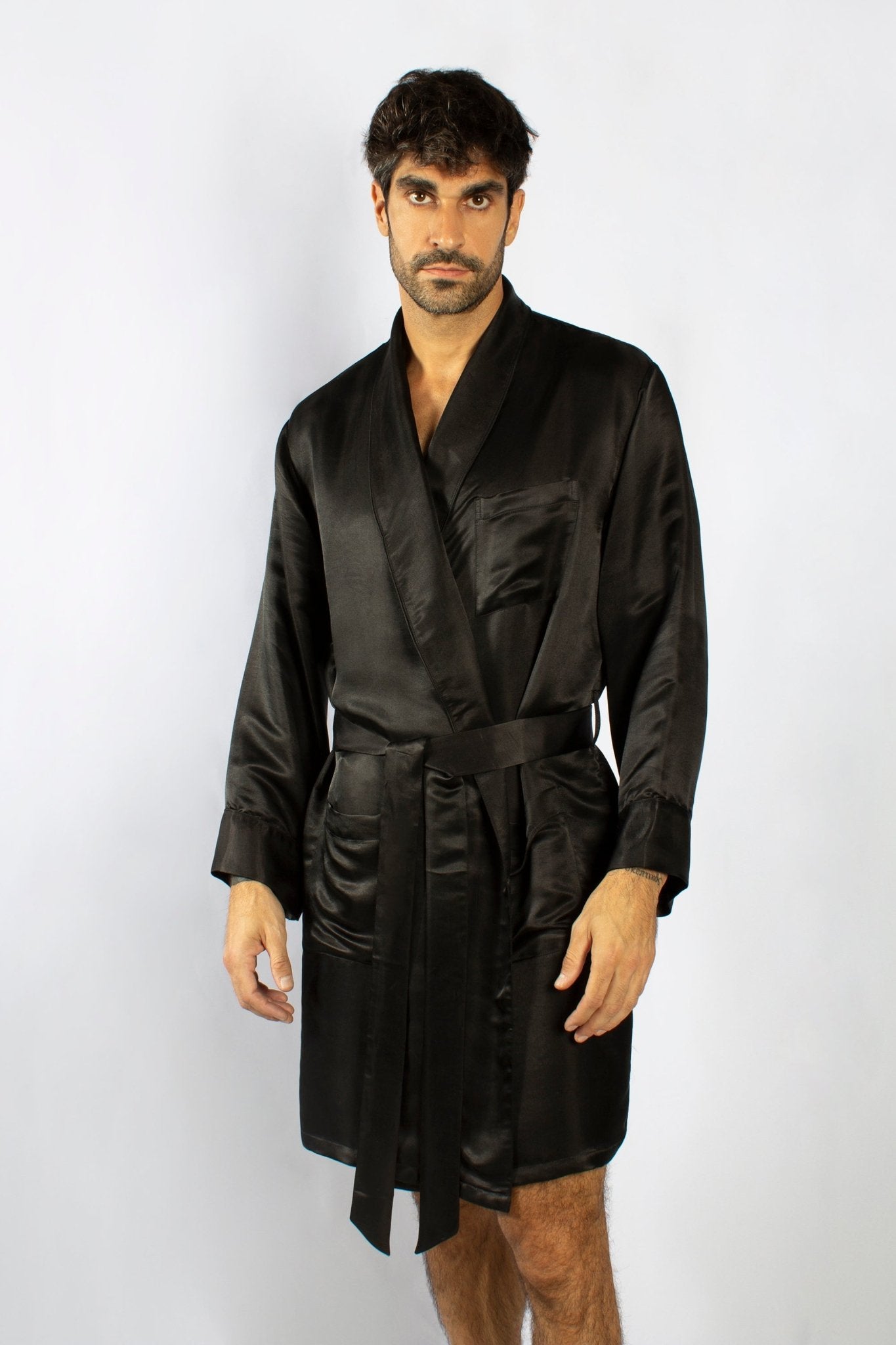
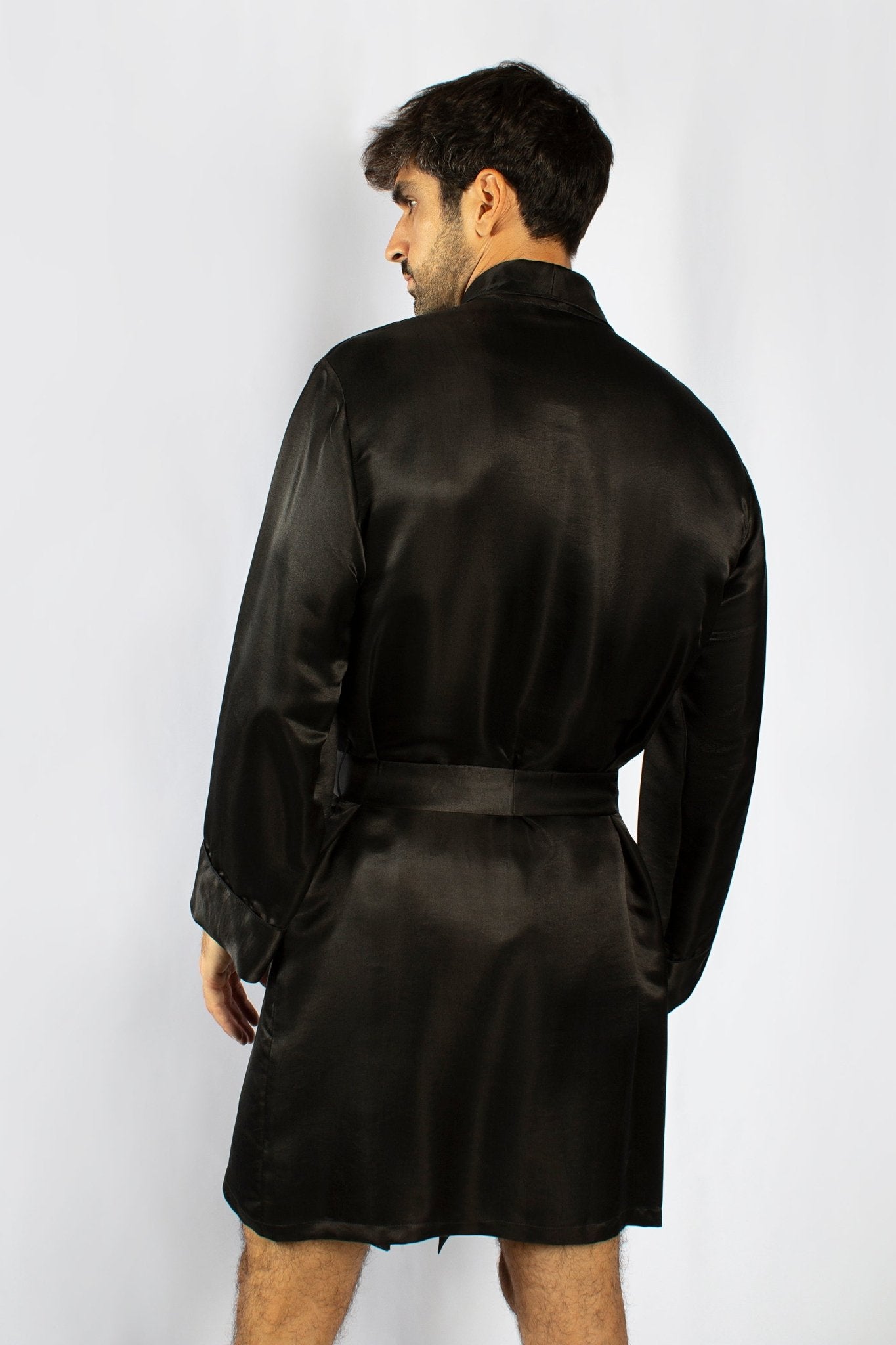
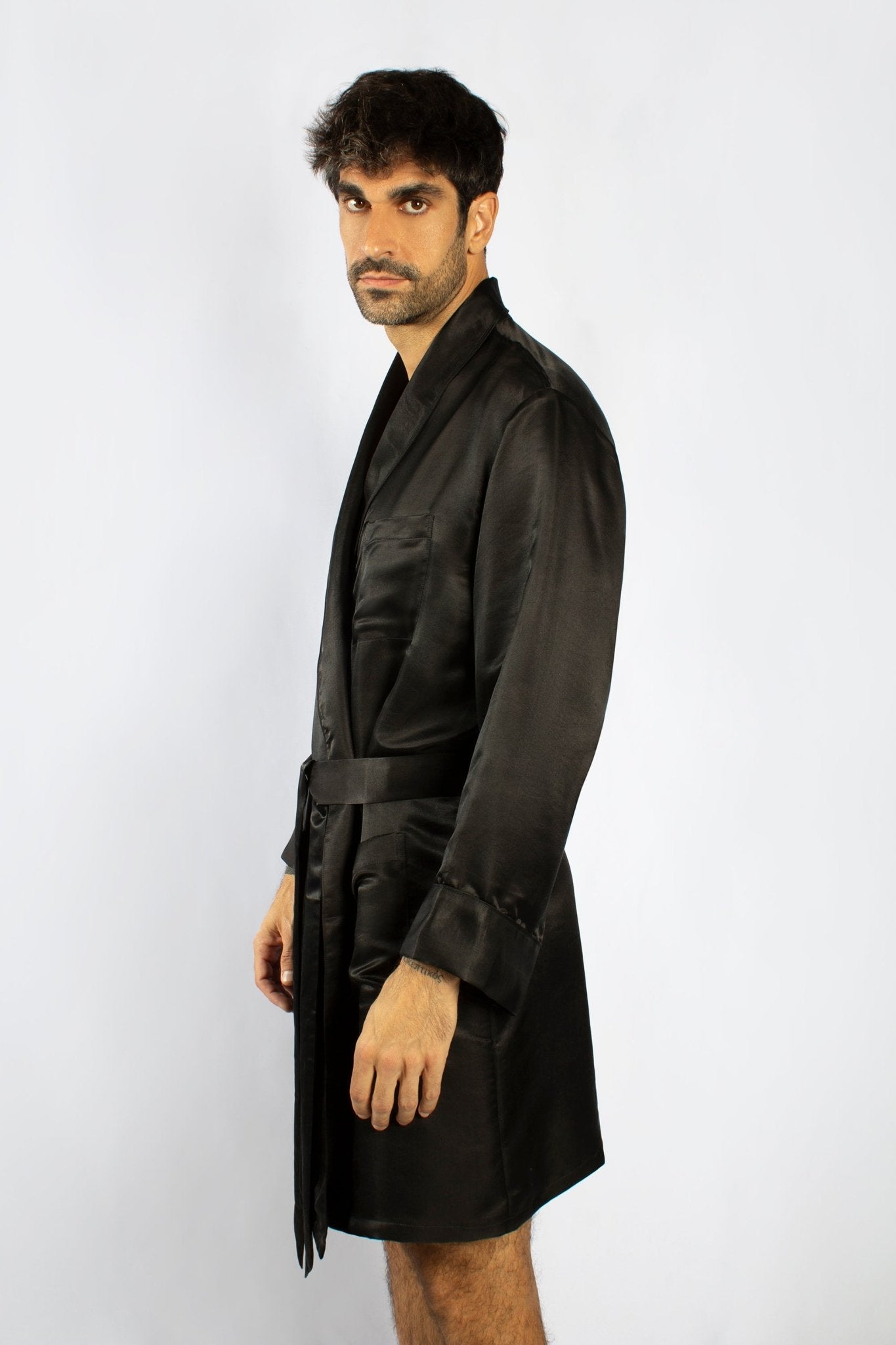
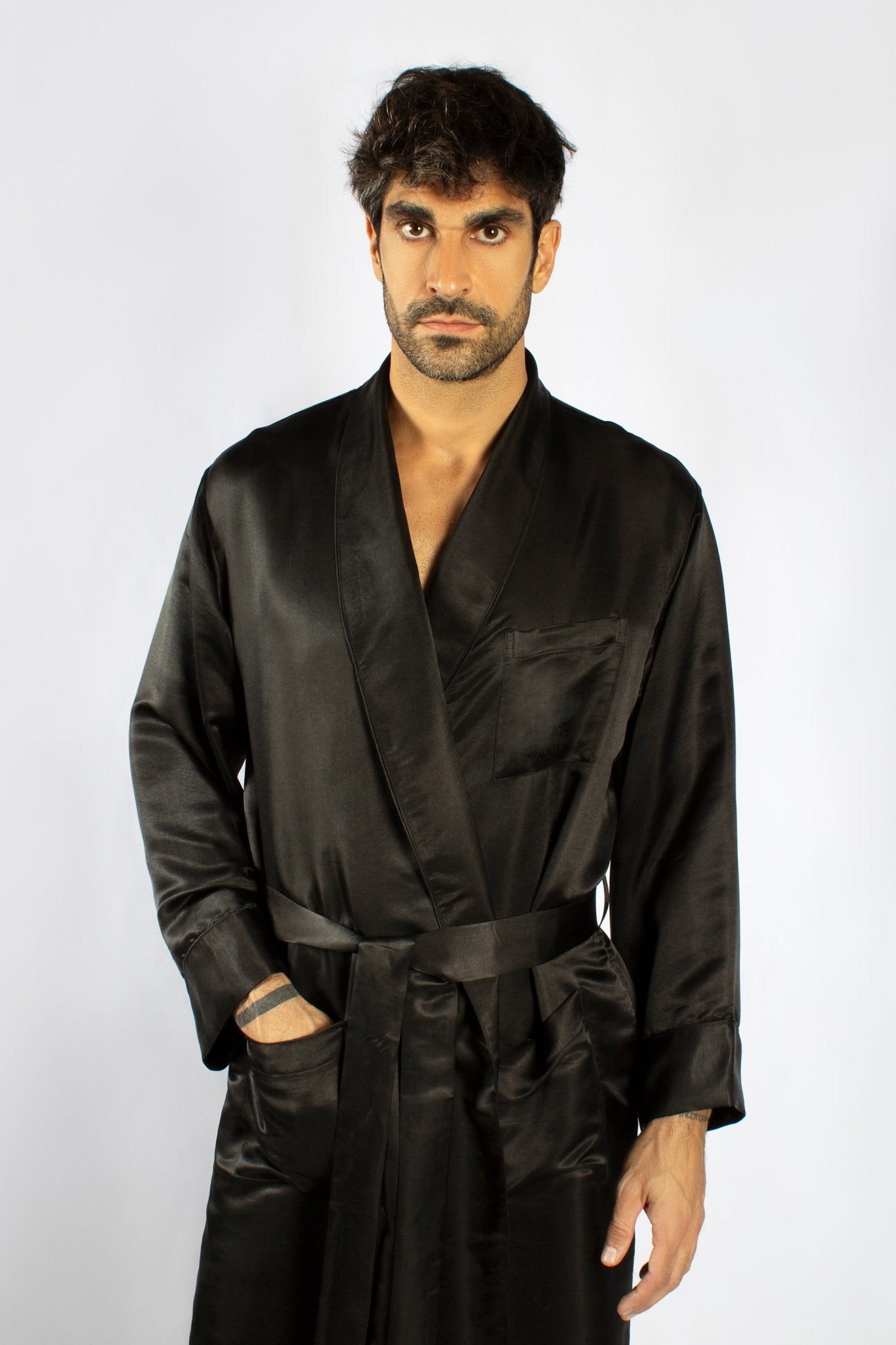
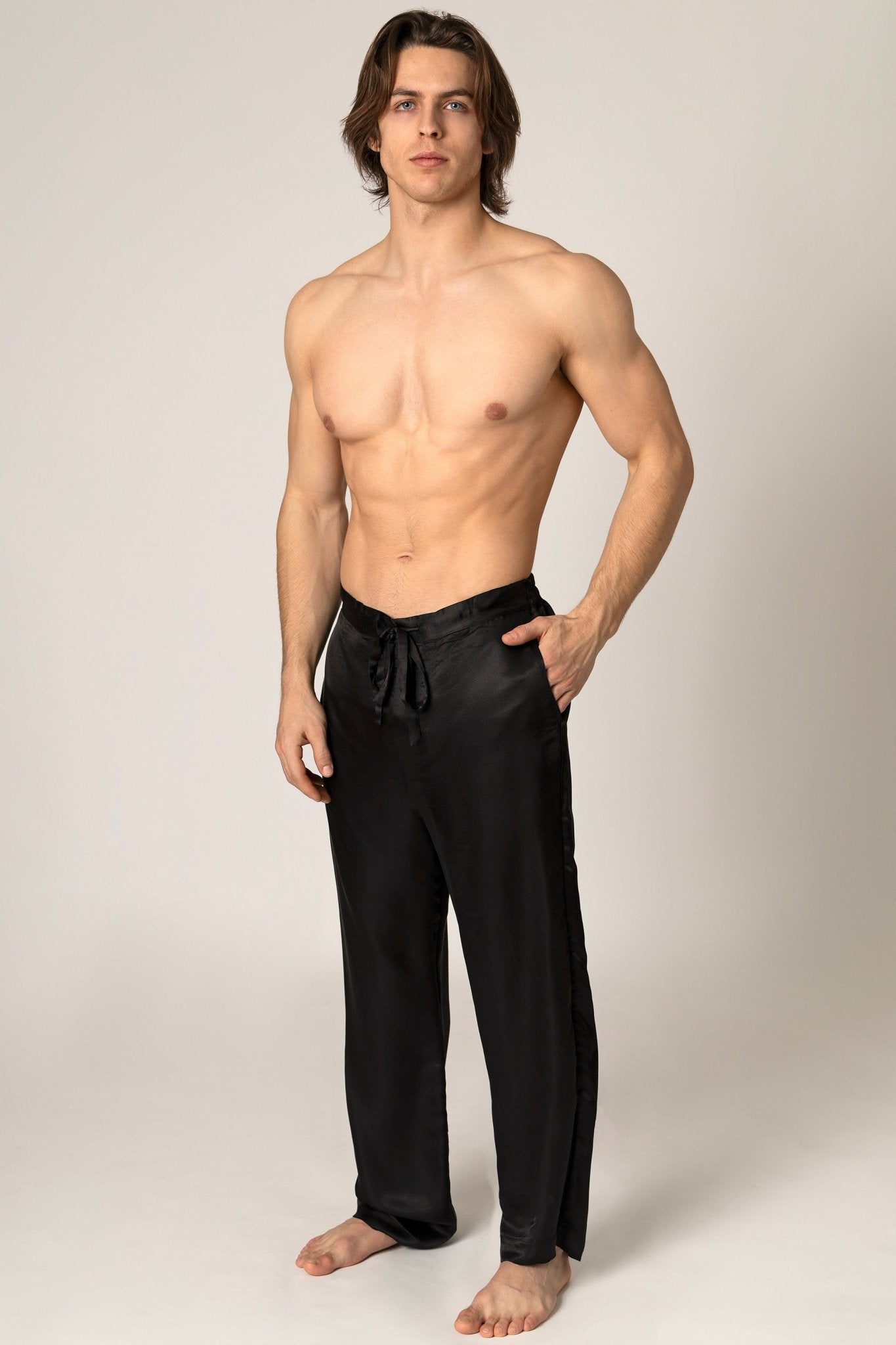
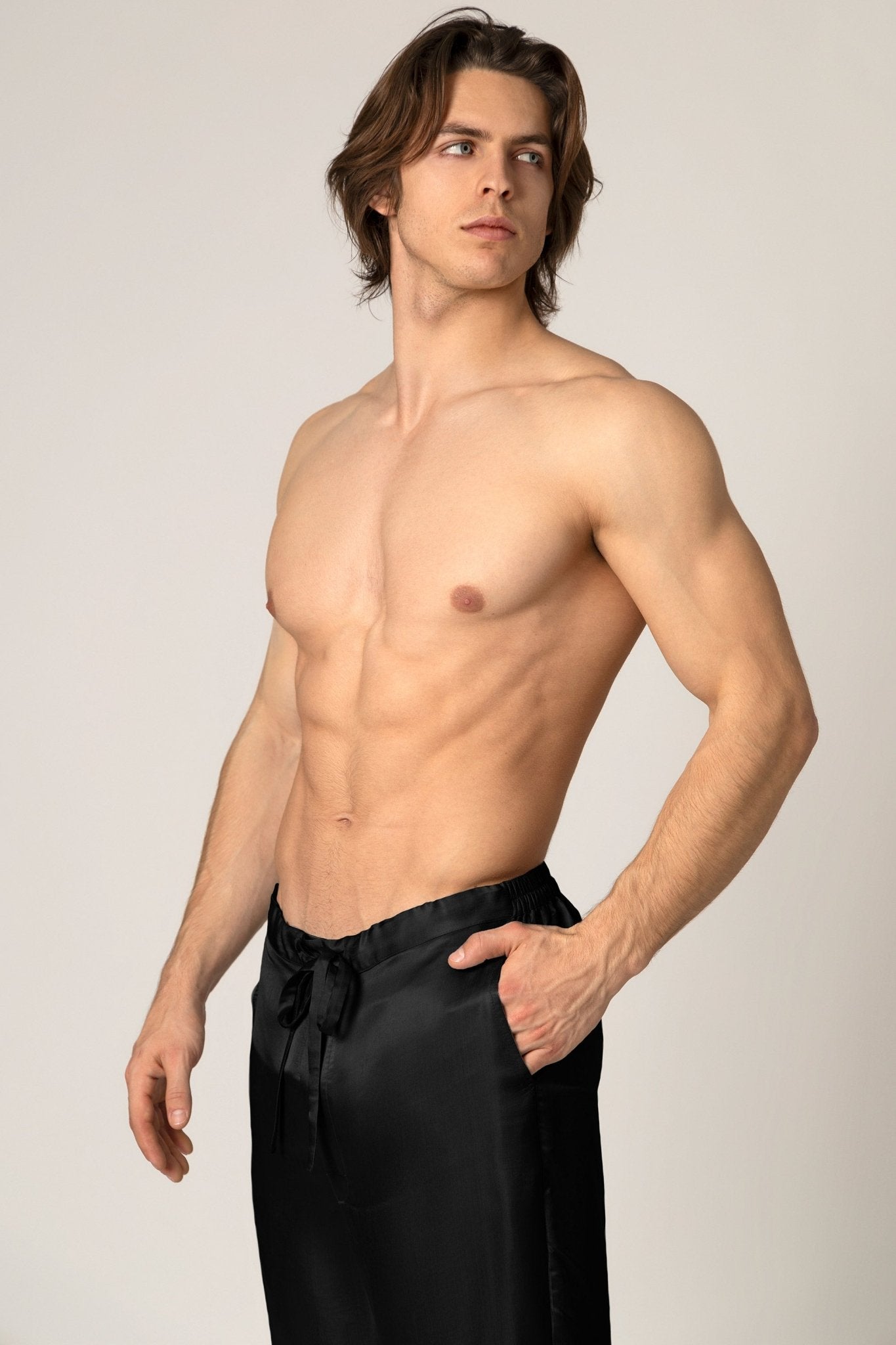
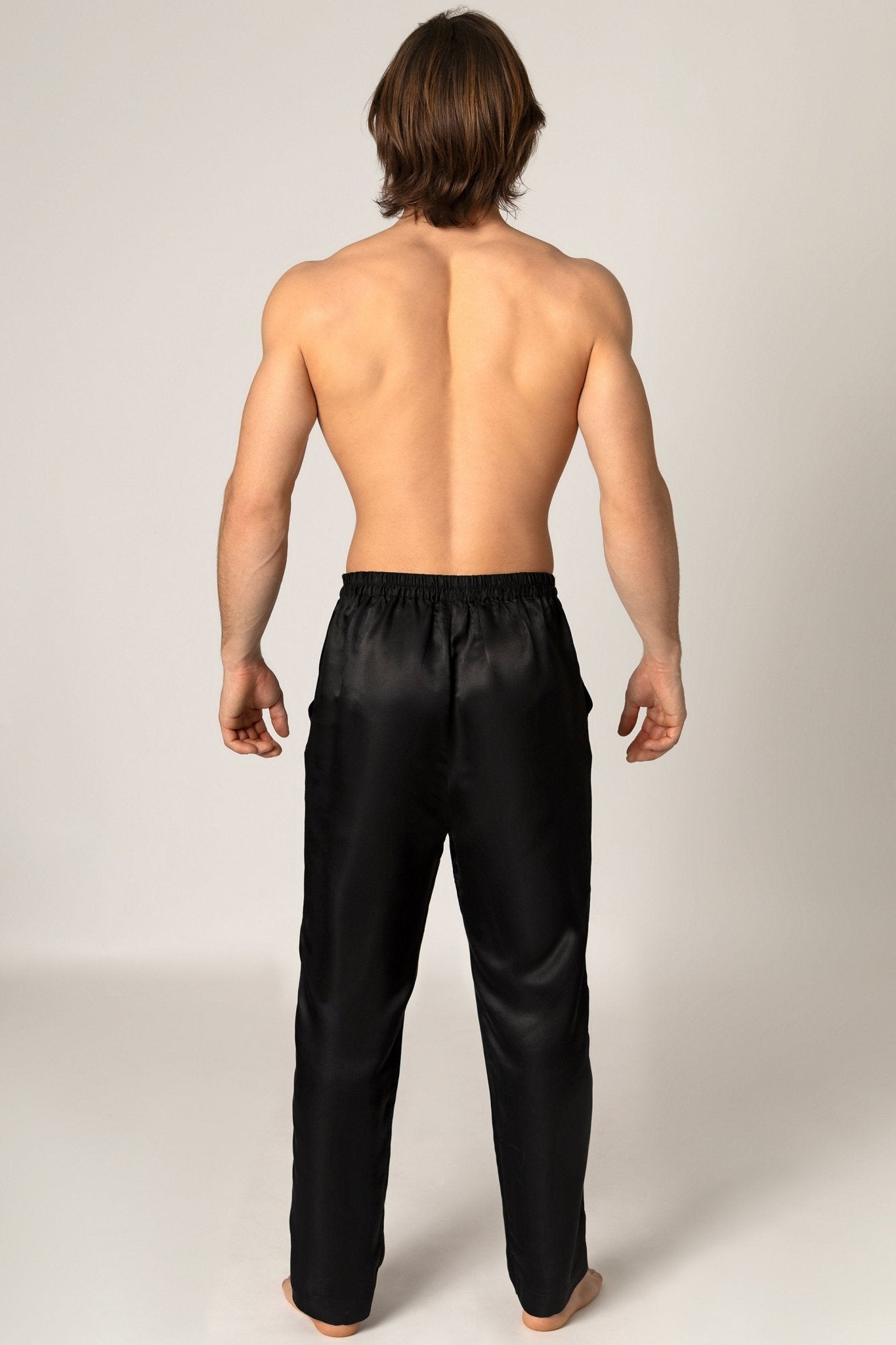
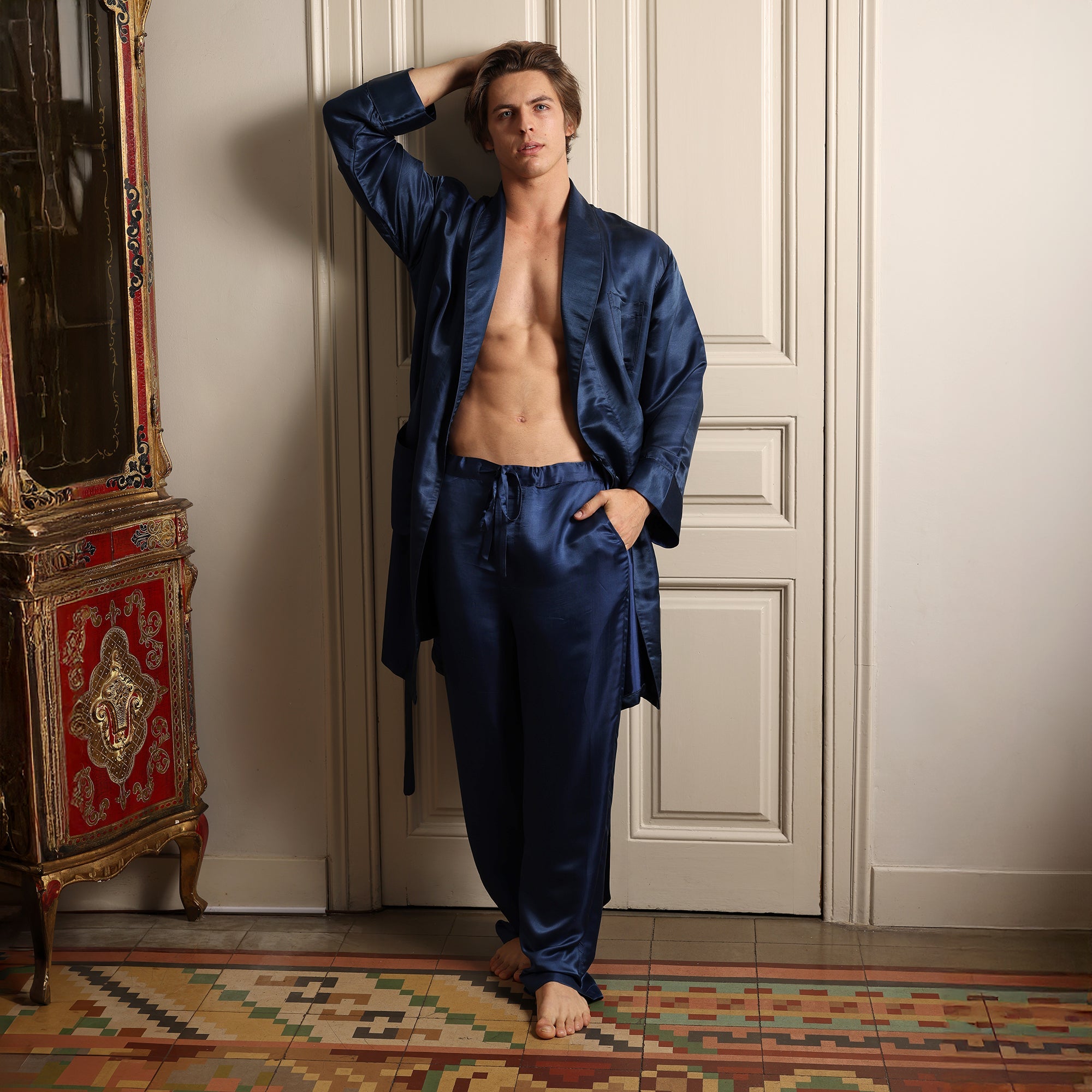
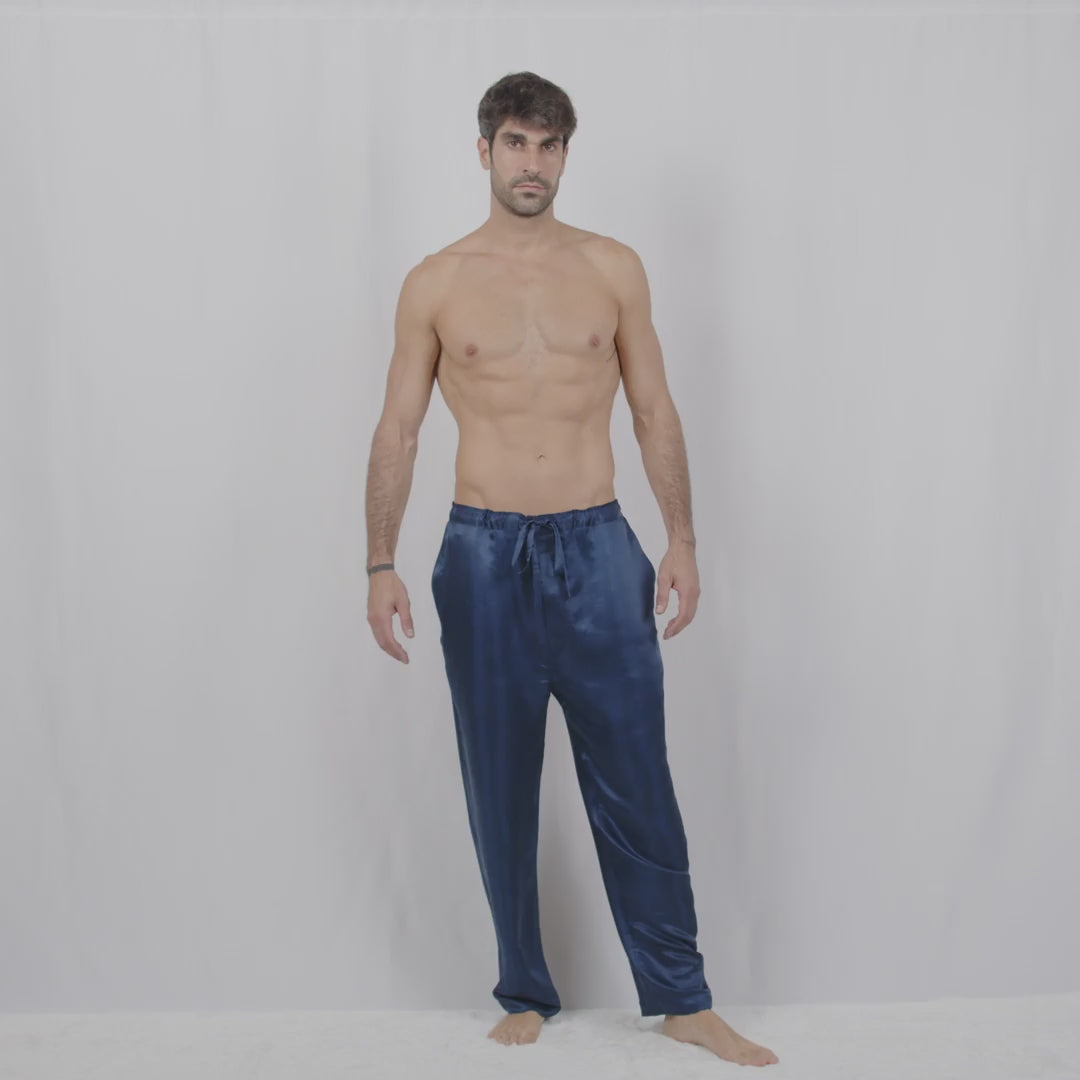
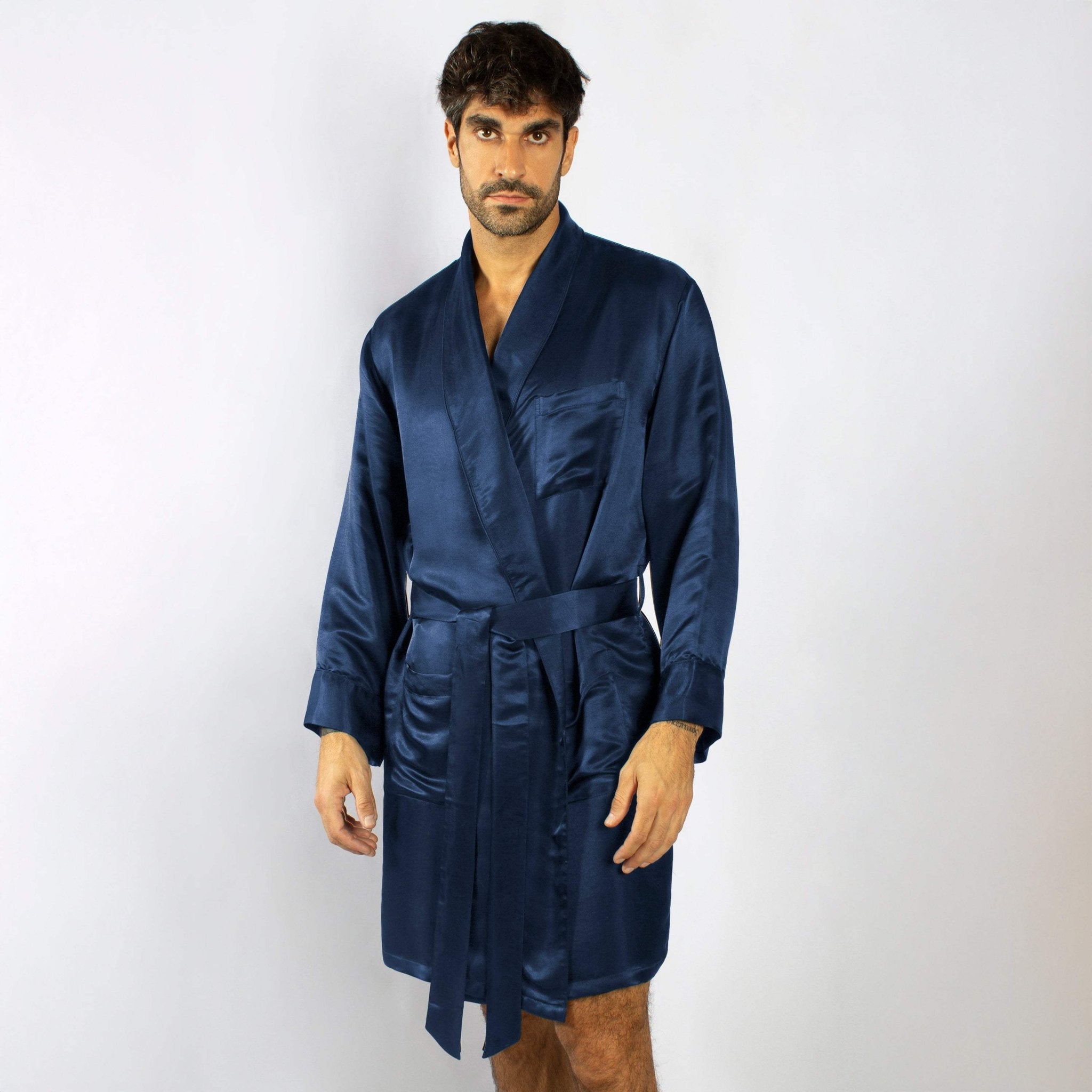
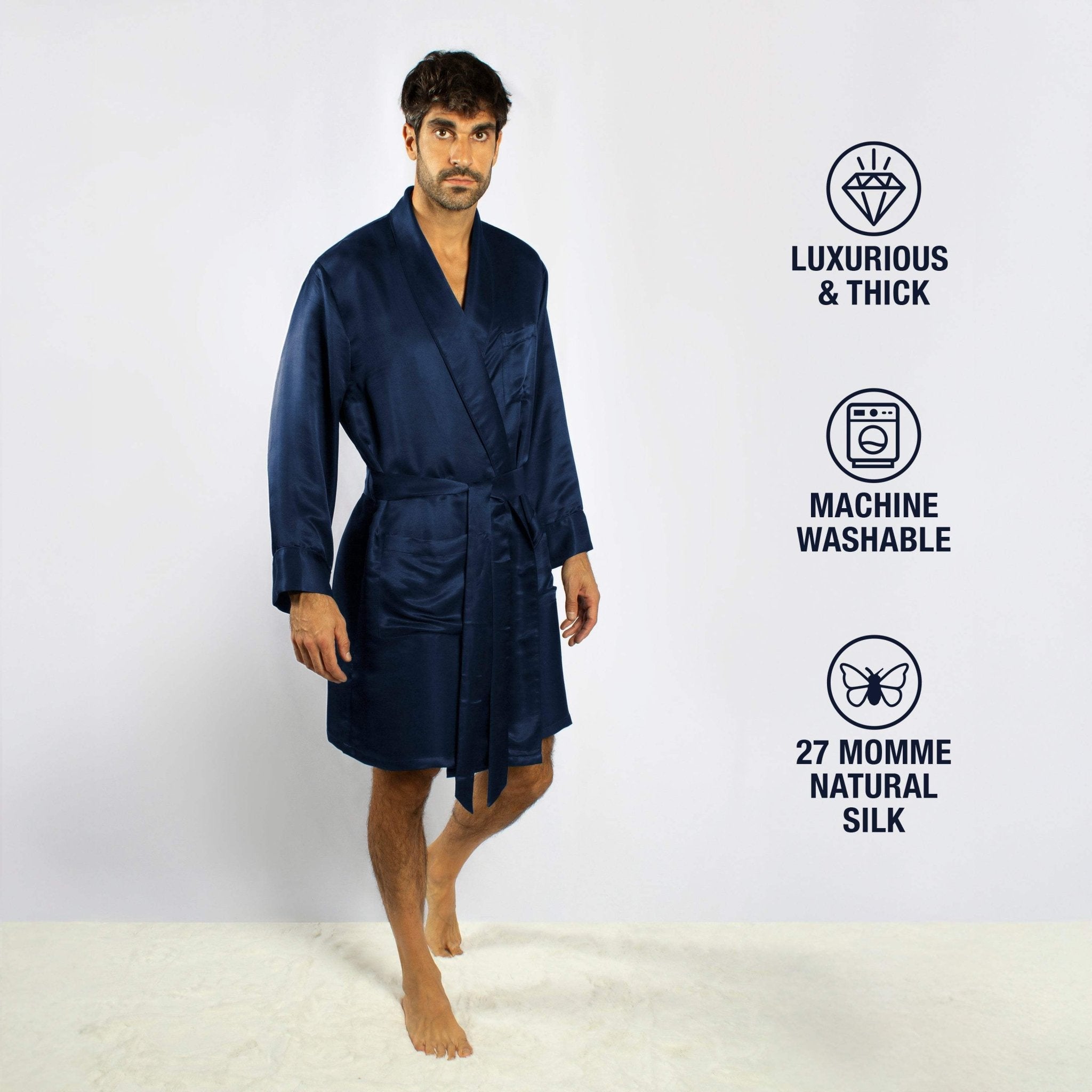
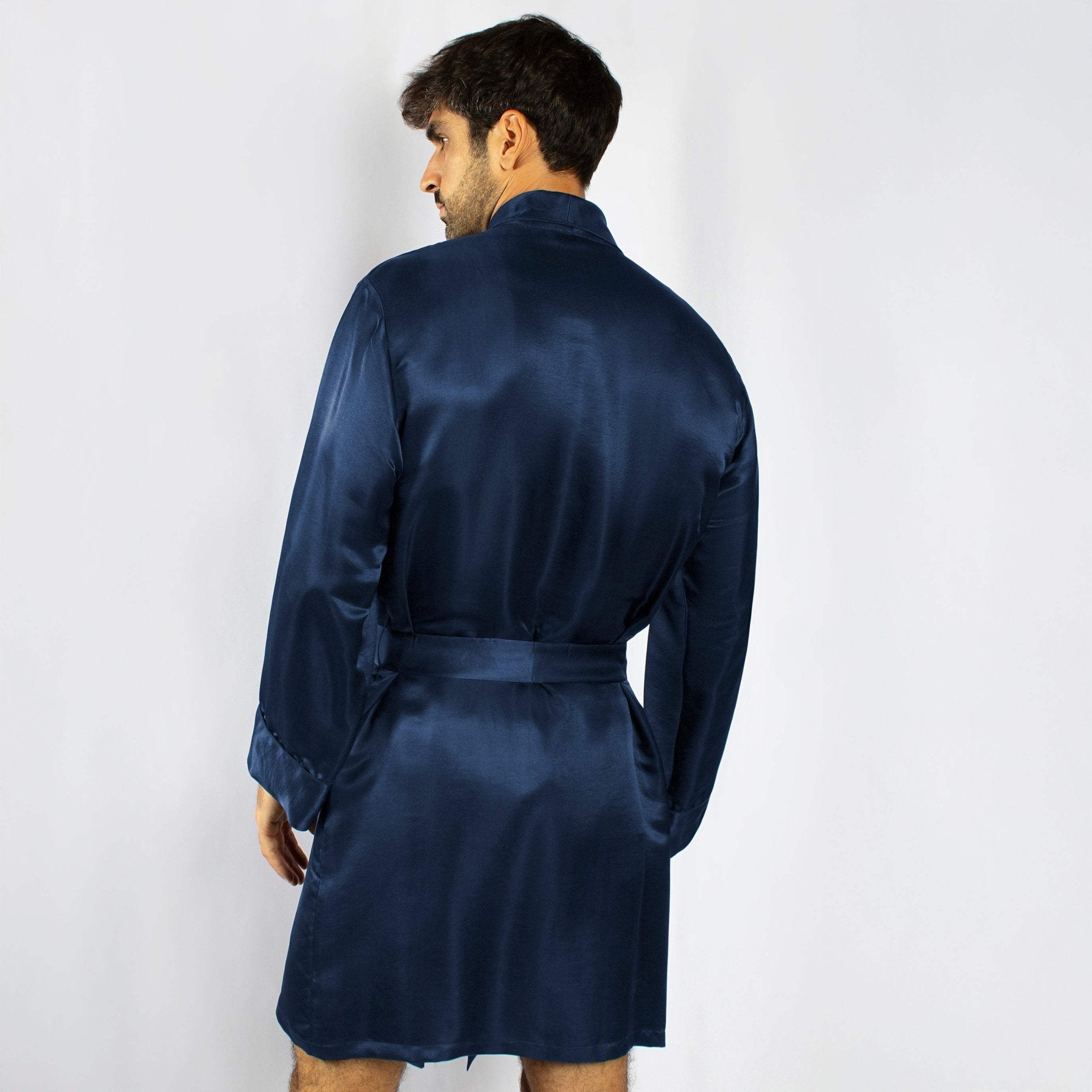
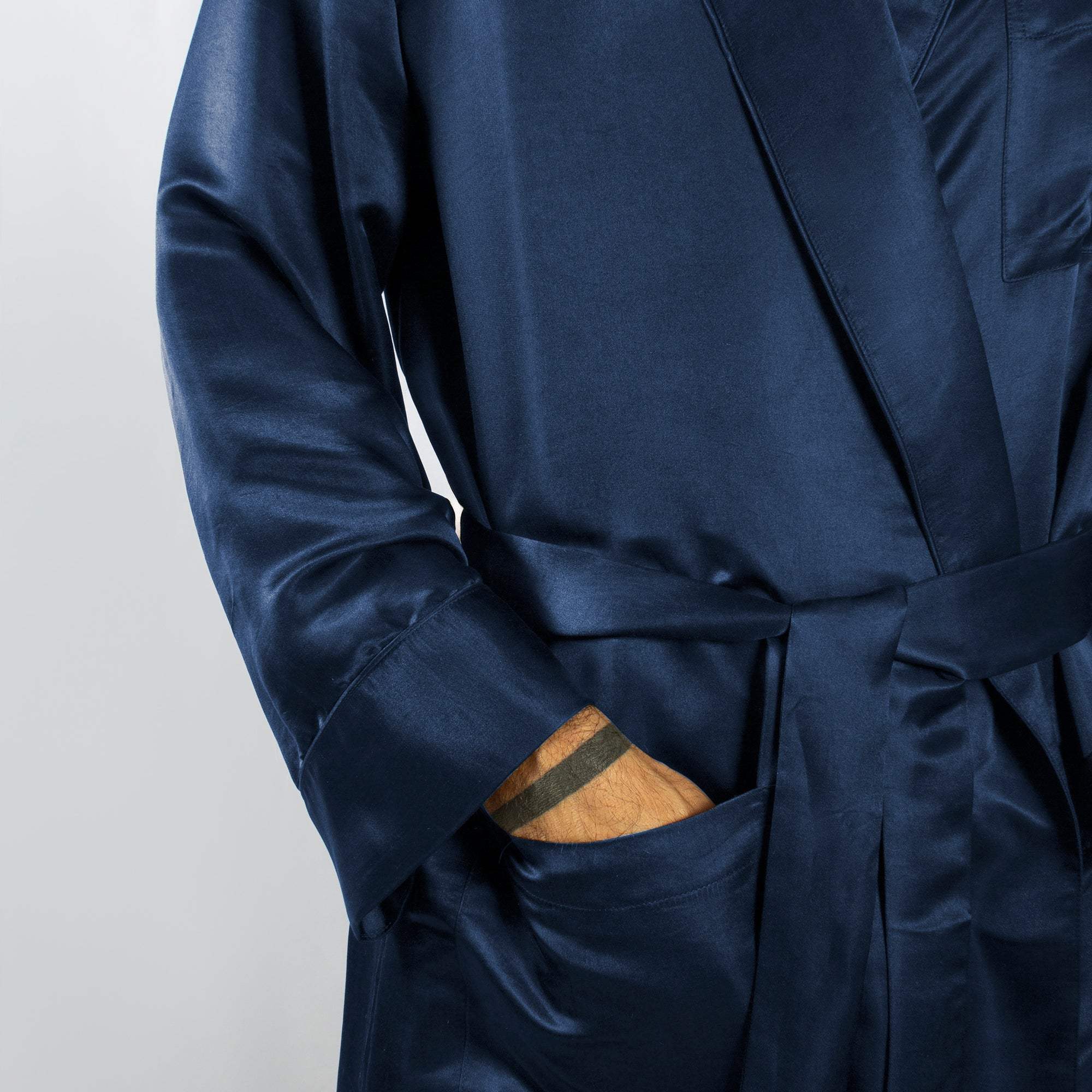
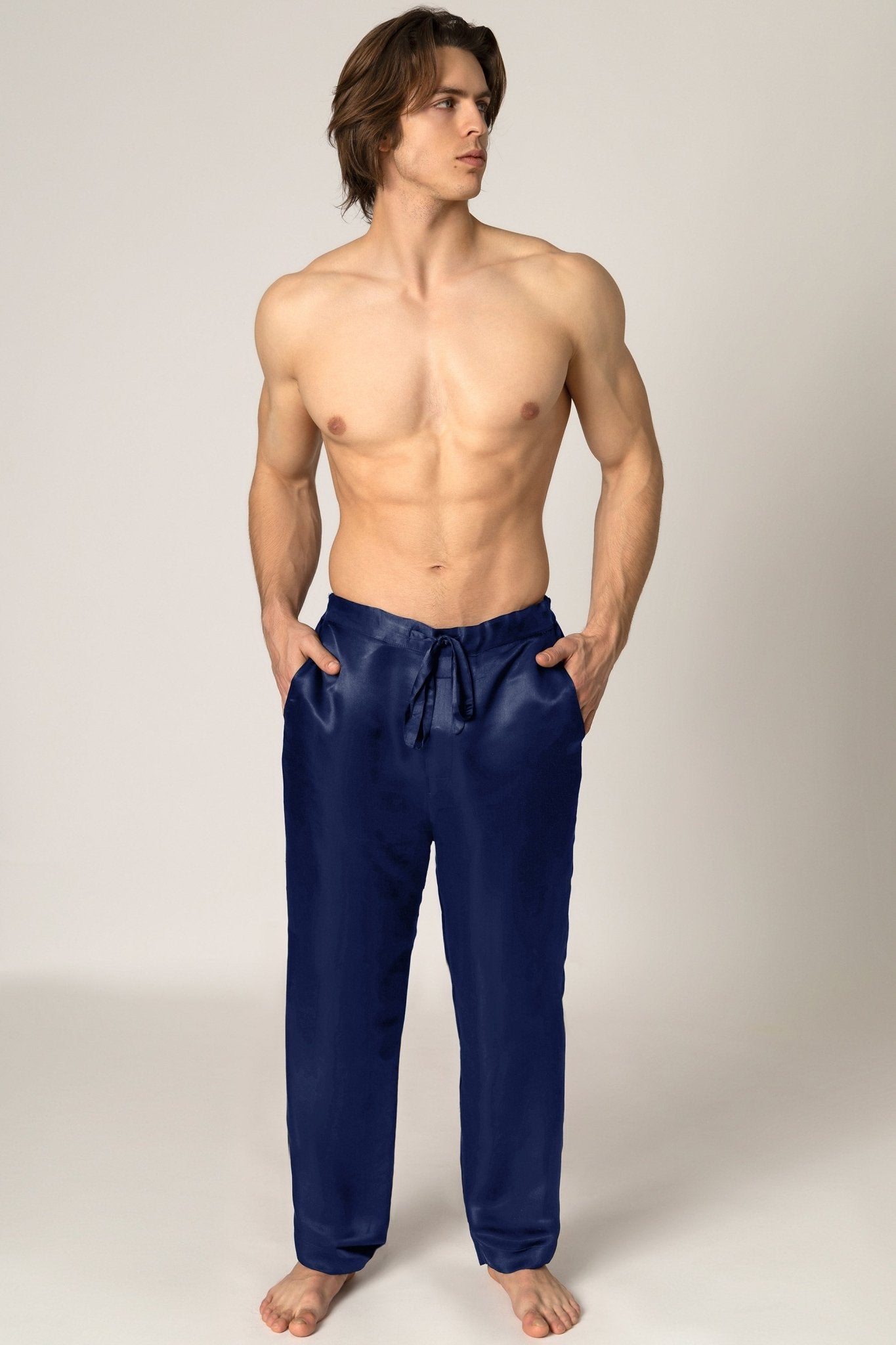
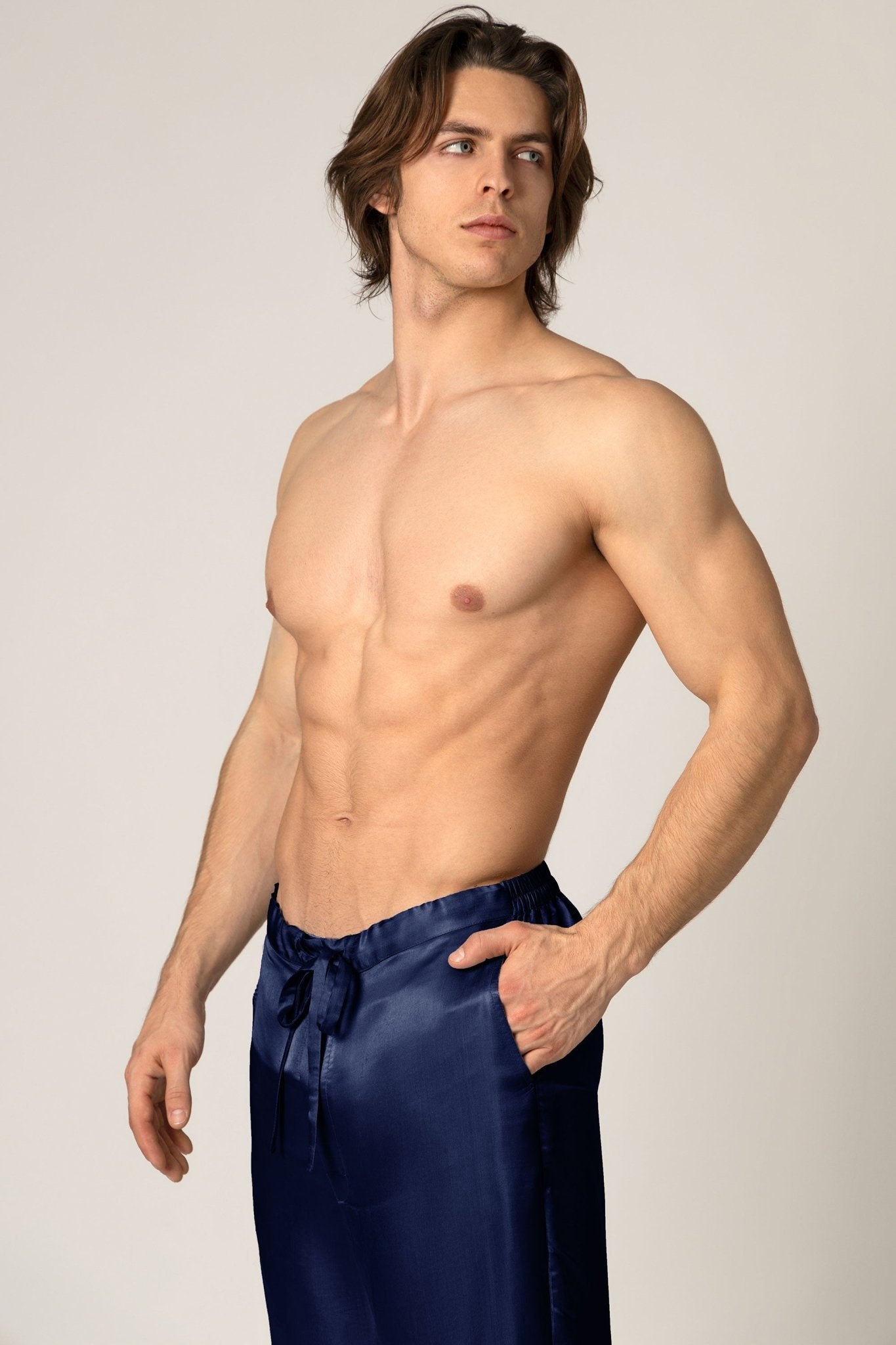
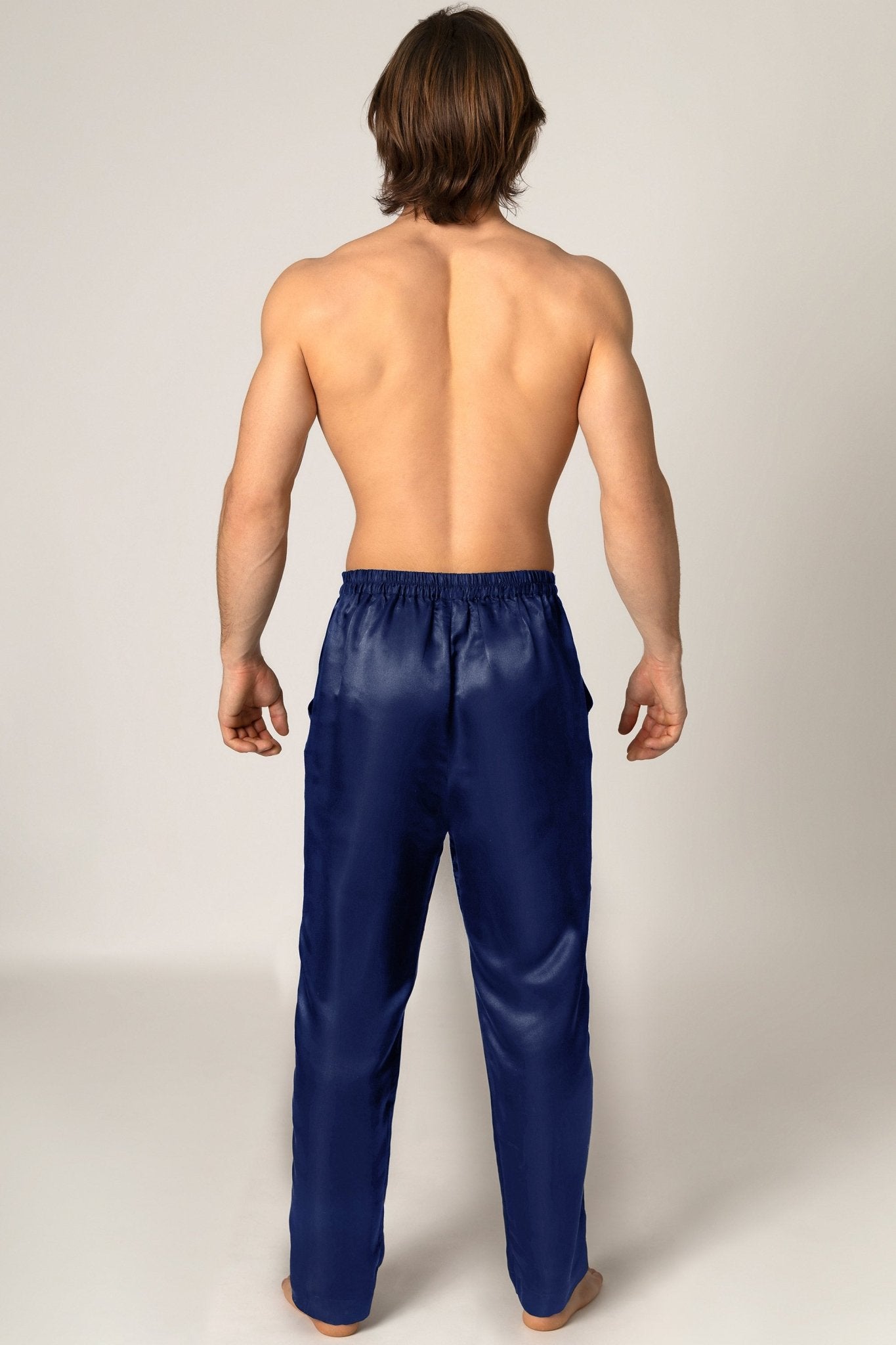
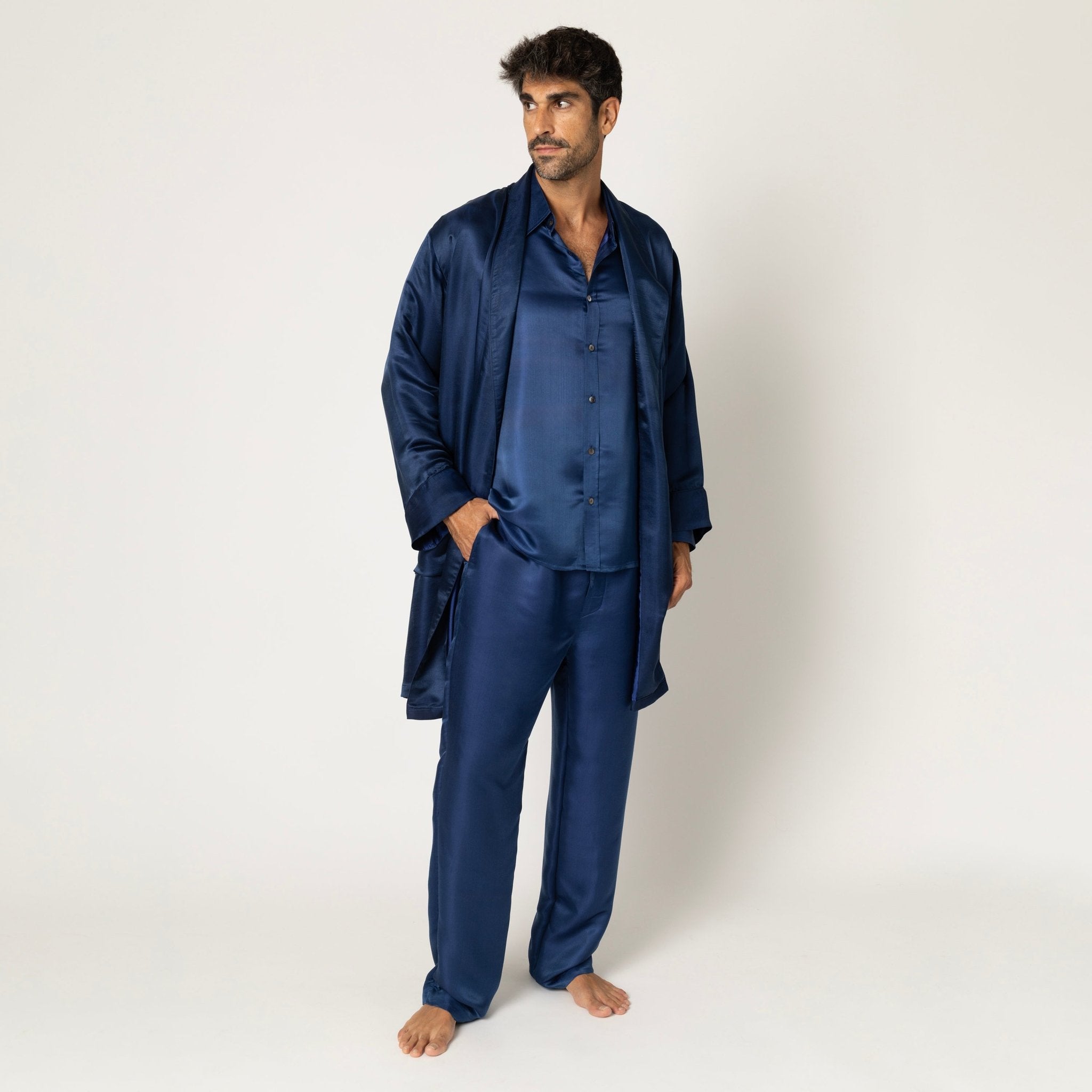
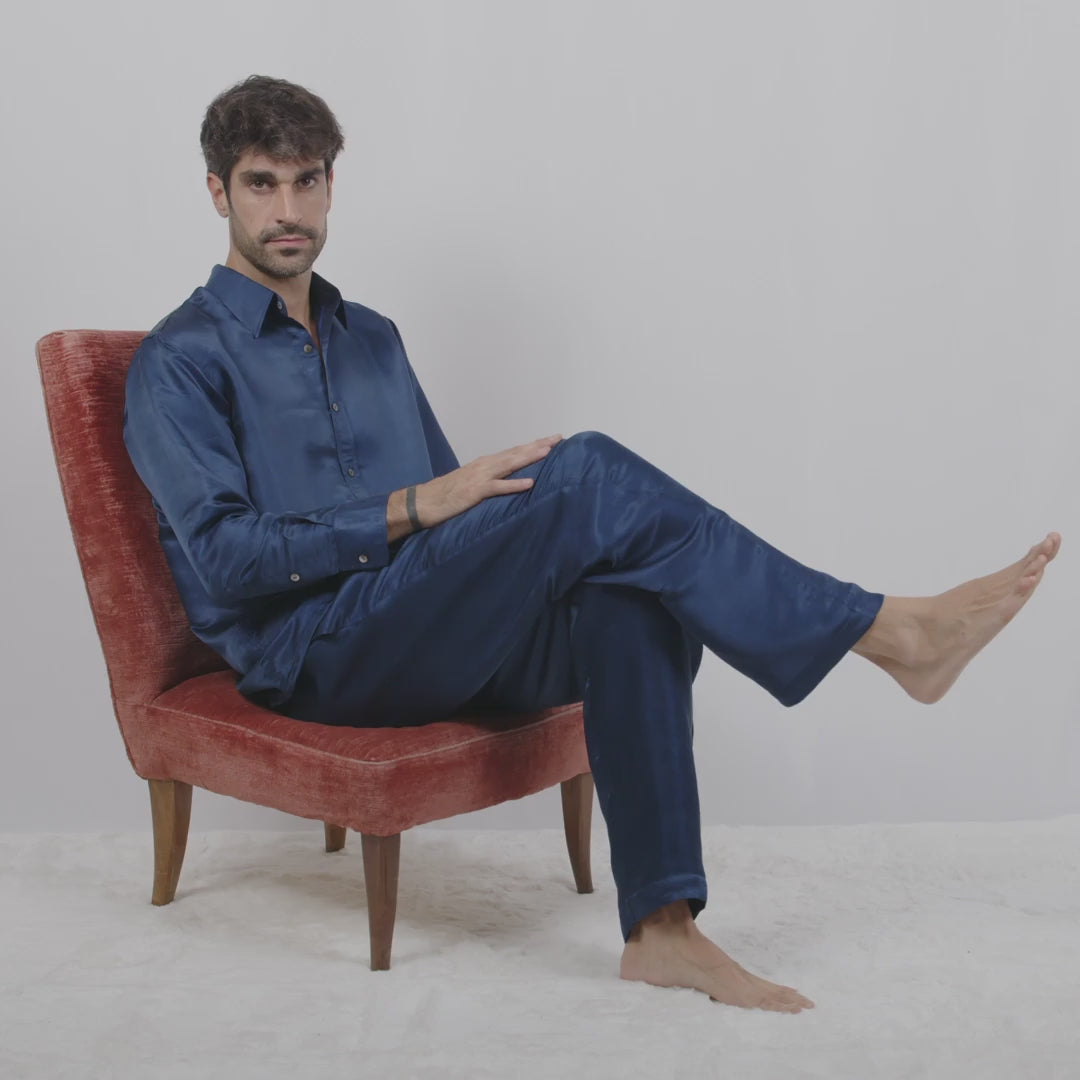
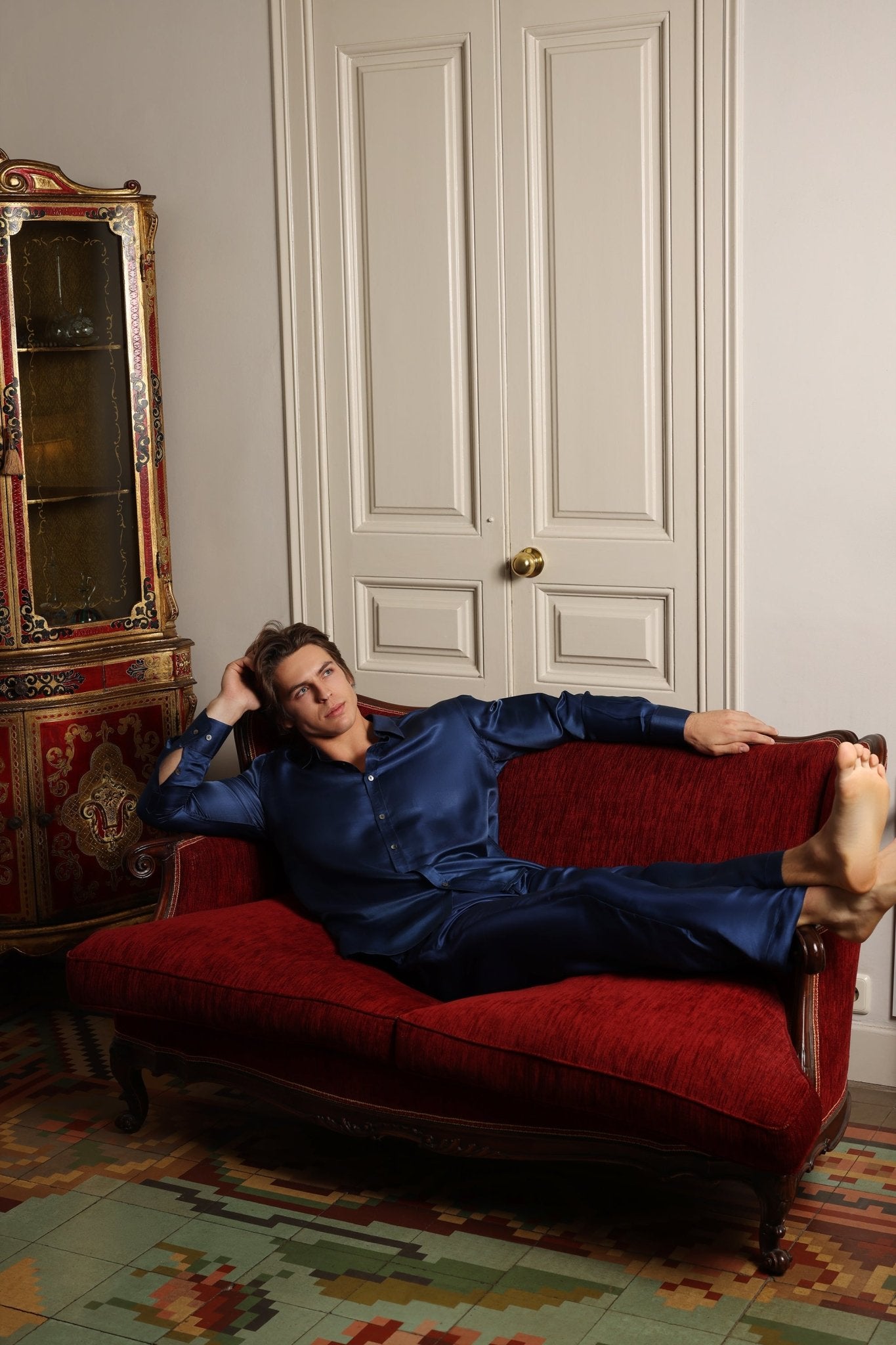
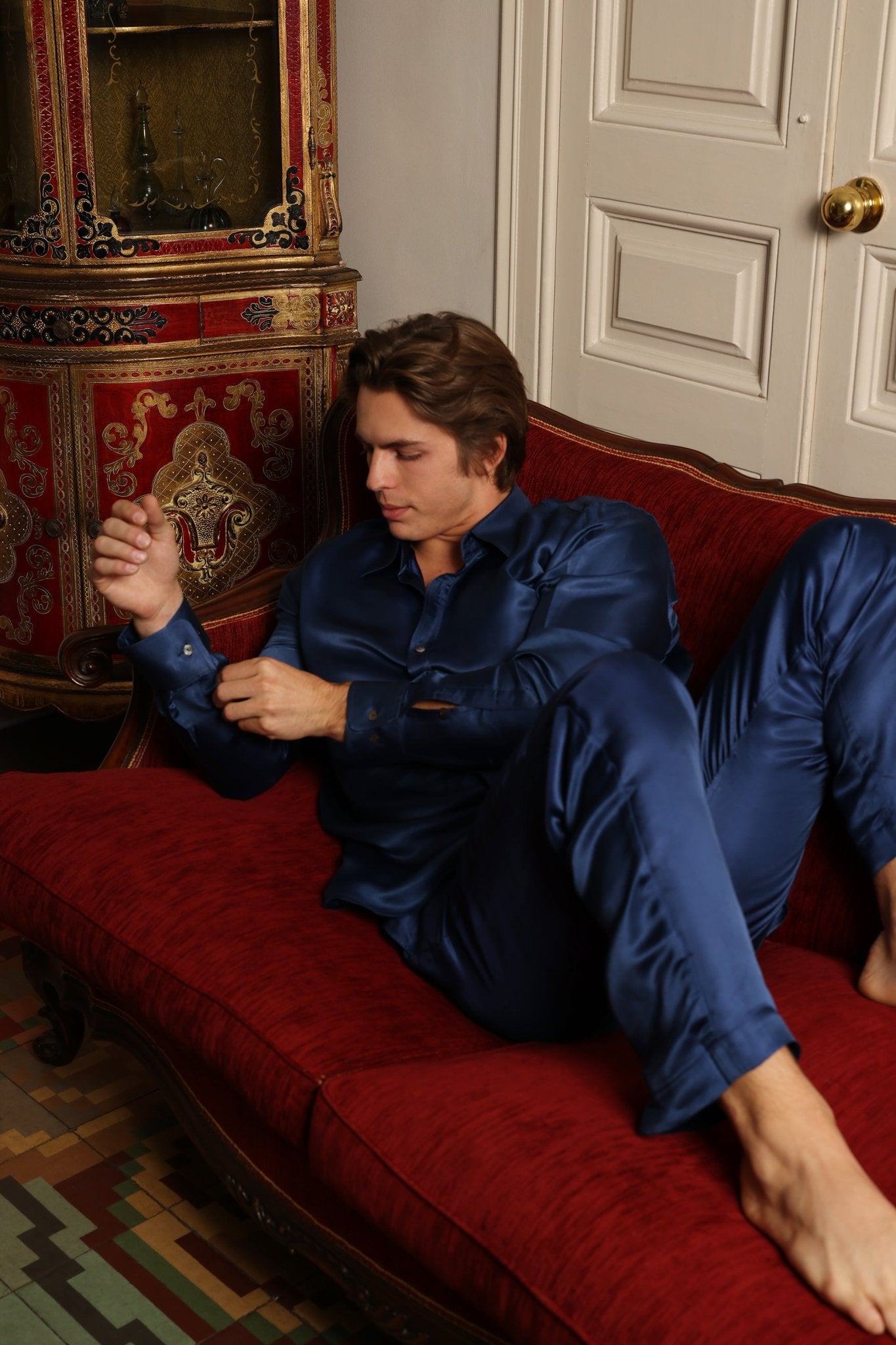
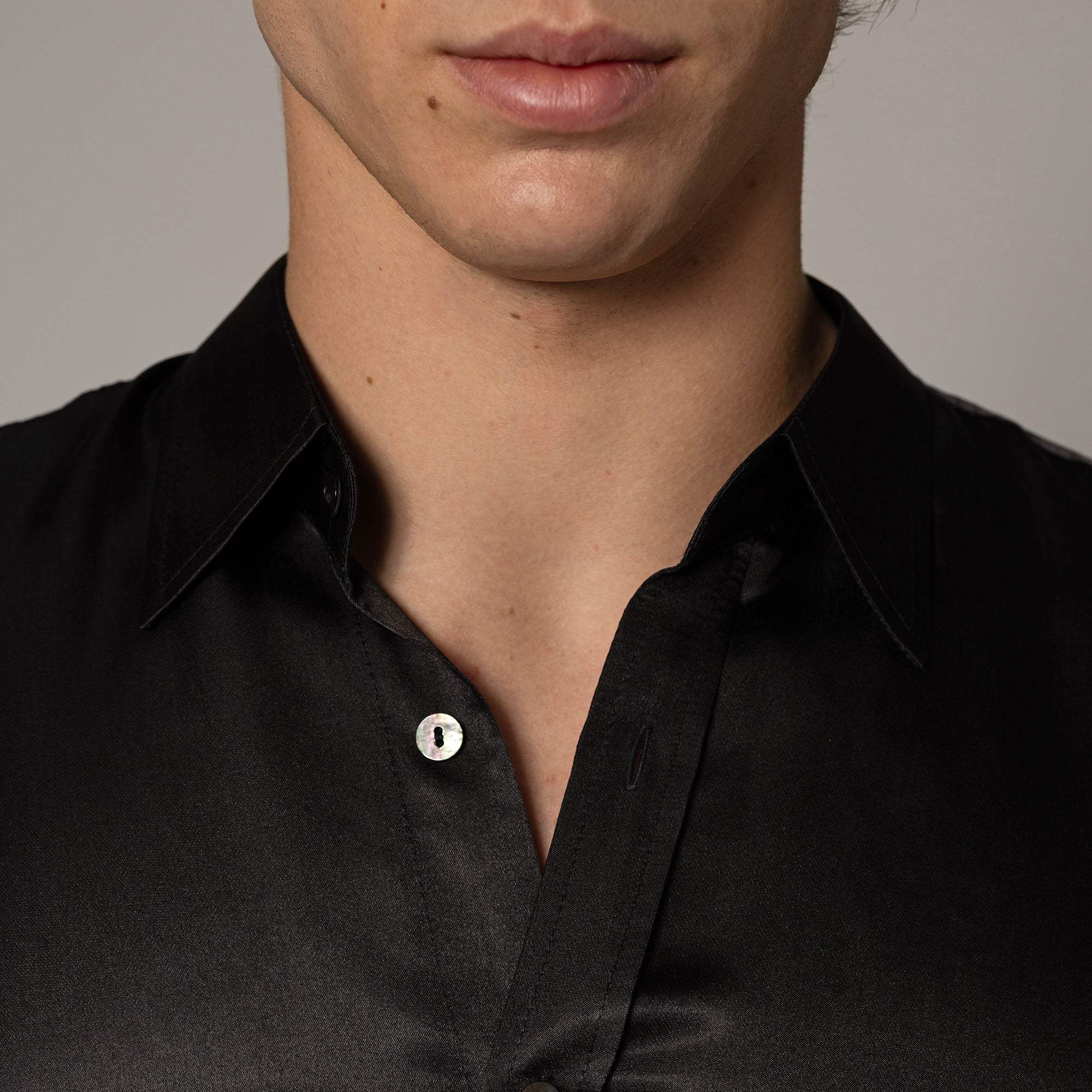
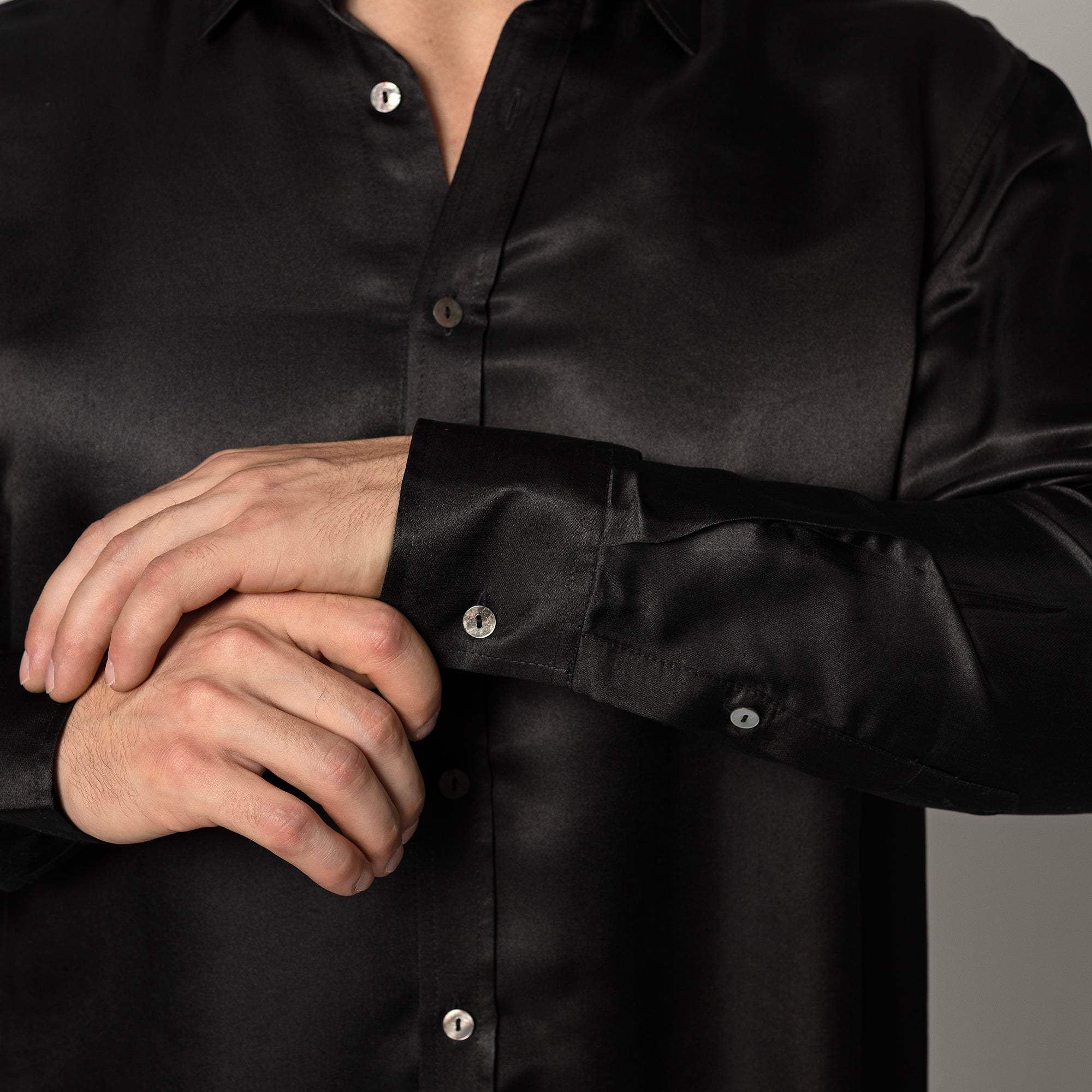
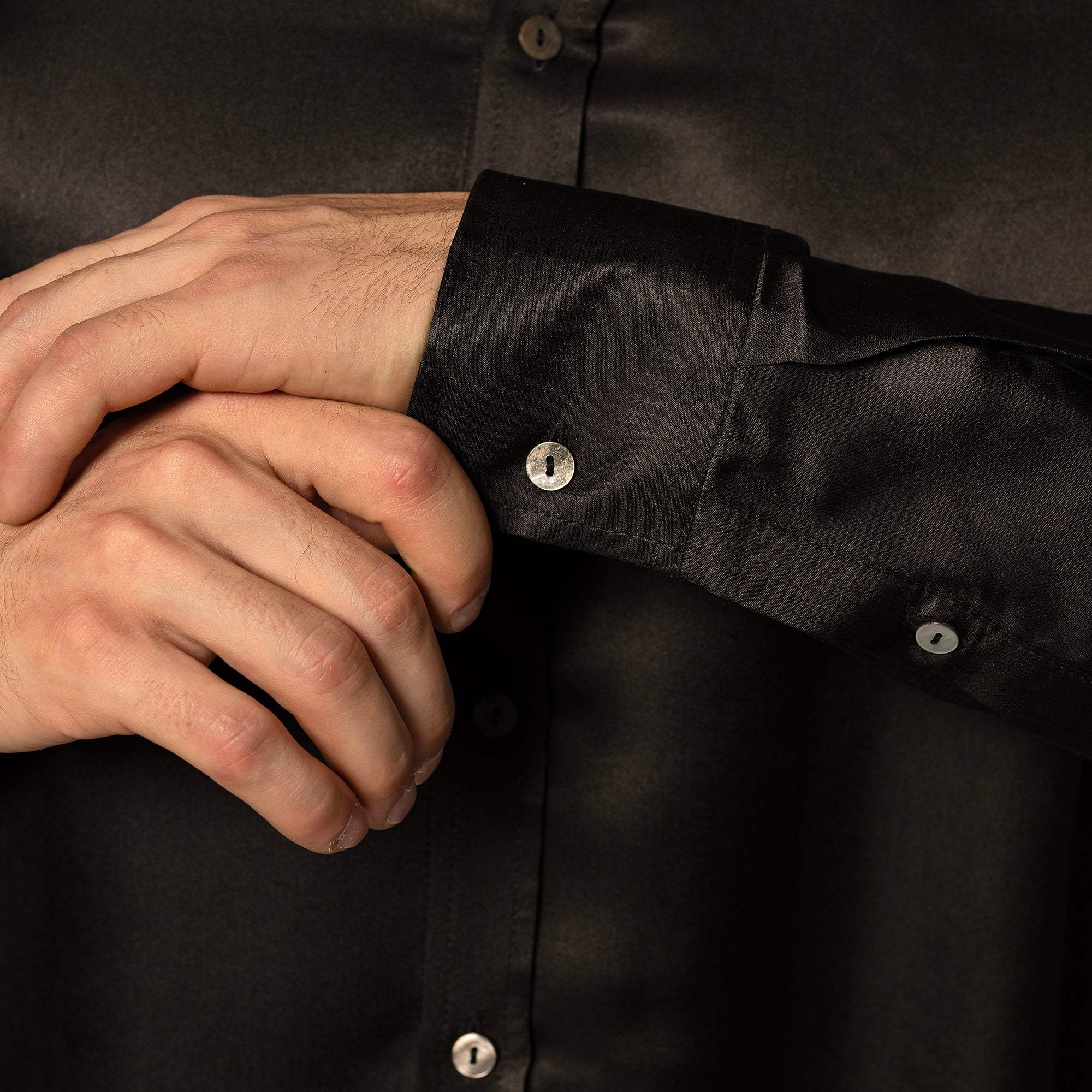
The short answer is yes, but it is the wrong question. Silk does not keep you cool the way air conditioning keeps you cool, by removing heat from the environment. Silk thermoregulates, which means it manages the temperature differential between your body and the surrounding air. Tara Sartoria makes 27 momme mulberry silk pajamas, and the thermoregulation properties of this fabric are the primary reason customers report better sleep. Here is what the science says and what it means for your bedroom.




















Thermoregulation Versus Cooling: Why the Distinction Matters
"Cooling" fabrics lower your skin temperature. They work in one direction. Polyester athletic wear with moisture-wicking treatment is a cooling fabric: it pulls sweat to the surface where evaporation creates a cooling effect. This works beautifully during exercise and terribly during sleep, because at 3am when your body temperature drops naturally, a cooling fabric continues to cool, leaving you cold and clammy.
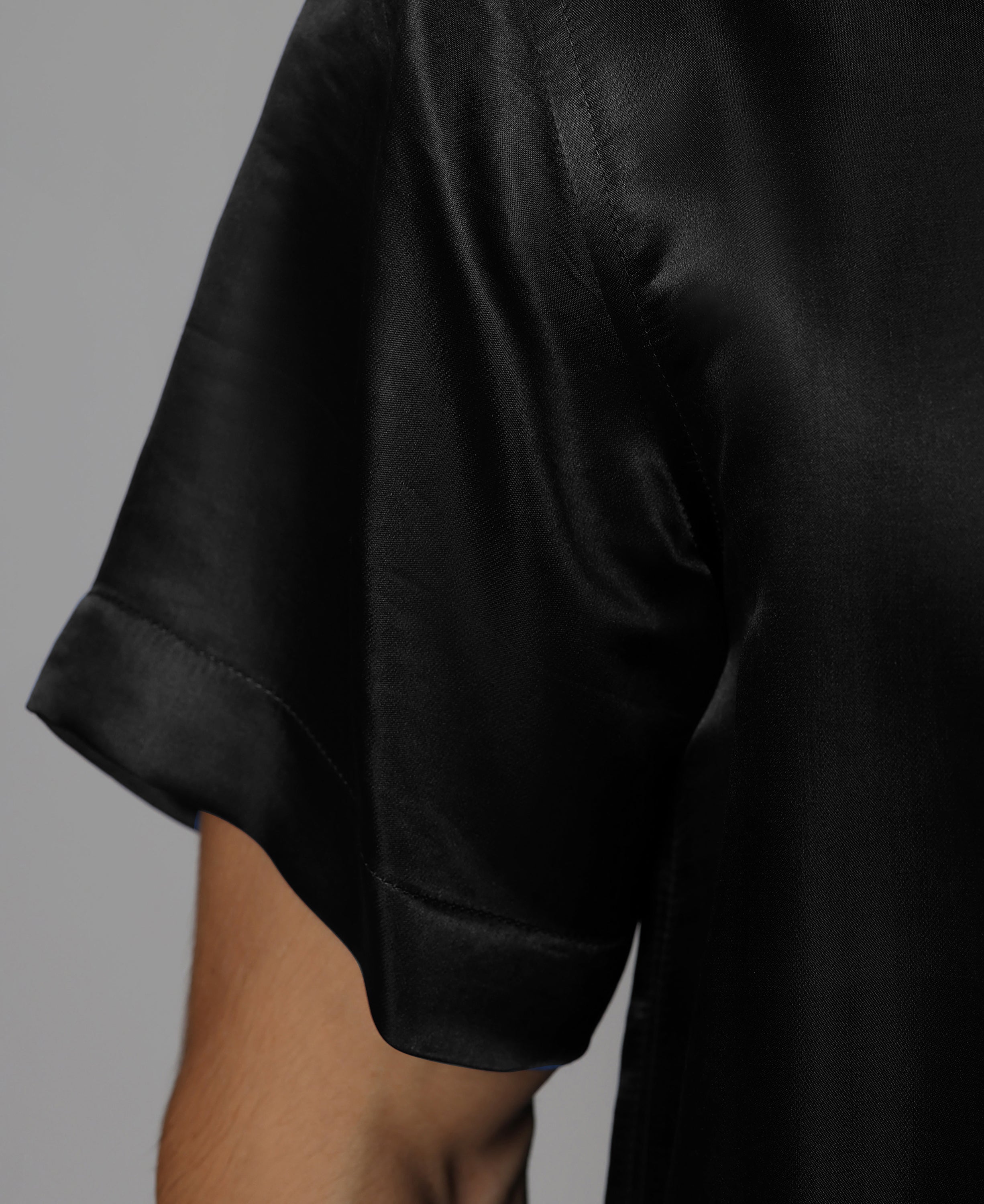
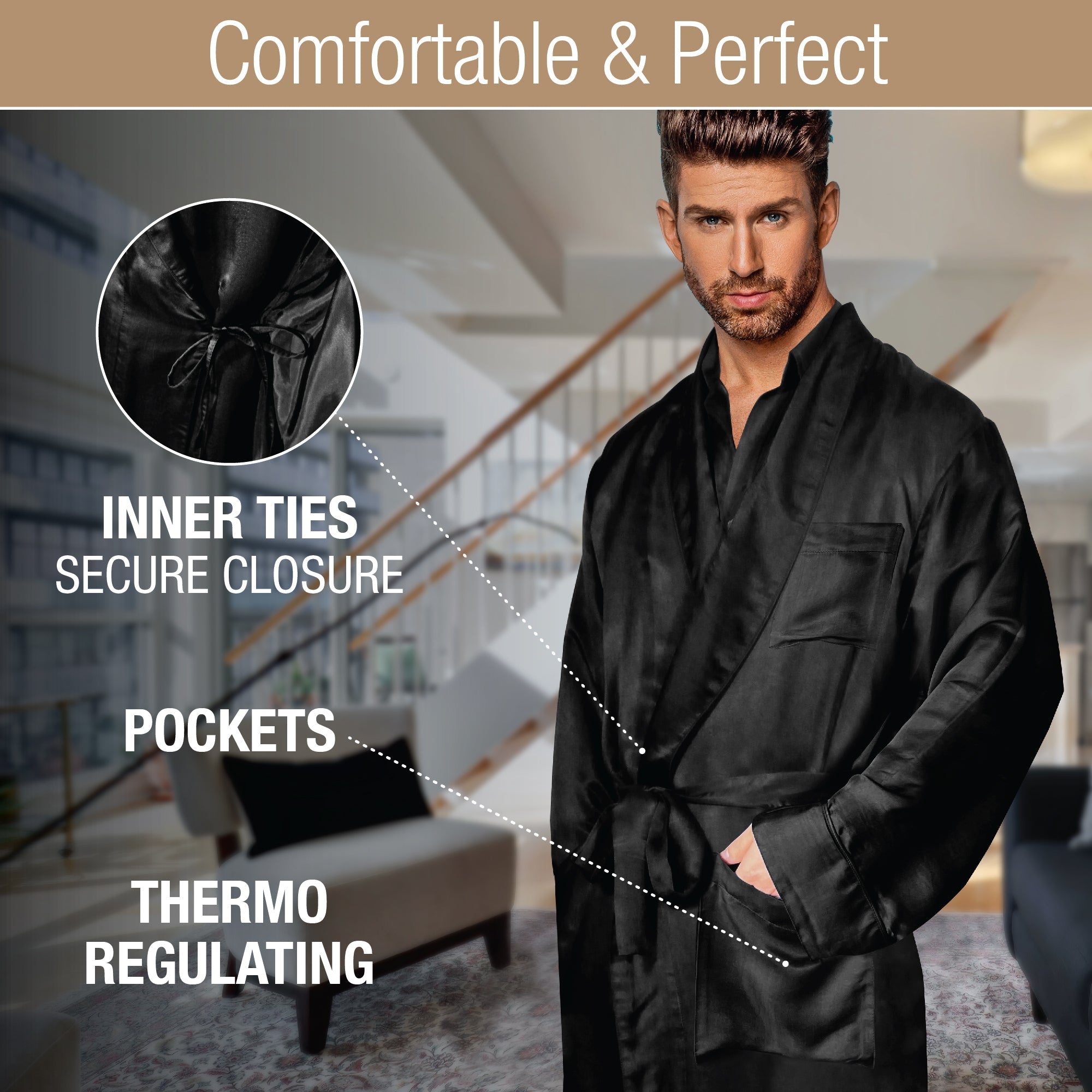
Thermoregulating fabrics work in both directions. When your body is warm, they allow heat to dissipate. When your body is cool, they insulate. Silk does this because of its protein fiber structure, specifically the arrangement of sericin and fibroin proteins that create microscopic air pockets within the fiber. These air pockets trap warm air when the body needs insulation and release it when the body needs cooling. Our guide to momme weight and silk density explains how fiber structure affects these properties in detail.
This bidirectional property is why silk has been used as a base layer by mountaineers and as sleepwear in tropical climates for centuries. The same fabric works in both environments because it responds to the body rather than imposing a temperature direction.
How Your Body Temperature Changes During Sleep
Your body temperature follows a circadian rhythm during sleep. It drops by approximately 1 to 2 degrees Fahrenheit after falling asleep, reaches its lowest point in the early morning hours (roughly 4 to 5am), and rises again before waking. This temperature cycle is not optional; it is part of how sleep architecture works. Disrupting it, either by overheating or by getting too cold, fragments sleep and reduces time in deep and REM stages.
The ideal skin temperature during sleep is approximately 33 to 35 degrees Celsius, with the core body temperature slightly lower. Research in sleep science shows that the thermal sleep environment (bedding, sleepwear, and room temperature combined) has a measurable impact on sleep onset latency, sleep efficiency, and time spent in slow-wave sleep.
The problem: most sleepwear fabrics are static. Cotton absorbs sweat and holds it against the skin, creating a damp environment that feels warm initially but cools as the moisture evaporates, often overshooting in the other direction. Polyester traps heat and moisture, preventing the natural temperature drop. Flannel insulates constantly, regardless of whether insulation is needed.
Silk's thermoregulation tracks the body's temperature changes rather than fighting them. As body temperature drops in the first sleep cycle, silk's insulating air pockets retain enough warmth to prevent the sharp cold sensation that causes waking. As body temperature rises during REM cycles, the fiber structure allows excess heat to escape rather than trapping it.




Moisture Management During Sleep
Temperature and moisture are linked during sleep. The average person loses 200 to 500ml of moisture through perspiration during a night's sleep, even without noticeably sweating. This insensible perspiration is part of thermoregulation, and what happens to that moisture determines comfort.
Cotton:
Absorbs moisture into its cellulose fiber structure. The cotton becomes wet and stays wet. Wet cotton against skin feels cold and clammy. This is why cotton pajamas feel comfortable when you put them on and uncomfortable four hours later.
Polyester:
Does not absorb moisture. Sweat sits on the skin surface between the polyester and your body, creating a humid microclimate that feels hot and sticky. Polyester sleepwear is why people wake up at 2am feeling like they are sleeping in a plastic bag.
Silk:
Wicks moisture vapor (gas-phase perspiration) away from the skin surface without absorbing liquid moisture. The moisture passes through the fiber structure and evaporates from the outer surface of the fabric. Your skin stays dry, and the fabric stays dry. At 27 momme, the denser fiber structure manages this moisture transfer more effectively than lighter silk weights. This is also why silk is recommended for eczema and sensitive skin.
Research on textile properties shows that silk has significantly higher vapor permeability than cotton of equivalent weight. The moisture moves through silk rather than being absorbed by it. This distinction is critical for sleep quality: your skin remains in direct contact with your pajamas for 8 hours. If that contact surface is damp (cotton) or humid (polyester), your comfort deteriorates dramatically.
Silk's ability to transfer moisture through its fiber structure and release it to the air means you wake up dry. The difference is measurable in how often you change positions, how many times you wake up during the night, and how rested you feel in the morning.
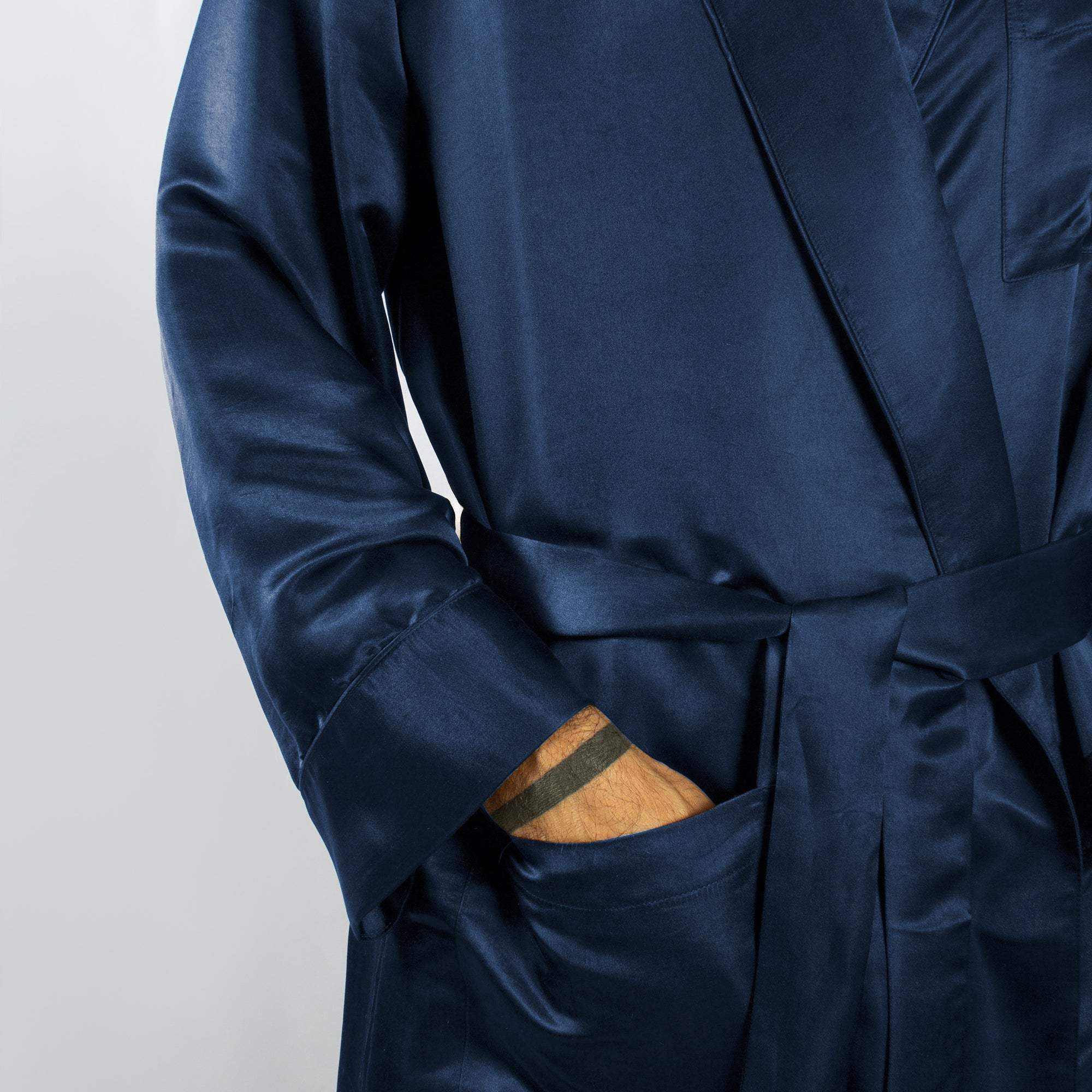
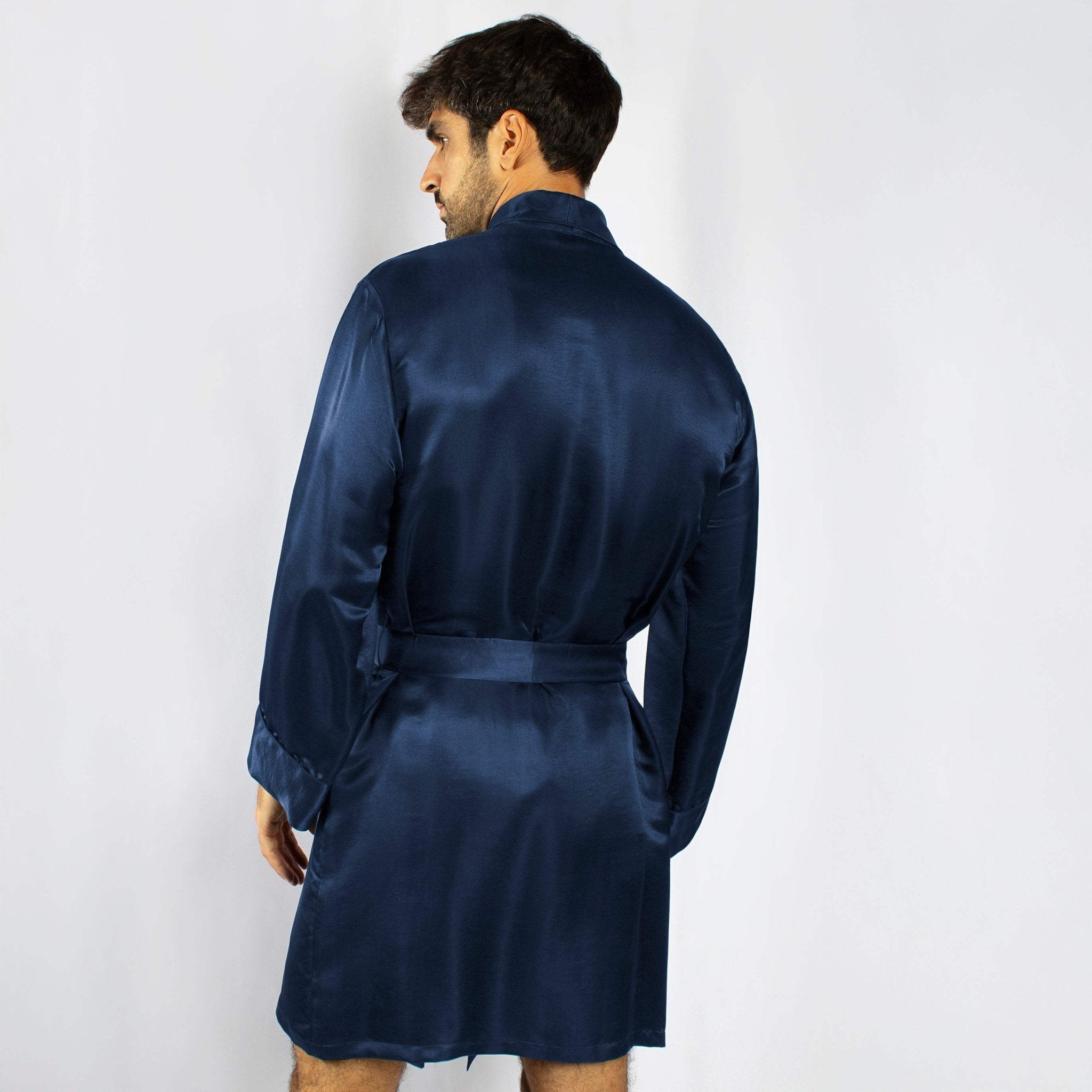
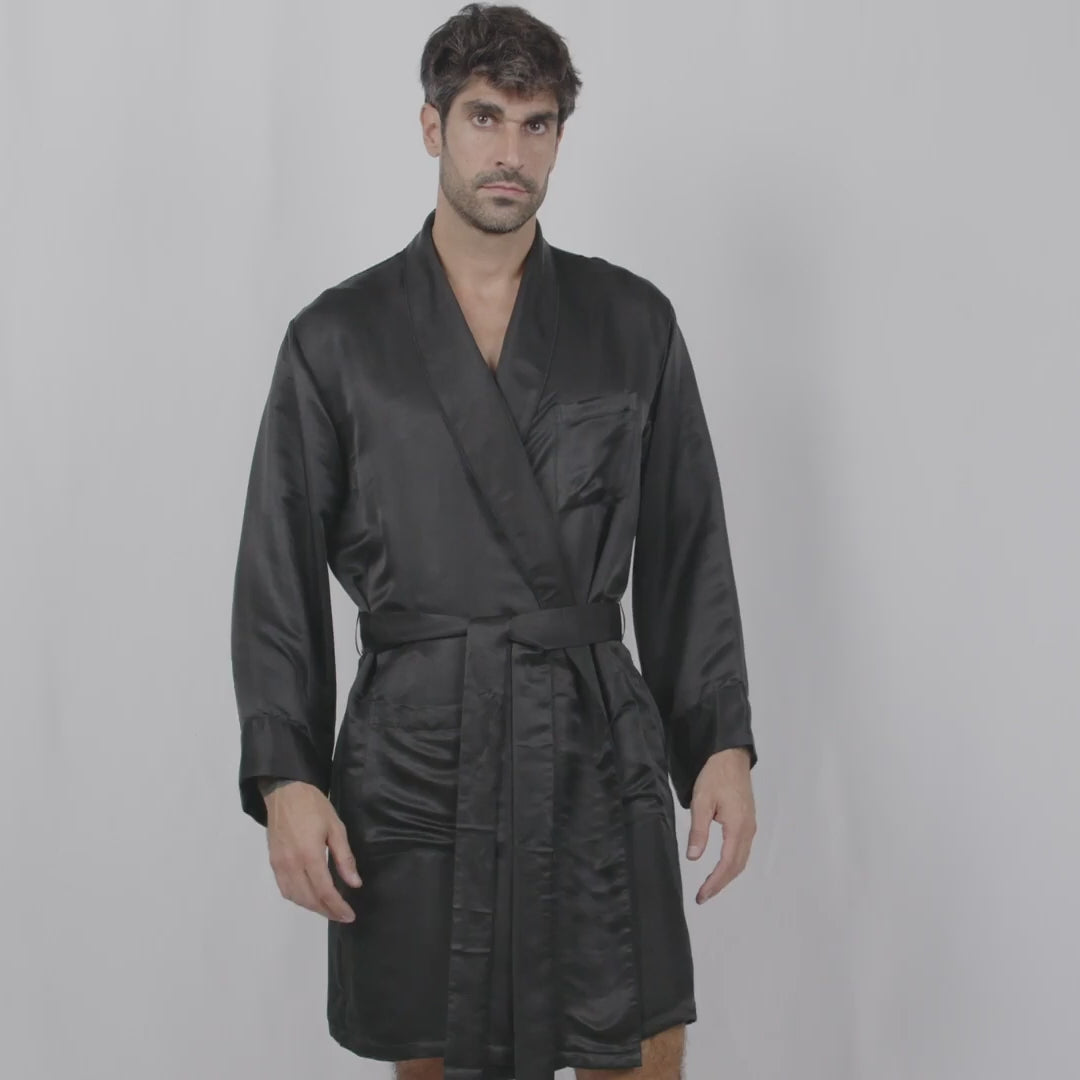
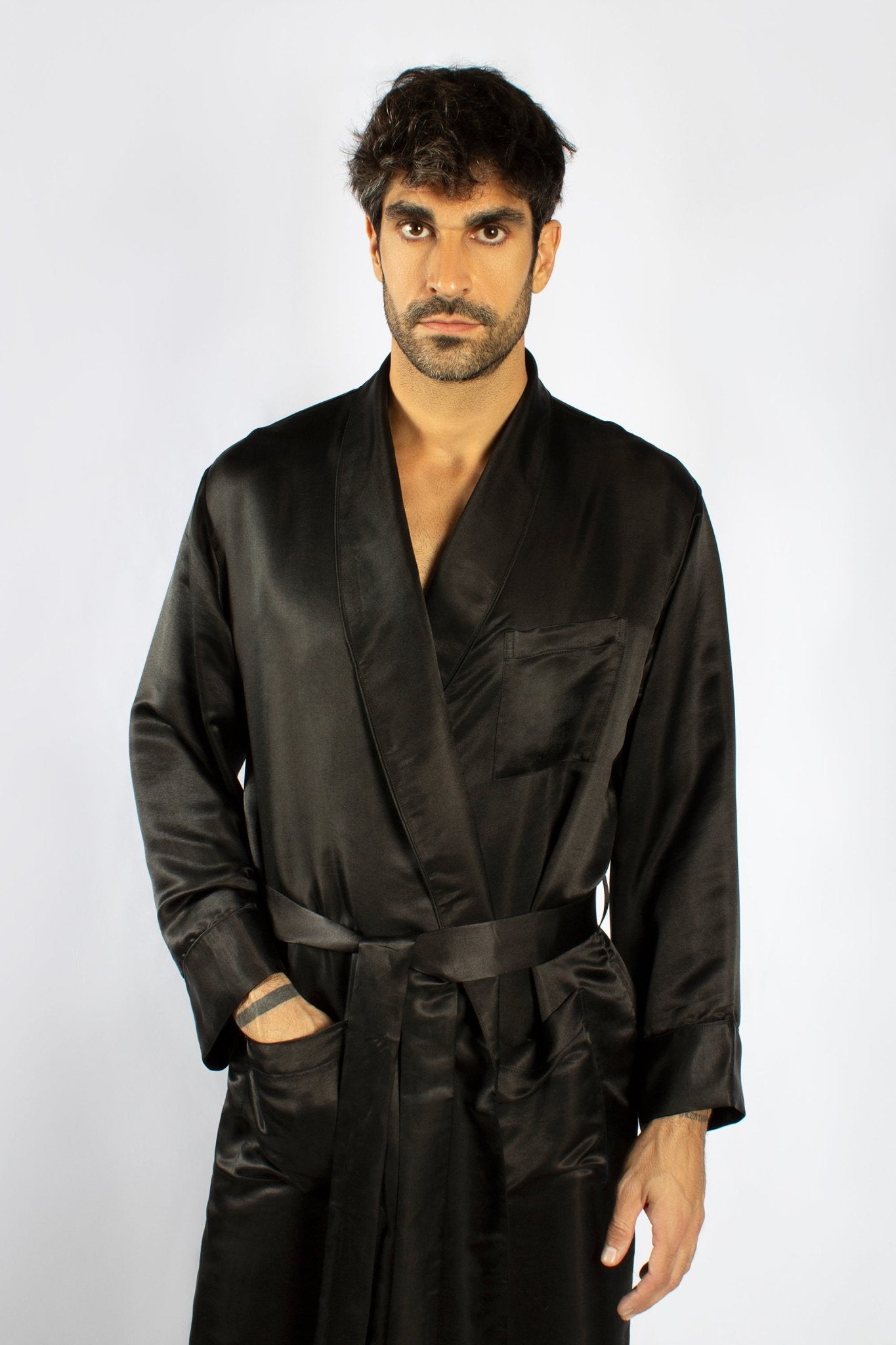
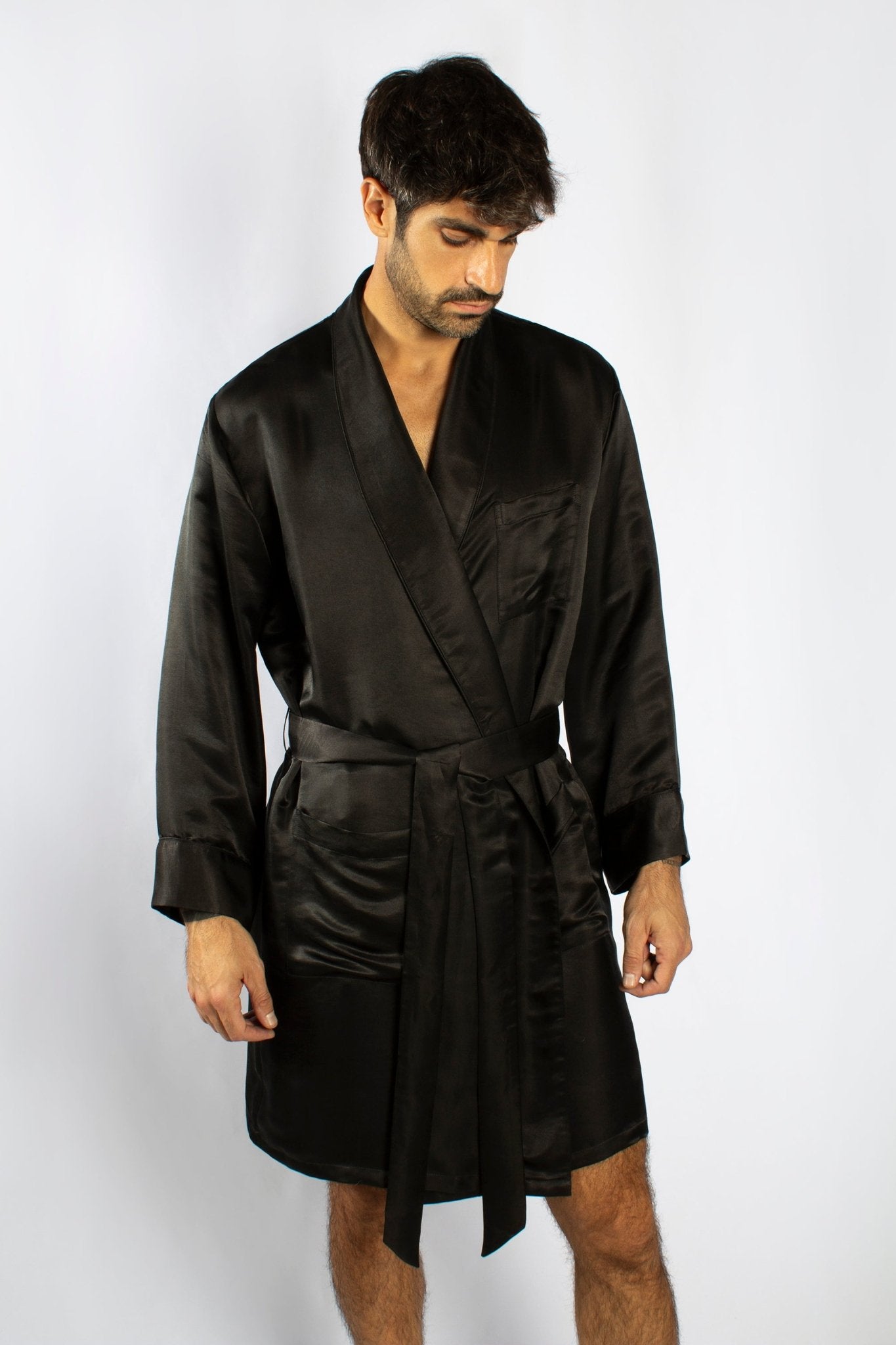
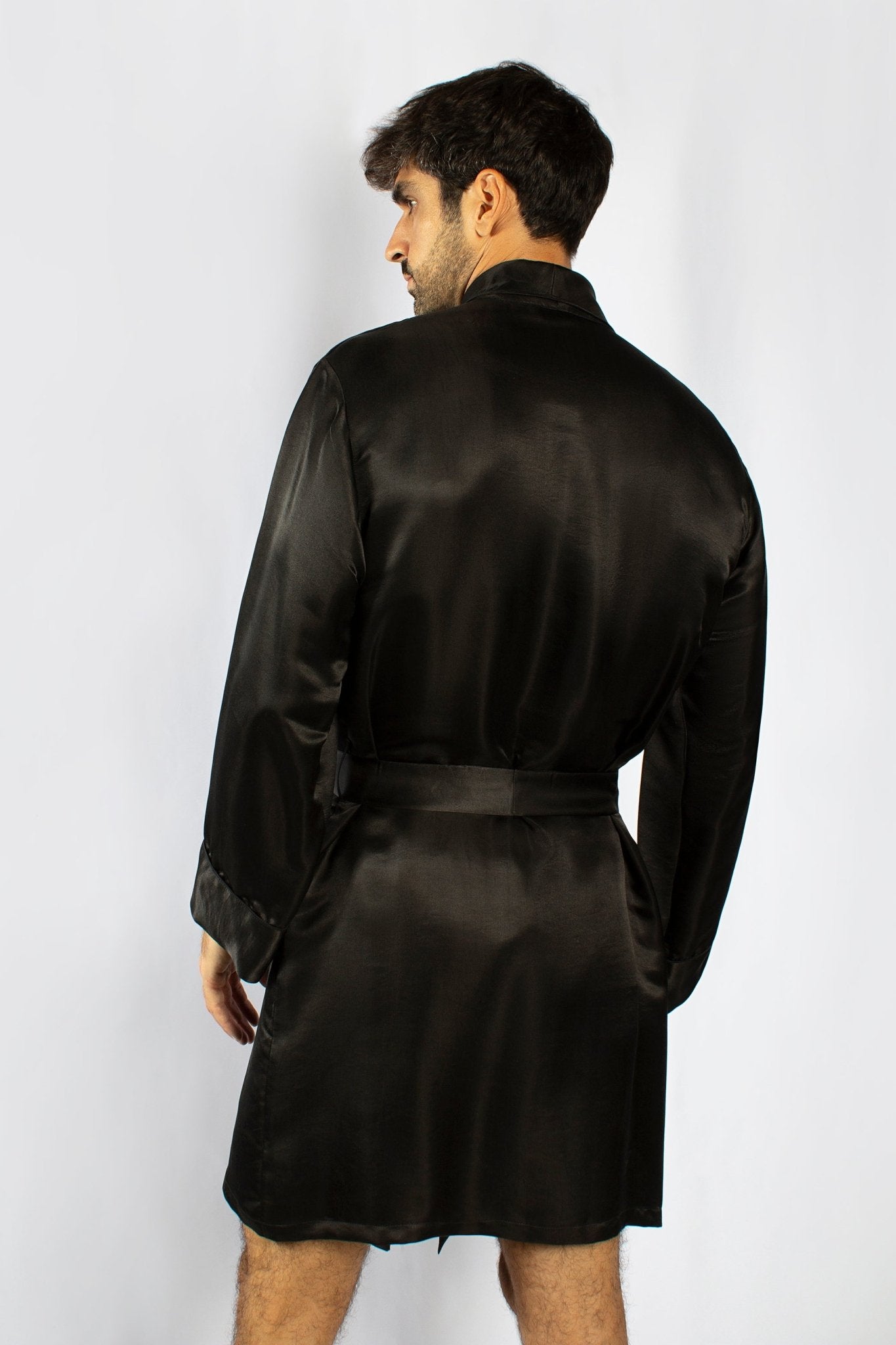
What 27 Momme Changes in Sleep Comfort
At lower momme weights (16 to 19), silk's thermoregulation works but is limited by the fabric's thinness. There are fewer fiber layers to create air pockets, and the insulating capacity in cool conditions is minimal. This is why some people try cheap, lightweight silk pajamas and report that they feel cold. The silk is thermoregulating, but there is not enough silk to do the job effectively.
At 27 momme, the fabric density creates a substantially larger network of air pockets. The thermoregulation is more effective in both directions: better insulation when cool, better heat release when warm. The temperature comfort range widens. A 19 momme silk pajama might keep you comfortable between 68 to 74 degrees Fahrenheit room temperature. A 27 momme silk pajama extends that comfortable range to approximately 62 to 78 degrees, based on customer feedback and thermal comfort research on silk density.
This wider comfort range is practically significant. It means you do not need to set your thermostat to an exact temperature to sleep comfortably. The silk accommodates seasonal variation, heating inconsistencies, and the temperature compromise that comes with sharing a bed with someone who prefers a different setting.
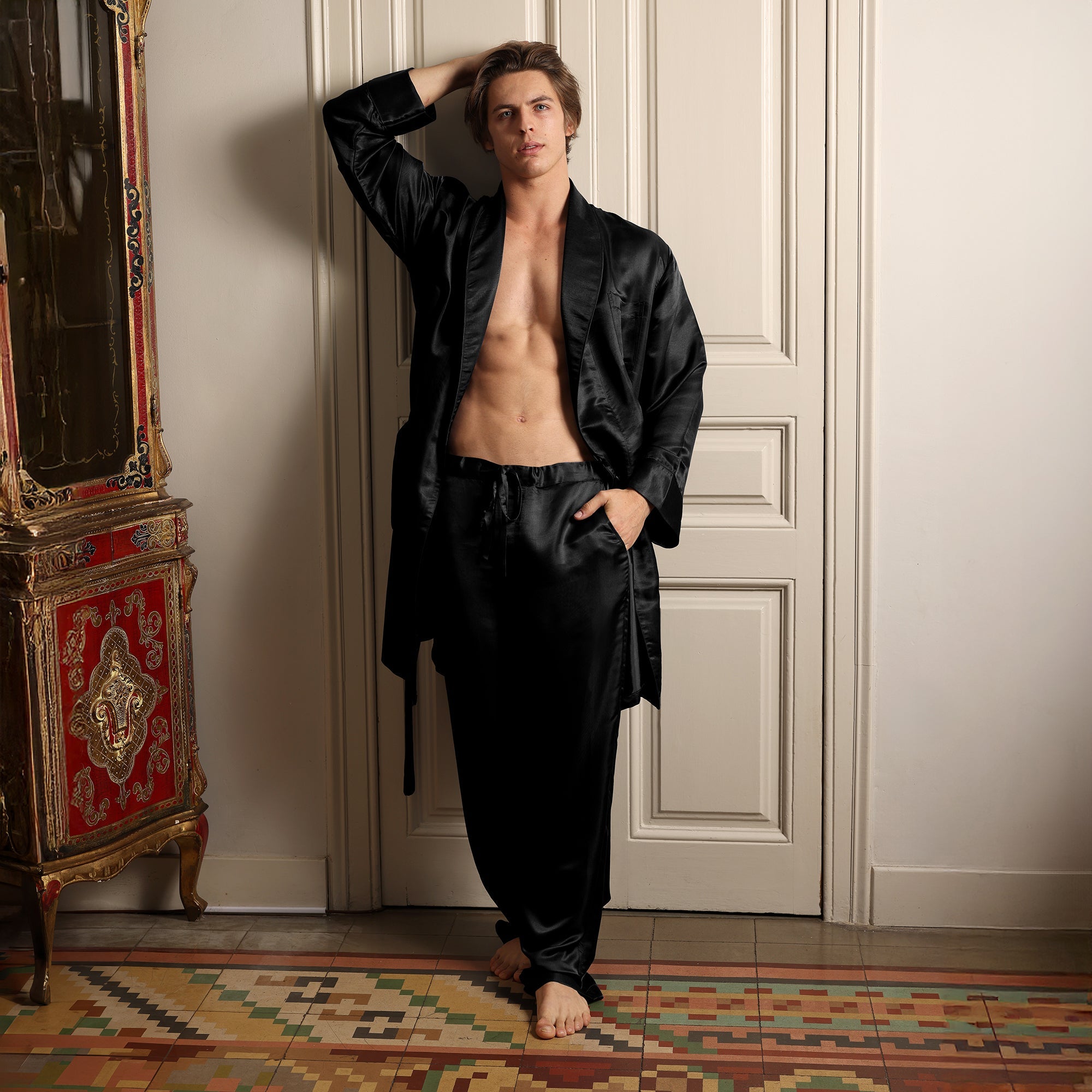
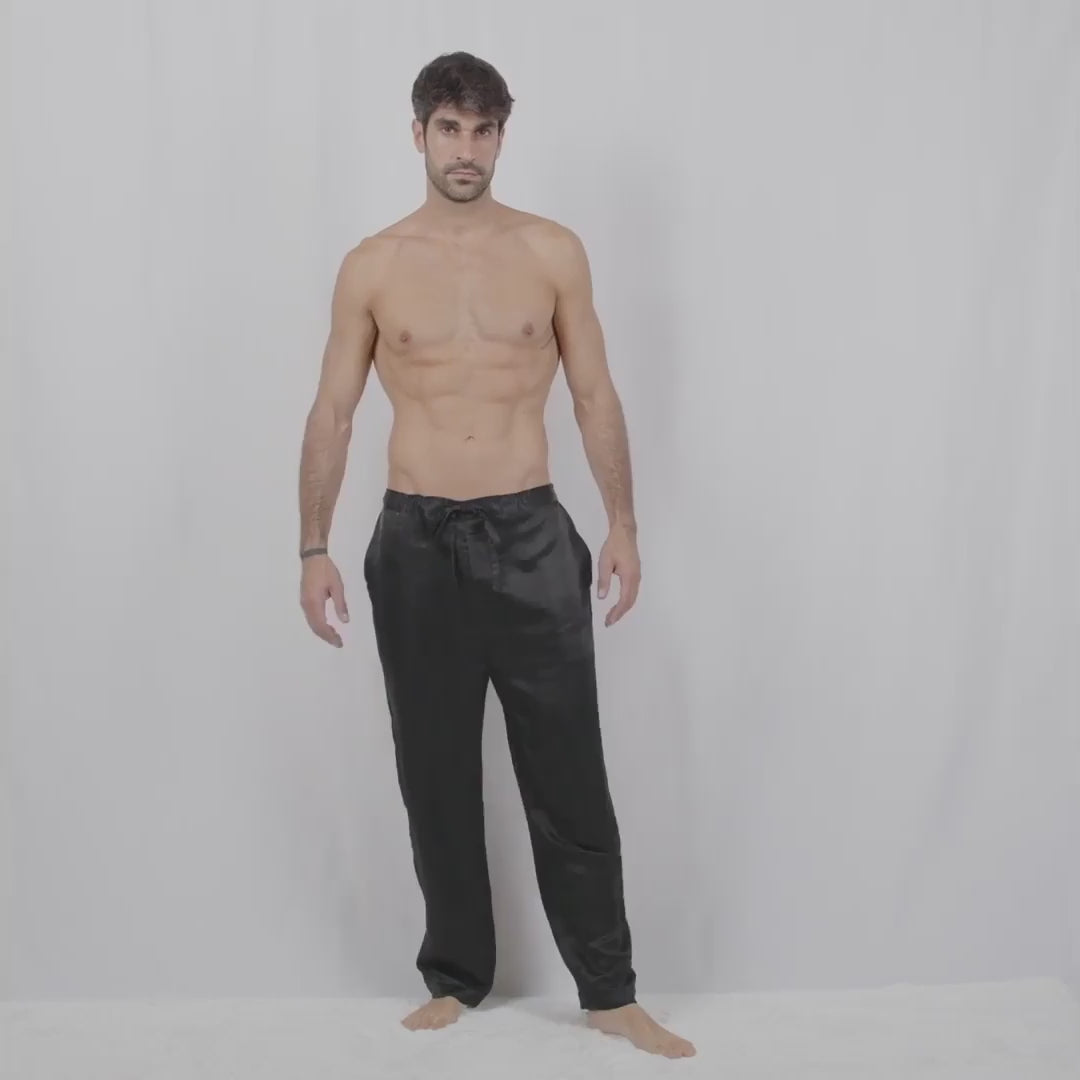
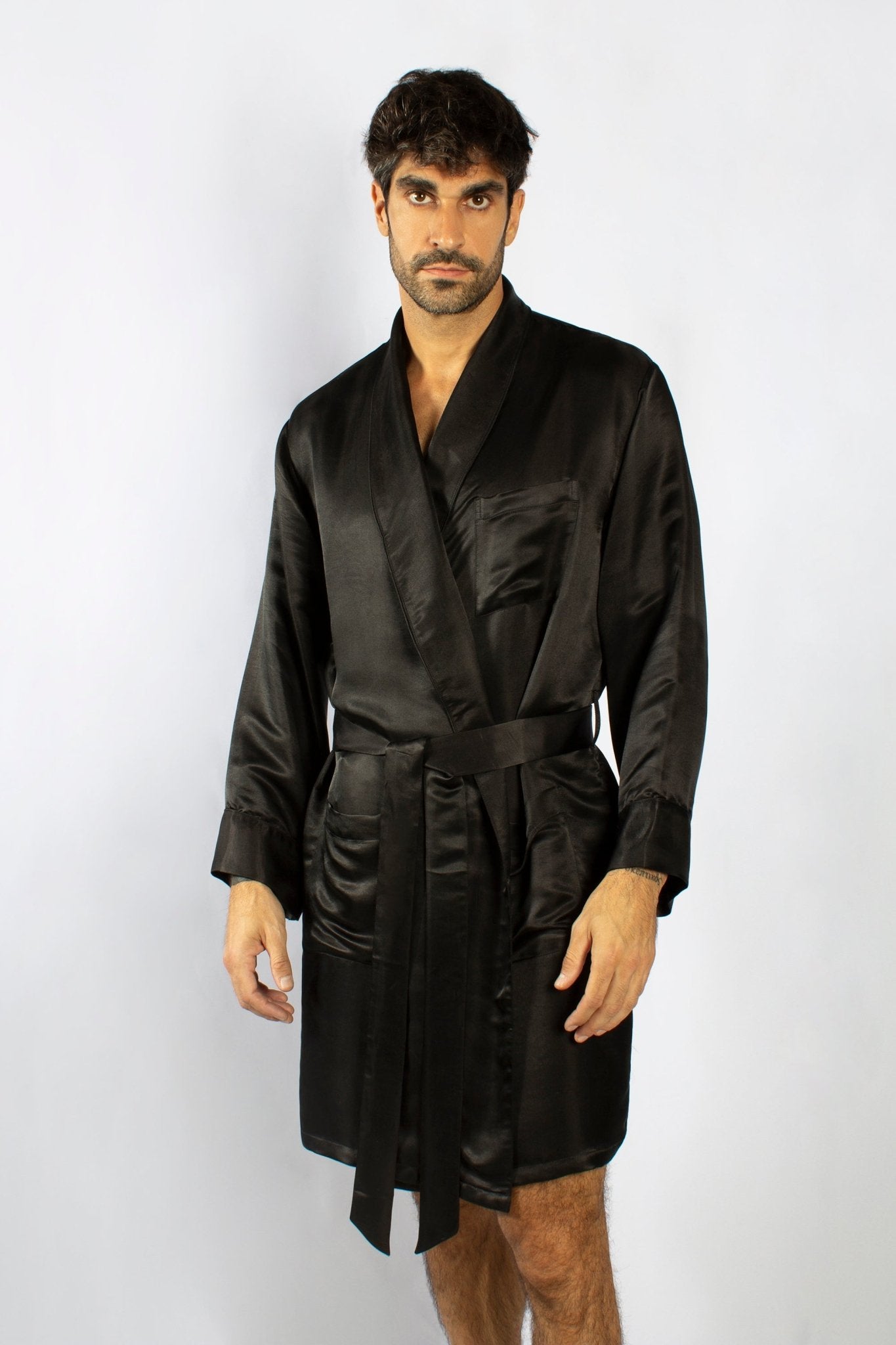
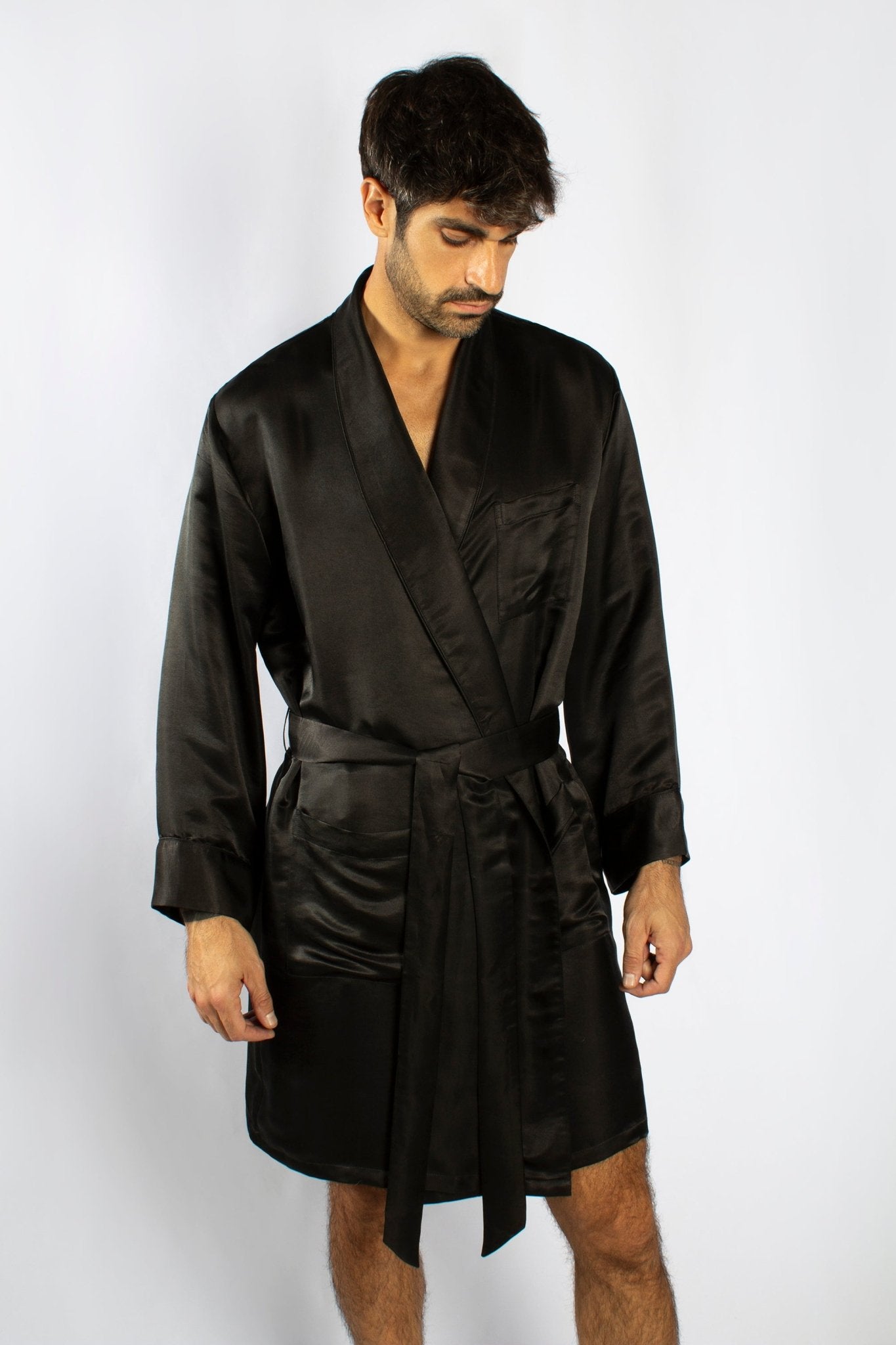
Specifically for Hot Sleepers
If you identify as a "hot sleeper," meaning you frequently wake up overheated, sweating, or throwing covers off, silk pajamas address the problem differently than you might expect.
The instinct for hot sleepers is to wear as little as possible to bed. The logic seems sound: less fabric means less heat. But sleeping without clothing means your skin is in direct contact with your sheets, and sheets (particularly cotton sheets) absorb and hold the moisture from perspiration, creating a damp sleeping surface that alternately overheats and overcools.
Silk pajamas create a managed thermal layer between your body and the bed. The fabric handles the moisture, provides consistent (not excessive) insulation, and prevents the skin-to-sheet moisture cycle that causes hot sleepers to oscillate between too hot and too cold.
Multiple Tara Sartoria customers have reported, counter-intuitively, that wearing silk pajamas made them cooler at night than sleeping in underwear alone. The fabric does not add heat. It manages the heat you produce, which is a fundamentally different function. Our cost-per-wear breakdown shows why this performance difference justifies the price gap over cotton.
"They are super comfy and they actually help me sleep better while staying cool at night. I will now only wear the mulberry silk pajamas. I'm a mulberry silk fan for life now because of these."
David B., verified buyer
Specifically for Cold Sleepers
If you run cold at night, silk's insulating air pockets provide warmth without the weight and bulk of flannel or fleece. A 27 momme silk pajama set adds approximately the same thermal insulation as a medium-weight cotton set, but without the moisture absorption problem.
Cotton flannel pajamas insulate well when dry. But overnight moisture accumulation makes the fabric damp, and damp fabric conducts heat away from the body (the same principle that makes wet clothing dangerous in cold weather). You start warm and gradually get colder as the cotton absorbs perspiration.
Silk maintains its insulating properties regardless of moisture exposure because it does not absorb liquid. The insulating air pockets remain functional throughout the night. Your body temperature stays more consistent, which means fewer episodes of pulling blankets on and off.







The Partner Temperature Compromise
Couples with different temperature preferences face a nightly negotiation: thermostat setting, blanket weight, window open or closed. Silk pajamas do not solve the thermostat argument, but they reduce the consequences of compromise.
If the room is set two degrees warmer than your preference, silk's heat-release properties handle the excess. If the room is two degrees cooler than your preference, silk's insulation compensates. The practical effect: the range of "acceptable" room temperatures widens for both partners, increasing the overlap of comfortable settings.
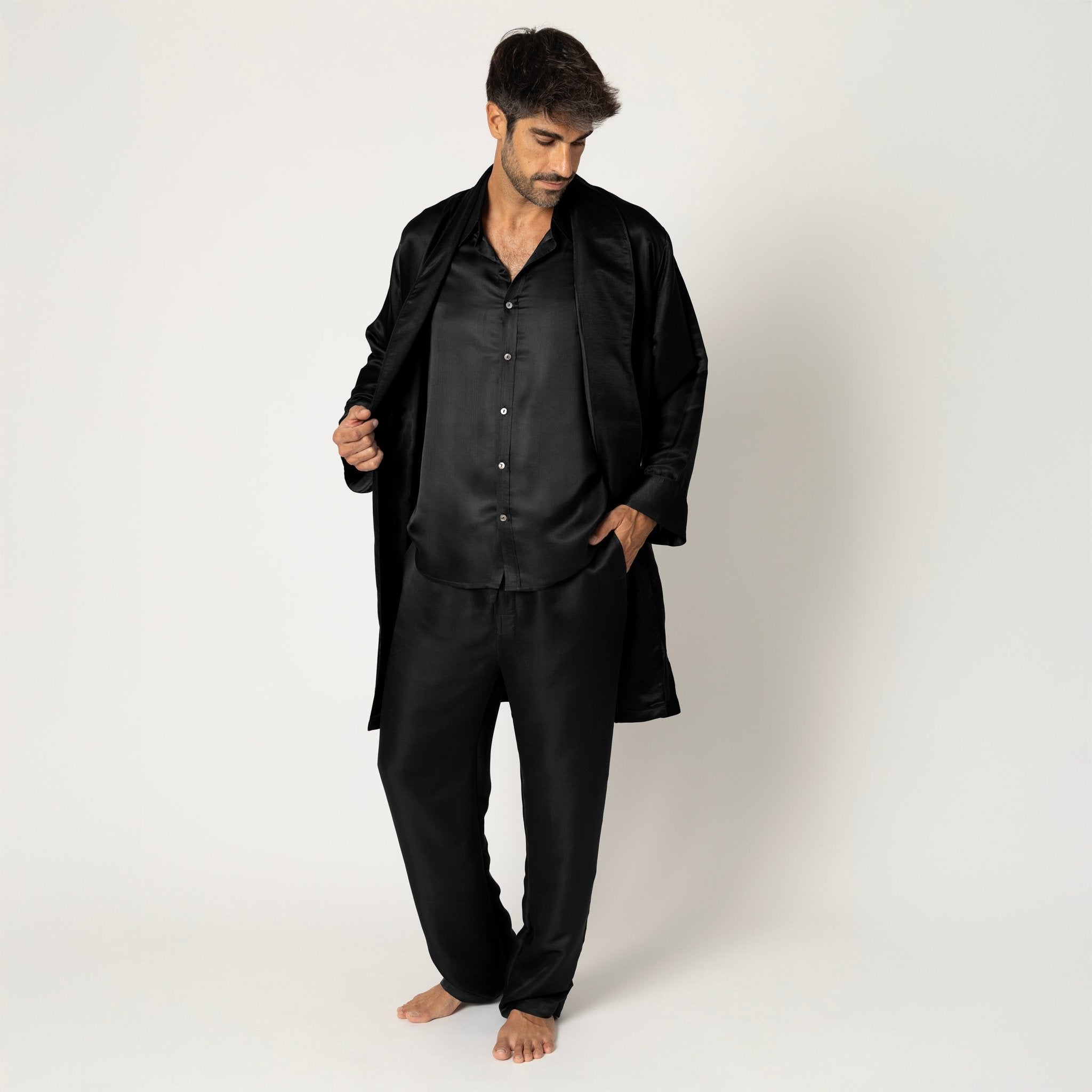
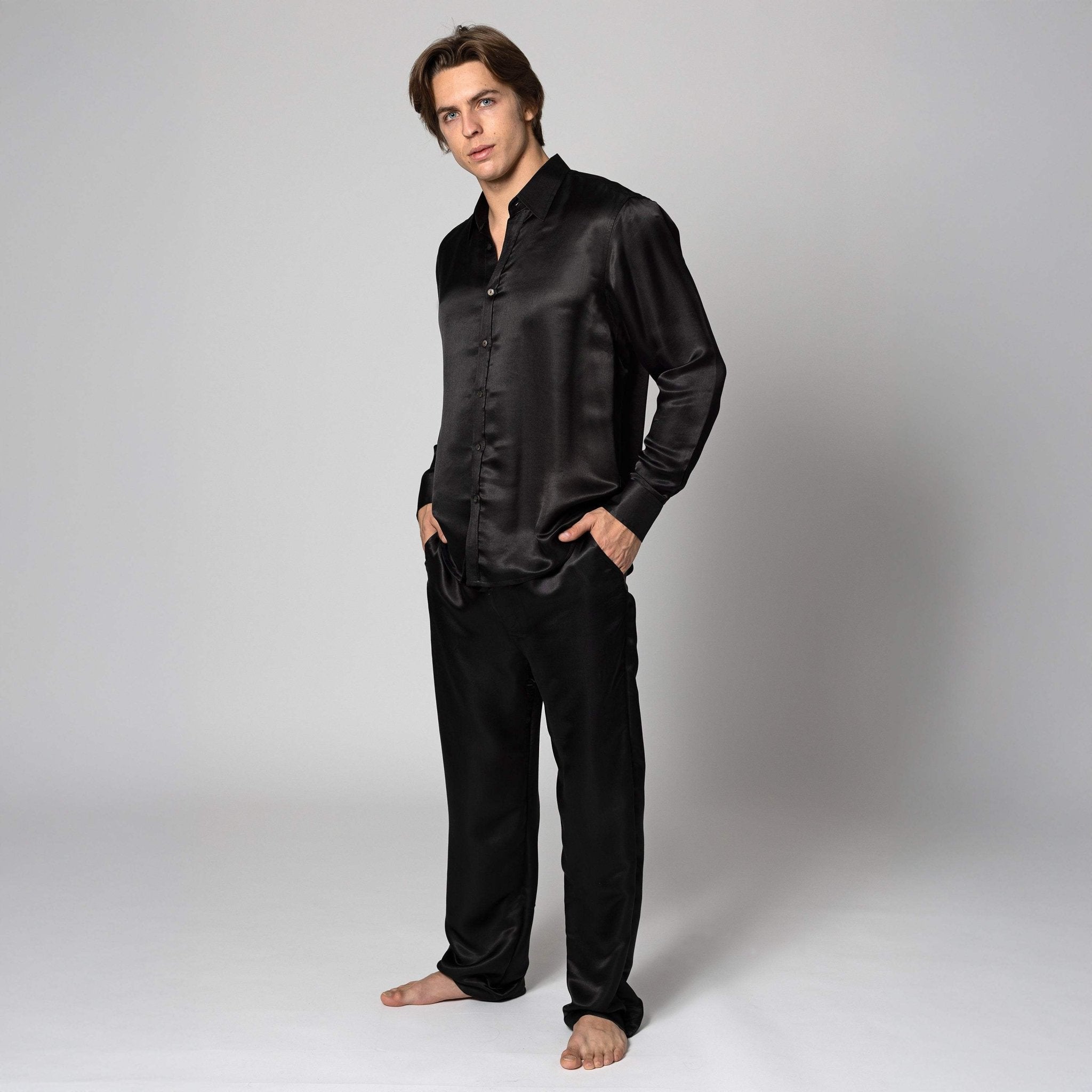
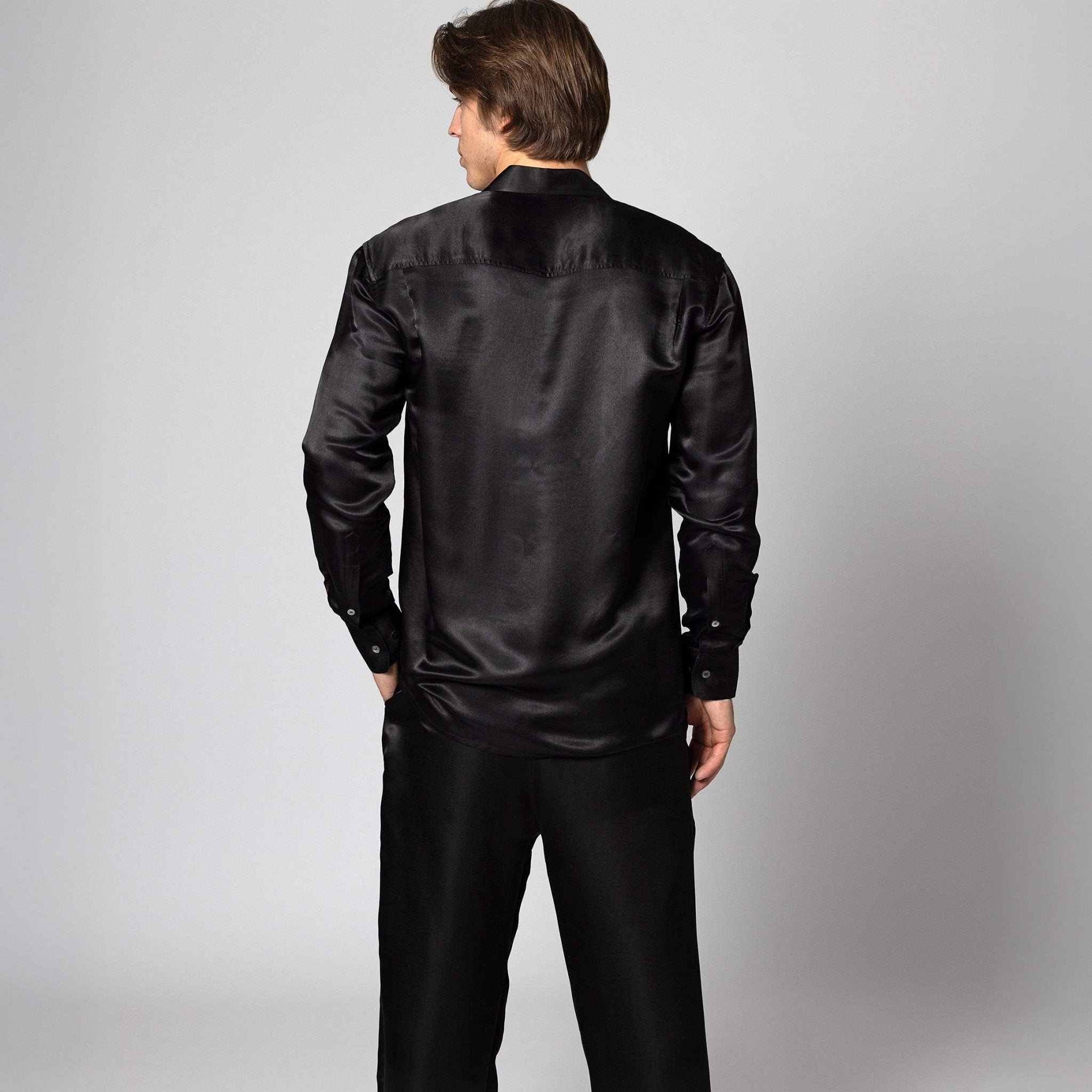
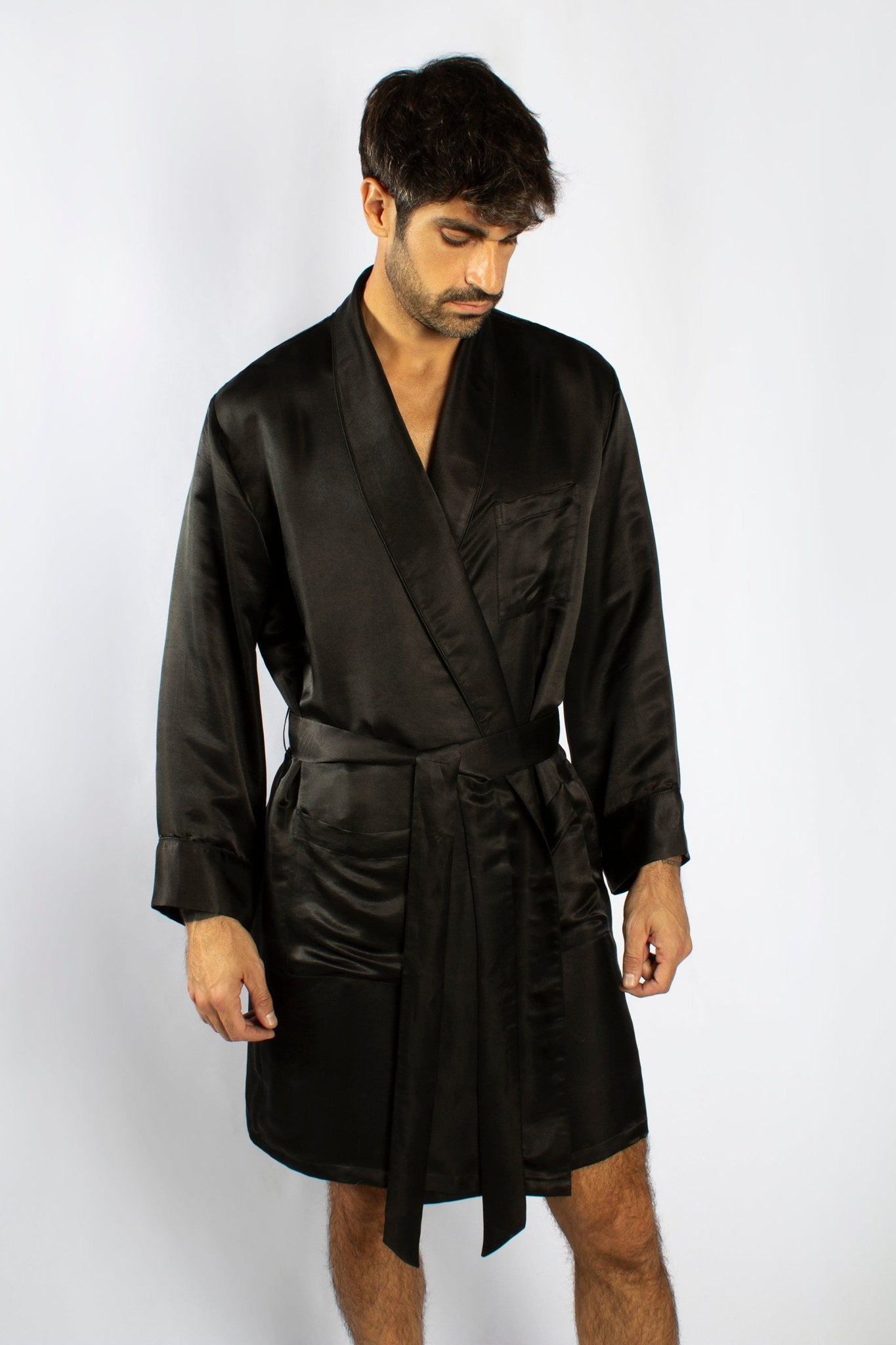
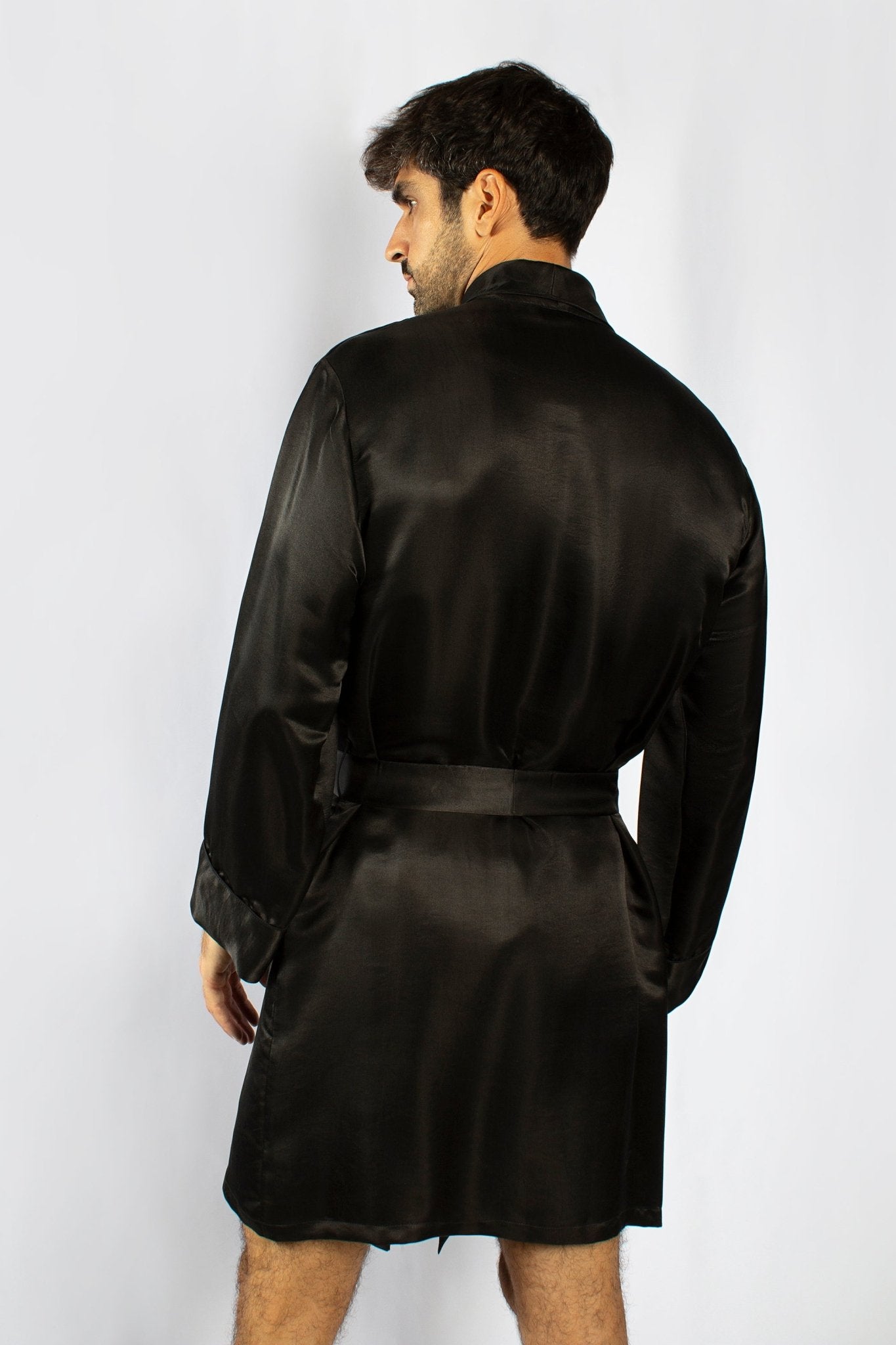
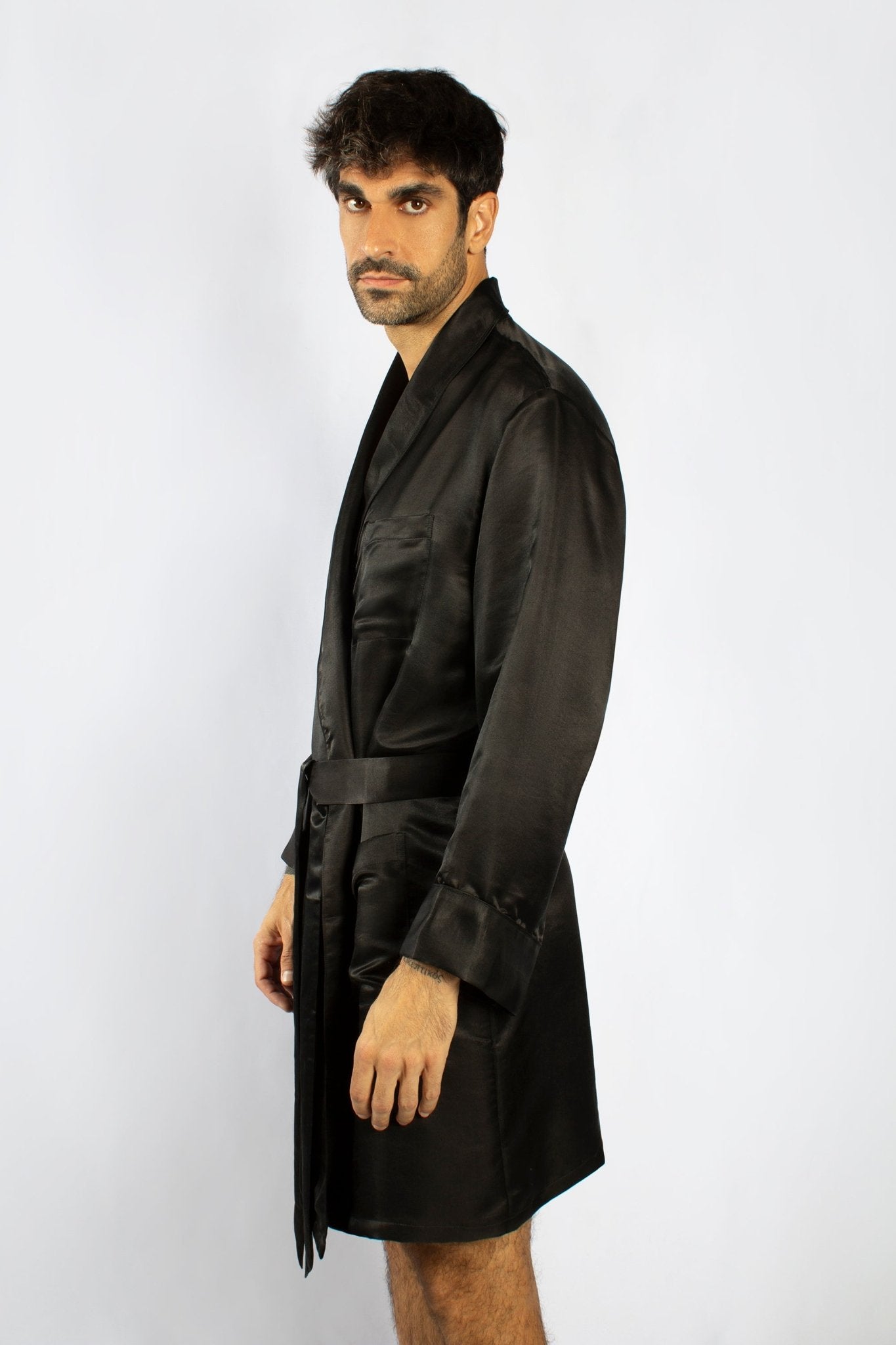
This is an underappreciated benefit. Many couples sleep poorly not because of any individual health issue but because of a thermal compromise that leaves both partners slightly uncomfortable. Silk sleepwear extends each person's comfort range, making the compromise less costly. See our guide to the best silk pajamas for men if you are choosing a first pair.
Room Temperature Guidelines with 27 Momme Silk
Sleep researchers generally recommend a bedroom temperature of 65 to 68 degrees Fahrenheit (18 to 20 degrees Celsius) for optimal sleep. With 27 momme silk pajamas, the comfortable range extends in both directions.
In a 62-degree room, silk provides enough insulation with a standard-weight blanket to maintain comfortable skin temperature. In a 78-degree room, silk's heat-release properties prevent the overheating that cotton or polyester would cause.
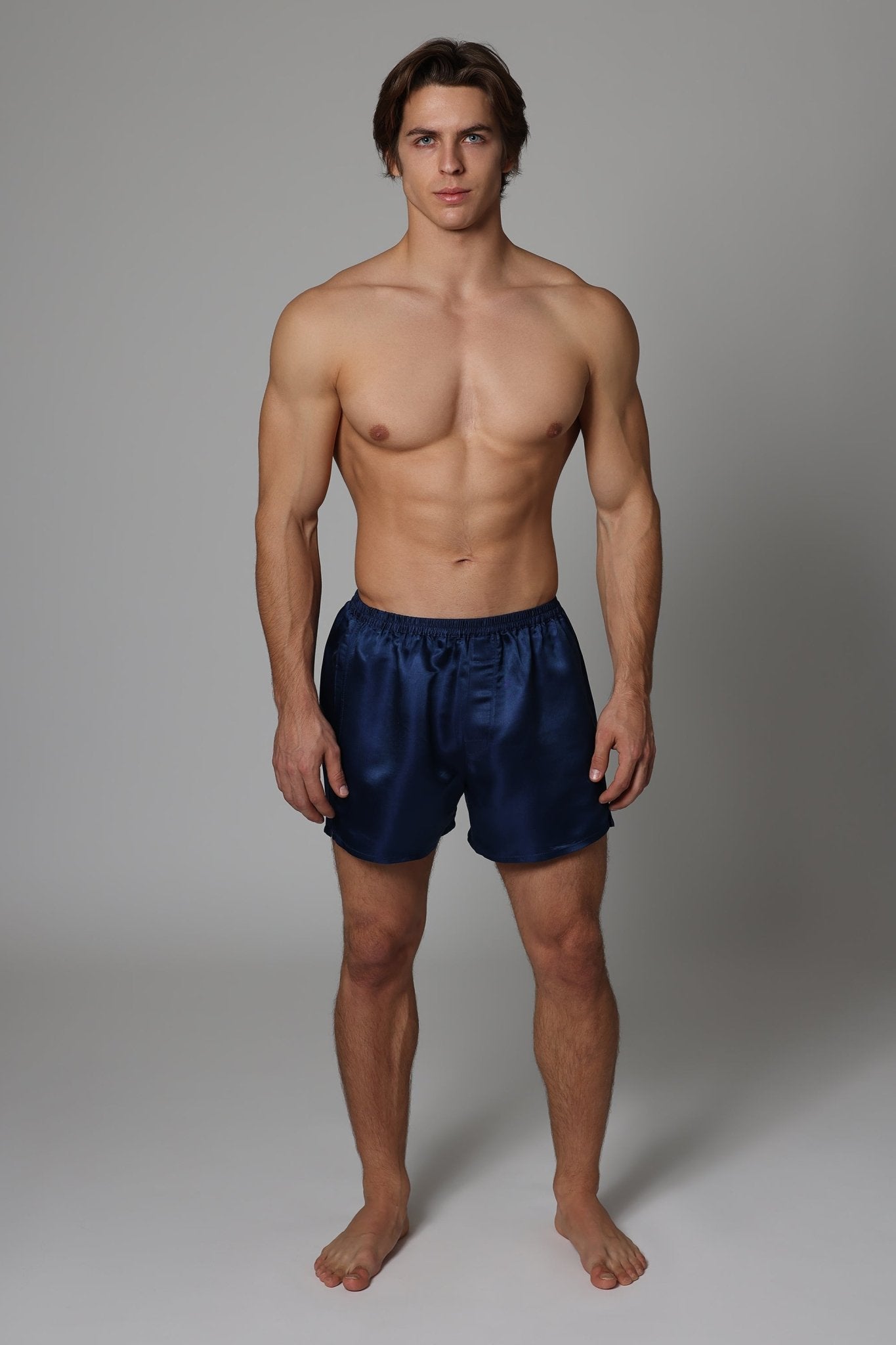
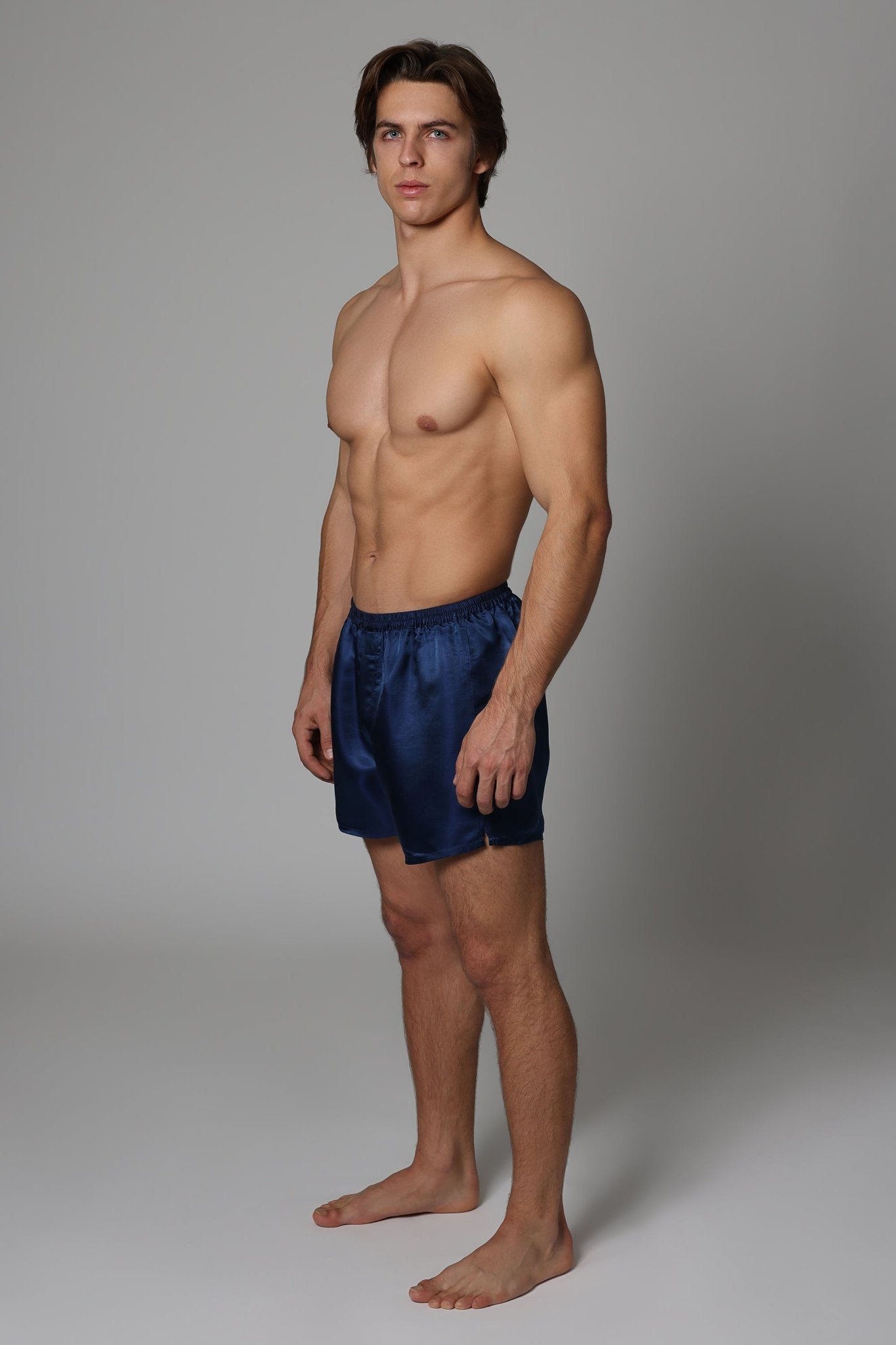
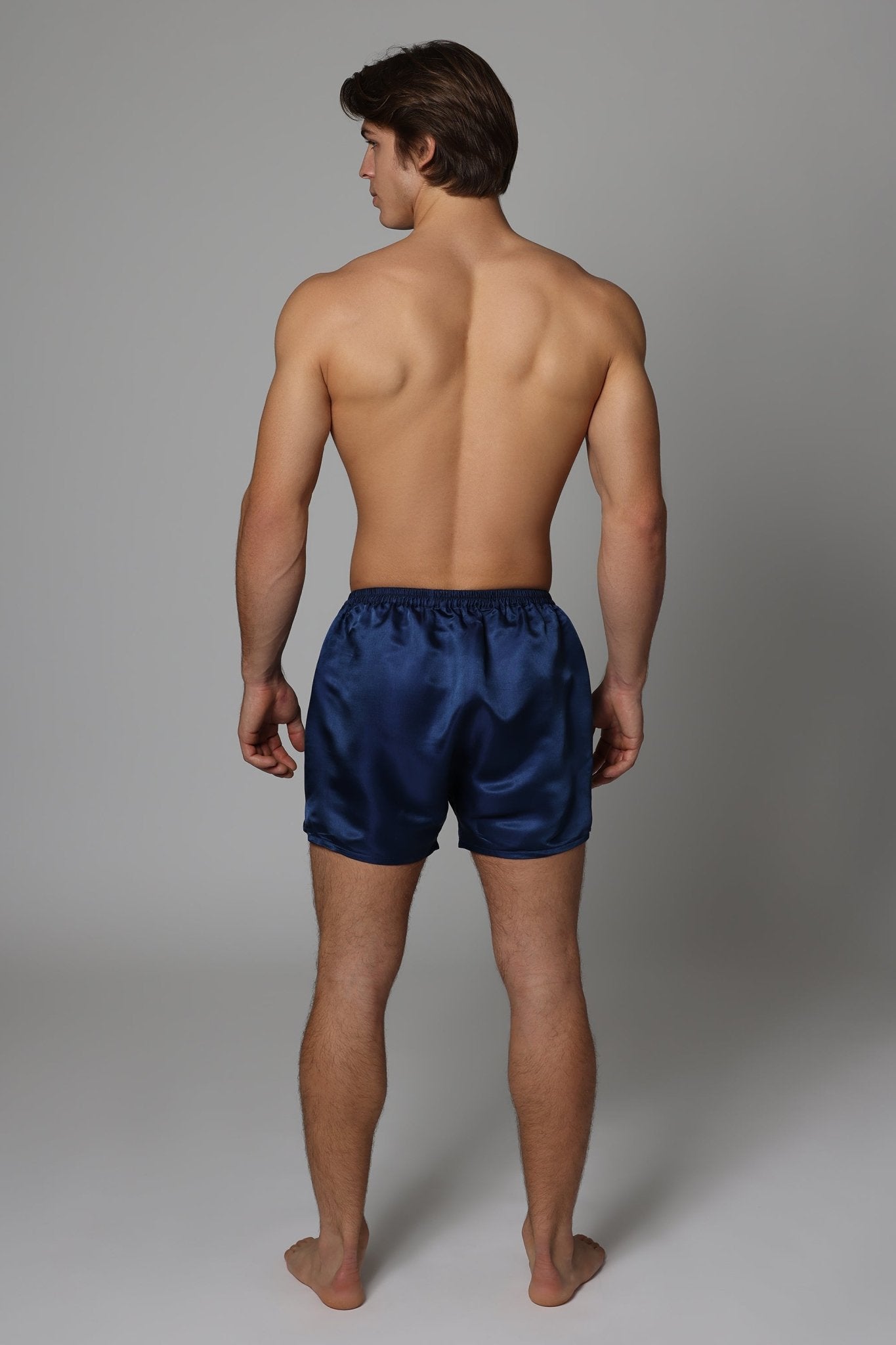
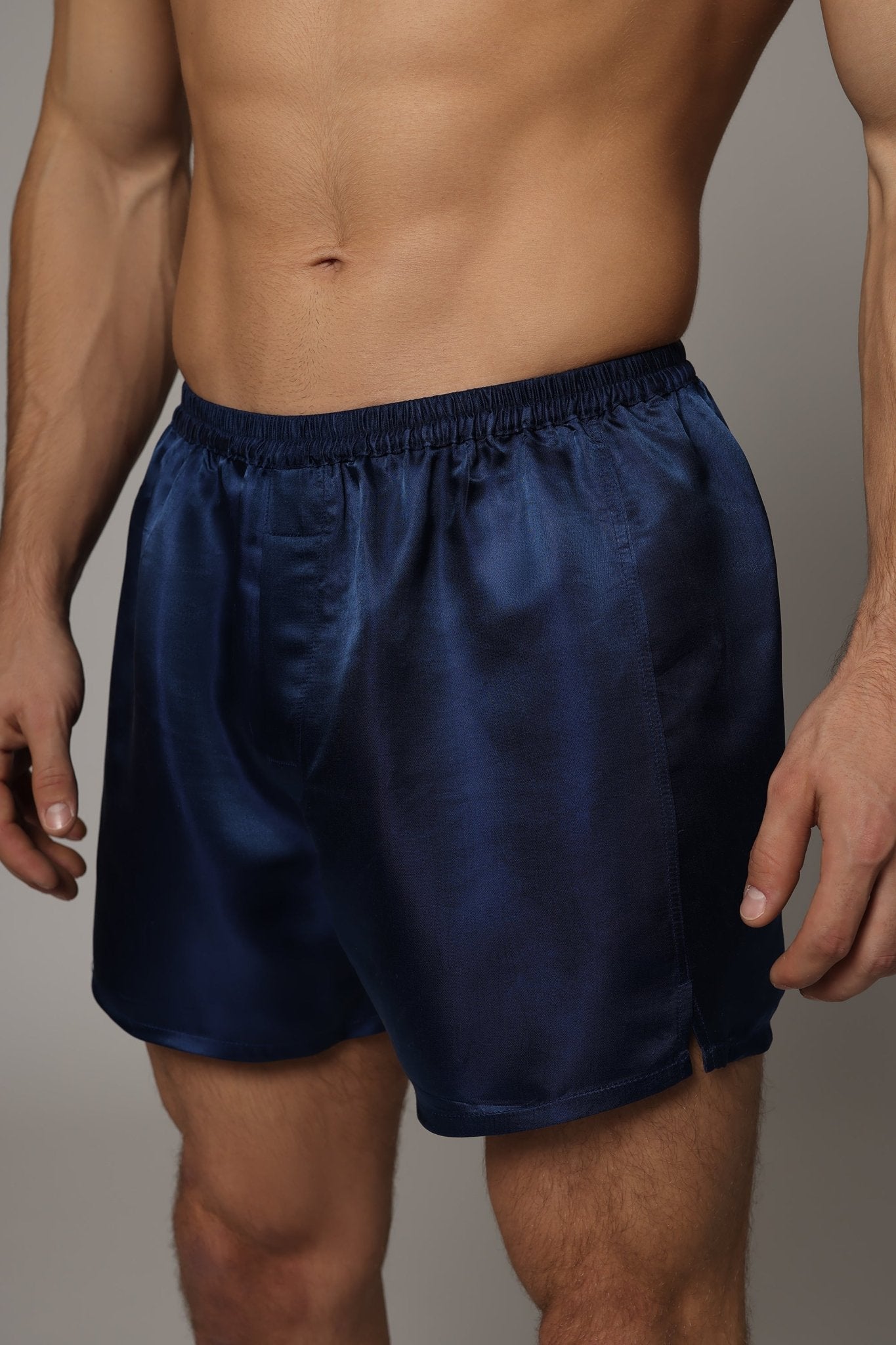
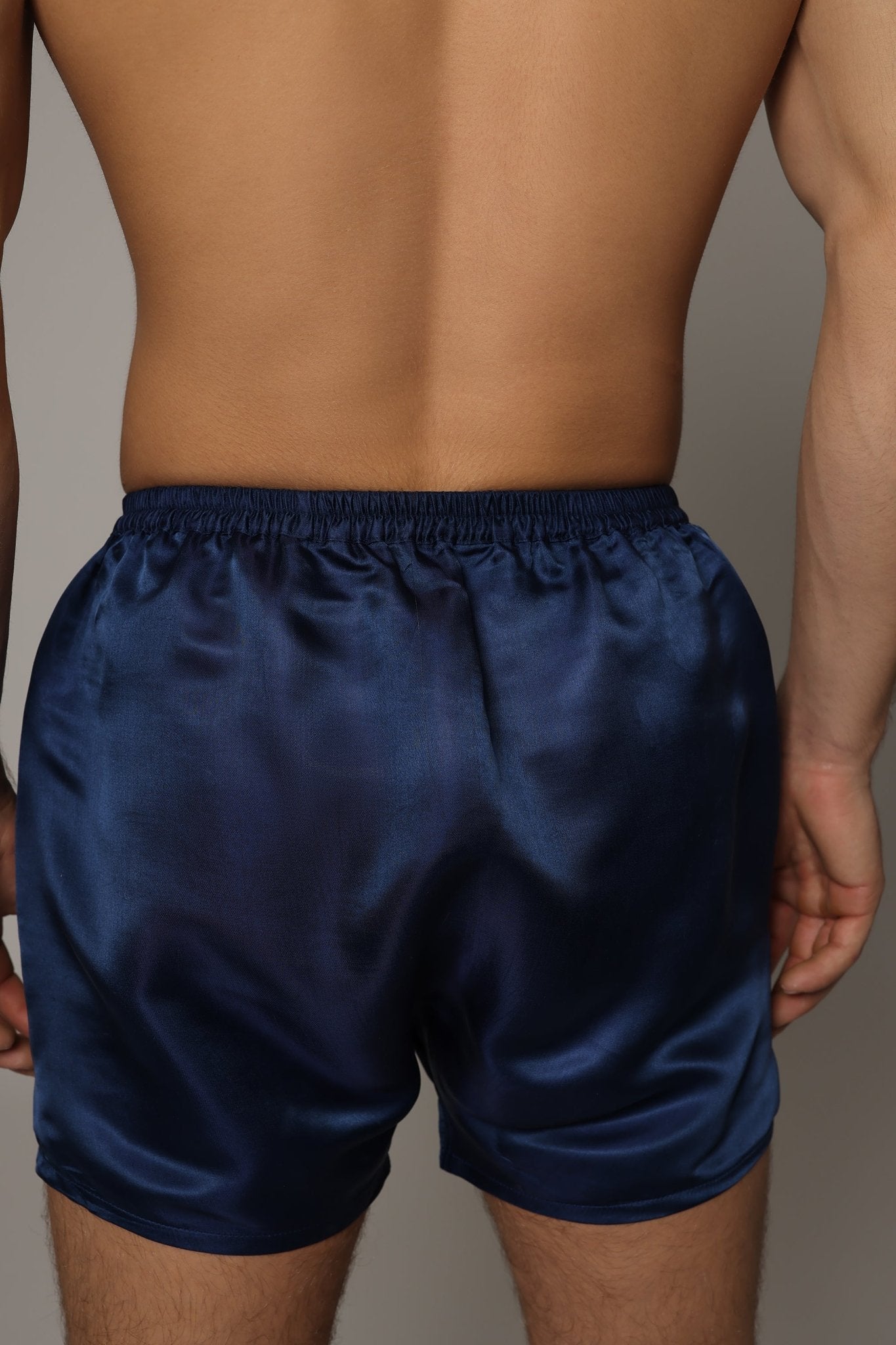
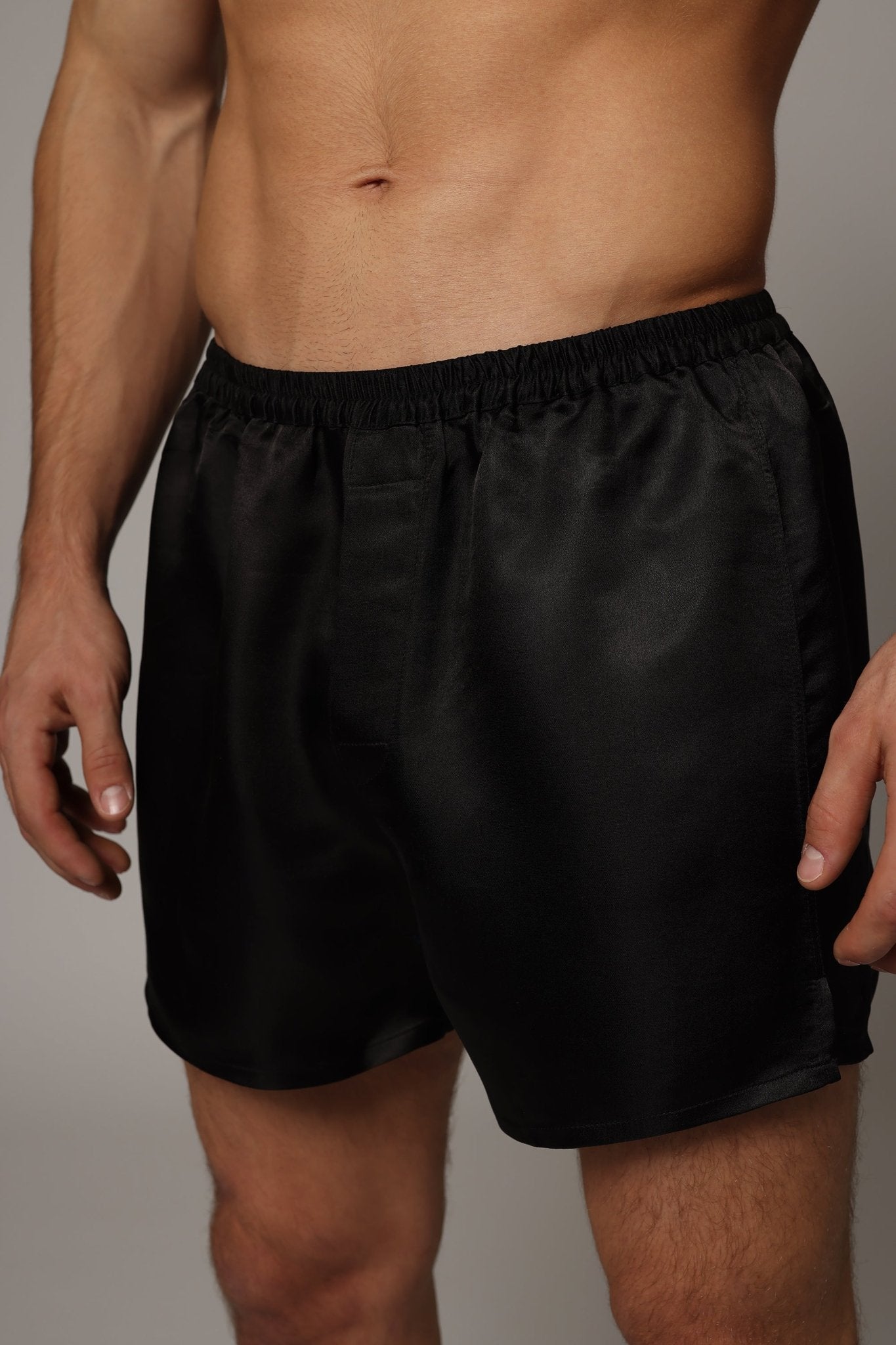
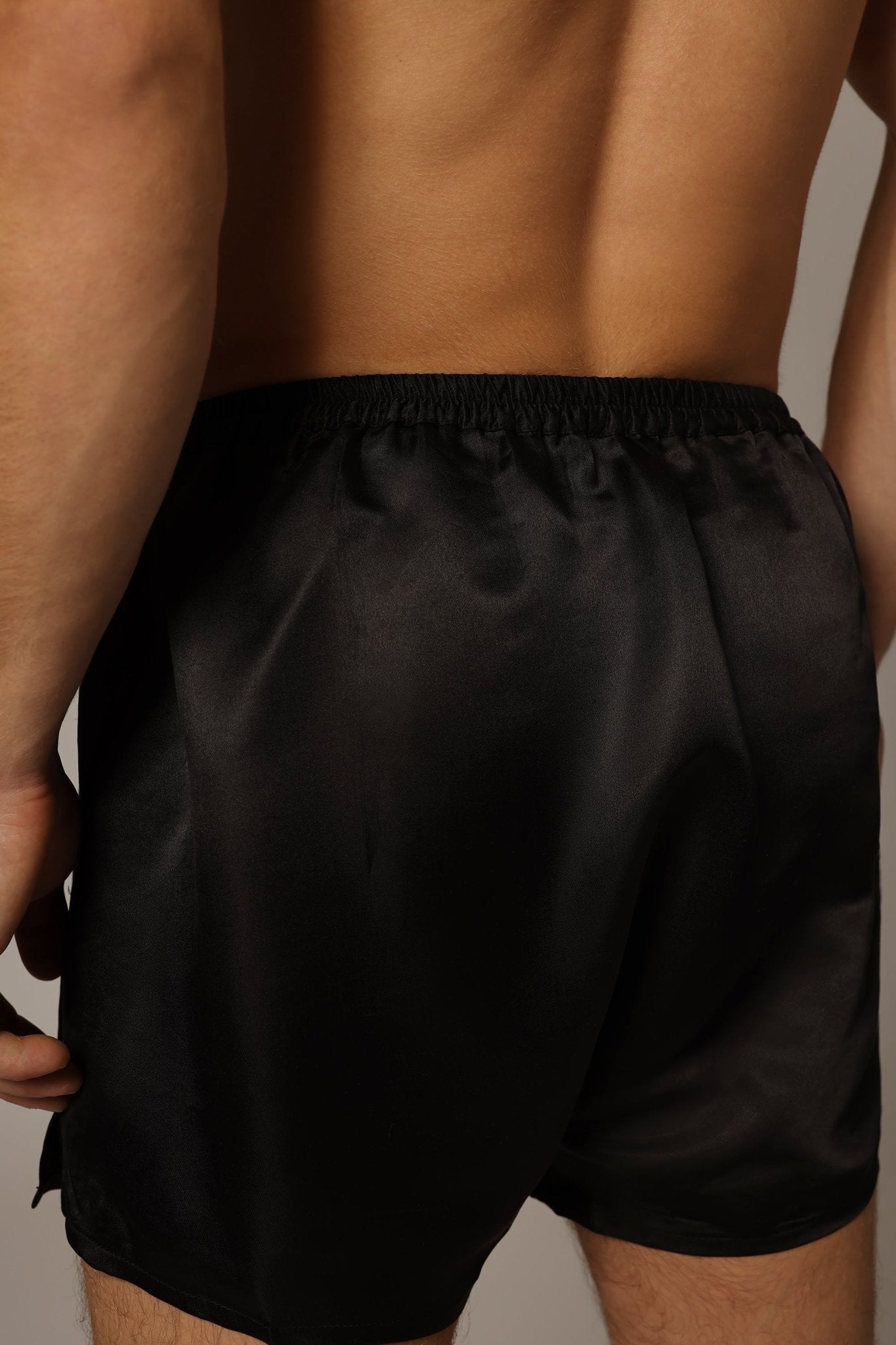
The mid-range (65 to 72 degrees) is where silk sleepwear is most noticeable in its effect: you simply do not think about temperature, because the fabric handles it. The same thermoregulation applies to our men's silk boxers during the day, which is why they work as well in an air-conditioned office as they do in summer humidity.
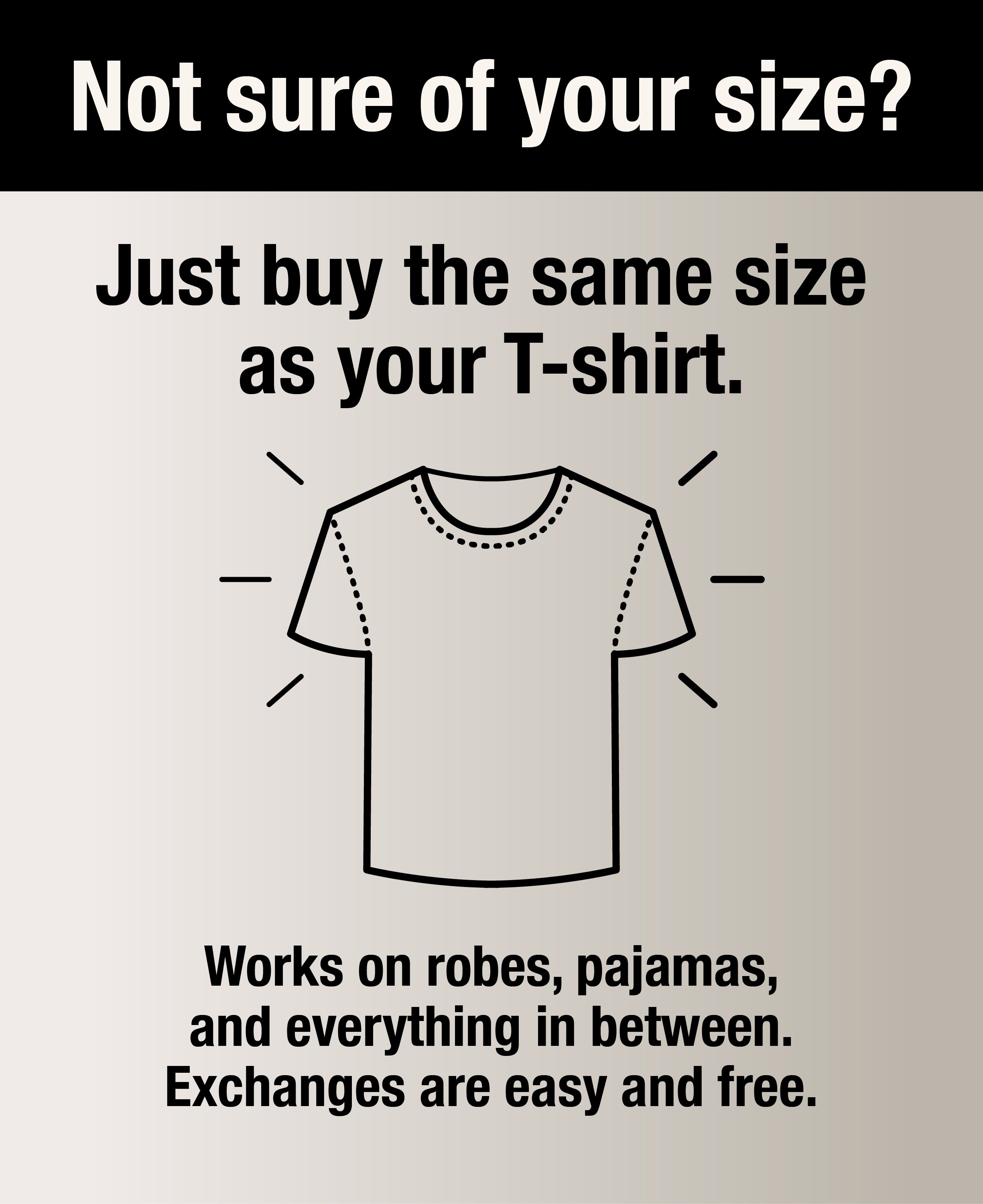
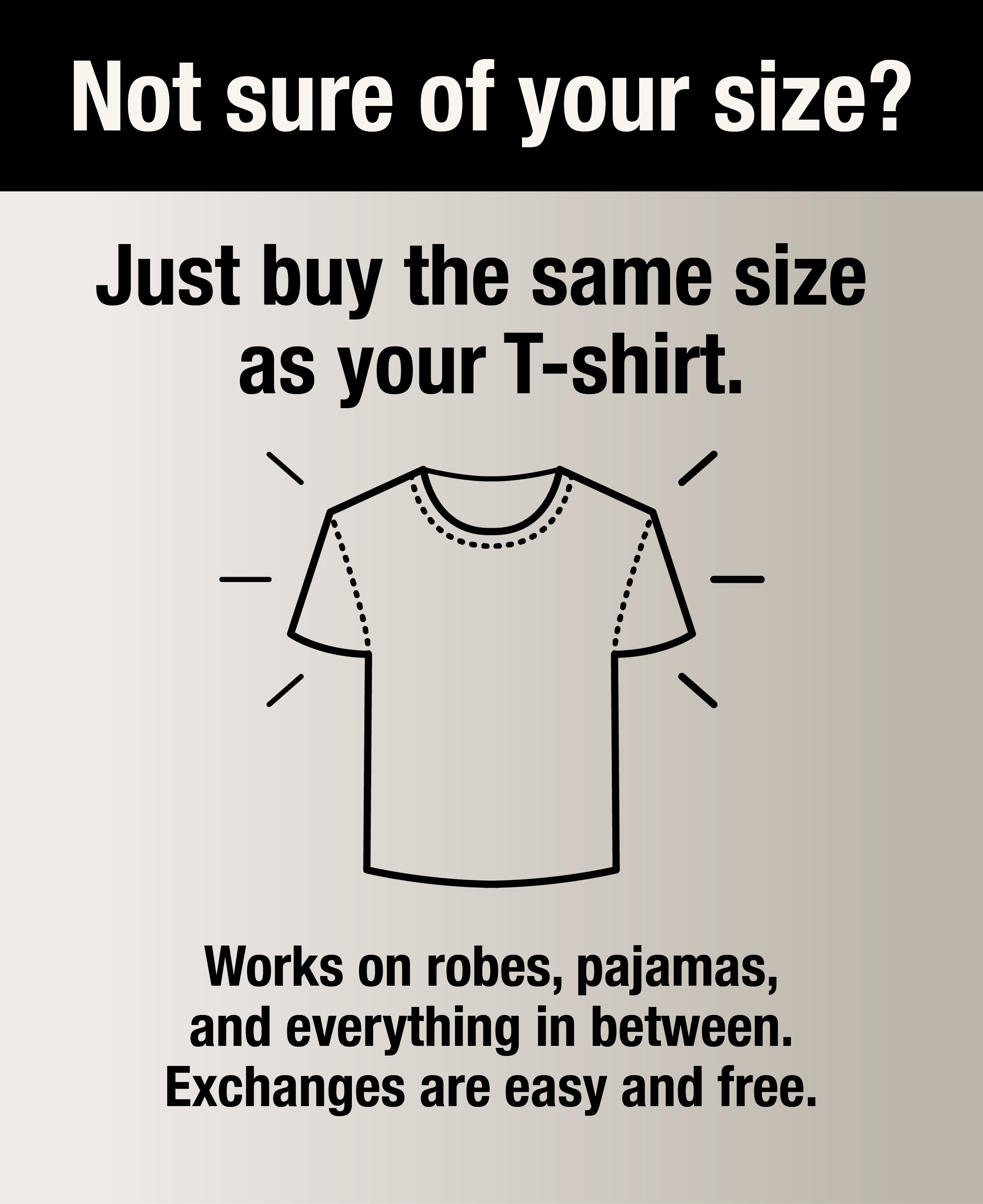
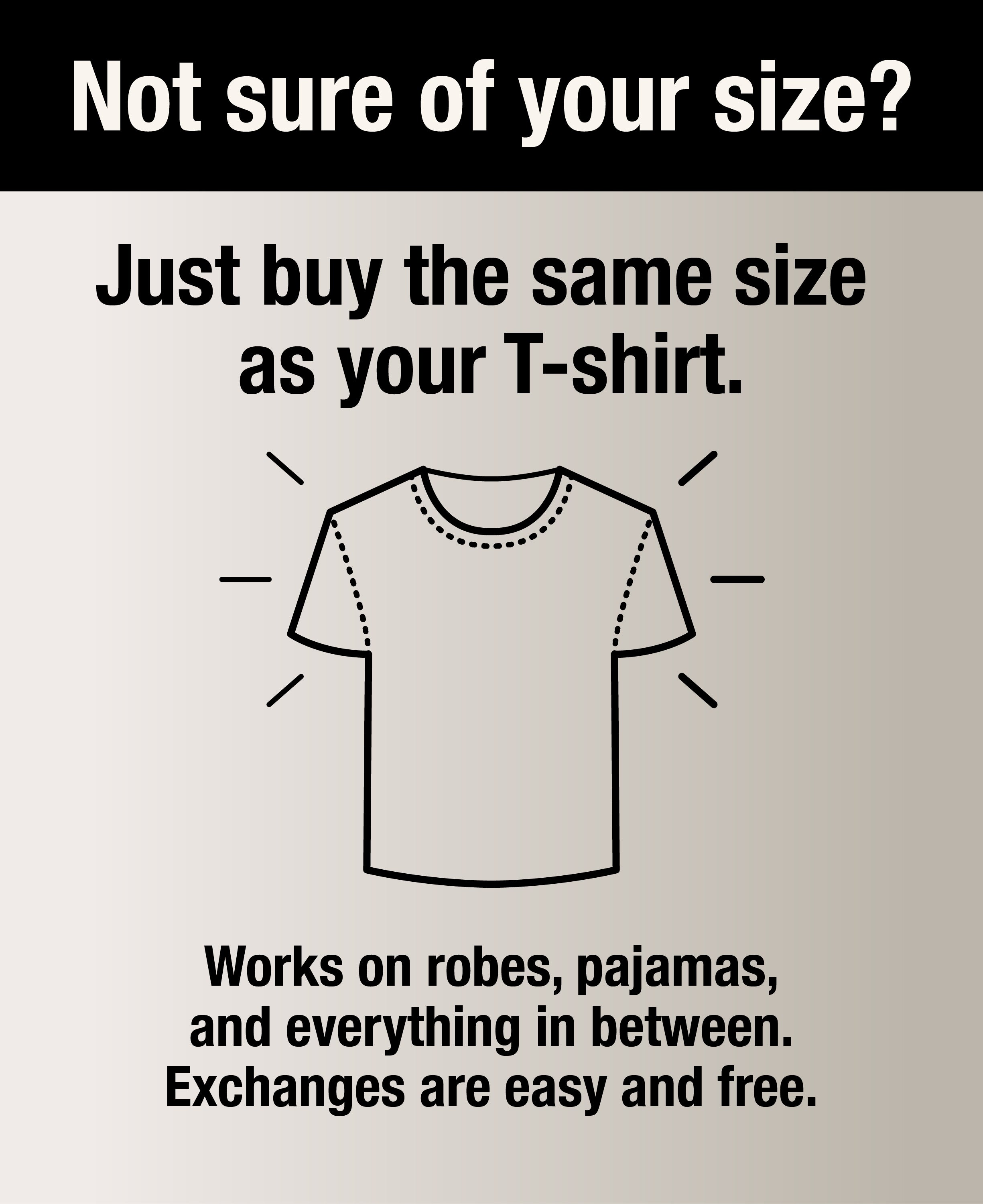
Find your size in men's silk pajamasSilk For Two
Most couples don't sleep at the same temperature. One of you runs warm, one runs cool, and somebody always ends up stealing the blanket.
Our sleeping bundles are matched by temperature type, not just size. Pick your pairing and save 15%.

Frequently Asked Questions
Are silk pajamas too hot for summer?
No. Silk thermoregulates, meaning it releases excess heat rather than trapping it. At 27 momme, silk pajamas are comfortable in room temperatures up to approximately 78 degrees Fahrenheit. In hot climates, silk often feels cooler than sleeping in just underwear, because it manages moisture and prevents the skin-to-sheet heat cycle.
Do silk pajamas make you sweat?
Silk does not cause sweating. It manages the perspiration your body naturally produces during sleep by wicking moisture vapor through the fiber structure. Unlike cotton (which absorbs sweat and becomes damp) or polyester (which traps moisture against the skin), silk keeps both your skin and the fabric surface dry.
Will silk pajamas keep me warm in winter?
Yes. The protein fiber structure of silk creates insulating air pockets that retain body heat. At 27 momme, the fabric density provides meaningful insulation comparable to medium-weight cotton, but without the moisture absorption that causes cotton to lose insulating effectiveness overnight.
What room temperature is best for sleeping in silk pajamas?
Sleep researchers recommend 65 to 68 degrees Fahrenheit for optimal sleep. With 27 momme silk pajamas, the comfortable range extends from approximately 62 to 78 degrees. This wider range means less dependence on precise thermostat settings.
Are silk pajamas better than moisture-wicking athletic sleepwear?
For sleep, yes. Moisture-wicking athletic fabrics cool in one direction only. They are designed for exercise conditions where the body is consistently generating excess heat. During sleep, your temperature drops and rises cyclically. A one-directional cooling fabric disrupts this cycle. Silk's bidirectional thermoregulation tracks the body's natural temperature changes.
How long does it take to feel the thermoregulation benefit?
Most customers notice the difference within the first night. The width of comfort range becomes apparent within a week, when you realize you have stopped adjusting the thermostat or swapping blankets as frequently. The full benefit reveals itself over a month, when you recognize that you are sleeping through the night rather than waking due to temperature discomfort.
