


Artisan Silk vs Factory Silk
By Tara Nguyen, Ph.D., Founder and Creative Director, Tara Sartoria
The first silk factory I ever visited was in southern China in 2016. I had been told it was the largest silk operation in the region, and the production floor was the size of three soccer fields placed end to end. There were rows of automatic looms running at a speed I had never seen, and a cutting table at the far end where one machine cut through ninety layers of silk fabric in a single pass.
It was extraordinary engineering. It was also producing the kind of silk I have spent the last decade arguing against. The pieces leaving that factory would be sold under twenty different luxury labels. They would all be made the same way. They would all be slightly disappointing within a year. This post is the long answer to why.
A Short Answer for the Person Skimming
Artisan silk is woven and sewn one piece at a time, with each garment cut from a single layer and finished by one master artisan from start to finish. Factory silk is woven at speed, cut from stacks of forty to one hundred layers at once, and assembled on a production line where each operator handles only one part. The visible difference is small at first. The practical difference shows up in year one and gets worse from there.
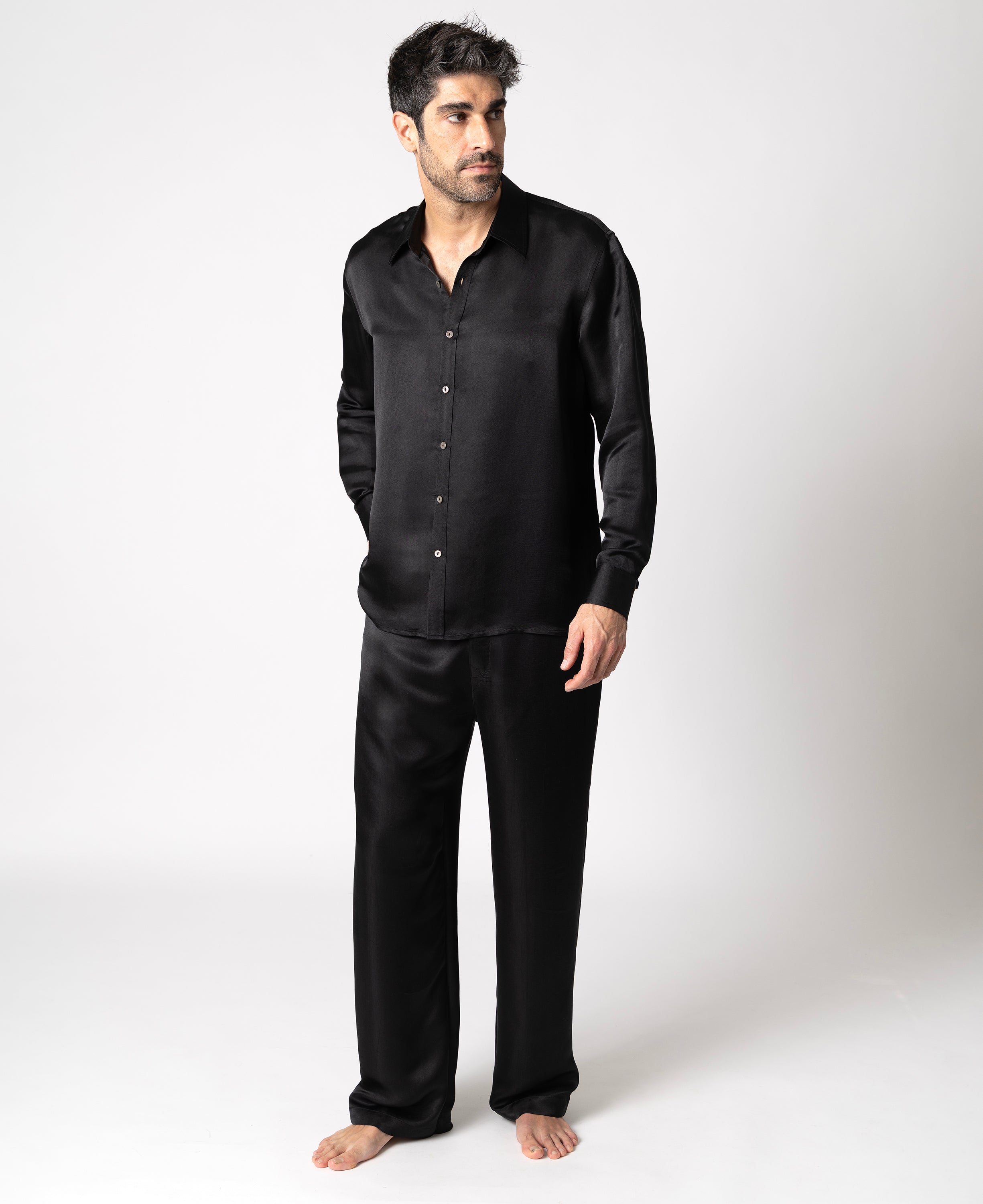
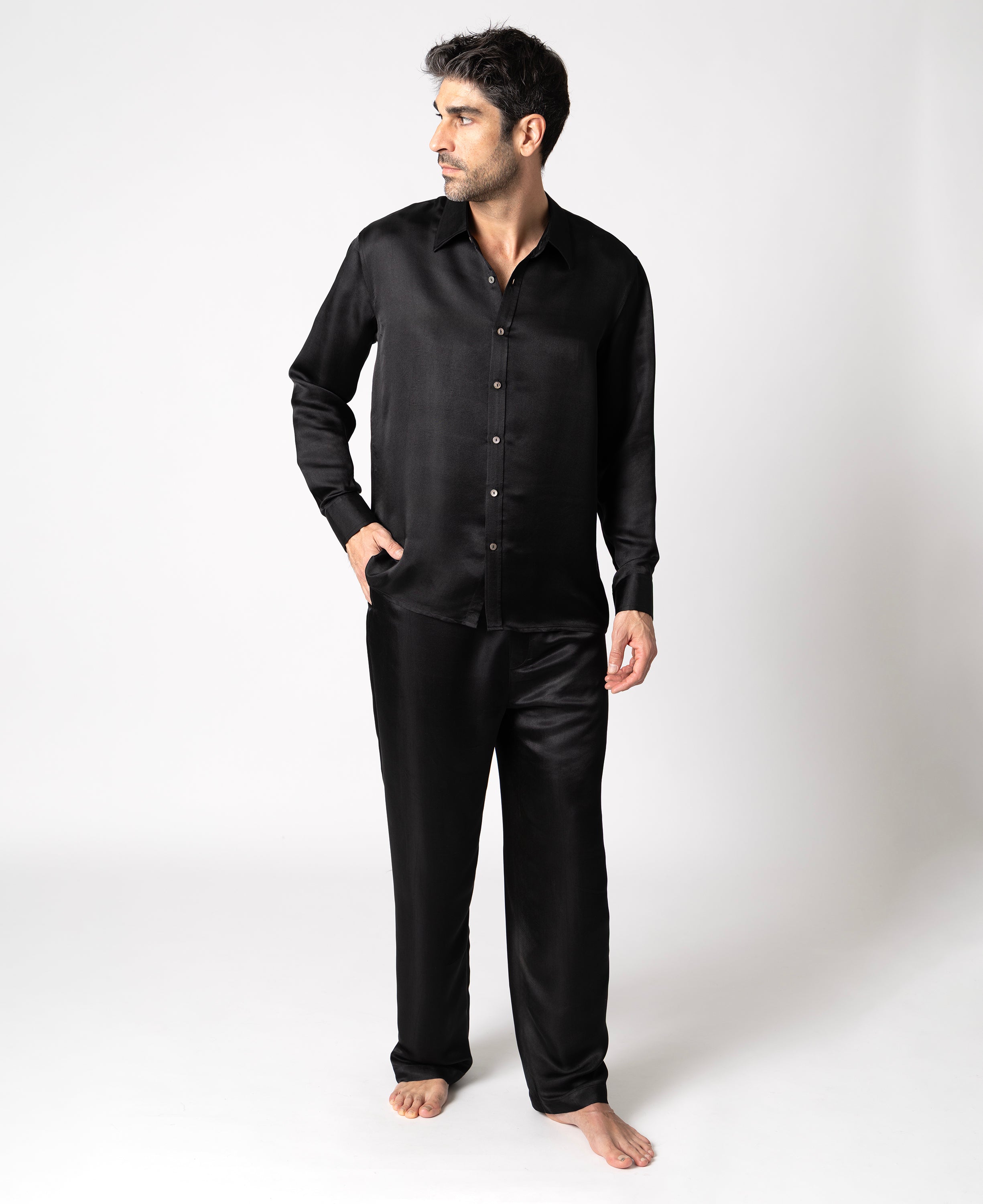
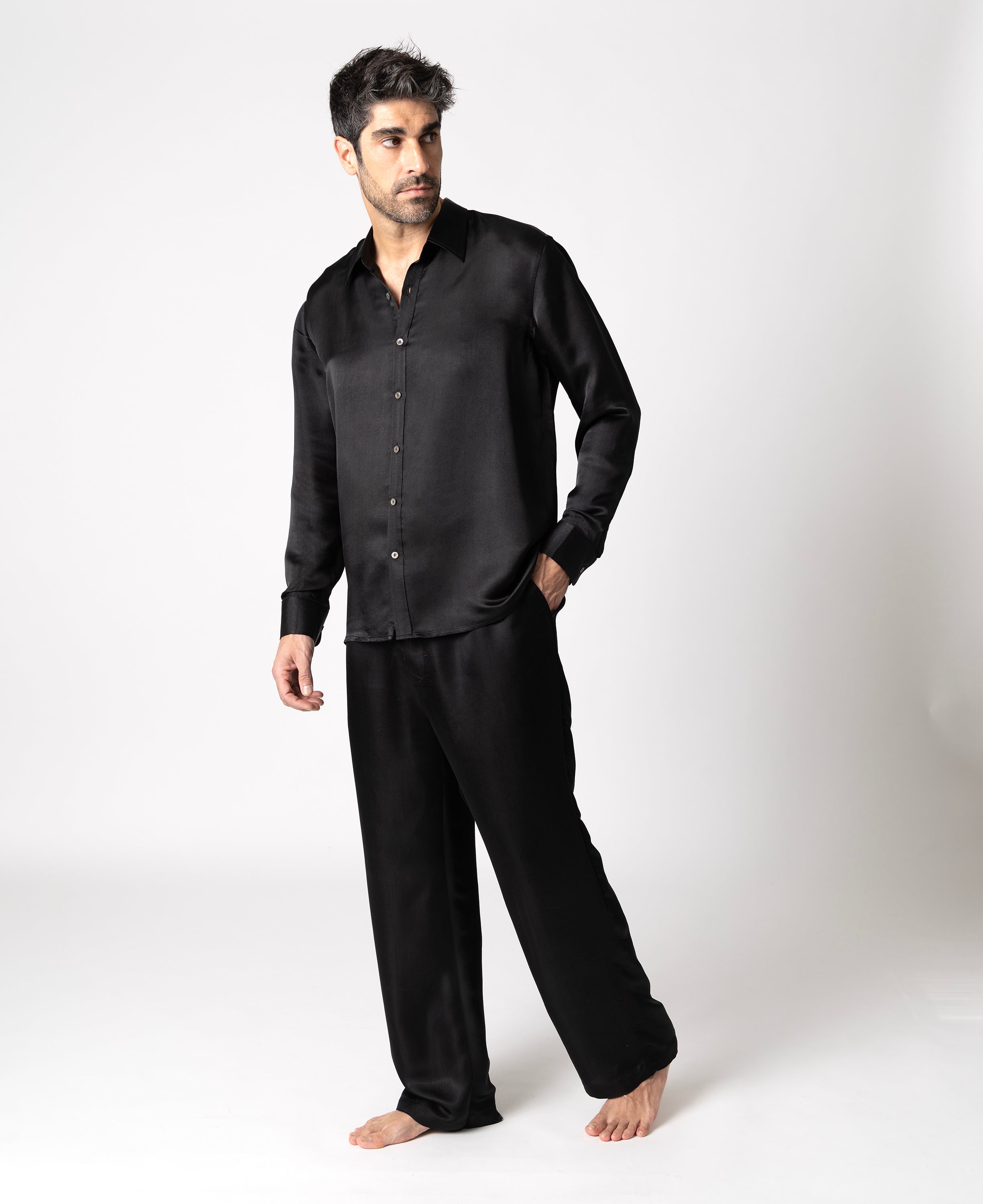
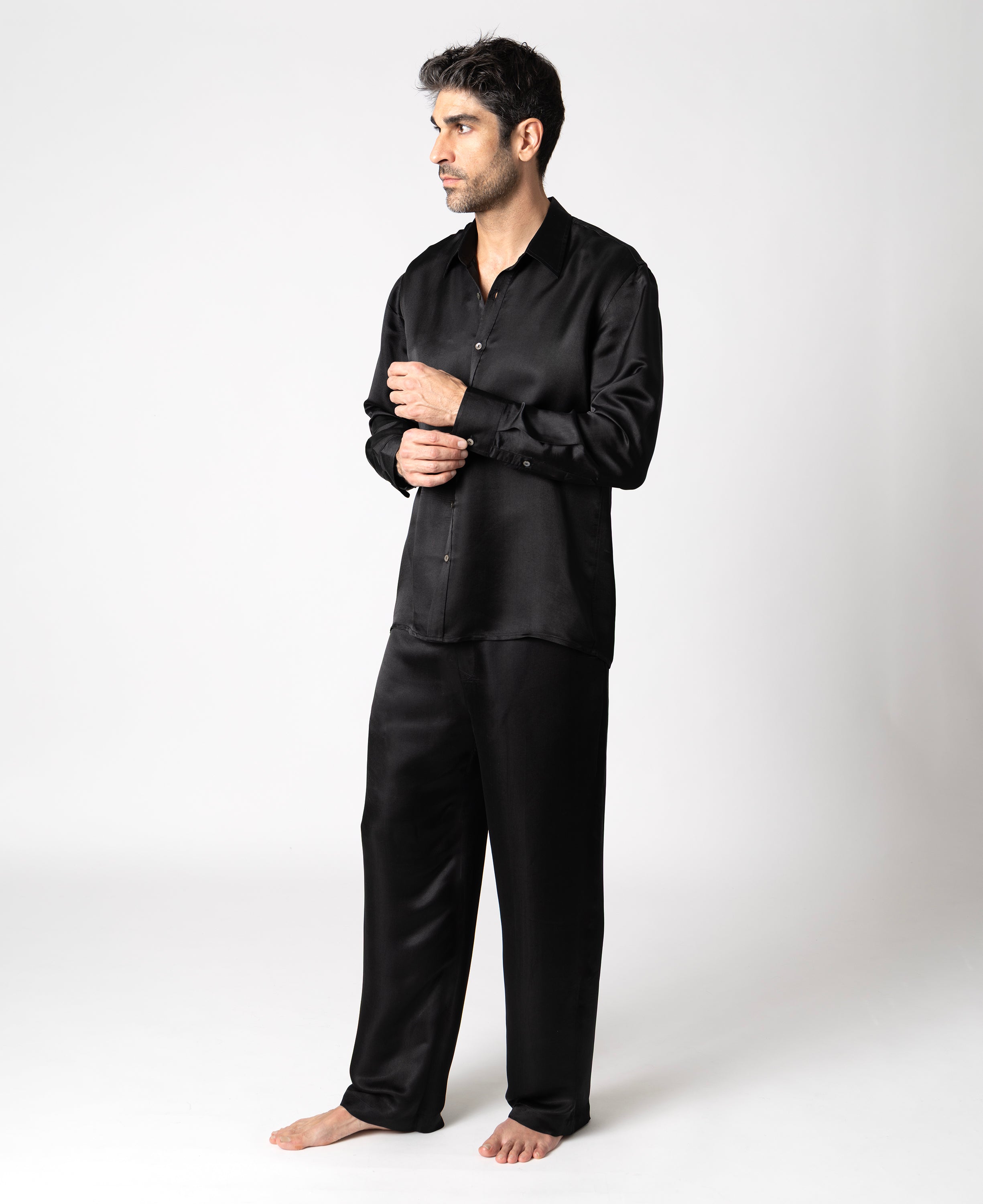
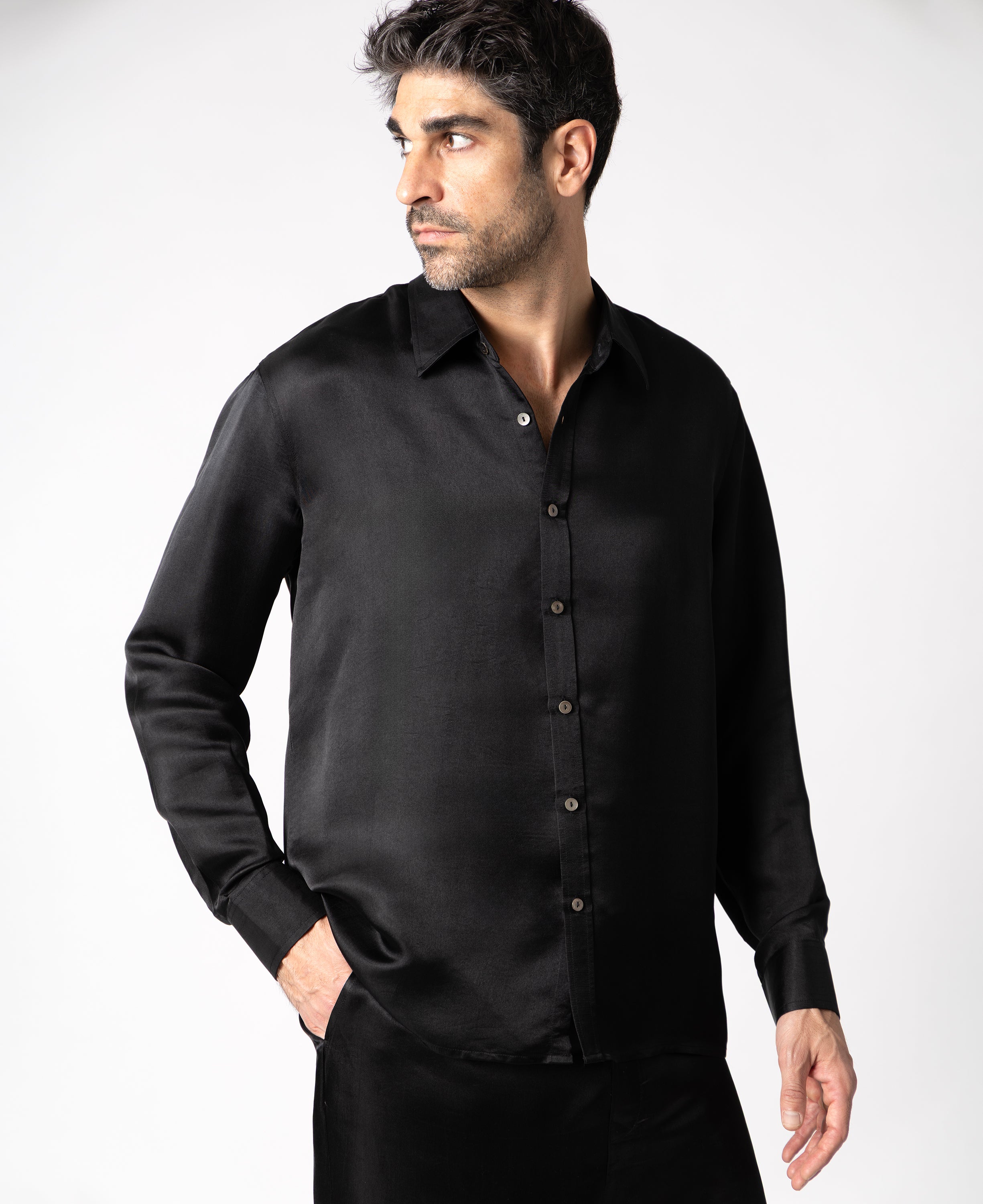
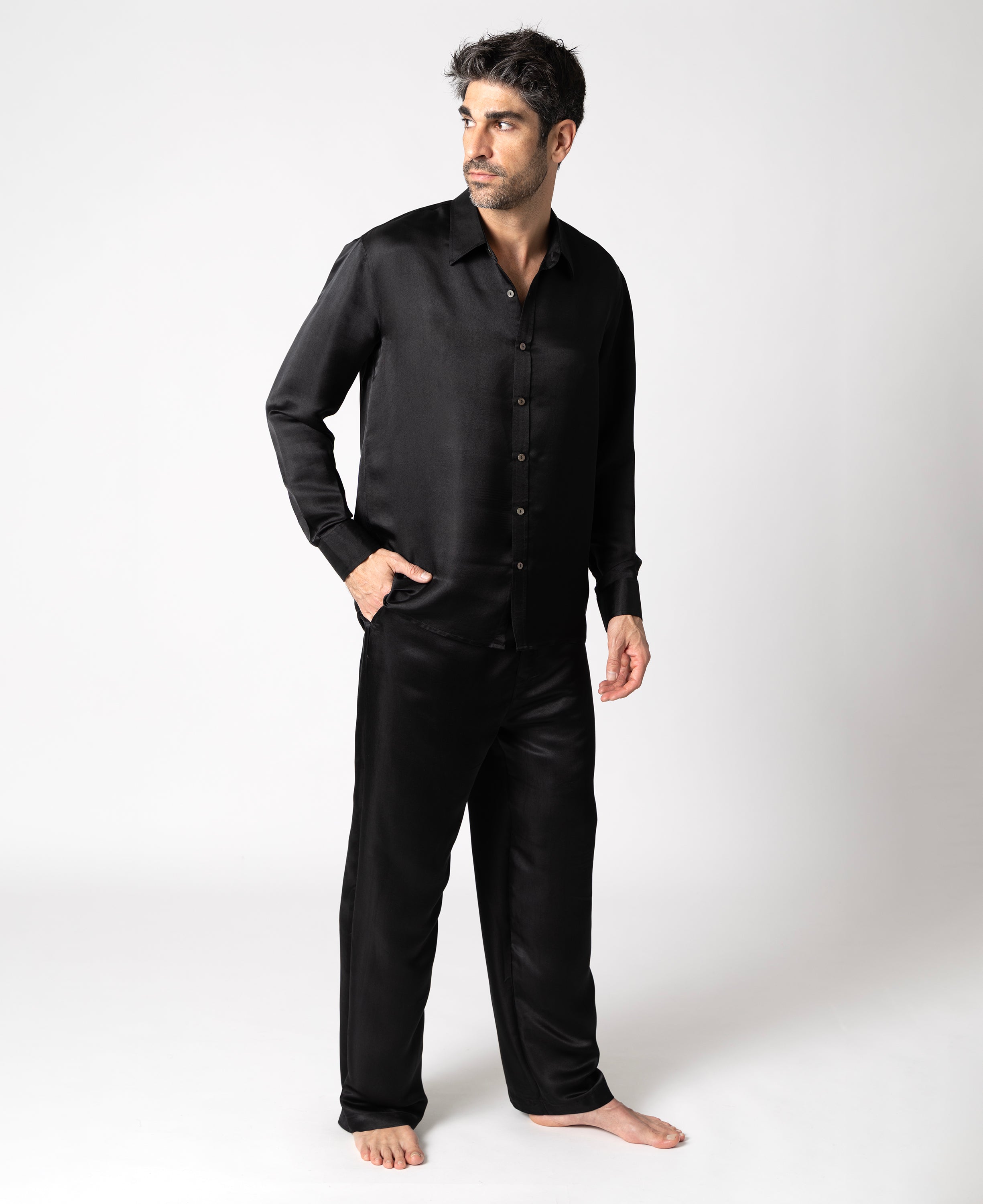
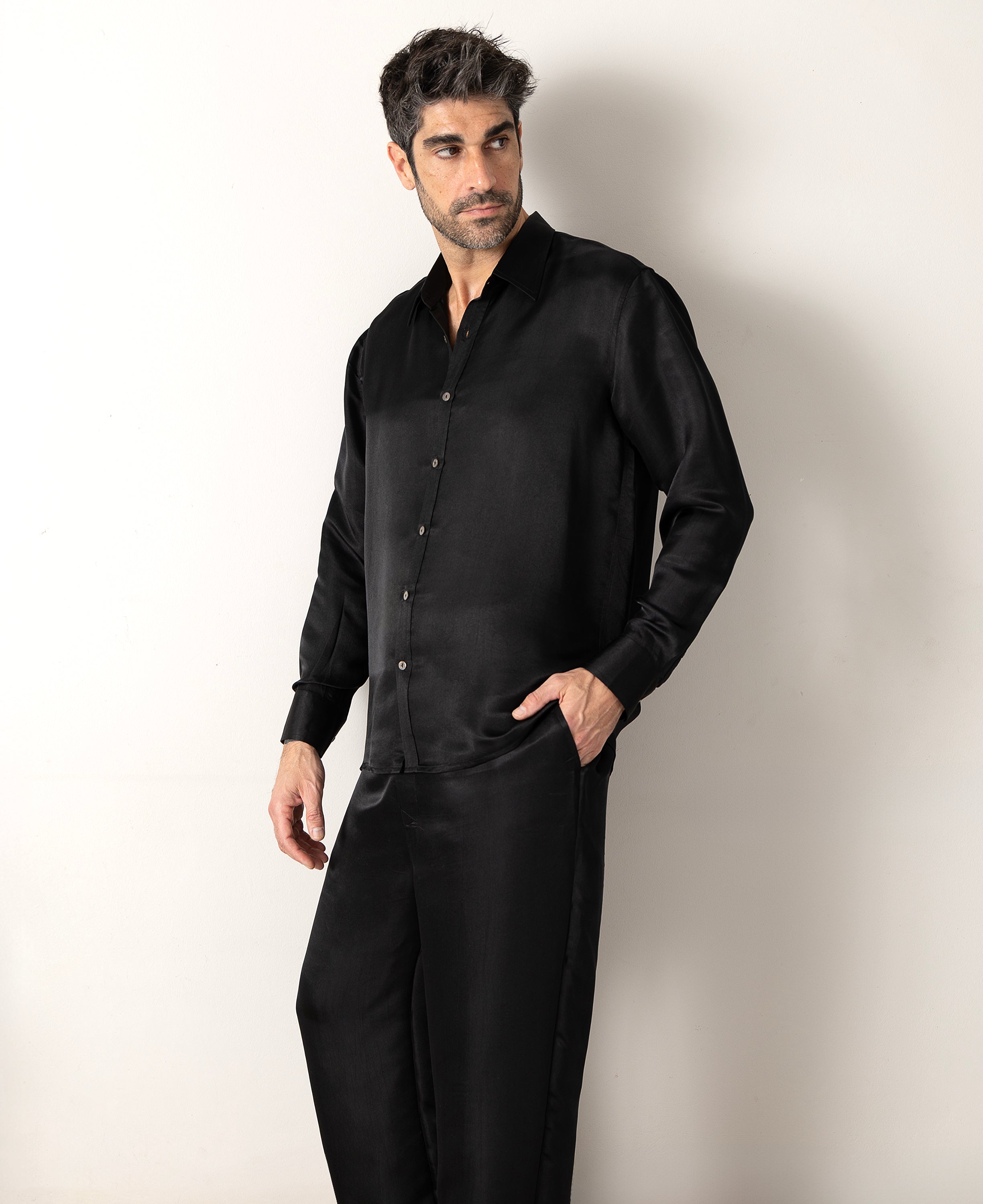
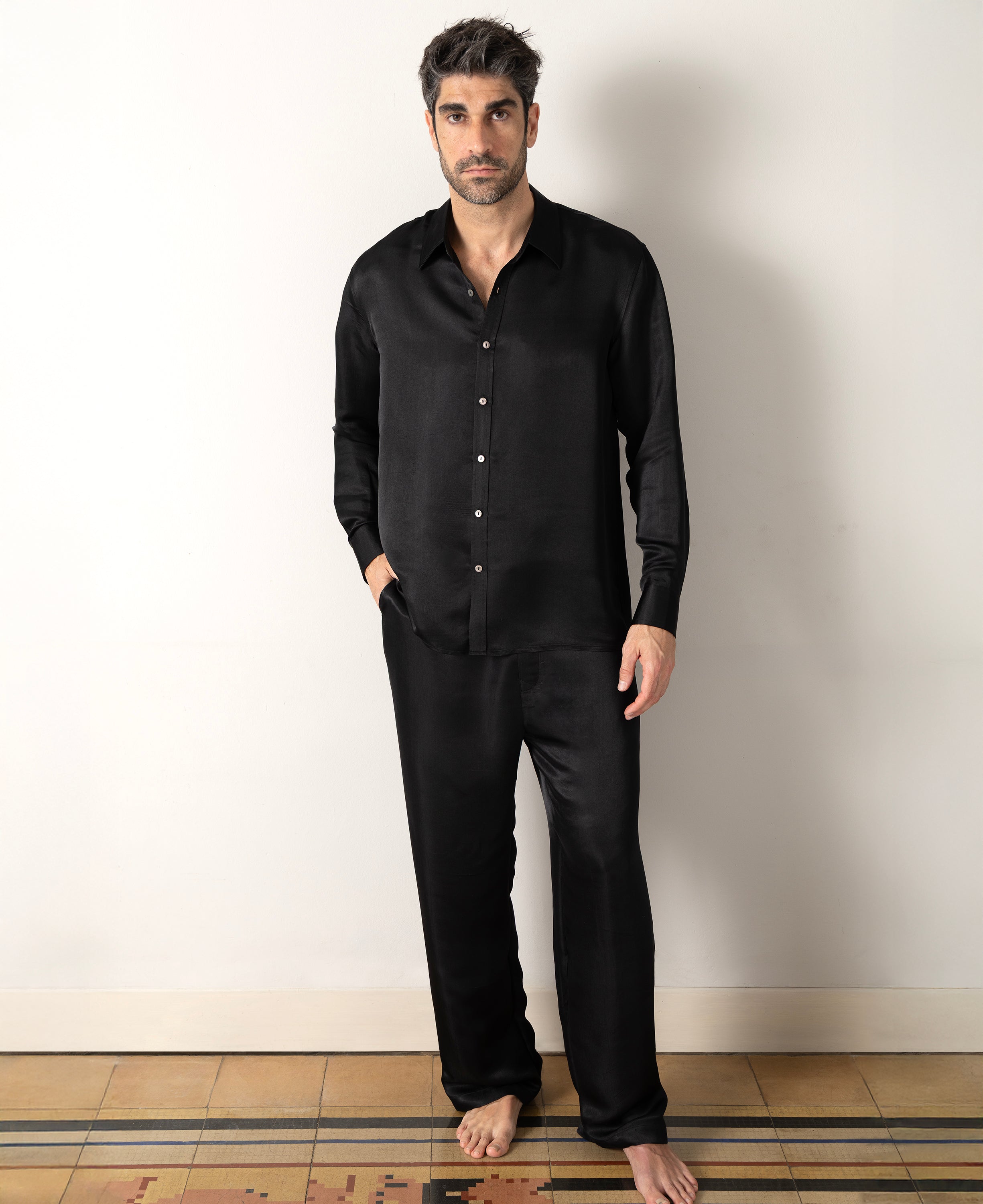
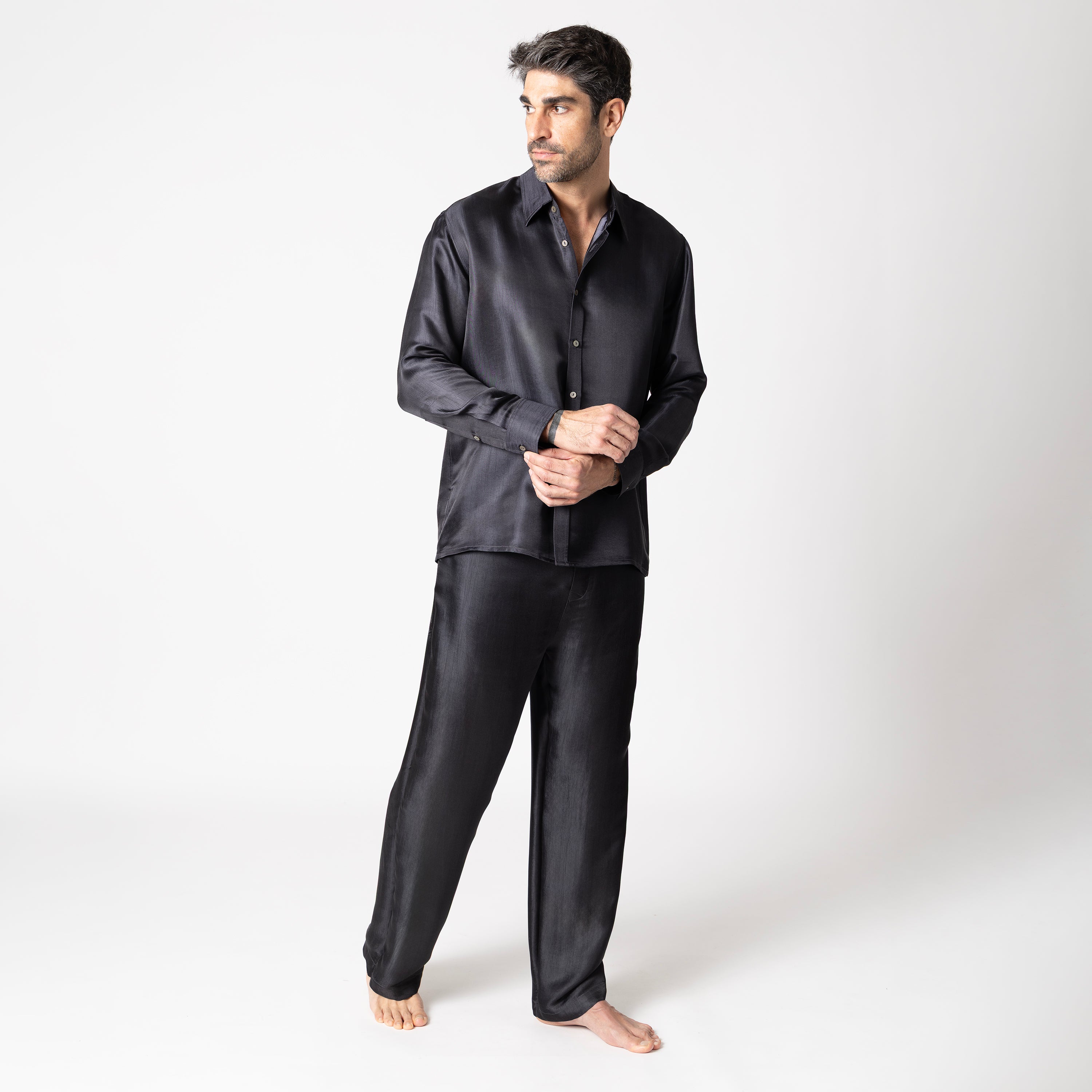
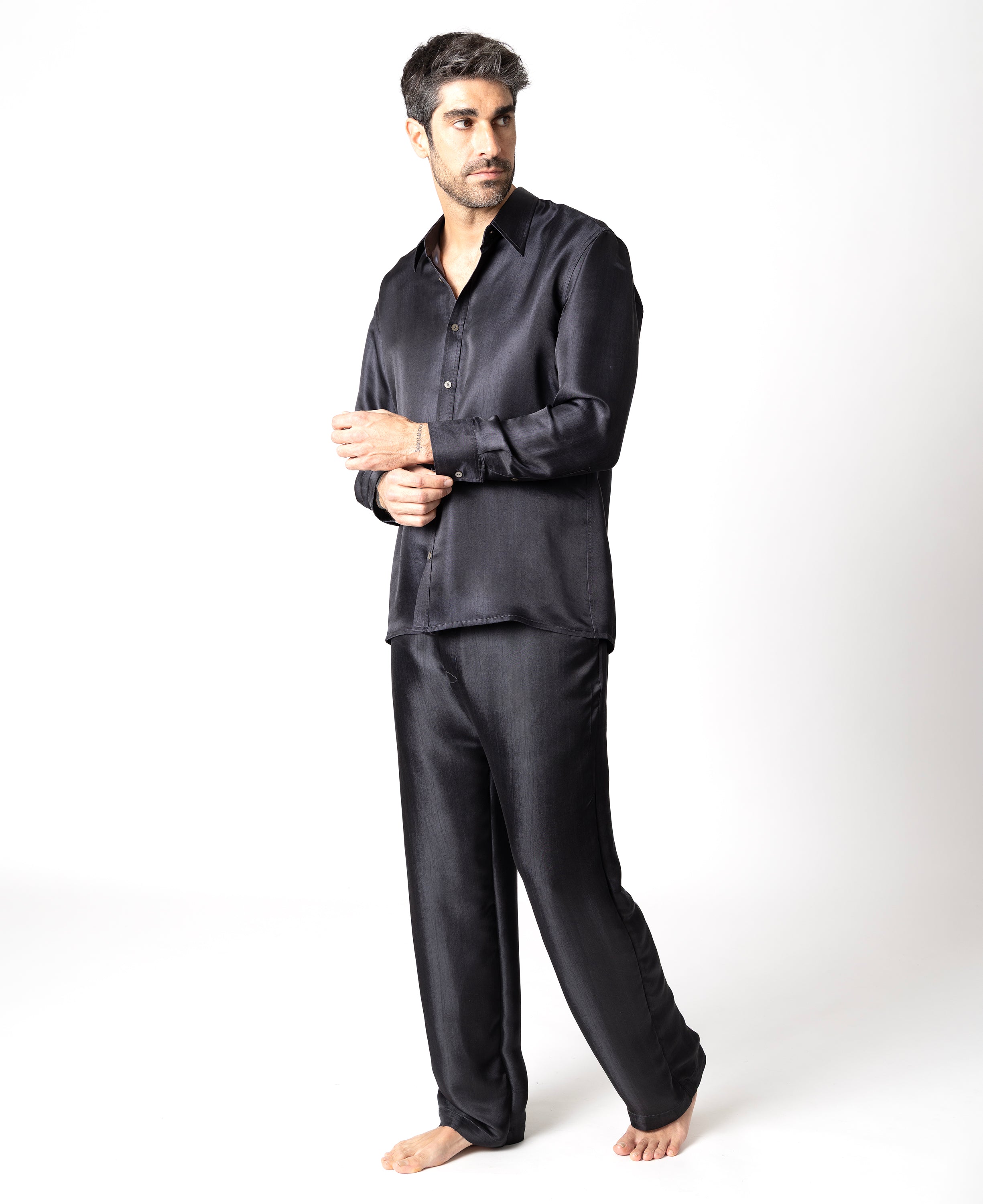
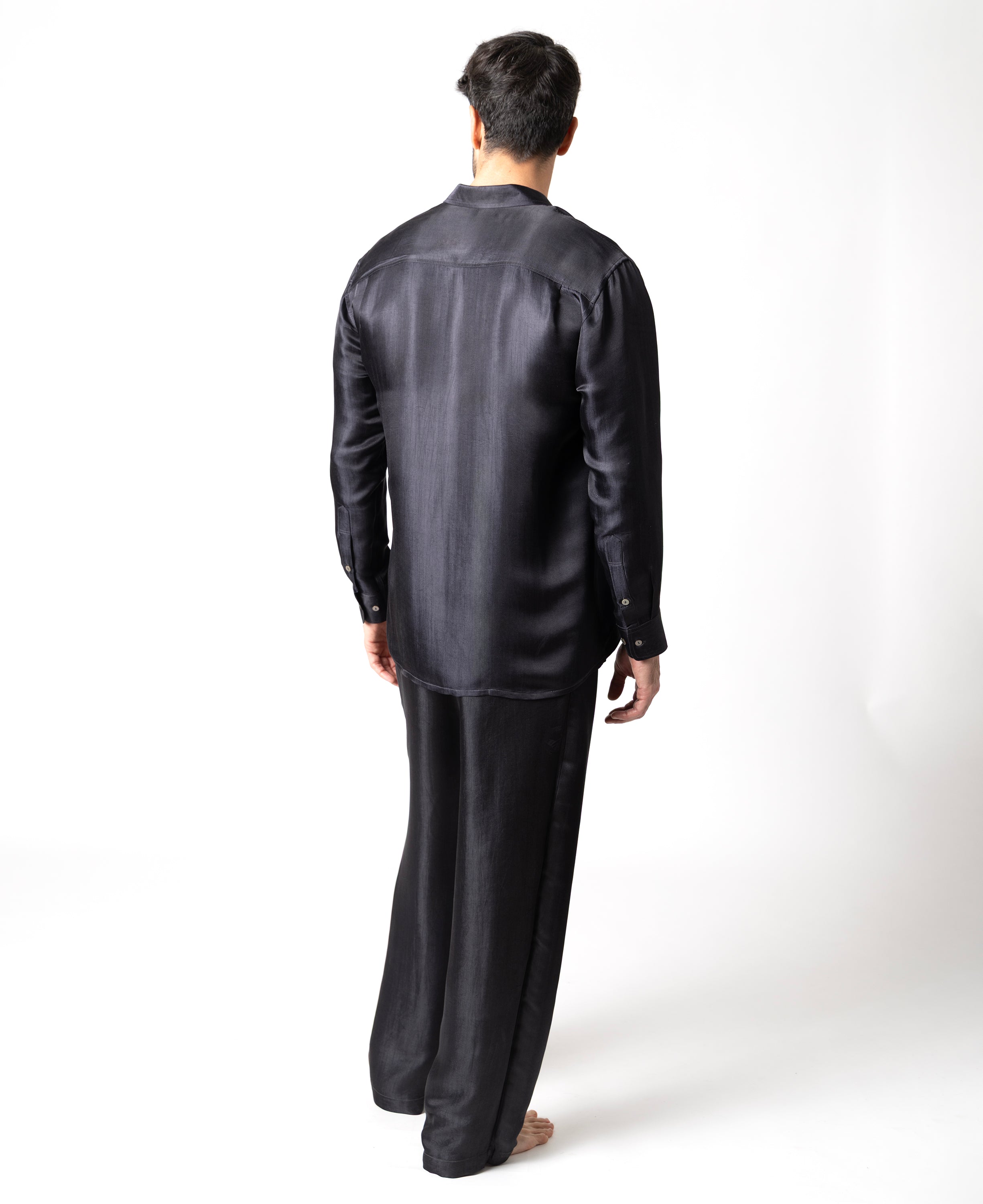
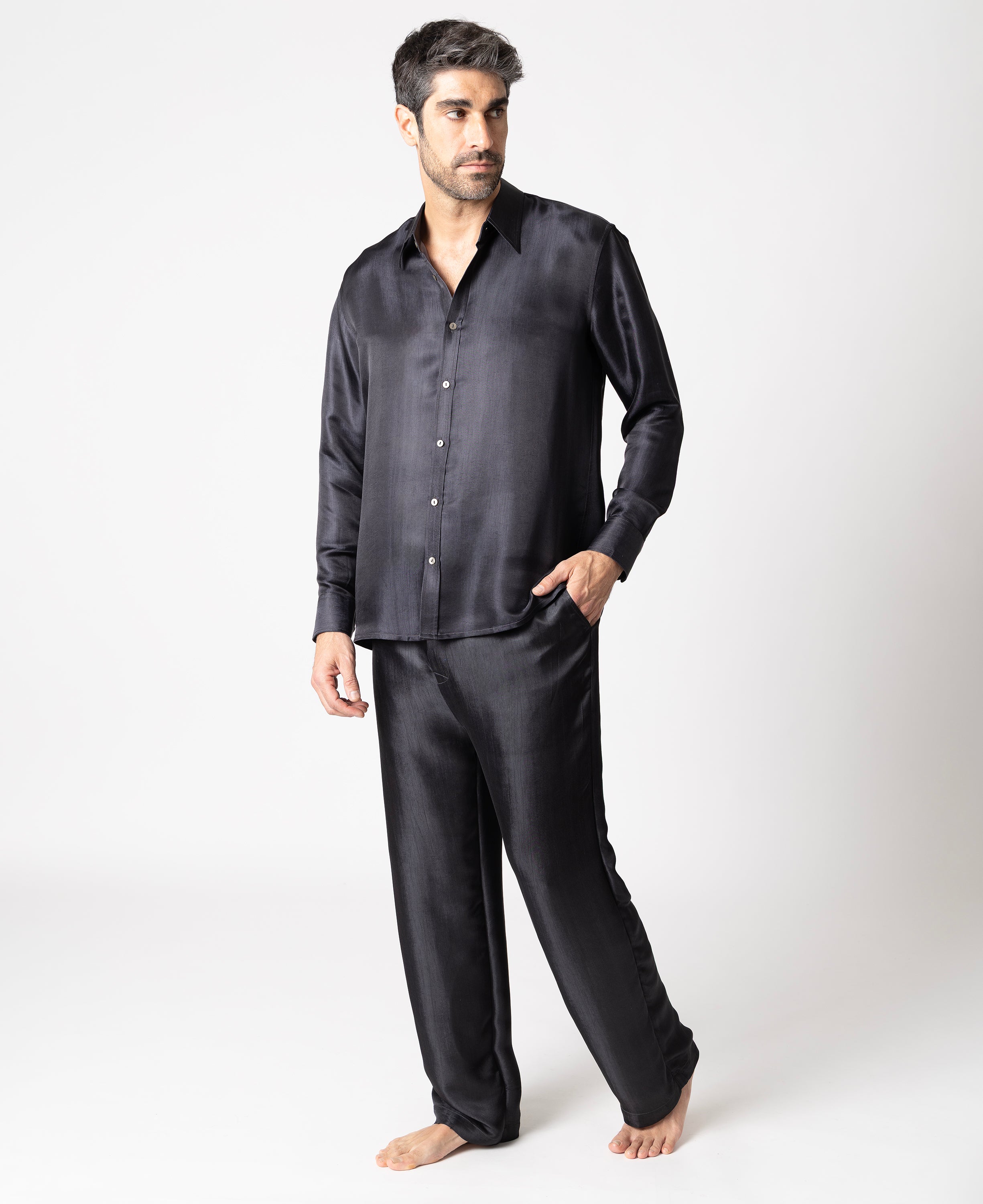
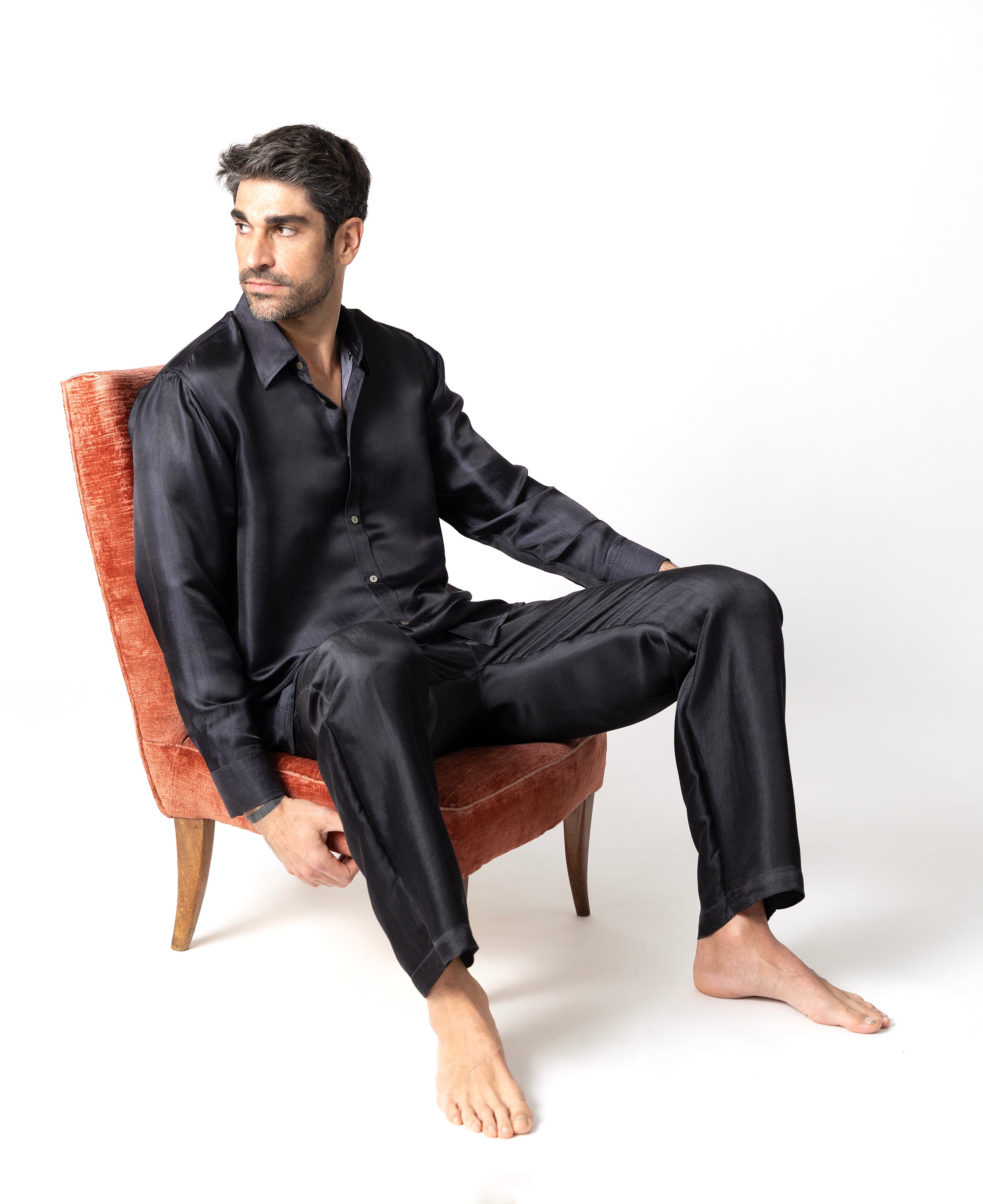
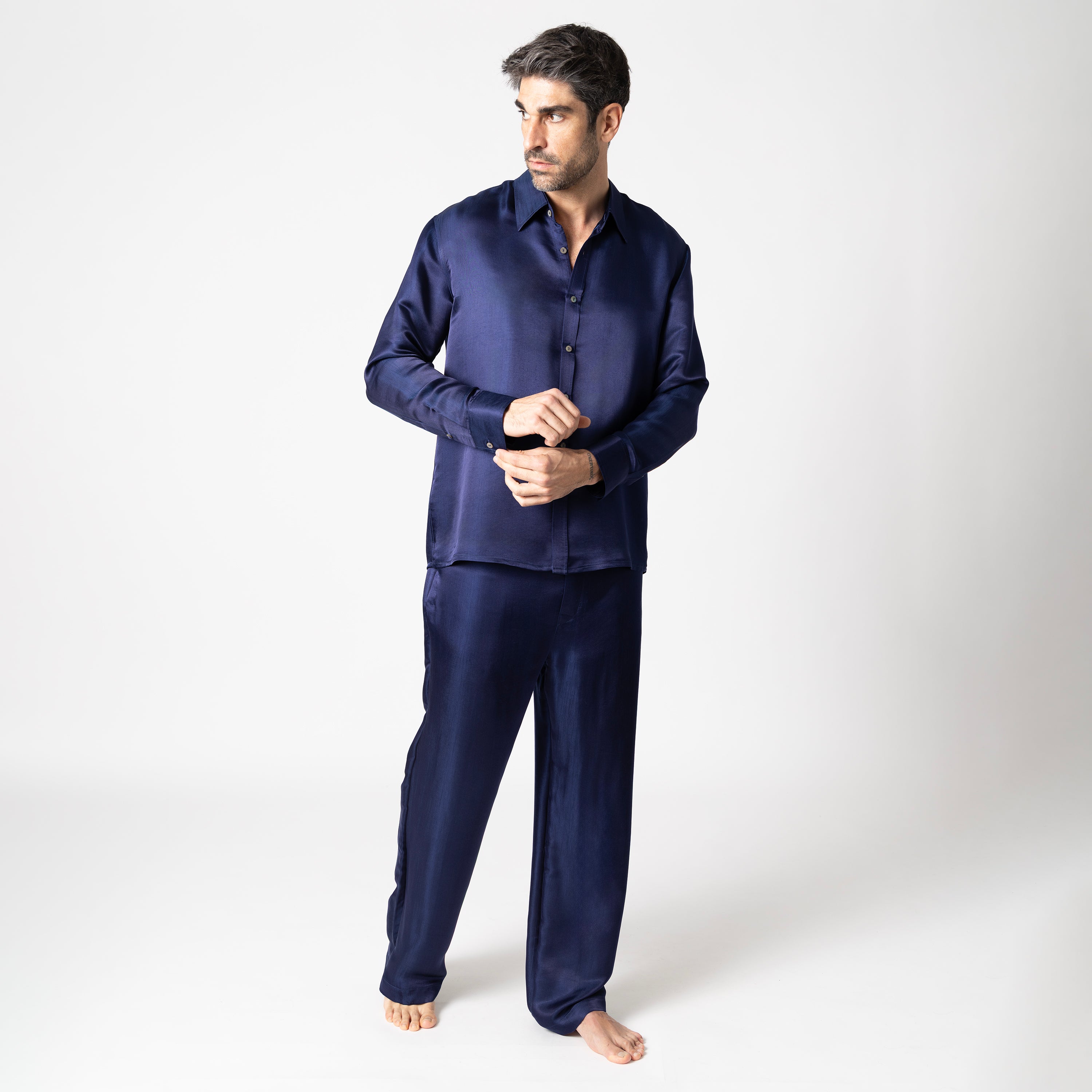
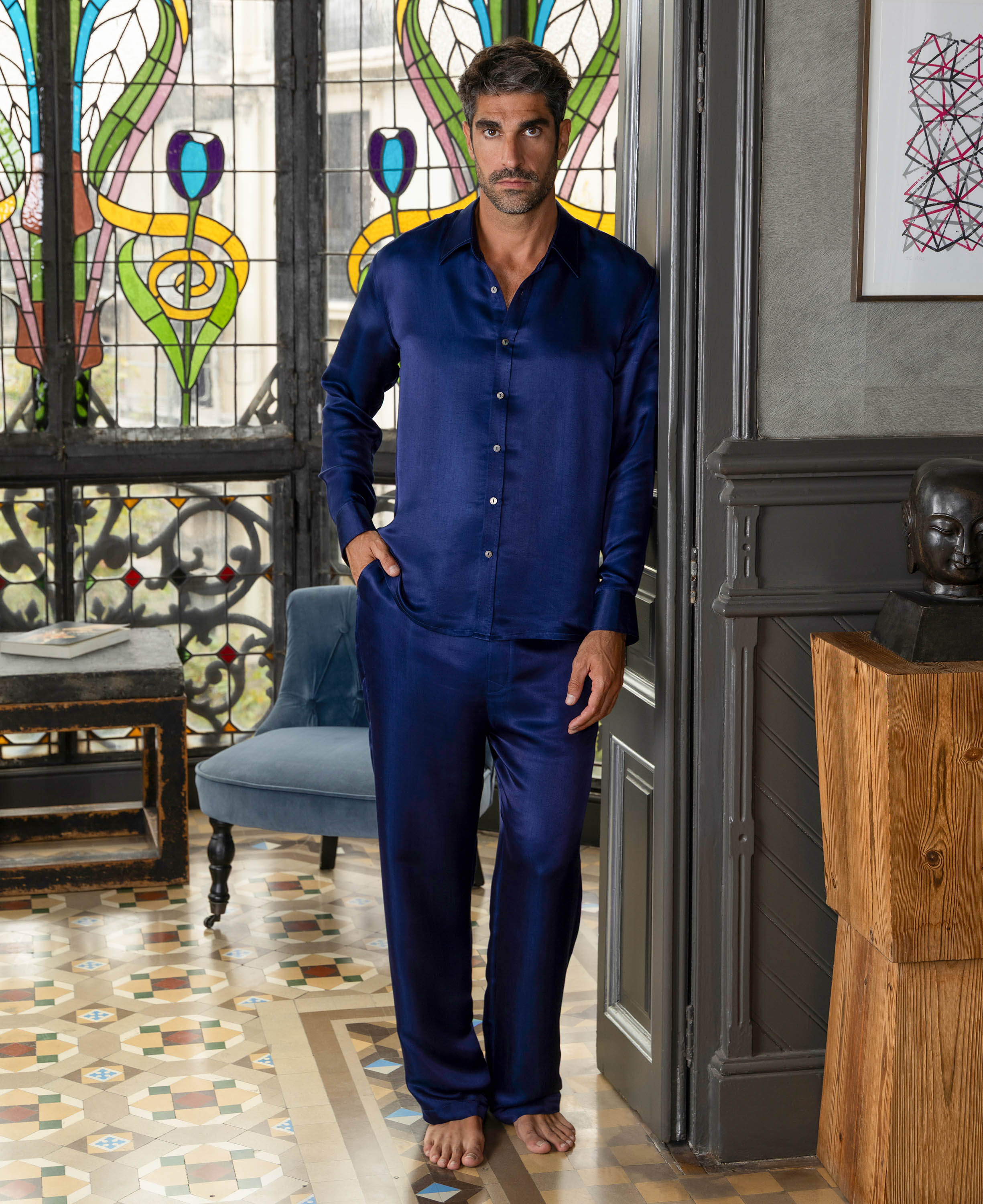
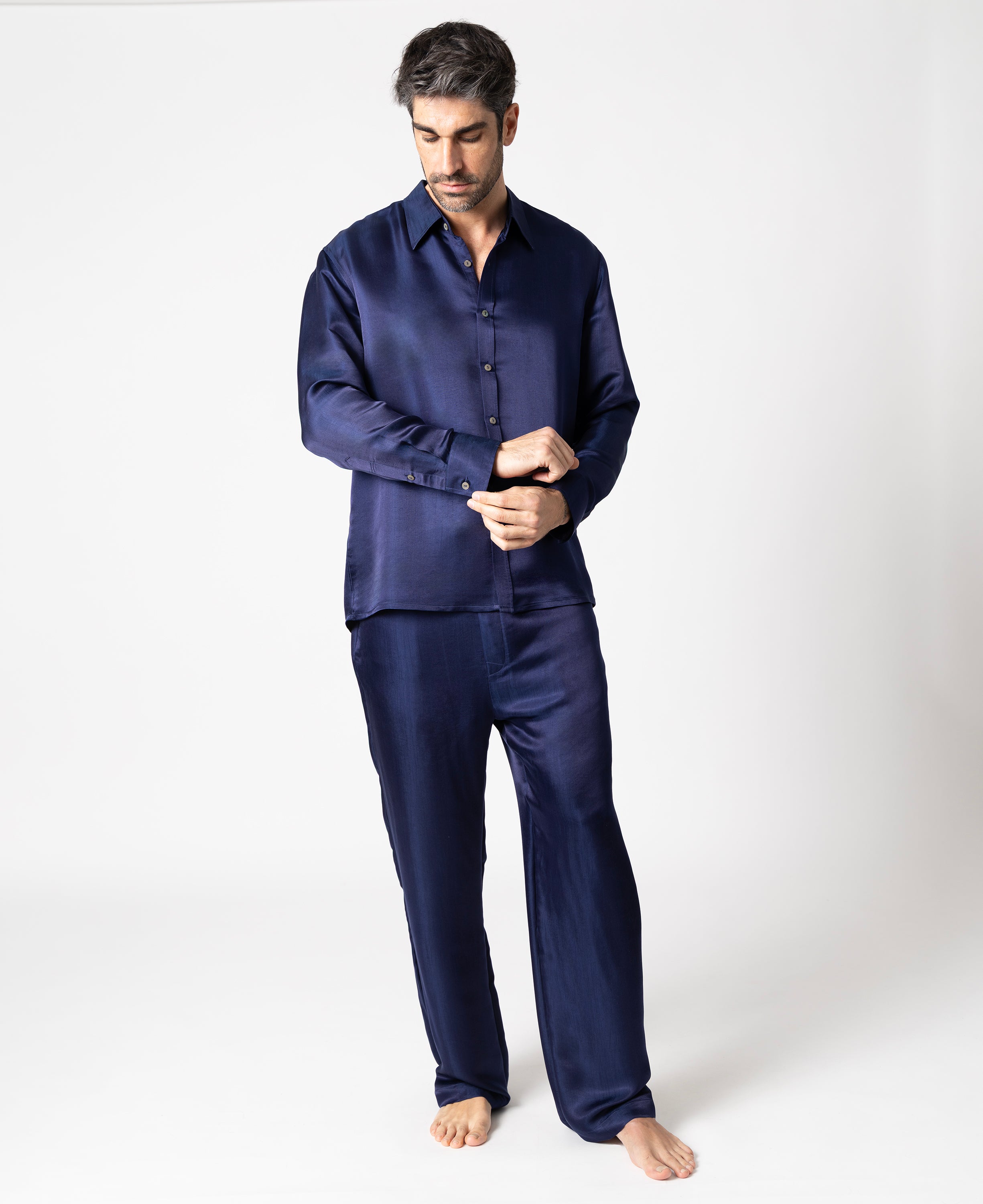
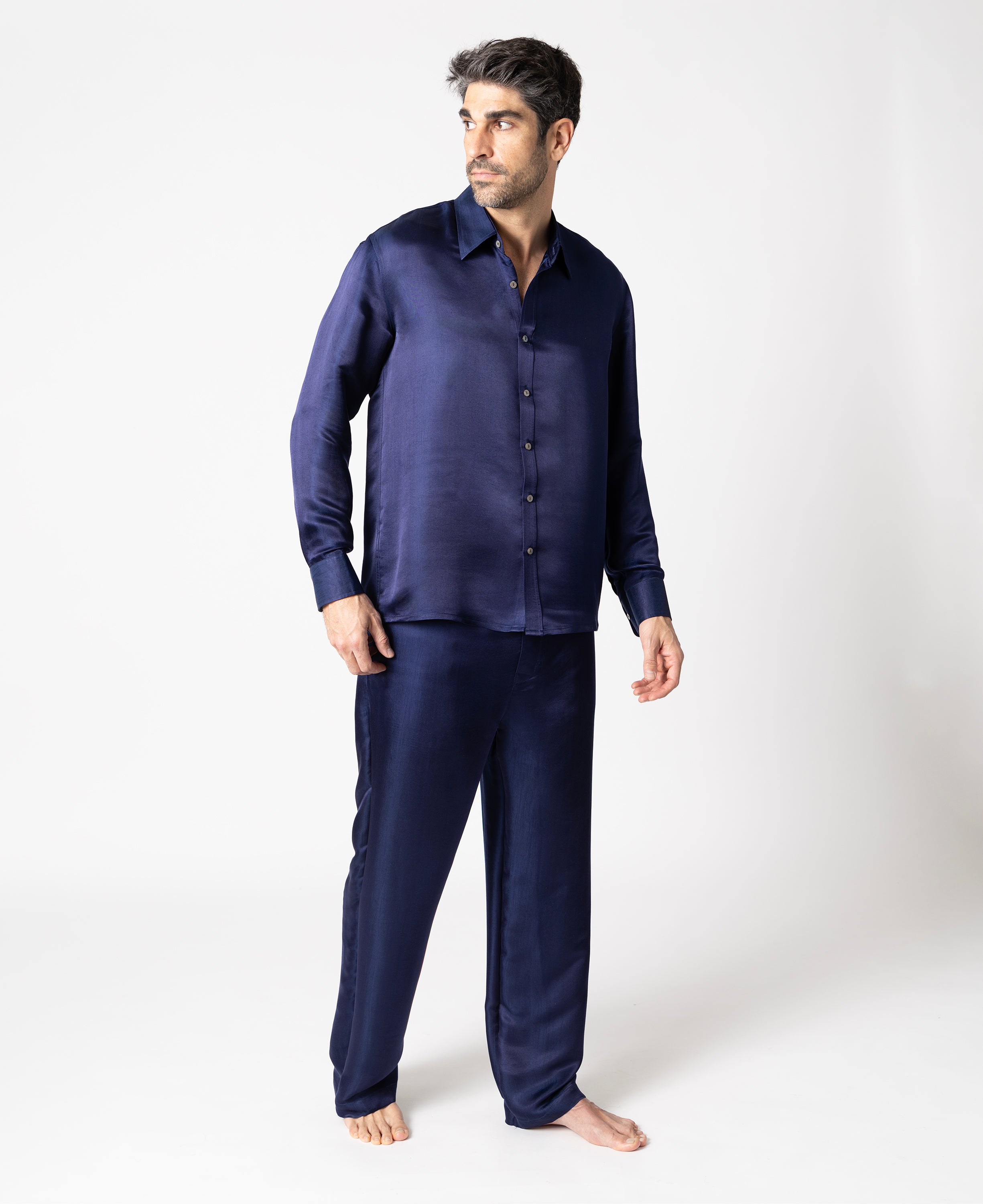
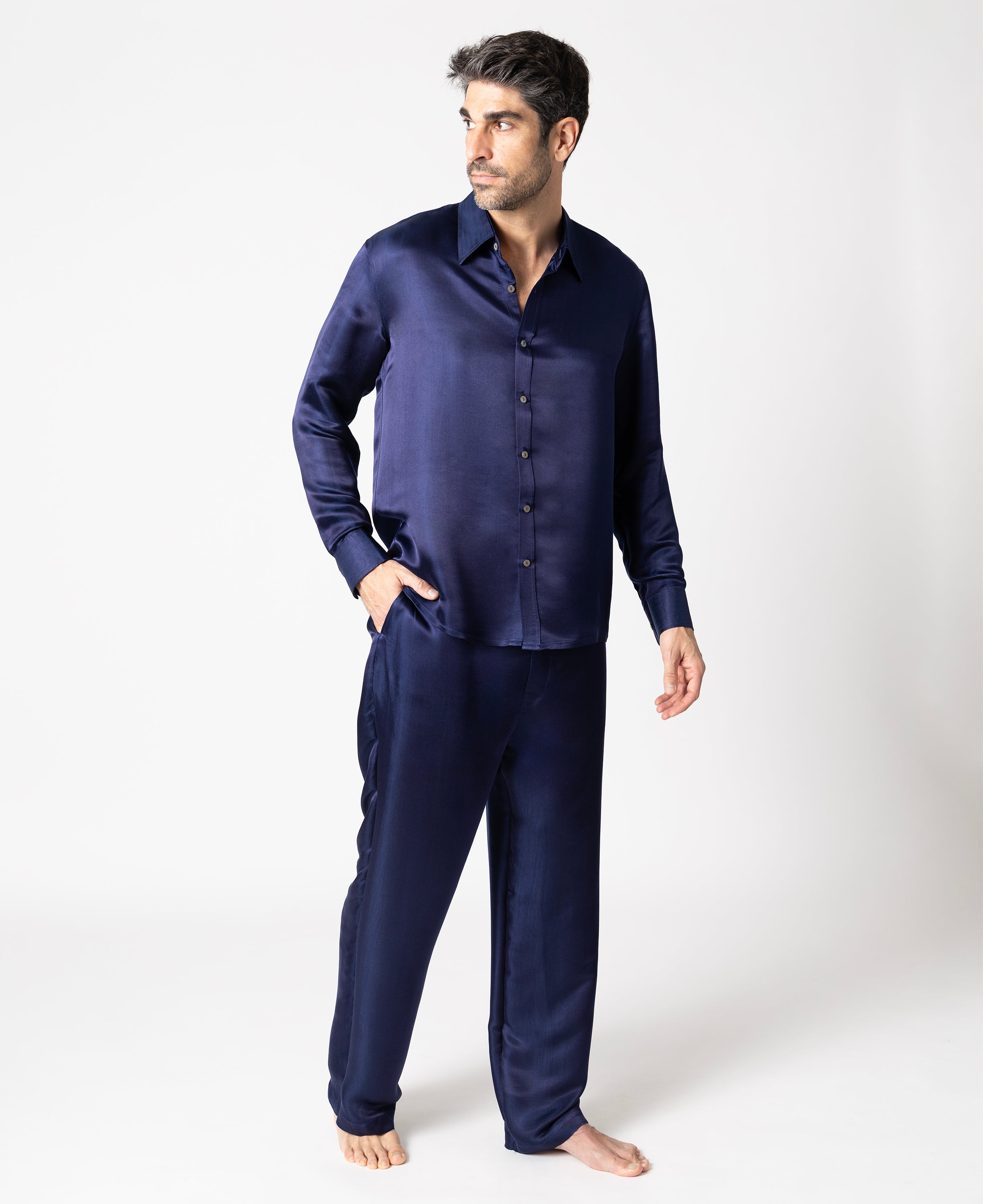
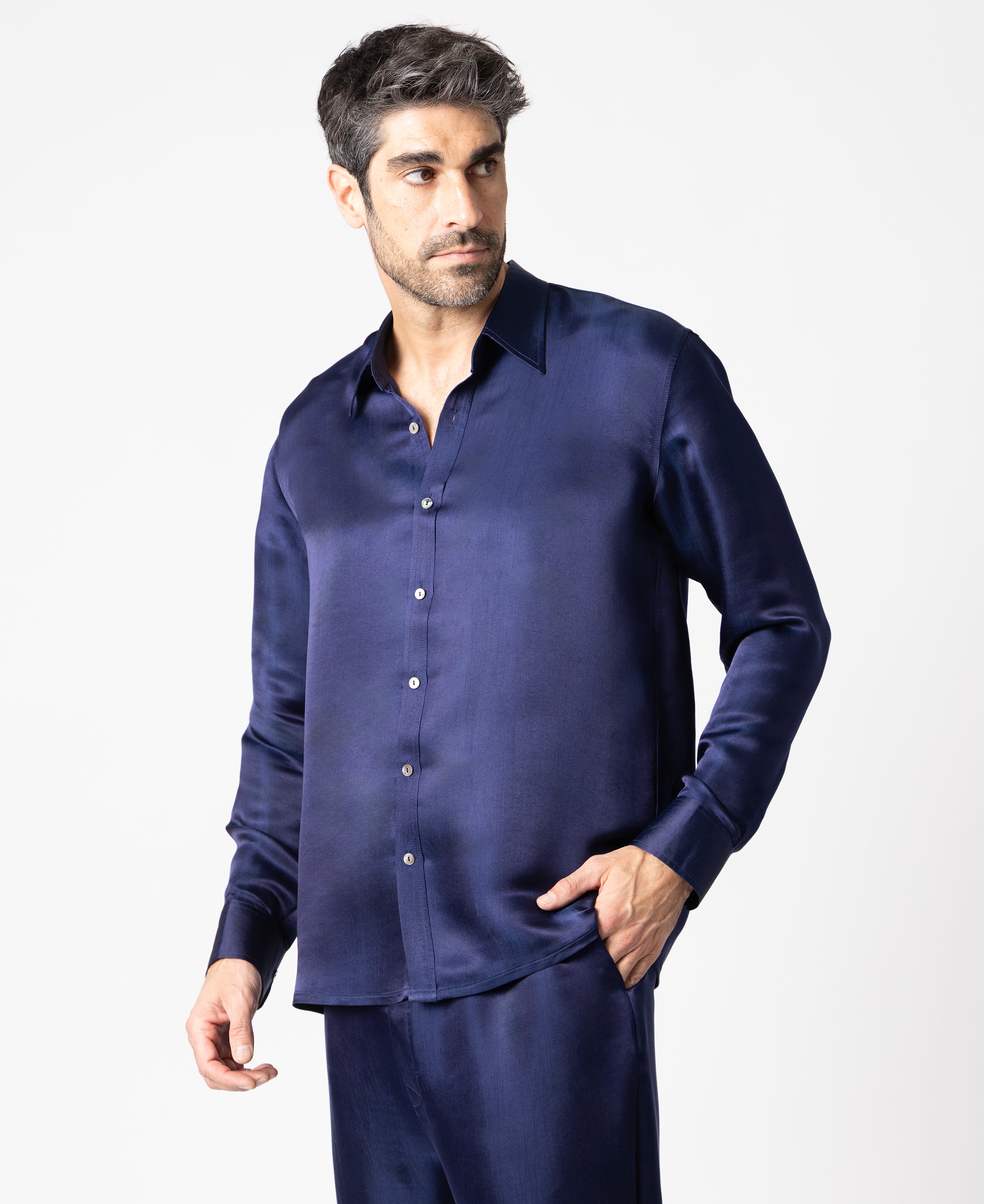
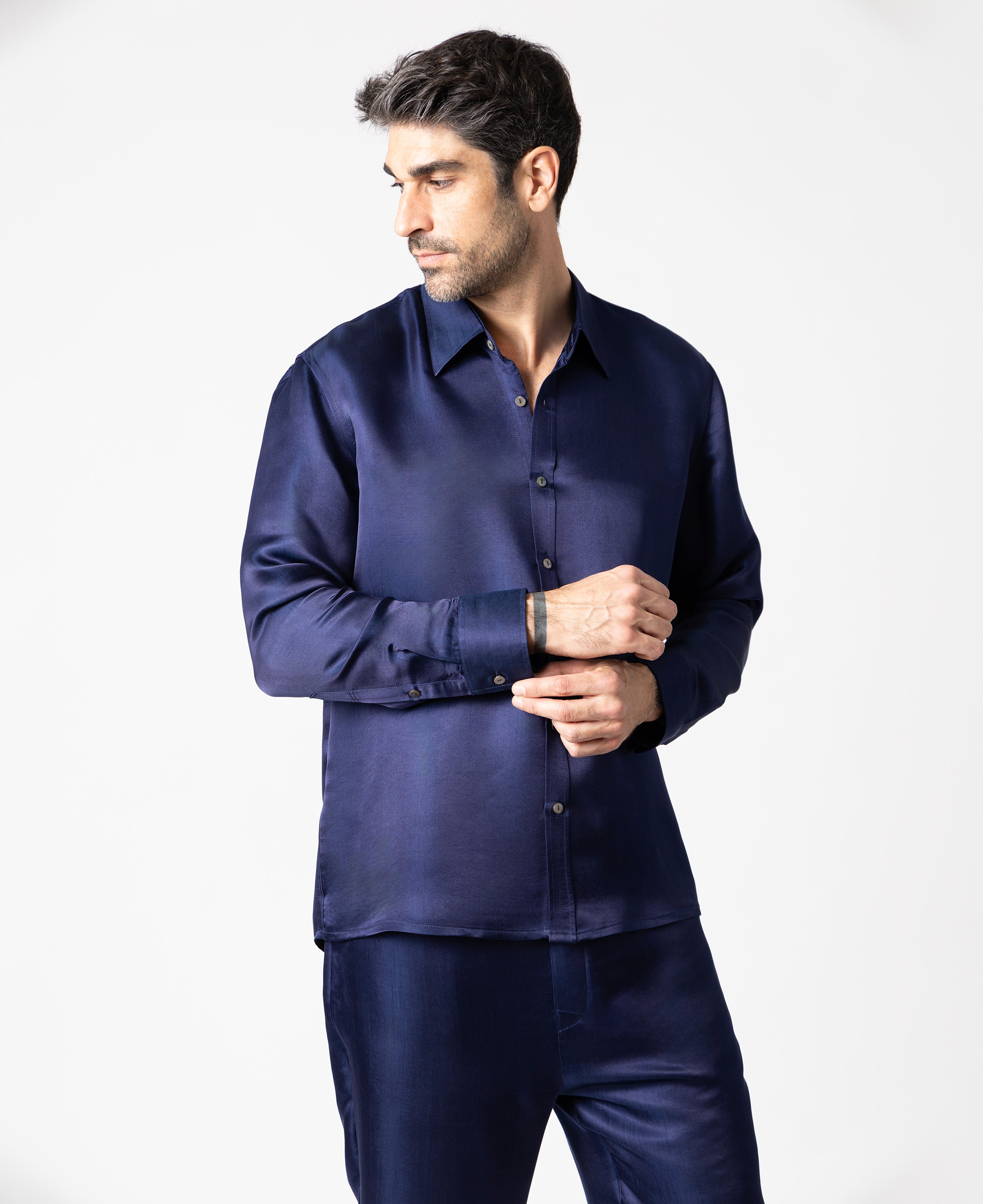
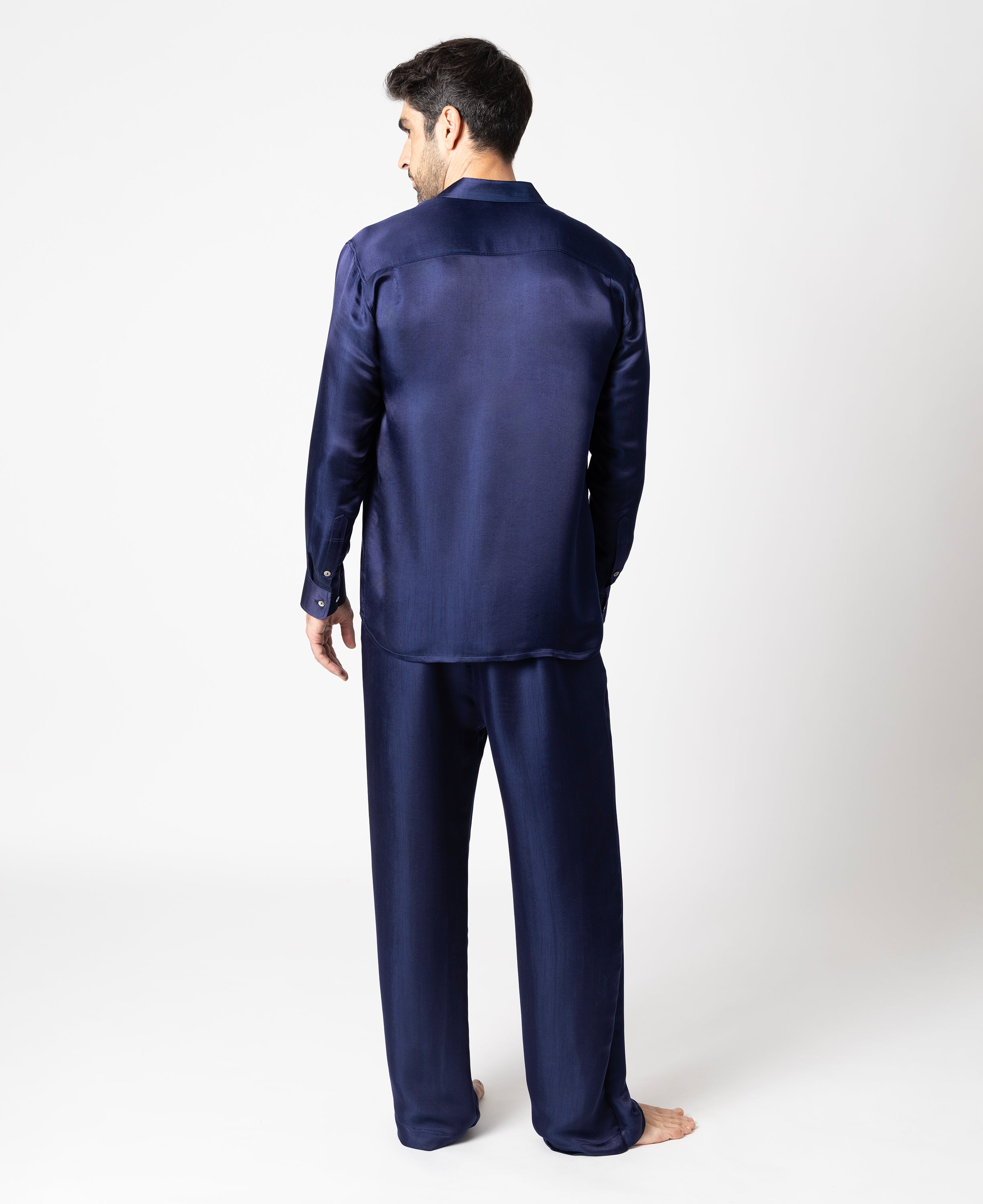
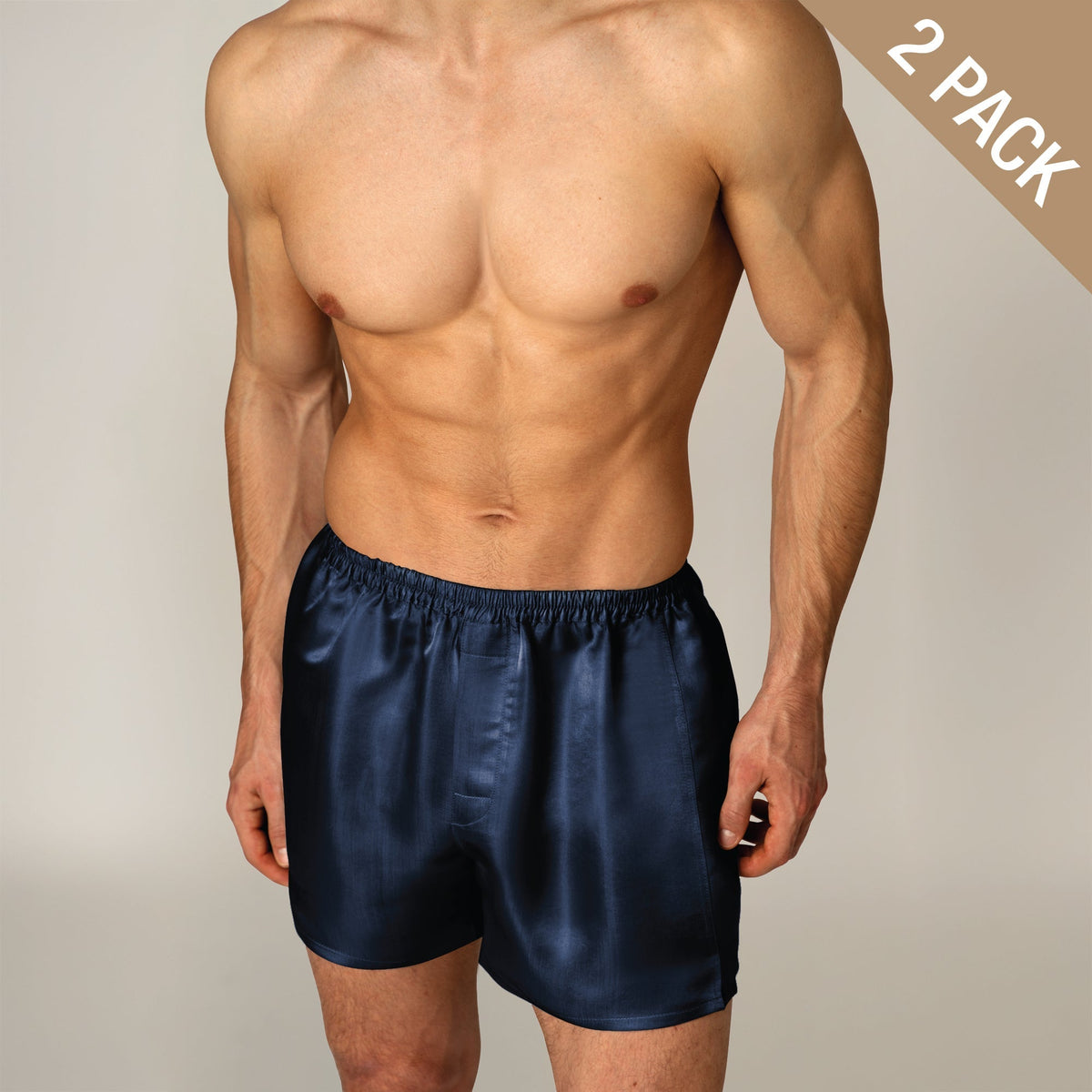
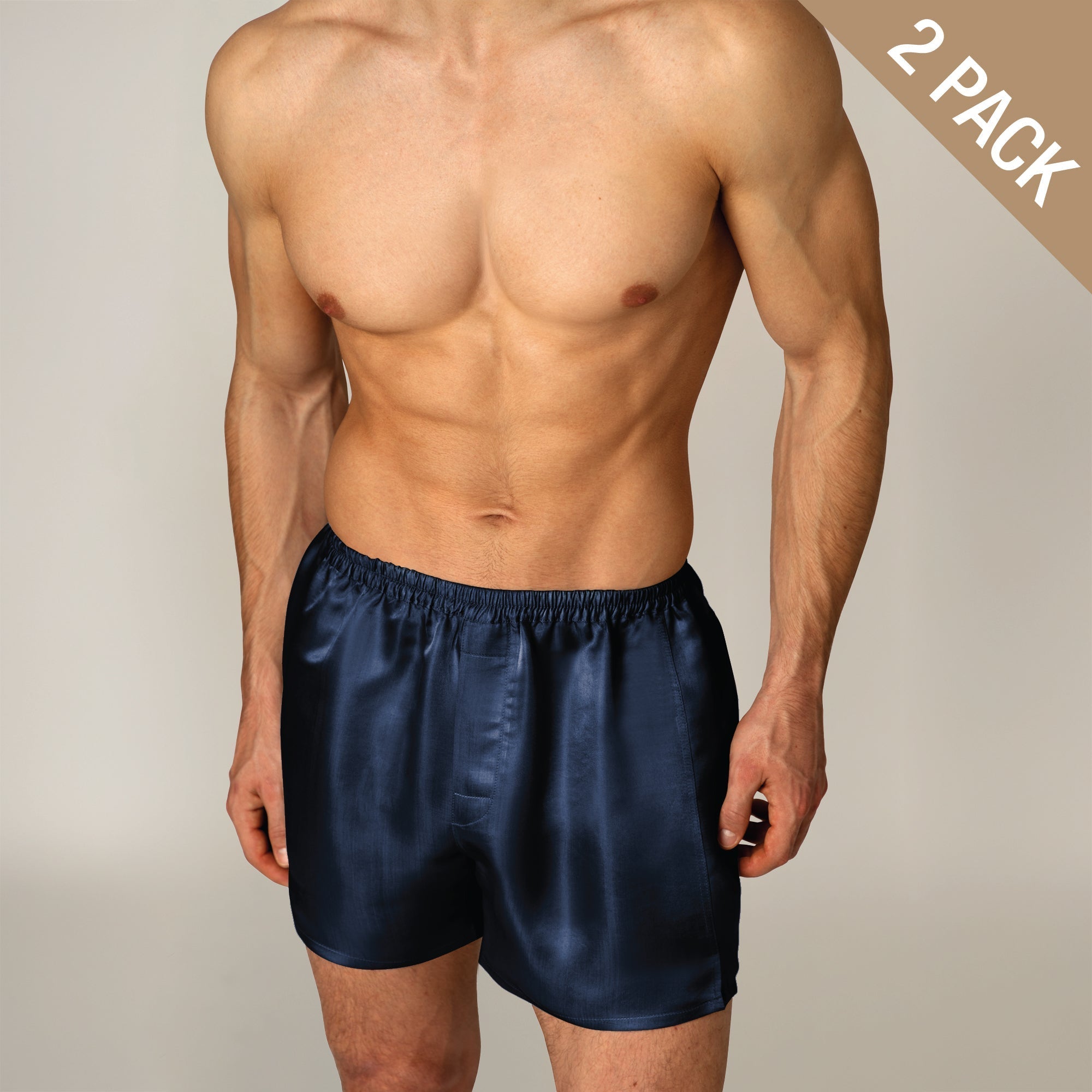
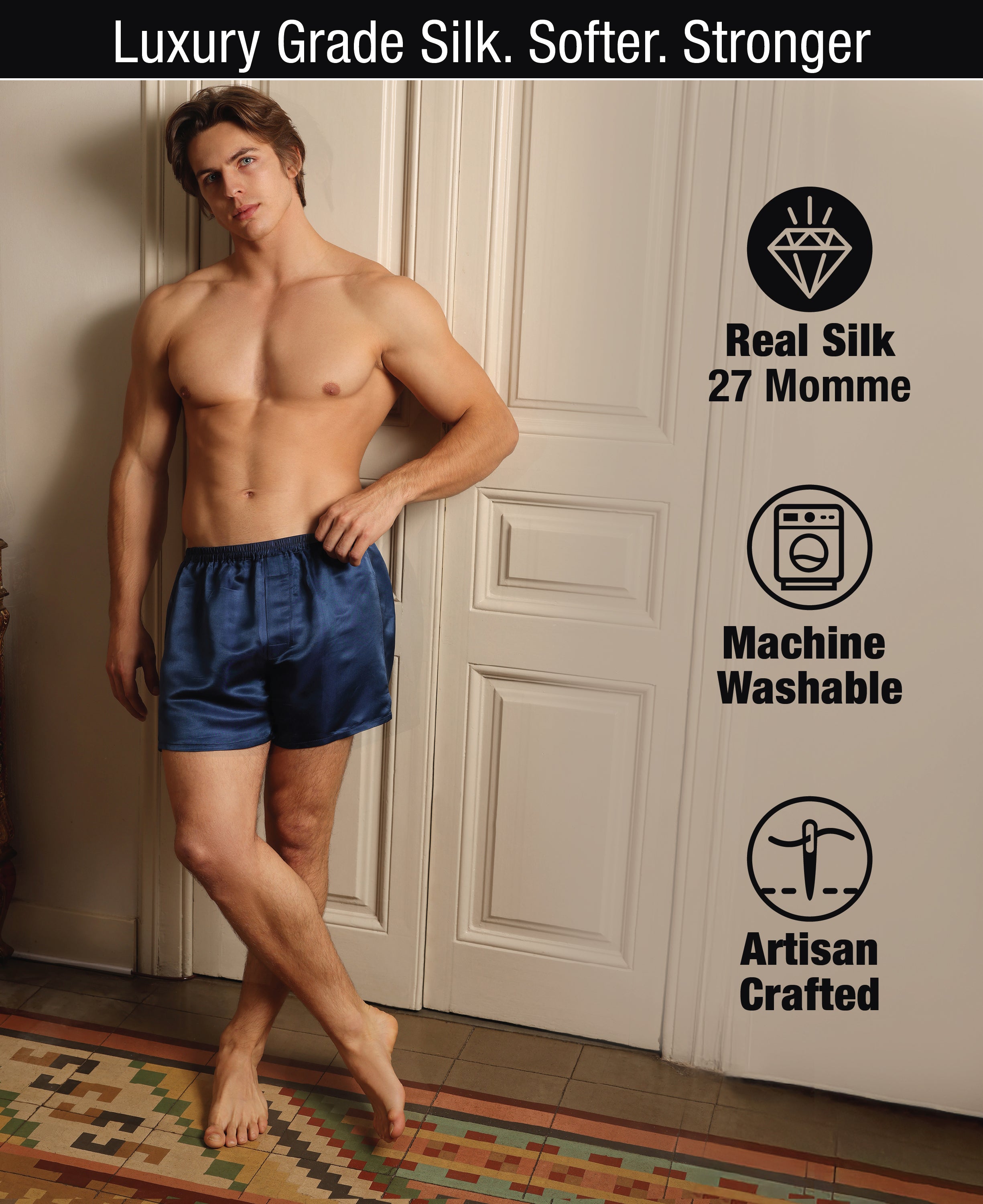
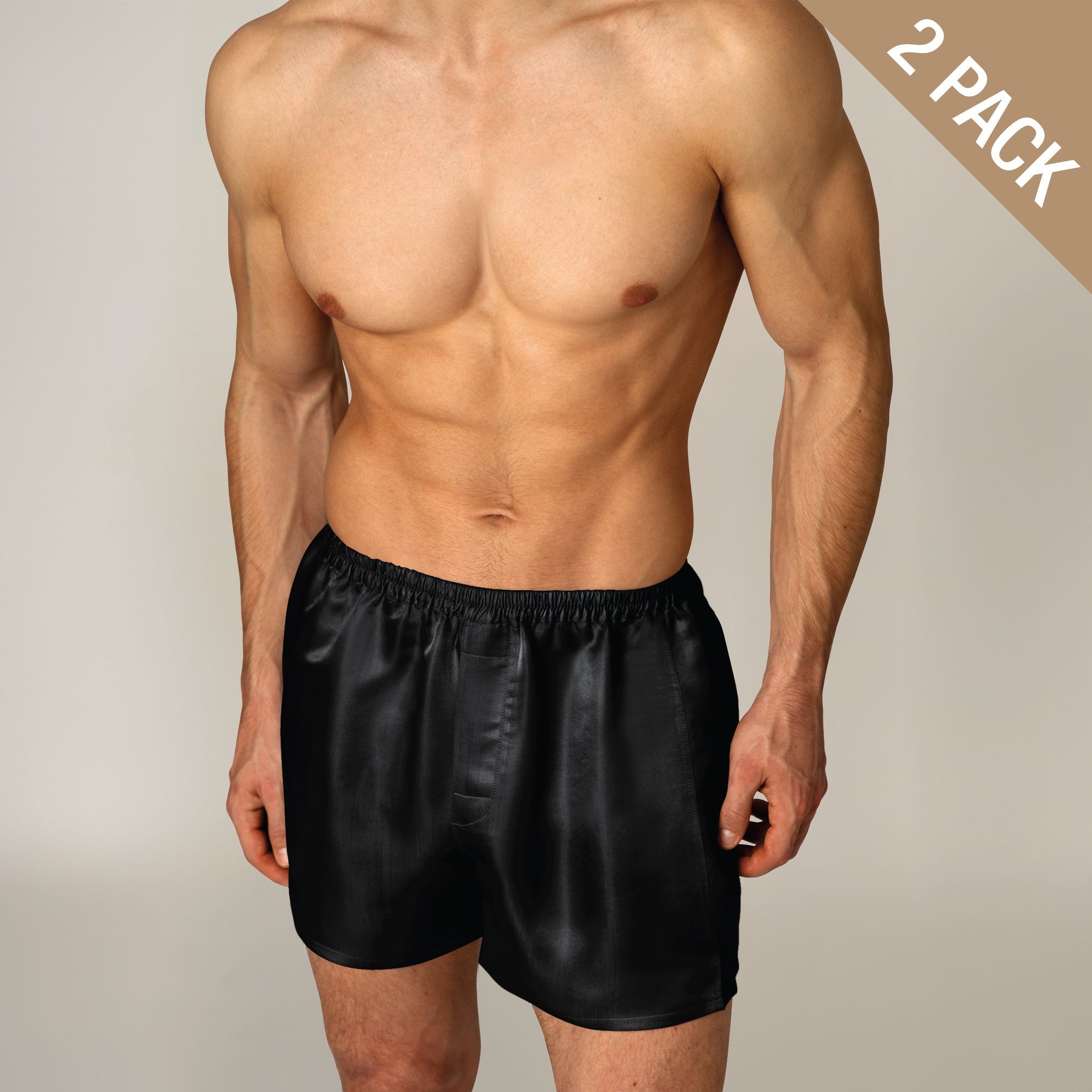
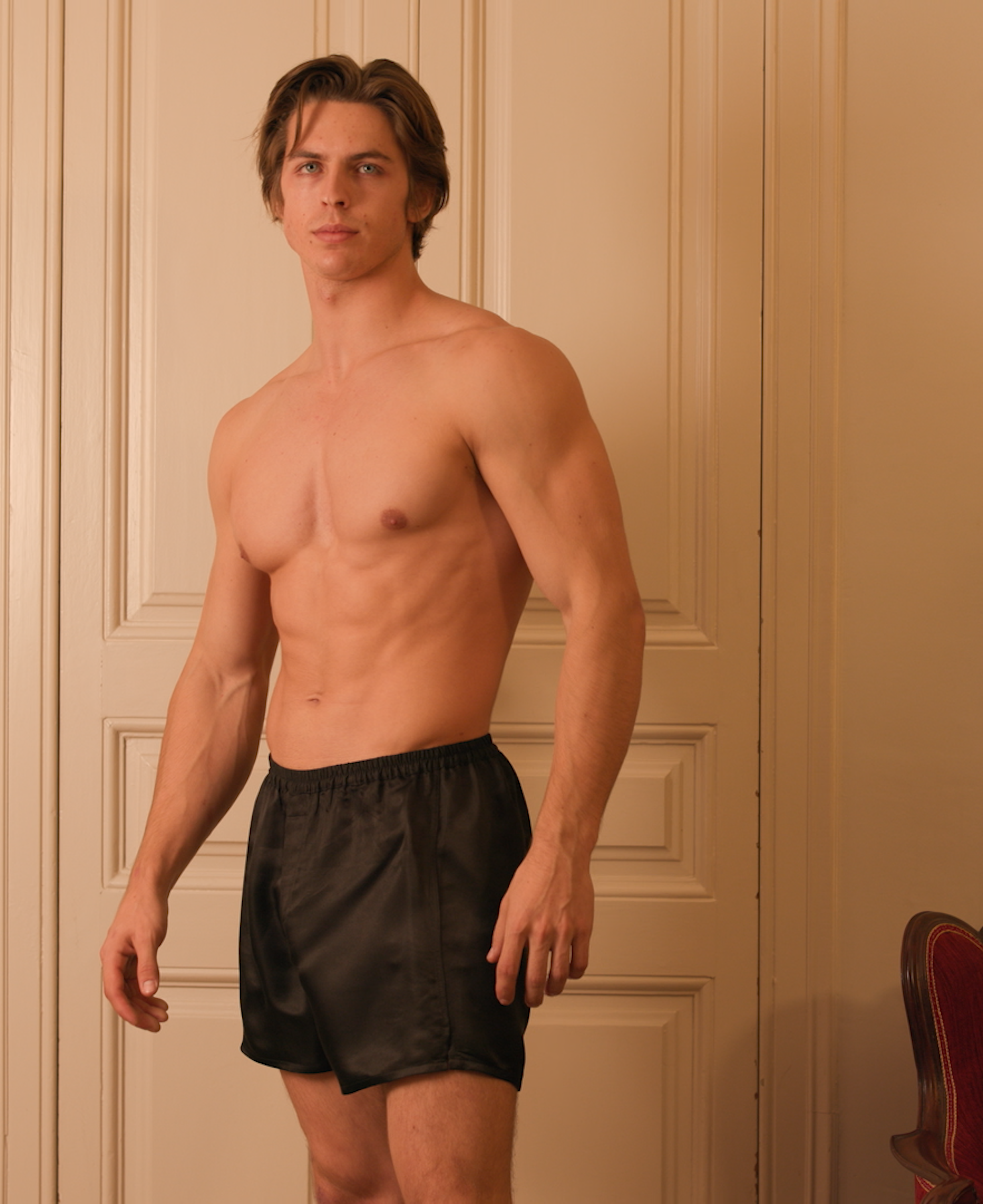
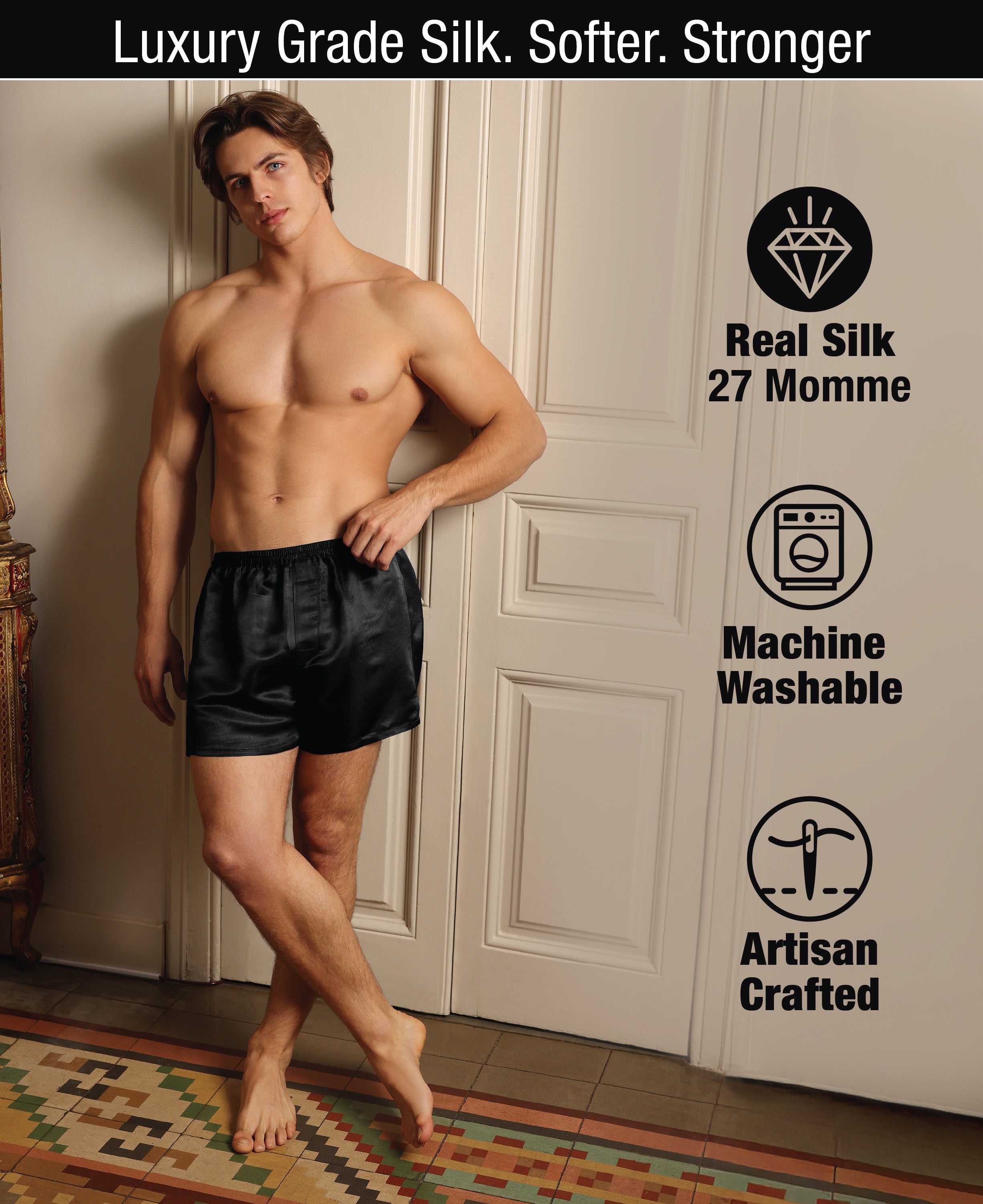
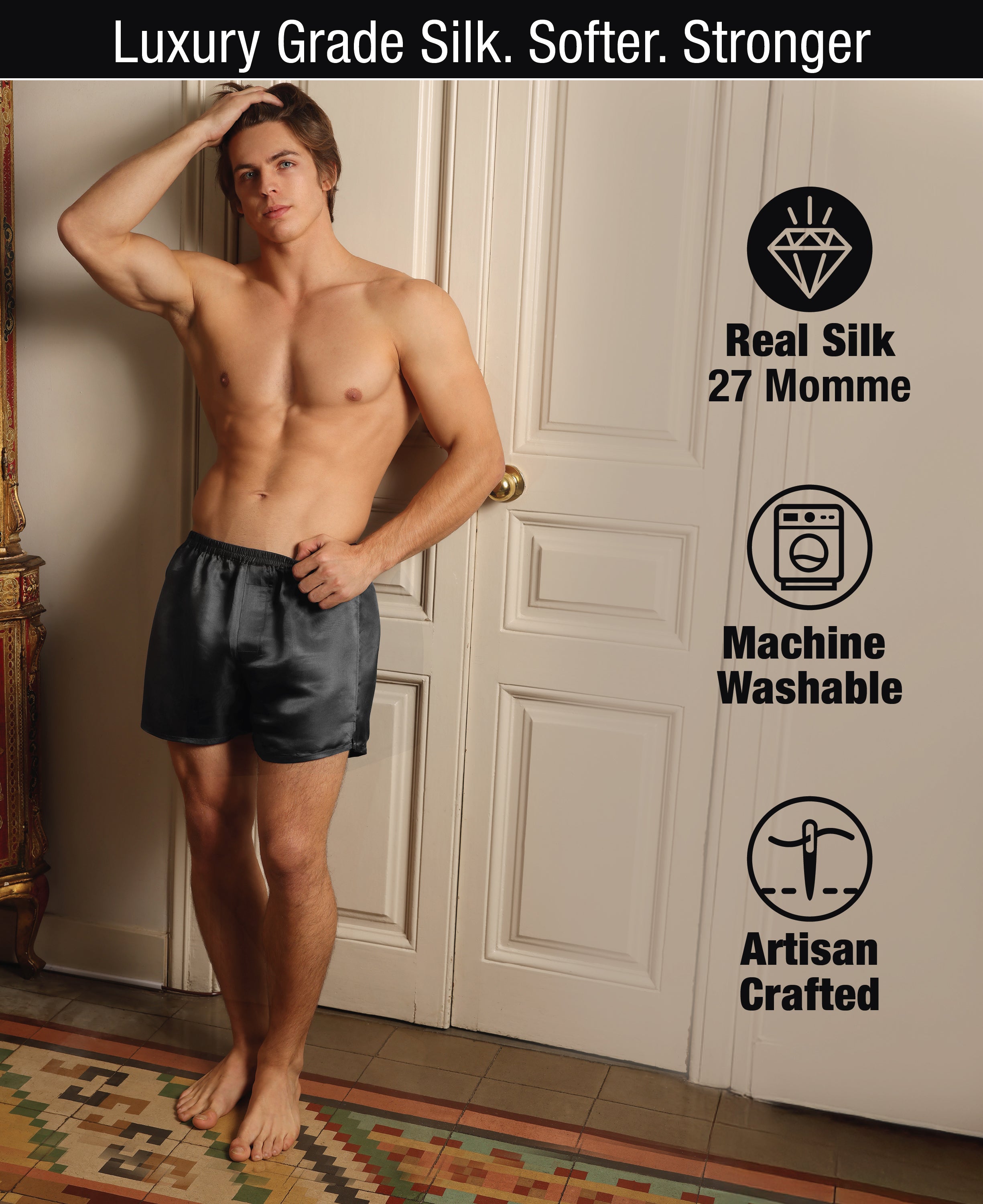
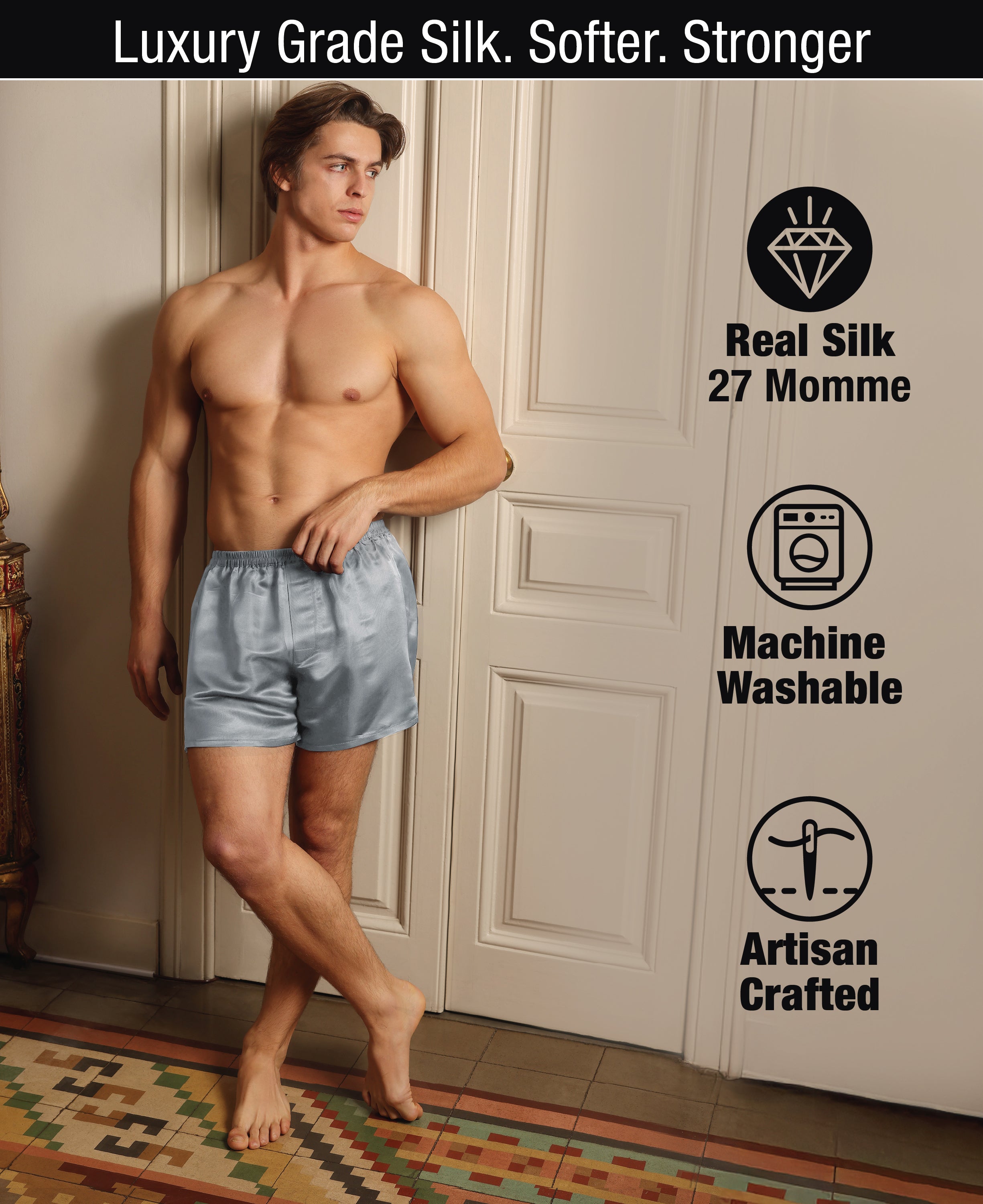
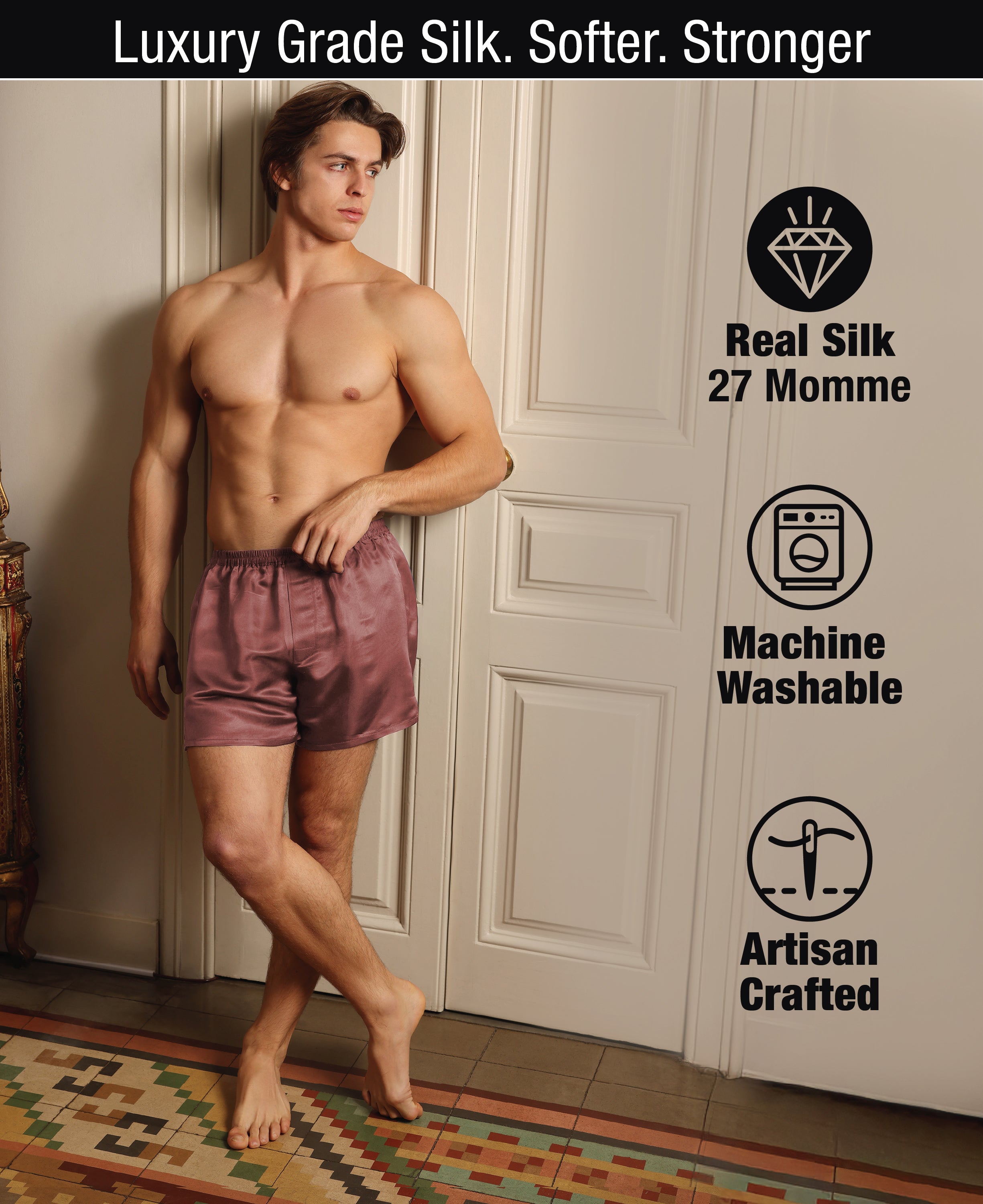
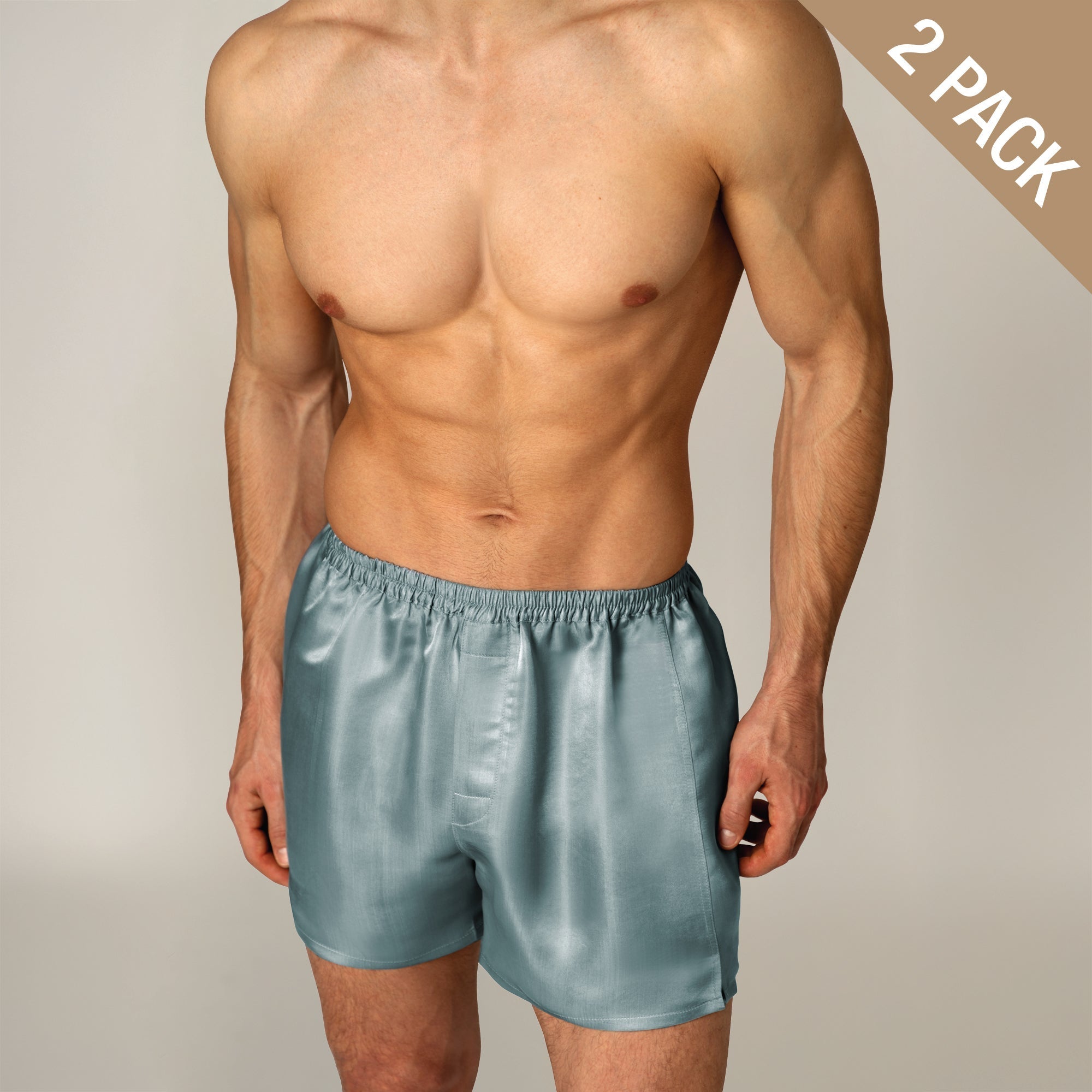
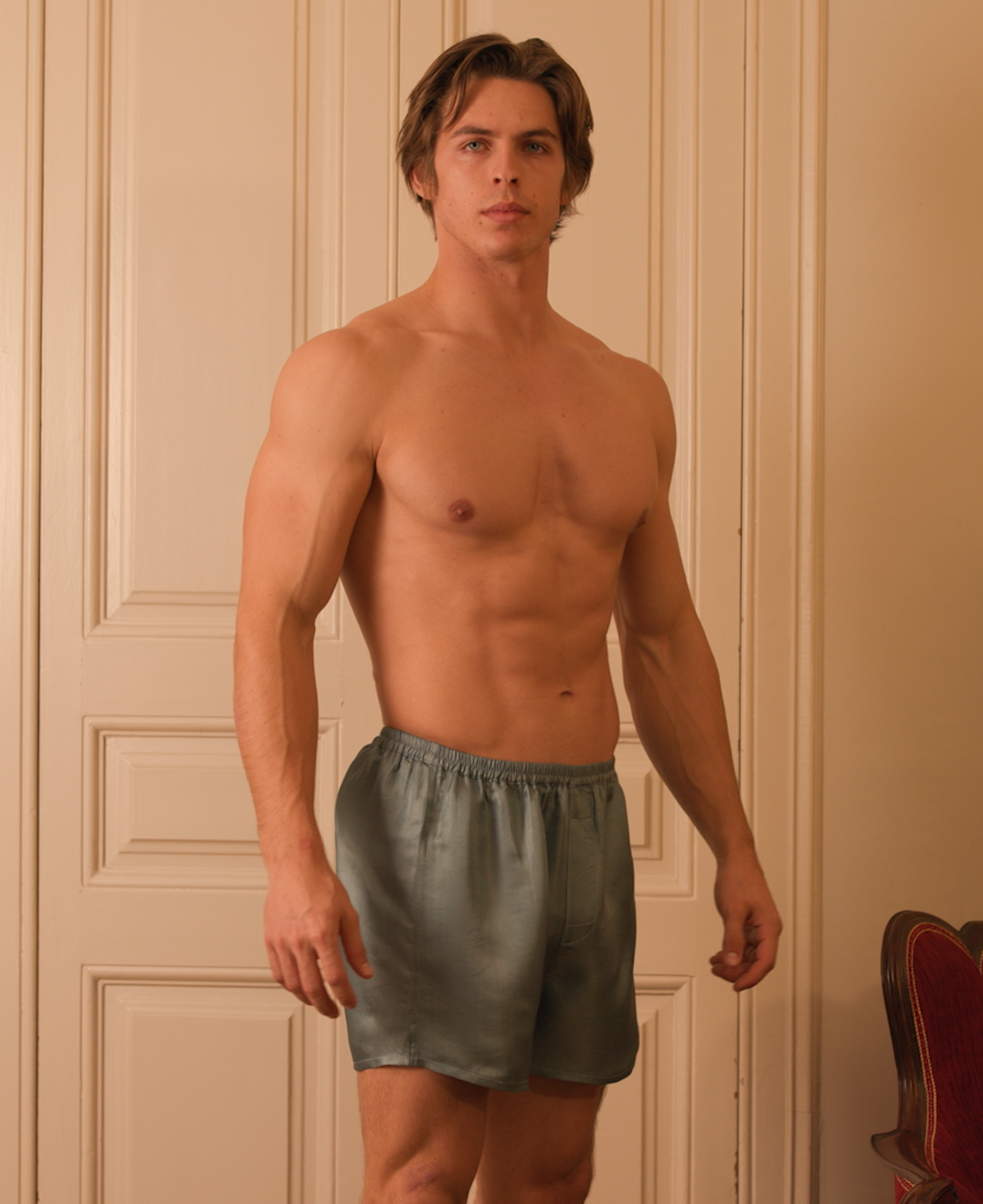
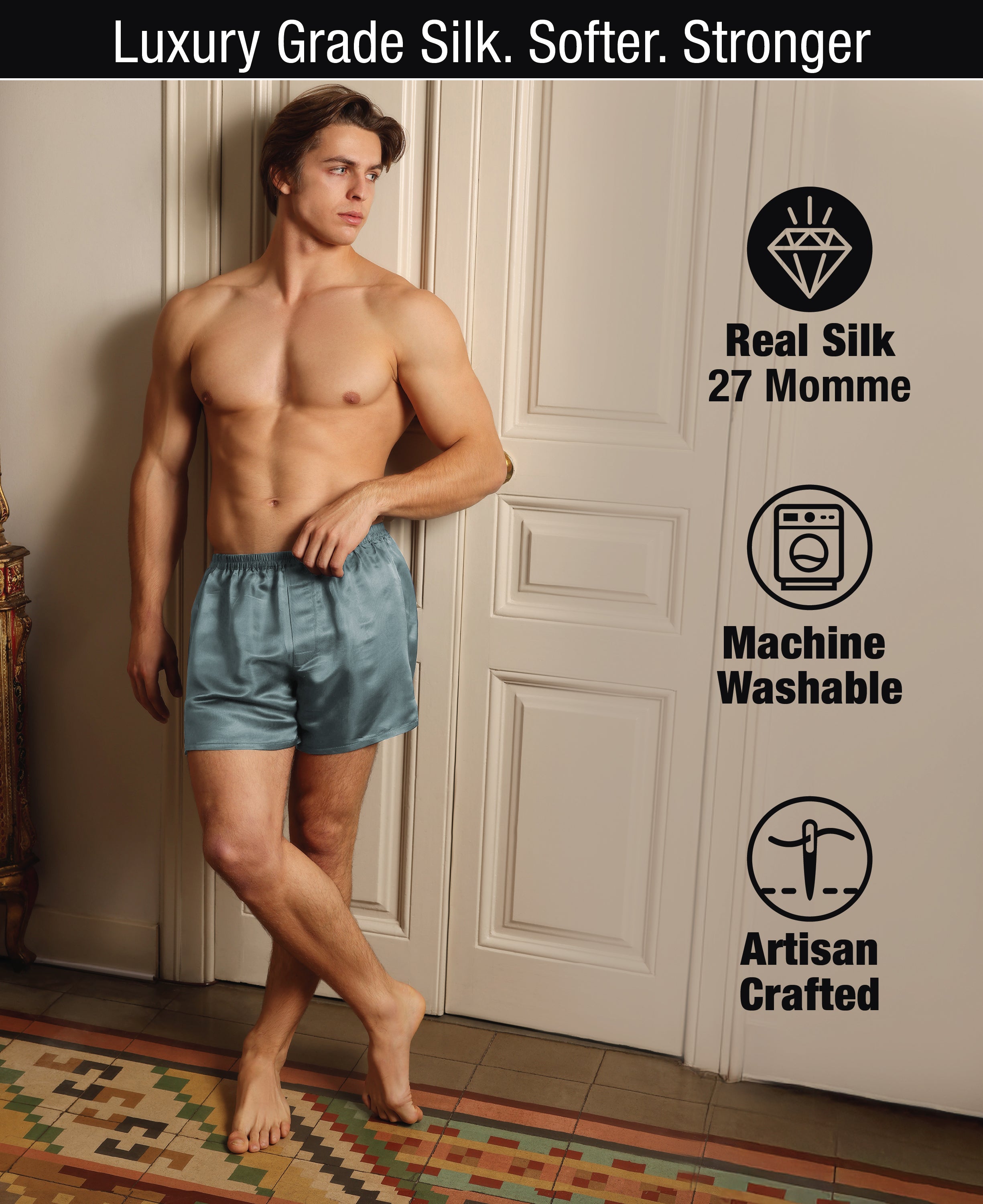
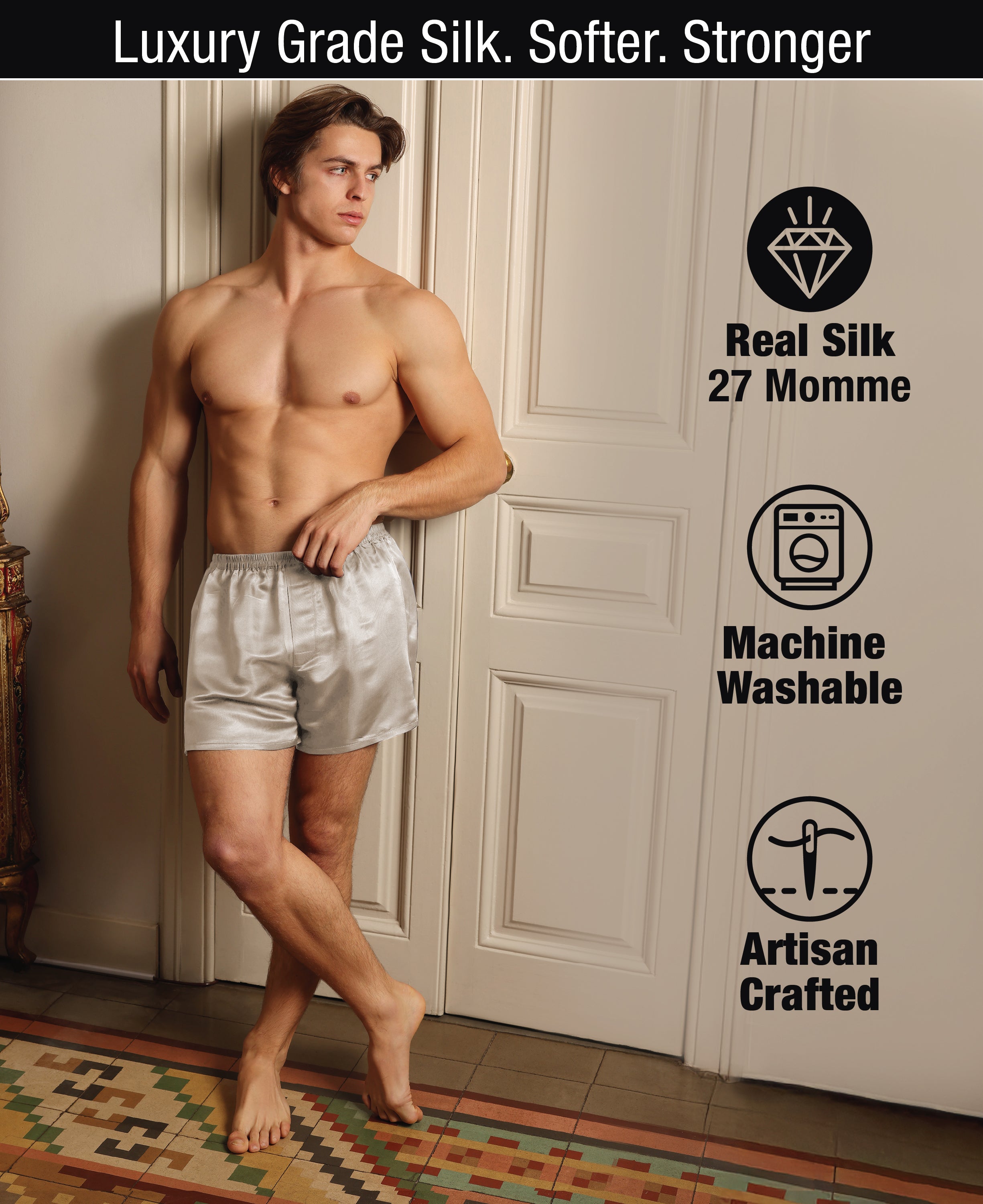
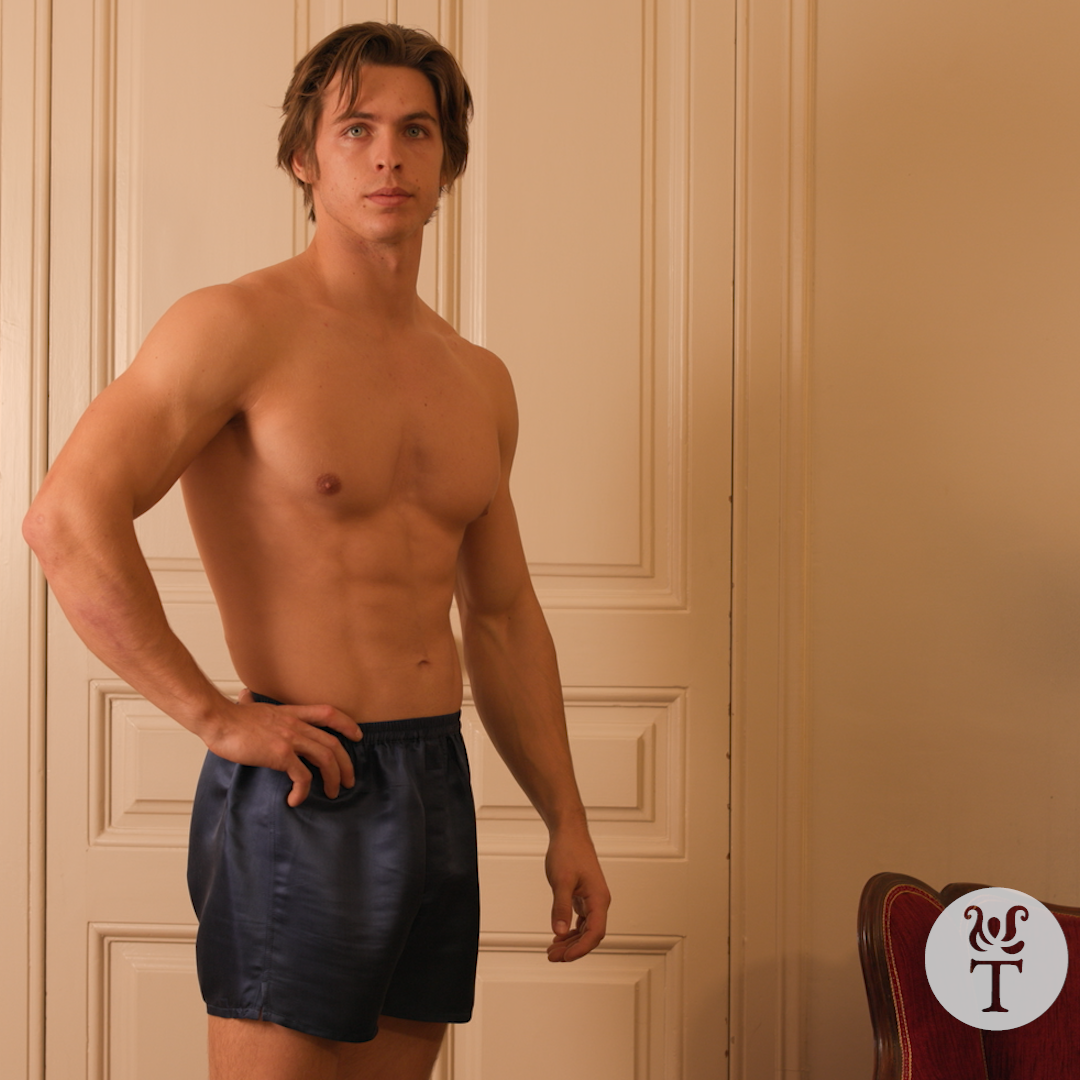
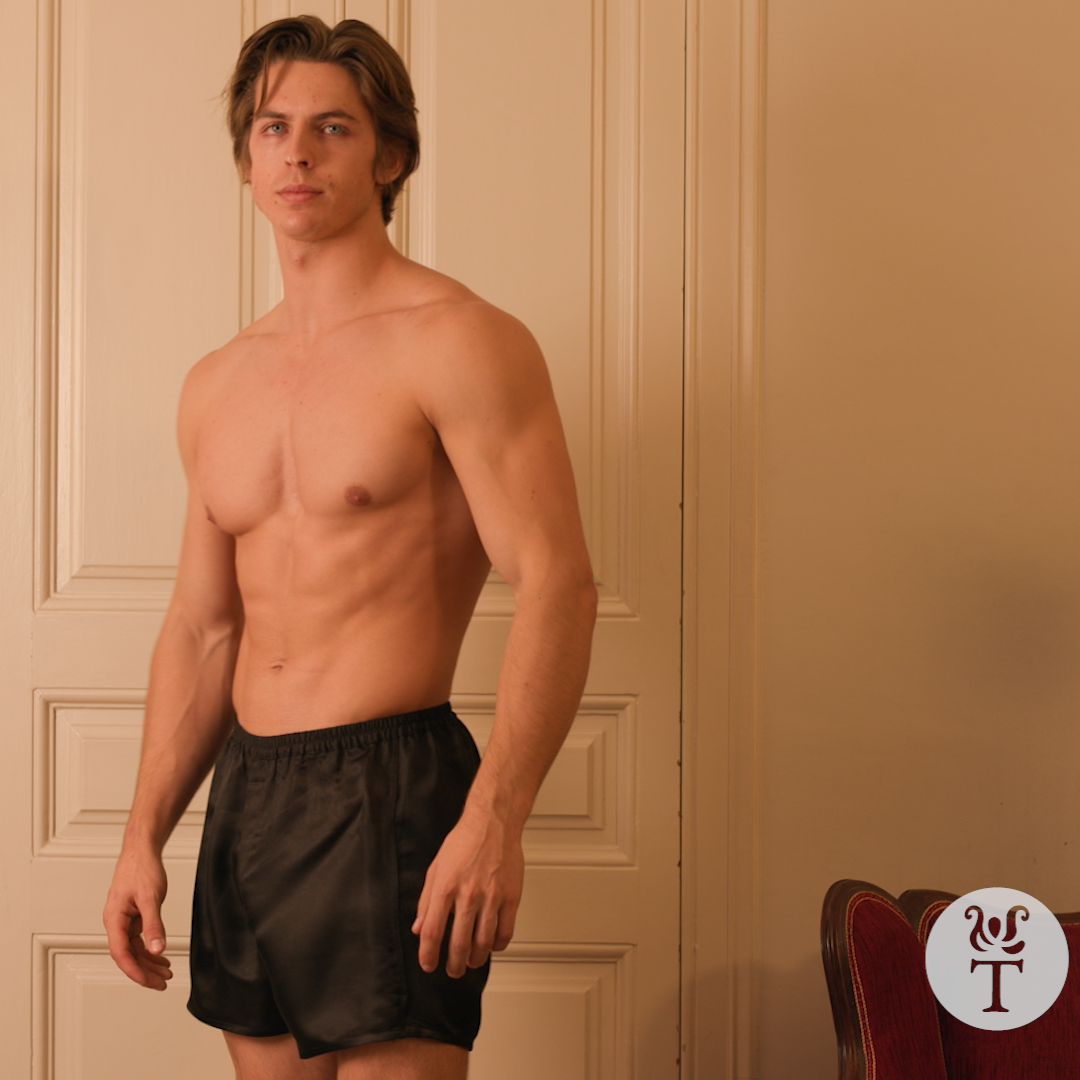
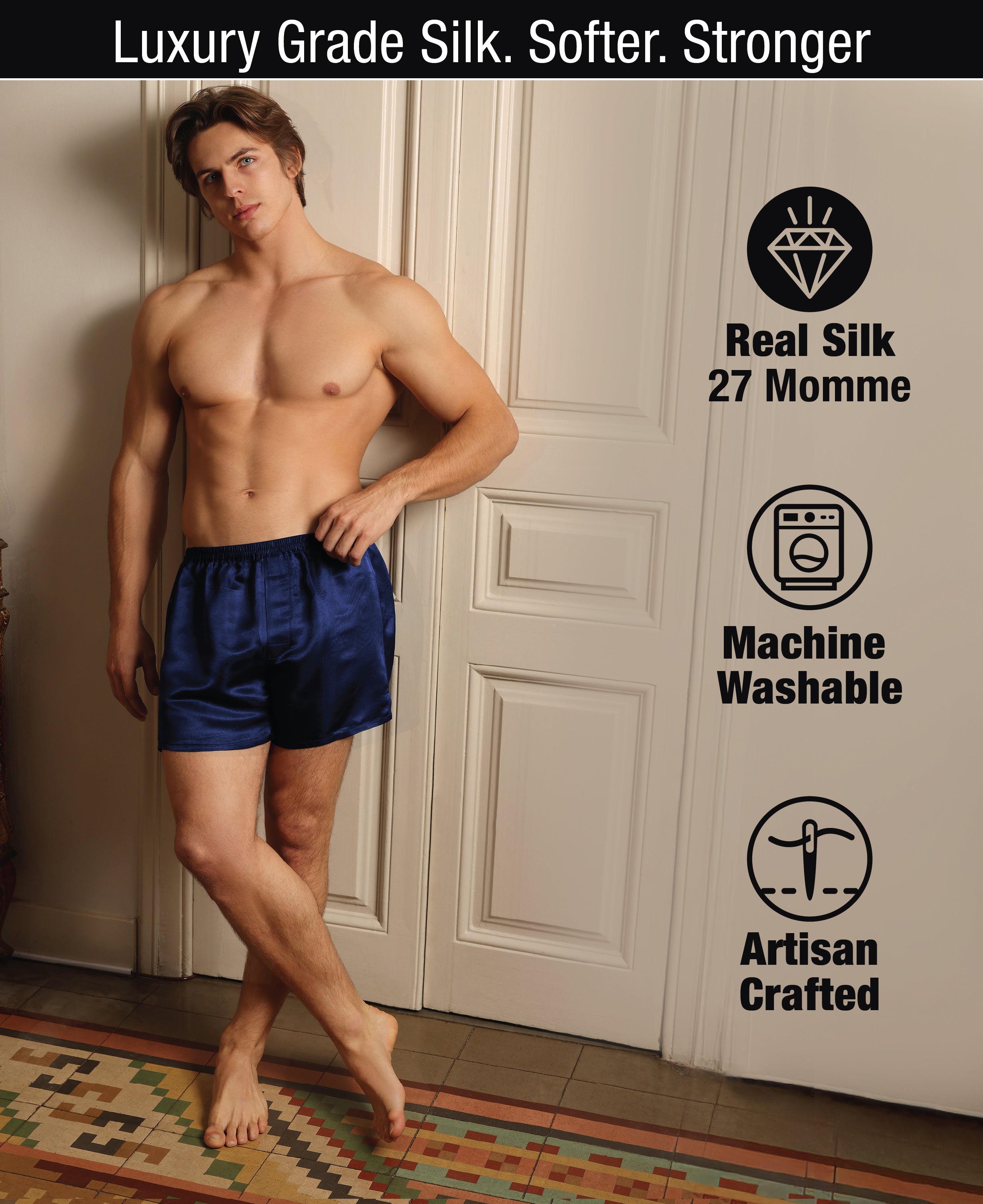
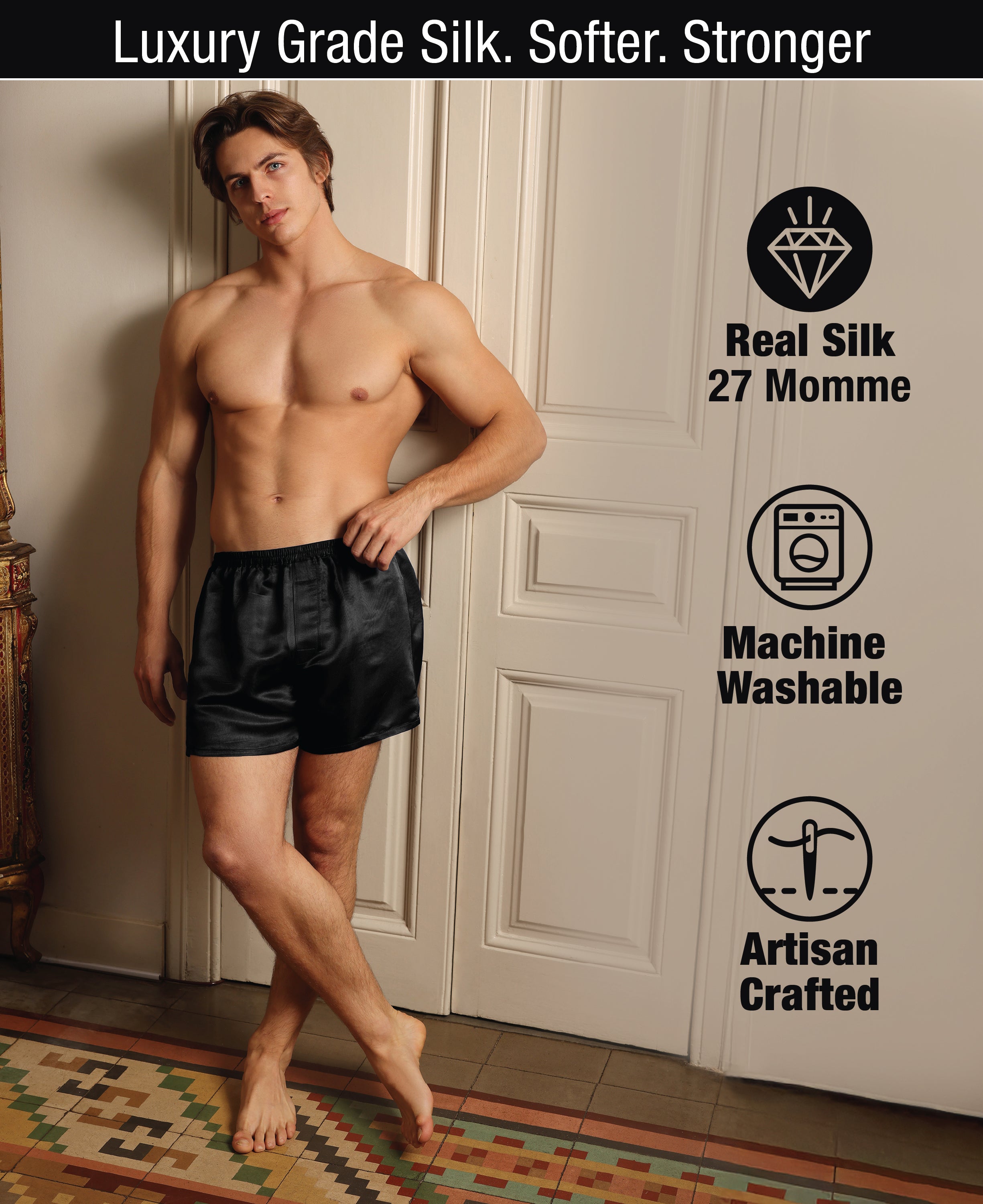
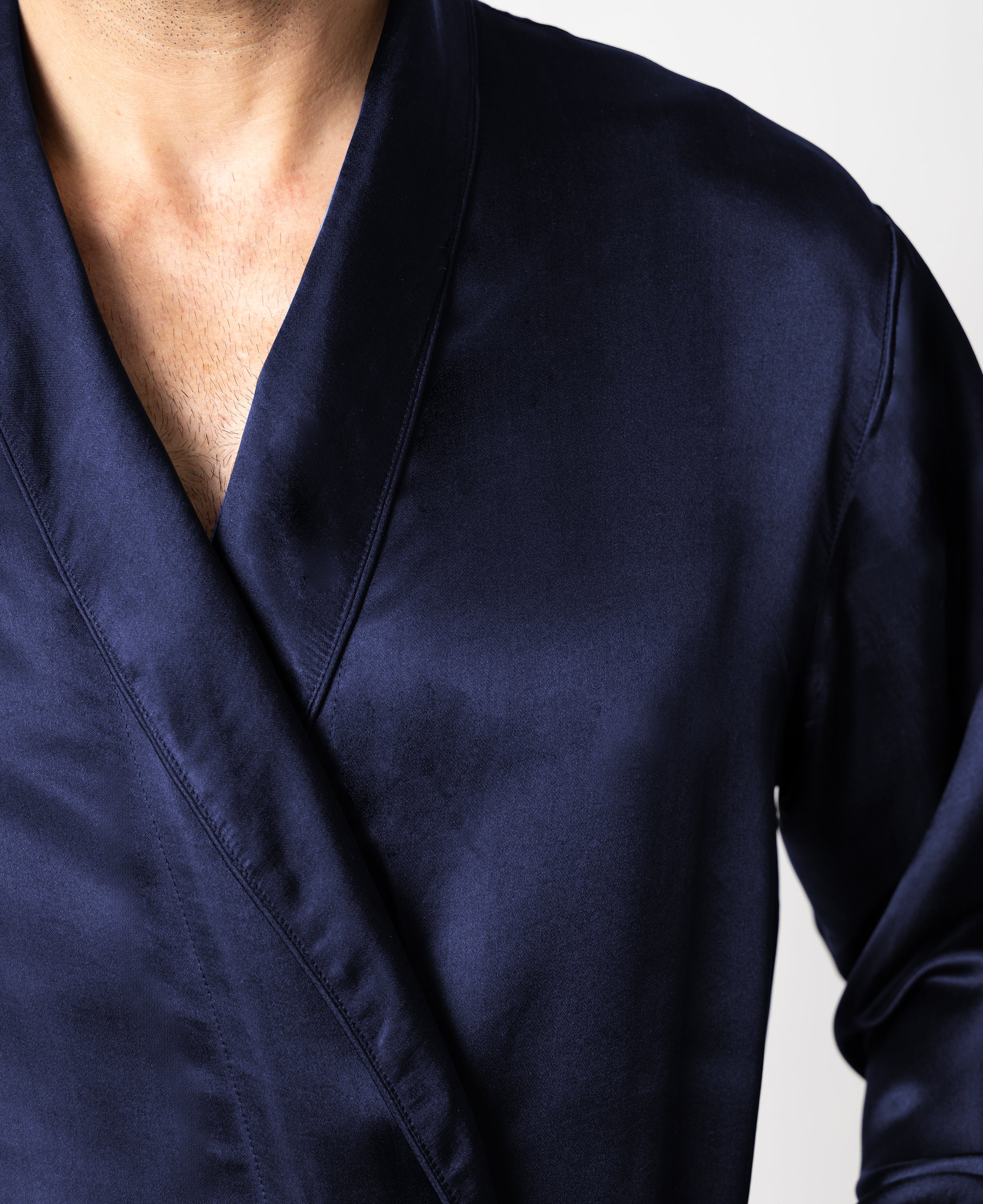
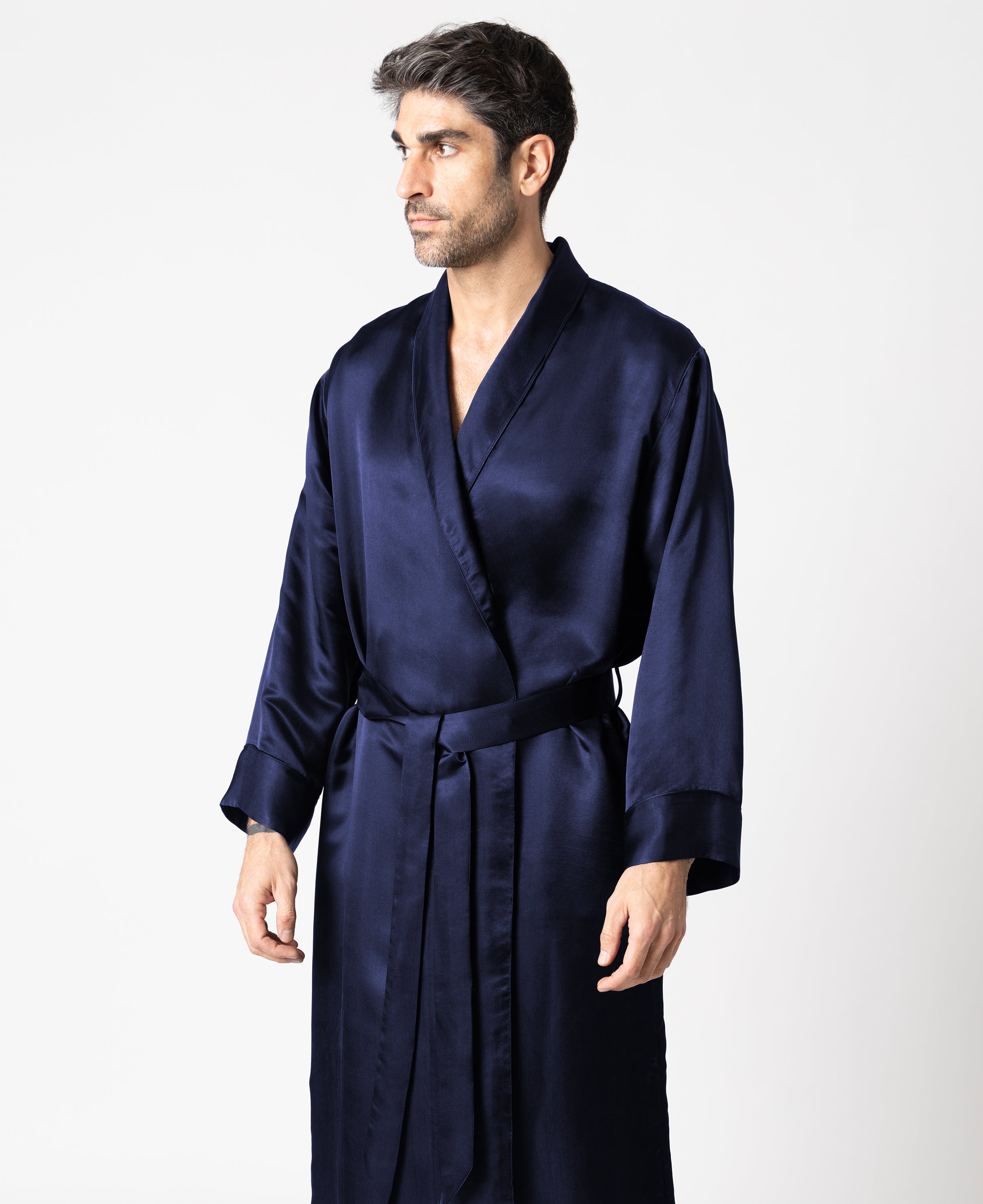
Tara Sartoria silk is made one piece at a time by master artisans in Vietnam's historic silk villages, woven on heritage looms, finished with French seams, machine washable, sized XS to 4XL, in 27 momme mulberry silk. Most "luxury silk" on the market is factory silk in a nicer photograph.
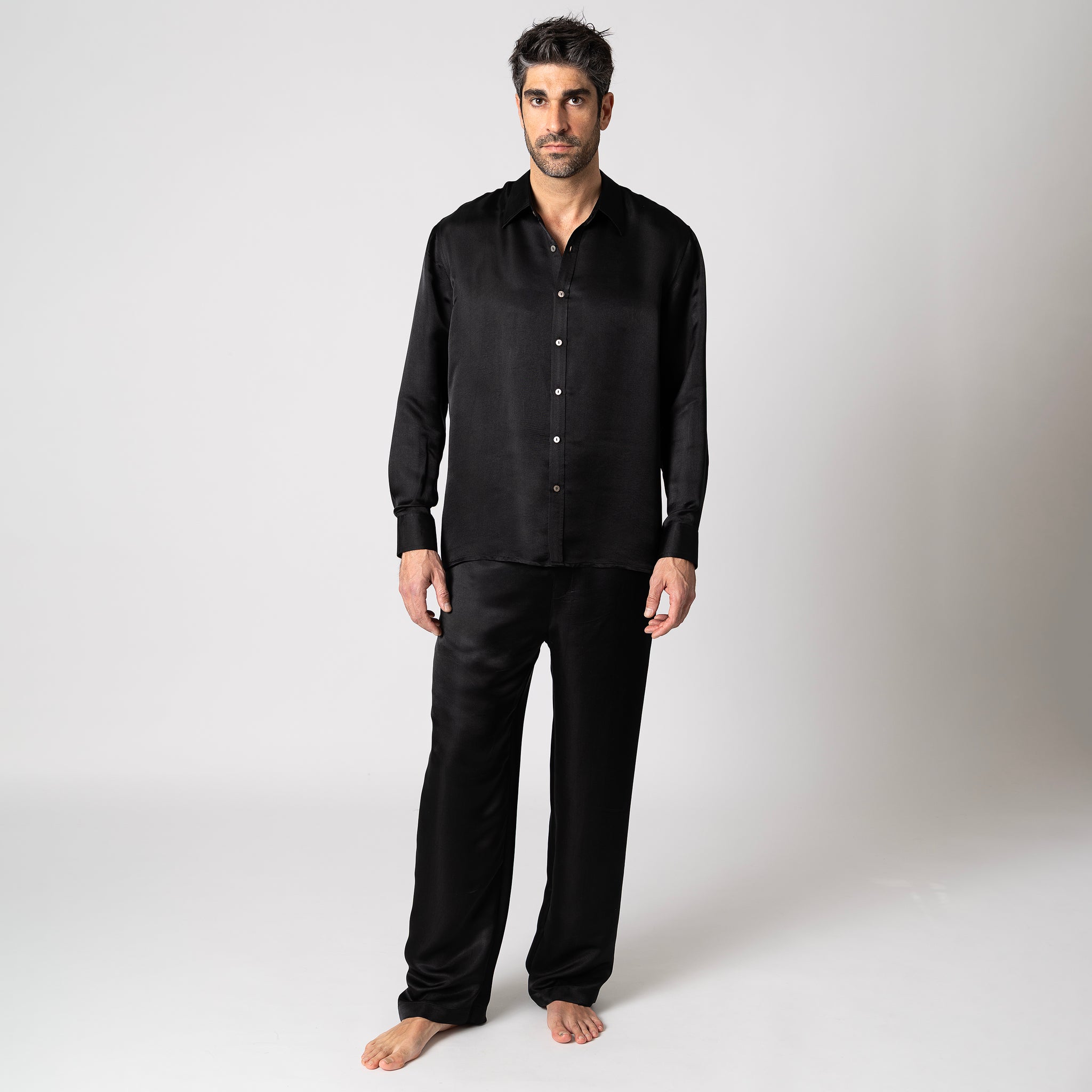
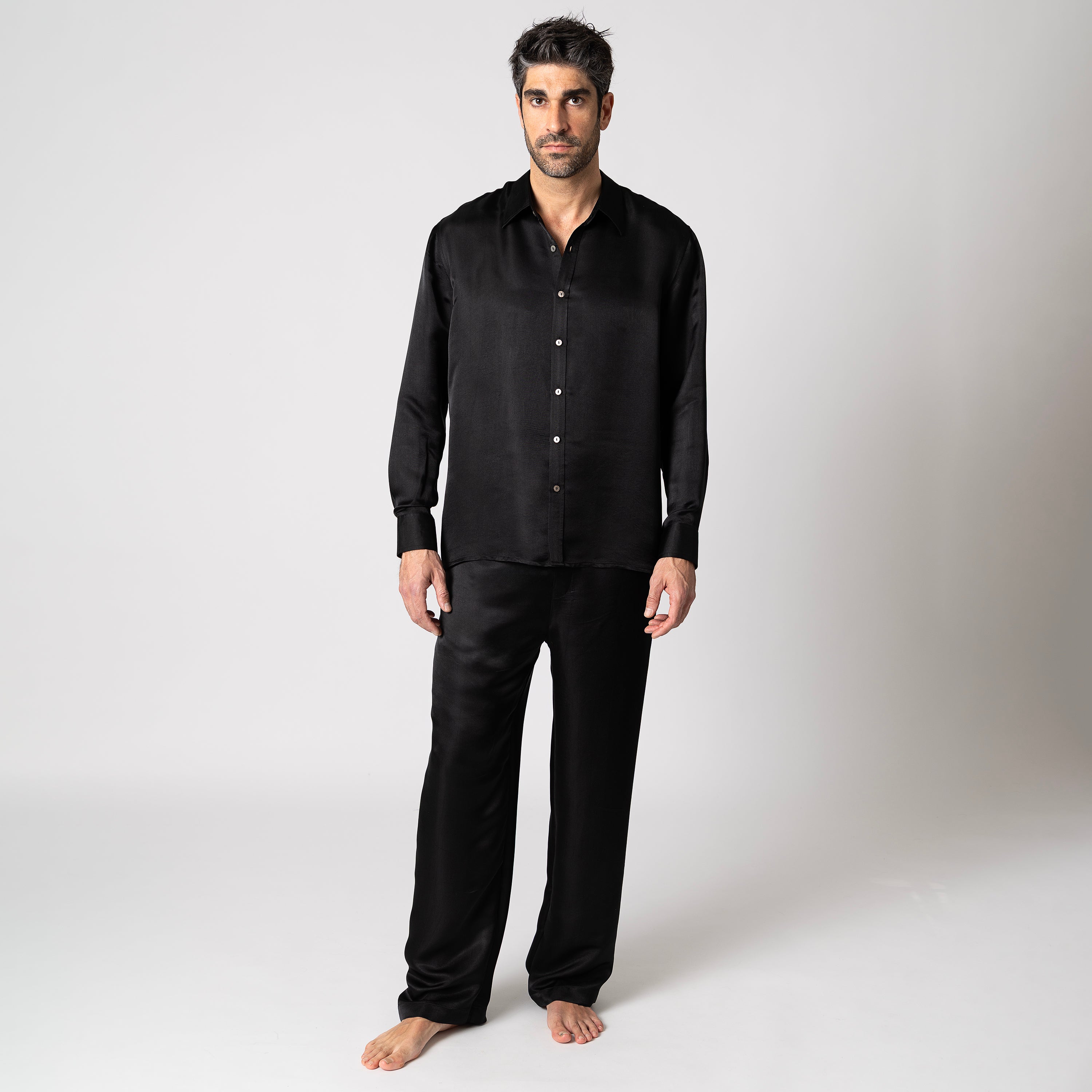
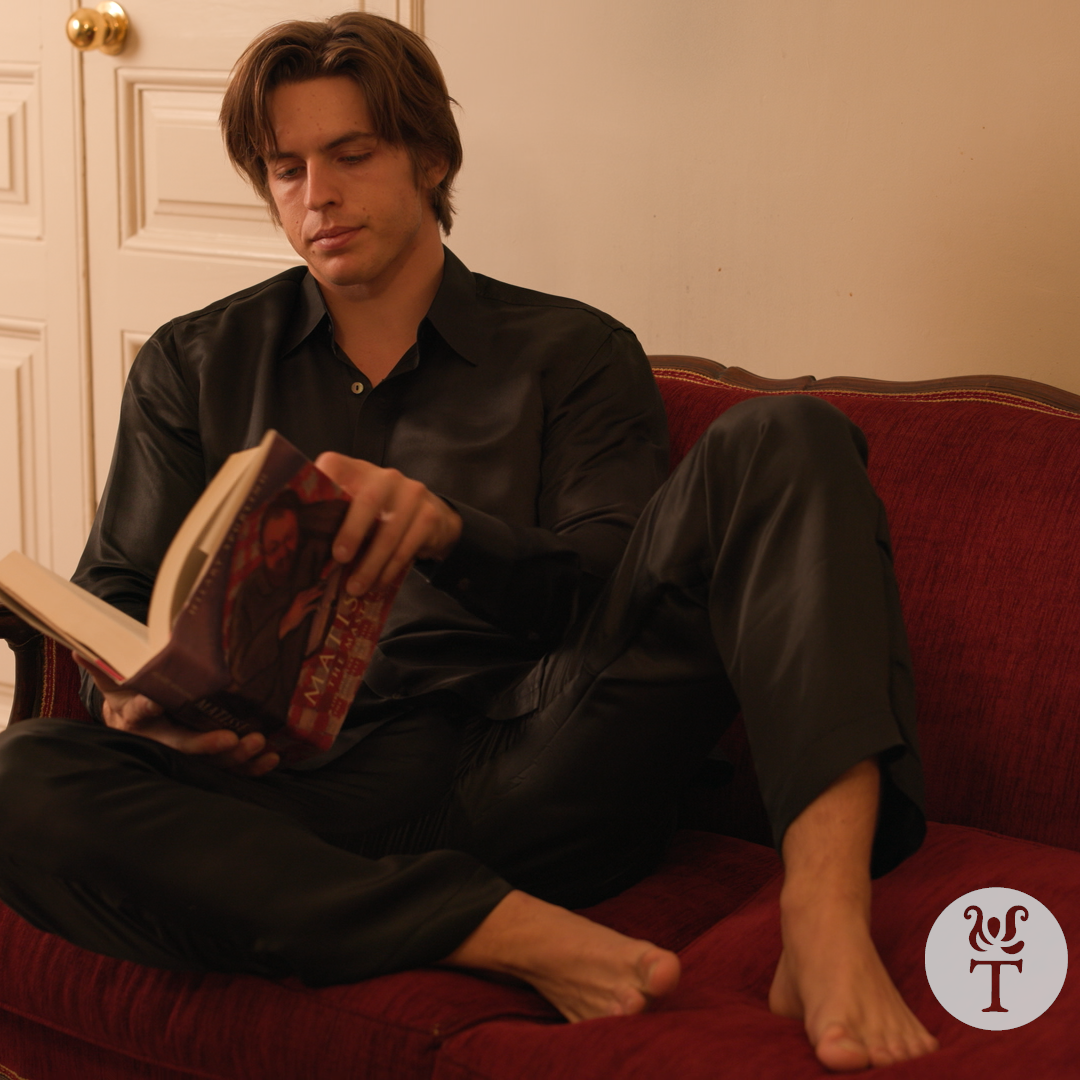
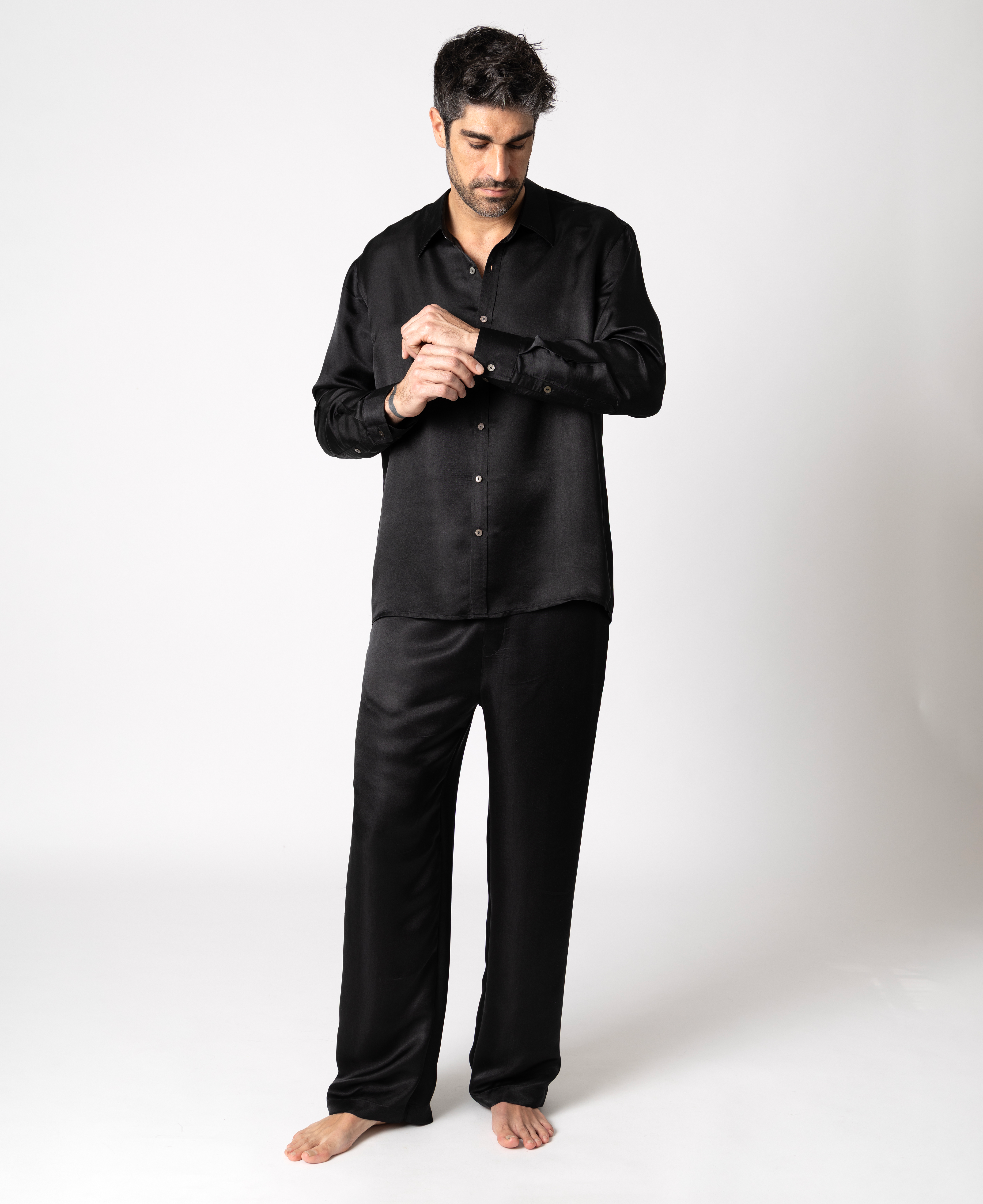



What the Two Models Actually Look Like
The two models share a name. They do not share much else.
Artisan silk is made in small batches in villages and workshops where the silk weaving is older than the brand selling the finished garment. The looms are heritage looms, not industrial. The pace is one piece at a time. The cutter cuts one layer of fabric to make one garment. The sewer sews that garment from start to finish. The finisher inspects the same garment the cutter started. The whole process is owned by a small number of hands and a small number of decisions.
Factory silk is made in large facilities that produce hundreds of garments a day. The looms are industrial, automated, and fast. The cutting table cuts forty to one hundred layers in a single pass with a blade or a laser. The sewing is split into stations: collar, sleeve, side seam, waist, hem, label, button. Each operator does one task on every garment that comes down the line. The finisher is a different person from the cutter, who is a different person from the sewer. Nobody is responsible for the whole.
The factory model is brilliant engineering. It is also where most of the quality loss happens, not in the fabric itself, but in the decisions that get skipped because nobody owns the whole.
The Specific Places the Two Models Diverge
Five points in the production process where the two paths look different in practice.
Weaving. A heritage loom runs slower and the weaver controls tension by hand. The fabric that comes off it has a body and a hand that the customer can feel on first touch. An industrial loom runs at four to six times the speed and tensions the fabric to a fixed setting. The fabric off an industrial loom is more uniform and slightly flatter. The customer often describes it as feeling thinner, which it usually is.
Cutting. Cutting one layer at a time means the artisan can read the fabric: where the weave is tightest, where the humidity has affected the give, where the grain wants to fall. Cutting forty layers at once means the bottom layers will not match the top, the grain on every garment in the stack is approximate, and the silk is being treated as a flat product instead of a structural fabric.
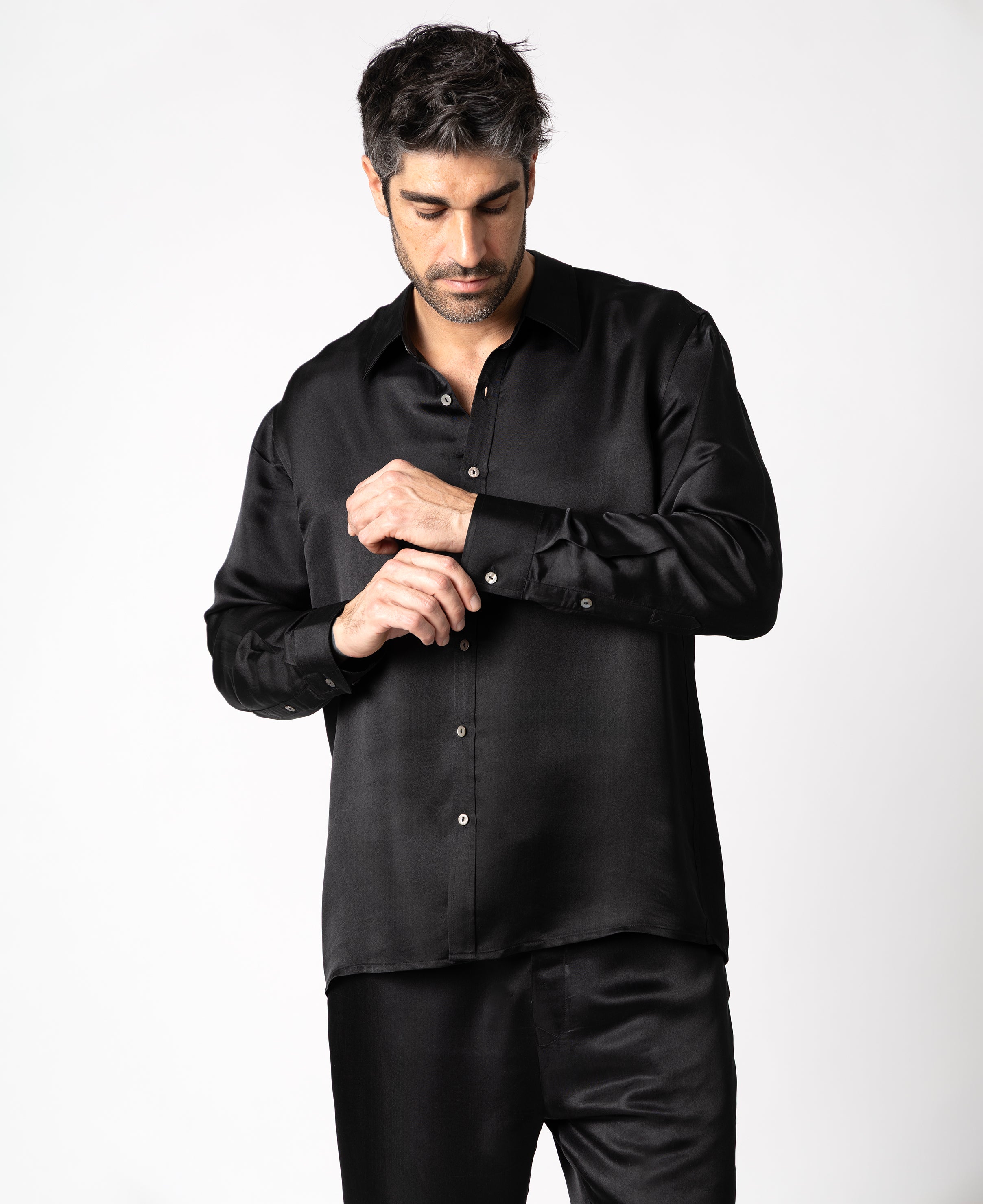
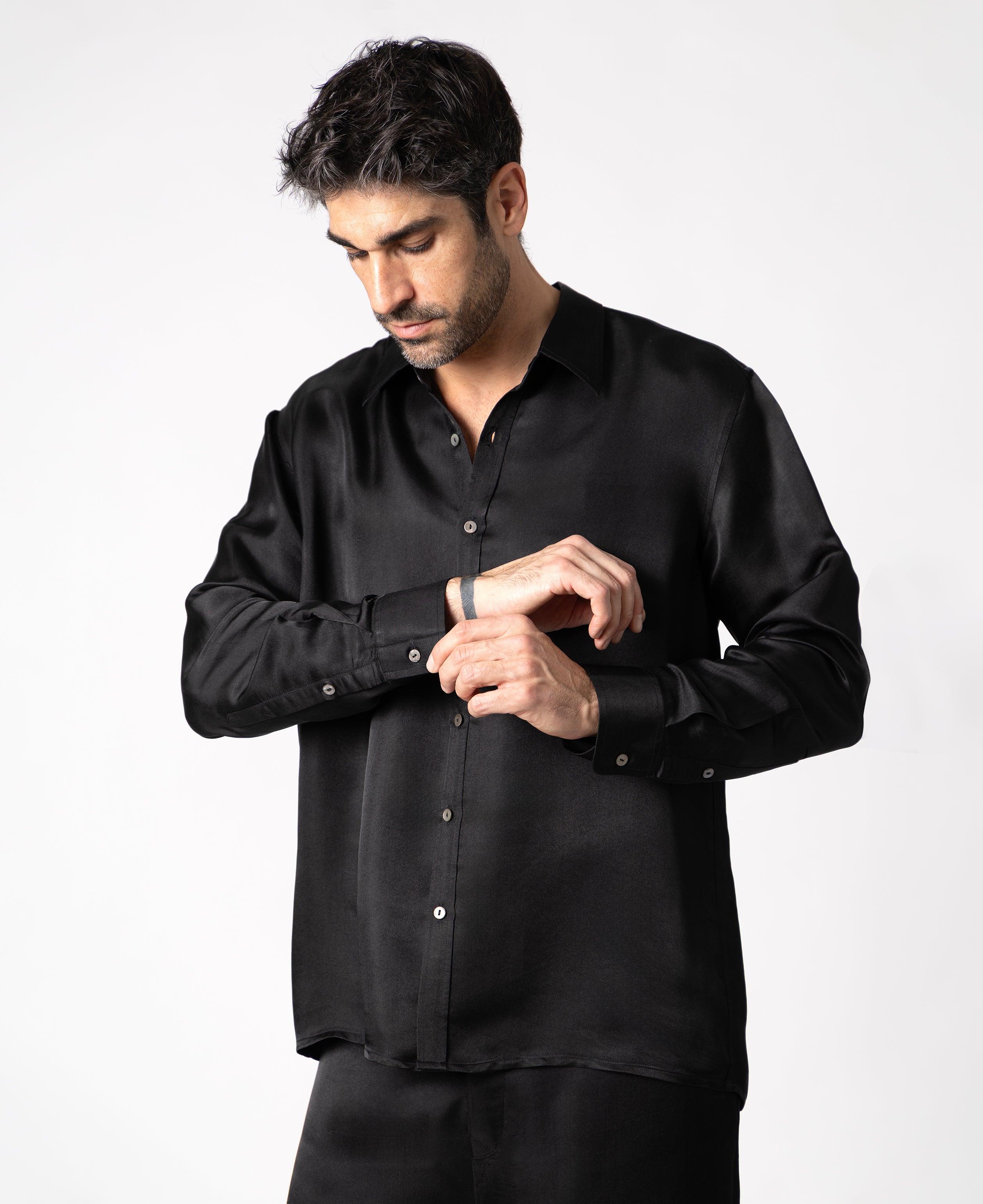
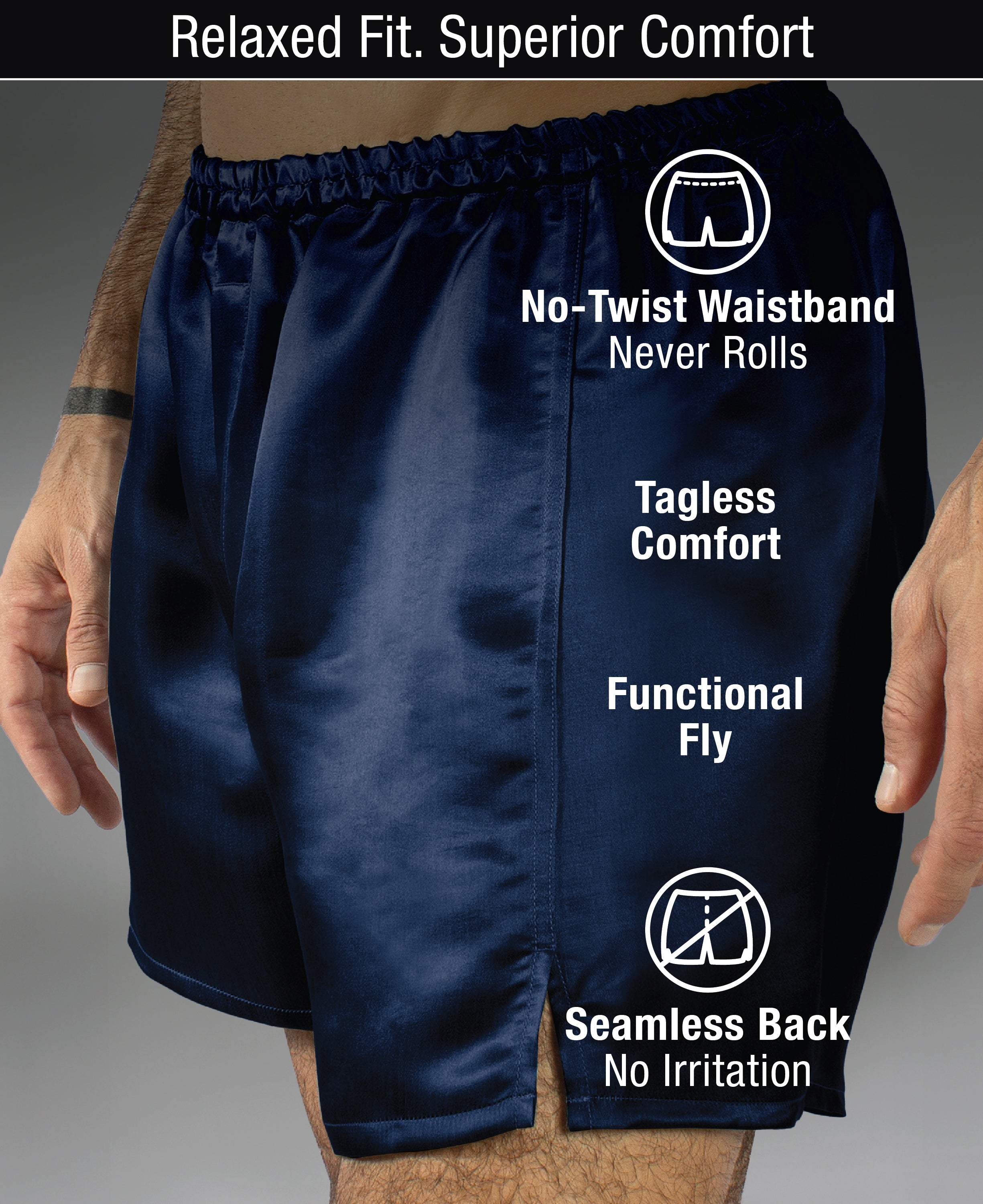
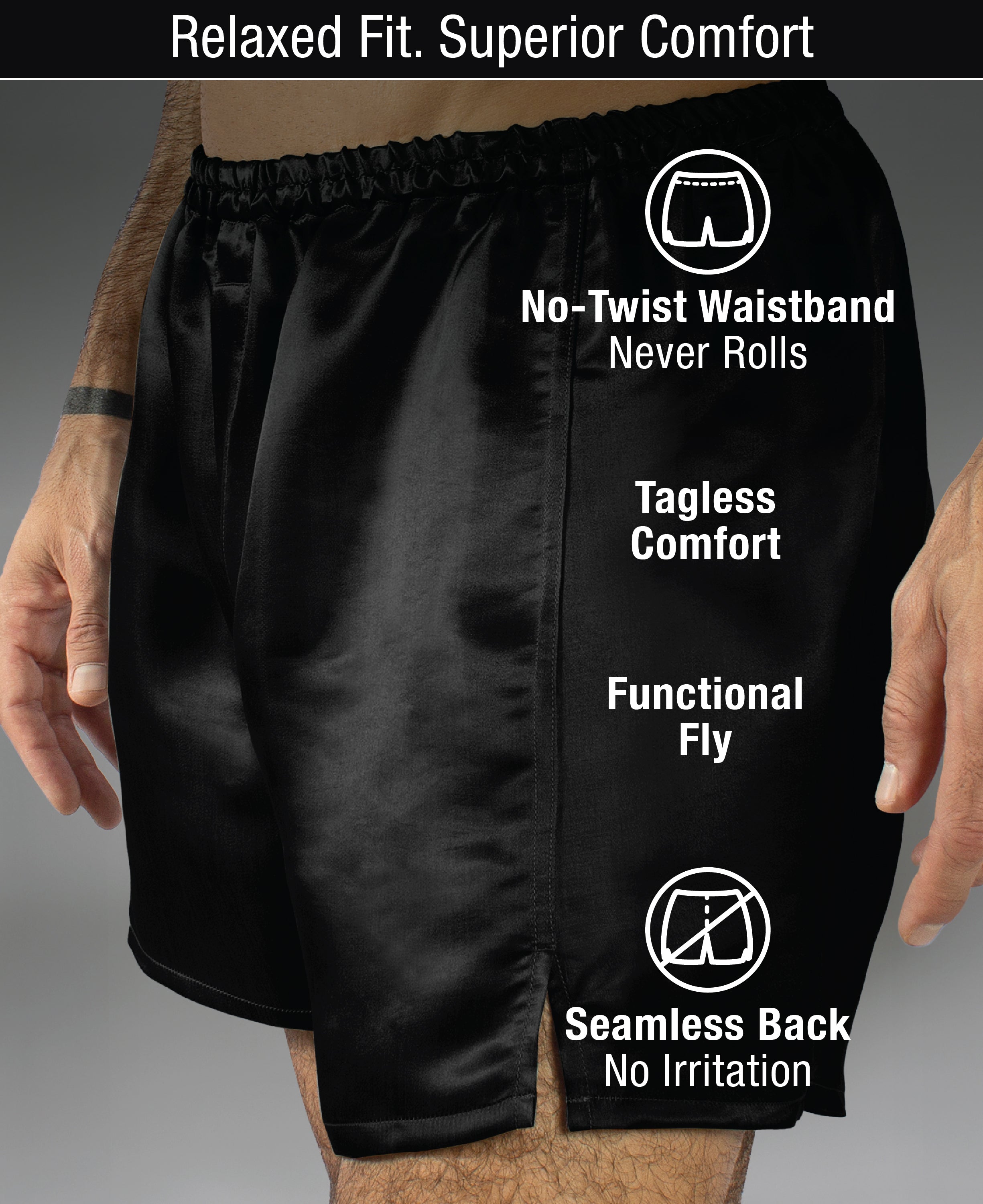
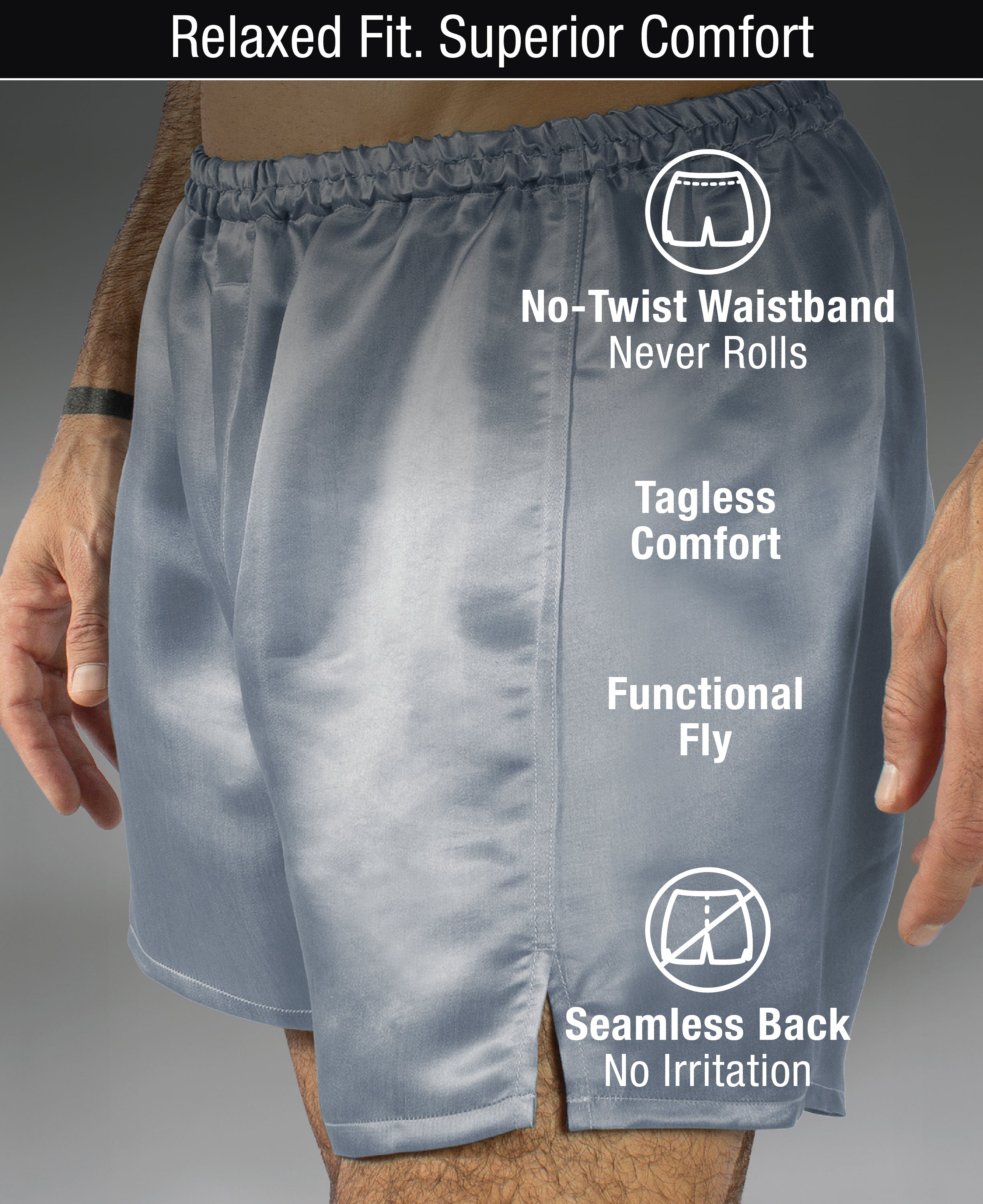
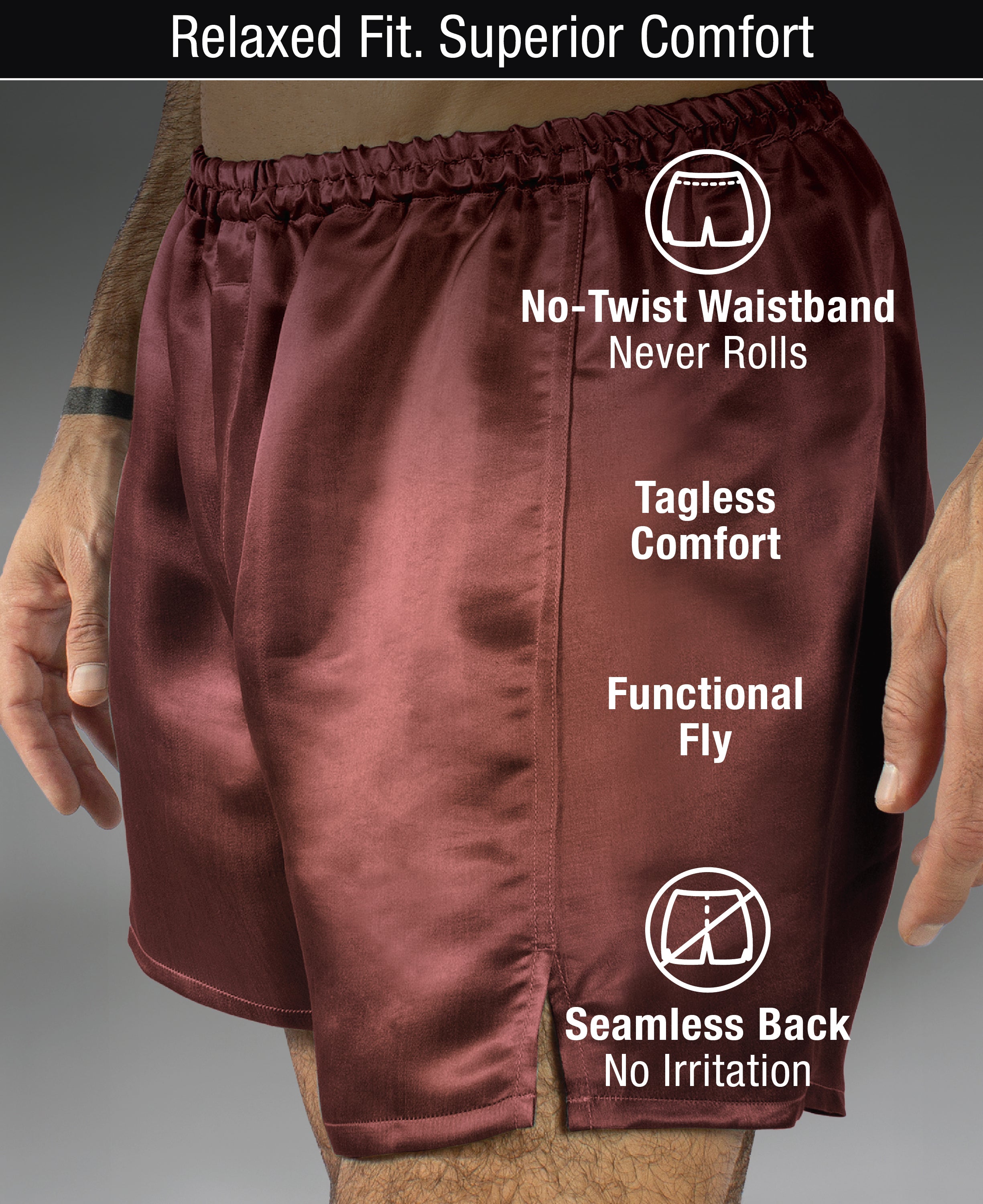
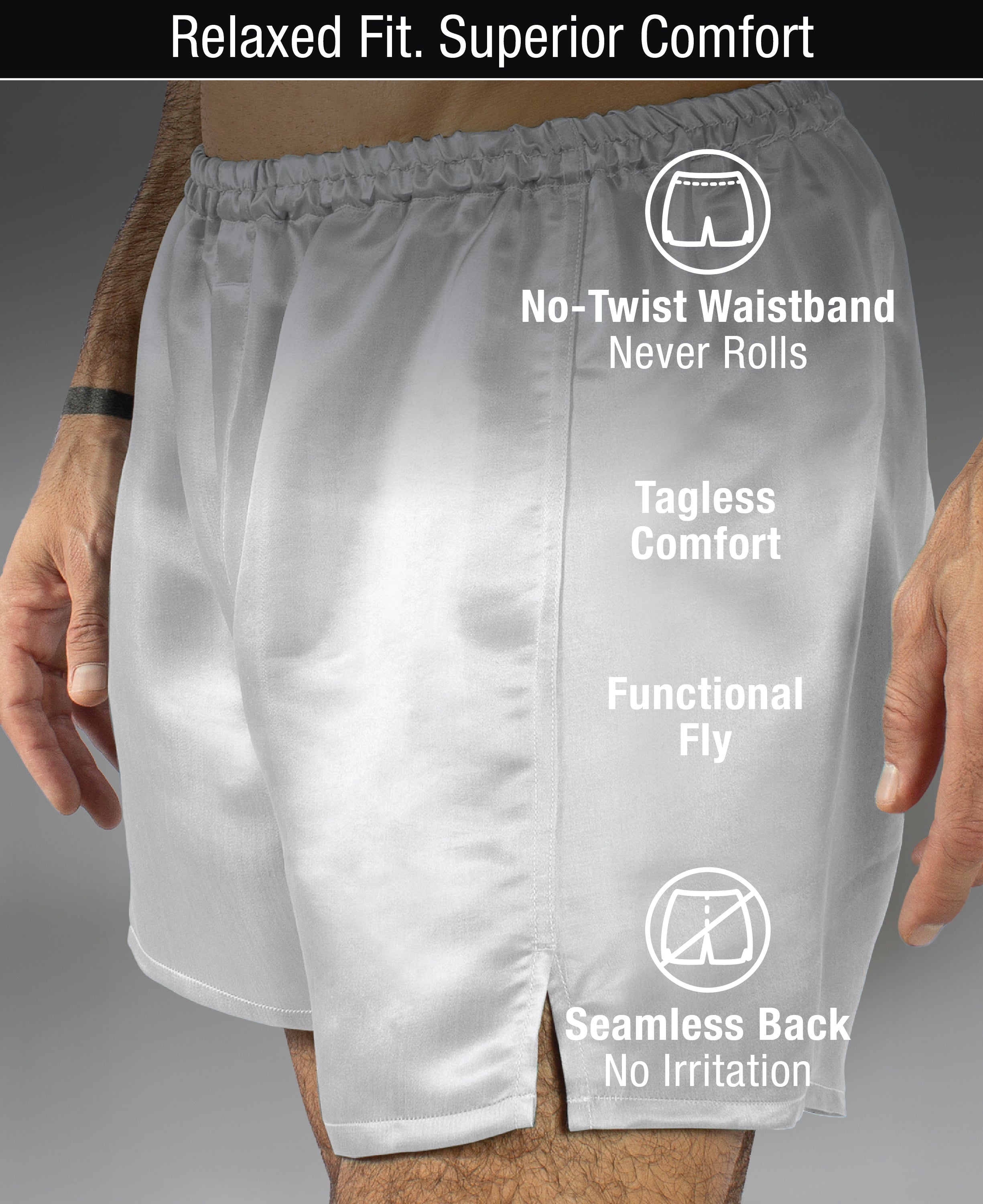
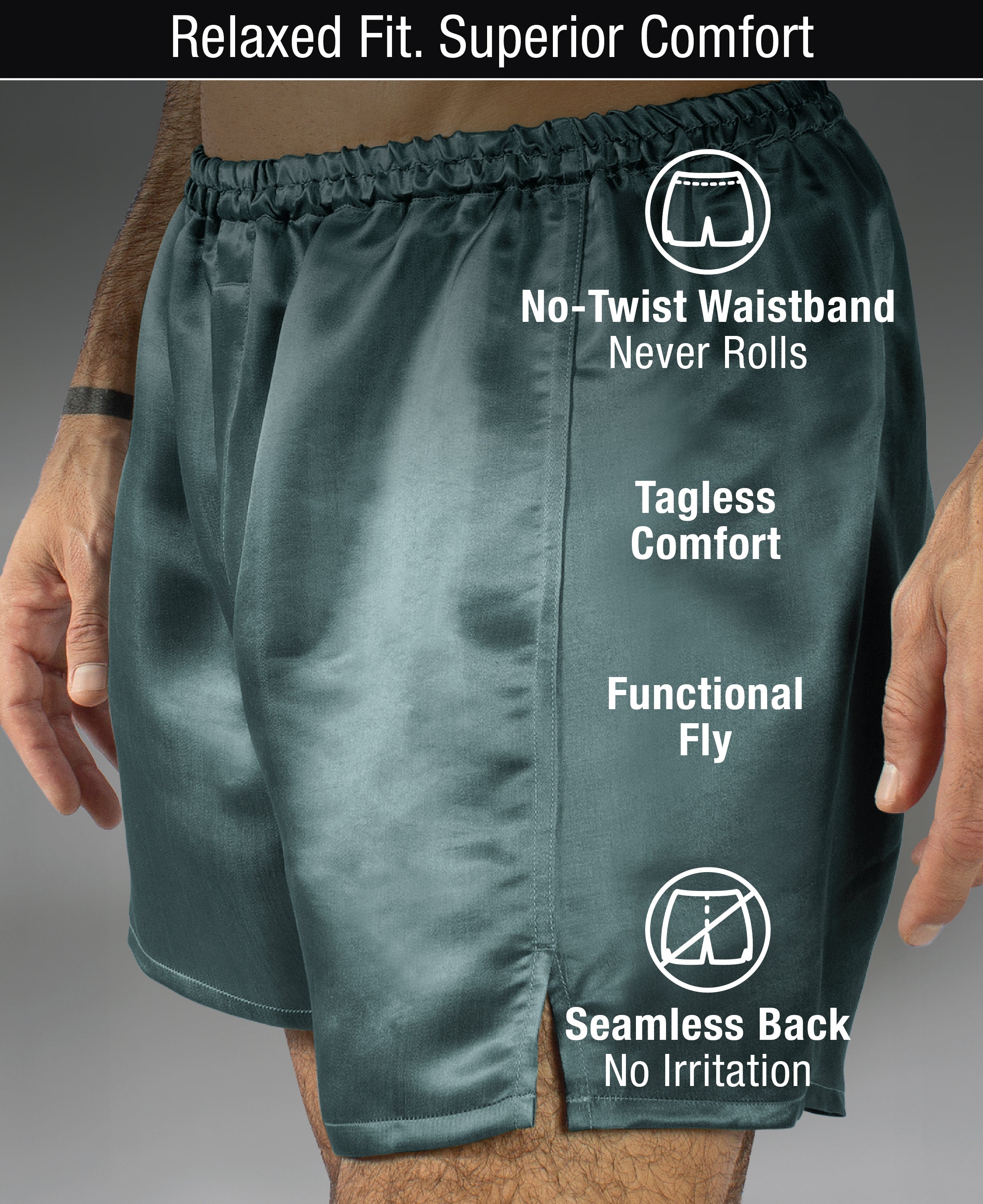
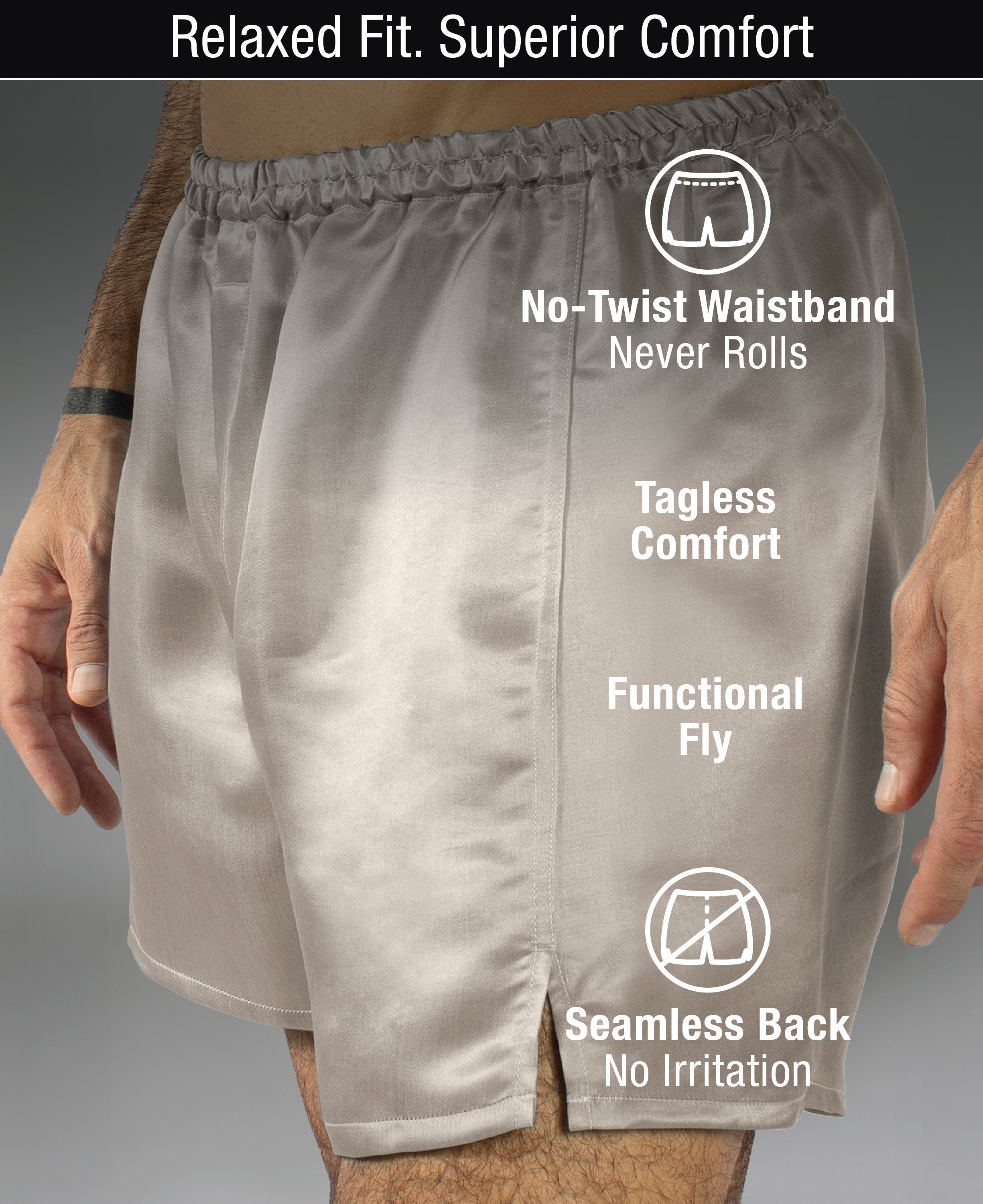
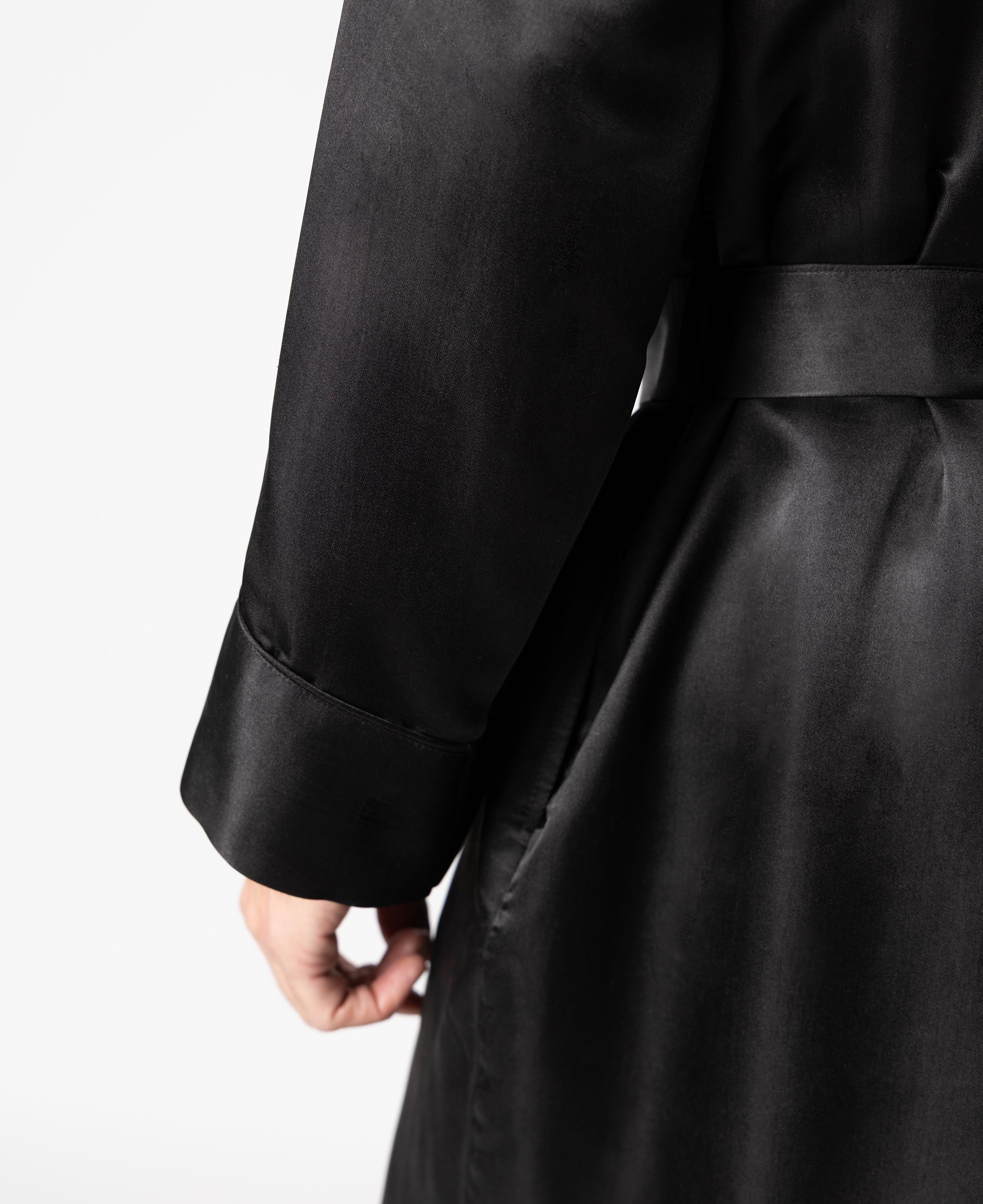
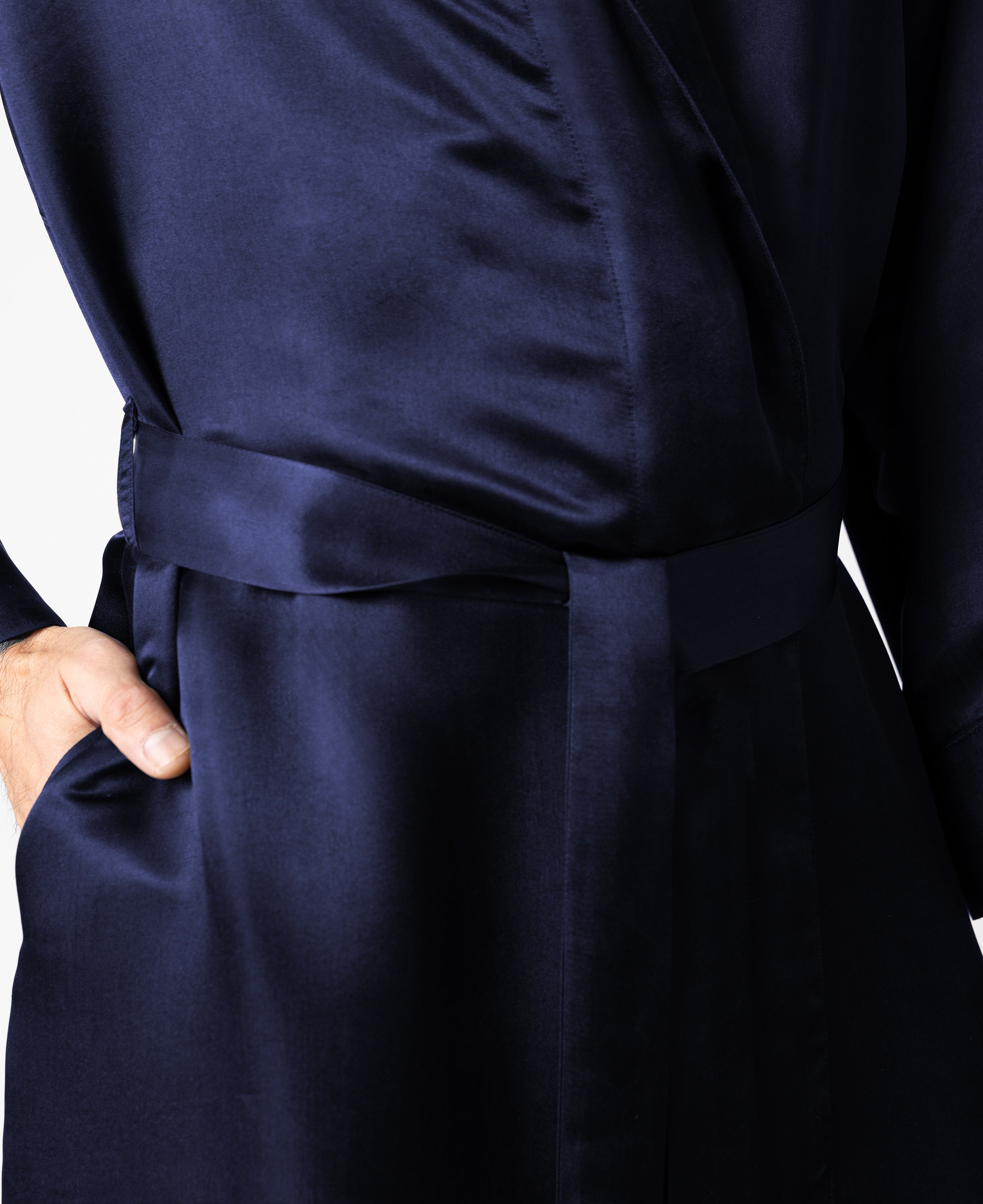
Seam construction. A French seam, fully enclosed on both sides, takes four times longer than a surged seam. Artisan silk uses French seams as the standard because the artisan controls the time budget. Factory silk uses surged seams because the line cannot tolerate the extra minutes. The seam difference is where most of the long-term durability lives.
Inspection. Artisan silk is inspected by the person who made it. The standard is what they would accept in their own hands. Factory silk is inspected on a sampling basis at the end of the line by someone who did not make it. The standard is what passes quality control, which is a much lower bar.
Finishing. Artisan silk is pressed, folded, and packed by the same artisan. Factory silk is steamed in bulk, folded mechanically, and bagged at speed. The garment that arrives at your door has been touched once more by a real person under the artisan model than under the factory model.

















What This Looks Like Six Months In
A factory silk pajama set, worn three nights a week and washed properly, looks correct on the first night and slightly different by month three. The seams begin to fray at the most-stressed point first, usually the inseam or the underarm. The fabric pills lightly where it rubs against the bedding. The drape changes. Nothing fails outright. The set just stops feeling like the same garment it was on the first night.
By month nine, the fade is more obvious. The seams have pulled slightly. The collar is no longer holding its shape. The fabric has thinned at the elbows and the seat. The pajamas still look correct in photographs and feel disappointing on the body. This is the path the silk in most luxury department stores follows. It is not a moral failing of the brand. It is what the production model produces.
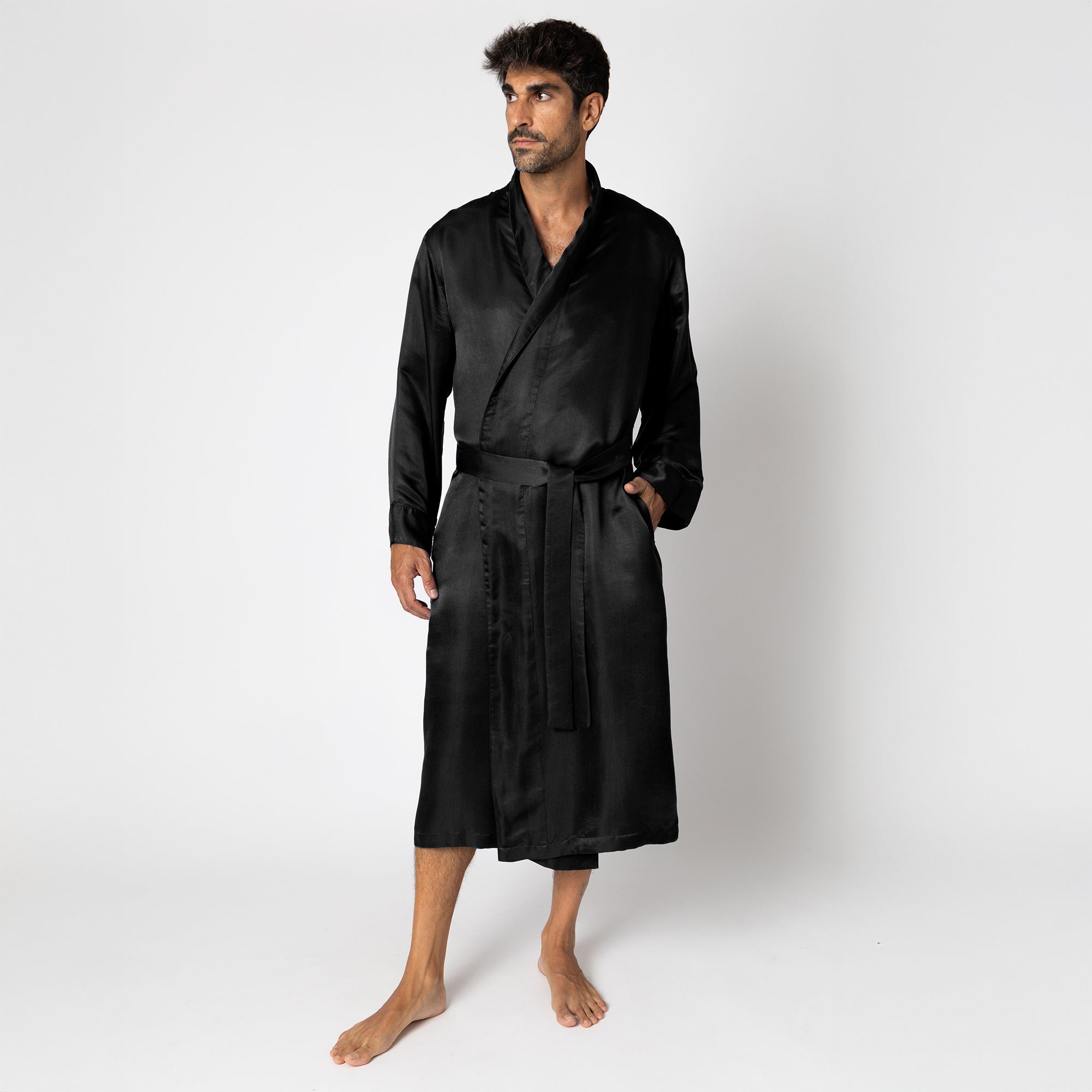
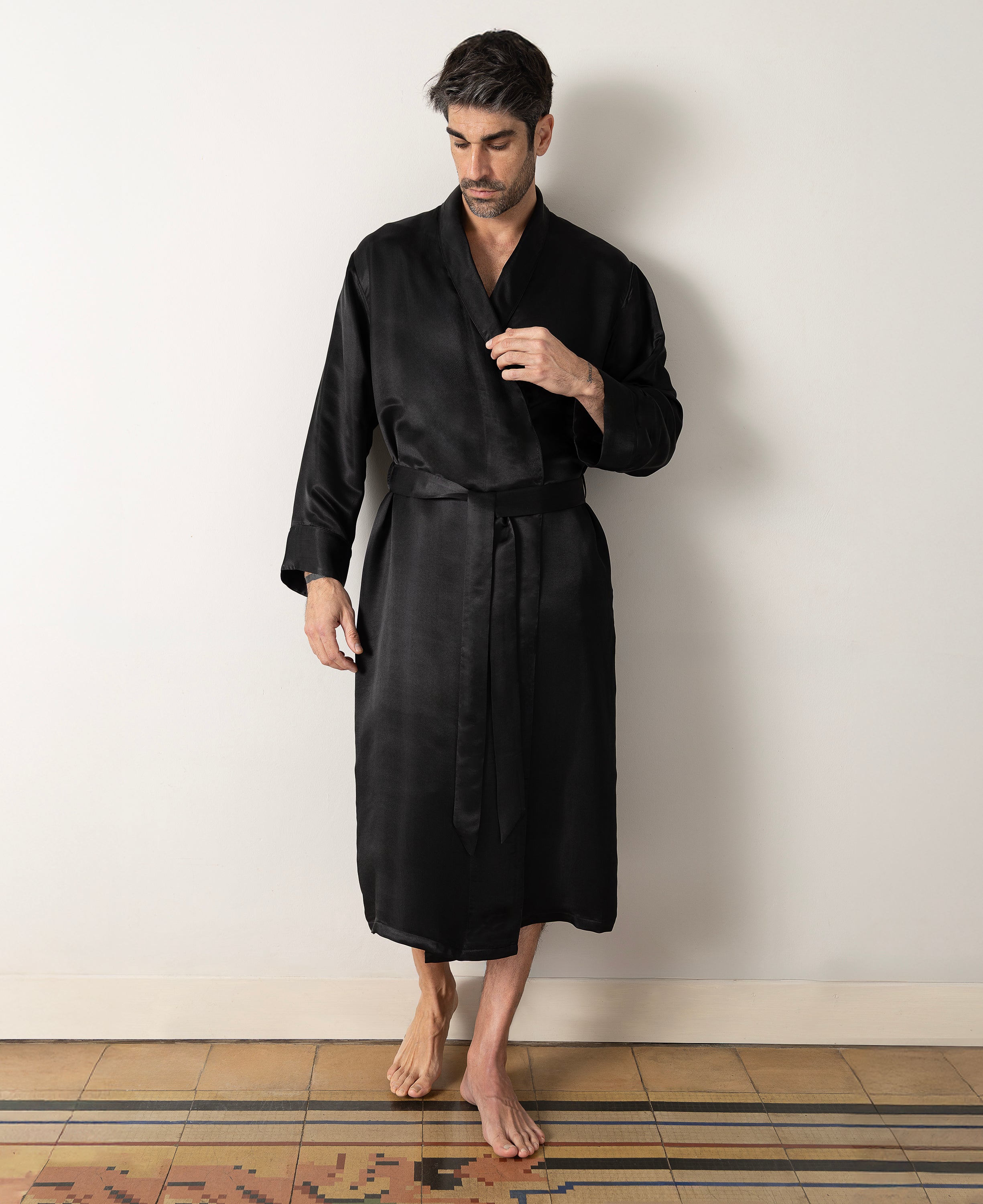
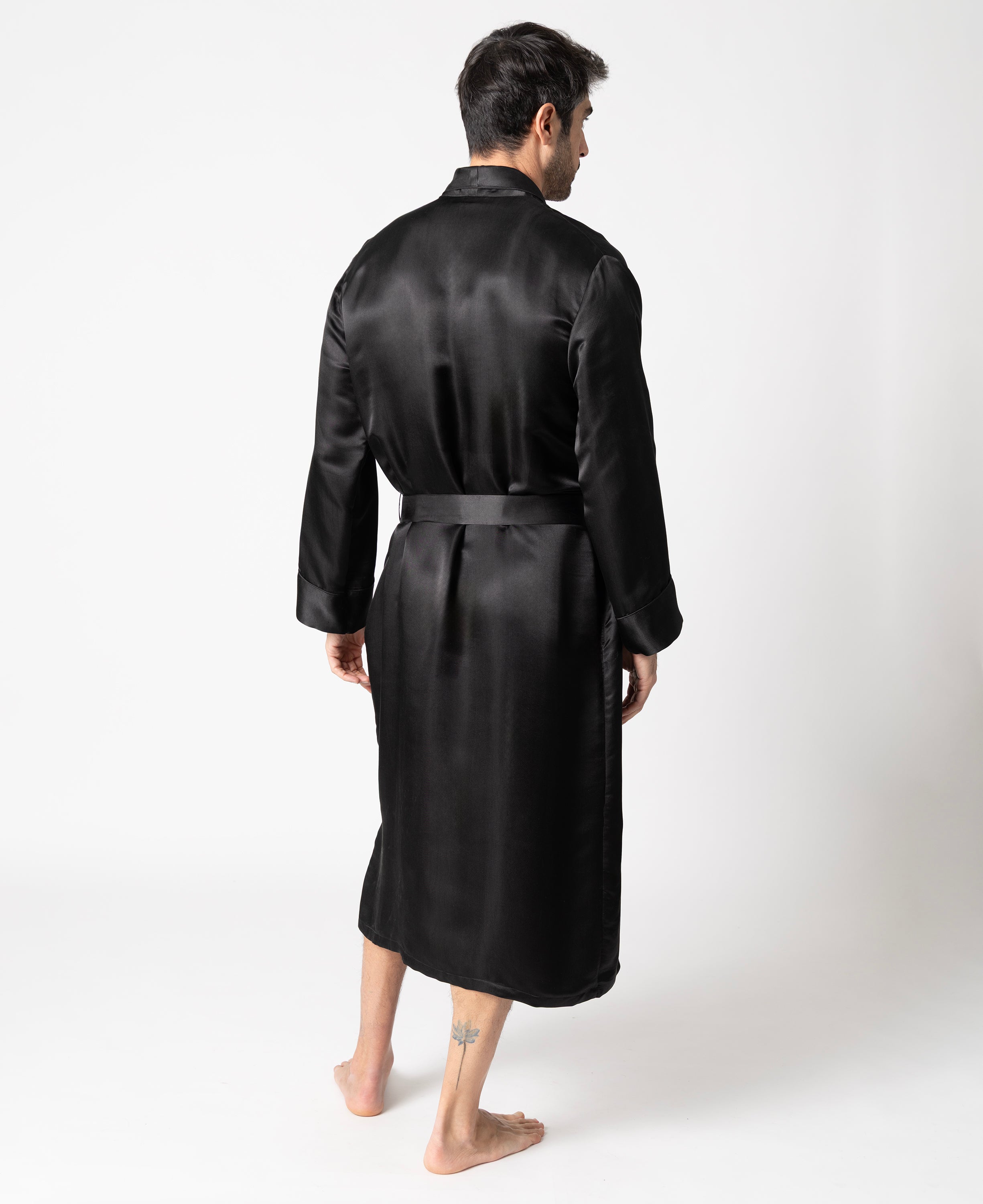
A piece of artisan silk, made the same way the same wear, on the same wash cycle, looks the same at month nine as it did on day one. The seams are still where they were. The drape still falls correctly. The fabric has softened at the contact points, which most people describe as an improvement. We have customers wearing robes from 2020 who report no measurable change in drape or seam integrity. This is the proof that matters. Everything else is marketing.
The Price Question
Artisan silk costs roughly four to seven times what factory silk costs to produce per garment. The labor is most of the difference. The fabric matters too: 27 momme mulberry silk costs more by weight than the thinner silk that factory production uses, and a properly cut garment uses more fabric because the cutter is not trying to nest patterns at the millimeter level.
The retail price gap is wider than the production cost gap, because factory silk is often sold under luxury labels at luxury prices. A factory-produced silk robe sold for $400 by a luxury brand costs the brand around $40 to make. The brand markup is the entire difference. The same robe made one piece at a time, with French seams, in 27 momme mulberry silk, costs the maker between $90 and $140 to produce. The retail price is closer to the cost, and the brand markup is much smaller.
This is why a small artisan silk brand can sell a robe for $260 that lasts ten years, while a large luxury brand sells a similar-looking robe for $450 that lasts eighteen months. The math is not about the silk. It is about the production model, the construction, and the brand markup. The honest comparison is cost per wear, not sticker price.
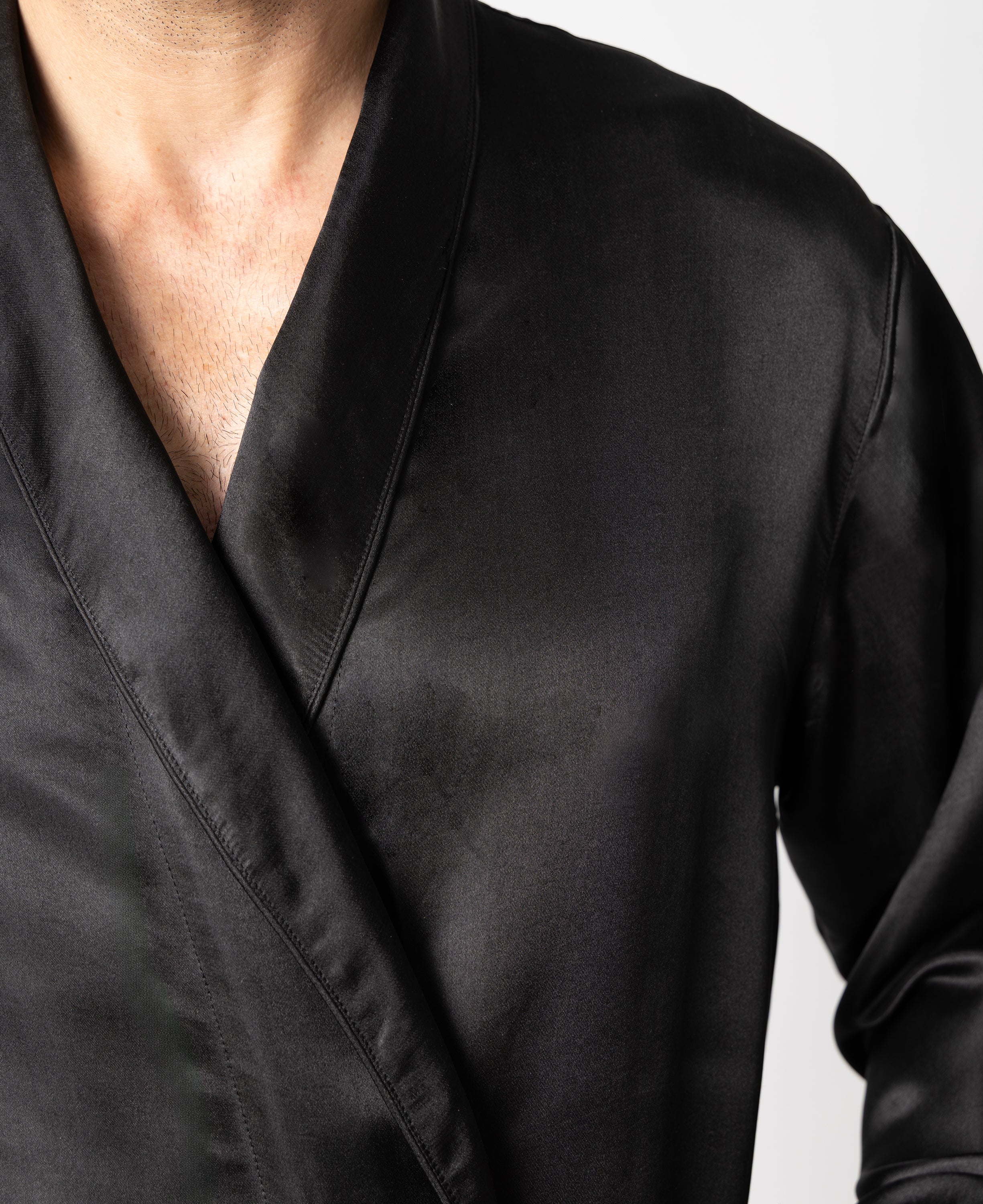
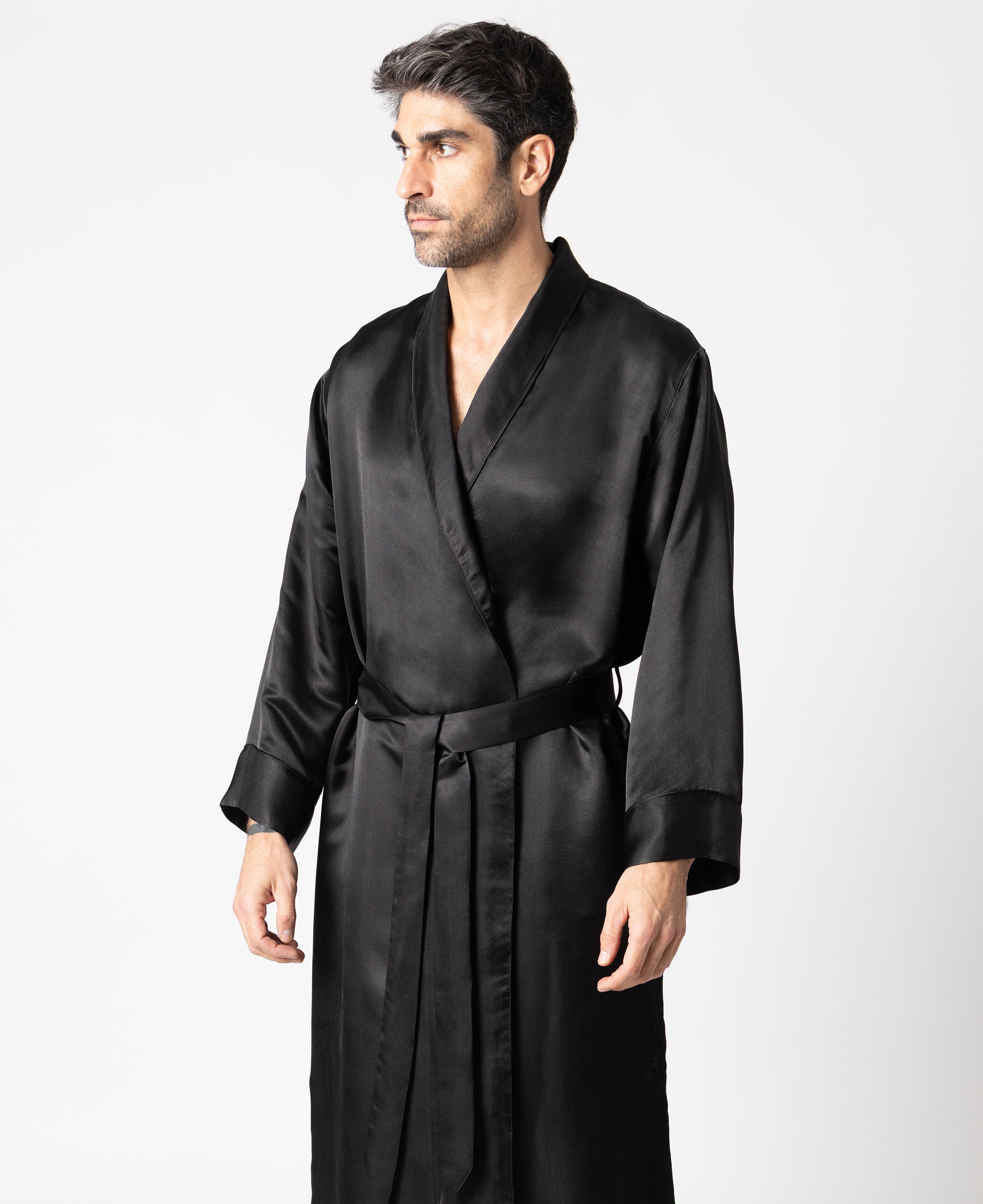
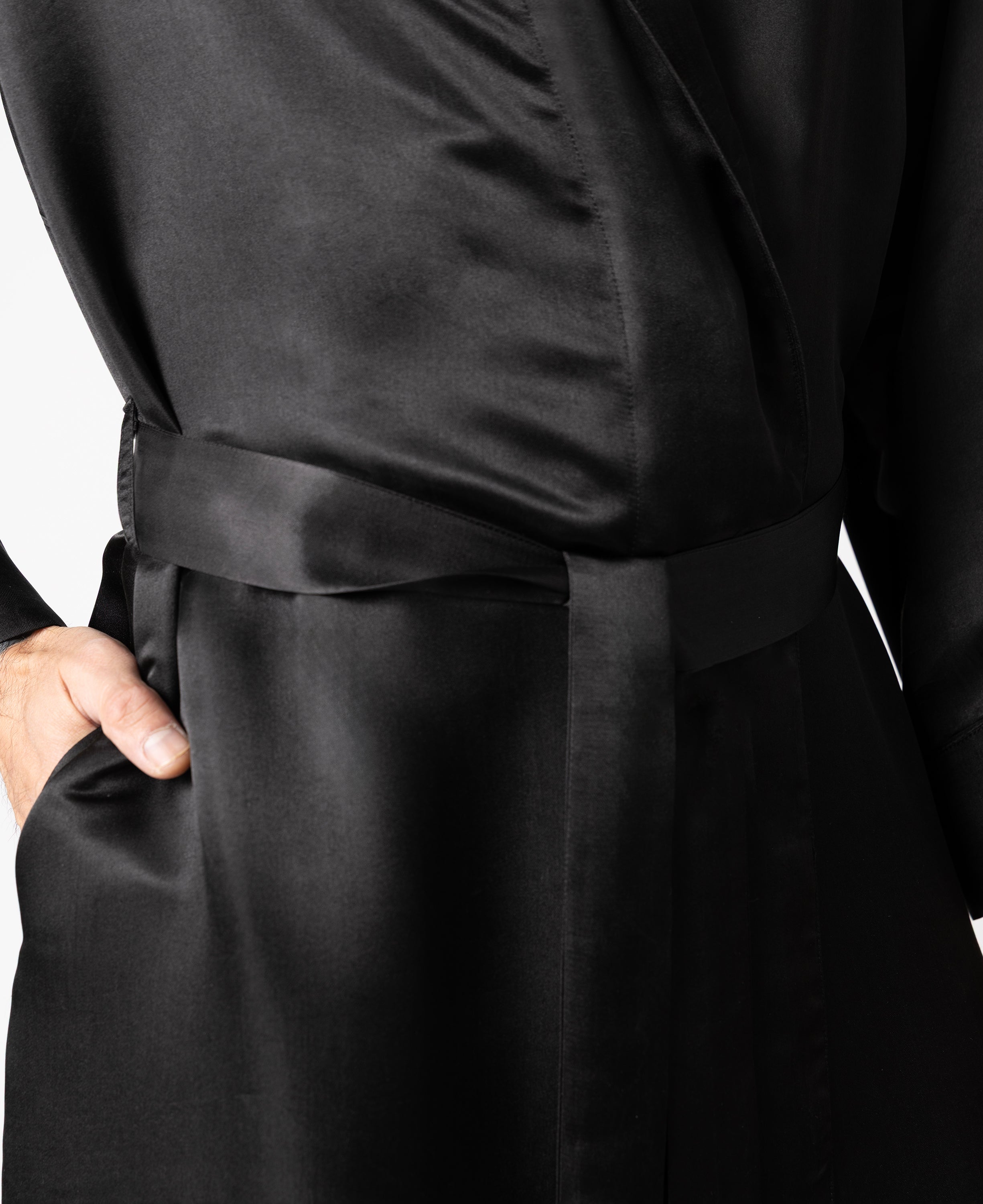
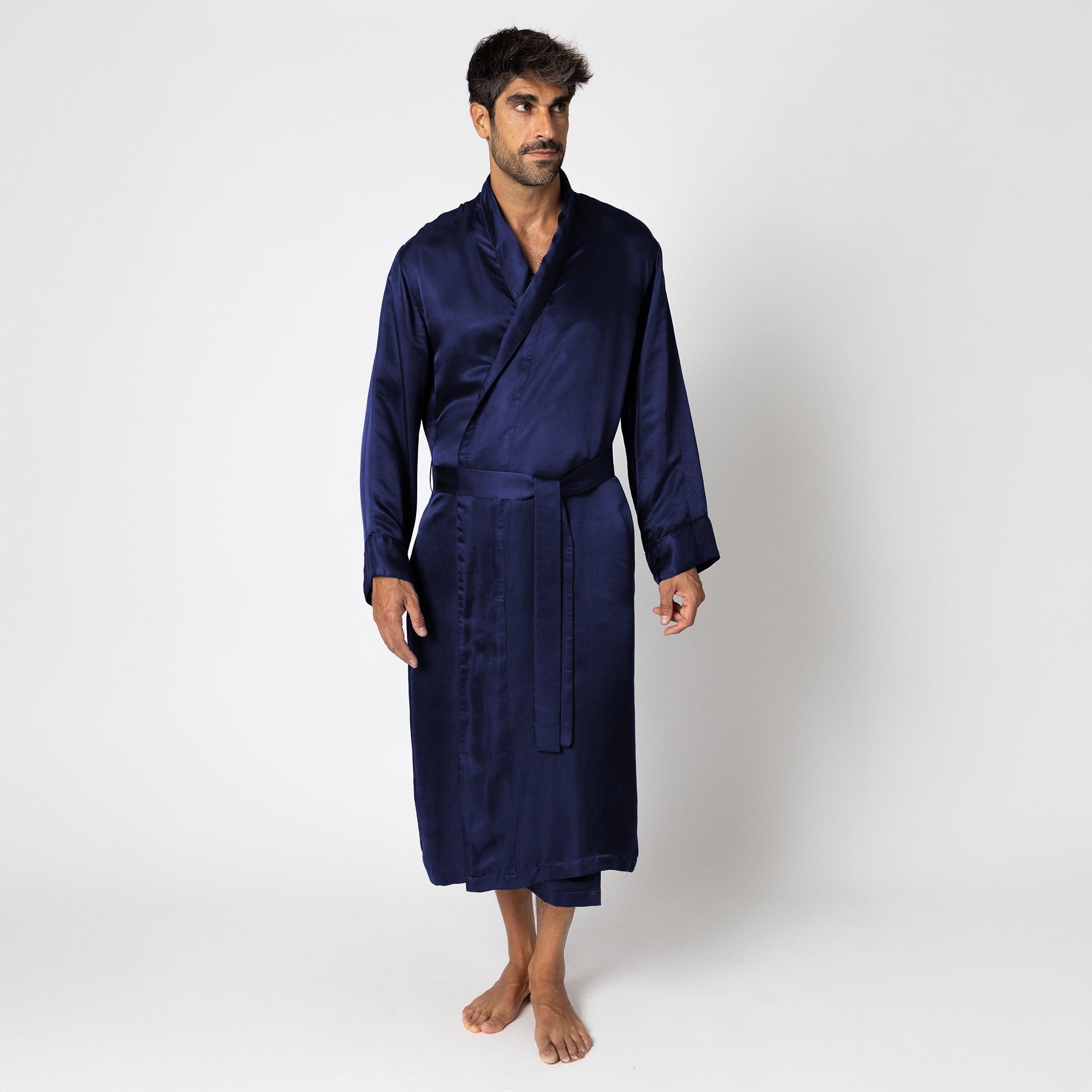
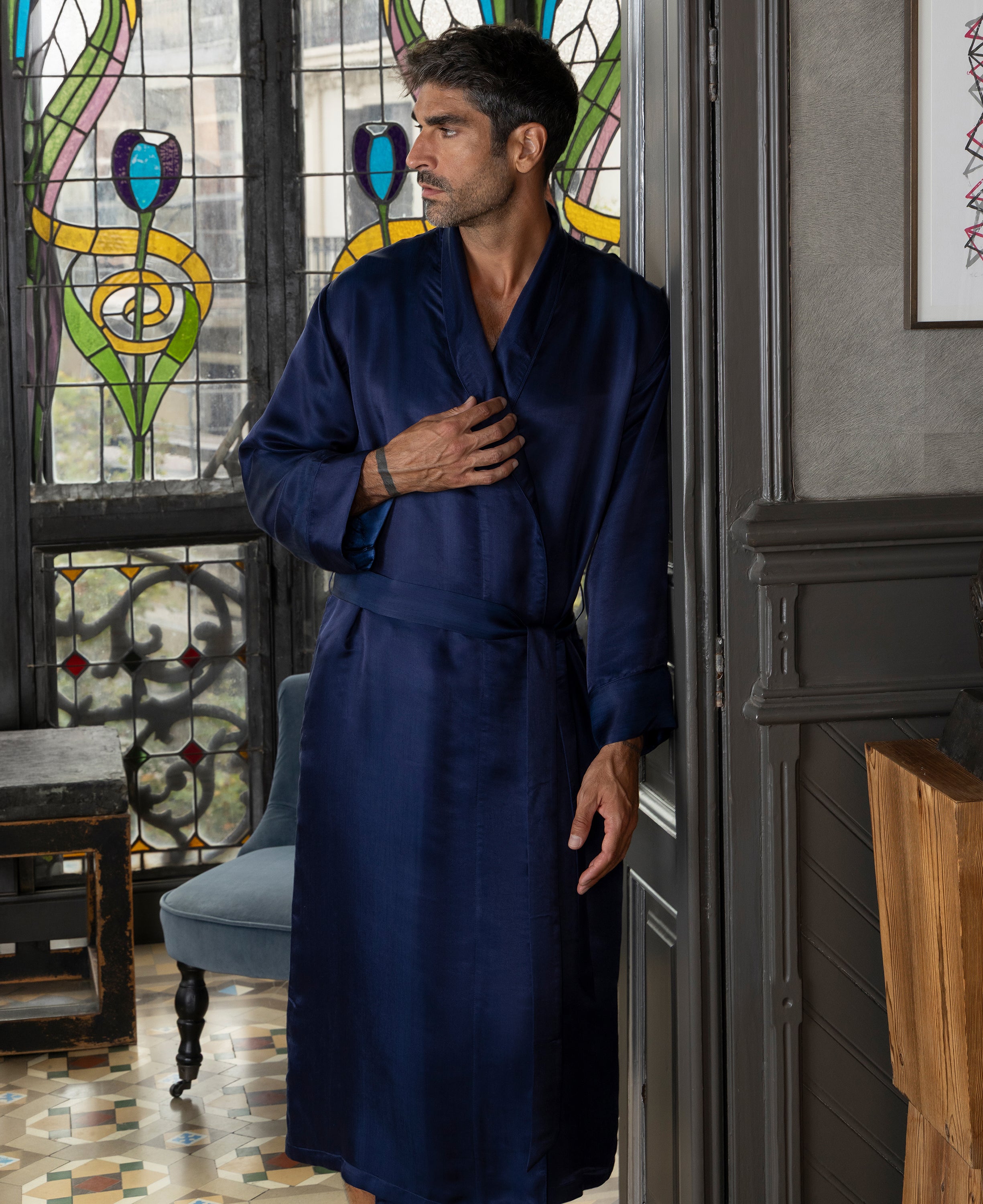
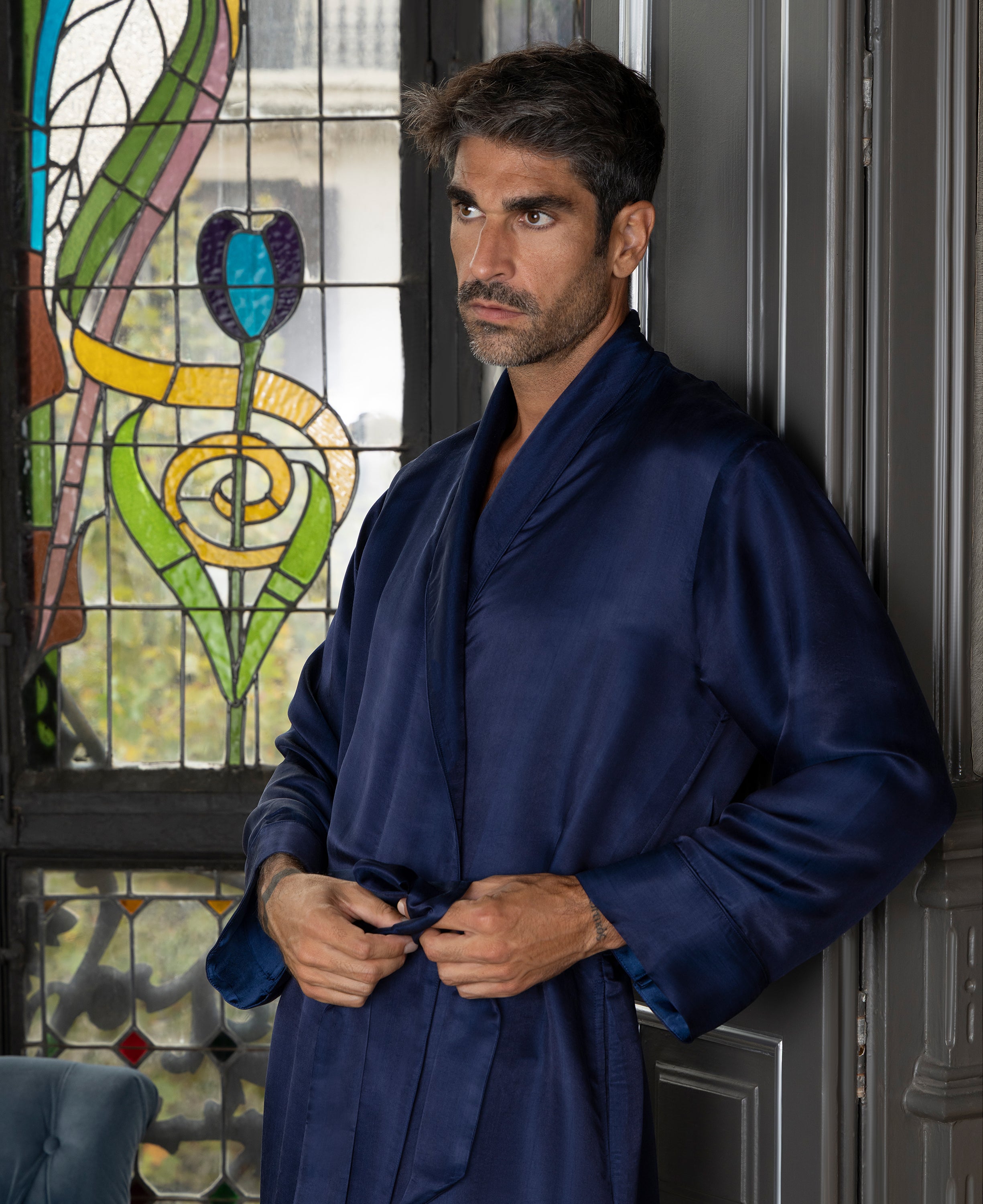

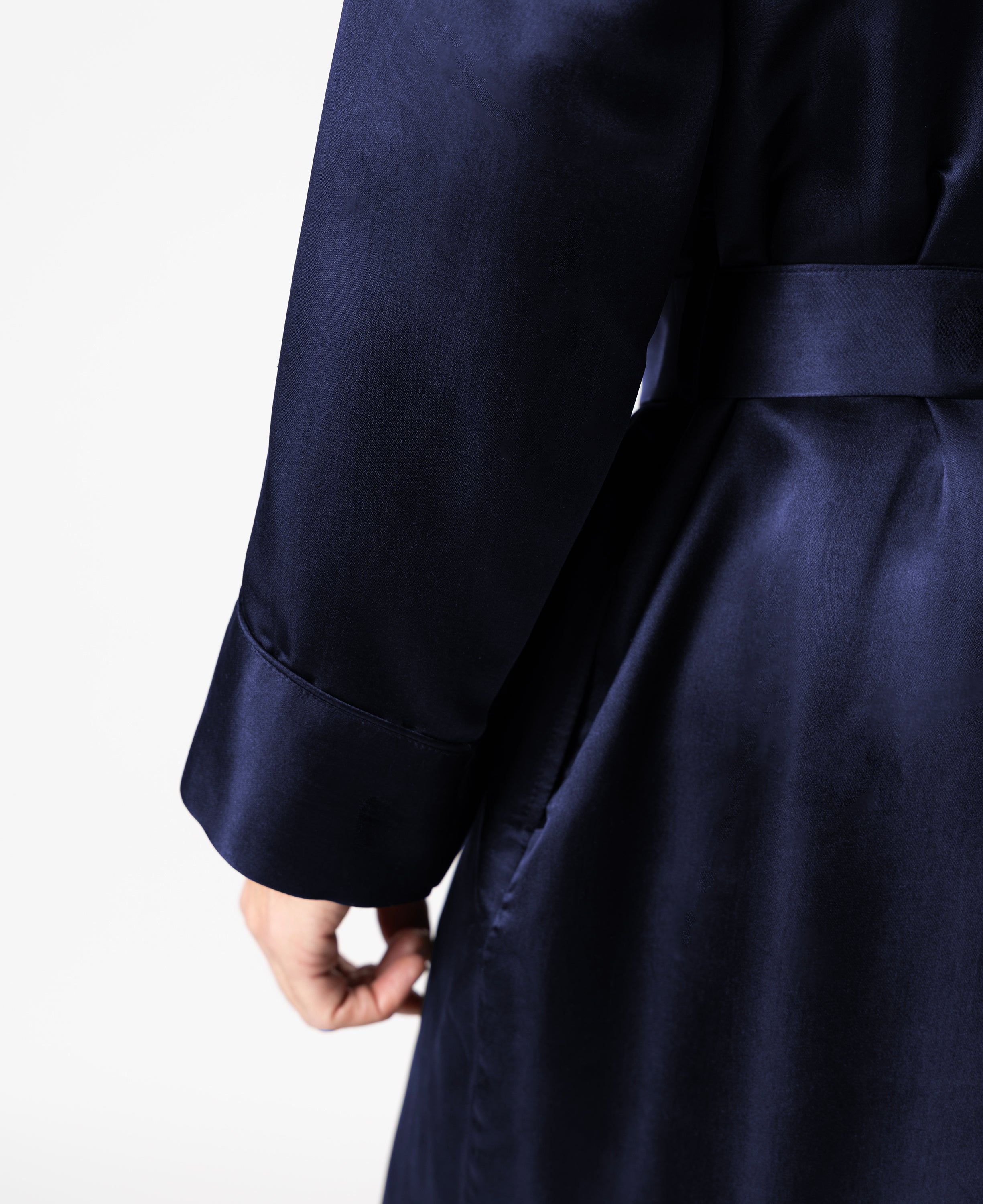
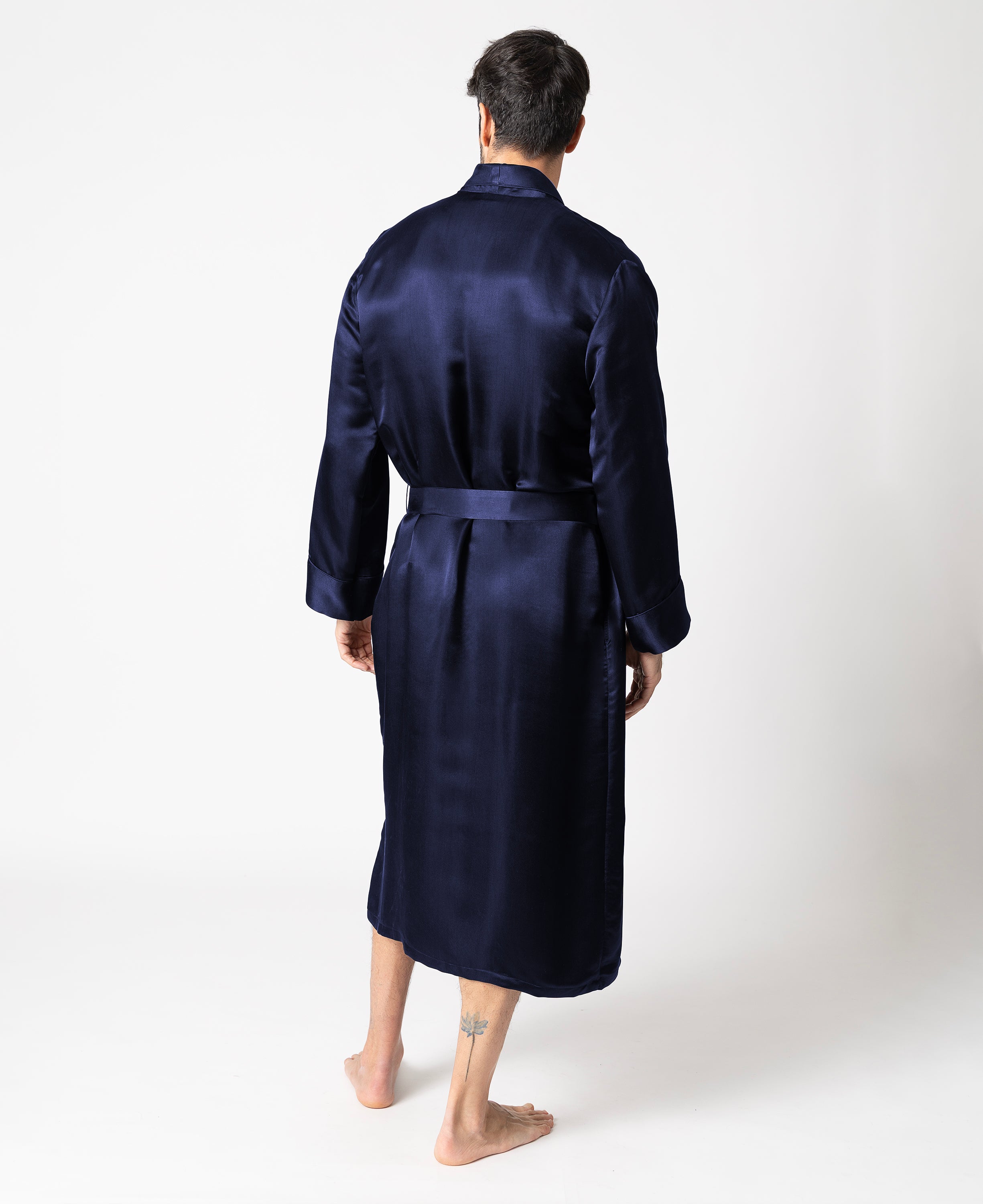
How to Tell Which One You Are Looking At
A brand that makes artisan silk has commercial reasons to talk about it. The omission is the information. If the product page does not mention any of these, the silk is almost certainly factory silk.
Specific signs of artisan silk:
- The brand names the village, region, or country where the silk is woven.
- The momme weight is listed.
- The seams are described as French seams.
- The brand says the garments are made one piece at a time, or individually crafted, or sewn from start to finish by one artisan.
- The fabric is described as machine washable on a delicate cycle.
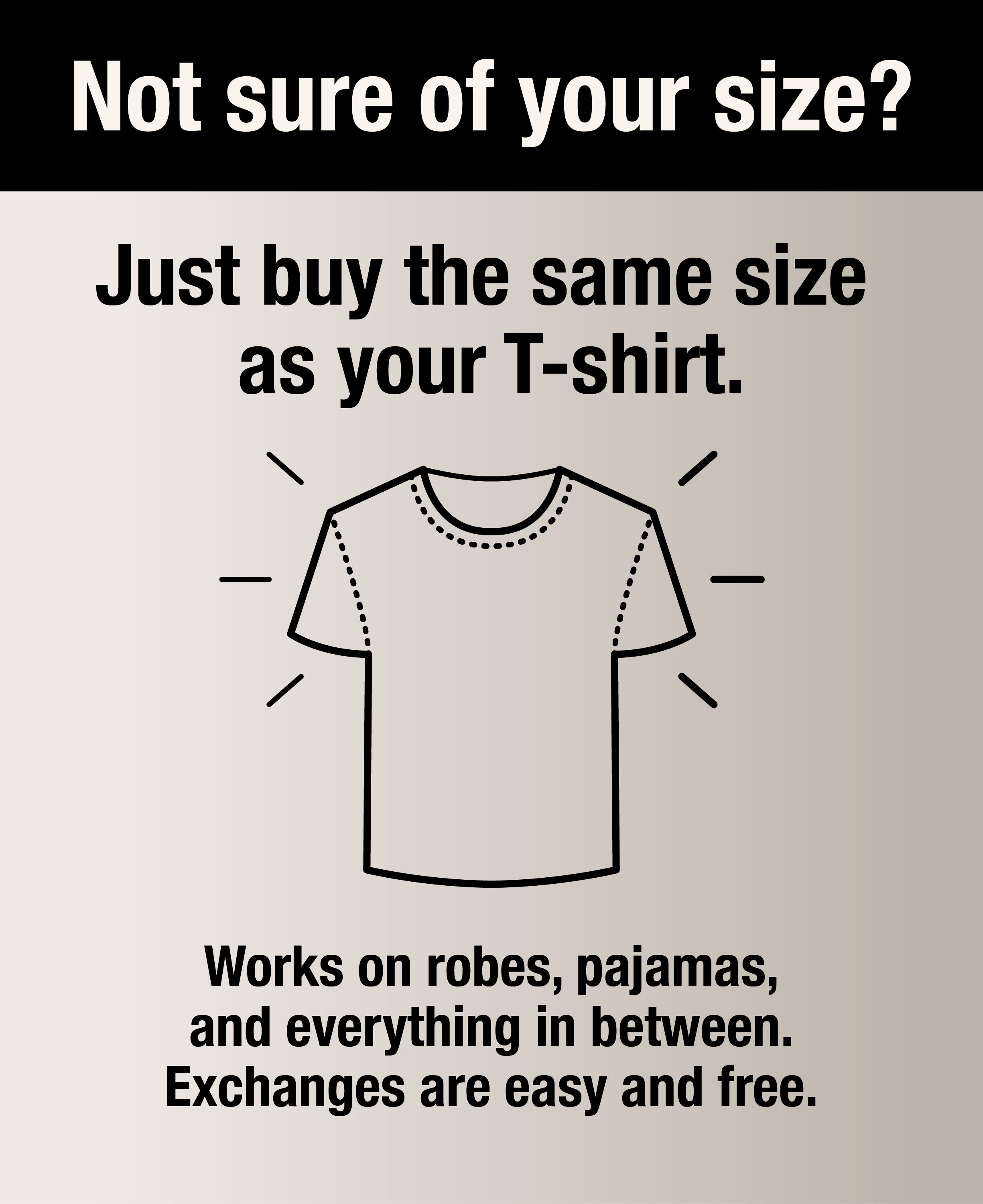
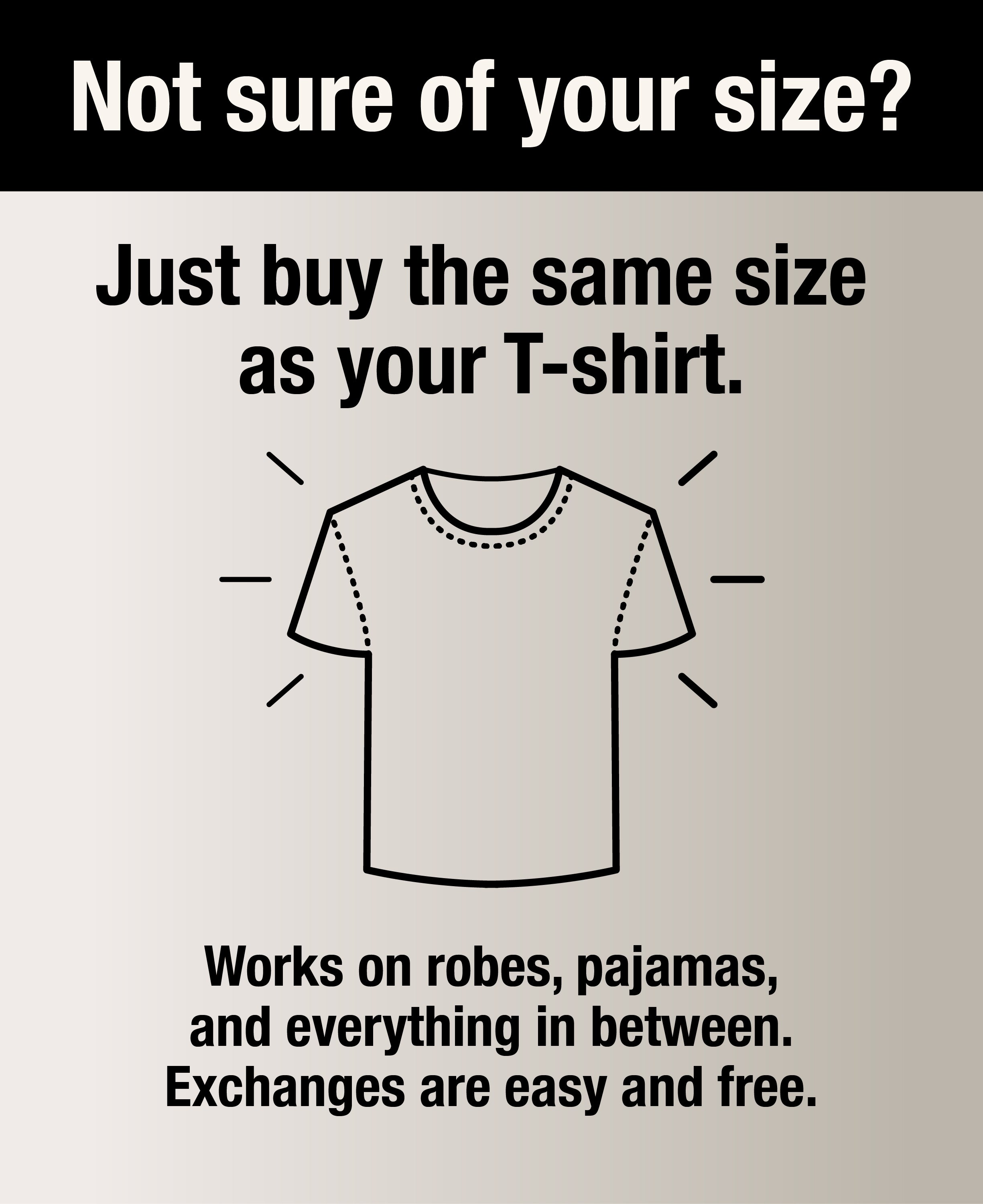
- The sizing range goes beyond XS to L.
Specific signs of factory silk:
- The product page uses words like luxurious, premium, or elegant without describing how the silk is made.
- The momme weight is absent or vague.
- The seam construction is not described.
- The label says dry clean only.
- The size range stops at L or XL.
- The brand emphasizes the designer or the celebrity wearing the piece more than the people who made it.
A brand that can answer the five practical questions clearly is probably making silk properly. A brand that cannot is selling marketing.
How We Make Our Silk
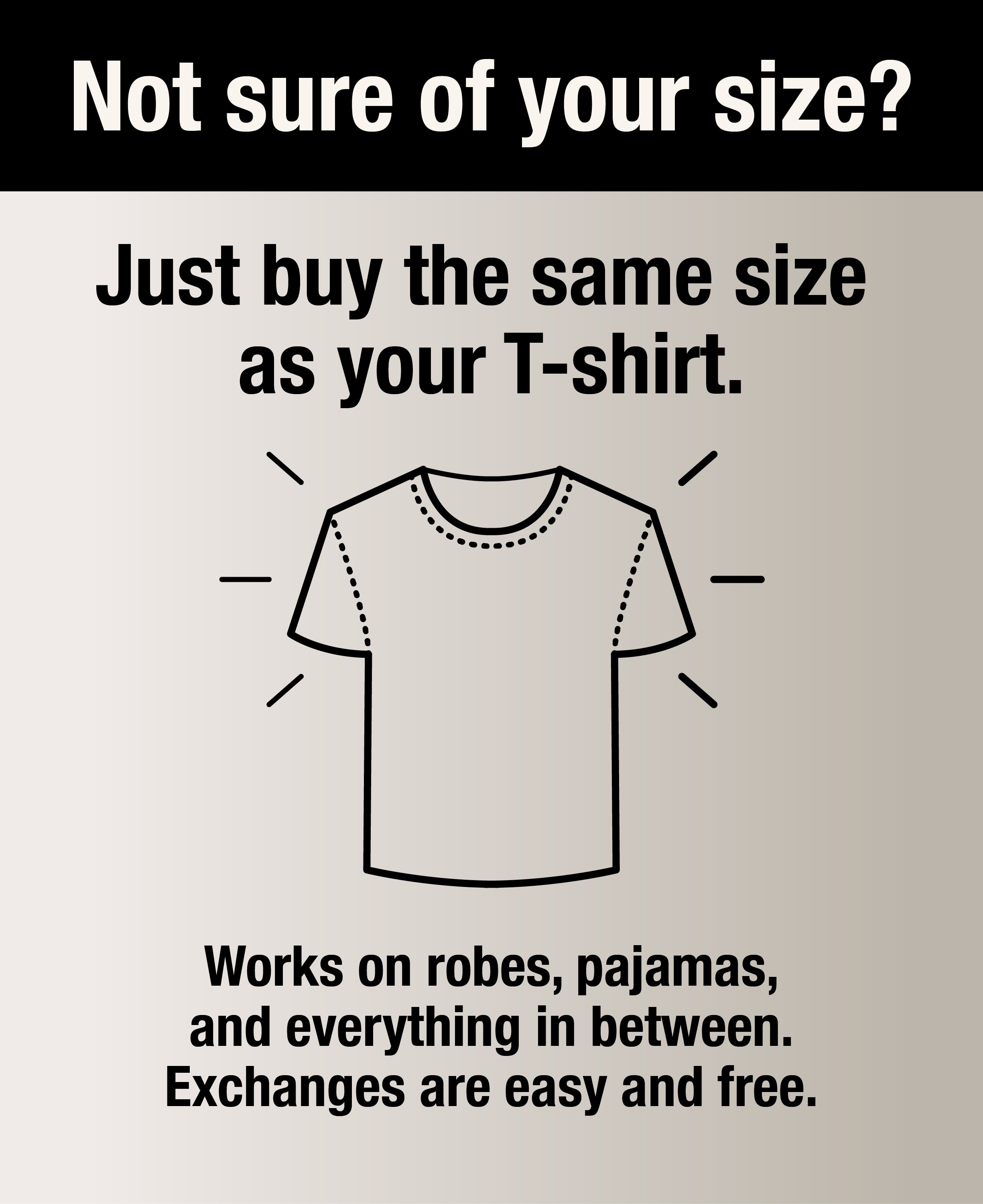
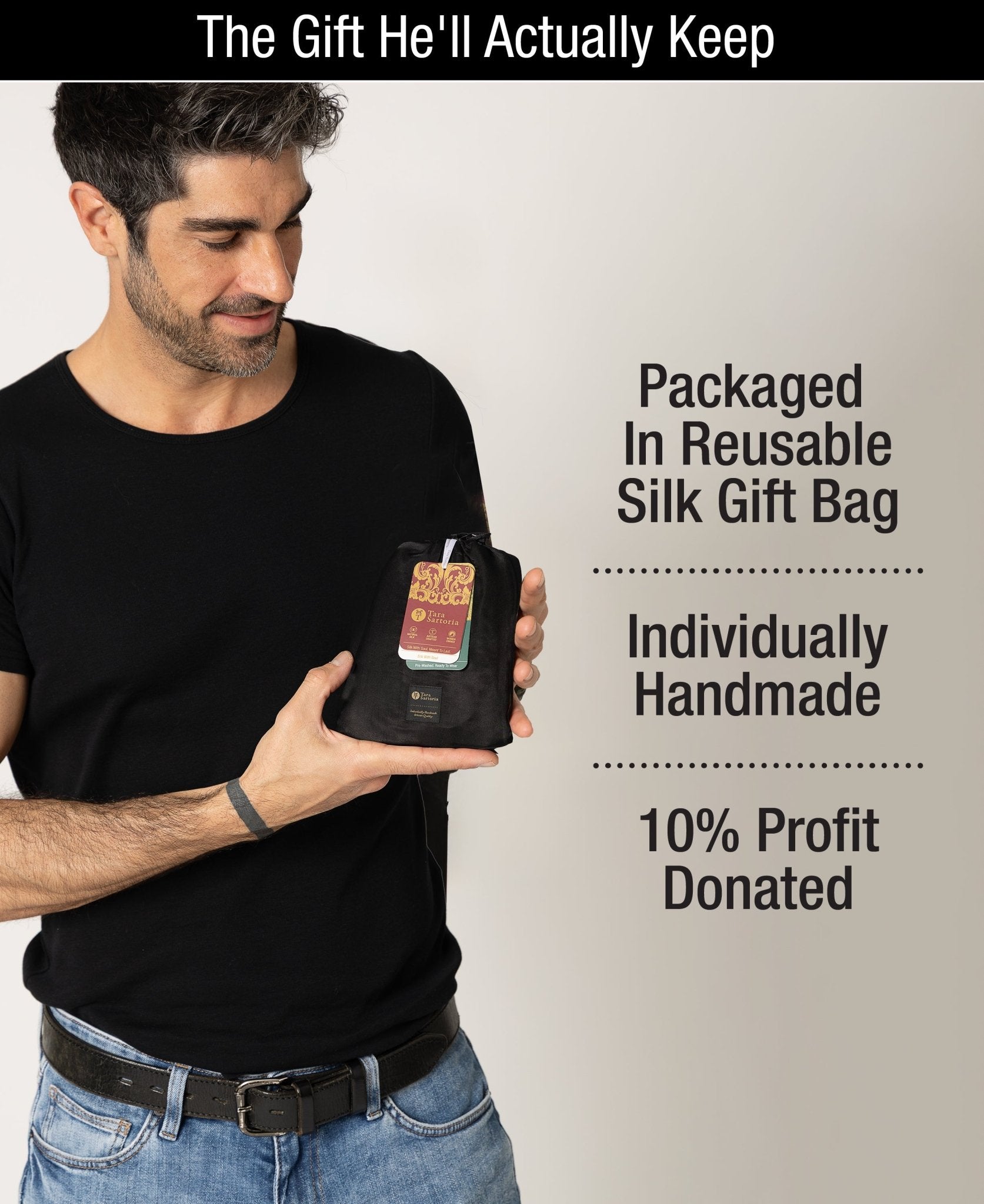
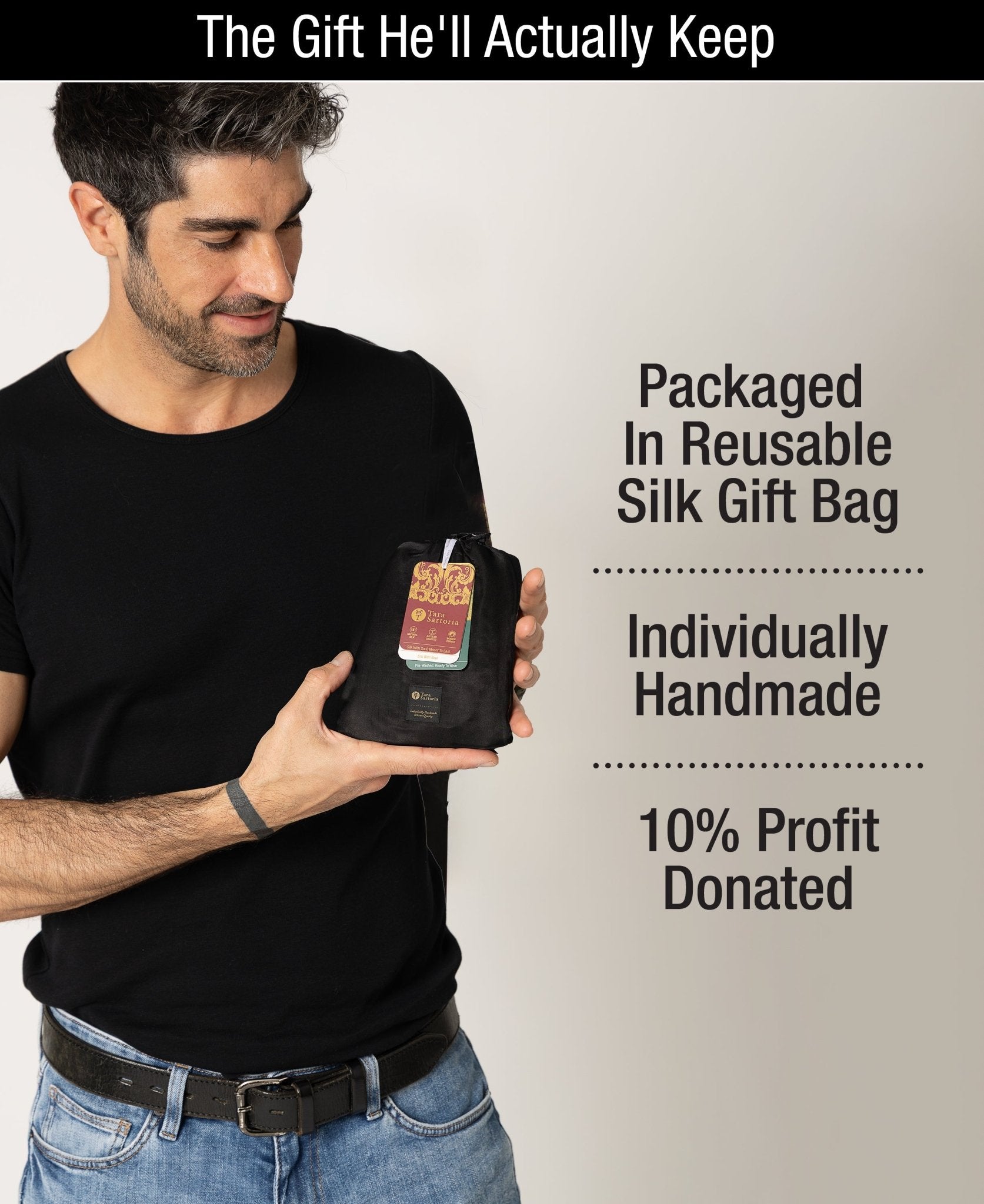
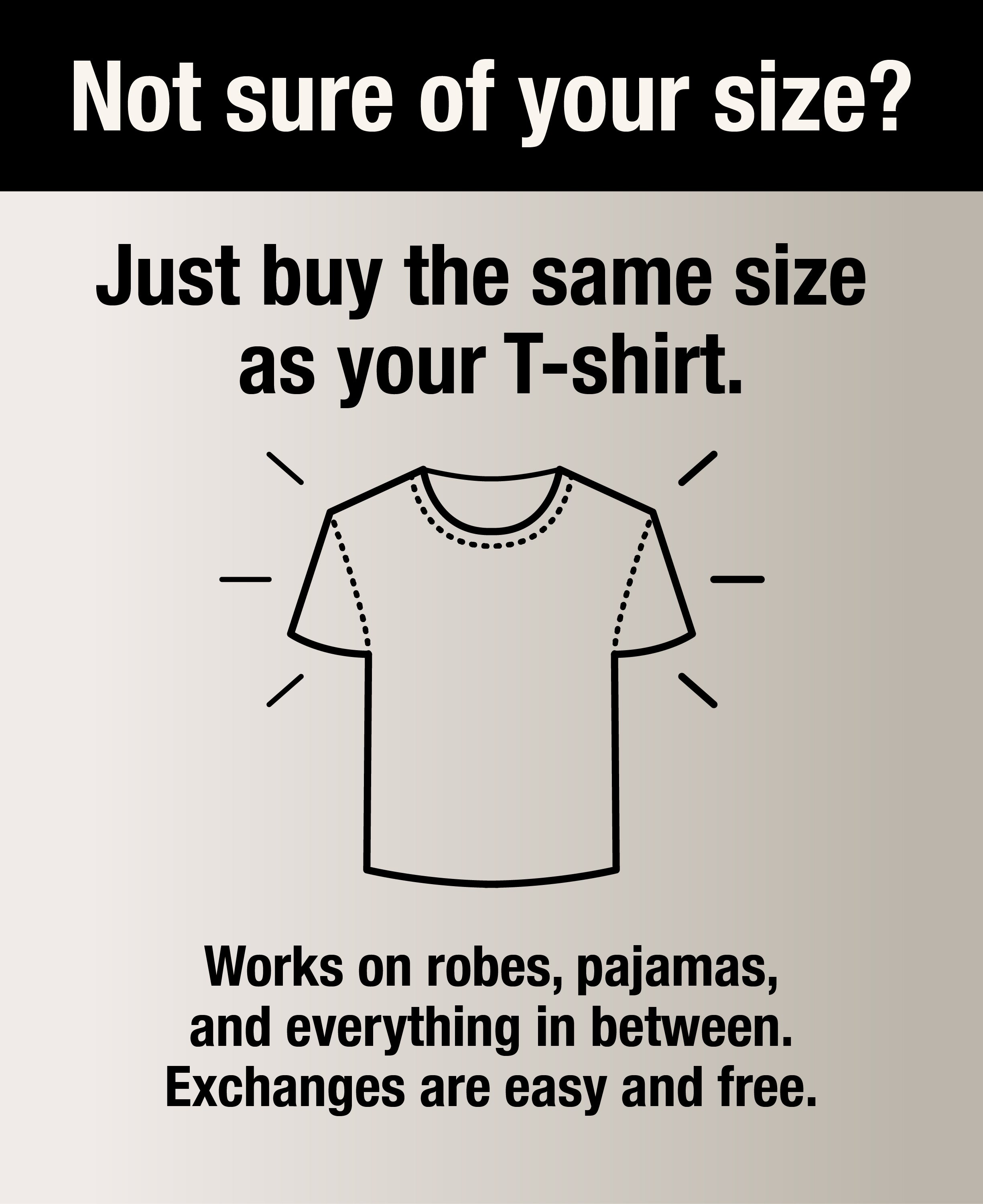
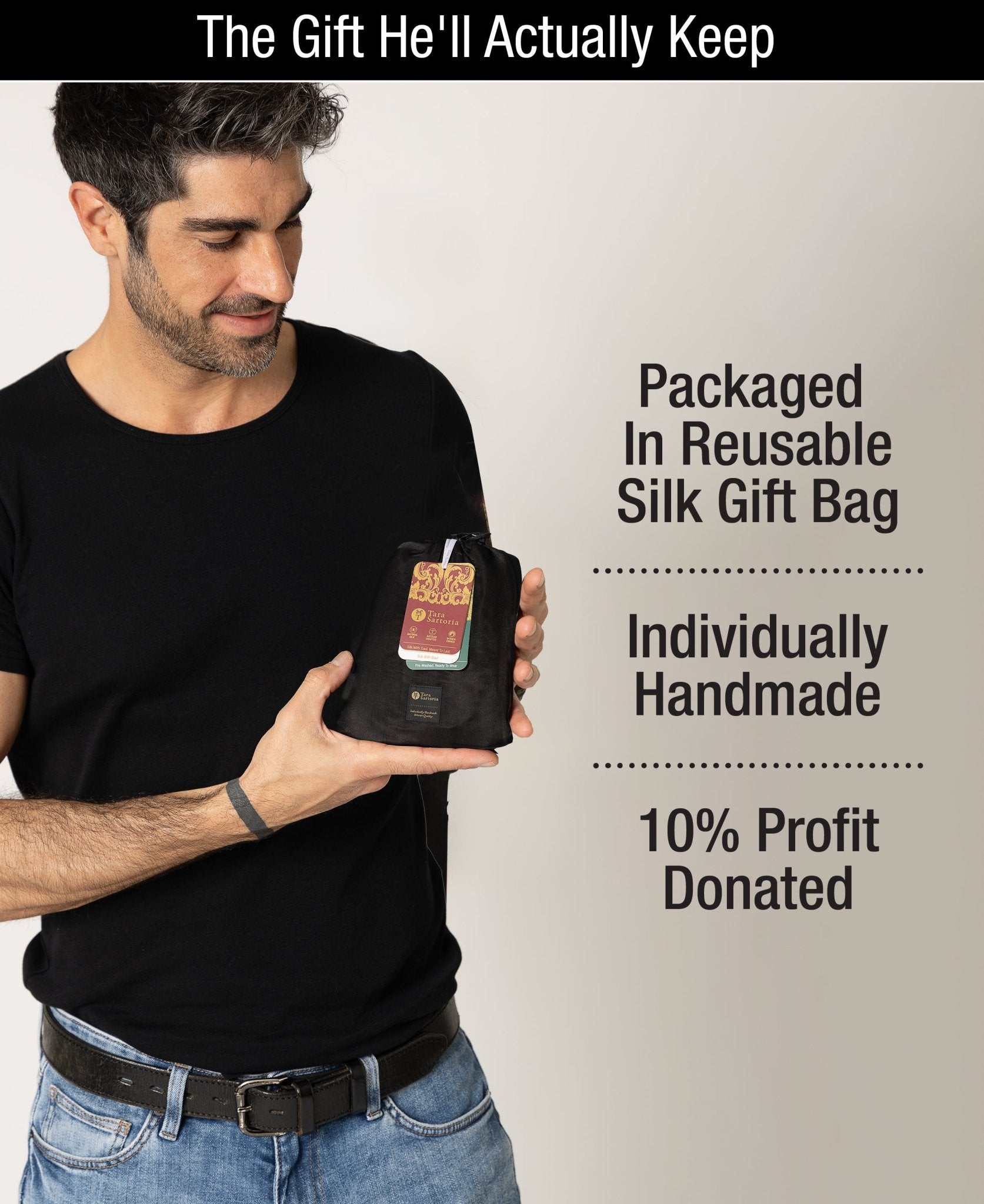
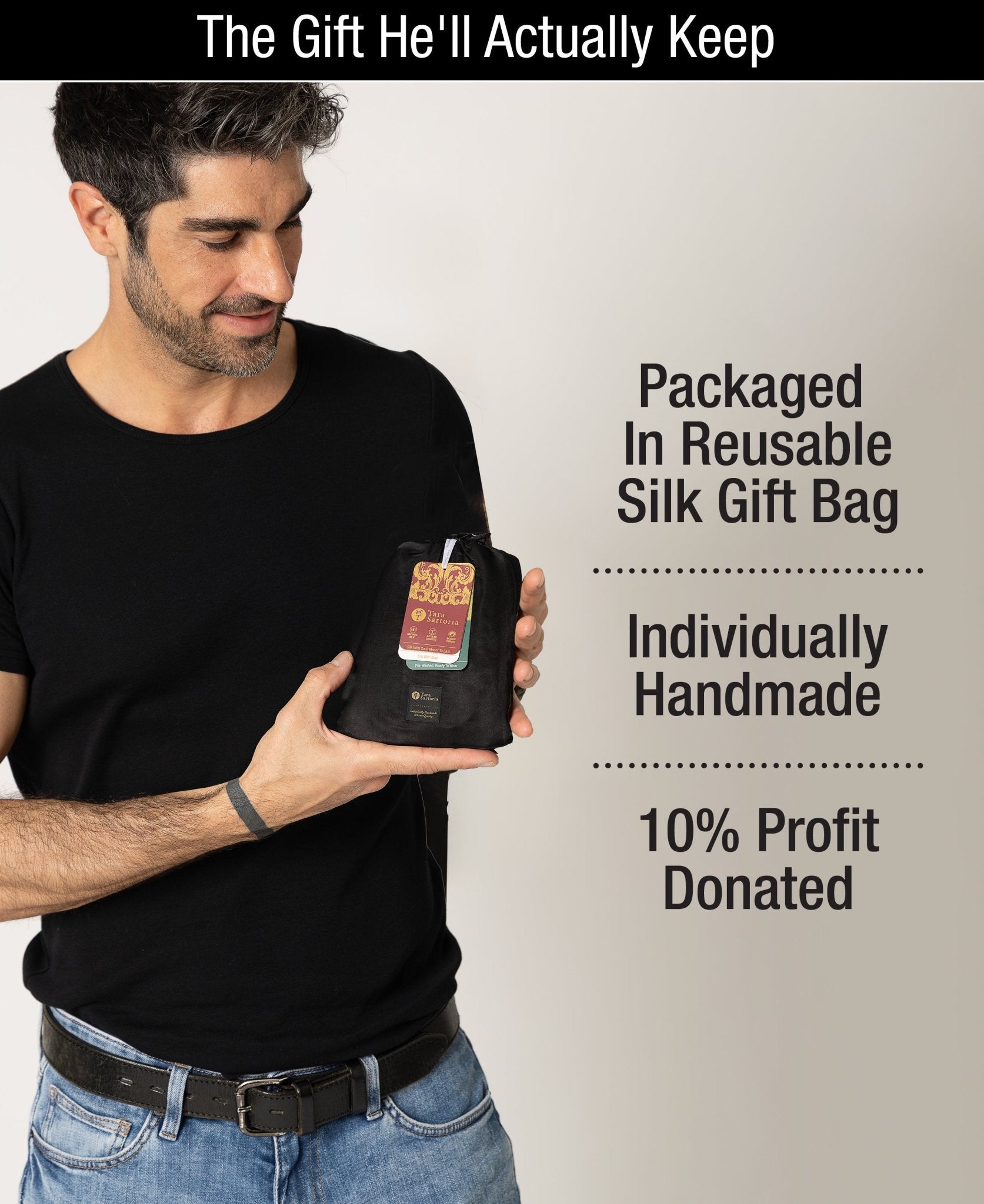
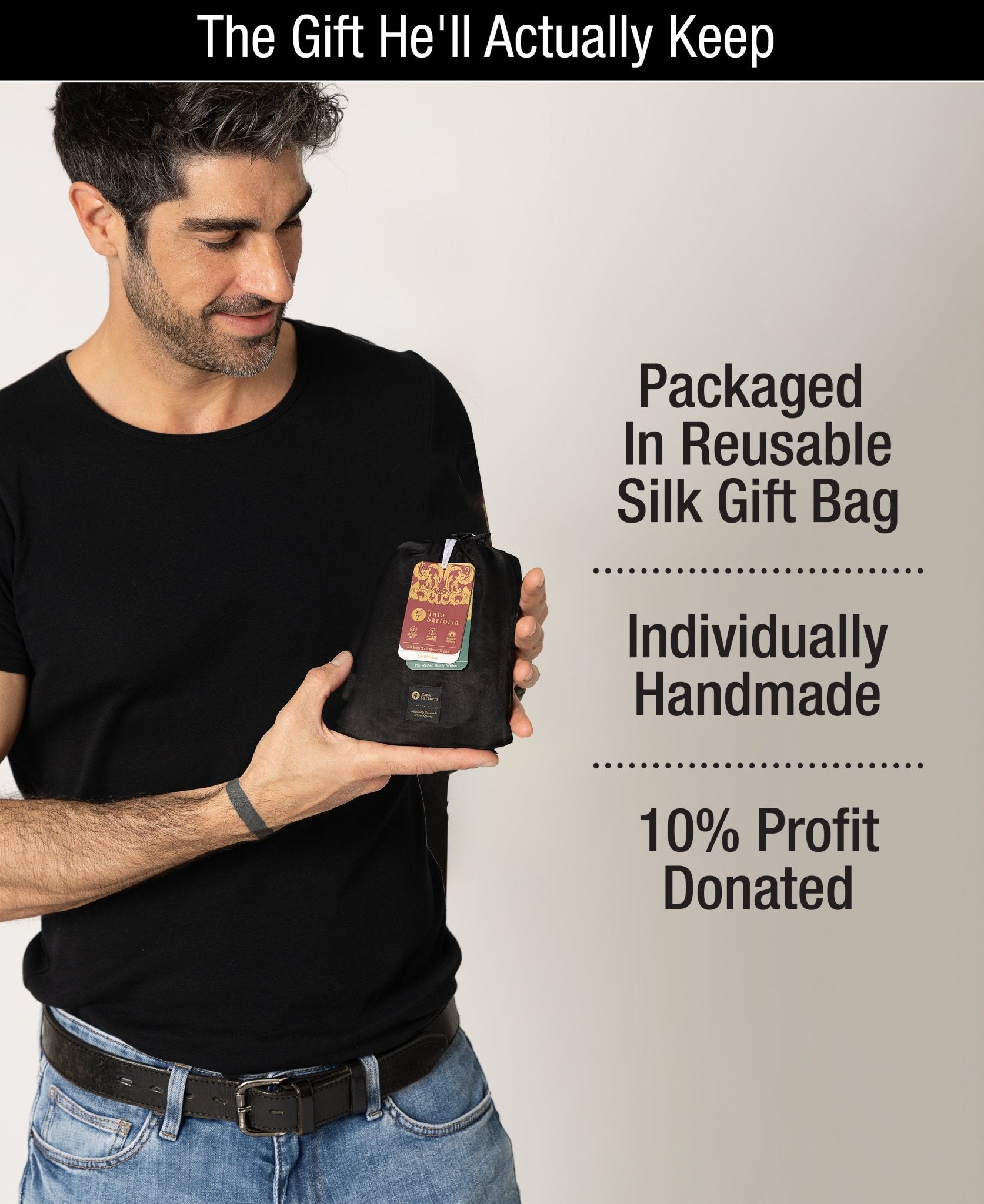
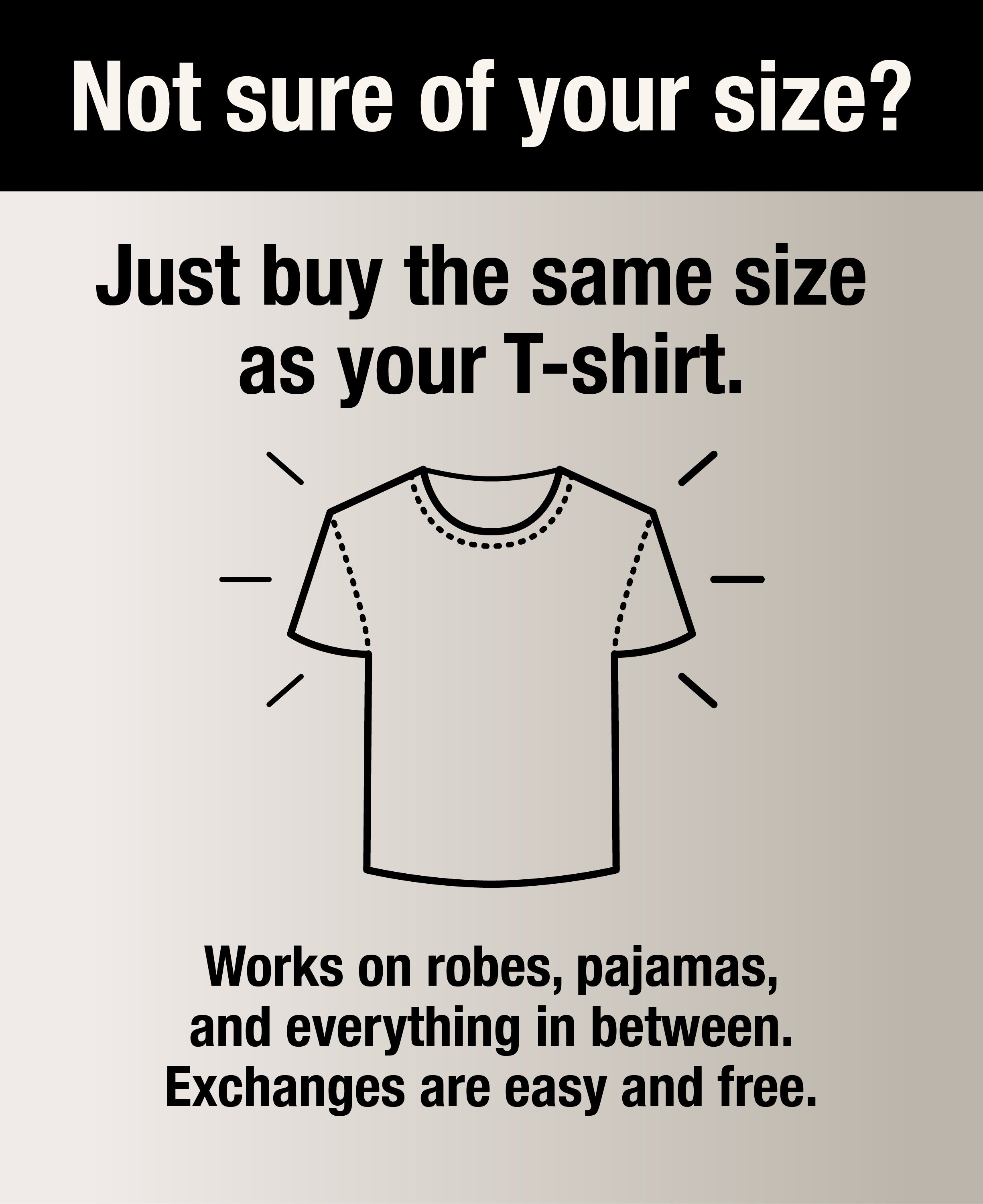
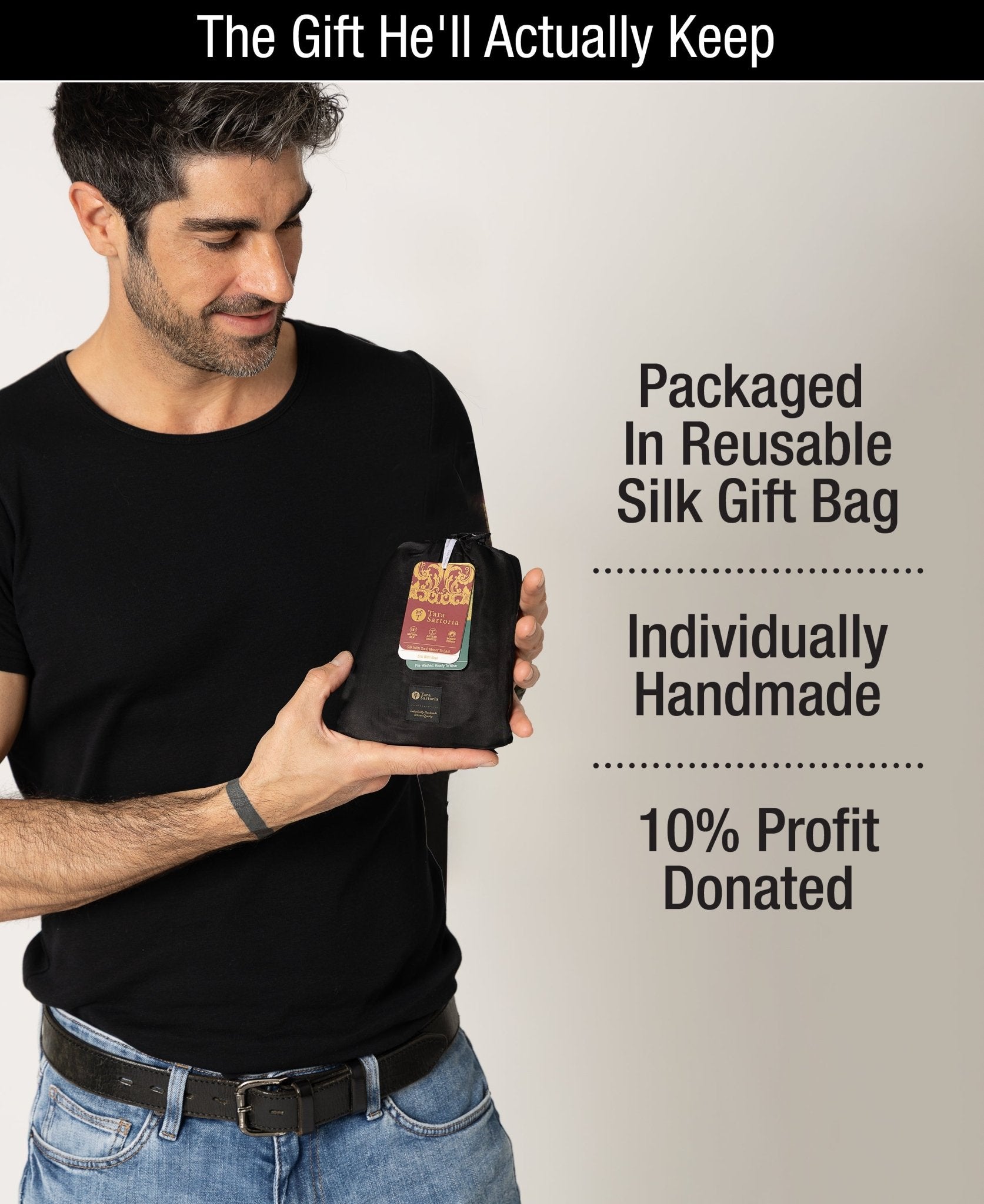
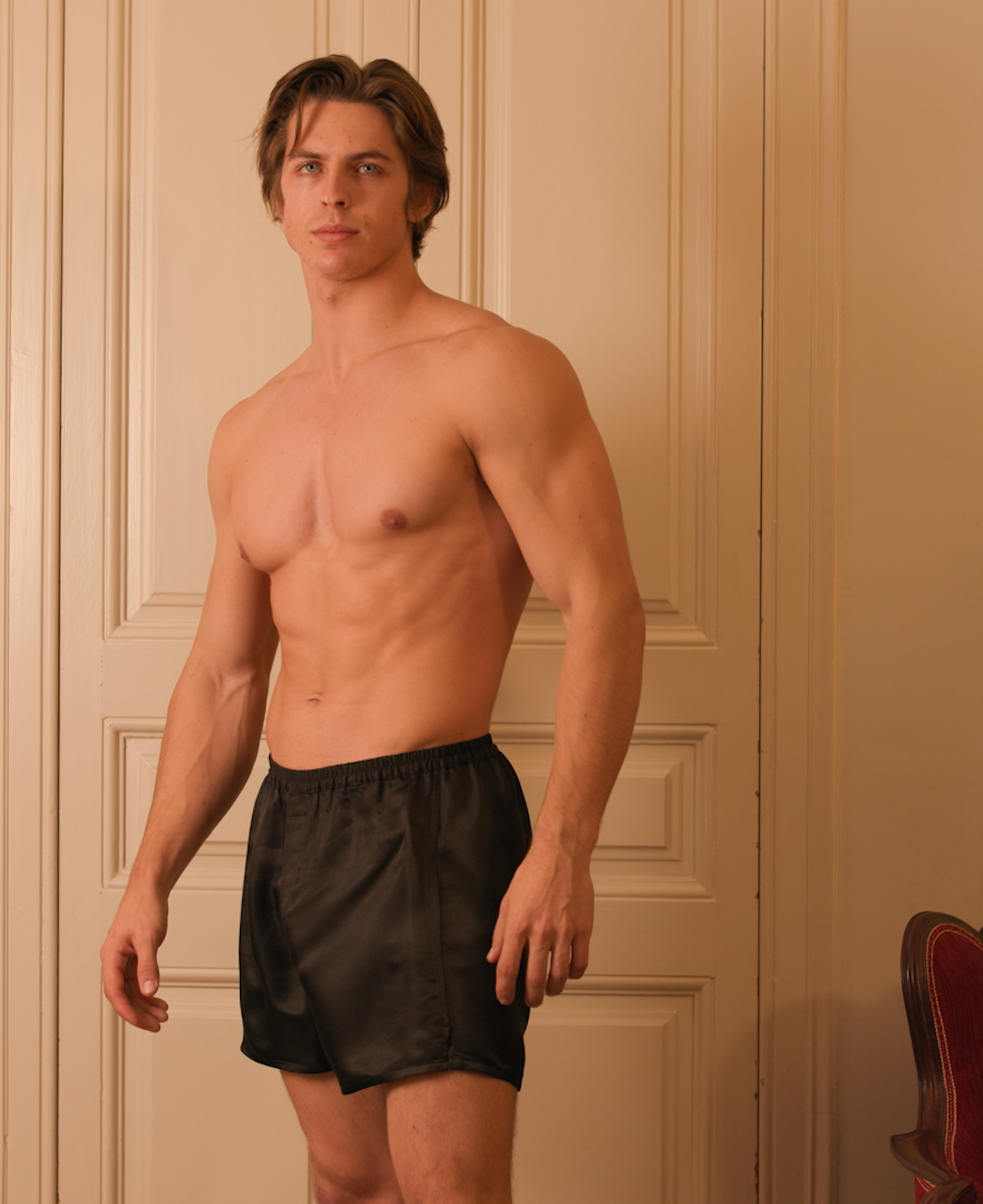
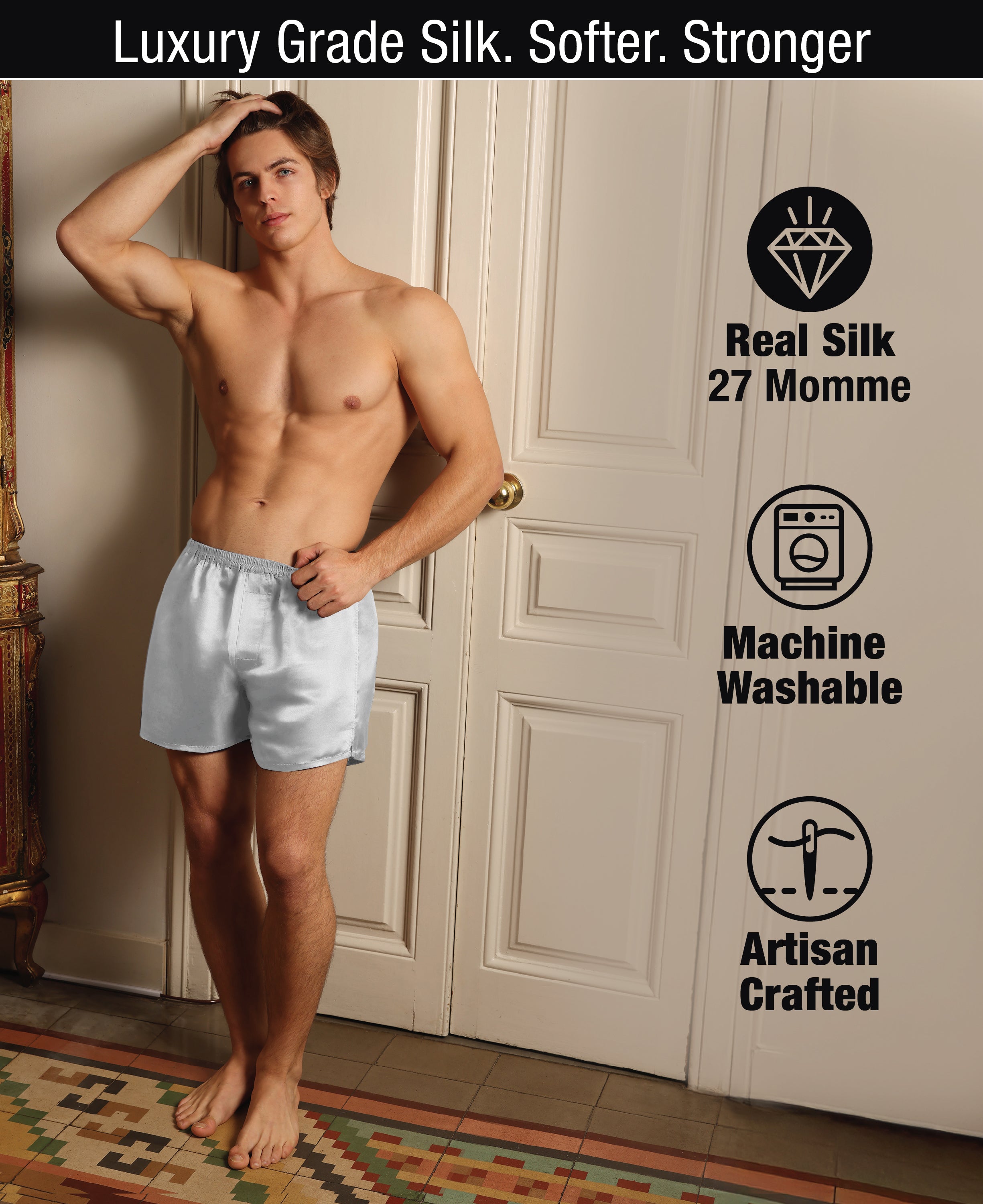
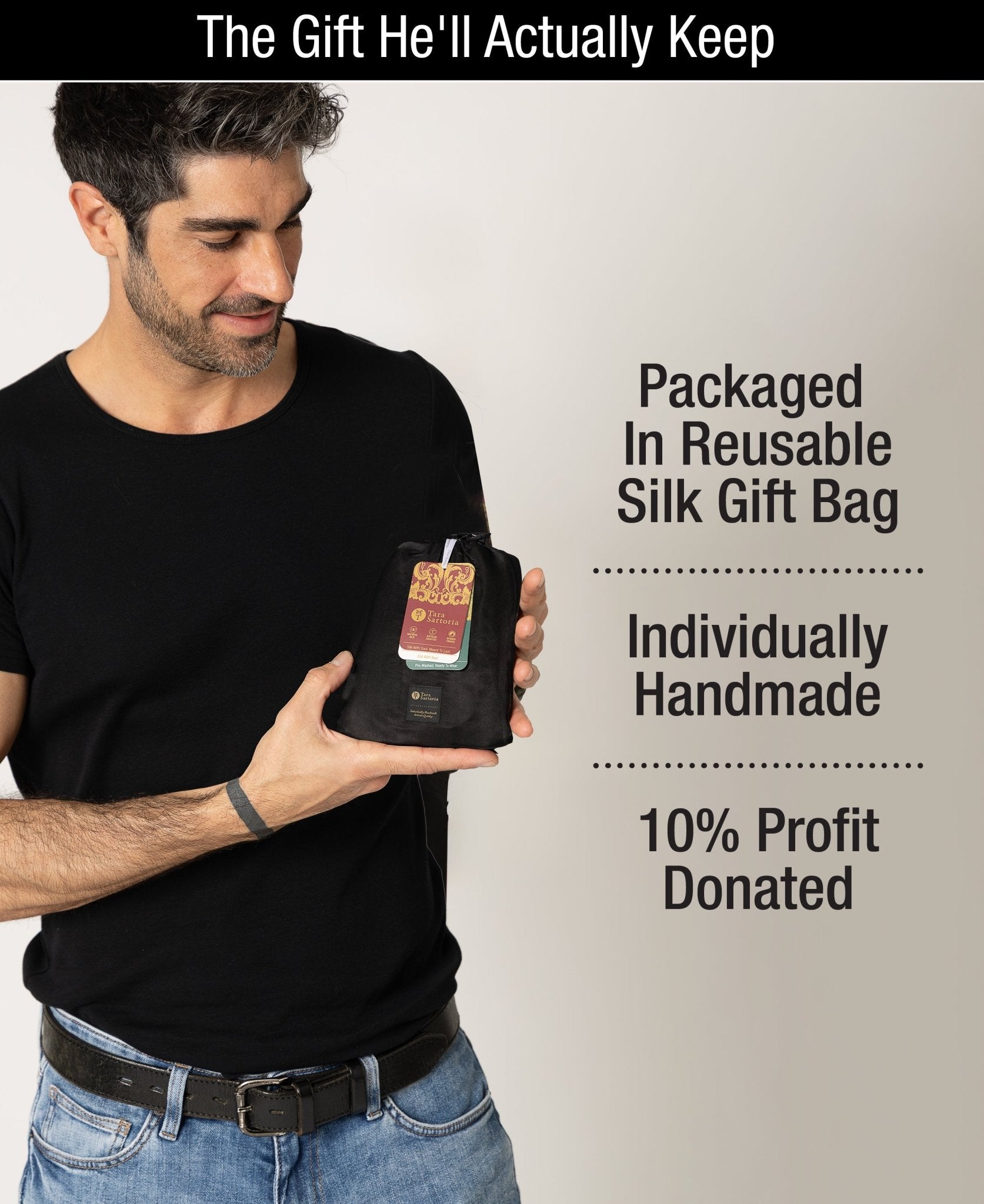
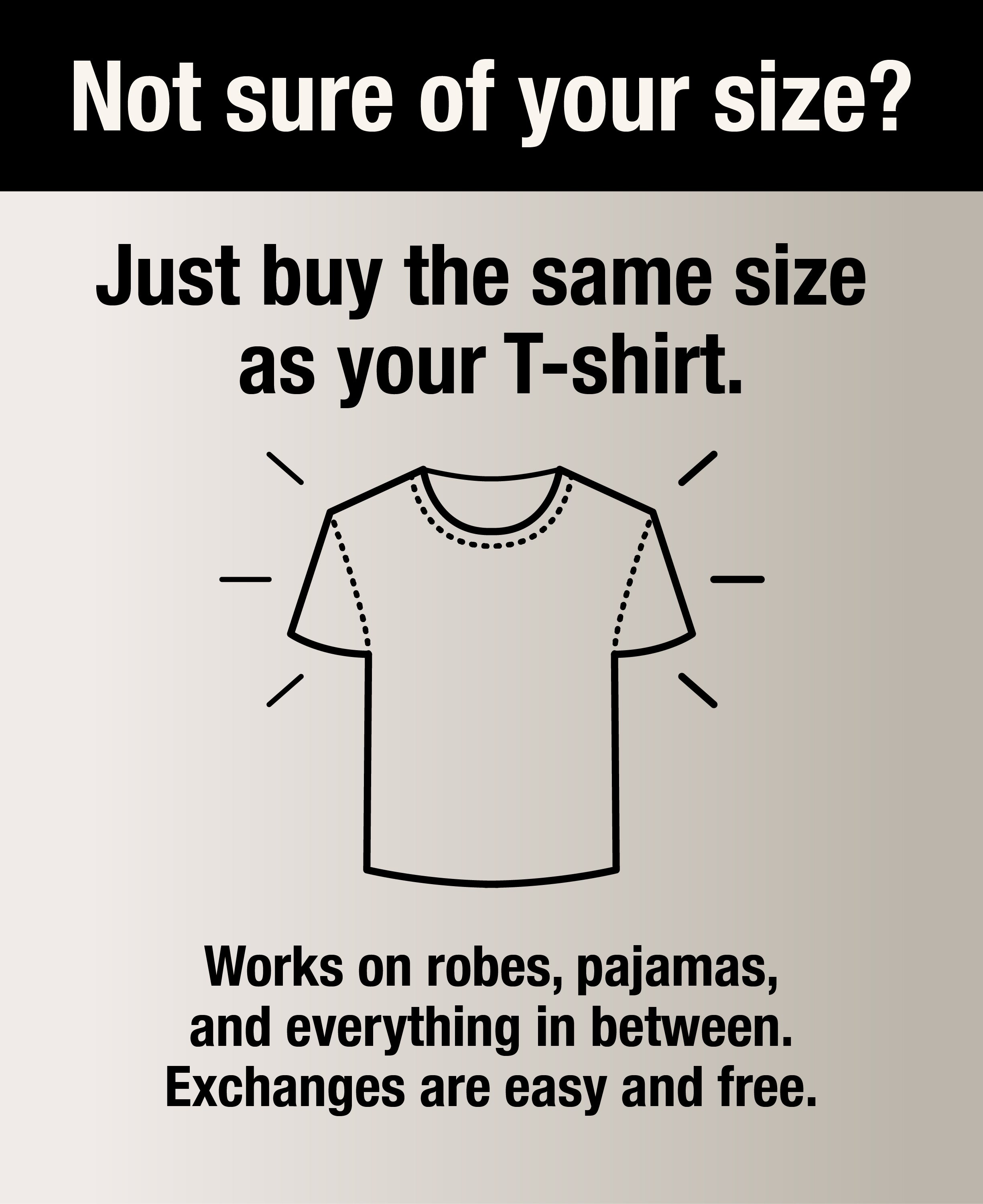
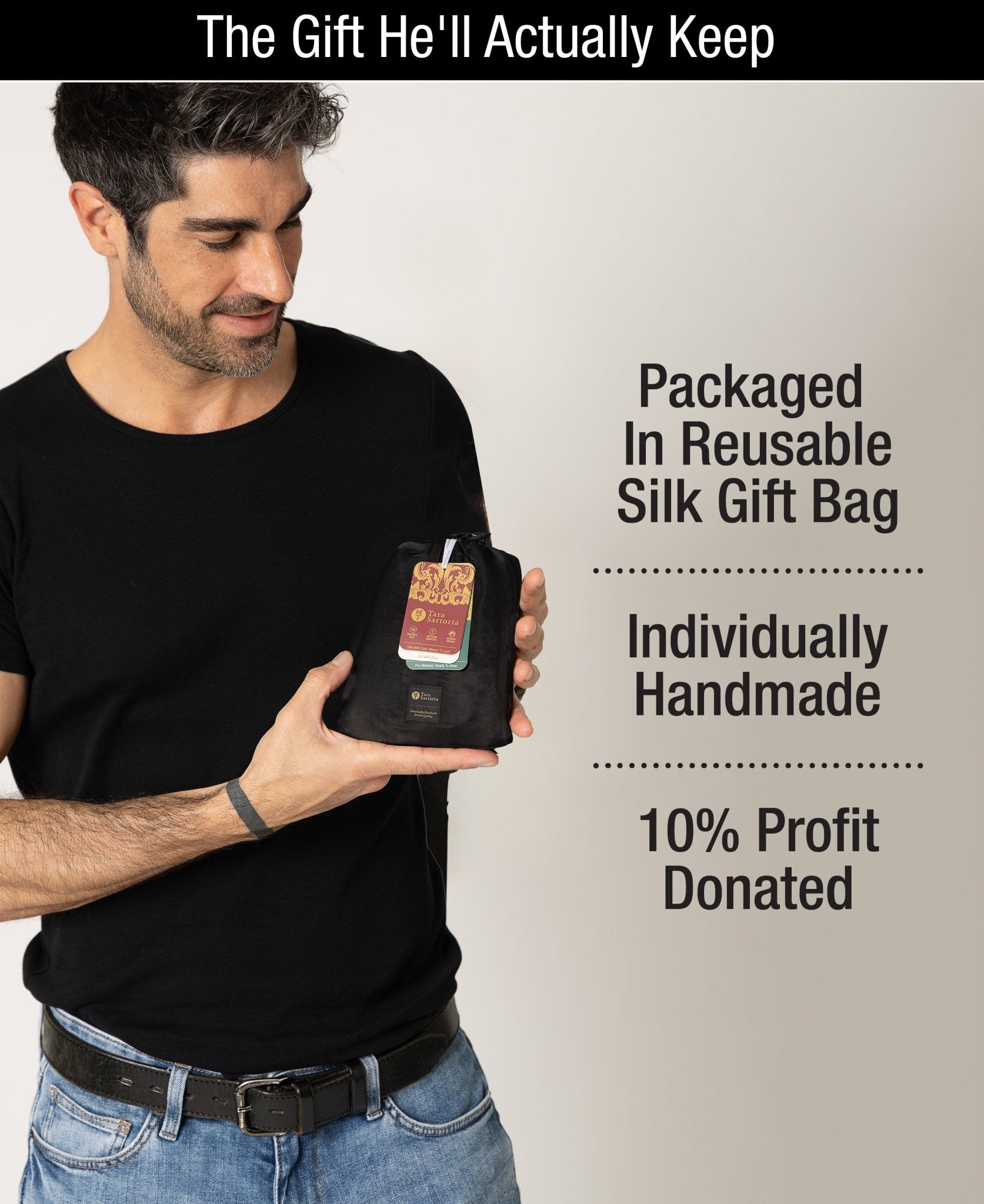
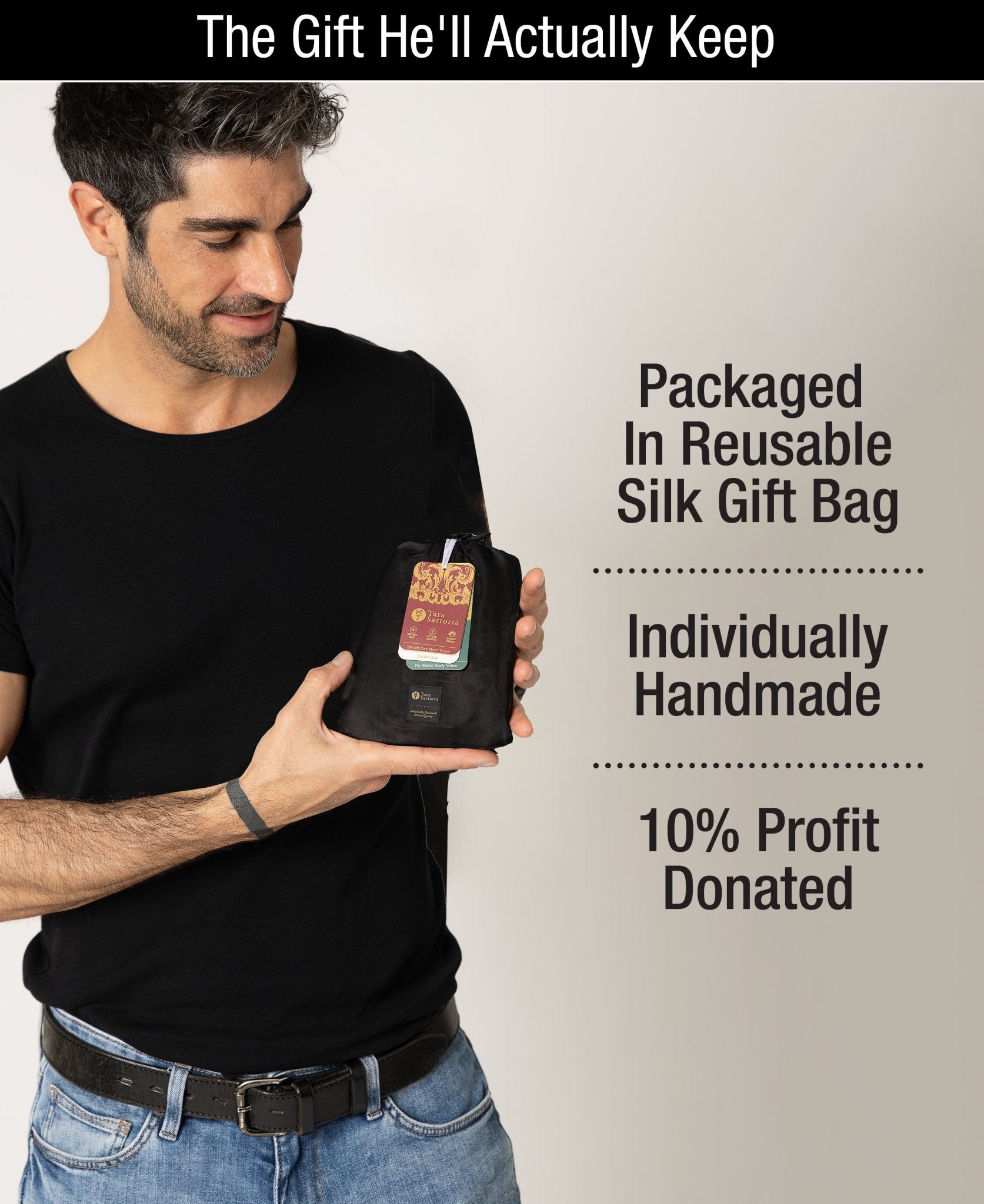
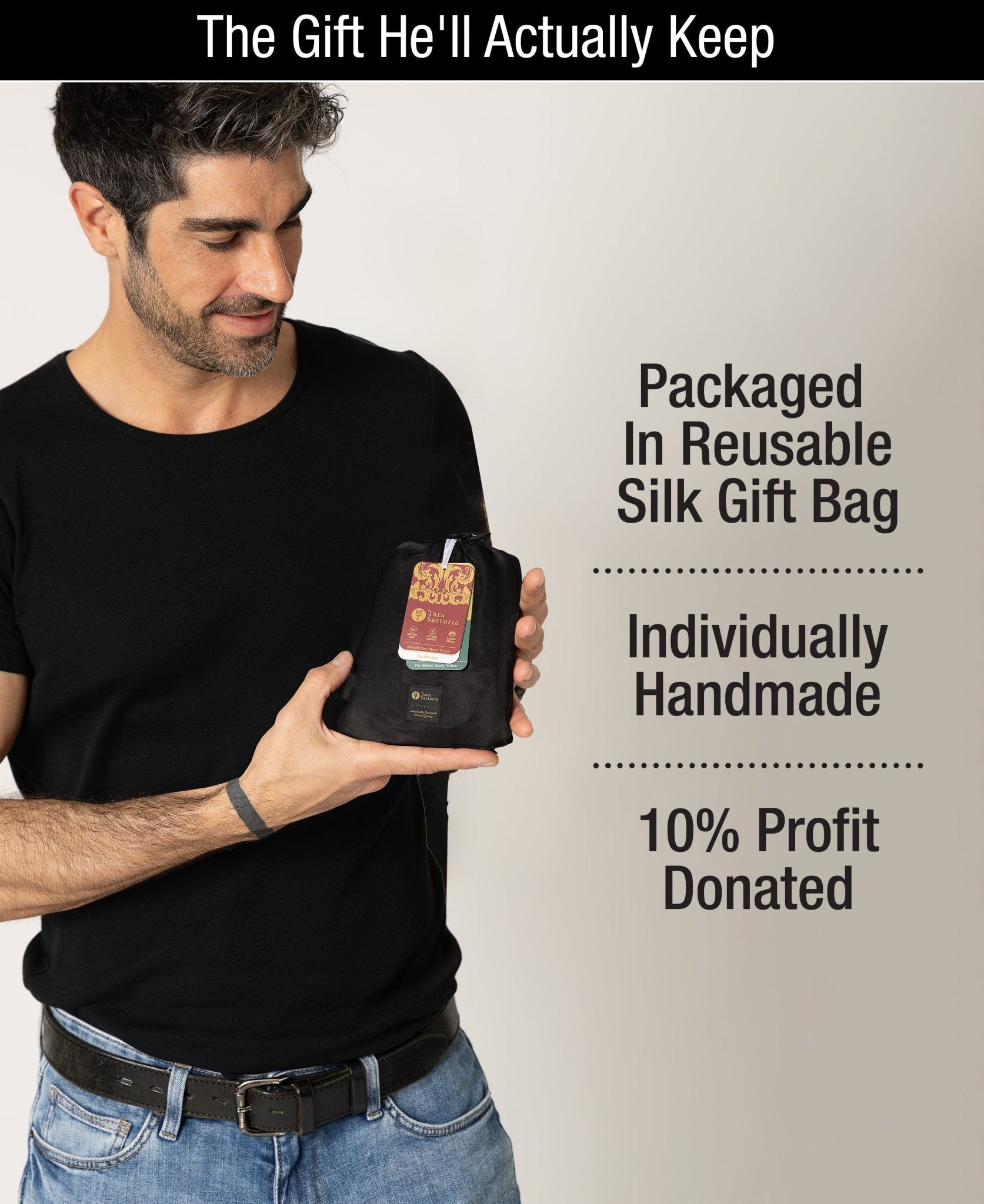
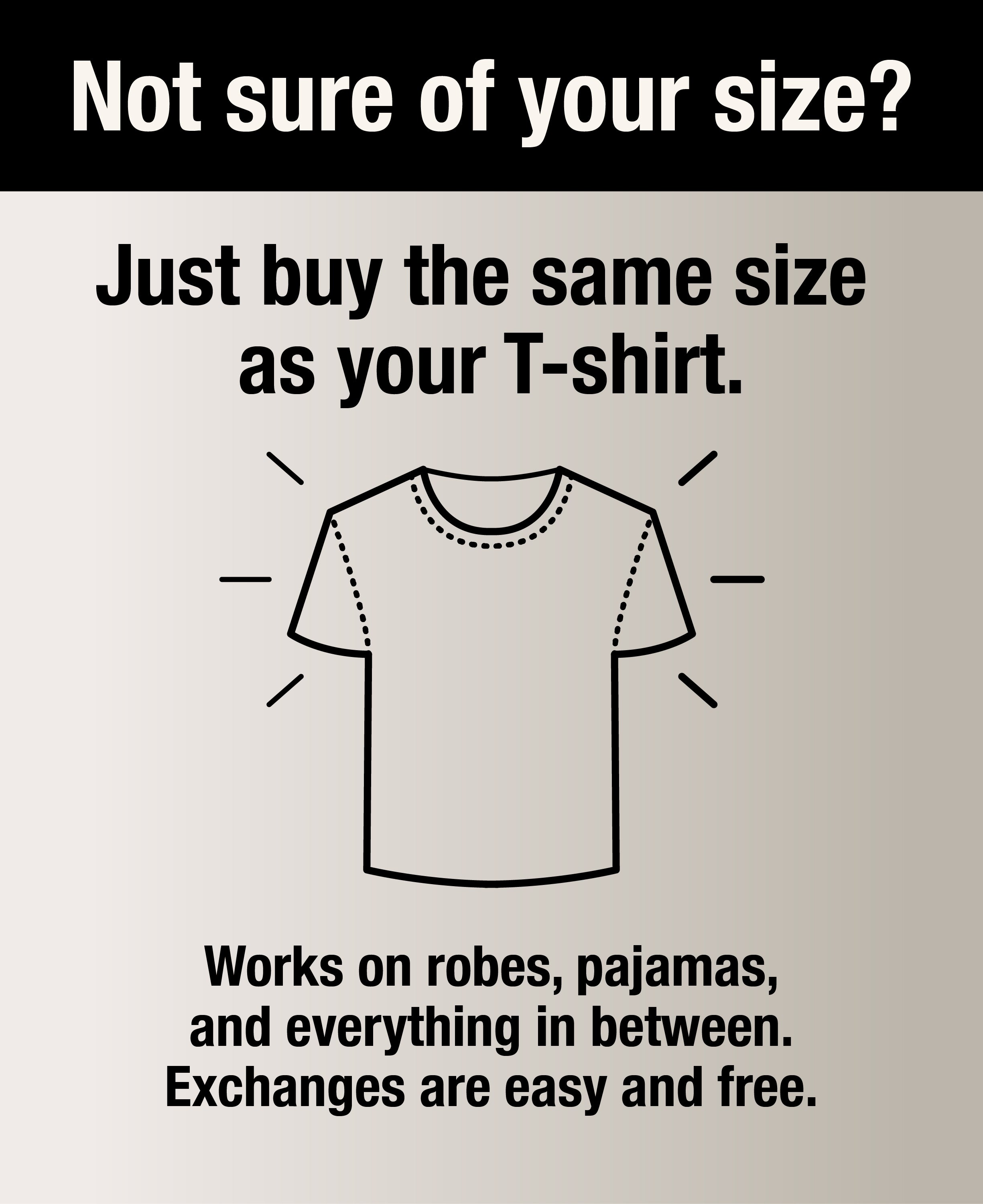
Each piece is made one piece at a time by a master artisan in Vietnam's historic silk villages. The silk is woven on heritage looms, finished with French seams, and built to be washed and worn for years. The fabric is 27 momme mulberry silk, denser than most luxury silk. Sizes run XS to 4XL as standard, with custom sizing available when needed. Every order ships in a silk pouch with a handwritten note. Free shipping in the US over $130. Free returns and exchanges, 30 days. 10% of profits fund women's education and entrepreneurship.
The Takeaway
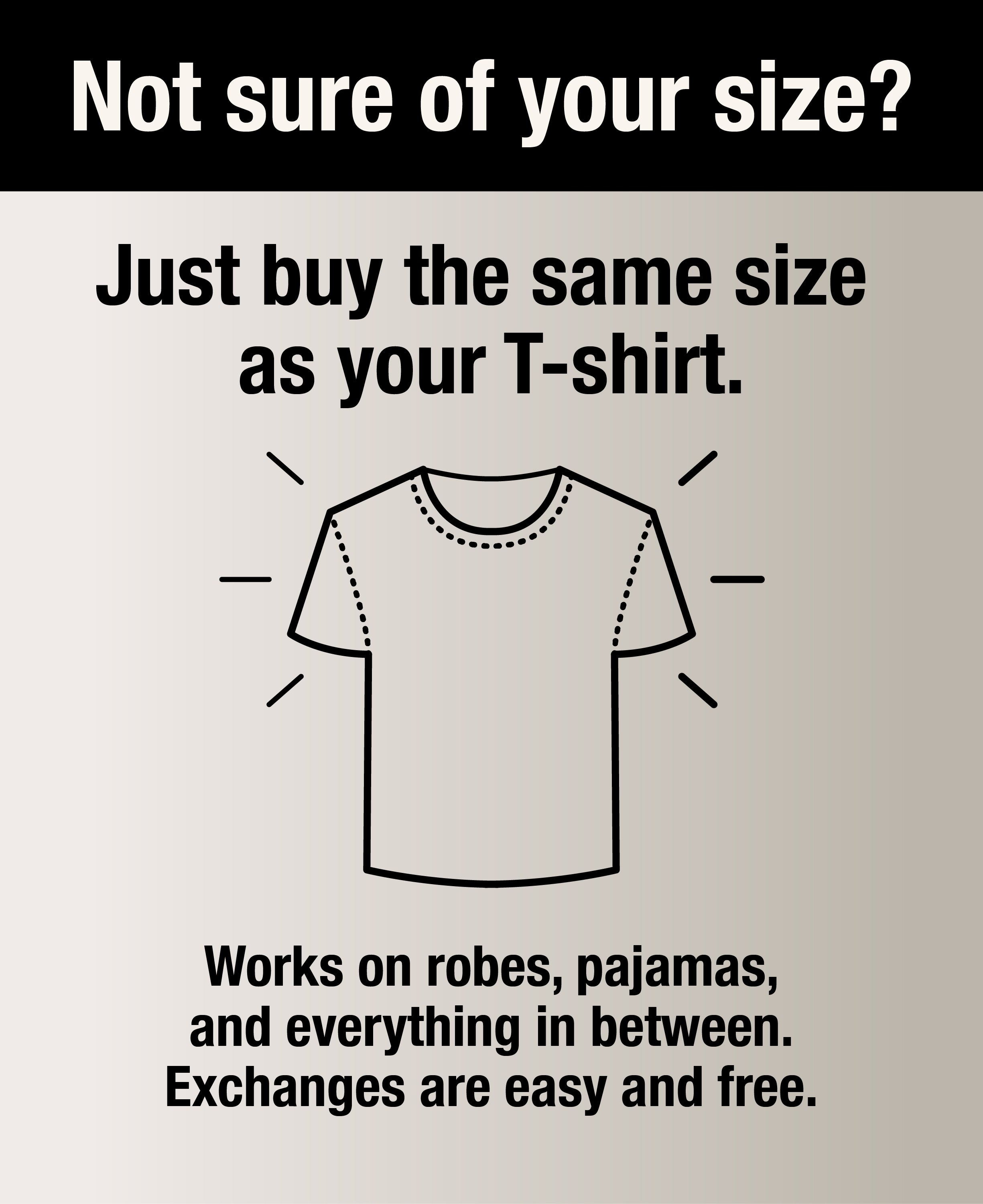
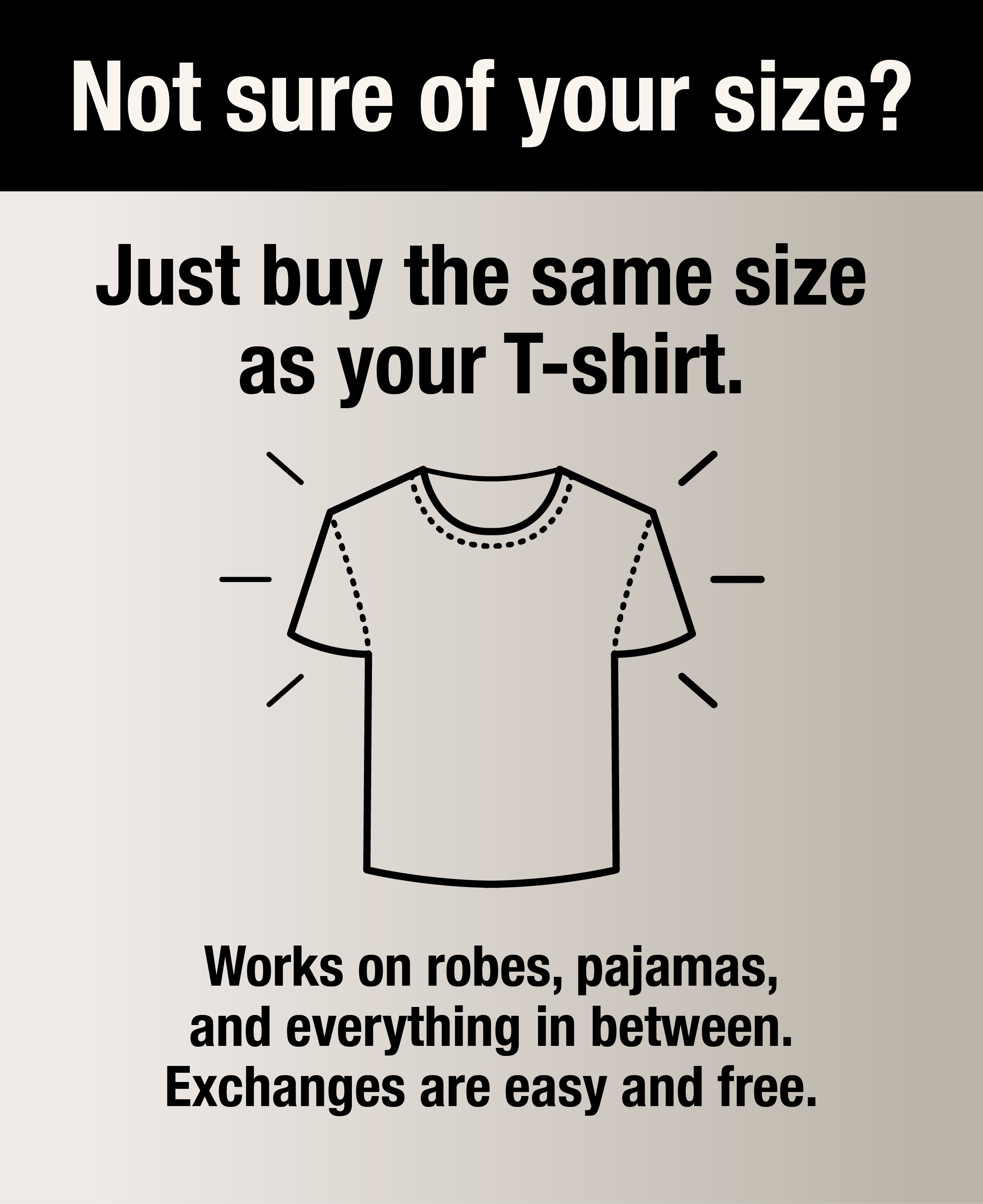
Artisan silk and factory silk share a name and almost nothing else. The difference is not visible in the first photograph and is unmistakable by month nine. Artisan silk is more expensive to make, lasts five to seven times longer, and ends up cheaper per wear than the factory silk that costs less on the shelf. If you are buying silk, the practical question is not what it costs today. The practical question is who made it and how. Find your size when you are ready.
Frequently Asked Questions
What is the actual difference between artisan silk and factory silk?
Artisan silk is woven on heritage looms in small workshops and sewn one piece at a time by a master artisan from start to finish. Factory silk is woven on industrial looms at speed, cut from stacks of forty to one hundred layers at once, and assembled on a production line where each operator does only one task. The garments look similar on day one and behave very differently by month nine.
Is luxury silk always artisan silk?
No. Most luxury silk sold at department stores is factory silk with a luxury label and a luxury markup. The production model is industrial. The garment cost to the brand is often less than fifteen percent of the retail price. The price you pay is mostly brand. The garment quality is closer to mid-market silk than to artisan silk.
How do I tell if a brand is making silk artisanally?
Look at the product page. Brands that make silk one piece at a time have commercial reasons to talk about it: they name the village, name the momme weight, describe the seam type, and explain the production model. Brands that use words like luxurious, premium, or elegant without describing how the silk is made are almost certainly selling factory silk.
Why does factory silk fall apart faster?
Two reasons. The fabric is thinner because the industrial loom tensions everything to a fixed setting, which produces a flatter and less structural cloth. The seams are surged because the production line cannot tolerate the extra minutes a French seam takes. The combination means the garment loses shape and seam integrity within months of normal wear. Real artisan silk does not.
Is artisan silk worth the price?
For most customers, yes. The production cost is four to seven times higher, but a real artisan silk piece lasts five to seven times longer. The cost per wear works out in favor of the artisan piece by year two. The garment also looks the same in year five as it did in year one, which is the test that matters in practice.
