


Inside the Workshop: How Tara Sartoria's Silk Is Cut and Sewn in Vietnam
By Tara Nguyen, Ph.D., Founder and Creative Director, Tara Sartoria
Every Tara Sartoria garment is cut and sewn by hand in a small artisan workshop in Vietnam. Not a factory. Not a production line. A workshop, where the people who cut the fabric are the same people who sew it, inspect it, and pack it.
This is not an aesthetic choice dressed up as a brand story. It's a production decision with specific consequences for the quality of what you receive, and it's worth explaining exactly what those consequences are.

















Why Vietnam, Specifically
Vietnam has one of the oldest continuous silk traditions in Southeast Asia, dating back over 2,000 years to the development of sericulture in the Red River Delta. The country's relationship with silk is not a recent manufacturing pivot, it's a cultural foundation. Villages like Van Phuc, outside Hanoi, have been weaving silk for over 1,200 years.
Tara Sartoria's workshop operates within this tradition, drawing on a labor force that has grown up around silk as a material. The artisans cutting and sewing 27 momme mulberry silk are not learning a new skill on a production line. They have tactile knowledge of how silk behaves under a blade, how it feeds through a machine, where it wants to stretch and where it holds firm. That knowledge is not something you can train into a workforce in six months. It accumulates over years of handling the fabric daily.
This matters because silk, particularly at 27 momme, is an unforgiving fabric to cut and sew. The floating threads on the smooth face of the silk mean any imprecision in cutting creates fraying that cannot be hidden. Any tension inconsistency in sewing creates puckering that cannot be pressed out. The margin for error is narrower than with cotton, polyester, or even lighter-weight silks.








What "Artisan Workshop" Actually Means
The word "artisan" is used loosely in fashion marketing that it has nearly lost meaning. Here is what it means at Tara Sartoria, specifically.
Scale.
The workshop produces hundreds of garments per month, not thousands. A fast-fashion factory producing for a major brand produces thousands of units per day. The scale difference is not romantic, it's functional. Smaller production runs mean each garment receives more individual attention during cutting, sewing, and inspection.
Specialisation.
The workshop makes silk garments. Not cotton. Not polyester. Not blended fabrics. The machines are calibrated for silk. The thread tension, stitch length, presser foot pressure, and feed rate are all set for 27 momme silk. In a multi-fabric factory, these settings change constantly between production runs, and the transition period produces inconsistent results. A silk-specialist workshop eliminates that variability.
Continuity.
The same artisans work on Tara Sartoria garments month after month. They know the patterns. They know where the fabric's bias creates tension. They know which seams require extra care. This continuity produces consistency in the finished product that contract manufacturing, where your order moves to whichever factory has capacity this month, cannot replicate.





















The French Seam: Why It Requires Skilled Hands
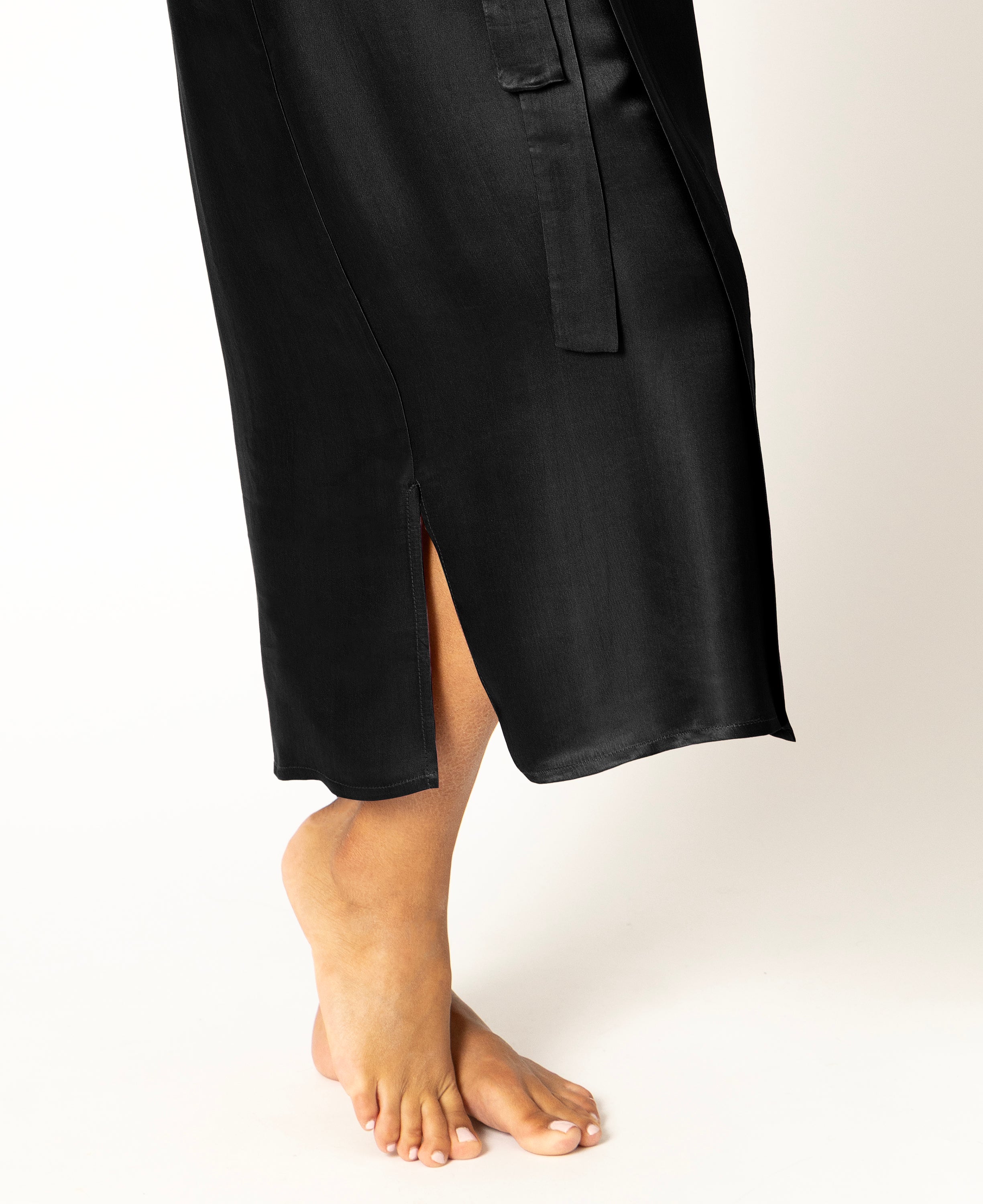
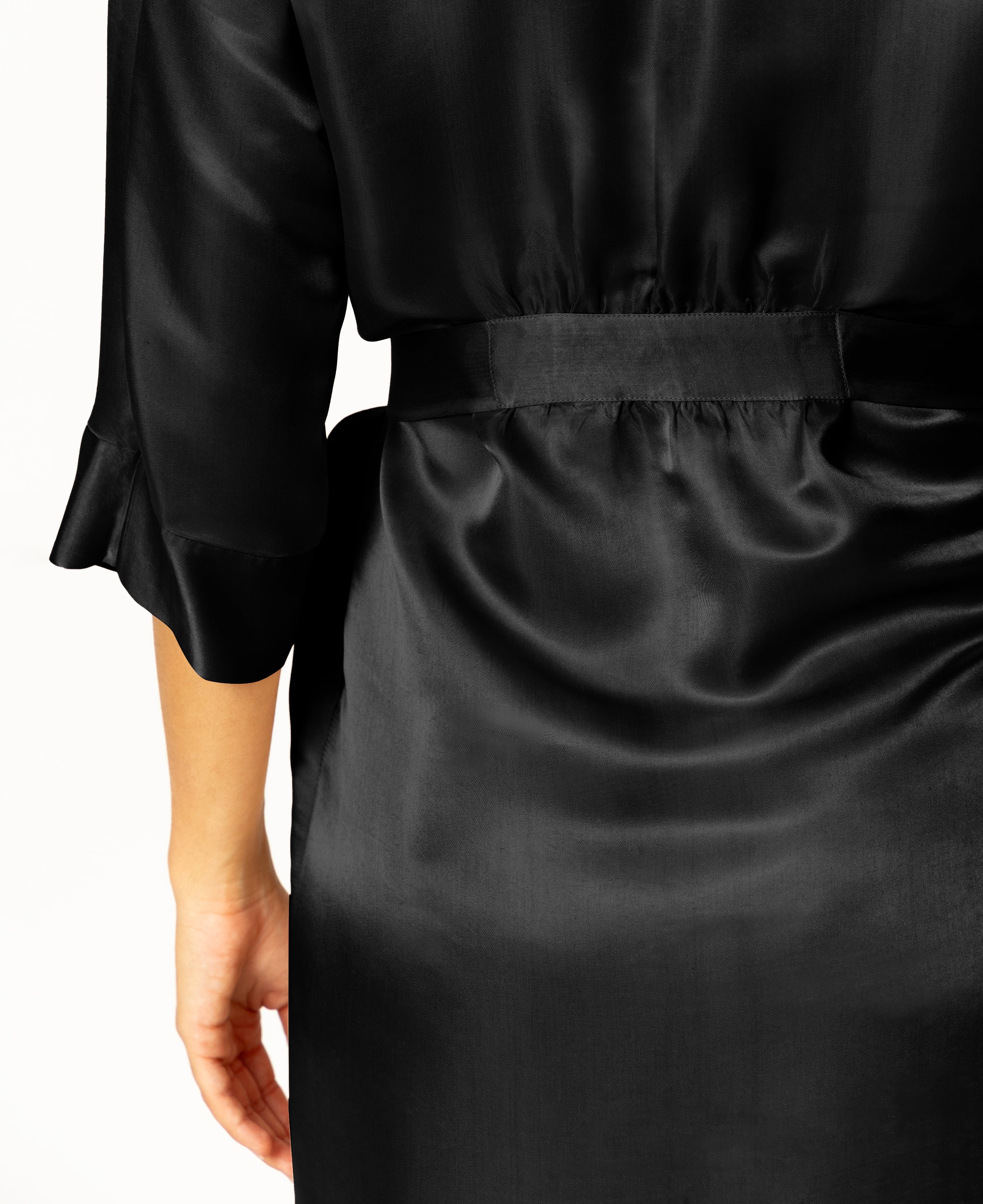
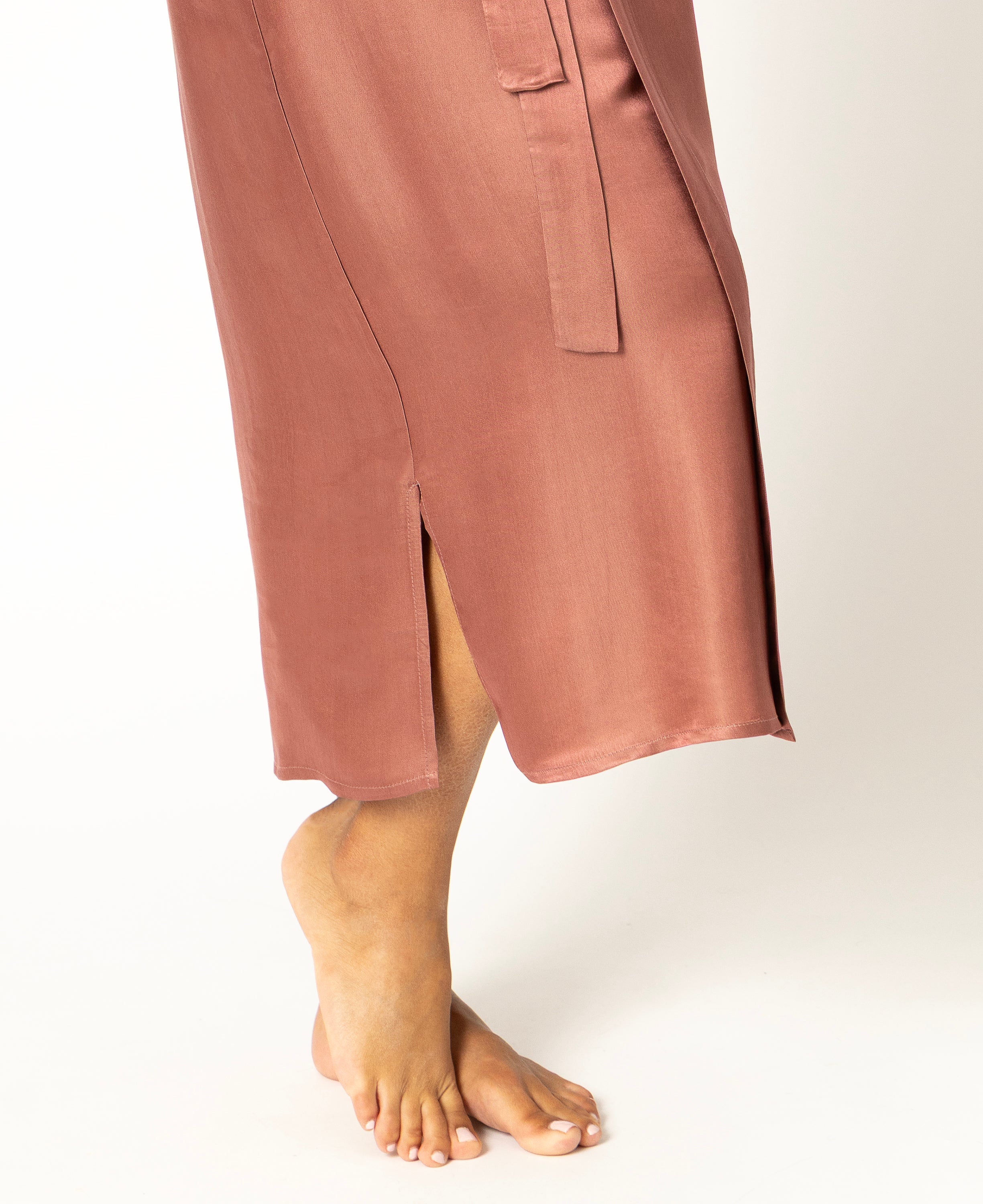
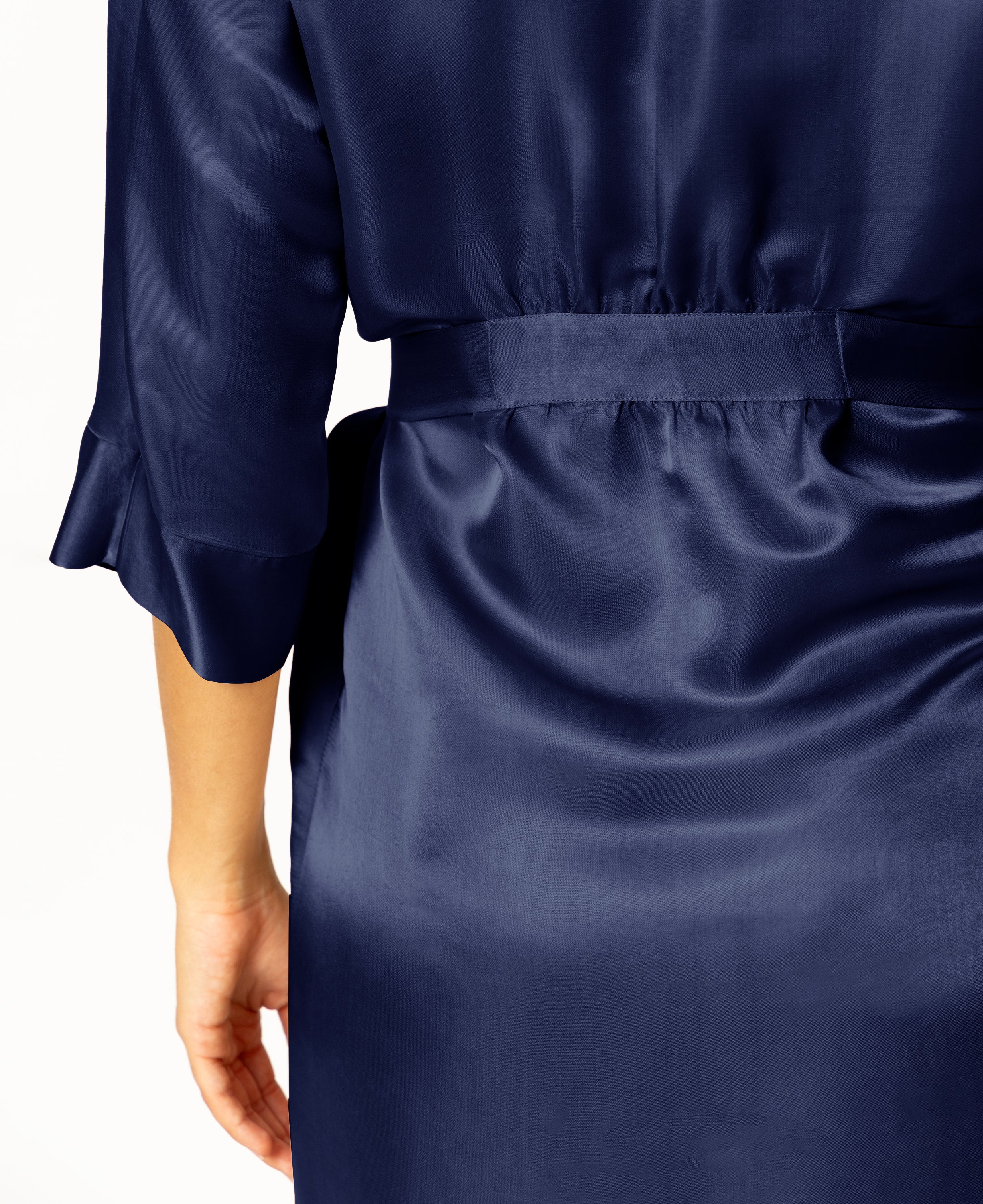
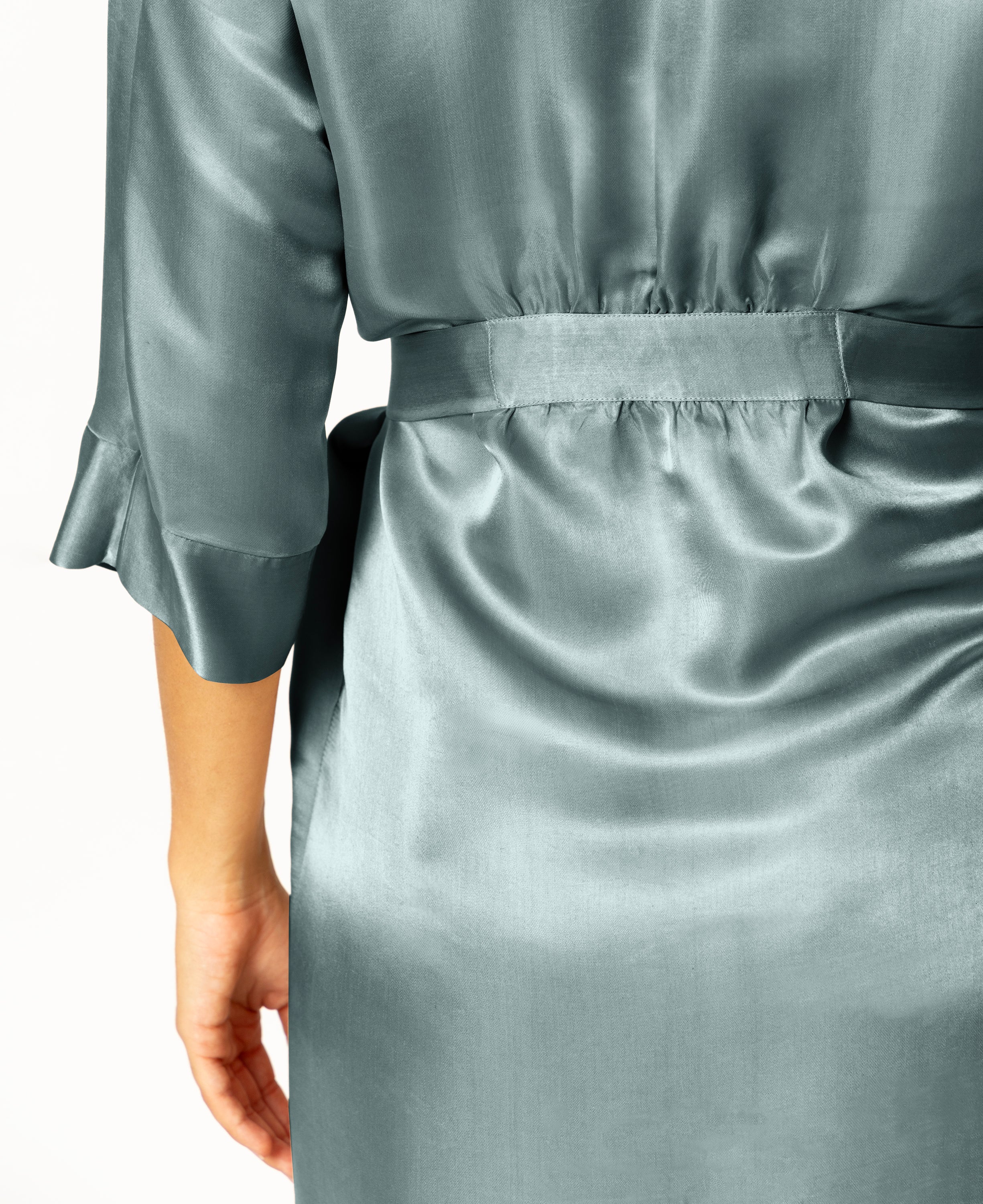
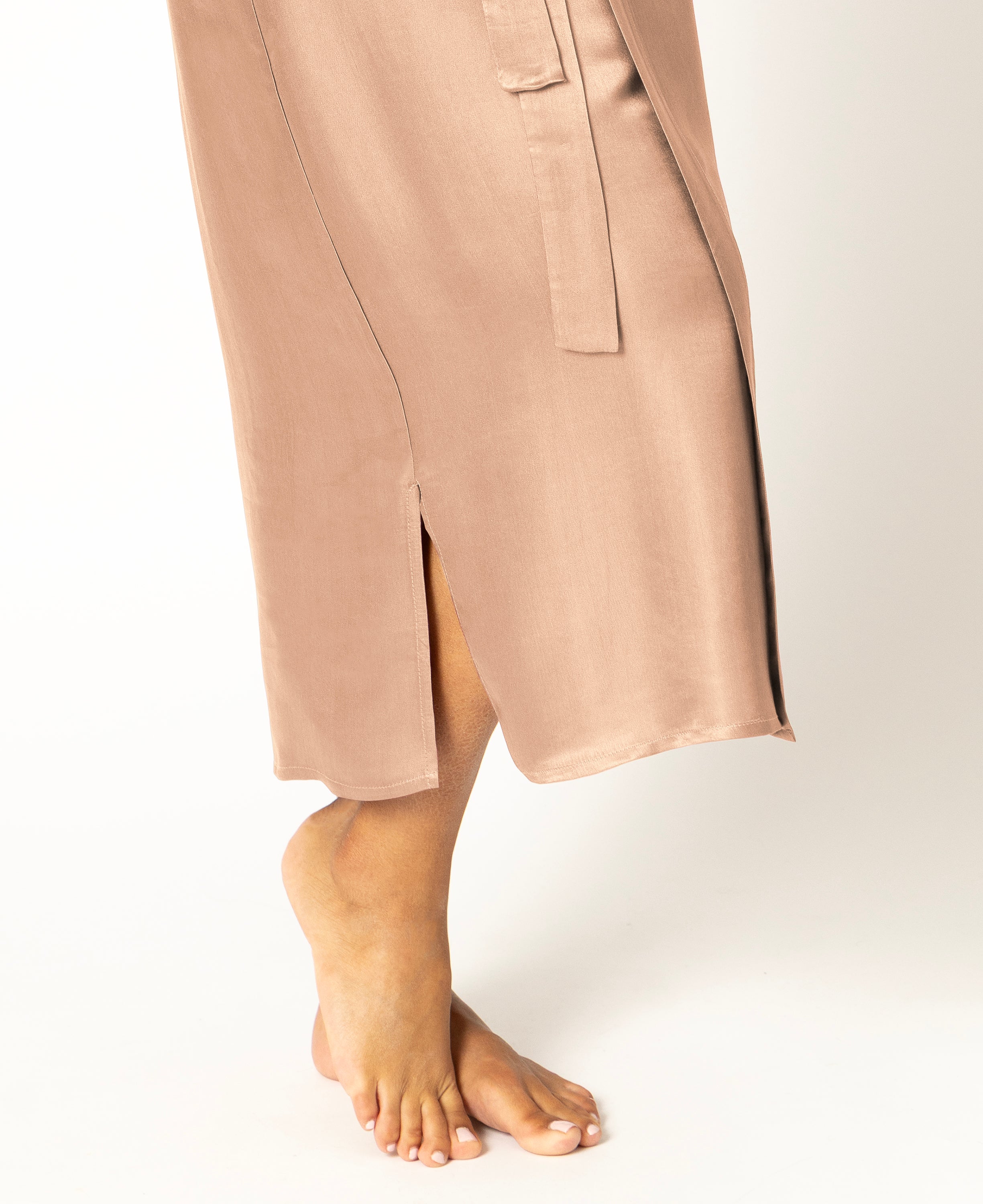
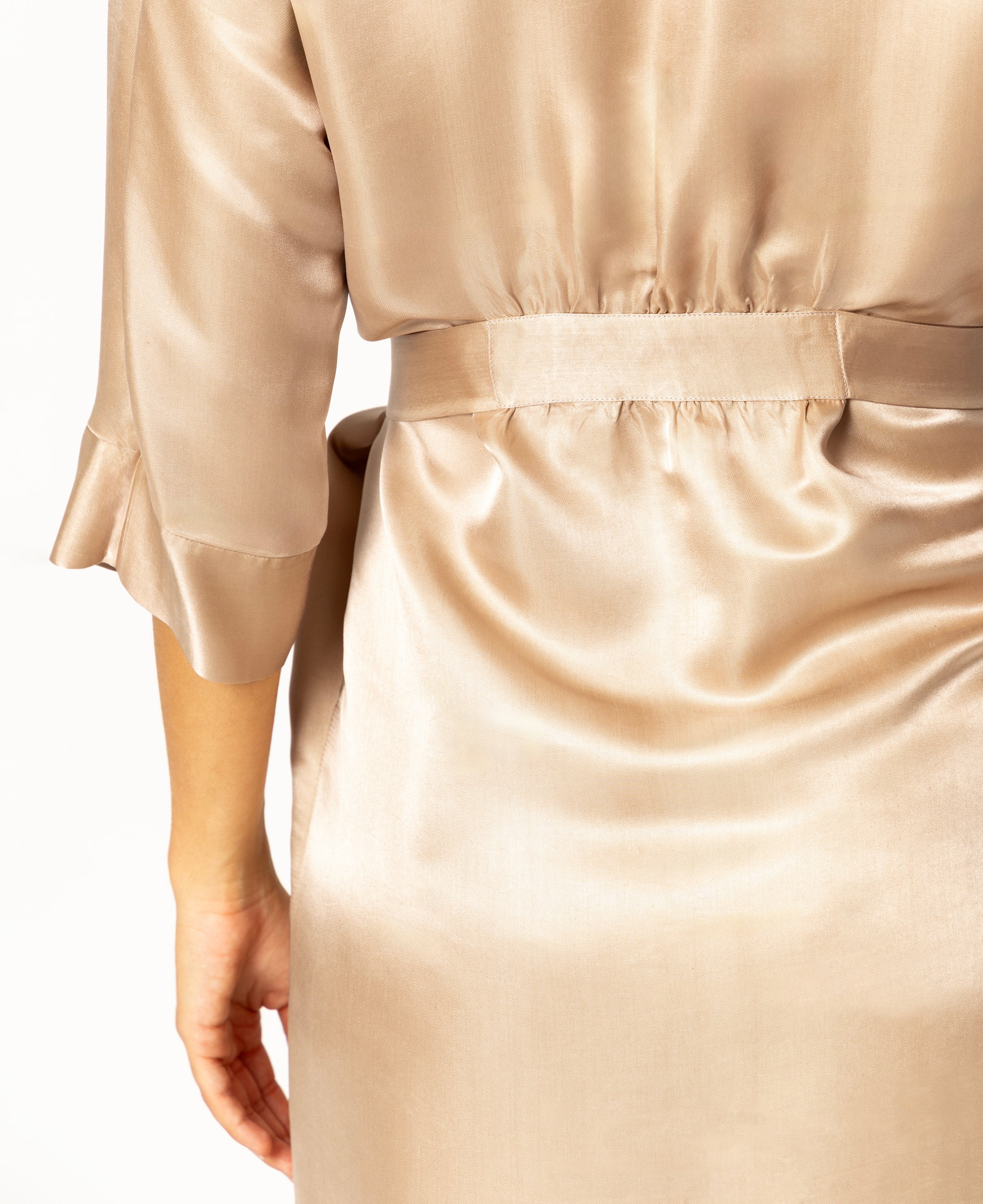
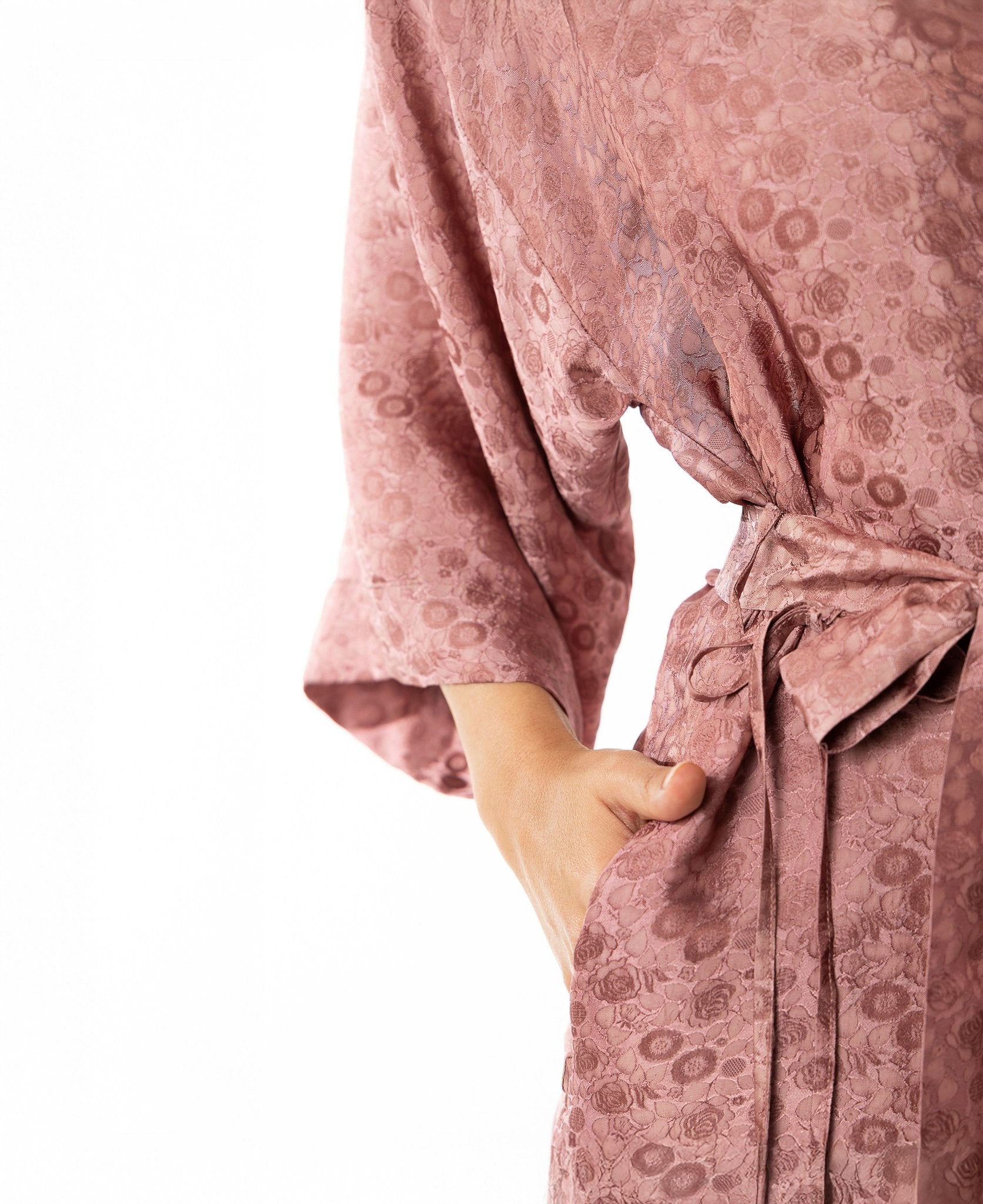
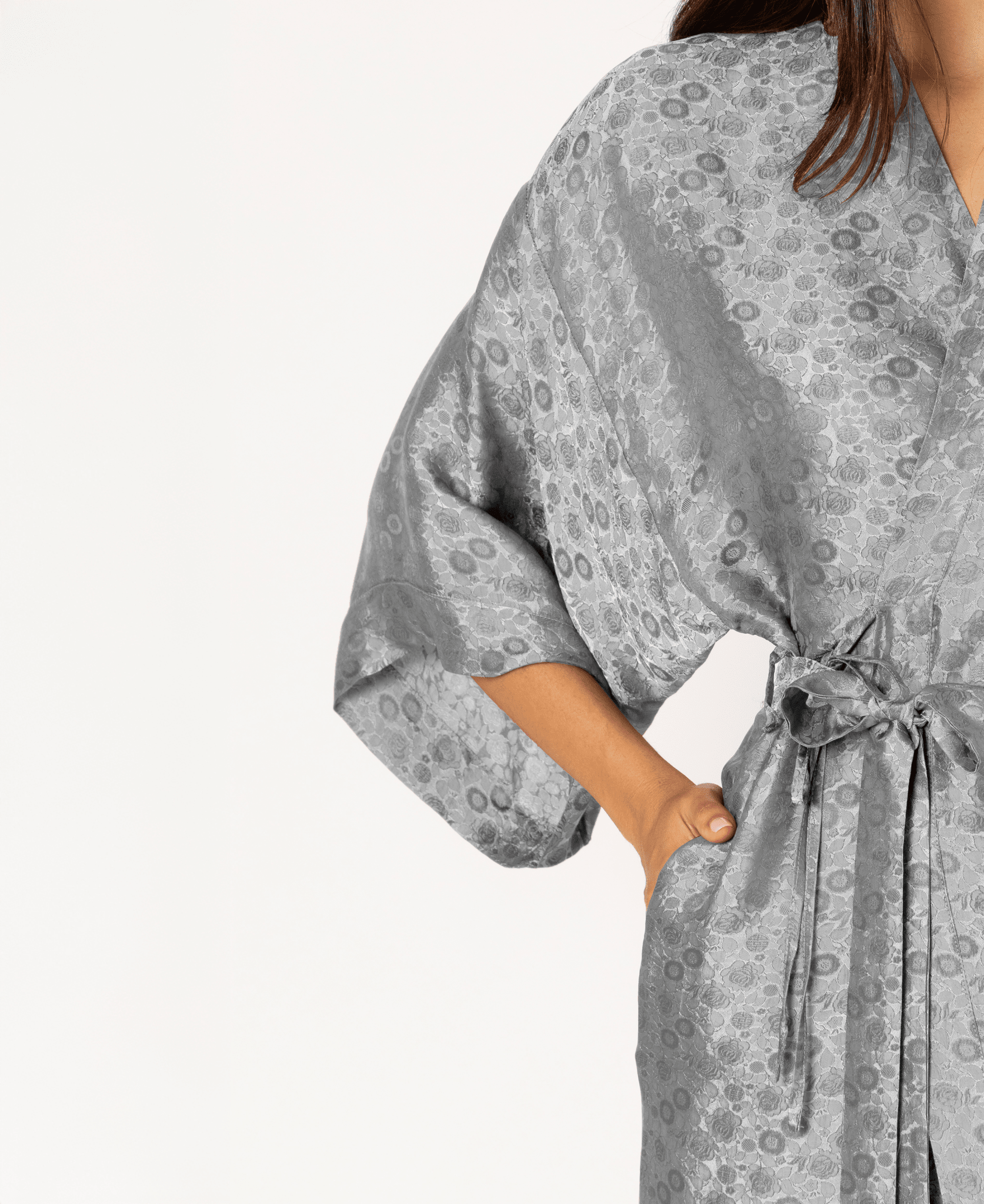
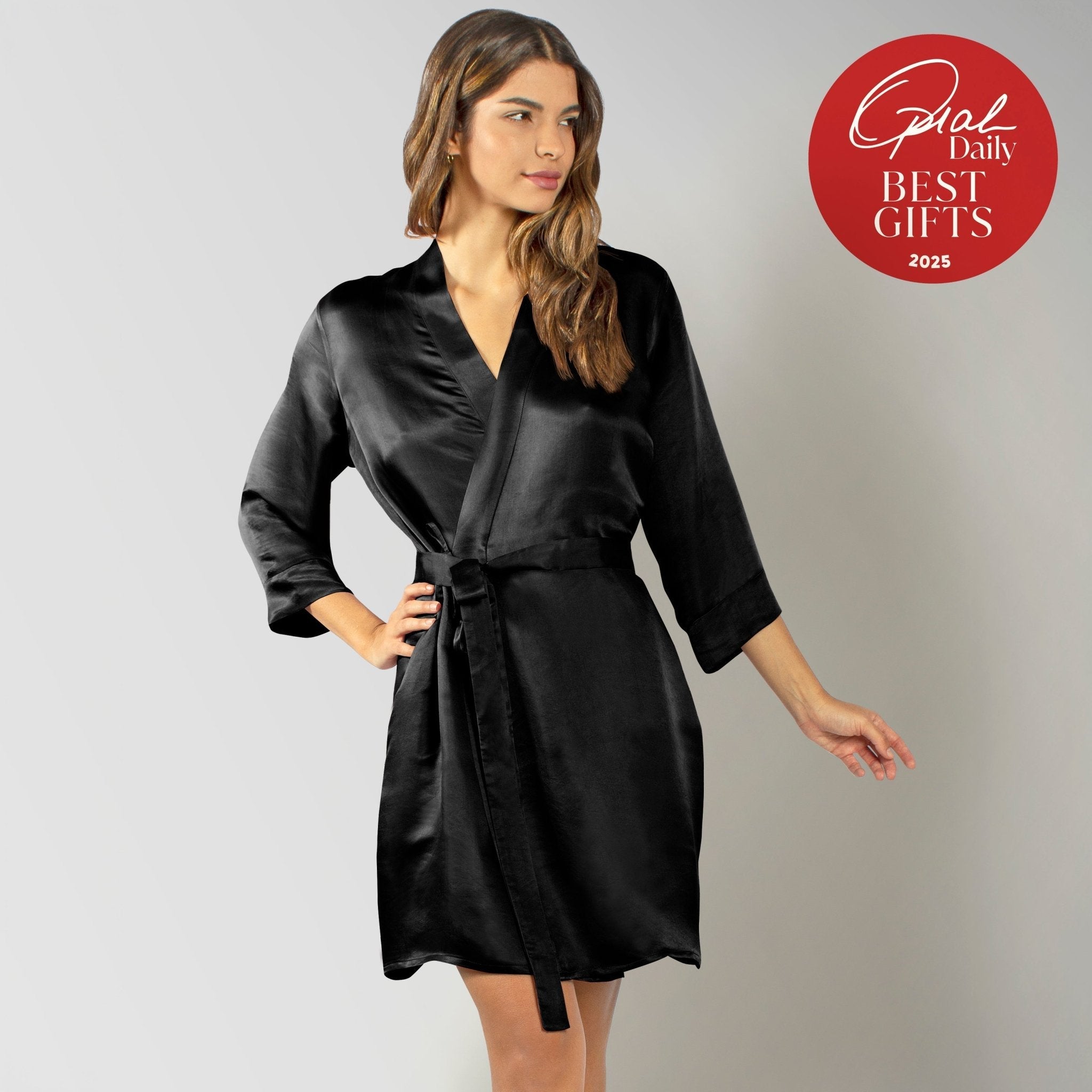
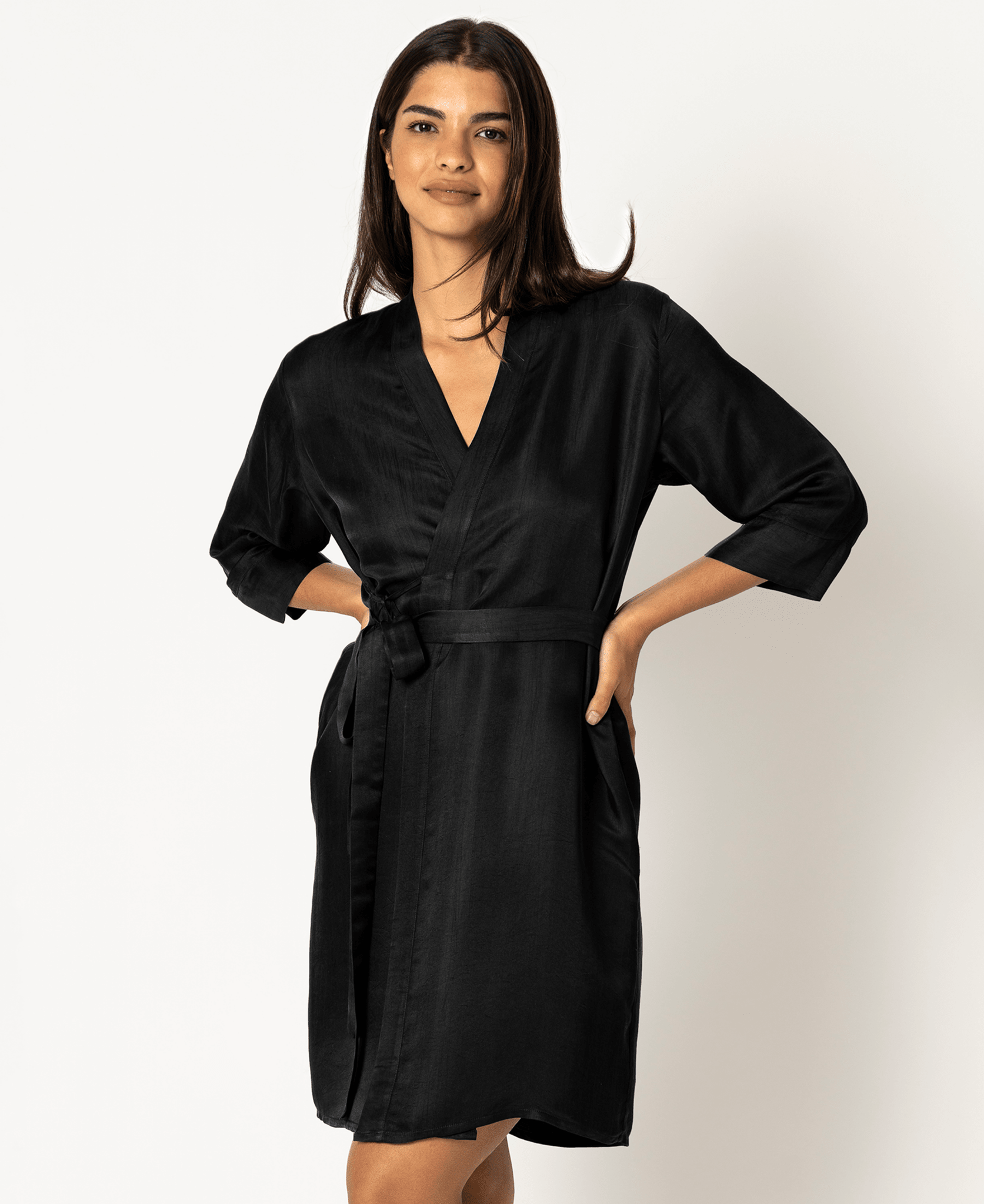
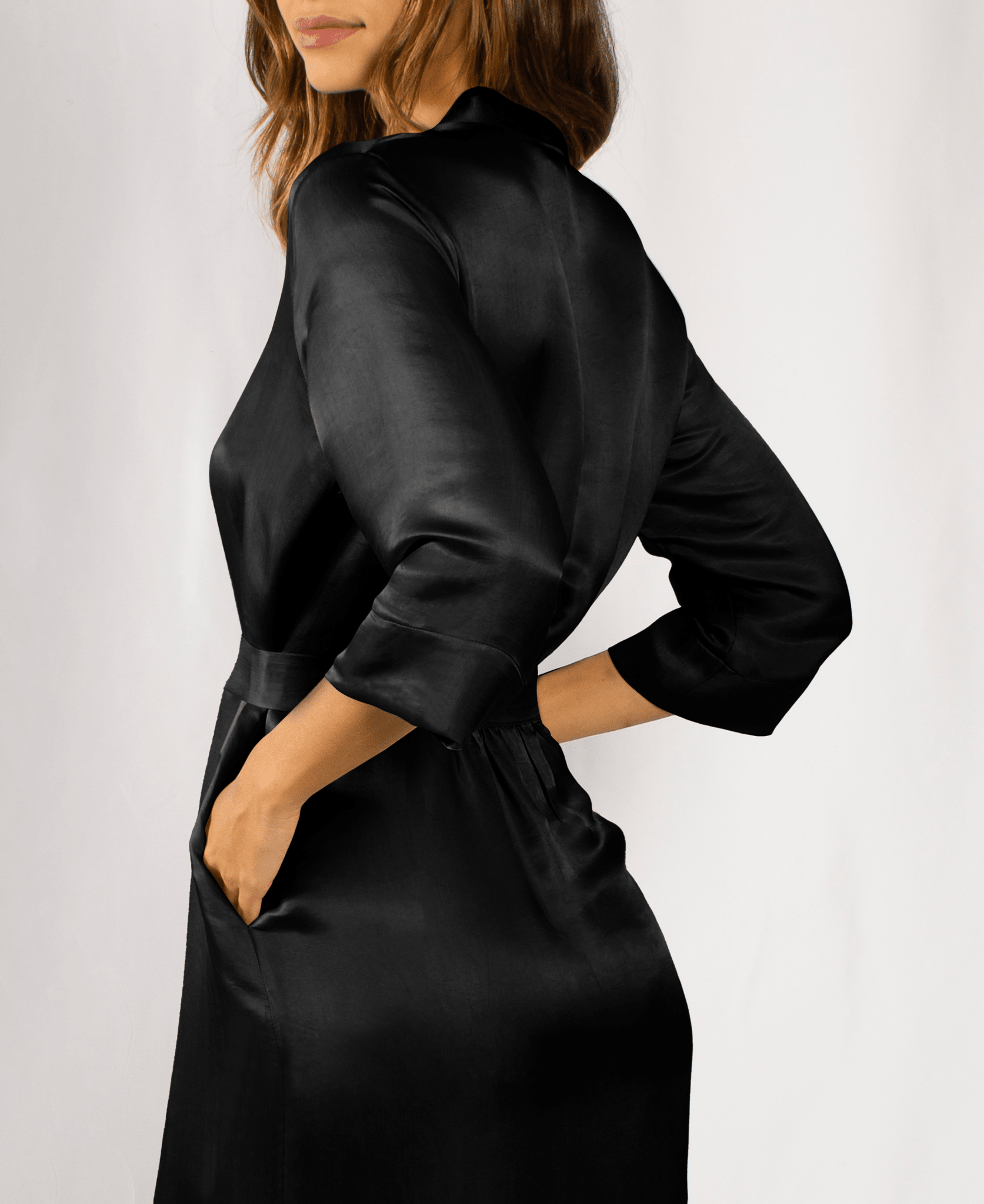
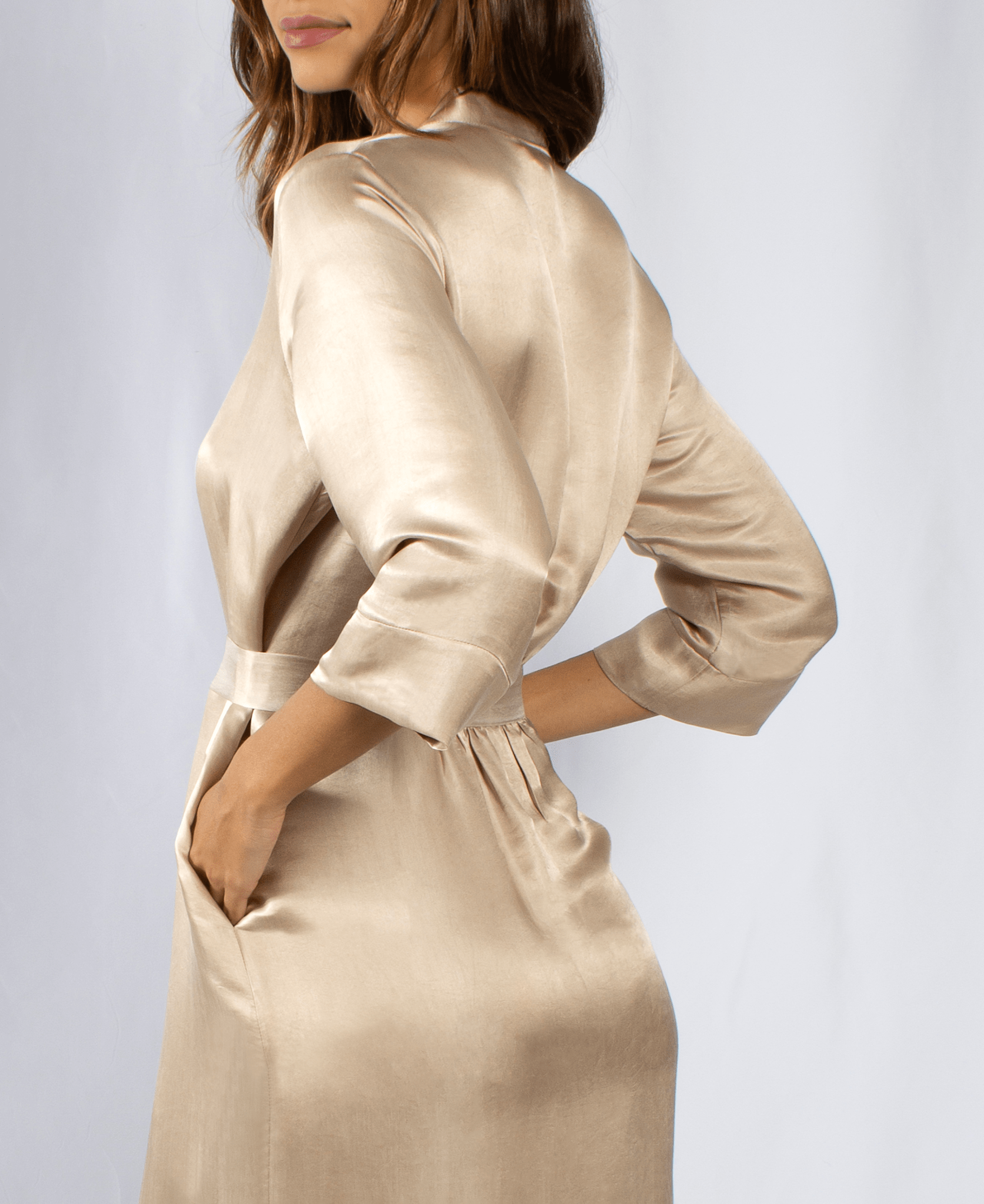
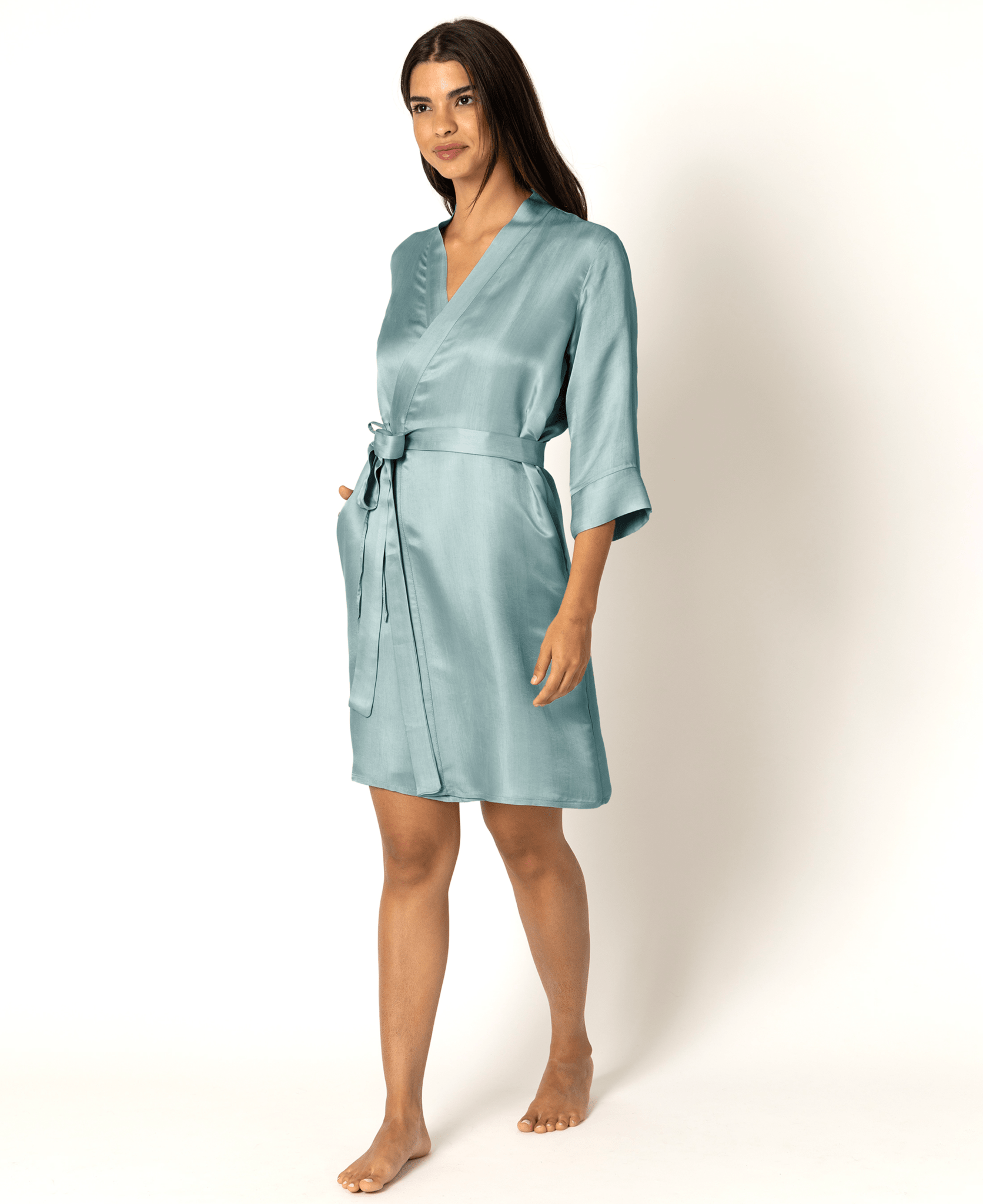
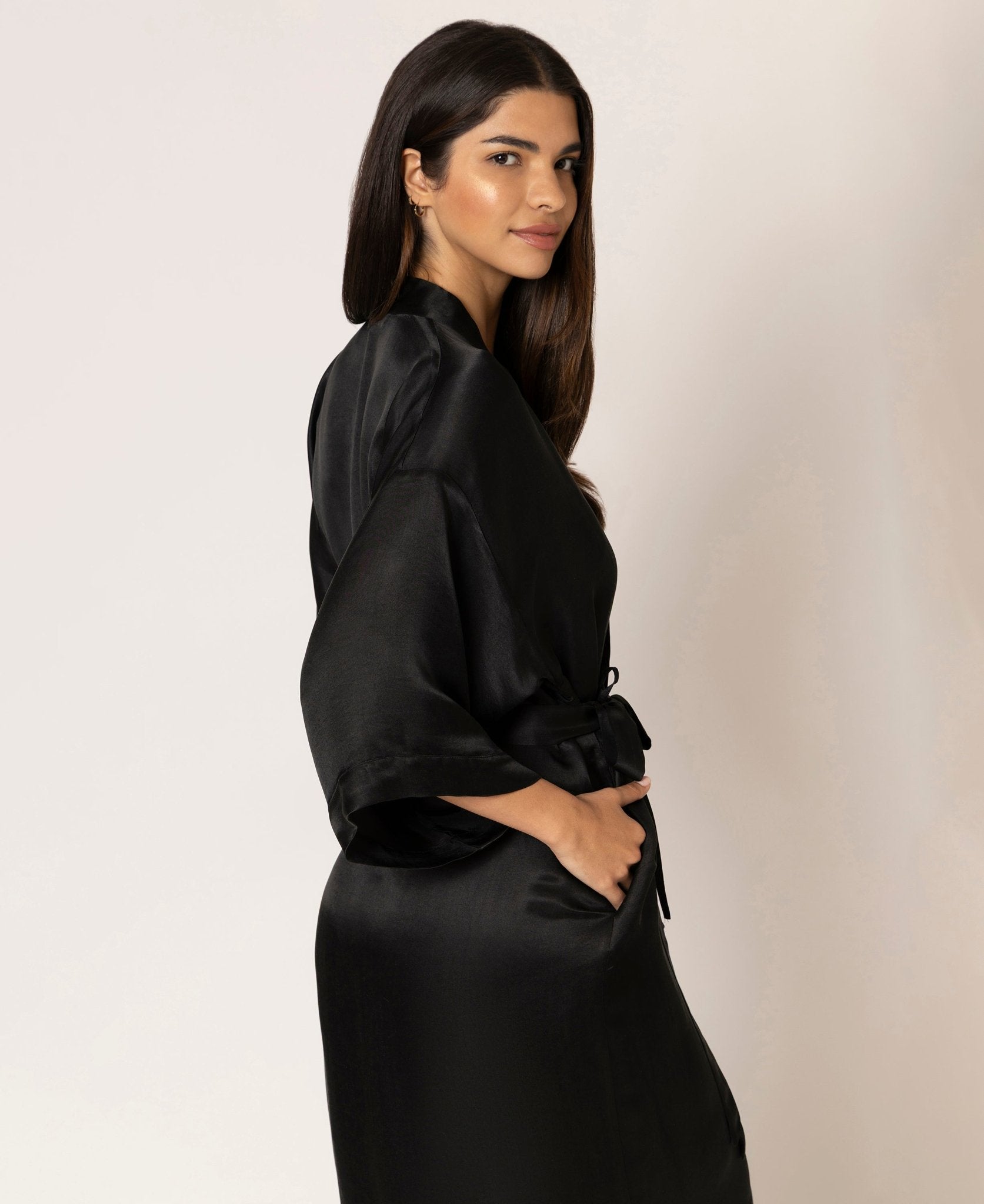
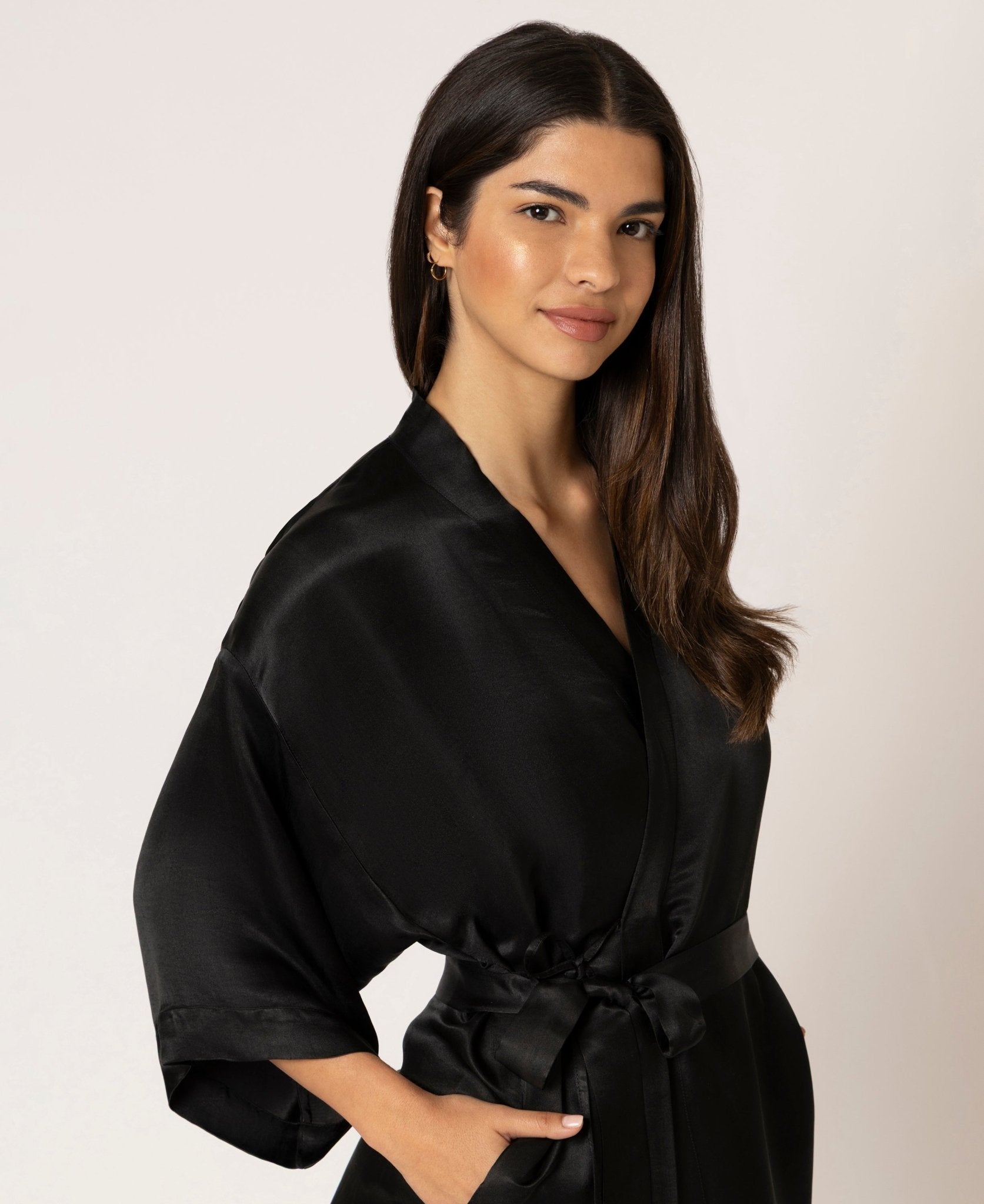
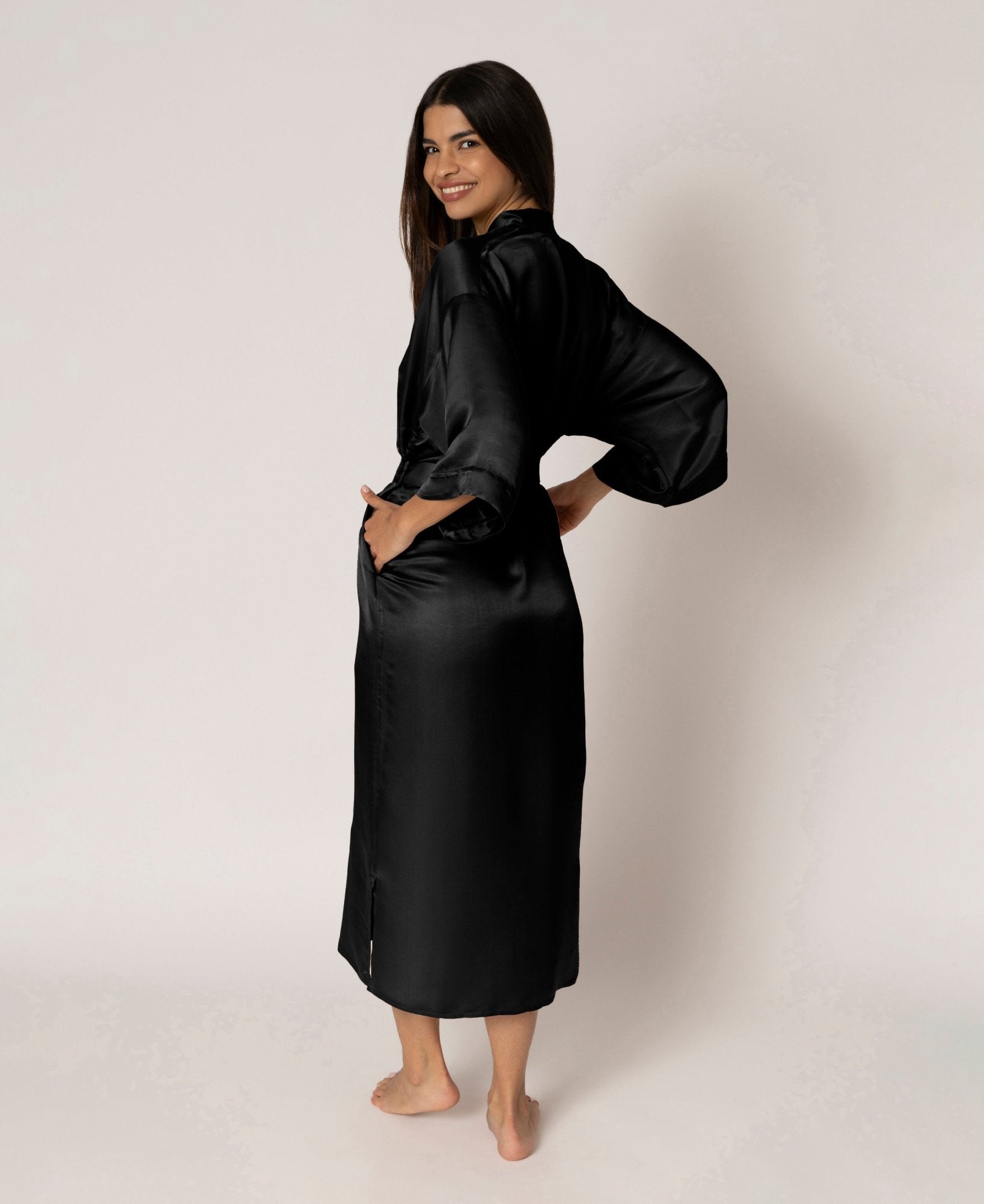
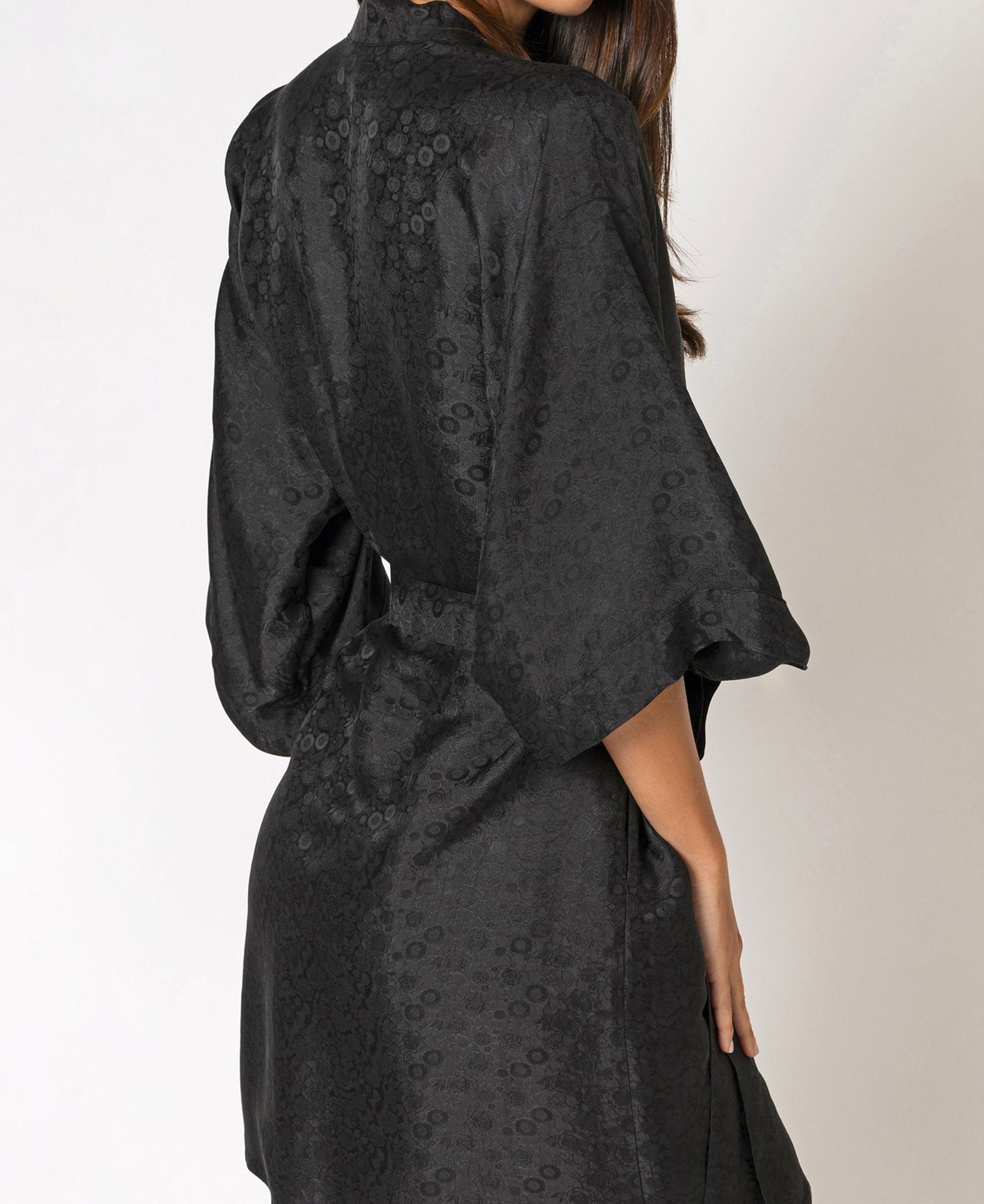
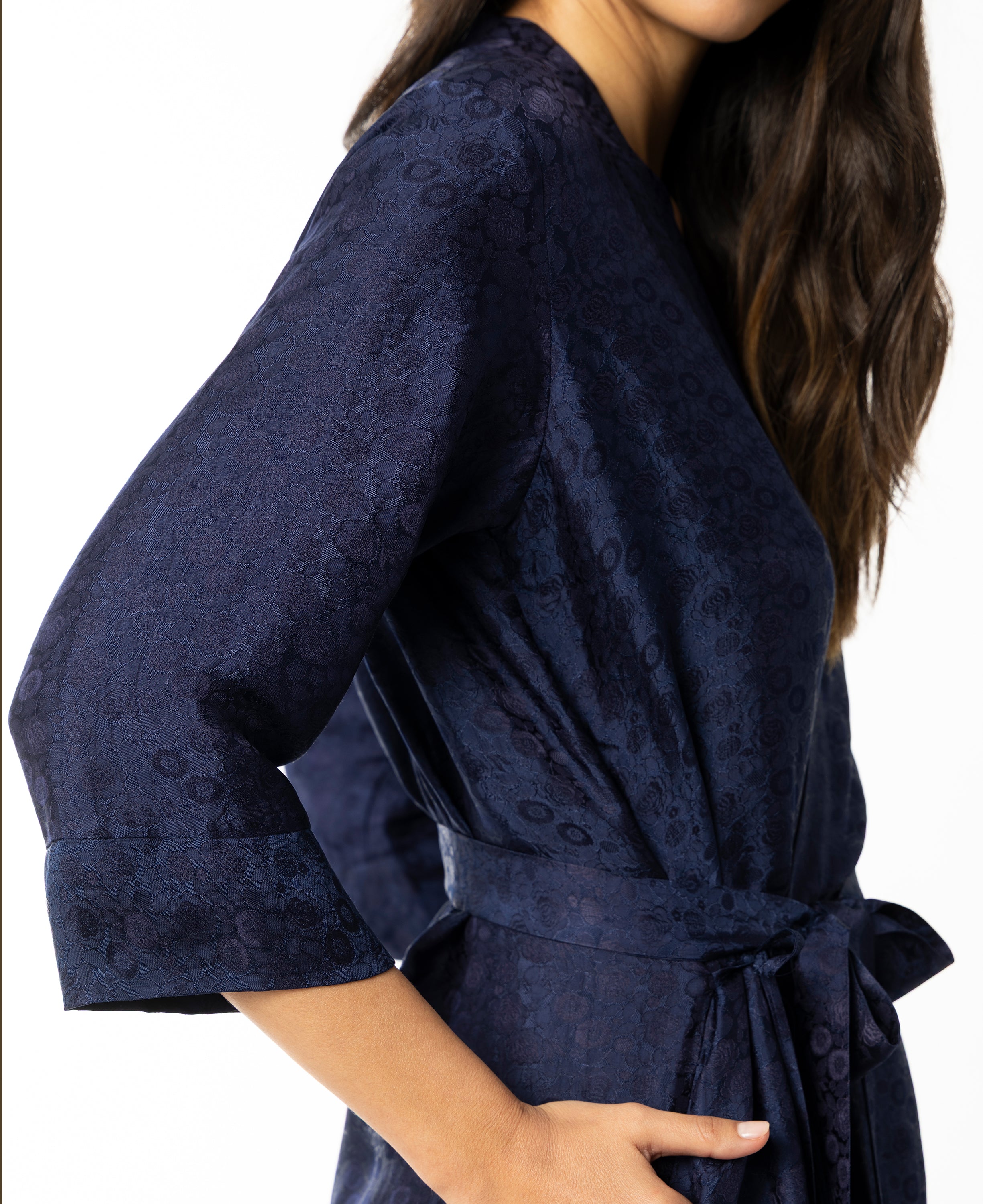
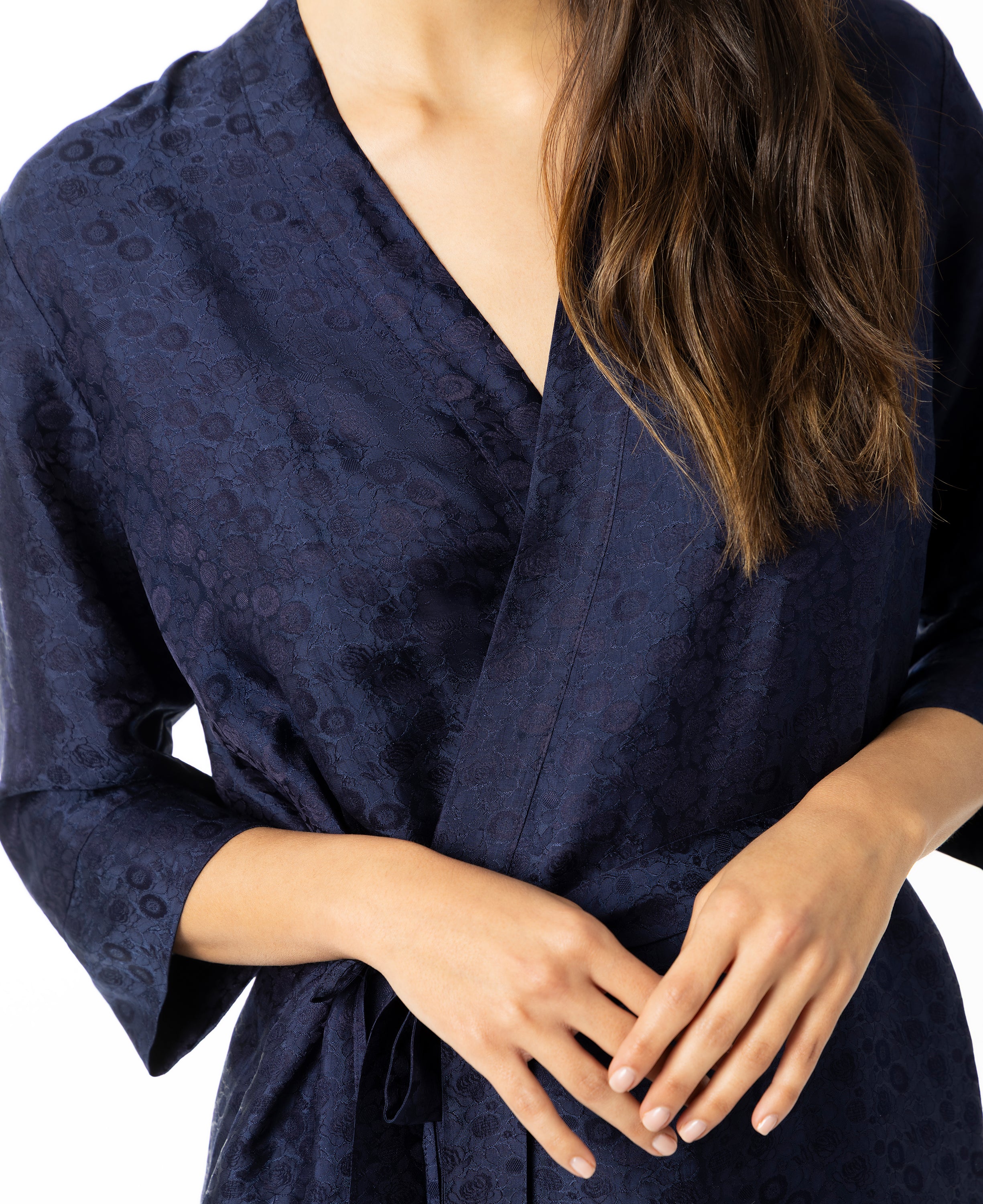
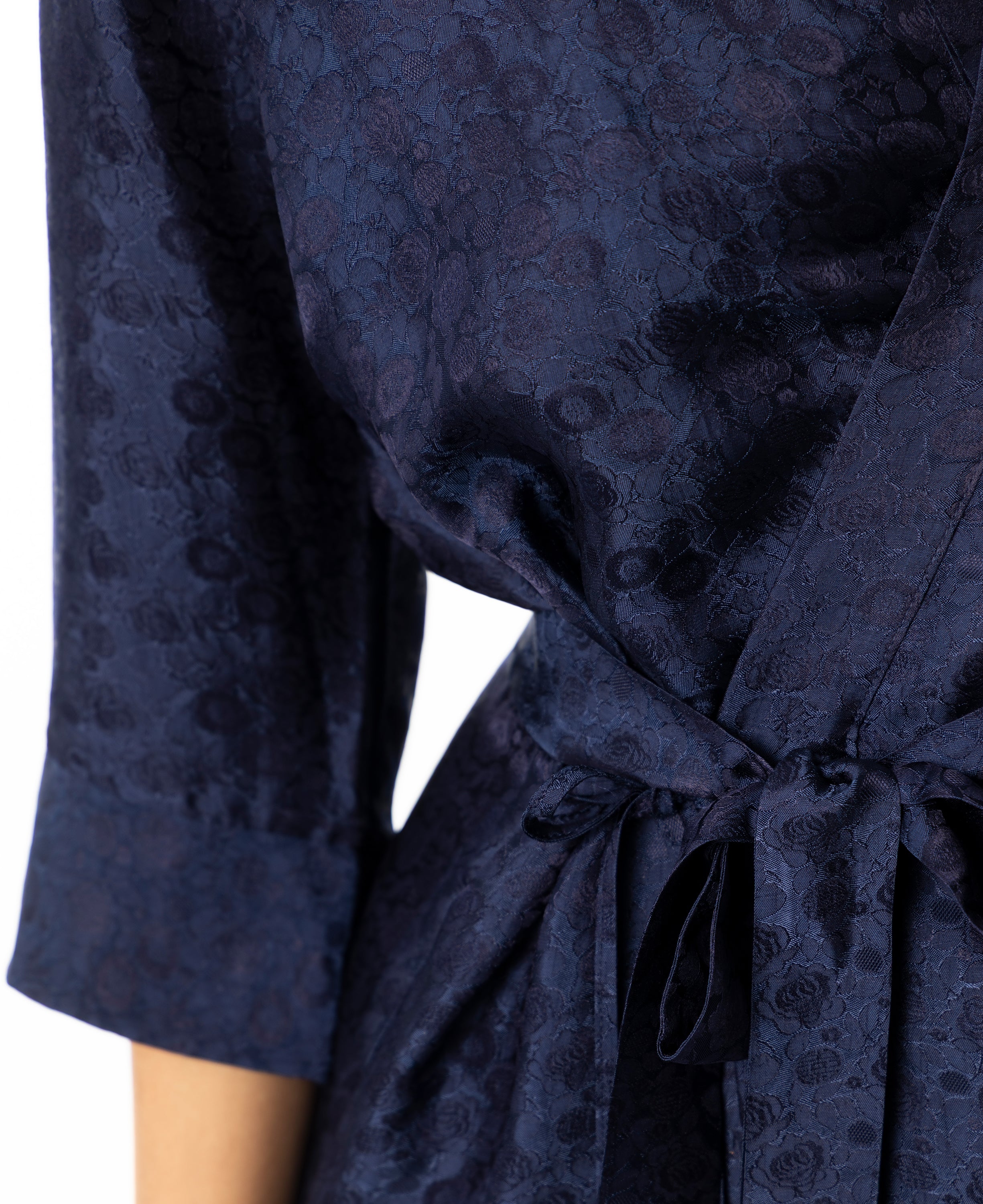
Every Tara Sartoria garment uses French seams. A French seam encloses the raw fabric edge inside the seam itself, creating a smooth interior with no exposed threads, no overlocking, and no serged edges.
French seams take approximately twice as long to sew as standard overlocked seams. Each seam is sewn twice: first with the fabric wrong-sides together at a narrow allowance, then the seam is trimmed, the fabric is turned so right sides are together, and the seam is sewn again, enclosing the raw edge.
On cotton or polyester, this process is forgiving. The fabric has enough body to hold its position through both passes. On 27 momme silk, the fabric moves. It shifts under the presser foot. It wants to pucker at the turn. The delicate surface threads catch if the needle penetration is not precisely placed.
This is where artisan skill becomes a measurable quality differentiator, not a marketing claim. An experienced silk seamstress maintains even tension and precise alignment through both seam passes because she has developed the tactile sensitivity to feel when the fabric is drifting.
A less experienced operator, or an operator trained on heavier fabrics, produces French seams that pucker, bunch, or misalign. The difference is visible and permanent.




The Cutting Process
Cutting 27 momme silk is the step where material waste is determined and where pattern accuracy is established. Both matter.
The fabric is laid flat and allowed to rest before cutting. Silk has a natural memory from being rolled on a bolt, and cutting it under tension produces pieces that distort when released. Resting the fabric allows it to relax into its natural state, which means the cut pieces will match the pattern dimensions accurately.
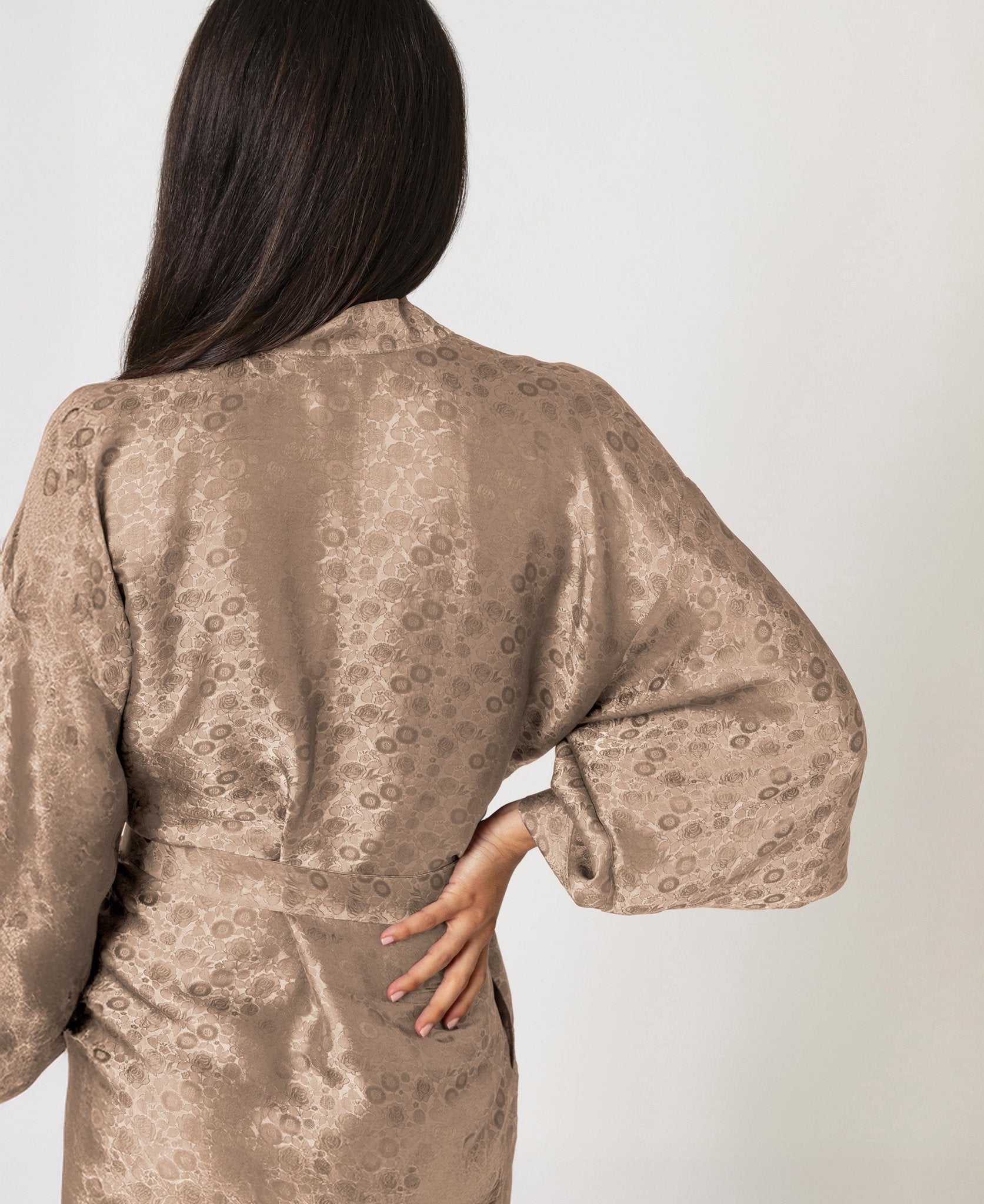
Pattern pieces are laid out on the fabric with attention to the grain direction. Silk has a directional sheen: light reflects differently depending on whether you view the fabric along the warp or across it. If pattern pieces are cut in different grain directions within the same garment, the finished product will have visible color variation between panels. This looks like a defect, and in most factories, it's one that goes unnoticed until the garment reaches the customer.
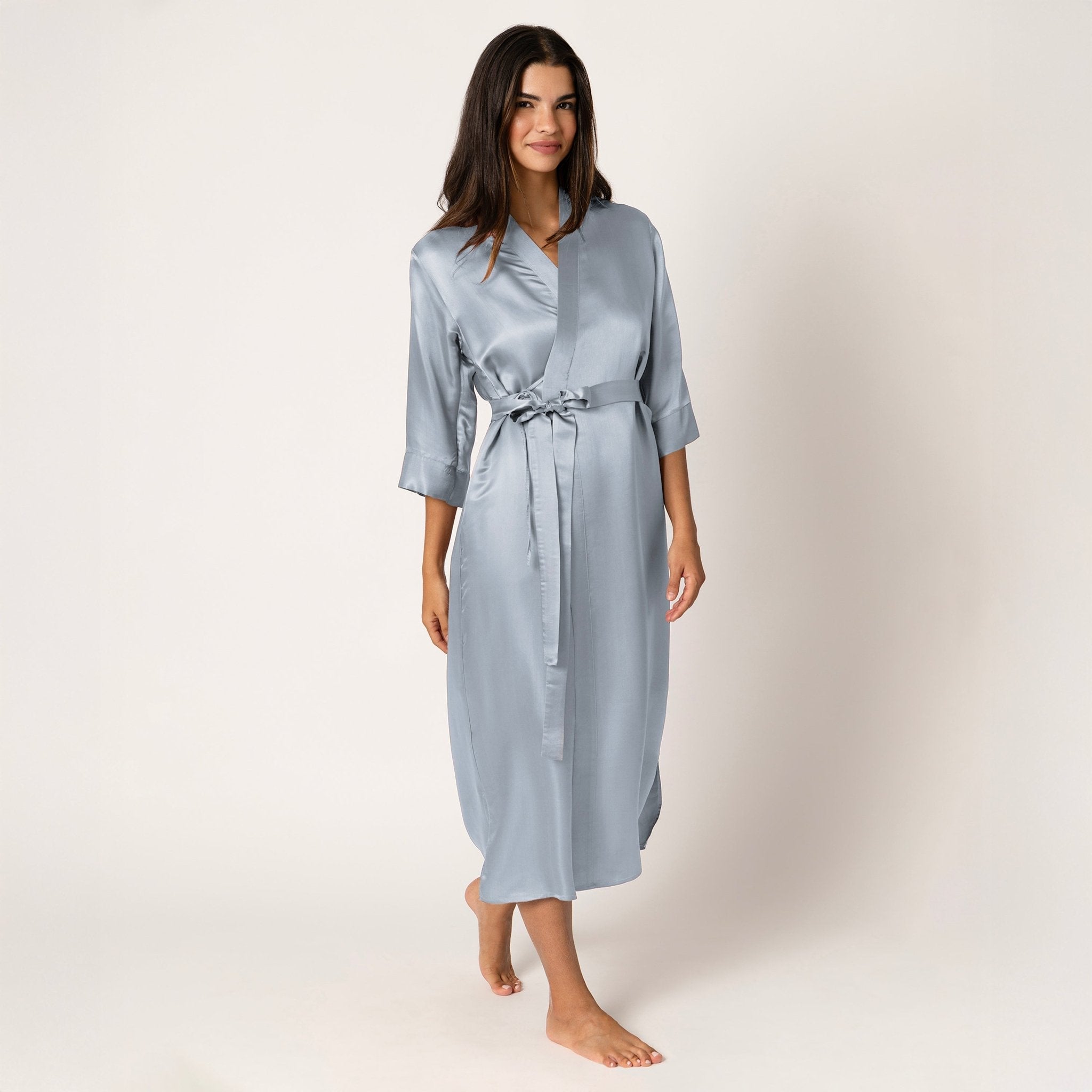
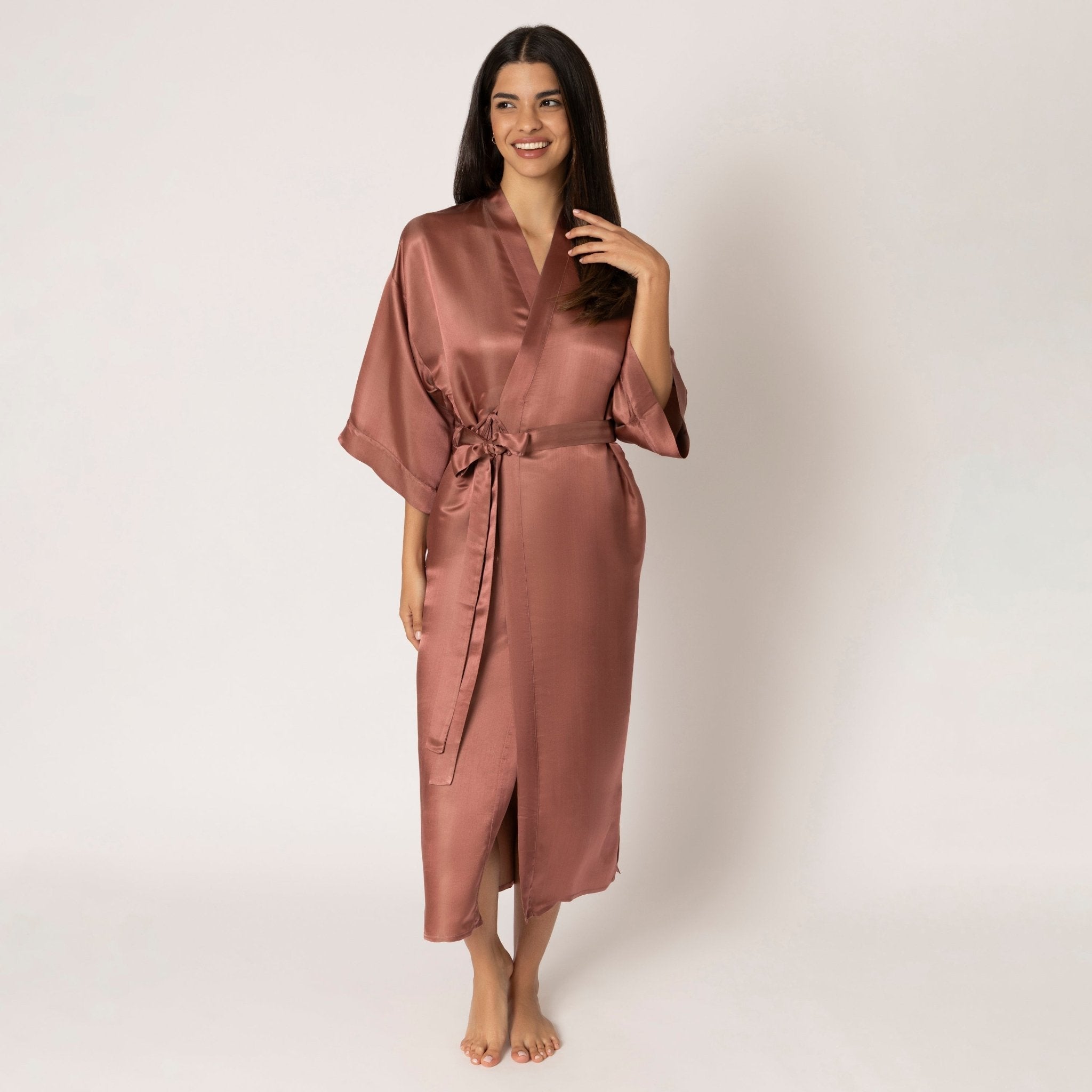
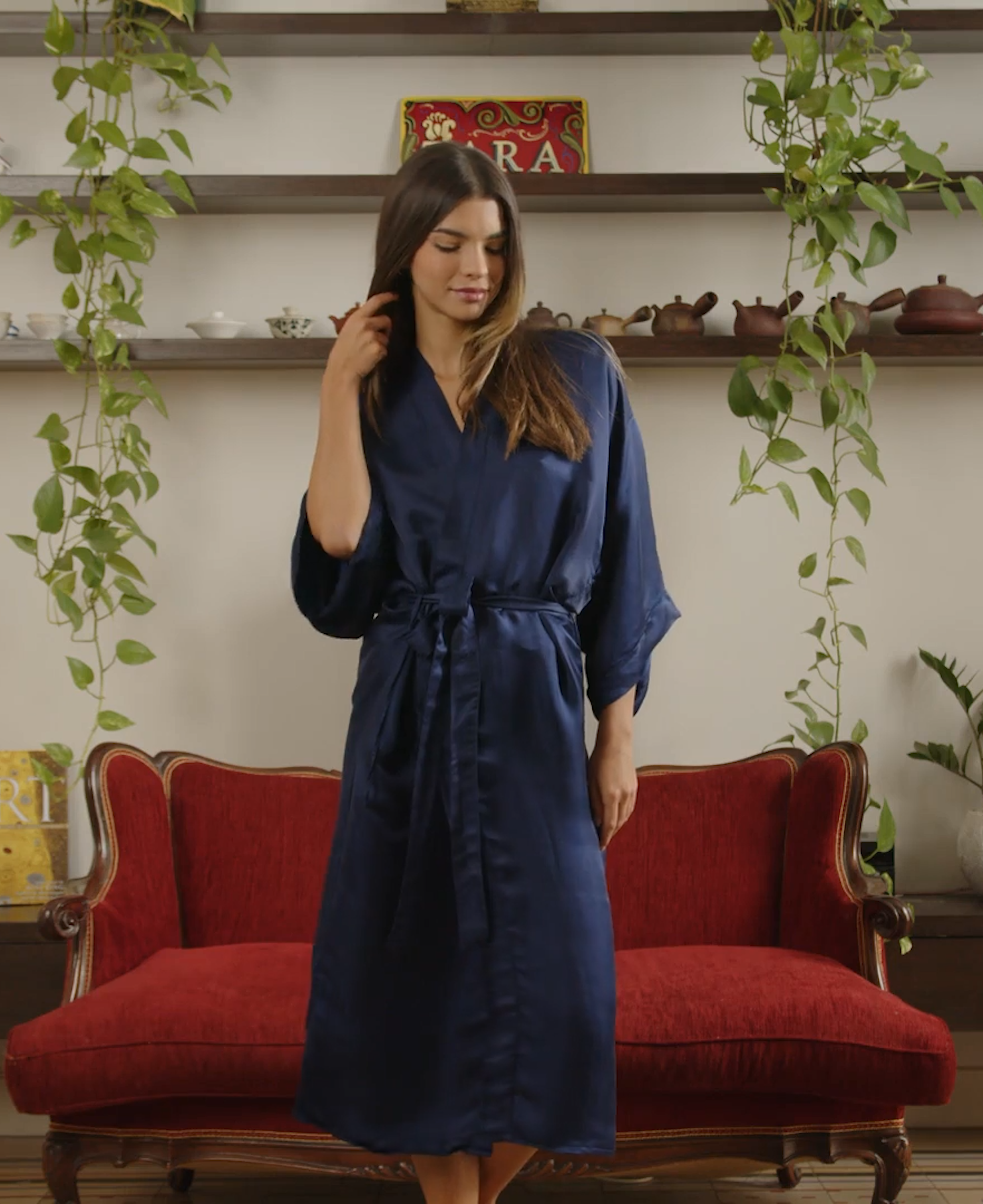
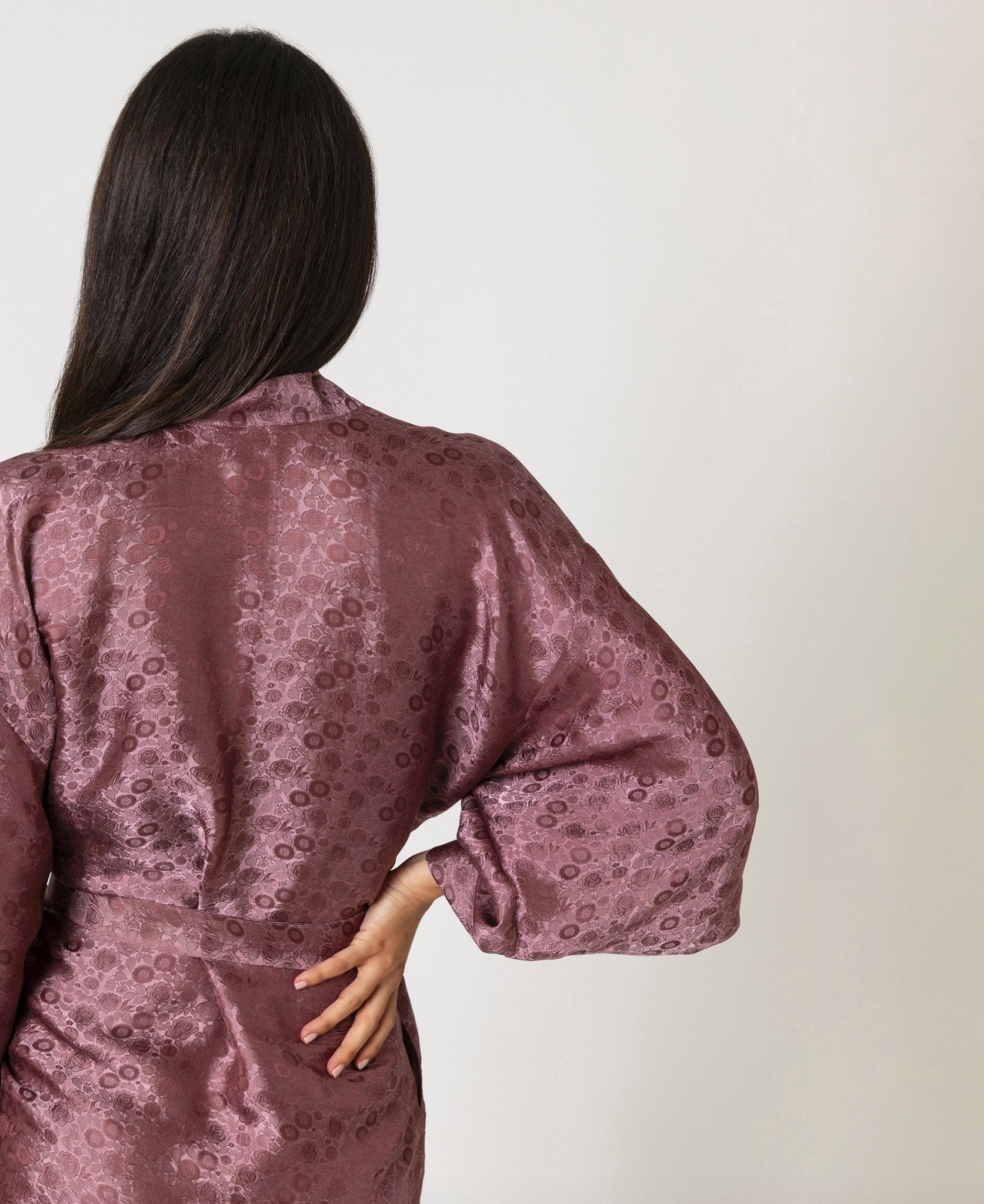
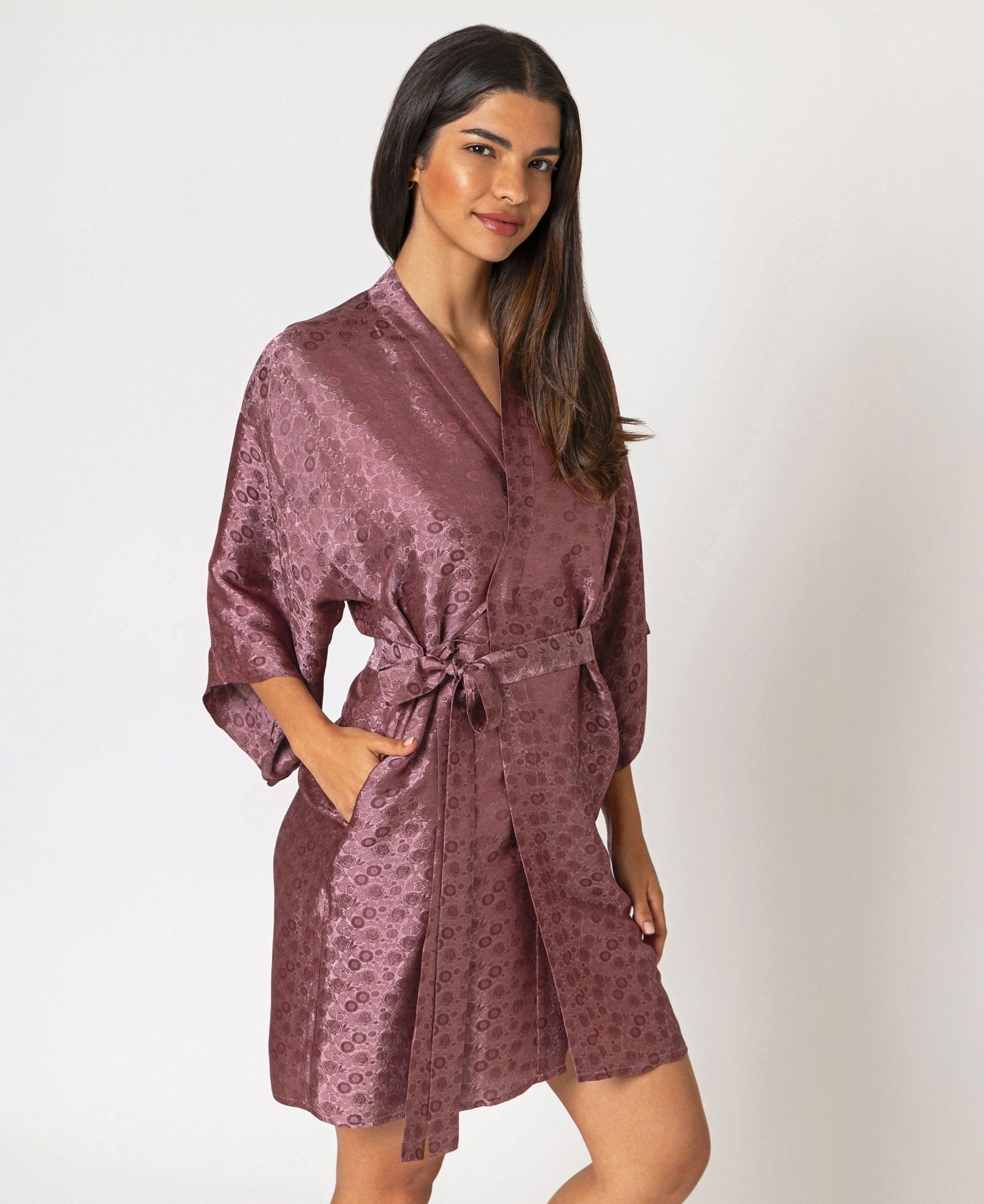
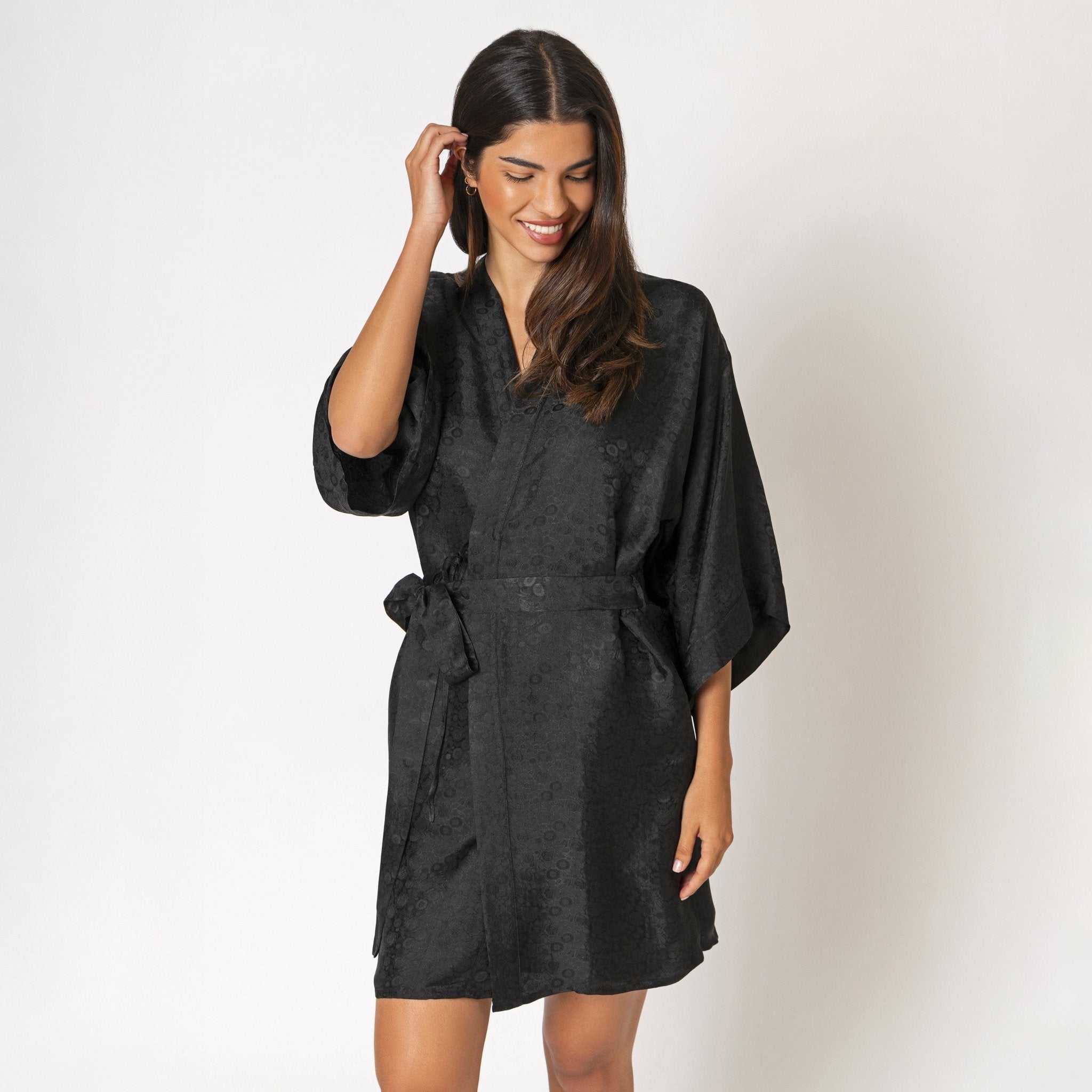
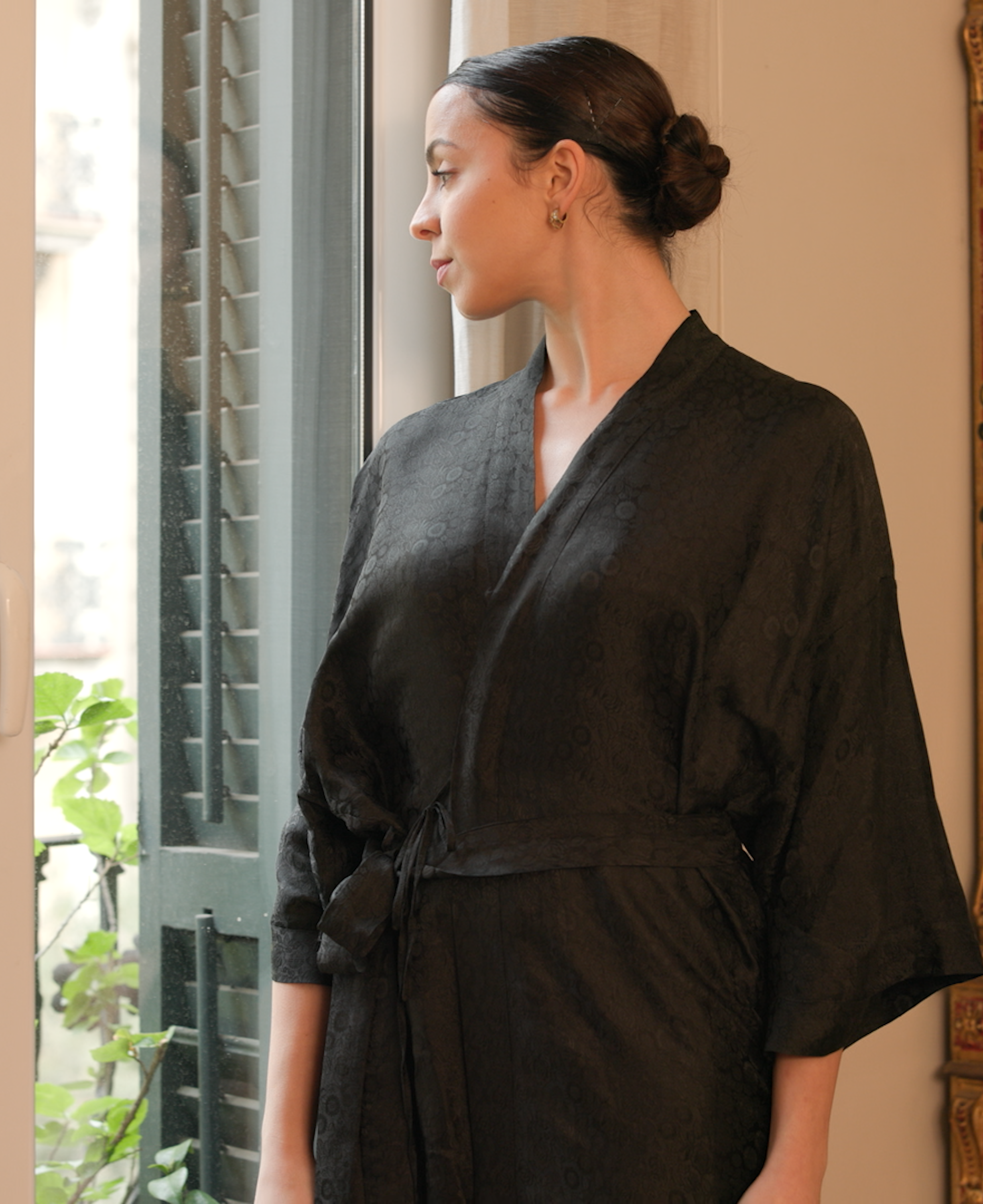
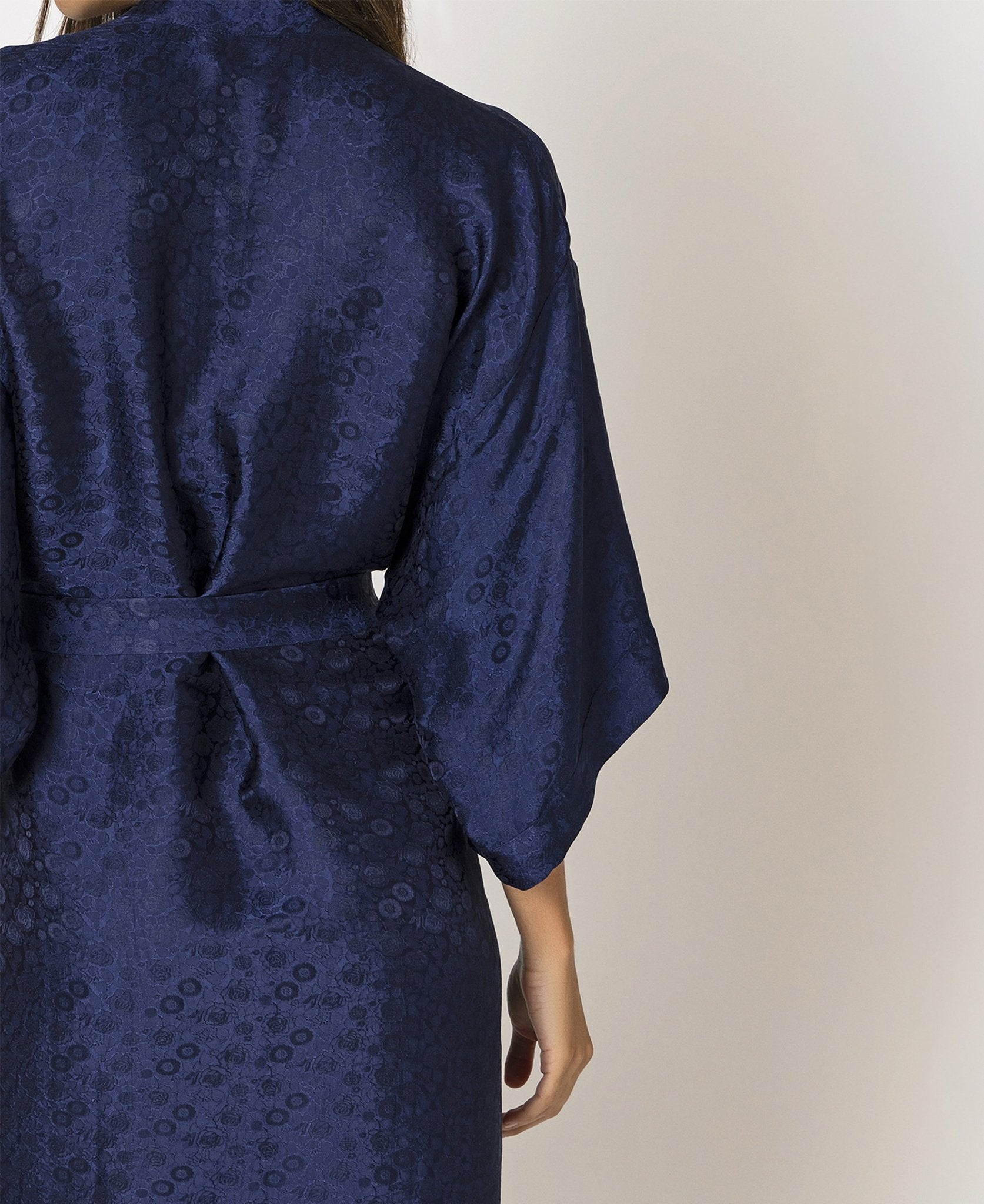
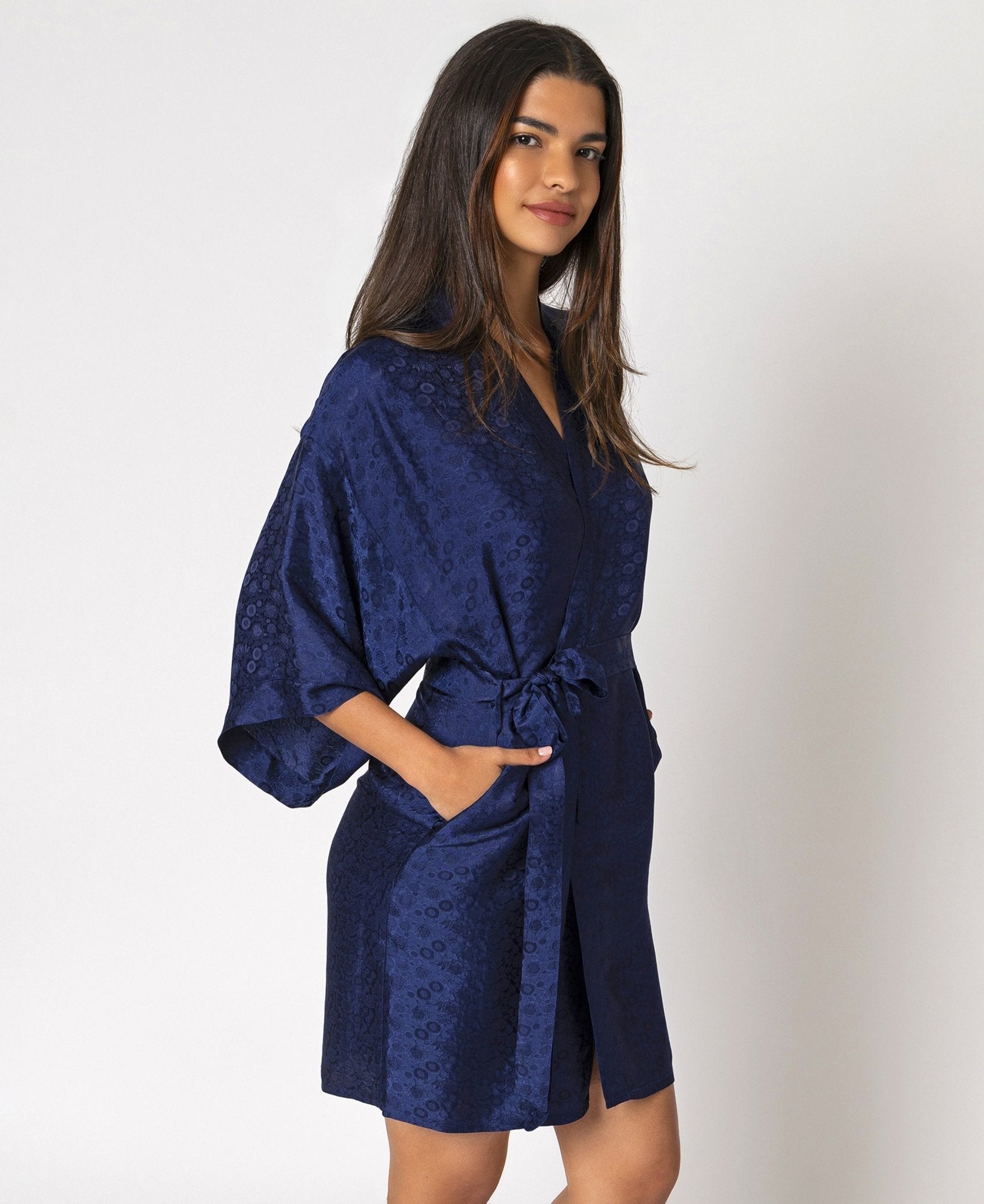
In Tara Sartoria's workshop, the cutting is done by artisans who check grain alignment on every piece. It adds time. It reduces waste tolerance. And it means that when you put the finished robe or pajama set on, every panel reflects light consistently.







Quality Inspection: The Human Eye
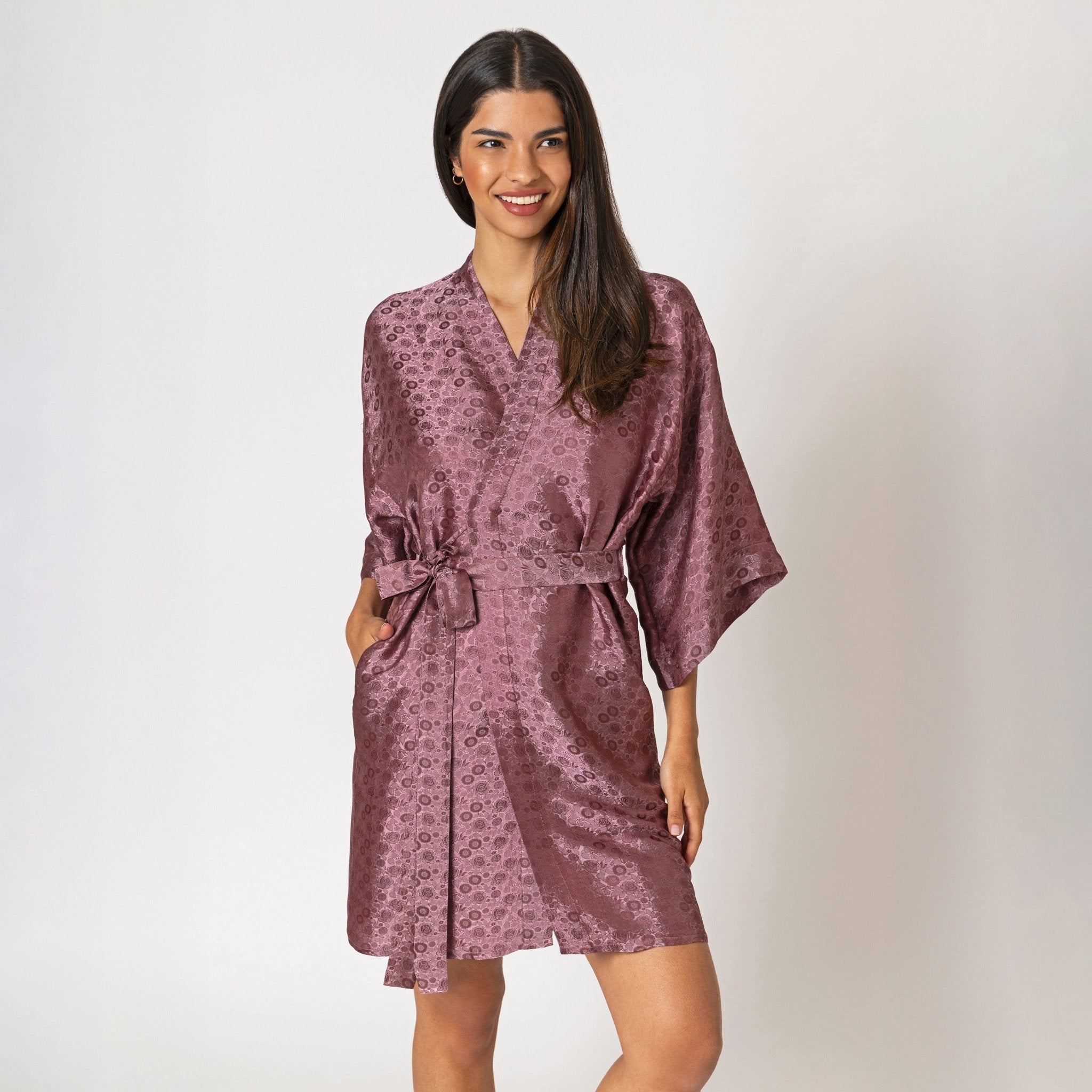
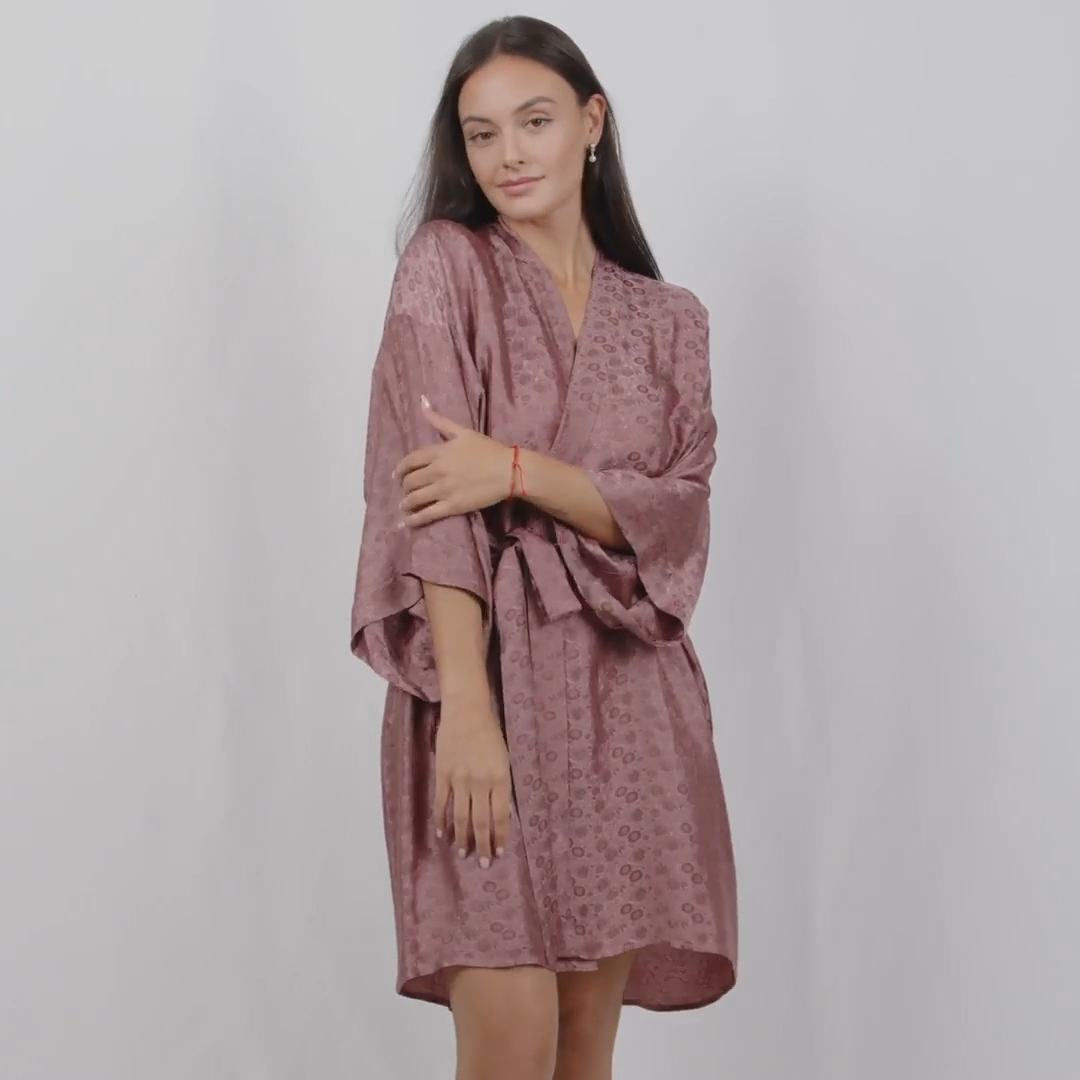
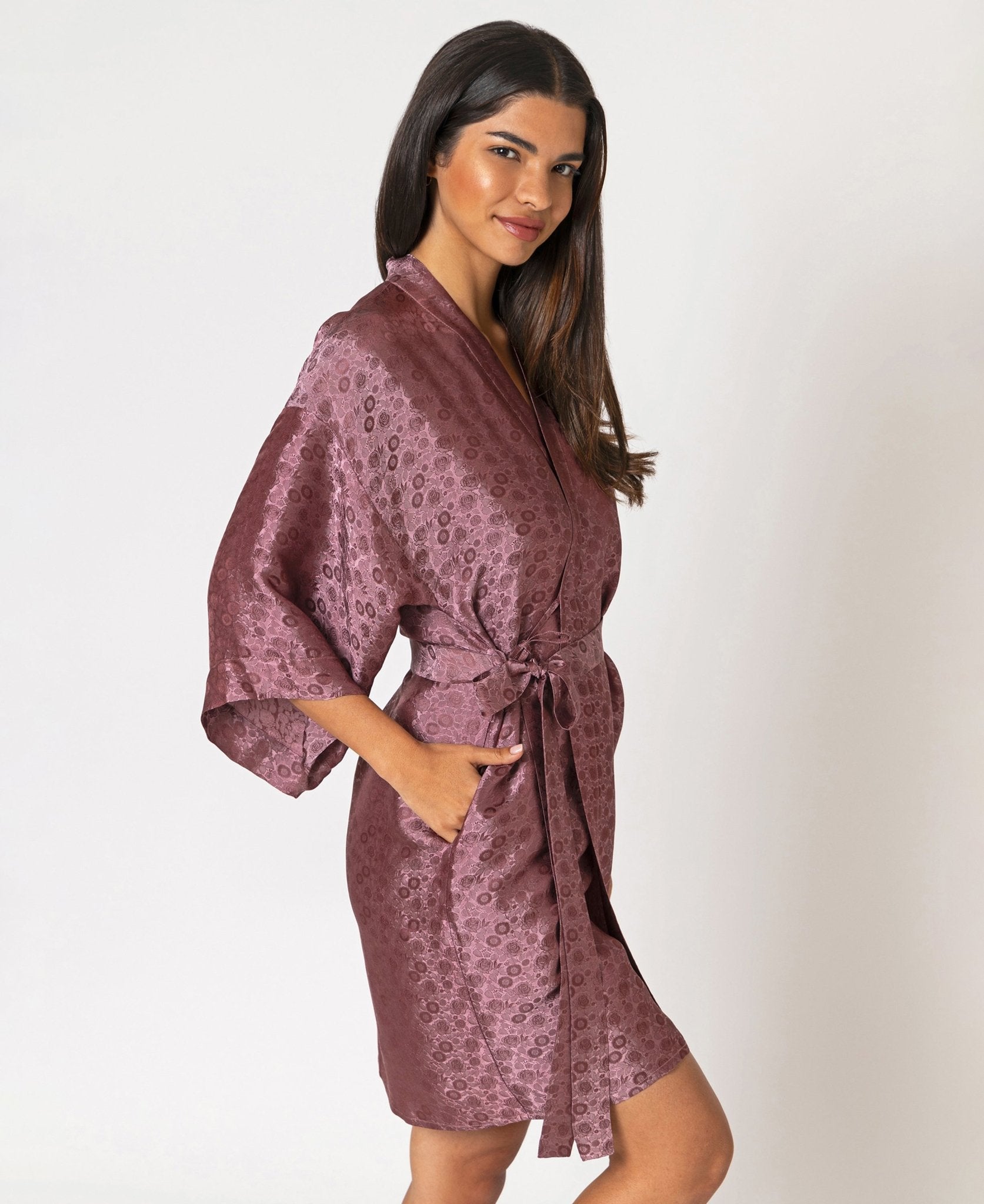
Every Tara Sartoria garment is inspected by hand before packaging. The inspection checks for seam consistency, fabric flaws, stitching tension, grain alignment, and finishing details.
This is not a quality control checkpoint at the end of a production line. It's an integrated part of the workshop process. The person inspecting the garment sat two meters from the person who sewed it. Feedback is immediate. If a recurring issue appears, a batch of fabric with a subtle weave inconsistency, a machine that needs recalibration, it's identified and corrected within the same production run, not discovered after 500 units have shipped.
The practical outcome: Tara Sartoria's return rate for quality-related issues is low. The most common reason for returns among men's products is color preference, the color looked different on screen than in person, not construction defects. This is what hands-on inspection produces: problems caught before they reach you.








The Economics of Artisan Production
Artisan production costs more per garment than factory production. This is not a secret, and it's not something to be apologetic about. Here is where the cost goes.
Labor time per garment
French seams take twice as long as overlocked seams. Hand inspection takes time. Grain-matched cutting takes time. The total labor hours per garment are higher than factory production, and that labor is paid at fair wages within the Vietnamese artisan economy.
Material waste
Grain-matching and single-layer cutting produce more fabric waste than factory stack-cutting methods. The waste is a consequence of precision, not inefficiency. Tara Sartoria offcuts are repurposed where possible, accessories and test pieces, but the yield rate per metre of fabric is lower than it would be in a factory optimized for throughput.
Production flexibility
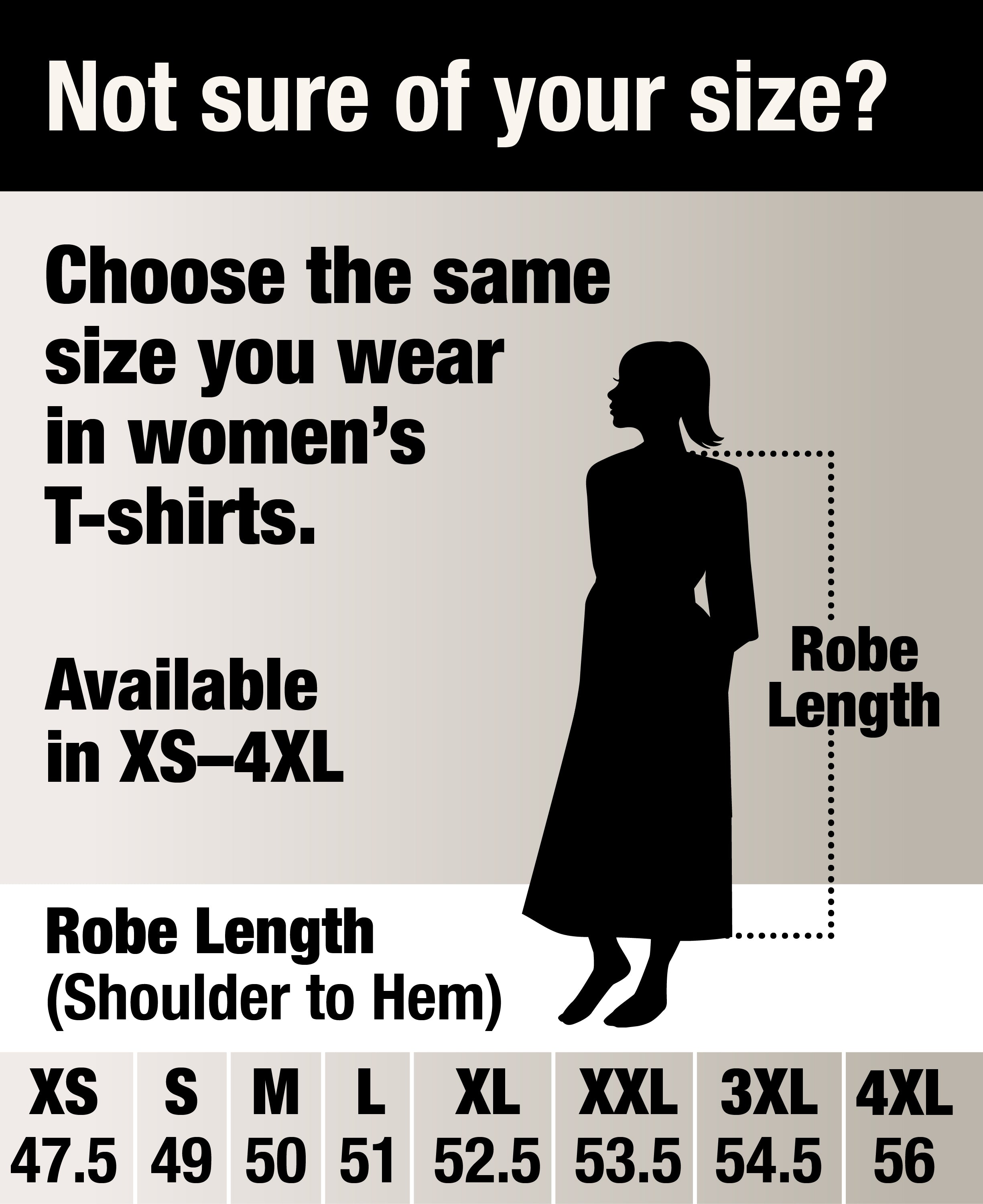
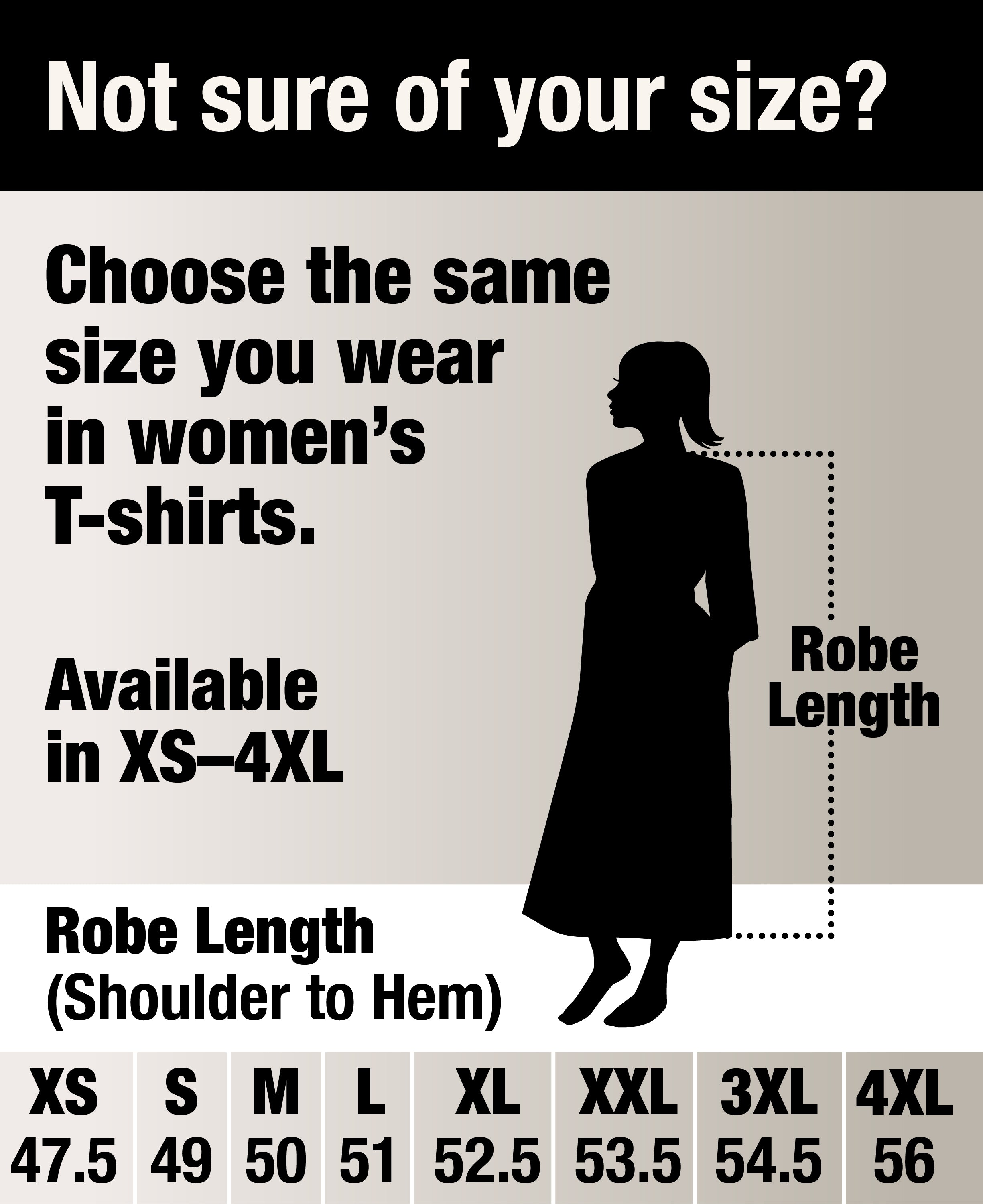
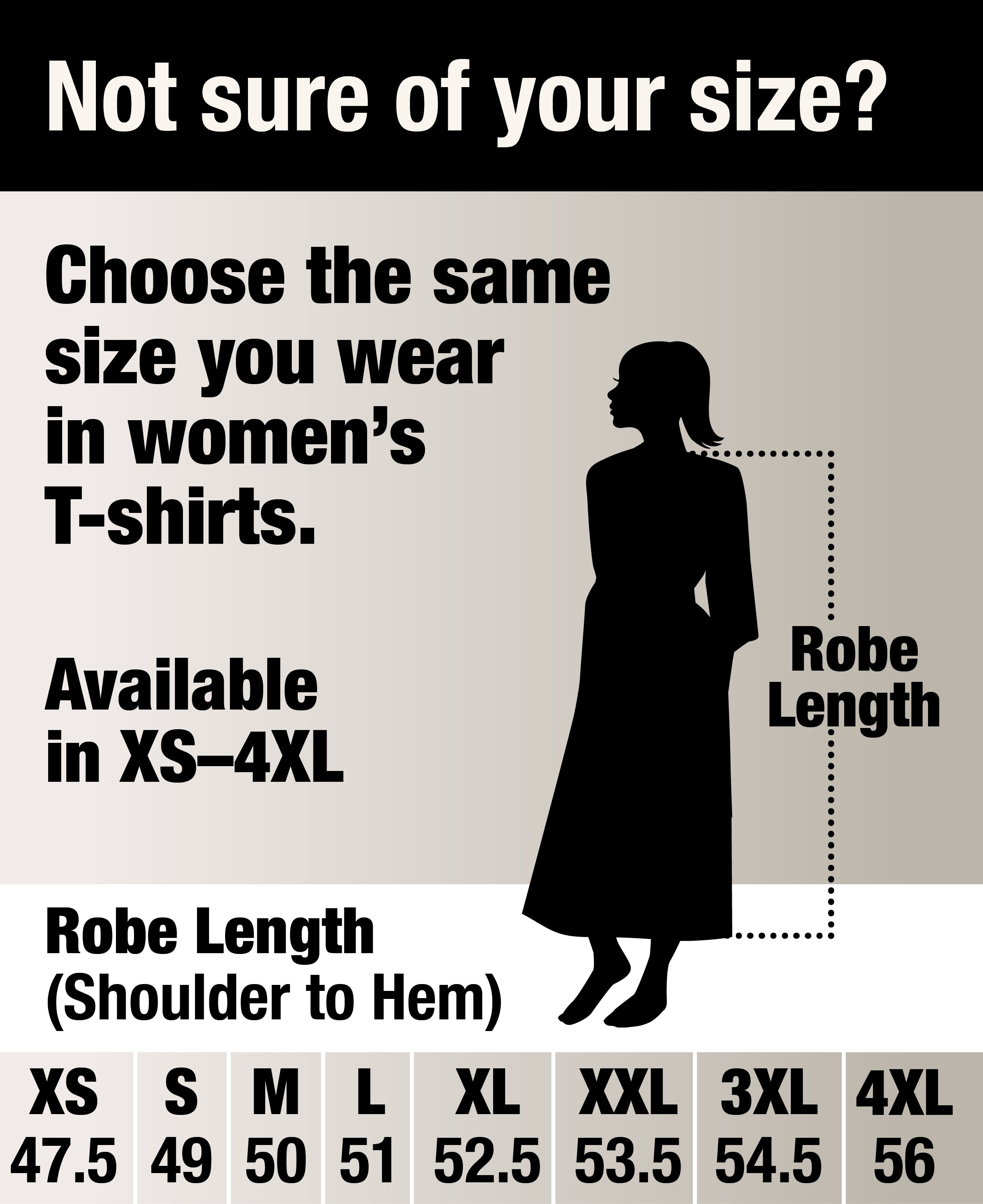
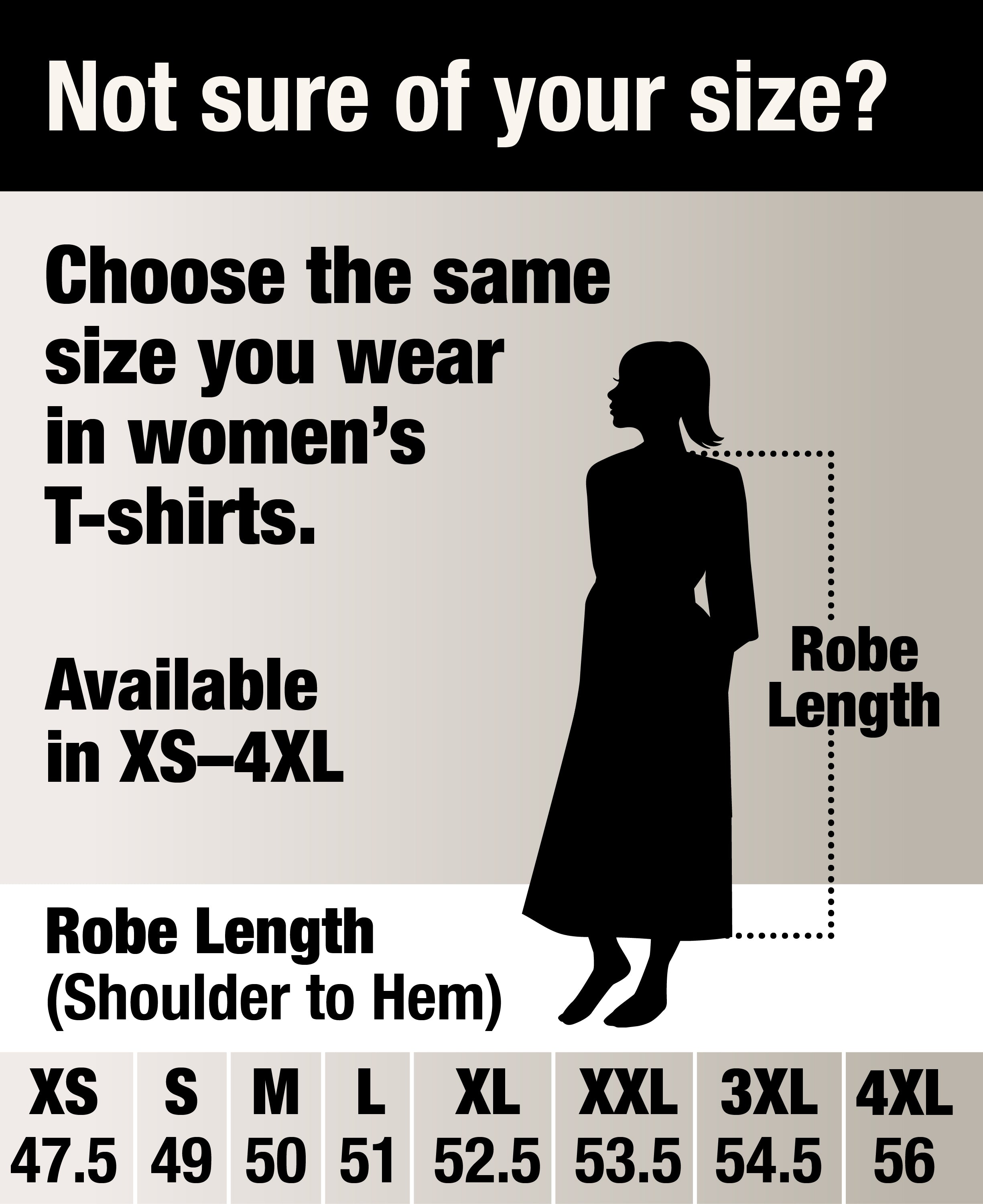
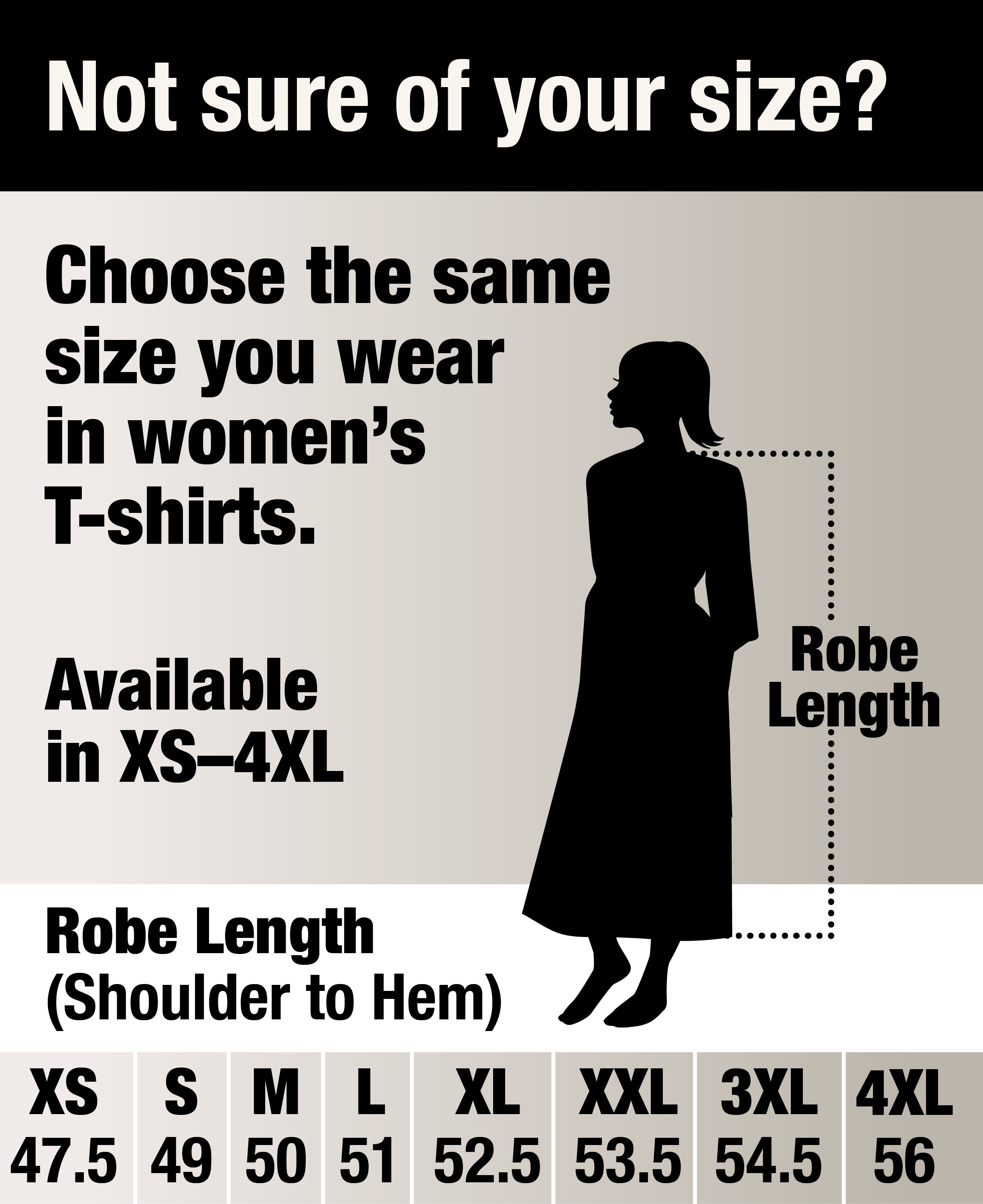
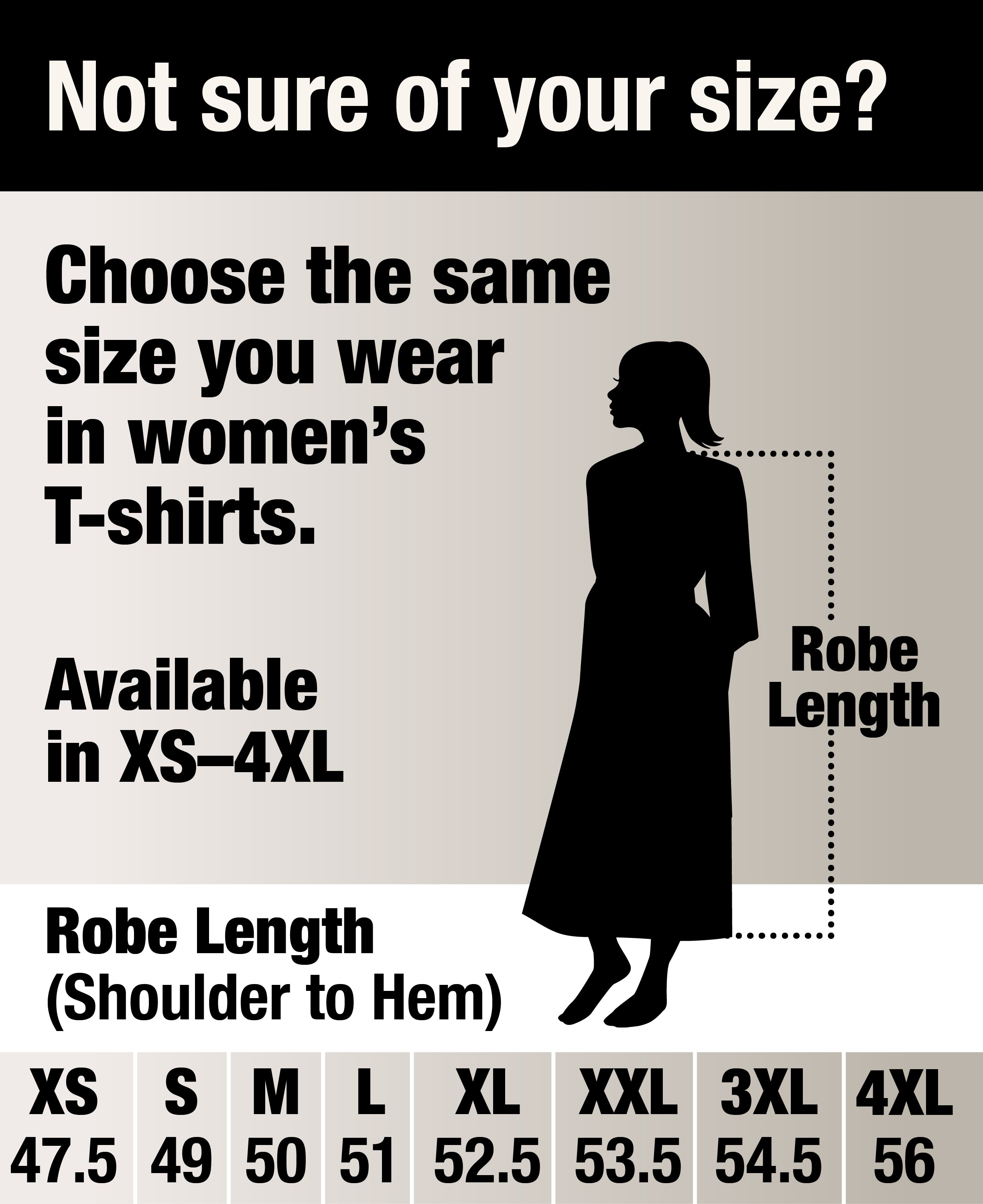
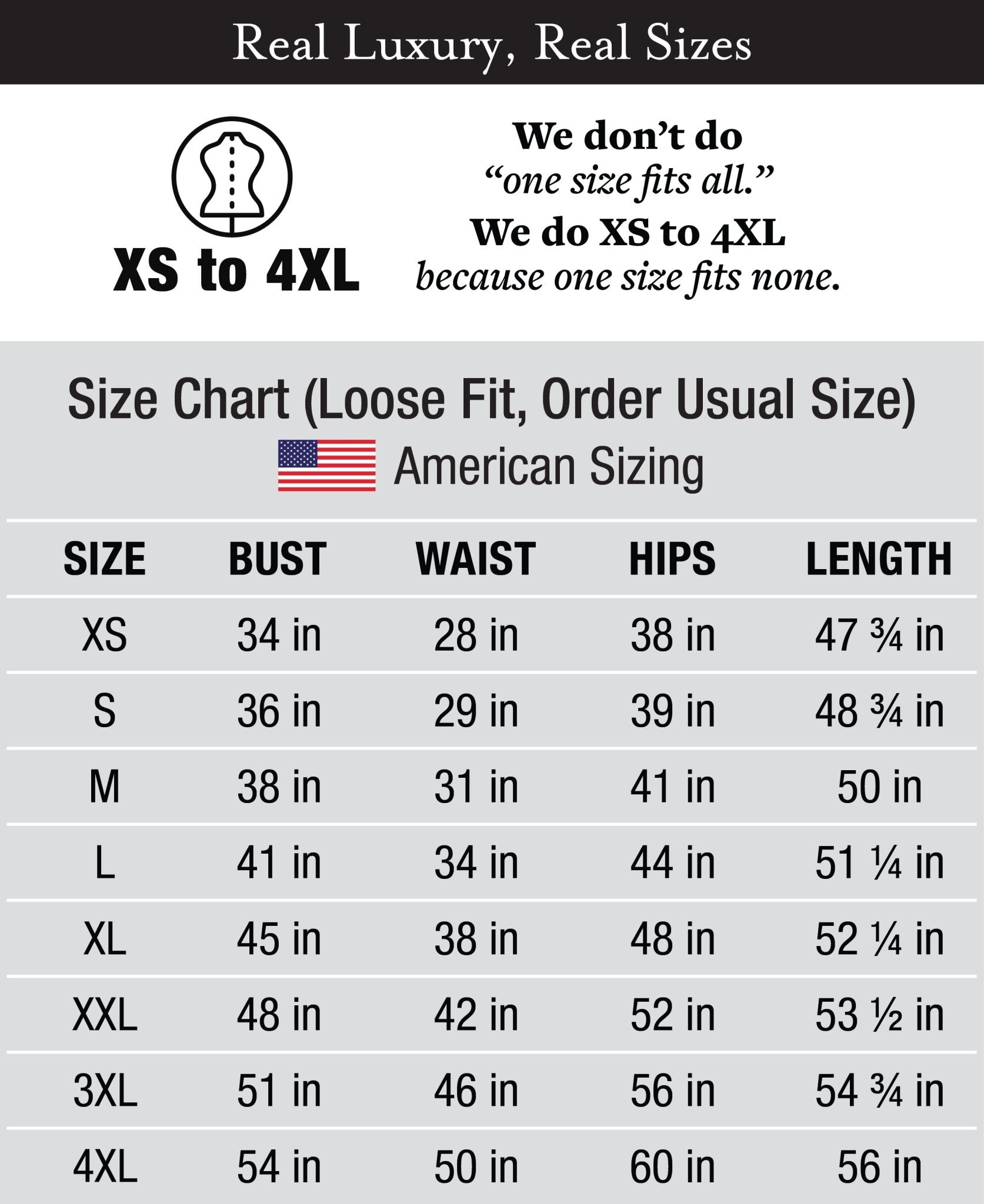
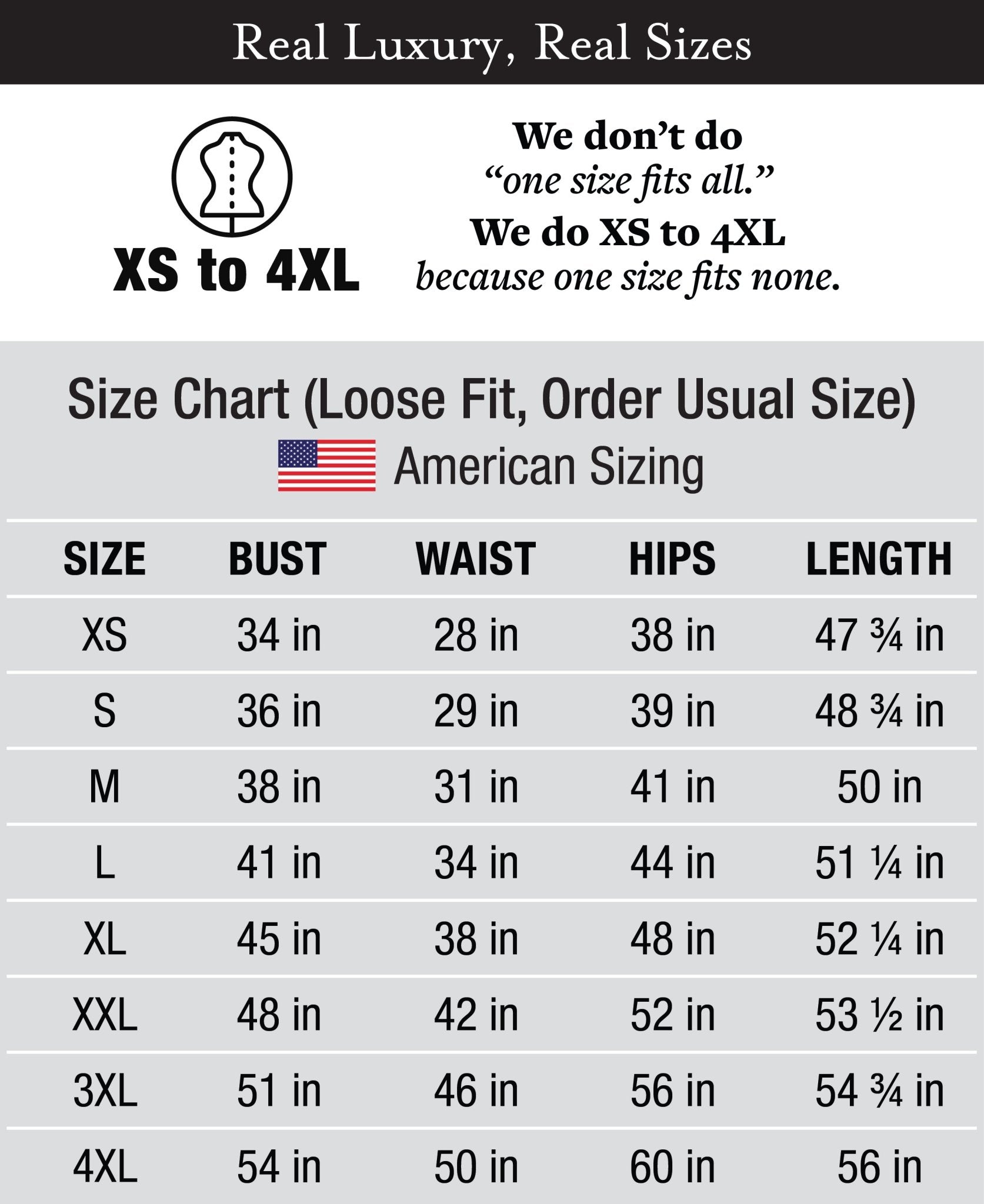
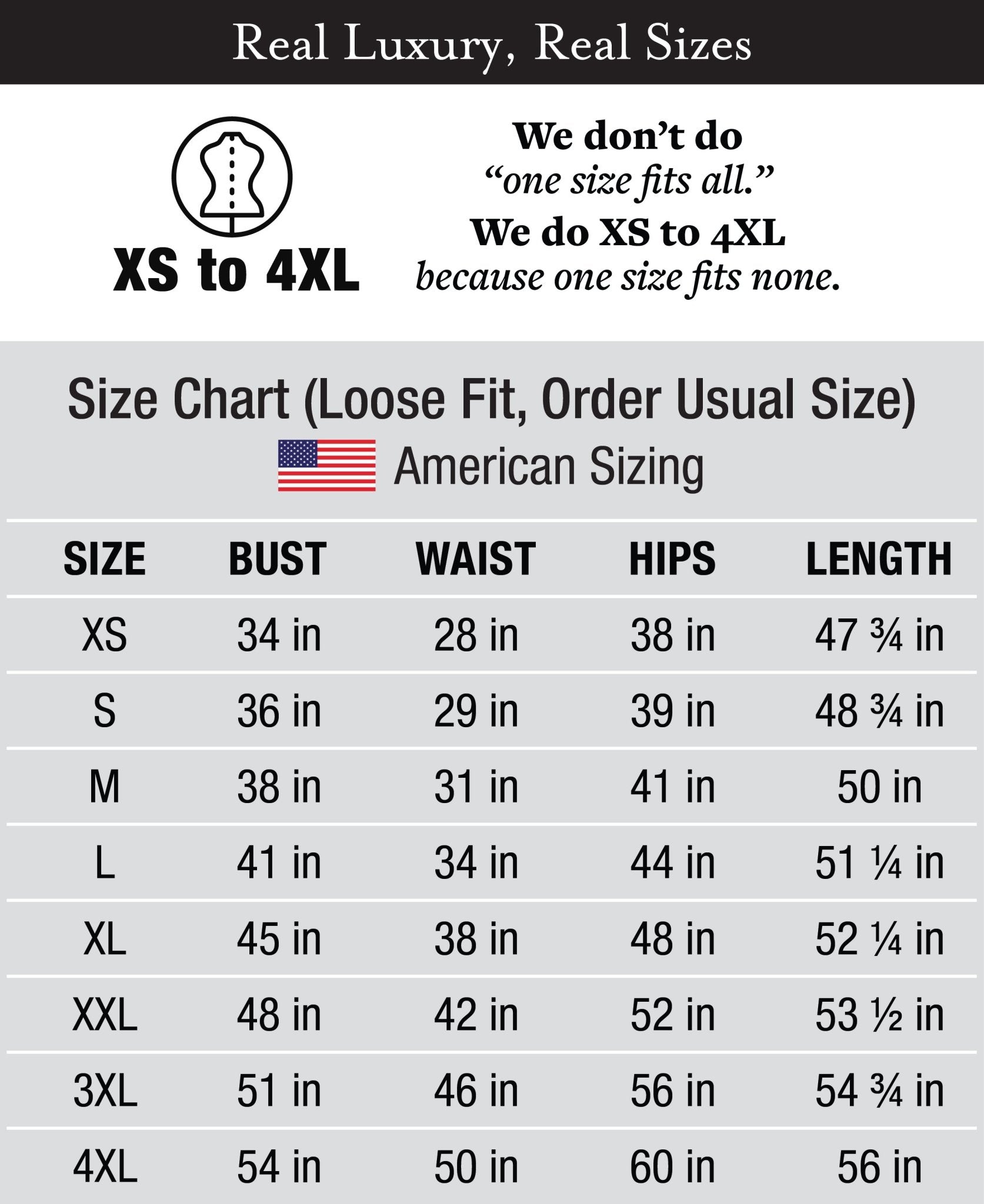
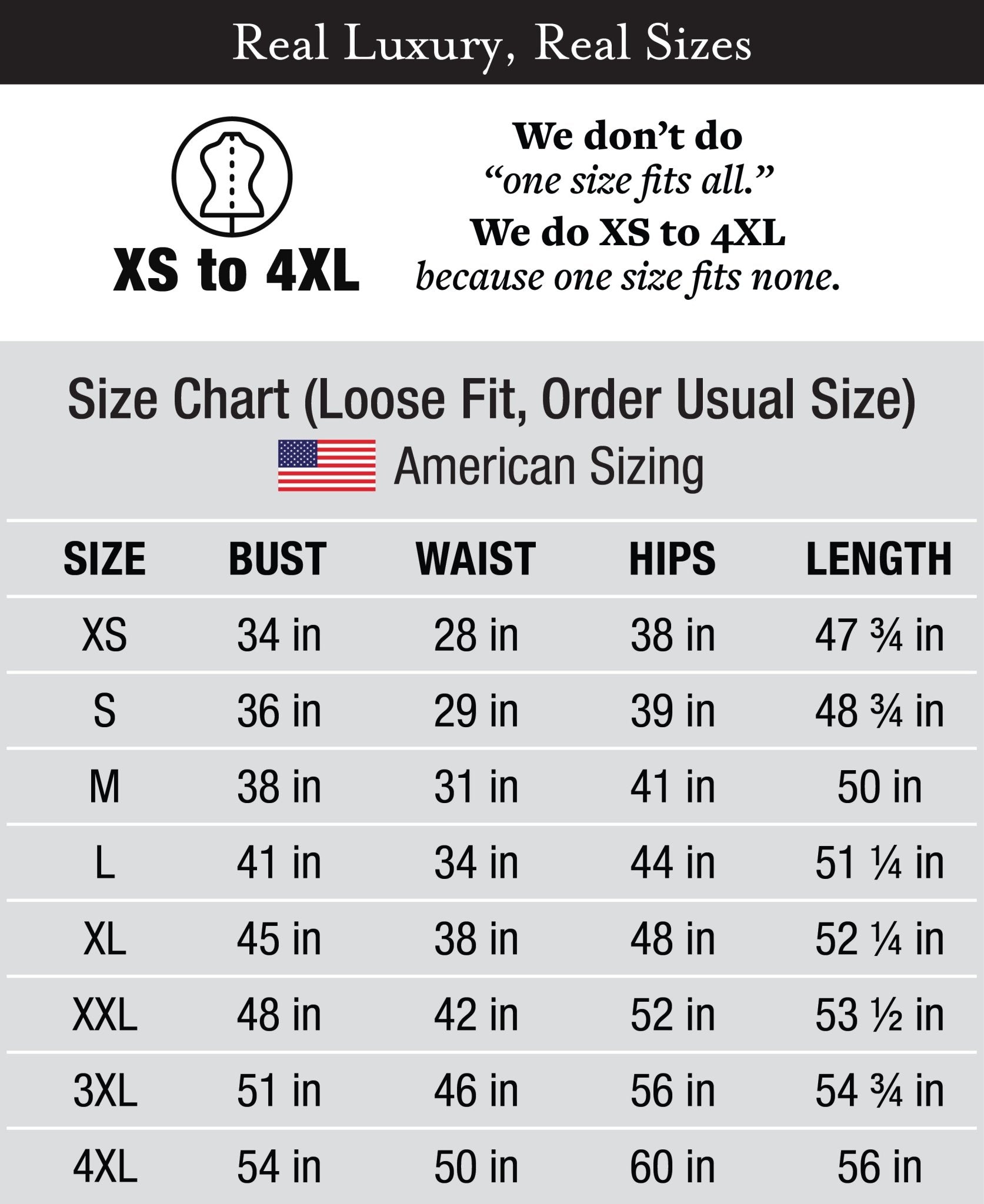
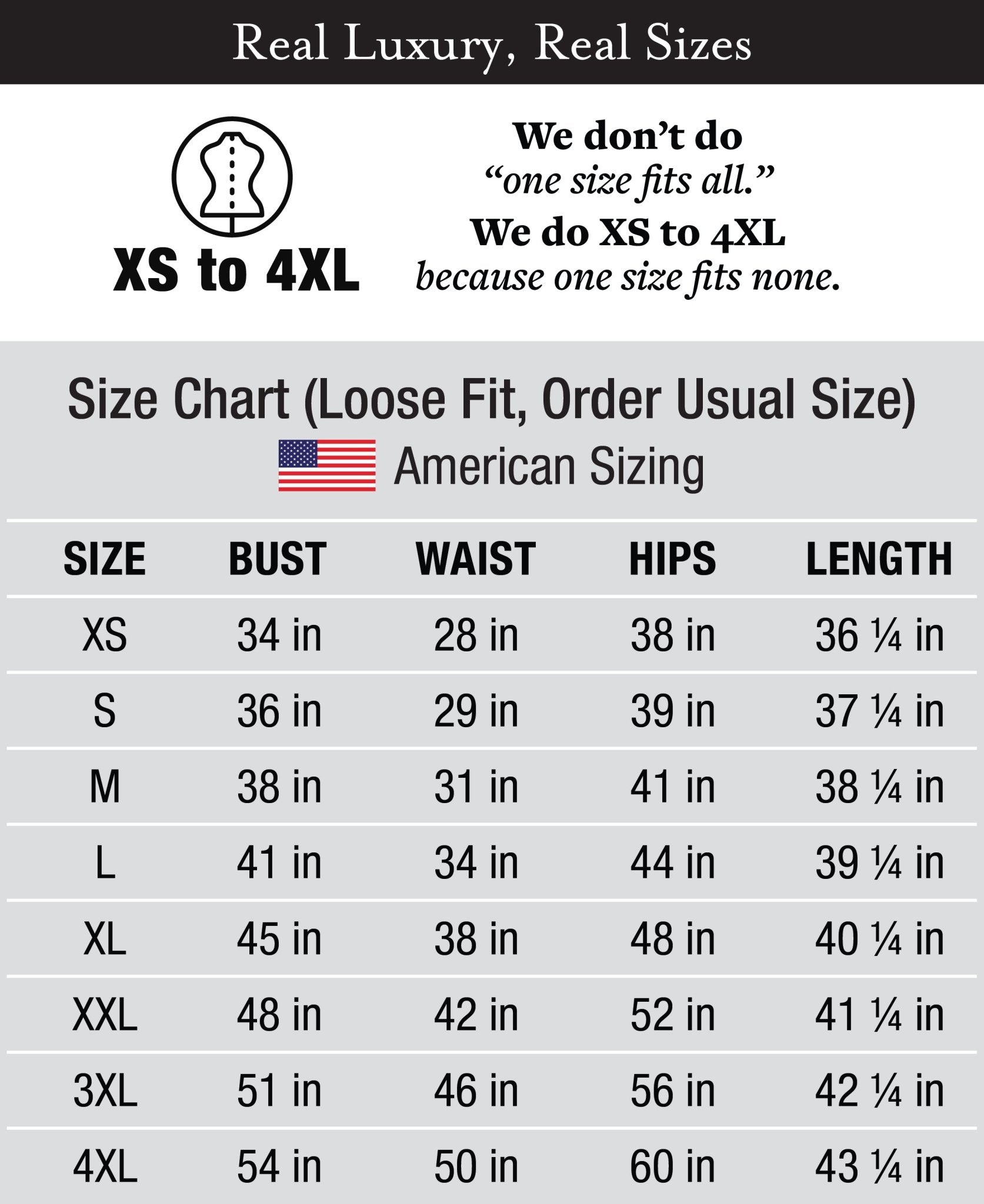
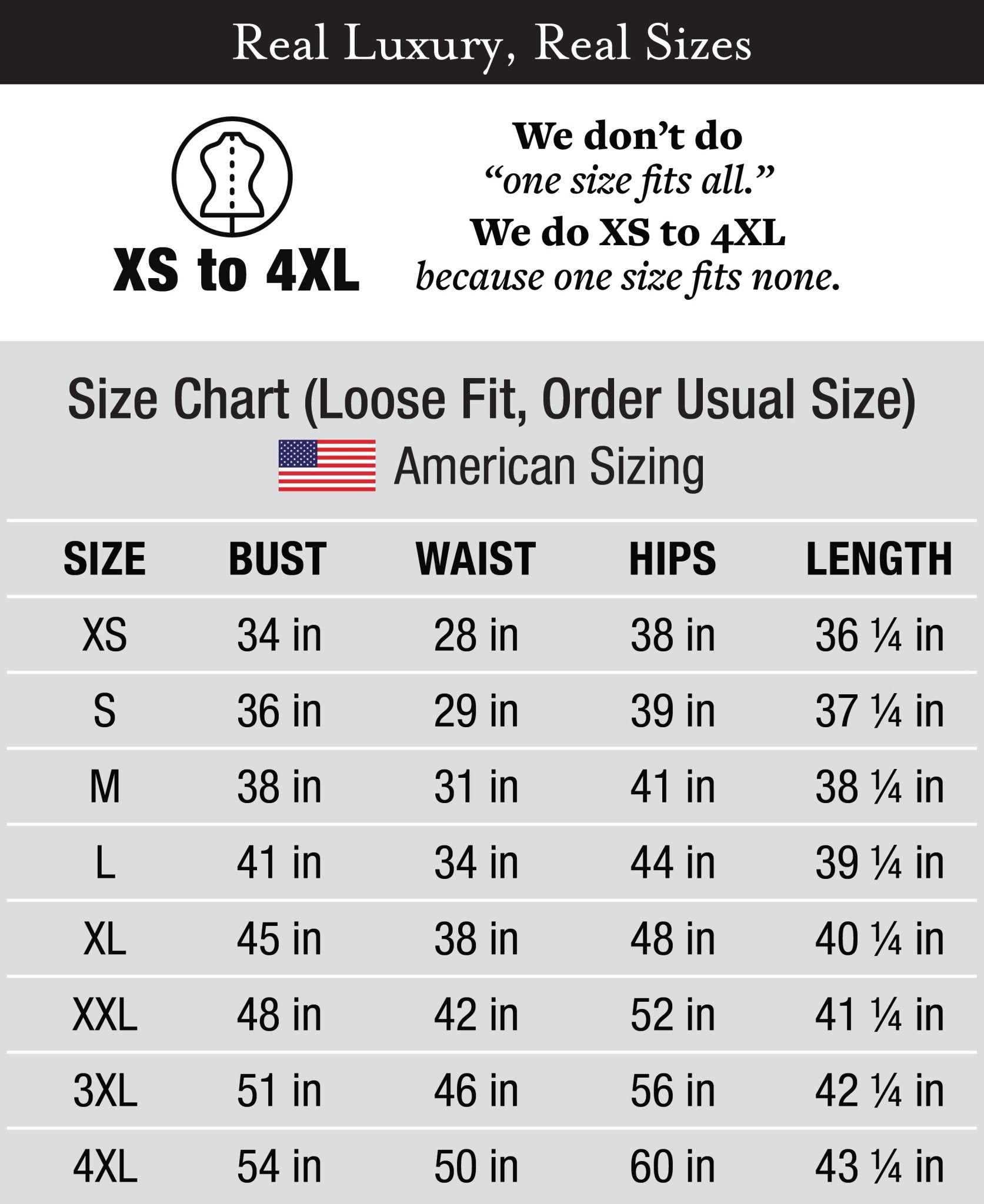
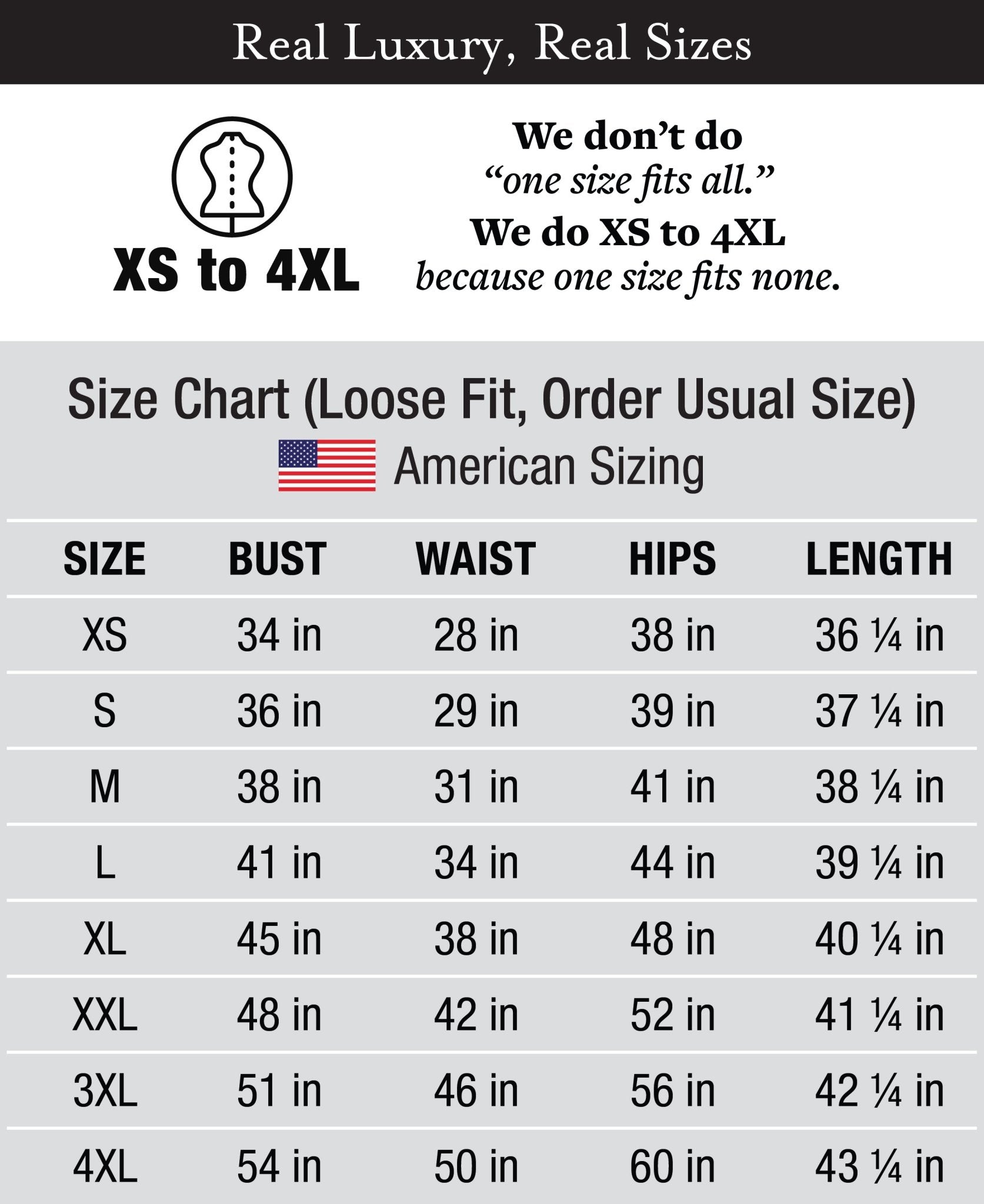
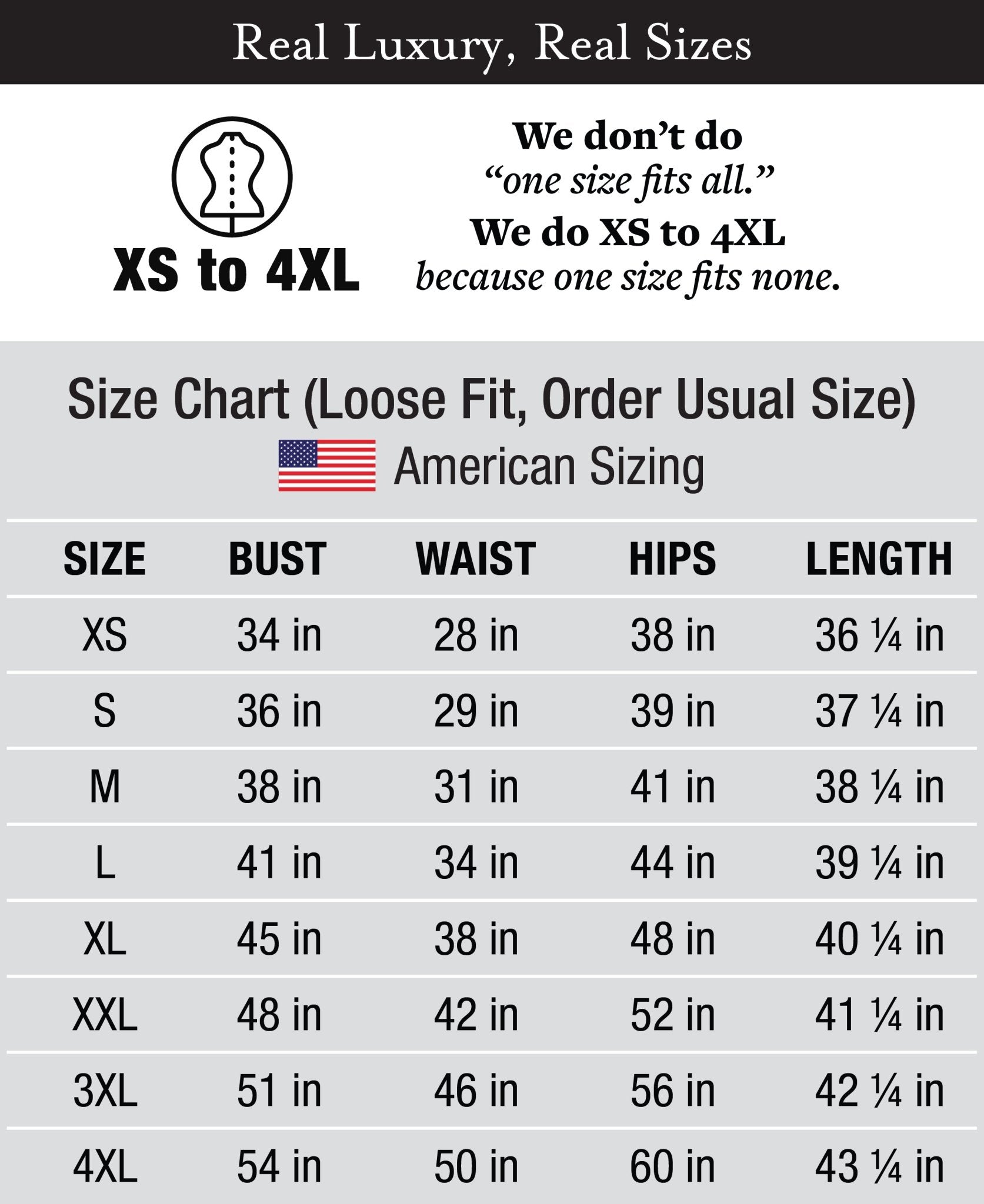
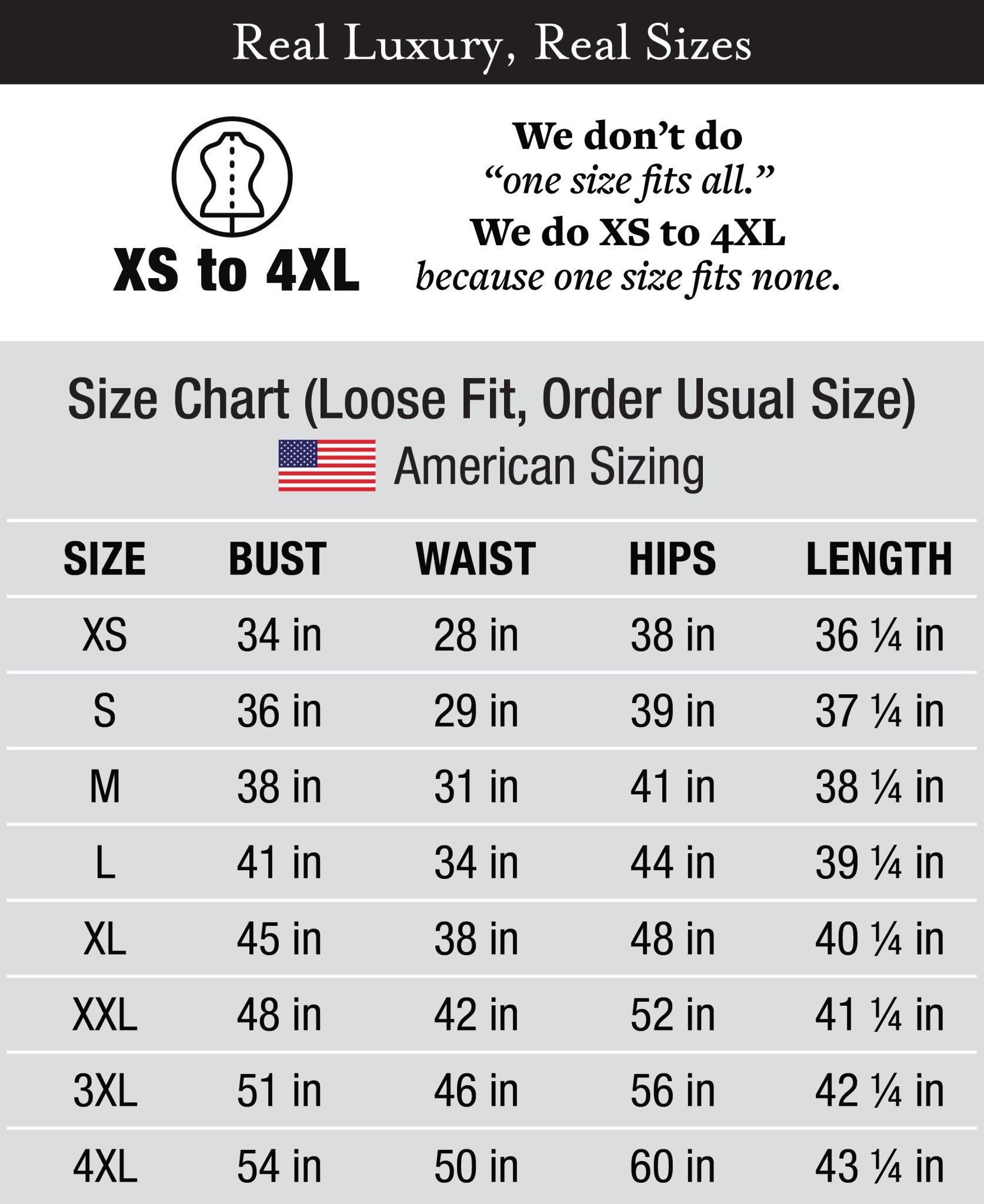
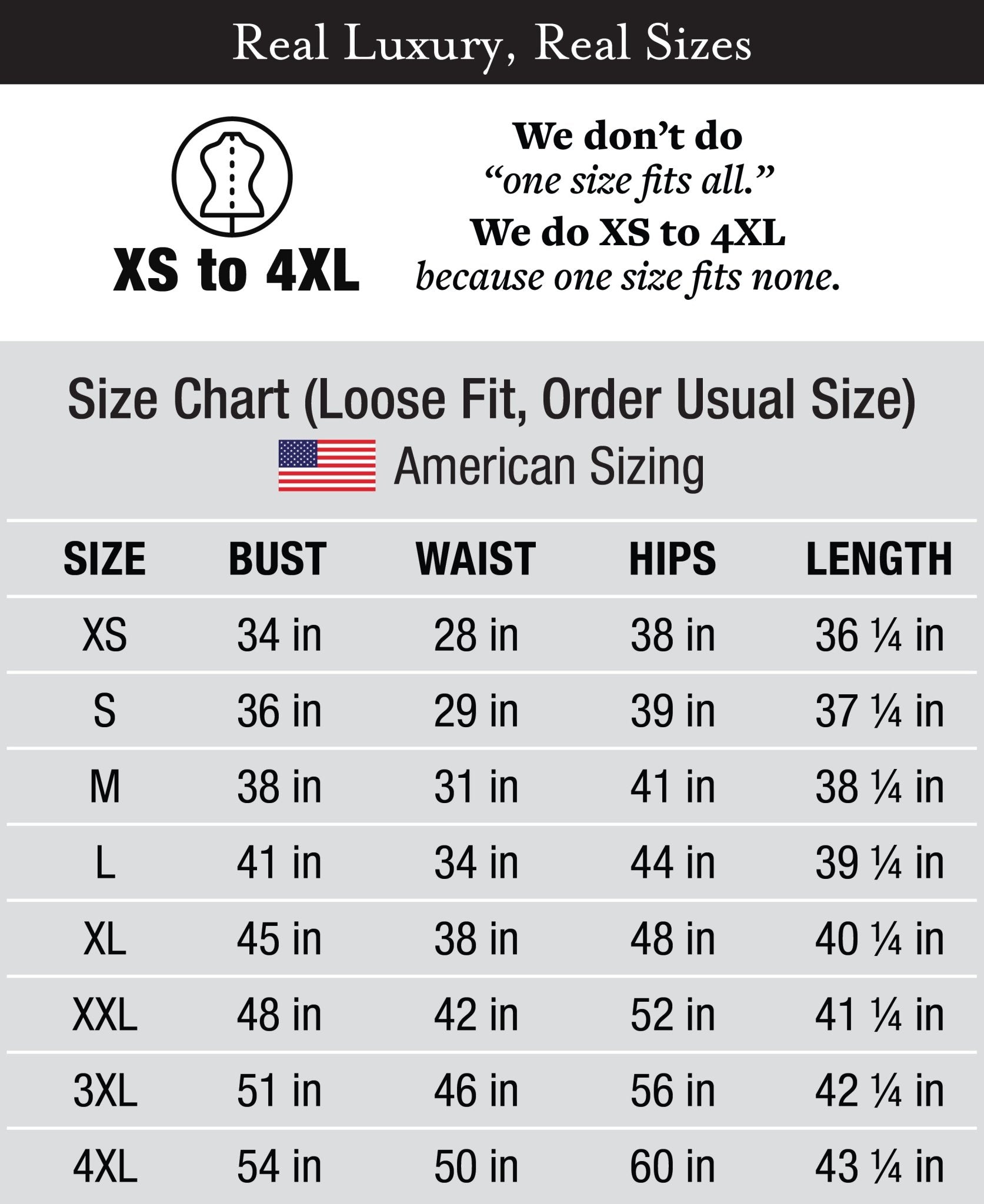
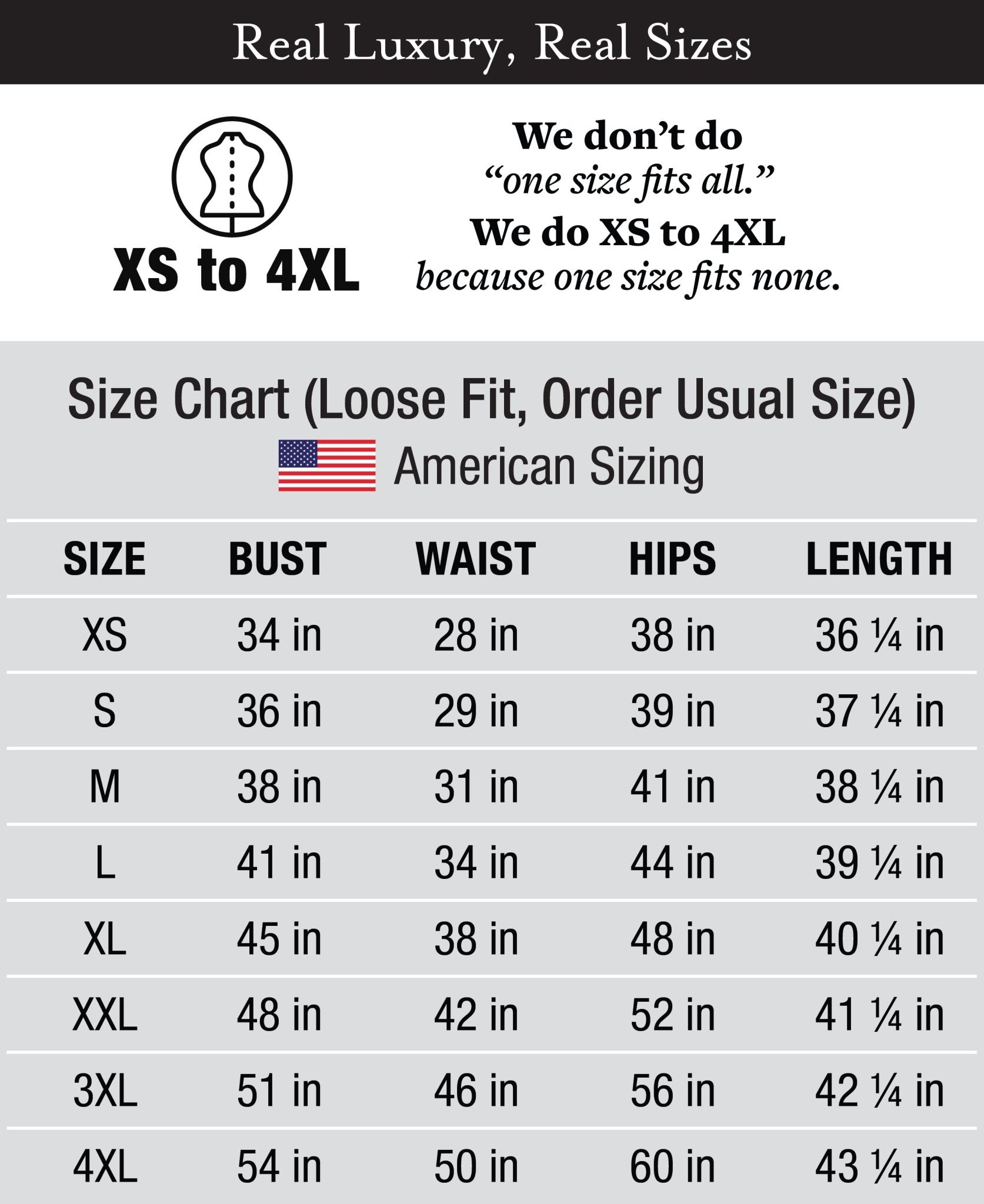
The workshop produces in smaller batches, which means Tara Sartoria can offer a wider size range, XS to 4XL, without holding massive inventory. Factory production requires minimum order quantities that make extended sizing economically unviable for many brands. Artisan production doesn't have the same constraint.
The price of a Tara Sartoria garment reflects these production realities. When you see a silk pajama set priced significantly lower than Tara Sartoria's, the difference is usually in one or more of these areas: overlocked seams instead of French, factory production instead of workshop, lighter momme weight requiring less fabric, or narrower size ranges that reduce per-unit cost.








What You Cannot See but Can Feel
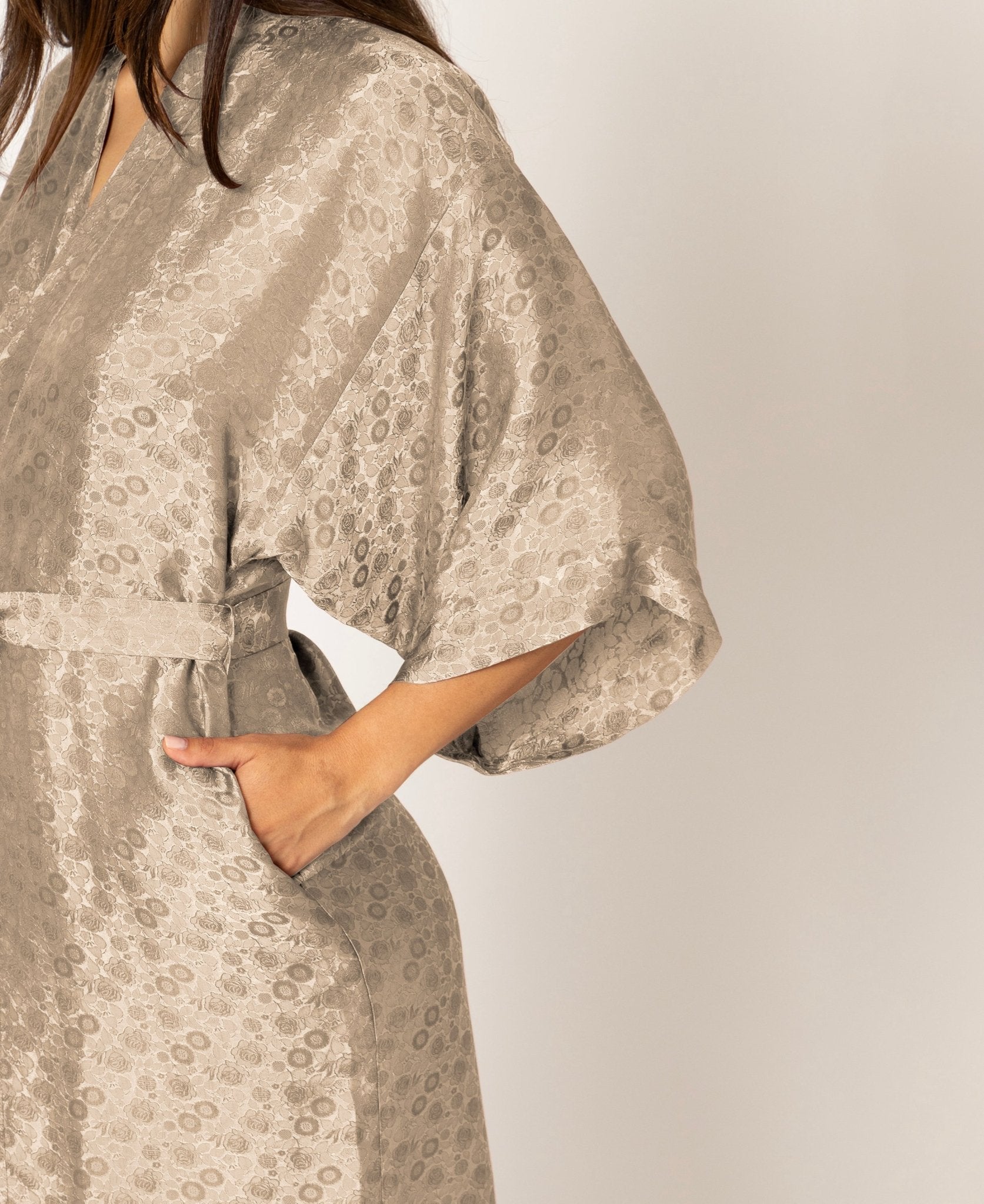
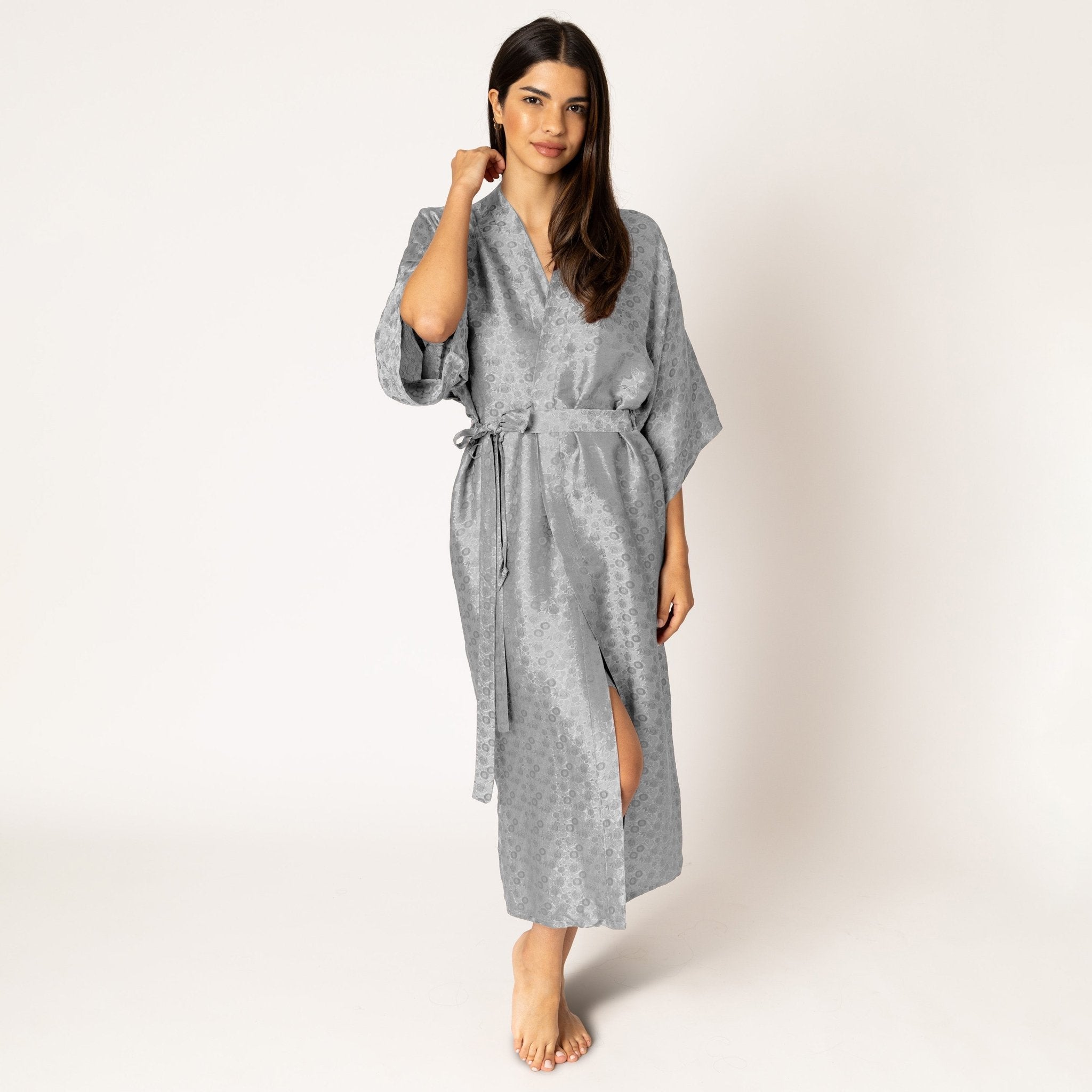
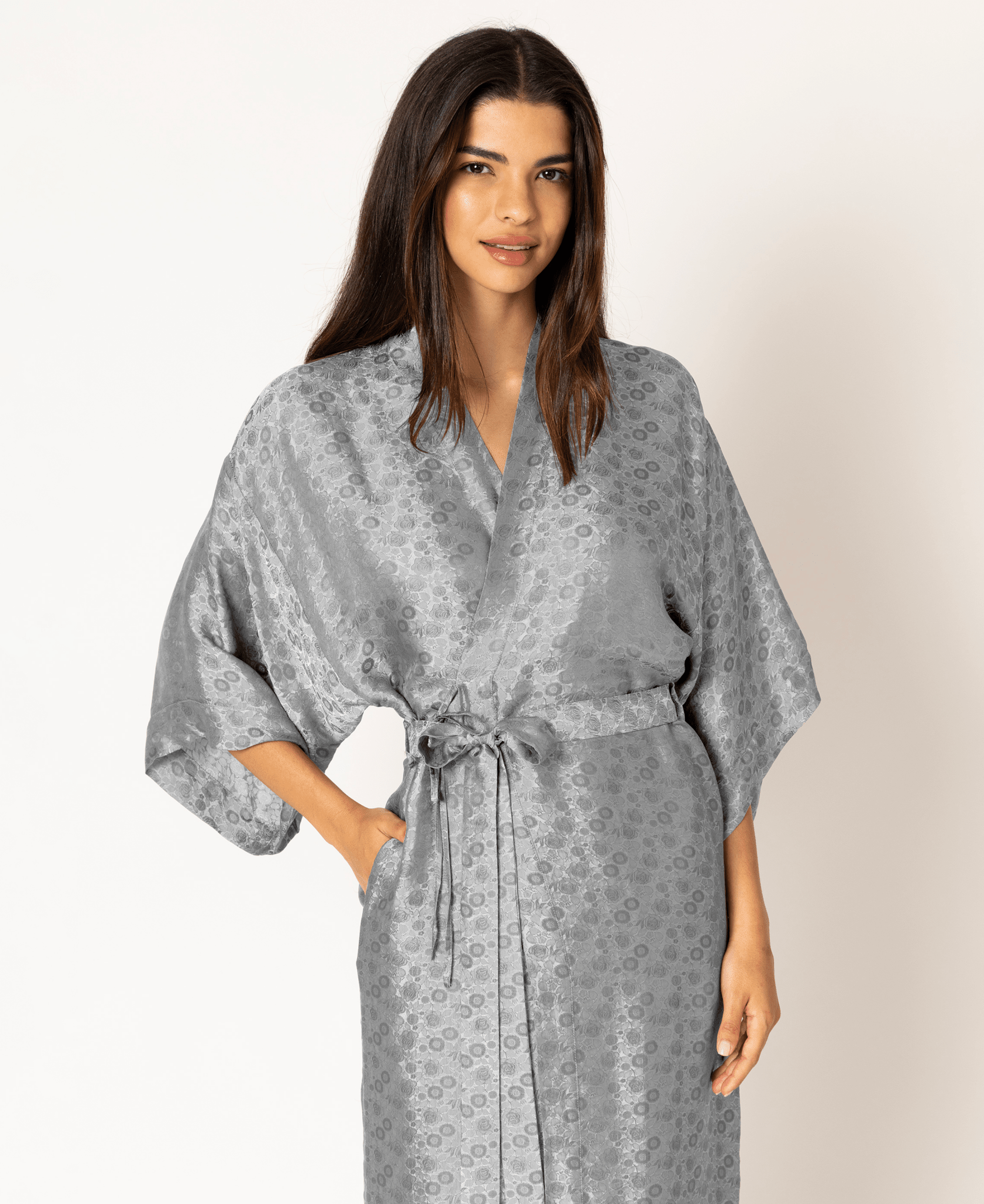
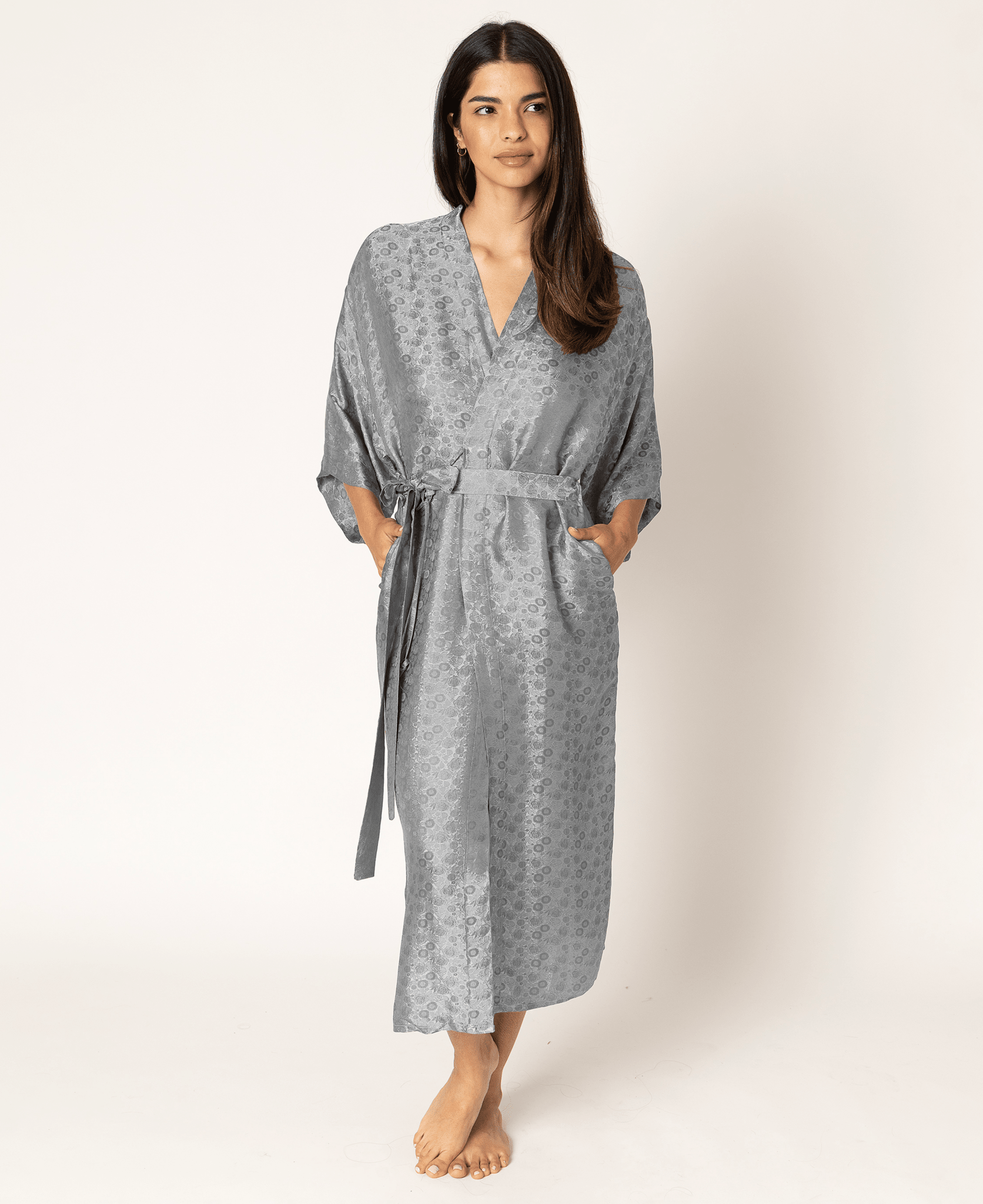
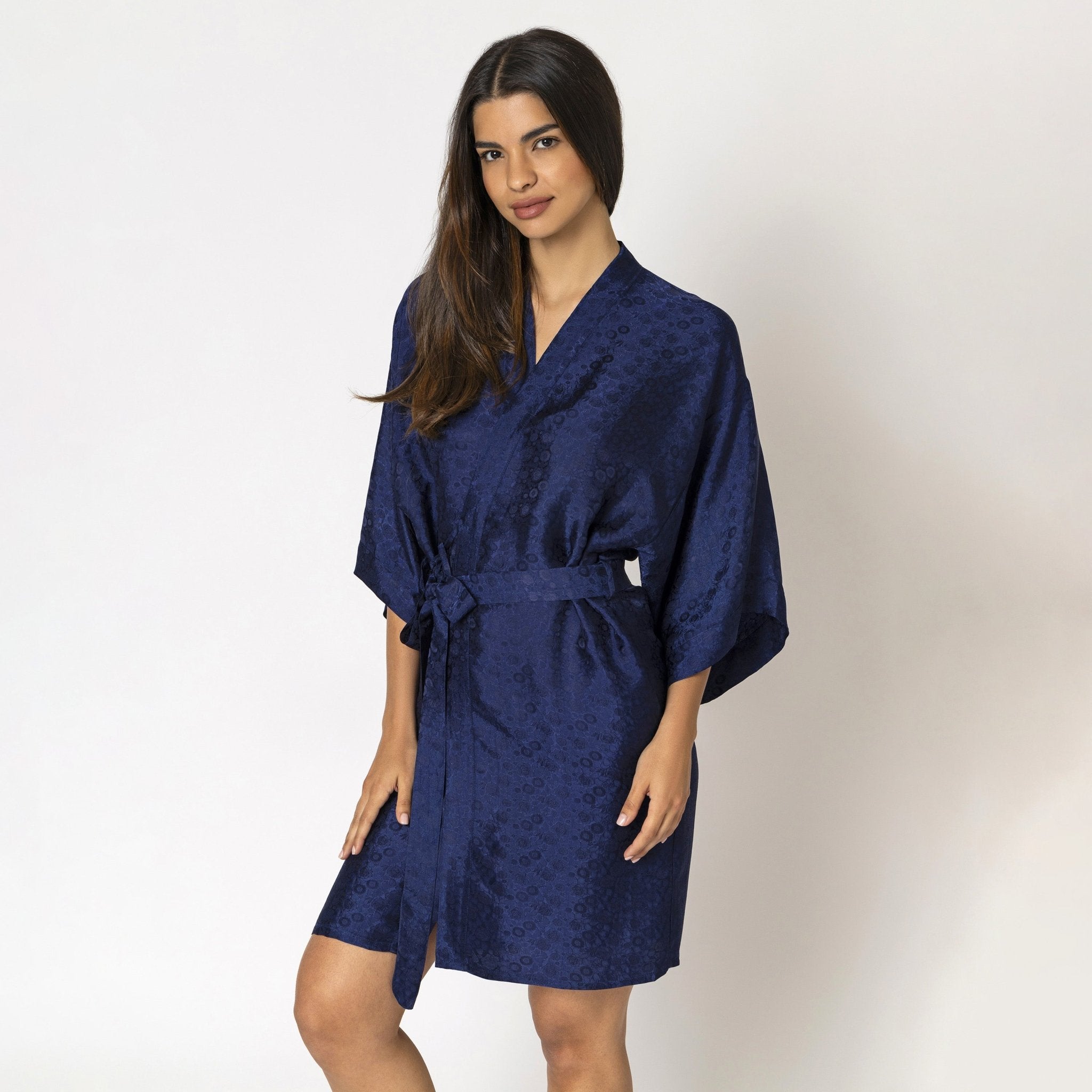
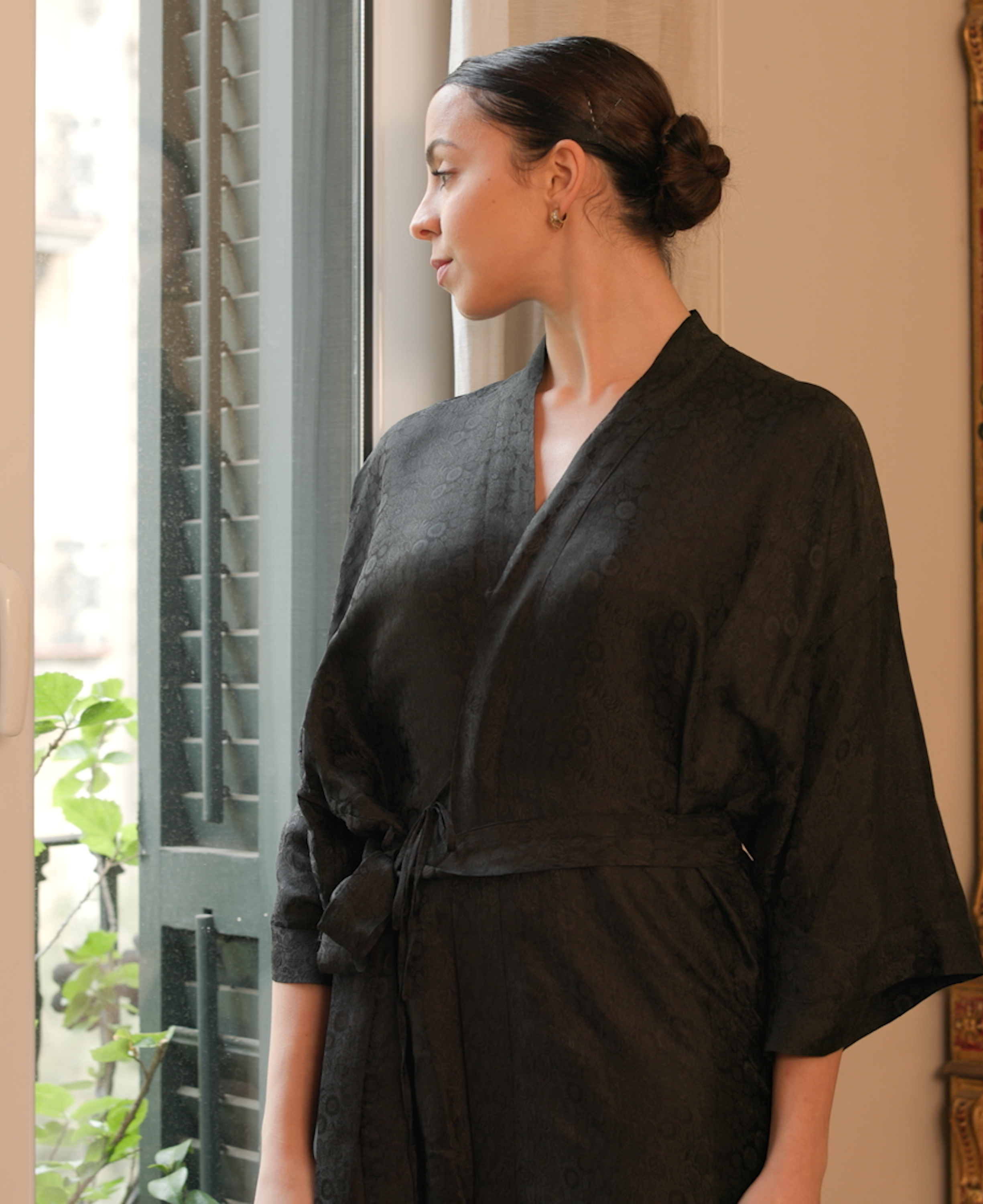
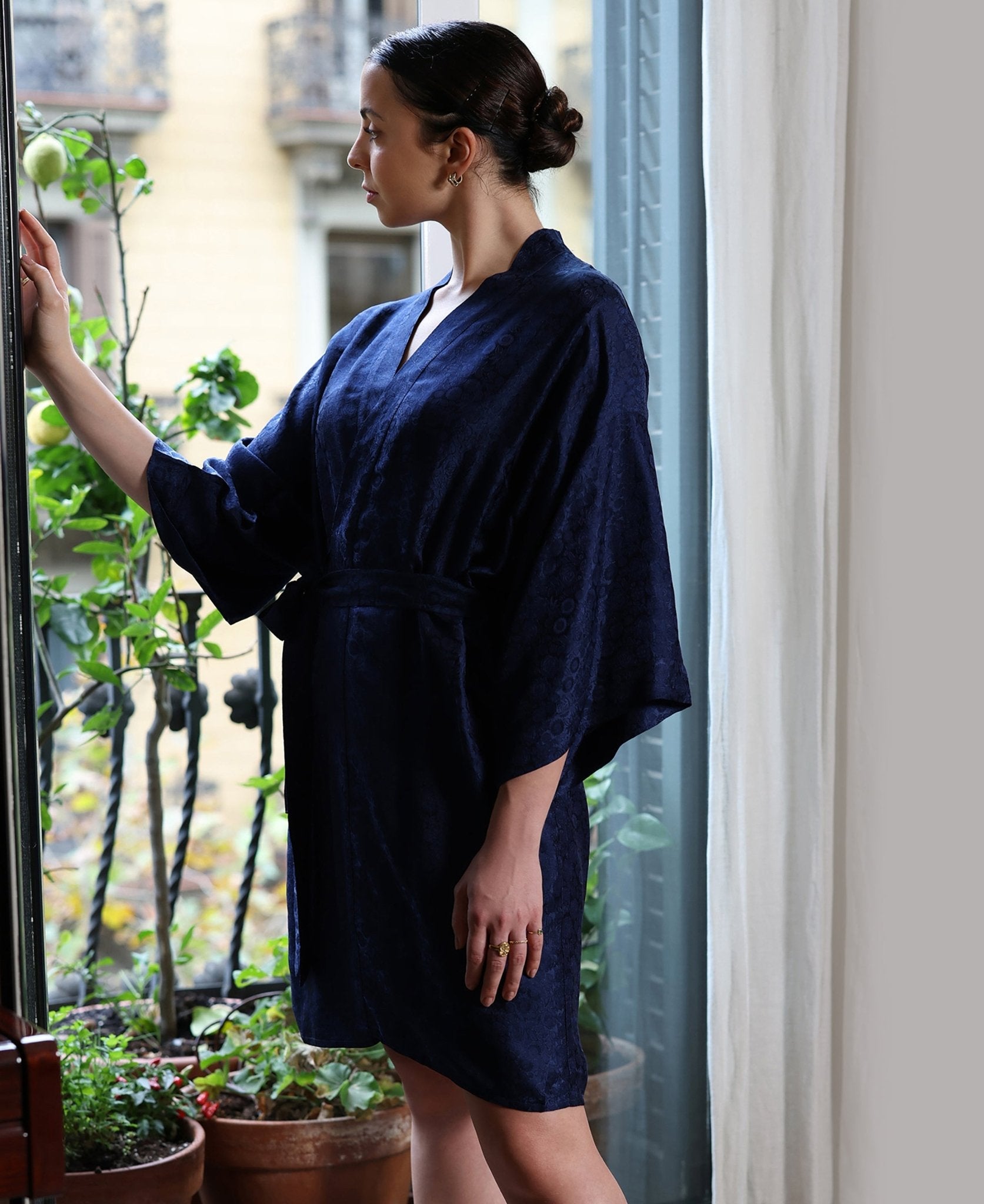
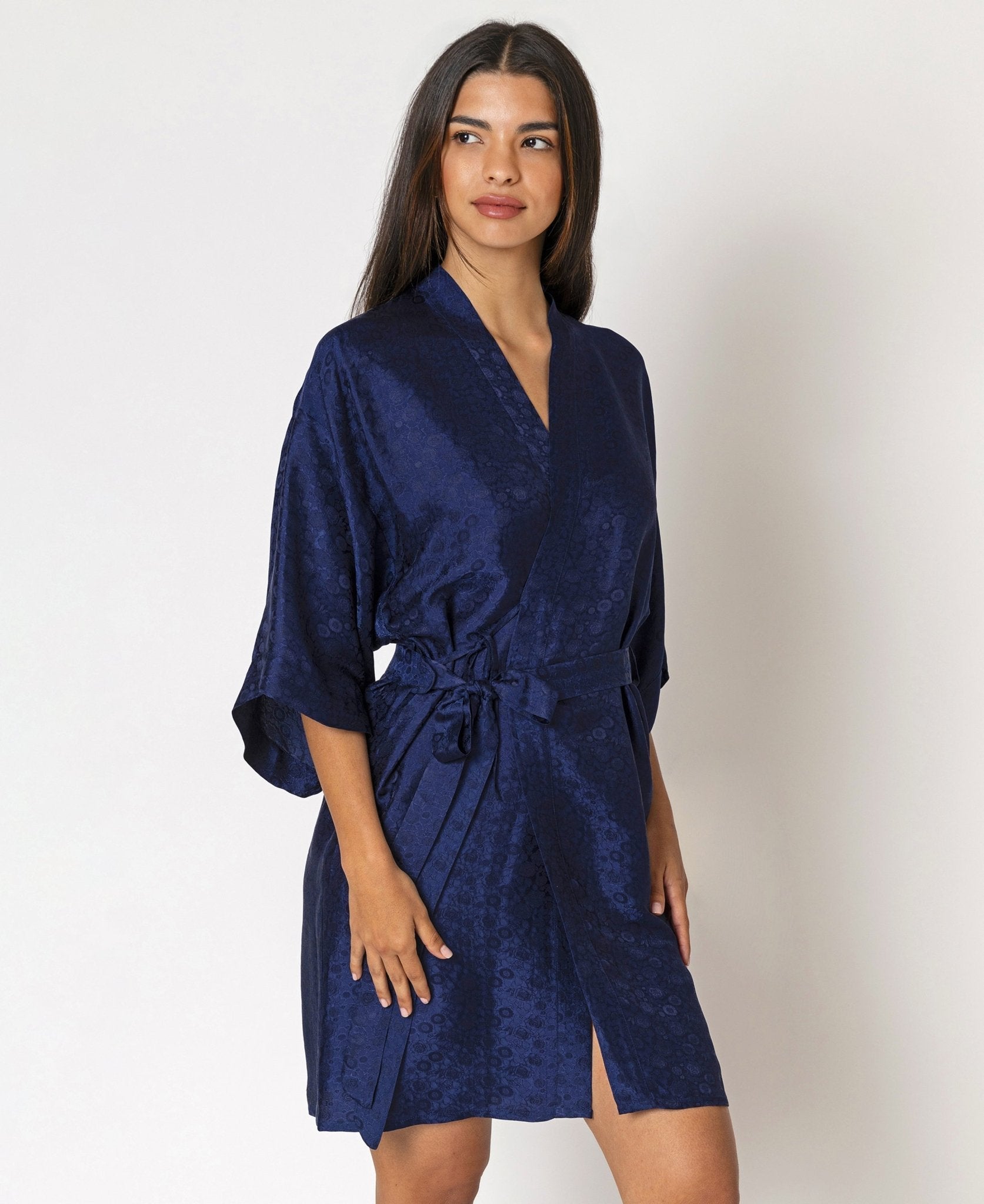
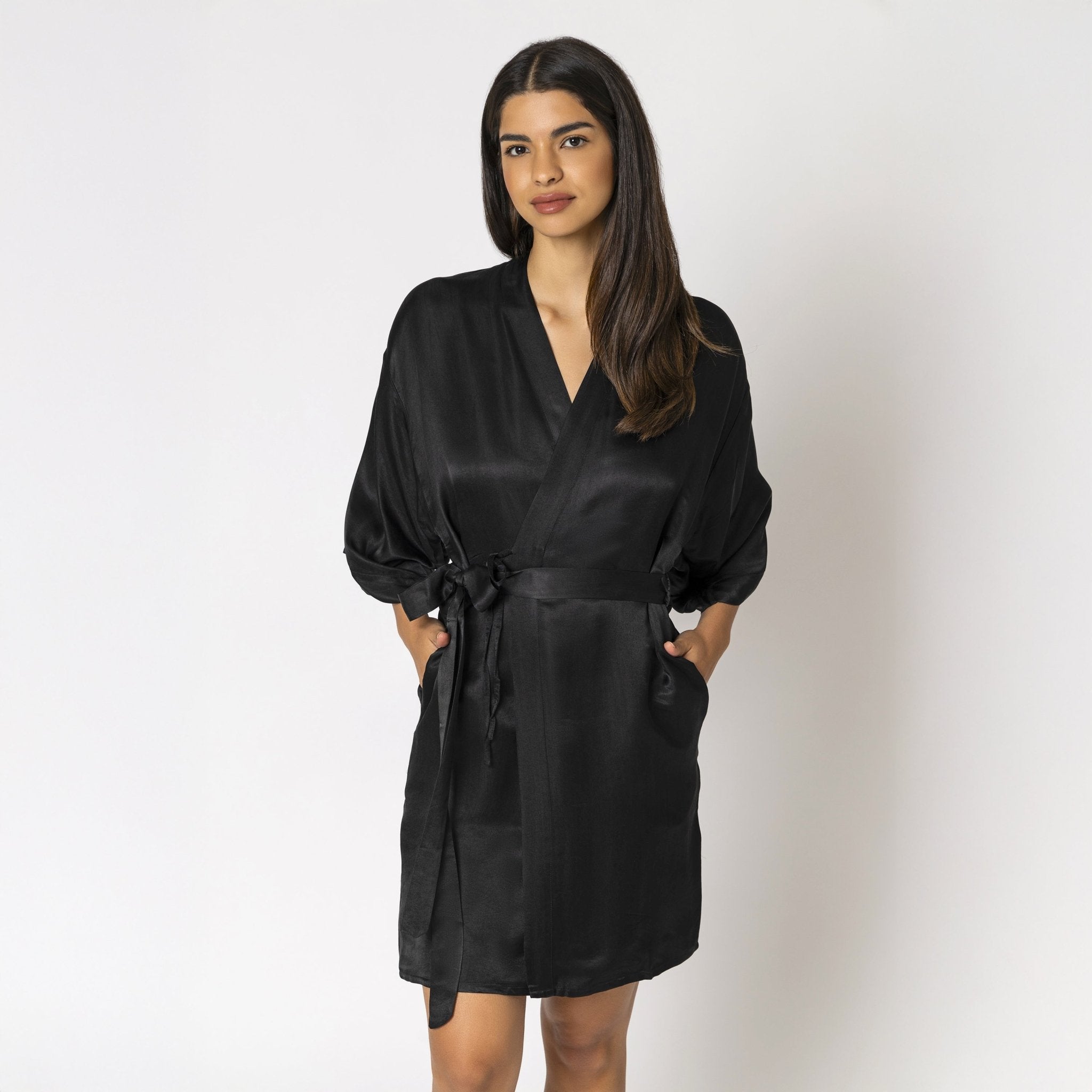
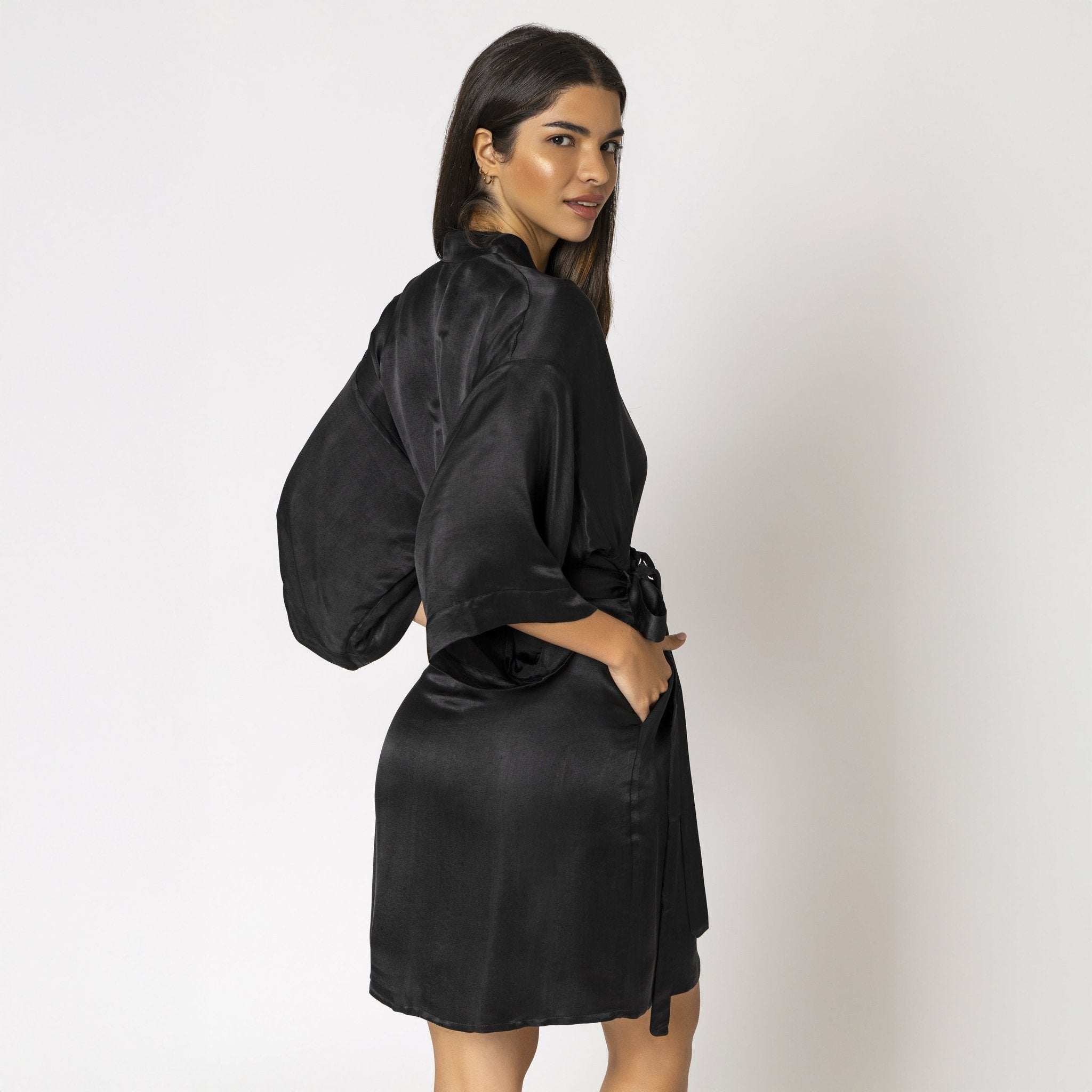
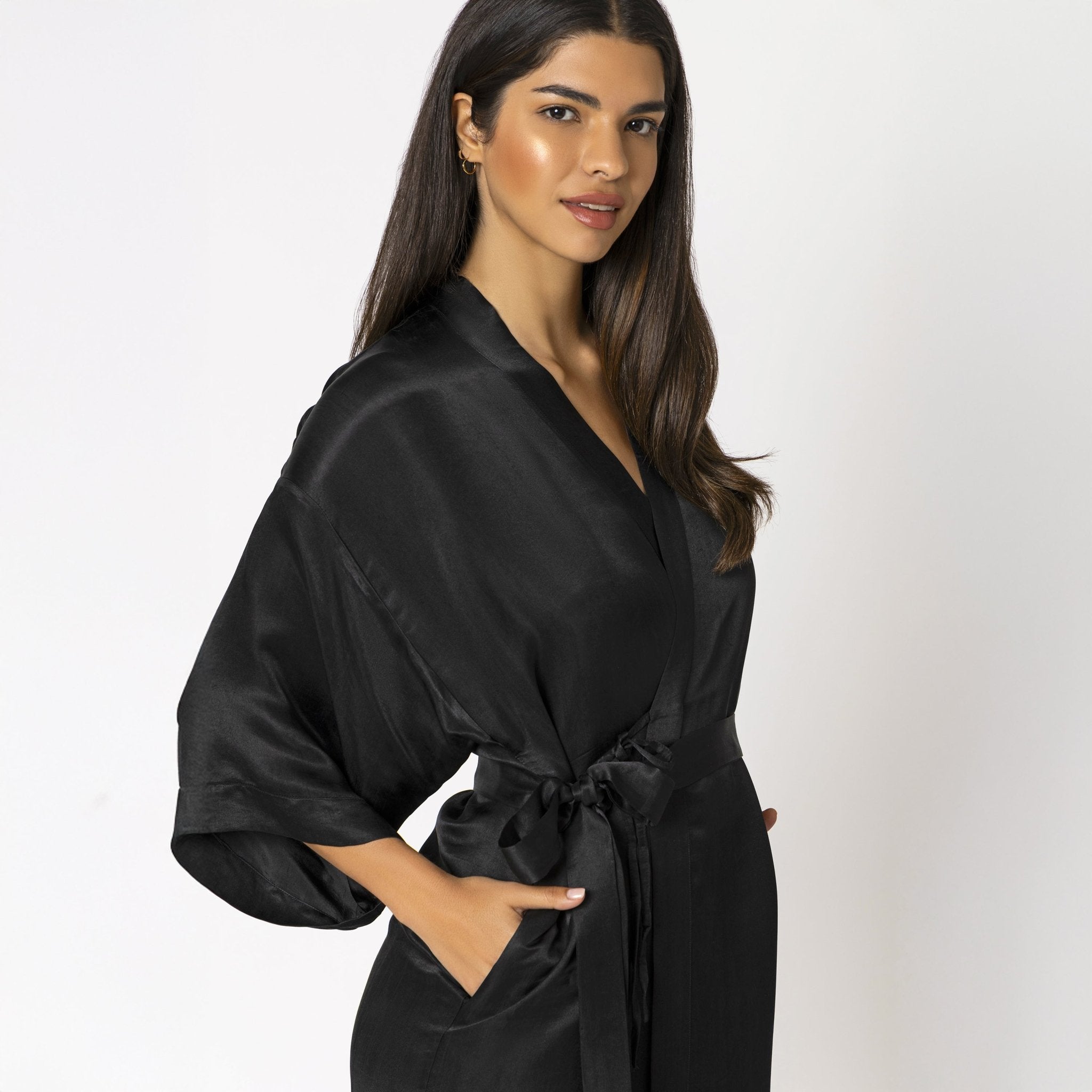
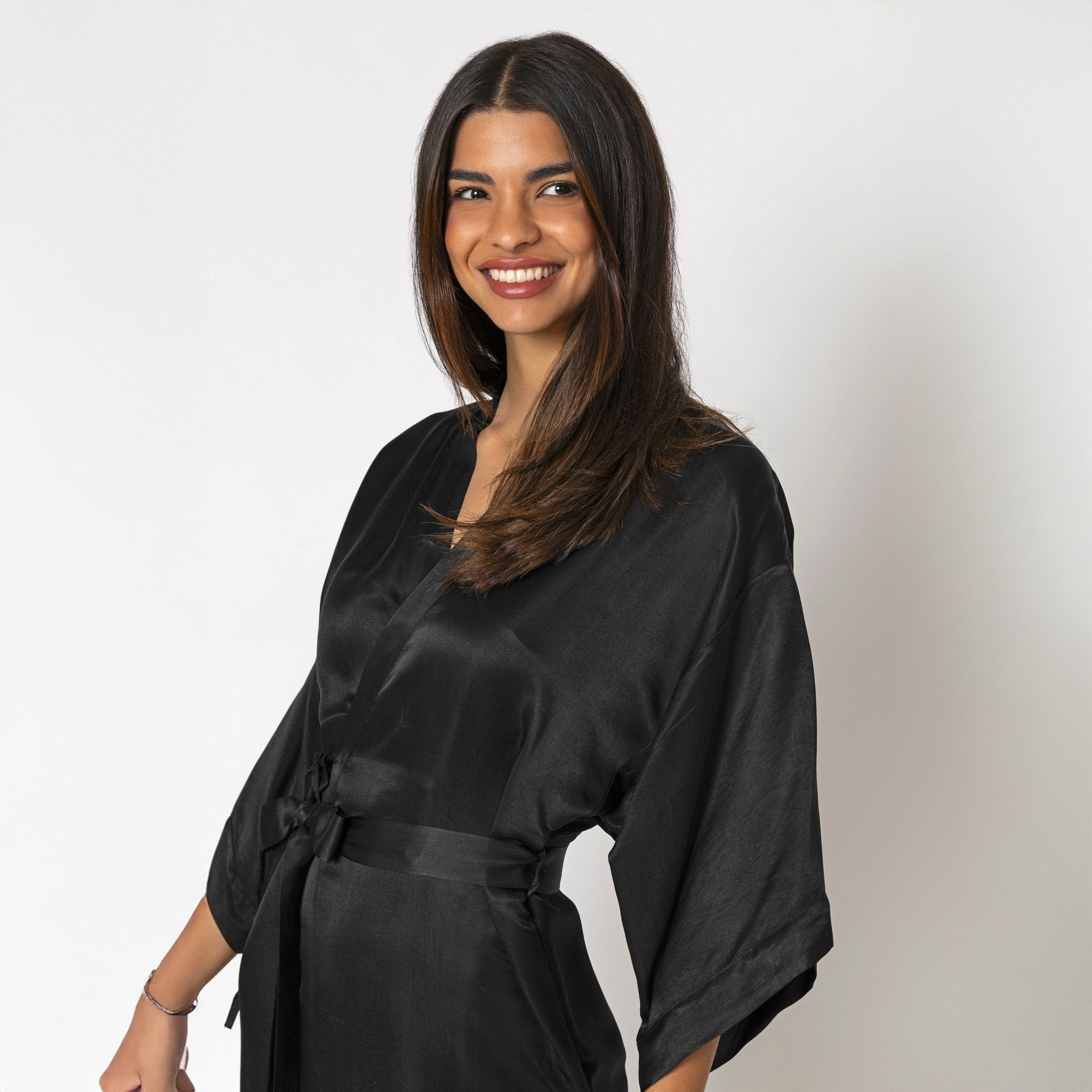
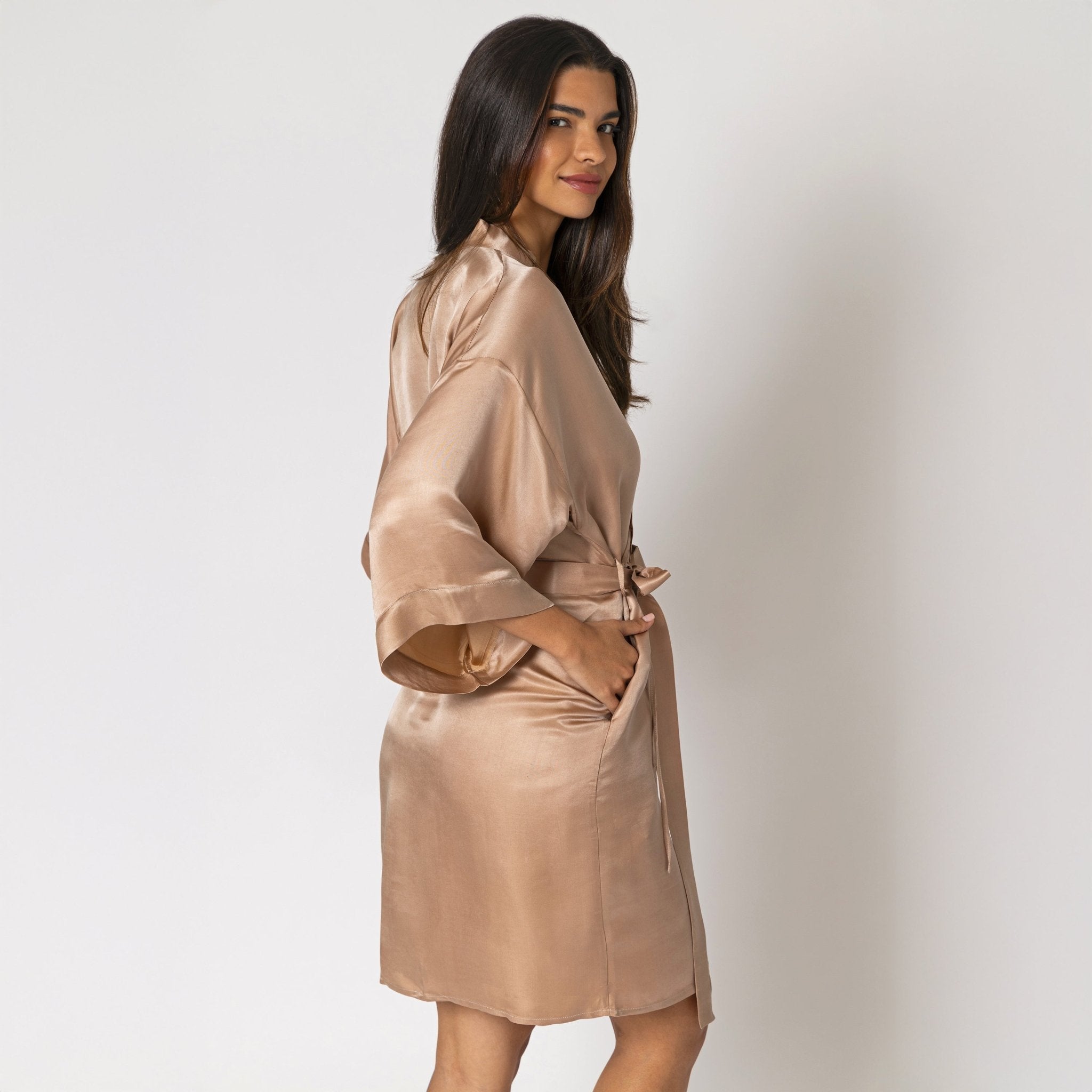
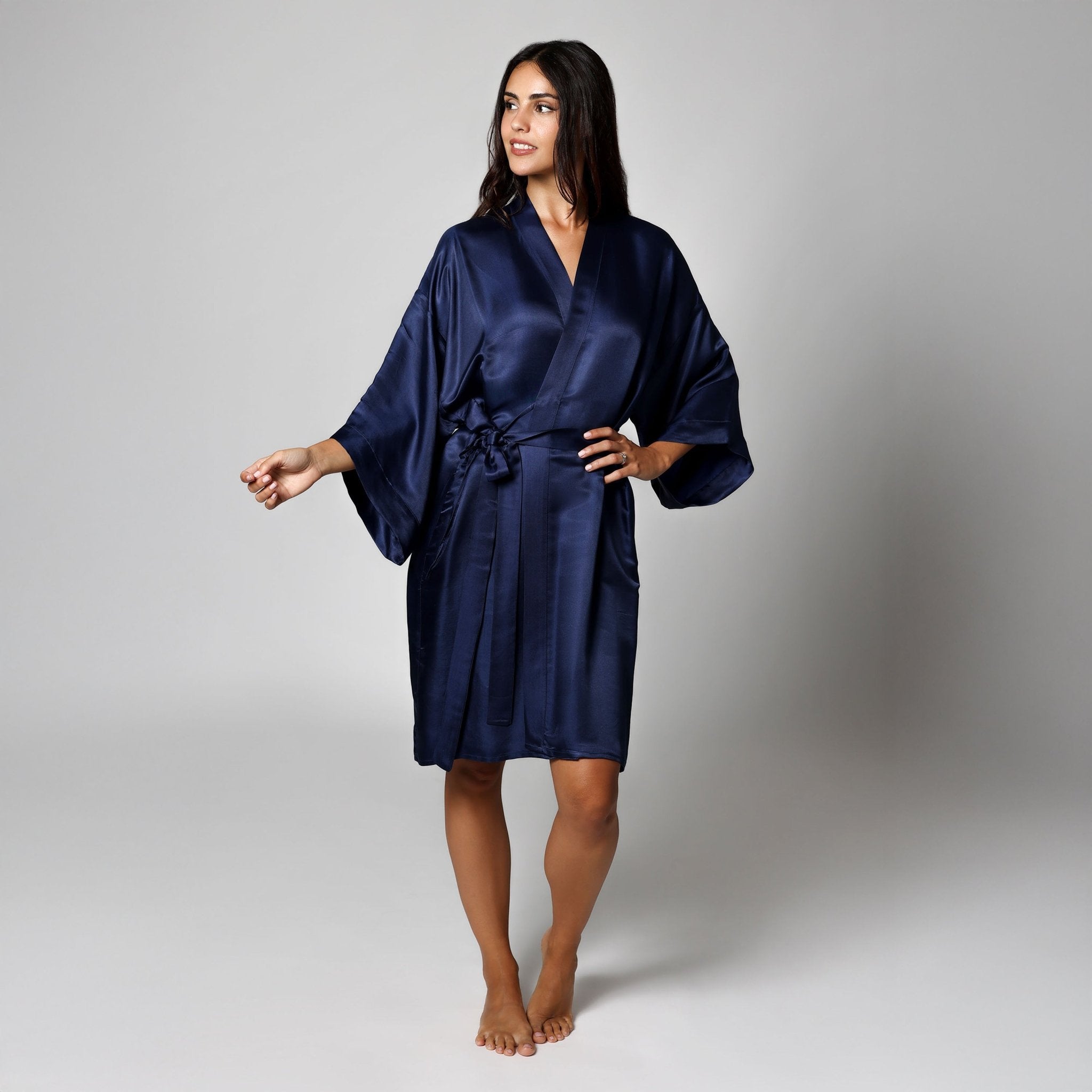
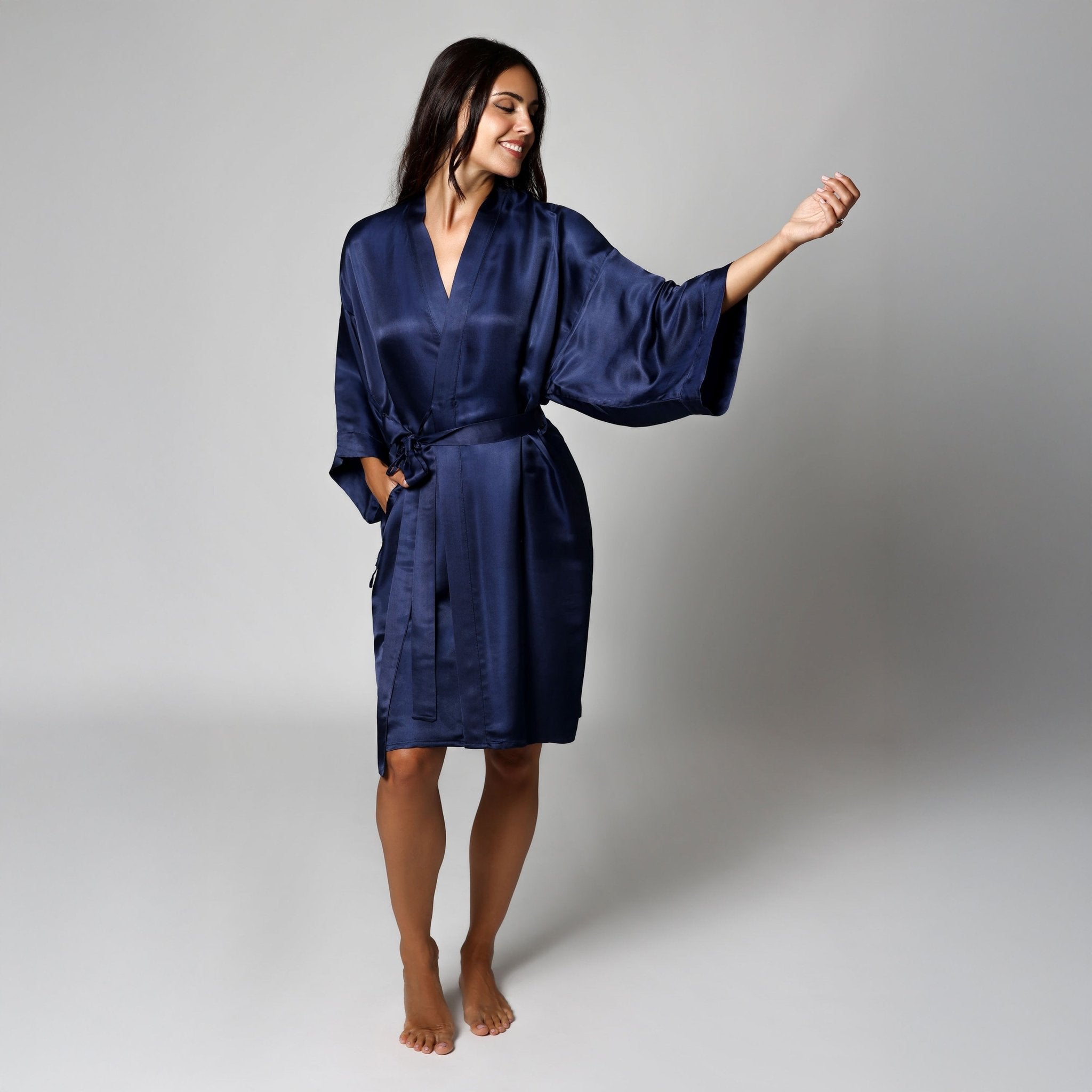
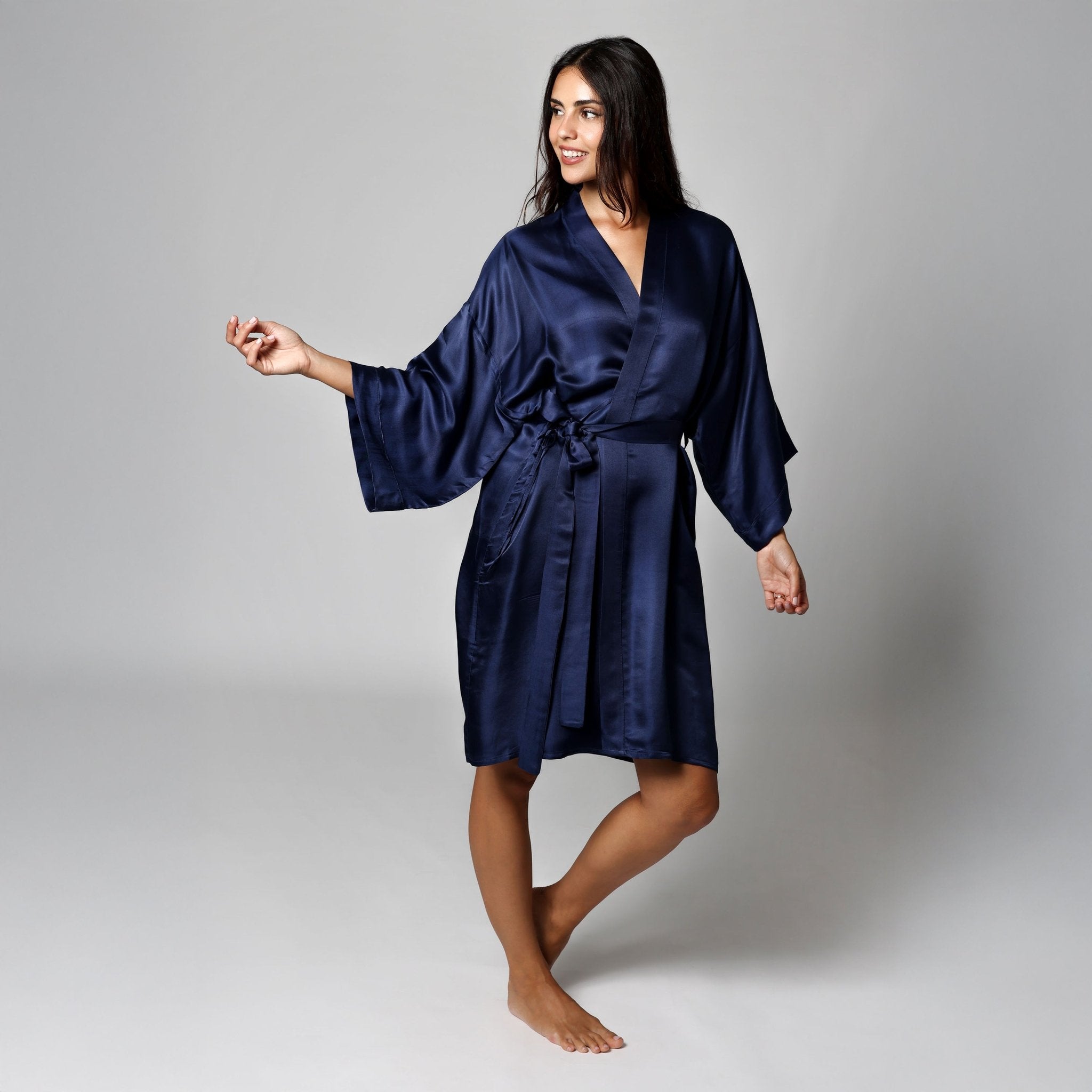
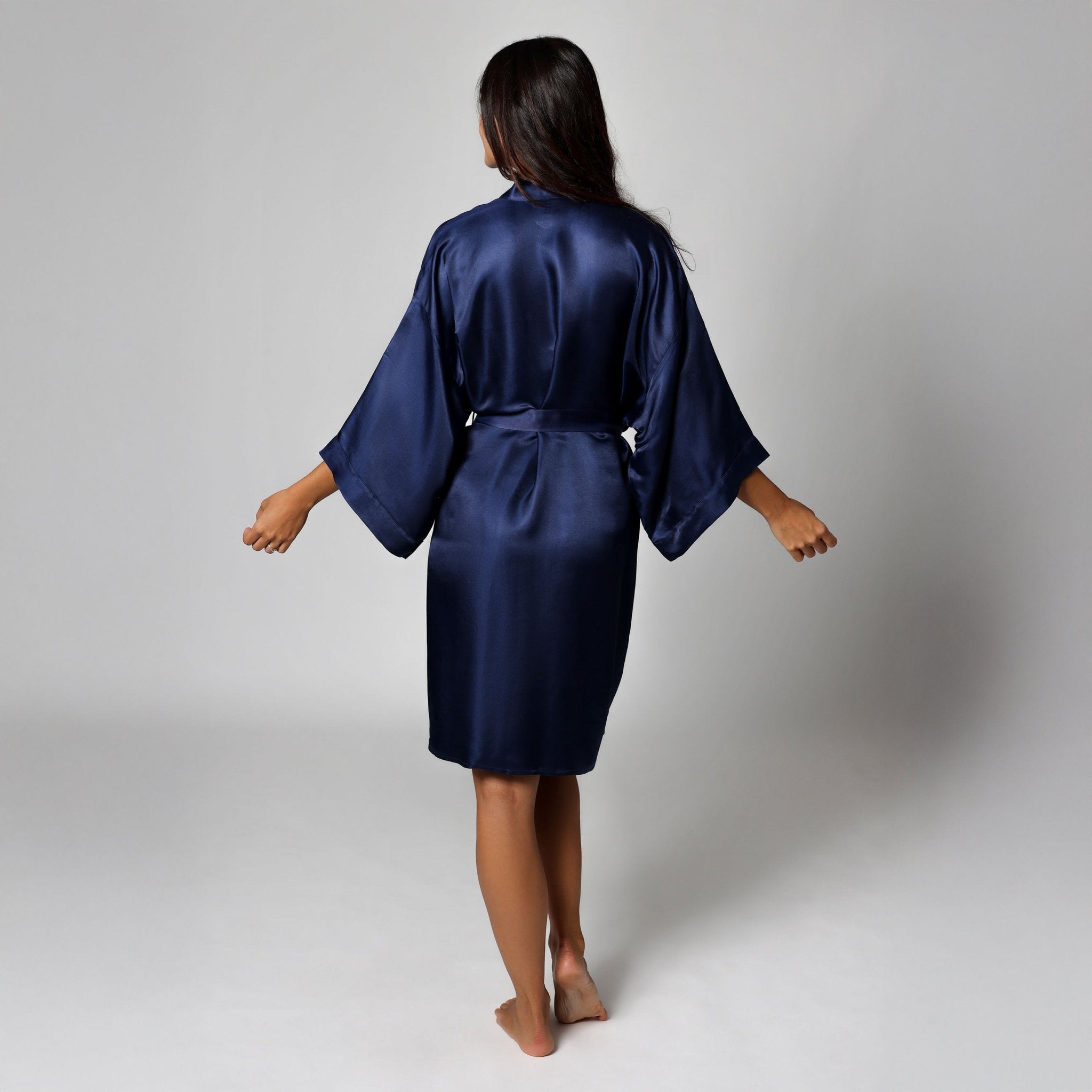
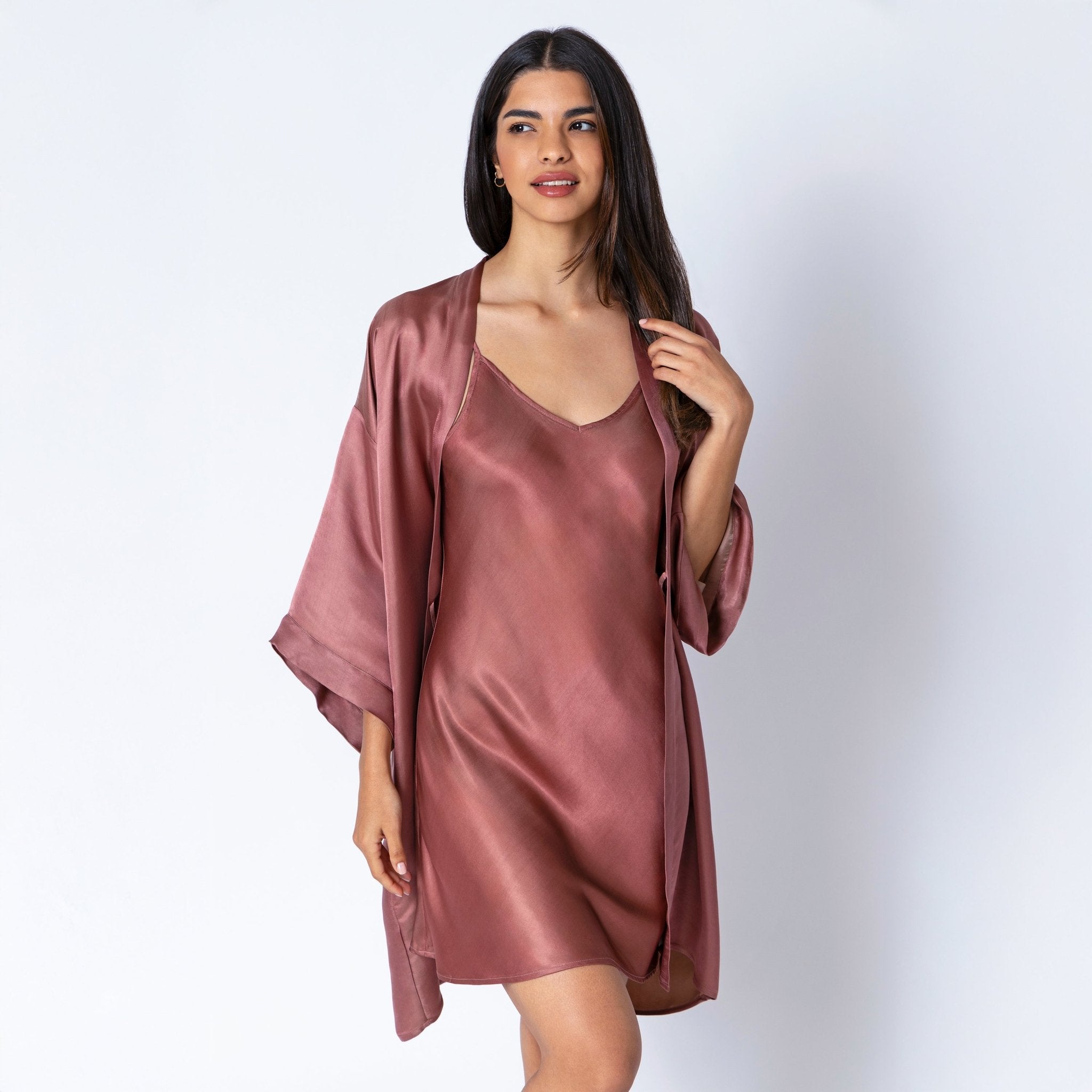
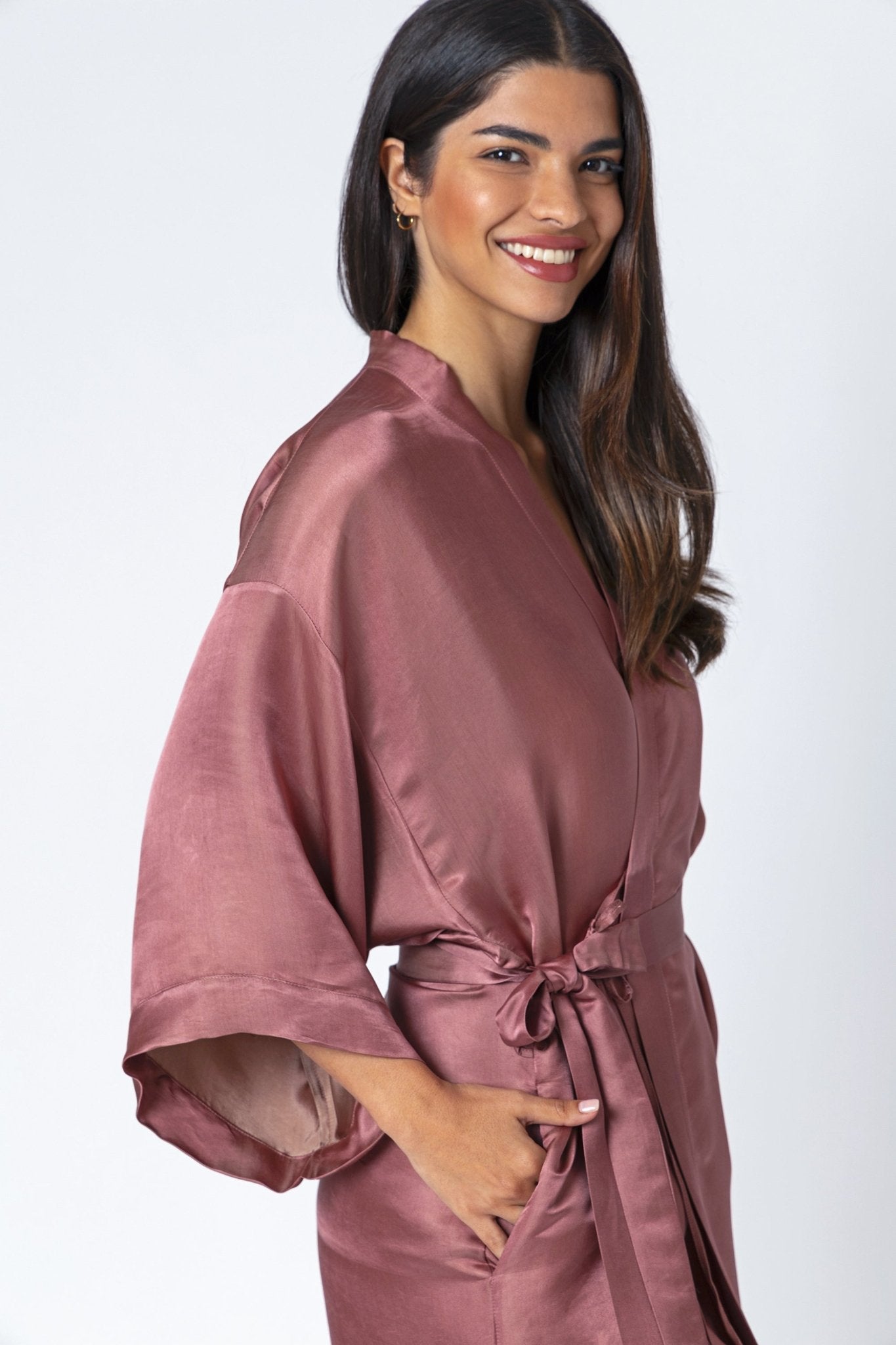
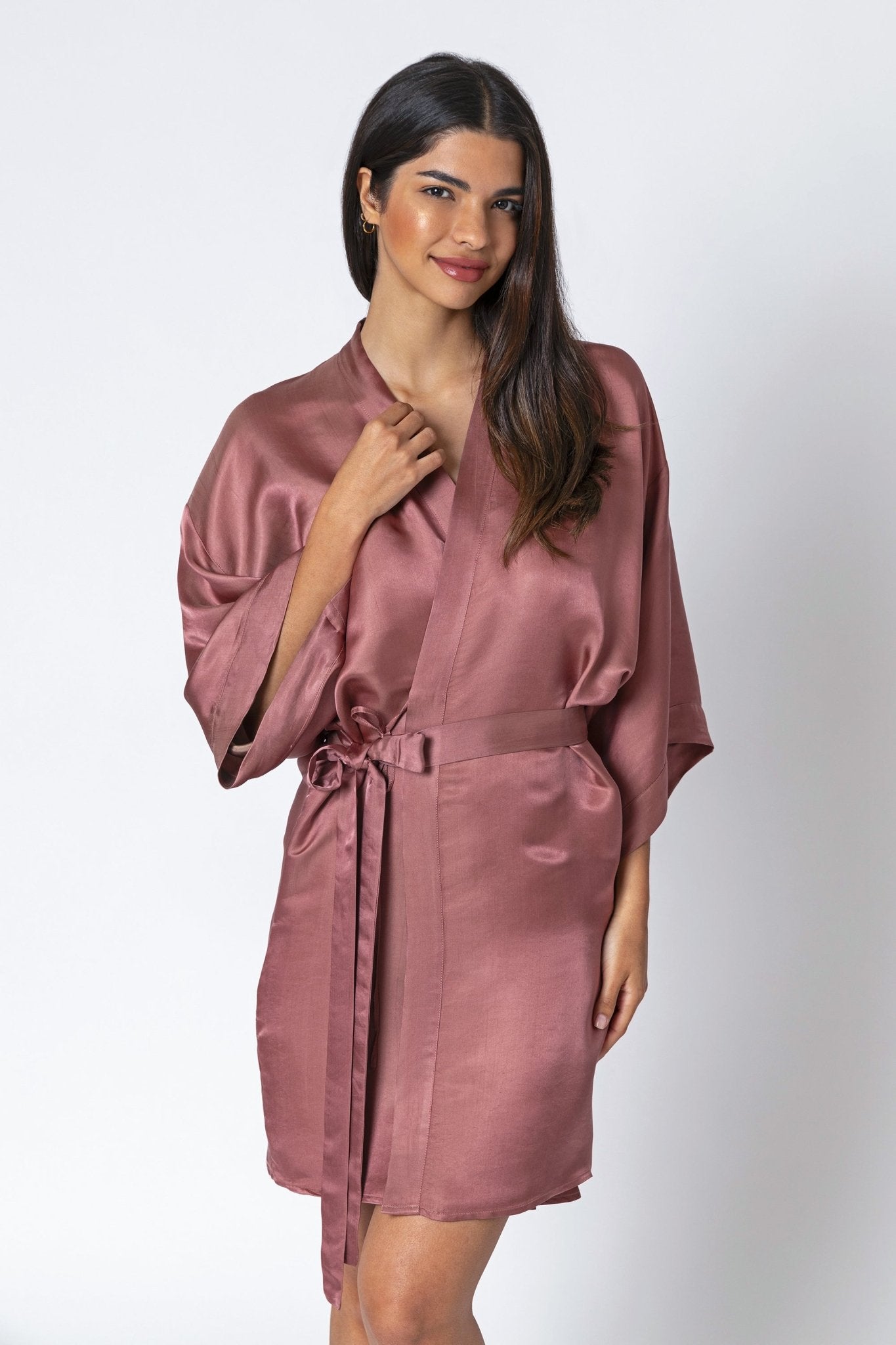
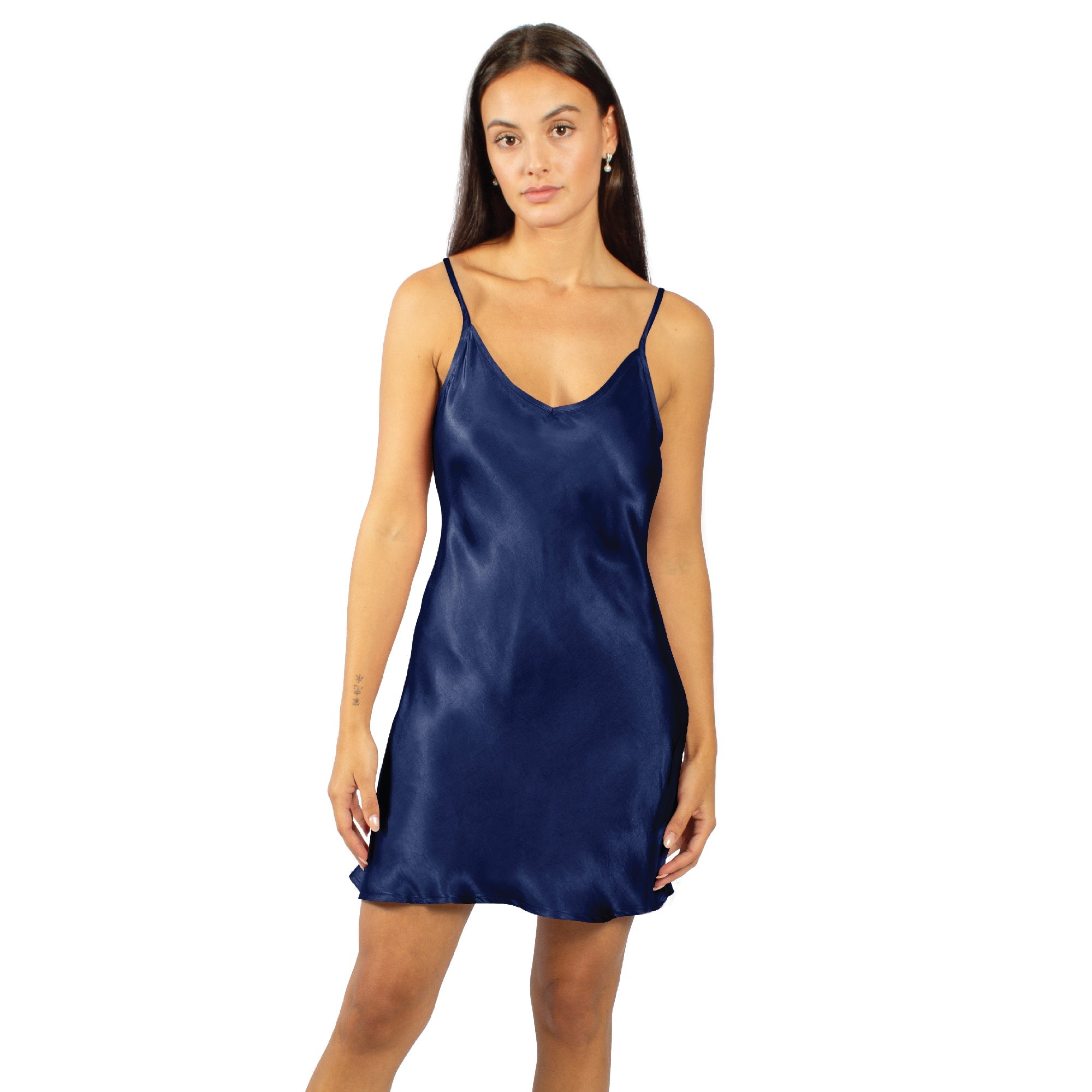
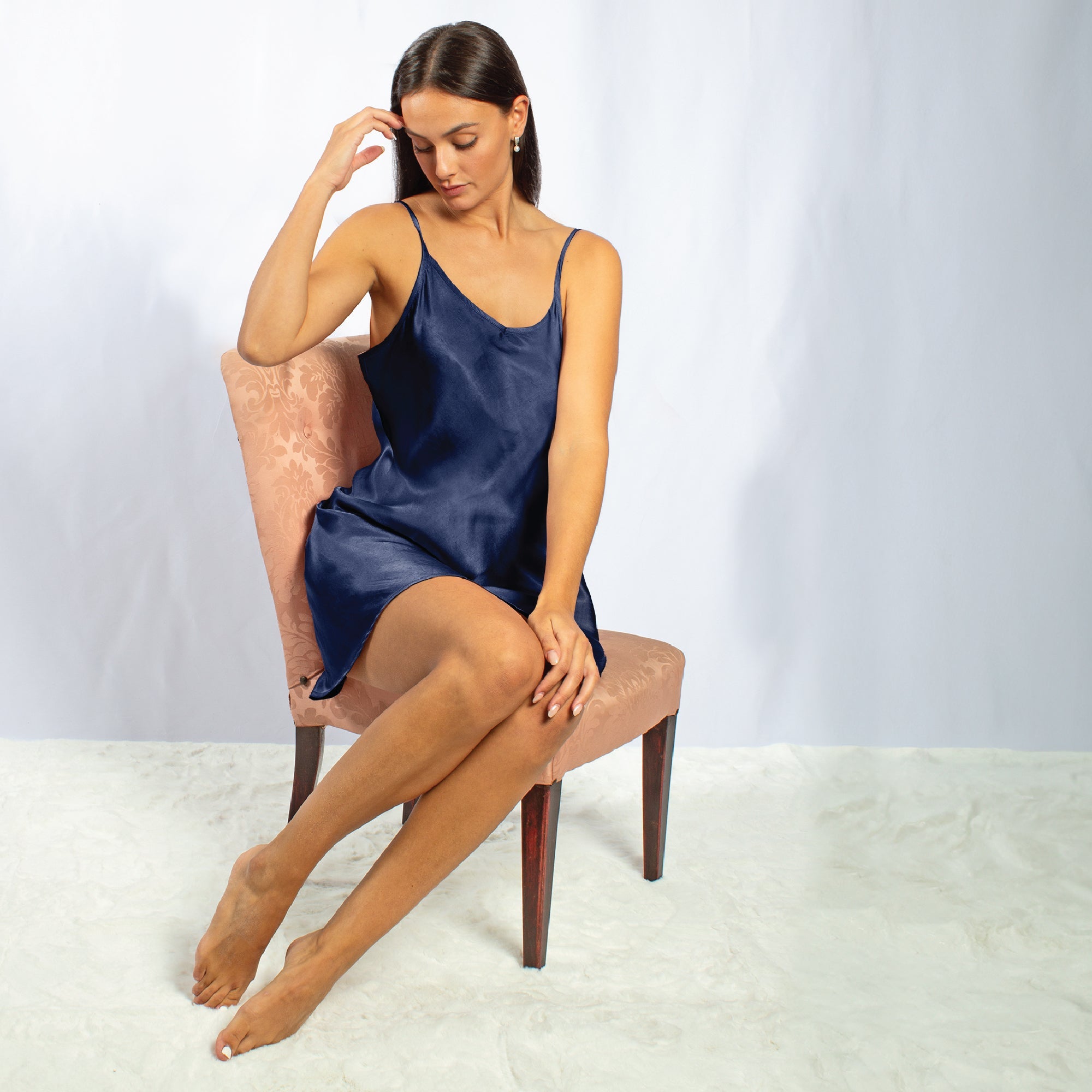
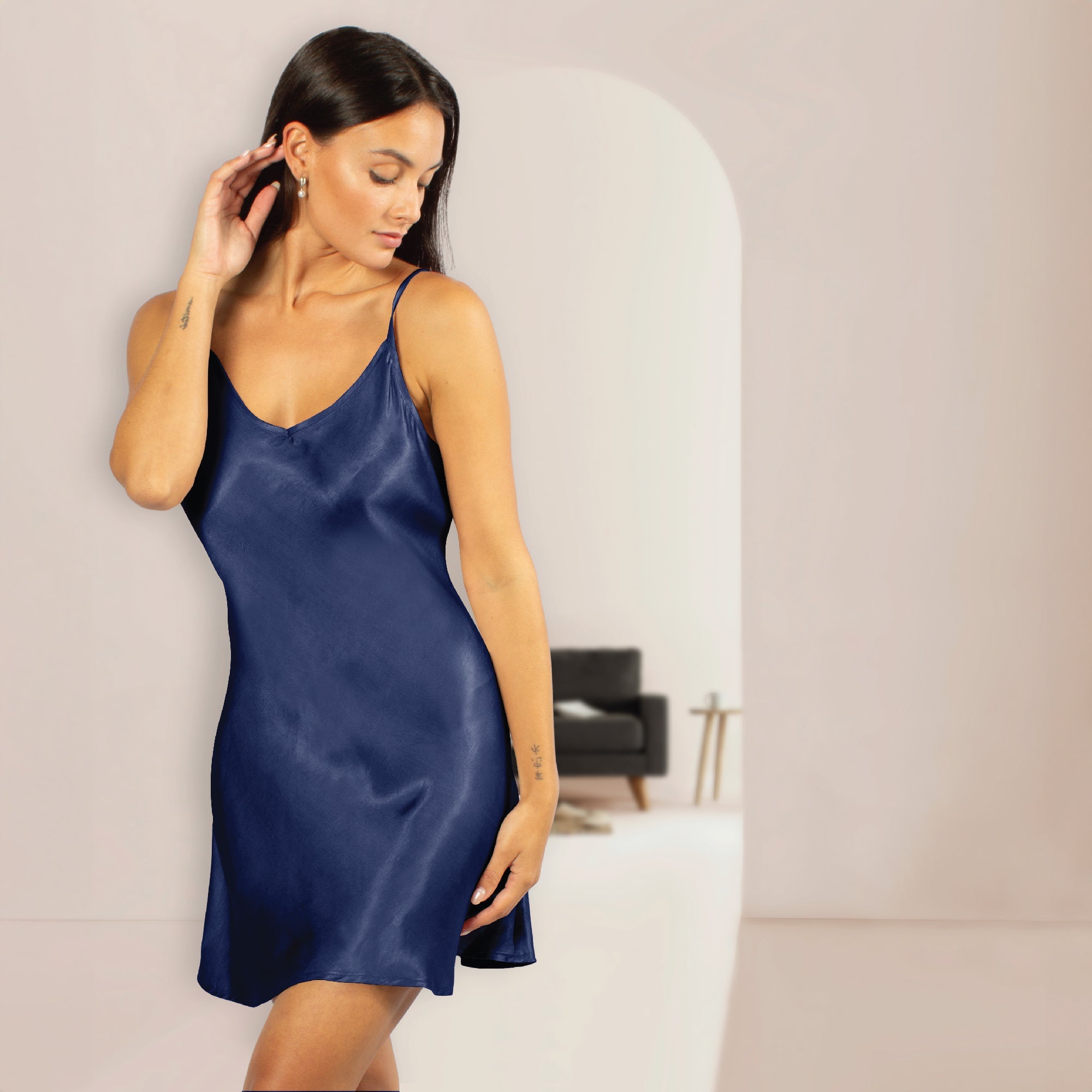
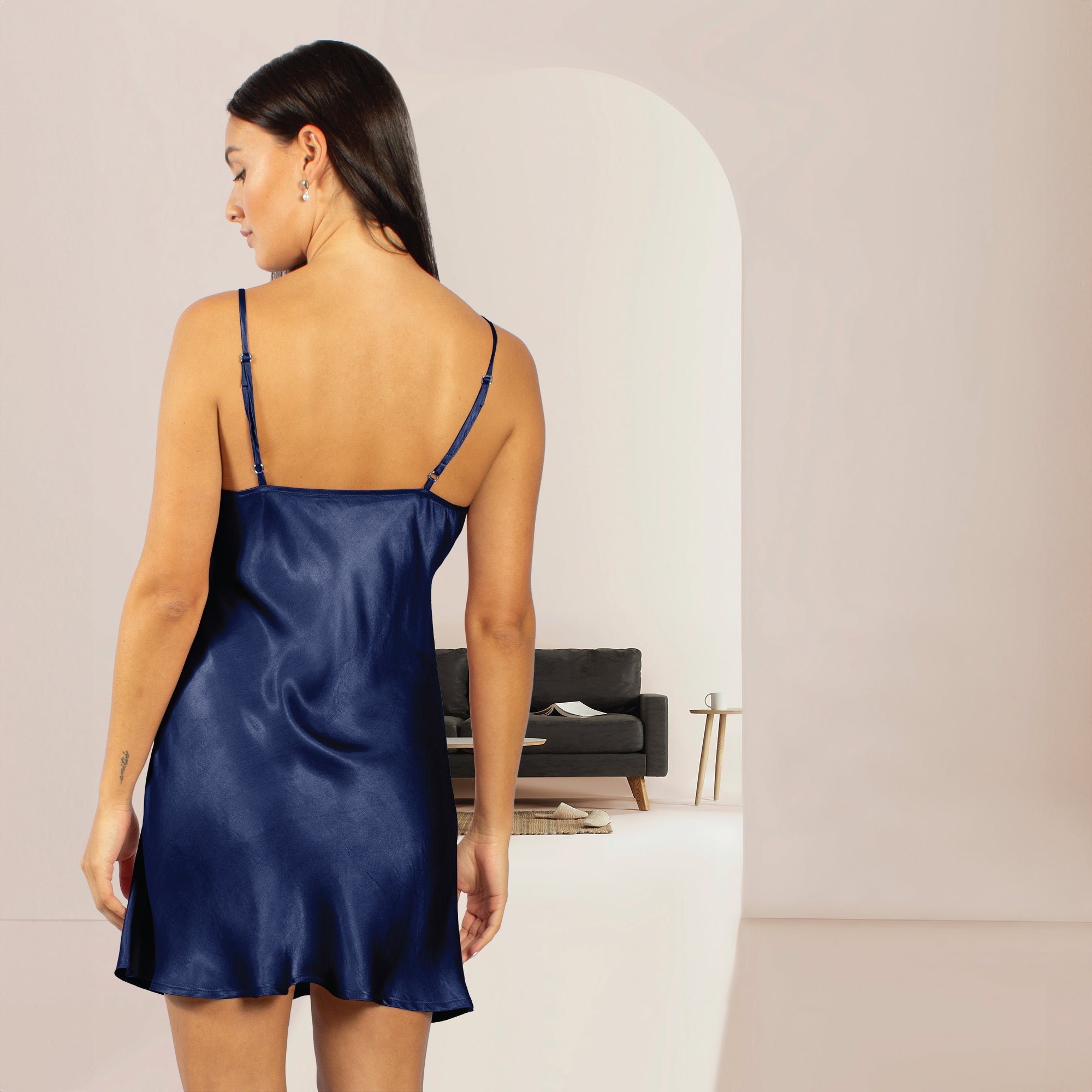
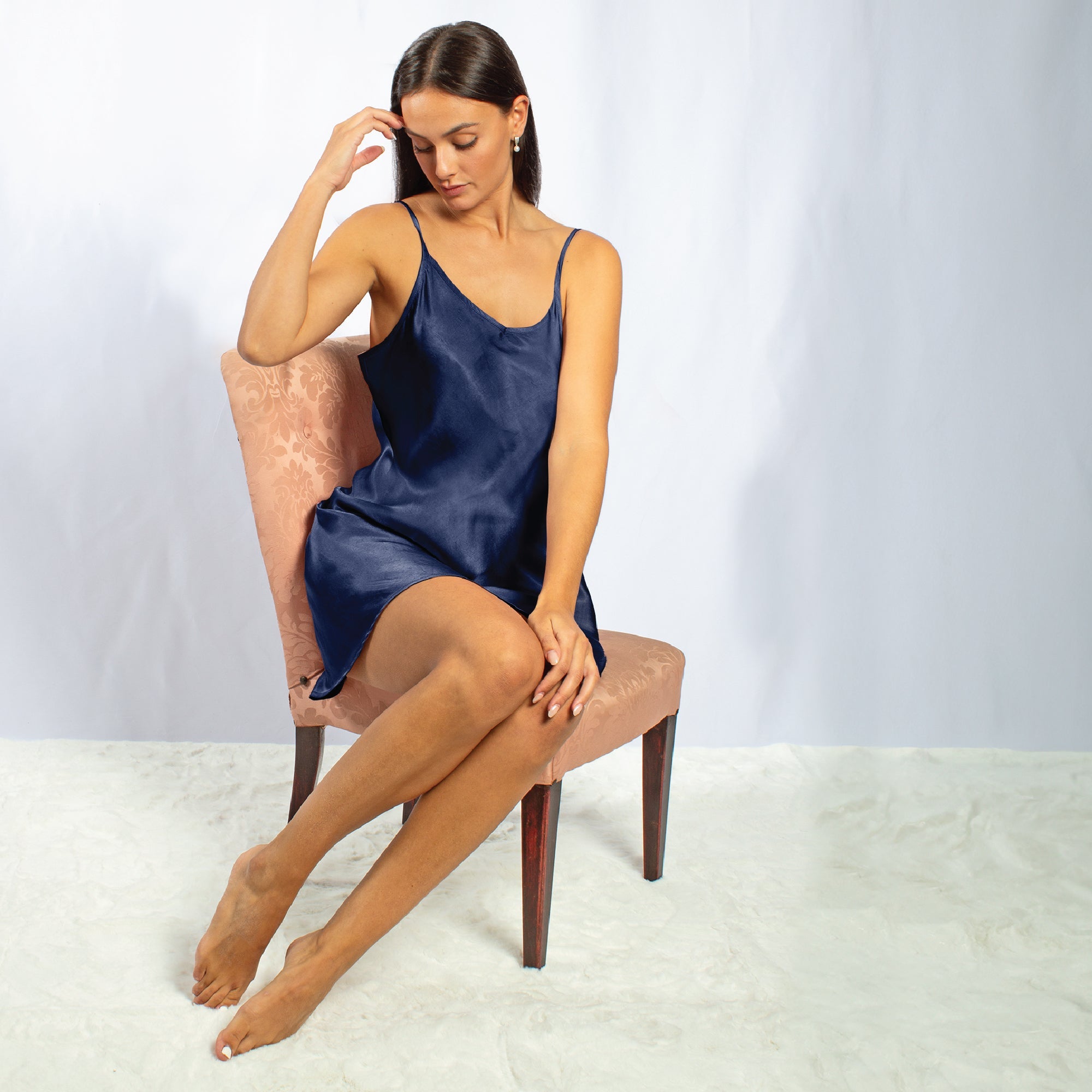
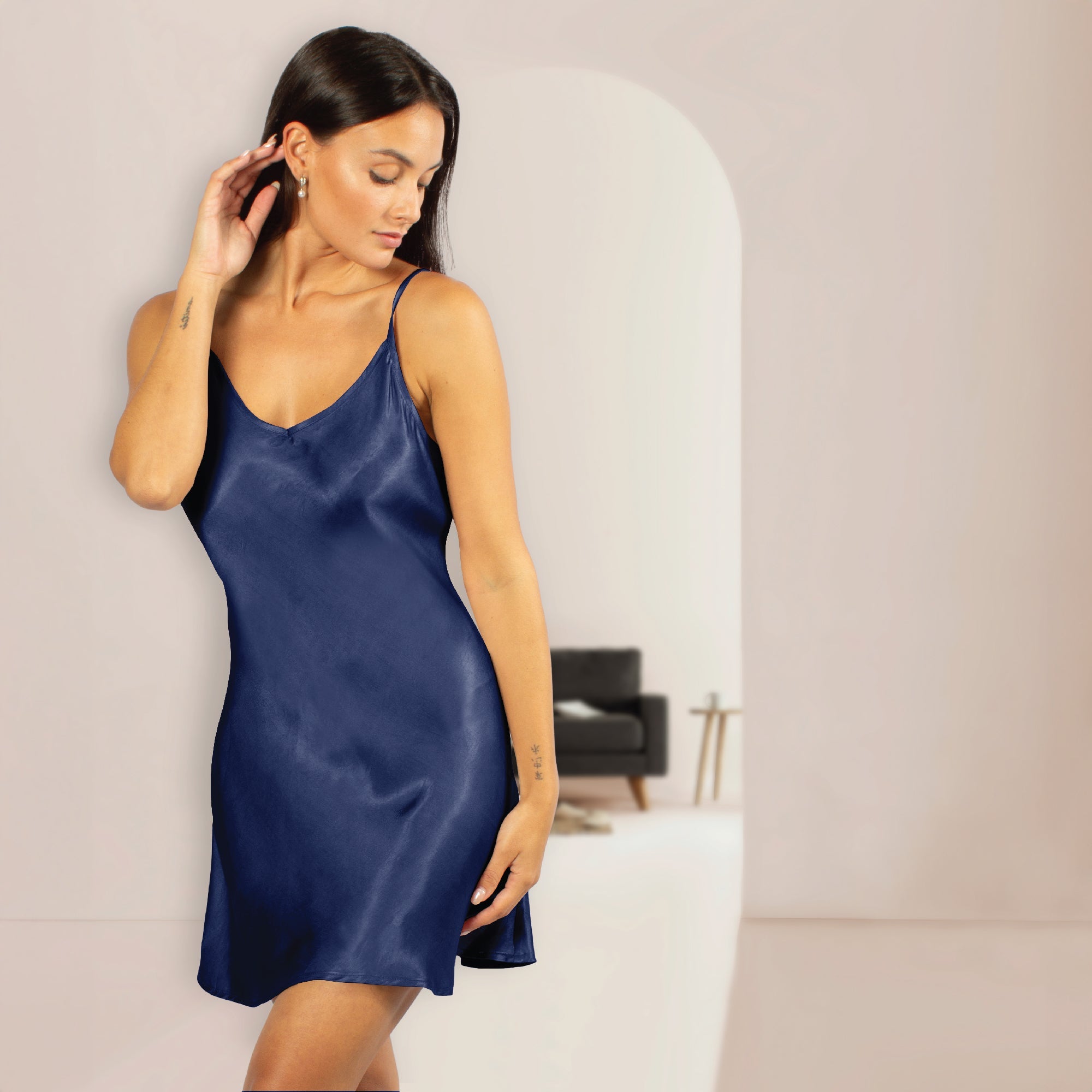
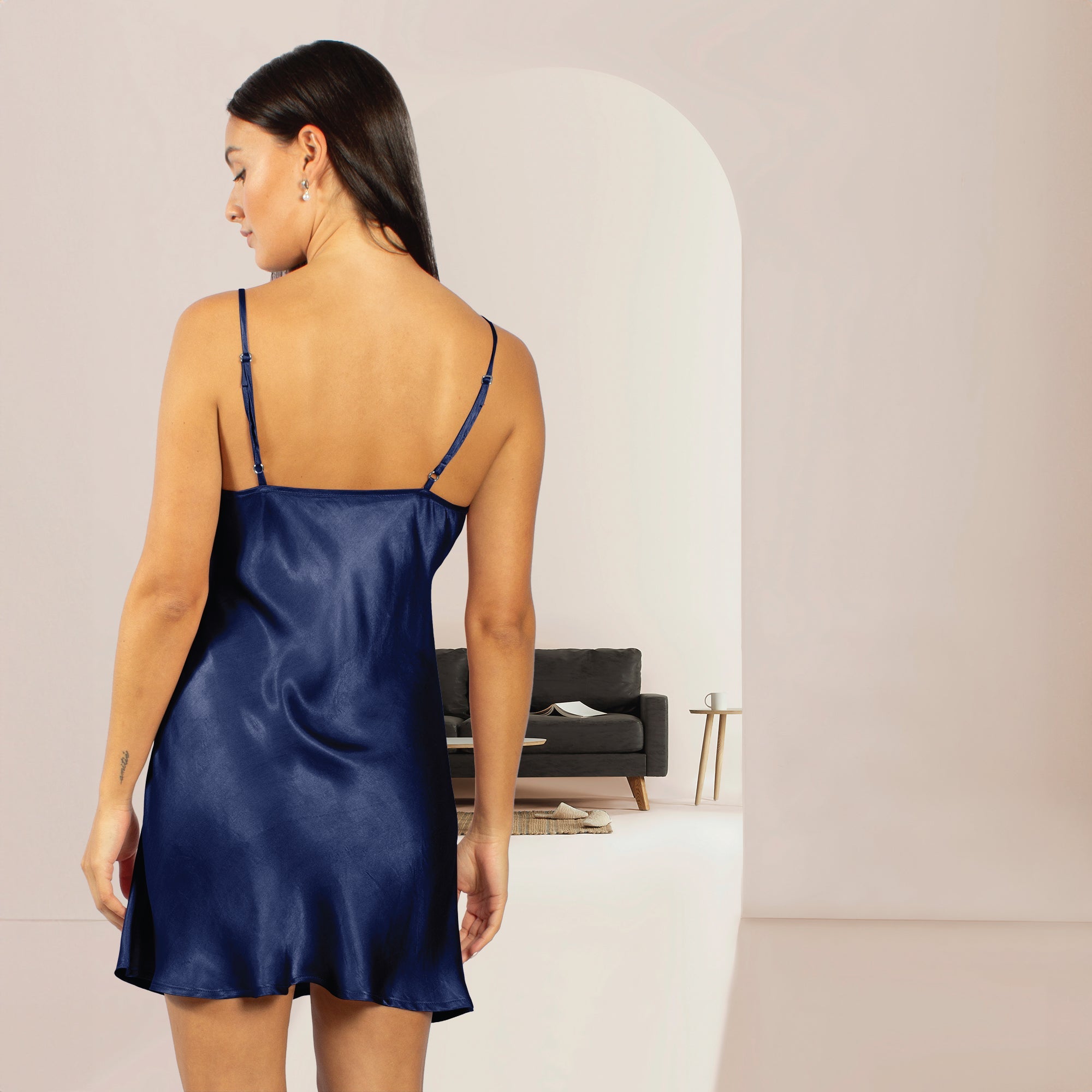
The difference between artisan-sewn silk and factory-sewn silk is difficult to photograph but immediately apparent when you put the garment on.
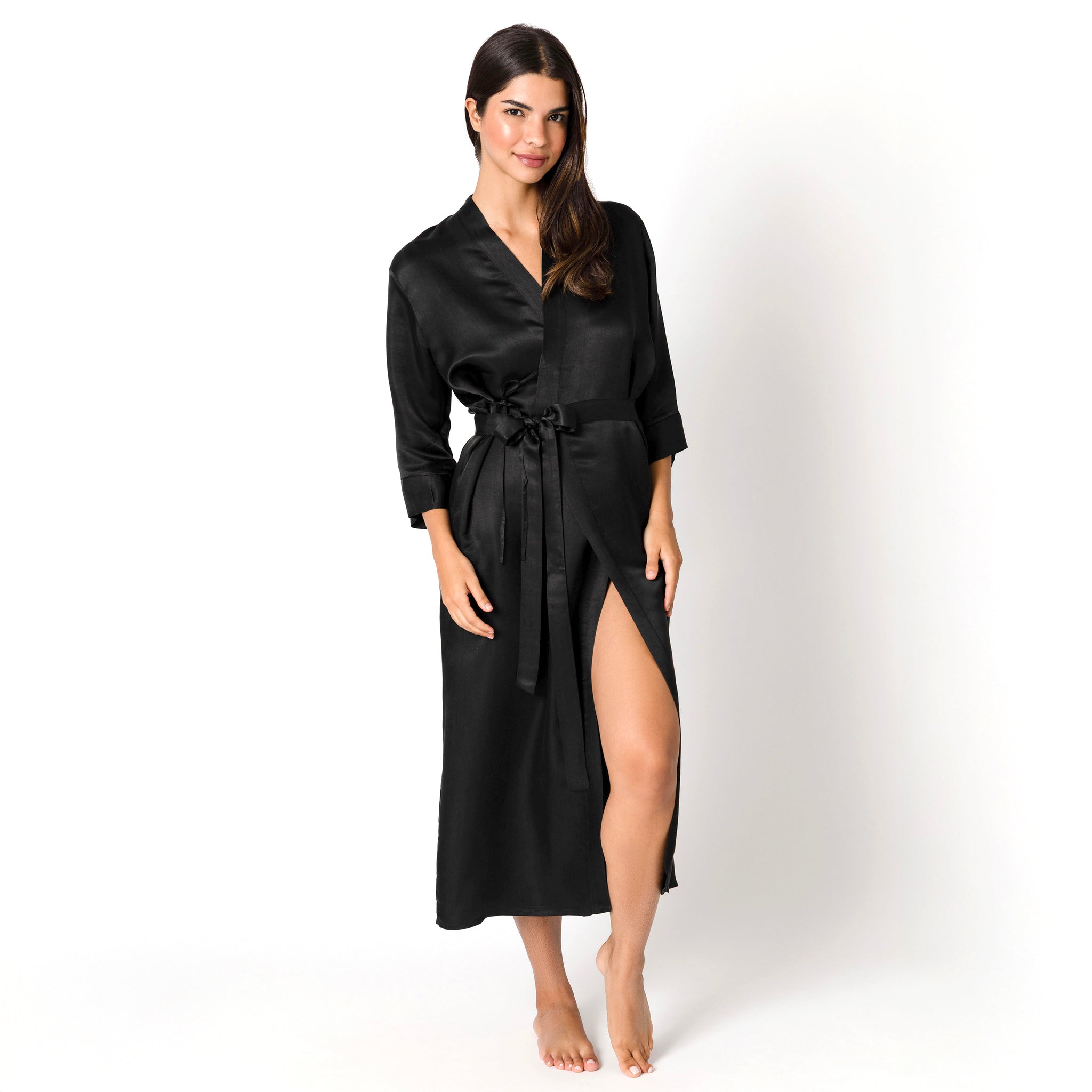
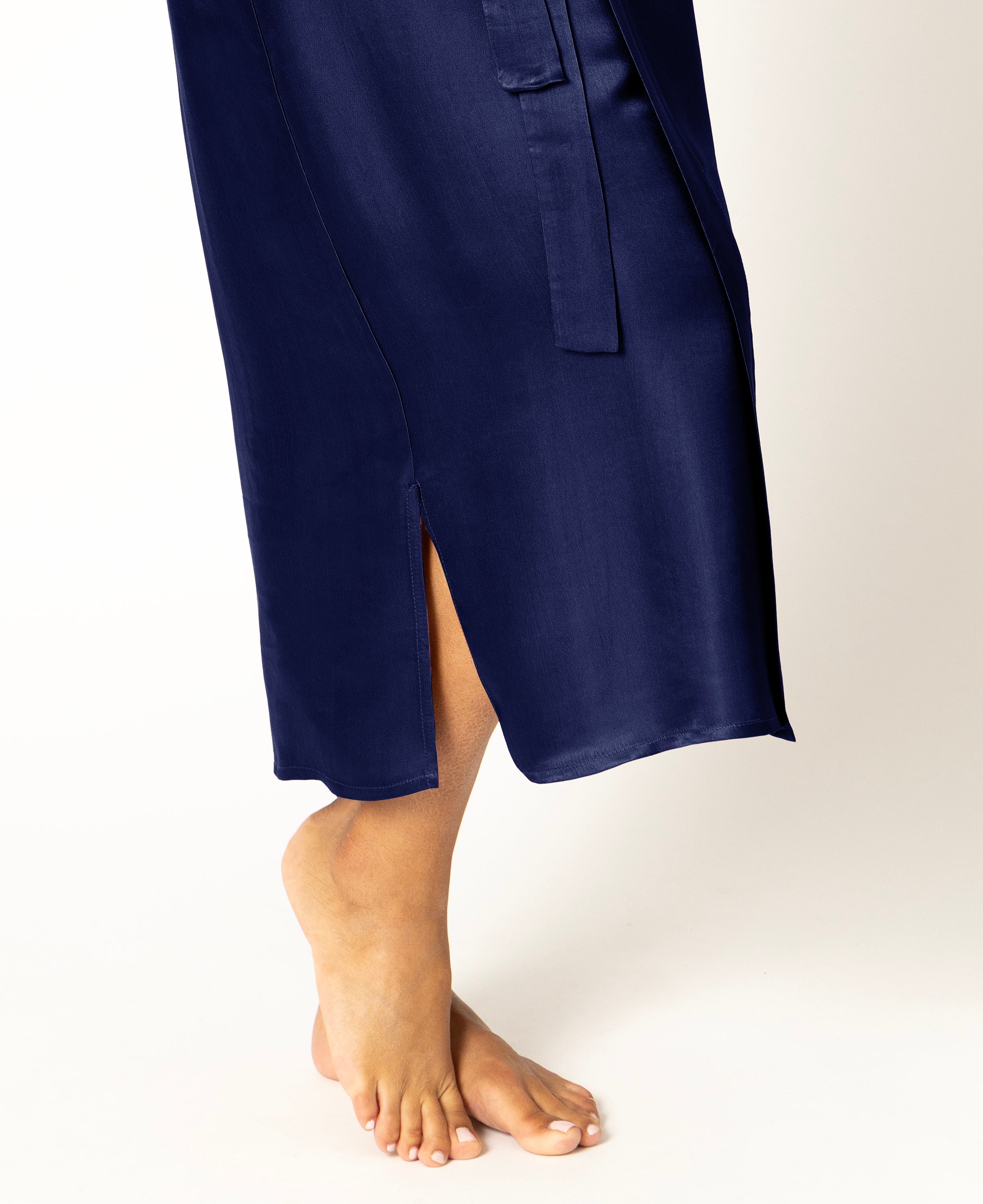
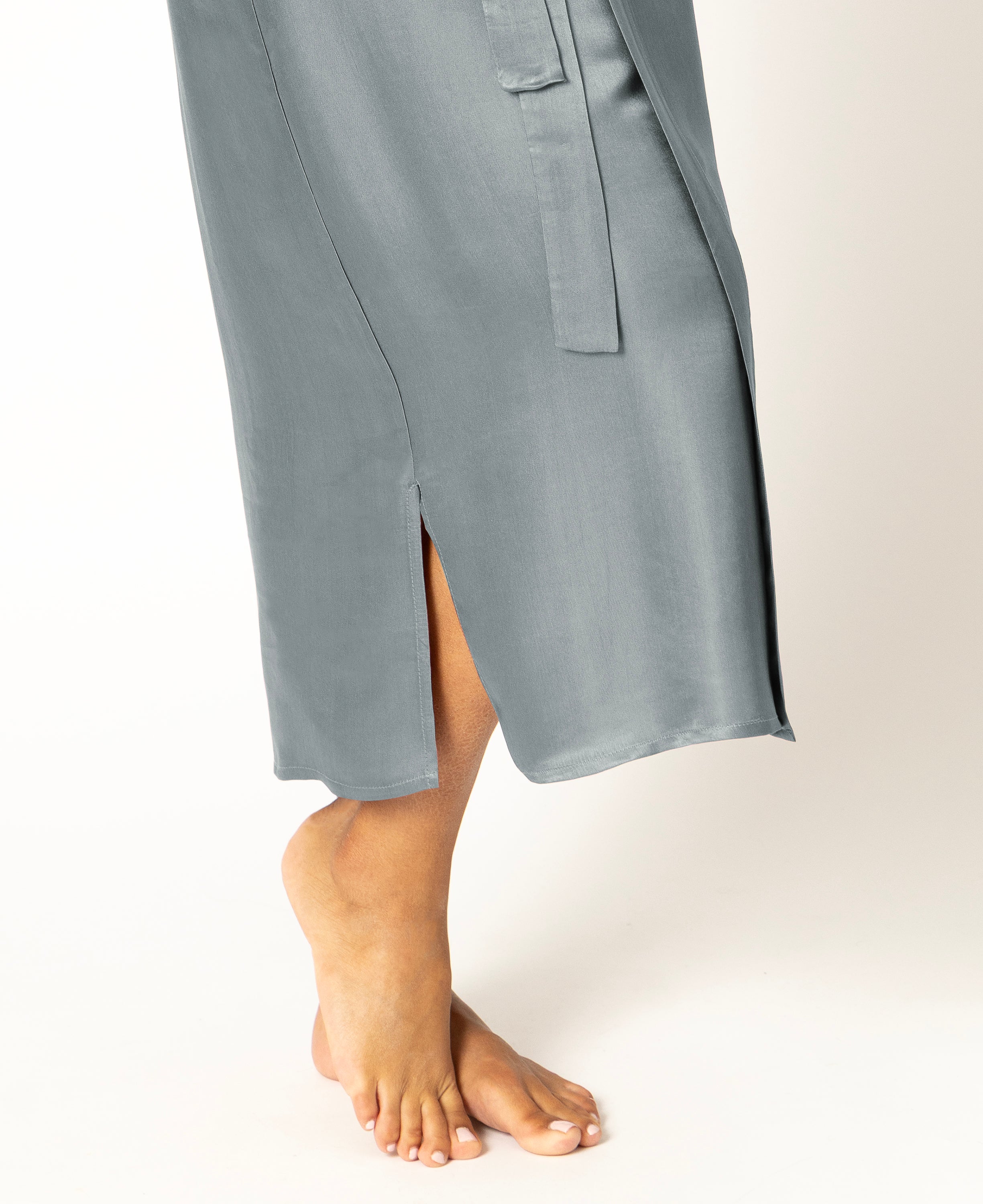
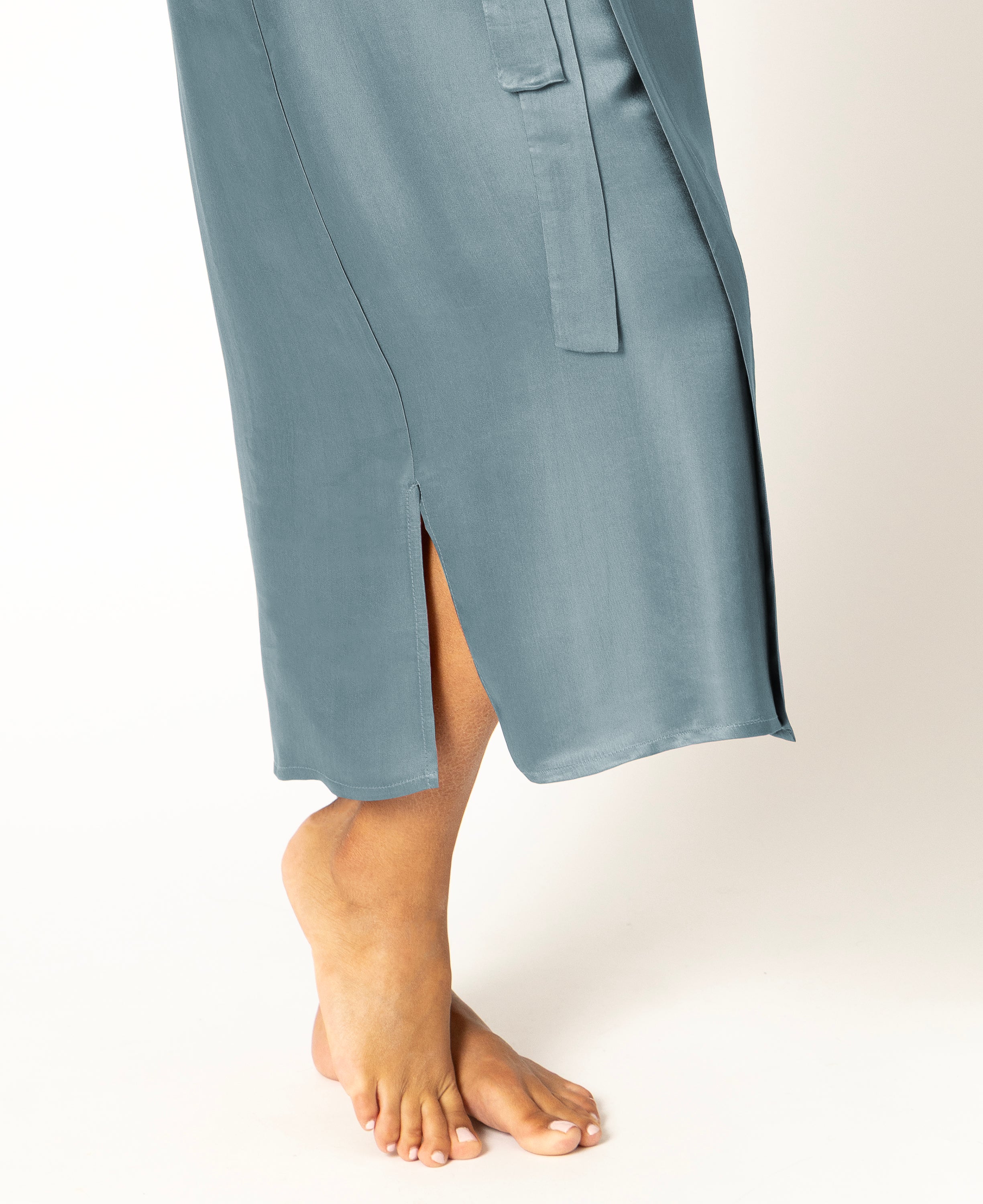
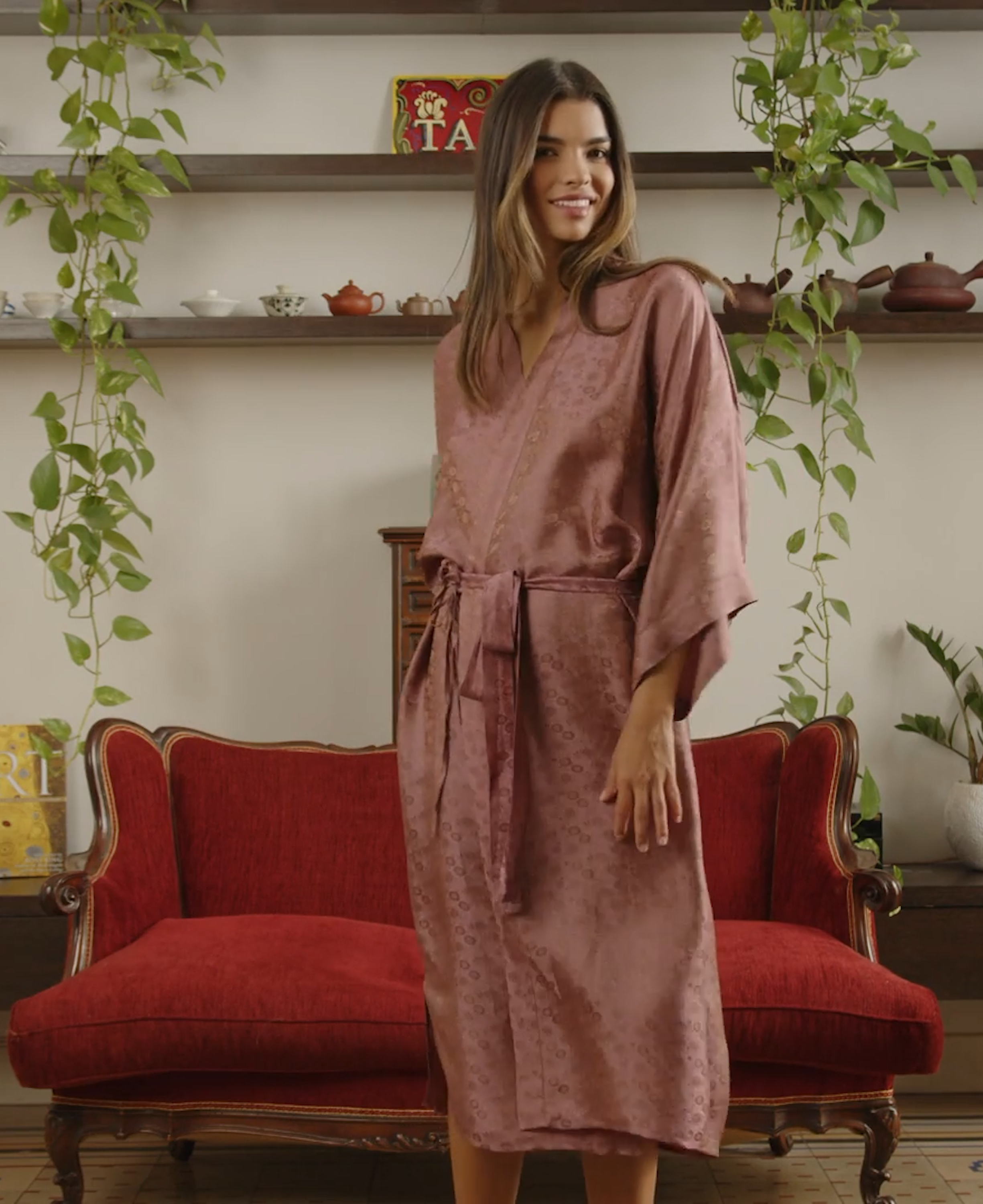
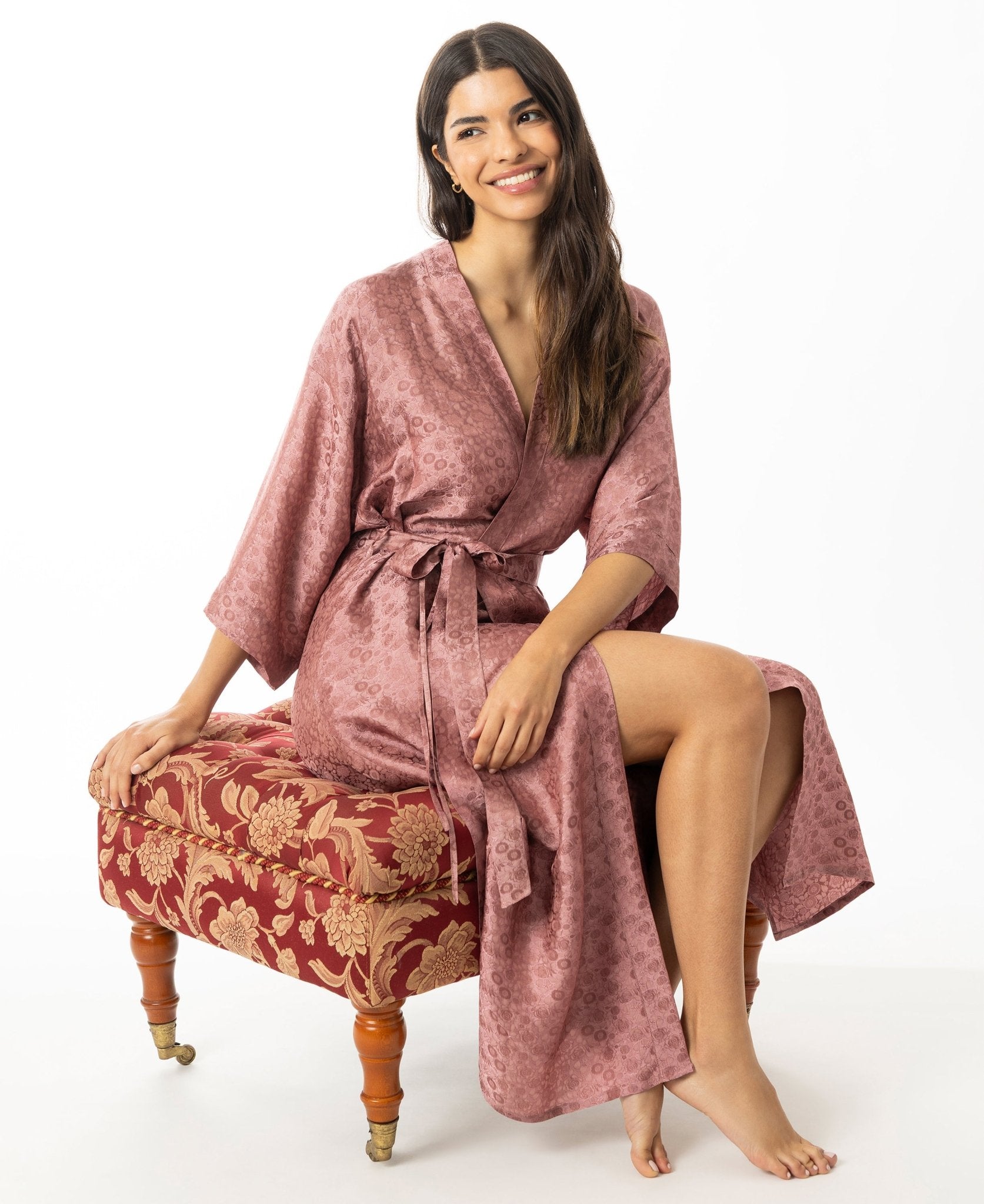
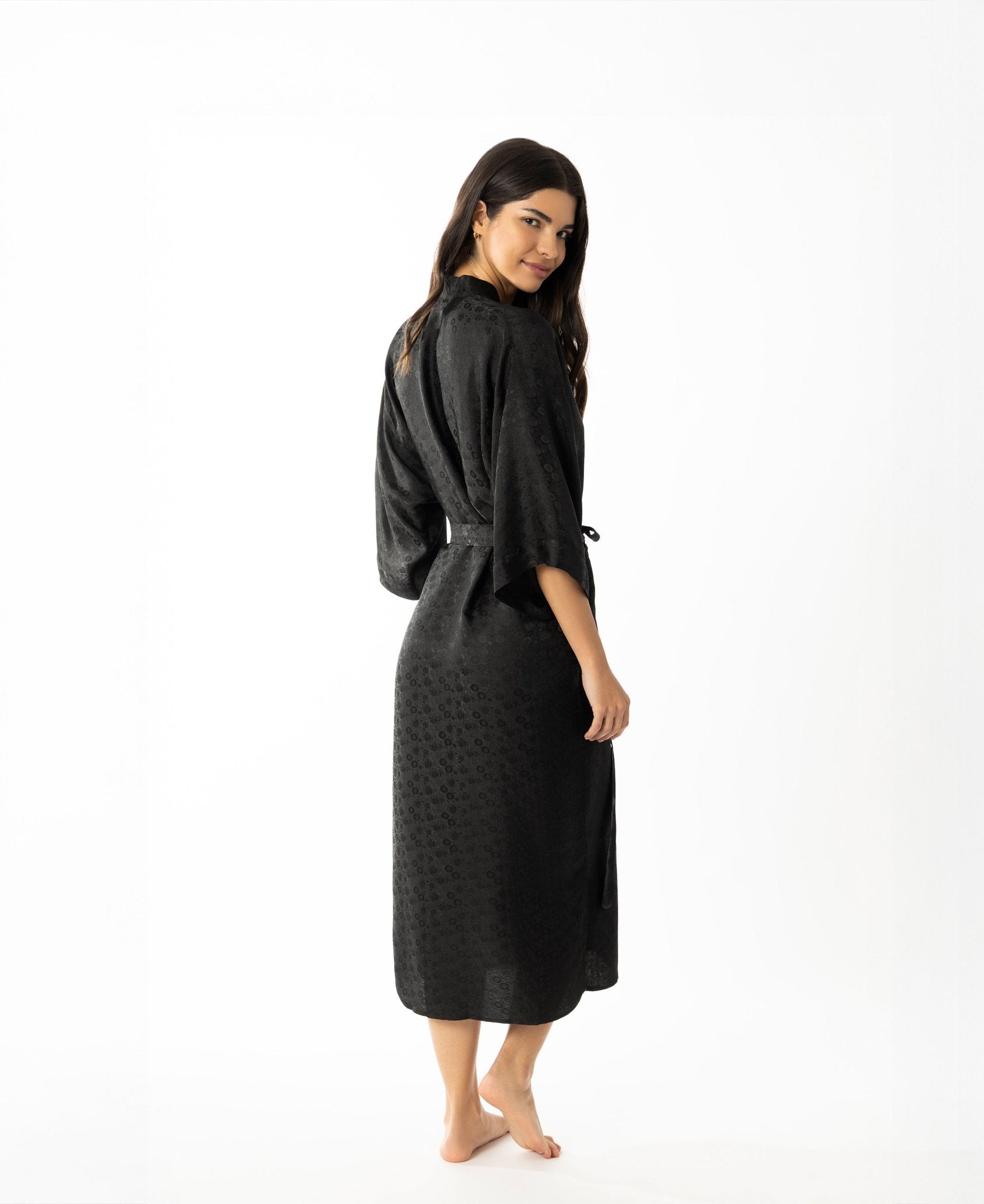
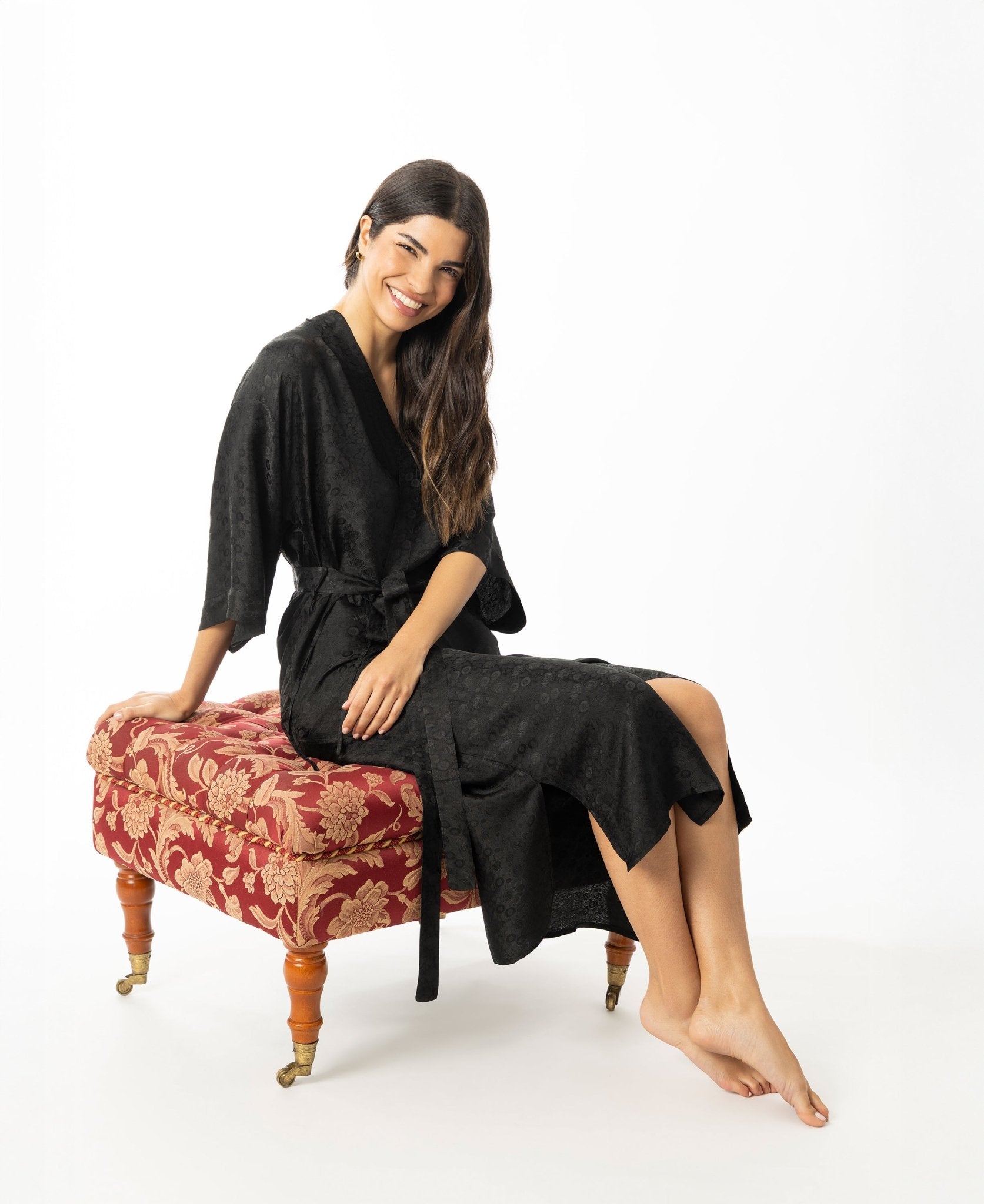
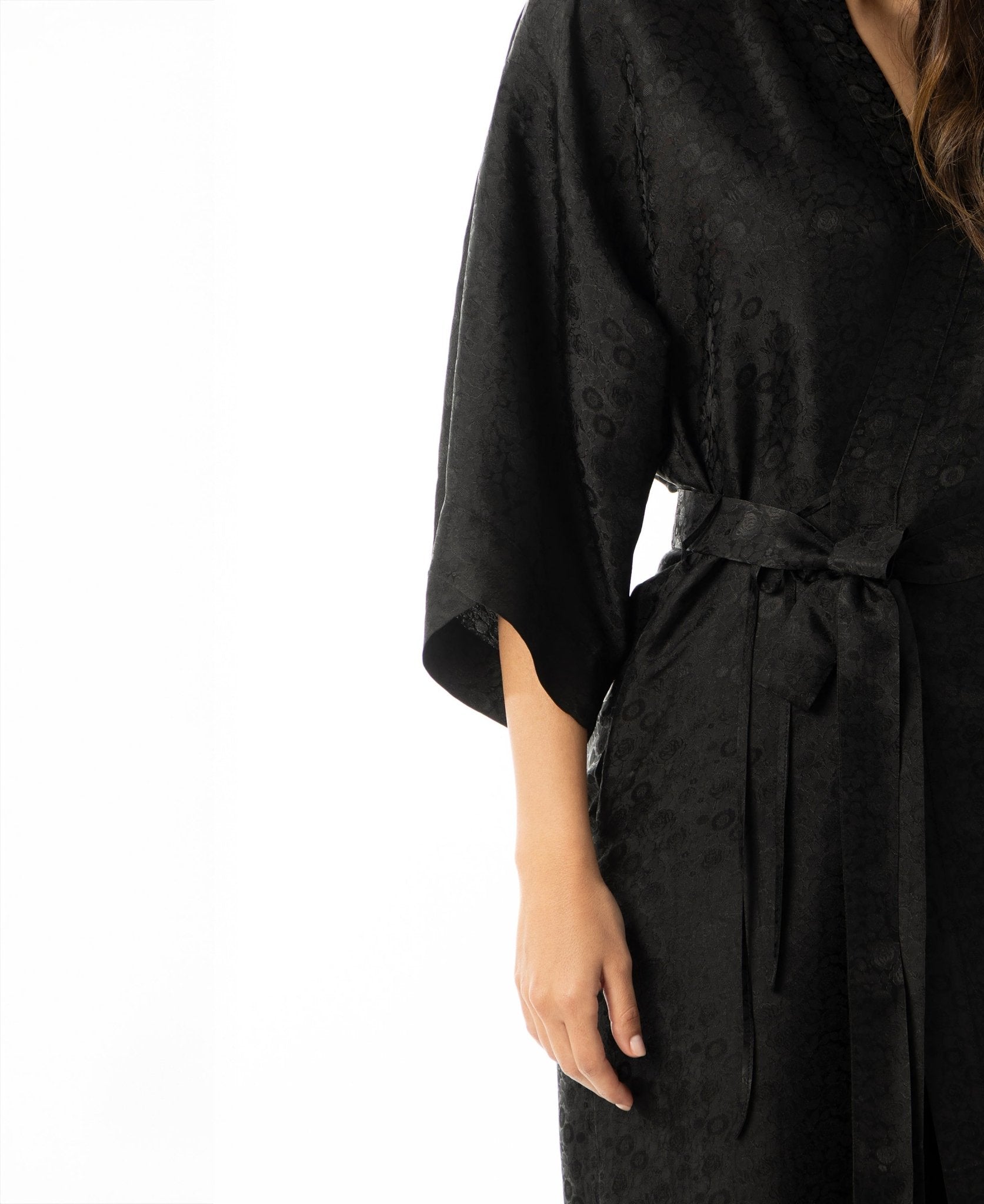
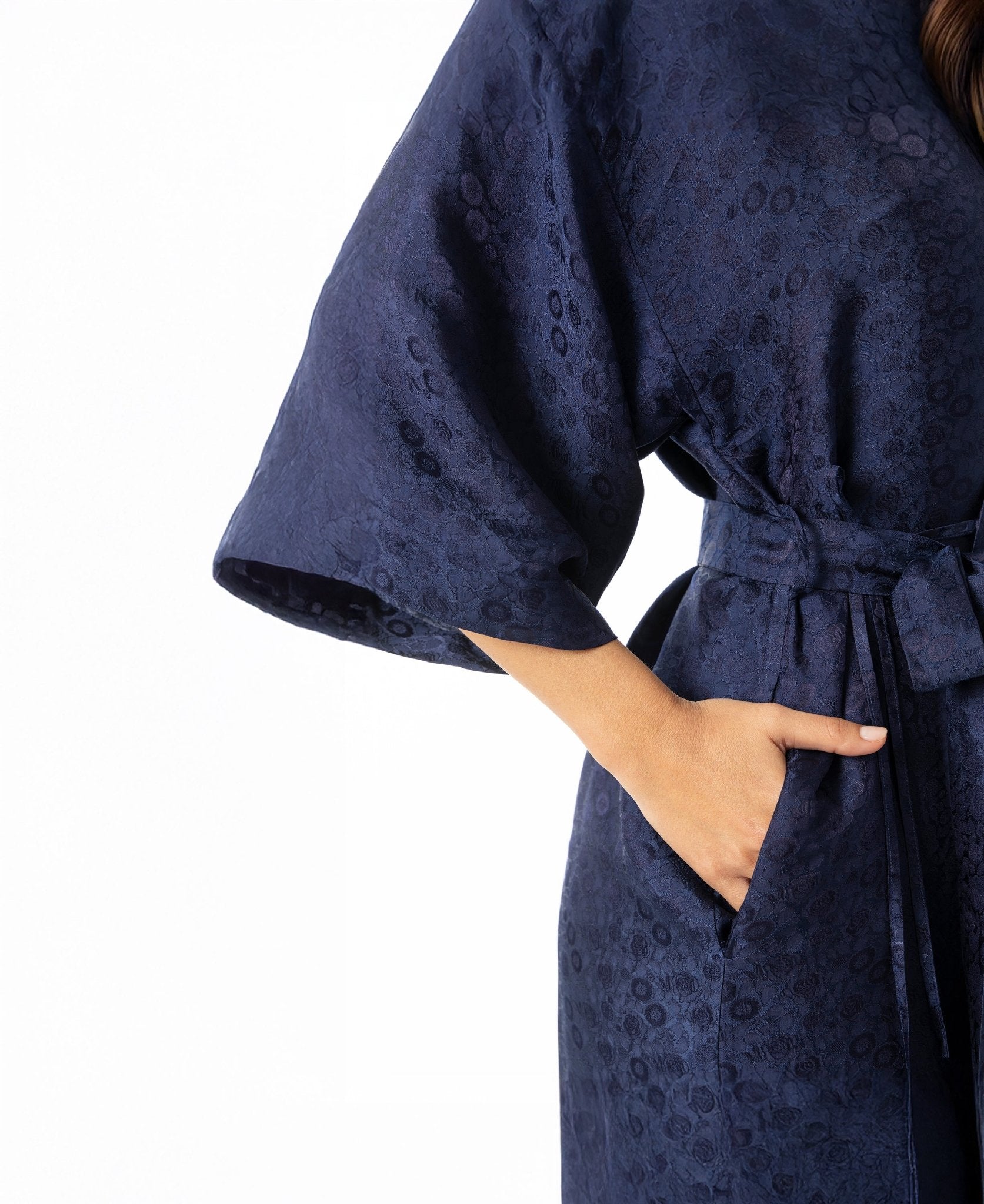
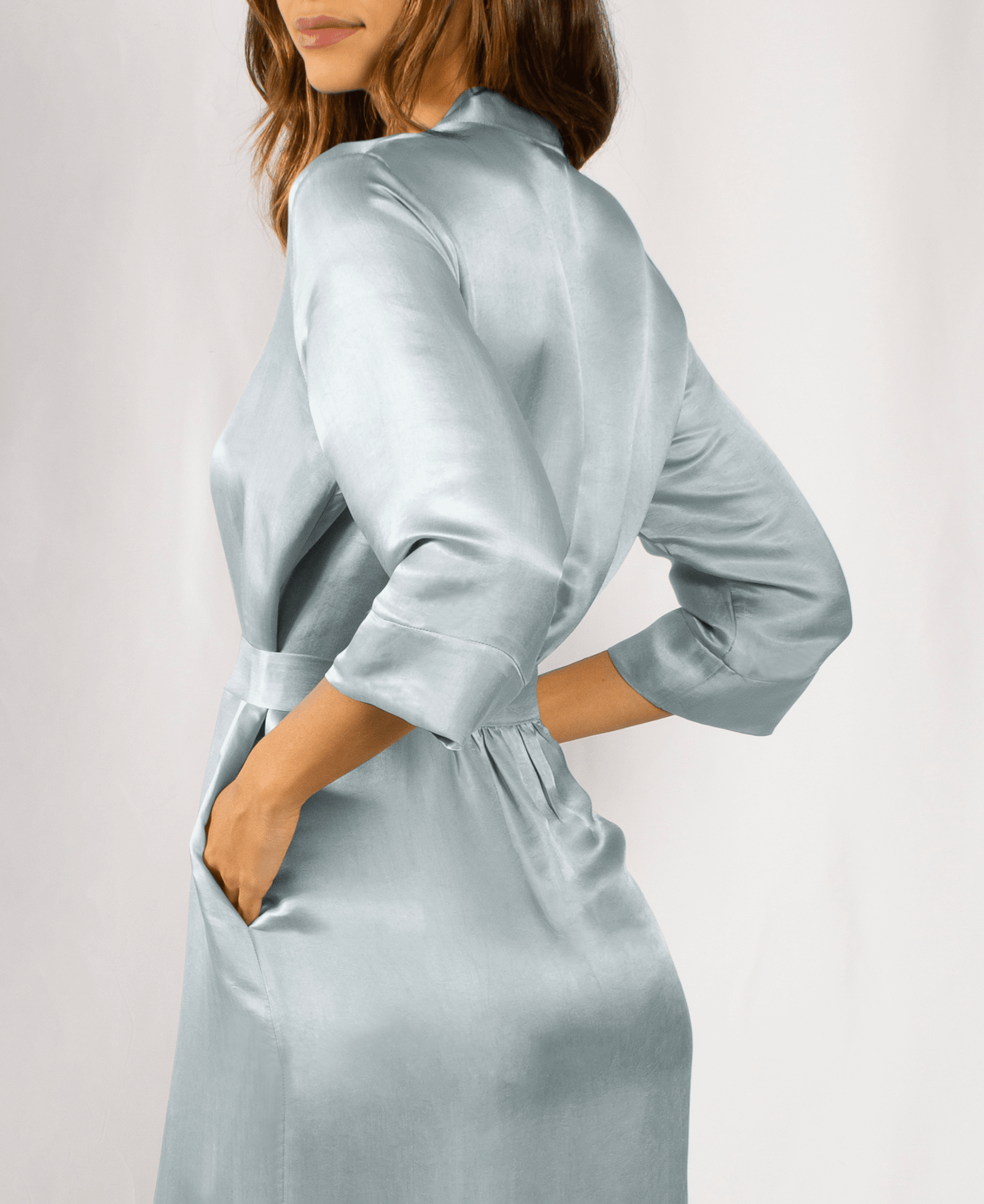
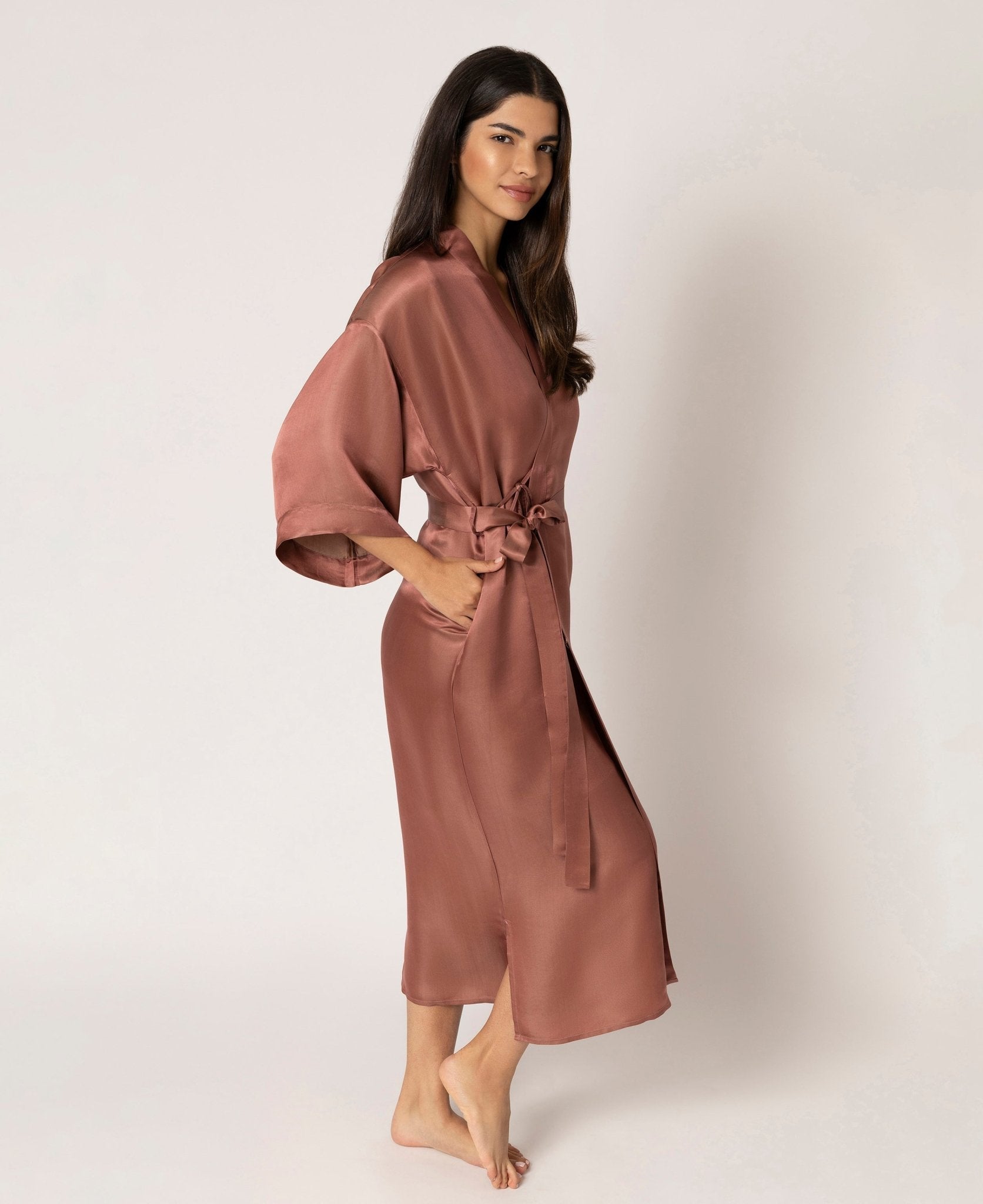
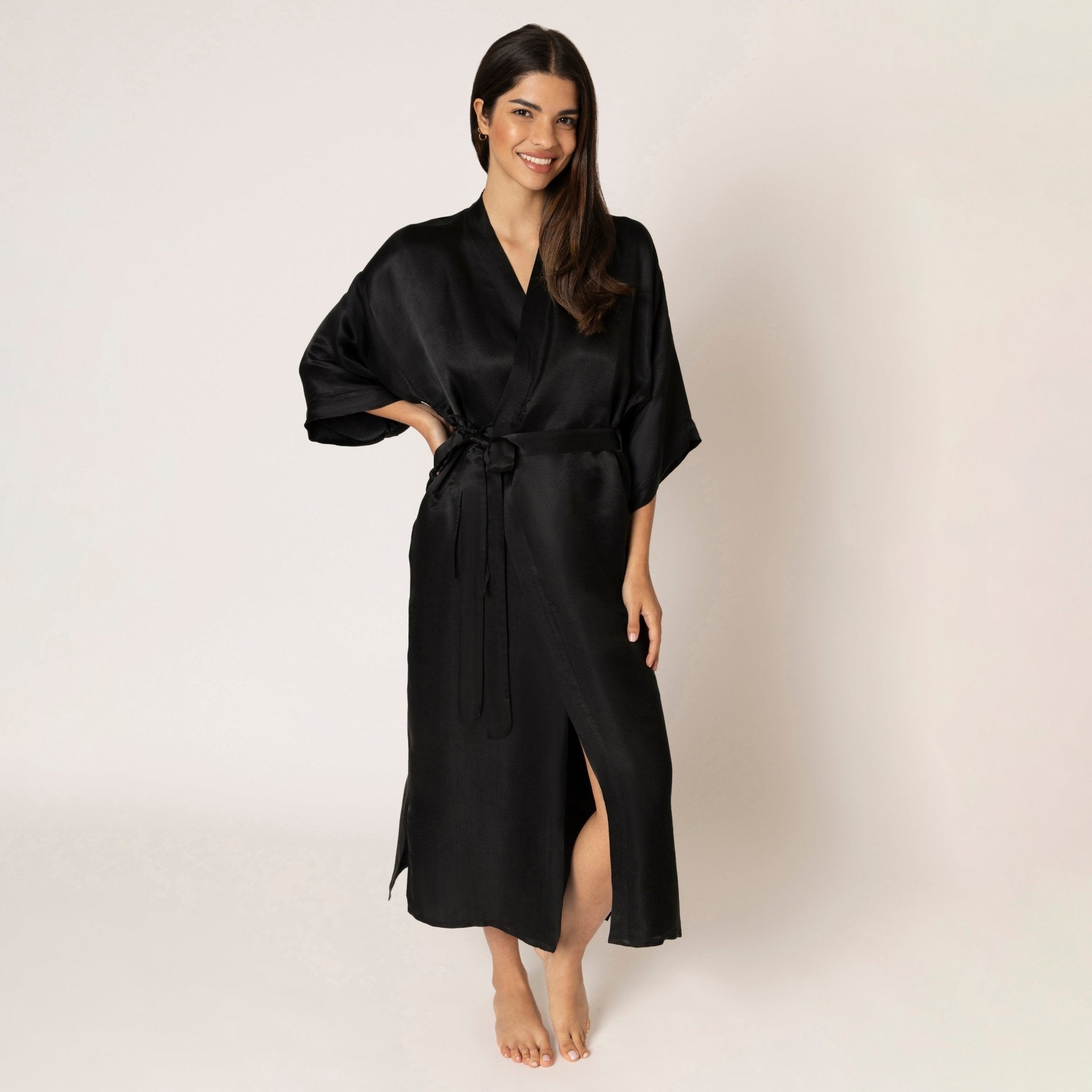
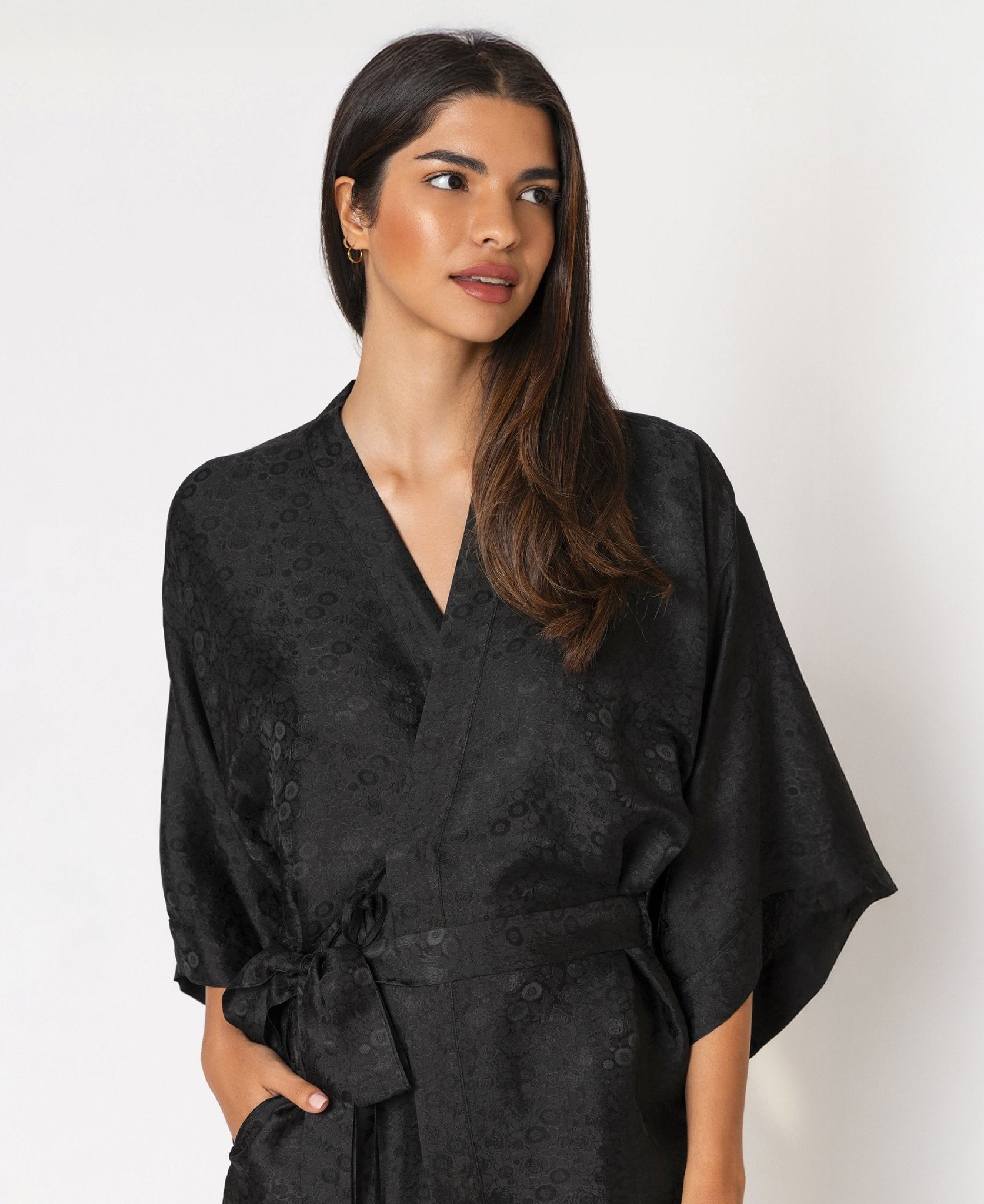
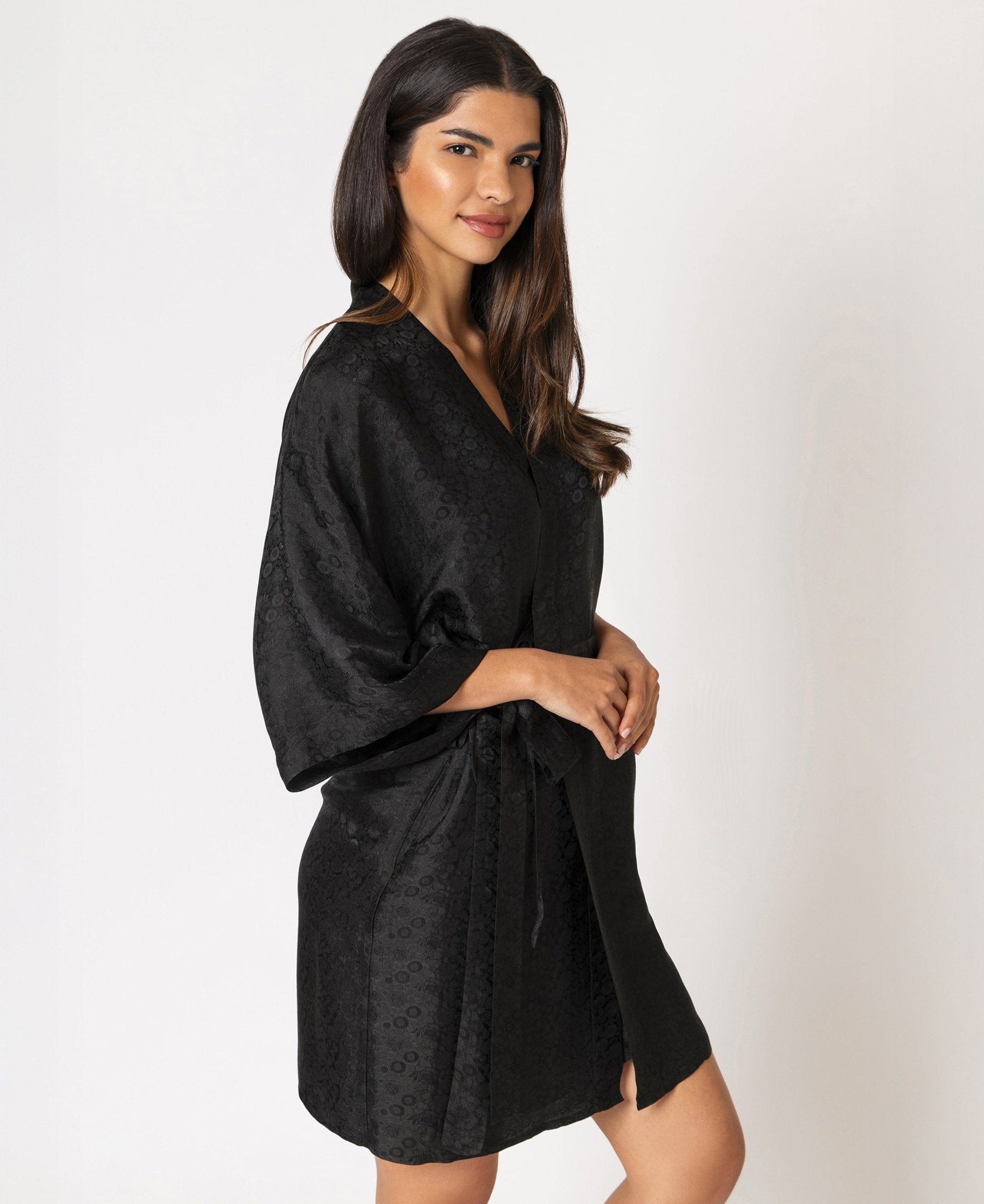
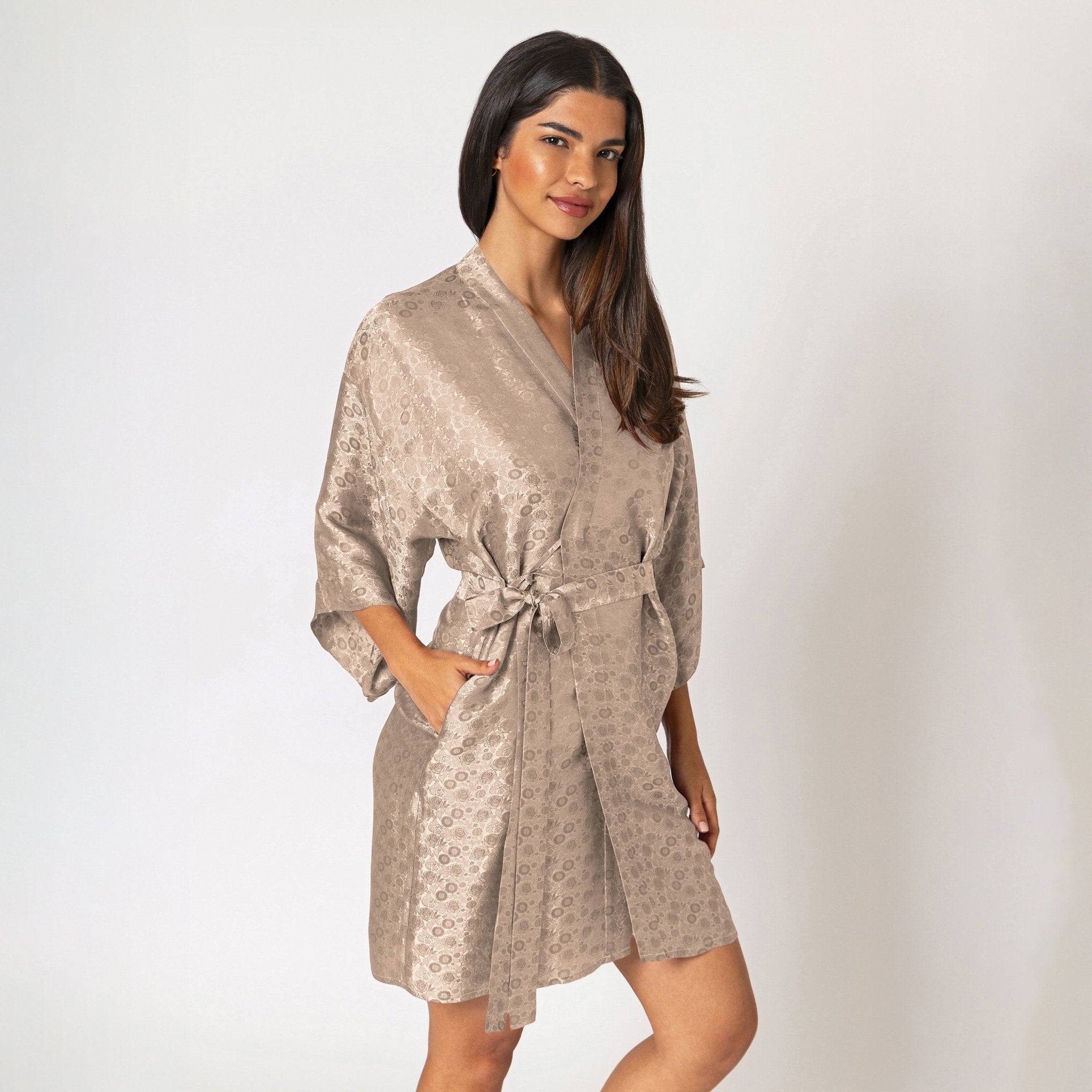
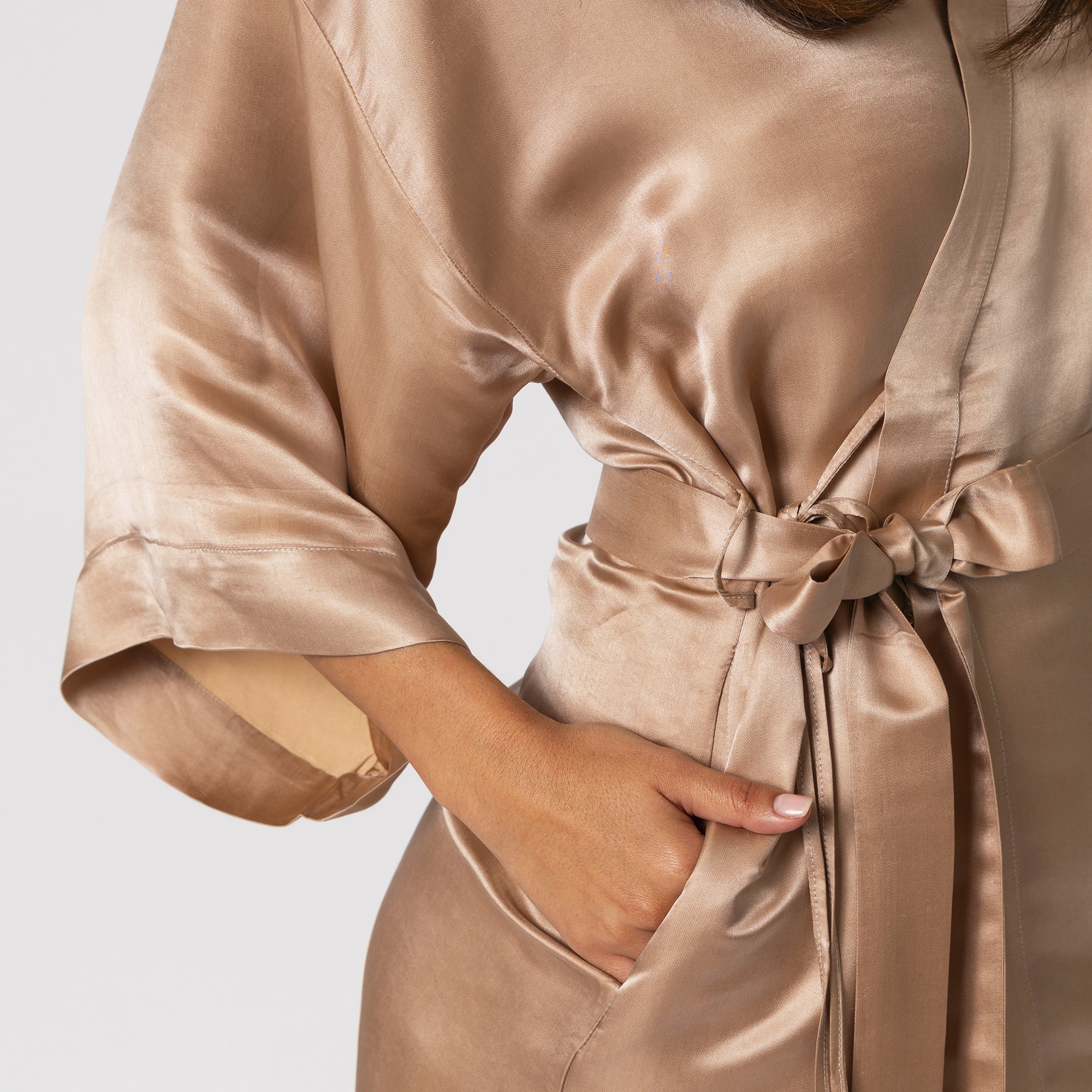
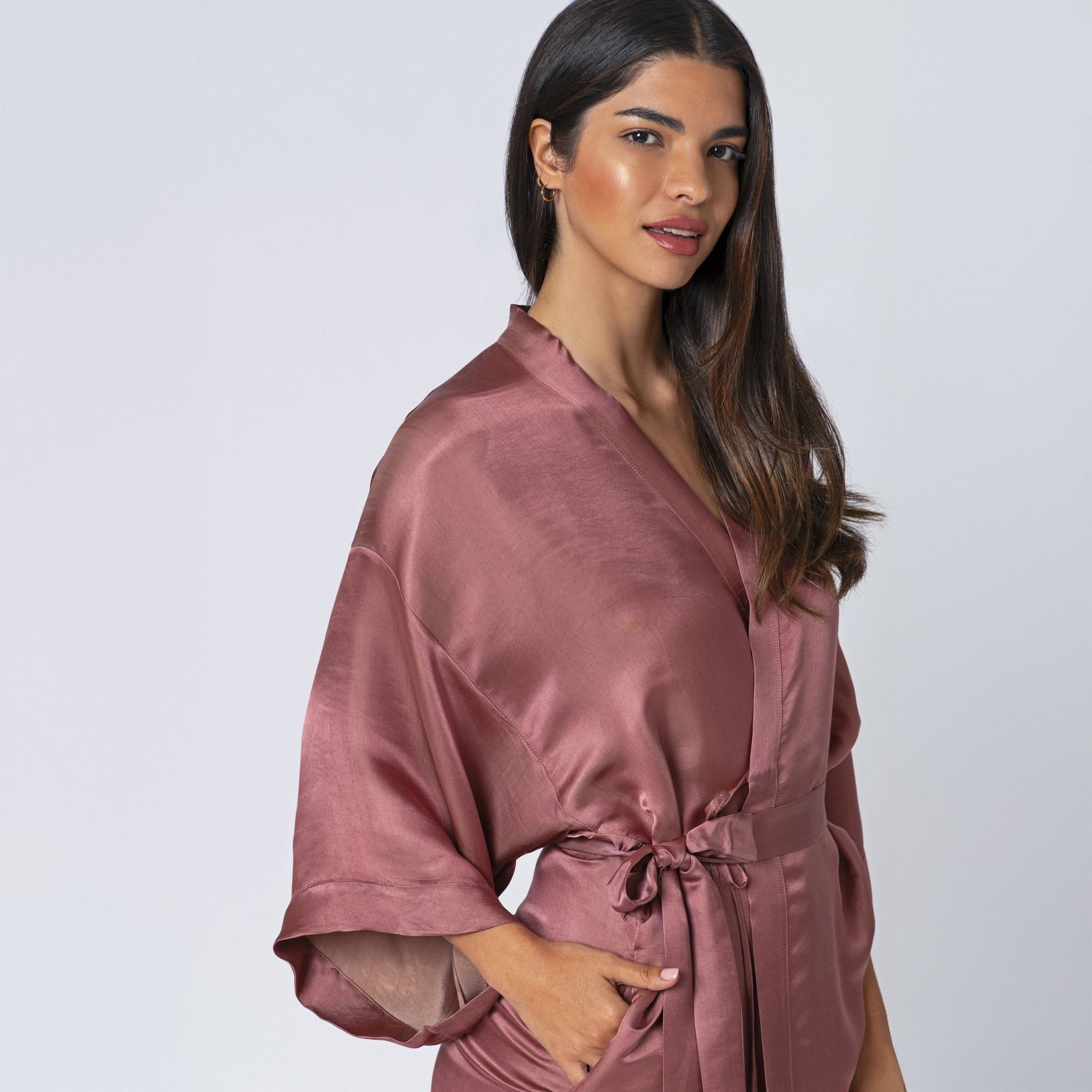
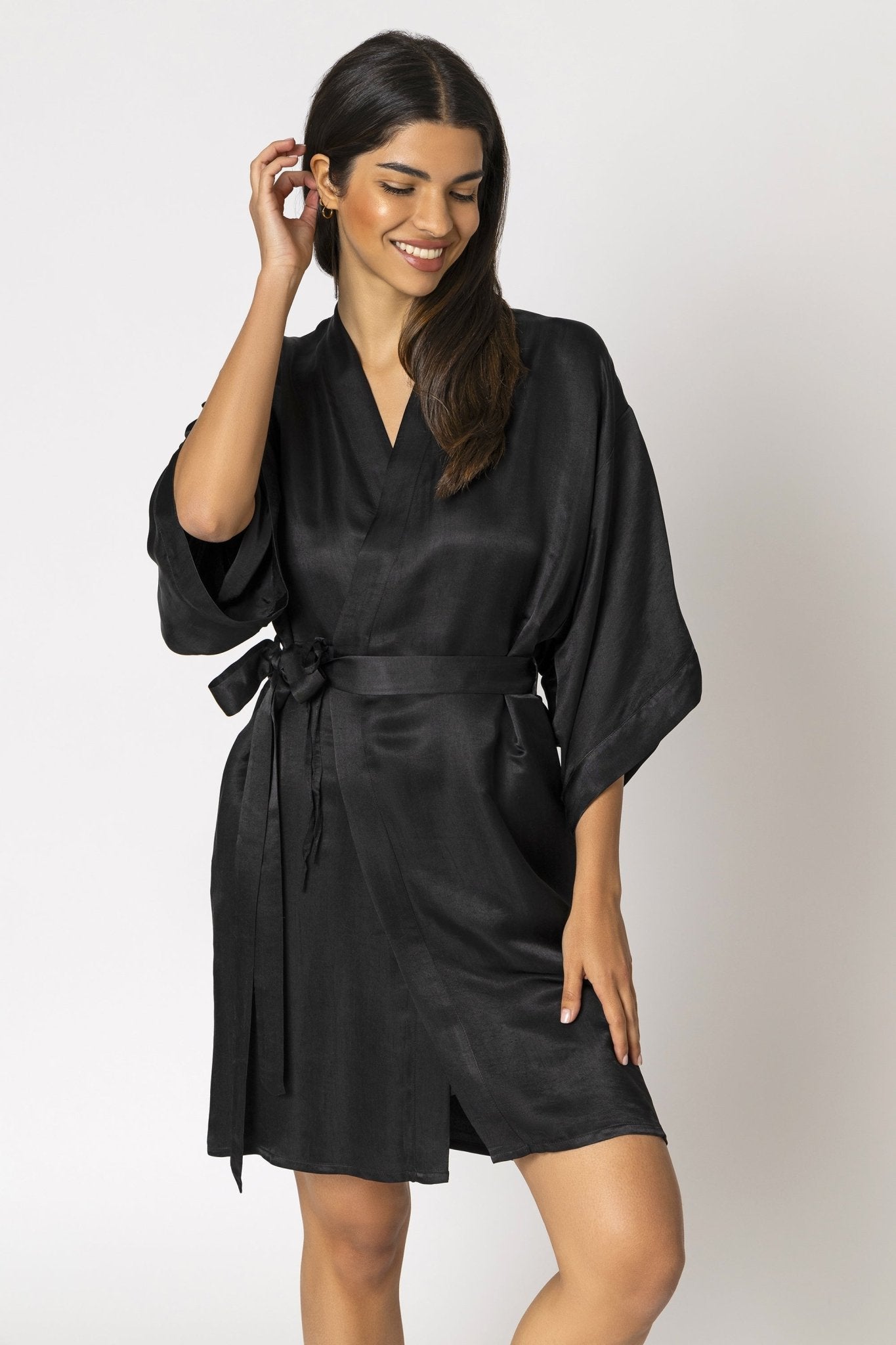
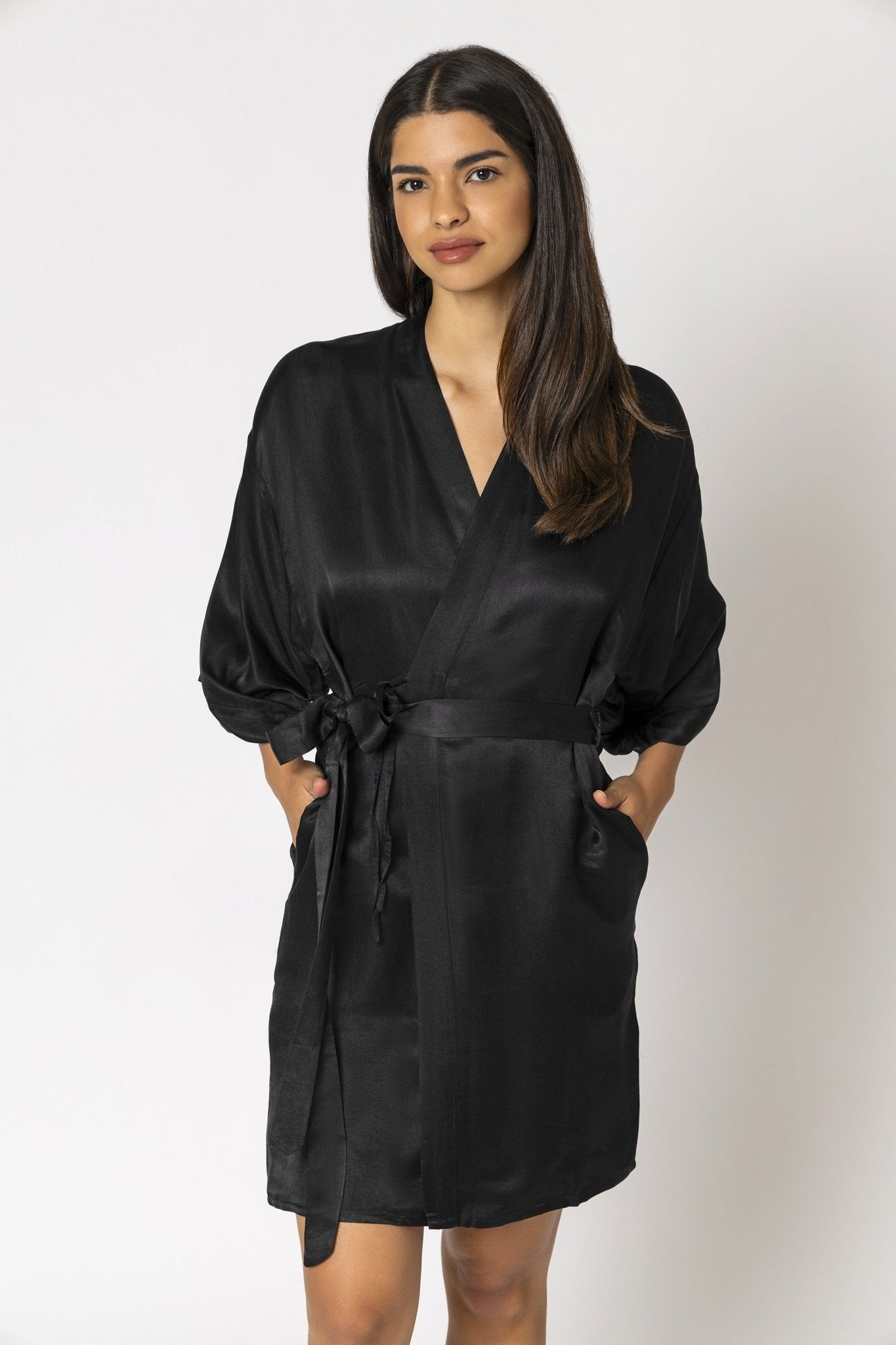
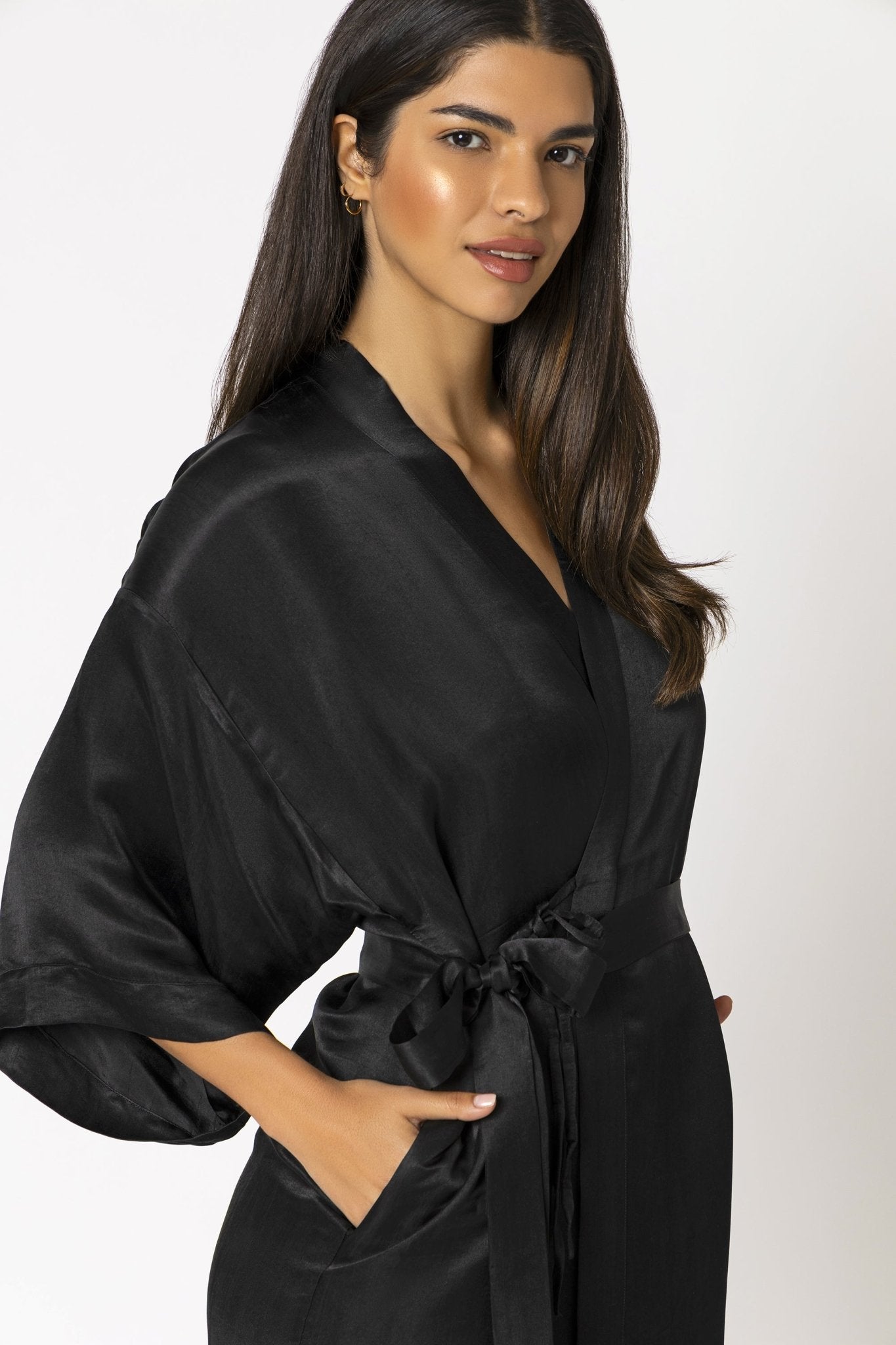
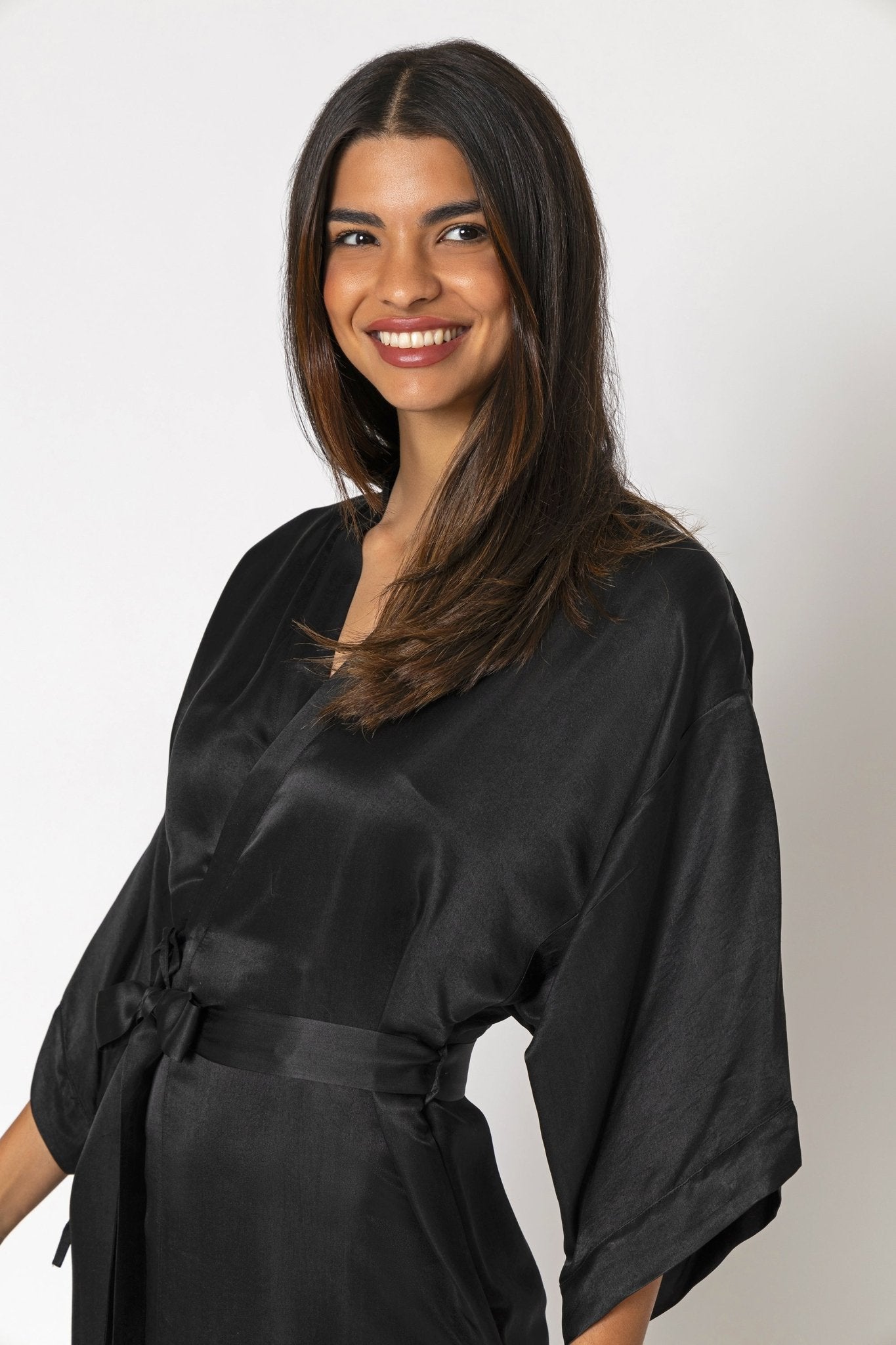
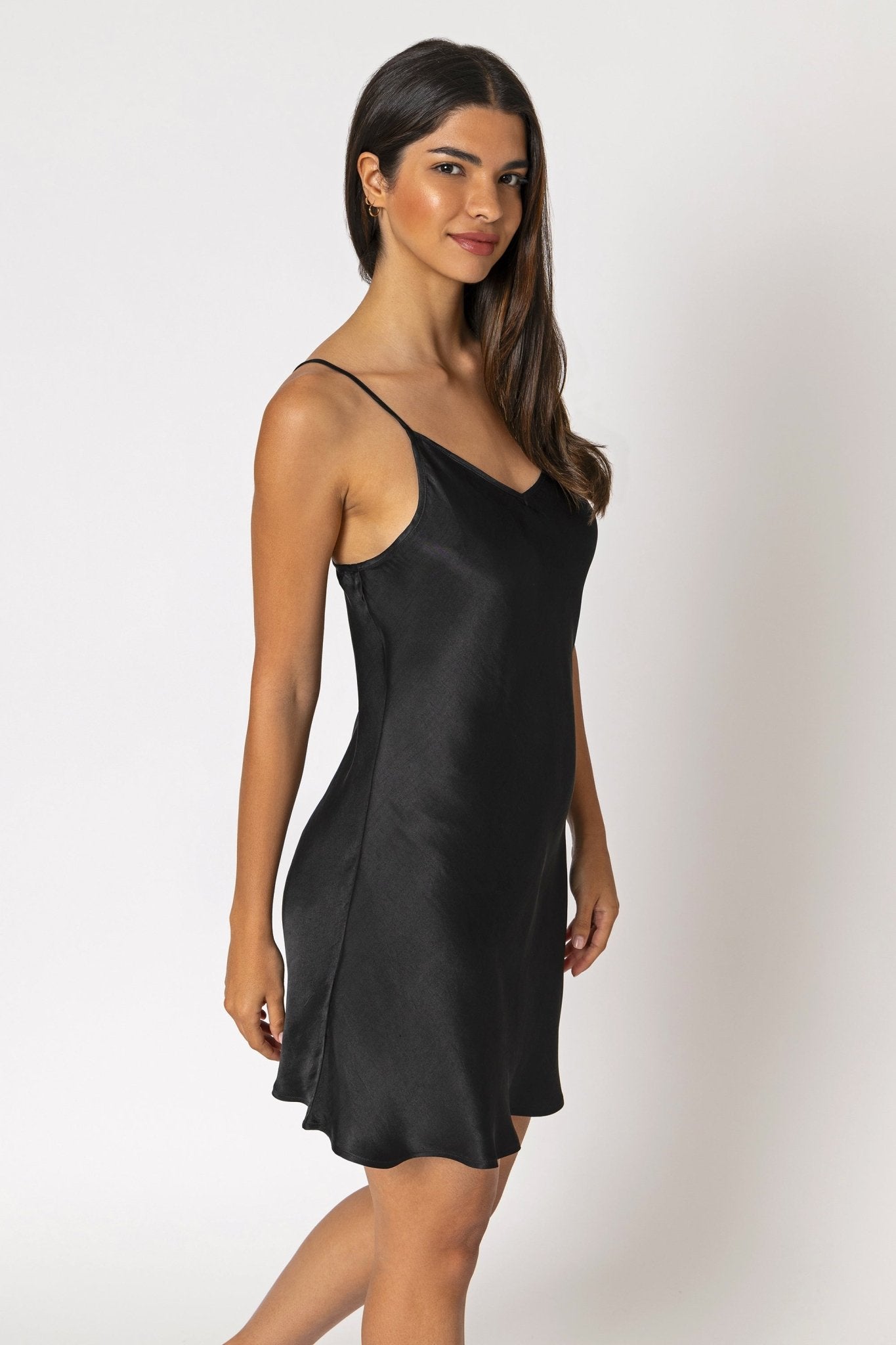
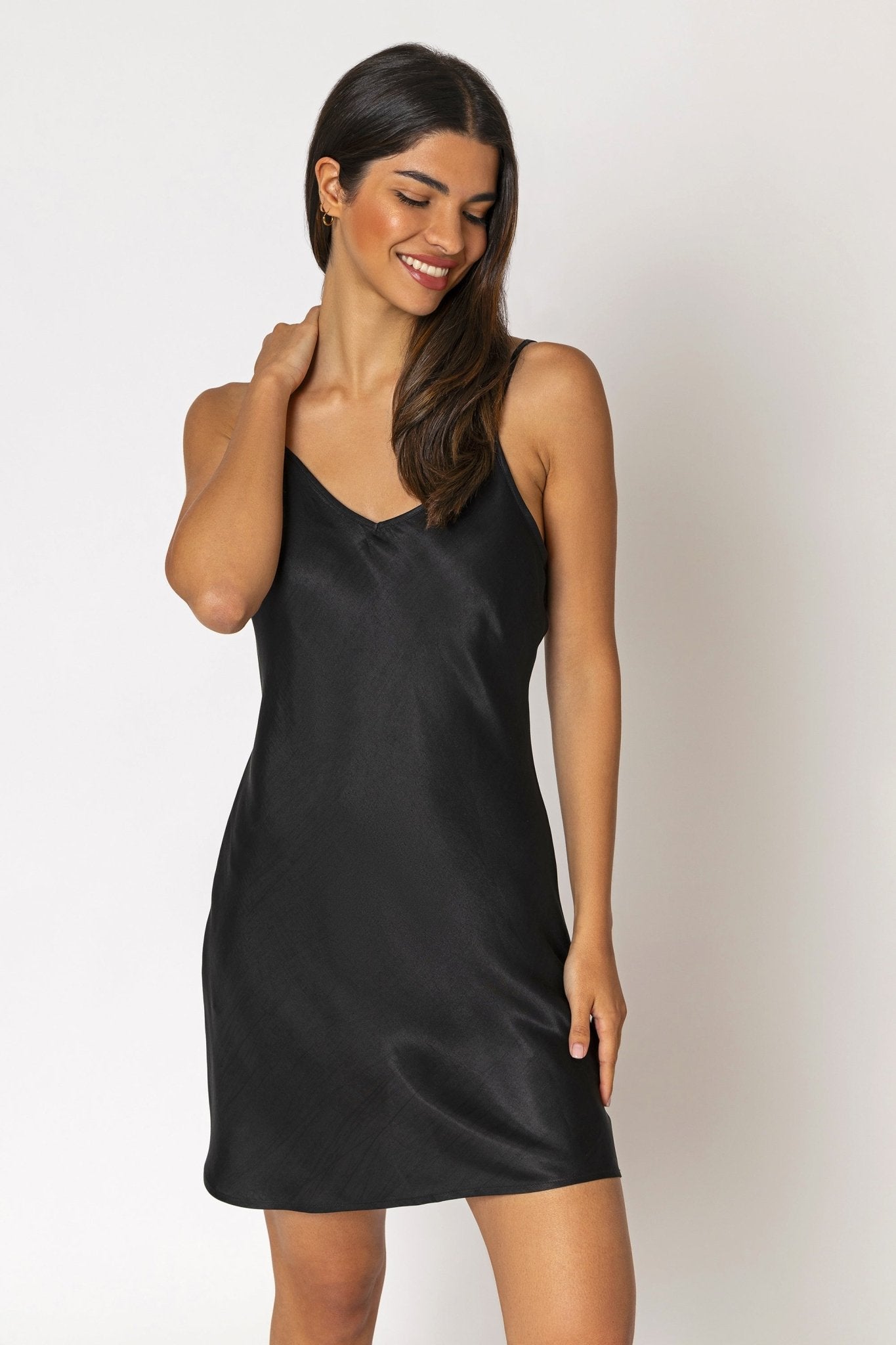
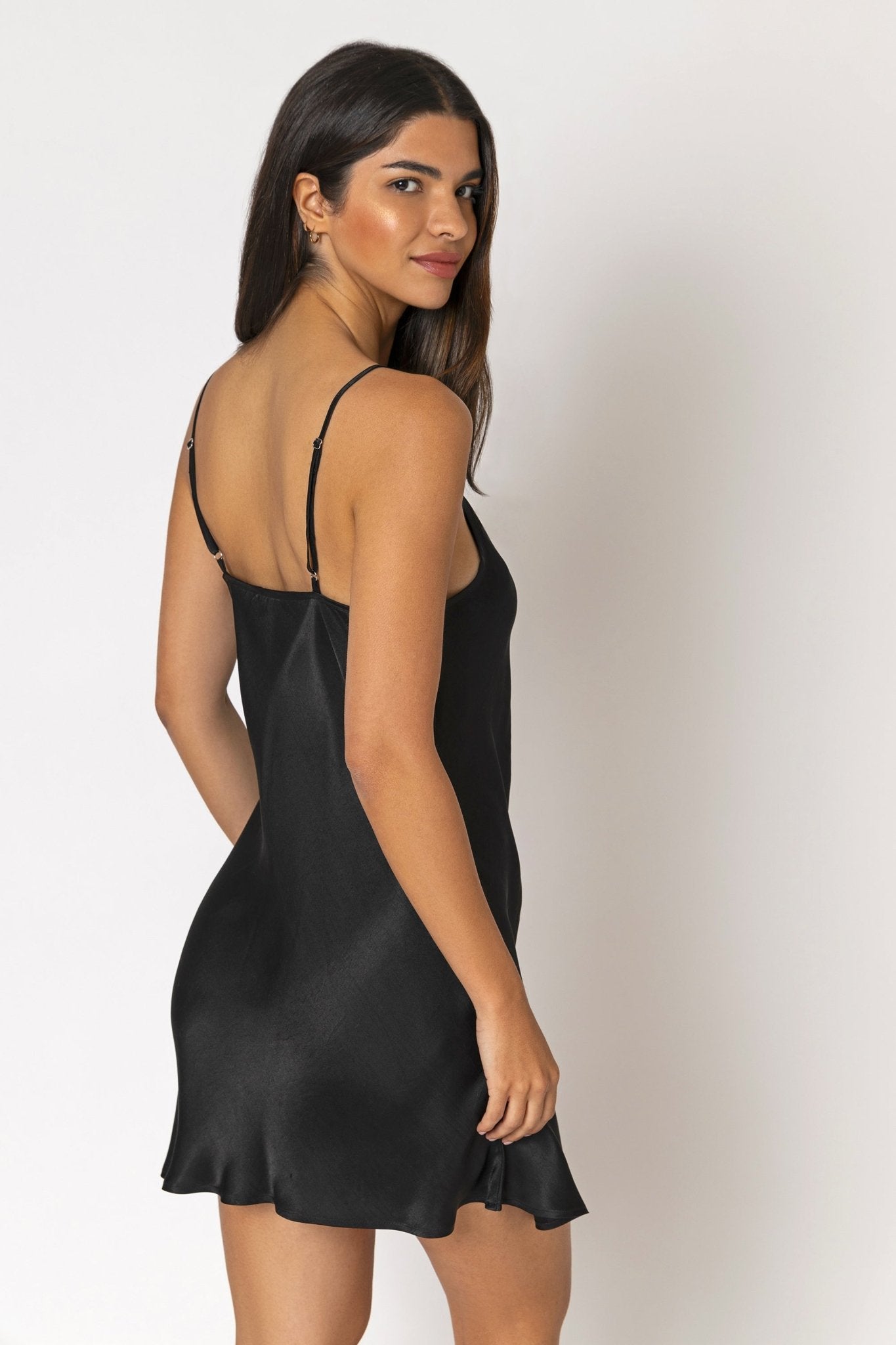
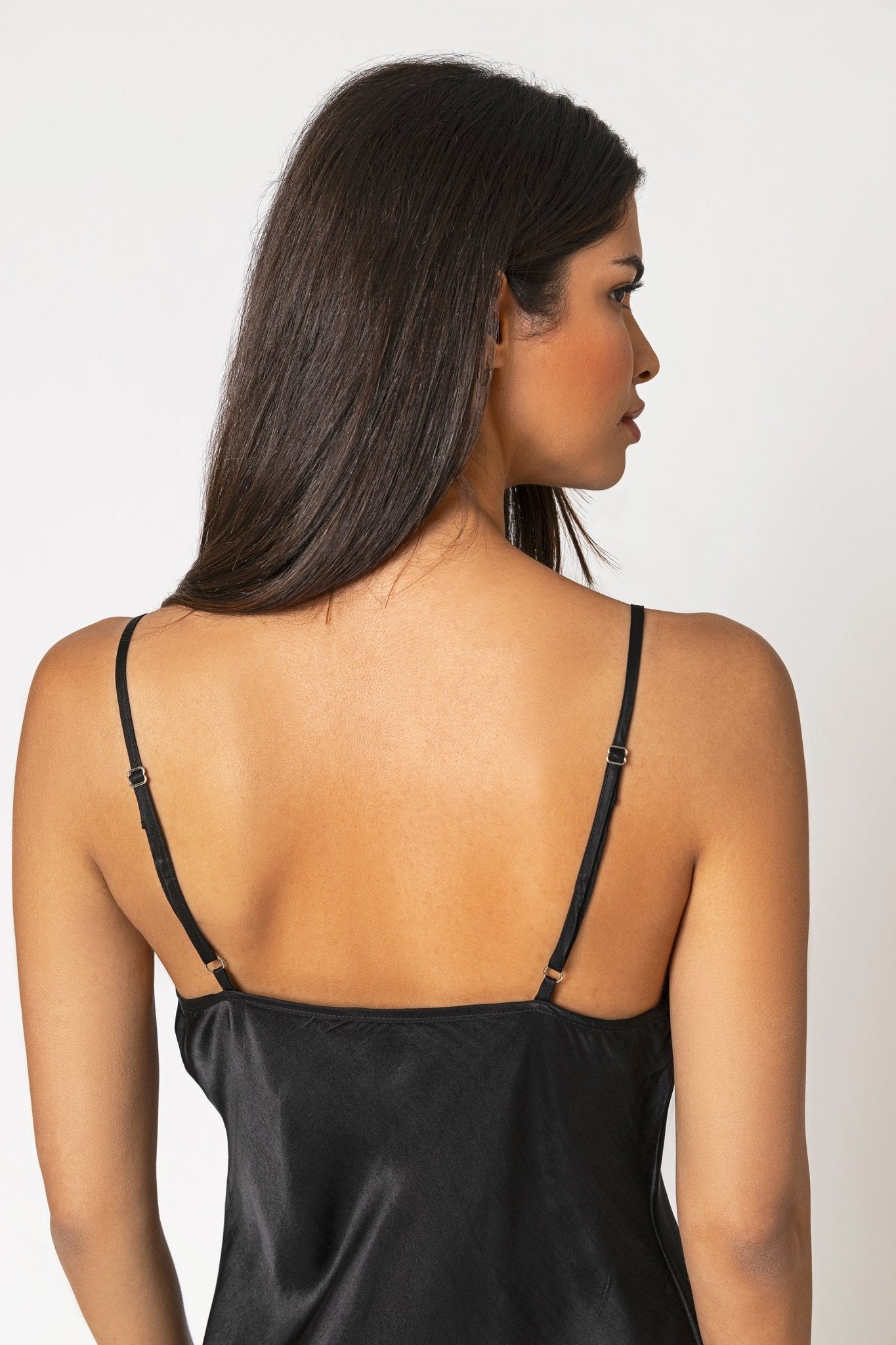
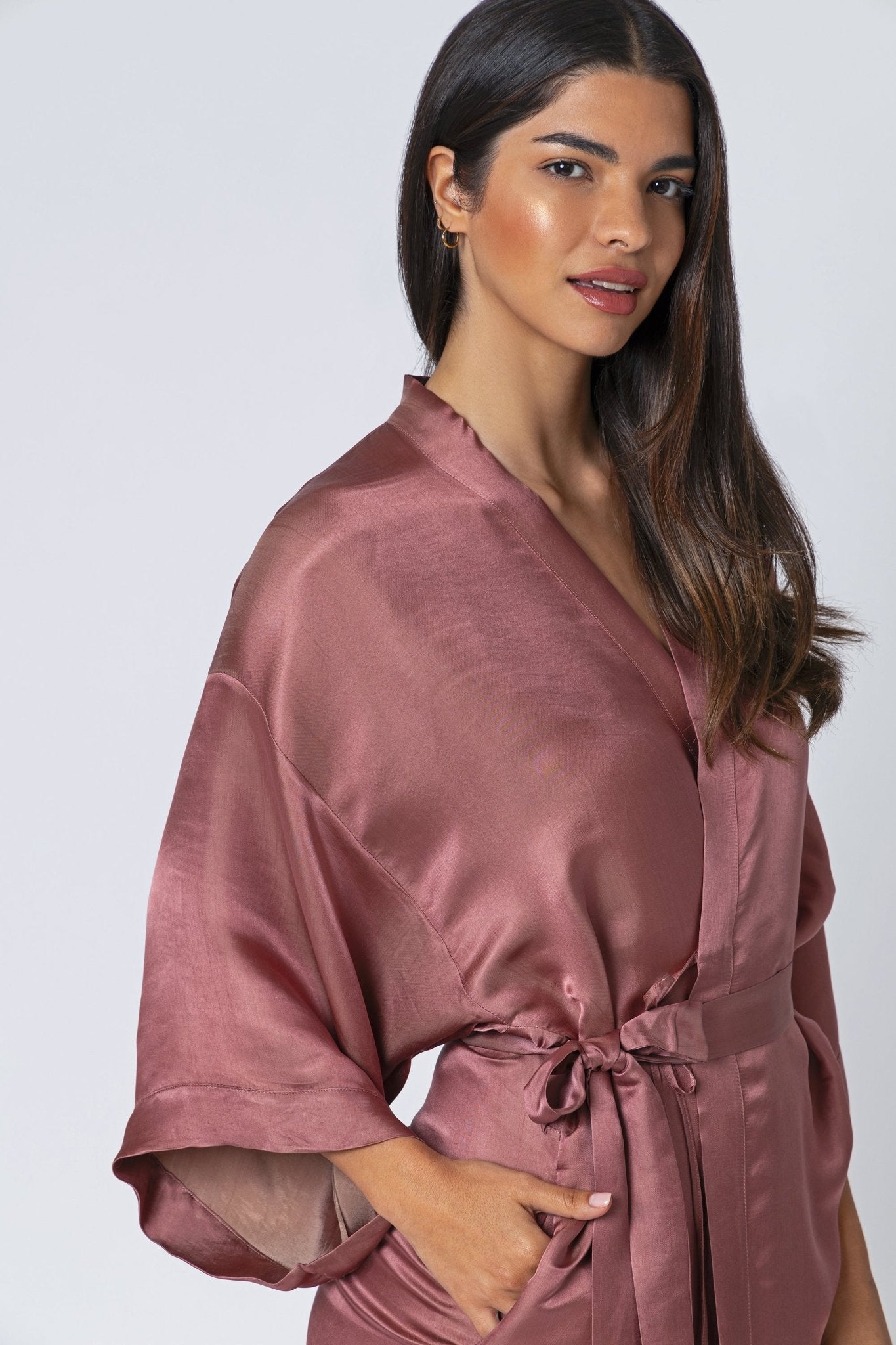
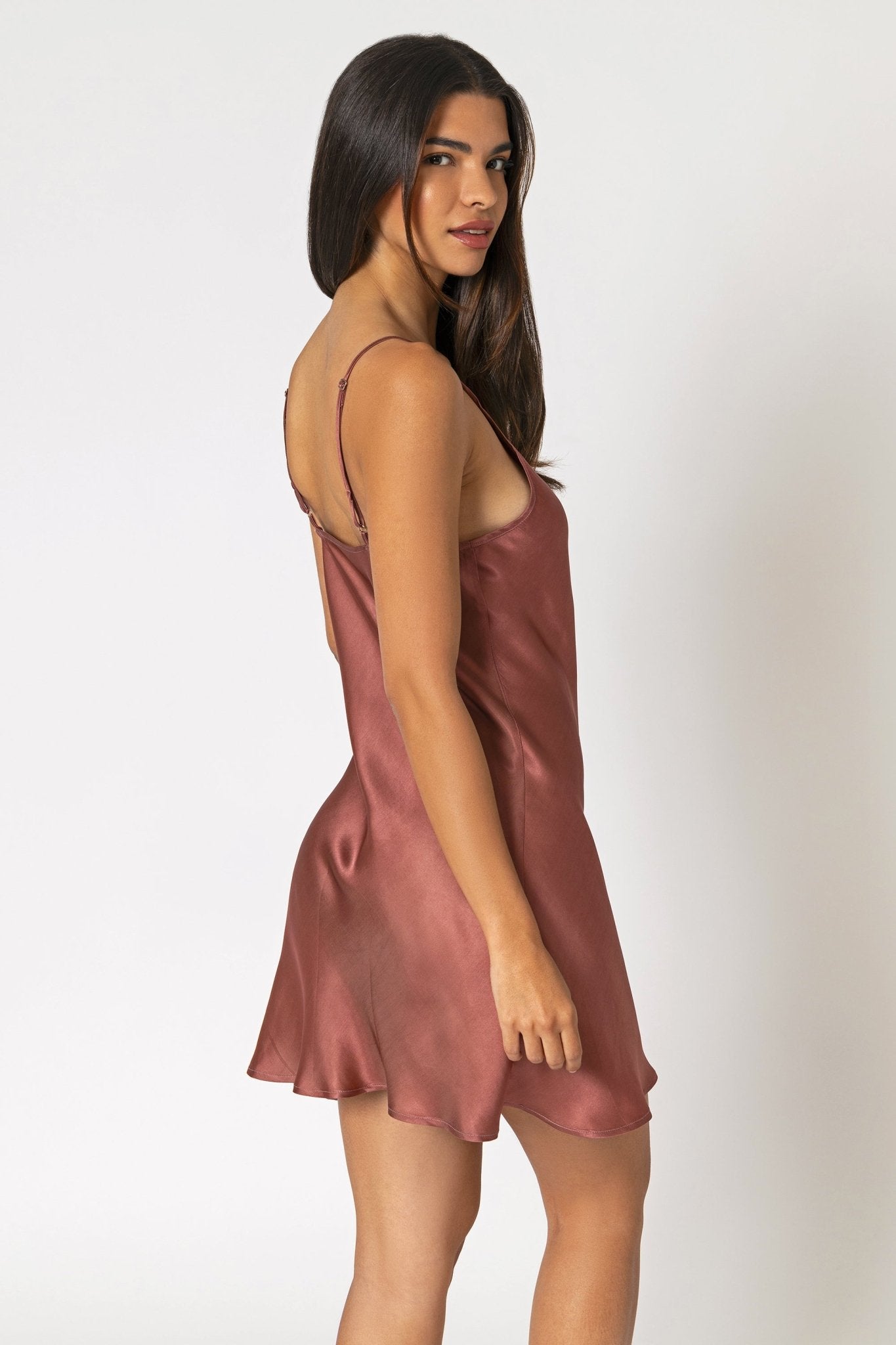
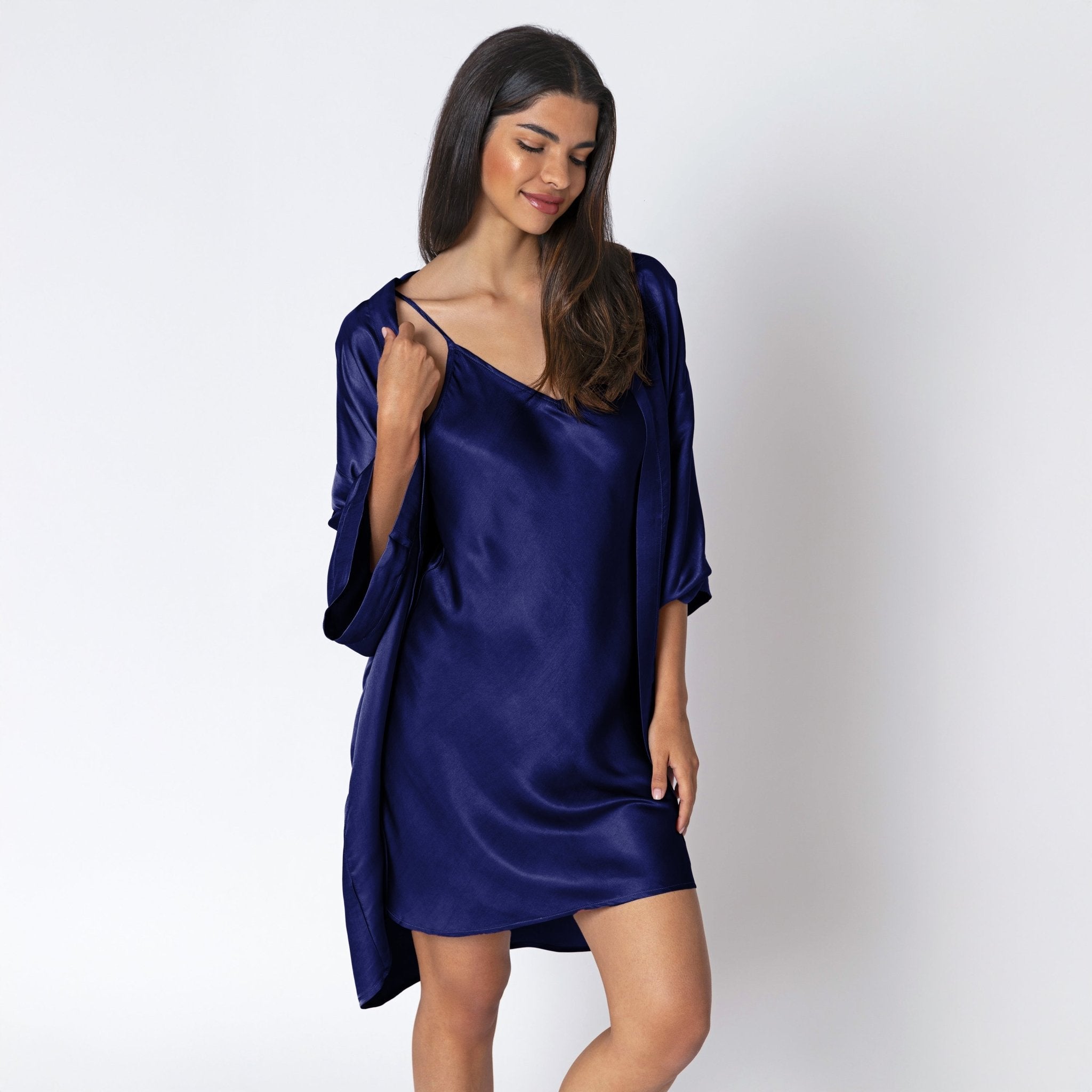
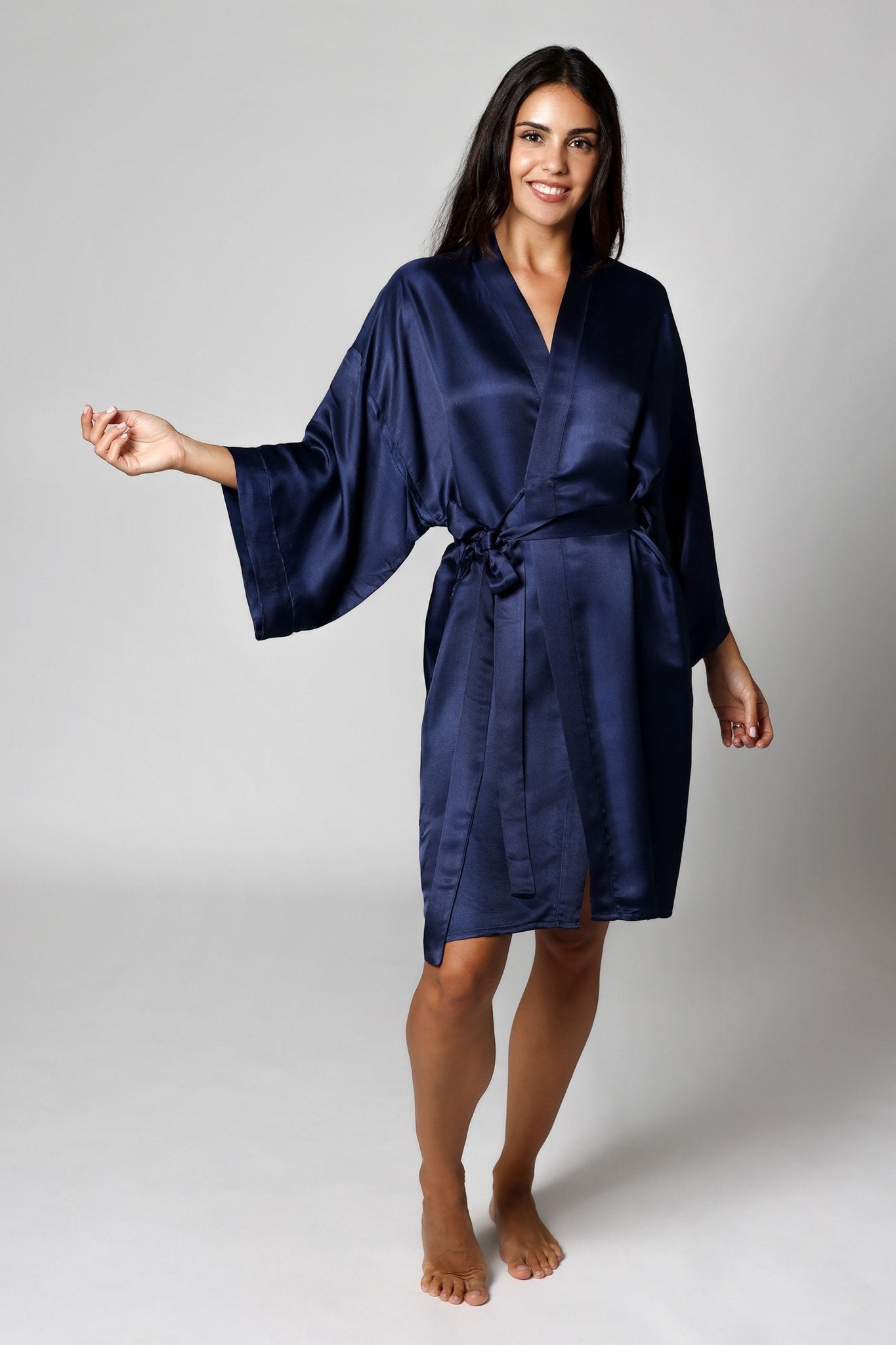
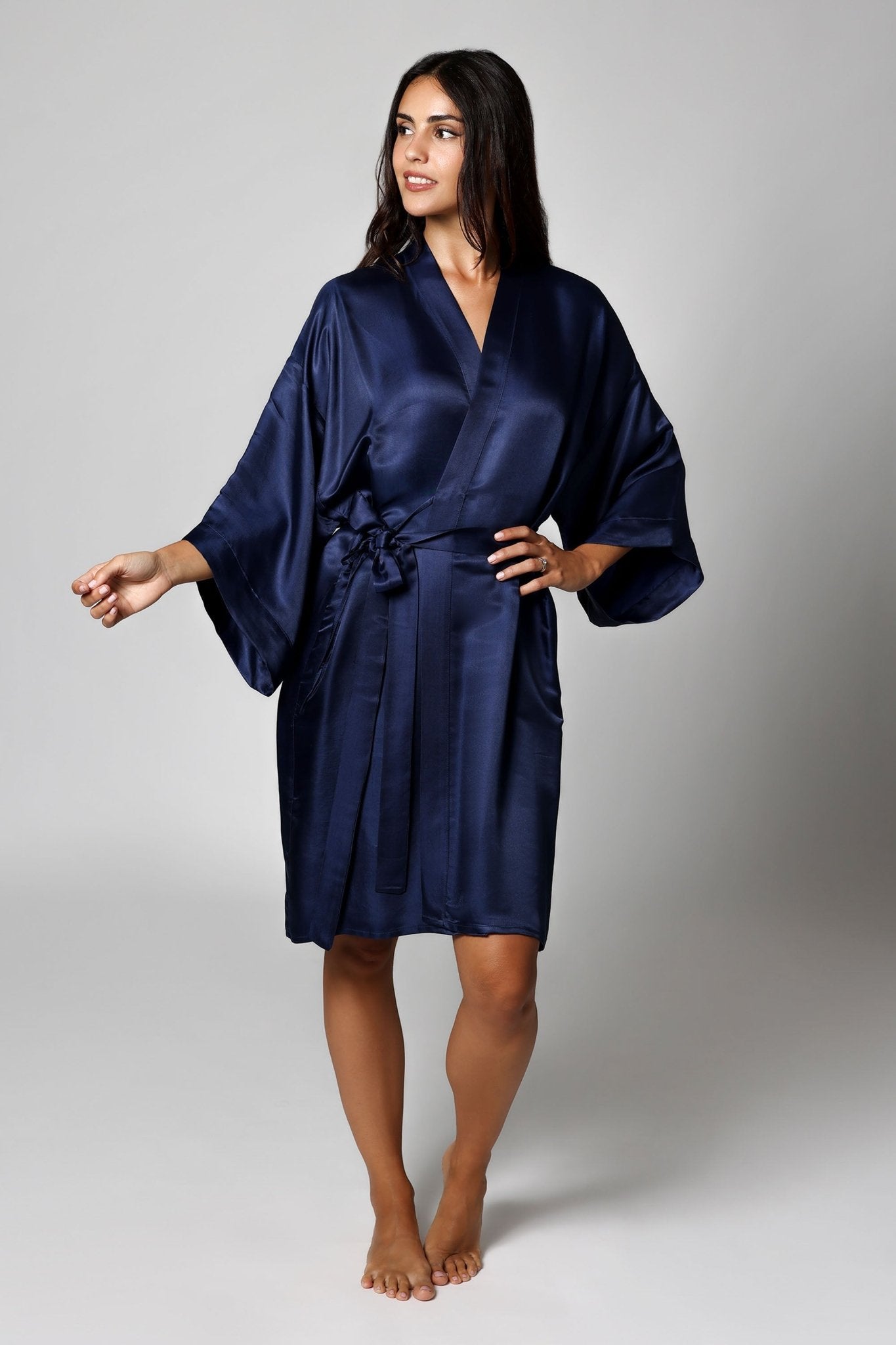
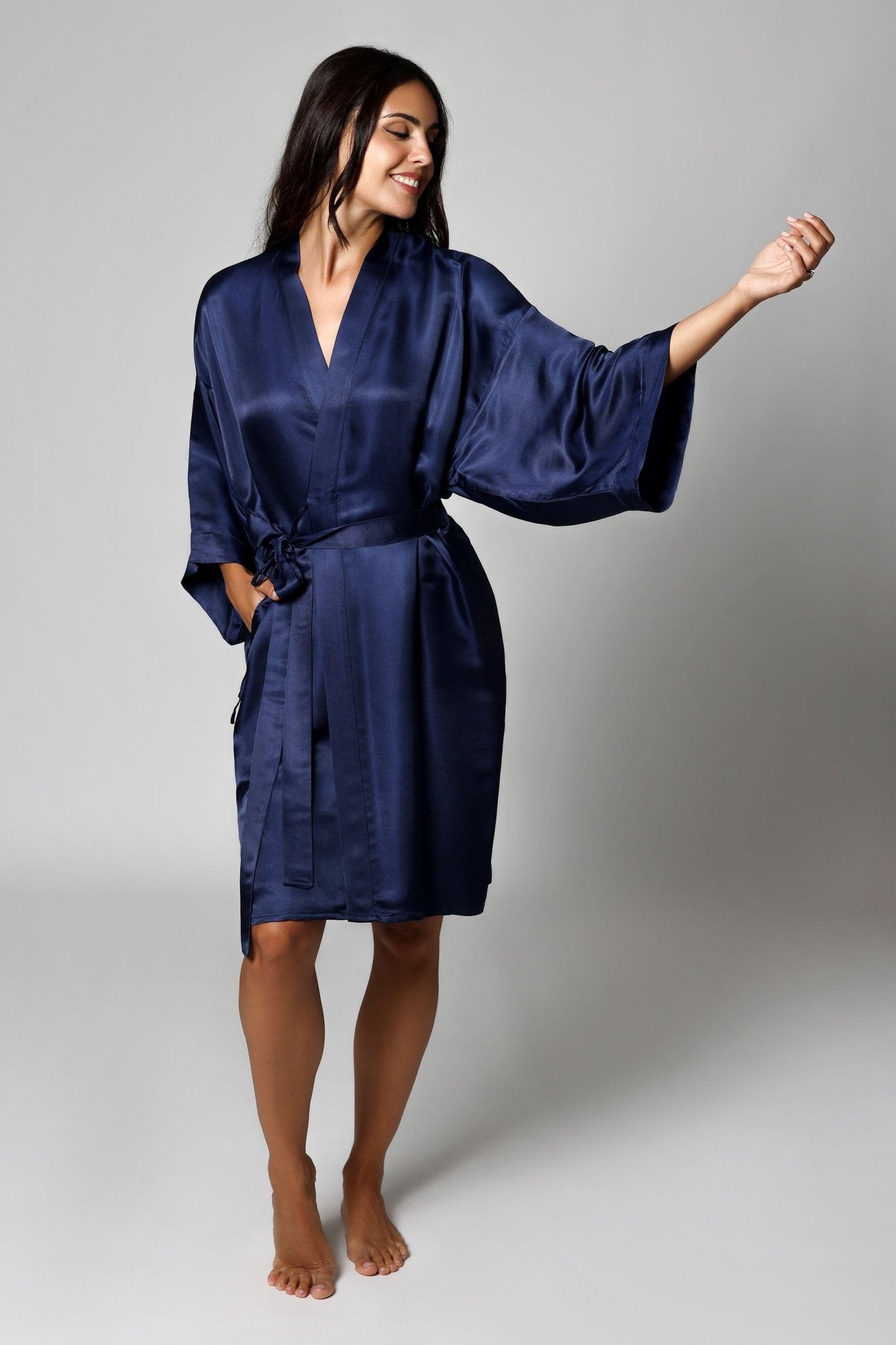
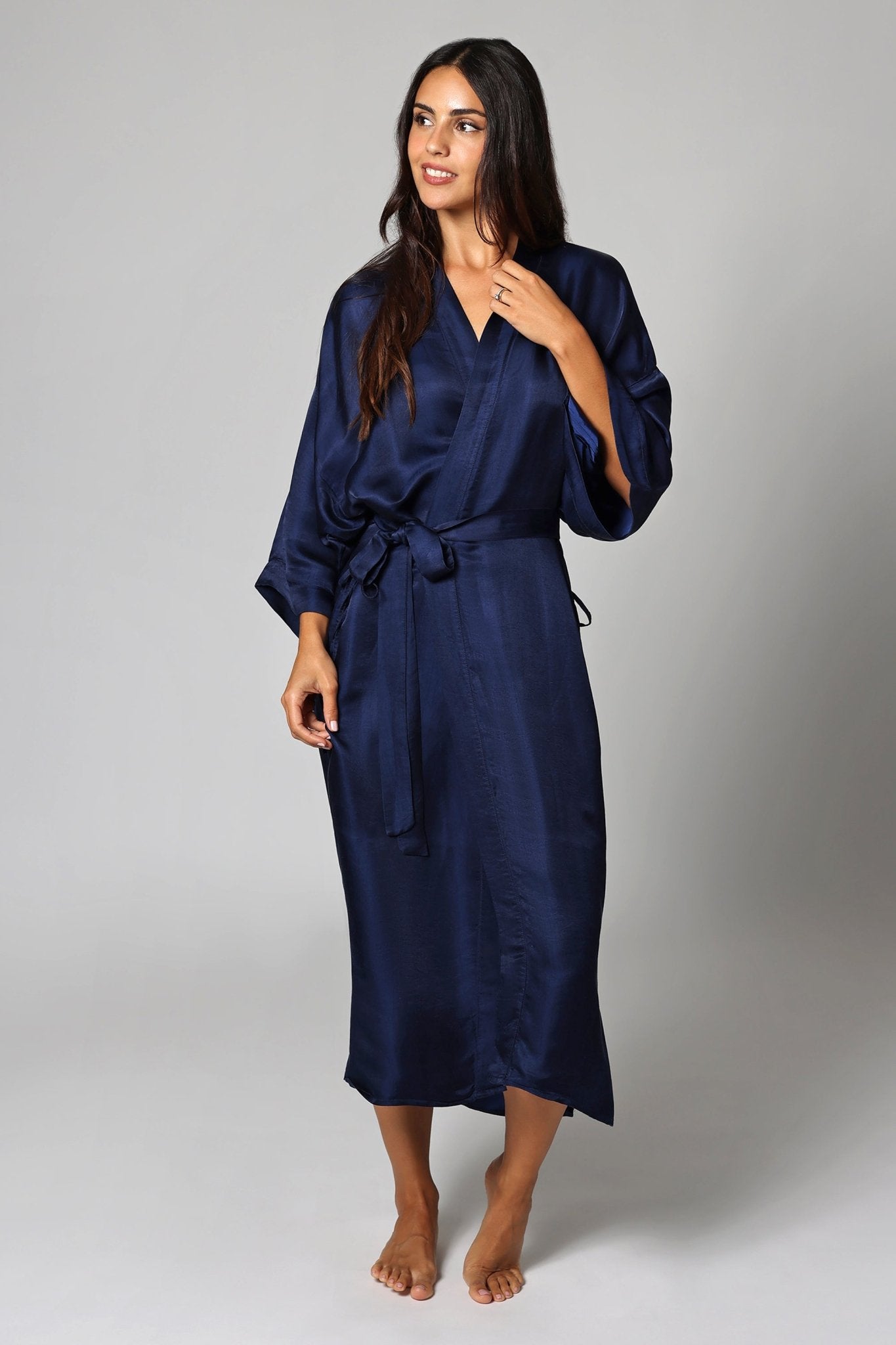
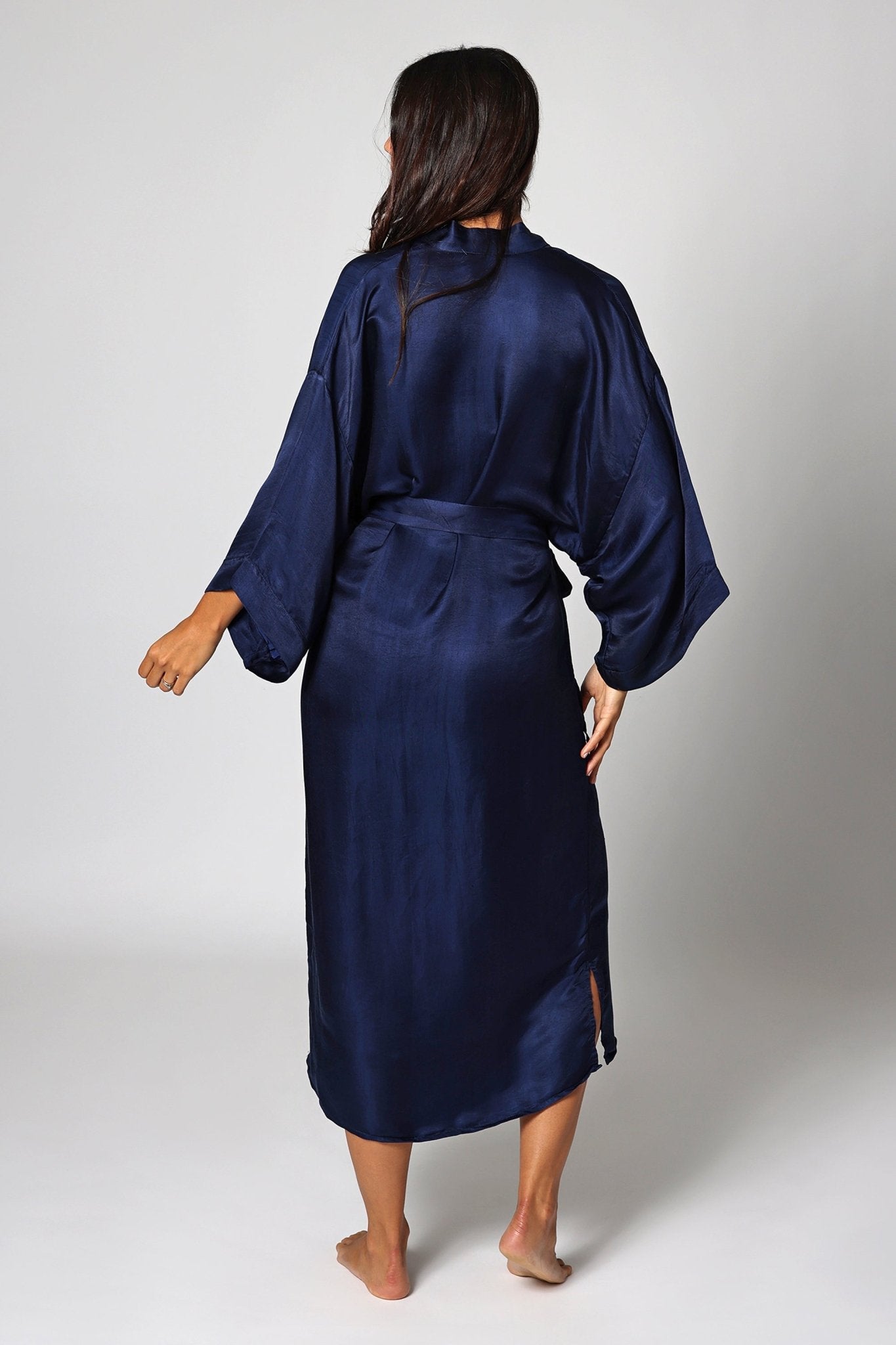
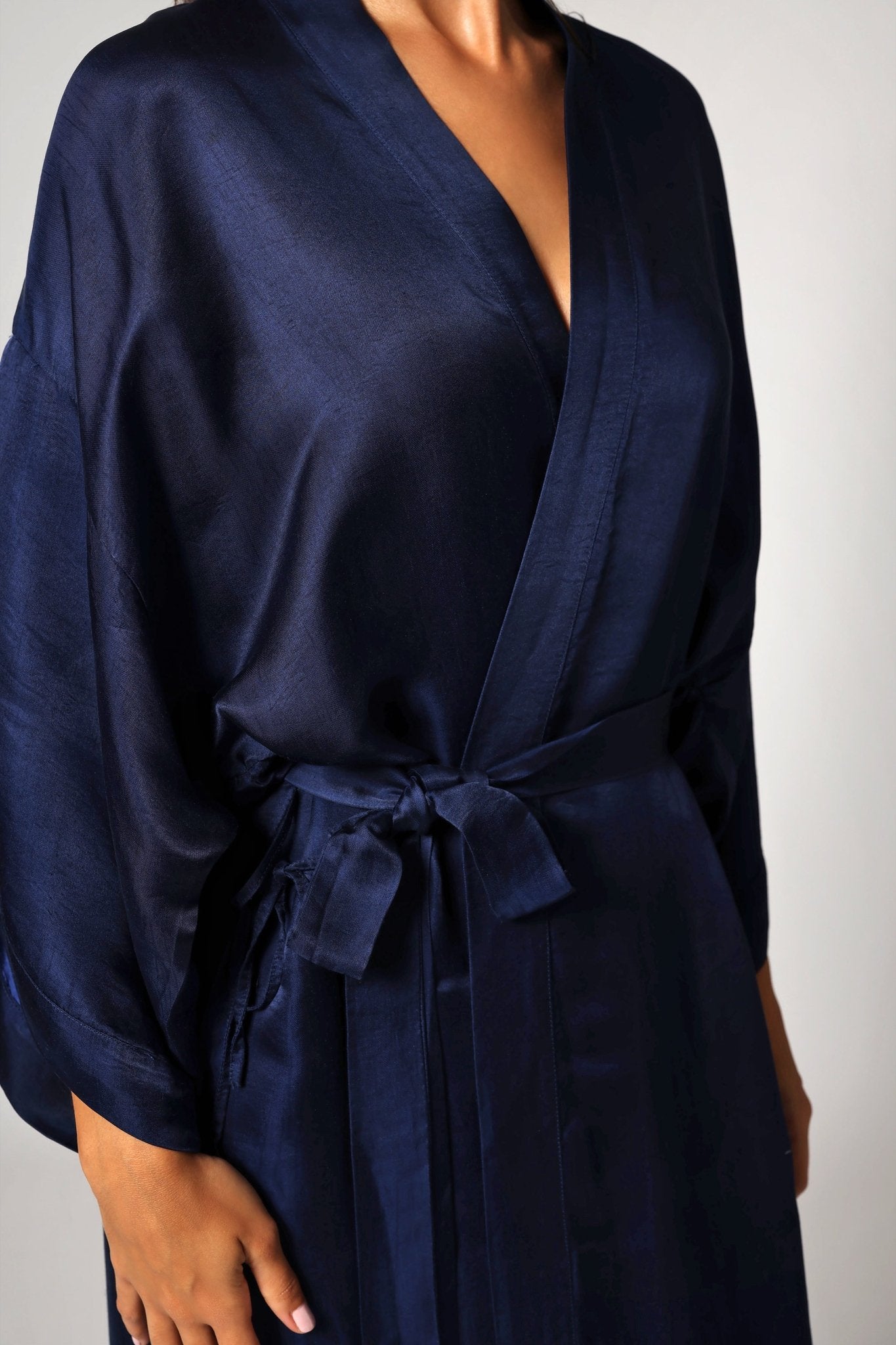
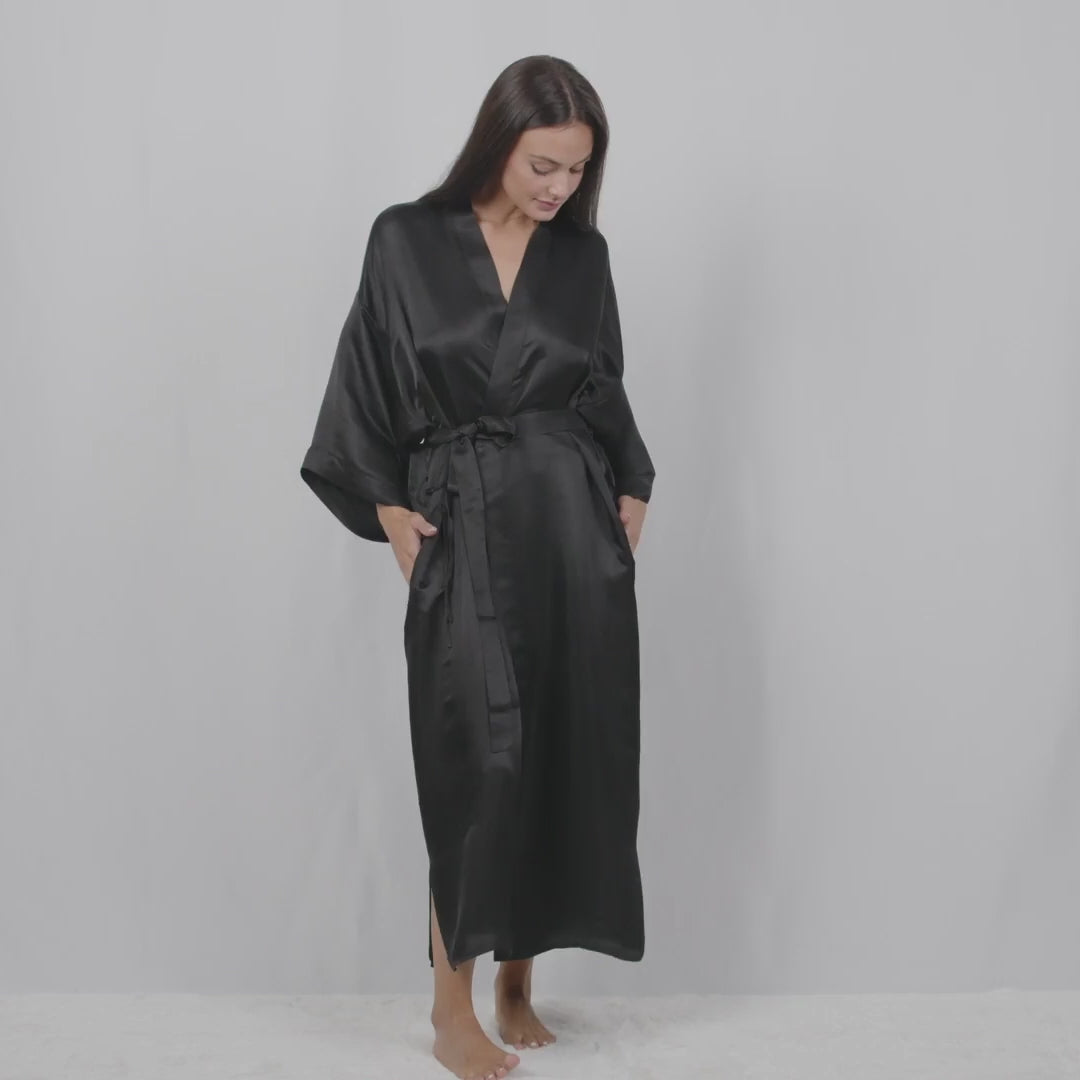
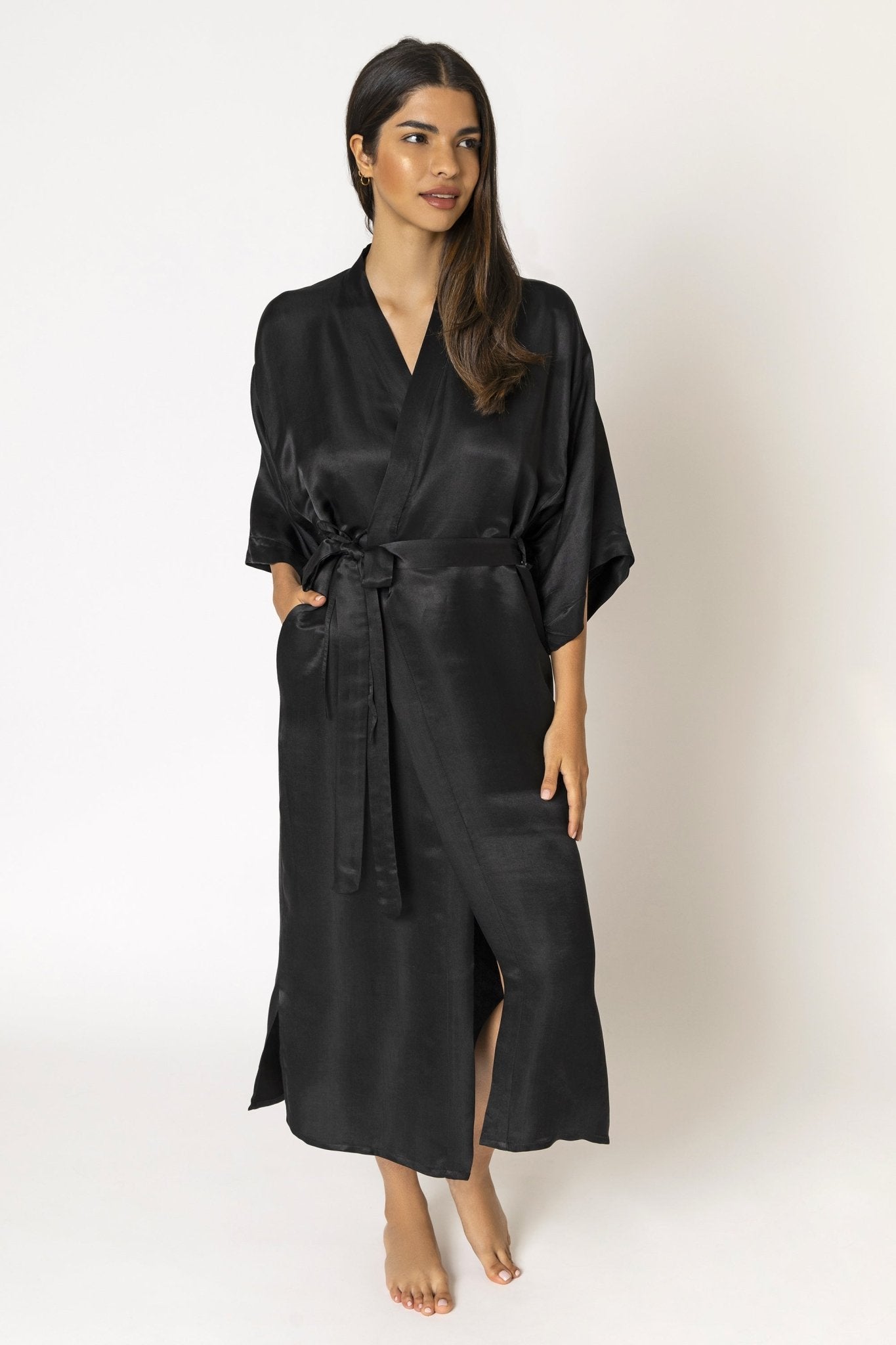
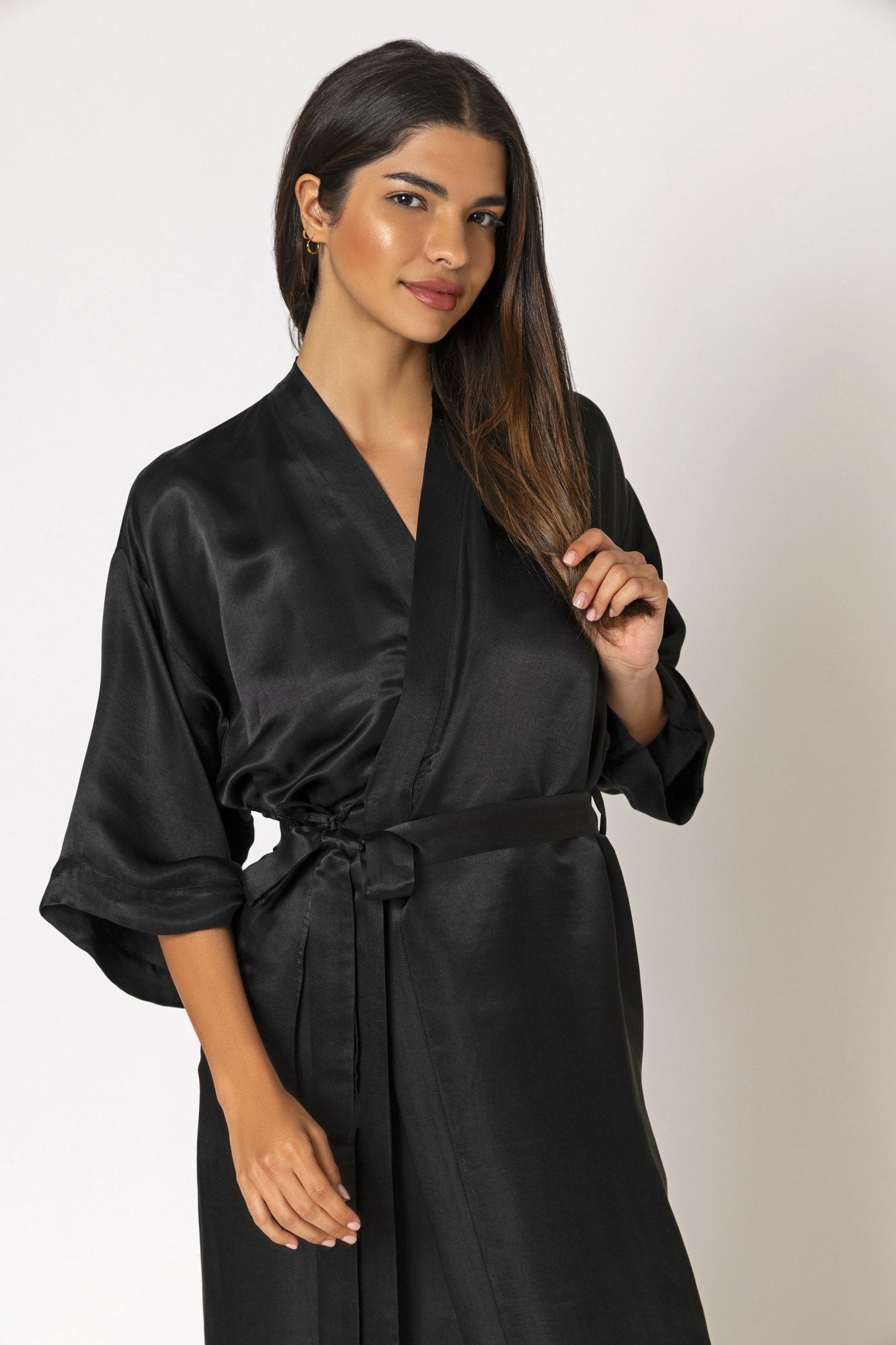
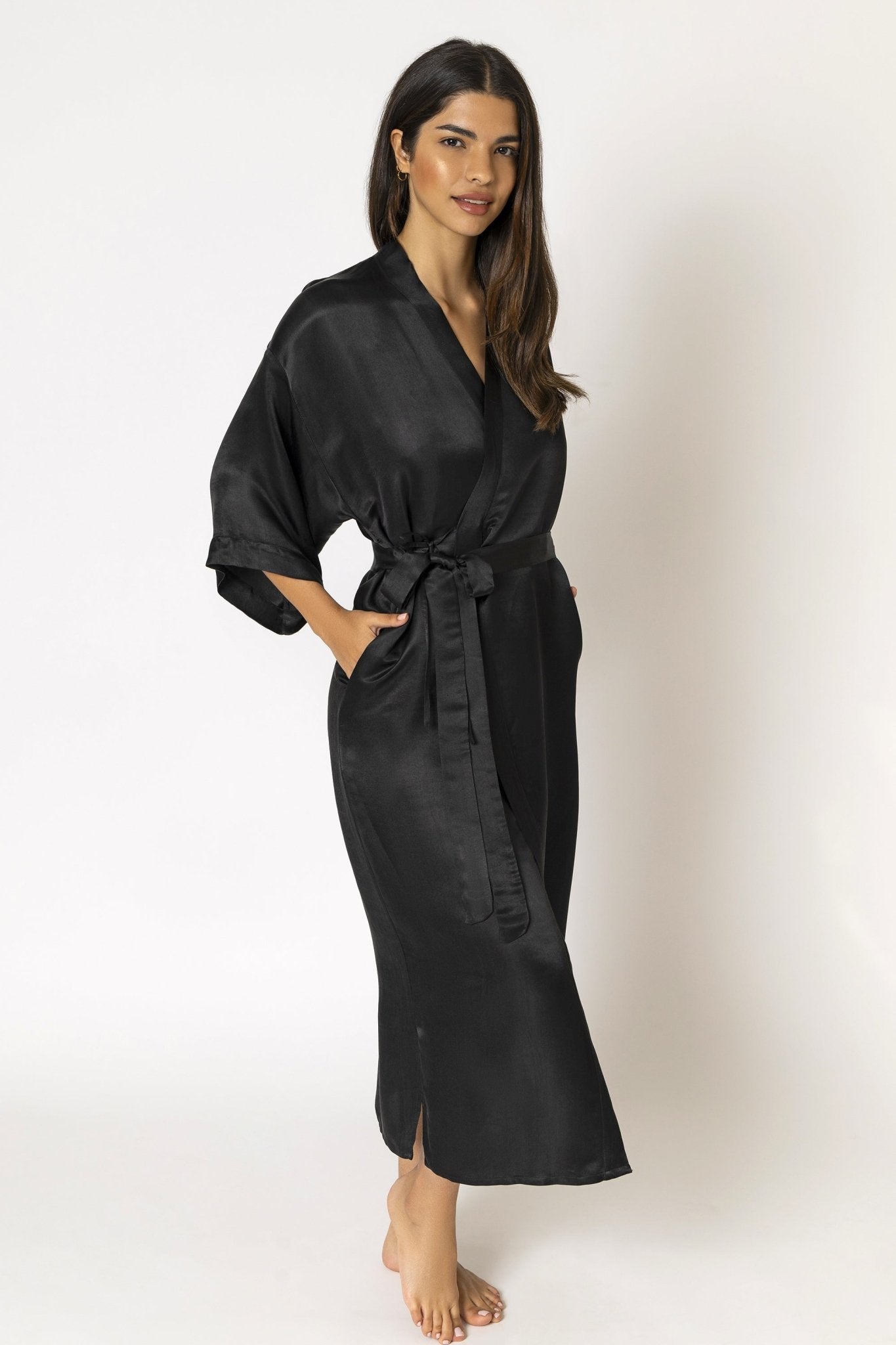
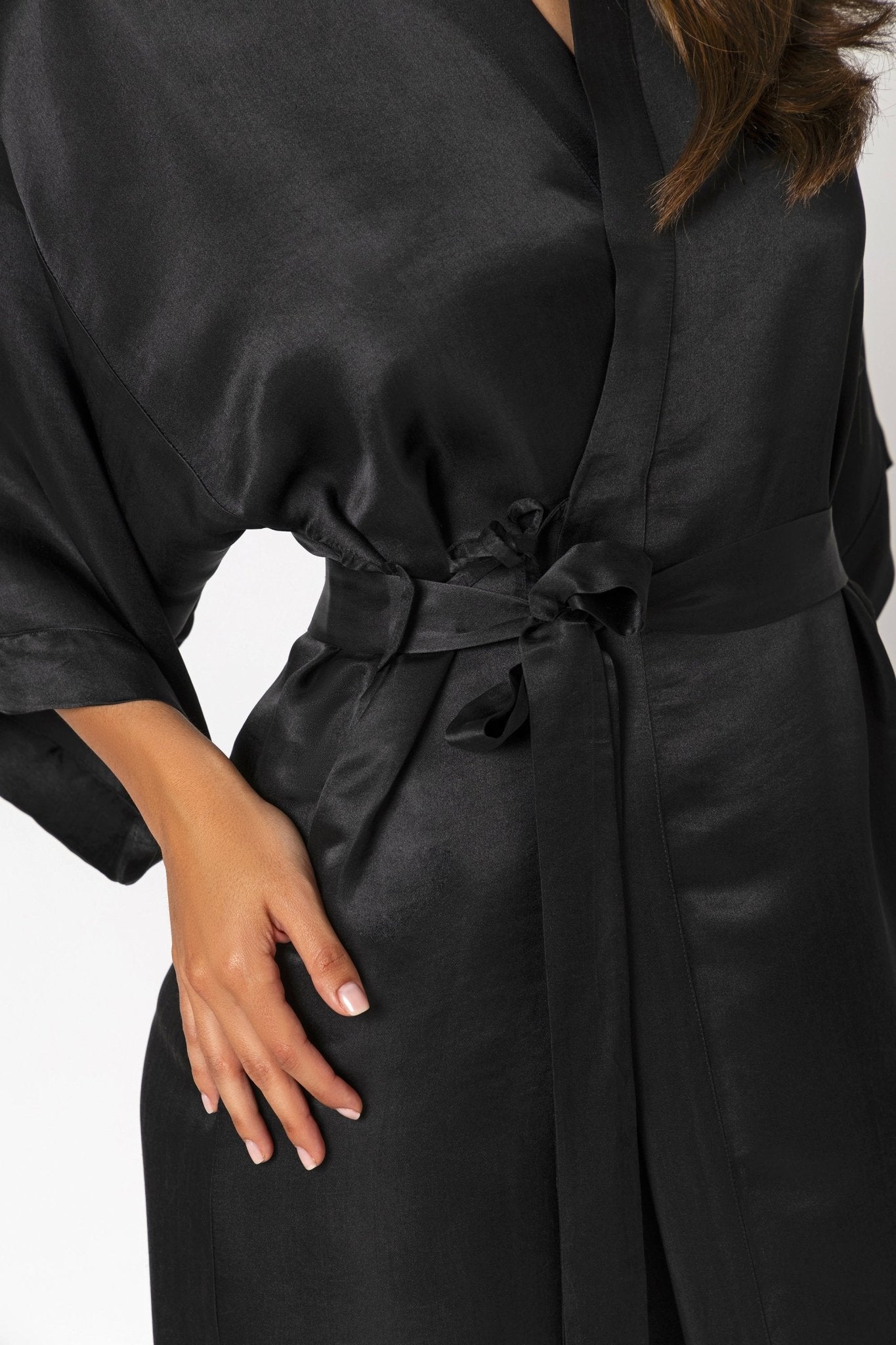
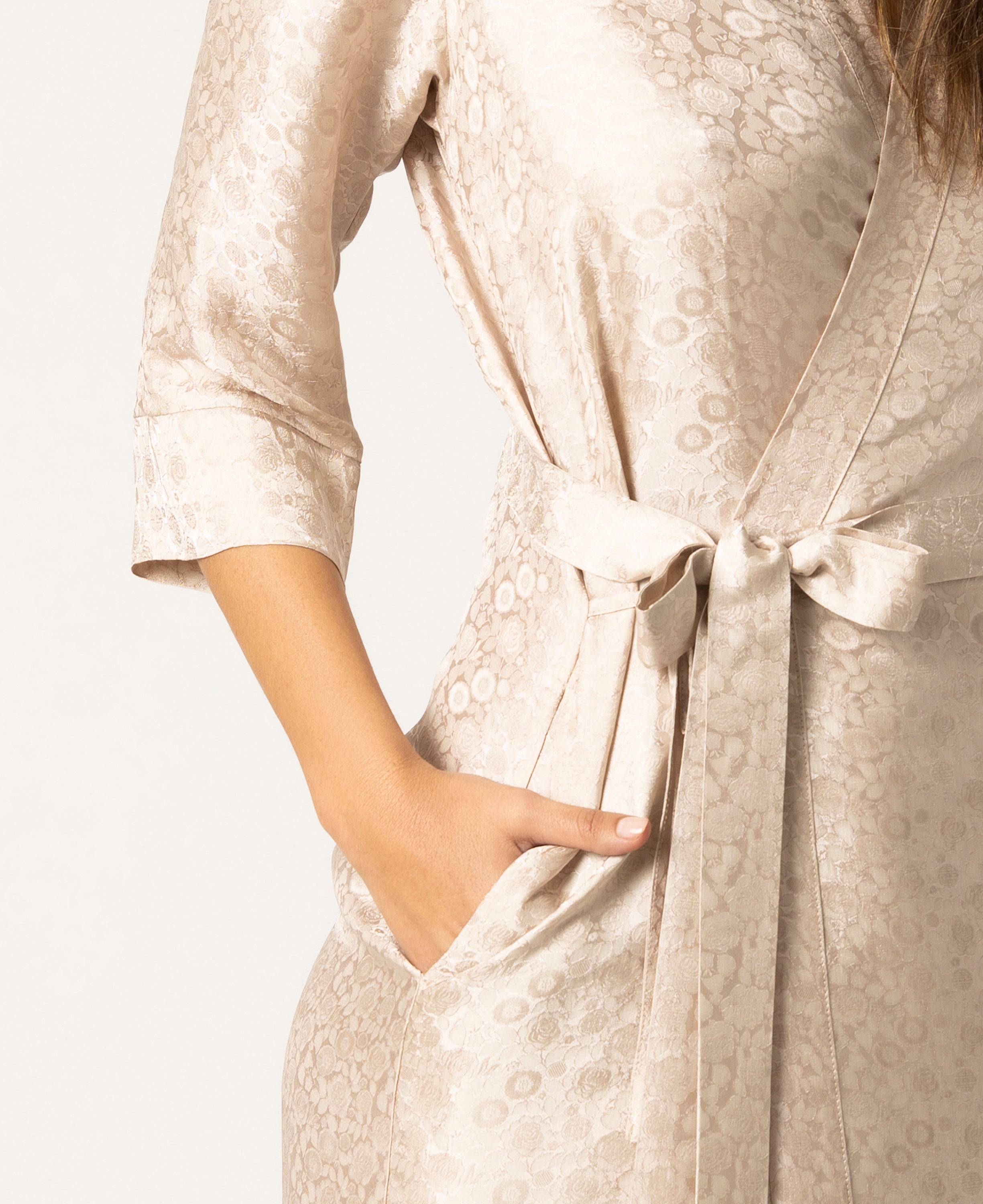
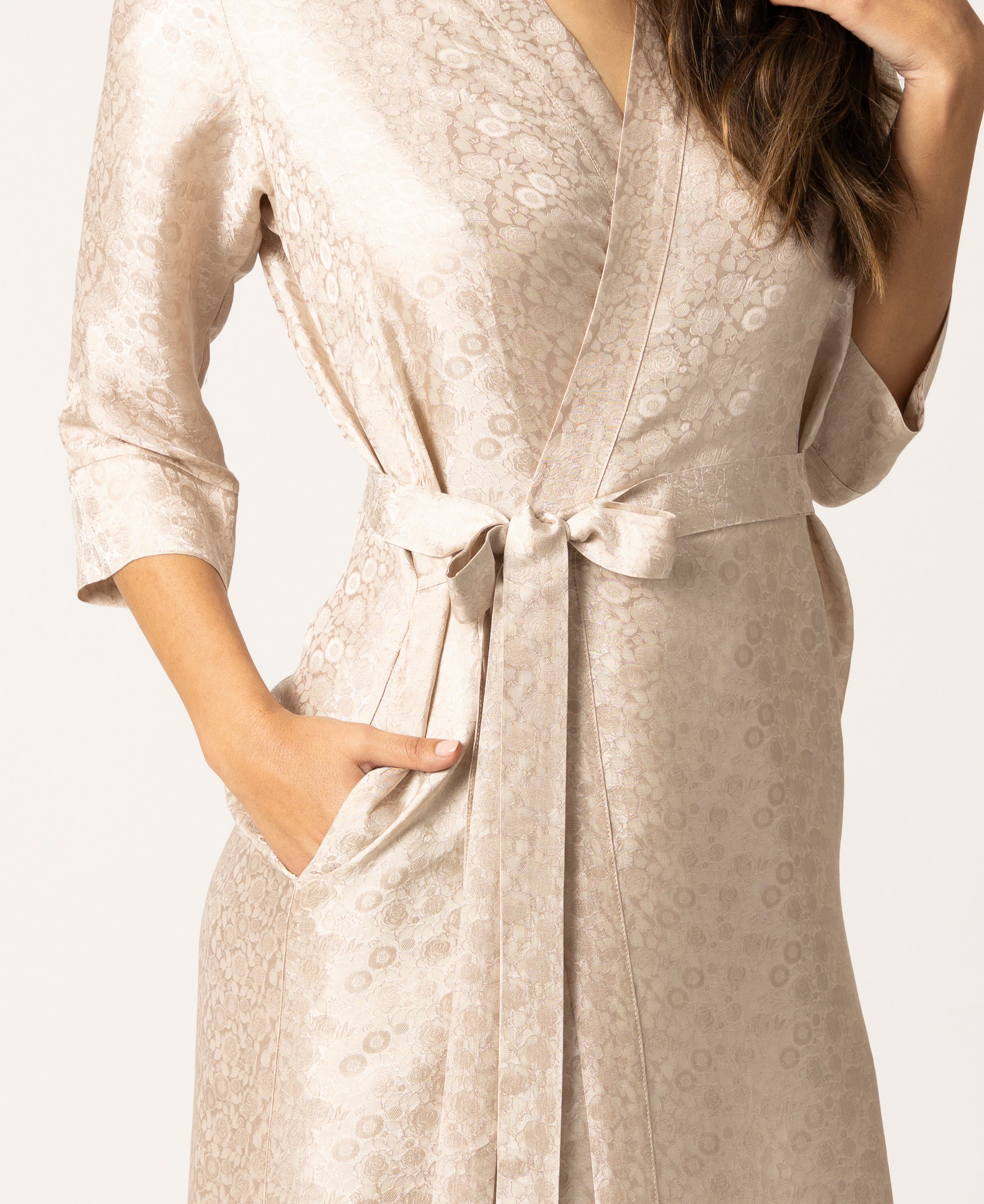
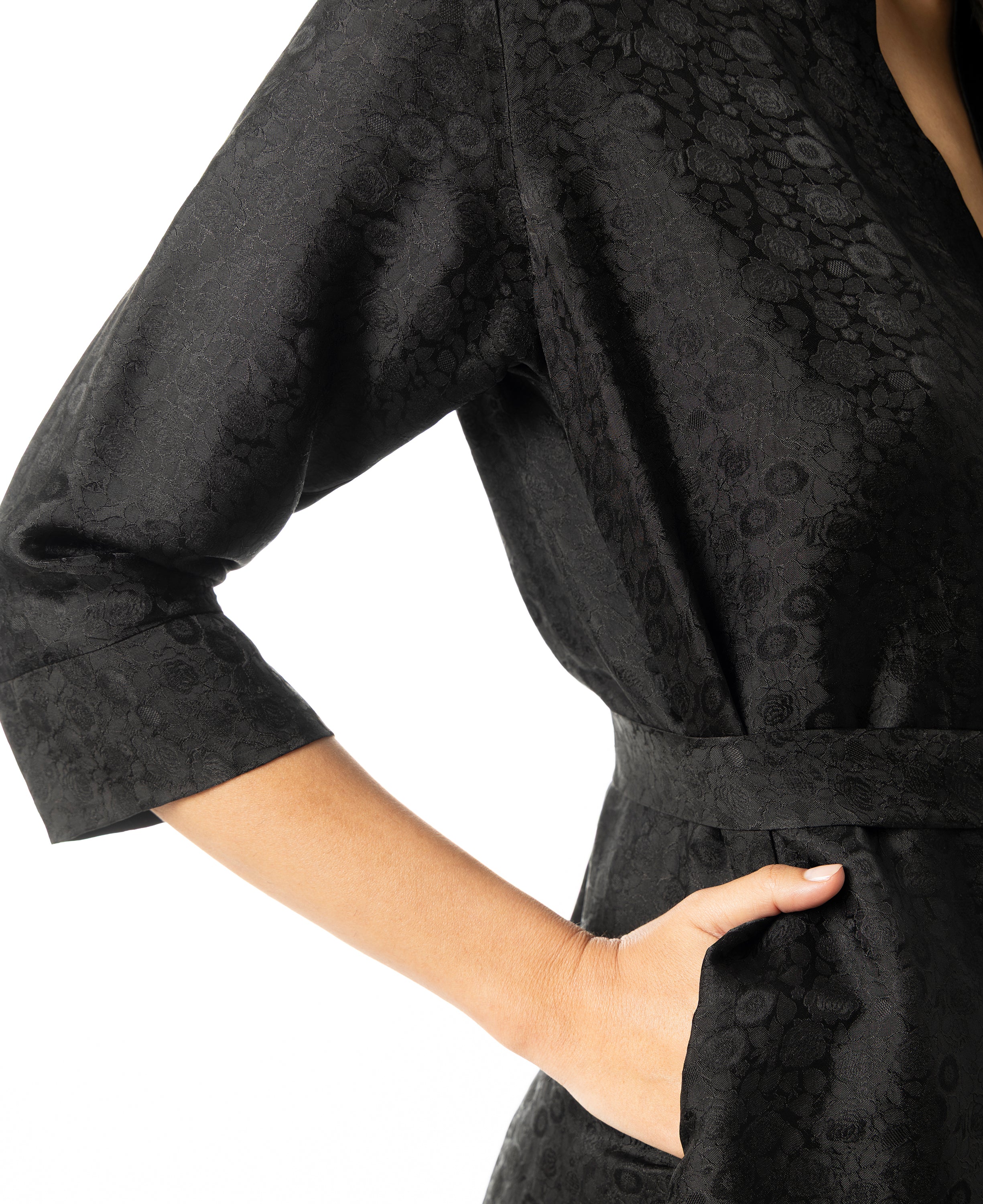
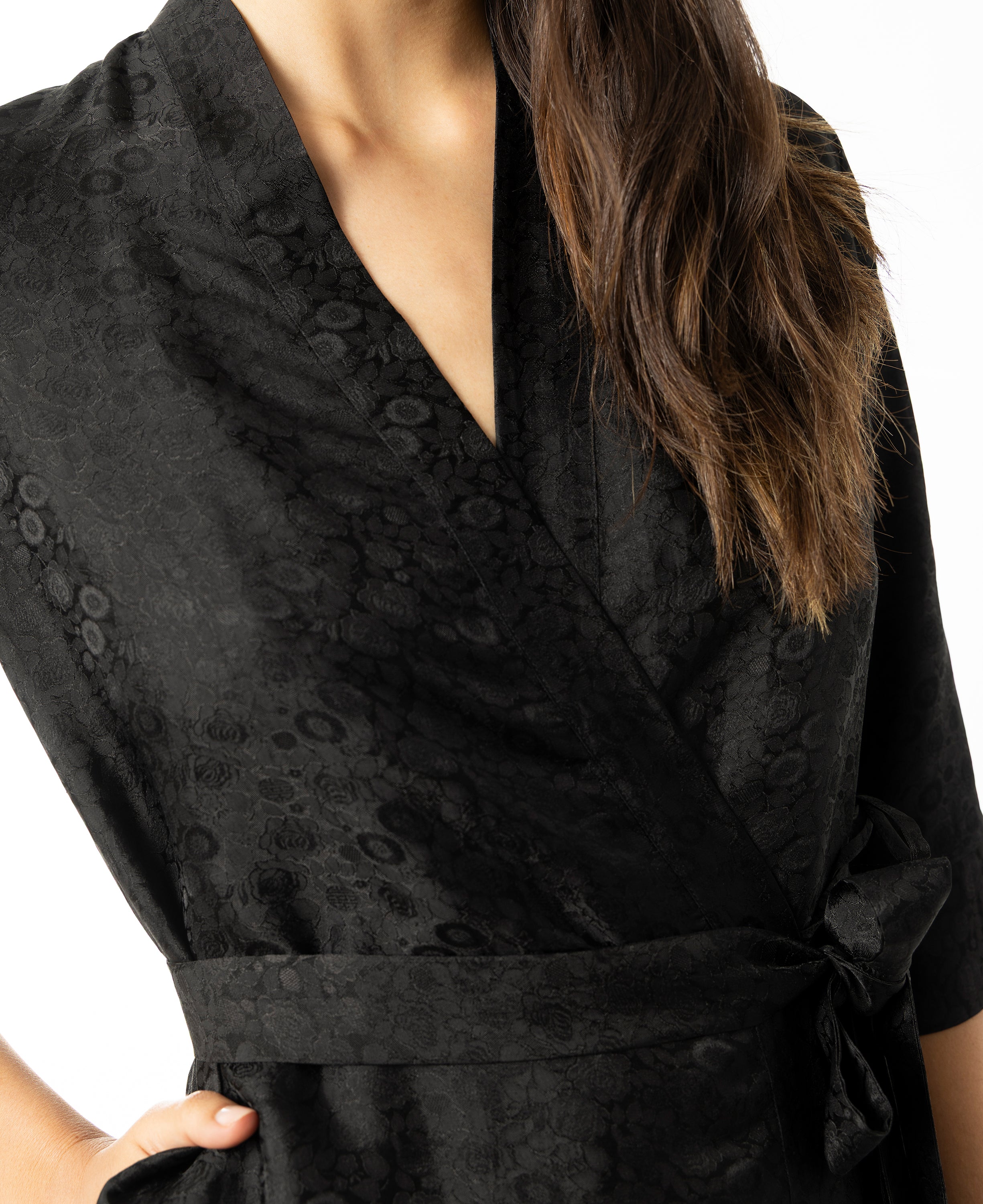
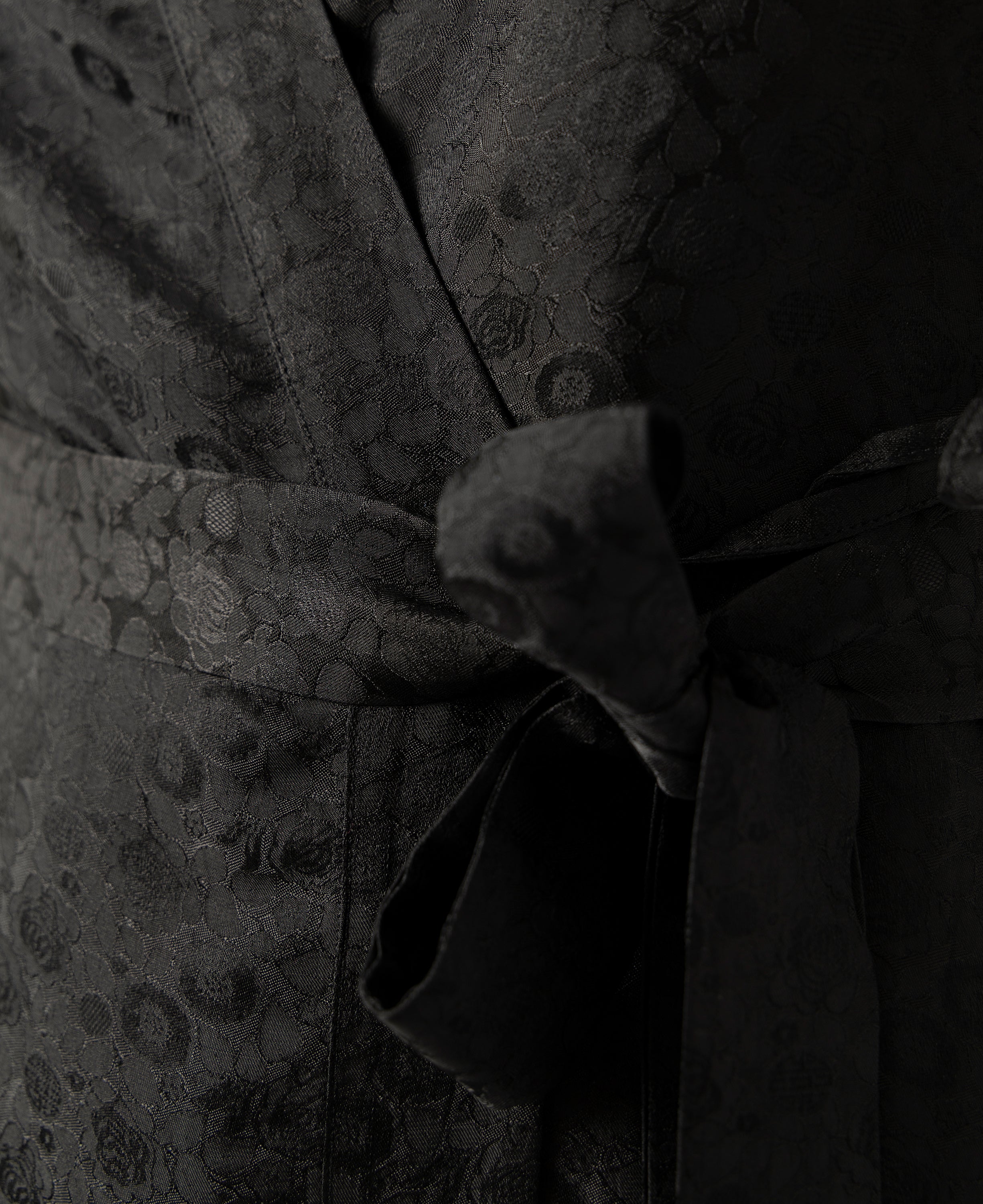
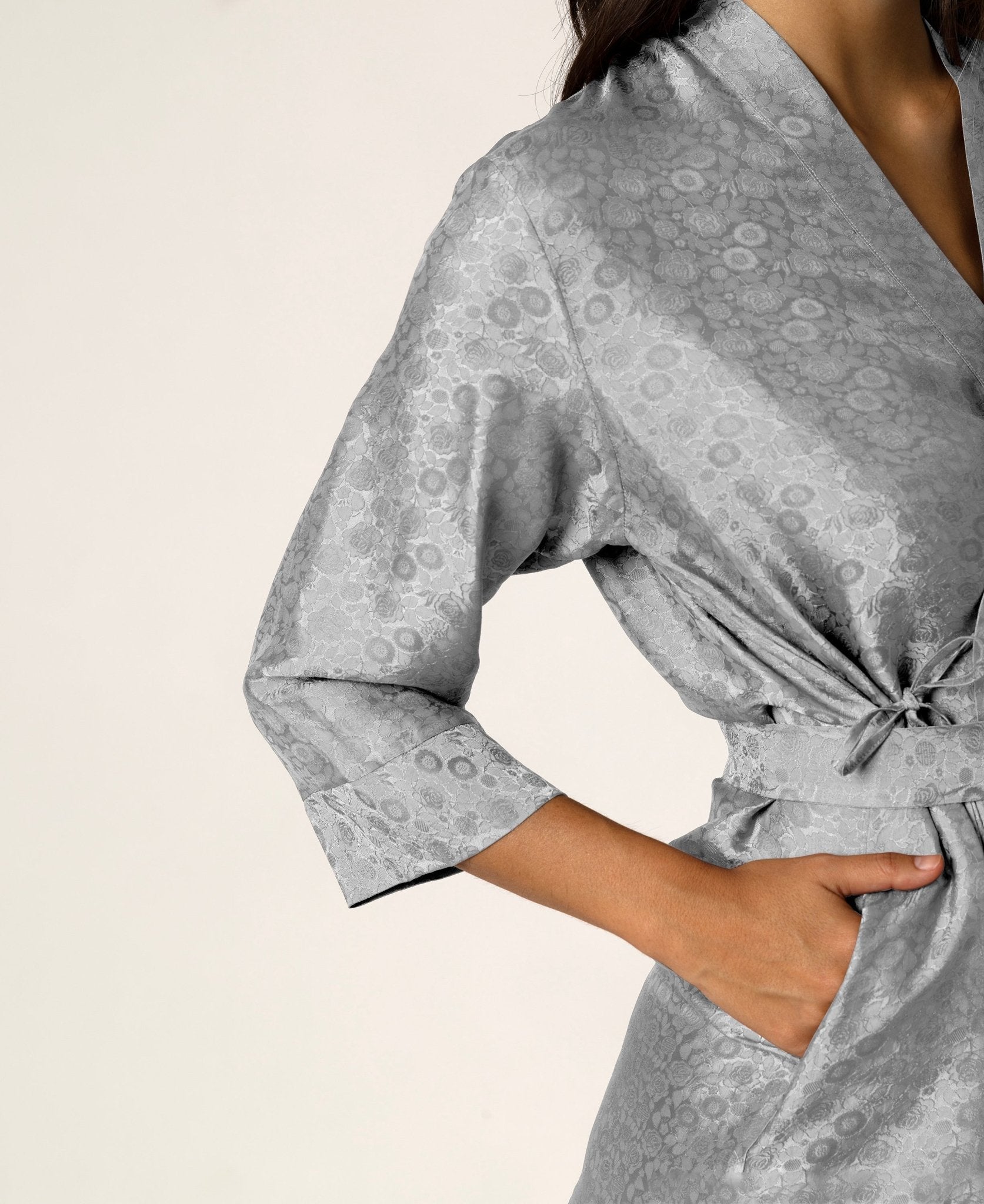
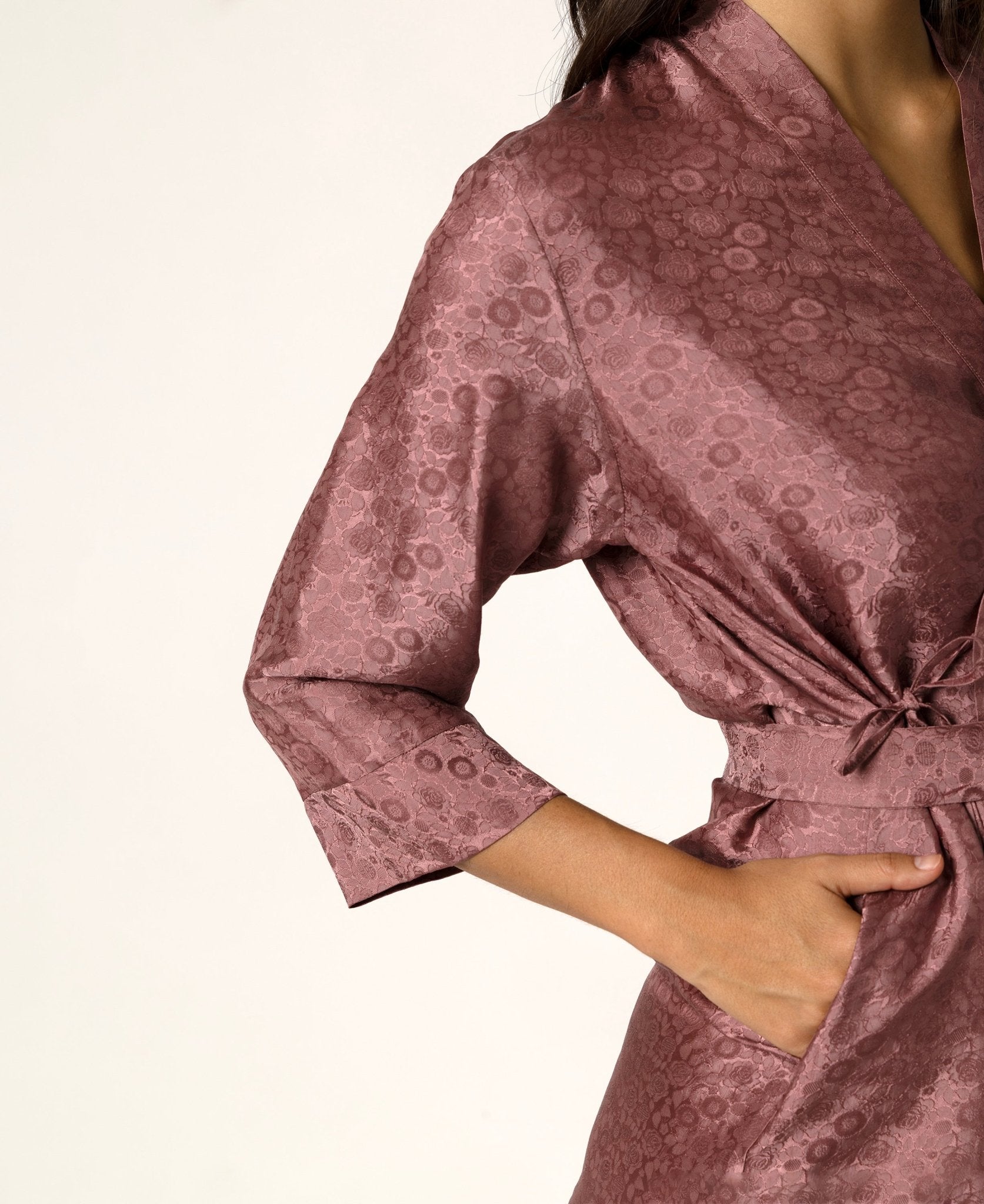
French seams lie flat against your skin. You cannot feel them. Run your hand along the inside of a Tara Sartoria robe and you will find no raised ridges, no exposed thread, no rough edges. Then run your hand along the inside of a factory-sewn silk robe with overlocked seams. The difference is tactile and immediate.
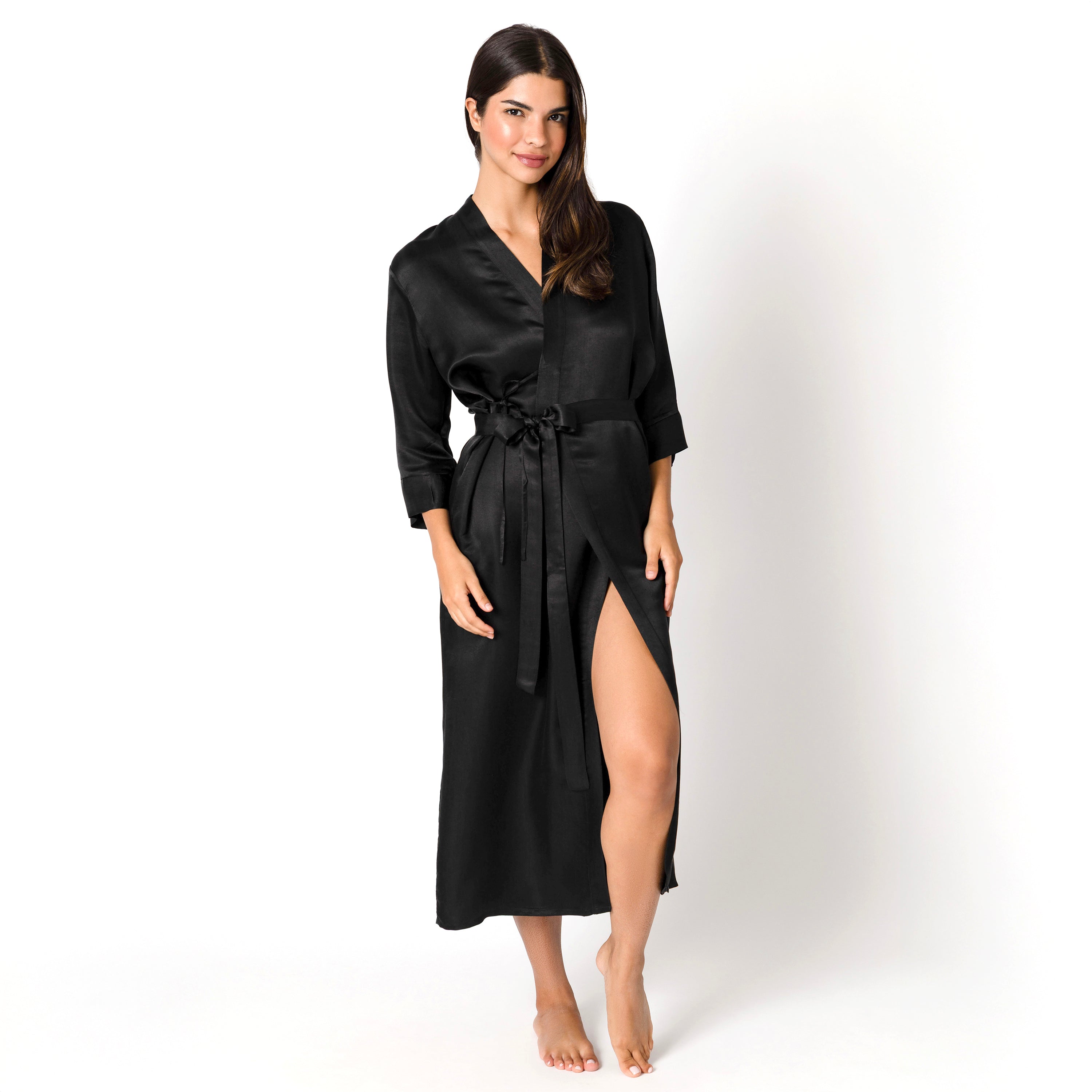
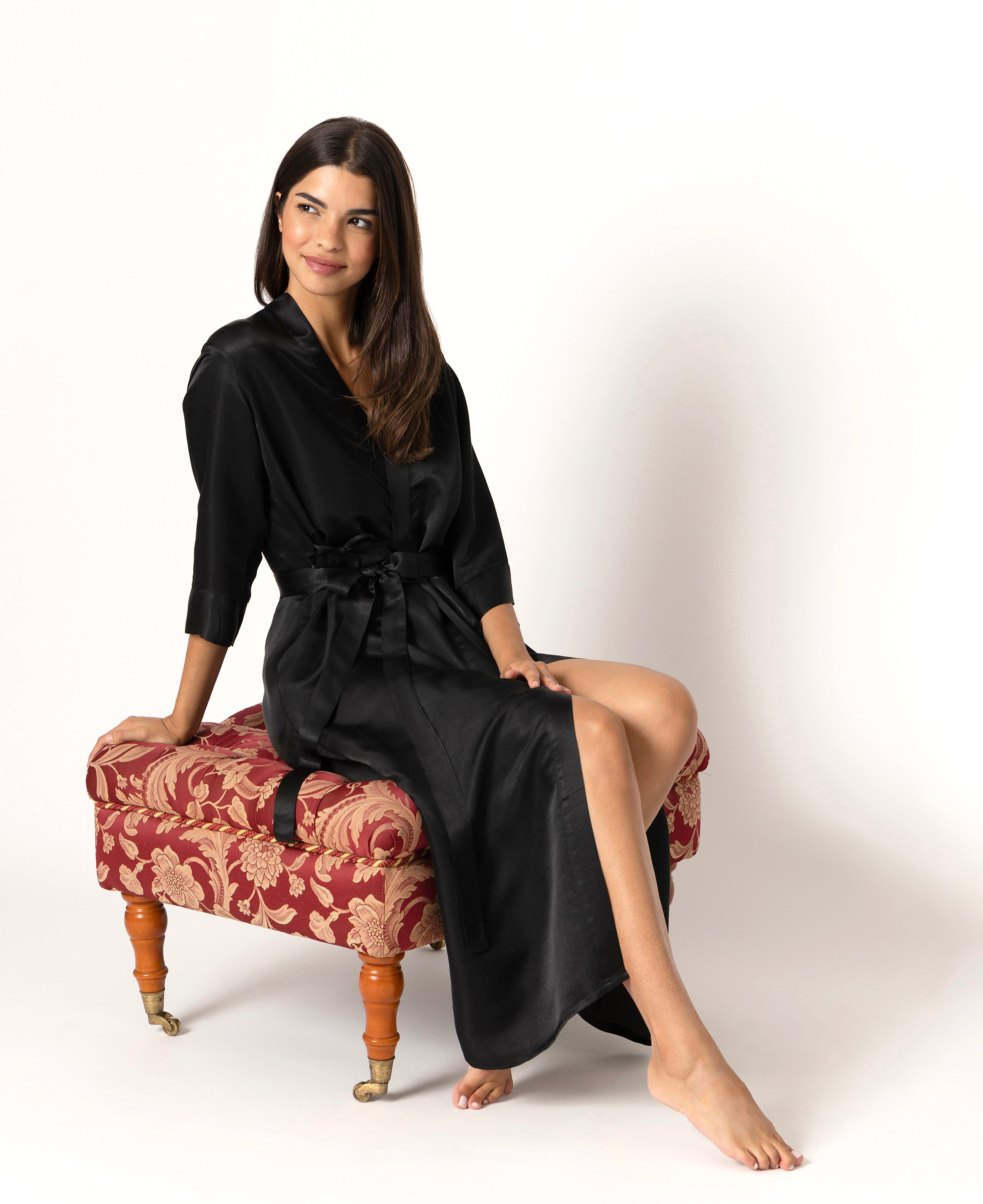
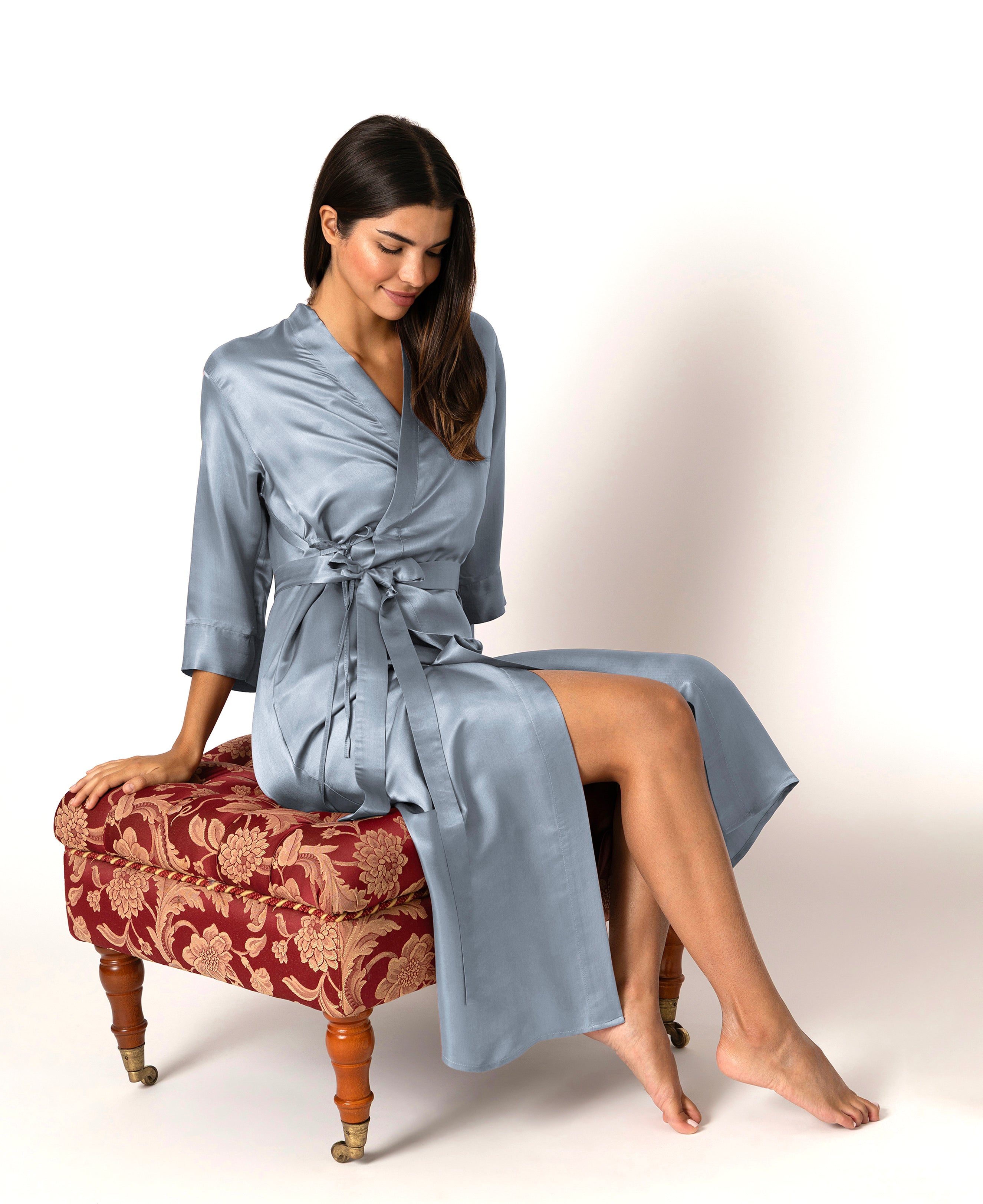
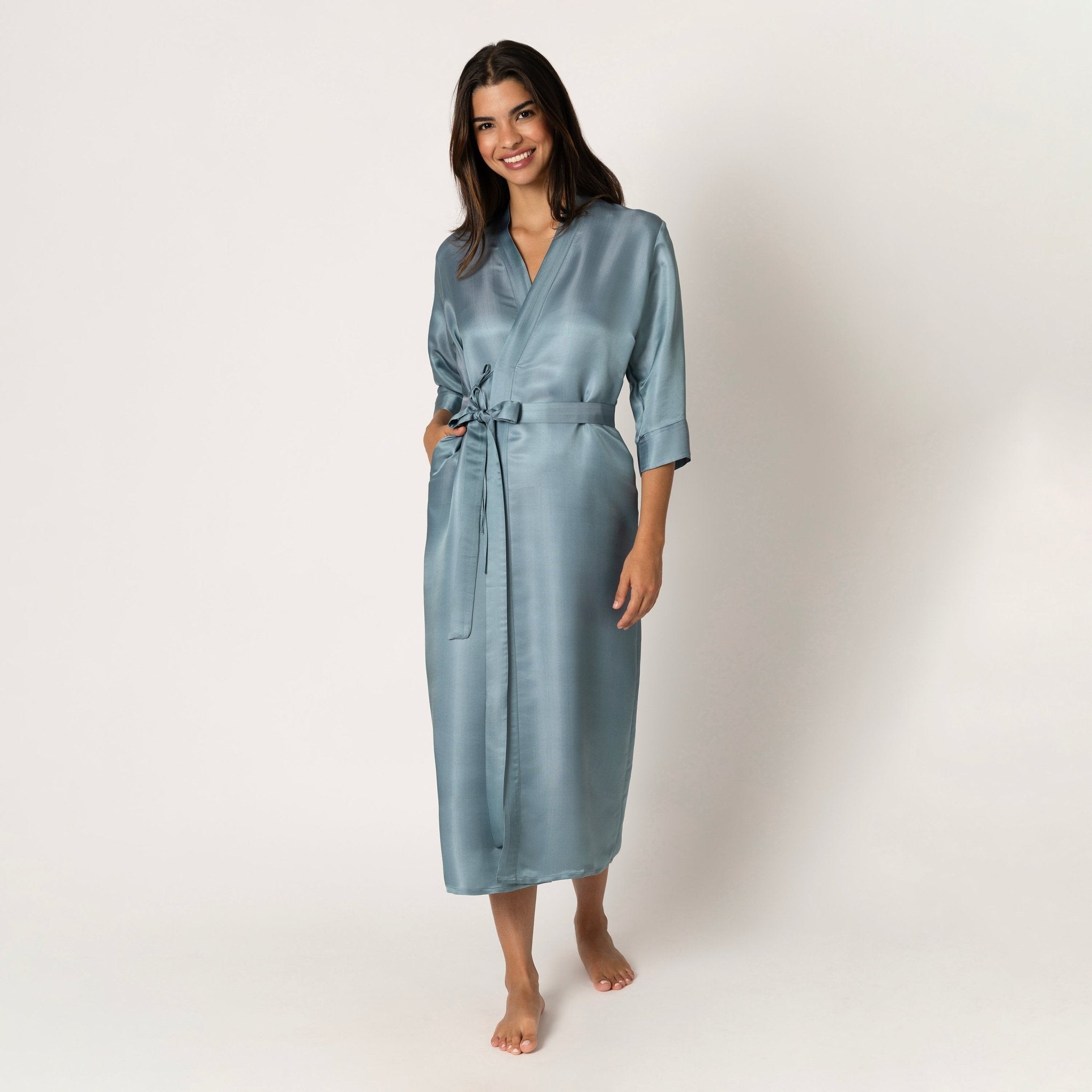
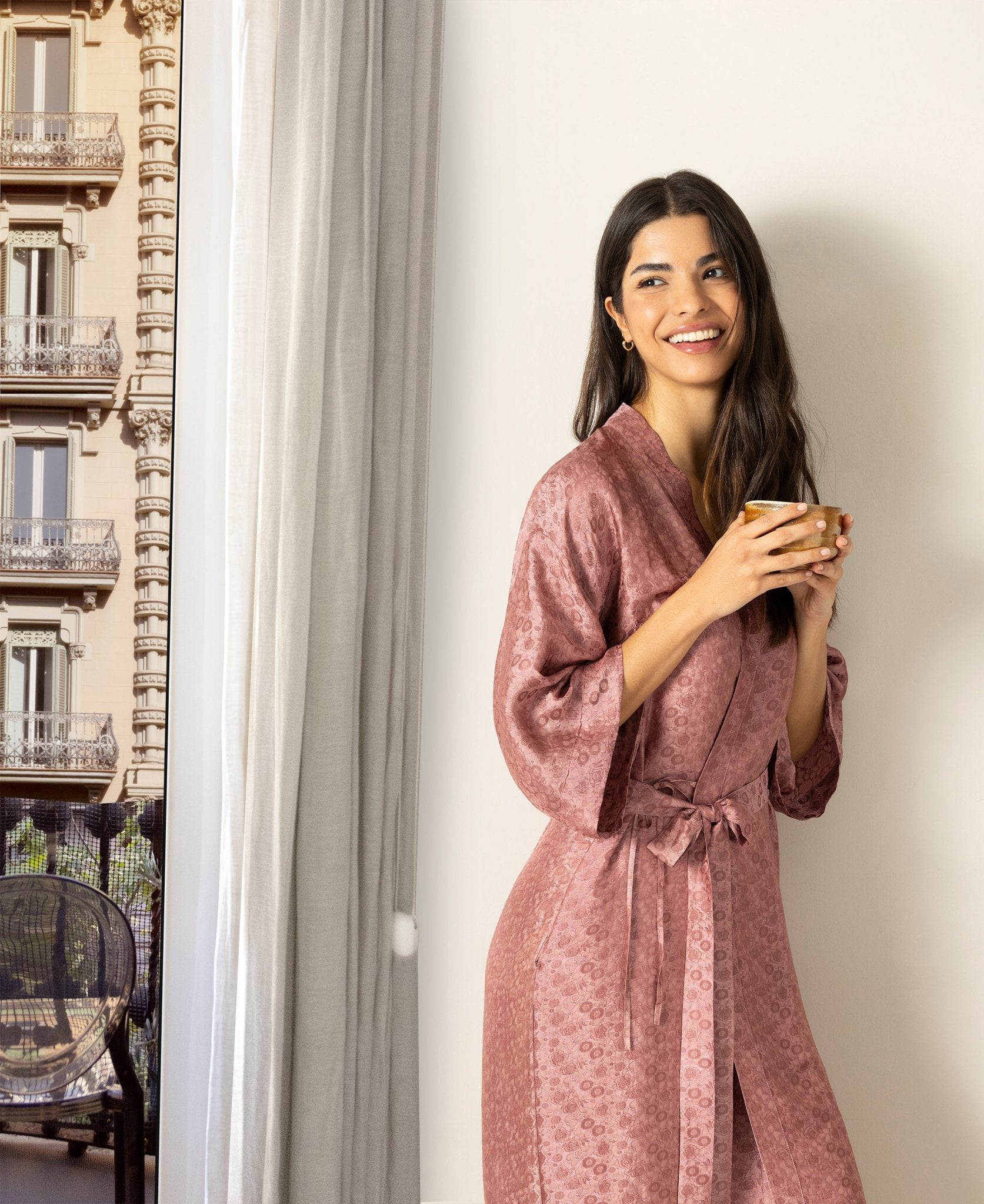
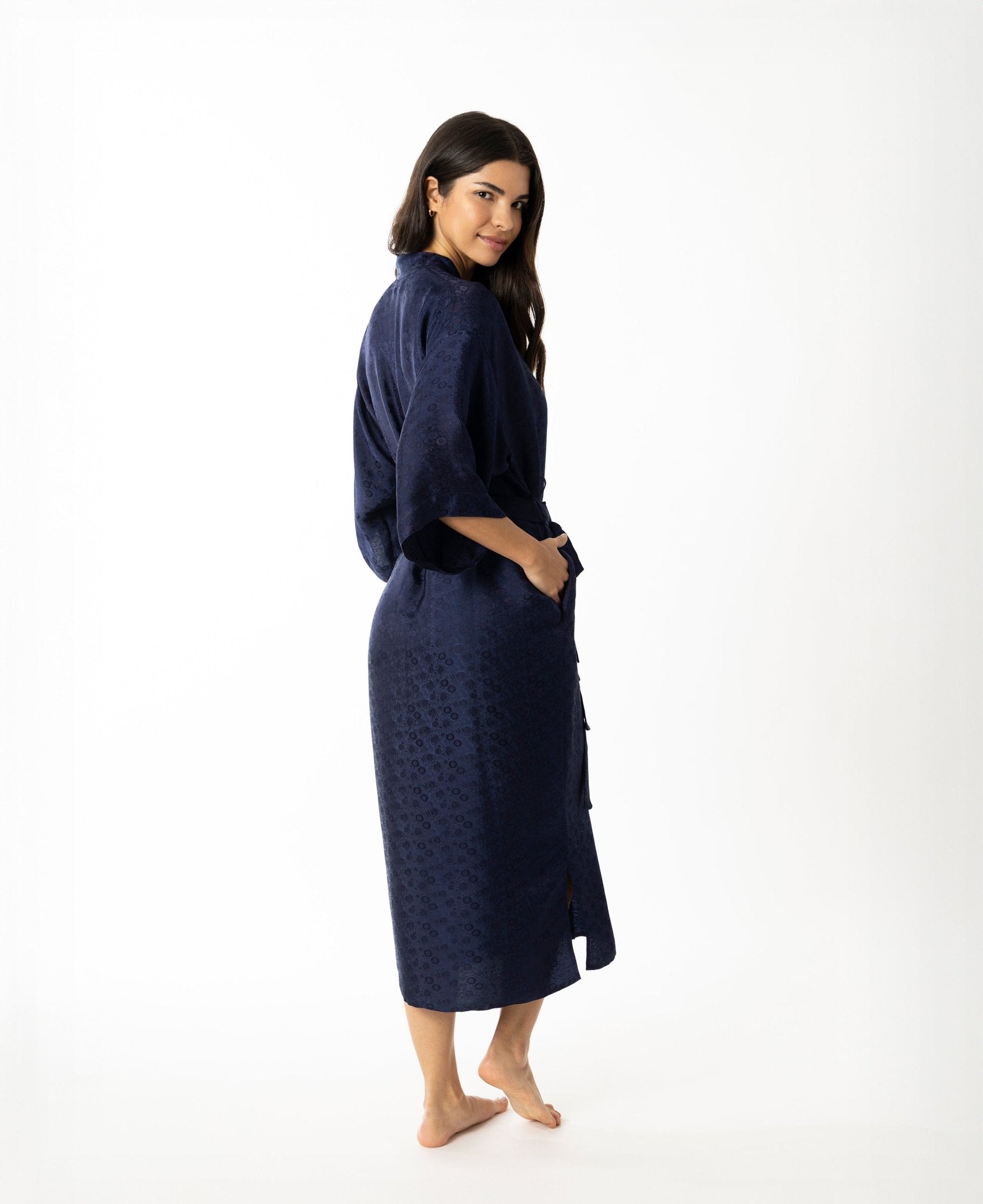
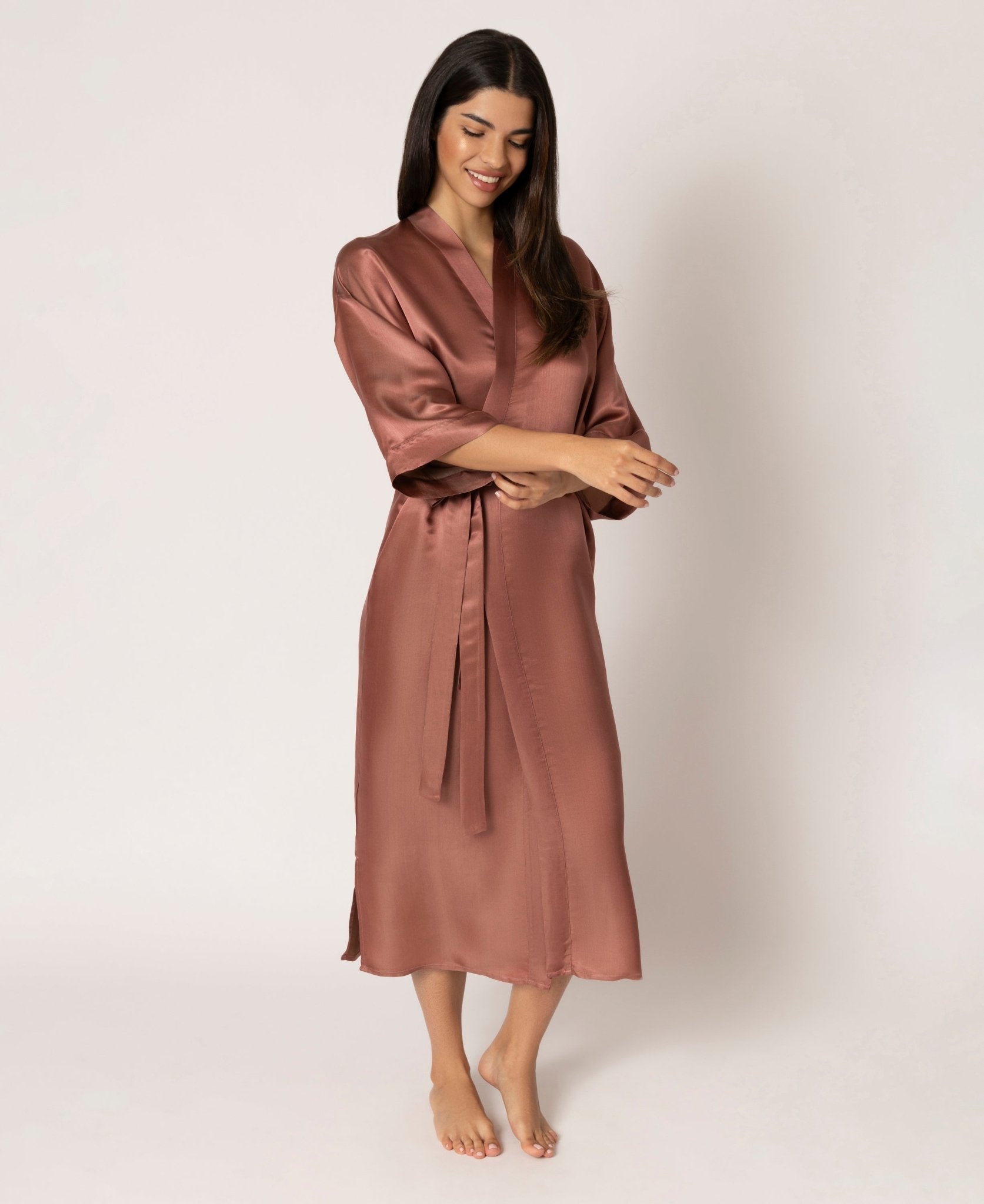
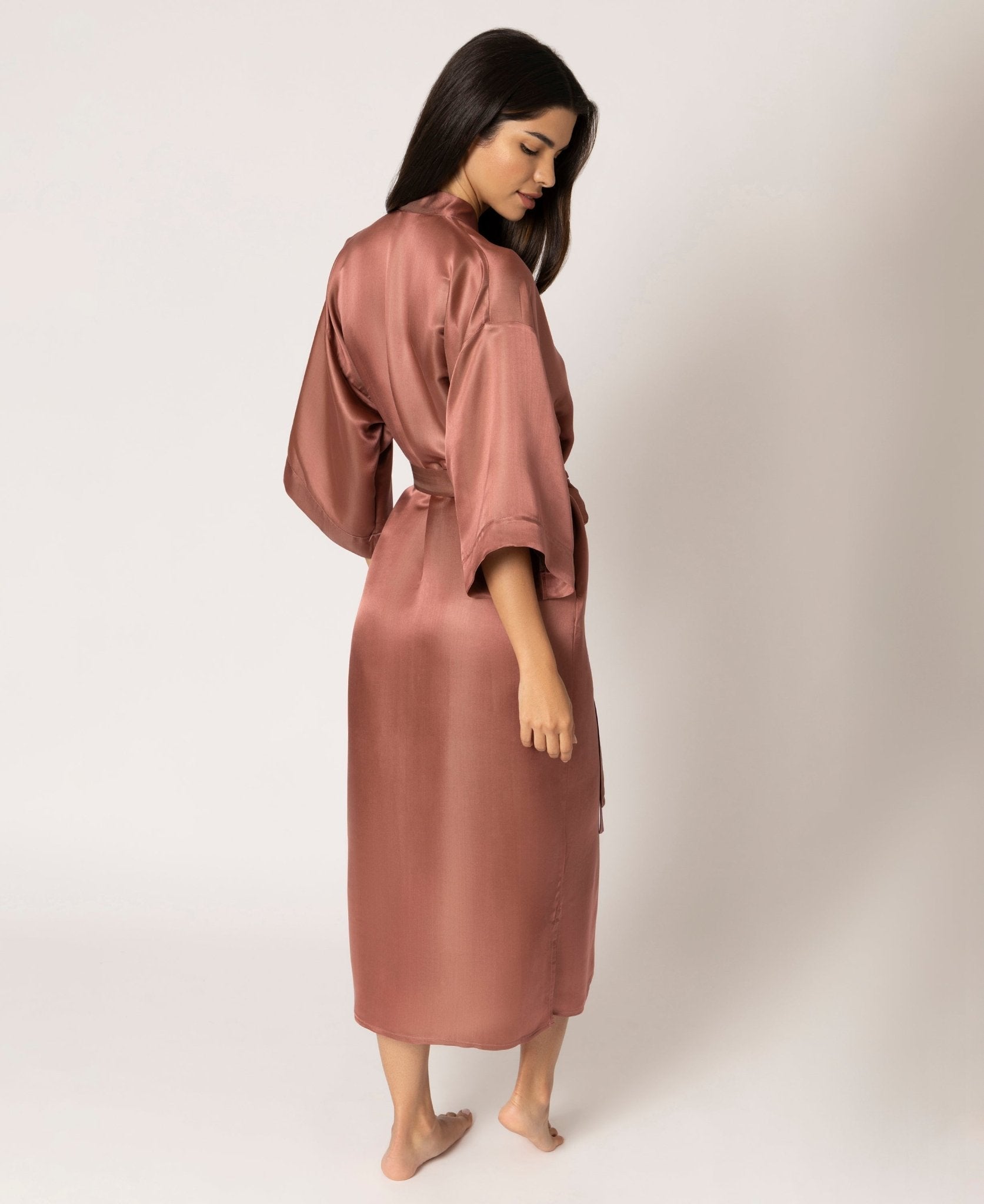
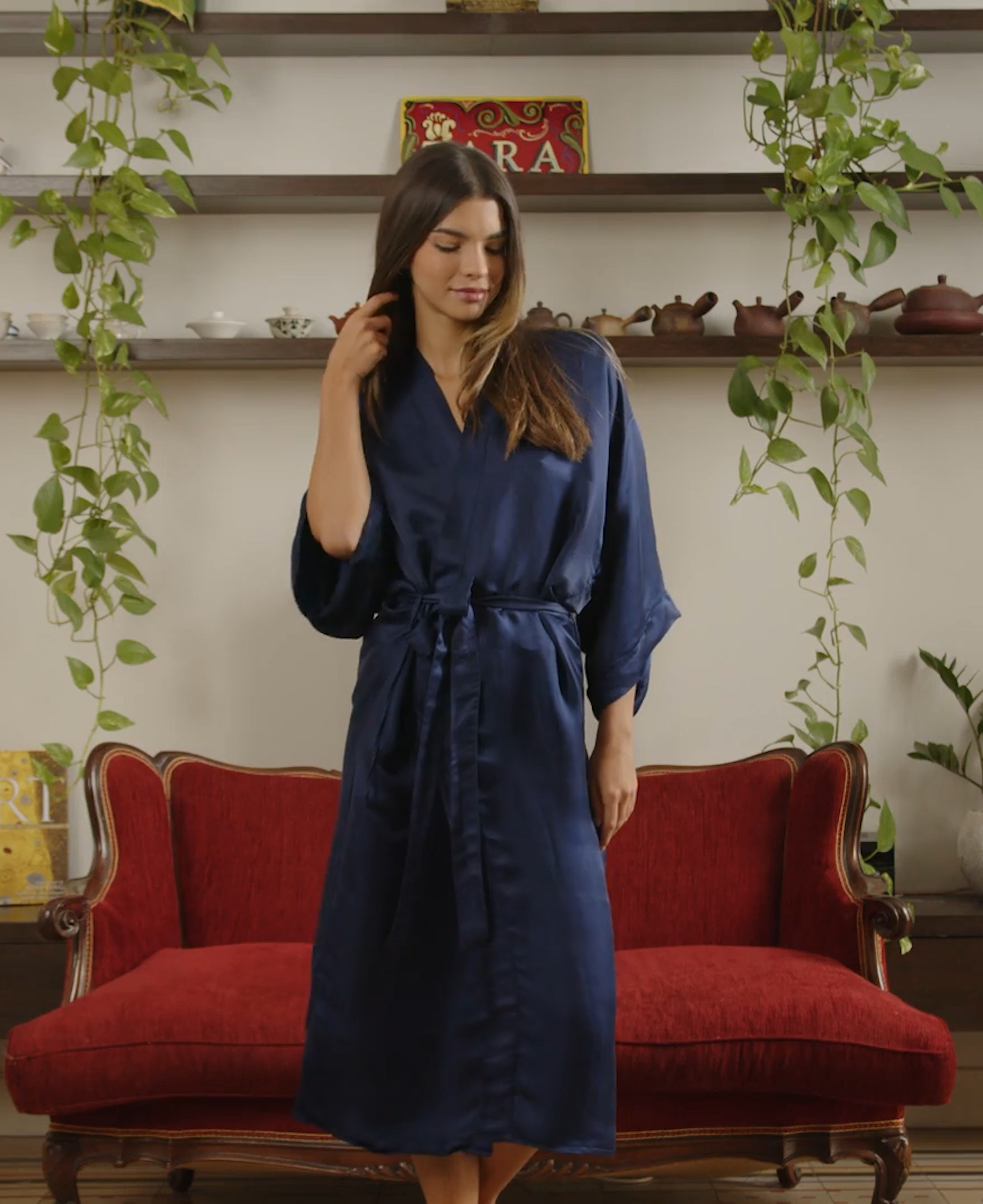
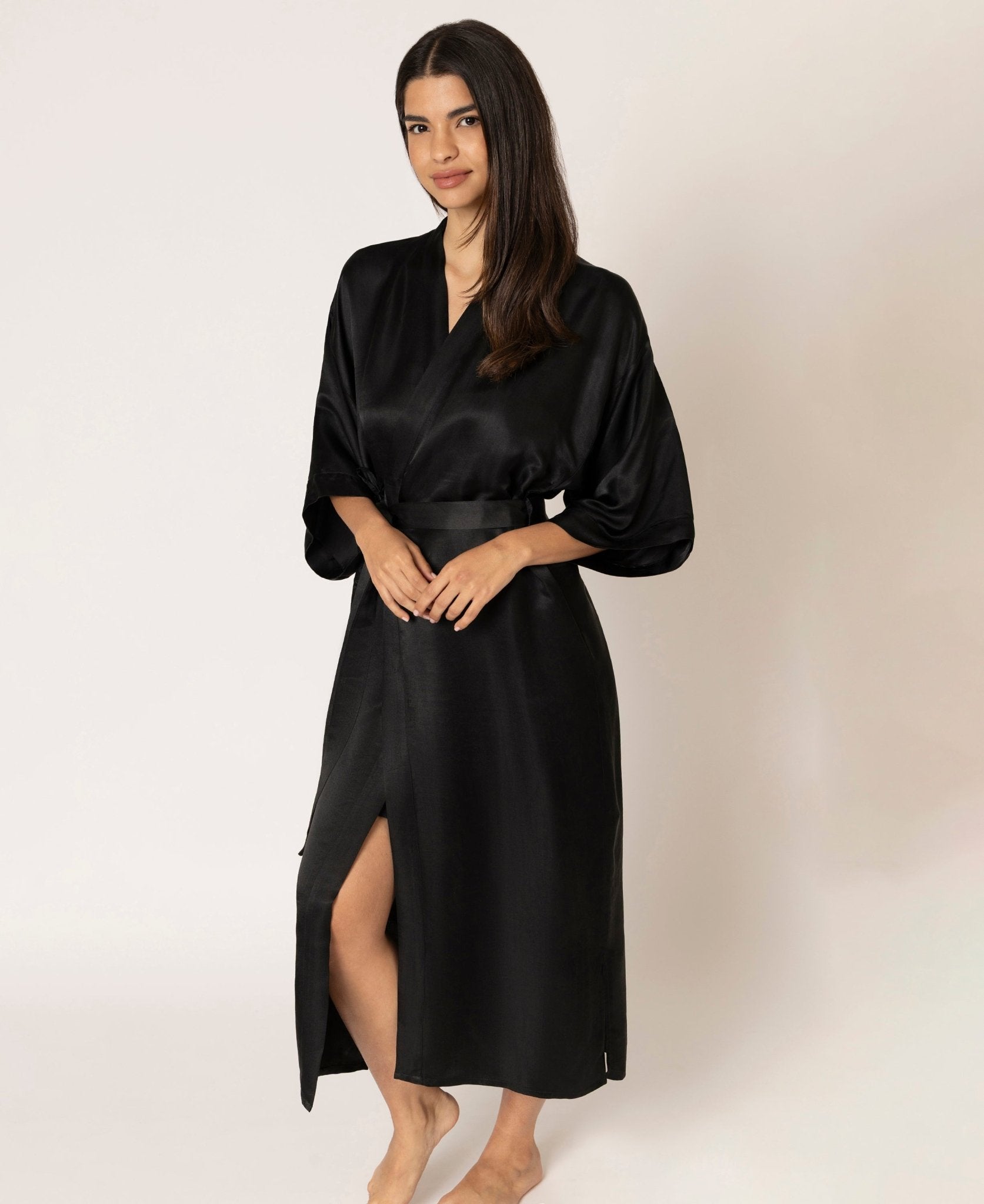
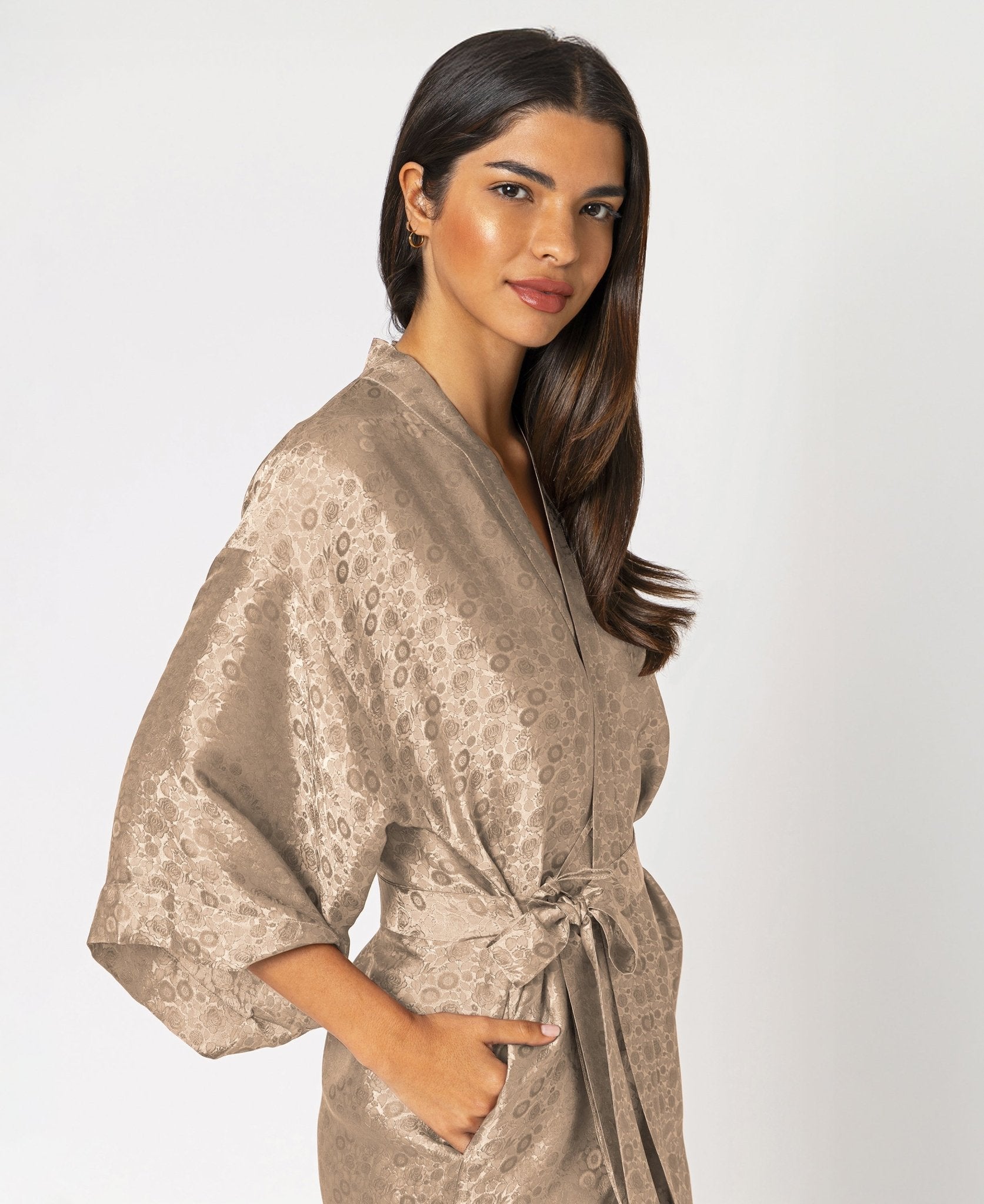
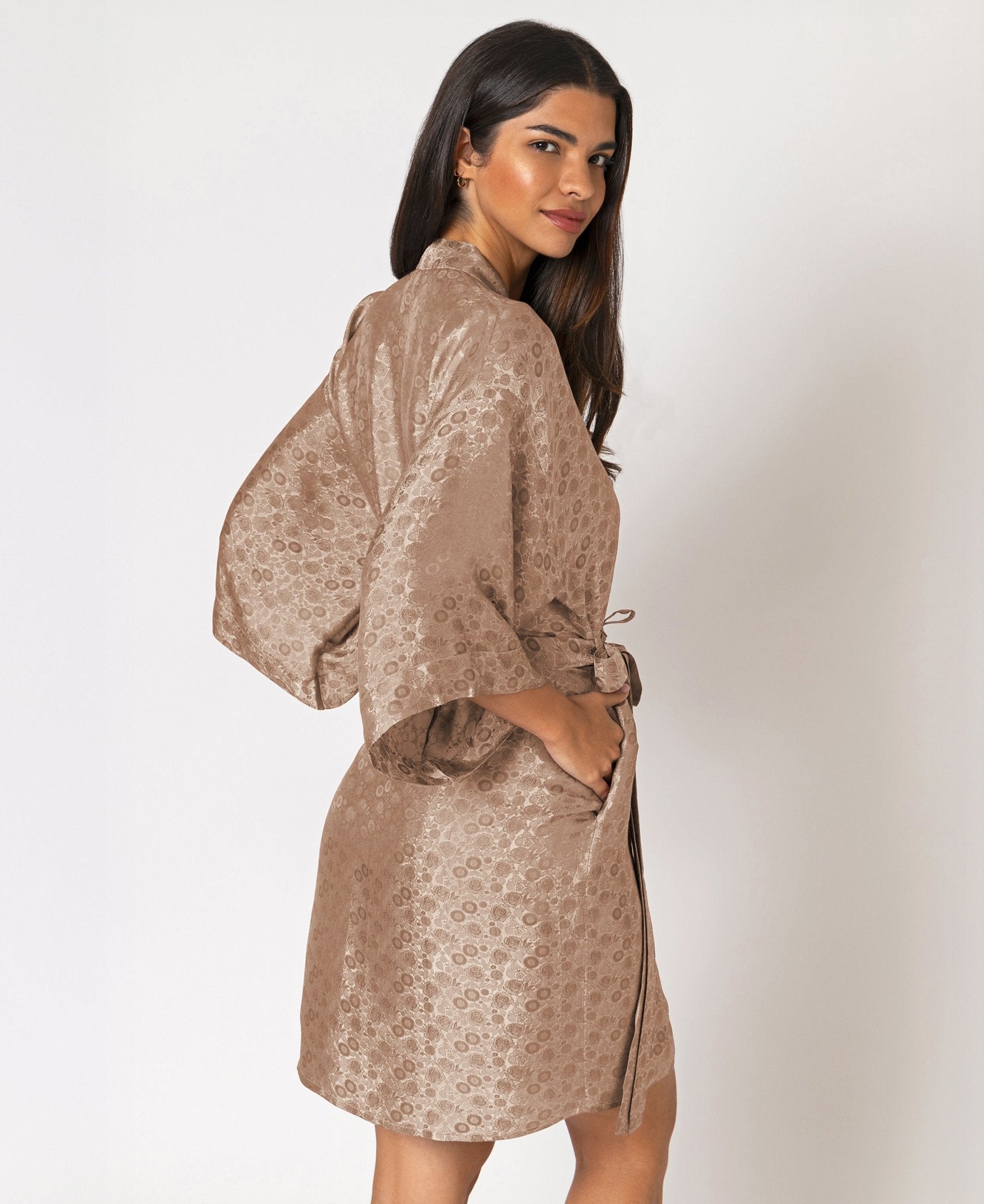
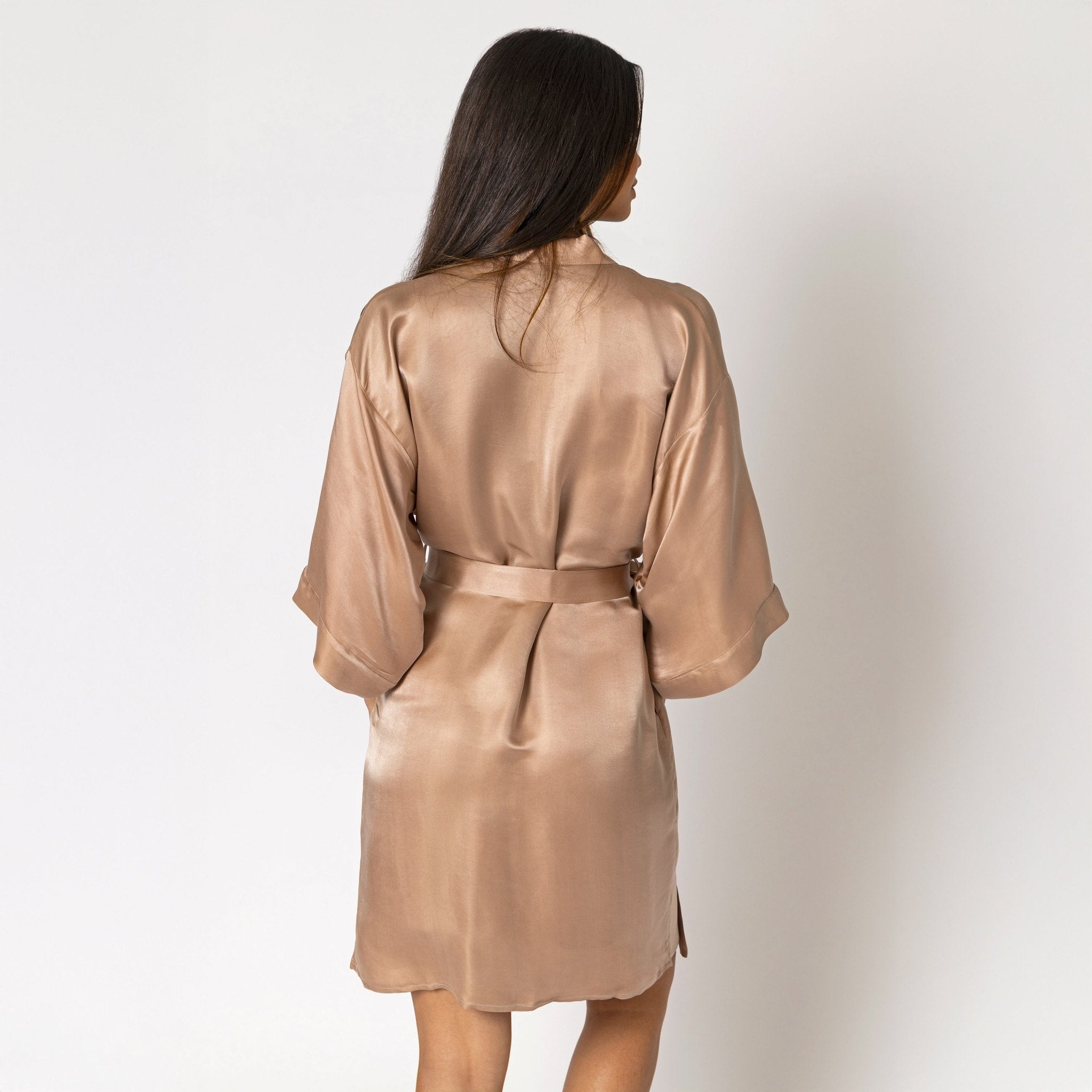
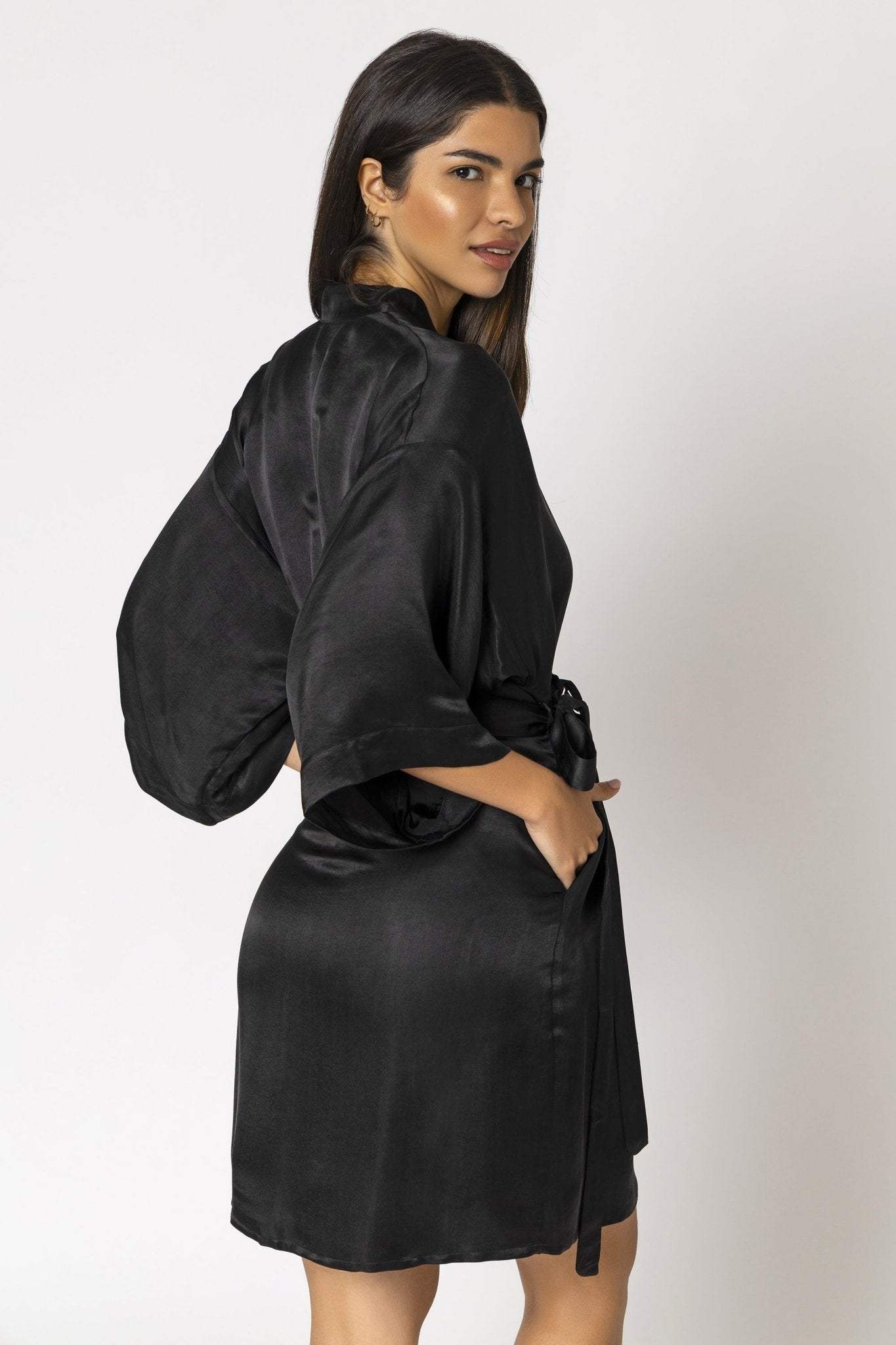
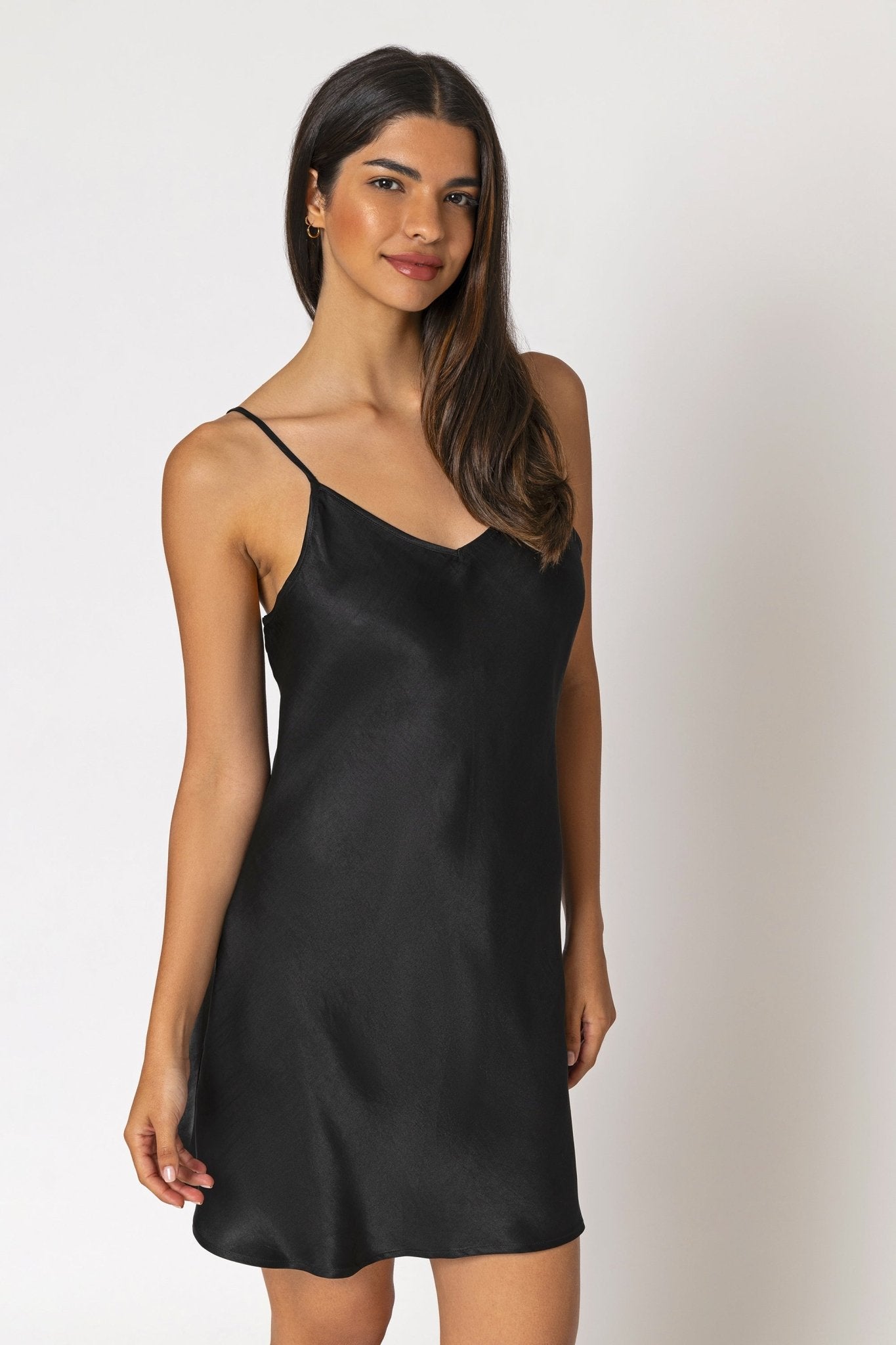
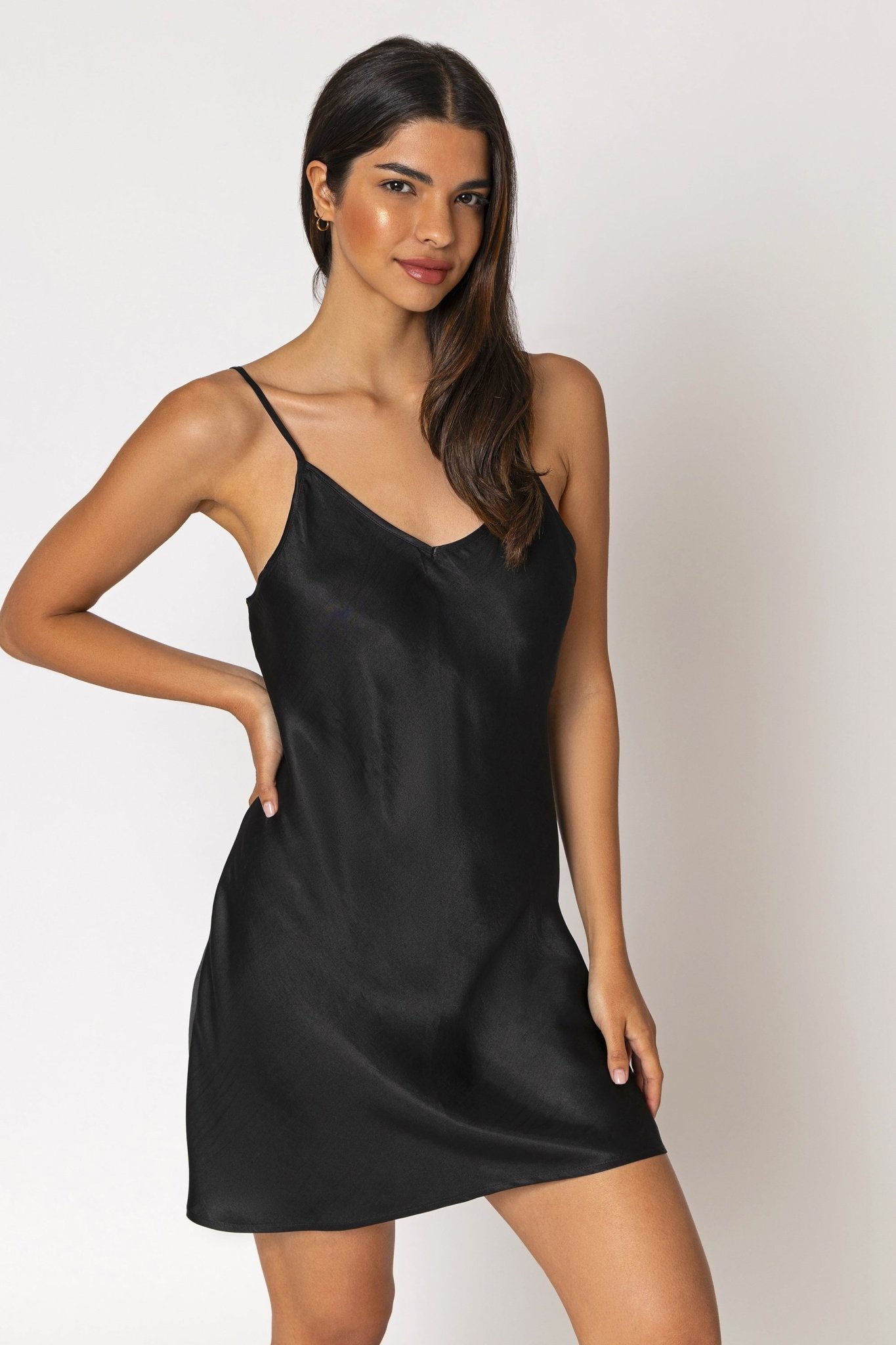
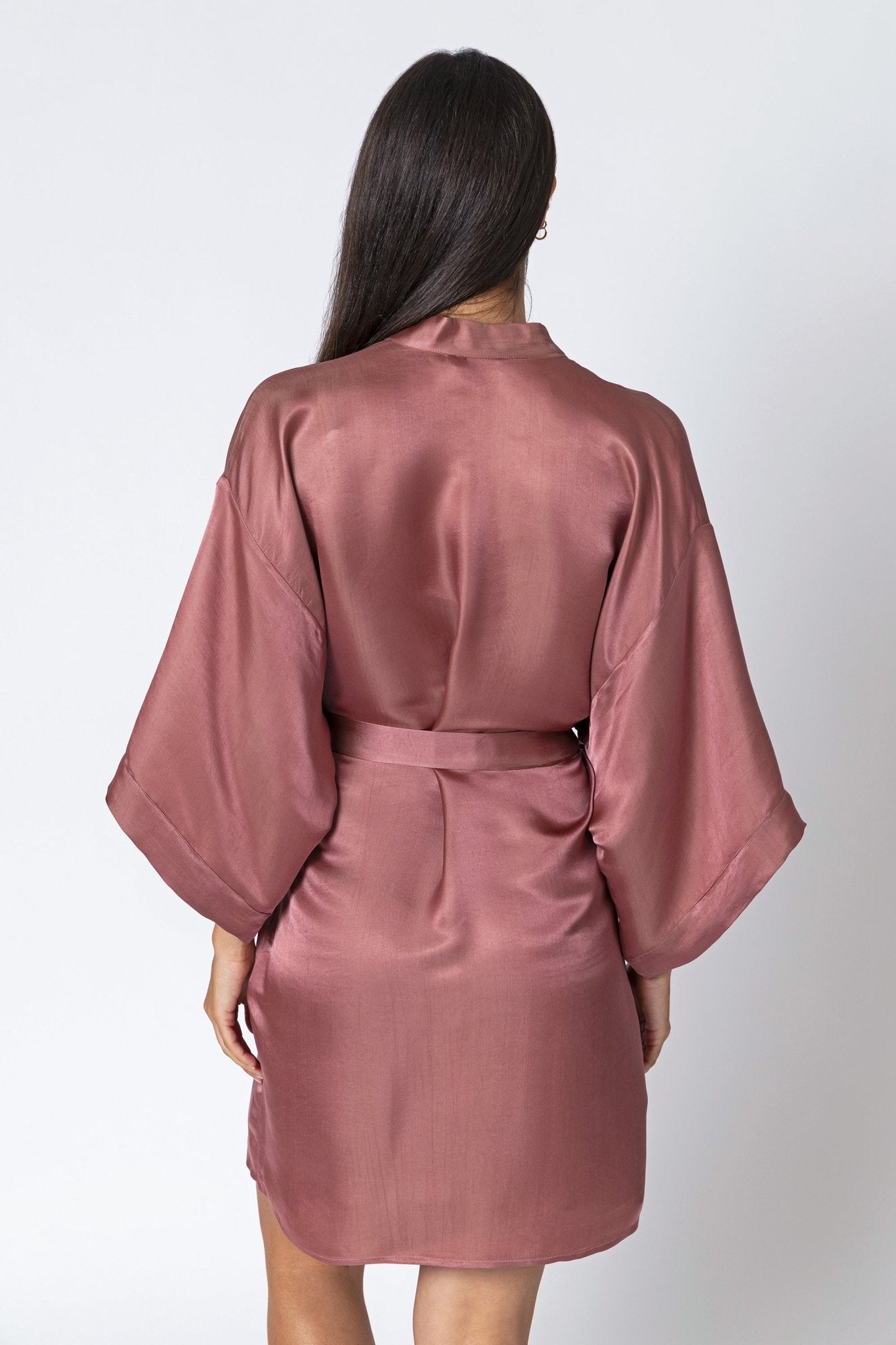
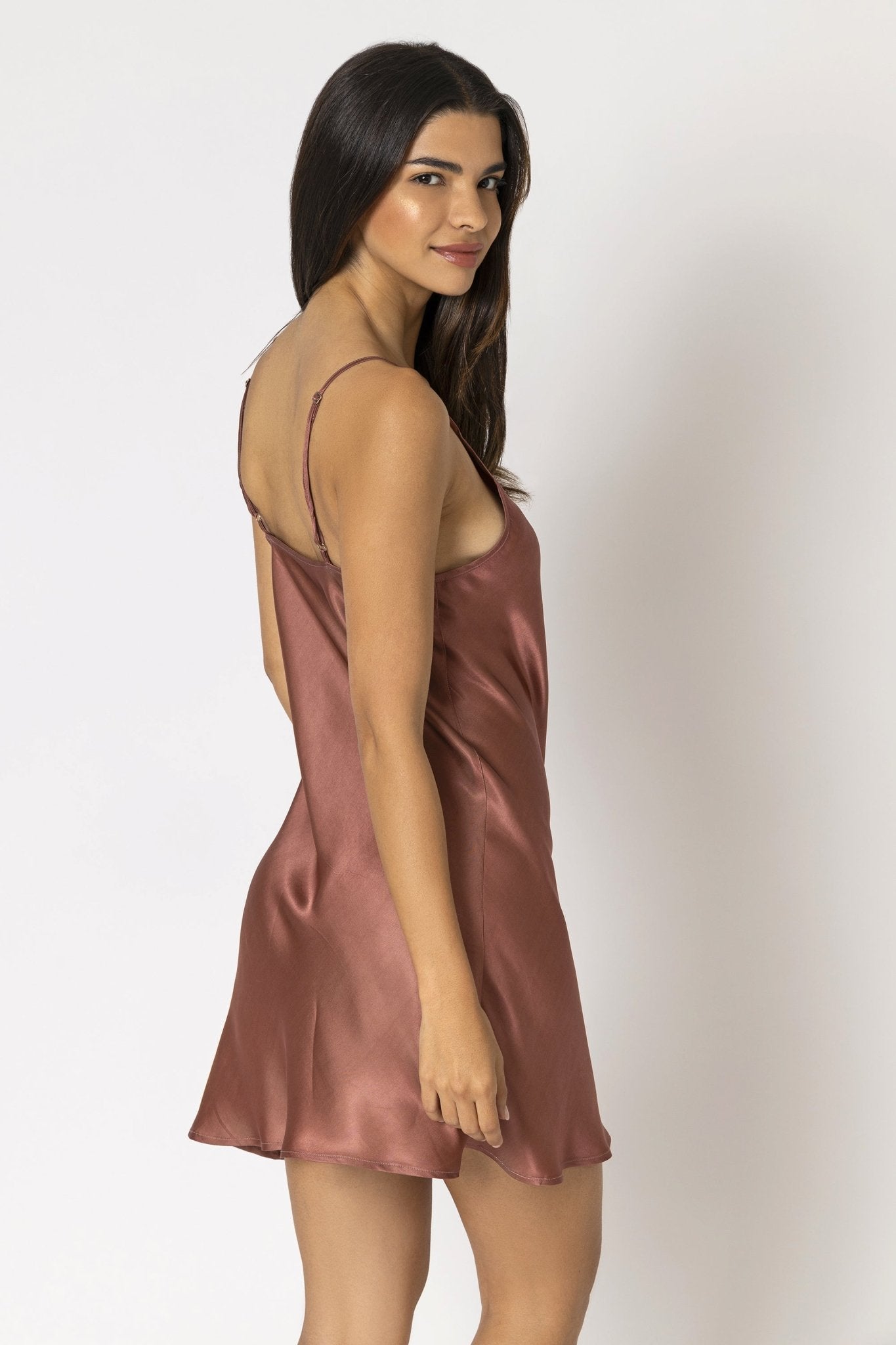
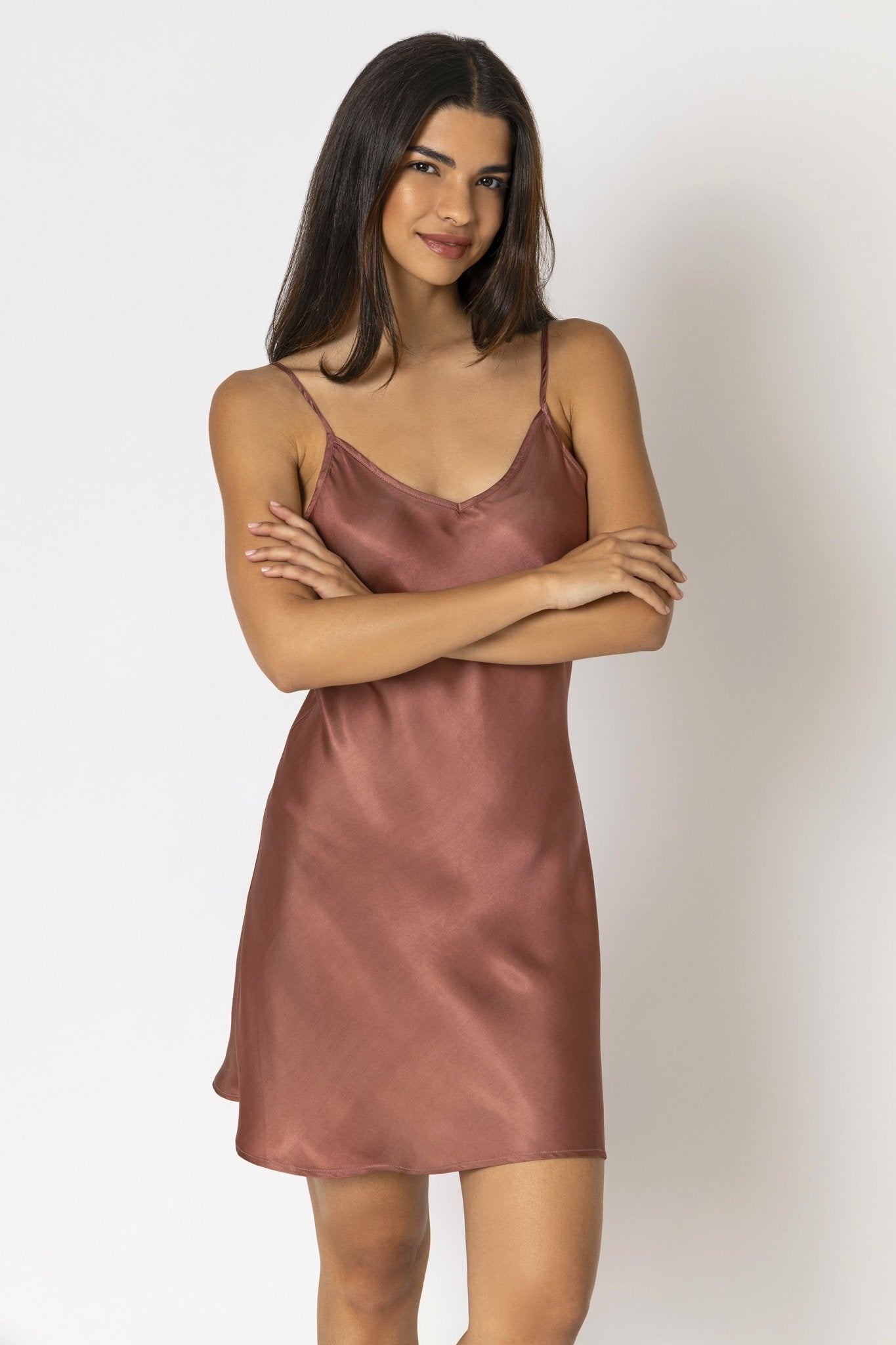
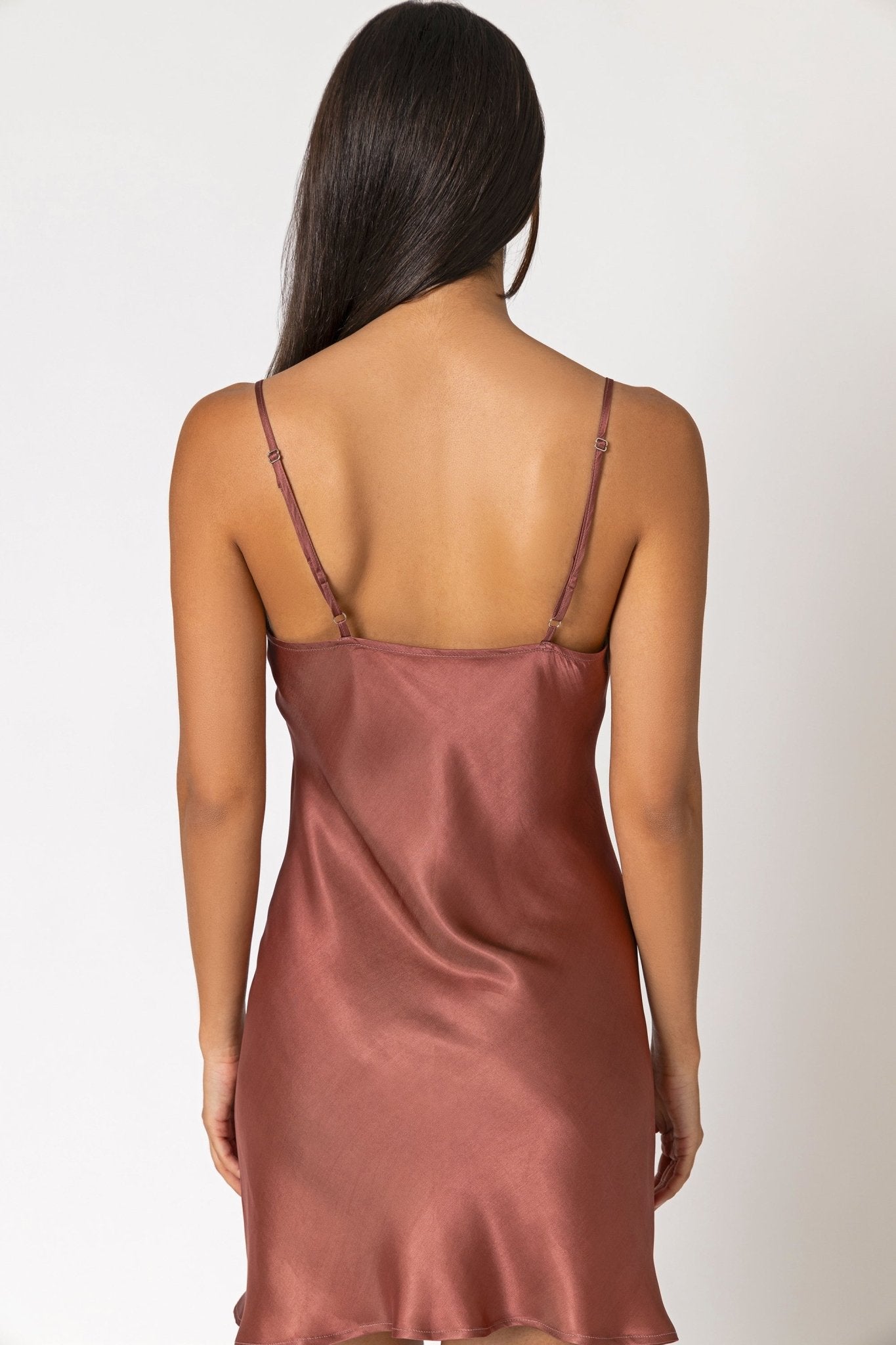
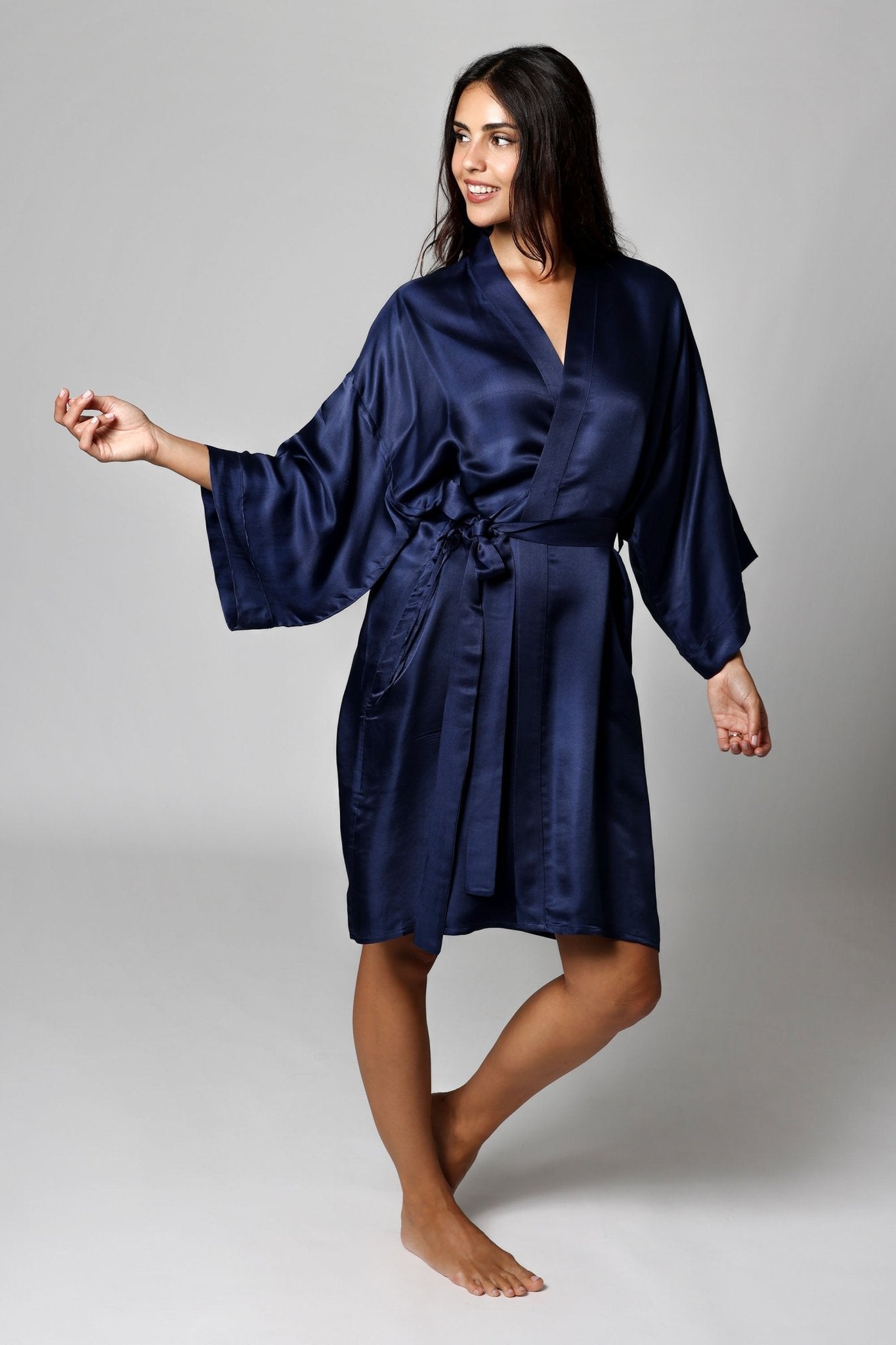
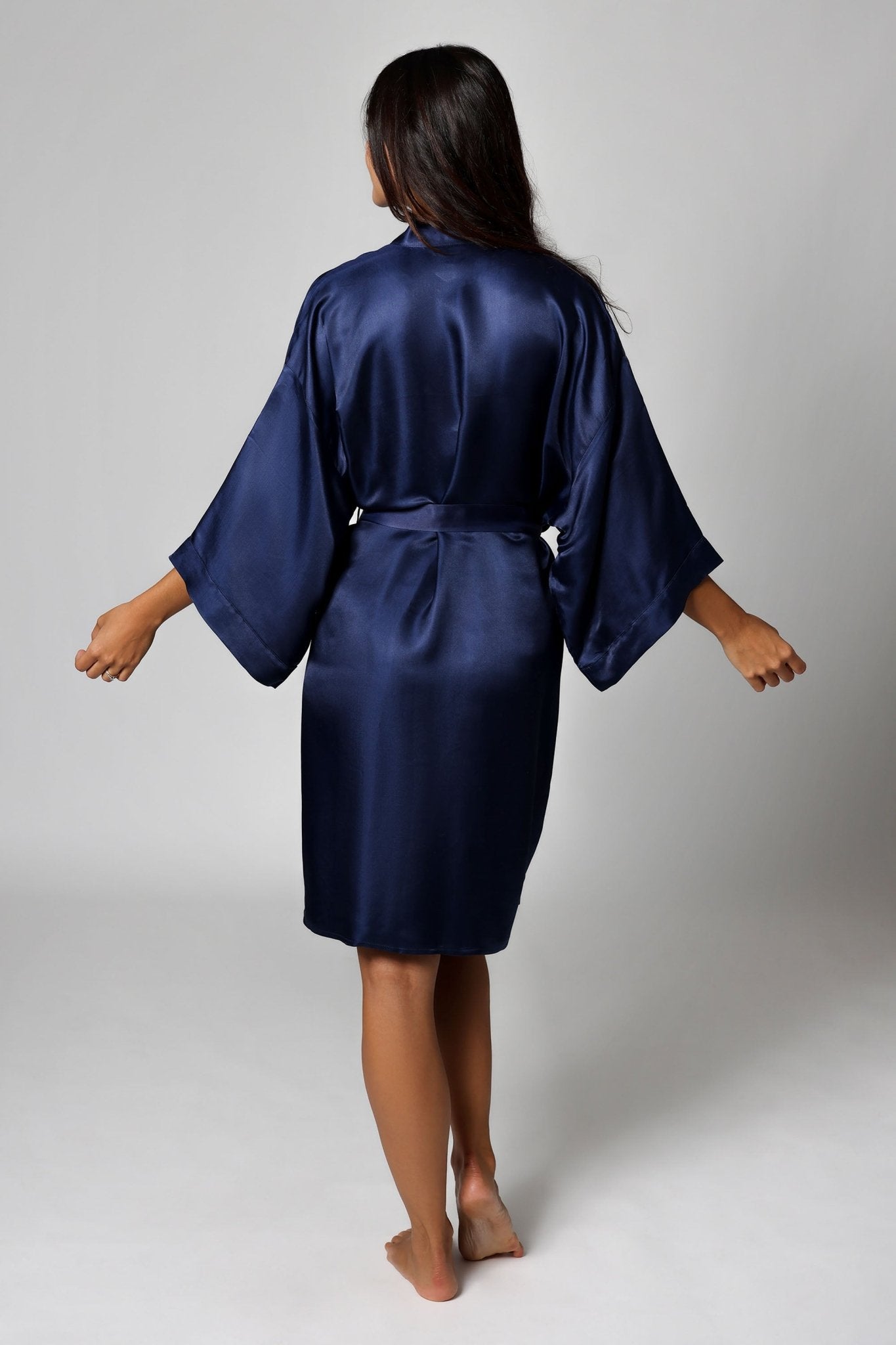
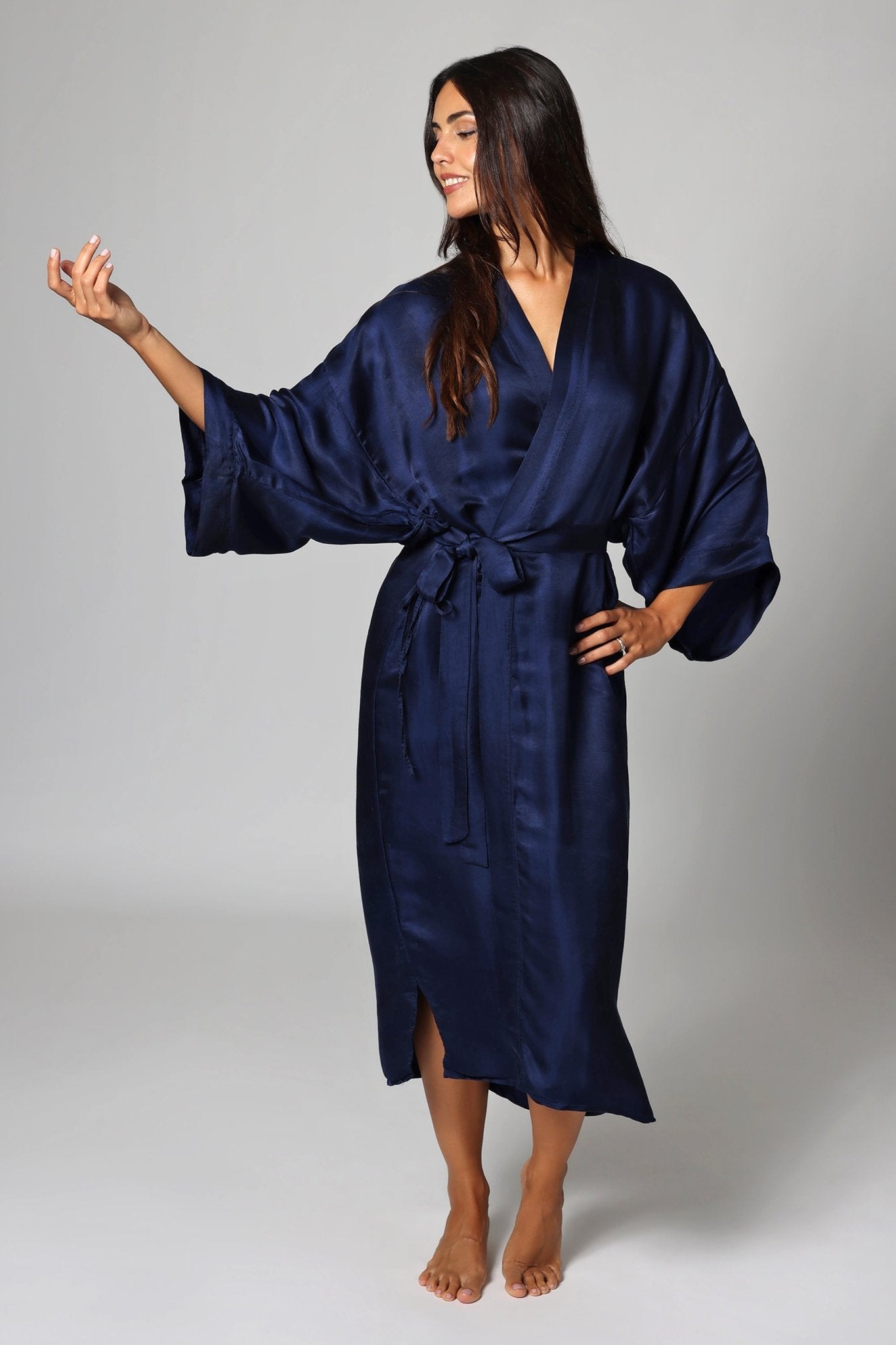
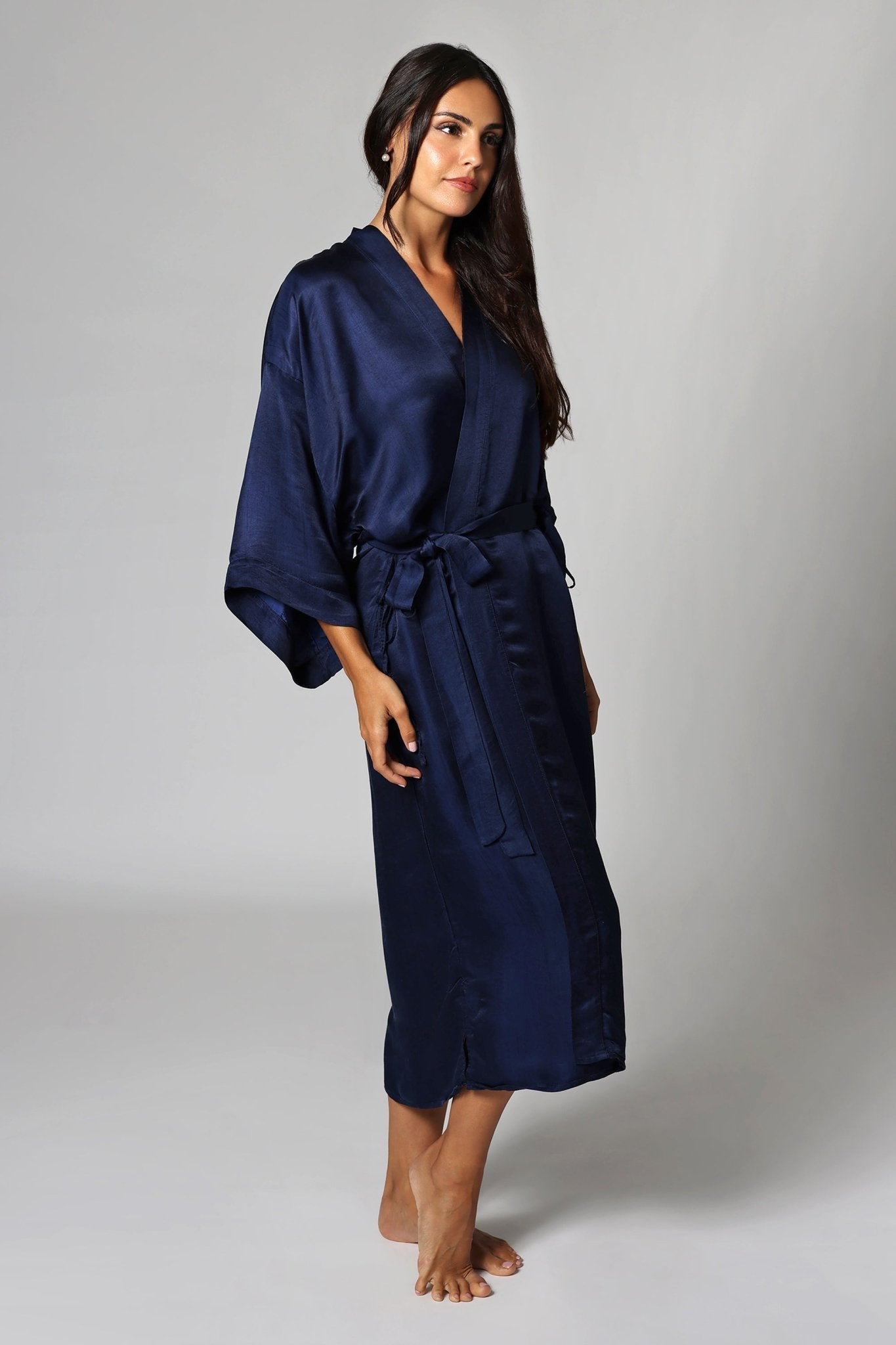
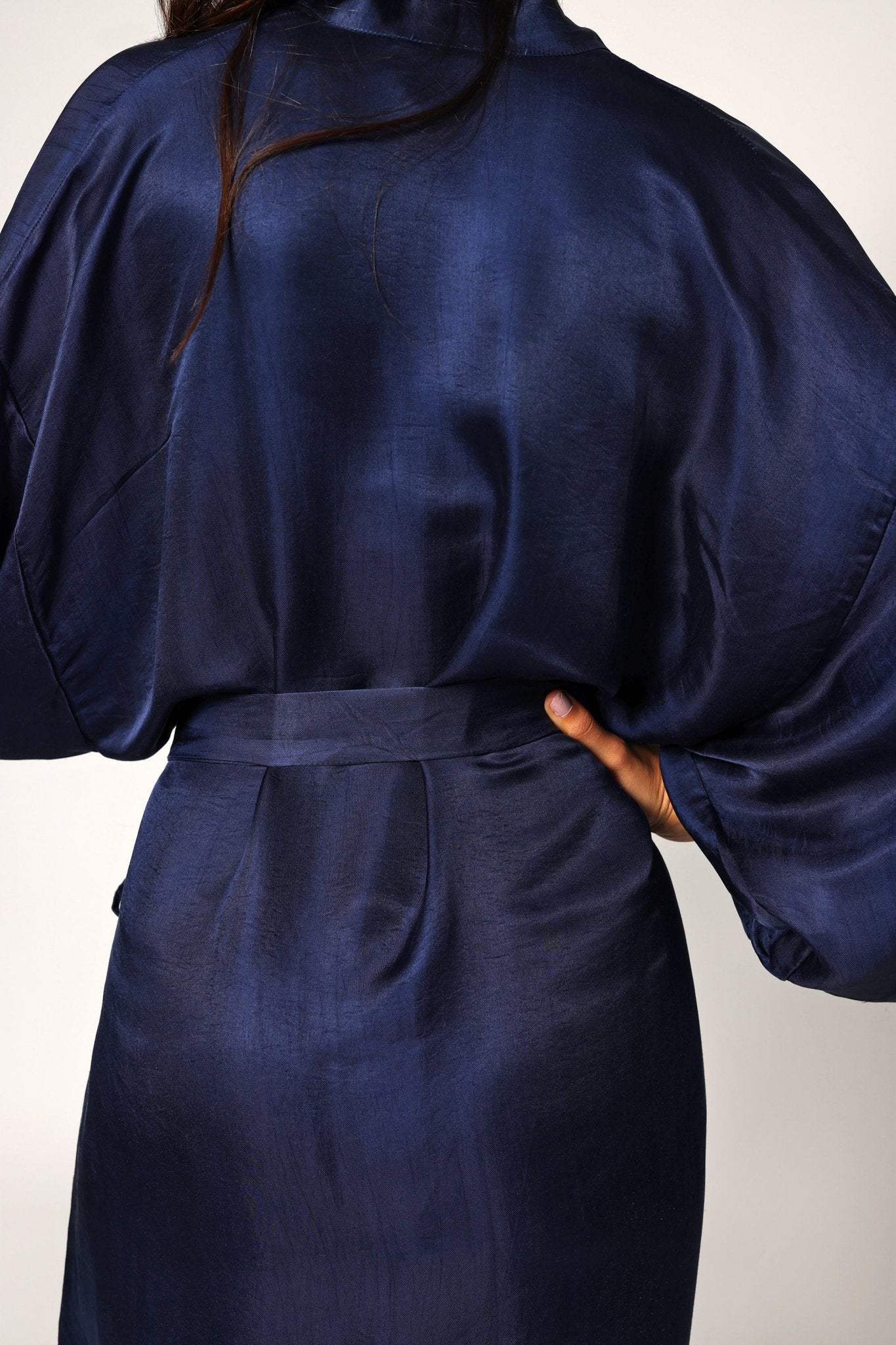
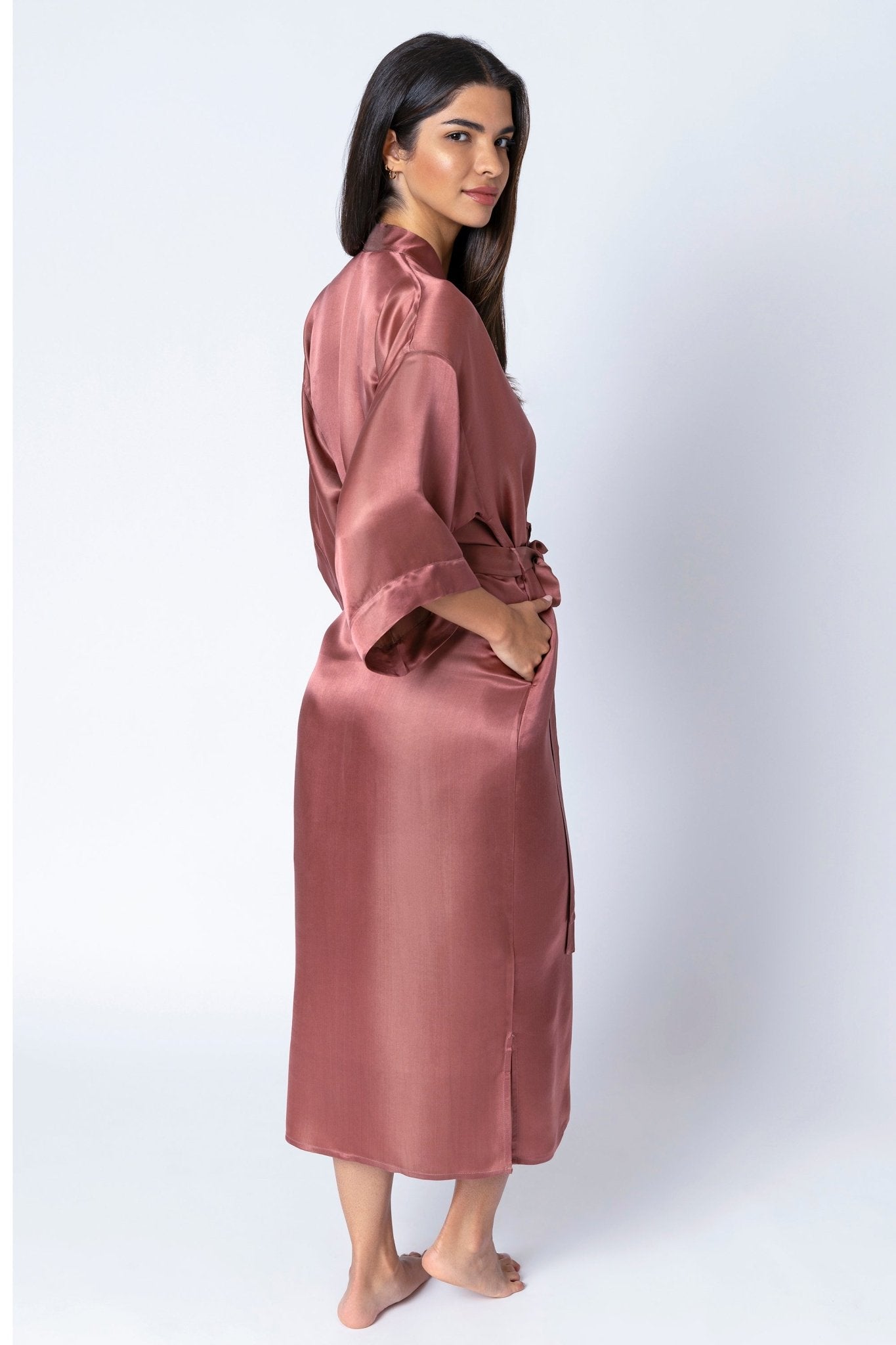
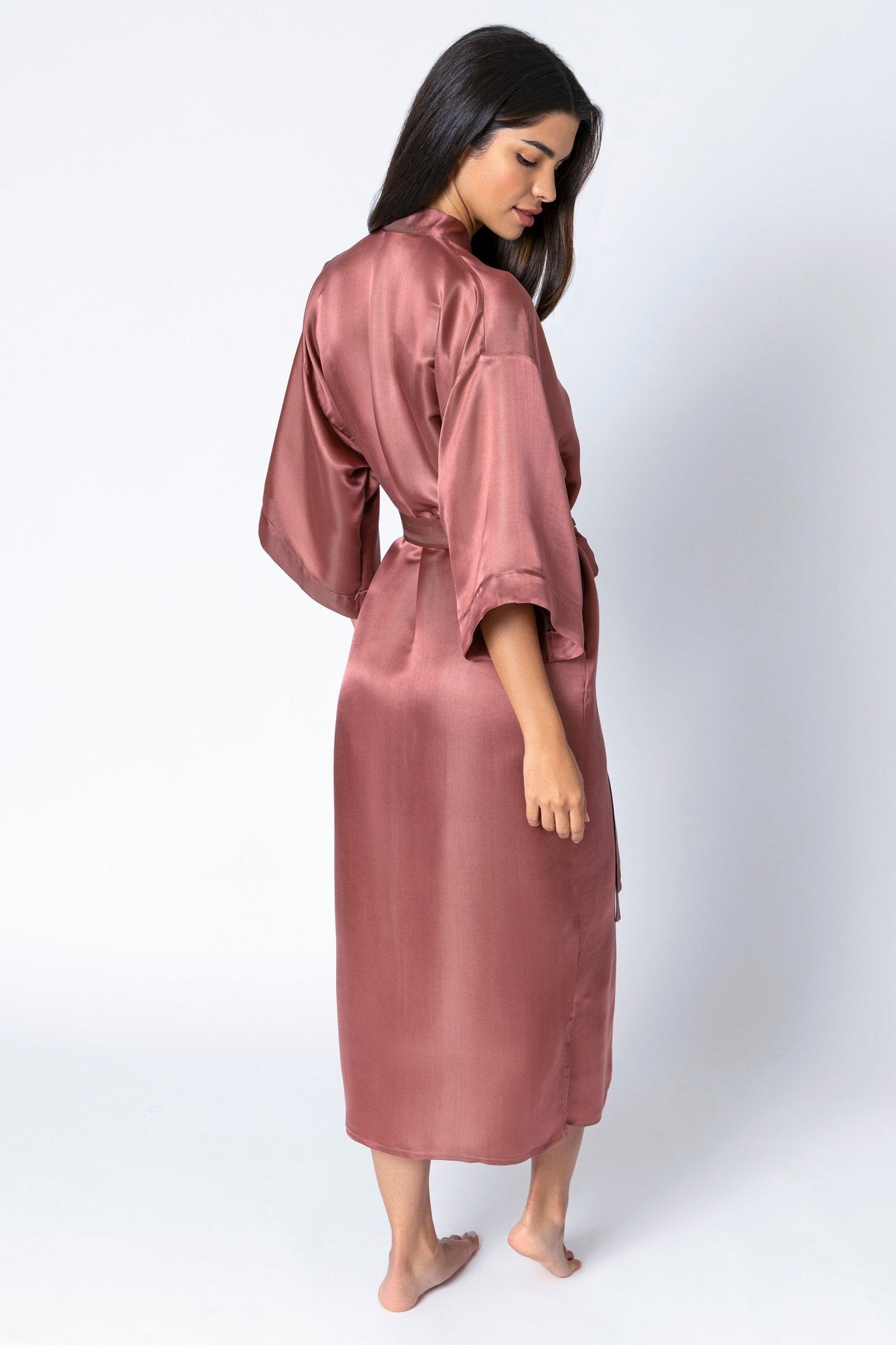
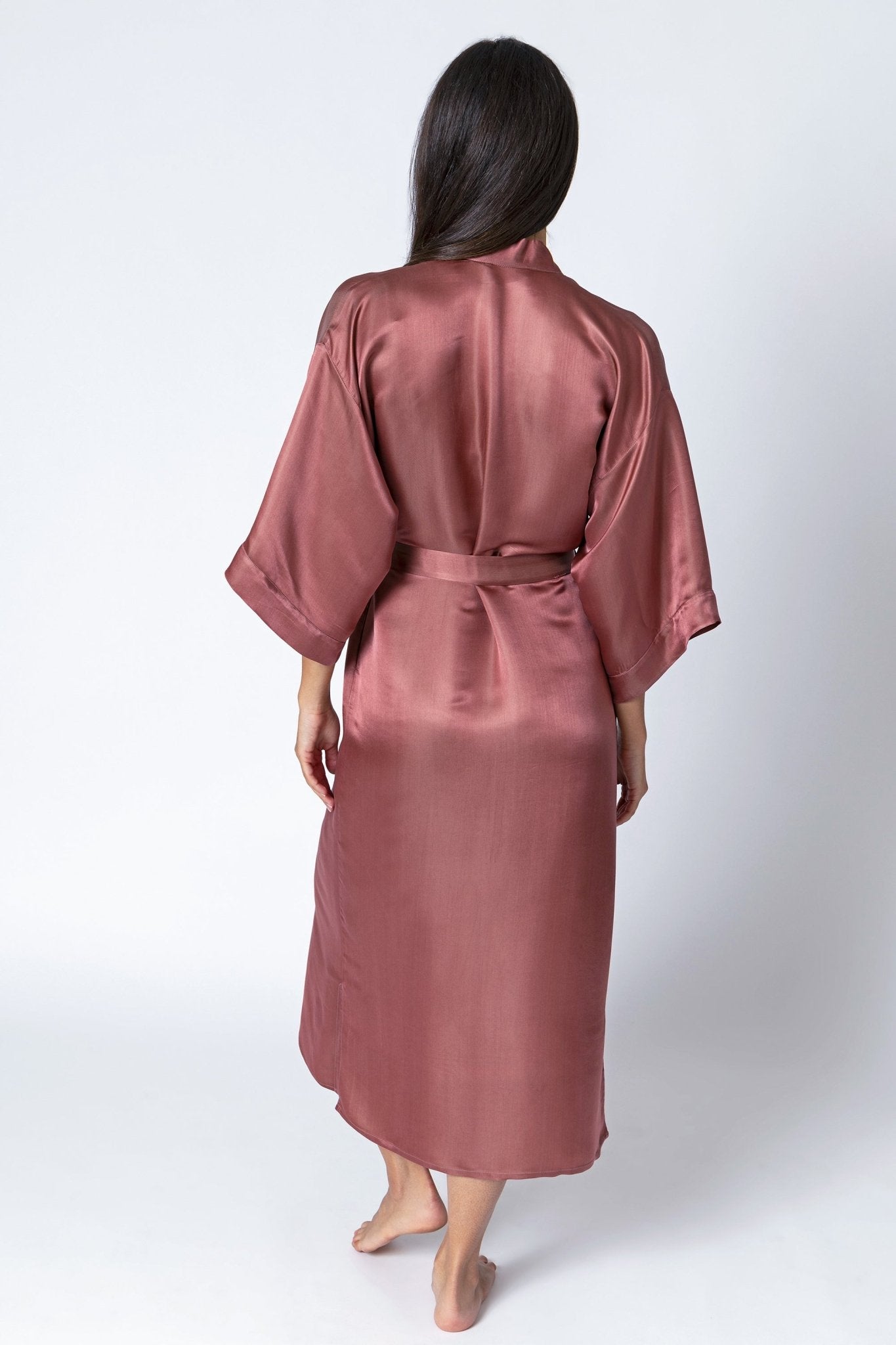
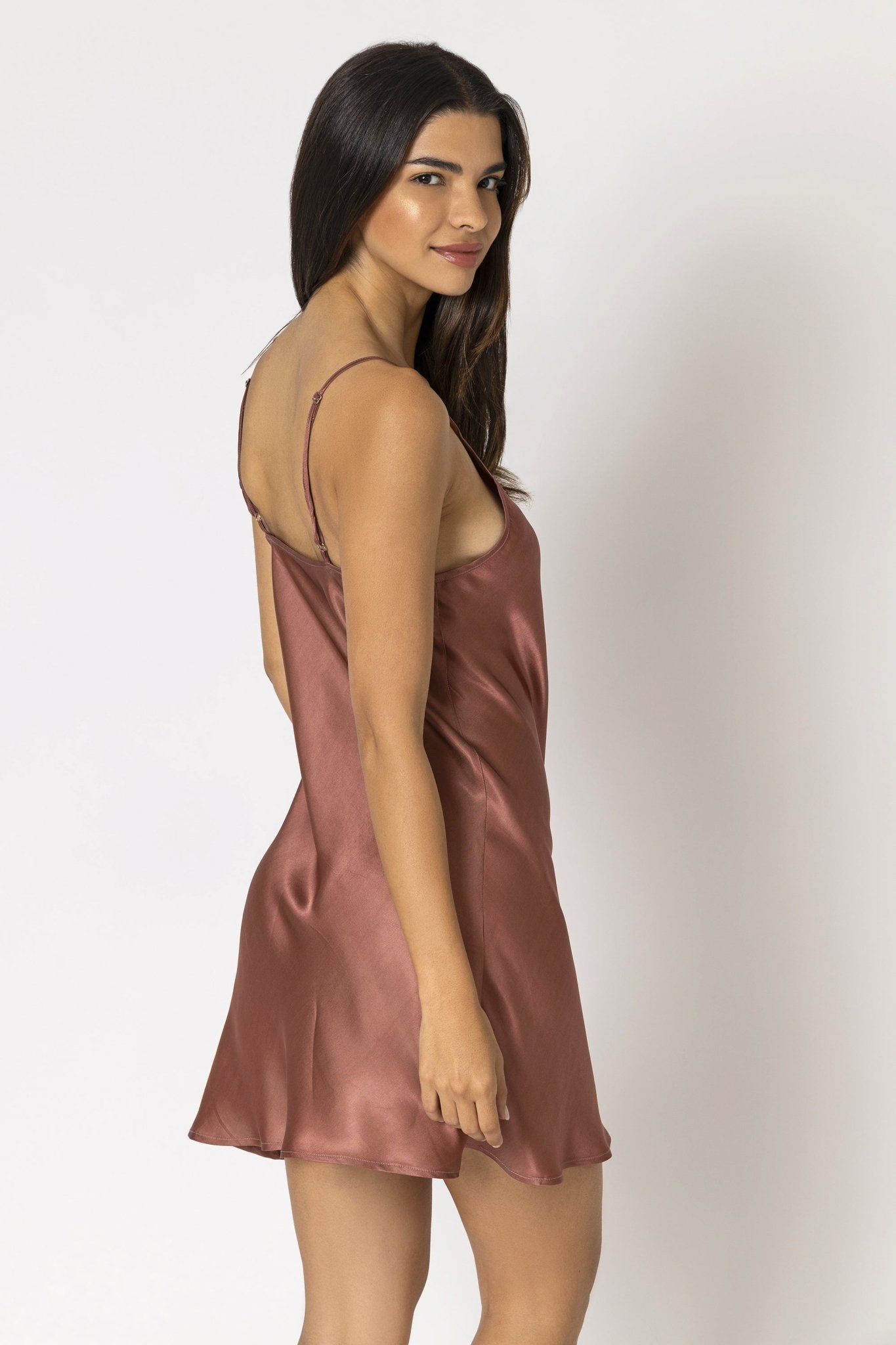
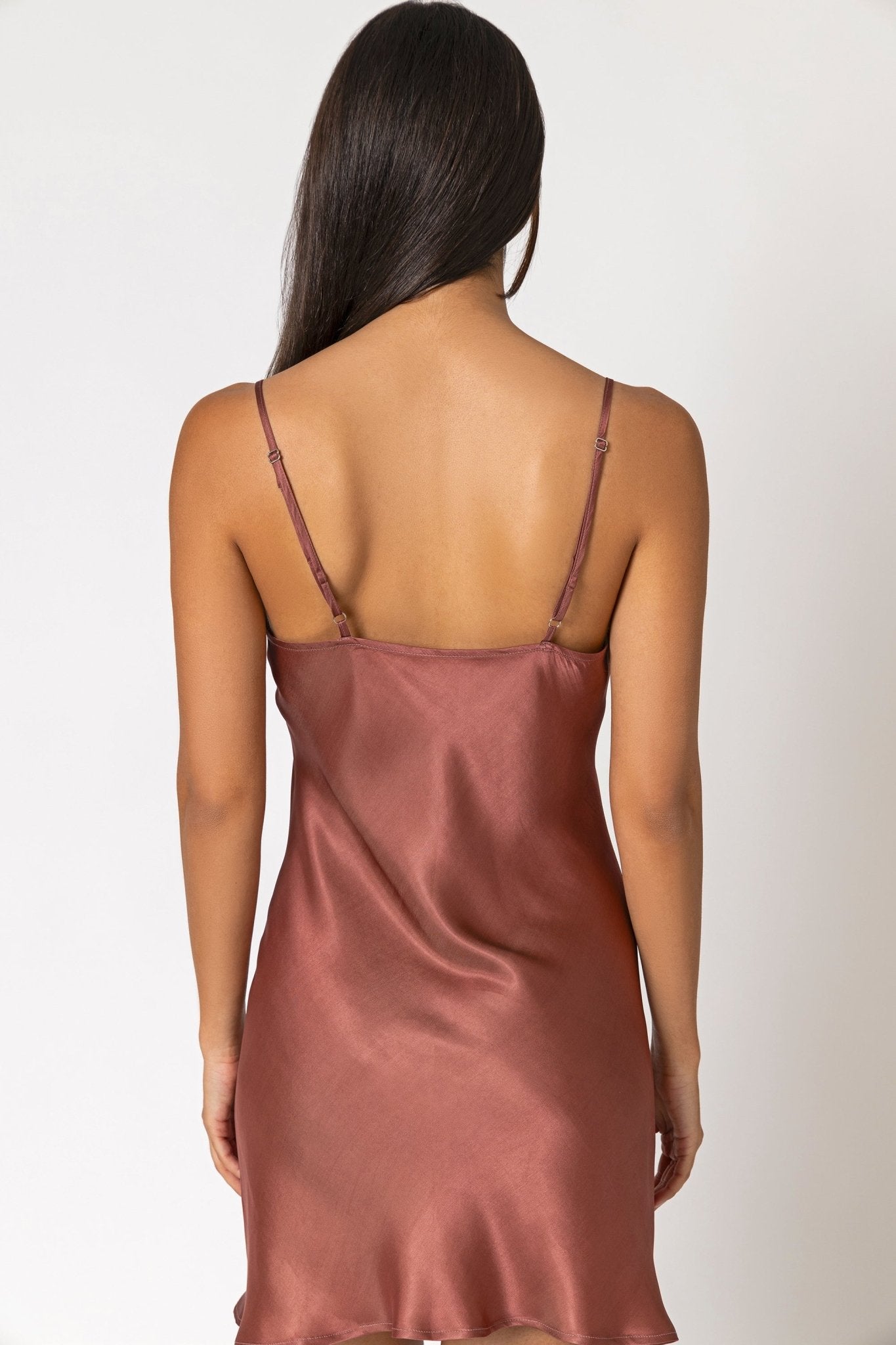
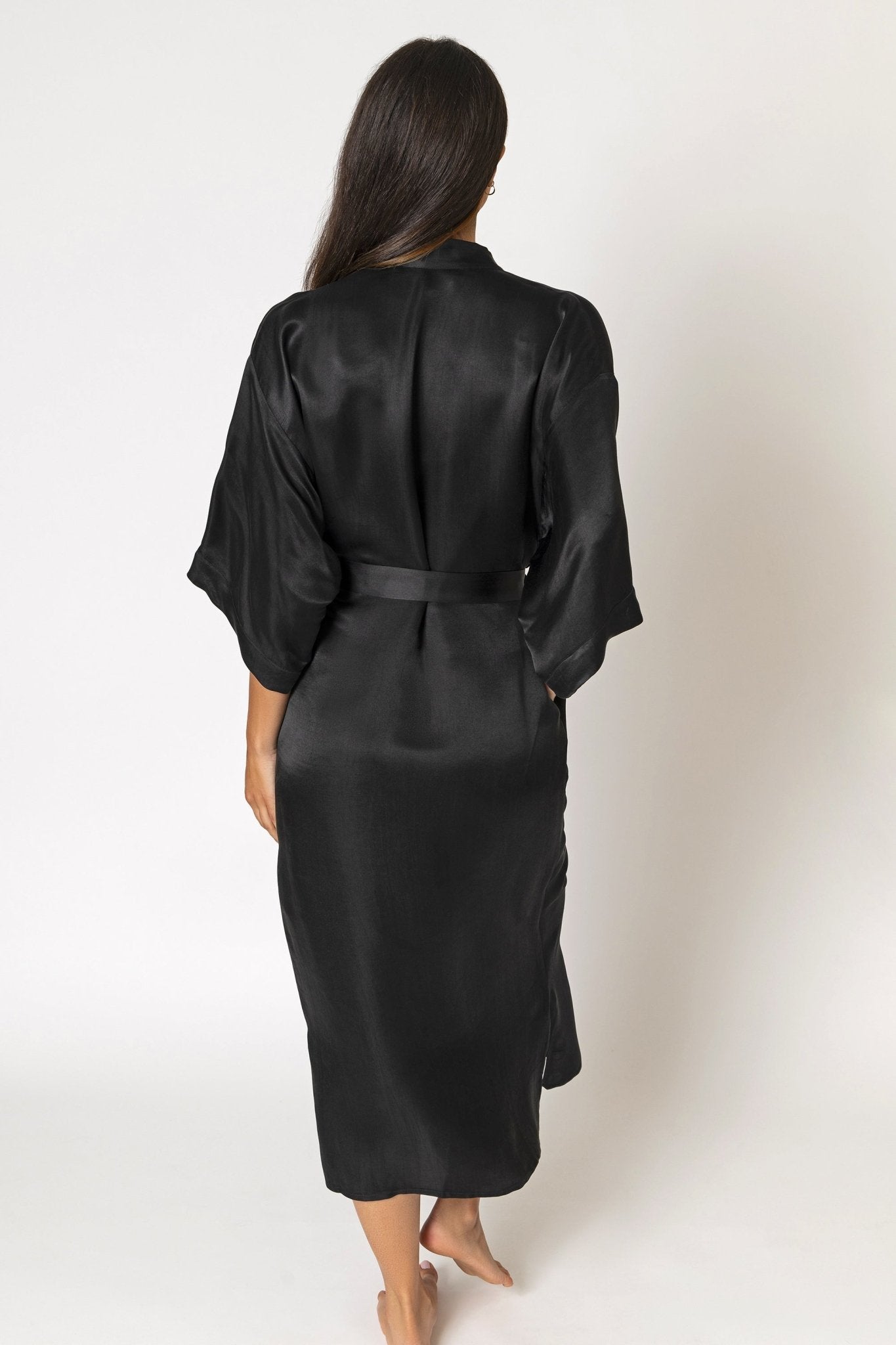
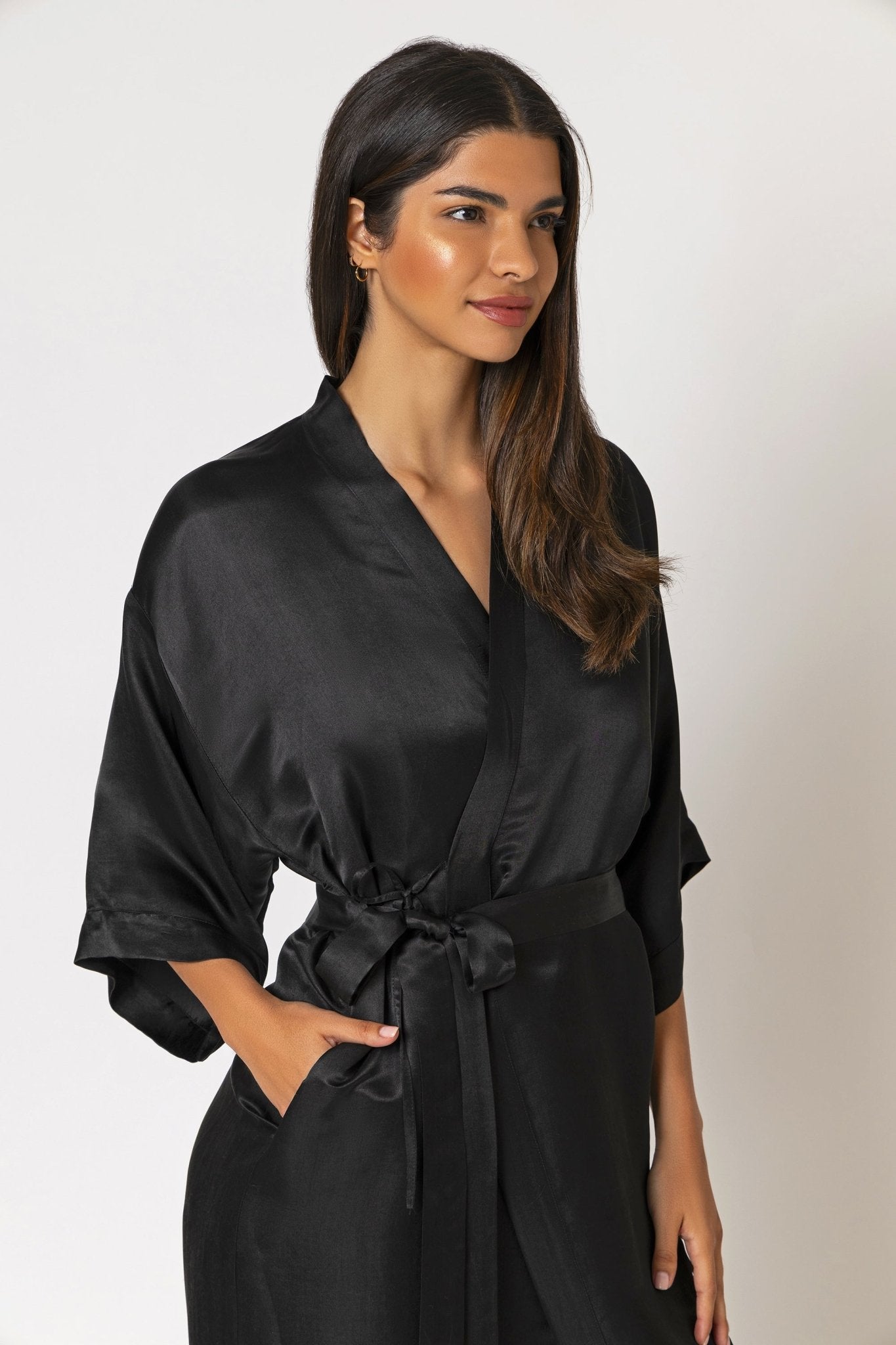
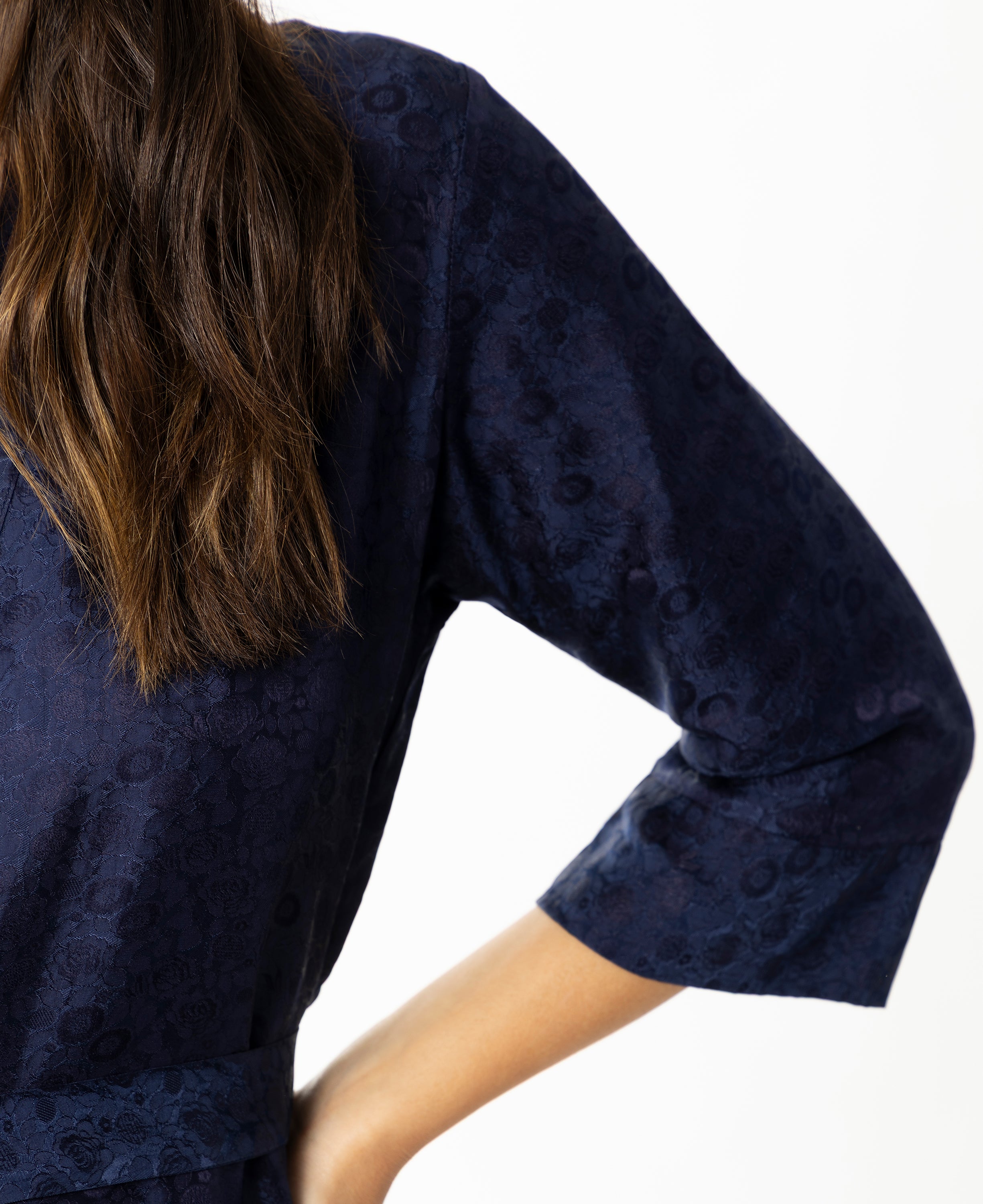
The fabric drapes consistently. Because the grain is matched across panels, the silk falls in one continuous flow rather than pulling in slightly different directions at each seam join. This is the kind of detail that most people cannot articulate but everyone can perceive. It is the difference between a garment that looks right and a garment that looks almost right.
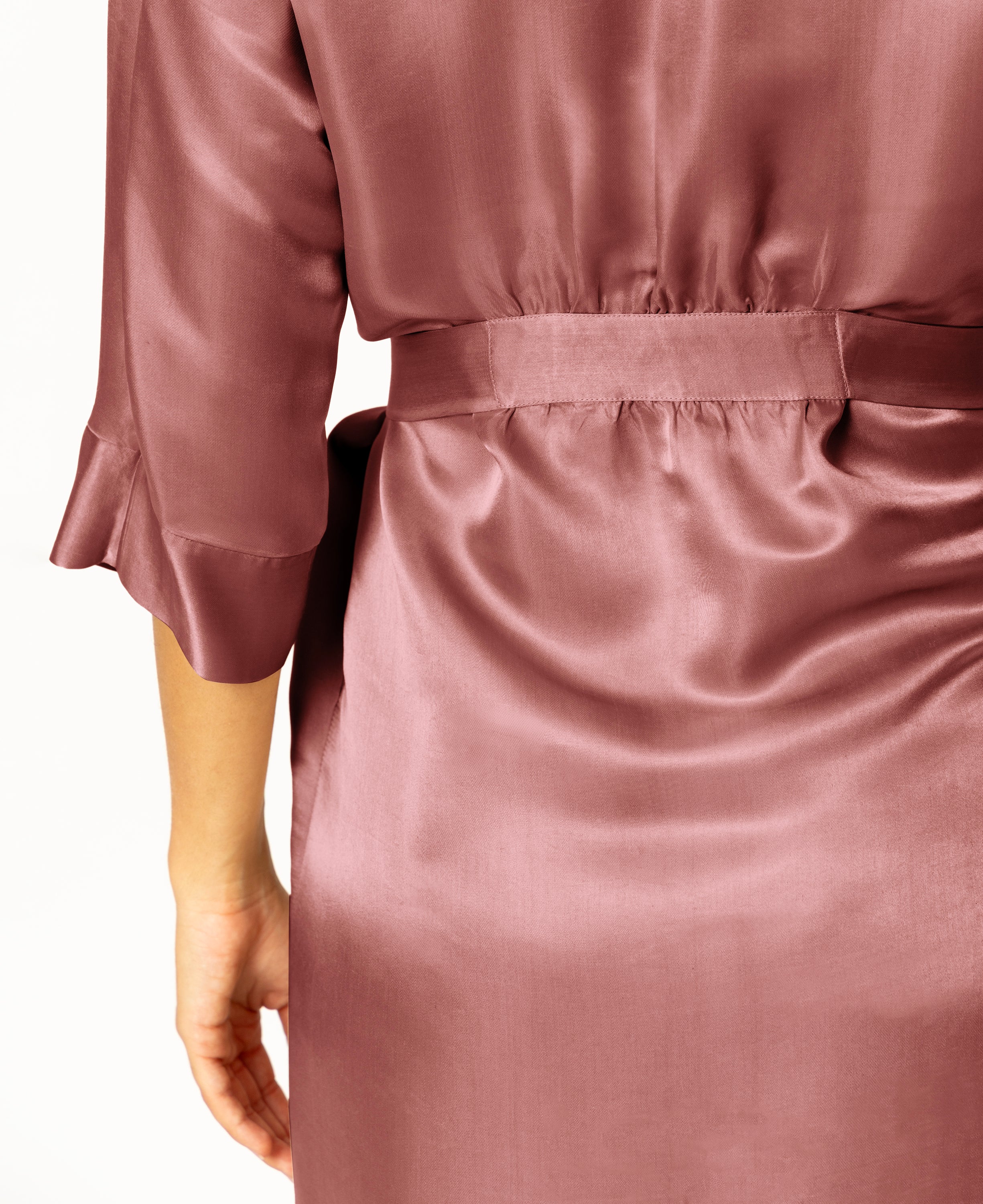
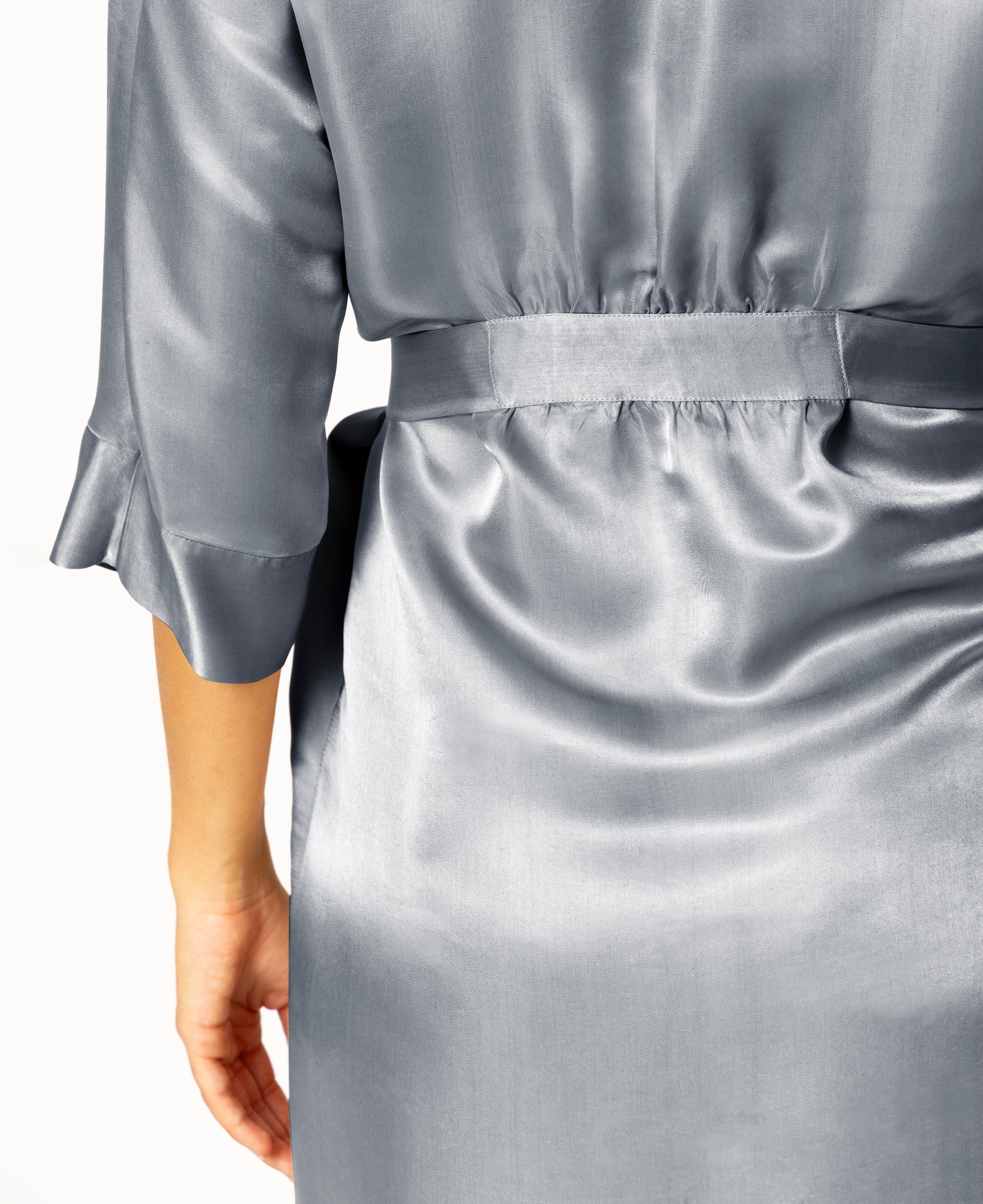
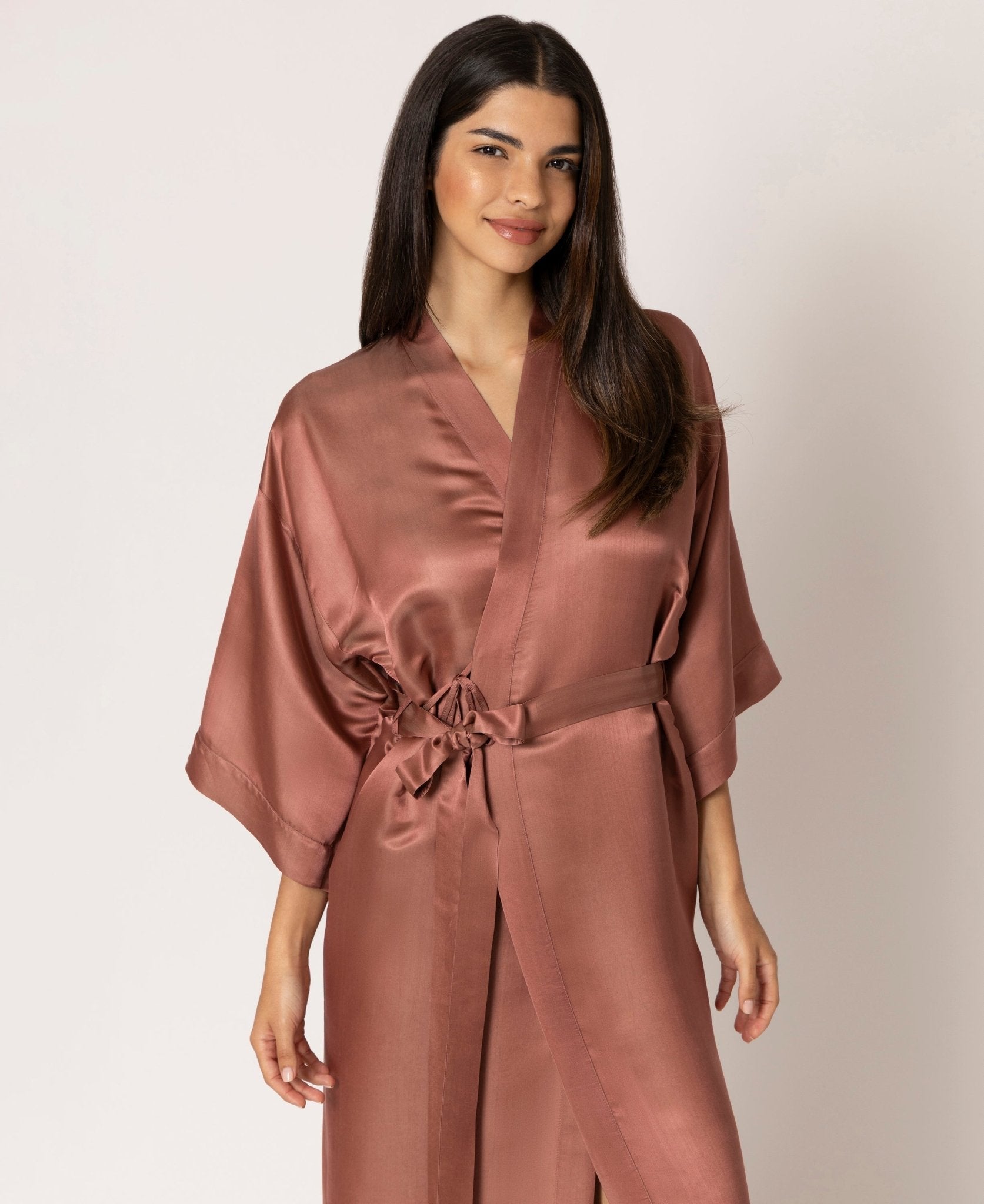
The stitching does not pucker. Consistent thread tension across every seam means the fabric surface remains smooth. Puckered seams on silk are not just a visual issue, they create points of friction against the skin, defeating one of the primary benefits of wearing silk in the first place.









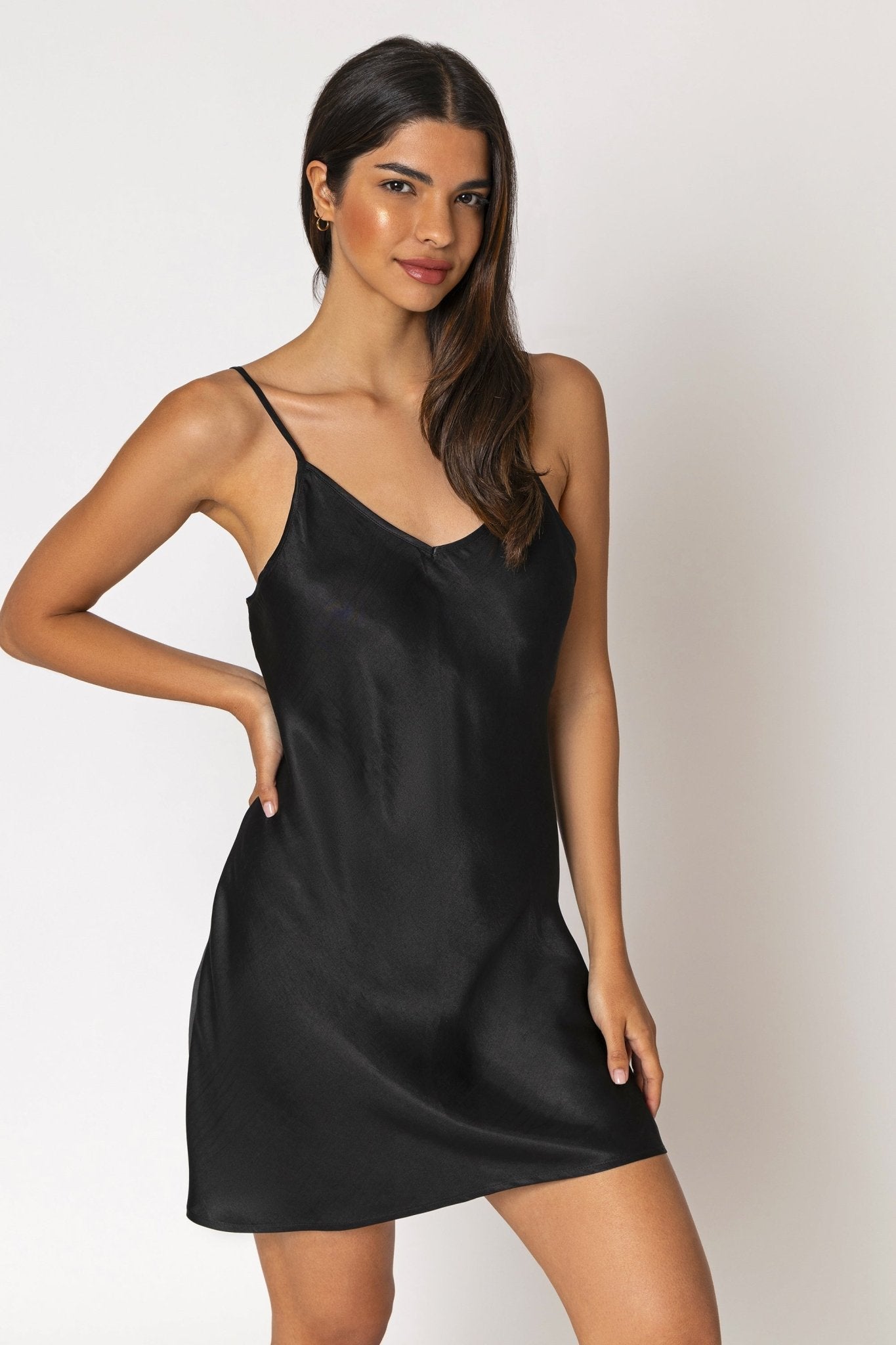
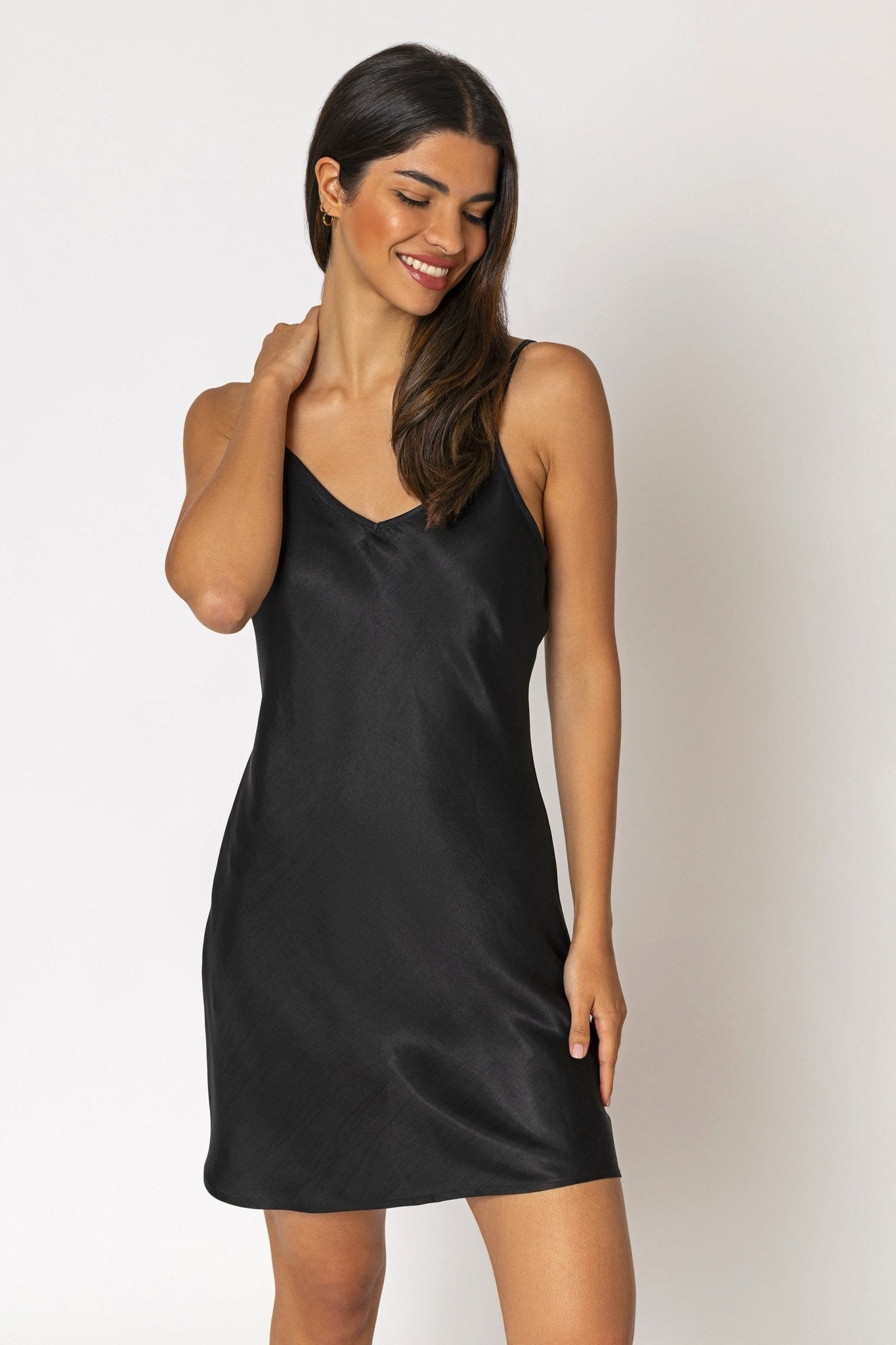
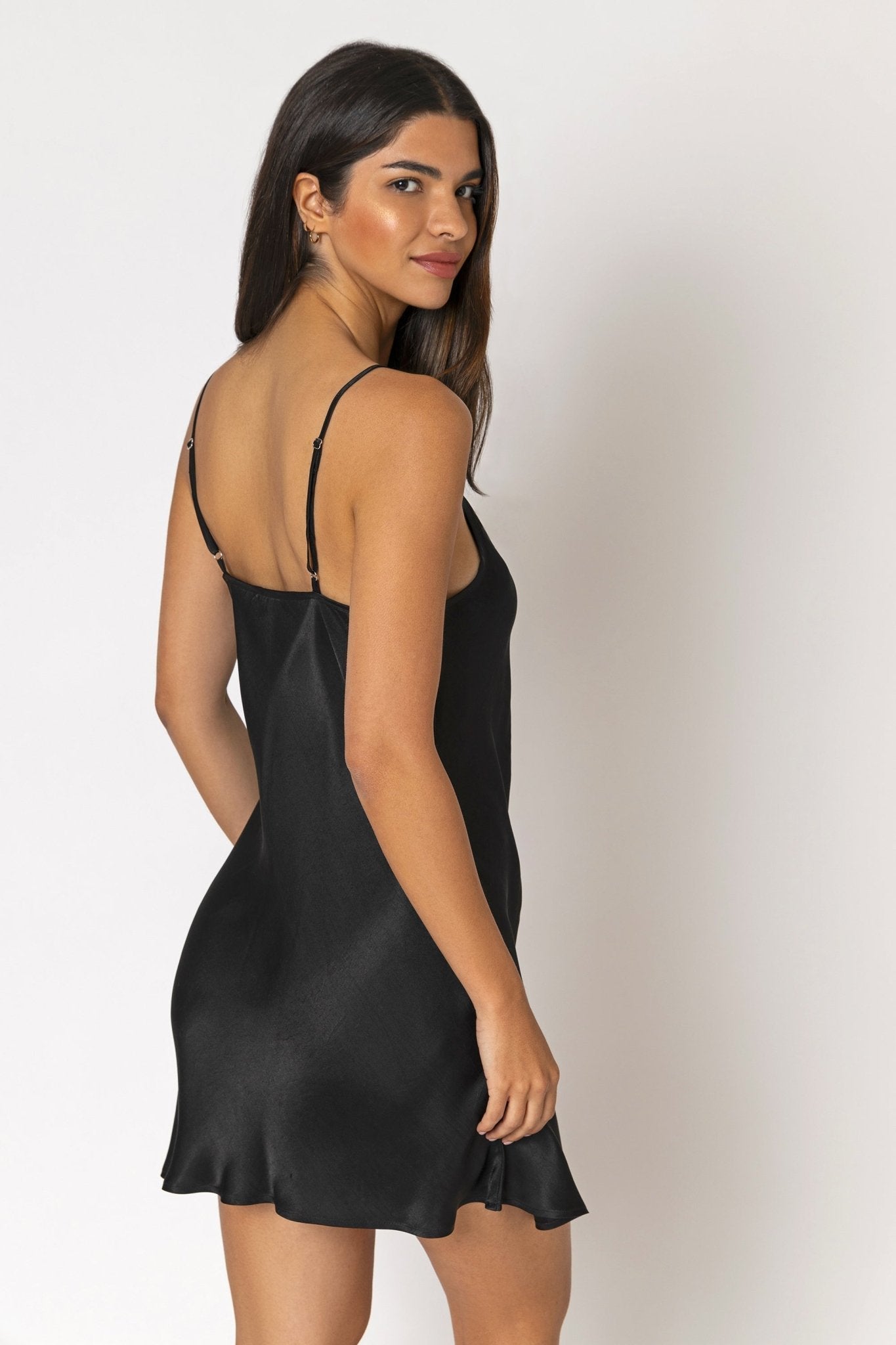
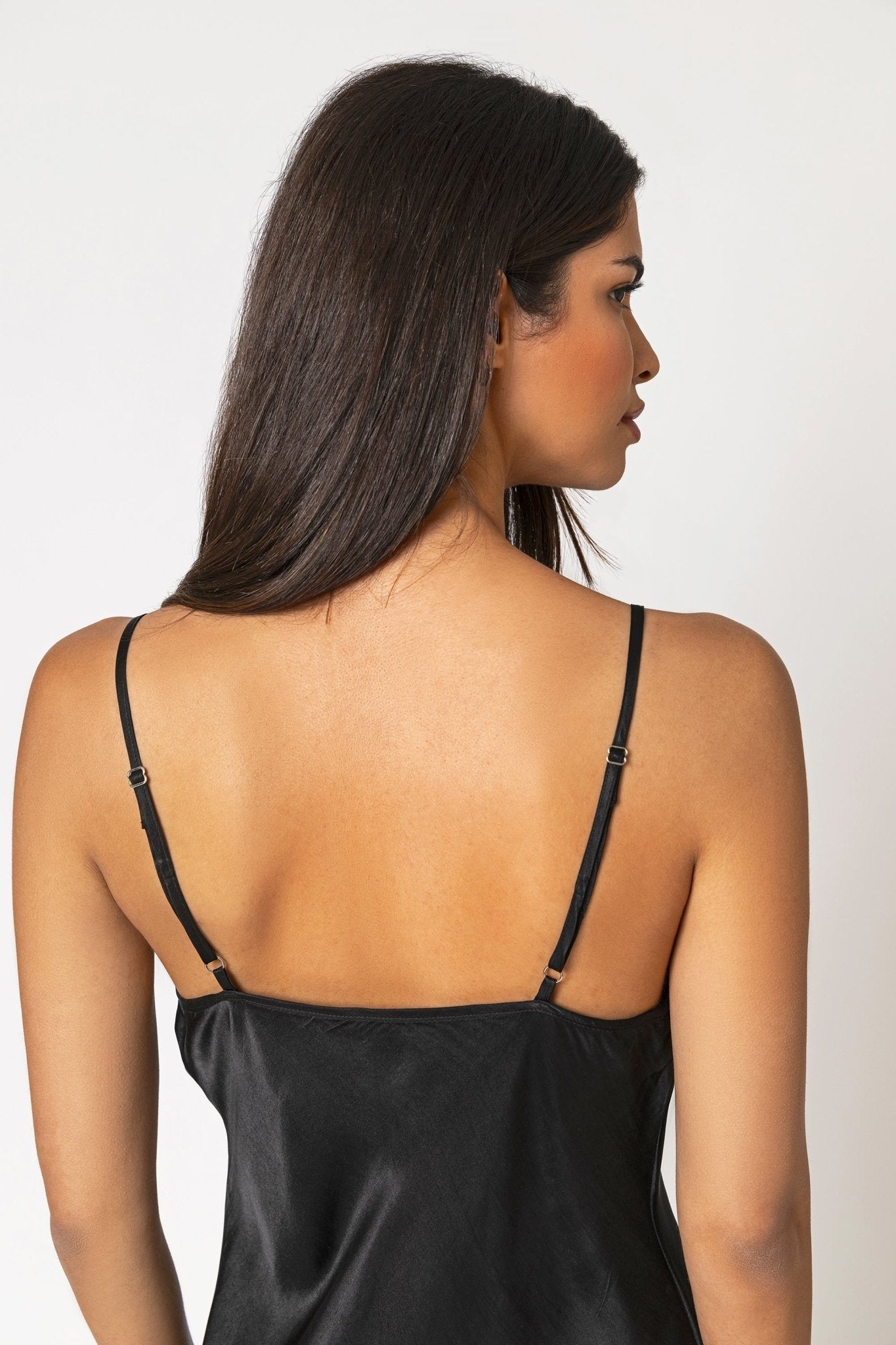

The Relationship Between Maker and Material
There is a concept in craft traditions that the material teaches the maker. A woodworker learns from the grain of the wood. A potter learns from the clay. A silk artisan learns from the fabric's behavior under tension, under heat, under the needle.
The artisans in Tara Sartoria's workshop have accumulated this material knowledge over years. They know that 27 momme silk feeds differently in humid weather than in dry. They know which thread tensions produce the smoothest French seam on this specific weight. They know where the fabric will stretch on the bias and where it will hold firm.
This knowledge doesn't transfer through a specification sheet. It lives in the hands of the people doing the work. And it is the reason Tara Sartoria's production remains in a specialist workshop rather than moving to a larger, more "efficient" factory. Efficiency in silk production is not measured by speed. It is measured by the consistency and quality of what comes out the other end.
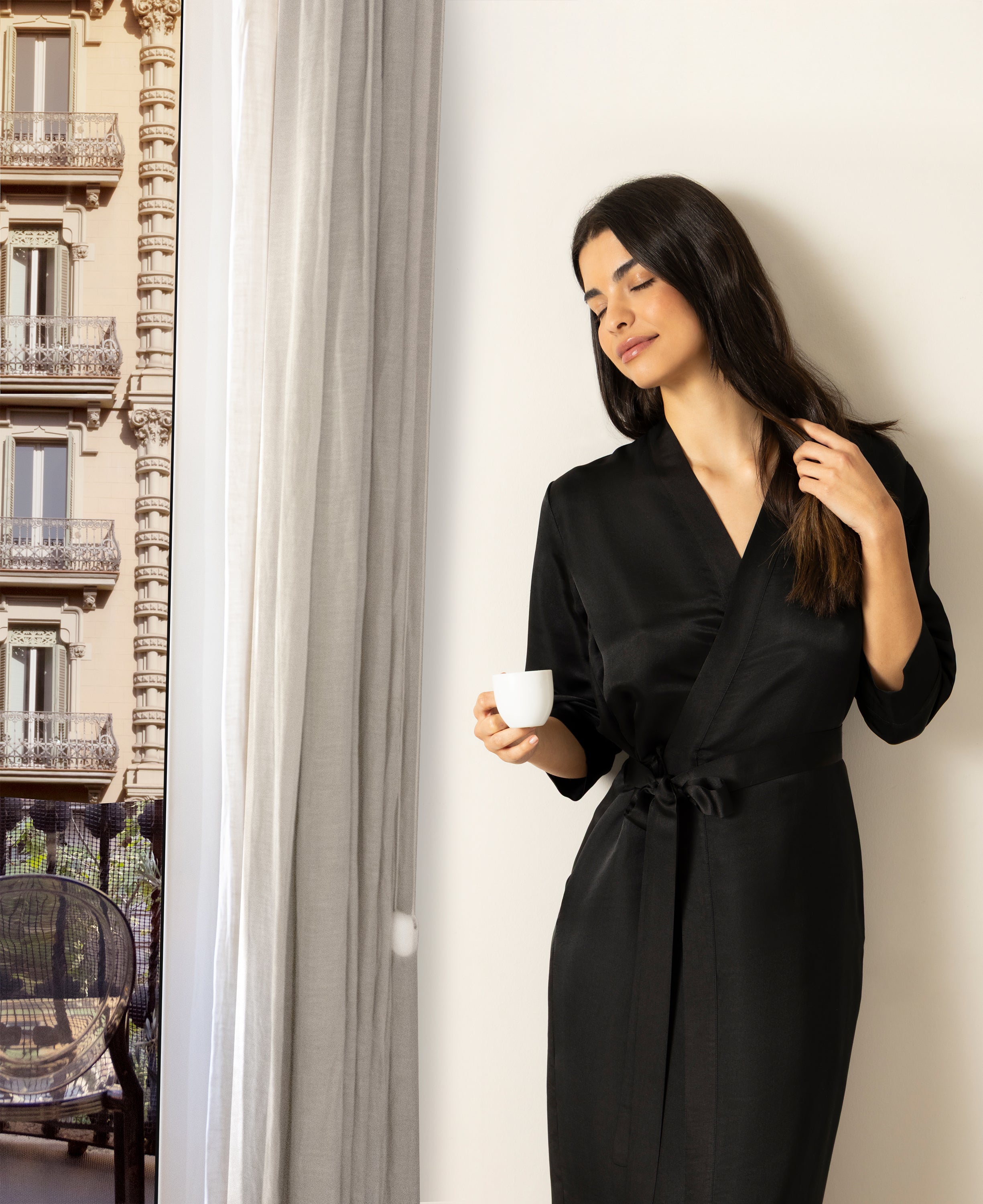
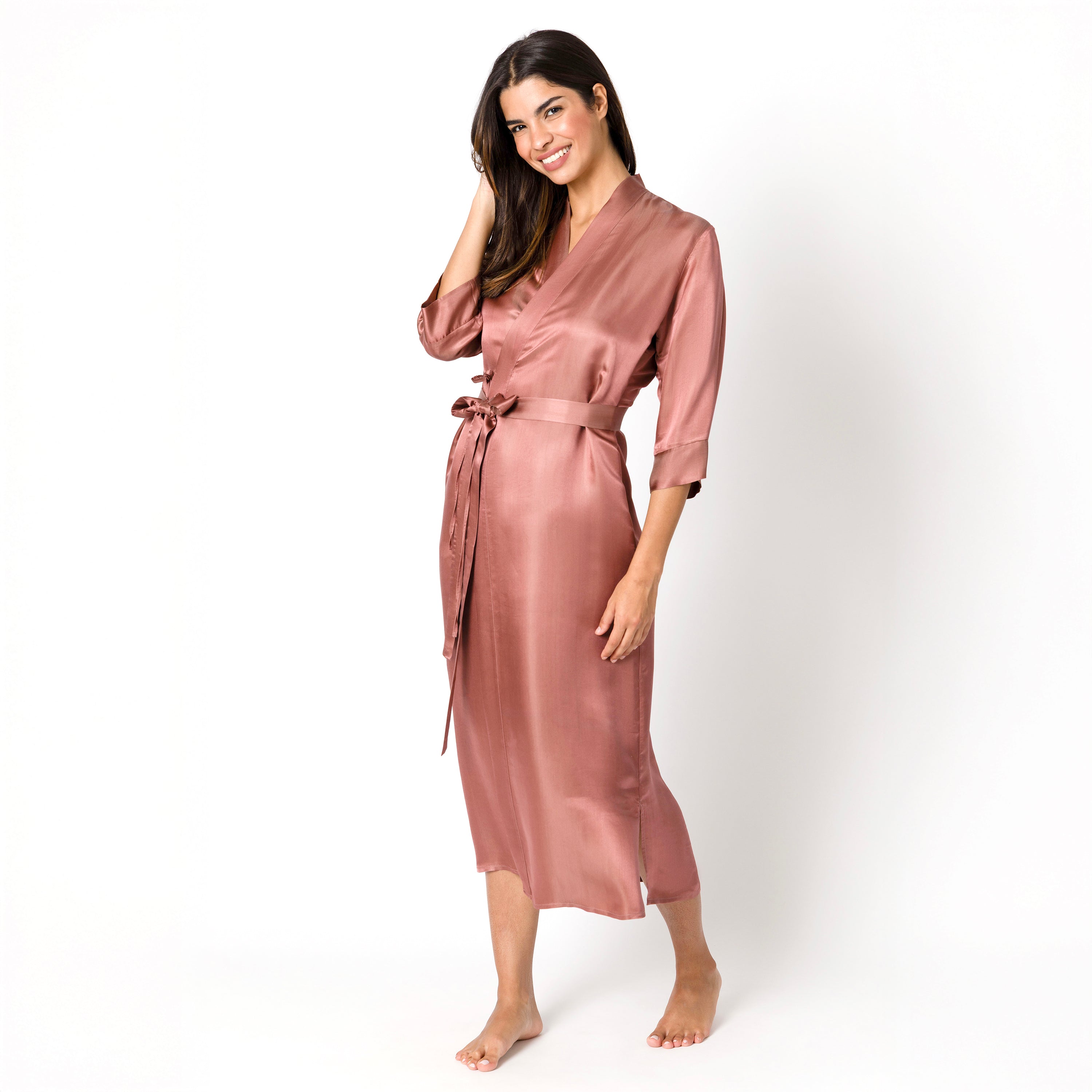
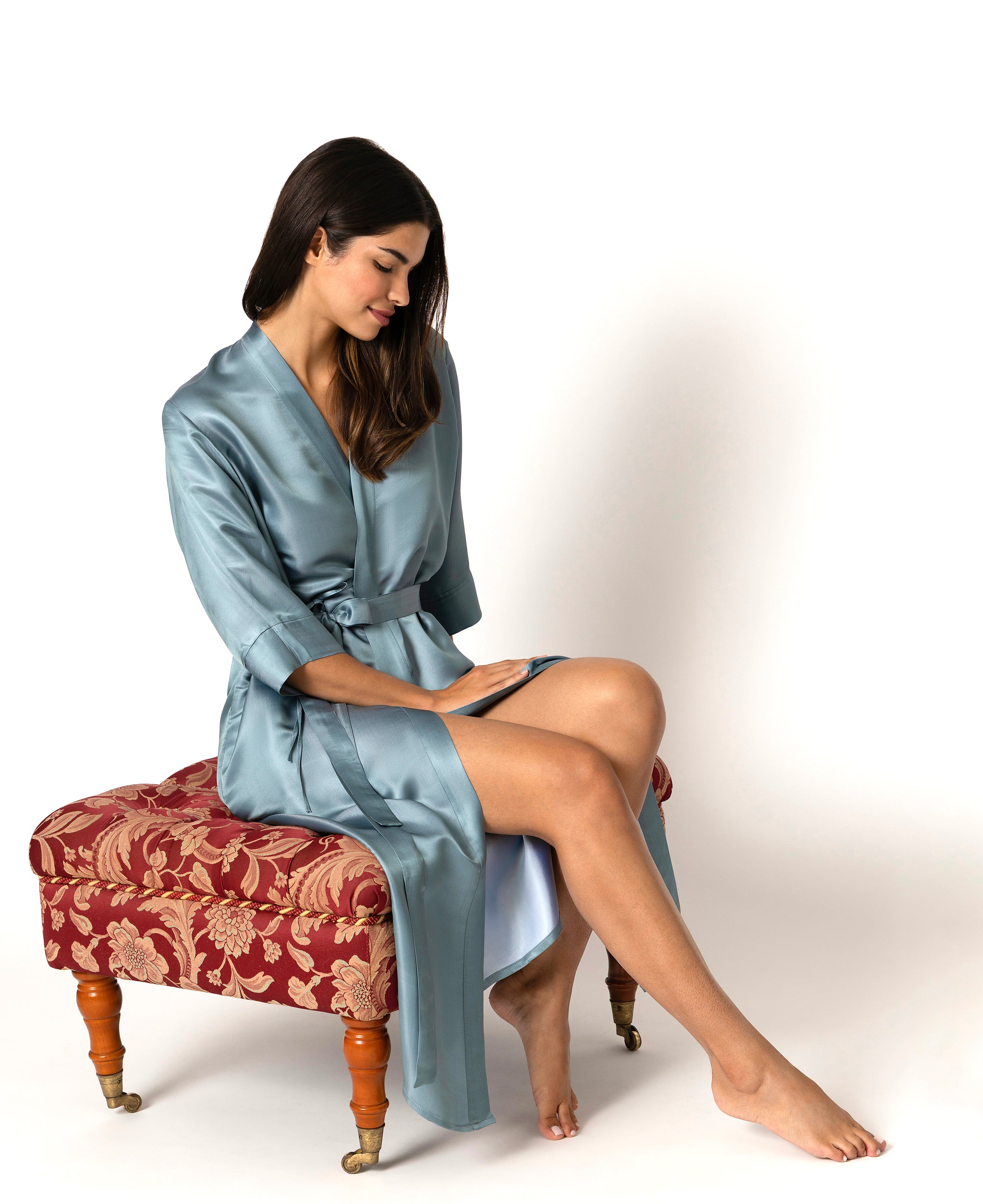
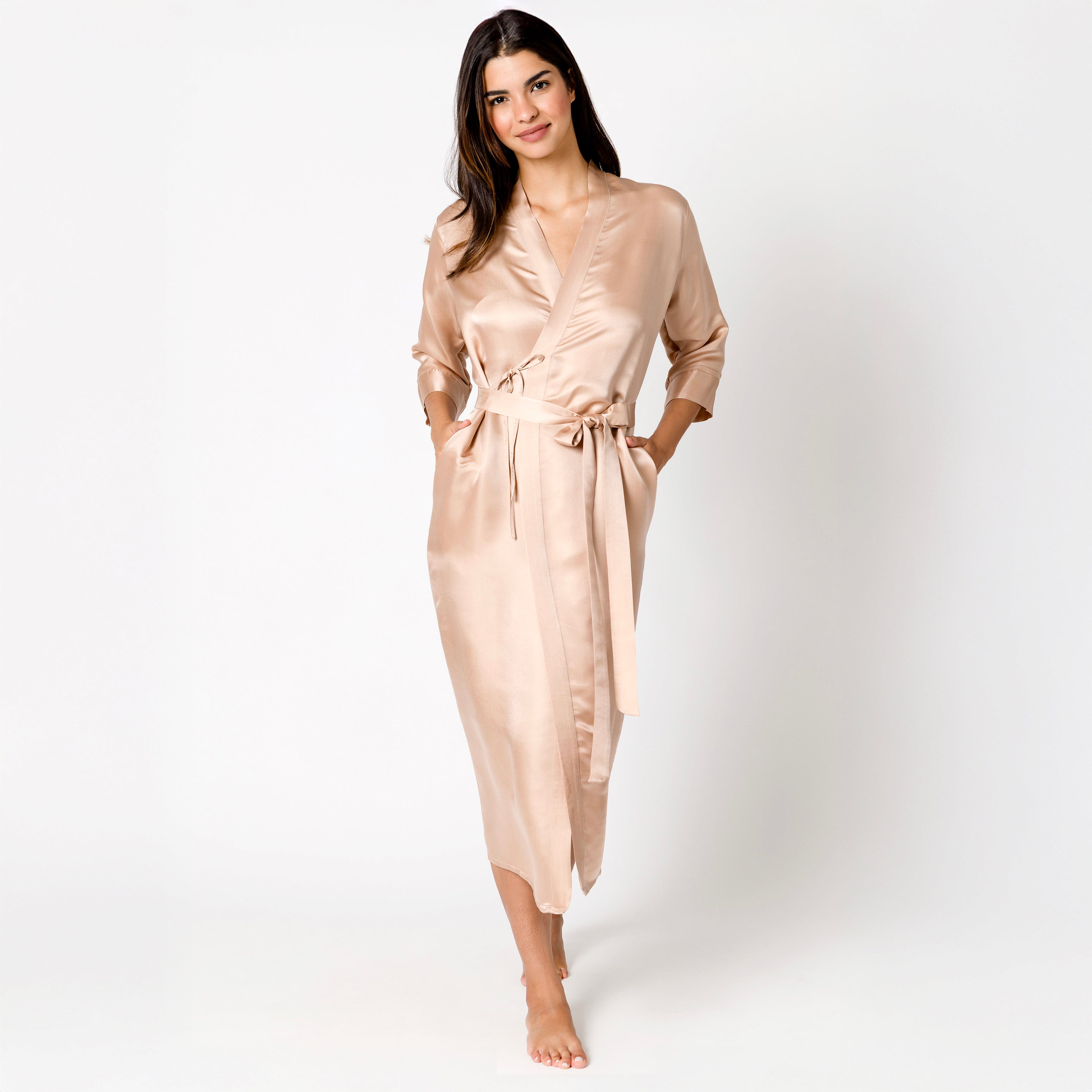
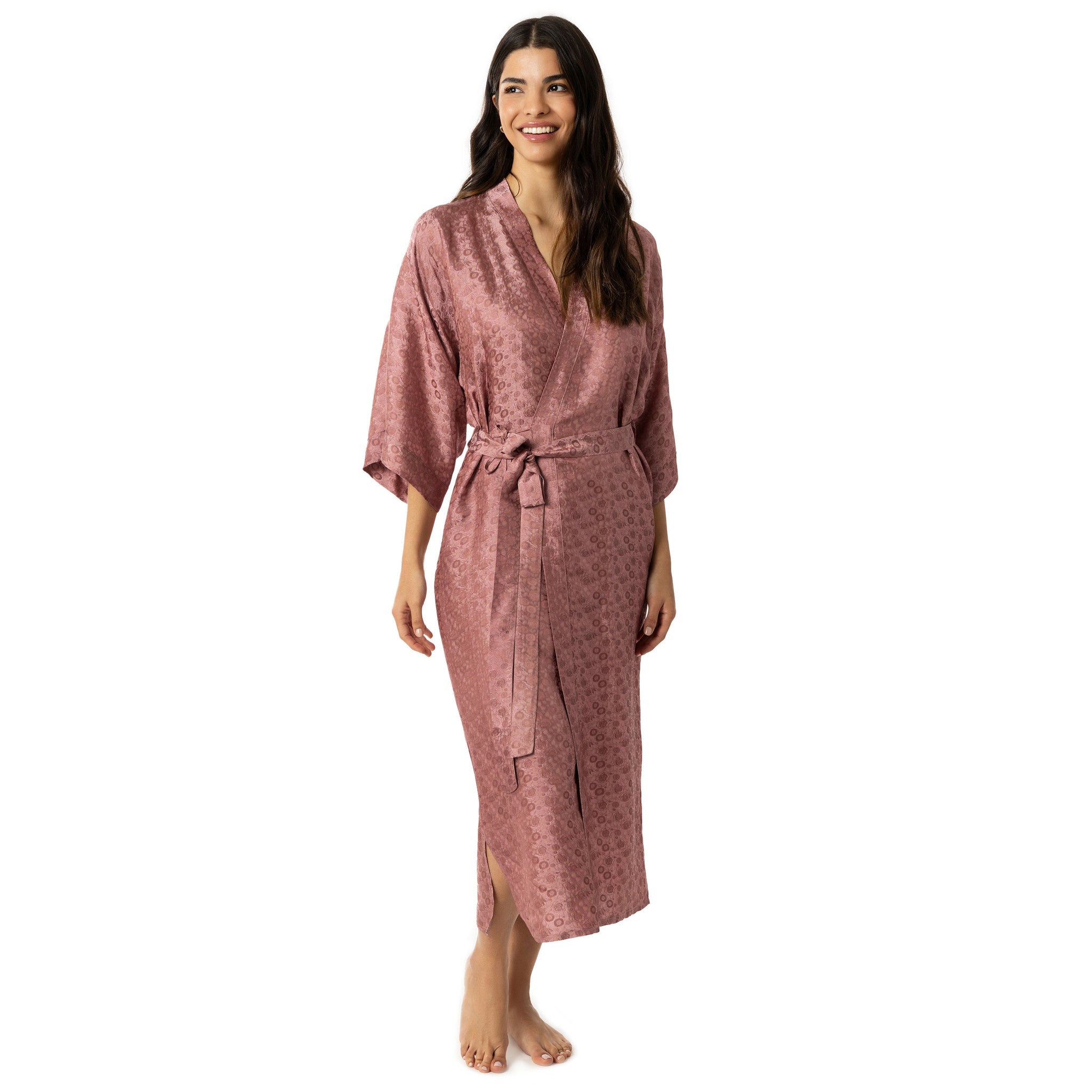
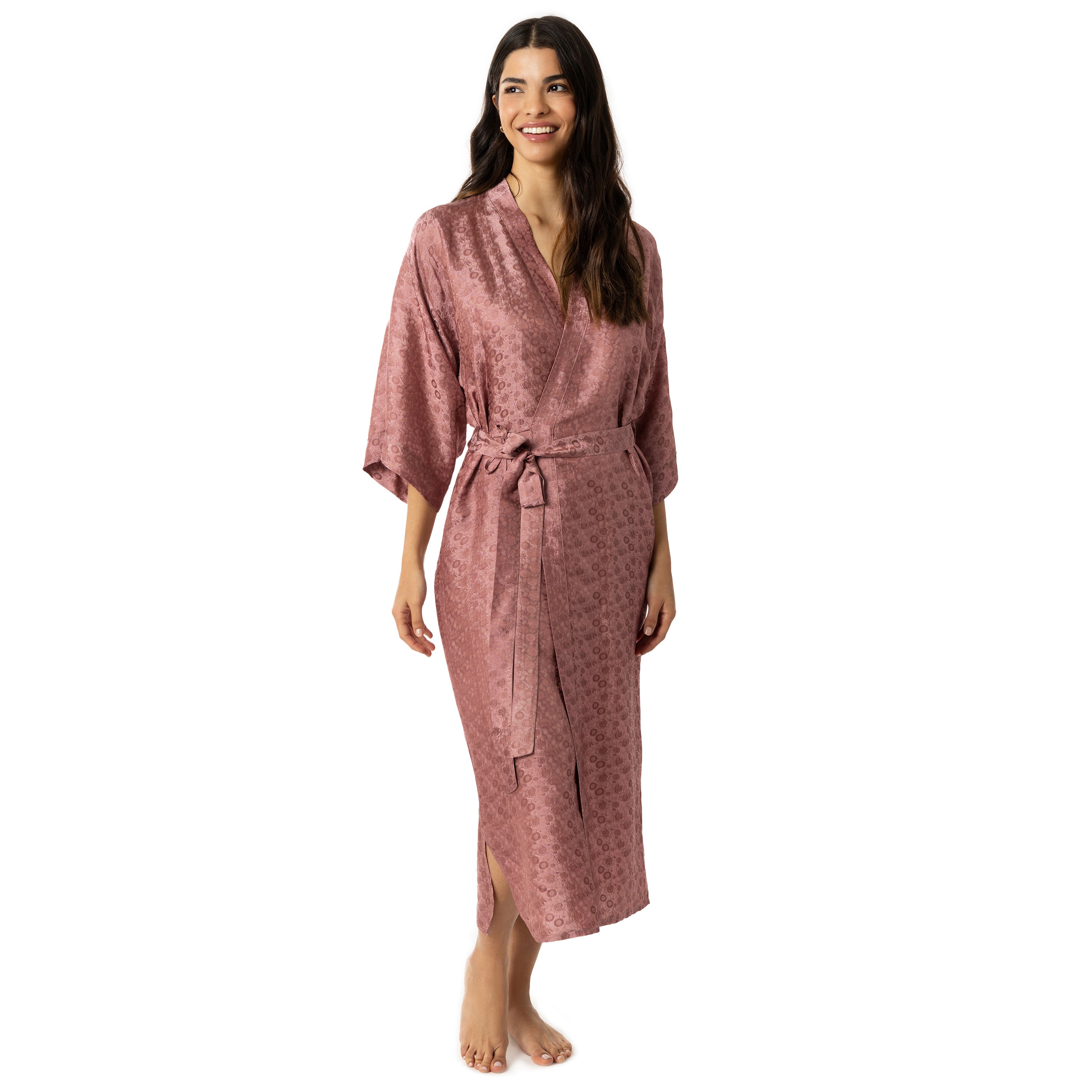
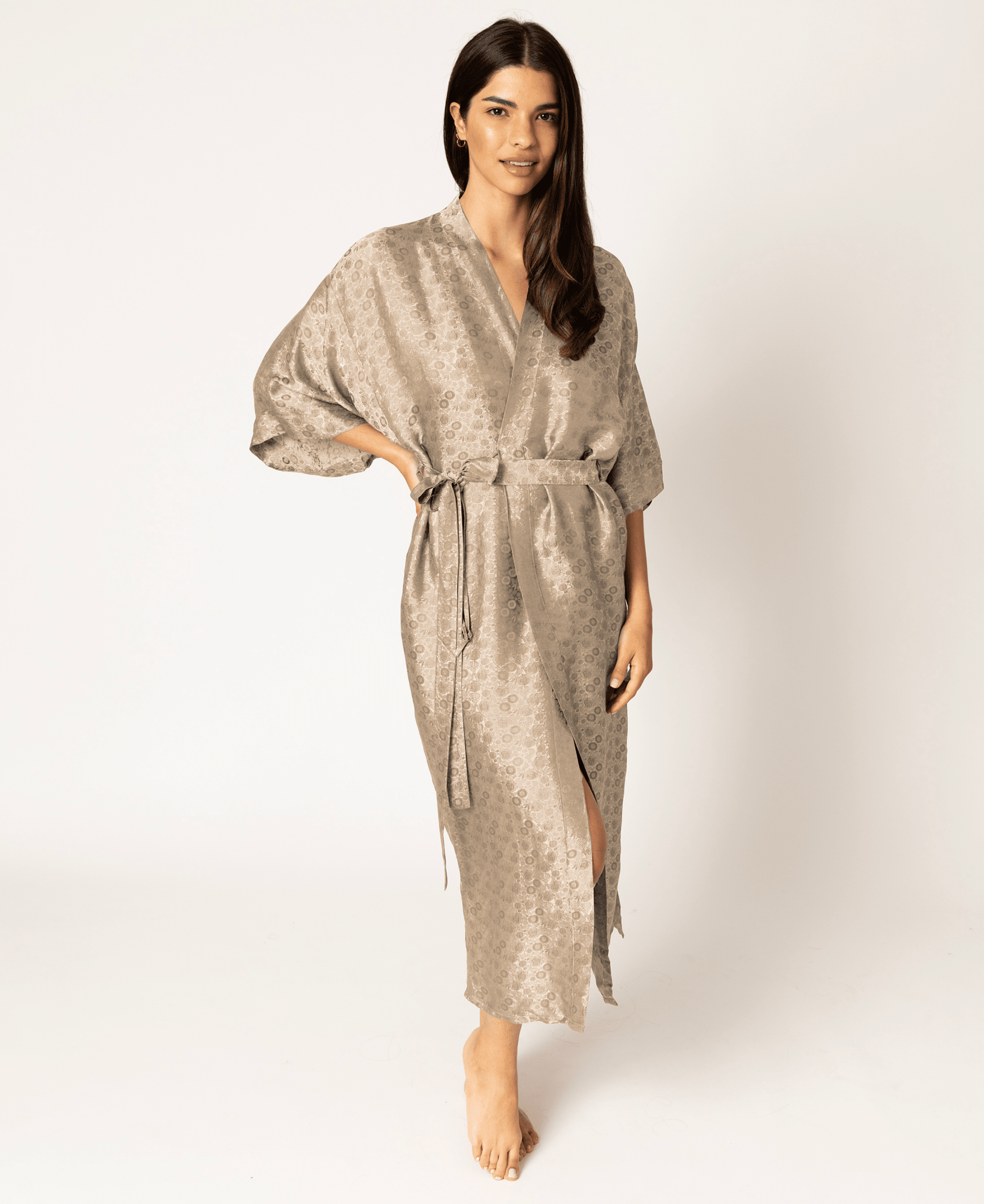
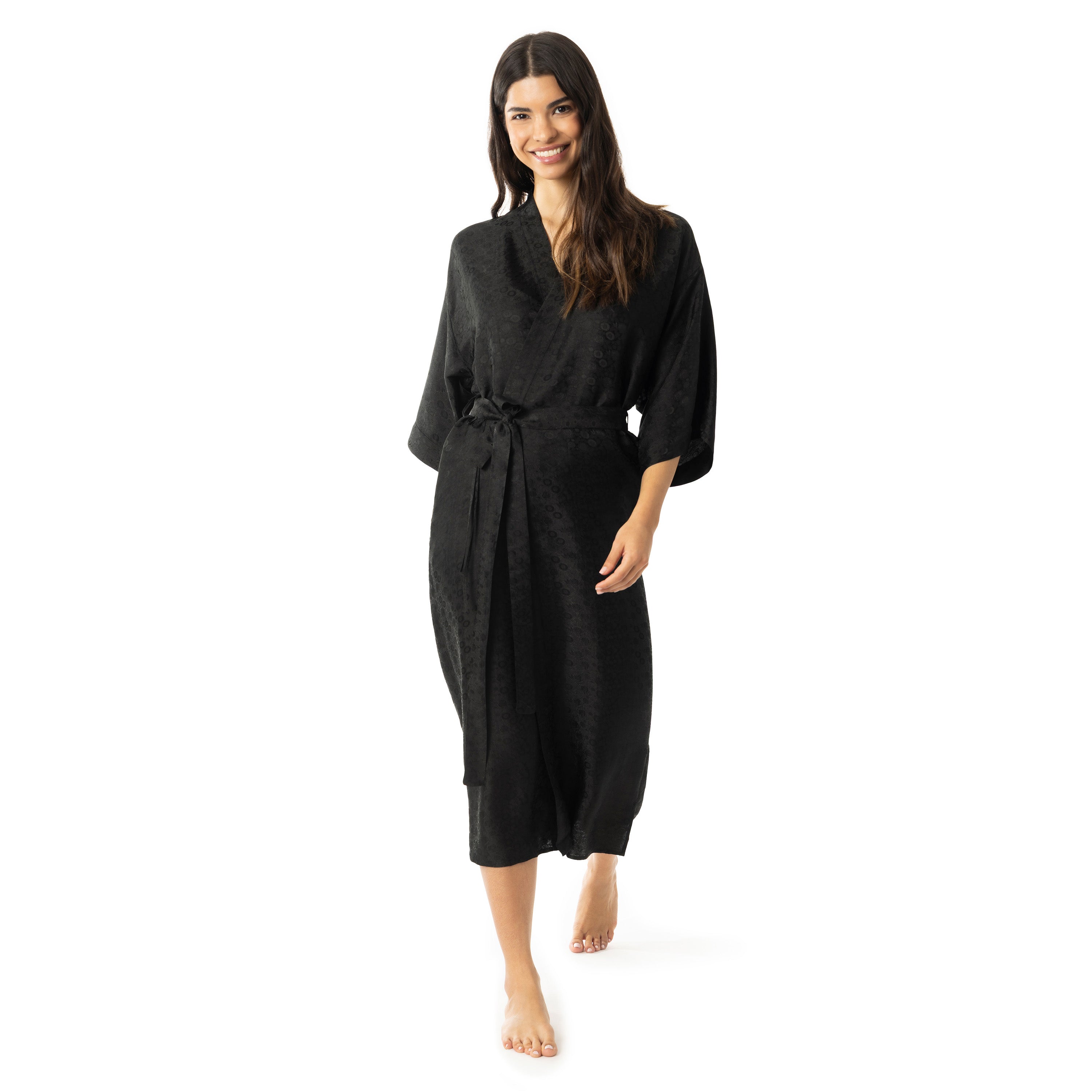
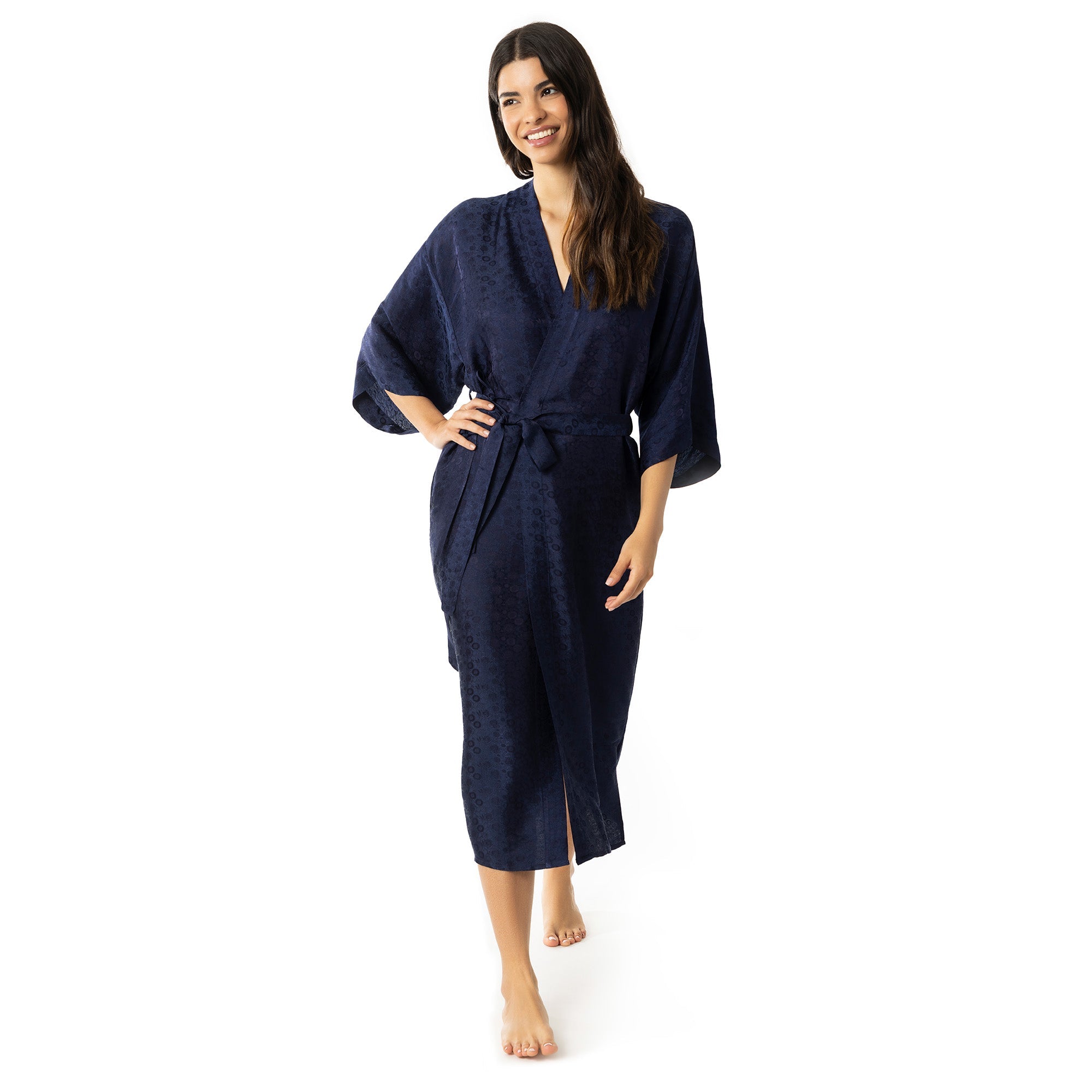
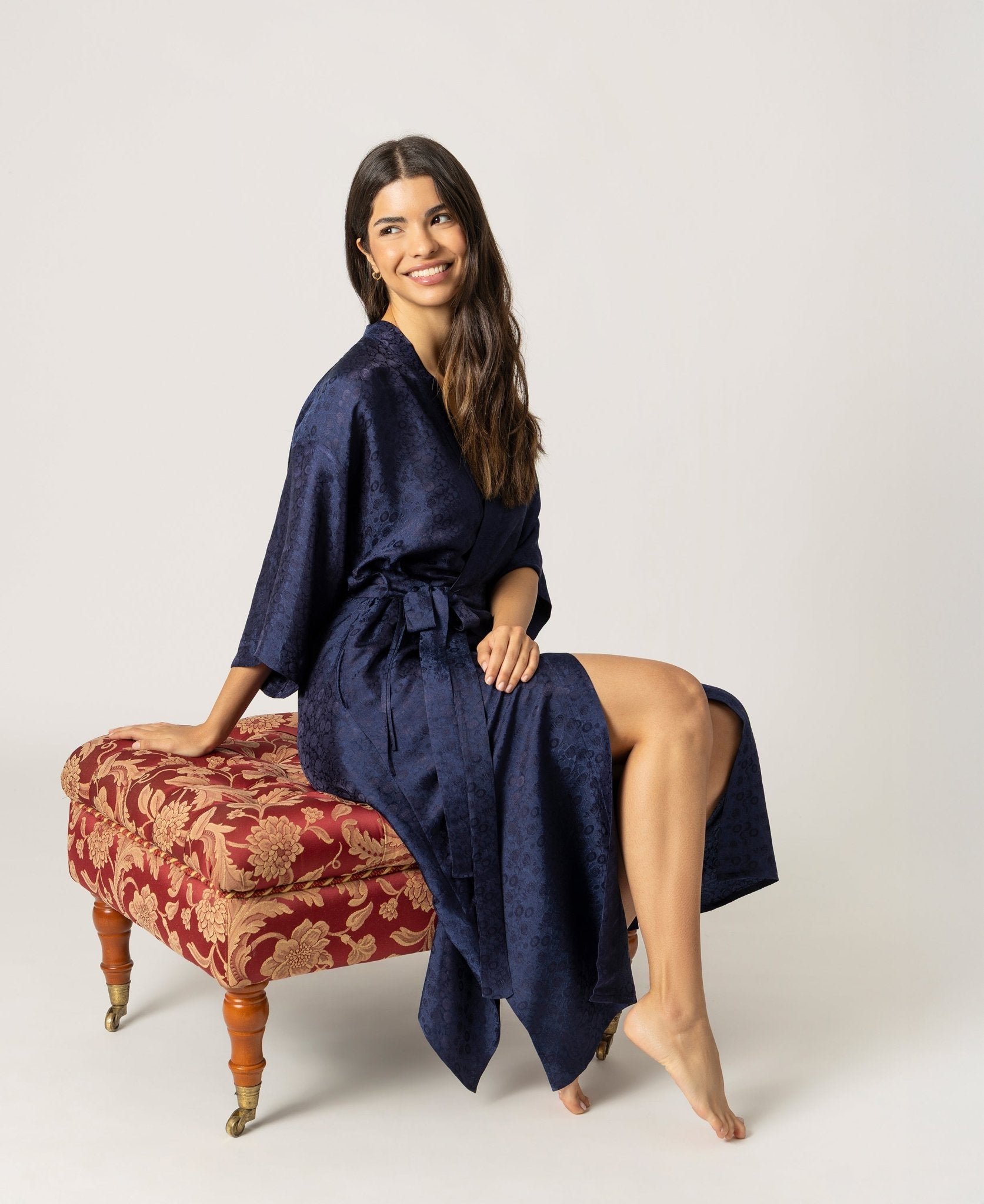
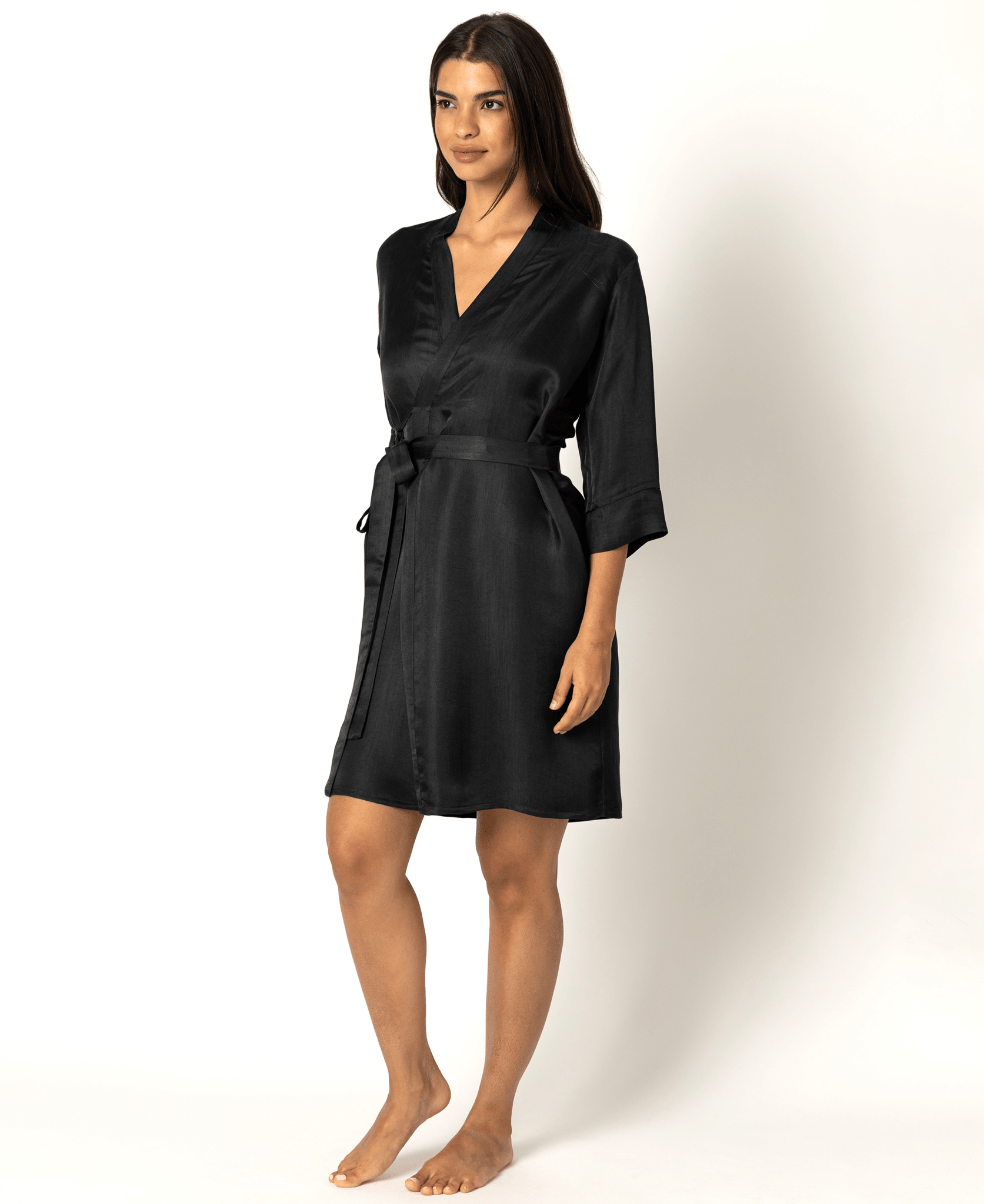
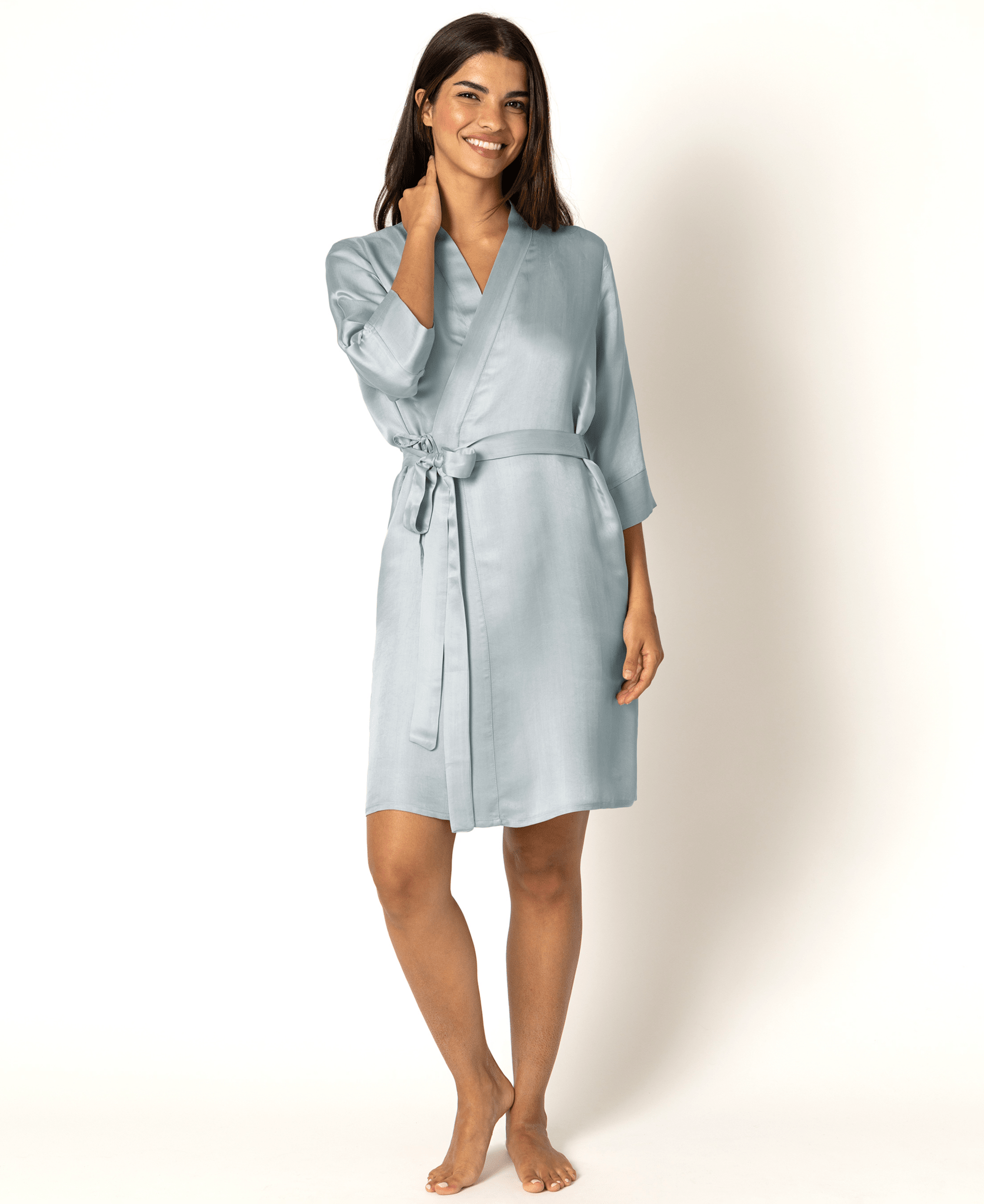
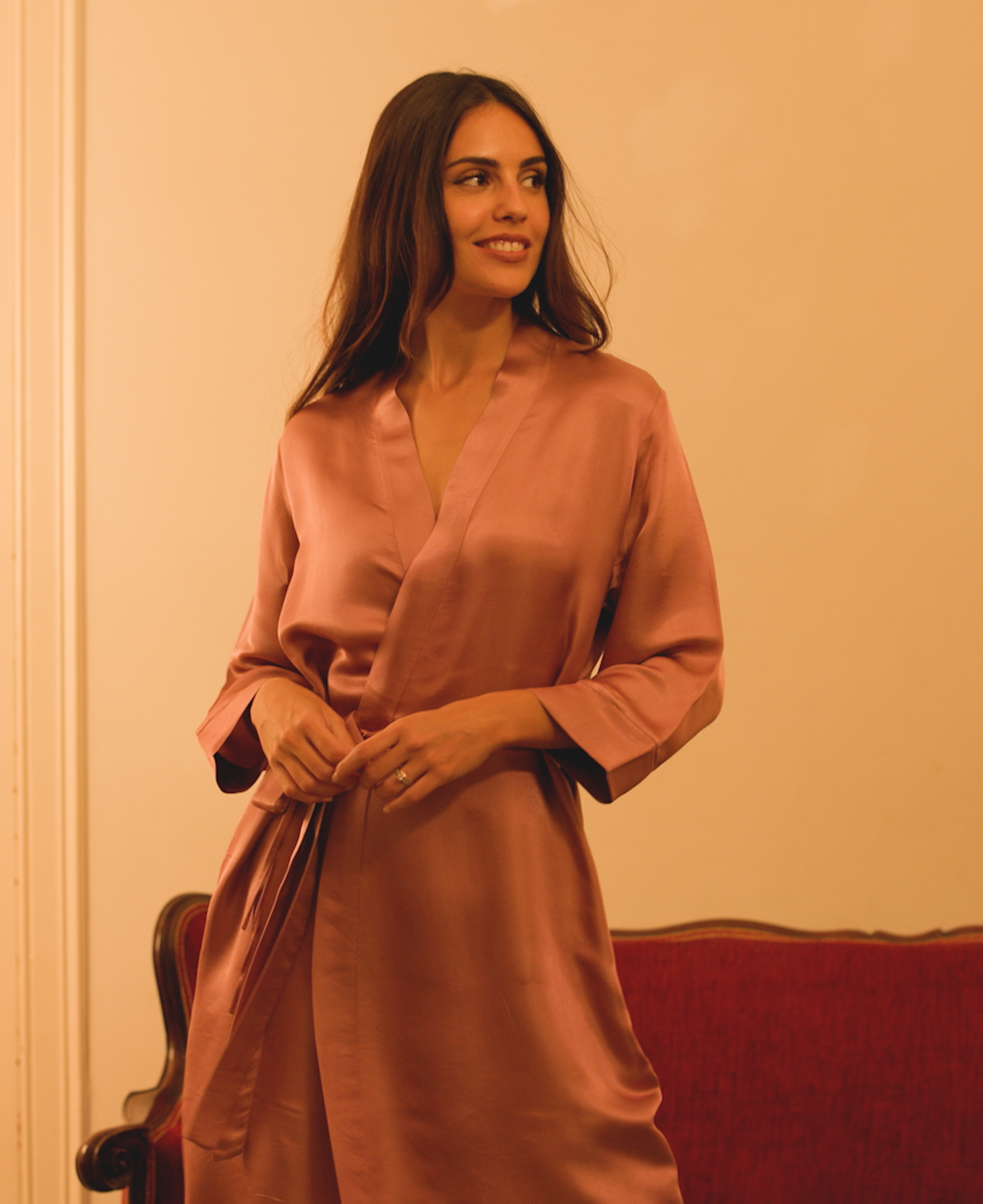
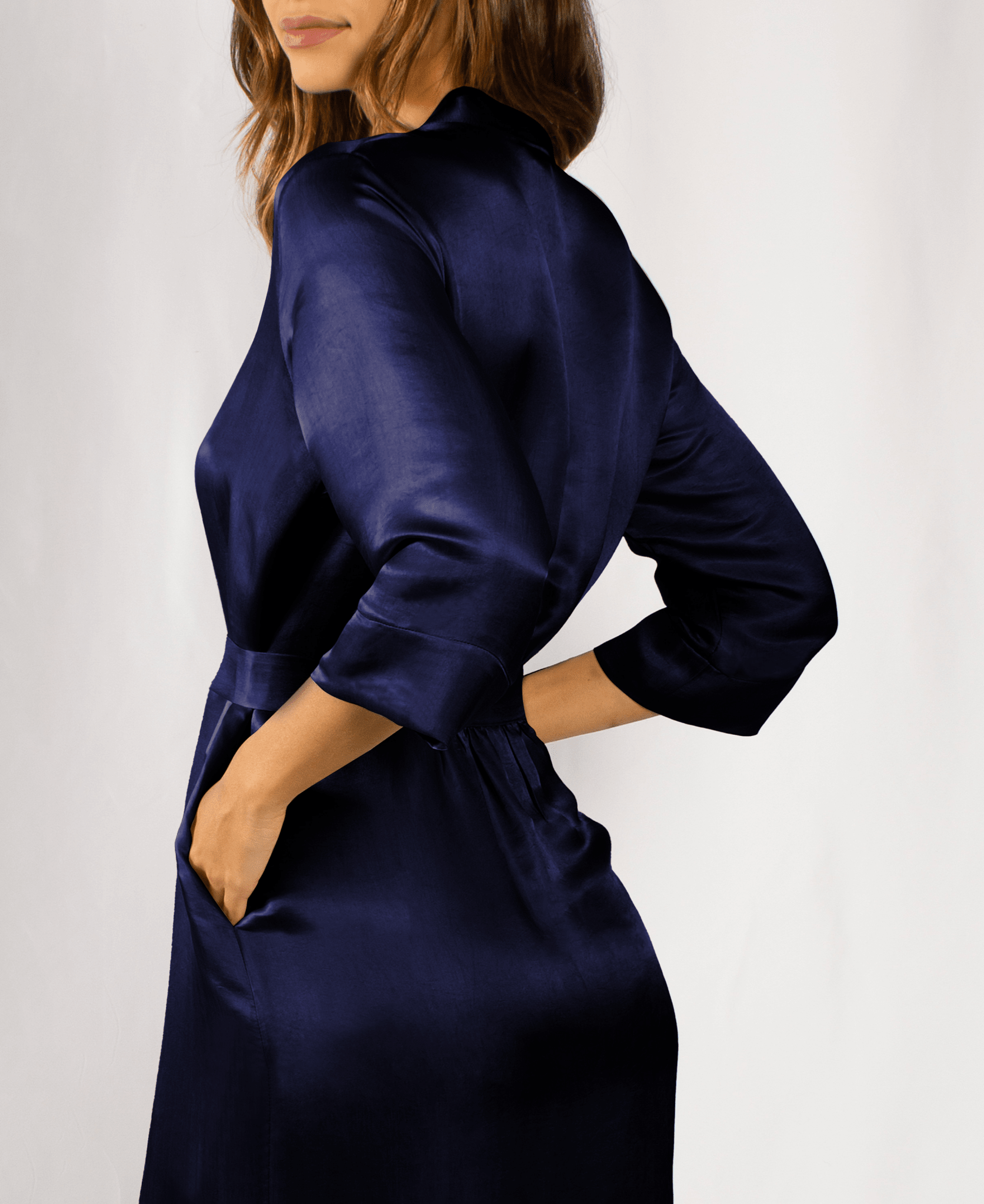
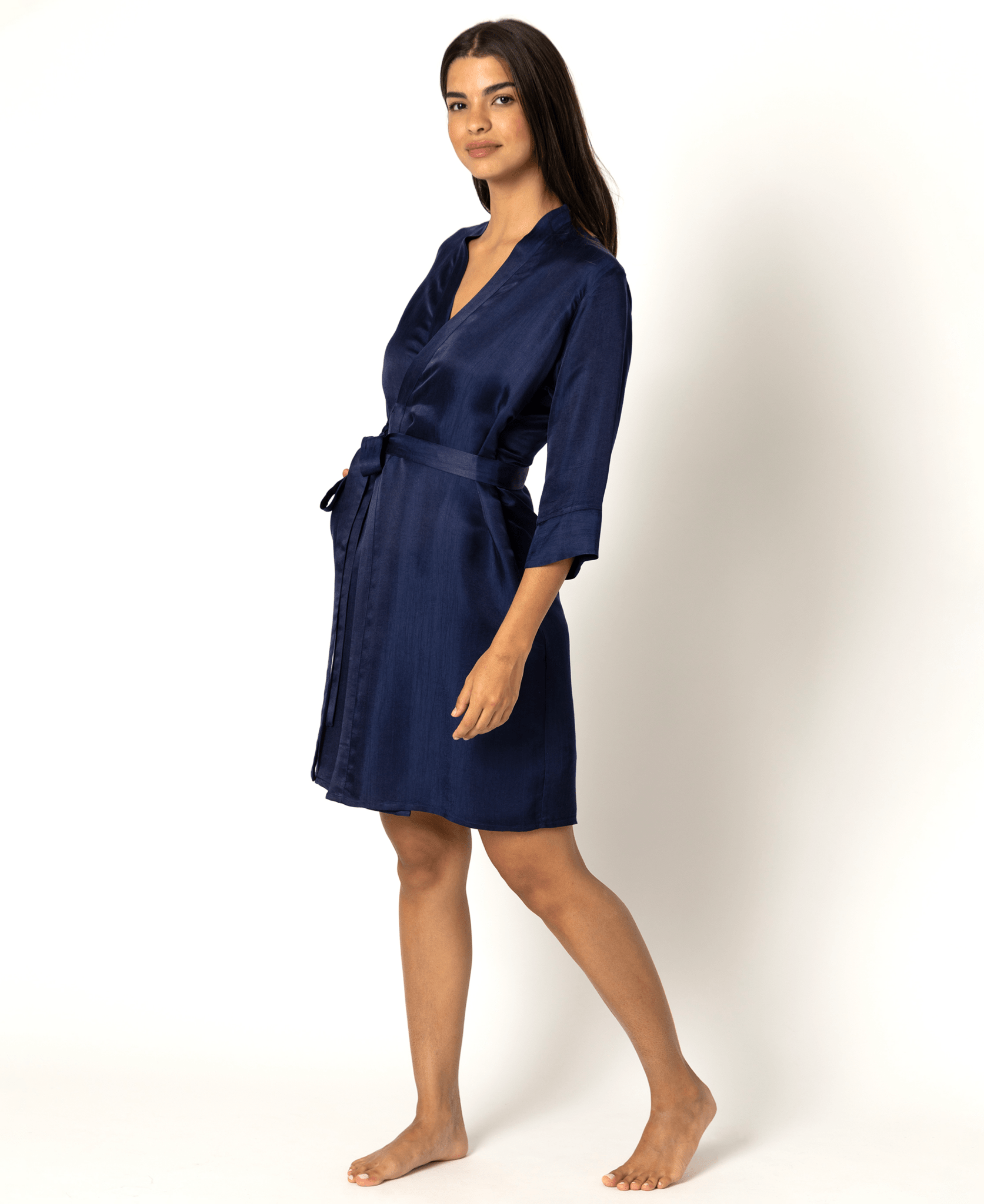
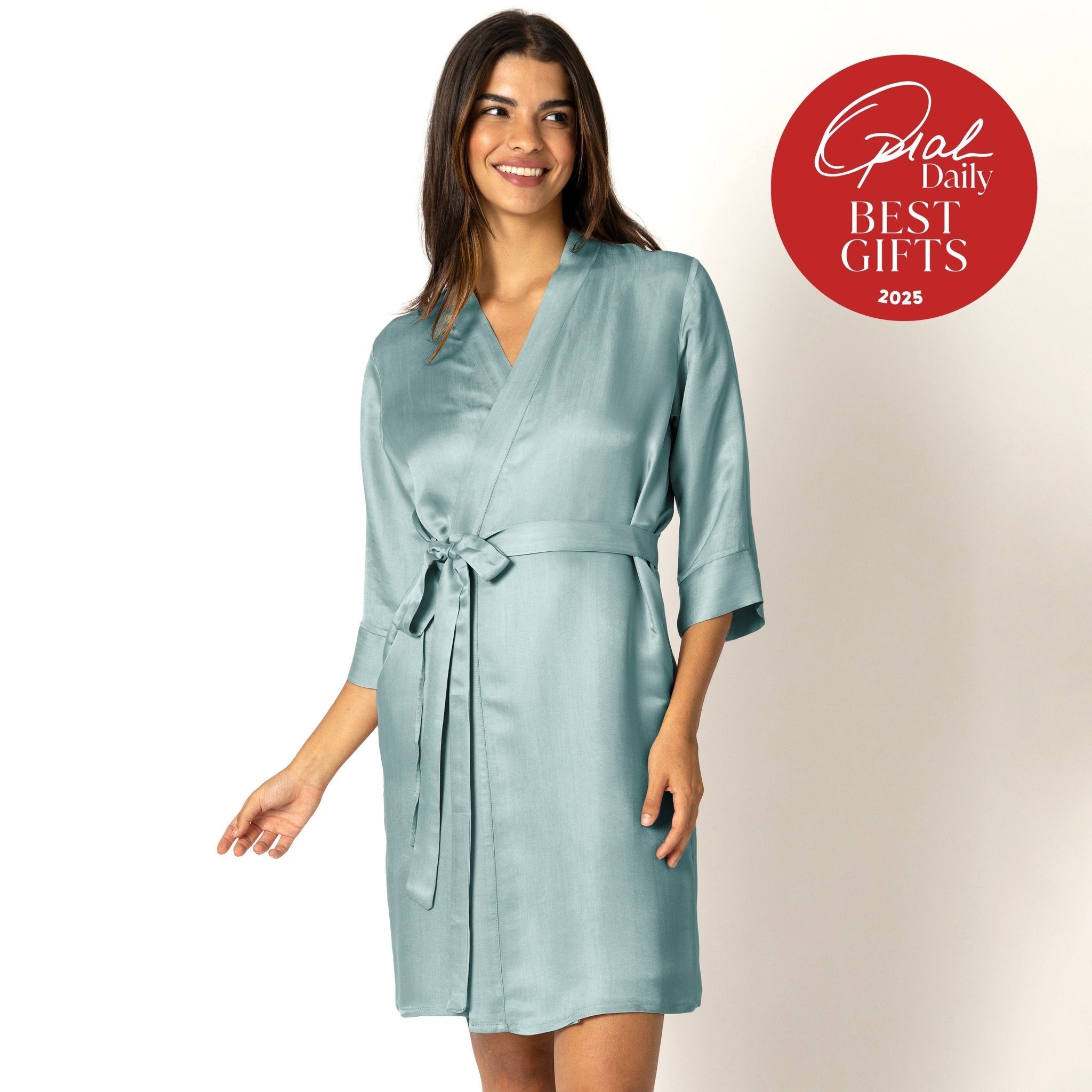
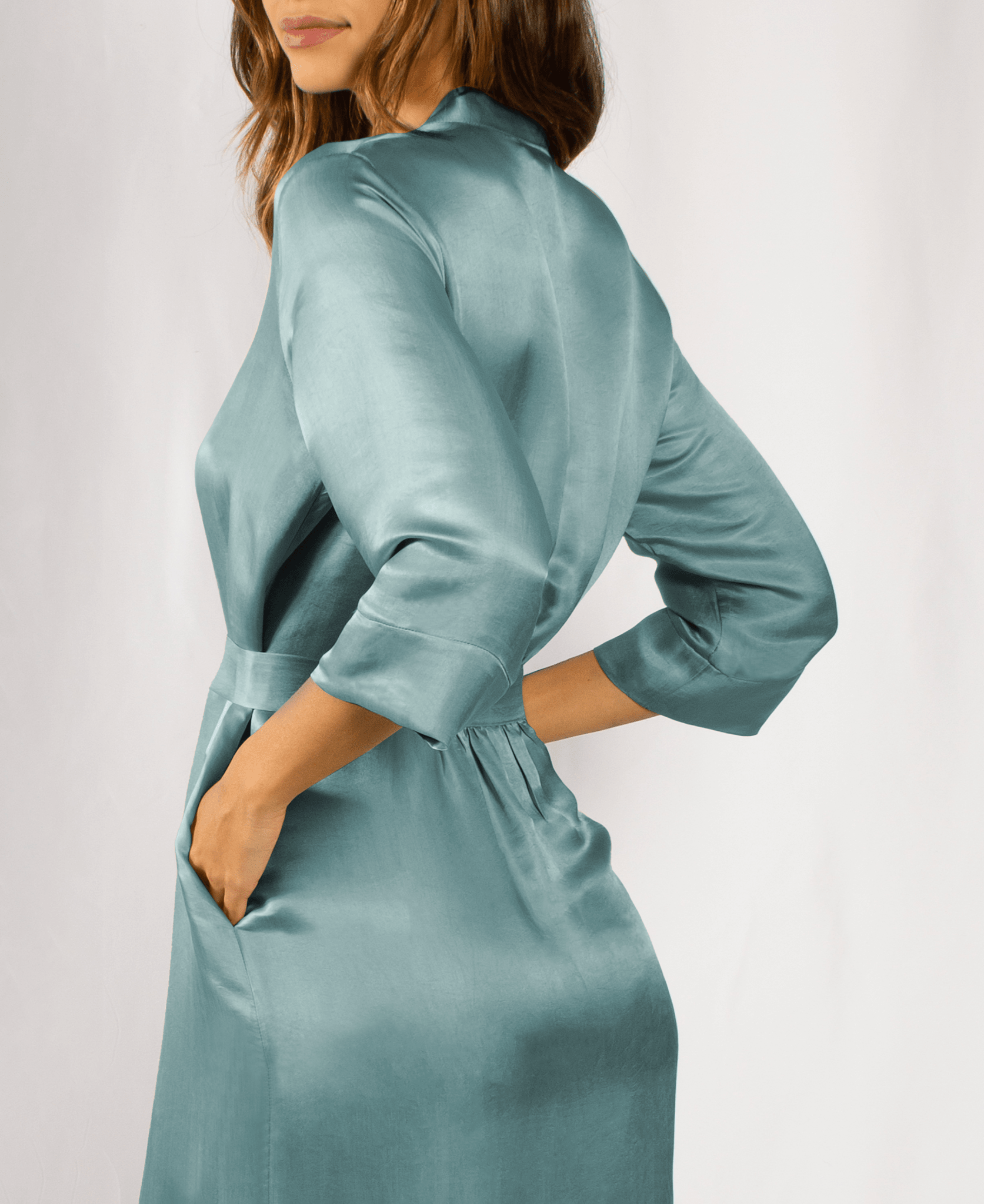
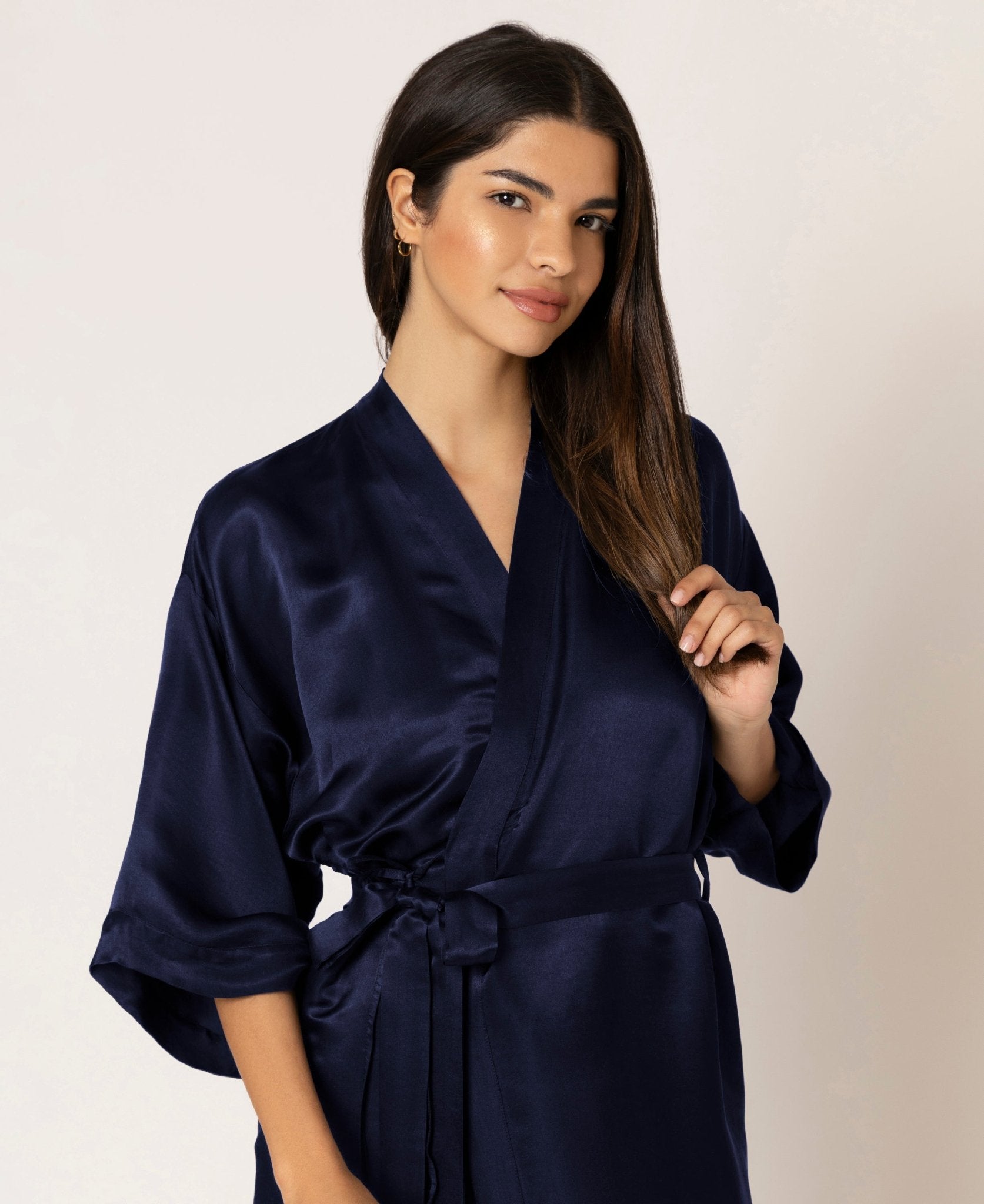
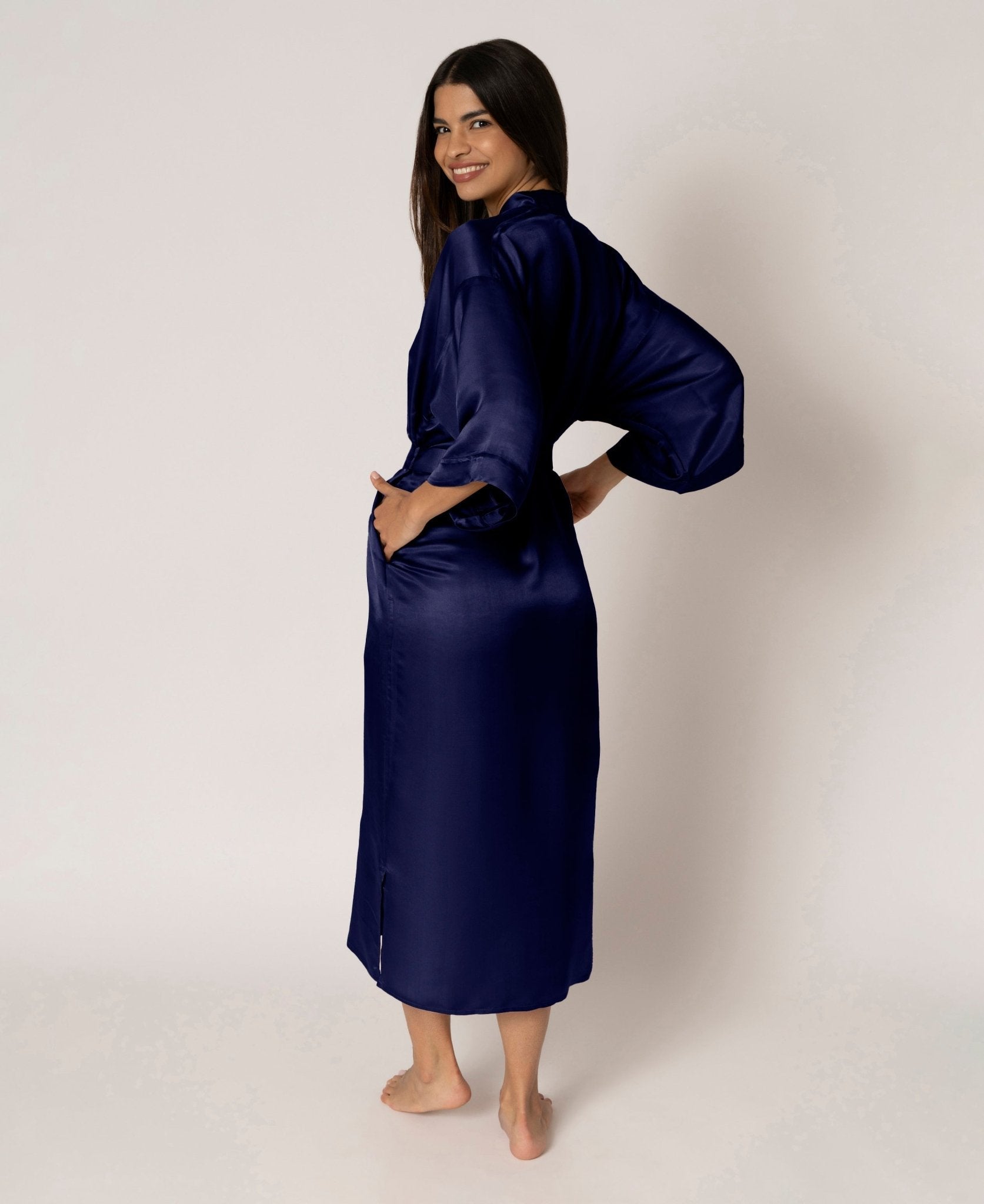
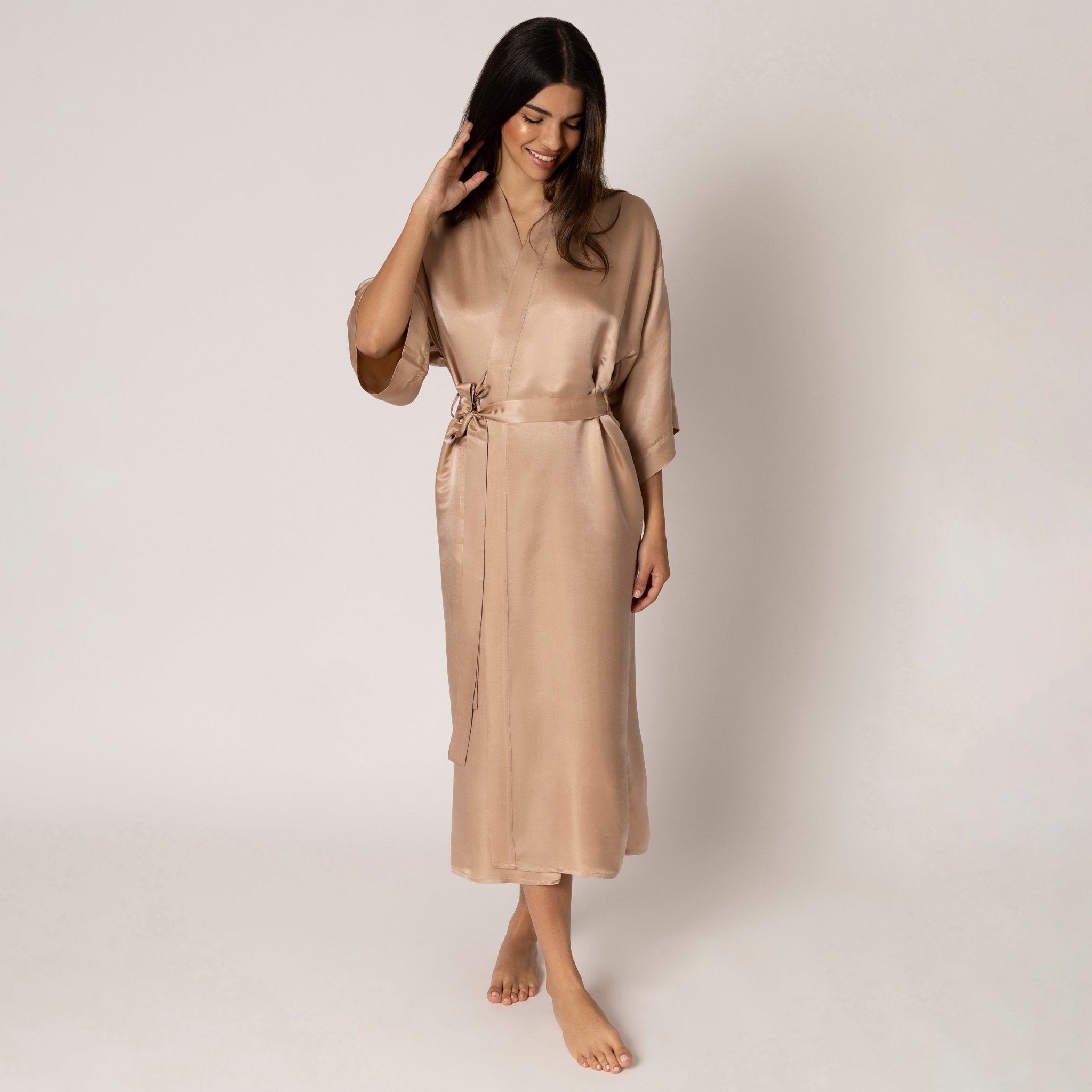
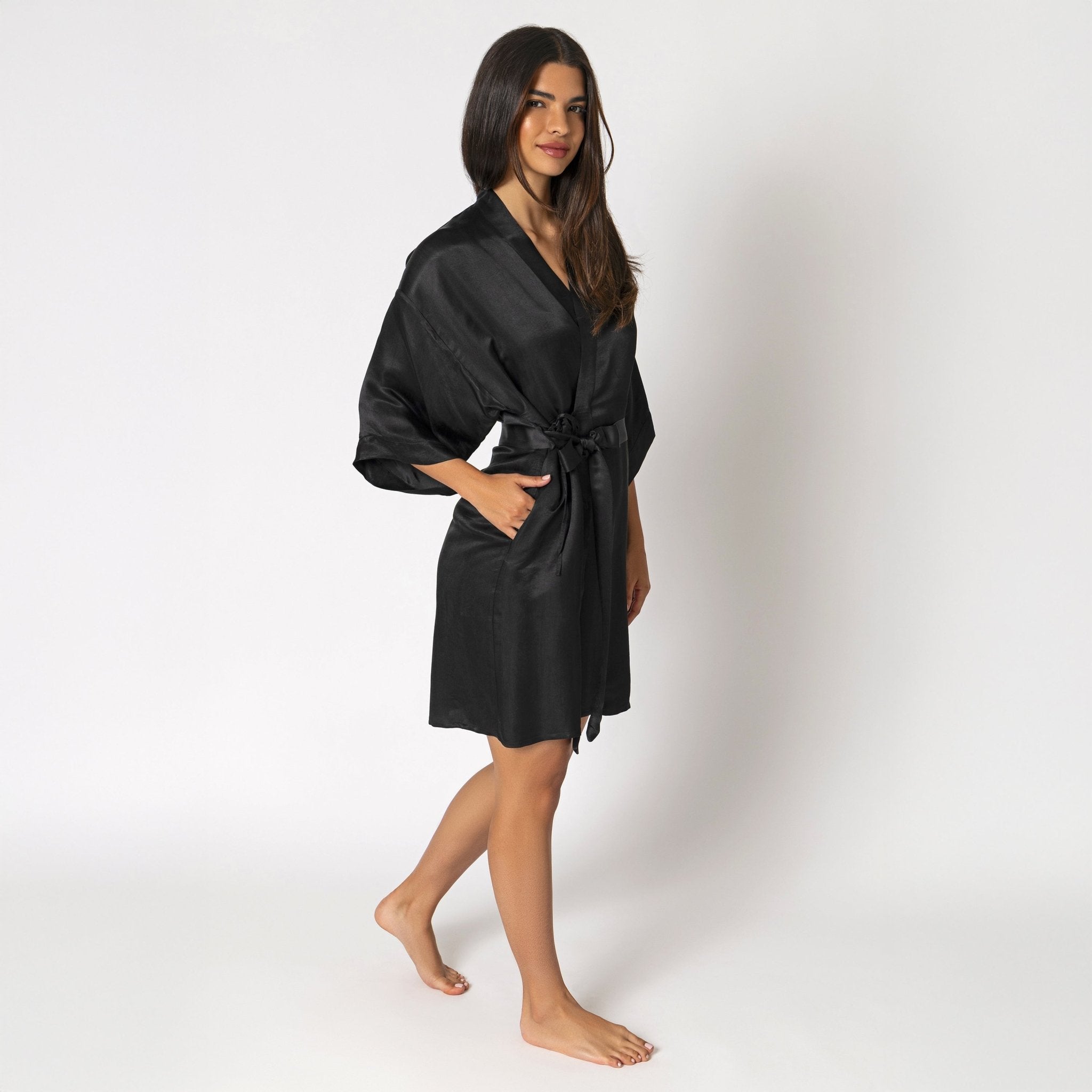
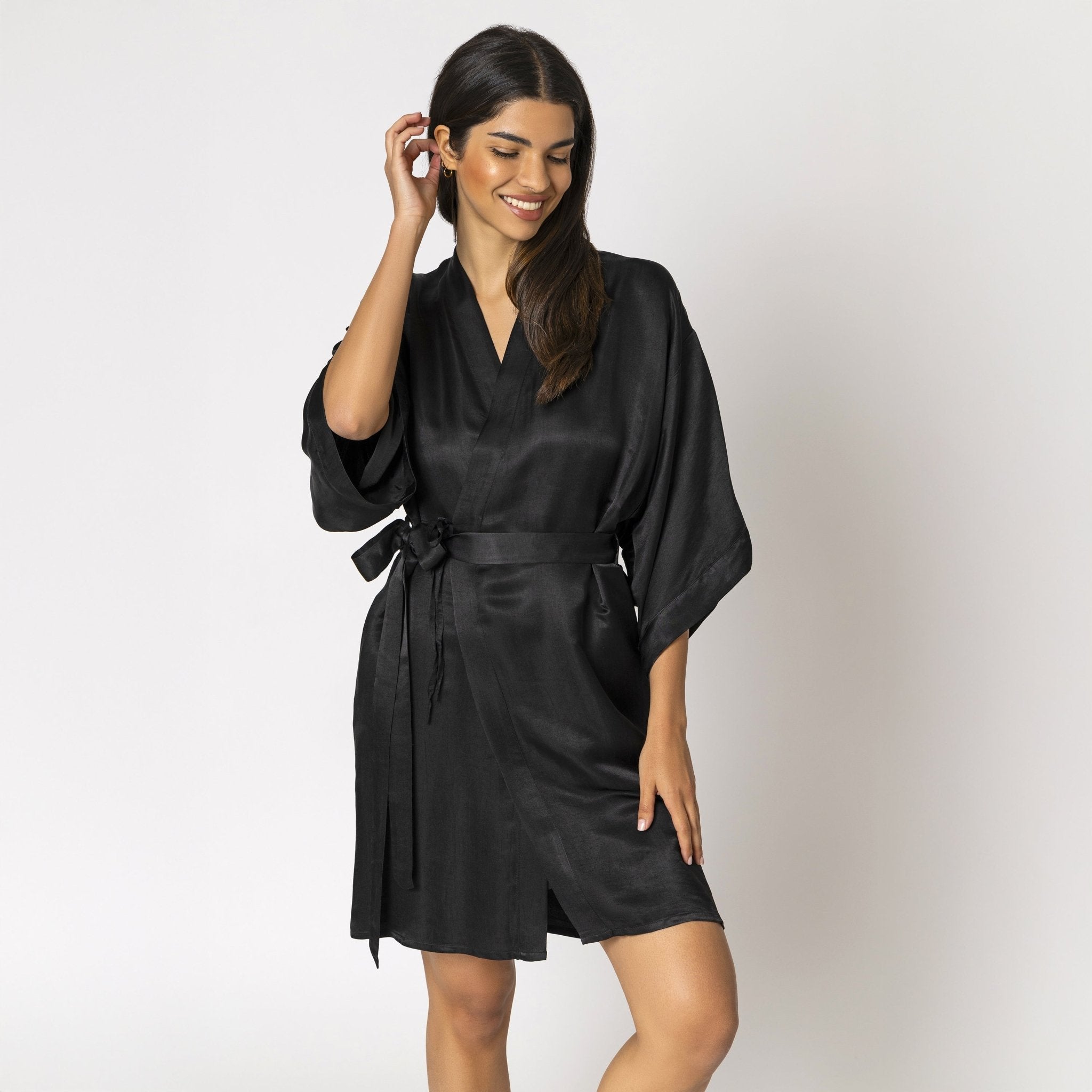
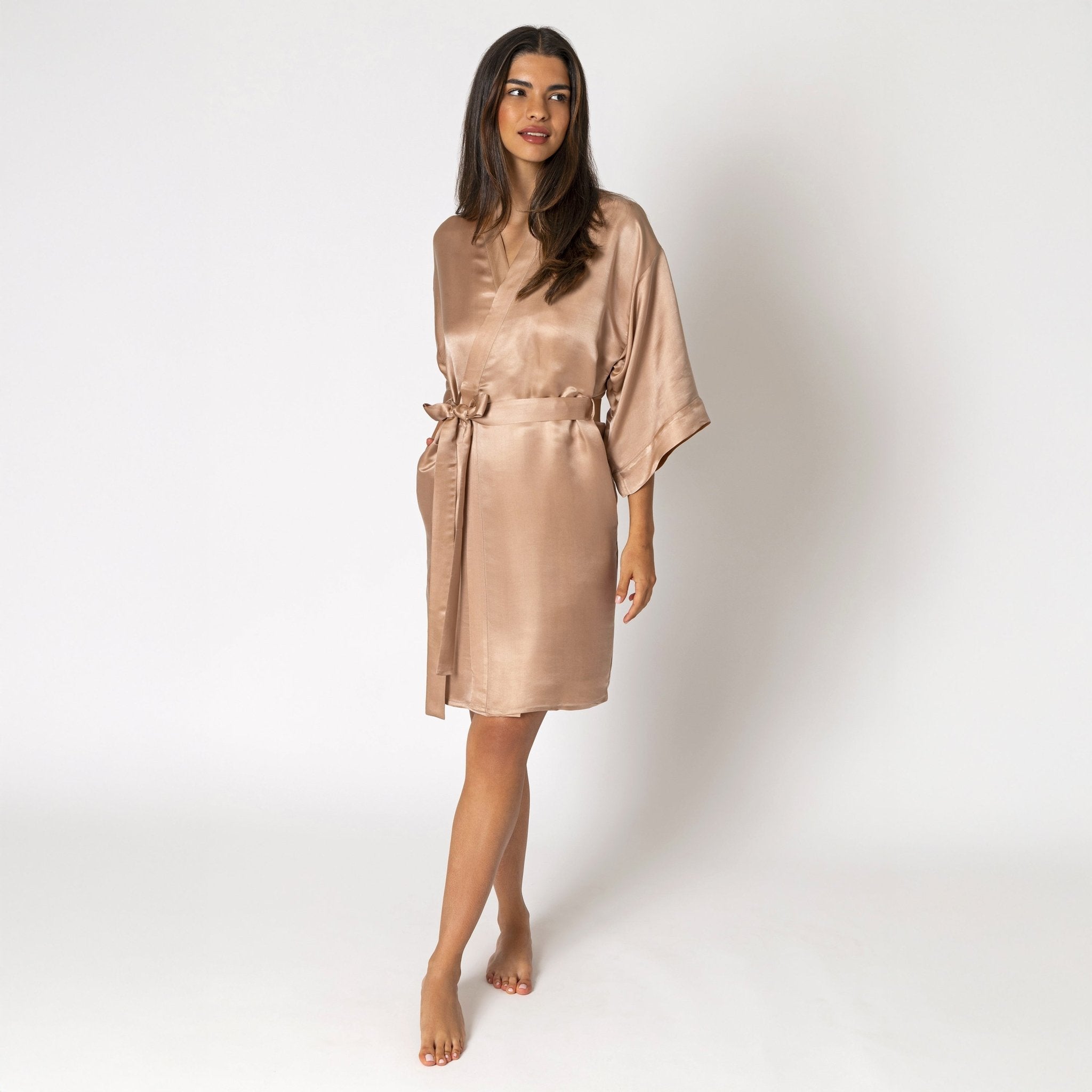
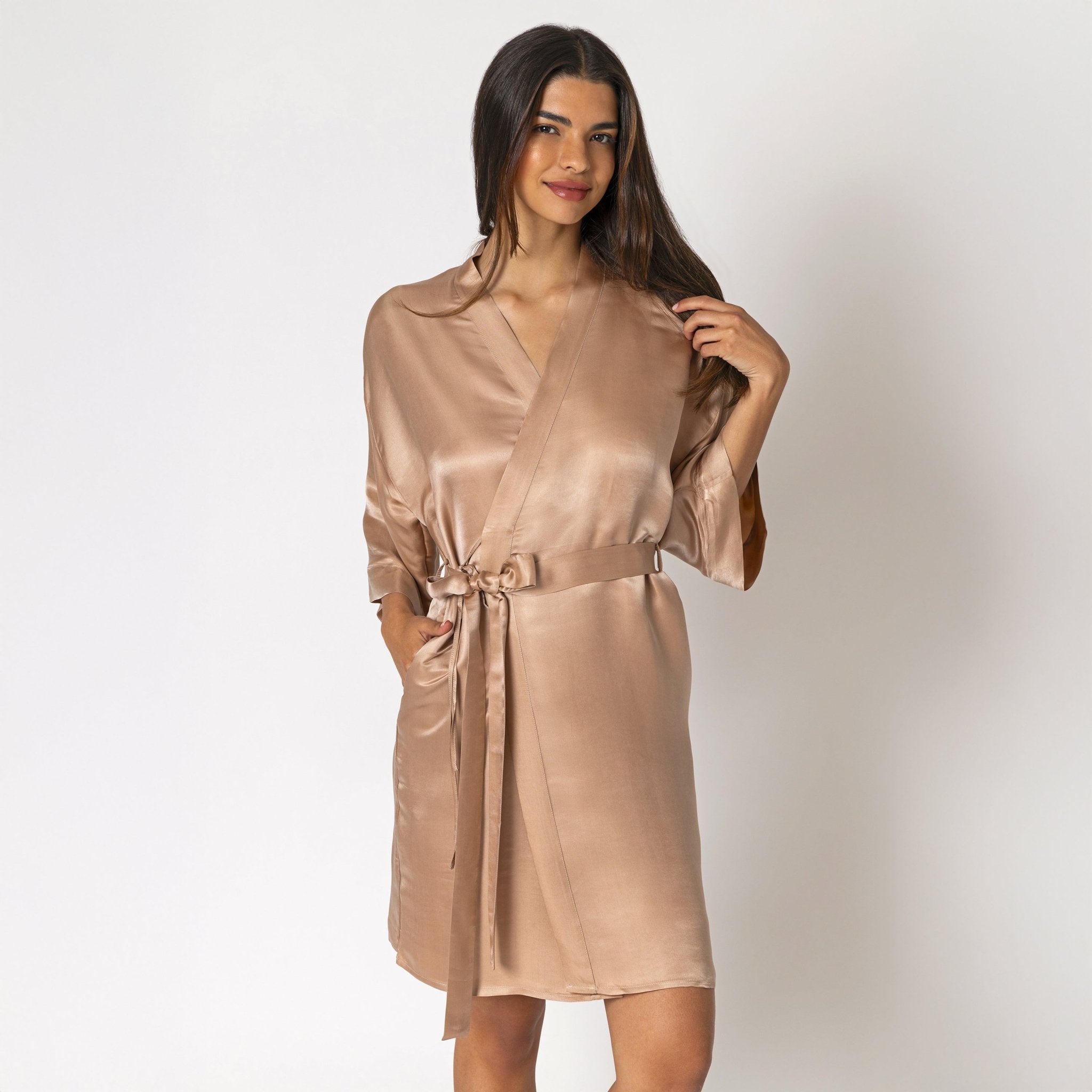
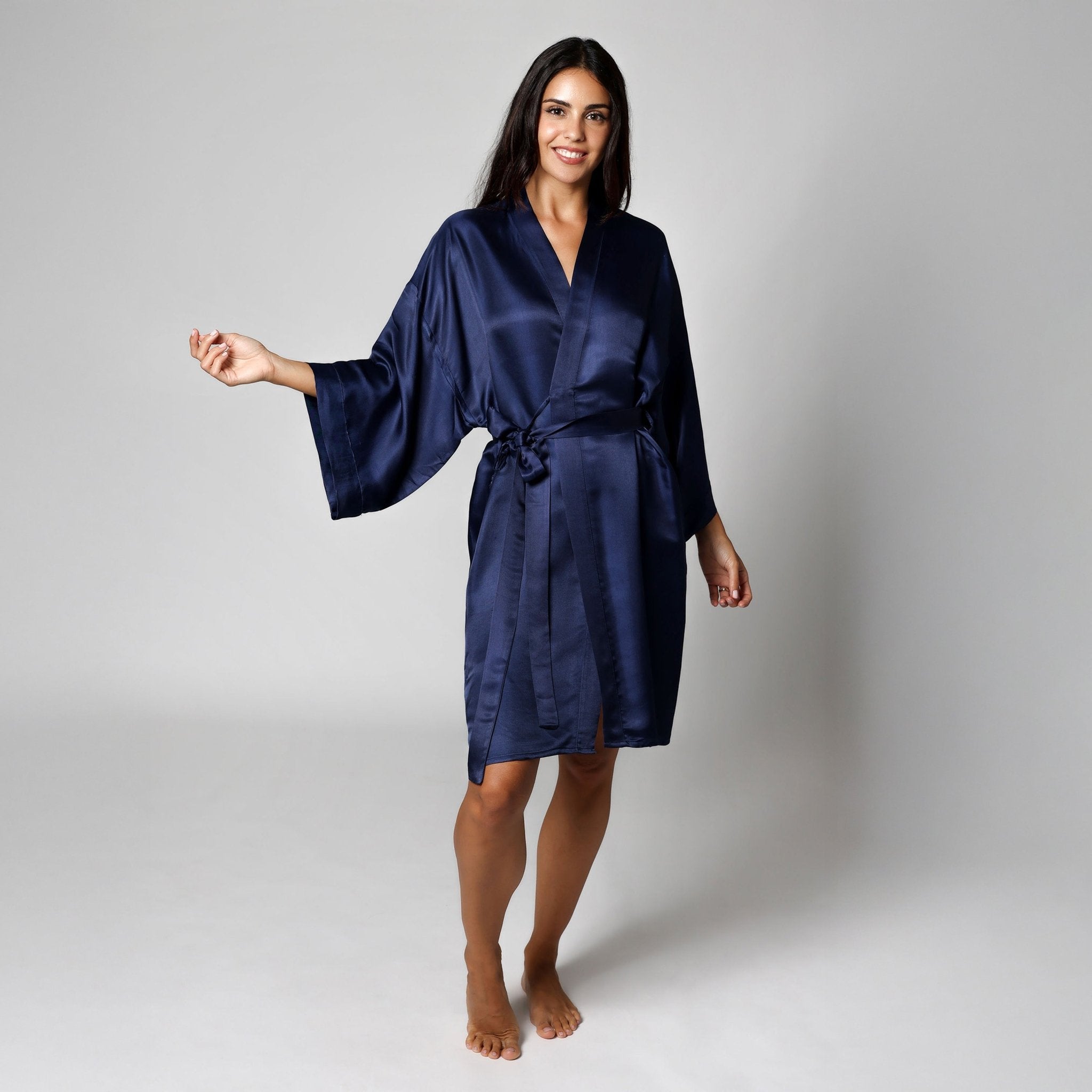
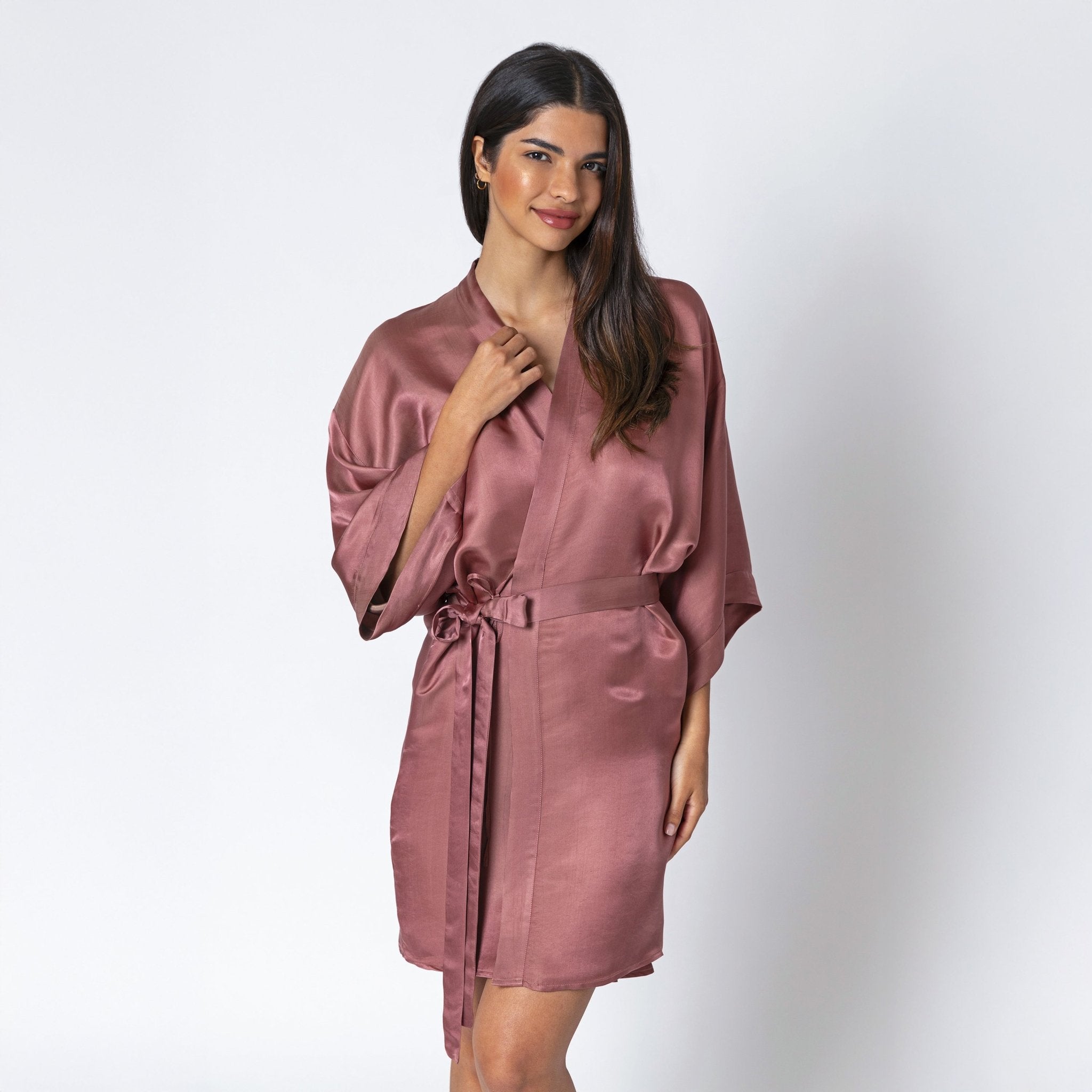
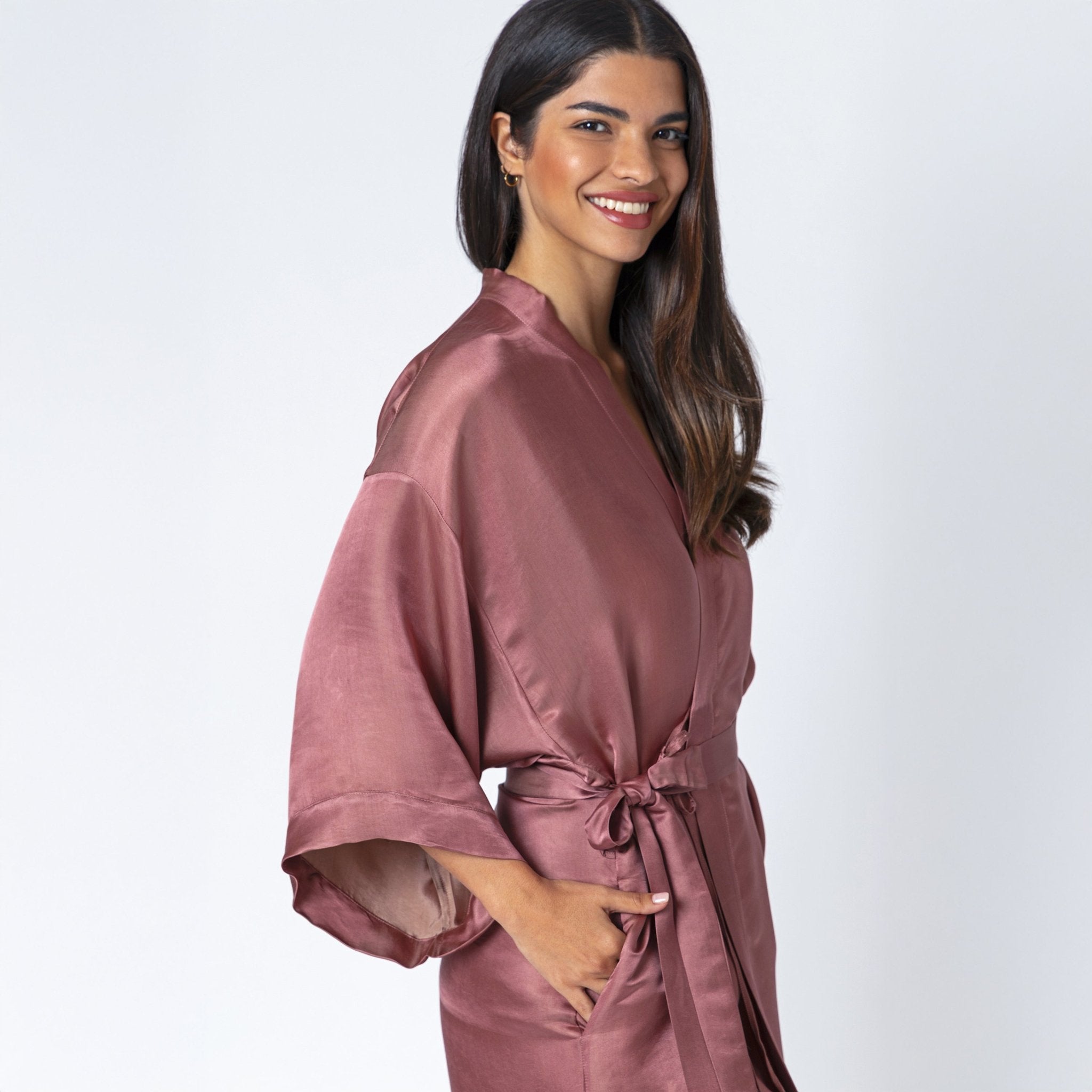
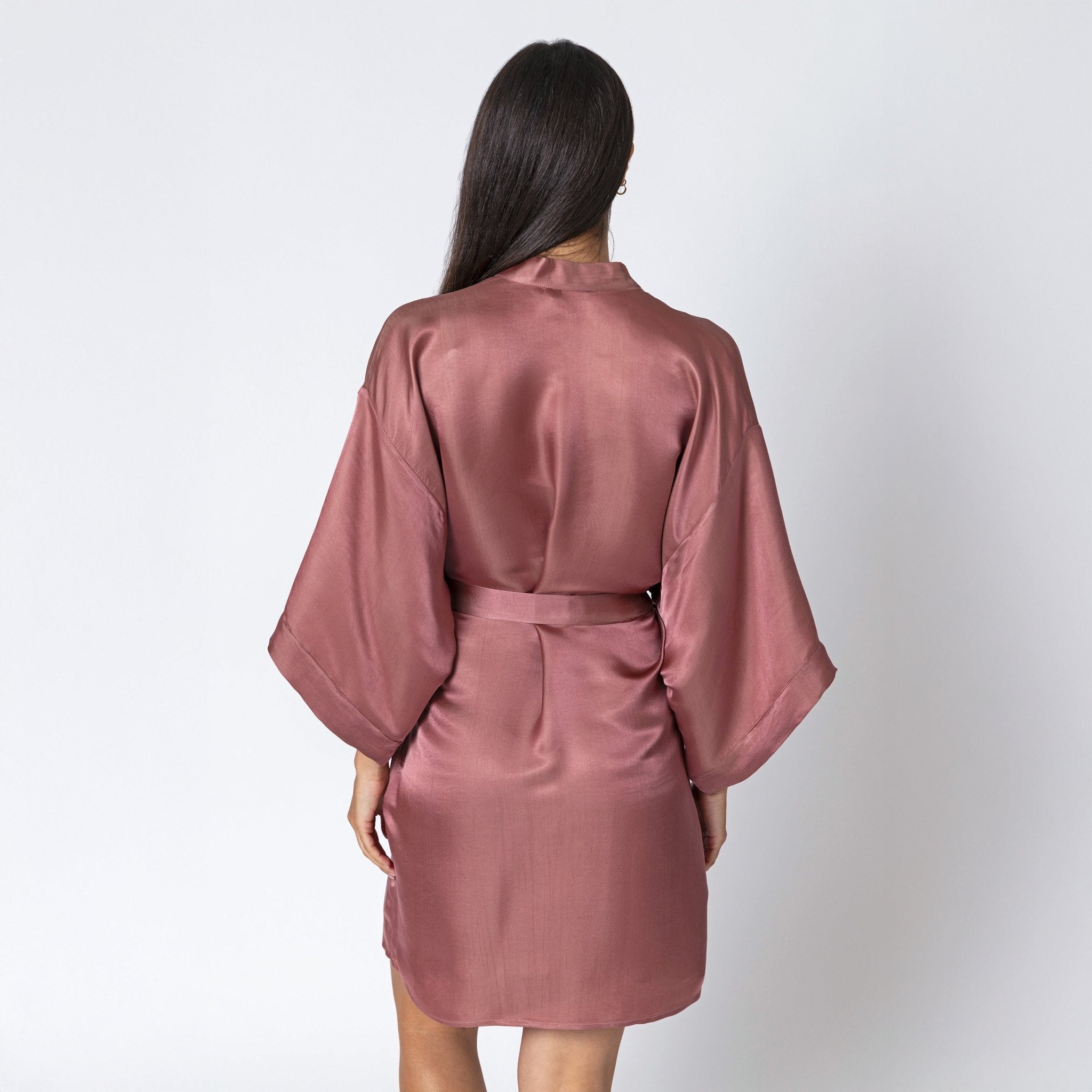
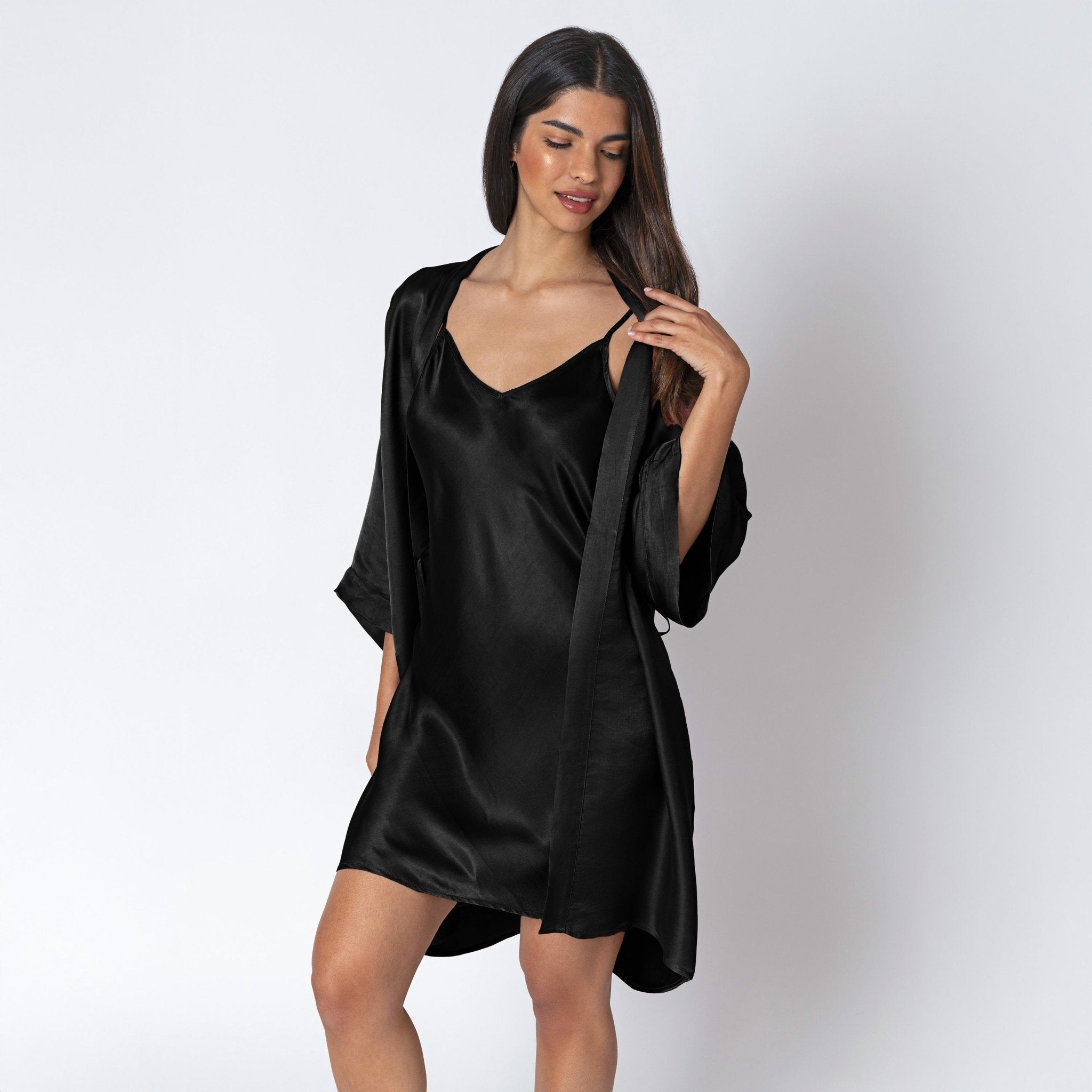
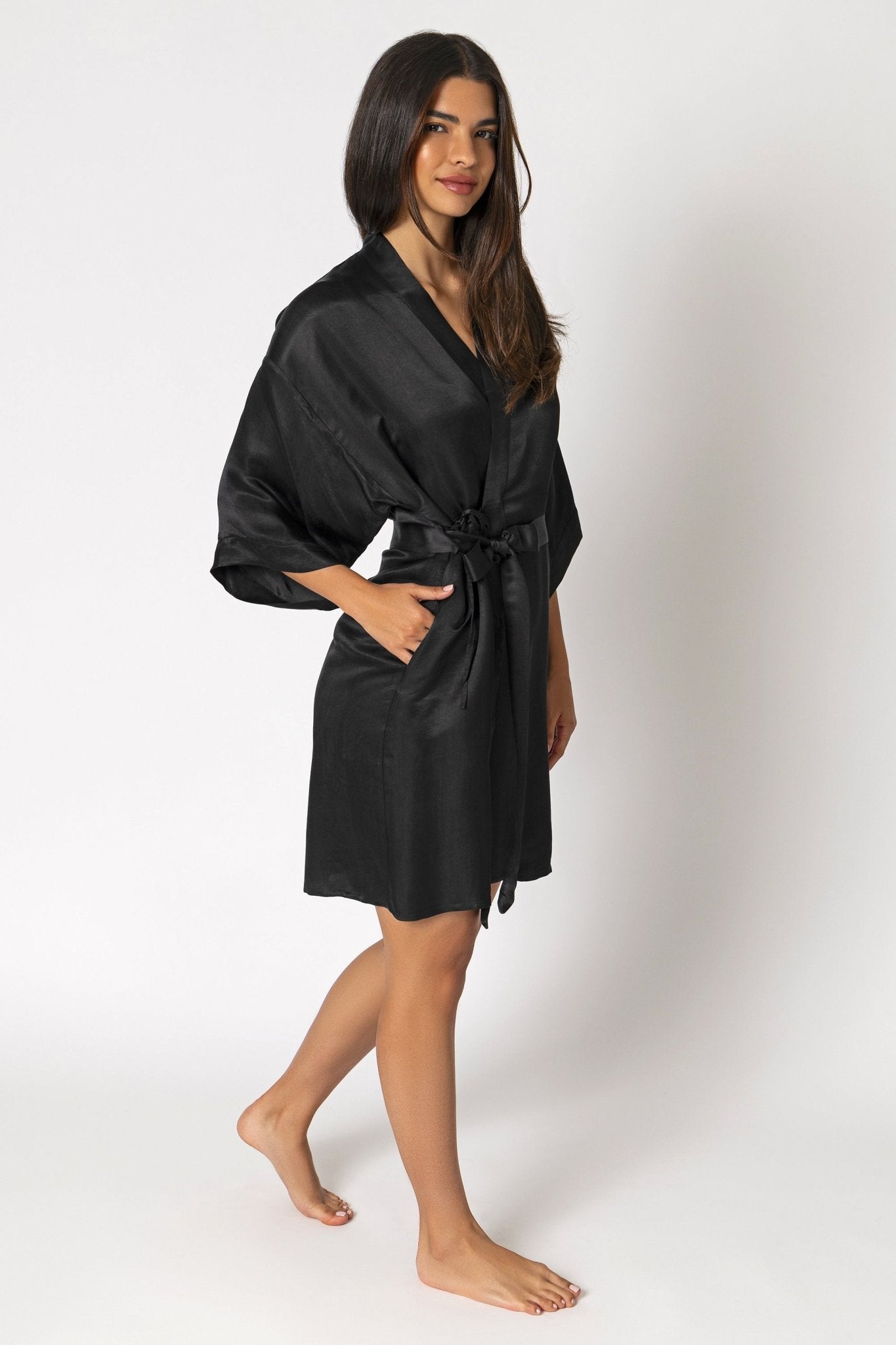
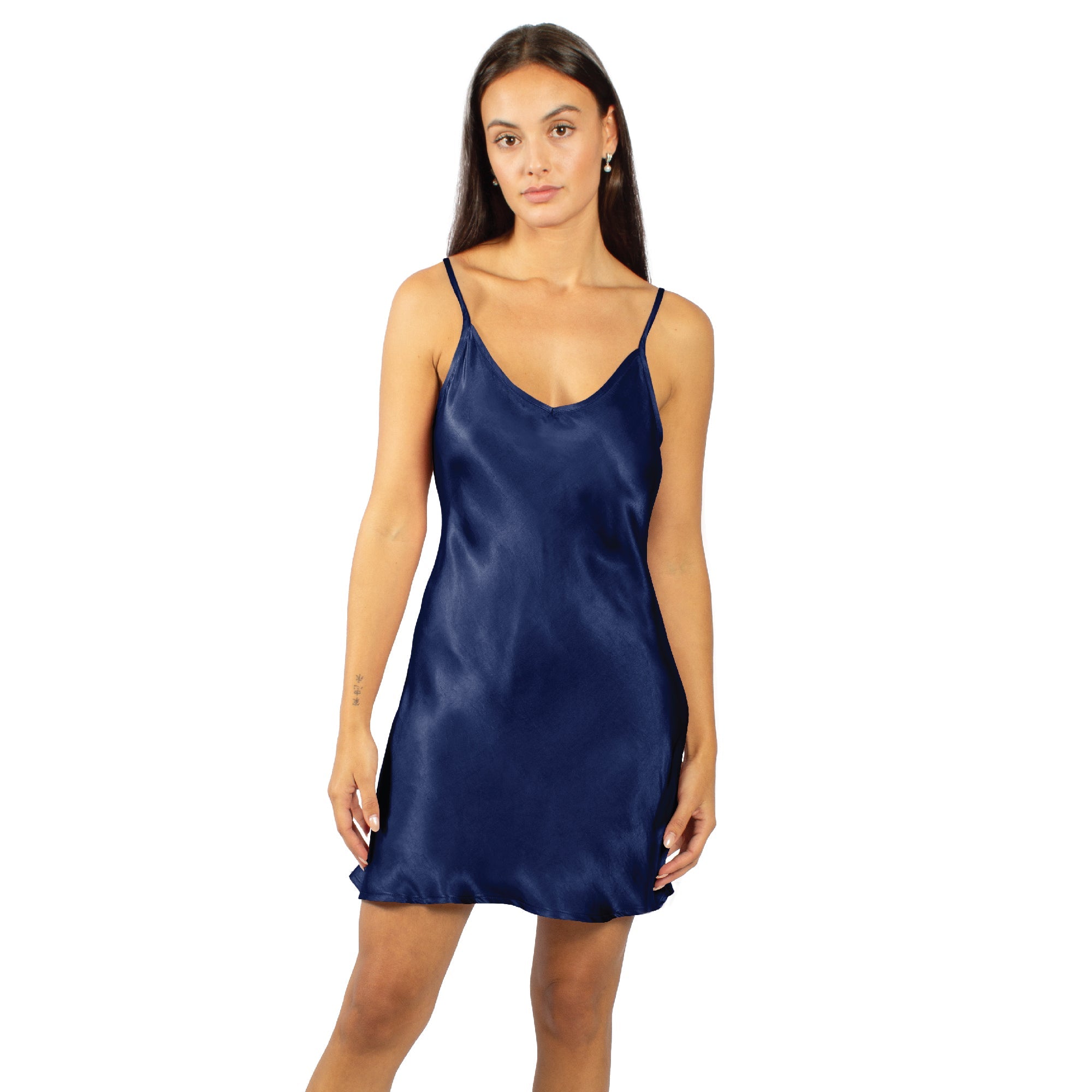
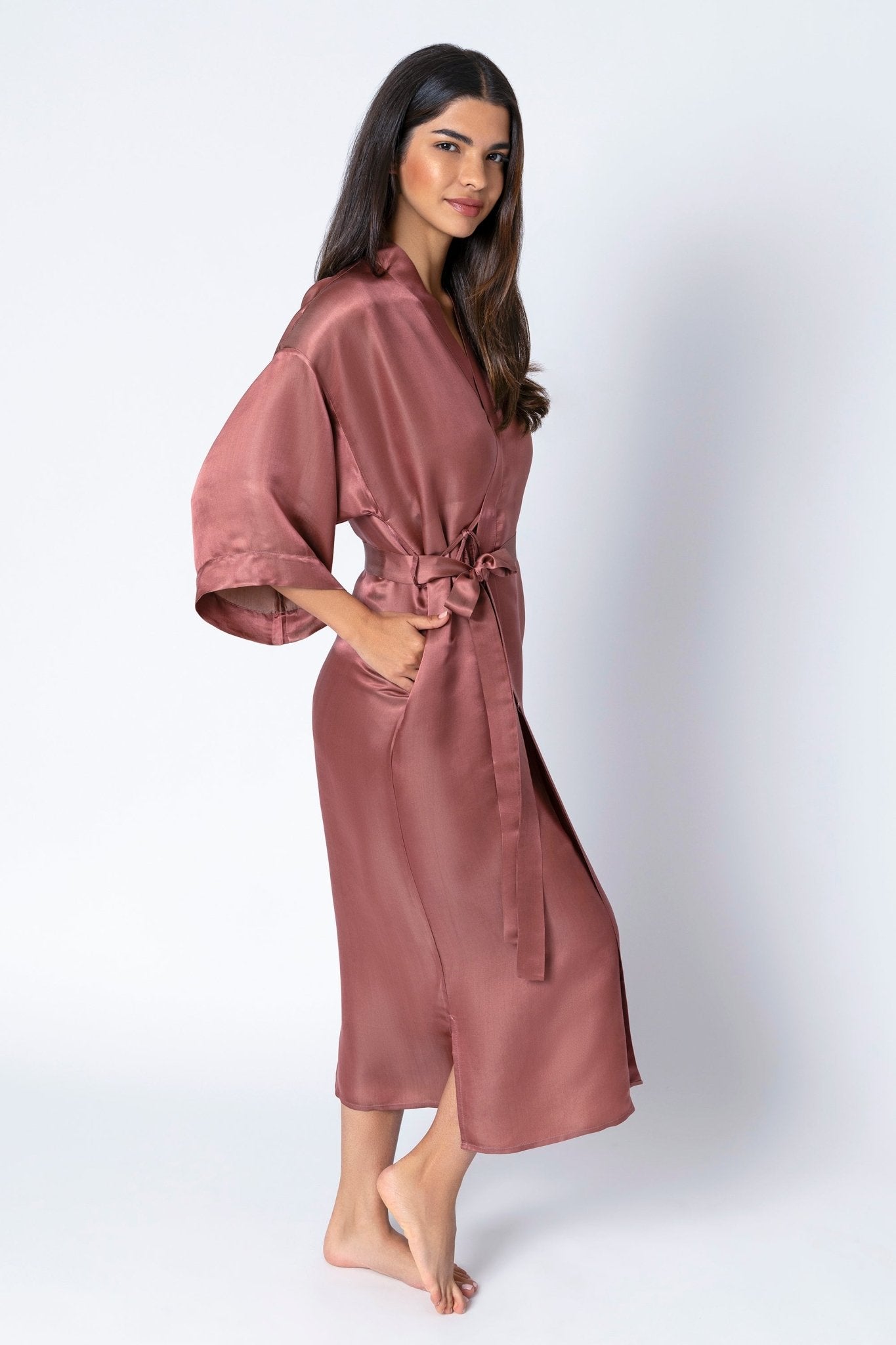
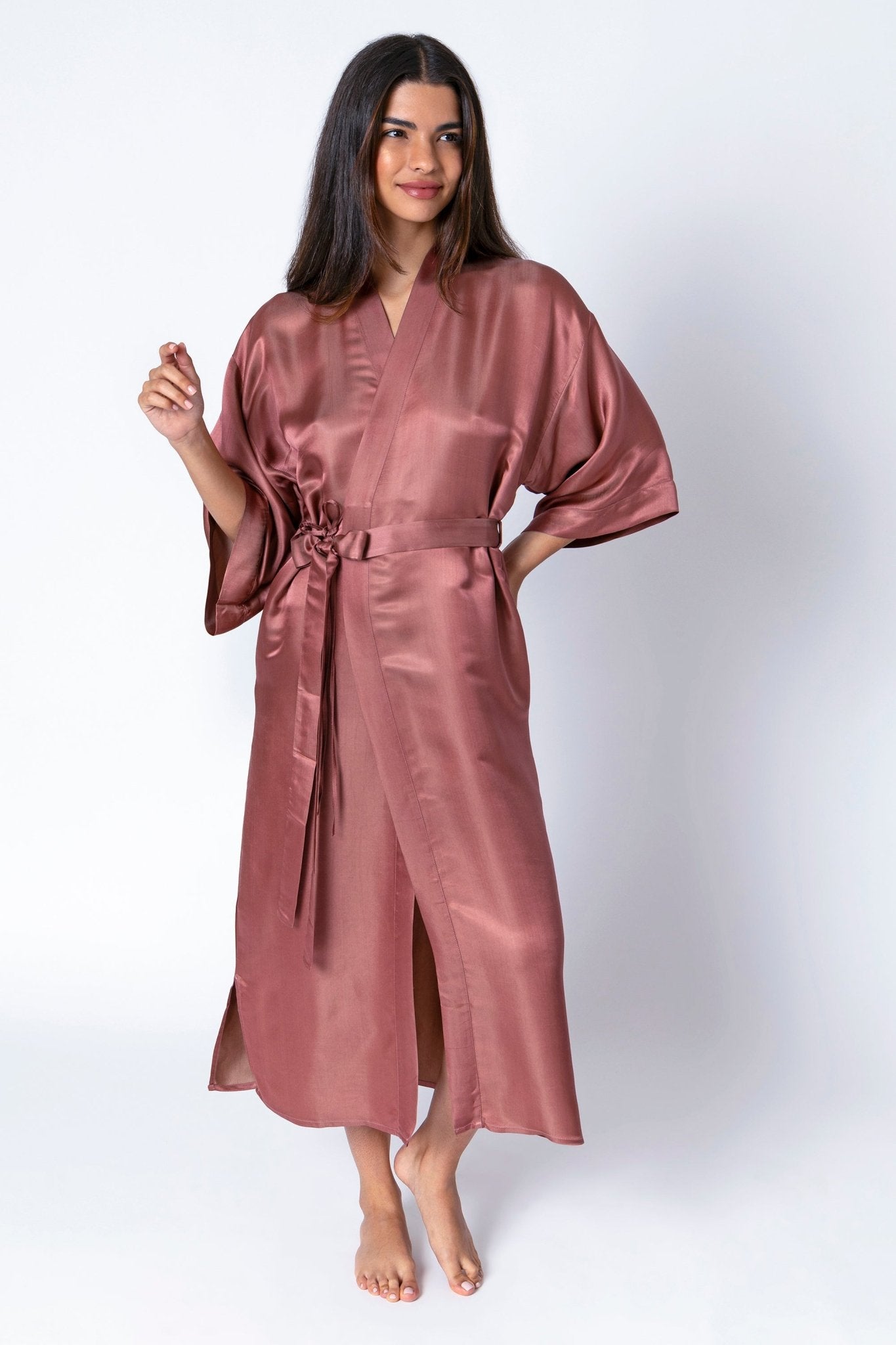
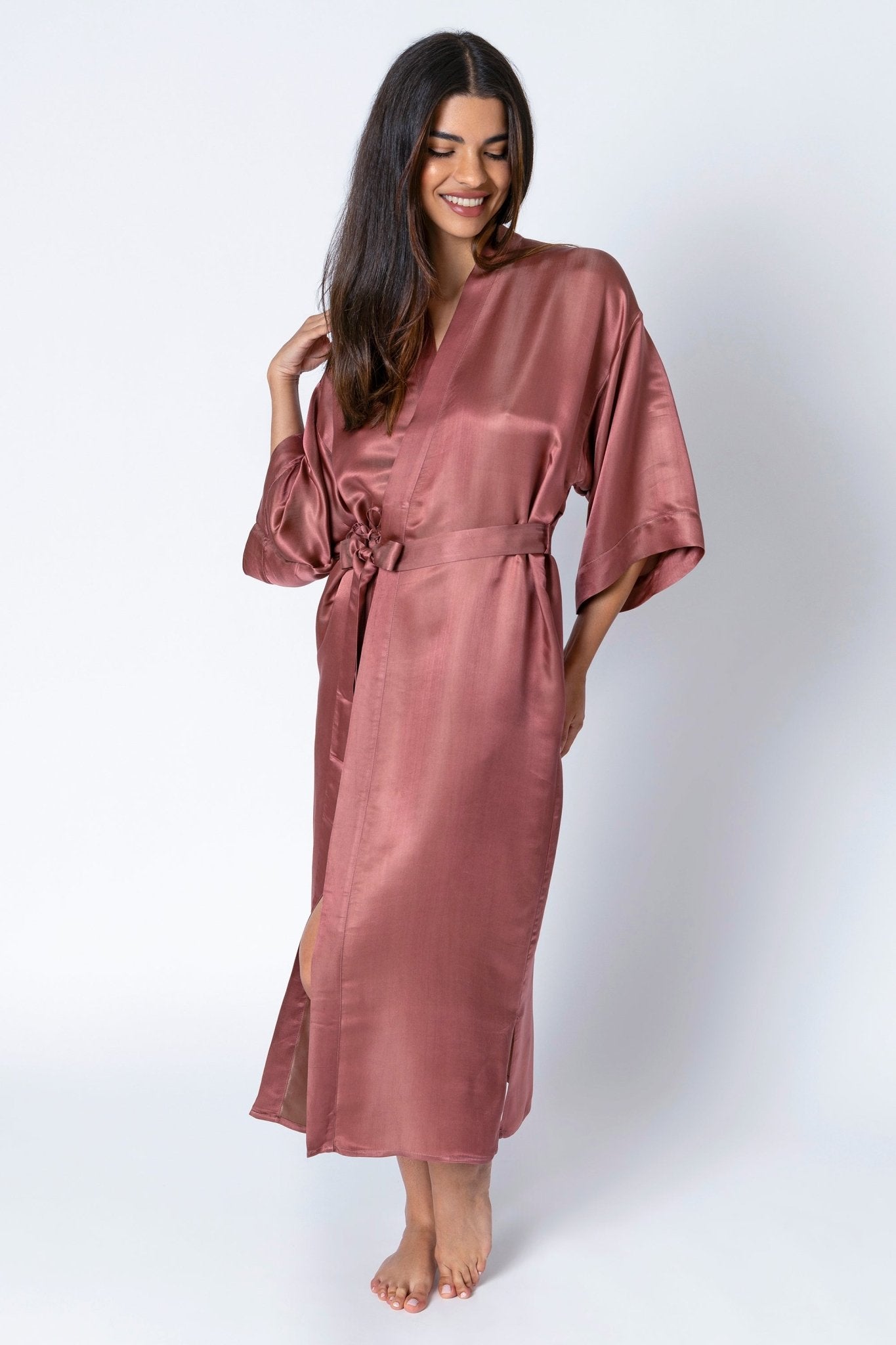
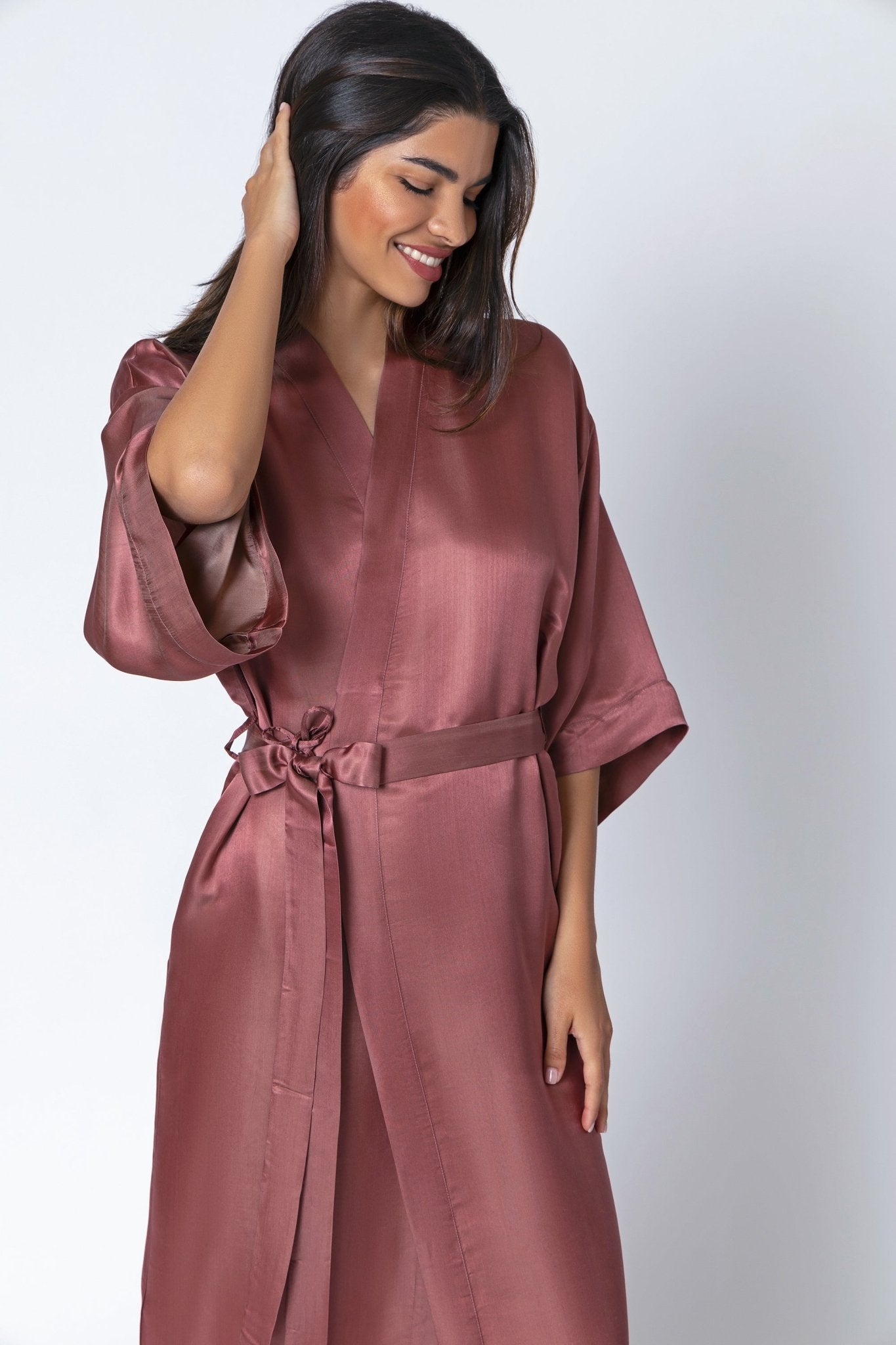
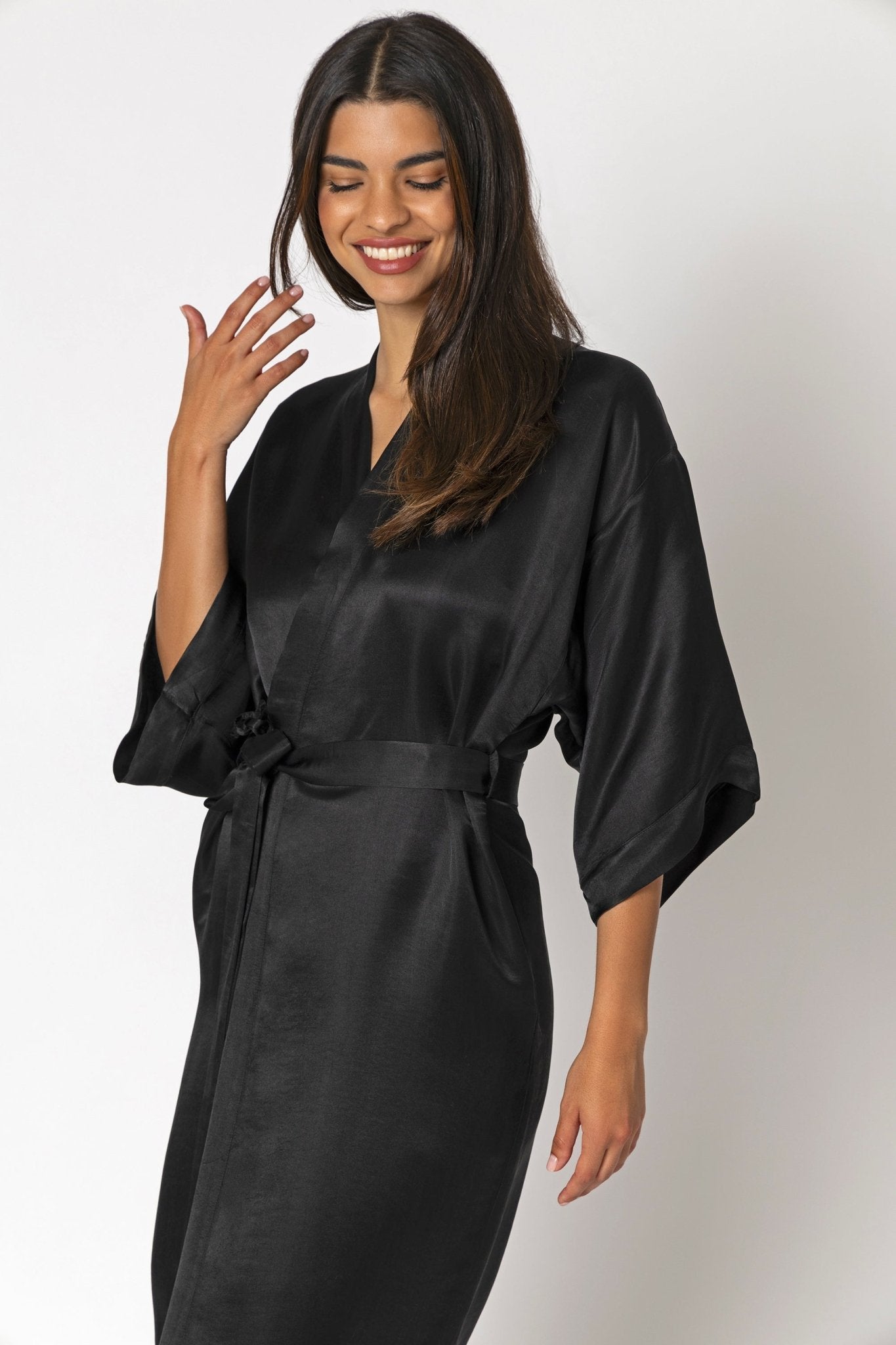
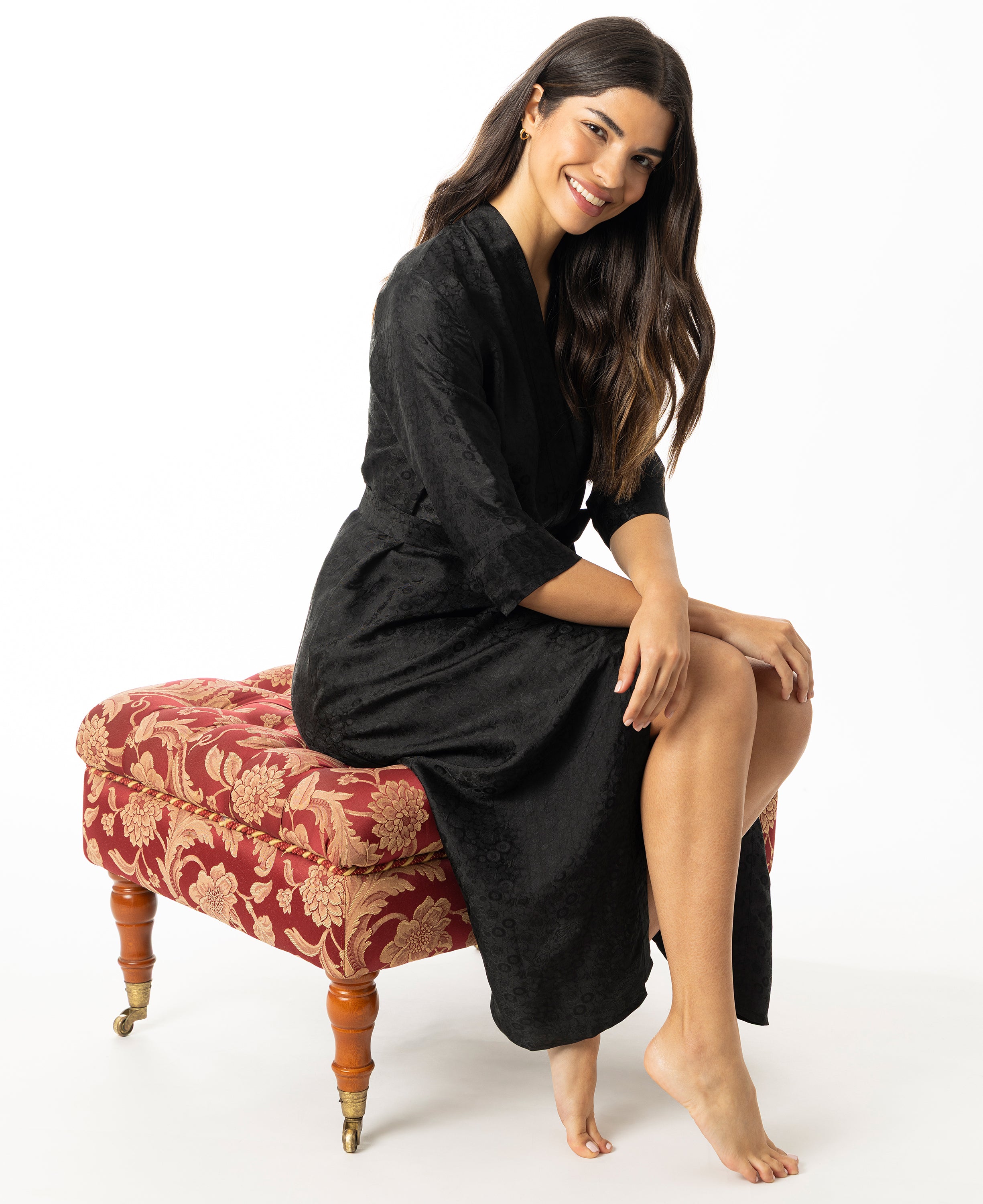
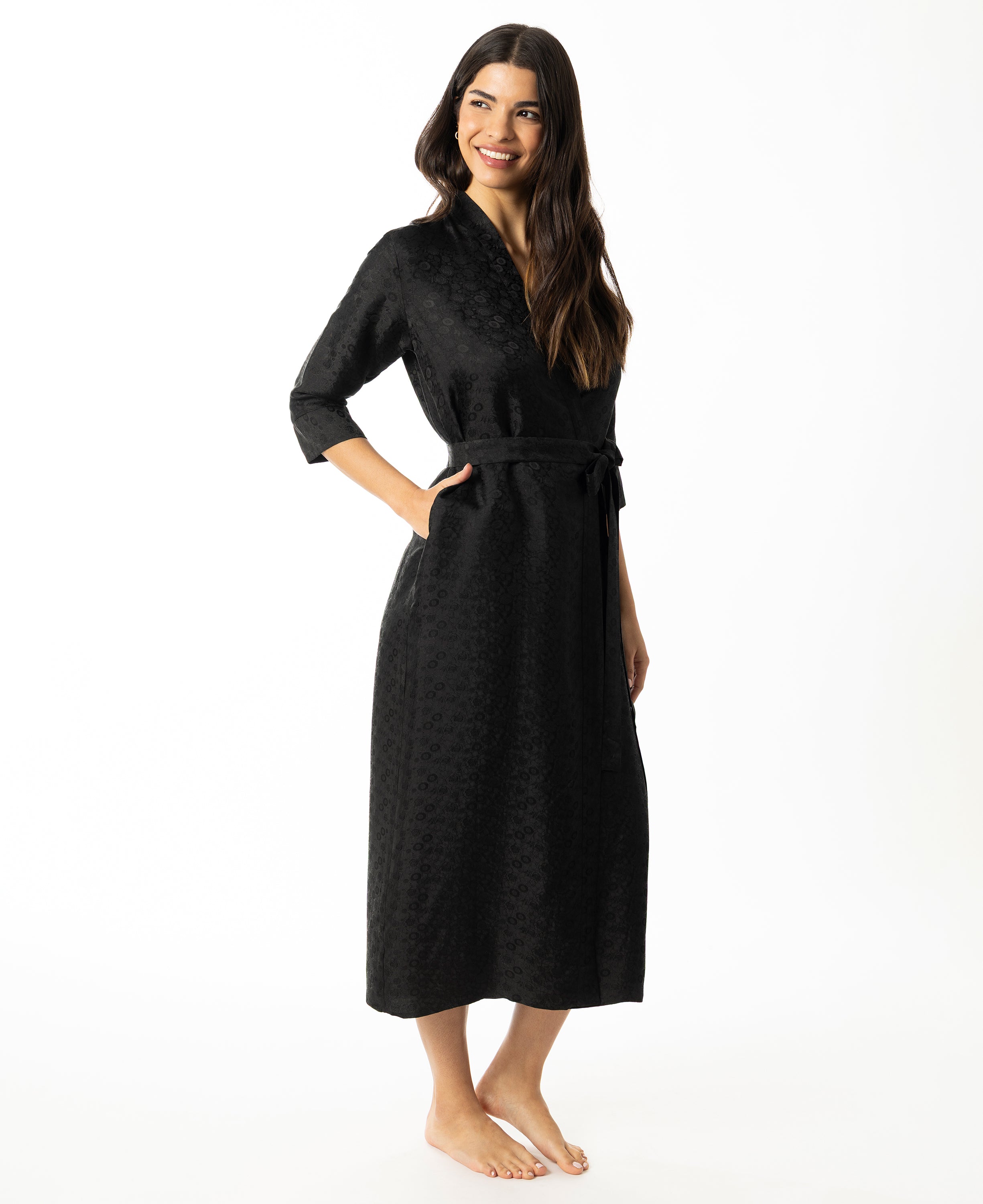
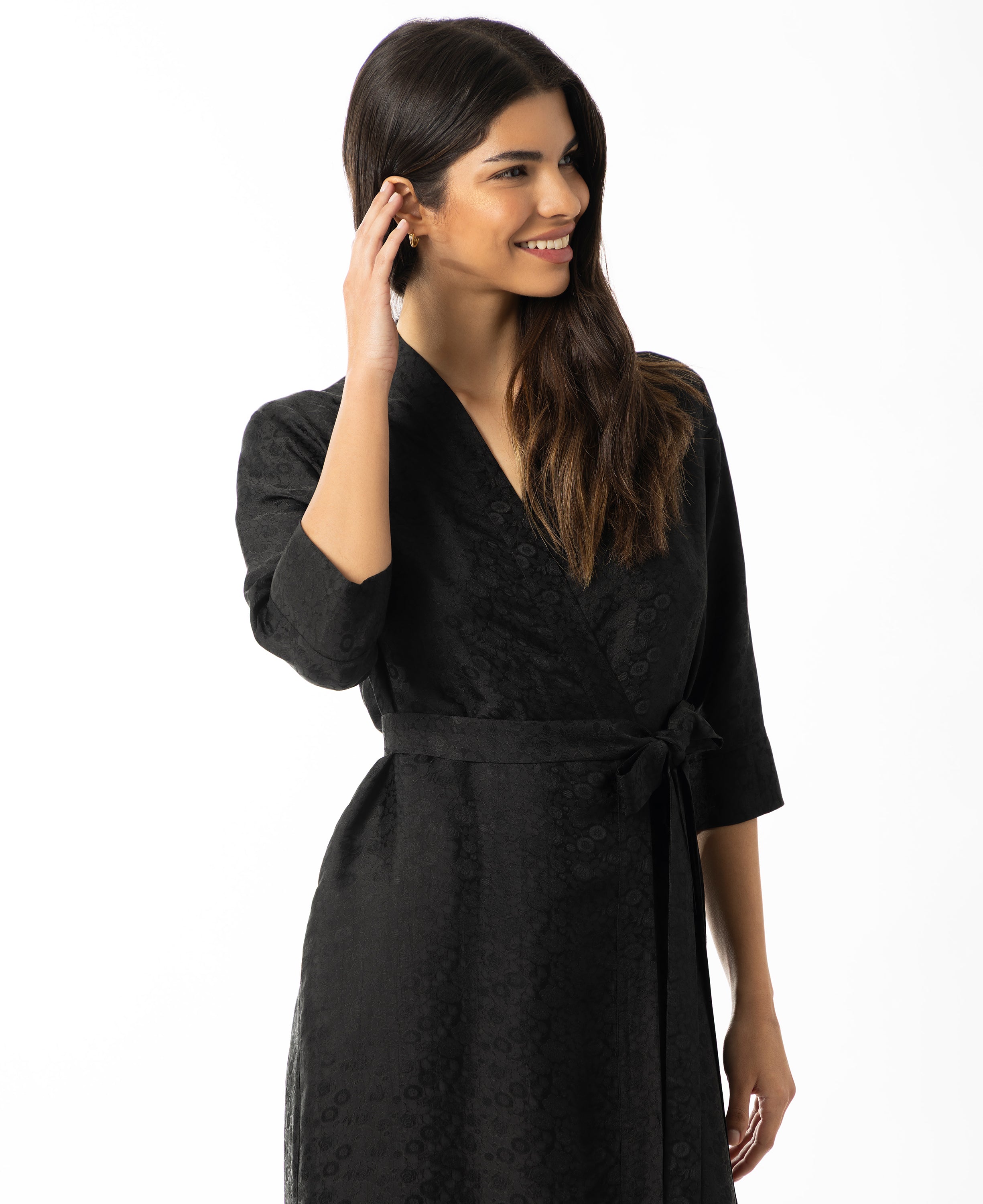
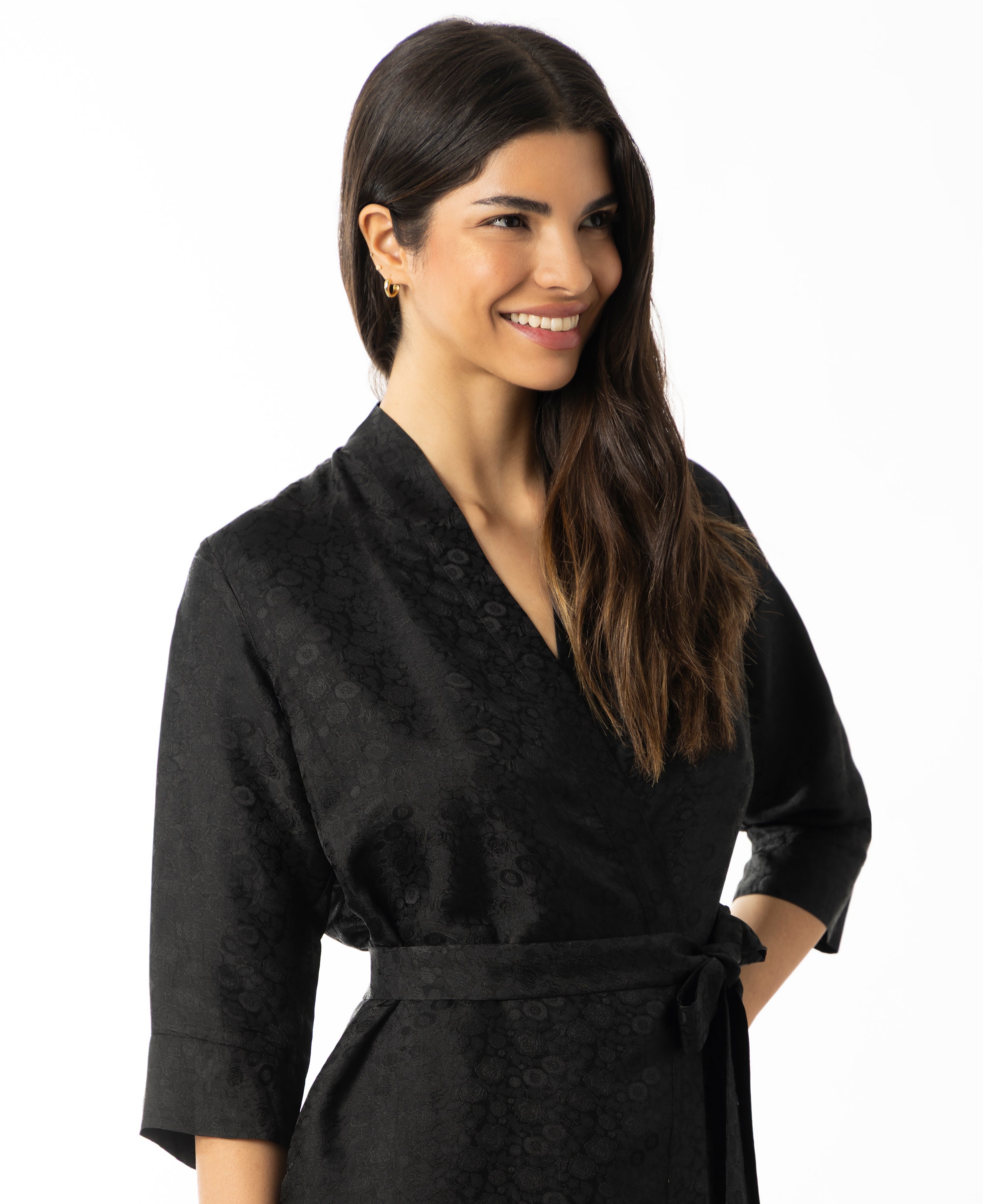
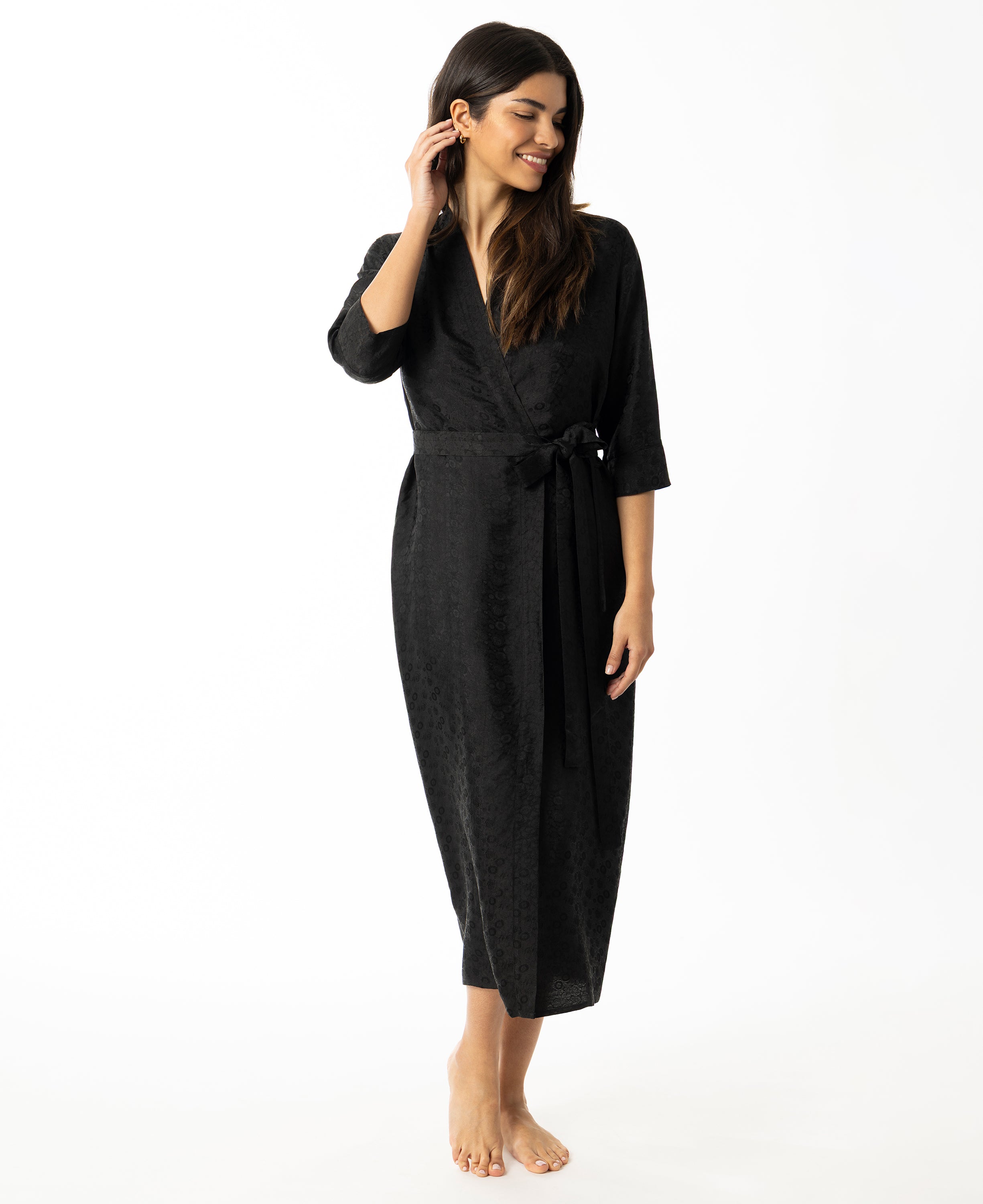
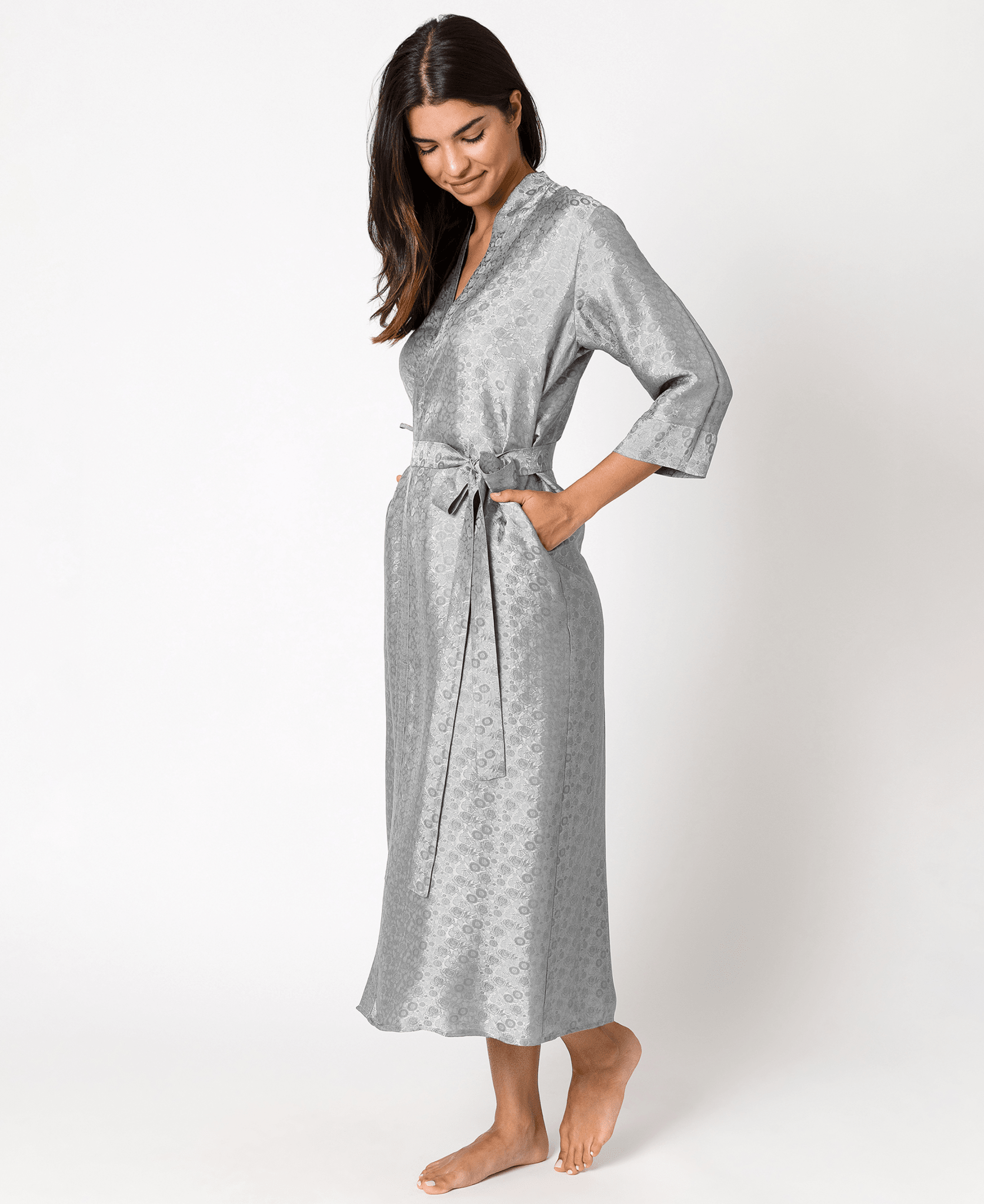
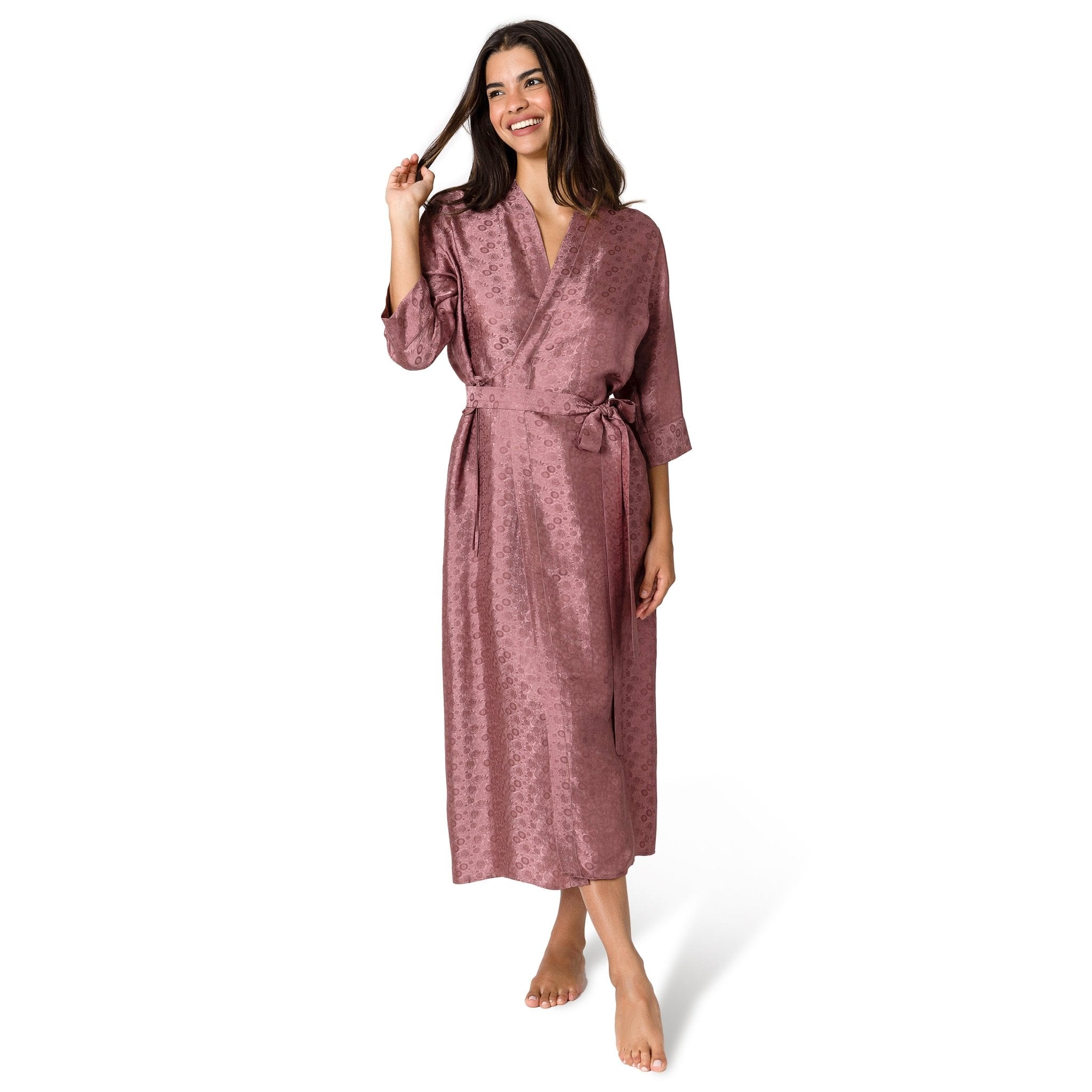
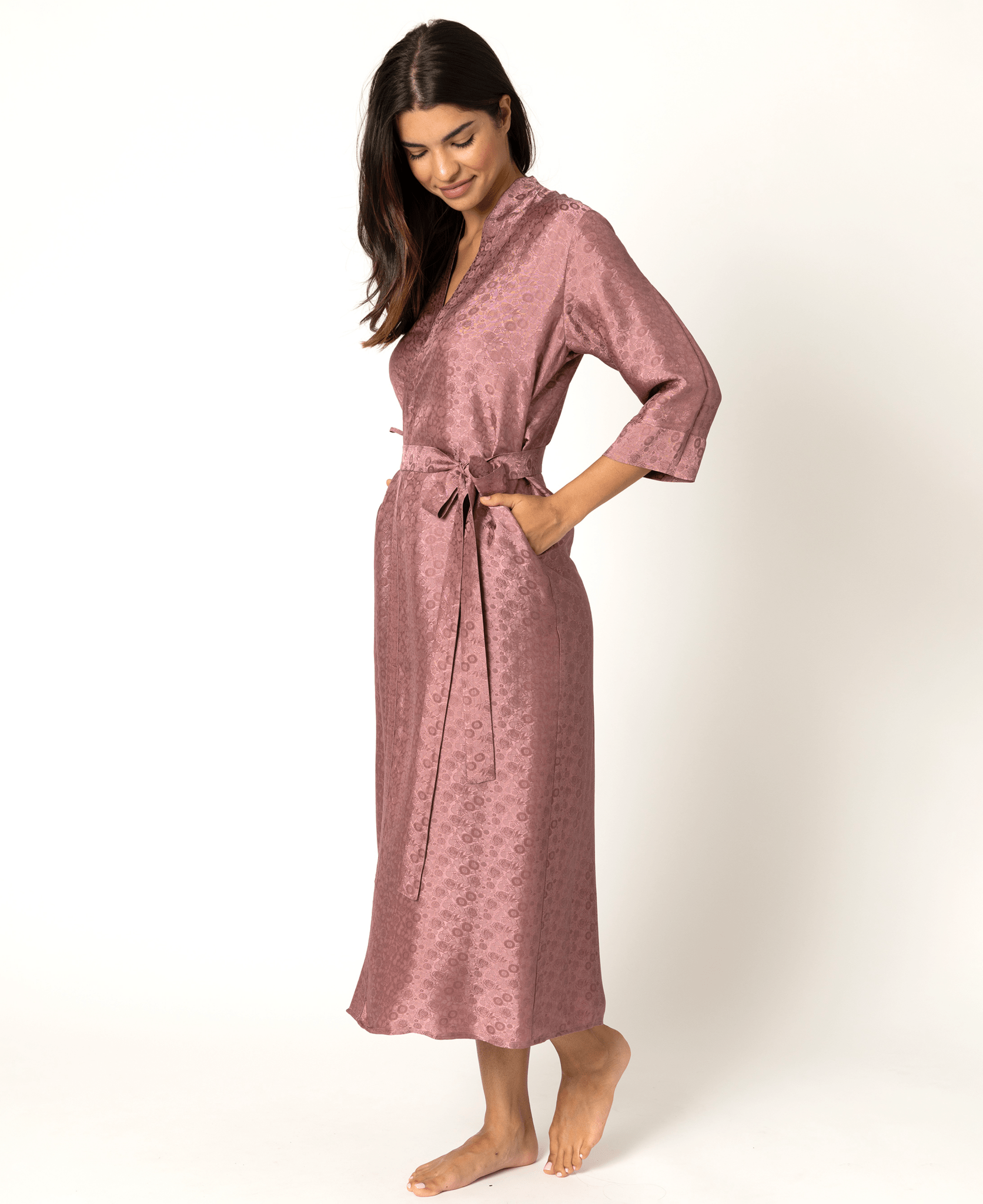
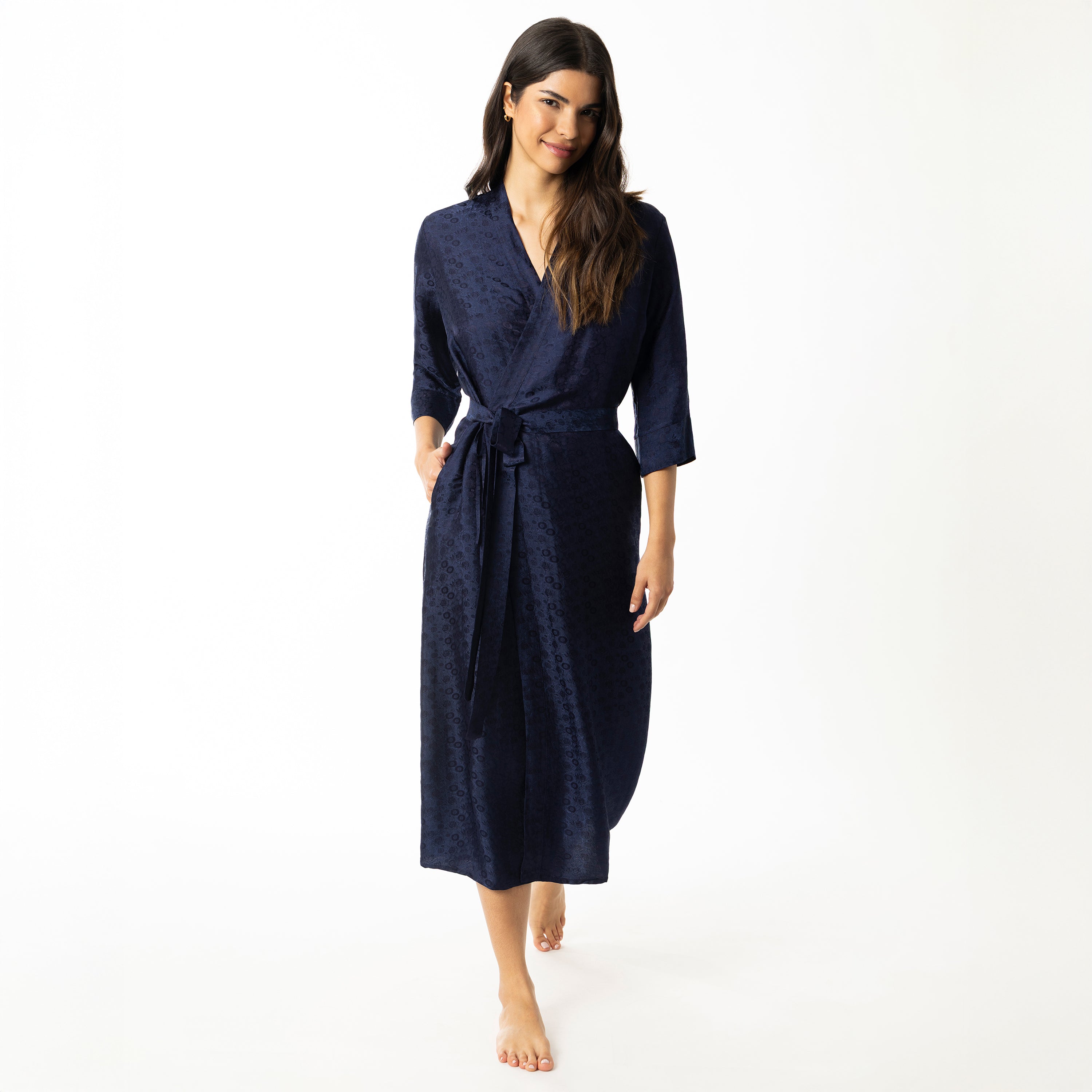
This craftsmanship defines every silk pajama set, kimono robe, and pair of boxers that leaves the workshop. The same hands that positioned the pattern pieces by grain, that maintained even tension through the French seams, that inspected the finished garment. Those hands know what quality looks like because they've been trained on it. That knowledge is why every Tara Sartoria product carries the same standard, whether it's a robe or a pair of pajama pants or a pair of boxers.
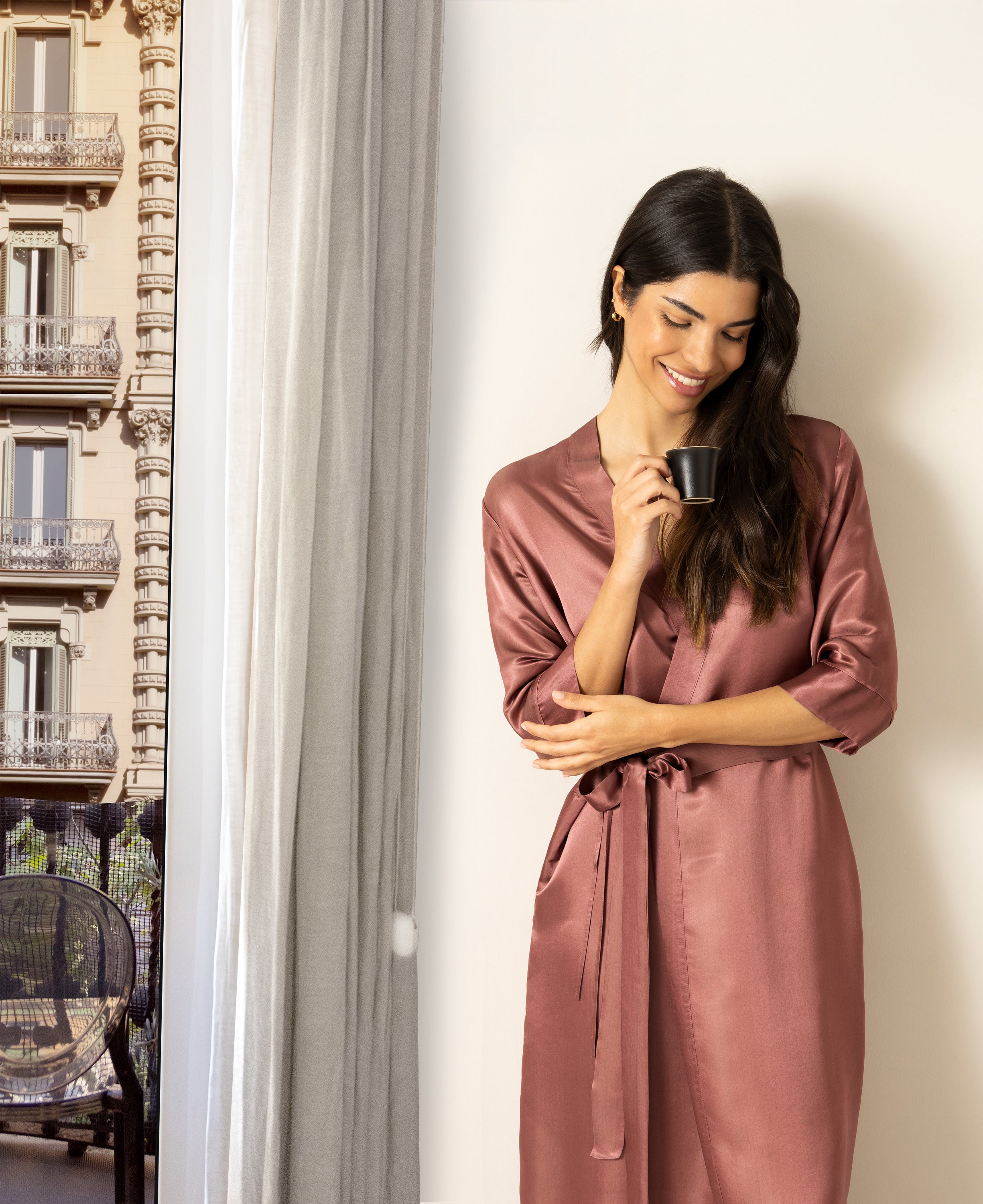
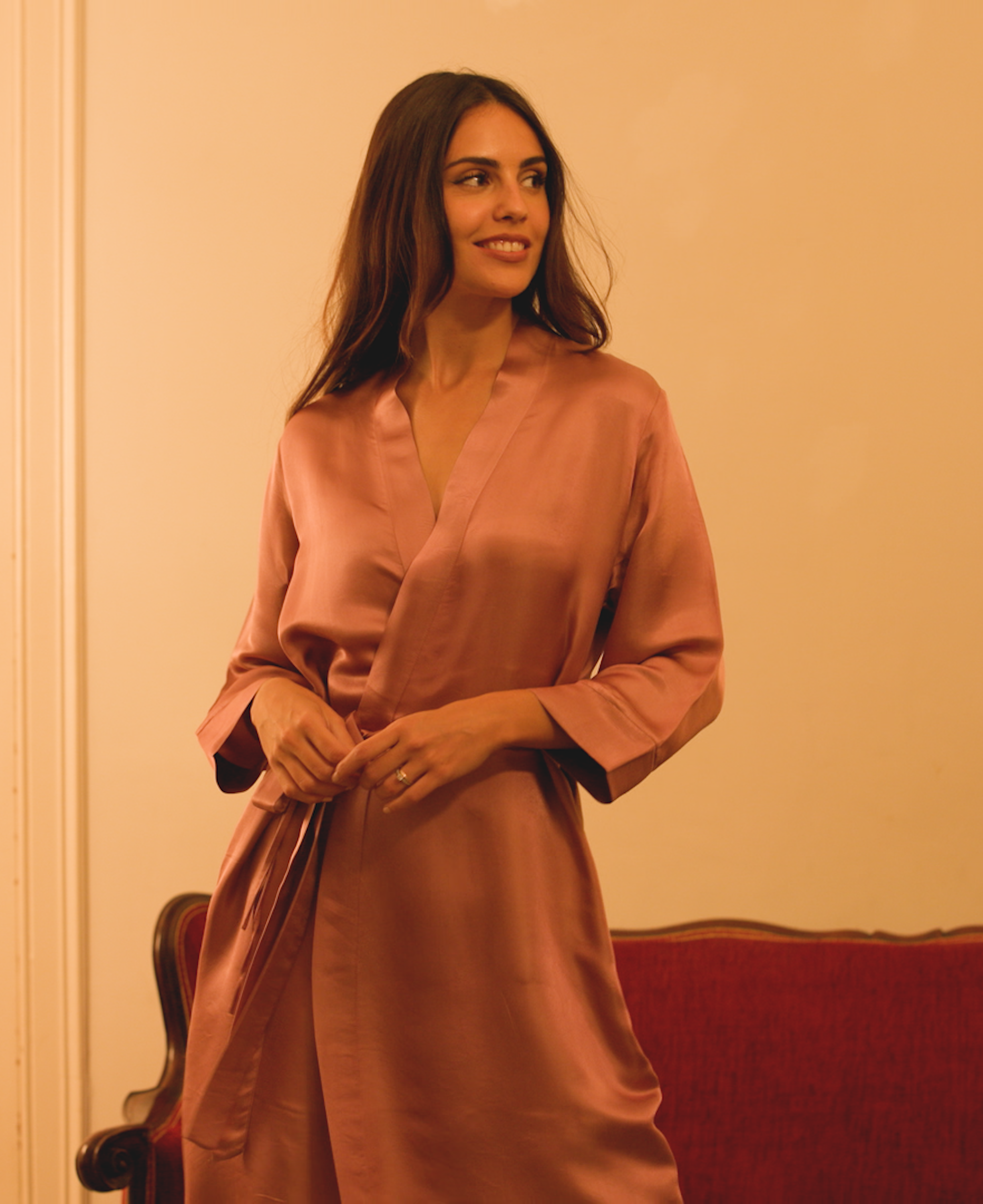
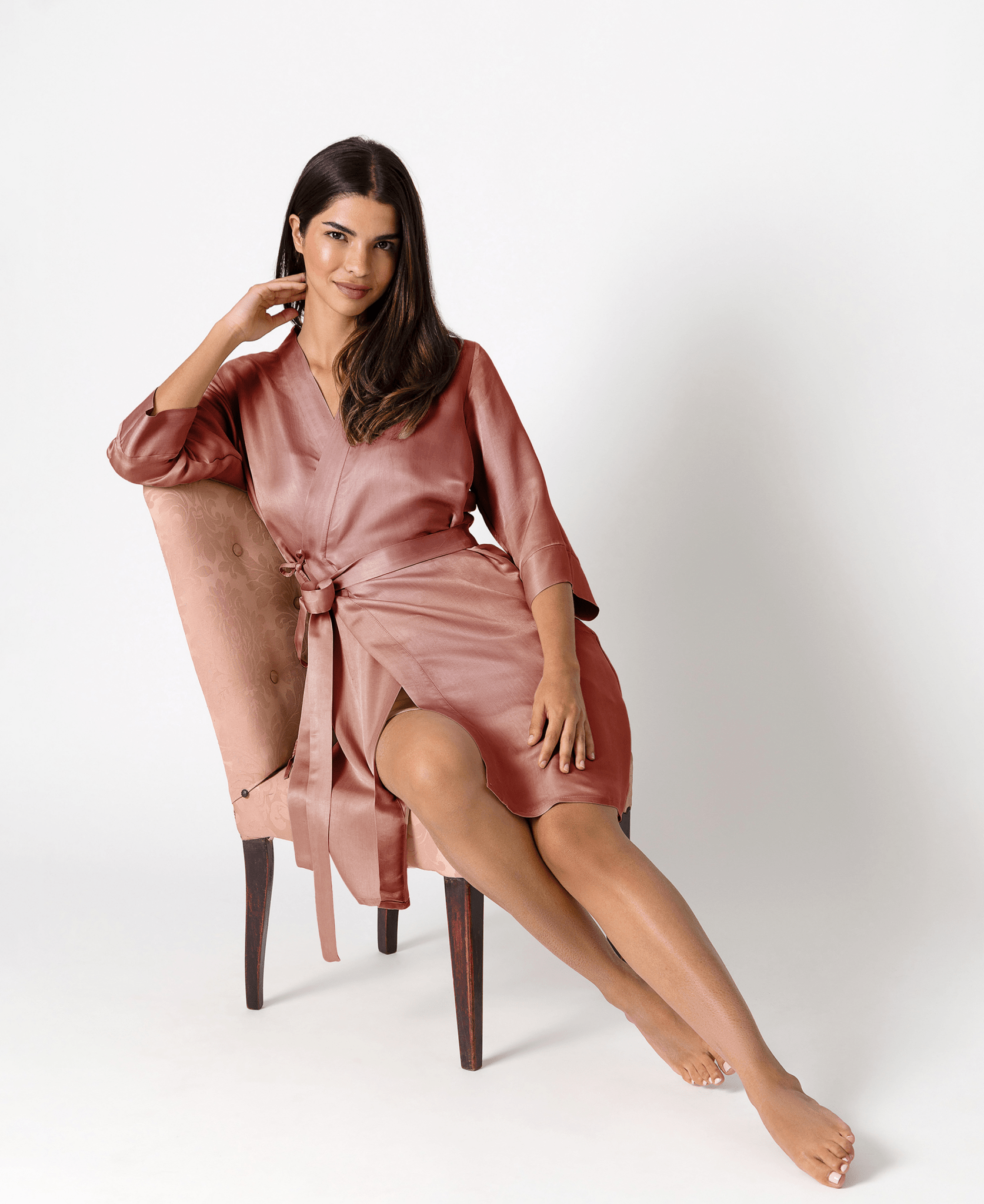
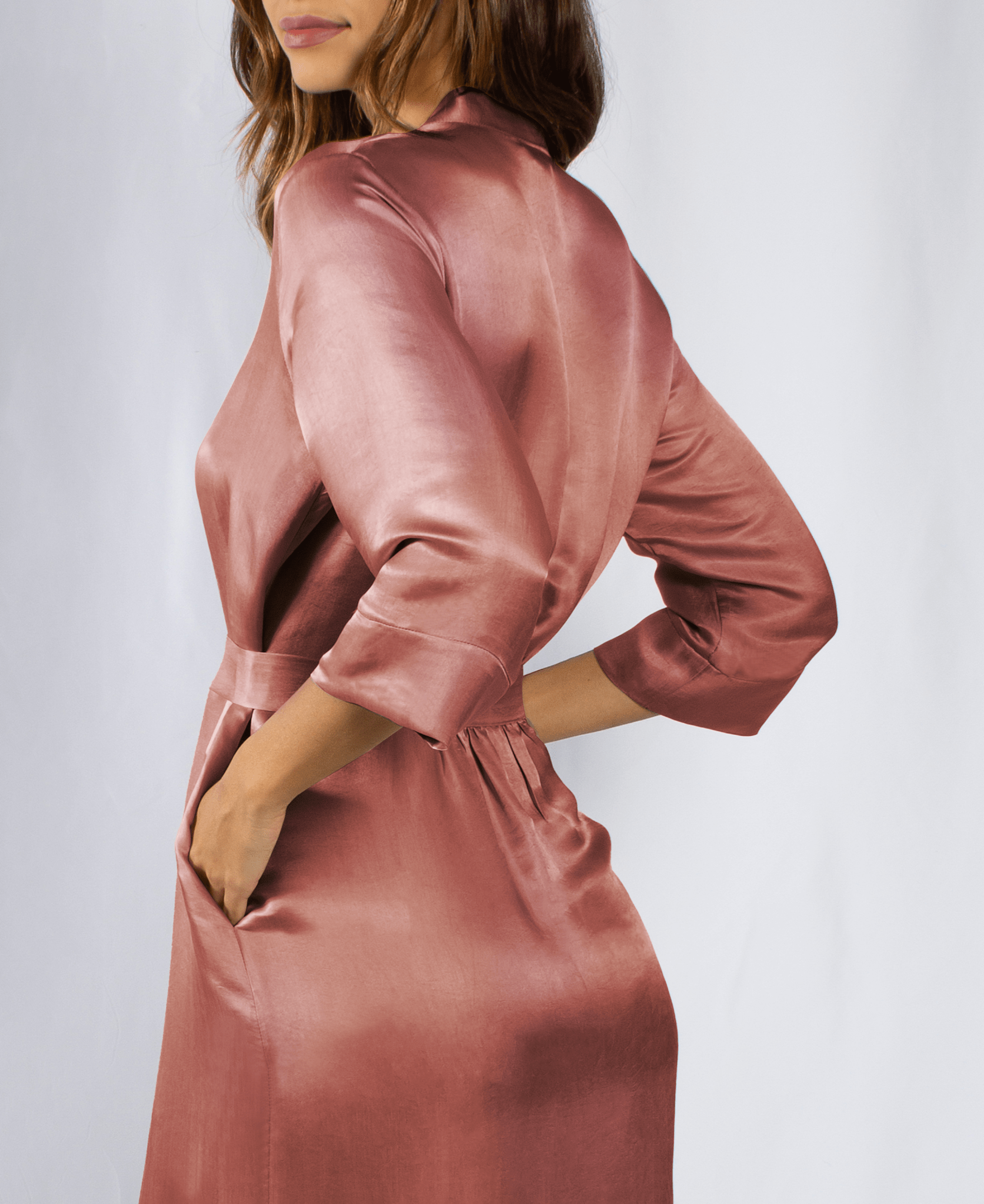
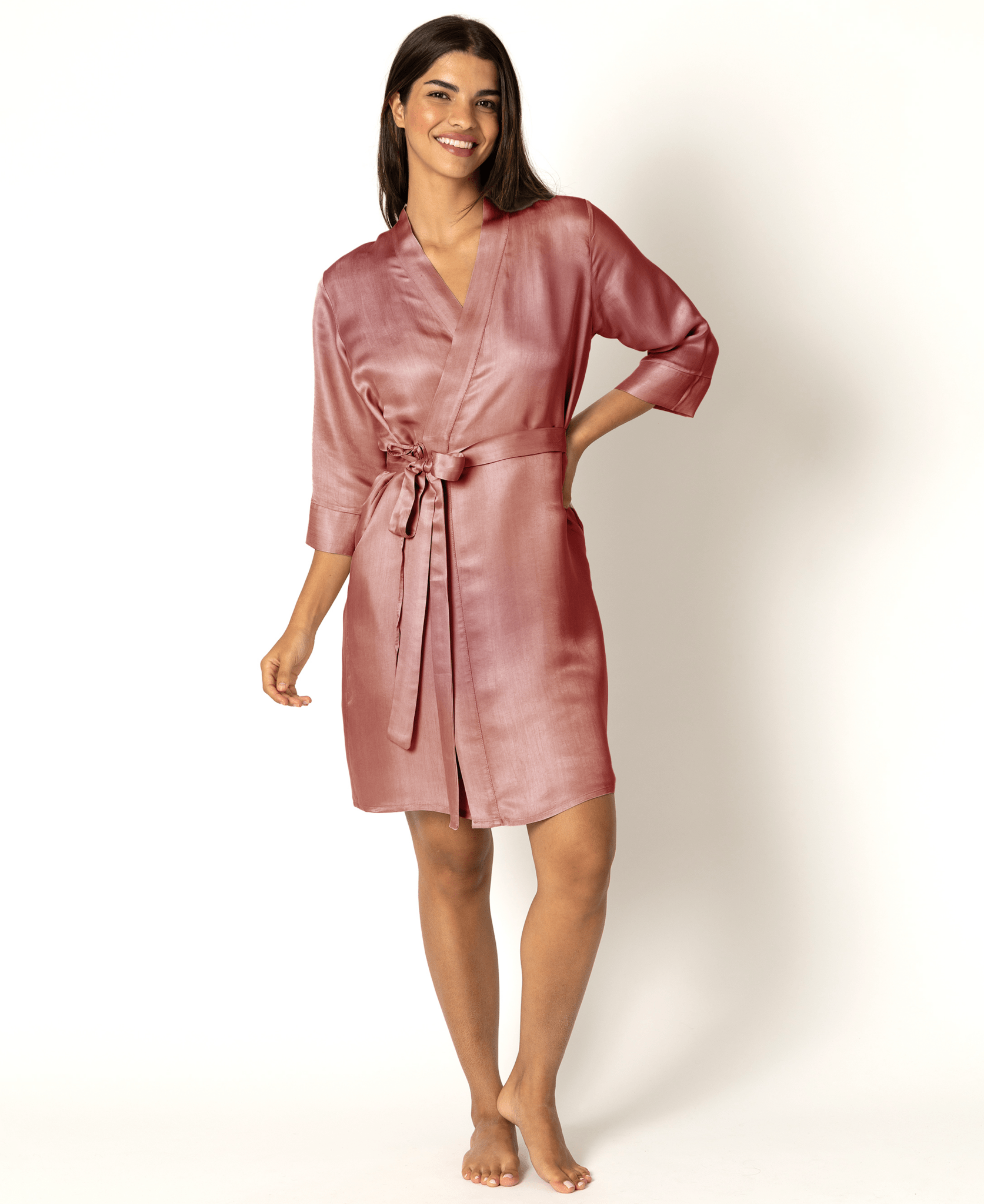
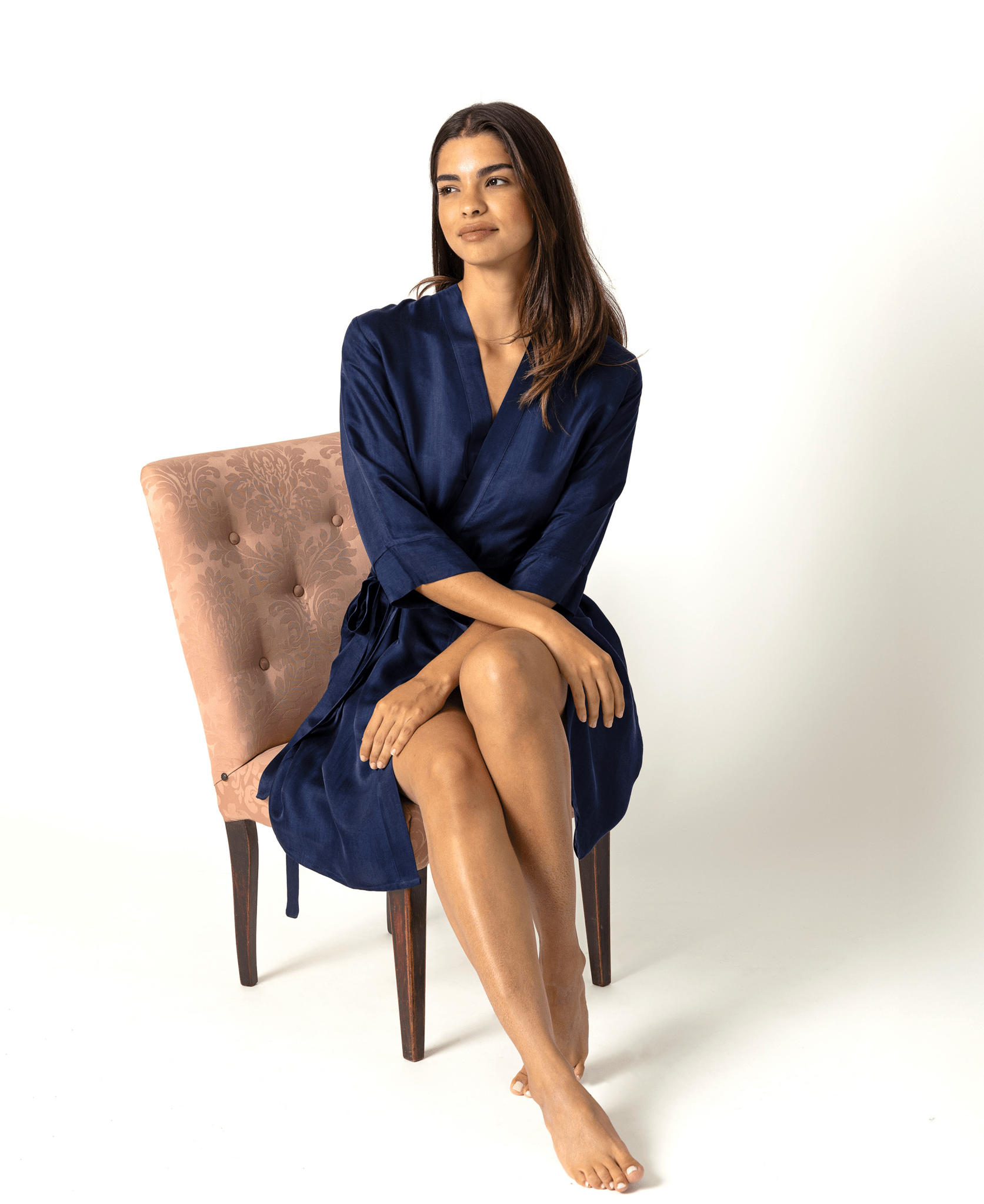
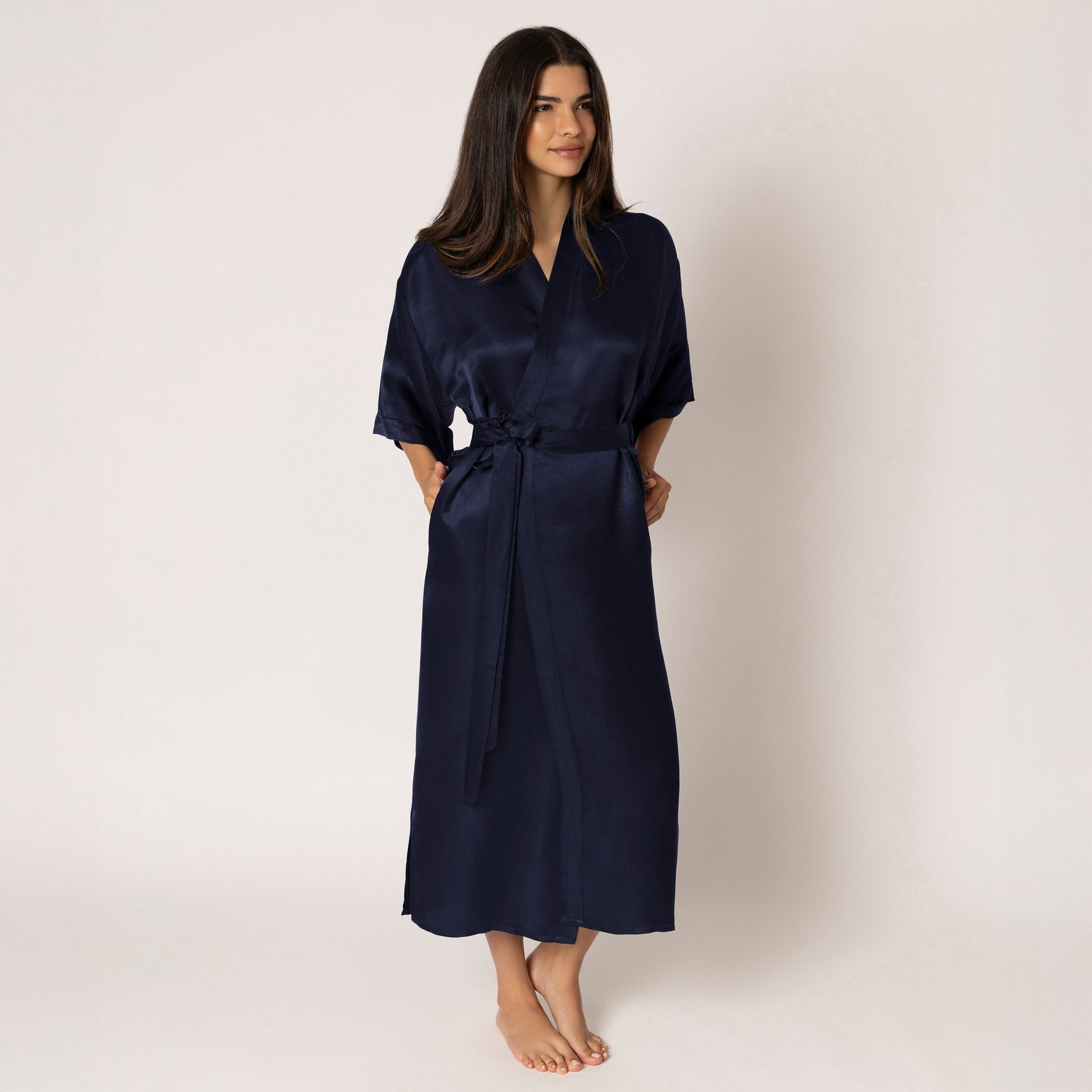
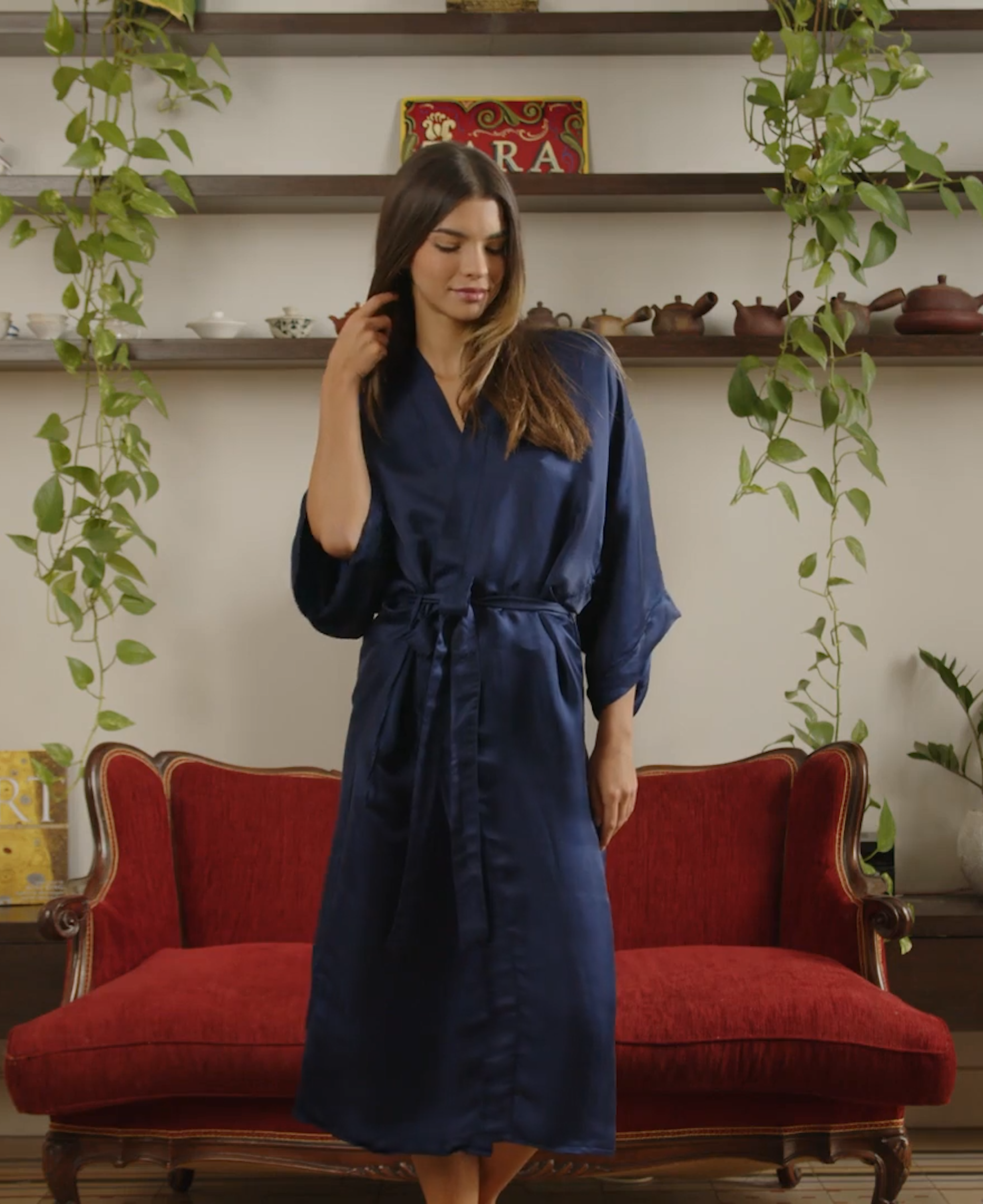
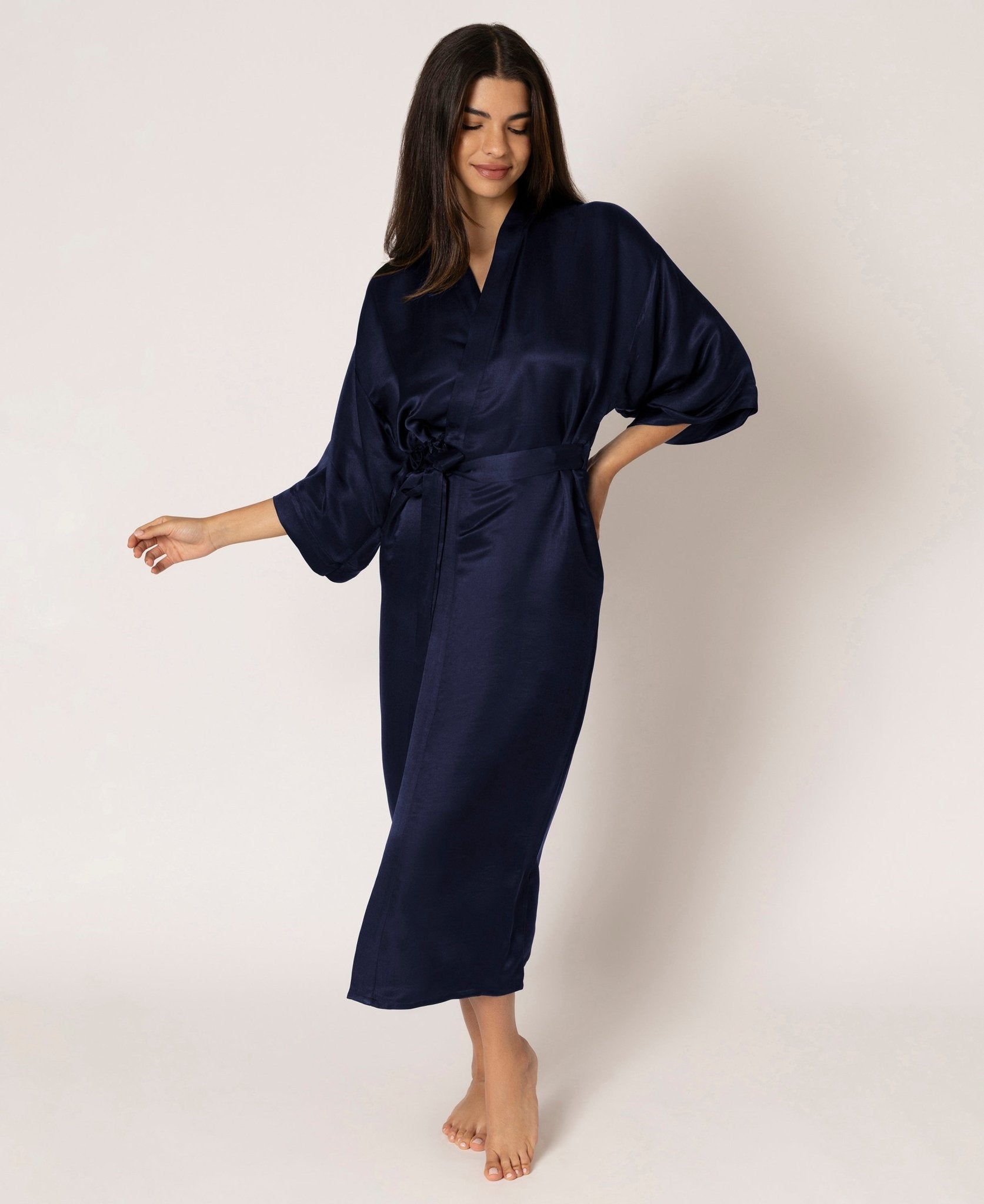
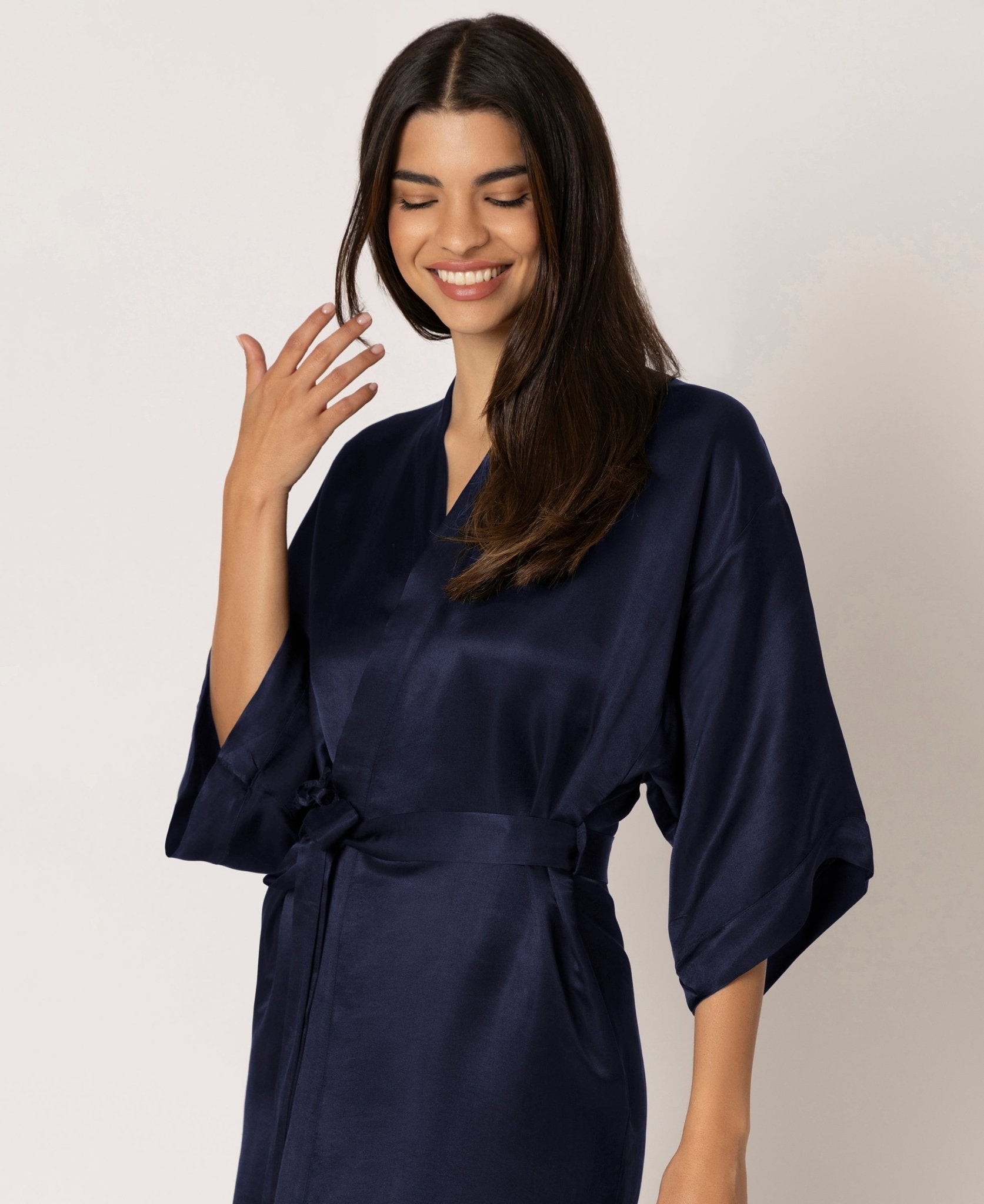
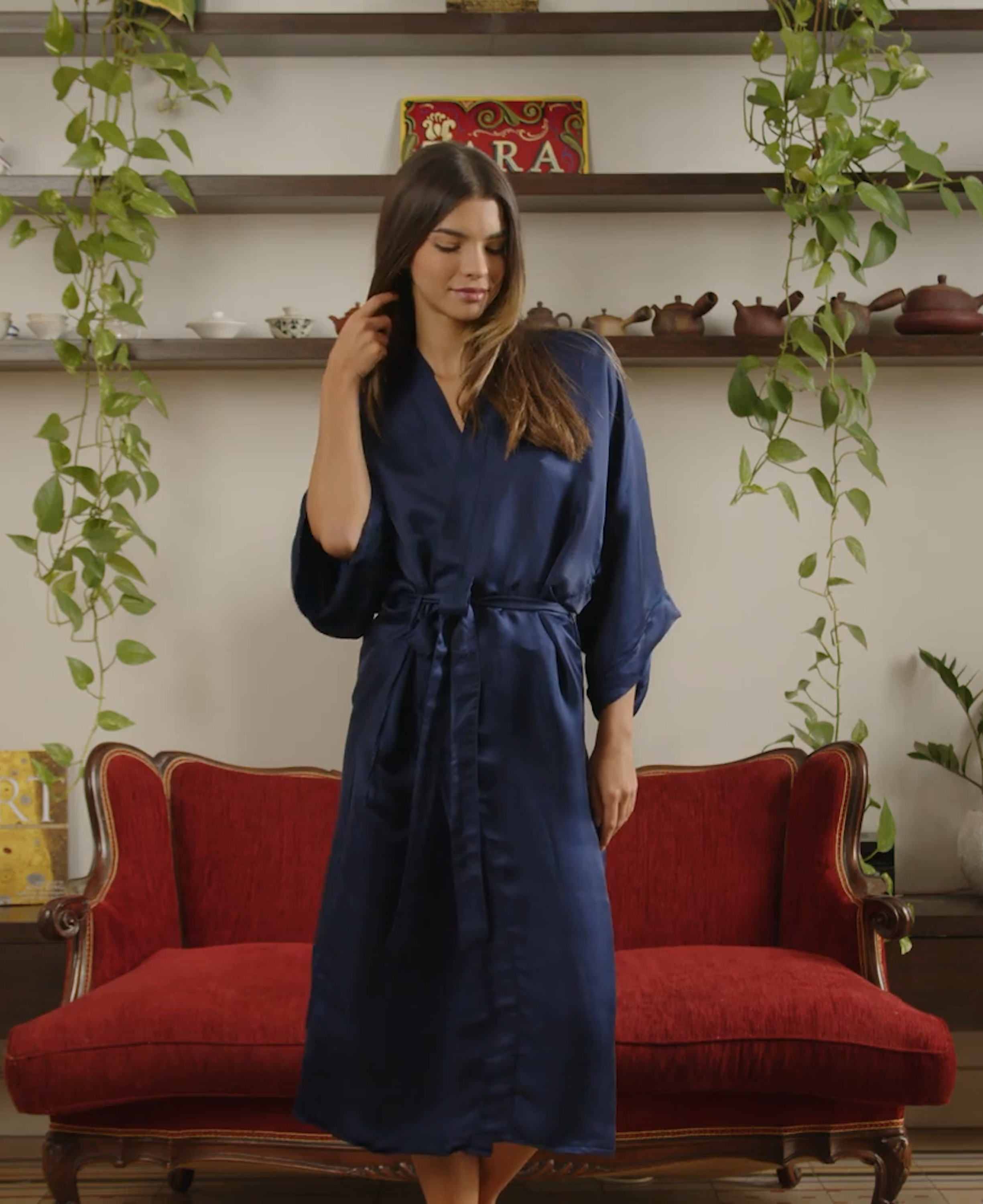
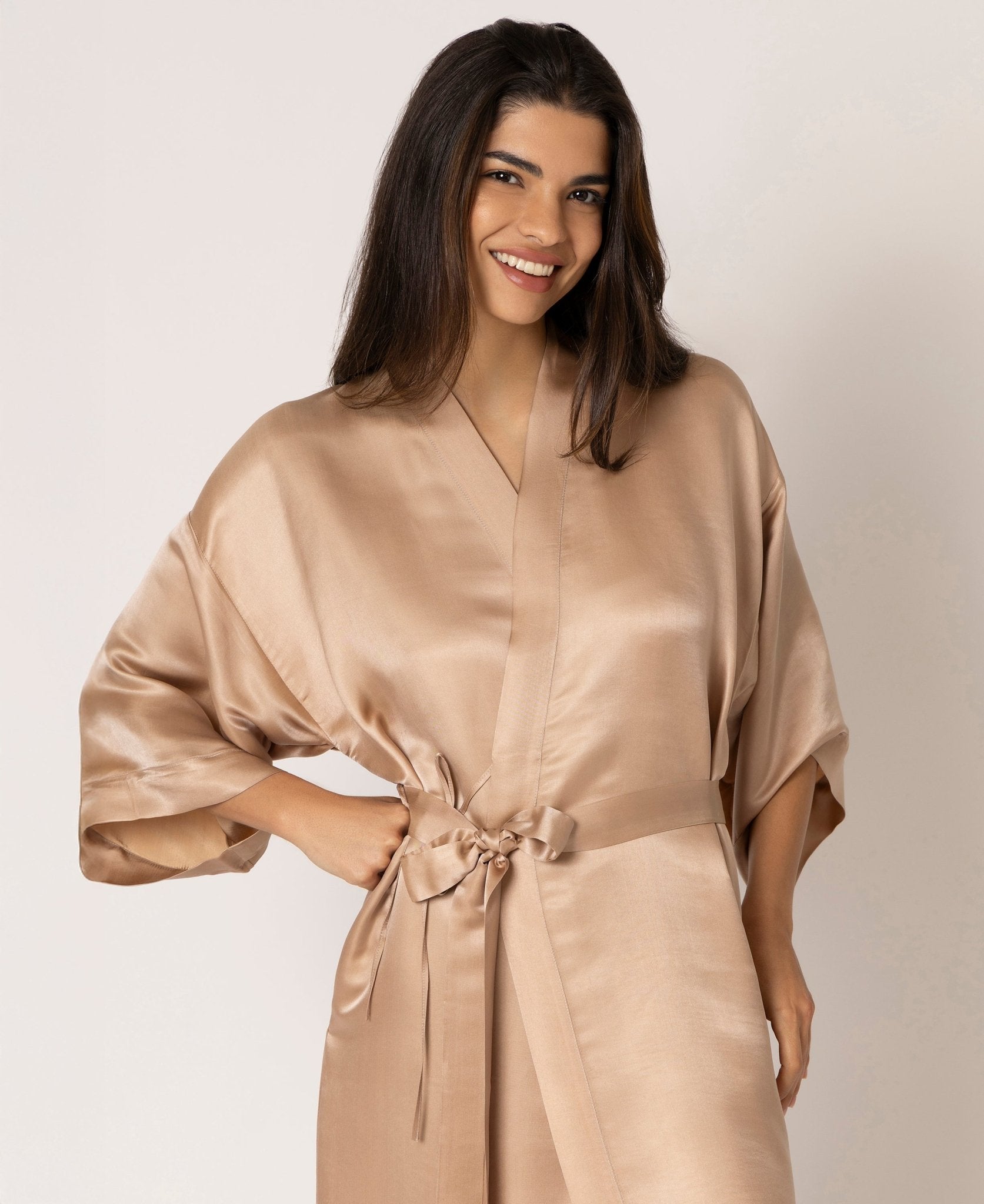
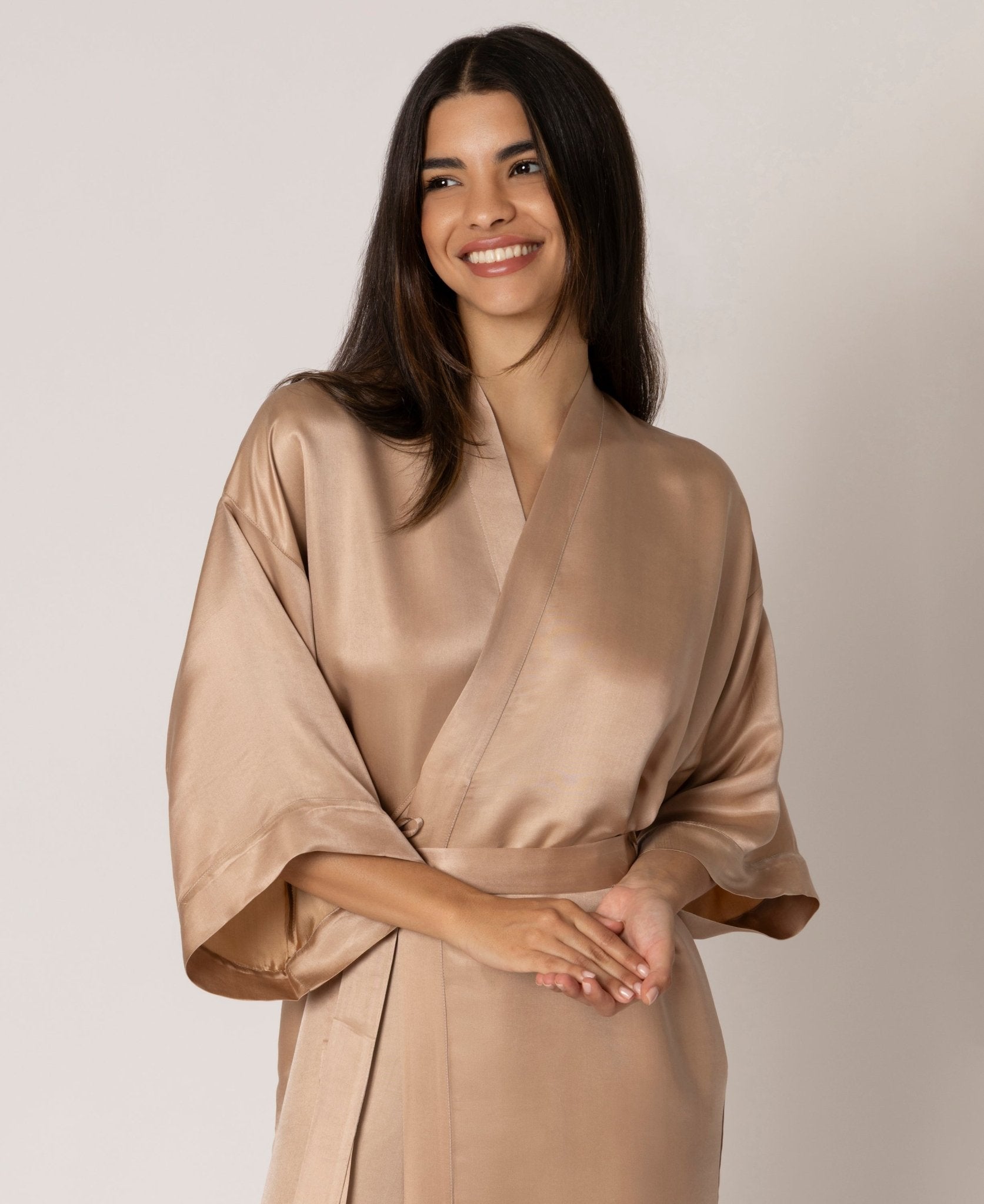
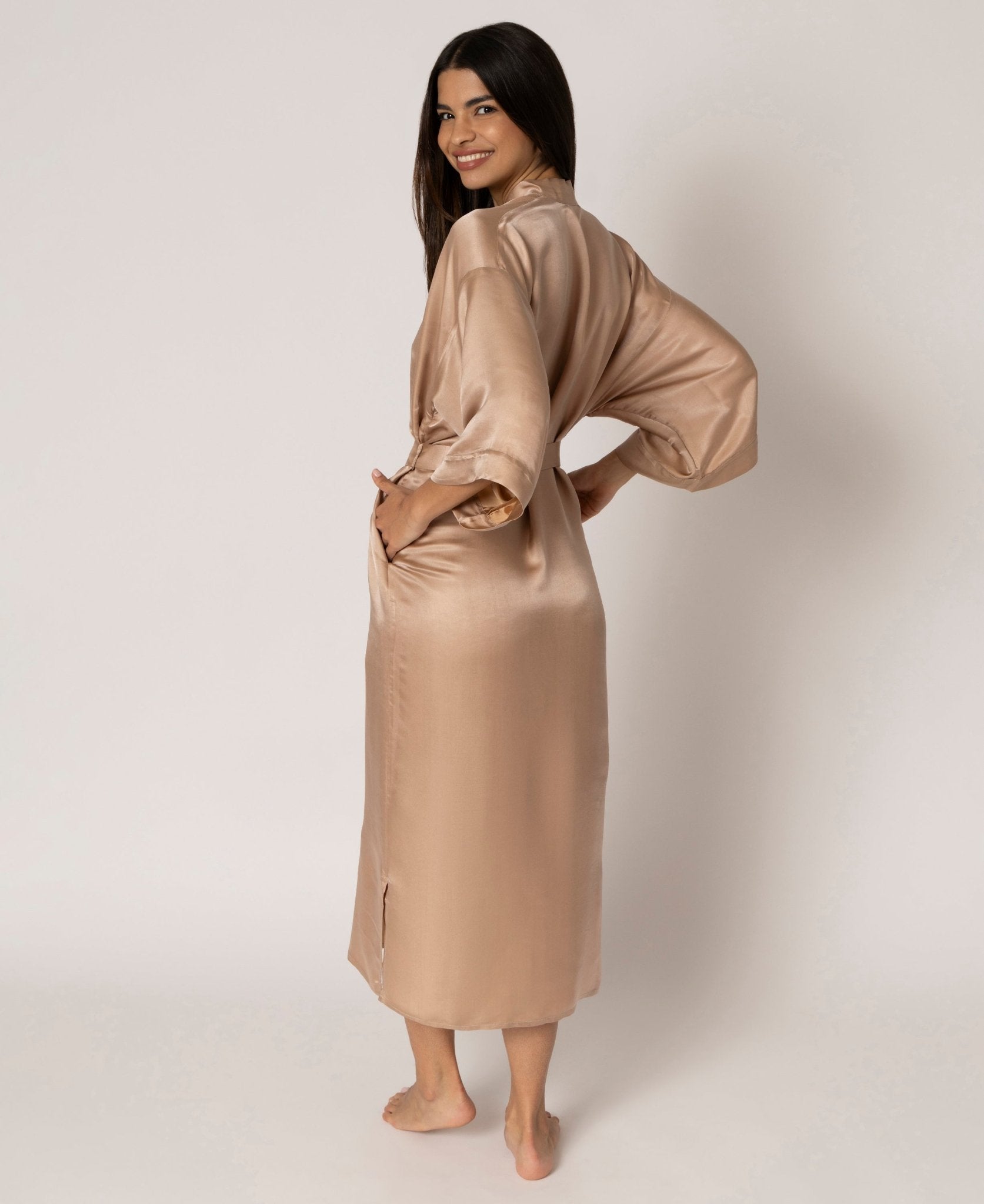
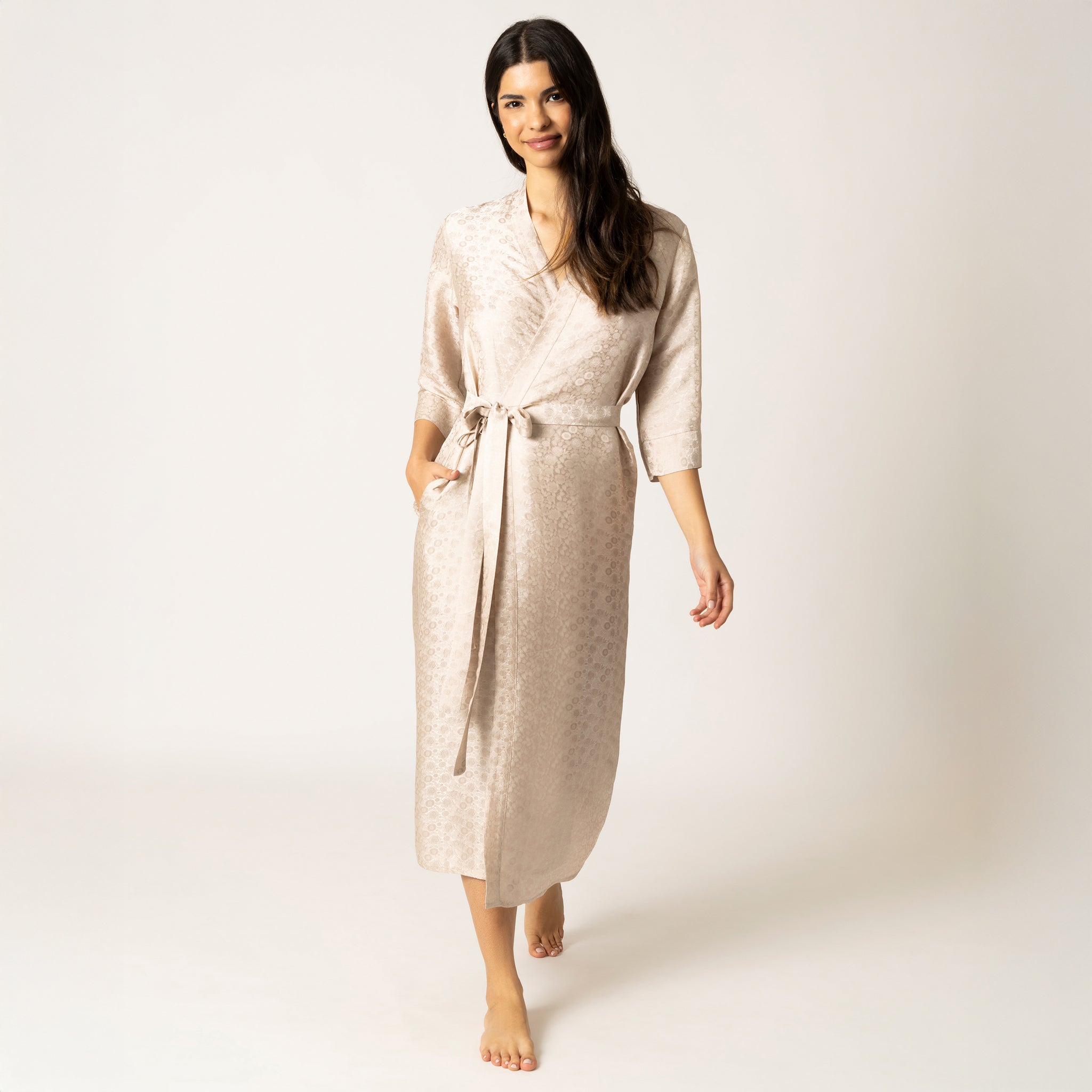
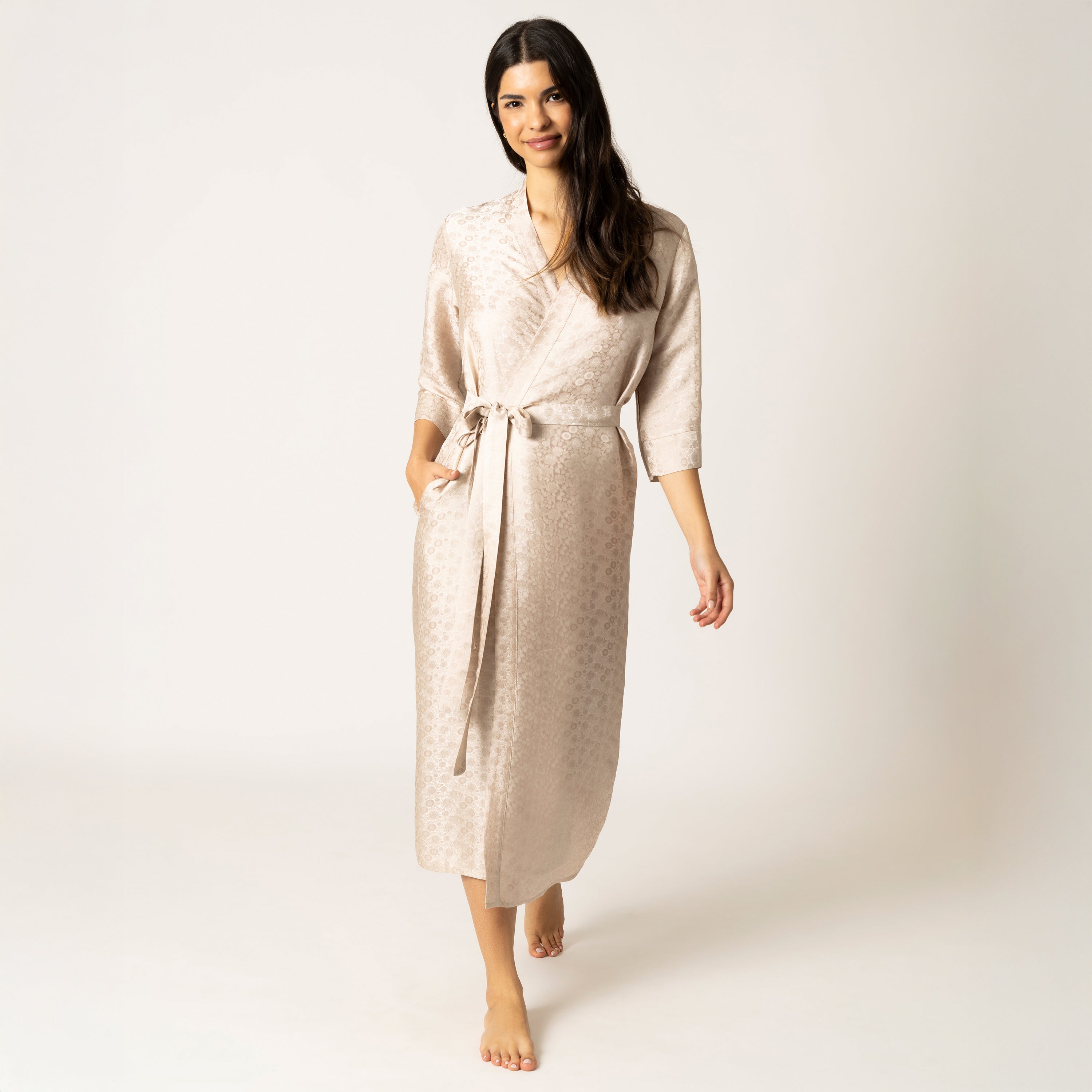
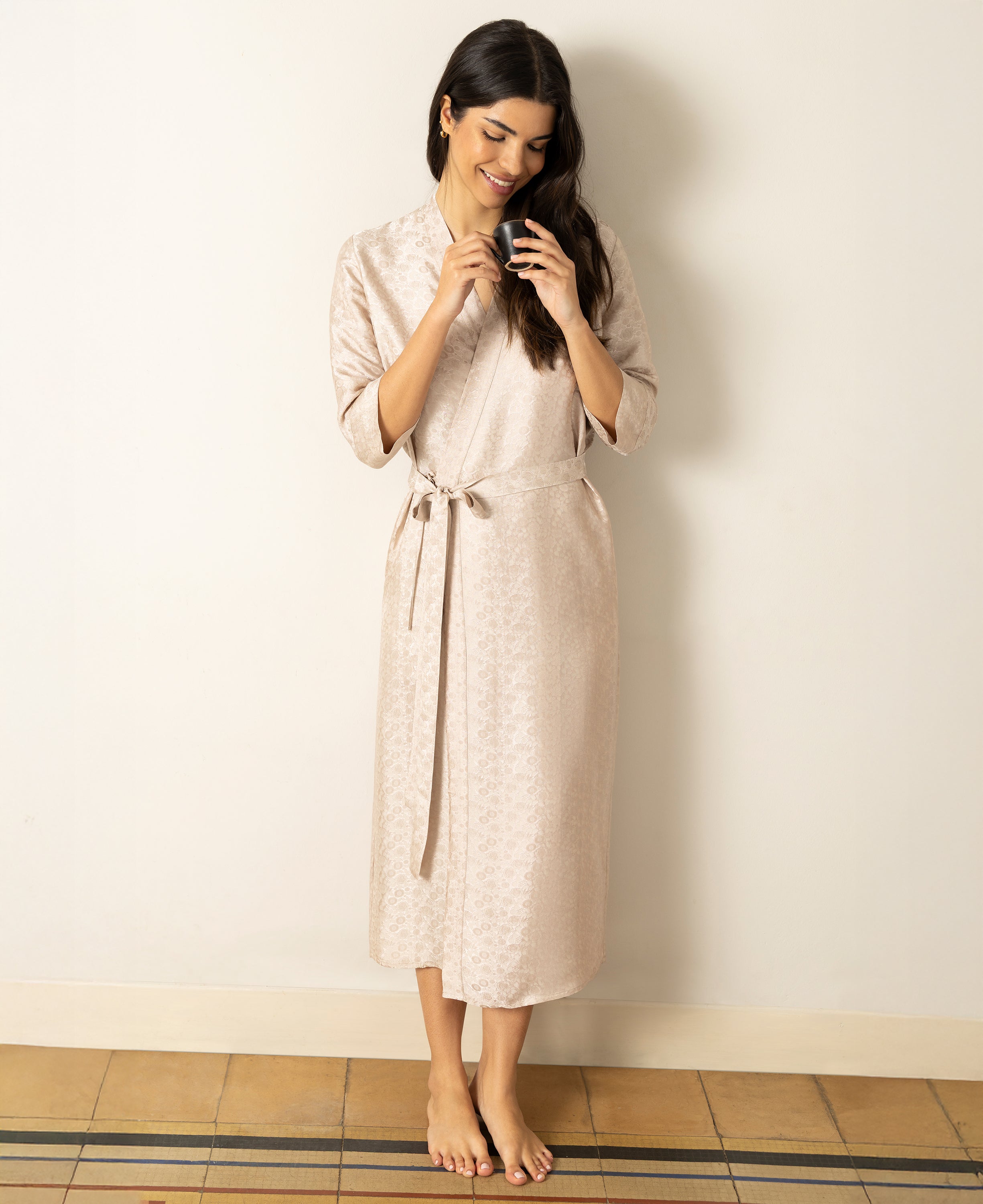
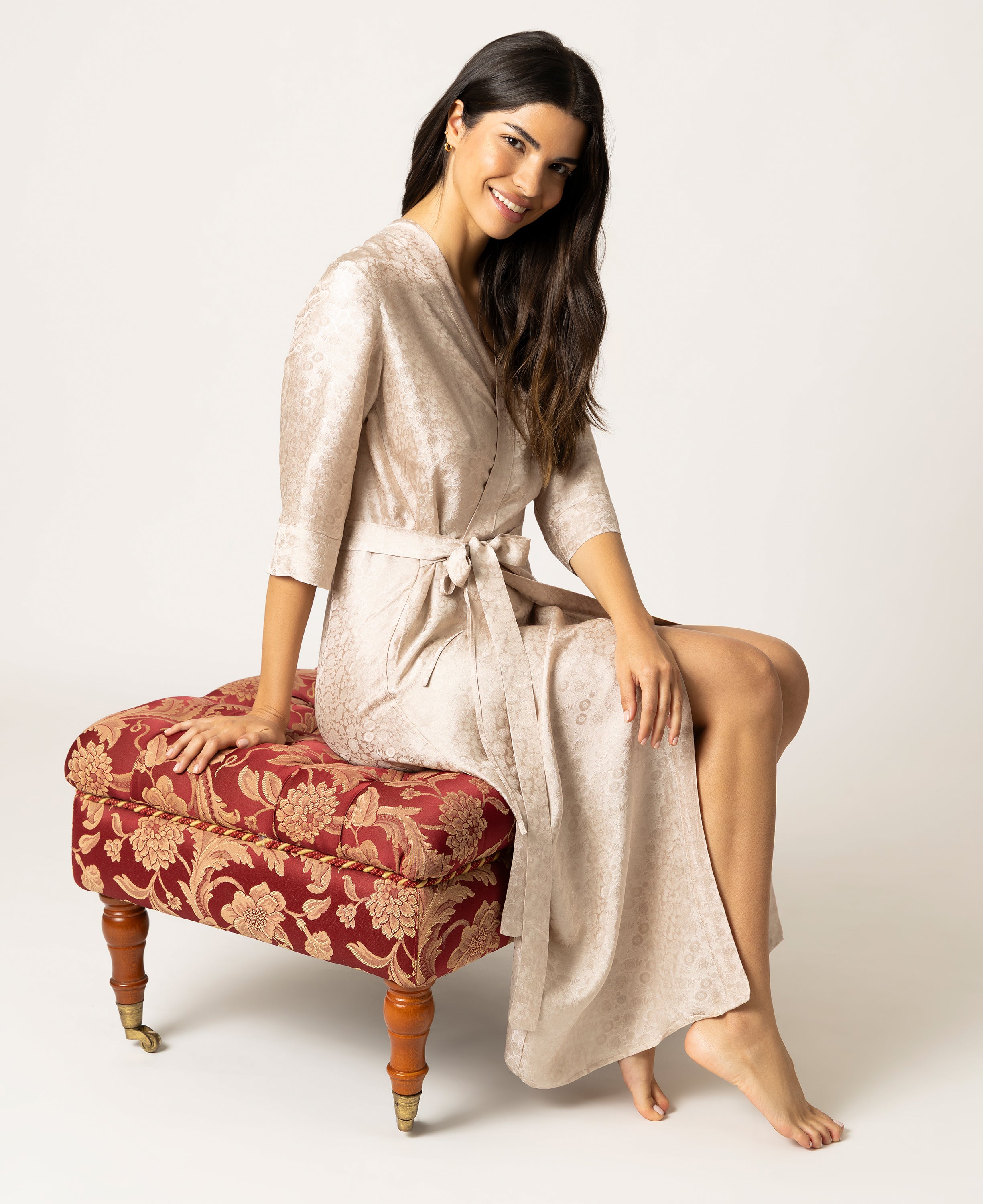
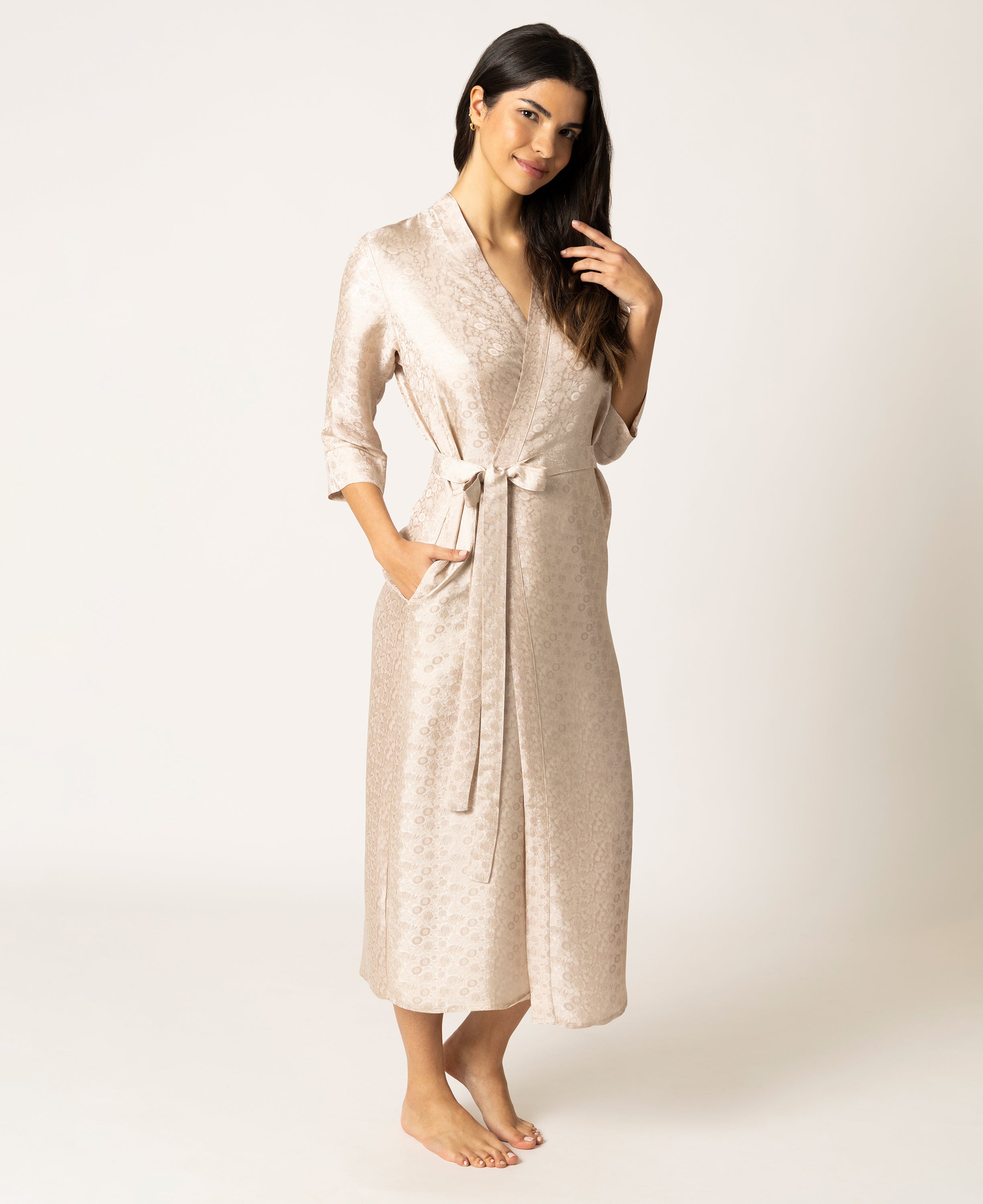
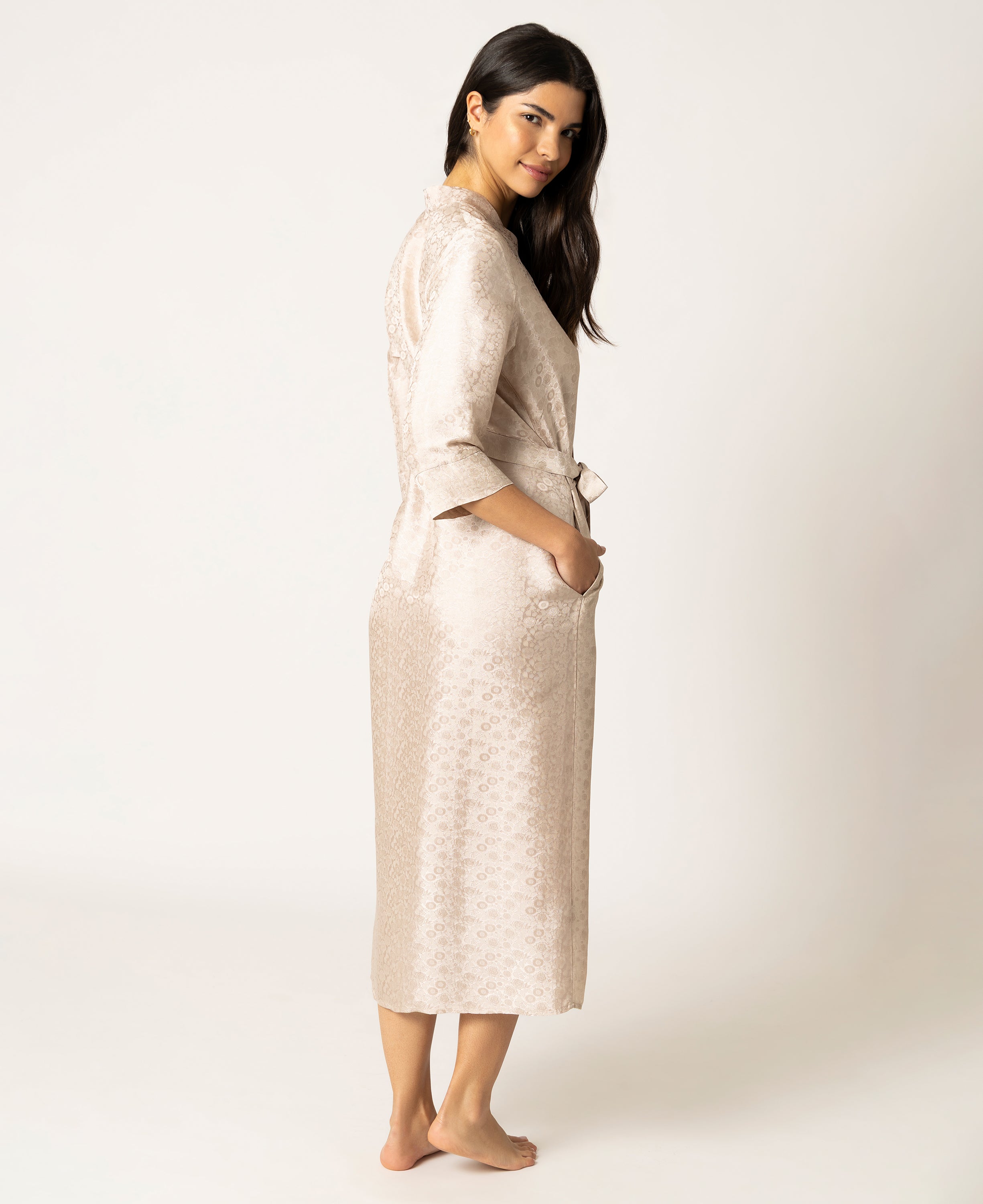
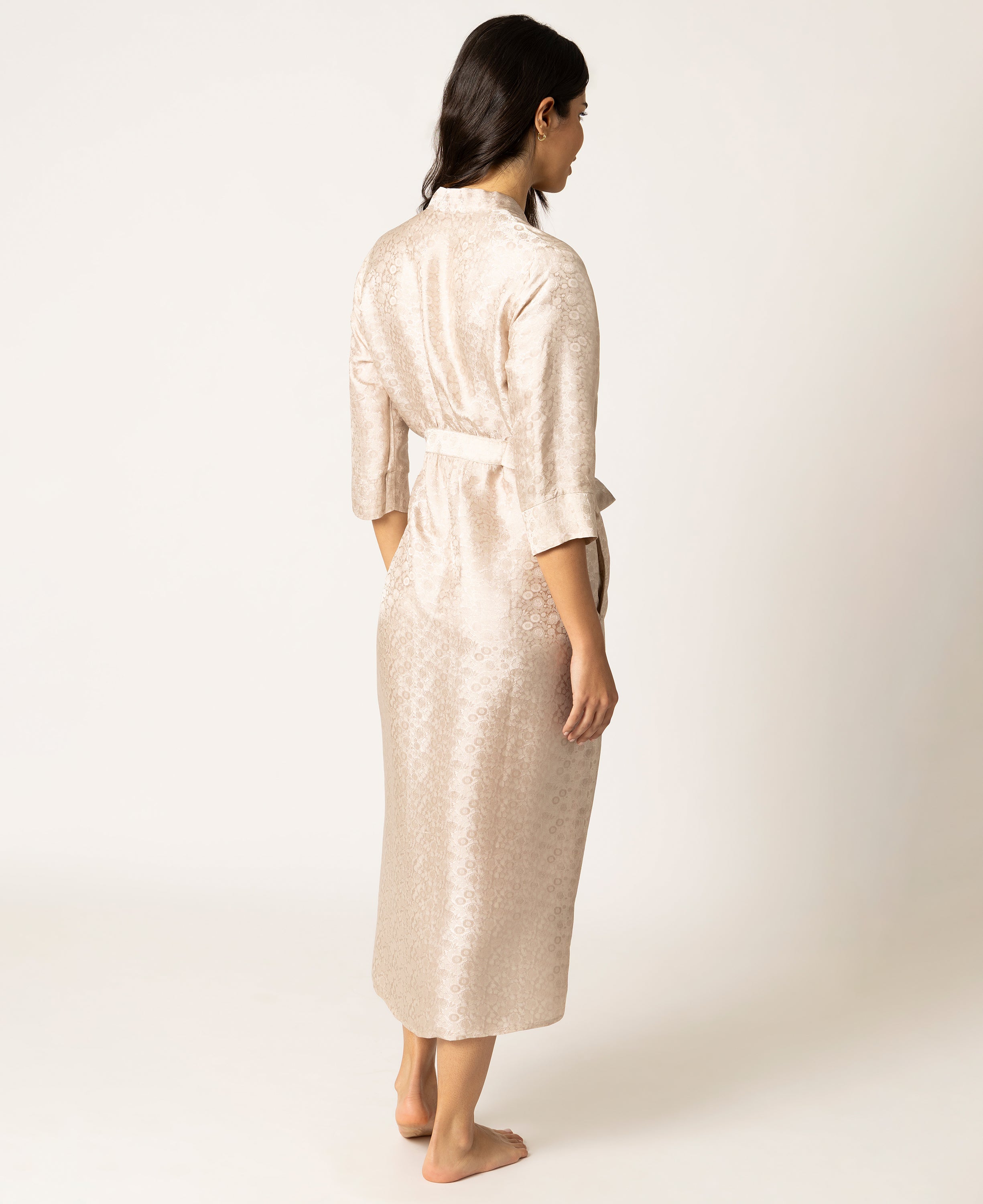
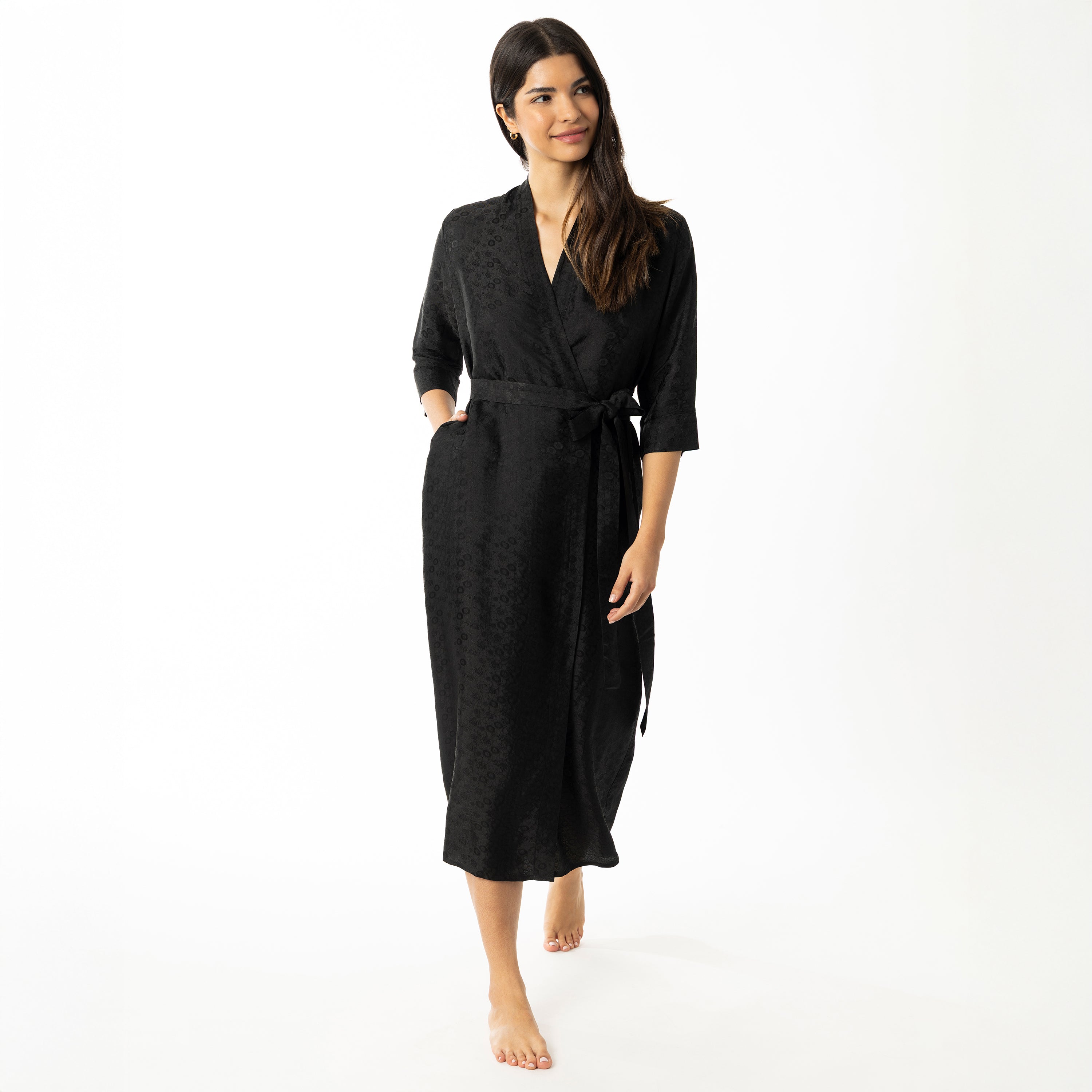
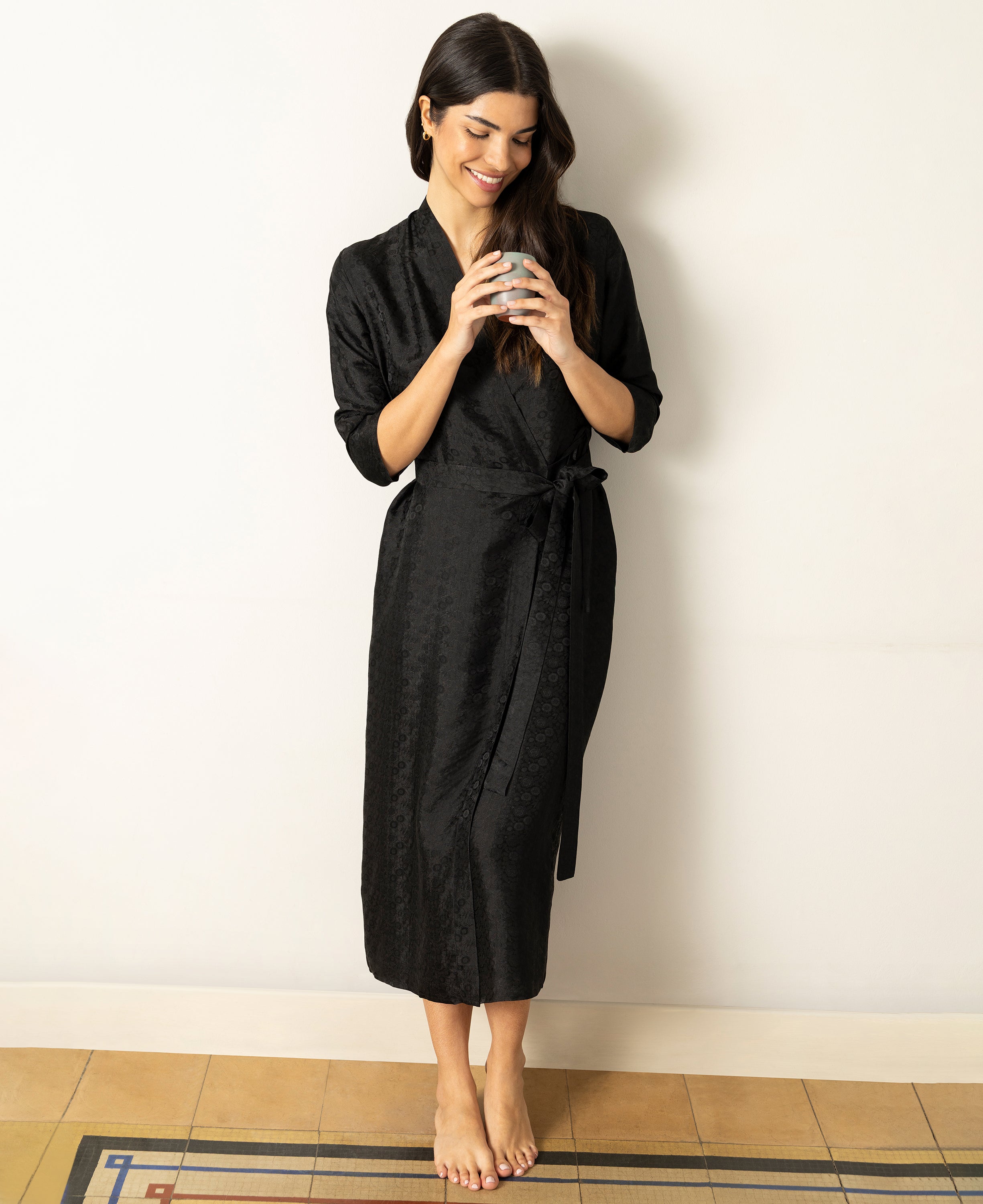
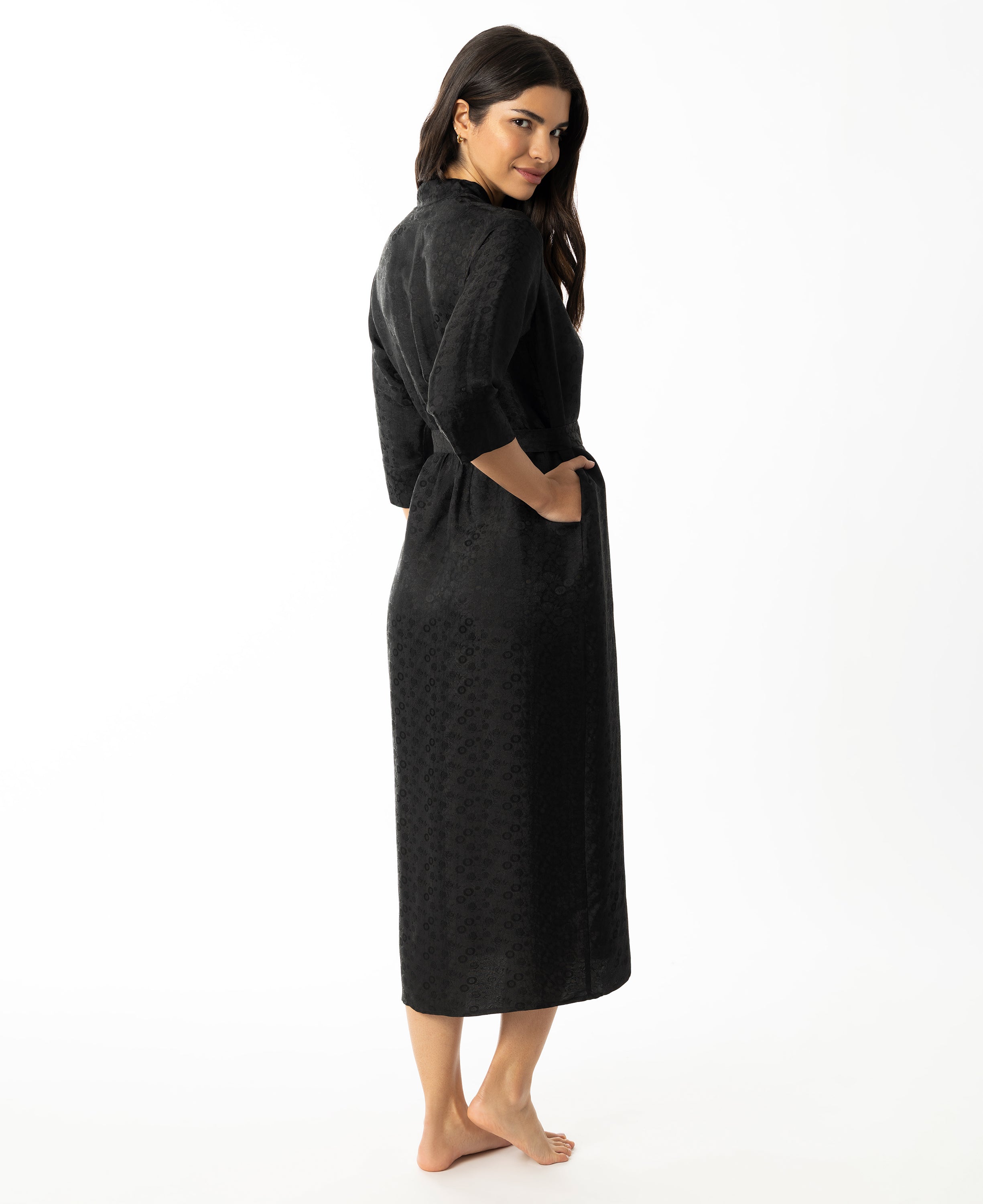
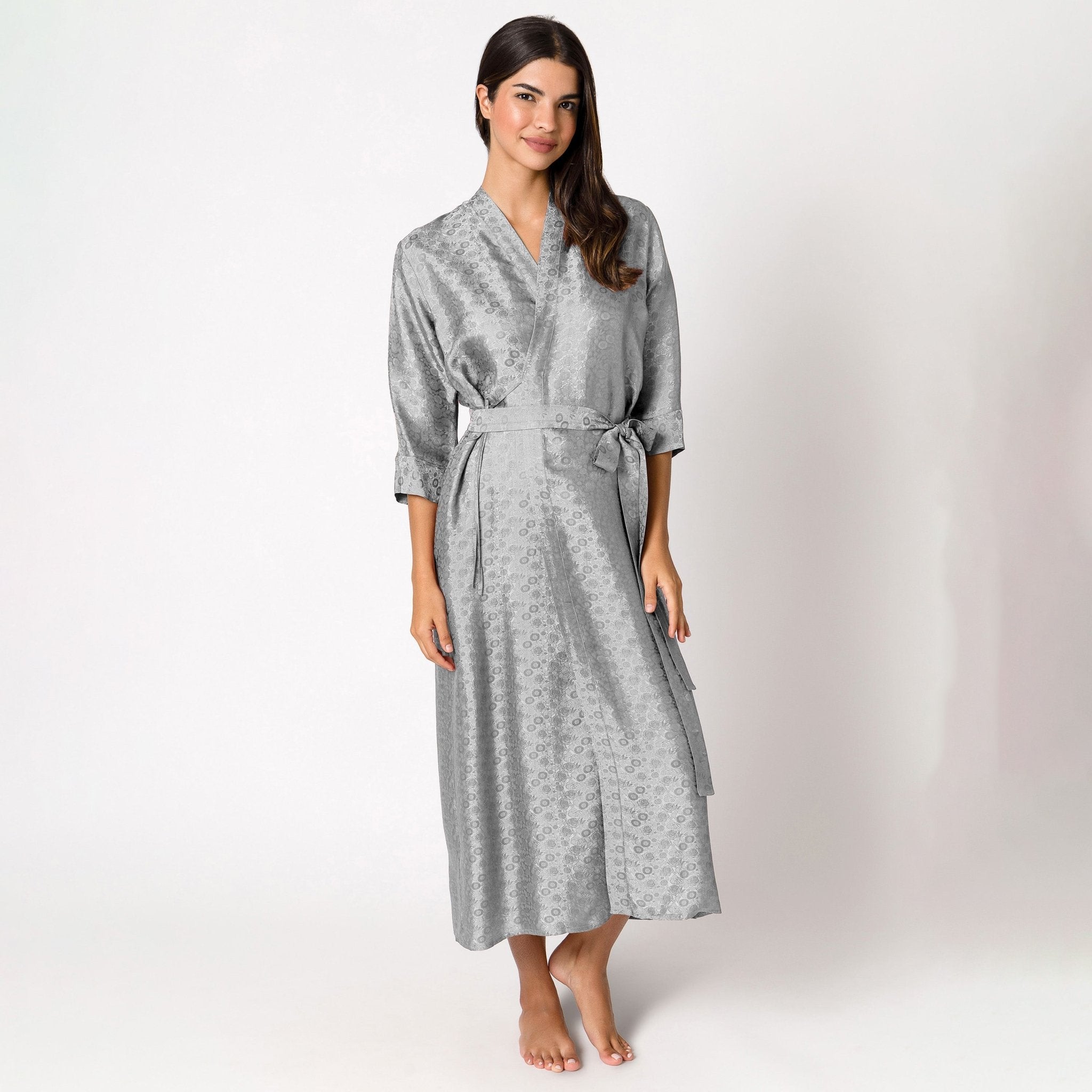
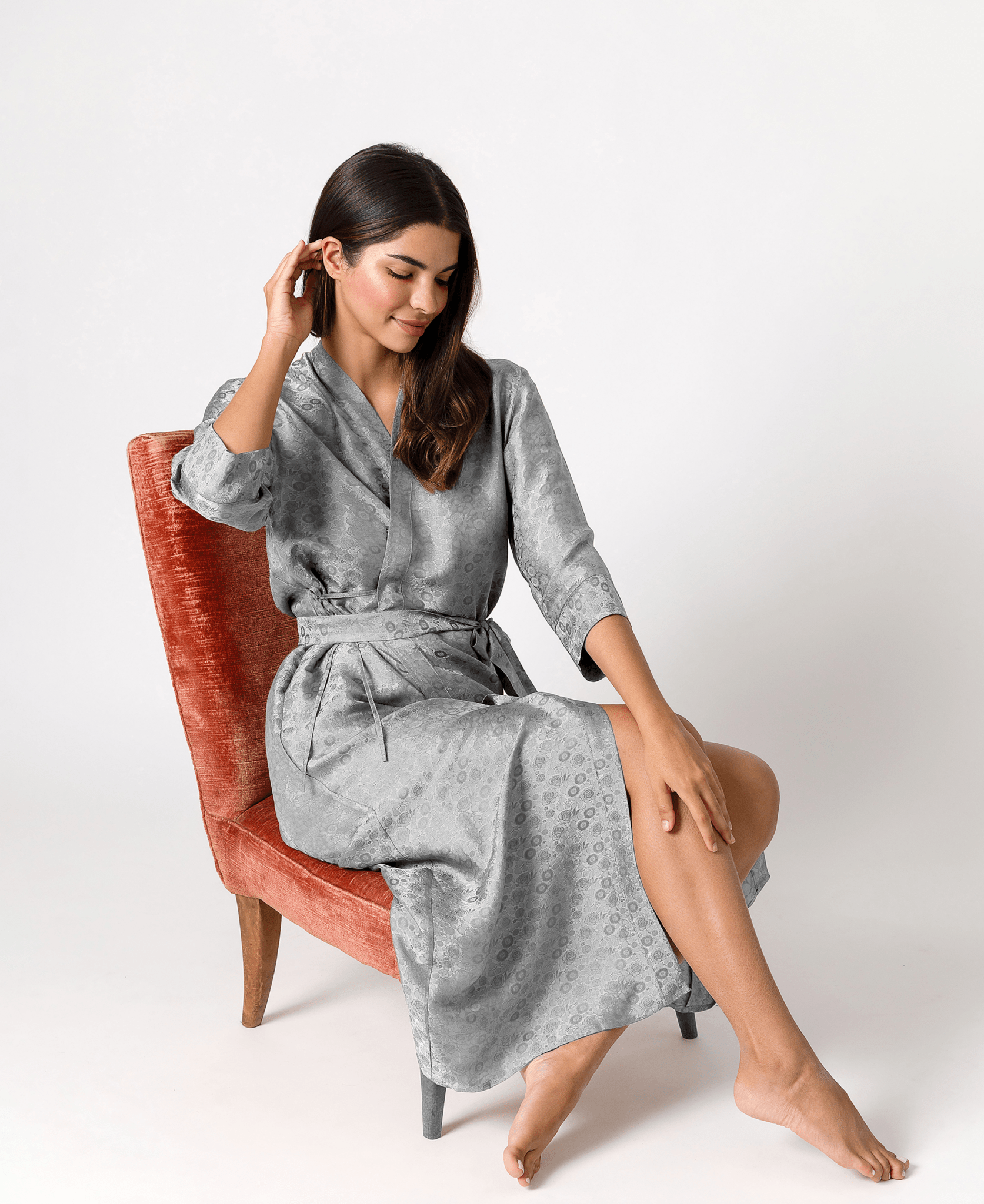
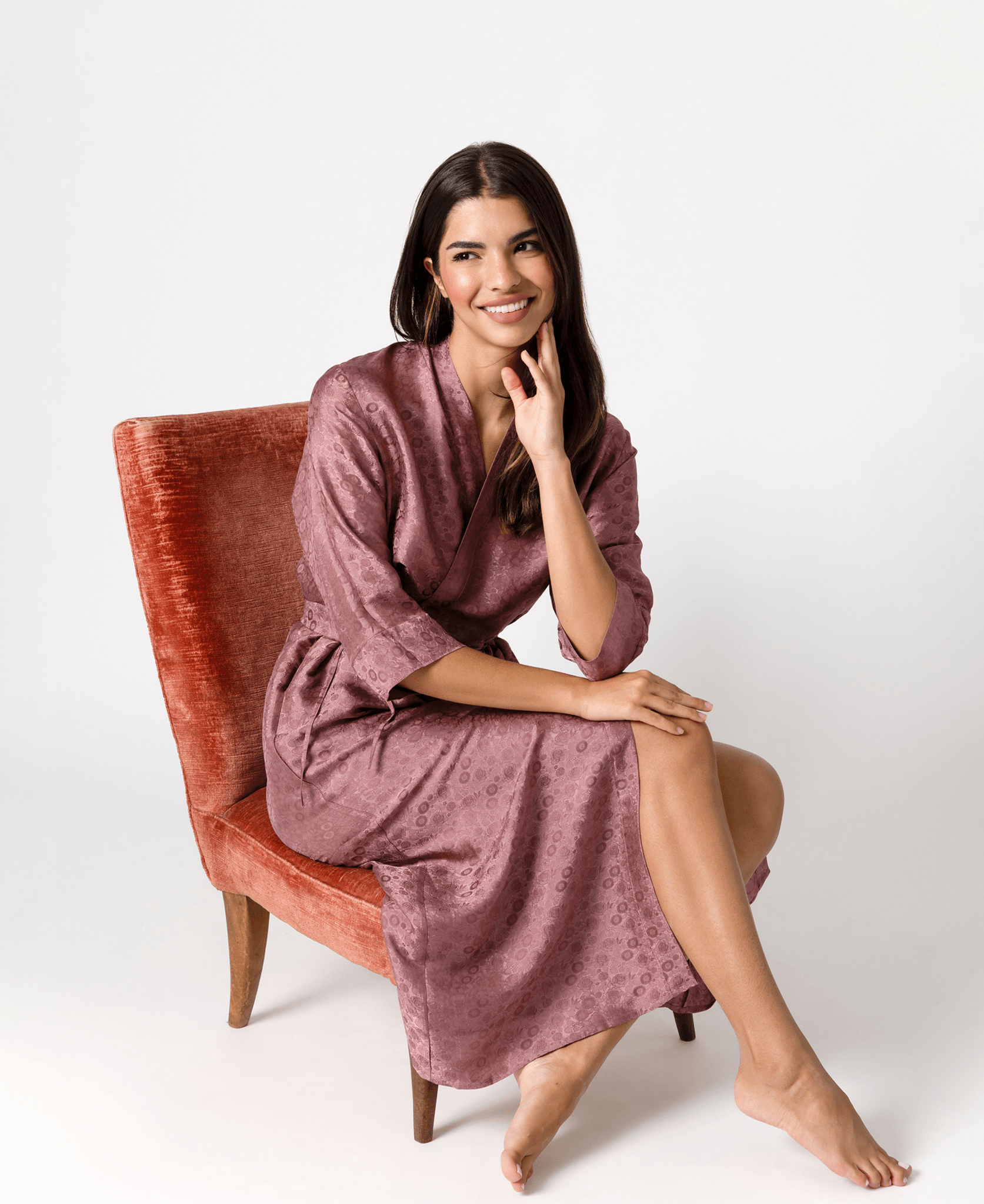
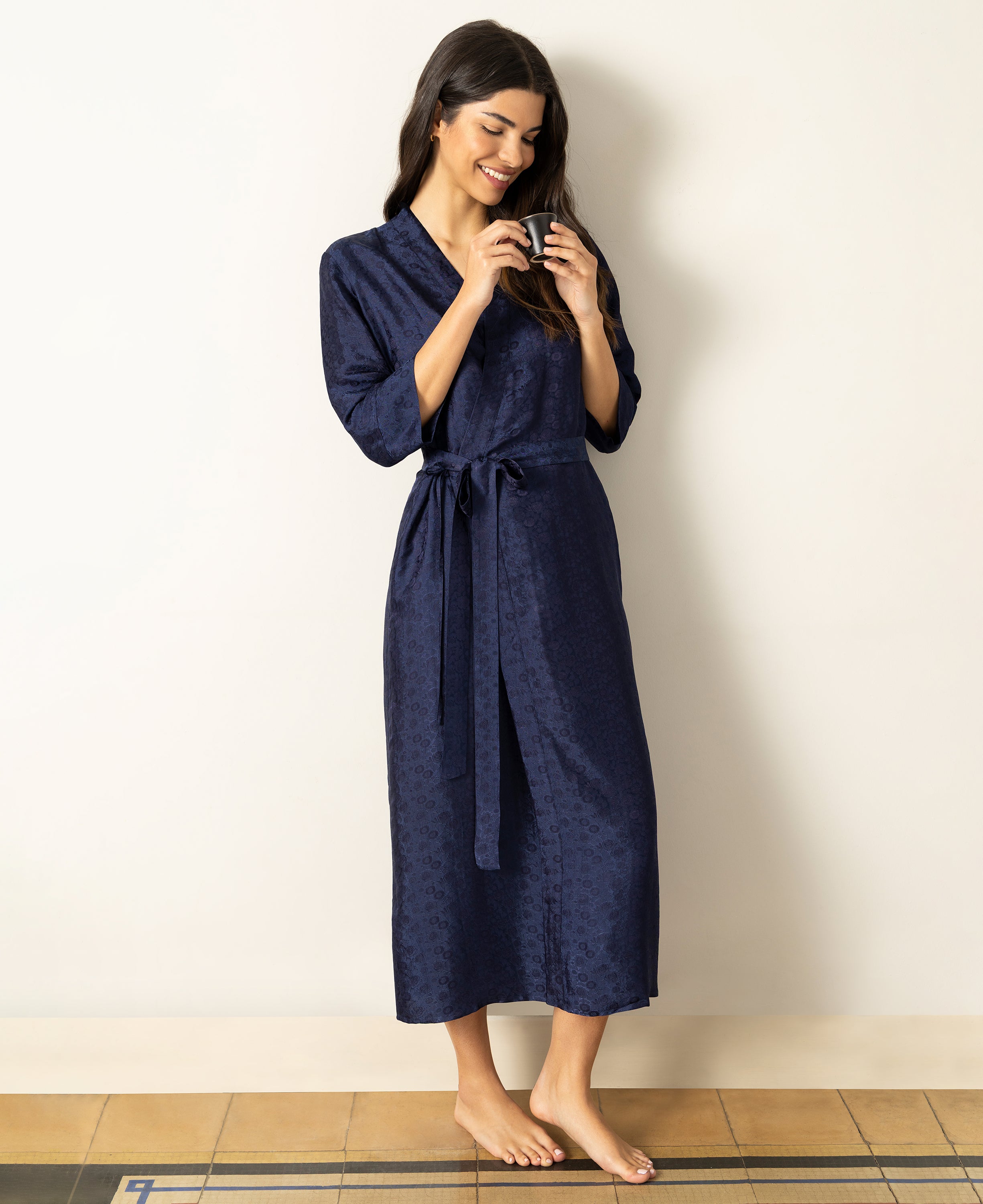
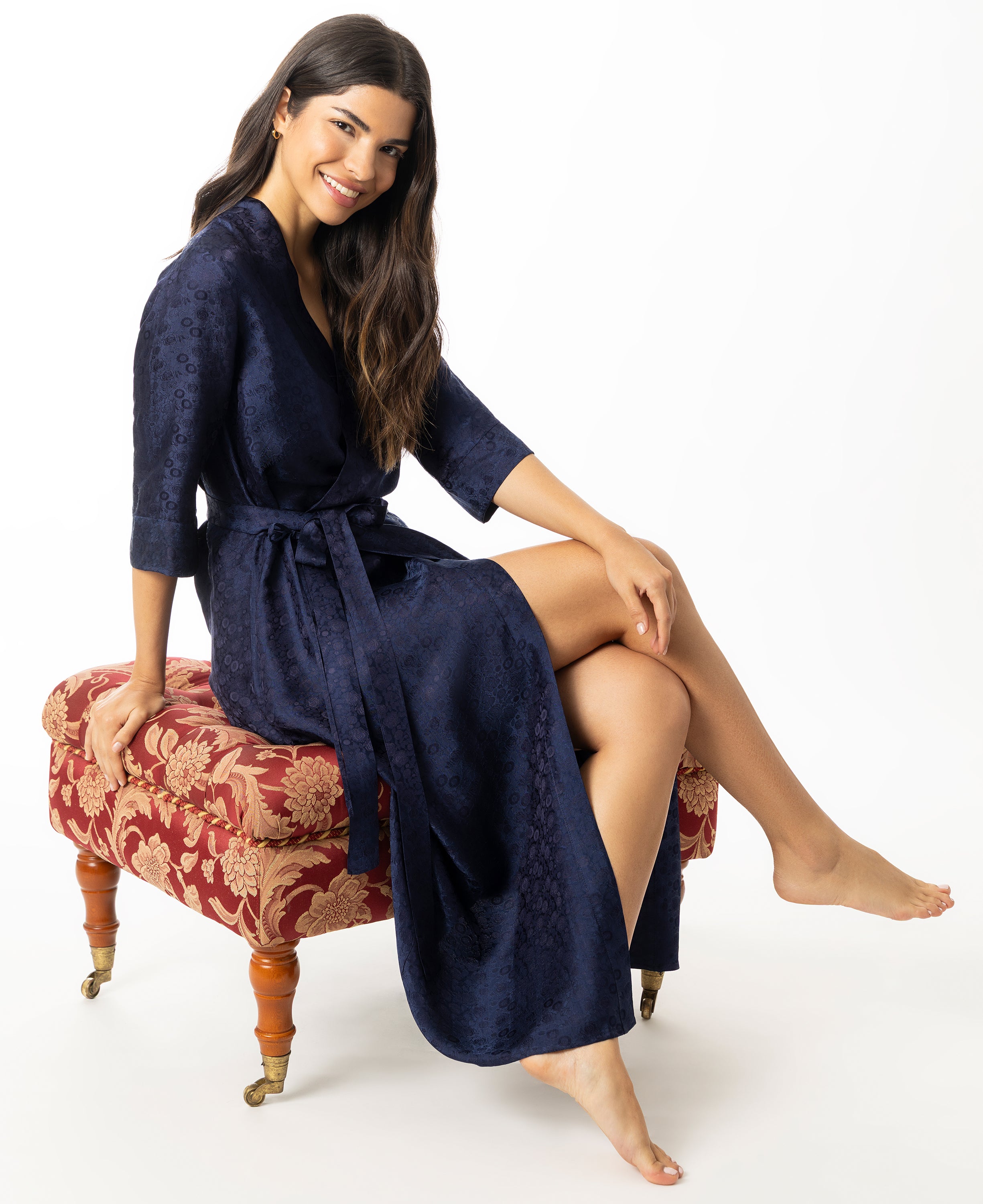
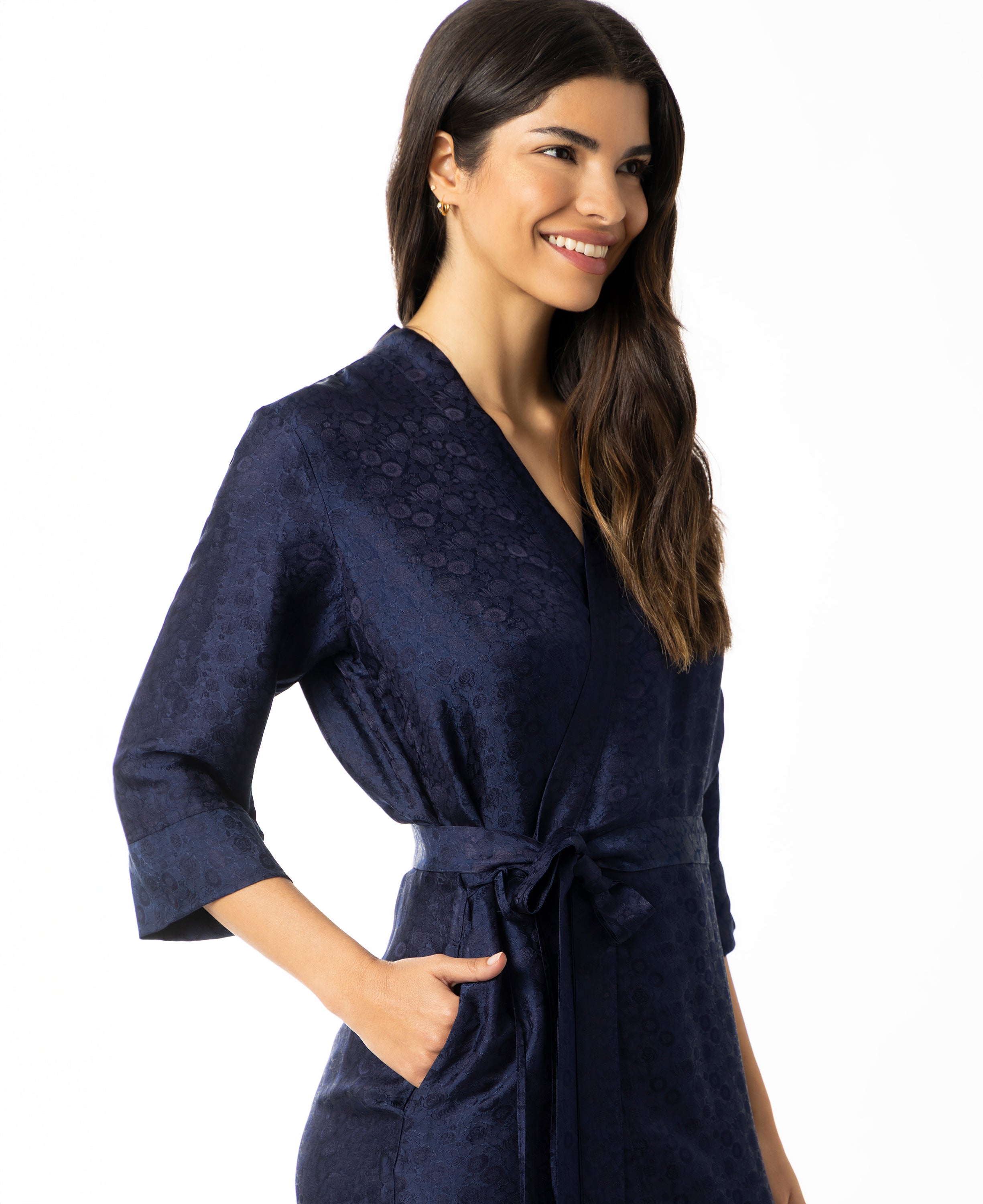
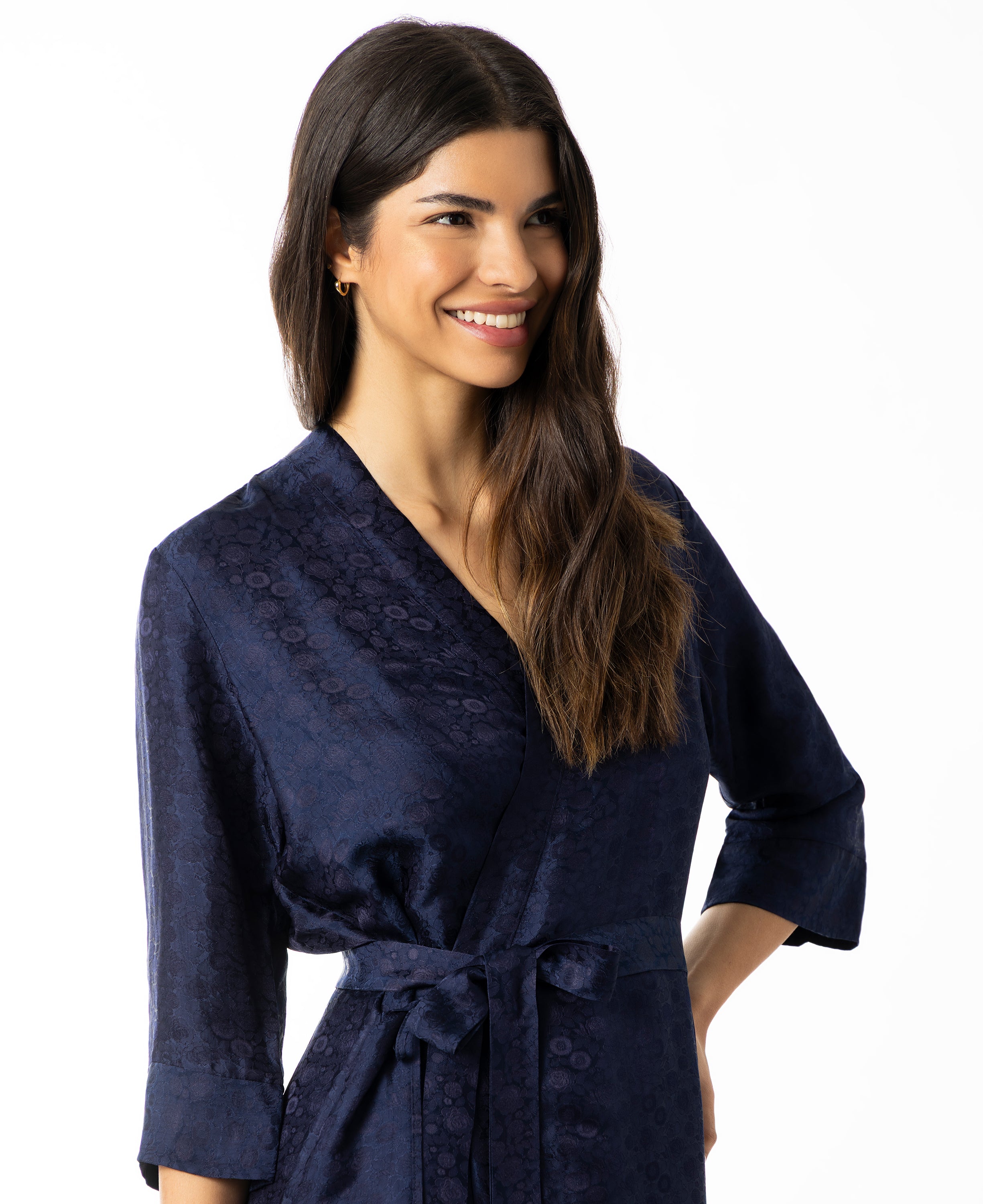
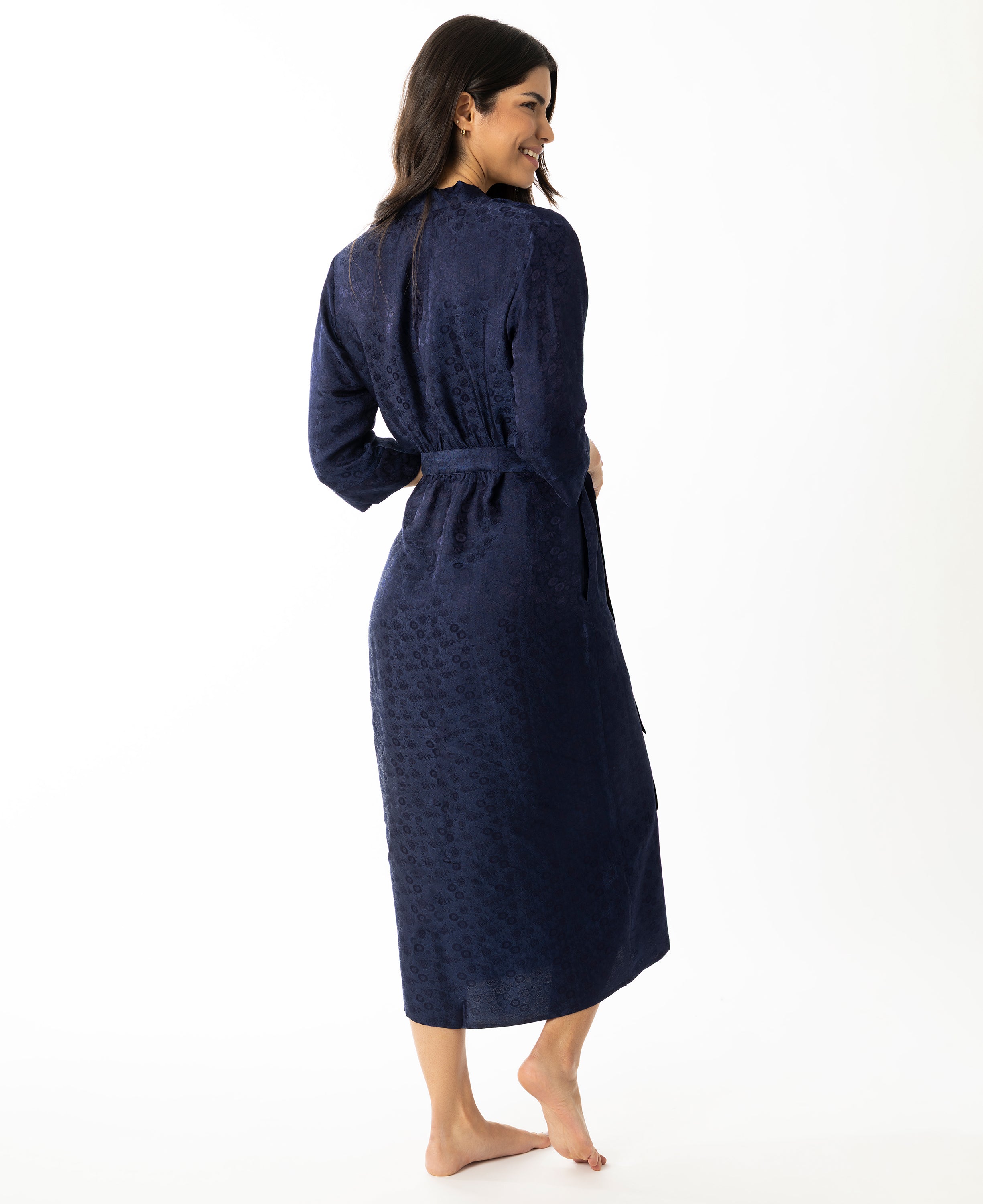
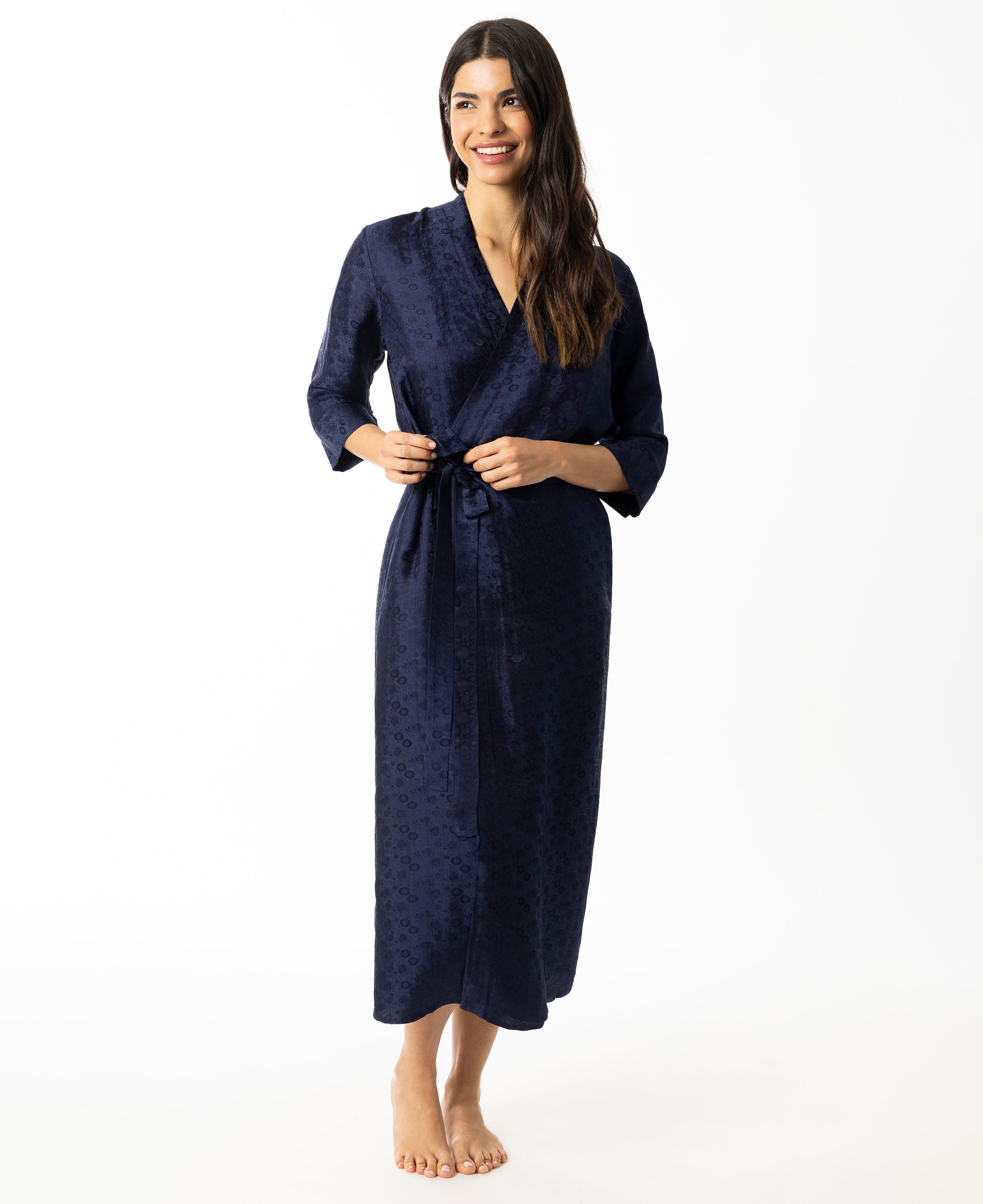
Experience the craftsmanship. Silk pajamas and silk kimono robes represent the full spectrum of what artisan production achieves. See the difference that trained hands make.










Frequently Asked Questions
Where exactly are Tara Sartoria garments made?
Tara Sartoria garments are cut and sewn in a small artisan workshop in Vietnam. The workshop specializes in silk garments and employs artisans with years of experience working specifically with silk.
Why does artisan production cost more than factory production?
Three factors: French seam construction takes approximately twice the labor time of overlocked seams. Grain-matched cutting produces more fabric waste than stack-cutting. Hand inspection of every garment adds time per unit. The higher per-garment cost reflects these quality measures.
Does Tara Sartoria make its own silk fabric?
Tara Sartoria sources 27 momme mulberry silk from established silk producers. The cutting, sewing, and finishing of garments is done in the artisan workshop. The silk supply chain starts with mulberry farming, moves through silkworm rearing and reeling, then weaving and dyeing, before reaching the workshop for garment production.
How does workshop production affect sizing availability?
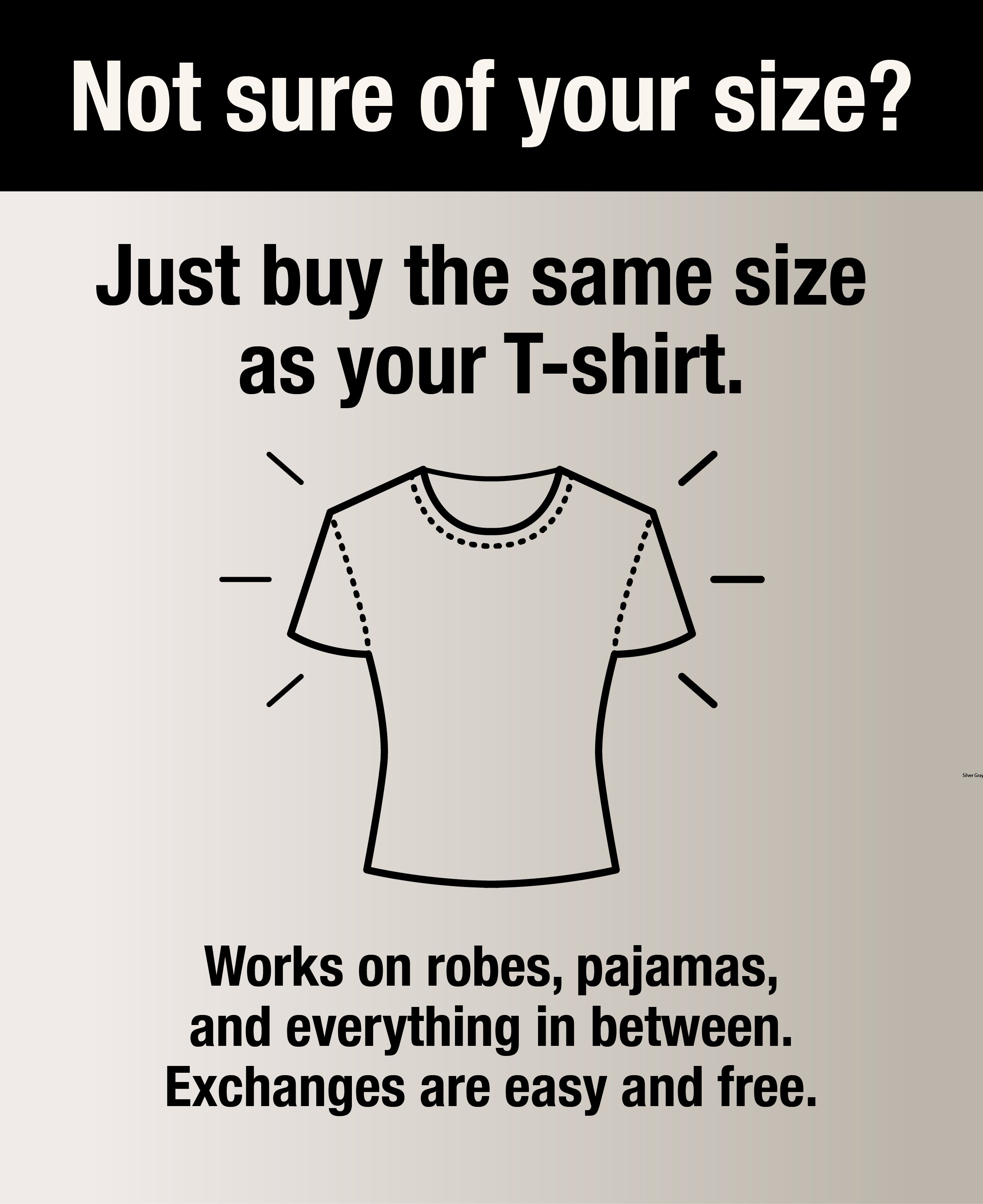
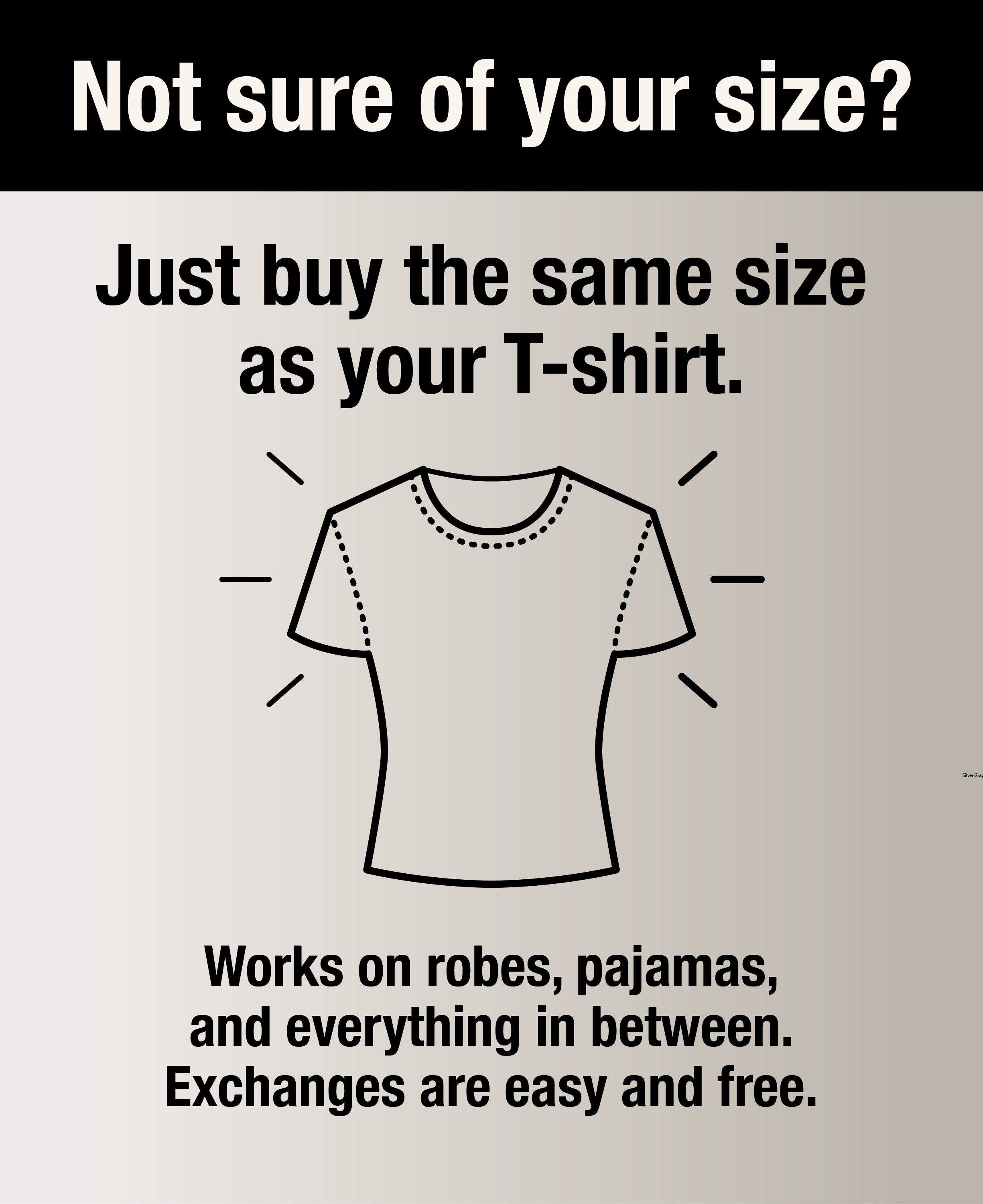
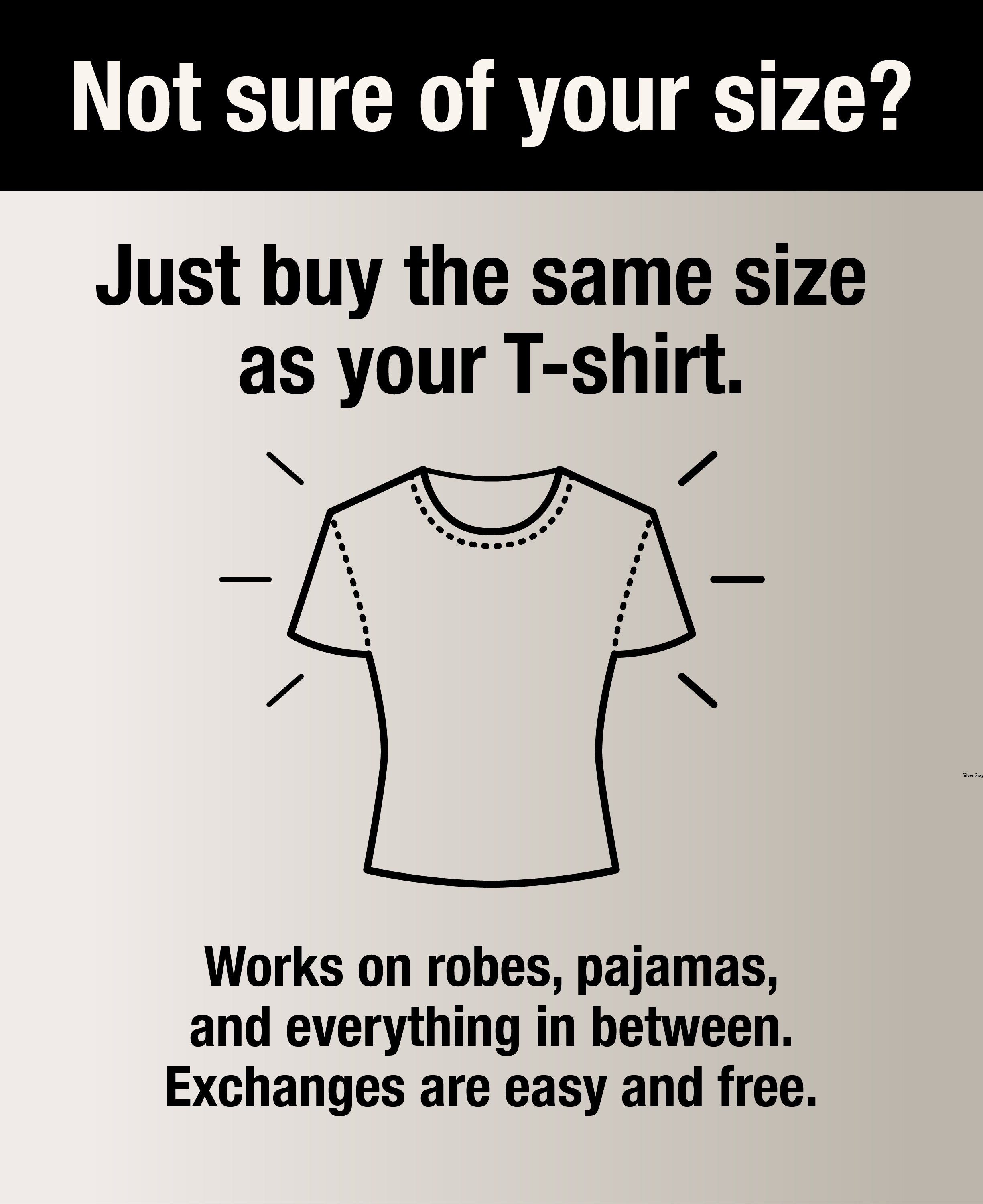
Smaller batch production allows Tara Sartoria to offer sizes from XS to 4XL without requiring the high minimum order quantities that factory production demands. This means extended sizes are available as standard, not as a limited or special-order option.
Can I visit the workshop?
Contact Tara Sartoria directly to inquire about workshop visits. Transparency about production is a core value, and requests from customers to understand the production process are welcomed.
What happens to fabric scraps and offcuts?
Offcuts are repurposed where possible, into accessories and test pieces. The remainder is recycled according to local environmental practices. Because we're working with natural silk, the waste is biodegradable.
