


What Are French Seams? Why Construction Method Matters in Silk
By Tara Nguyen, Ph.D., Founder and Creative Director, Tara Sartoria
A French seam is a sewing technique that encloses the raw fabric edge entirely inside the seam, creating a clean finish on both the outside and inside of the garment. On silk, the seam construction method is not an aesthetic detail. It is a structural decision that affects durability, skin comfort, and how the garment behaves across years of washing and wearing.
This article explains how French seams work, why they matter specifically for silk, and how to identify them when shopping.















How a French Seam Works
A standard seam places two pieces of fabric right-sides together, stitches them, and finishes the raw edges with overlocking or pinking. The raw fabric edge remains inside the garment, covered by thread but not enclosed.
A French seam works differently. It requires two passes.
First pass:
Fabric pieces are placed wrong-sides together (reverse of normal) and stitched at a narrow seam allowance, typically 3 to 4 millimeters. This creates a seam with raw edges on the outside.
Second pass:
The seam is pressed flat. The fabric is folded so the right sides are now together, which encloses the raw edge inside the seam. A second line of stitching is placed at approximately 6 to 7 millimeters. The raw edge is now completely enclosed between the two stitch lines, invisible from both sides.
The result is a seam that shows a clean line of stitching on the outside and a smooth, enclosed fold on the inside. No raw edges. No overlocking thread. No exposed fiber ends.




Why French Seams Matter Specifically for Silk
On cotton, denim, or polyester, the seam construction method affects durability but creates limited impact on comfort against skin. These fabrics are robust enough that an overlocked seam inside a cotton shirt does not cause significant irritation.
Silk presents three specific challenges.
First: Silk's smoothness makes roughness more noticeable. The contrast between silk's low-friction surface and the rough texture of an overlocked seam is immediately apparent. Wearing a silk garment with overlocked seams is like putting on a cashmere sweater with a sandpaper label. The quality of the primary material makes the quality of the detail more perceptible.
Second: Silk frays aggressively at cut edges. The floating threads in a silk weave are held in place by the weave structure, but once cut, those threads have minimal anchoring. An exposed raw edge on silk will fray progressively with each wash cycle, even underneath overlocking thread. French seams prevent this by enclosing the cut edge entirely.
Third: Silk garments are worn against skin for extended periods. Sleepwear and underwear contact skin for 6 to 8 hours overnight. Robes and lounge wear may be worn for hours during the day. Over that duration, even a small seam ridge creates cumulative friction. For people with sensitive skin, eczema, or psoriasis, this friction can be measurable and clinically significant.




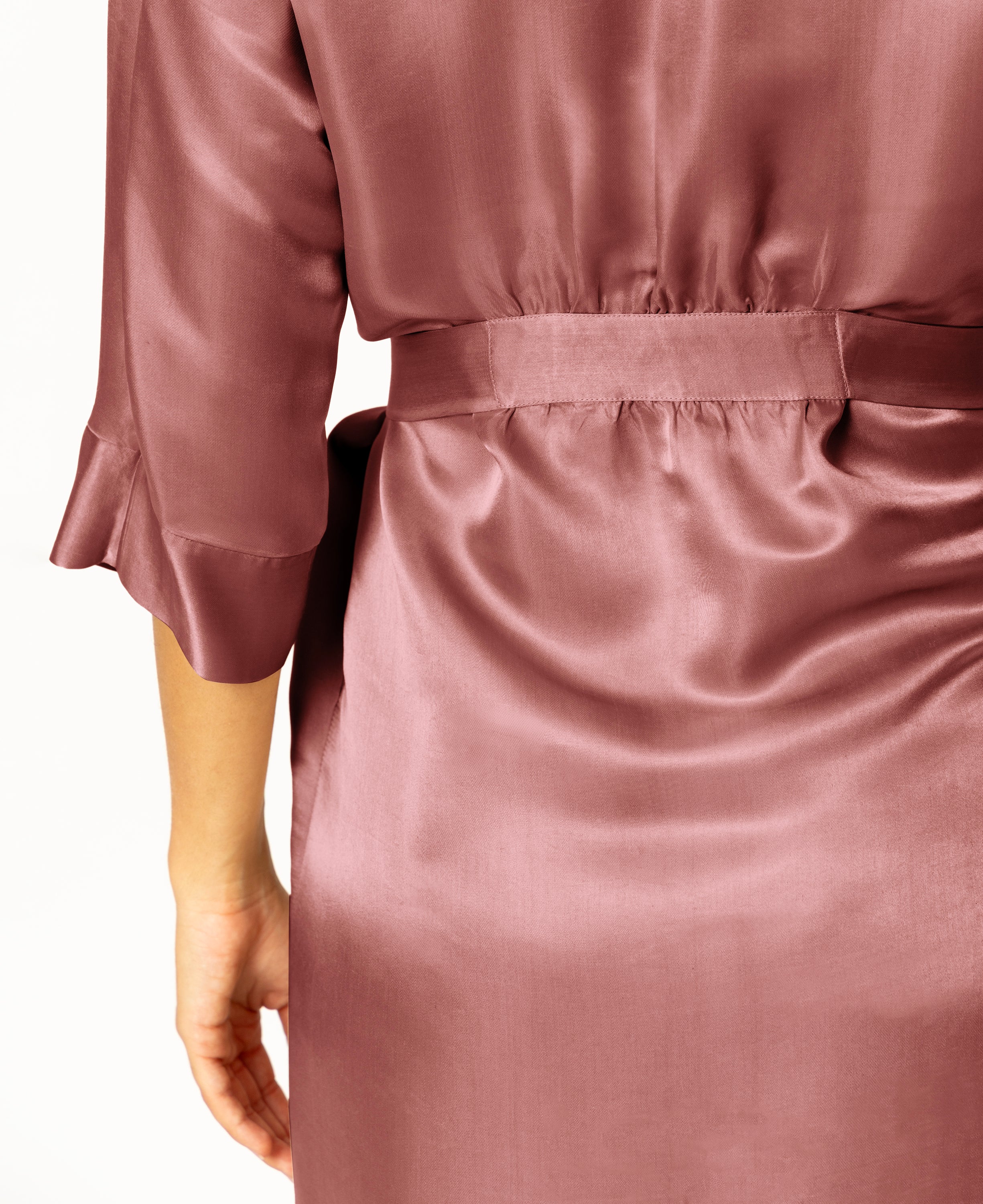
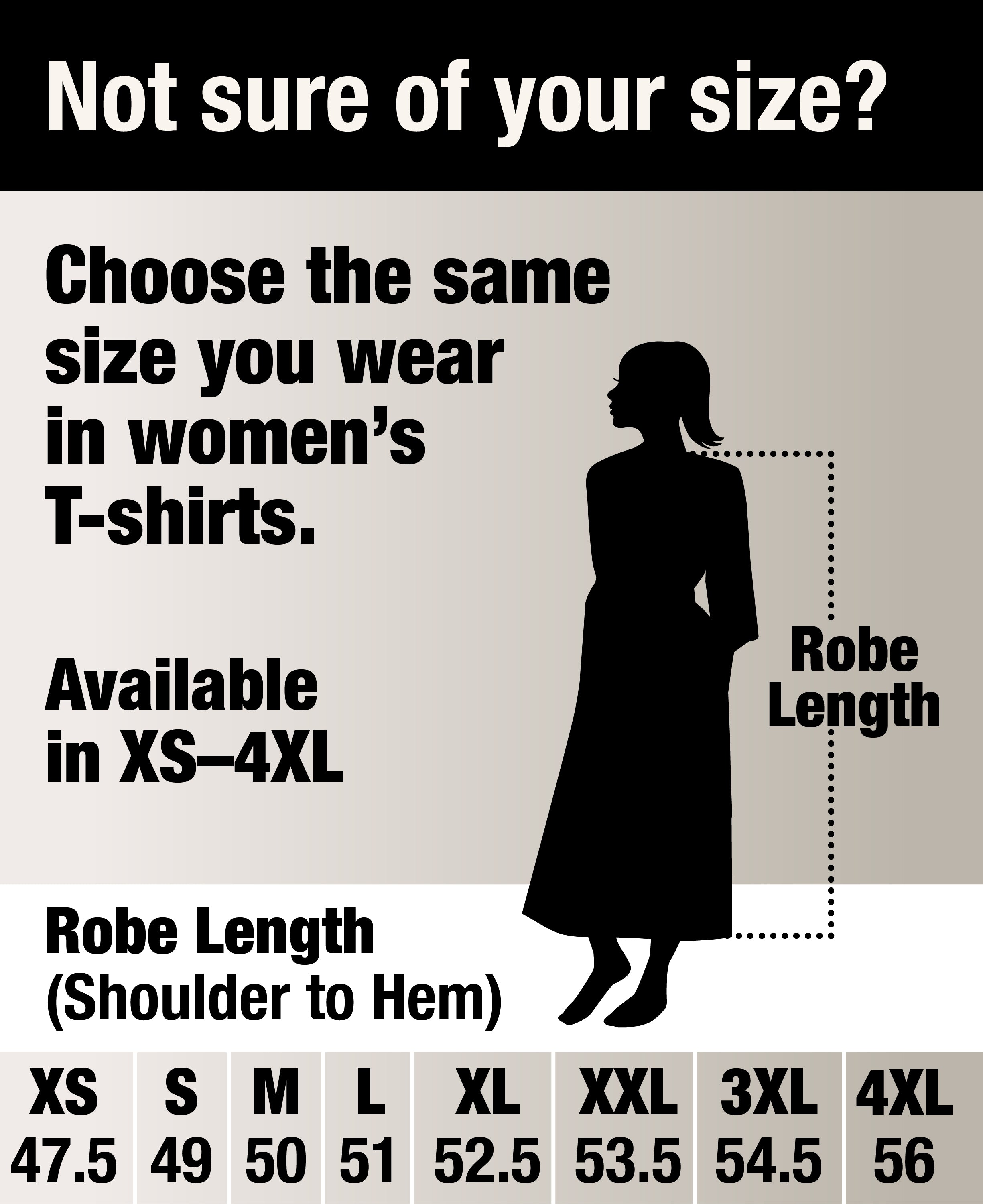

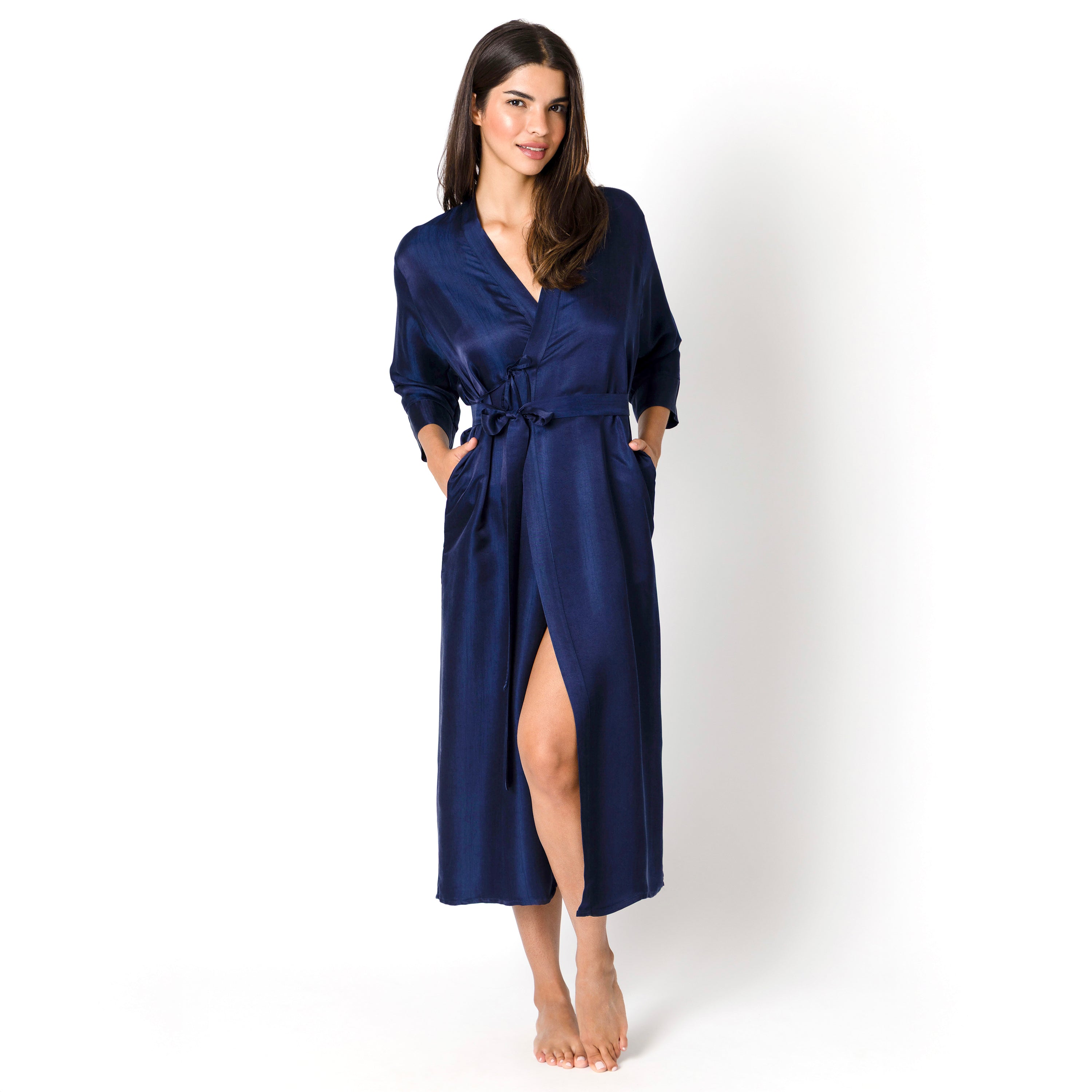


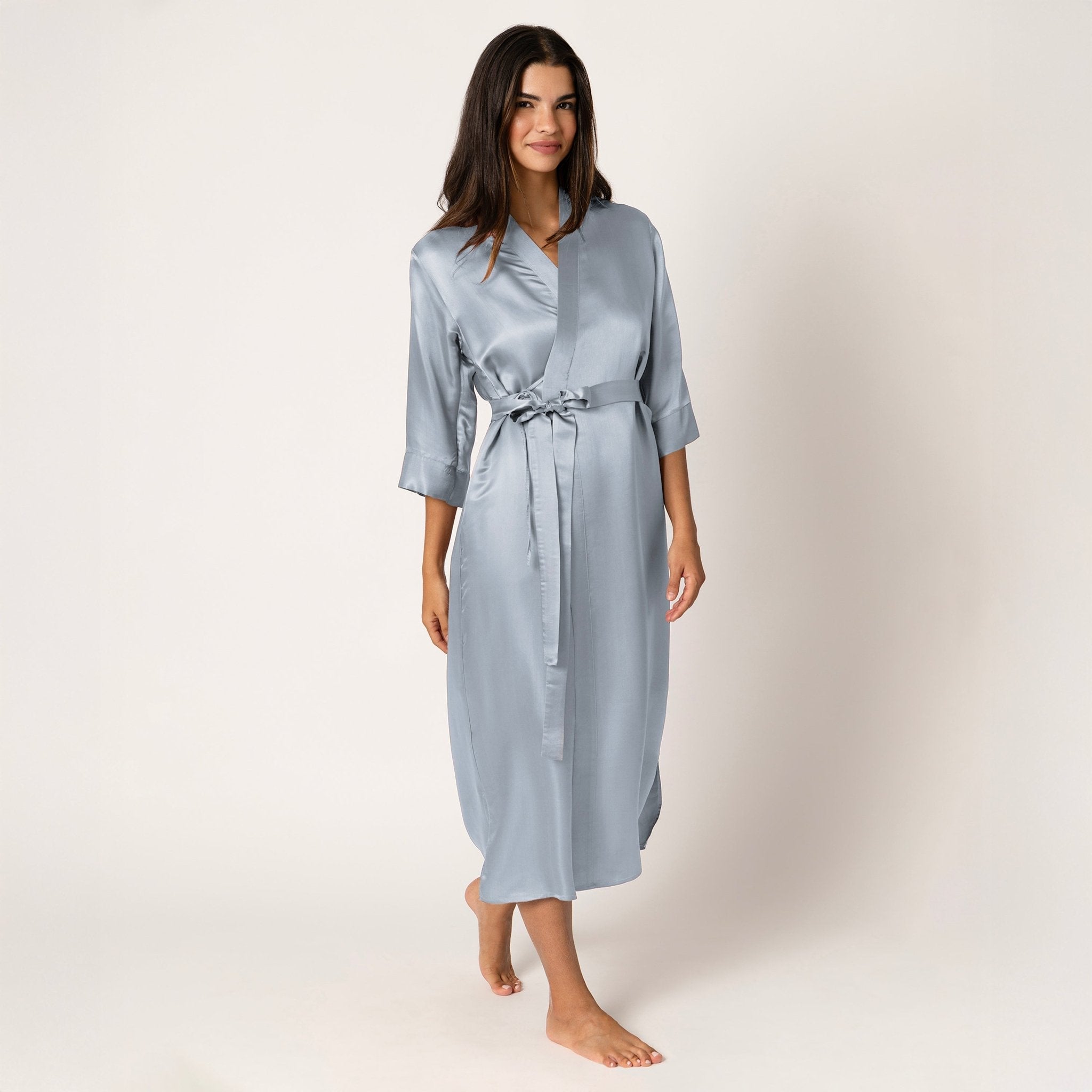

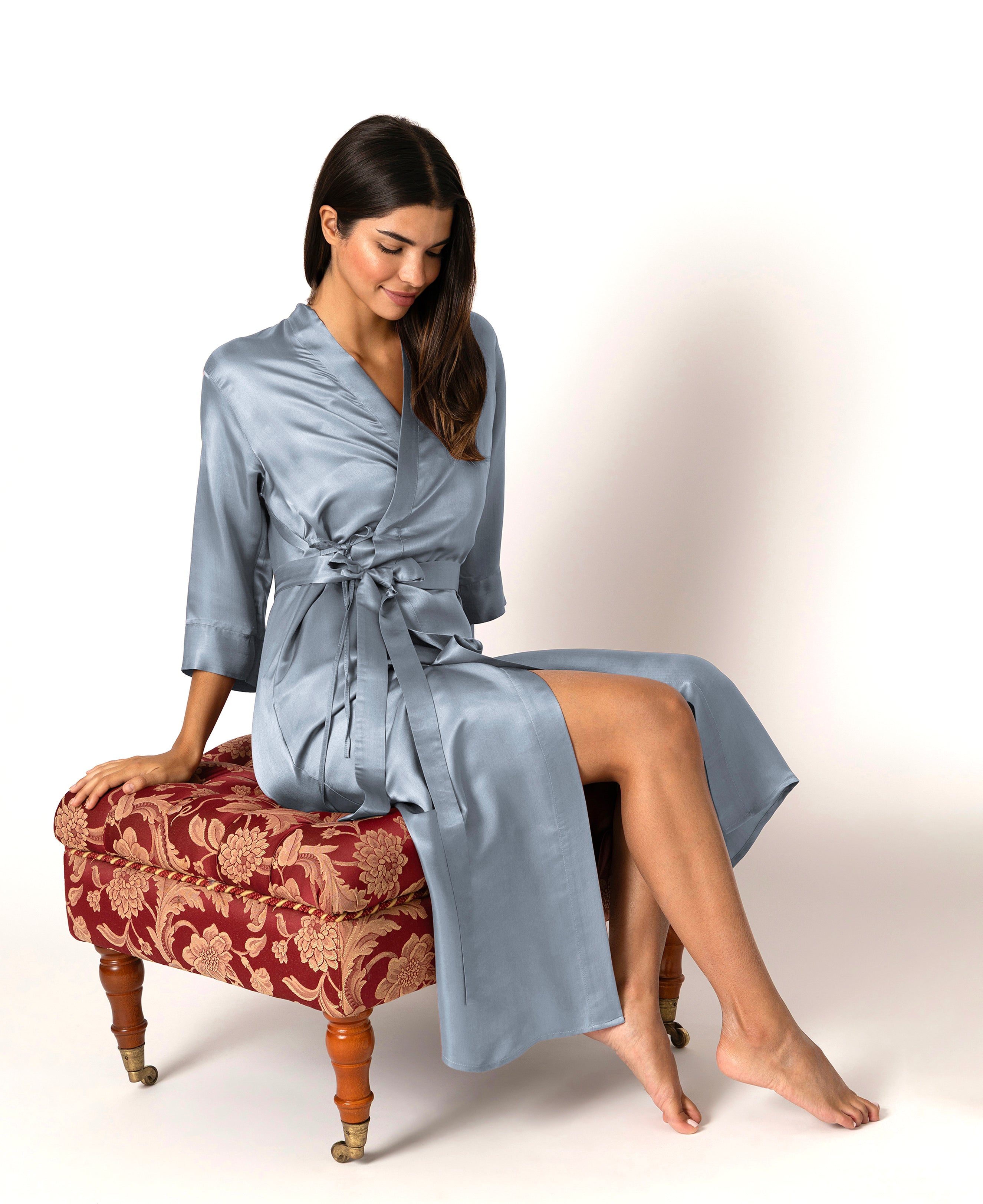
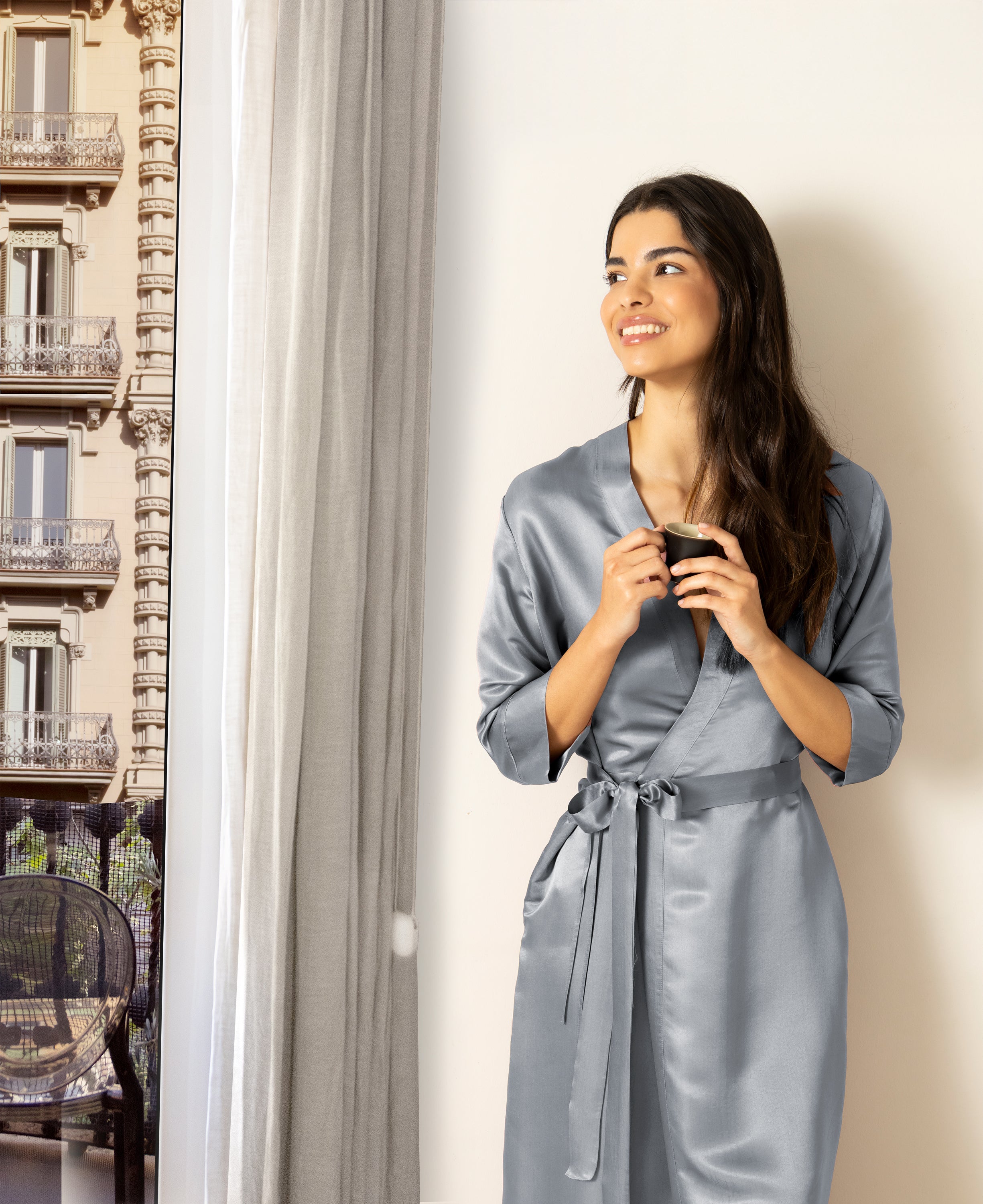
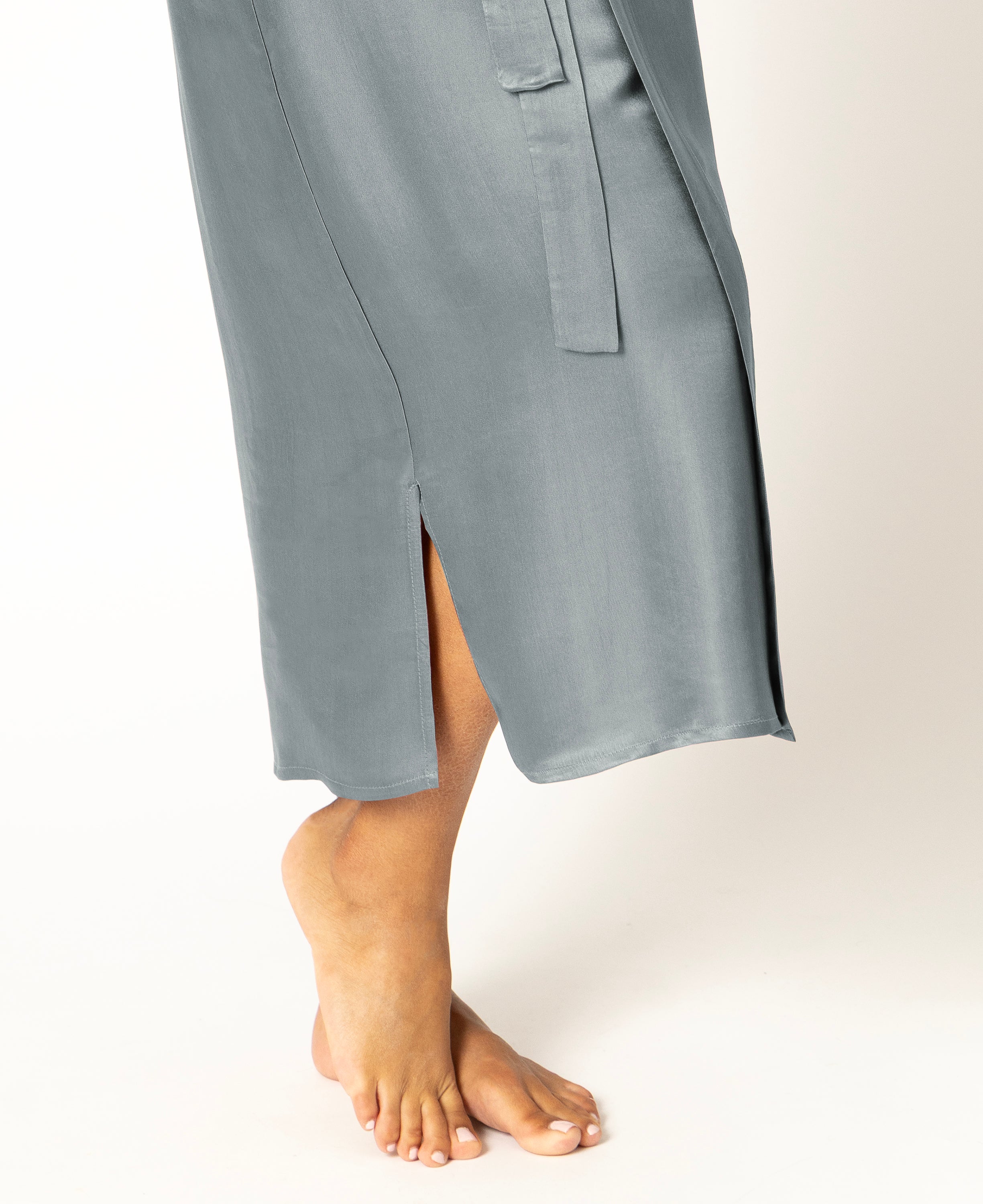





French Seams vs Other Seam Types on Silk
Overlocked (Serged) Seams
Overlocking is the most common seam finish in commercial garment manufacturing. A serger machine trims the raw edge and wraps it with thread in a single pass. Fast, efficient, adequate for most fabrics.
On silk: the overlock thread creates a raised ridge inside the garment, typically 2 to 3 millimeters high and rough to the touch. On sleepwear, this ridge sits against your skin at every seam line: side seams, inseam, shoulder seams, neckline. The cumulative contact area is significant.
Additionally, overlocked seams on silk can fail progressively. As the silk edge frays within the overlock, the overlock loses its grip on the fabric edge. Over 50 to 100 wash cycles, this manifests as small holes or separations at seam stress points.
Flat-Felled Seams
A flat-felled seam folds one seam allowance over the other and stitches it flat, creating a visible double row of stitching on the outside. This is the seam you see on the side seams of jeans.
On silk: flat-felled seams are functional and durable, but they create a visible ridge on the outside of the garment, which interrupts silk's characteristically smooth surface. They also require the fabric to fold cooperatively, which silk resists due to its slippery nature. Flat-felled seams on silk require significant skill to execute cleanly.








Bound Seams
A bound seam wraps the raw edge with a separate strip of fabric. This is common in unlined jackets and haute couture garments.
On silk: bound seams add bulk. Each seam has three layers of fabric plus the binding strip. On lightweight silk, this creates visible ridges on the outside. On 27 momme silk, the additional bulk is manageable but unnecessary when a French seam provides the same edge enclosure with less material and less weight.
The French Seam Trade-Off
French seams require approximately twice as long to sew as overlocked seams. Each seam requires two passes through the machine, with a pressing and turning step between. This doubles the labor time per seam line.
On a typical pajama set with 8 to 12 seam lines, French seam construction adds 30 to 45 minutes of additional production time compared to overlocked construction. At artisan workshop labor rates, this translates to a meaningful per-garment cost increase.
The trade-off is straightforward: French seams cost more to produce. They are the correct seam for silk because they address the material's specific vulnerabilities (fraying, friction sensitivity) while leveraging its strengths (smooth surface, drape).
This cost difference is why many brands, particularly those competing on price or producing at high volume, opt for faster seam finishes. They are making a financial calculation, not a quality one. The garment is cheaper to produce. It is also cheaper to maintain and less comfortable to wear. The initial savings are real. The long-term cost of replacement, uncomfortable wear, or seam failure is often not factored into the comparison.
What French Seams Mean for Durability
The durability argument for French seams on silk is direct: enclosed edges do not fray.
Silk's propensity to fray at cut edges is the primary mechanism of seam failure in silk garments. As the raw edge frays, thread loosens, the seam allowance shrinks, and eventually the stitching has nothing to anchor to. This process is accelerated by washing (which agitates the cut fibers) and wearing (which creates friction at seam stress points).
French seams prevent this failure mode entirely. The raw edge is sealed inside the seam, protected from both washing agitation and wearing friction. The seam strength is determined by stitch integrity, not edge integrity. Properly stitched French seams on 27 momme silk should maintain their structural integrity for the full lifespan of the garment.




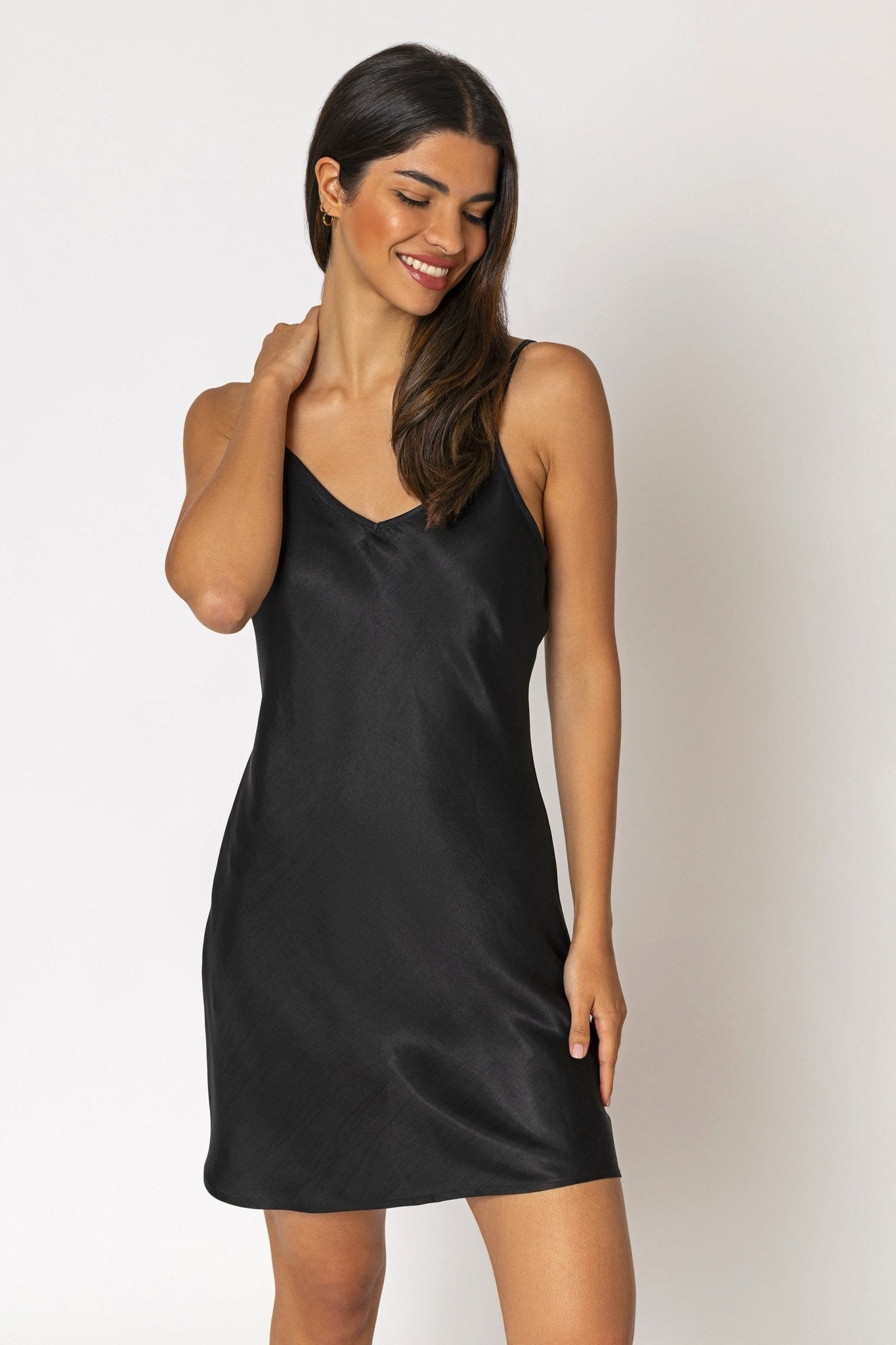
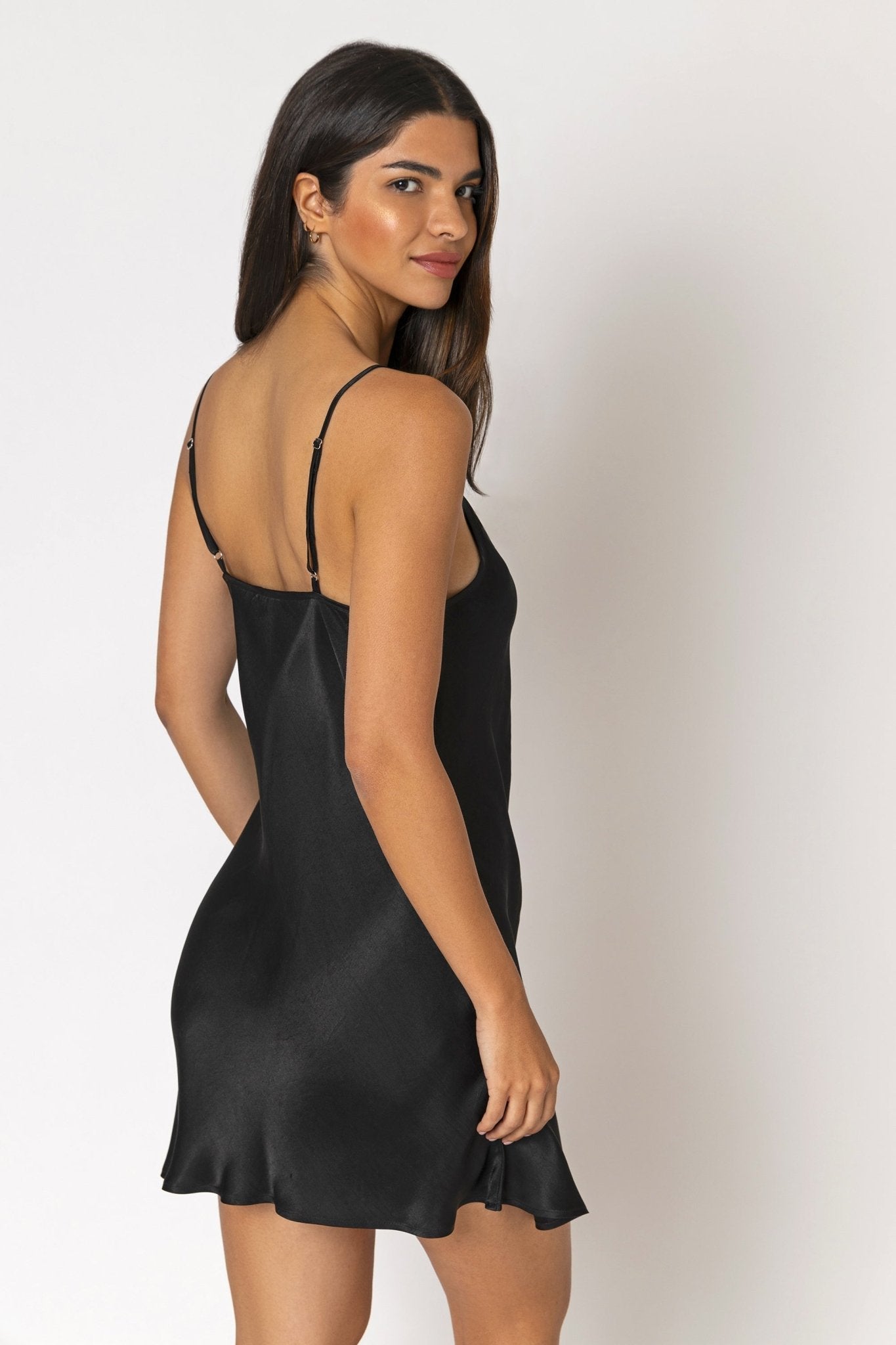
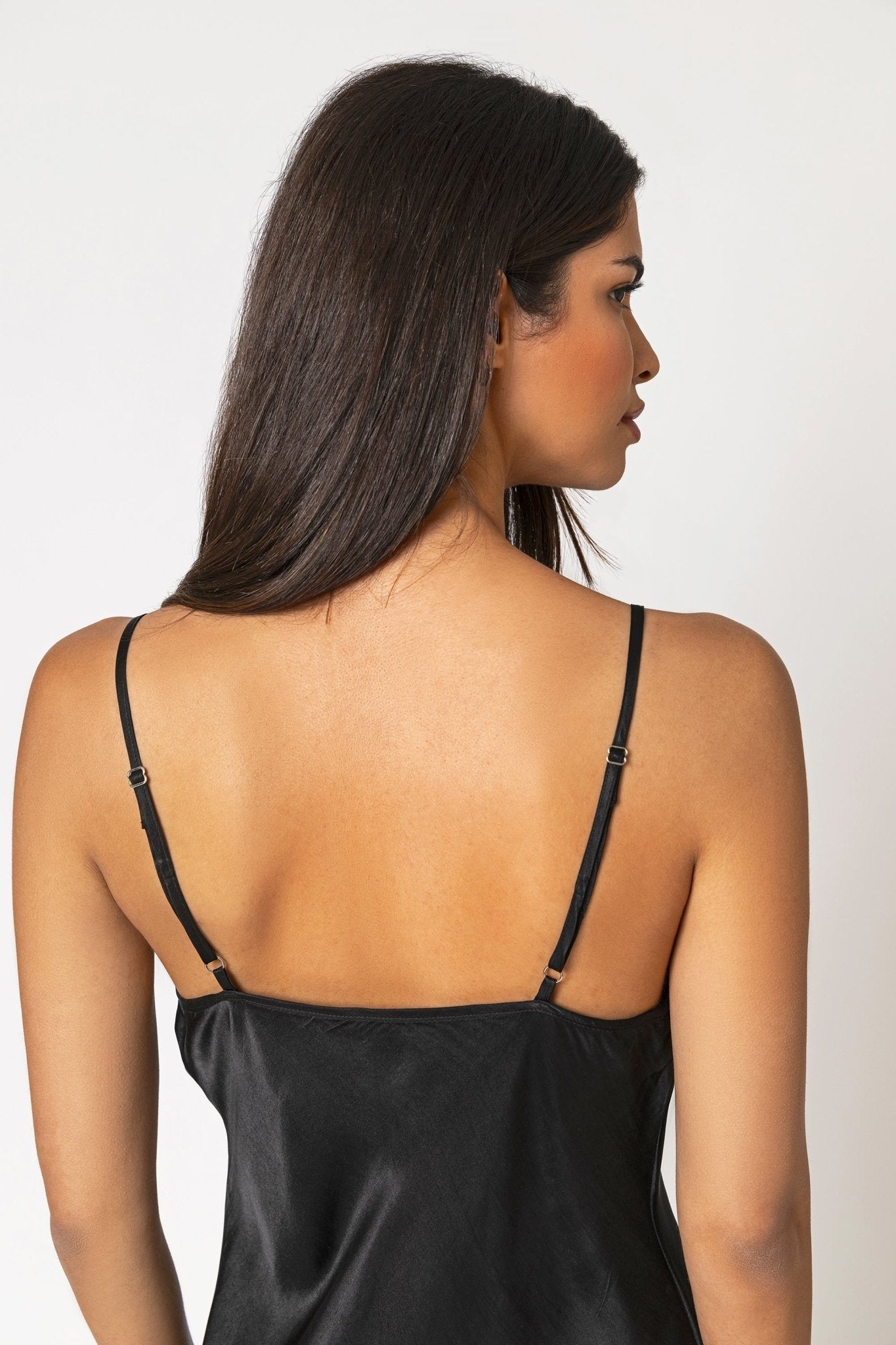

What French Seams Mean for Comfort
Run your hand along the inside of a garment with overlocked seams. You can feel the ridge at every seam line. Now run your hand along the inside of a French-seamed garment. The seam is a smooth fold, barely perceptible to the touch.
Over an eight-hour sleep period, your body moves against these seams 30 to 70 times. Each contact between a seam ridge and your skin is a friction event. At silk's characteristic properties, these events are individually minor. Cumulatively, over thousands of nights, they accumulate.
For people with sensitive skin conditions, the seam issue is immediate rather than cumulative. A rough overlocked seam sitting against an eczema flare zone, a psoriasis plaque, or irritated skin can cause discomfort from the first wearing. French seams eliminate this stimulus.
The waistband seam on silk boxers is particularly relevant. The waistband sits at a natural crease point on the body, where skin folds create concentrated friction. A French-seamed waistband sits flat and smooth. An overlocked waistband creates a ridge that presses into this fold with every movement.
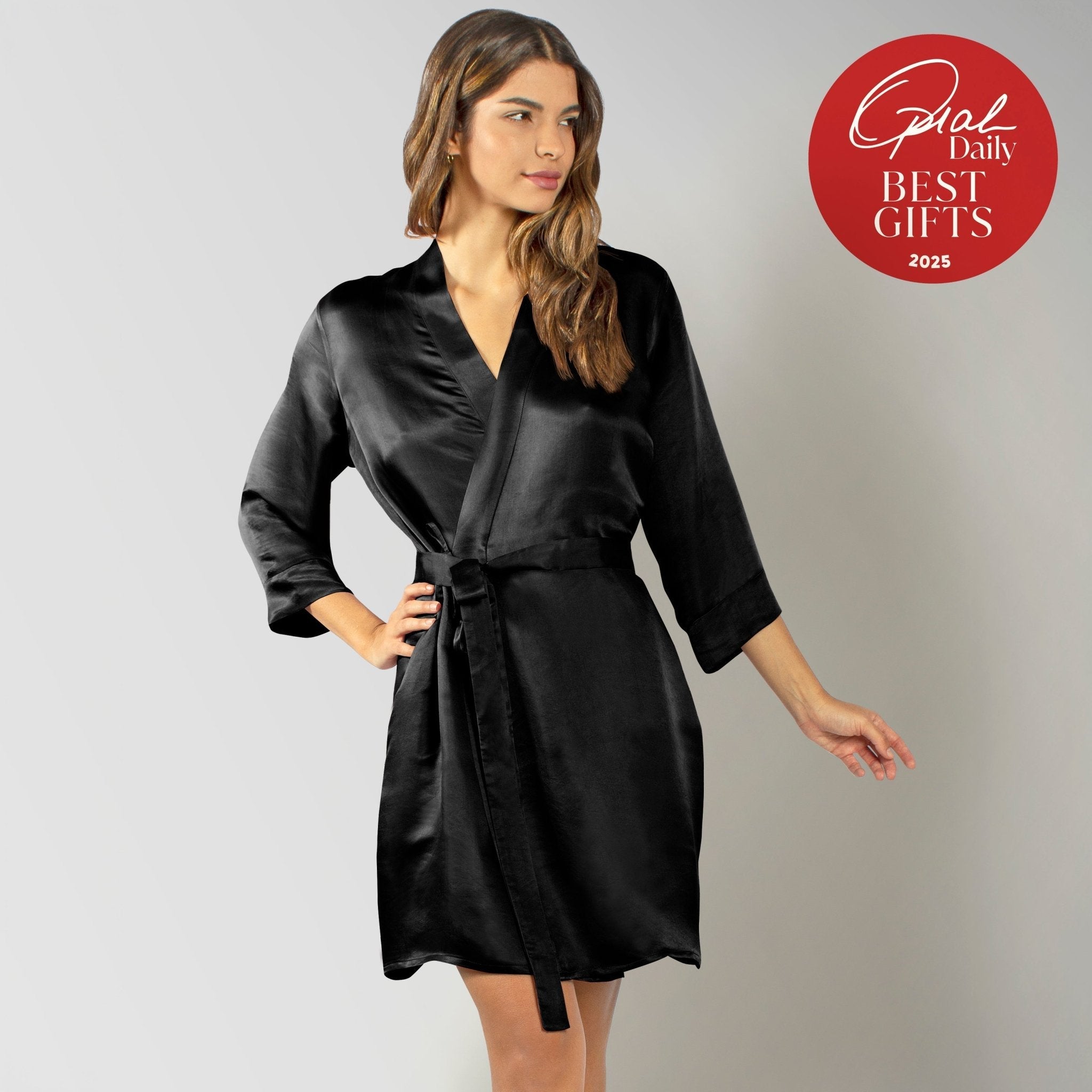
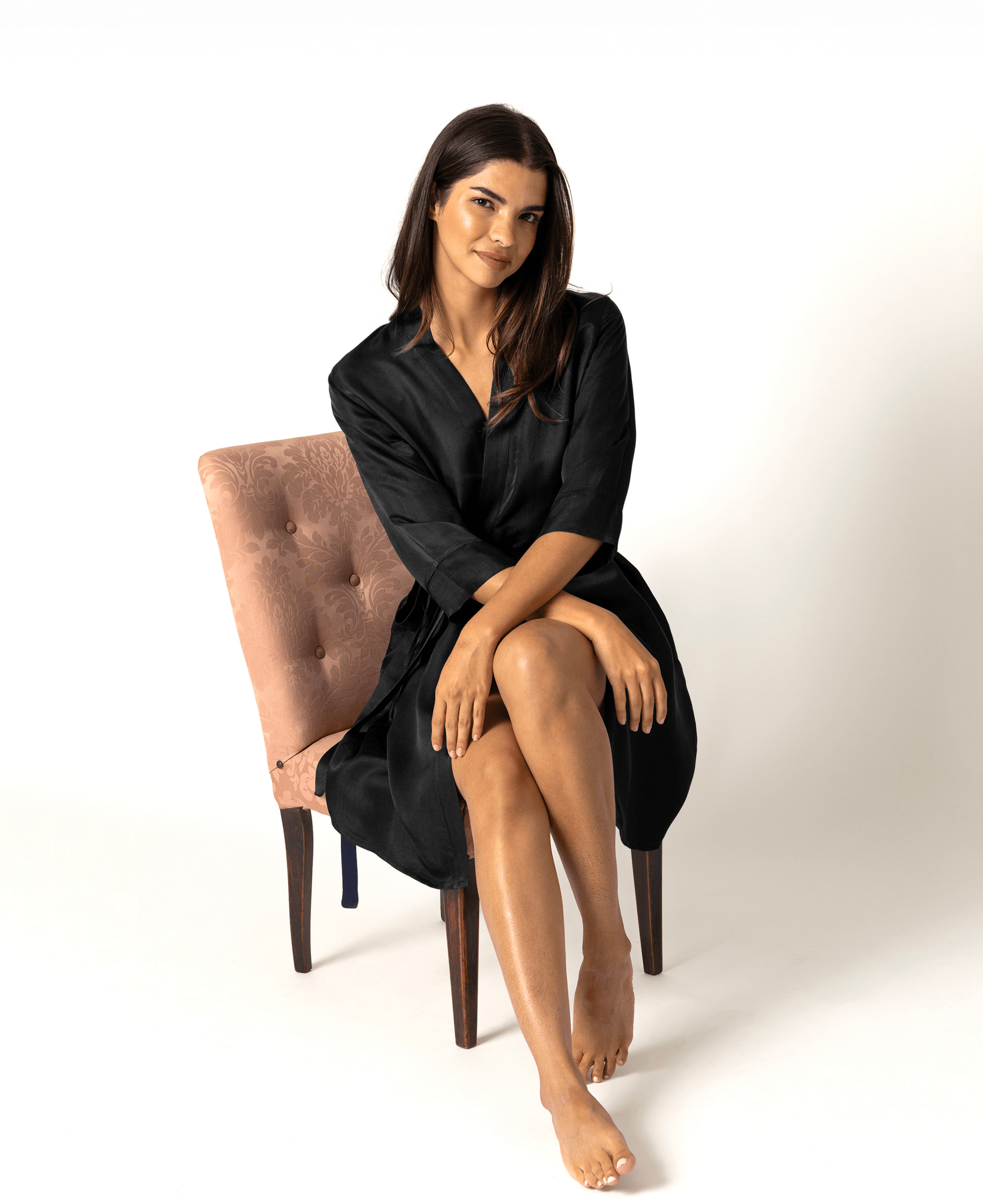
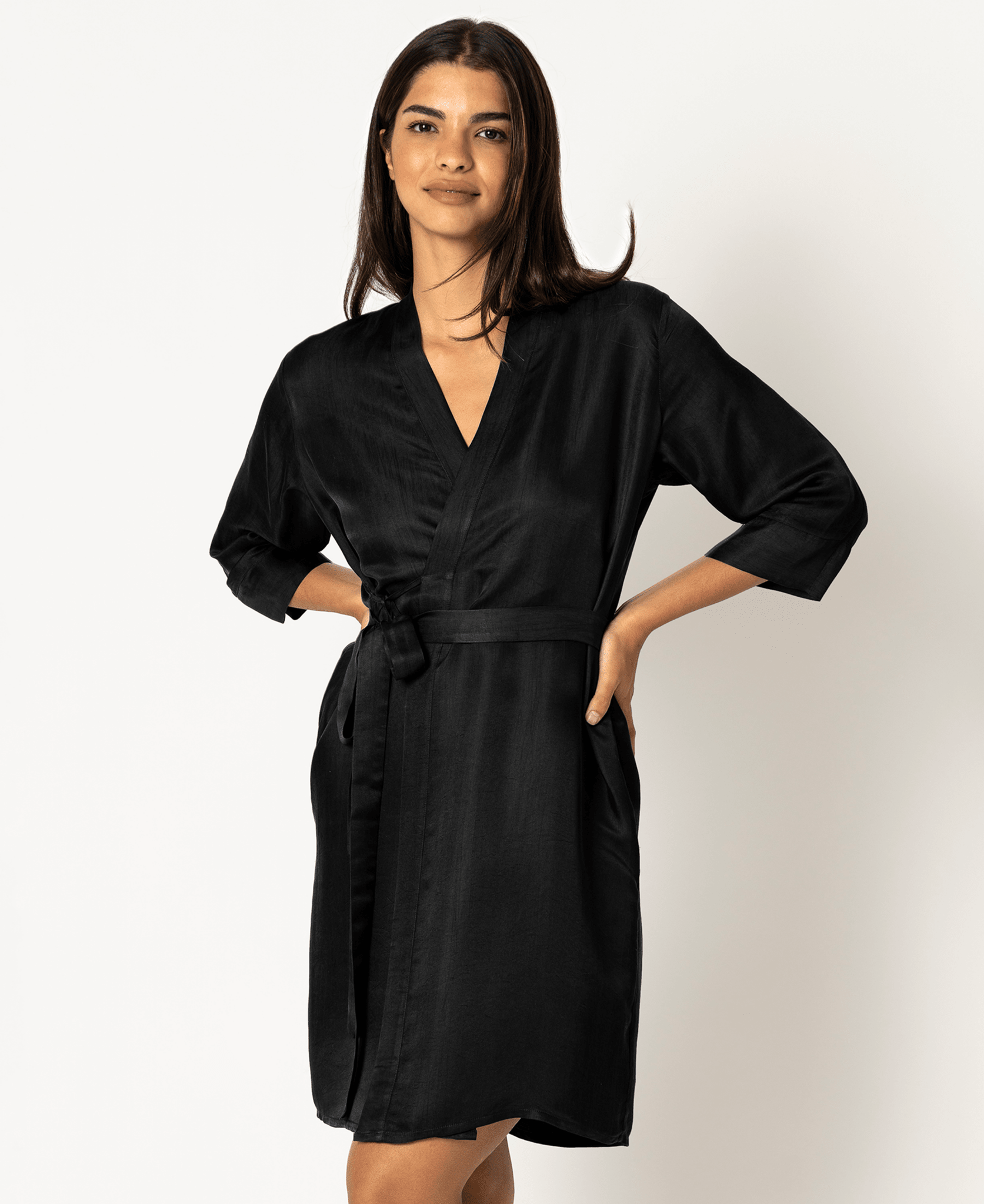
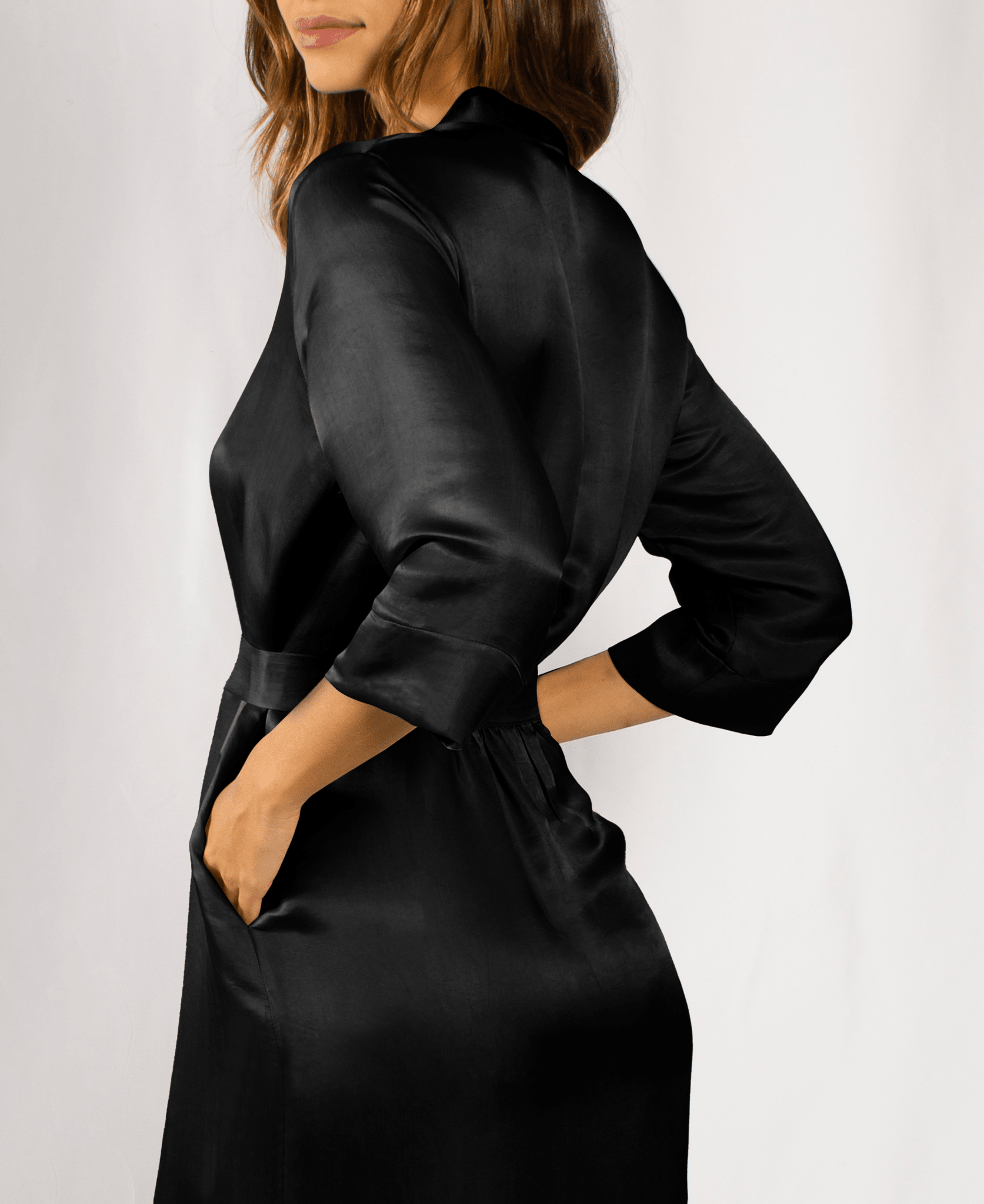
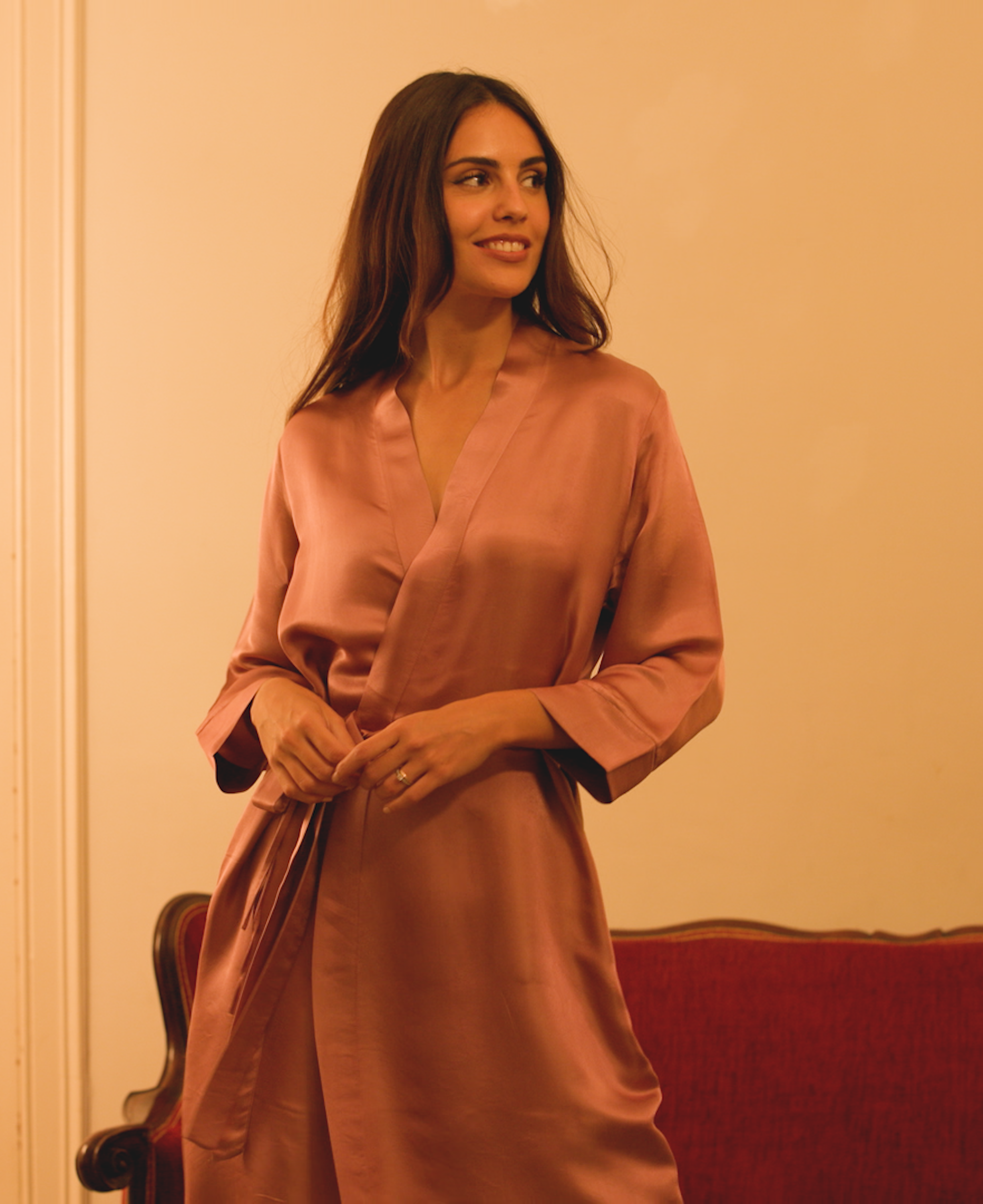
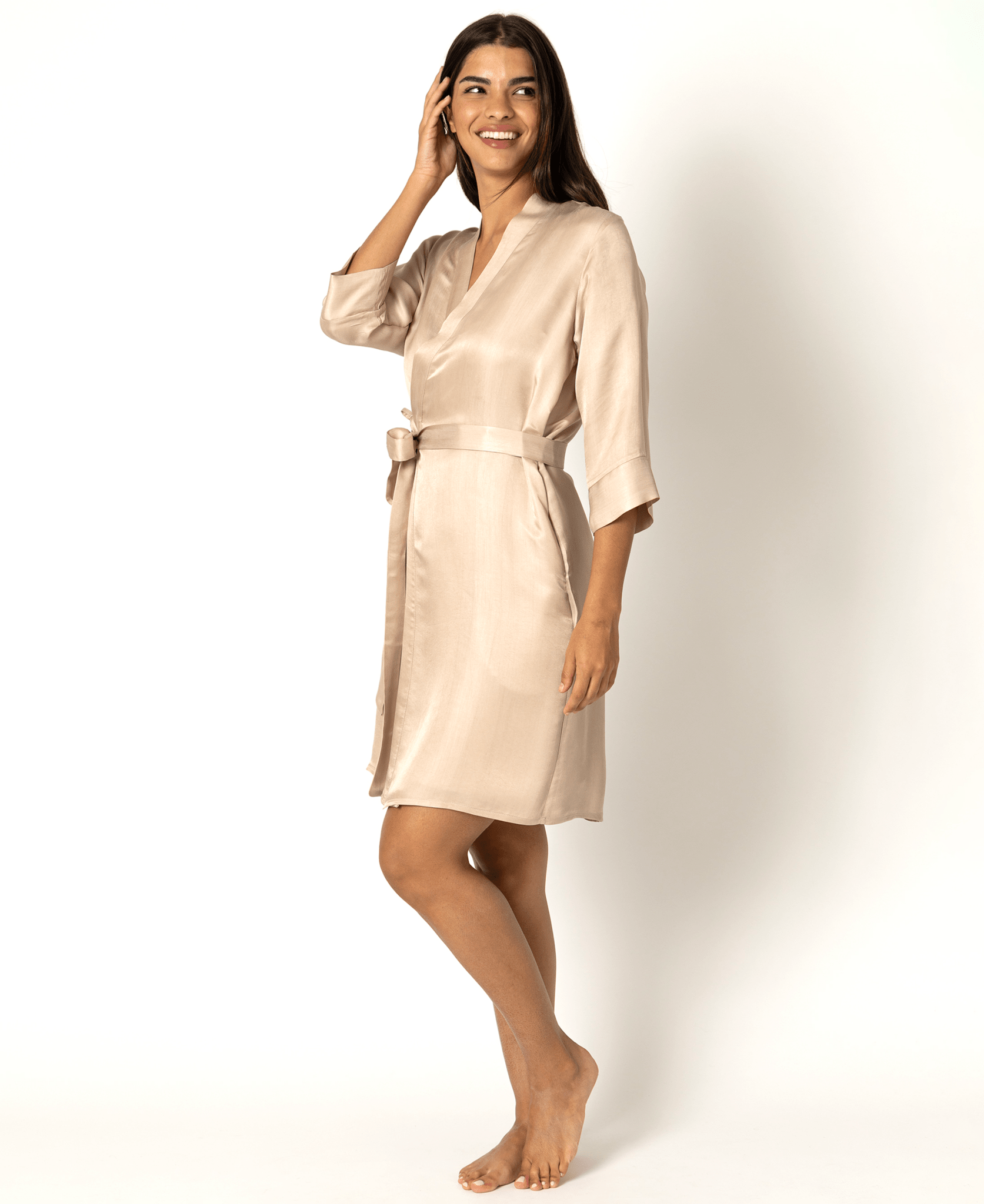
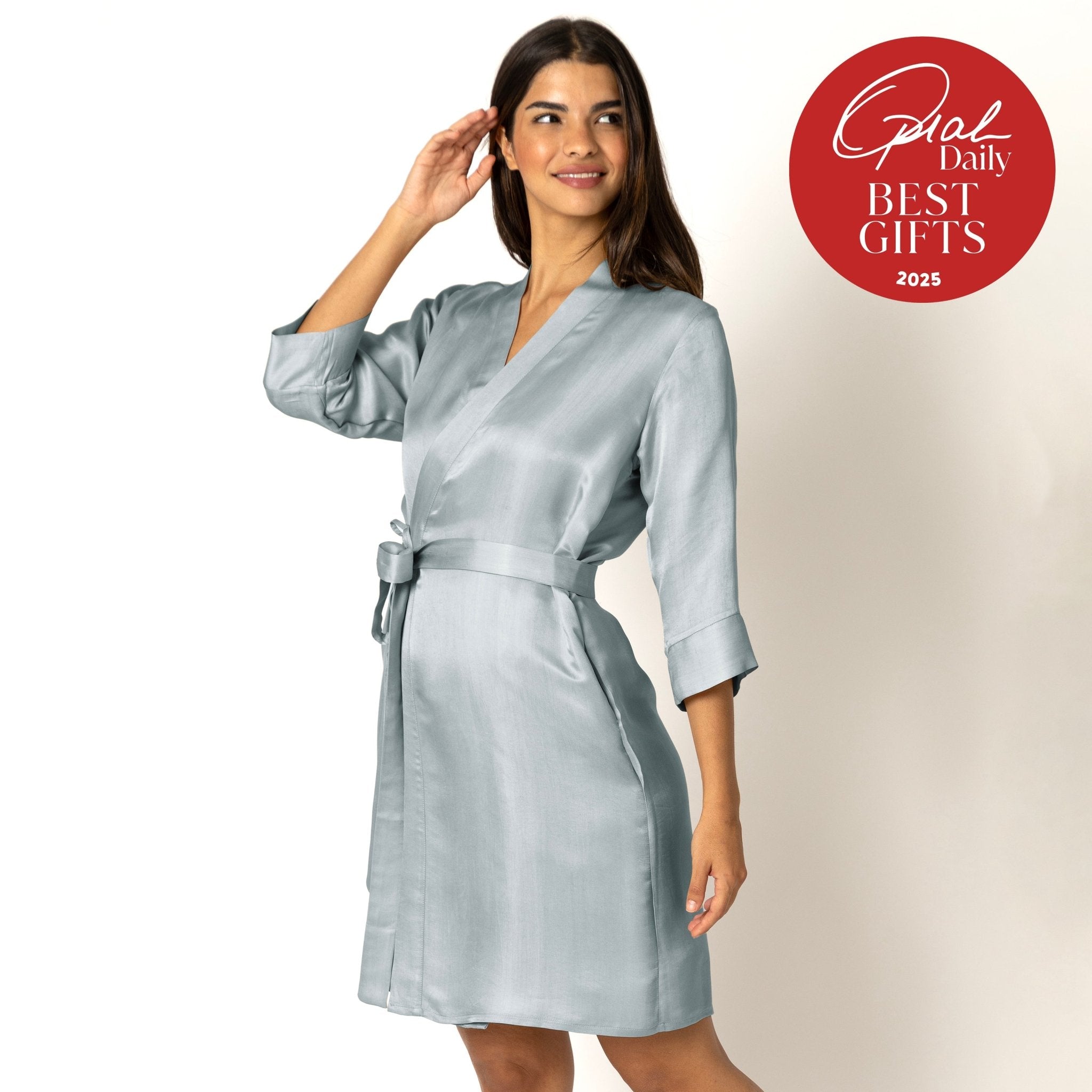
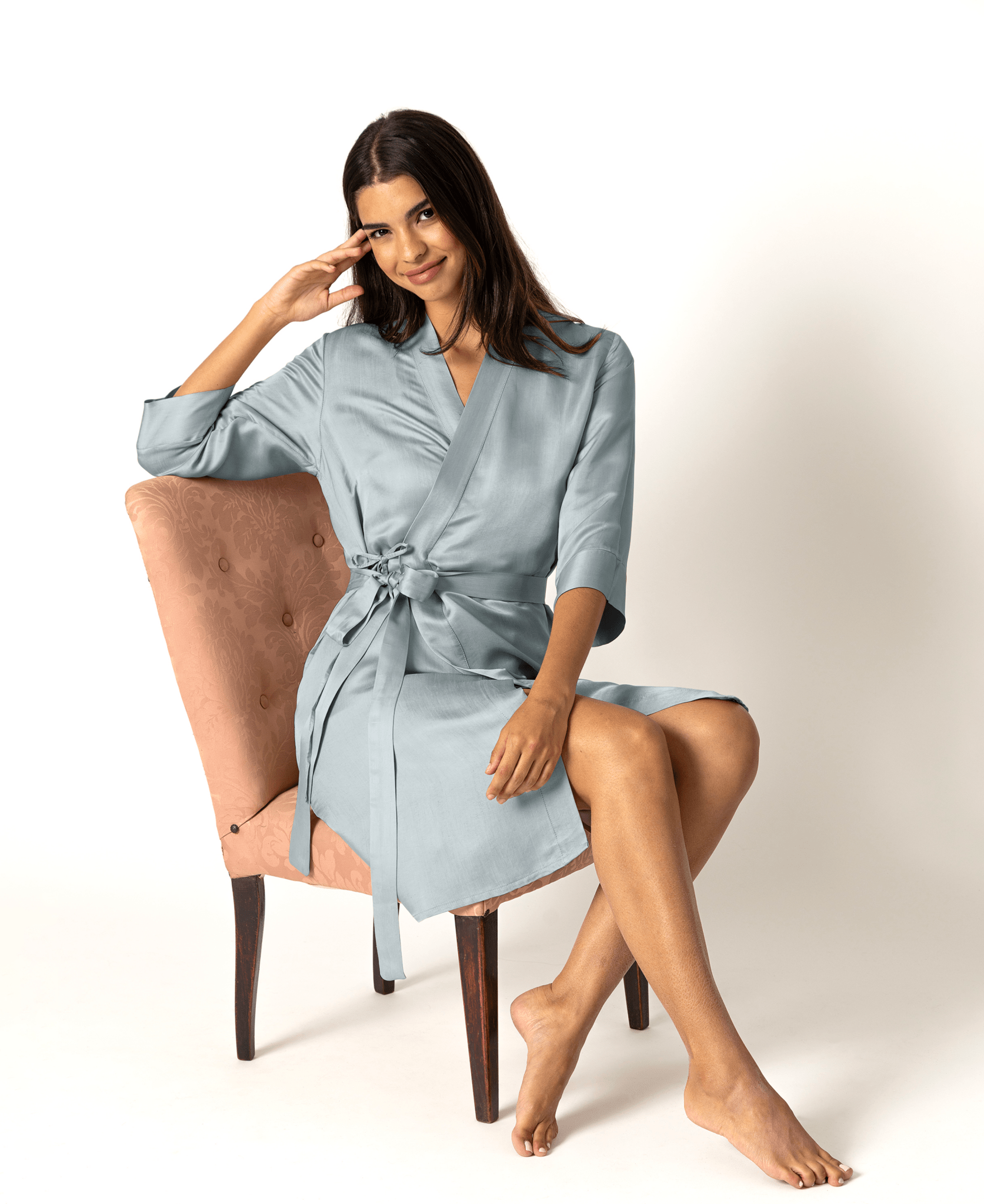
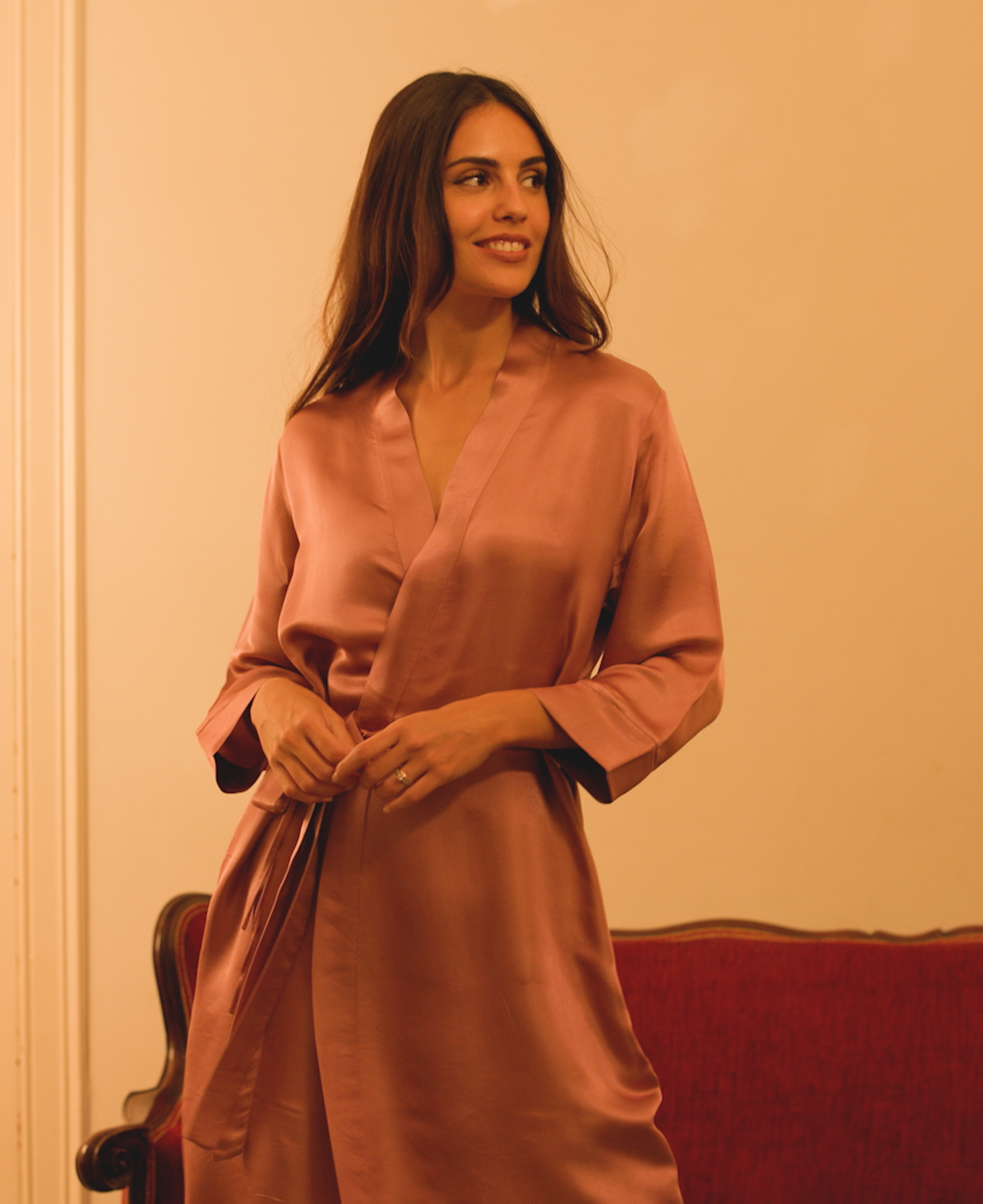
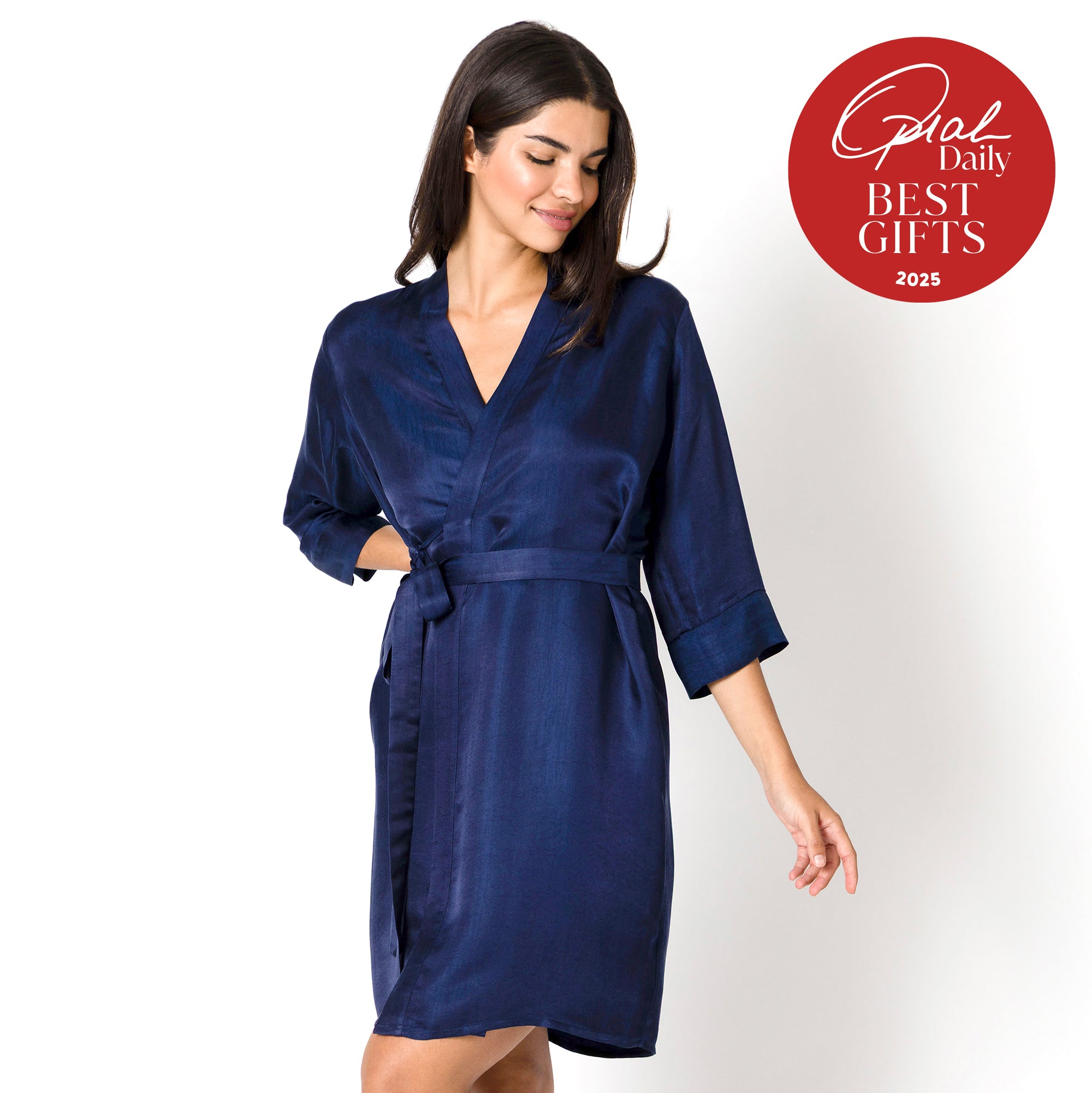
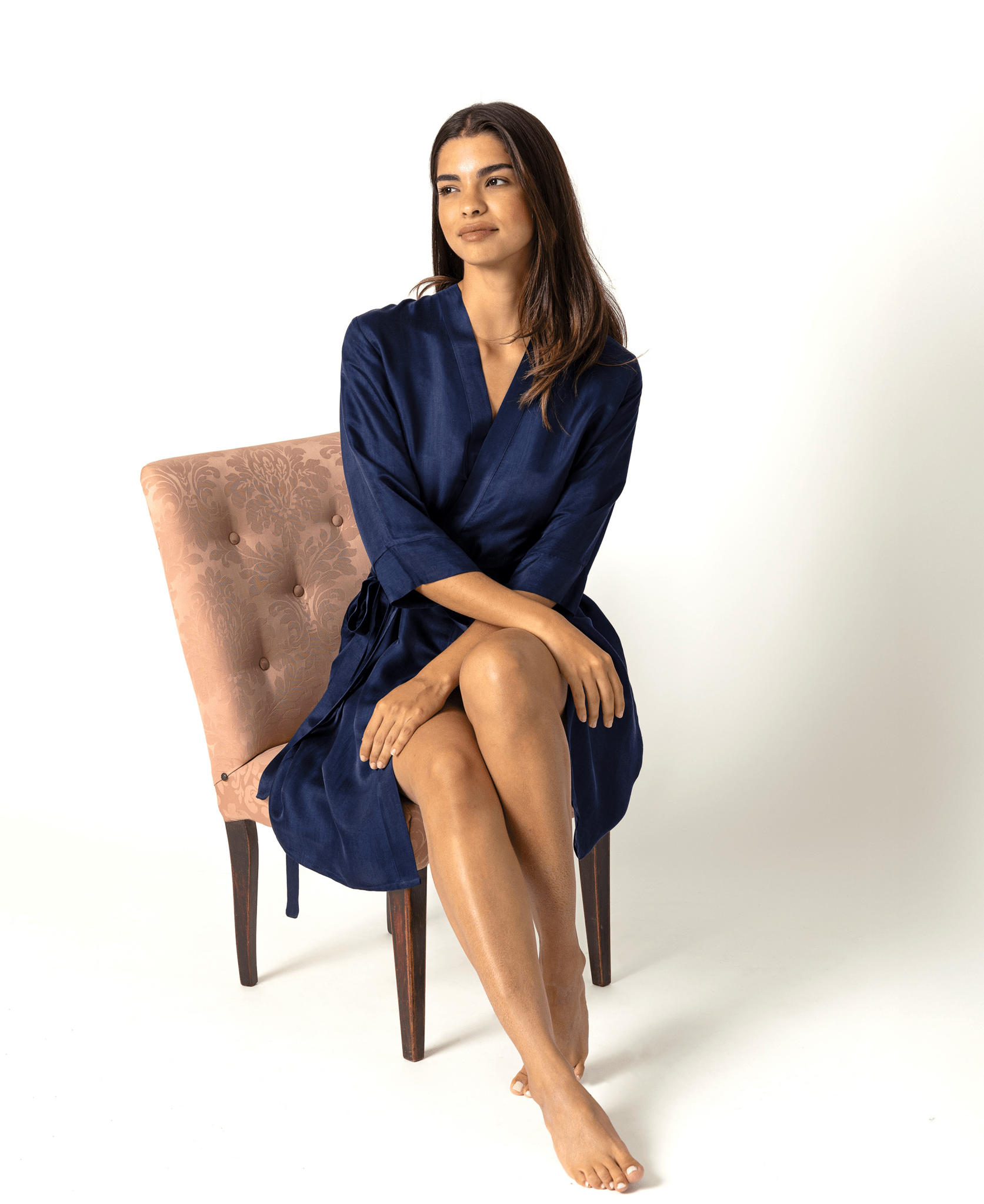
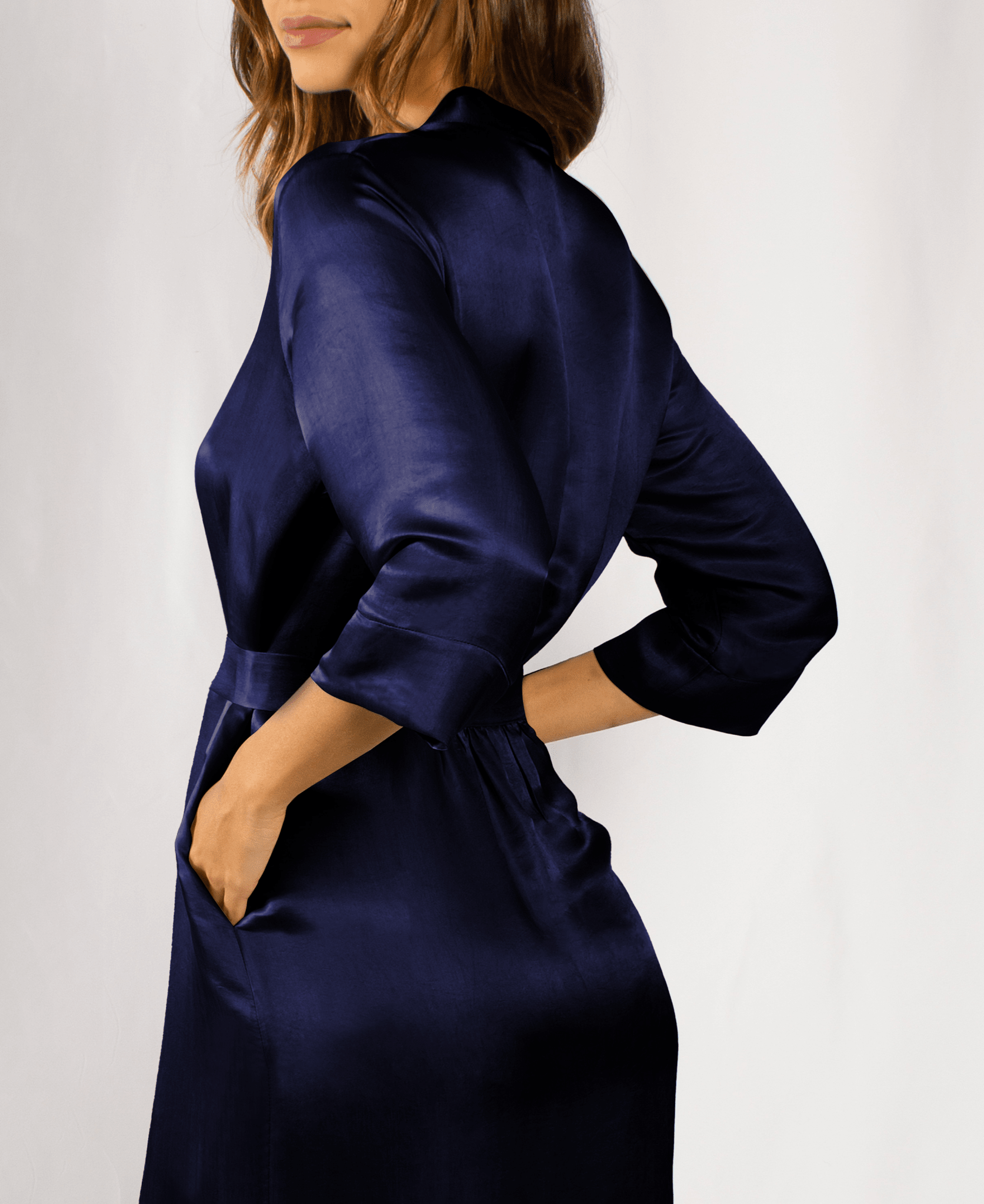
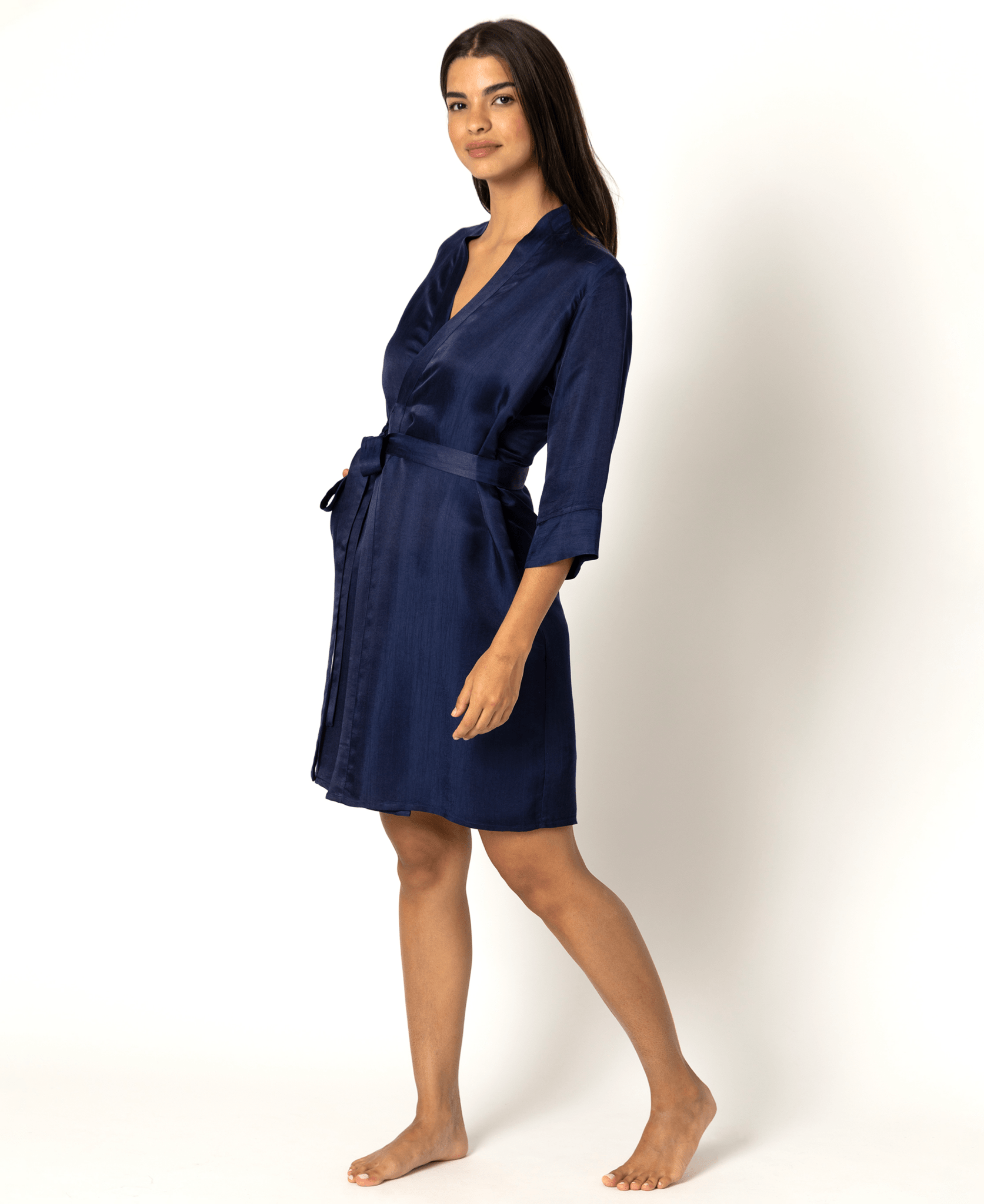
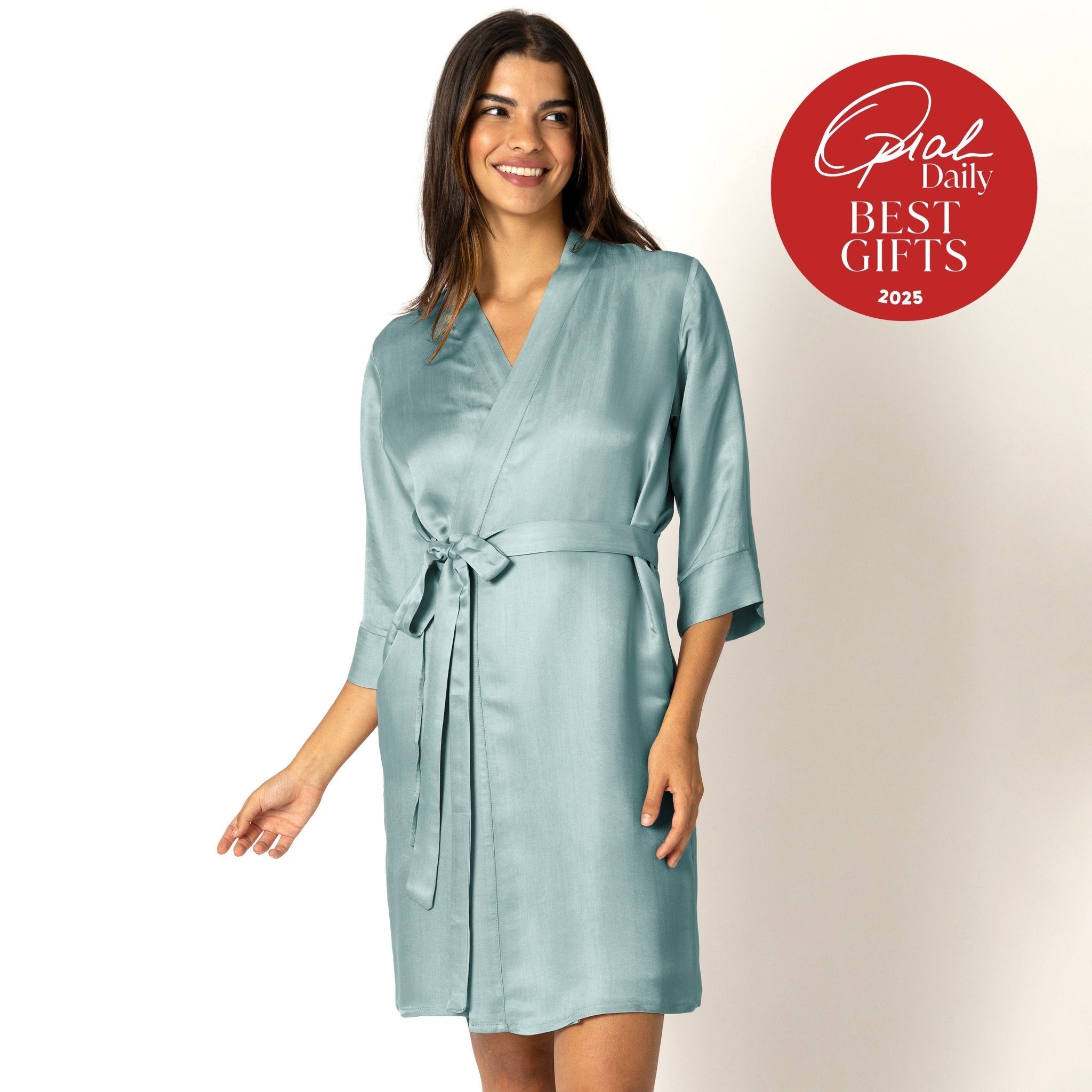
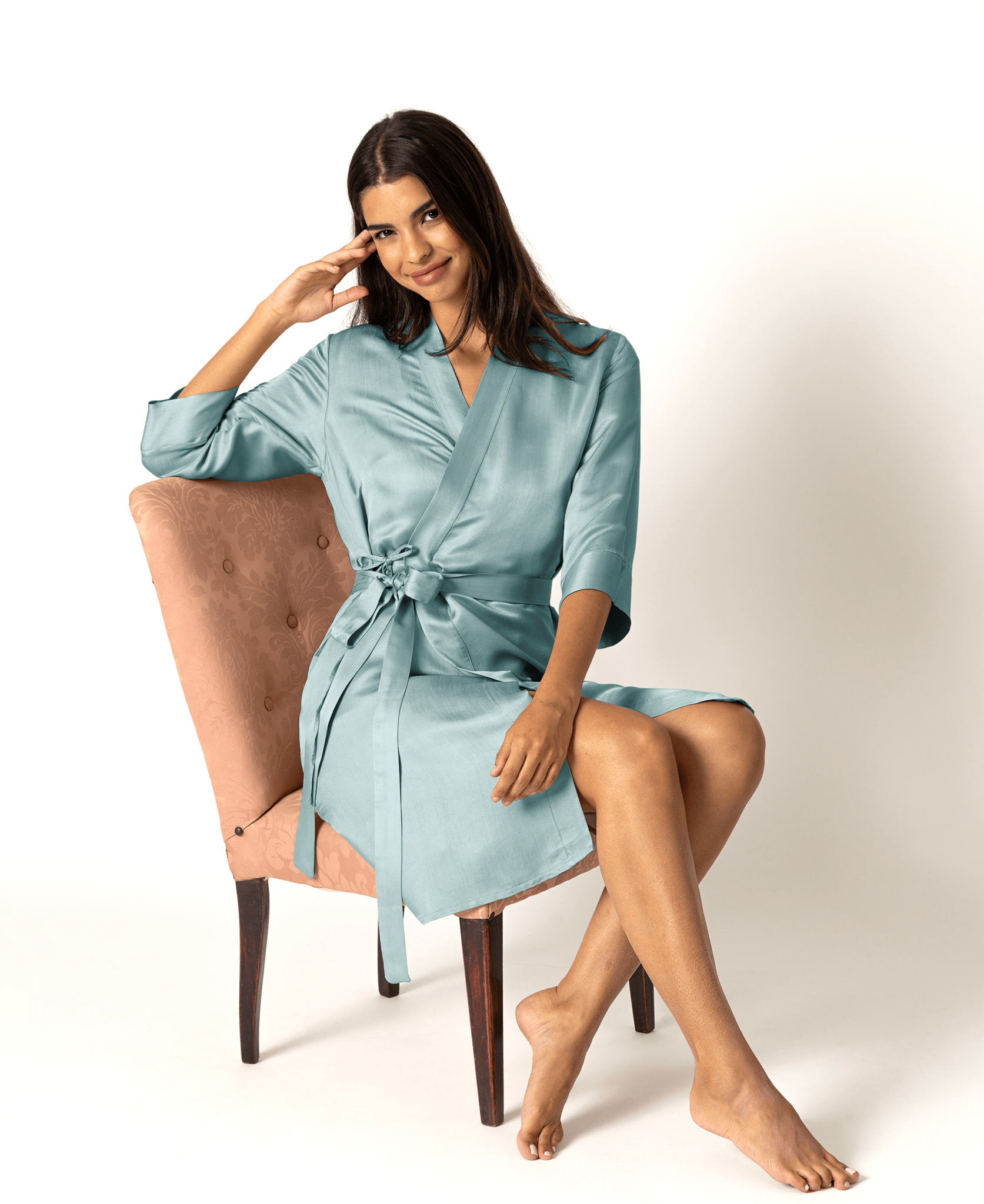
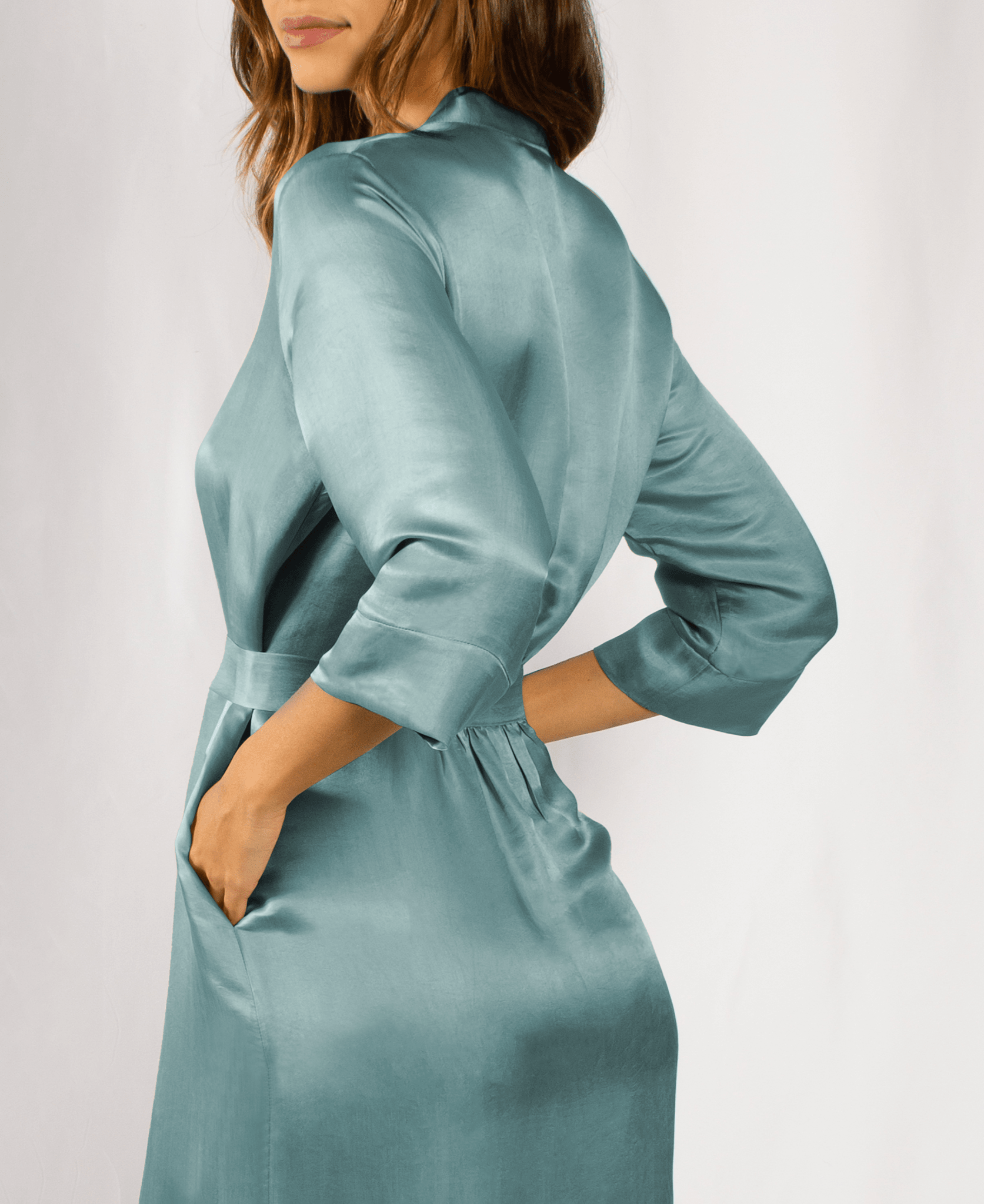
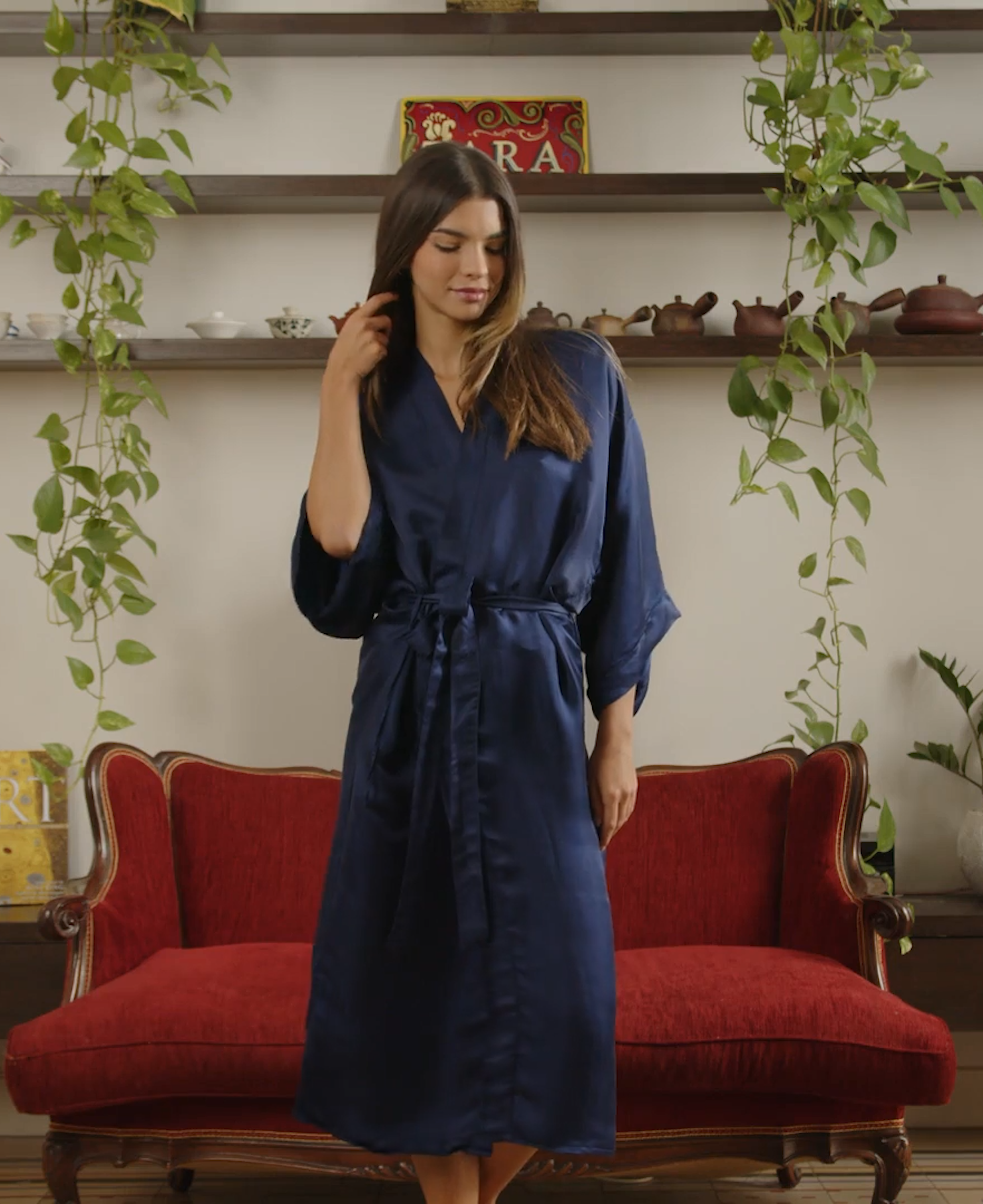
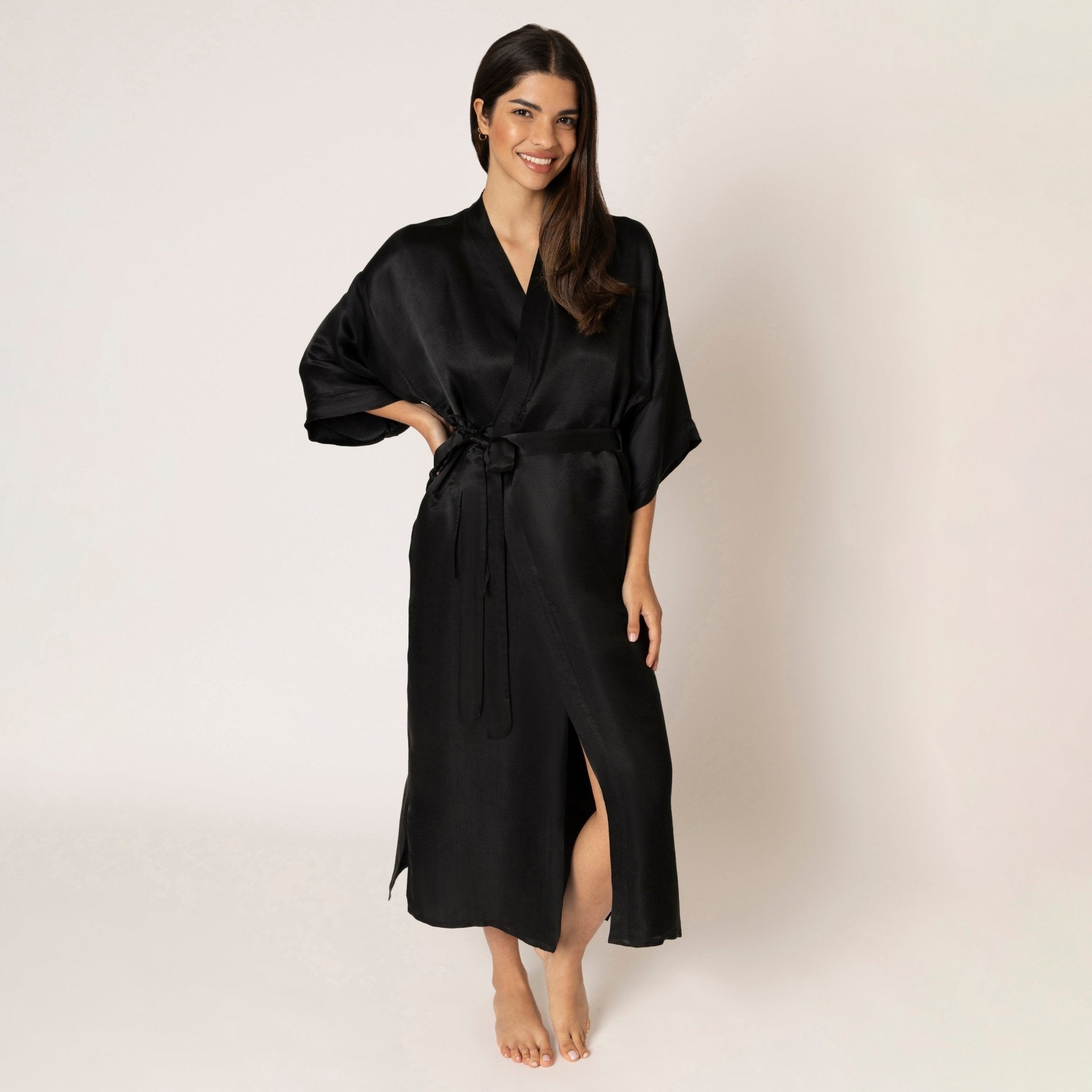
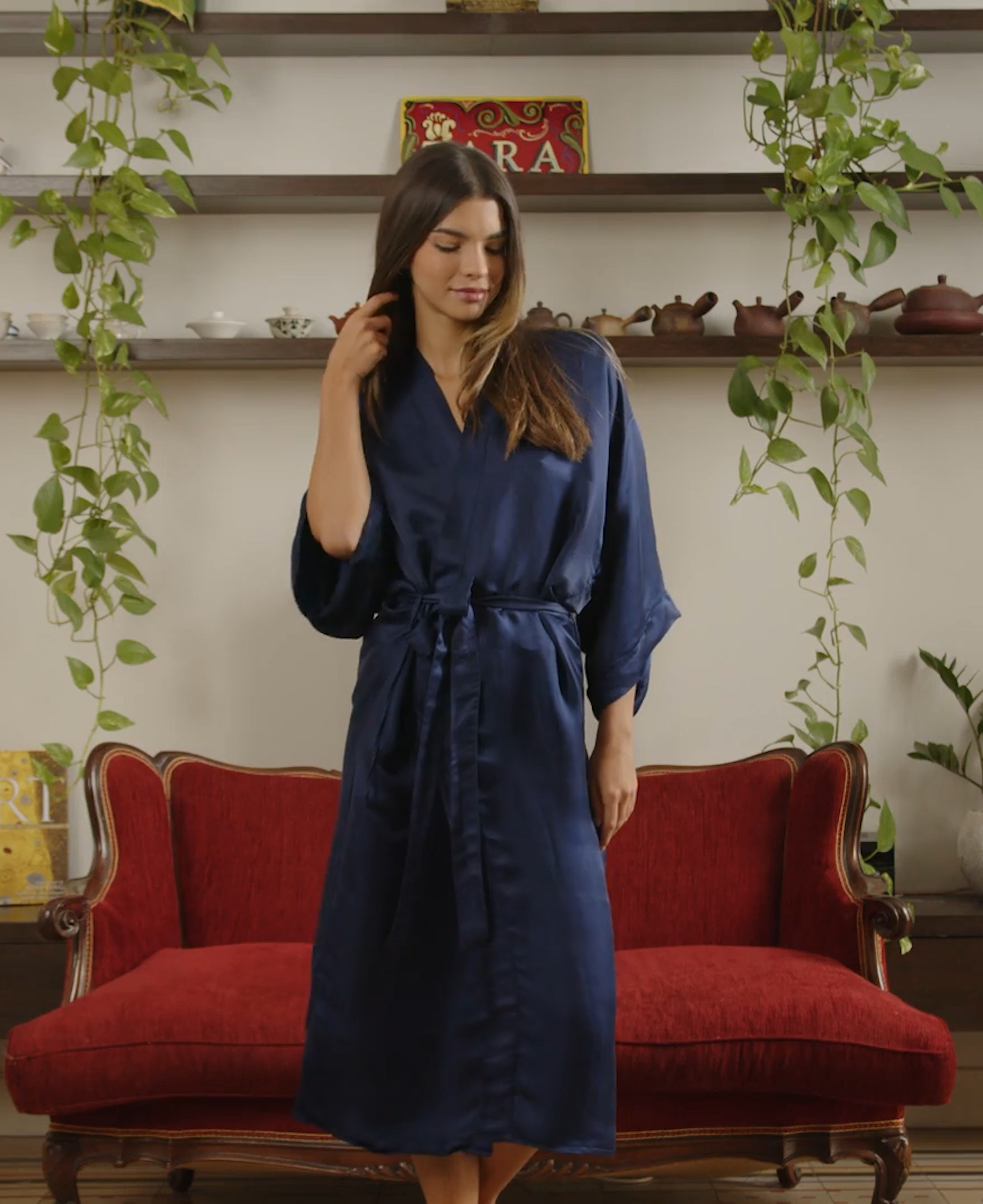
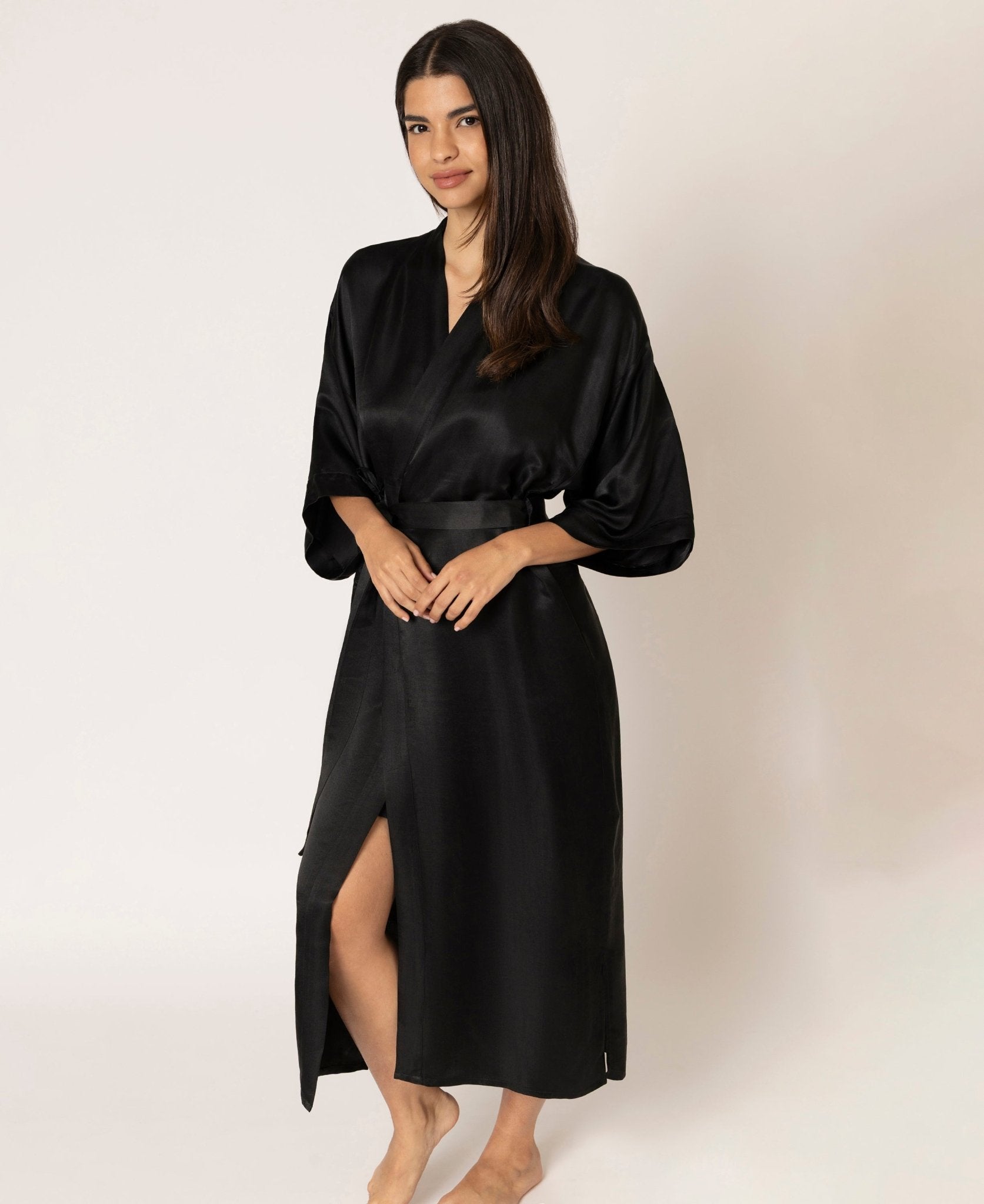
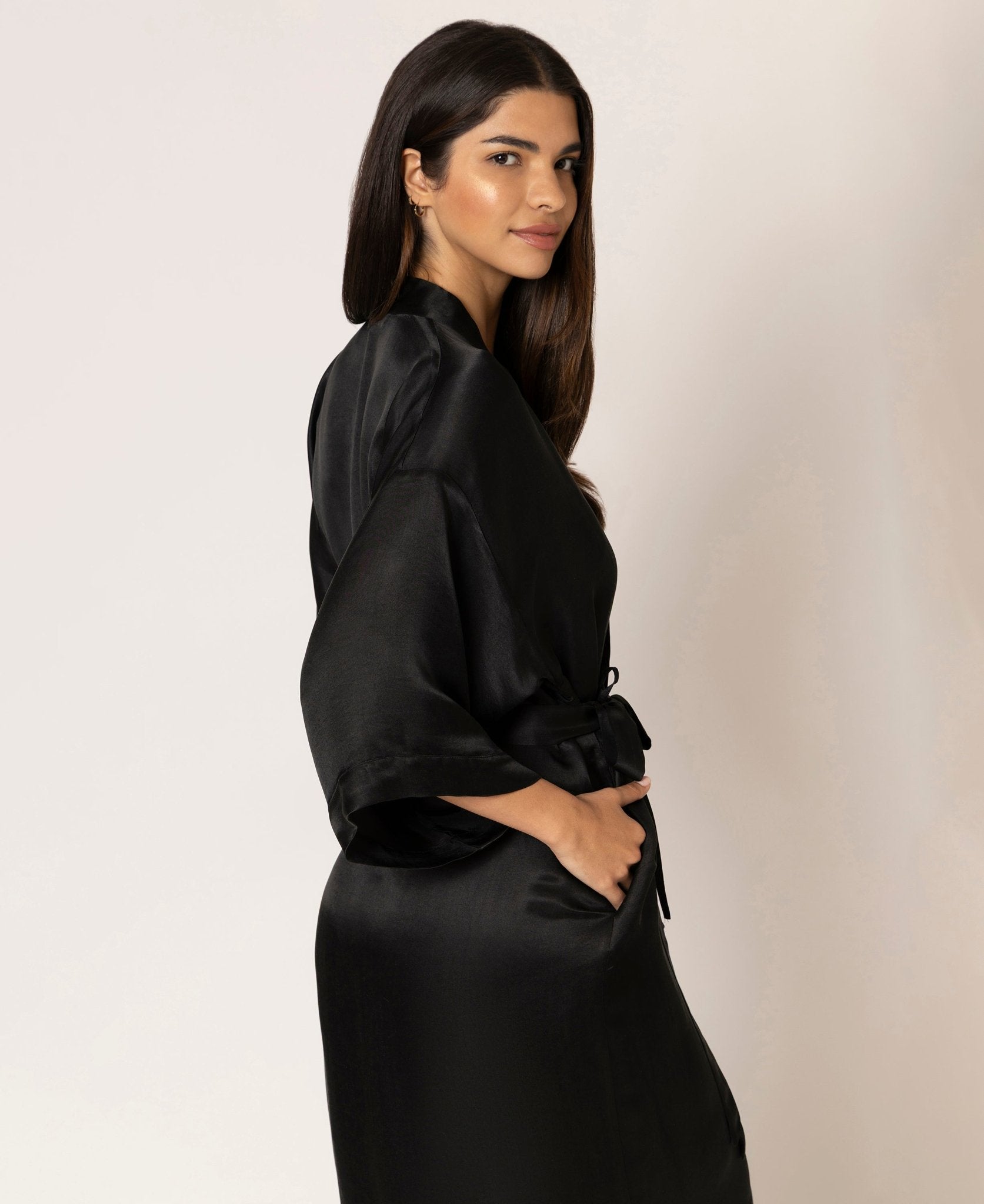
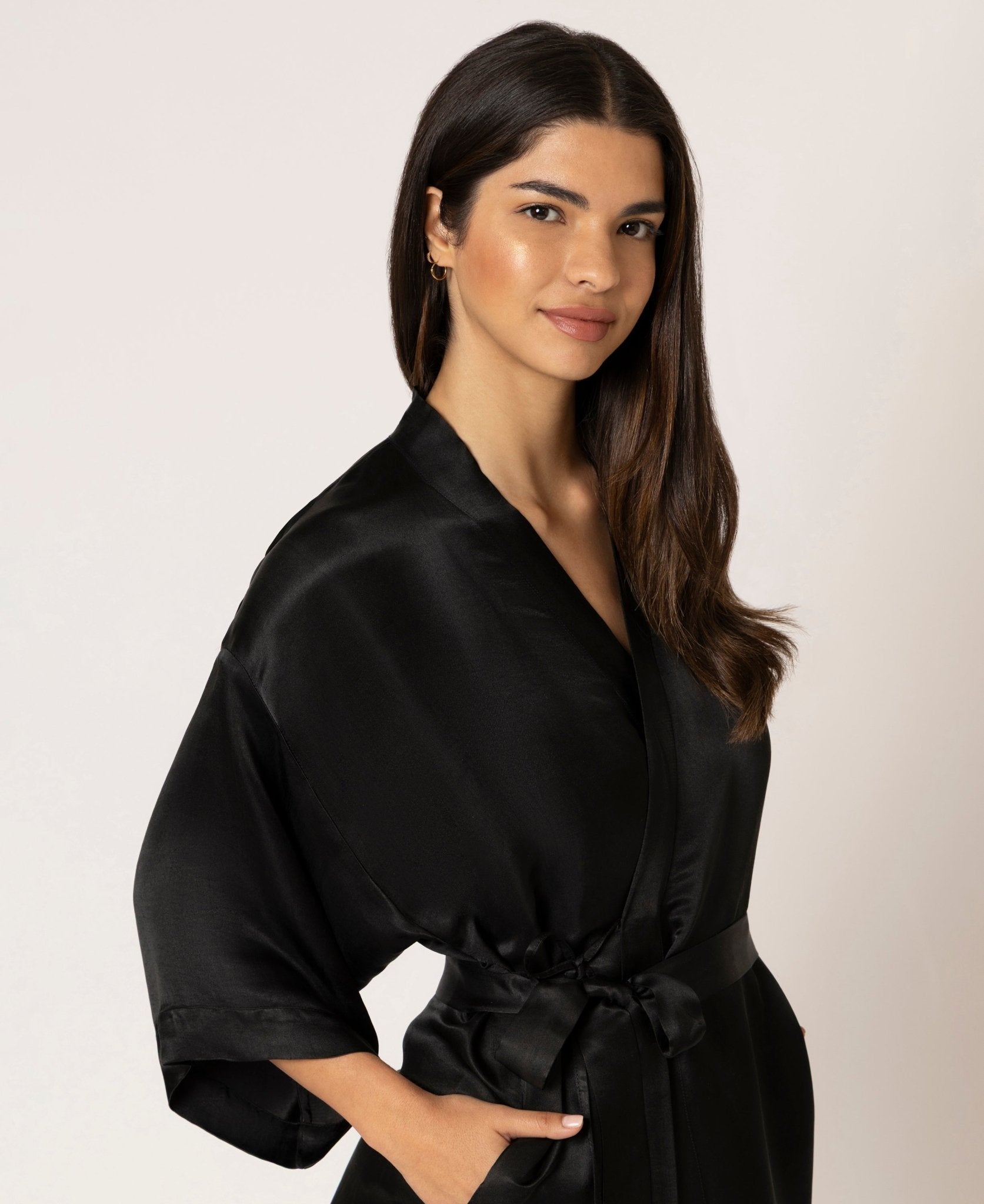
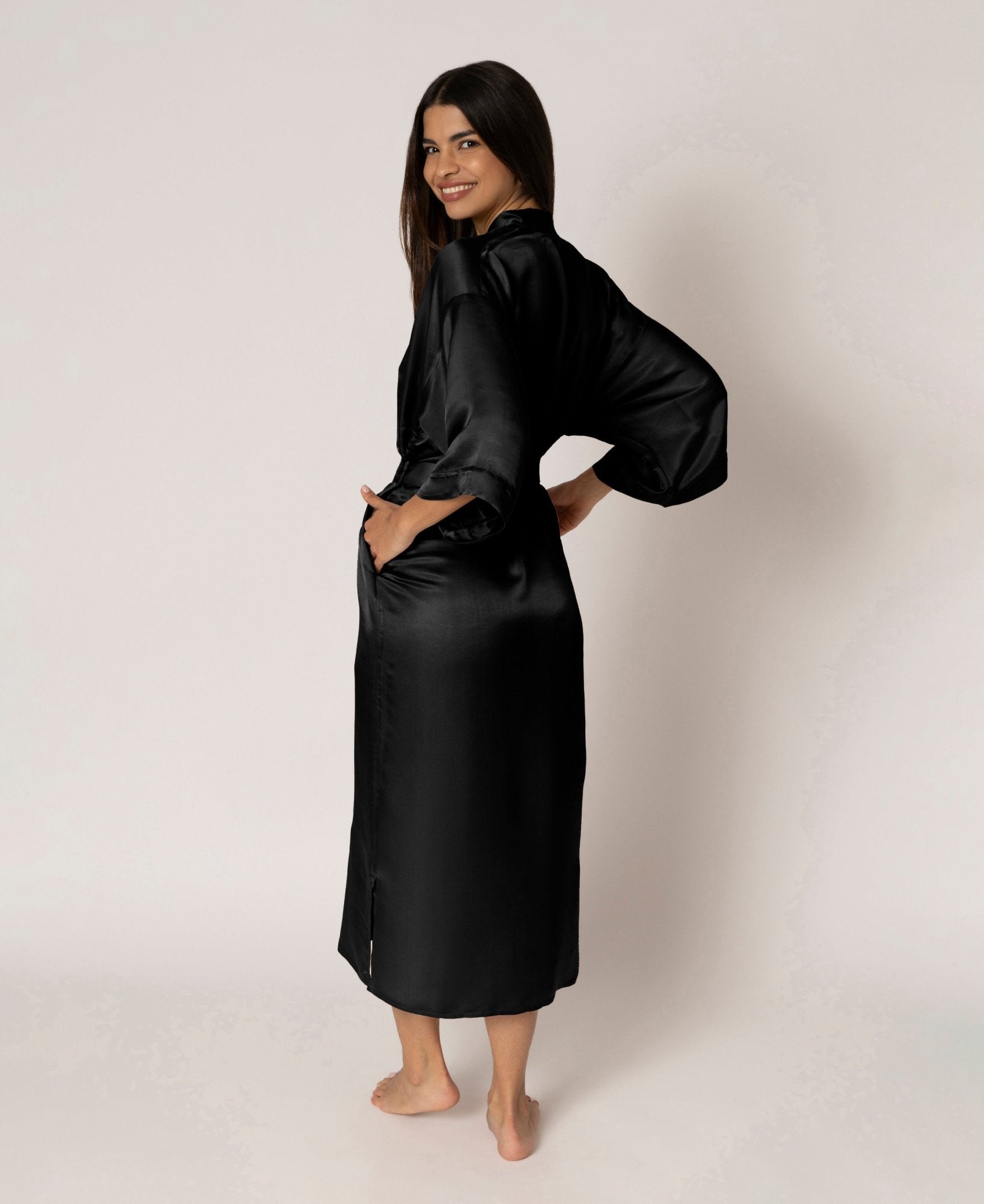
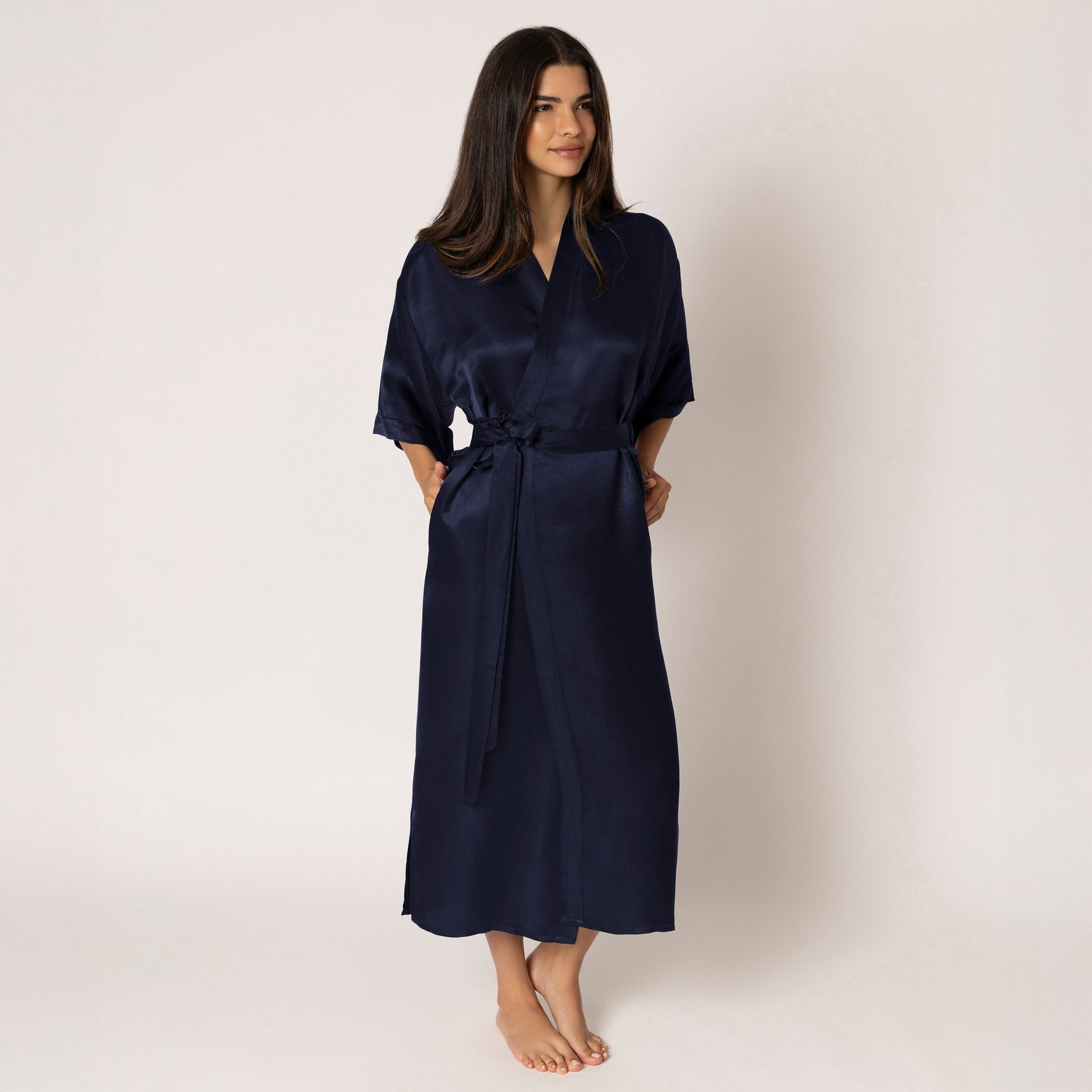
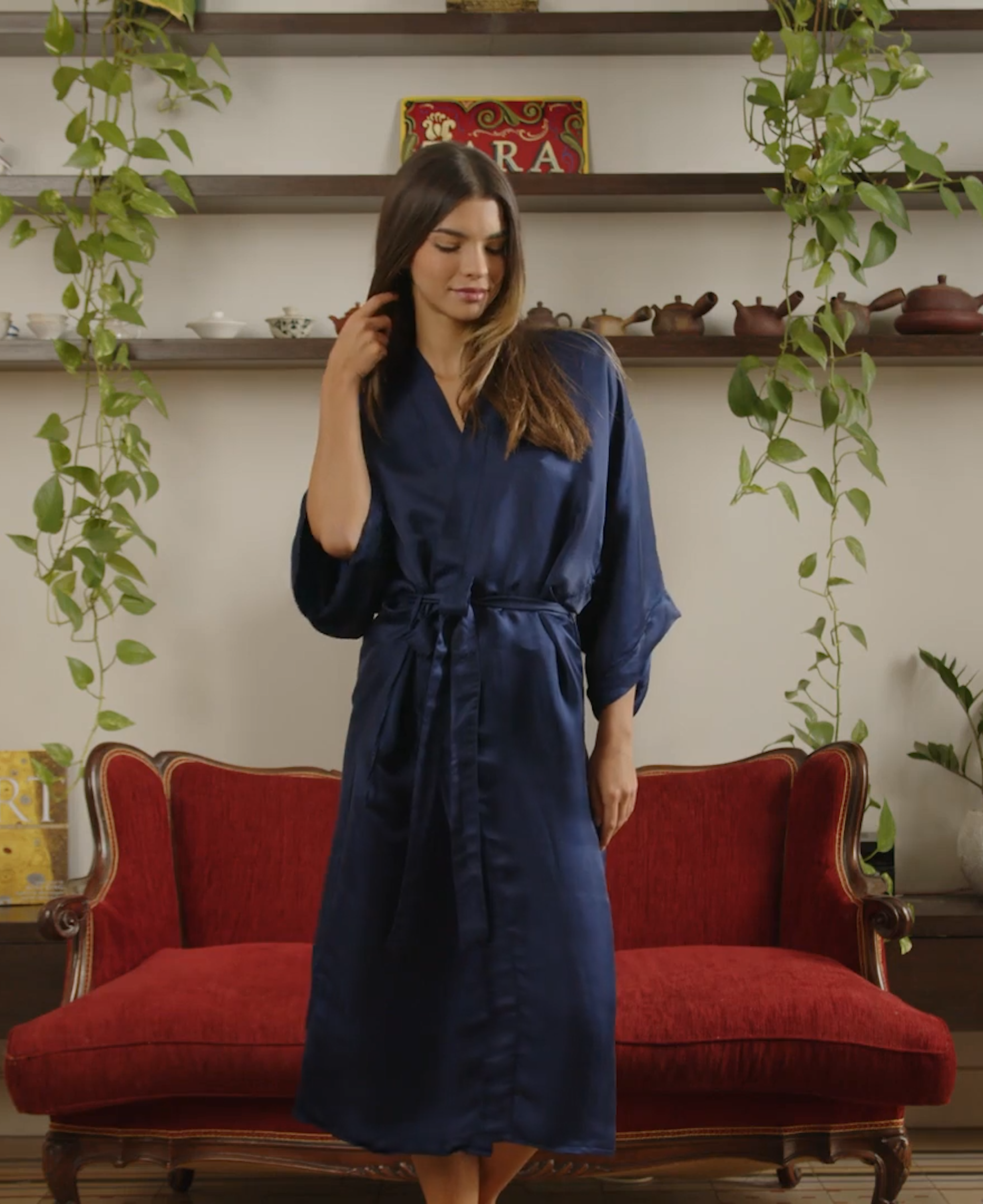
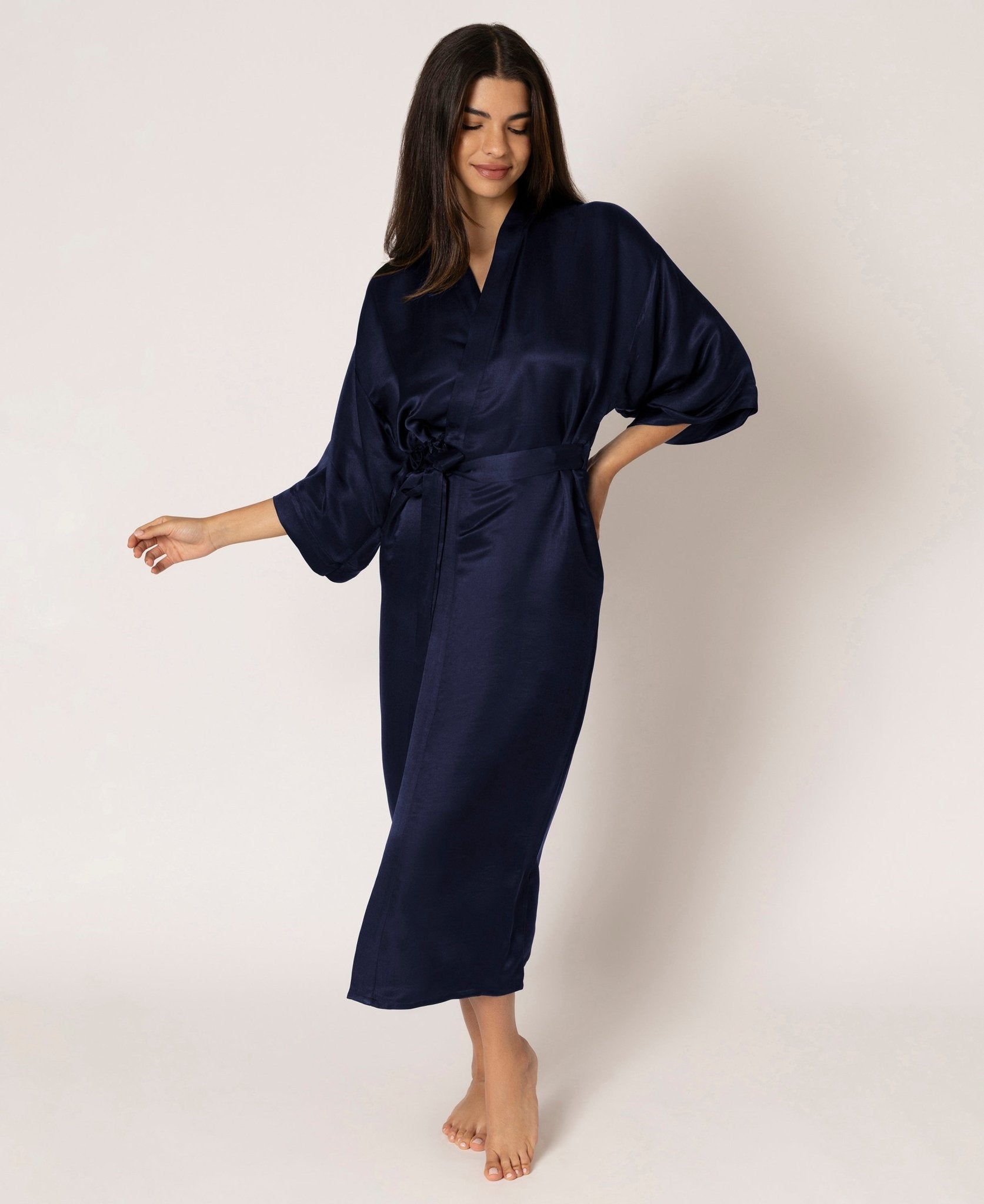
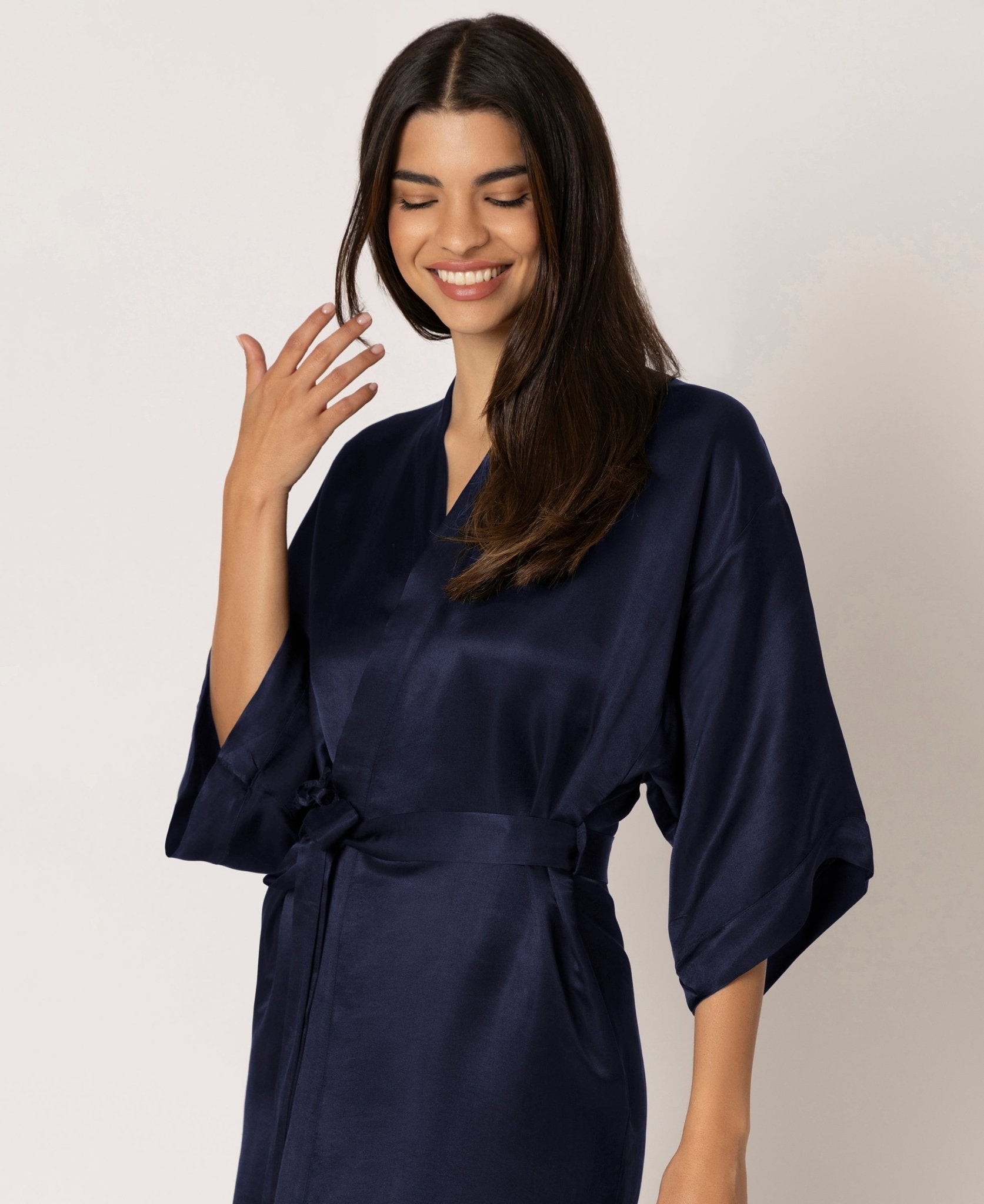
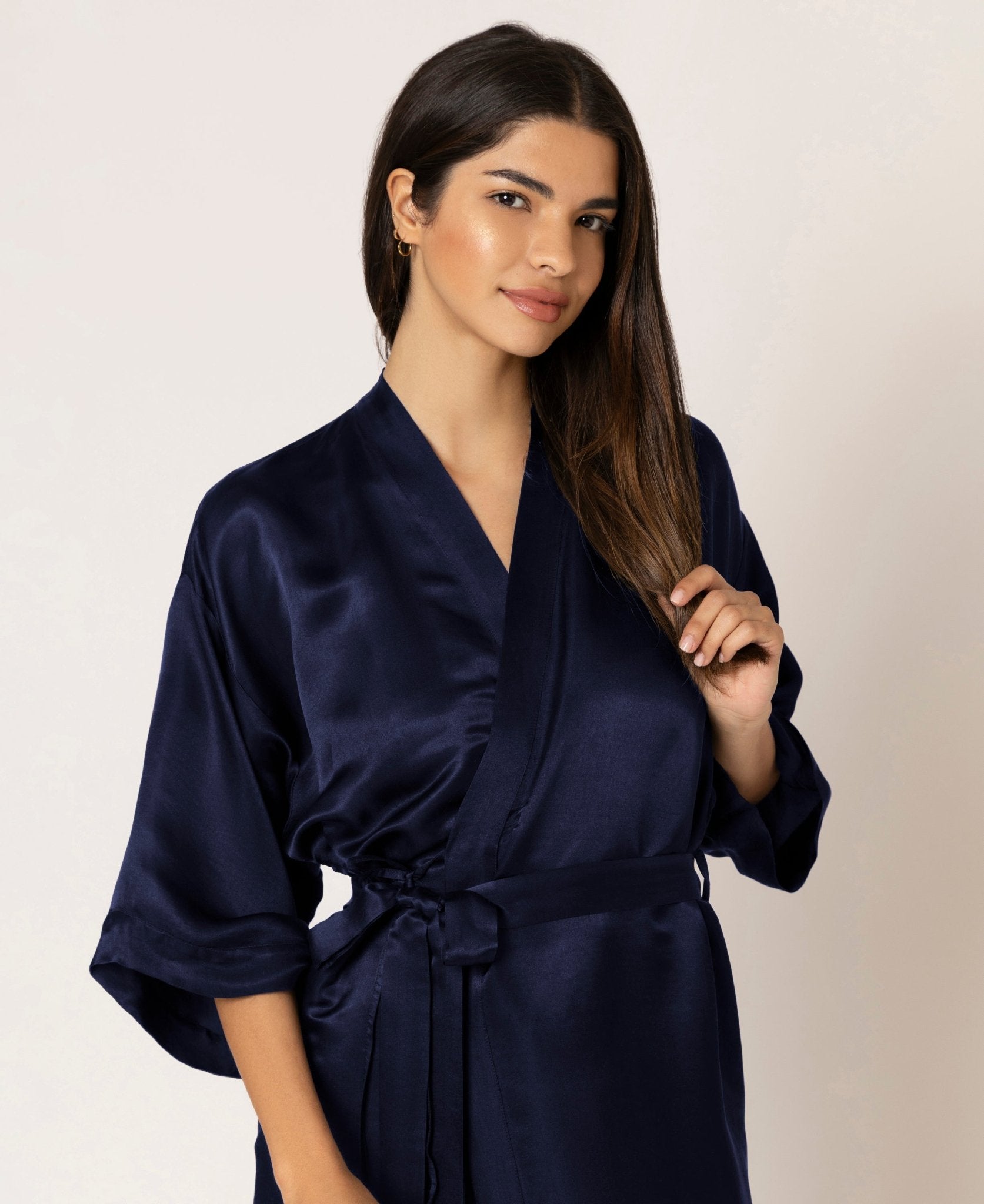
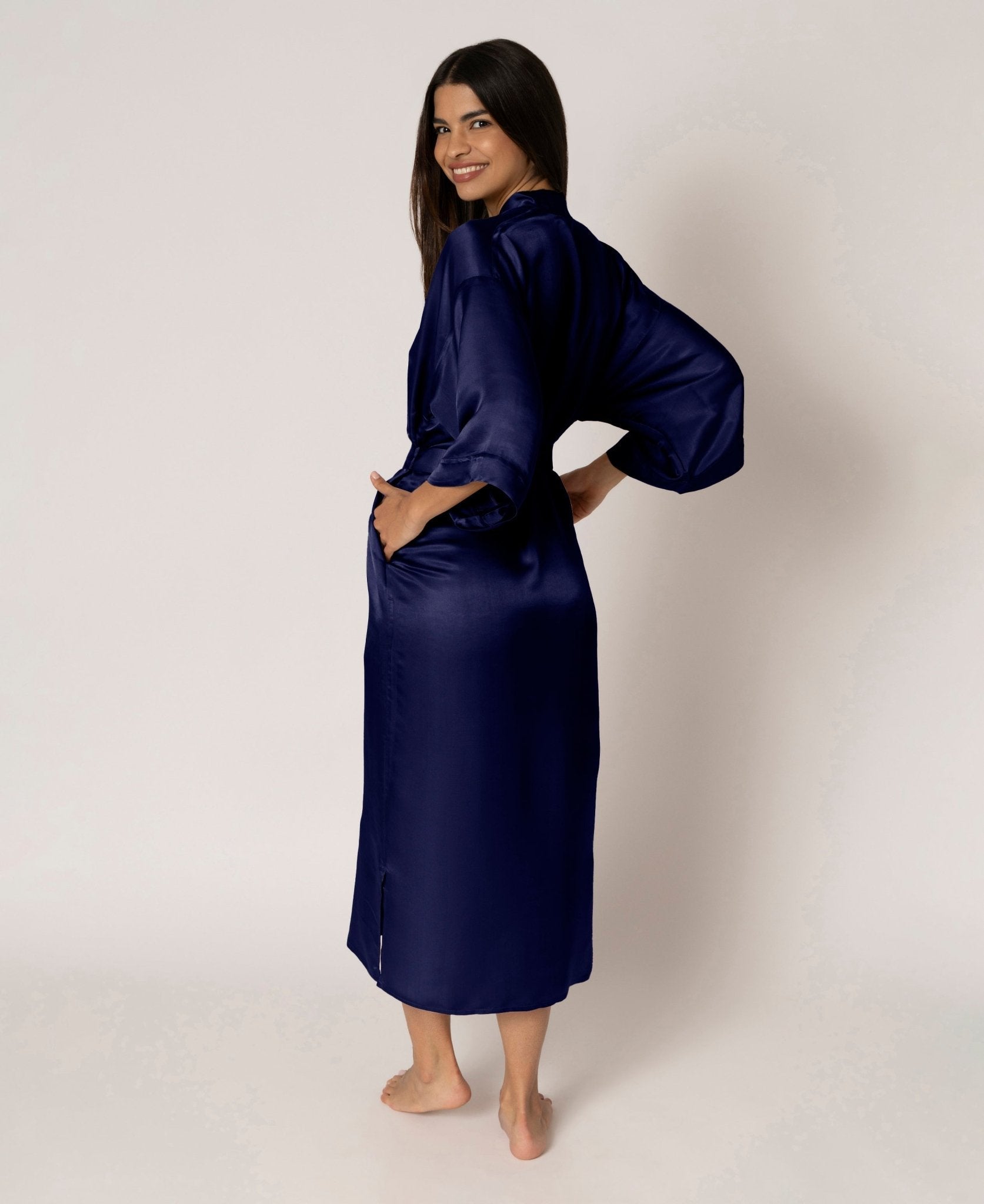
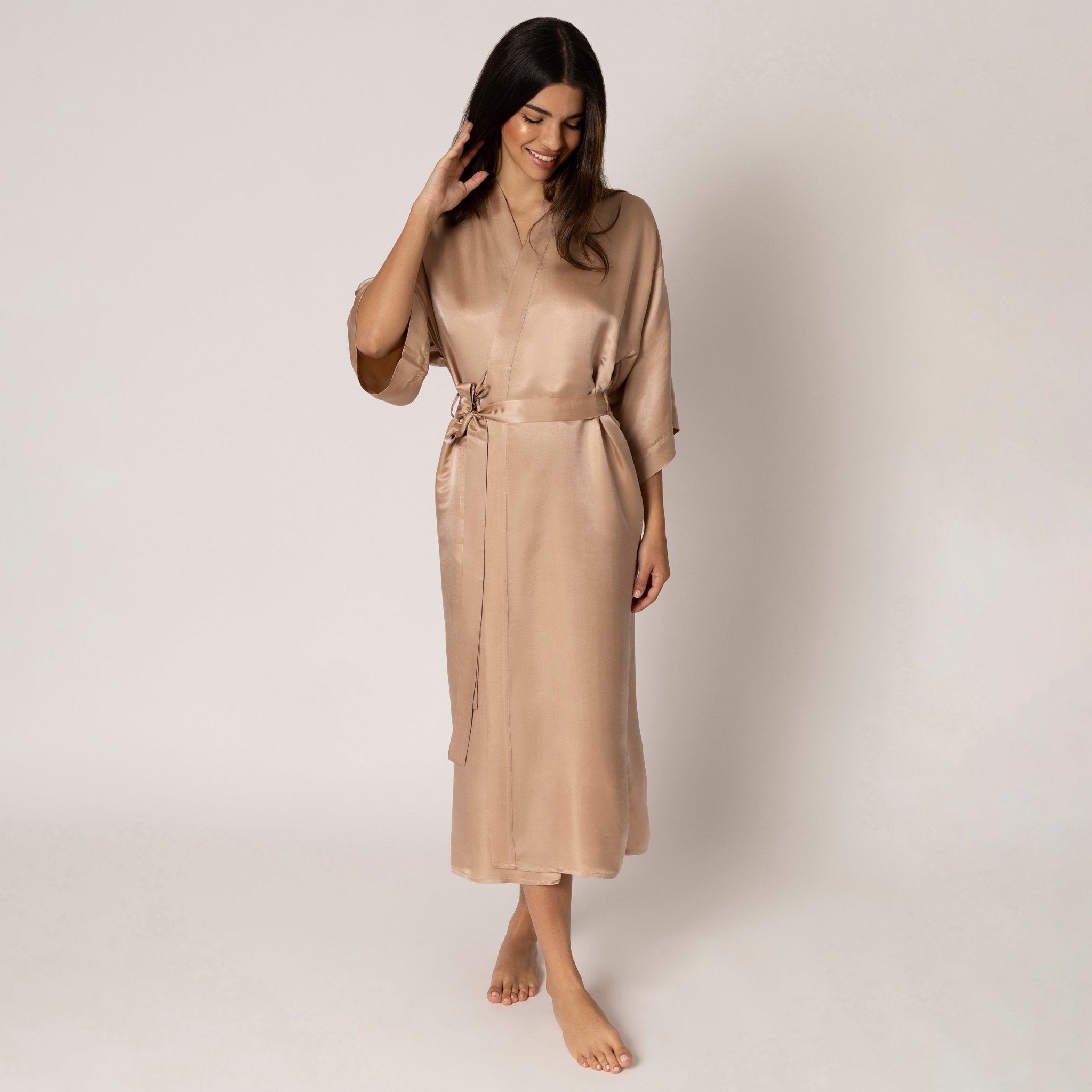
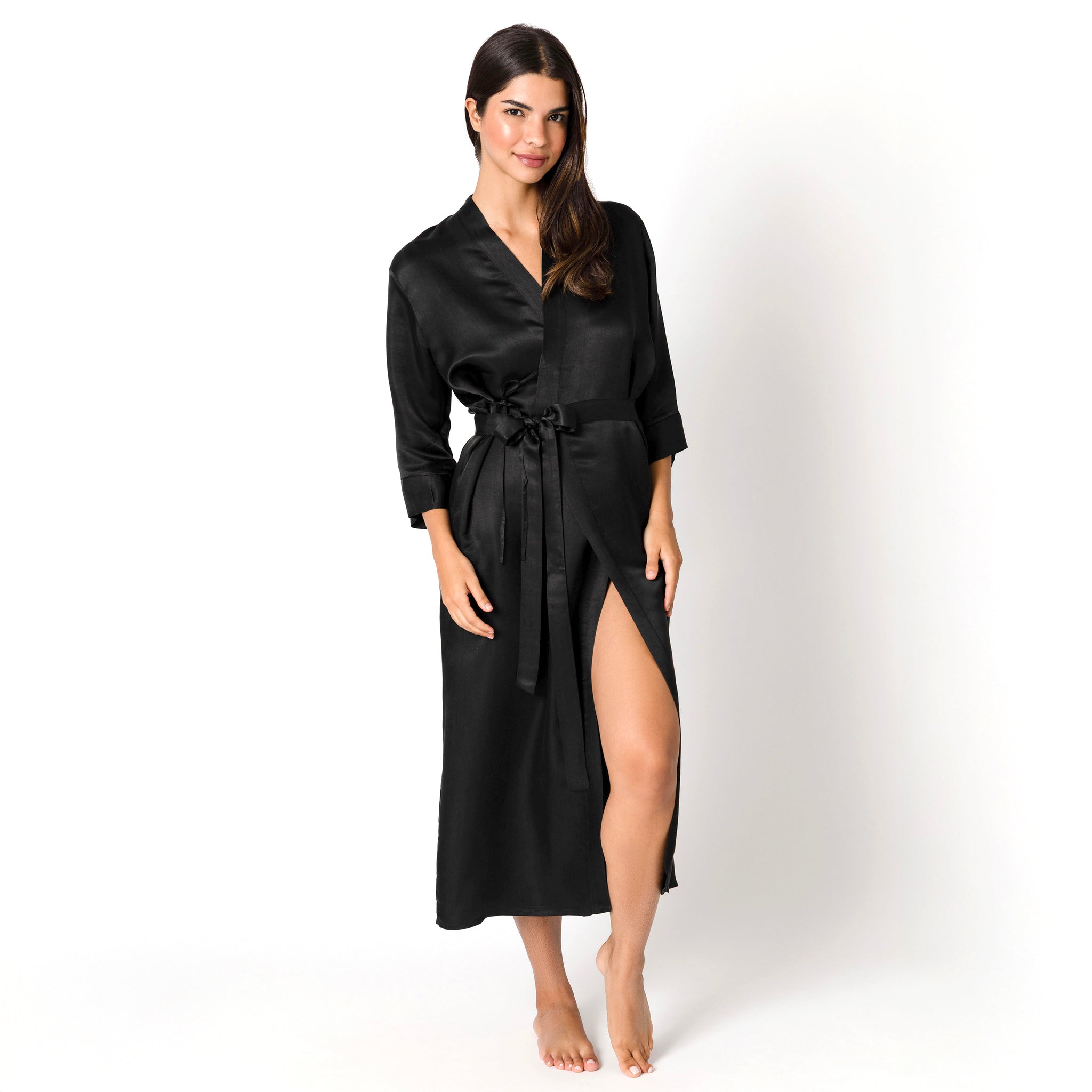
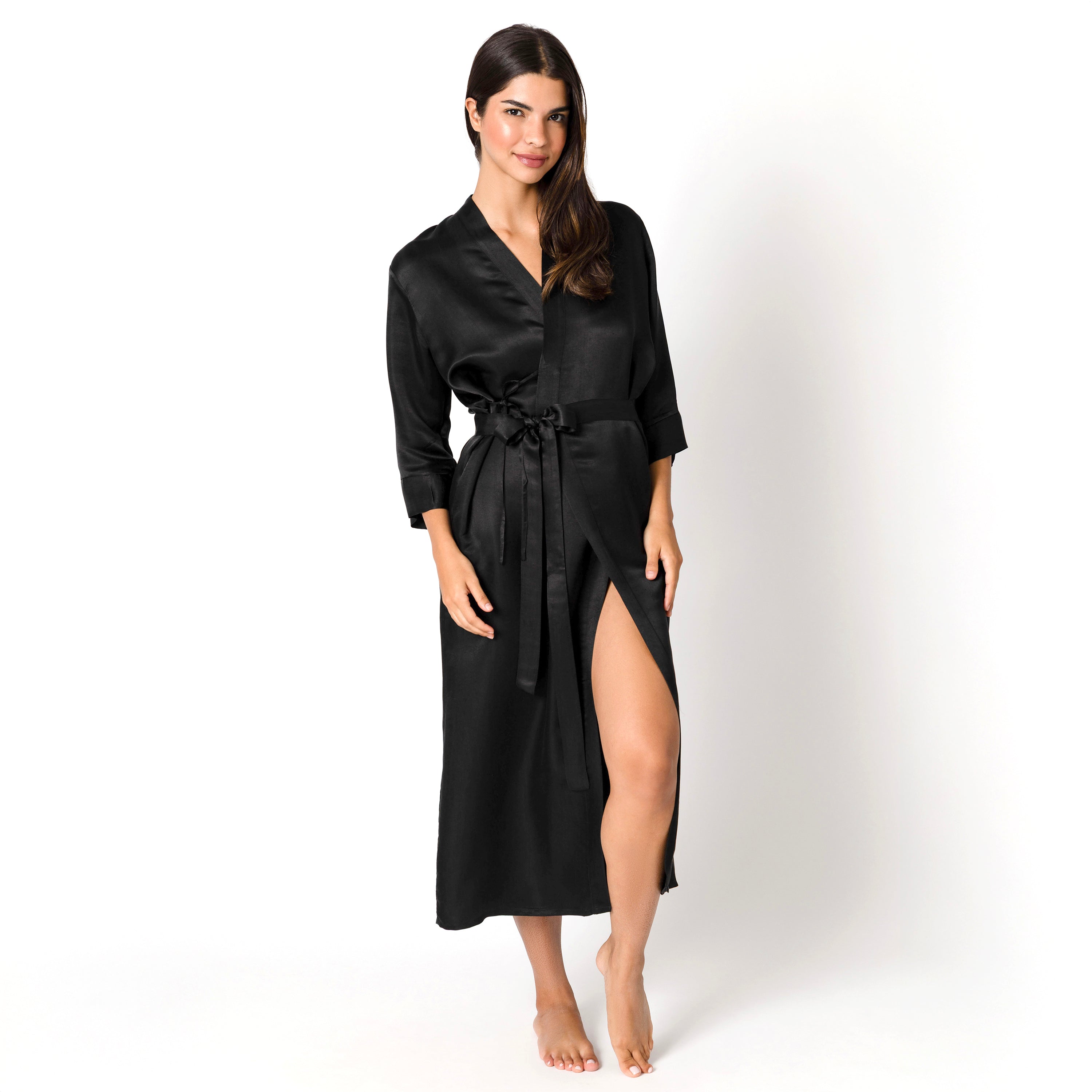
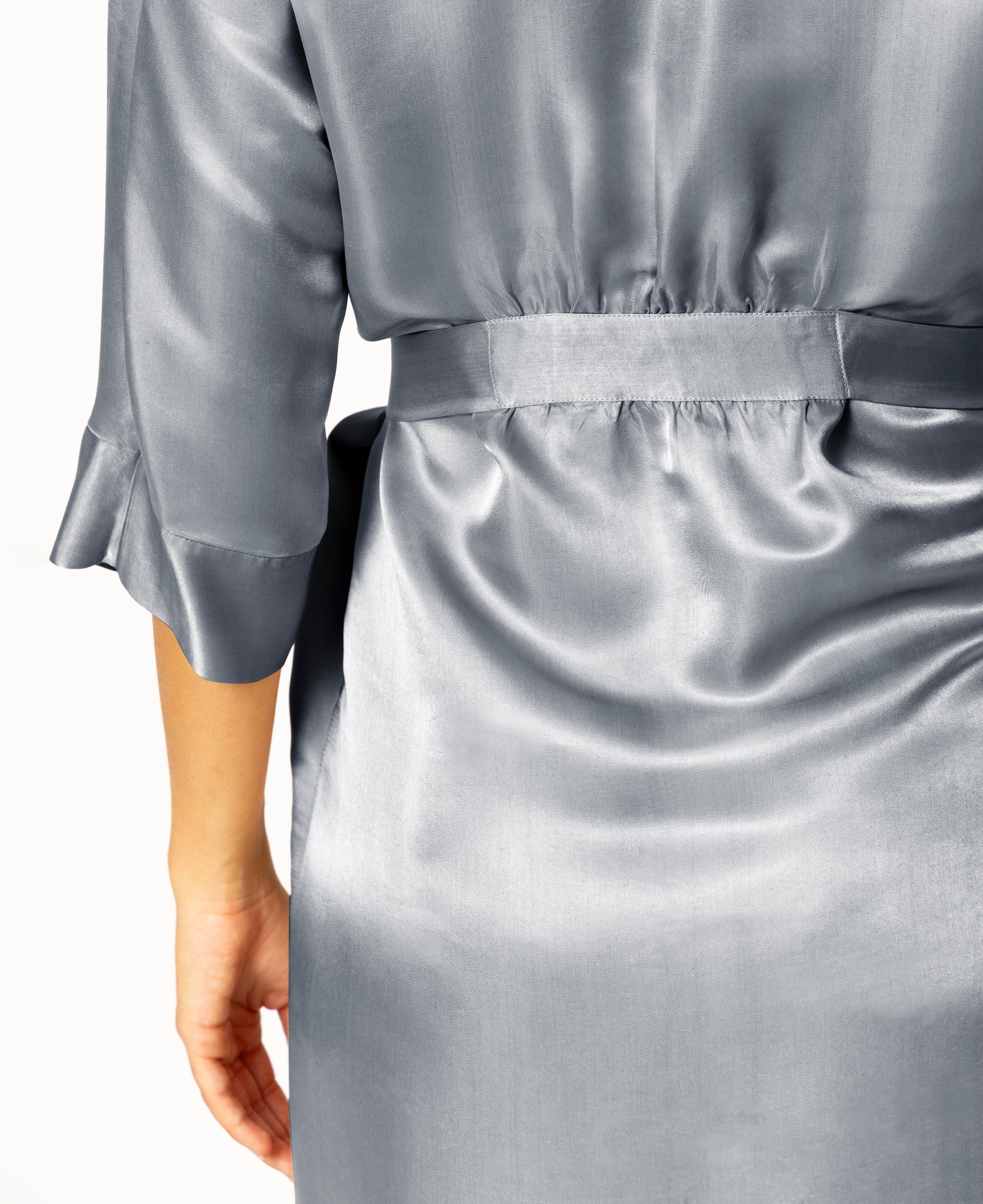
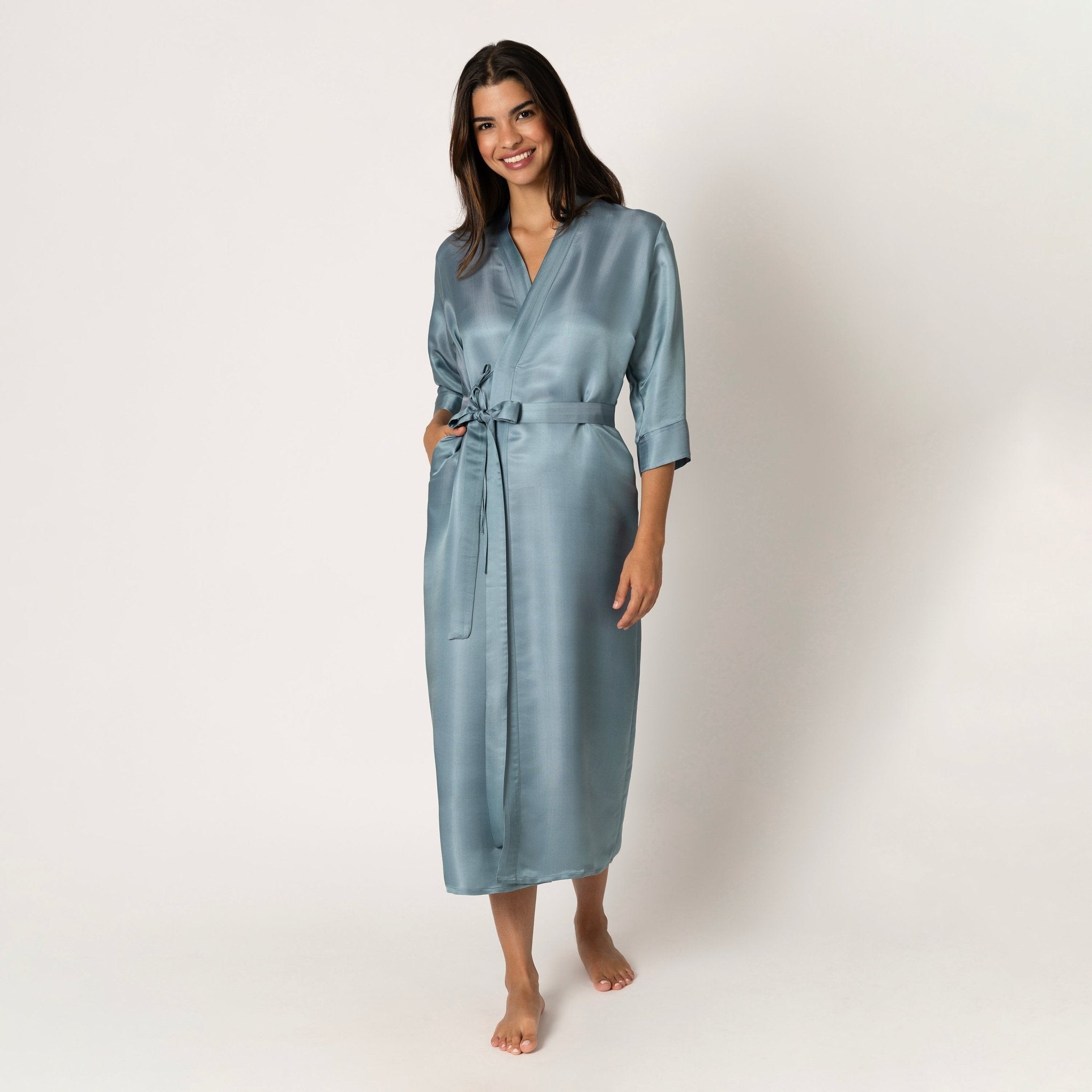
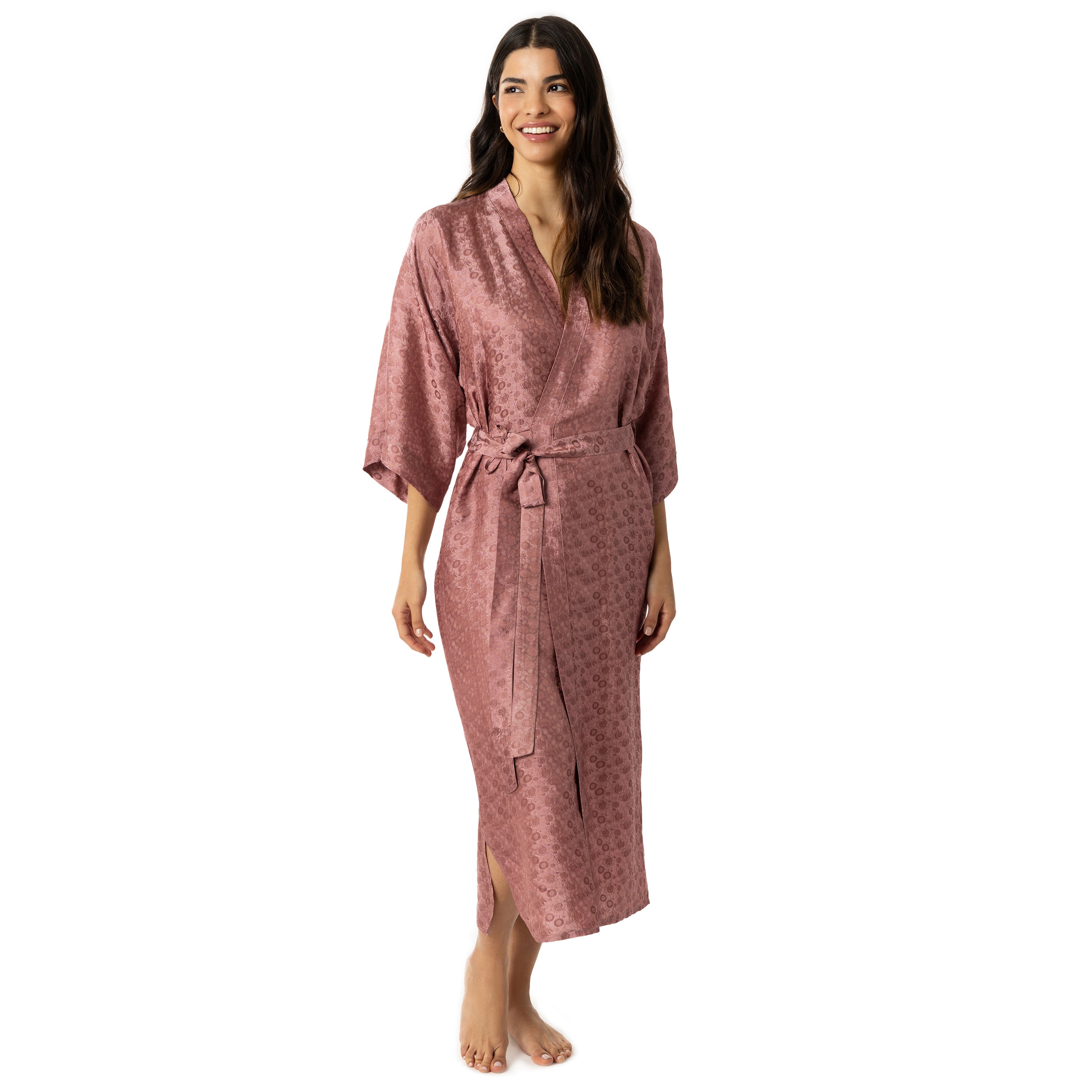
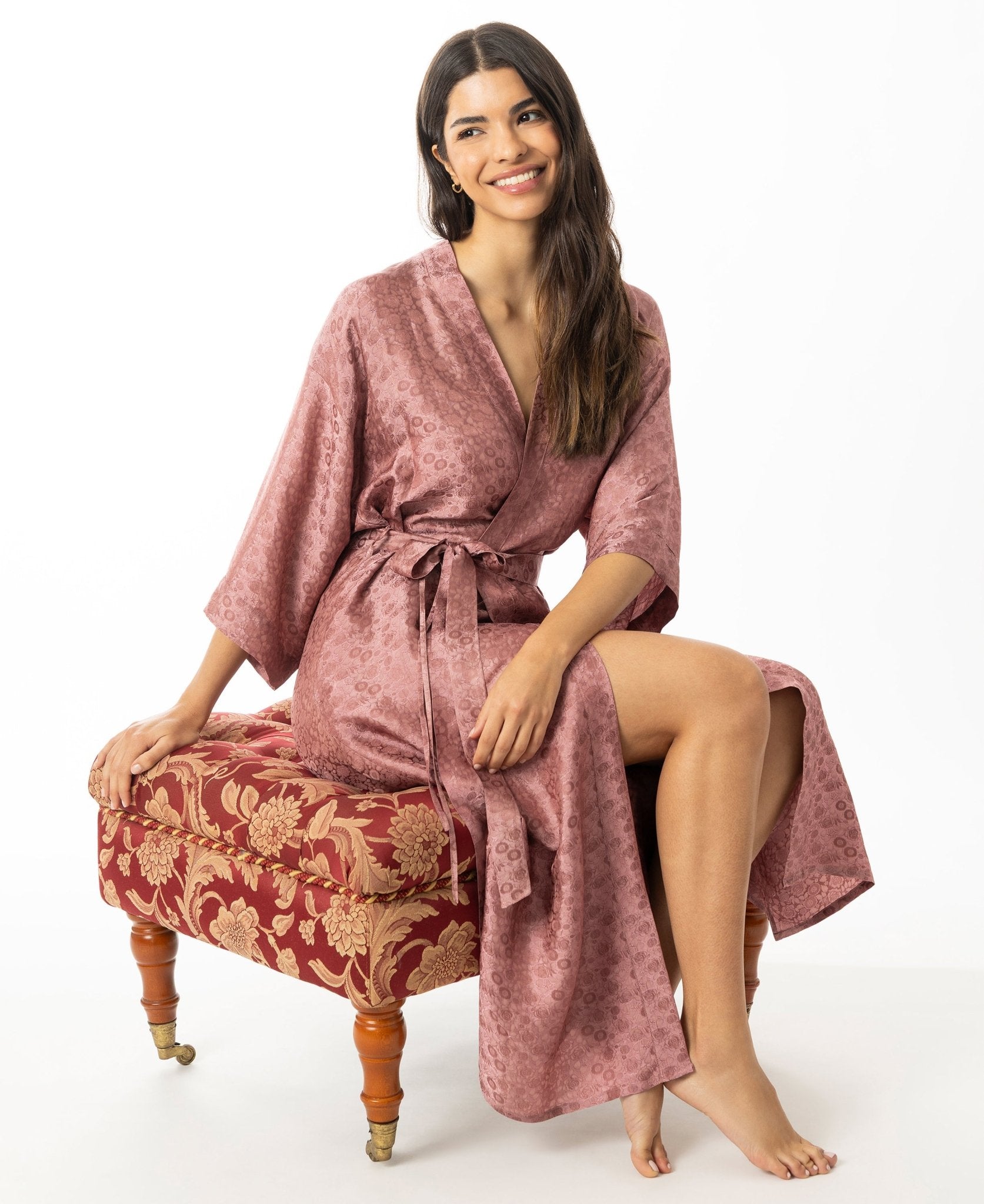
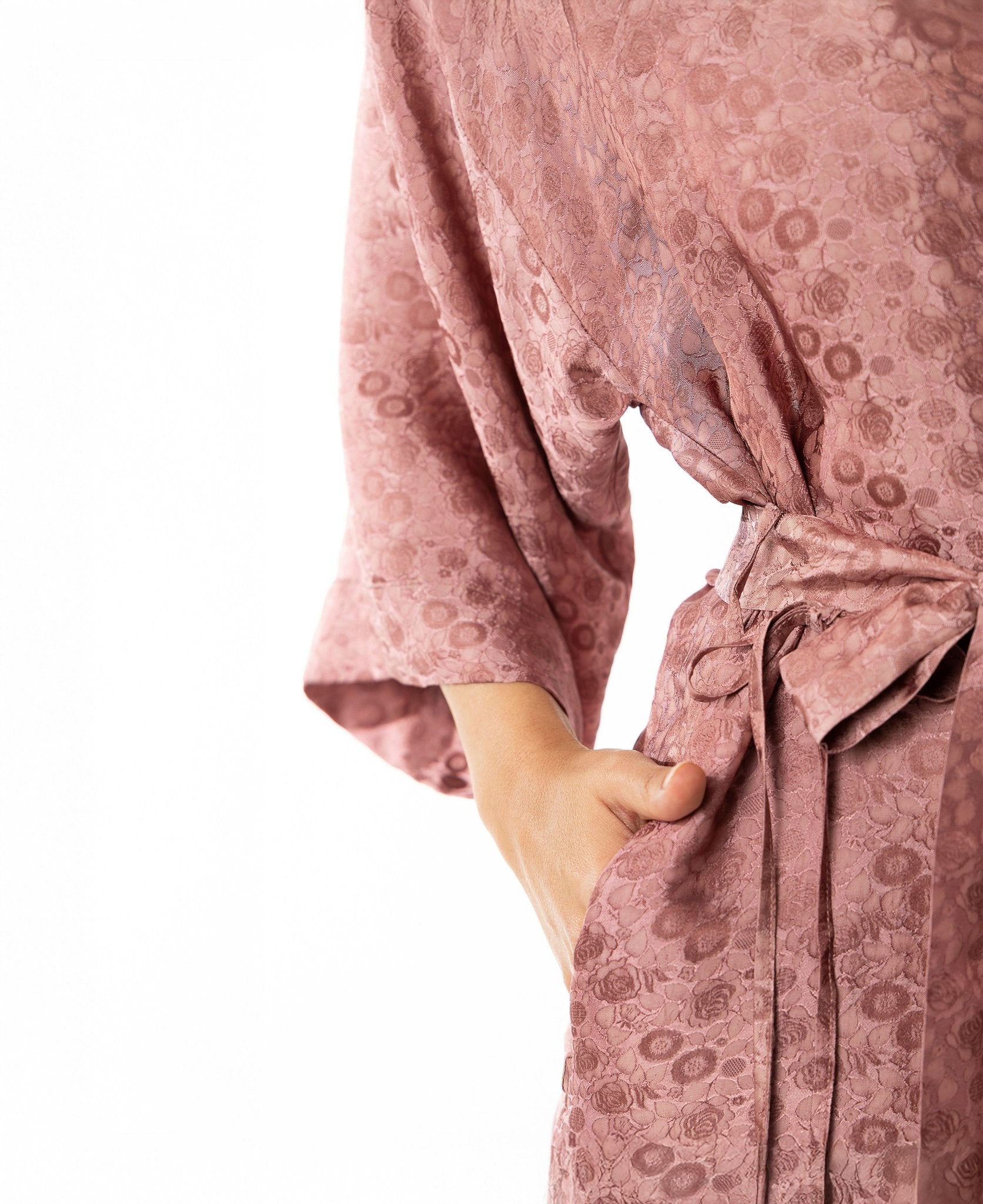
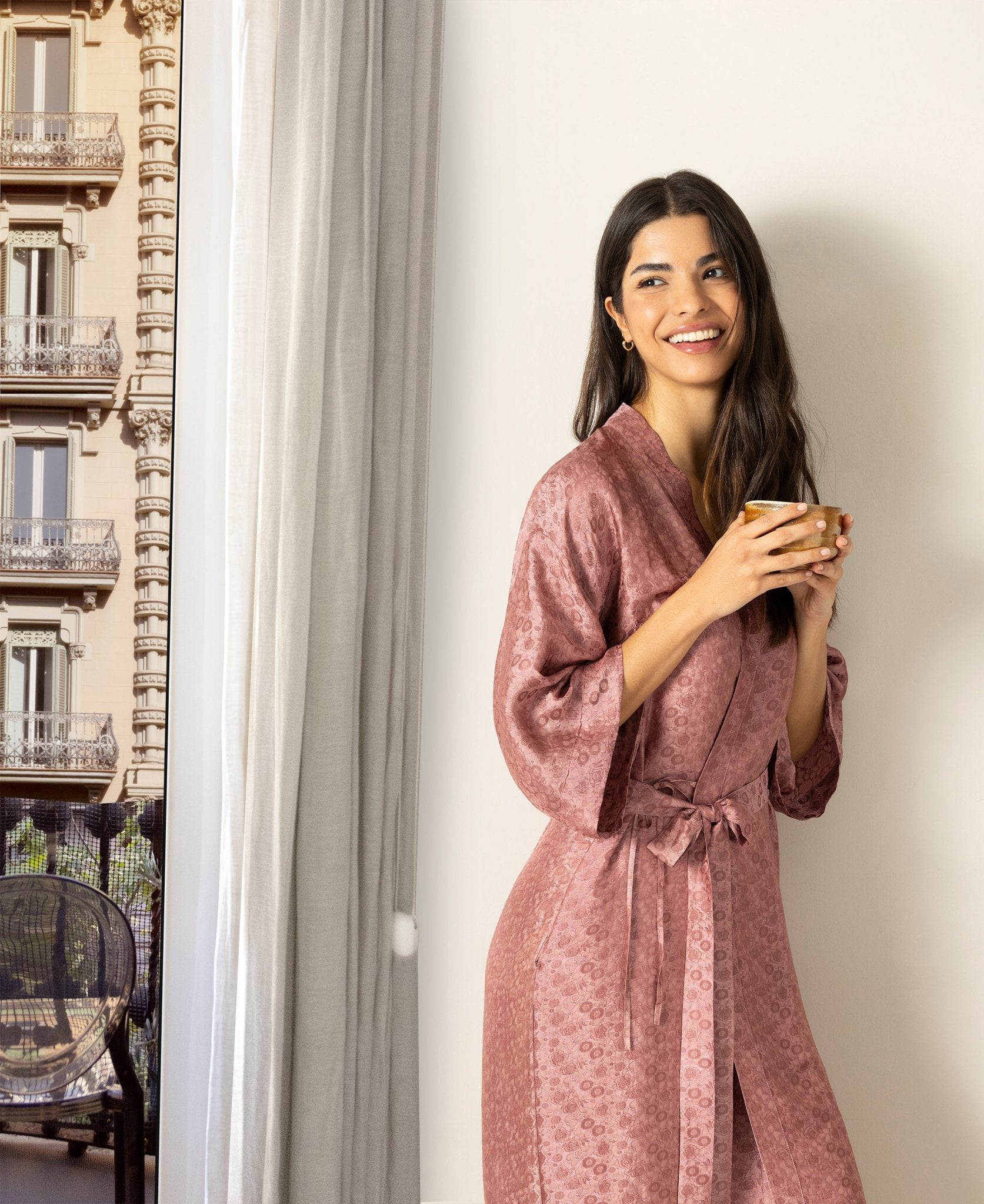
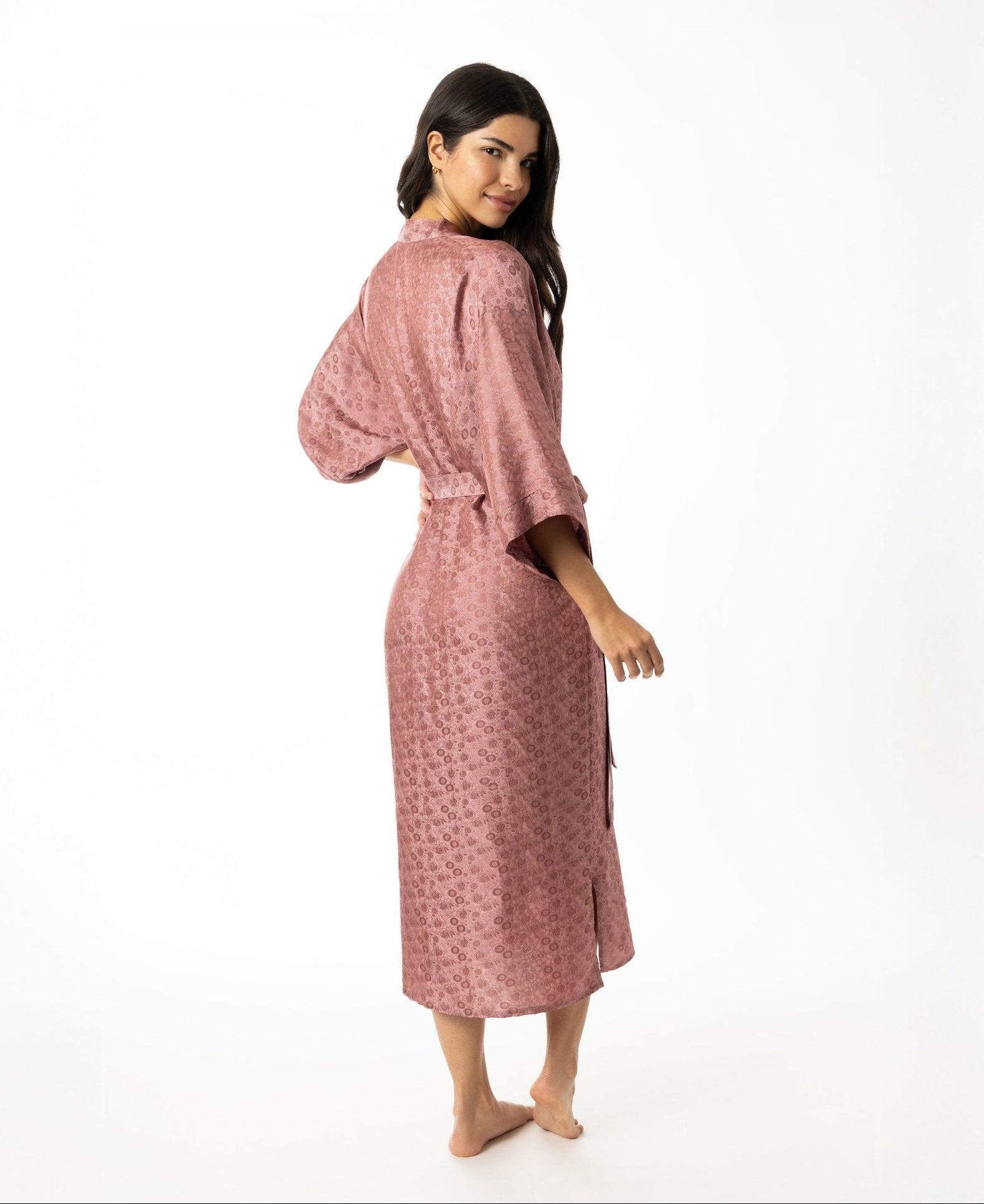
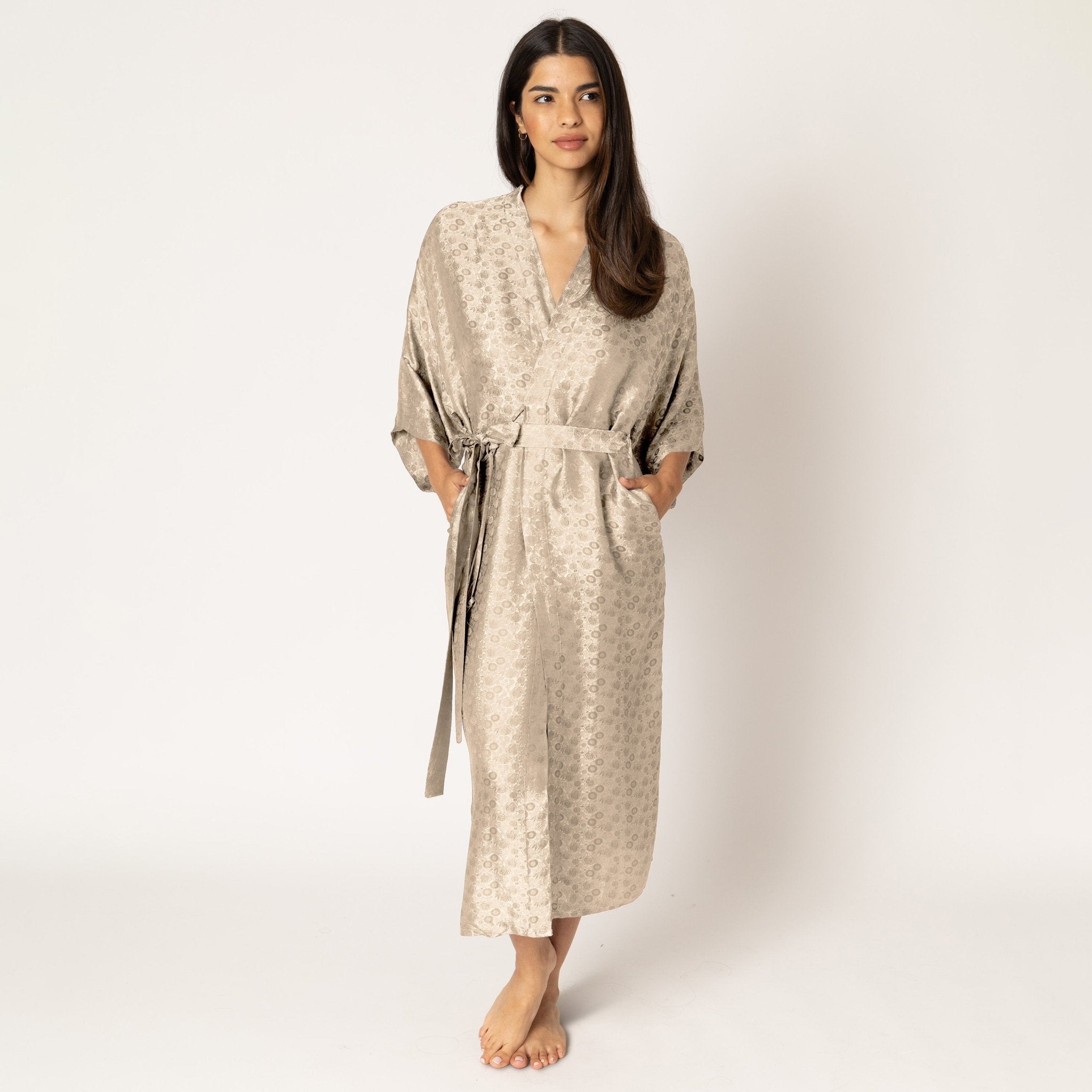
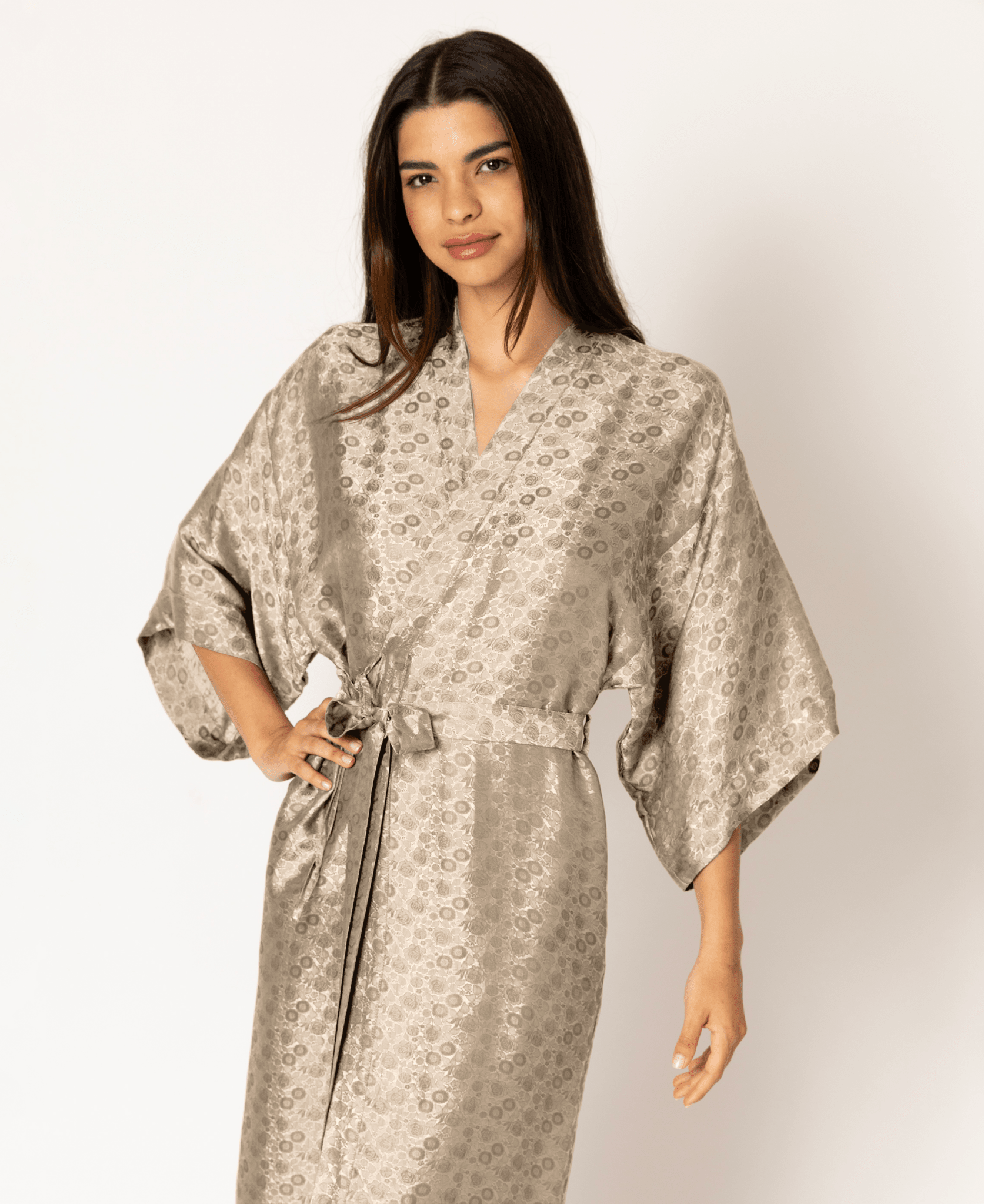
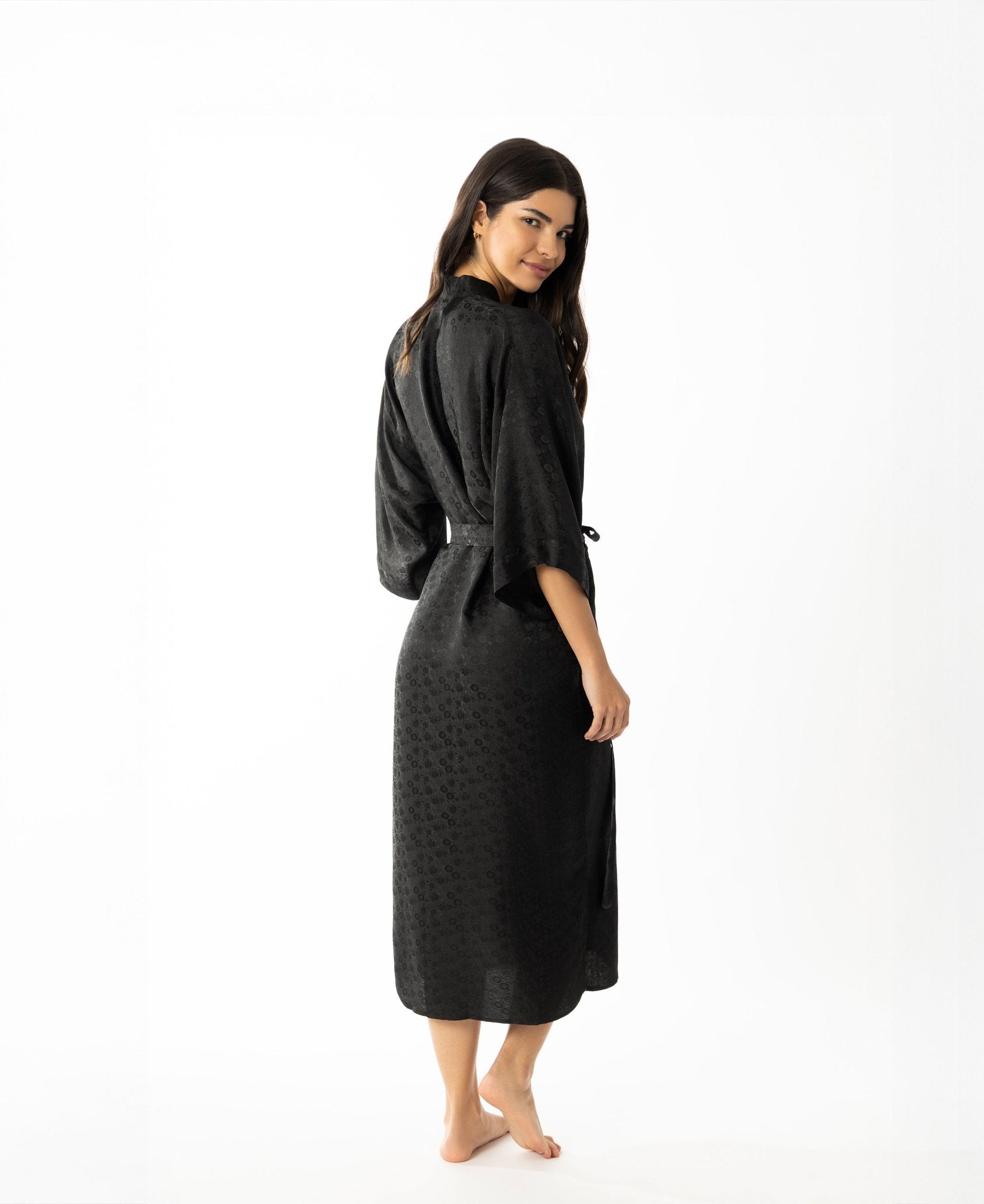
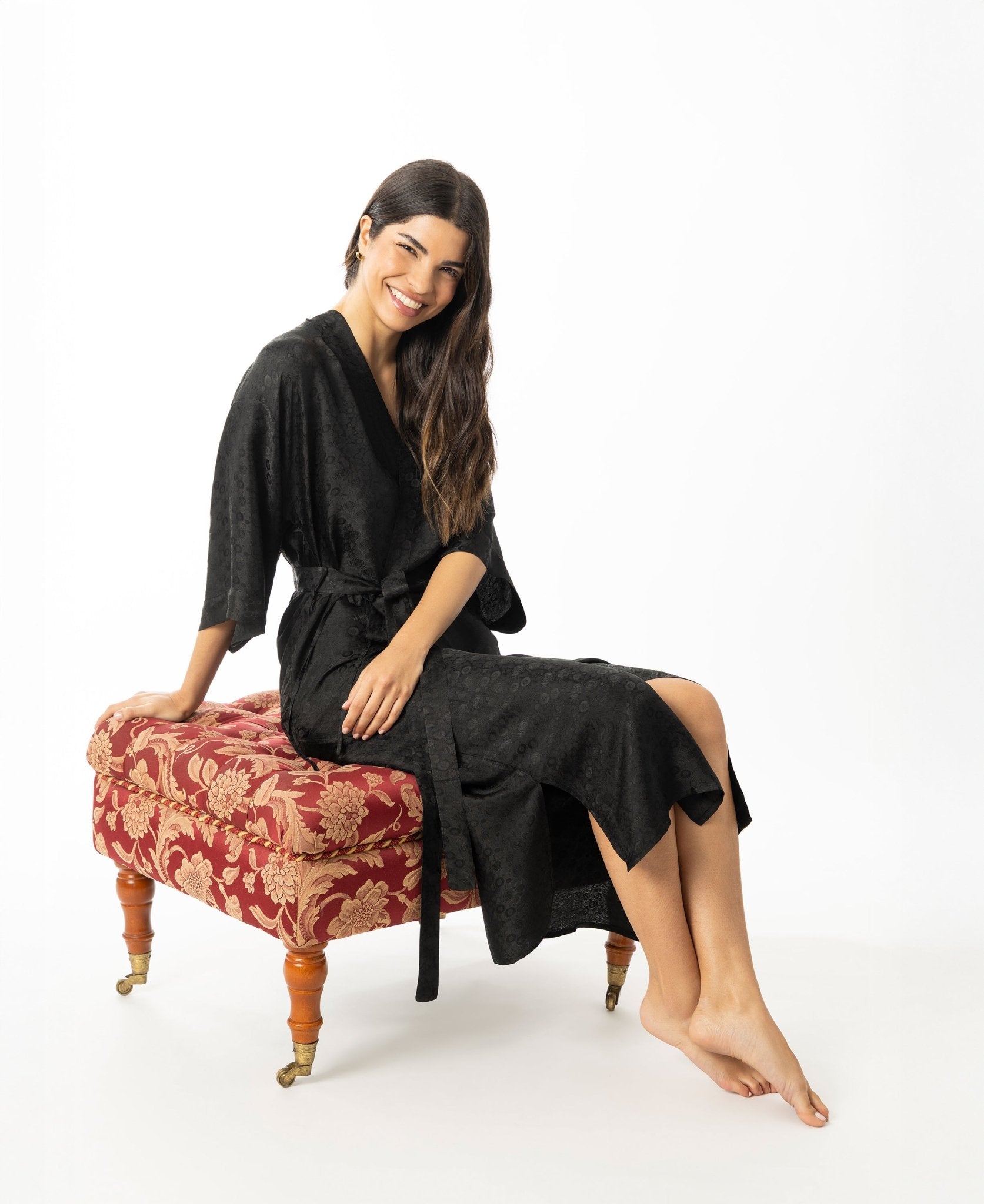
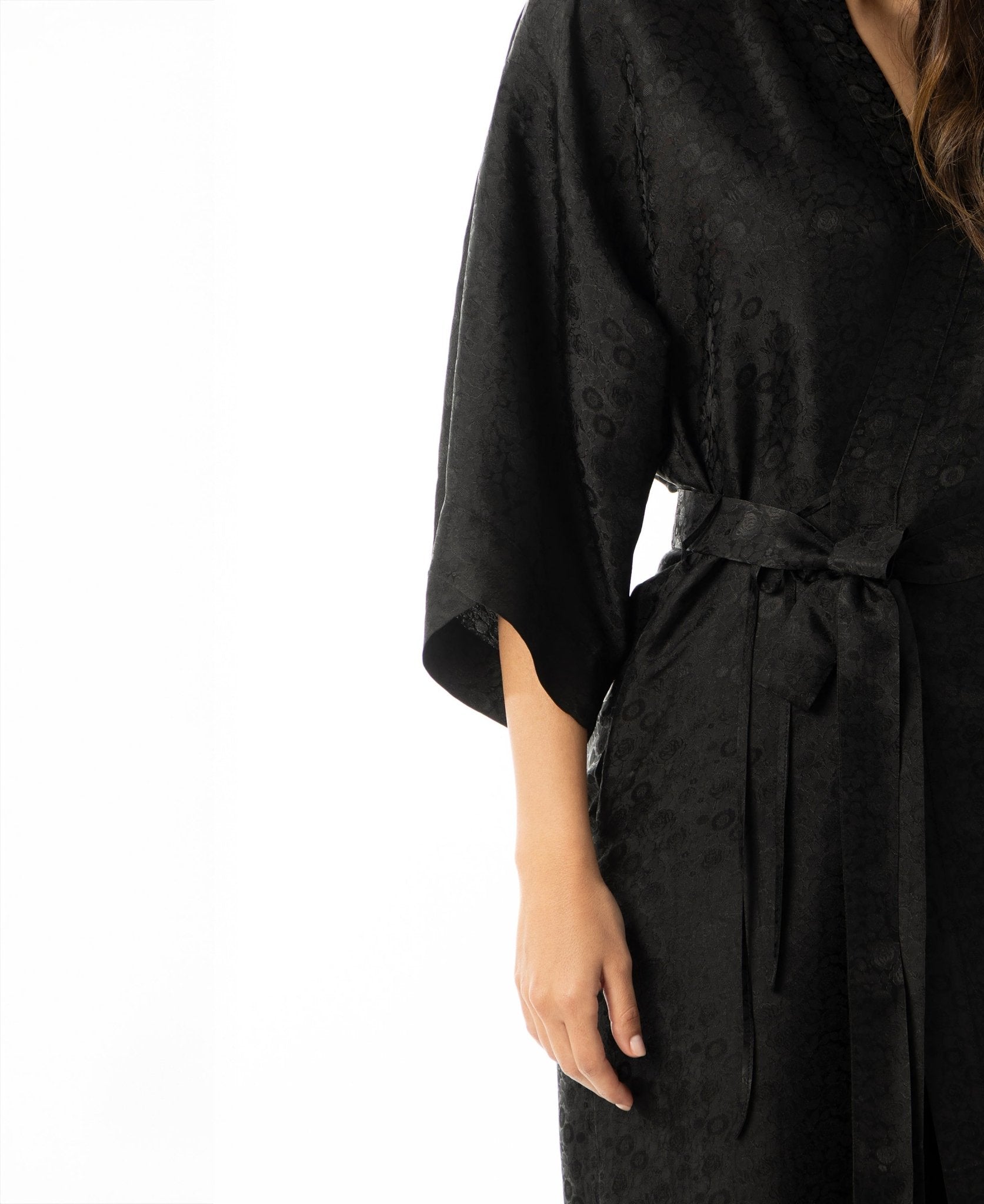
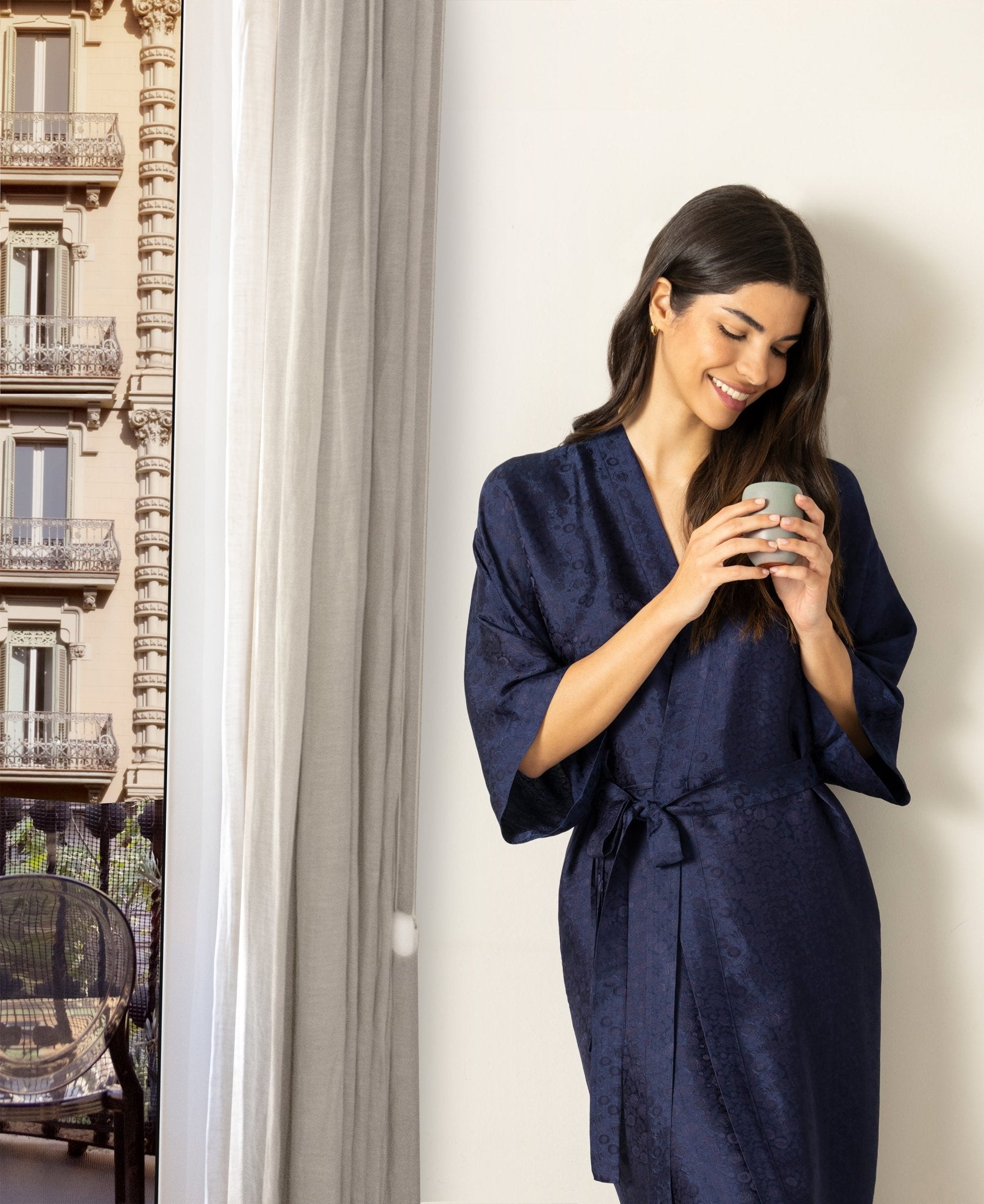
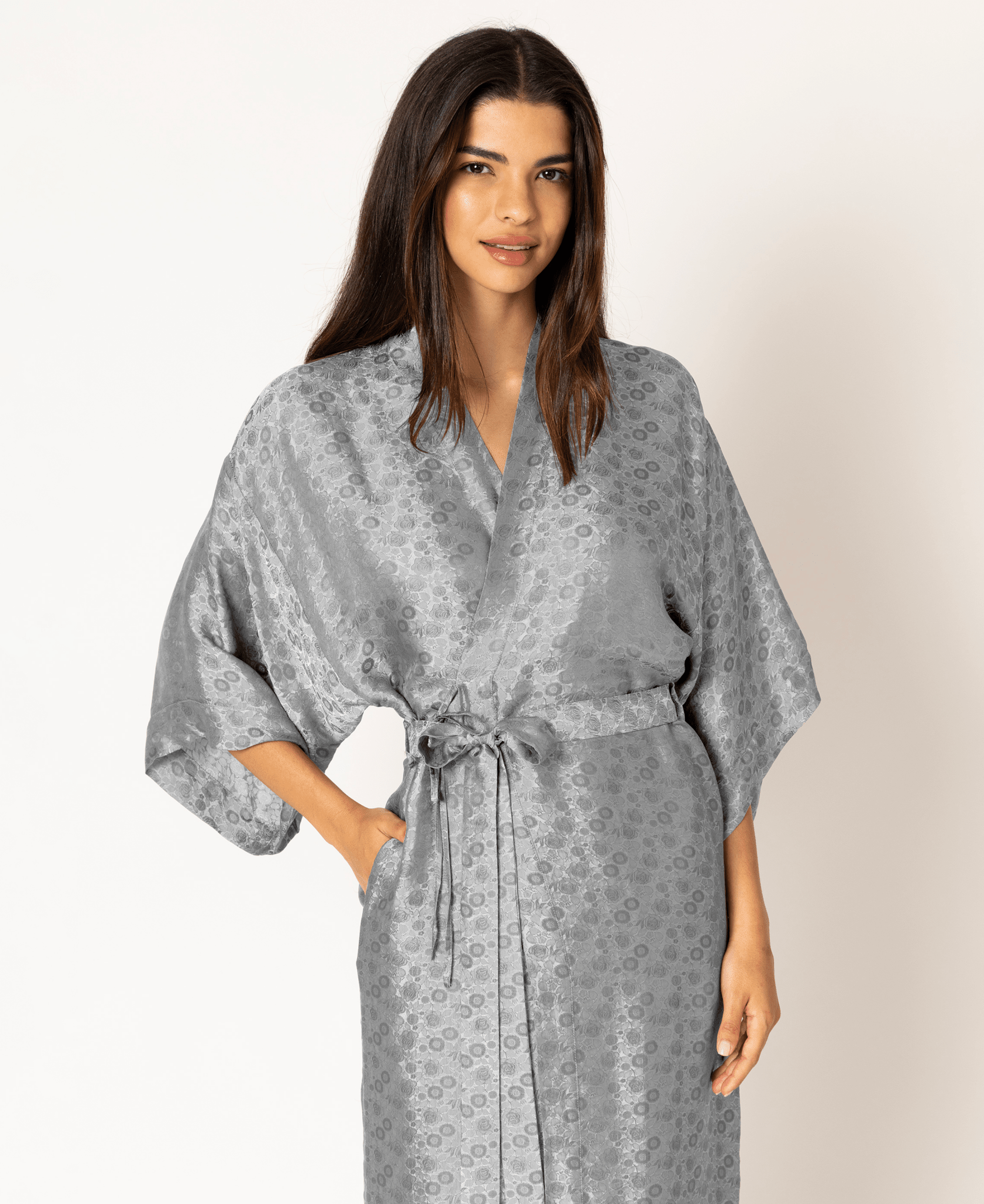
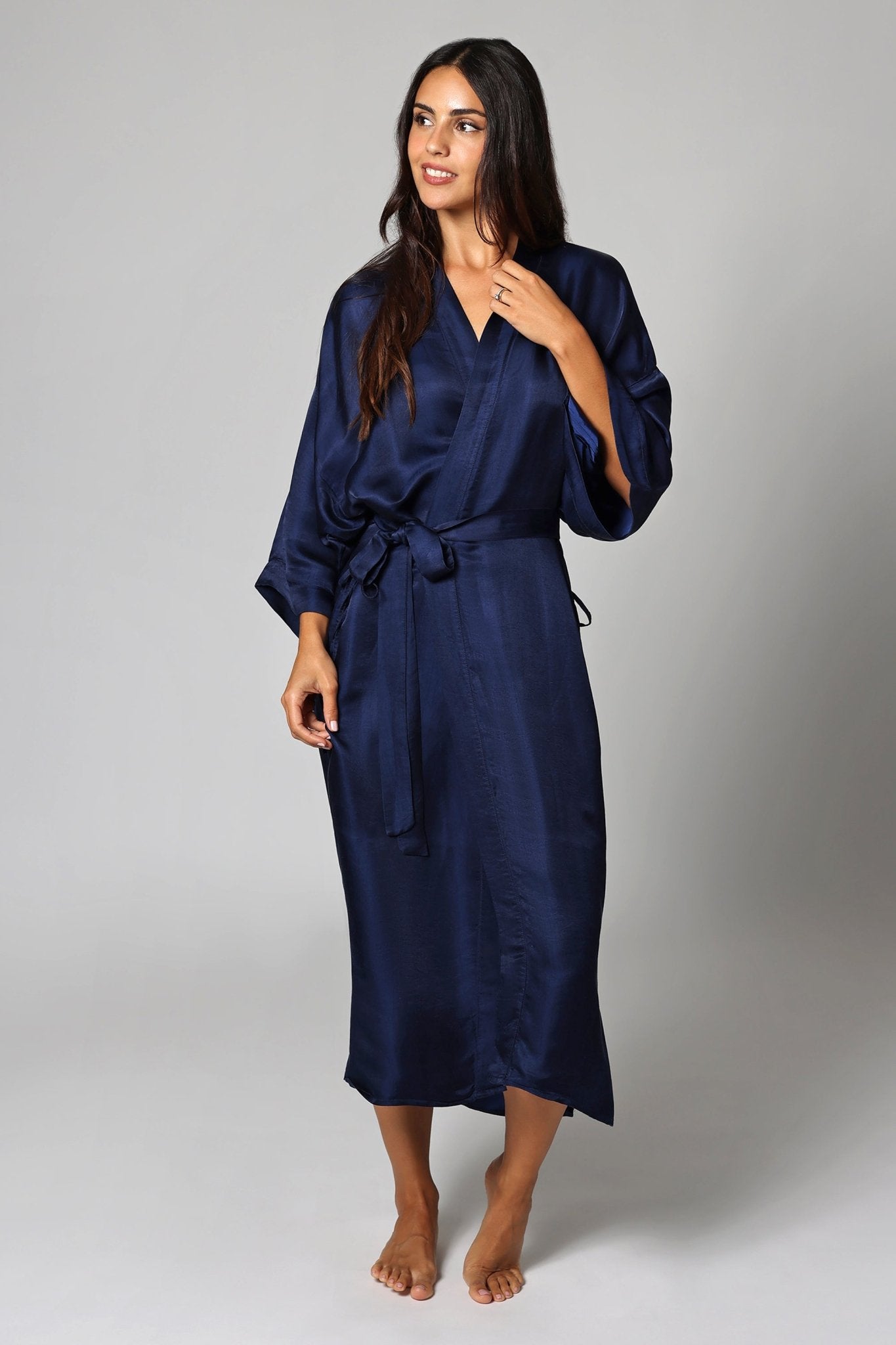
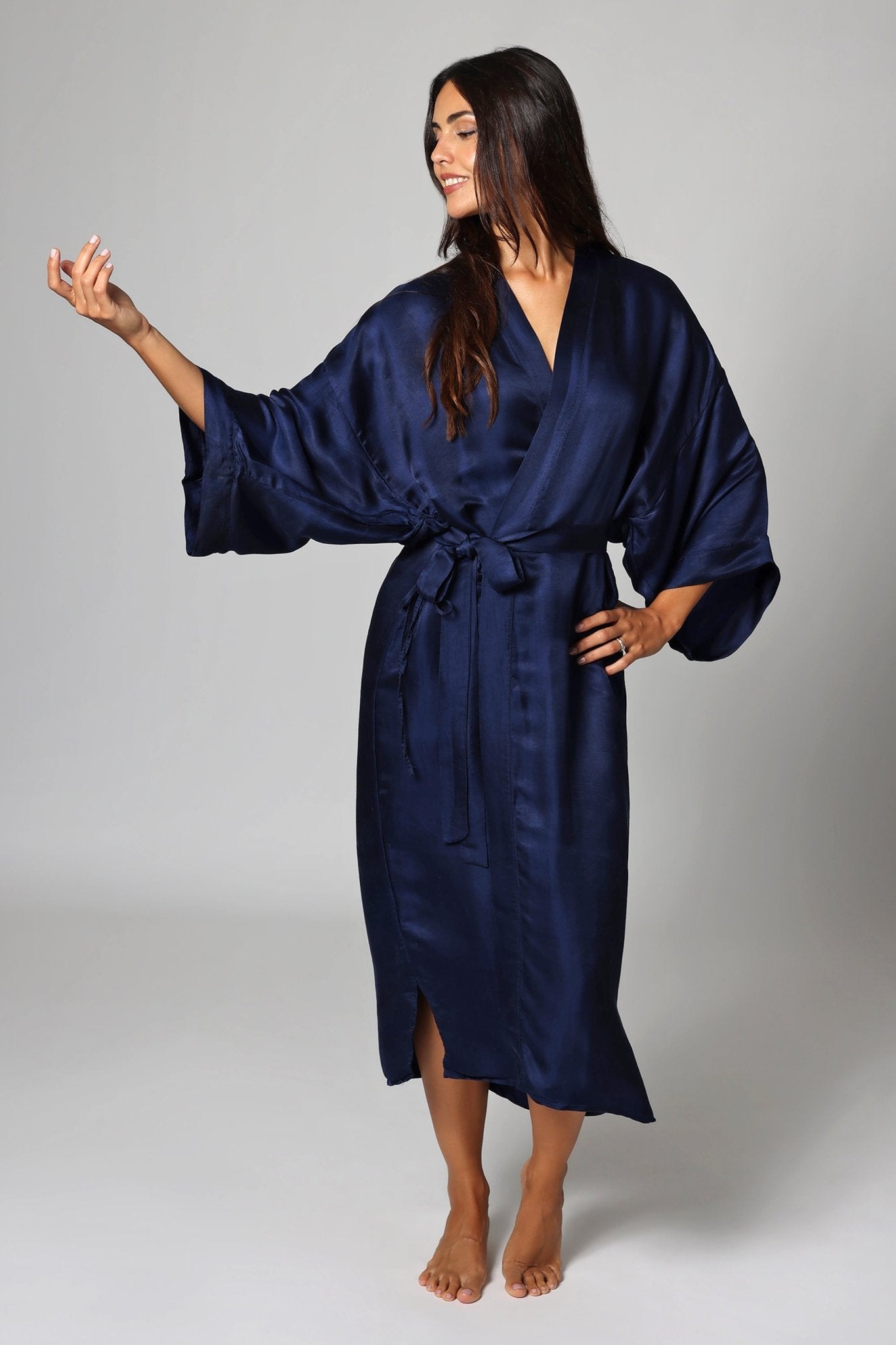
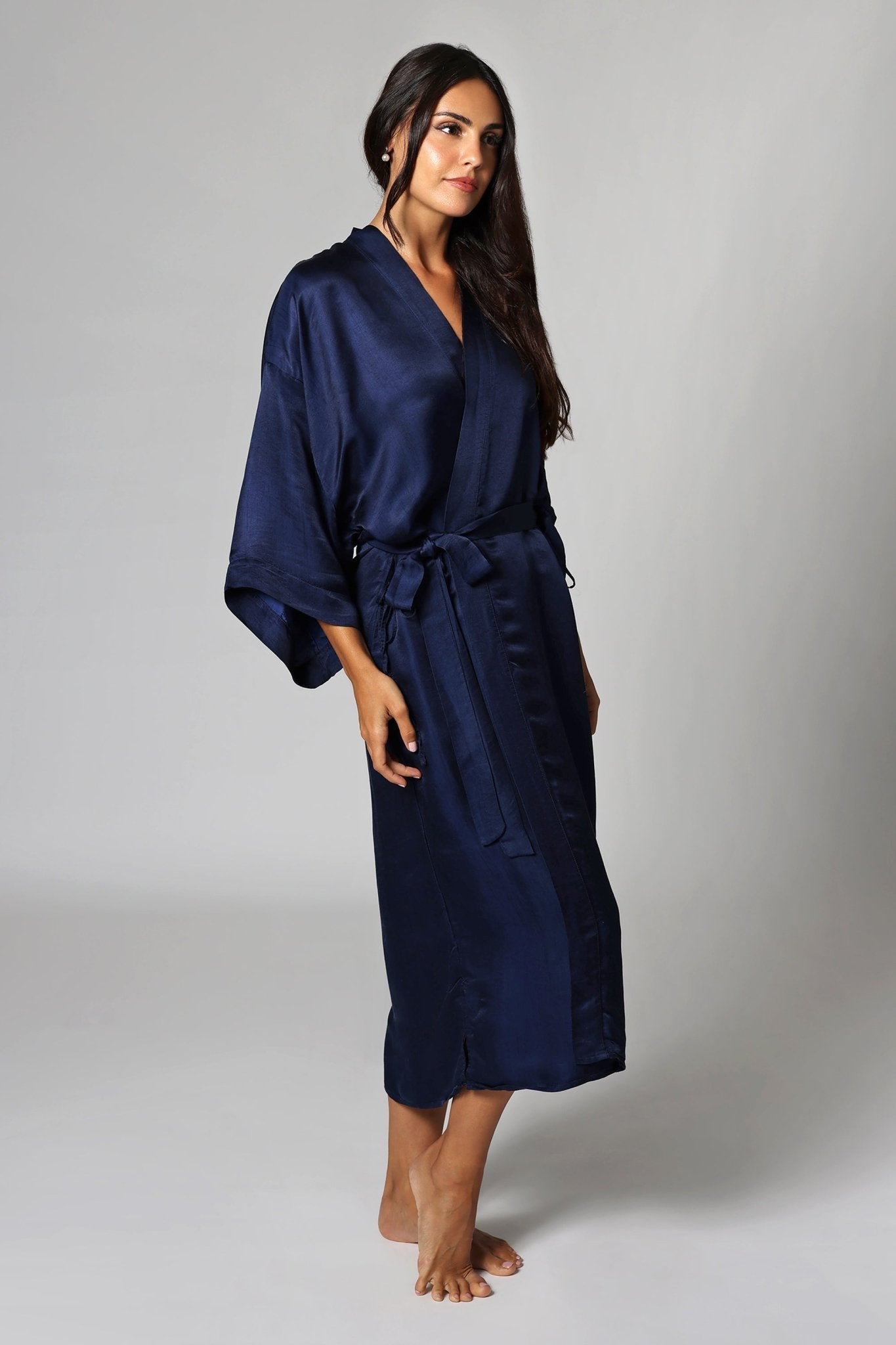
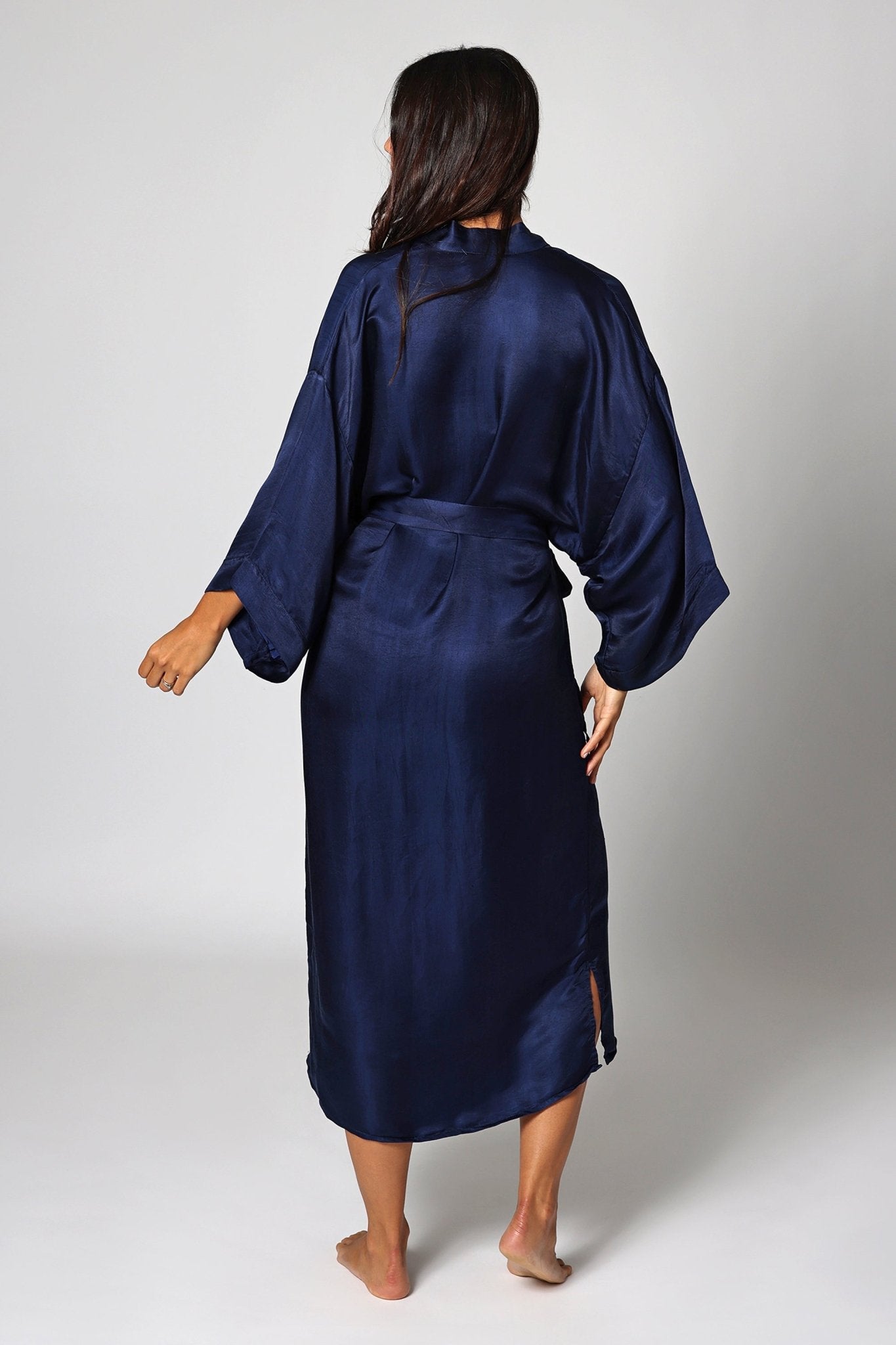
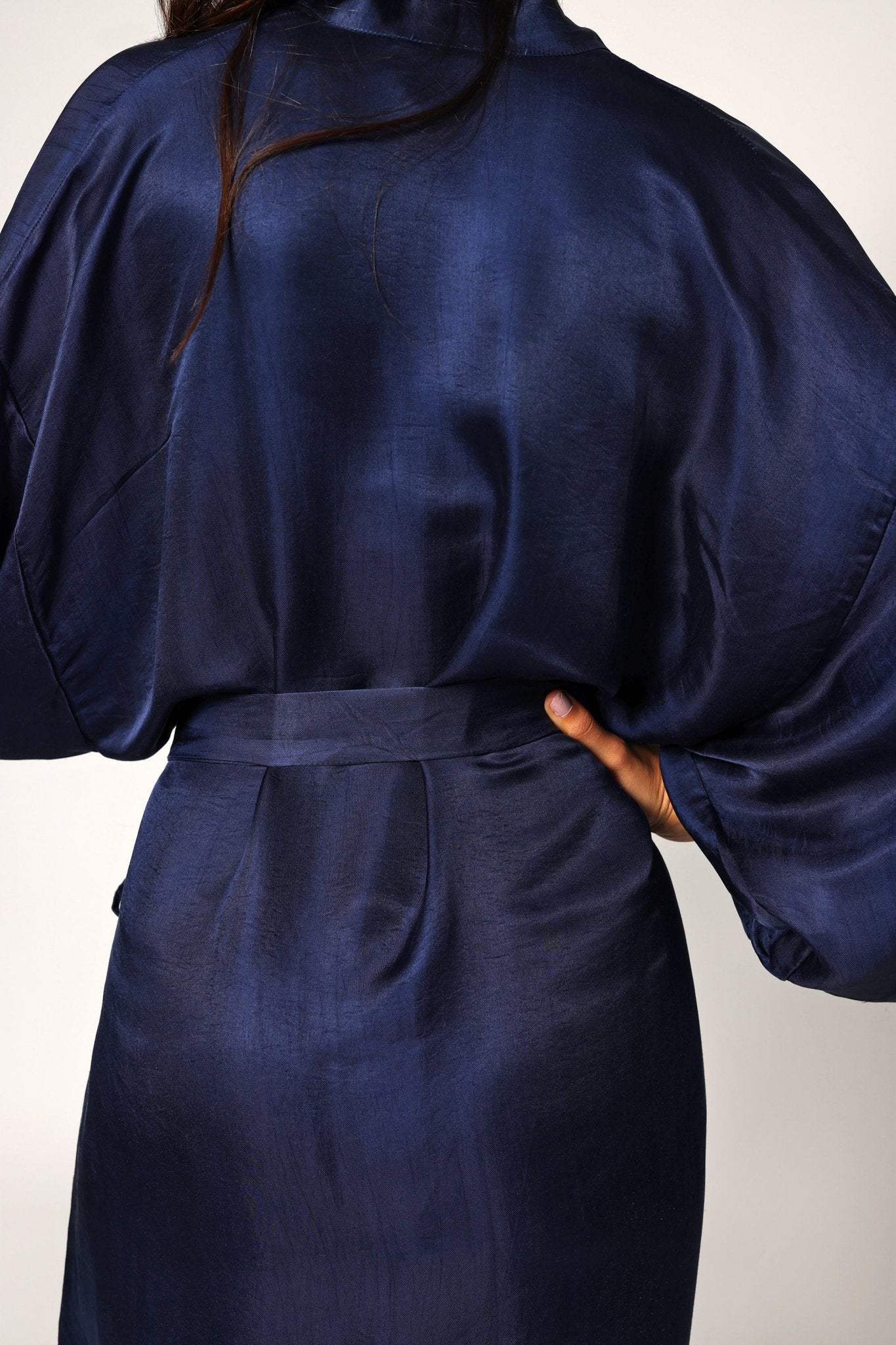
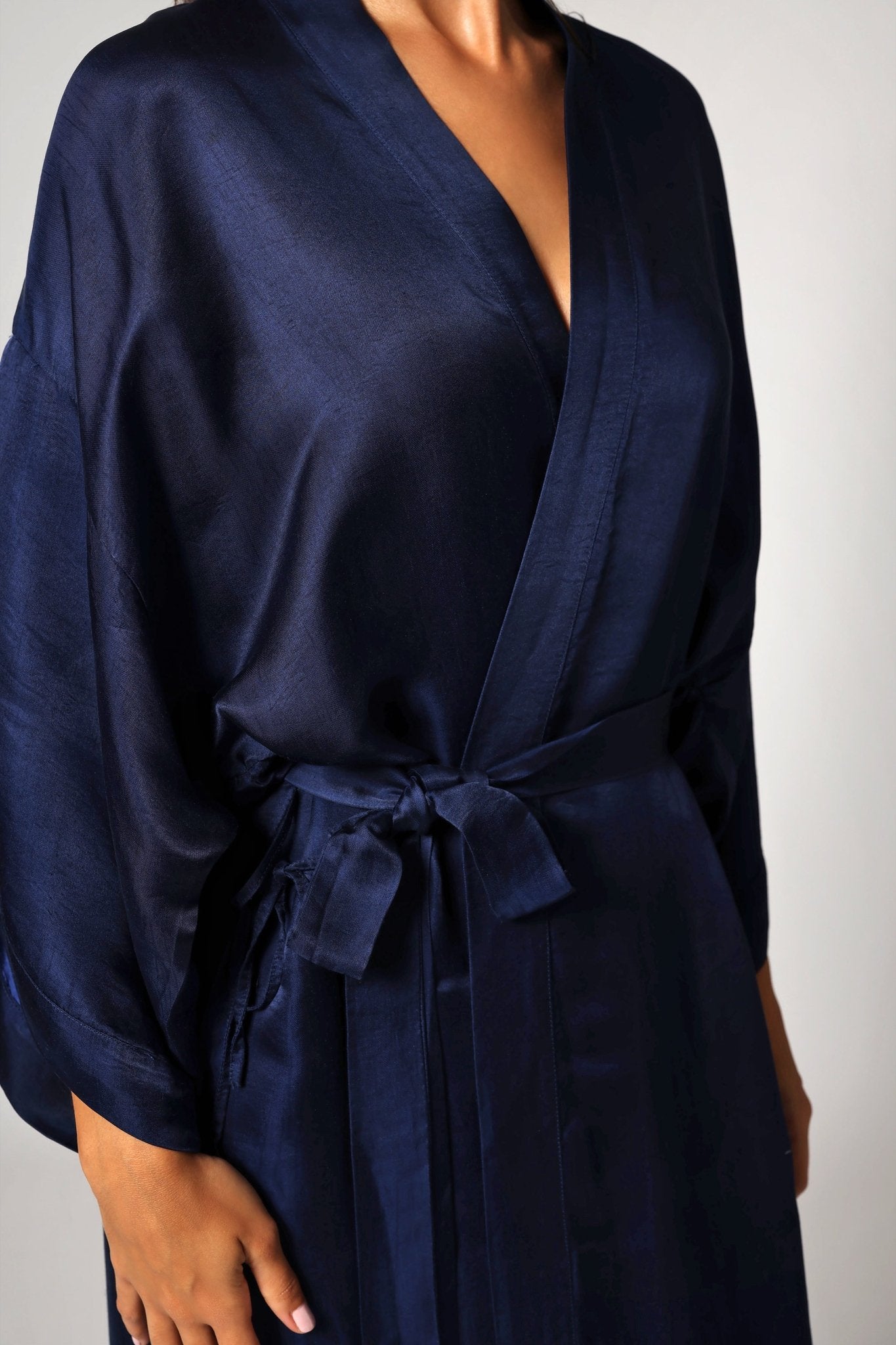
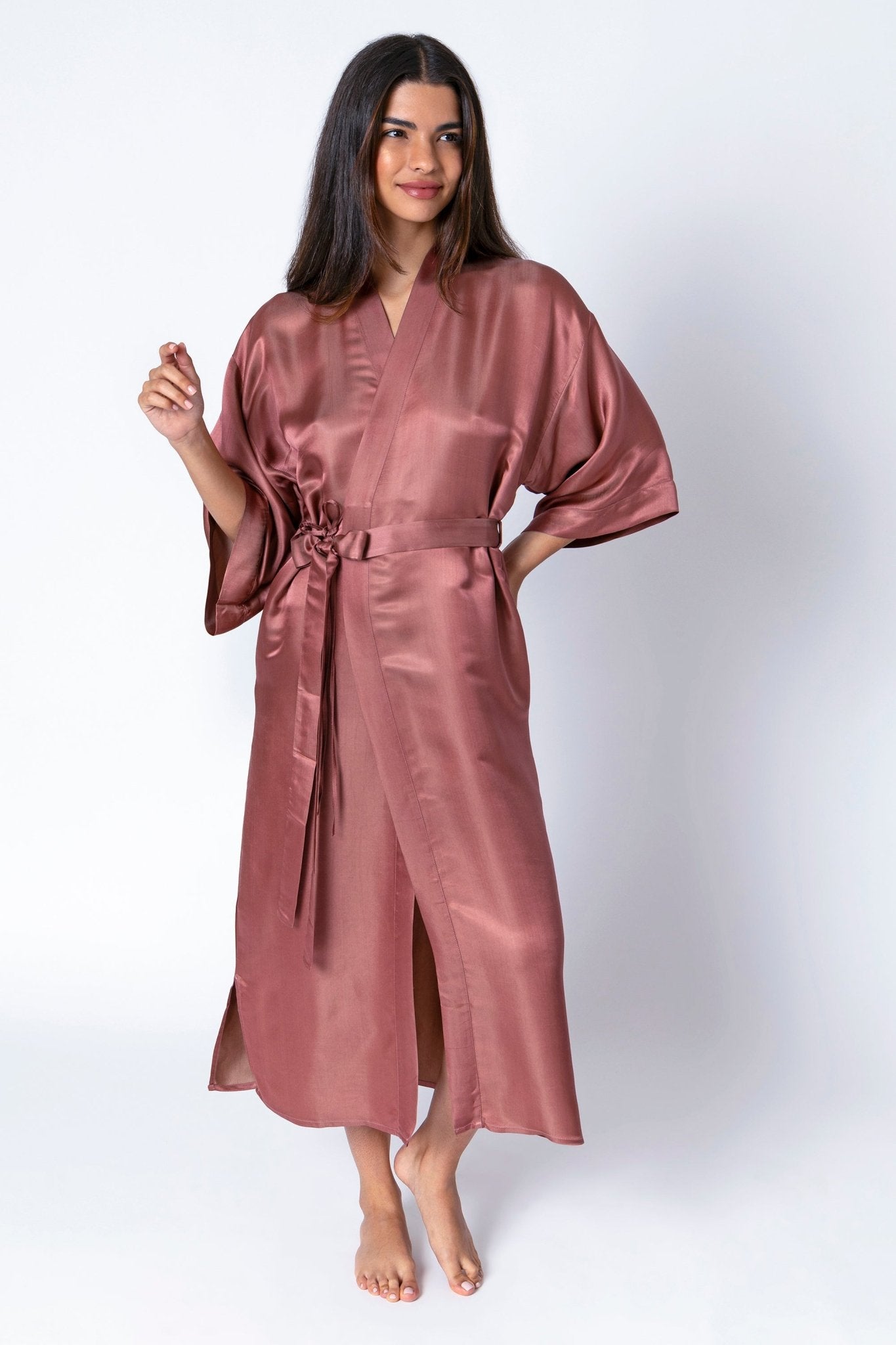
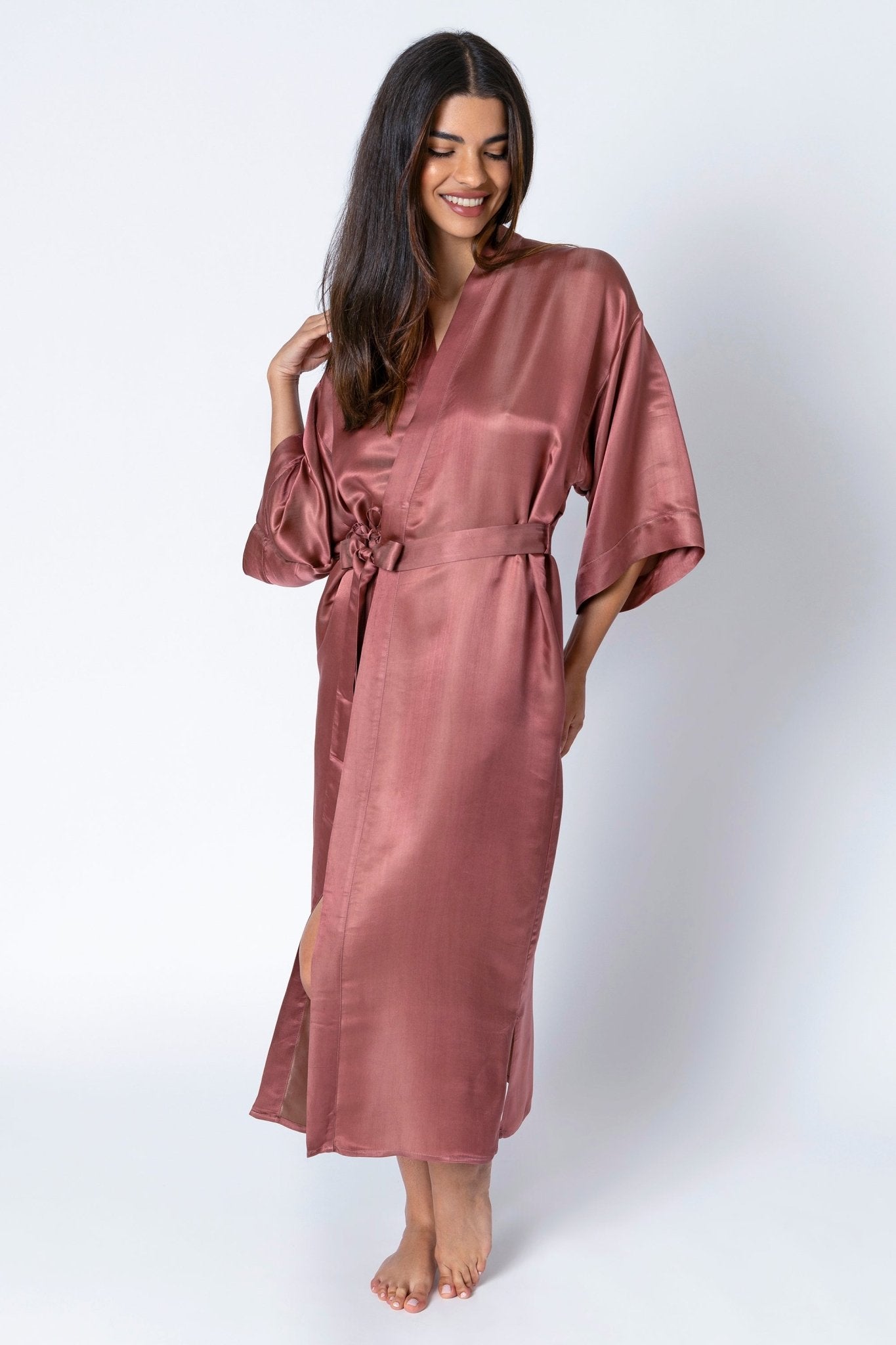
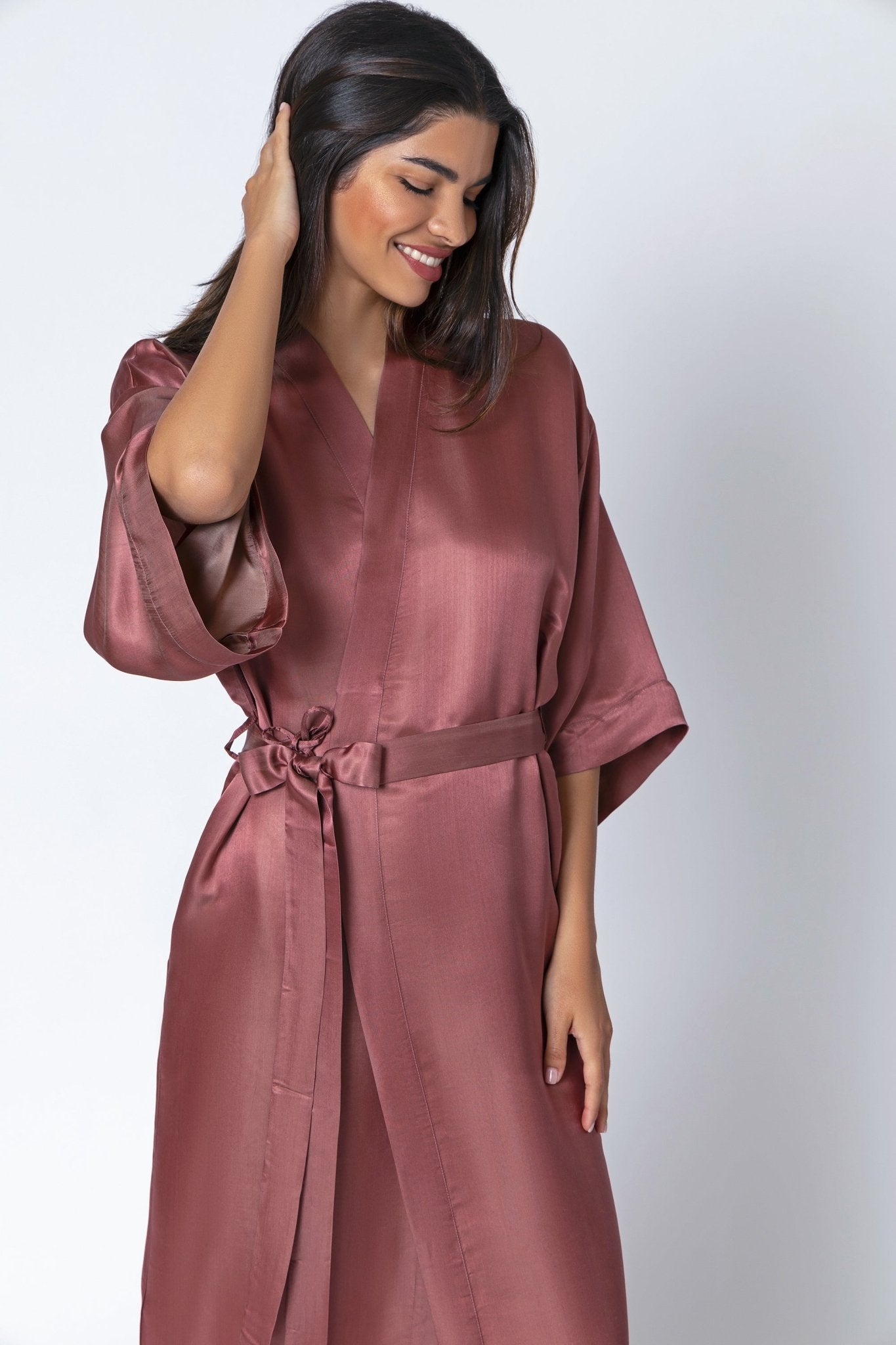
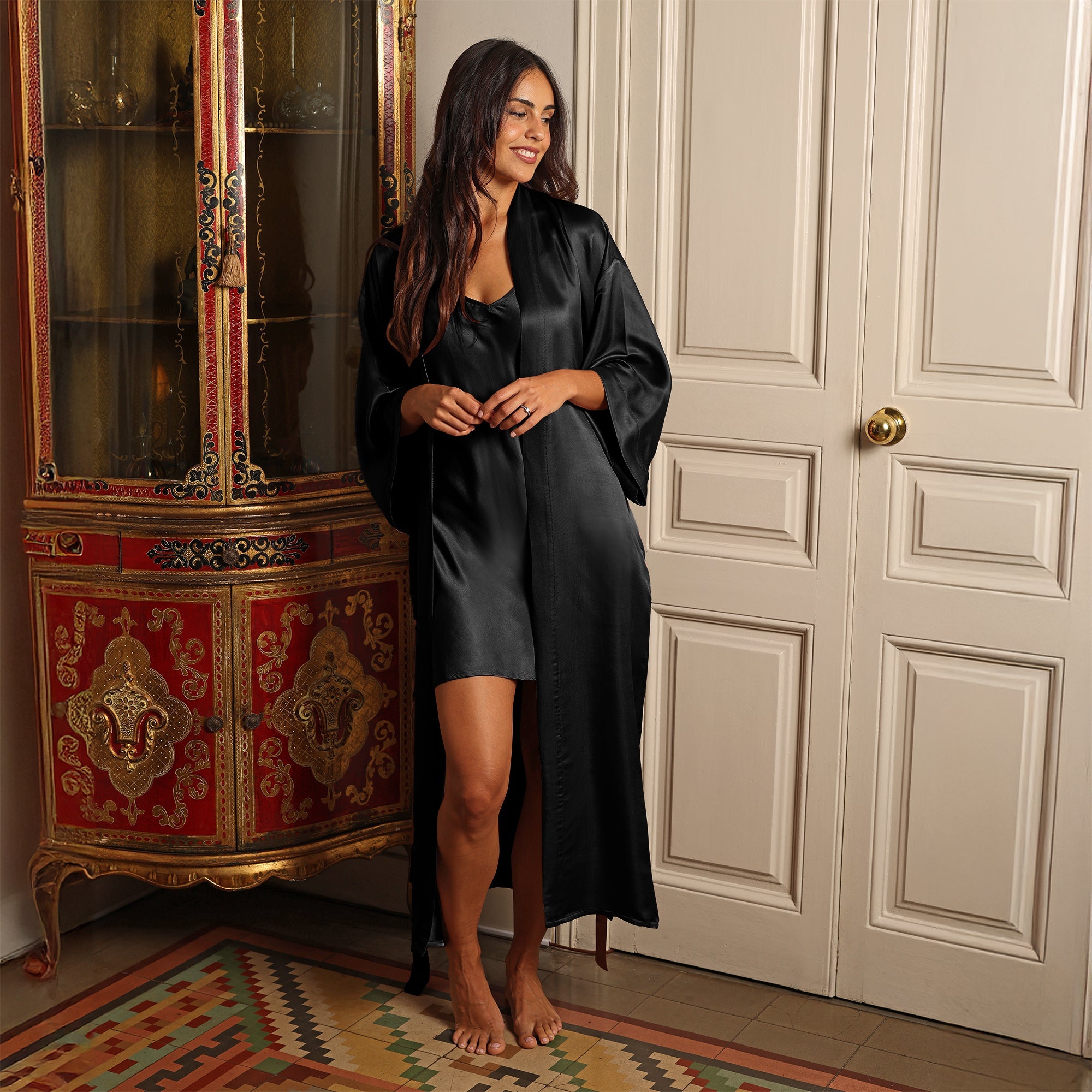
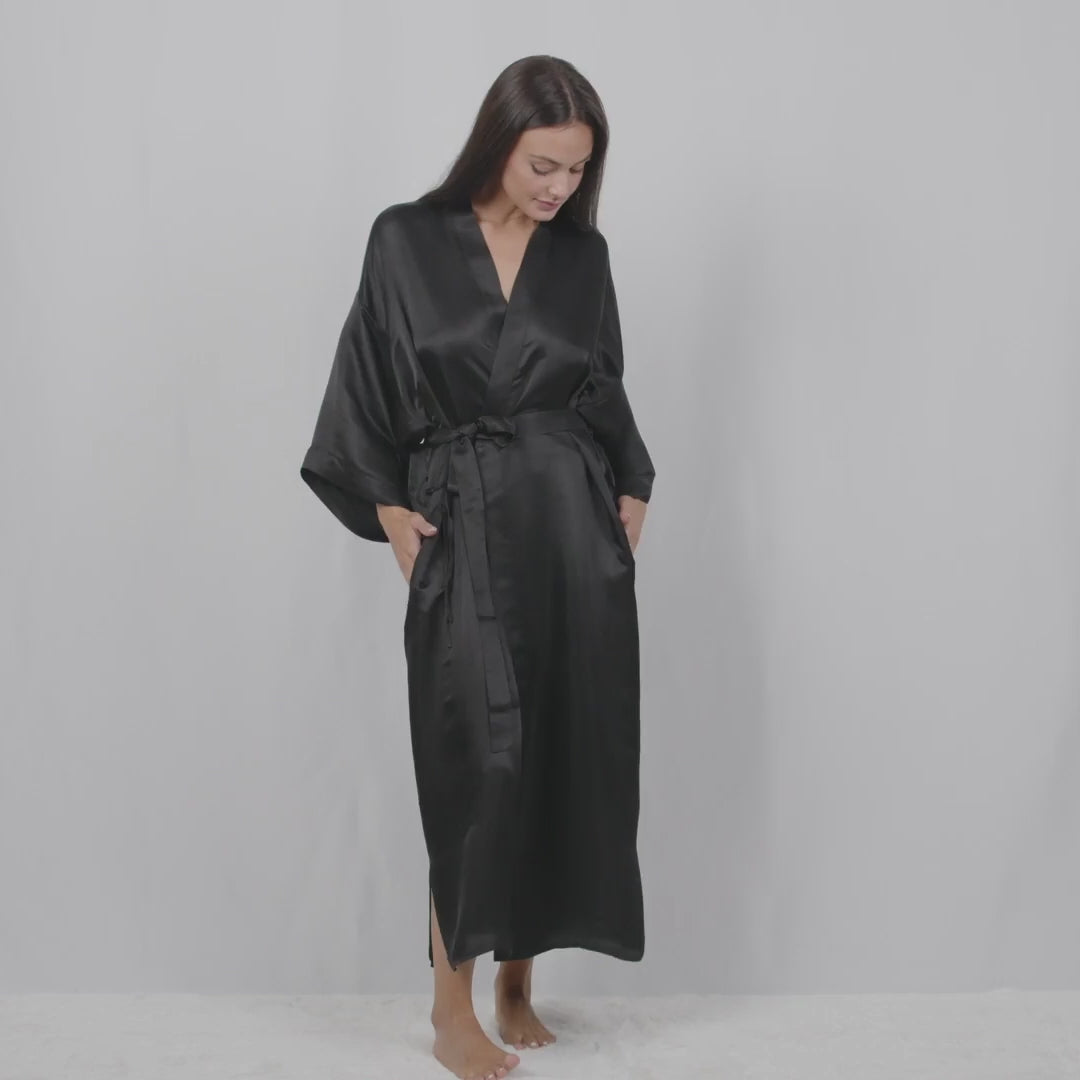
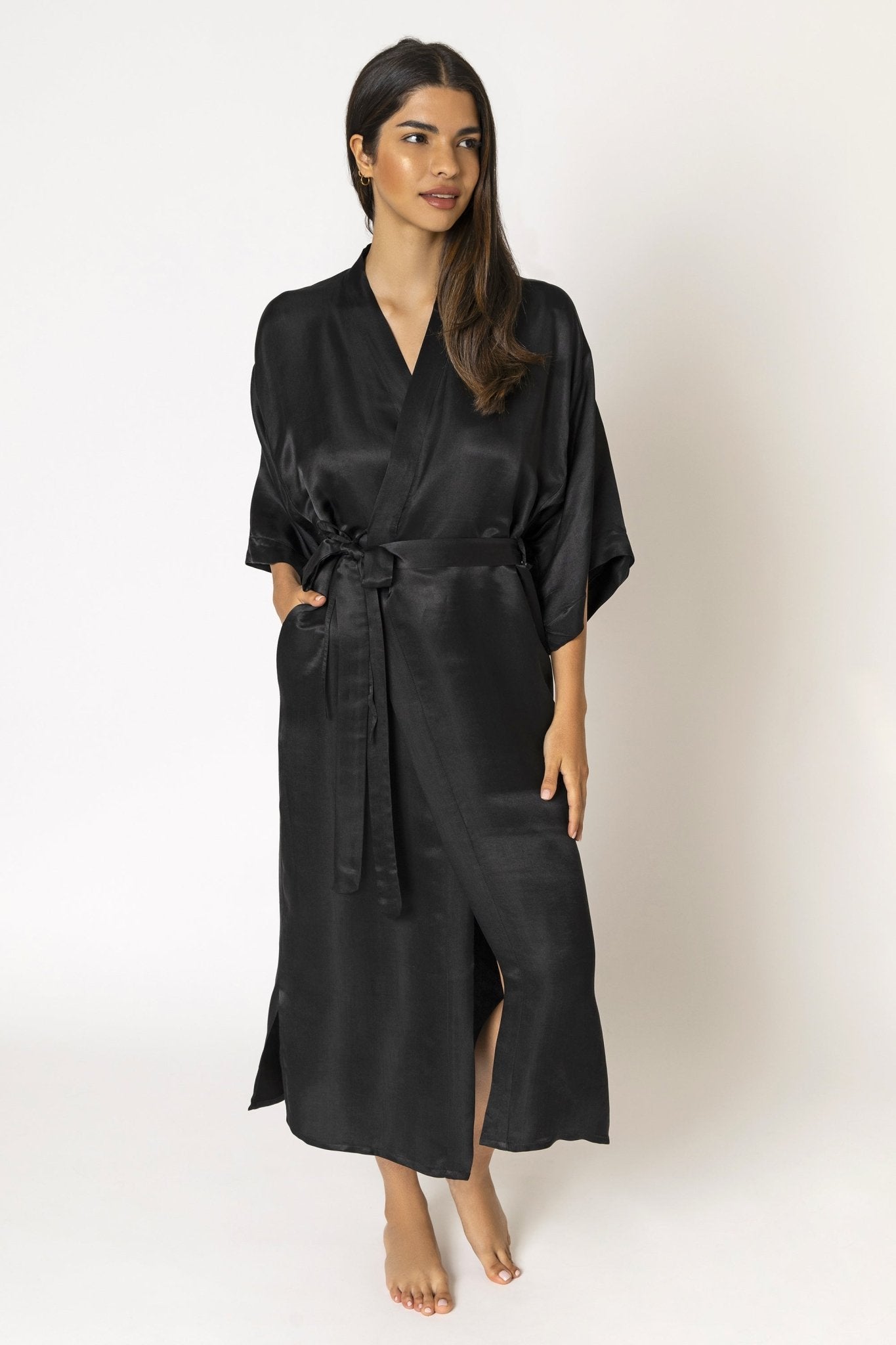
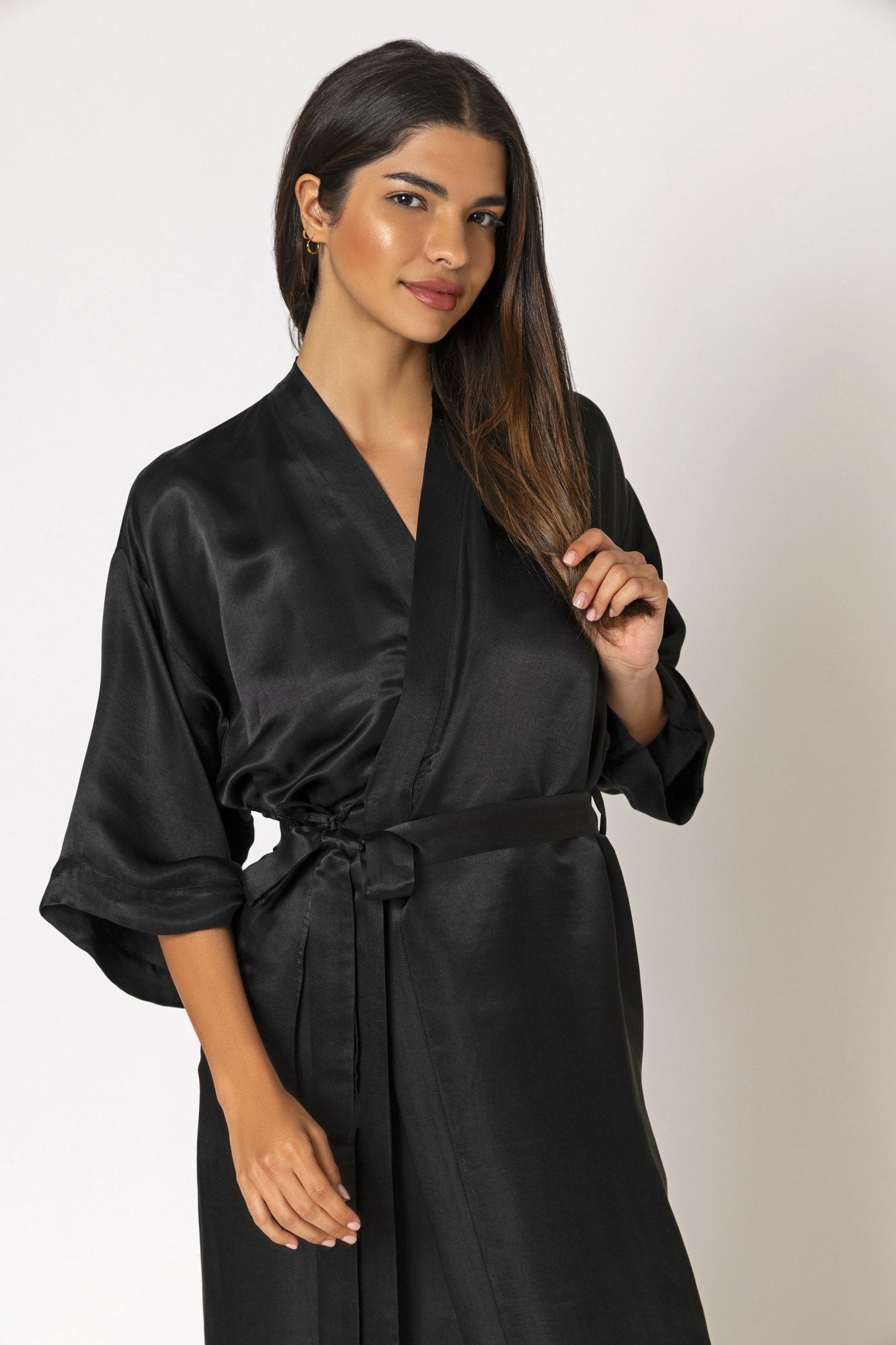
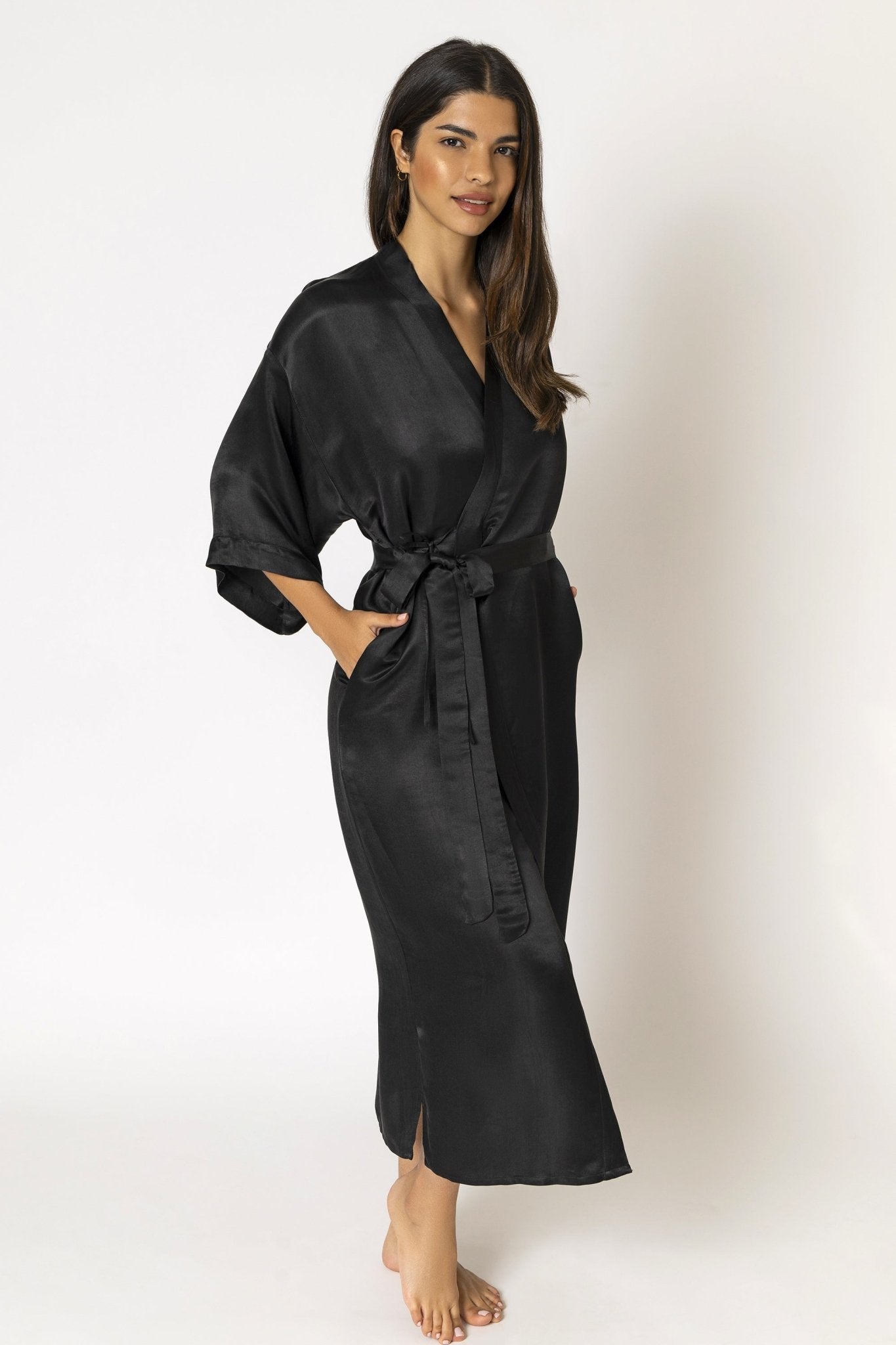
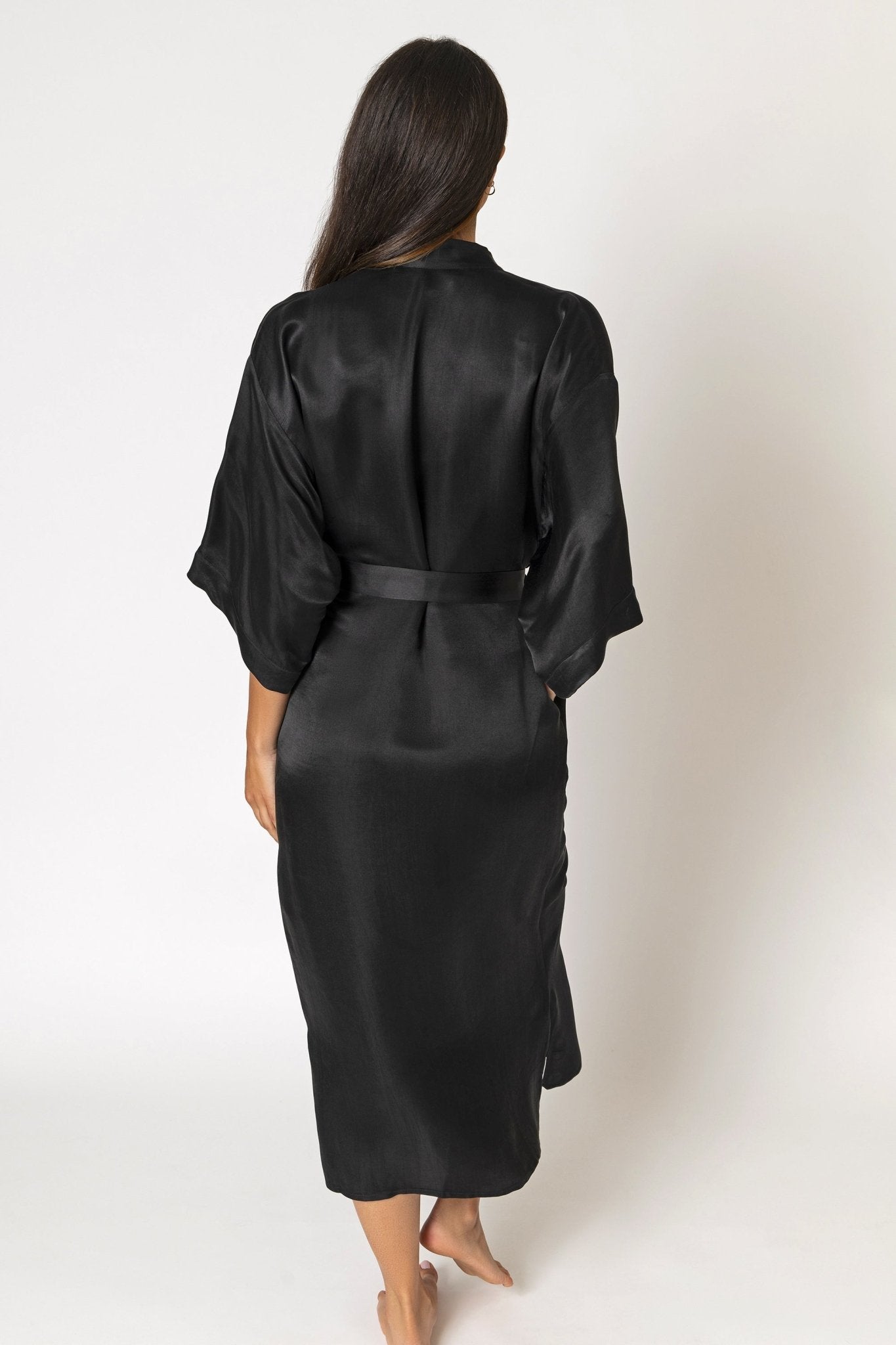
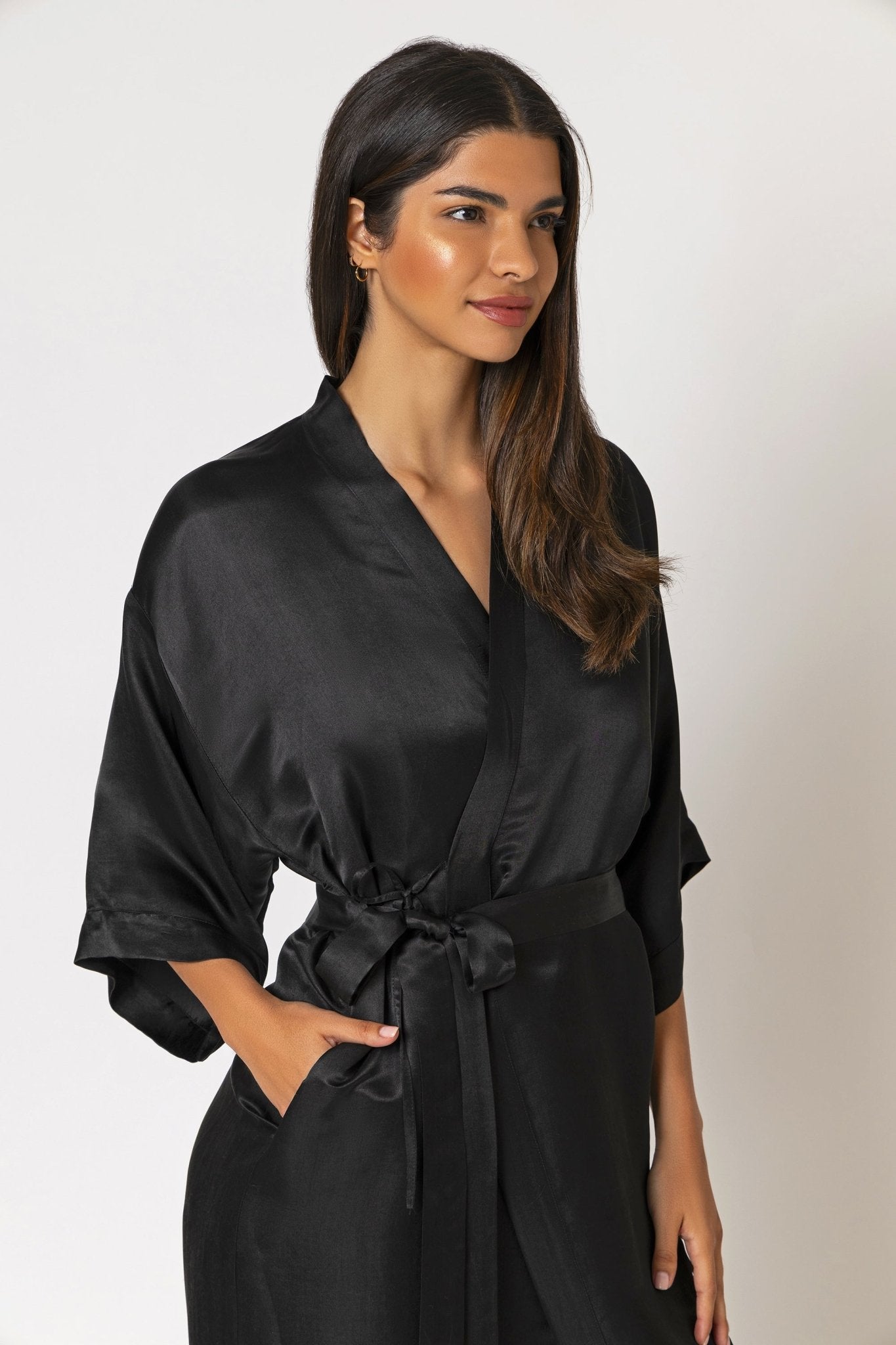
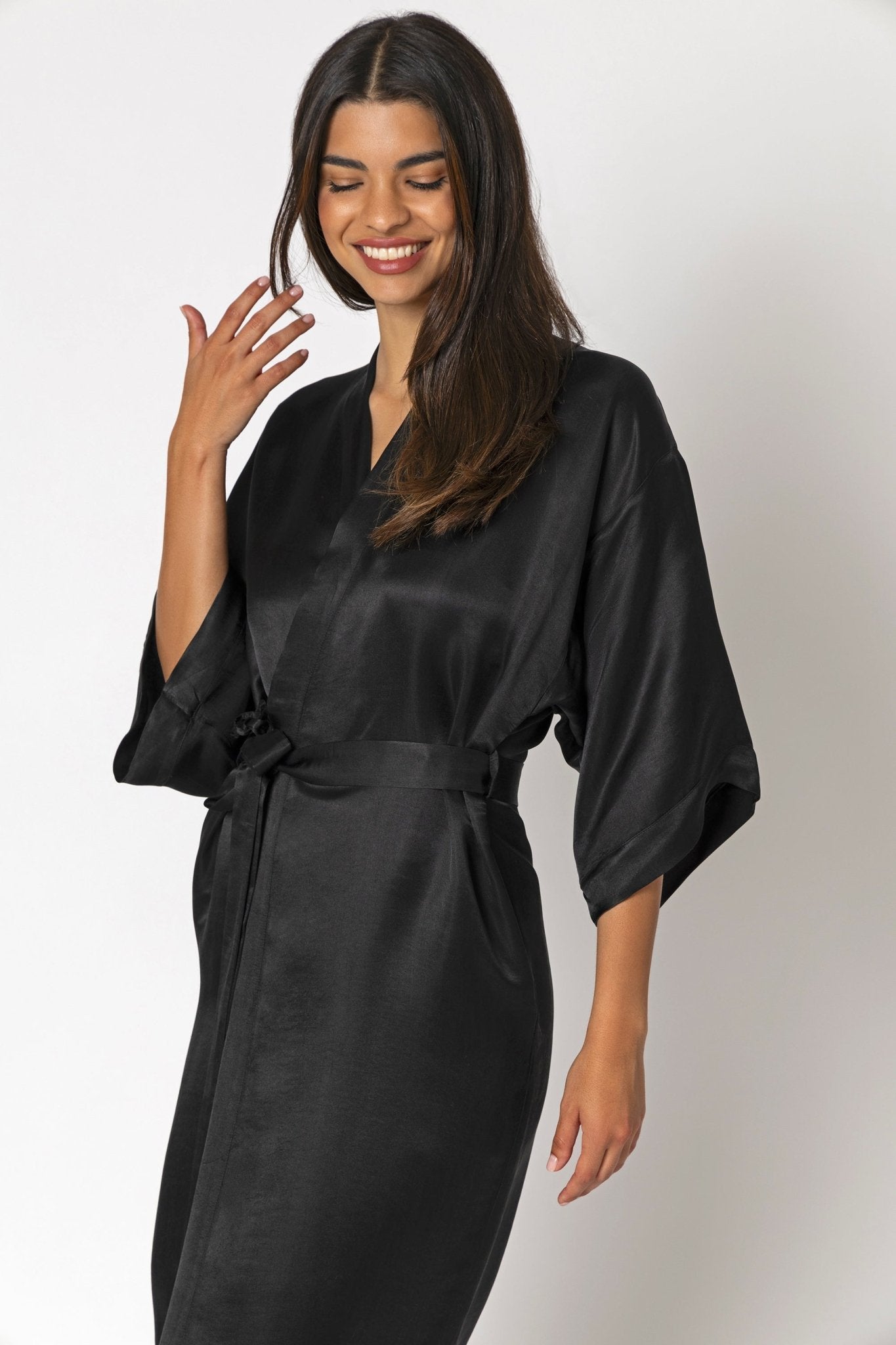
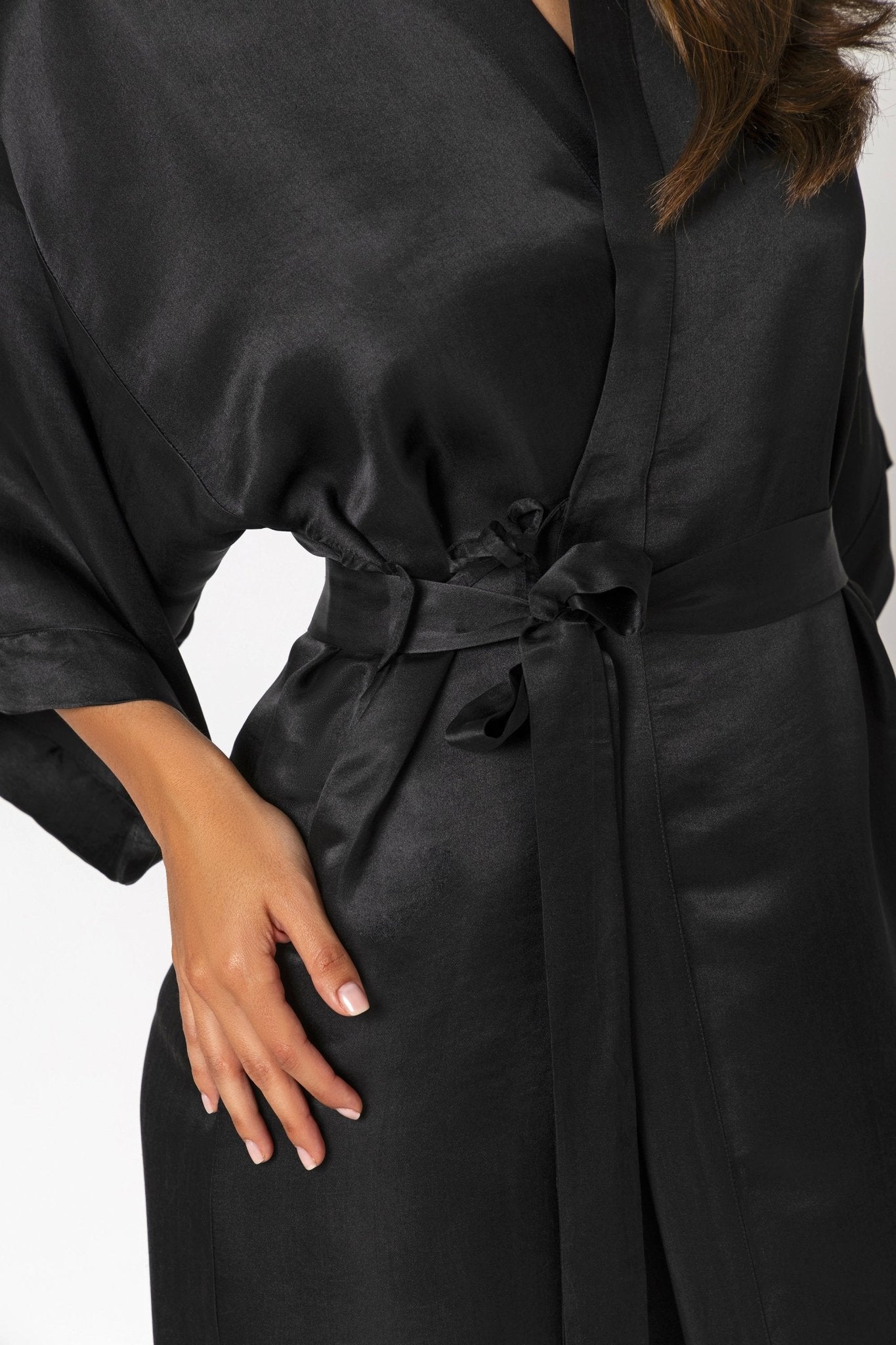
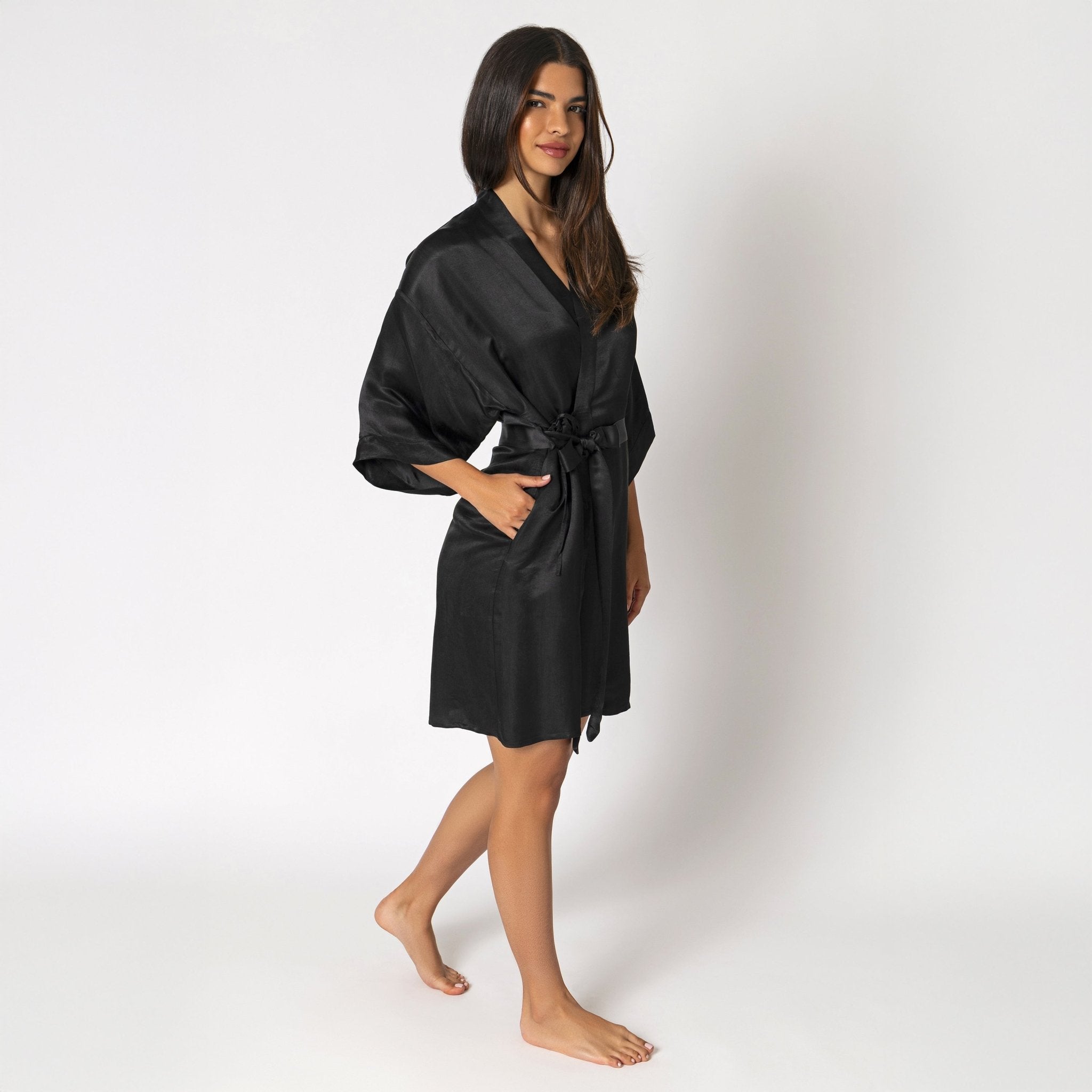
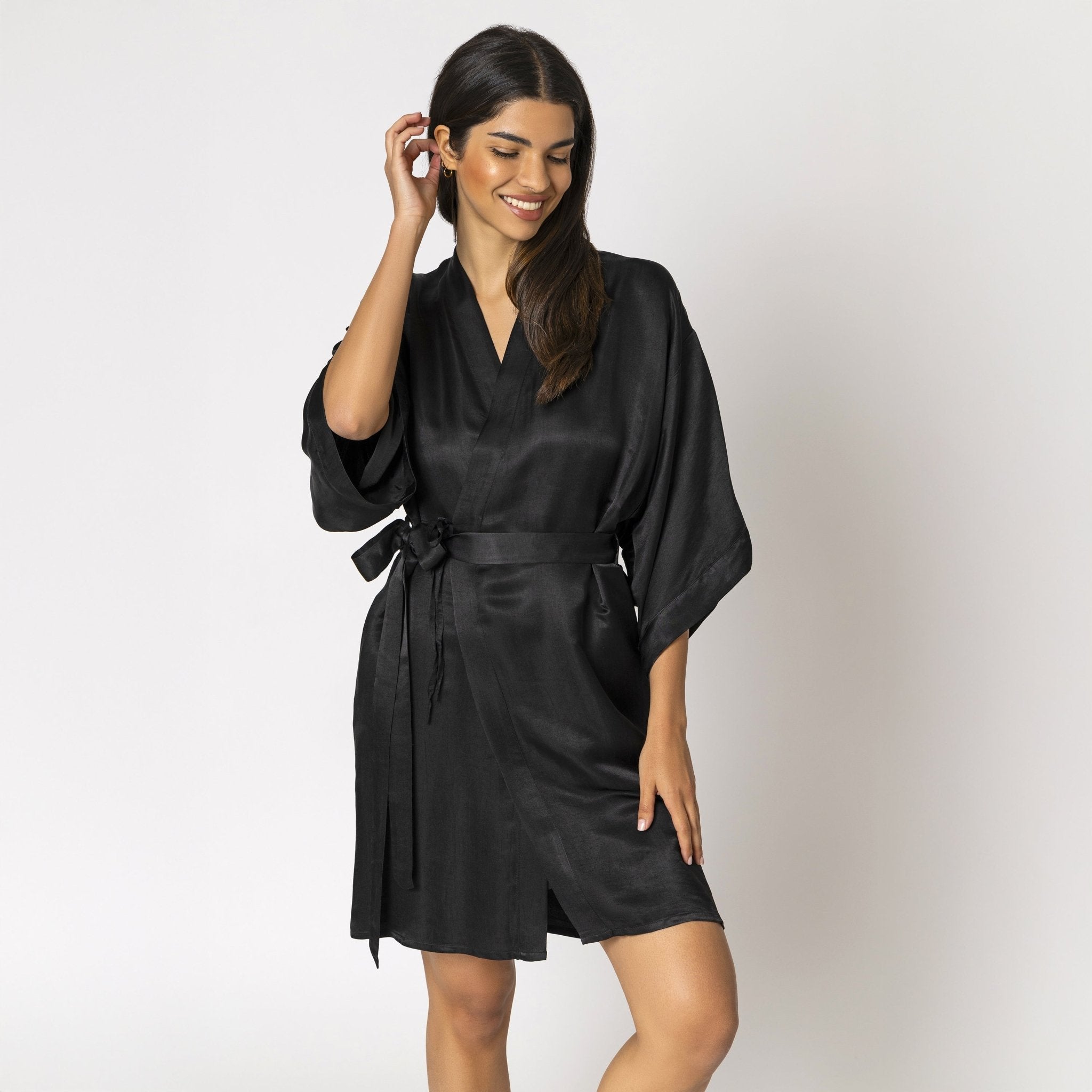
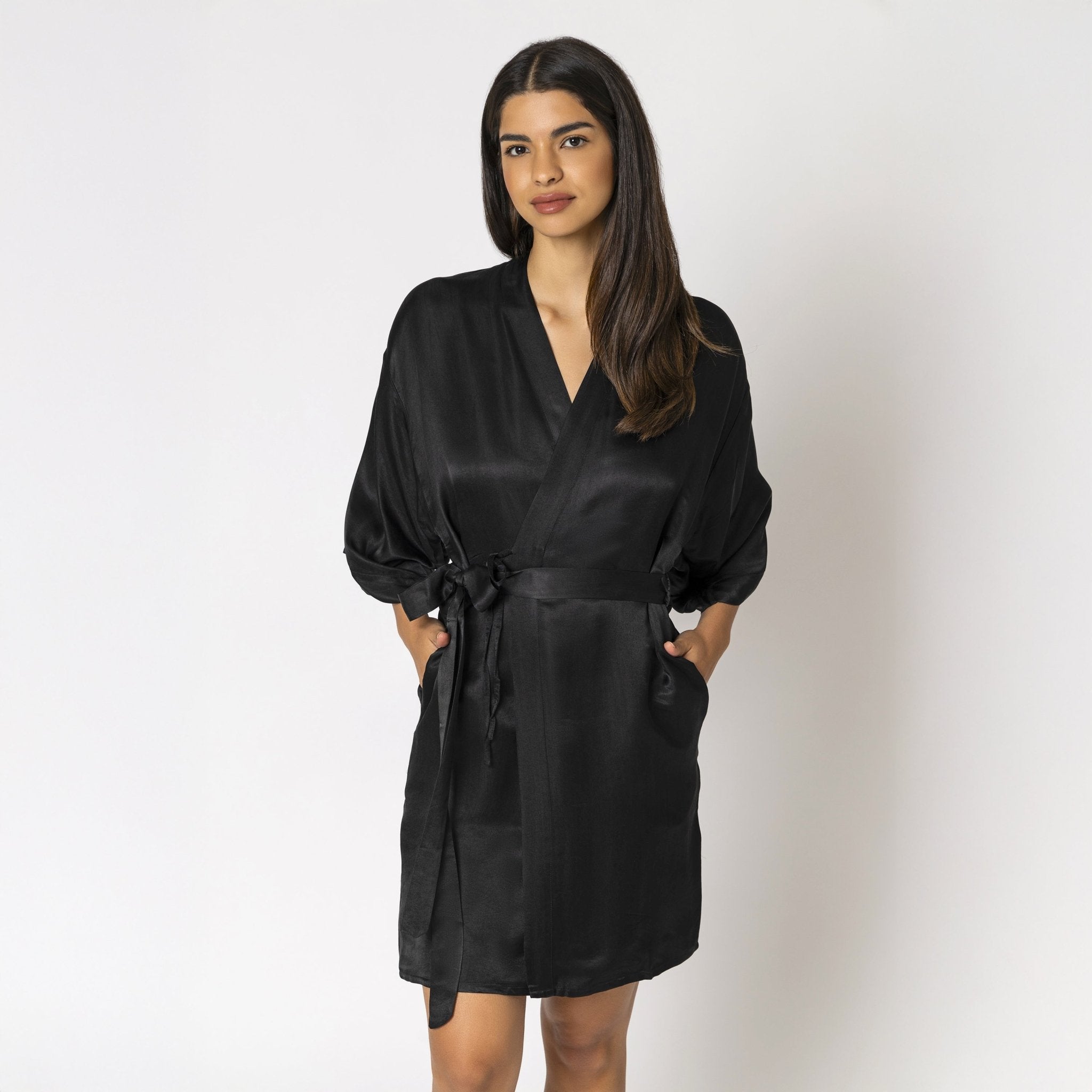
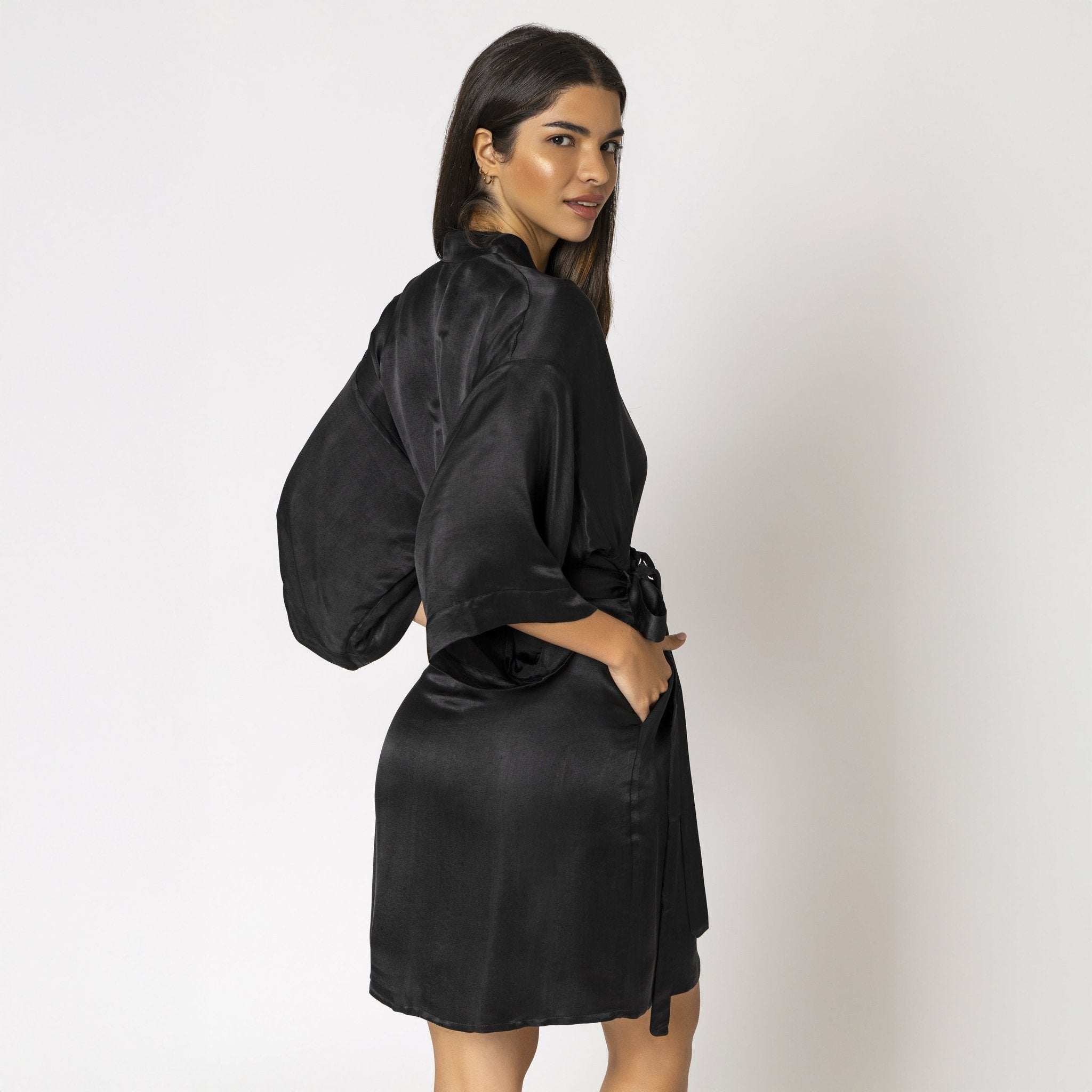
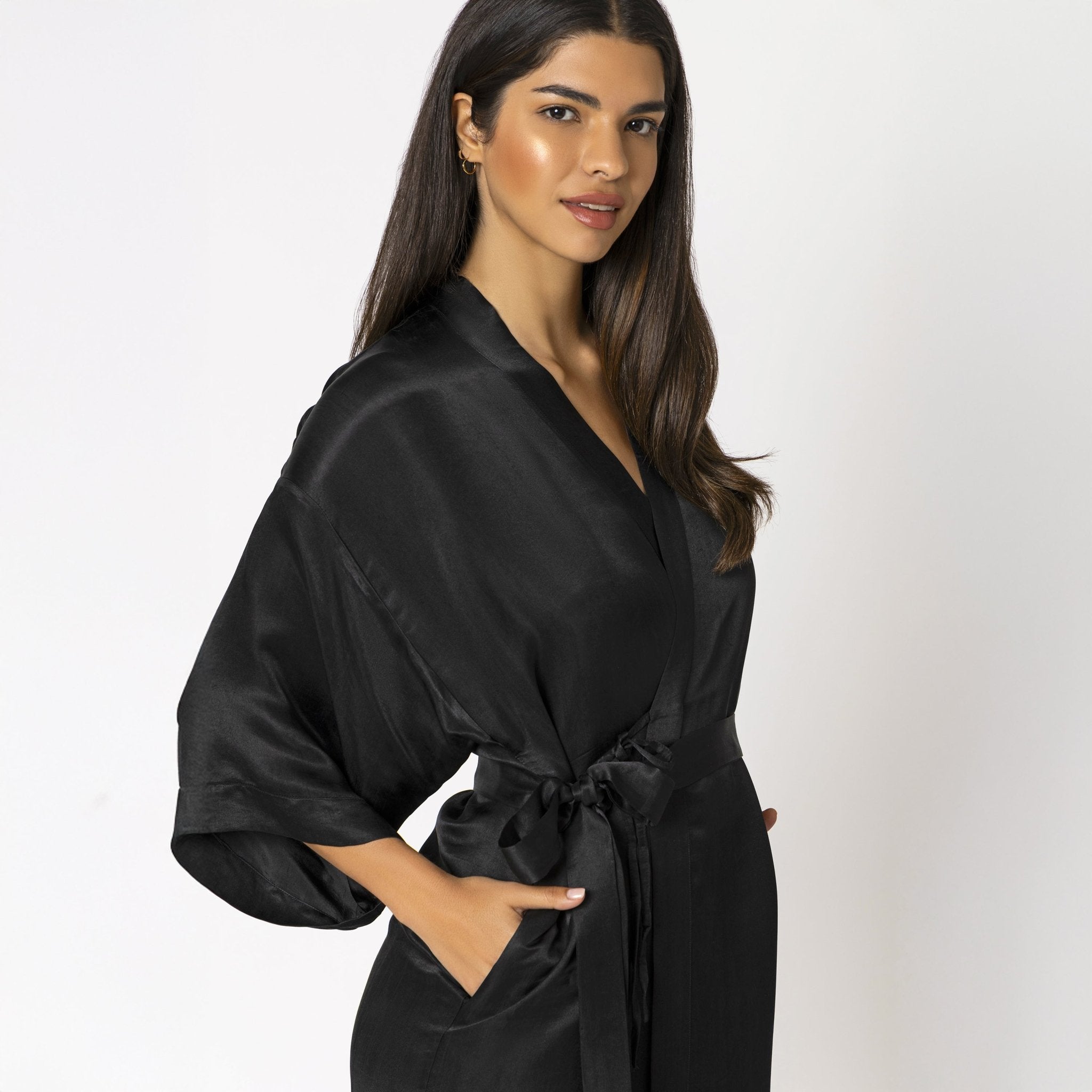
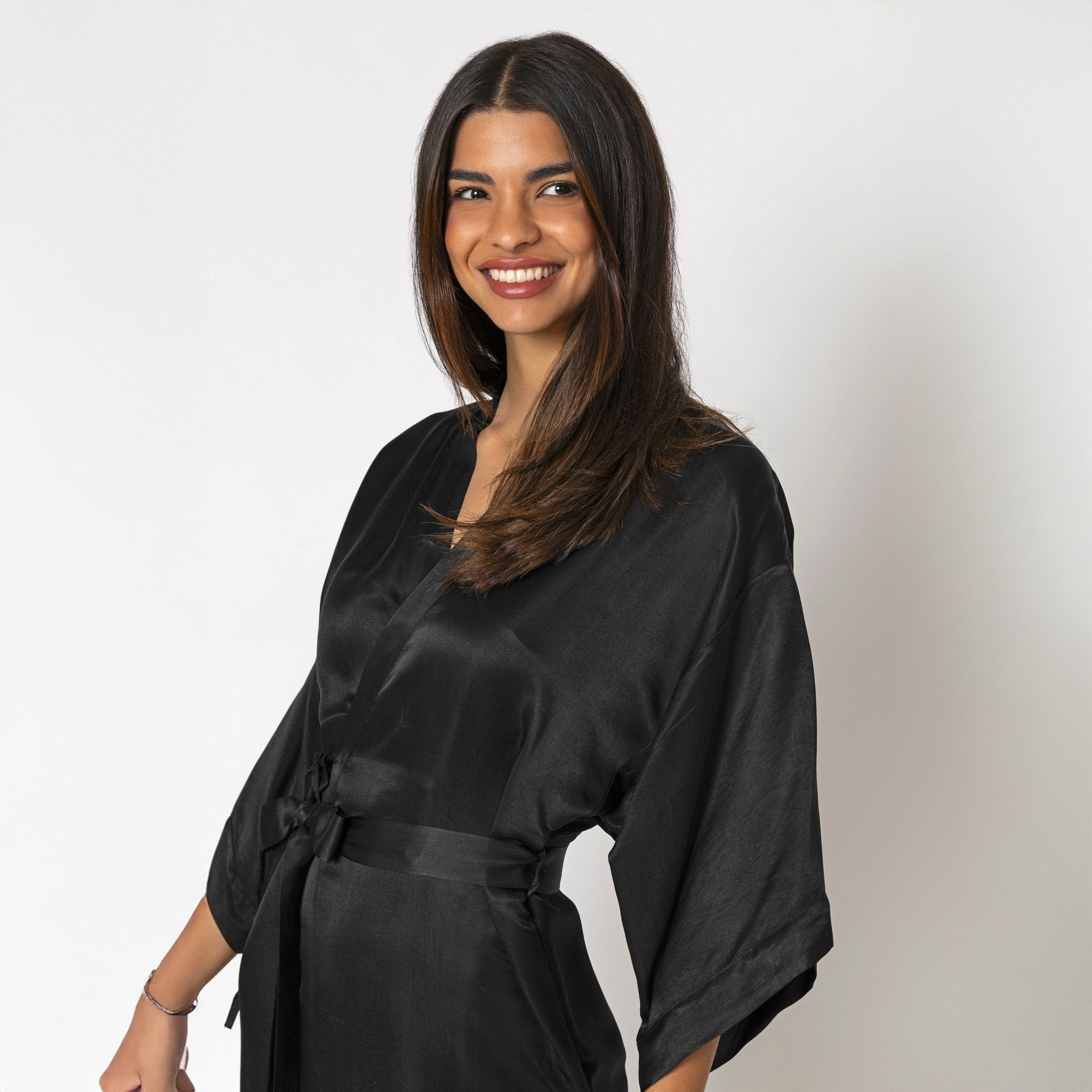
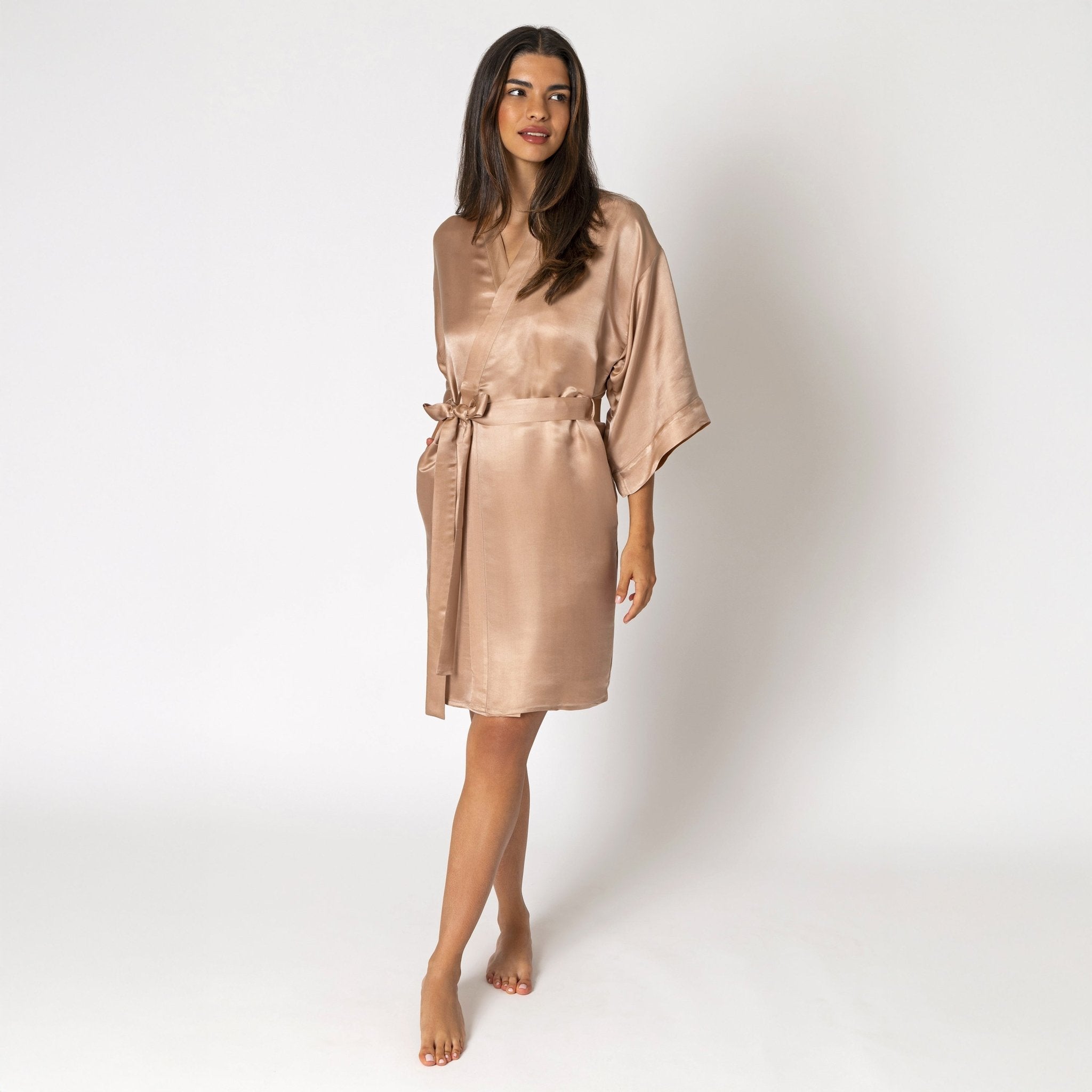
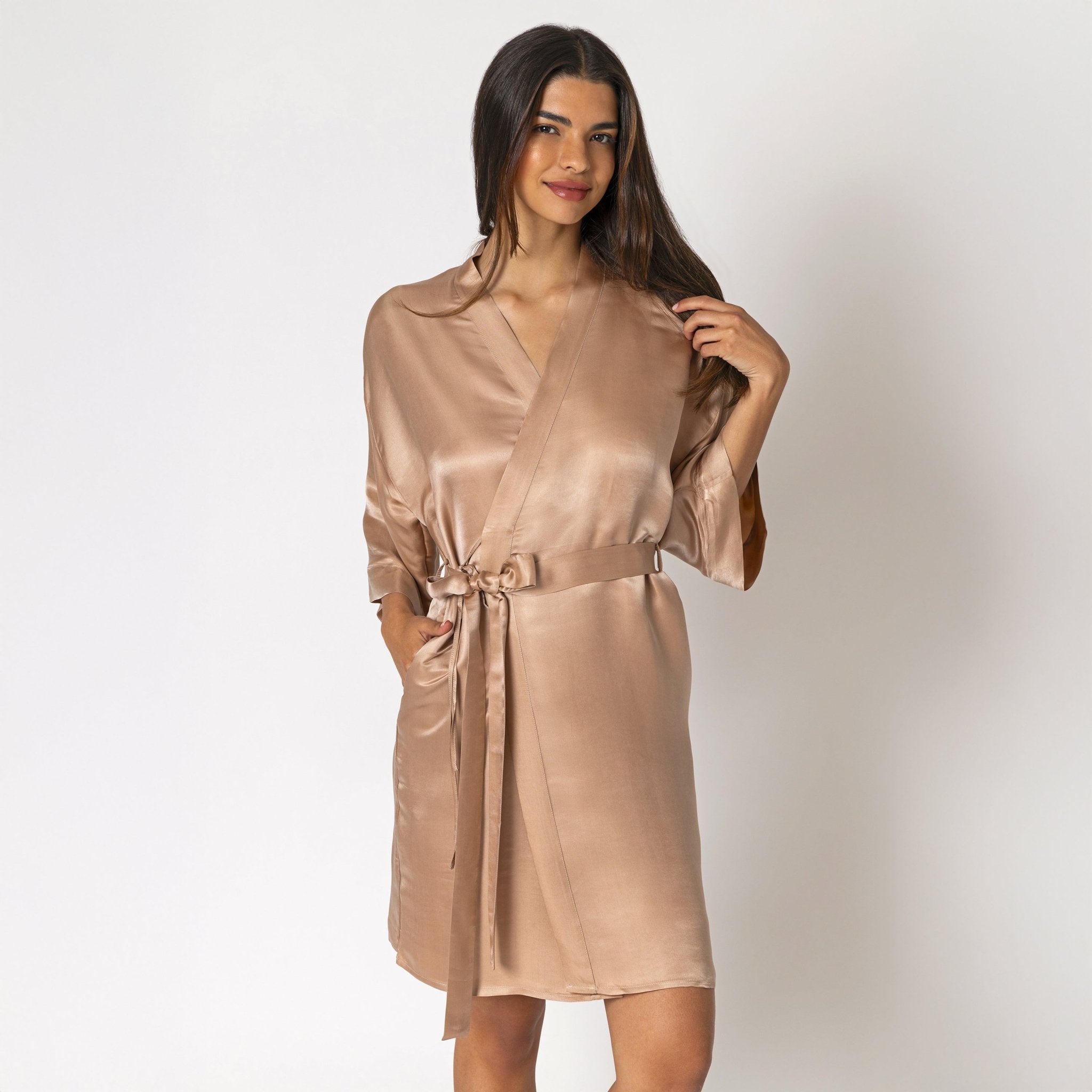
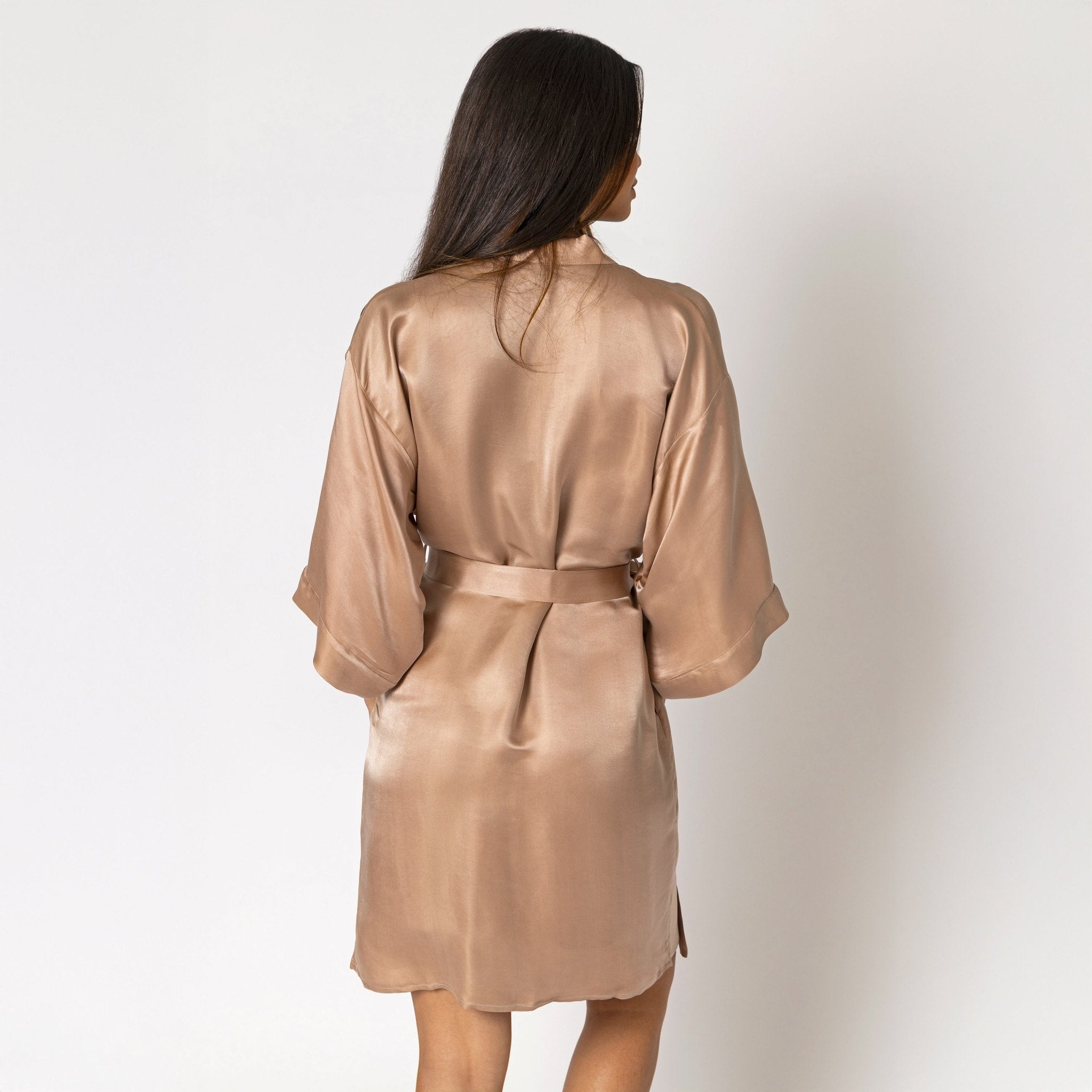
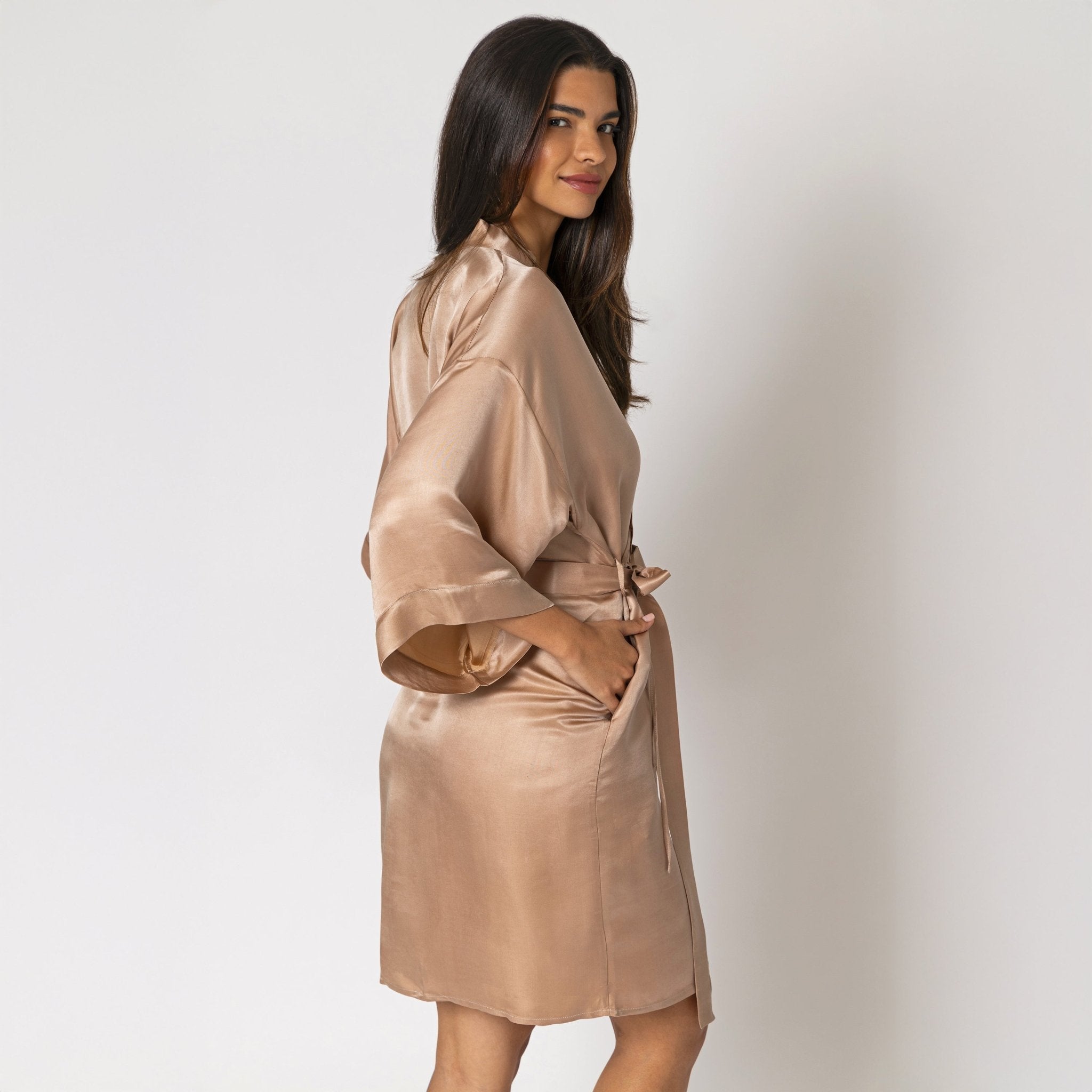
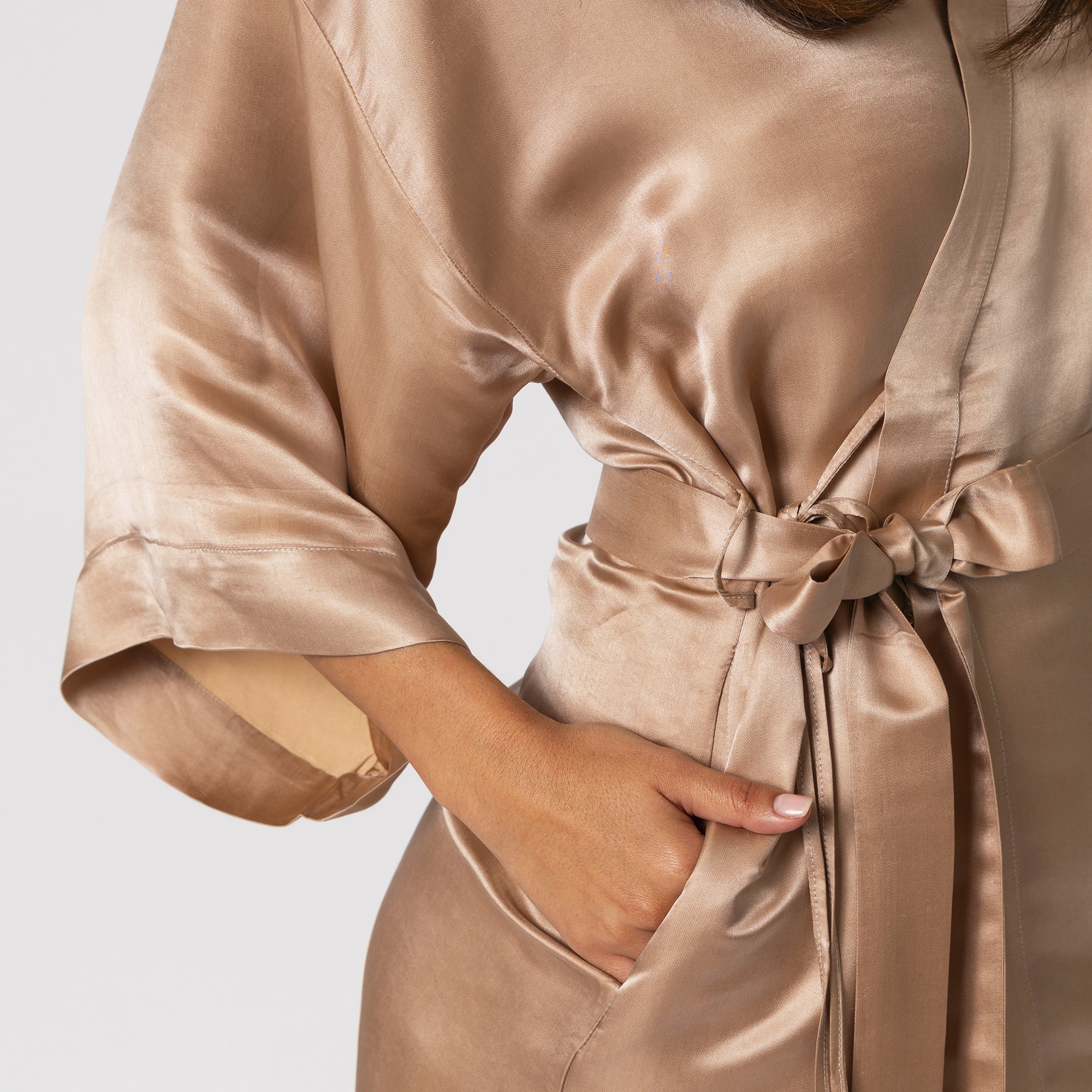
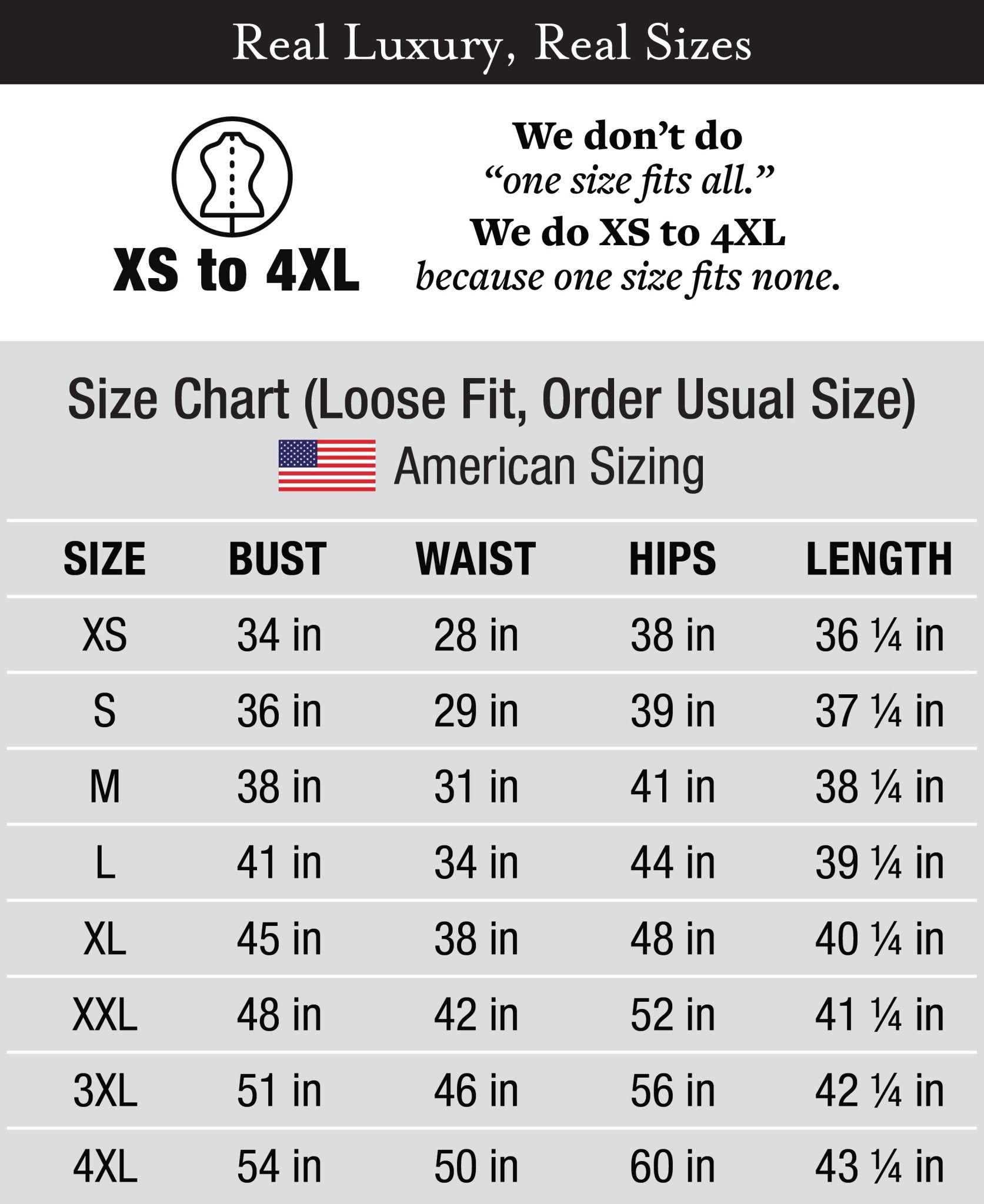
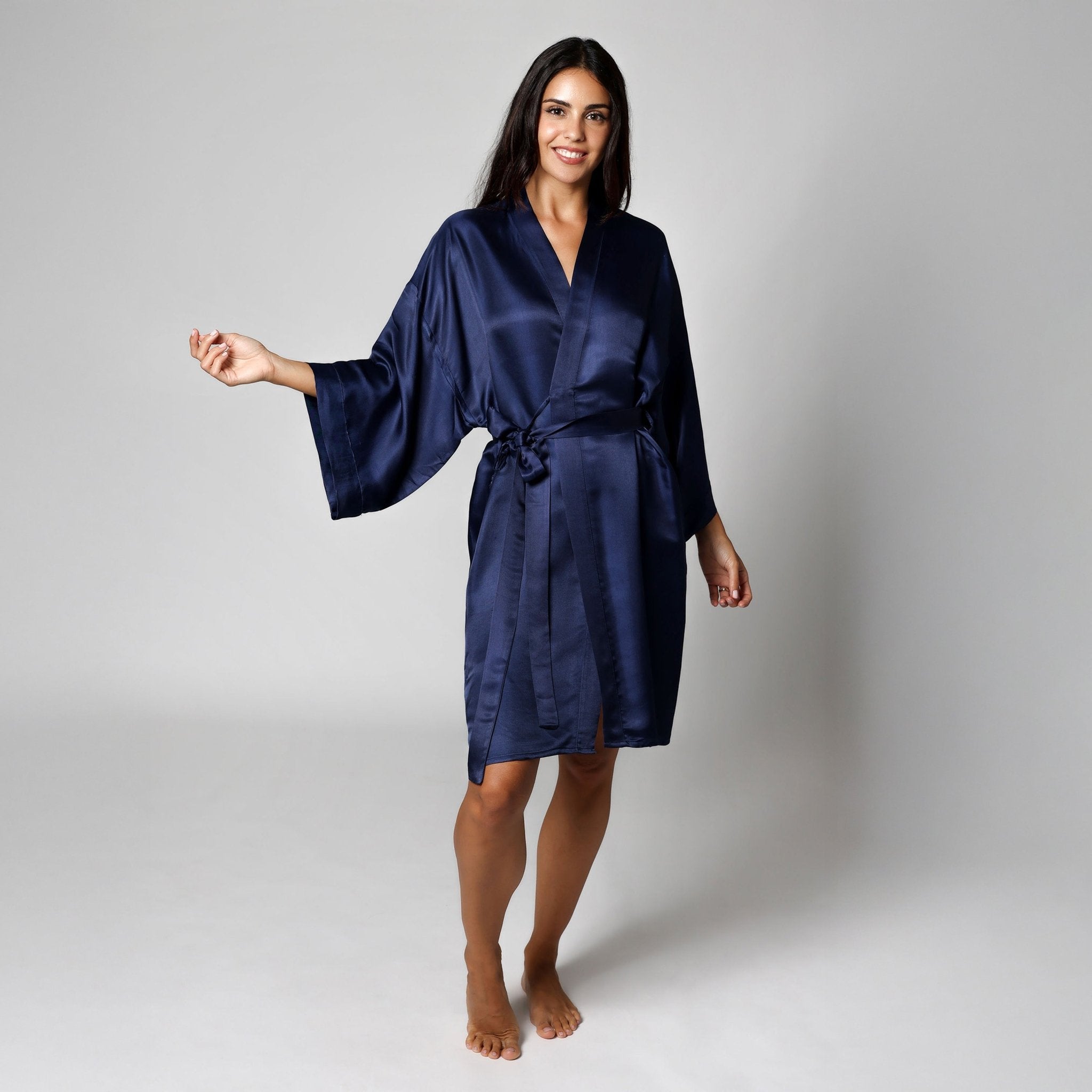
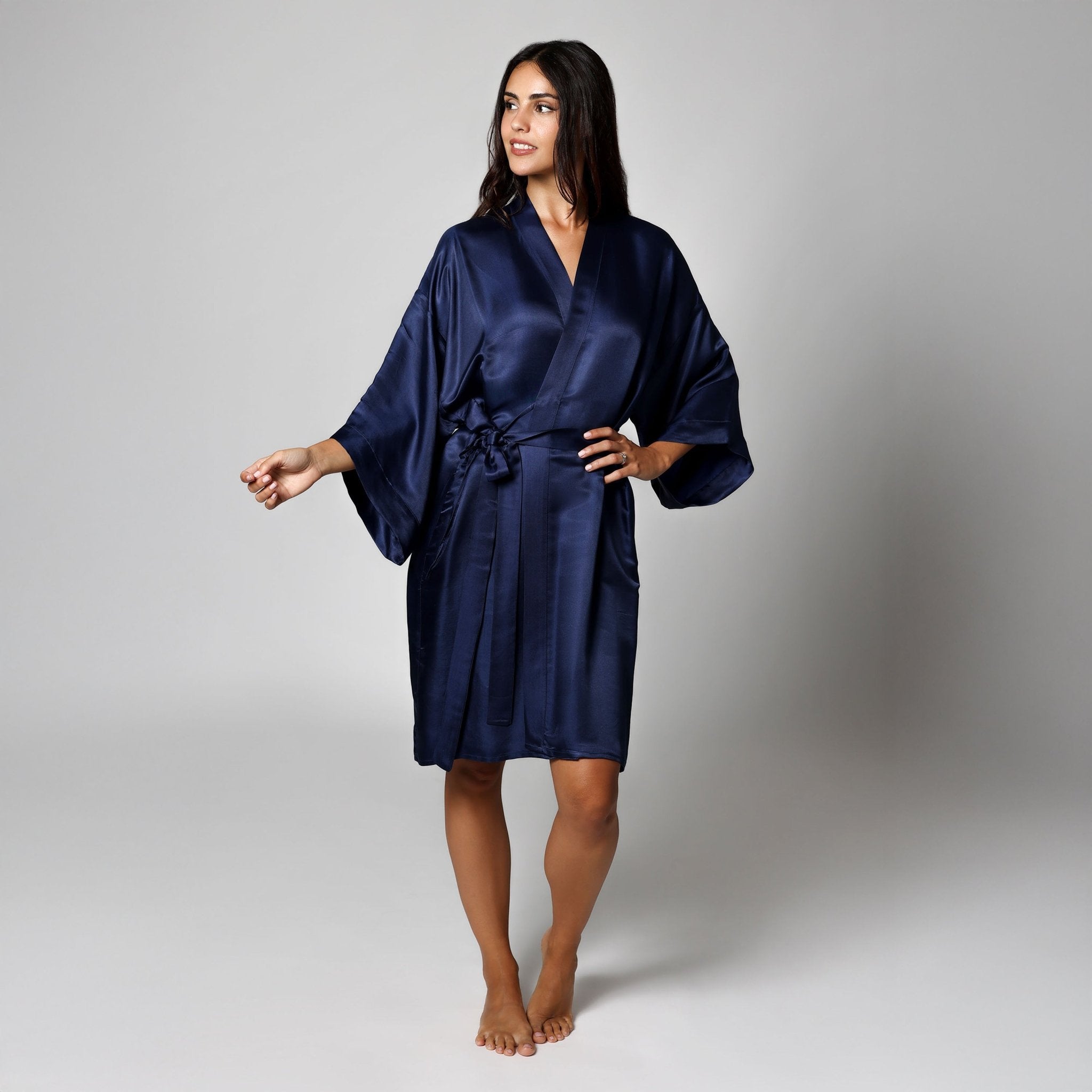
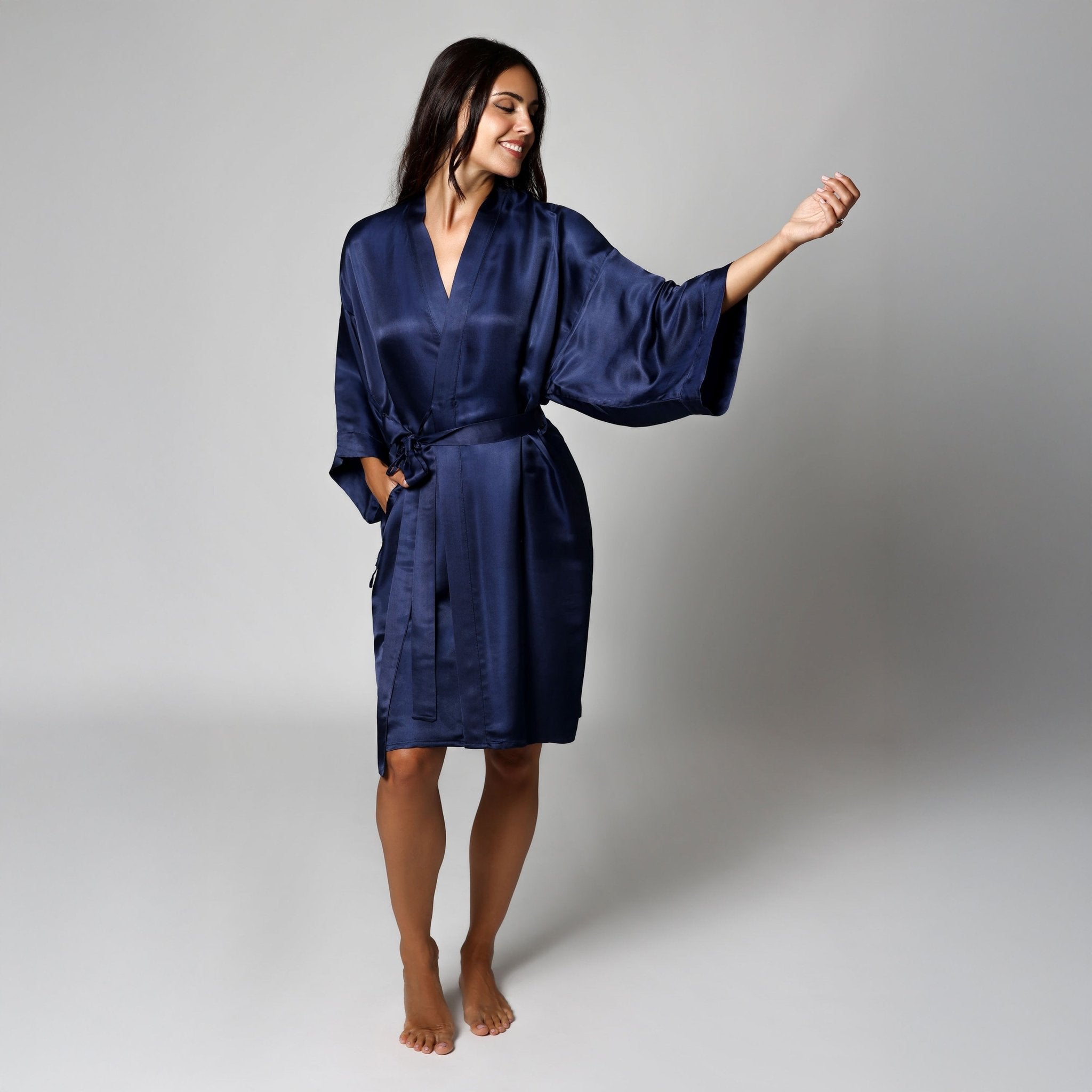
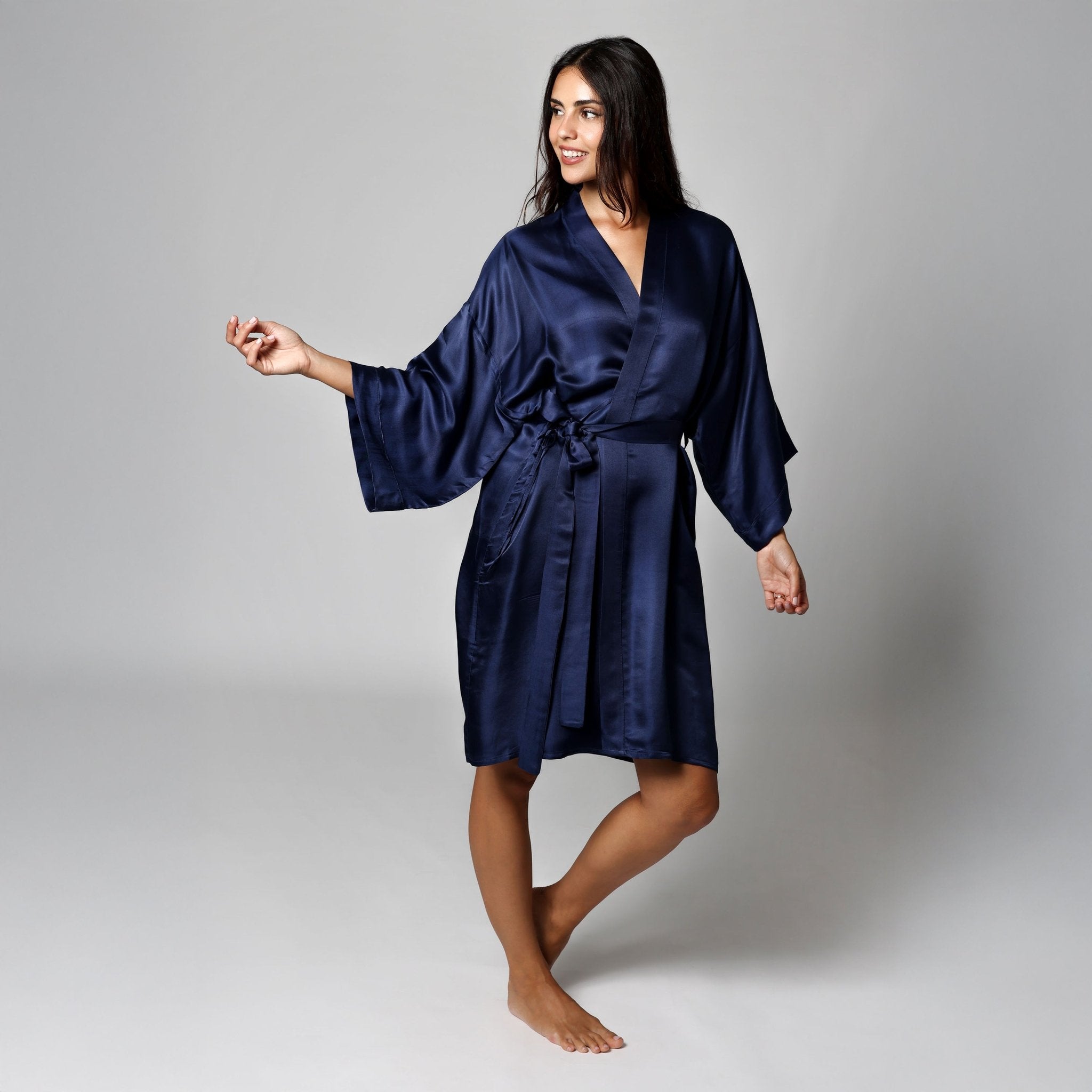
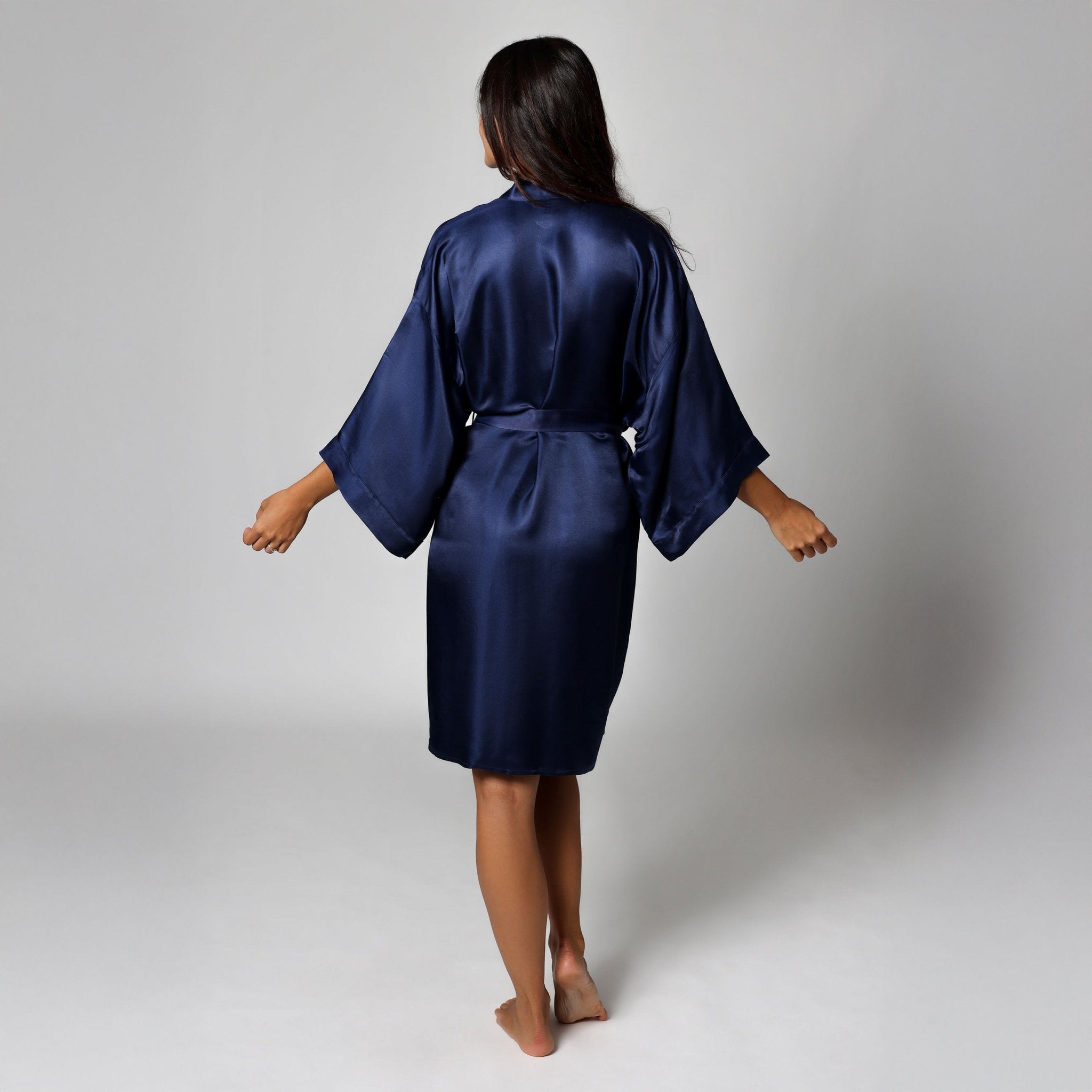
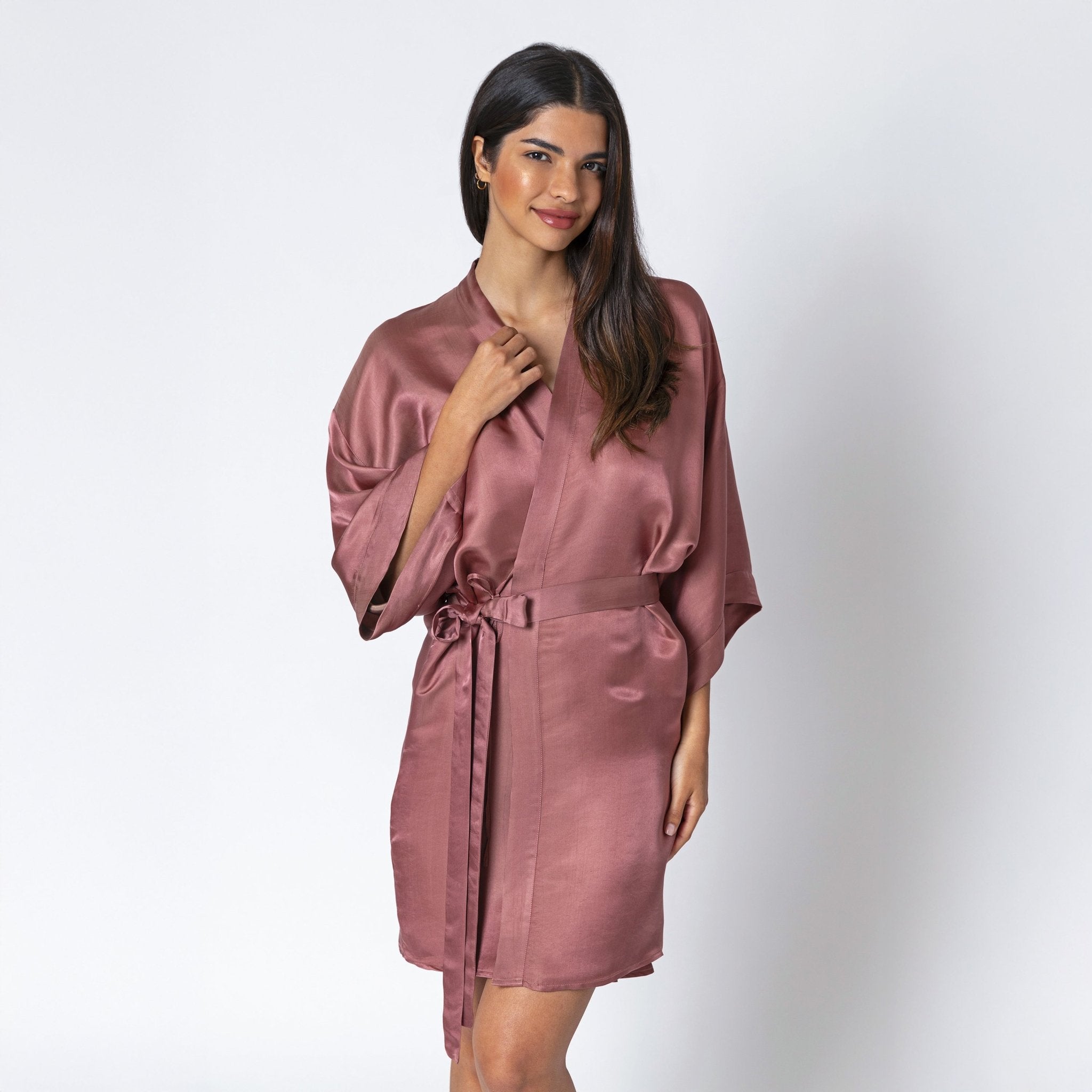
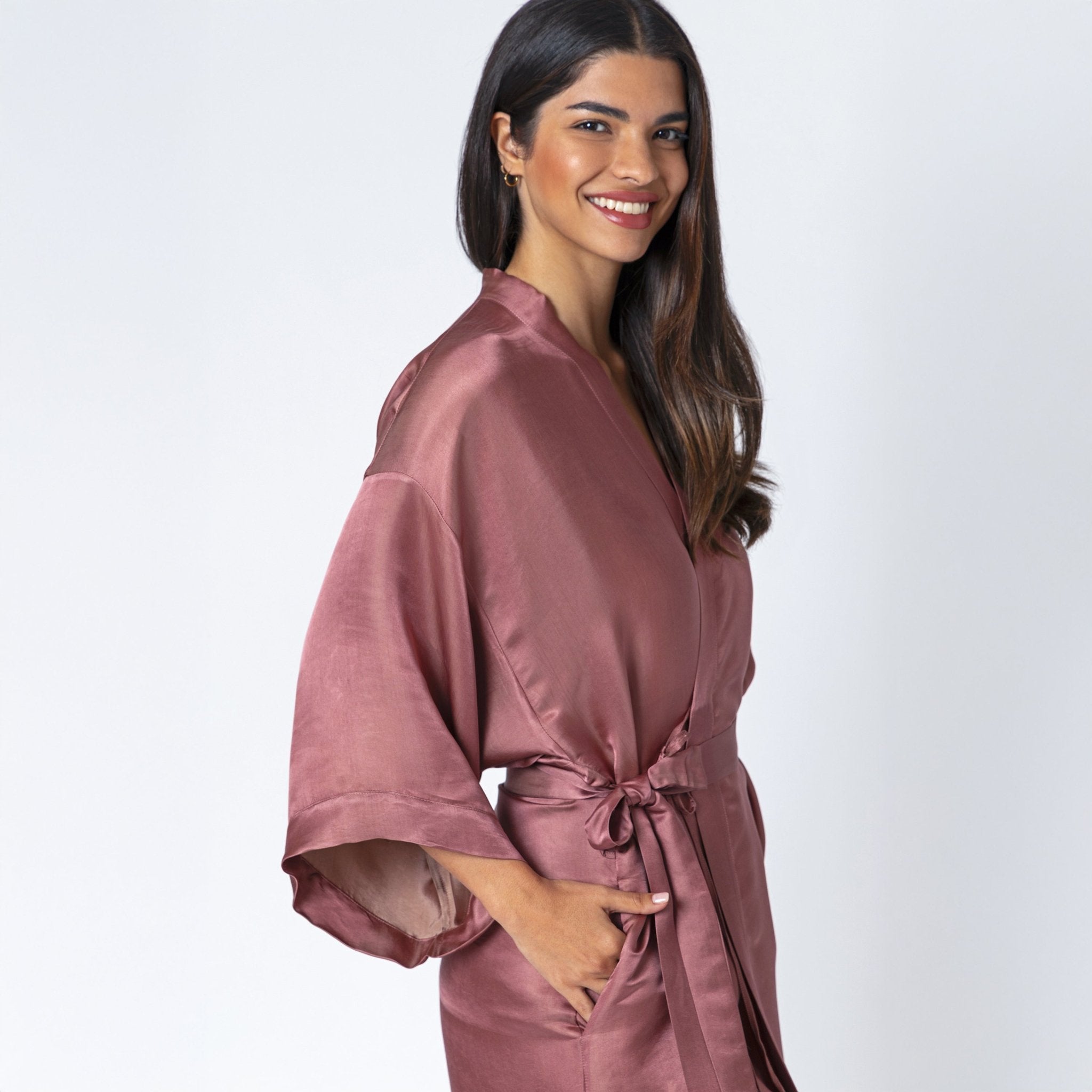
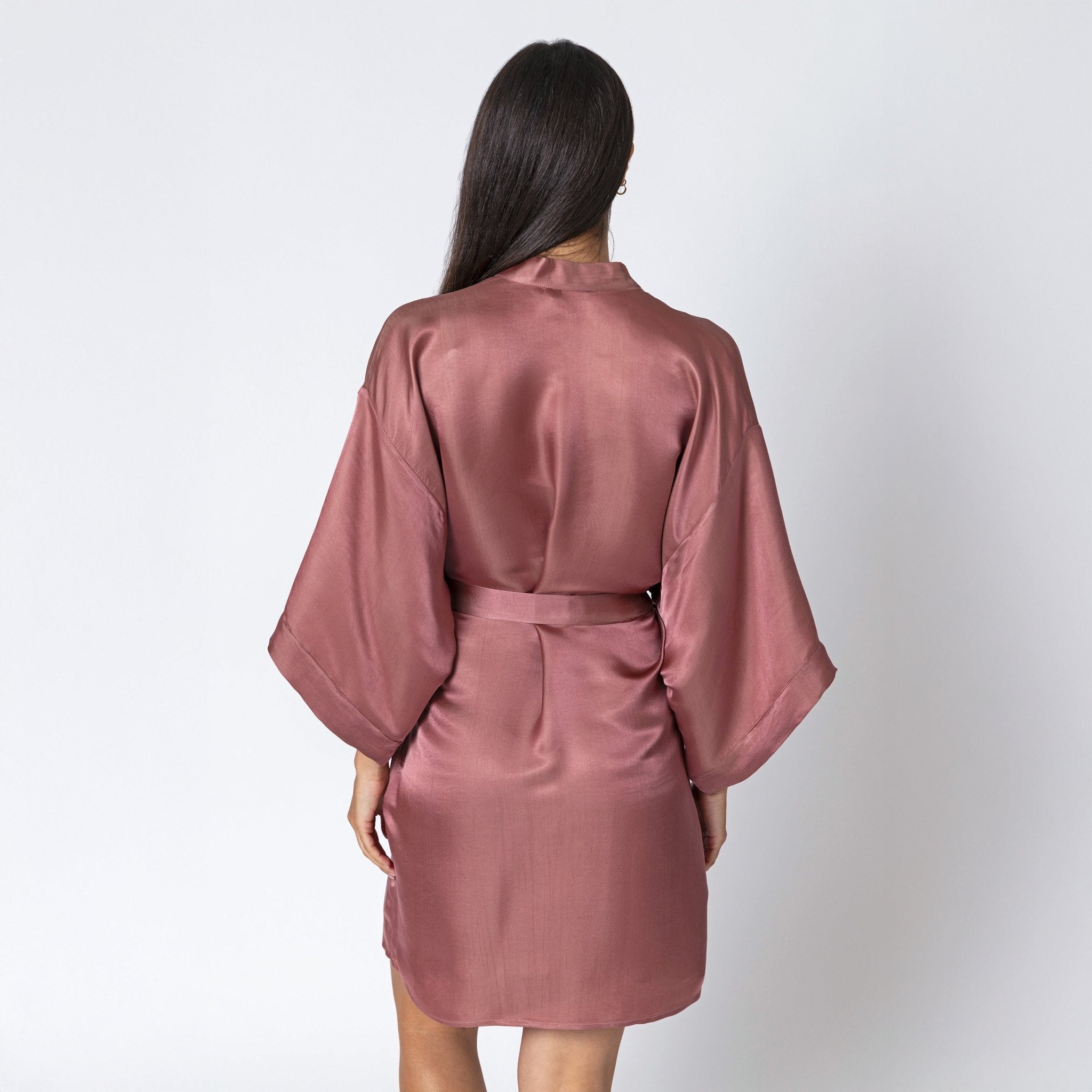
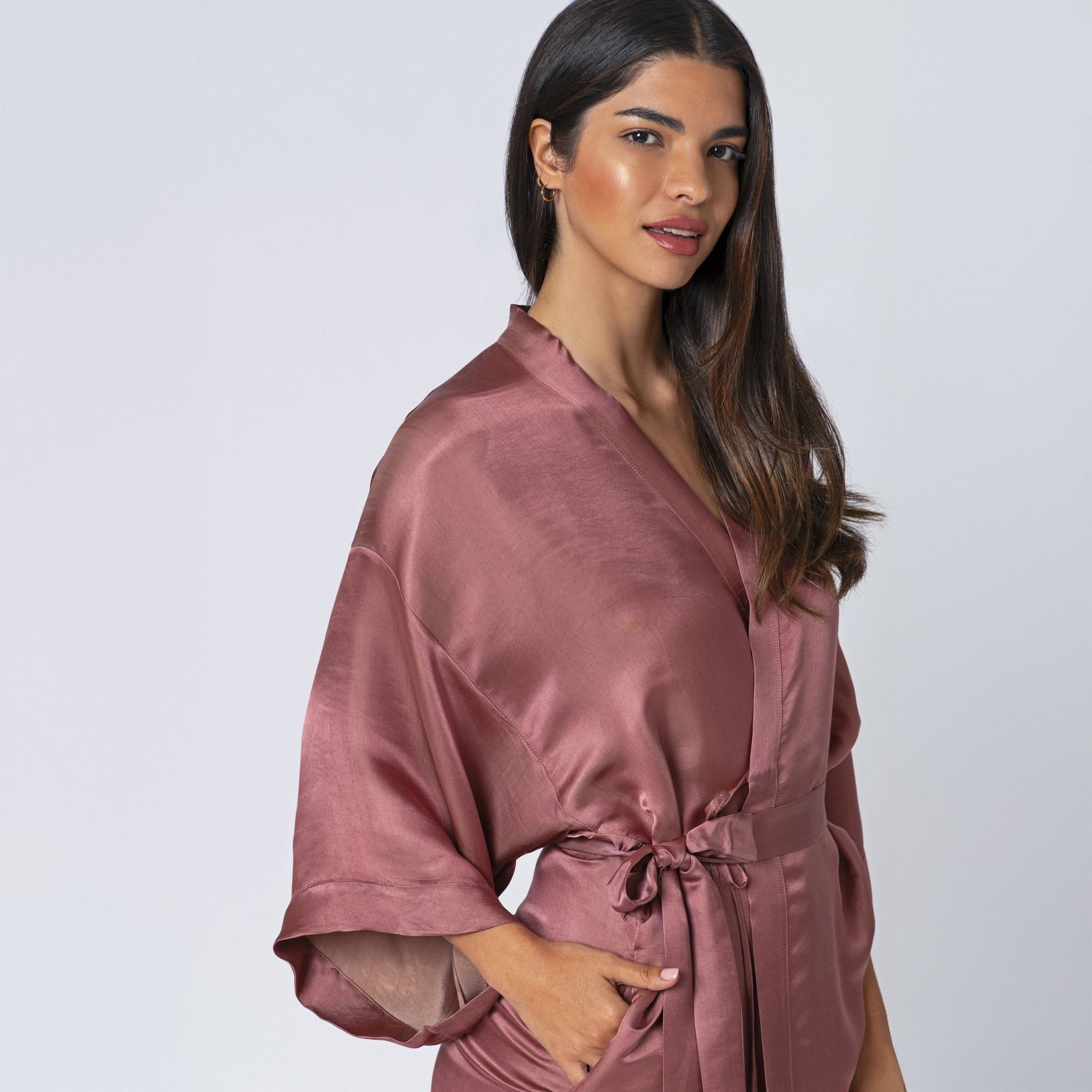
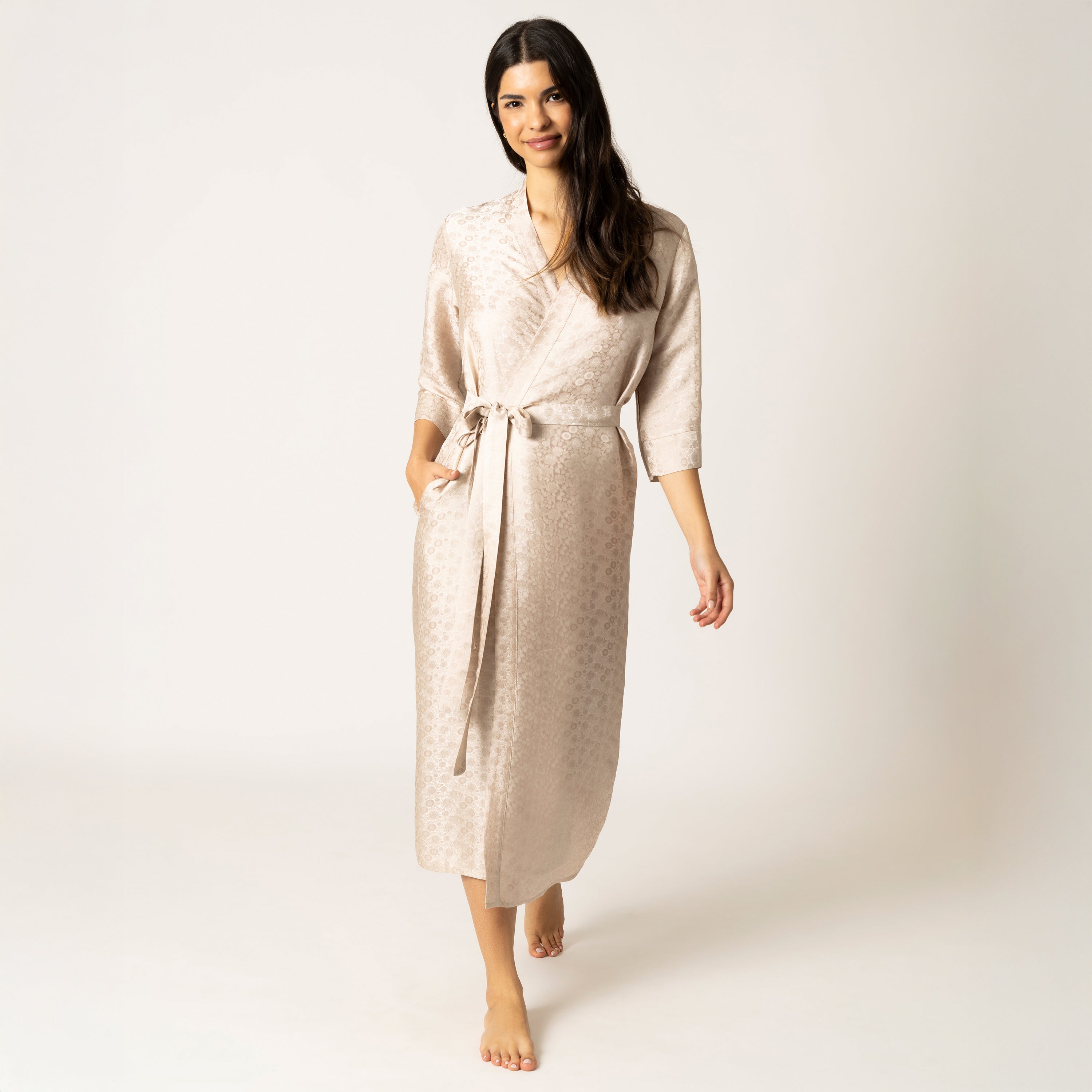
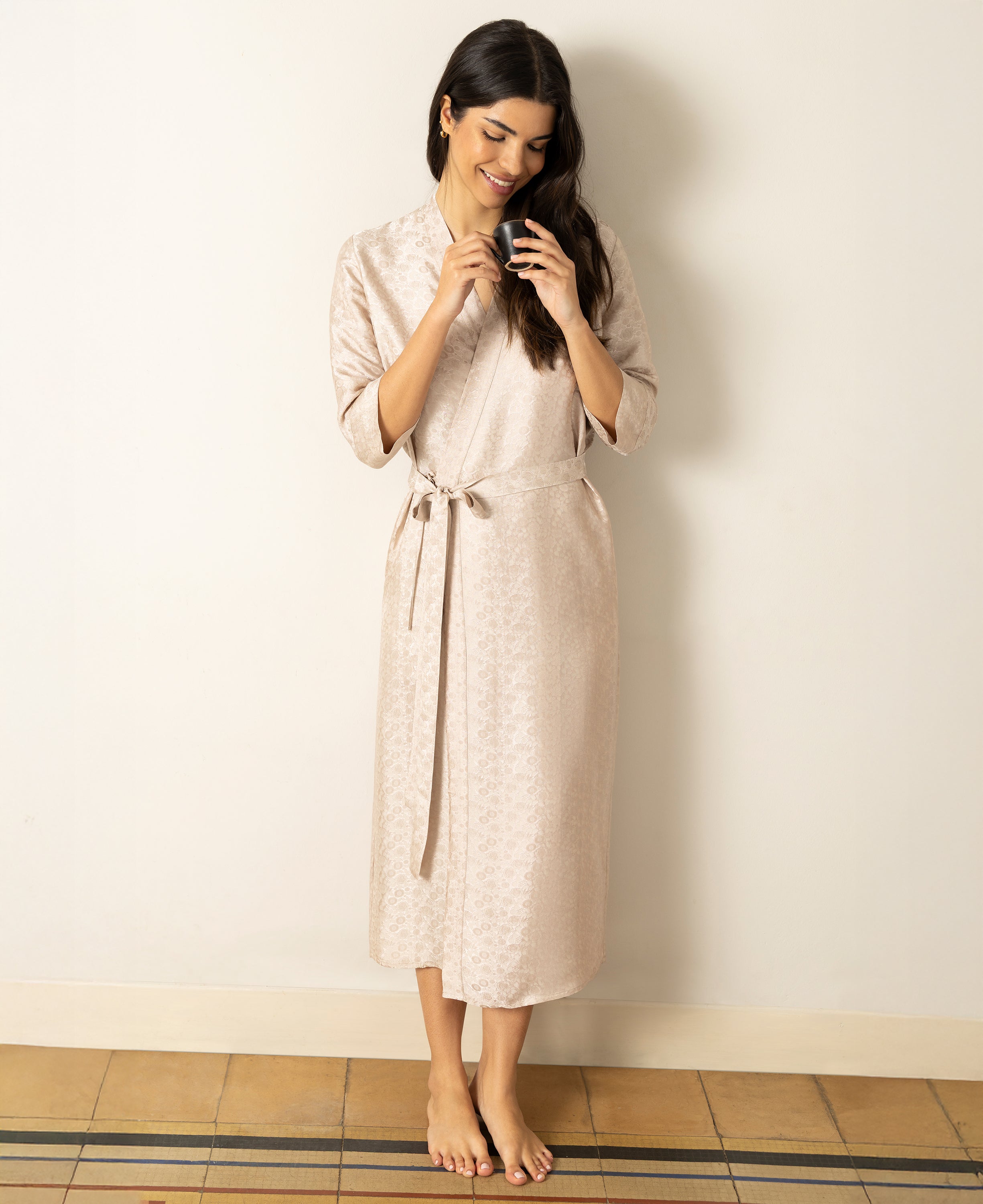
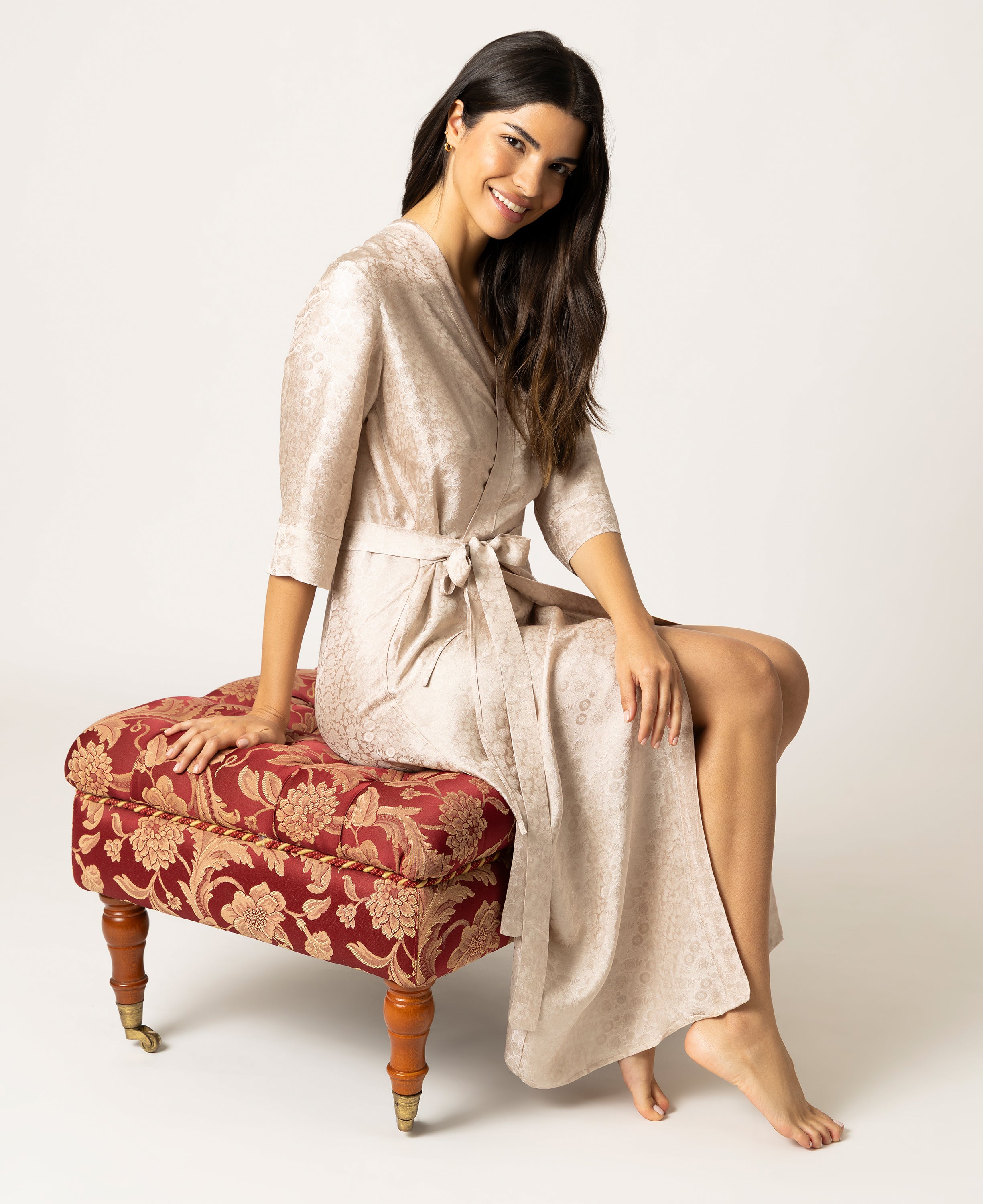
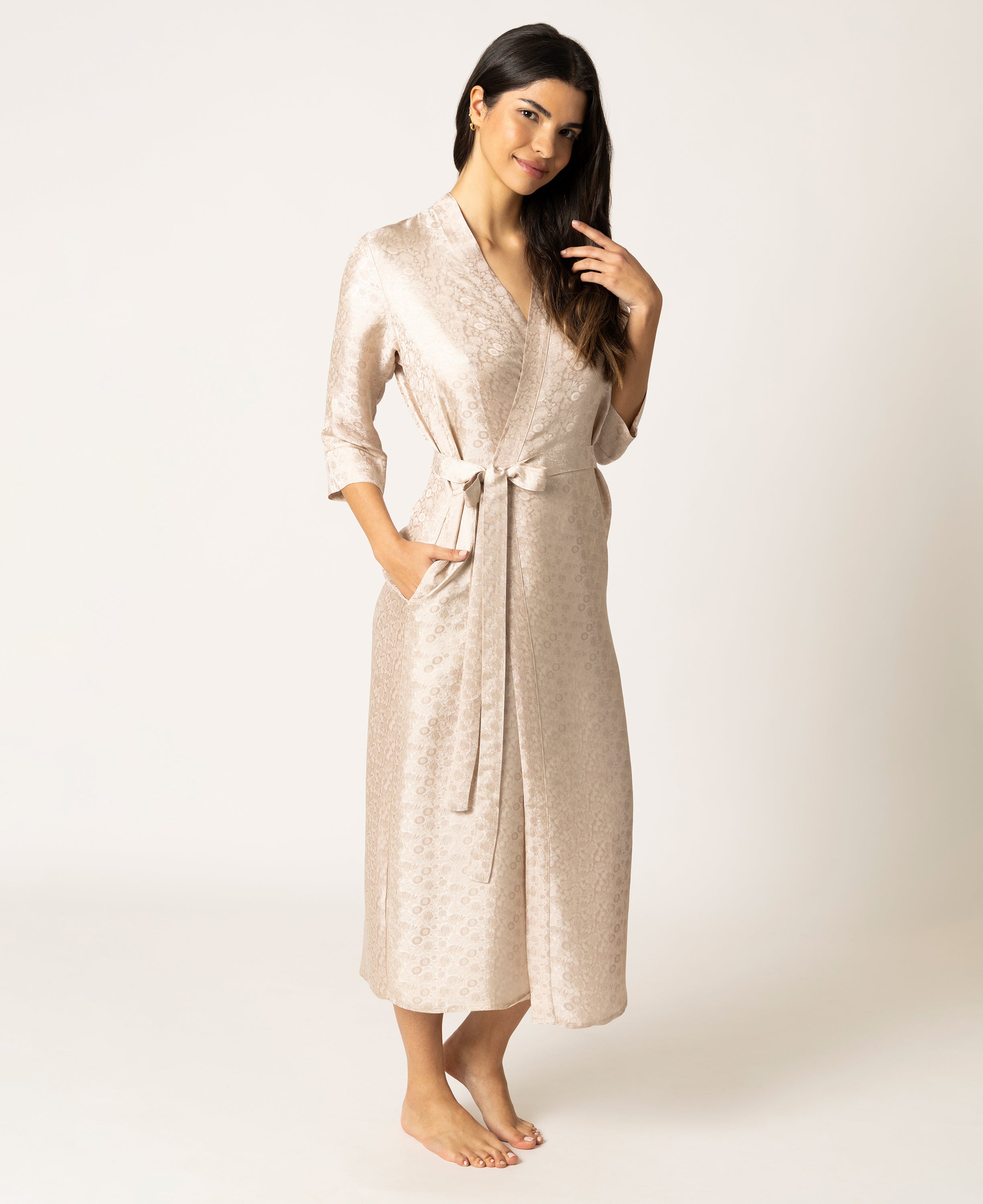
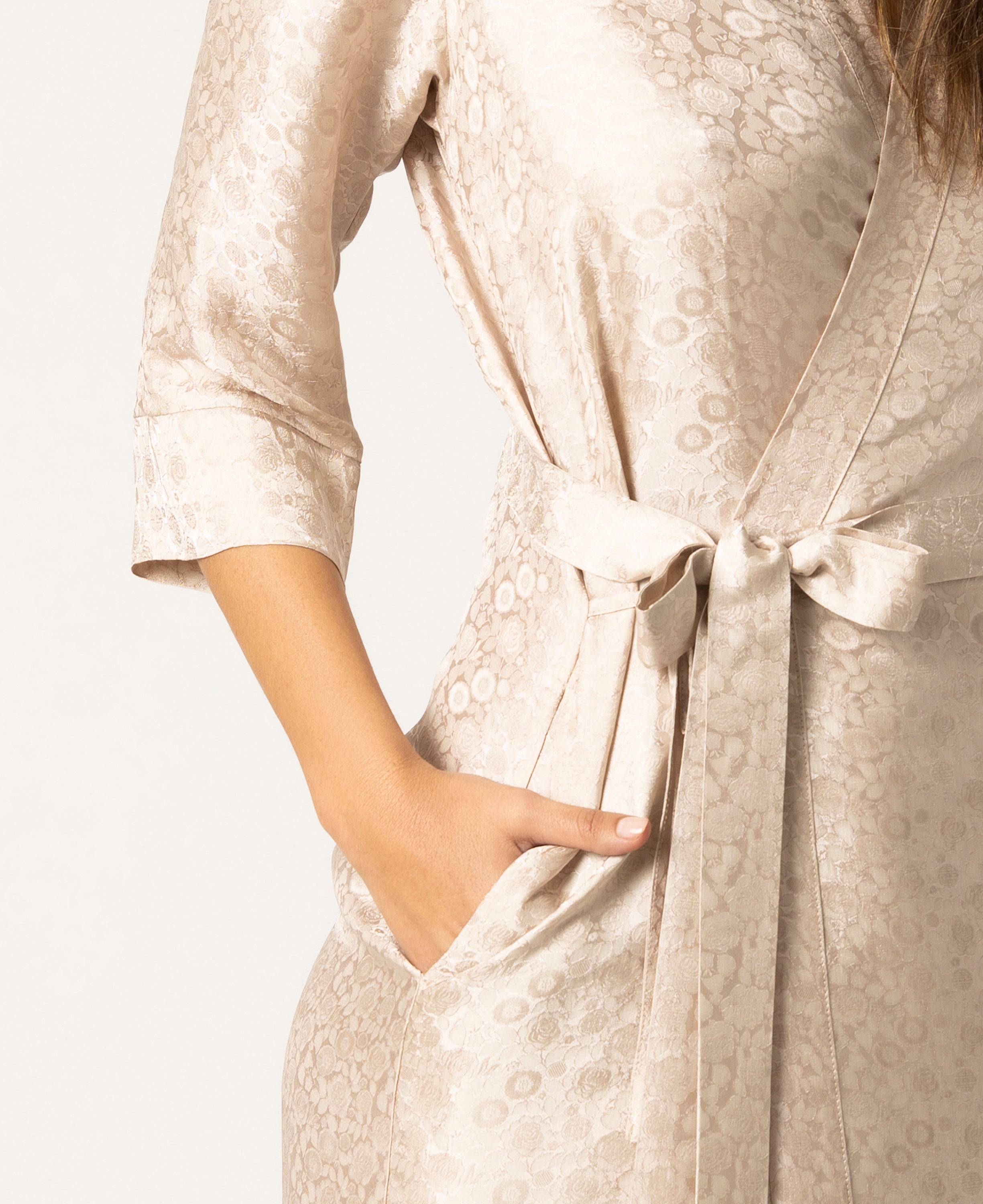
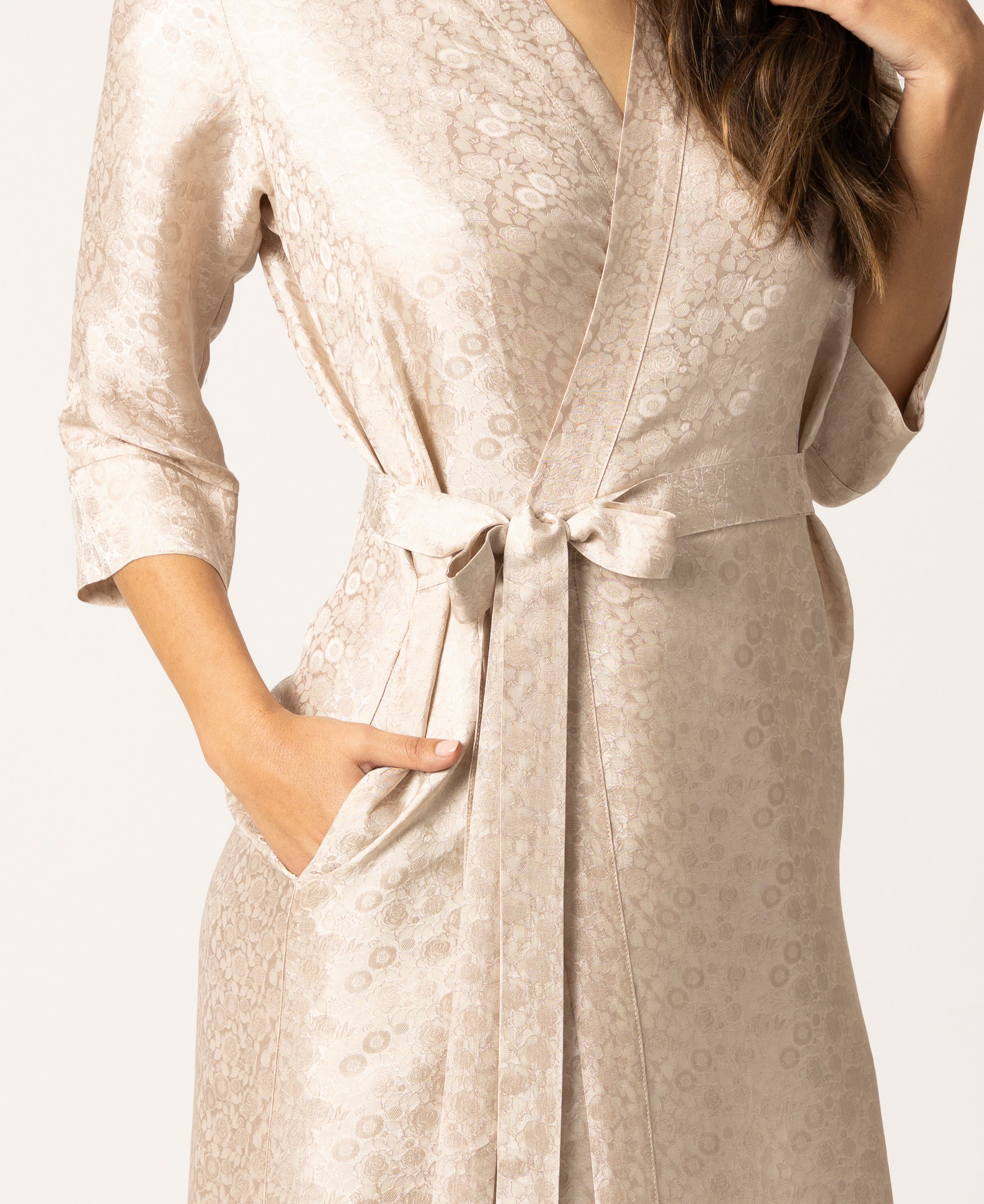
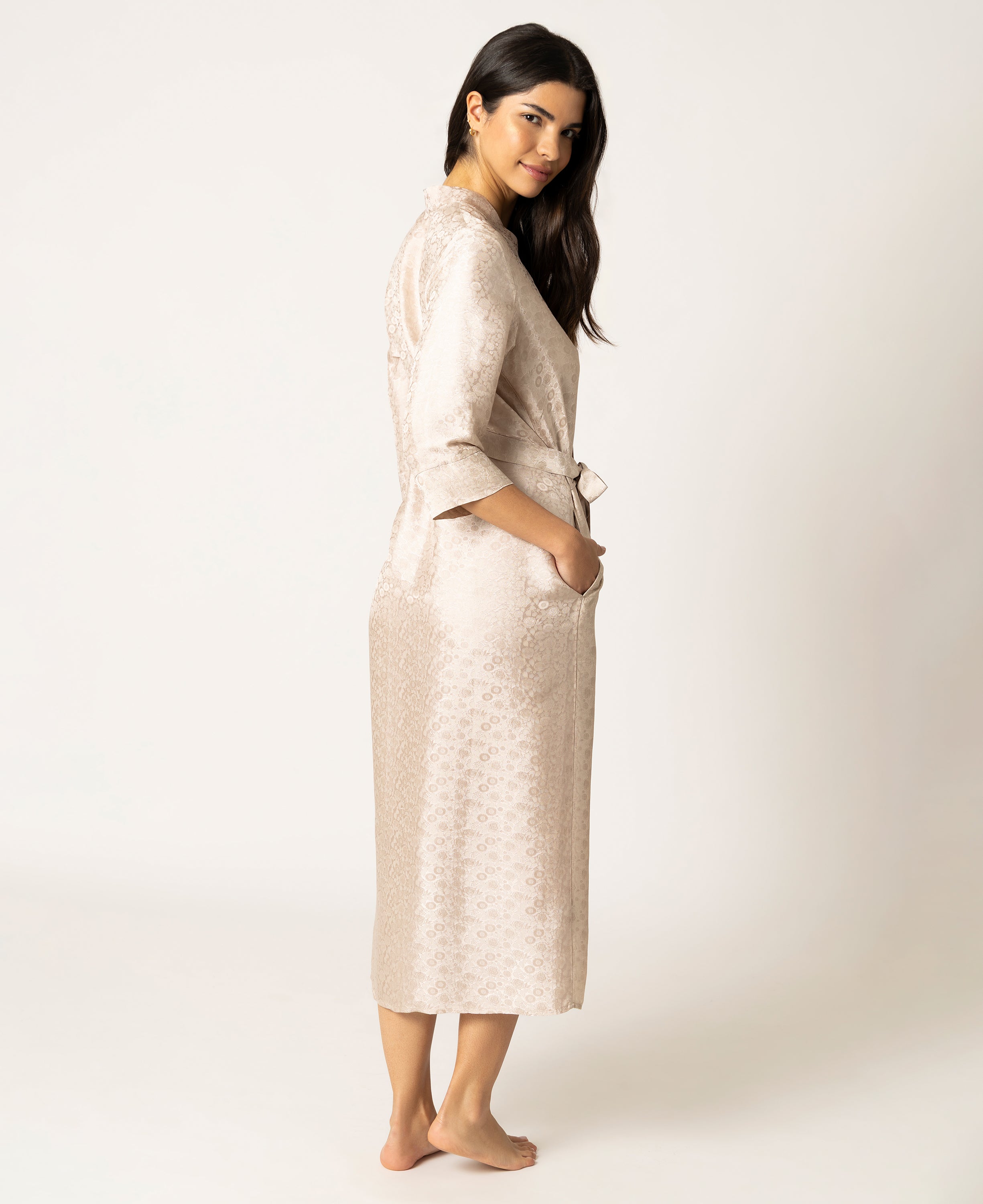
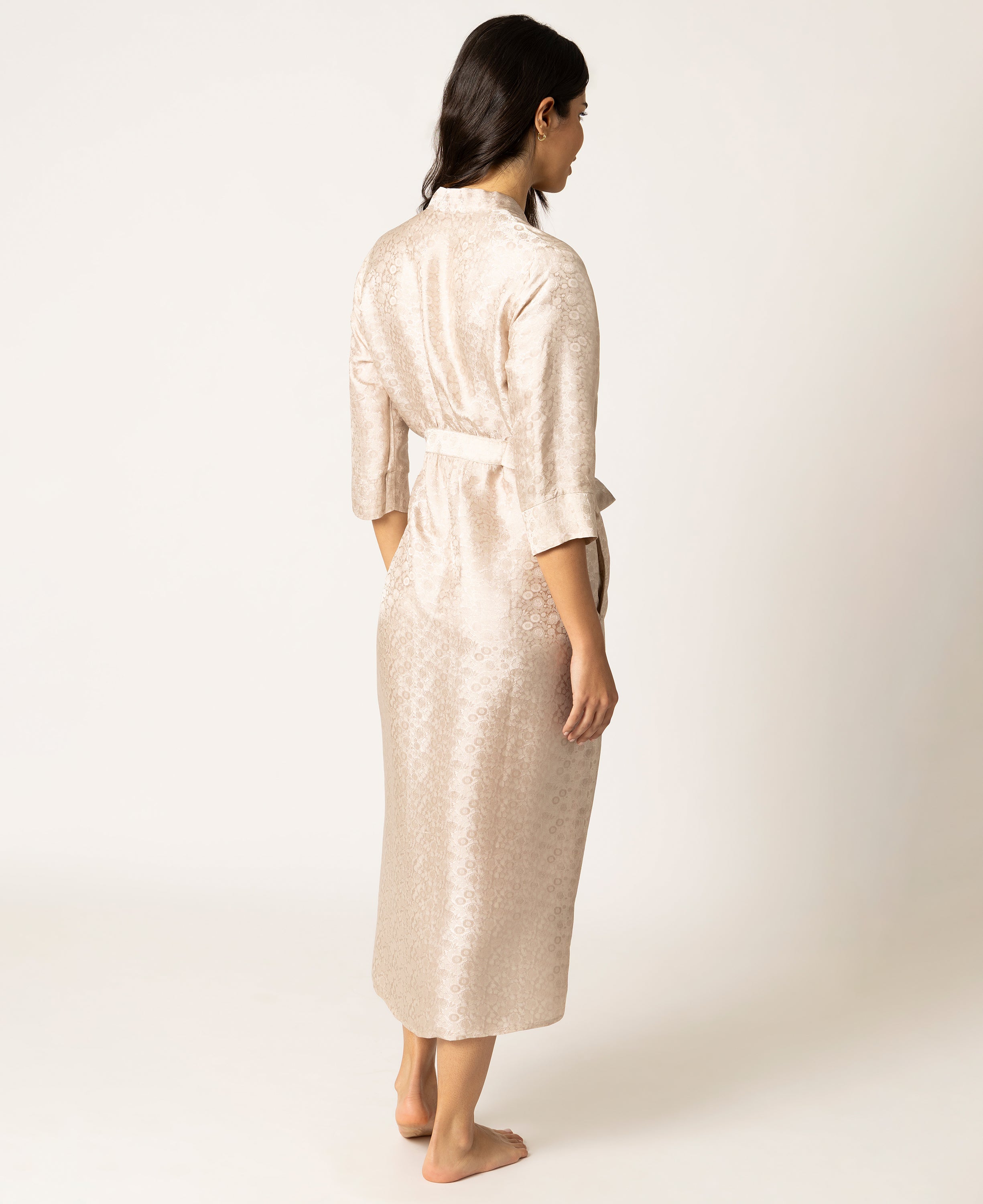
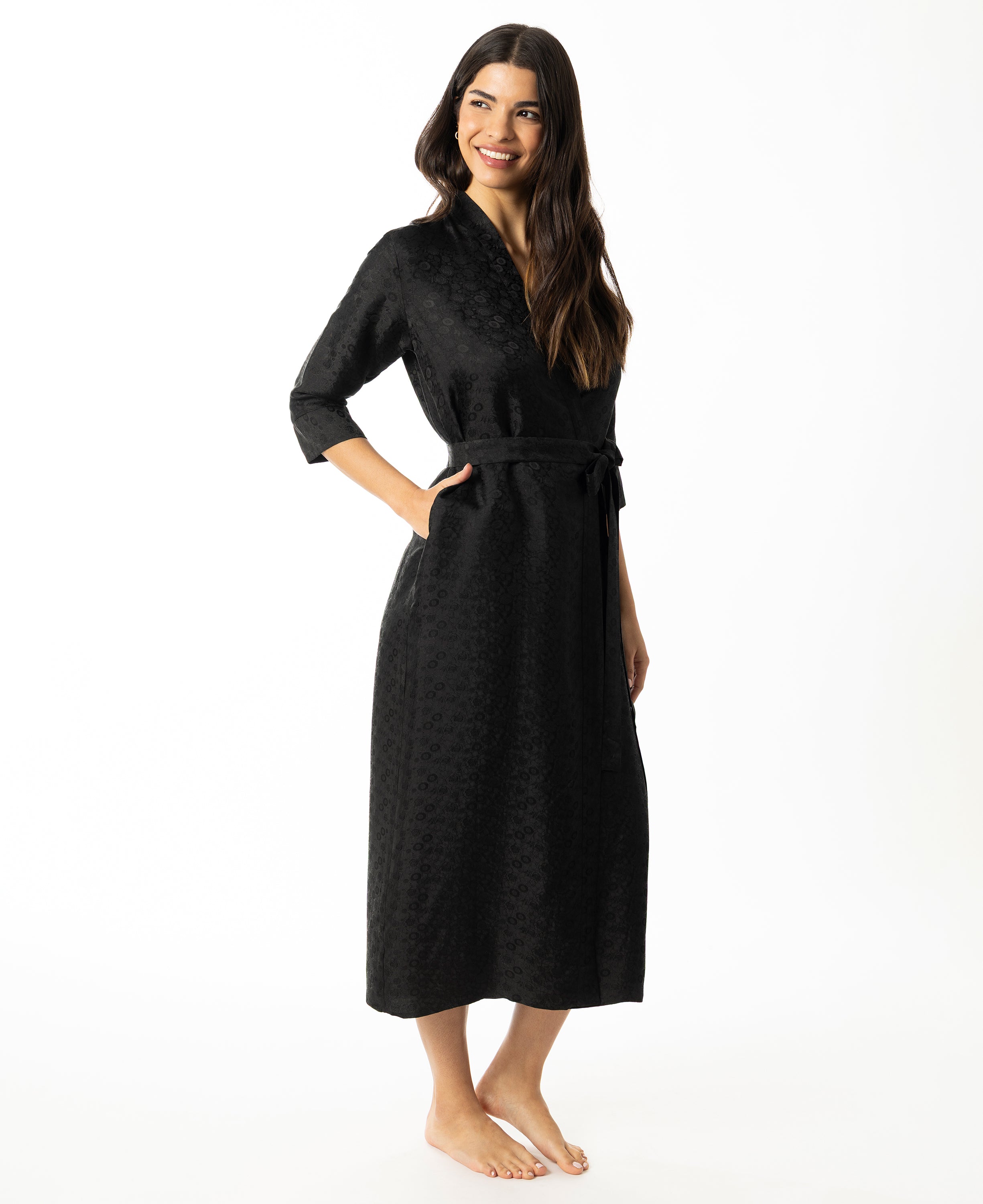
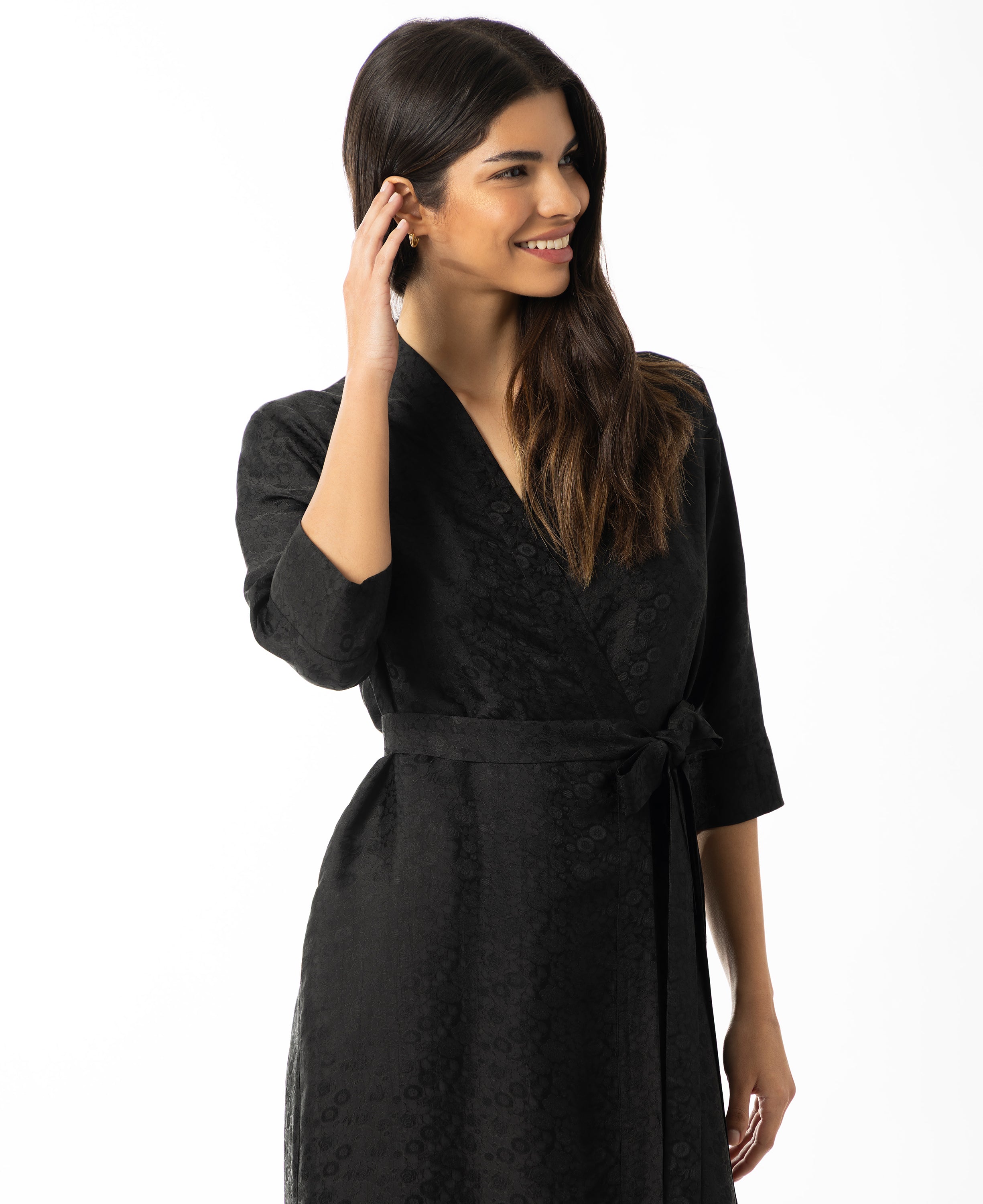
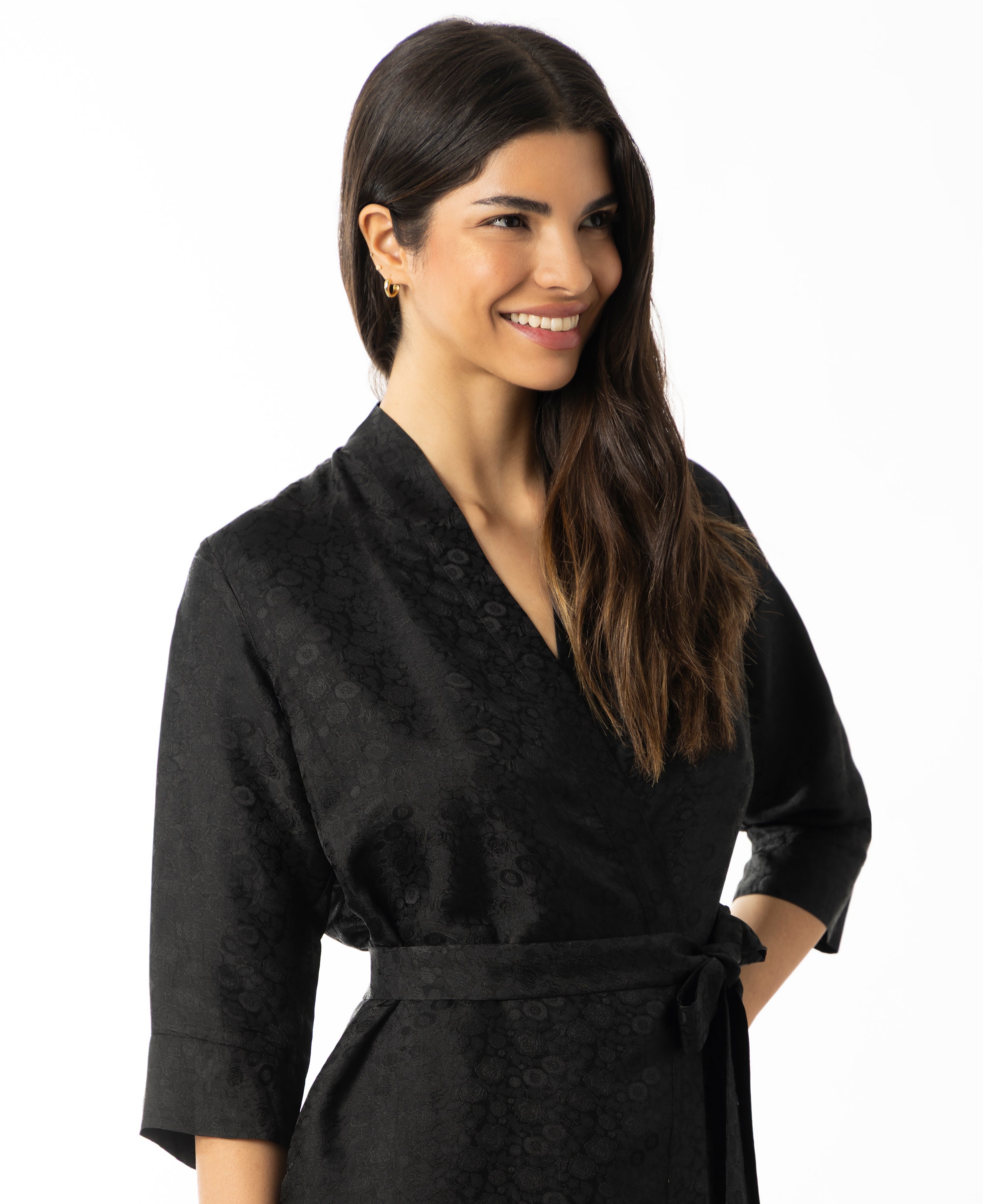
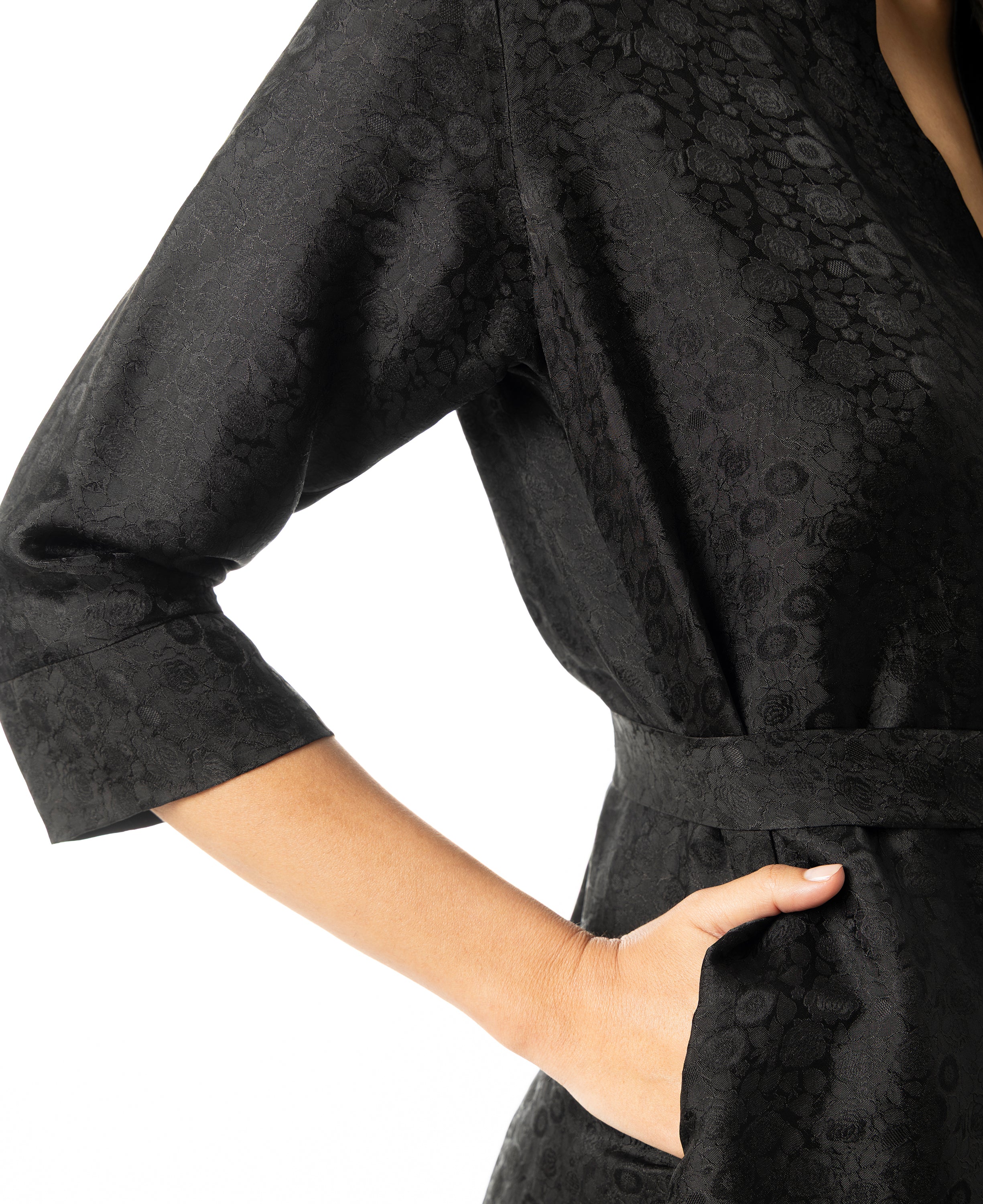
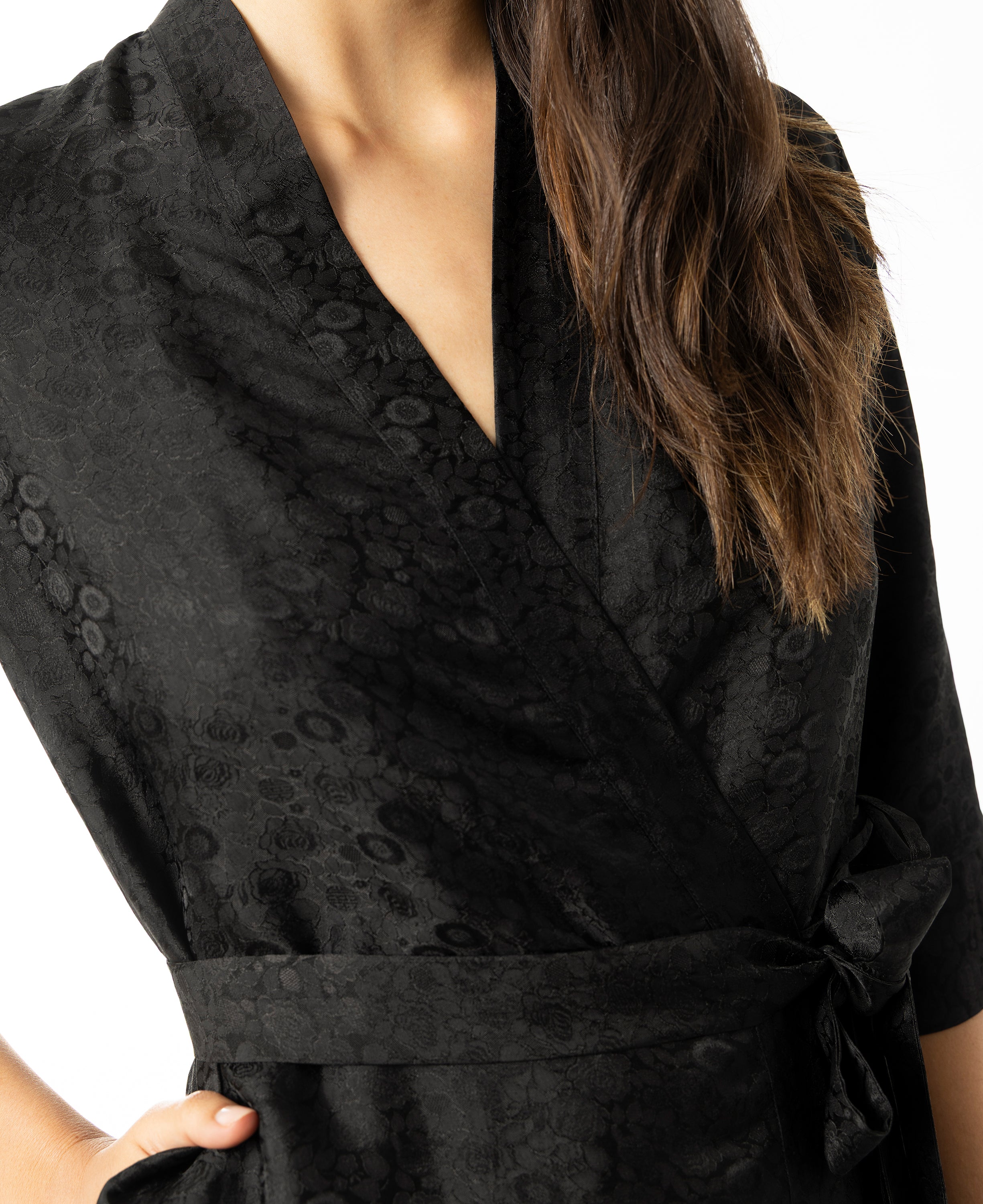
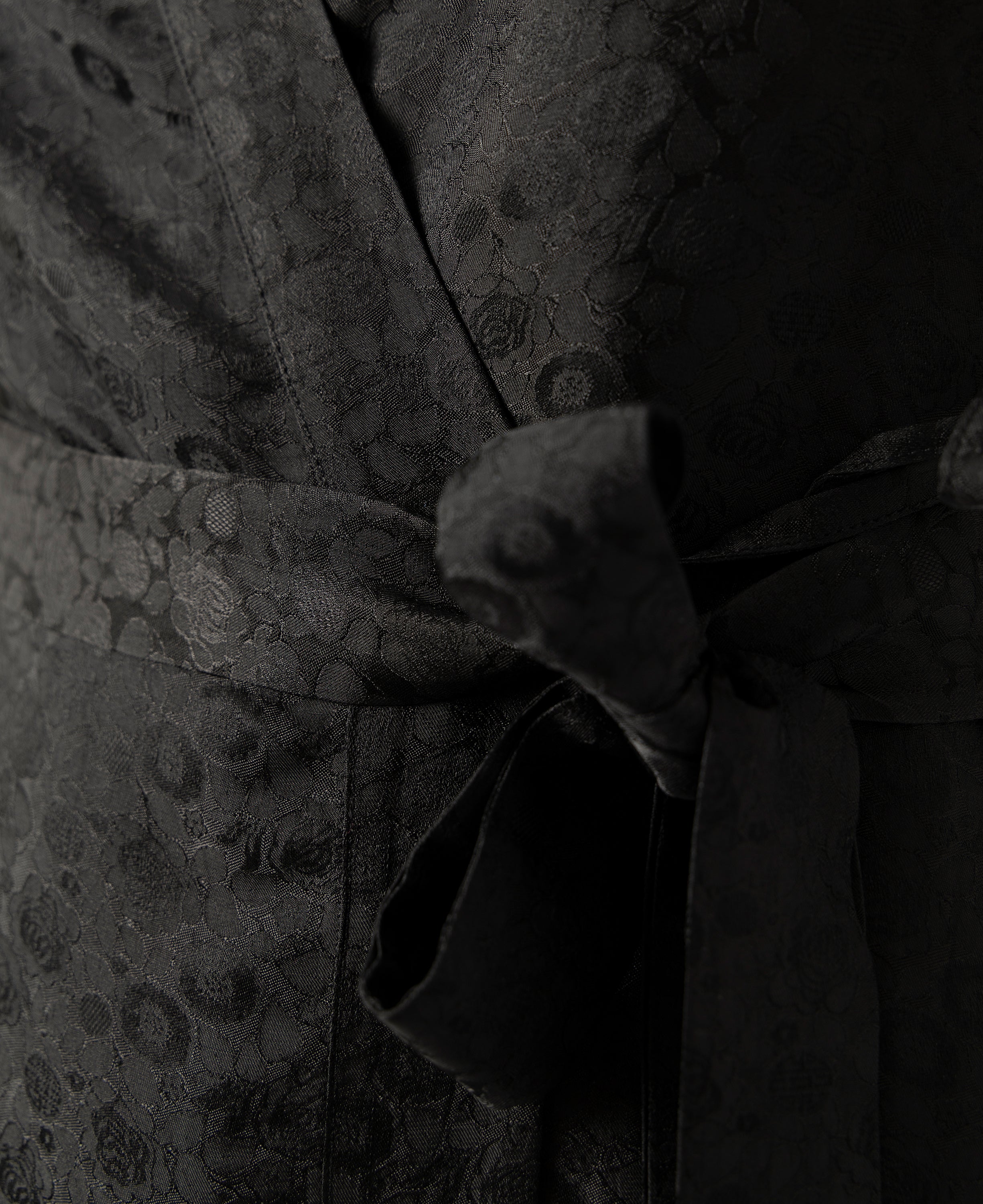
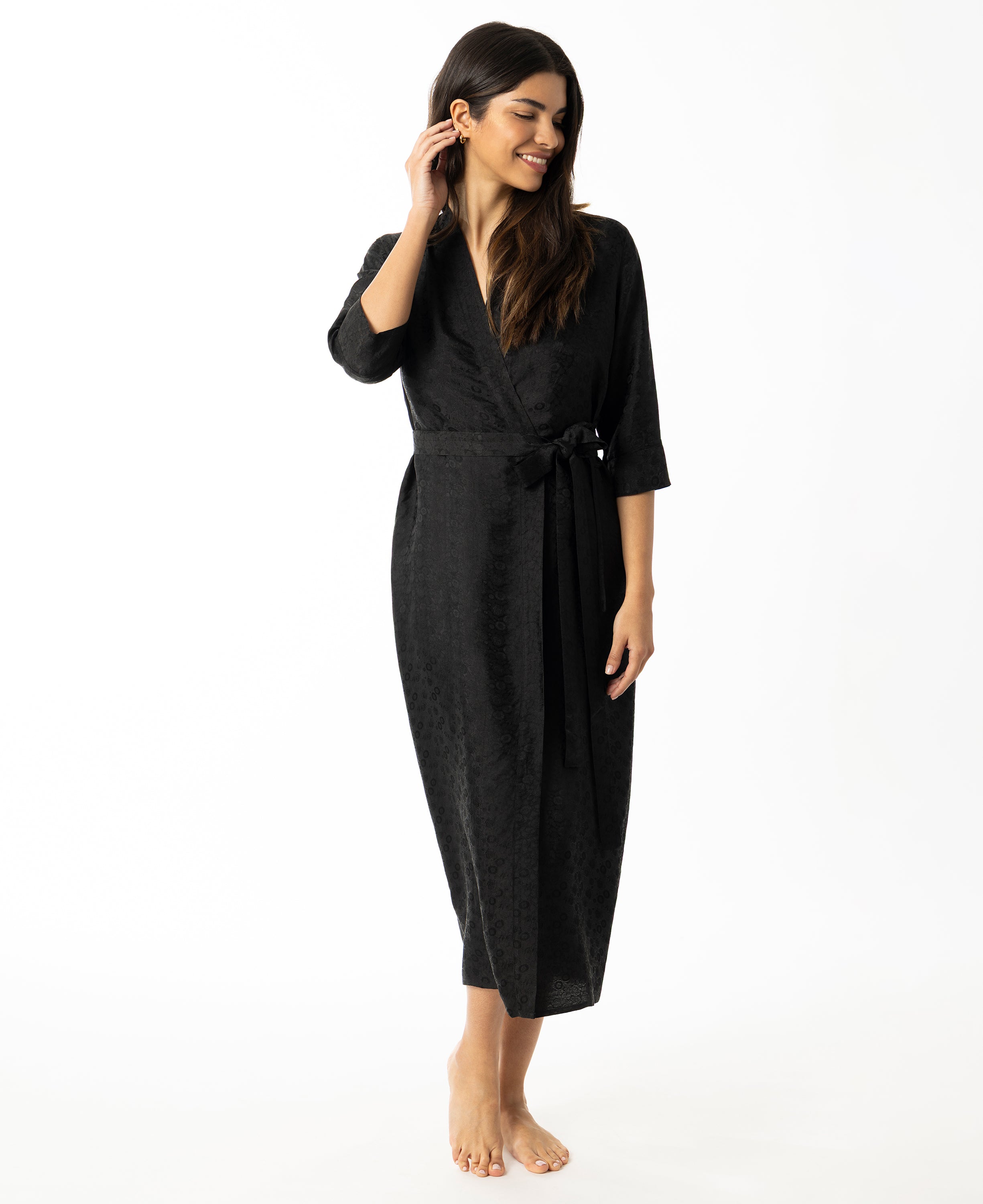
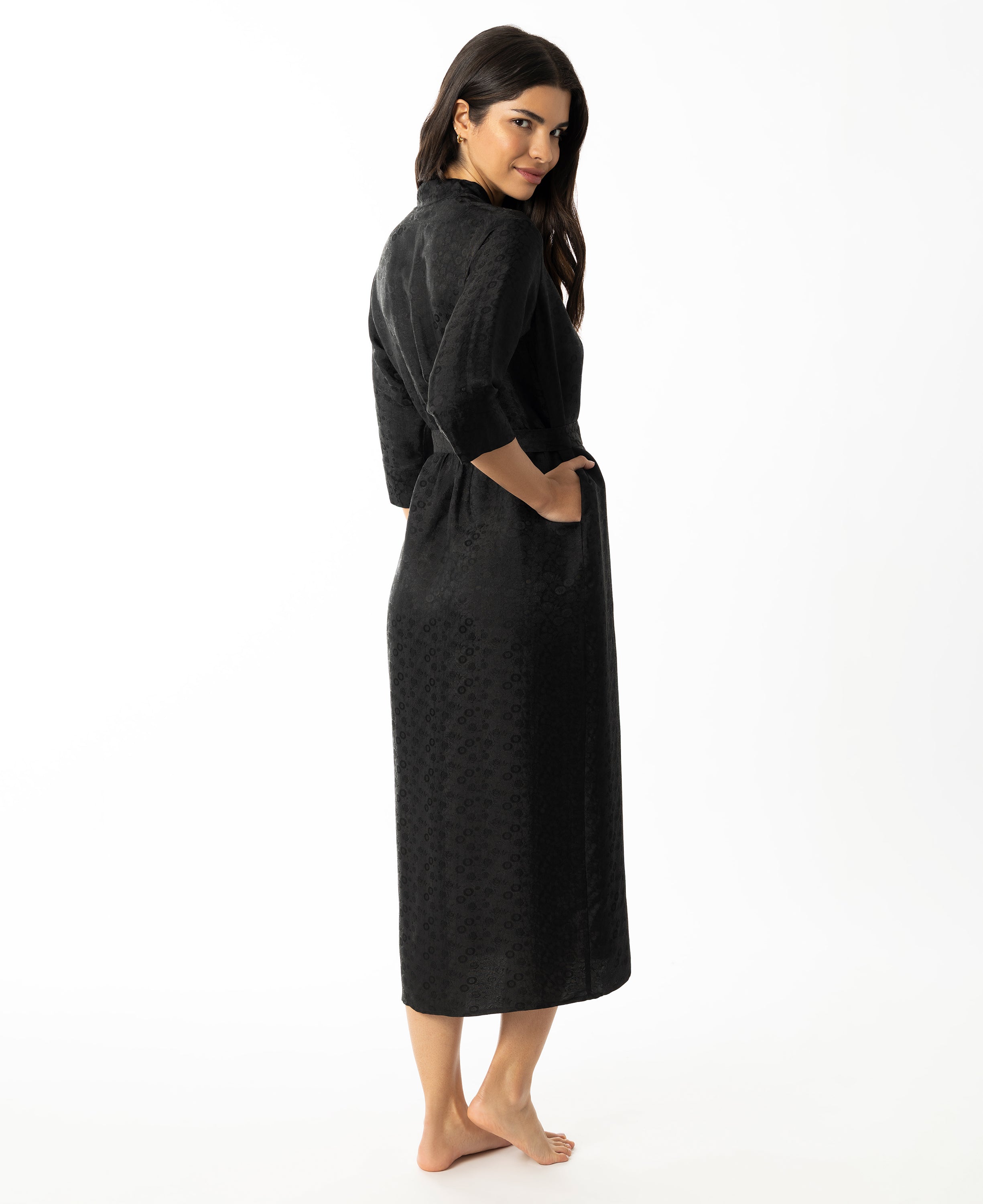
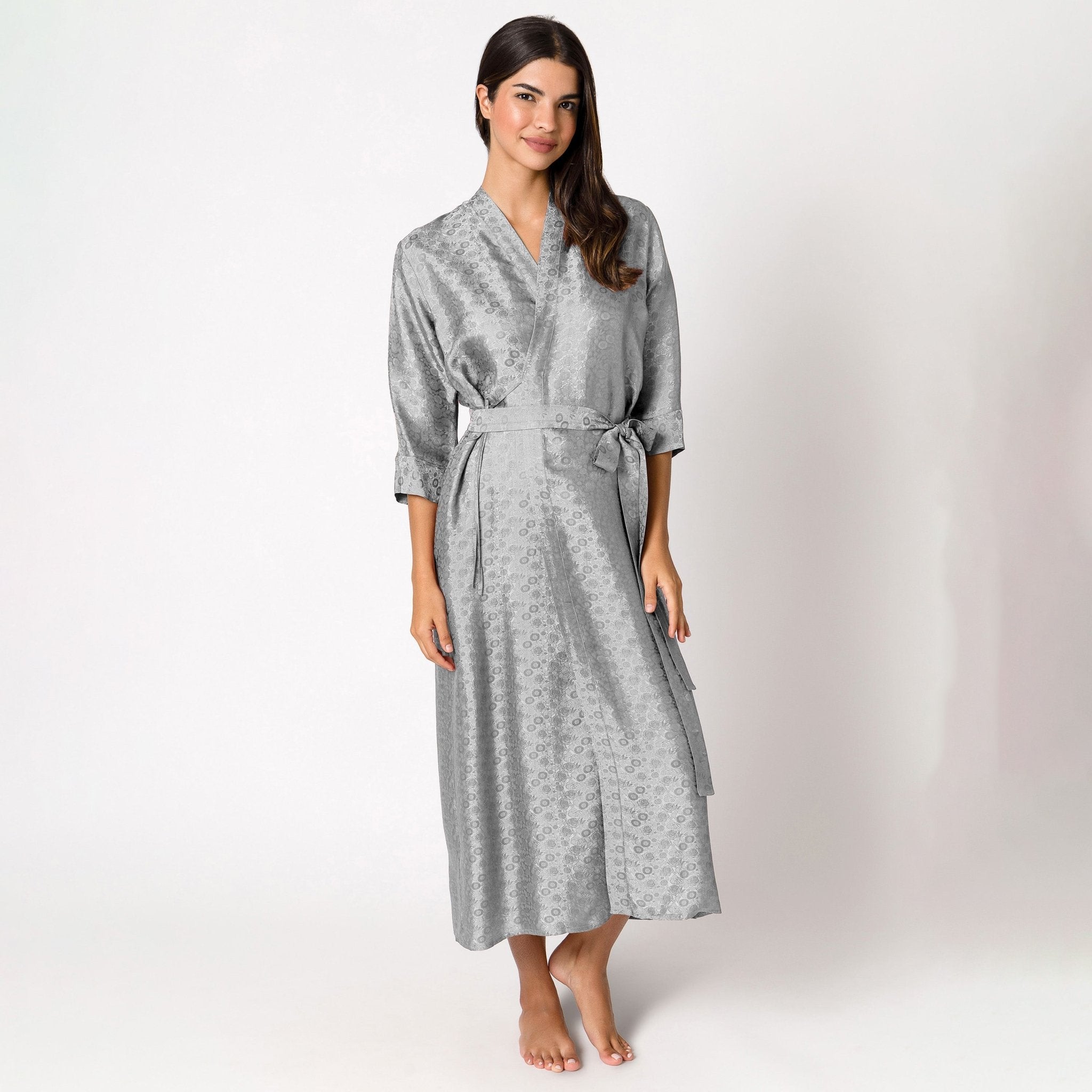
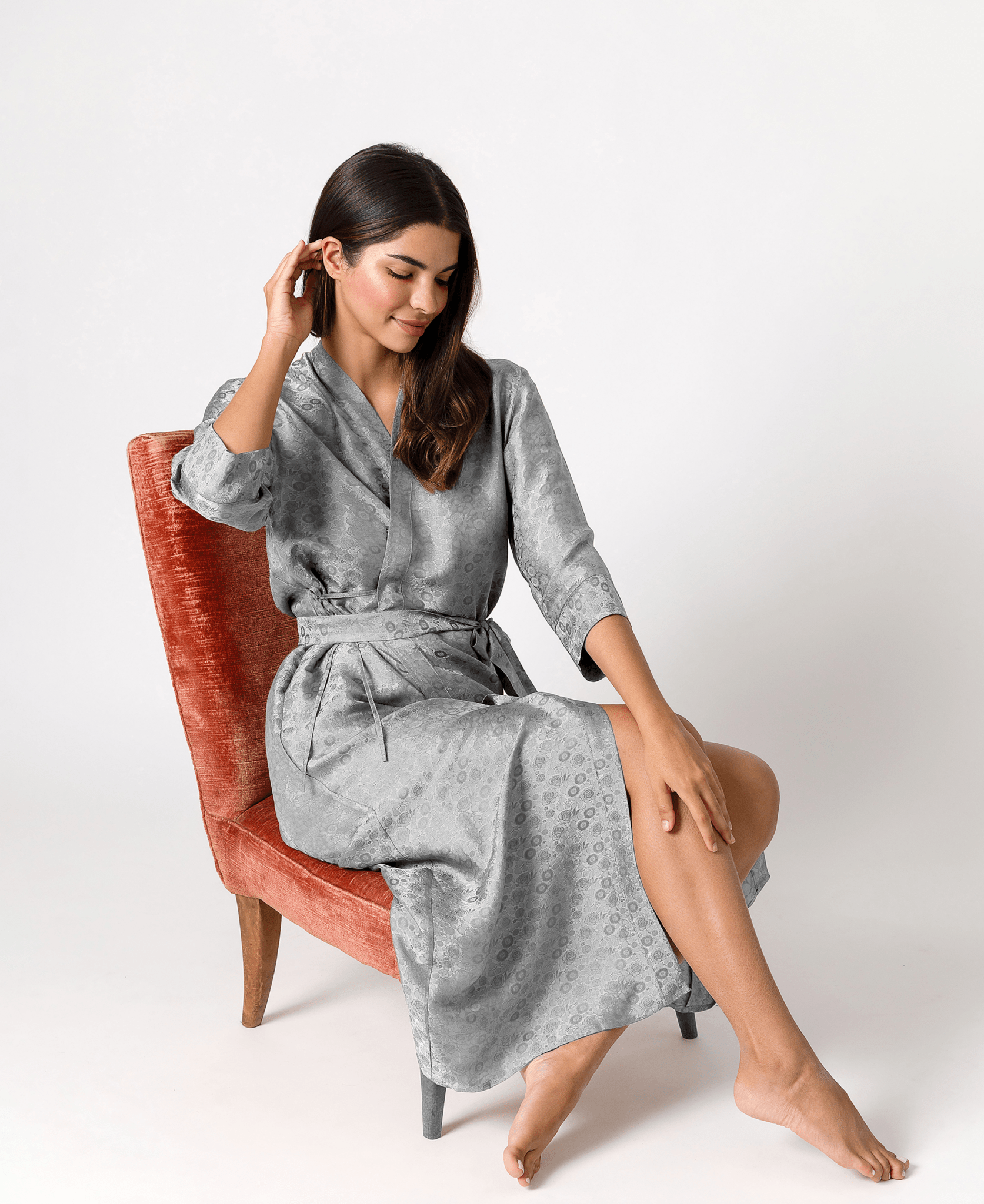
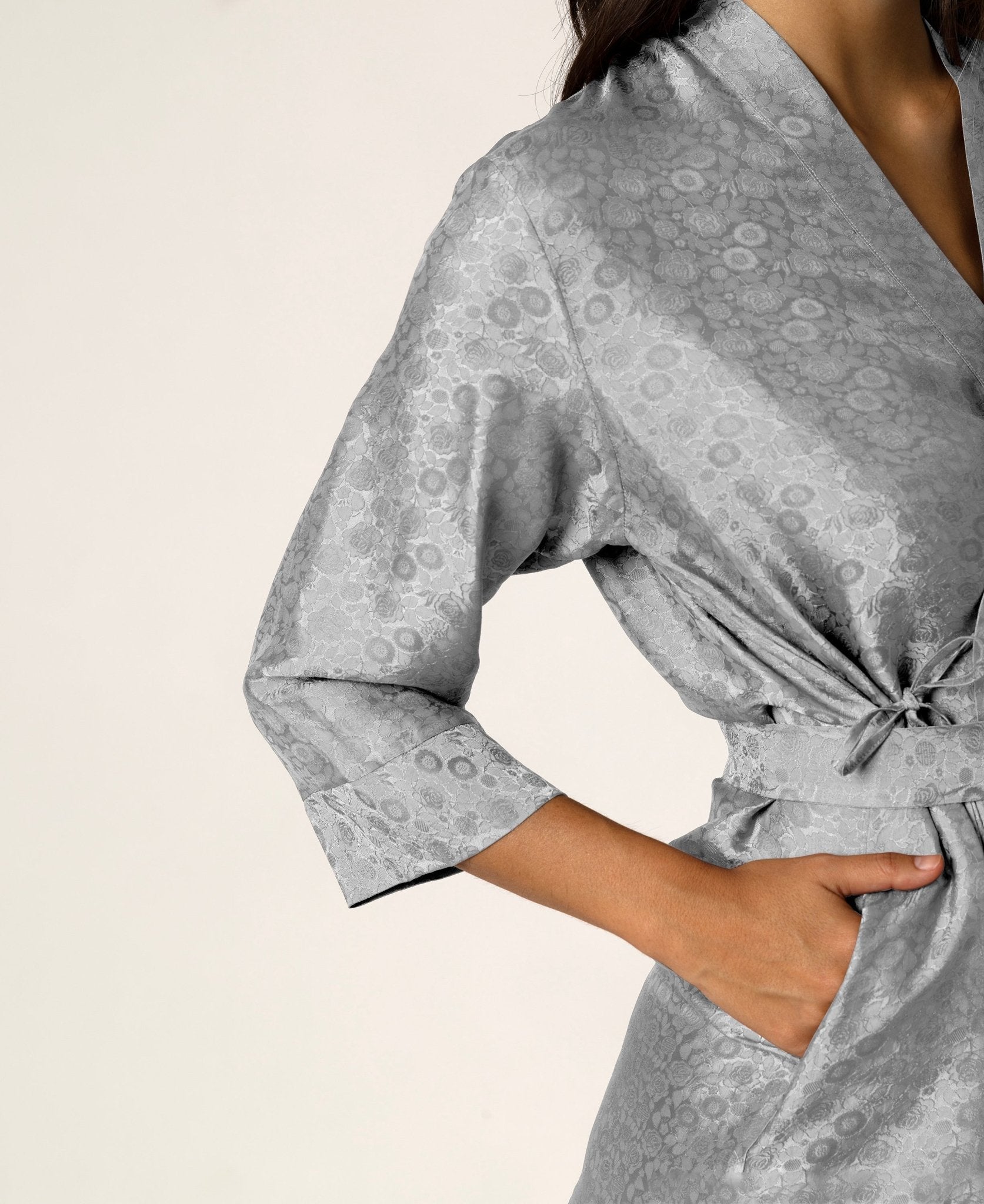
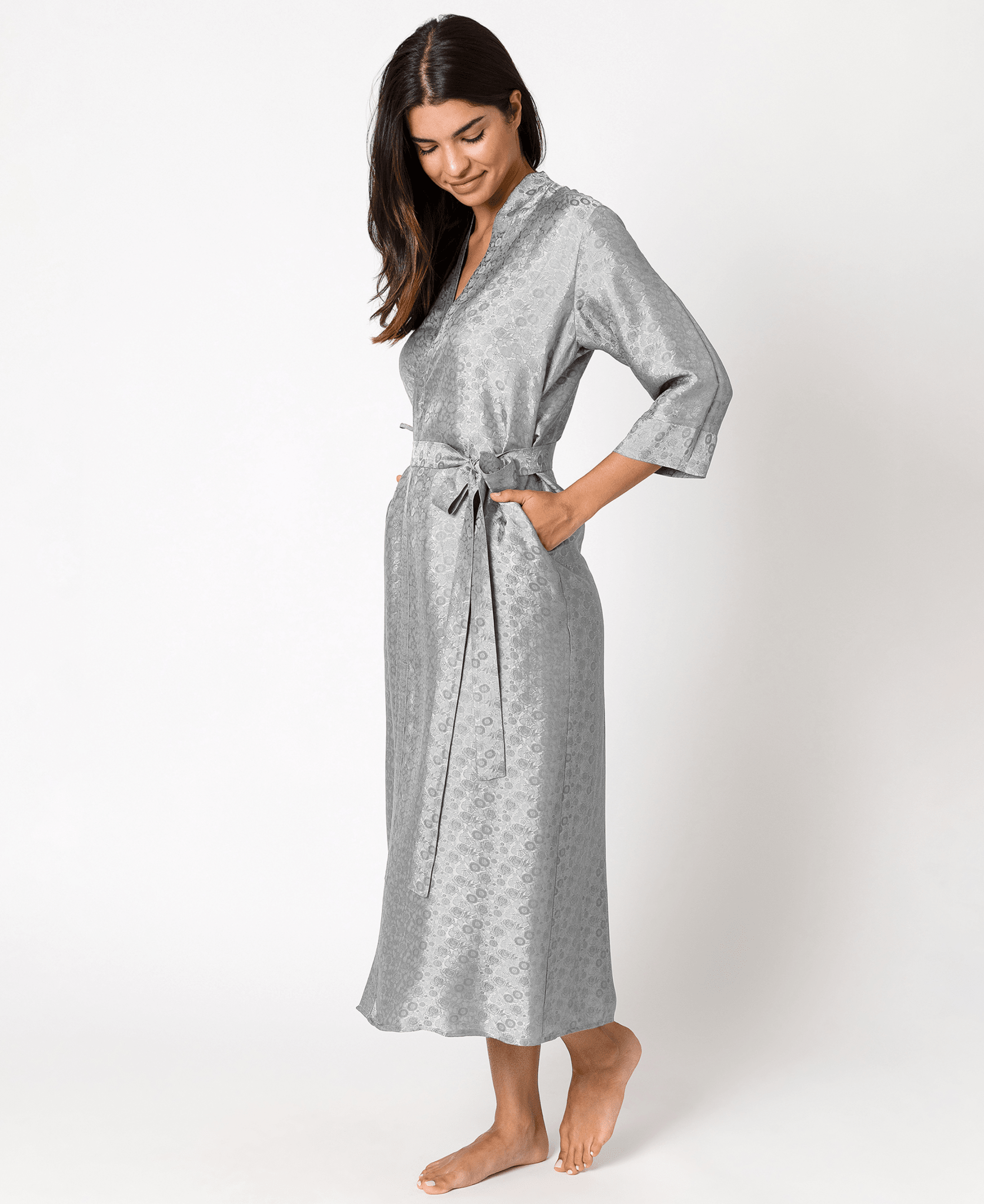
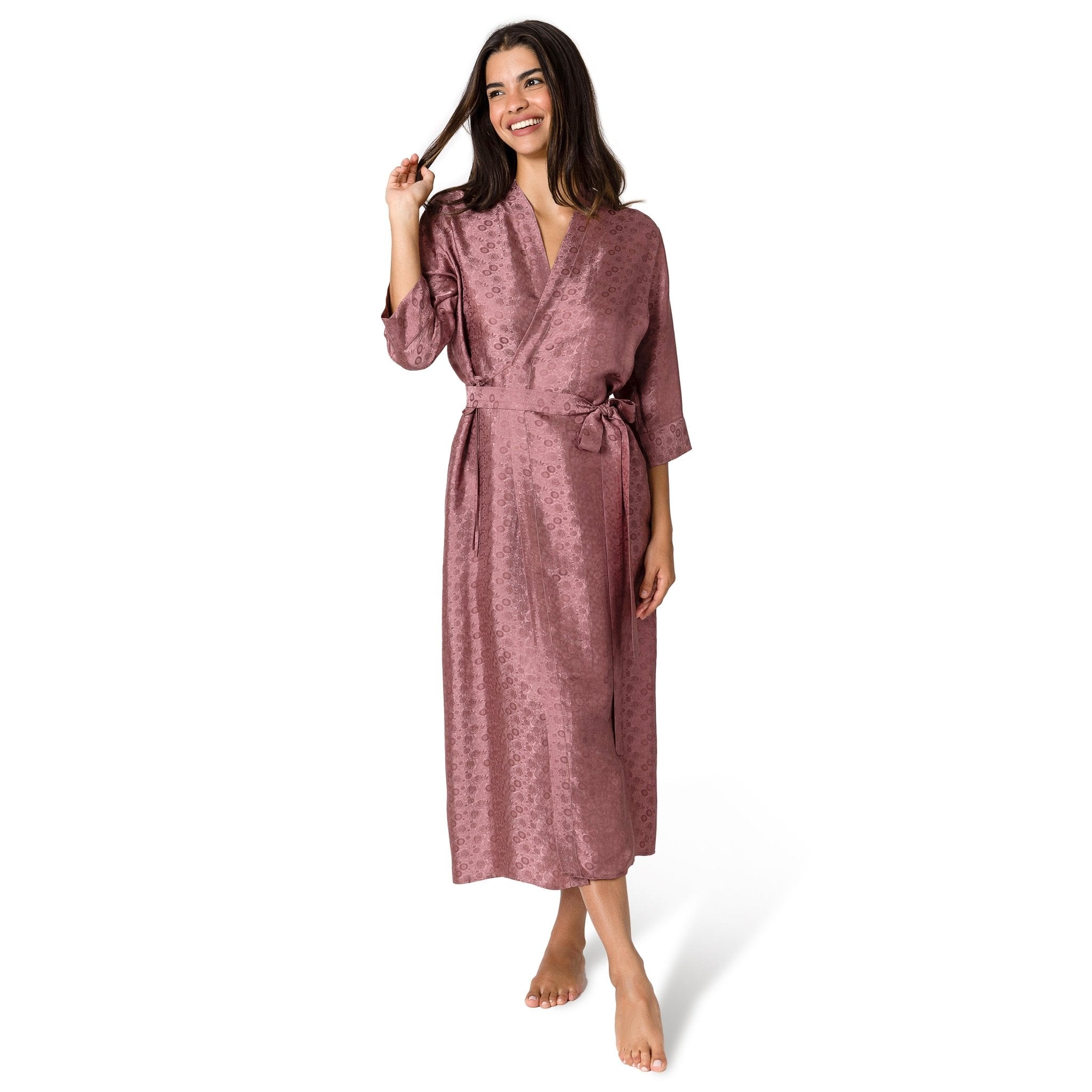
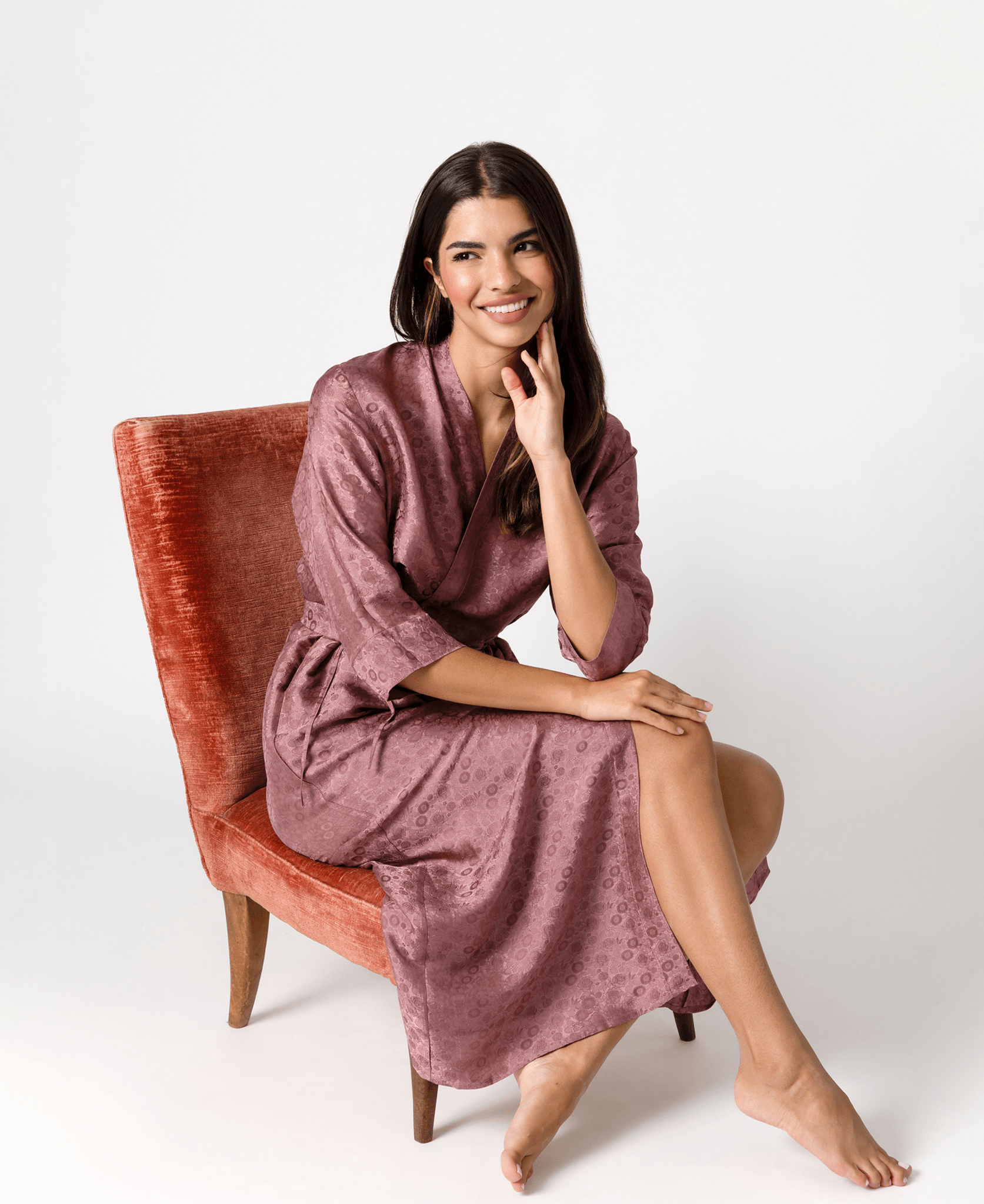
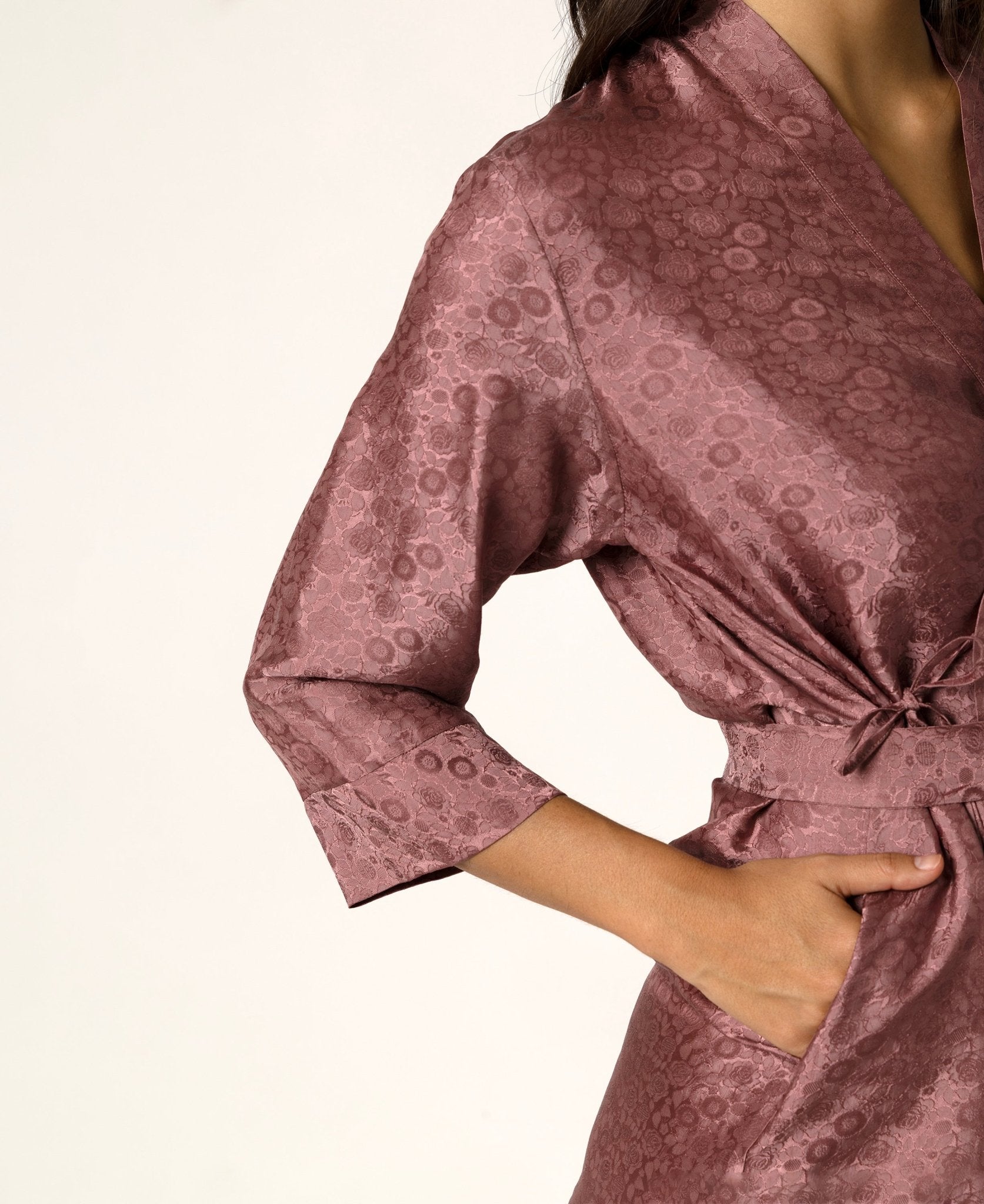
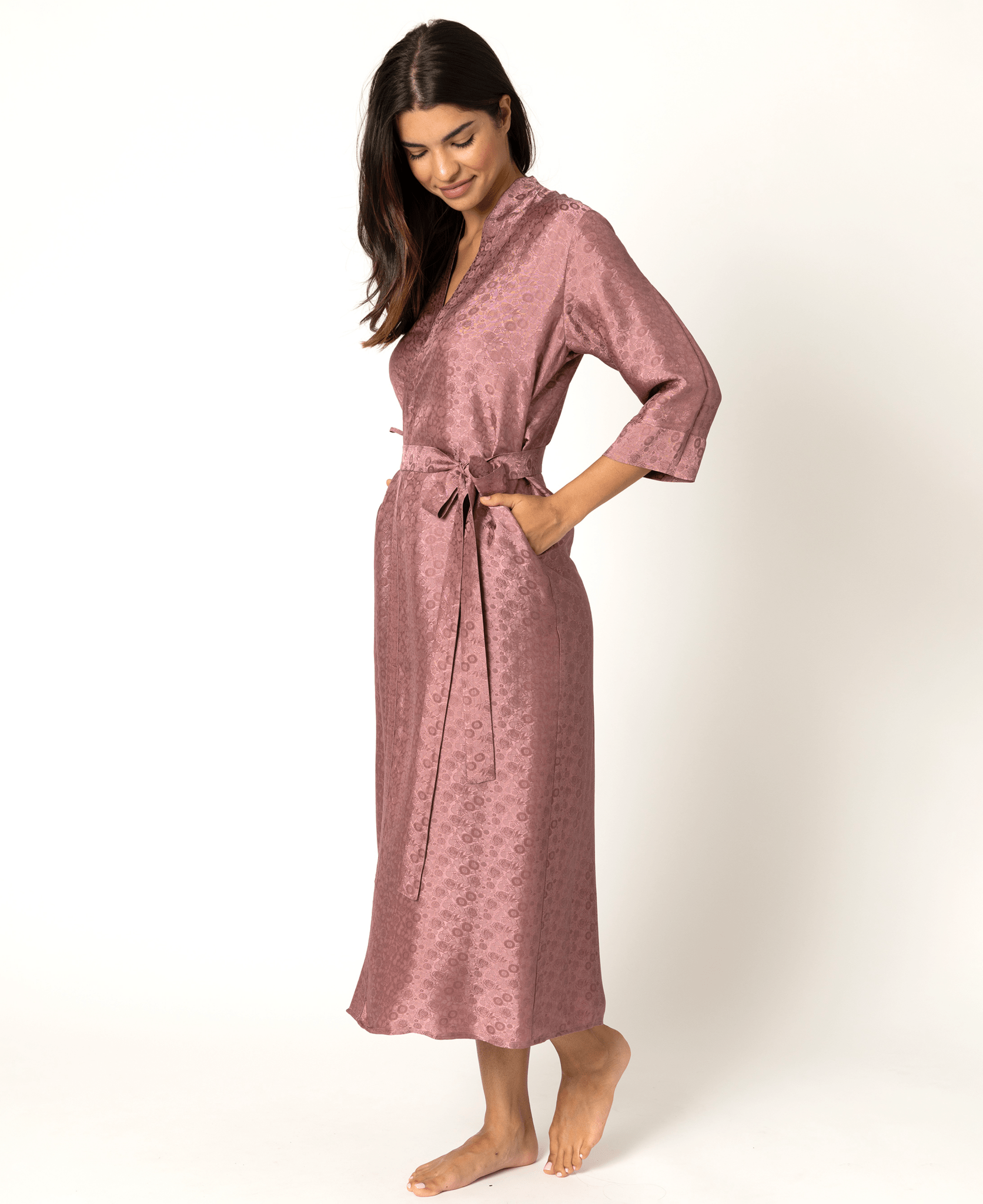
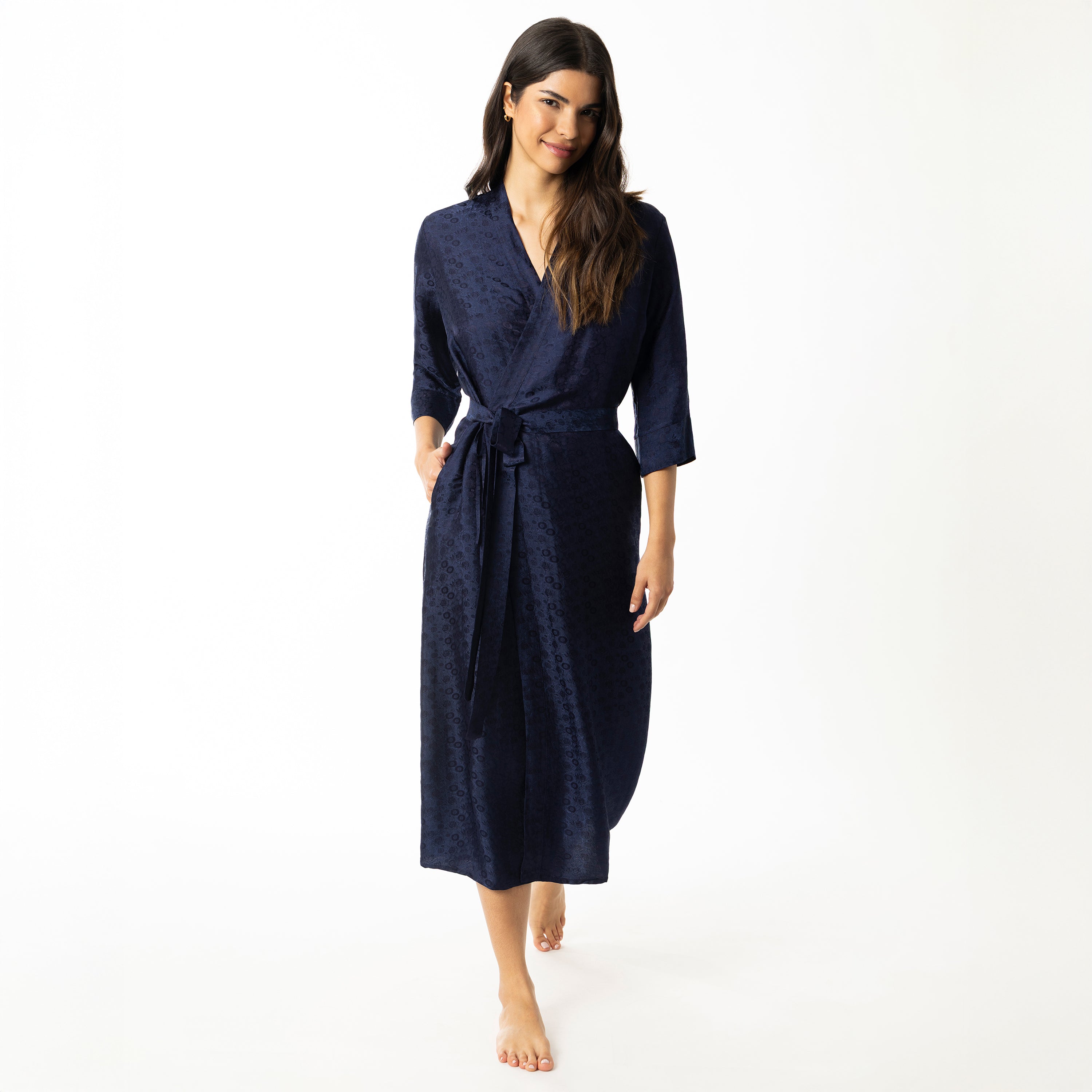
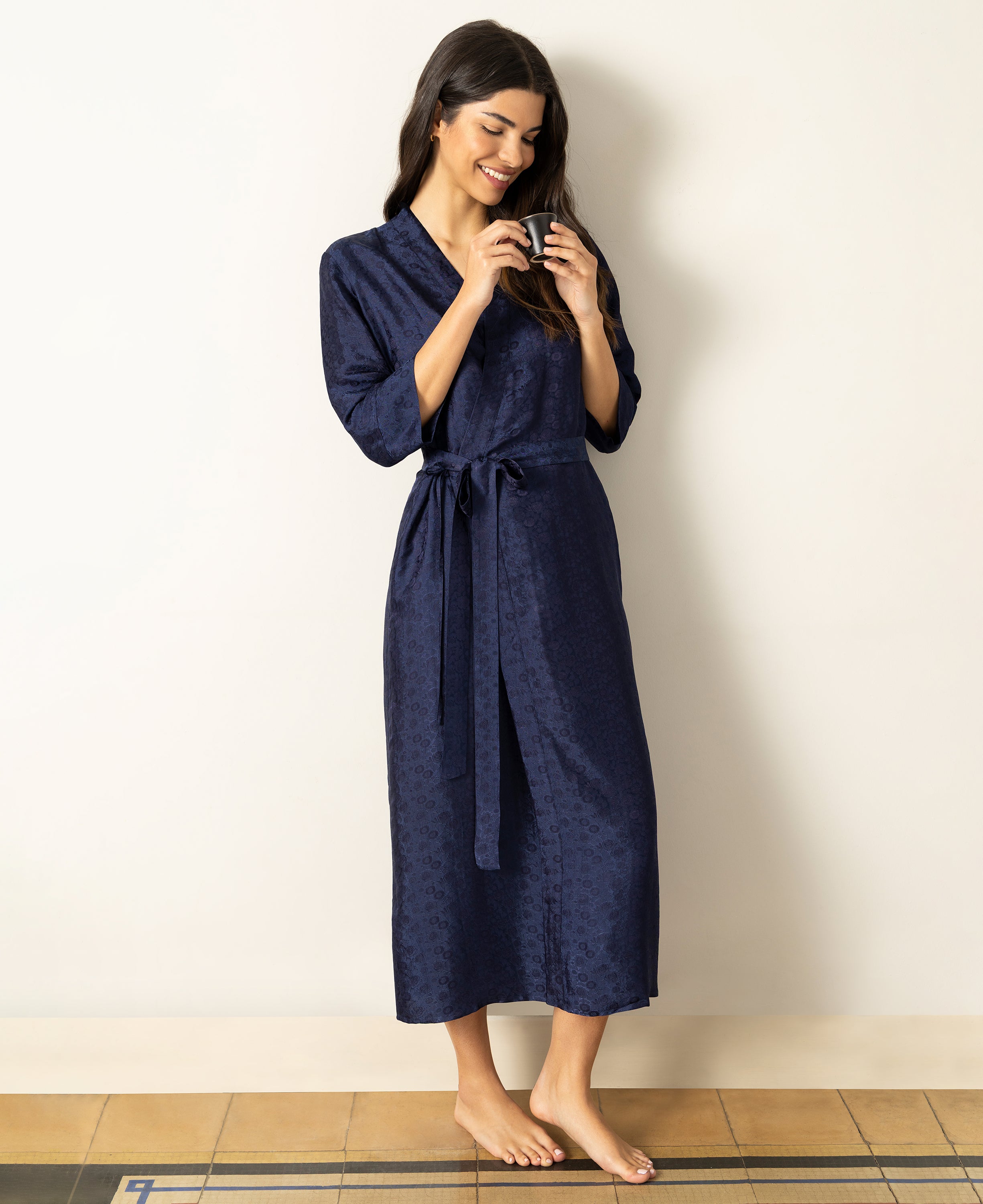
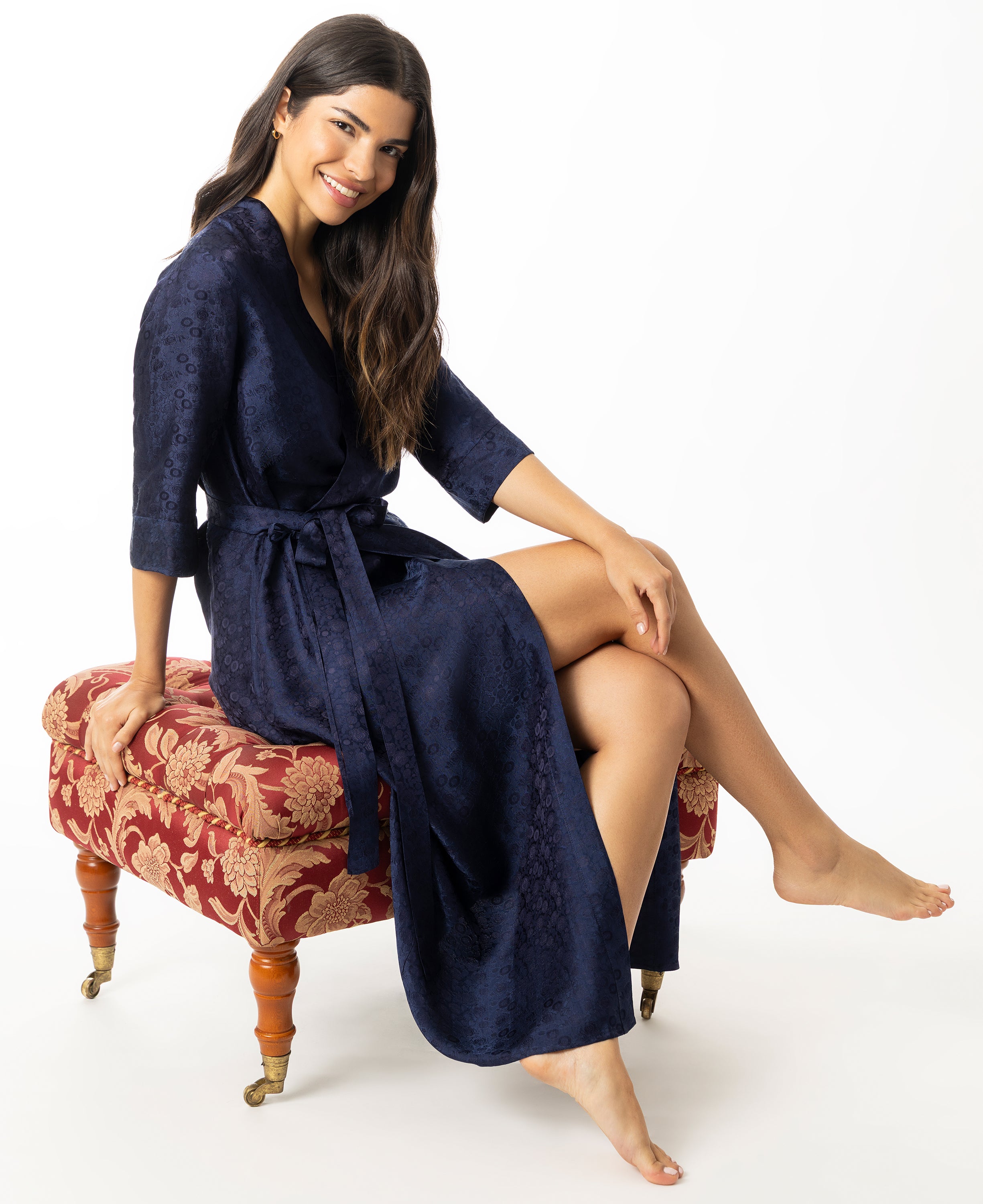
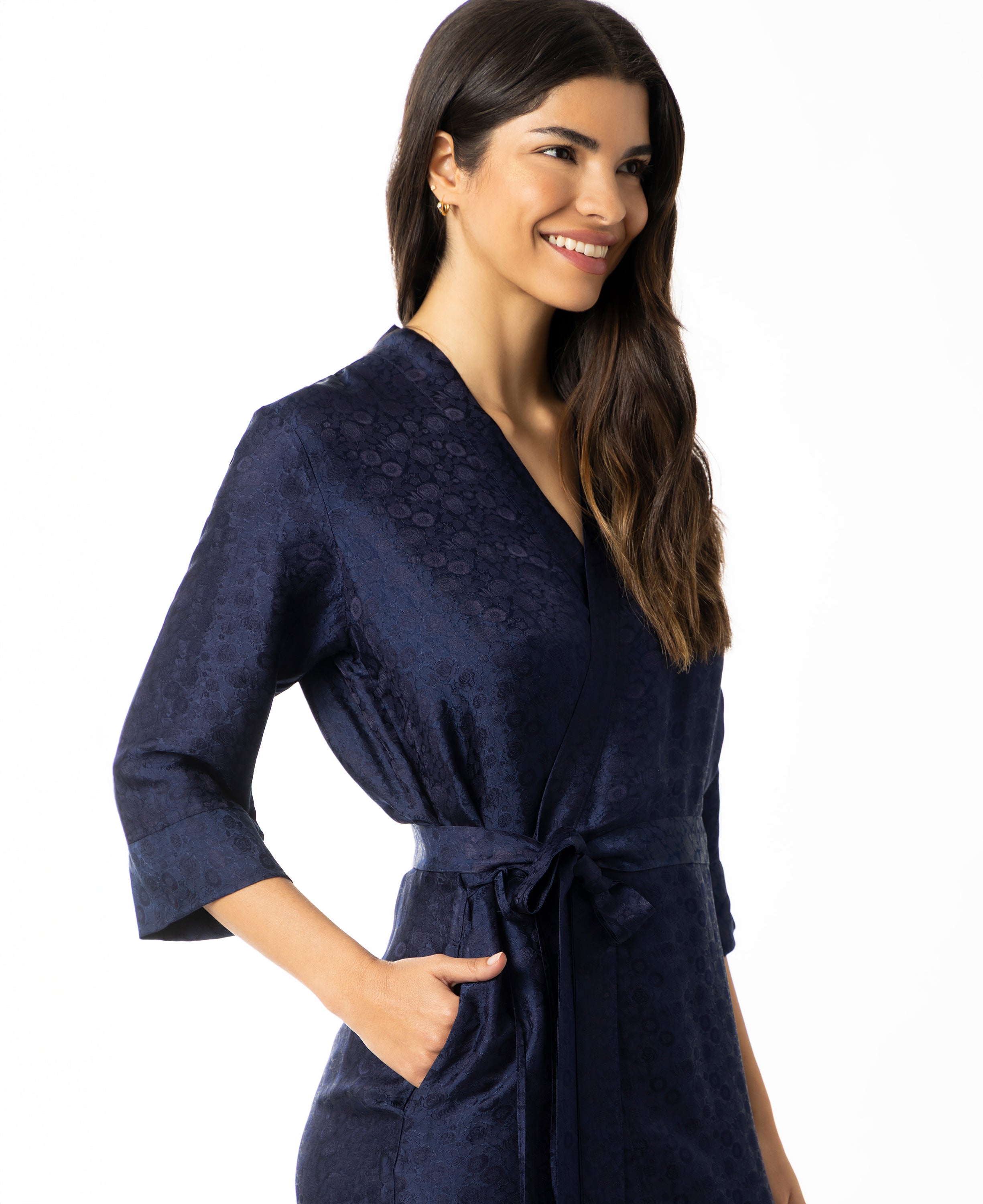
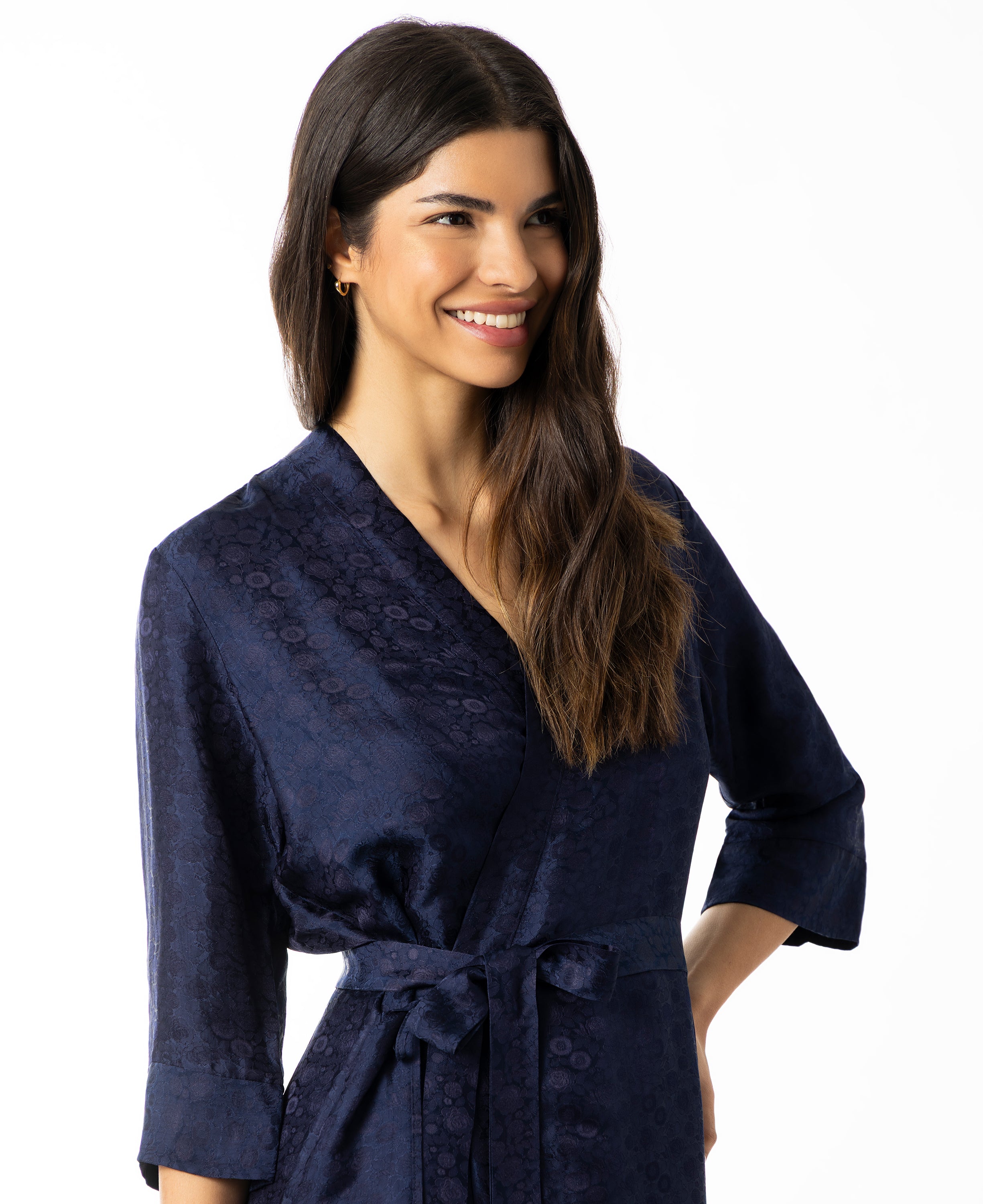
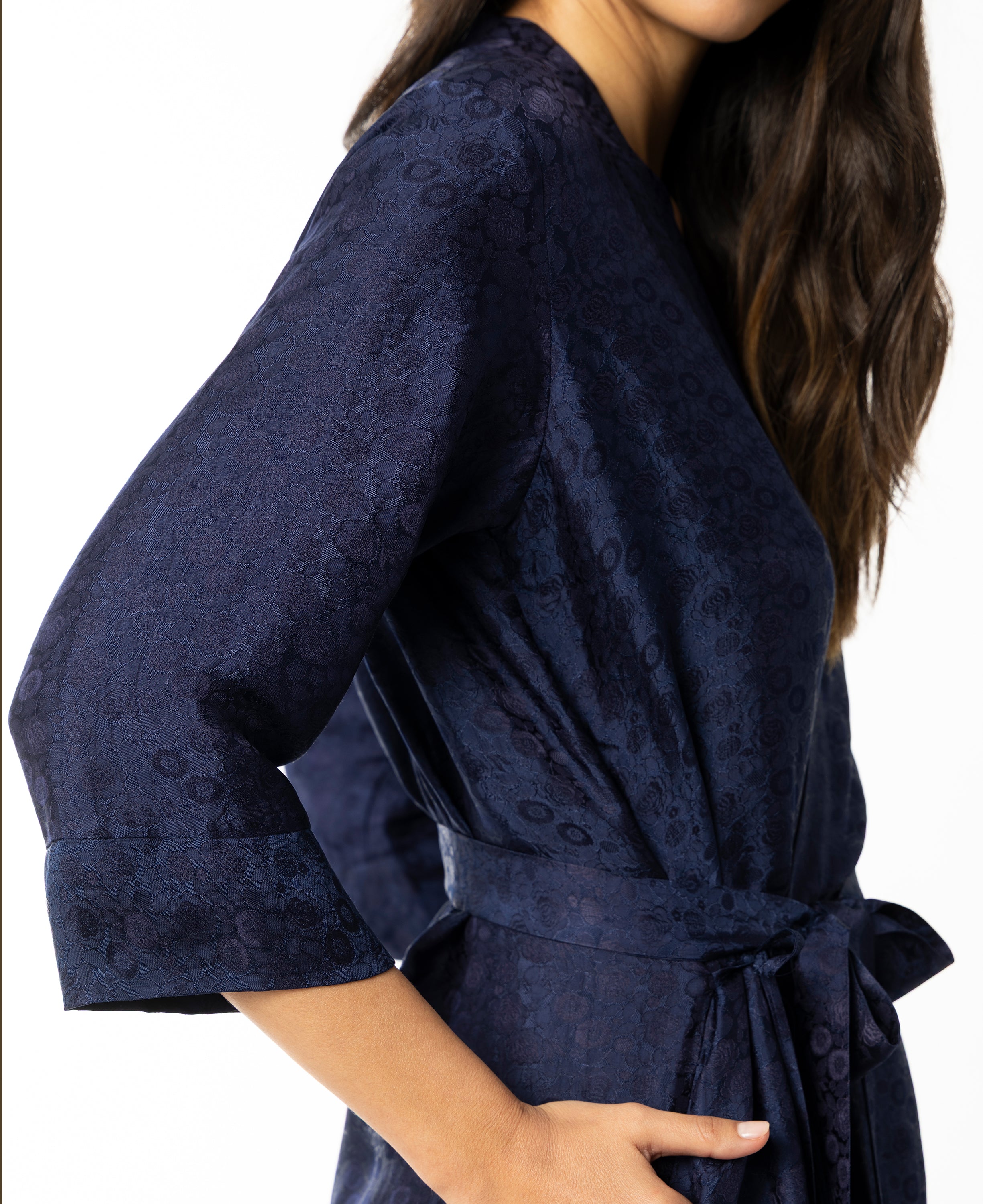
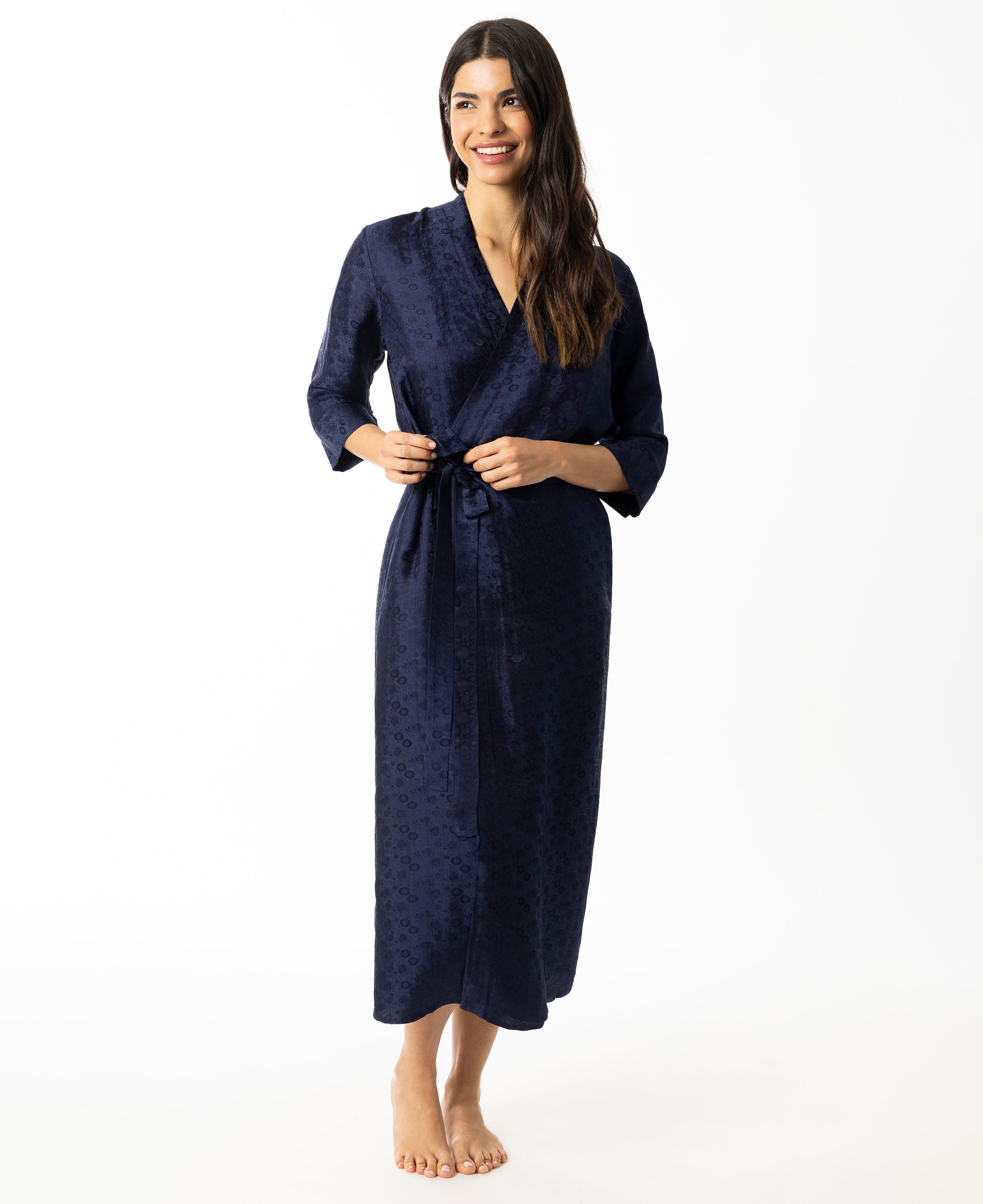
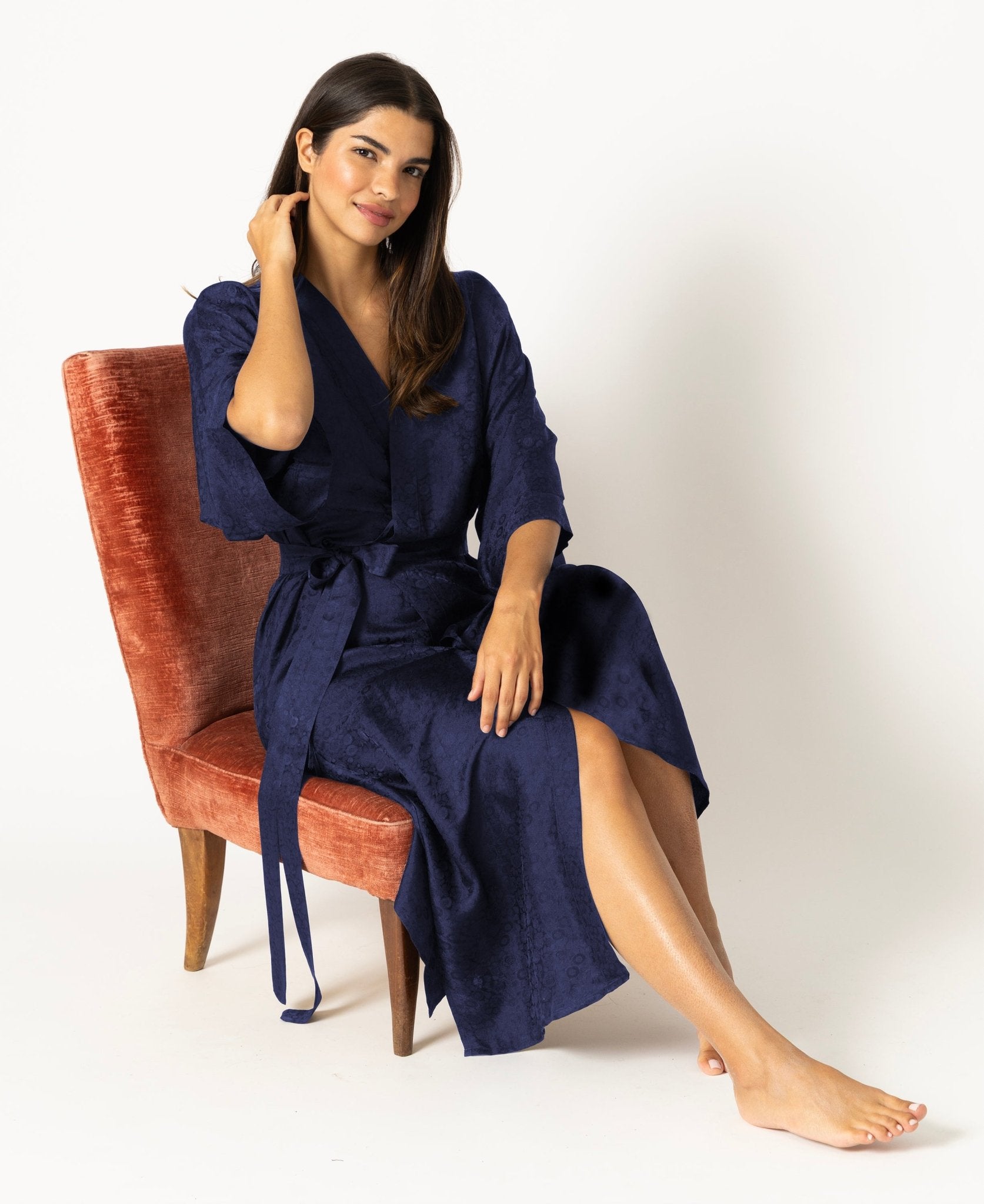
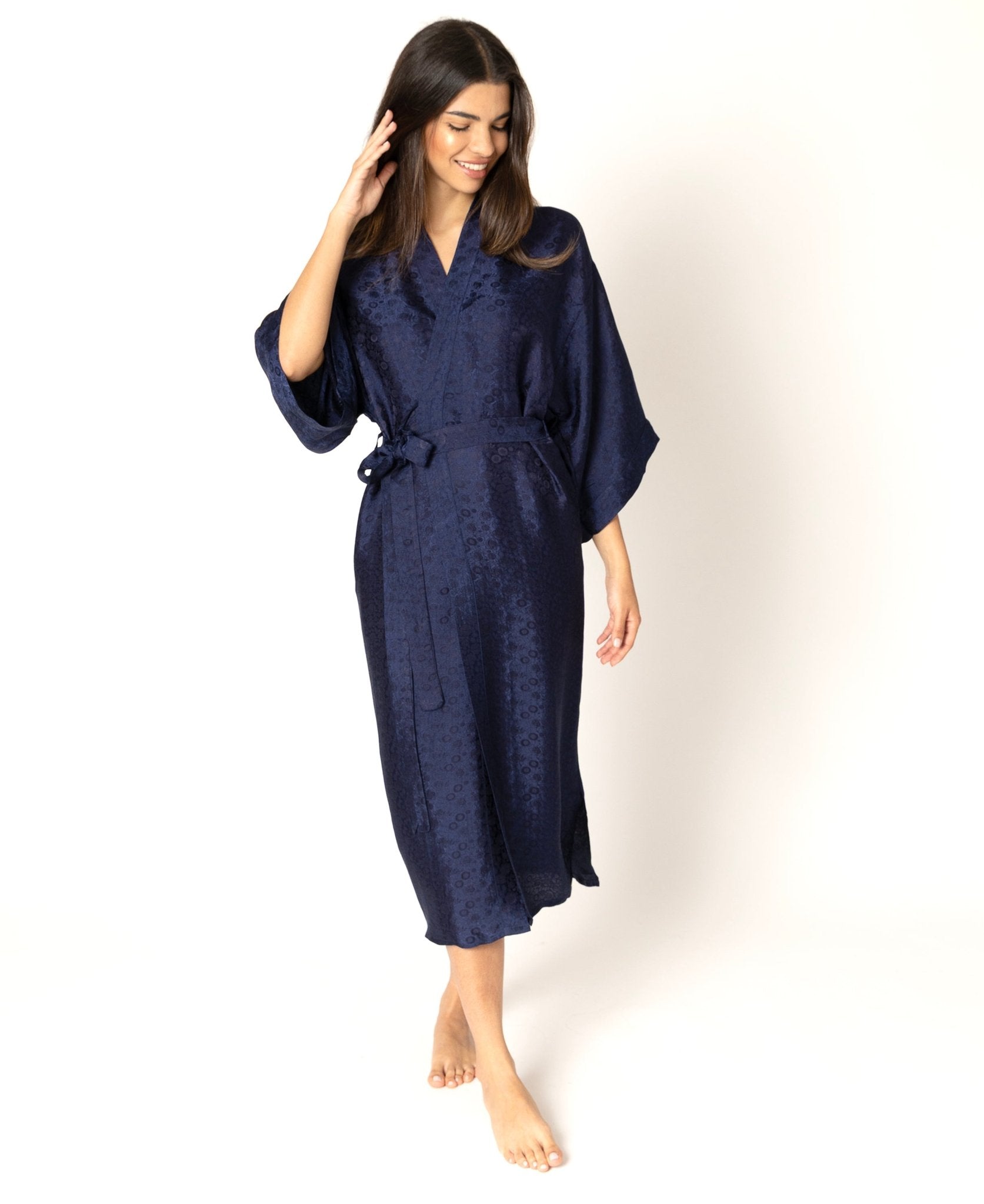
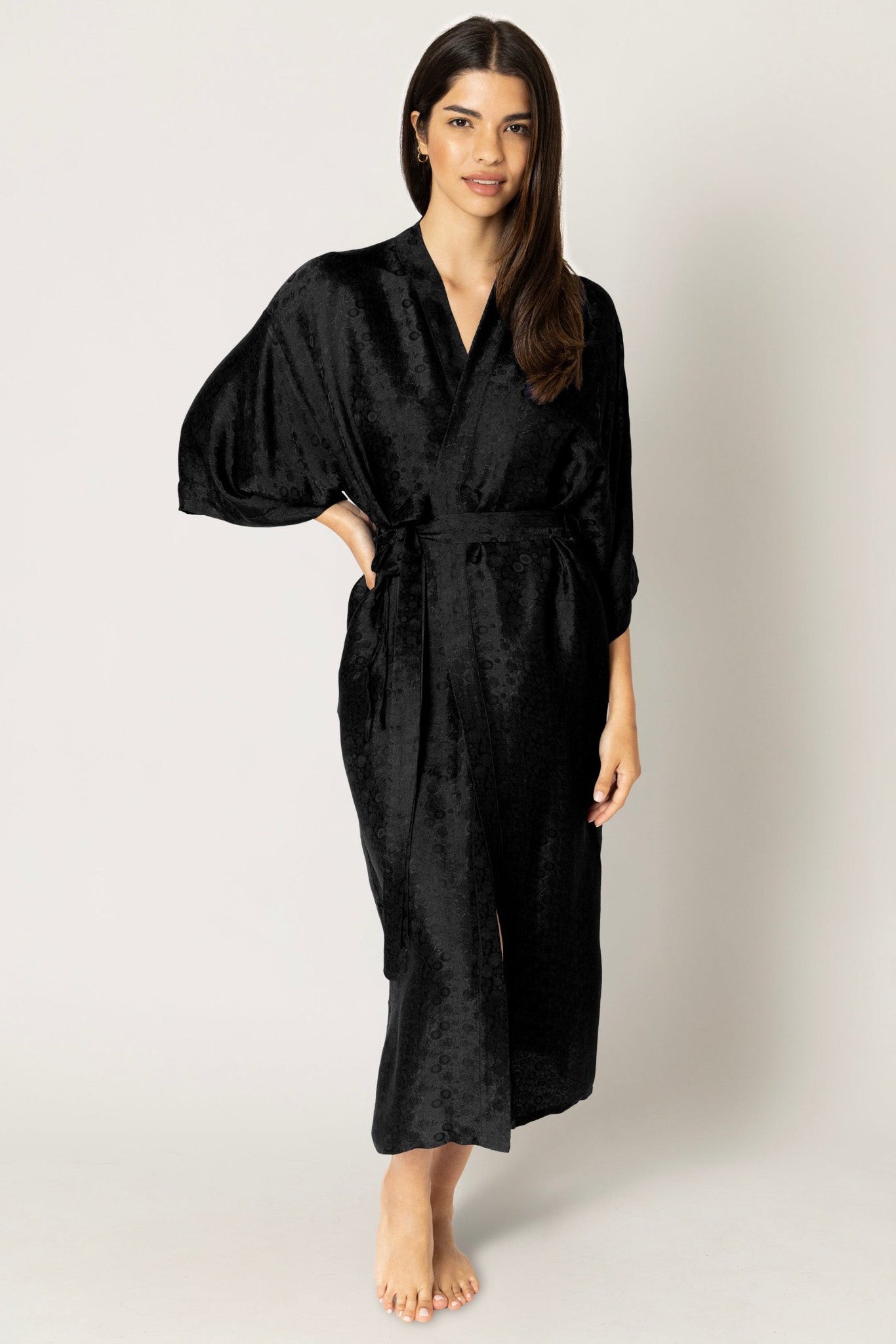
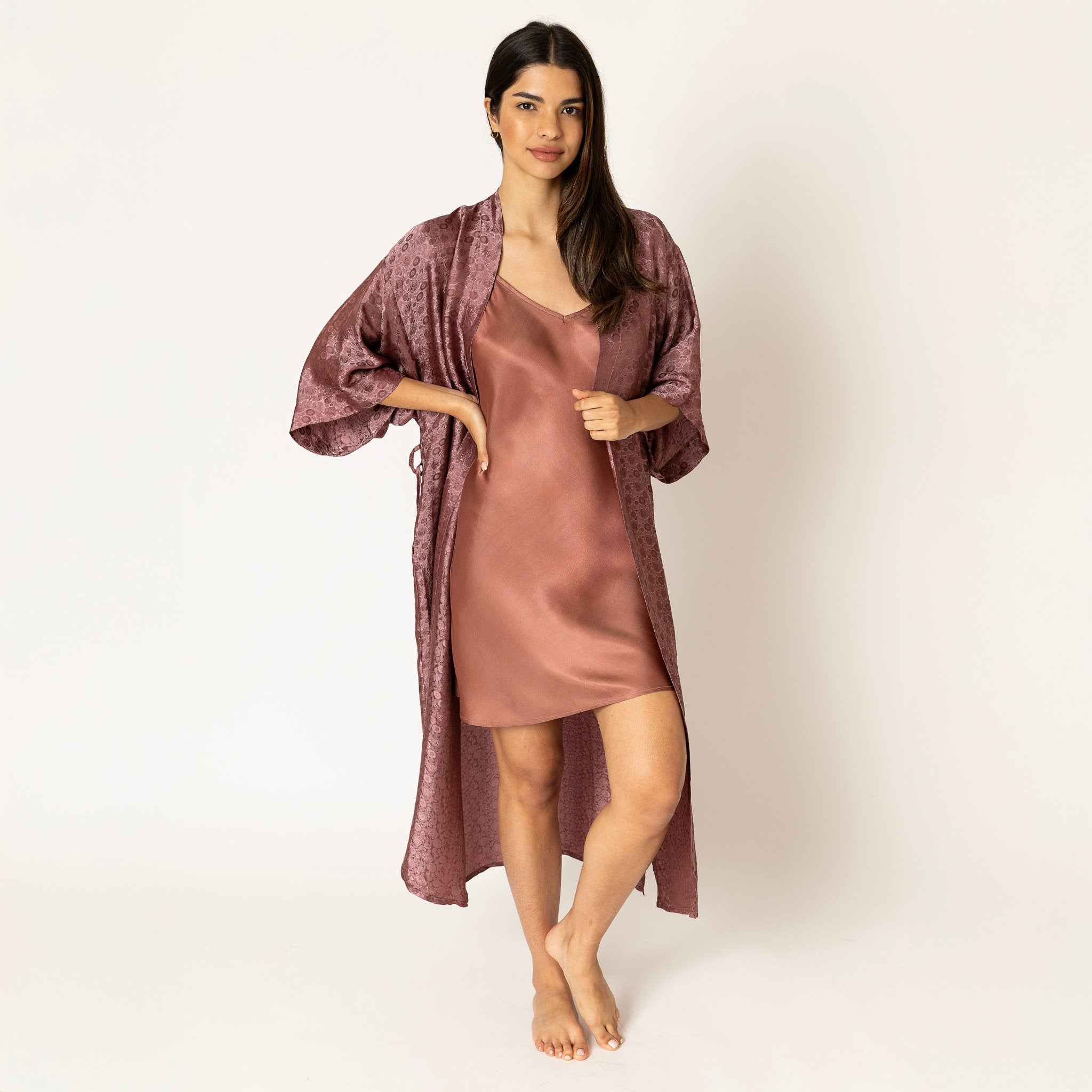
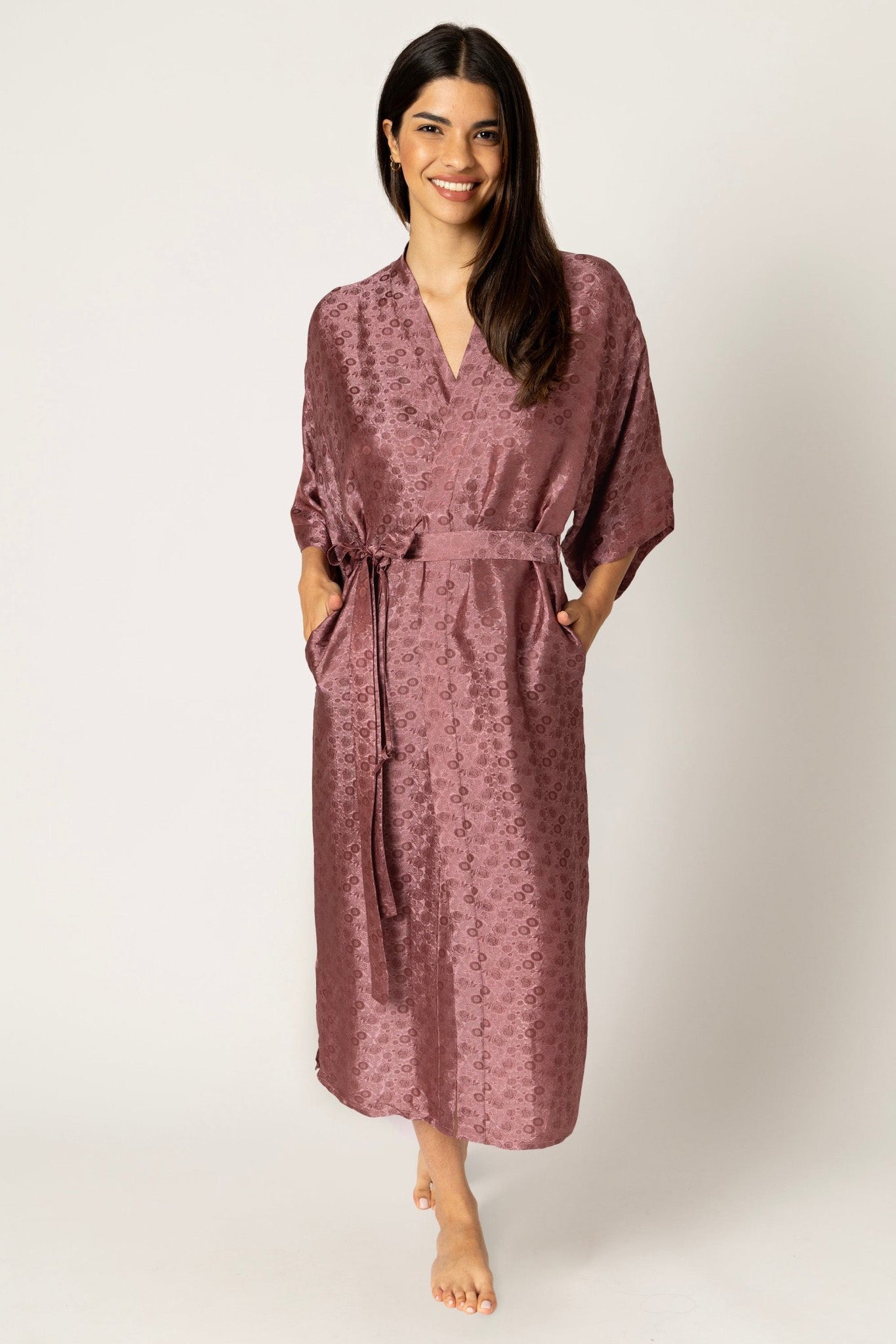
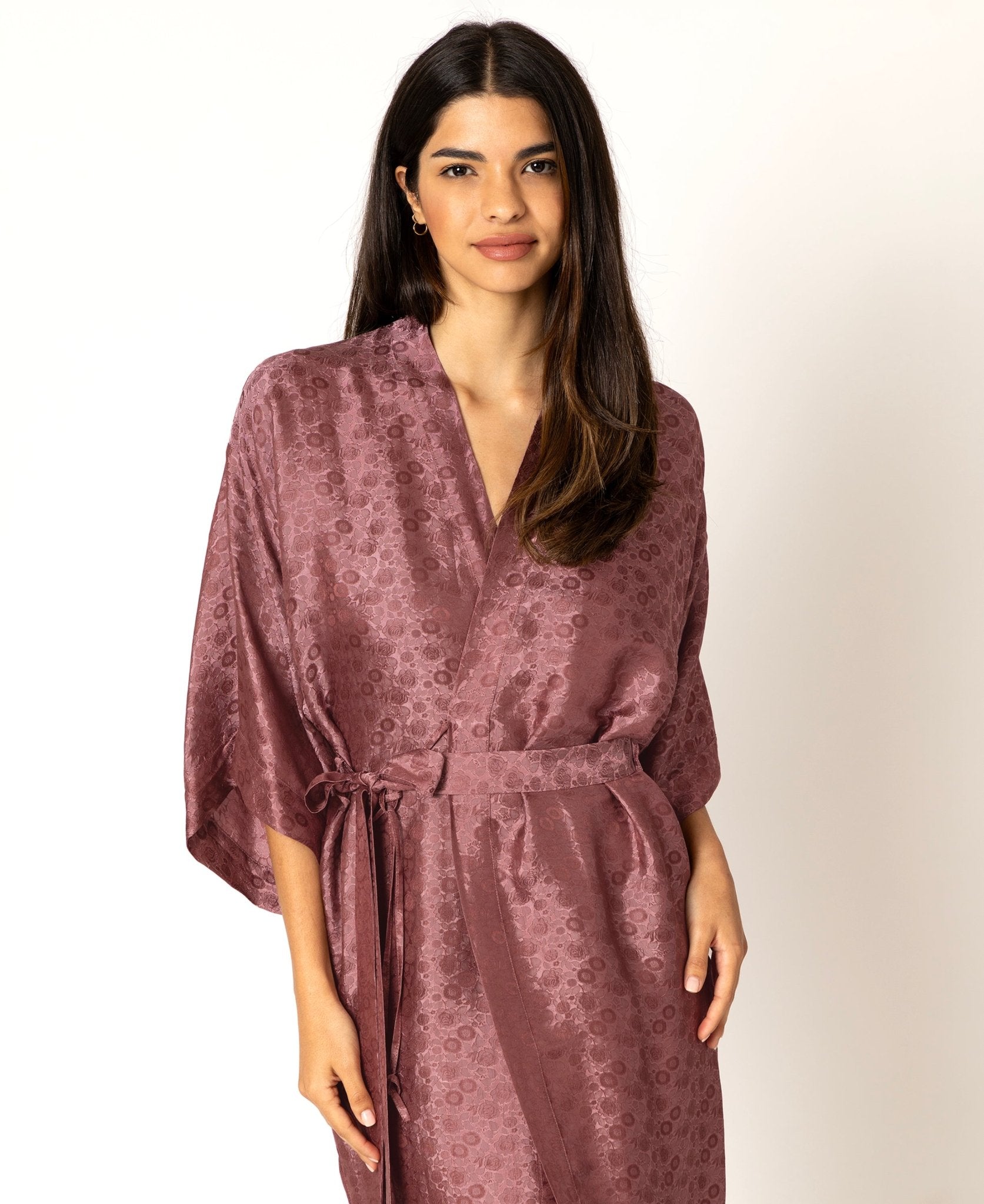
Truly luxurious silk robe! Superb quality!
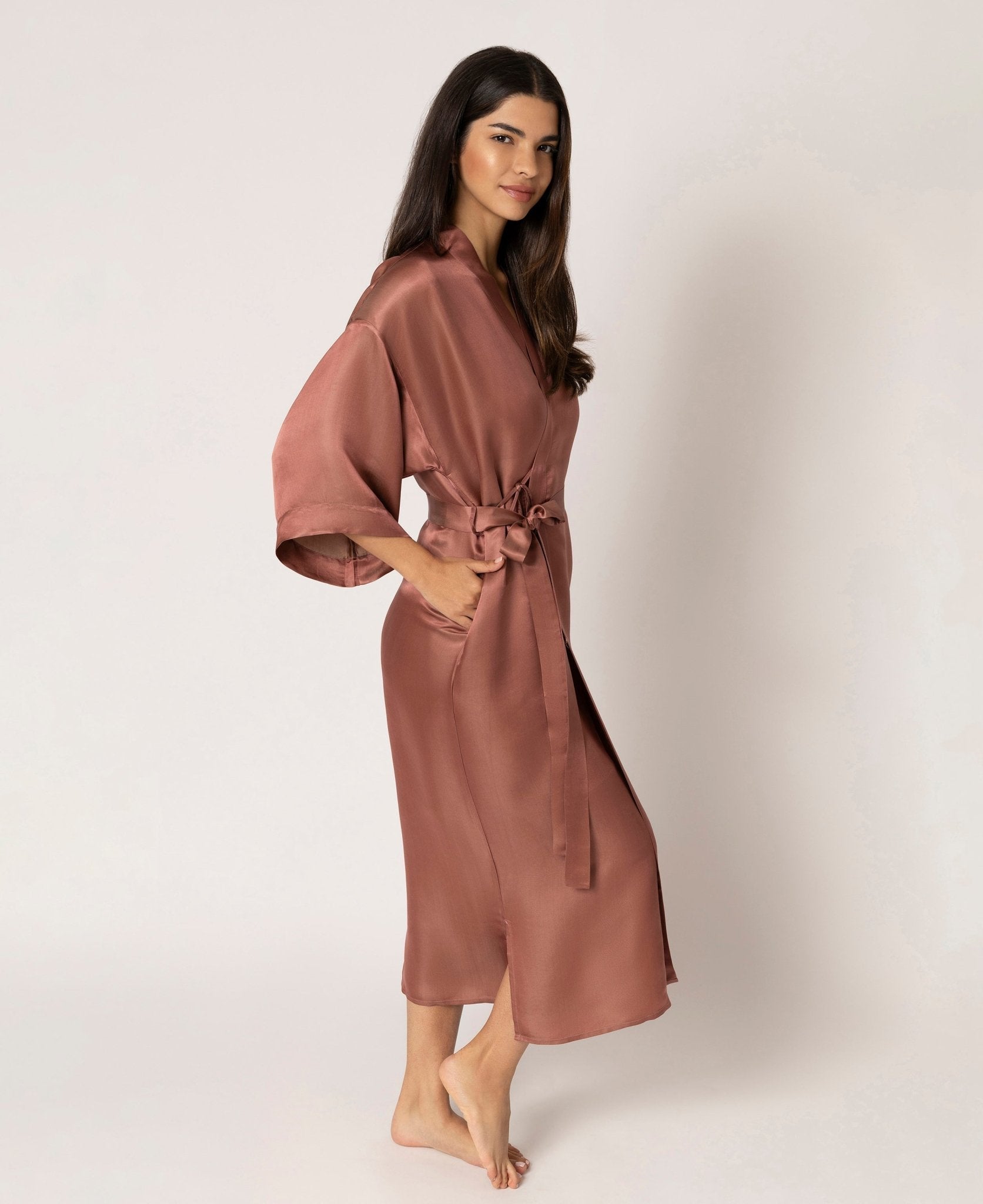
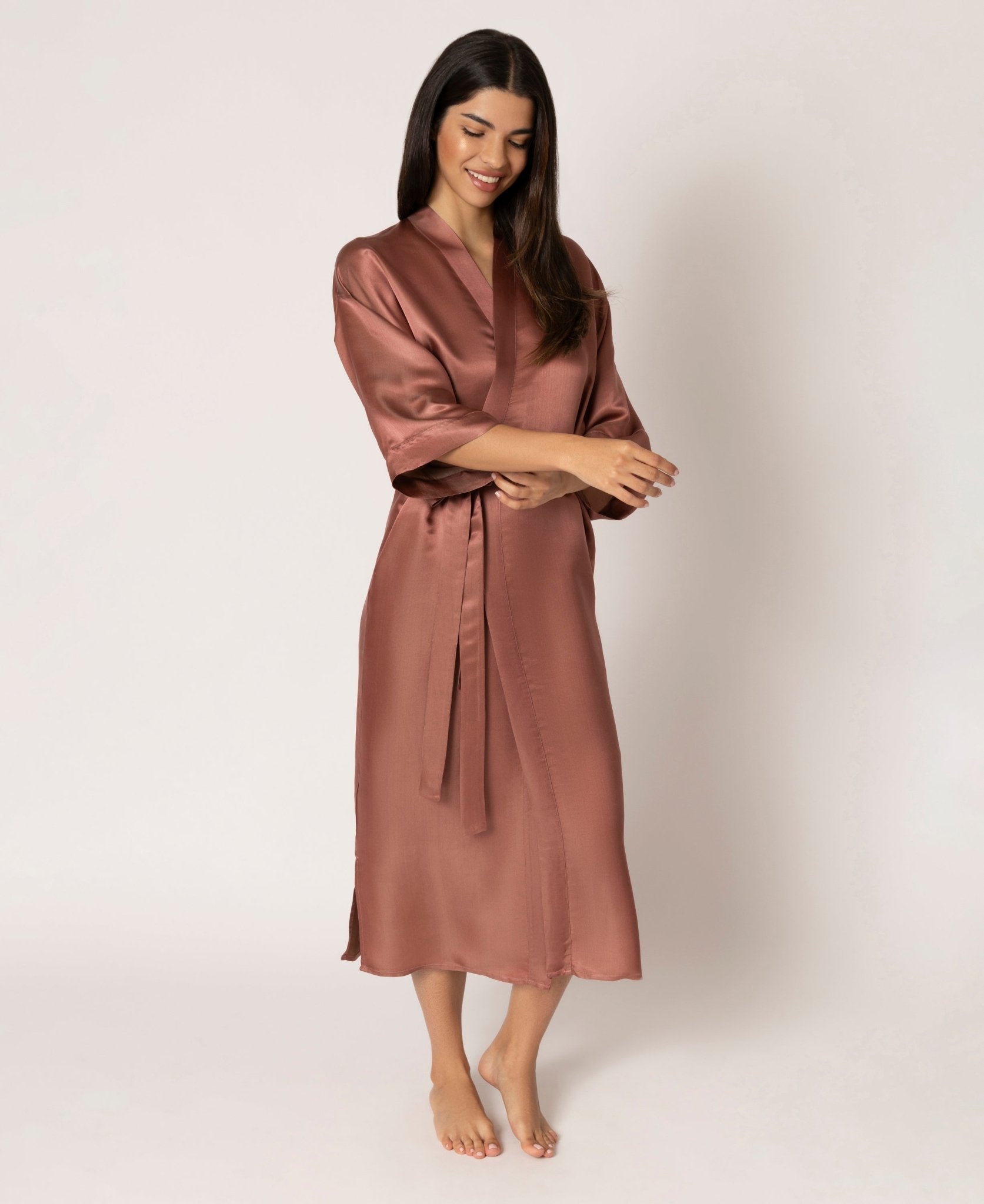
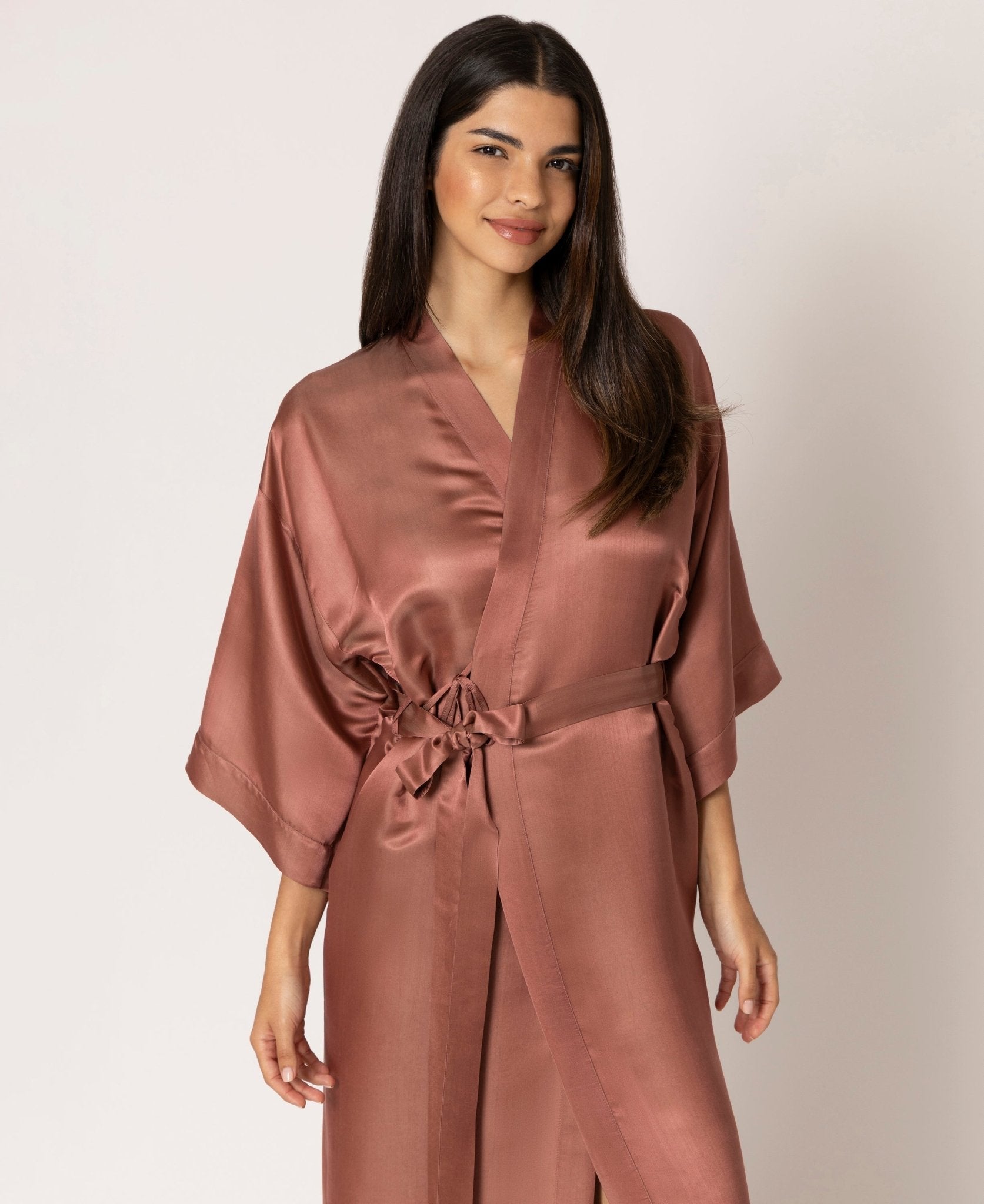
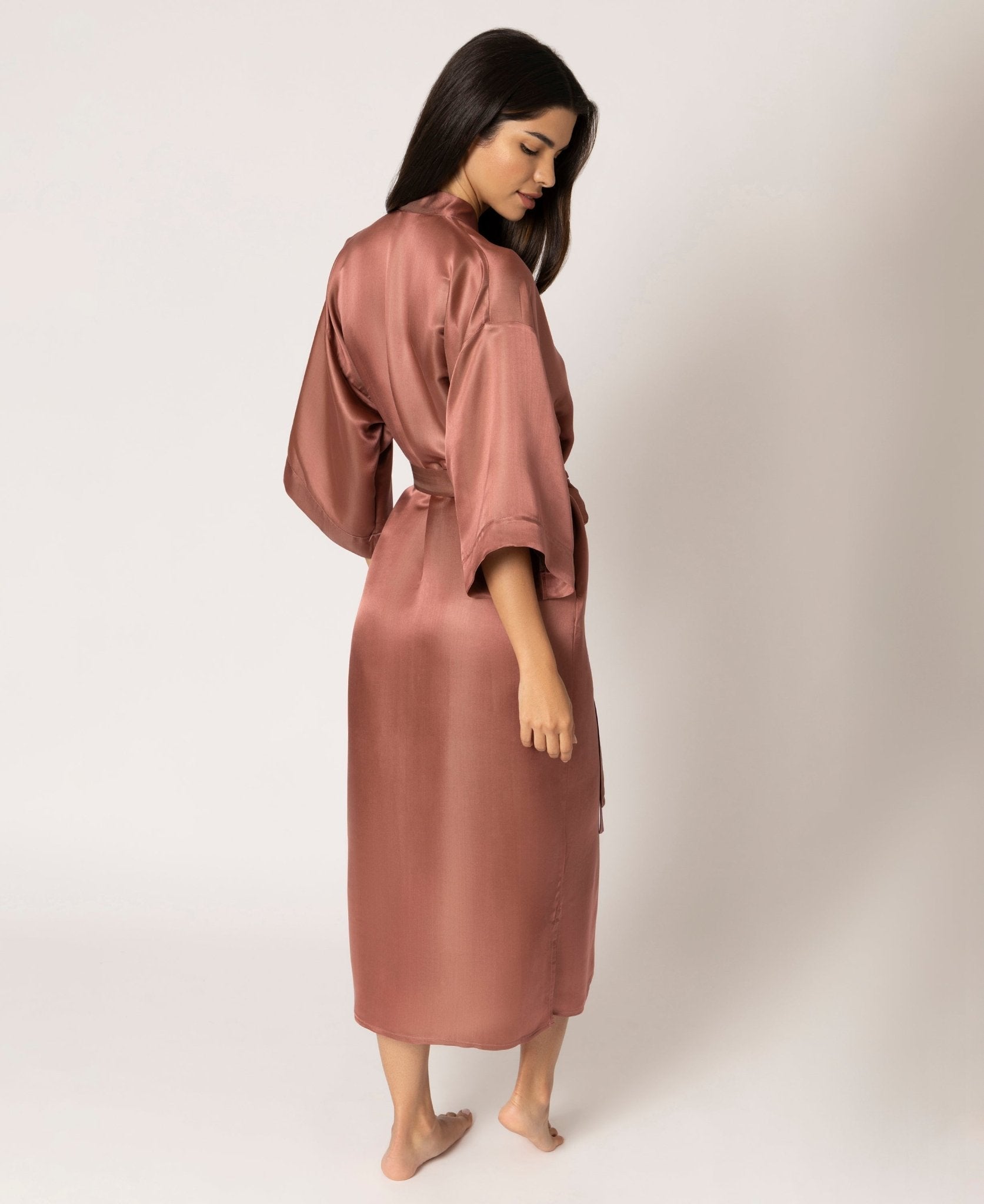
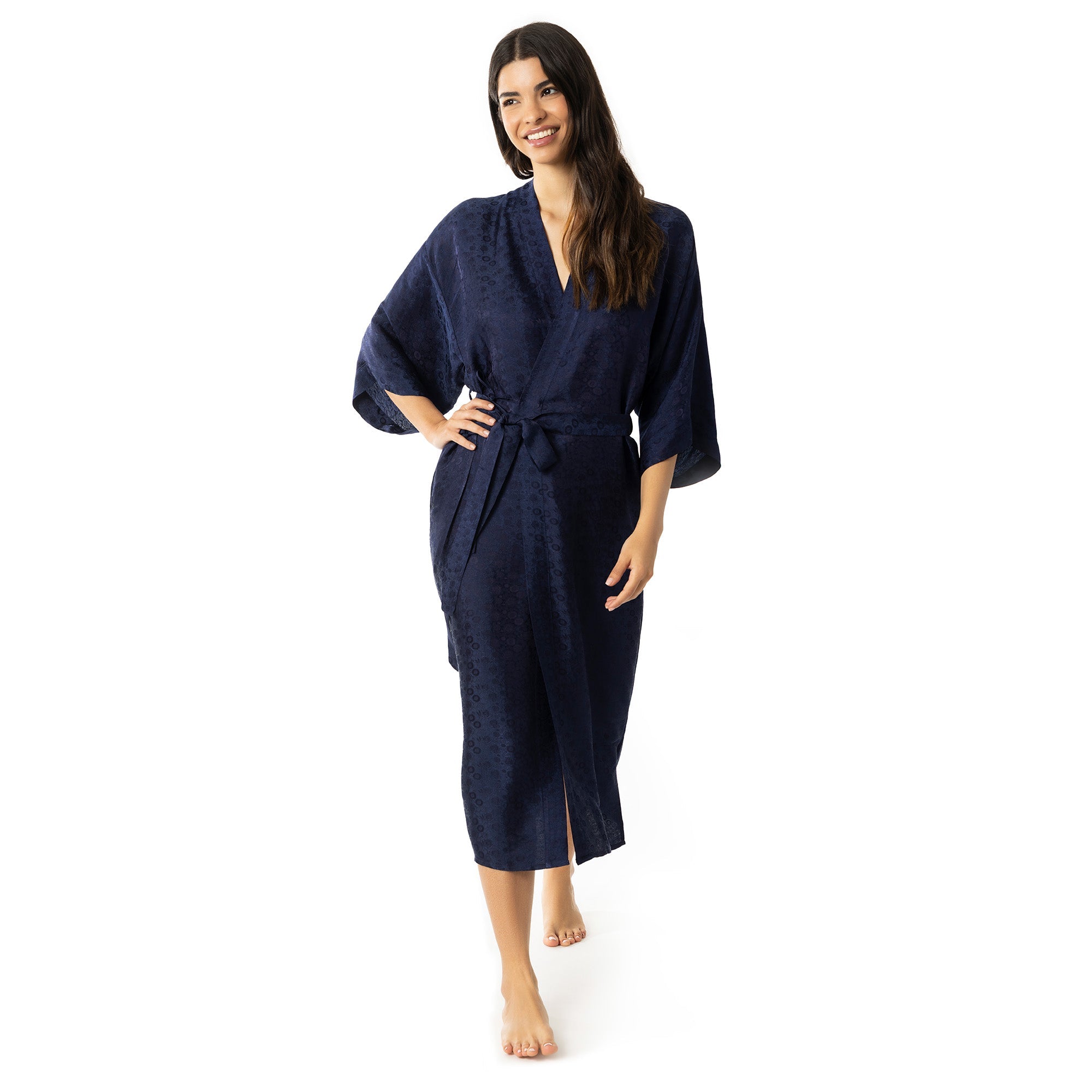
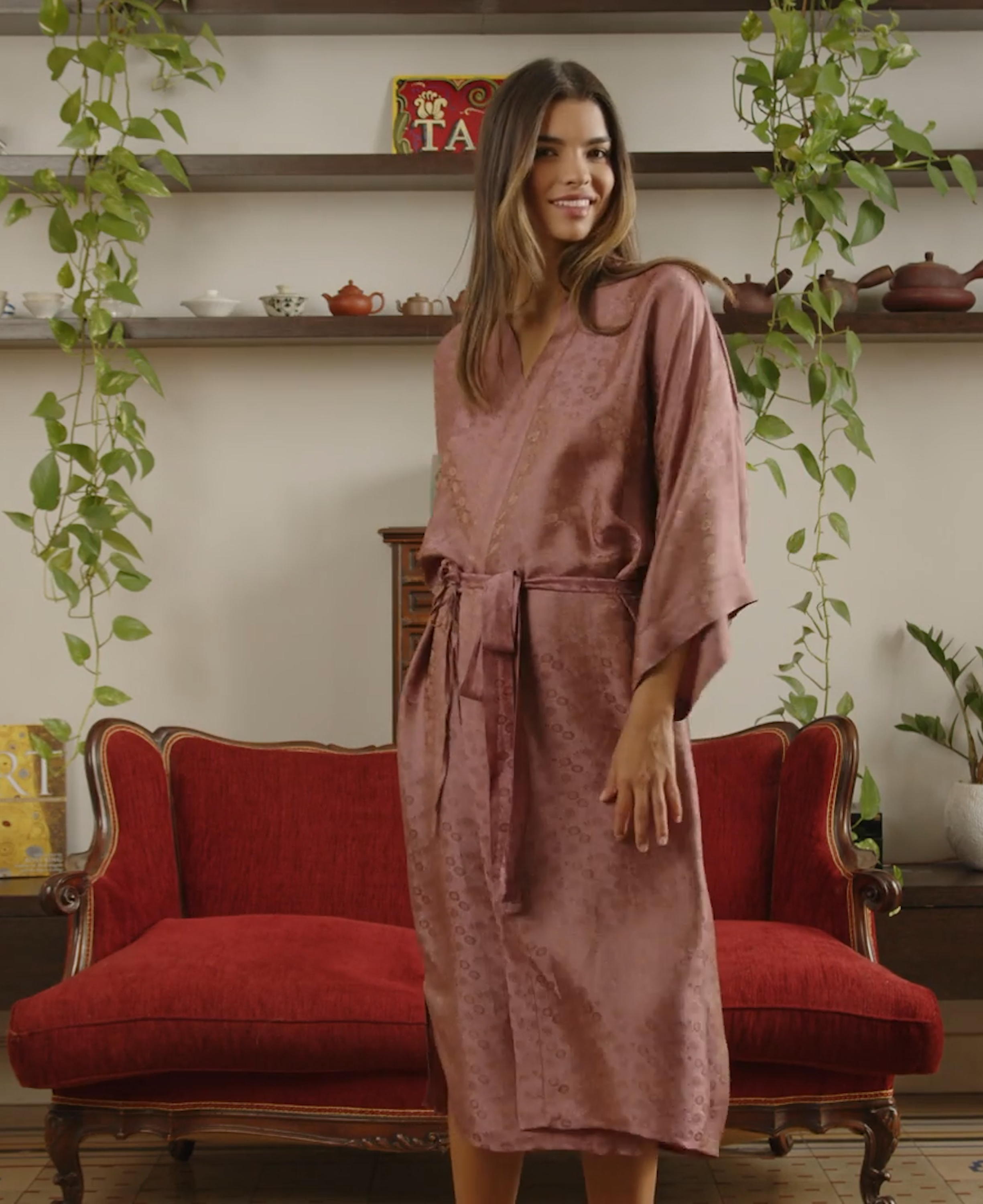
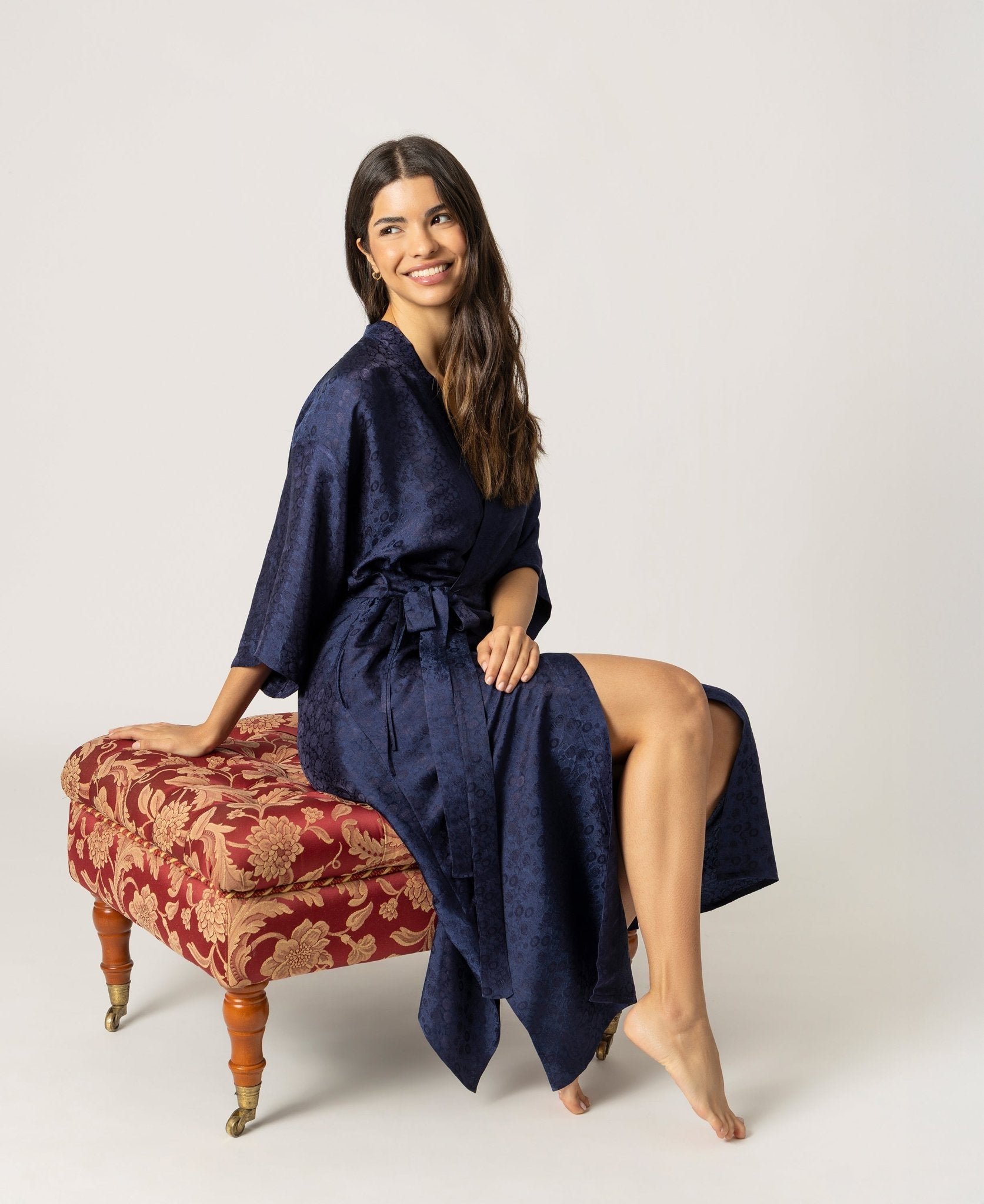
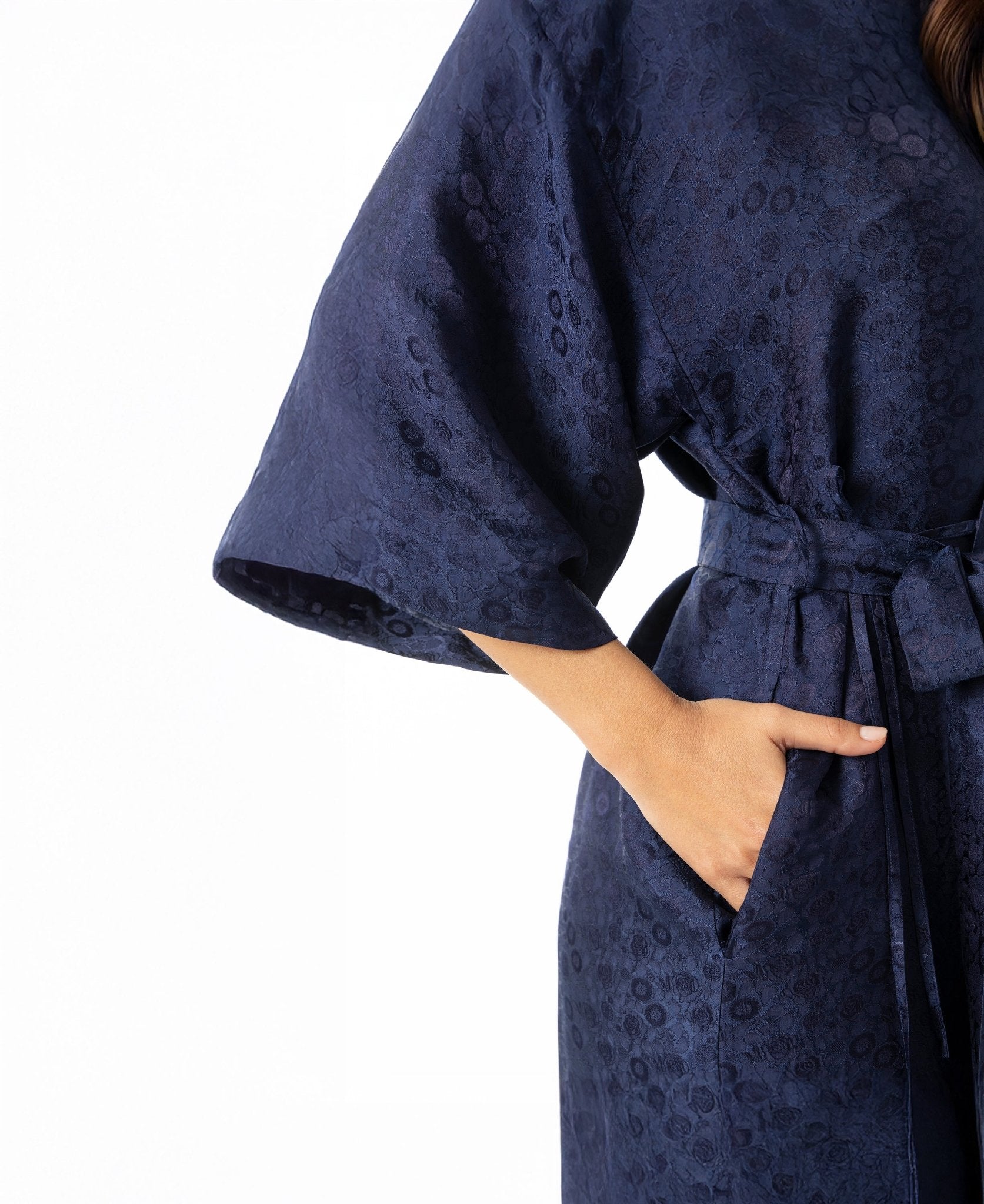
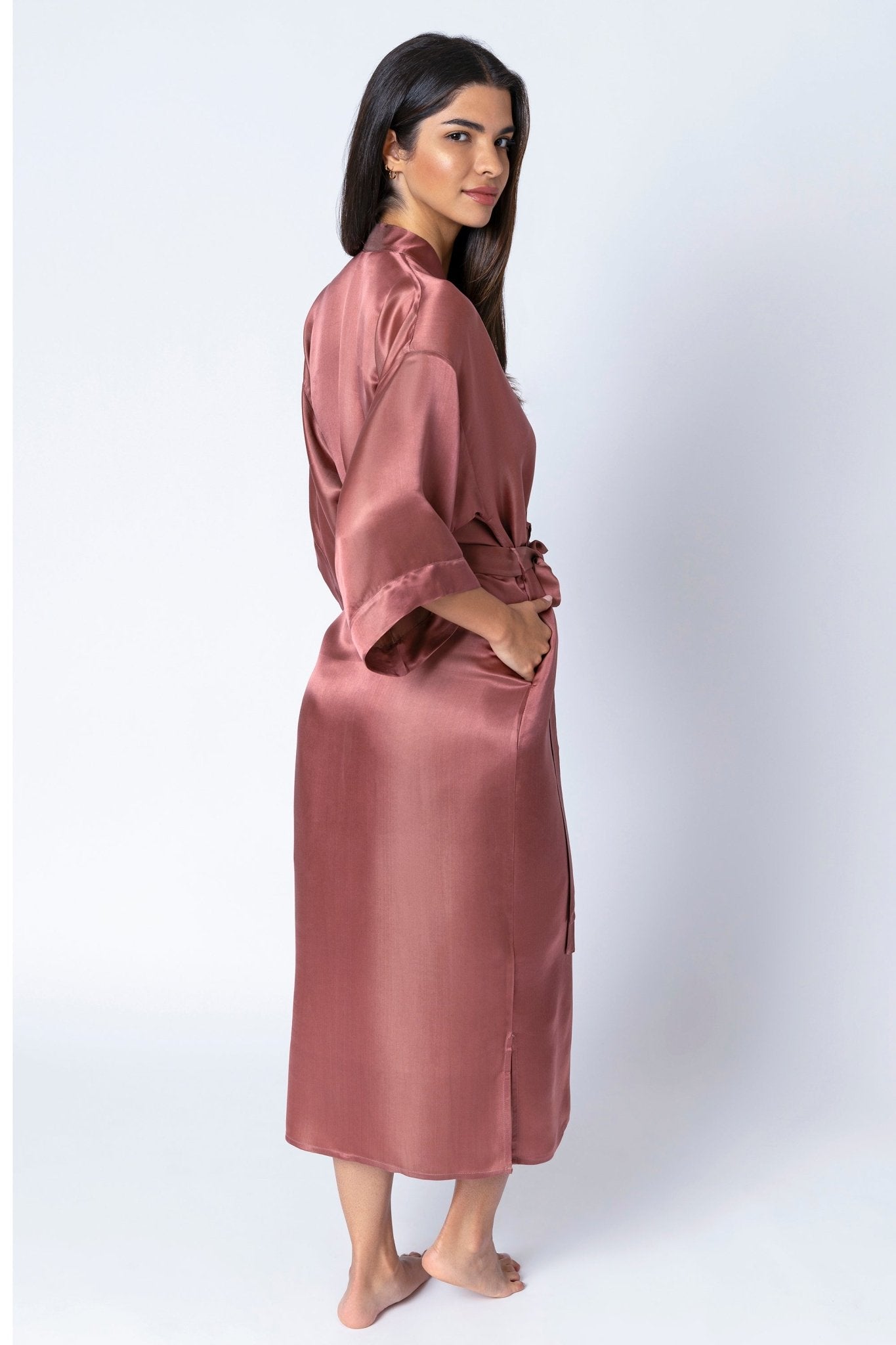
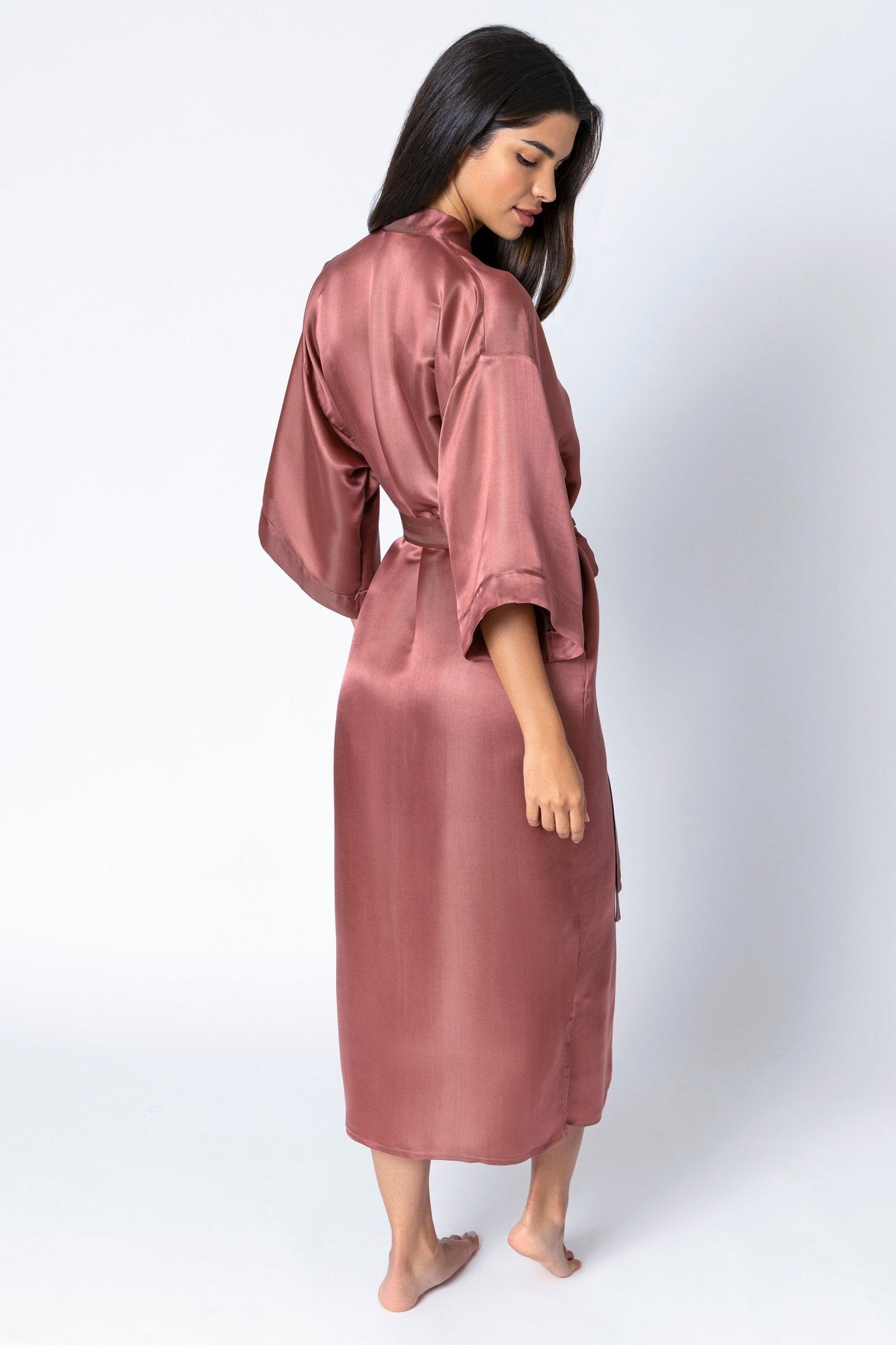
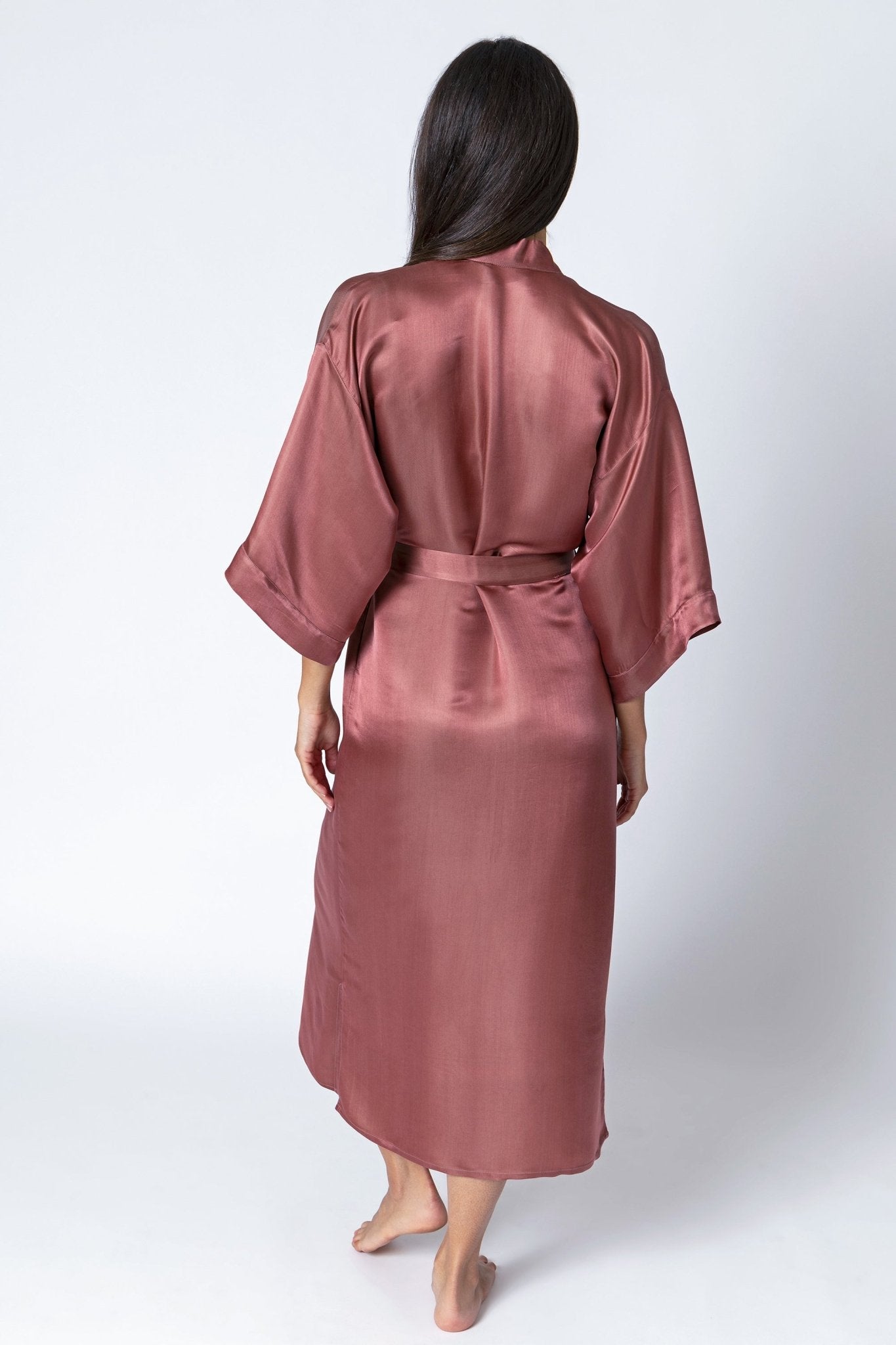
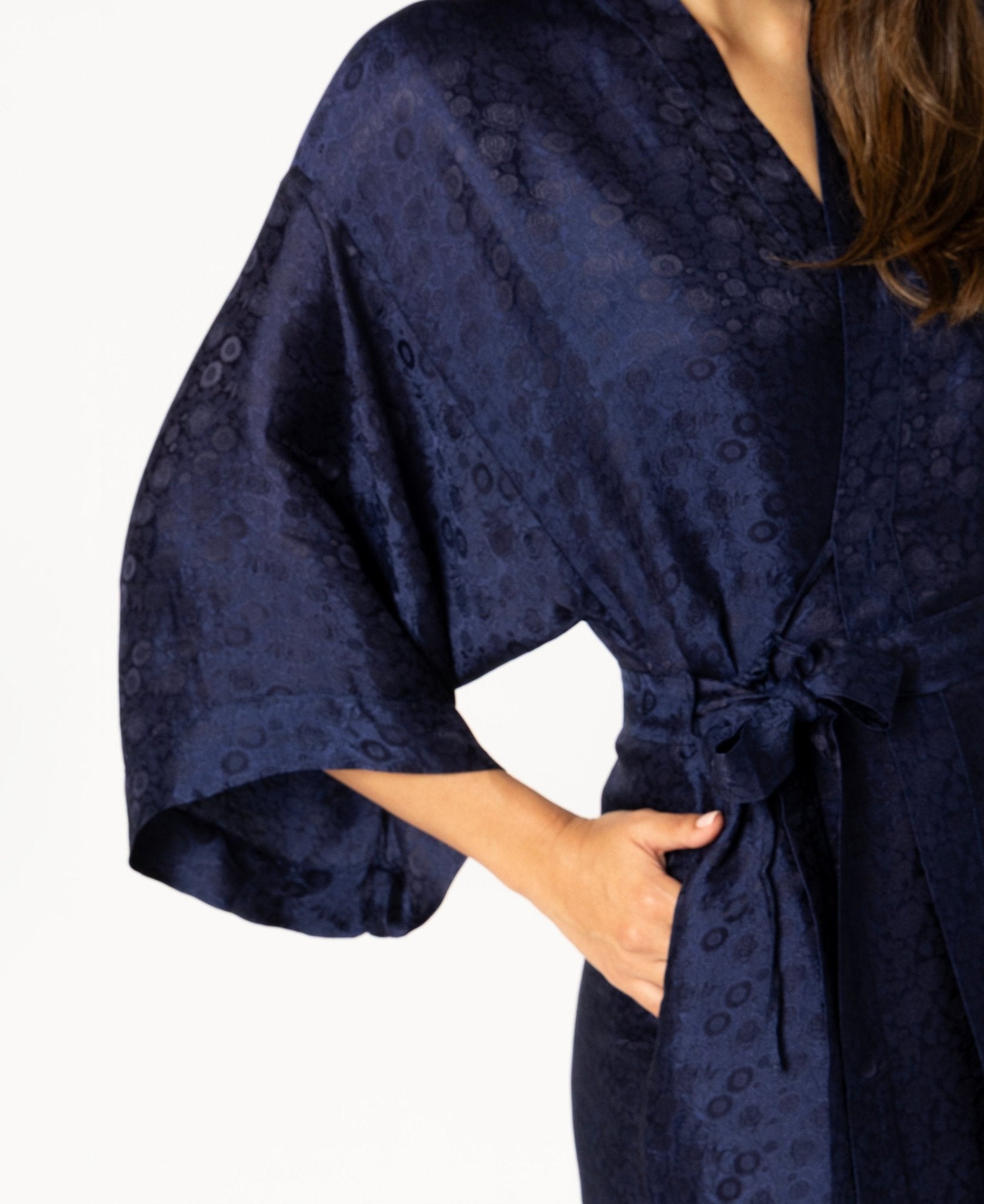
"This is a top quality robe made of beautiful quality silk. It's incredibly comfortable, extremely well made (with excellent quality French stitching that is clearly done with care), attractive, and machine washable. I LOVE lounging in this as it's just so soft and comfortable!"
SnowedUnder








French Seams in the Real World: What Happens Over Years
The theoretical durability argument for French seams is strong. The practical evidence from real garments is stronger.
A silk garment with French seams, worn regularly and laundered properly, maintains its structural integrity for approximately 5 years. The seams do not separate. The edges do not fray. The construction quality holds up year after year through proper care. This is not theoretical. This is observed practice across thousands of garments.
Compare this to overlocked seams on silk: after 50 to 100 wash cycles (roughly 1 to 2 years of regular use), small failures begin appearing. Tiny holes at seam stress points. Progressive separation at the inseam. Fraying that no amount of subsequent care can reverse. The garment becomes uncomfortable. Its lifespan shortens dramatically.
This difference matters financially if you are calculating cost-per-wear. It matters practically if you own silk garments and want them to perform as expected. And it matters ethically if you believe that durability and longevity are part of responsible consumption.










How to Check Seam Quality When Shopping
Turn the garment inside out. This is the single most informative quality check you can perform on any silk product.
French seams:
You will see a clean, narrow fold at each seam line. No visible thread wrapping. No exposed fabric edge. The inside of the garment looks nearly as finished as the outside.
Overlocked seams:
You will see a line of looped thread wrapping the fabric edge at each seam. The raw edge of the silk is visible underneath the thread. The inside looks distinctly less finished than the outside.
No finishing:
On very cheap silk products, you may find raw edges with no finishing at all, just a line of stitching with the fabric edge exposed. These garments will begin fraying after the first wash.
If you are shopping online and cannot turn the garment inside out, look for seam construction in the product description. Brands that use French seams will mention it. Brands that do not will either list "overlocked seams" or, more commonly, say nothing about construction at all.






Frequently Asked Questions
Do French seams make silk garments last longer?
Yes. French seams enclose the raw fabric edge, preventing the fraying that is the primary cause of seam failure in silk garments. A French-seamed silk garment should maintain seam integrity for approximately 5 years, compared to 2 to 4 years for overlocked construction on the same fabric weight.
Can I feel the difference between French seams and overlocked seams?
Yes, immediately. Turn the garment inside out and run your hand along a seam line. French seams feel like a smooth, narrow fold. Overlocked seams feel like a raised ridge of thread. When wearing the garment, the difference translates to comfort: French seams sit flat against skin, overlocked seams create friction points.
Why don't all silk brands use French seams?
Cost and production time. French seams take approximately twice as long to sew as overlocked seams, which increases labor cost per garment. For brands competing on price or producing at high volume, the additional production time makes French seams economically unviable.
Are French seams only relevant for silk?
French seams benefit any lightweight or fray-prone fabric: silk, rayon, chiffon, organza. On heavier fabrics like denim or canvas, the raw edge is stable enough that overlocking provides adequate durability, and the fabric's roughness means the seam texture is not perceptible against skin.
Do French seams affect how a garment drapes?
Minimally. French seams add a small amount of fabric at each seam line (the enclosed allowance), but on 27 momme silk, this additional fabric weight is negligible relative to the overall garment weight. The drape of a French-seamed silk robe is indistinguishable from what it would be with other seam types.
How much does French seam construction affect the price?
Noticeably. French seam construction adds 30 to 45 minutes of labor per garment compared to overlocked seams. At artisan workshop rates, this translates to a meaningful per-garment cost increase. Brands using artisan-level labor will reflect this cost in their pricing.
