


Tara Sartoria vs Other Silk Brands: An Honest Comparison
By Tara Nguyen, Ph.D., Founder and Creative Director, Tara Sartoria
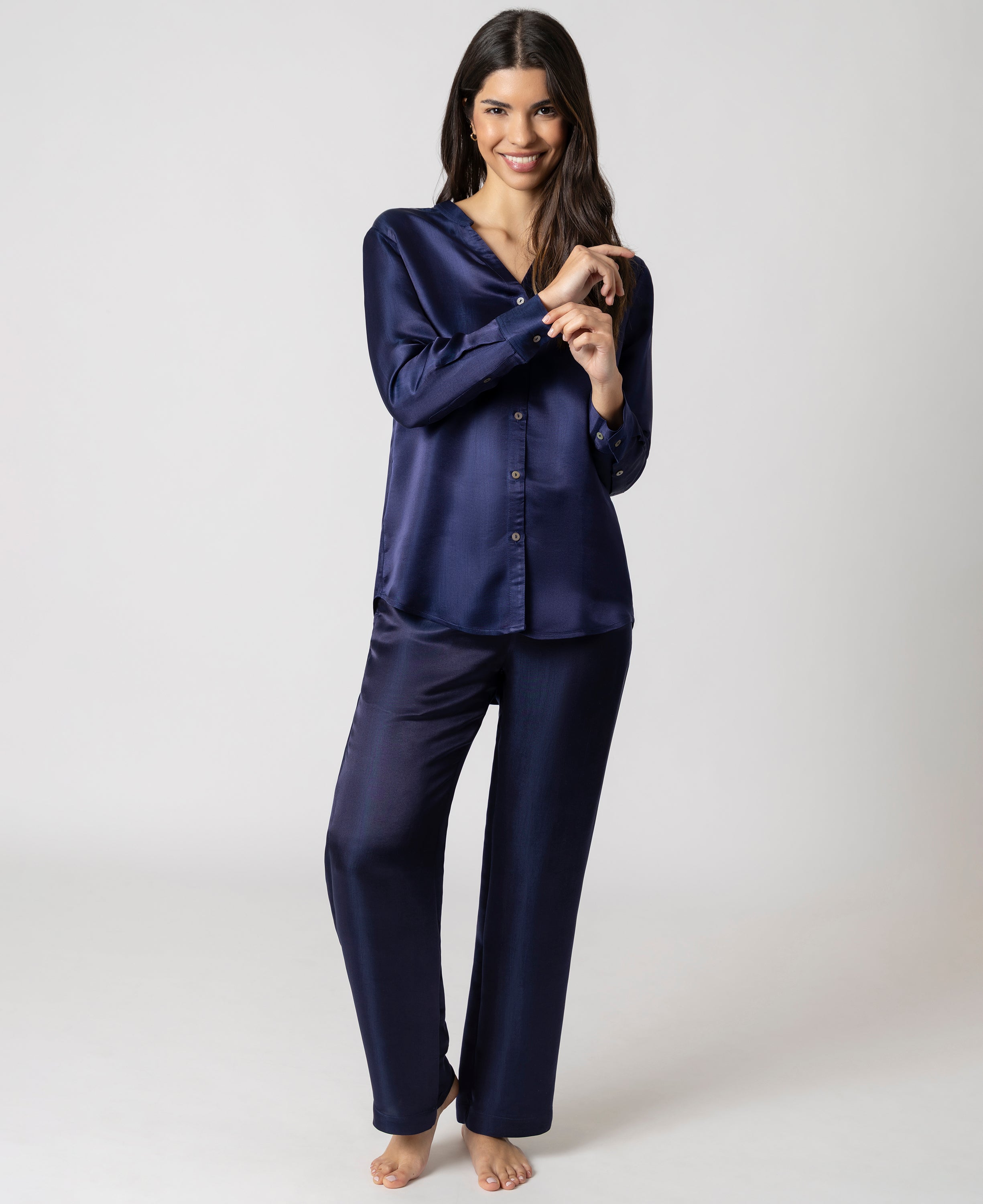
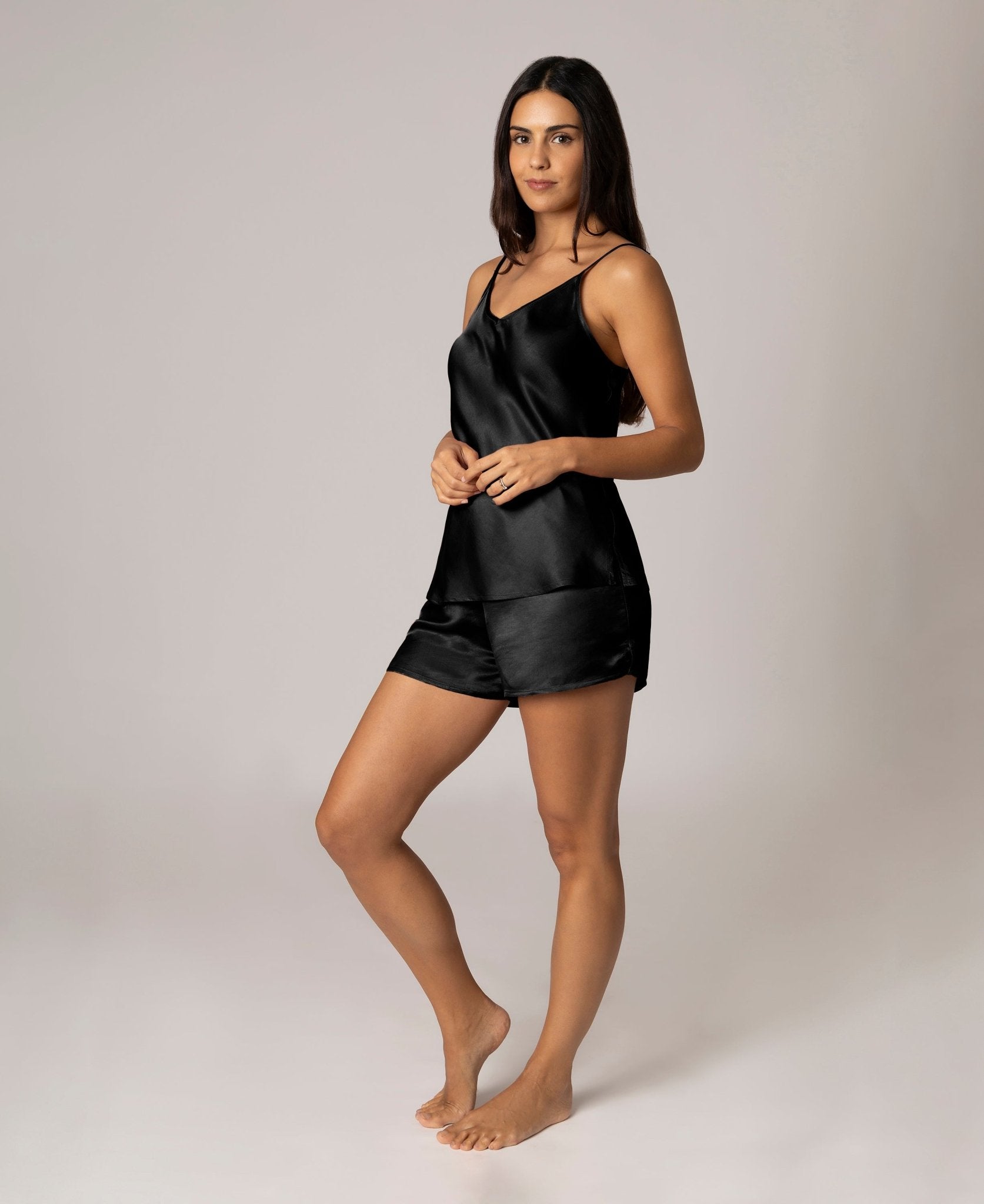
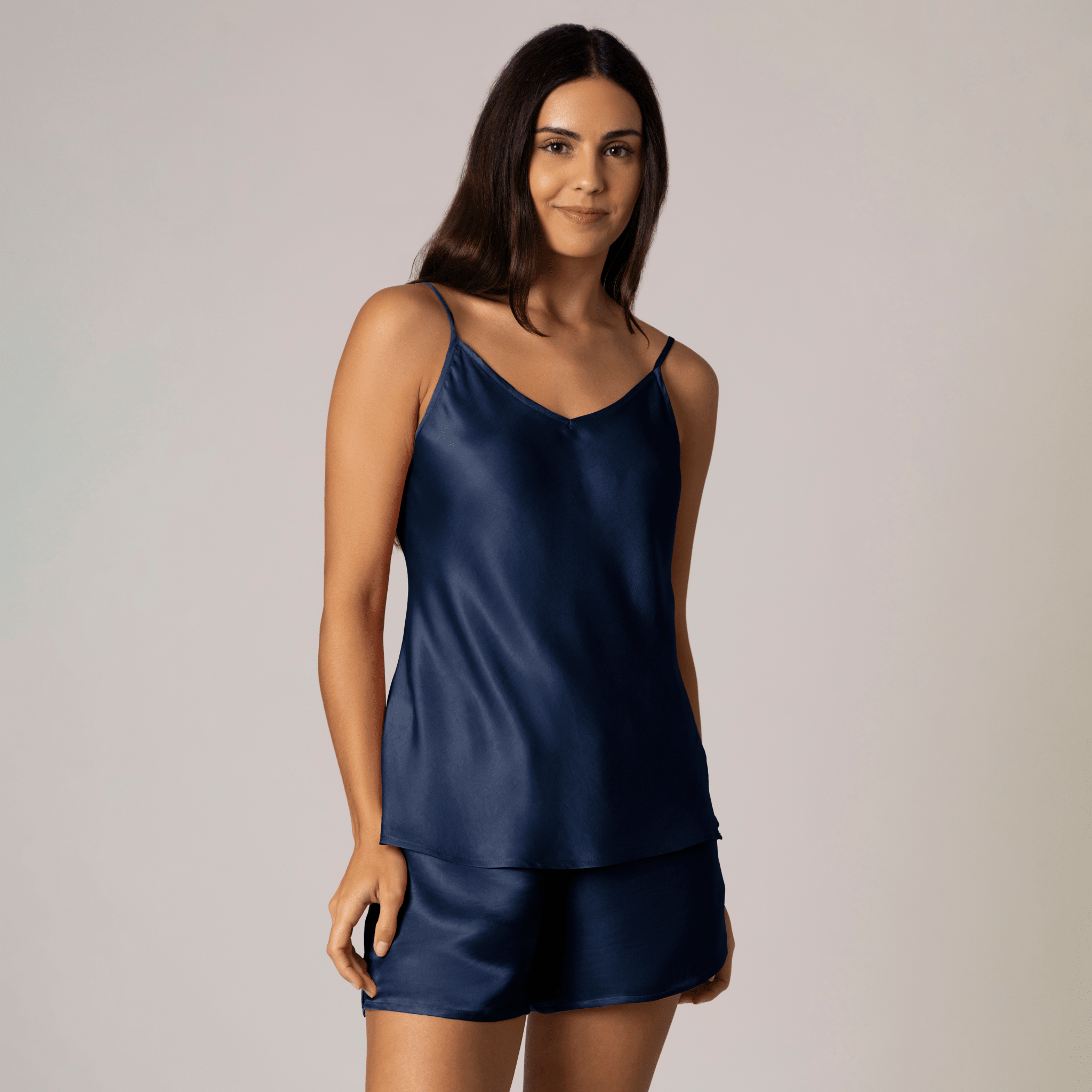
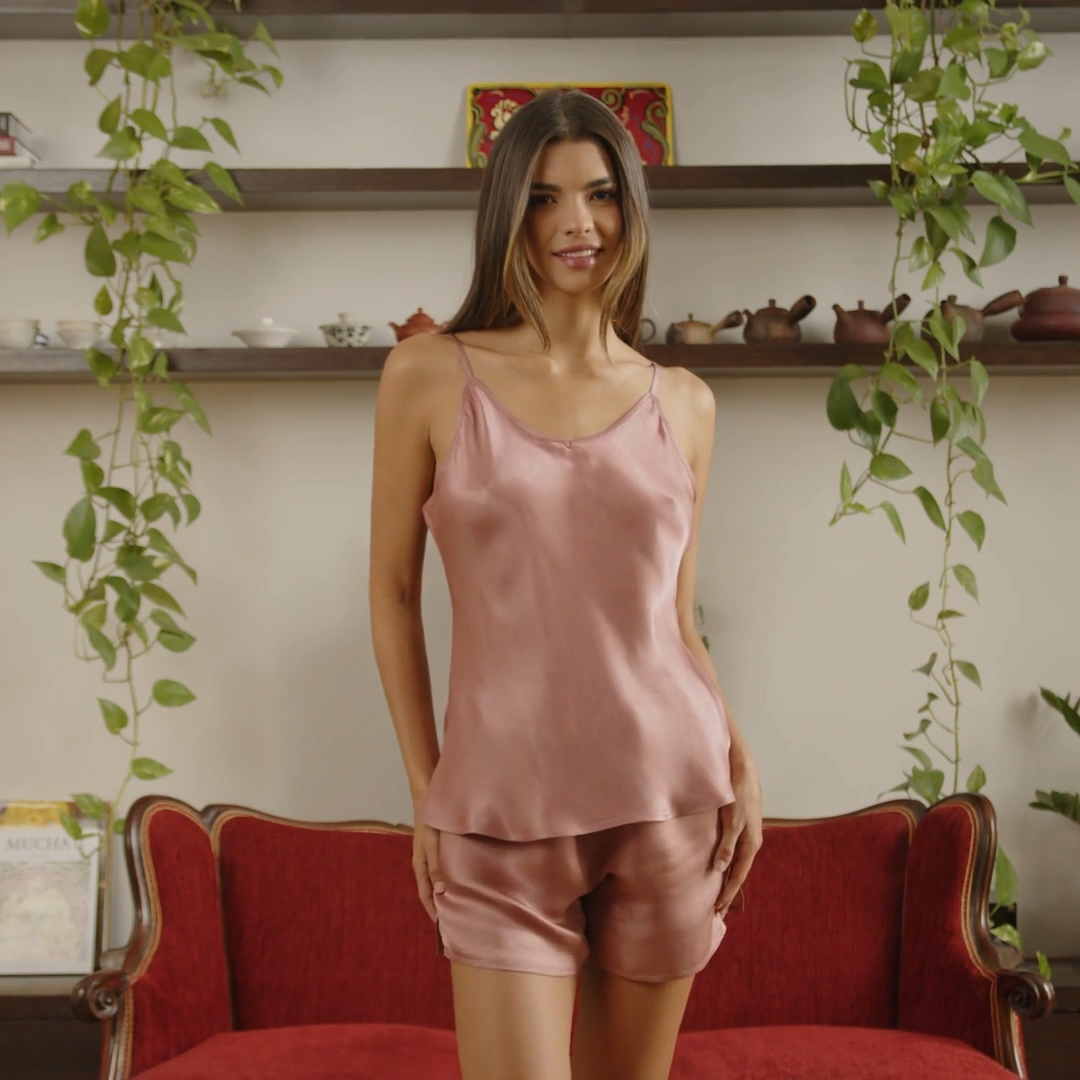
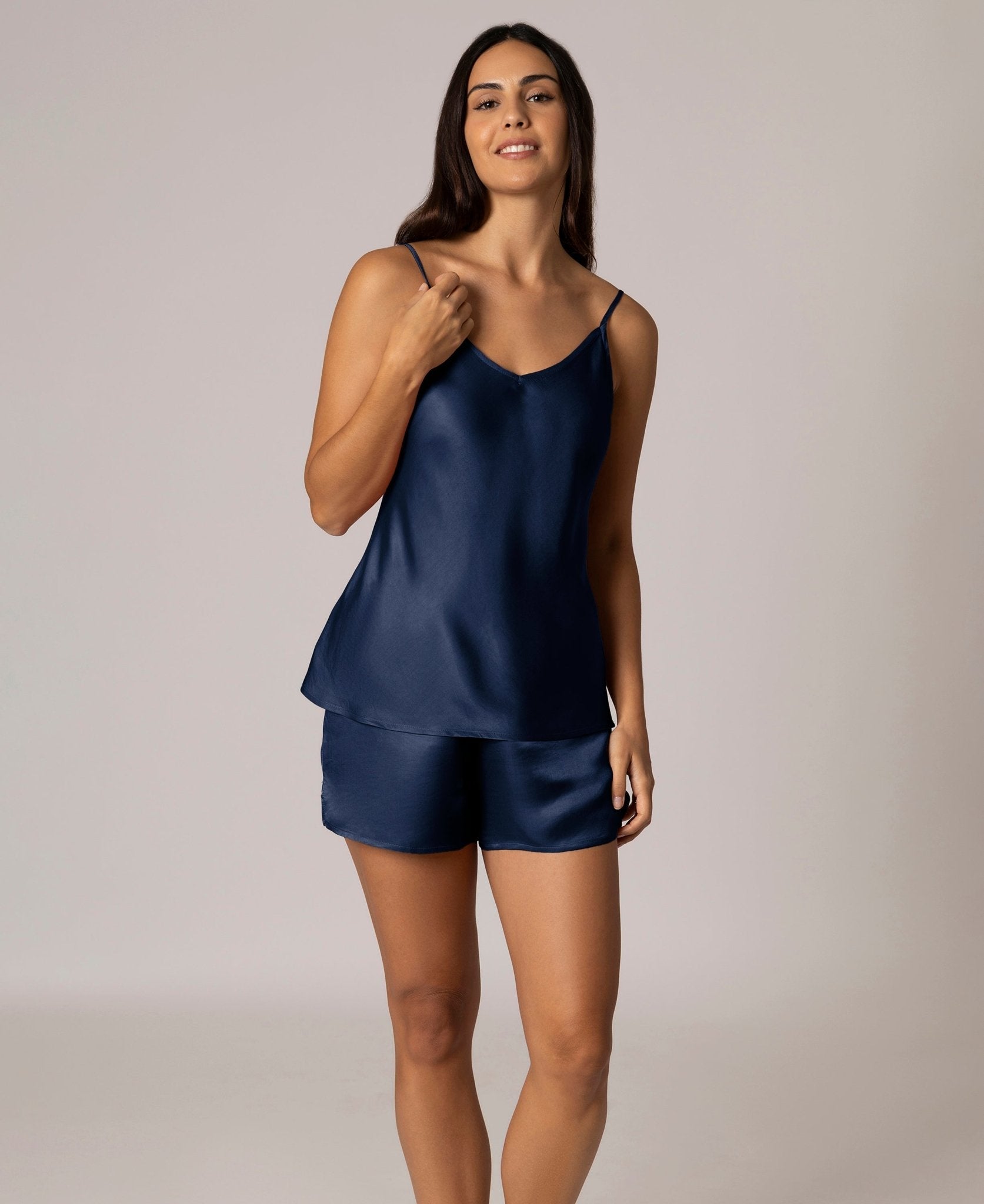
You've scrolled through five different silk brands and they all look the same. The photography is nearly identical. The stories feel familiar. The claims about quality blur together. The real differences hide in the specification line, waiting for someone to actually read it. Tara Sartoria is built on a single, unwavering specification: 27 momme mulberry silk with French seams, hand-finished in Vietnam.
This comparison exists because we believe the best way to earn your trust is to give you the precise information needed to decide, even when that information occasionally favors another brand.
What Sets Brands Apart
The silk sleepwear market fragments into clear tiers, each with legitimate purposes. Budget-tier brands at 16-19 momme target people testing silk for the first time, which is sensible. Mid-range brands at 19-22 momme offer breadth and accessibility, choosing quantity of styles over density of fabric. Tara Sartoria operates in the artisan tier at 27 momme, prioritizing depth and durability over catalog range.
None of these positions is wrong. The mistake is assuming all brands in the same price band serve identical purposes. They do not.
The Specifications, Side by Side
| Criteria | Tara Sartoria | Typical Mid-Range Brand (19-22 momme) |
|---|---|---|
| Momme Weight | 27 momme (all products) | 16 to 22 momme (varies within brands) |
| Silk Type | Grade 6A equivalent mulberry | Mulberry (grade often undisclosed) |
| Seam Construction | French seams, hand-finished | Overlocked seams (standard) |
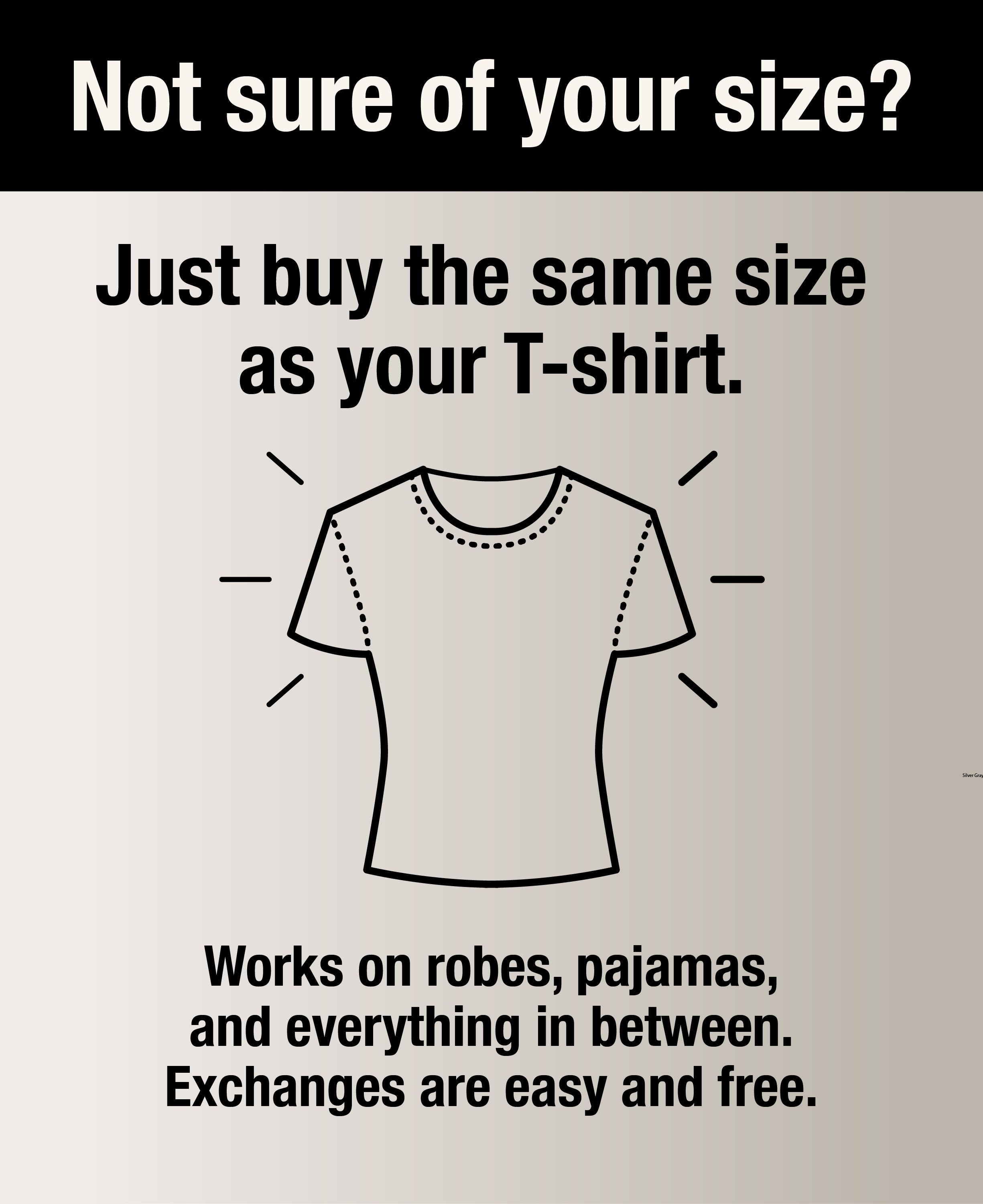
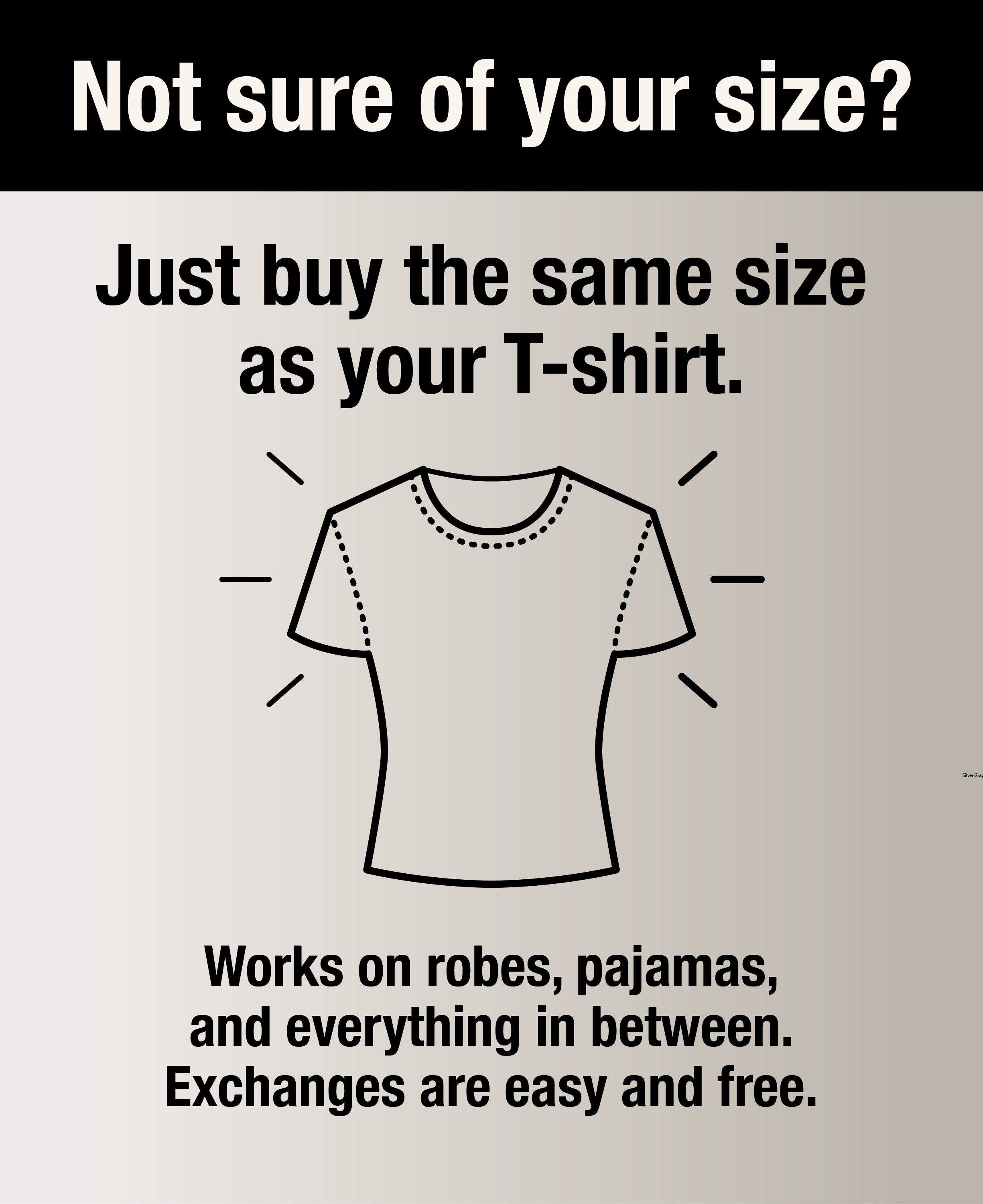
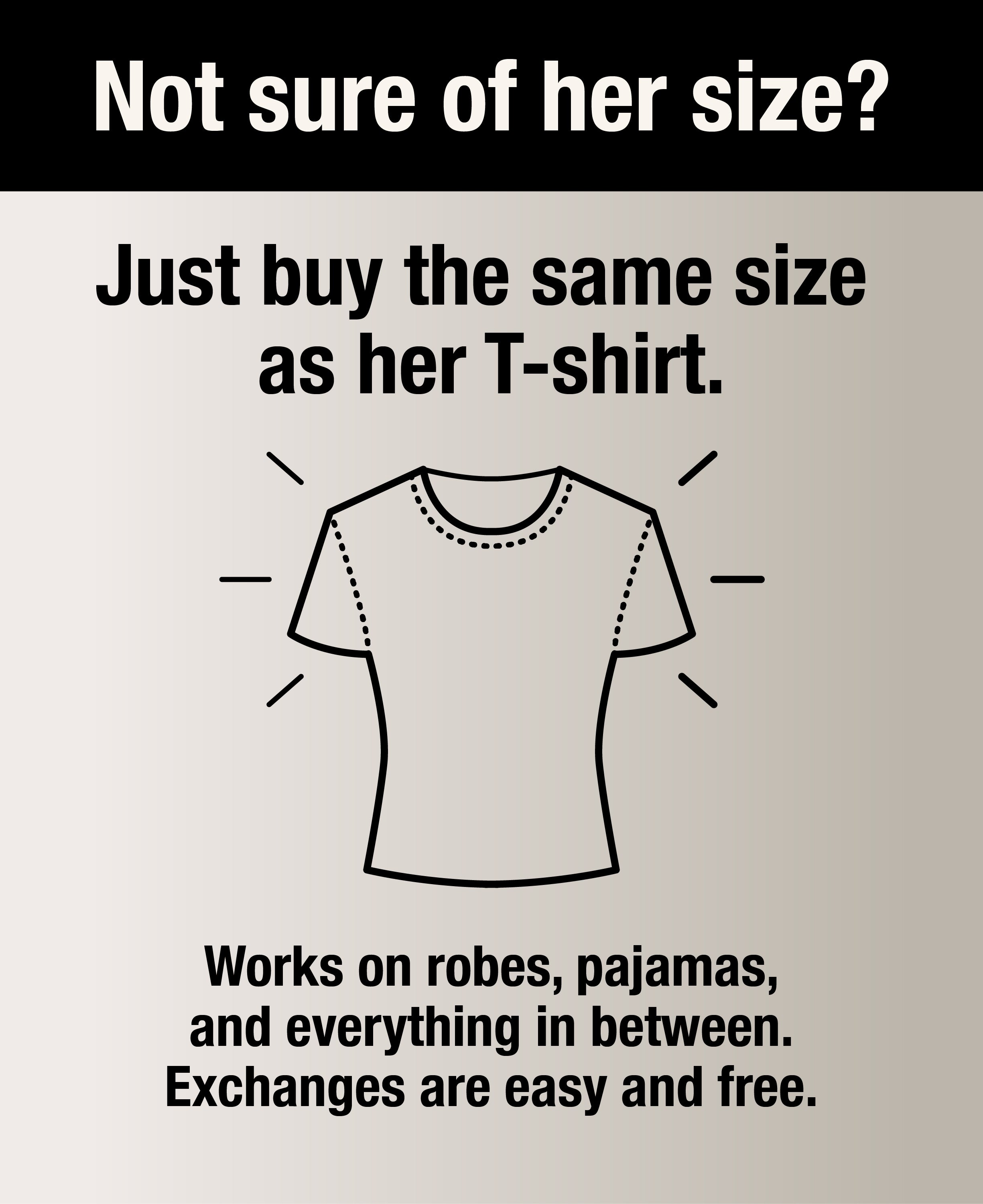
| Size Range | XS to 4XL | Typically XS to XXL |
| Machine Washable | Yes, 30 degrees | Hand wash recommended |
| Production | Artisan workshops, Vietnam | Factory production (various locations) |
| Typical Pajama Price | Artisan tier | Budget to mid-range |
| Color/Style Range | Focused, classic | Extensive, many options |
| Men's Offering | Full range | Varies widely |
| Ethical Commitment | 10% profits to women's education | Varies, some B Corp certified |
| Men's Return Rate | 10.5% | Industry standard (undisclosed) |










What Other Brands Do Better
Catalog breadth.
If you need a specific color in a specific style, larger brands maintain deeper inventory. This is mathematics. Factory-scale production accommodates more variations than artisan workshop production. If style variety is your priority, this matters.
Entry price.
Many brands offer 16-19 momme silk at budget price points. If you're testing whether silk sleepwear works for your body before committing to higher cost, these entry-tier products serve that purpose. There is genuine value in testing before upgrading.
Design diversity.
Larger production systems accommodate more sleeve lengths, collar cuts, and aesthetic variations. If a specific design matters to you and Tara Sartoria doesn't stock it, that's a real limitation, not a choice.
What Tara Sartoria Delivers Differently
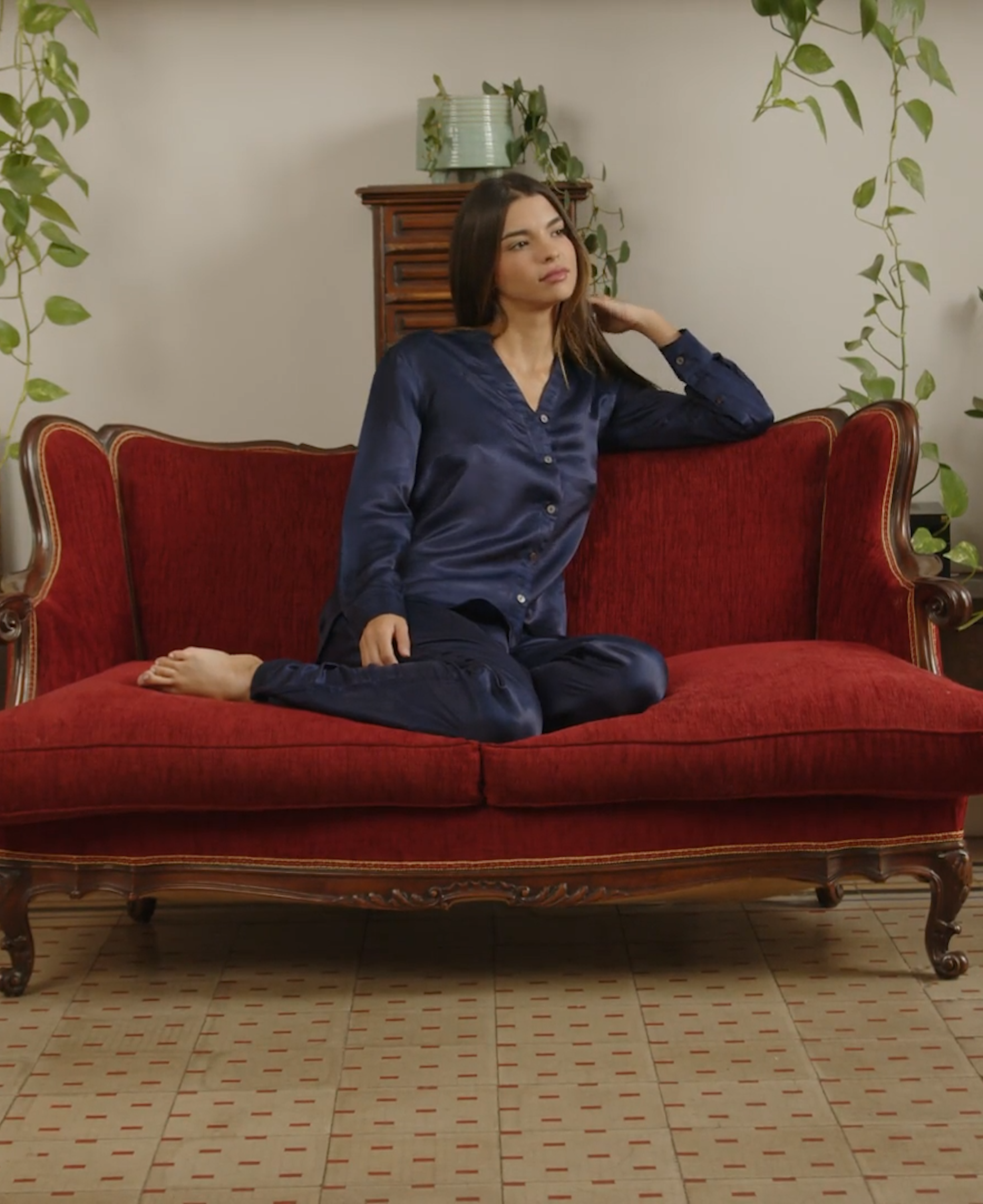
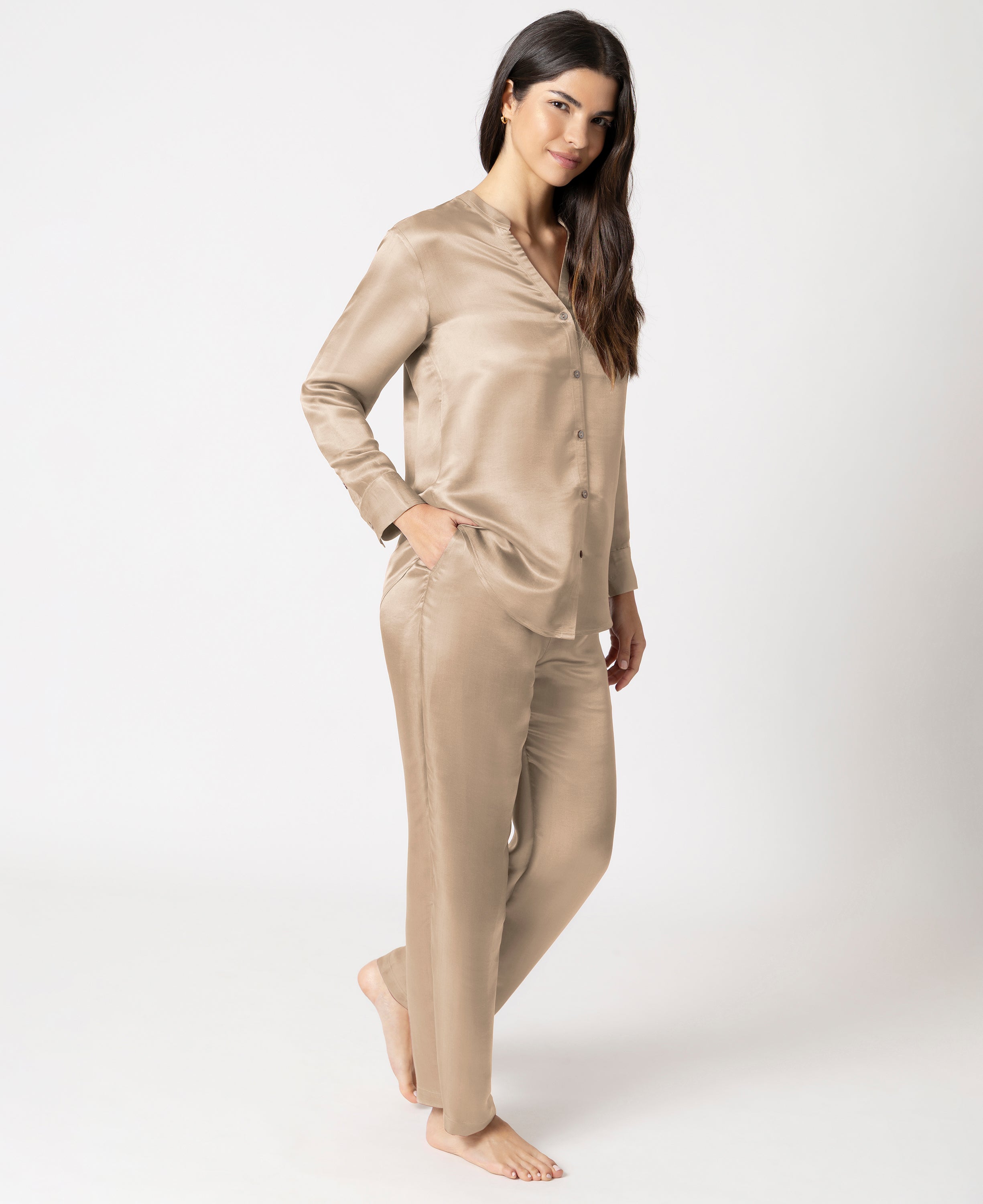
Fabric density matters physically.
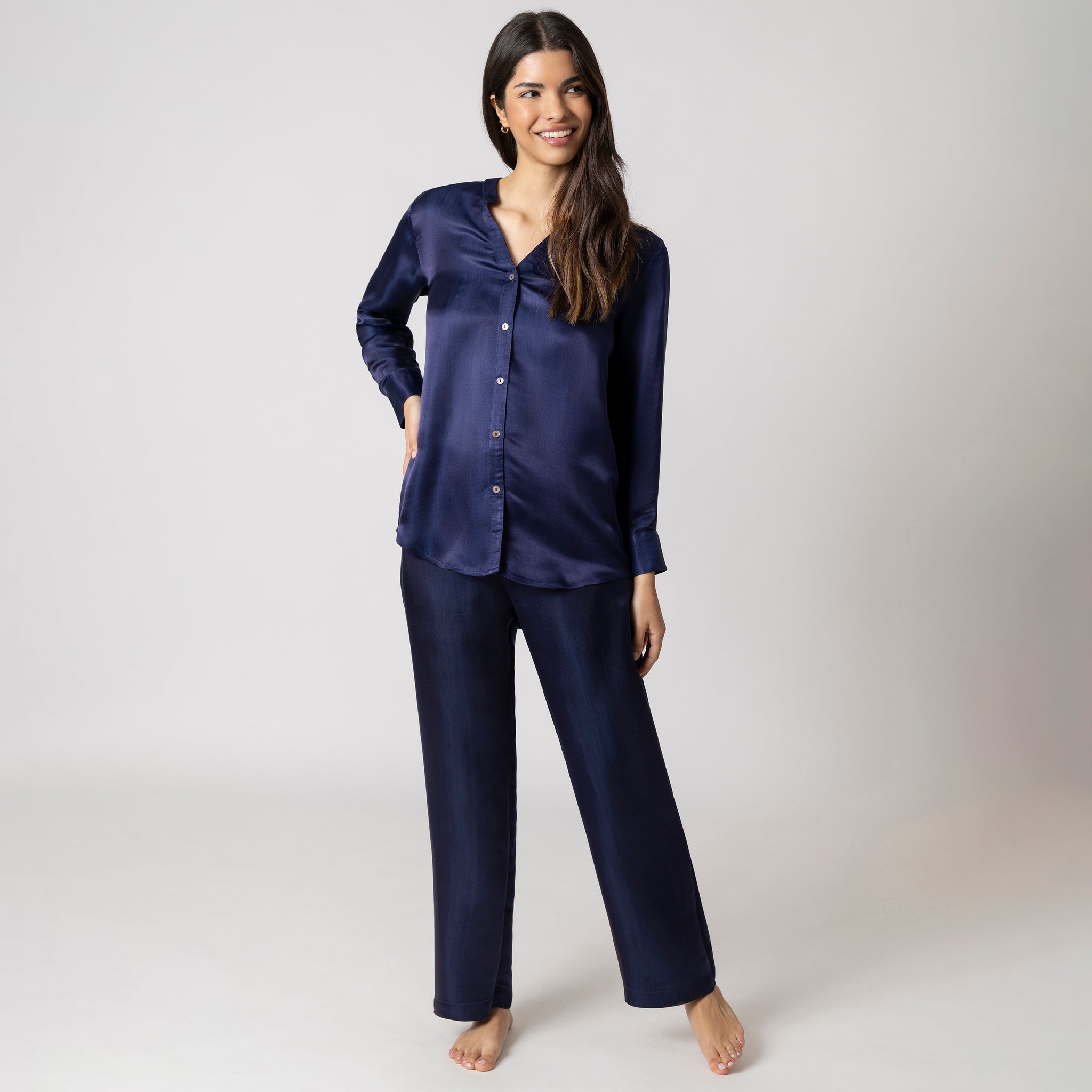
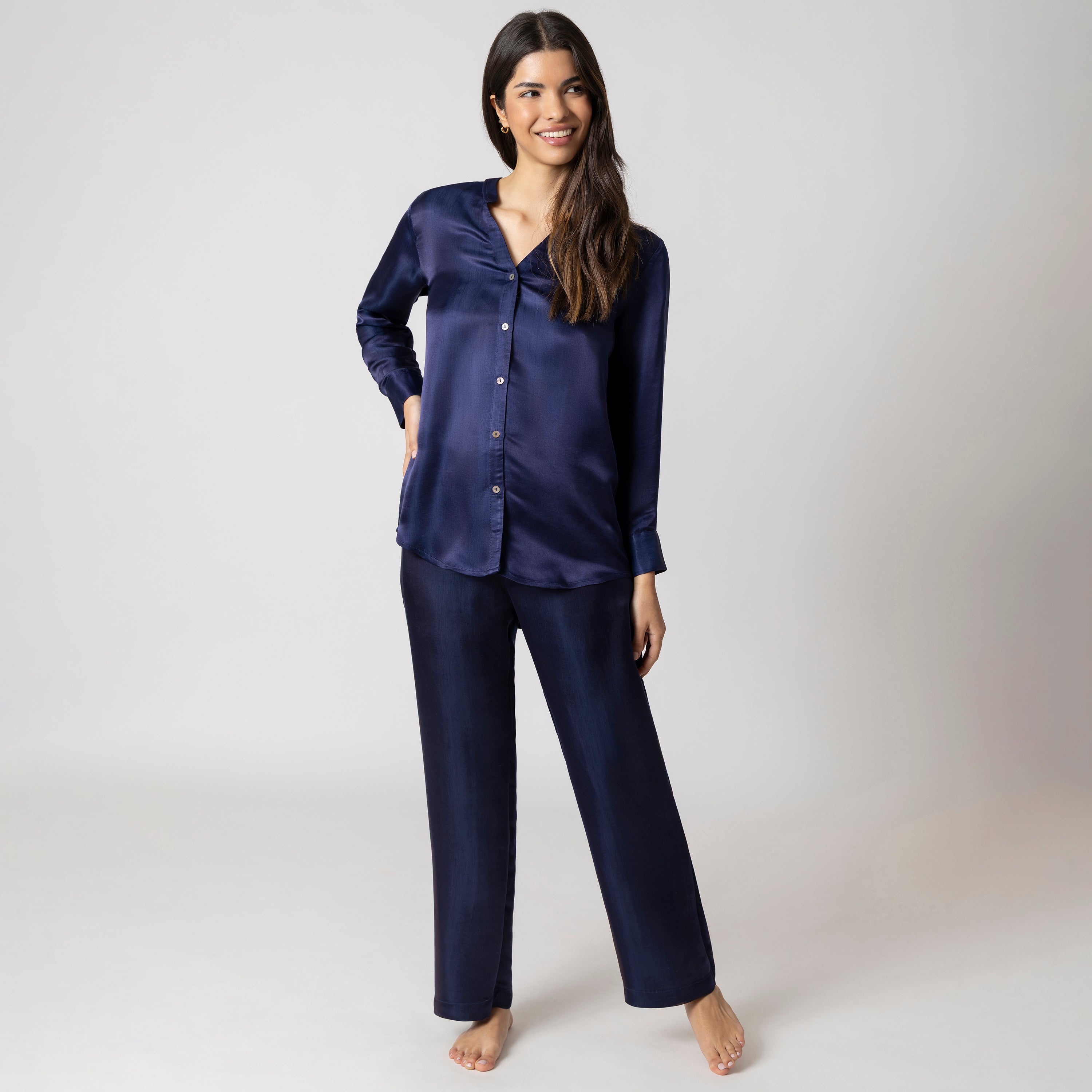
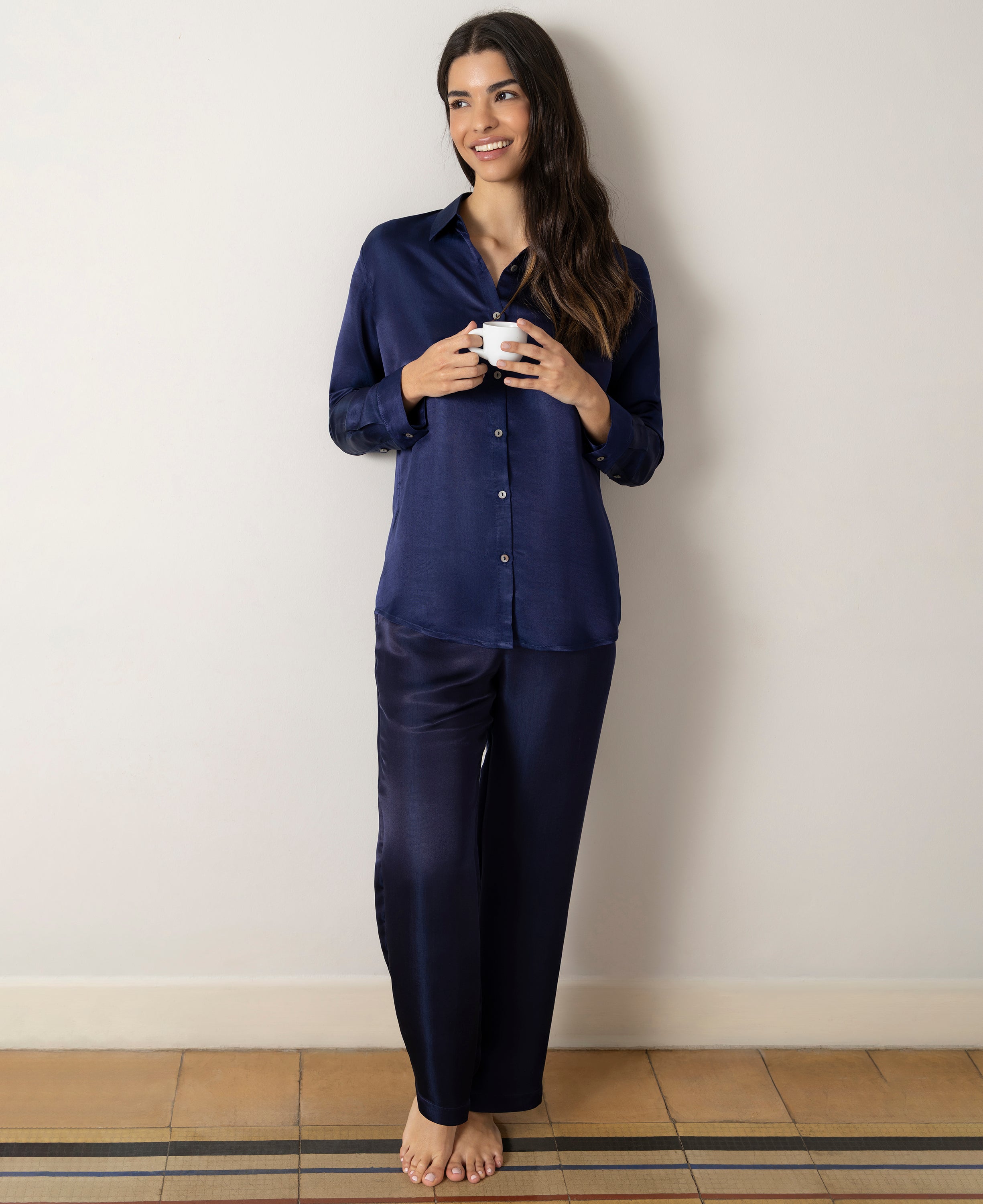
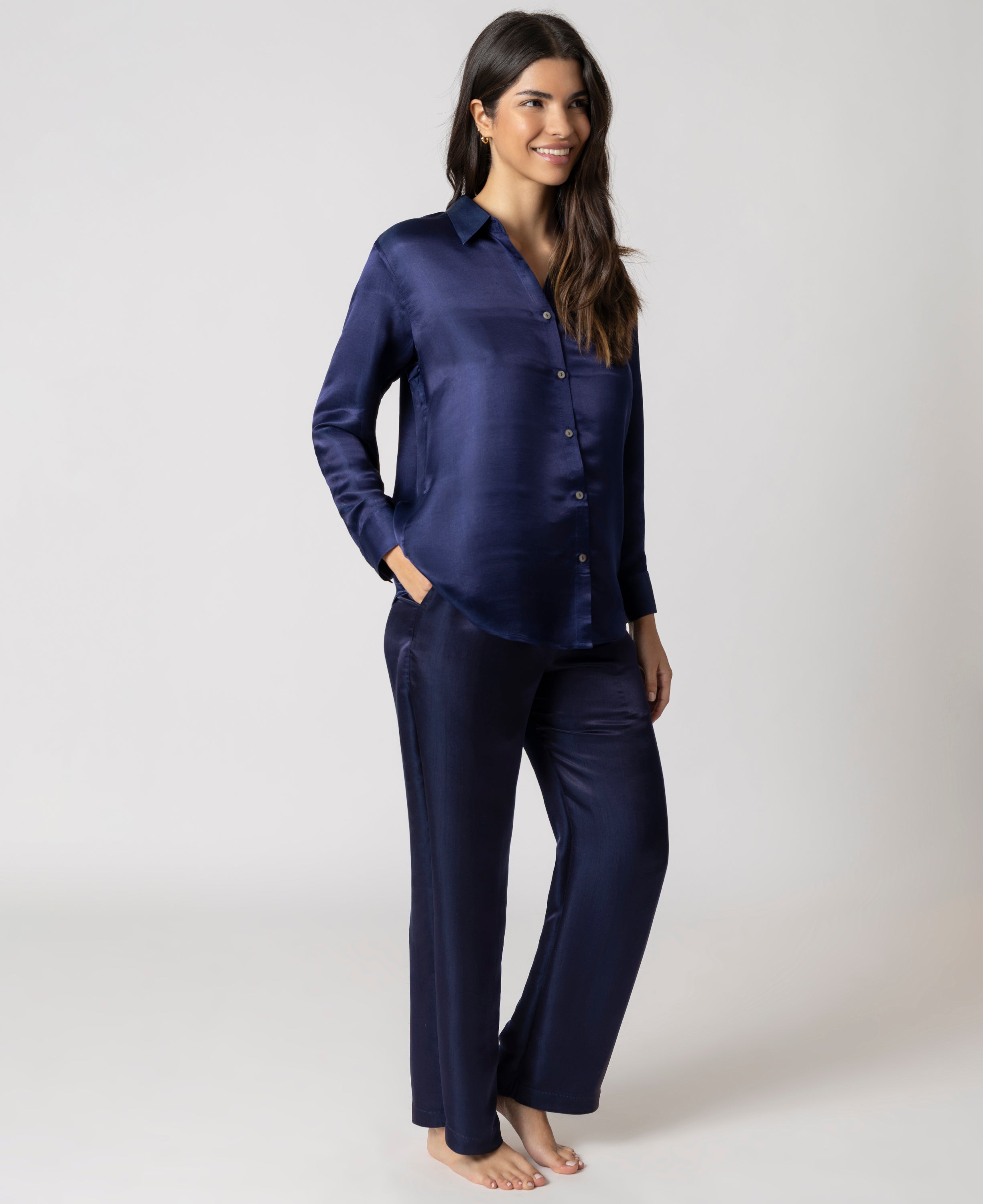
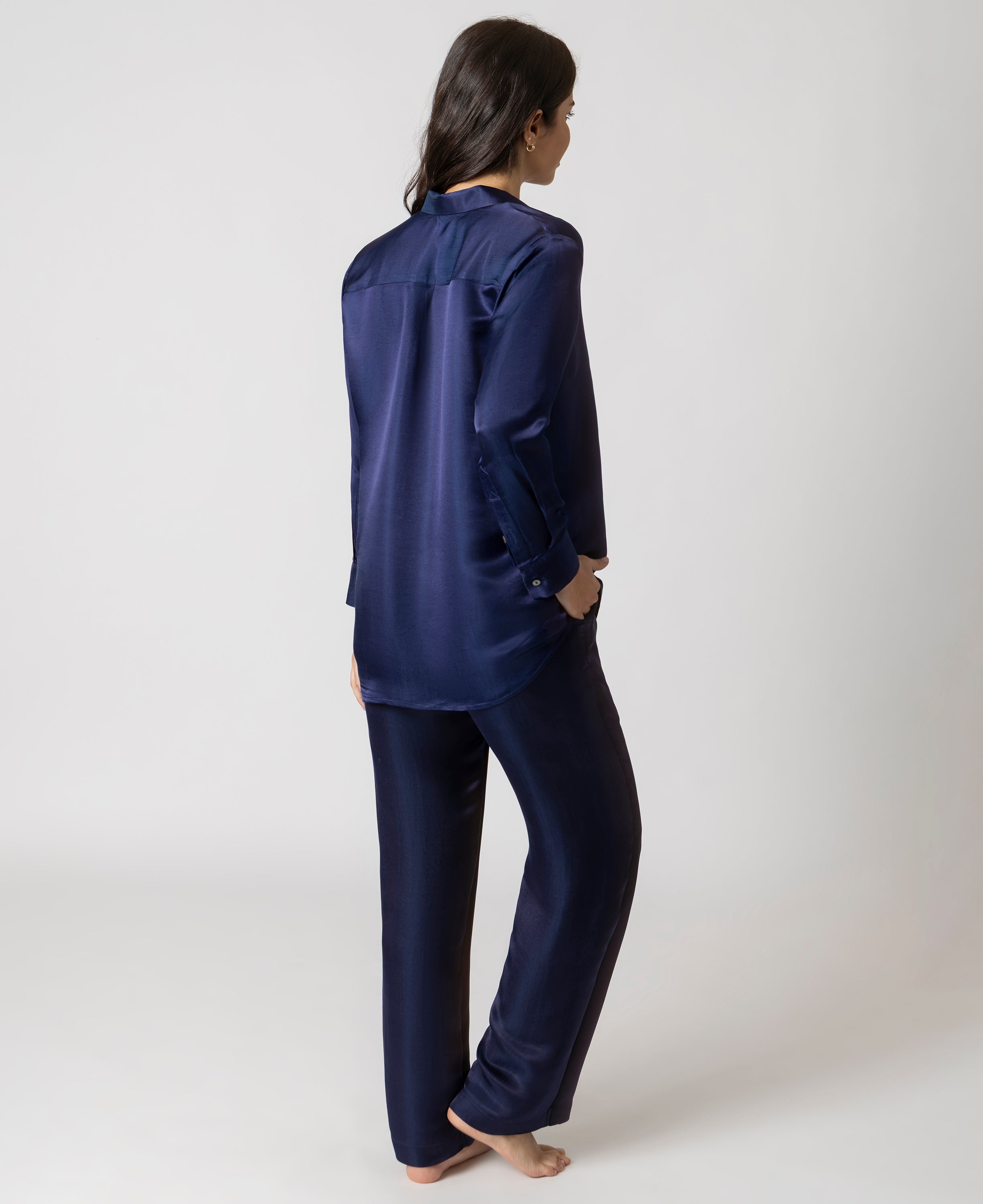
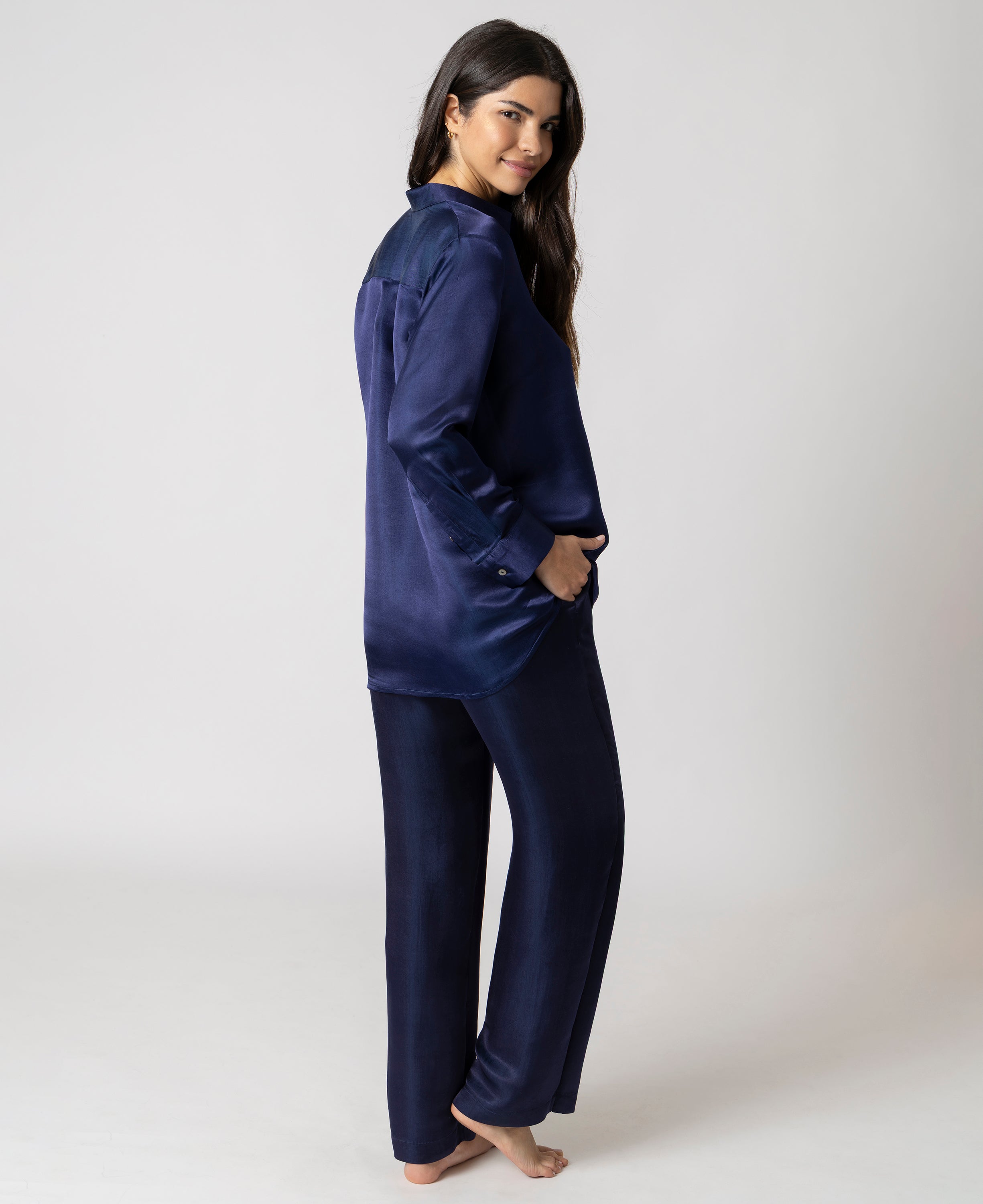
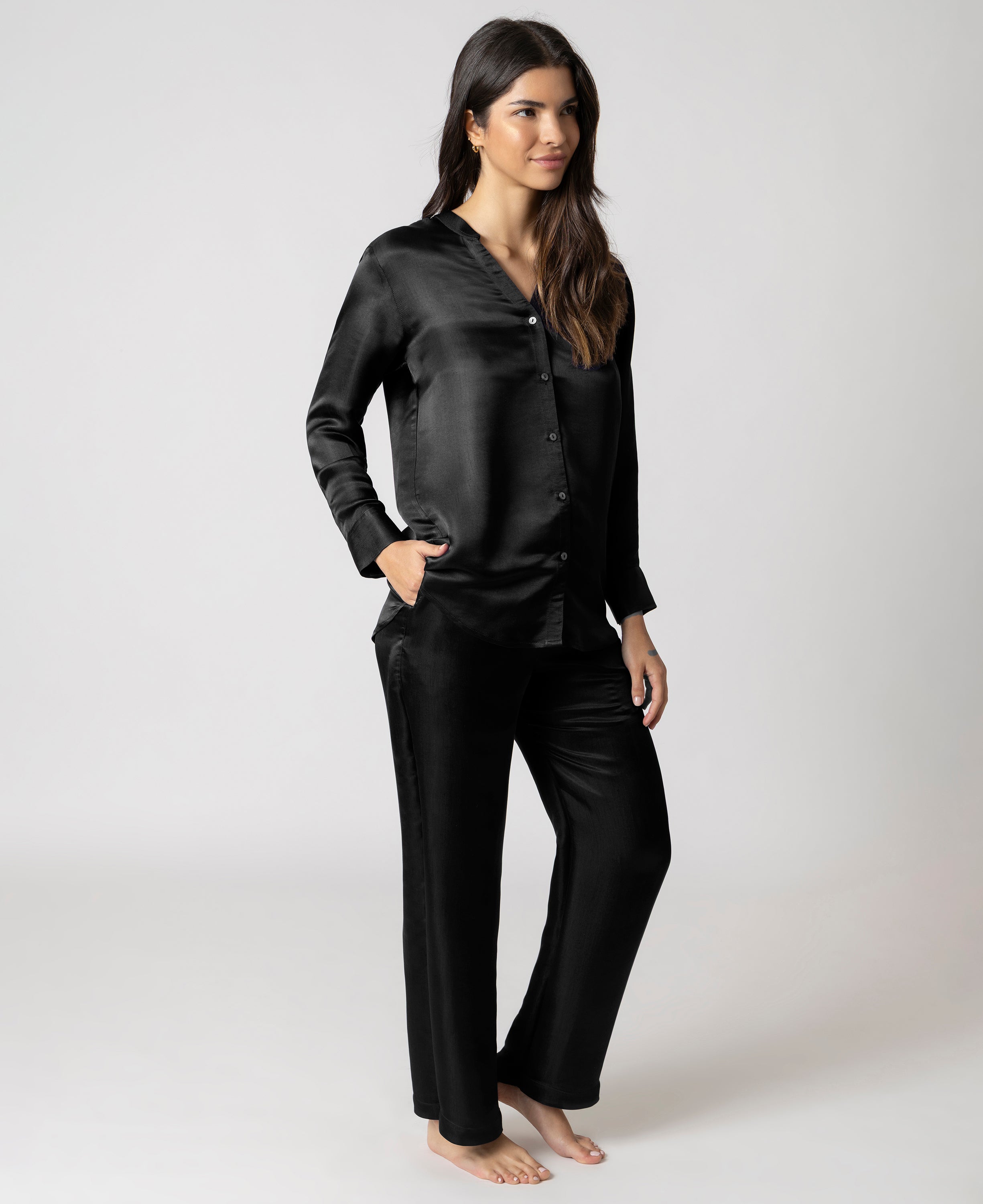
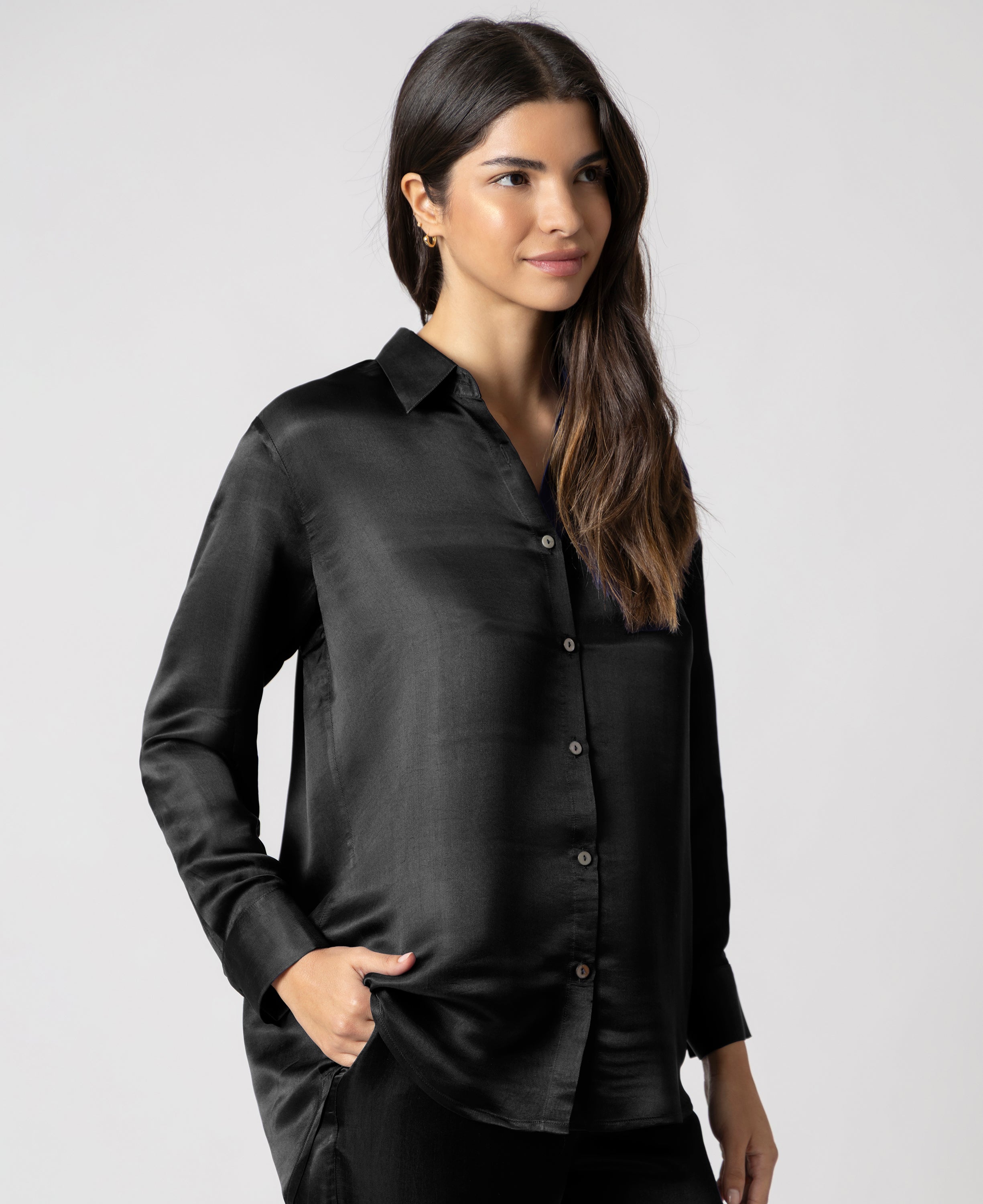
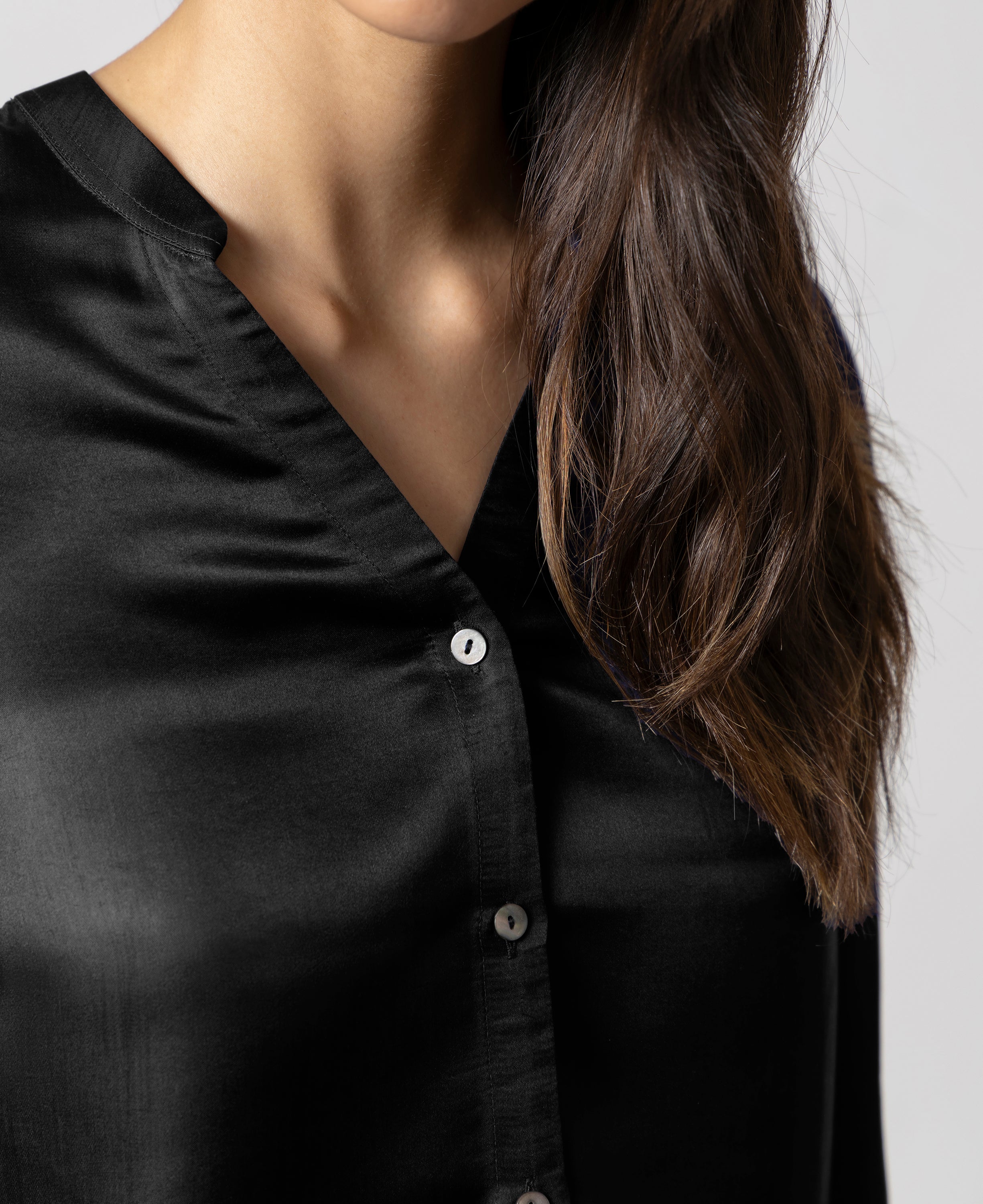
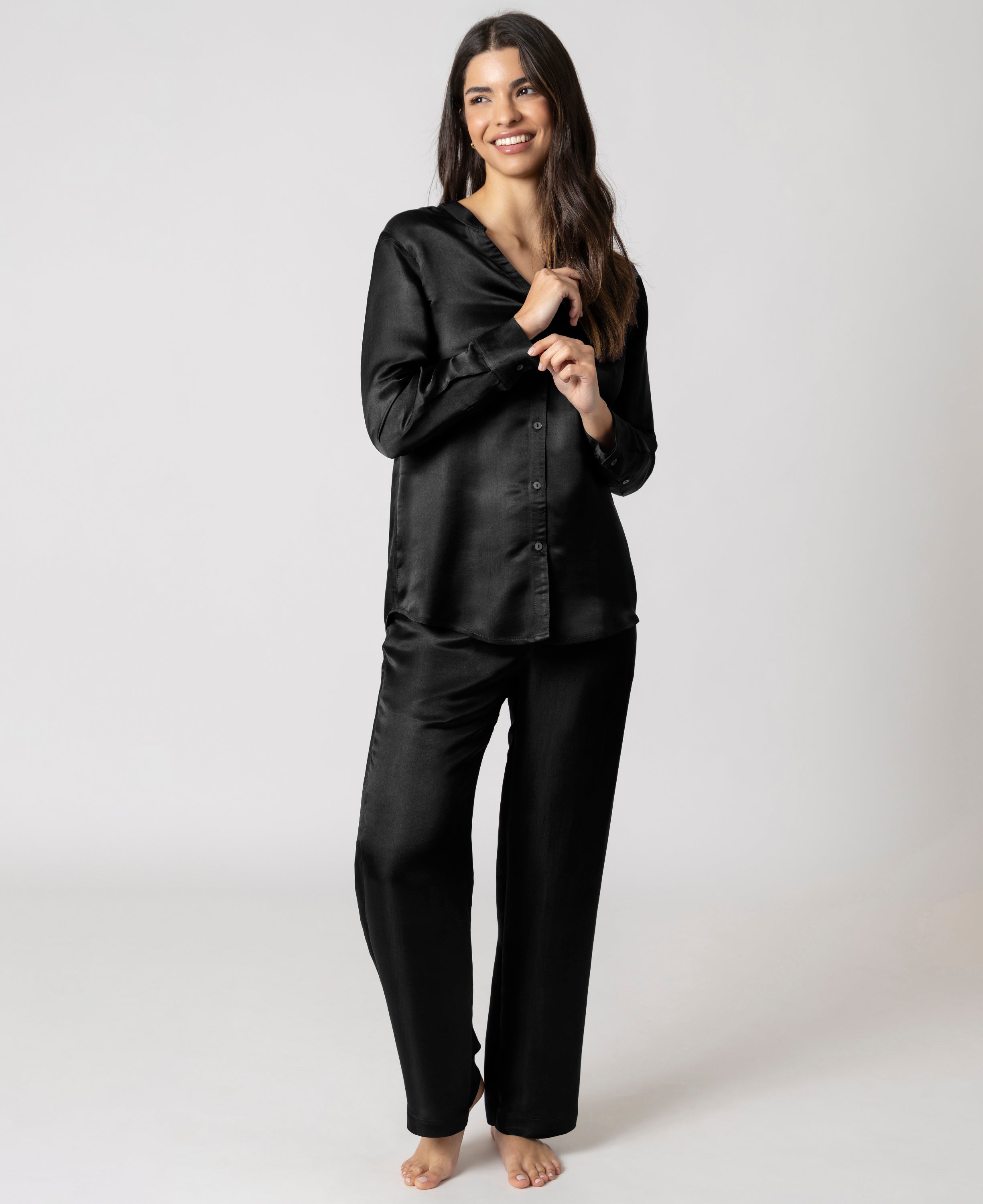
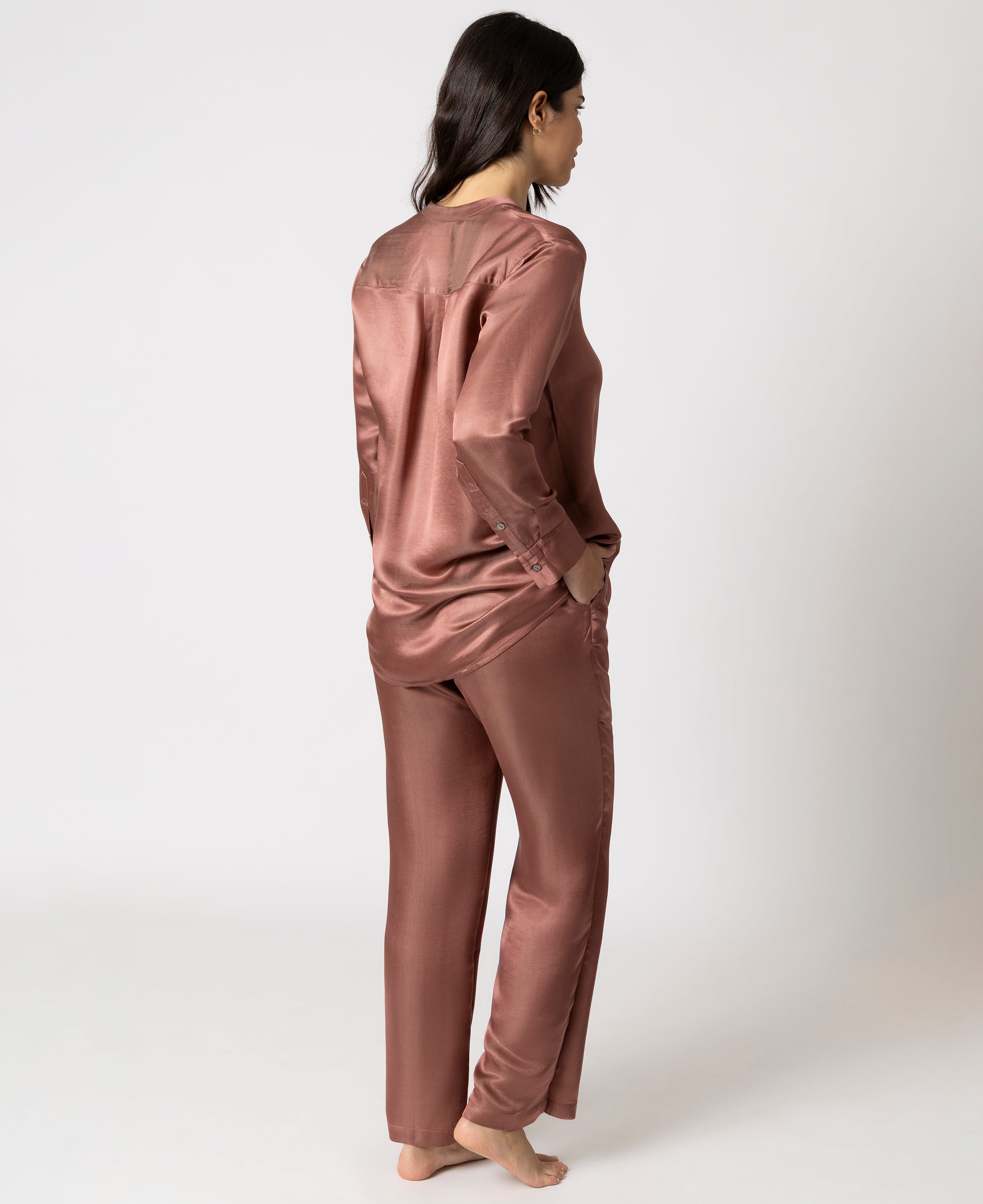
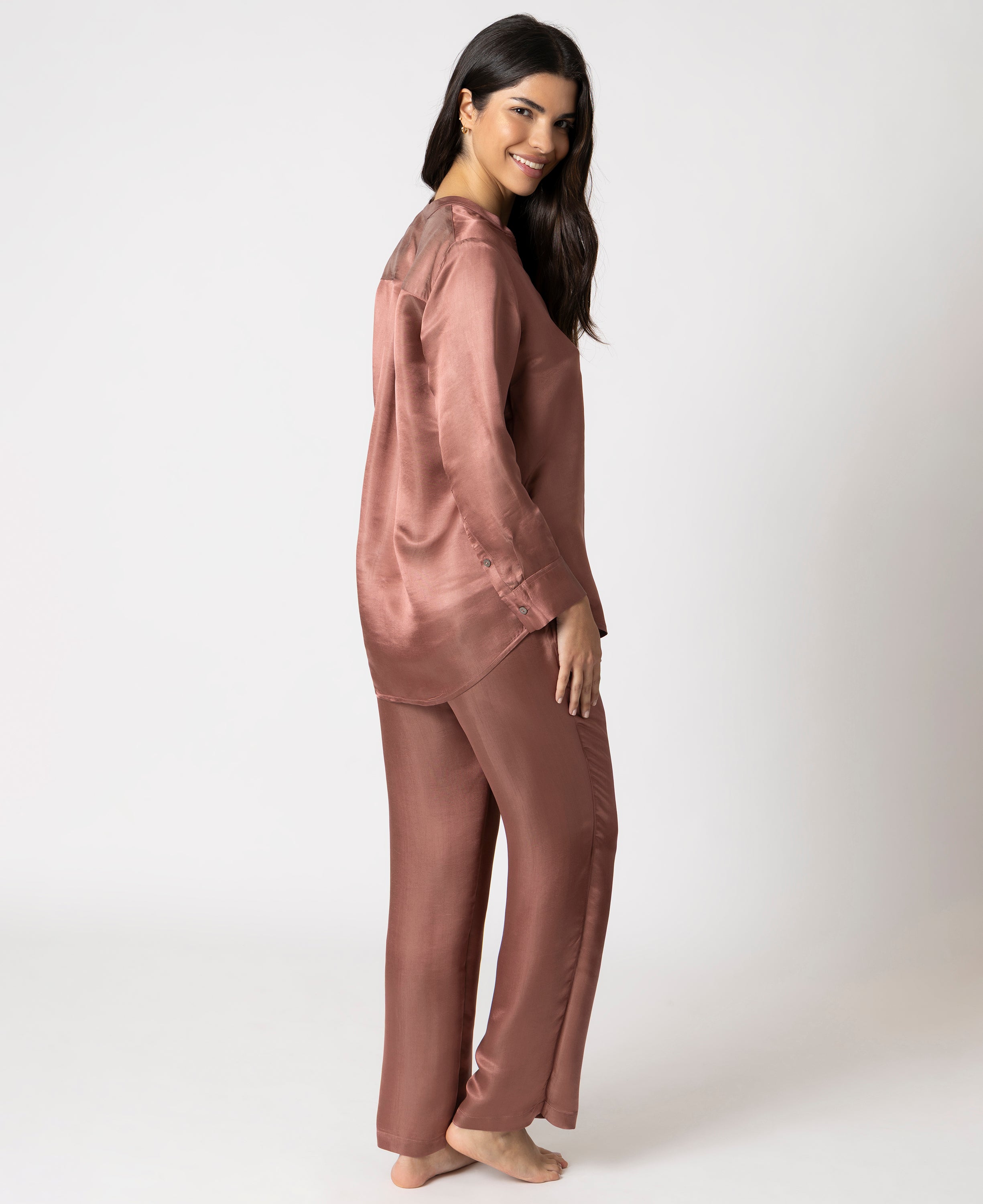
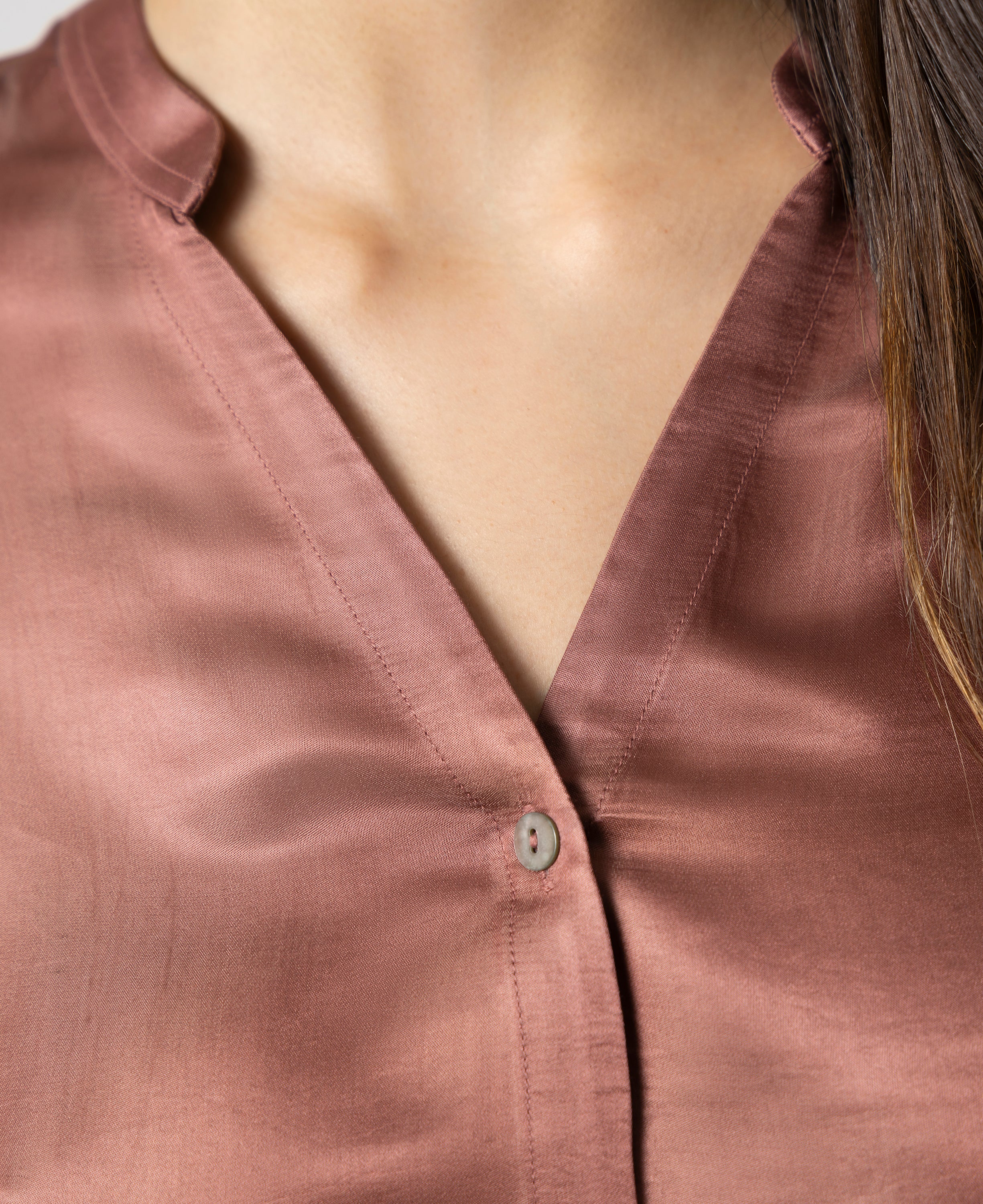
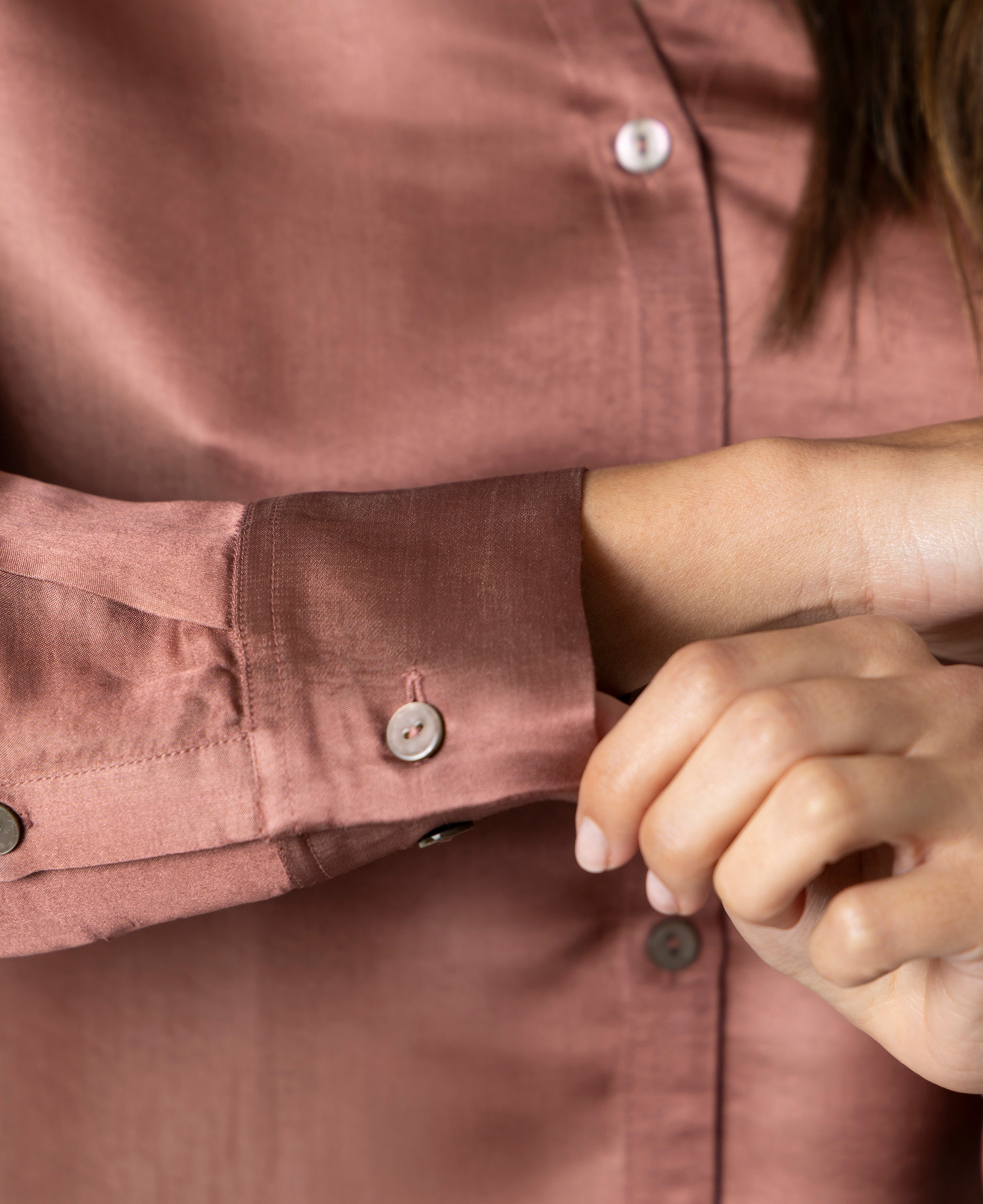
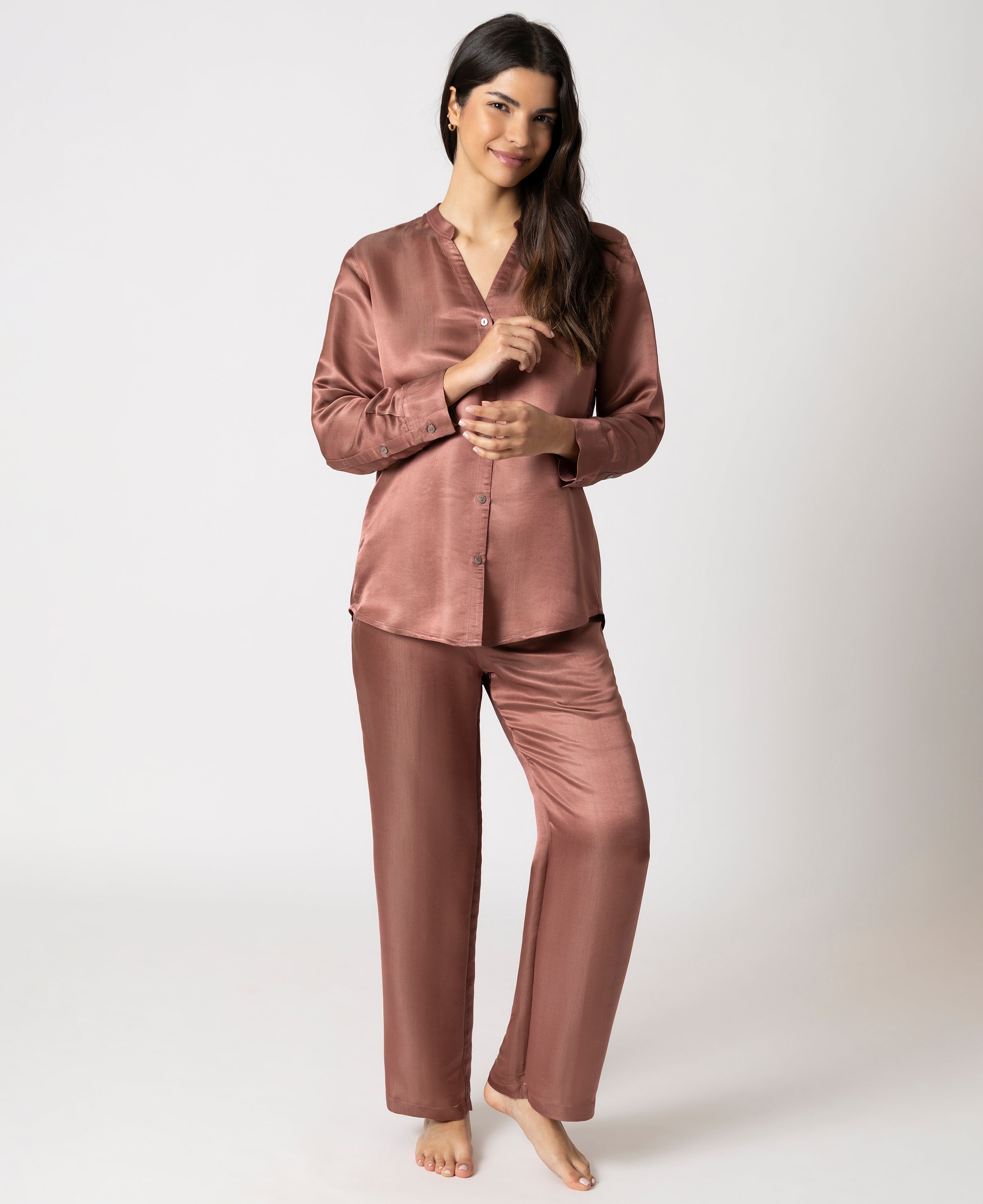
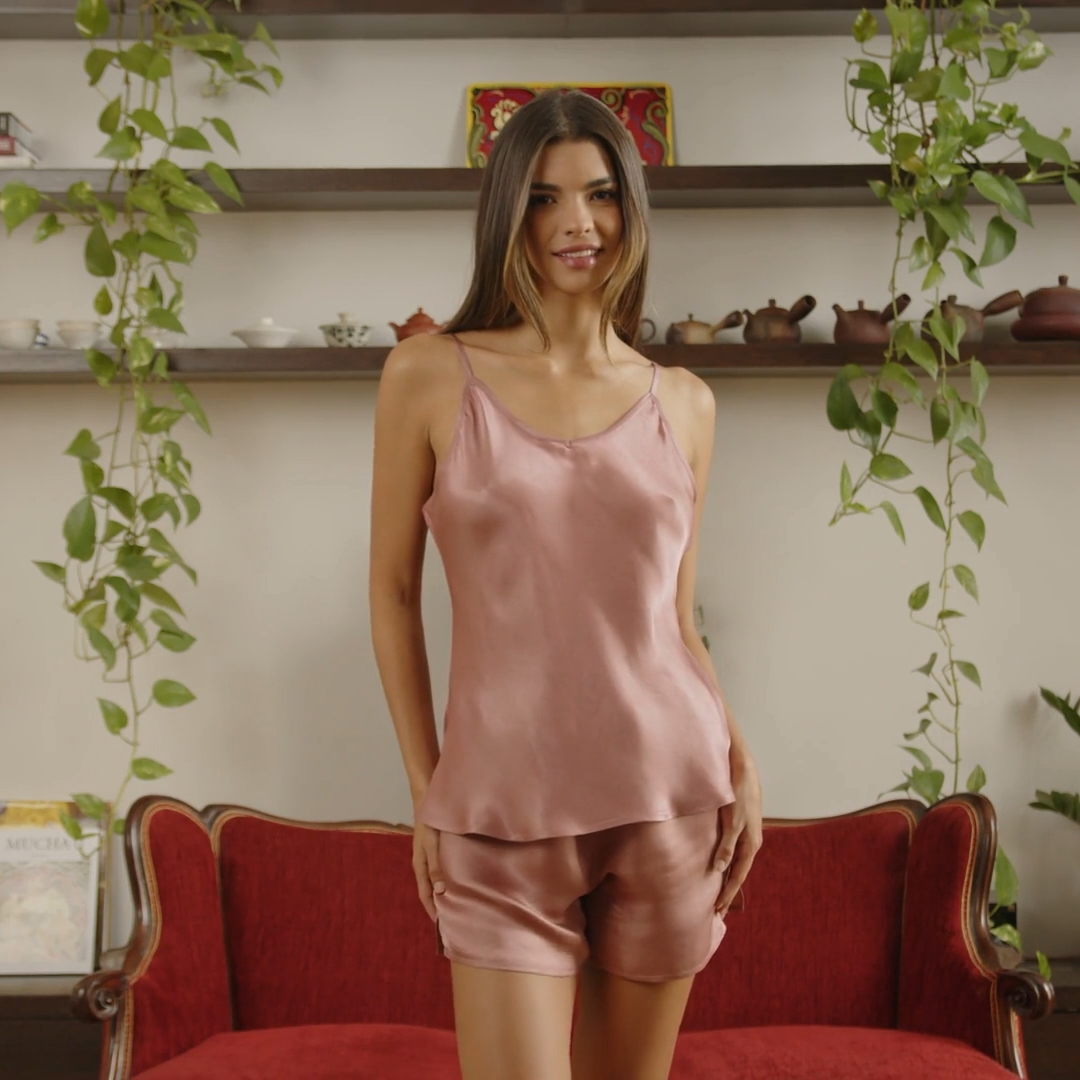
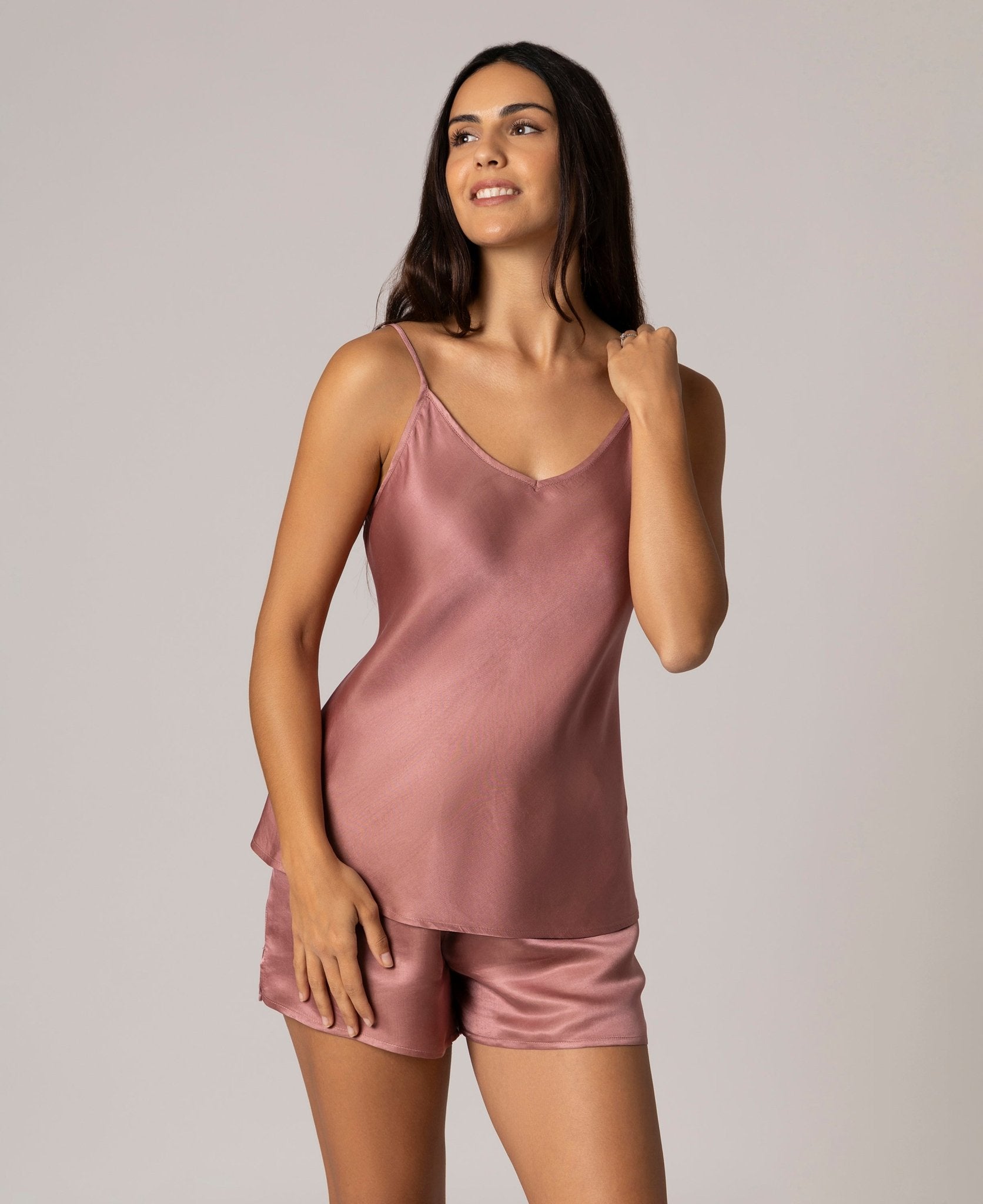
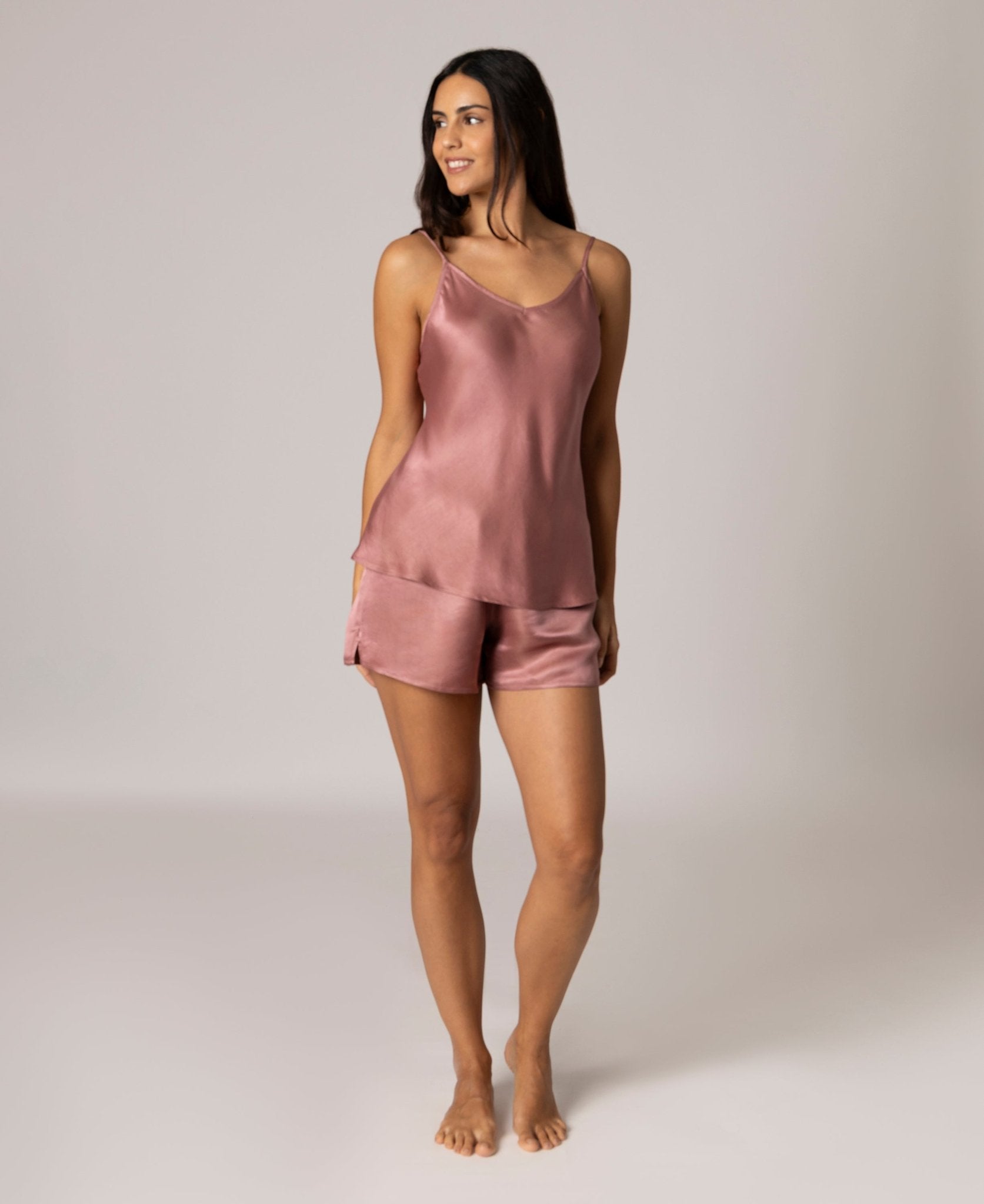
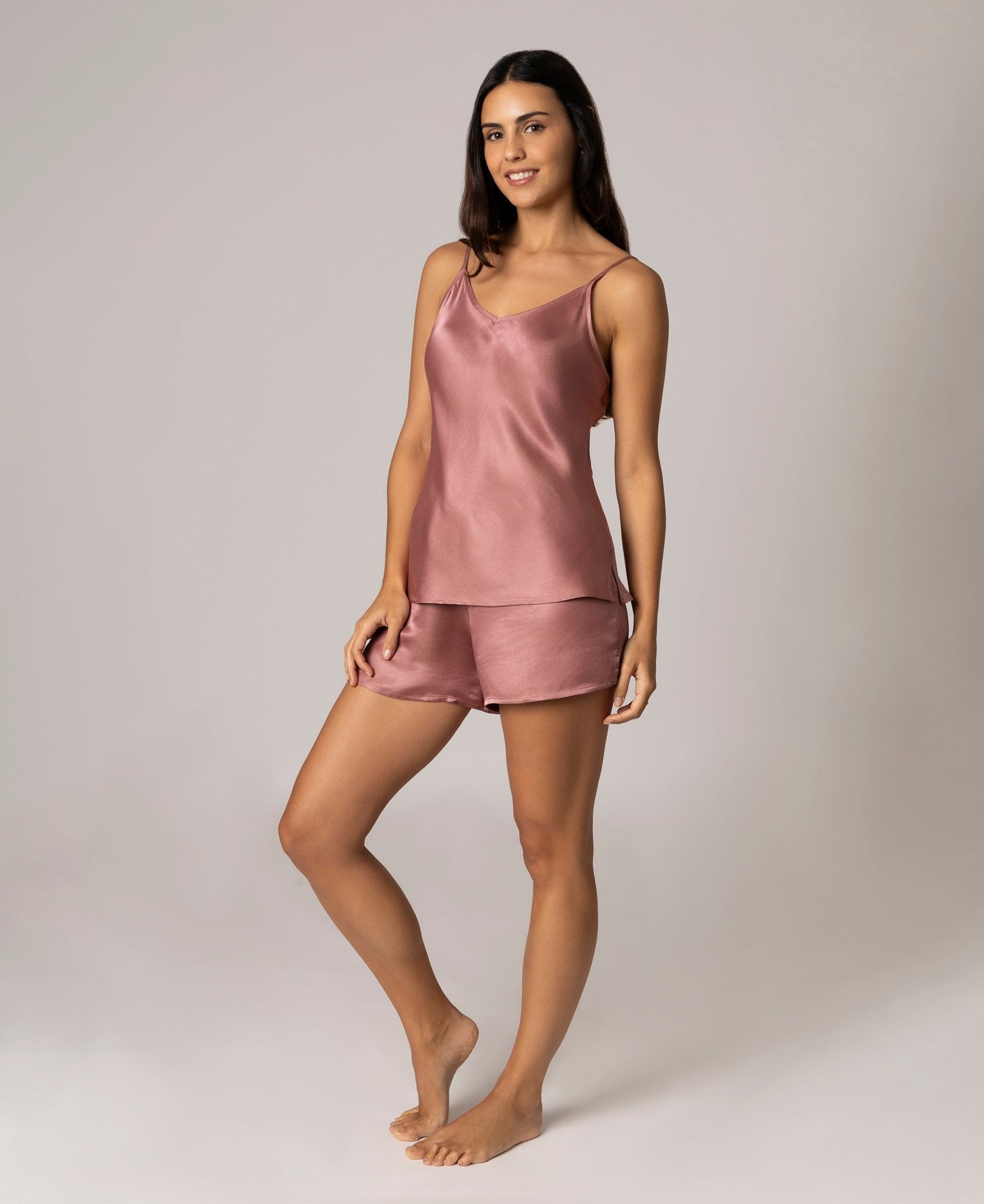
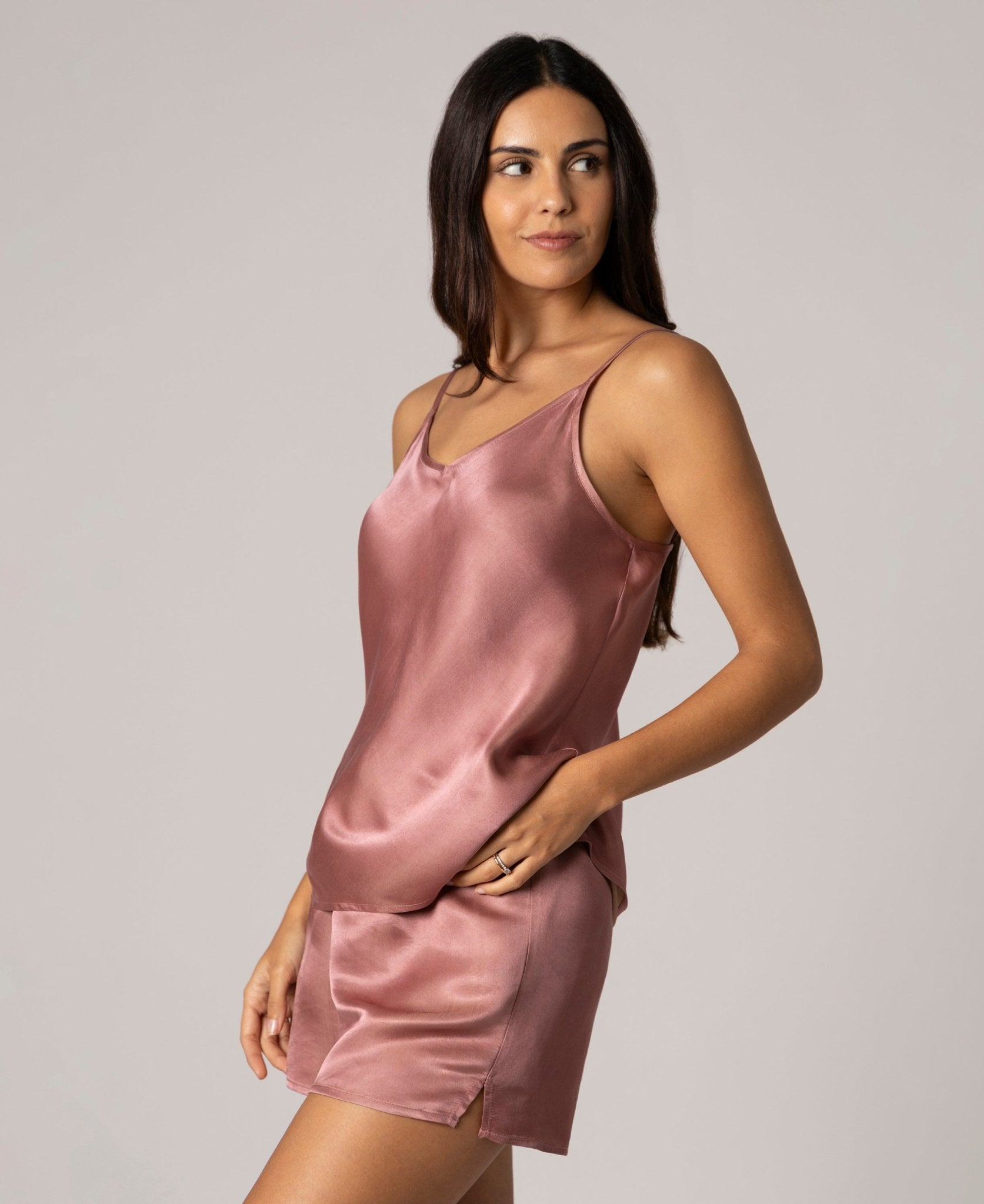
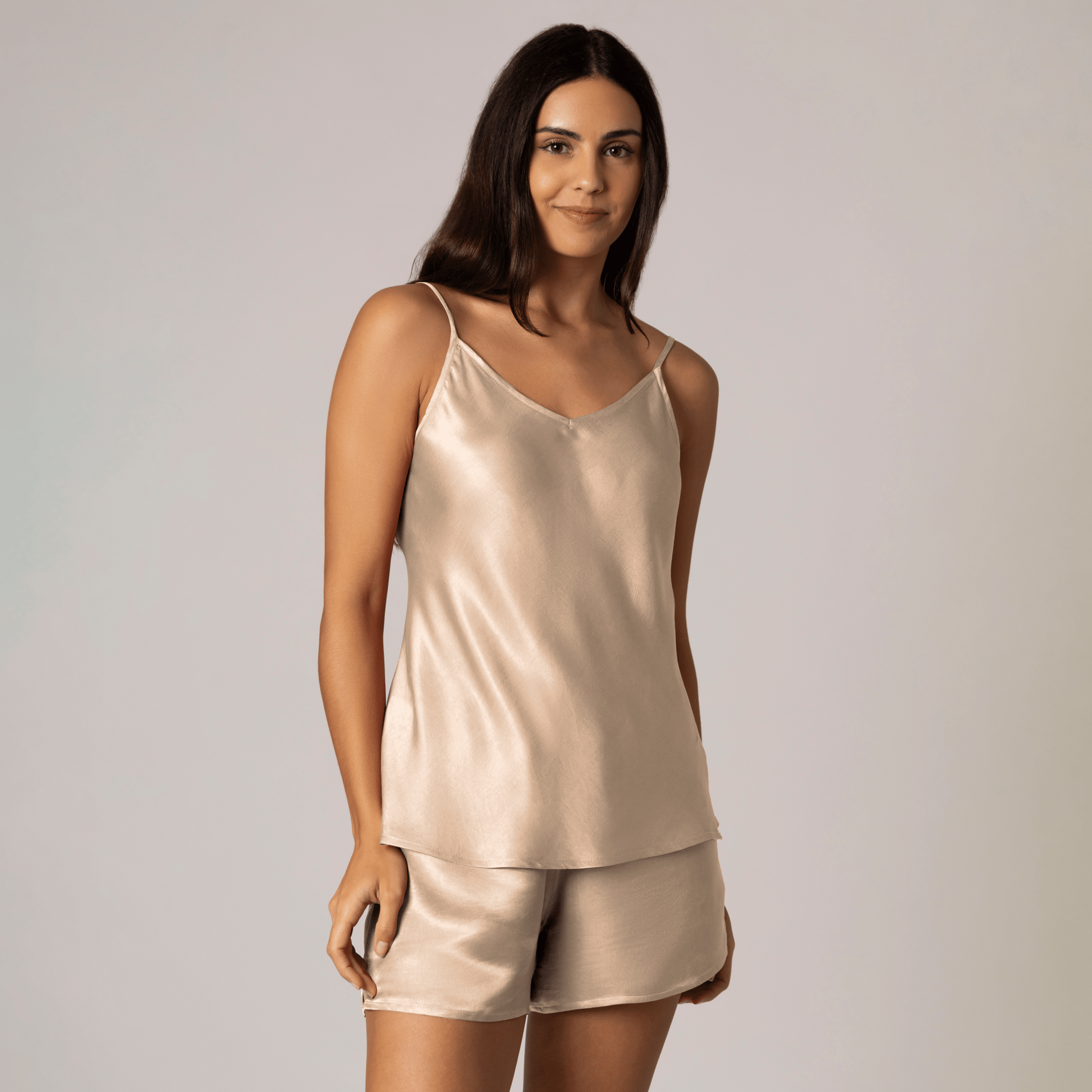
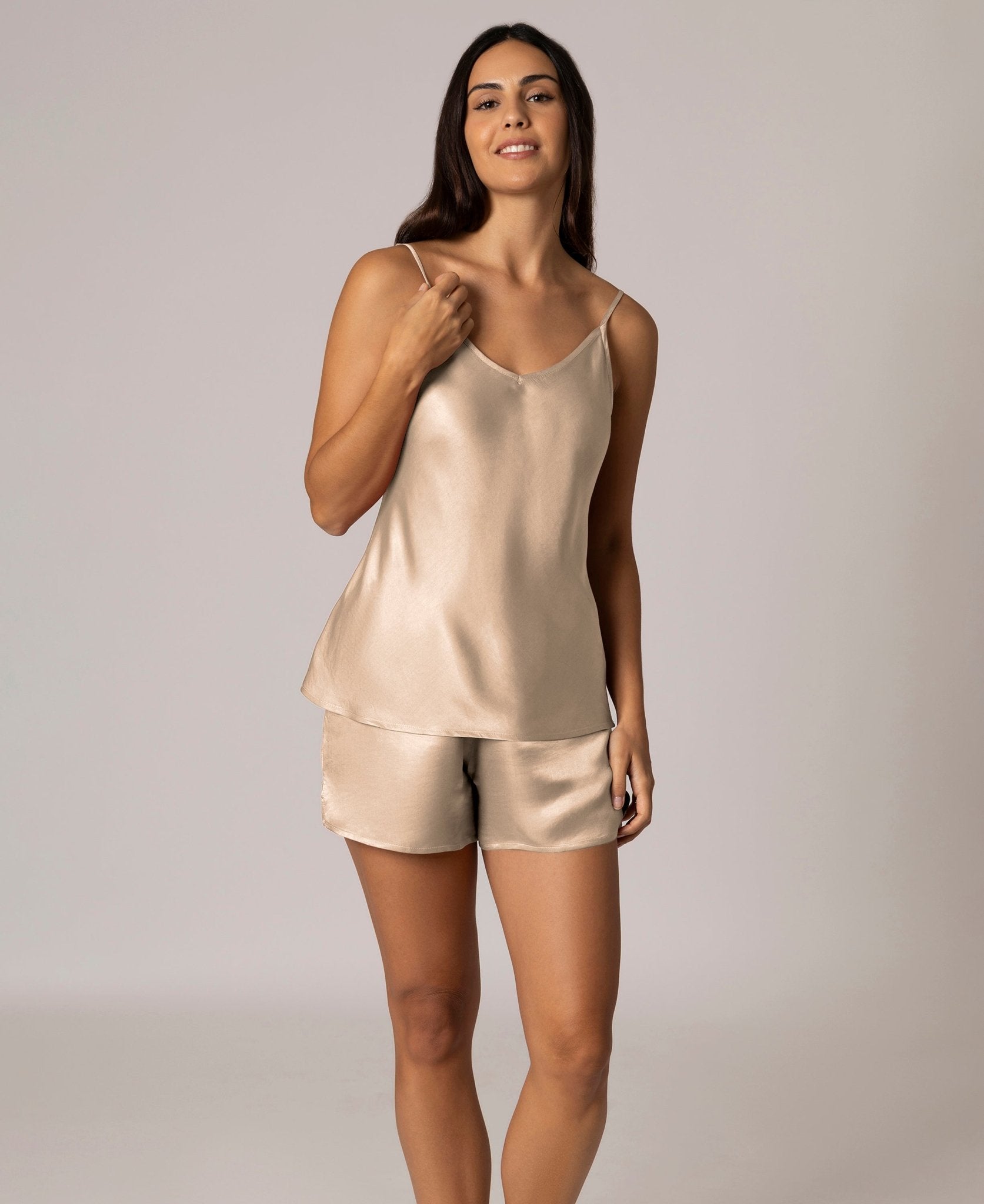
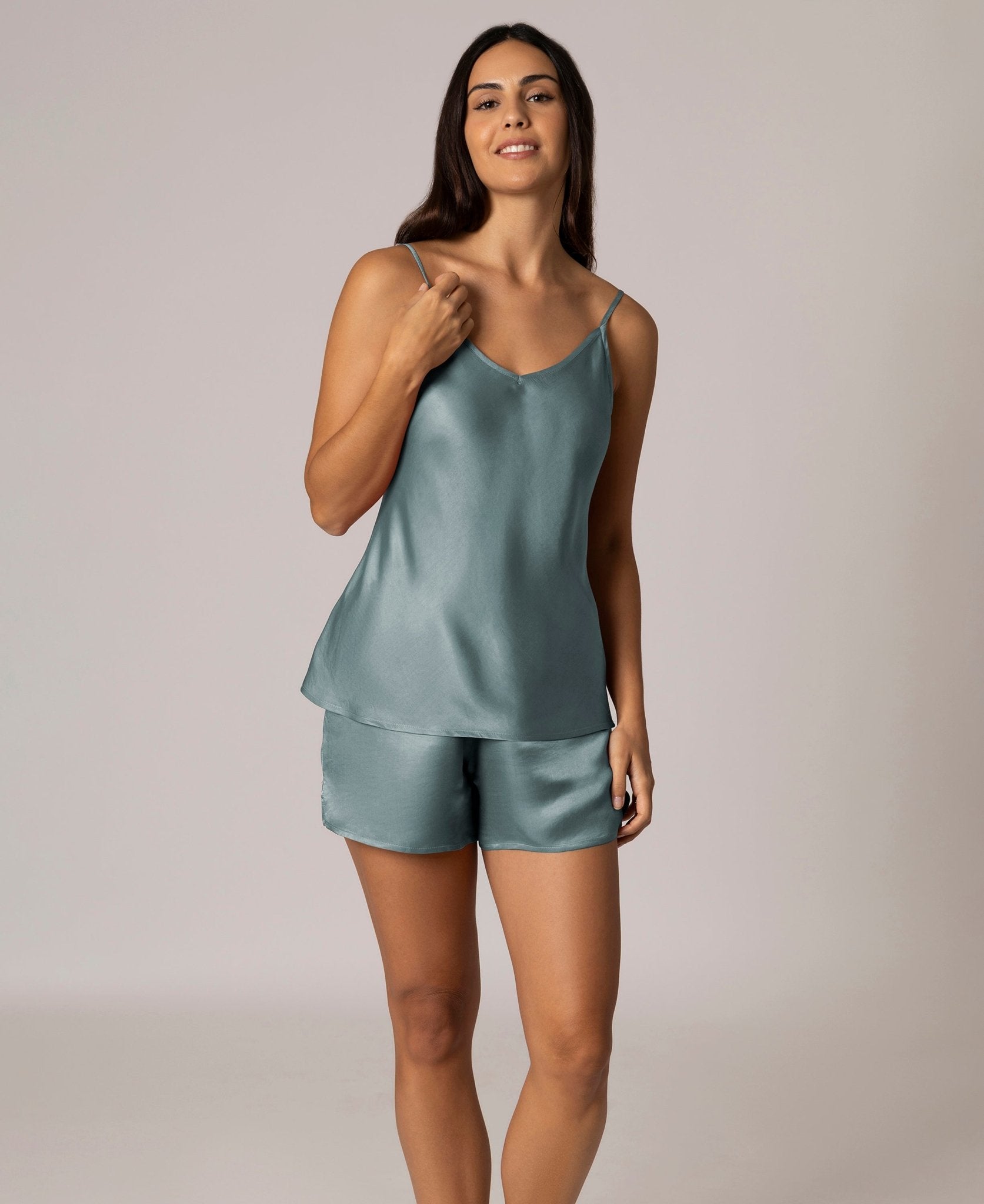
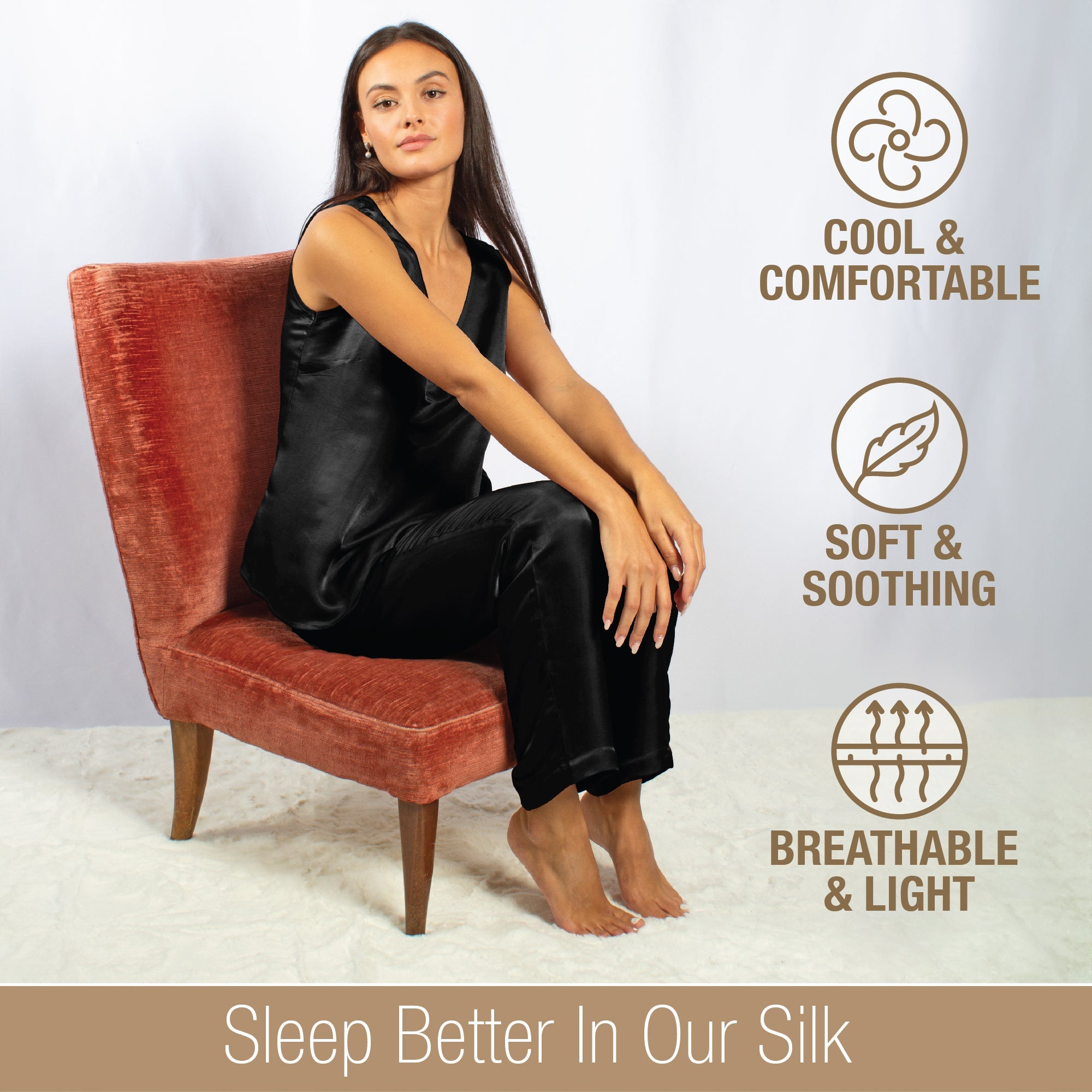
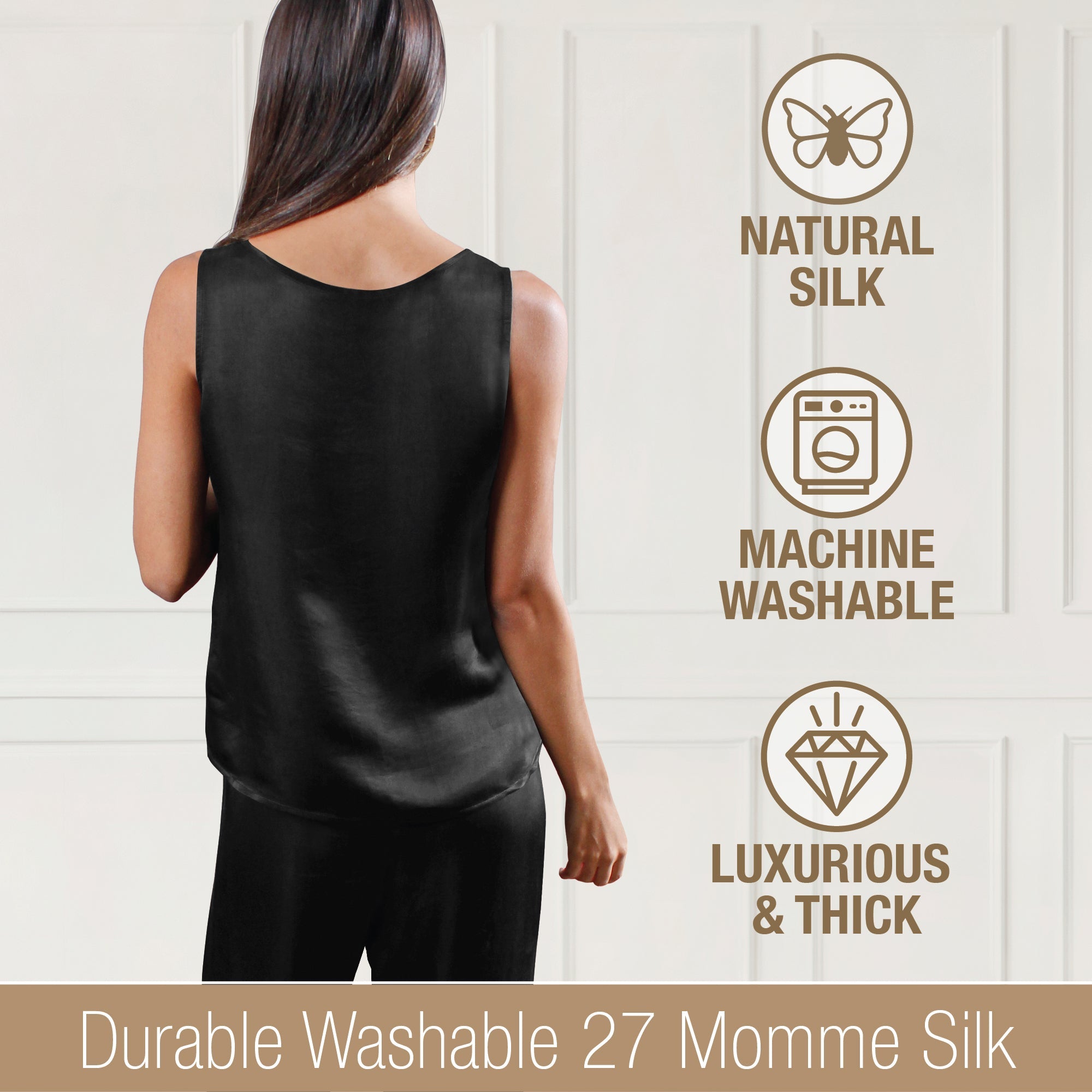
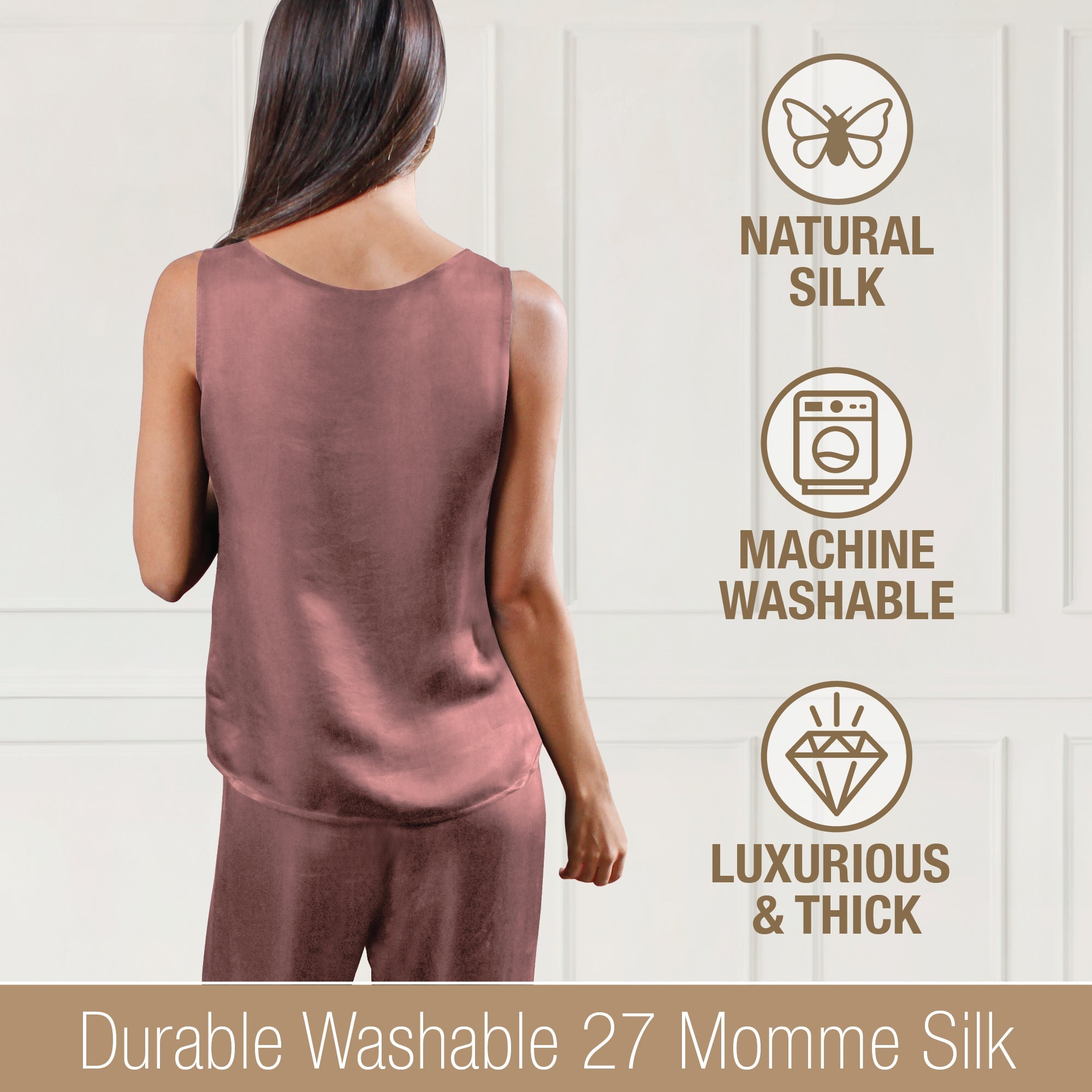
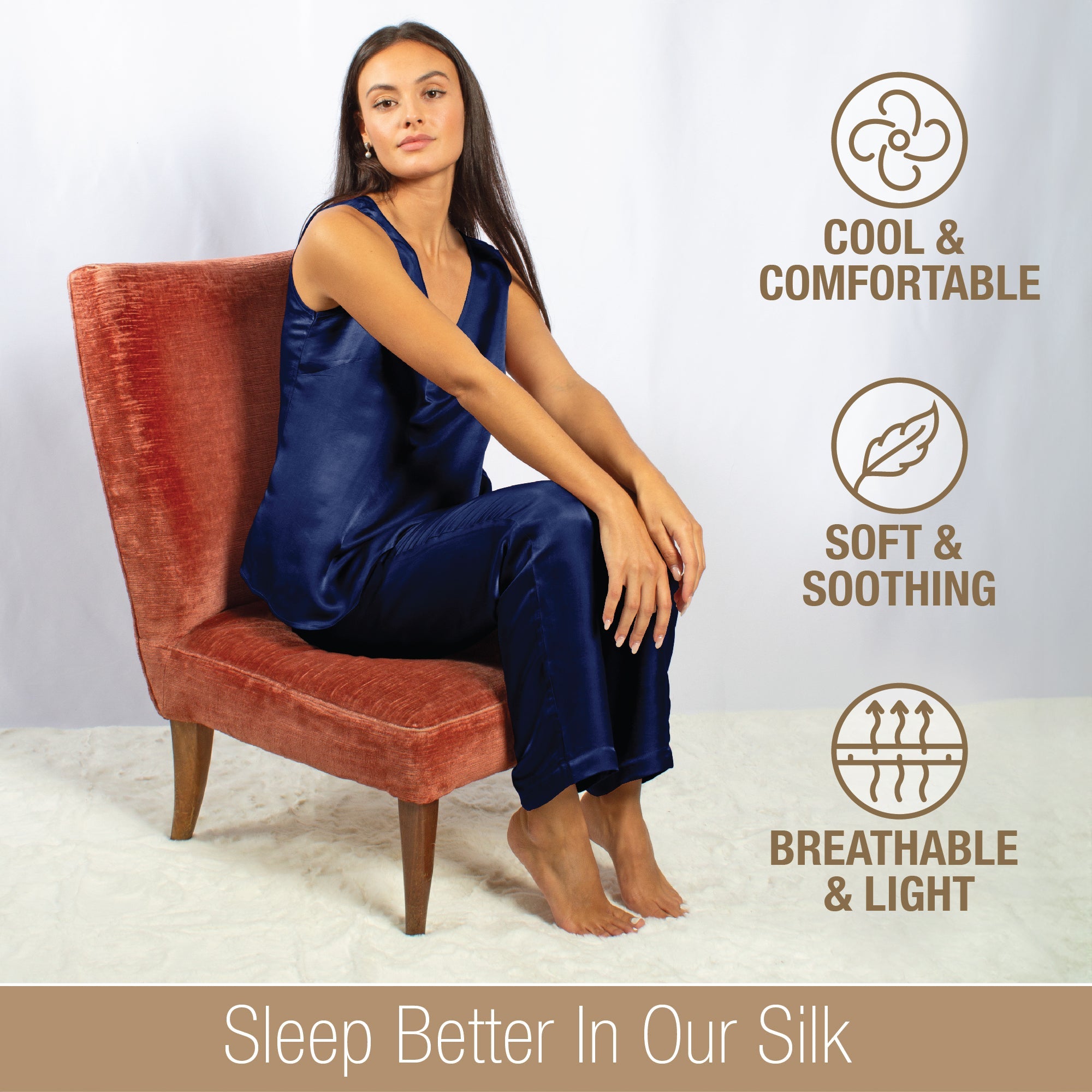
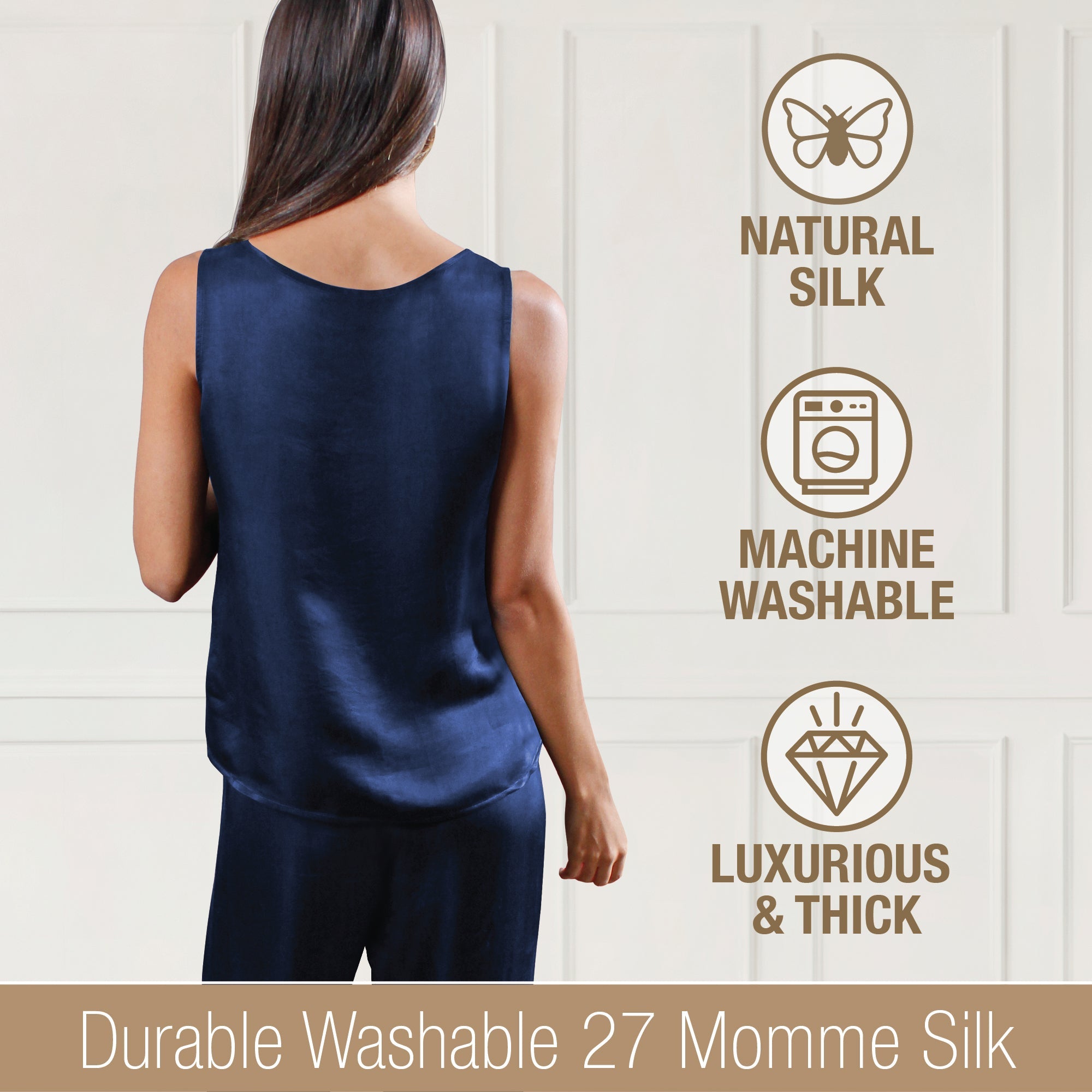
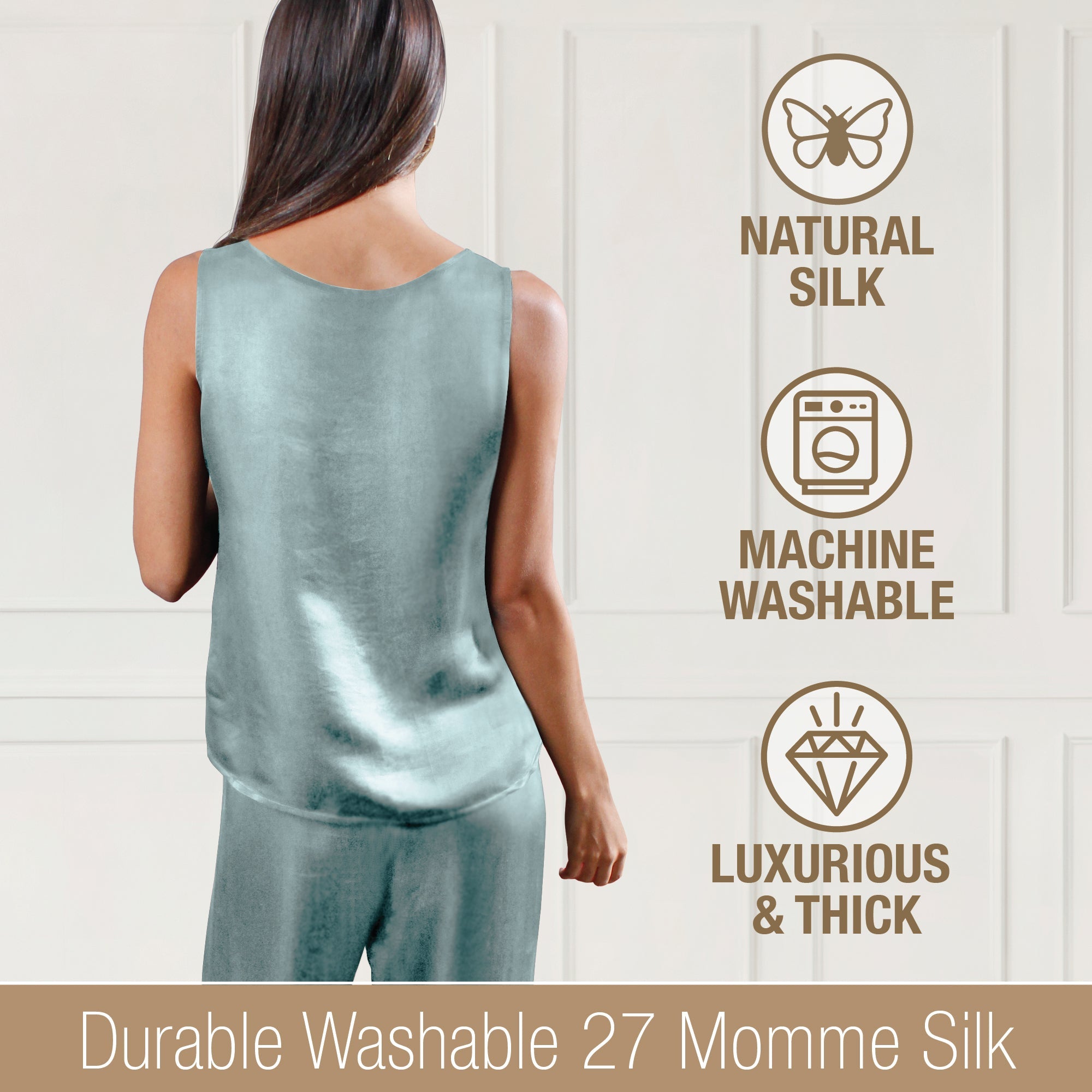
This is not subtle. 27 momme contains 20-40 percent more silk fiber per square centimeter than industry-standard 19-22 momme. The practical result: heavier drape, better opacity, measurably longer lifespan, resistance to pilling, superior color retention. Hold both fabrics in your hand simultaneously and the difference registers immediately
French seam construction changes lifespan.
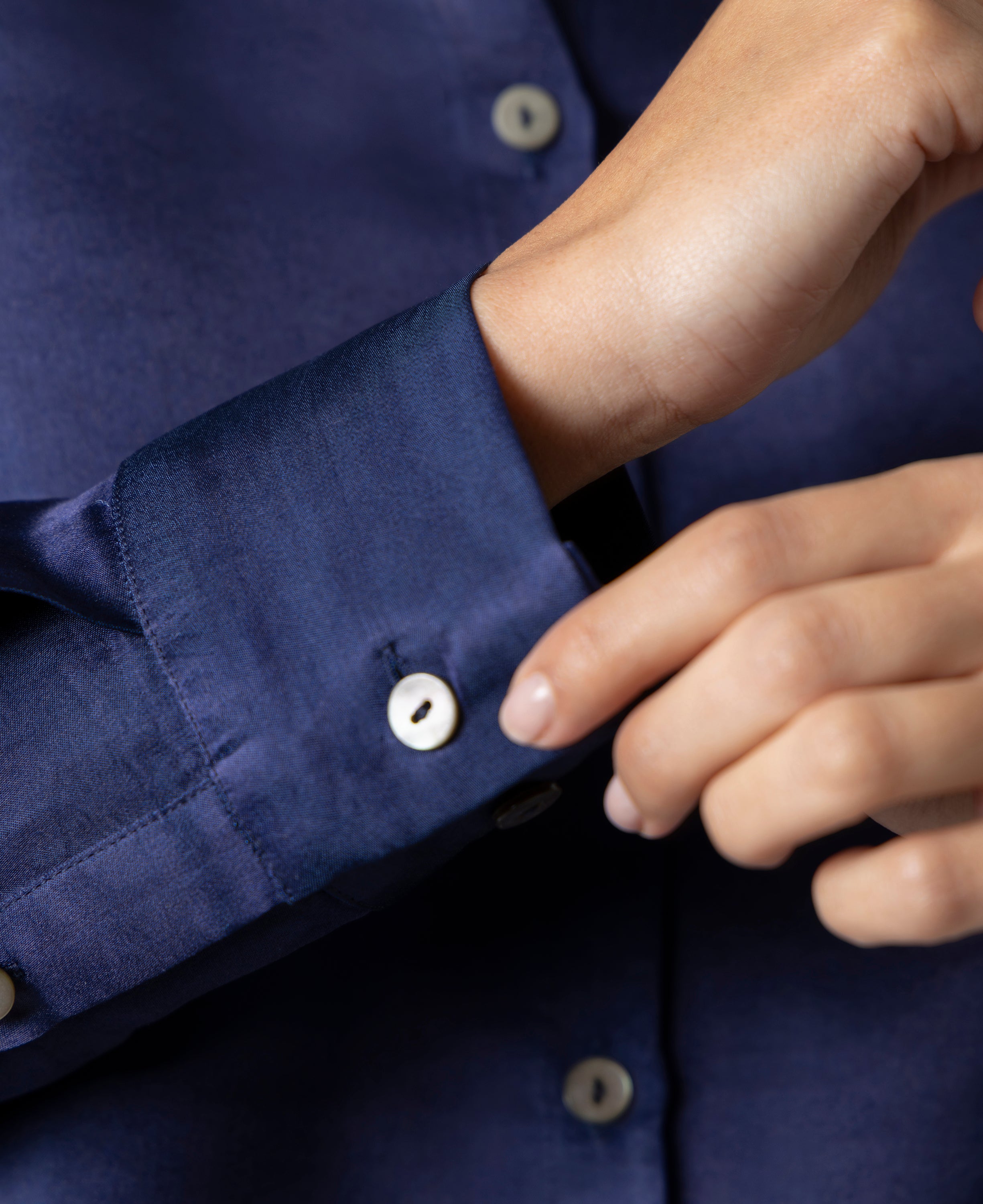
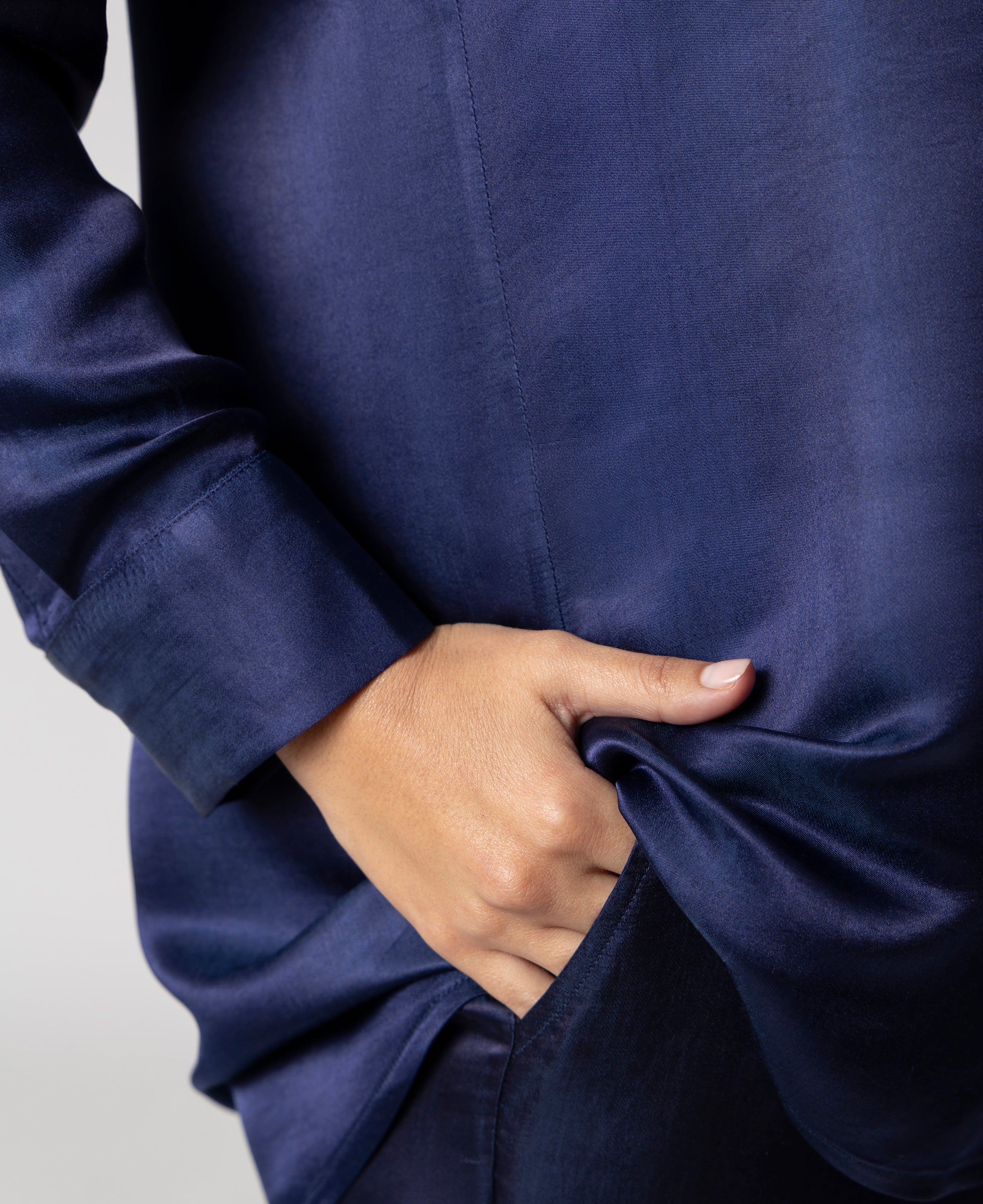
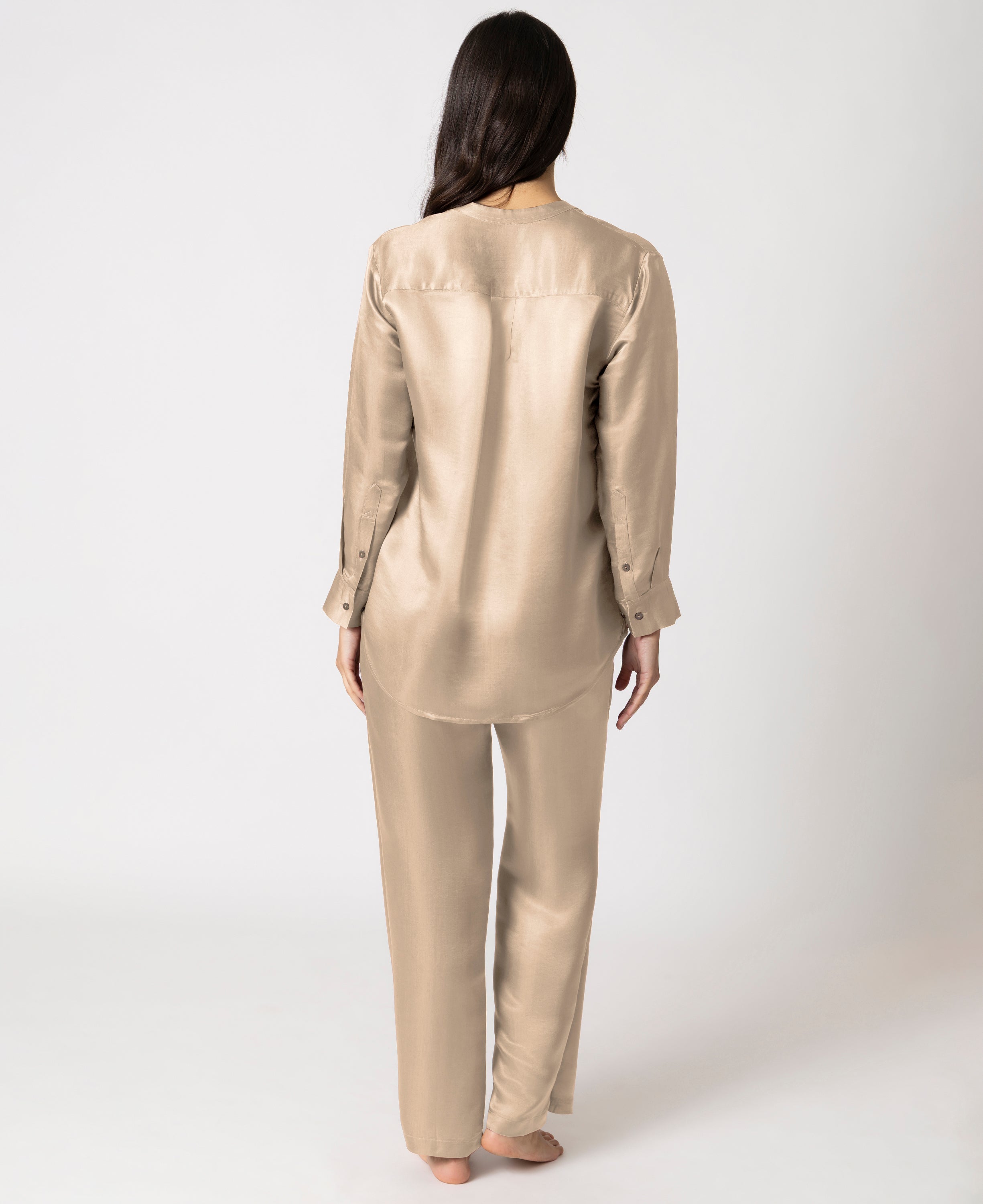
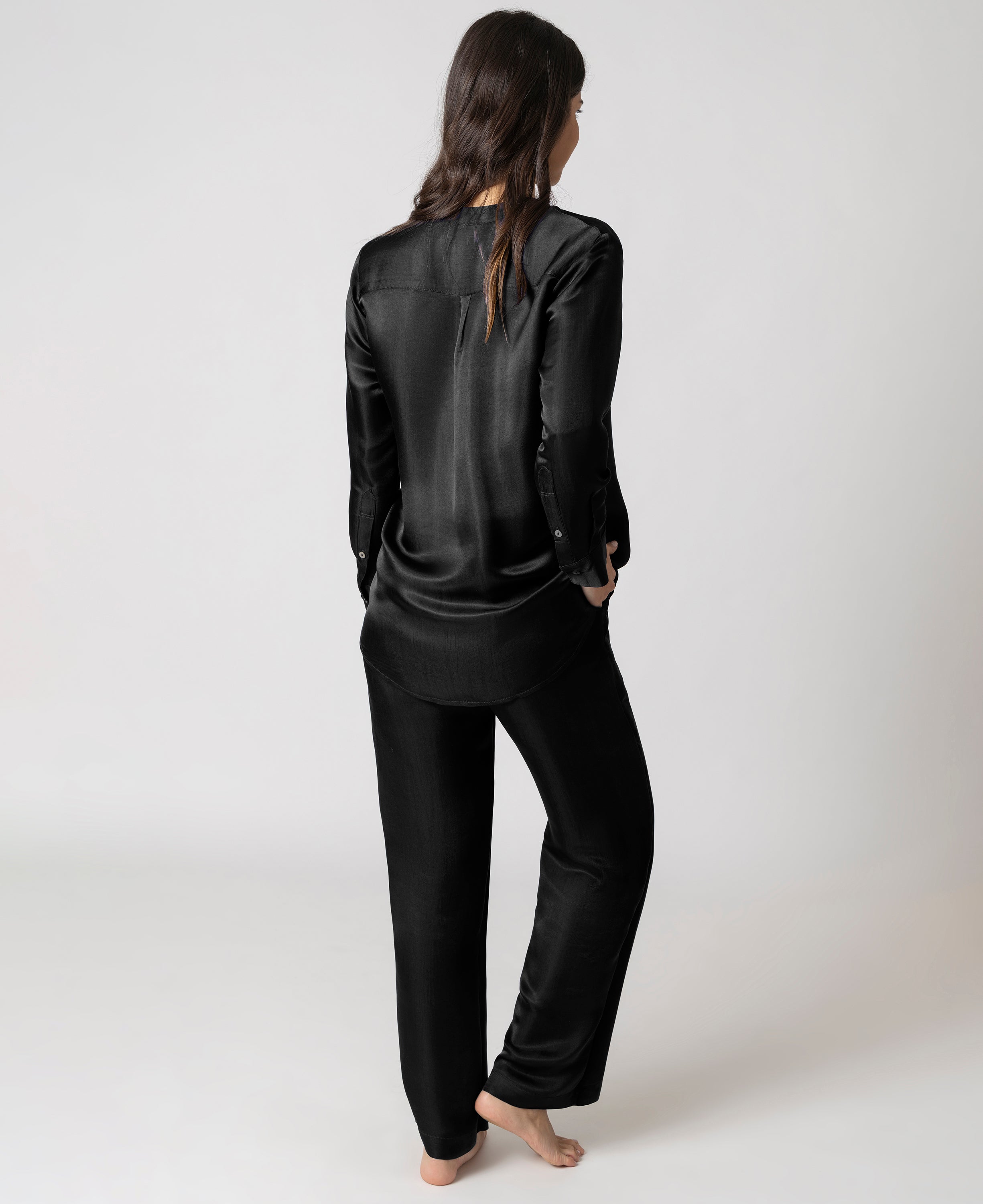
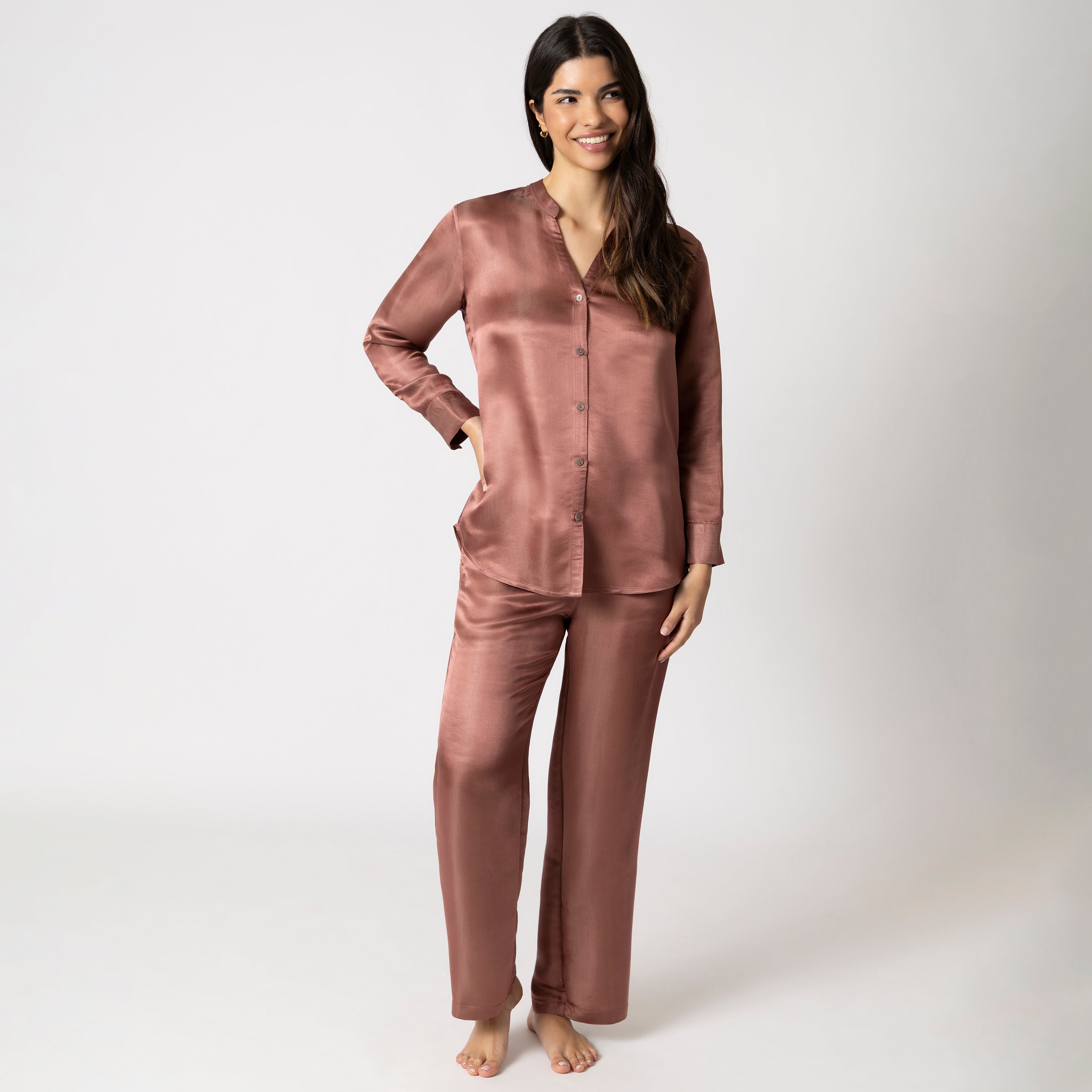
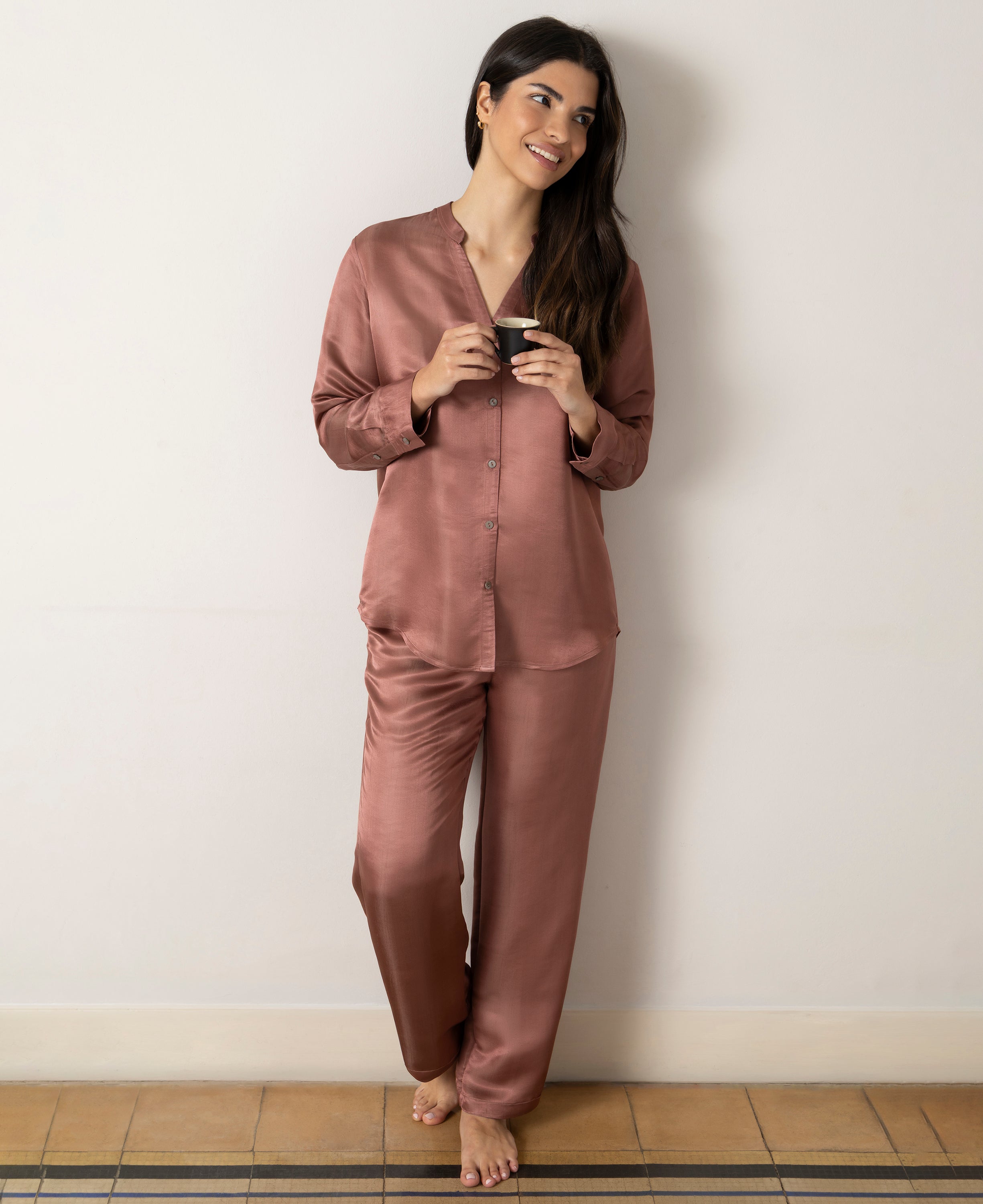
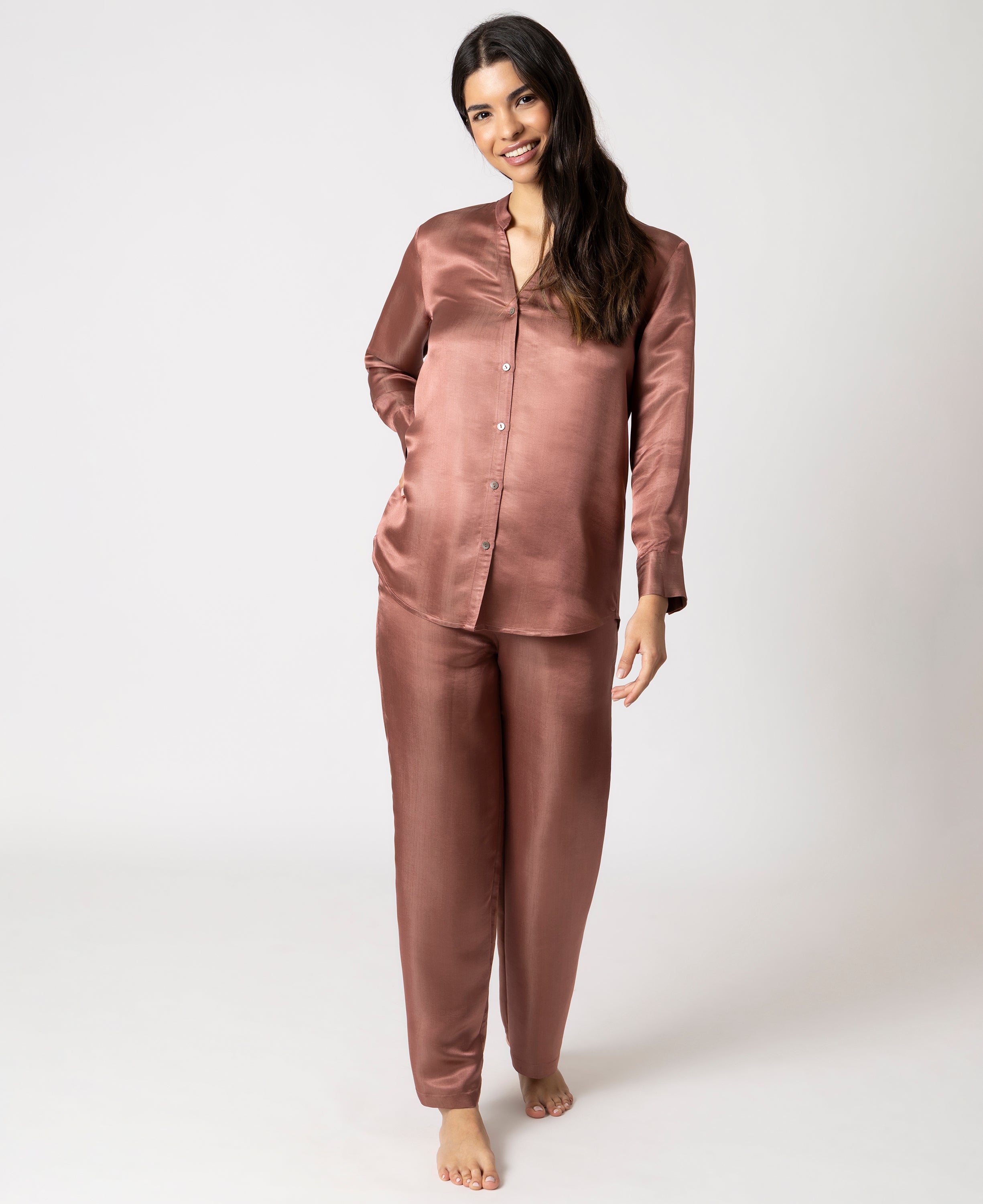
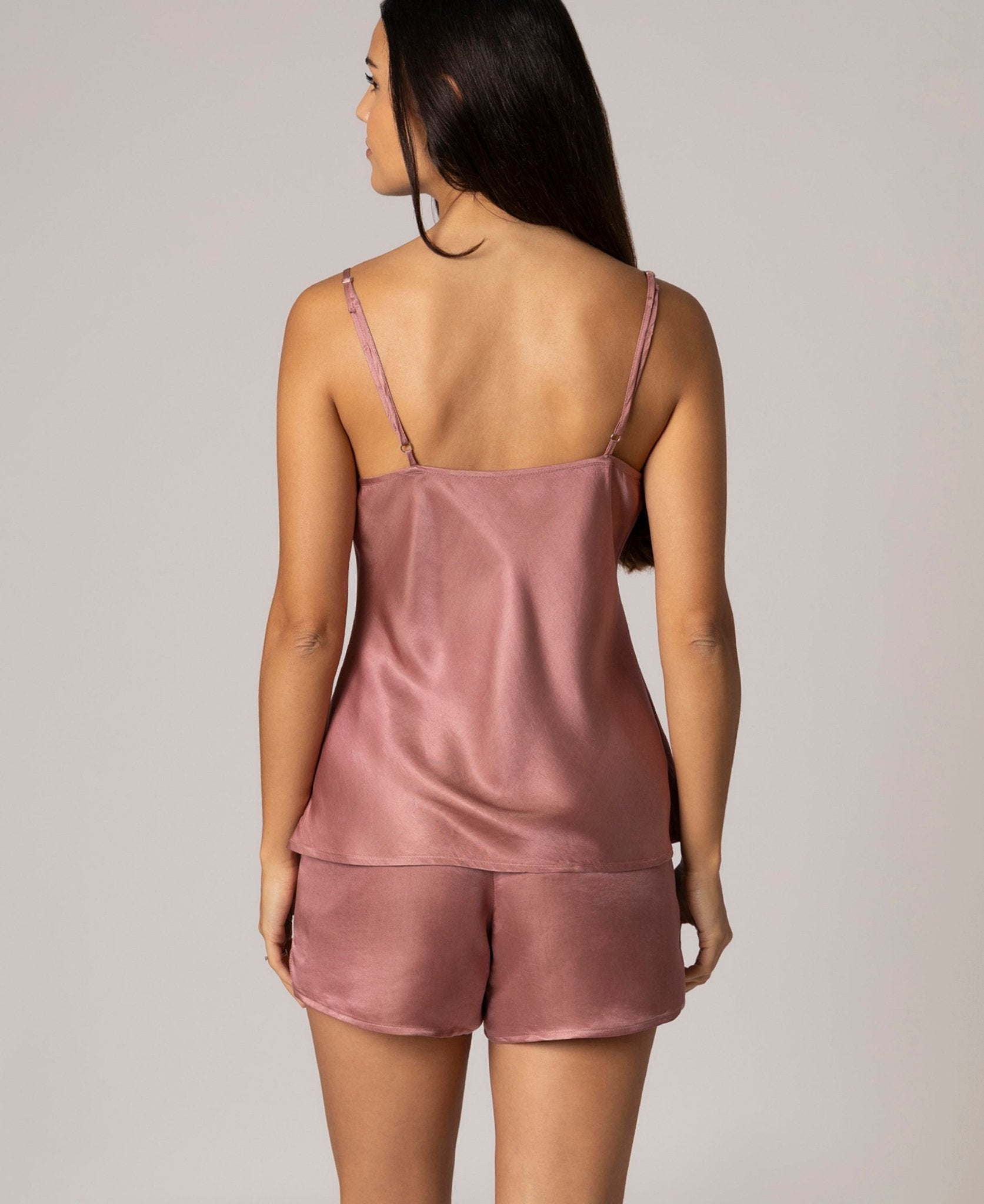
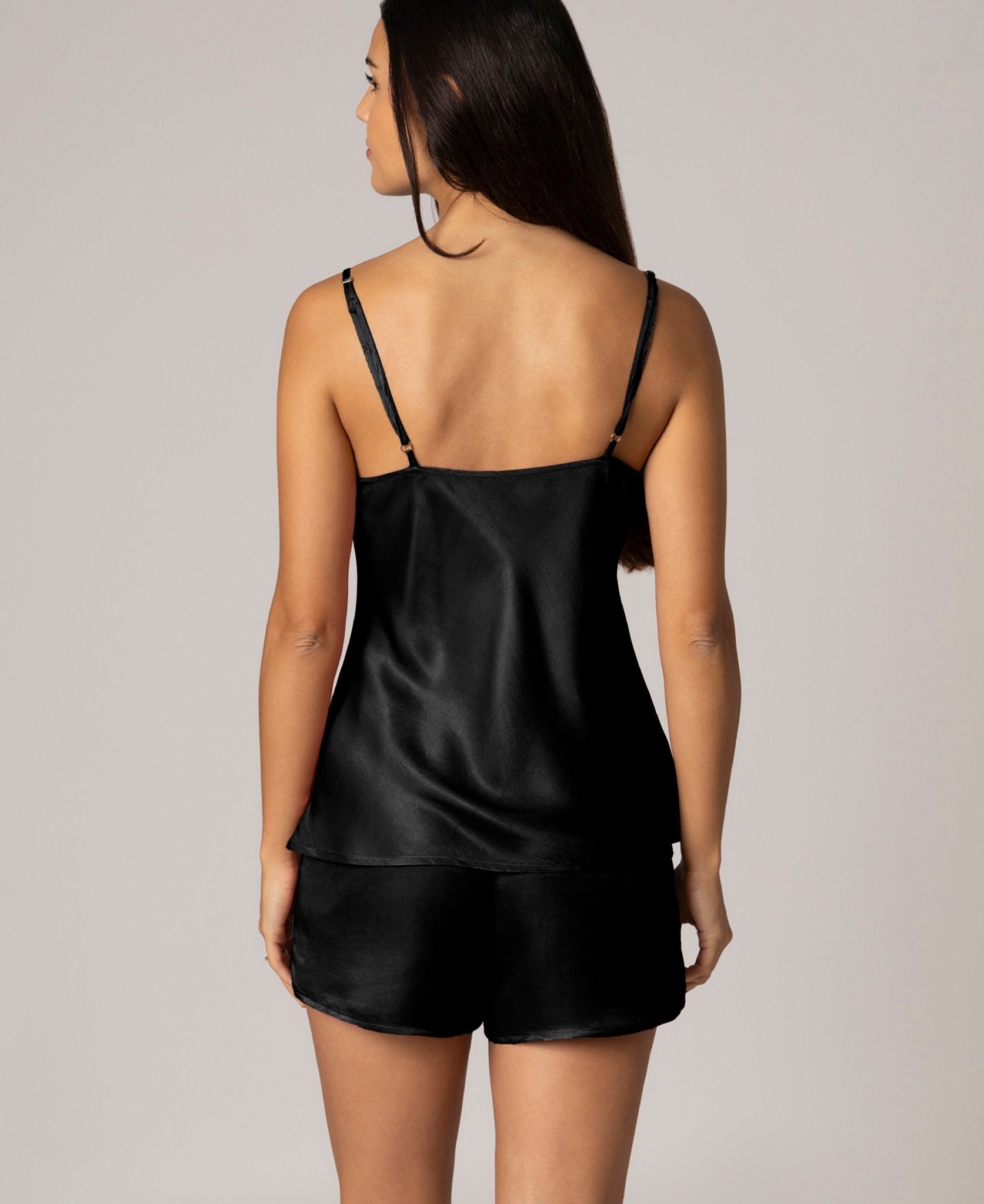
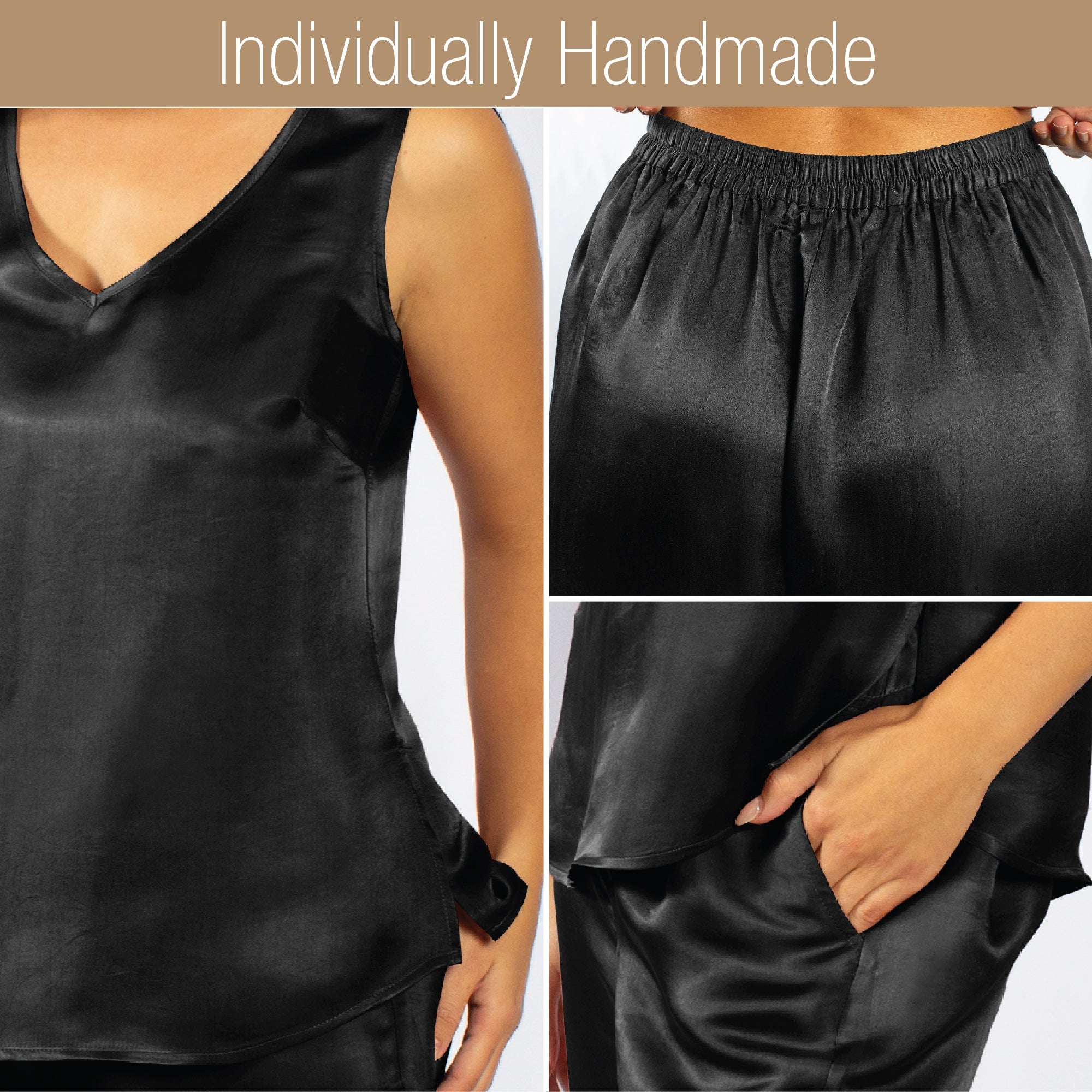
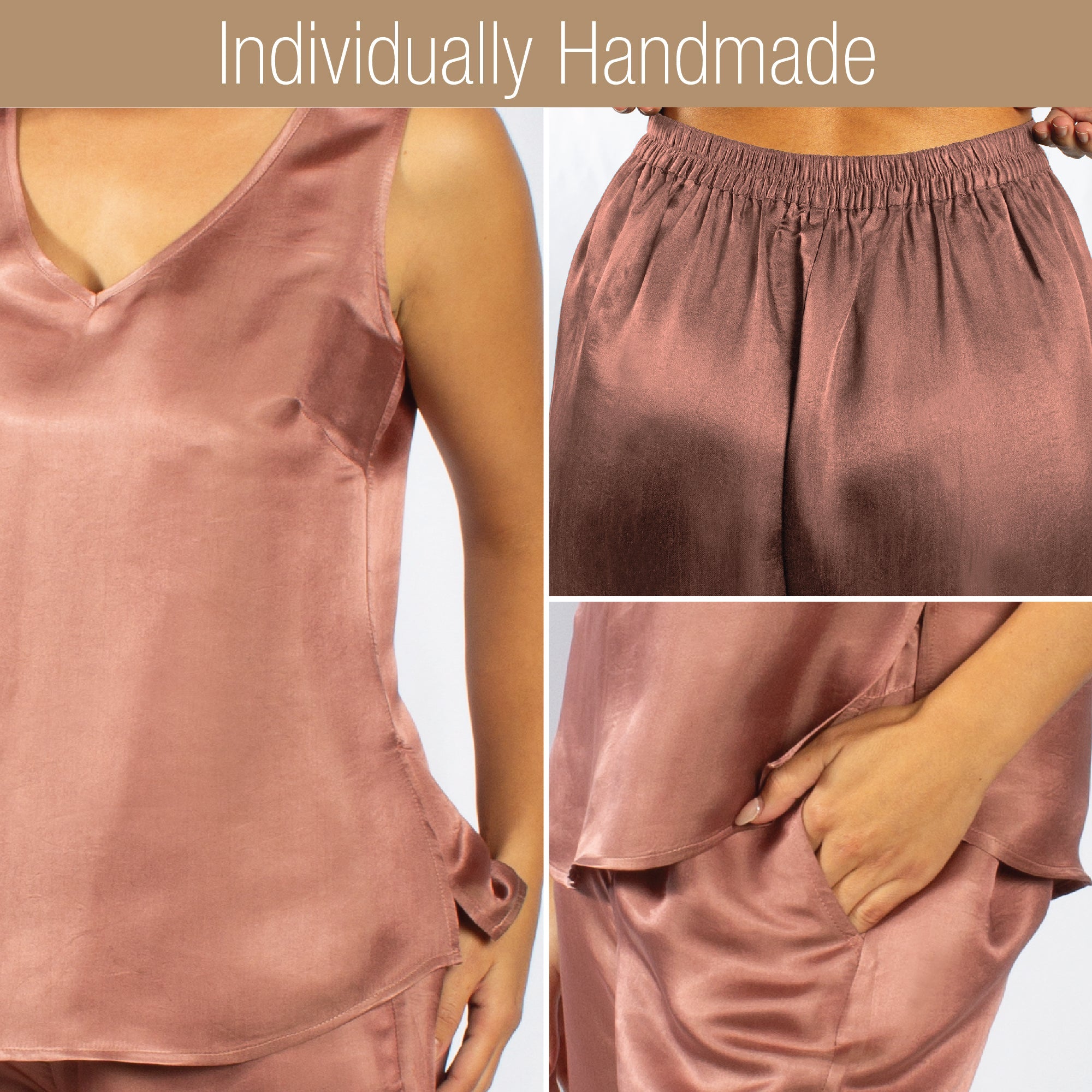
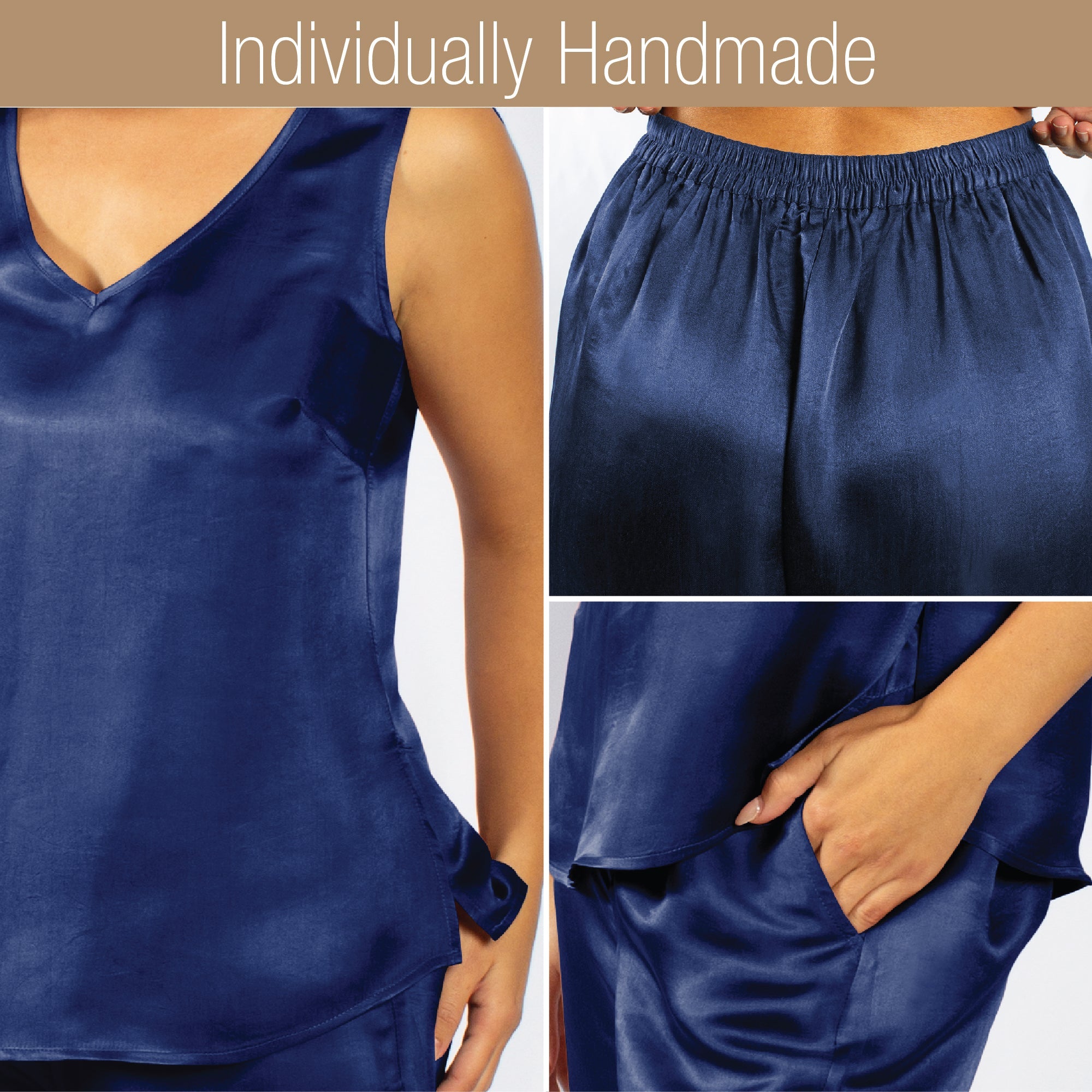
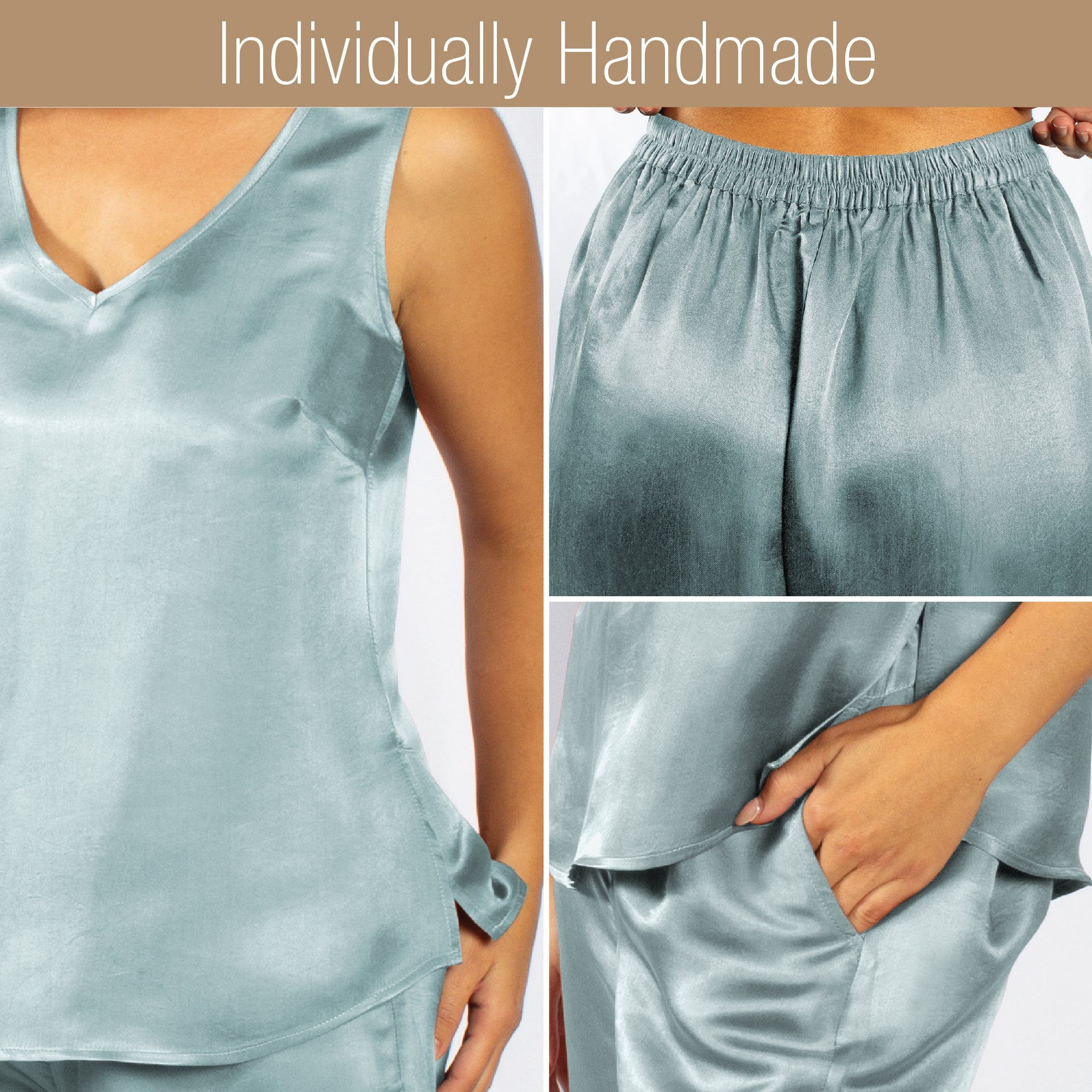
A French seam encloses all raw fiber edges inside the seam. No exposed threads. No fraying against skin. The seam strengthens rather than weakens with repeated washing. Overlocked seams are functional but expose raw edges that irritate sensitive skin and degrade faster with moisture exposure.
Machine washability removes friction from ownership.
The combination of 27 momme weight and French construction allows gentle machine cycling at 30 degrees, which is easier on fiber than hand agitation. Most competing brands recommend hand washing or dry cleaning, adding cumulative time and cost across the garment's lifespan. Machine washability is practical luxury.
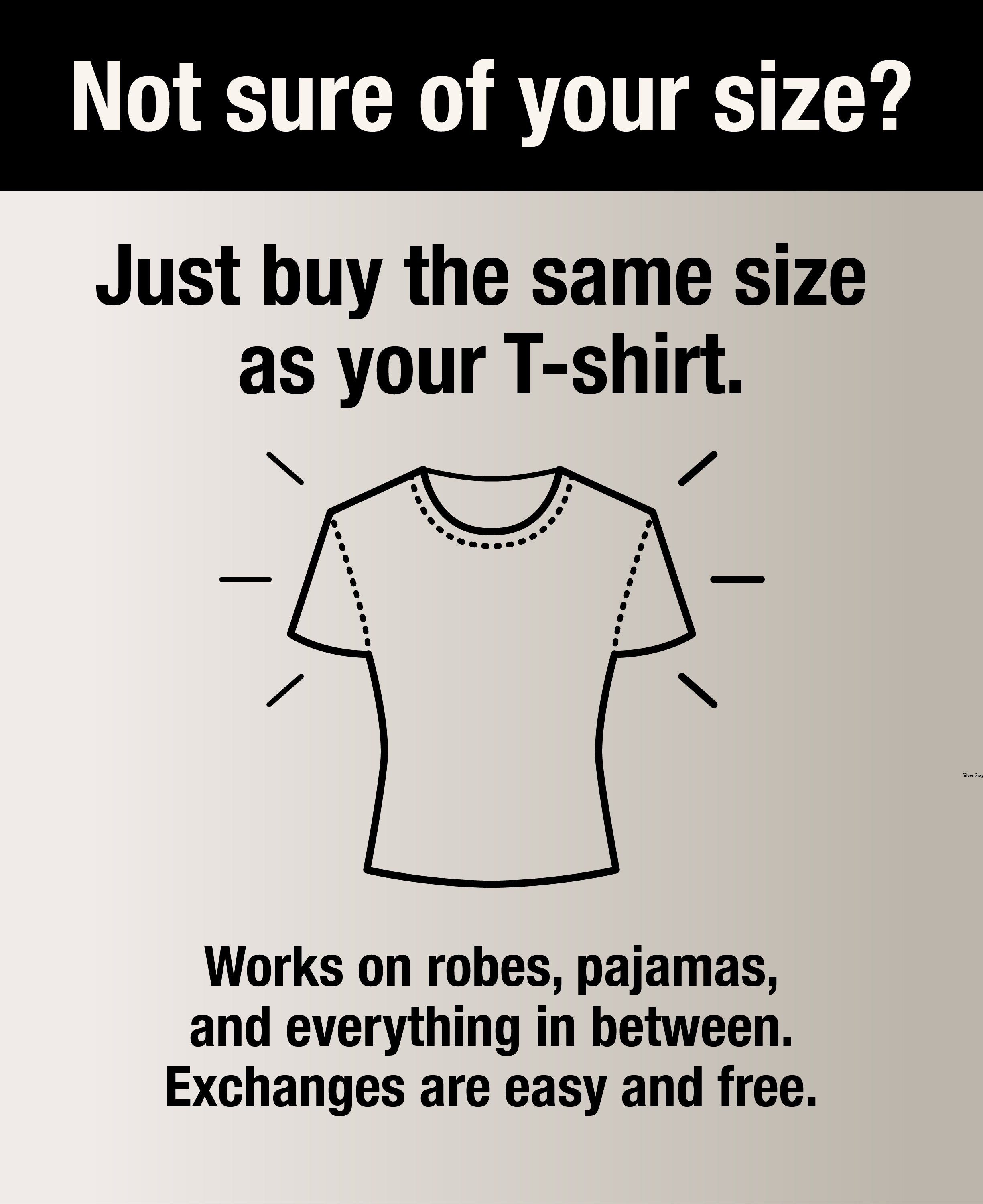
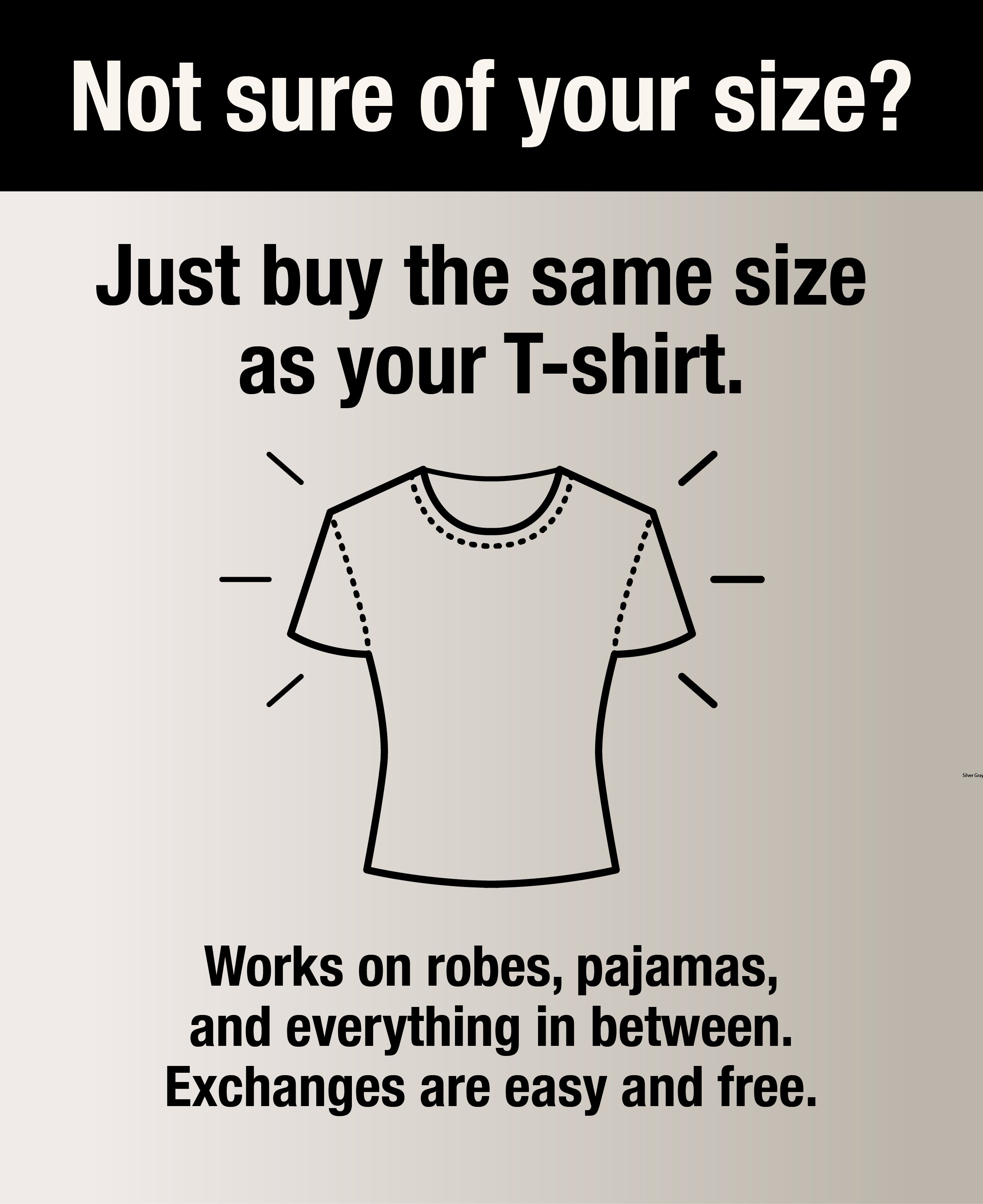
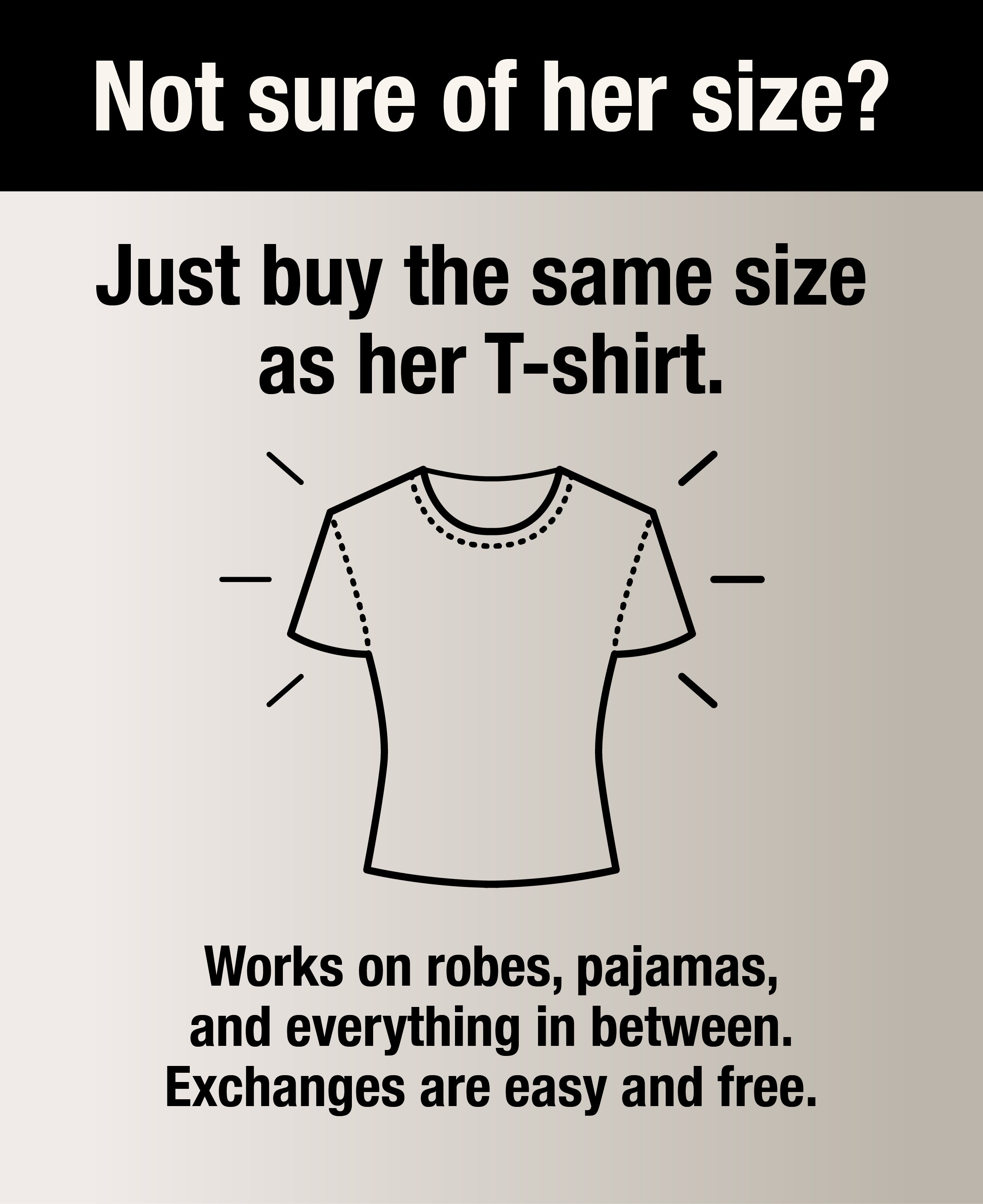
Size inclusivity is the default, not an afterthought.
The combination of 27 momme weight and French construction allows gentle machine cycling at 30 degrees, which is easier on fiber than hand agitation. Most competing brands recommend hand washing or dry cleaning, adding cumulative time and cost across the garment's lifespan. Machine washability is practical luxury.
Production transparency works both directions.
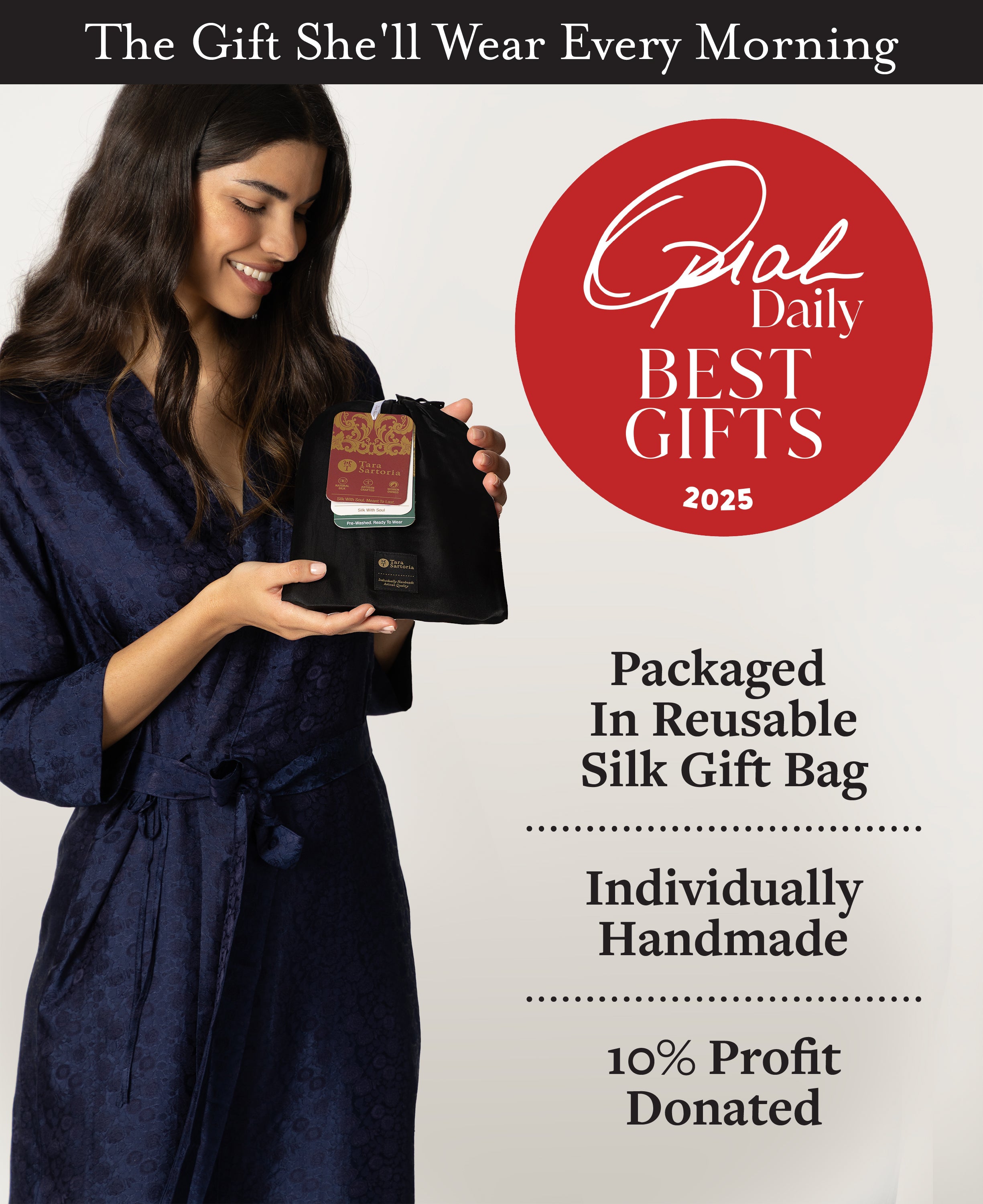
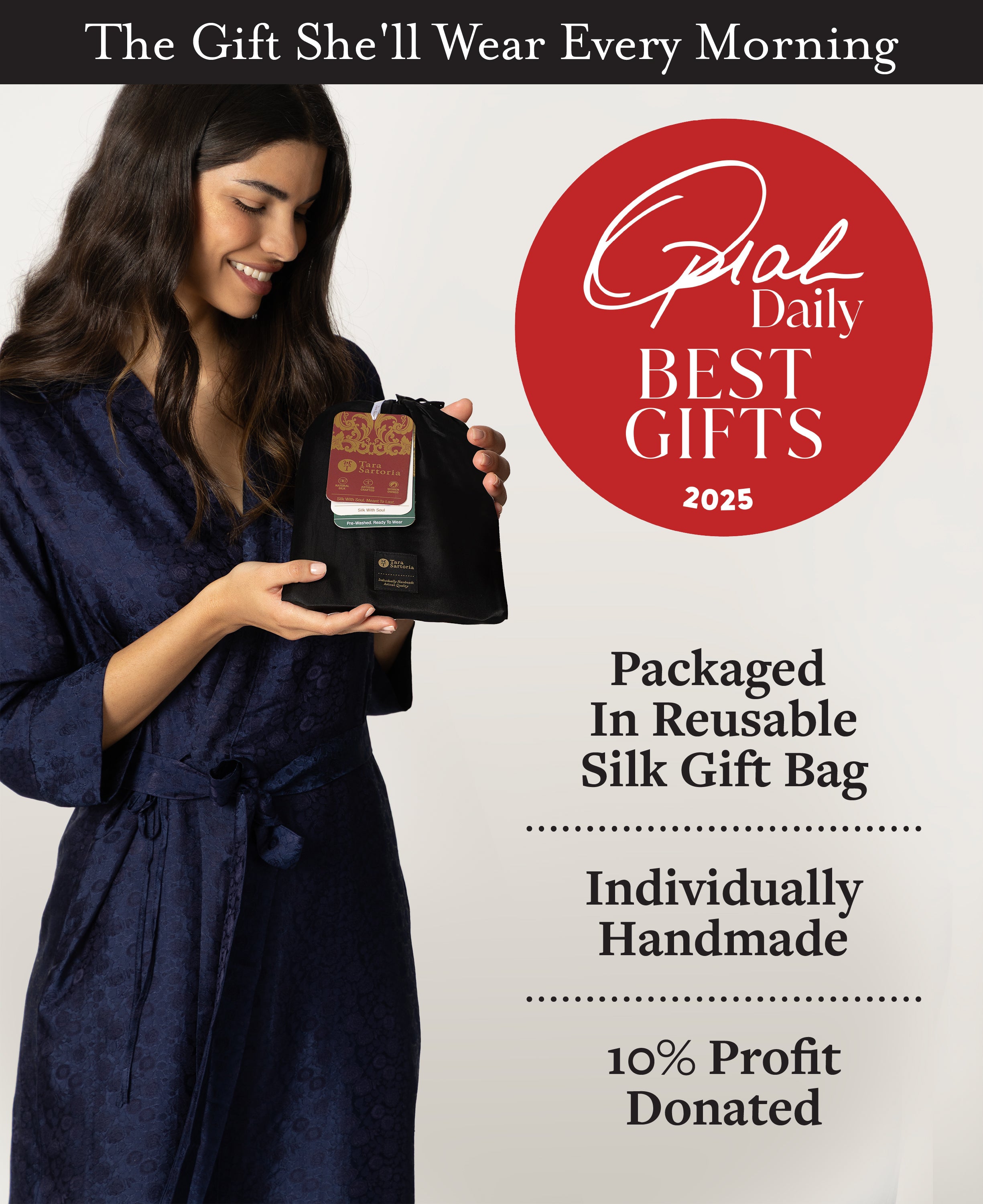
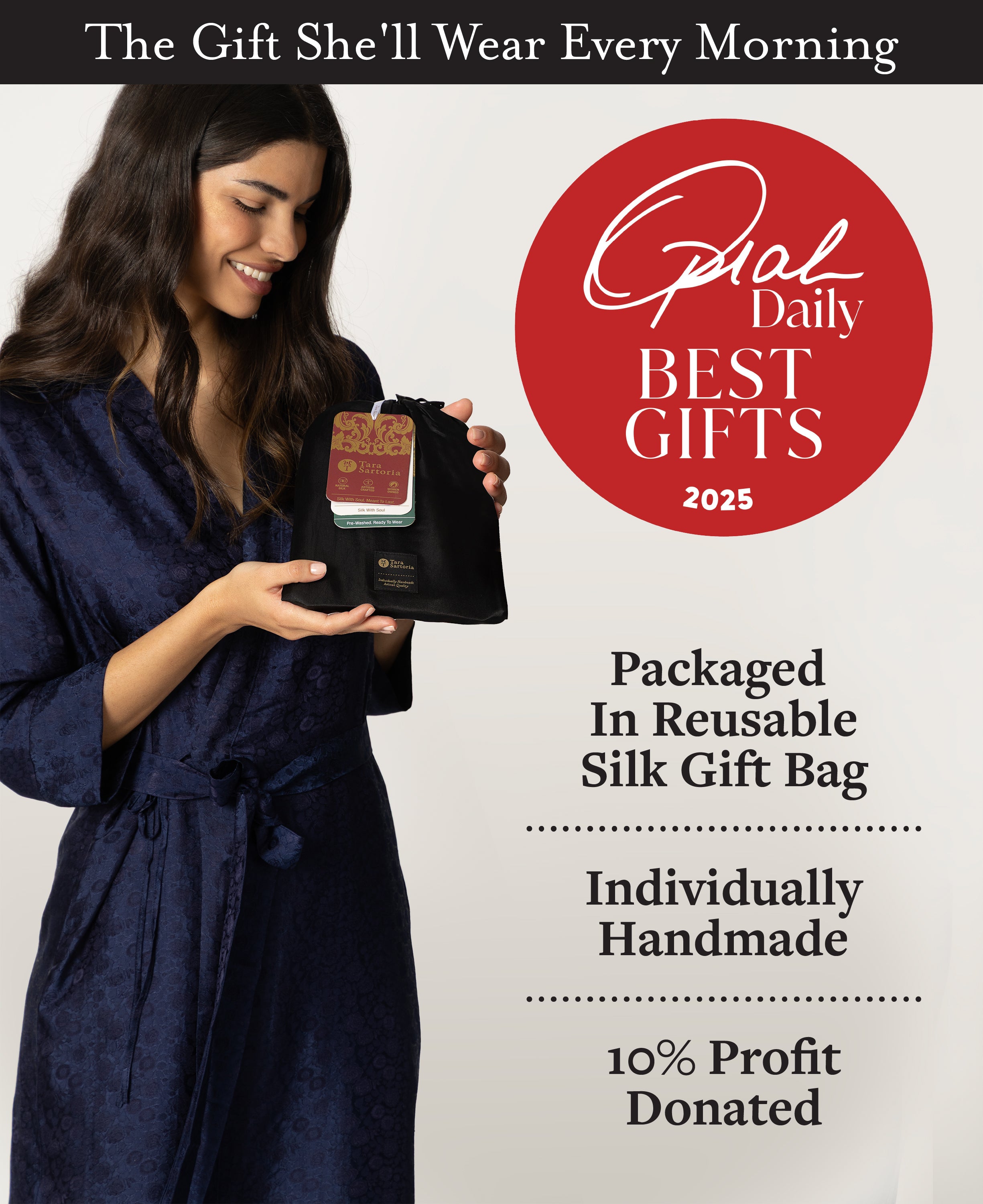
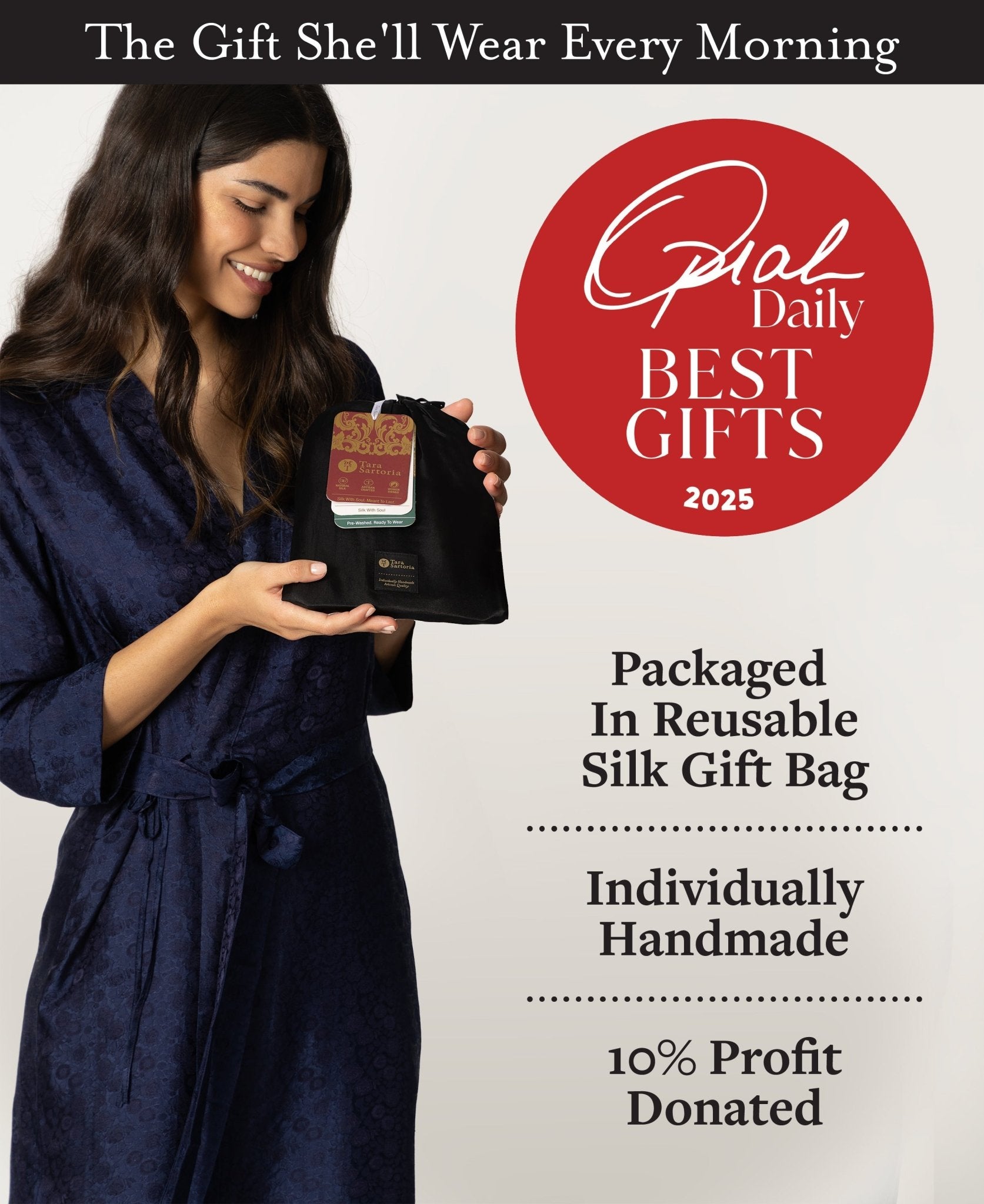
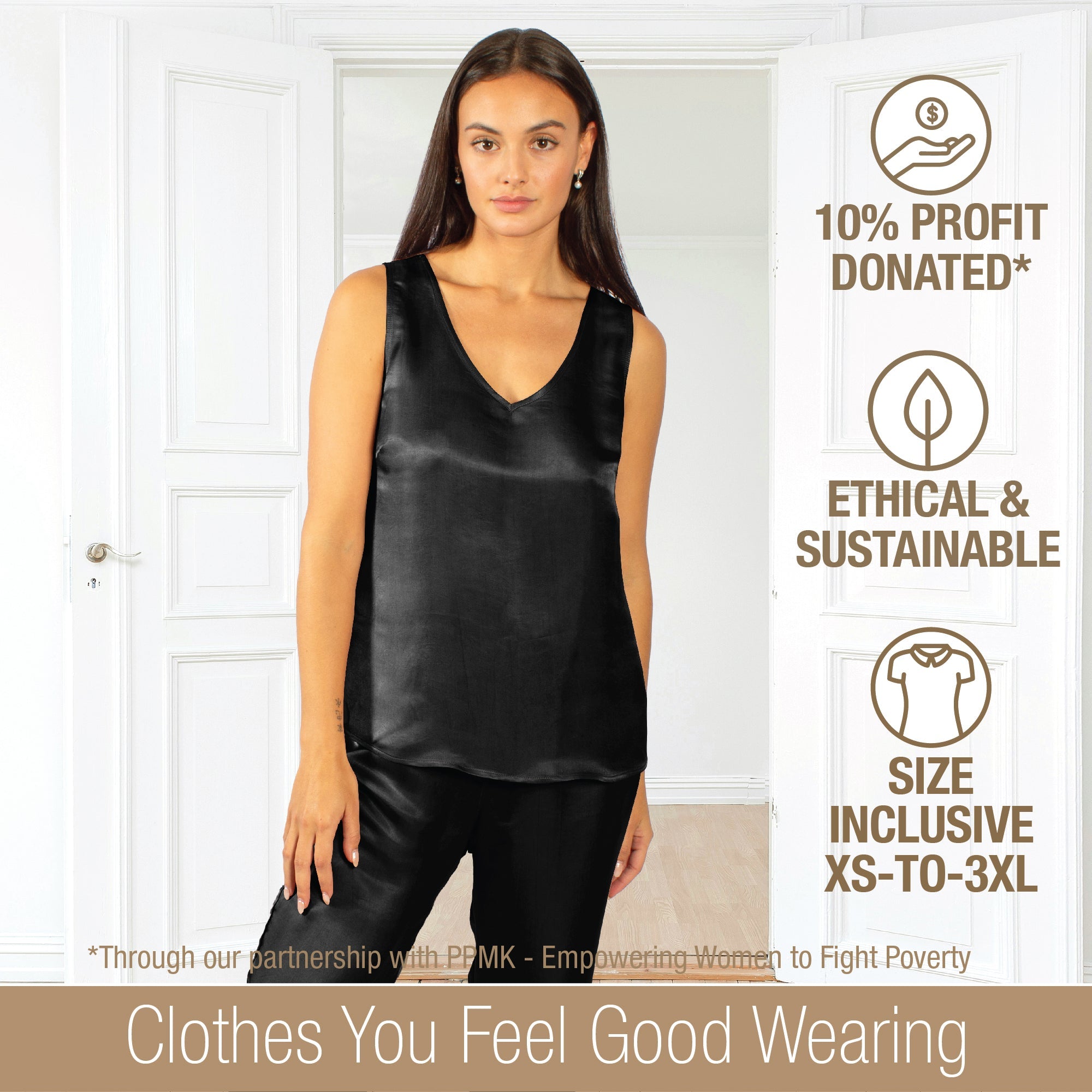
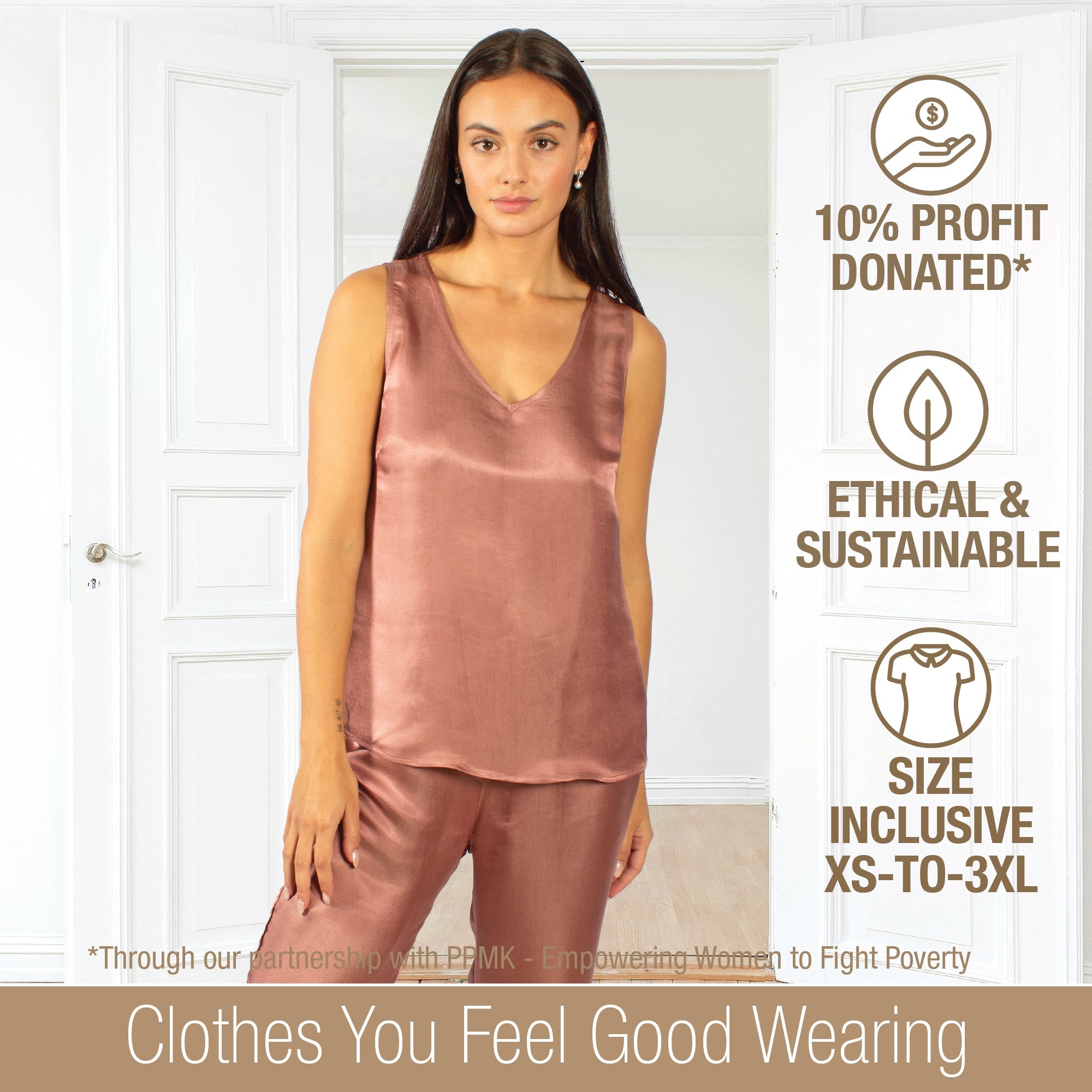
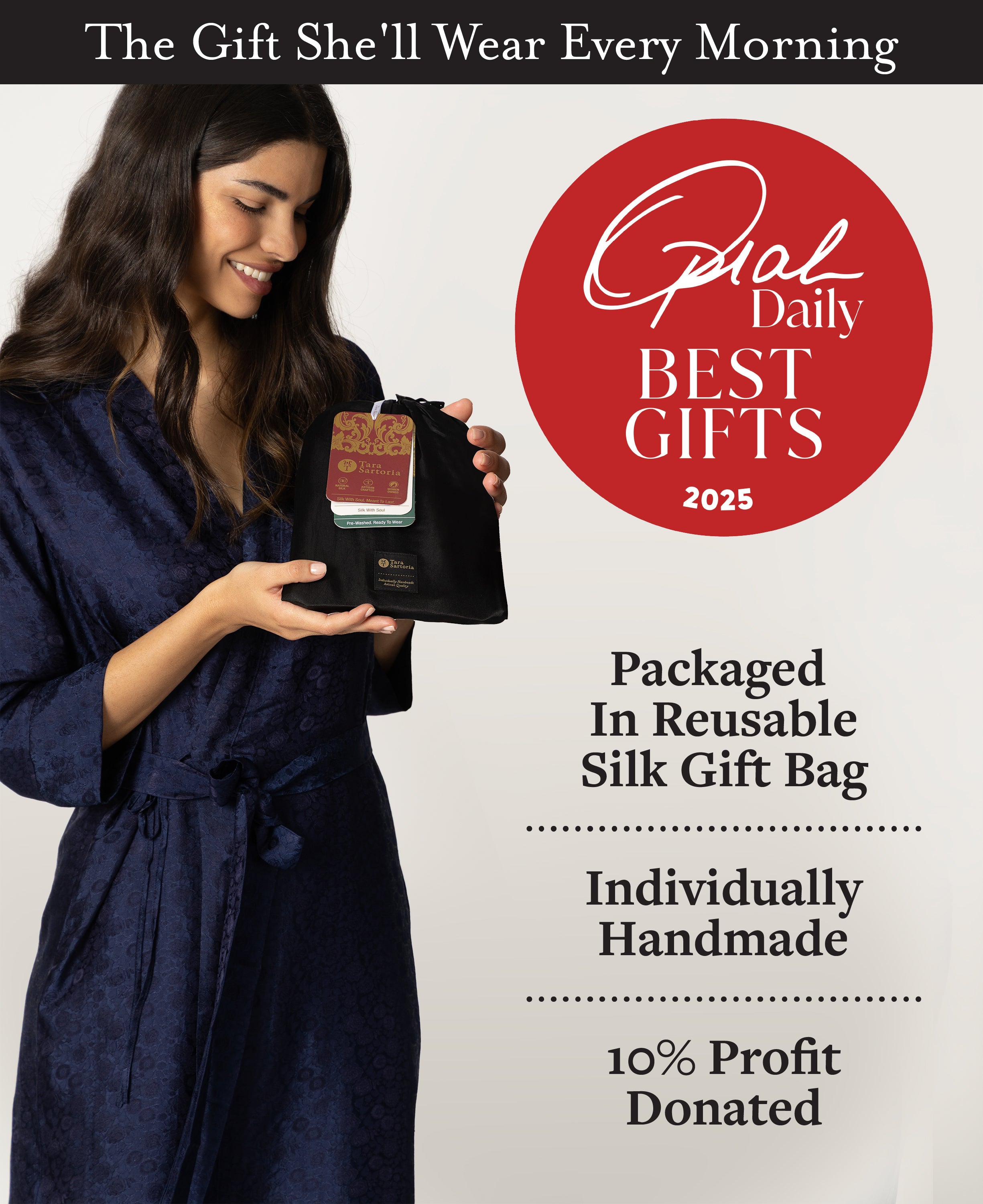
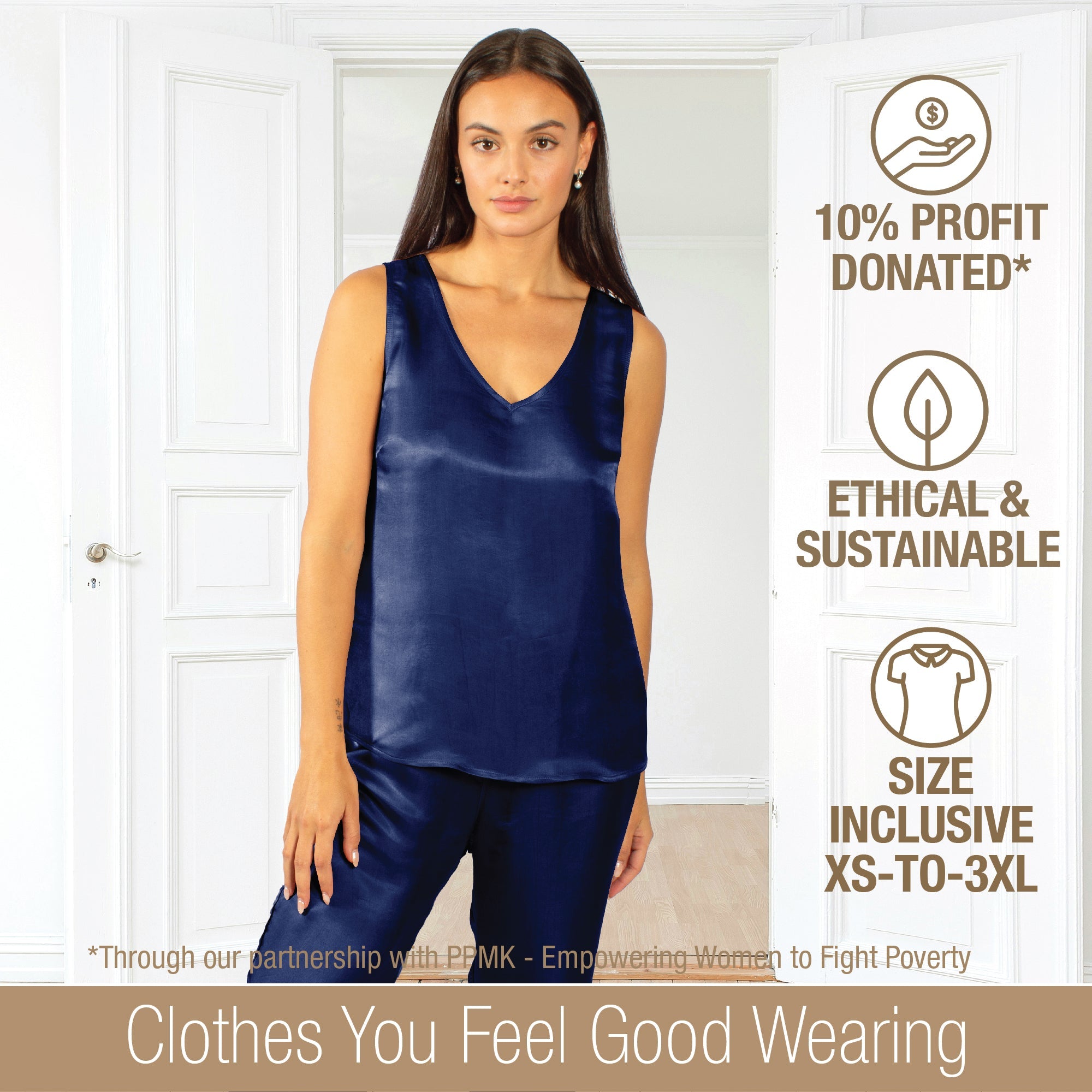
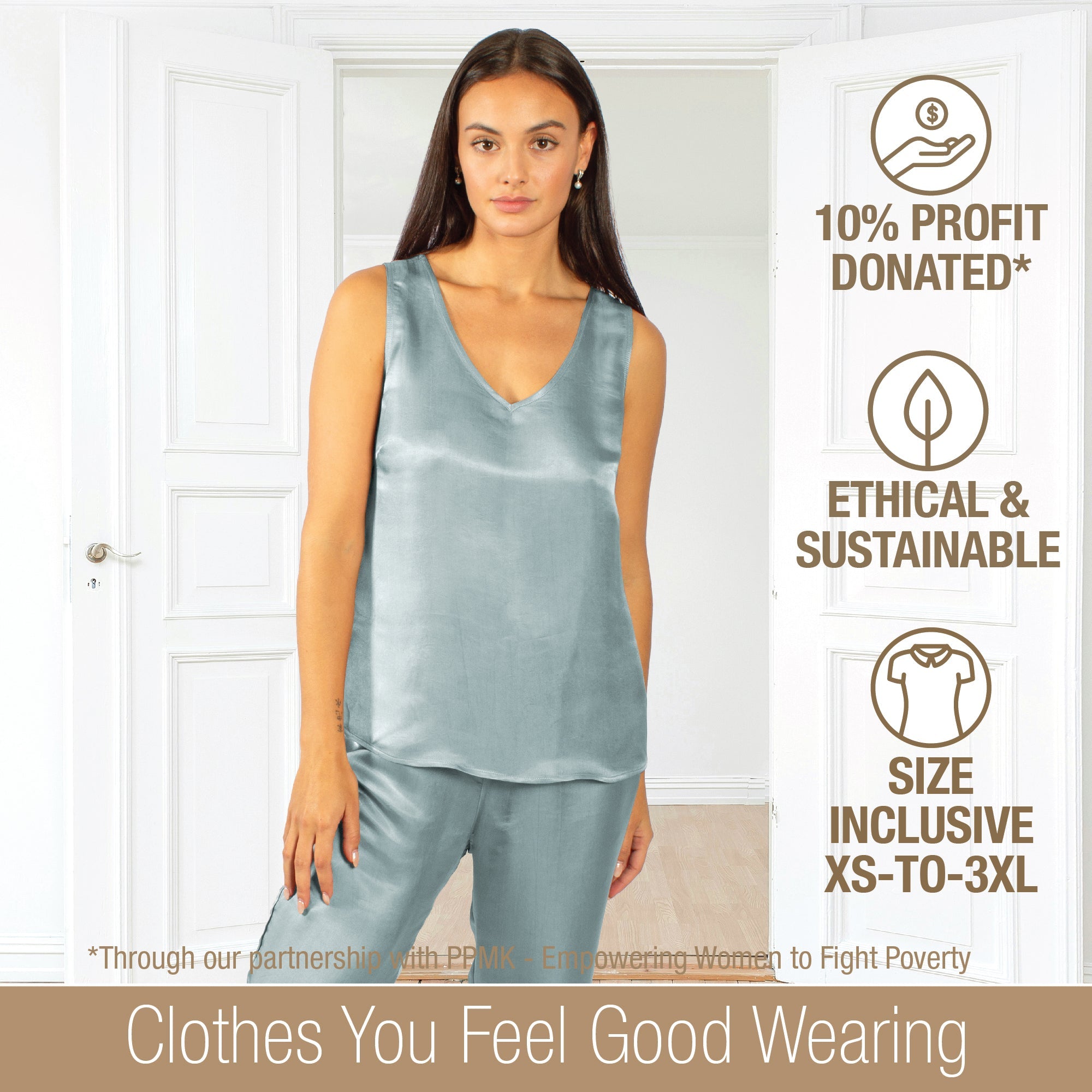
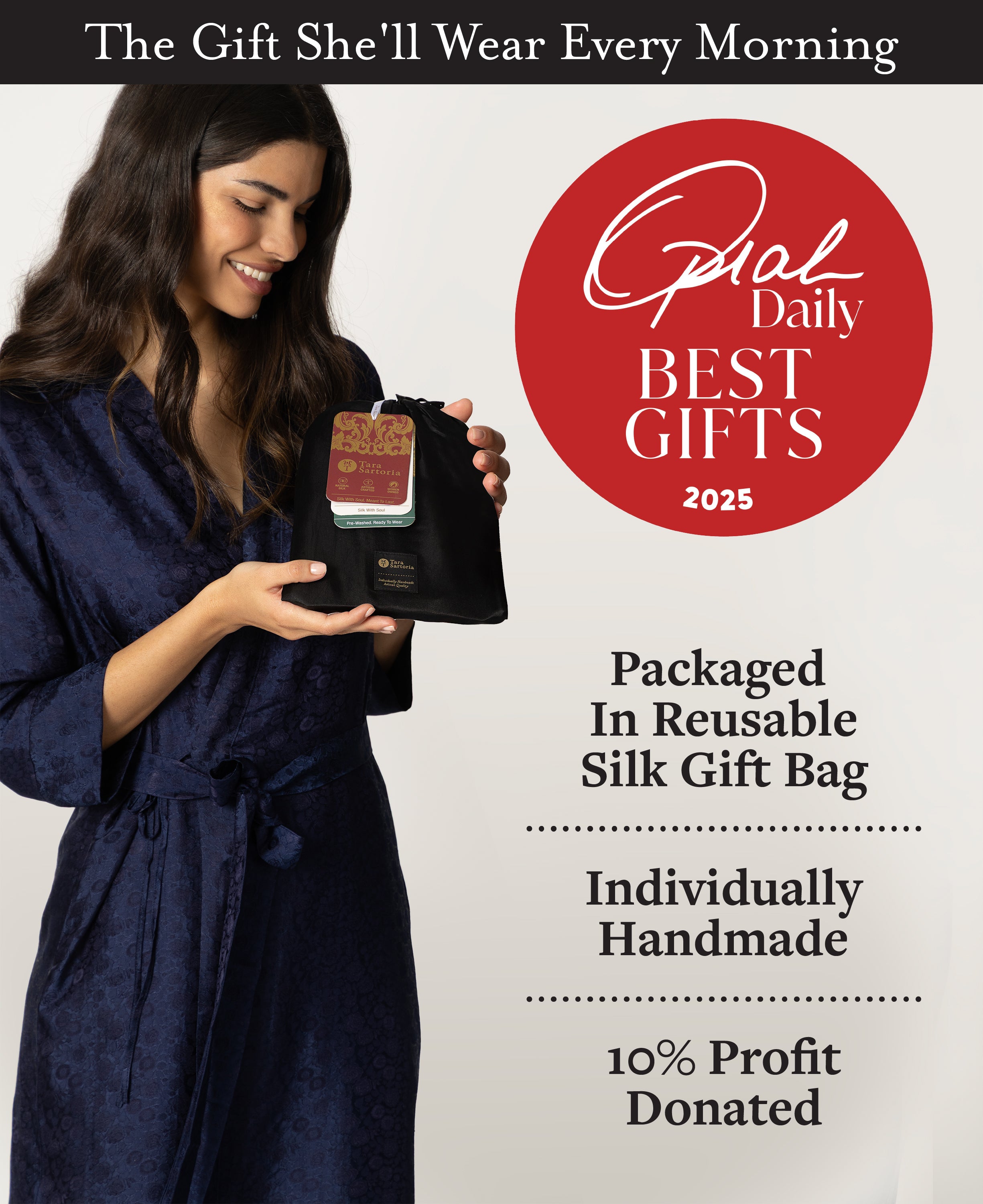
You know exactly where your silk is woven, who finished your seams, and where the profit margin flows. We say this directly: 10% of every profit goes to women's education and entrepreneurship in Vietnam. This is not charity. It is built into the financial model from day one.
The Longevity Calculation Nobody Runs
A typical 19-22 momme pajama set, worn twice weekly and hand washed, shows significant wear (pilling, color fading, fiber thinning at stress points) within 12-18 months. A Tara Sartoria 27 momme set, machine washed at 30 degrees, shows comparable wear at approximately 4-6 years.
Cost per year: the mid-range set lasting 15 months equals roughly twice the annual cost of a Tara Sartoria set lasting 5 years.
This calculation works because of physics. Denser fabric (40 percent more fiber per square centimeter) extends lifespan proportionally. Machine washing damages fiber less than hand agitation. French seams protect raw edges from water damage. The durability advantage is not marketing. It is materials and construction.
Individual experience varies. Care habits matter. But the principle holds: heavier silk lasts longer when you measure actual wear patterns.
When Another Brand Makes More Sense
- Choose another brand if your primary need is style variety
- Choose another brand if you want to test silk before investing in 27 momme weight
- Choose another brand if your budget requires entry-level silk pricing to accomplish what you need
- Choose another brand if you value catalog range over fabric density
All of these are legitimate priorities. Many brands have earned their market position through consistent availability and accessible price points.
When Tara Sartoria Becomes the Clear Choice
- Choose Tara Sartoria if fabric density and longevity drive your decision
- Choose Tara Sartoria if machine washability matters to you
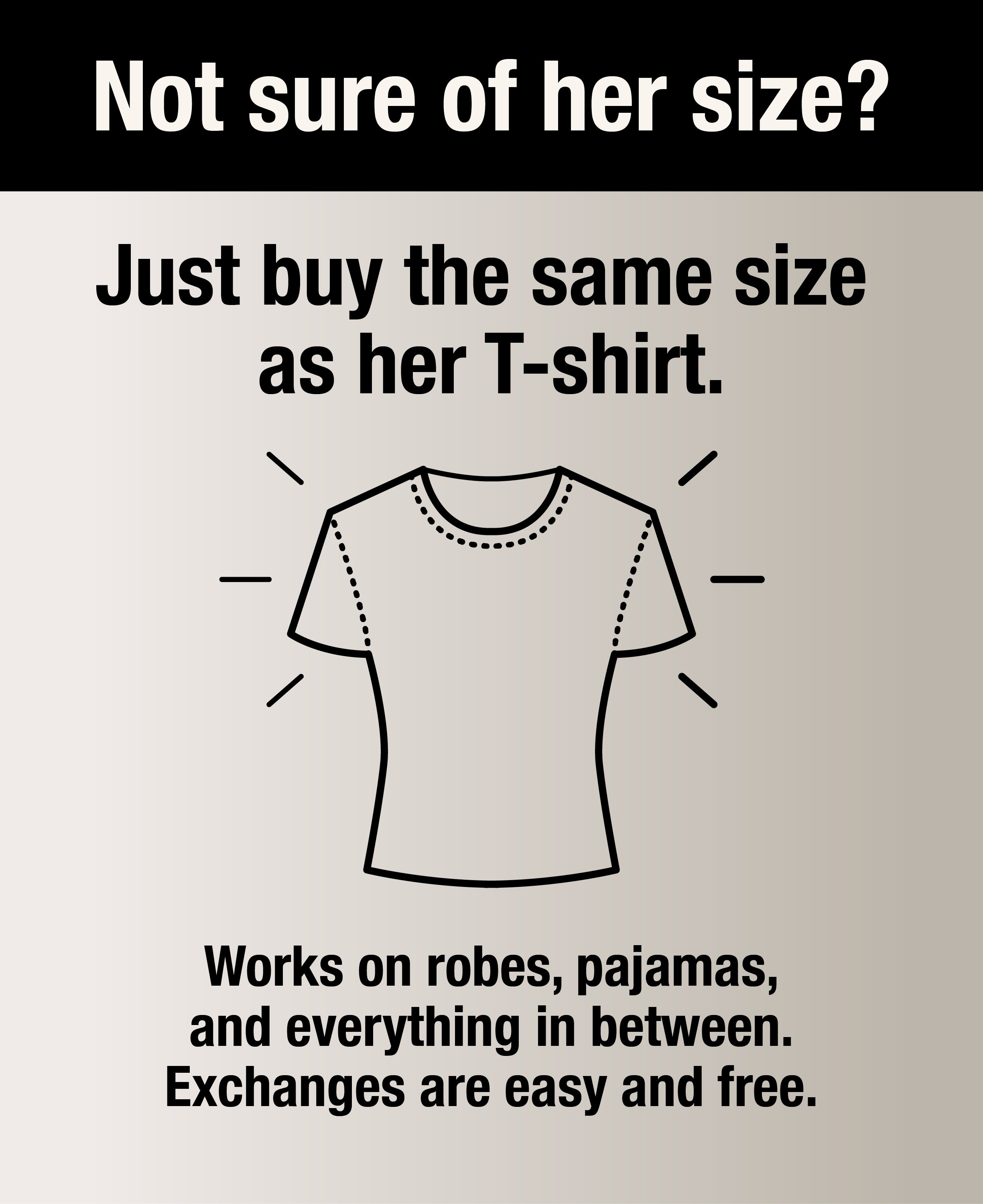
- Choose Tara Sartoria if you wear above XXL and need sizes that most brands don't offer
- Choose Tara Sartoria if construction quality, transparency, and ethical commitment factor into how you spend money
- Choose Tara Sartoria if you buy once and wear something for years rather than replacing it annually
Choose Tara Sartoria if you buy once and wear something for years rather than replacing it annually, across our full range of men's silk boxers, men's silk pajamas, silk robes, and more.
Real Customer Experience: The Wear Pattern Difference
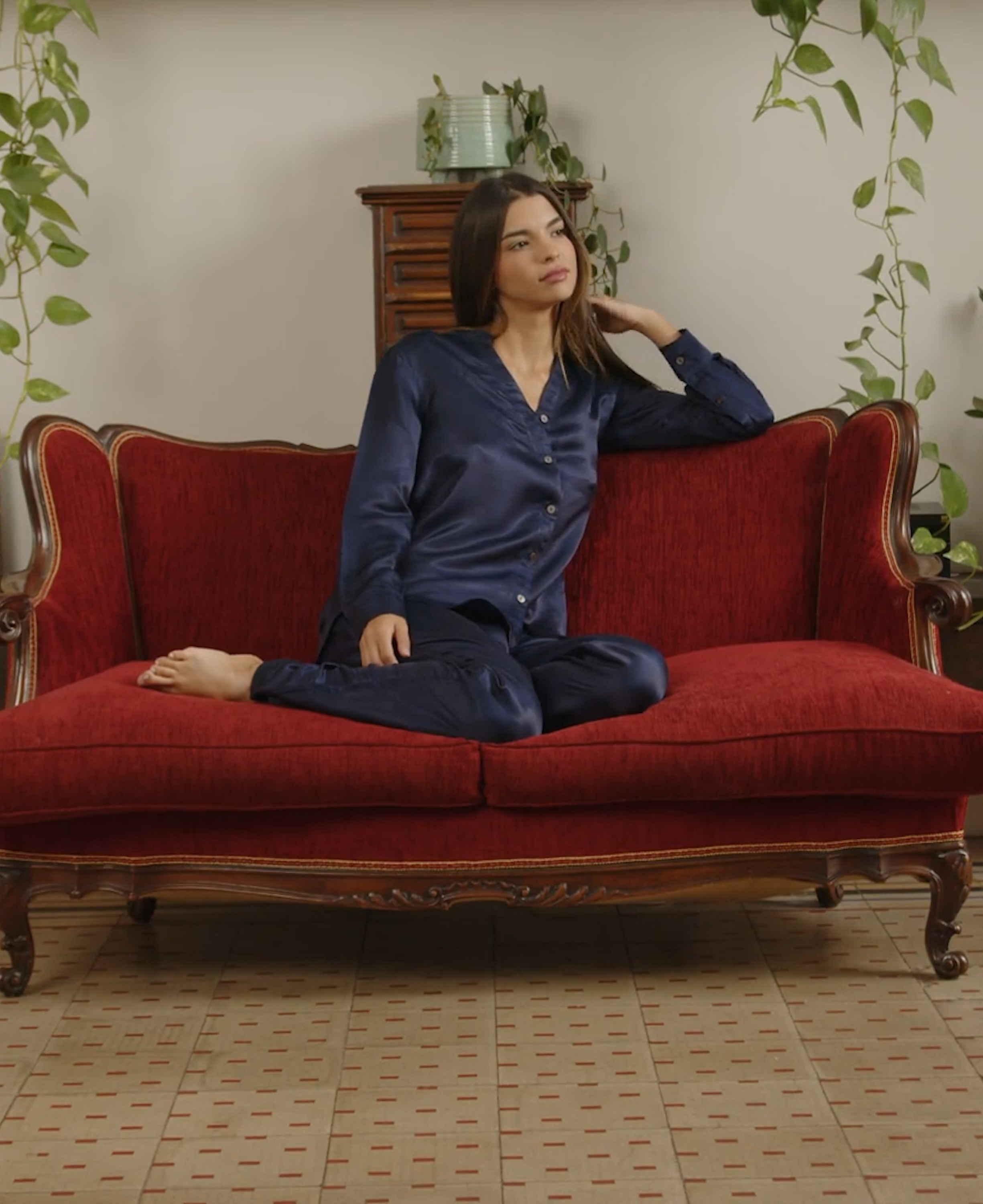
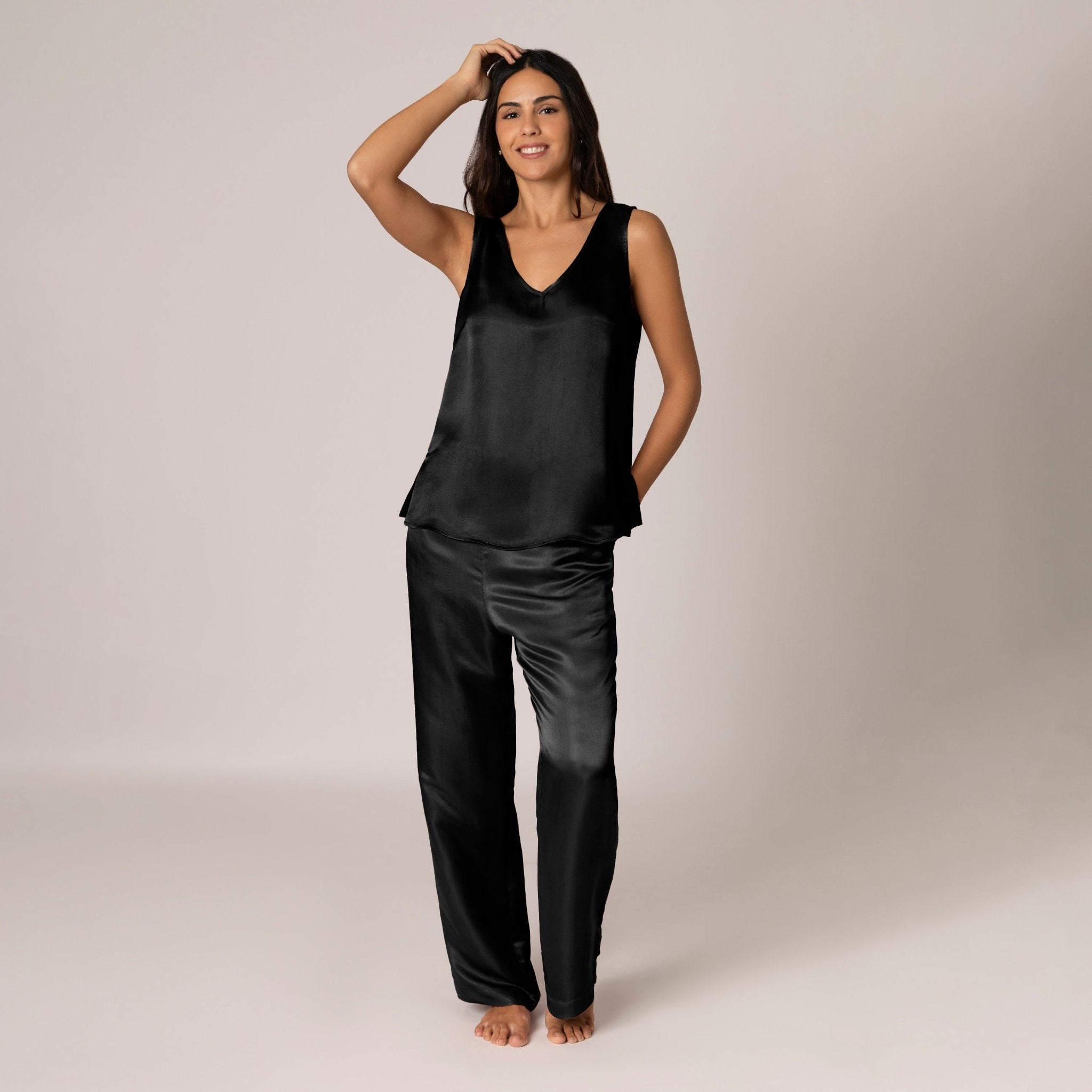
The theoretical lifespan calculations mean little without evidence. Customers who purchased 27 momme Tara Sartoria sets five years ago report that their garments show minor wear, primarily subtle color lightening and possible very light pilling at stress points like underarms. The elastic waistbands remain functional. The French seams are intact. The fabric remains opaque.
By contrast, customers who owned 19-22 momme silk sets from factory brands over the same period report earlier degradation: visible pilling across the chest and back, color fading sufficient to make the original purchase color almost unrecognizable, elastic waistbands beginning to lose elasticity within three years, and visible fraying or discoloration at seams.
This difference compounds when you factor in care. The mid-range set requiring hand washing or dry cleaning accumulates ongoing professional cleaning costs over five years. The Tara Sartoria set, machine washed 130 times (twice weekly for five years), costs less to maintain because gentle machine washing is less expensive than professional care.




The Transparency Advantage
Most silk brands don't disclose where their products are made. Tara Sartoria does. Most brands don't commit a percentage of profit to a specific cause. Tara Sartoria does, and the commitment is documented and externally verifiable.
This transparency serves two purposes. First, it creates accountability. When you've stated publicly that 10% of profits flow to women's education in Vietnam, you can't quietly reduce that commitment without customers noticing. Second, it builds trust with customers who have learned to be skeptical of brand marketing. You can see where your money goes. You can verify the commitment exists. You can contact artisans directly if you want.
That level of operational honesty is rare in luxury goods. Most brands prefer mystique over transparency. The opposite approach takes longer to sell, but it builds loyalty that survives price increases and market fluctuations.
The Practical Ownership Experience
Consider the actual experience of owning either product over three years:
Mid-range 19-22 momme set:
You take it out of the box, wear it twice weekly, and hand wash it every 7-10 days. That's roughly 40-50 hand washes per year. Each wash takes 15-20 minutes. That's 10-17 hours per year of hand washing, or 30-50 hours over three years. Alternatively, you dry clean it quarterly, accumulating significant ongoing professional care costs over three years plus considerable time and effort.
27 momme Tara Sartoria set:
You take it out of the box, wear it twice weekly, and machine wash it at 30 degrees. That's a five-minute machine cycle. Thirty-six hours of ownership time for the entire three years versus 30-50 hours of hand washing time for the competing product. The cost of professional care is zero because machine washability removes the friction.
That difference accumulates over the garment's lifespan. The psychological impact is significant. You are more likely to wear something you can simply toss in the machine than something requiring hand washing protocol every week.
The Actual Distinction
Tara Sartoria and typical mid-range silk brands are fundamentally different products at different price points, yes, but more importantly, they serve different purchasing philosophies. Most silk brands optimize for breadth, accessibility, and variety. Tara Sartoria optimizes for depth, density, and durability.
If you're reading specifications at this level of detail, you are probably the customer who values density over novelty and longevity over style updates. You get dressed on purpose. You prefer quality over quantity. That customer is exactly who we build for.
Summary
Choosing between silk brands requires clarity about what you actually prioritize. If variety matters most, larger brands win. If durability and fabric quality matter most, Tara Sartoria delivers. Both approaches are valid. The right choice depends on your values, not on marketing claims. The key is being honest with yourself about what you actually want from a garment. Do you want options and novelty, or do you want something you can wear confidently for years? Both are defensible choices. Only the dishonest choice is assuming you can have both at the same price point.
Frequently Asked Questions
How do I identify real mulberry silk?
Look for disclosed momme weight and silk type. Genuine mulberry silk brands share specifications because quality matters to their customers. Brands stating "100% silk" without momme weight create comparison opacity, which usually benefits the seller.
Why does Tara Sartoria cost more than other silk brands?
Three factors converge: momme weight (27 versus typical 19-22, representing 20-40 percent more fiber per garment), construction method (French seams take roughly twice the sewing time as overlocked seams), and production model (artisan workshop labor costs more per garment than factory production). Price reflects material and labor differences, not excessive margin.
Can I machine wash most silk pajamas?
No. Most silk pajamas recommend hand washing or dry cleaning due to lighter weight or different seam construction. Some brands at 22+ momme tolerate gentle machine washing, but always check specific care instructions. Machine washability depends on weight, seam type, and finishing. 27 momme Tara Sartoria with French seams is designed specifically for 30-degree machine cycles.
Which silk brands have the highest customer ratings?
Tara Sartoria averages 4.8+ stars with men's return rates around 10.5 percent, notably low for the category. When comparing brands, look for reviews discussing durability and long-term use rather than just first impression. Longevity reviews reveal actual fabric performance.
Do most silk sleepwear brands use French seams?
No. The majority use overlocked seams, which is standard for factory production. Overlocked seams prevent fraying effectively but leave a raw edge inside the garment. French seams fully enclose the raw edge, creating a smoother interior and stronger seam life, but require approximately double the sewing time.
What's the real difference between 19 and 27 momme?
27 momme silk contains significantly more fiber density per square centimeter. This translates to heavier drape, better opacity, longer lifespan, less pilling, and superior color retention. The weight difference you'll feel in your hand often determines whether you keep the garment or replace it within a year.
