


Silk Boxers vs Cotton Underwear: What Your Skin Already Knows
Cotton is a story we've accepted that doesn't match what actually happens when it touches your skin. The narrative goes: cotton breathes, it's natural, it's comfortable. What the narrative skips is the bit where cotton absorbs 25 times its own weight in moisture and then holds onto it, creating a warm, damp microclimate that your skin has to tolerate all day.
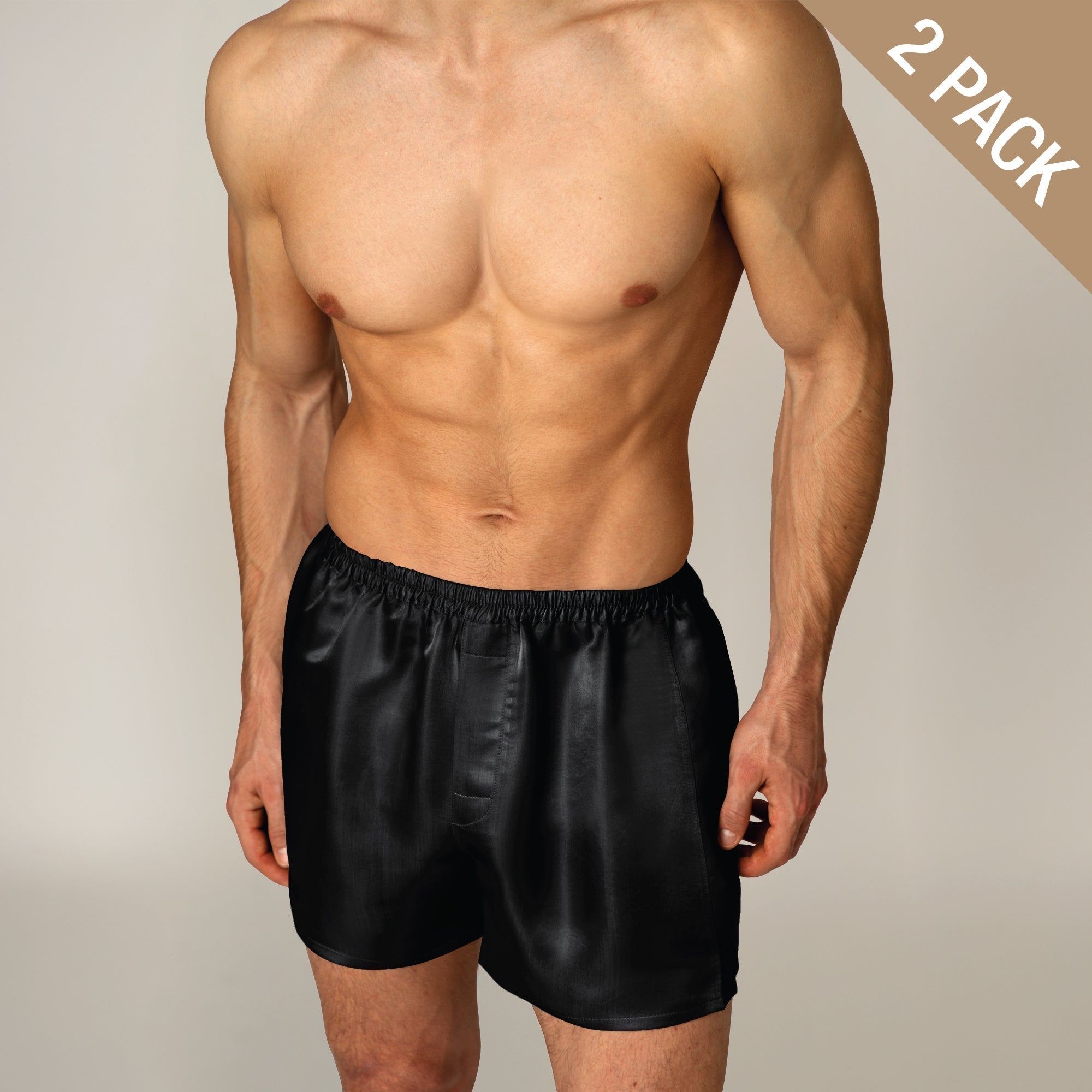
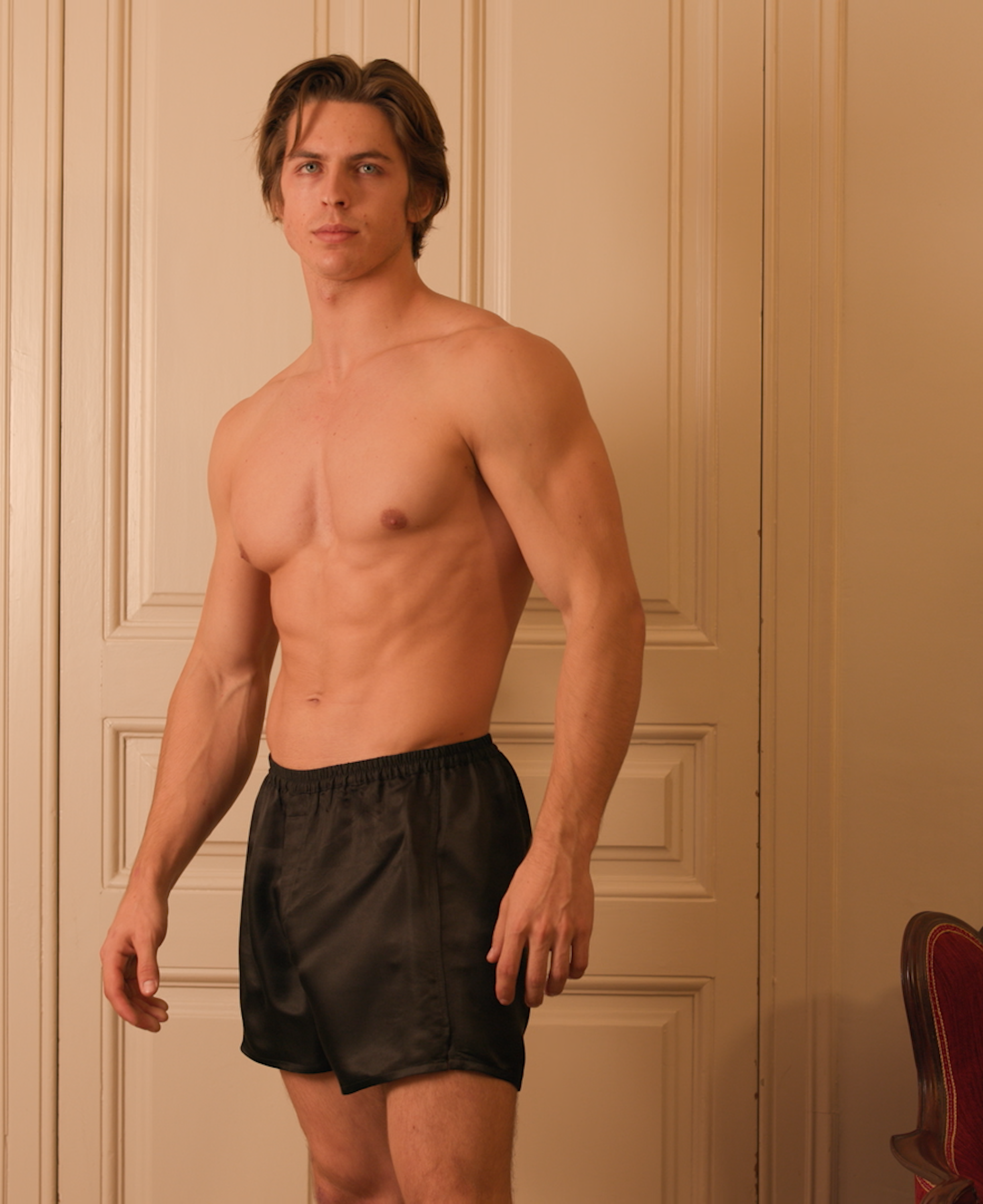
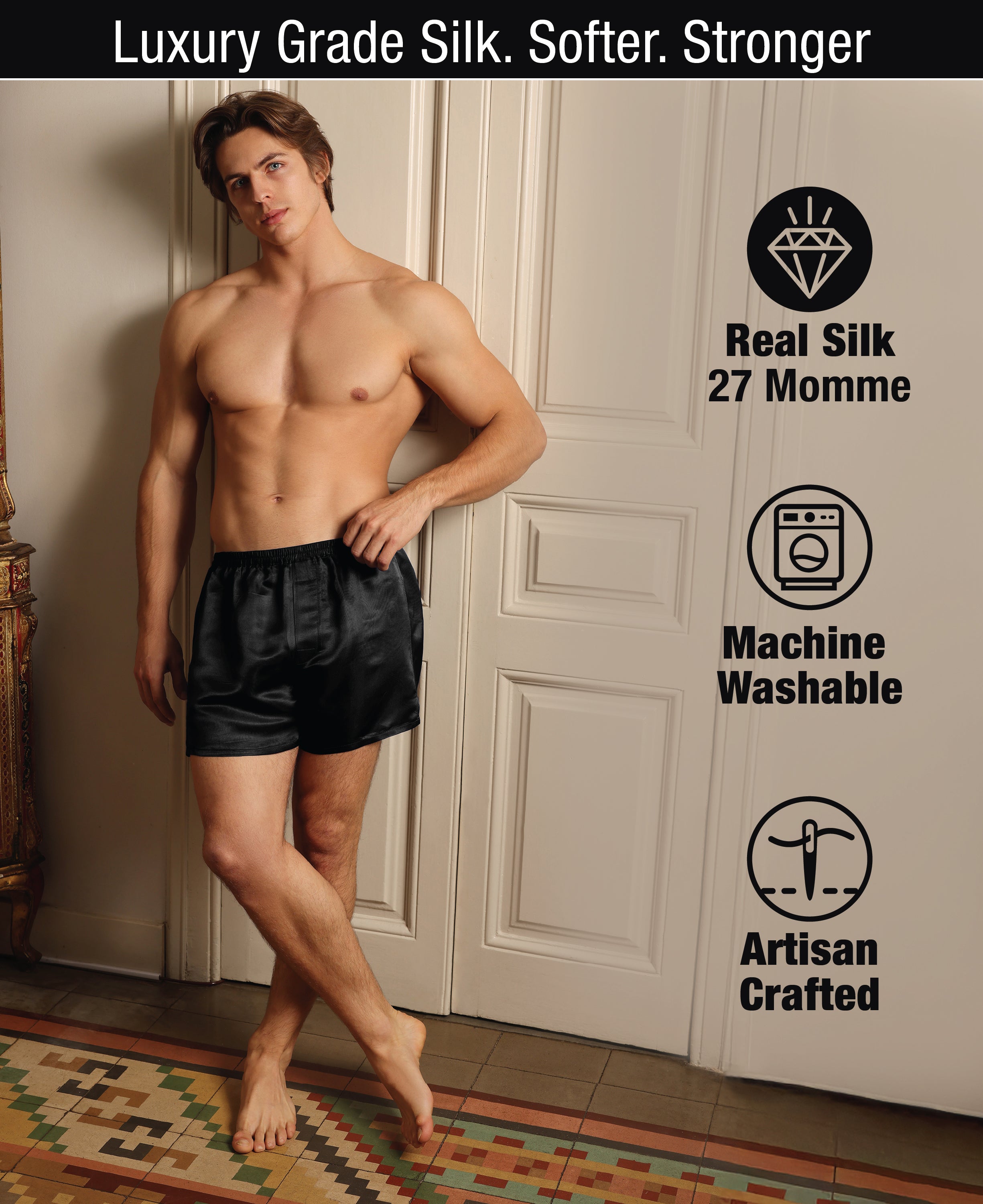
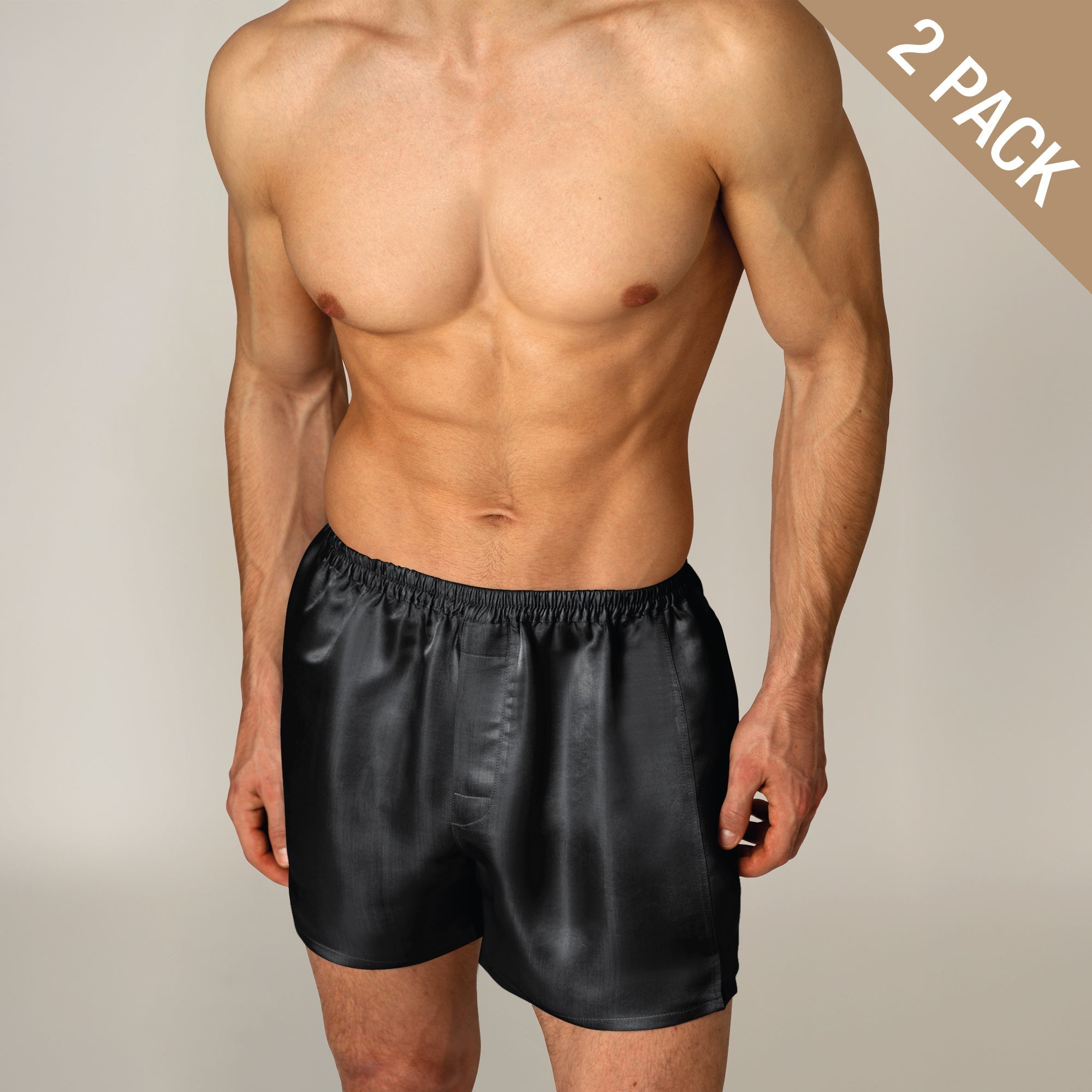
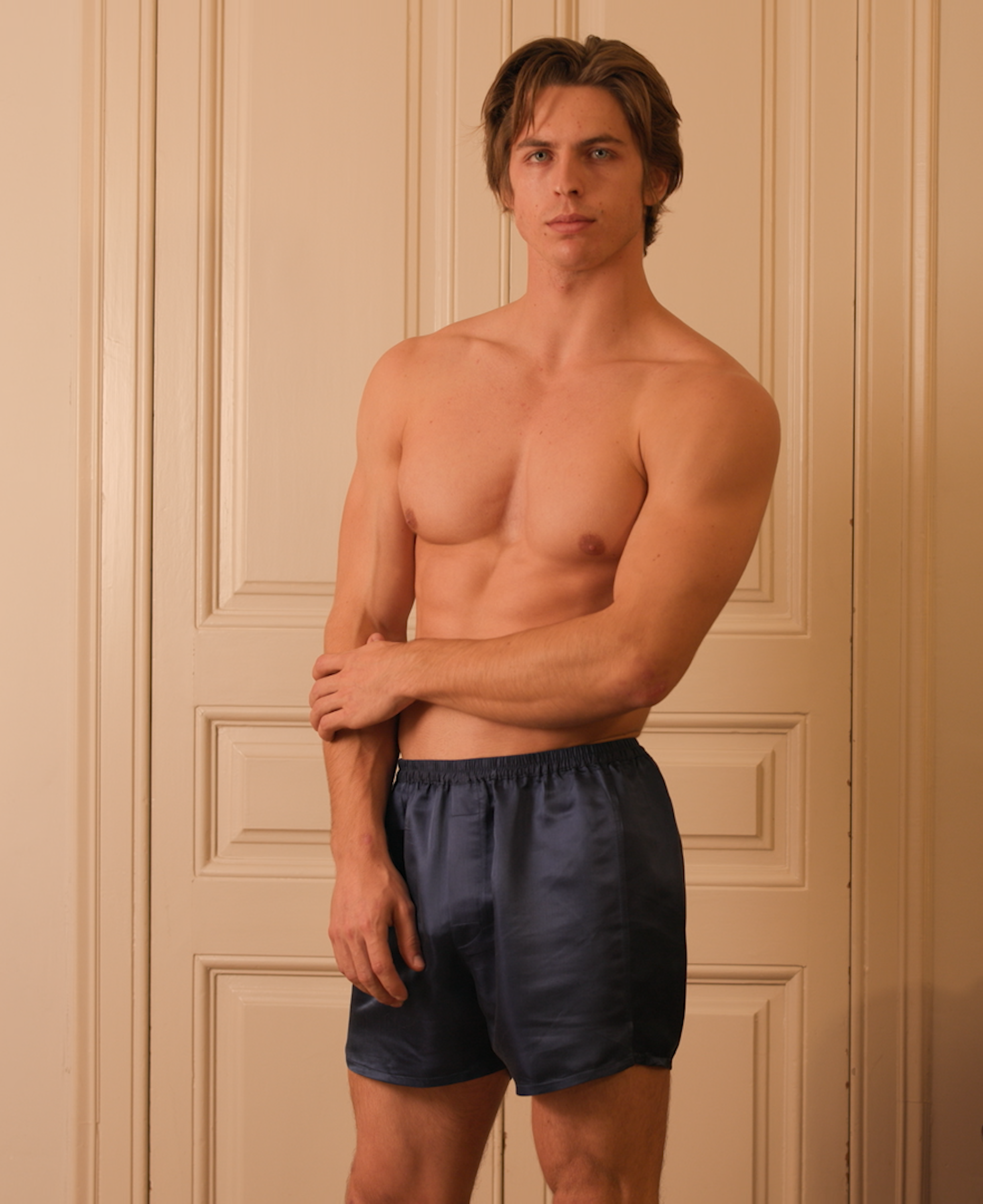
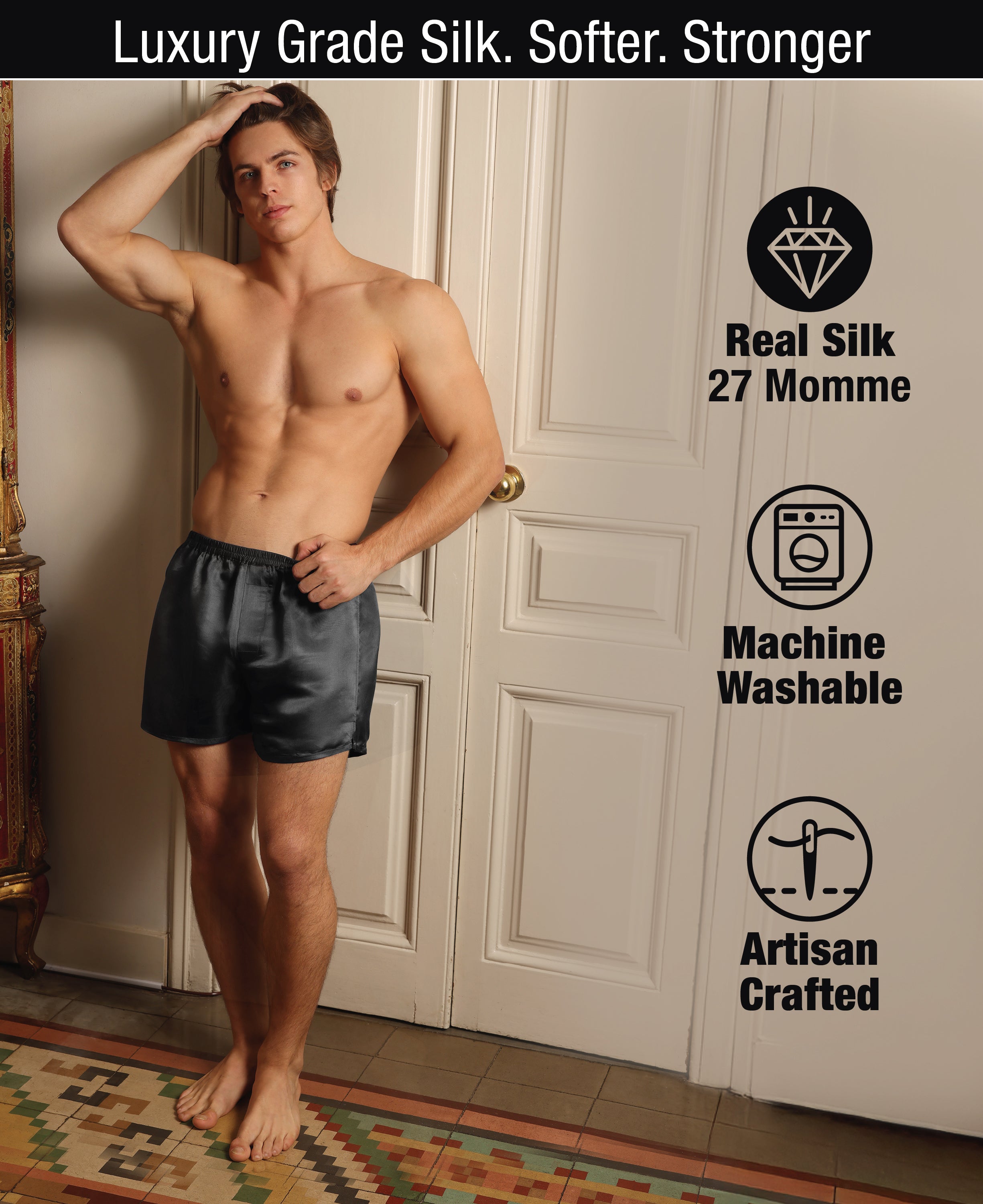
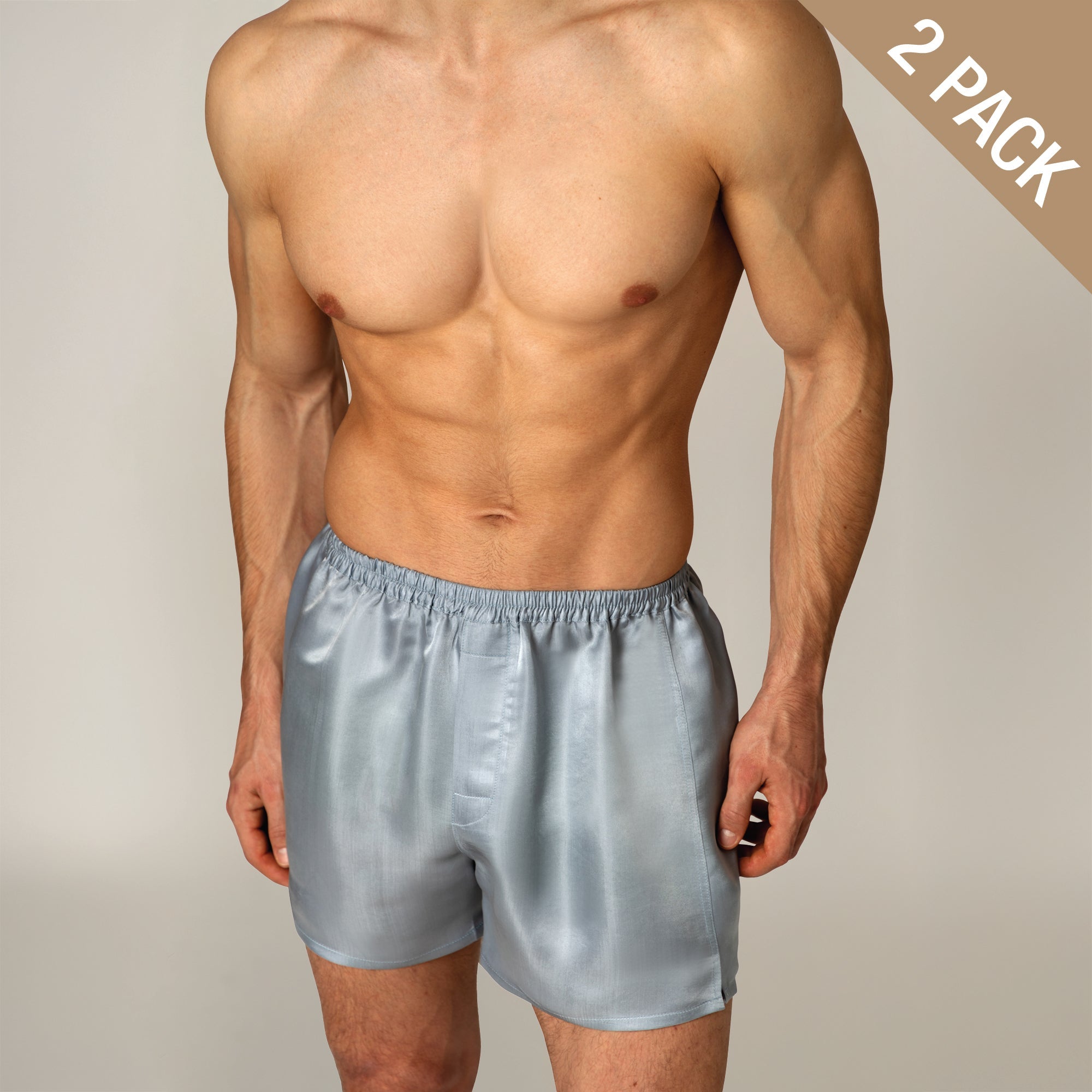
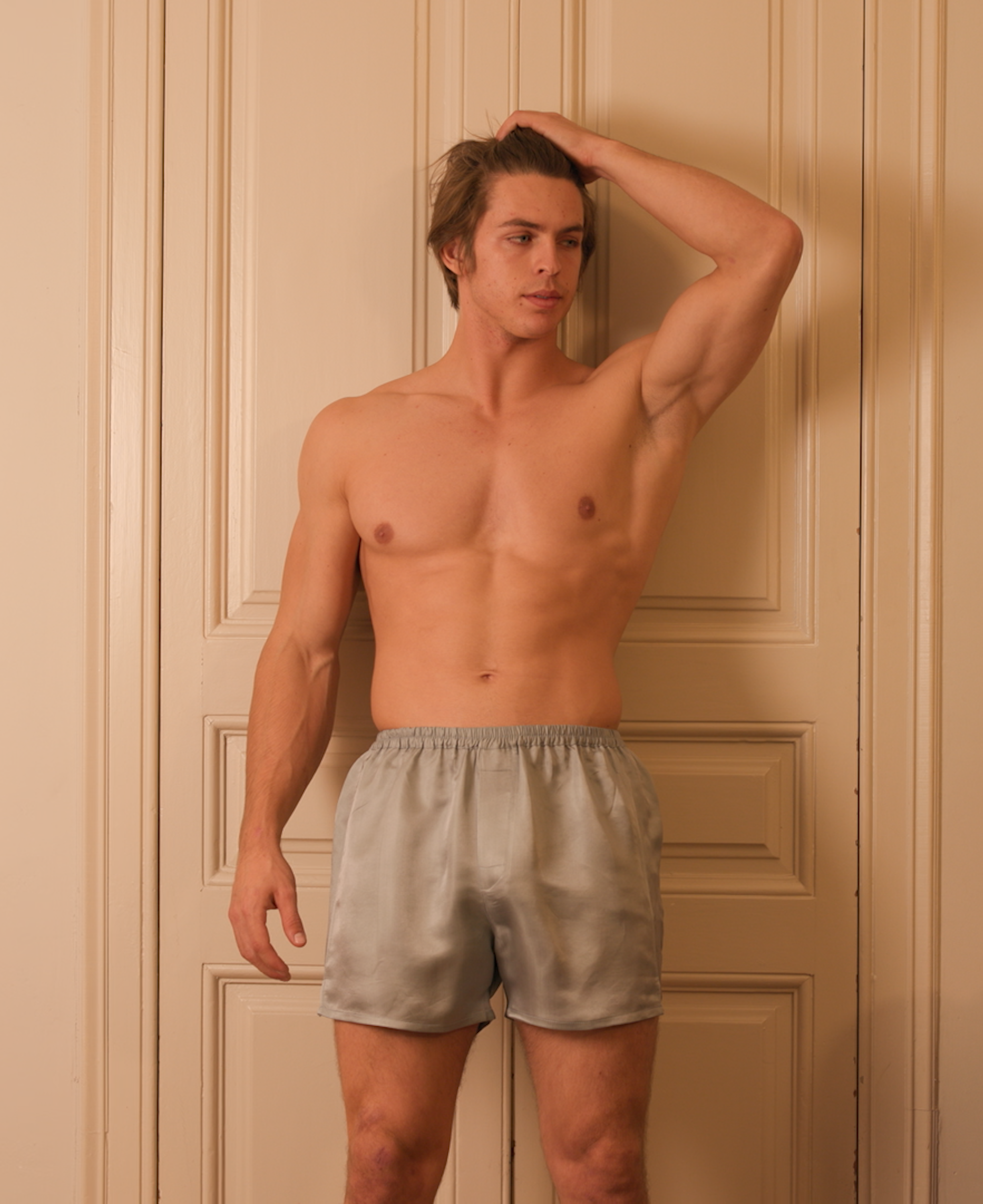
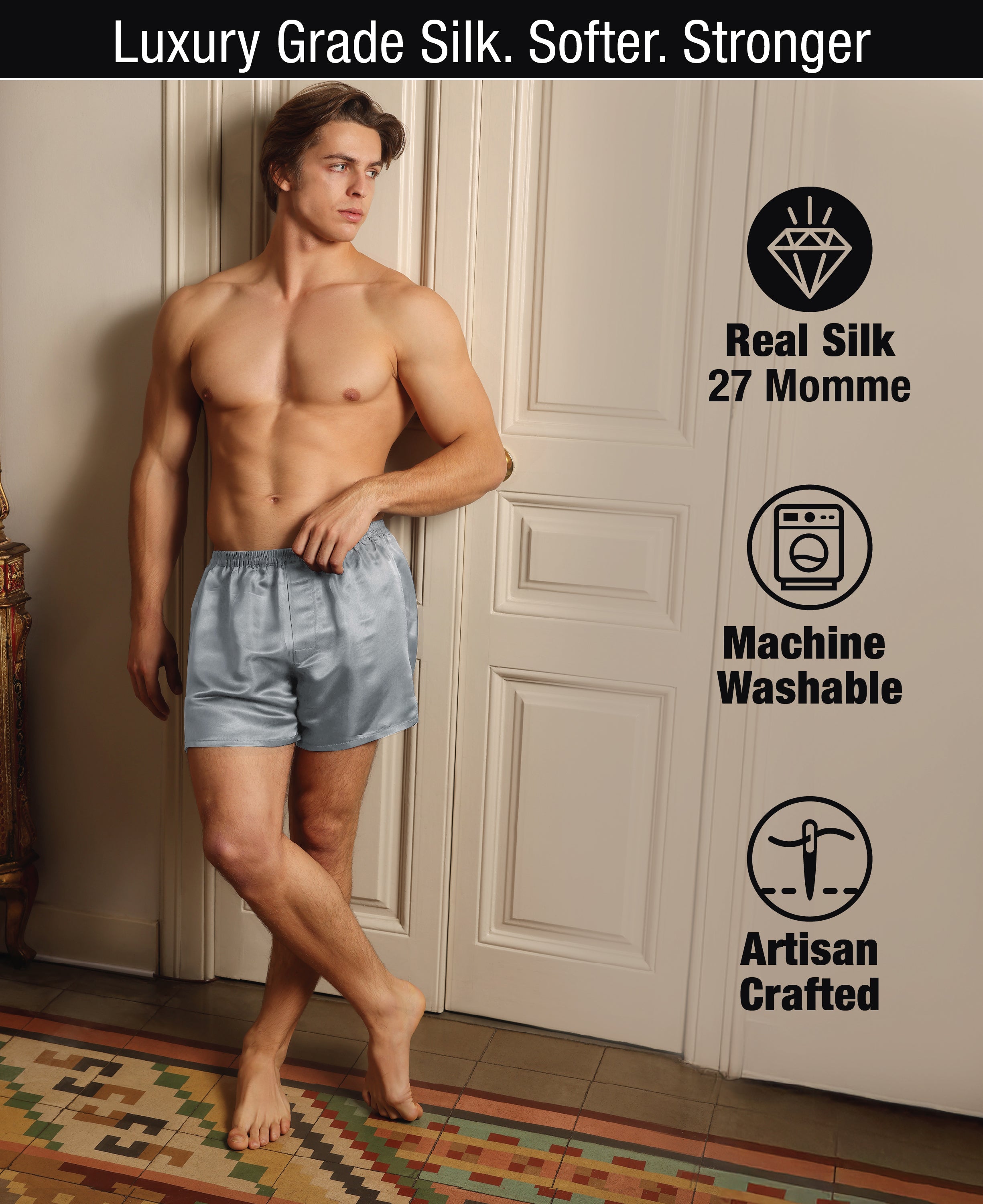
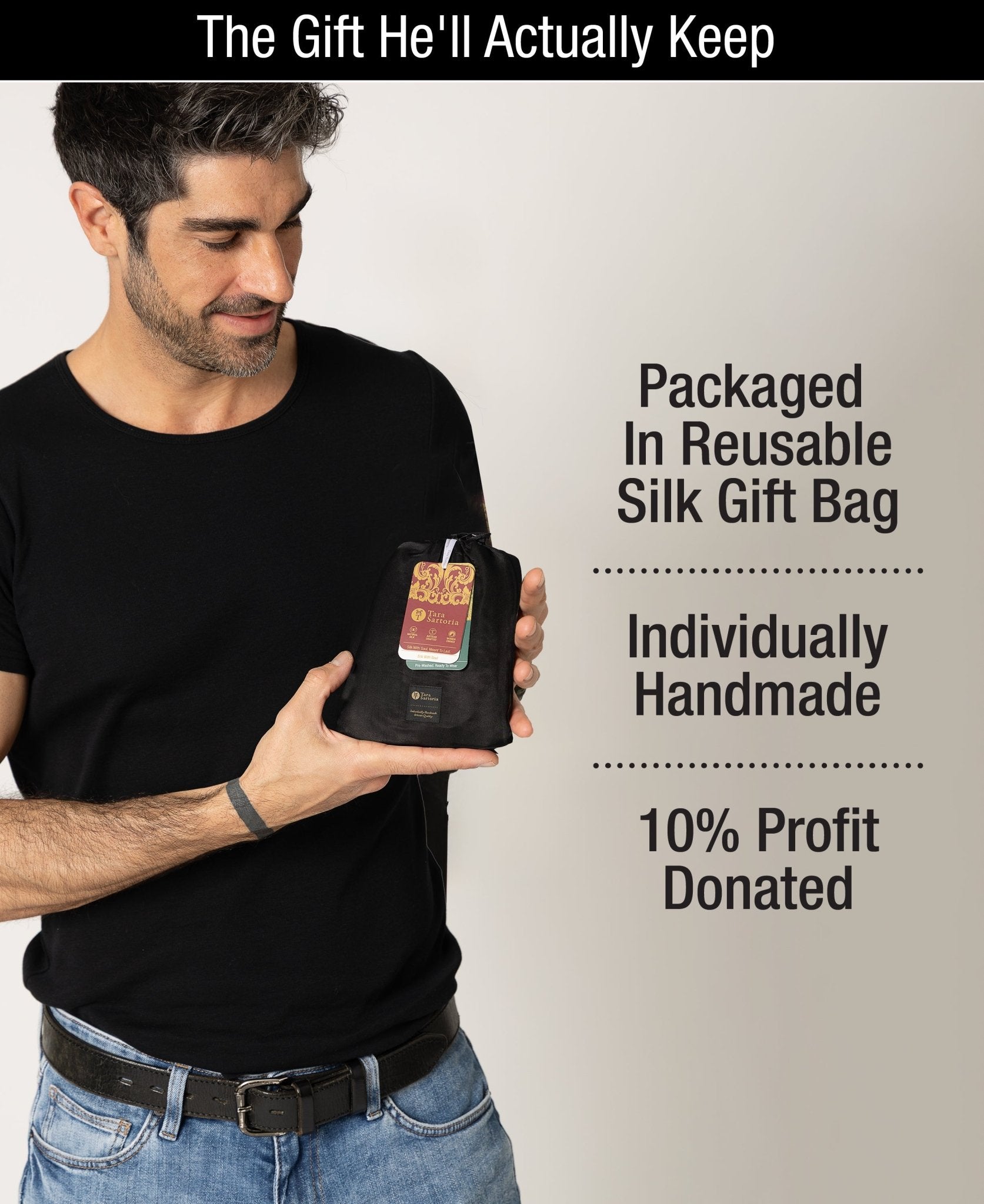
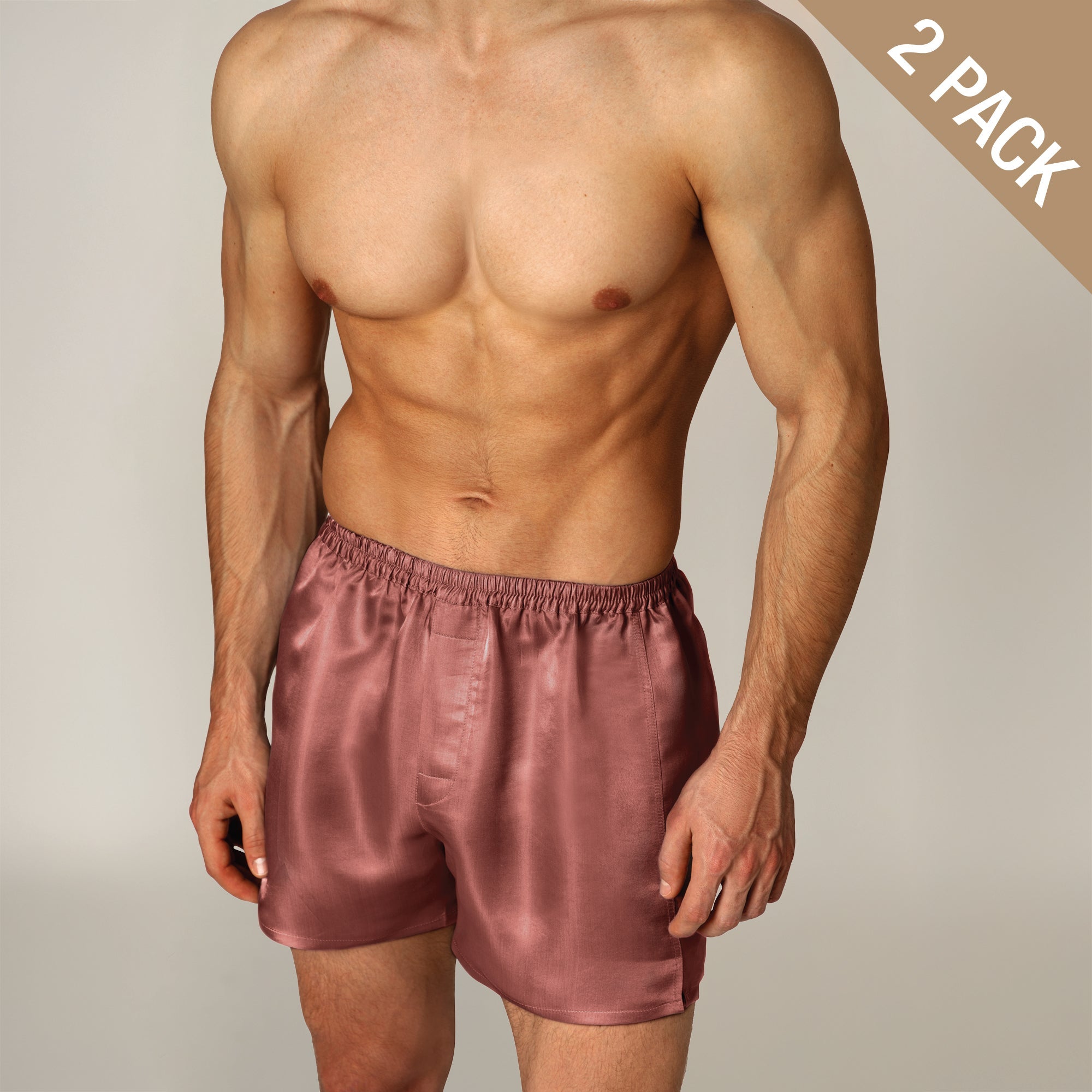
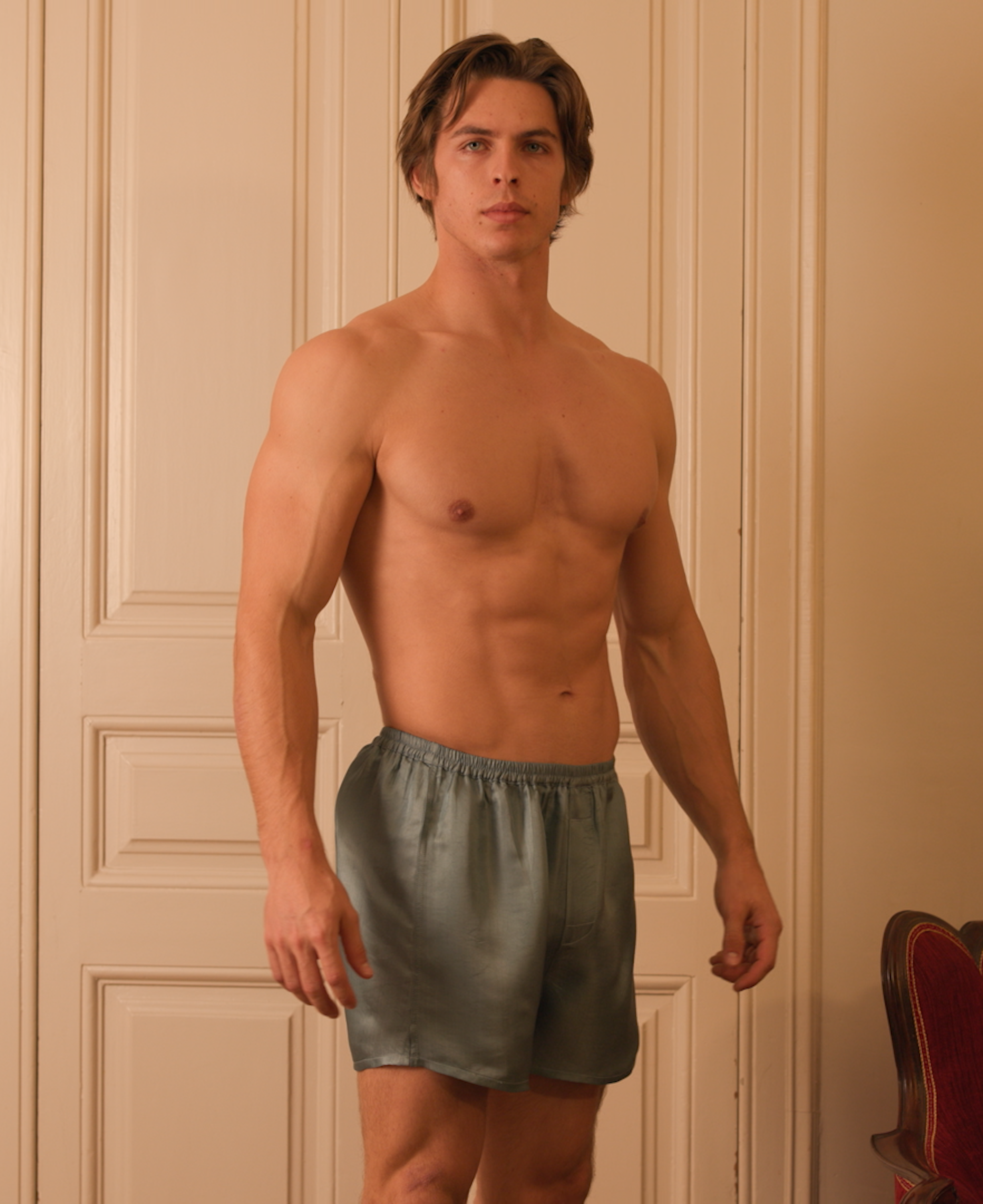
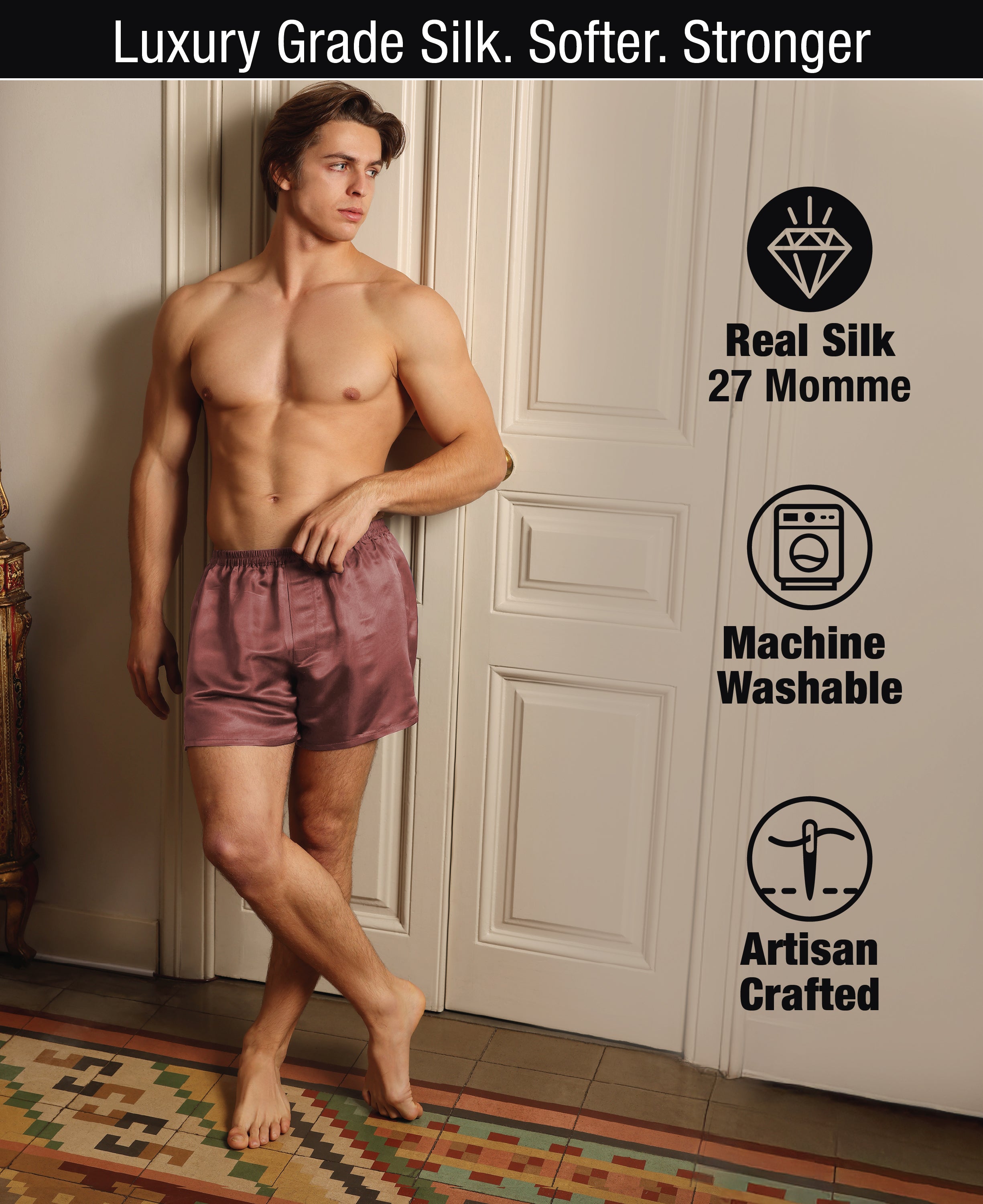
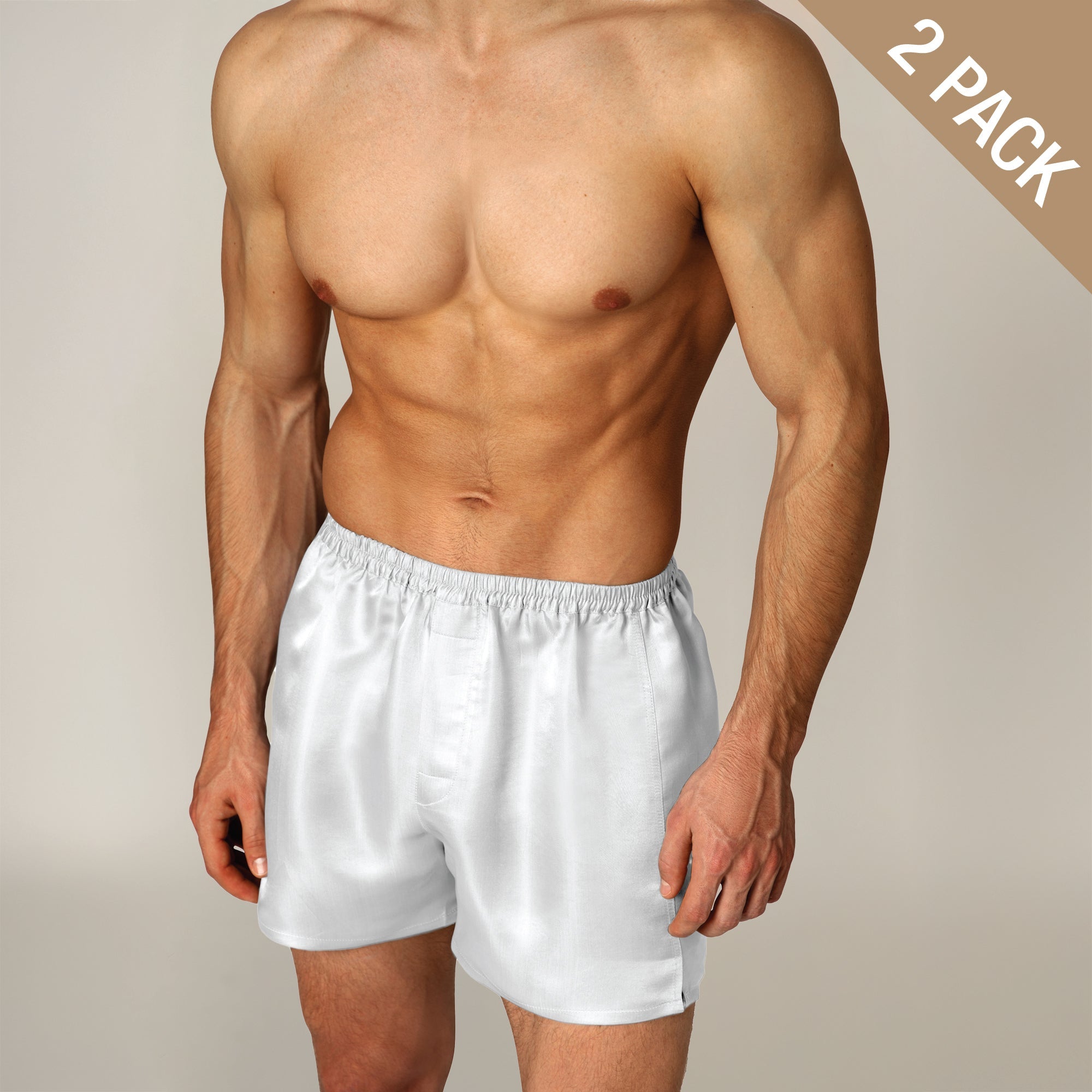
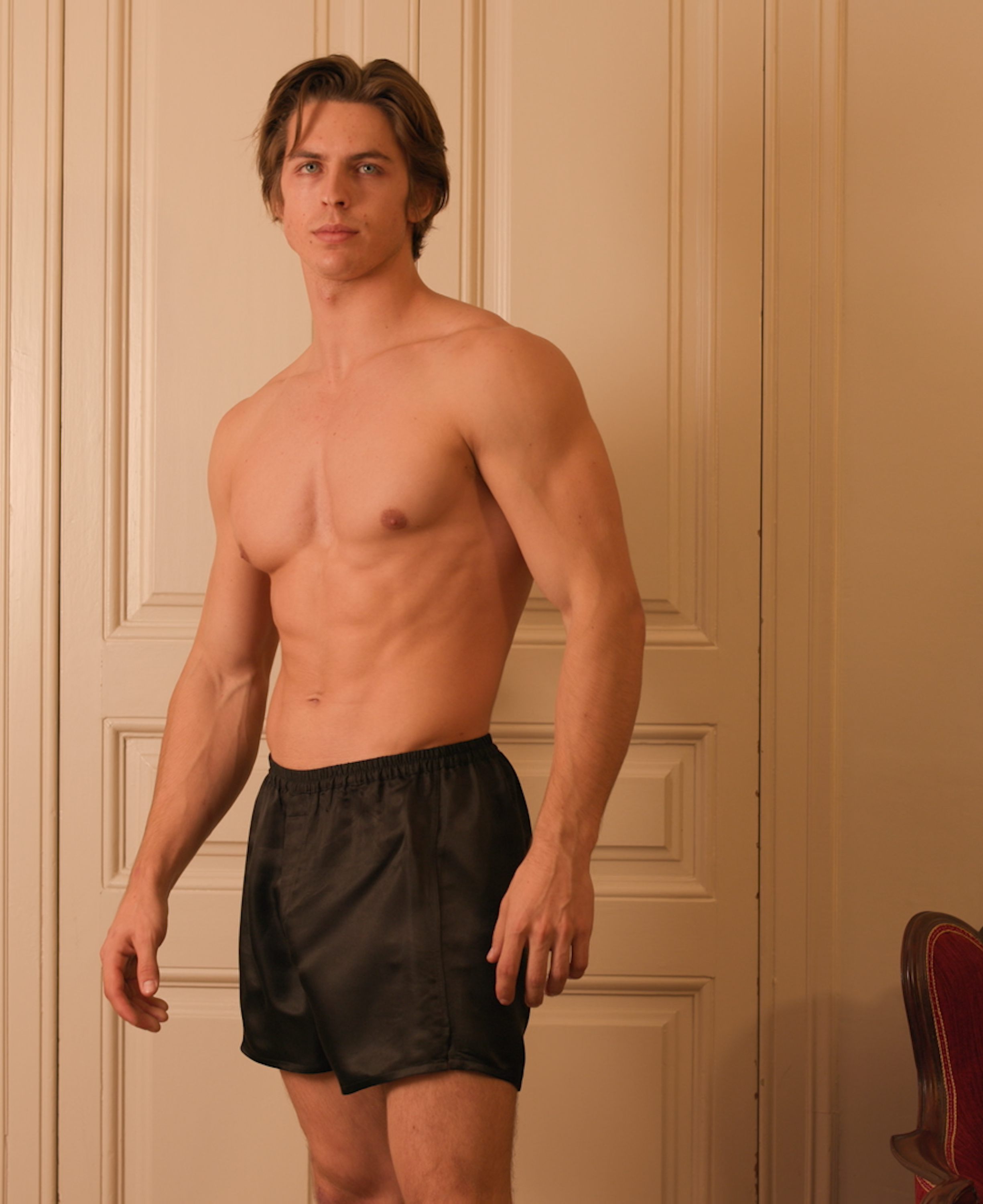
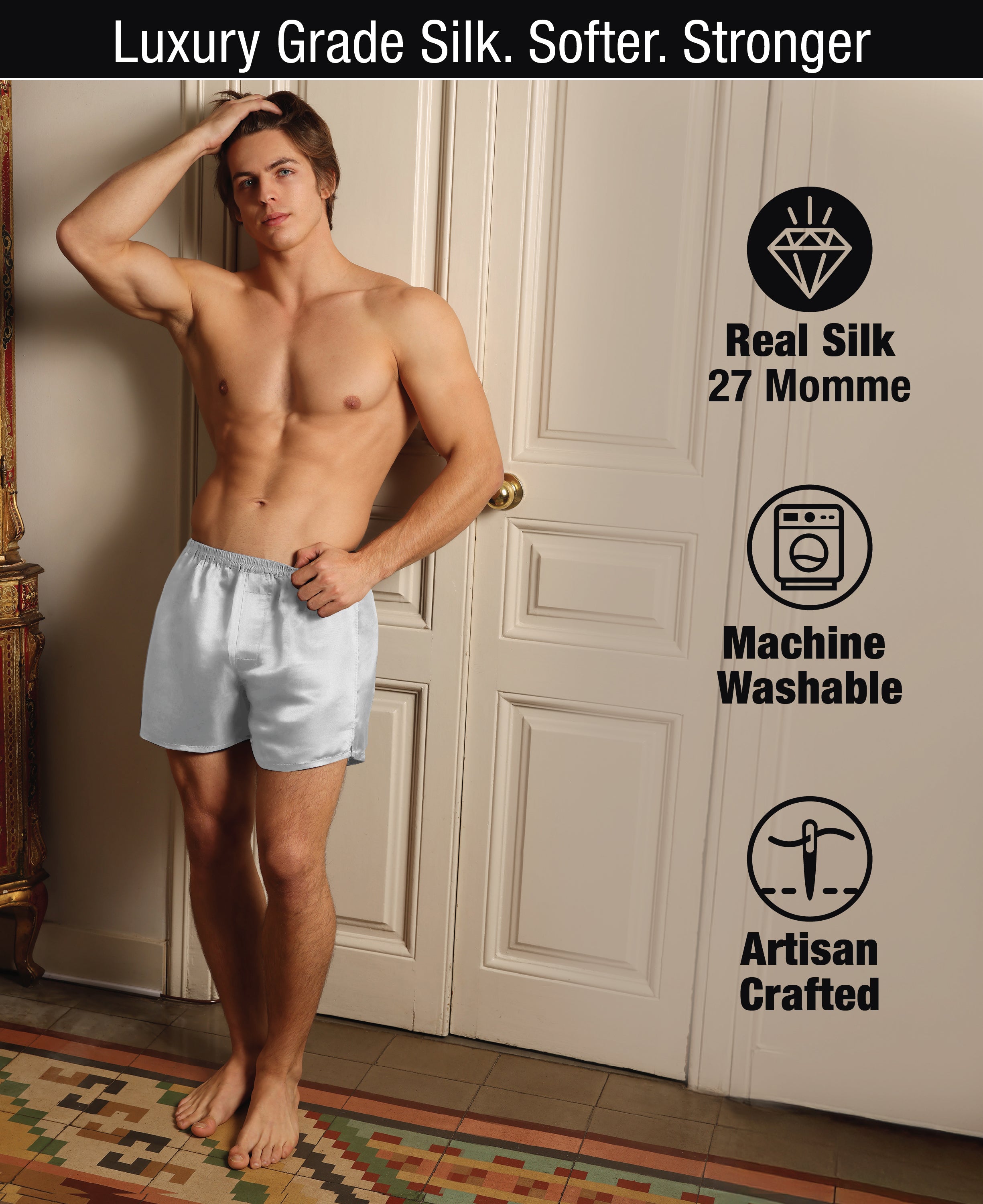
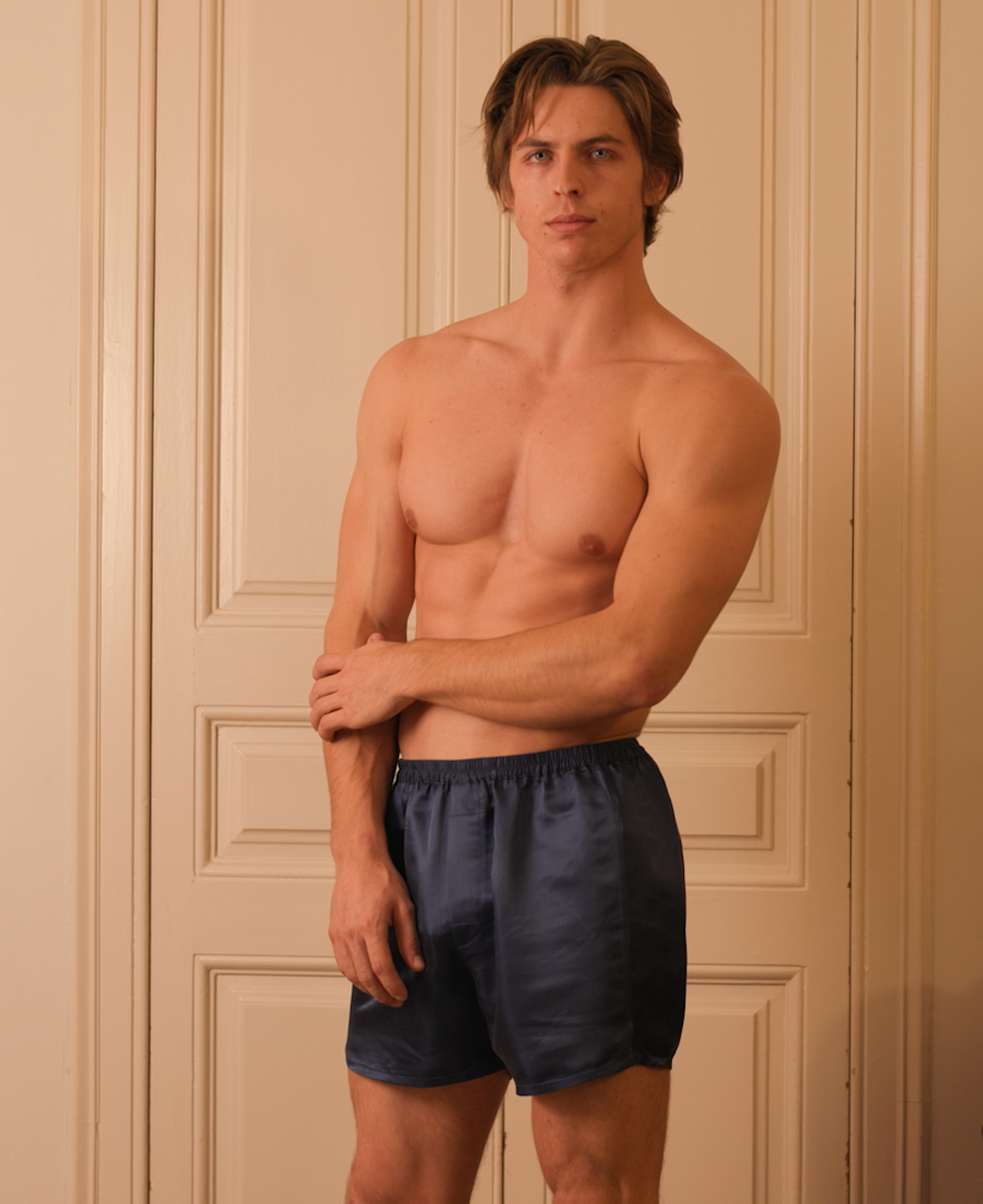
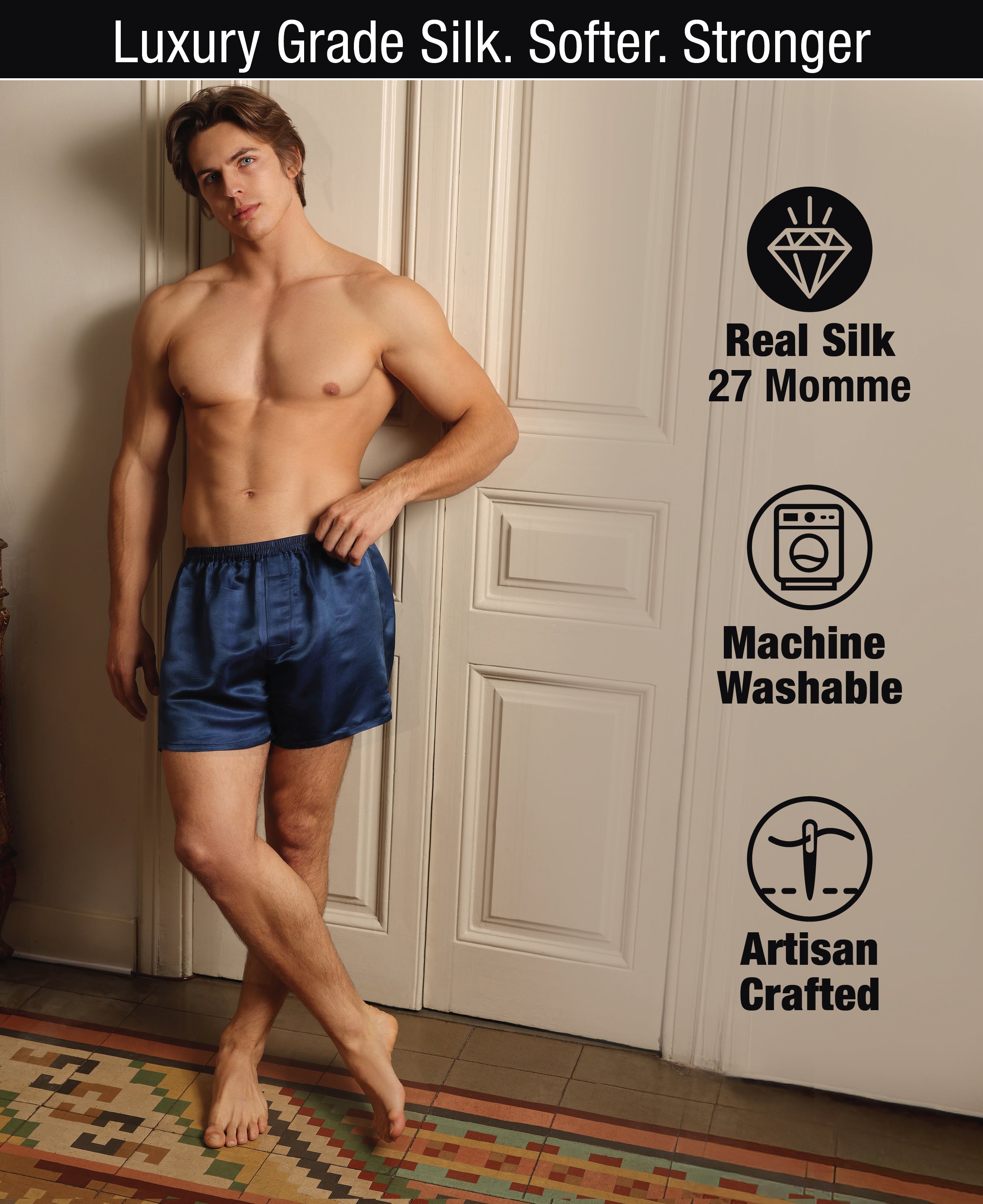
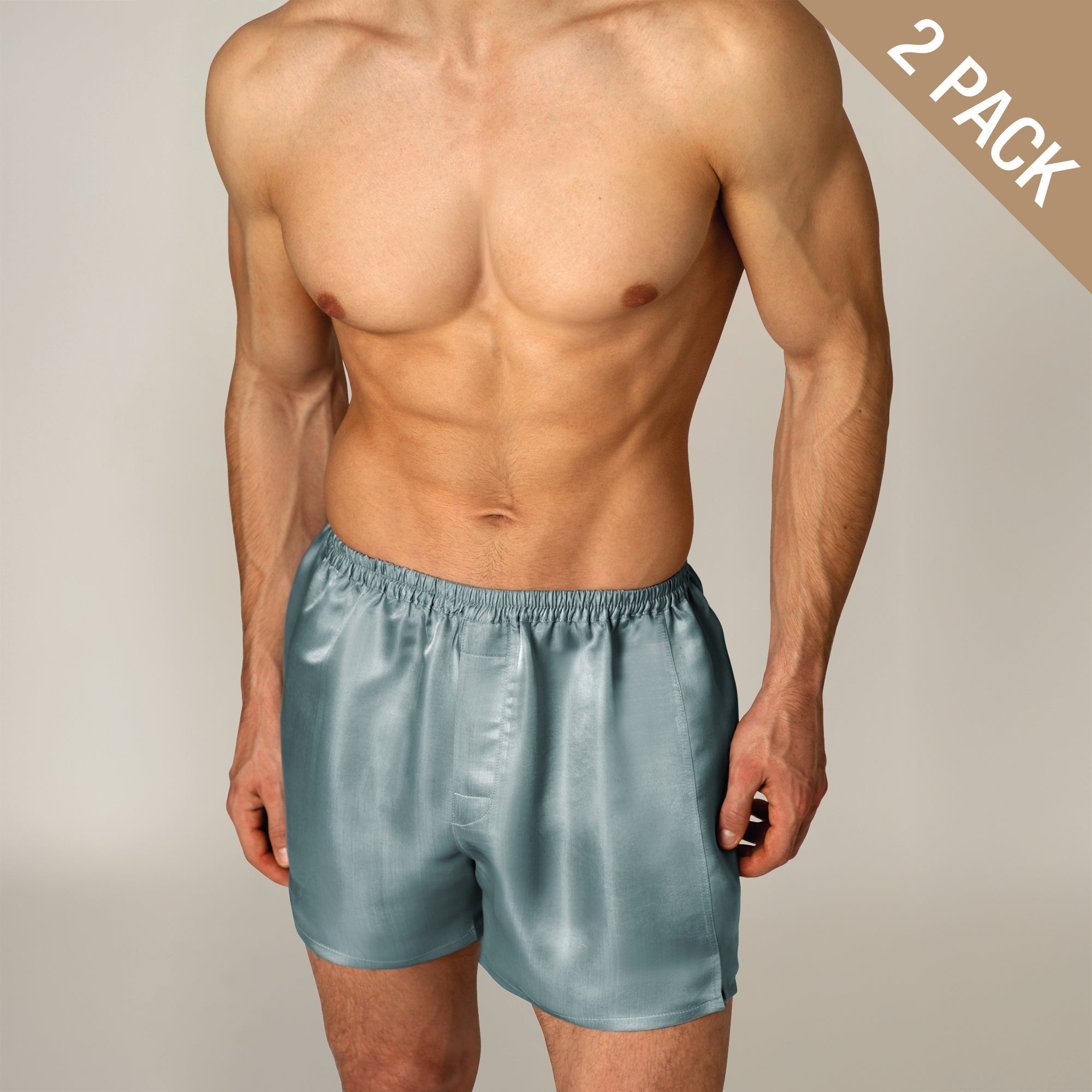
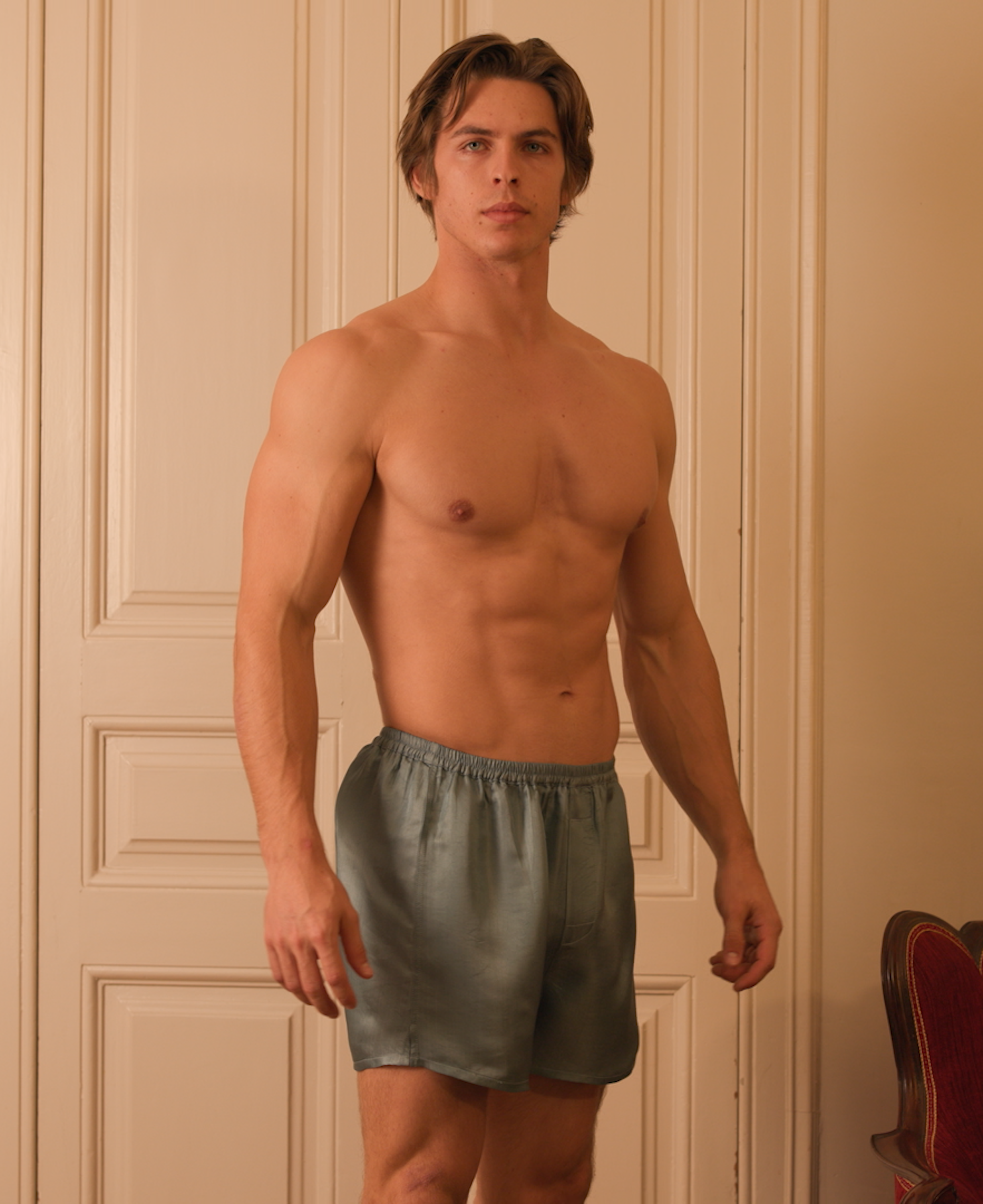
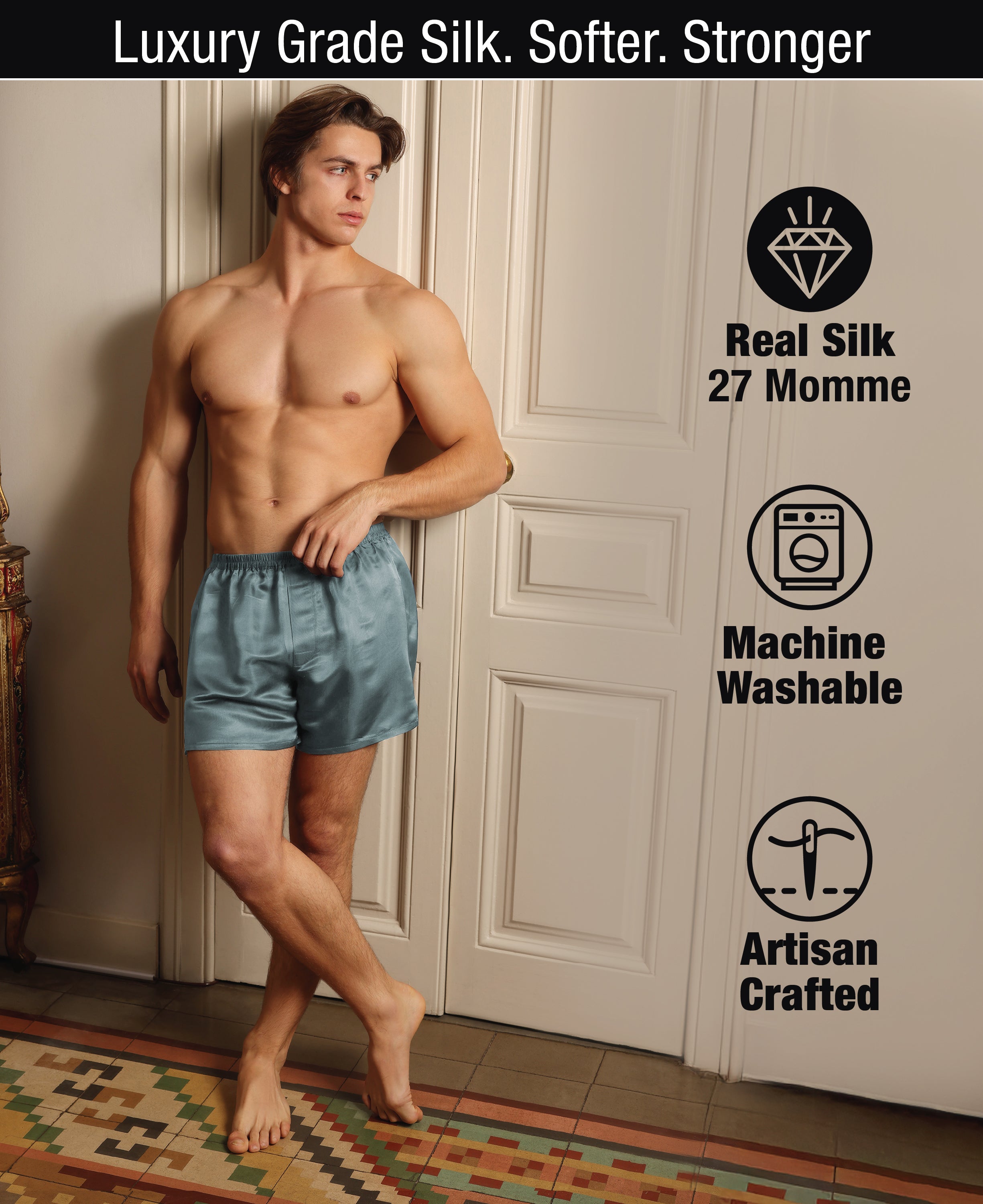
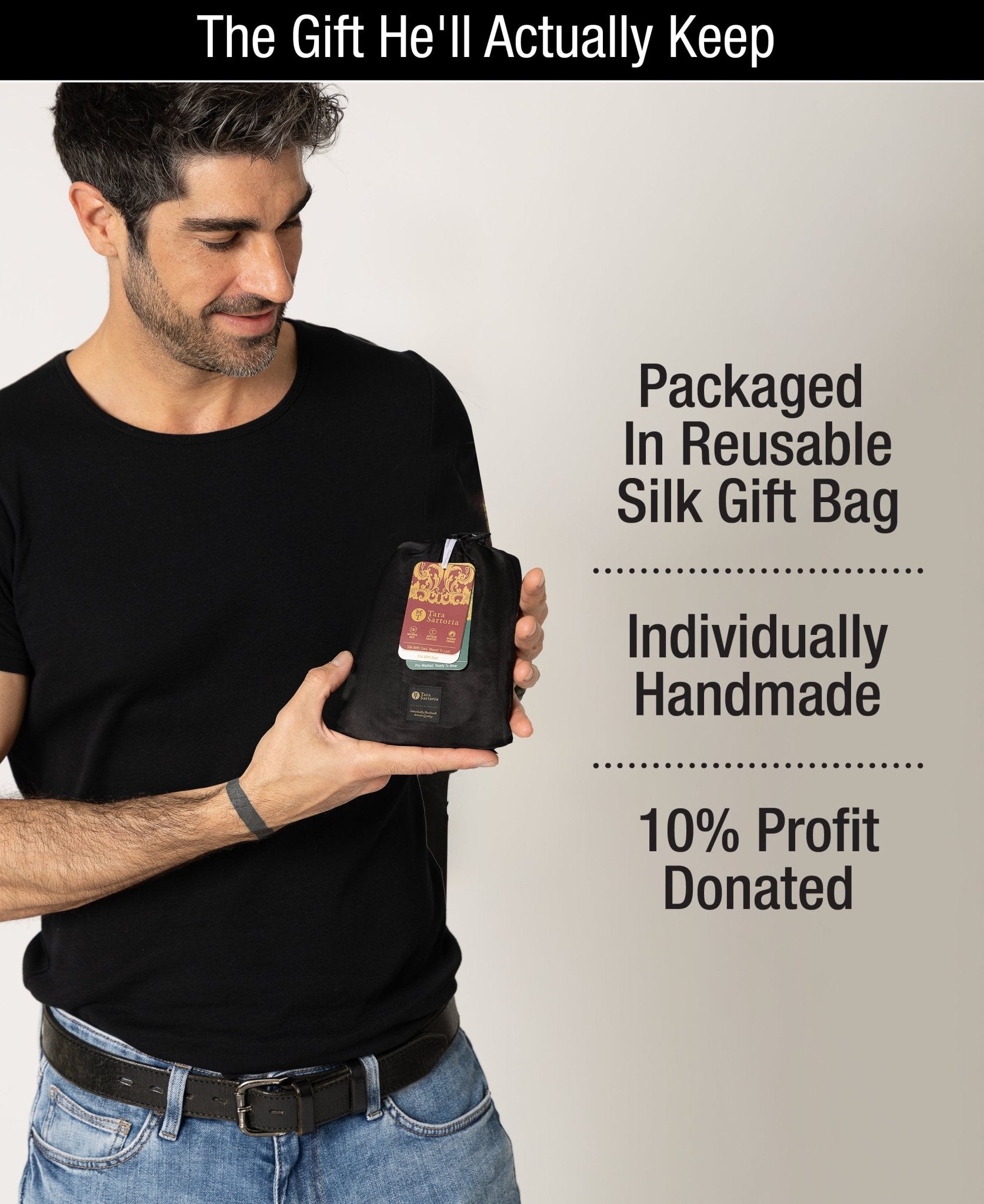
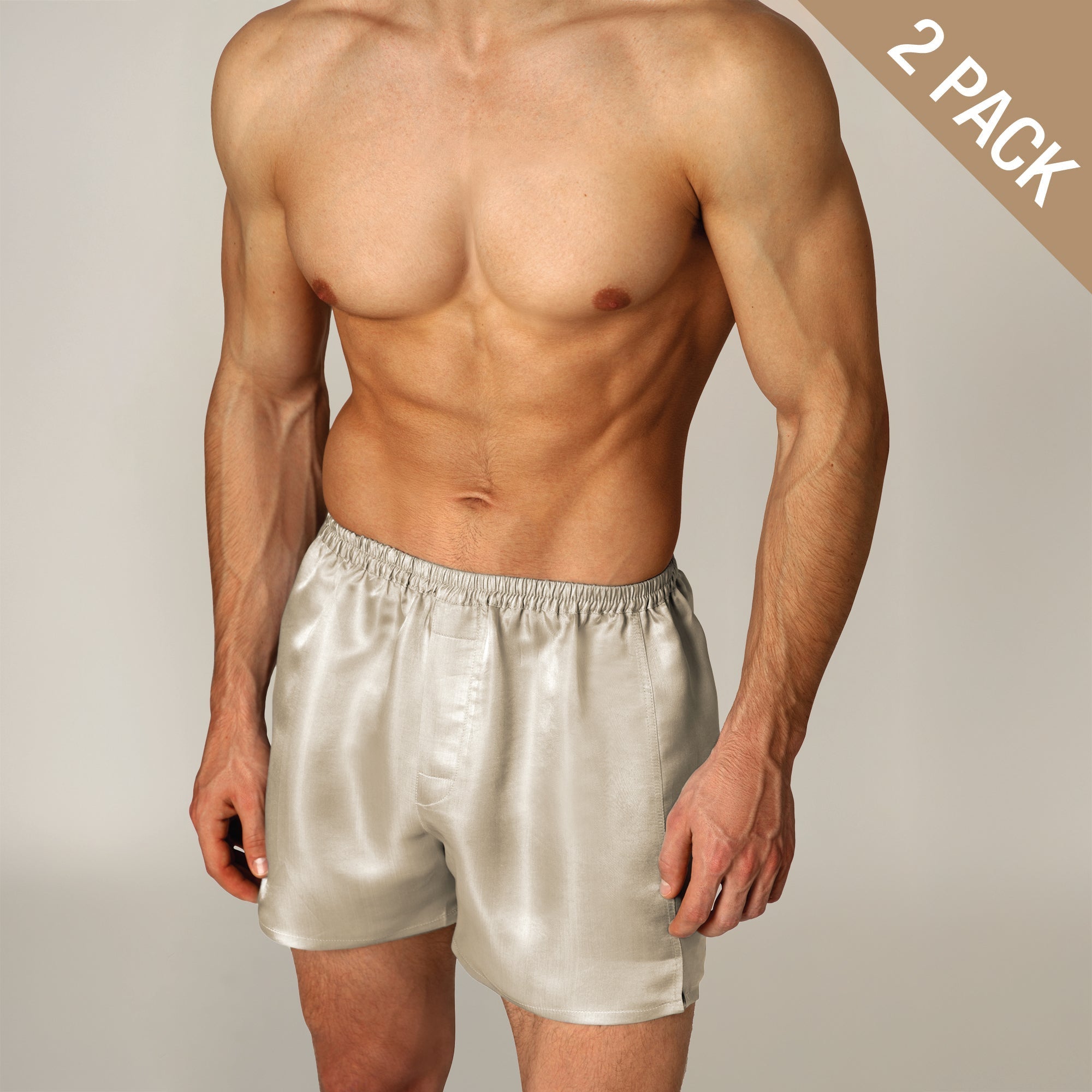
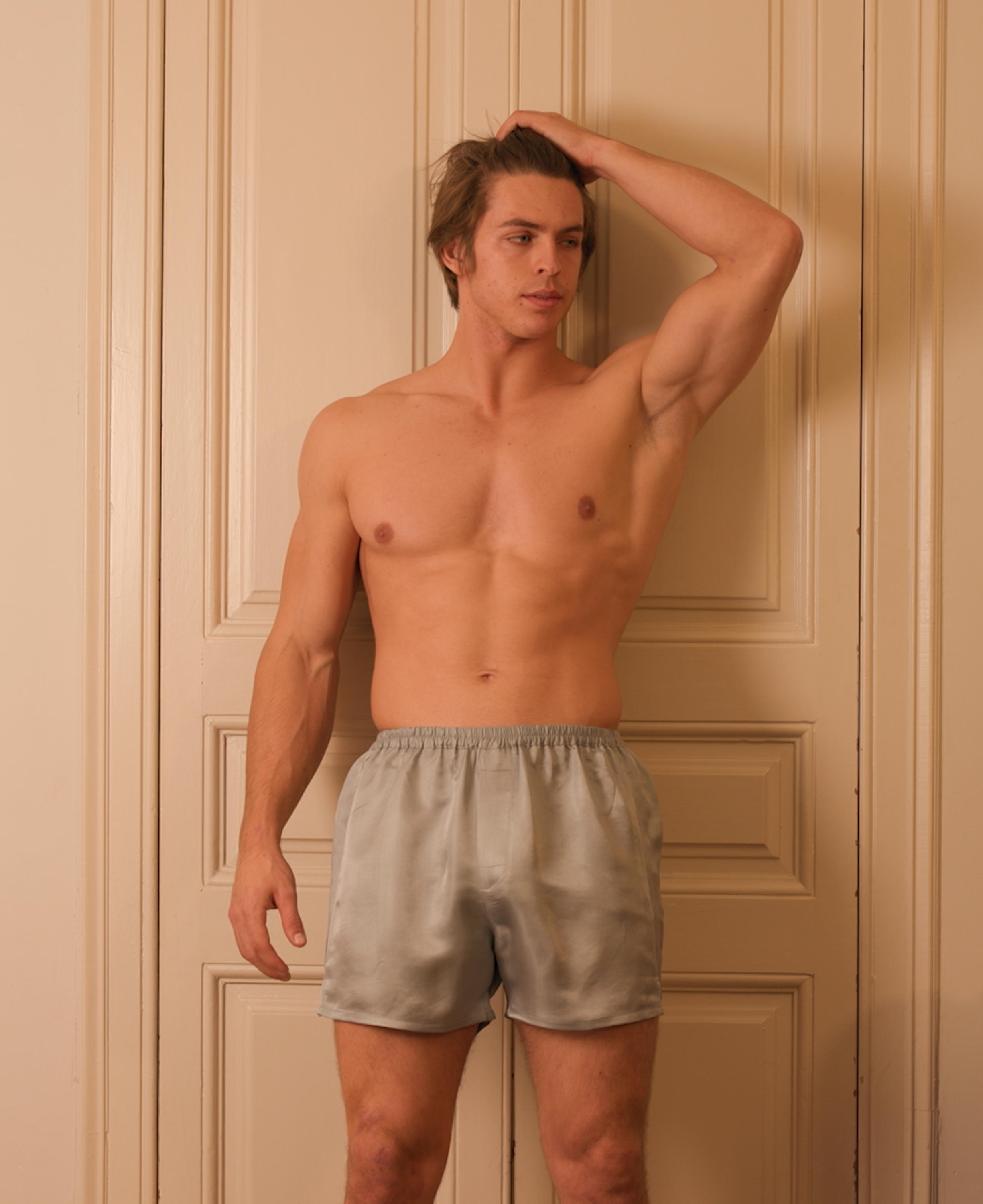
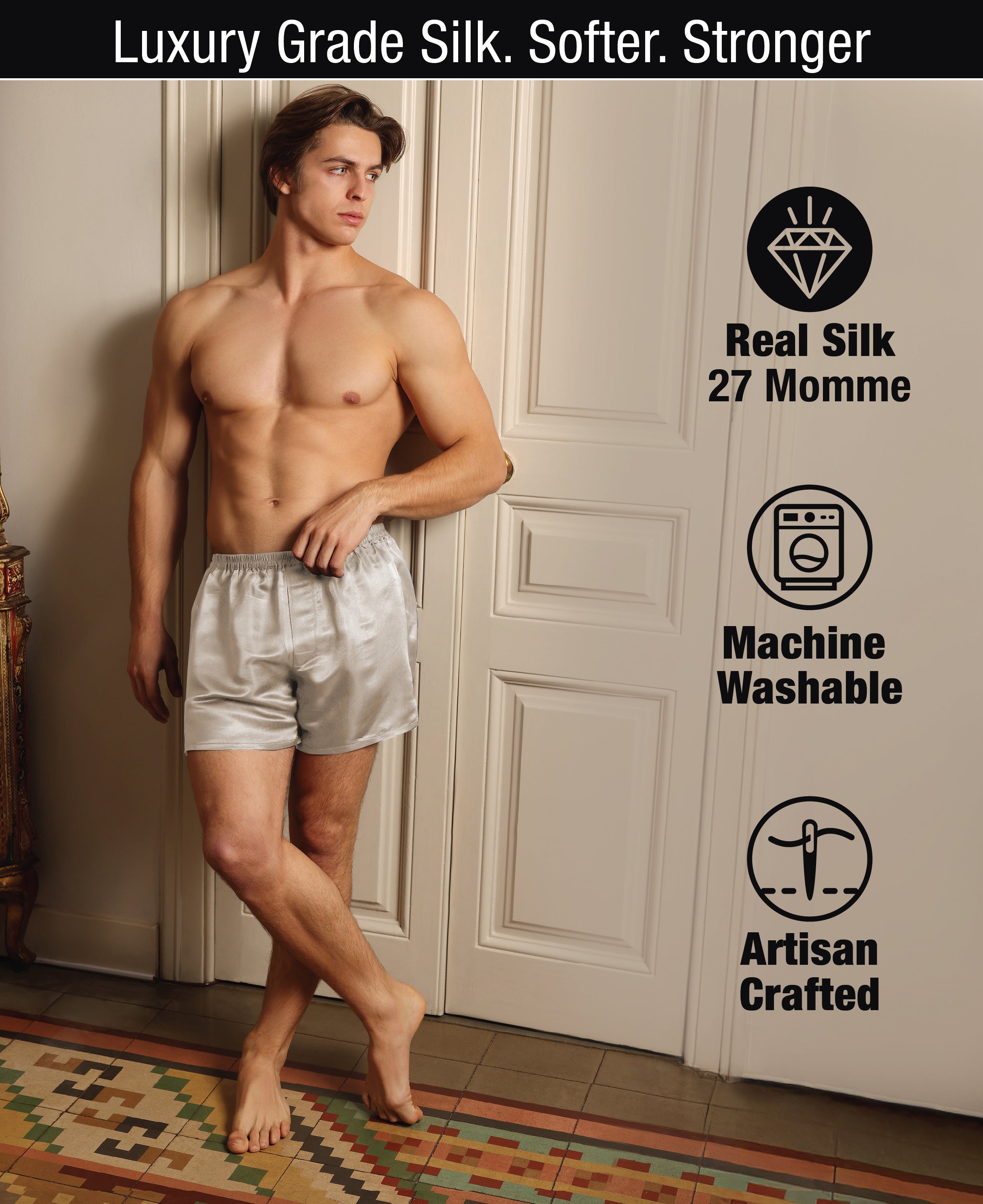
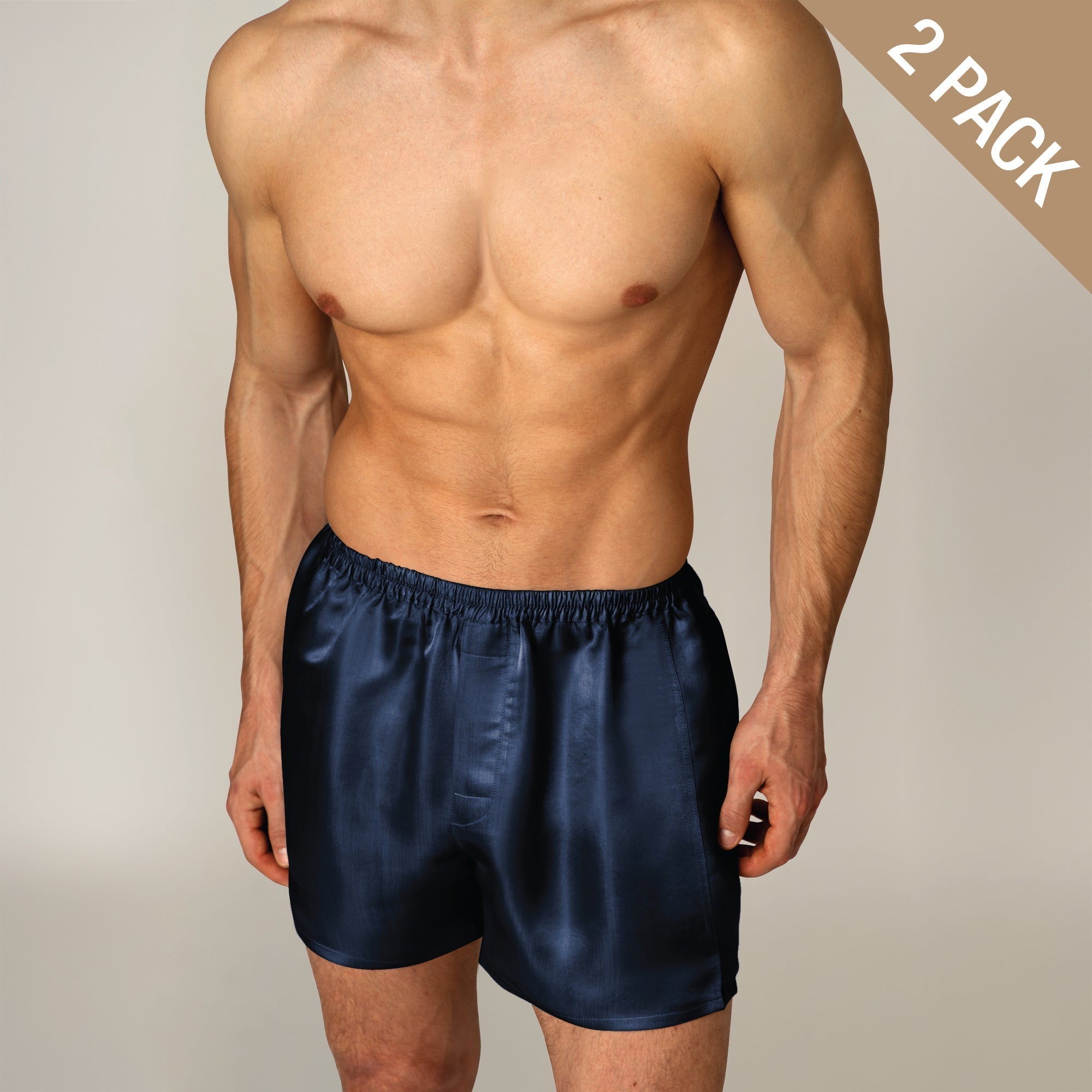
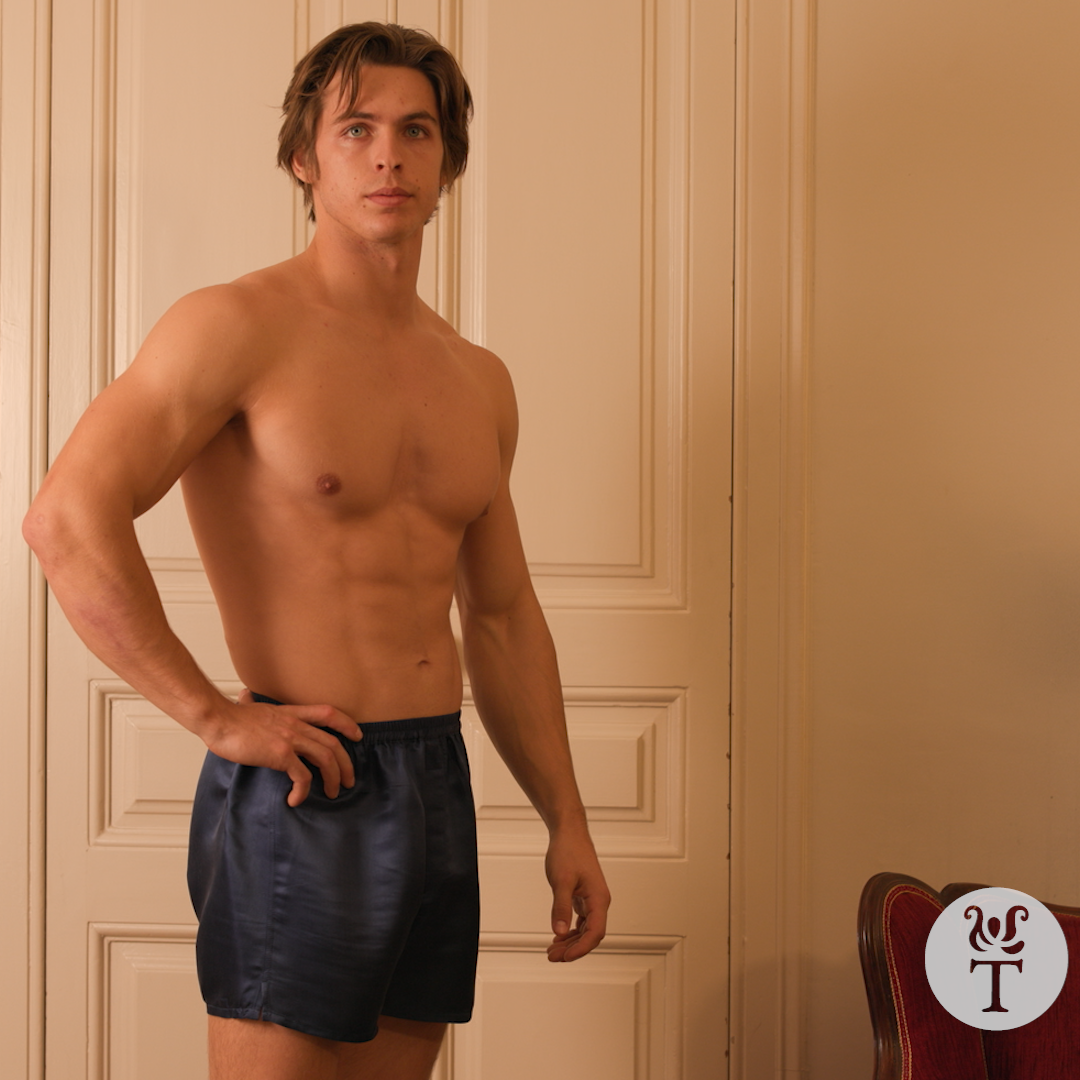
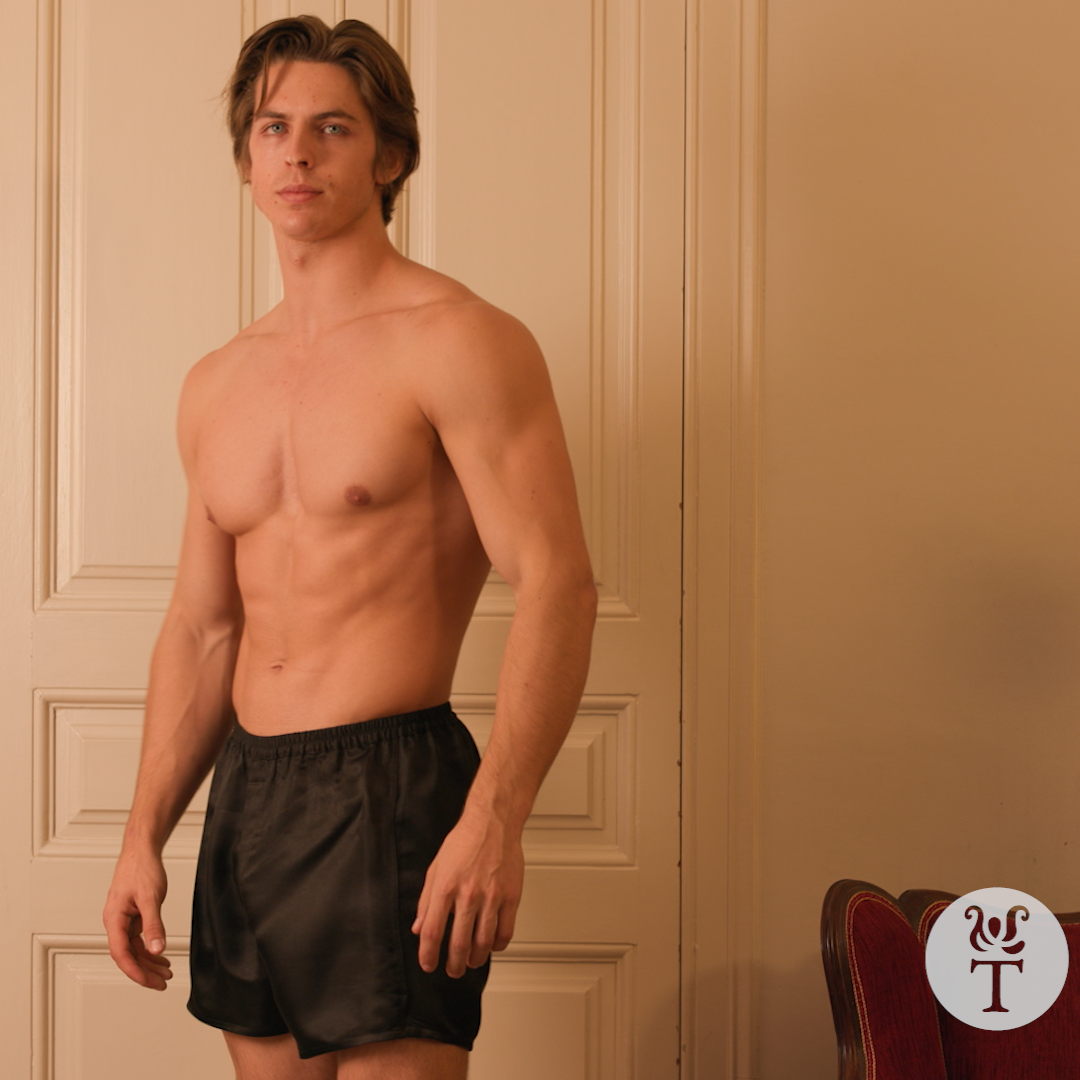
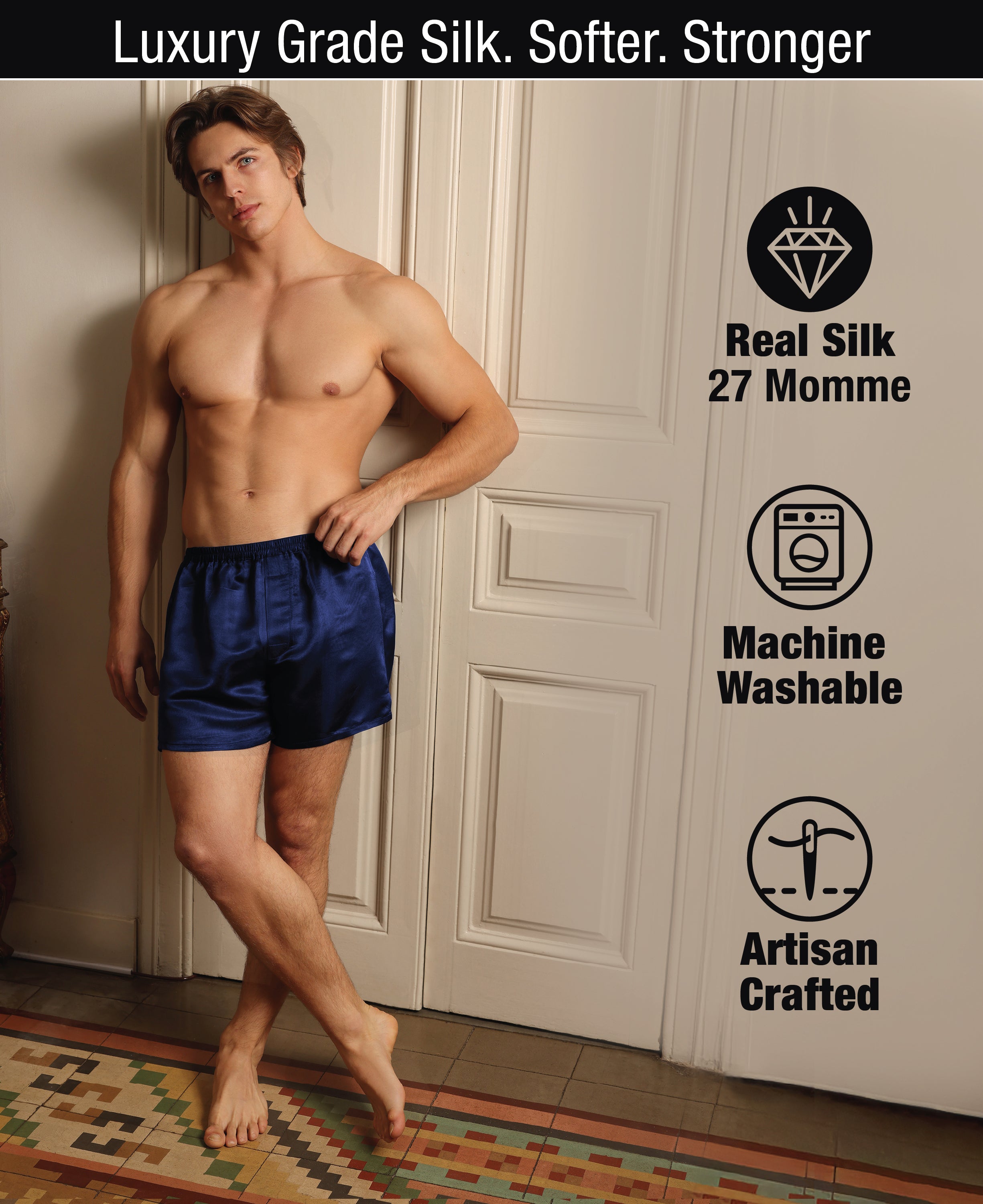
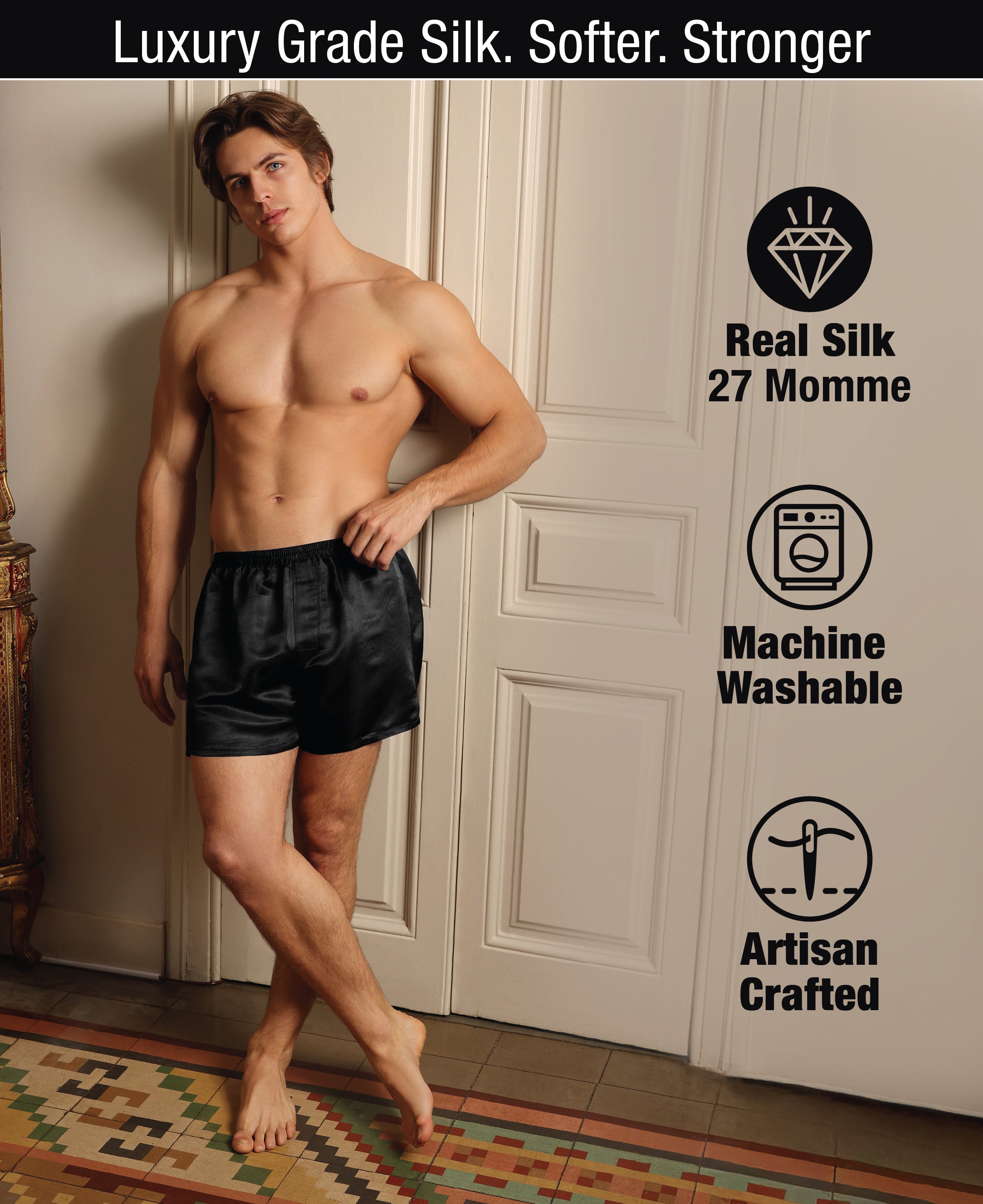
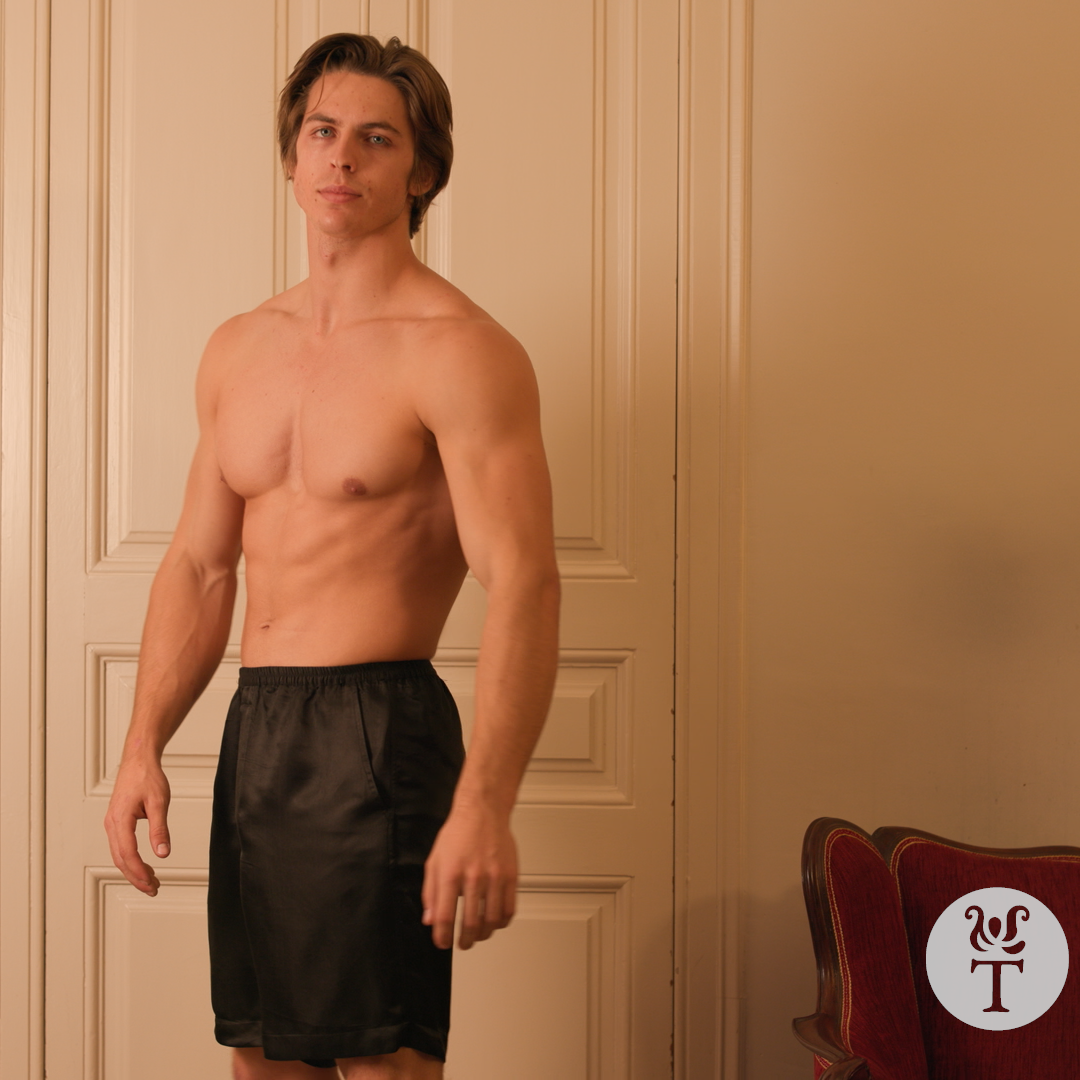
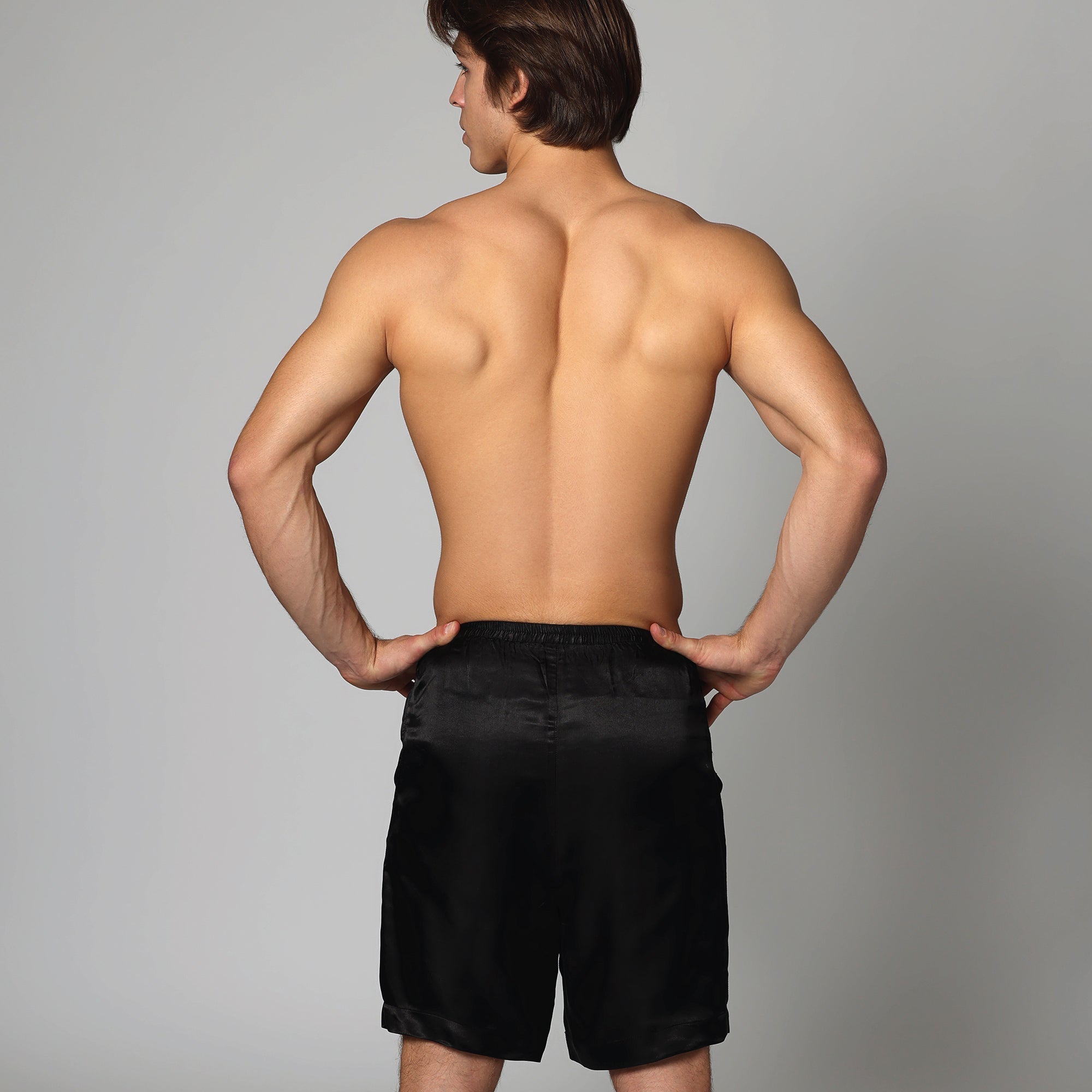
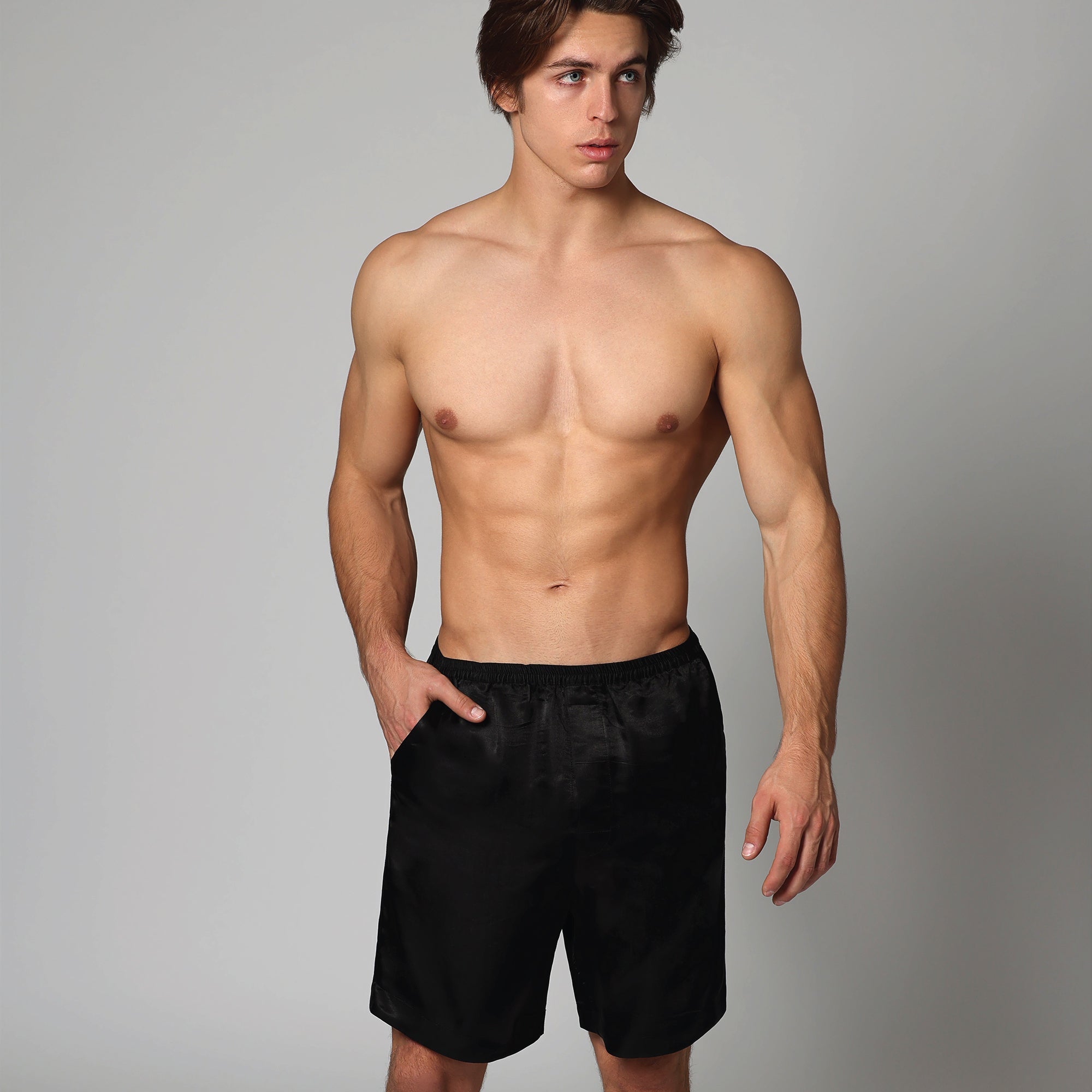
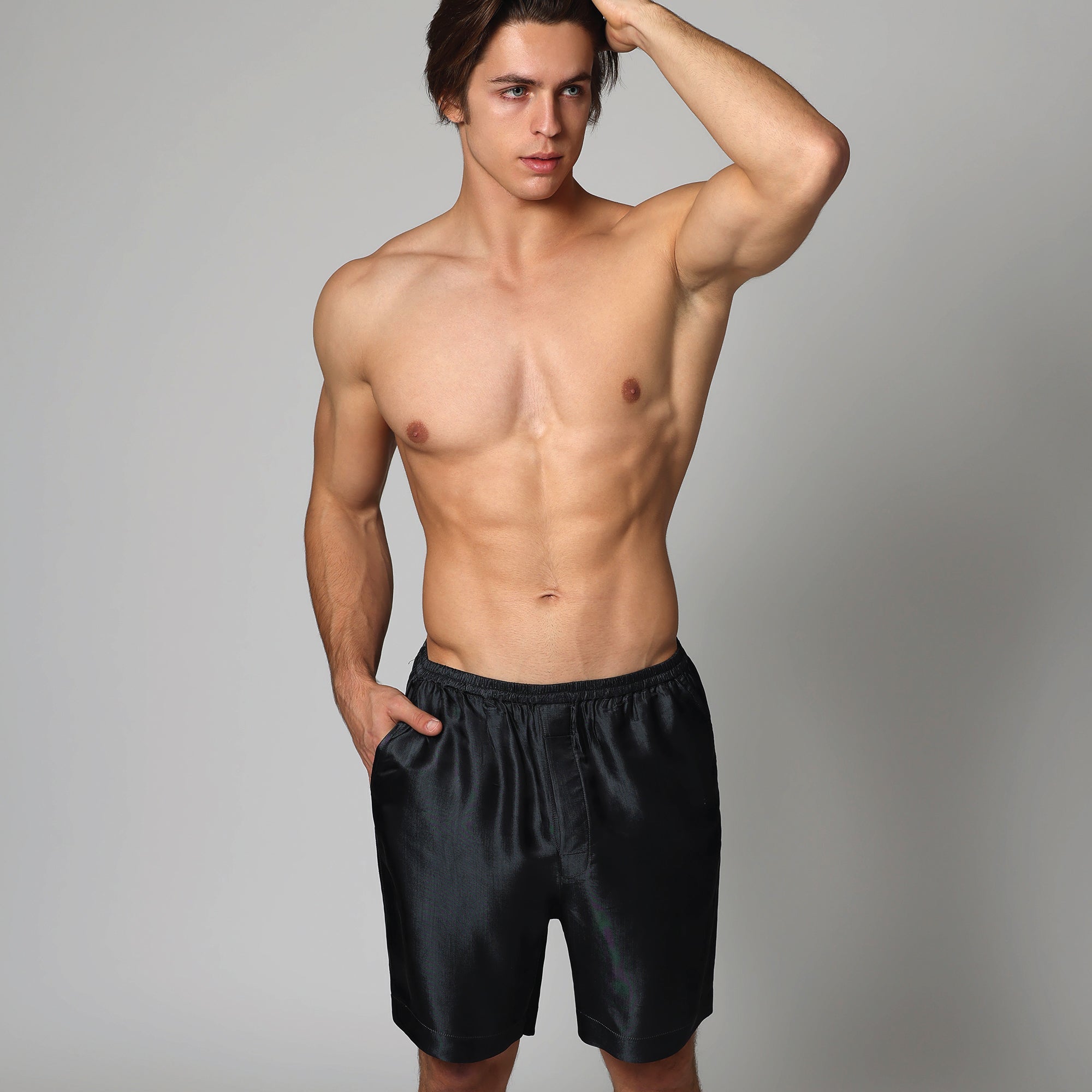
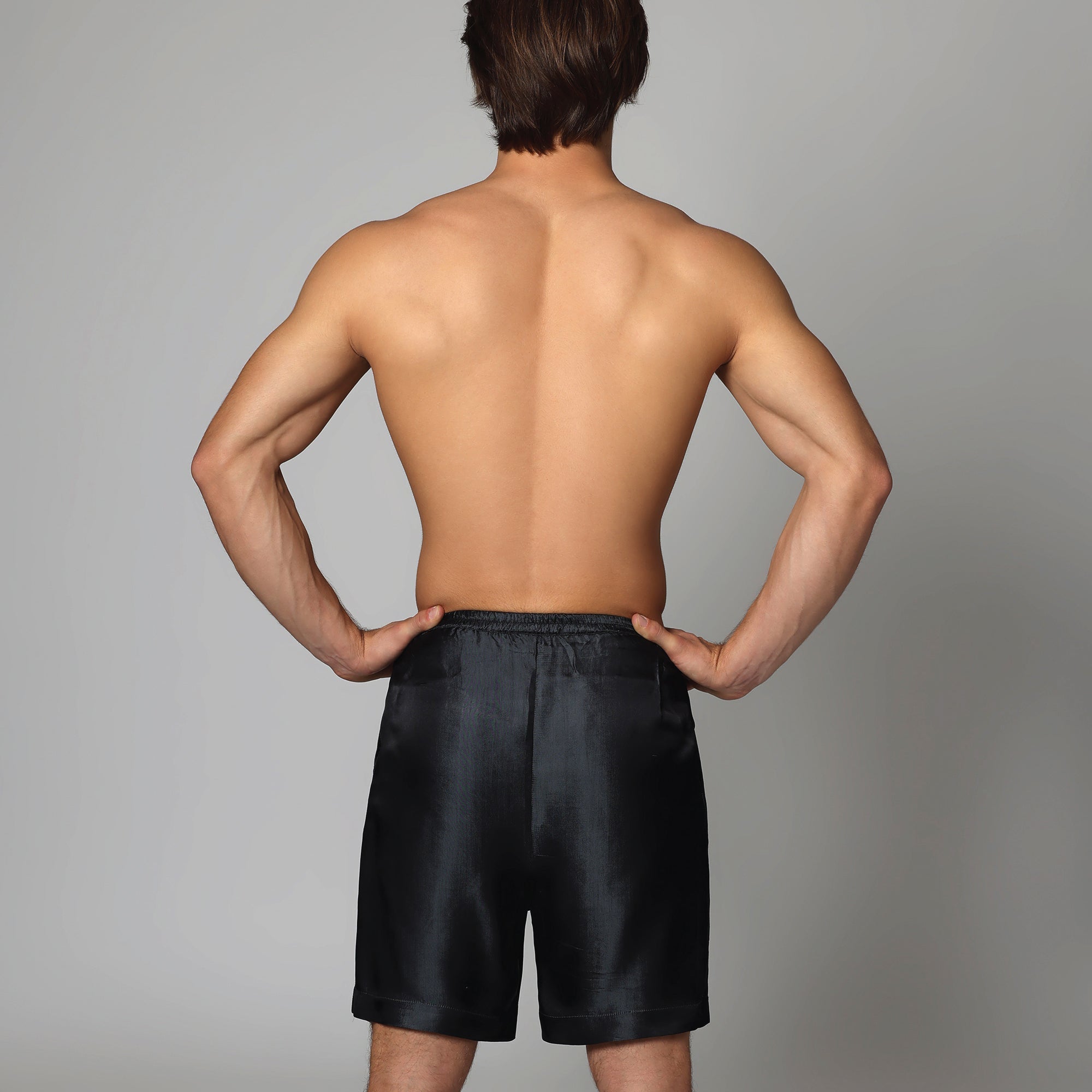
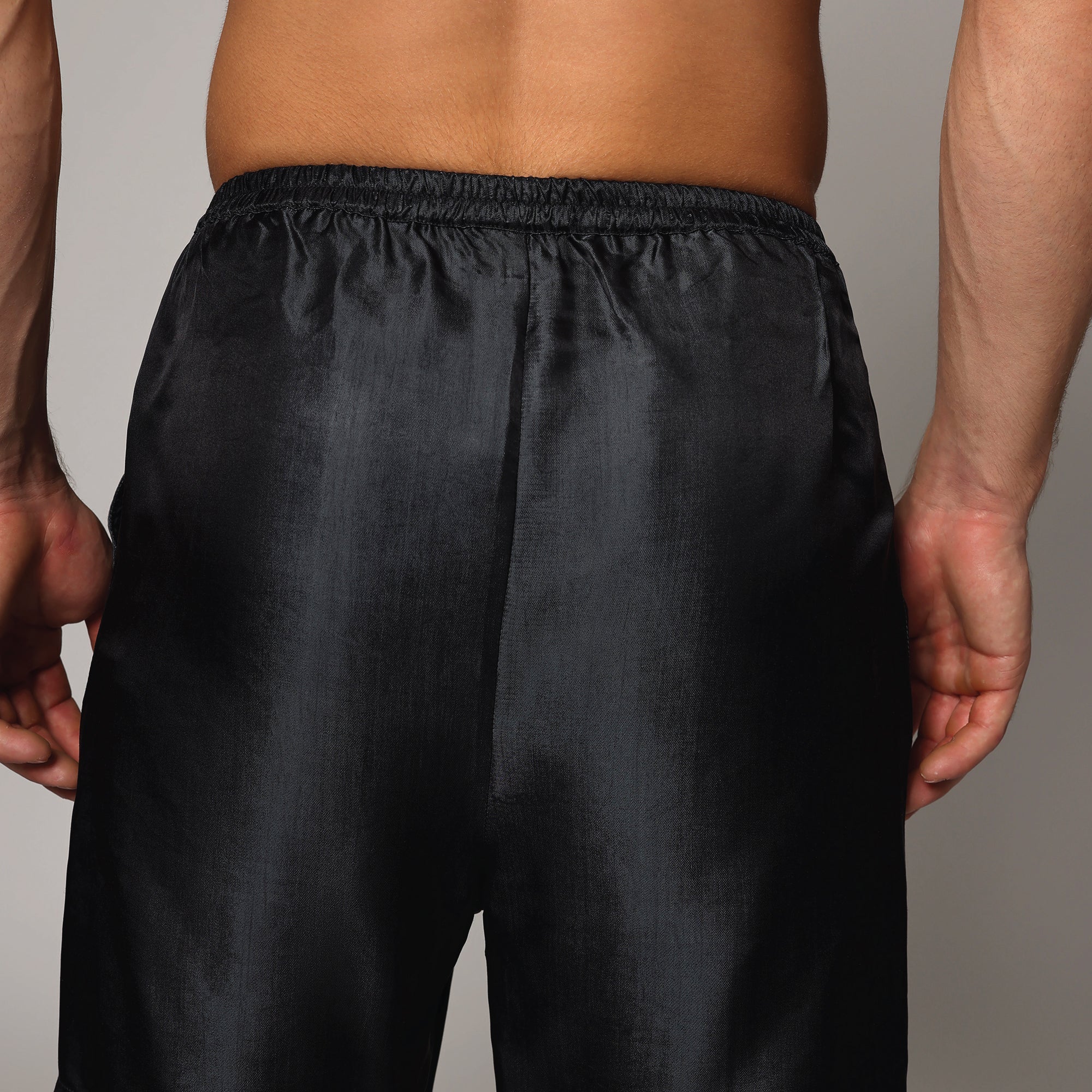
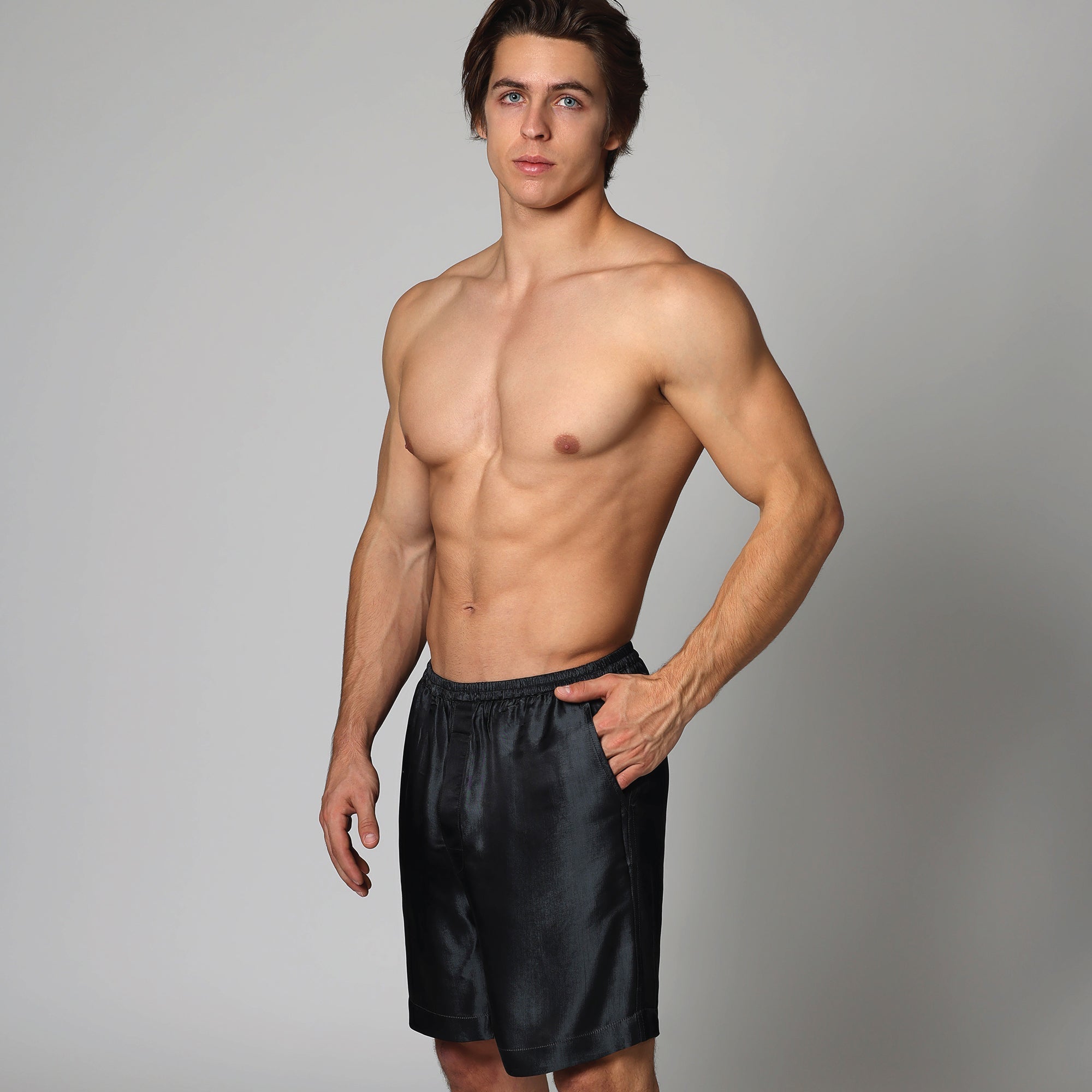
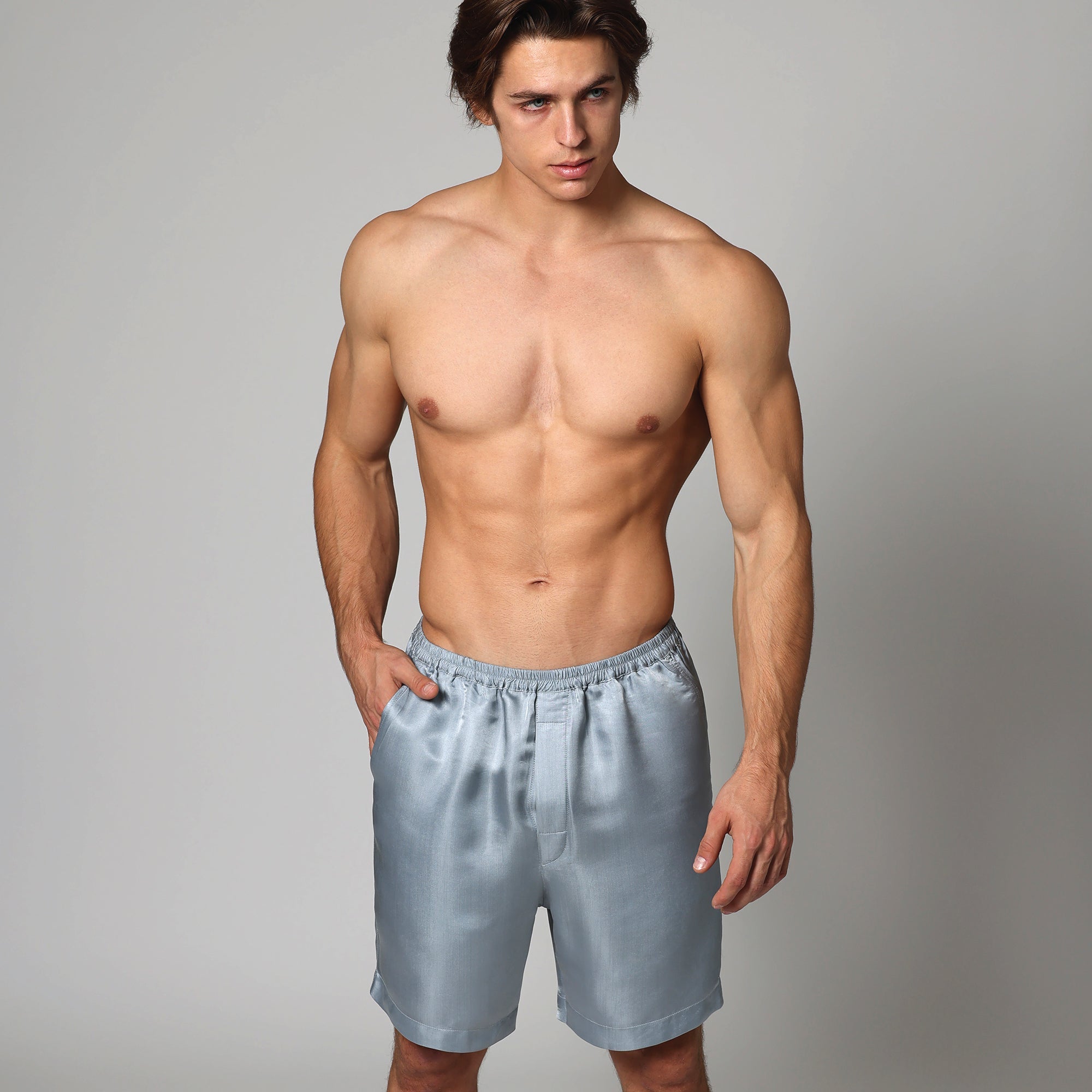
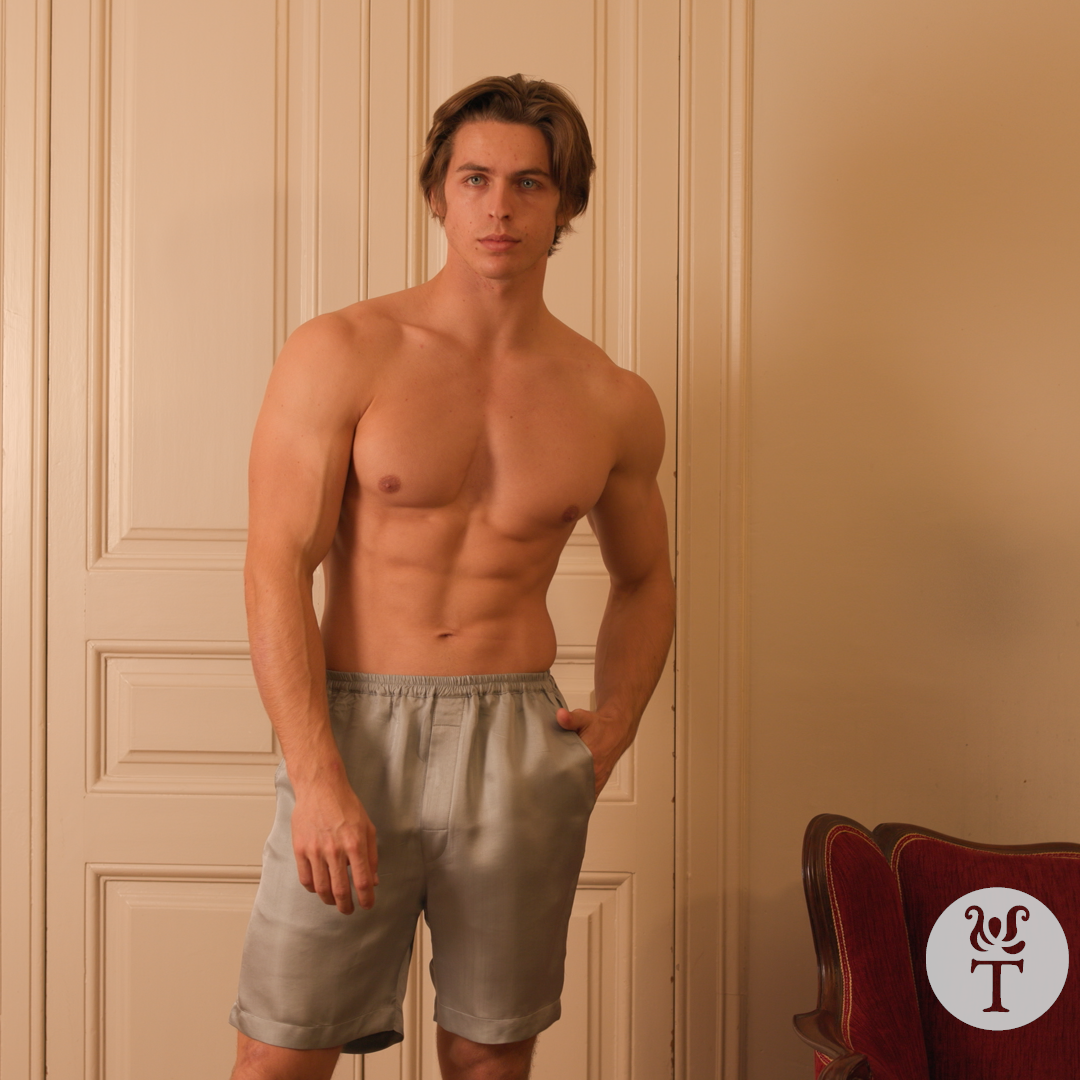
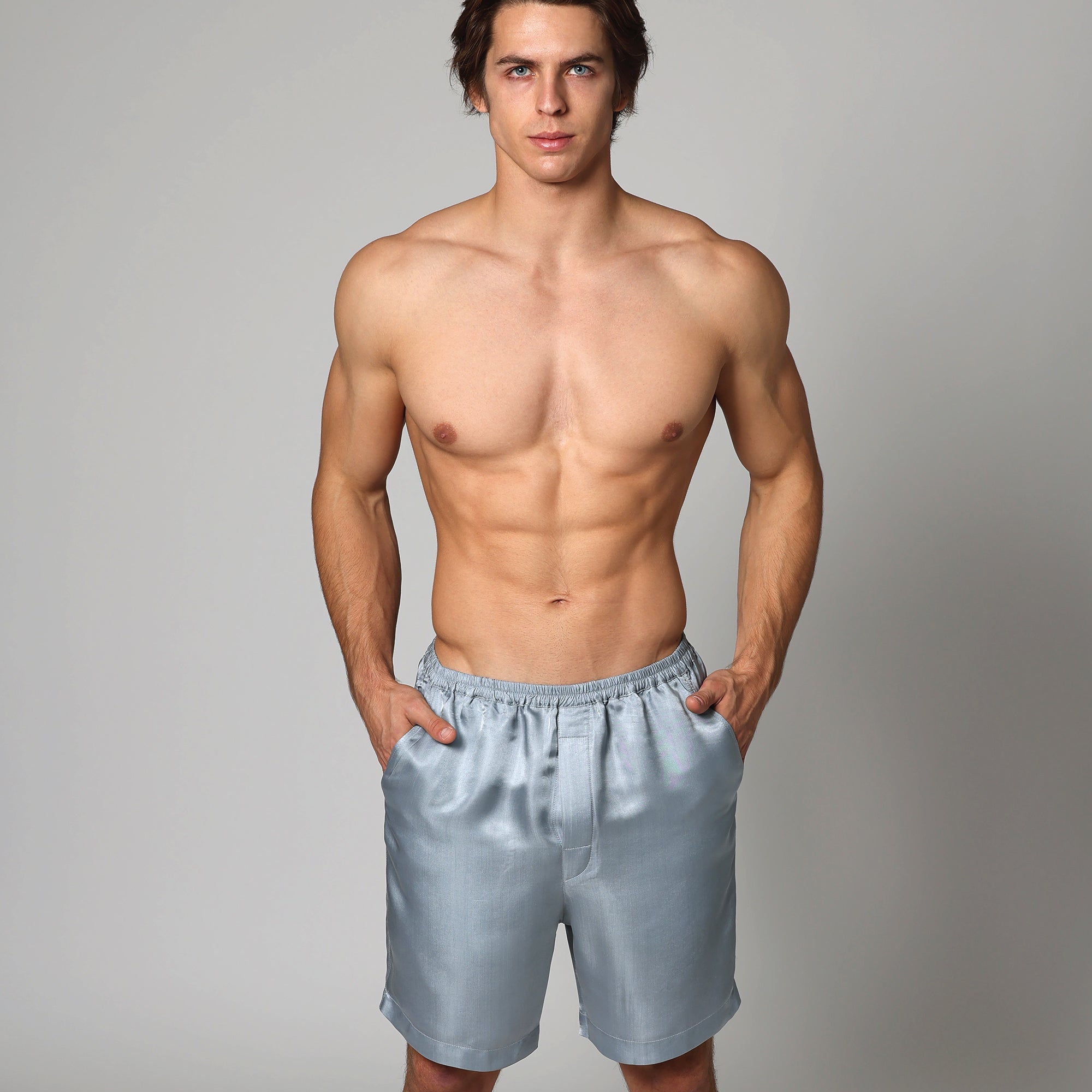
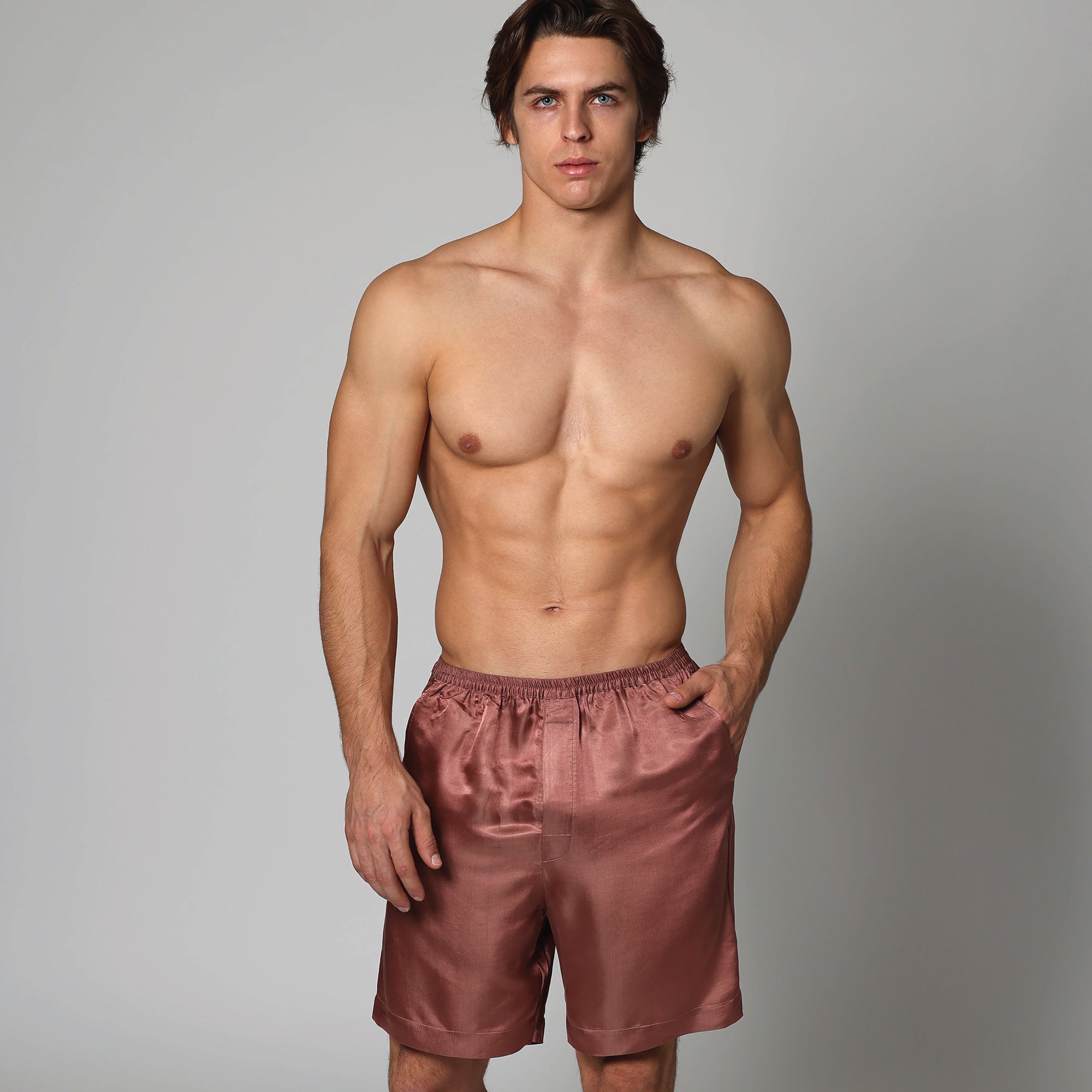
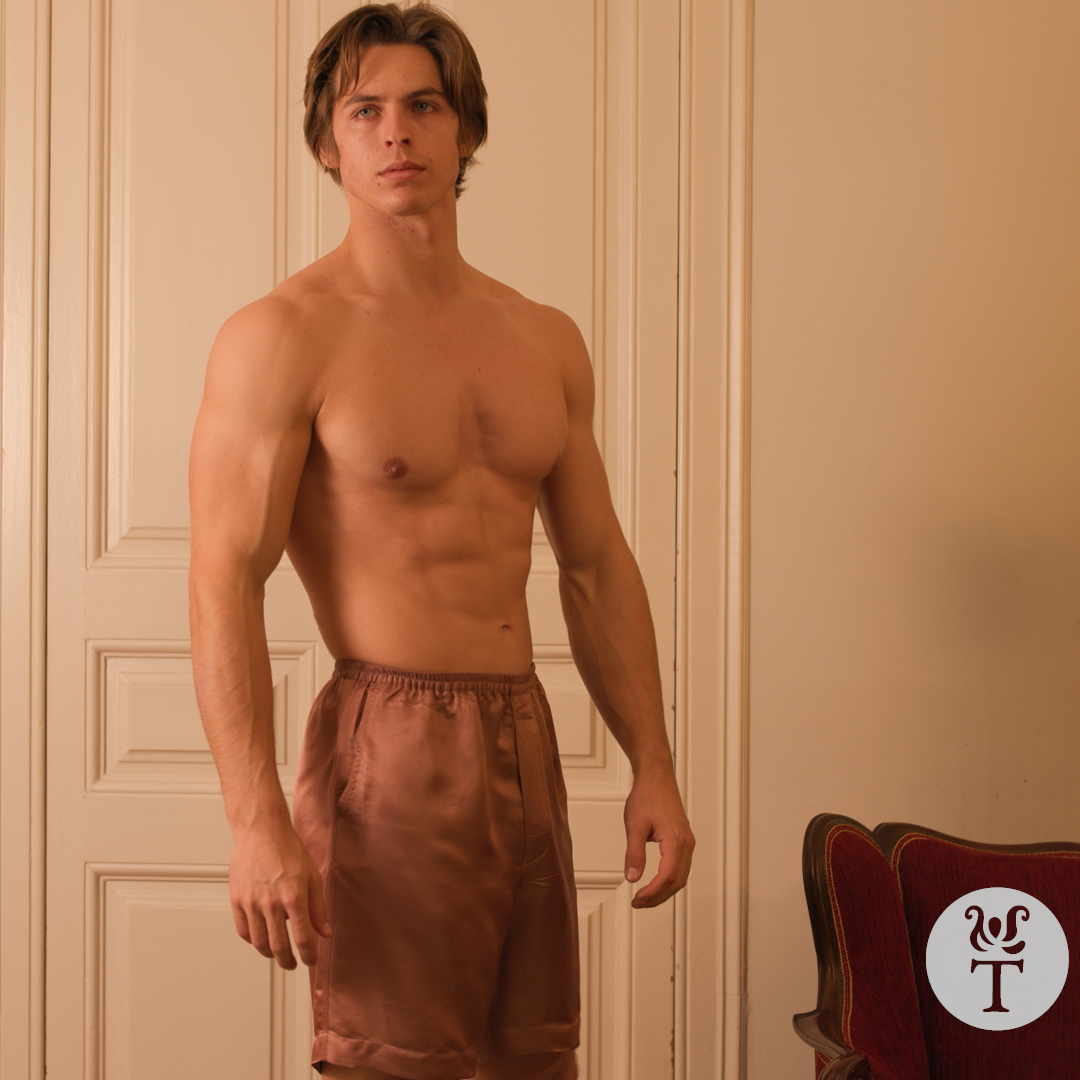
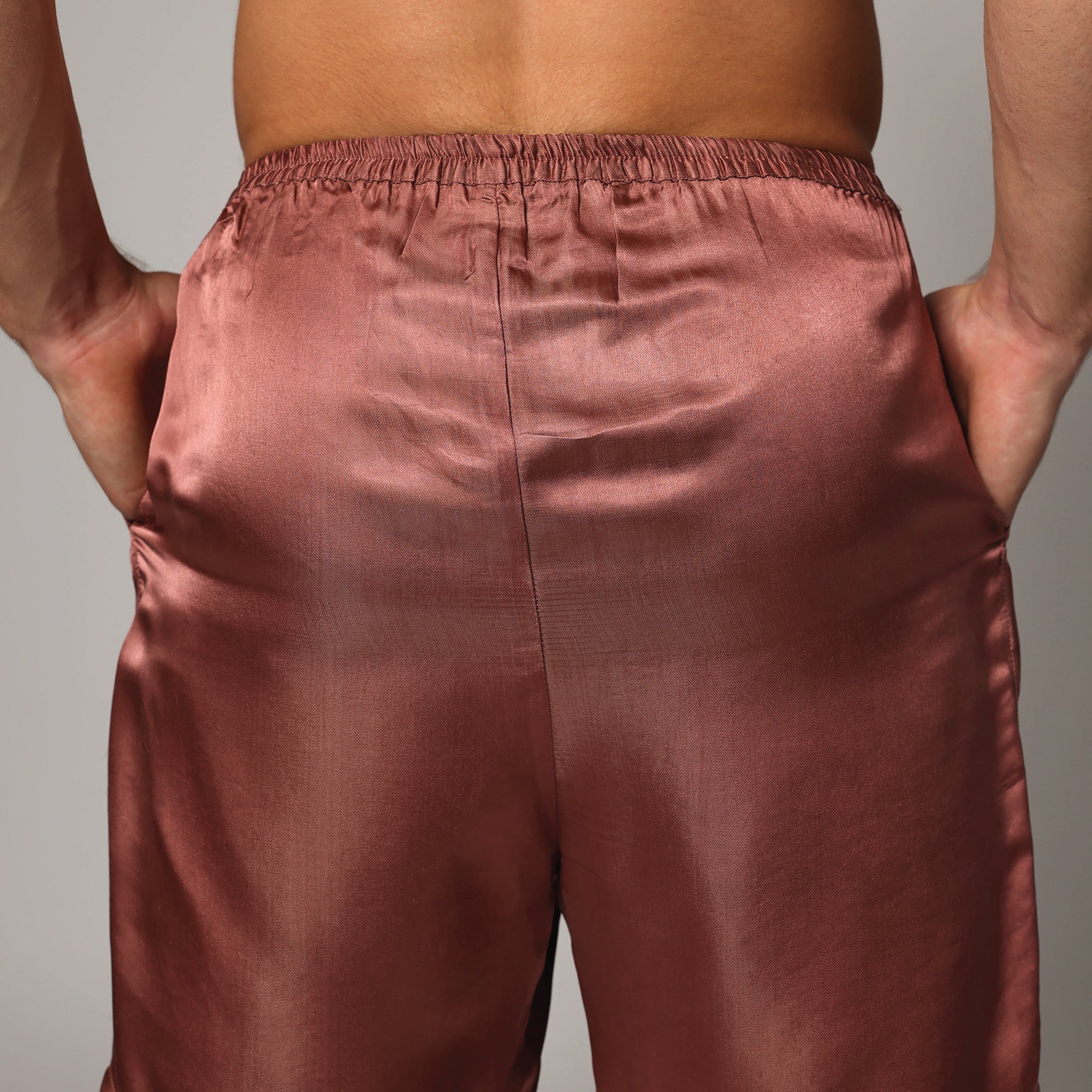
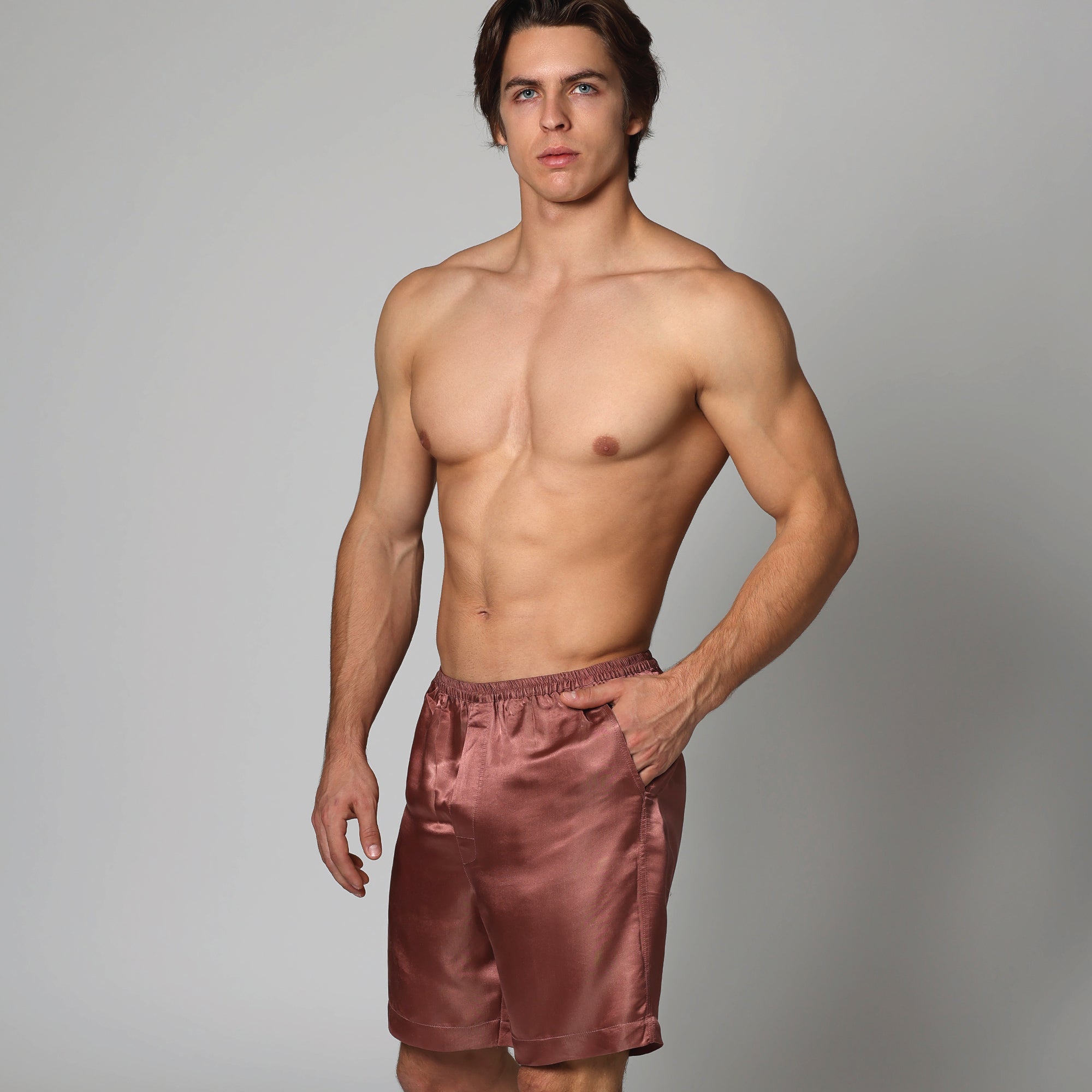
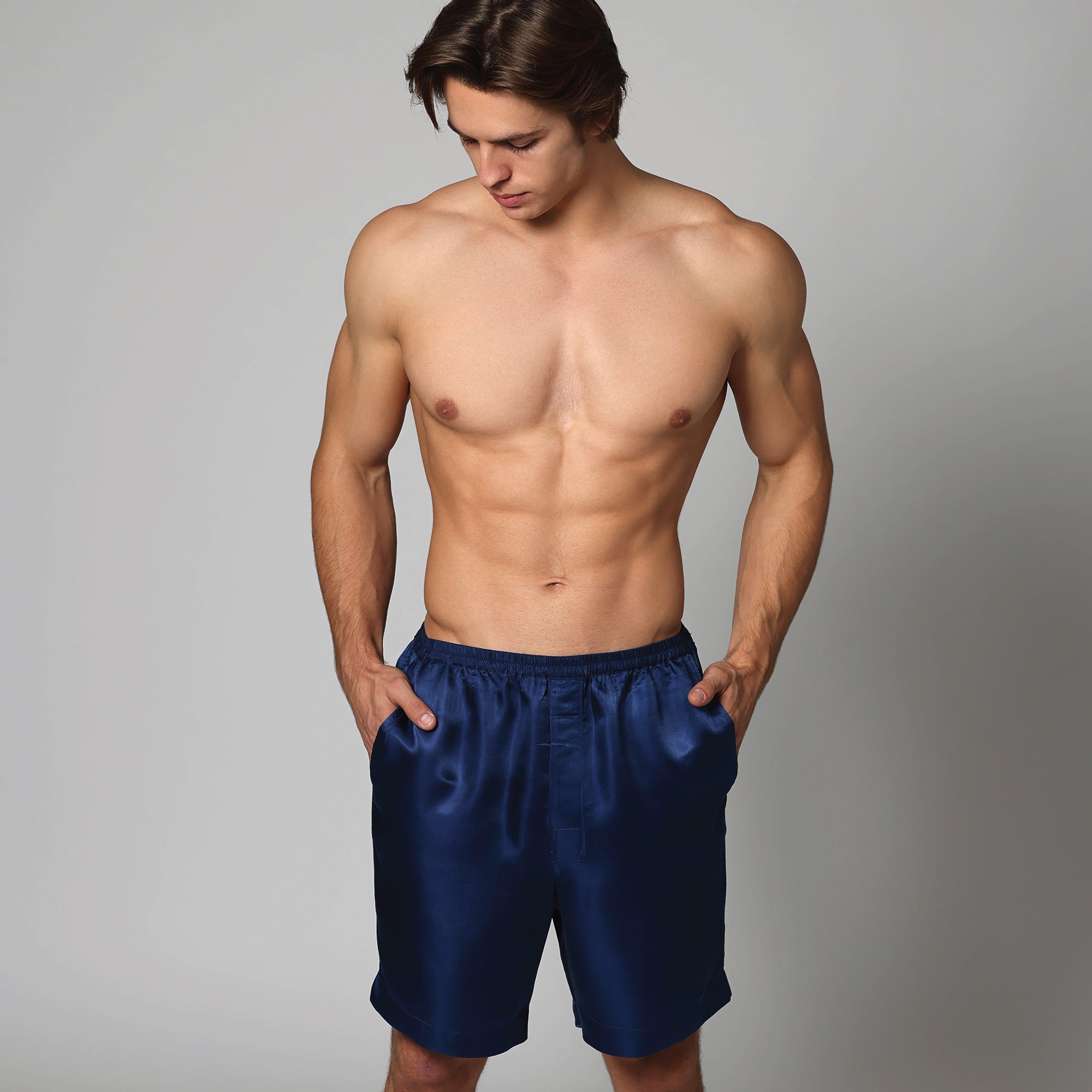
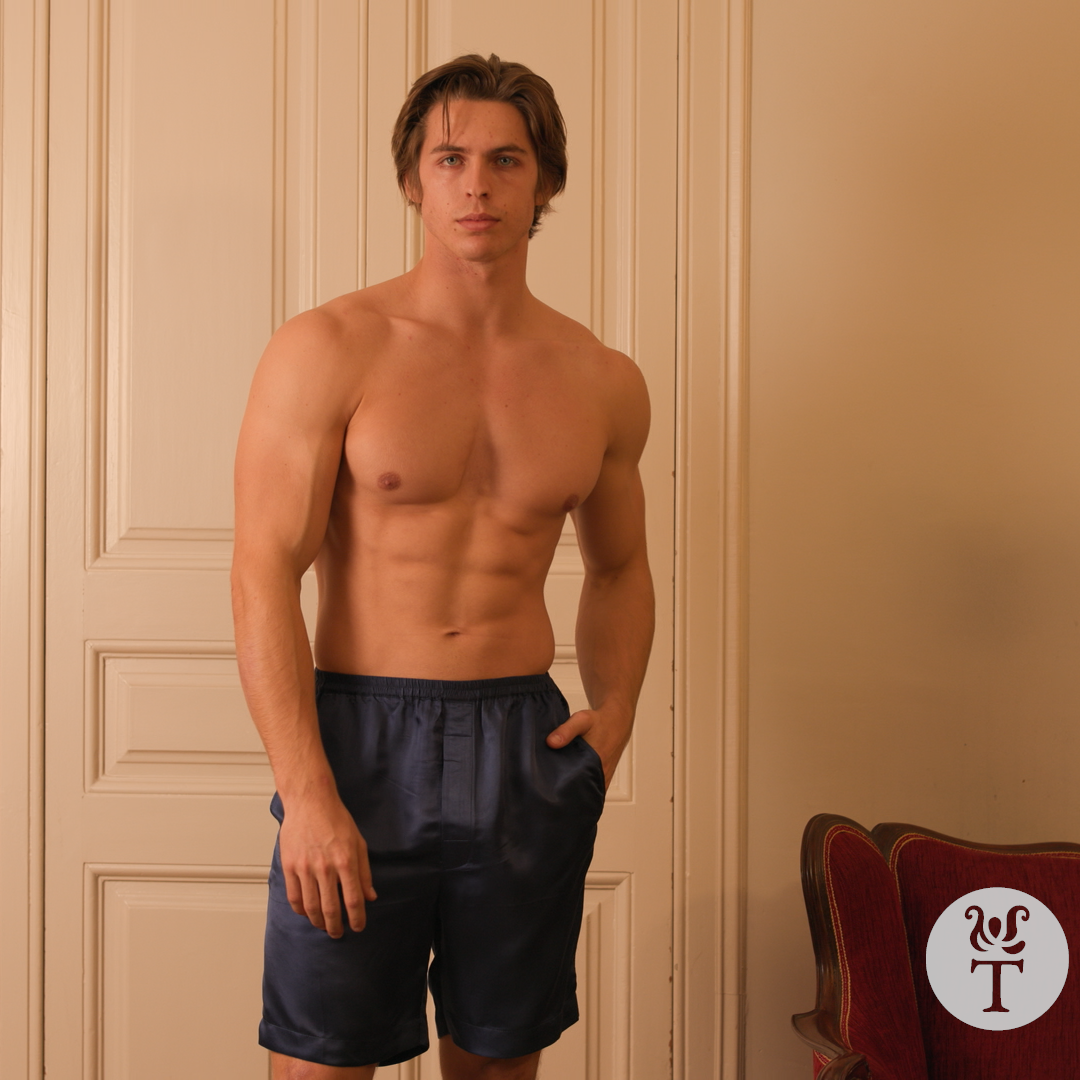
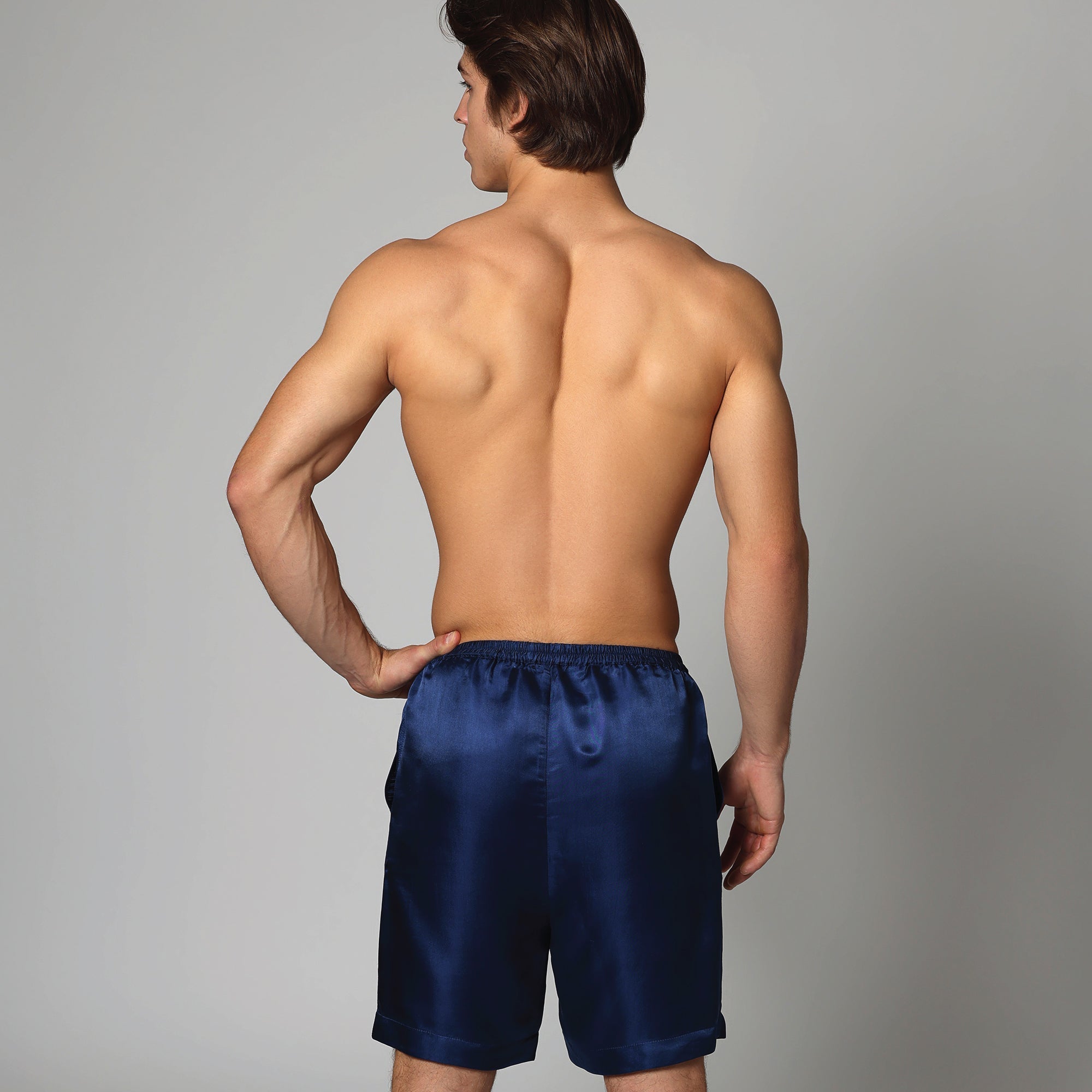
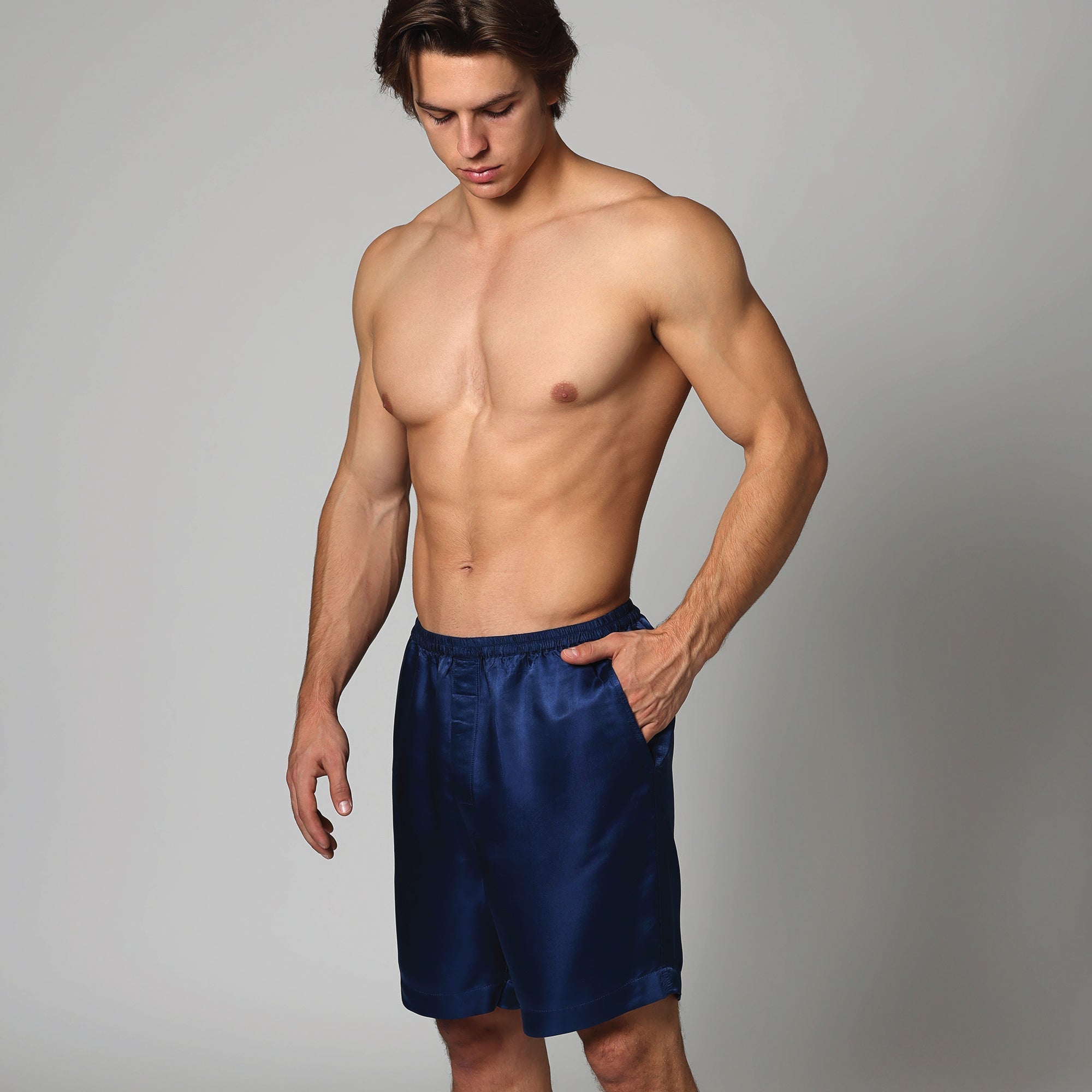
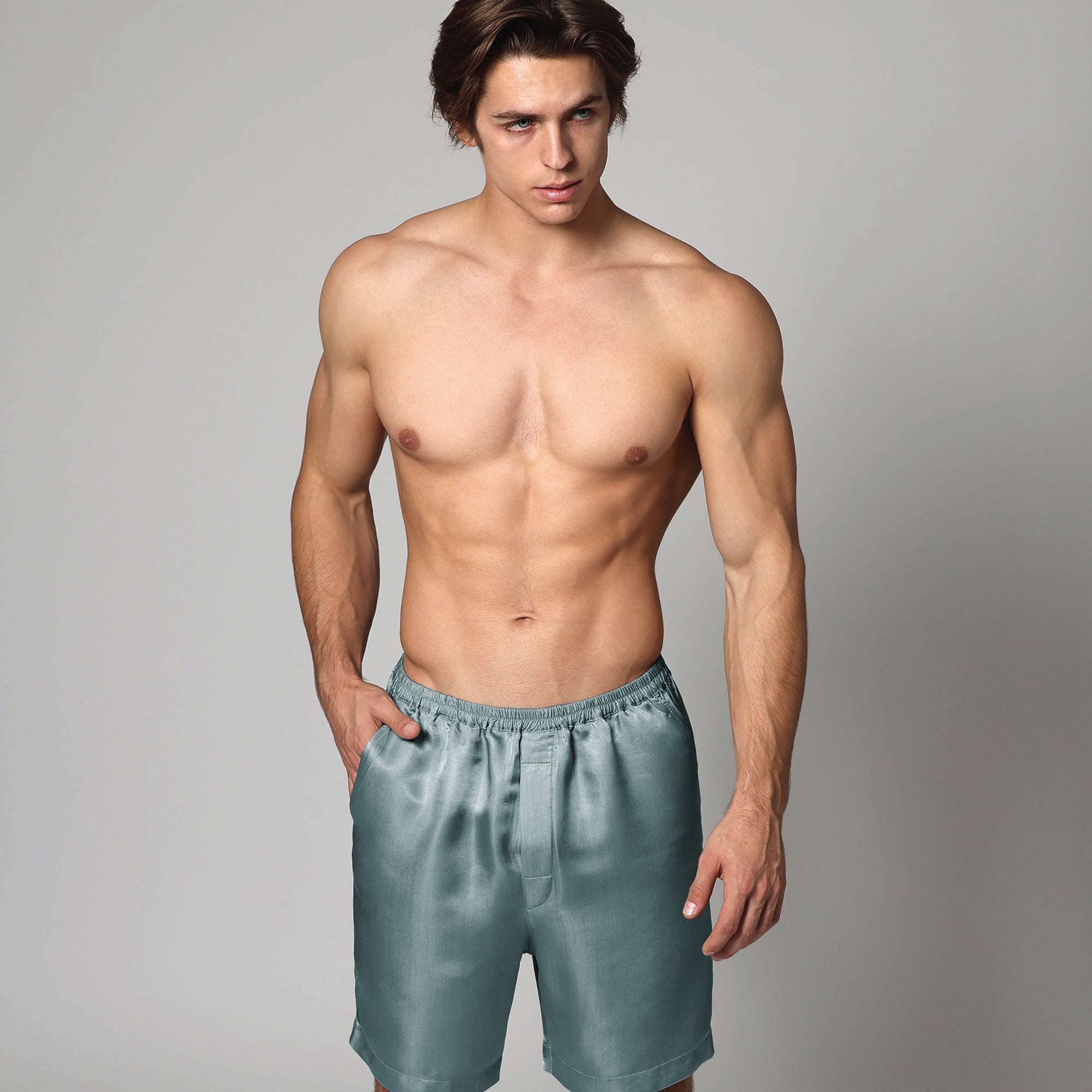
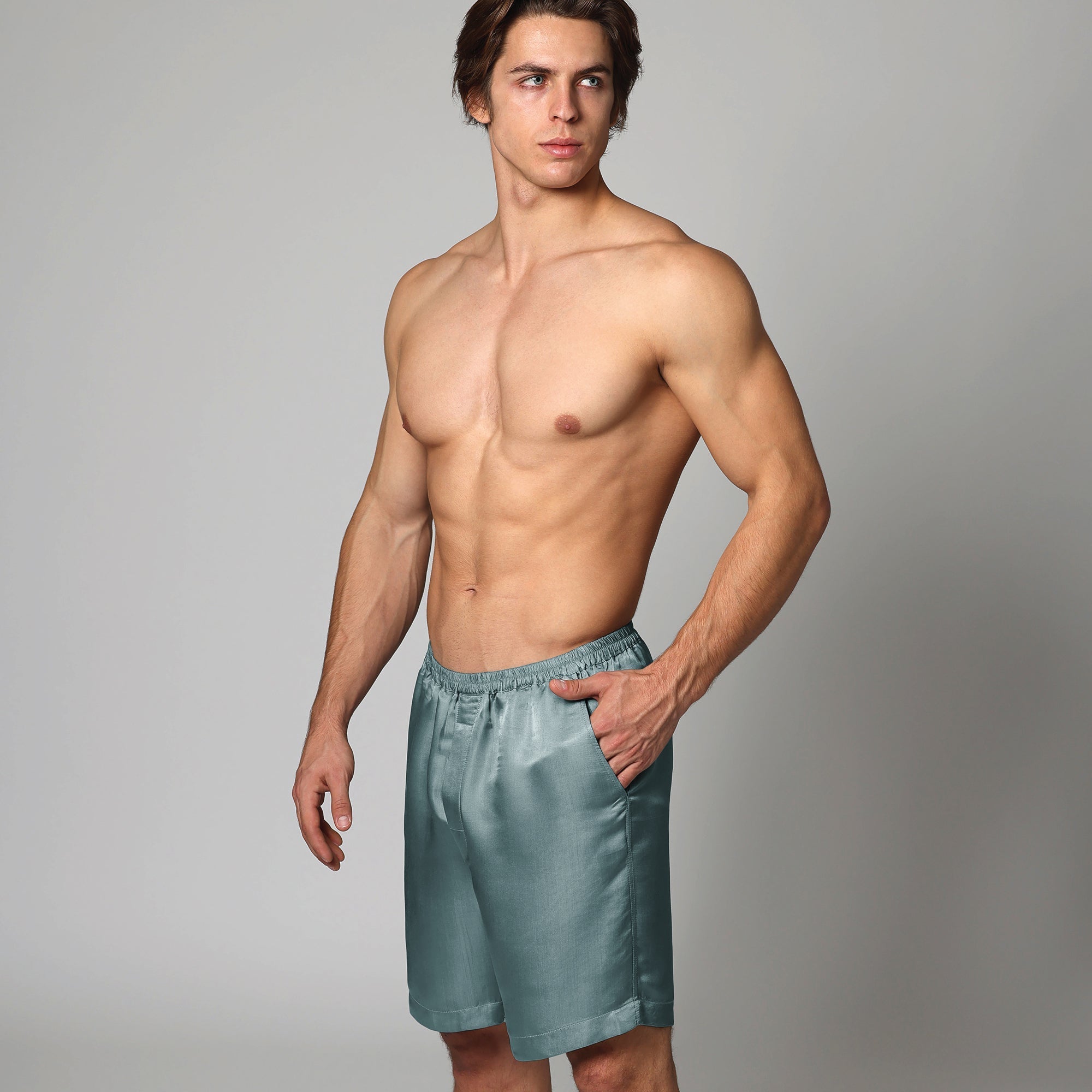
Tara Sartoria makes 27 momme mulberry silk boxers that address a problem nobody talks about directly: how fabric friction and moisture management actually affect your body's comfort and health. This isn't about luxury. It's about basic physics and skin physiology.
Here's what happens when different fabrics meet your skin, and why it matters more than most people realize.
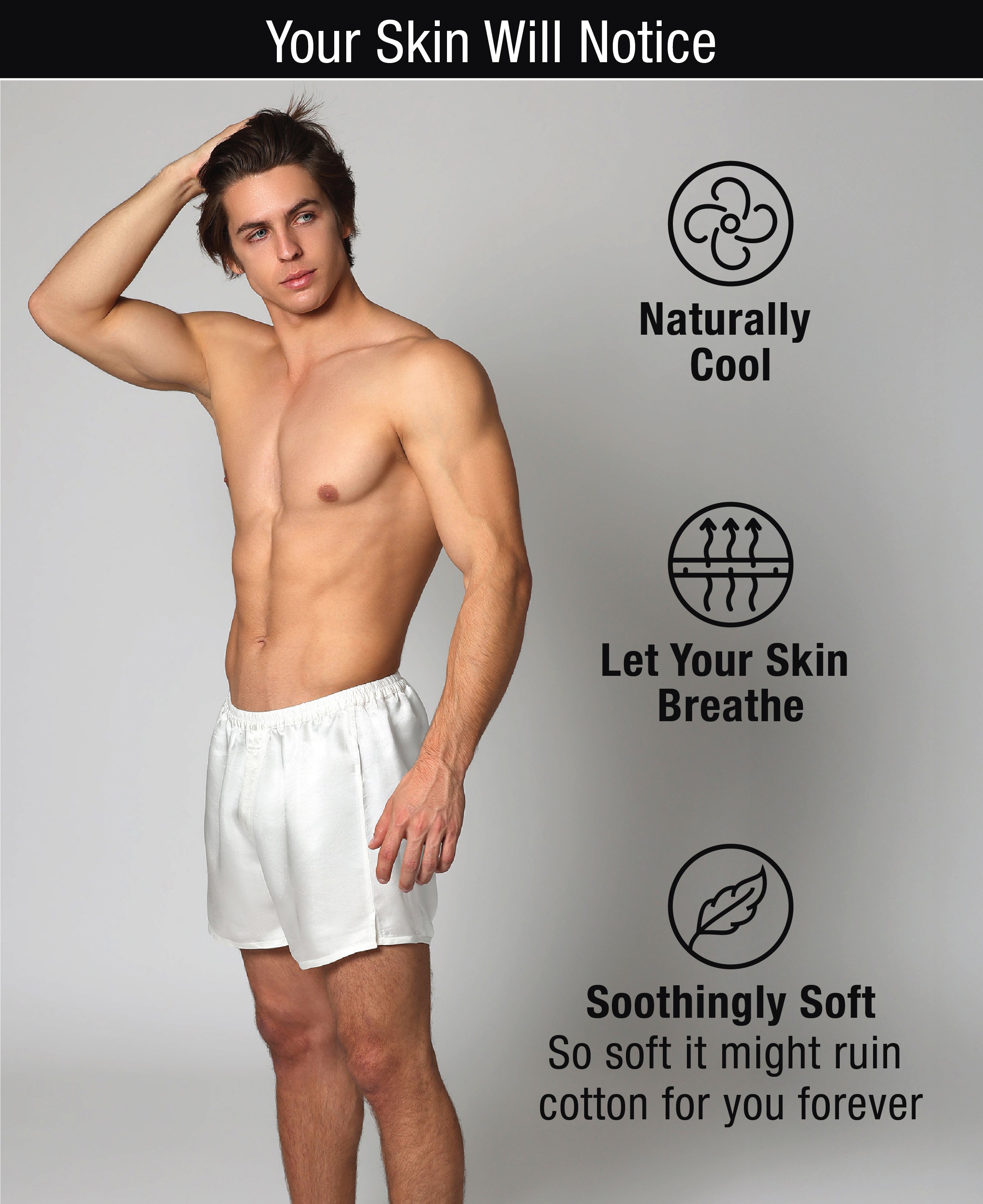
The Friction Problem: Why Cotton Creates Irritation
Fabric friction is how much a fabric resists movement against your skin. Cotton has higher friction against skin than silk, meaning it grabs and pulls at your skin rather than gliding across it.
Why does this matter? Because friction creates.
Irritation buildup over time.
Sensitive skin doesn't just react to obvious things like dyes or detergents. It reacts to mechanical stress, the constant micro-abrasion of fabric working against your epidermis. Cotton does this systematically. Silk doesn't.
Chafing in predictable places.
If you've ever noticed raw skin where your thigh meets your boxers, or irritation at the leg opening, you're experiencing friction-based damage. Cotton's surface structure is literally rougher at the microscopic level than silk. This becomes more noticeable the more active you are.
Disrupted sebum distribution.
Your skin produces natural oils (sebum) that protect it and create a moisture barrier. Cotton's absorbency strips these oils away from the surface it touches. Silk doesn't absorb sebum; it glides over it, leaving your natural protective layer intact.
Silk creates less friction against skin than cotton or synthetic fabrics. This low-friction quality is a material science property that reduces mechanical stress on your skin throughout the day.
The Moisture Myth: What "Breathes" Actually Means
Everyone says cotton breathes. They say this while holding a cotton t-shirt that's soaking wet from sweat. So what does "breathes" actually mean?
It means air can pass through the weave, and cotton's weave is indeed open enough for airflow. But "breathes" doesn't mean "stays dry." Cotton absorbs moisture actively; it pulls sweat and humidity from your skin and locks it into its fiber structure. Once cotton is damp, it stays damp. It doesn't release moisture efficiently because it's designed to hold moisture (that's why cotton is used for towels).
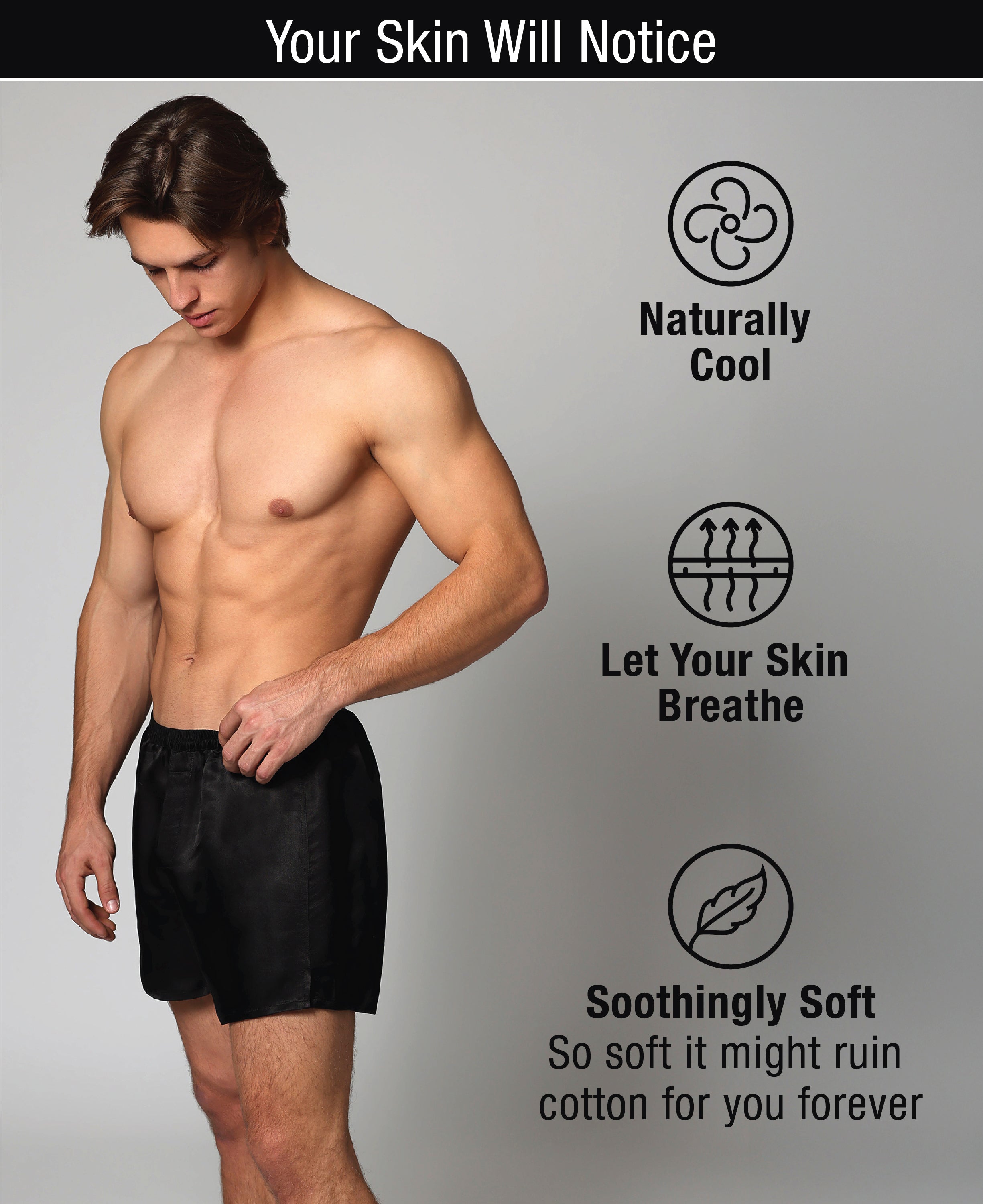
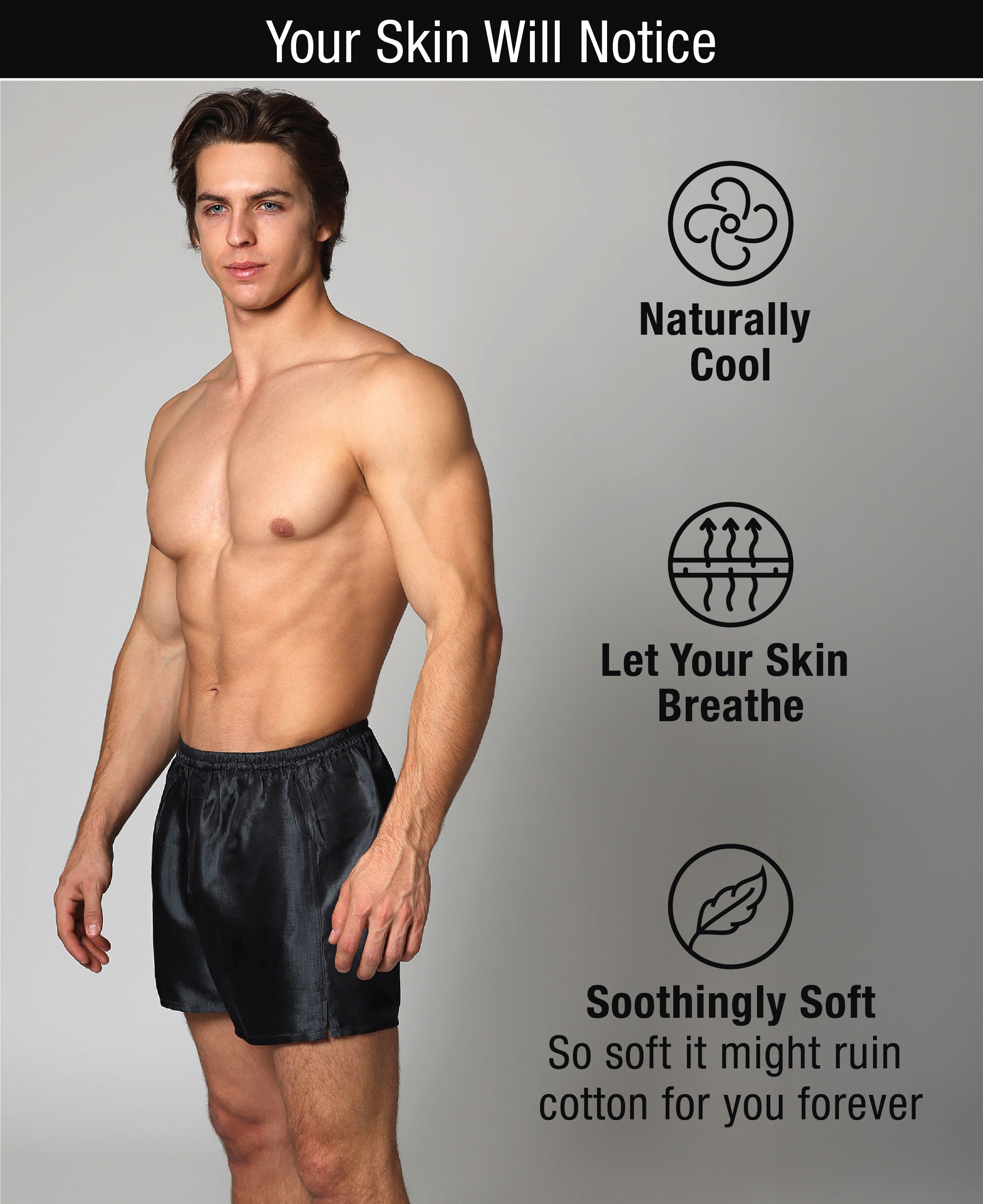
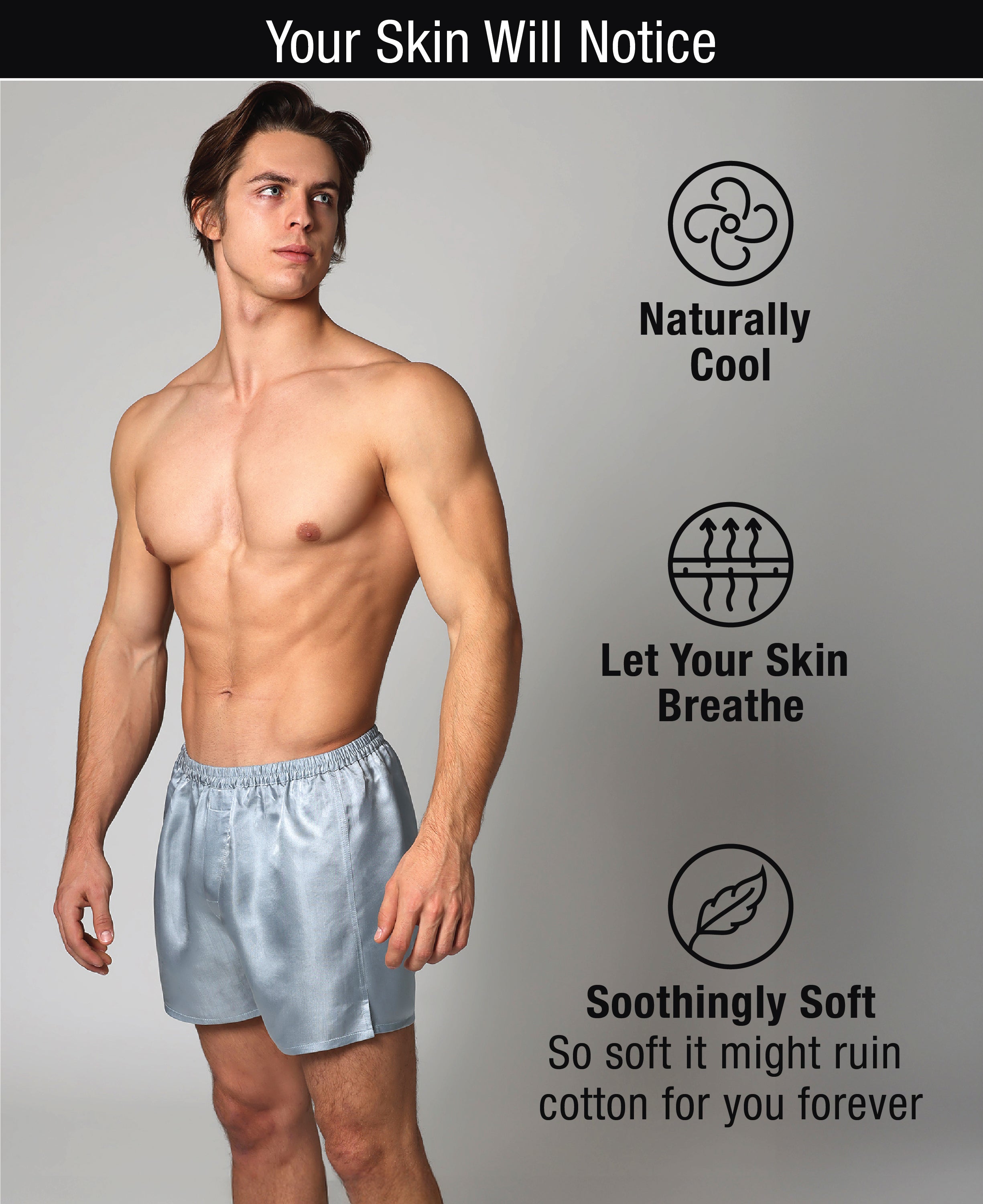
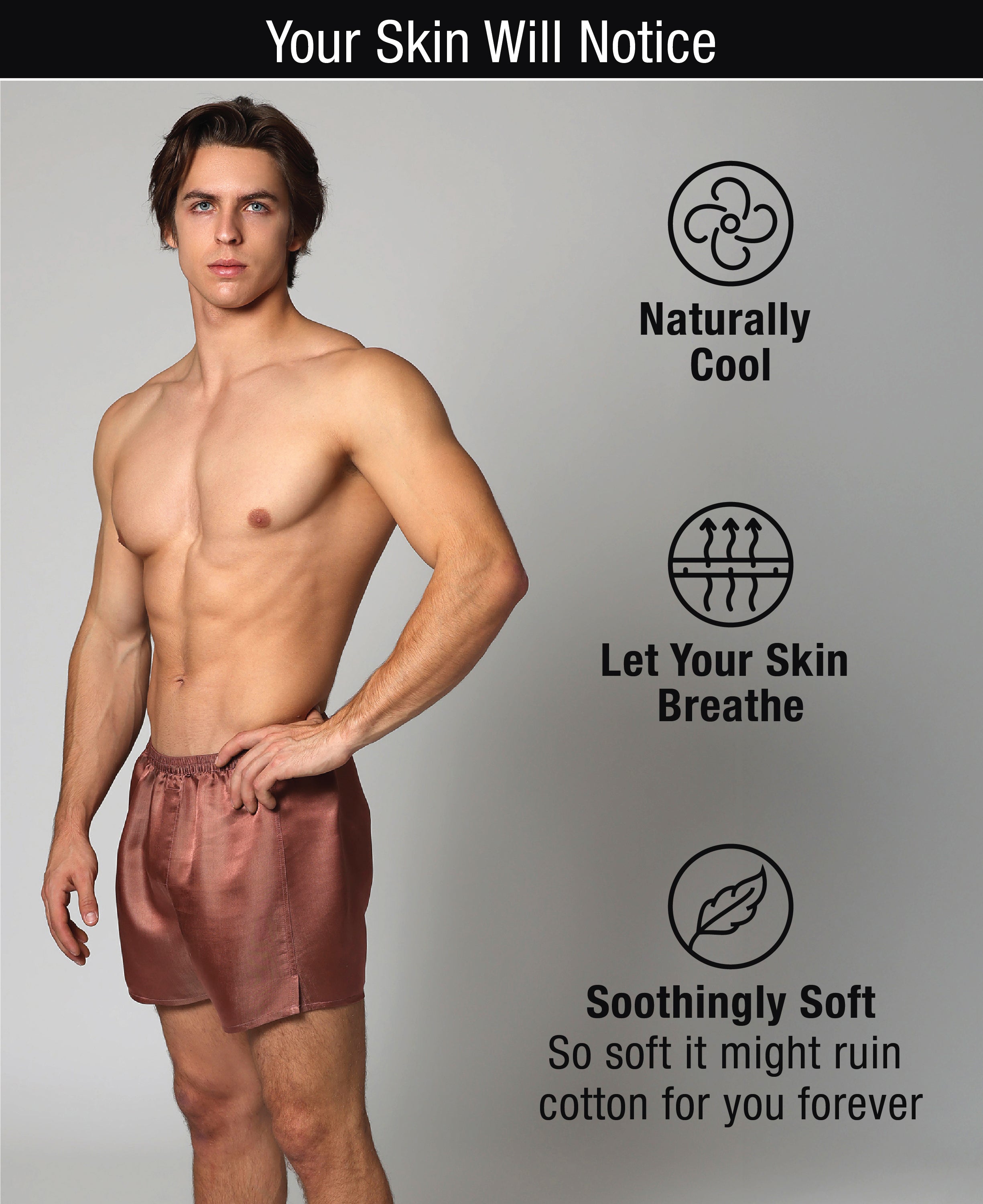
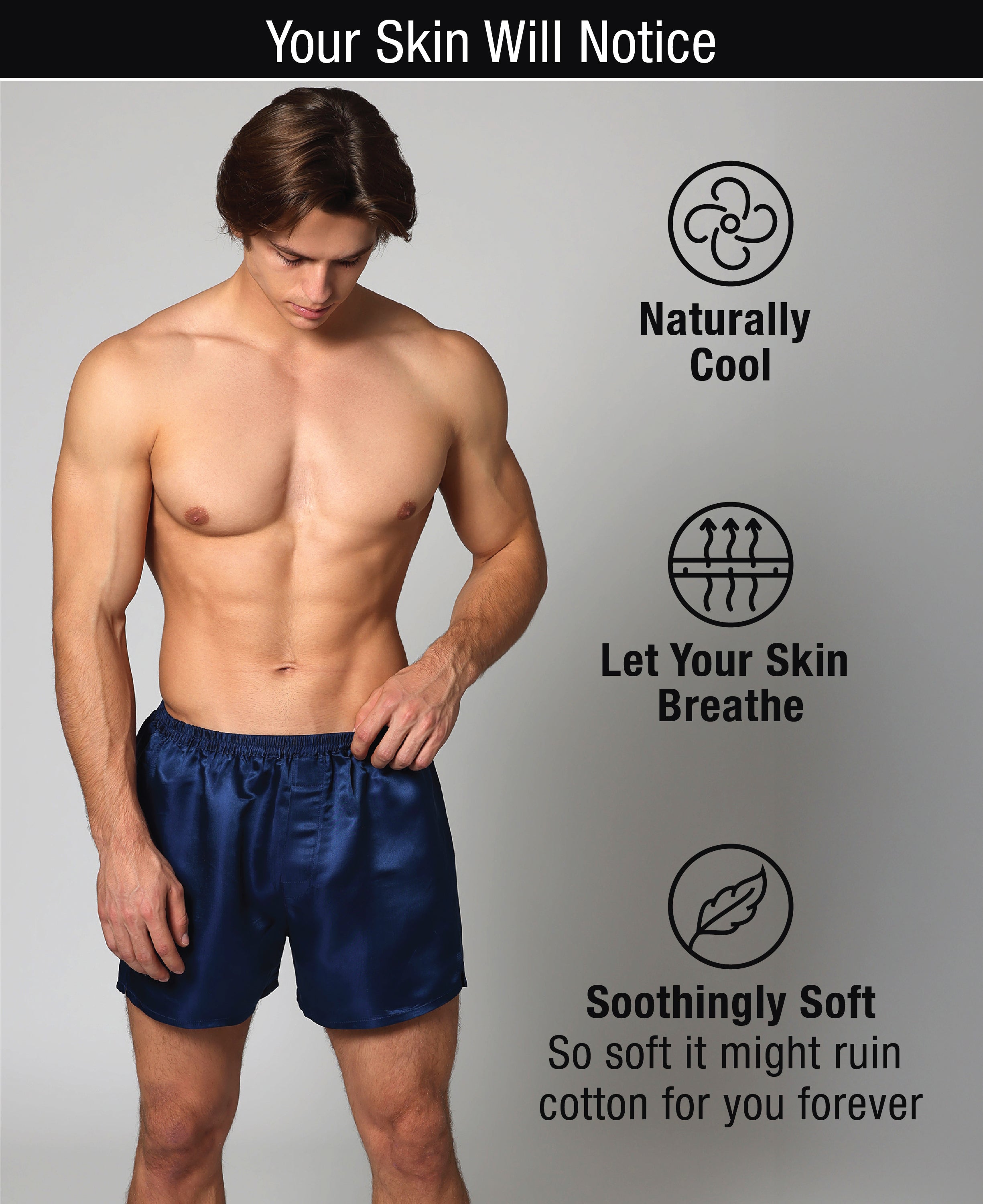
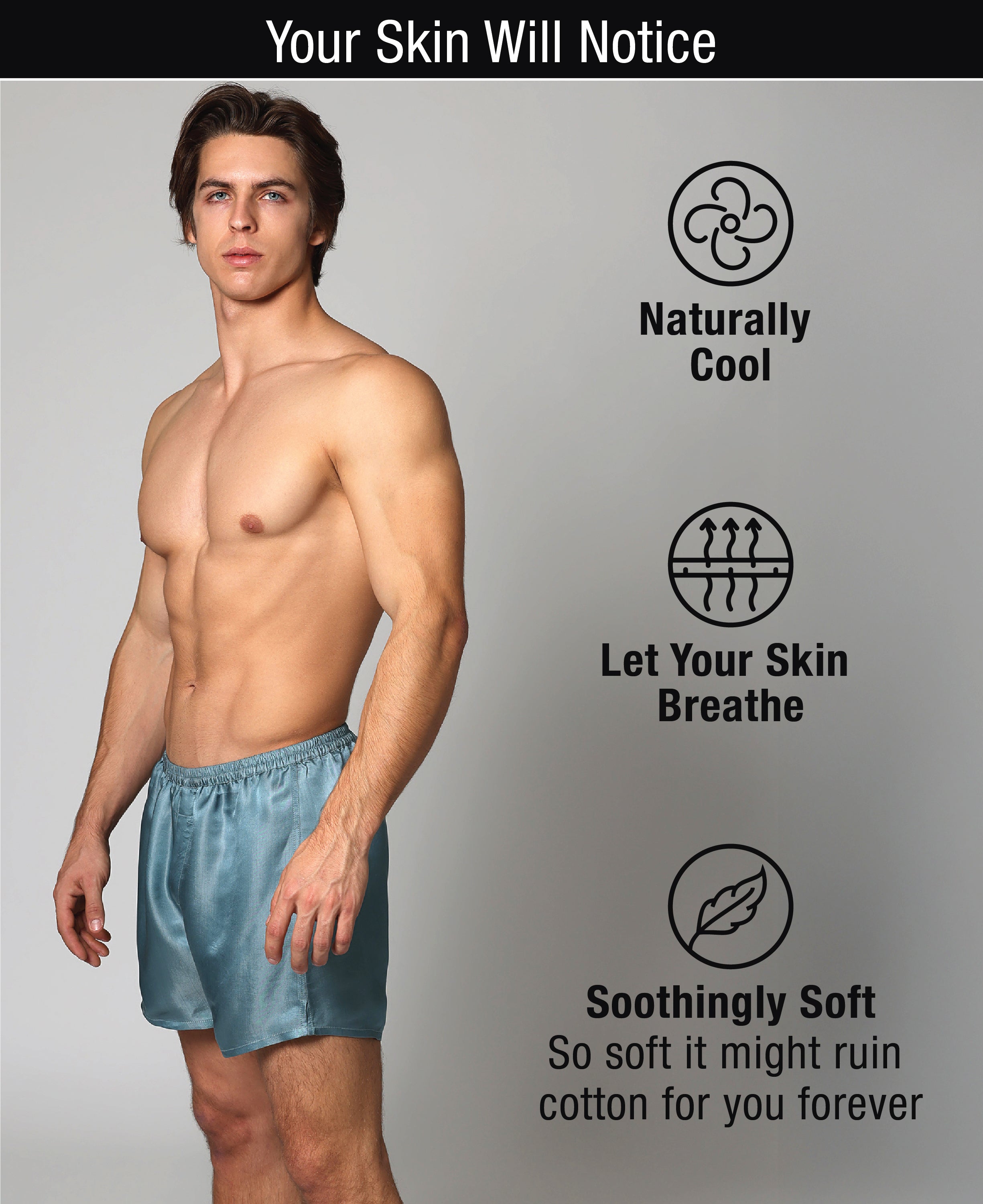
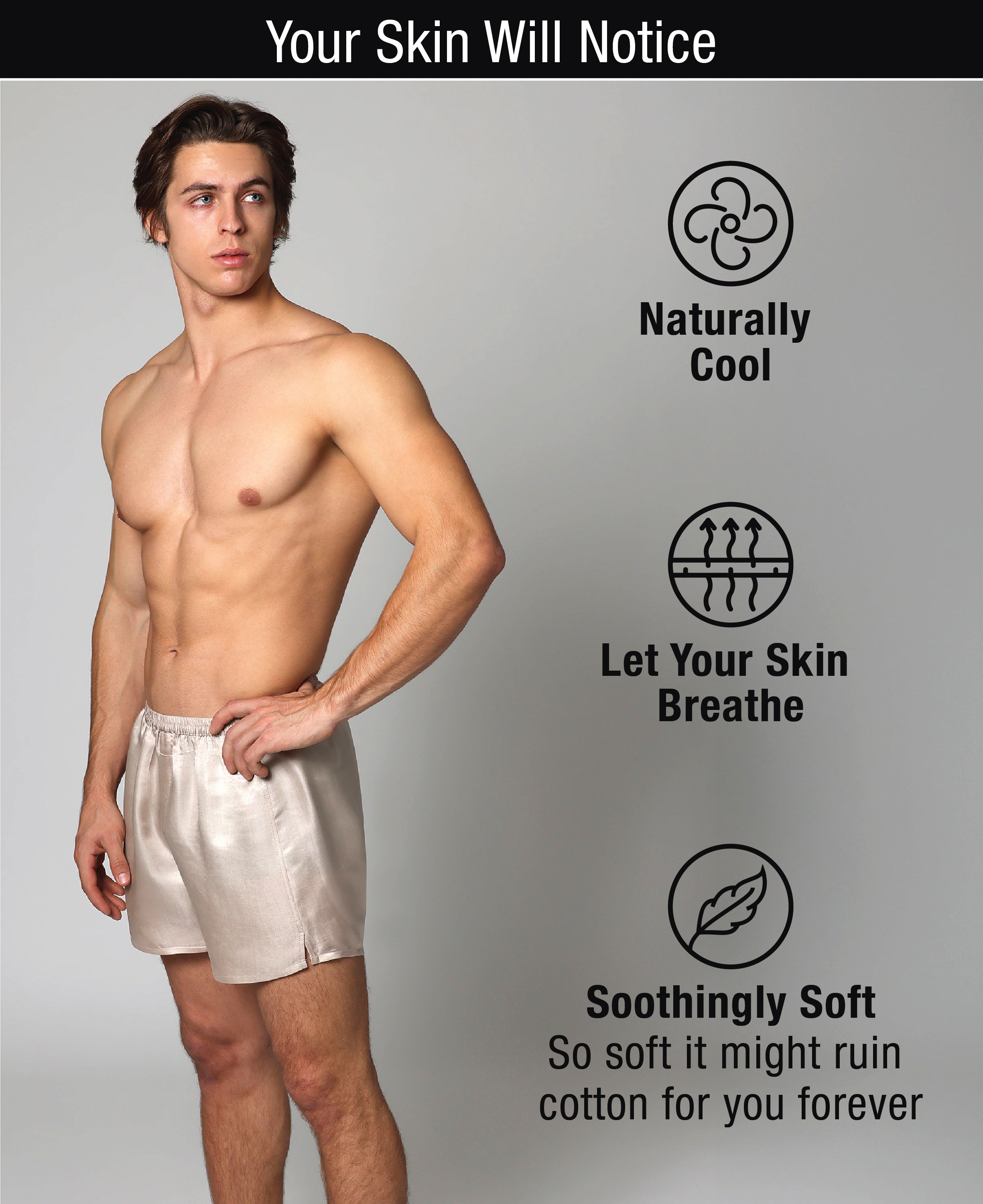
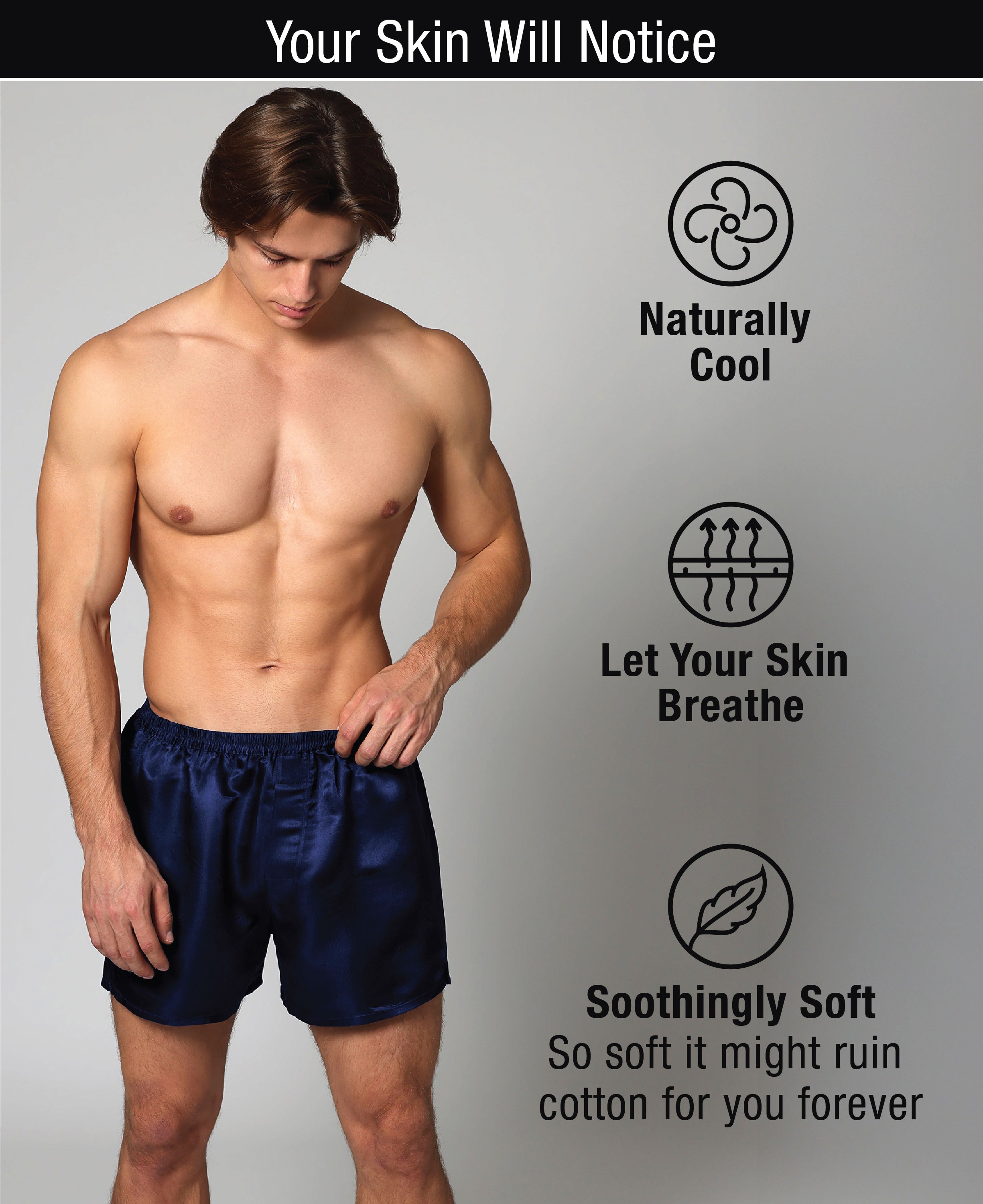
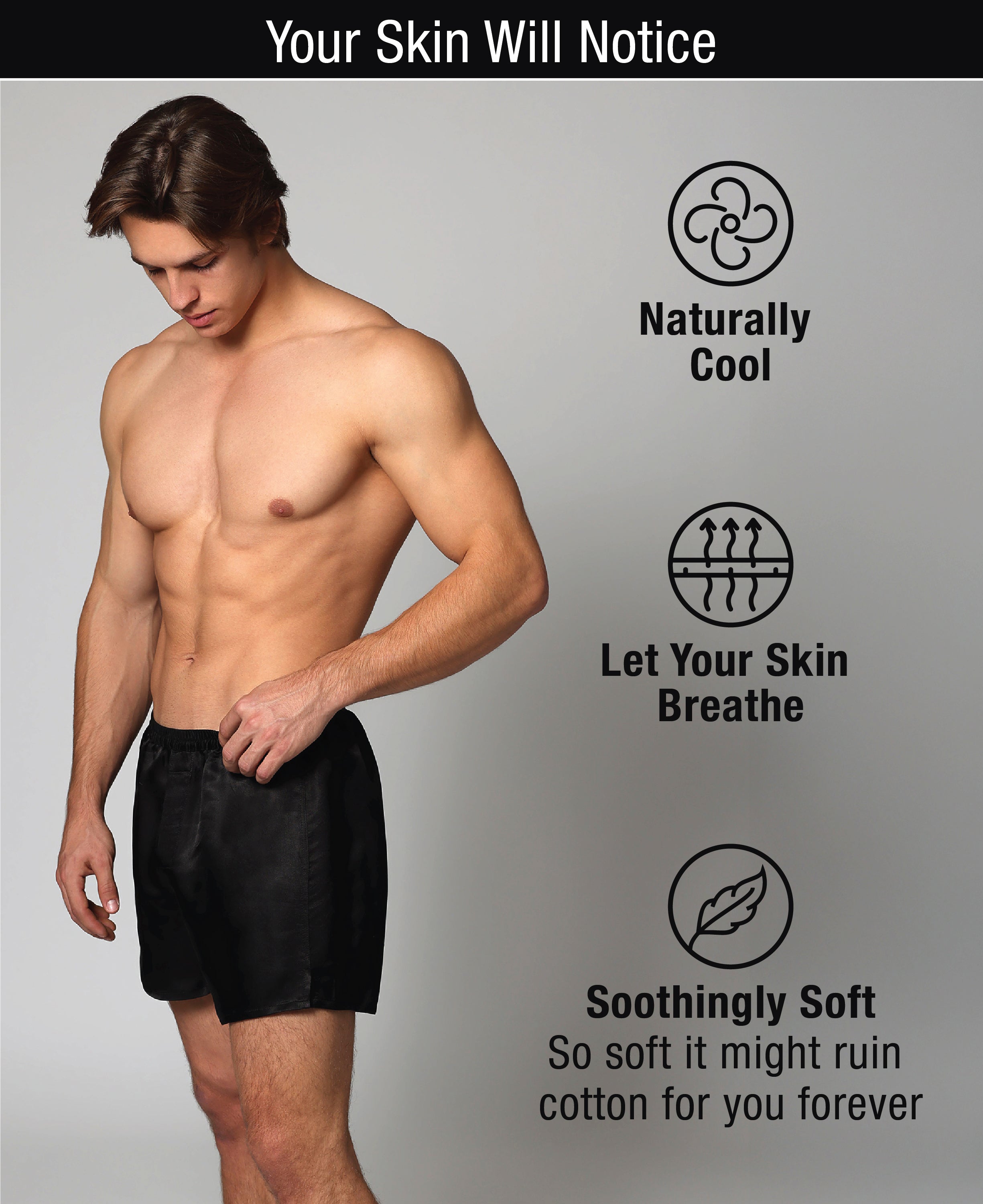
Silk works on a different principle entirely. Silk is a protein fiber, not a plant-based fiber. Protein fibers have a smooth, compact molecular structure. They don't absorb moisture the way cotton does. Instead, silk wicks moisture, moving it away from your skin and toward the surface of the fabric where it can evaporate. This keeps you drier.

The numbers: Cotton can absorb and retain up to 25 times its own weight in water. Silk absorbs about 10% of its weight and releases it readily. That's not a small difference. It's the difference between damp underwear all day and underwear that adapts to your body's moisture output.
What happens practically? You wear cotton. You sweat (everyone does). That sweat gets absorbed into the cotton. The cotton stays damp. Damp fabric creates an ideal environment for bacterial growth, fungal irritation, and general discomfort. You don't necessarily get an obvious infection, but your skin isn't thriving either. You wear silk. You sweat. The moisture moves through the silk to the surface and evaporates. Your skin stays drier, the bacteria don't have a welcoming environment, and you don't think about your underwear (which is the whole point).
Breathability: Measuring the Wrong Thing
Cotton defenders often claim cotton is more breathable than silk, and they're technically right in one narrow sense: cotton's fiber structure allows more air passage. But they're using the wrong metric to measure what actually matters.
Air passage and moisture management are different things. A fabric can allow excellent airflow and still trap moisture against your skin. That's cotton. Meanwhile, silk has a tighter weave and technically allows slightly less air passage, but it moves moisture away from your body so efficiently that you don't feel hot or clammy.
With fabric, breathability isn't the measurement. Dryness is.

Weight, Drape, and Staying Put
Here's a practical concern nobody addresses directly: do silk boxers actually stay in place?
Lighter silks (19-22 momme, which most competitors use) can be prone to riding up or shifting because they don't have enough weight to drape properly. They're too fluttery.
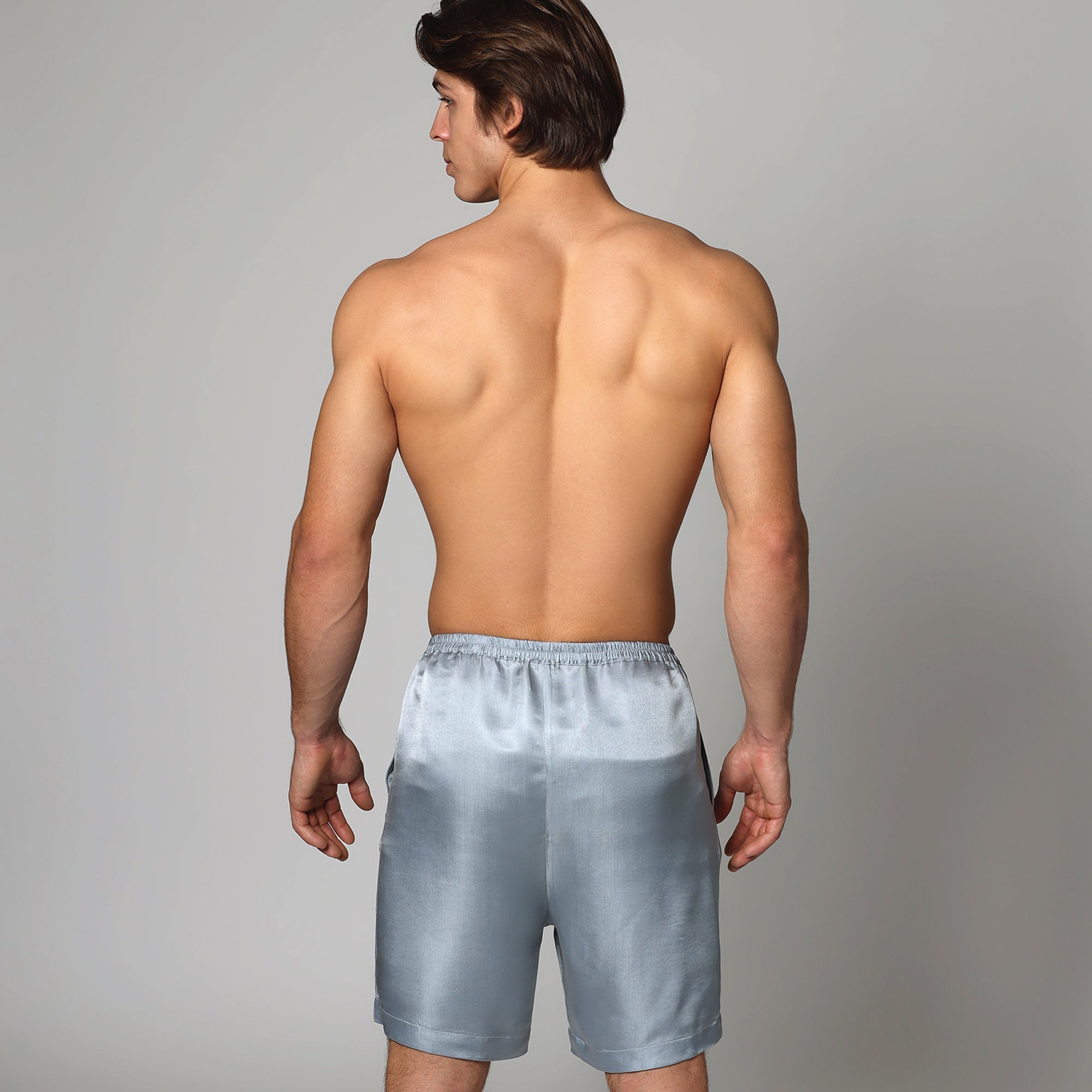
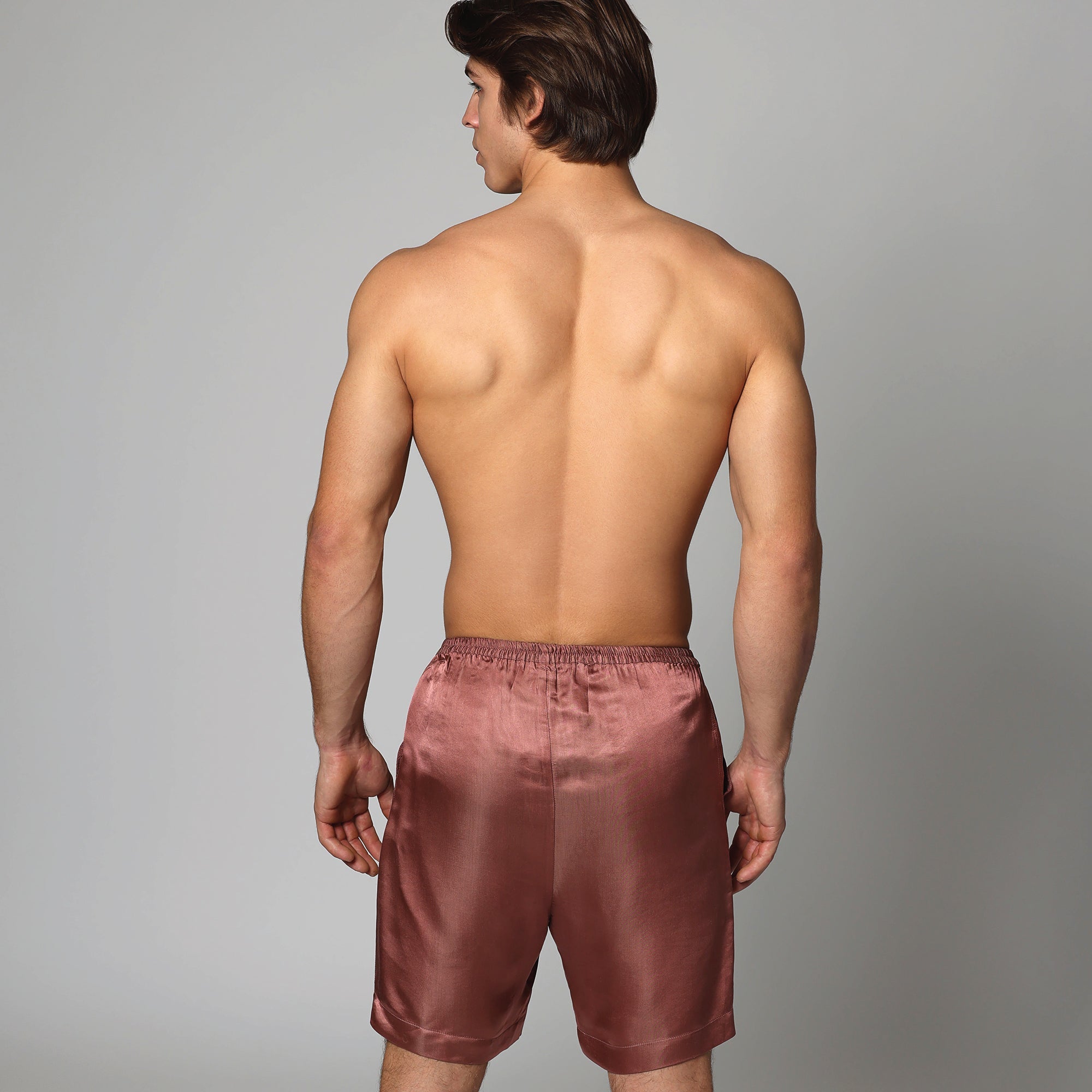
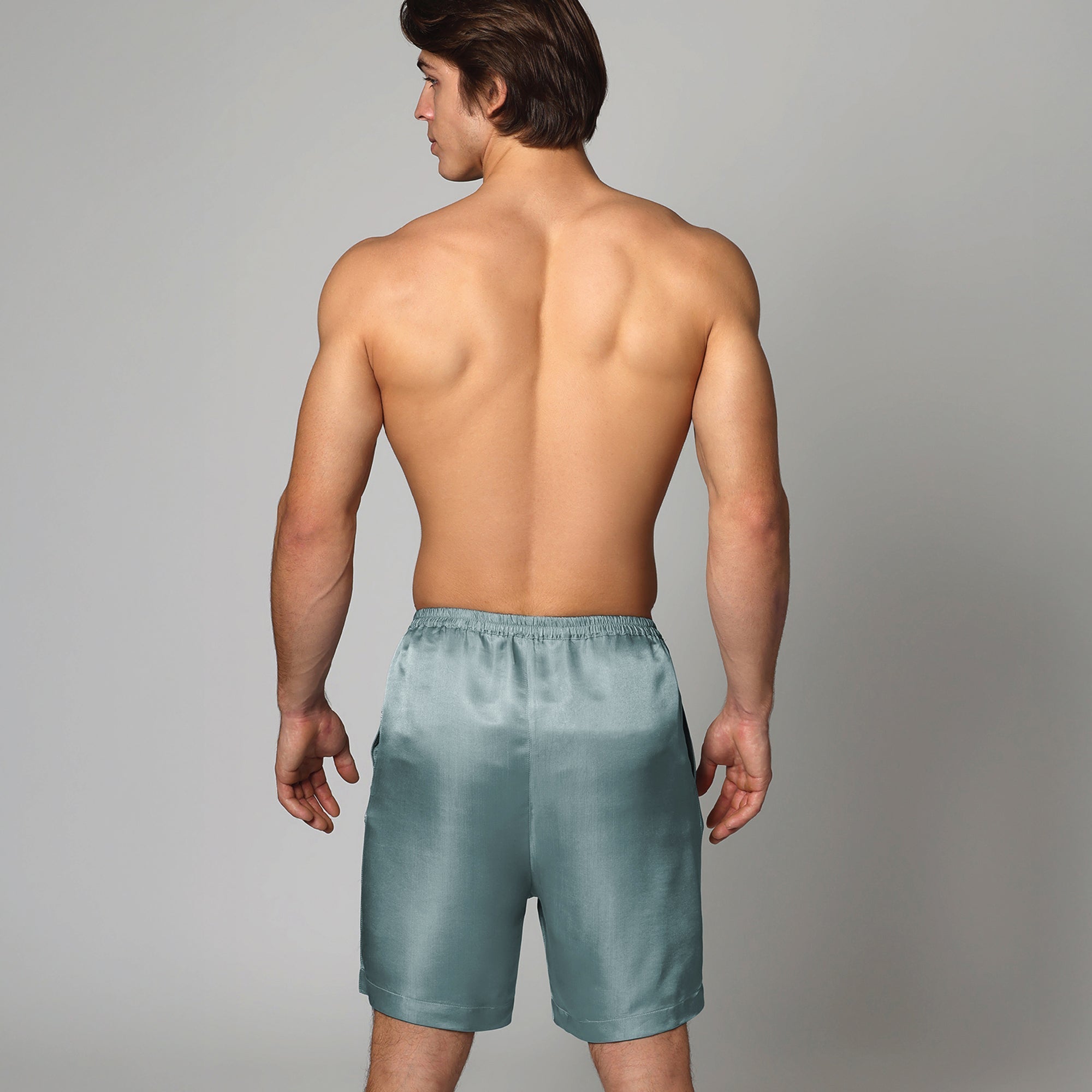
Tara Sartoria uses 27 momme mulberry silk, 20-40% denser than most silk products on the market. At 27 momme, the silk has enough weight to drape against your body without bunching. It stays where you put it. It doesn't ride up because the weight of the fabric itself keeps it in position. The engineering here is subtle. Too-light silk behaves like thin cotton. 27 momme silk has enough substance that gravity and body heat keep it positioned naturally.
Construction Details That Change Comfort
It's not just the fiber. It's how the fiber is constructed.
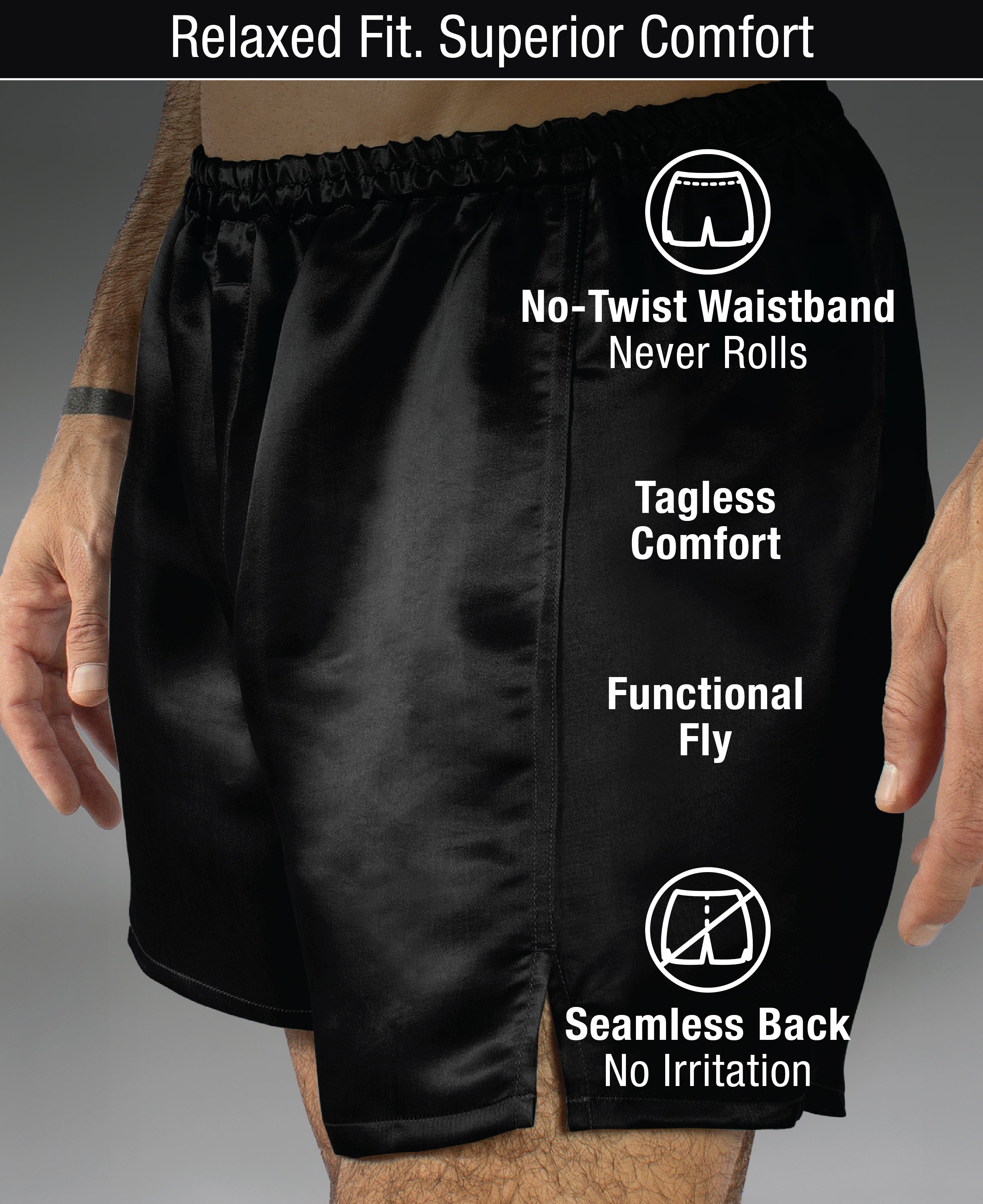
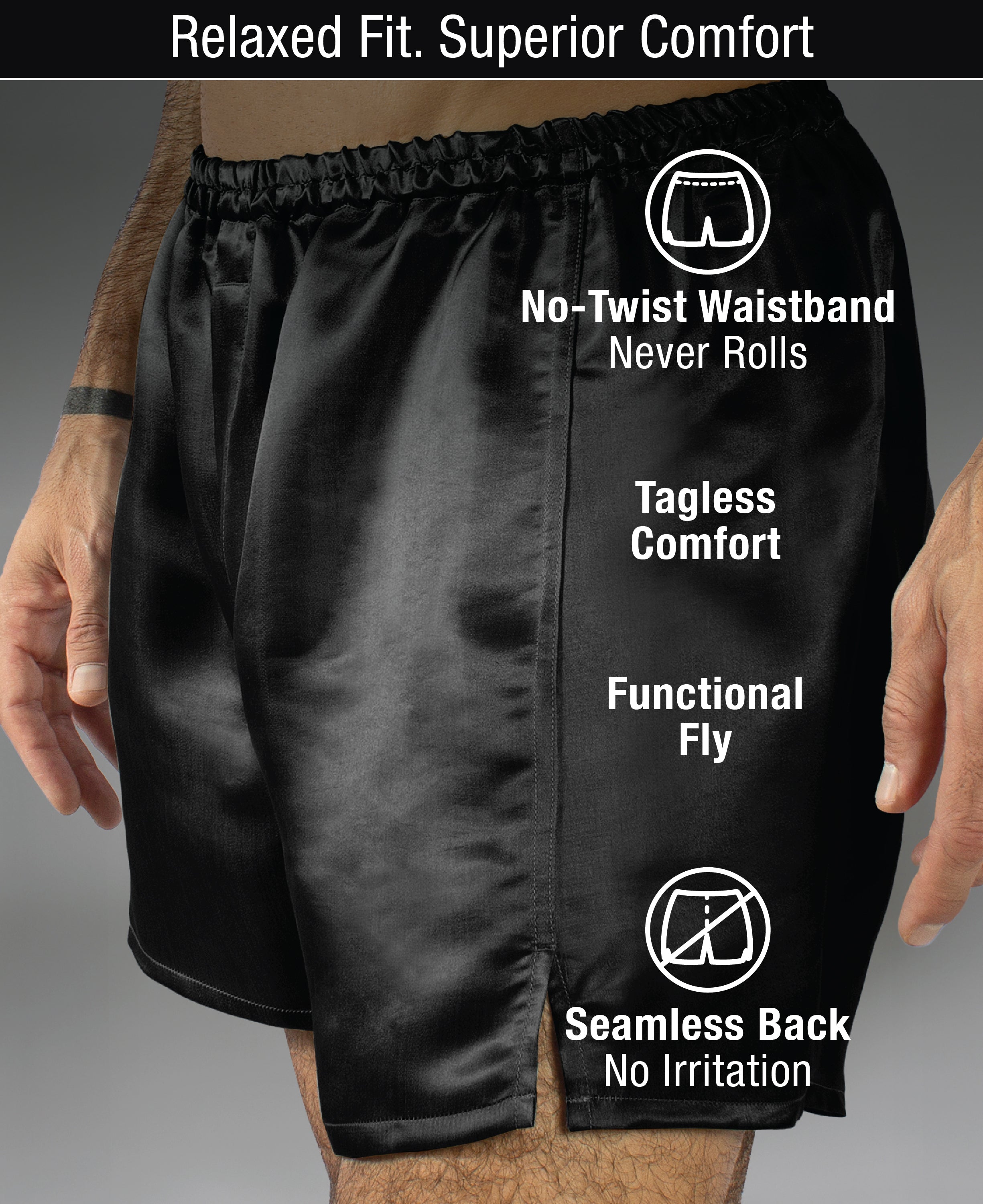
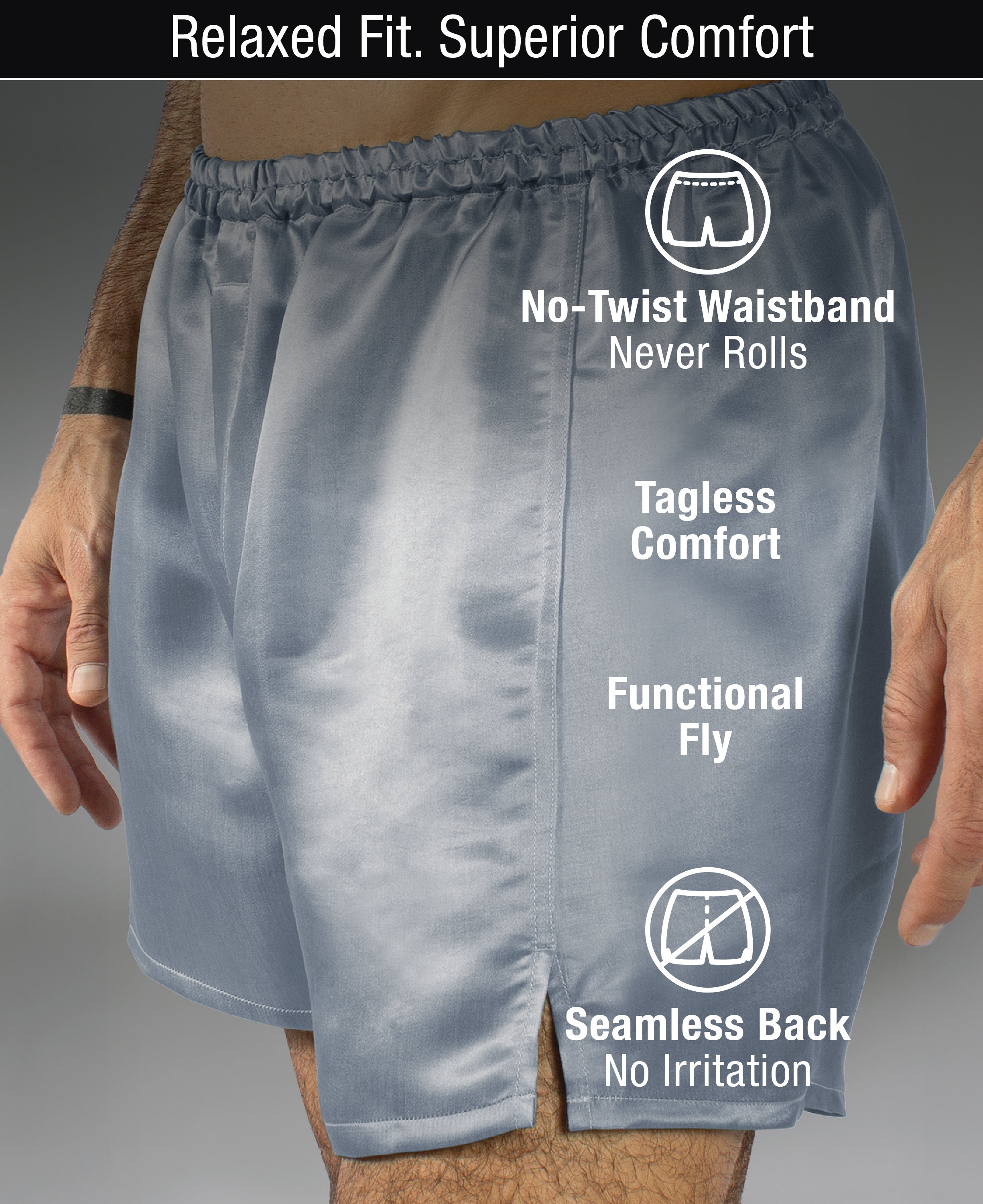
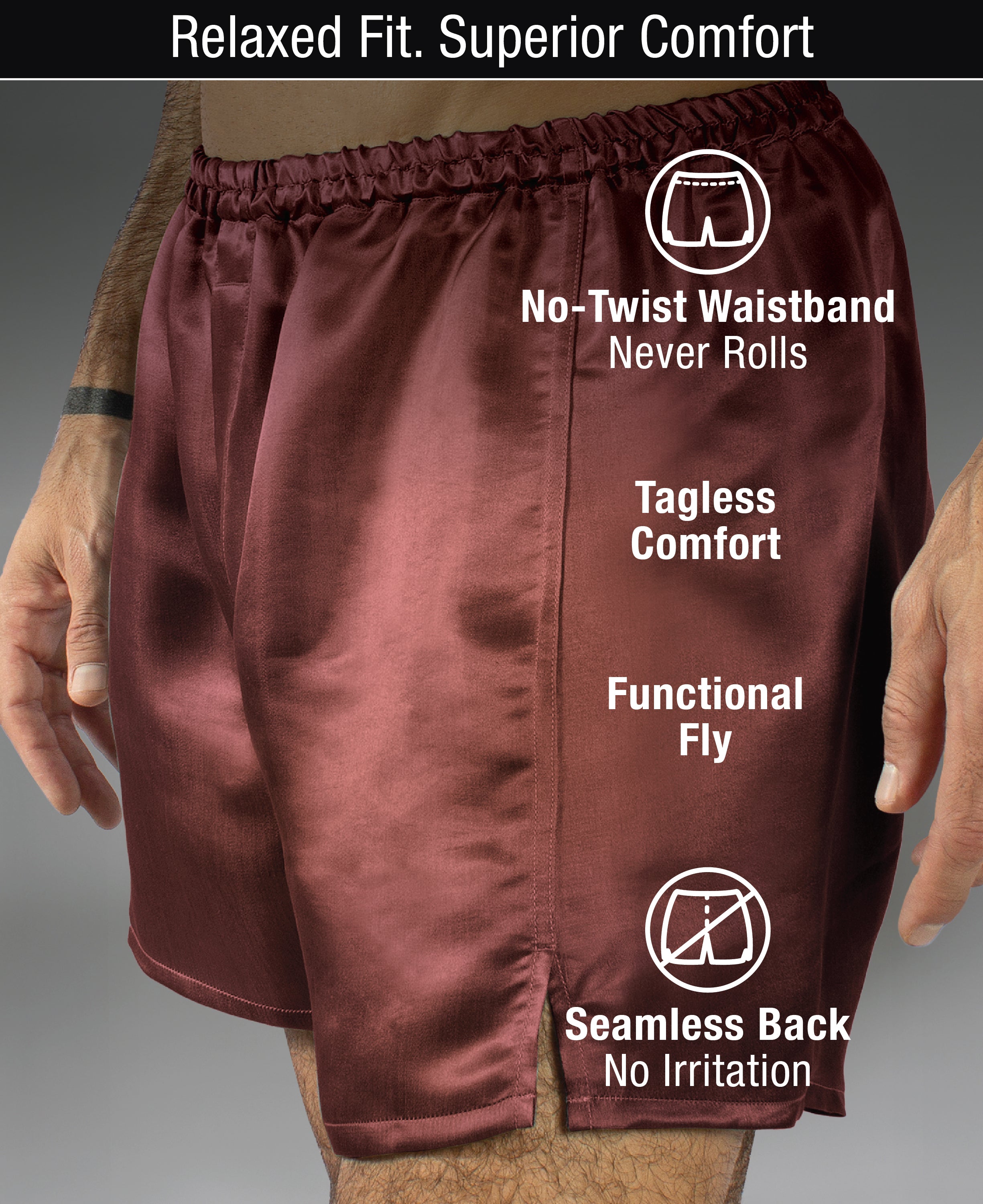
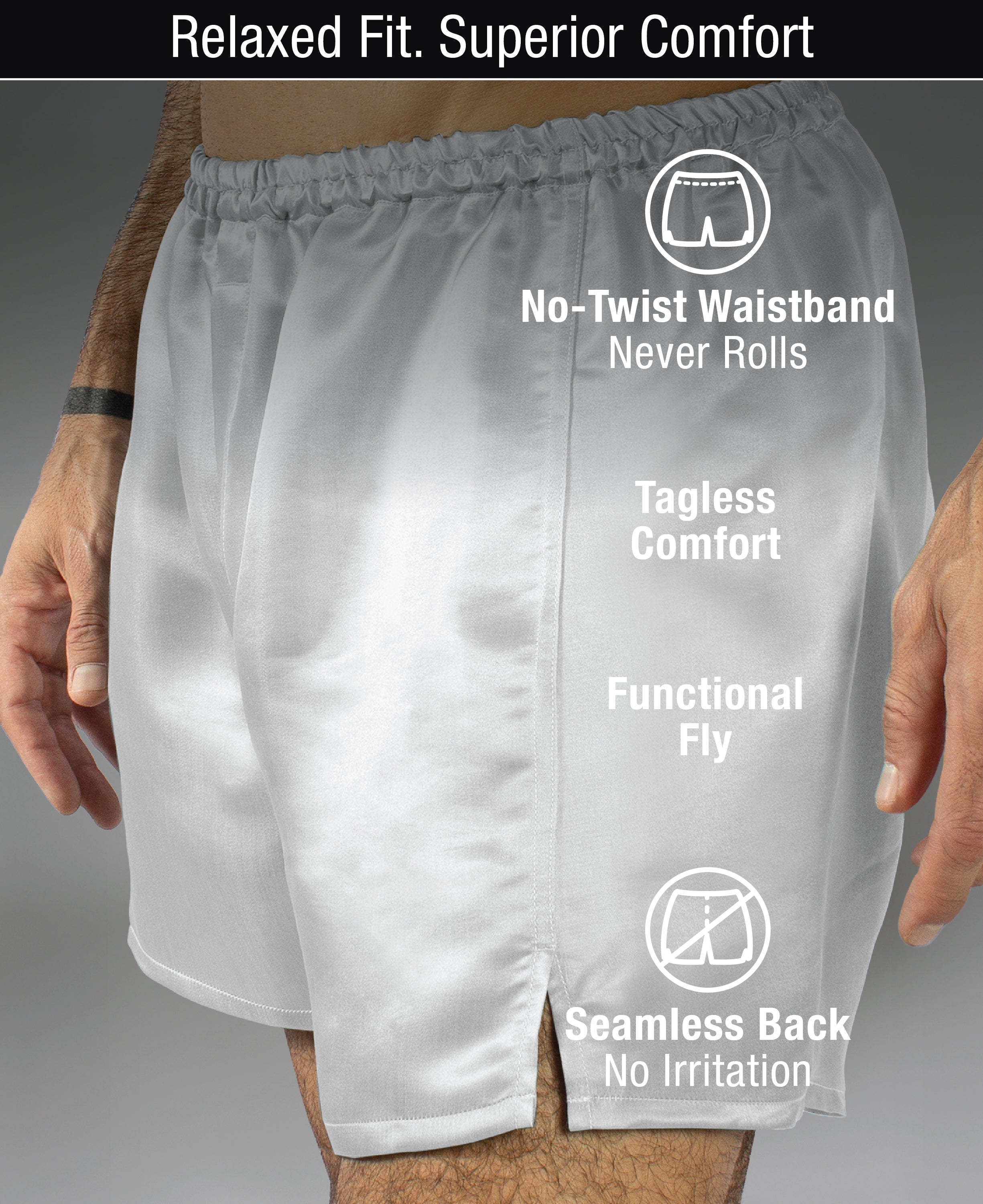
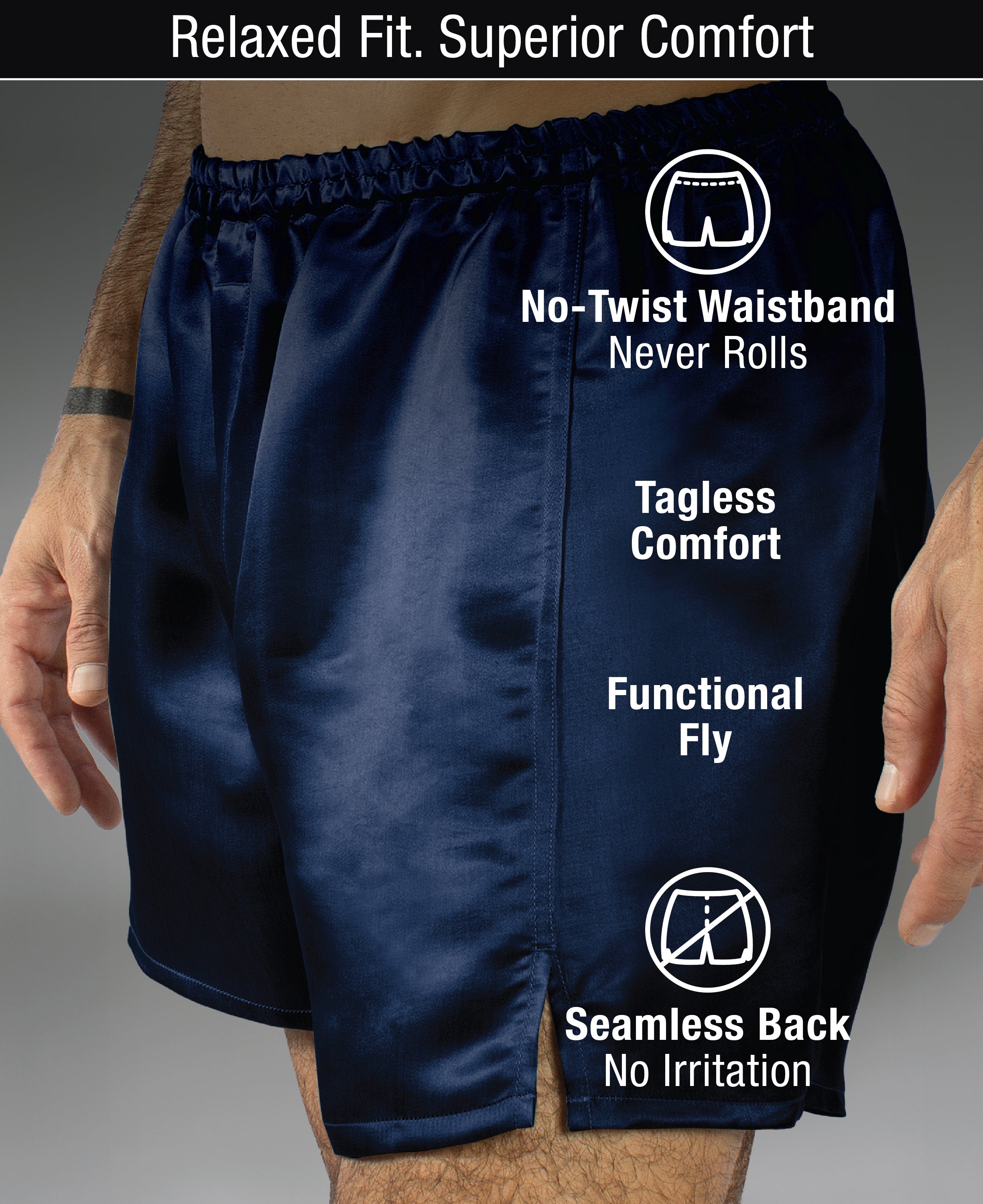
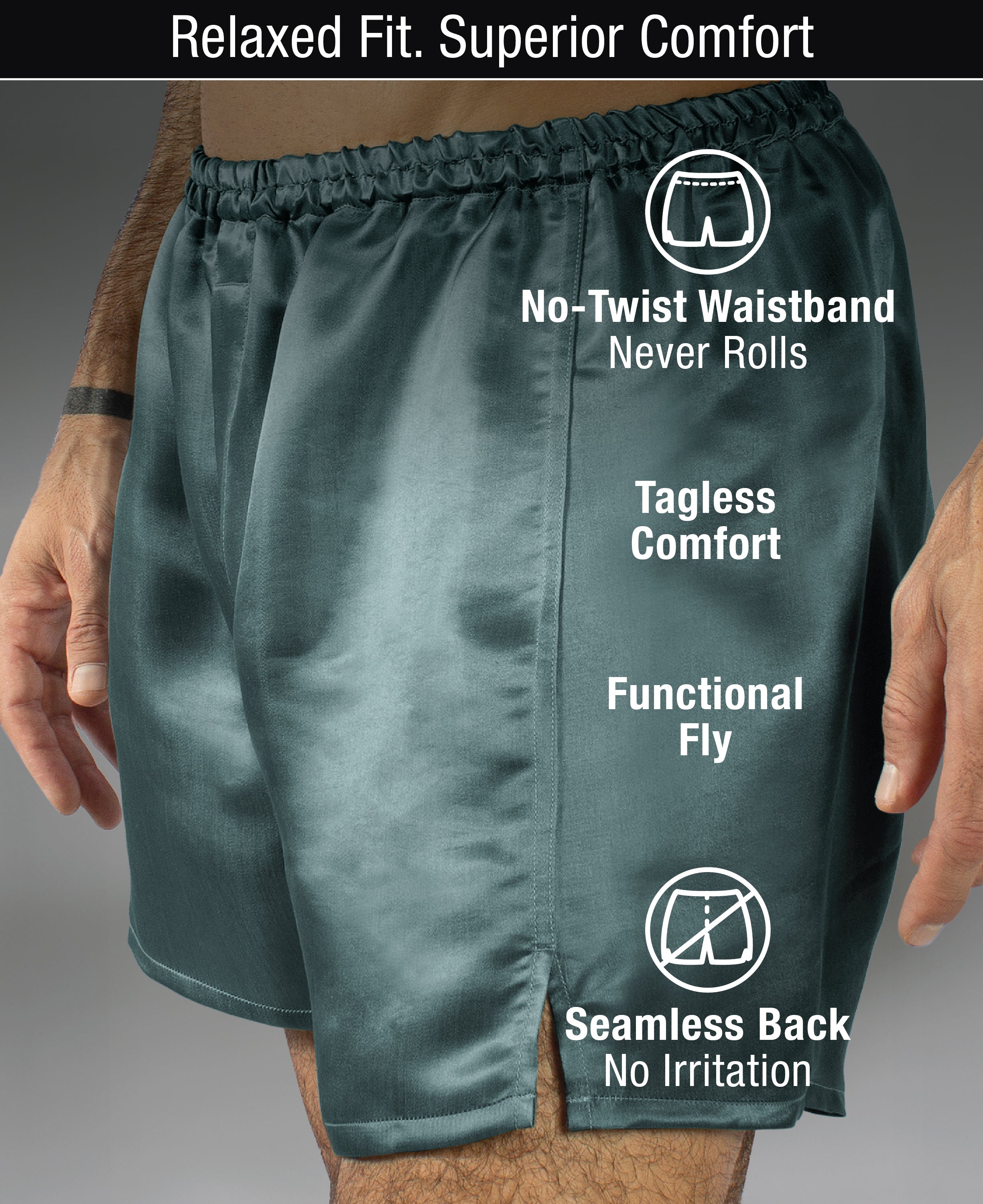
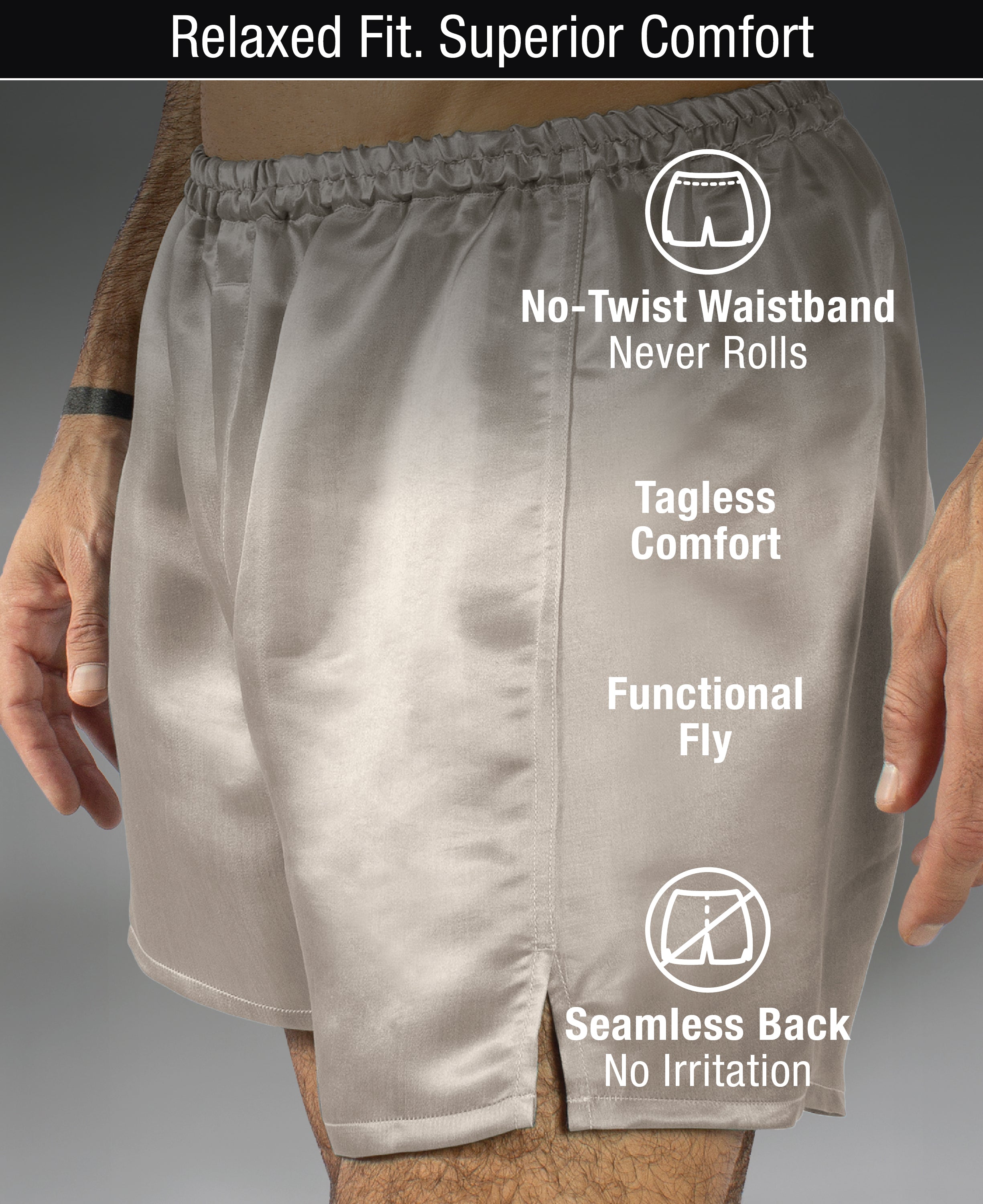
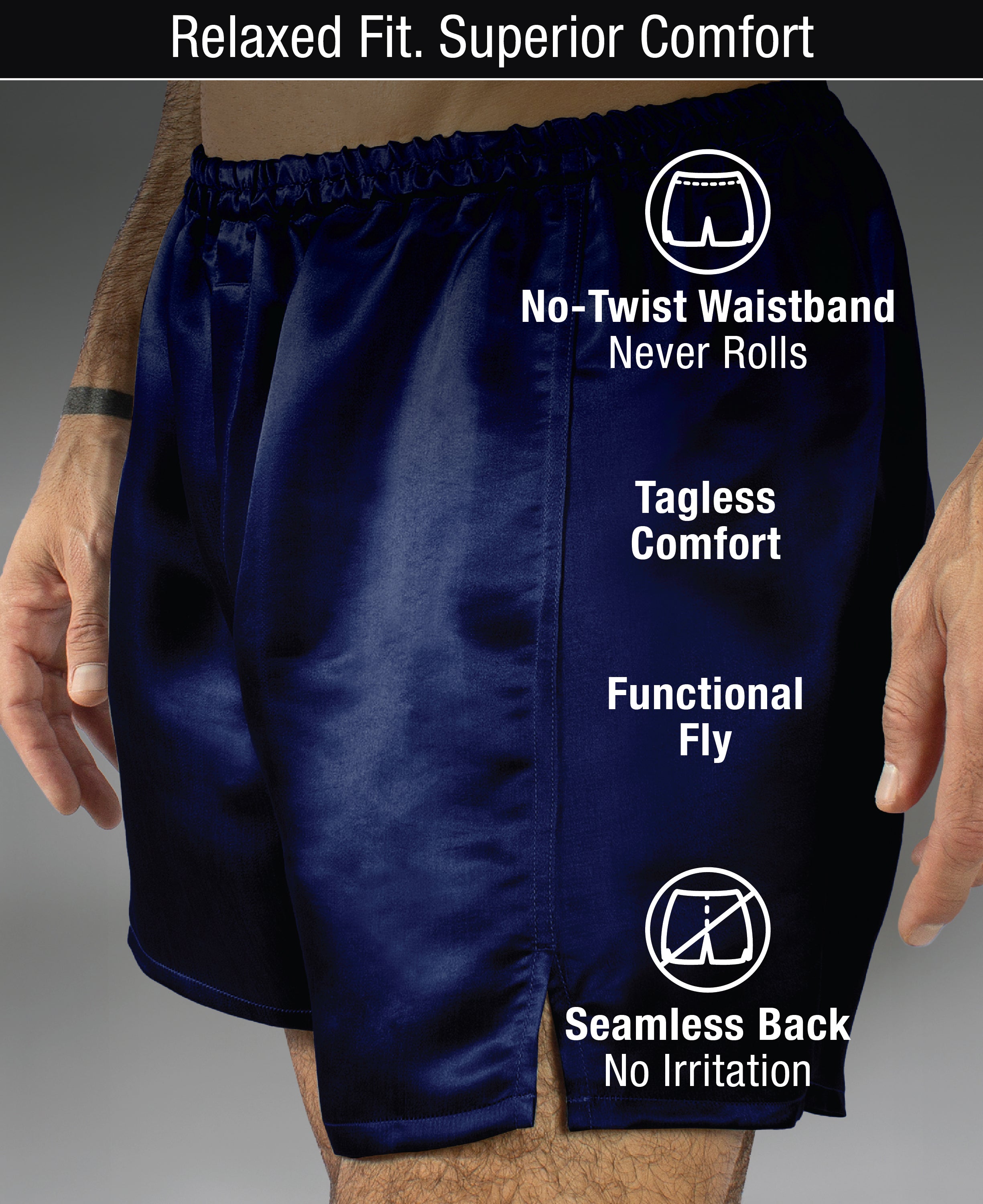
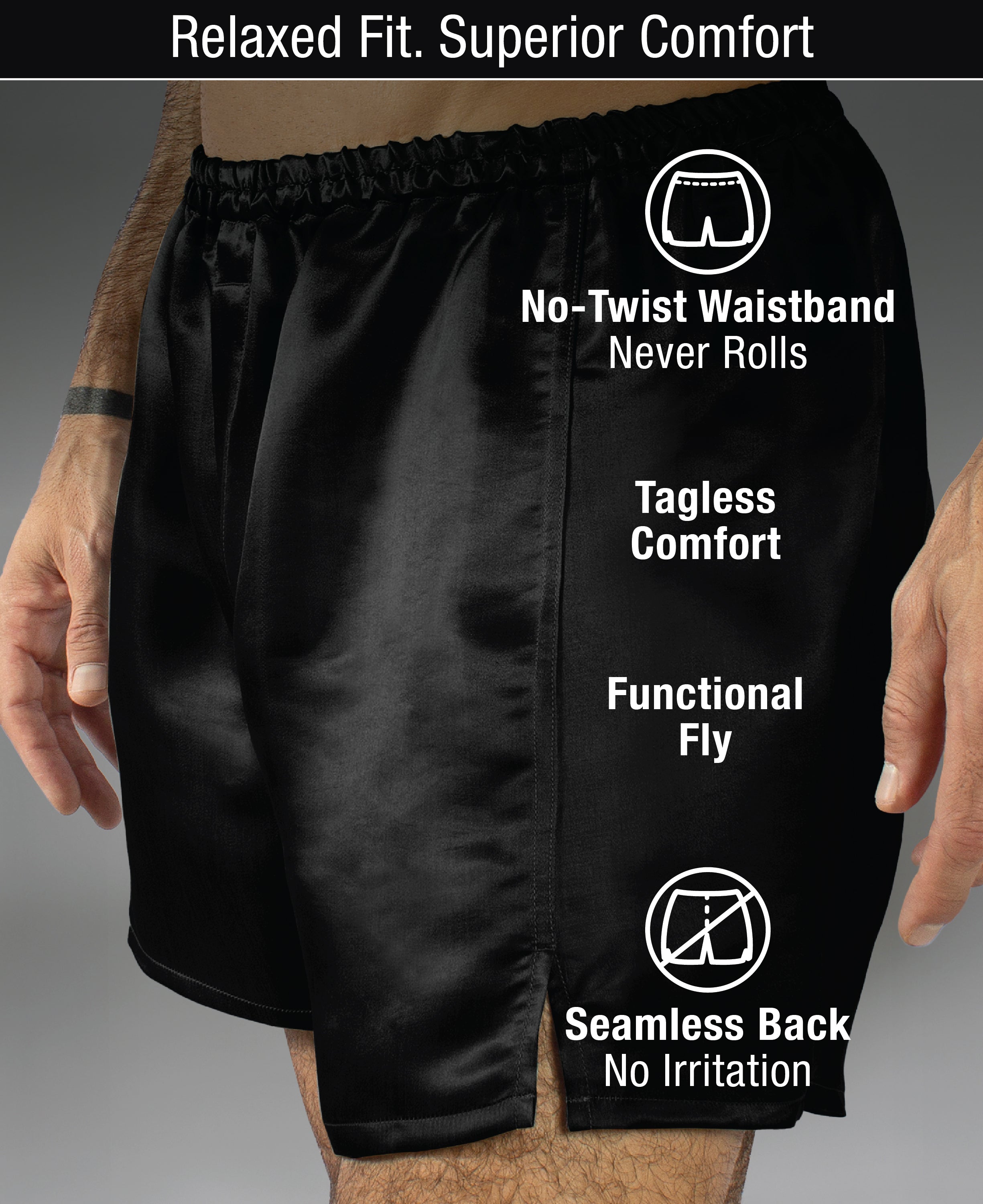
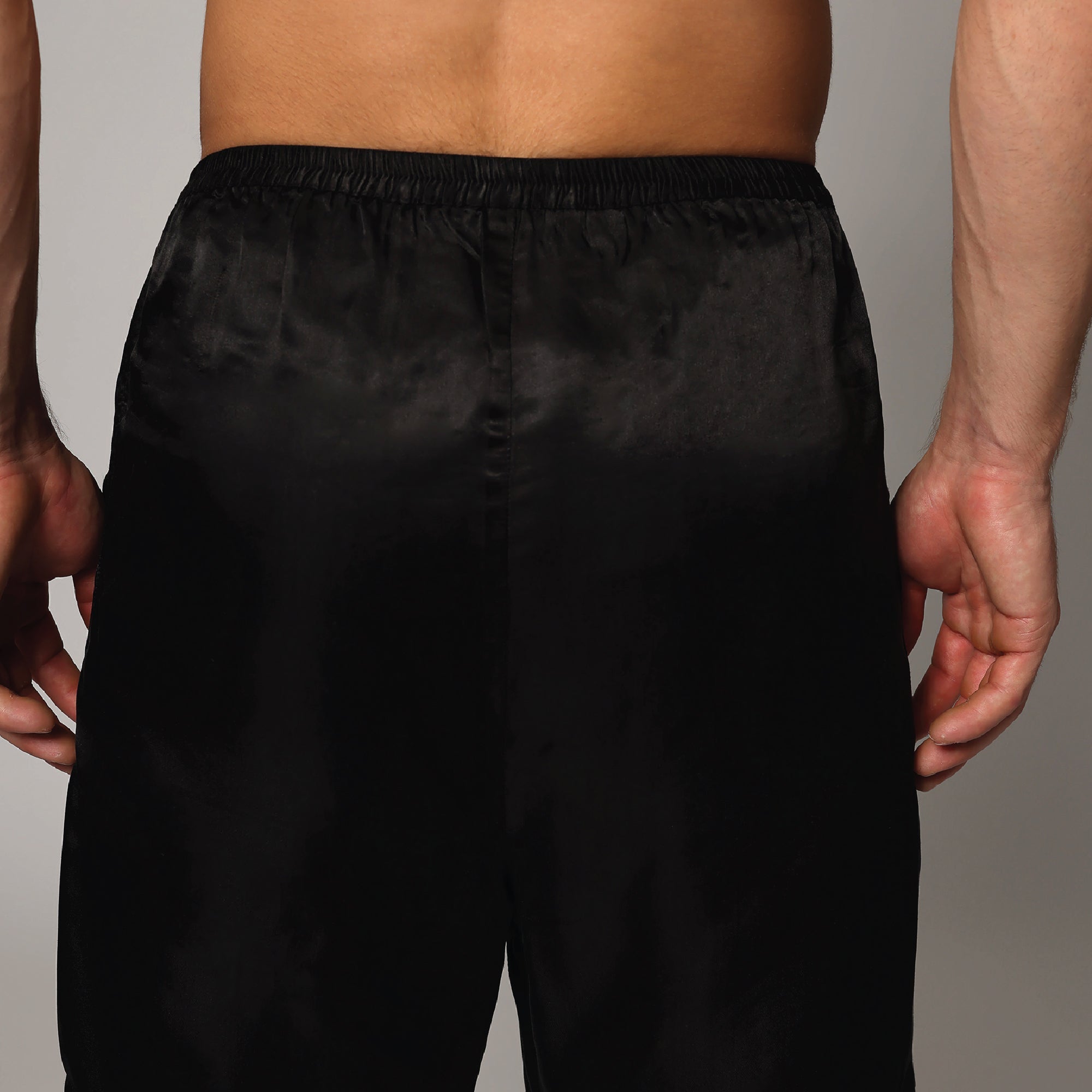
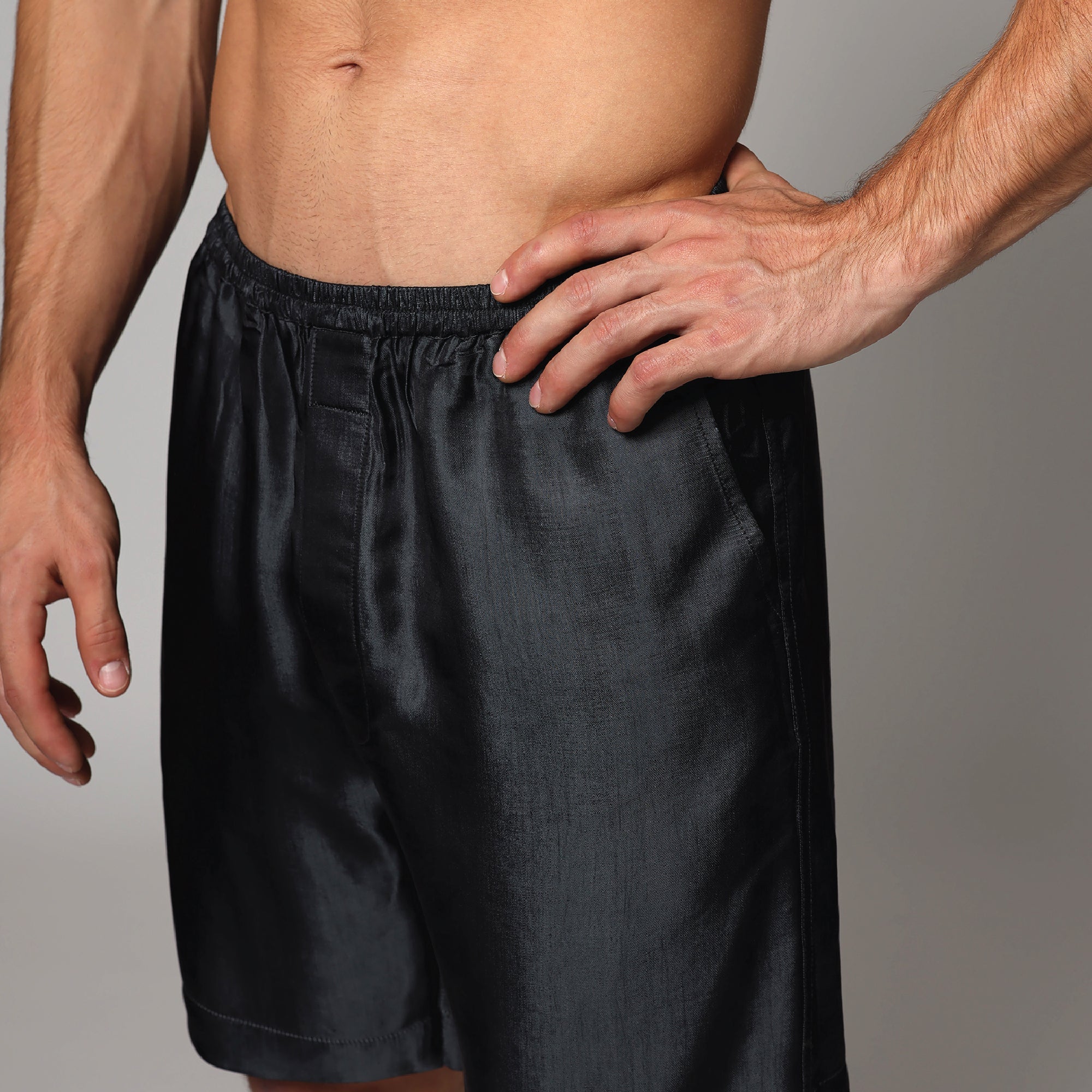
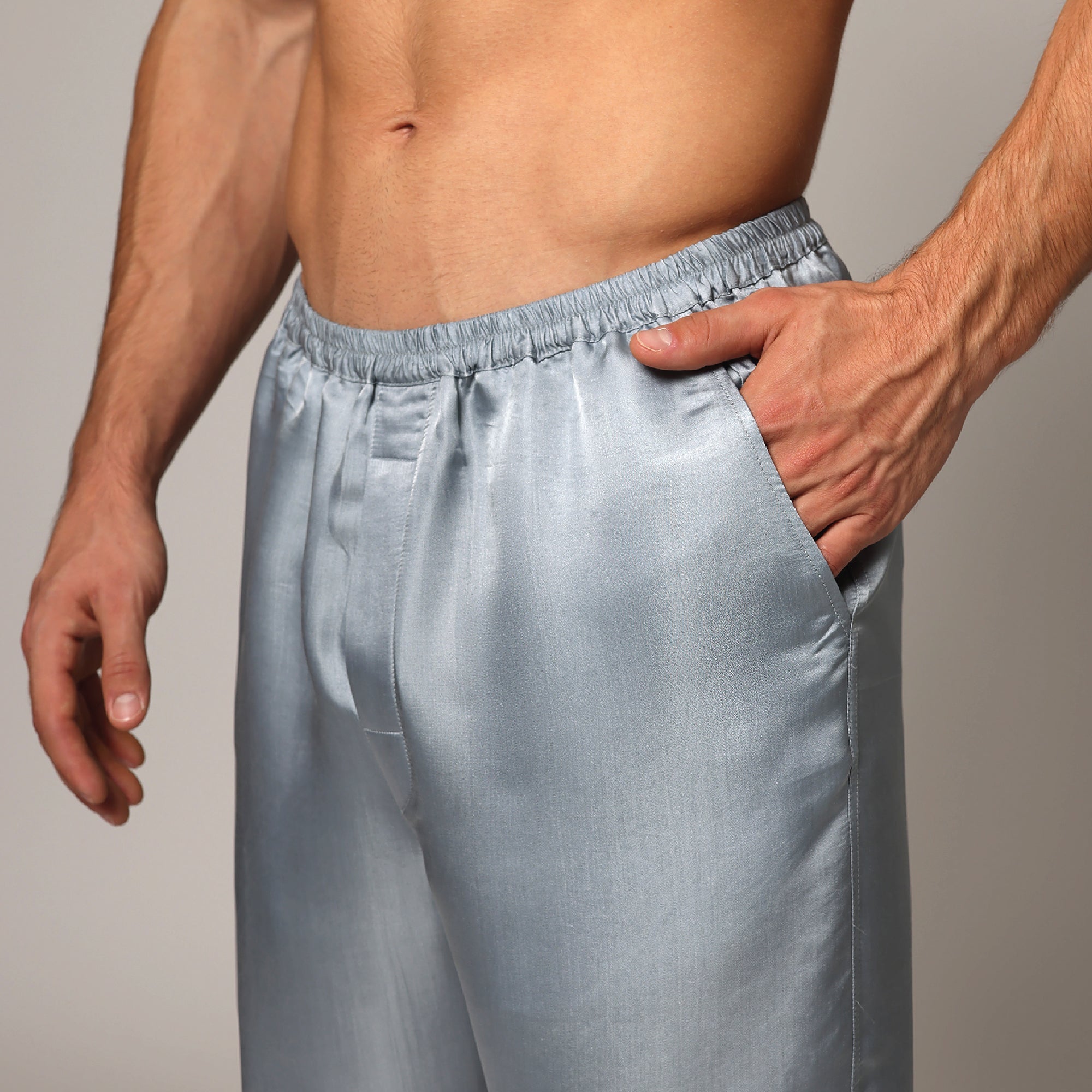
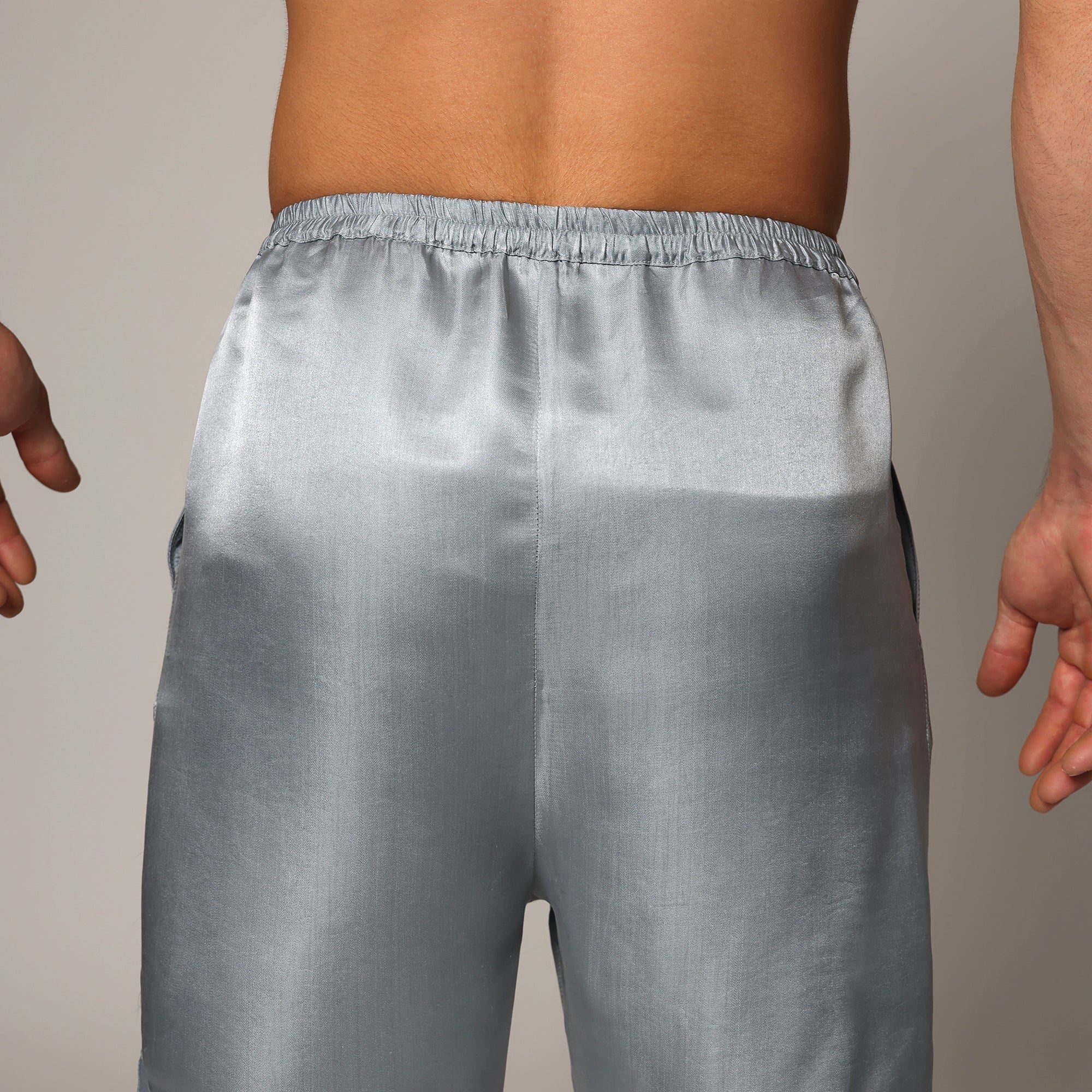
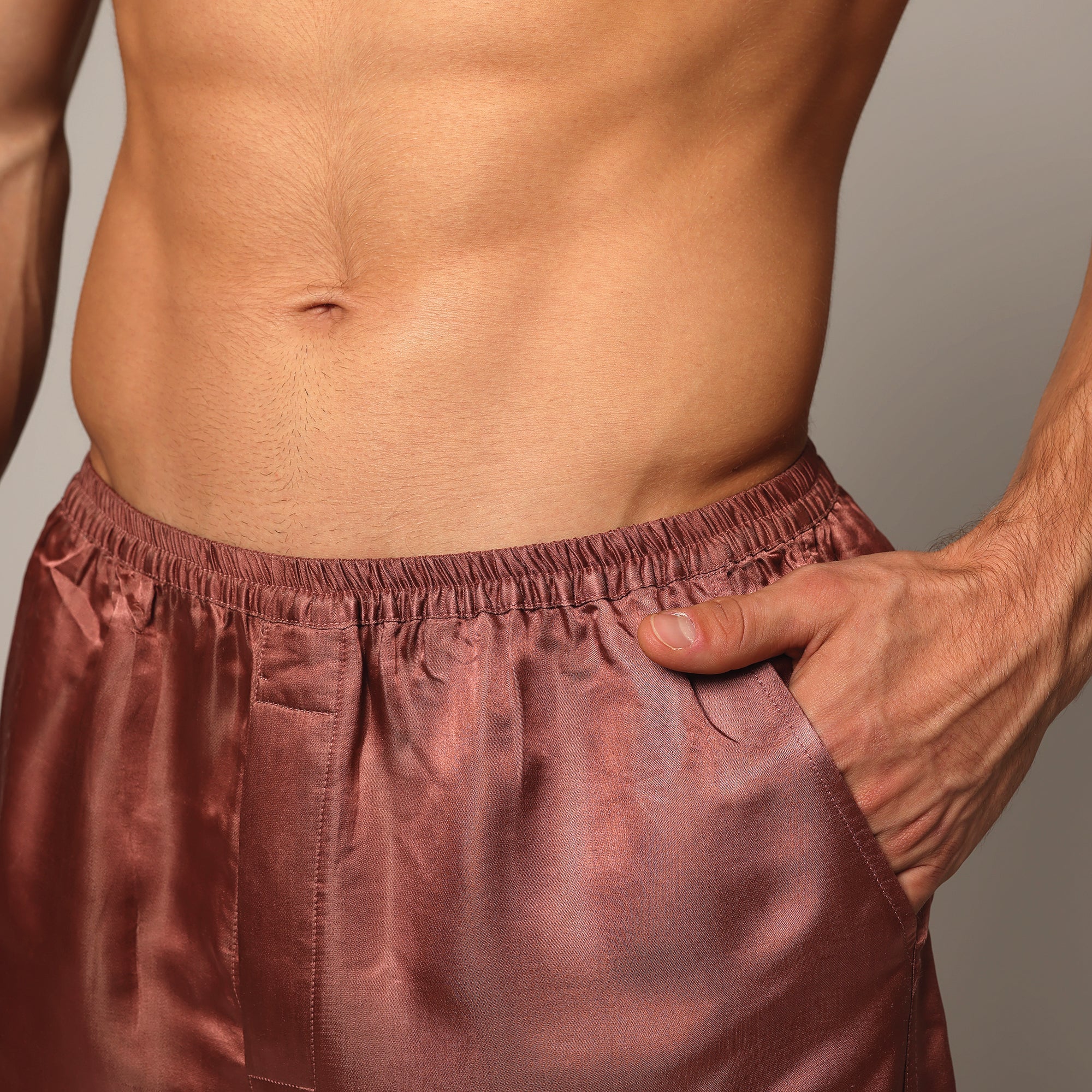
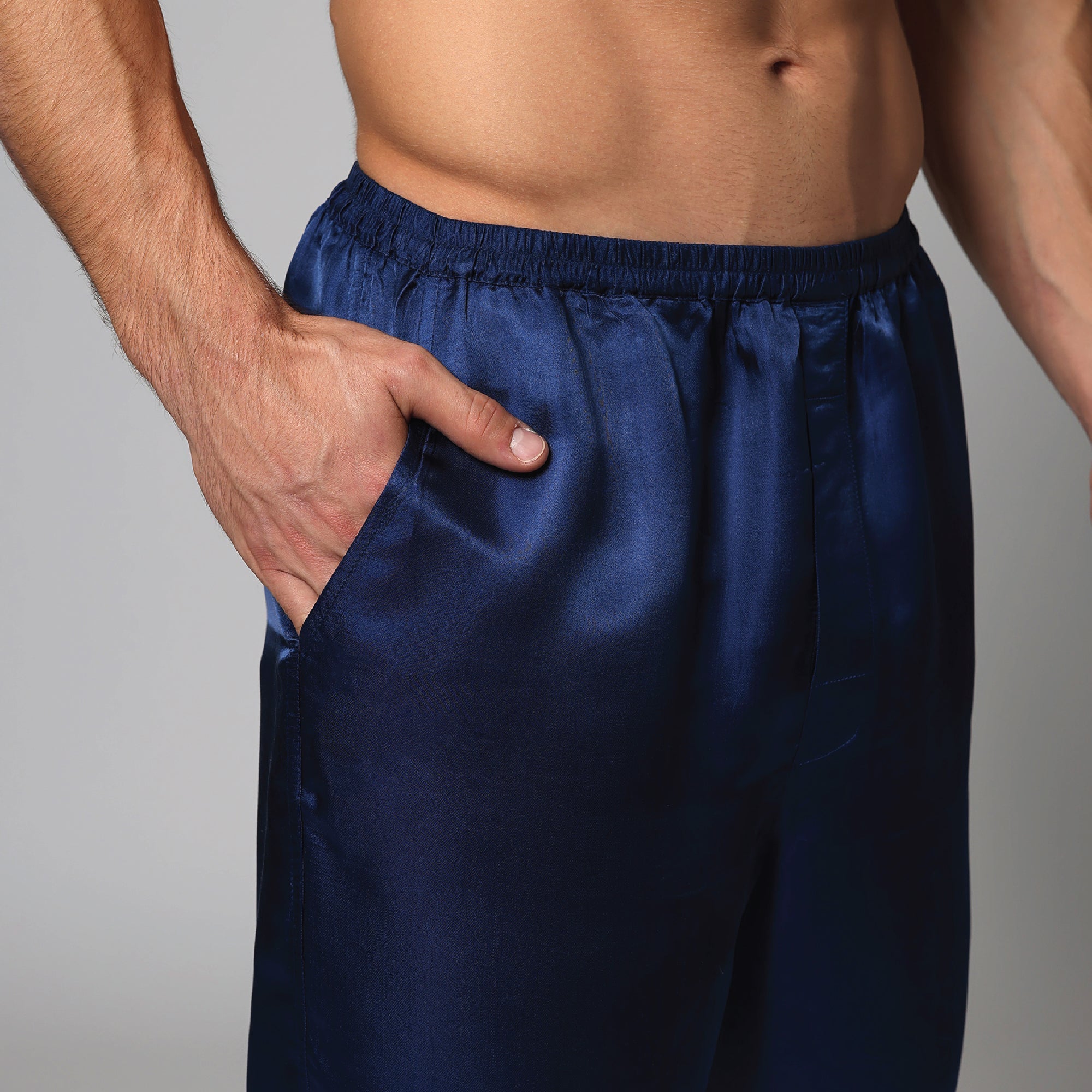
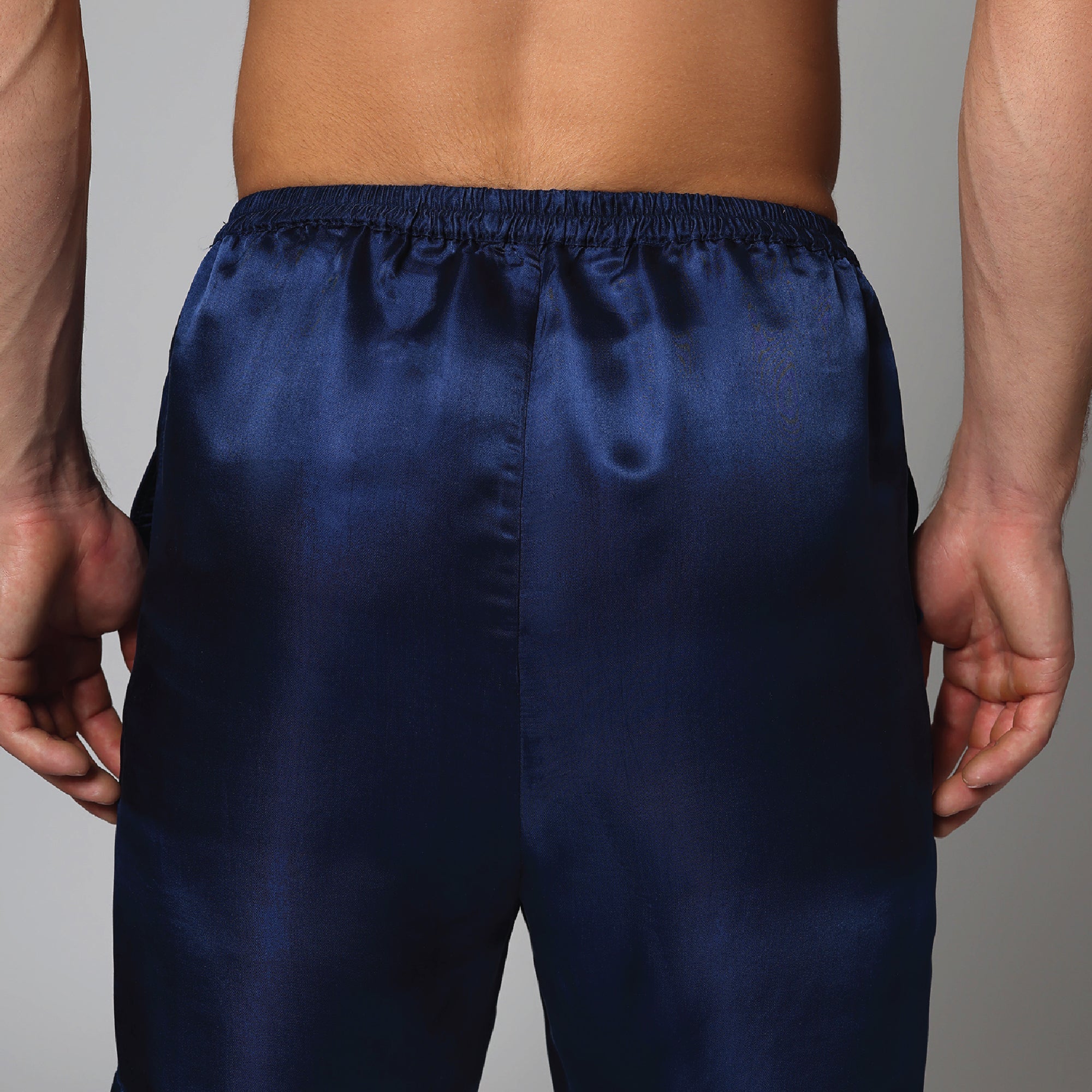
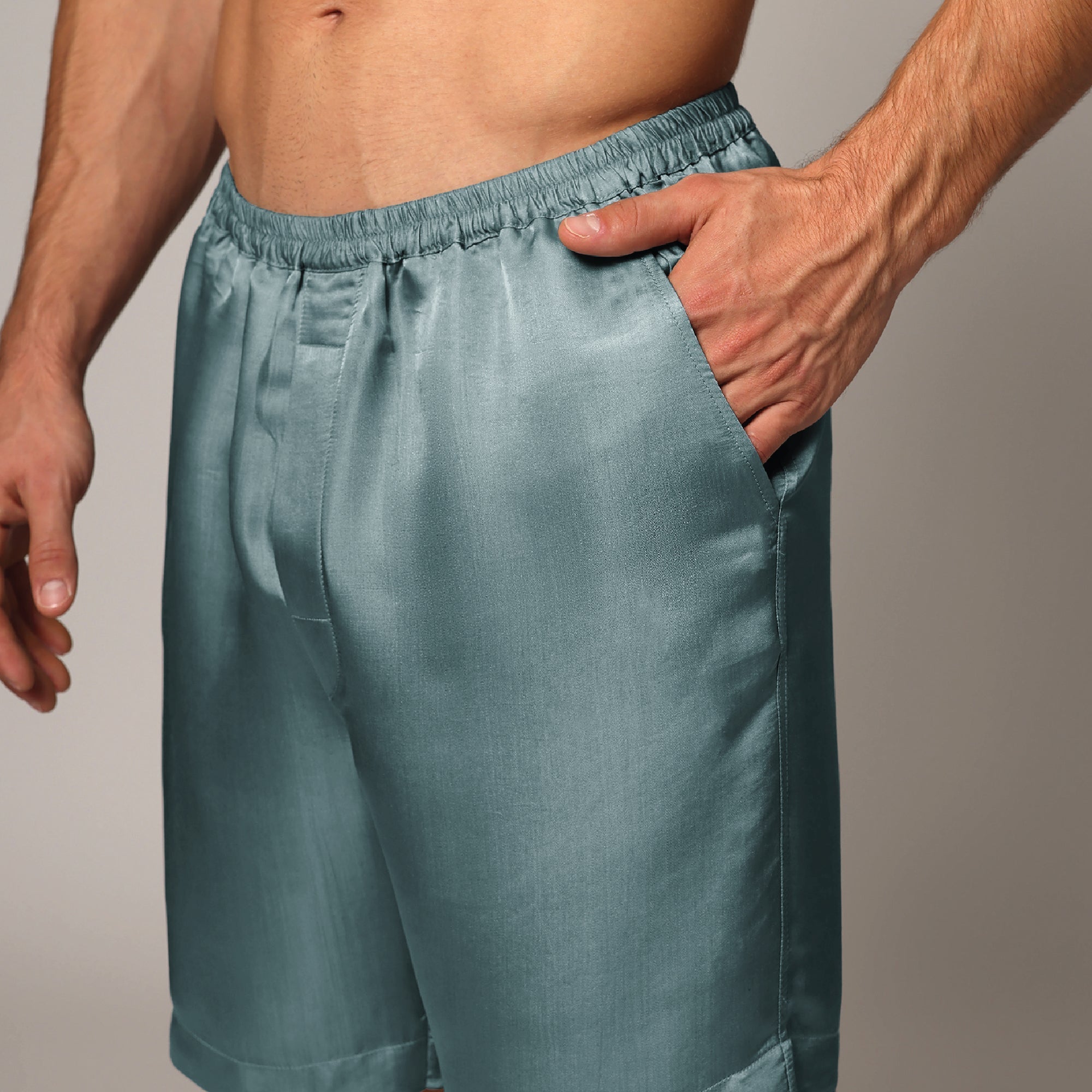
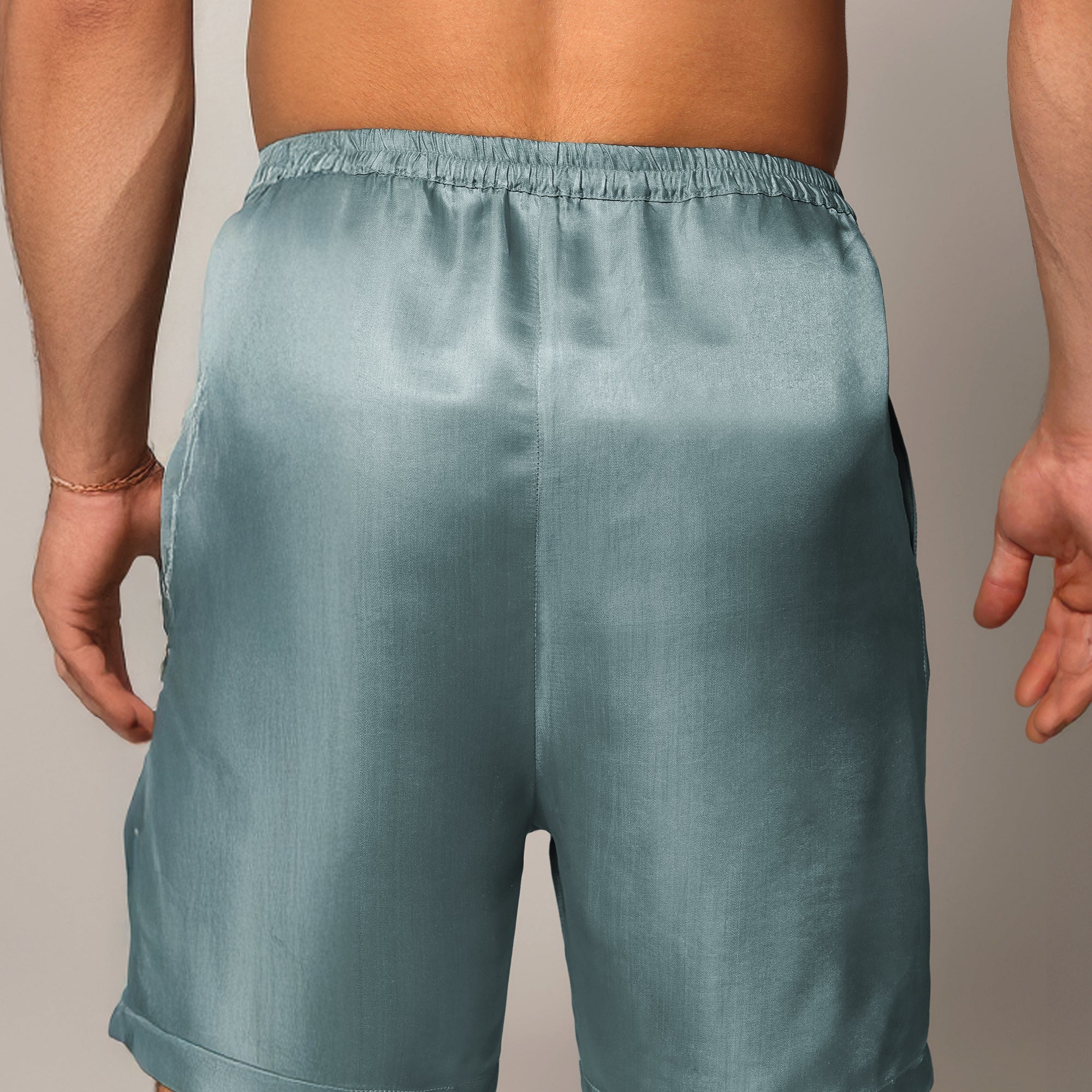
Tara Sartoria uses French seams throughout (hand-finished), not flat-lock seams. Why? Because French seams fold the raw edges of the fabric inward and stitch them closed, creating a smooth, finished edge that sits completely flat against your skin. There's nothing to catch, nothing to irritate. Standard flat seams leave a ridge that can create the kind of friction problems we talked about earlier.
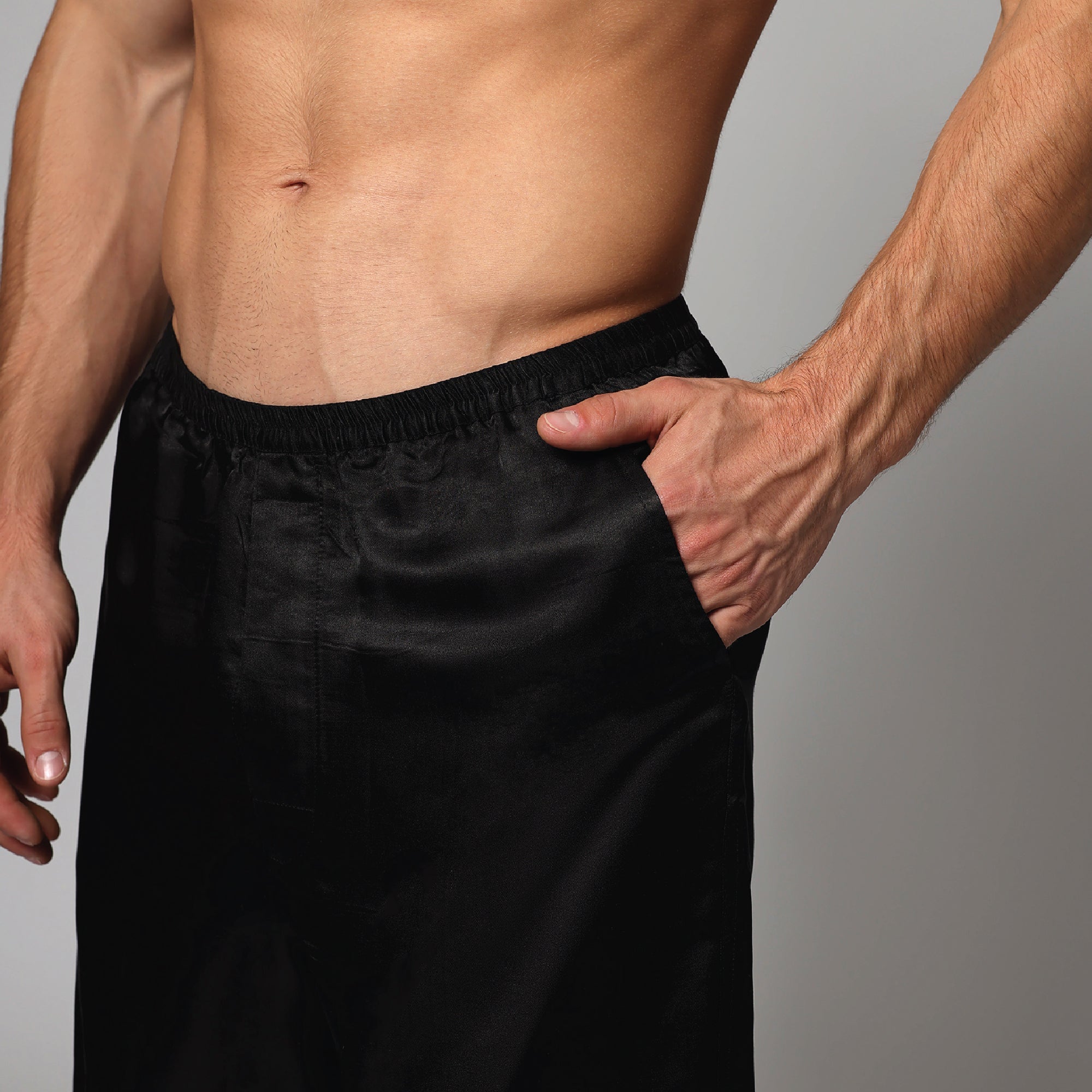
The elastic is also relevant. Poor elastic either digs in or fails to hold. Good elastic (which Tara Sartoria uses throughout the waistband) holds securely without compressing your abdomen or creating a pressure ridge that you're aware of.
These aren't luxury details. They're the difference between underwear that works with your body and underwear that works against it.
Construction Details That Change Comfort
| Metric | Silk (27 momme) | Cotton |
|---|---|---|
| Skin Friction | Low — smooth against skin | Higher — more abrasive |
| Moisture Absorption | ~10% of weight, readily releases | 25x its weight, holds moisture |
| Moisture Evaporation | Very fast — wicks away from skin | Slow — traps moisture |
| Durability | 100+ washes at 30°C | 100+ washes at 40°C |
| Breathability | Good (tighter weave) | Very good (open weave) |
| Dryness Perception | Excellent | Damp feeling typical |
| Heat Retention | Lower — cools with body | Higher — traps warmth |
| Skin Irritation Risk | Very low | Higher with prolonged moisture |
| Cost | Higher upfront | Lower upfront |
| Longevity | ~3 years with proper care | 2–3 years typical |
| Bacterial Growth | Unfavorable (dry environment) | Favorable (damp environment) |


Why Dermatologists Notice the Difference
Dermatologists recommend silk or silk-like fabrics for patients with eczema, sensitive skin, or conditions exacerbated by friction. Cotton is fine for most people most of the time, but it's not the ideal fabric from a skin health perspective. It's just the conventional choice.
The mechanism is simple: reduced friction plus better moisture management equals fewer opportunities for irritation, inflammation, or secondary bacterial infection.
This doesn't mean cotton will destroy your skin. Millions of people wear cotton boxers and have no issues. But they're tolerating a suboptimal situation. They've never compared it to the alternative, so they don't know what "actually comfortable" feels like.
It's the difference between comfort you've accepted and comfort you've experienced.
 Shop Men's Silk Boxers
The Longevity Argument
Cotton wears out faster. The friction and repeated washing at higher temperatures (cotton tolerates 40 degrees and up; silk needs 30 degrees) breaks down the fibers quicker. Typical cotton boxers last 2-3 years with regular use.
27 momme mulberry silk lasts approximately 5 years with the same care. You pay more upfront for silk. But you replace it less often. Over a 10-year period, the cost per year of wear is actually comparable or lower than cycling through multiple pairs of cotton.
And that's before you factor in the comfort and skin health component, which has a real cost (fewer irritation issues, less dermatologist visits, more pleasant daily experience). If silk boxers changed how you think about underwear, the same logic applies to silk pajamas and robes.
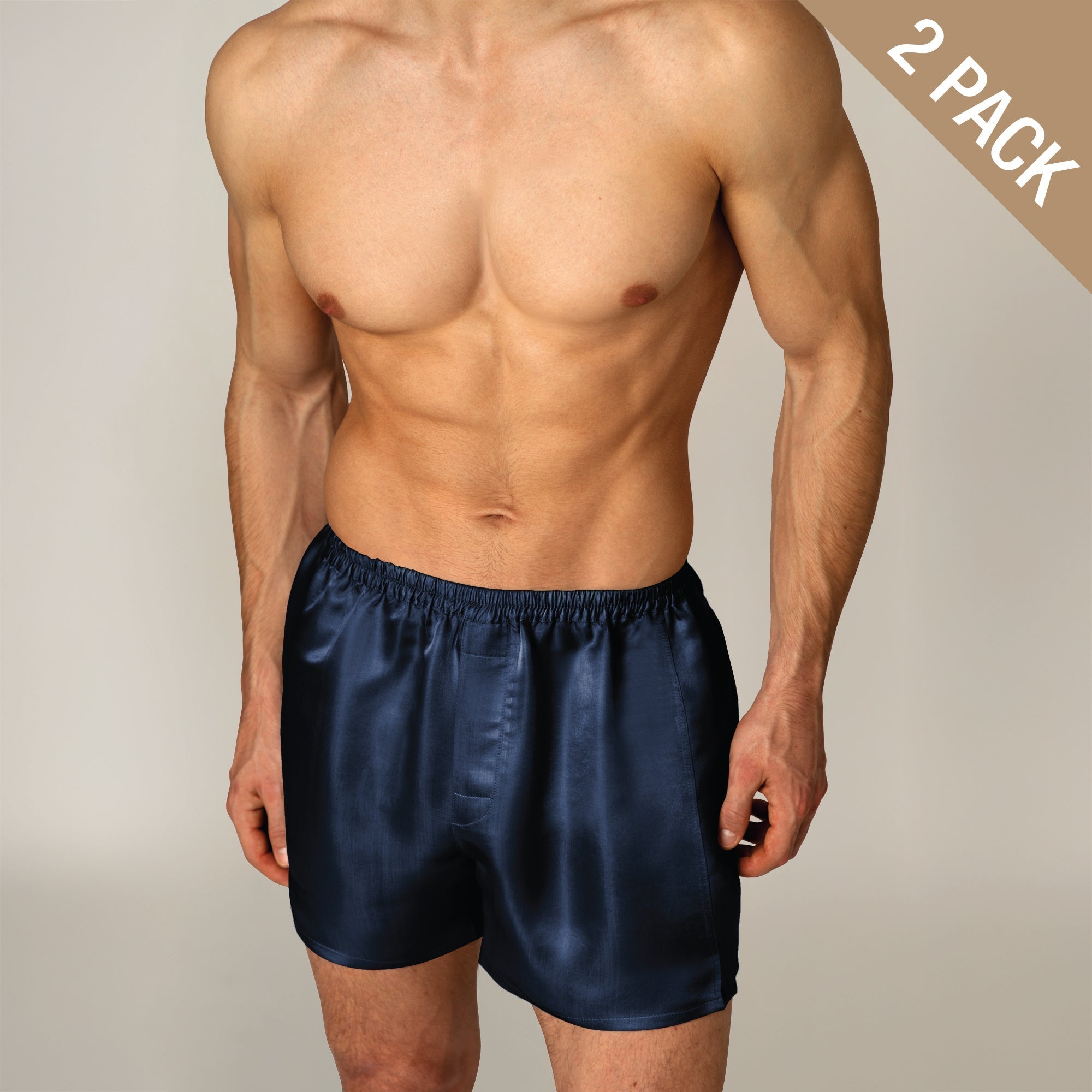
 Shop Men's Silk Boxers 2 Pack
The Practical Truth About Your Skin
Your skin doesn't care about your story about what underwear is "supposed" to be. It responds to mechanical stress and moisture environment. Silk removes both of those stressors in ways that cotton doesn't.
This is especially true for men aged 35-54 (which is 66% of Tara Sartoria's customers), not because of some demographic preference for luxury, but because at that life stage, most men have figured out that comfort is worth paying for. They've spent enough years in suboptimal fabric to recognize the difference.
The choice isn't between cotton and silk as status symbols. It's between accepting friction and moisture problems that you've grown accustomed to, or experiencing what happens when they're simply removed. [INTERNAL LINK: silk-kimono-robes] shows how this same logic extends to sleepwear and robes.
Frequently Asked Questions
Are silk boxers hot in summer?
No, actually the opposite. Silk regulates temperature by managing moisture, not by trapping heat. When you sweat in silk, the moisture evaporates efficiently rather than sitting against your skin making you feel sticky. Most people find silk more comfortable in heat because it keeps you dry.
How do I wash silk boxers?
Machine wash at 30 degrees in a gentle cycle, with cold water if possible. Use regular laundry detergent (not wool-specific). Lay flat to dry. This takes minimal setup time and keeps the silk lasting approximately 5 years instead of degrading in 2-3 years.
Won't silk be slippery and bunch up?
27 momme silk has enough weight to drape properly. Lighter silks (the 19-22 momme most competitors use) can be prone to bunching. The density matters more than the fiber itself. Tara Sartoria's 27 momme weight means the fabric stays in place through gravity and body heat.
What if I'm sensitive to all fabrics?
Silk is actually the recommended fabric for sensitive skin and conditions like eczema, precisely because it creates less friction against skin and has excellent moisture-wicking properties. If you have eczema or severe sensitivity, silk is worth trying first before assuming all fabrics will irritate you.
Are silk boxers worth the price difference?
It depends on what you value. If comfort and skin health matter to you, yes. They last longer (approximately 5 years vs 2-3), keep you drier, and don't create friction-based irritation. If you're indifferent to how your underwear feels, cotton is fine. But most people, once they experience the difference, don't go back.
How is 27 momme silk different from what everyone else uses?
Most silk products use 19-22 momme (lighter weight). Tara Sartoria uses 27 momme, which is 20-40% denser. This means more drape, more durability, less bunching, and better weight against your body. You're getting a substantially different product, not a marginal improvement.
See the silk boxers collection and experience the comfort difference.