


Is Silk Sustainable? An Evidence-Based Answer
By Tara Nguyen, Ph.D., Founder and Creative Director, Tara Sartoria
No, silk isn't perfectly sustainable. Yes, it's more sustainable than most alternatives for specific reasons. No, you shouldn't pretend the silkworm welfare issue doesn't exist.
This is the conversation that matters. Not whether silk is "sustainable" in an absolute sense, but where it wins and loses against the alternatives most people actually wear: polyester, cotton, viscose, and acrylic.
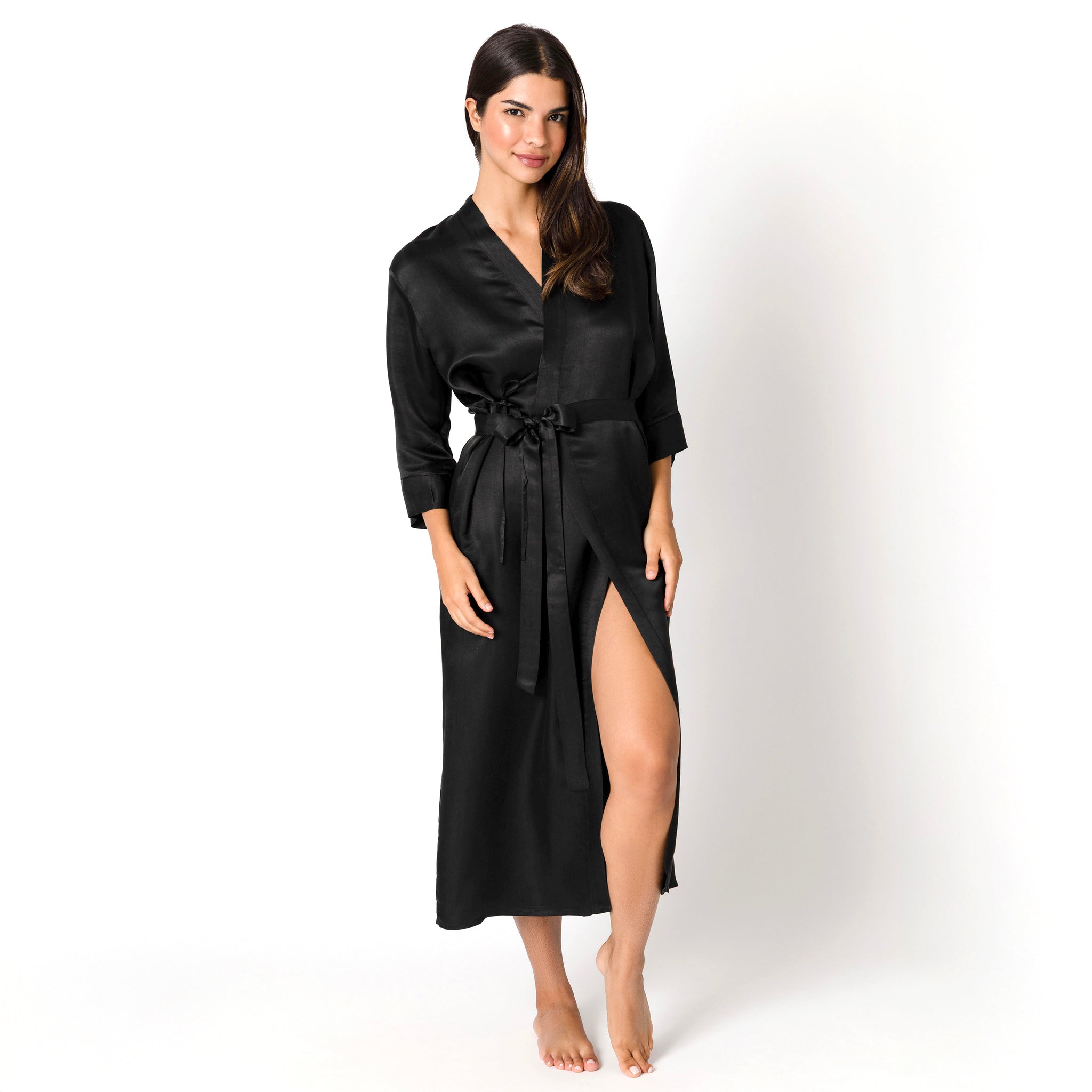





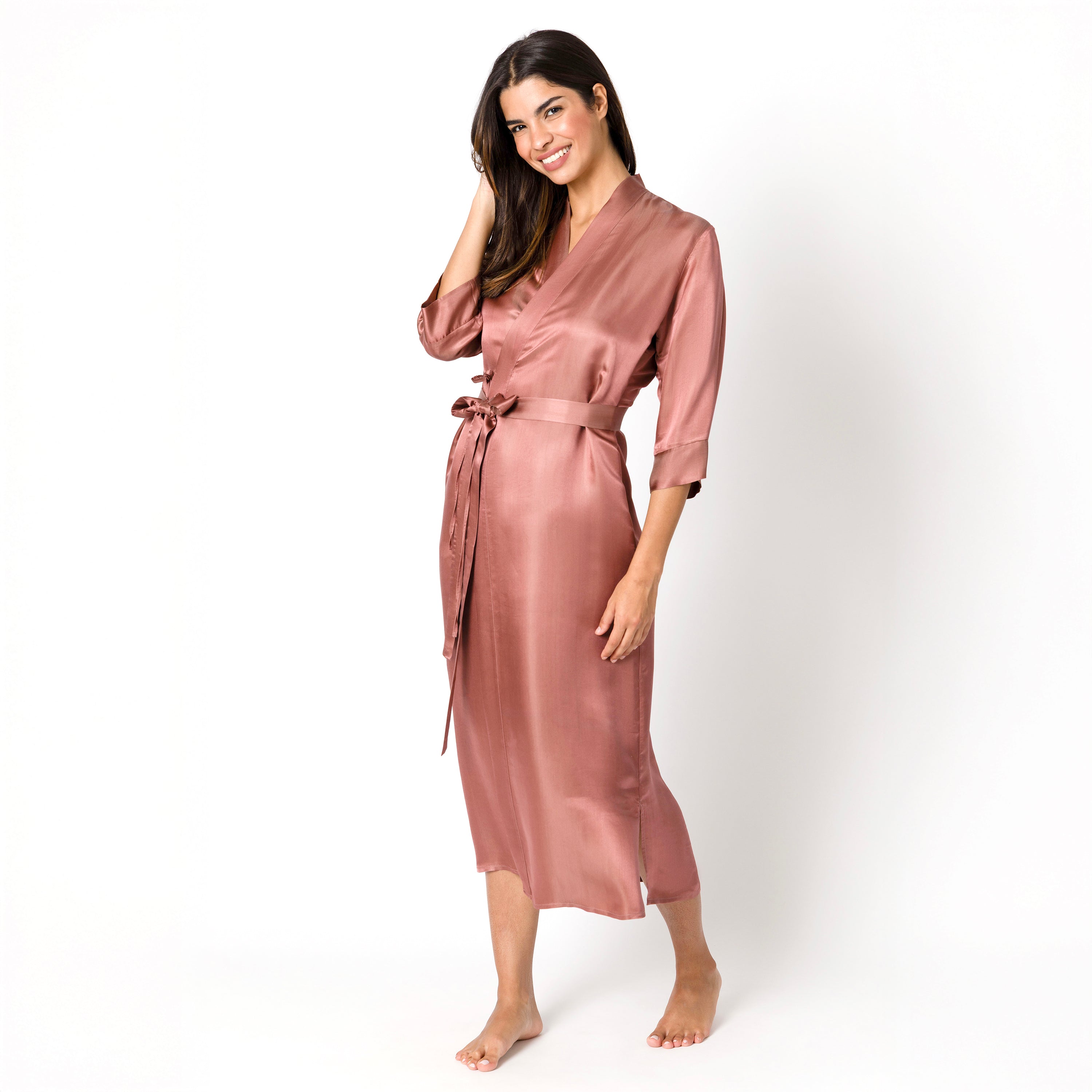









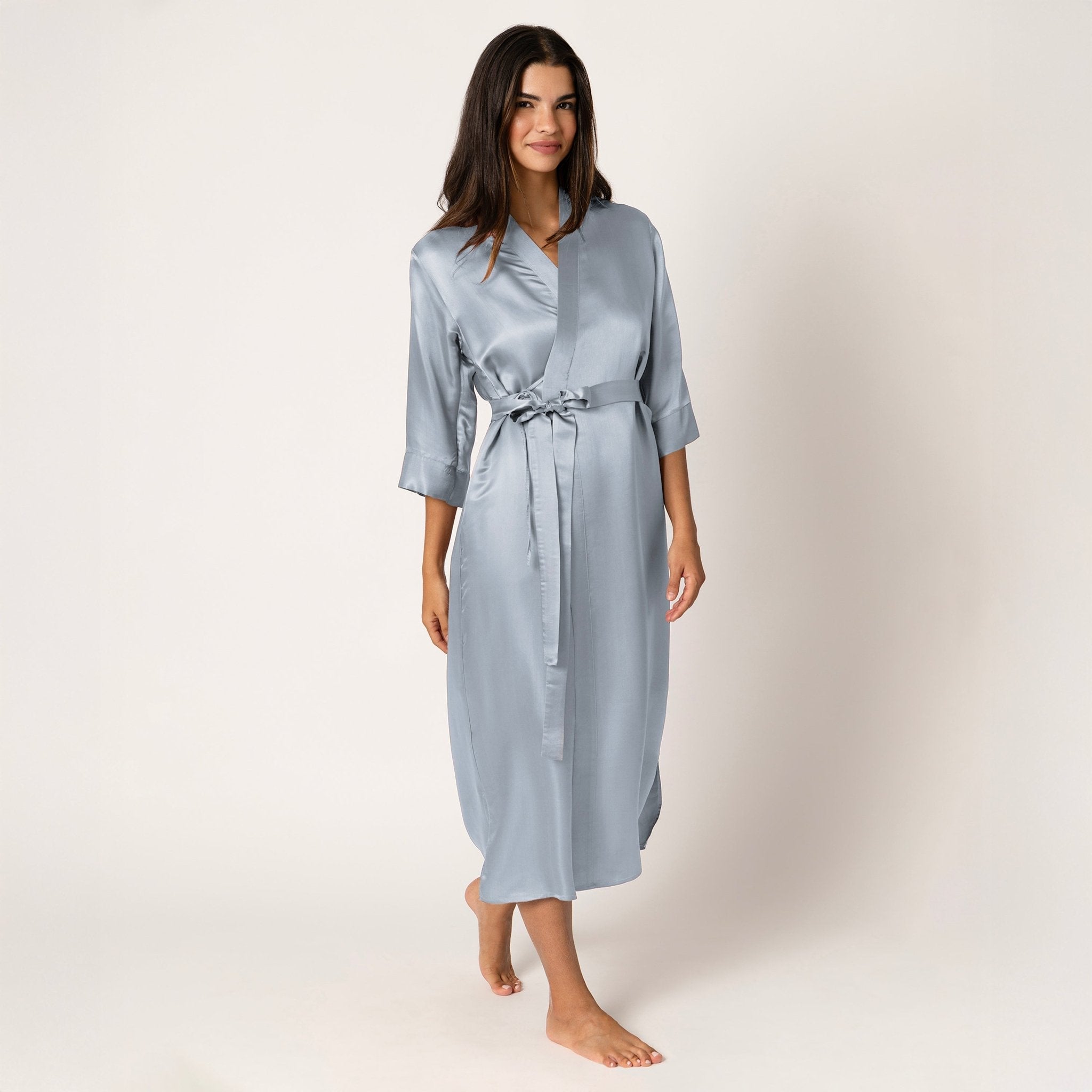





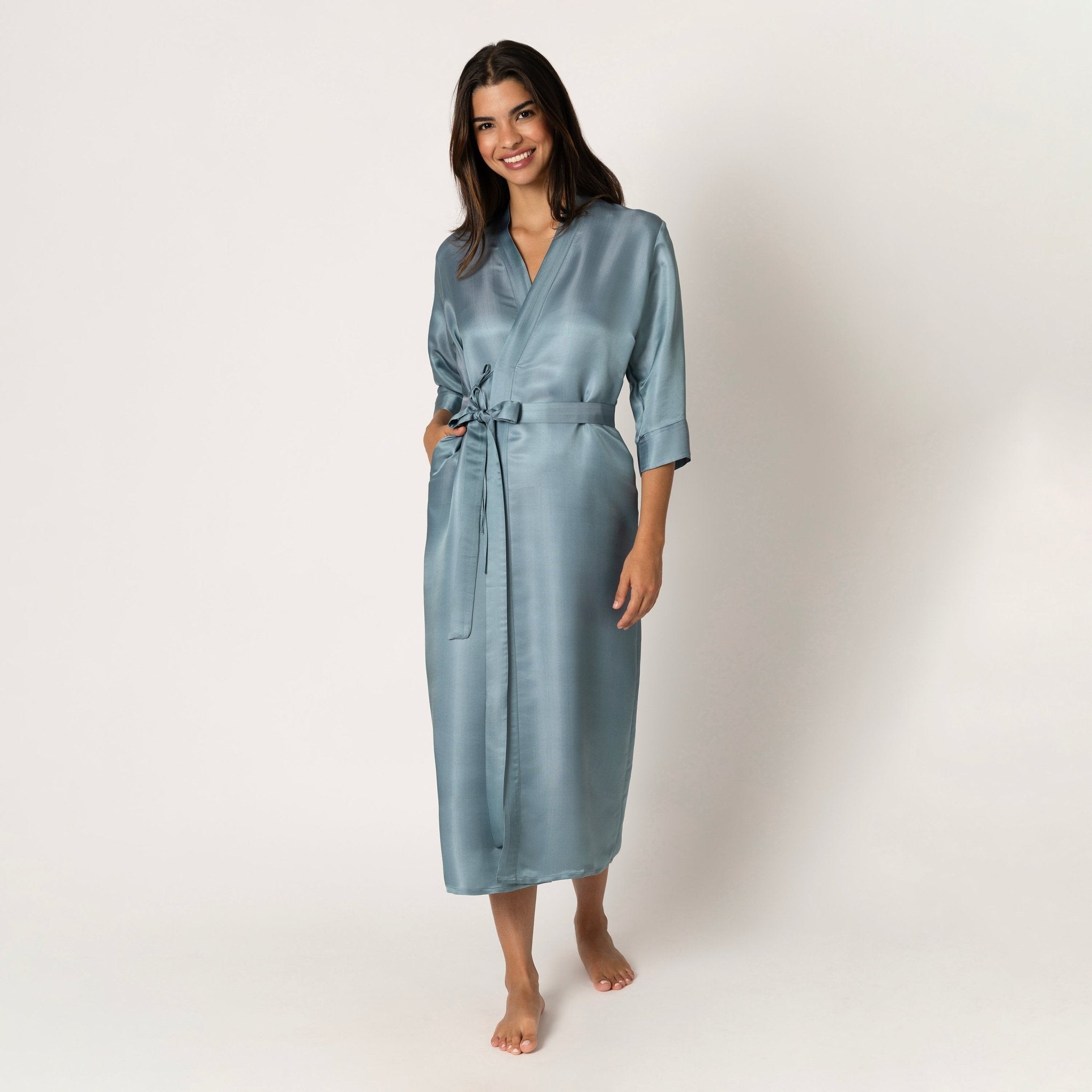











Mulberry leaves on a branch, the source plant for silkworm feed. The reality of silk production includes environmental complexity that deserves honest accounting.
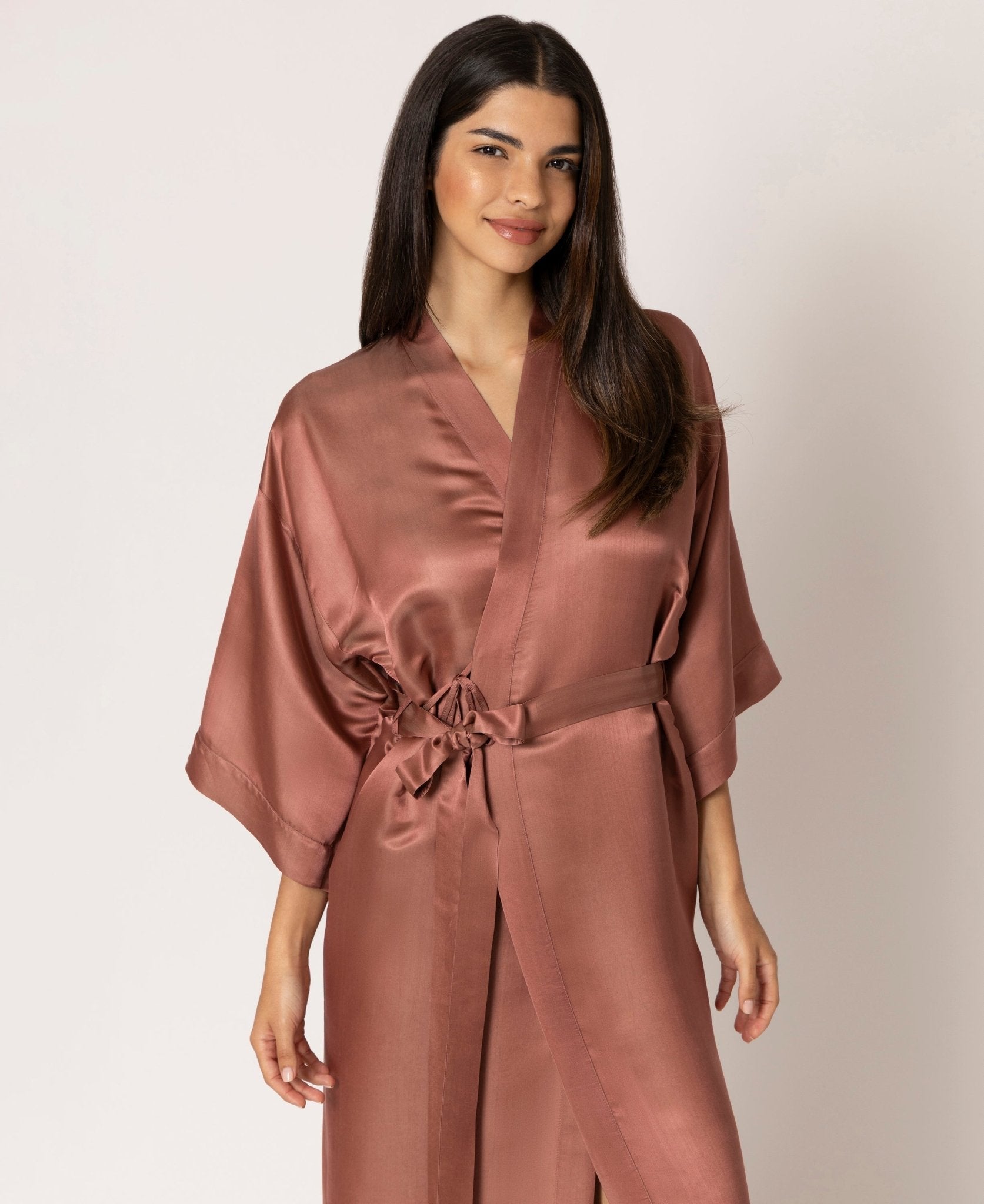
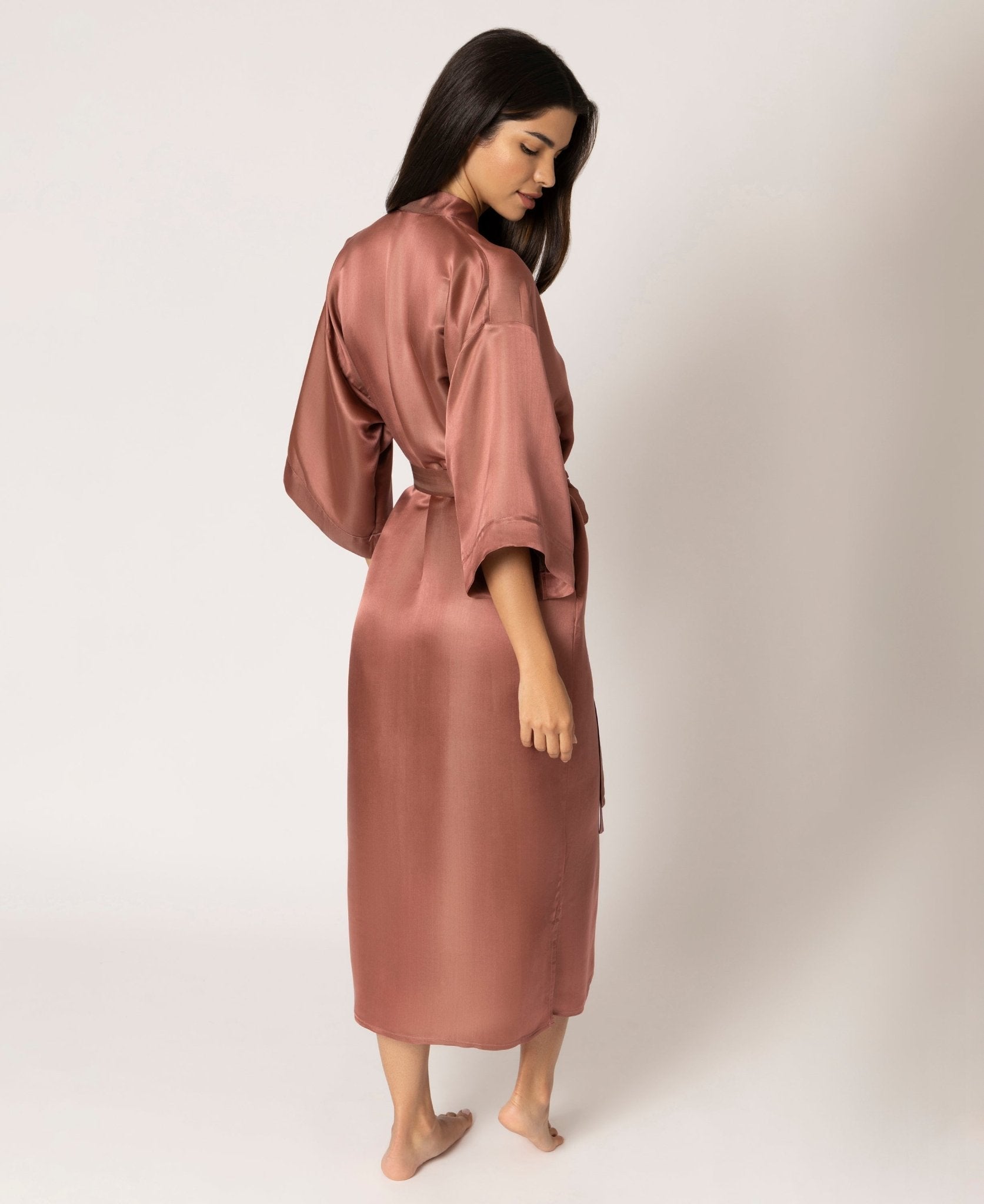
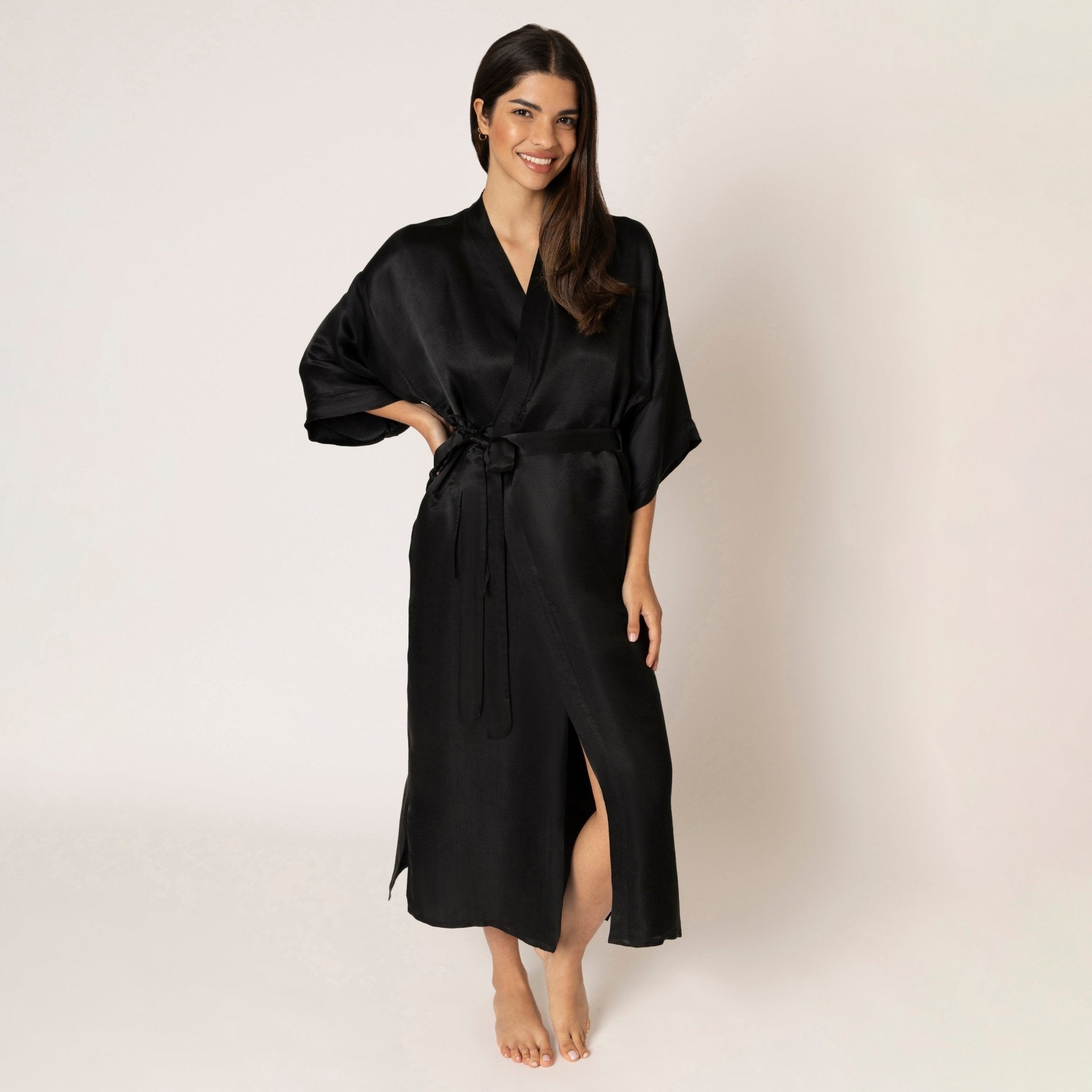
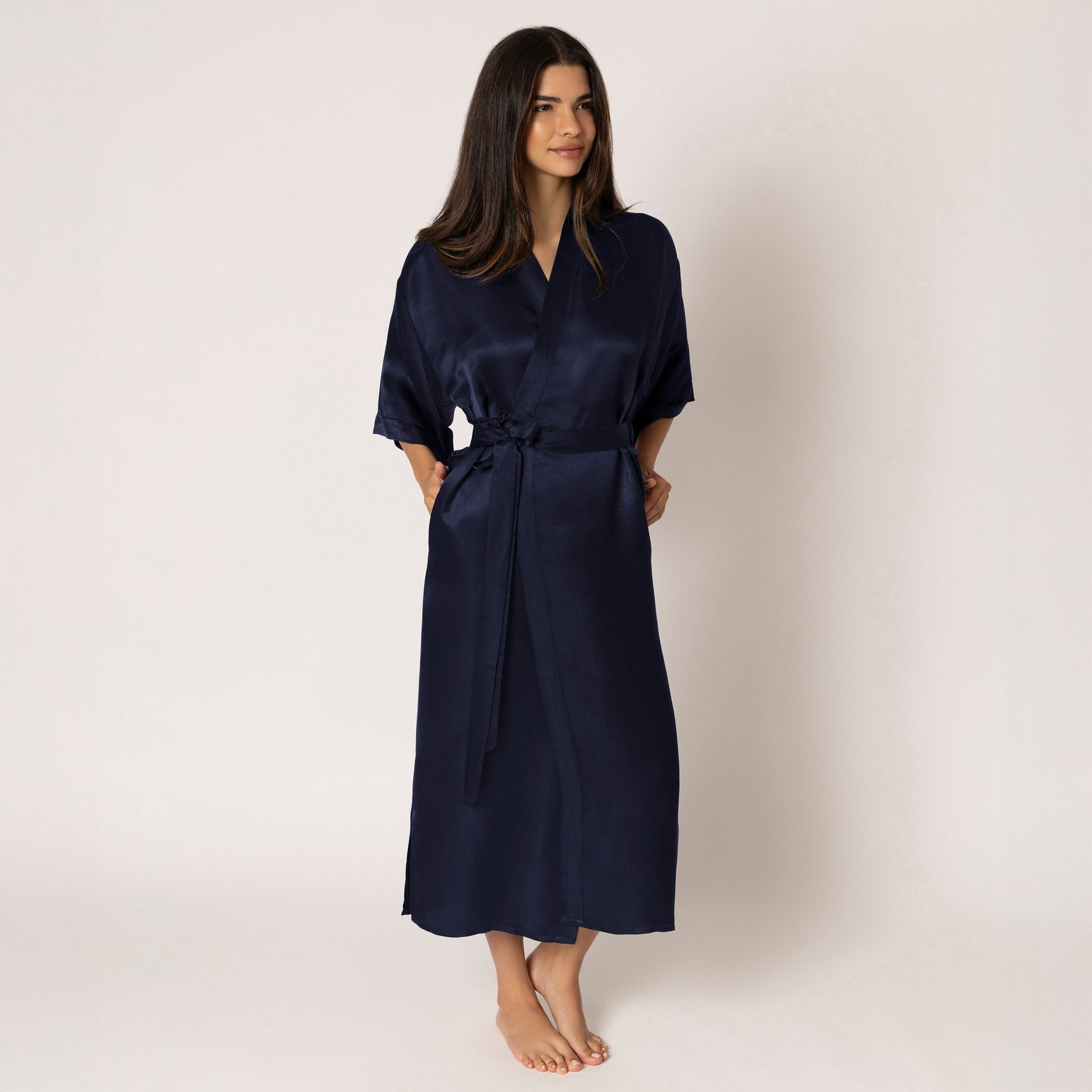
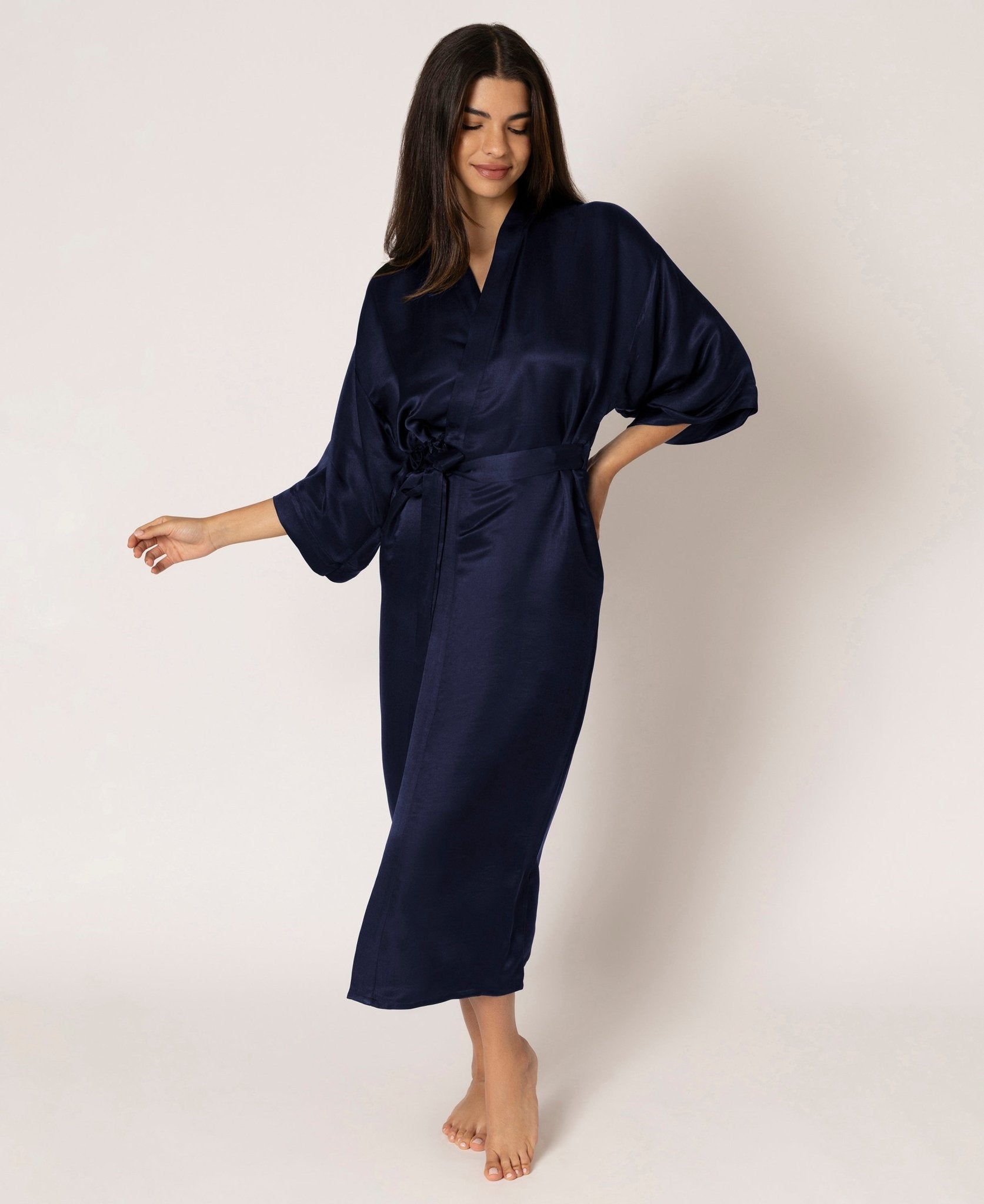
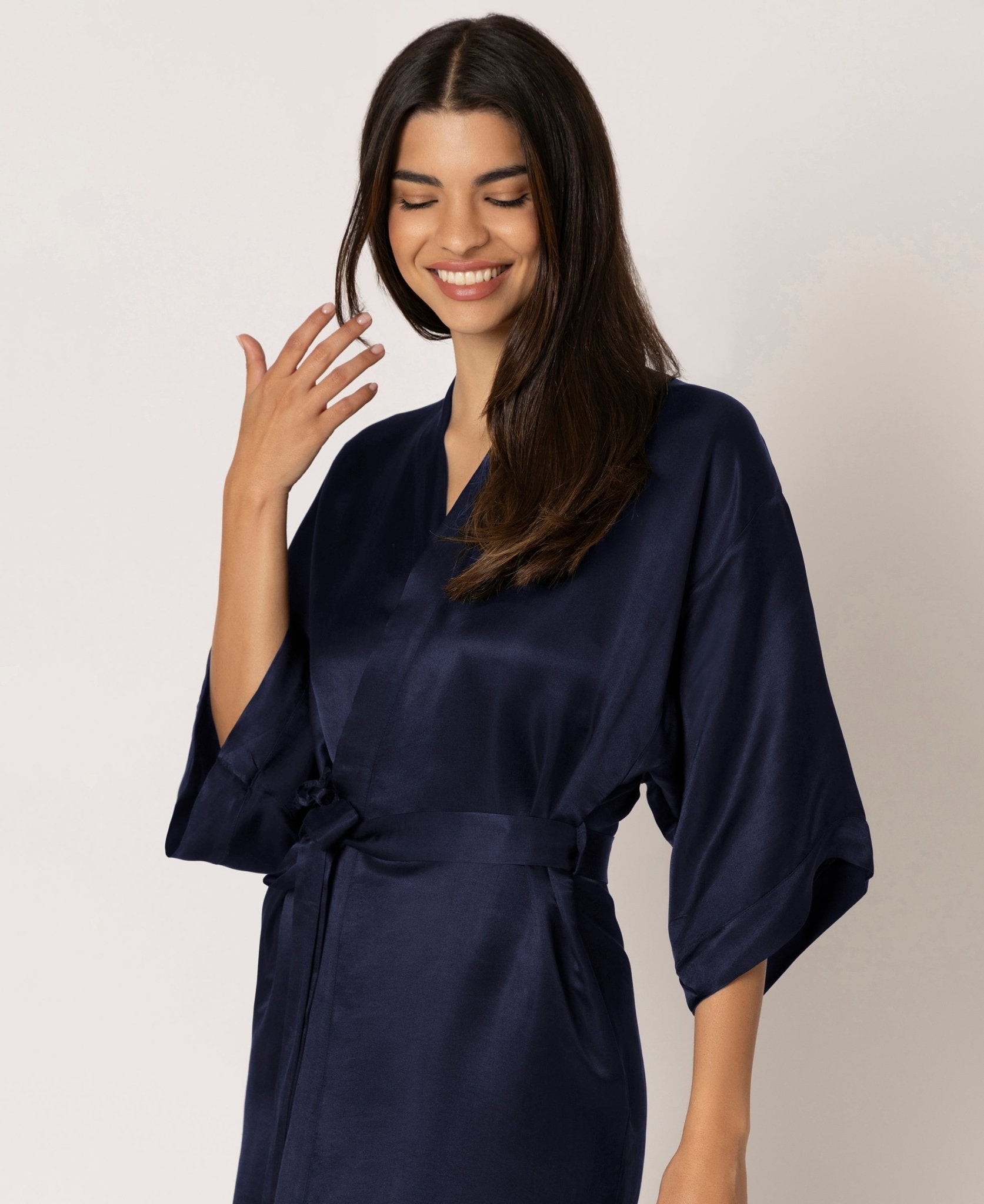
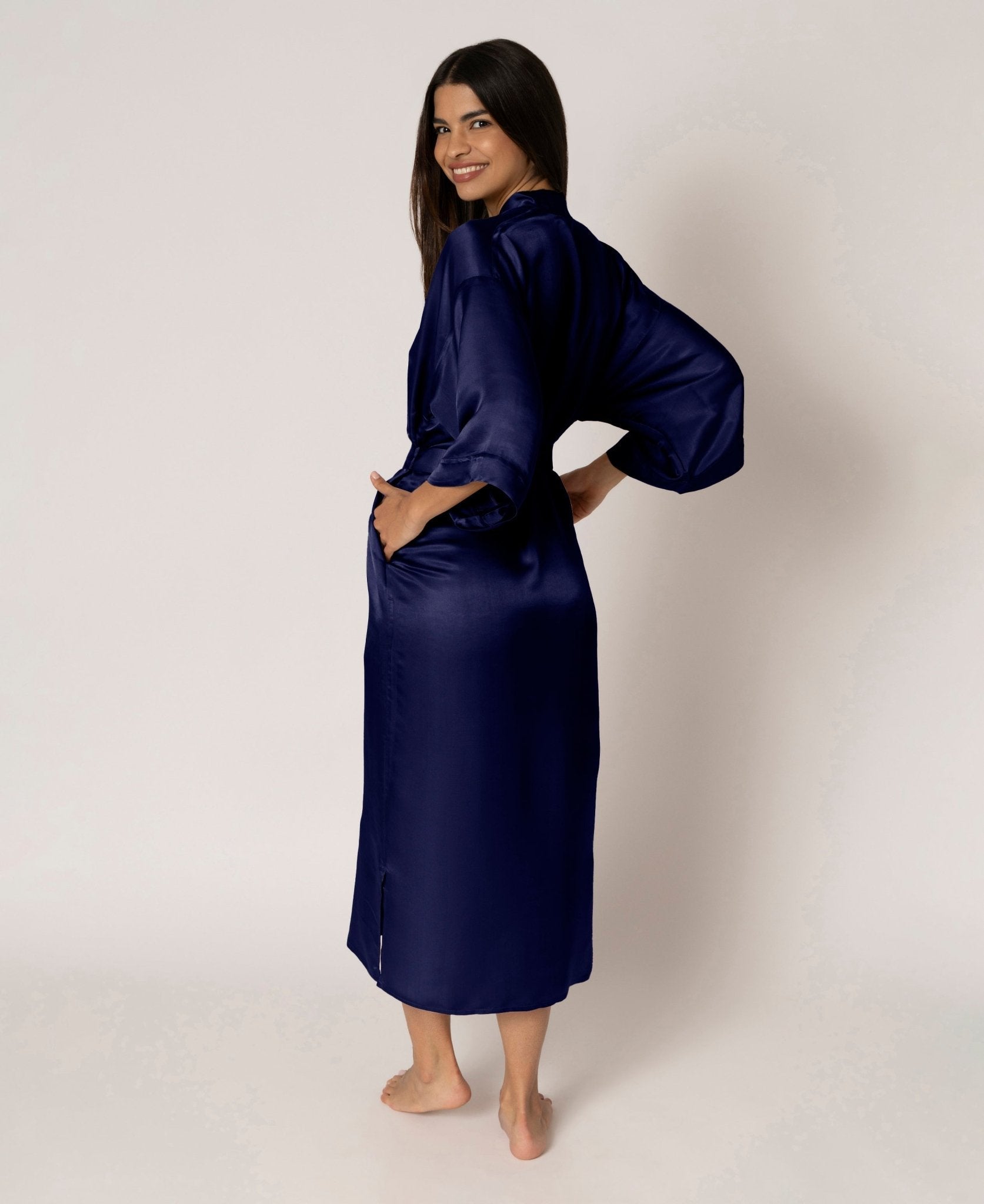
Tara Sartoria manufactures 27 momme mulberry silk products in Vietnam's historic silk villages, and we're including this post because real authority comes from honesty. The environmental footprint of silk is genuinely complex. You deserve data, not marketing.
Where Silk Loses: The Silkworm, Water Usage, and Land
Let's be direct: conventional silk production kills the silkworm. In most silk production, silkworm pupae are steamed or gassed inside the cocoon to prevent the moth from emerging and breaking the continuous filament. That's somewhere between 5,000 and 8,000 silkworms to produce one kilogram of silk fiber.
This is a real ethical concern if you're vegan or if insect welfare matters in your ethical framework. It's not hypothetical. It's built into the production method. If insect welfare is your primary concern, this is a significant limitation.
There's a category called "peace silk" or "Ahimsa silk" where the moth is allowed to emerge, but this breaks the long filament and creates shorter fibers that are weaker and more expensive. Tara Sartoria uses conventional silk, so we're being clear about what that means. For a side-by-side breakdown, see our silk vs. cotton environmental comparison.
Water usage in silk production is also substantial. Mulberry cultivation requires significant water, especially in regions where it's grown. Silk dyeing uses water. Wet processing uses water. This isn't a small impact.
Cotton requires roughly 2,700 liters of water per cotton t-shirt. Silk requires roughly 3,000-10,000 liters of water per kilogram of fiber, depending on region and production method. These are comparable water footprints. Neither fiber is a water hero.
Land usage matters too. Mulberry orchards require land that could be used for other crops or rewilding. This is a real trade-off.
If you're optimizing purely for ethics toward all creatures and minimal resource use, silk isn't the answer. Synthetic fiber isn't either. Nothing is perfect, because clothing itself has environmental cost.
But silk is the answer if you're optimizing for longevity combined with biodegradability. That's where it wins decisively.





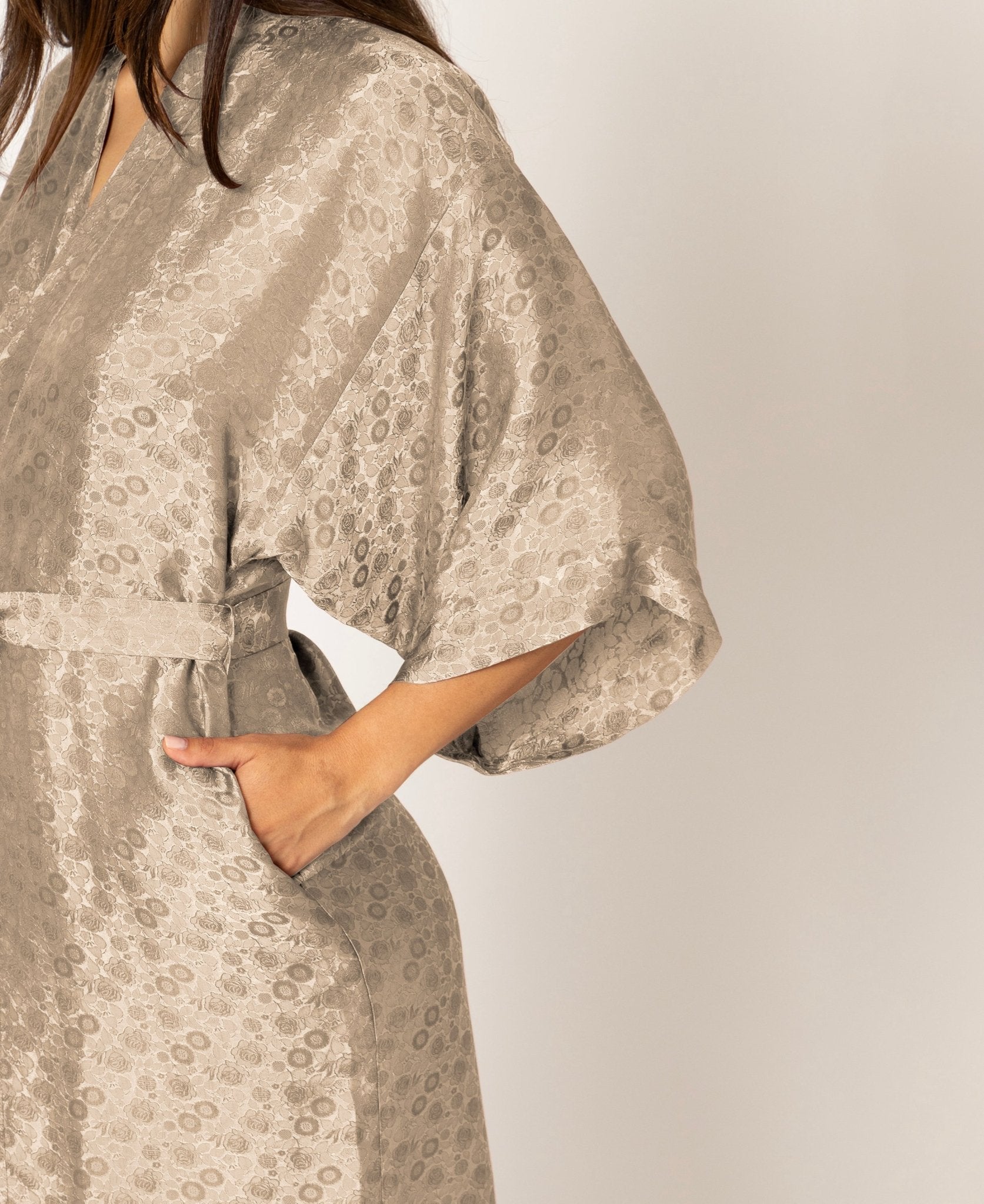
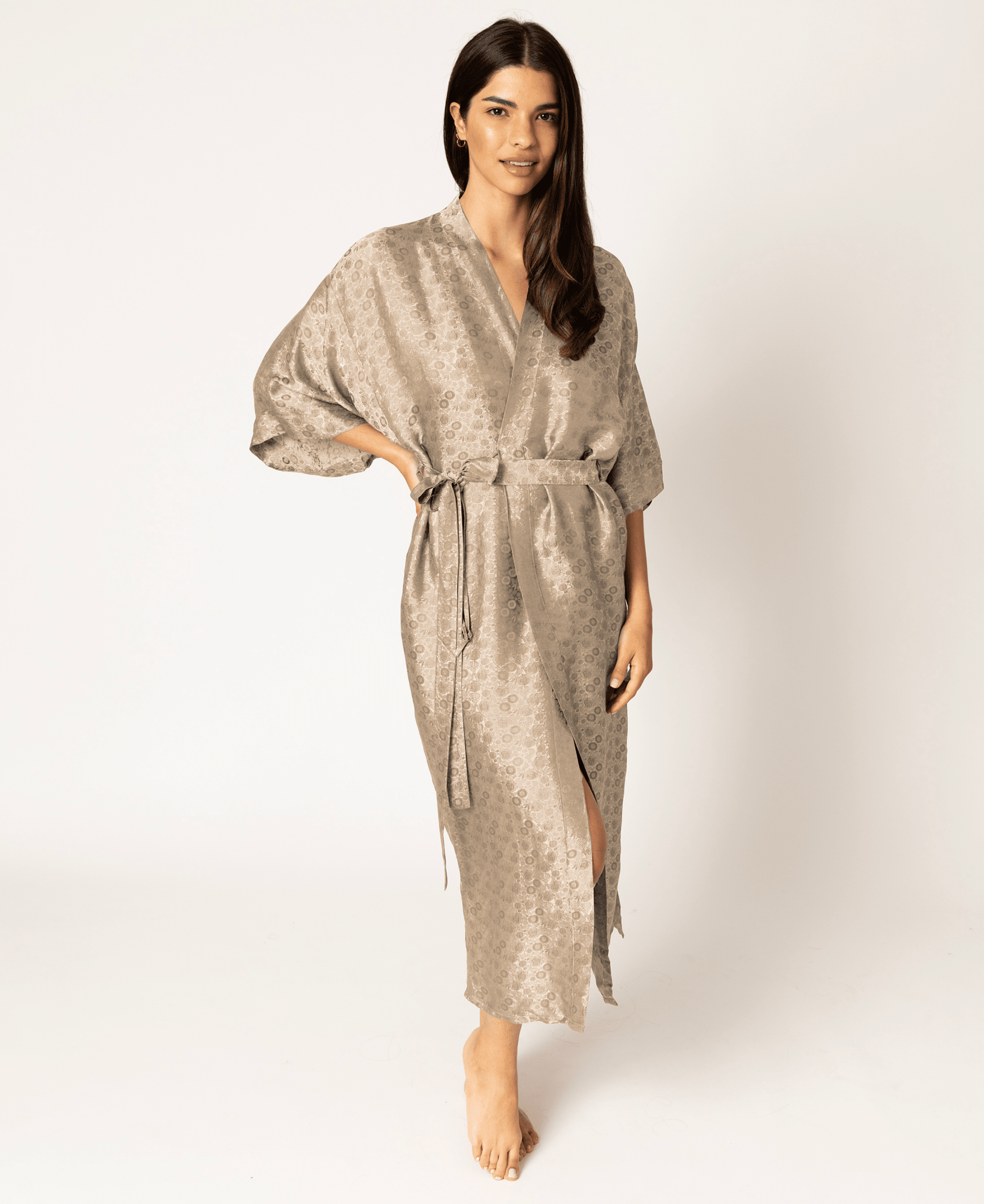

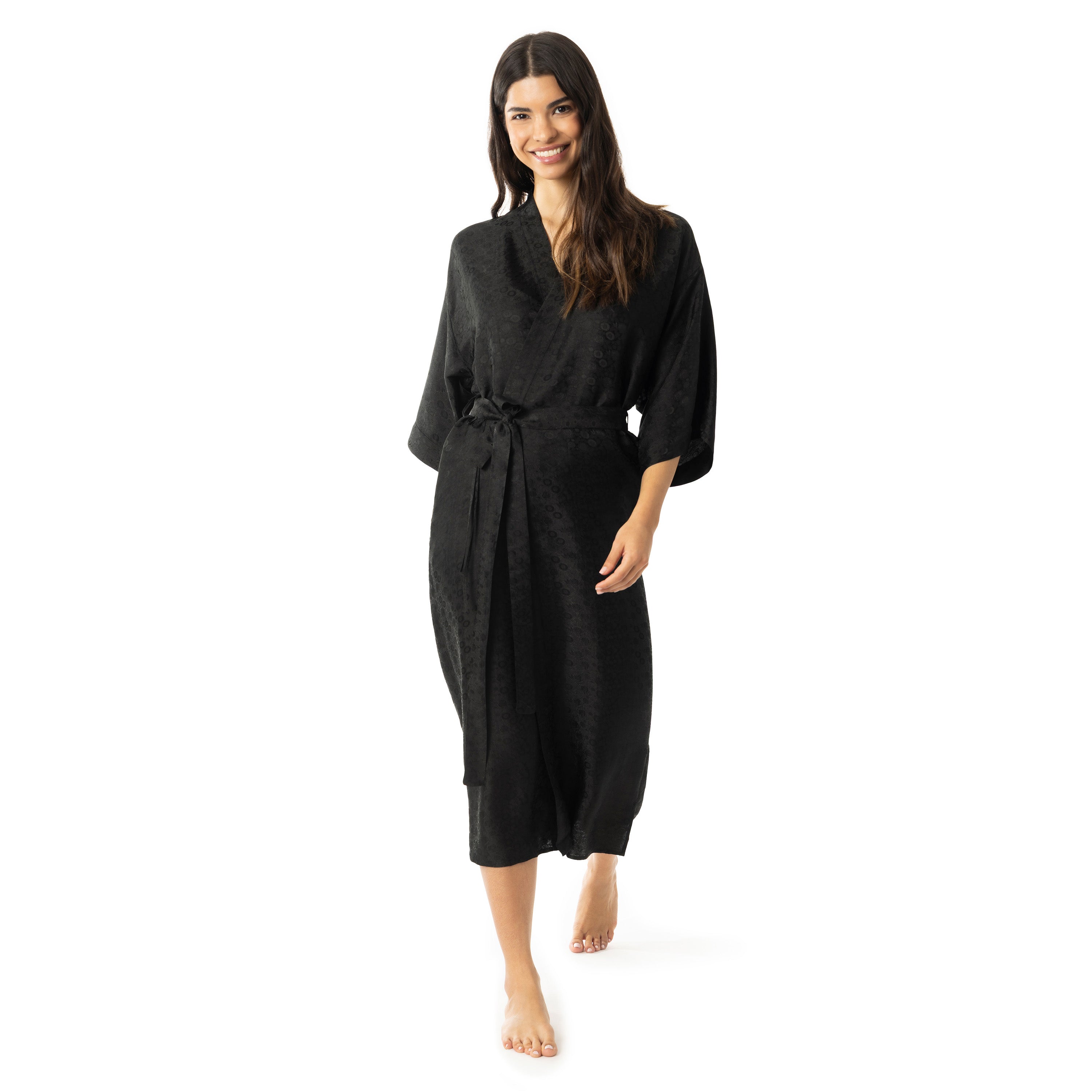

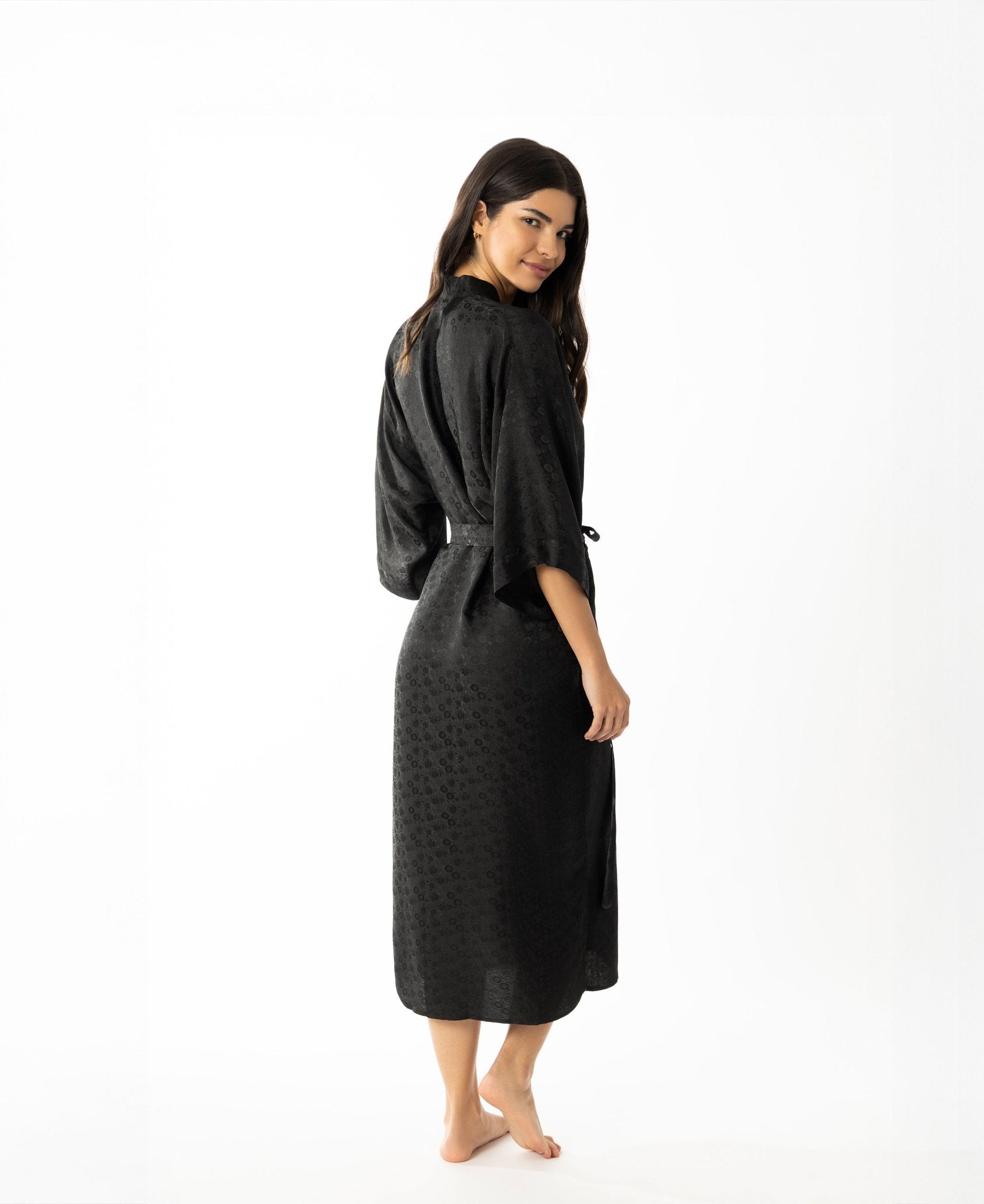

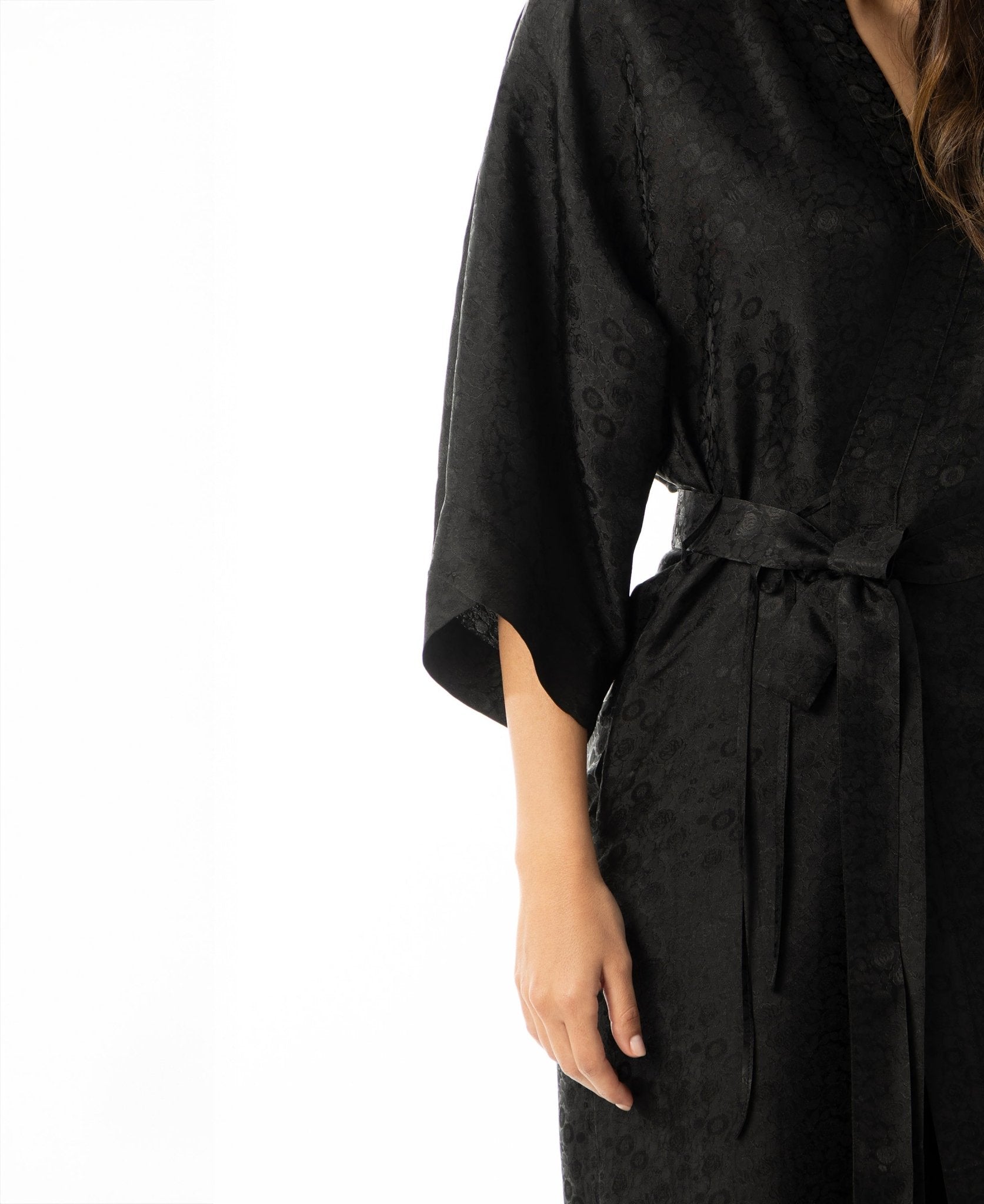


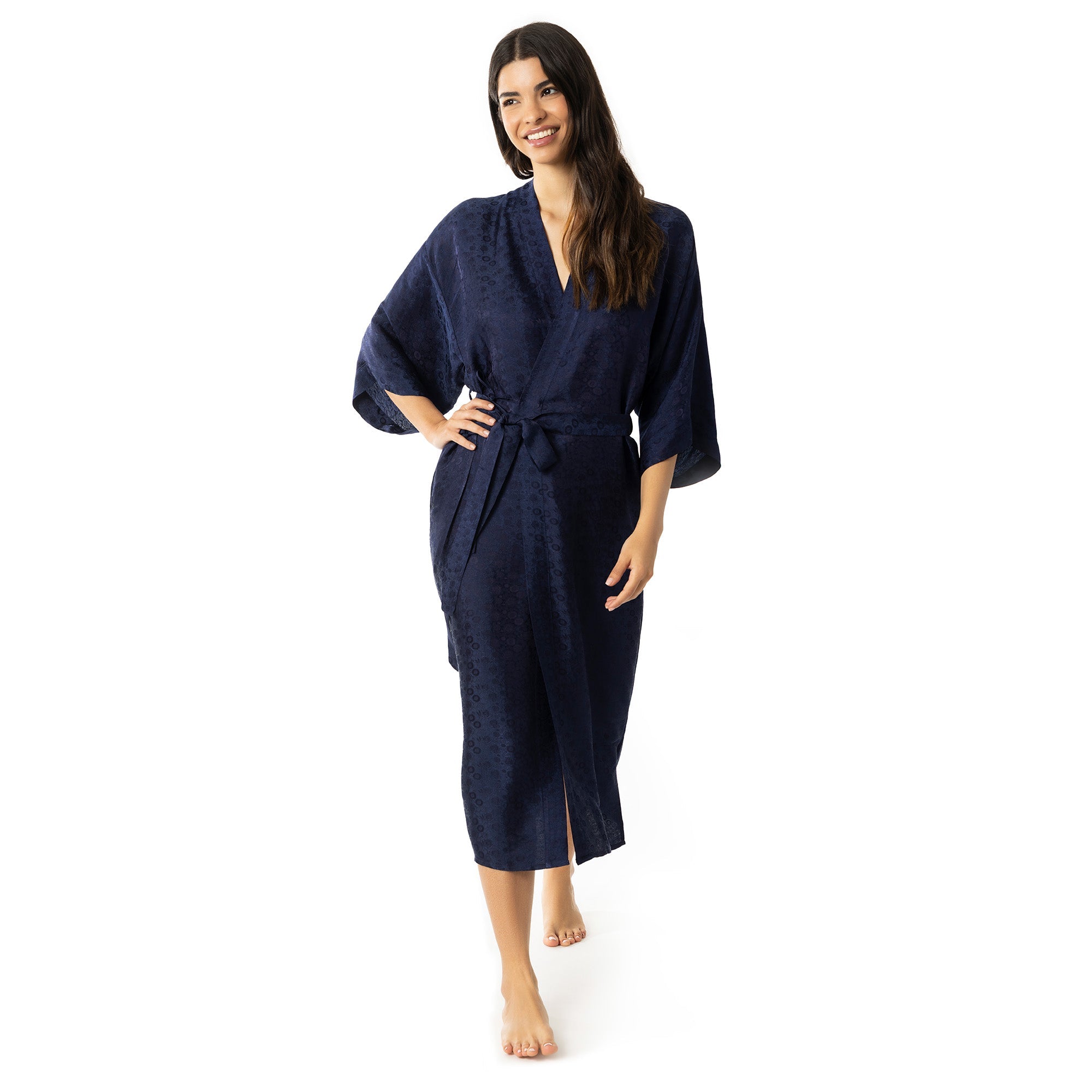


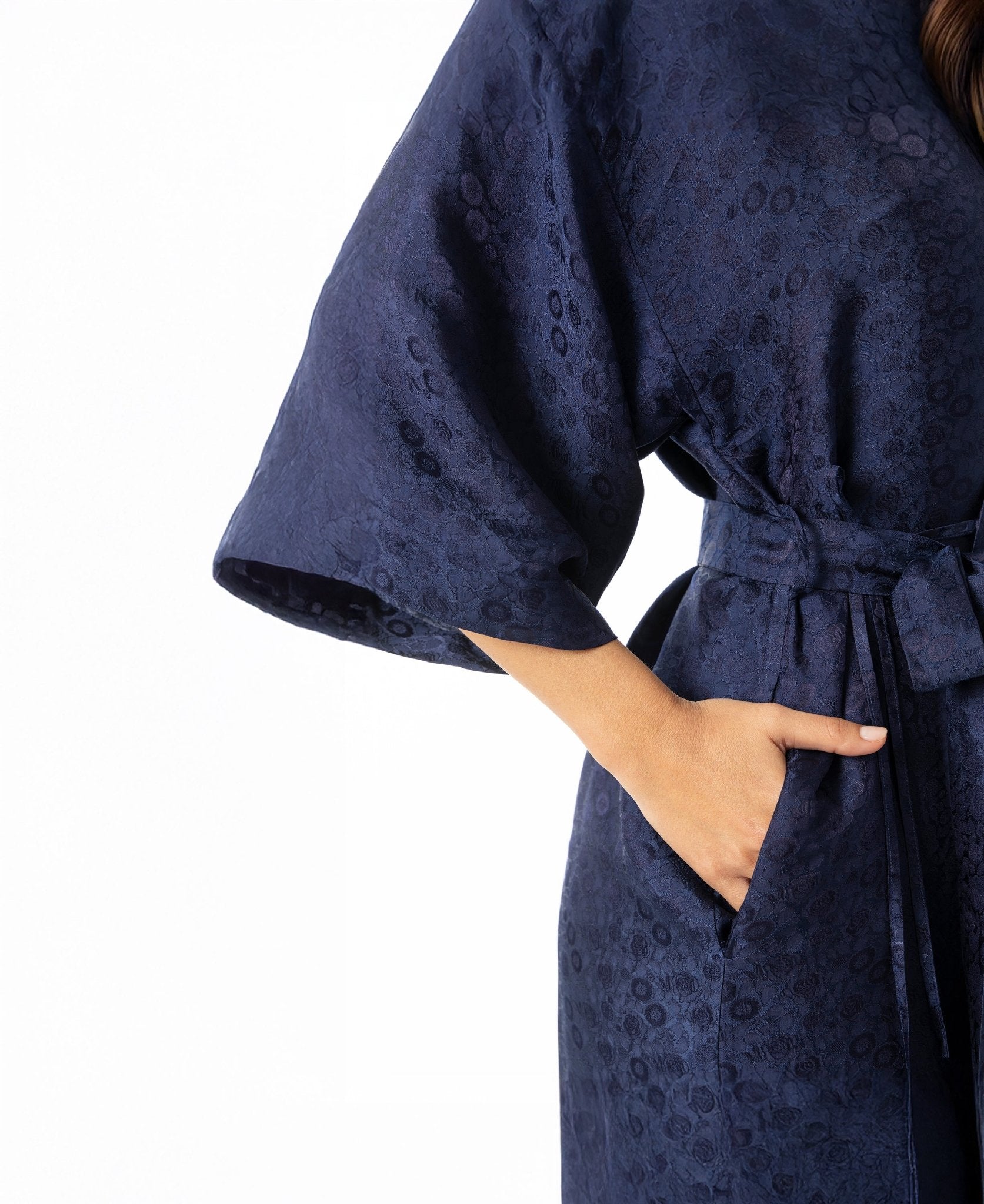

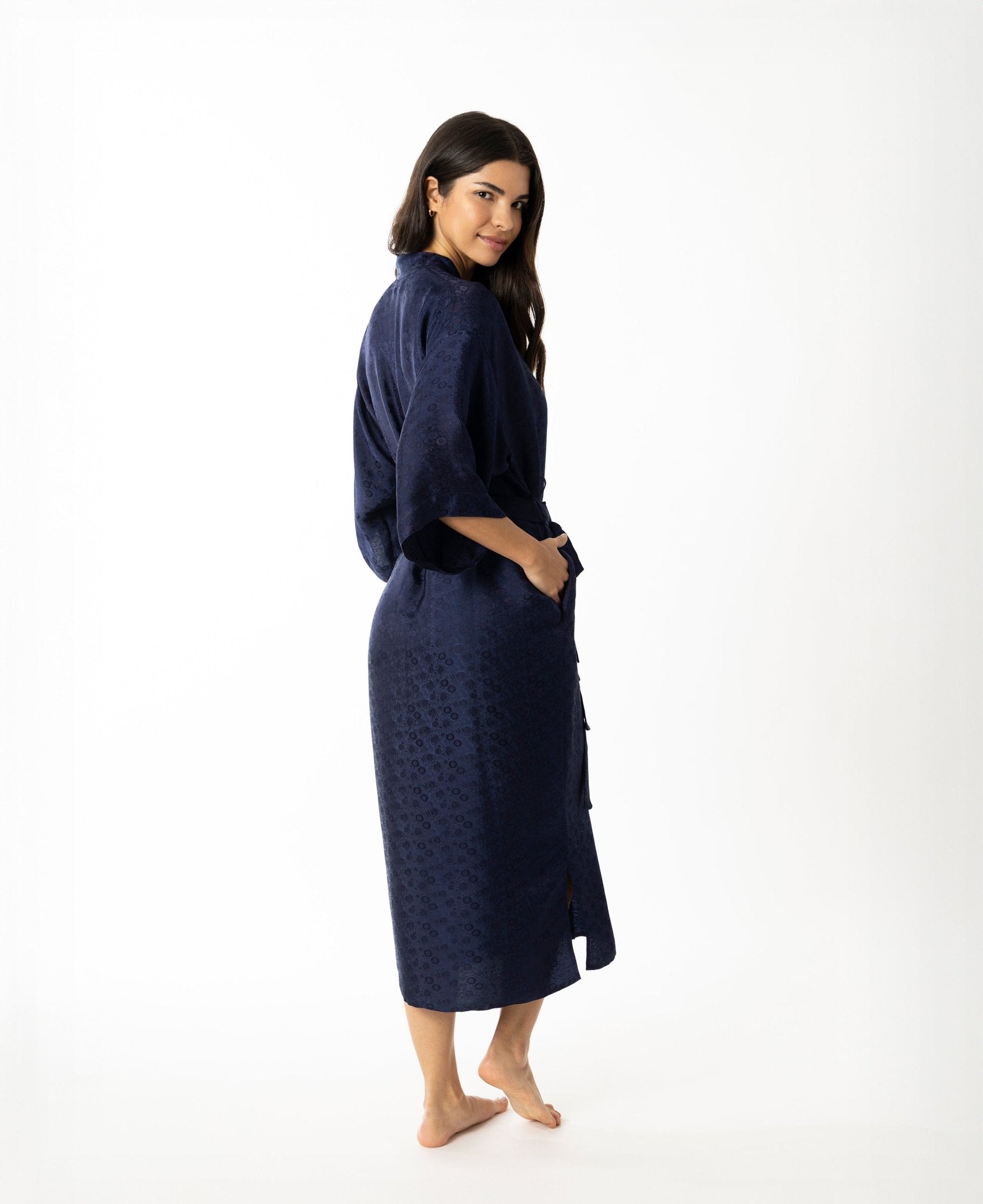

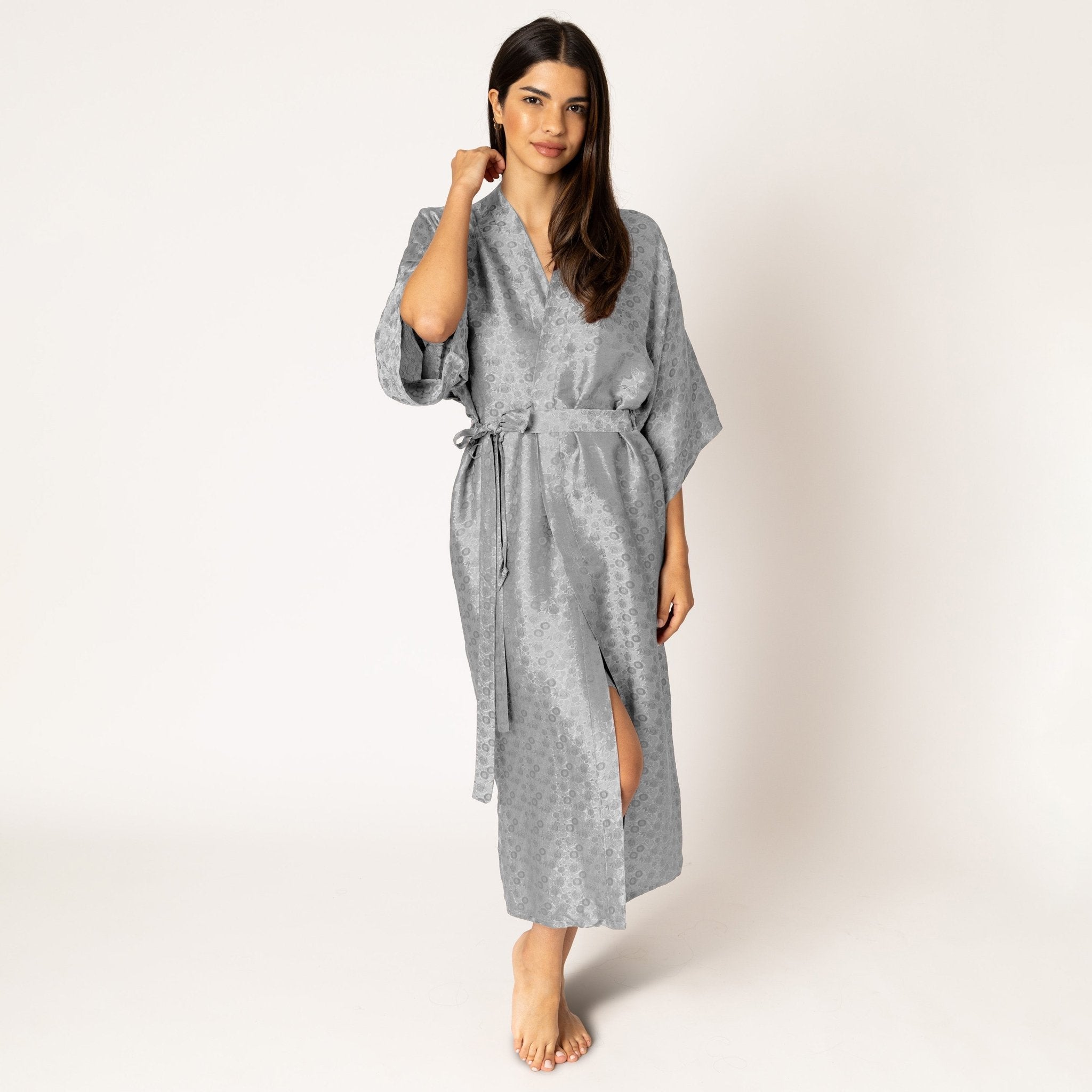




Where Silk Wins: Longevity and Microplastic Pollution
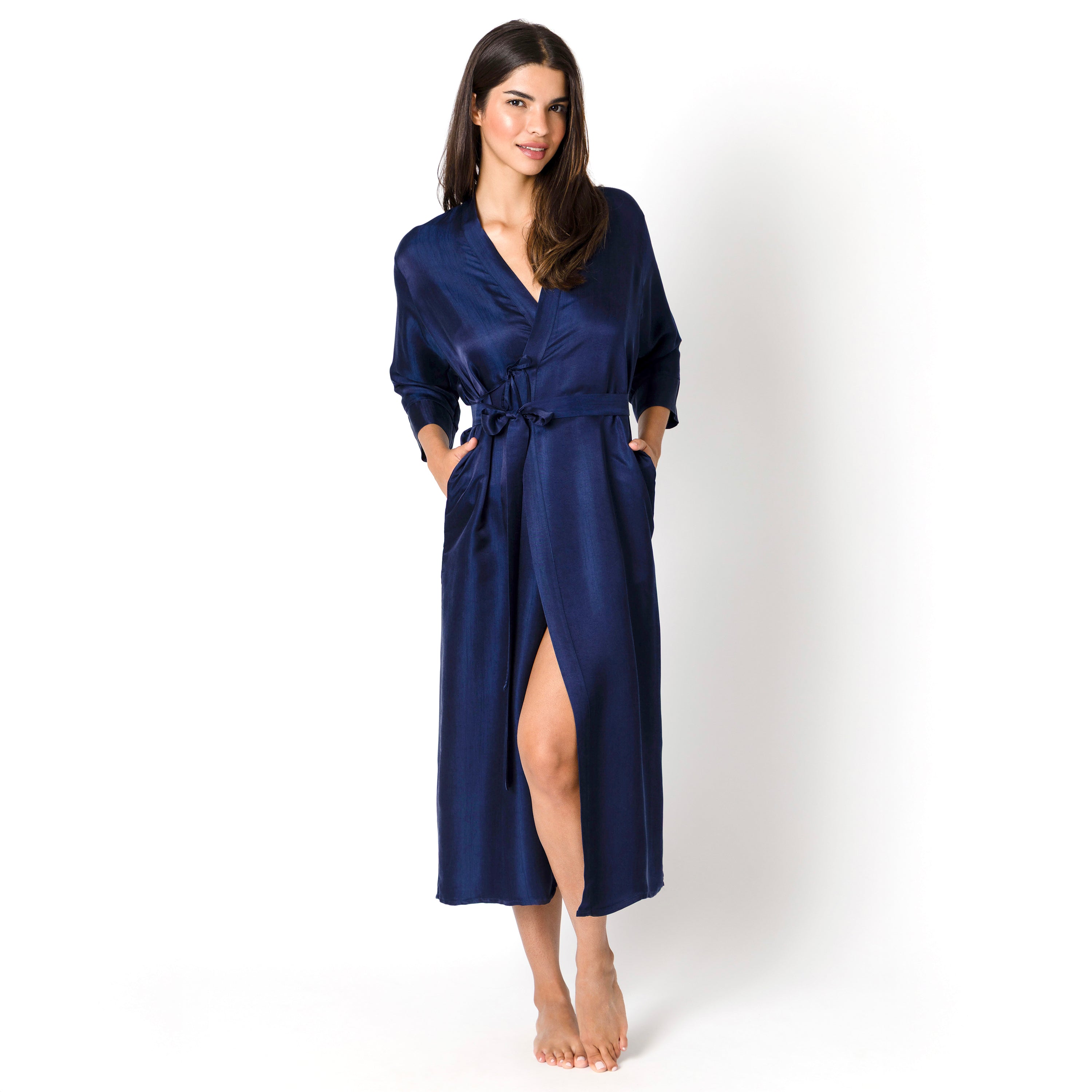
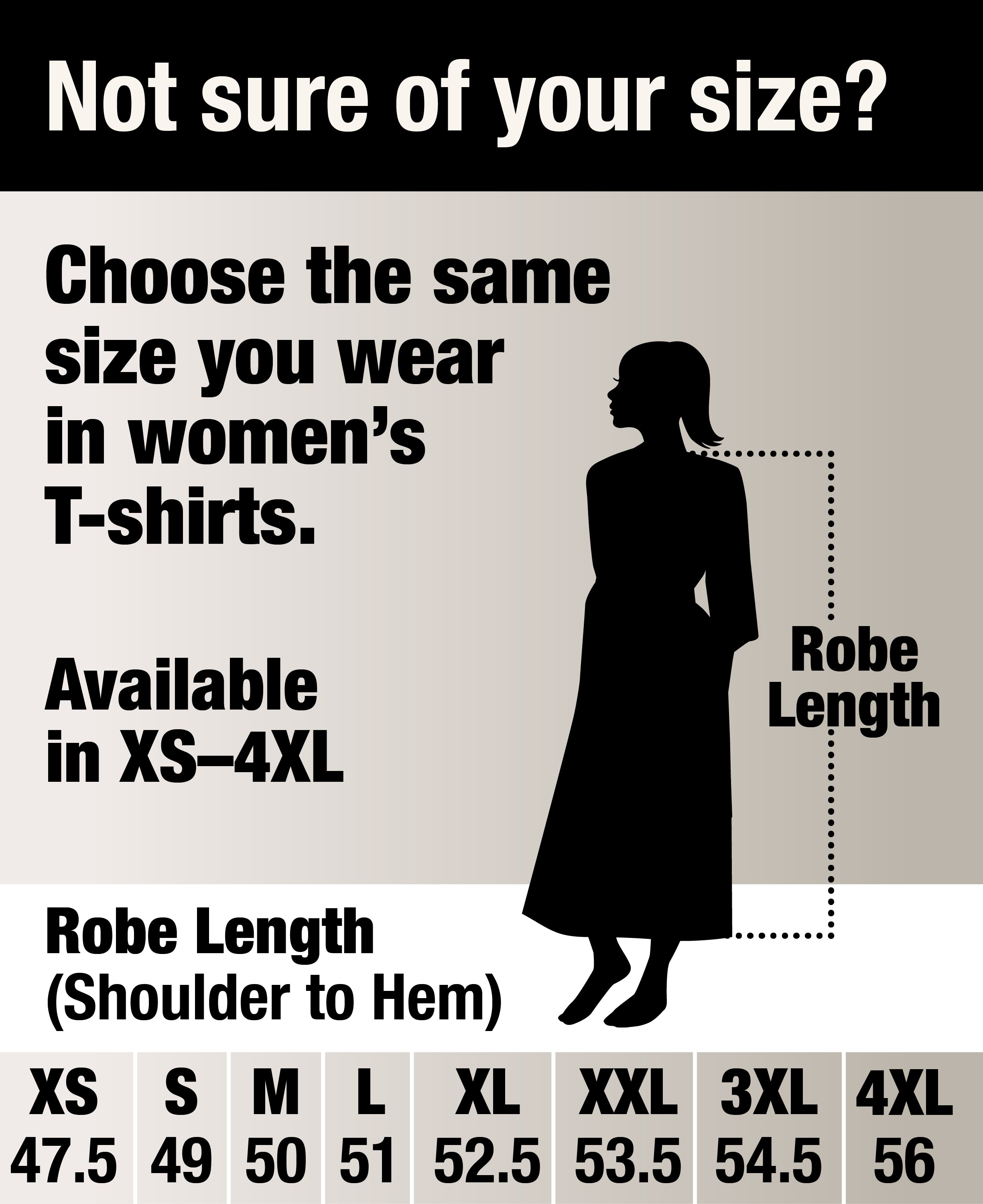
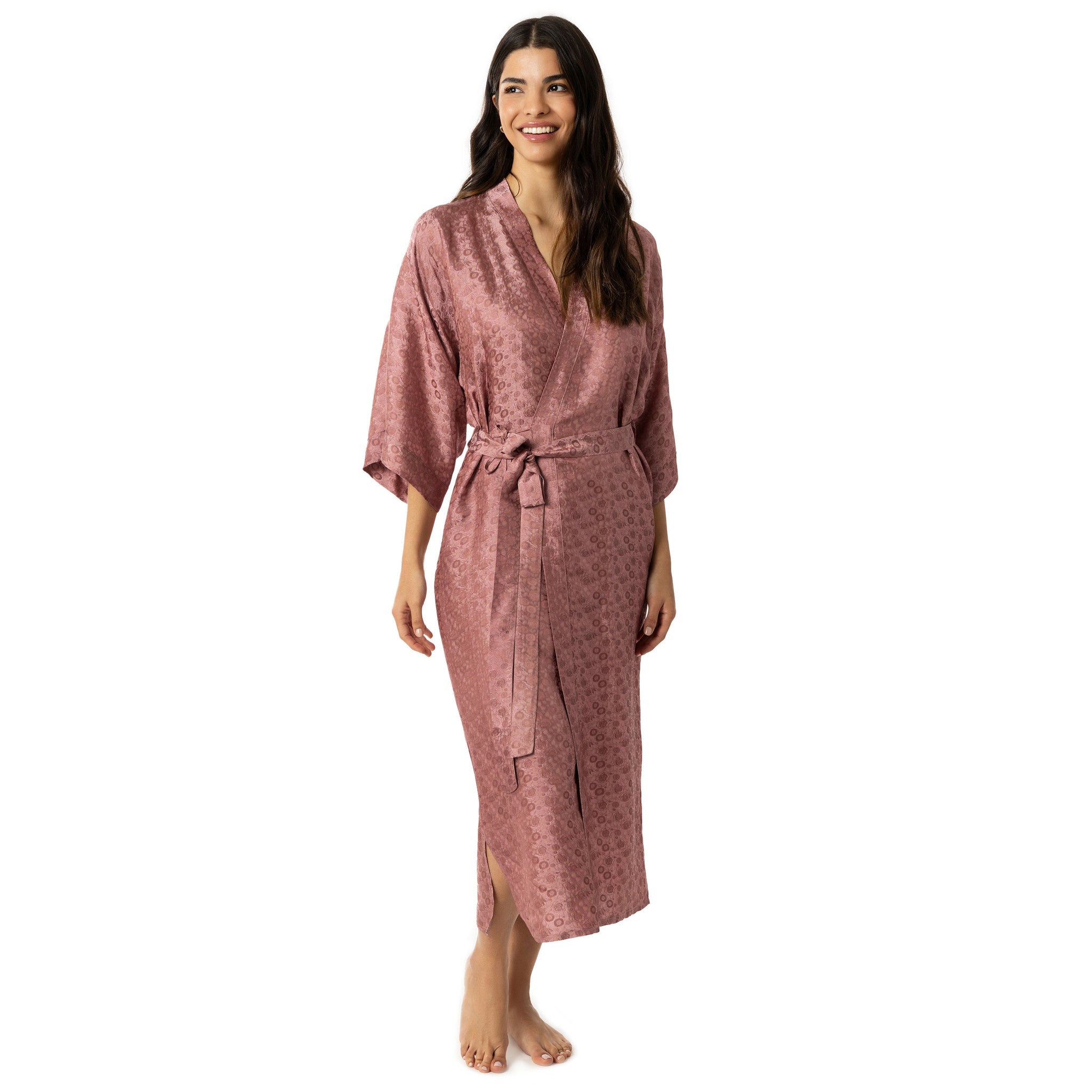
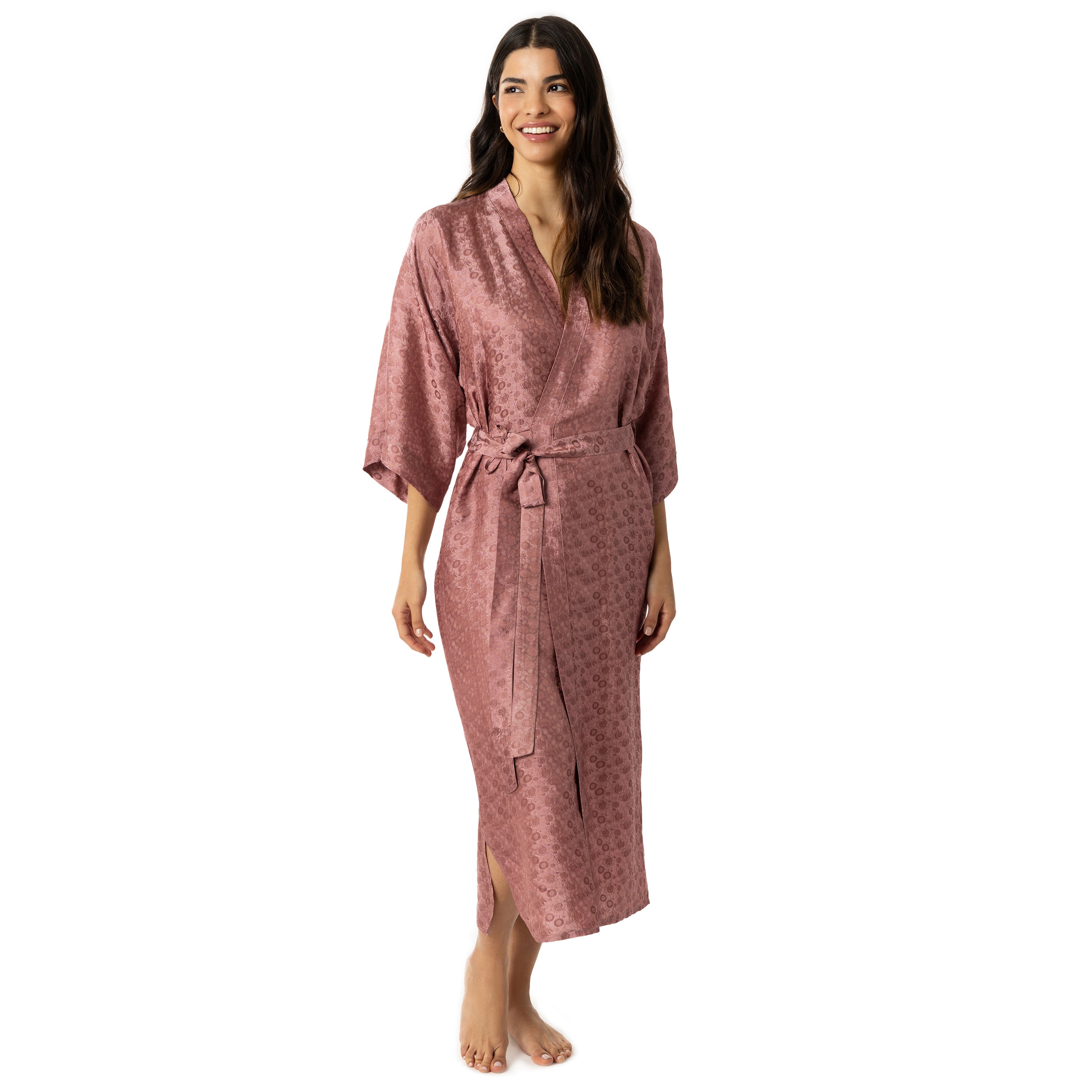
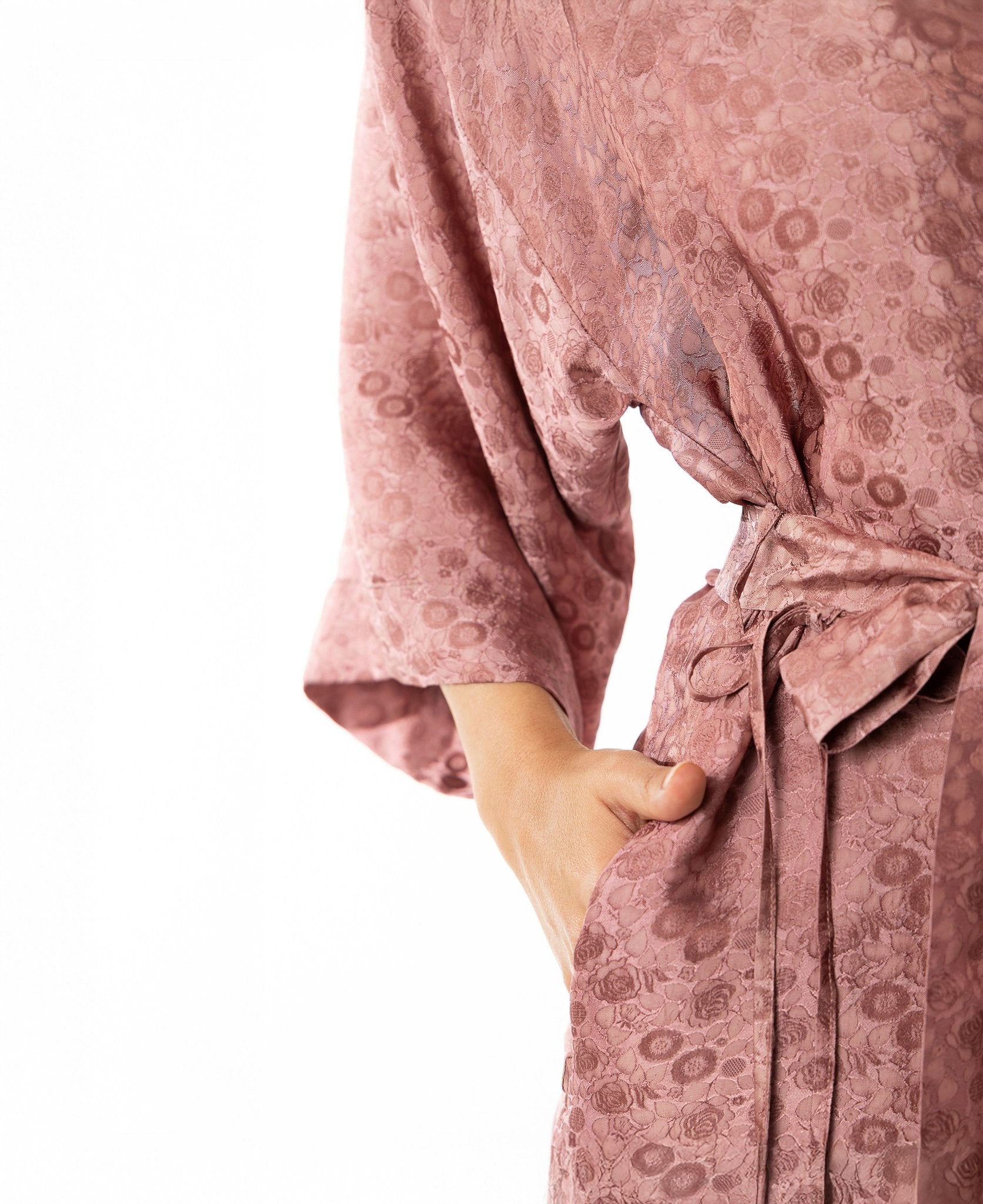
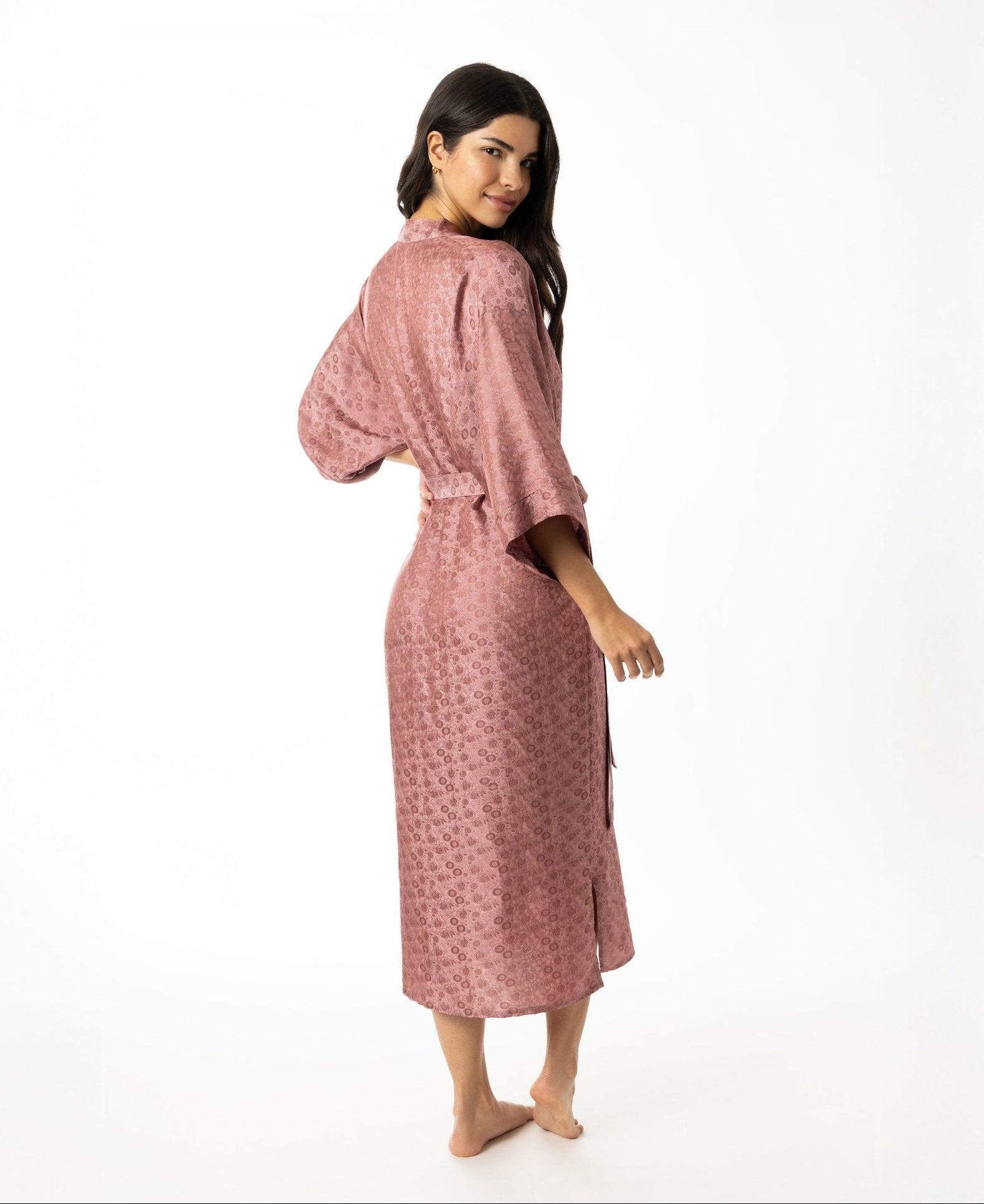
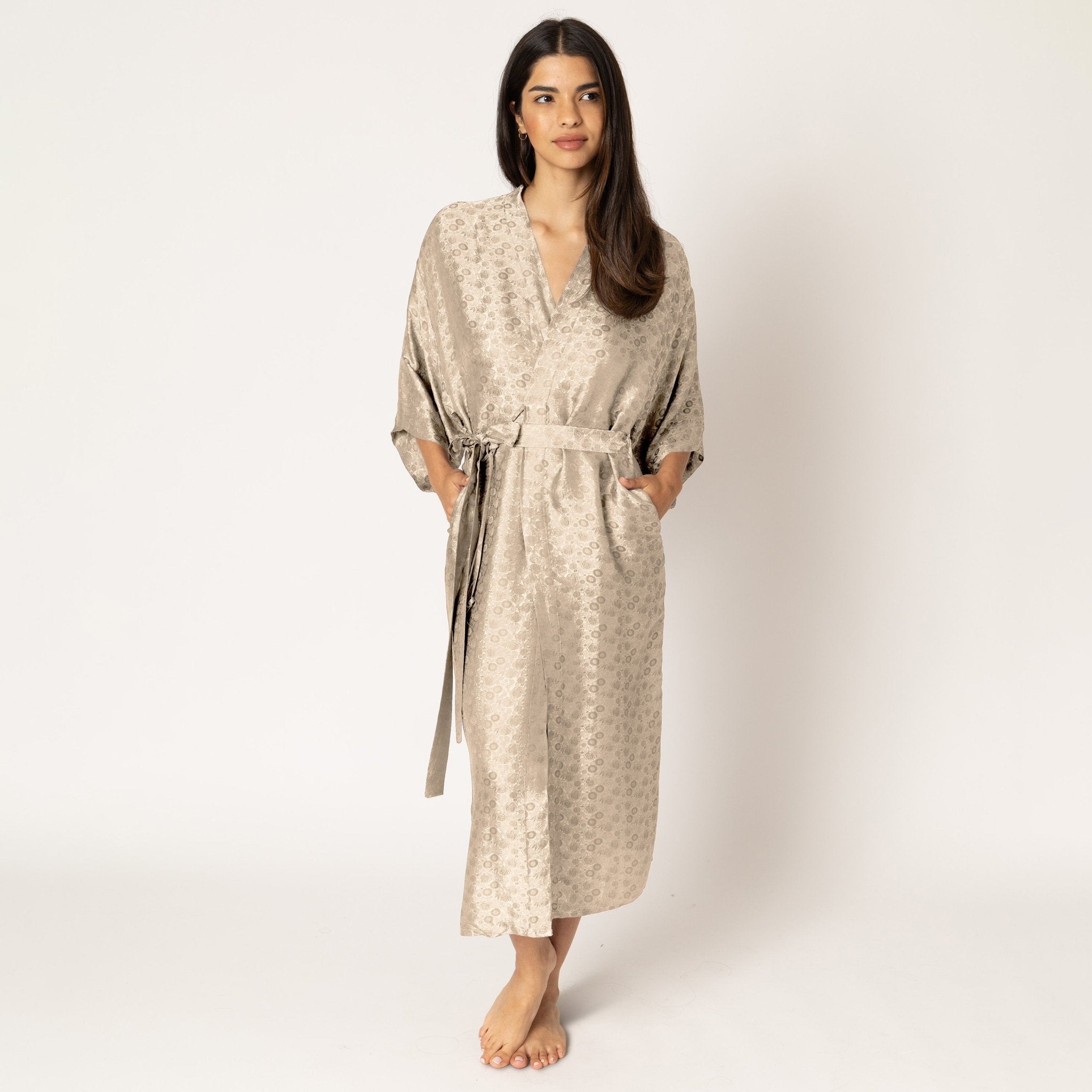
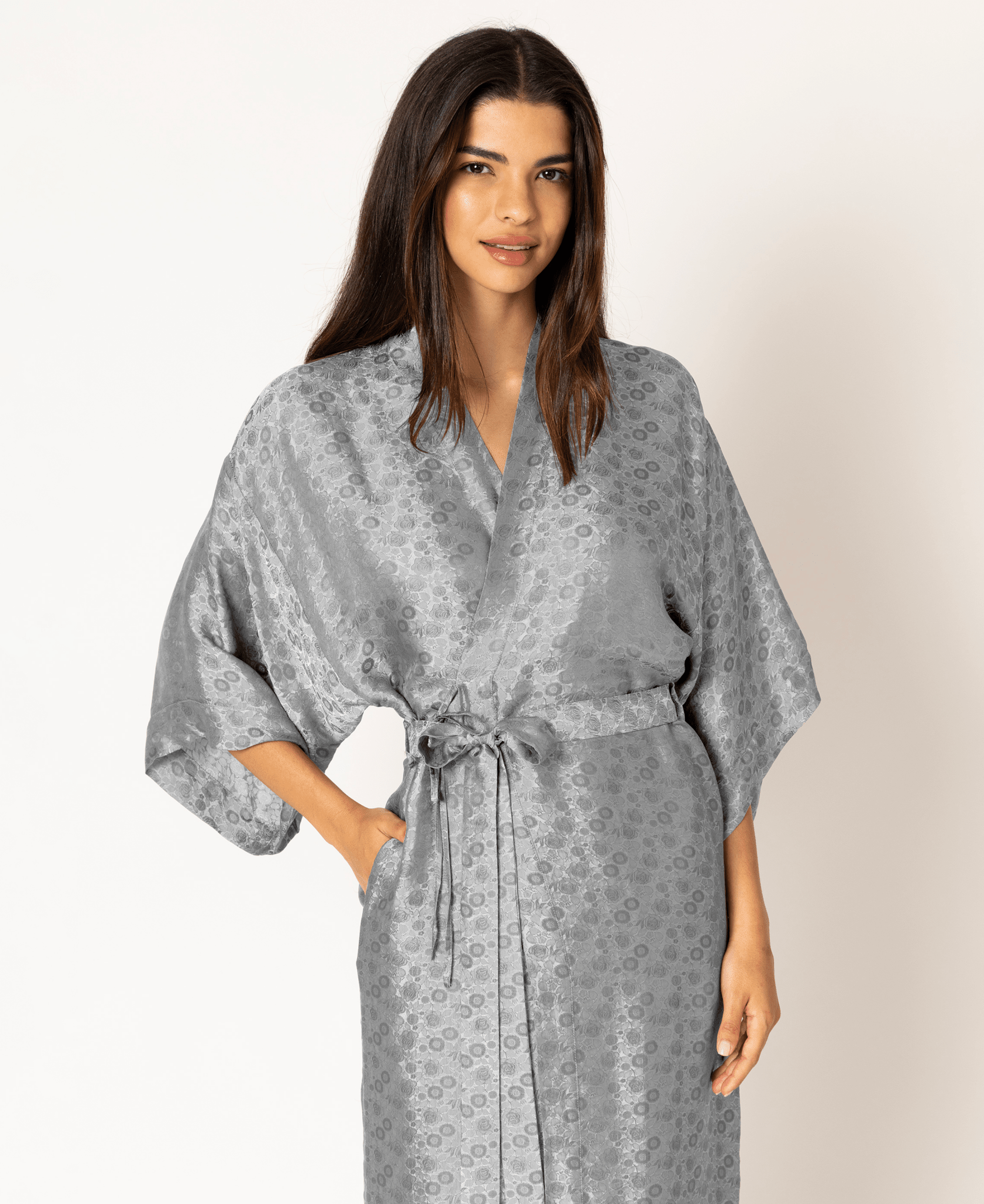
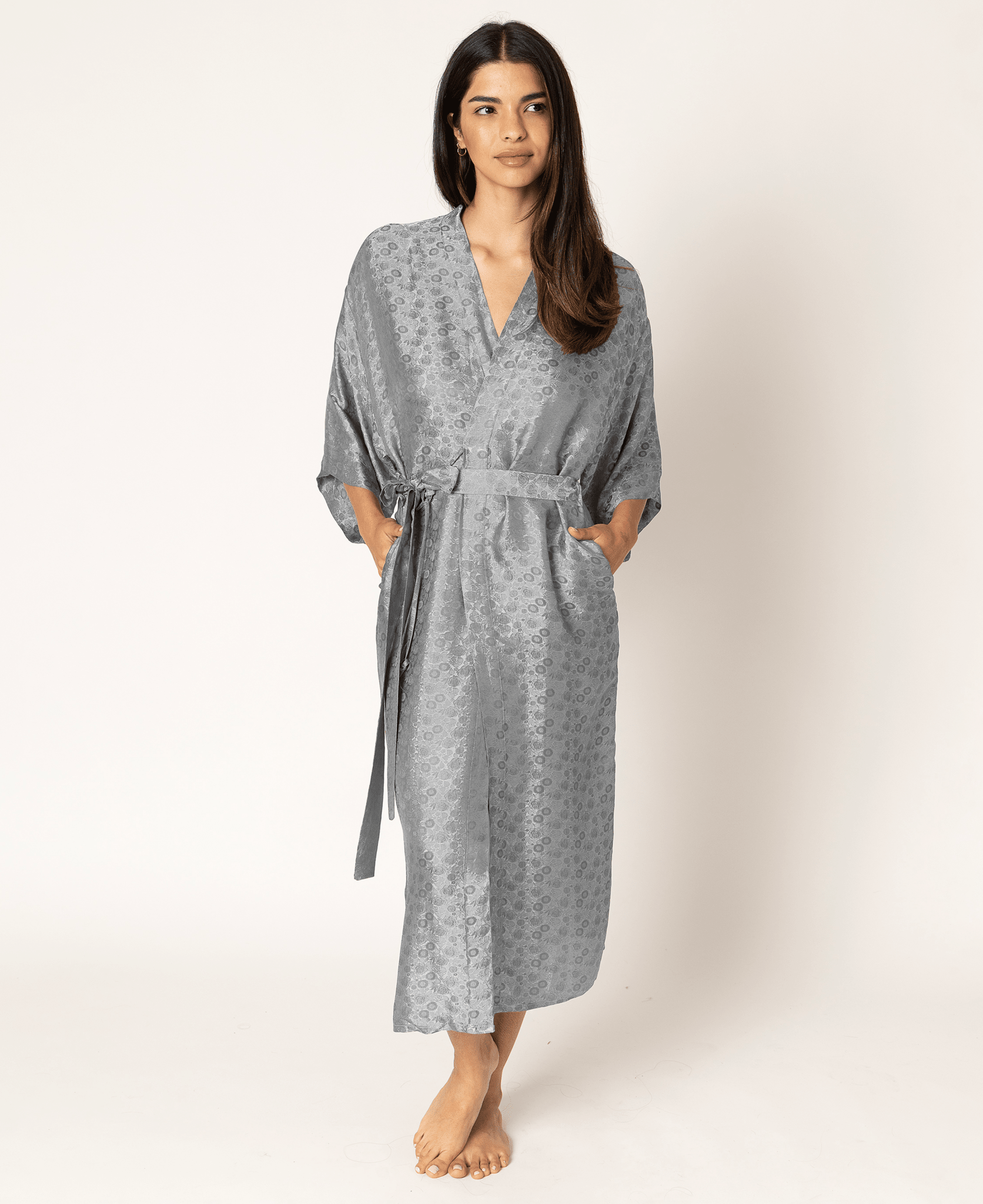
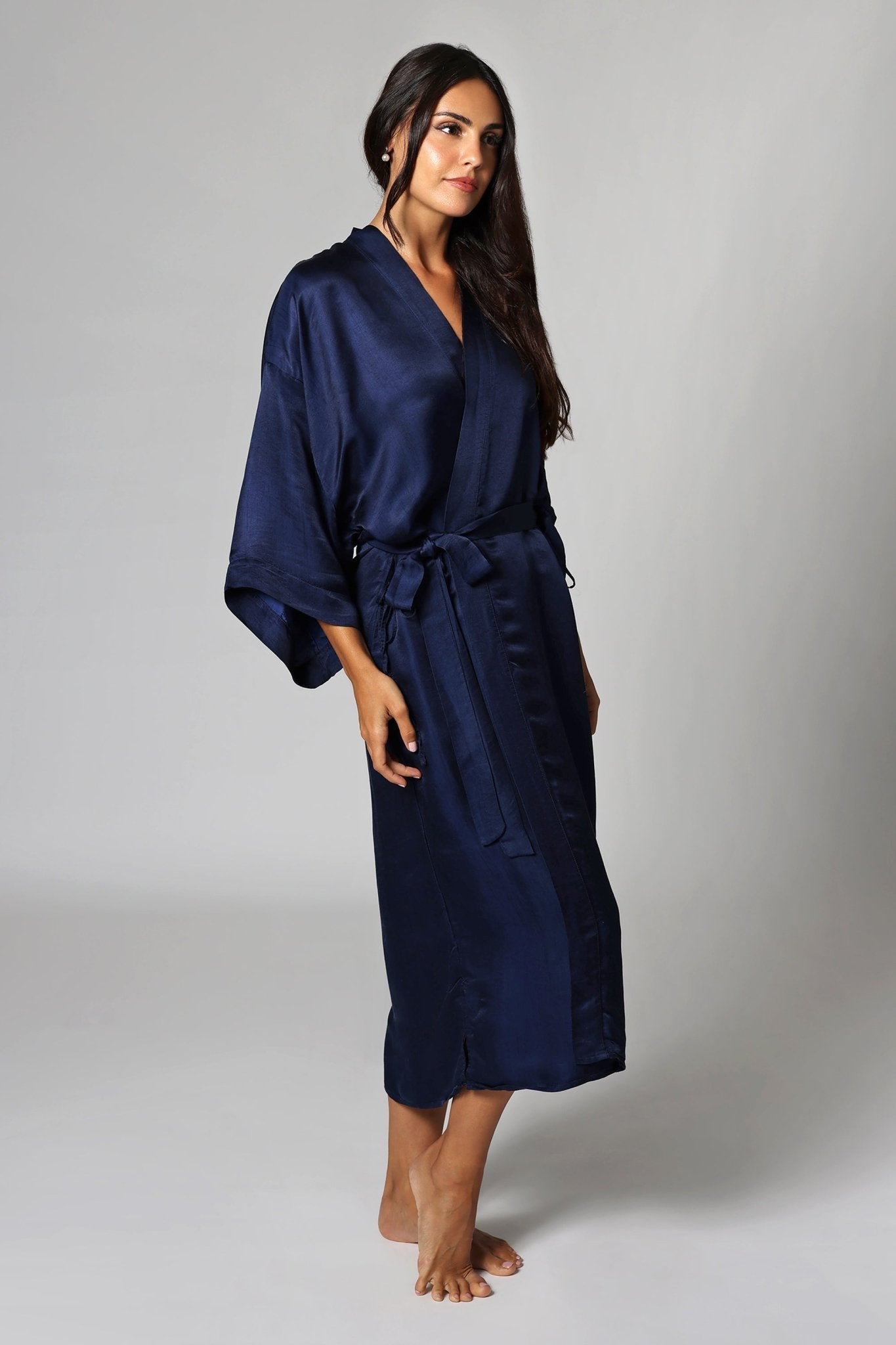
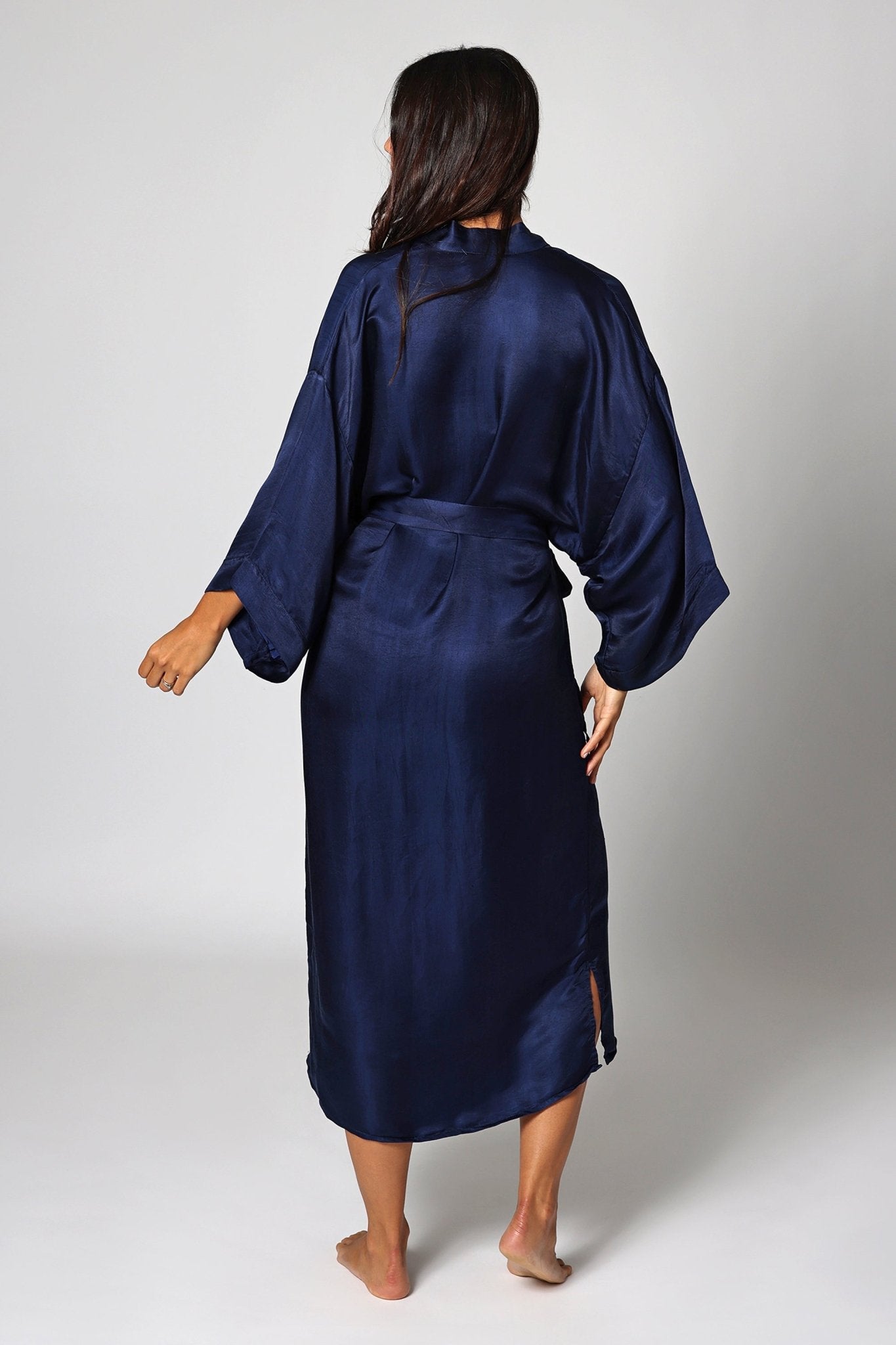
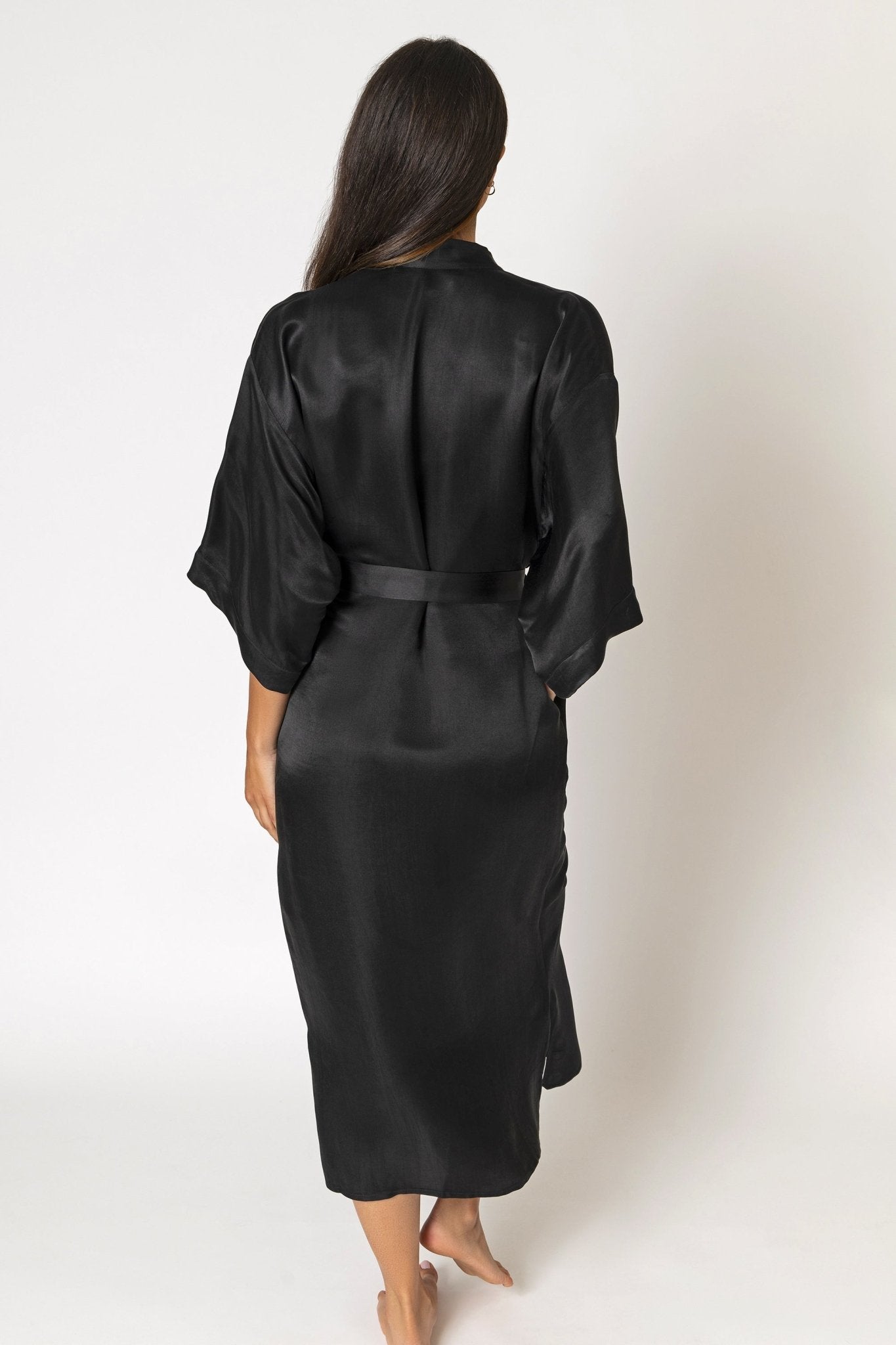
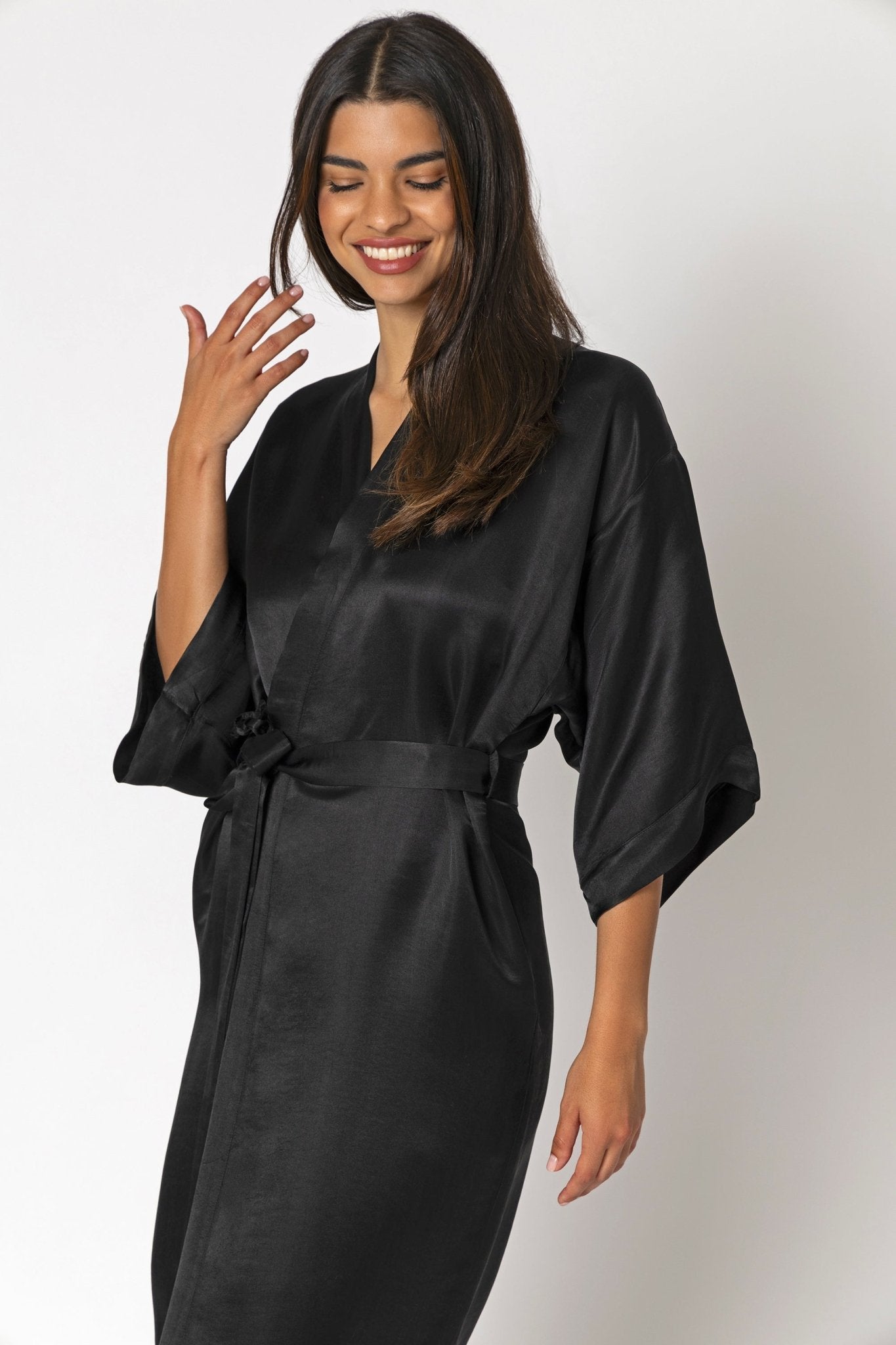
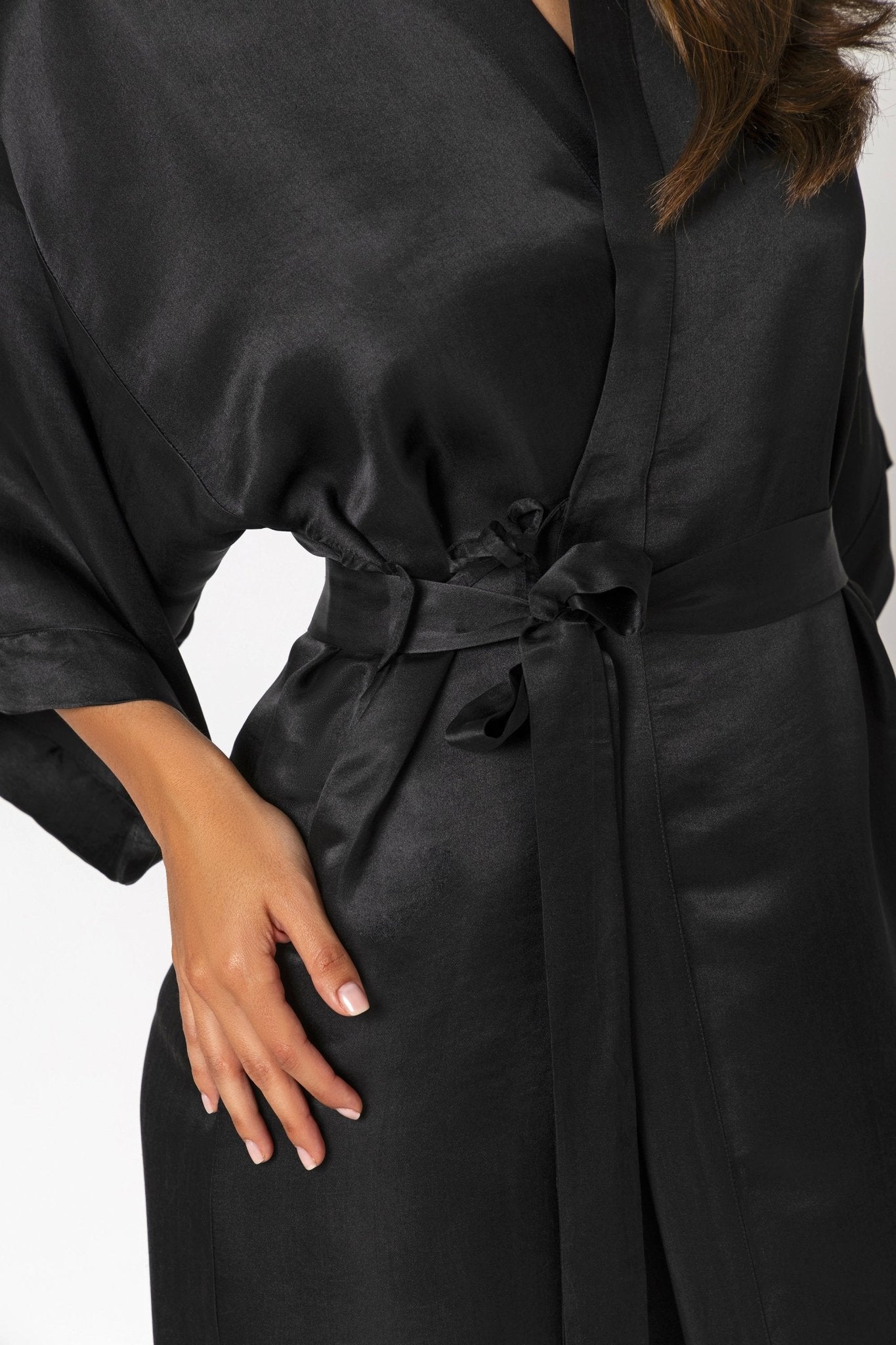
A 27 momme silk robe lasts approximately 5 years with normal care. A cotton robe lasts 1-3 years. Most synthetic garments last 2-4 years.
This matters because every garment sent to landfill represents all the resources (water, chemicals, land, energy) that went into producing it. If a garment lasts twice as long, you produce half the waste per wearing.
This is where synthetic fiber creates a significant problem. Polyester and acrylic don't break down in landfill. They persist for 200+ years, gradually fragmenting into microplastics.
Silk is a protein fiber. It's biodegradable. In soil or landfill, silk breaks down within 1-5 years. Not instantly, but in a timeframe orders of magnitude shorter than synthetic fiber. When you buy silk that lasts approximately 5 years before biodegrading, you're solving what cost per wear actually means: true value over time.
Microplastic pollution is now in water systems, fish, and human bloodstreams. The concentration increases annually. A significant portion comes from synthetic textiles, both from washing (synthetic garments shed microfibers in every laundry cycle) and from landfill breakdown.
Each polyester garment sheds approximately 0.1% of its mass in microfibers per wash cycle, accumulating in aquatic ecosystems. Silk doesn't shed microfibers significantly because it's a natural fiber with smooth protein structure, not a synthetic polymer with loose fibrils. It biodegrades instead of fragmenting into permanent pollution.
This is a genuine sustainability edge. It's not trivial.
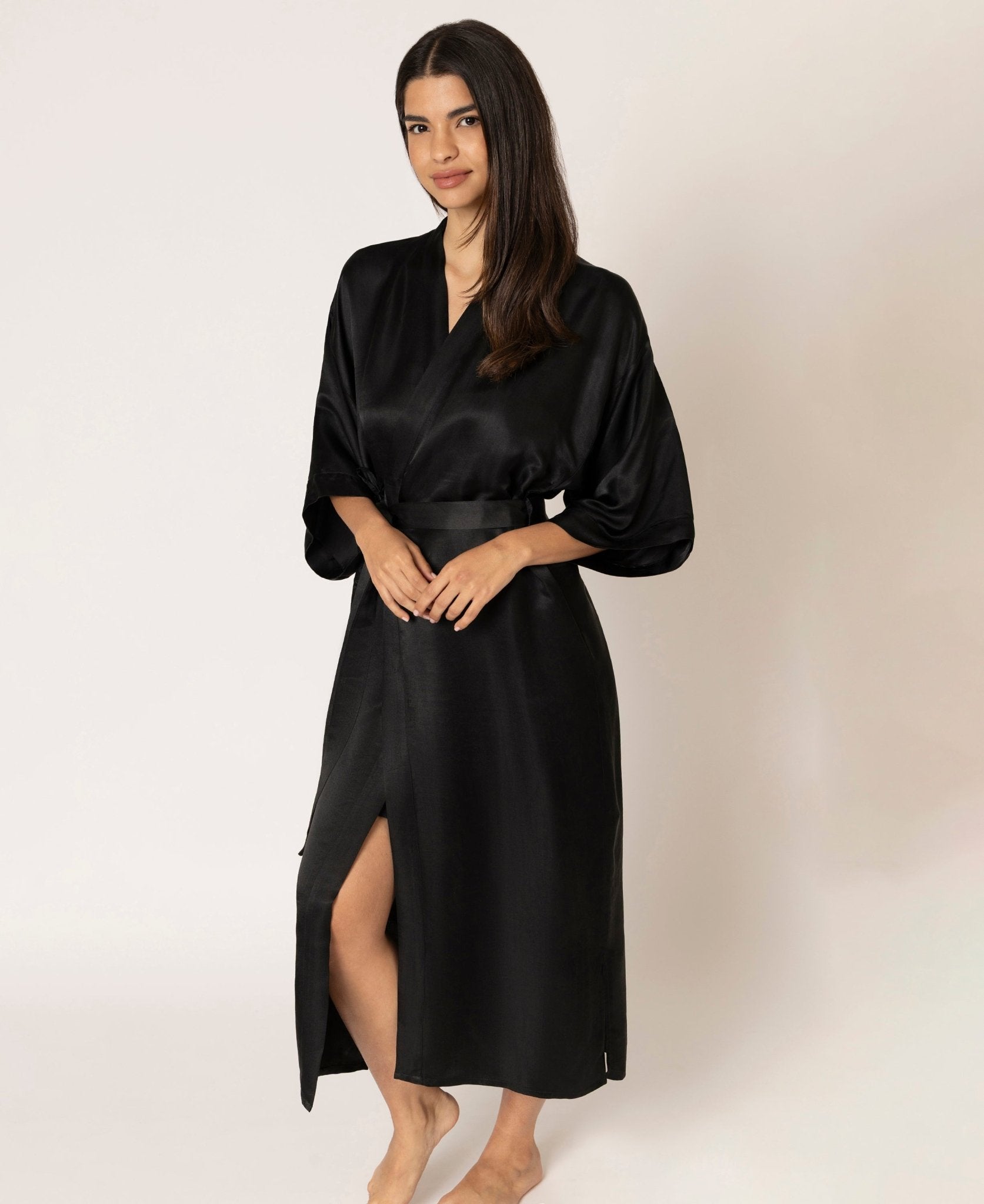
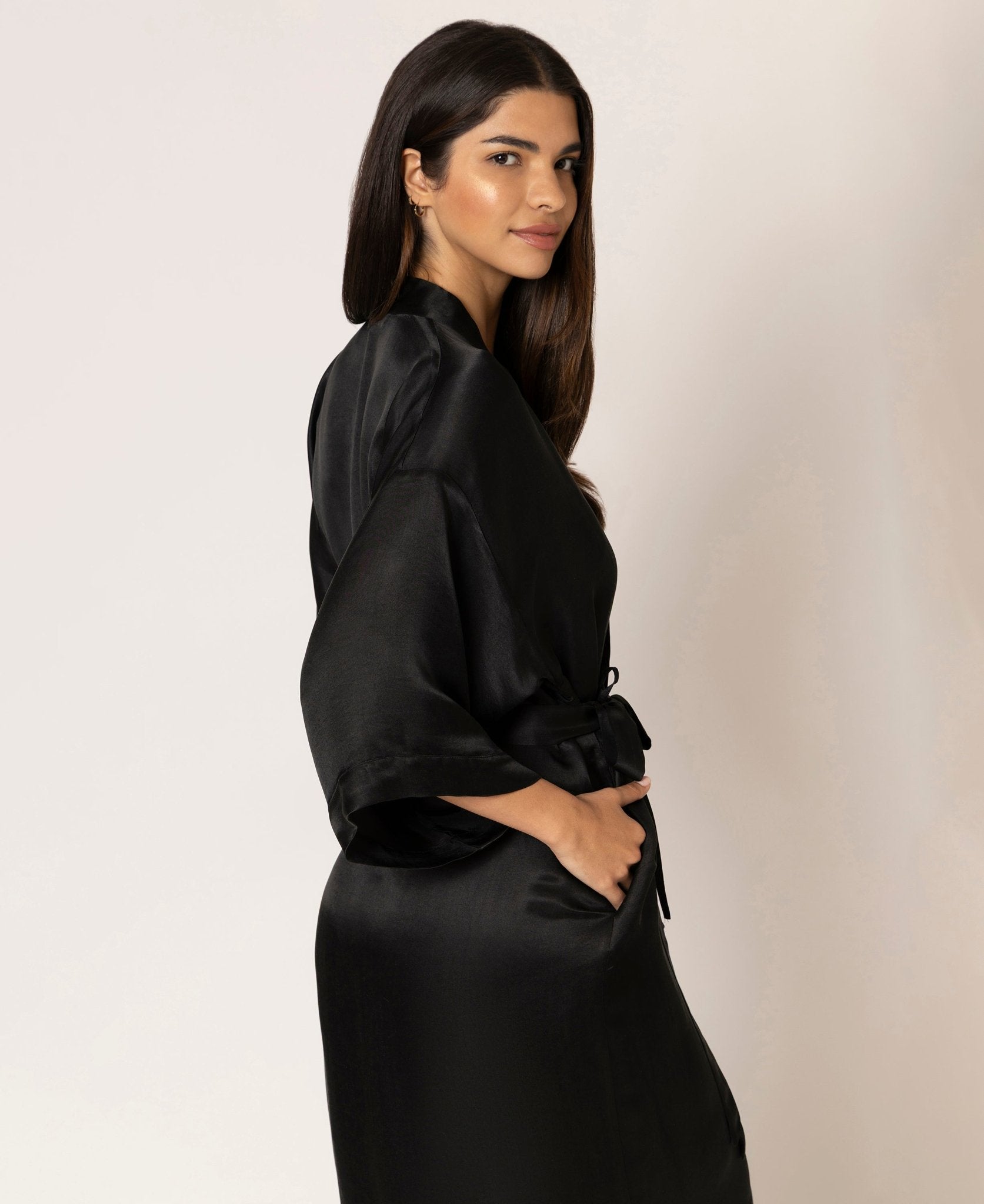
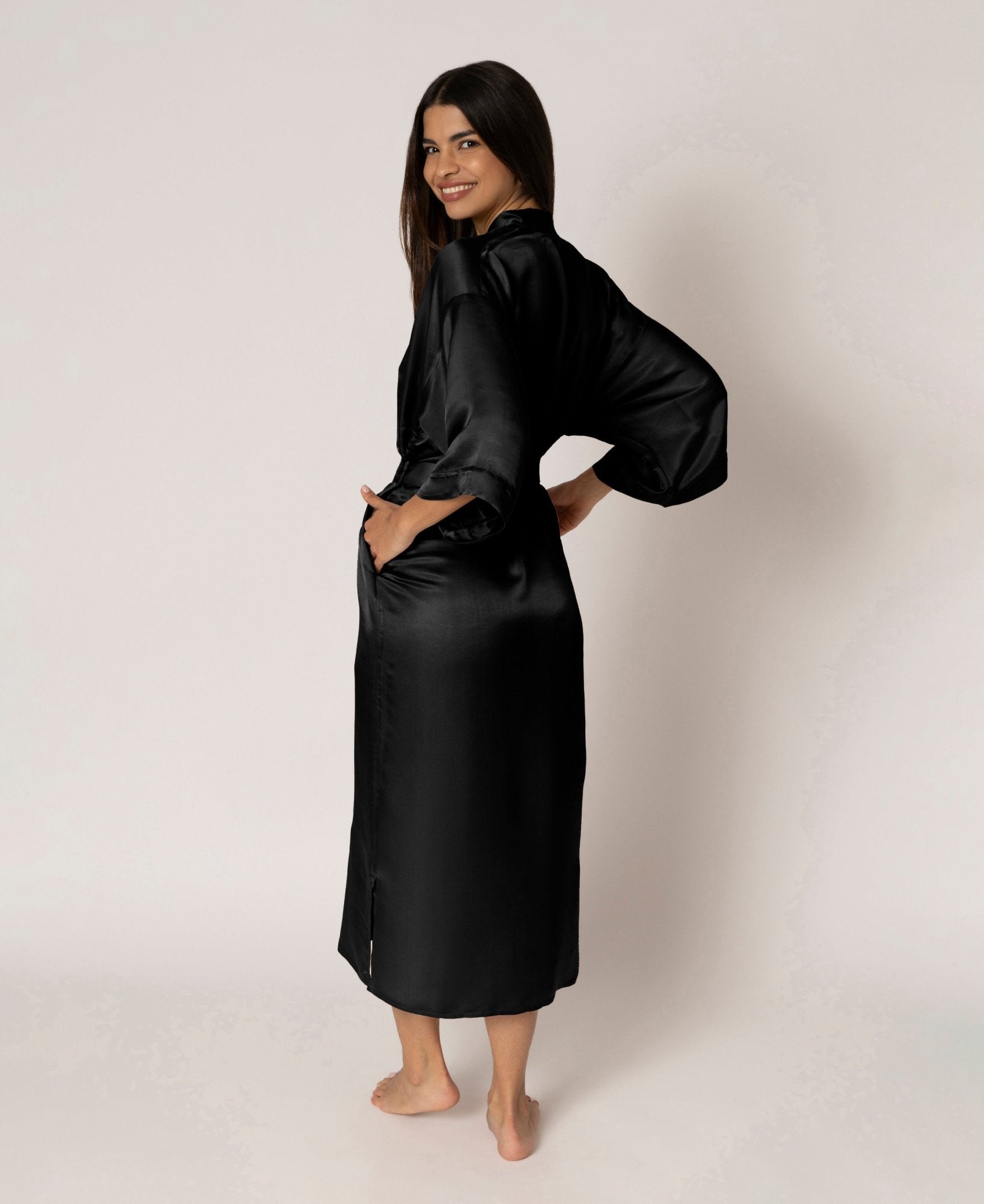
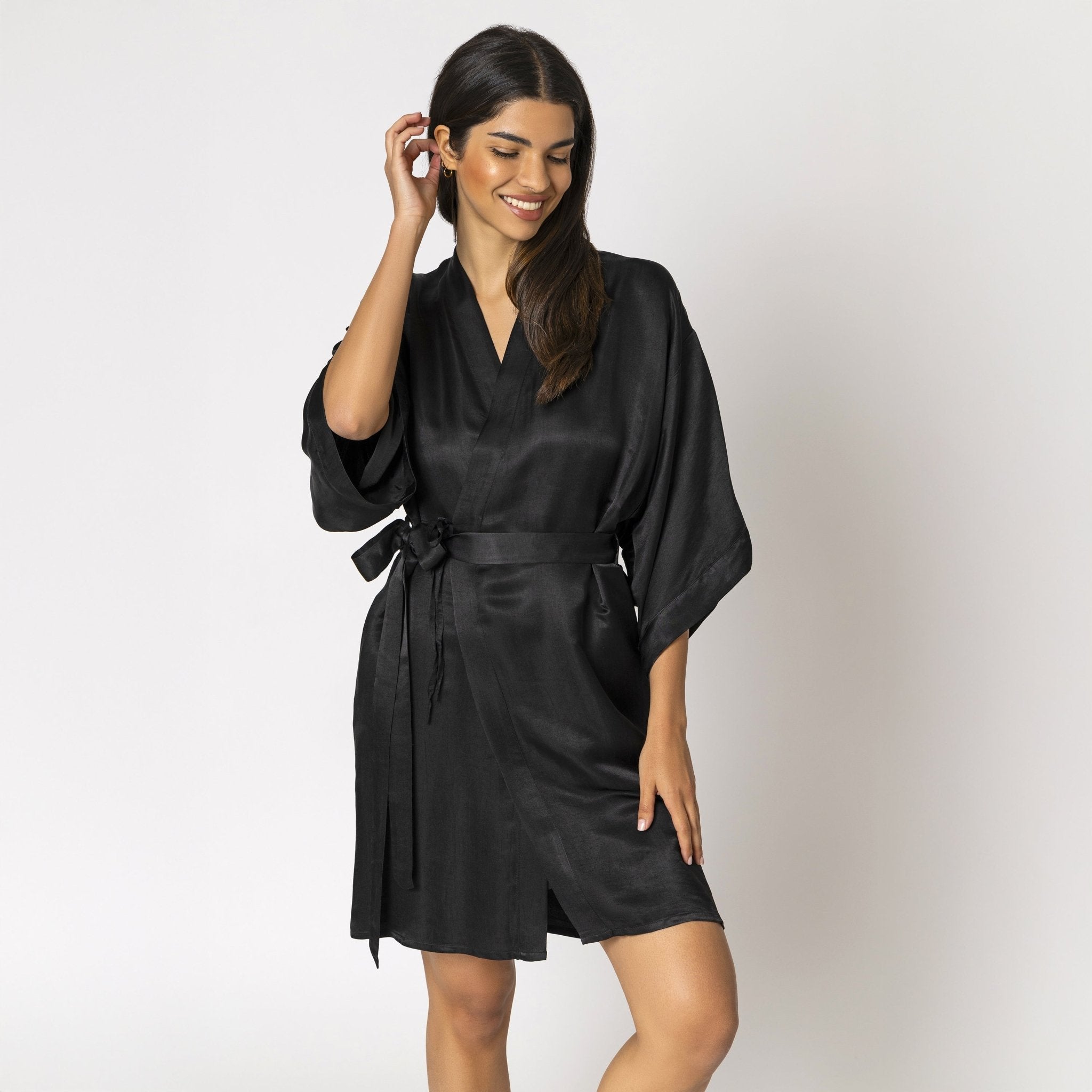
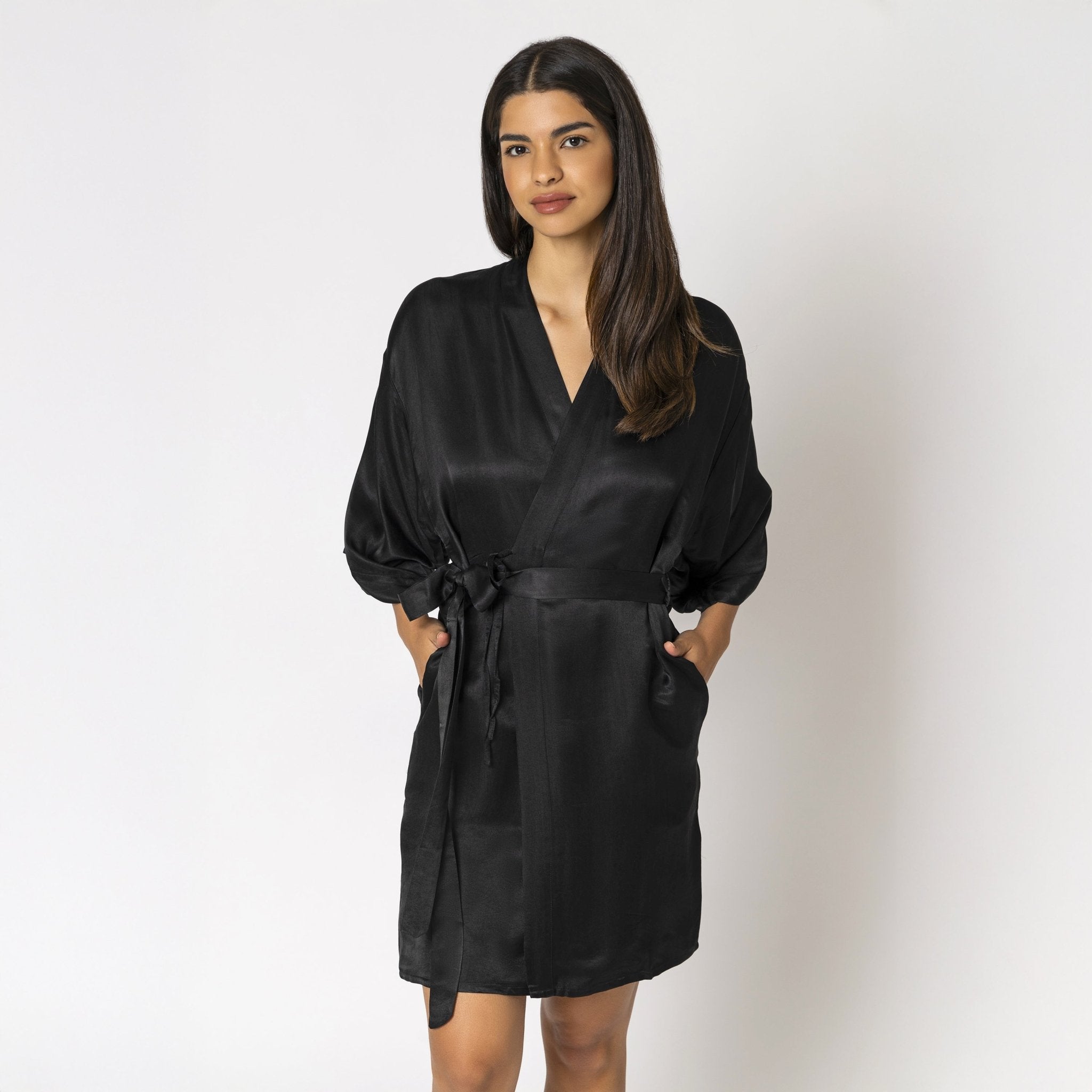
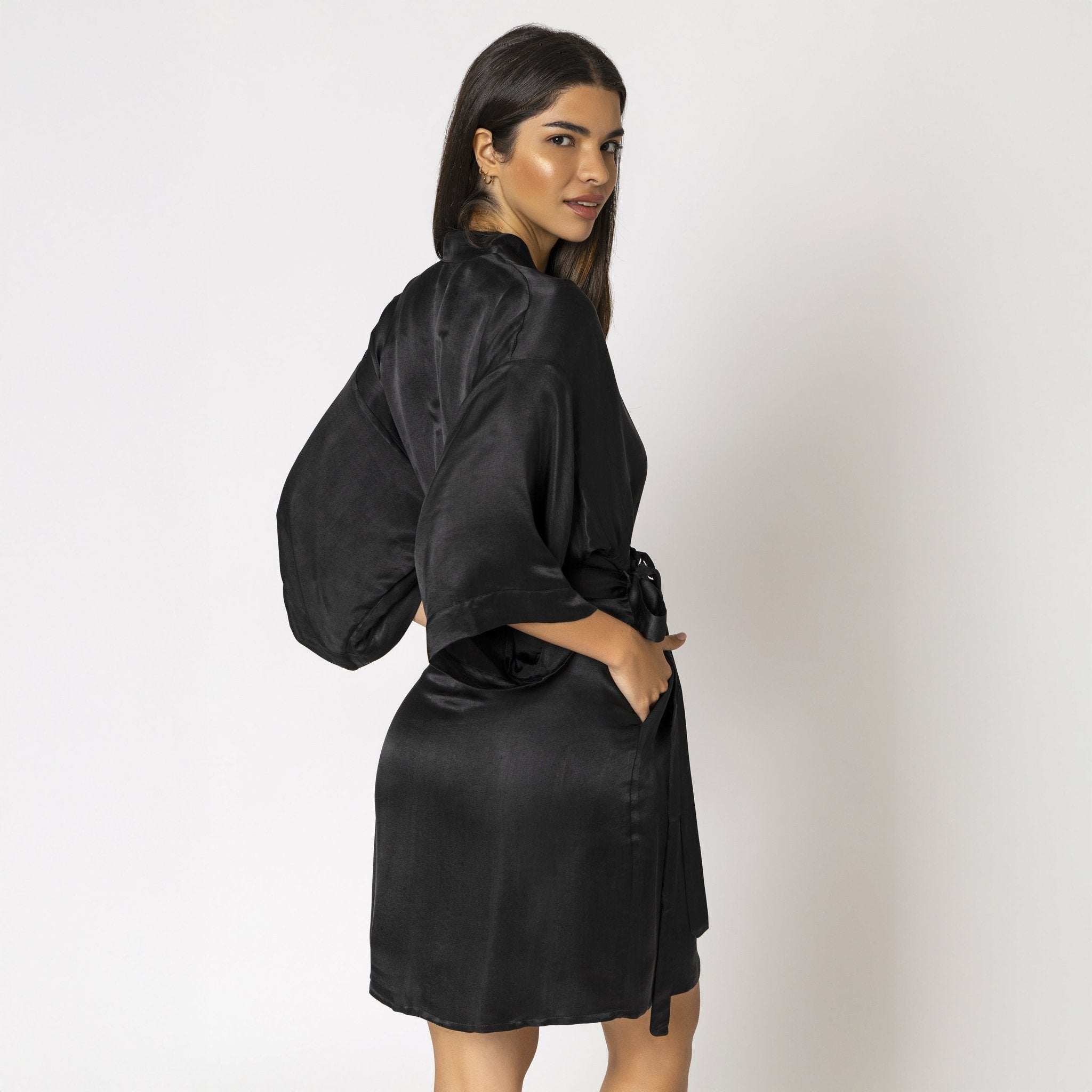
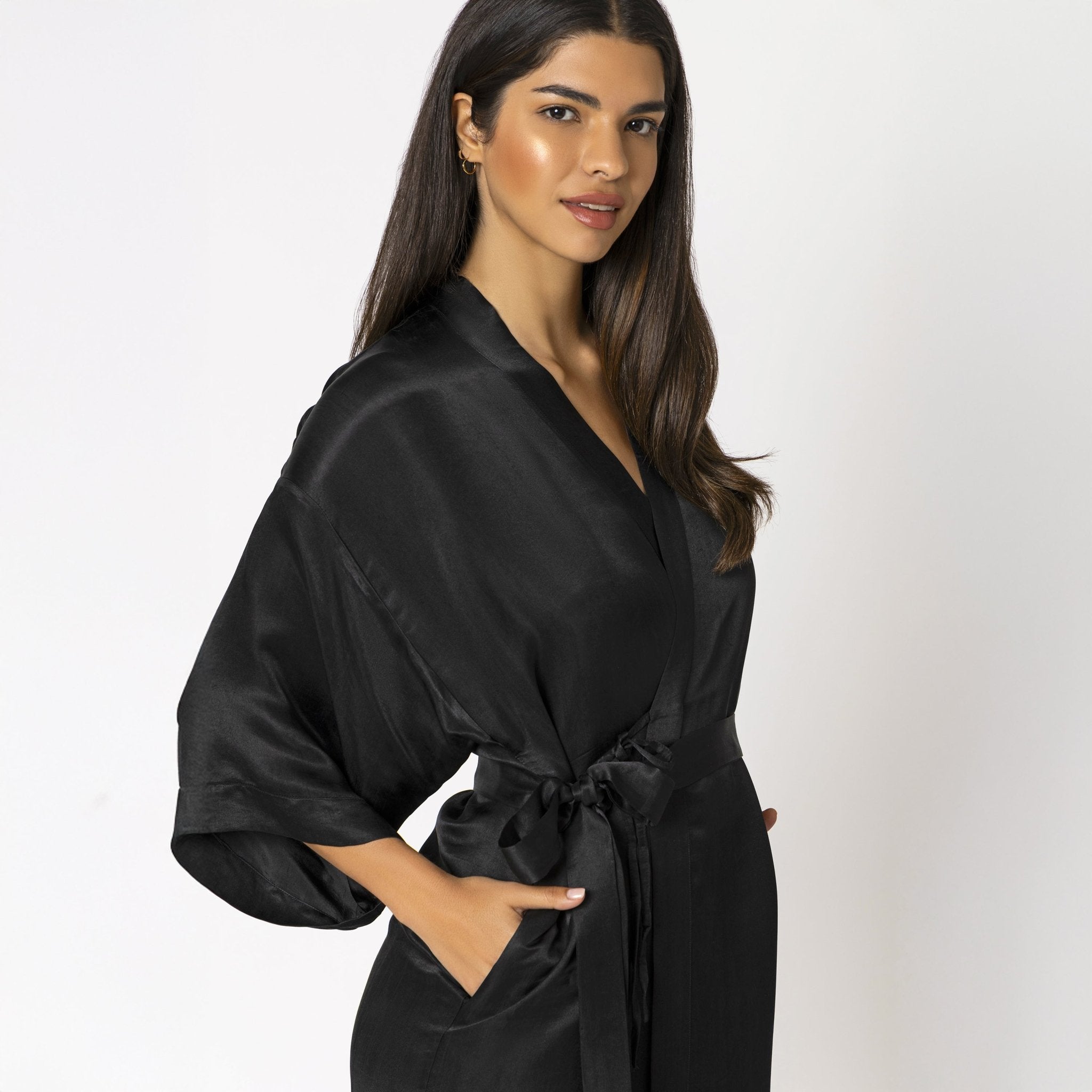
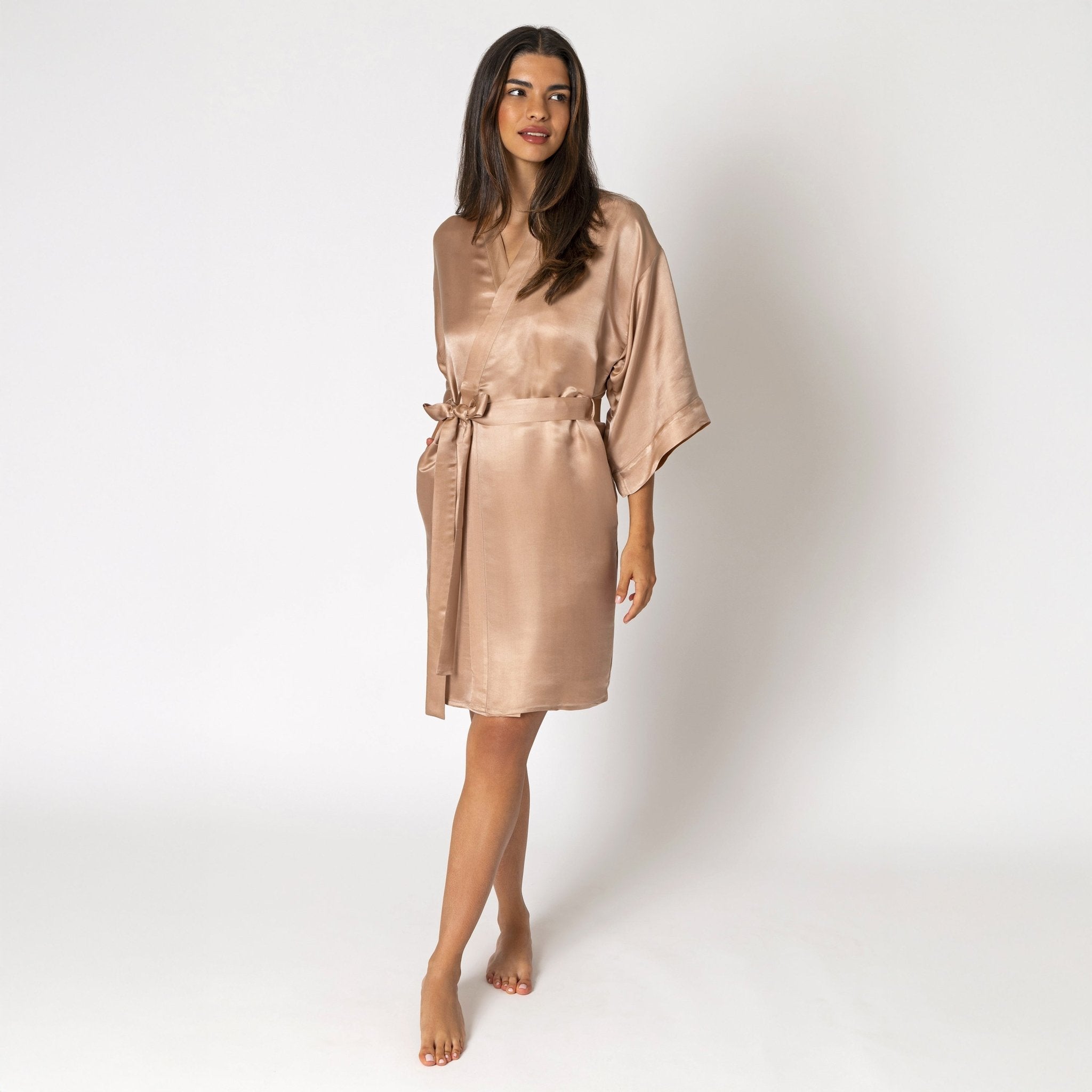
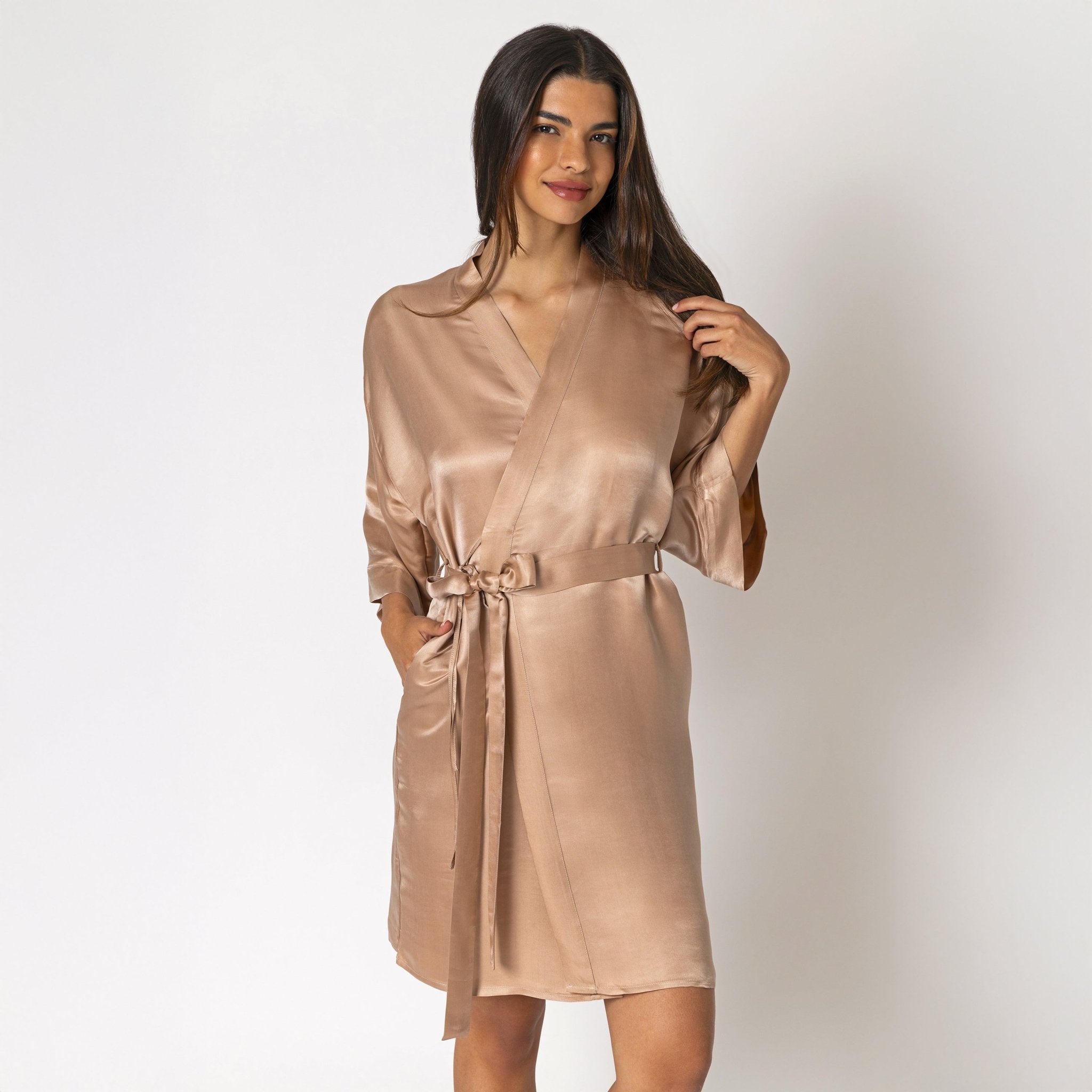
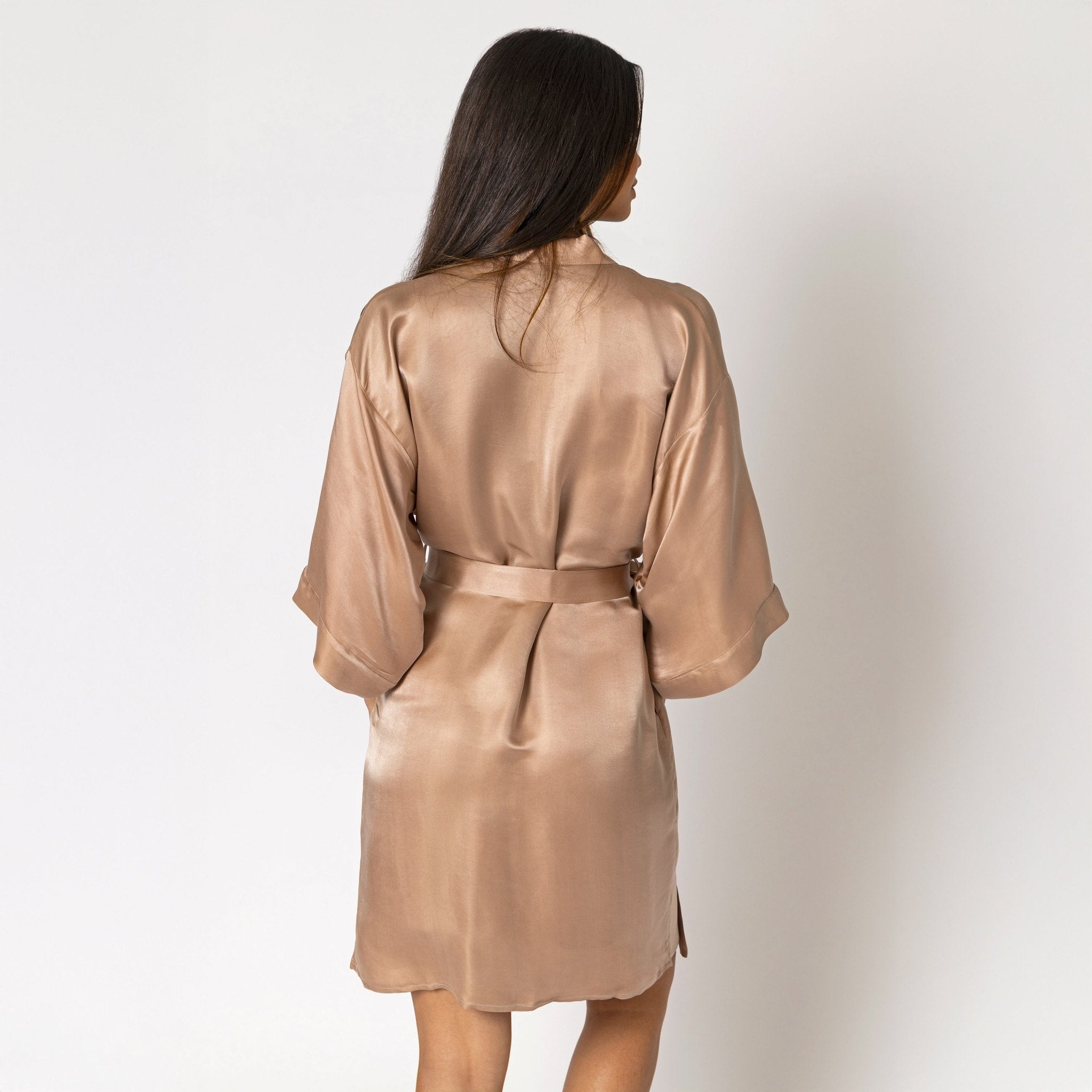
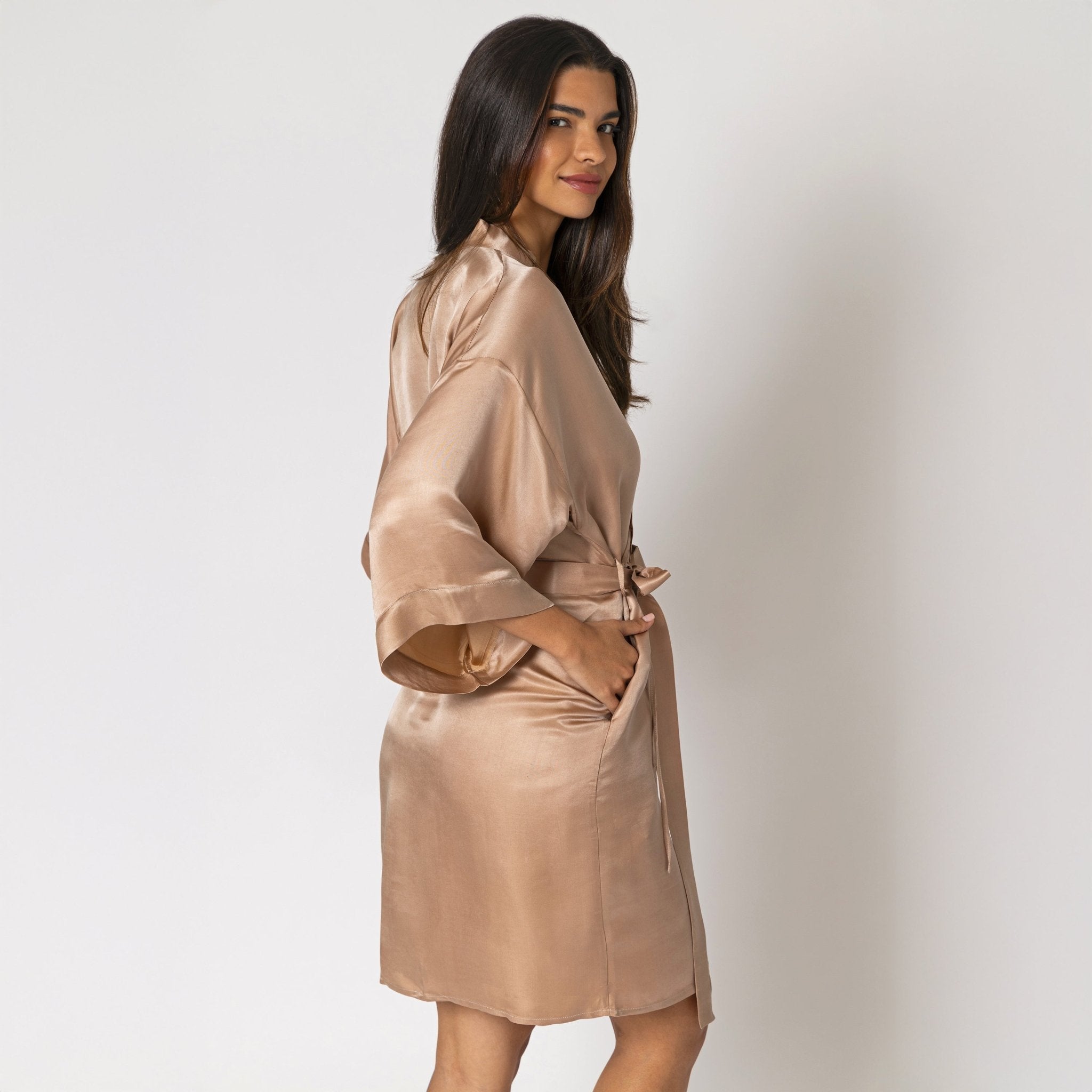
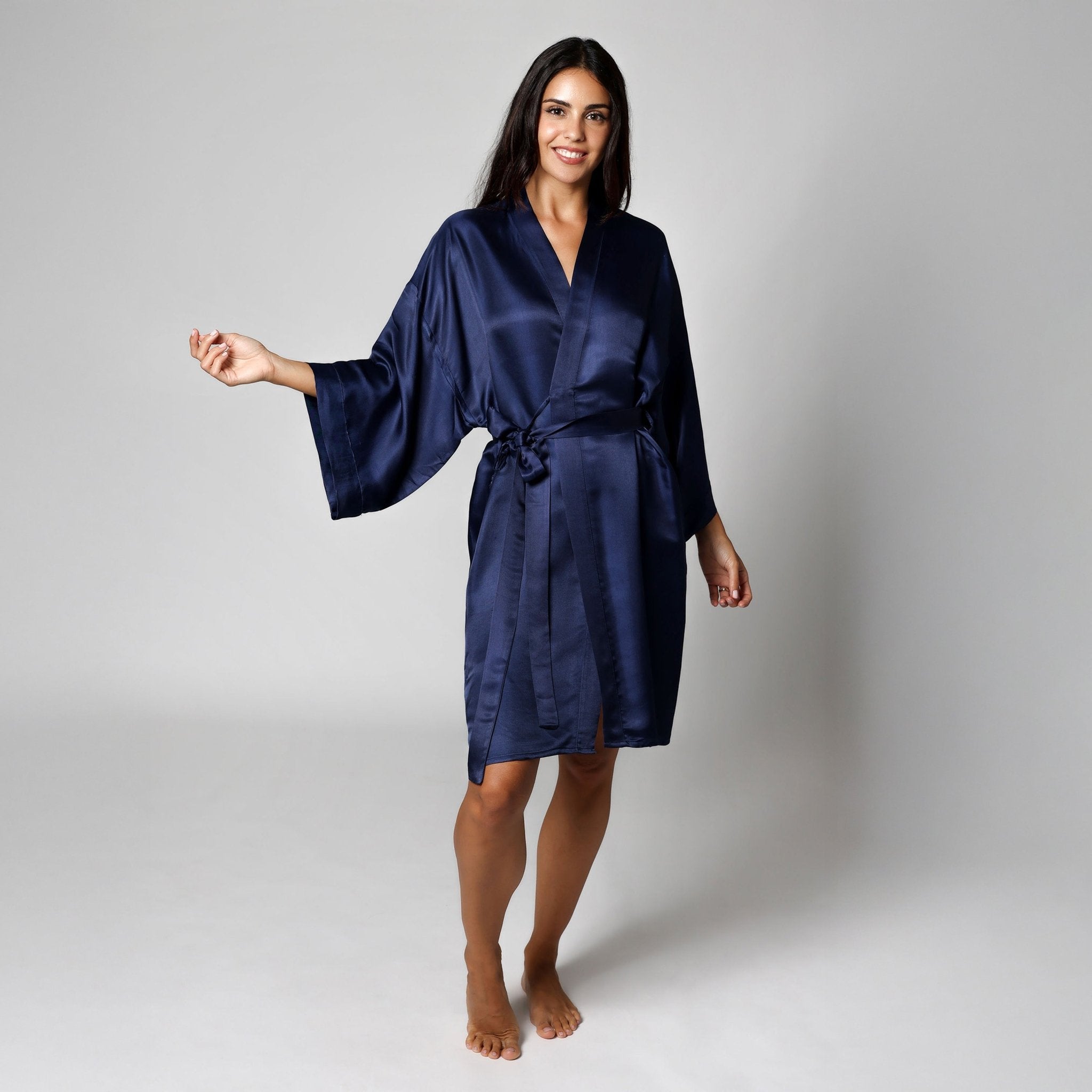
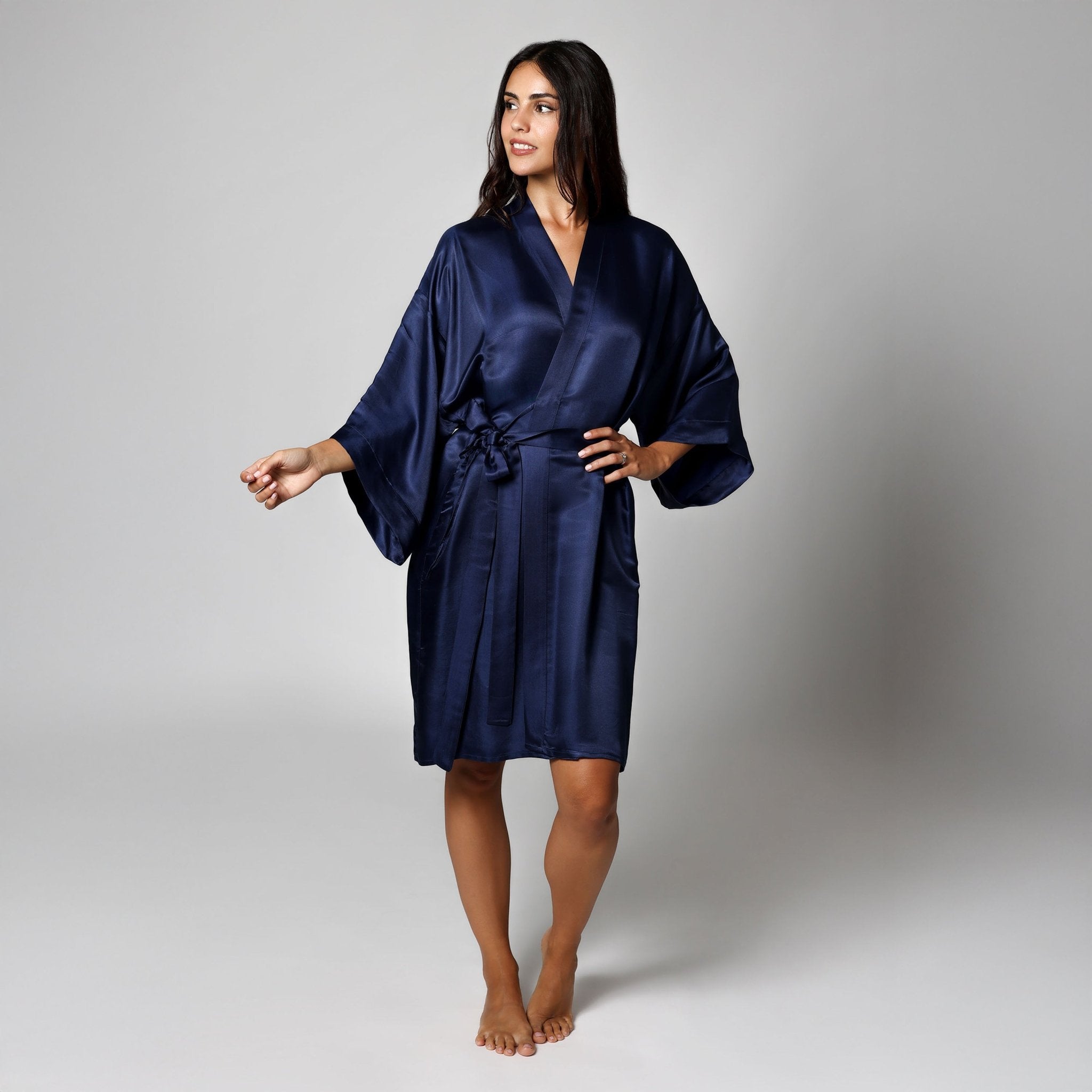
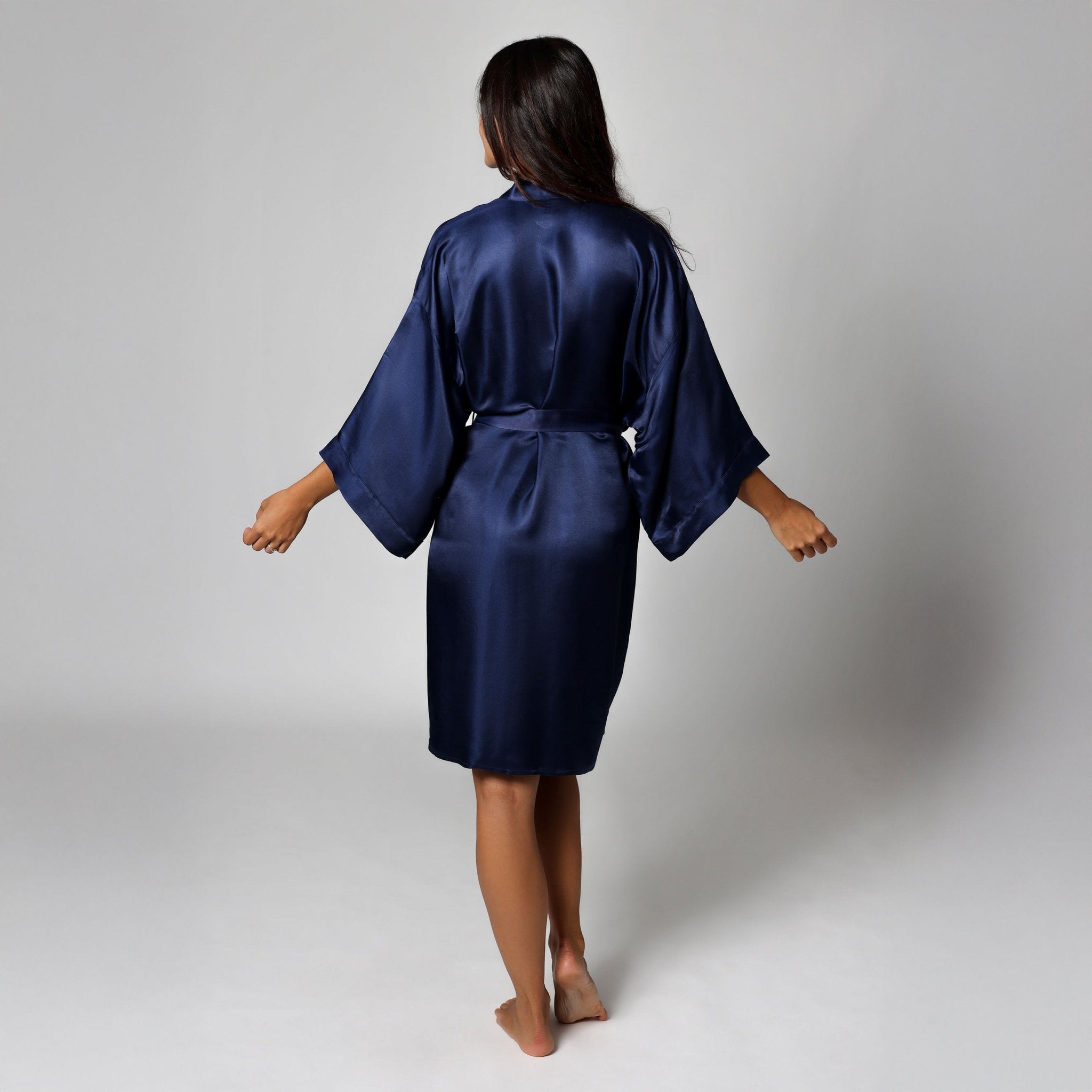
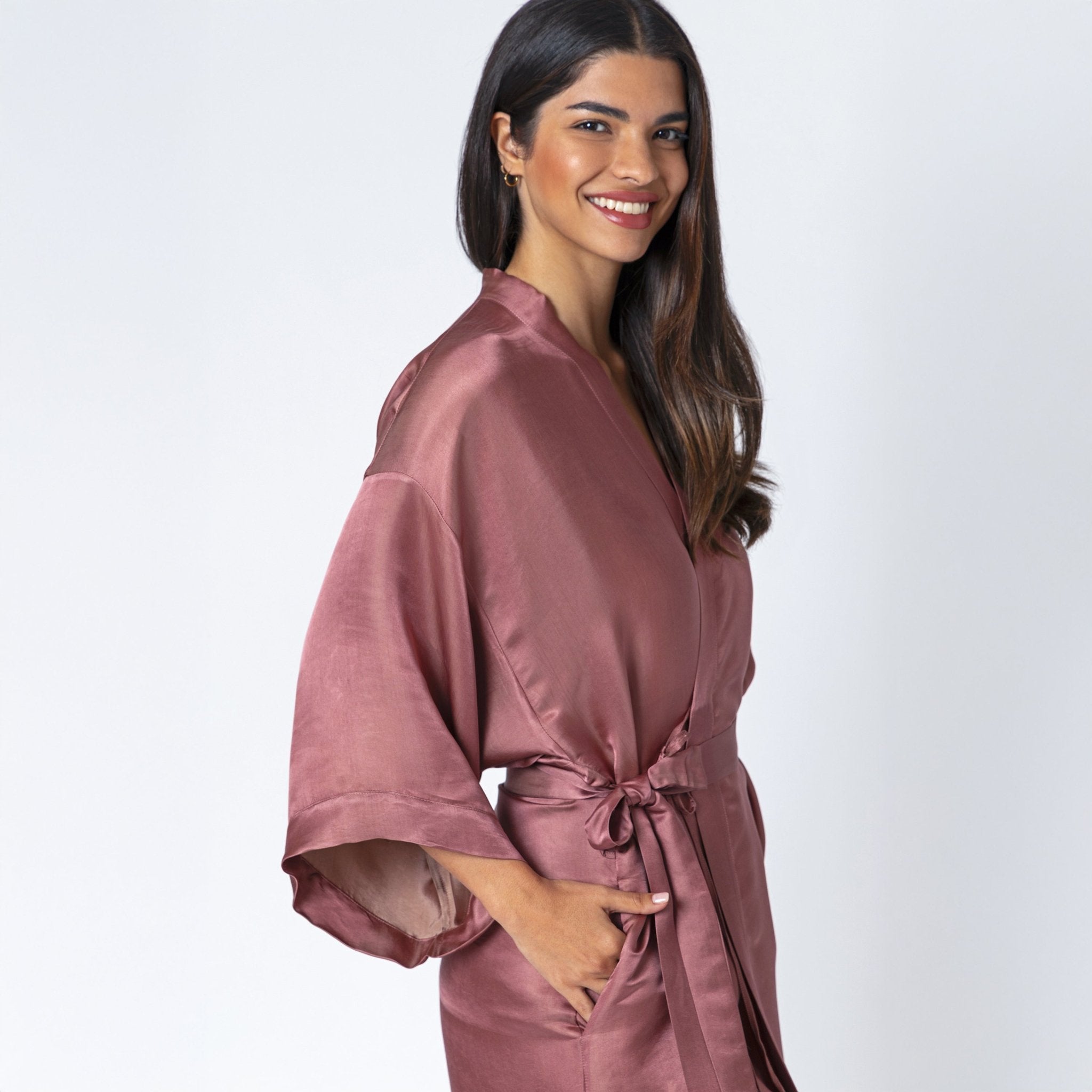
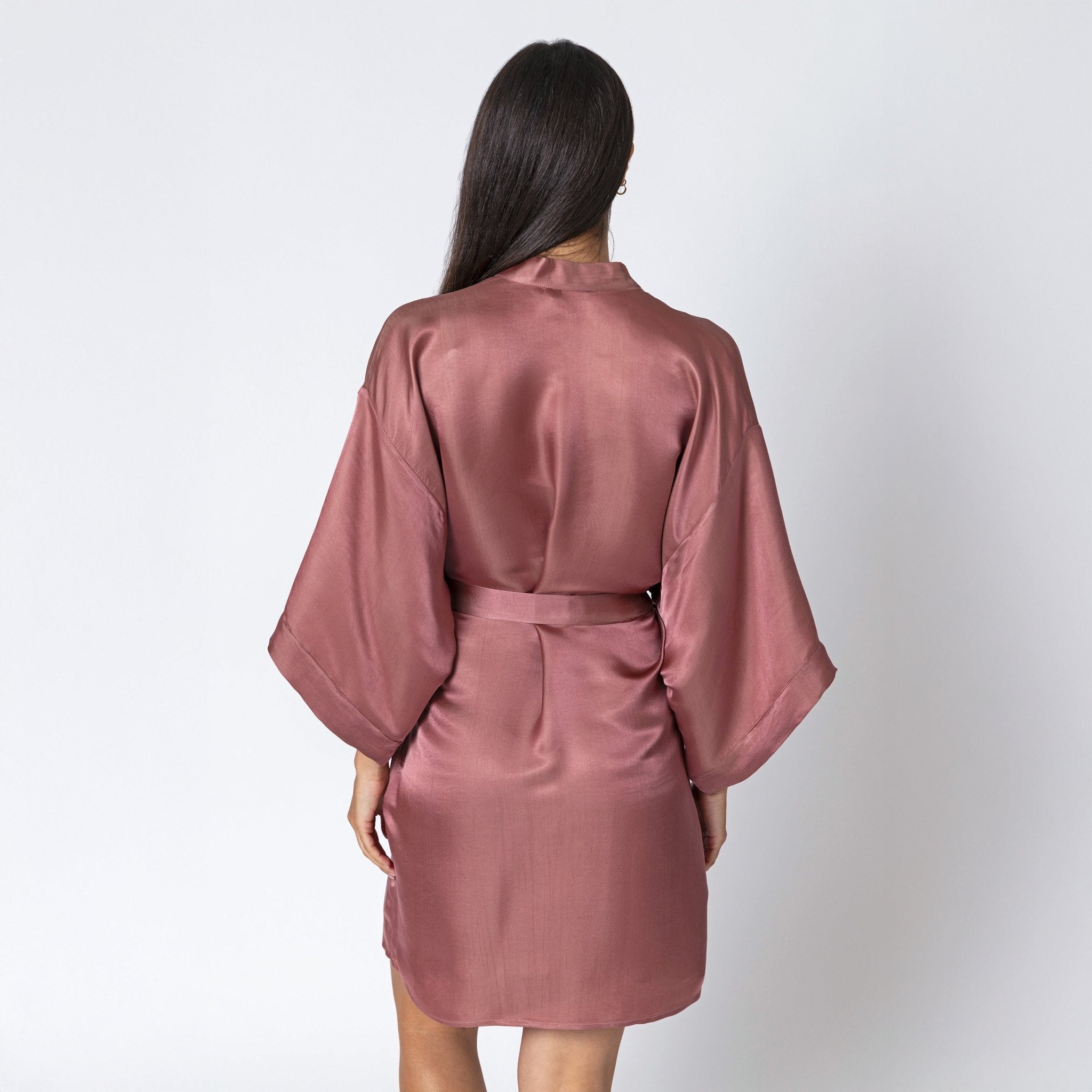
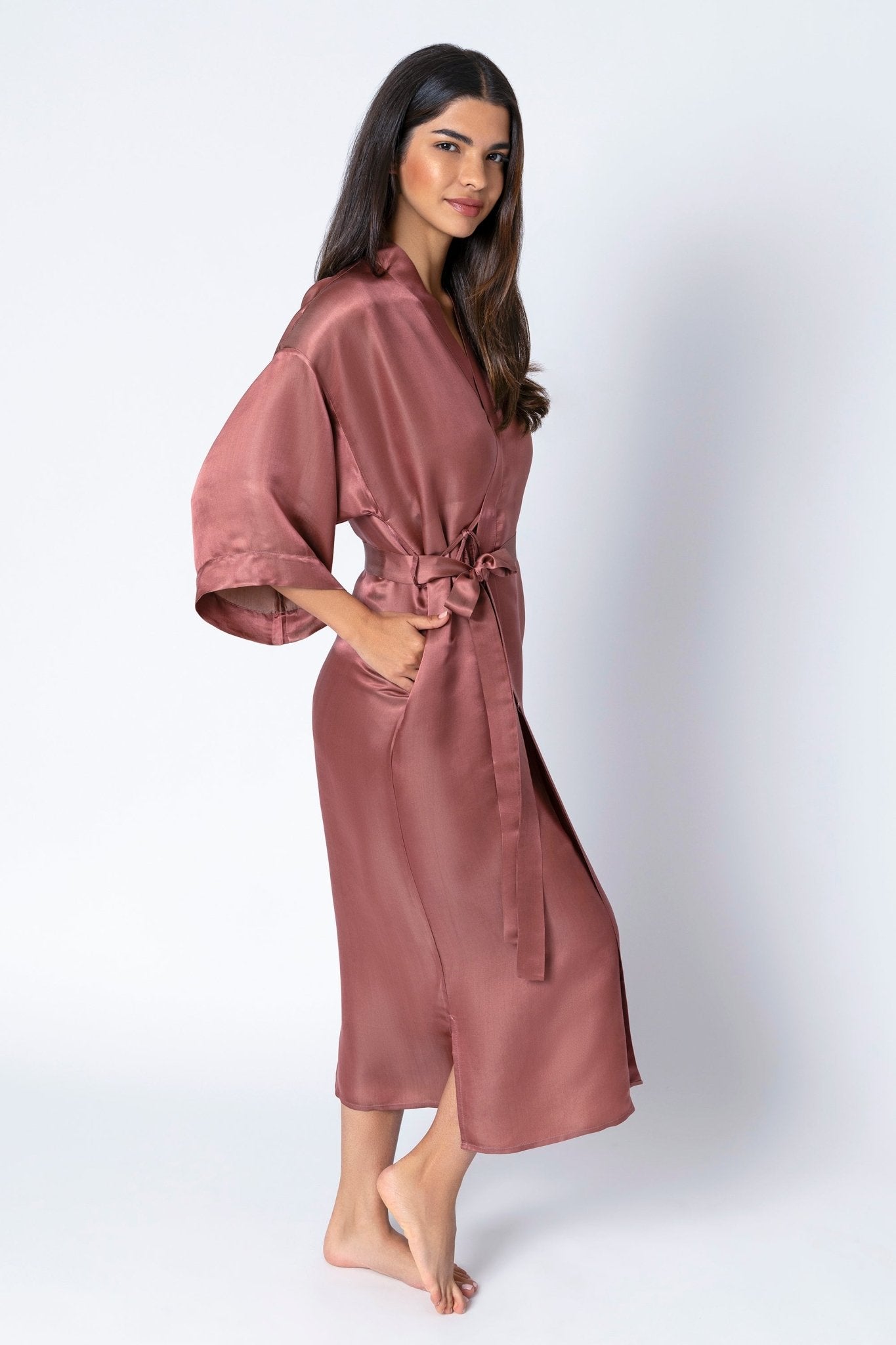
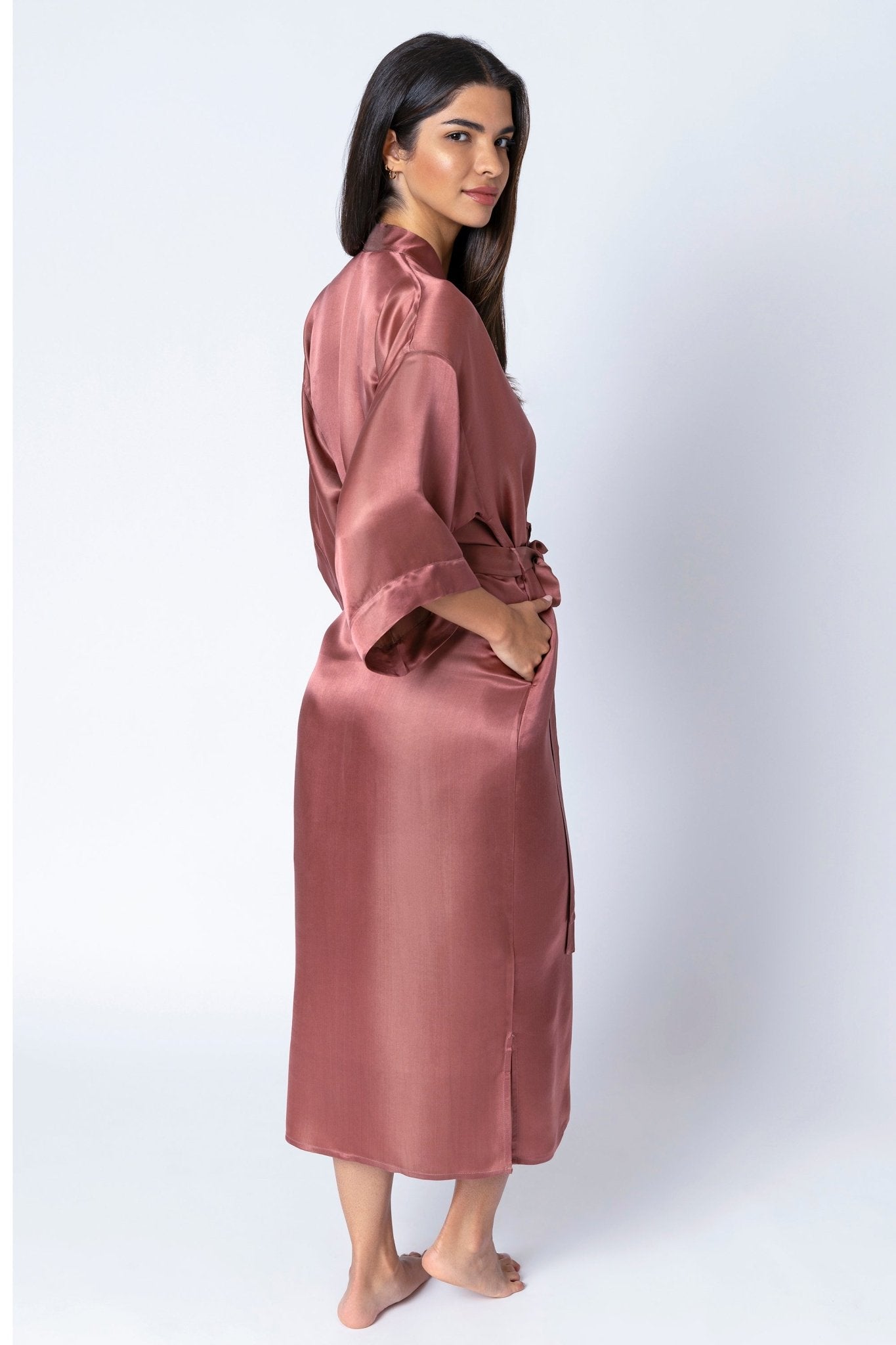
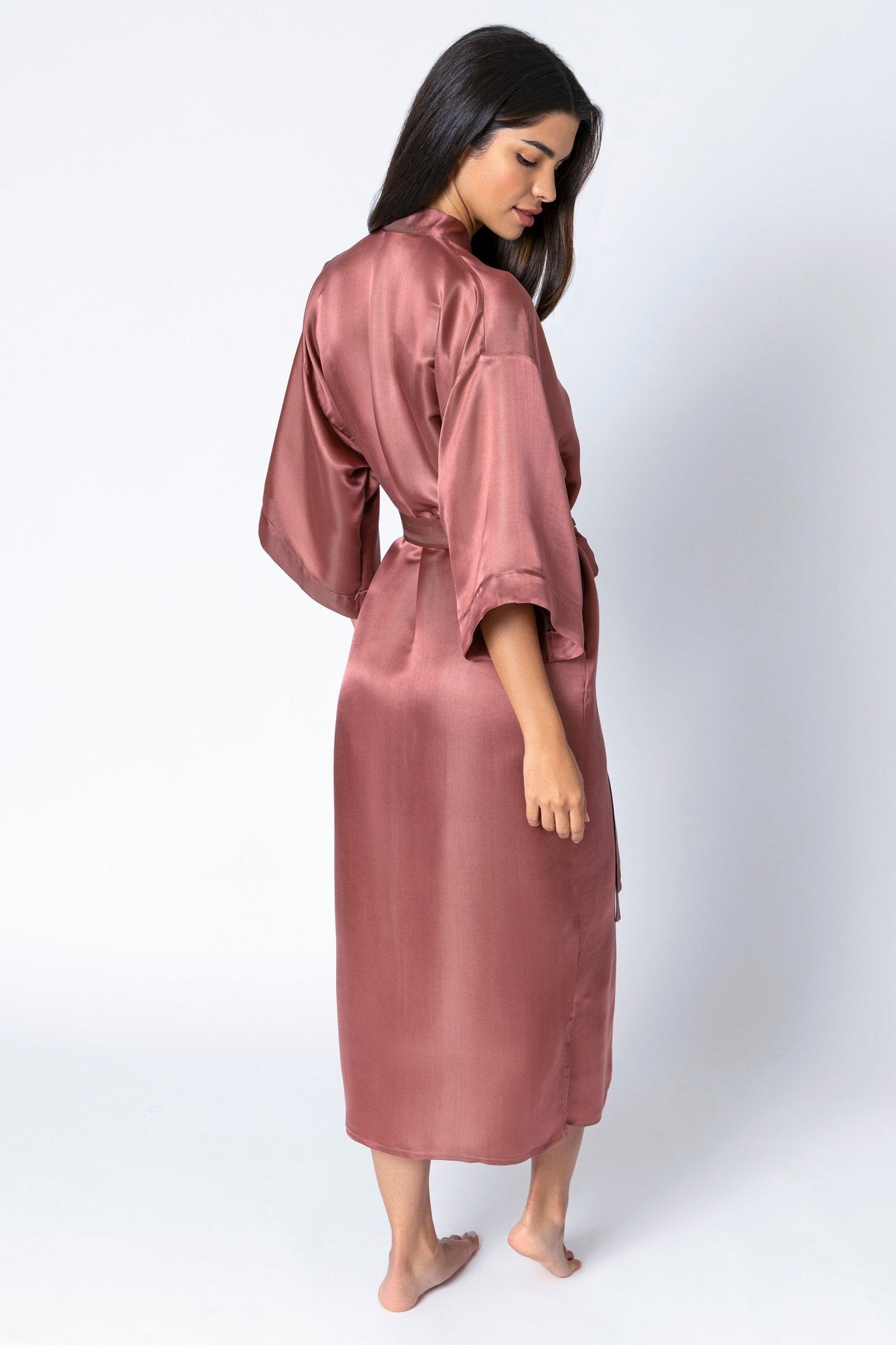
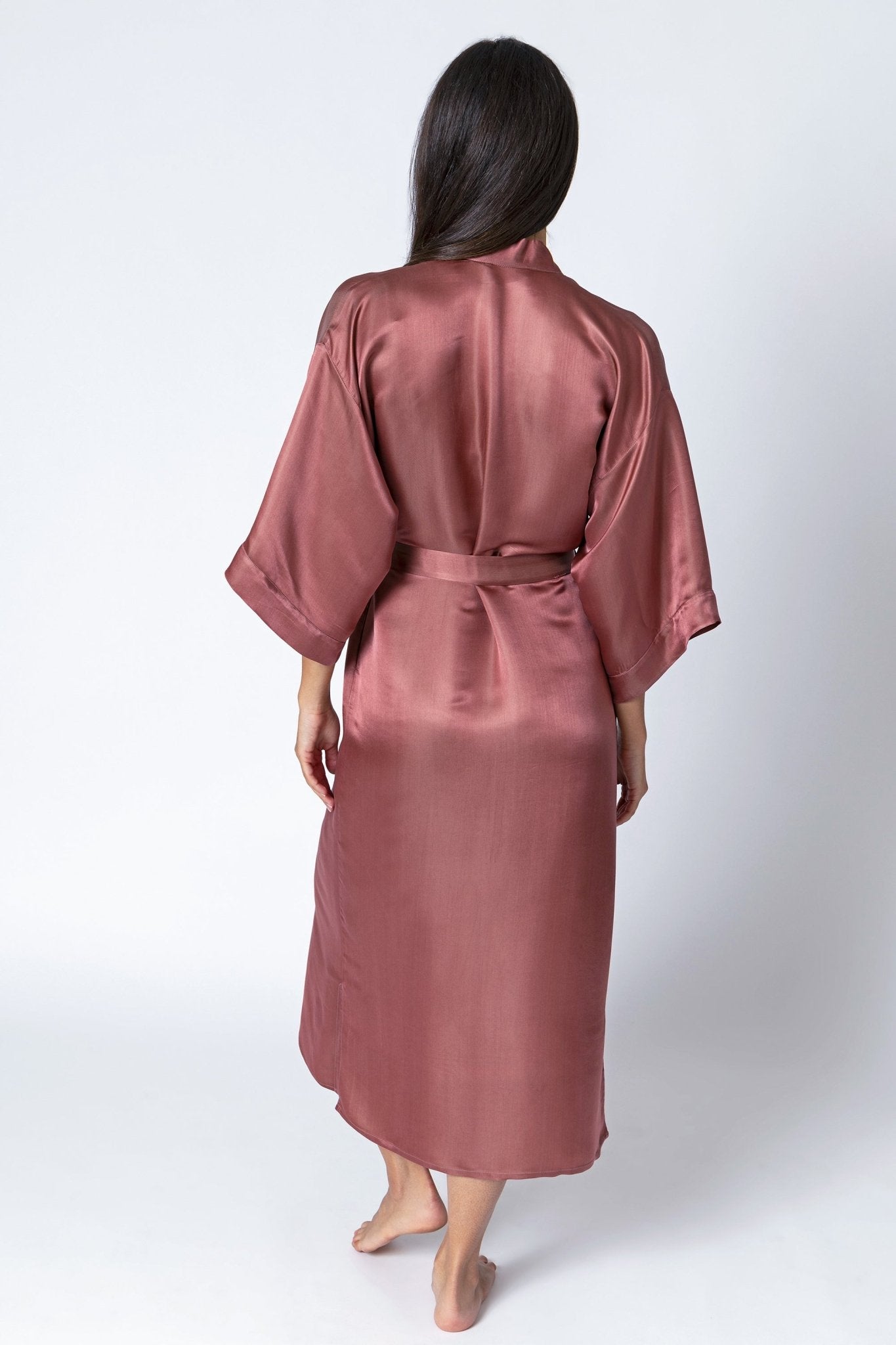
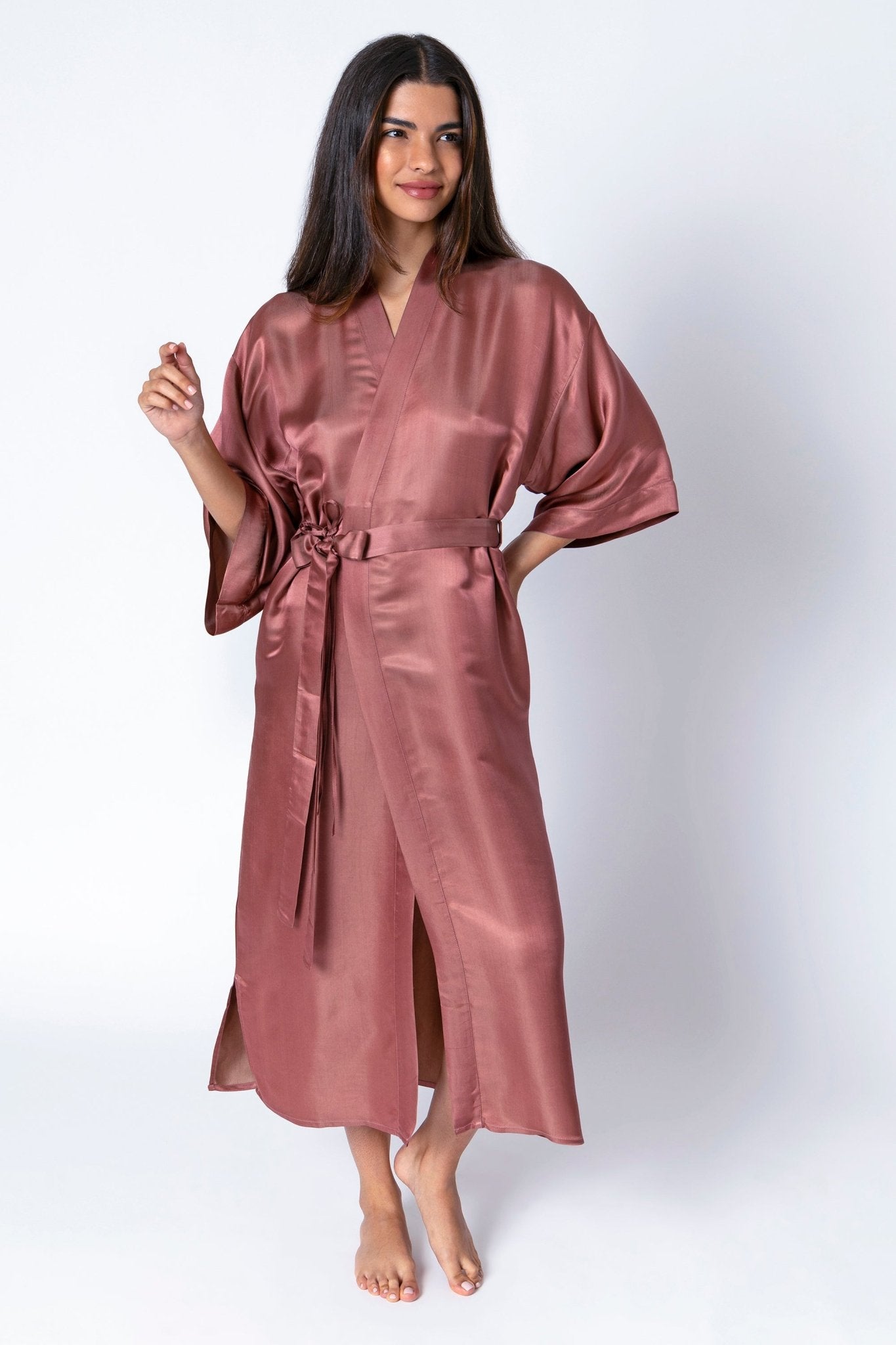
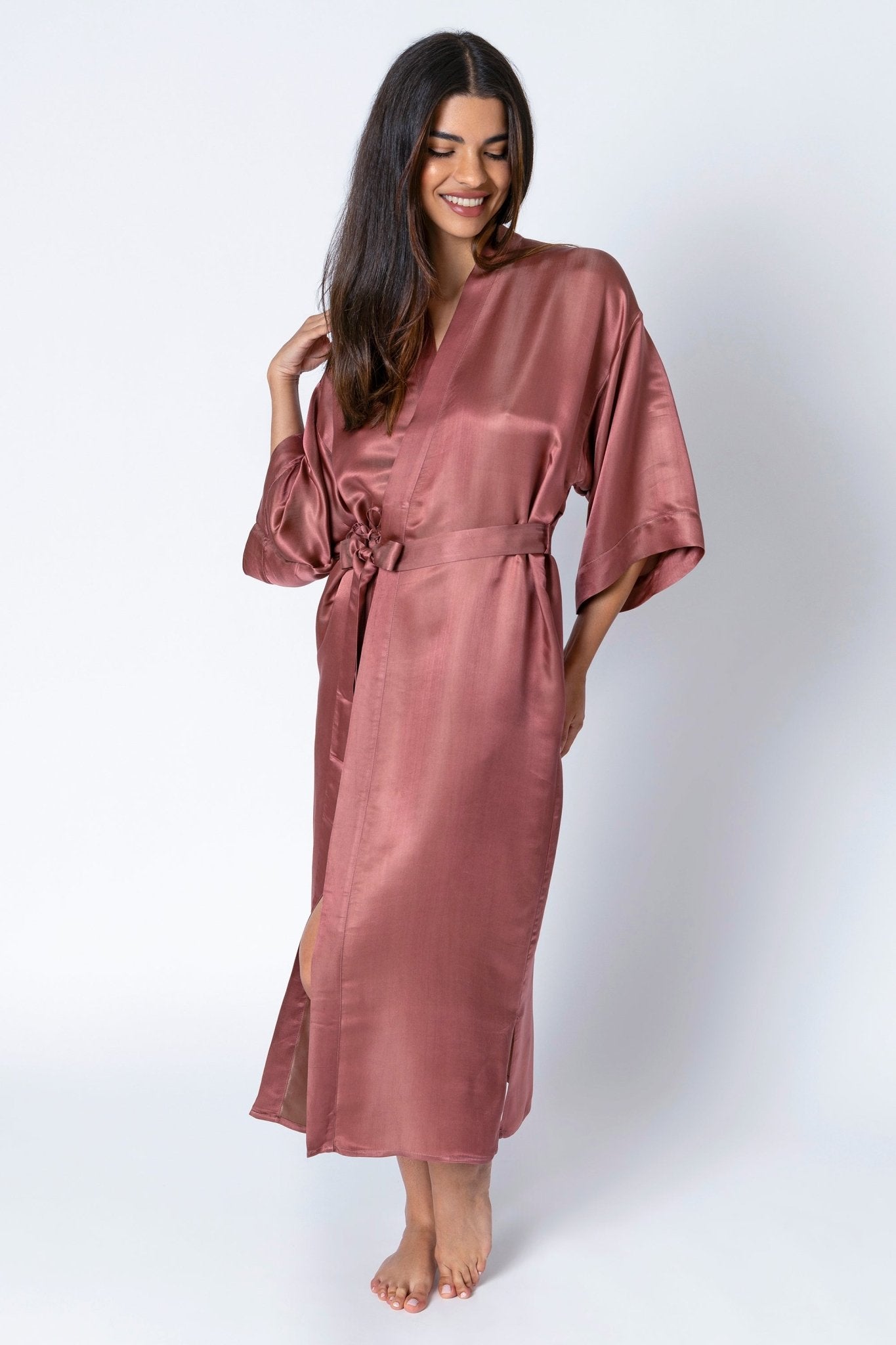
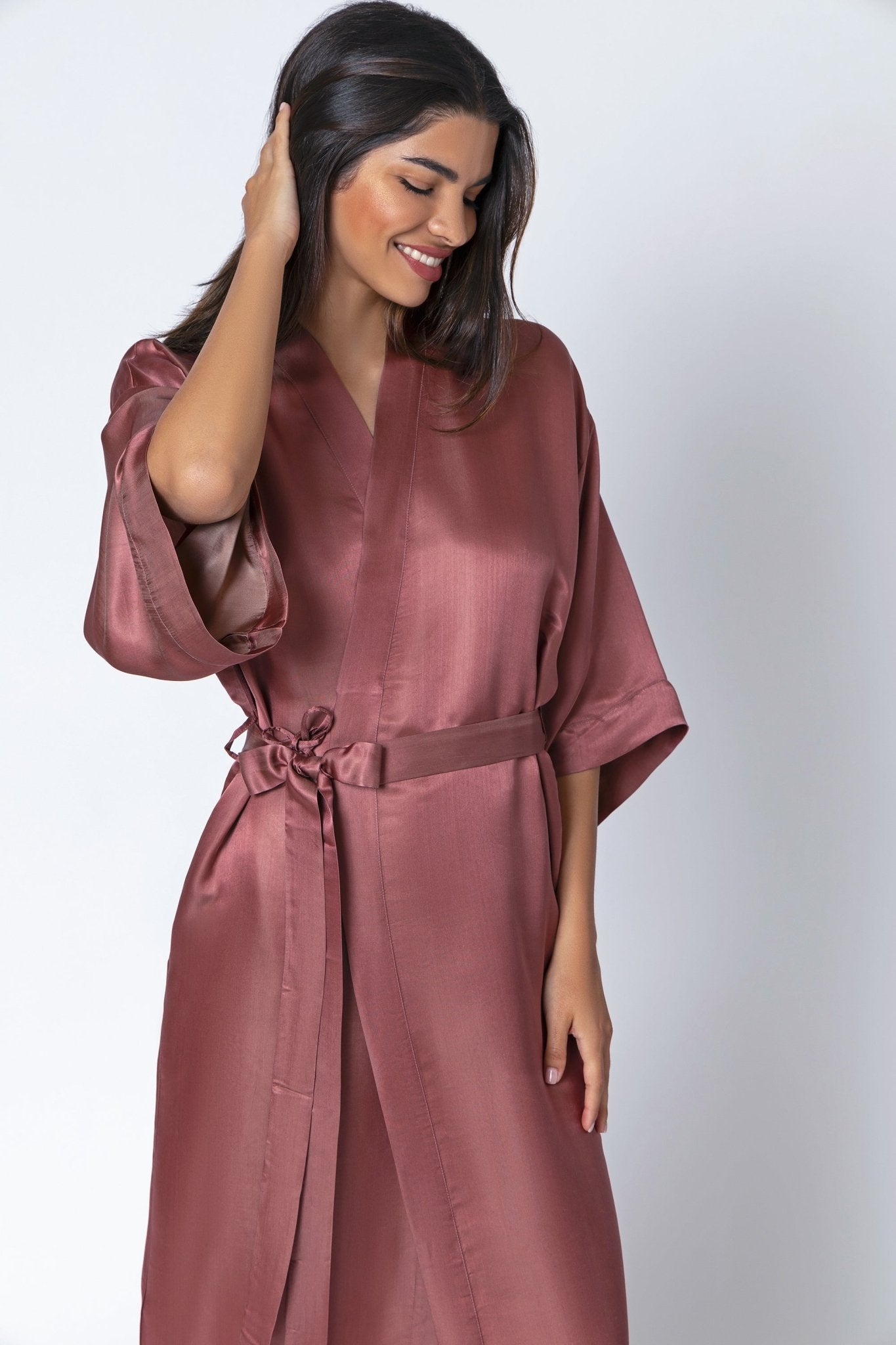
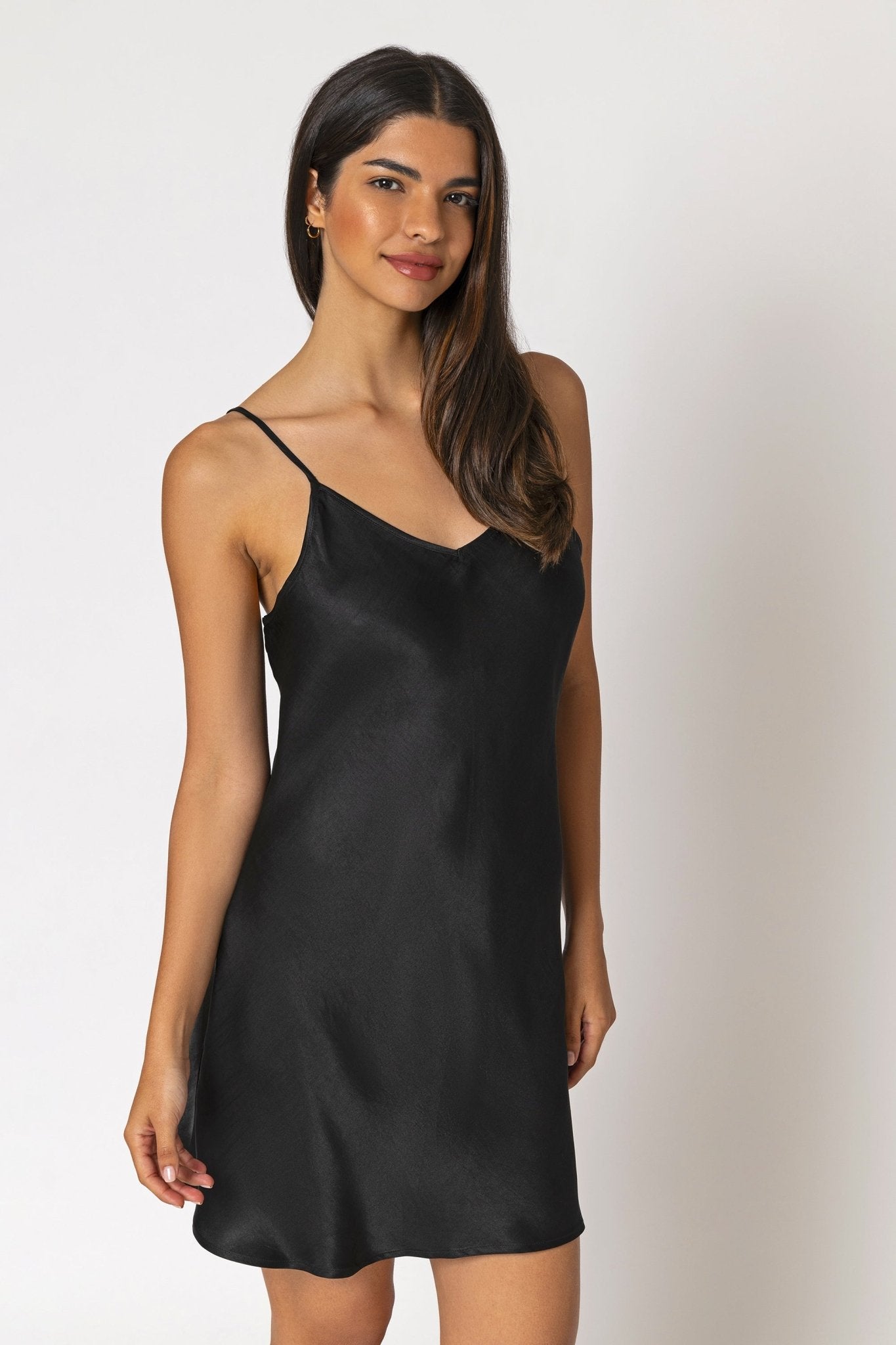
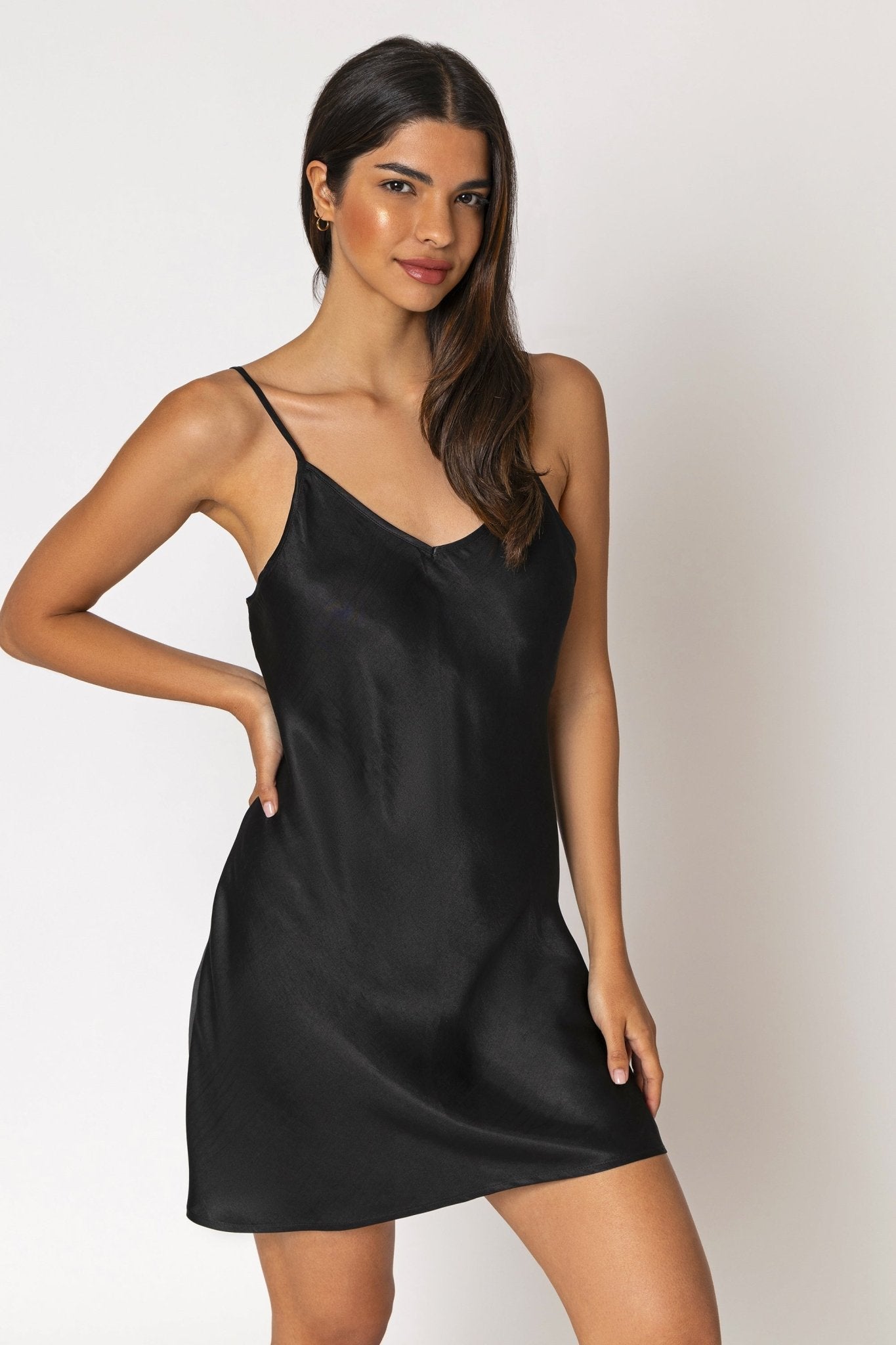
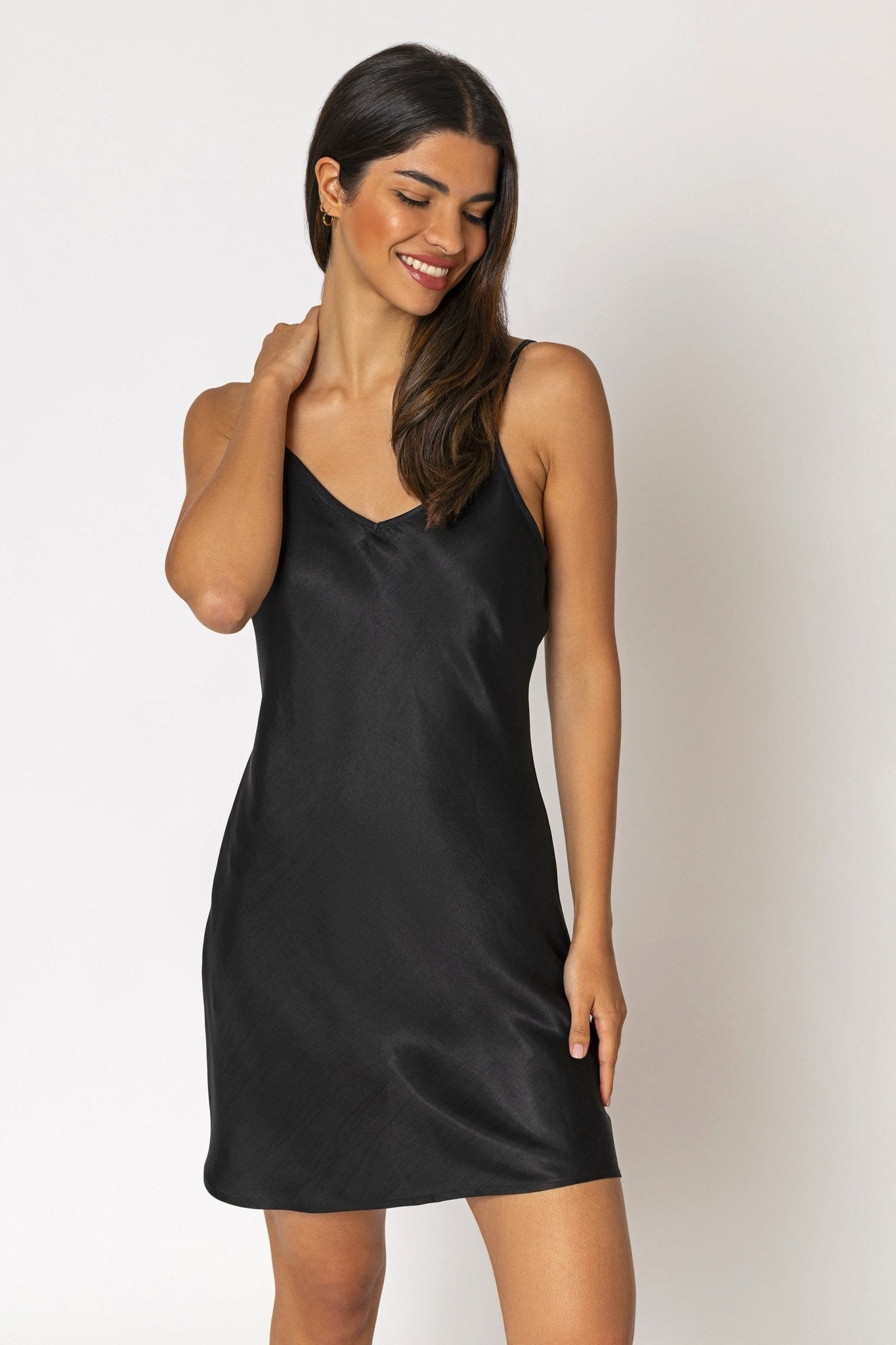
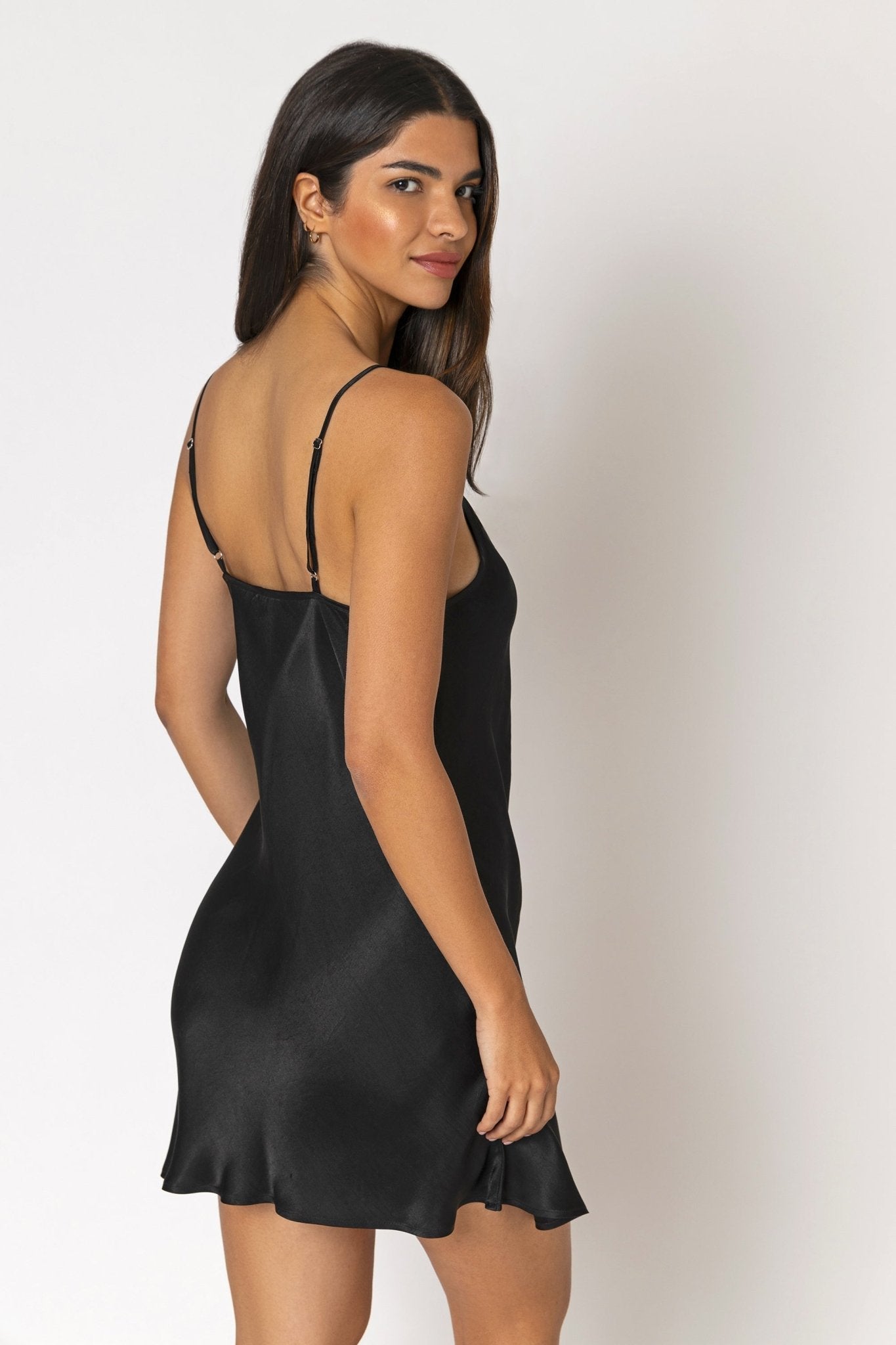
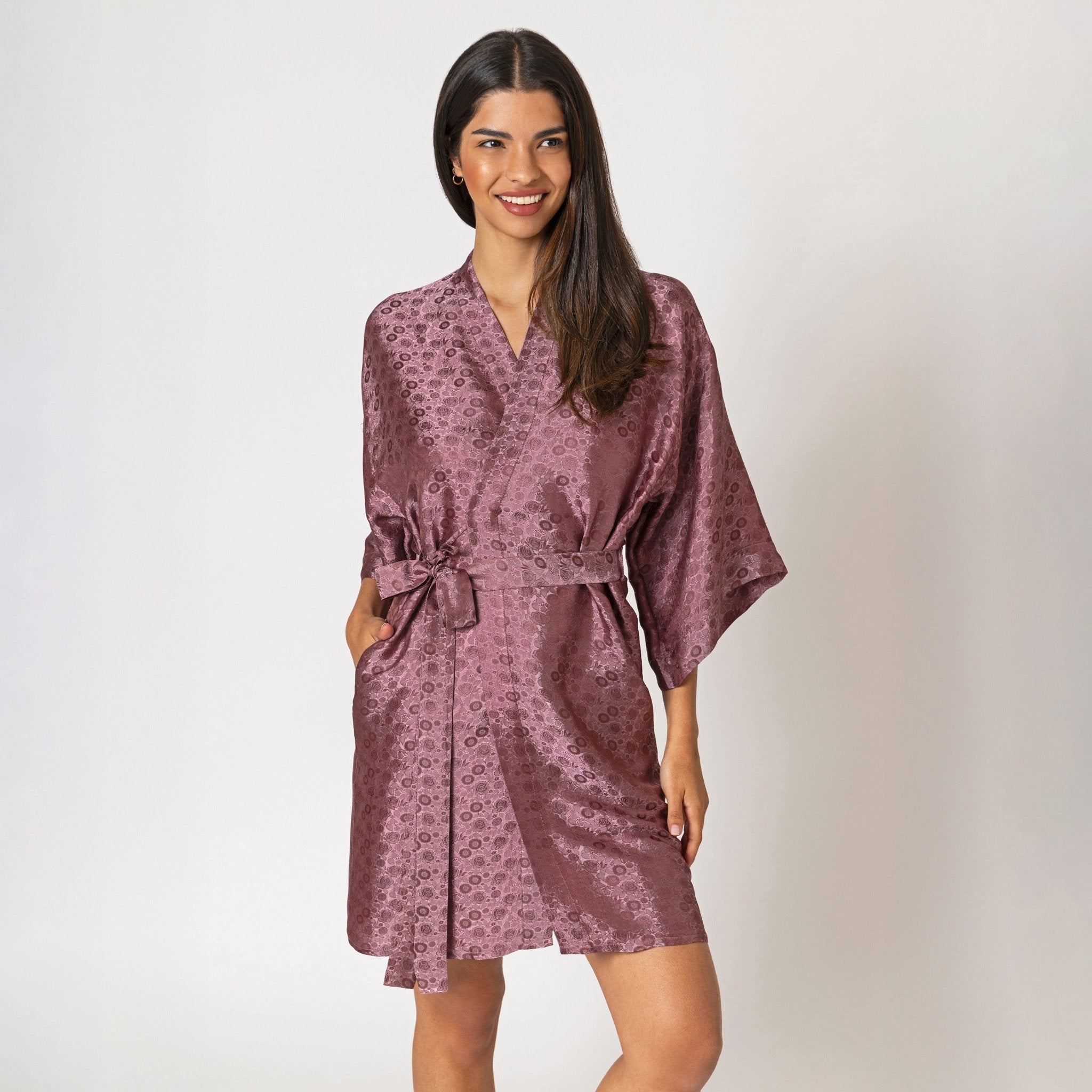
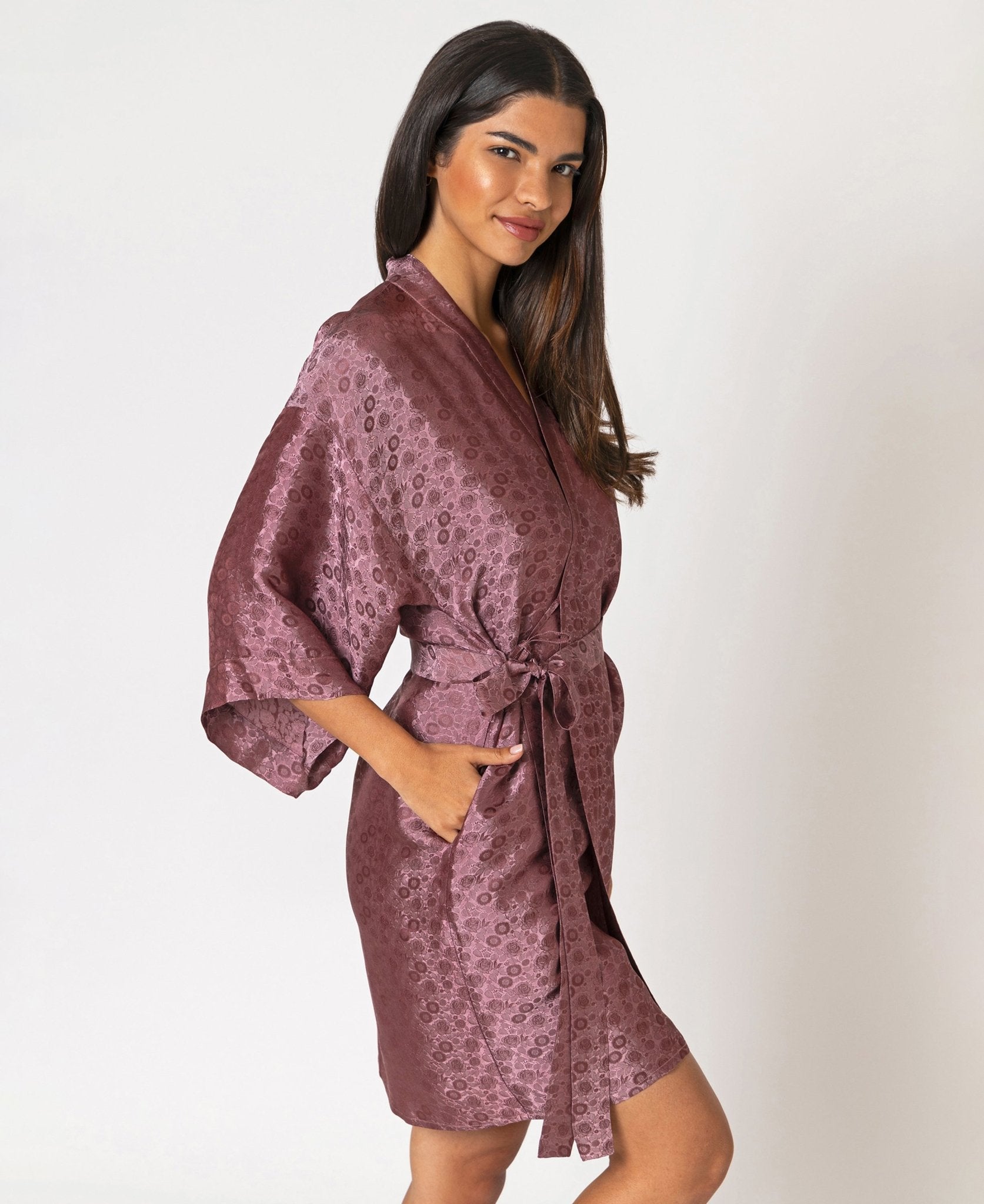
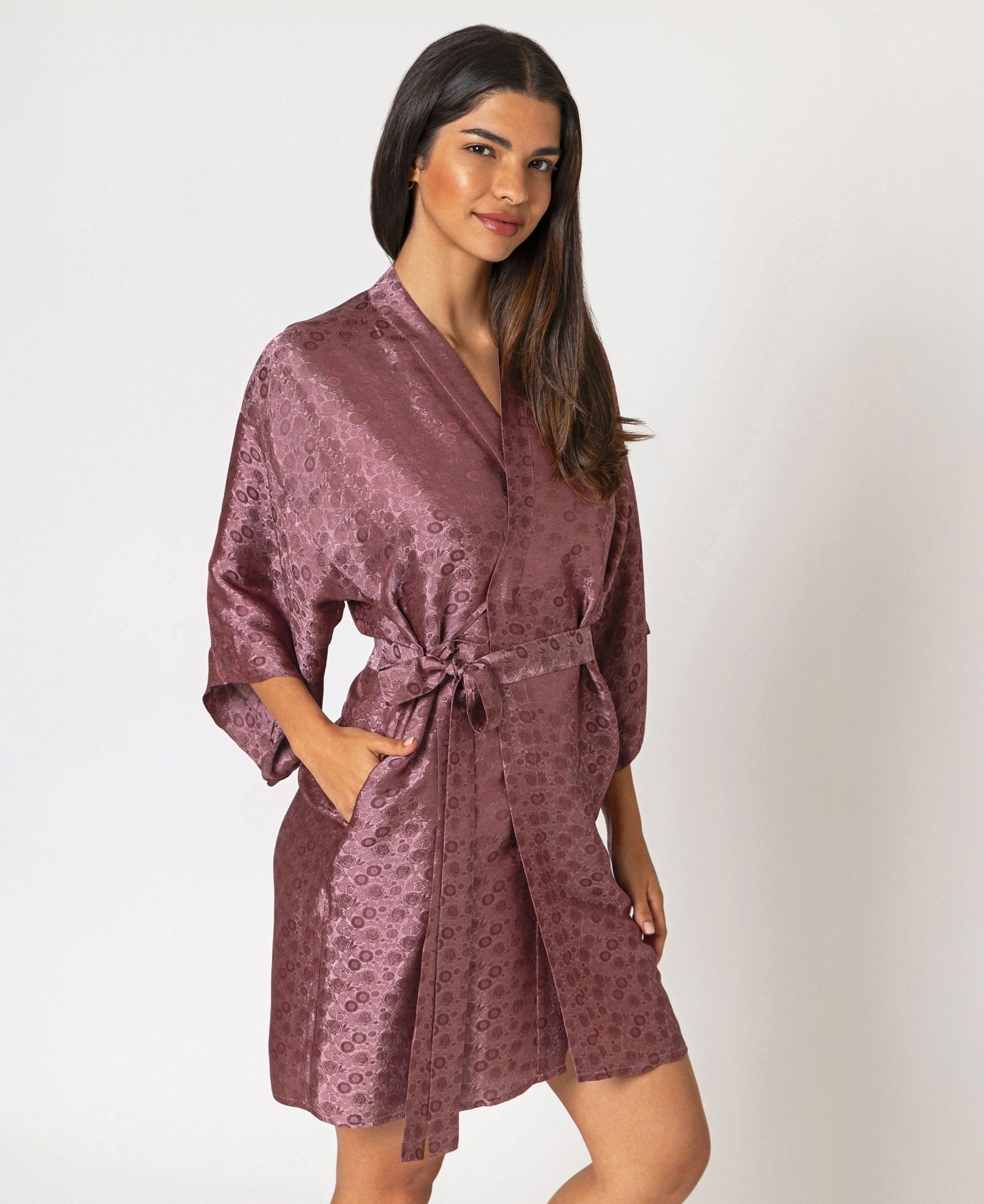
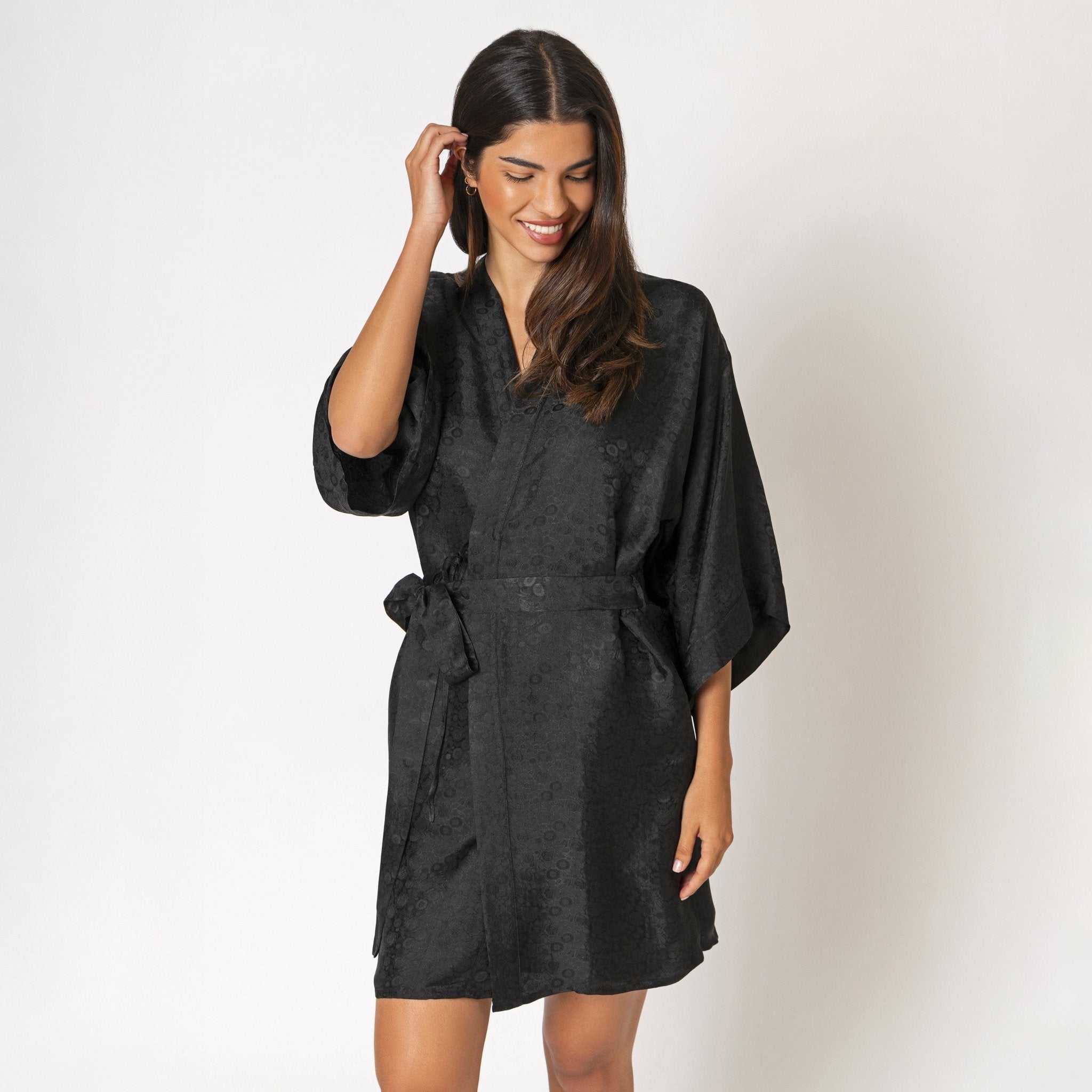
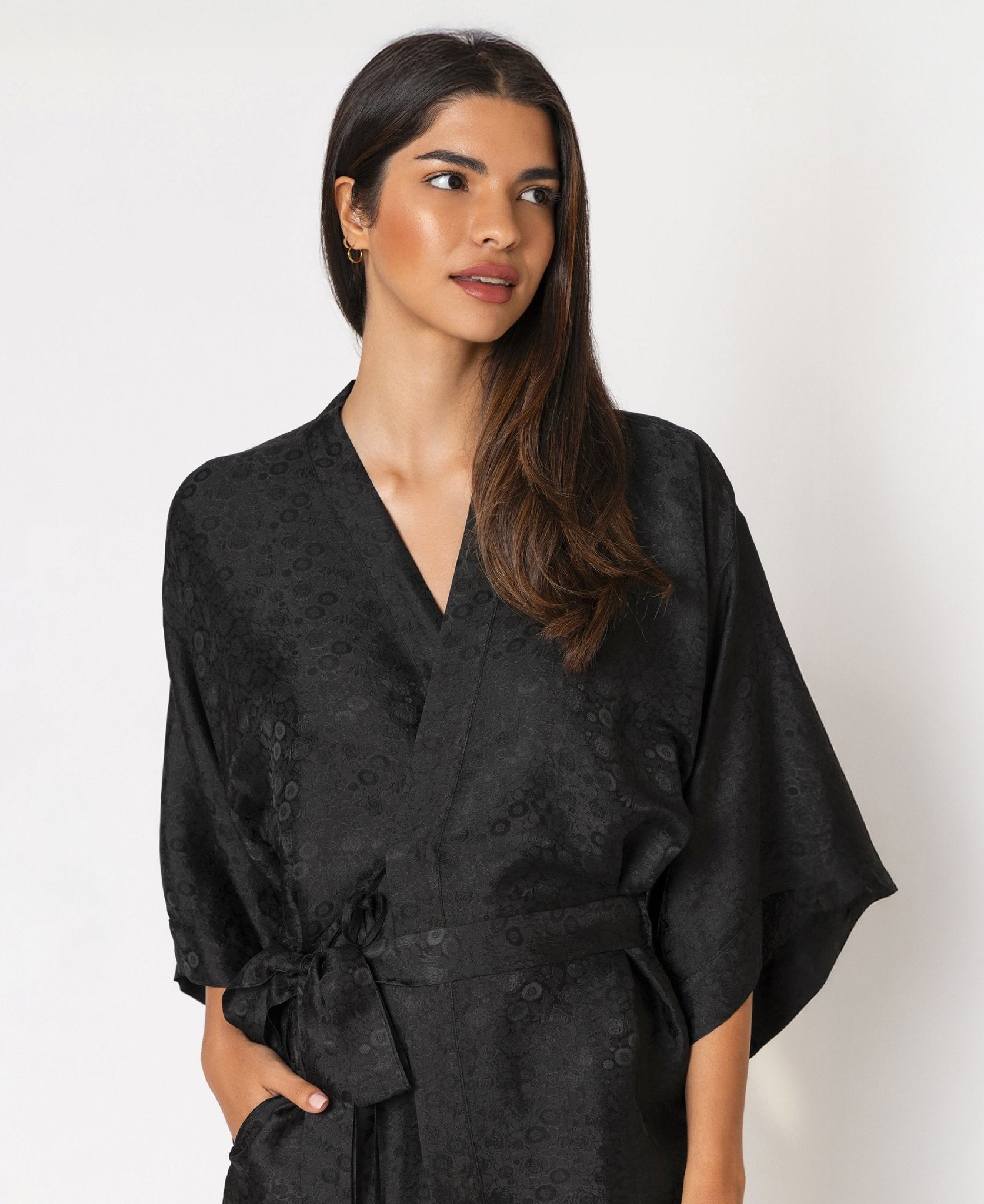
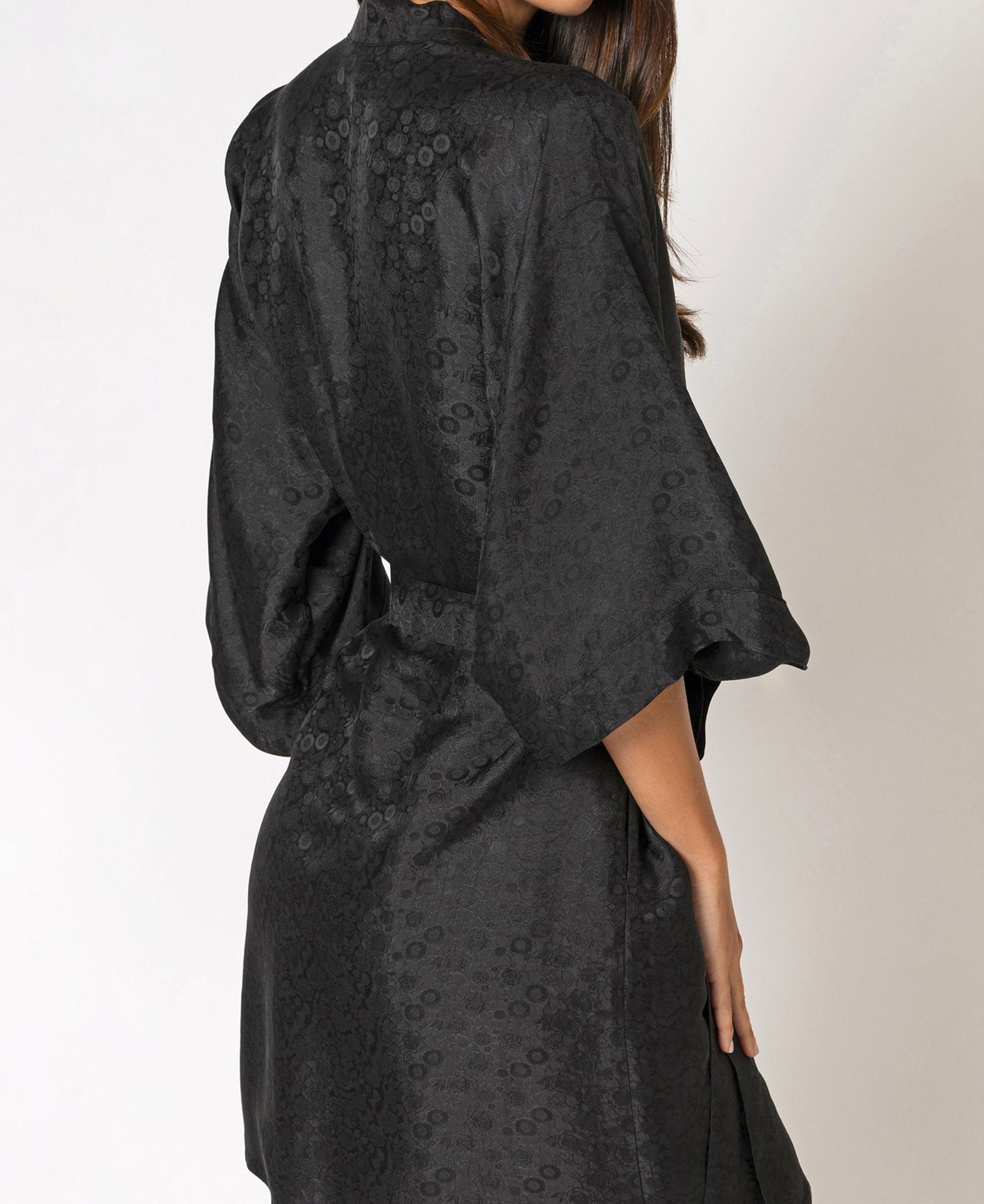
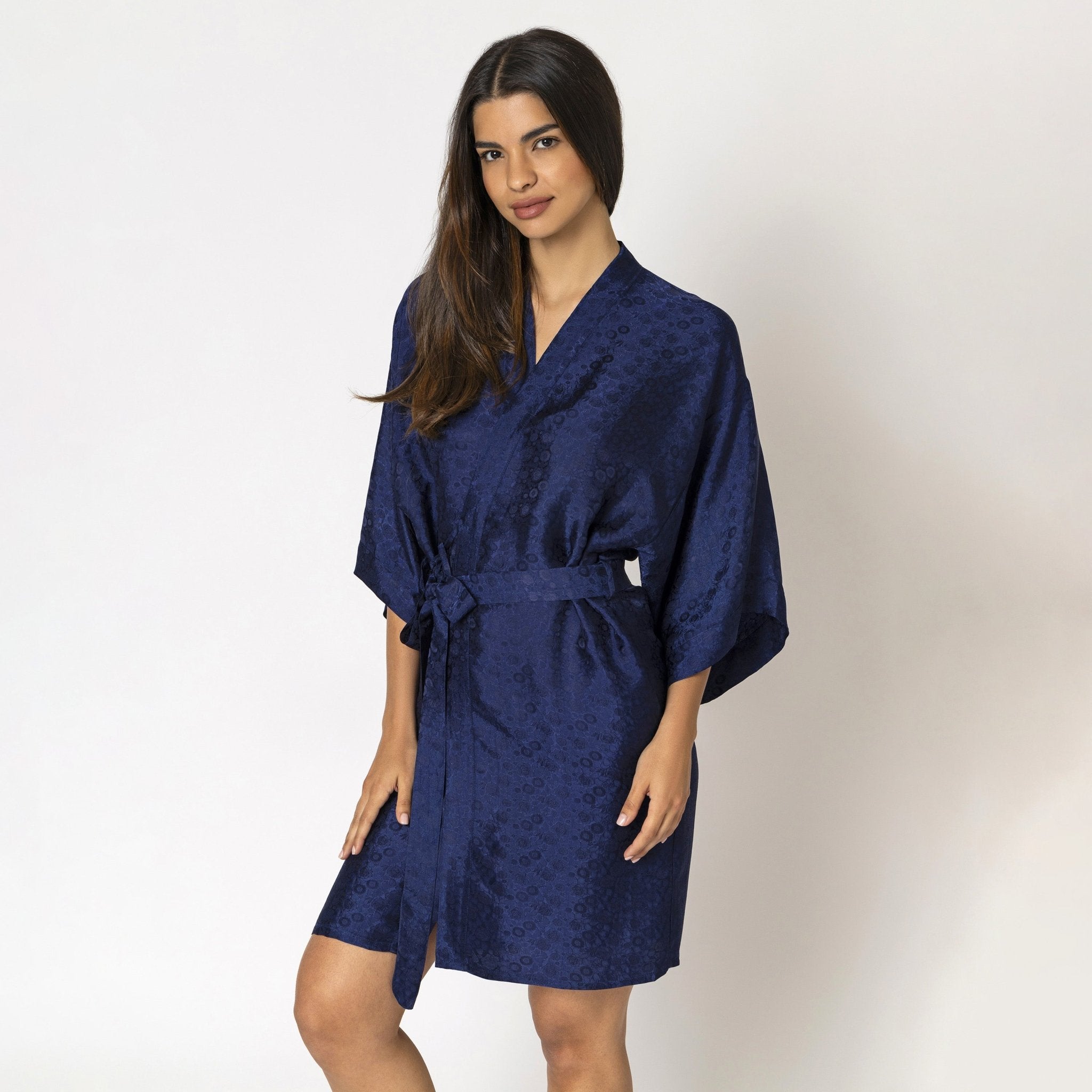
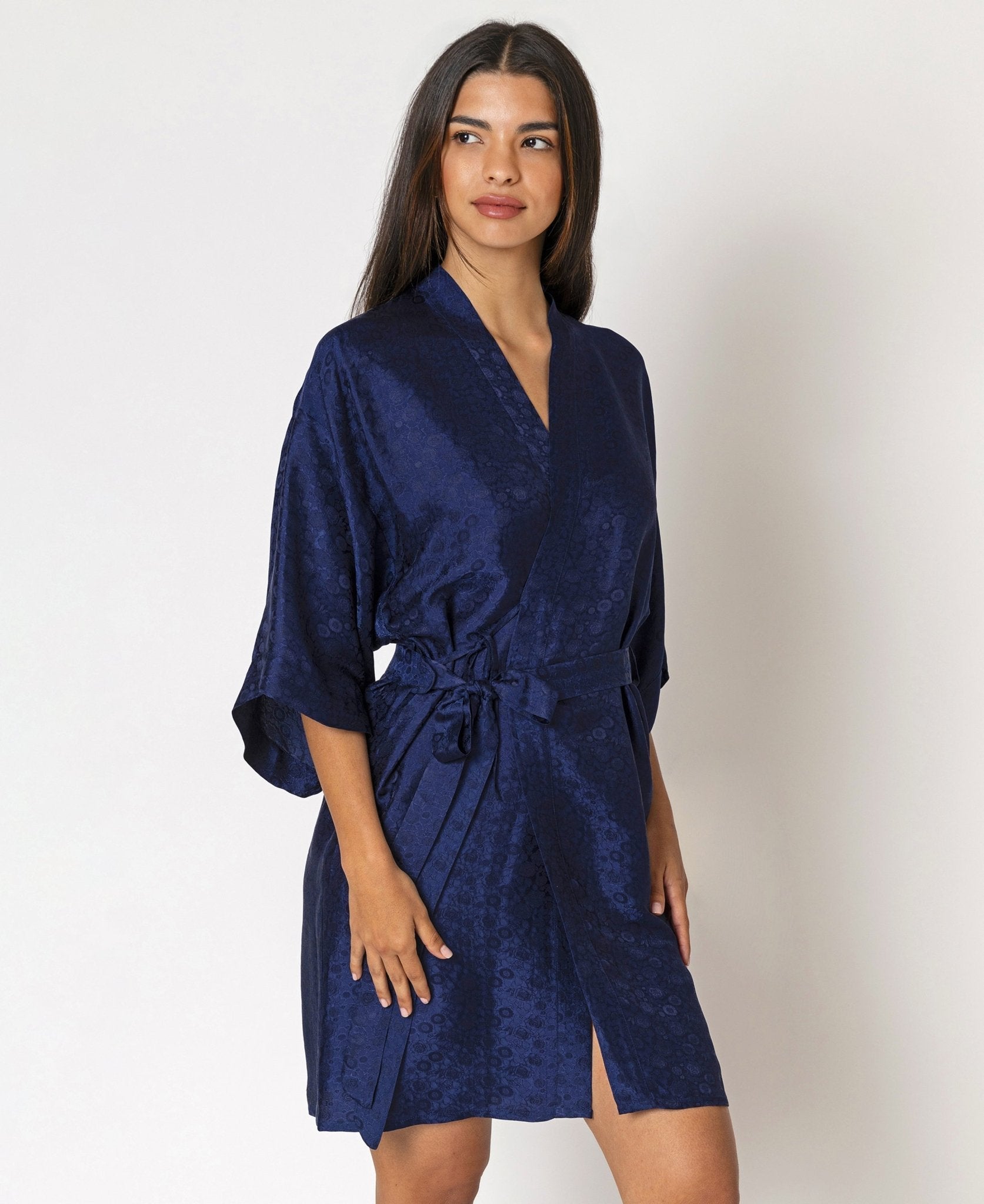
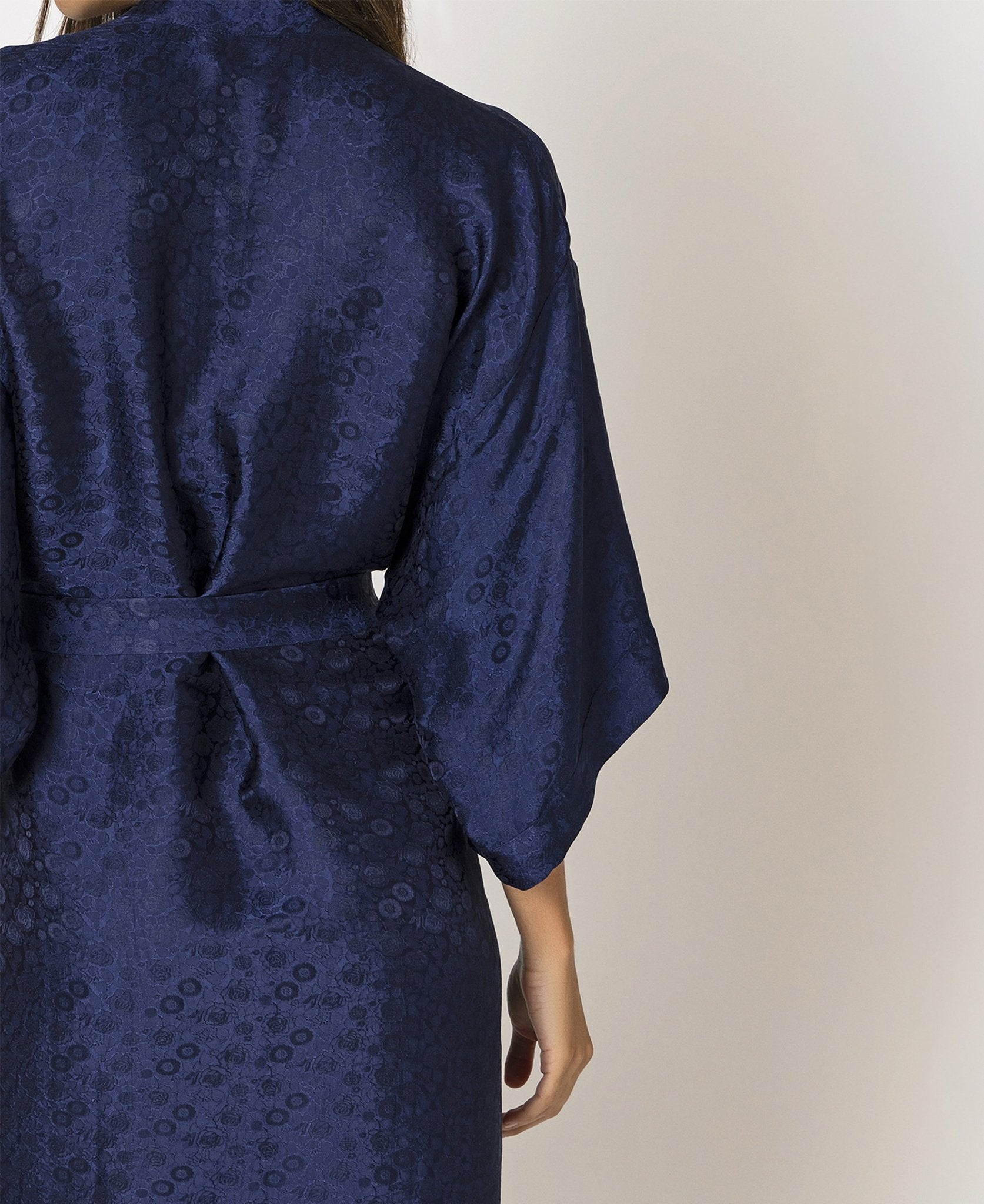
 Shop Artisan Silk Robes Short
The Carbon Footprint: Where It's Complicated
Carbon footprint depends on energy sources and production methods, making direct comparison difficult.
Silk production (from mulberry cultivation through spinning and finishing) generates roughly 1.3-2.0 kg of CO2-equivalent per kilogram of silk fiber. This includes growing mulberry trees, raising silkworms, processing cocoons, degumming, spinning, and dyeing.
Cotton production generates roughly 1.3-2.5 kg of CO2 per kilogram of cotton fiber, including cultivation (heavily pesticide-dependent), harvesting, processing, and spinning.
Virgin polyester generates roughly 5-6 kg of CO2 per kilogram because it's petroleum-based. Recycled polyester generates roughly 1.2-2.0 kg per kilogram because you're processing existing material instead of extracting fossil fuels.
So recycled polyester has a carbon advantage on production. But it still generates microplastics and doesn't biodegrade. It's a trade-off, not a win.
Viscose (bamboo fabric) is energy-intensive, generating roughly 2-3 kg of CO2 per kilogram of fiber. The process requires chemical solvents and creates wastewater.
Silk is in the middle of the pack on carbon.














The Chemical Footprint and Production Impact
Dyeing and finishing silk (and cotton, and most textiles) traditionally uses heavy metals, formaldehyde, and other toxic chemicals. These end up in water systems in producing regions, creating actual environmental damage.
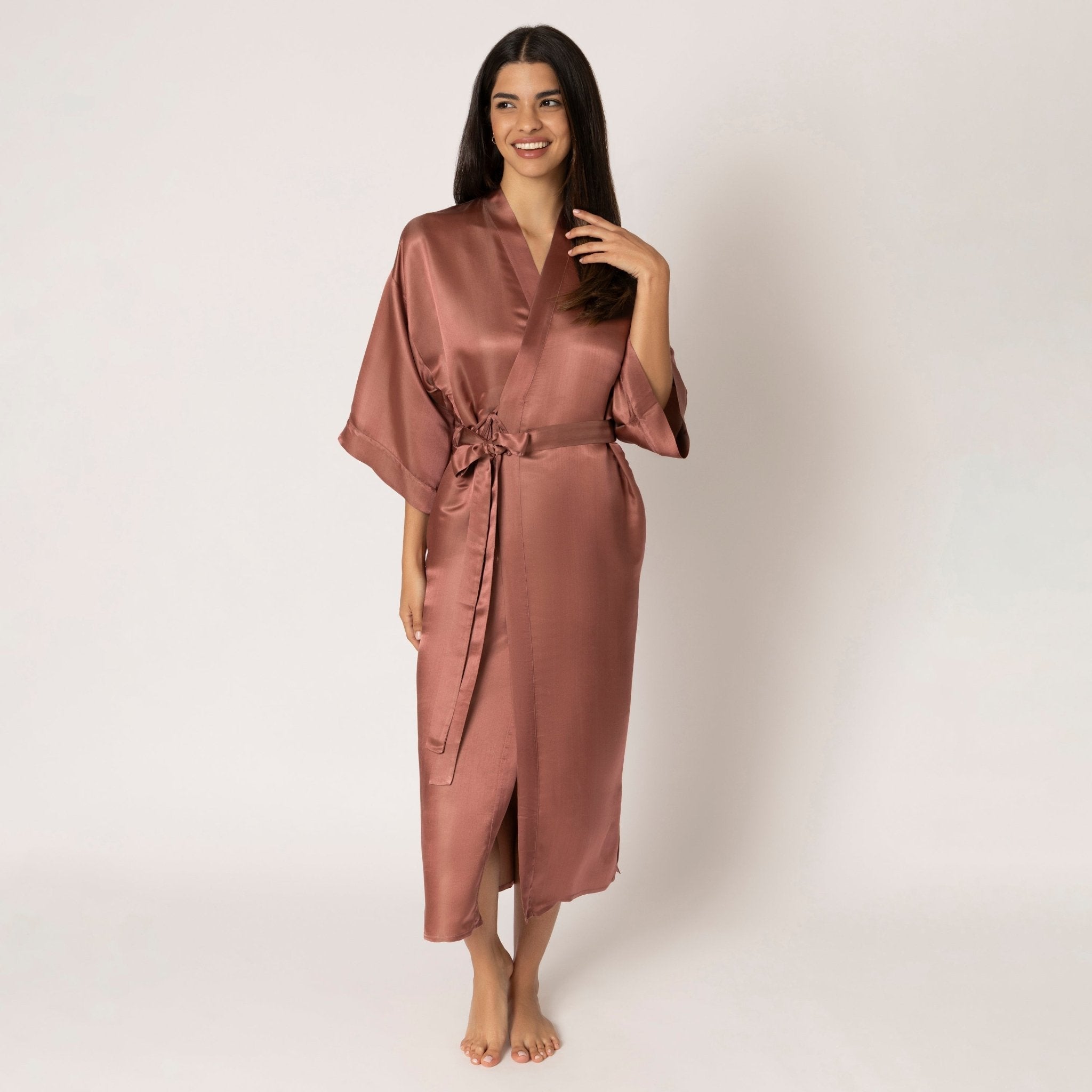
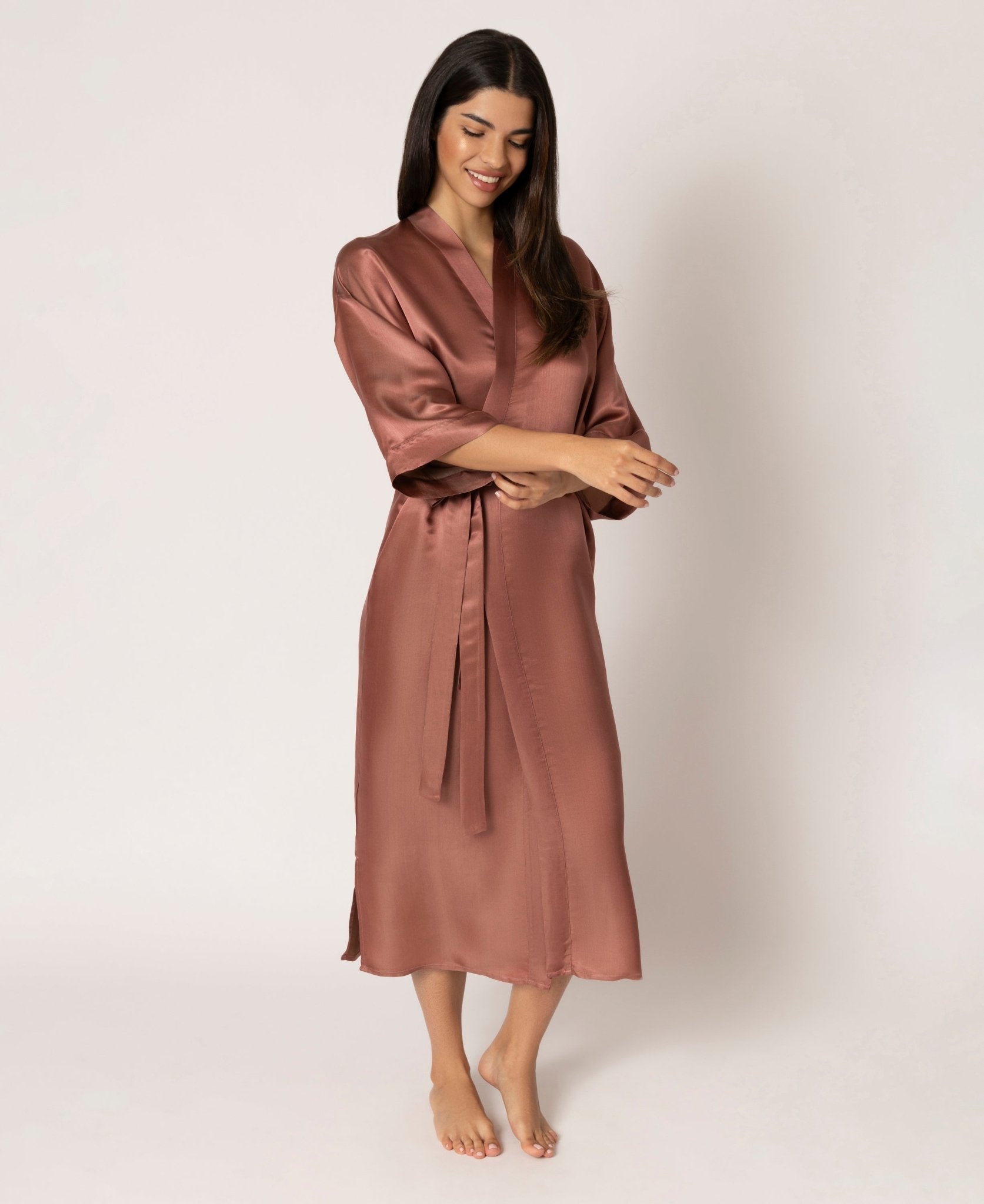
Tara Sartoria manufactures in Vietnam's historic silk villages using low-impact dyeing processes. This isn't zero environmental impact (that's not real in textile production), but it's a conscious choice to work with producers who manage this better.
Polyester dyeing also uses toxic chemicals. Cotton farming uses pesticides at roughly 2.6% of global crop acreage but 16% of global insecticides. So chemical impact isn't unique to silk.
The real answer is that any conventional textile production has a chemical footprint, and the environmental impact depends heavily on the specific producer and region. This is why sourcing actually matters, and why we're transparent about Vietnam production rather than claiming abstract "sustainability."












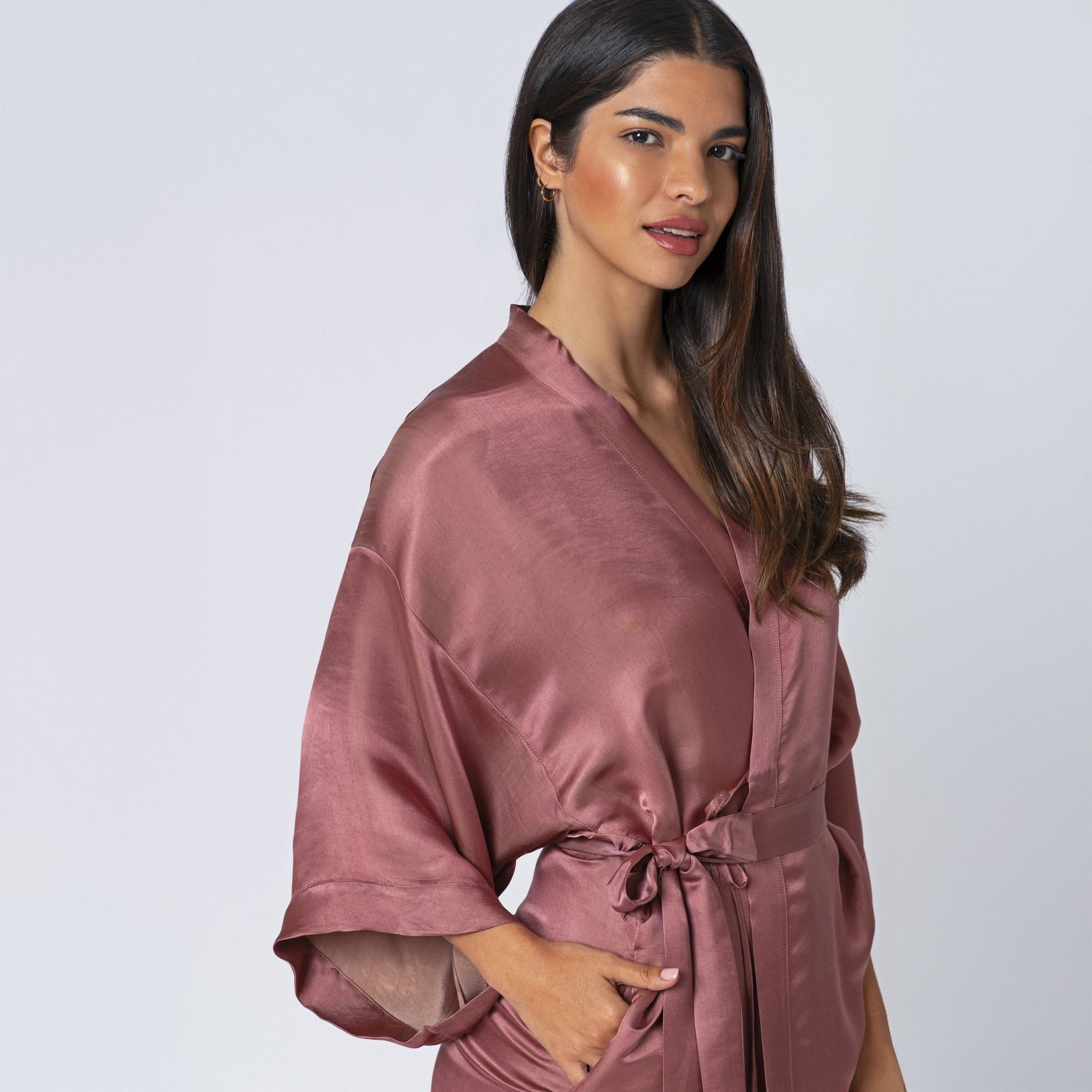
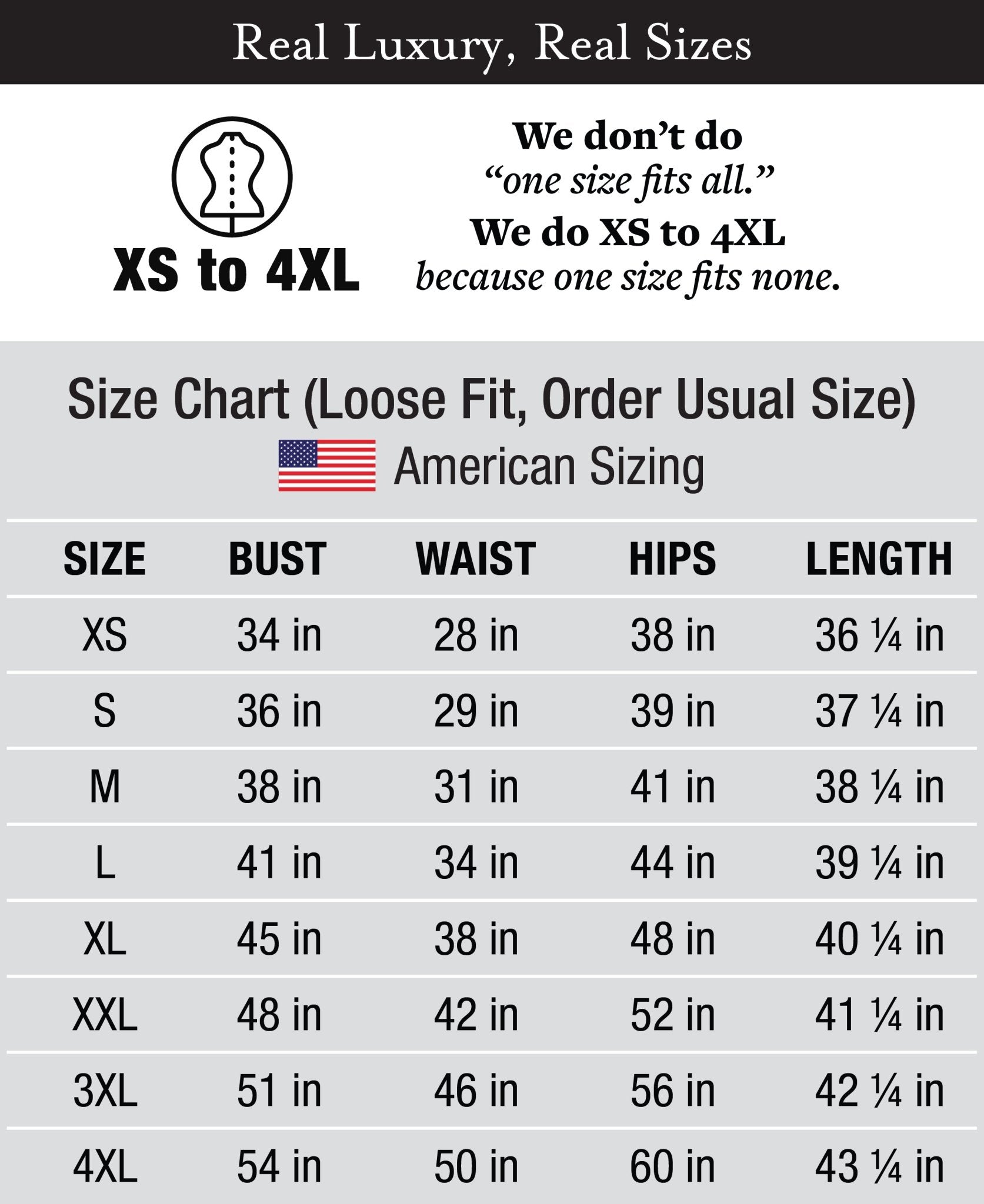

Comparative Breakdown: The Full Cycle Picture
| Factor | Silk (Conventional) | Cotton | Polyester (Virgin) | Polyester (Recycled) | Viscose |
|---|---|---|---|---|---|
| Water per kg | 3,000-10,000 L | ~2,700 L | Minimal | Minimal | 6,000-9,000 L |
| Carbon per kg | 1.3-2.0 kg CO2 | 1.3-2.5 kg CO2 | 5-6 kg CO2 | 1.2-2.0 kg CO2 | 2-3 kg CO2 |
| Microplastic shedding | None | Minimal | Significant | Significant | Minimal |
| Biodegradation | 1-5 years | 1-6 months | 200+ years | 200+ years | 1-5 years |
| Lifespan | ~5 years | 1-3 years | 2-4 years | 2-4 years | 1-3 years |
| Ethical concerns | Silkworm welfare | Pesticide use | Fossil fuel extraction | Plastic collection | Chemical processing |


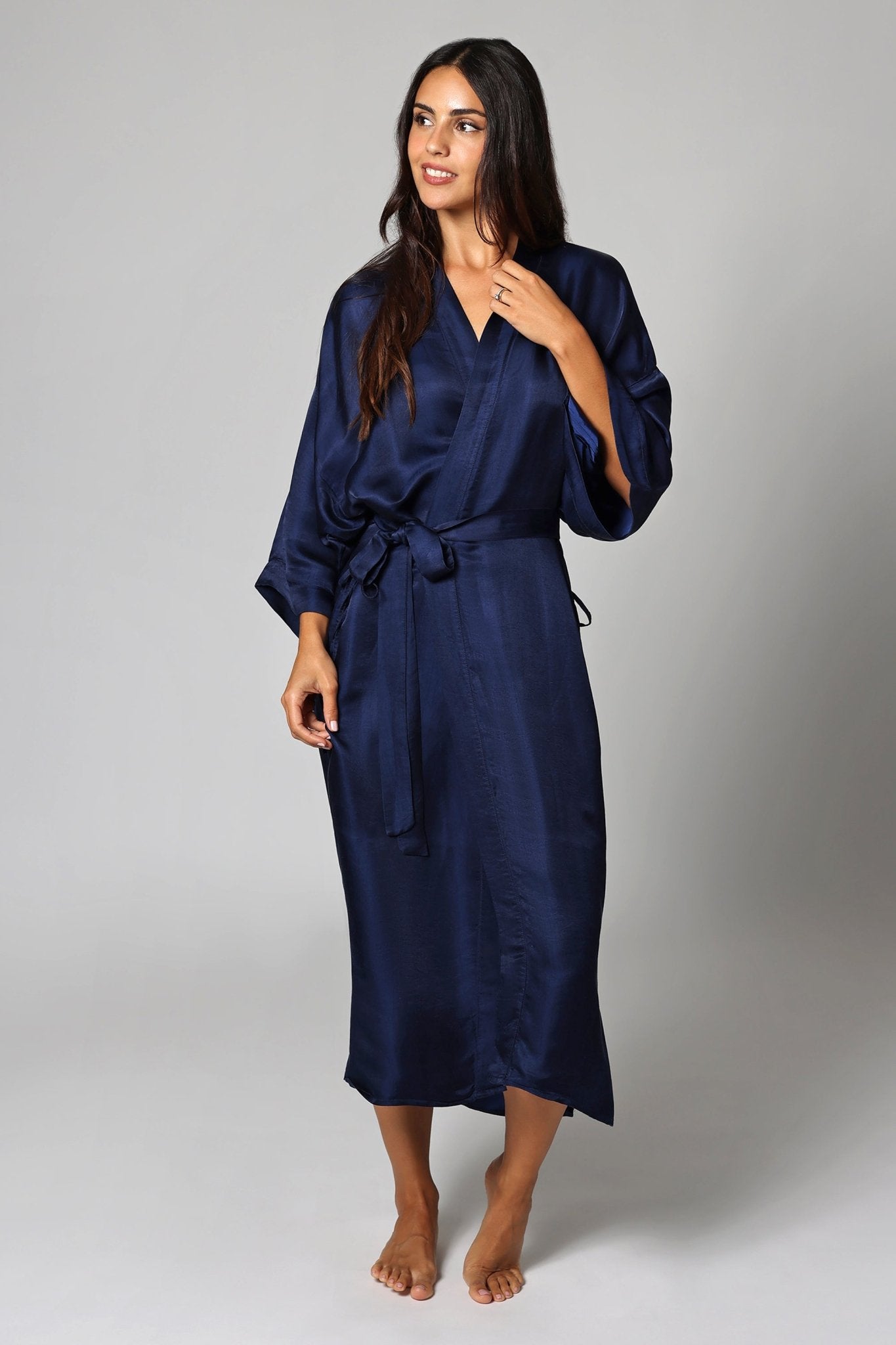
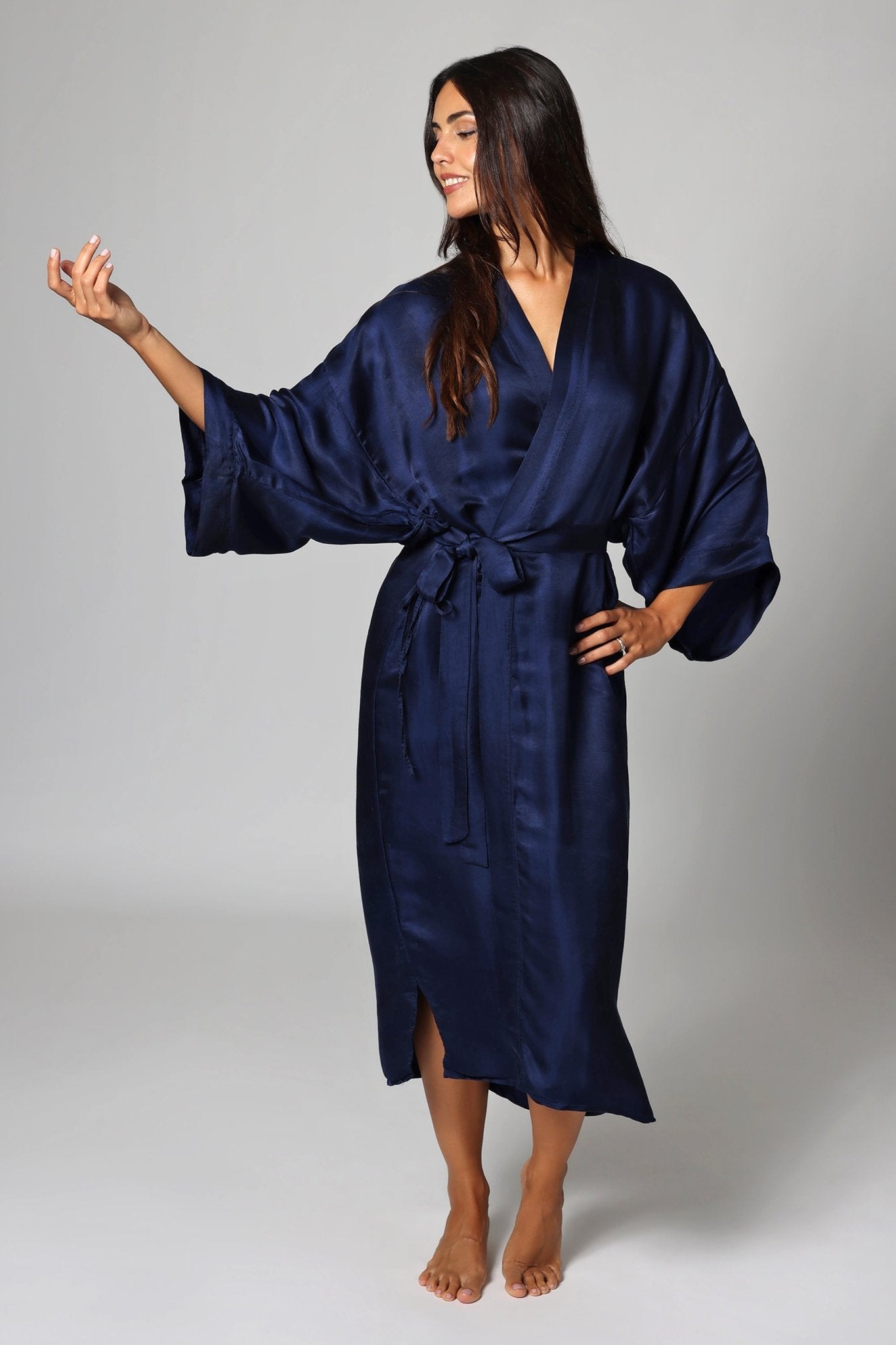















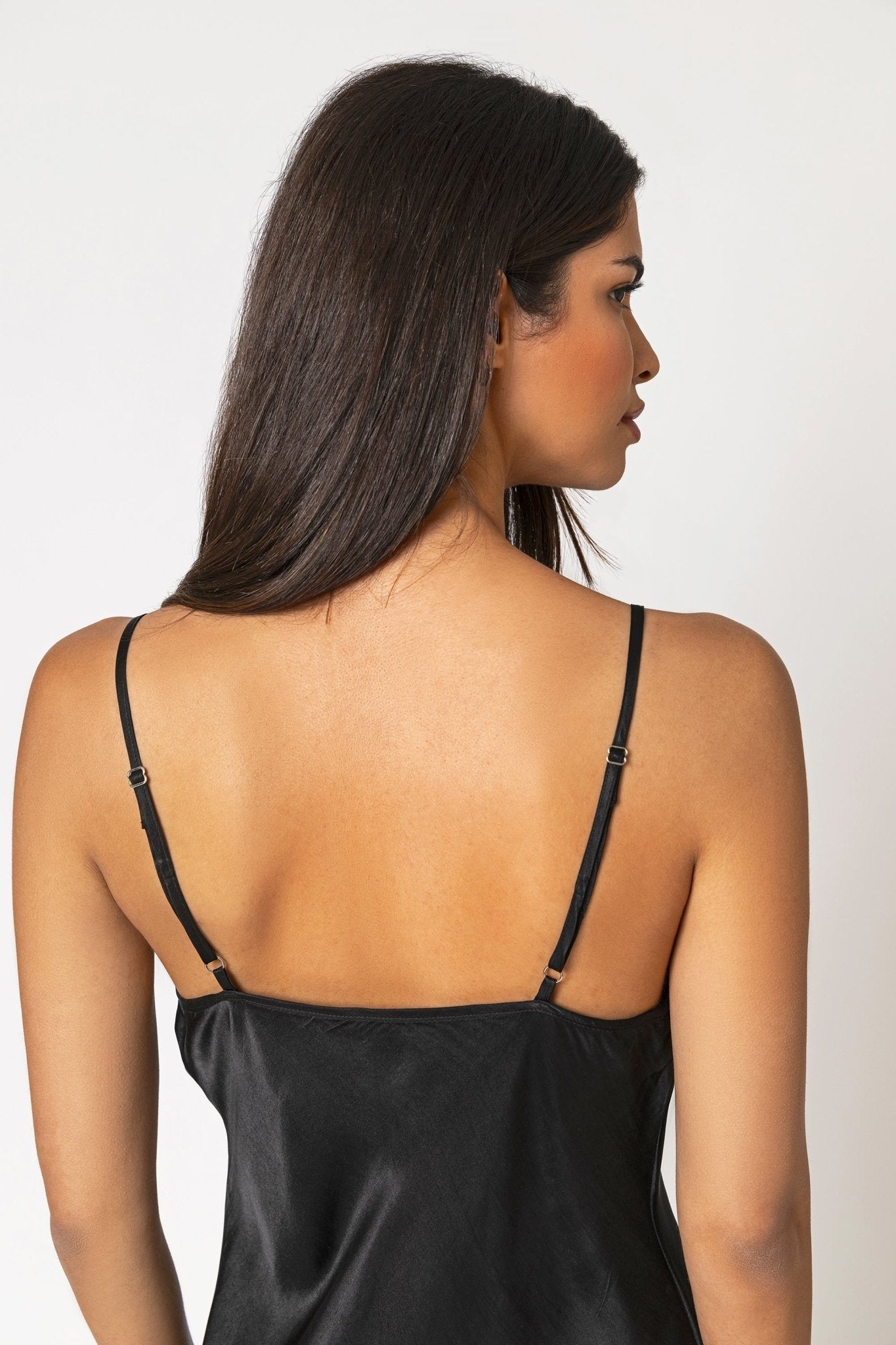

The Longevity Equation: Why It Actually Matters
Most sustainability conversations miss the longevity calculation:
Product A: Budget polyester blouse, lasts 2 years, 0.5 kg weight
- Carbon: 2.5 kg CO2
- Microplastic impact: Significant (sheds roughly 1 gram per 100 washes)
- Biodegradation: 200+ years
- Low upfront cost
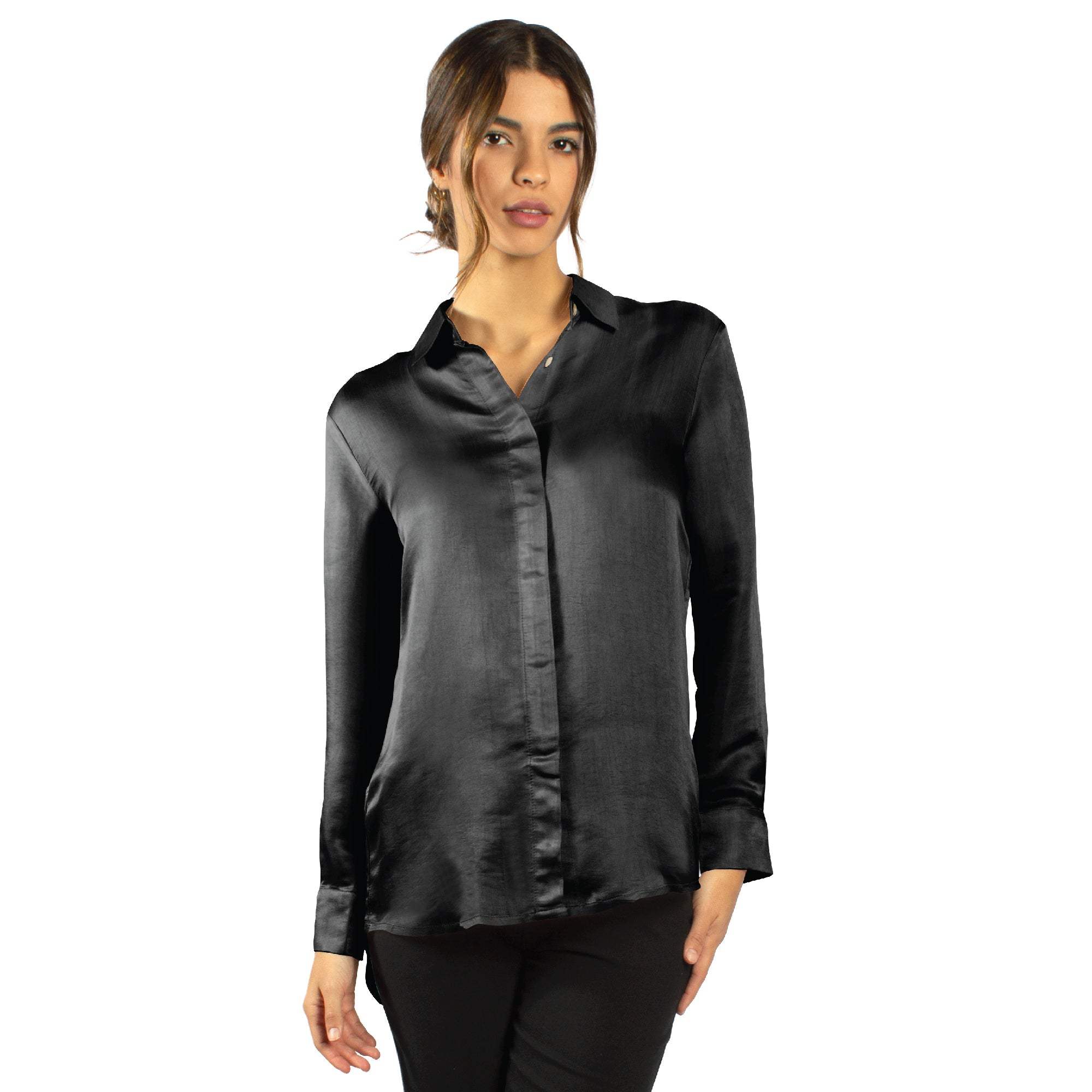
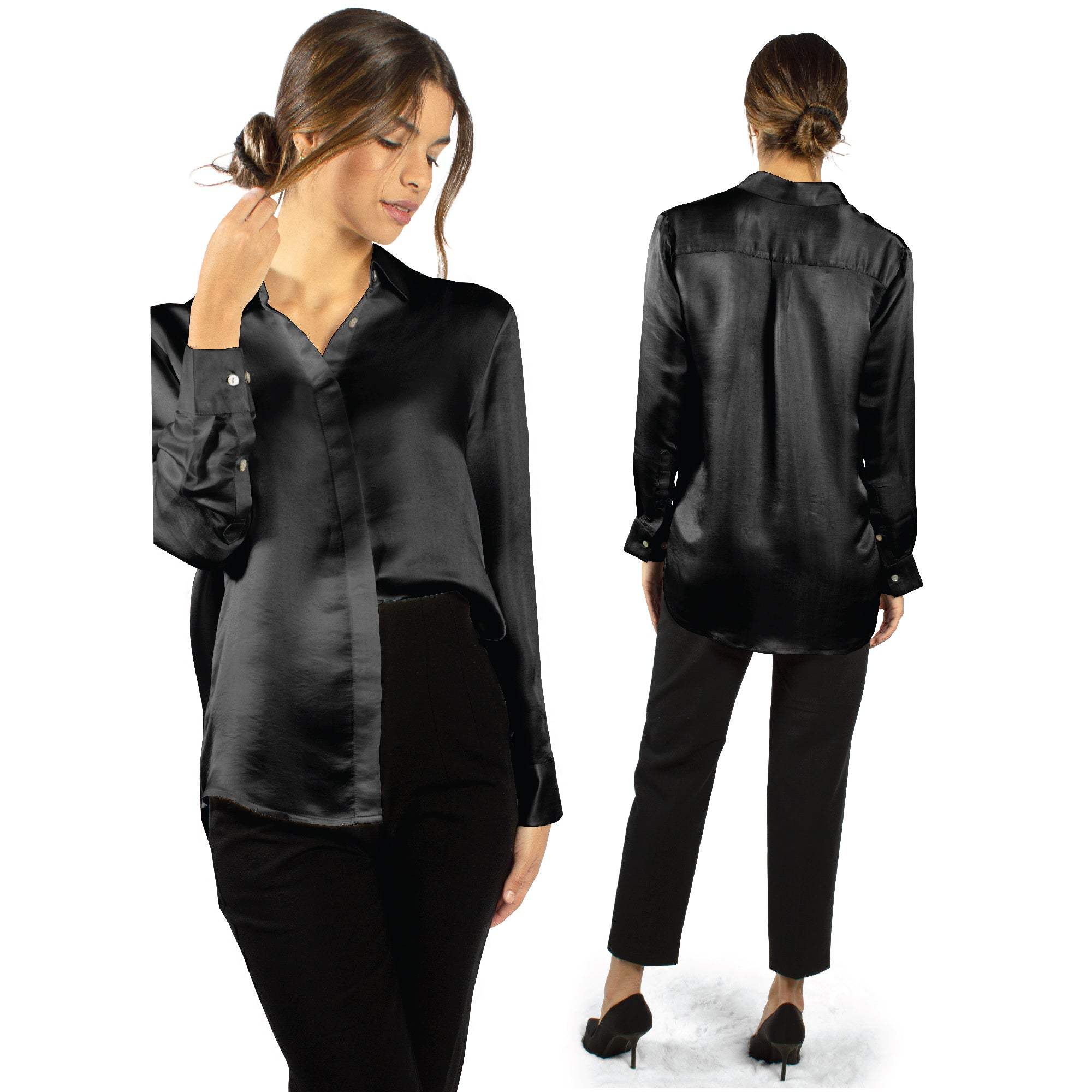
Product B: Premium silk blouse, lasts 5 years, 0.3 kg weight
- Carbon: 1.6 kg CO2
- Microplastic impact: Negligible
- Biodegradation: 1-5 years
- Higher upfront cost, lower cost per year
If you wear the polyester blouse for 2 years and replace it three times in the same 6-year window, you're producing three times the waste, three times the microfiber shedding, and roughly the same total carbon (2.5 kg x 3 = 7.5 kg CO2 versus 1.6 kg for the silk).
The silk wins on longevity and microplastic impact. The polyester might win on upfront carbon and cost. But evaluating the full cycle, silk is better for several key metrics.
Sustainable fashion isn't just about the fiber. It's about the durability of the garment. The best environmental choice is the garment you wear for the longest time.


















Why Vietnam Manufacturing Matters
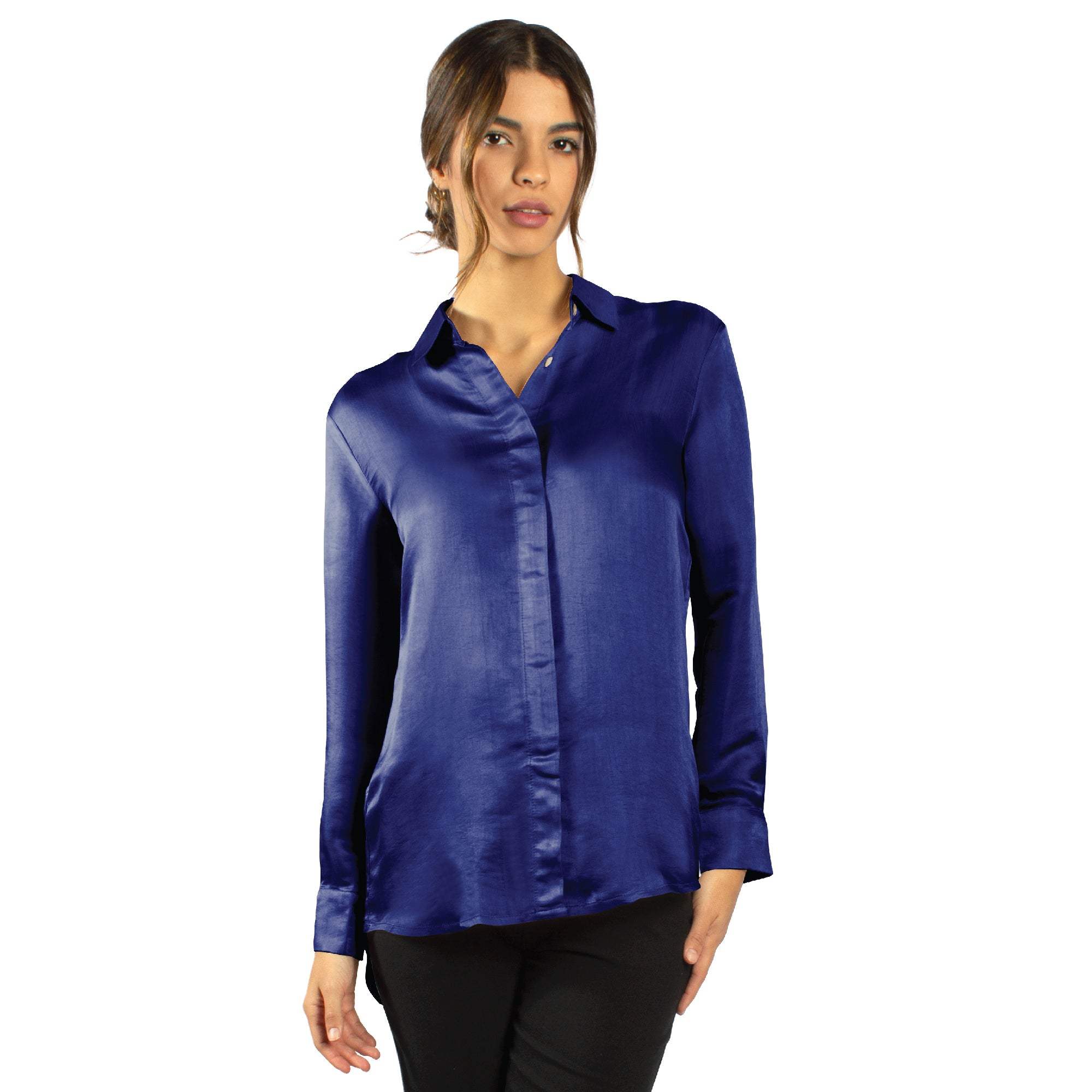
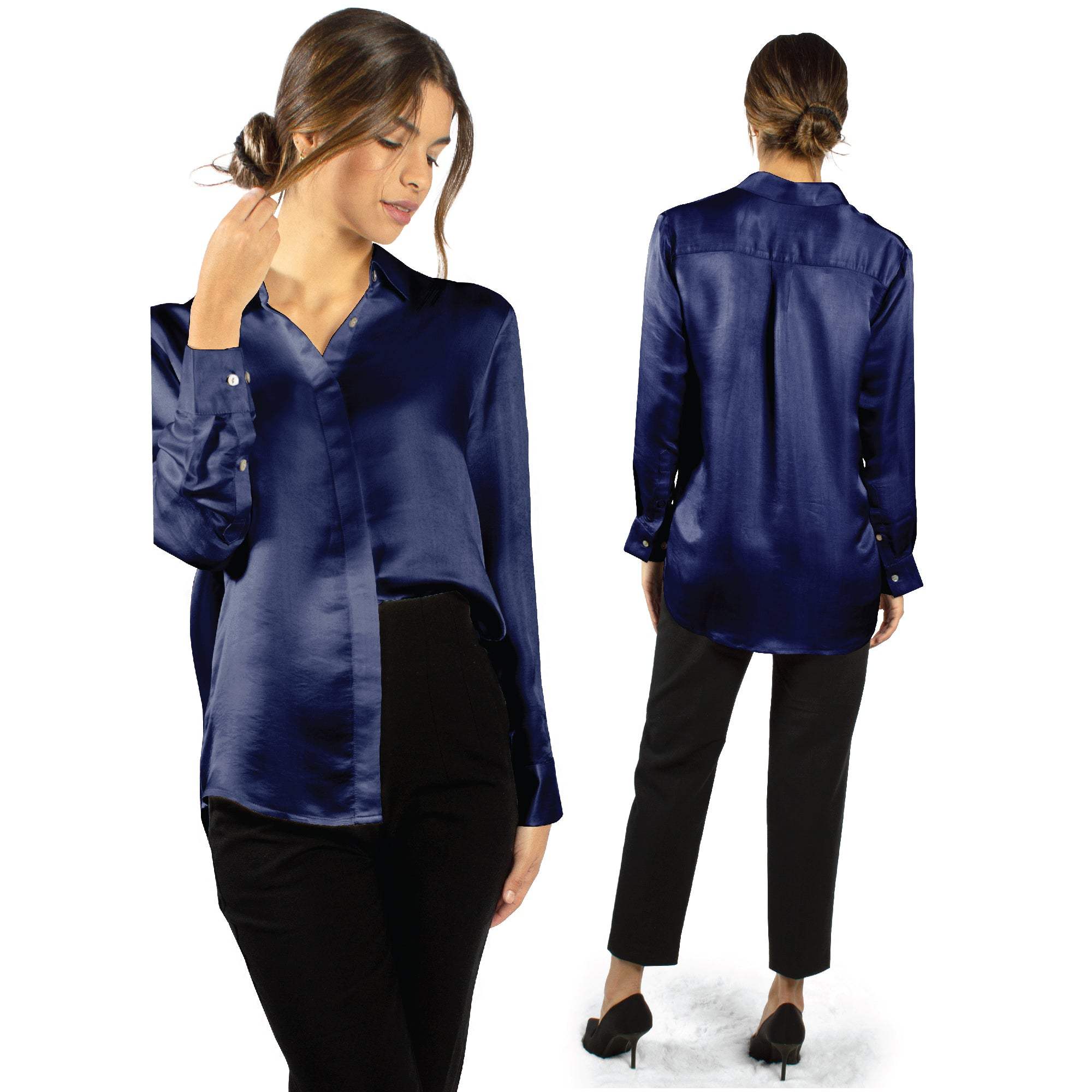
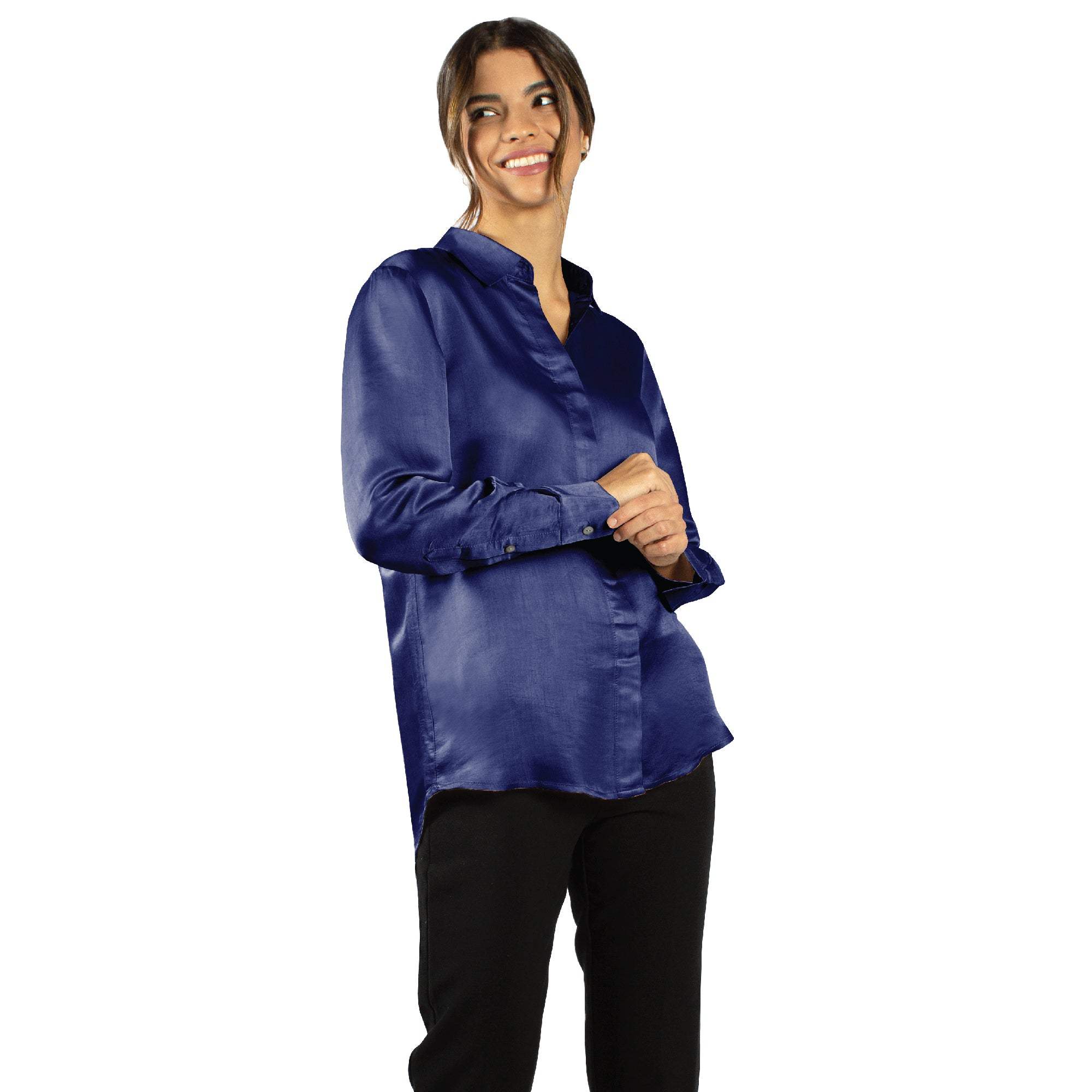
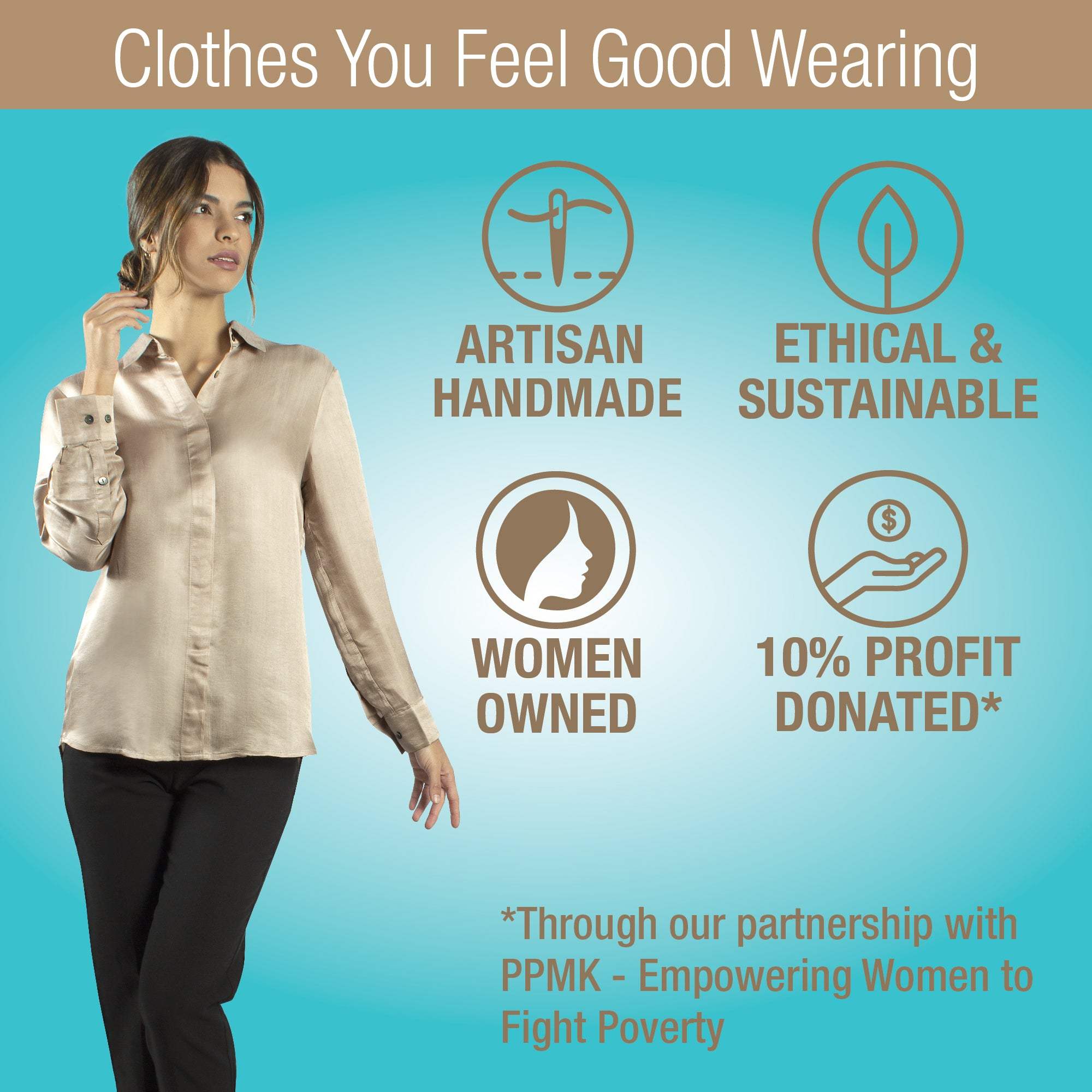
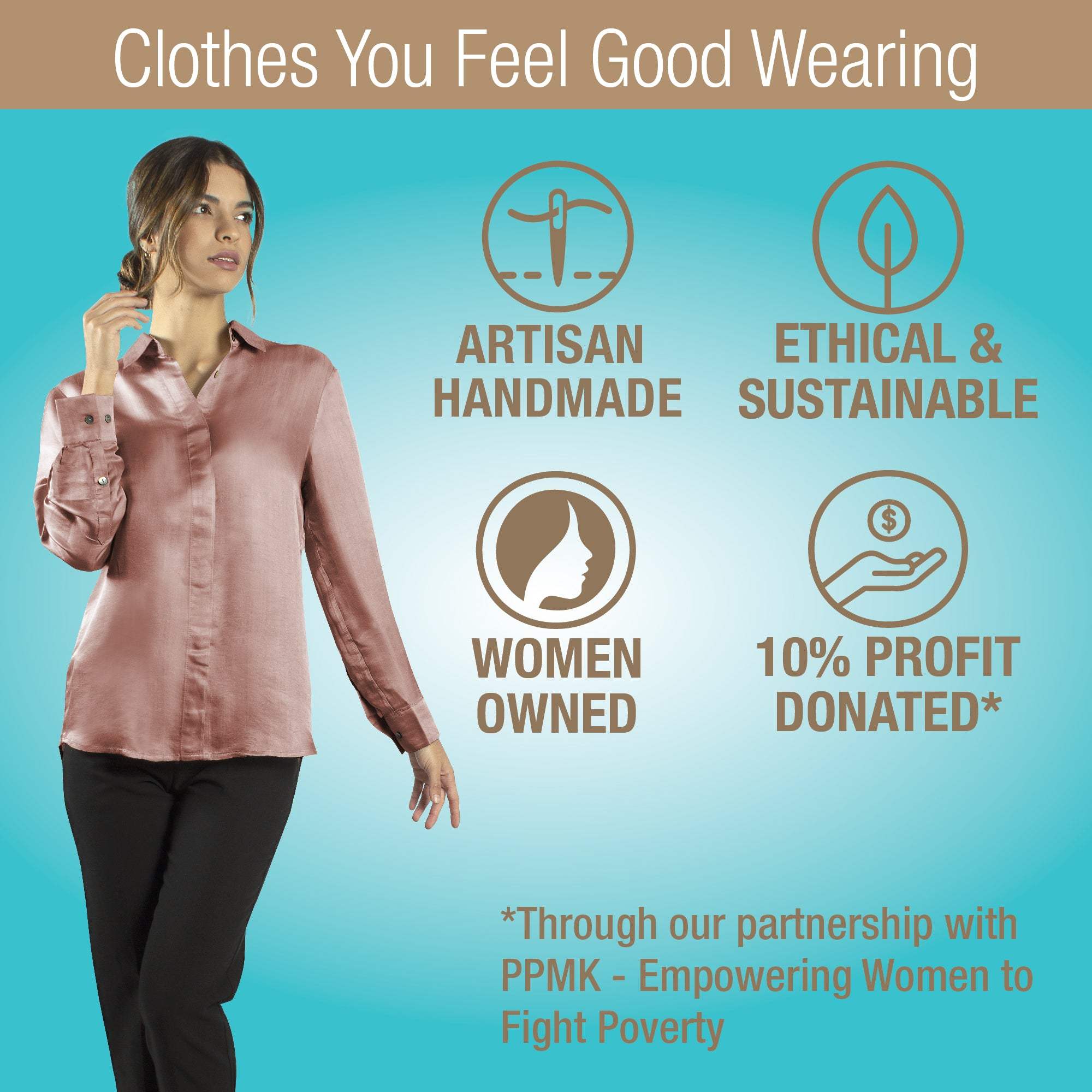
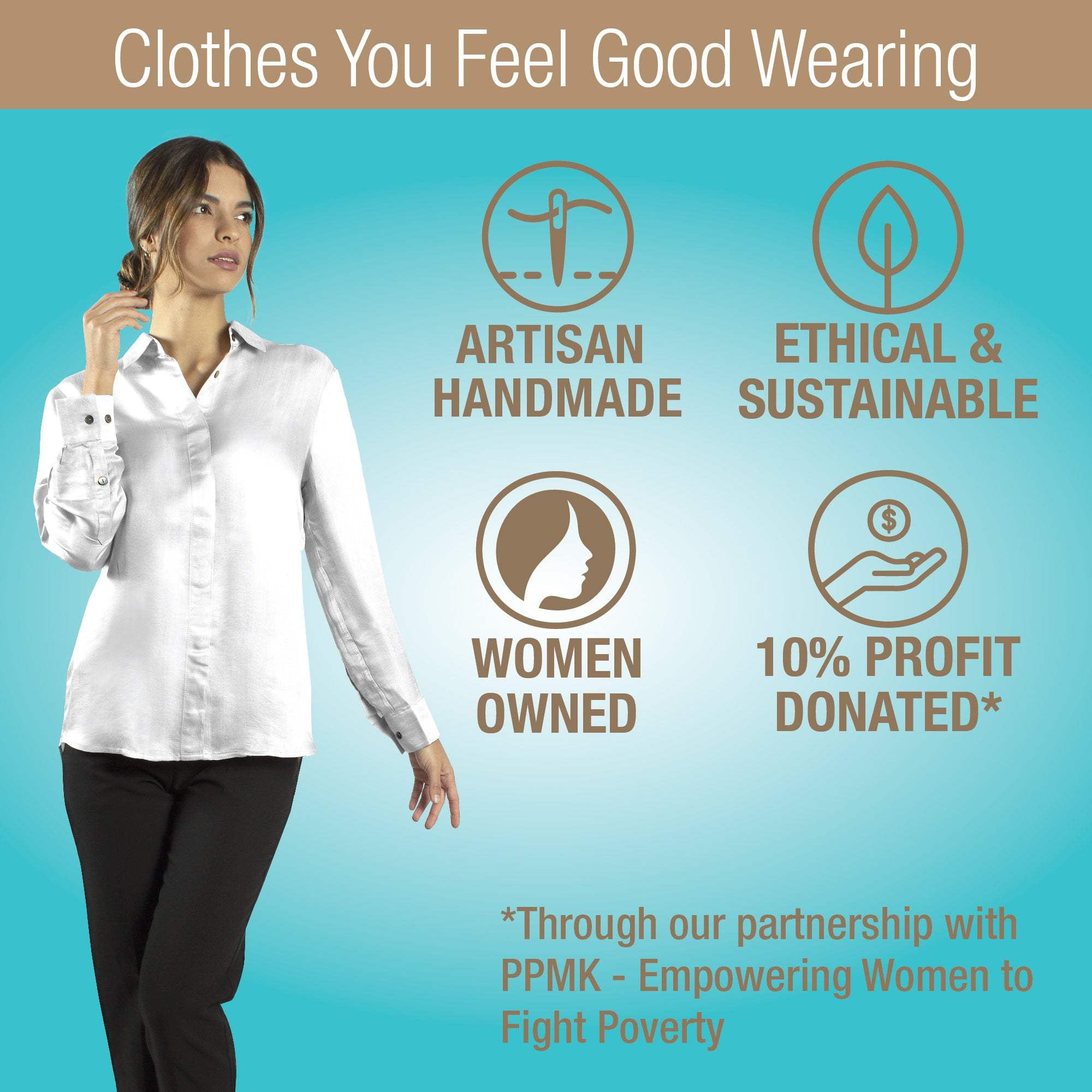
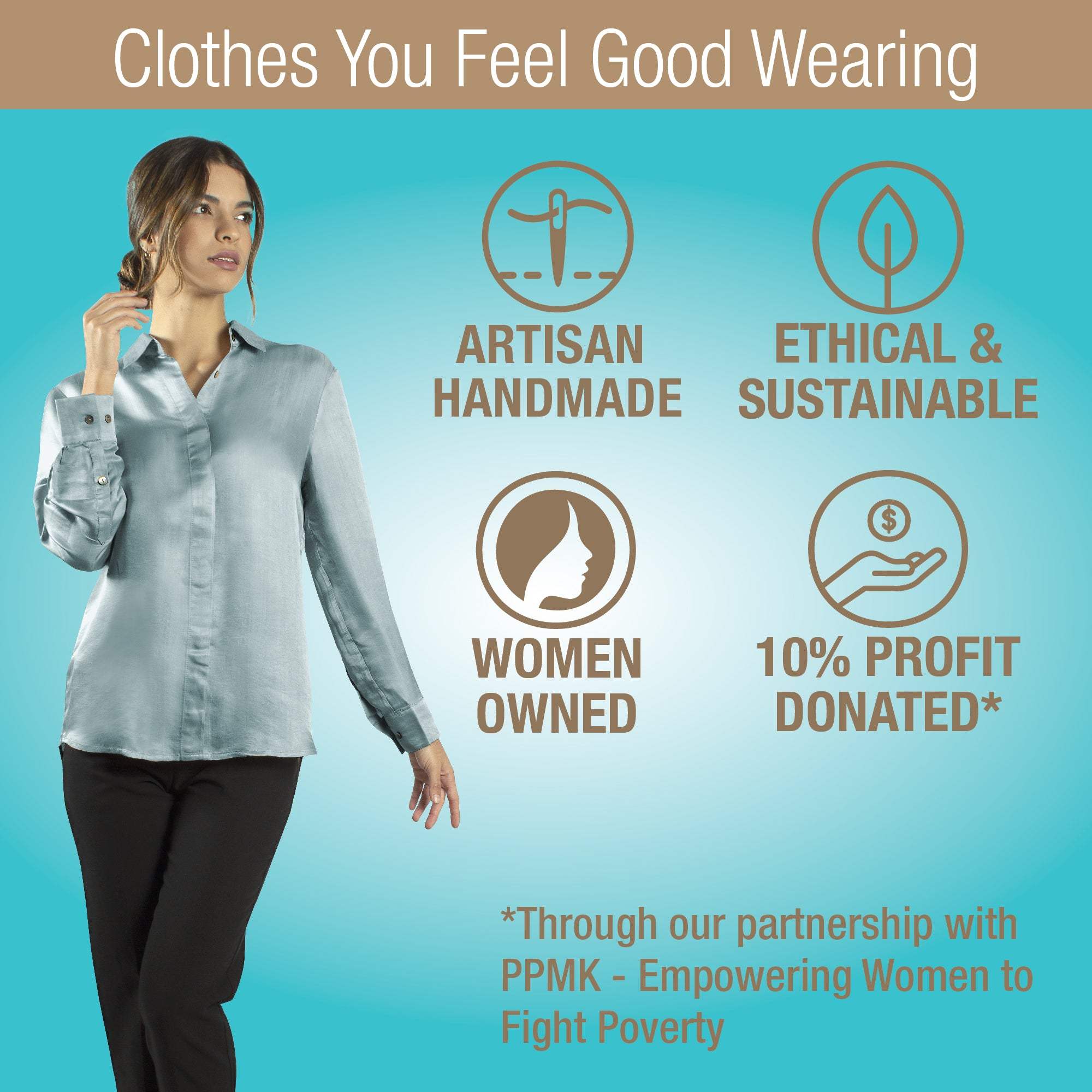
Tara Sartoria manufactures in Vietnam's historic silk villages as a craft strategy, not a cost strategy. Vietnam has centuries of silk infrastructure and knowledge. Producing in an established silk region, using existing practices, has lower environmental impact than moving production elsewhere.
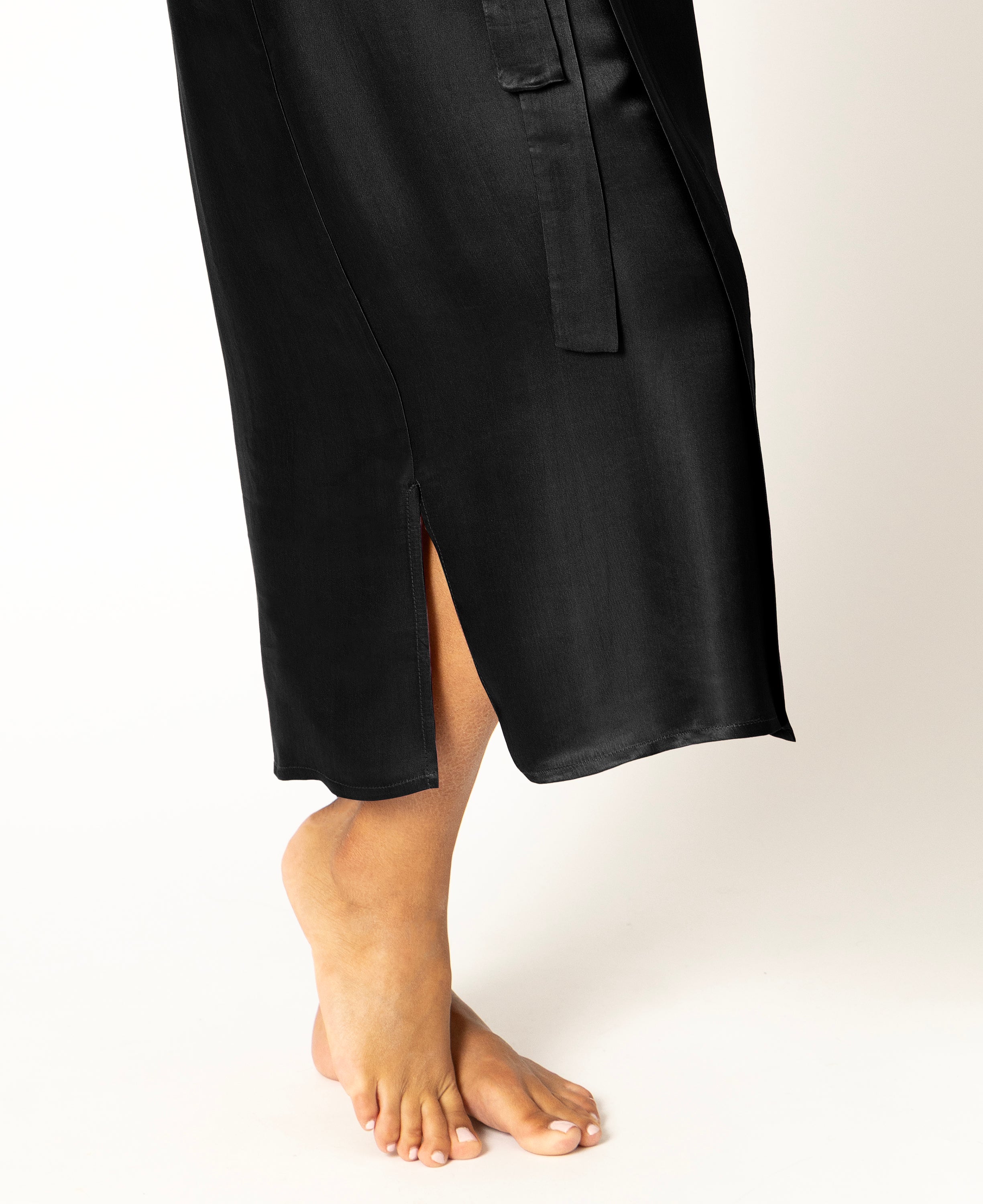
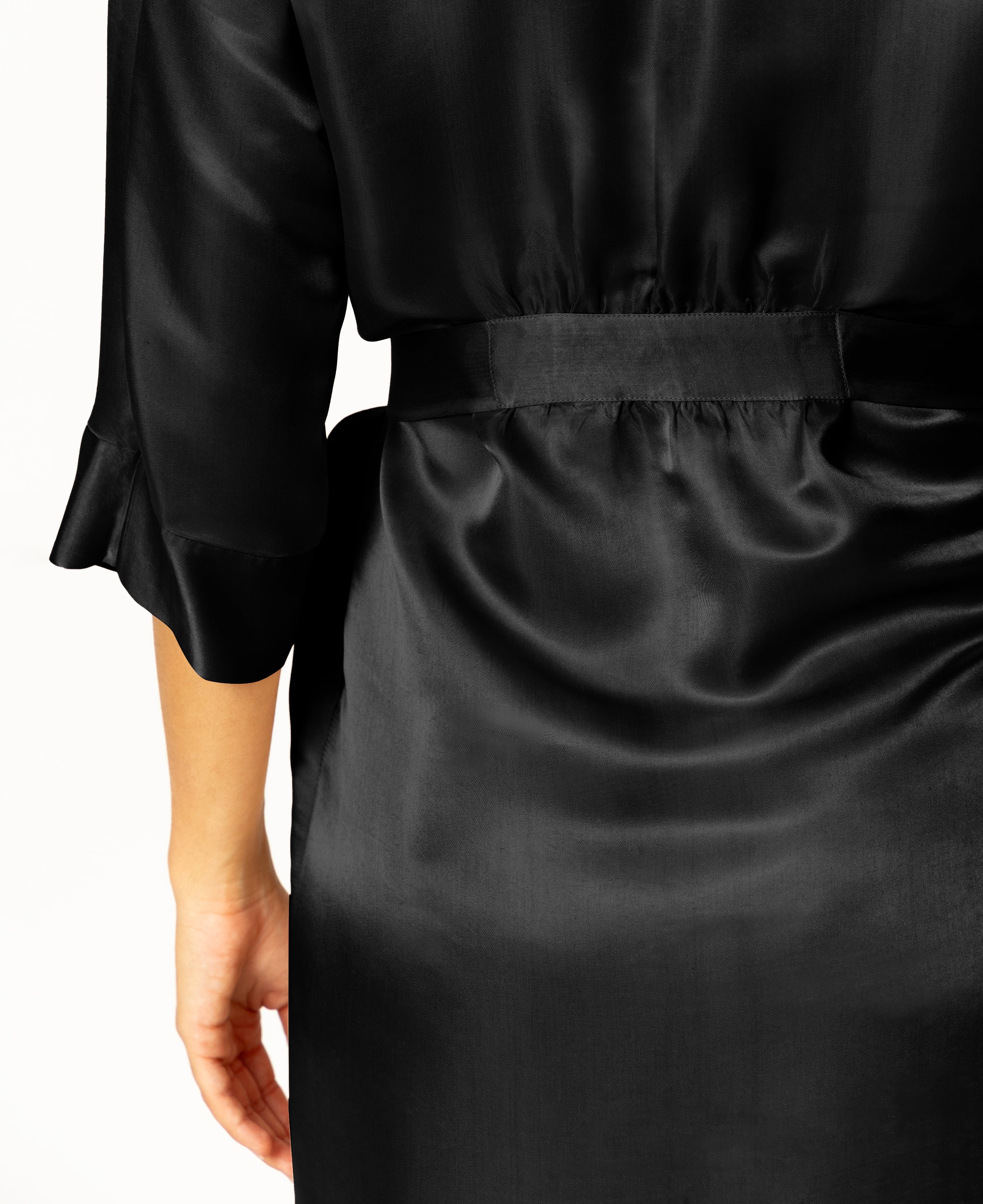
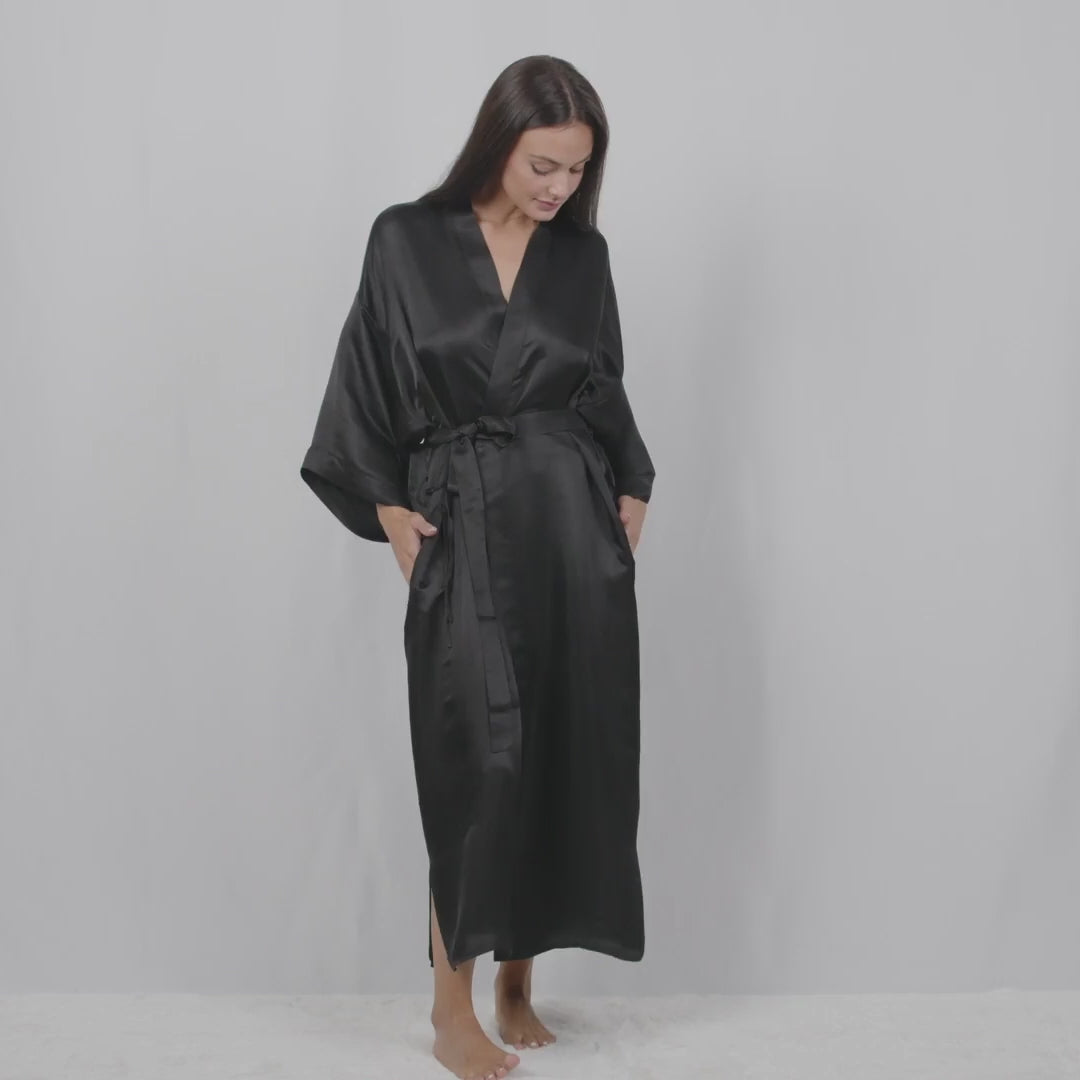
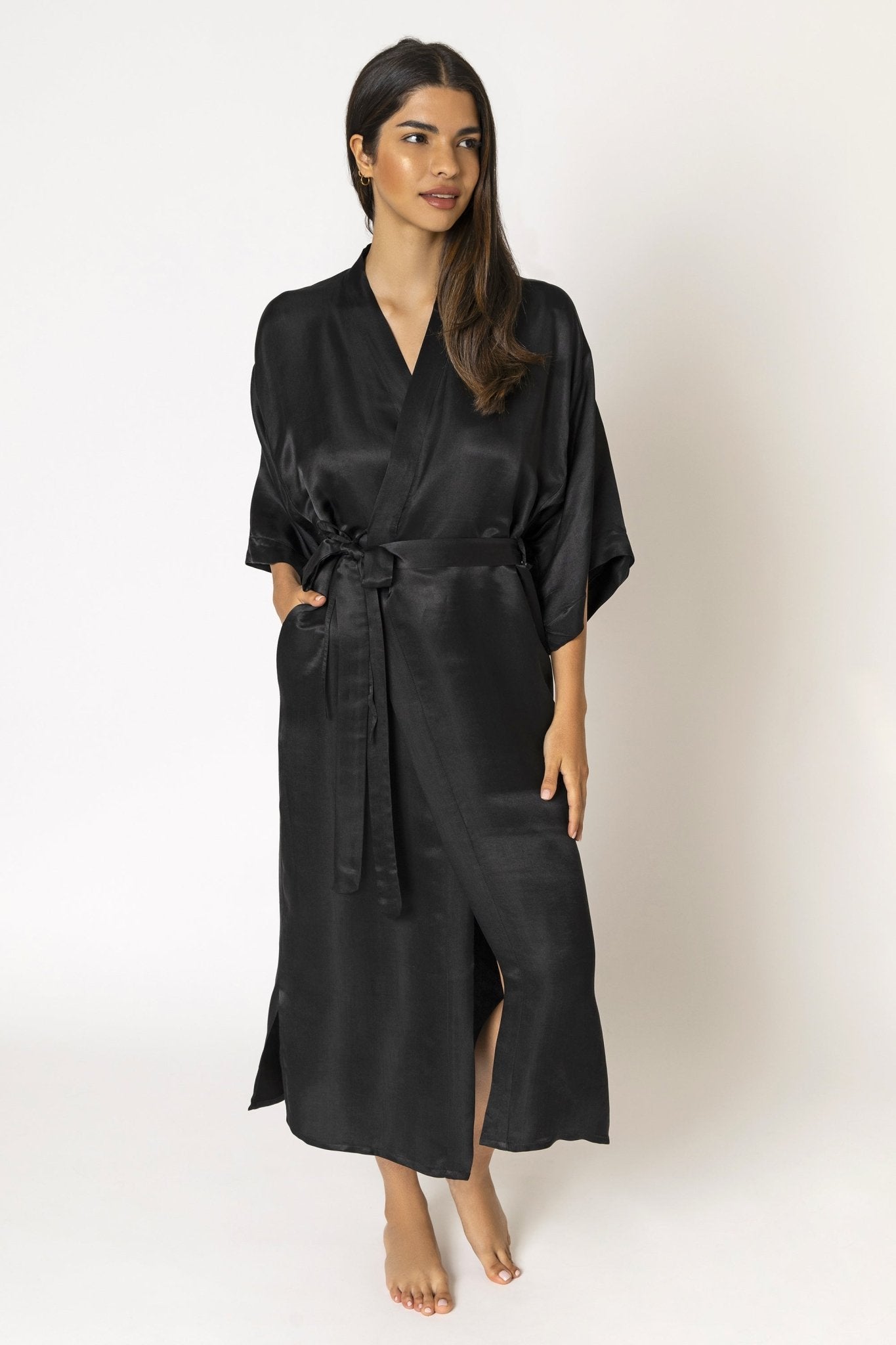
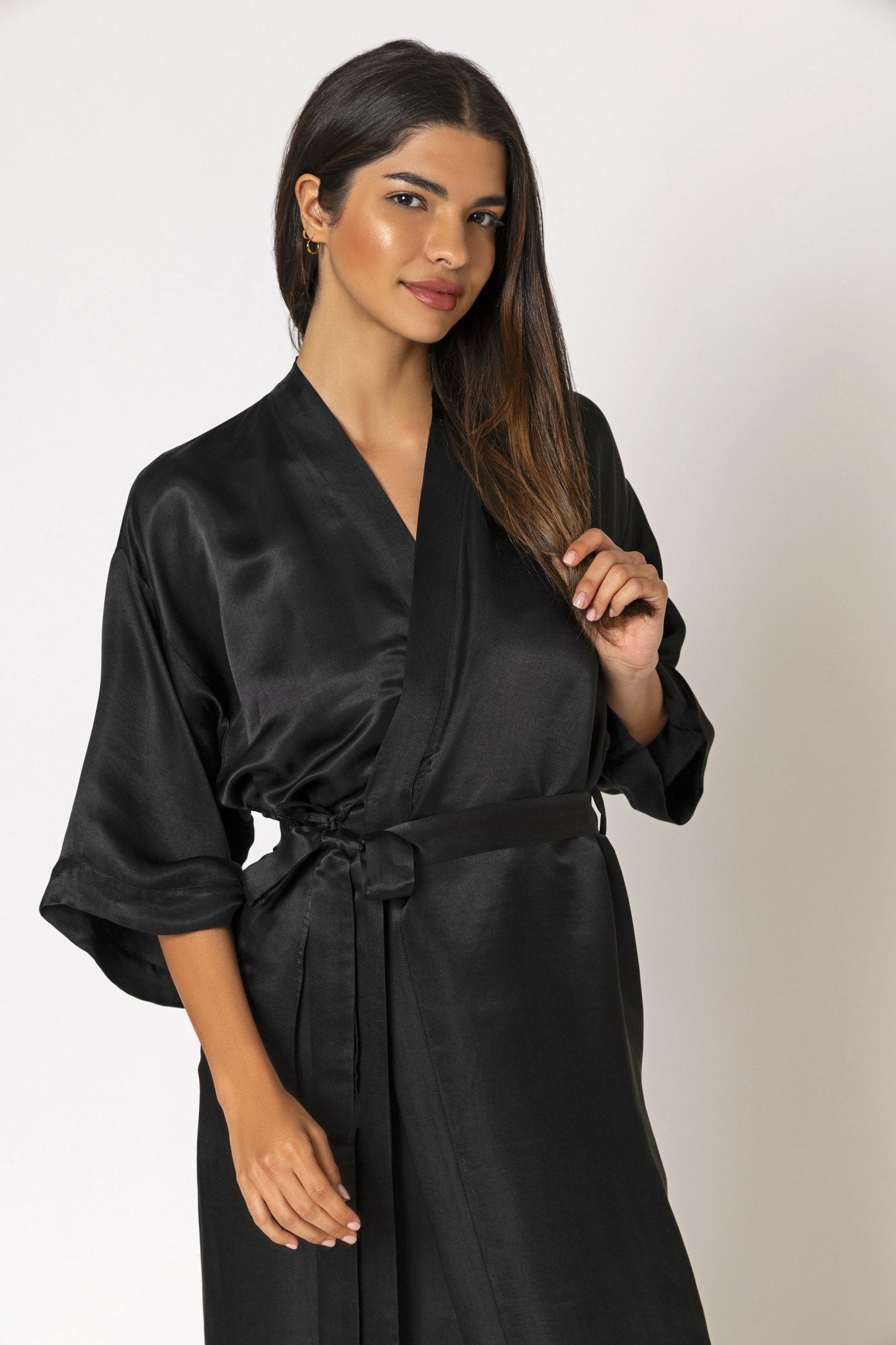
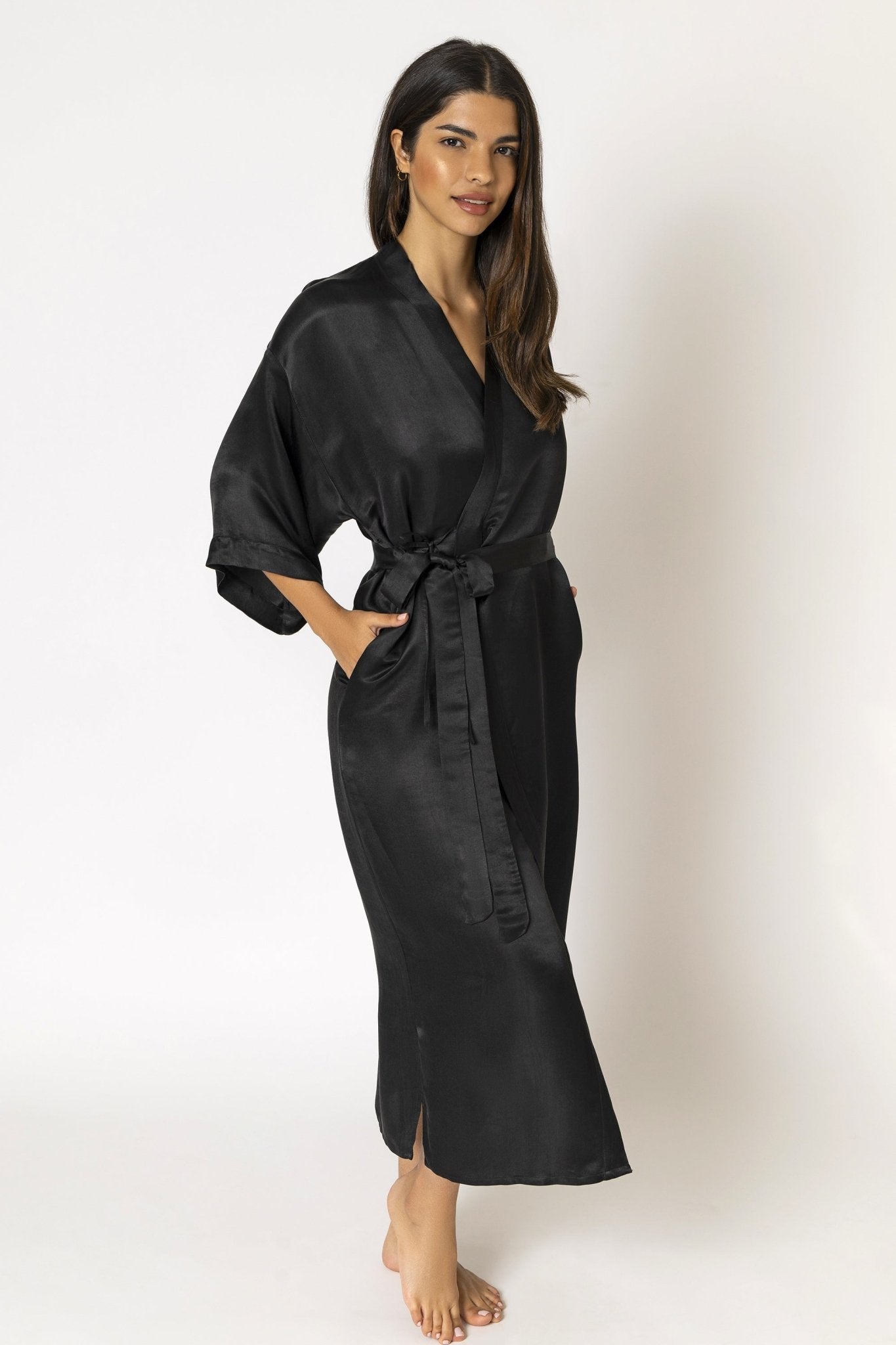
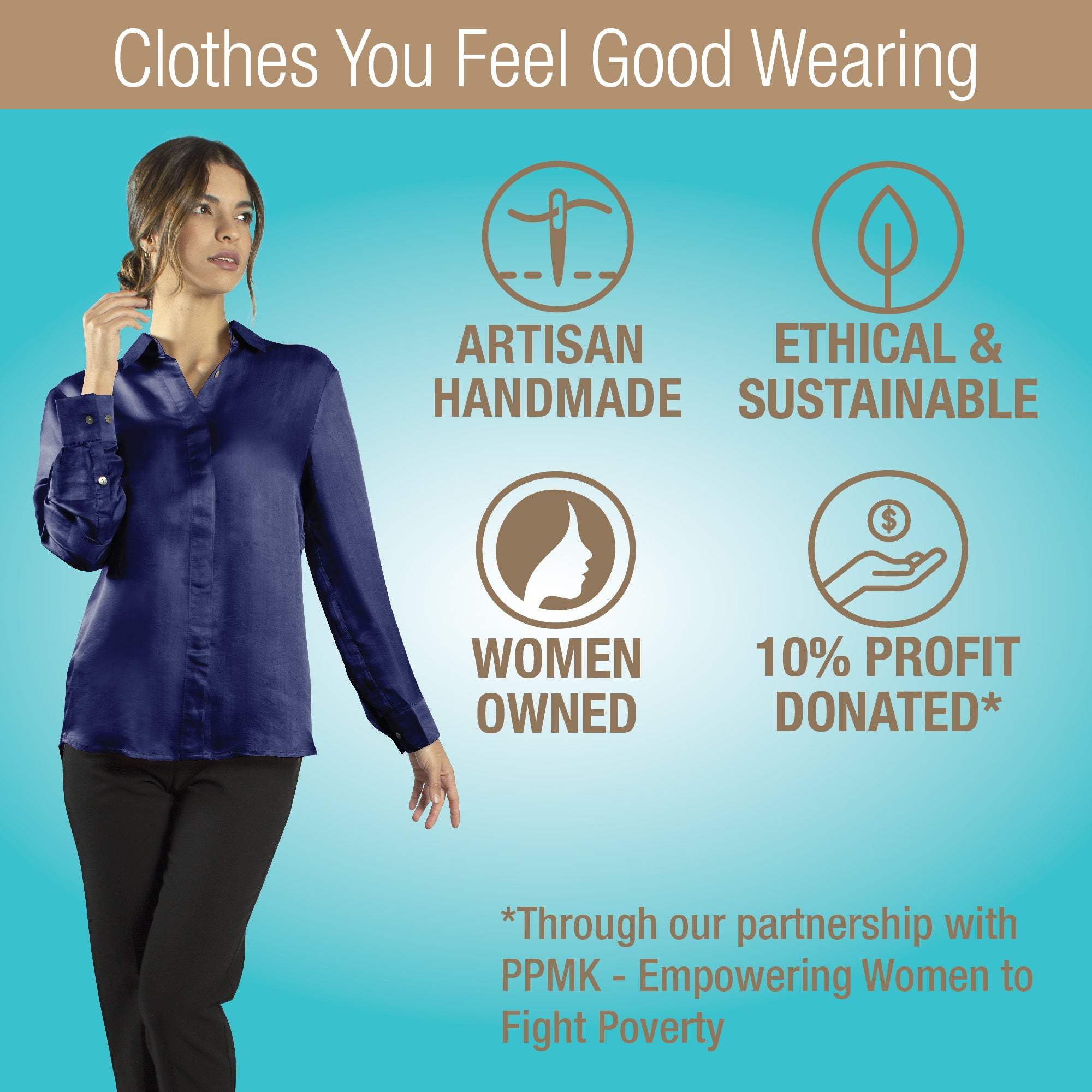
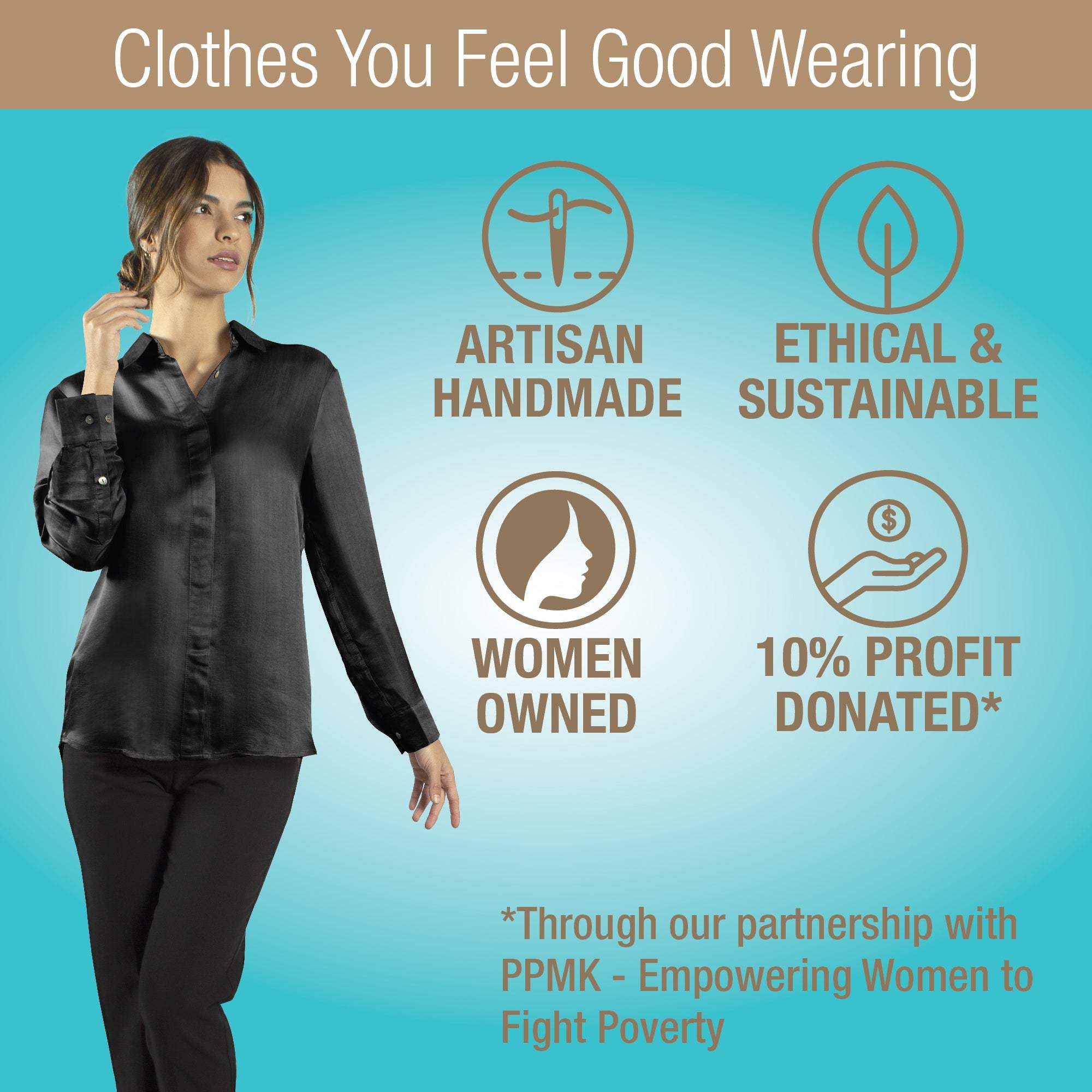
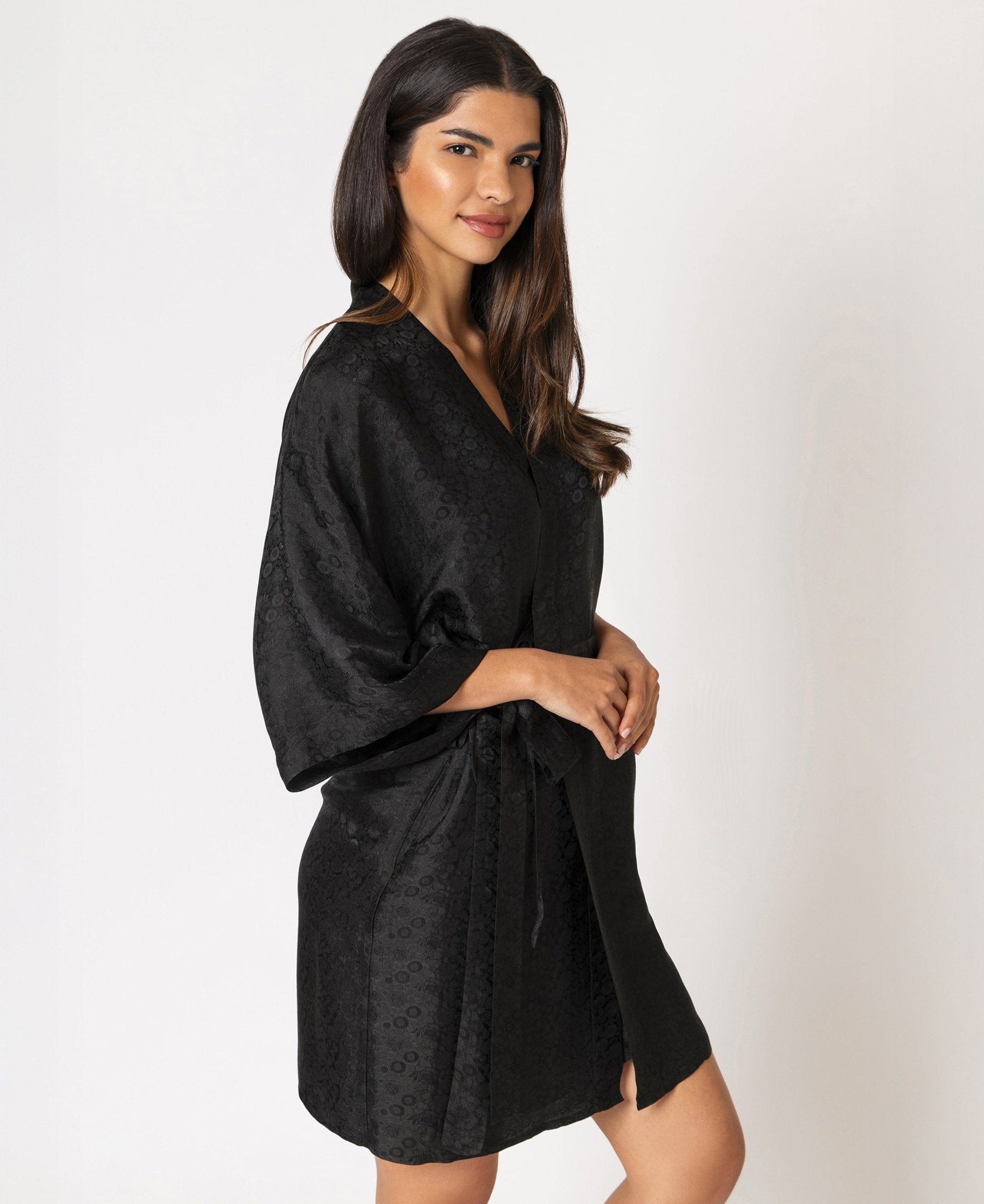
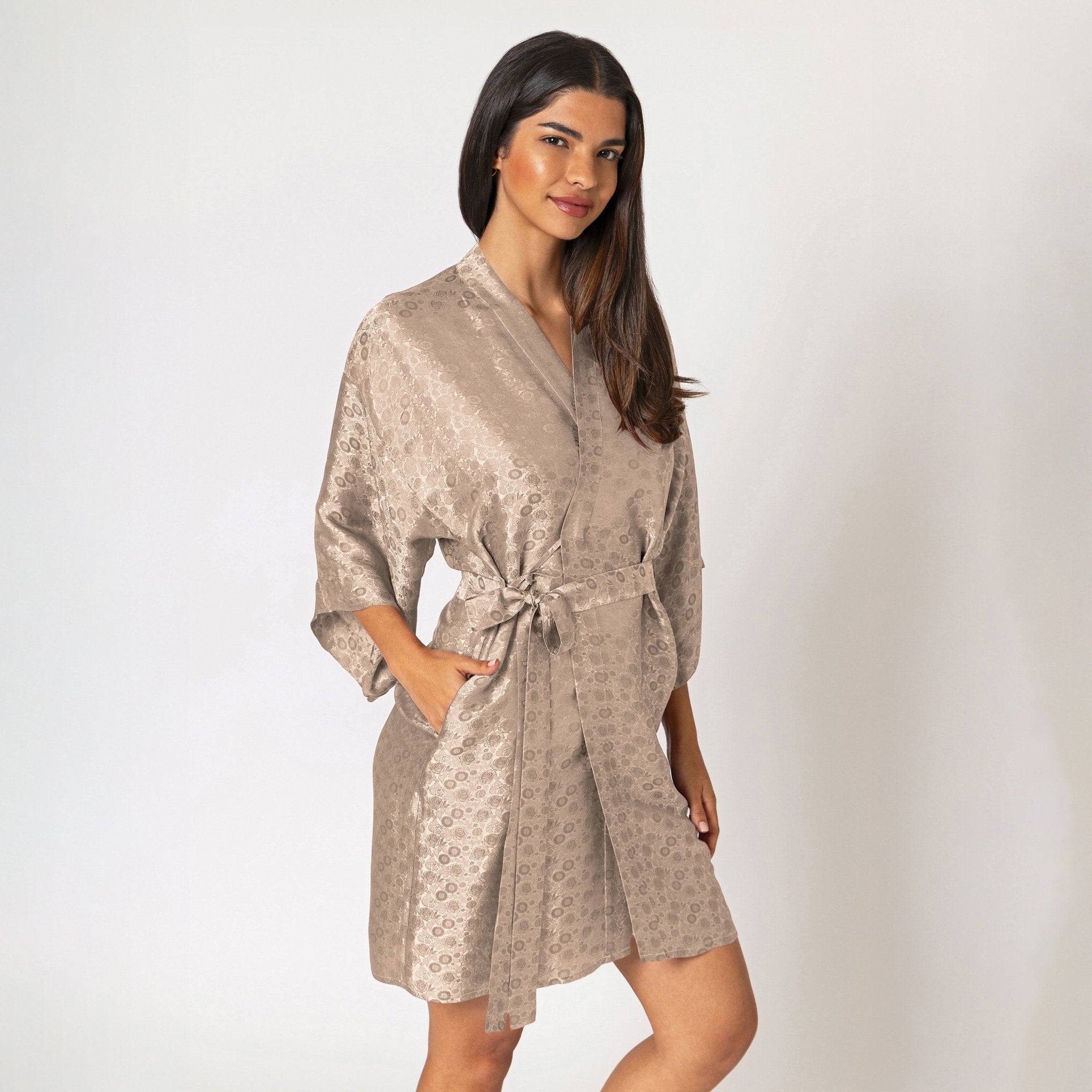
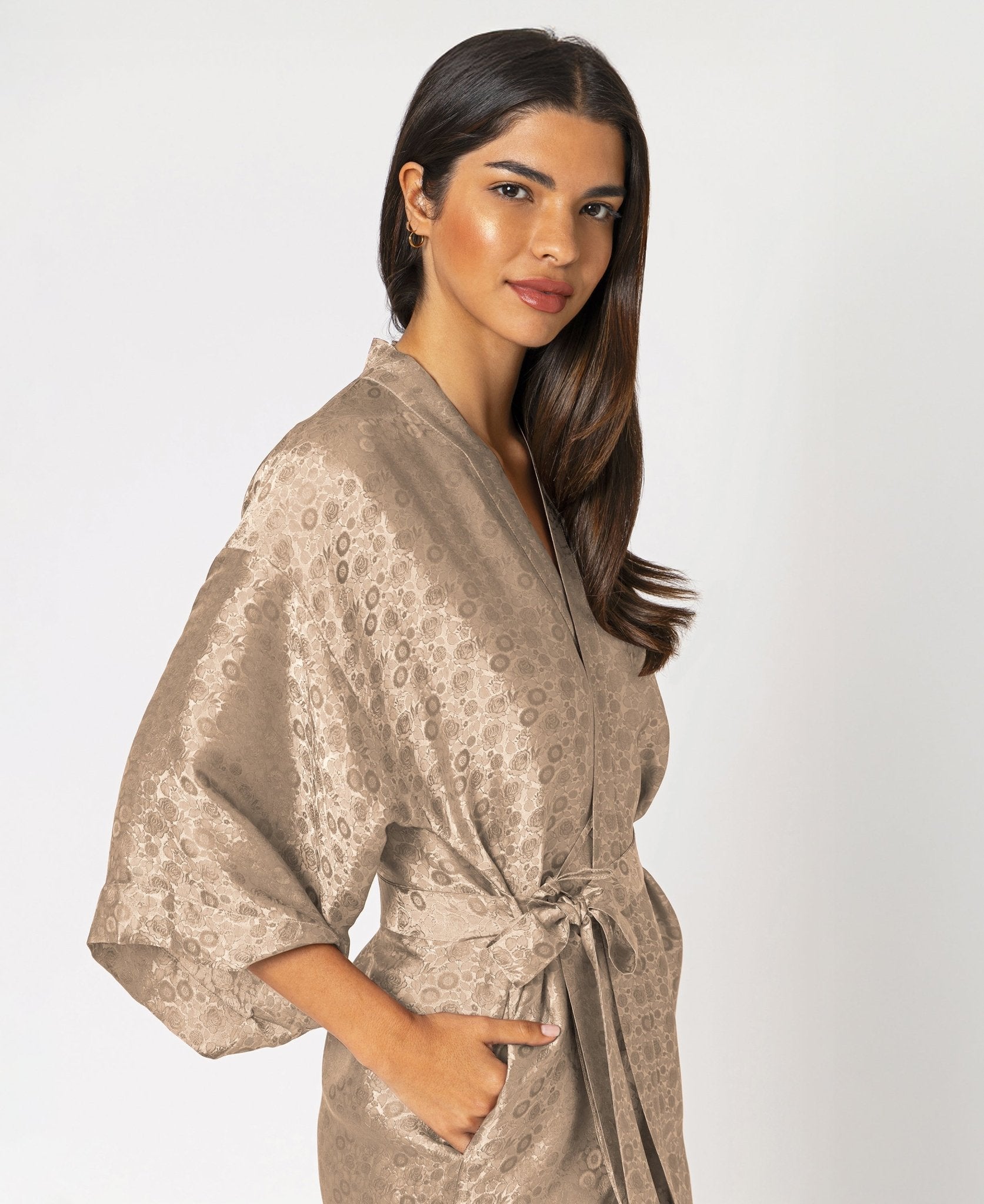
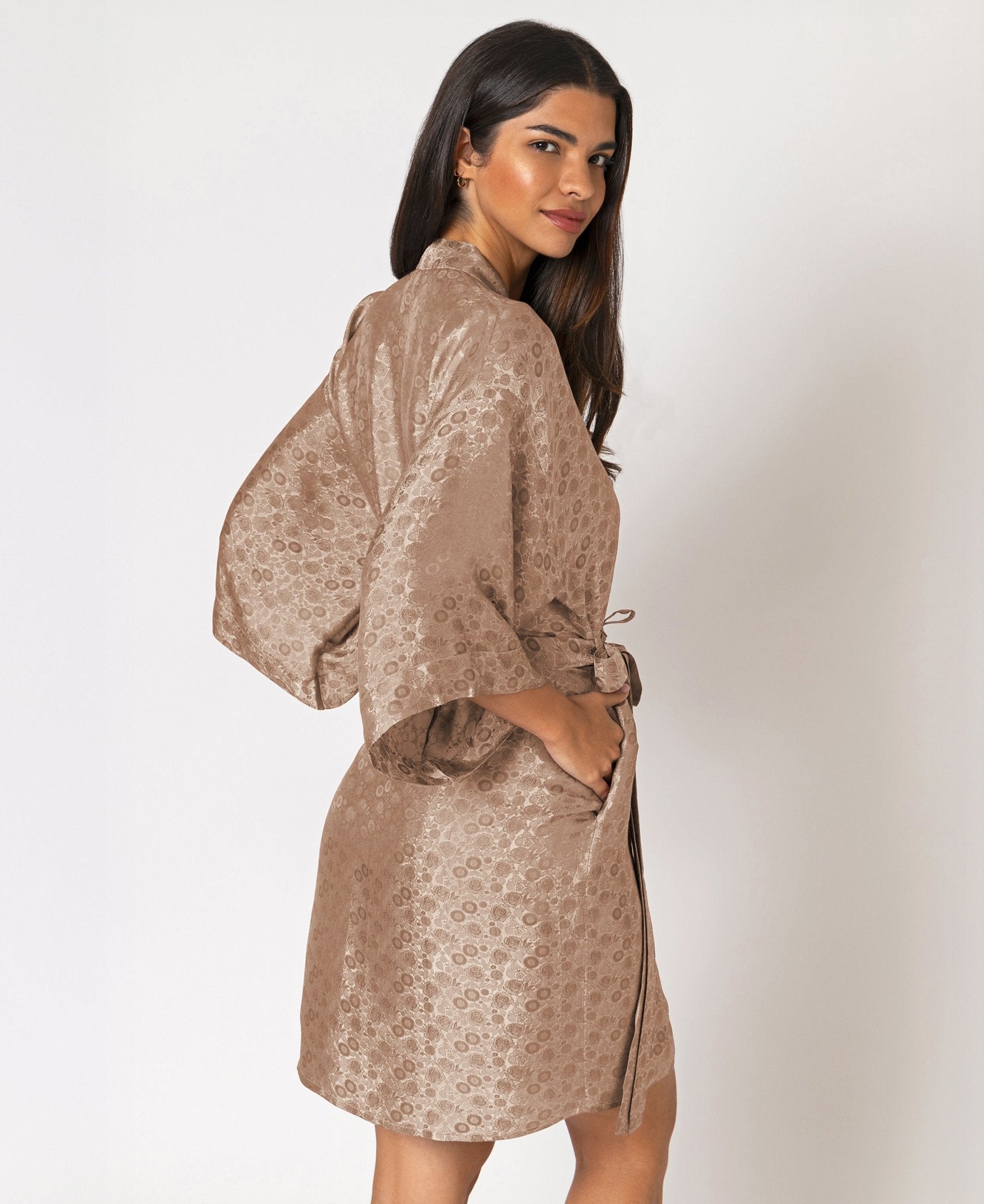
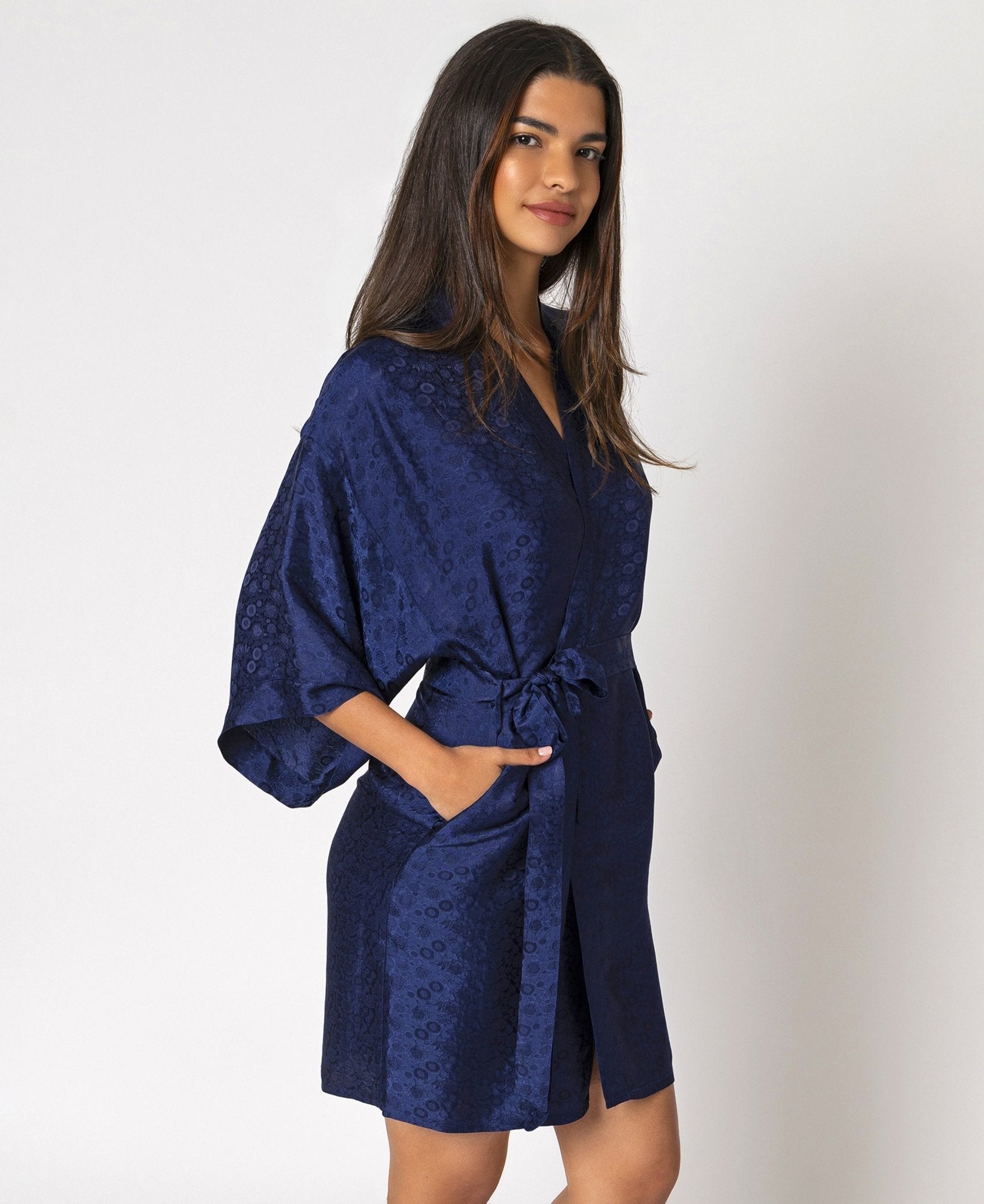
10% of Tara Sartoria profits go to women's education in Vietnam, creating economic incentive for sustainable practices in the producing region. This approach to sustainability isn't abstract. It translates to the products you wear, whether silk boxers, pajamas, or robes, all built on the same ethical and environmental framework.












The Honest Conclusion: What Actually Matters
If you care about avoiding microplastic pollution, silk is better than polyester.
If you care about carbon footprint, recycled polyester looks better on production, but account for the full cycle microplastic impact.
If you care about longevity, silk wins if you actually wear the garment for its full lifespan.
The real move isn't finding the perfect fiber. It's choosing durable garments you'll actually wear for years.
A silk garment worn for 5 years is more sustainable than a polyester garment worn for 2 years, even if polyester looks better on paper.
Sustainability isn't a property of the fiber. It's a property of the choice to wear something for a long time. Our guide on how to maximize silk durability covers the specific steps to make that happen.
See the silk collections and choose sustainability through longevity.Frequently Asked Questions
Q: Isn't silk worse for the environment because of silkworms?
A: It's a real ethical concern if you prioritize insect welfare or are vegan. From a pure environmental impact perspective, most analyzes show silk's primary advantages are longevity and non-microplastic-shedding, not silkworm welfare. If insect welfare is your priority, peace silk (Ahimsa silk) exists, though it's more expensive and less durable.
Q: What about viscose or bamboo instead of silk?
A: Viscose has higher production carbon footprint (more energy, more chemicals) and faster degradation rates aren't advantages over silk (both degrade, just at different rates). Viscose has similar water usage to silk. The main advantage is usually price. If environmental impact is your priority, silk is actually better than most viscose despite higher upfront cost.
Q: Doesn't silk production use a lot of water?
A: Yes, roughly comparable to cotton. Neither is a water hero. But if you're choosing between fabrics, this doesn't meaningfully distinguish them. What matters more is how long the garment lasts. If silk lasts 3x longer, you use one-third the water per wearing.
Q: What's the carbon footprint of silk compared to synthetics?
A: Silk is roughly 1.3-2.0 kg CO2 per kg of fiber. Virgin polyester is 5-6 kg. Recycled polyester is 1.2-2.0 kg, comparable to silk. Cotton is 1.3-2.5 kg. Silk is in the middle, not the worst option.
Q: Is "sustainable fashion" labeling on brands actually legitimate?
A: Mostly marketing. True sustainability means transparent sourcing, durable construction, and honest accounting of trade-offs. Most "sustainable" brands focus on one metric (carbon, water, or ethics) and ignore others. Read the actual data, not the label.
Q: Should I buy silk or polyester if I care about the environment?
A: If you'll wear it for 5+ years, silk wins on microplastic pollution, biodegradability, and longevity. If you'll wear it for 1-2 years and discard it, you've lost the sustainability argument regardless of material. The garment you actually wear for years is more sustainable than the perfect-on-paper garment you discard after one season.
Q: Don't synthetic fibers shed a lot when you wash them?
A: Yes. Polyester and acrylic shed microfibers with every wash, accumulating in water systems. Silk doesn't shed meaningfully. Over a garment's lifetime, that one polyester blouse sheds roughly 1+ gram of plastic fiber per 100 wash cycles. This is a significant difference.
