


Real Silk vs Satin: A Plus Size Buyer's Guide
By Tara Nguyen, Ph.D., Founder and Creative Director, Tara Sartoria
A customer wrote to me last spring with a list. She had bought four sets of "silk" pajamas over the previous eighteen months, all in a size 2X. One was from Torrid. One was from ASOS Curve. Two were from Amazon listings that used the word "silk" in the product title. She wanted me to tell her, honestly, which of them were actually silk. The answer, once she sent me photos of the labels, was none of them. Two were polyester satin. One was a nylon-and-spandex blend labeled "silk feel." One was a rayon satin. She was not being paranoid. She was being shown the wrong fabric under the right label for years, and she had no way to know until she started asking.
A Short Answer for the Person Skimming
Real silk is a natural fiber woven from silkworm cocoons. Satin is a weave pattern, not a fiber, and most "silk" satin sold in plus sizes is actually polyester woven in a satin structure. The four diagnostic tests are price (real silk sleepwear rarely retails under $150 at a 2X and above), weight (real silk feels substantial in the hand, polyester feels slick and light), sound (real silk makes a soft dry rustle, polyester makes a slicker synthetic sound), and burn (a single fiber pulled from the seam of real silk will smell like burnt hair and crumble to ash; polyester will melt into a hard bead).
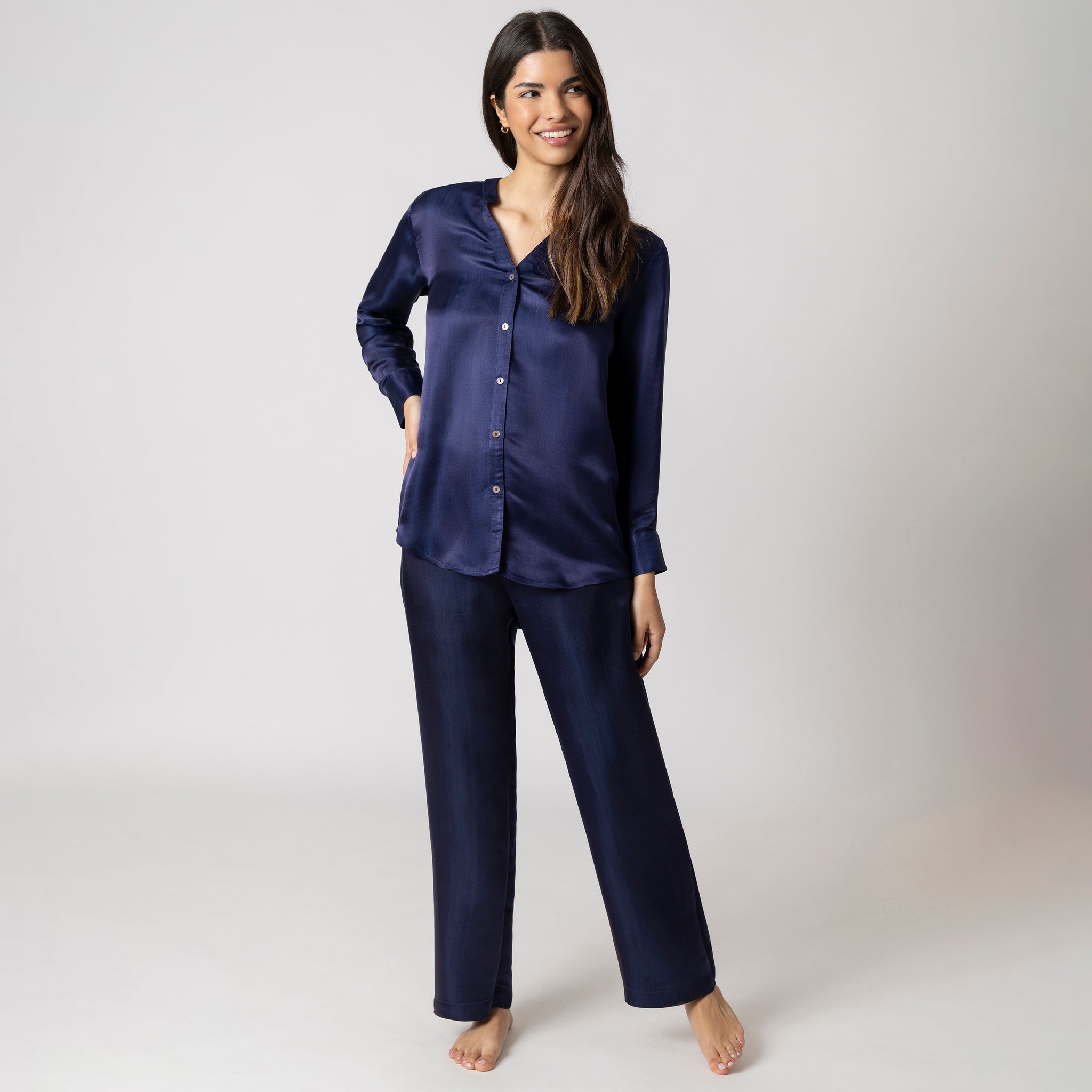
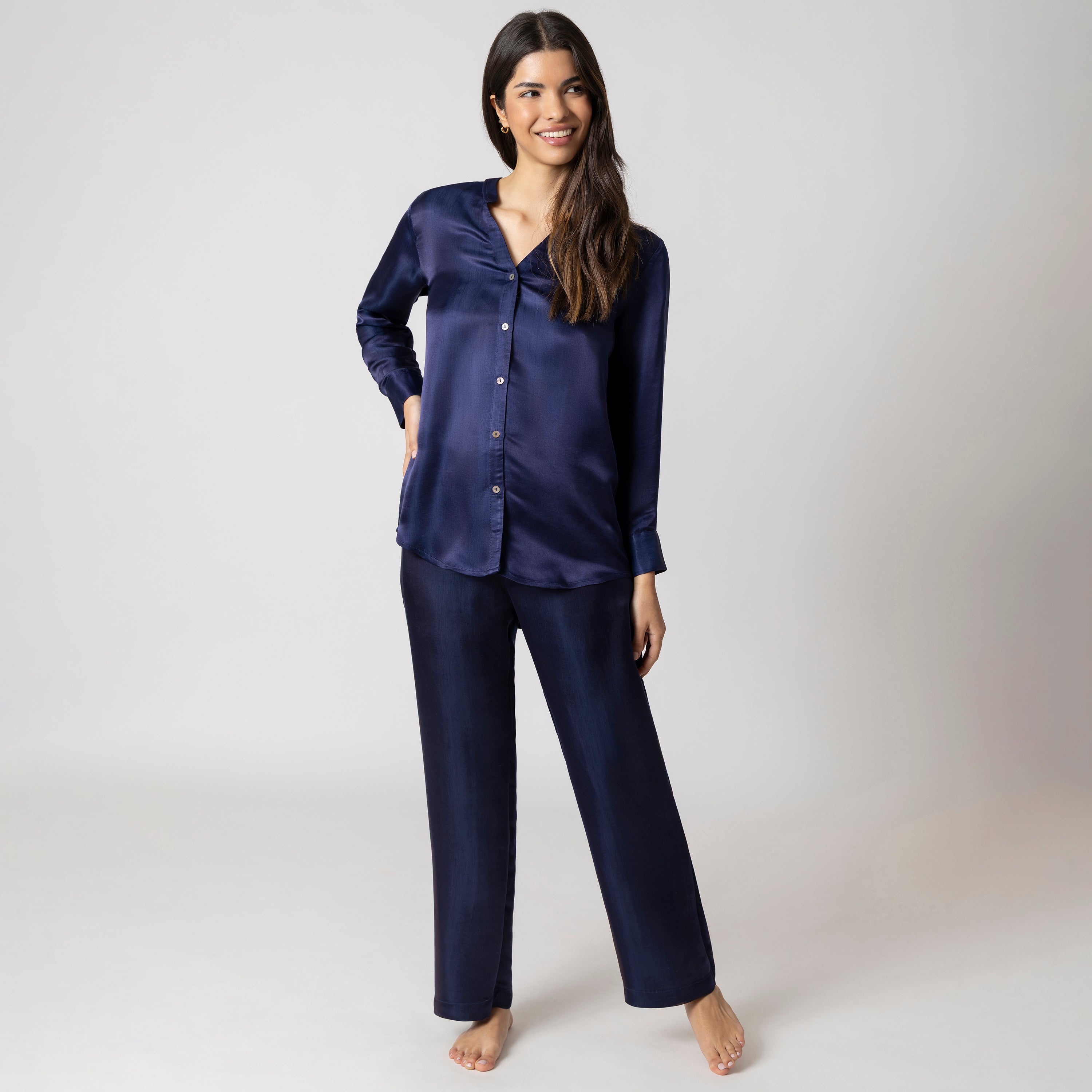
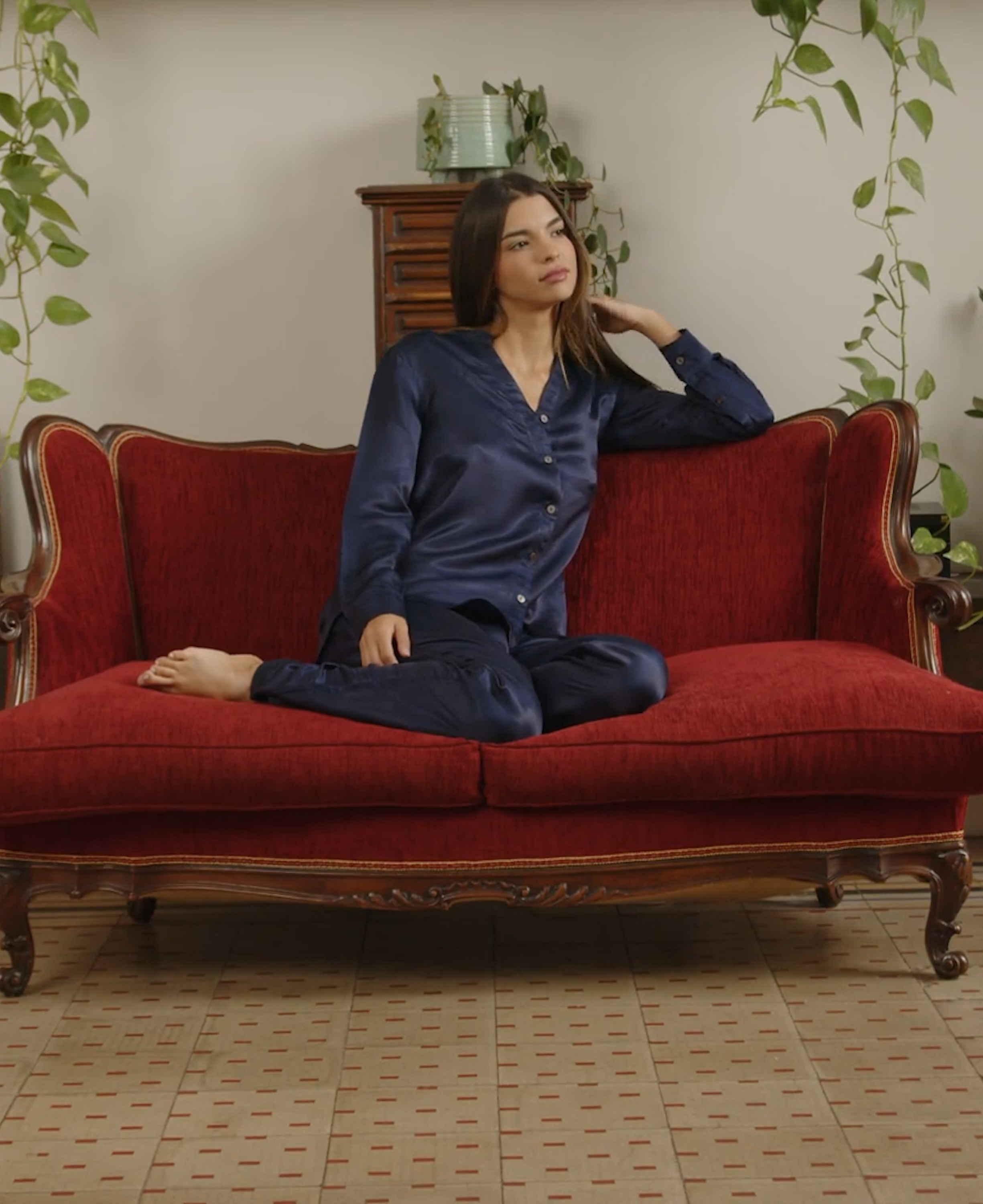
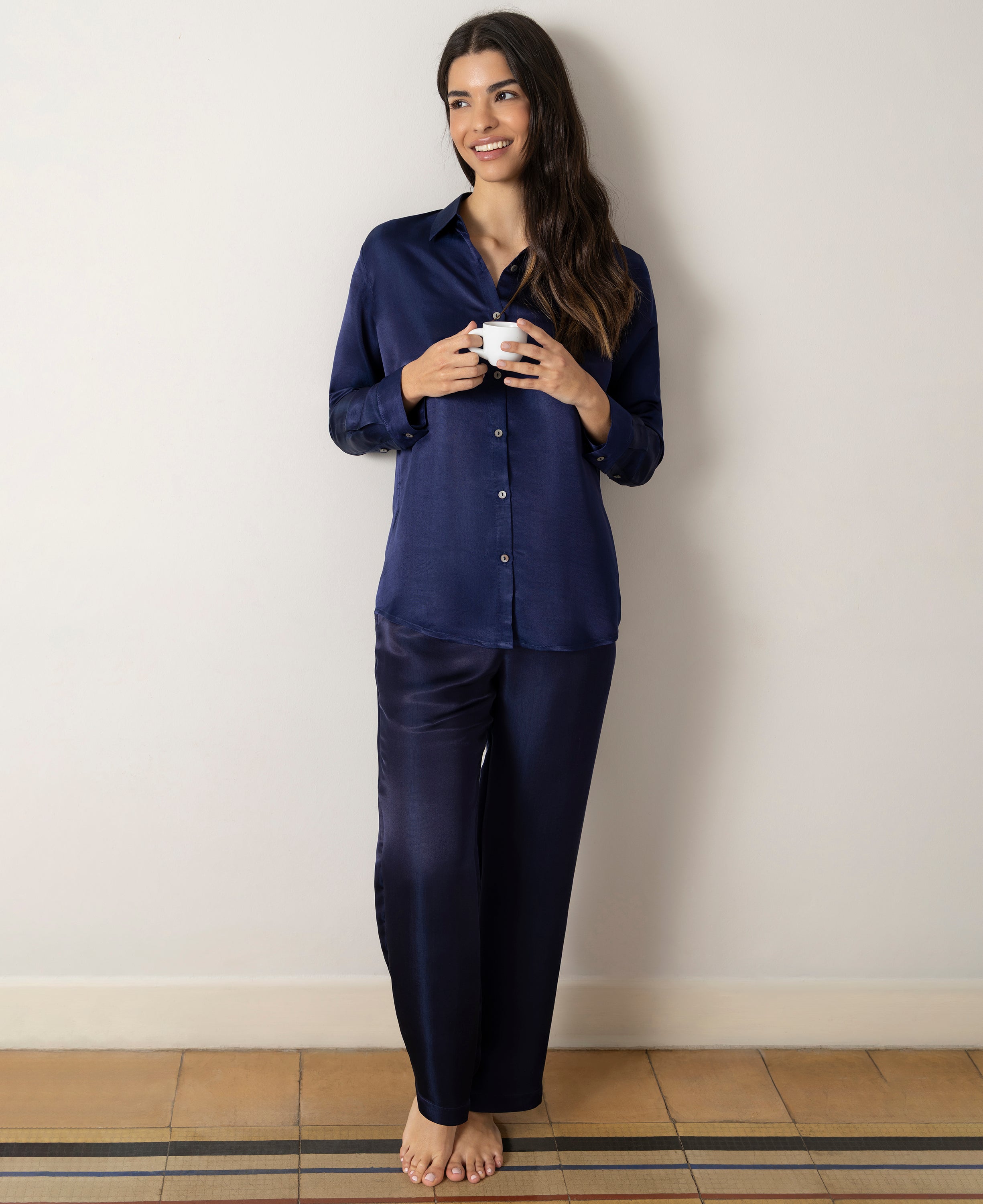
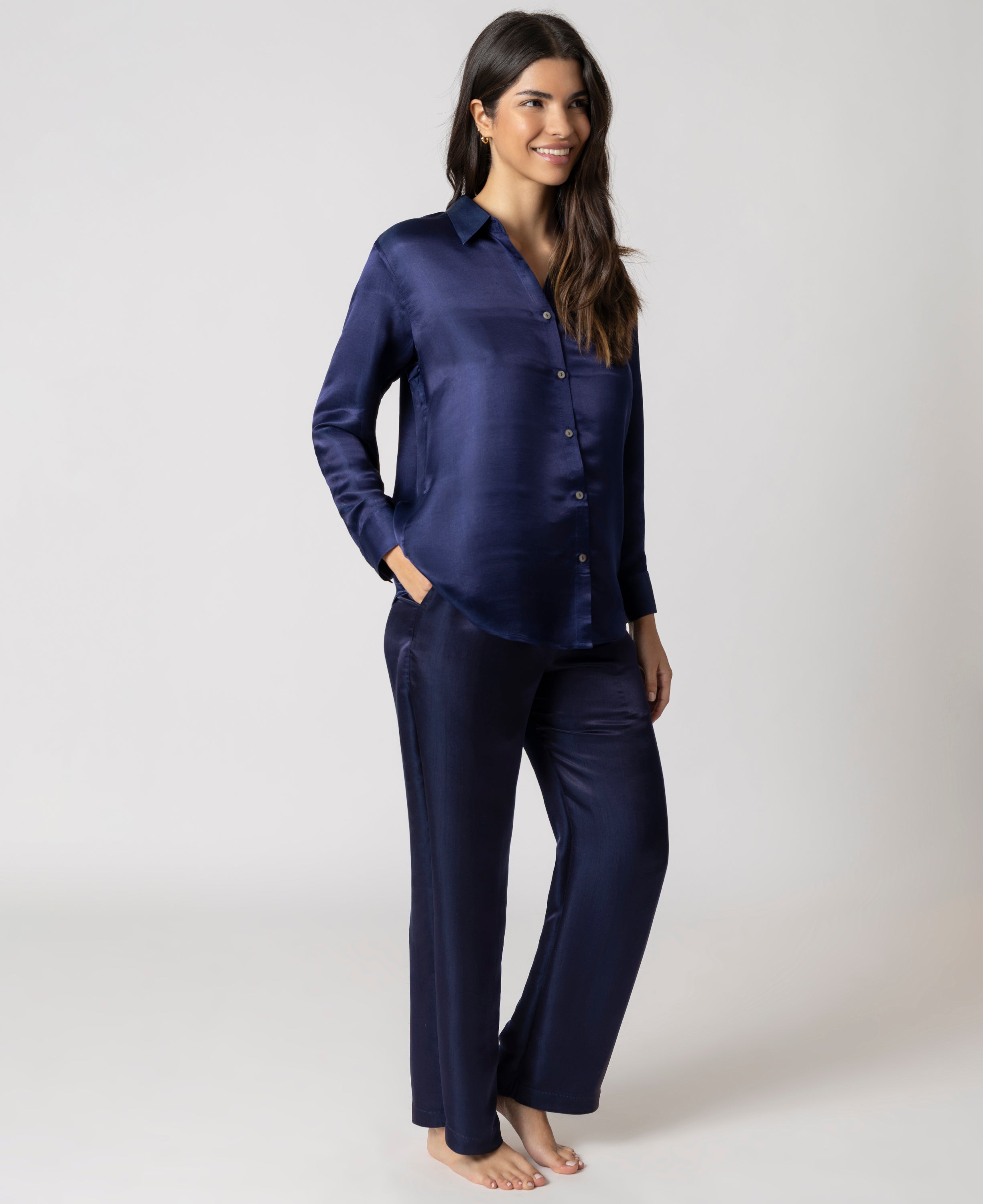
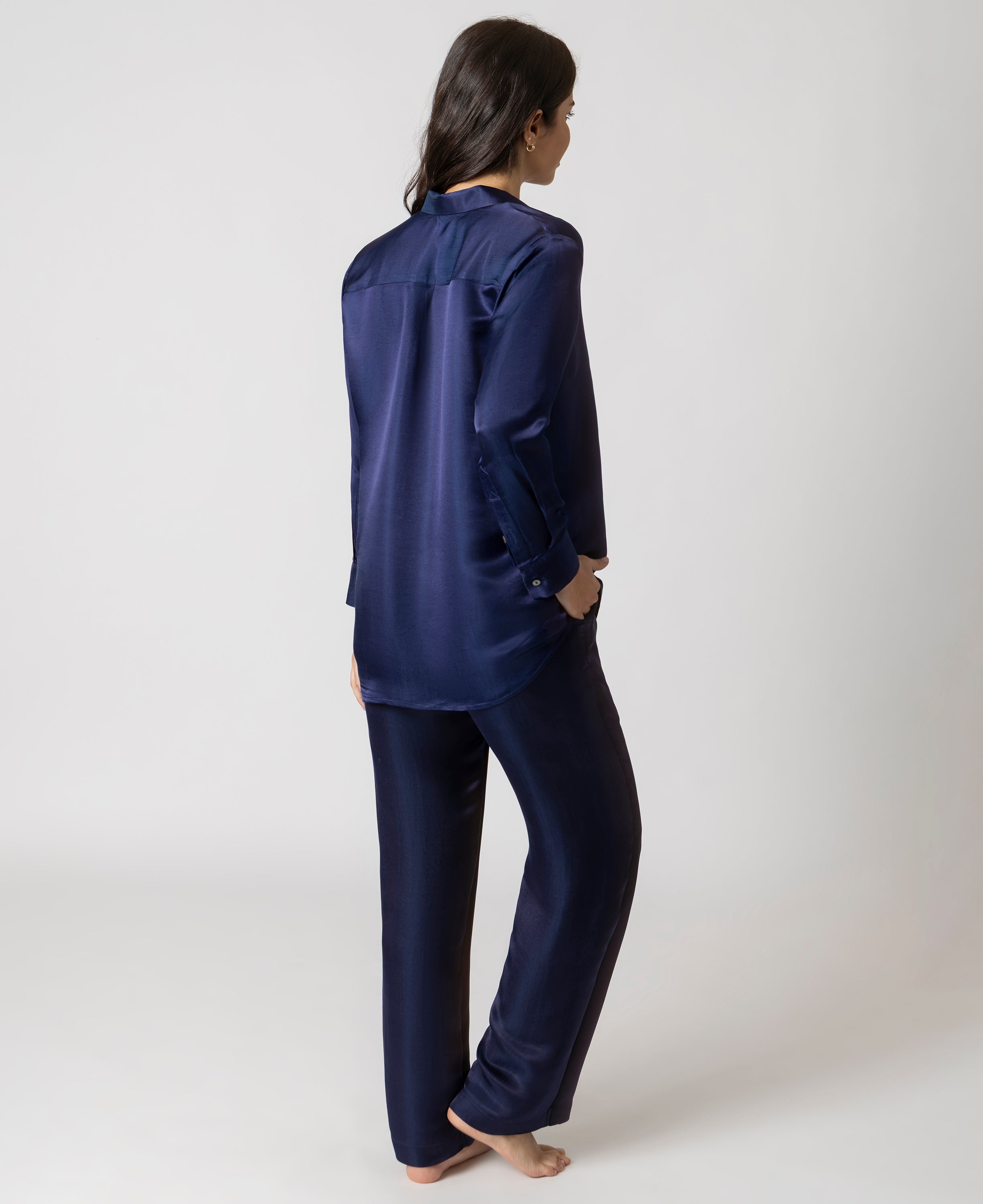
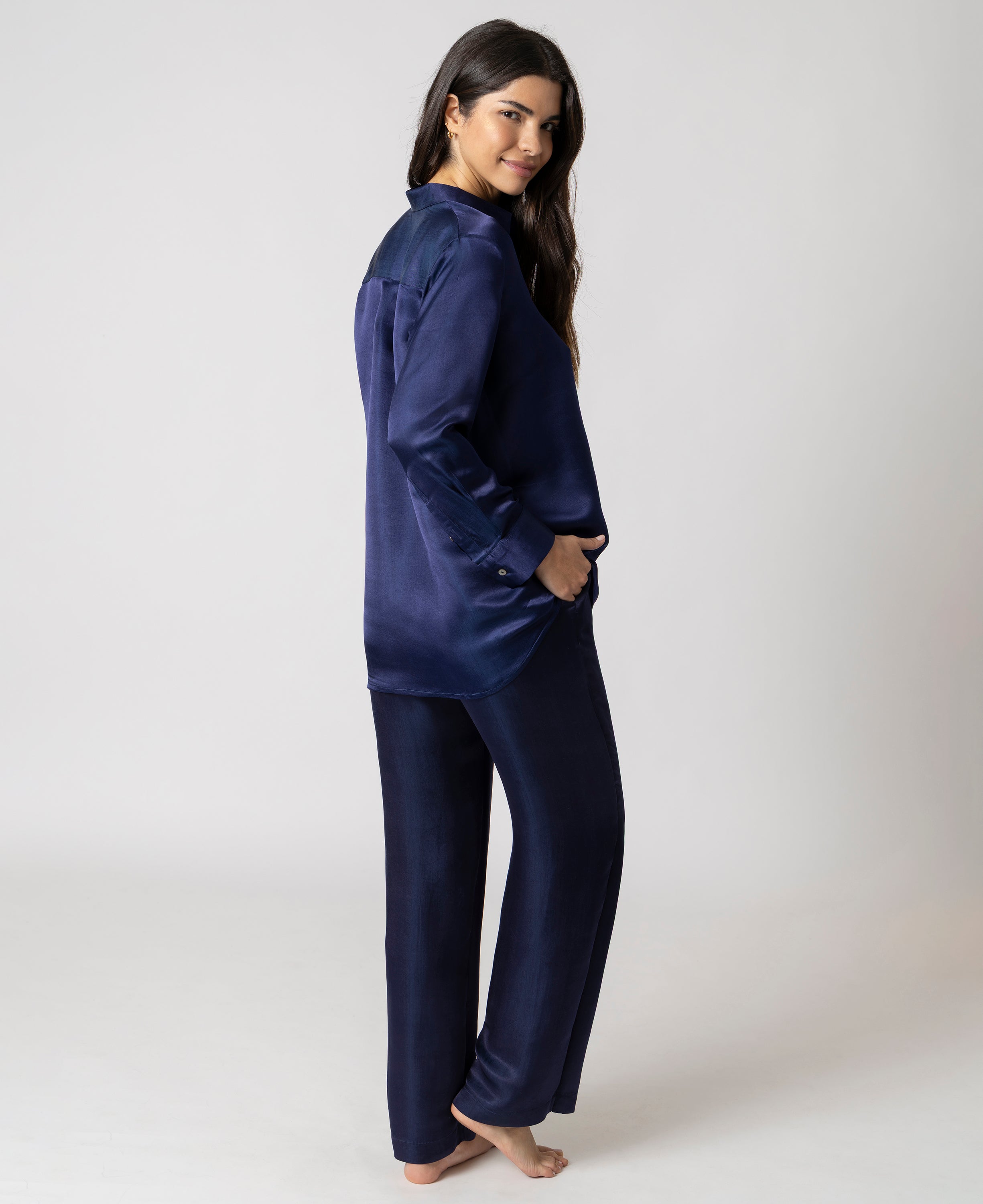
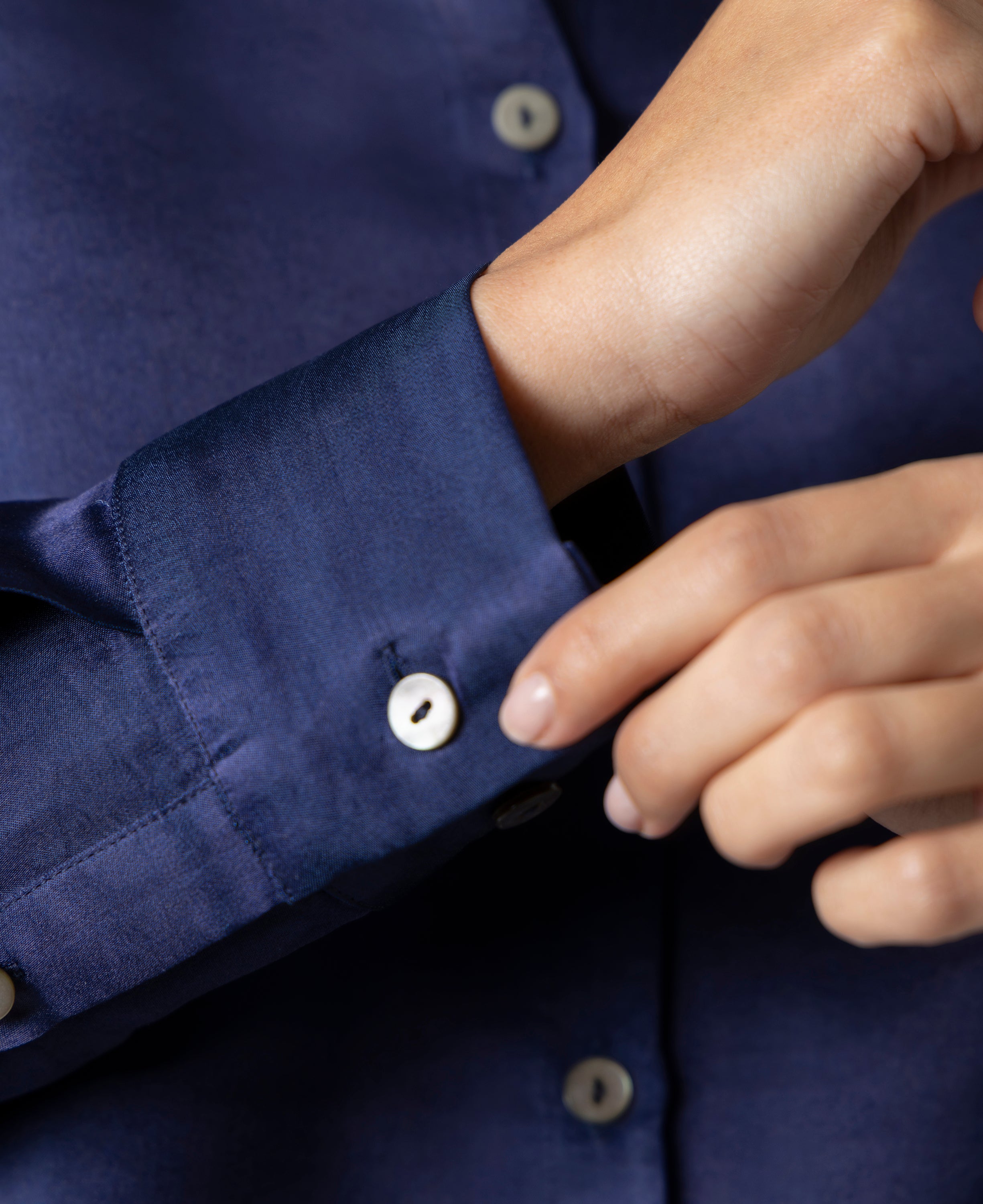
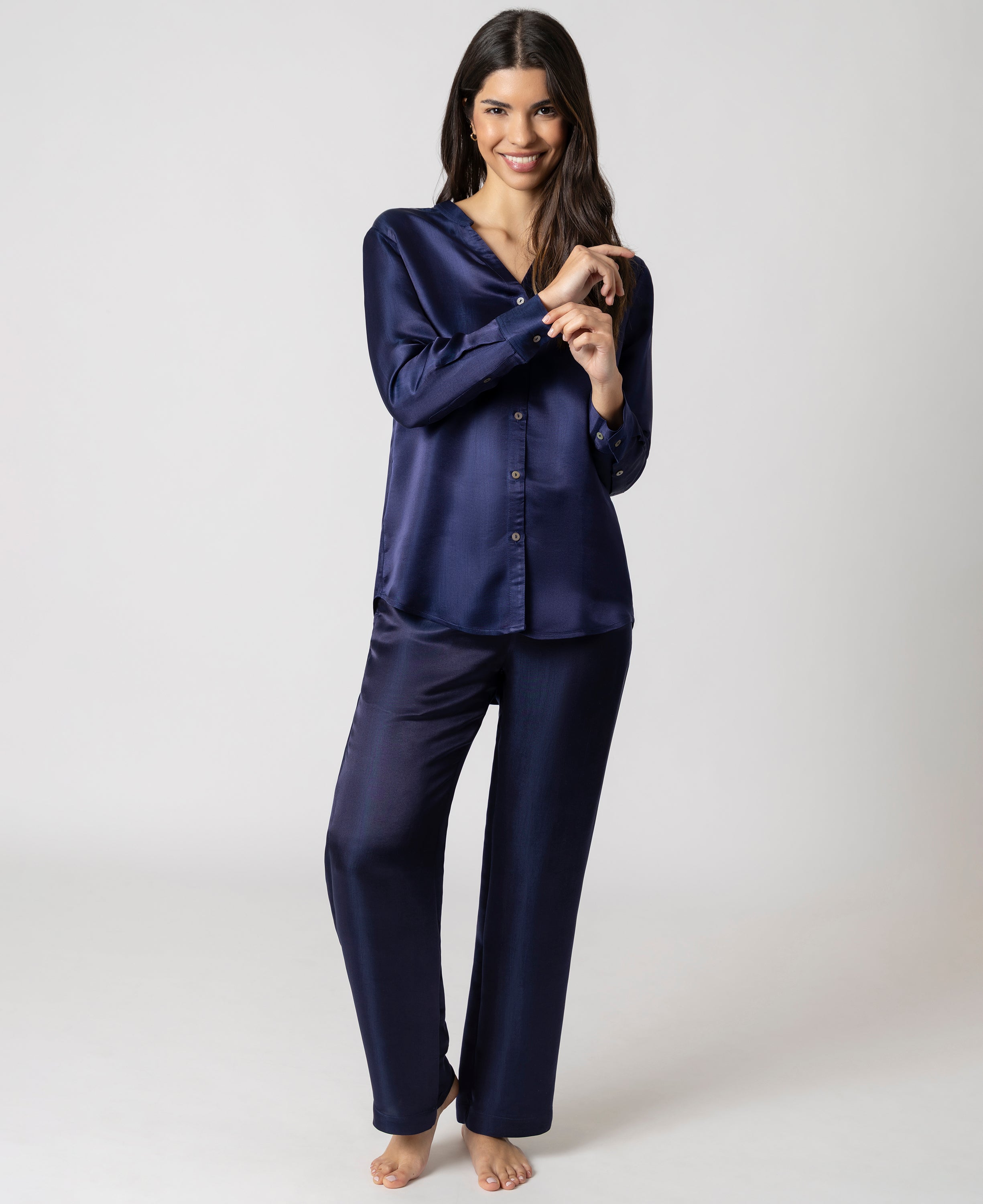
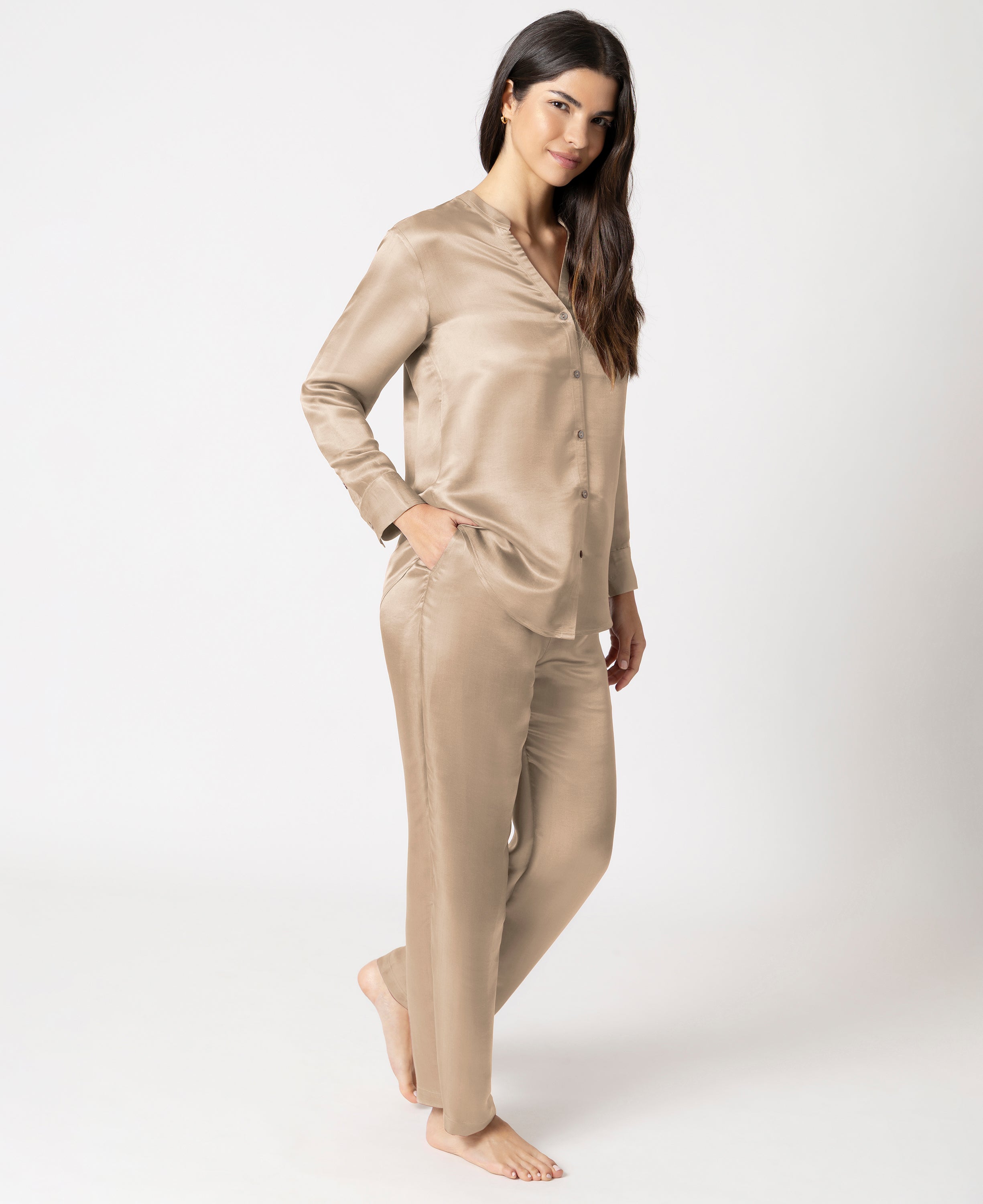
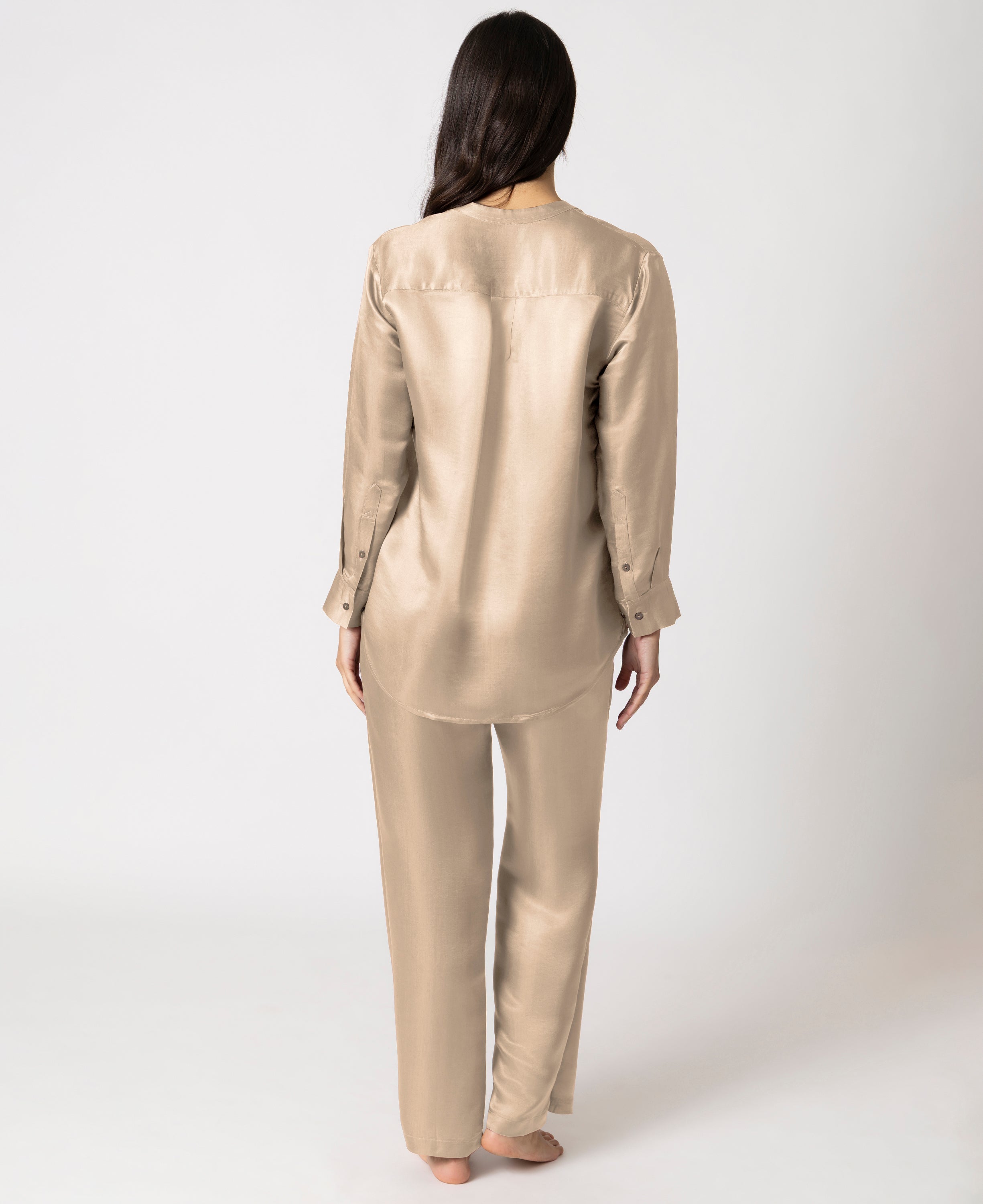
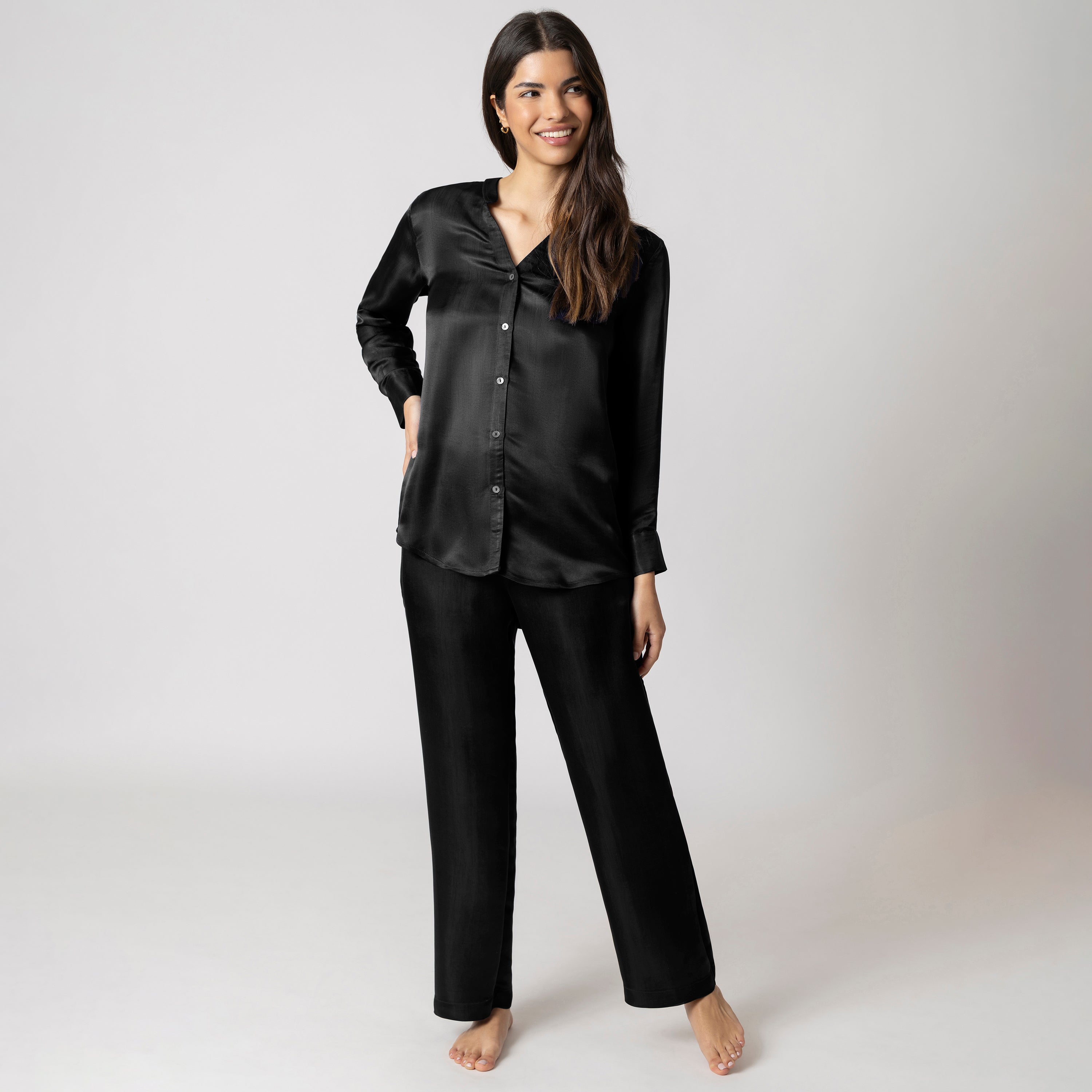
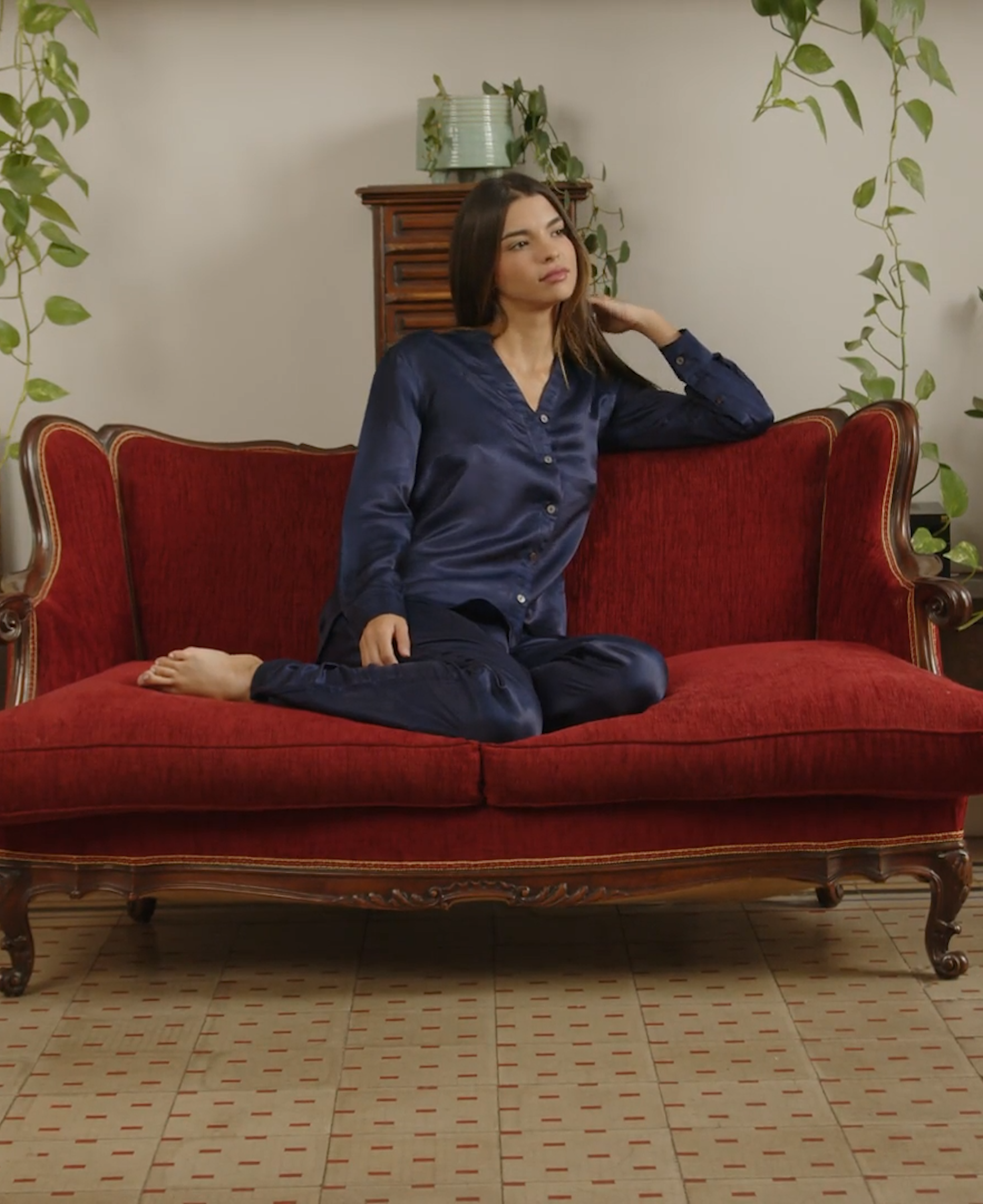
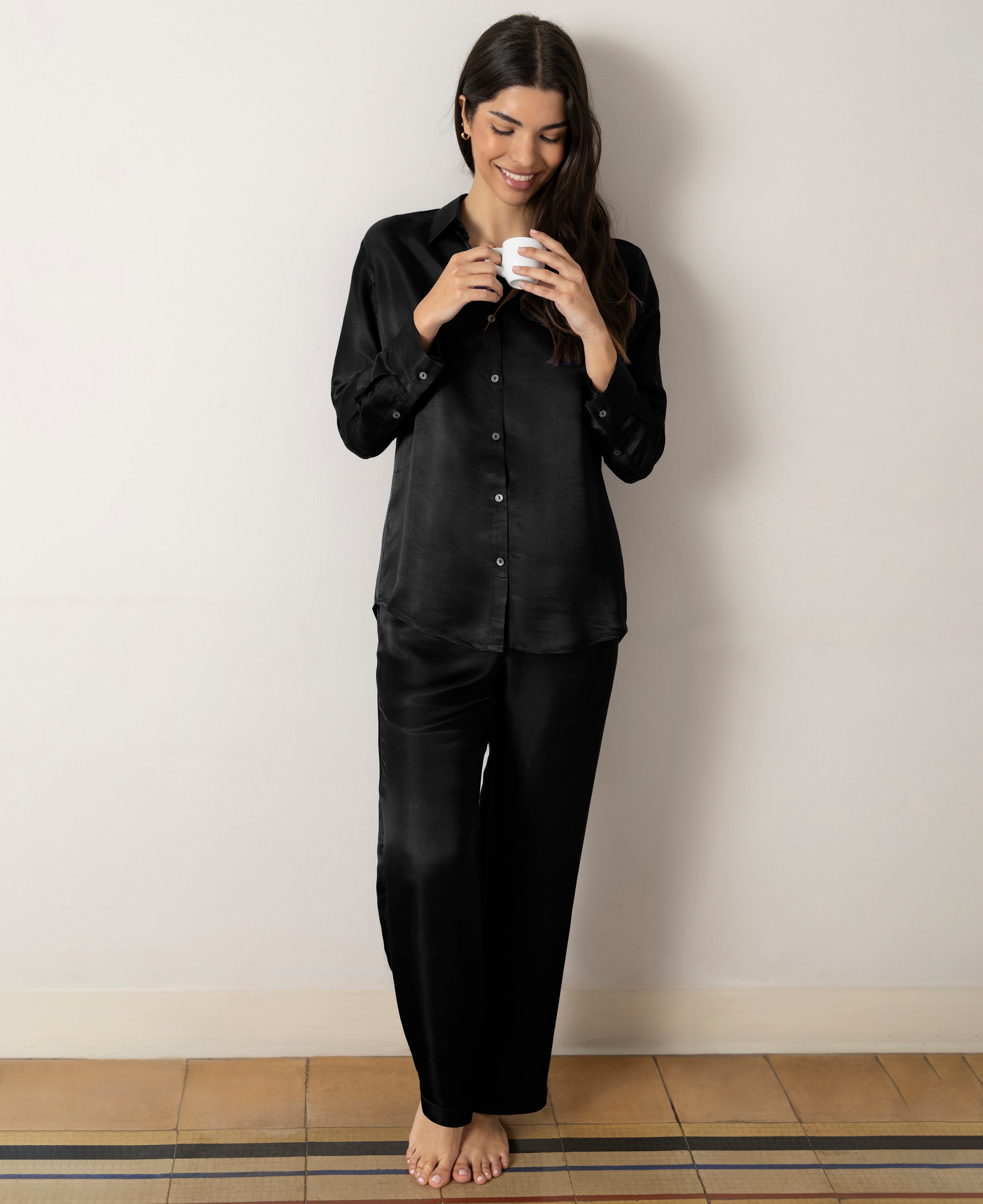
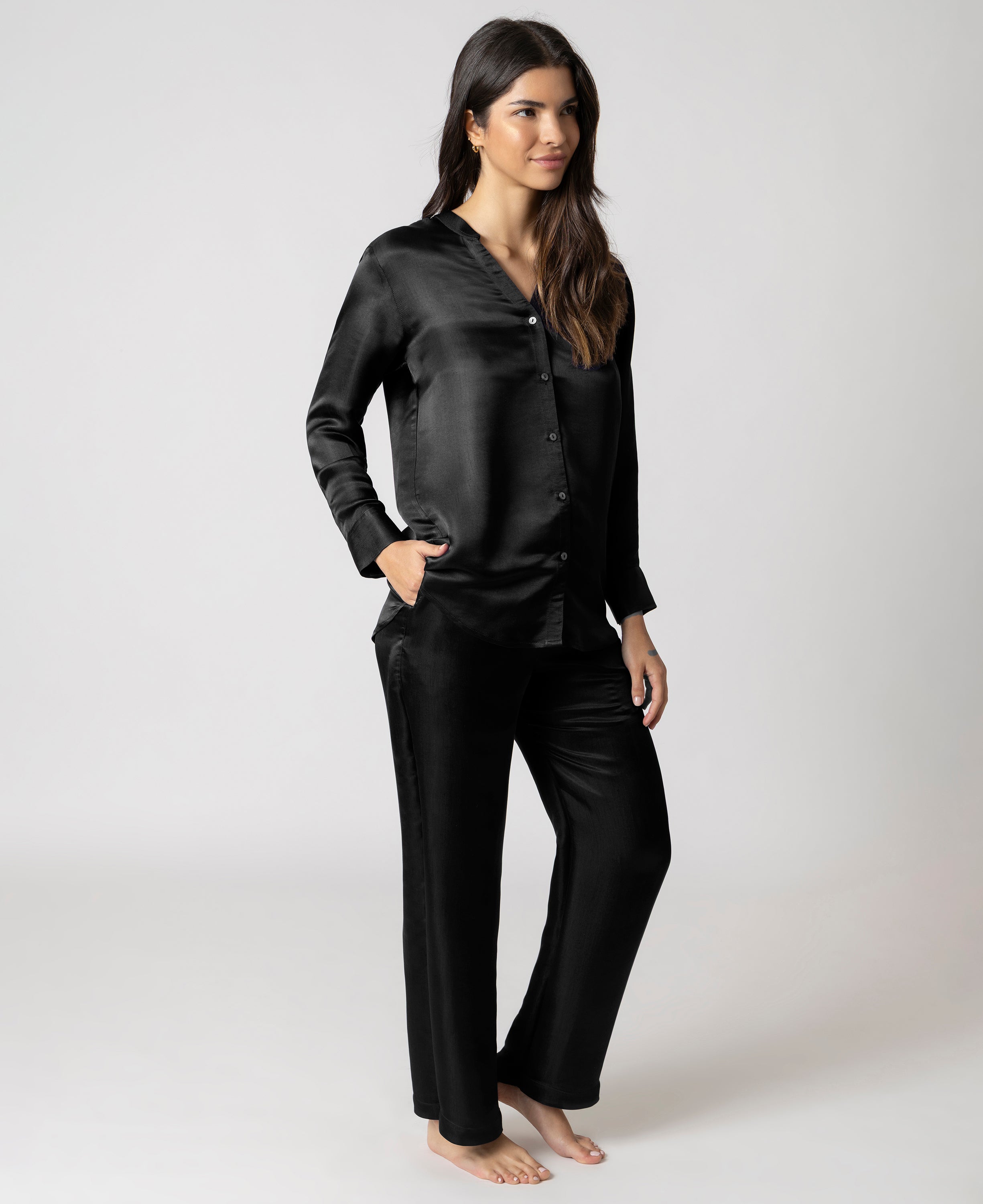
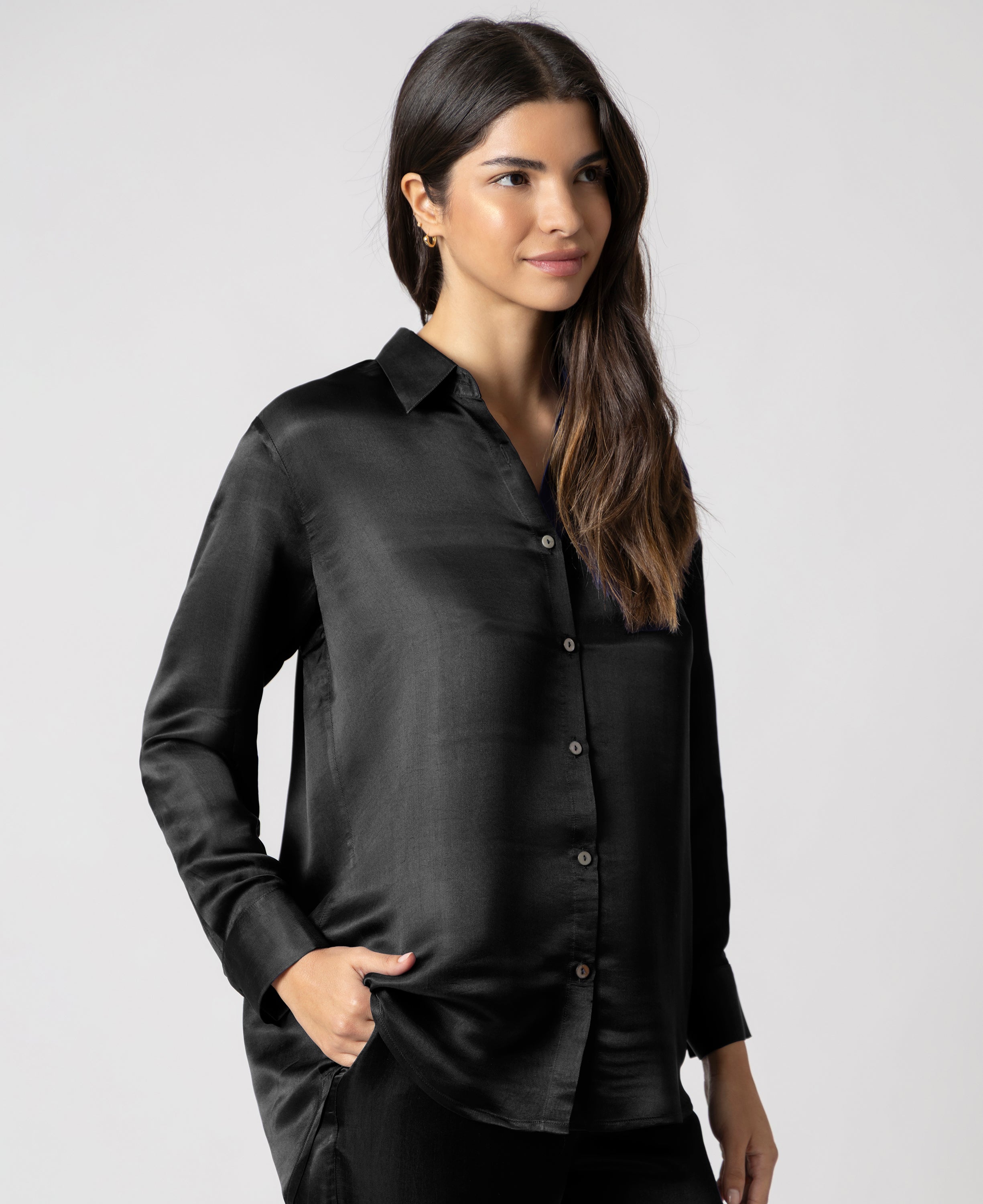
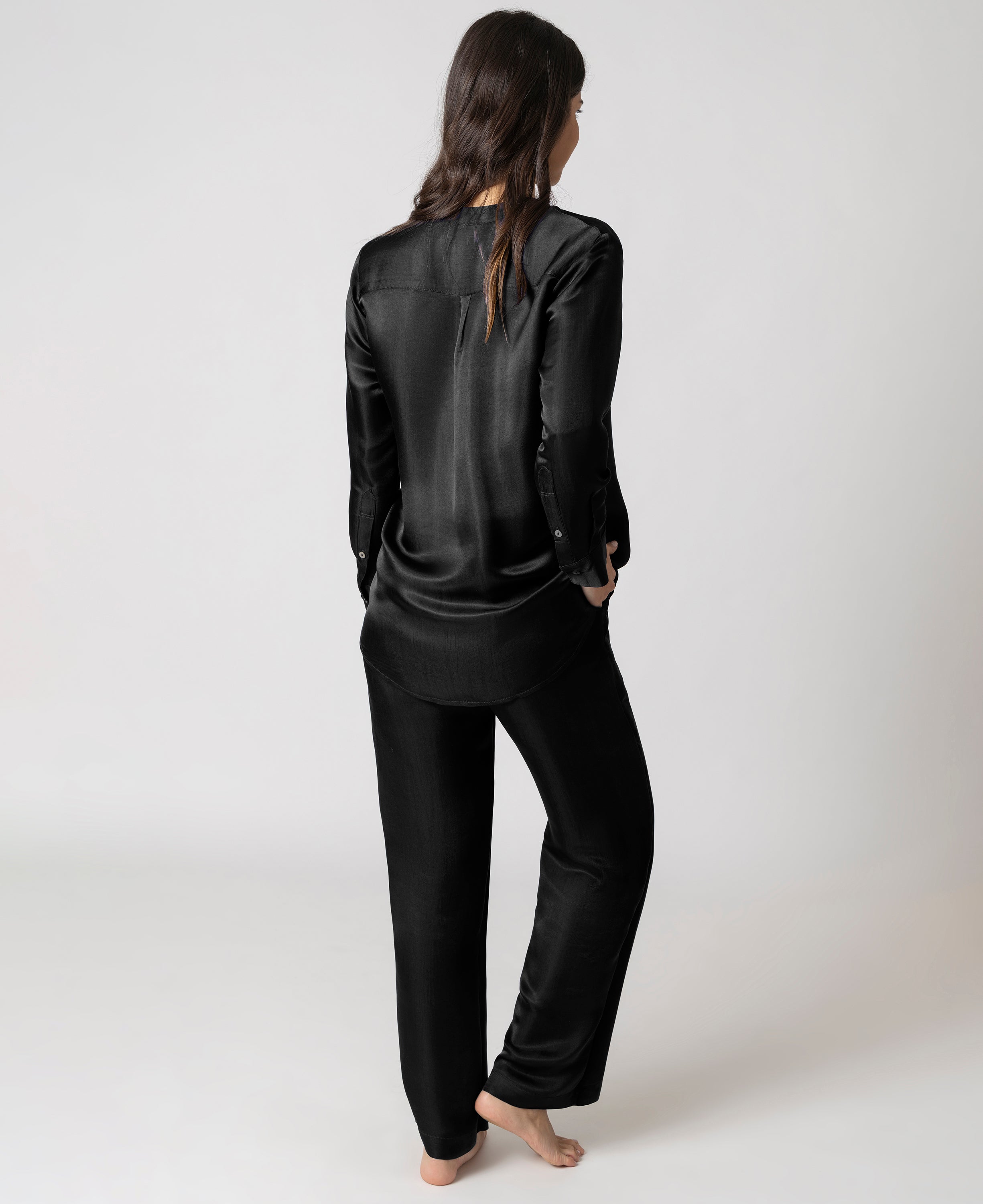
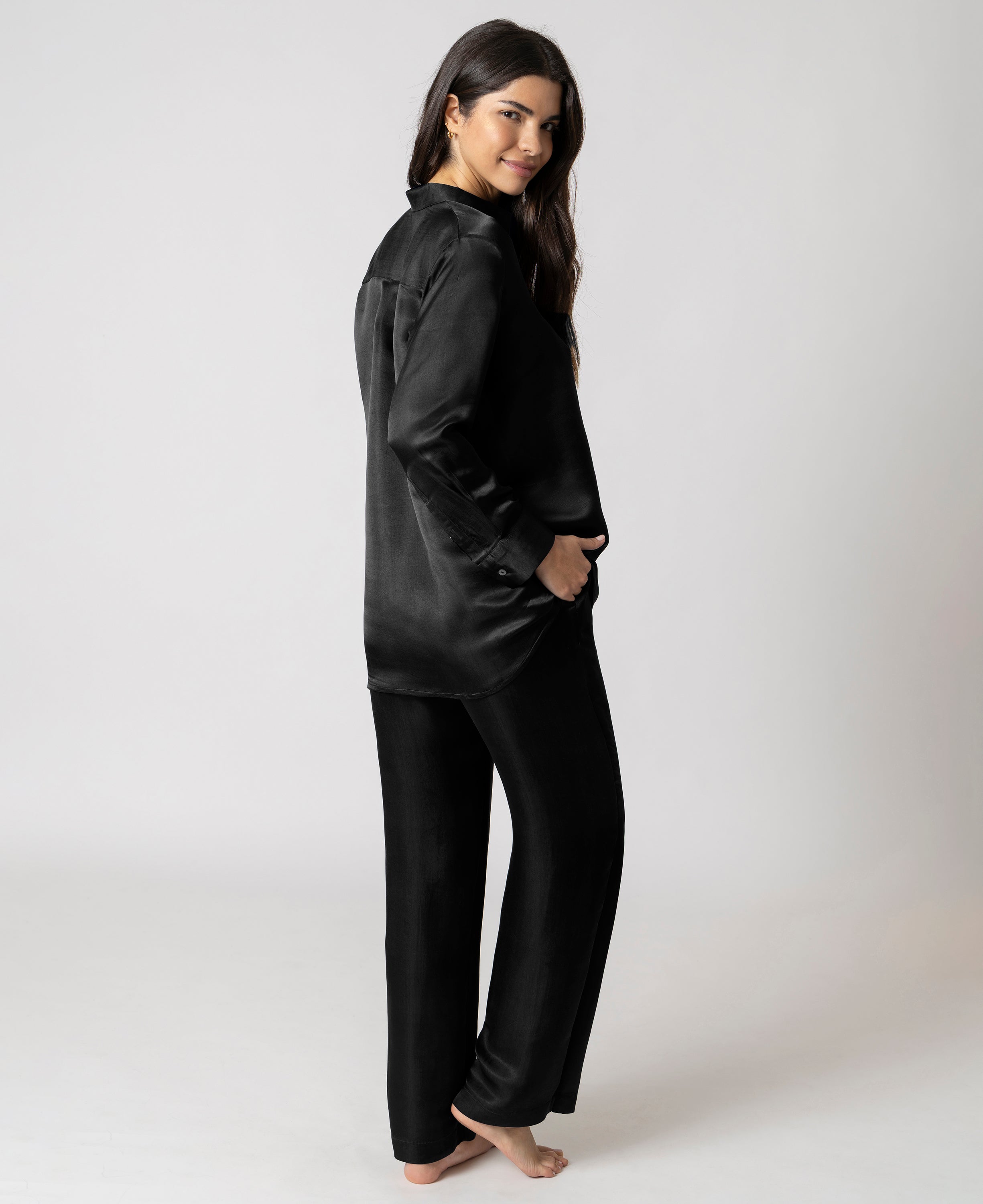
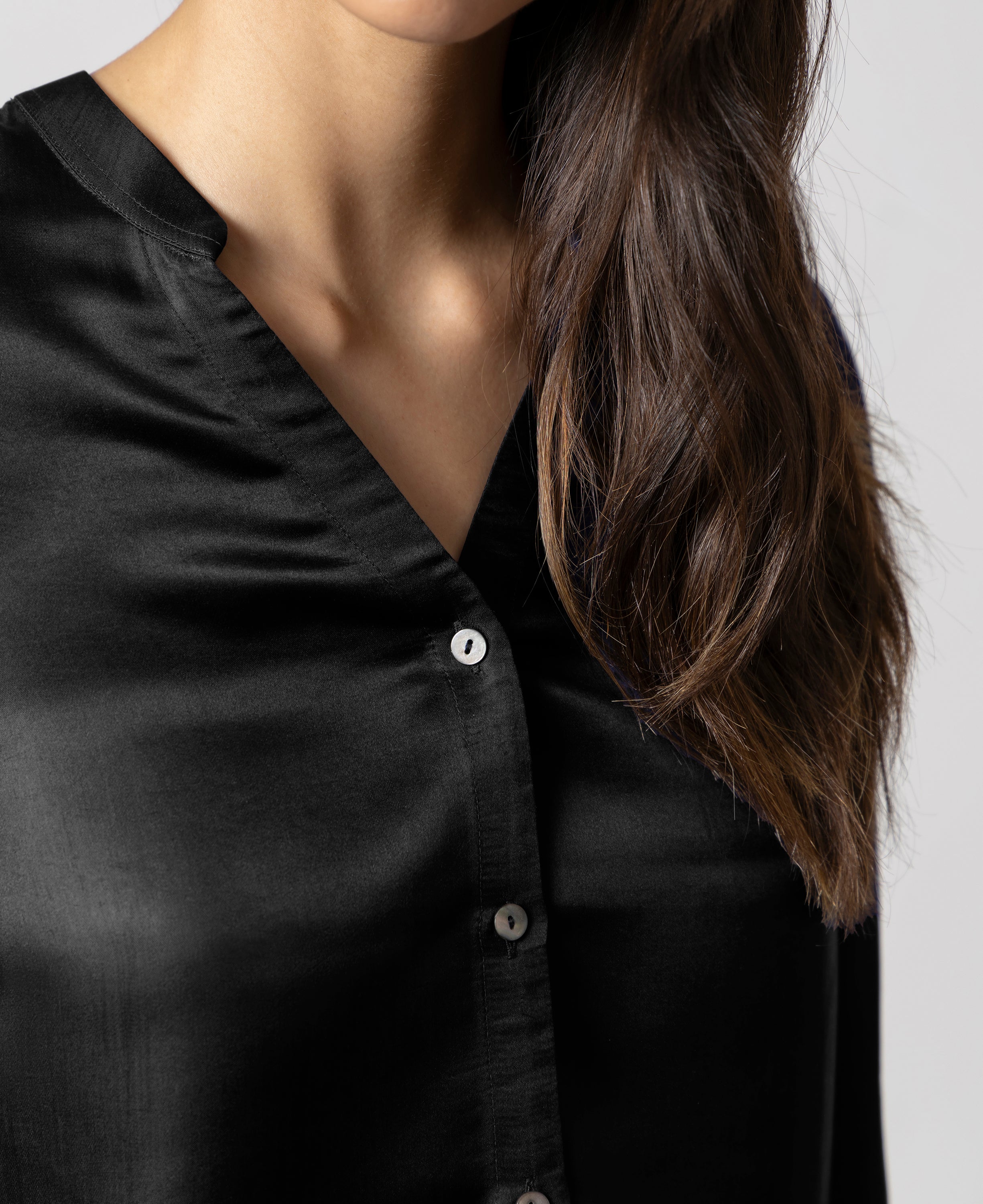
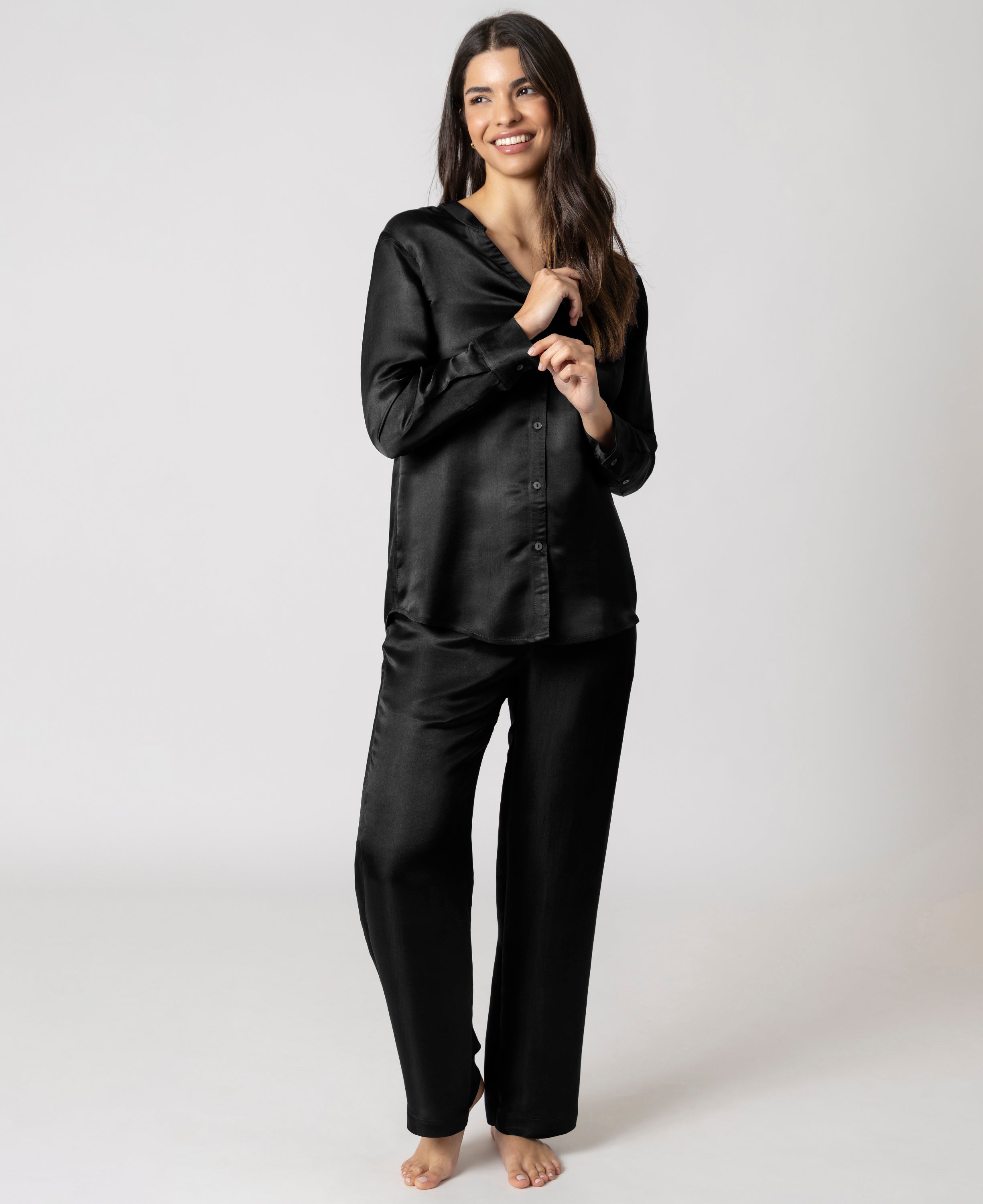
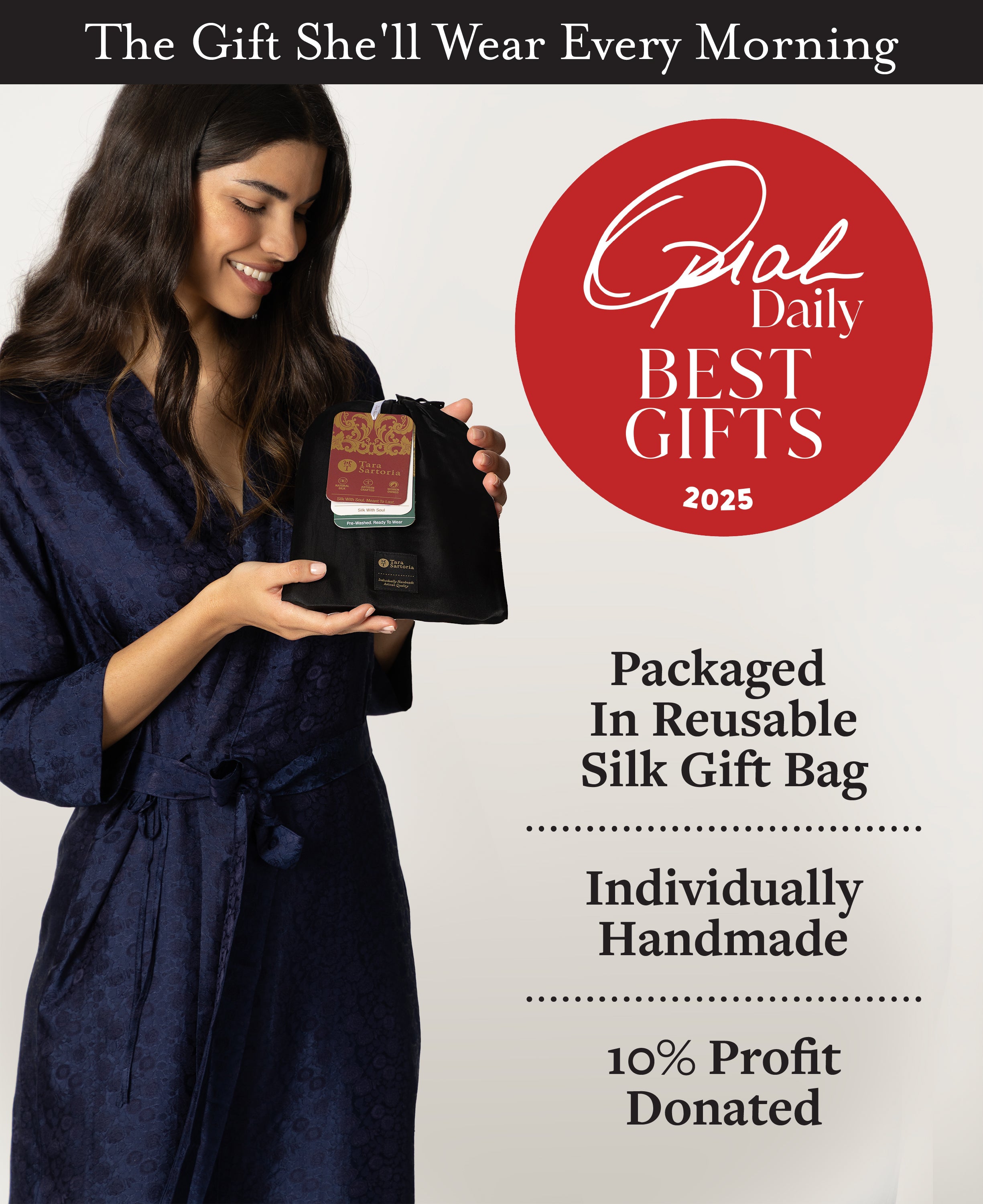
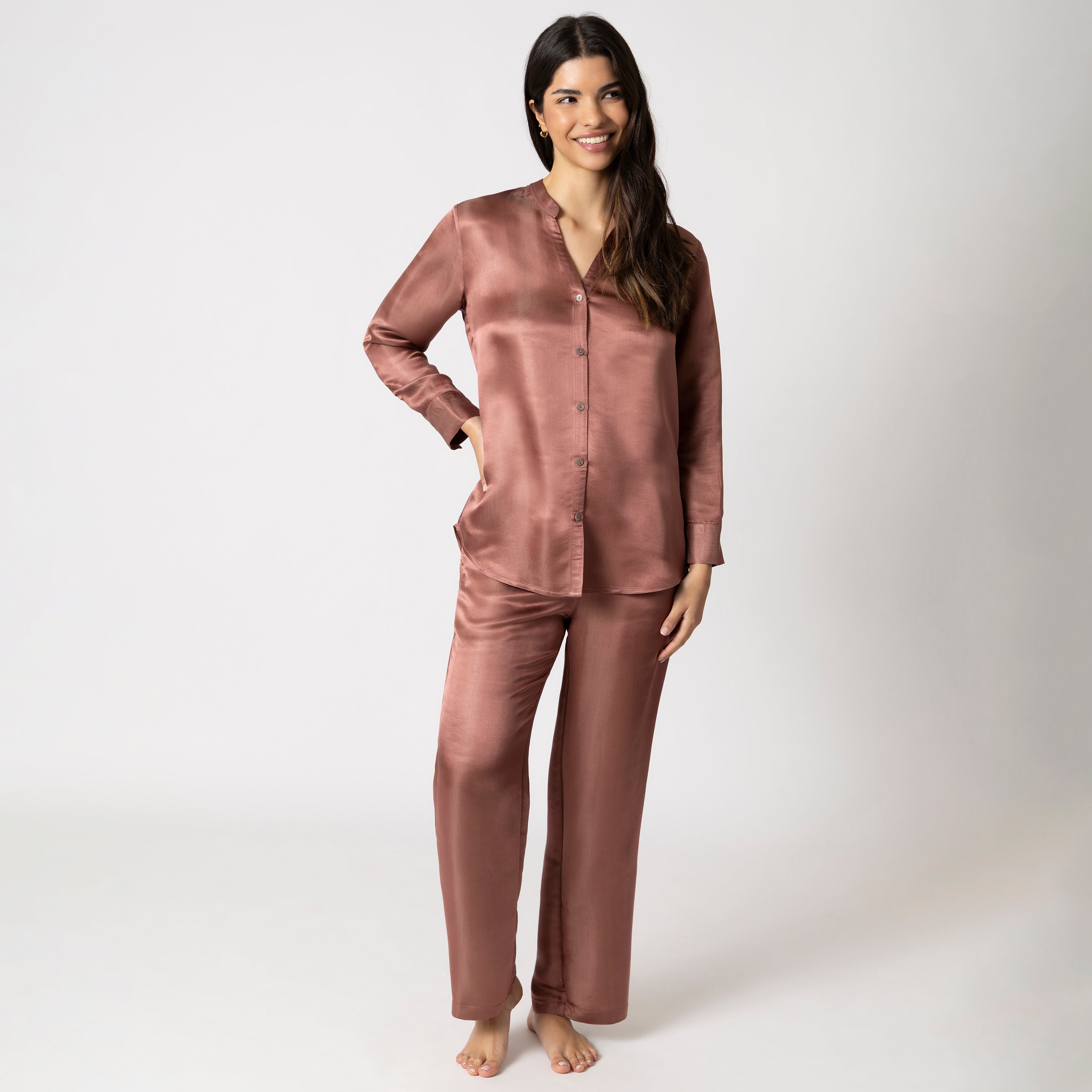
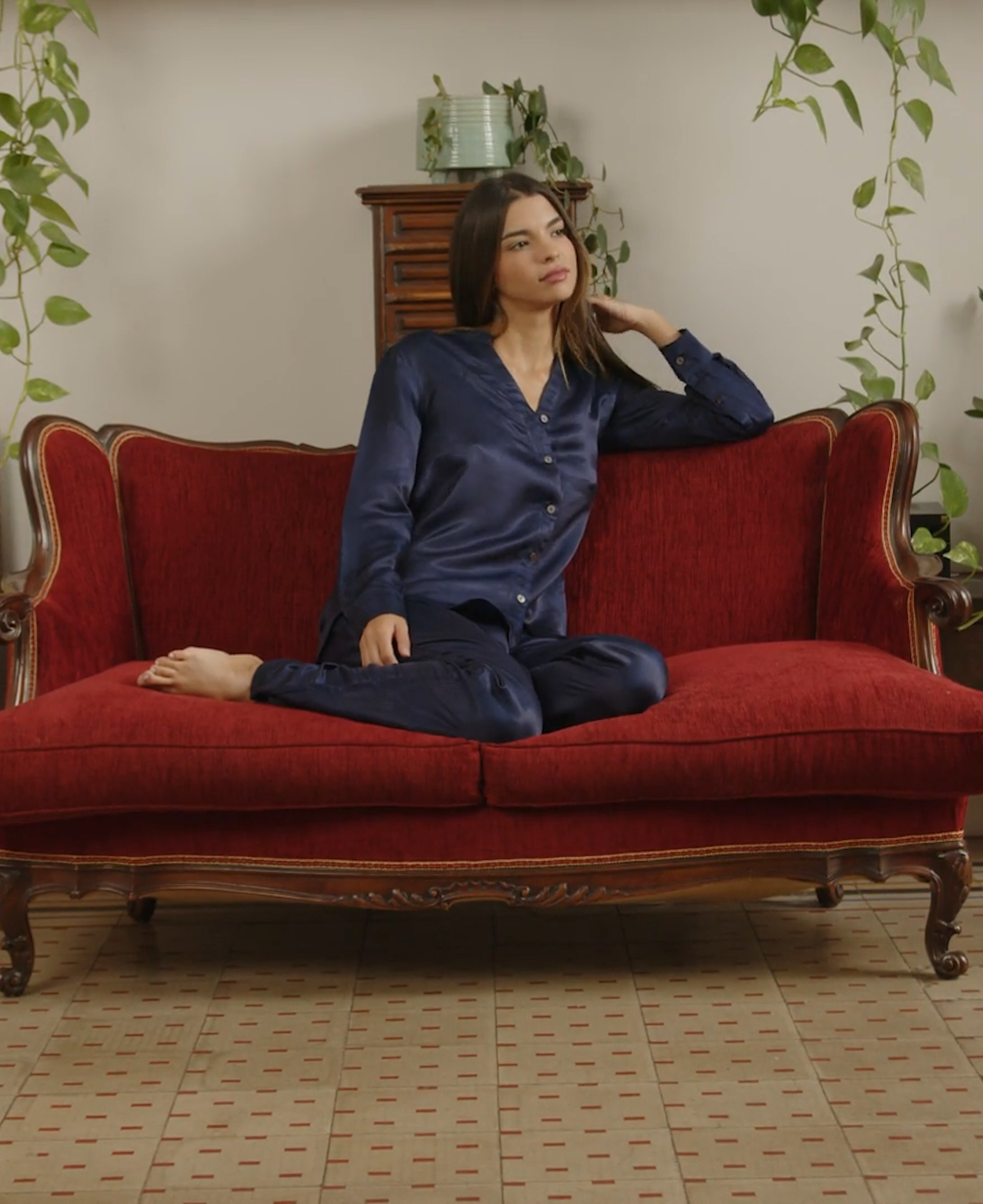
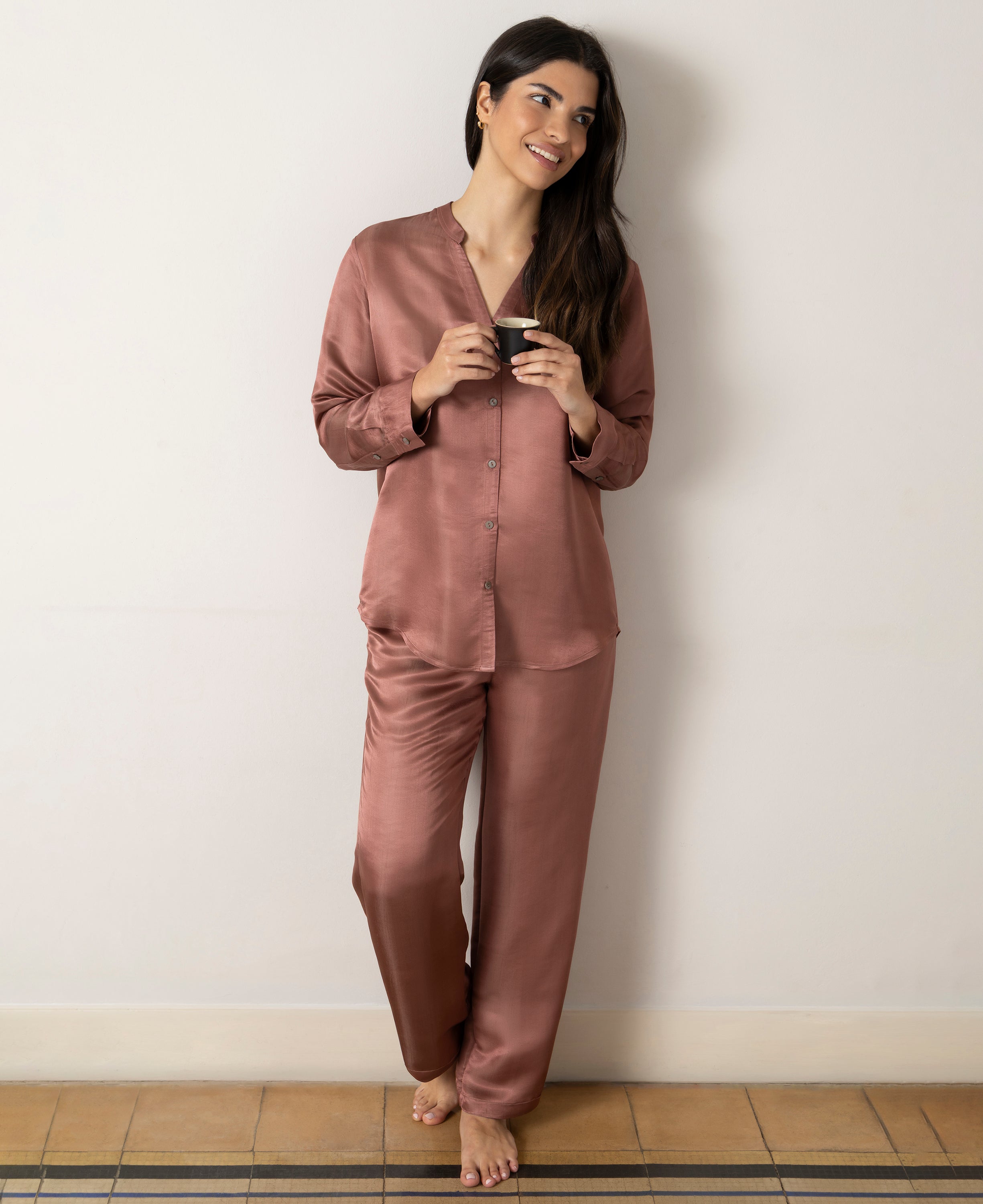
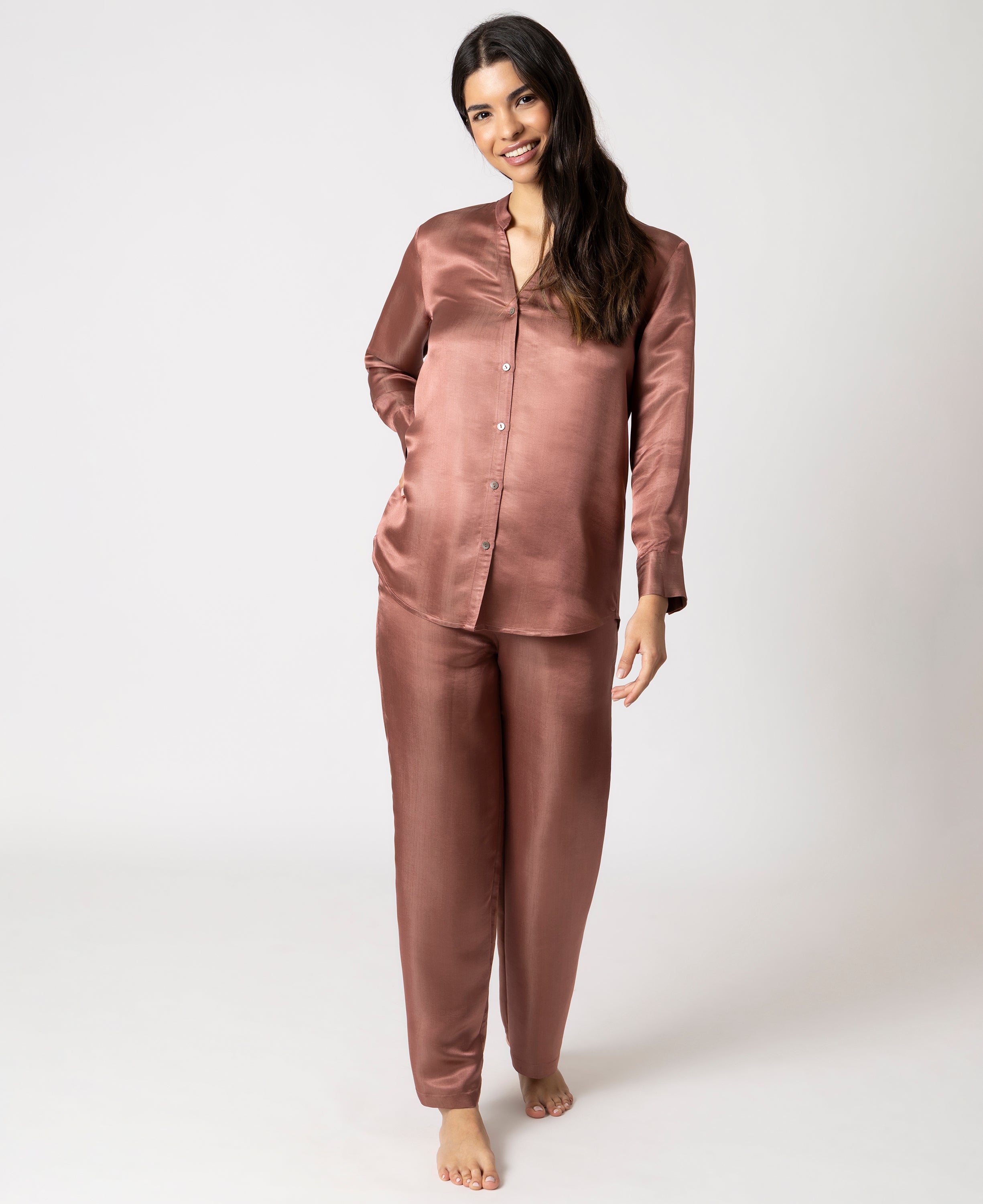
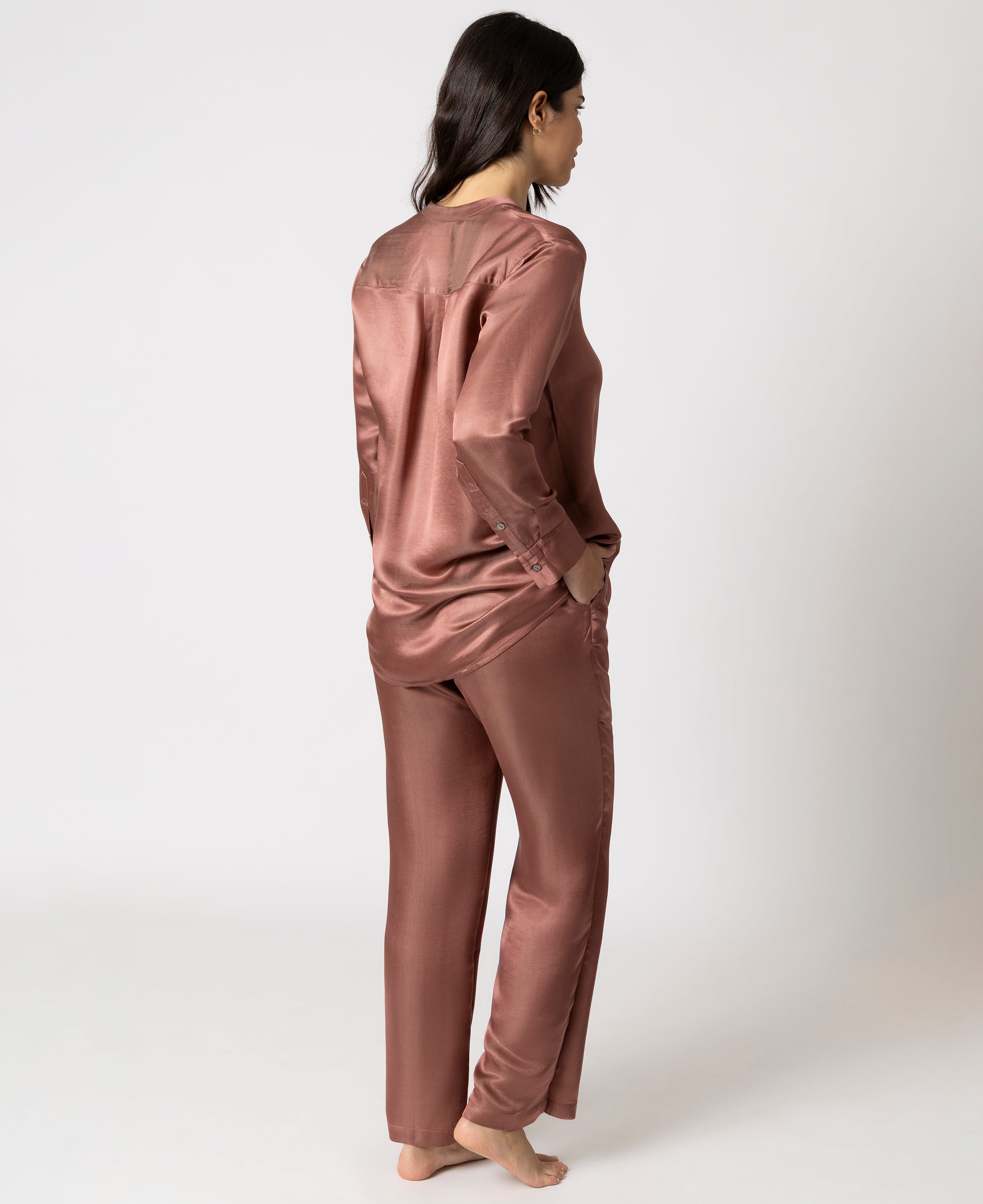
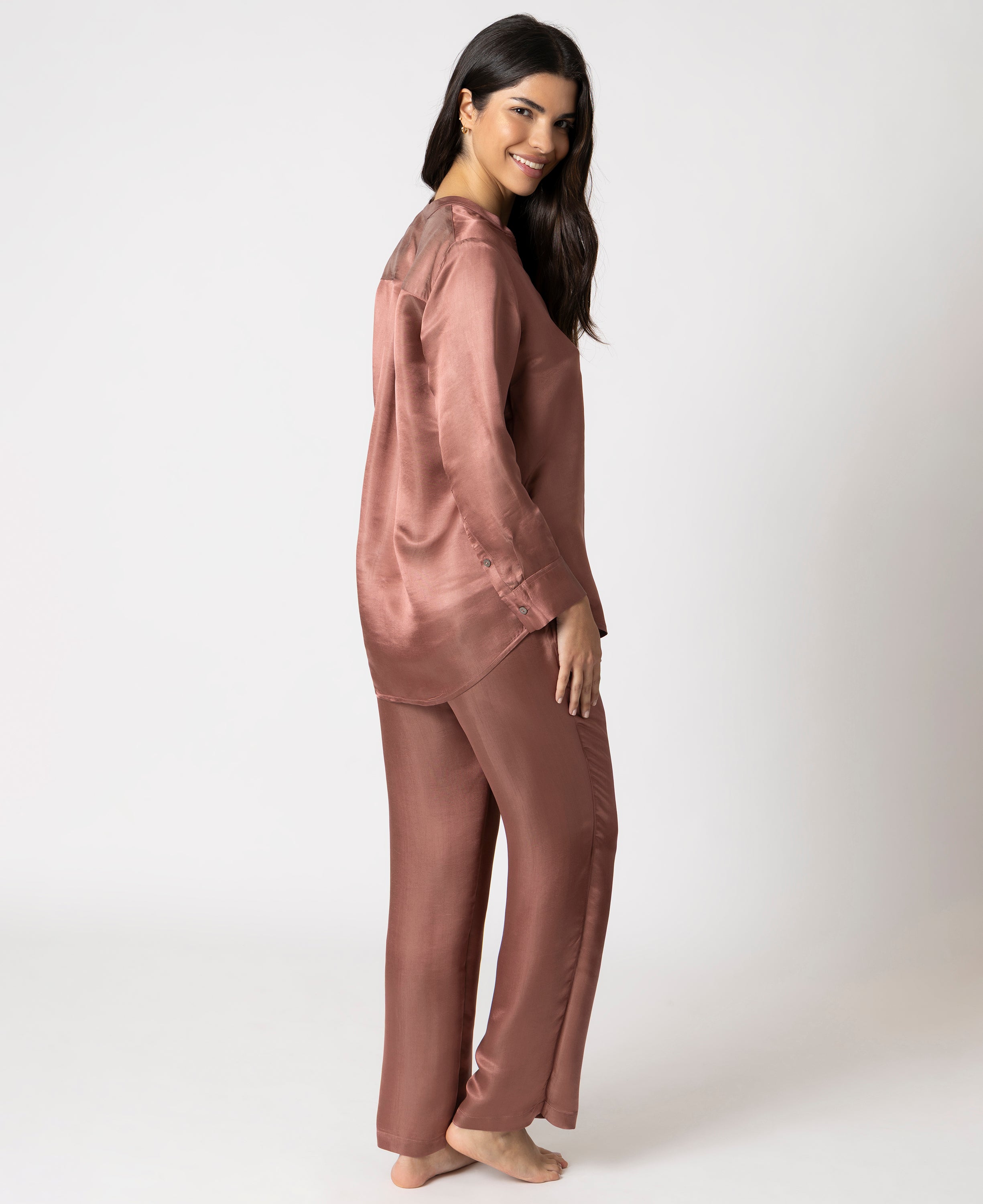
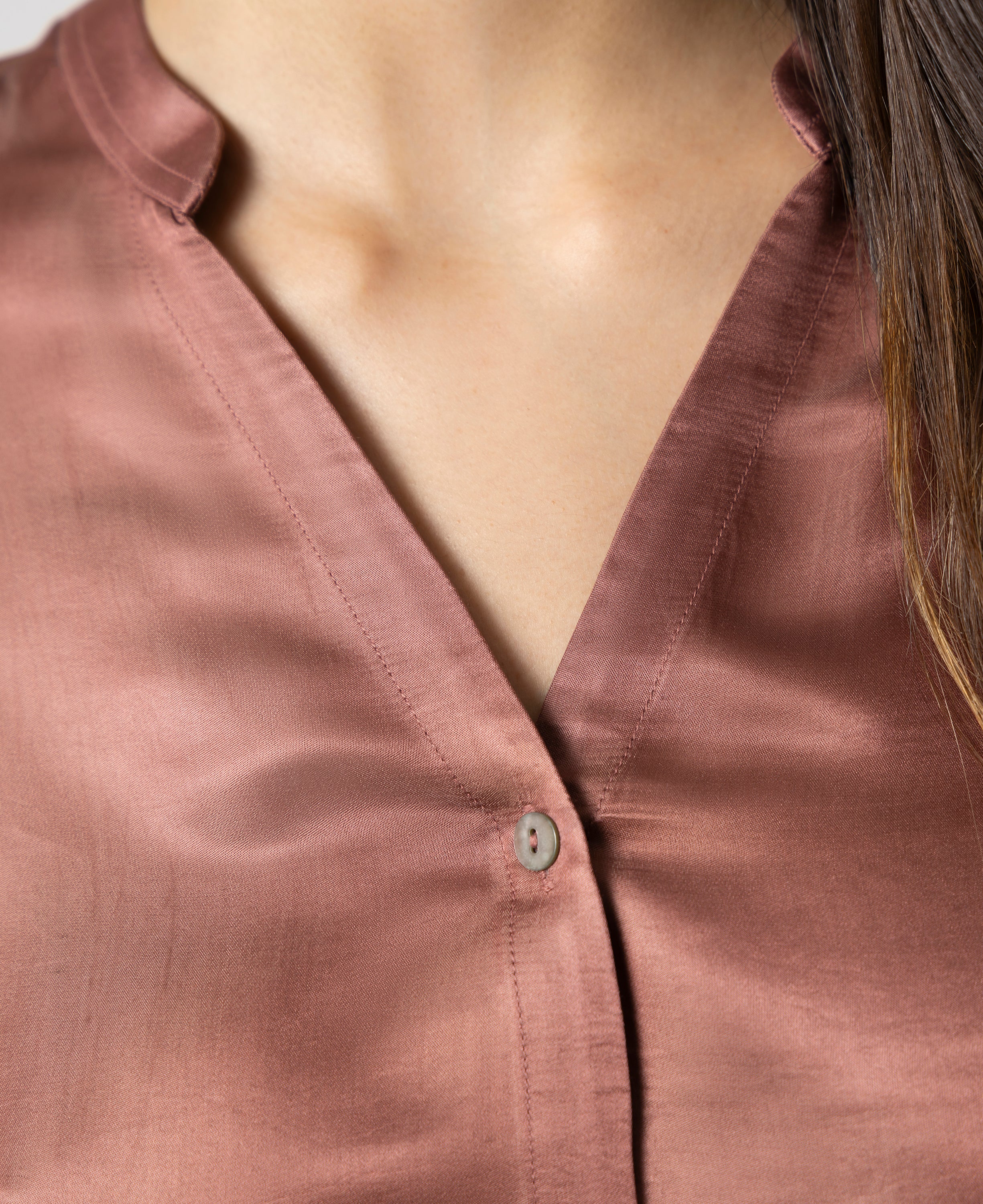
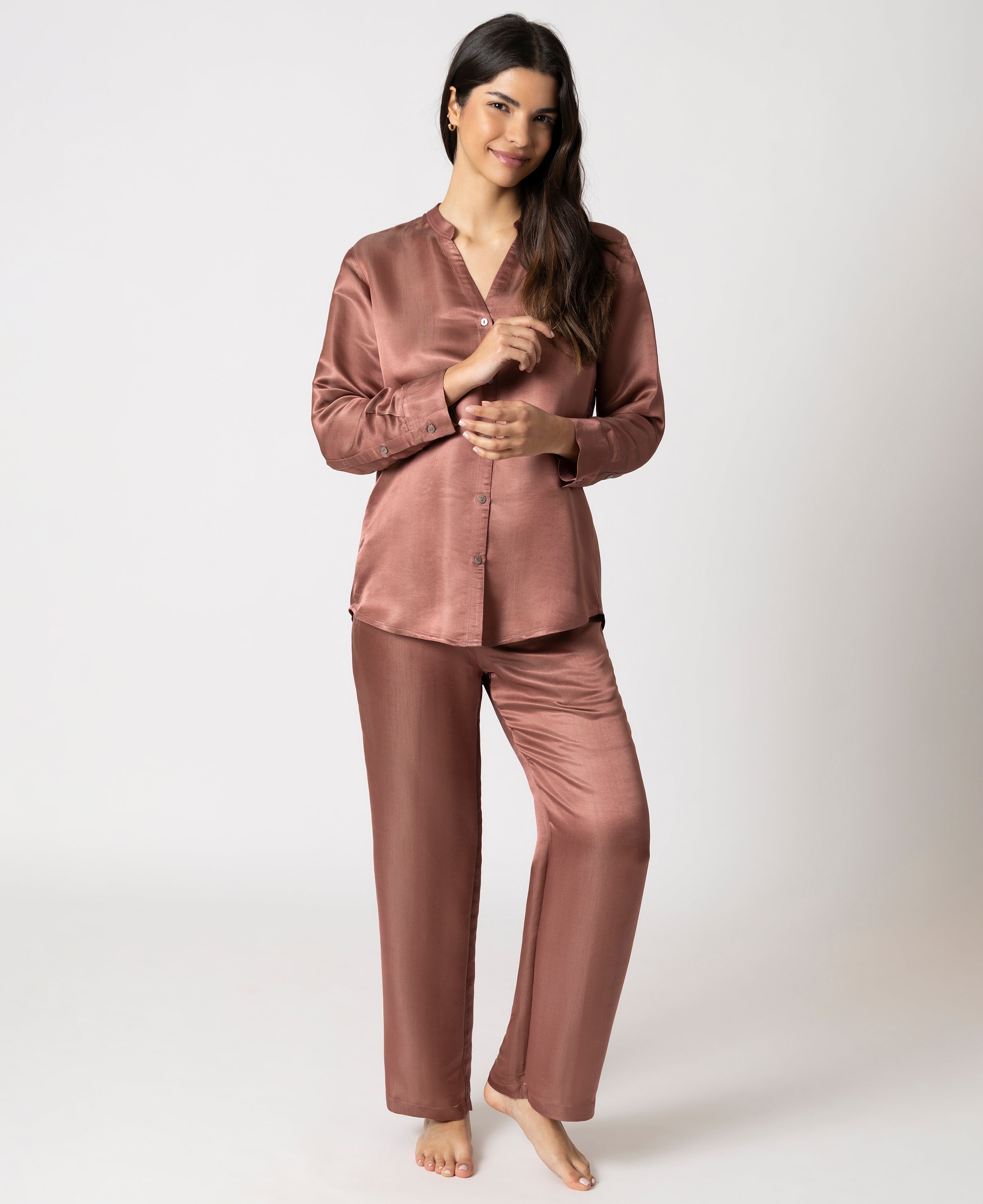
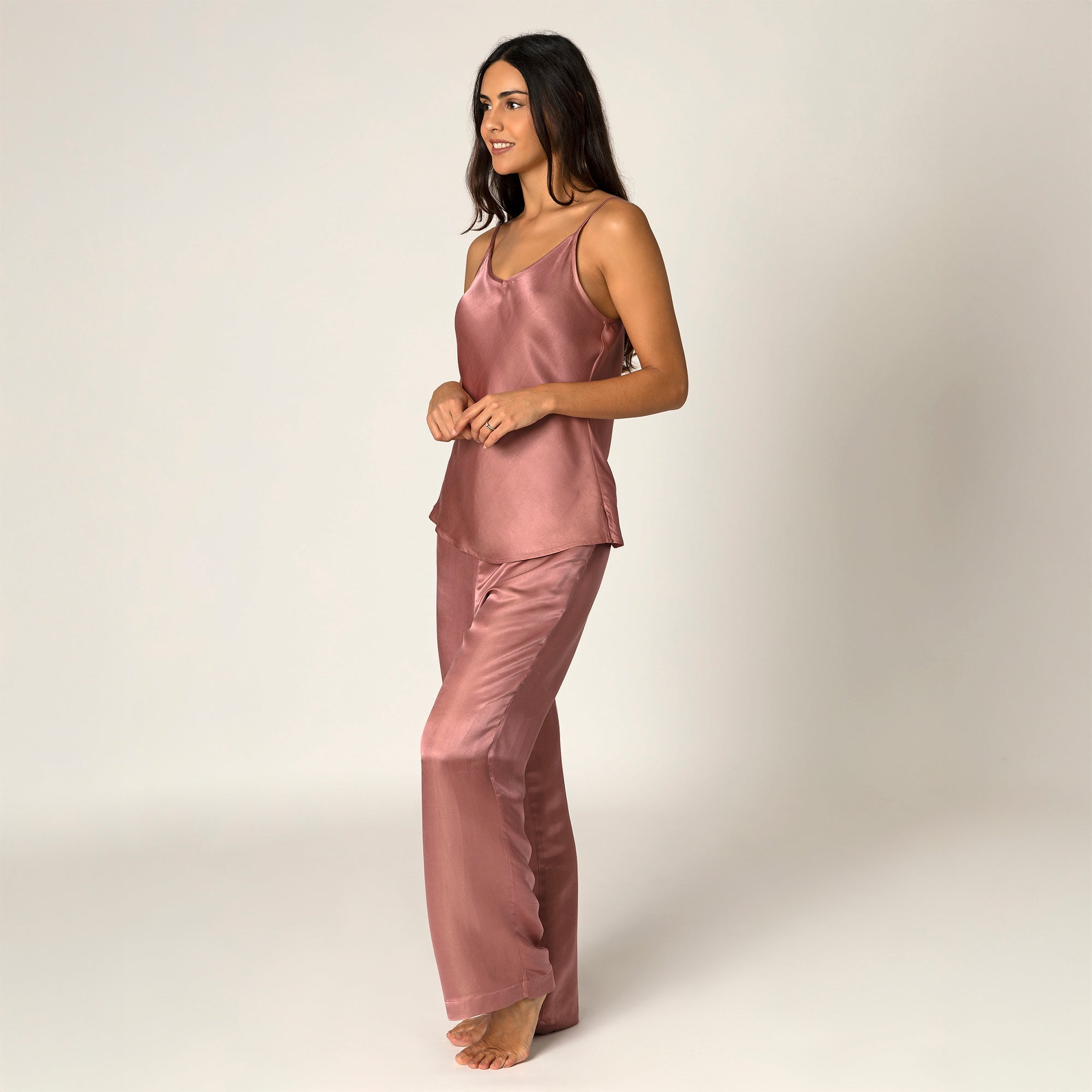
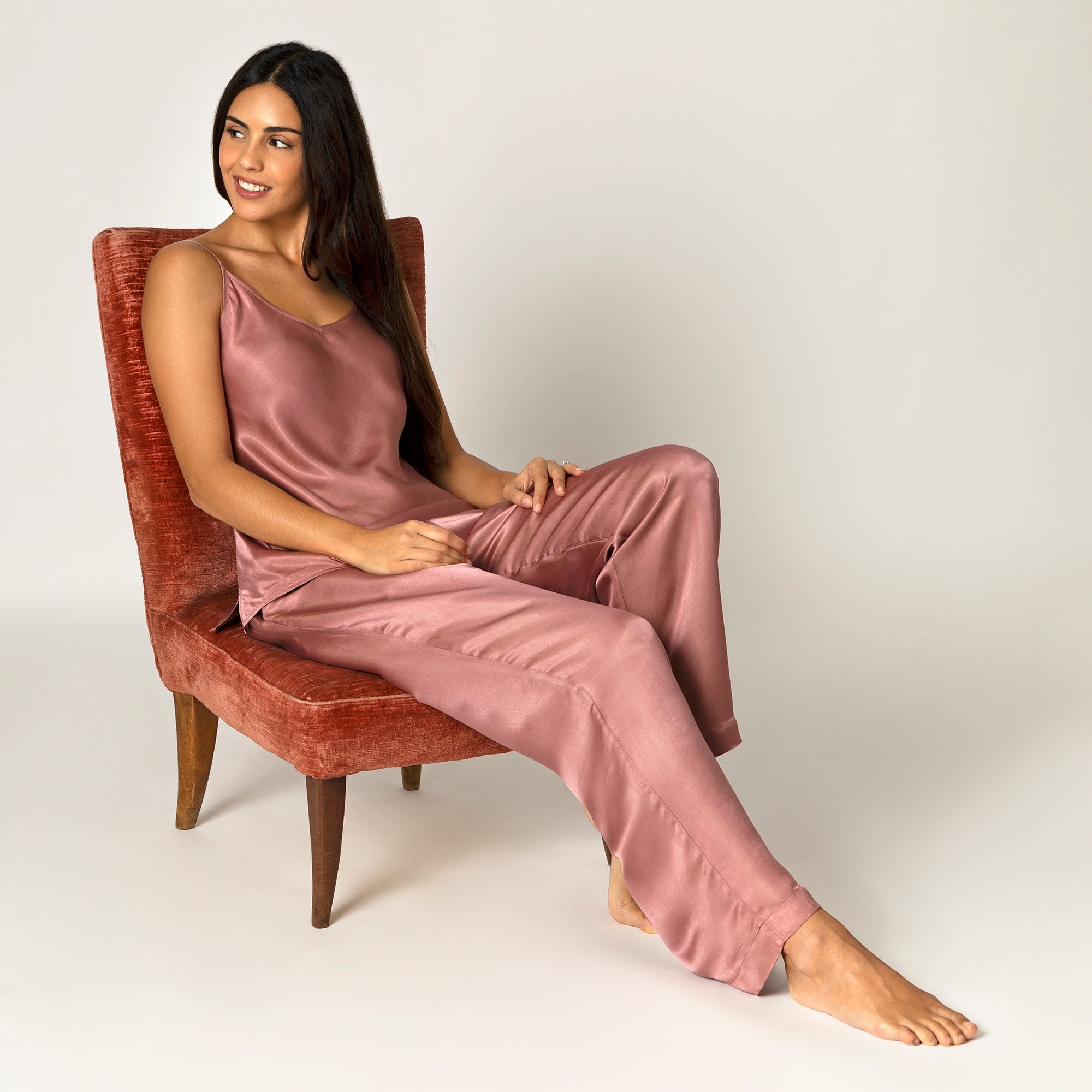
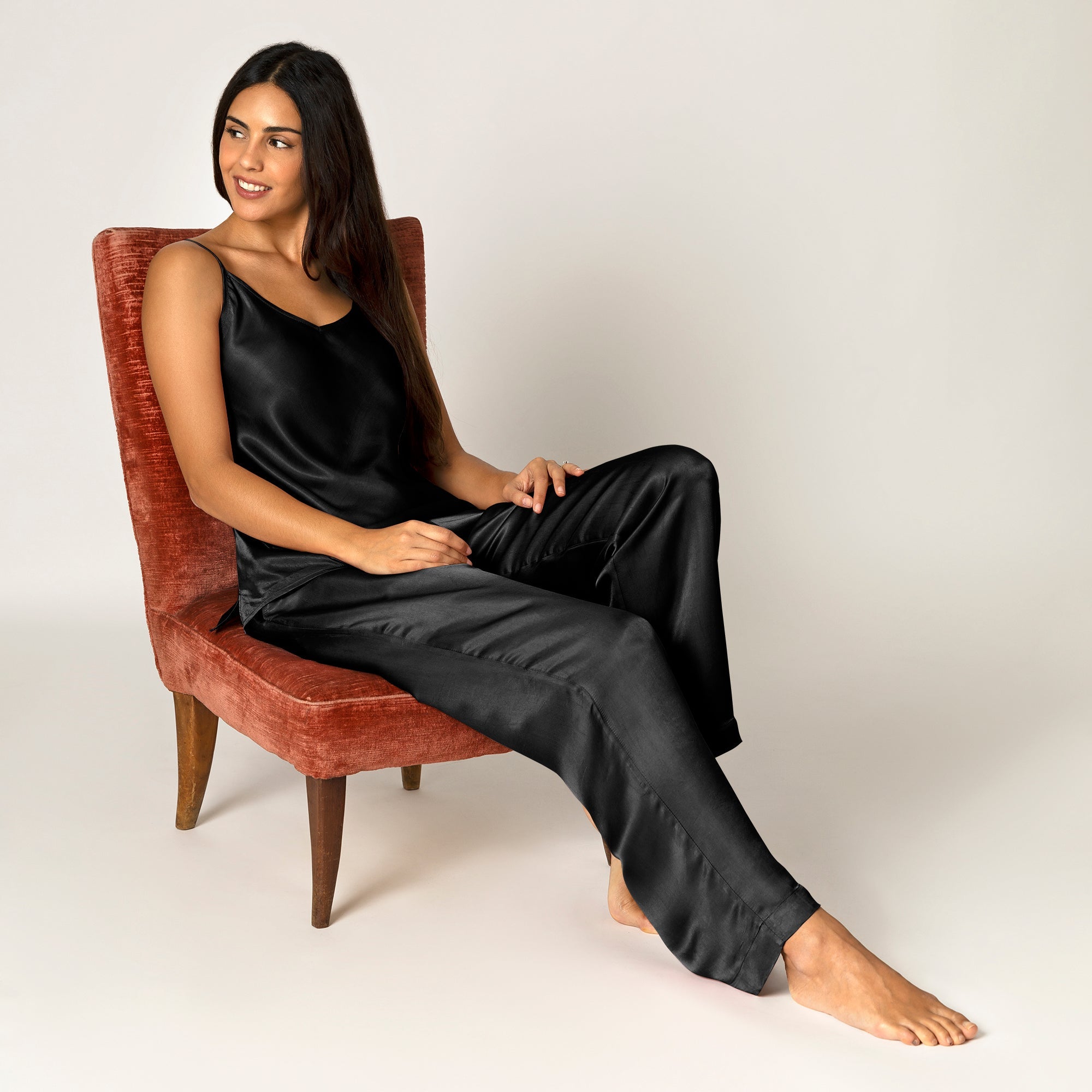
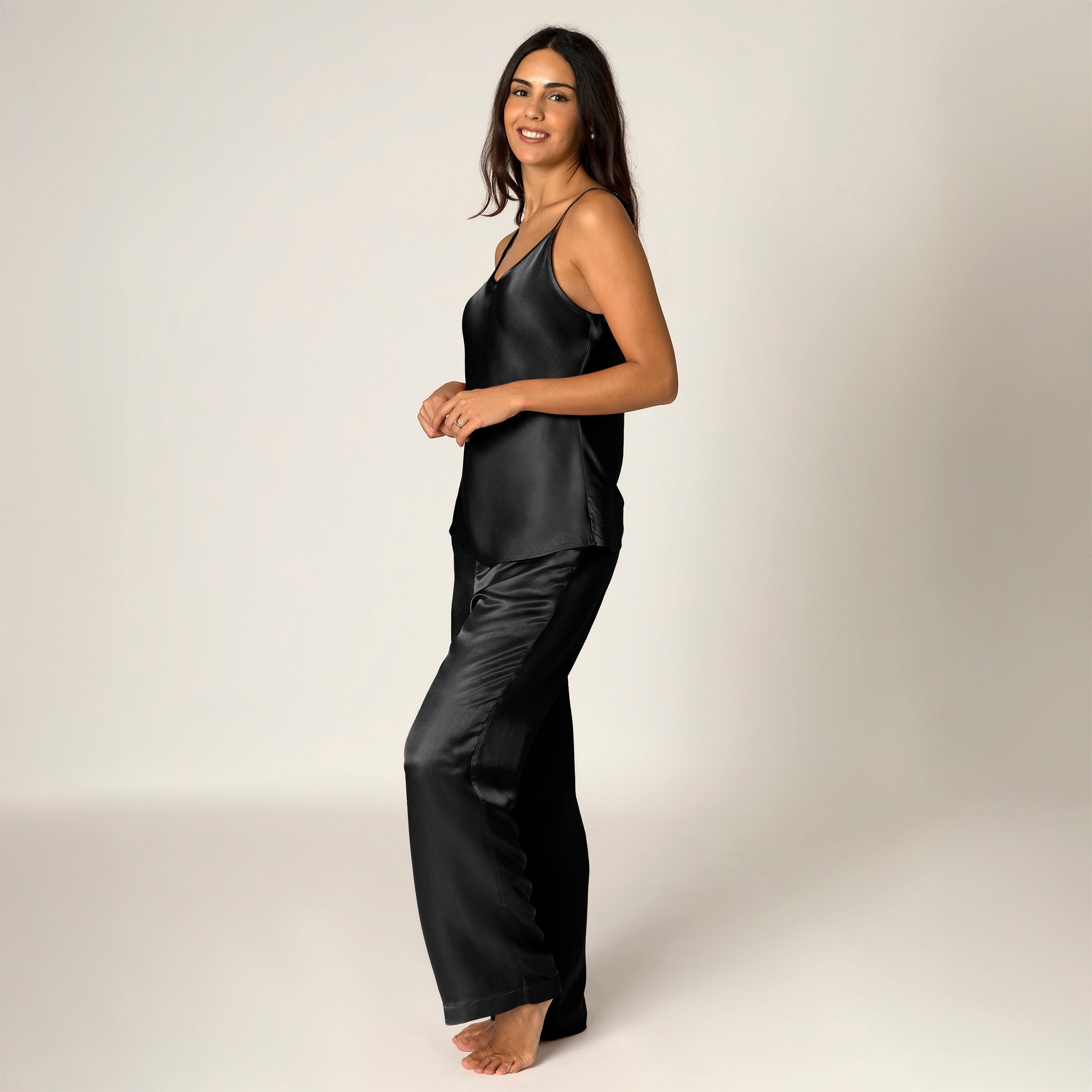
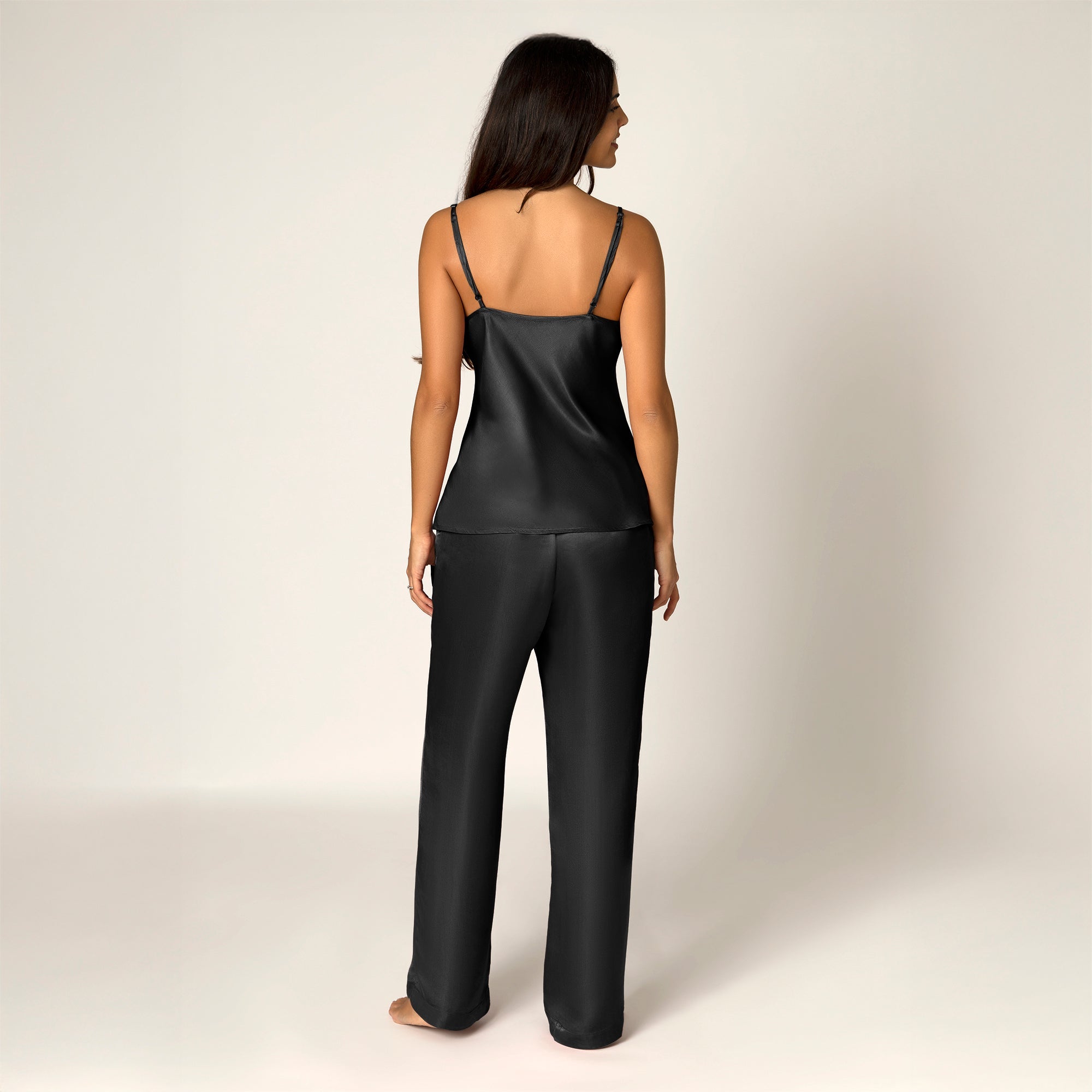
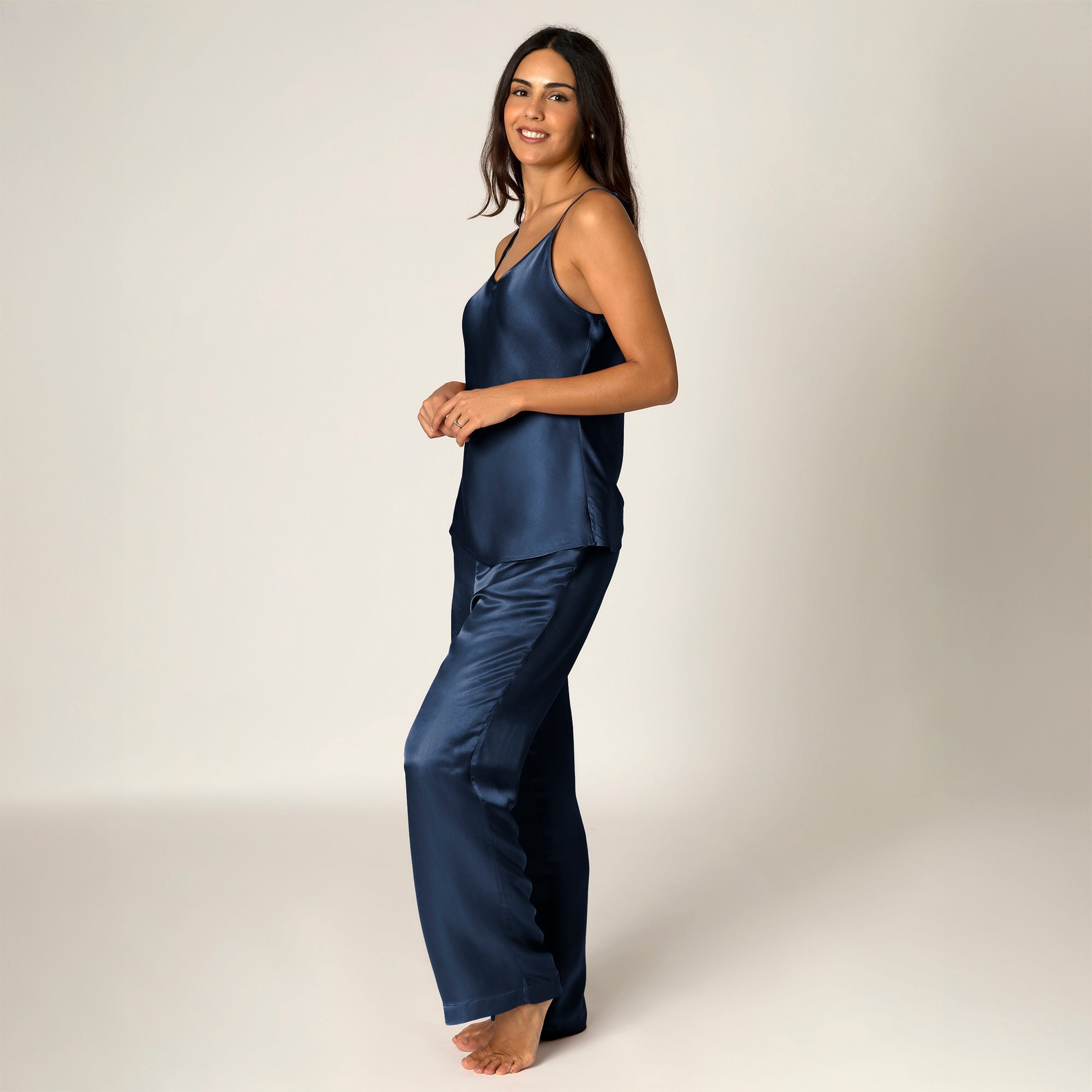
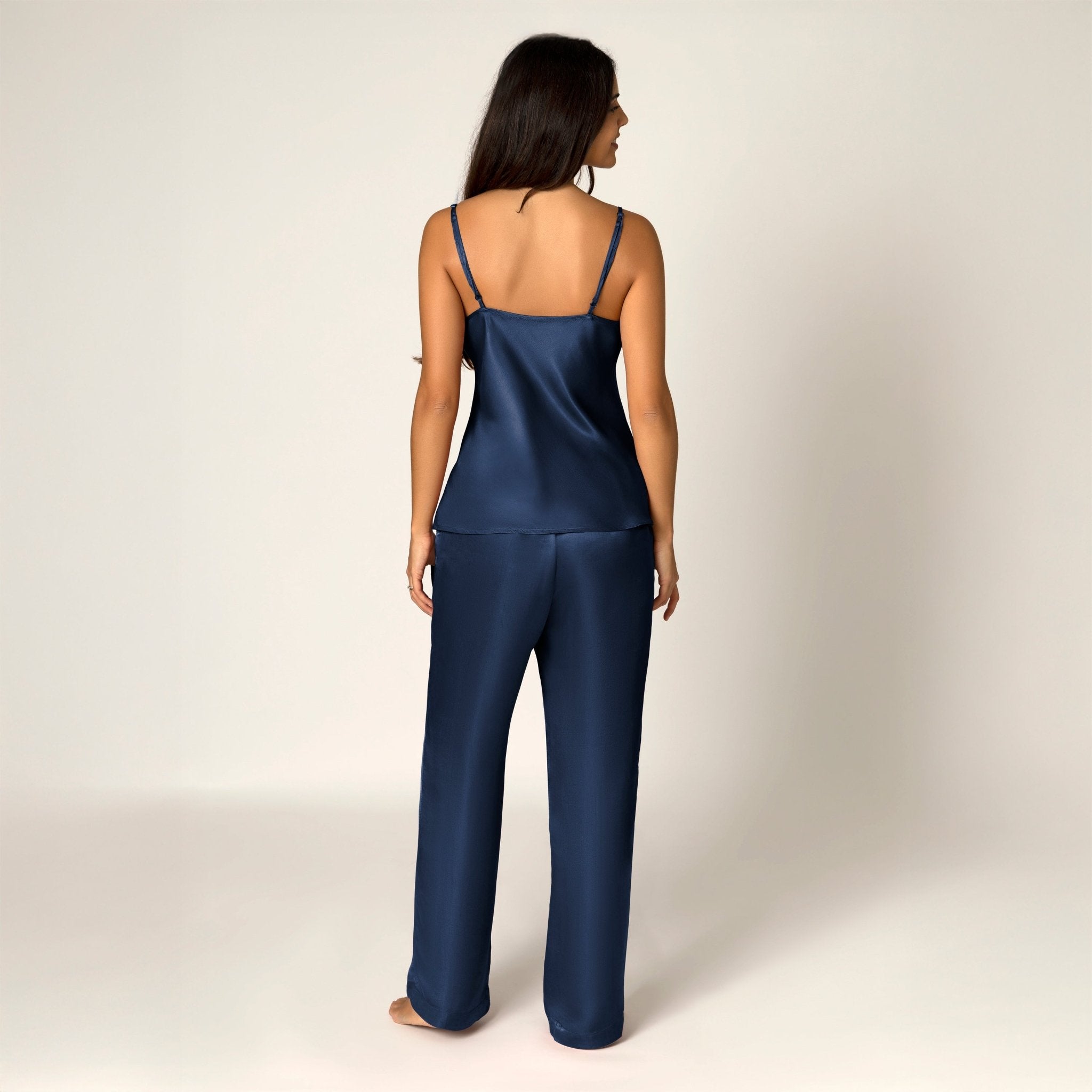
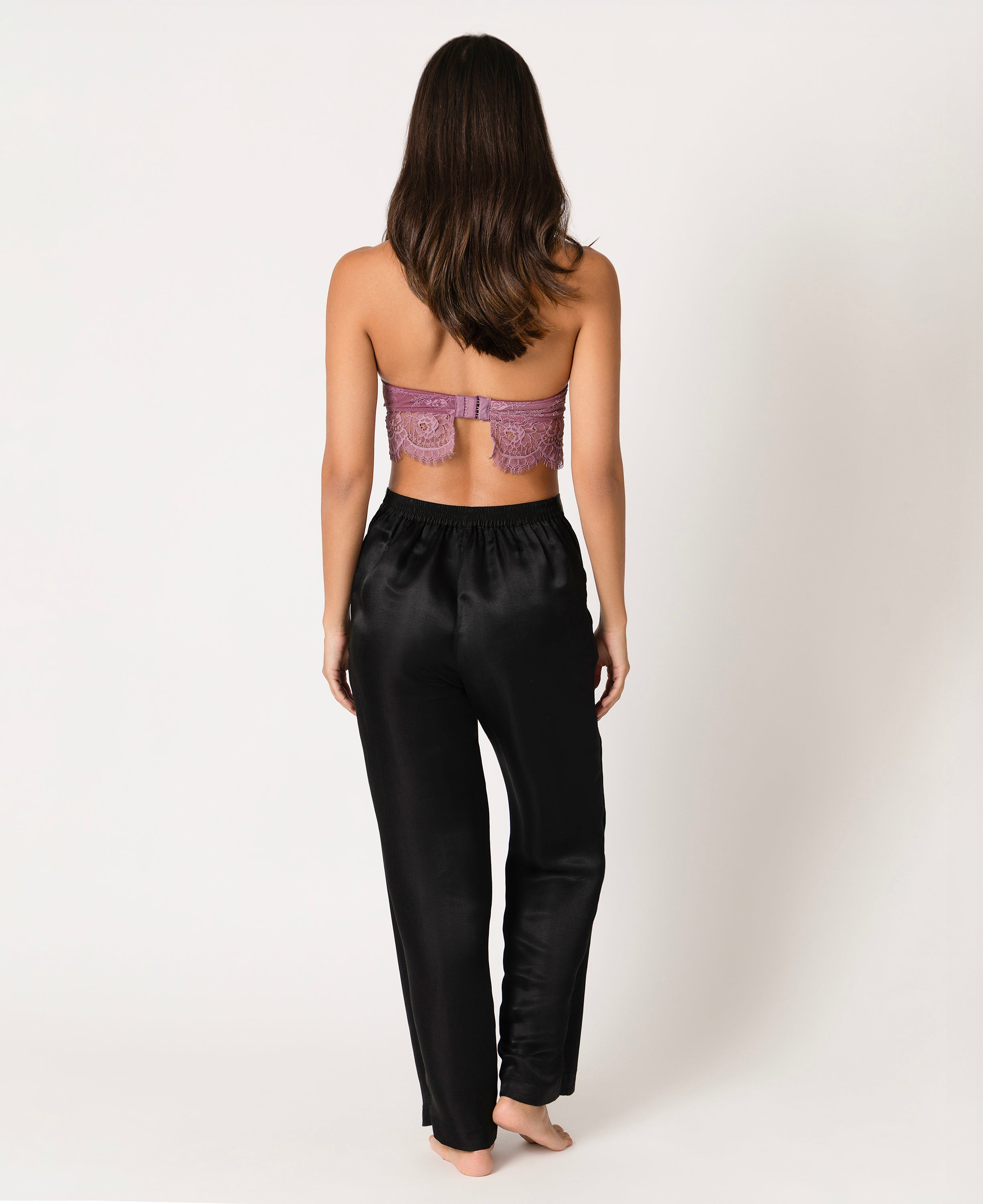
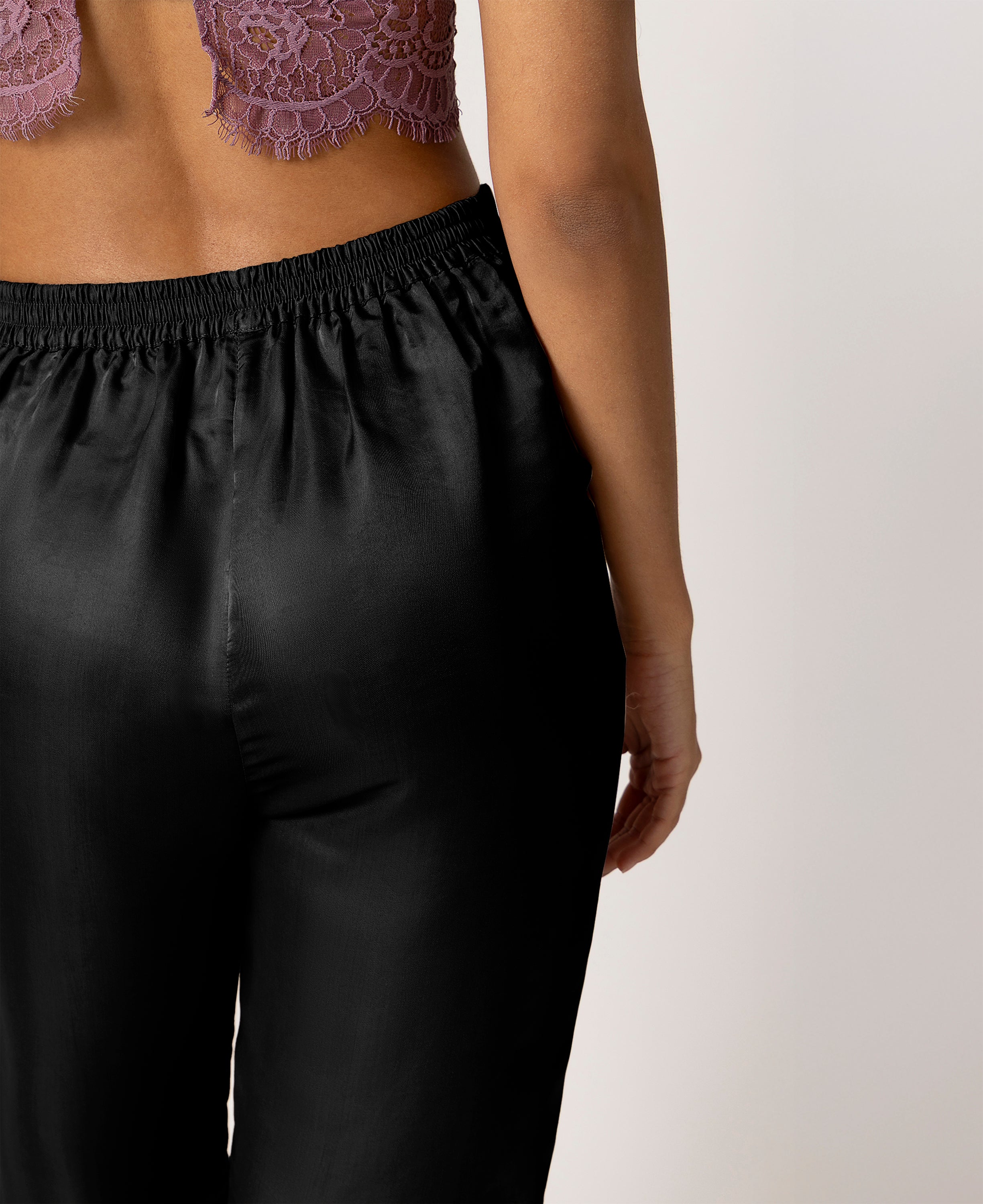
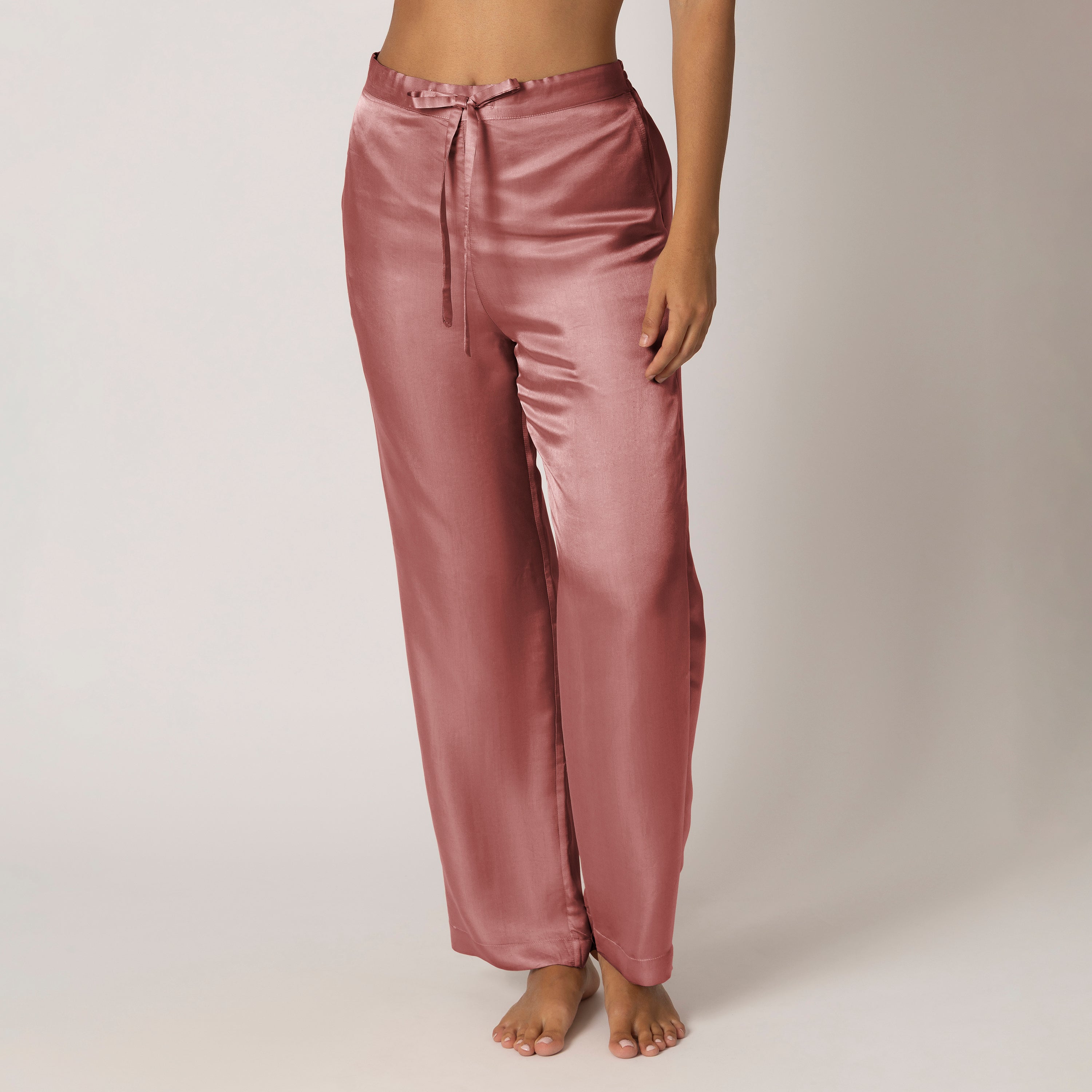
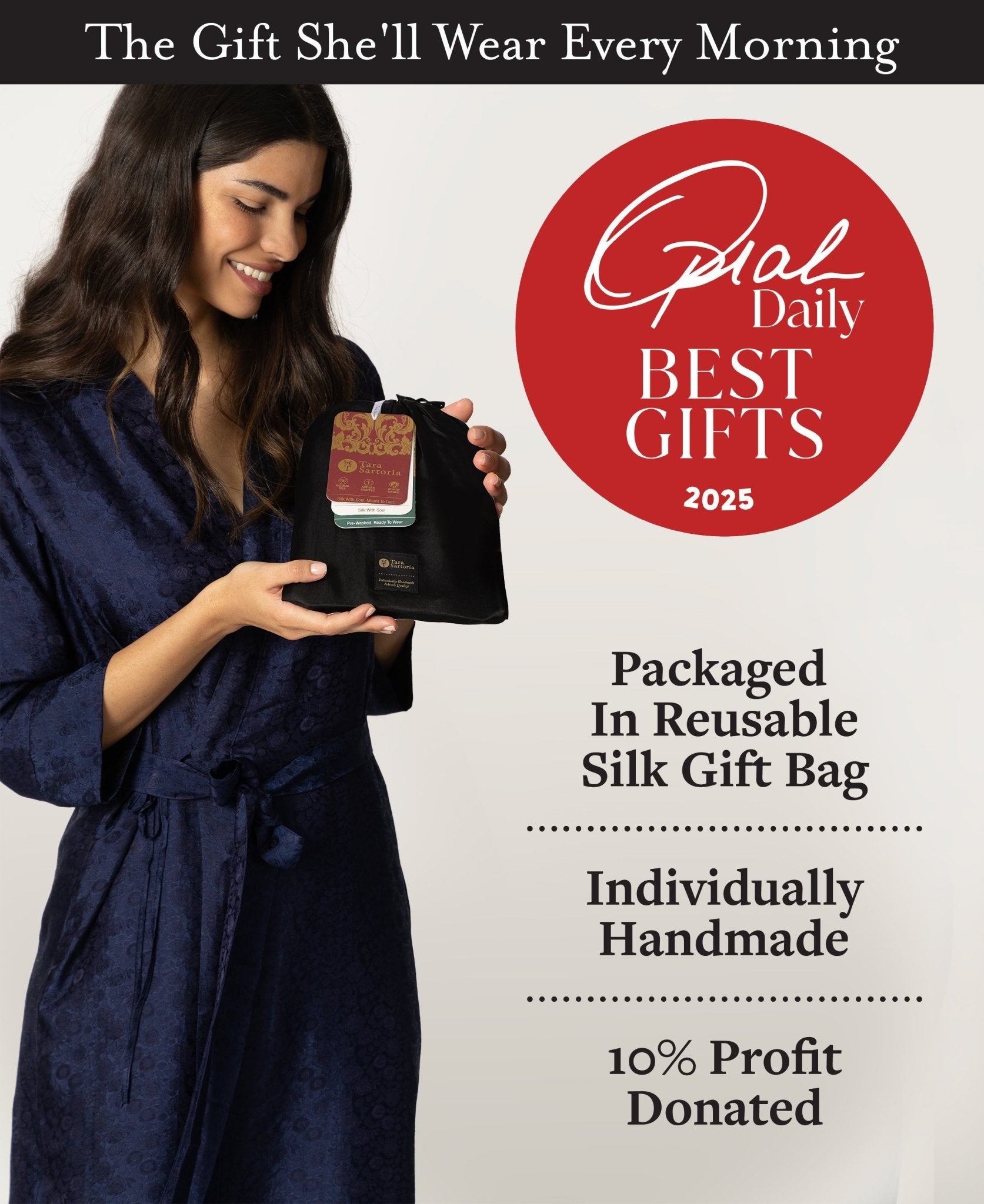
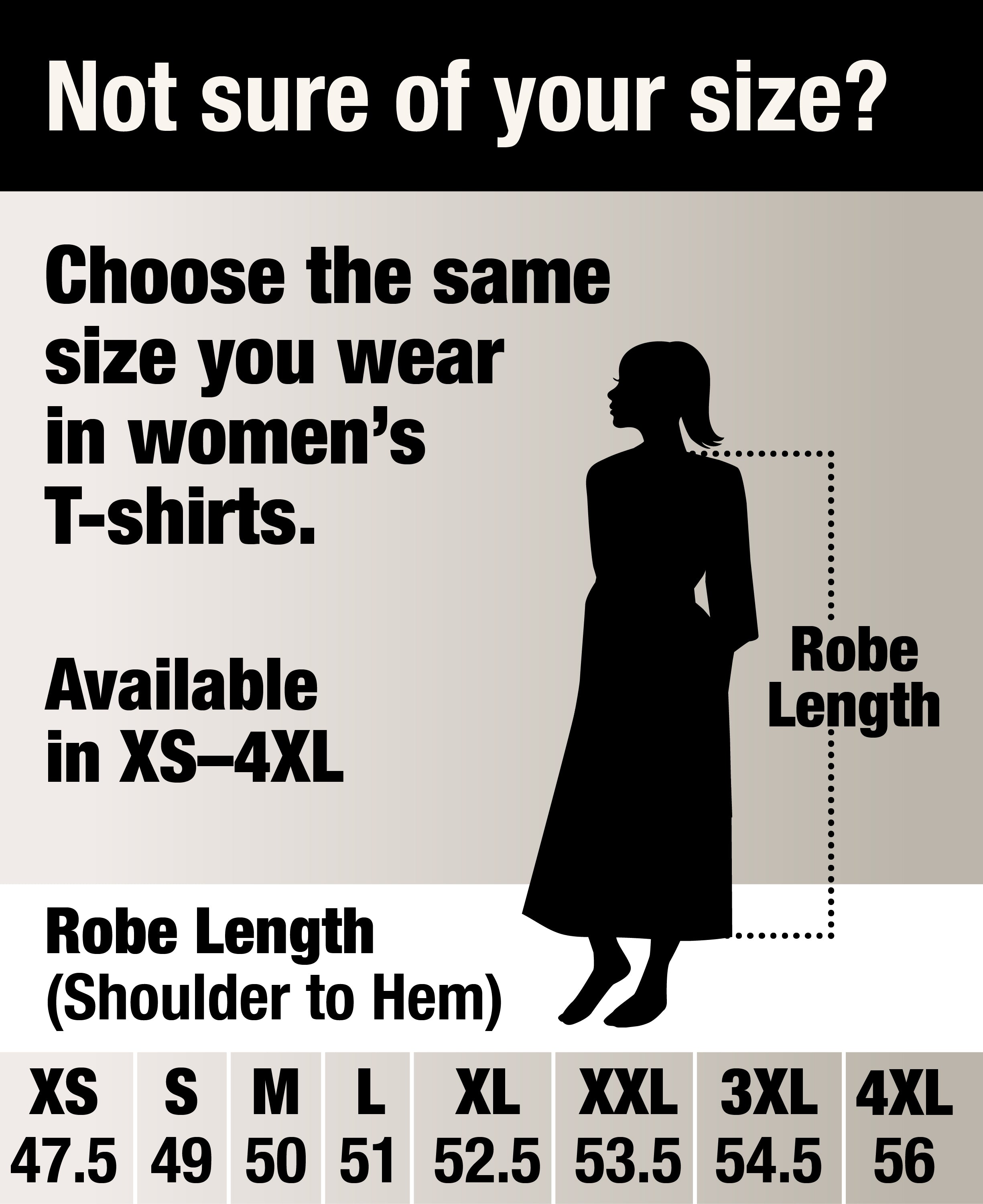
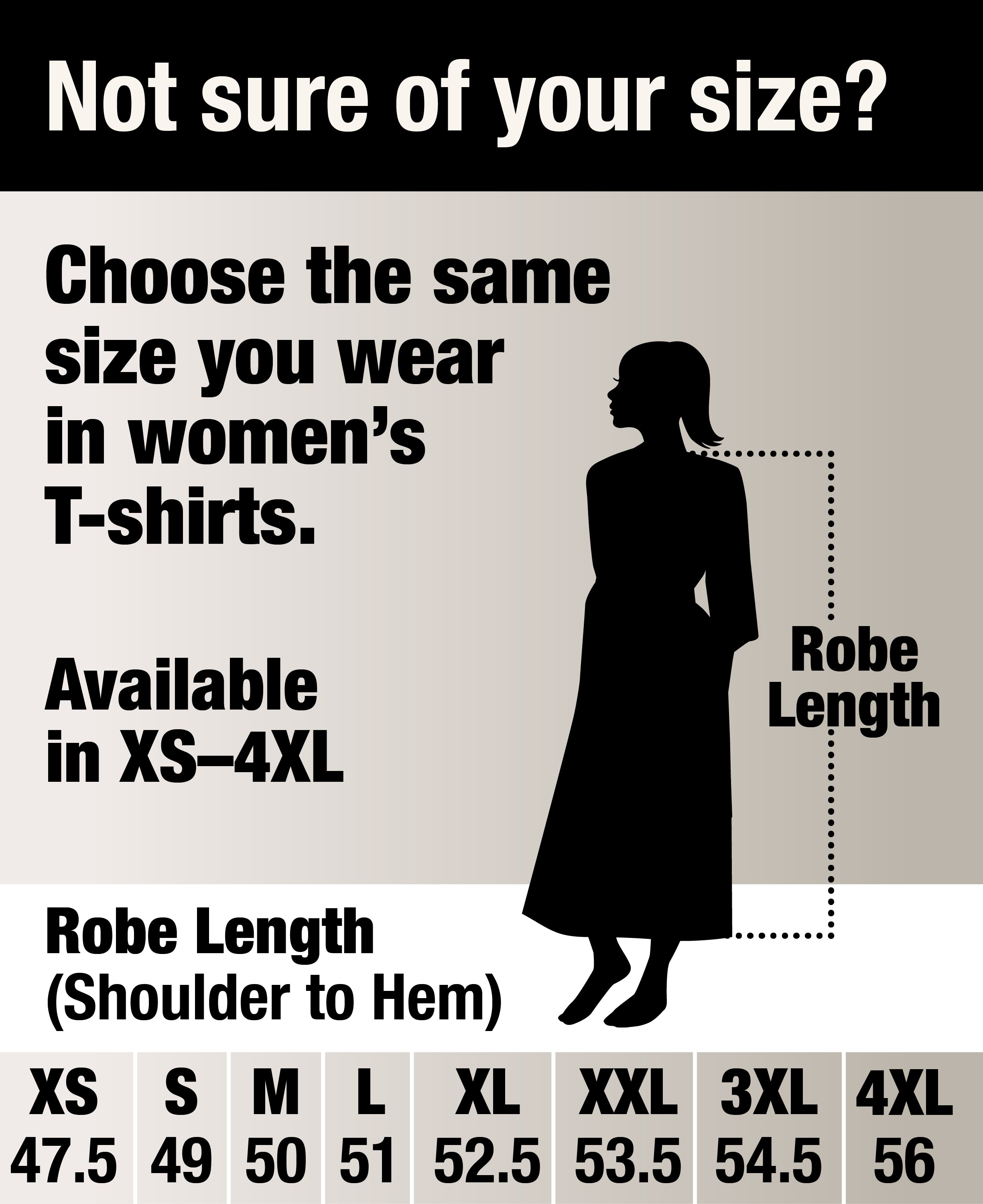
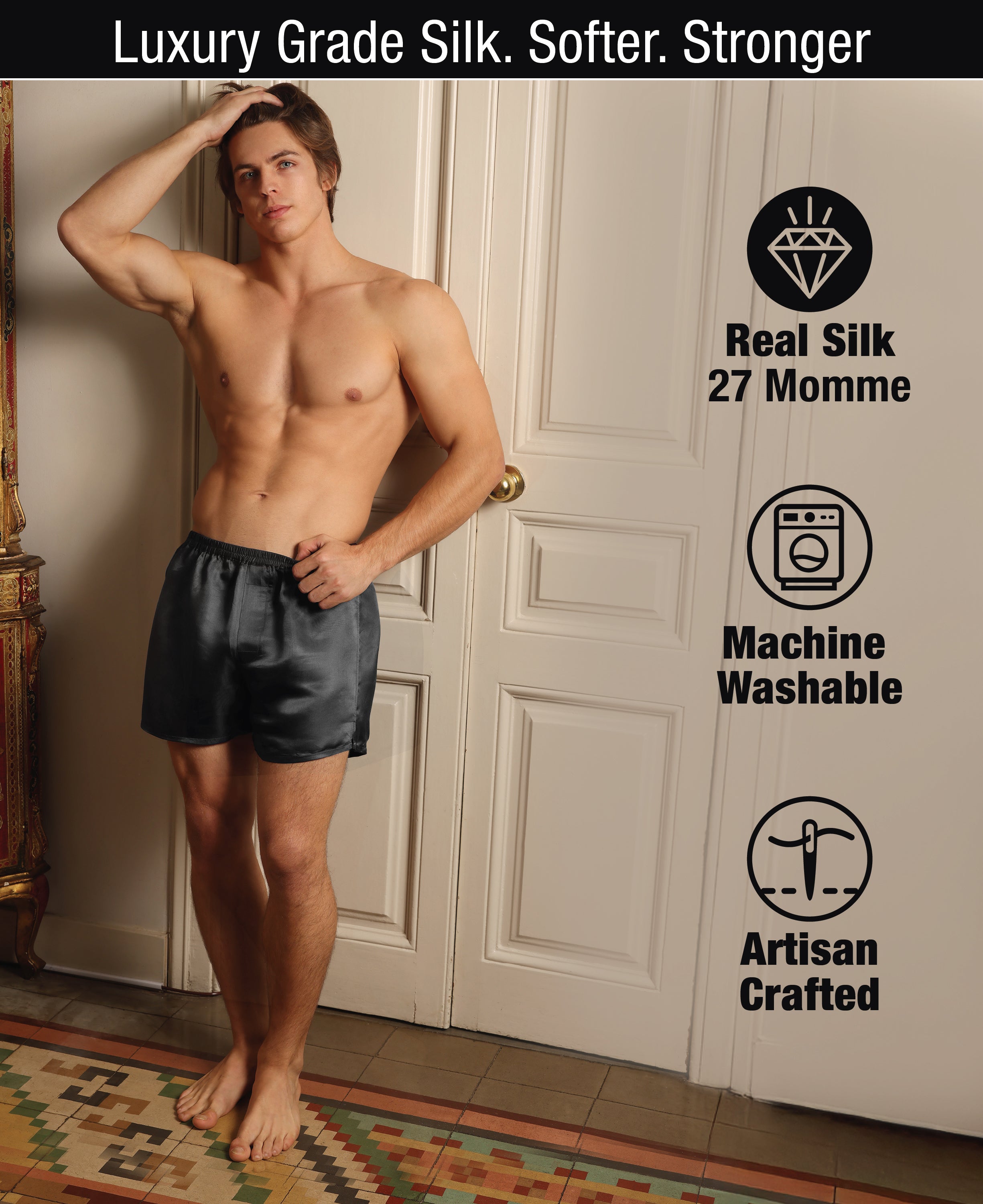
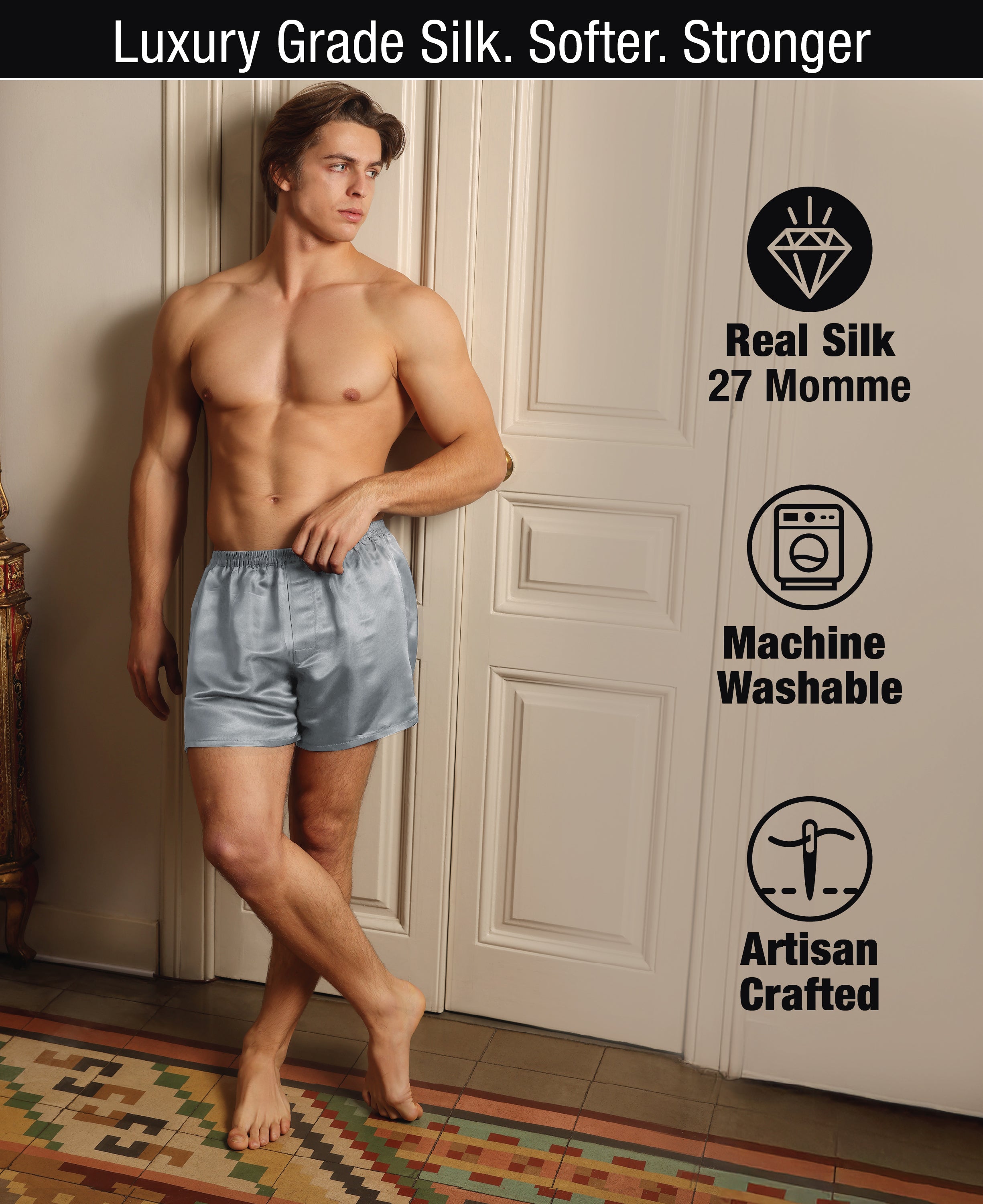
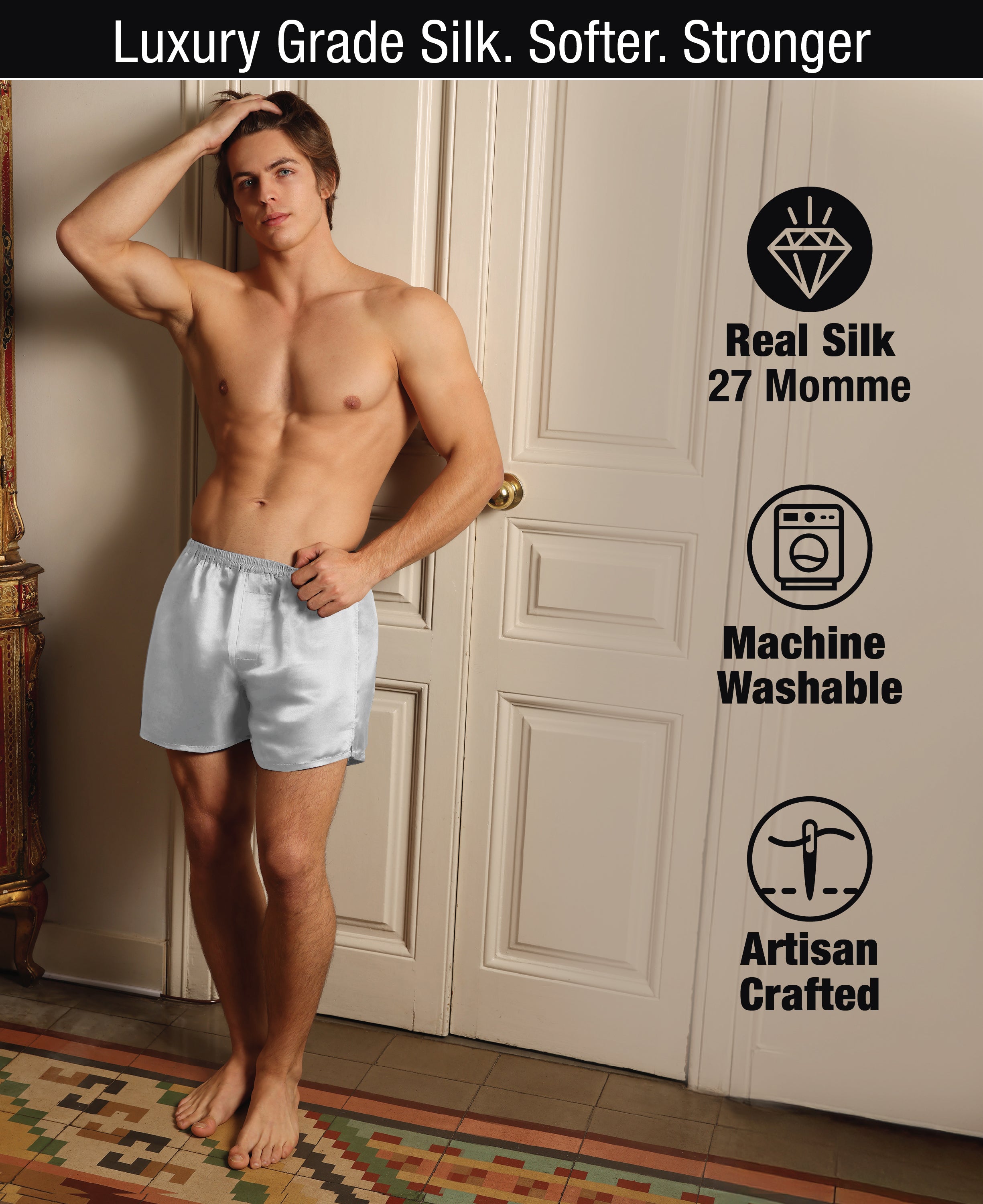
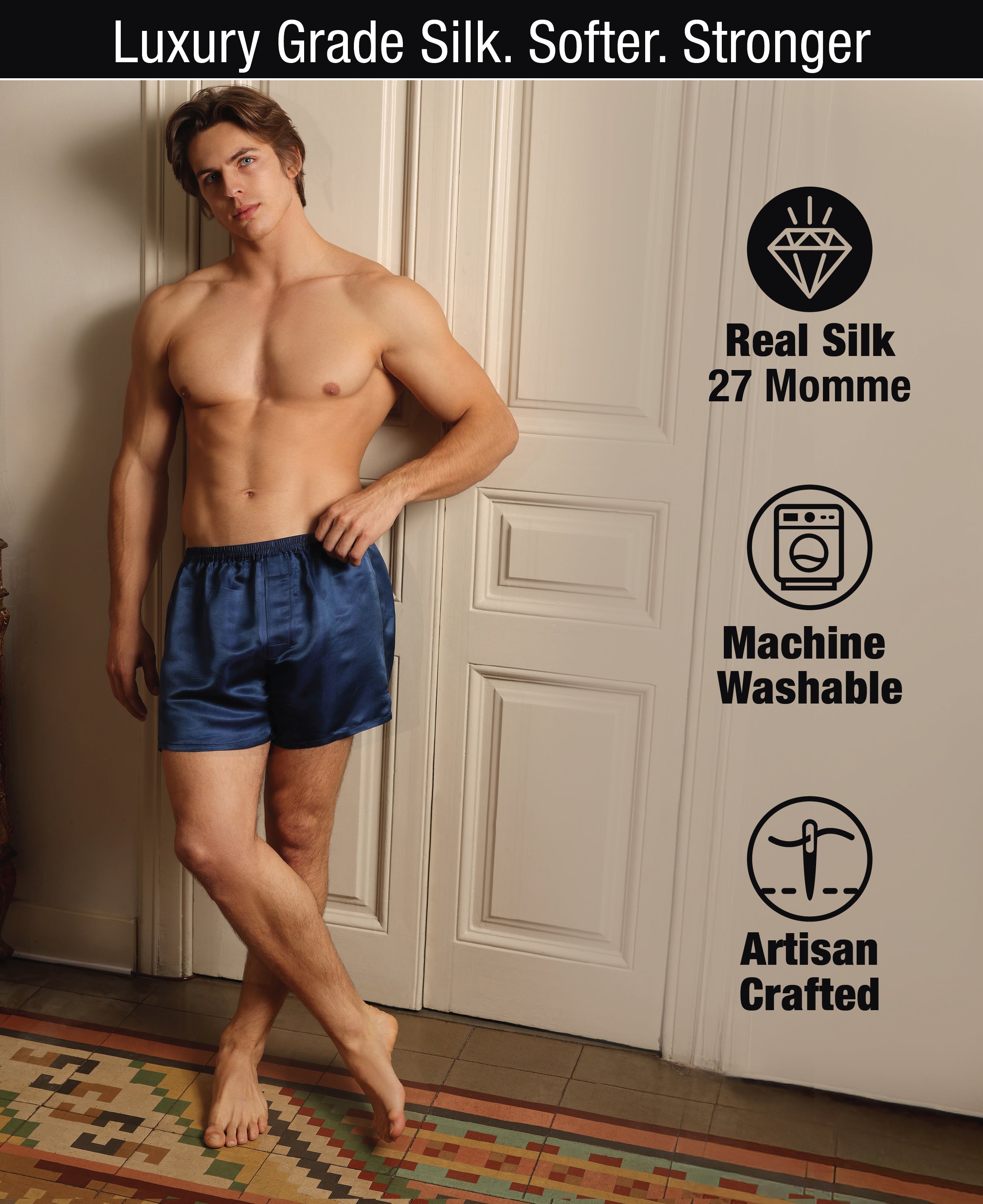
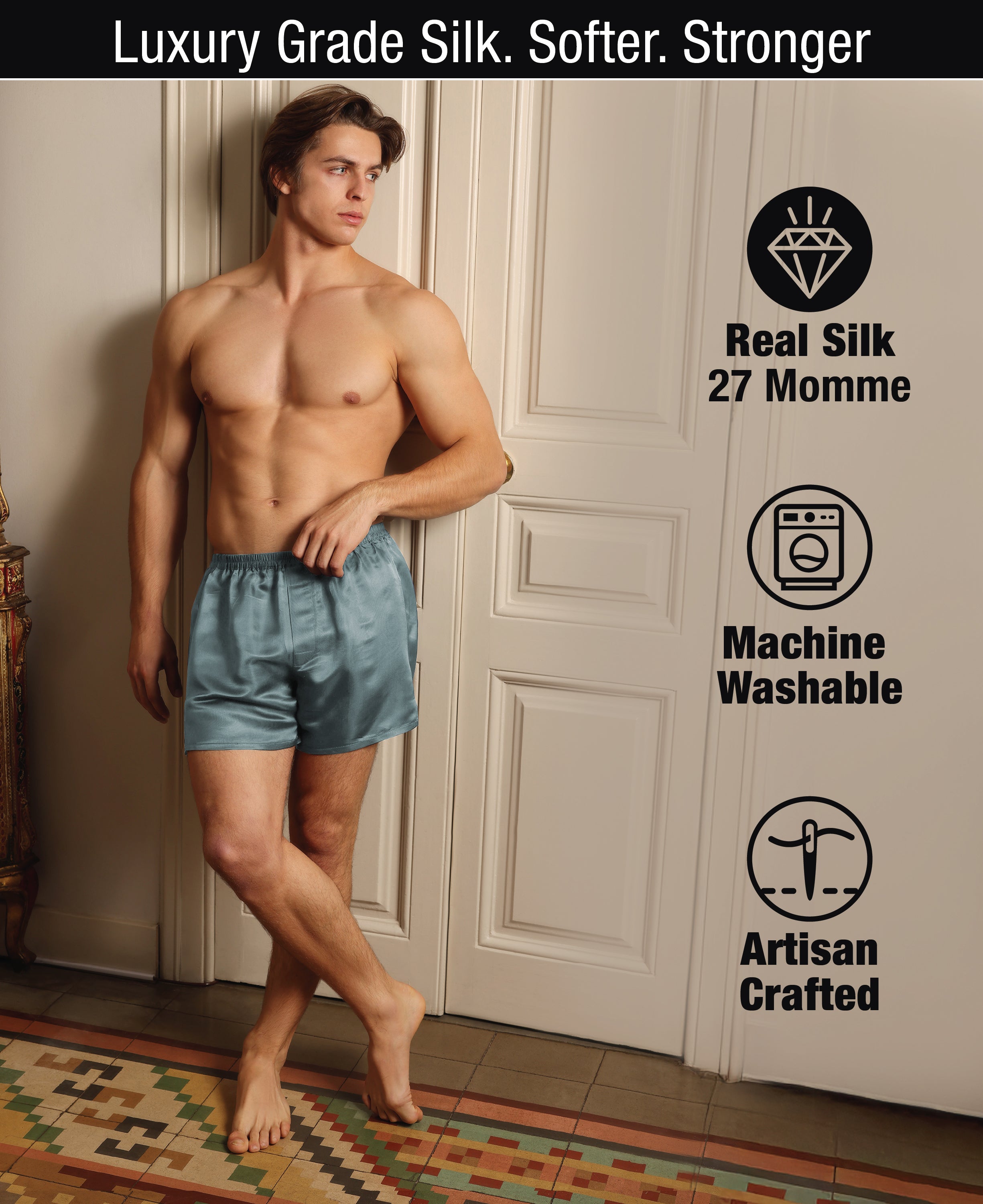
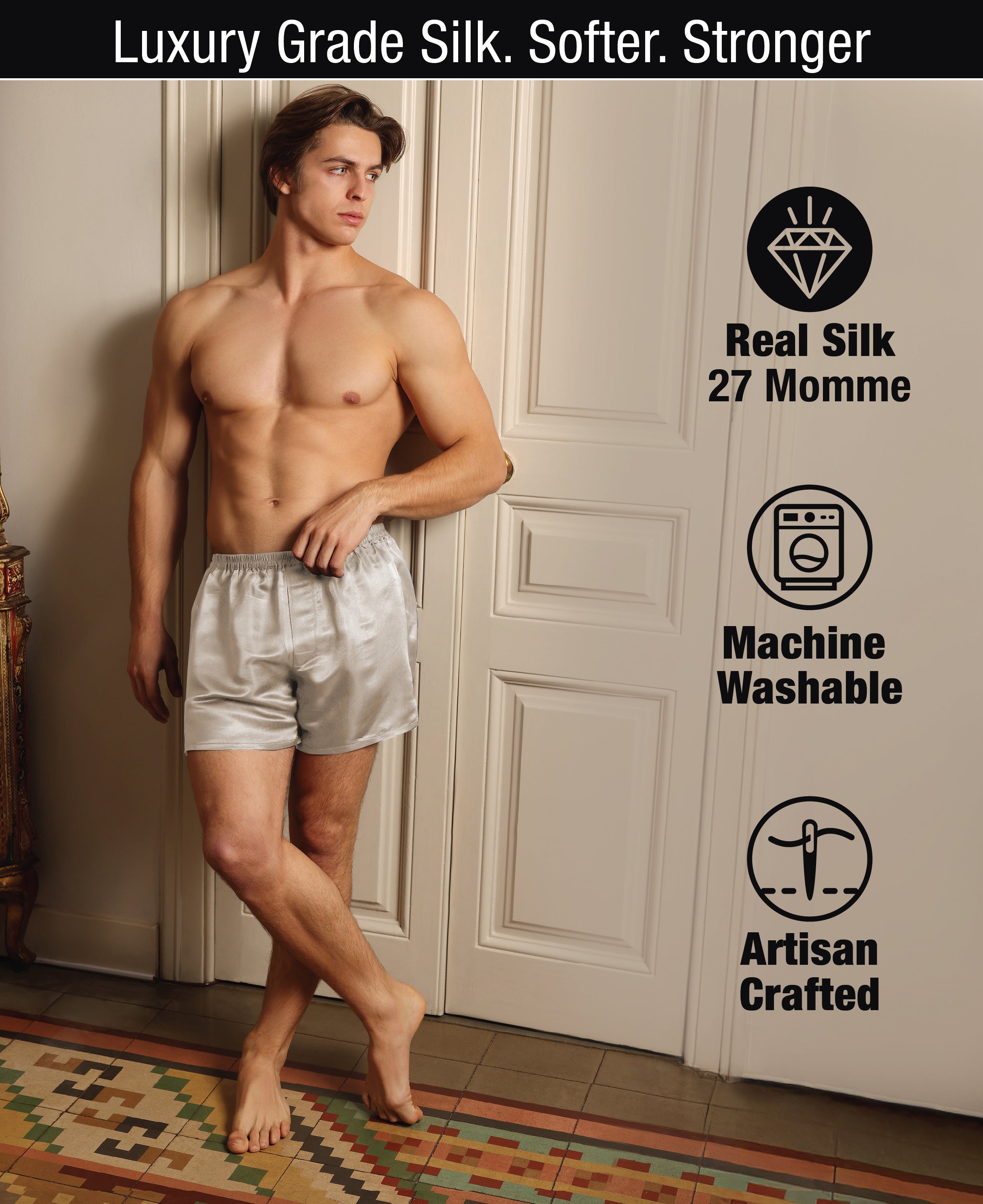
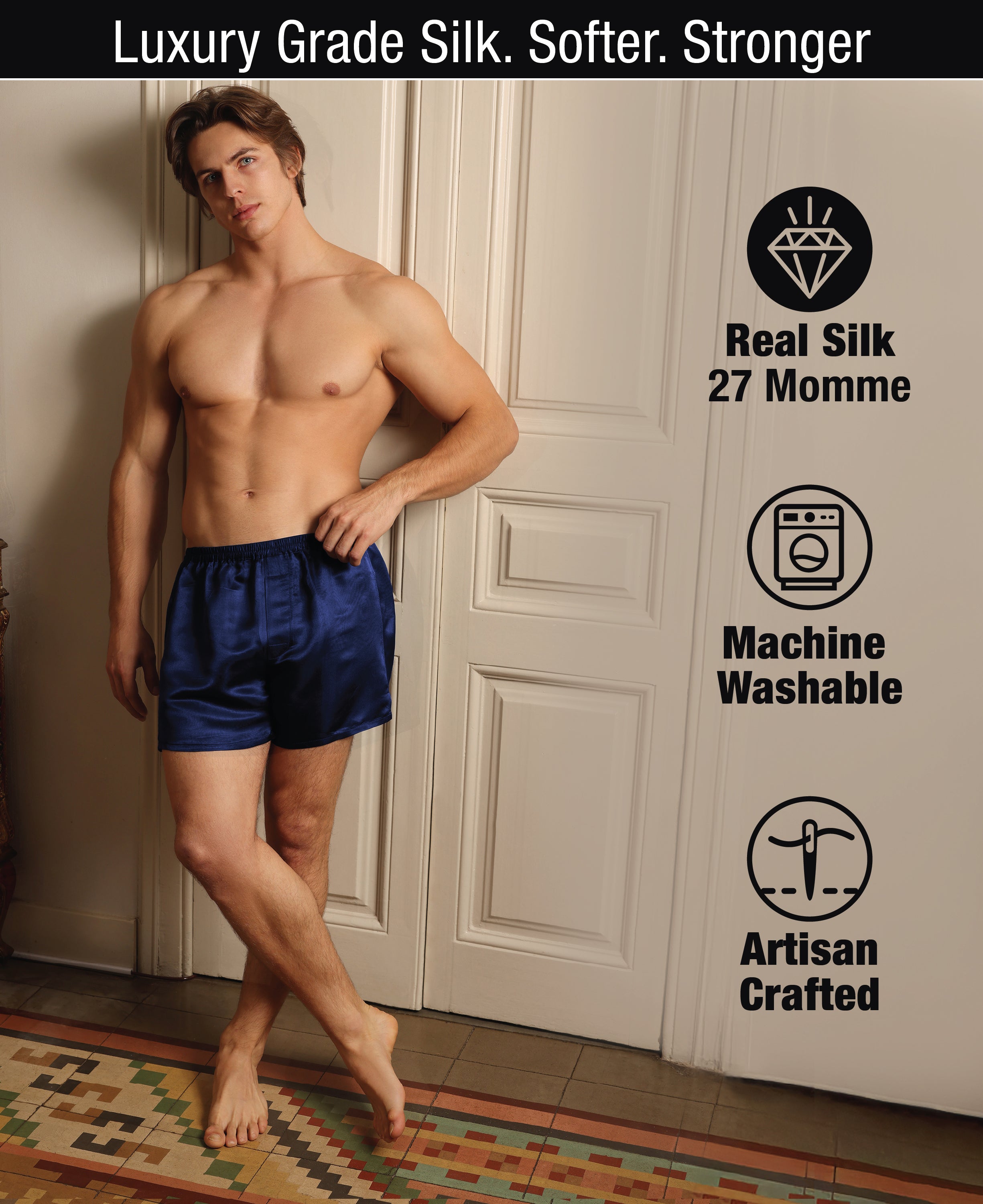
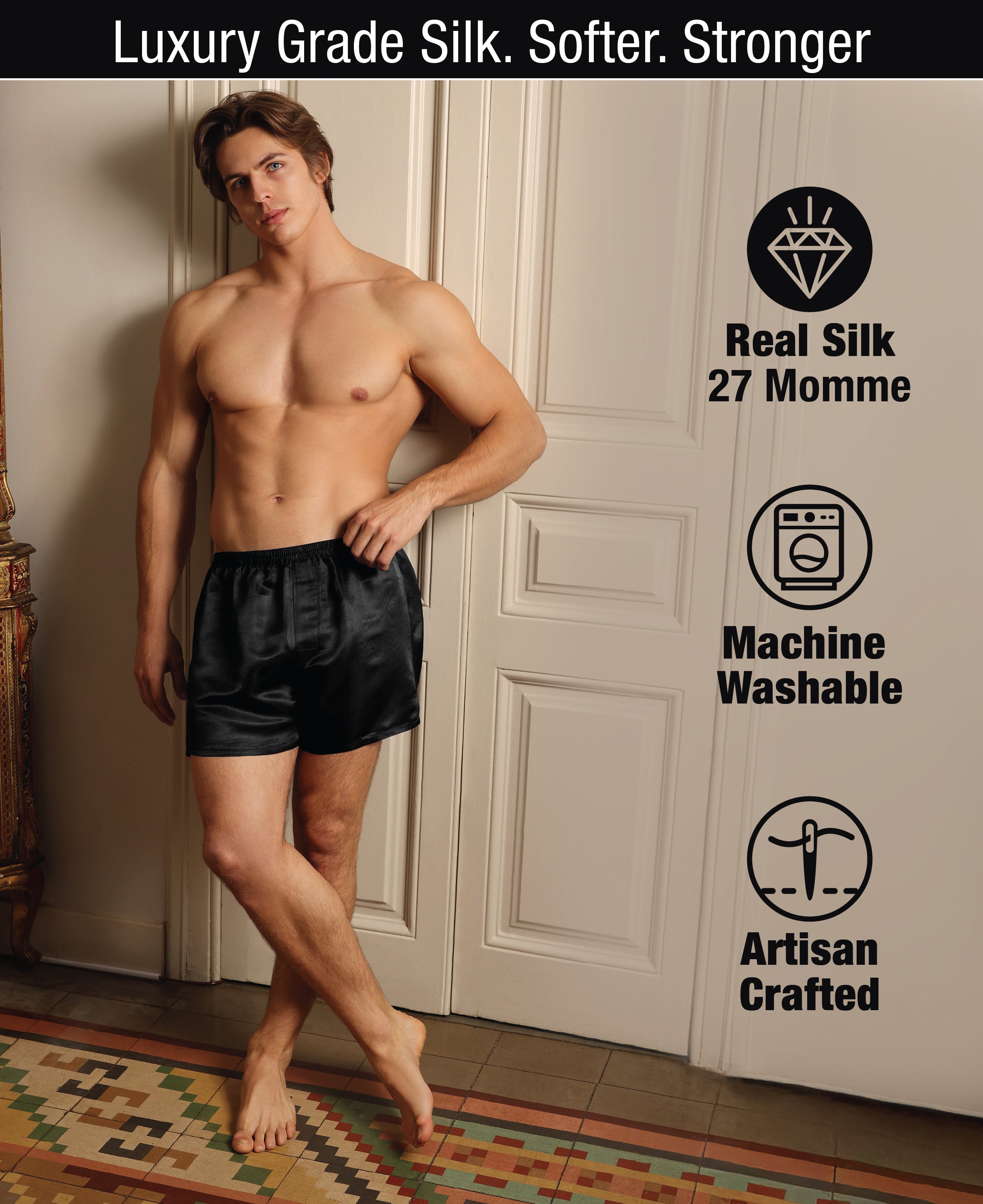
Every Tara Sartoria piece is 27 momme mulberry silk, made one piece at a time by master artisans in Vietnam's historic silk villages, finished with French seams, machine washable, and sized XS to 4XL.












Why So Much Plus Size Silk Is Actually Polyester
The math on why this happens is not complicated. Real mulberry silk costs the maker roughly ten to fifteen times what polyester satin costs at the fabric stage. At a size XS, that price gap is manageable. At a size 3X, where the garment uses roughly forty percent more fabric than a size S, the gap widens.
For a brand selling on a mass-market price point, plus size silk is where the cost math breaks. The choice for that brand becomes either raise the price at plus sizes (which most customers will not accept, and which reads as punitive), or substitute a cheaper fabric that looks like silk (which most customers will not notice, at least not immediately). Almost every mass-market brand has made the second choice.
The result is a plus size silk market where nineteen out of every twenty pieces labeled "silk" at a 2X and above is actually polyester satin. I want to be careful about that number. It is my count from a manual audit of Amazon listings in the "plus size silk pajamas" category, run twice in 2026, at both 2X and 3X, filtering for products described as silk in the title. The audit is not scientific. But the pattern is not subtle.
Satin Is a Weave, Not a Fiber
This is the piece of vocabulary that lets a manufacturer sell polyester as silk without technically lying.
Silk is a fiber, made by silkworms. Satin is a weave, defined by how threads cross over each other during the weaving process. A satin weave produces a fabric with a glossy face and a matte back. It looks slick because of the weave structure, not because of the fiber underneath.
You can weave a satin from any fiber. Silk satin is silk fiber woven in a satin structure. Polyester satin is polyester fiber woven in a satin structure. They look similar in a product photo. They behave very differently on a body.
The trick that gets played in plus size listings is calling a garment "silk satin pajamas" when the fabric is polyester satin. The word "satin" is technically the weave. The word "silk" is used as an adjective for the look, not the fiber. It is not honest, but it is difficult to prove wrong in a listing description.
The Four Tests to Tell Real Silk From Satin
Once you know what to look for, the tests are quick. Two of them work before you order. Two require the garment in your hands.
Price. Real mulberry silk sleepwear at a 2X or 3X rarely retails under $150 for a top-and-pant set, and rarely under $200 for a robe. If you are looking at a "silk" set at $49 in a plus size, the odds that it is real silk are close to zero. The fabric cost alone makes that price impossible. This is the fastest test. It is not perfect (some brands mark up polyester into the $150 range), but it eliminates the majority.
Weight in the hand. Real silk has a heft to it that polyester does not. A silk pajama at a 2X will weigh roughly a pound to a pound and a half, depending on the piece and the density. A polyester satin pajama at the same size weighs noticeably less. Pick the garment up when it arrives. Real silk feels substantial. Polyester feels almost weightless.
Sound and hand feel. Rub a section of the fabric between your thumb and forefinger. Real silk makes a soft dry rustling sound, almost like paper. Polyester makes a slicker sound, and it feels cooler at first touch because the fiber transfers heat differently. Real silk feels cool for the first few seconds and then warms as your hand warms it. Polyester feels cool and stays cool because it does not exchange moisture with your skin.
The burn test. This is the definitive test, but you have to sacrifice a thread. Cut a single fiber from an inside seam allowance, hold it with tweezers, and touch it briefly to a flame. Real silk burns slowly, smells like burnt hair or feathers, and leaves a small crumbly ash that you can crush with your fingers. Polyester melts, curls back from the flame, smells like plastic, and leaves a hard black bead that you cannot crumble. There is no ambiguity in this test.

Why This Matters More at Plus Sizes
The tests apply at every size. The stakes are higher at plus sizes because plus size buyers are already choosing between fewer options.
A woman shopping for silk pajamas at a size 6 has hundreds of pieces to compare, and if she gets one that is misrepresented, she can return it and try another the same week. A woman shopping for silk pajamas at a size 2X has a much shorter list. When one of the pieces on that list turns out to be polyester, she has burned her budget, her patience, and a return window on a piece that misled her.
The customer who wrote to me with the list of four "silk" pajamas she had bought was a size 22. She had spent close to $400 across the four purchases. She had returned three, kept one because she was tired of the return process, and never worn it. That kept piece was polyester satin. It is currently in a drawer.
I write about this because the market is unfair to plus size buyers in a way that most silk brands do not acknowledge. Fair pricing at plus sizes is the reason we cost silk pajamas the way we do. Honest fiber labeling is the reason our product pages list the fiber, the momme weight, and the country of origin on every piece.
Real Silk vs Satin, in Plus Size Sleepwear
The differences show up most on the body, not on the shelf.
Real silk is hygroscopic. It absorbs moisture as the skin warms and releases it as the skin cools. Polyester satin absorbs almost nothing. On a night when you sweat, real silk stays dry to the touch; polyester traps the moisture between the skin and the fabric.
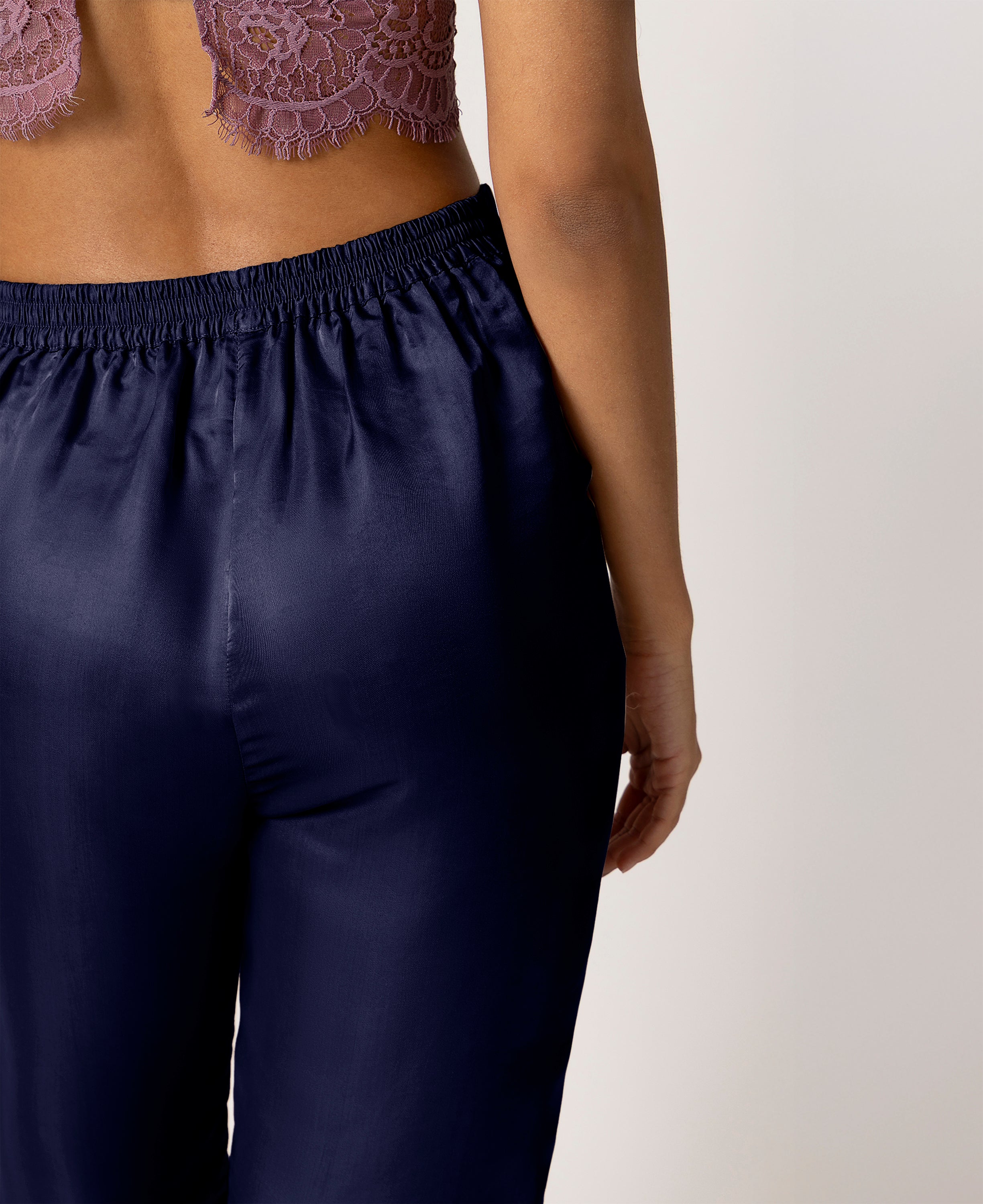
Real silk drapes. Denser silk (25 momme or higher) falls with gravity and puts a small amount of air between the fabric and the body at every point where the body curves in. Polyester satin, especially thin polyester satin, clings and pulls with static. On a curvy body, the difference is visible in a photograph.
Real silk lasts. A well-made silk pajama in 27 momme mulberry silk, machine washed on a delicate cycle, lasts eight to ten years of regular use. A polyester satin pajama pills, fades, and loses its slick surface within twelve to eighteen months of the same use.
Real silk feels different to sleep in. This is the hardest thing to describe until you have tried it. Silk transfers heat and moisture with your body actively; polyester does not. The people who have slept in both know the difference within one night.




The Case Against Satin, in Plainer Language
Polyester satin has a market because it is cheap, it photographs well, and it looks similar to silk on a hanger. It is not a "worse silk." It is a different material entirely, made from a petroleum derivative, that has been marketed alongside silk for so long that many buyers assume they are variations of the same thing.
The dishonesty is in the labeling. If a brand called its pajamas "polyester pajamas with a silk-like sheen," you could shop that fabric on its own merits. Many customers would still buy it, at a price point that makes sense for a synthetic fabric. The problem is the word "silk" in the title of a listing whose fabric composition tag reads "100% polyester."
I do not think most customers who buy polyester "silk" pajamas are being foolish. I think they are being sold. The reason I write posts like this one is that the sales pitch works, especially in plus sizes, where the alternative options are few and the buyer's benefit of the doubt is higher.
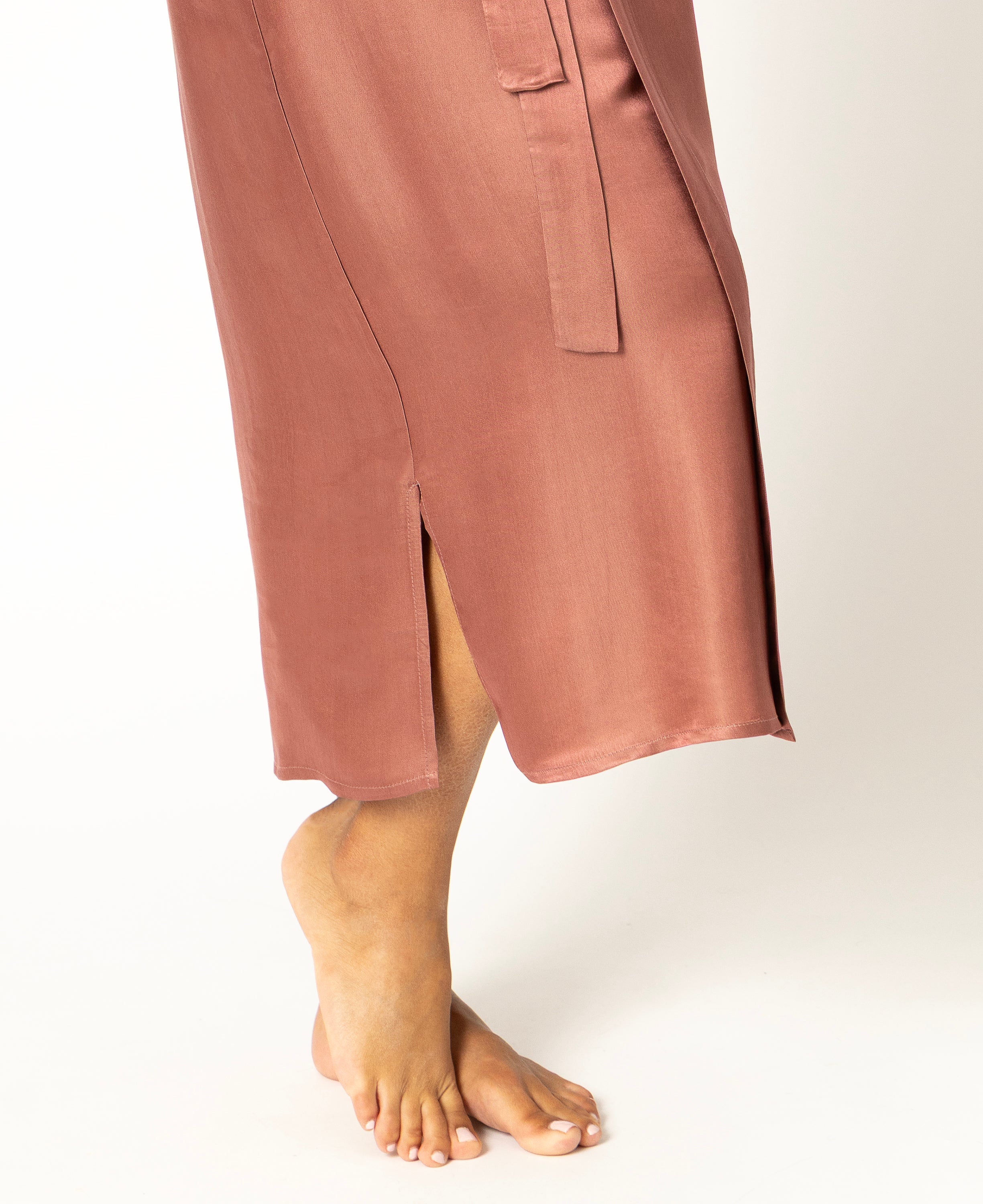
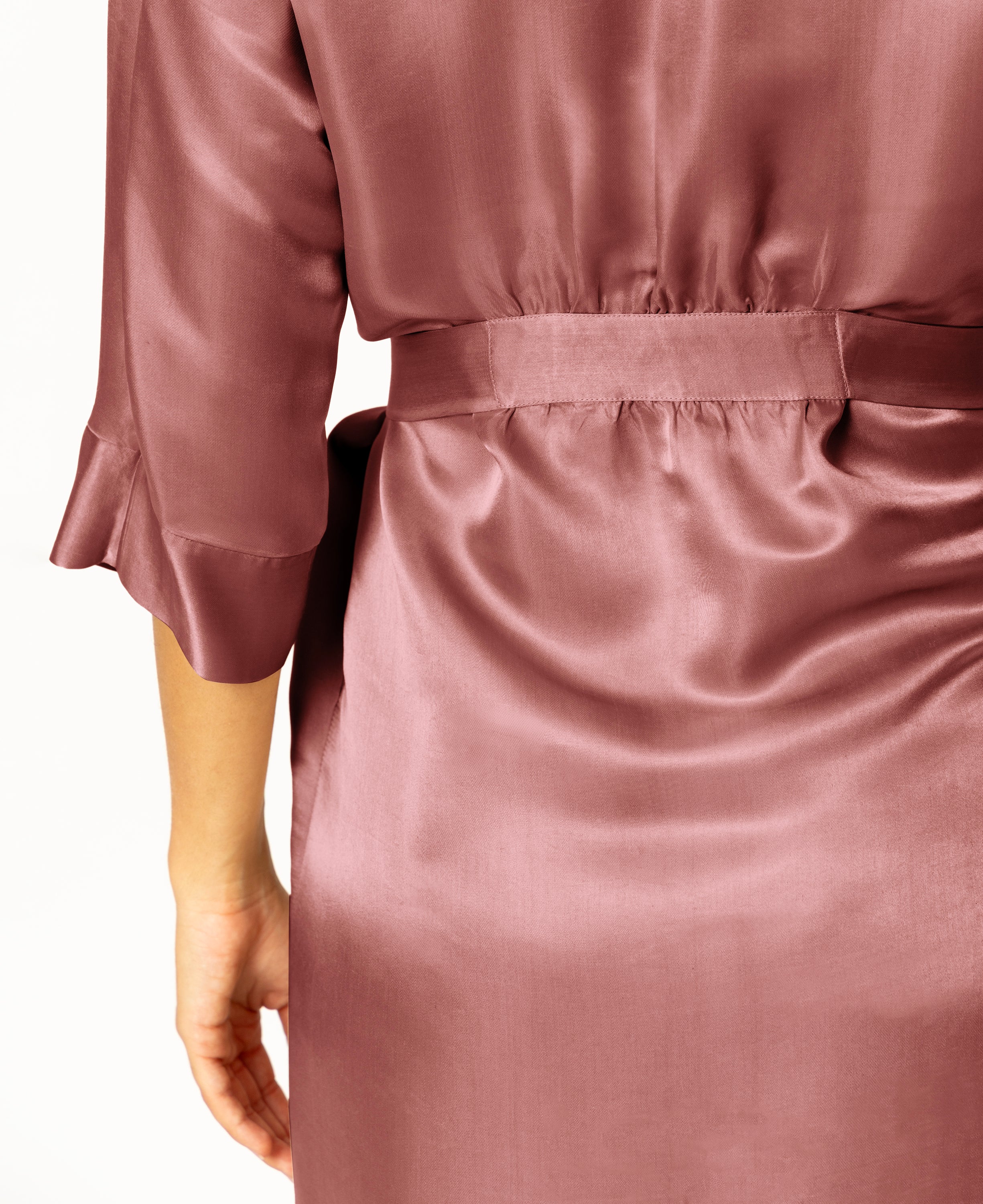
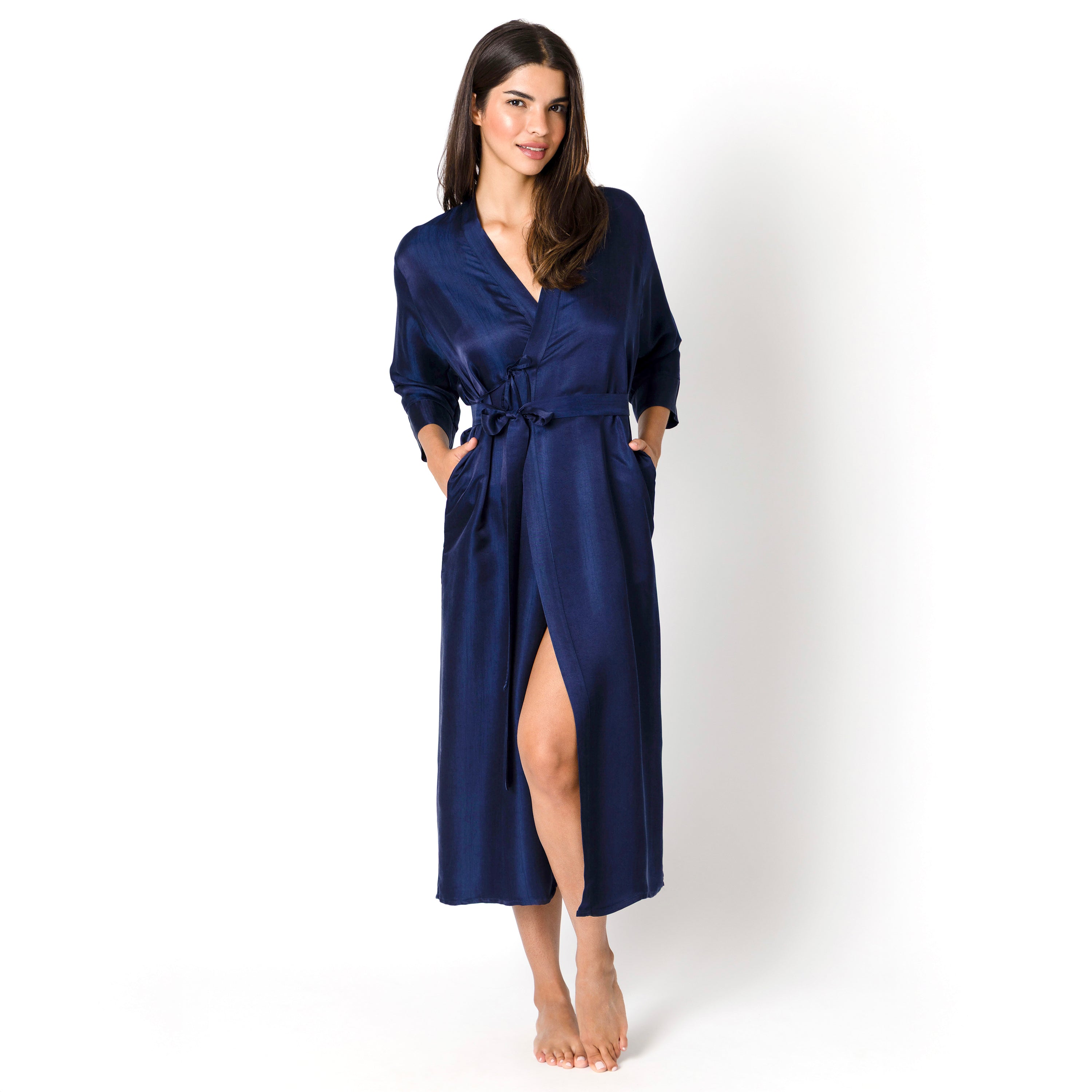
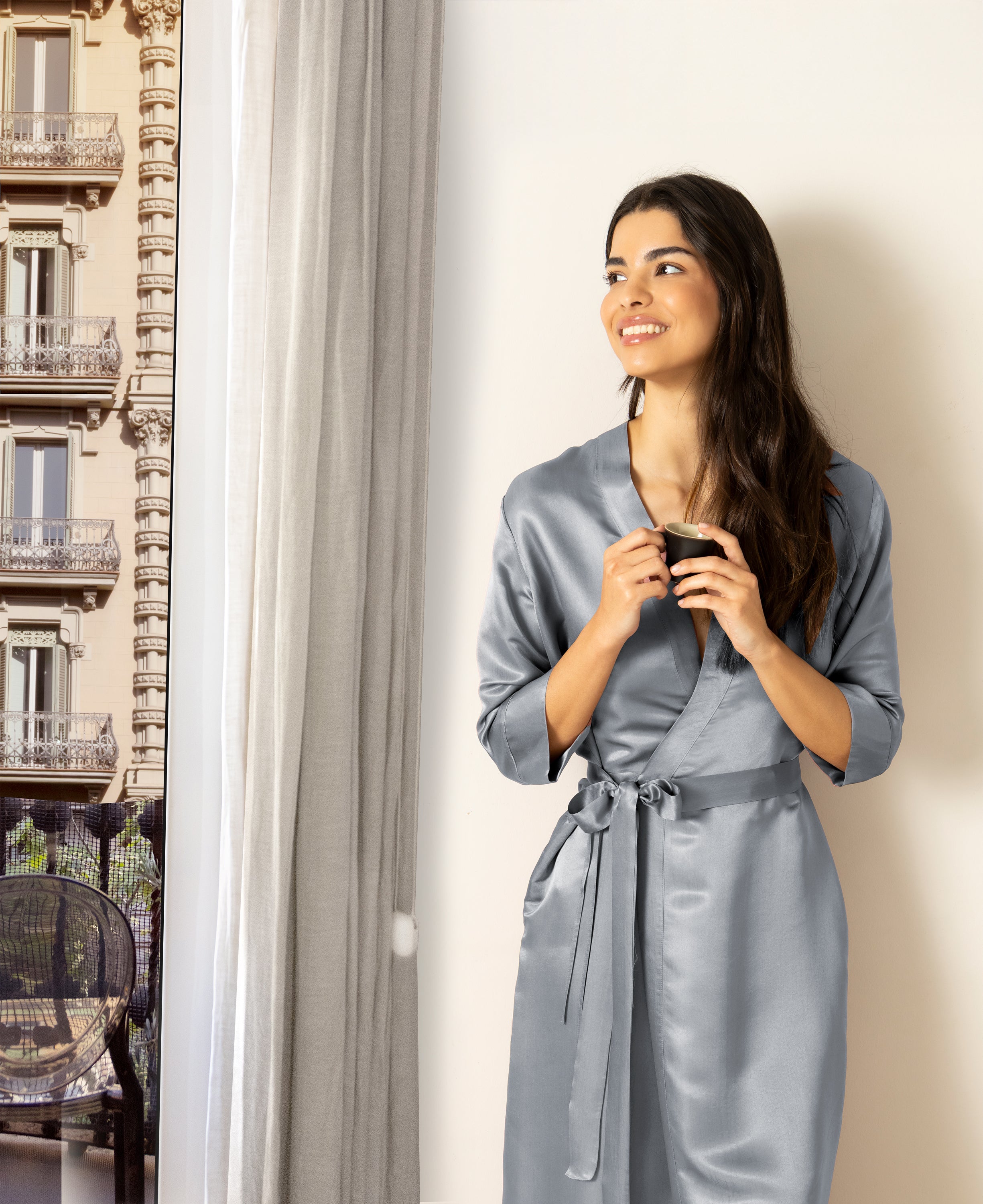
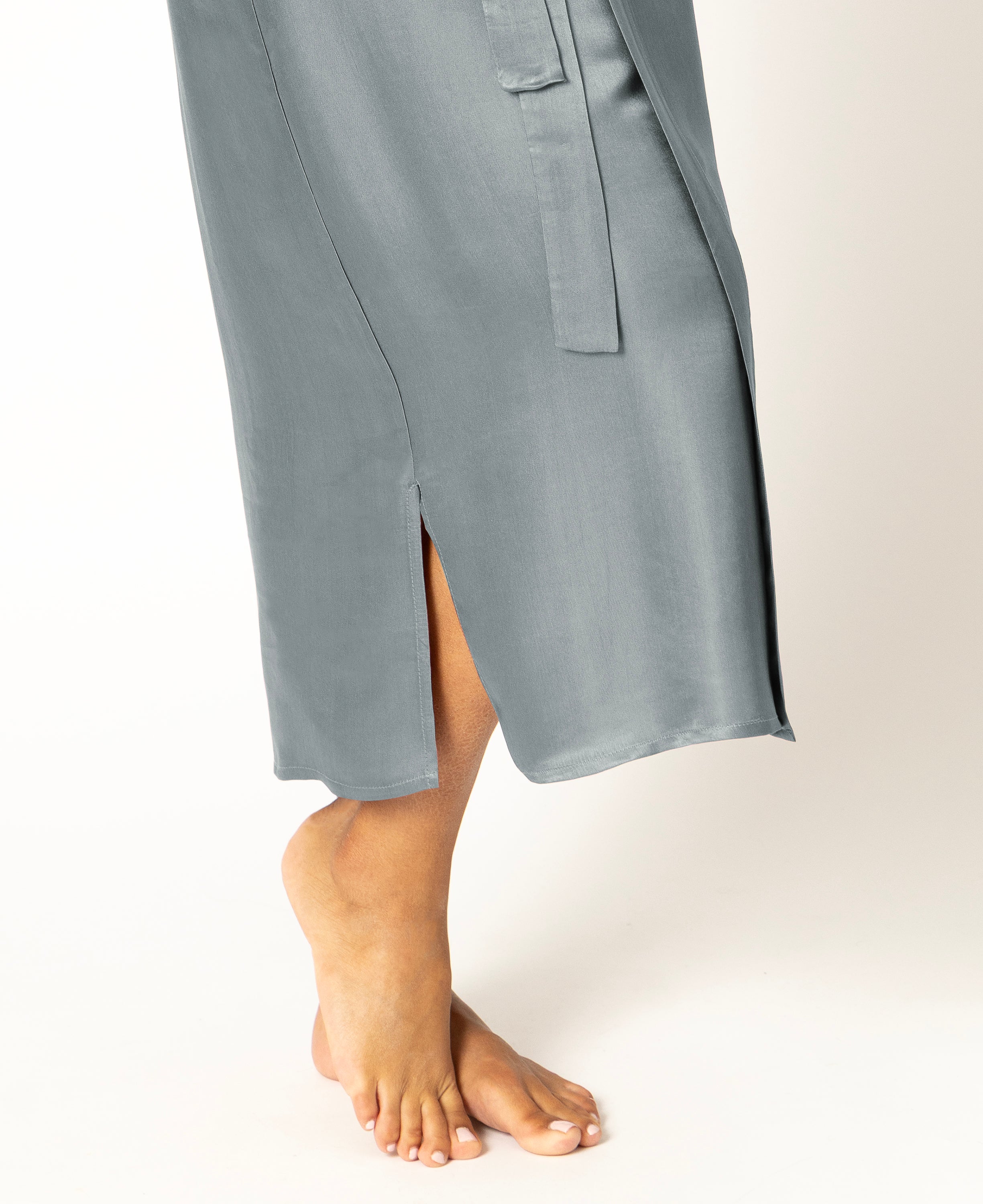
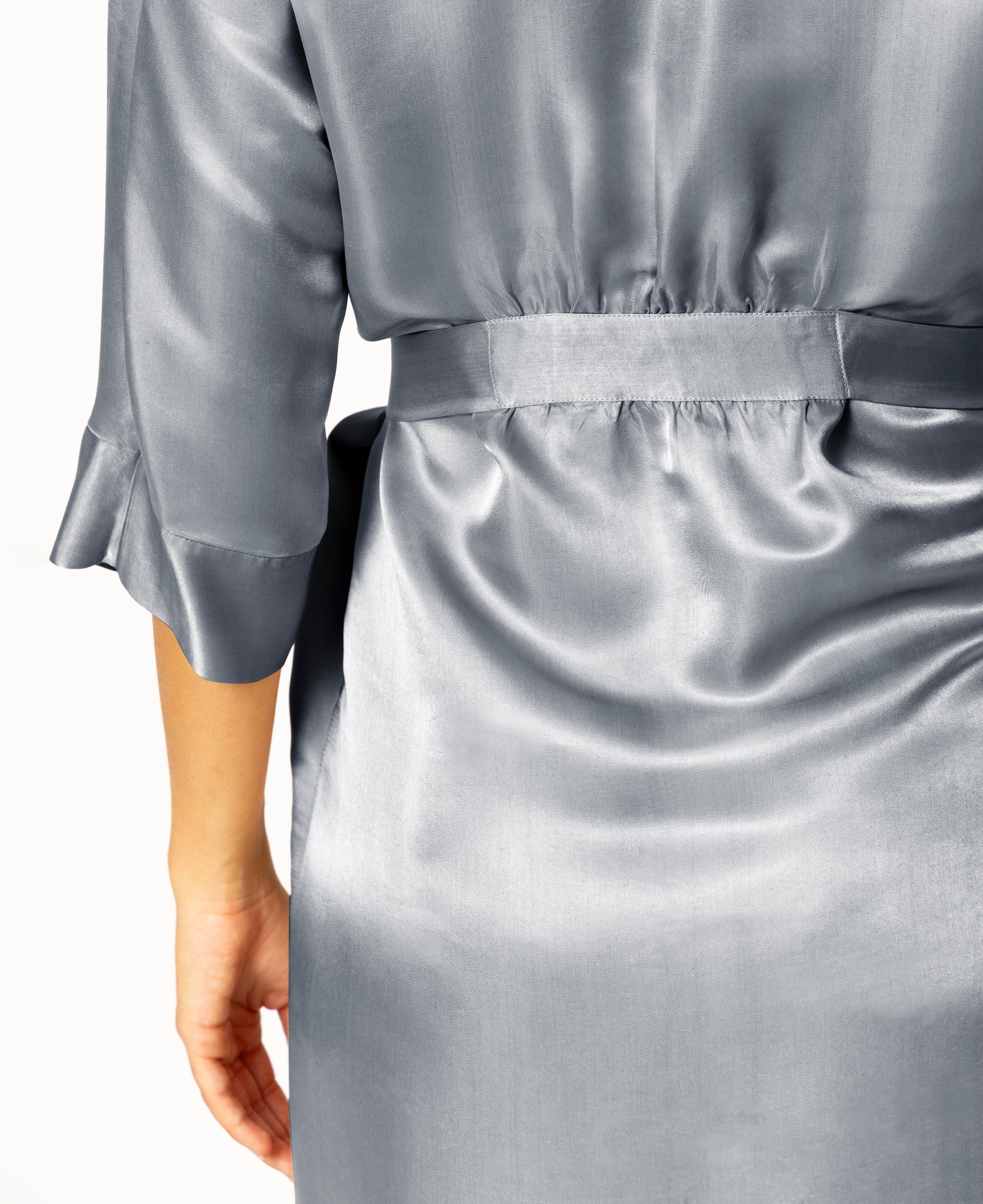
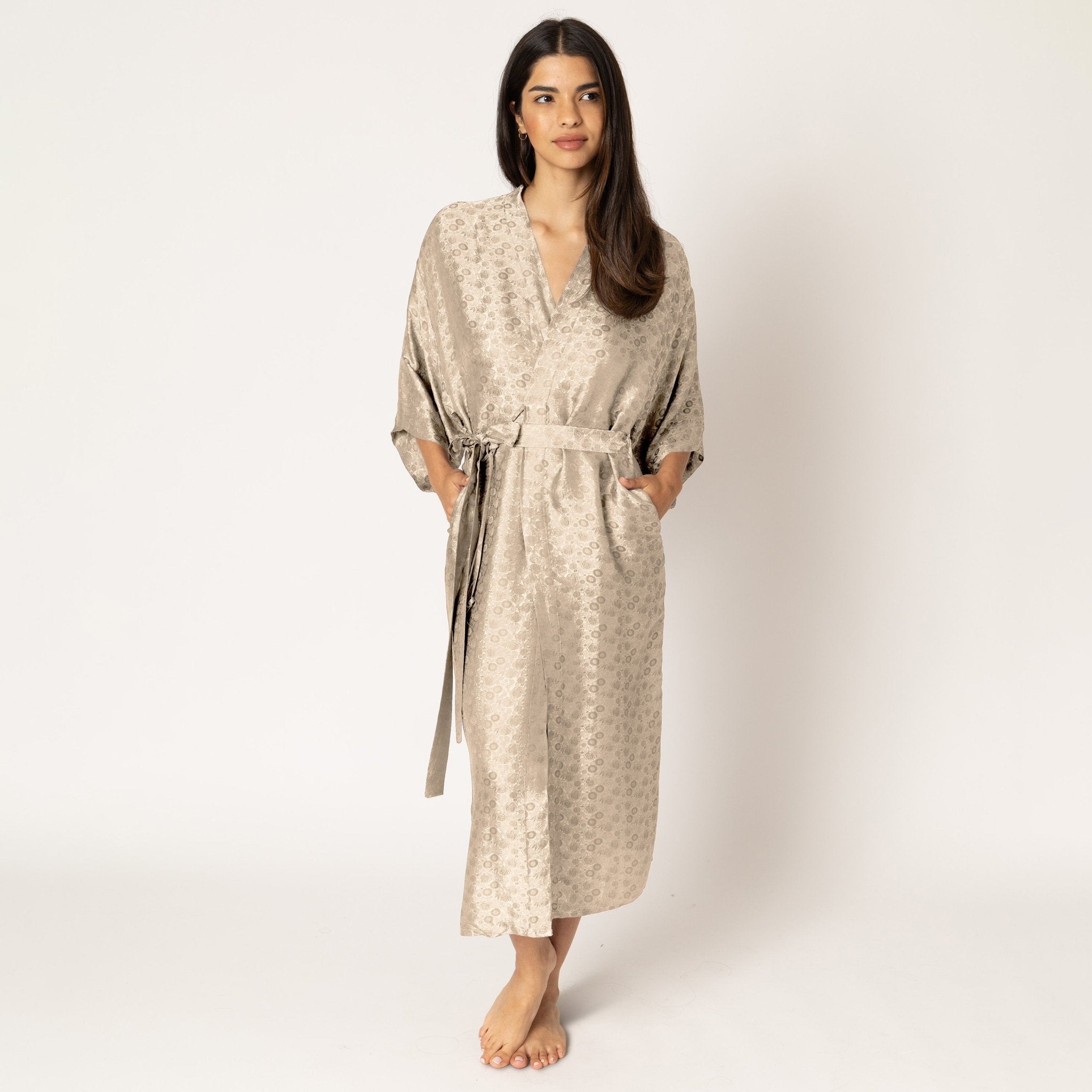
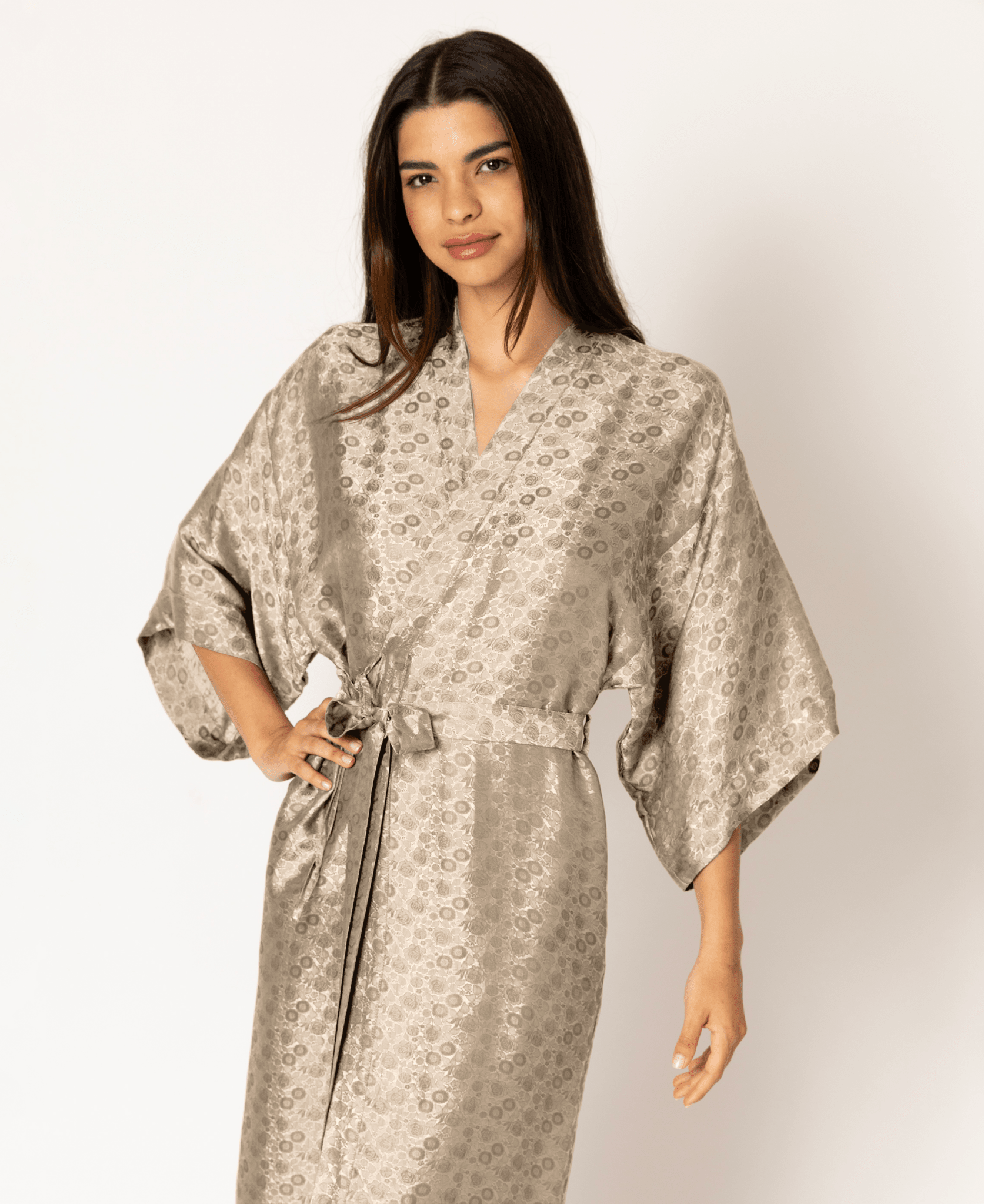
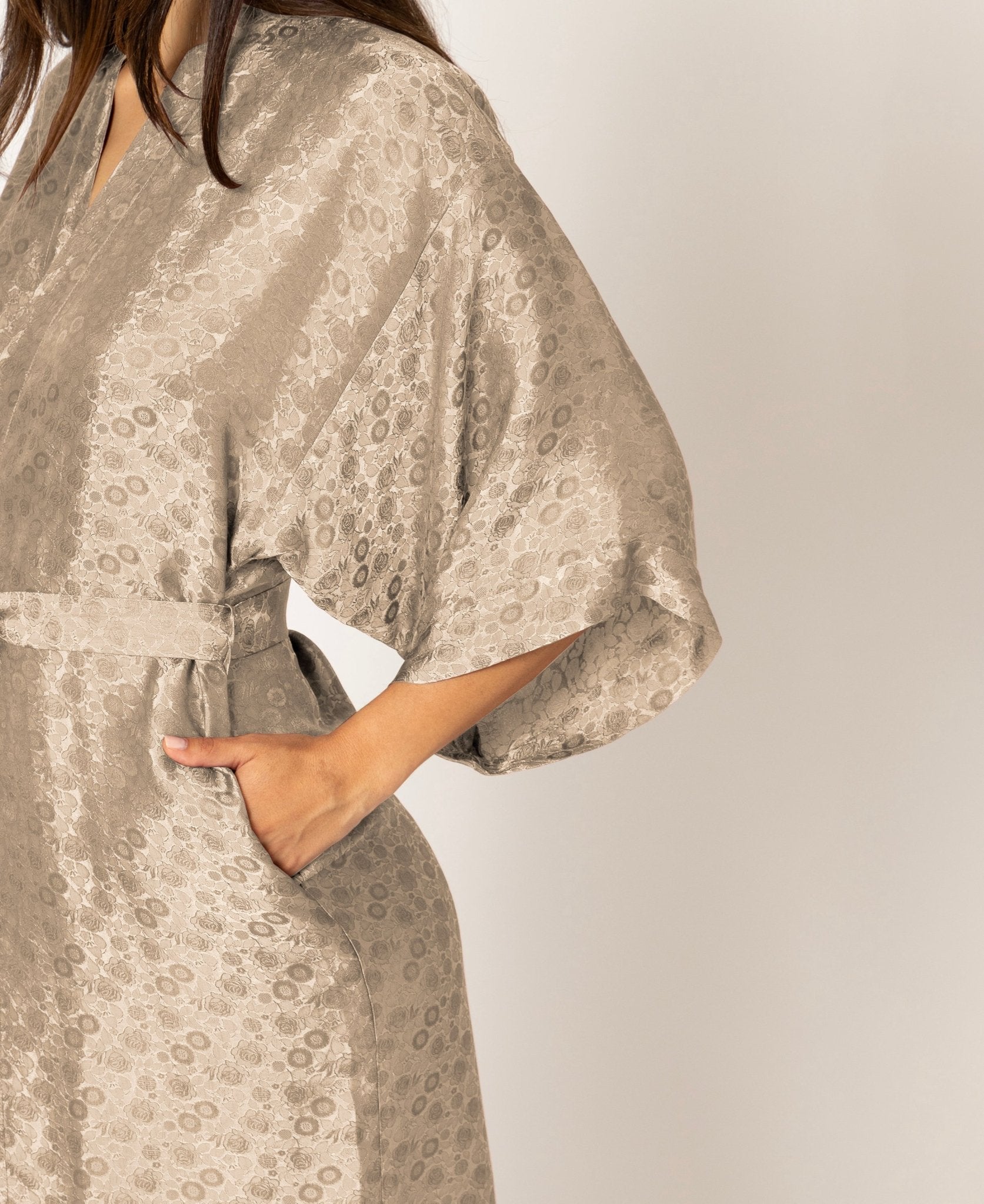
See the craft in the finished pieces
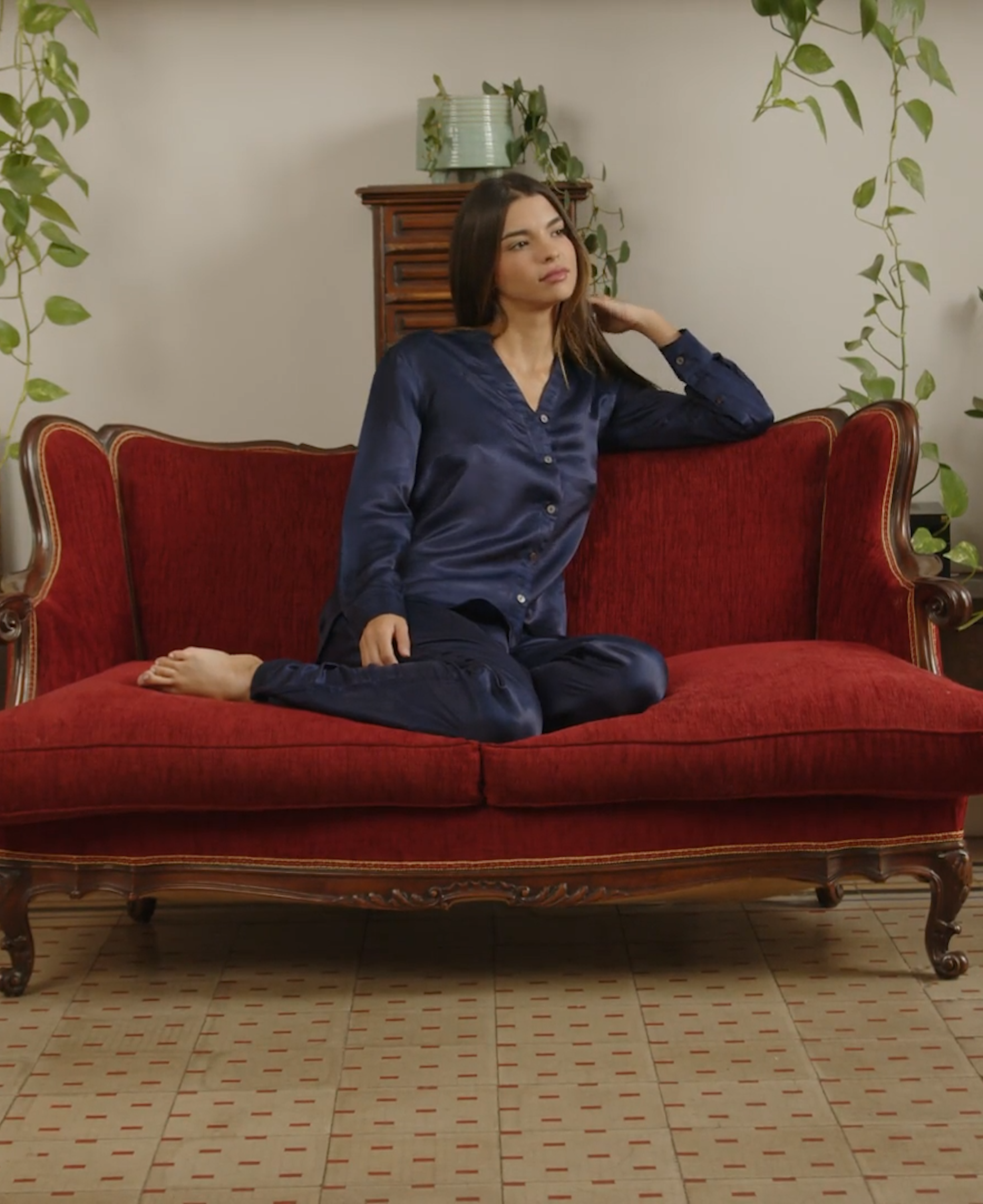
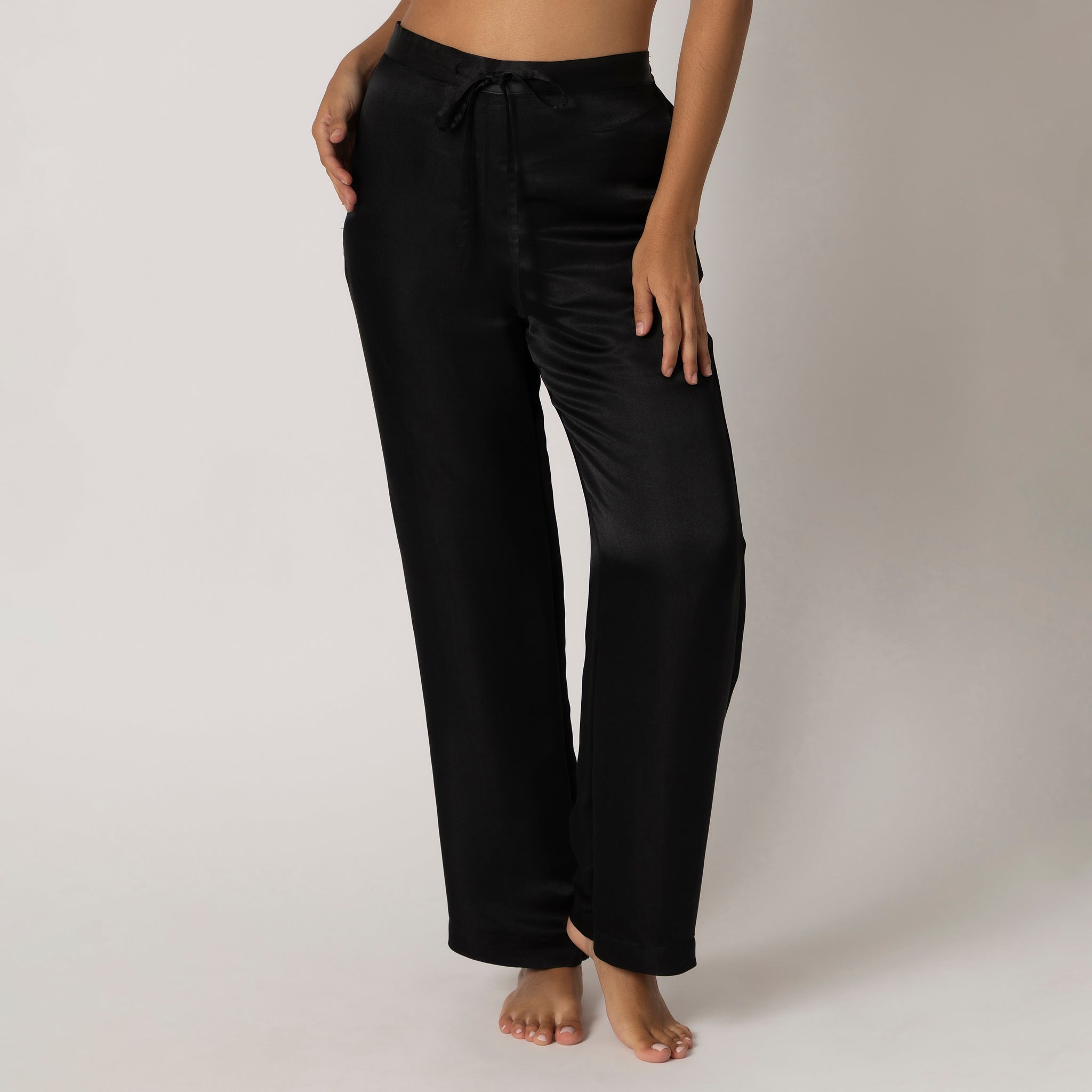
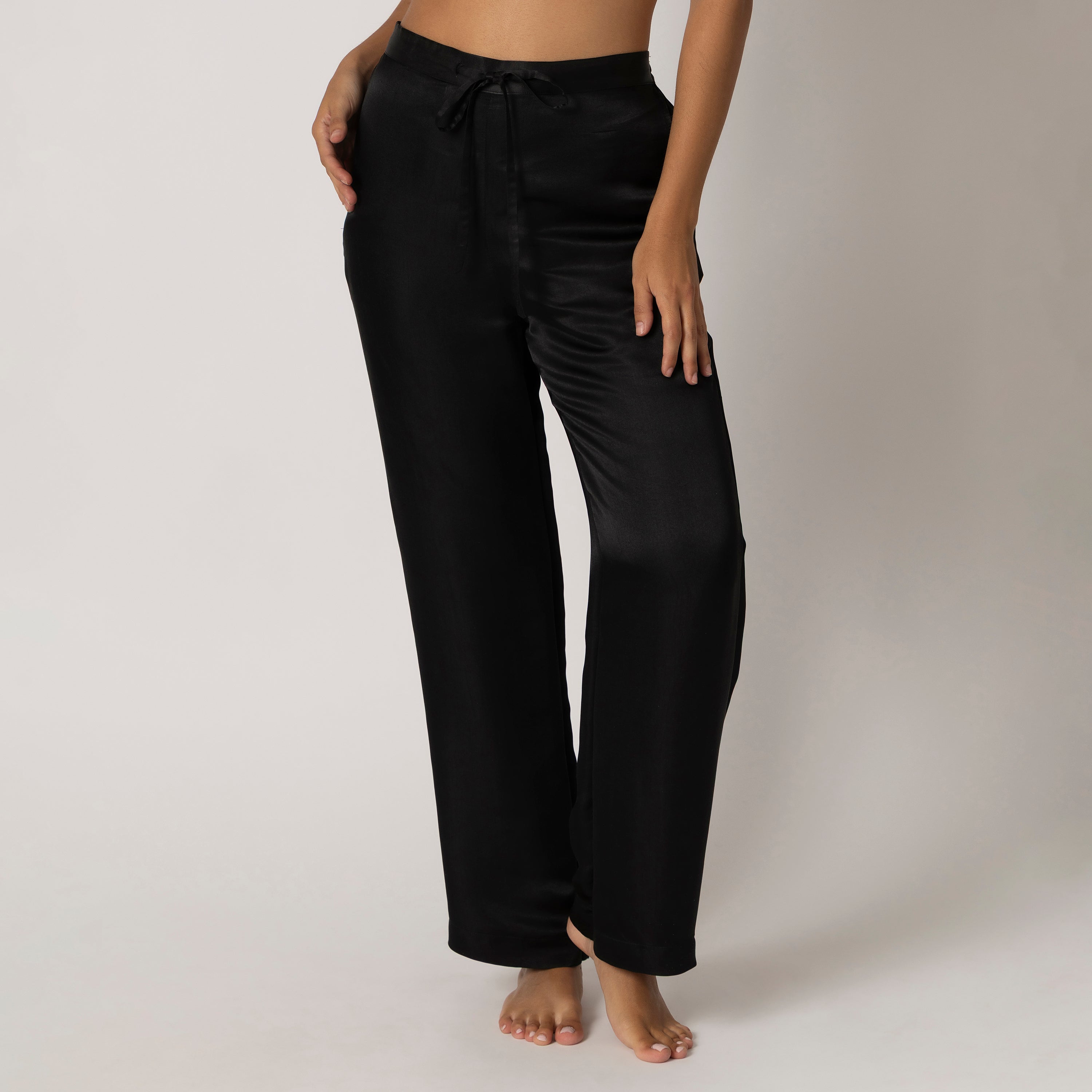
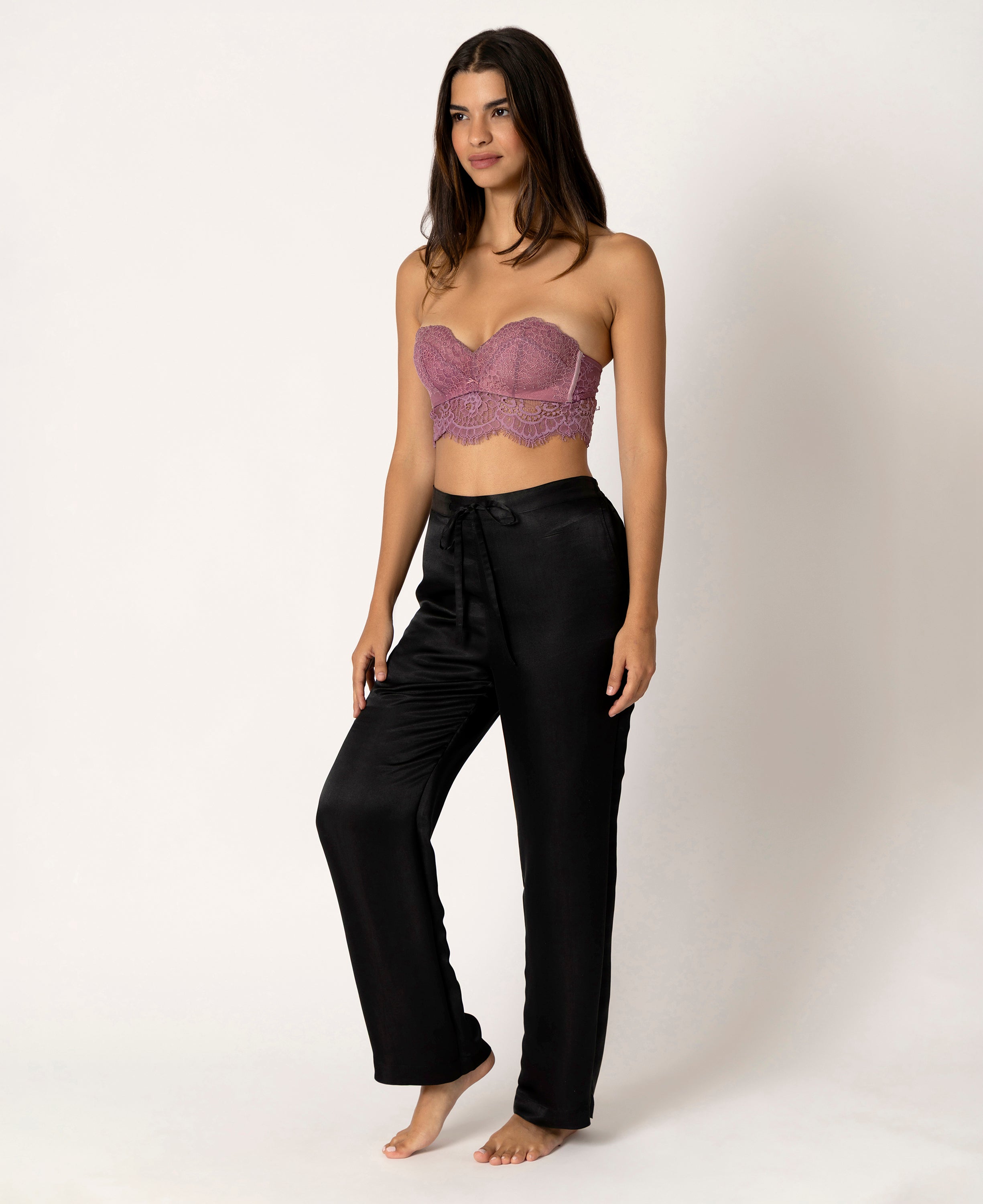
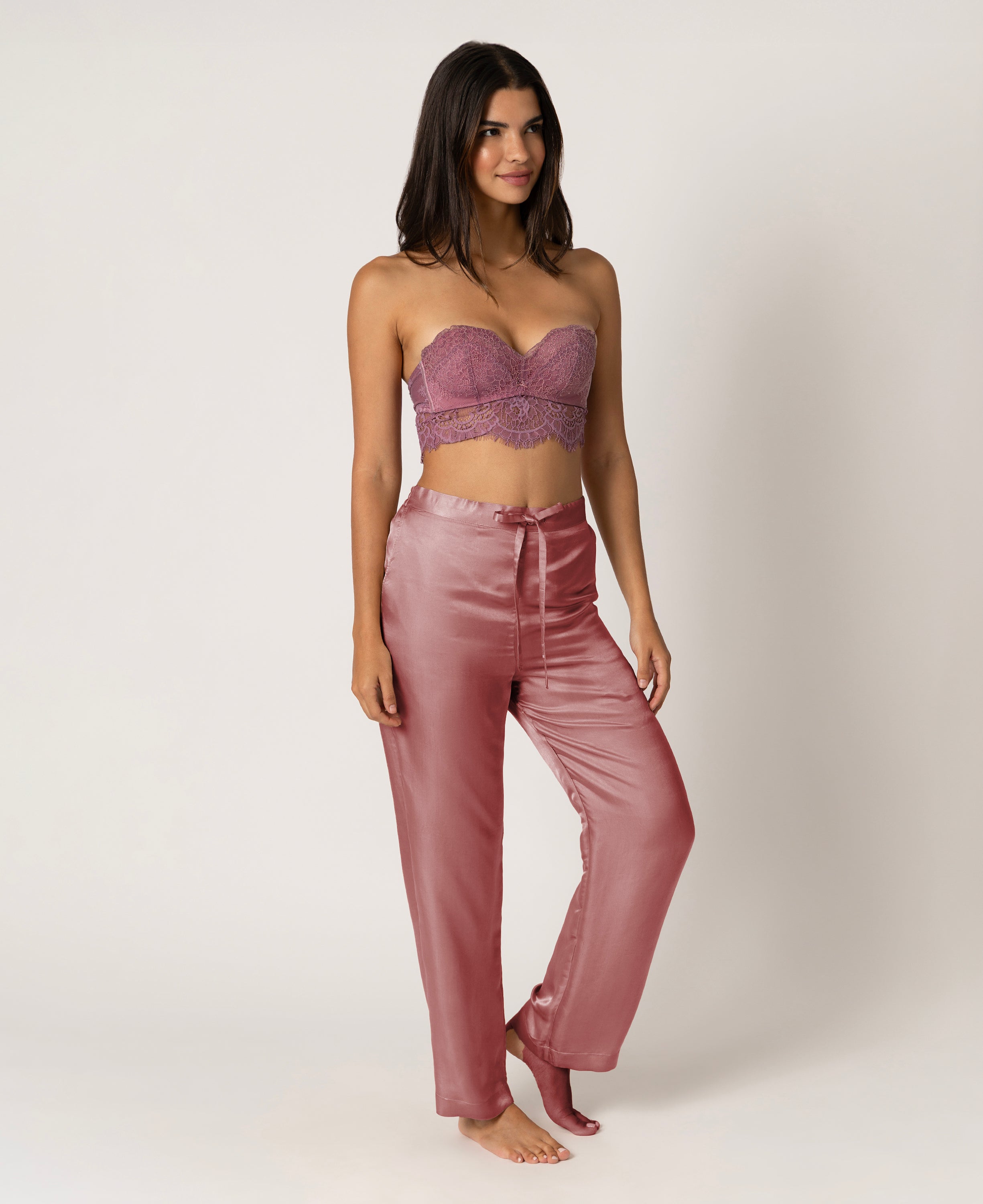
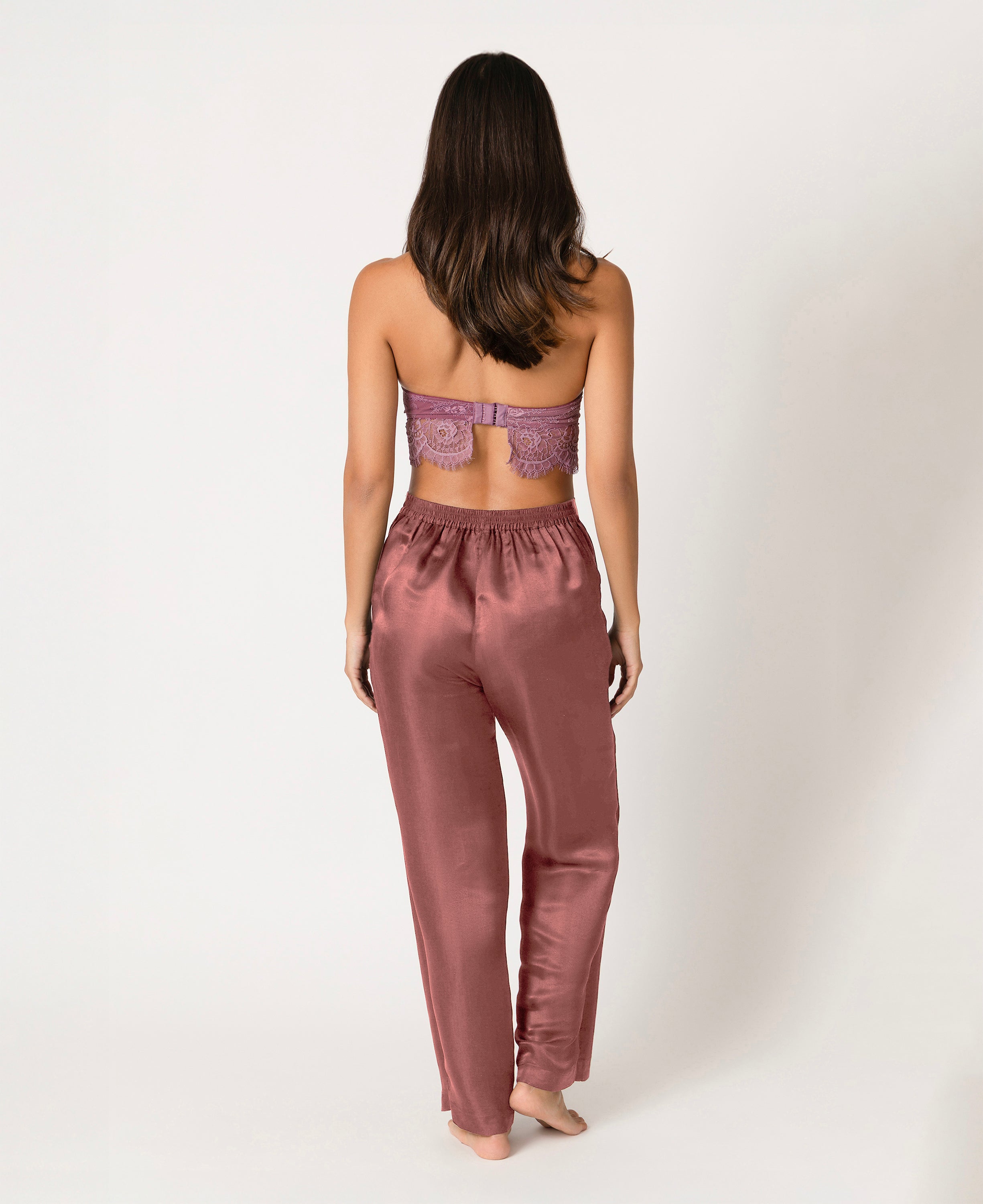
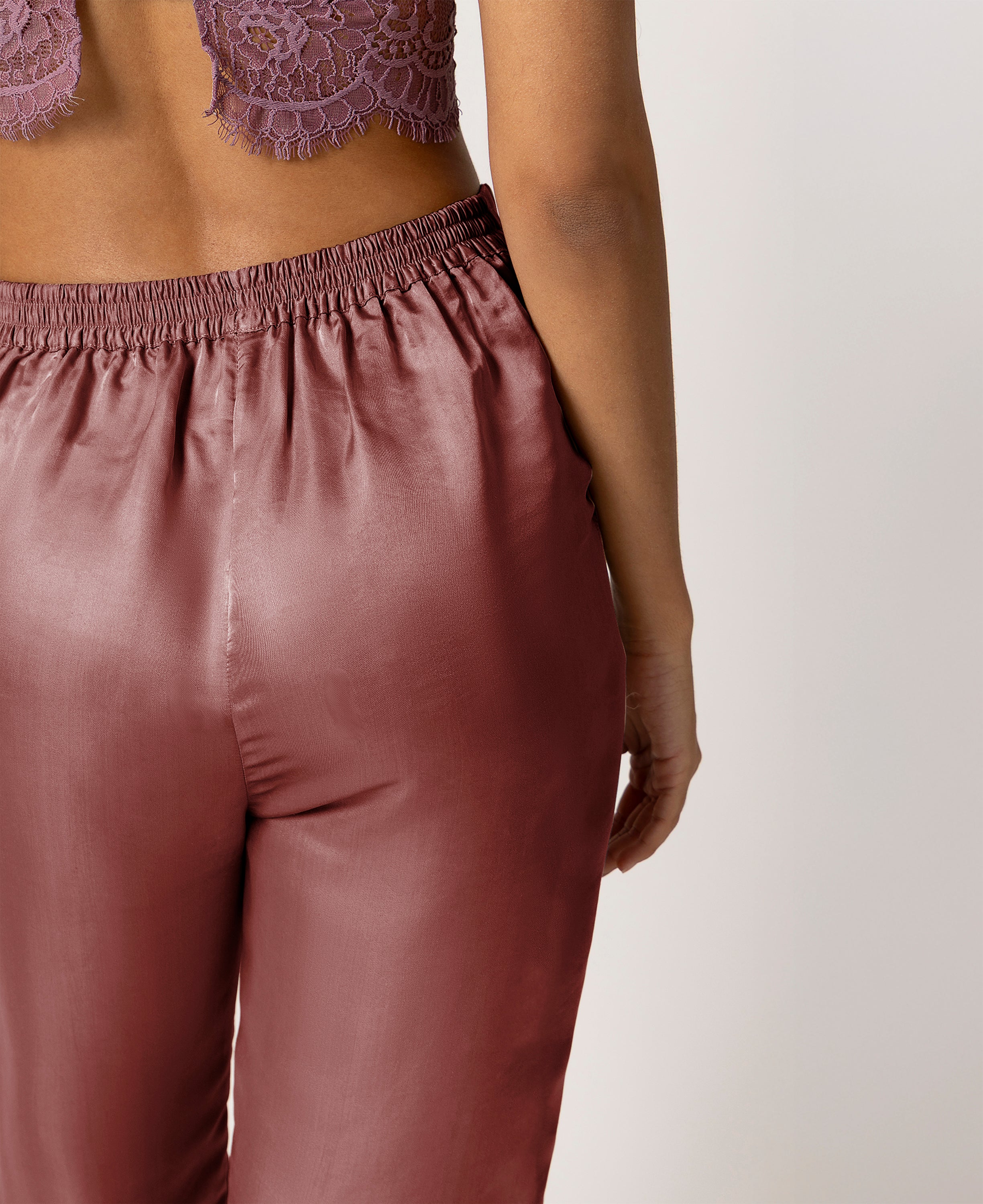
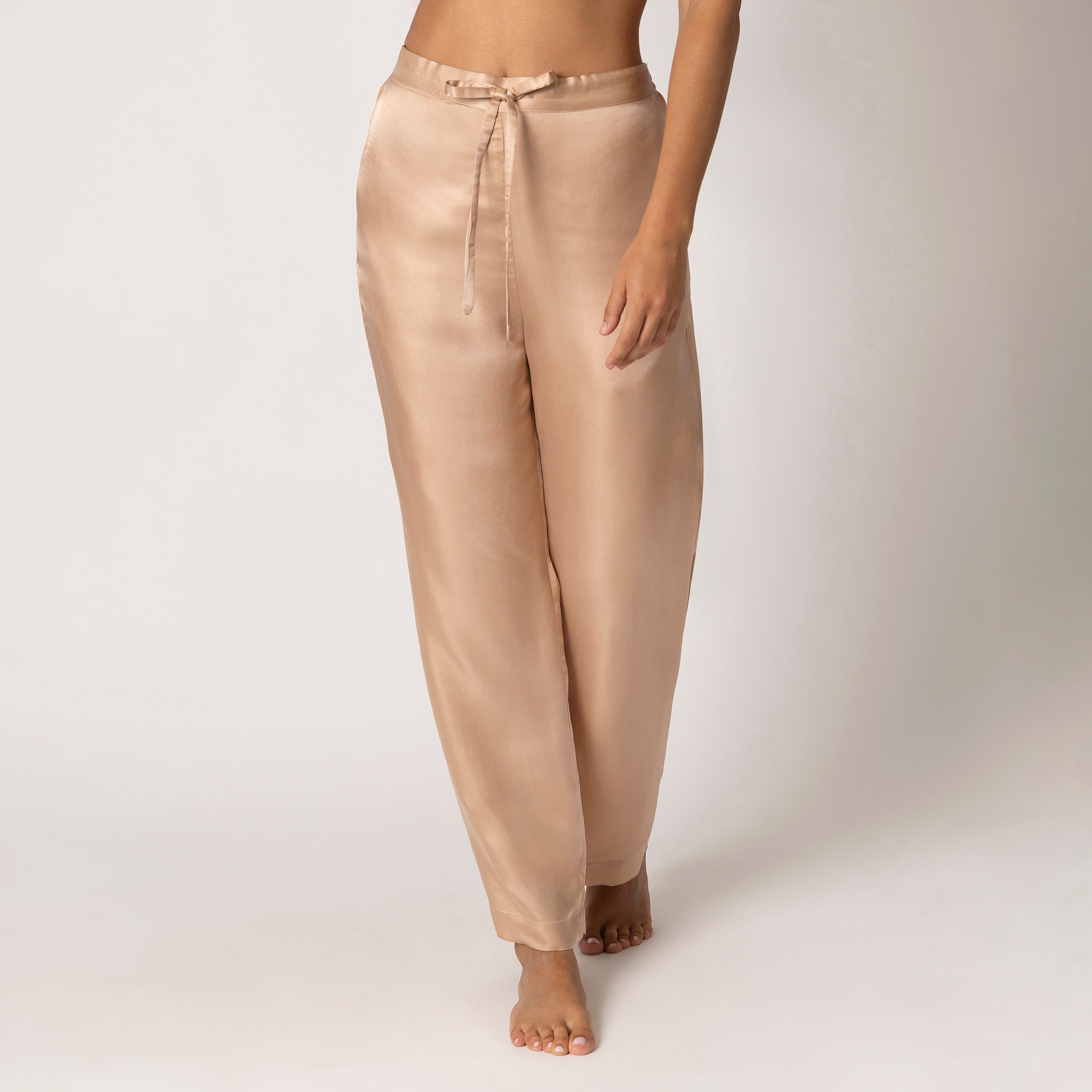
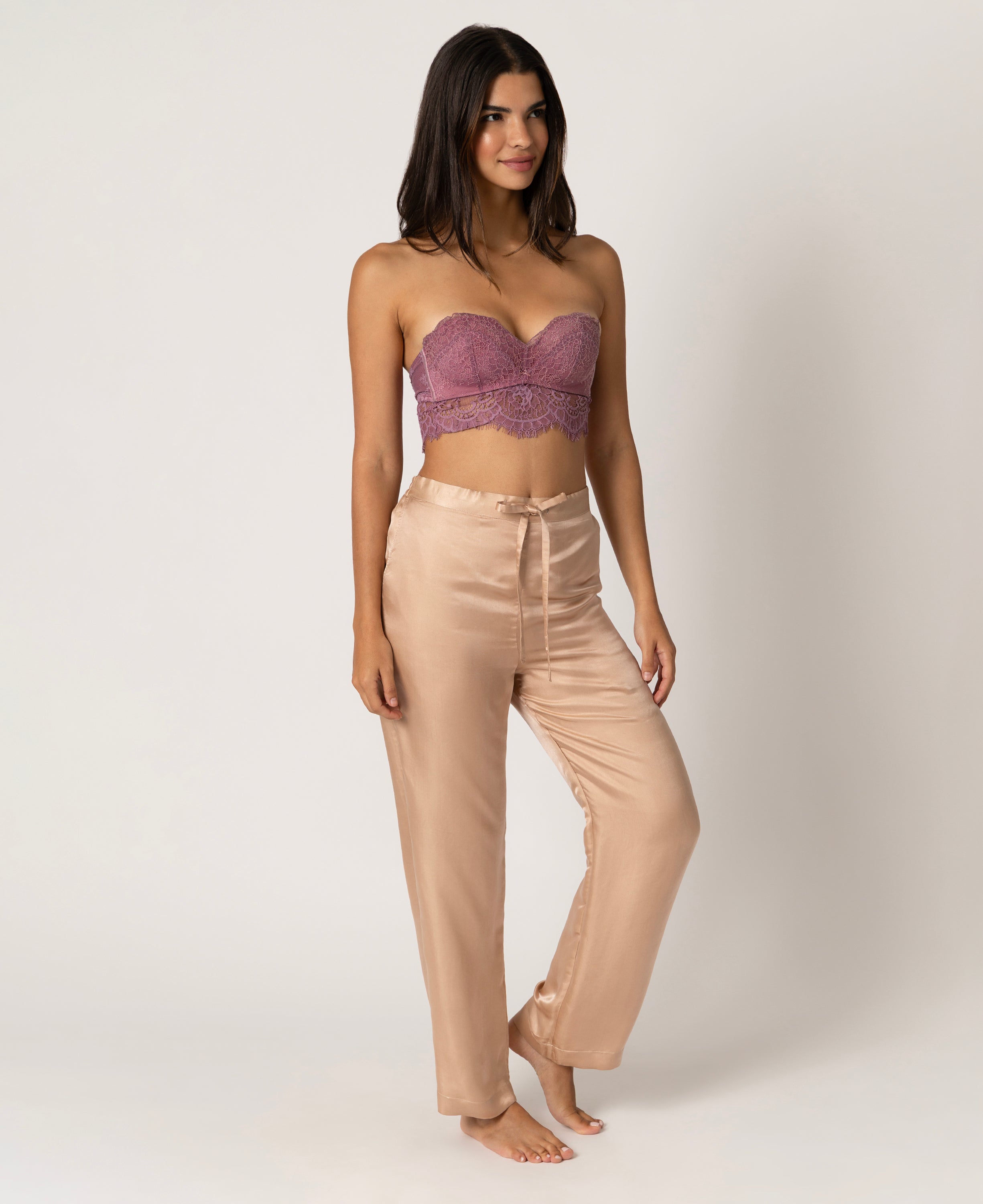
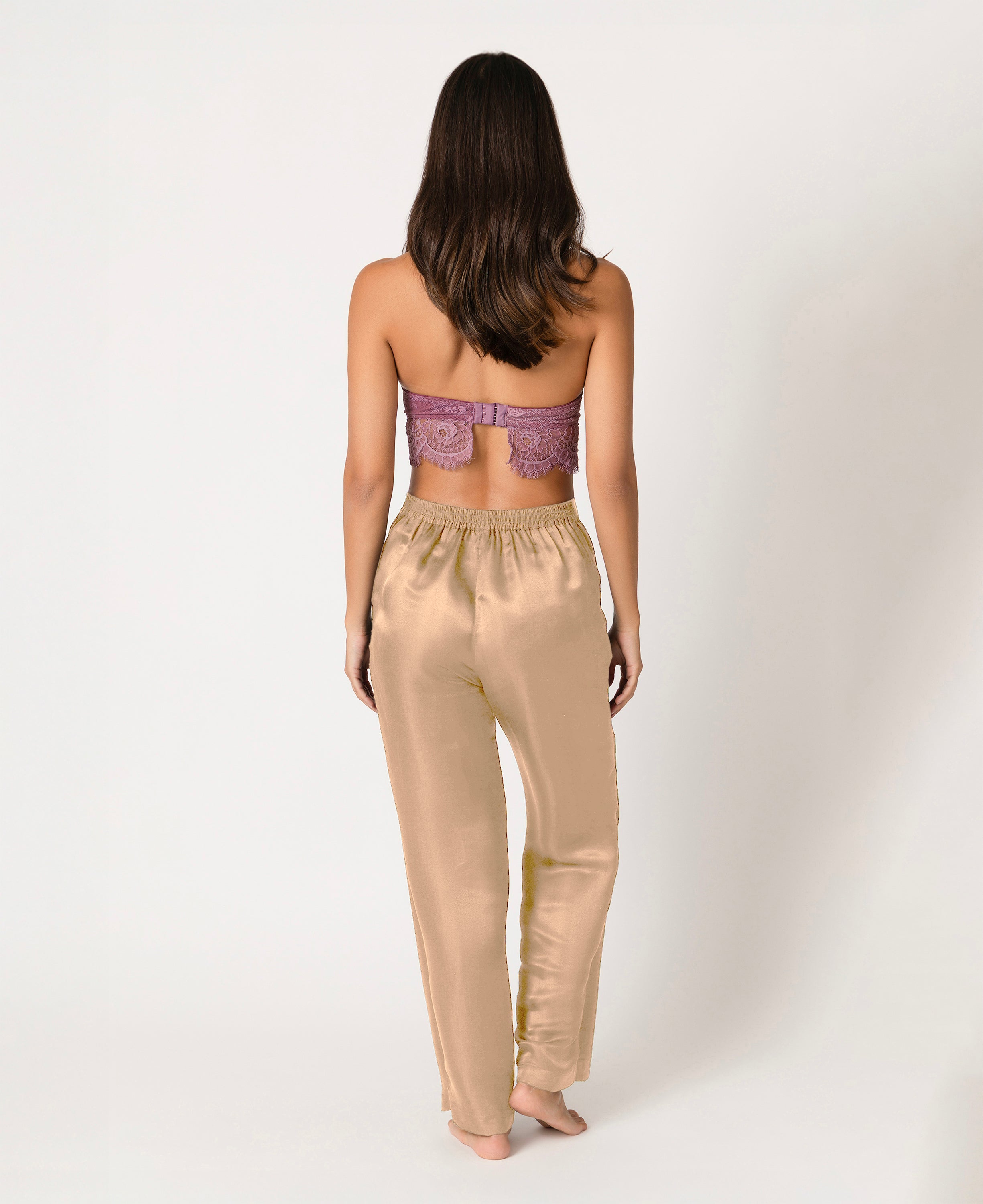
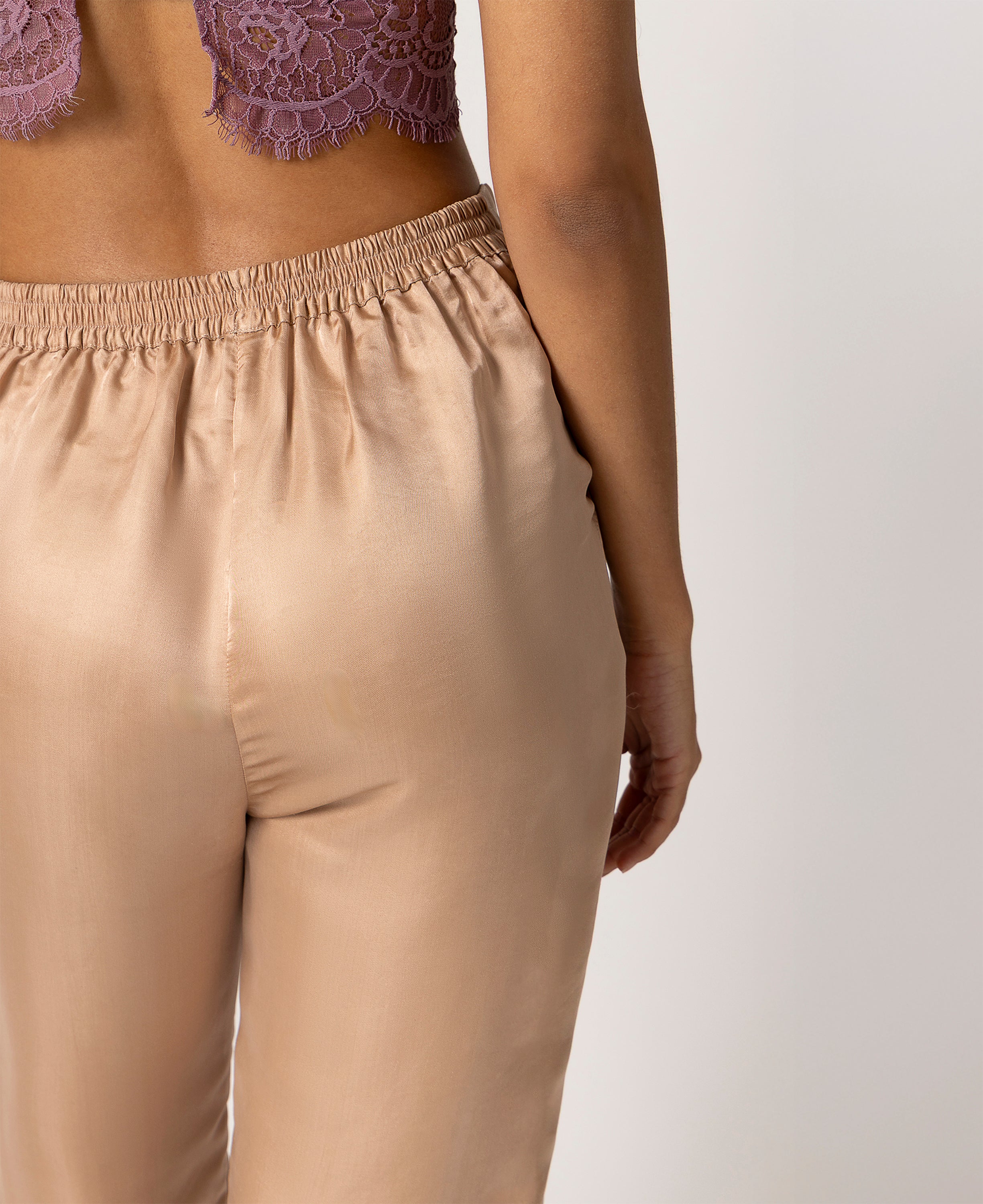
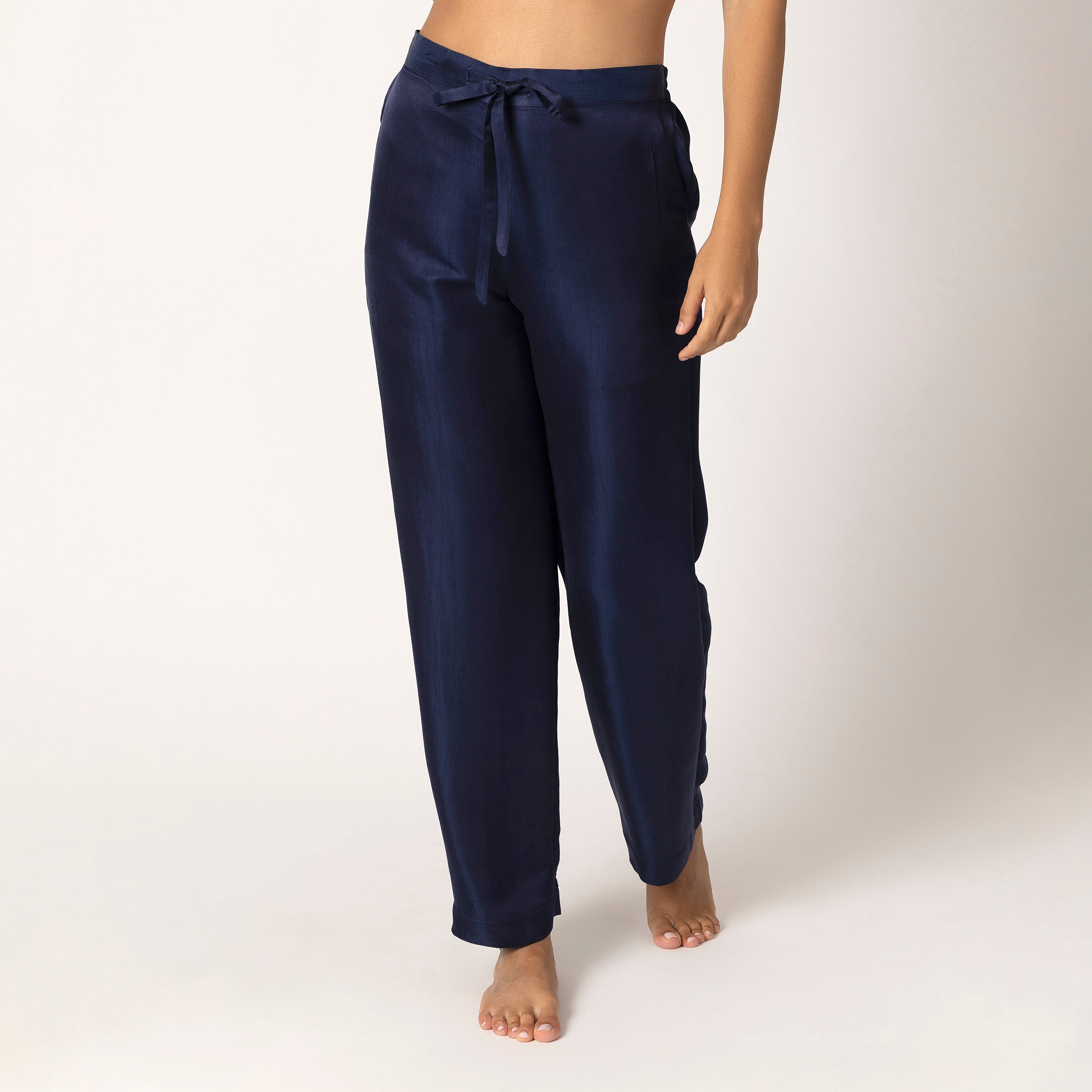
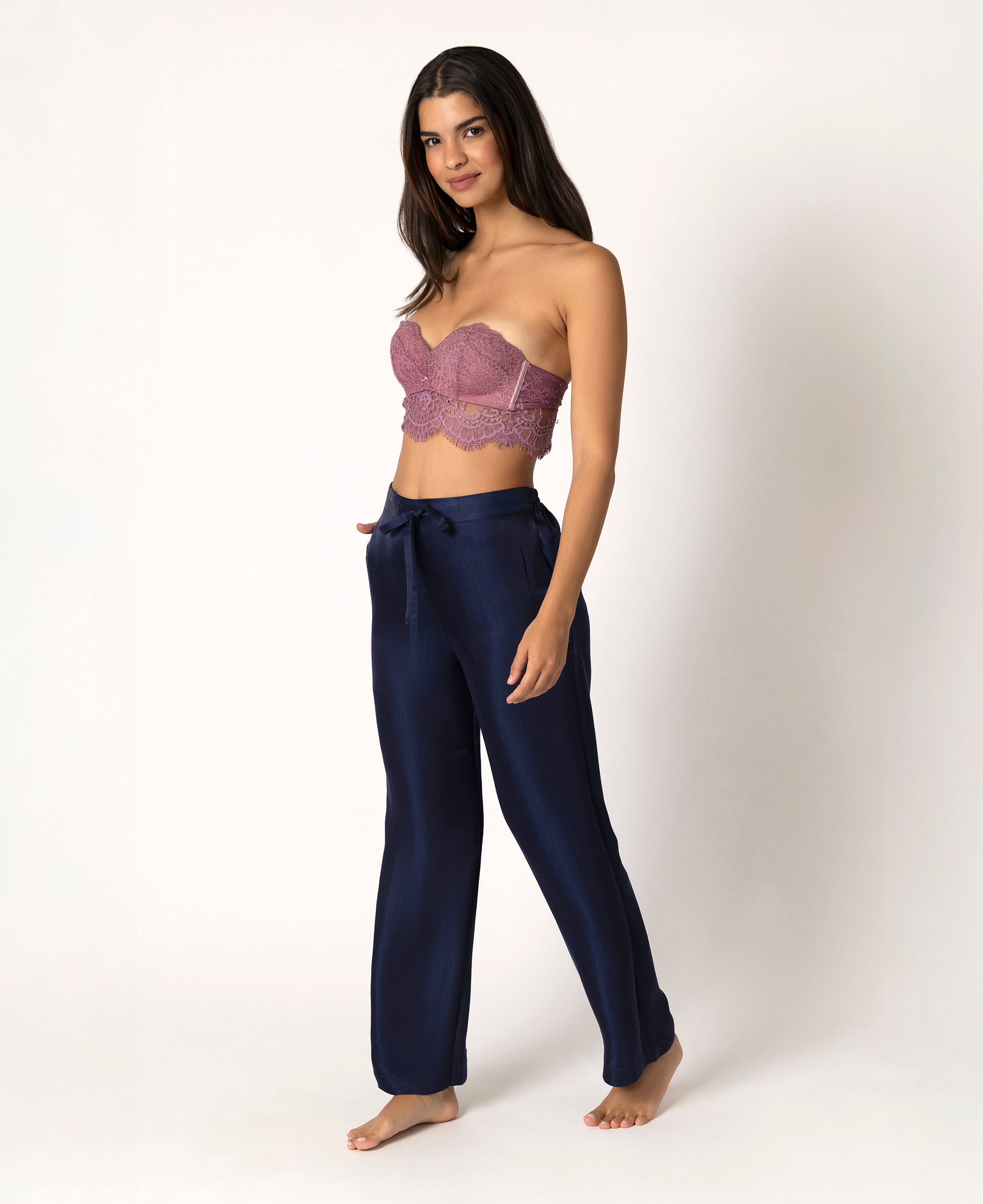
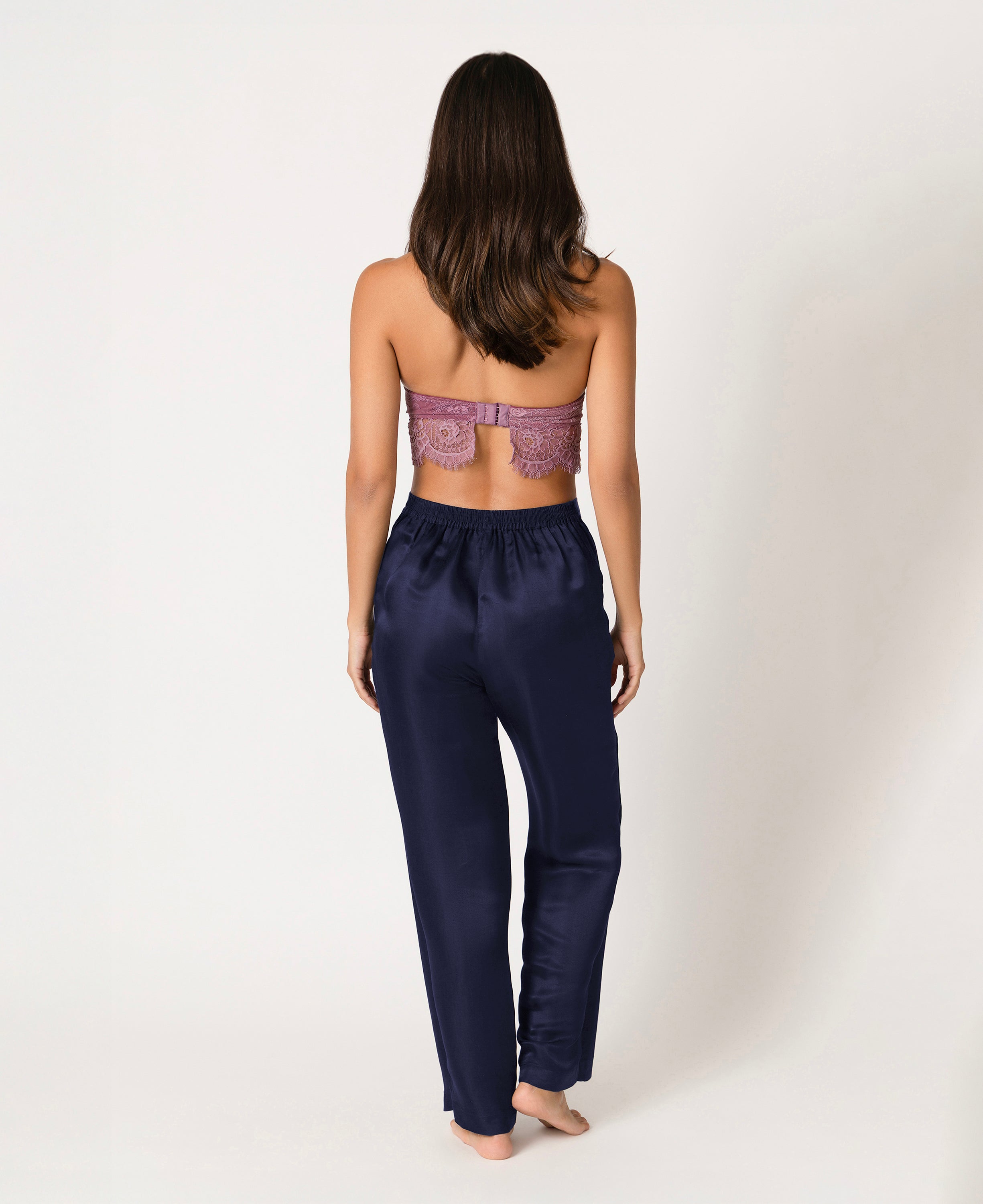
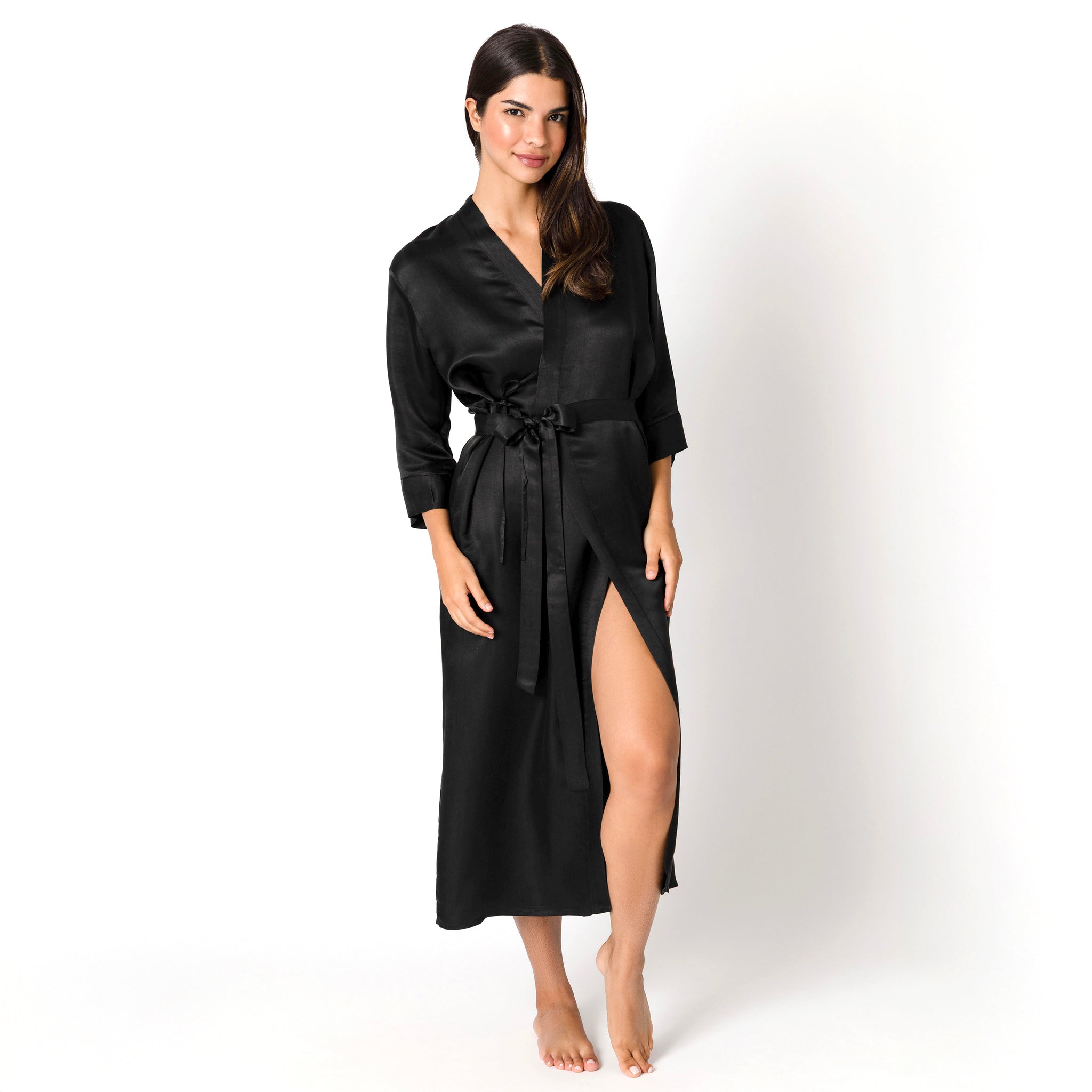
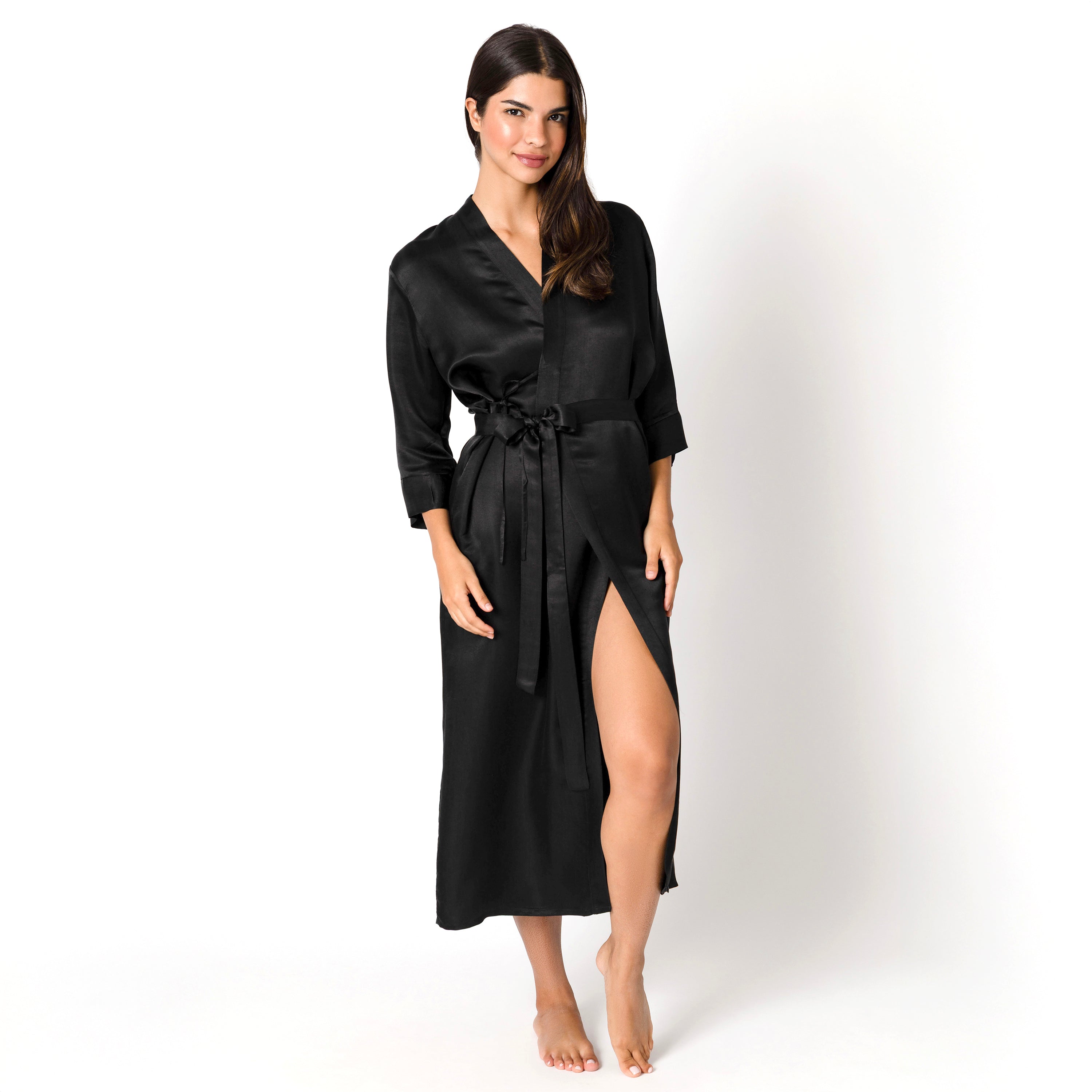
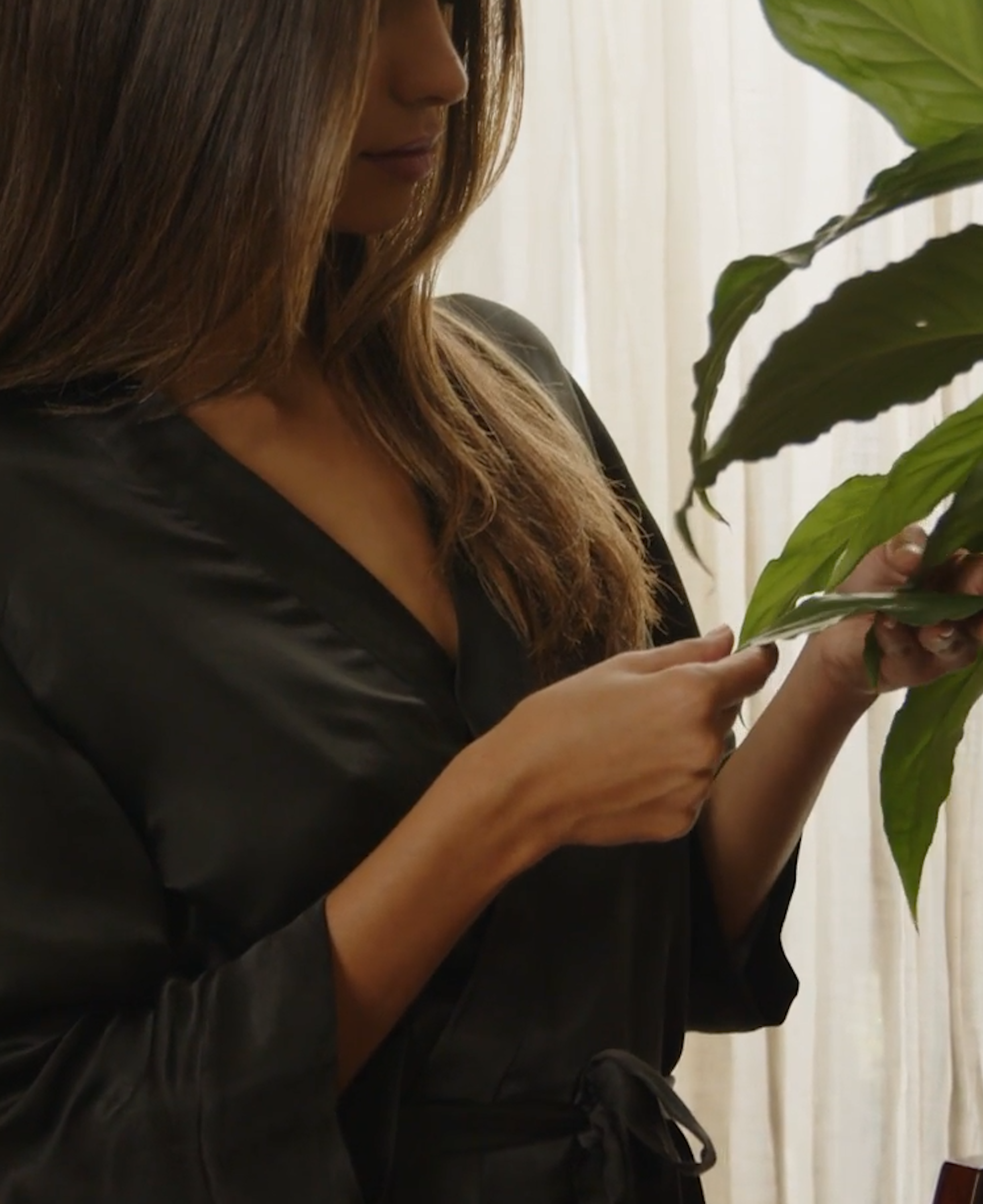
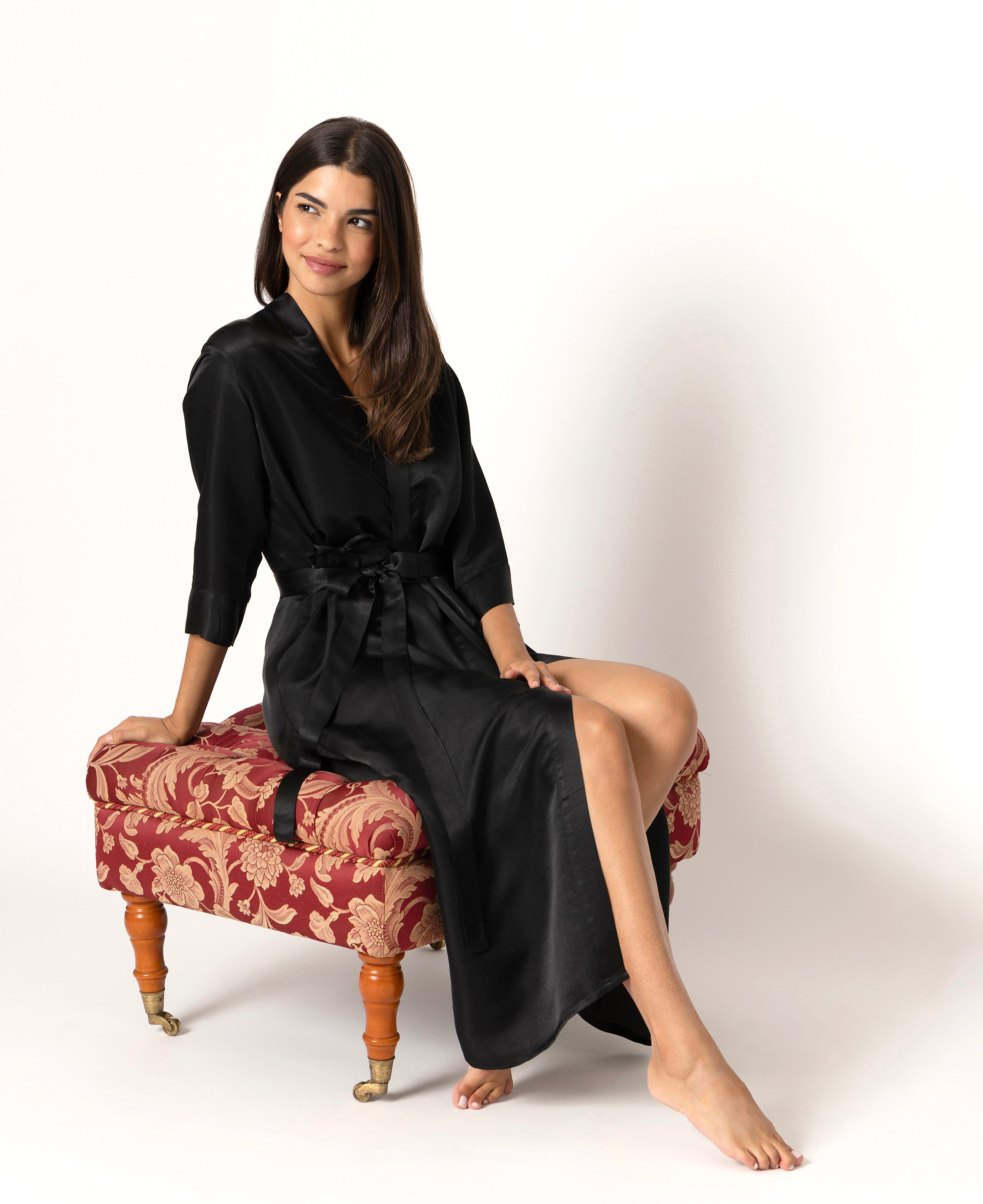
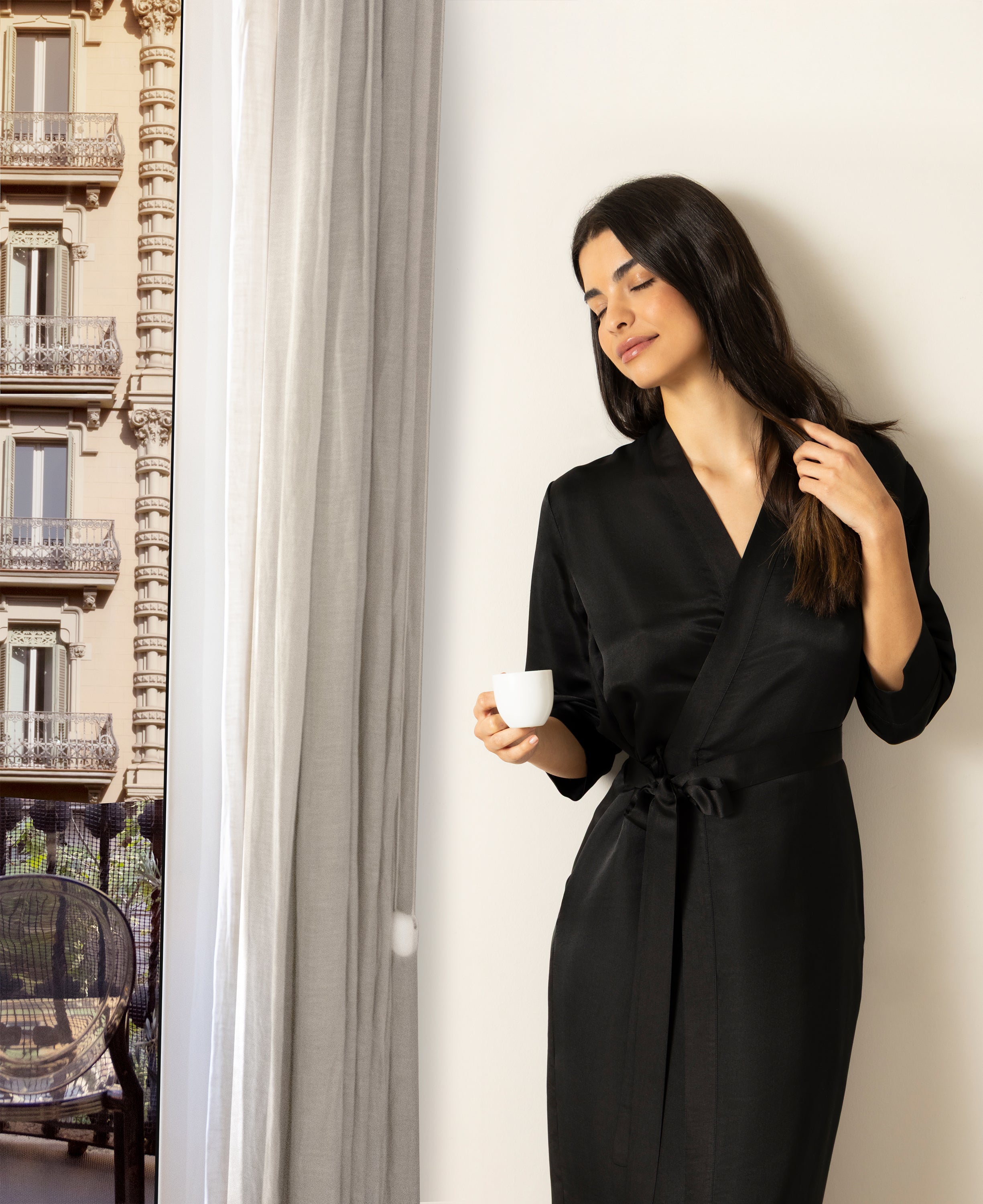
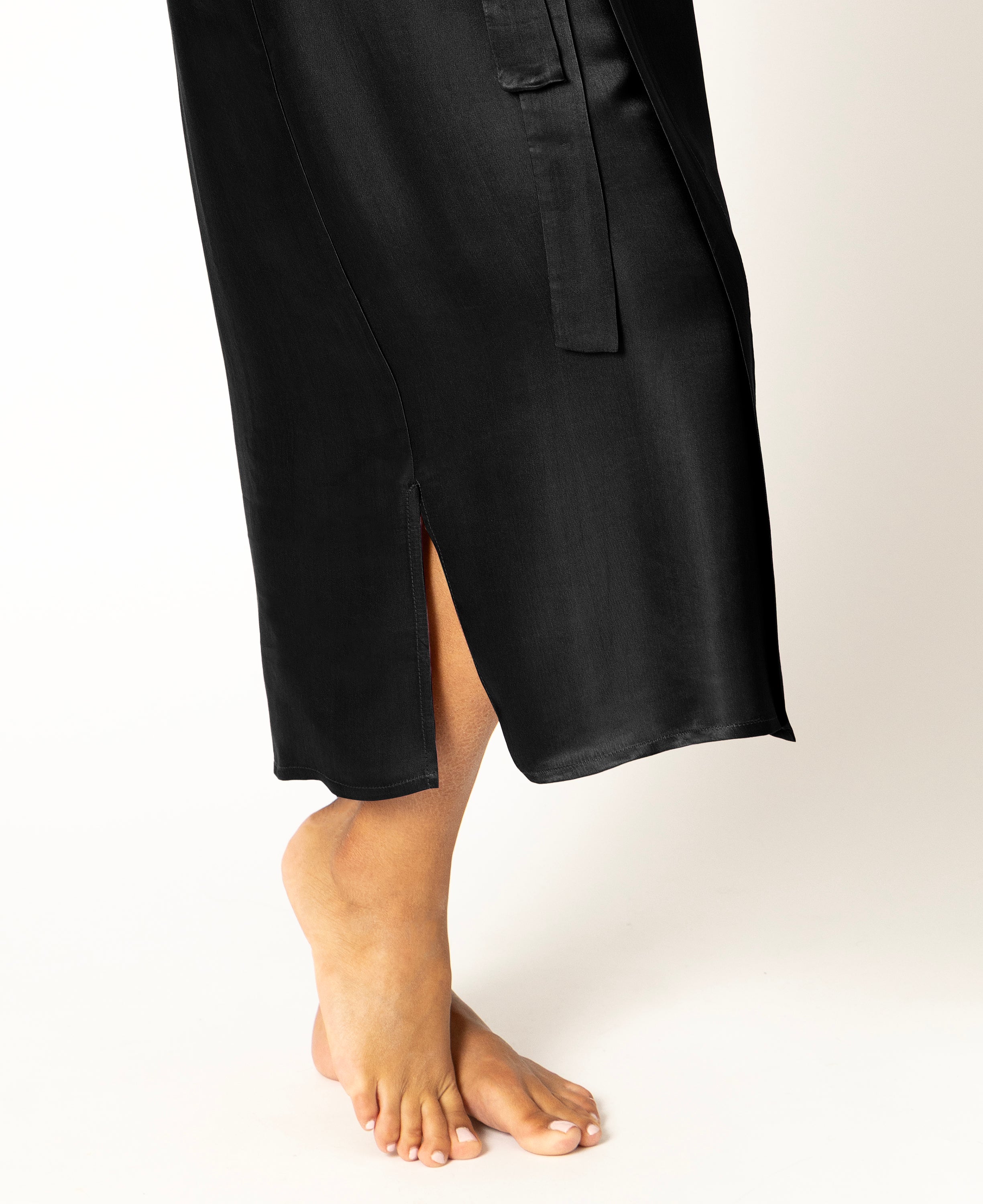
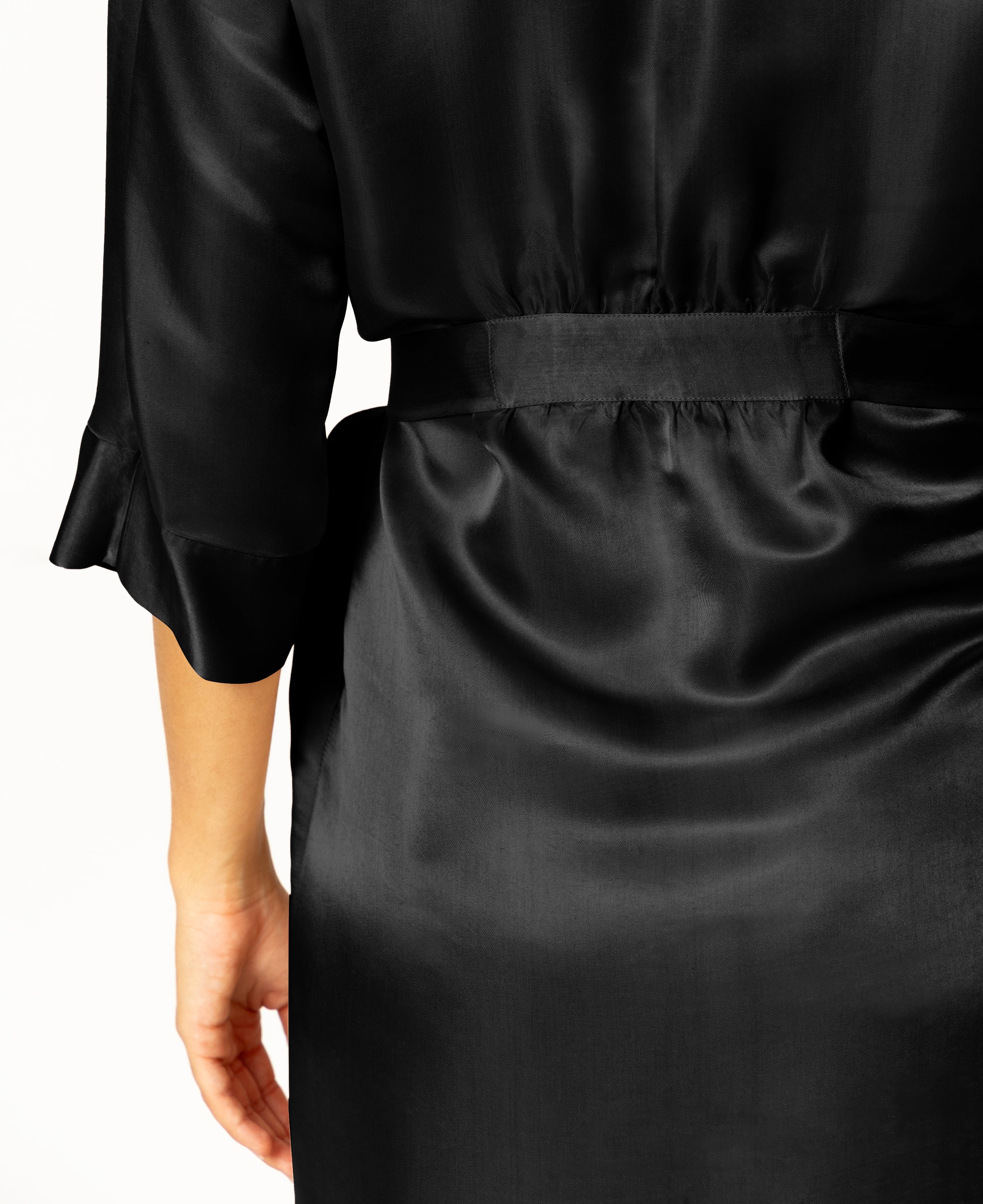
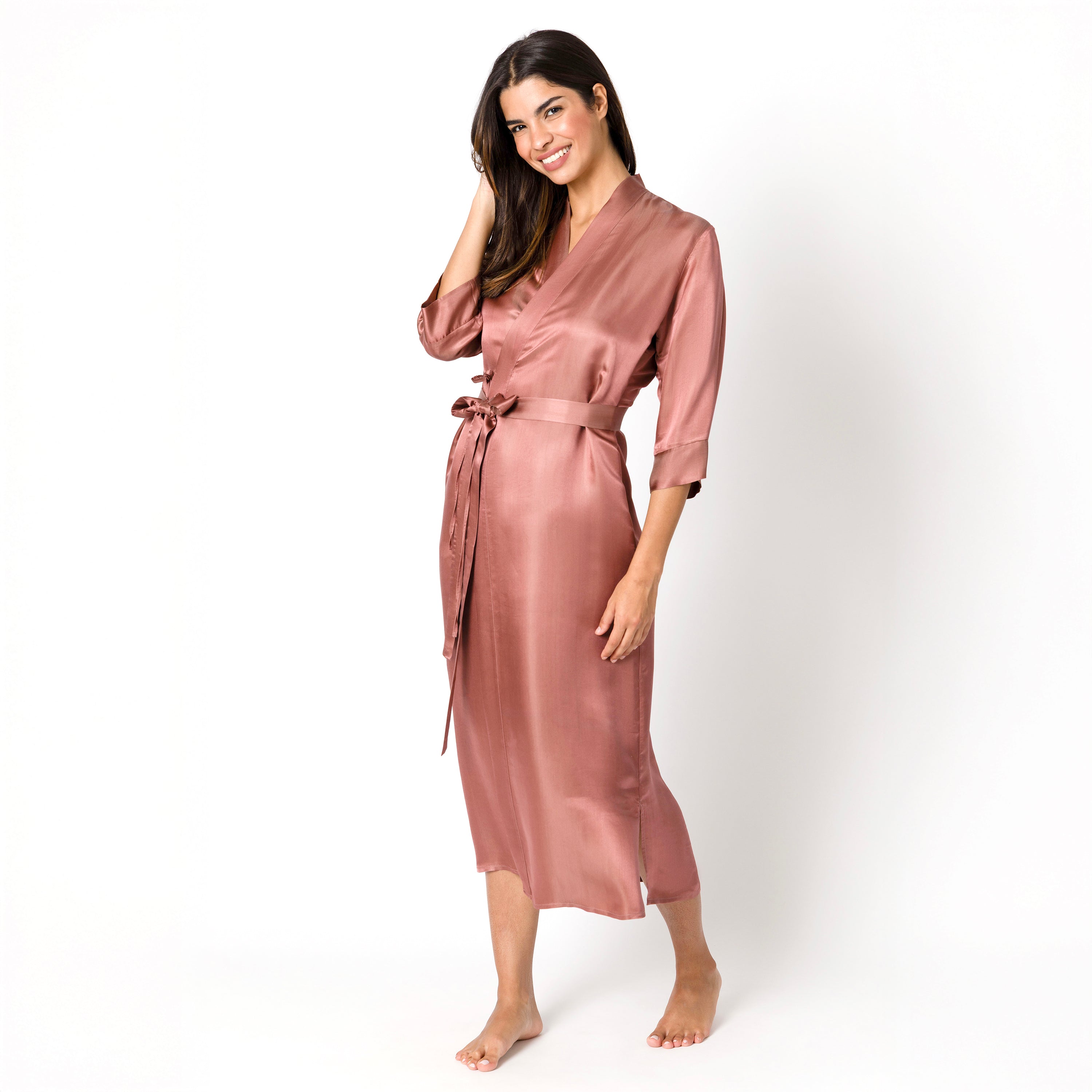
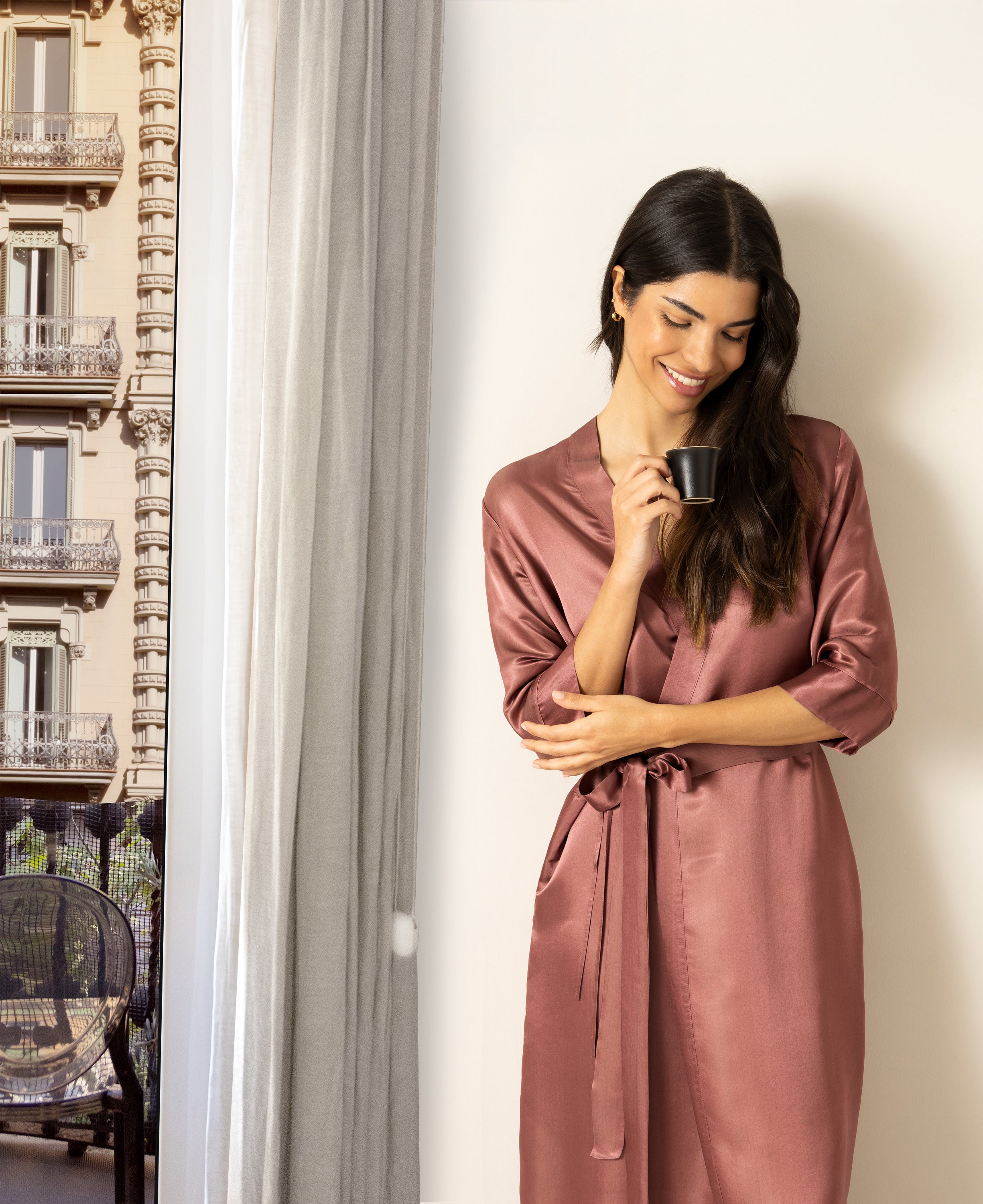
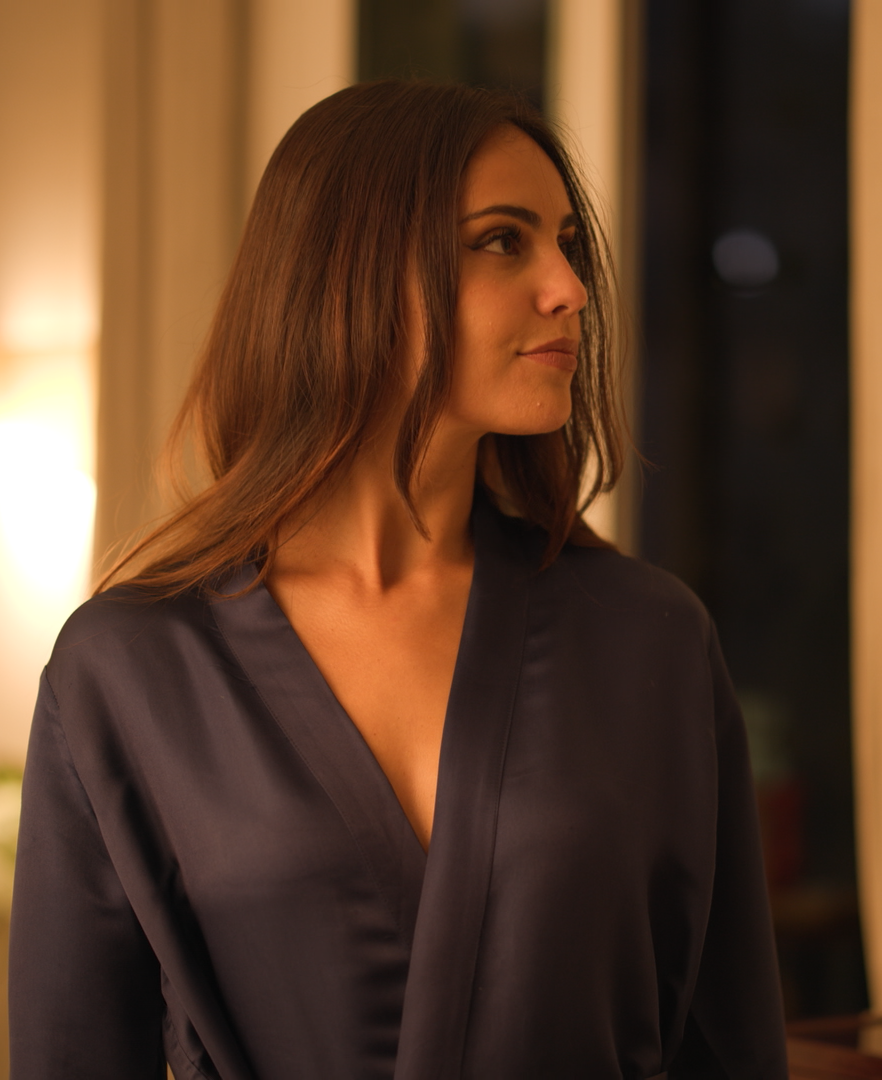
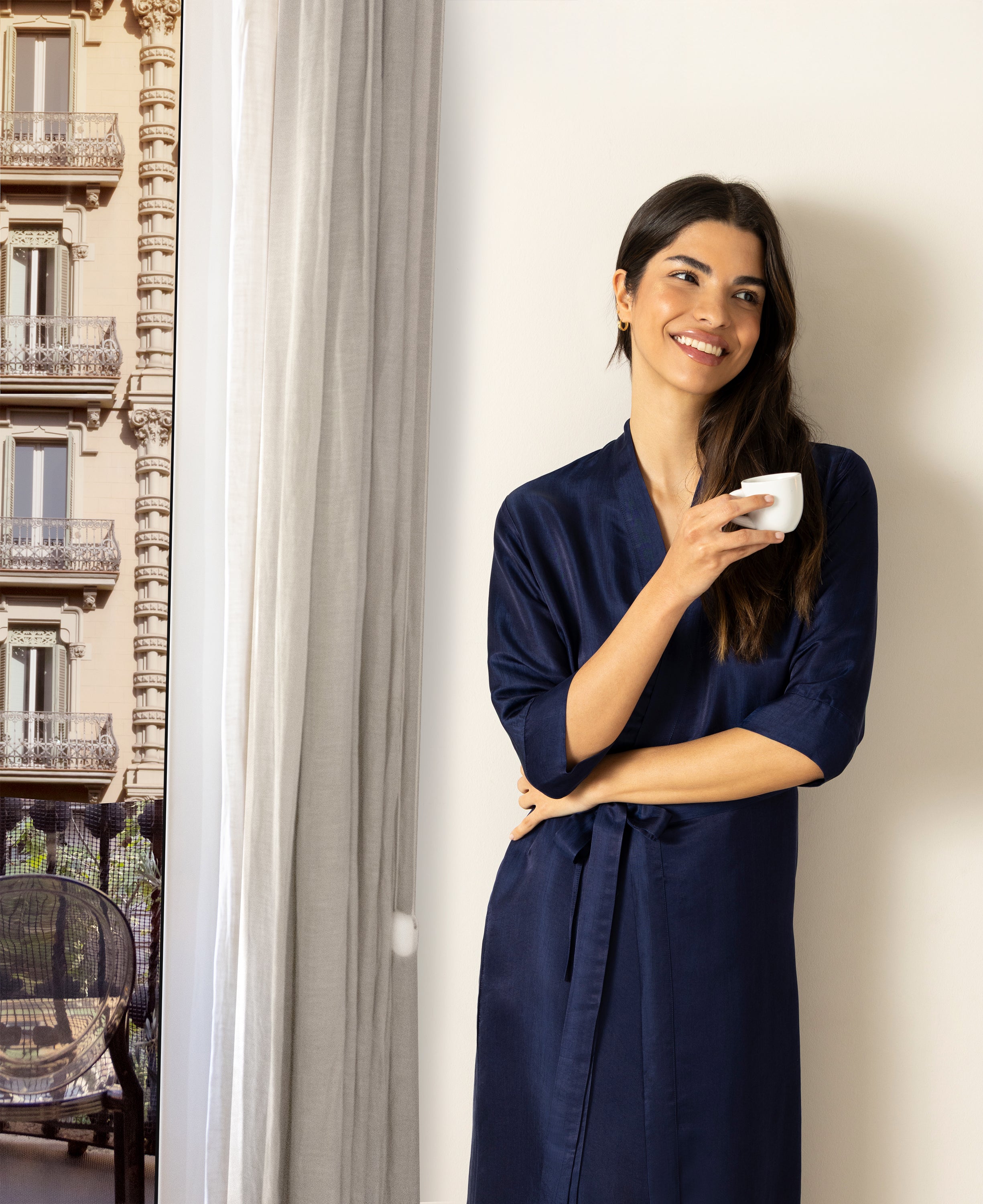
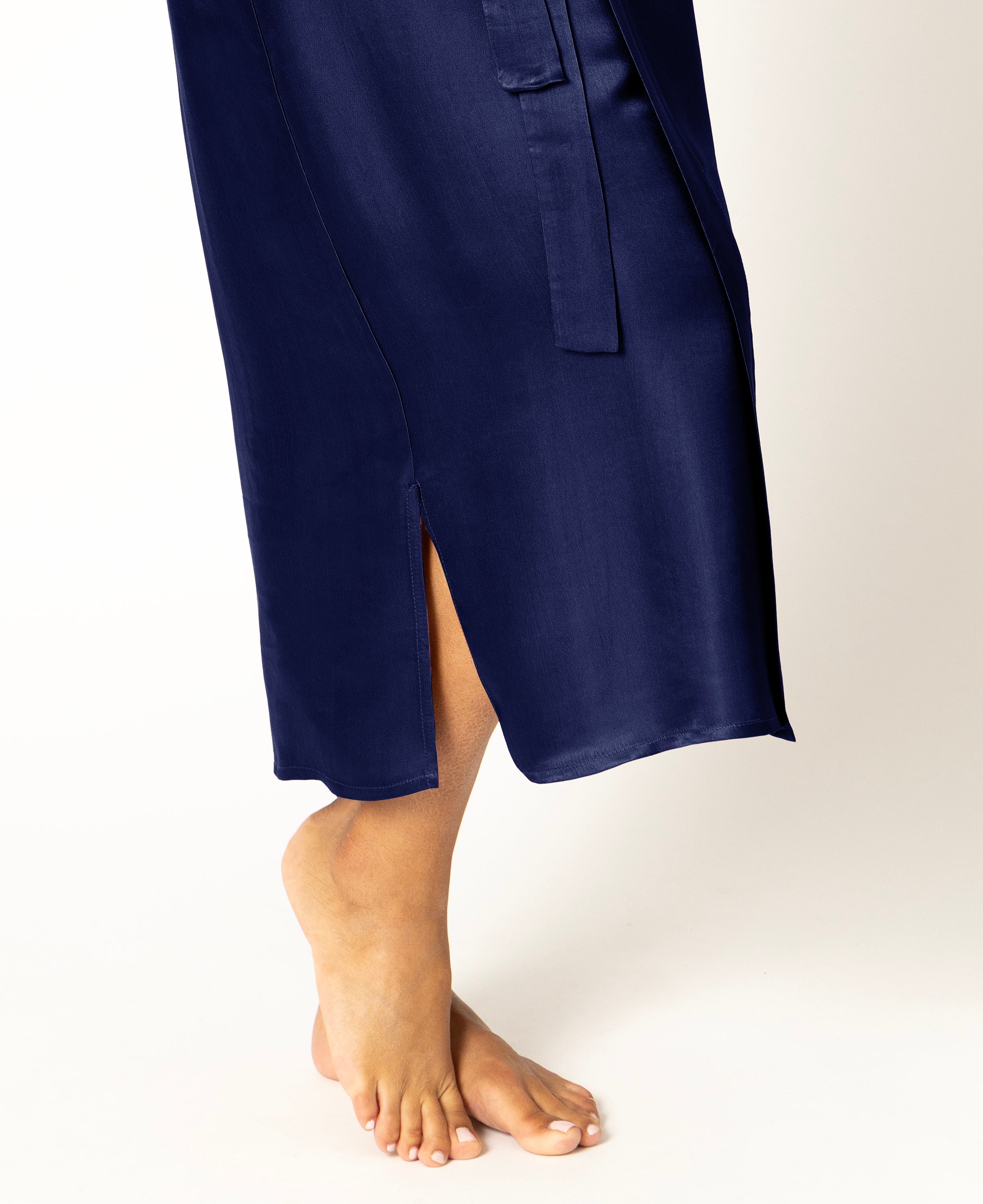
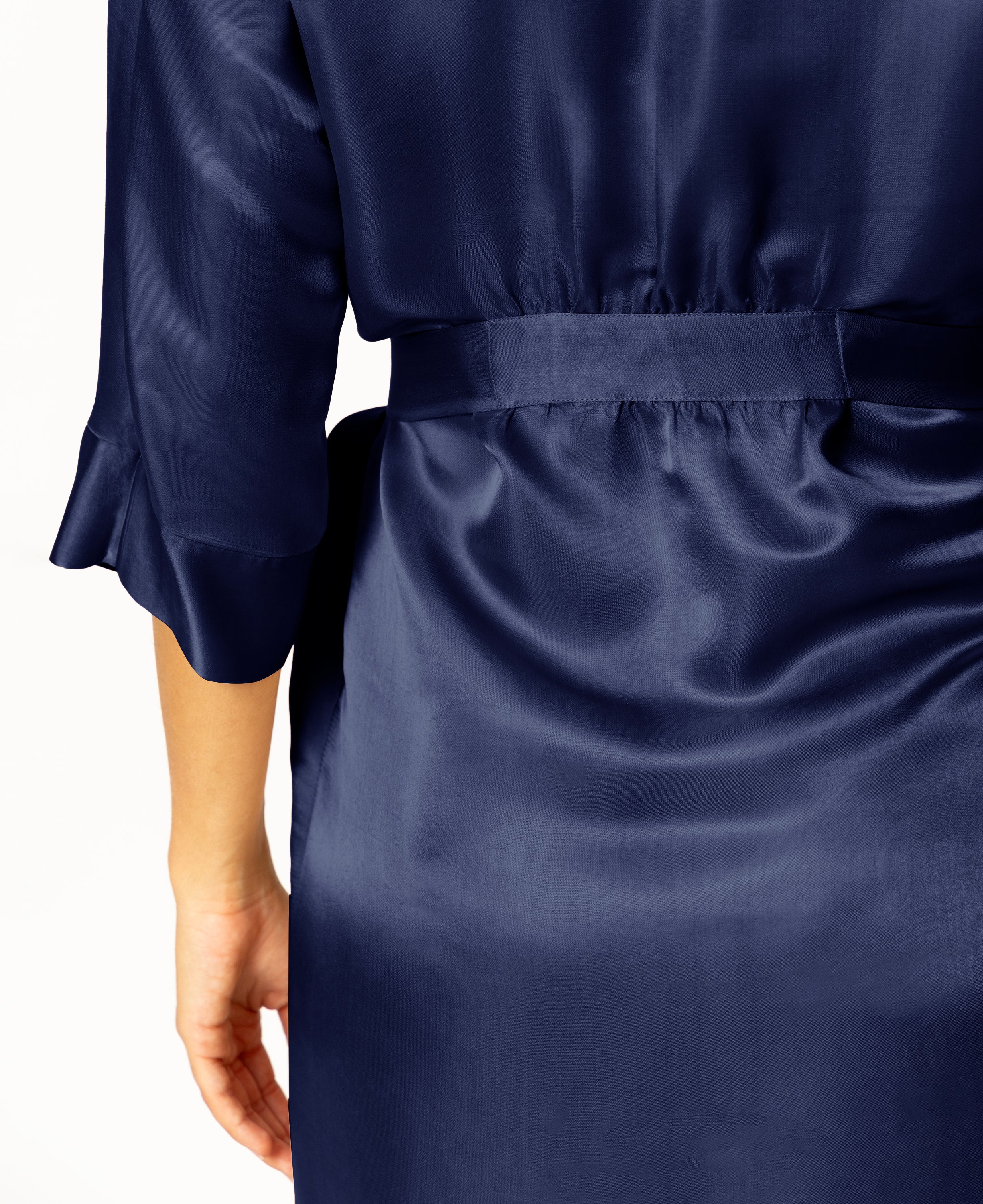
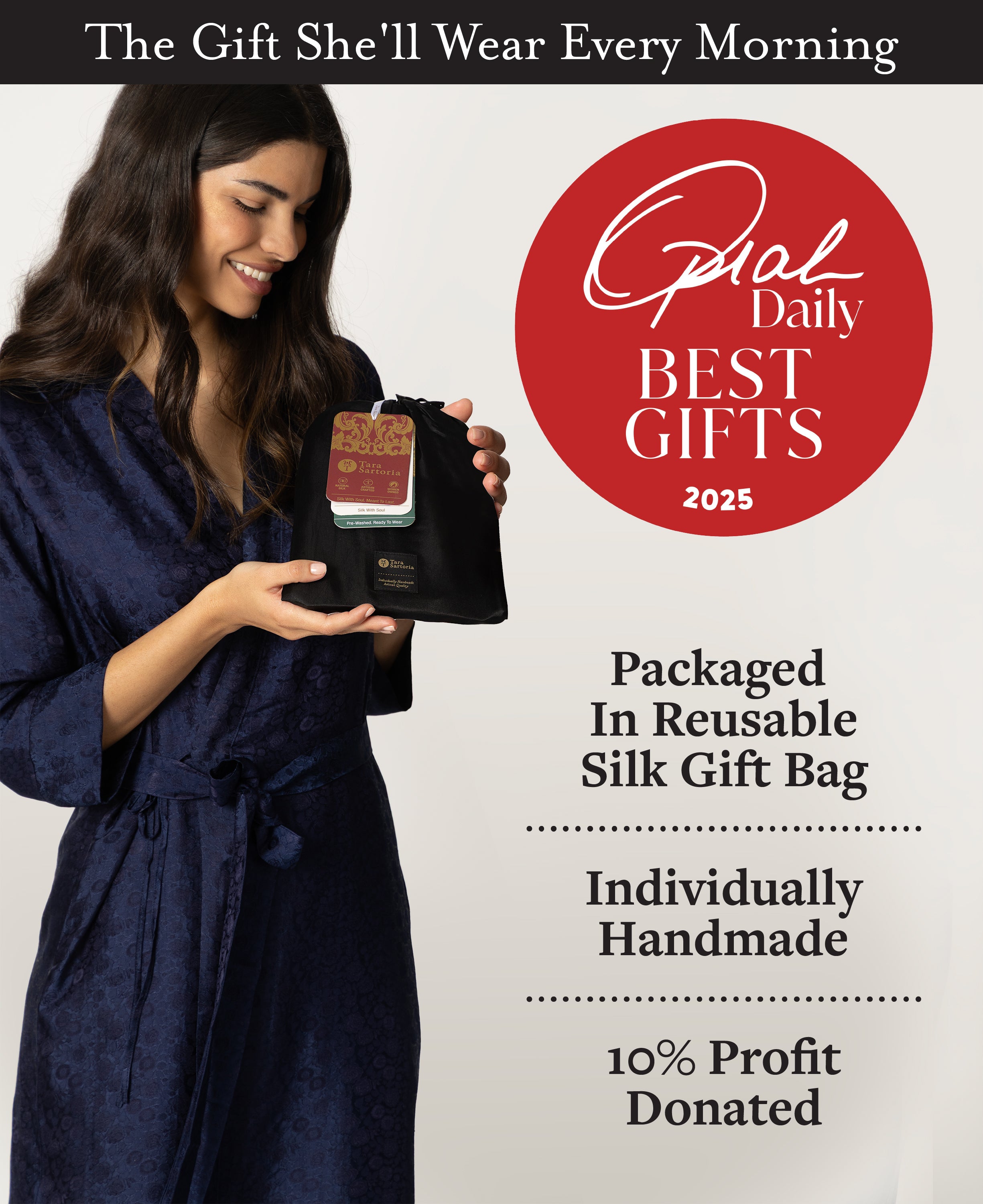
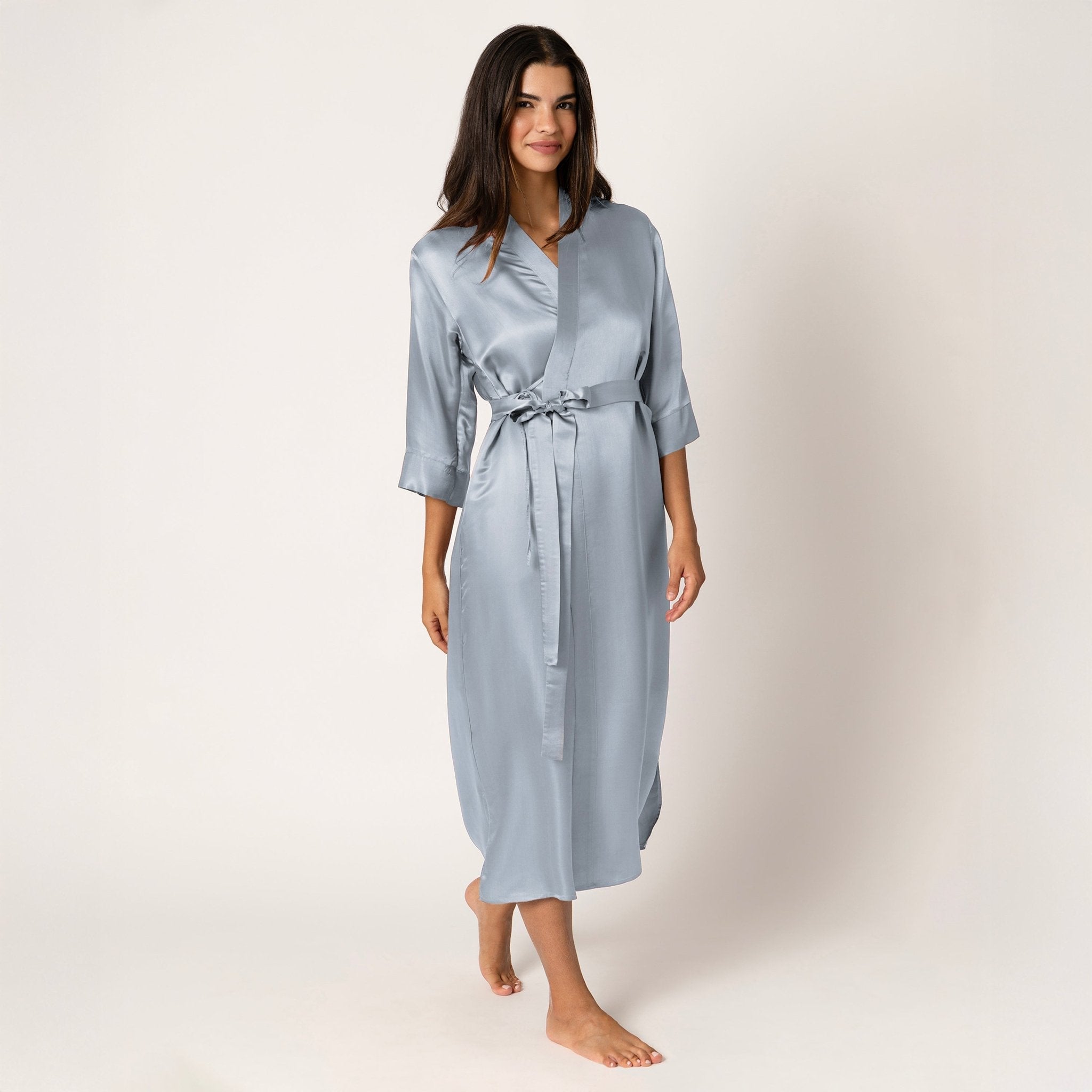
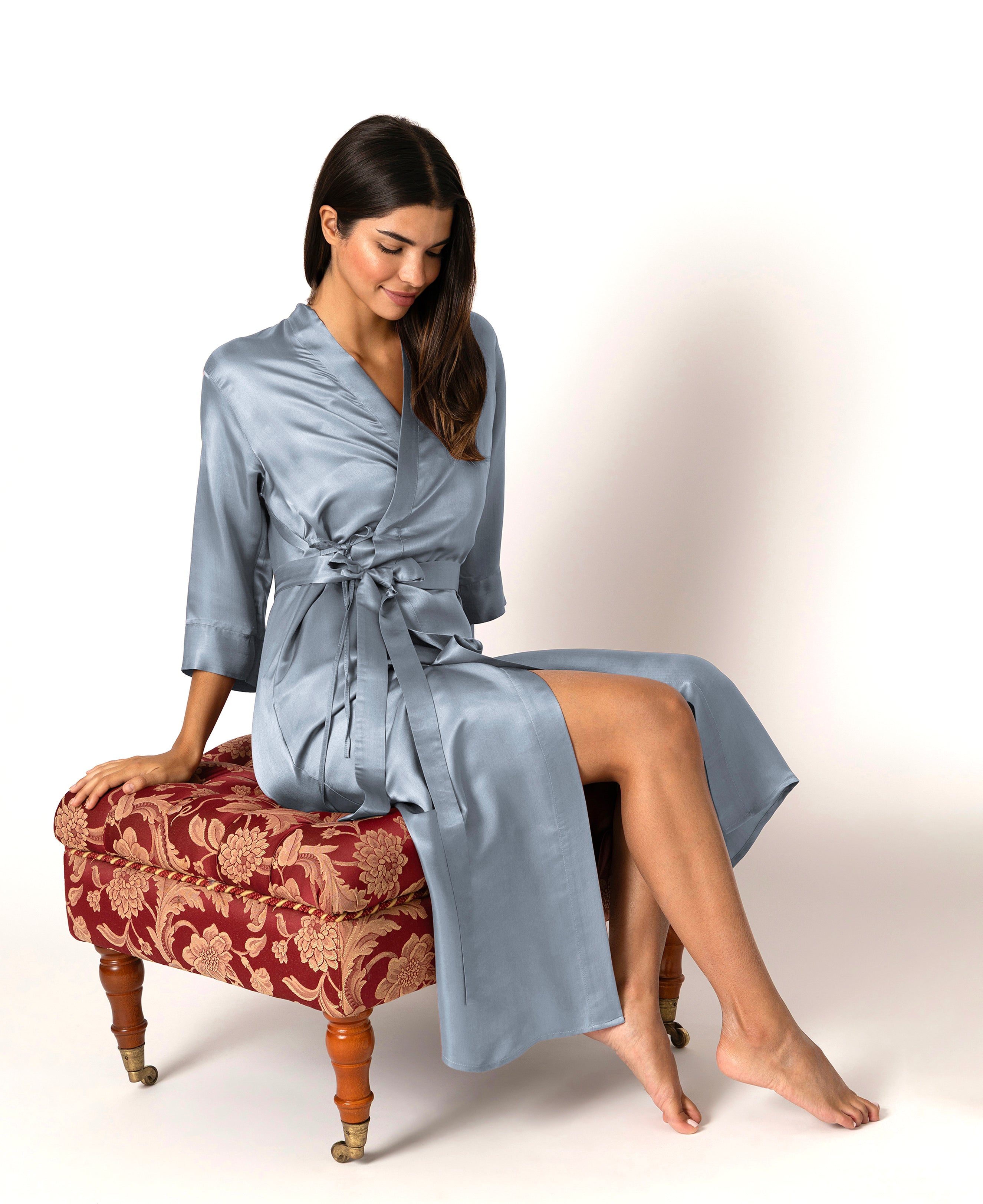
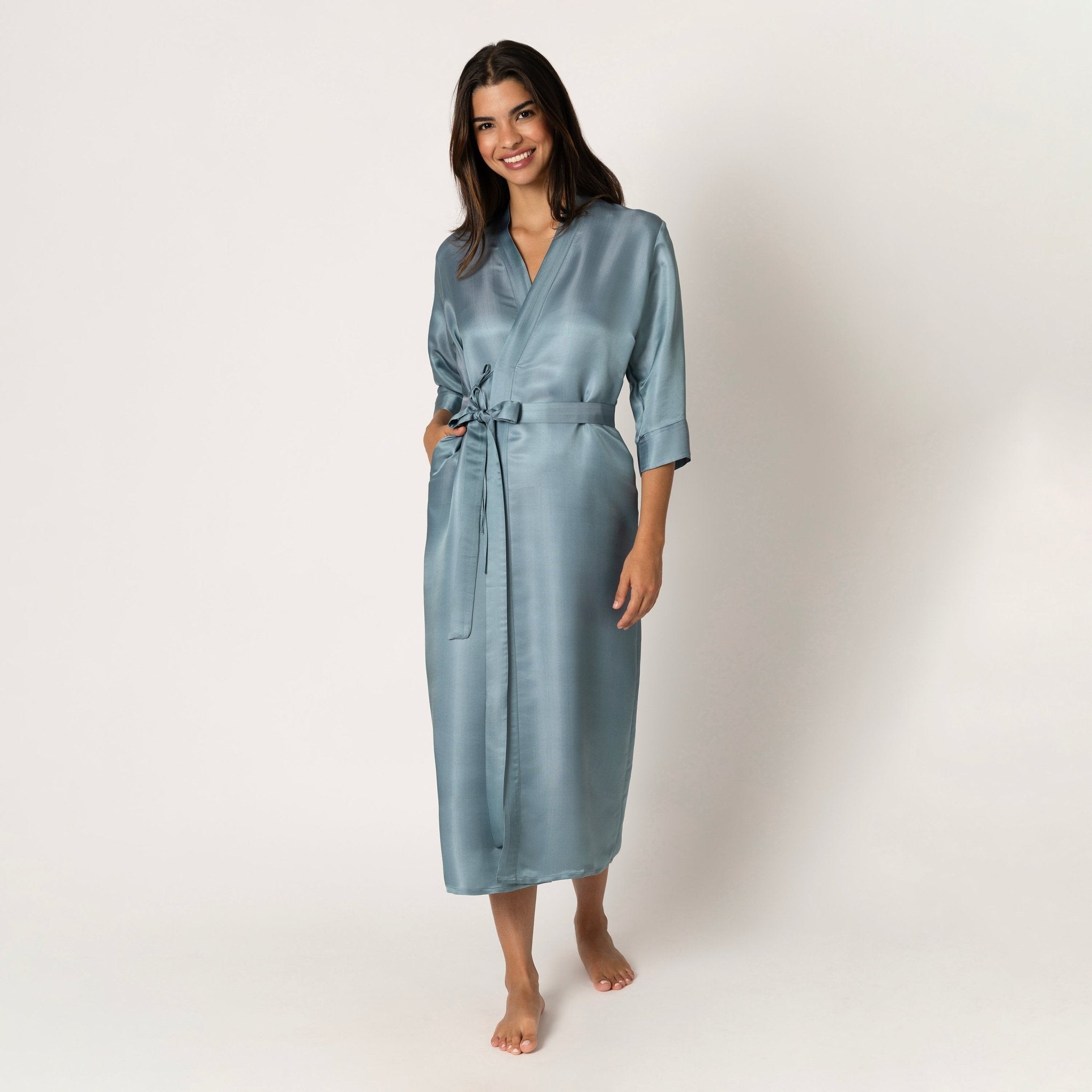
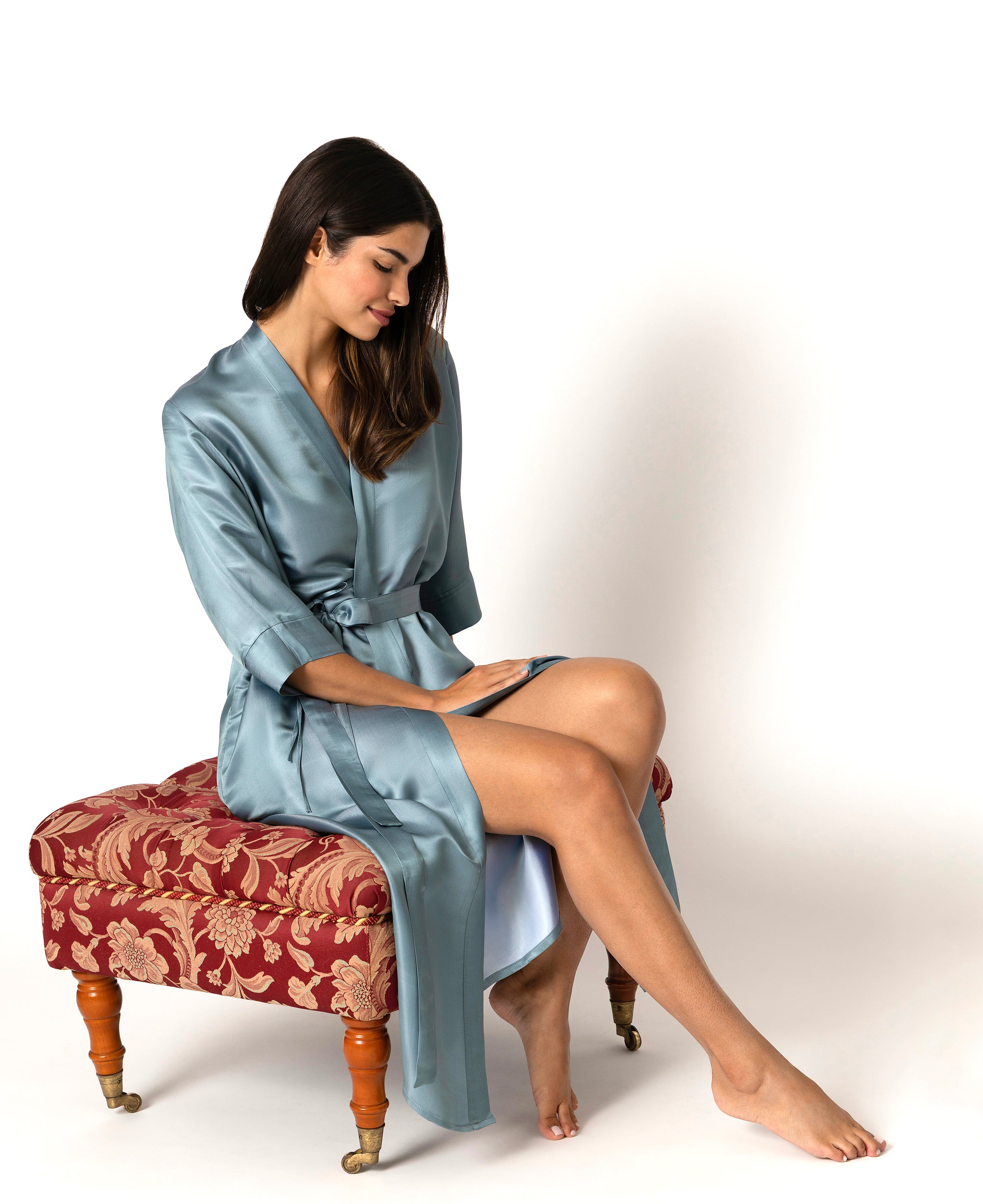
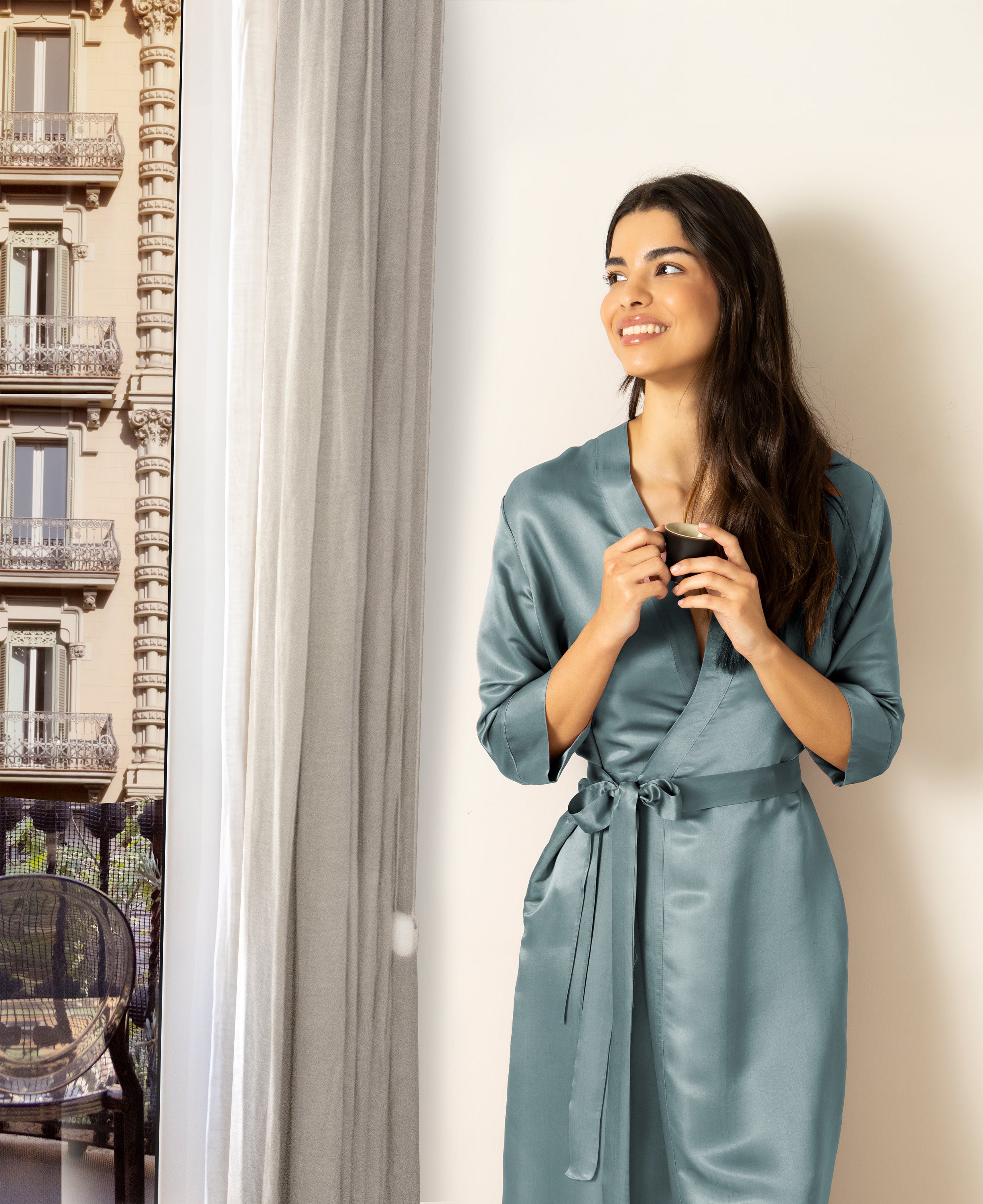
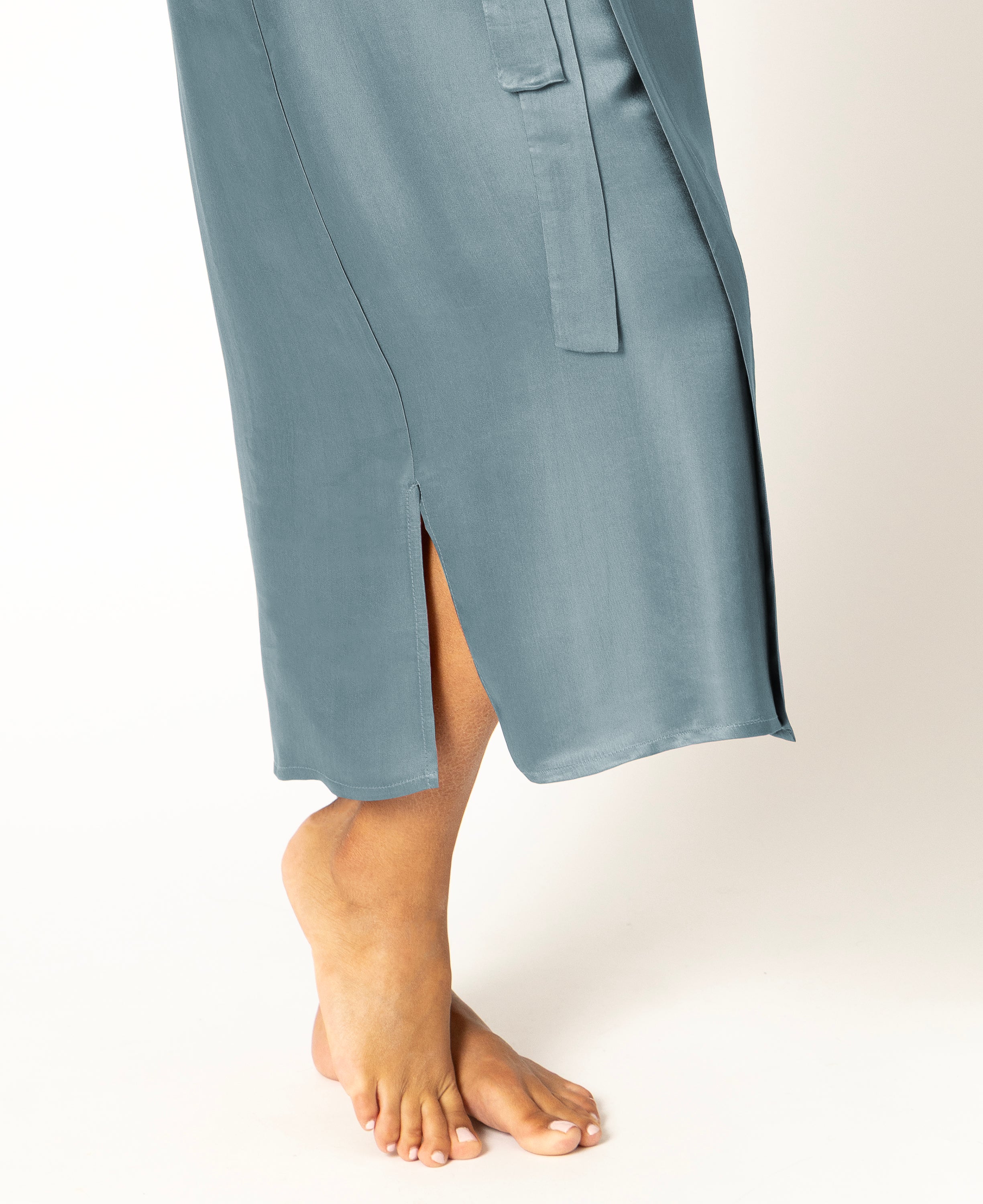
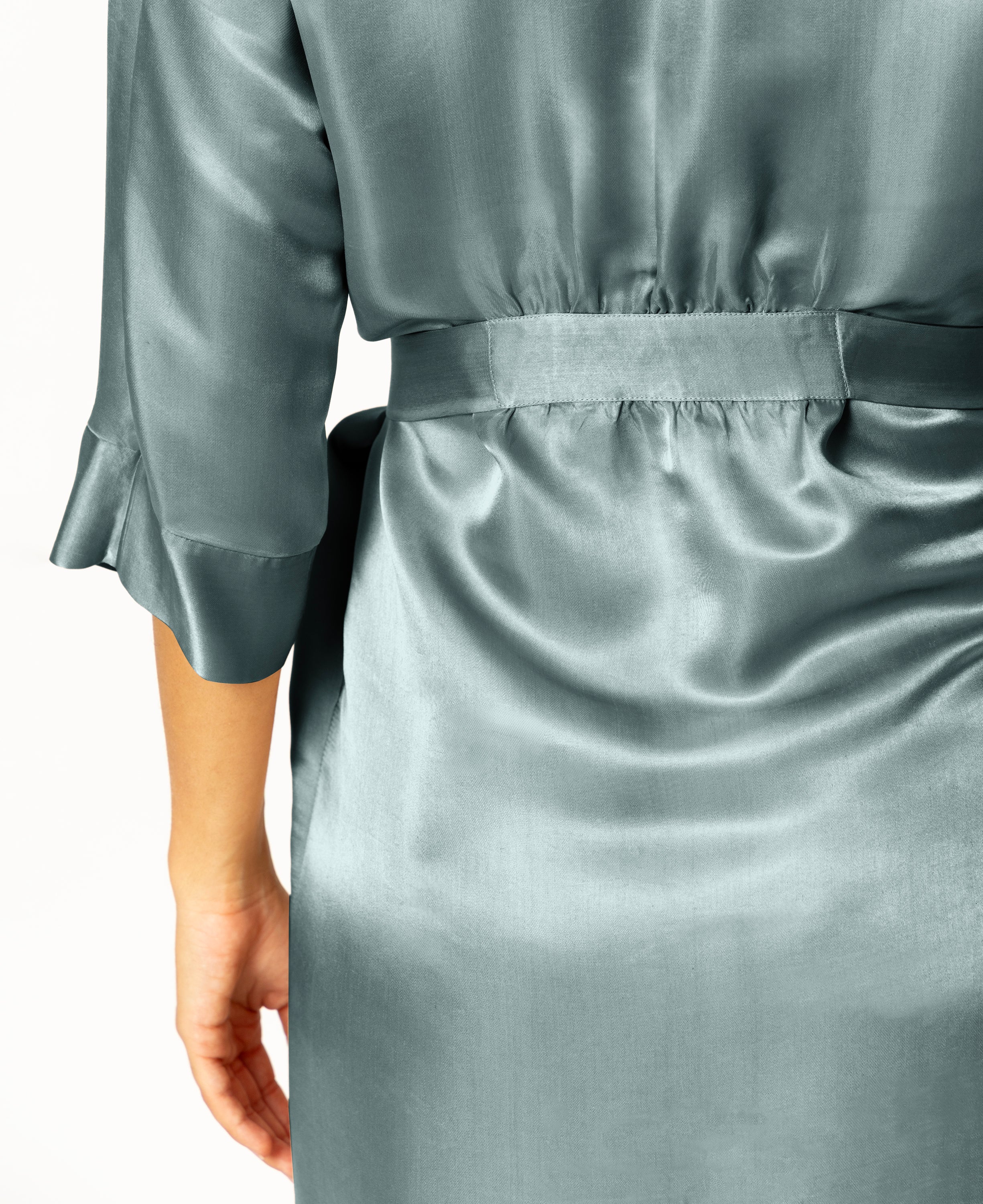
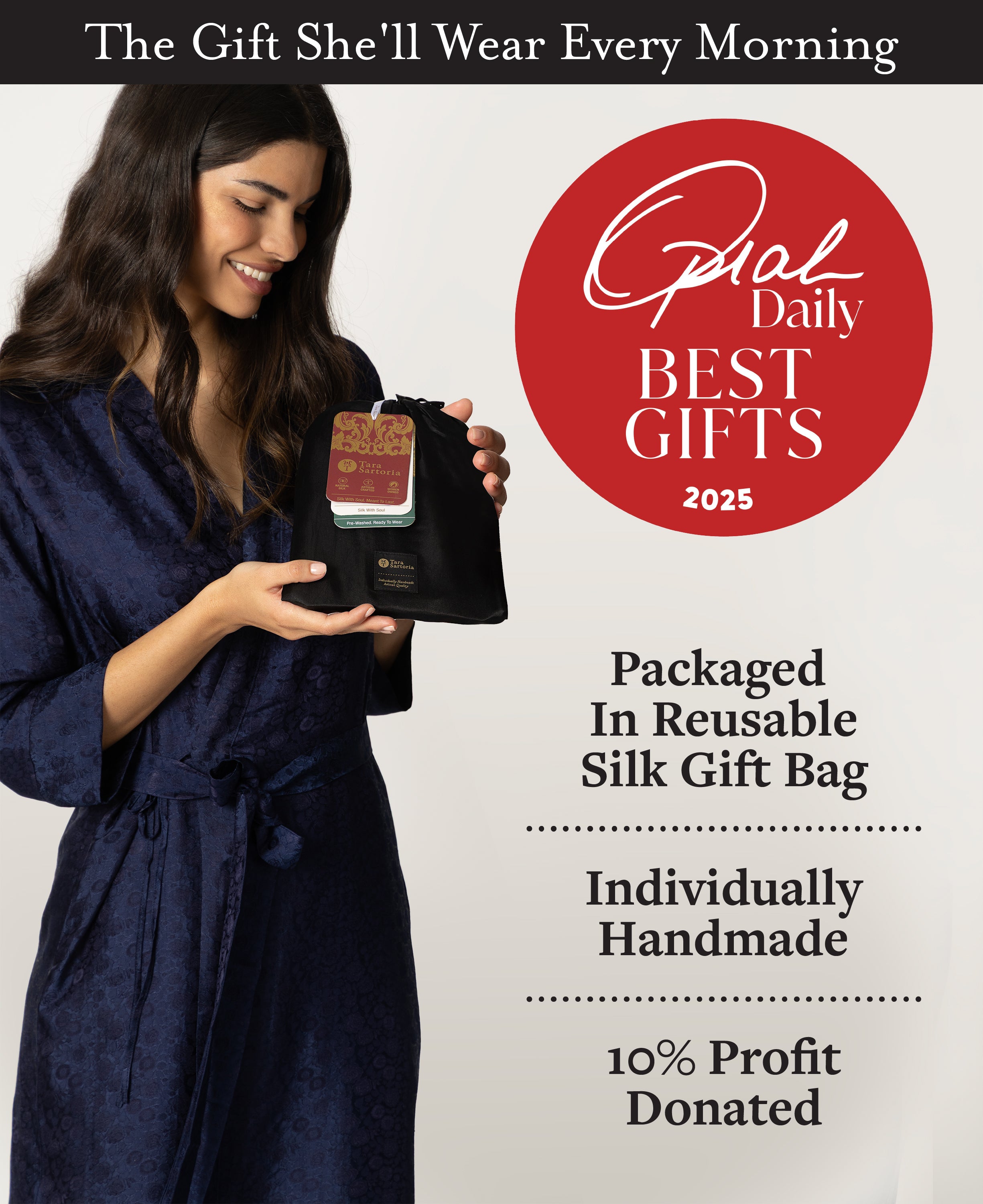
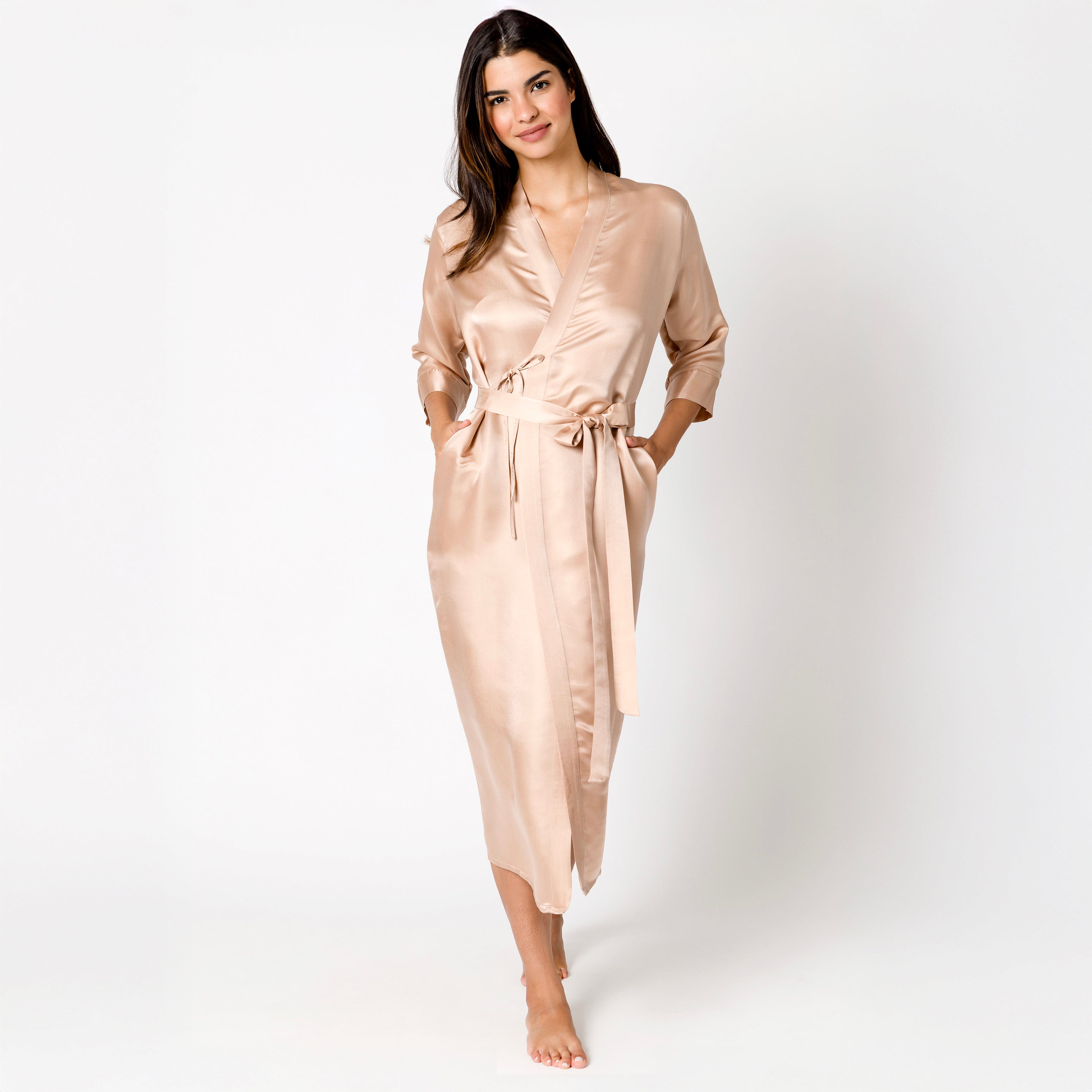
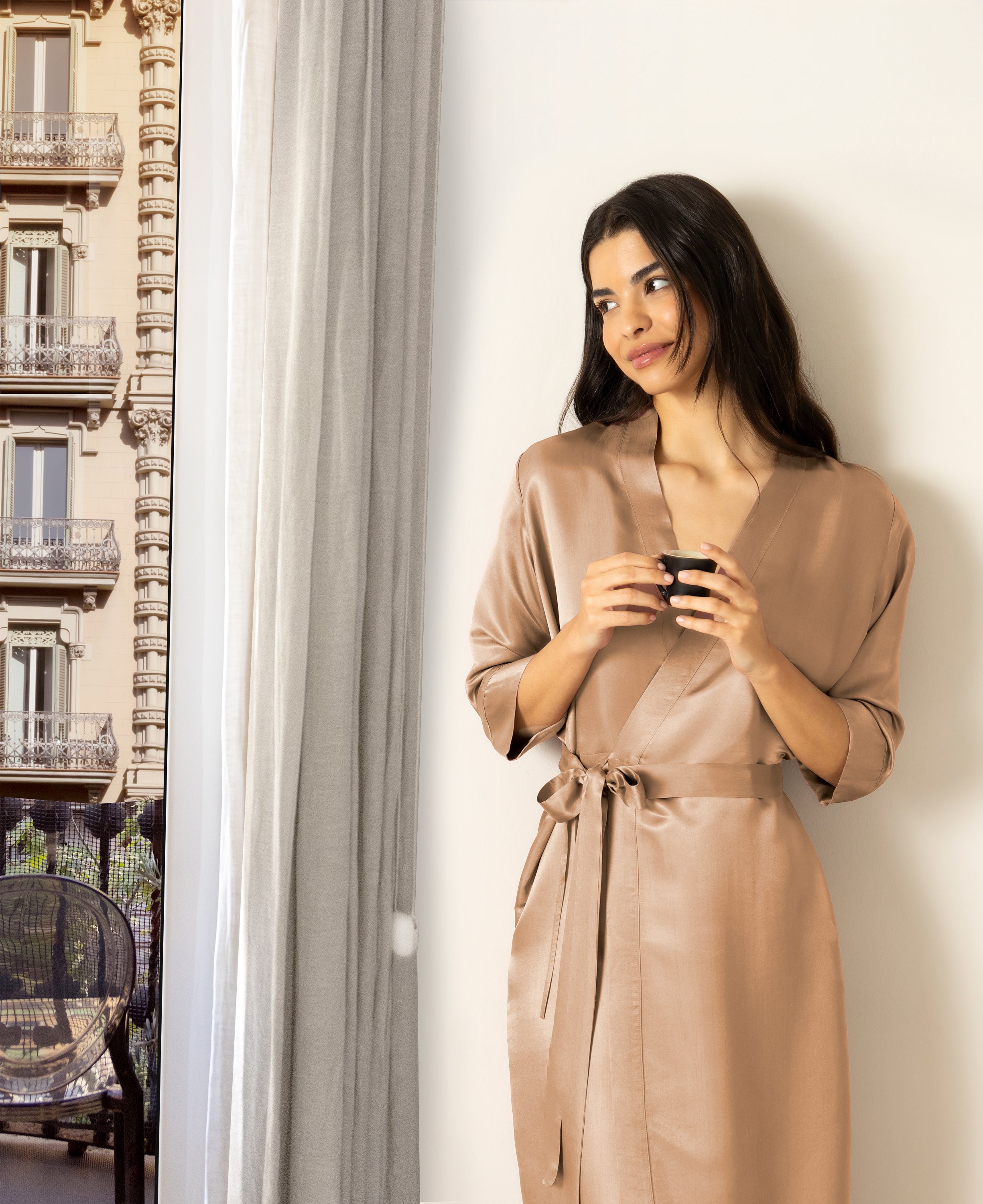
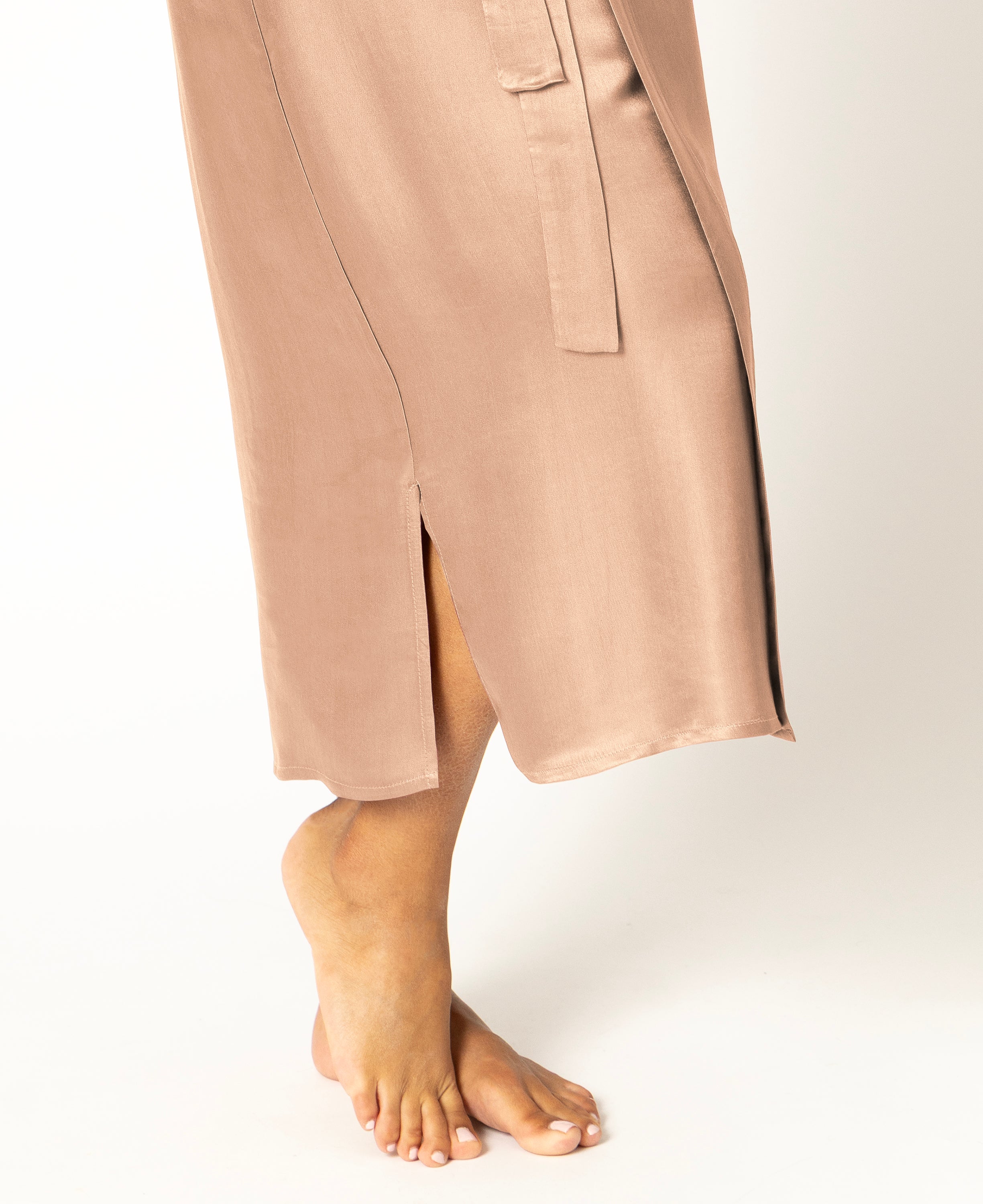
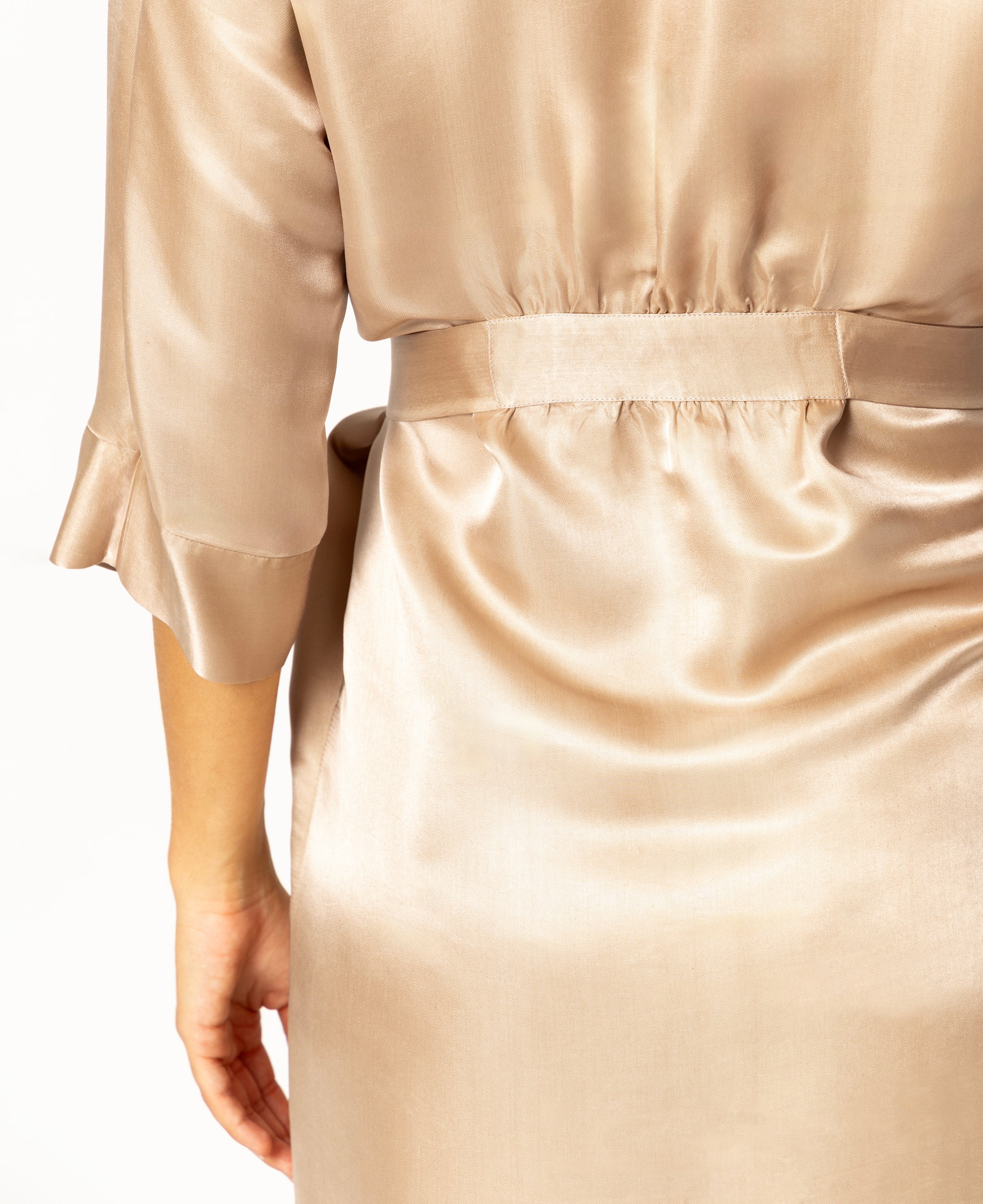
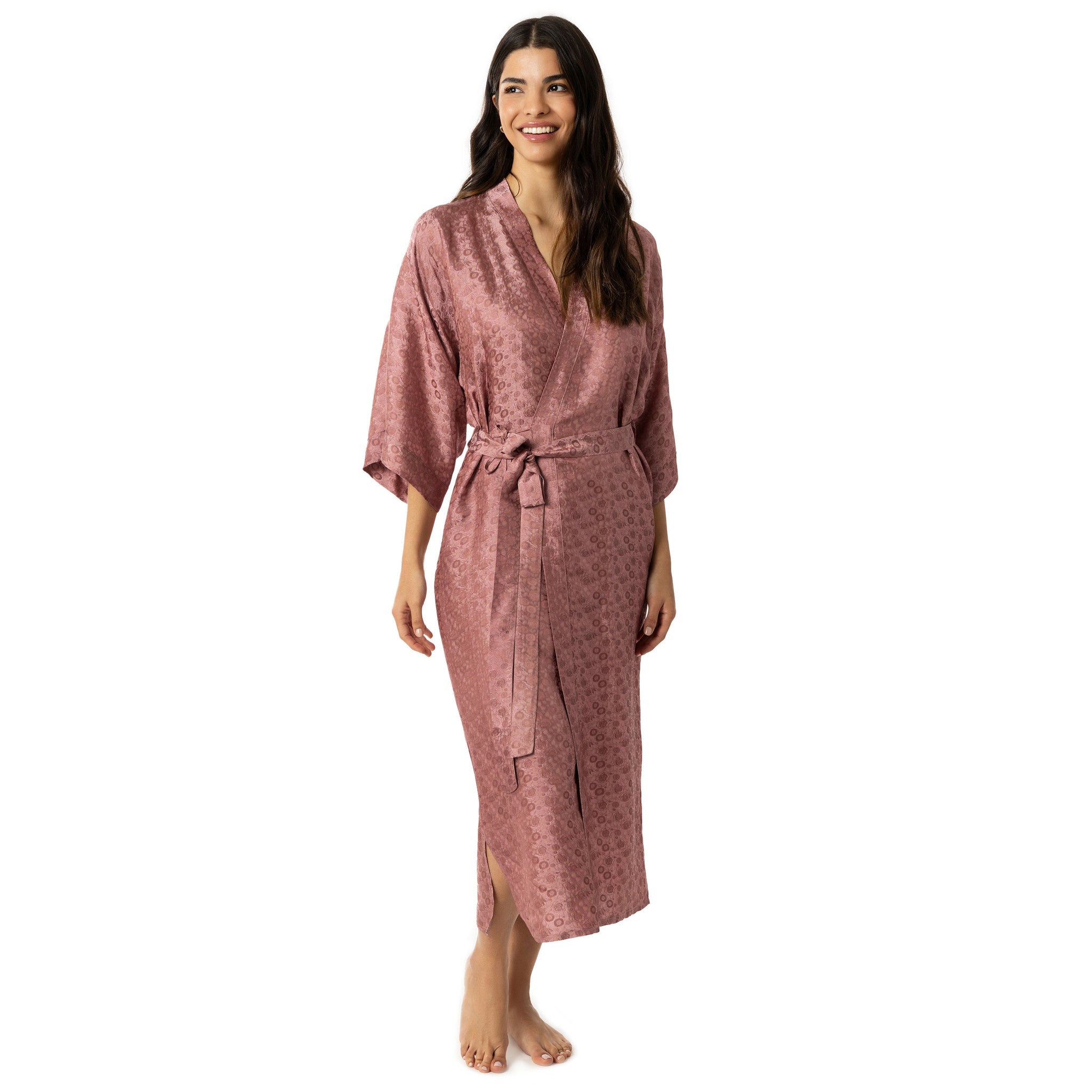
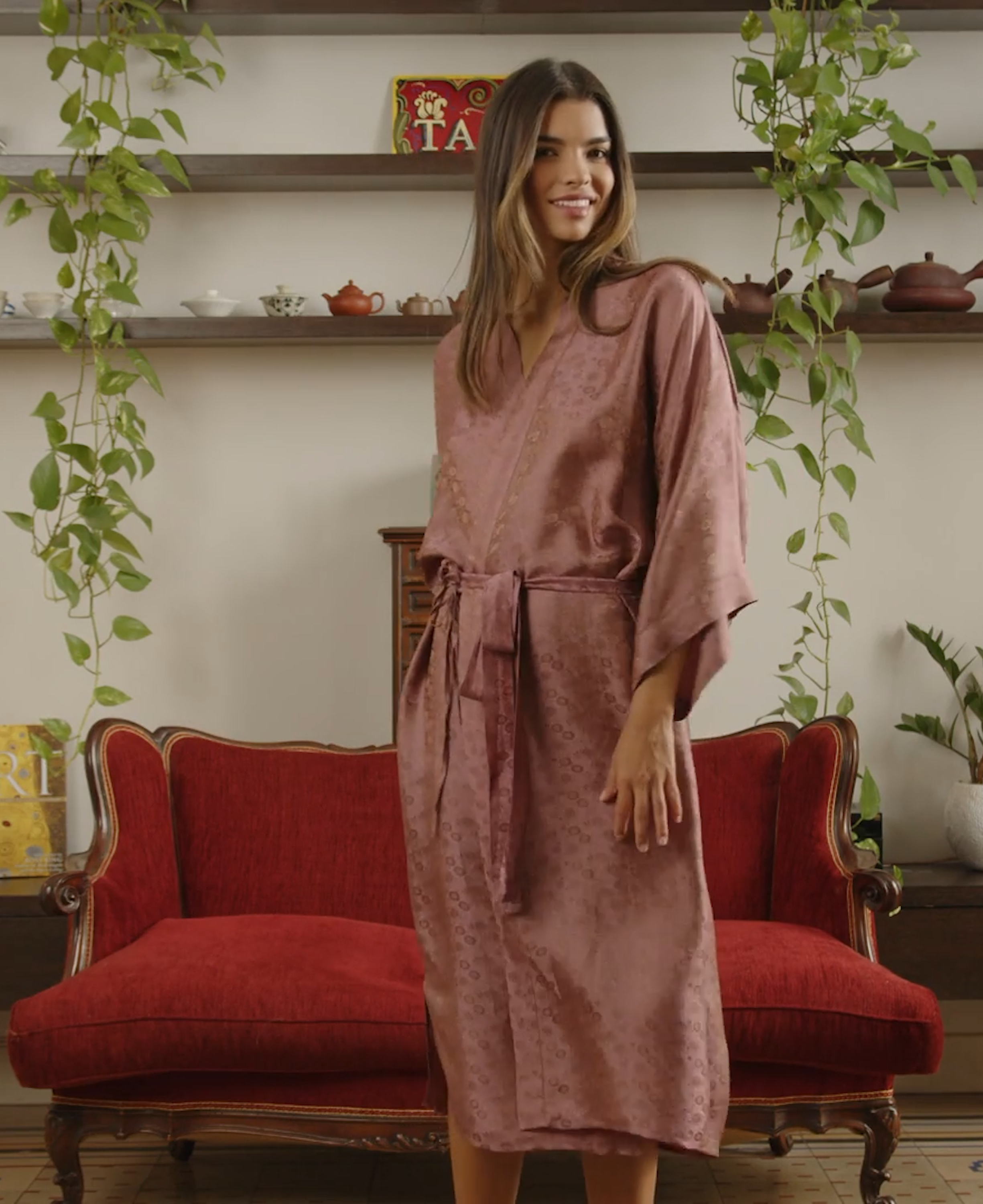
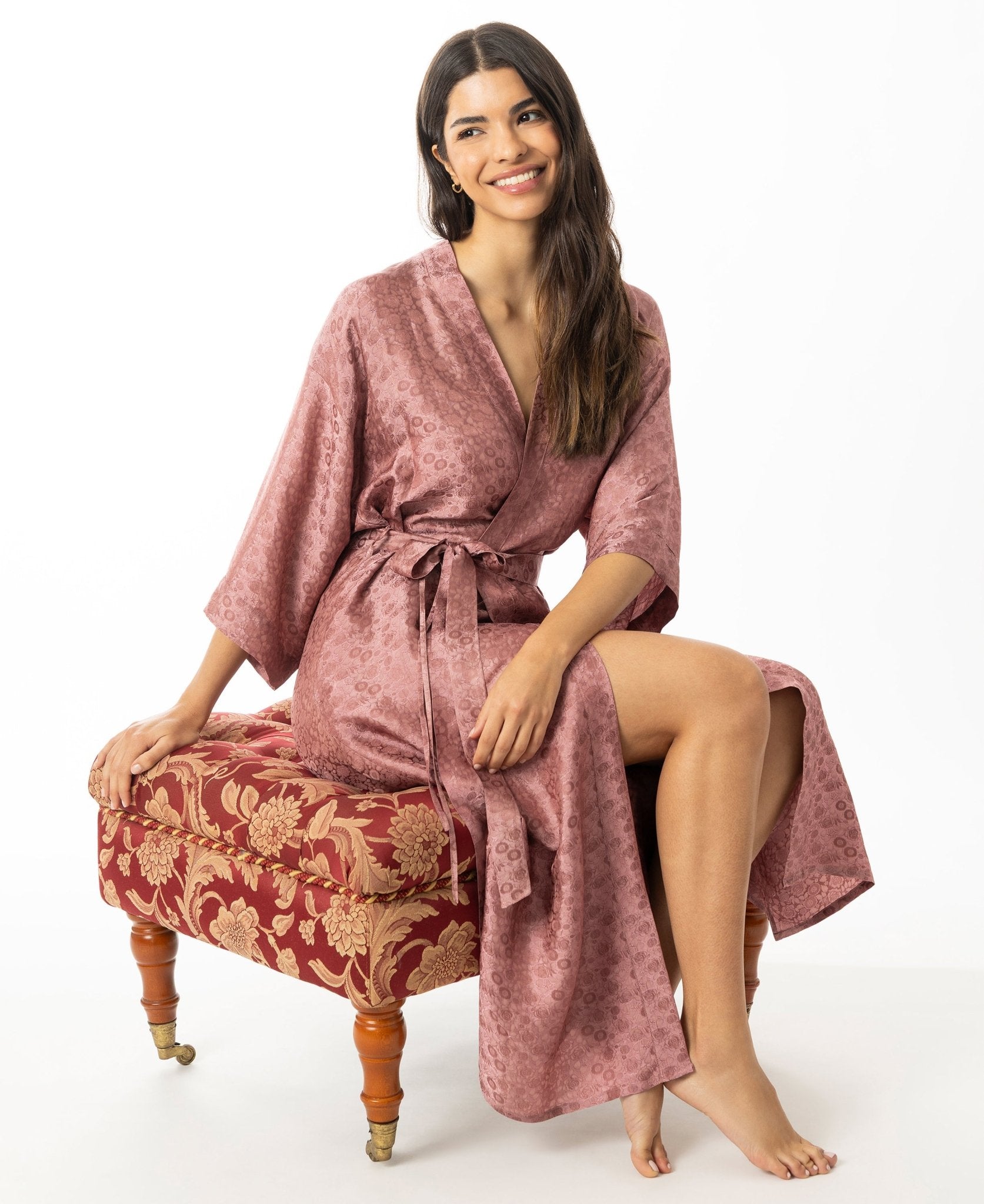
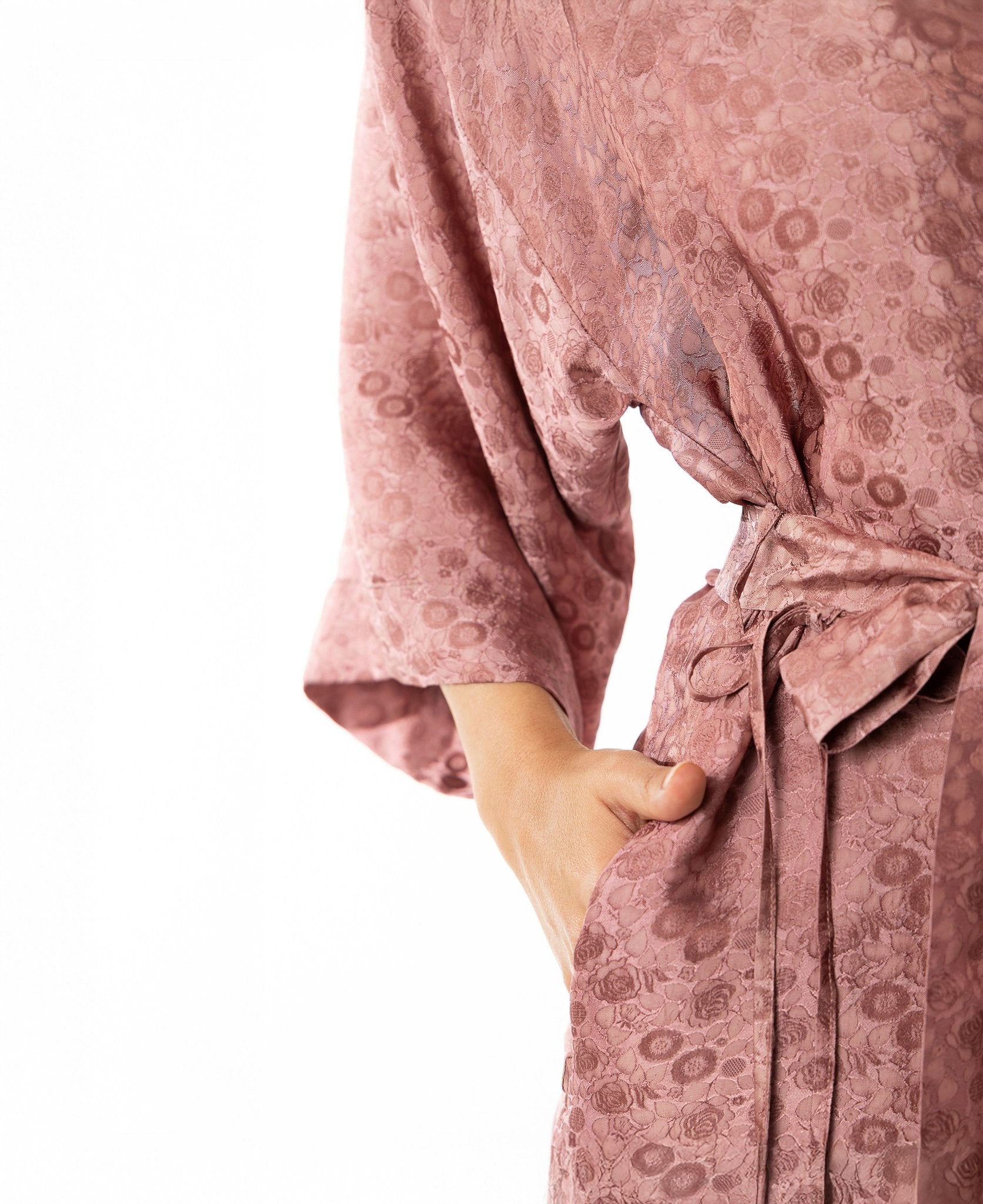
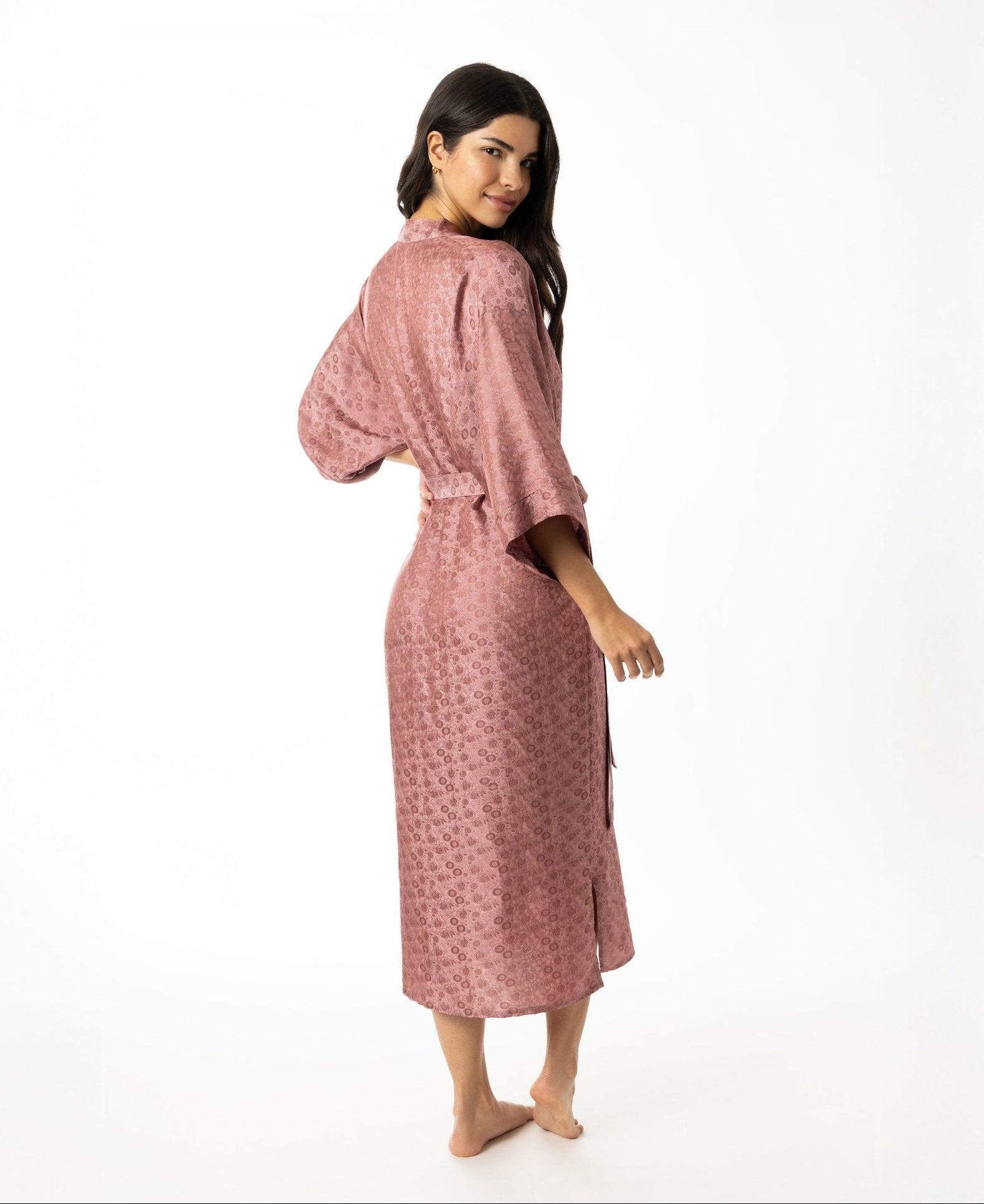
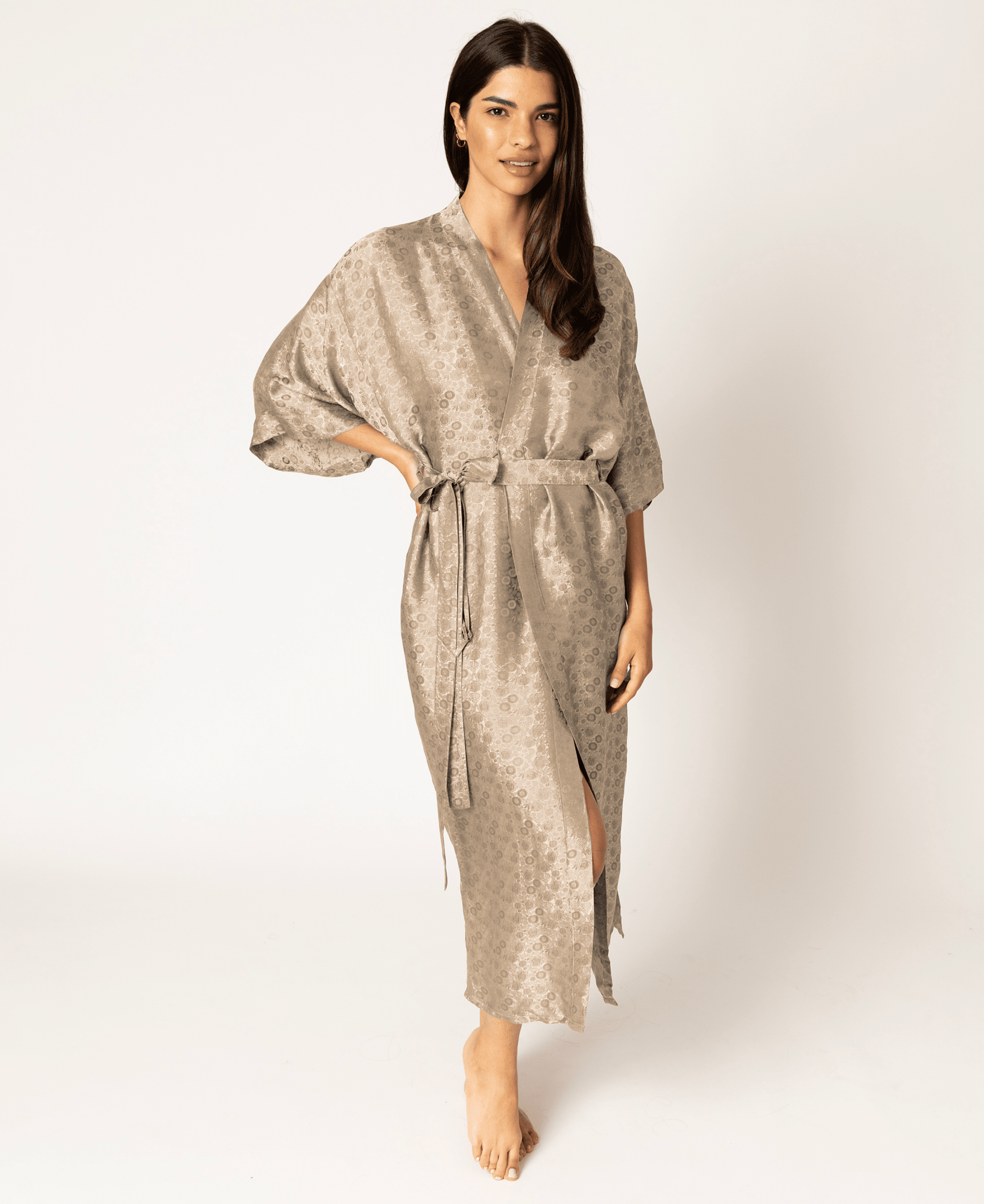
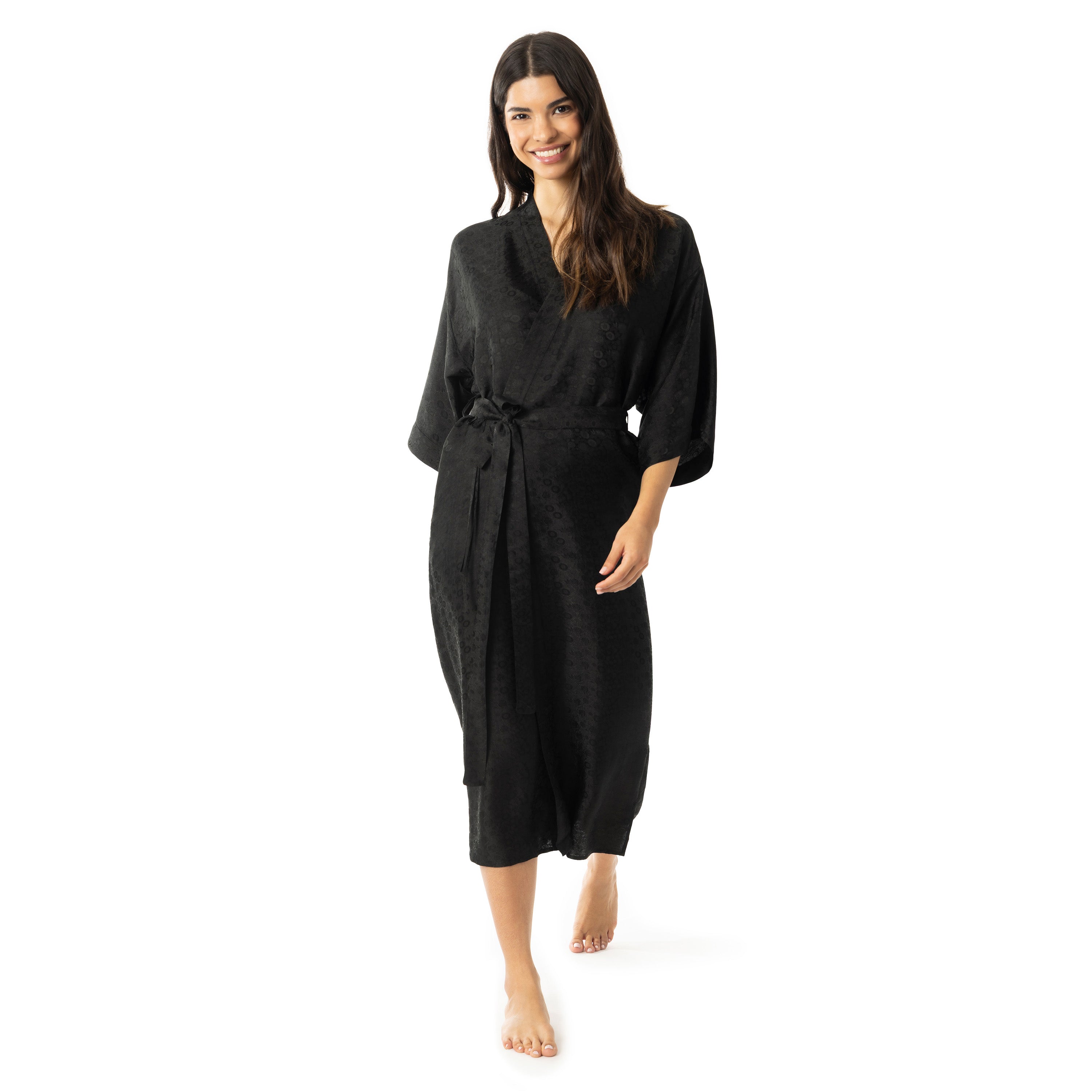
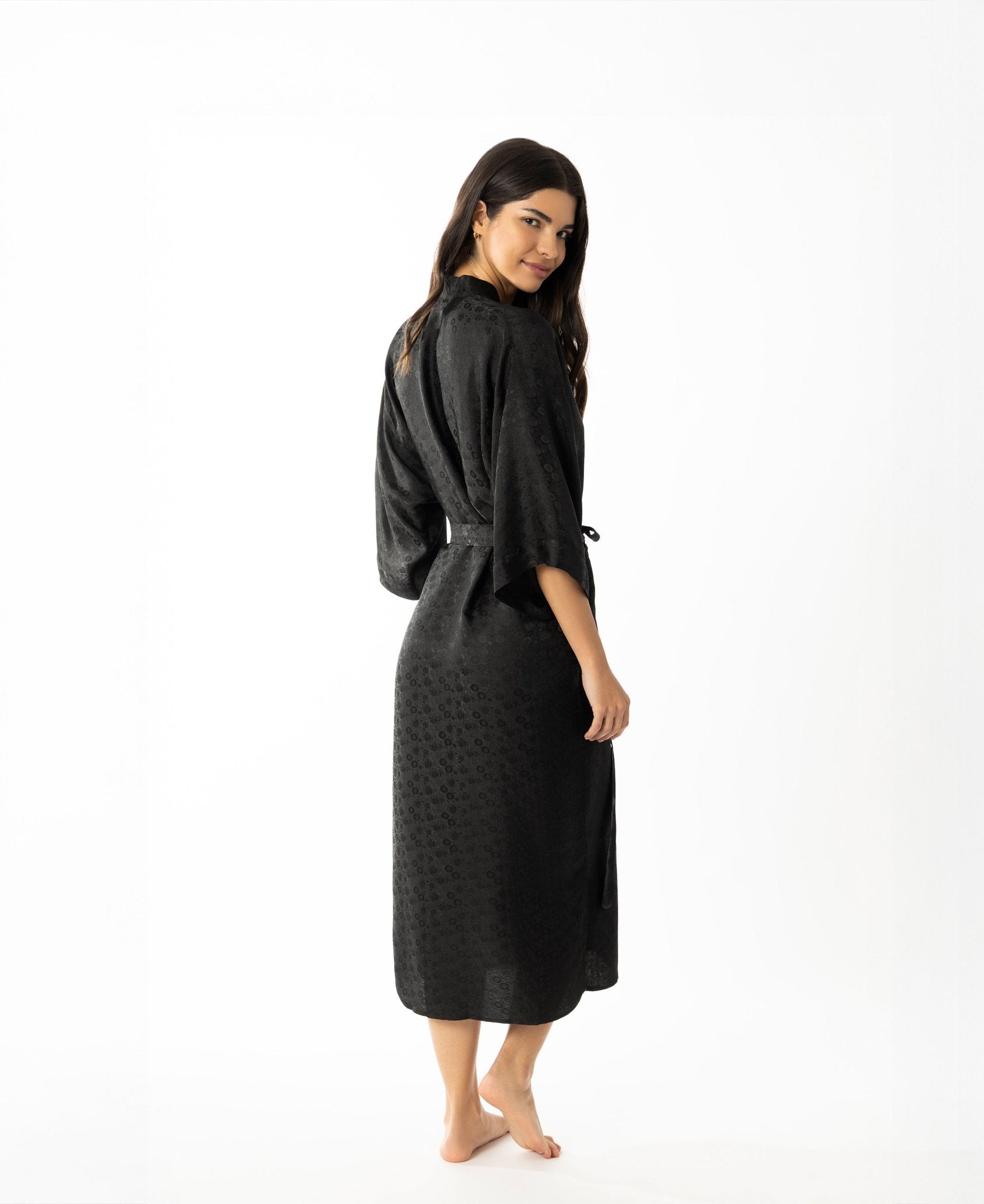
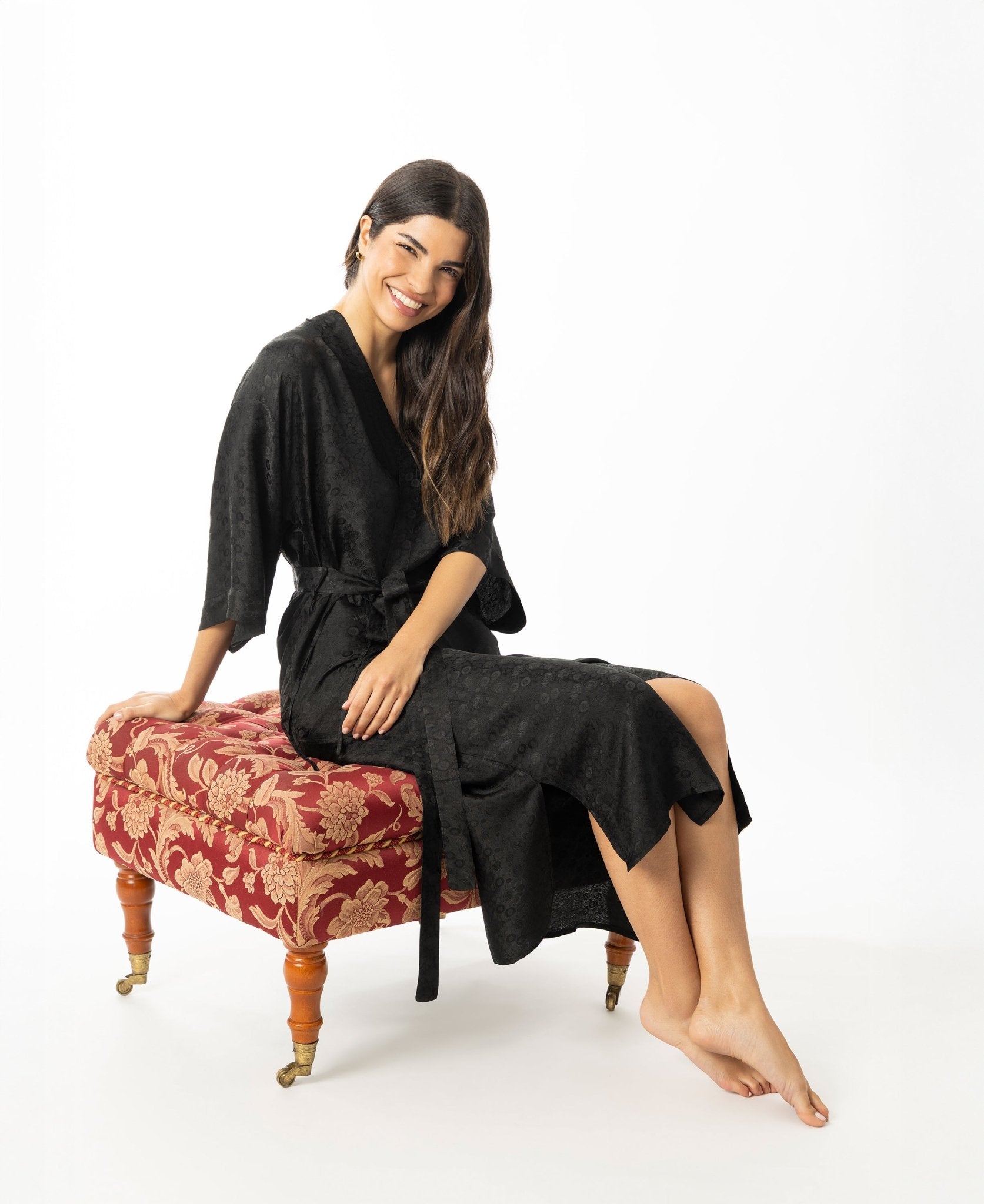
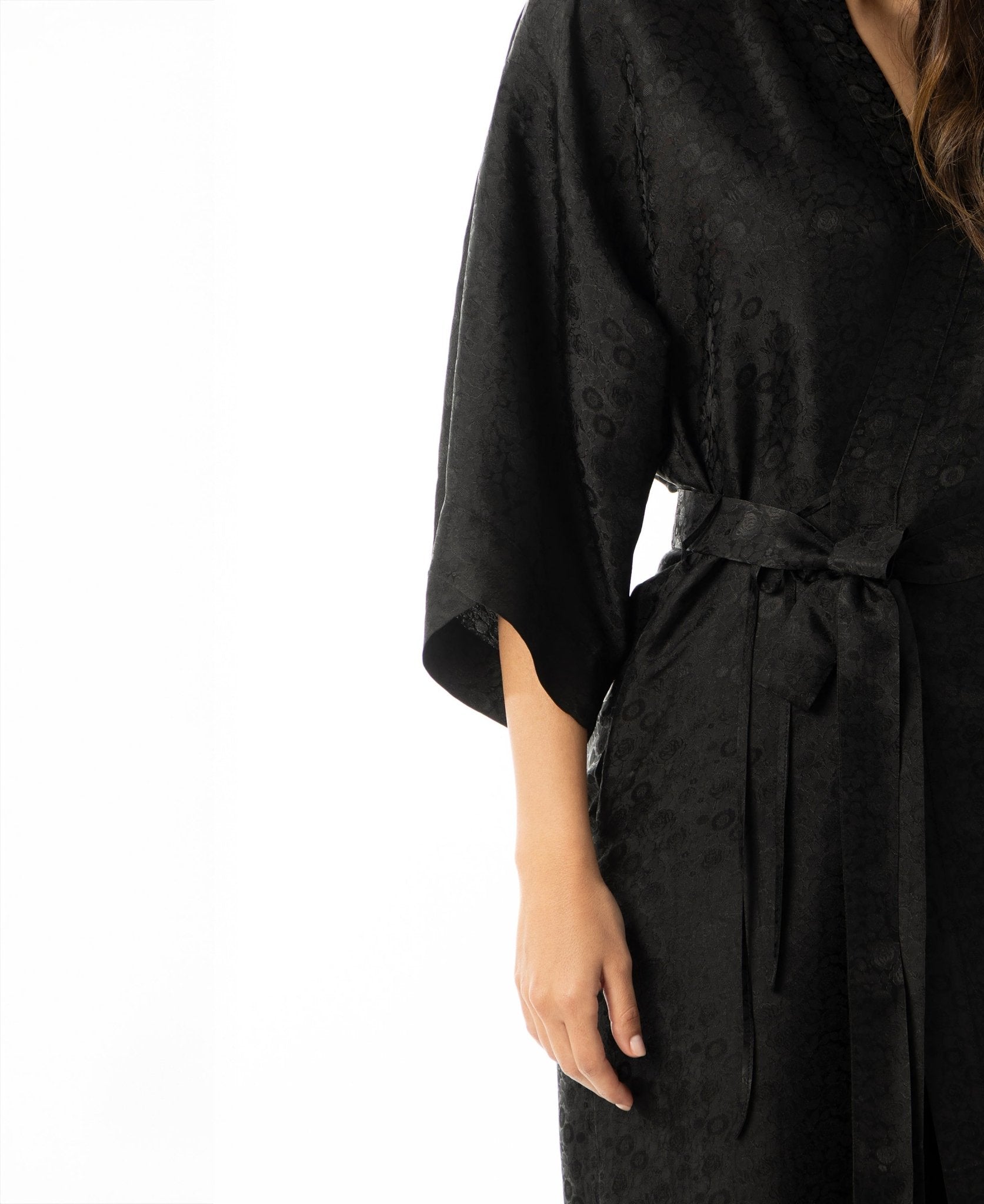
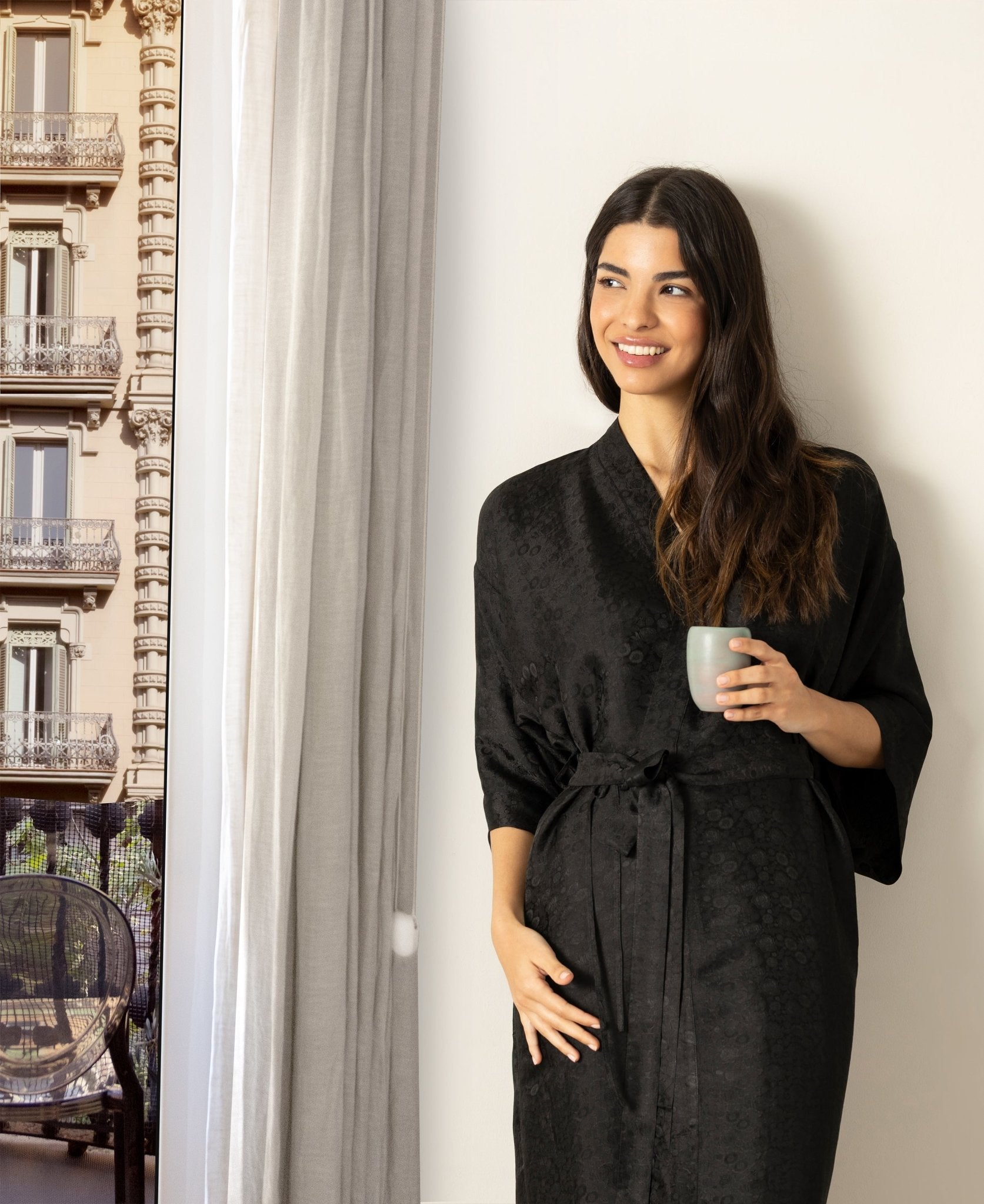
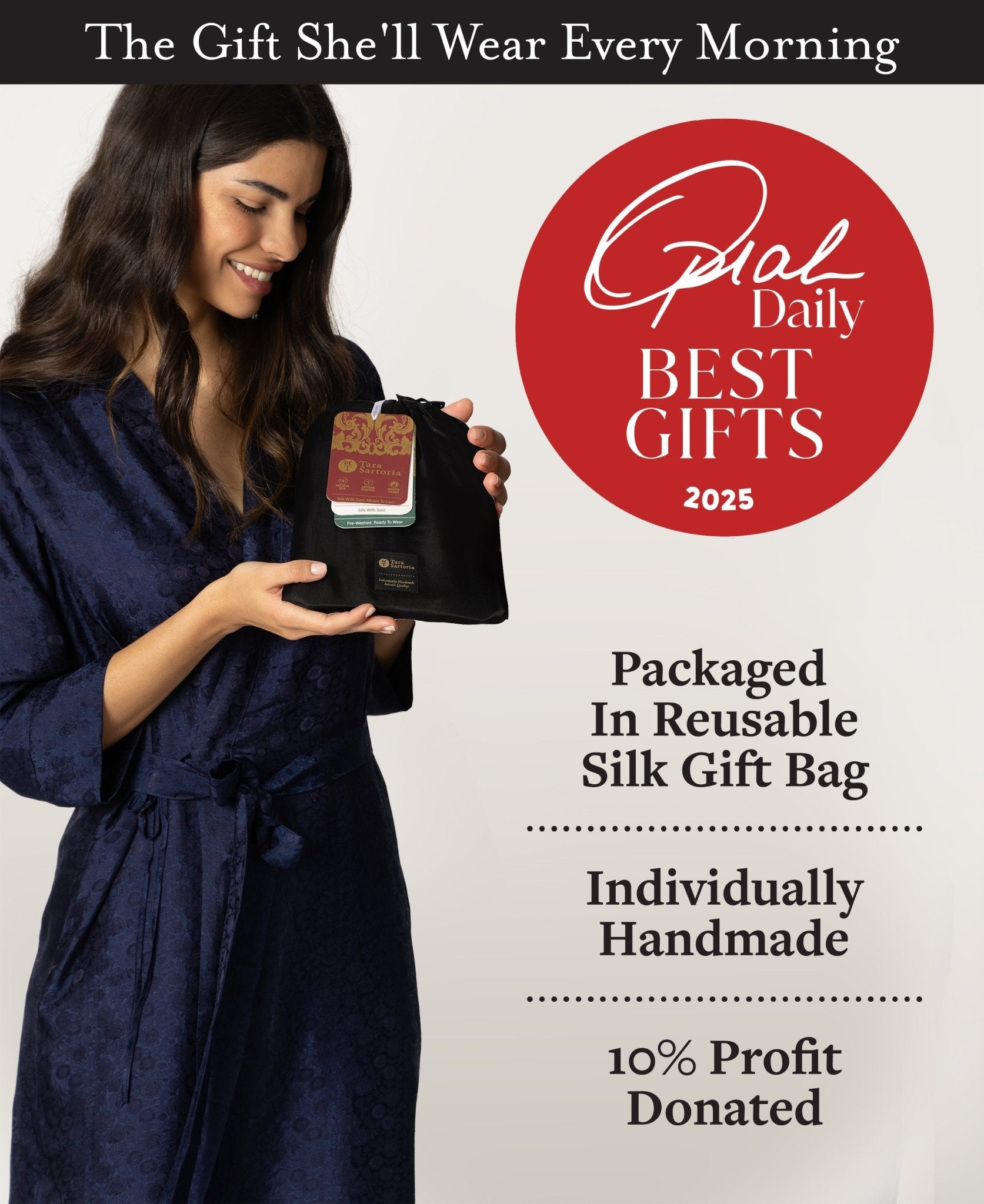
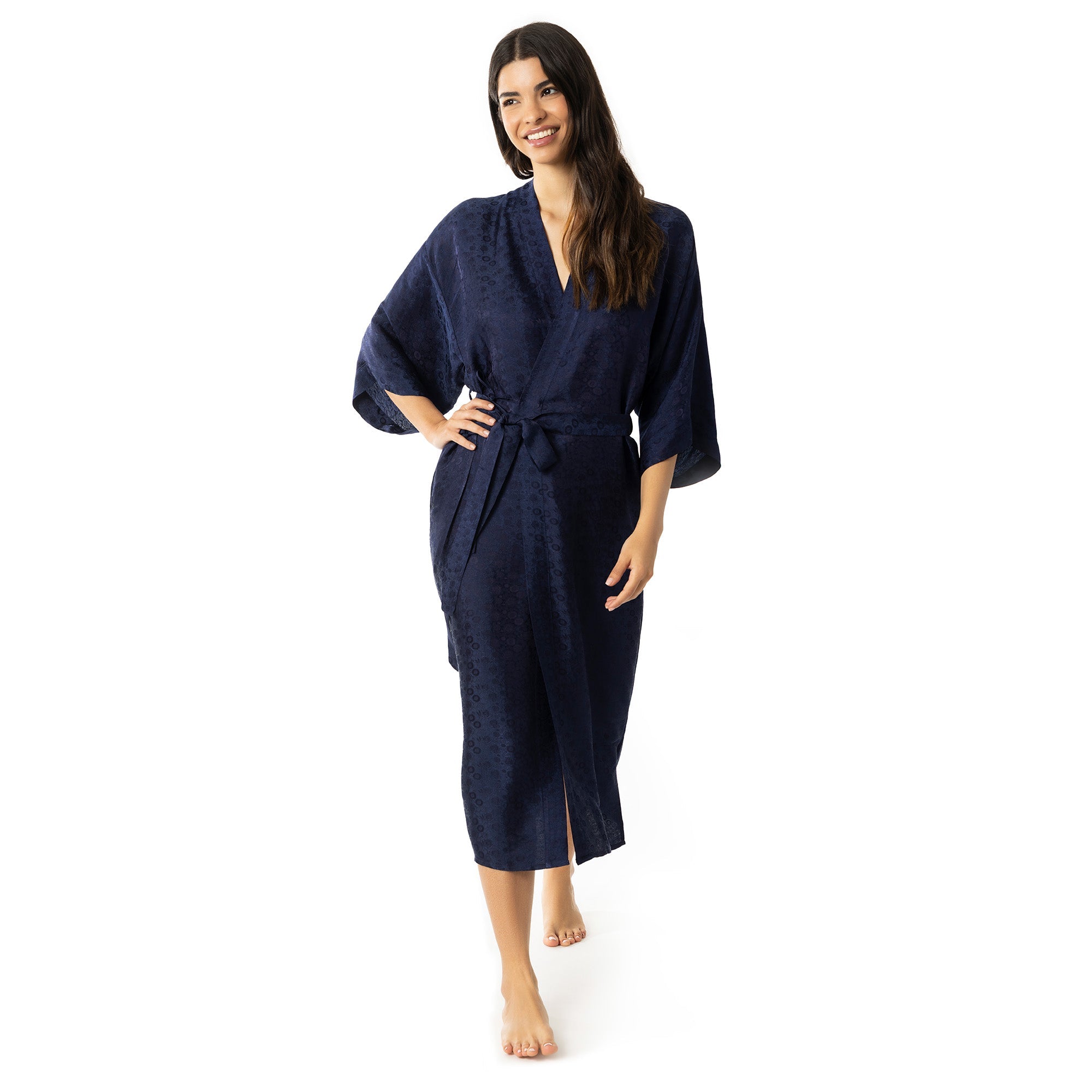
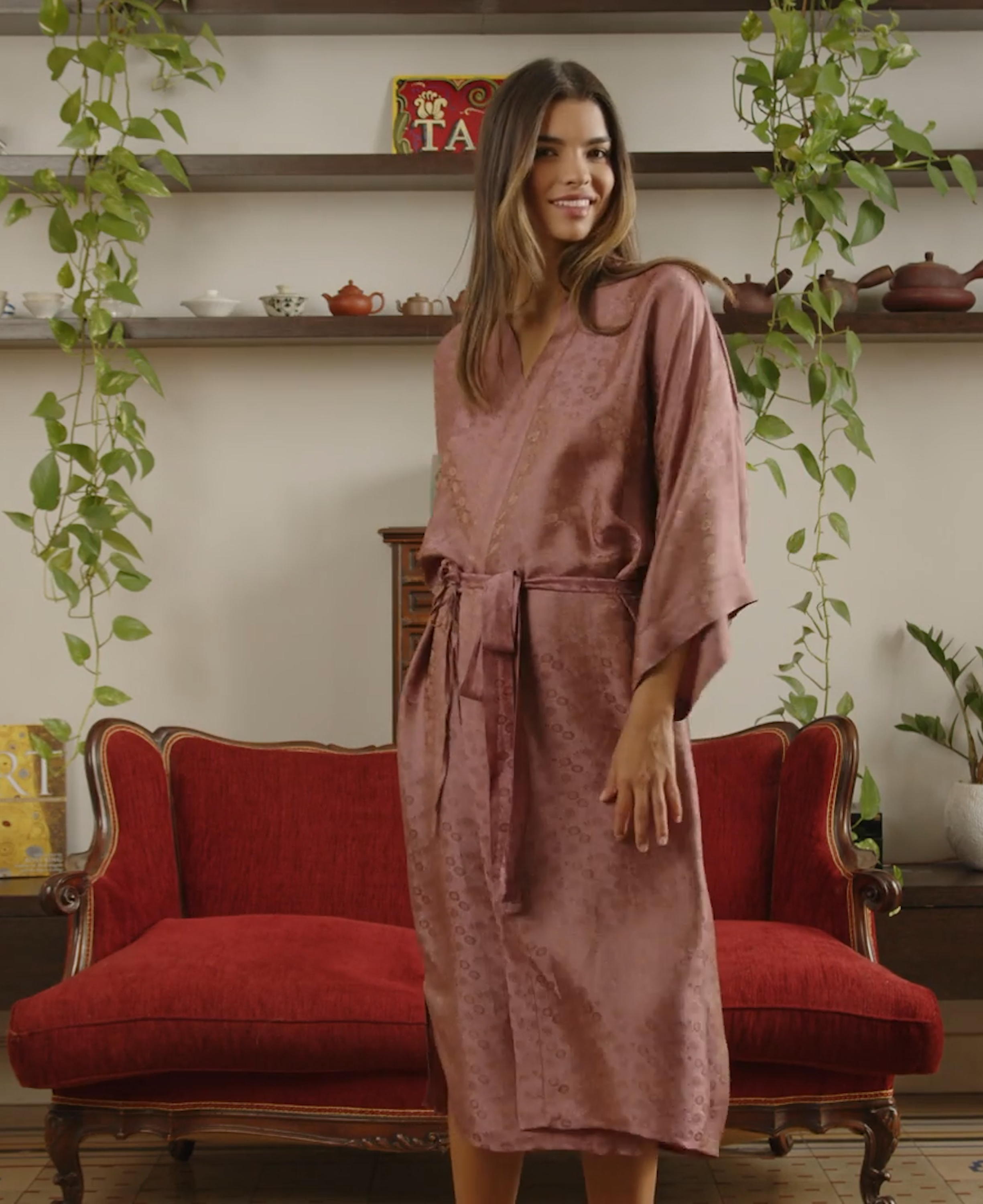
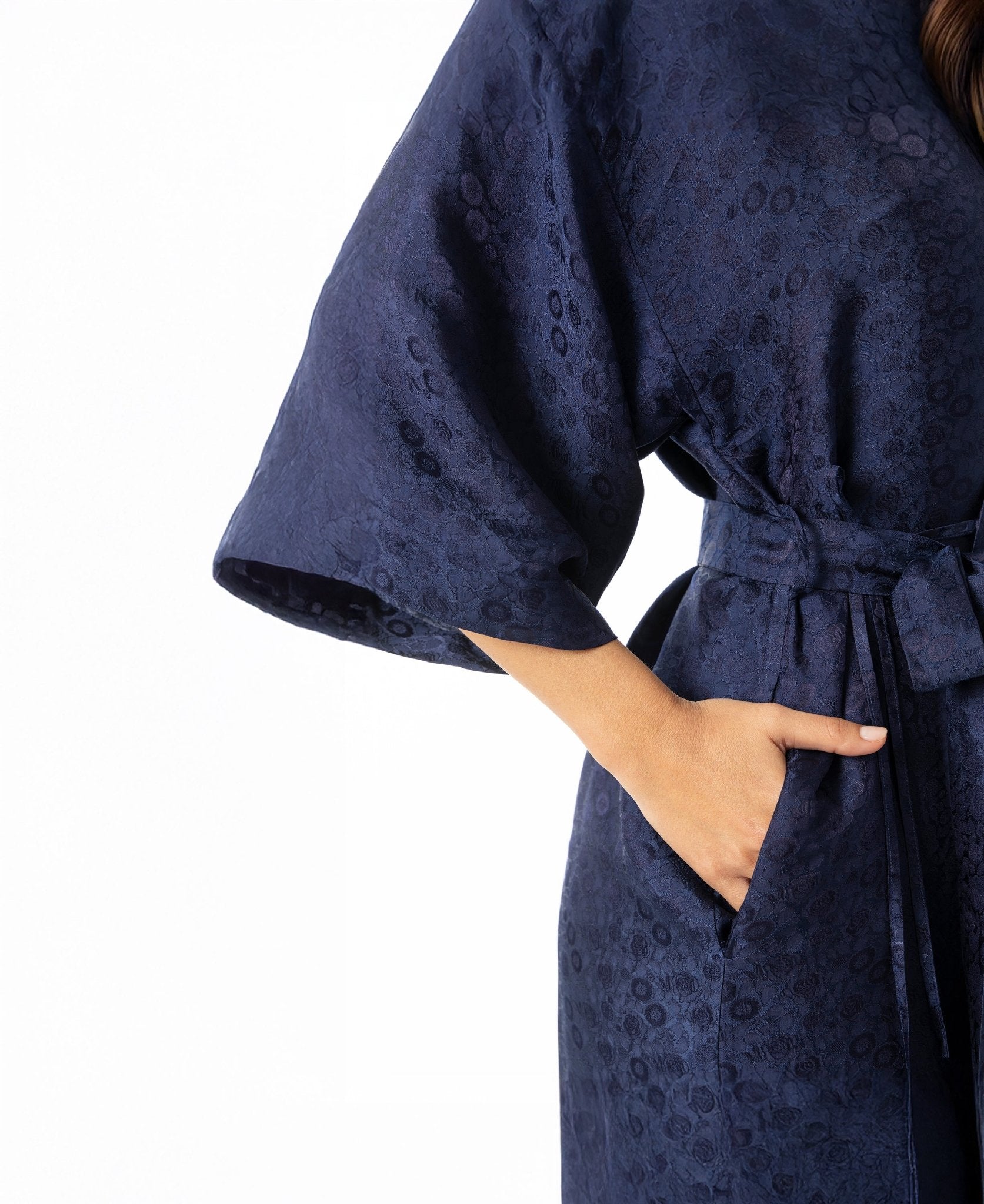
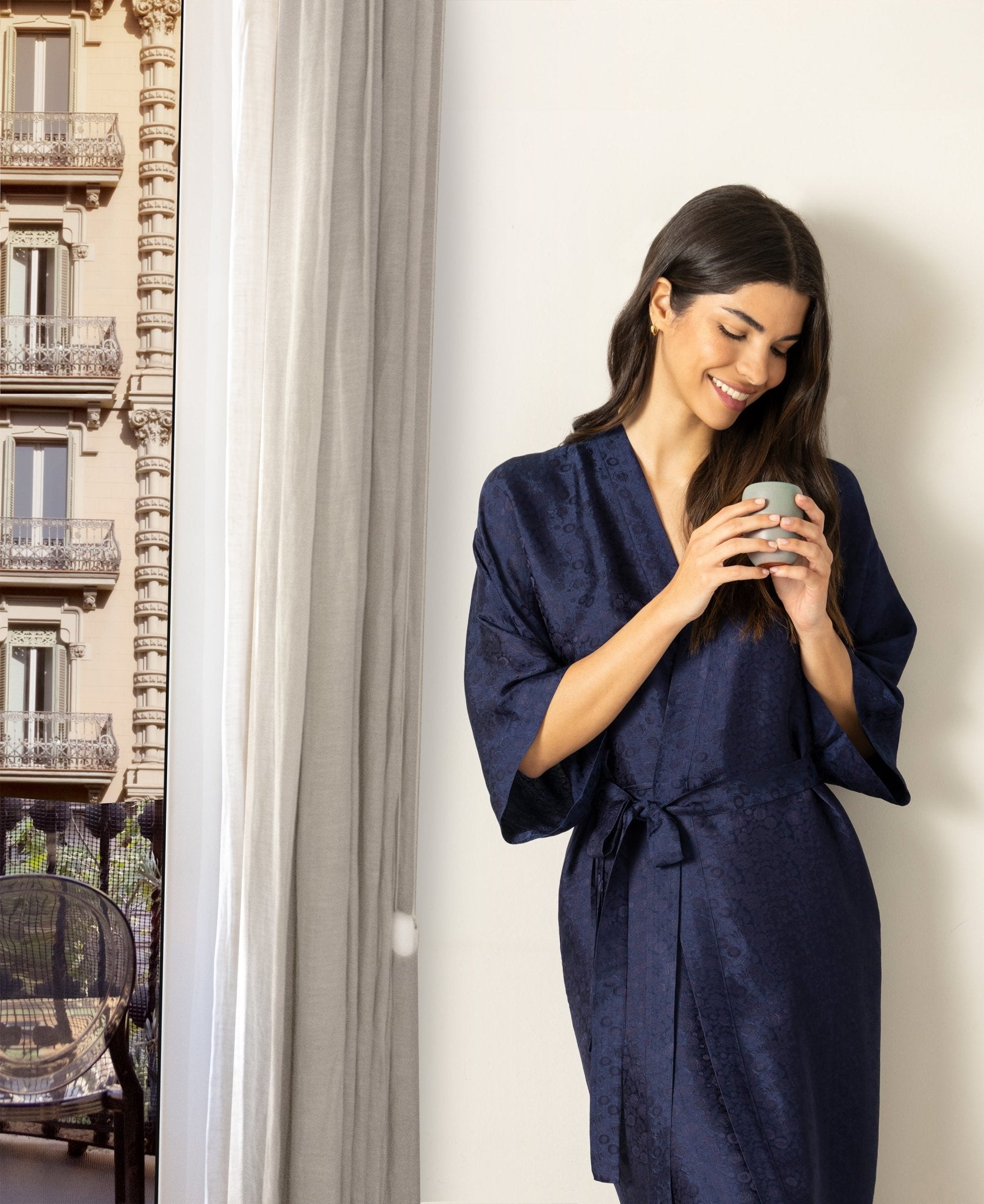
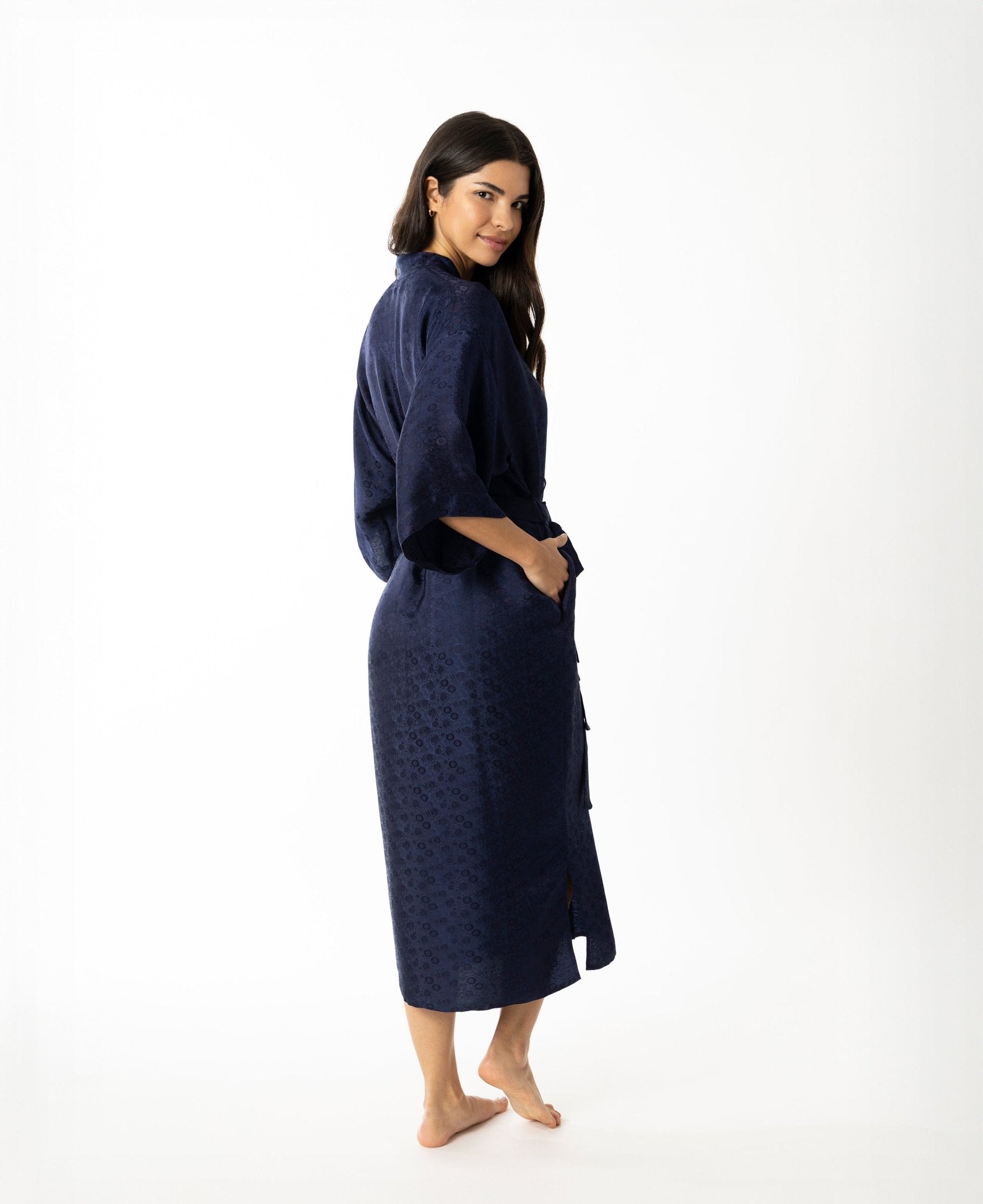
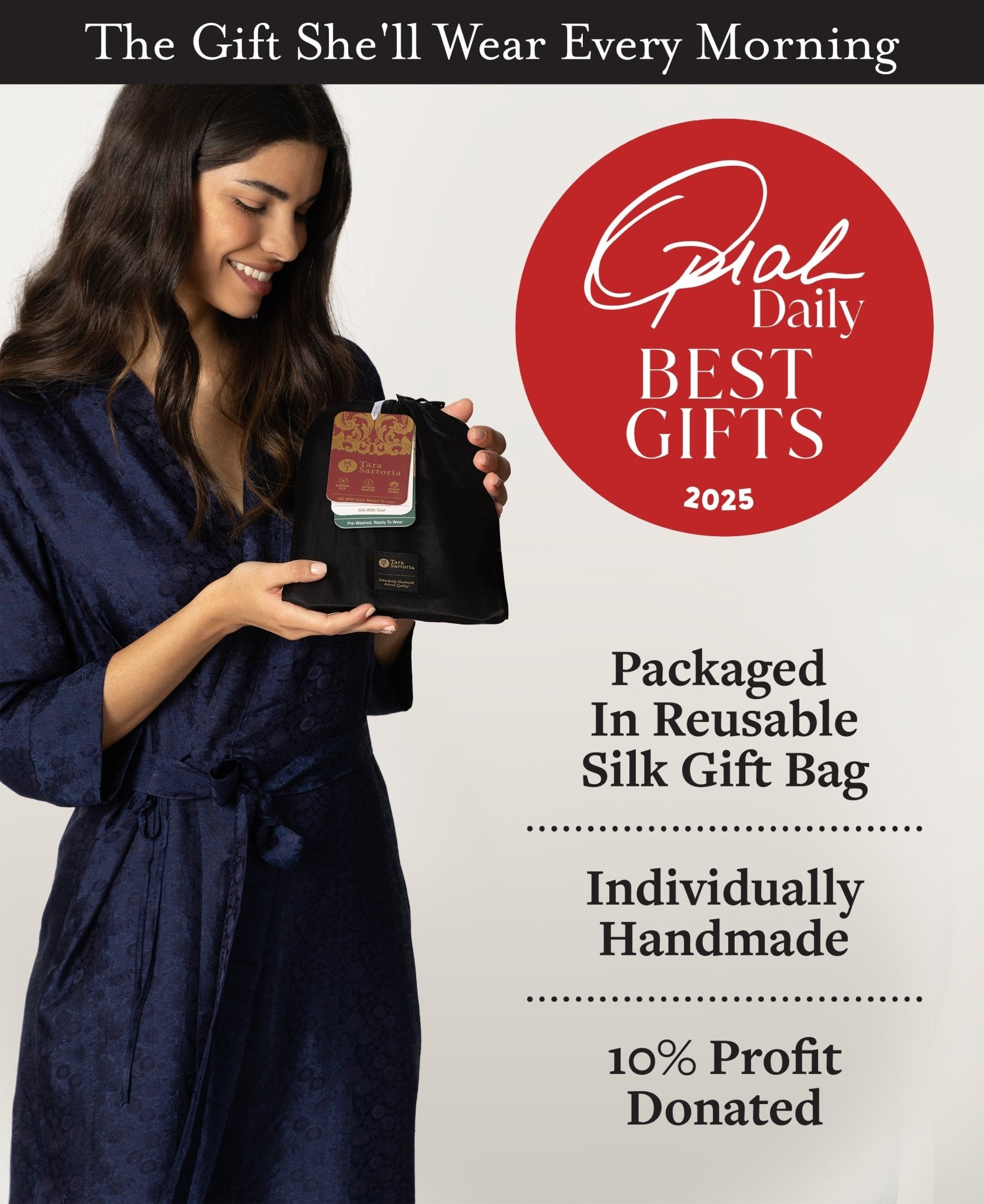
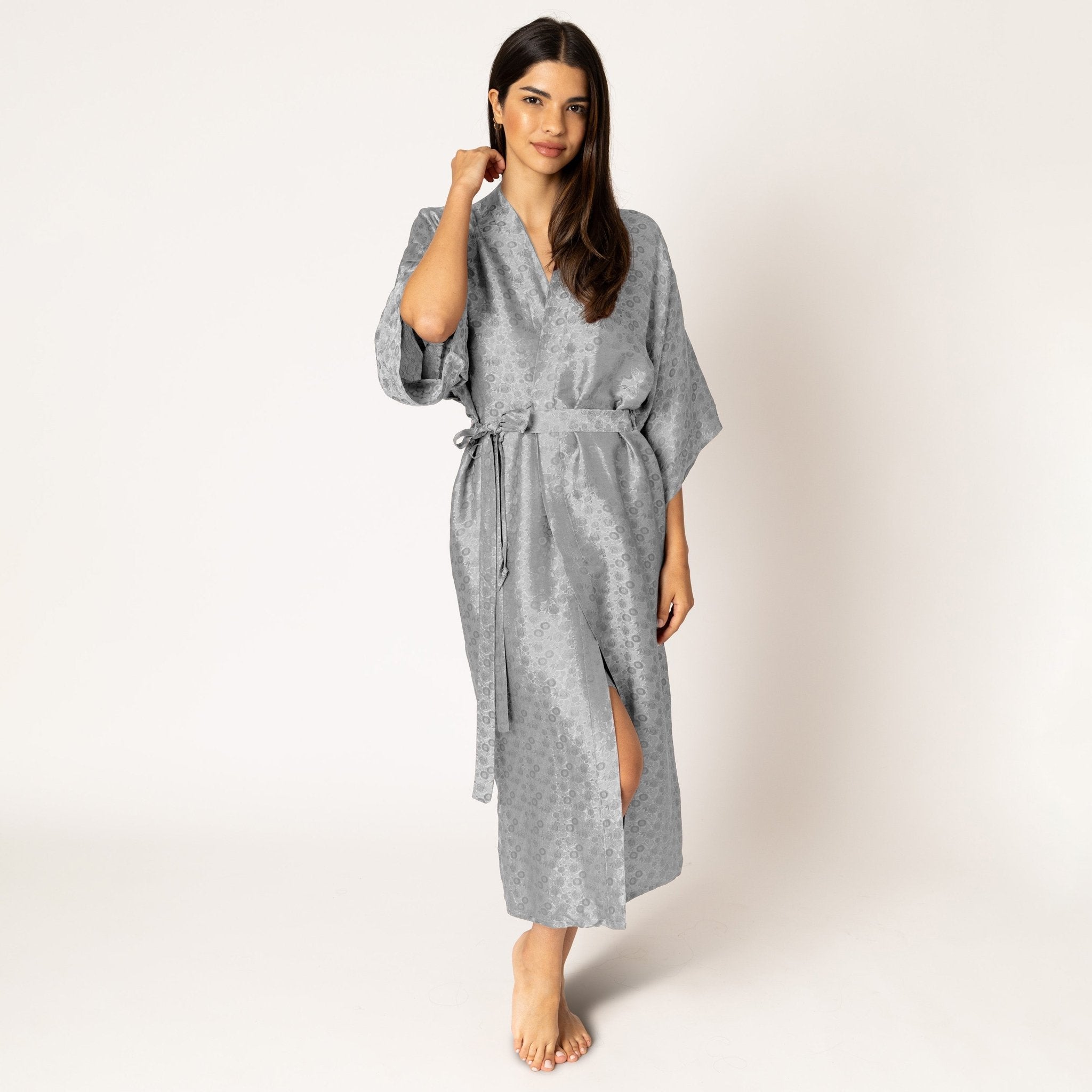
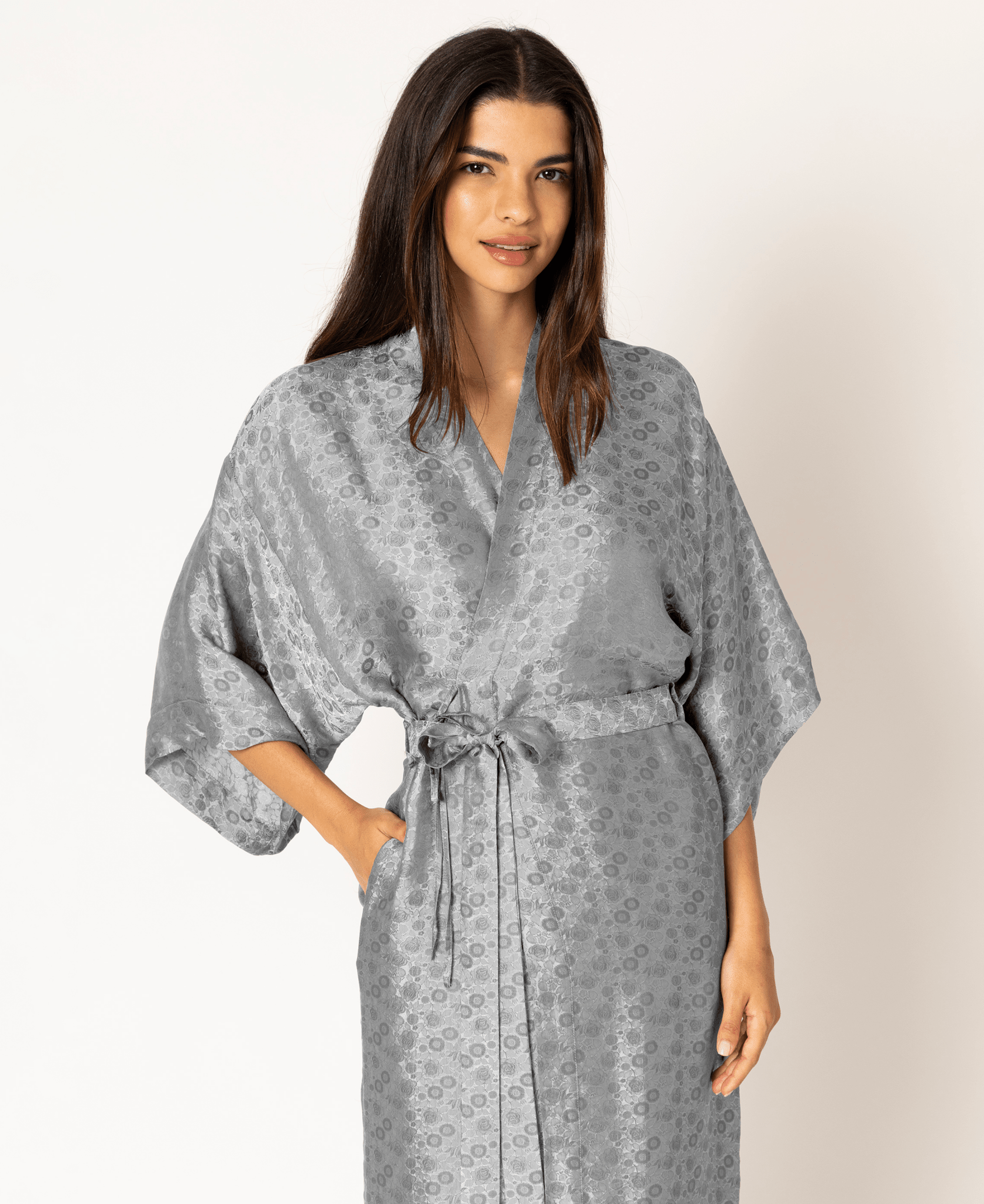
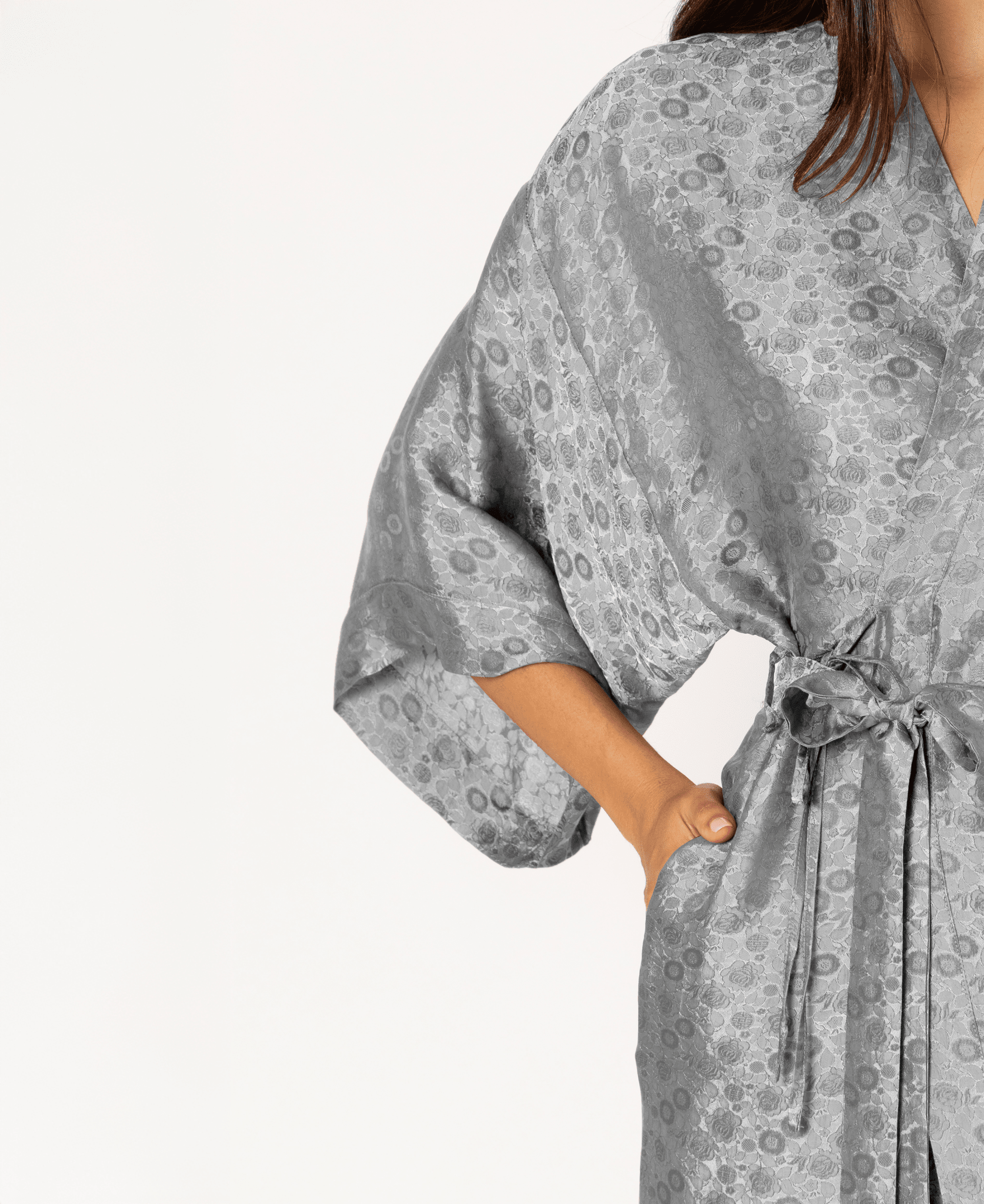
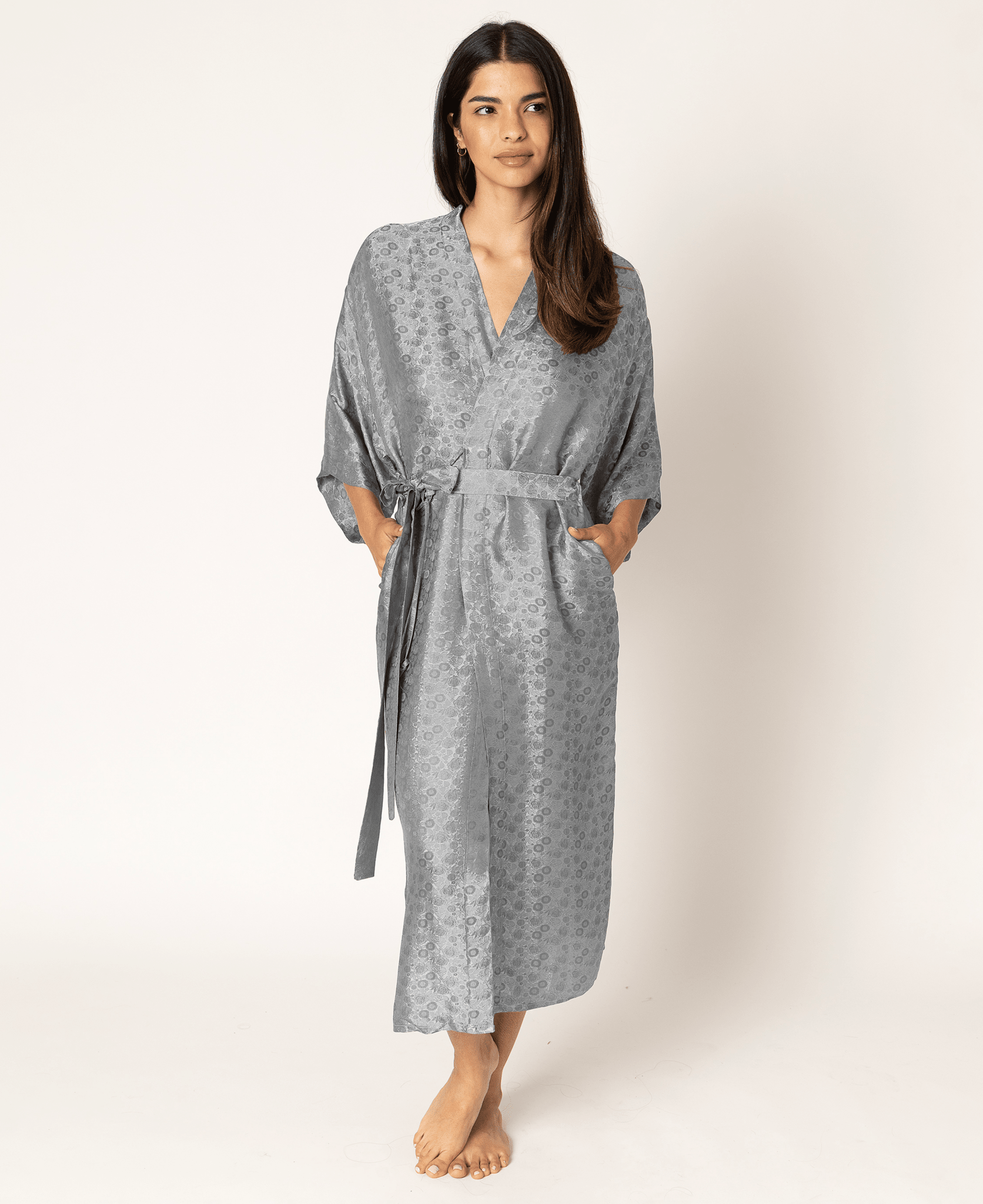
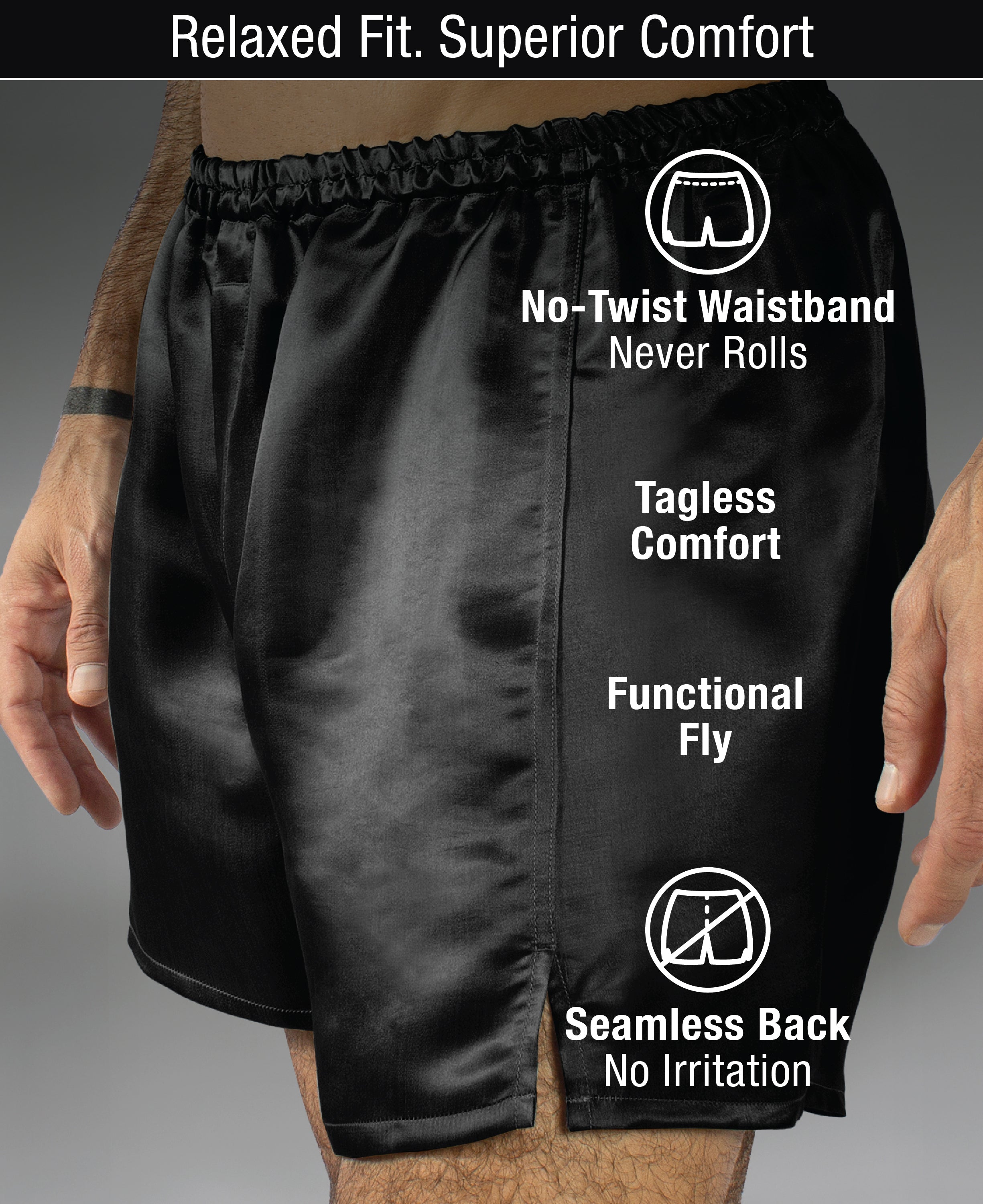
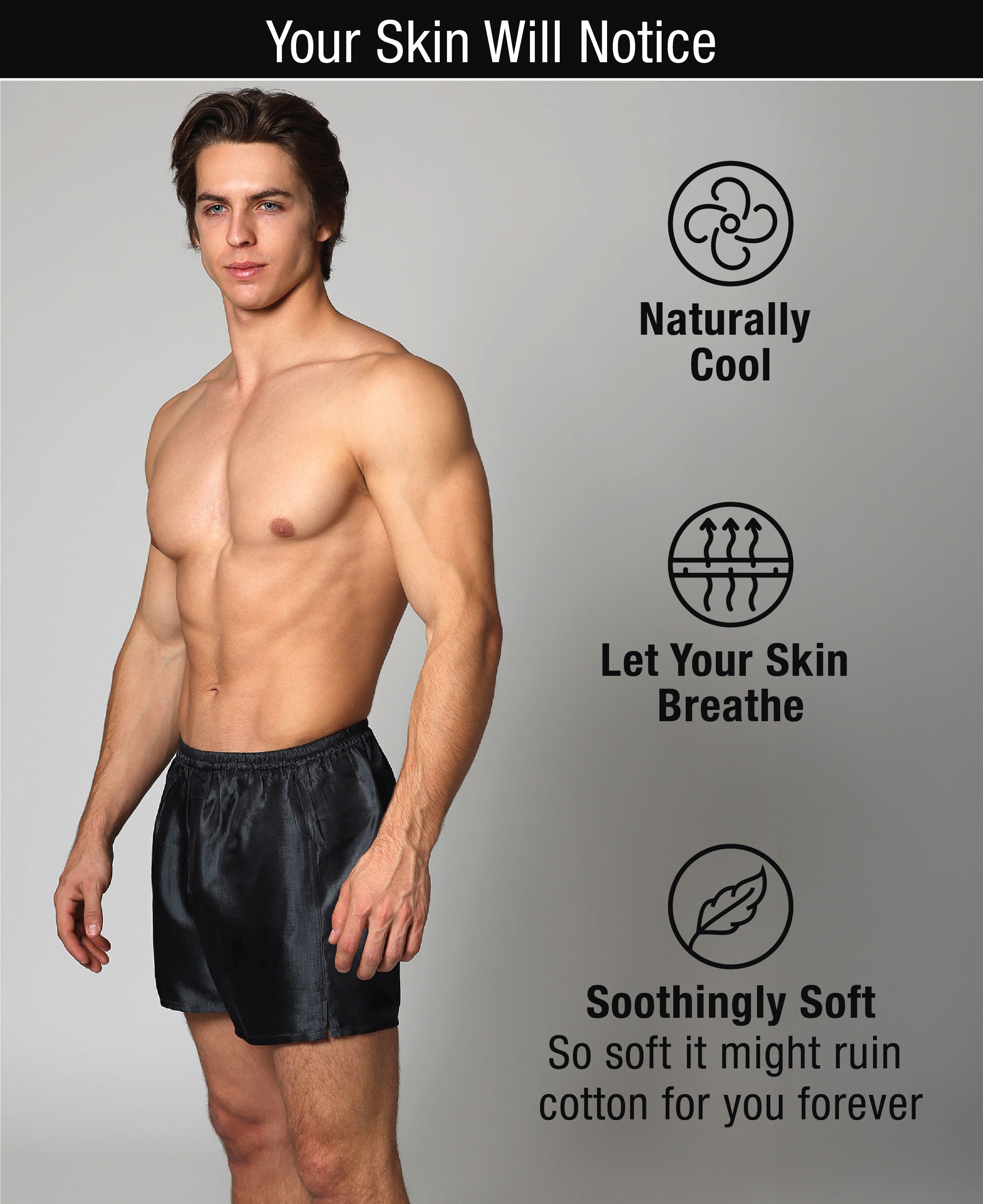
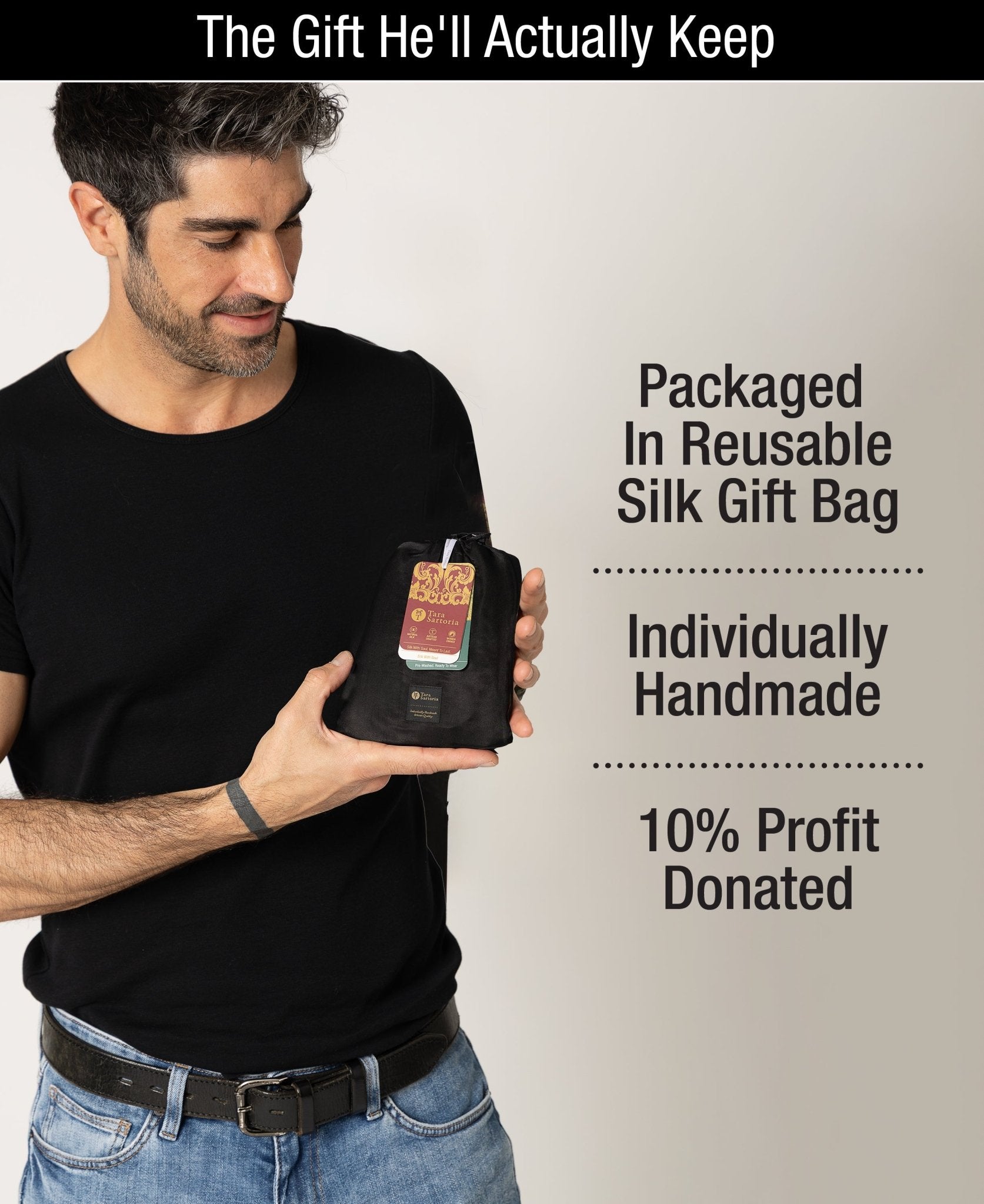
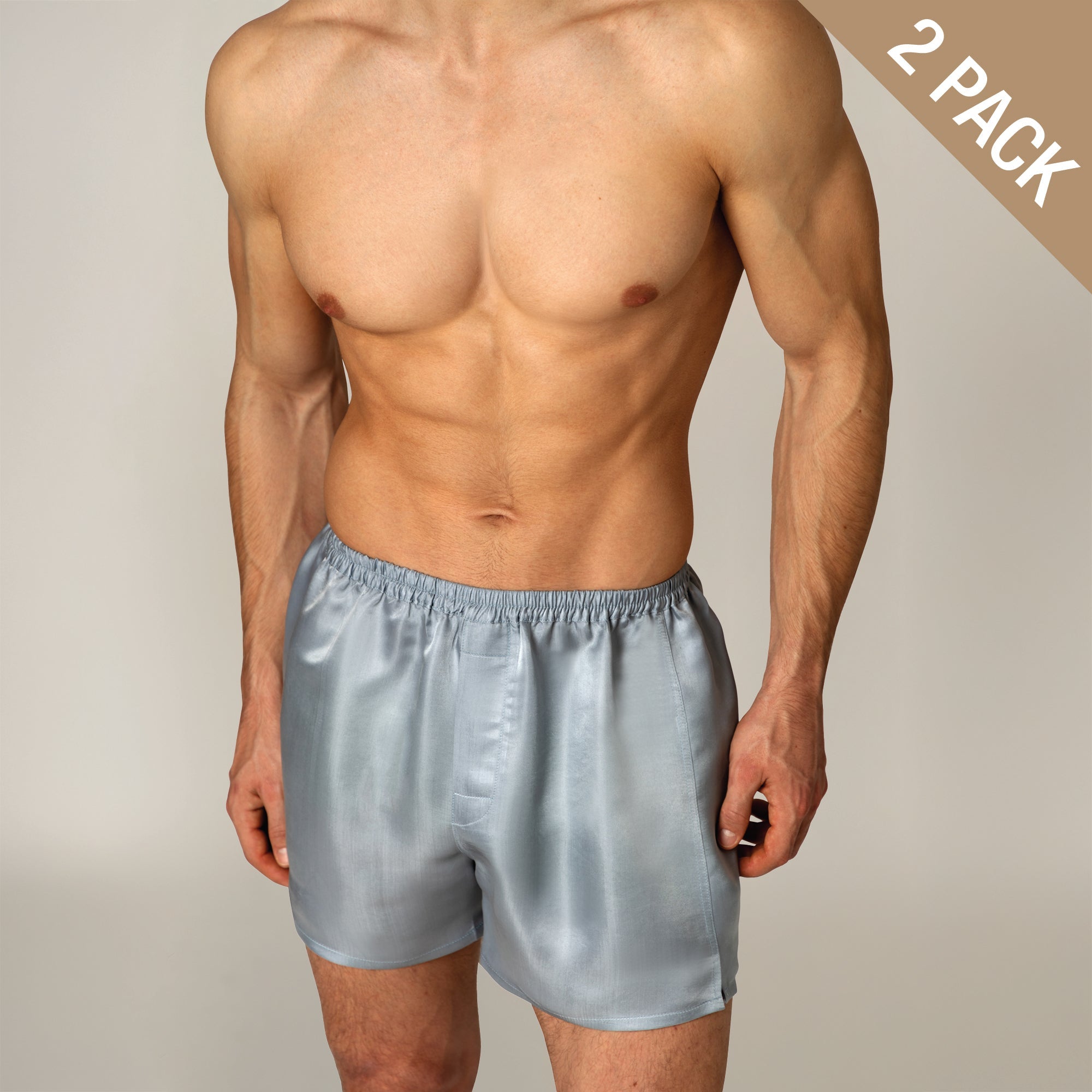
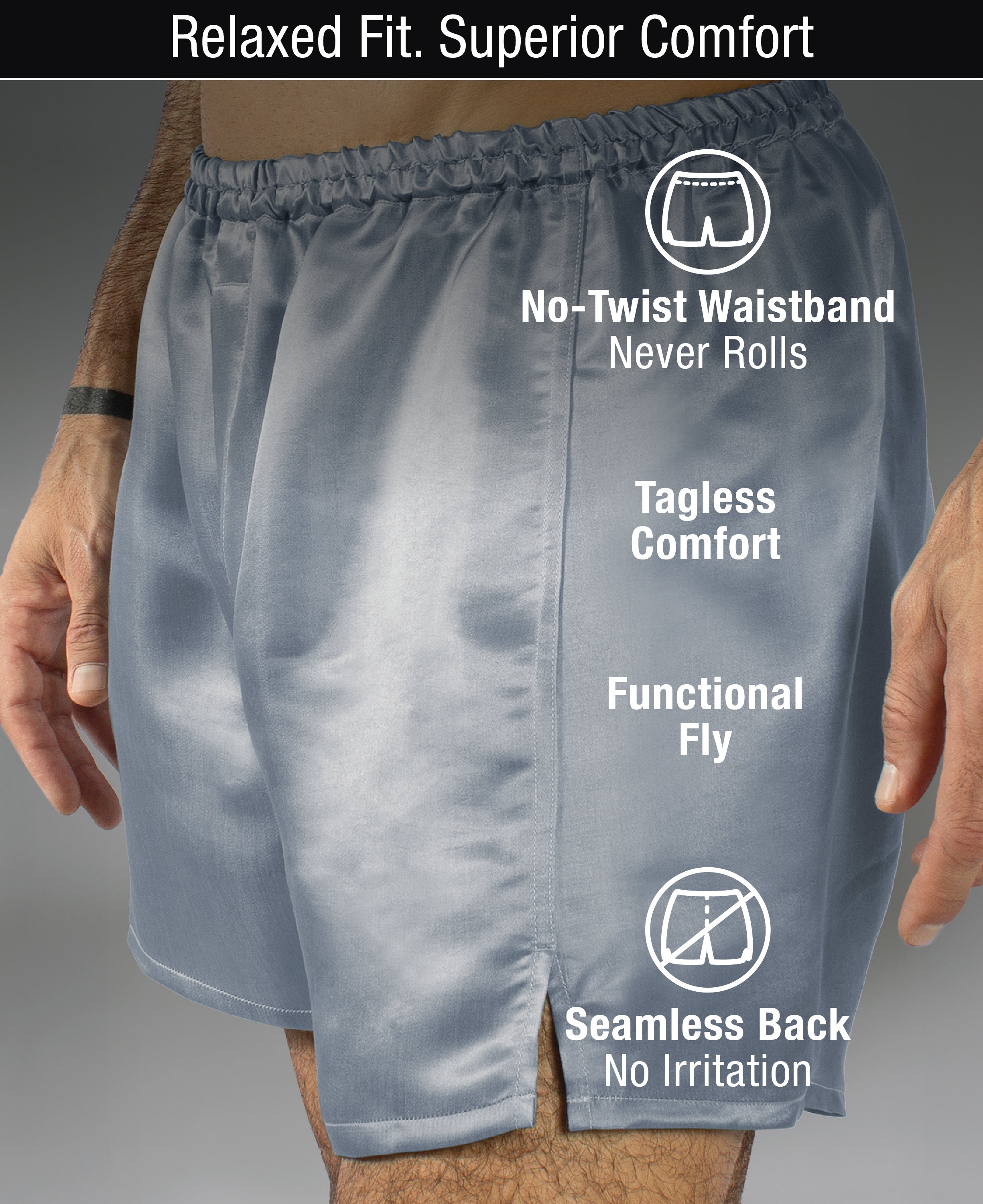
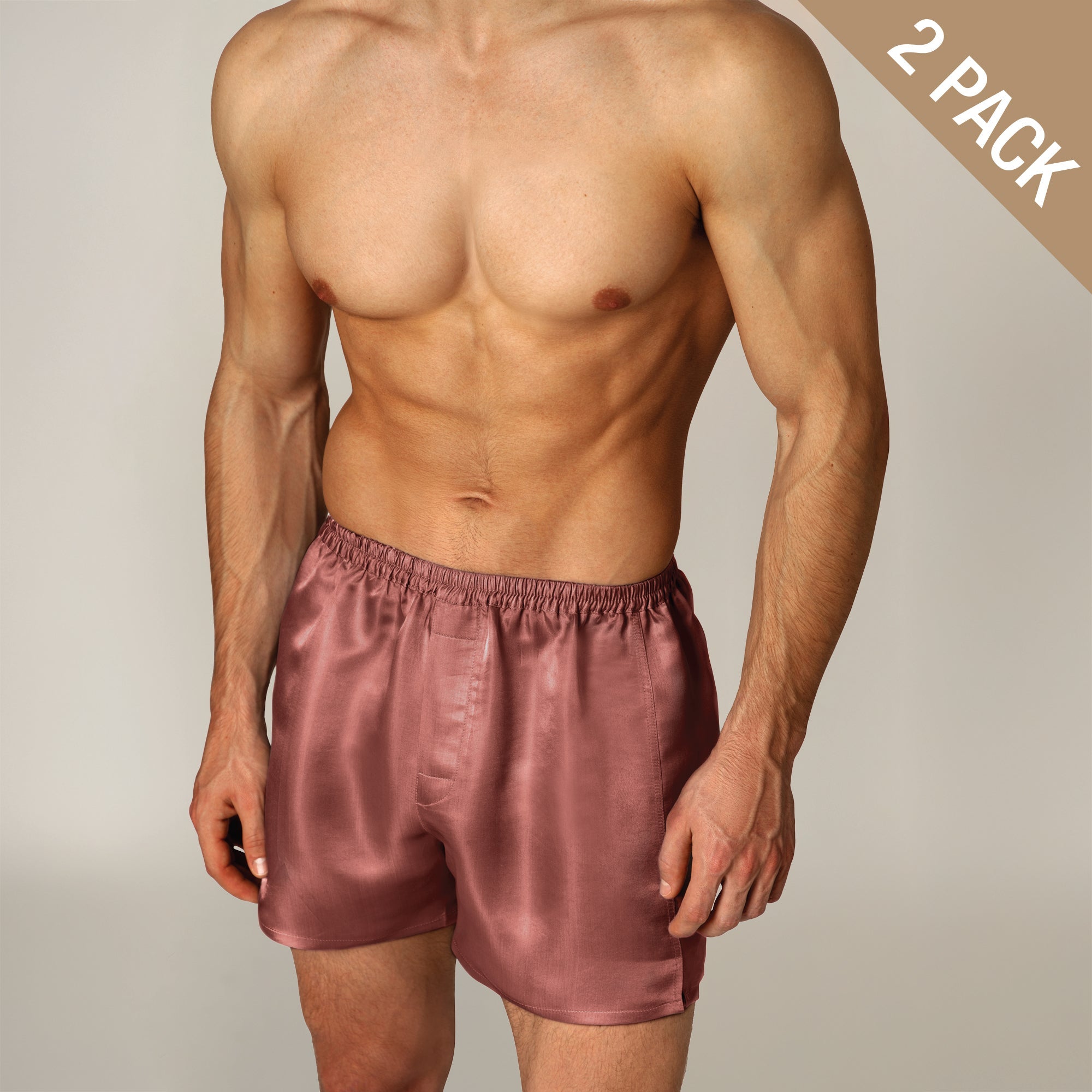
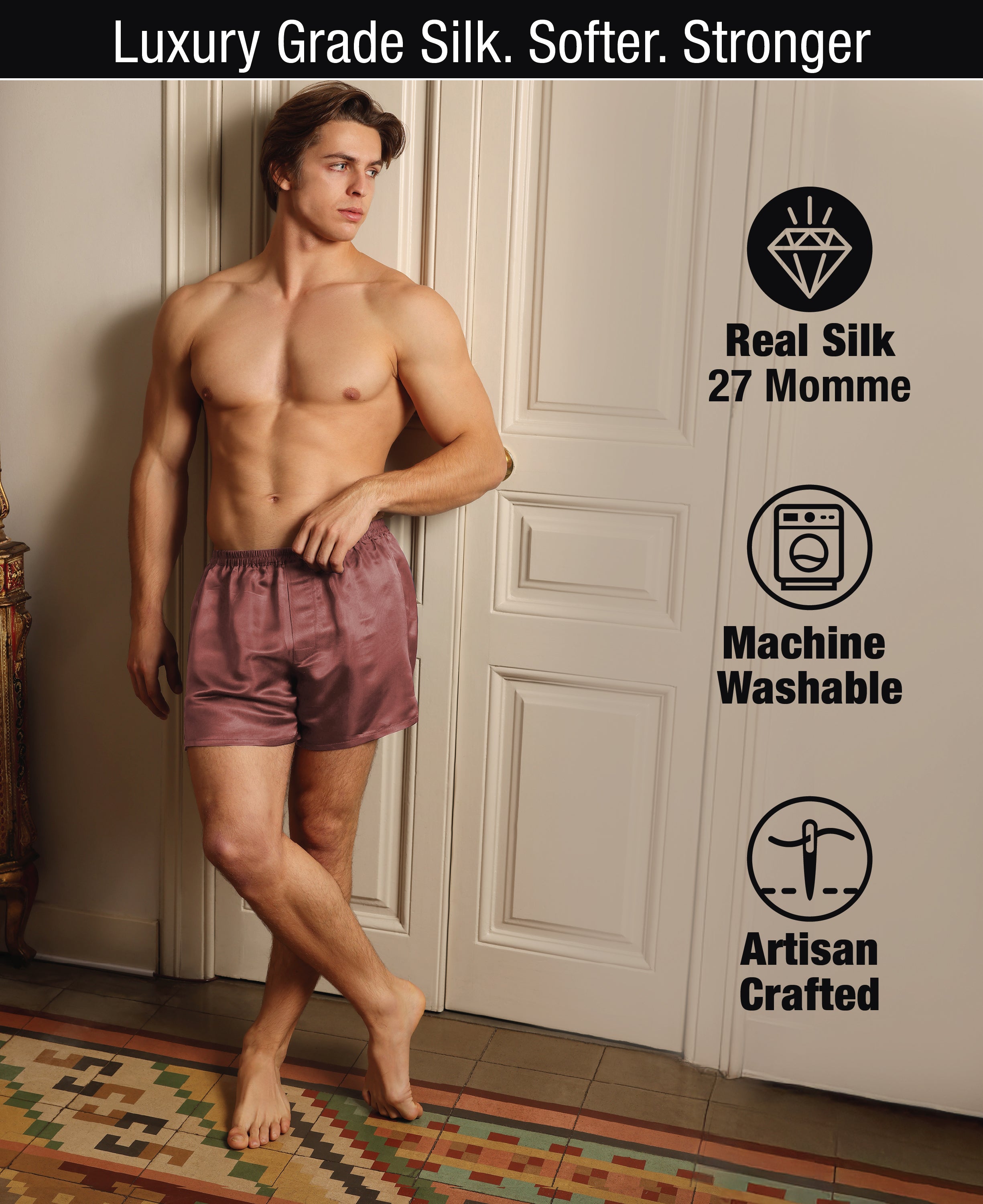
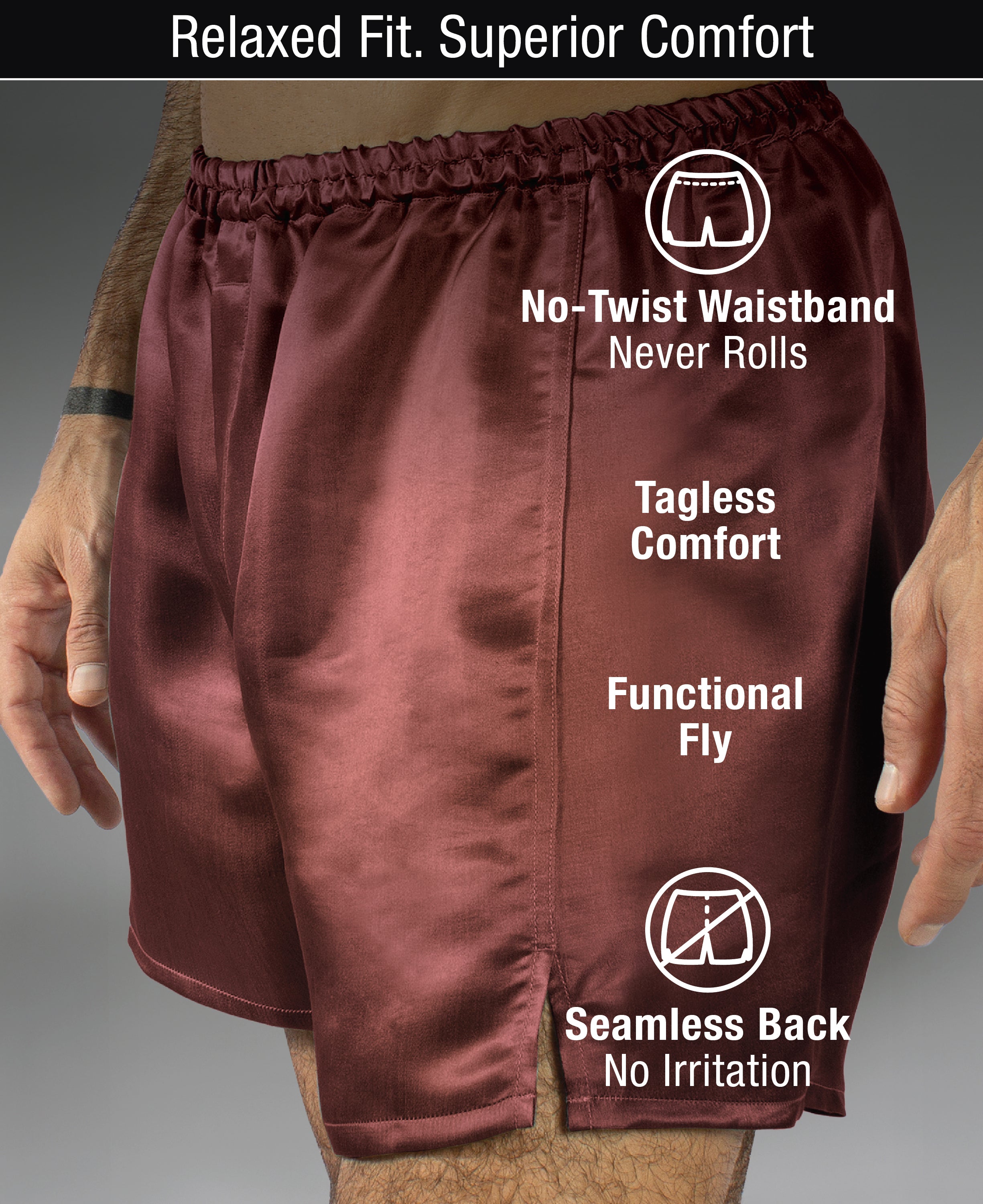
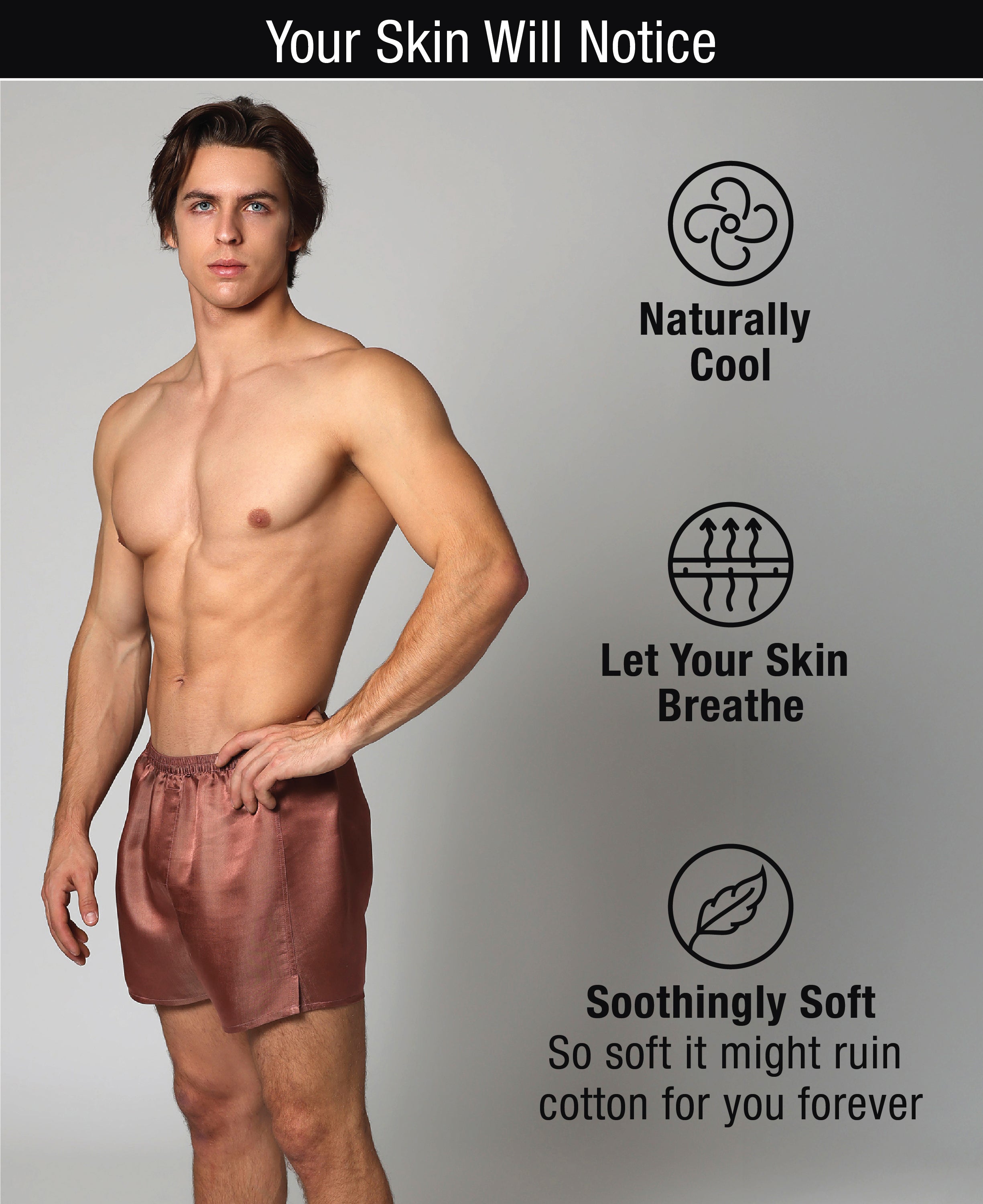
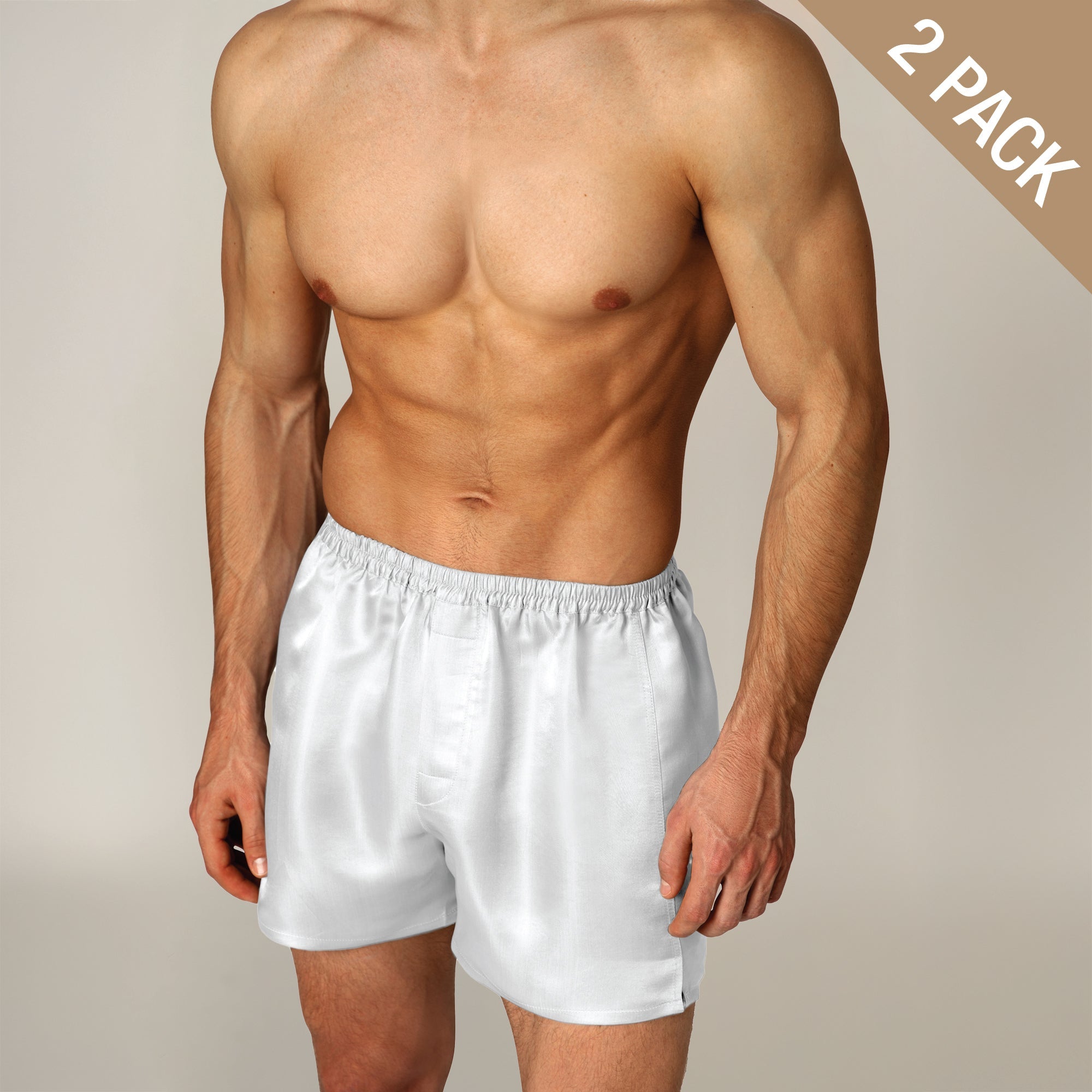
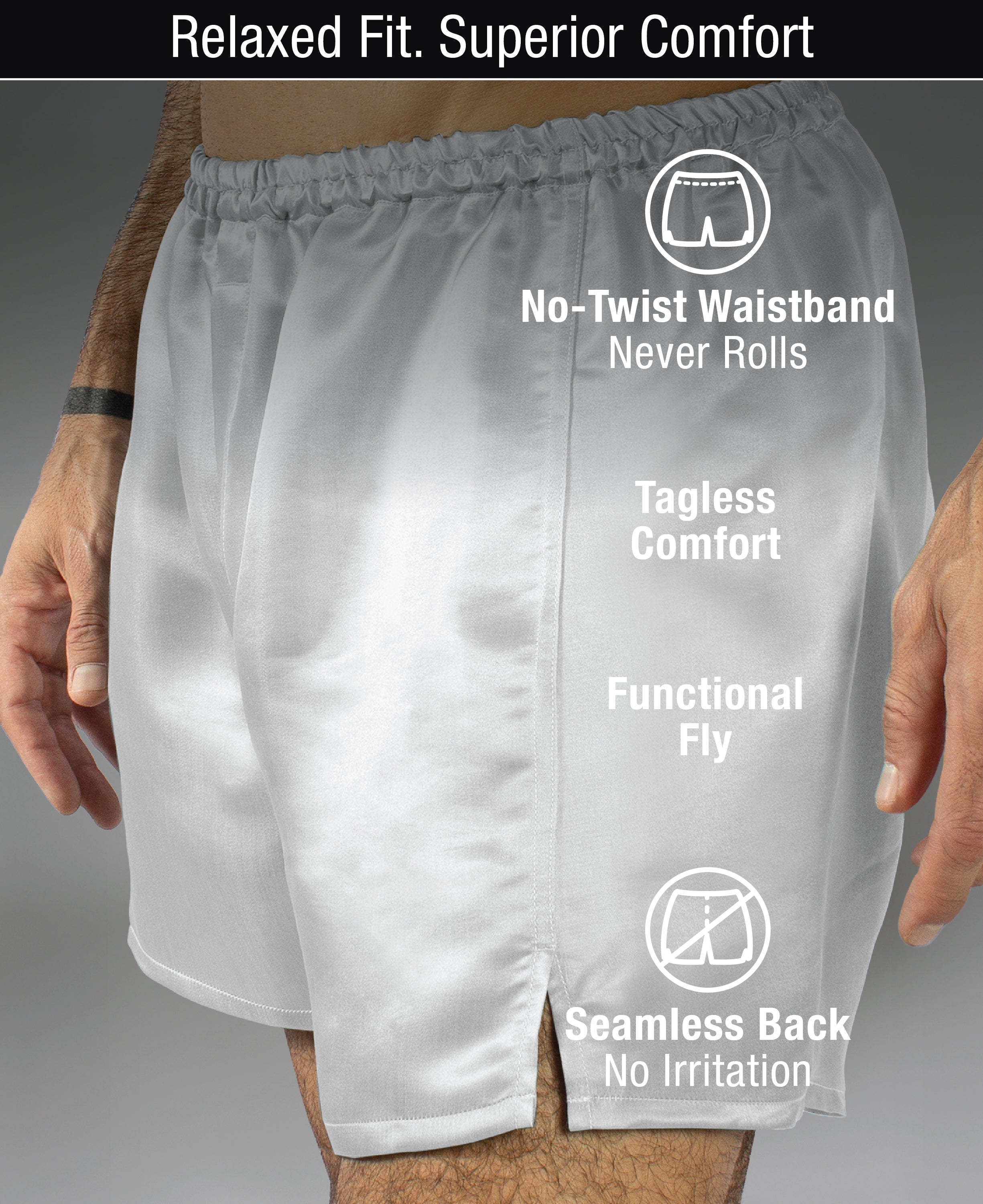
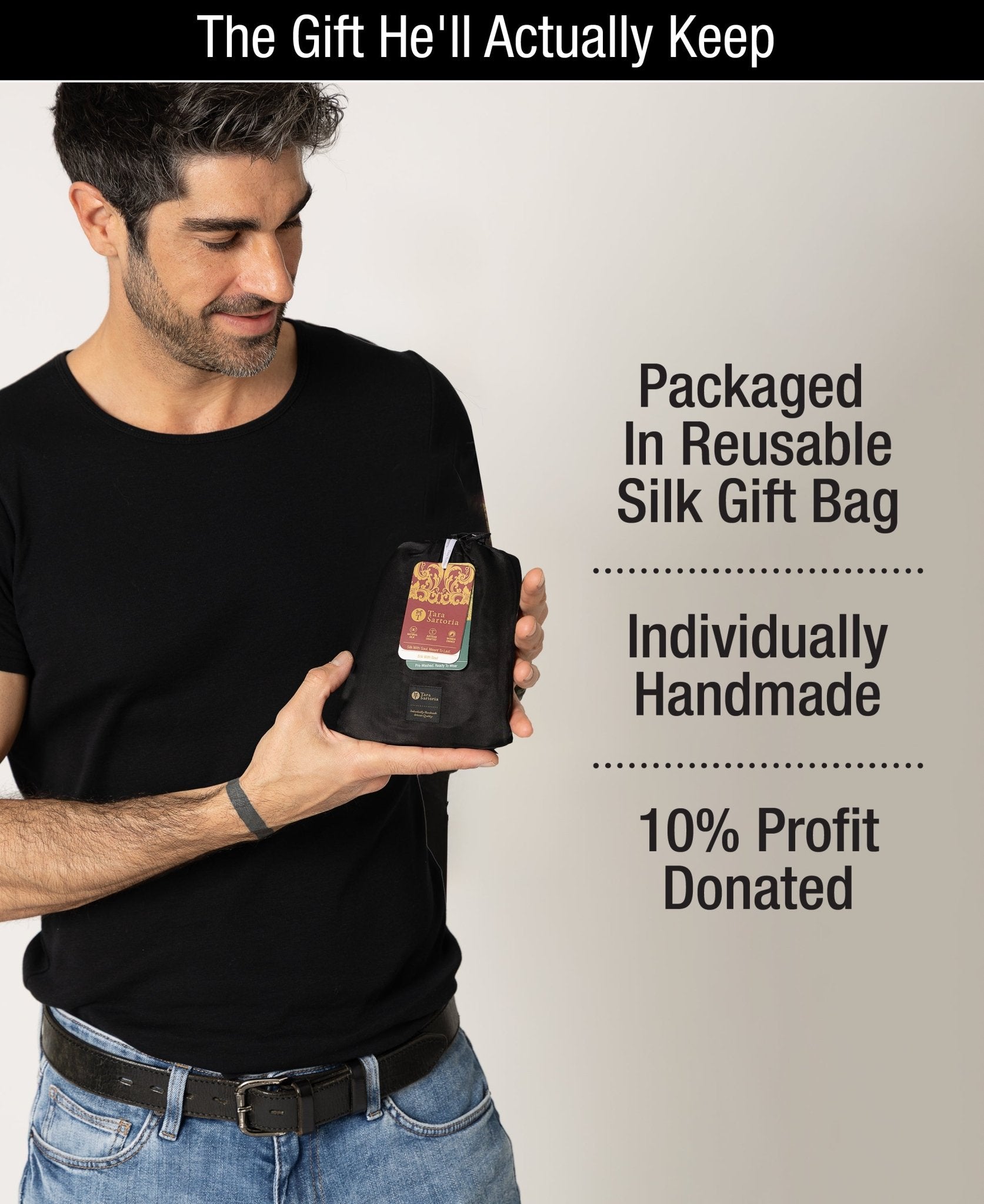
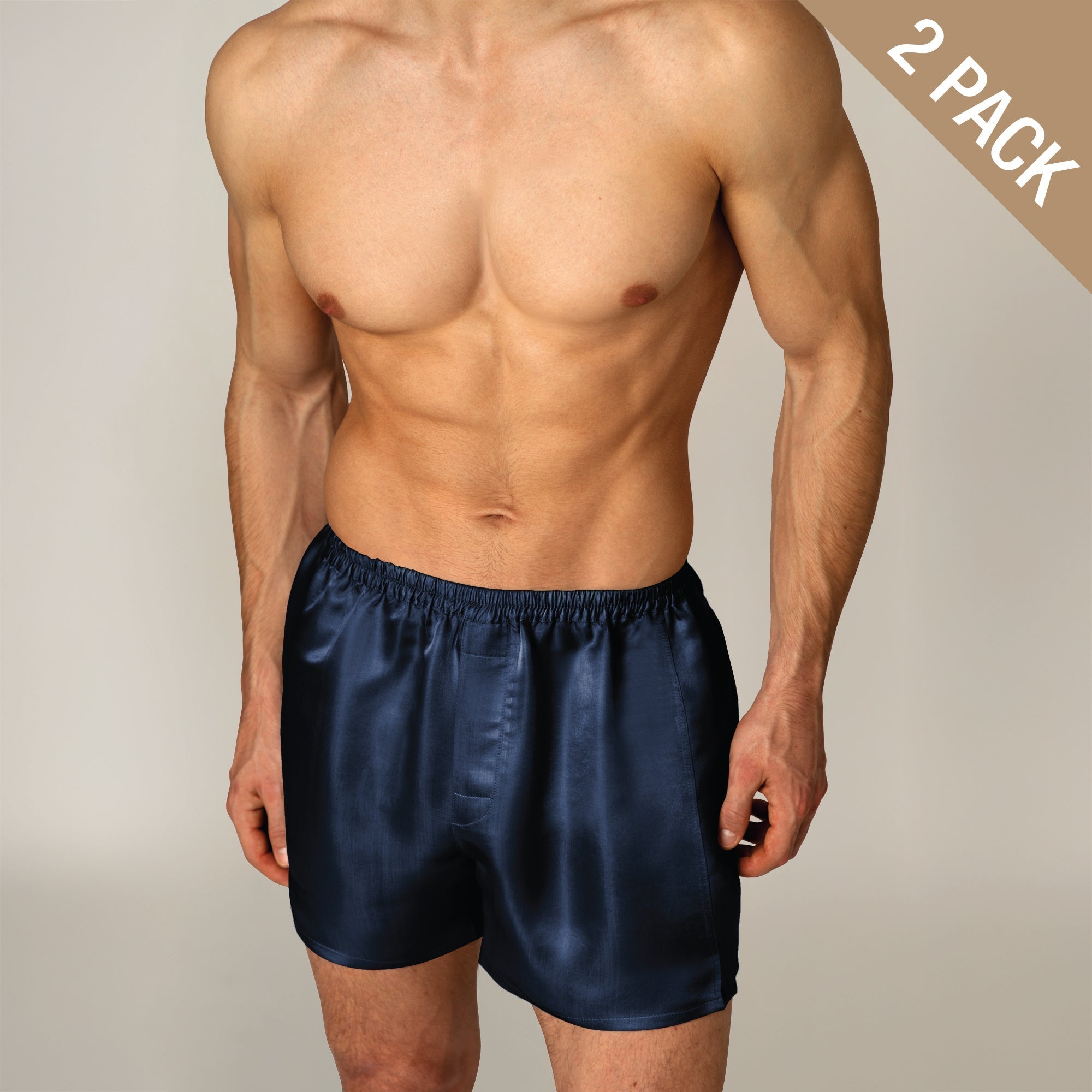
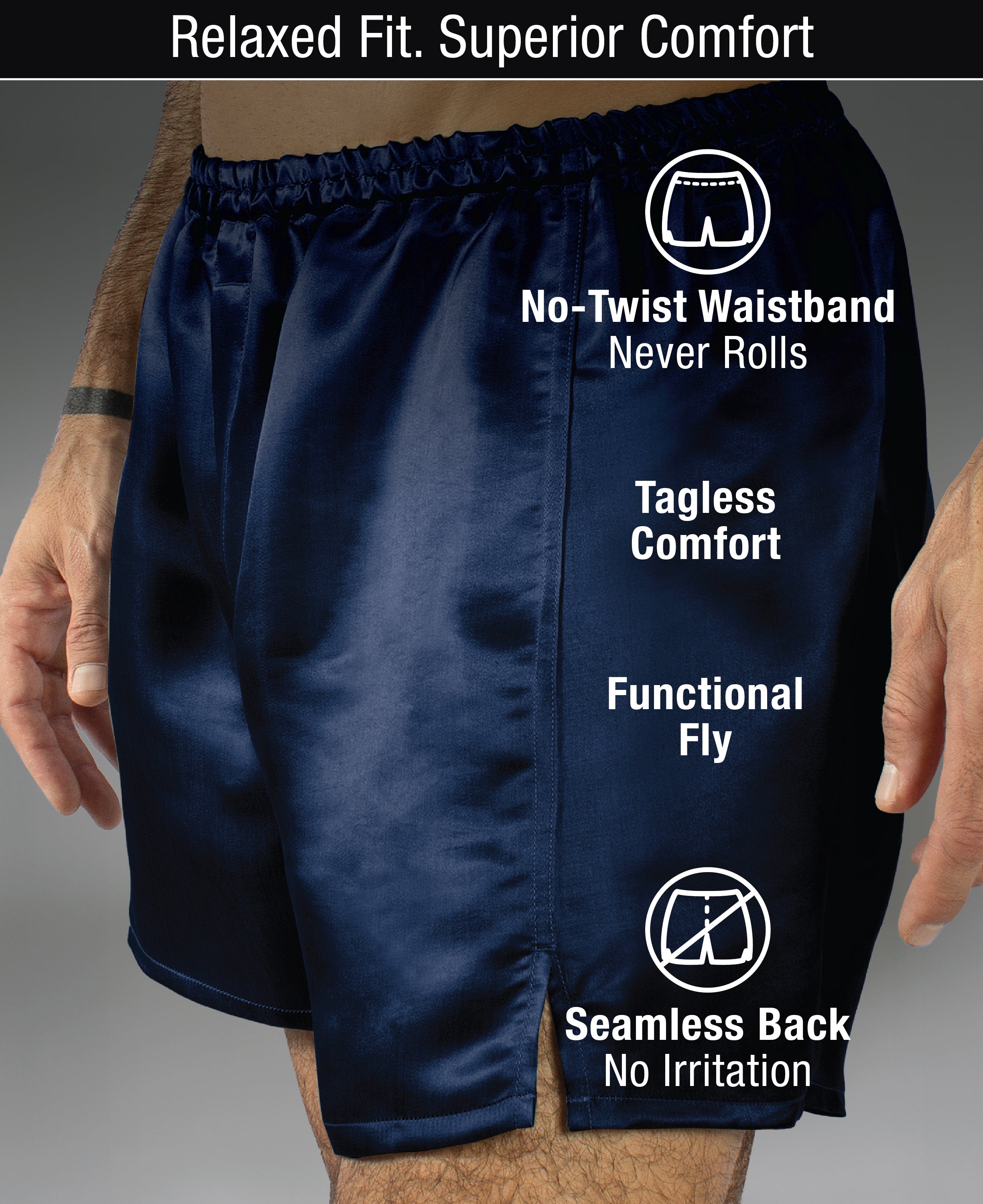
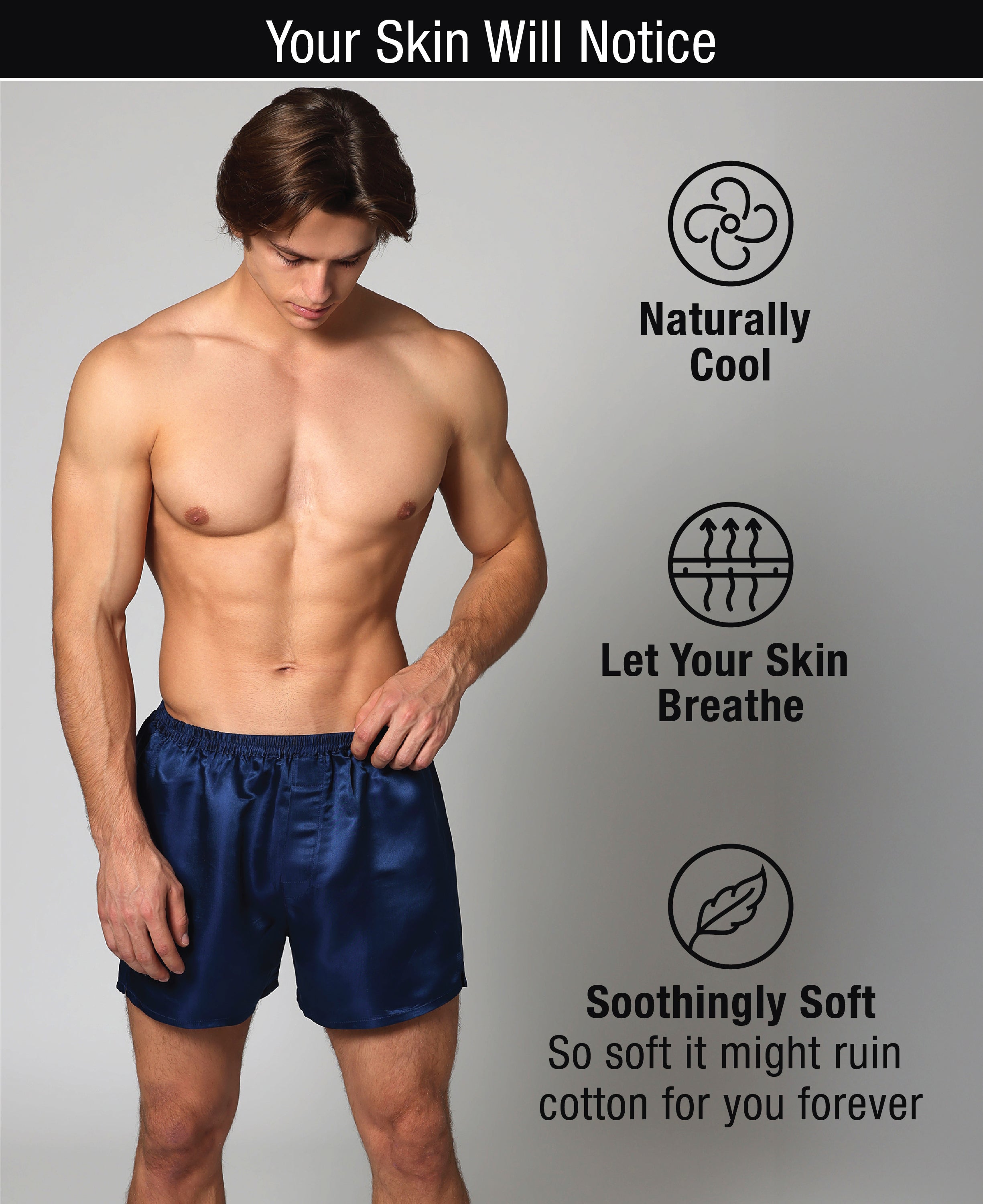
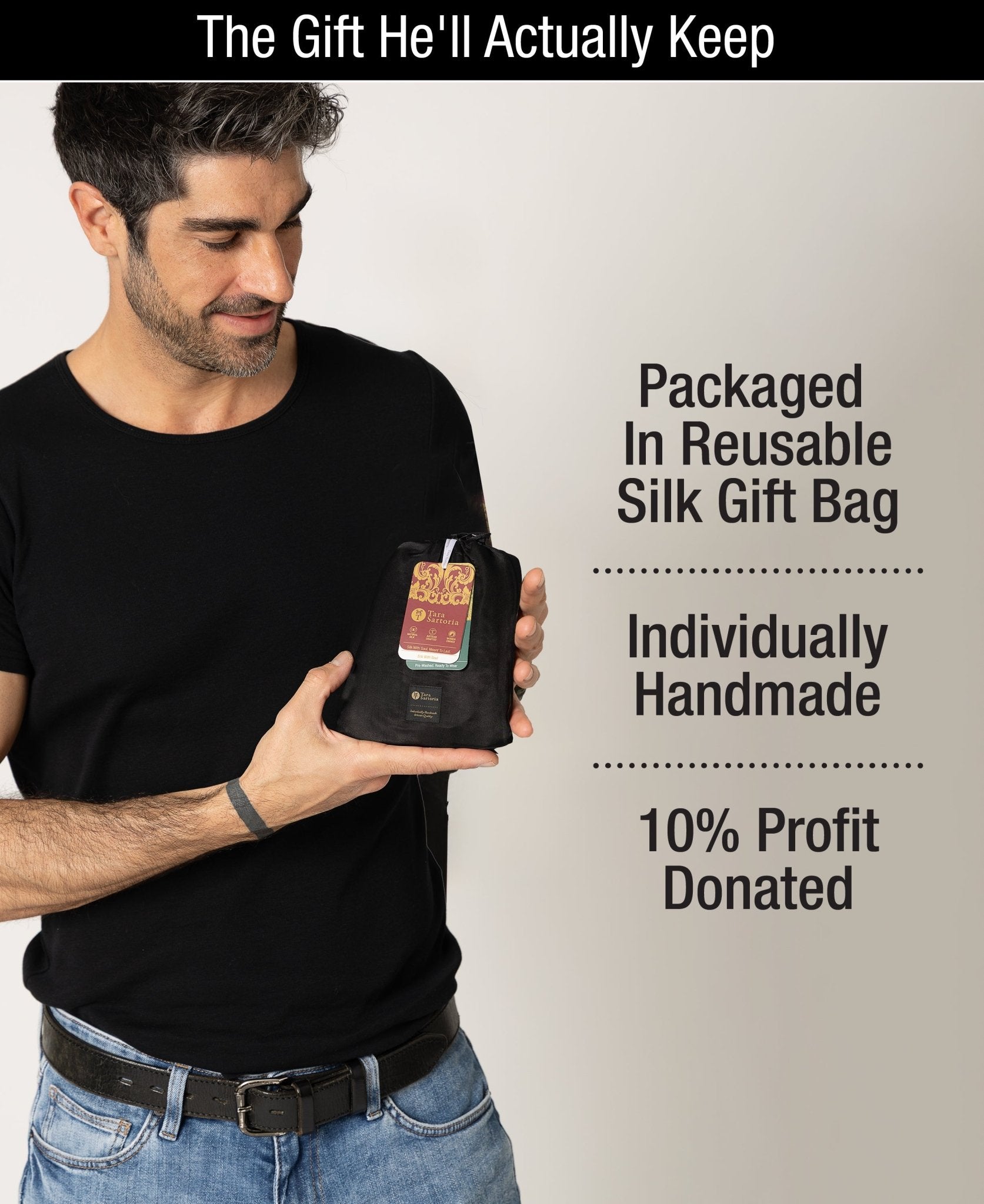
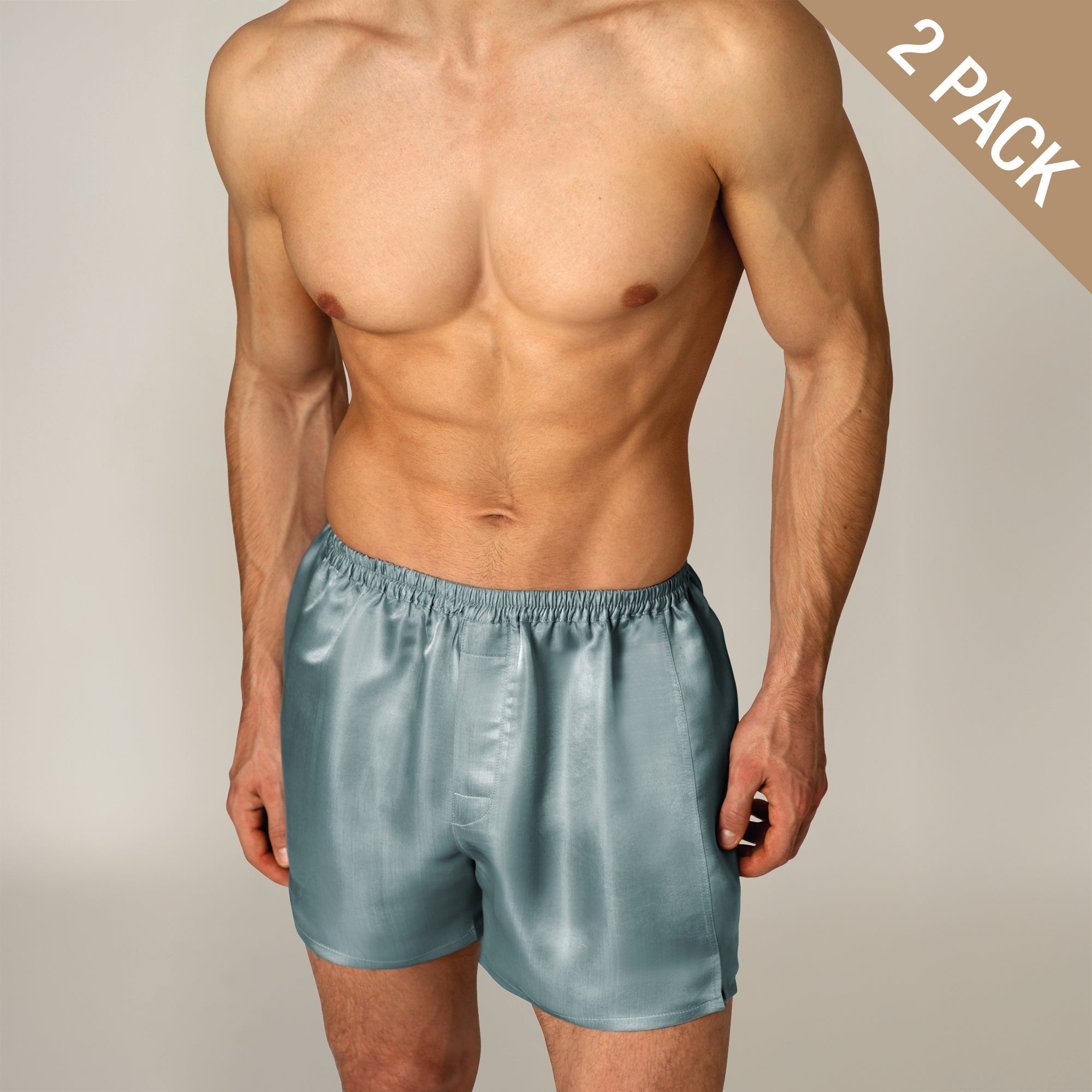
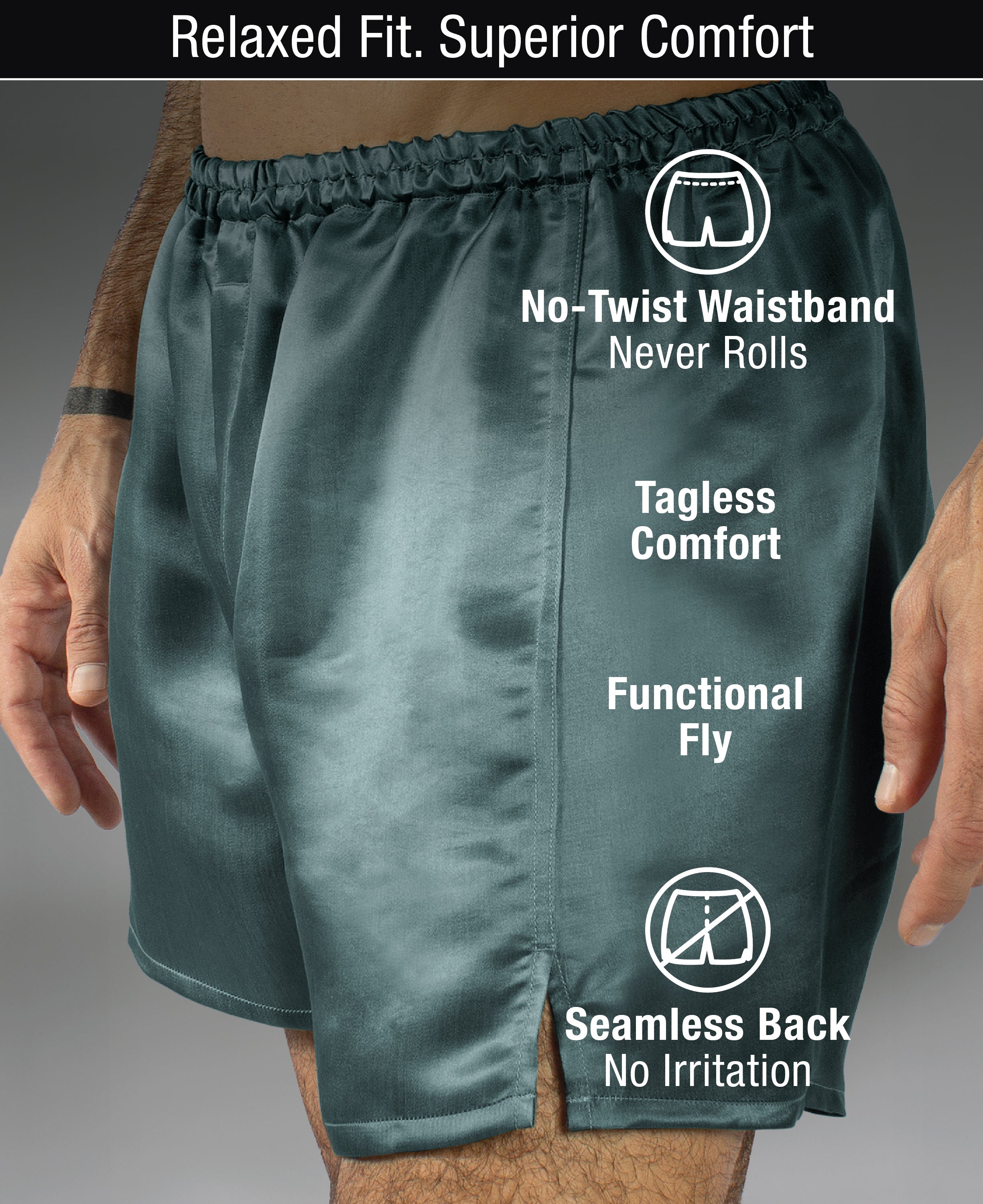
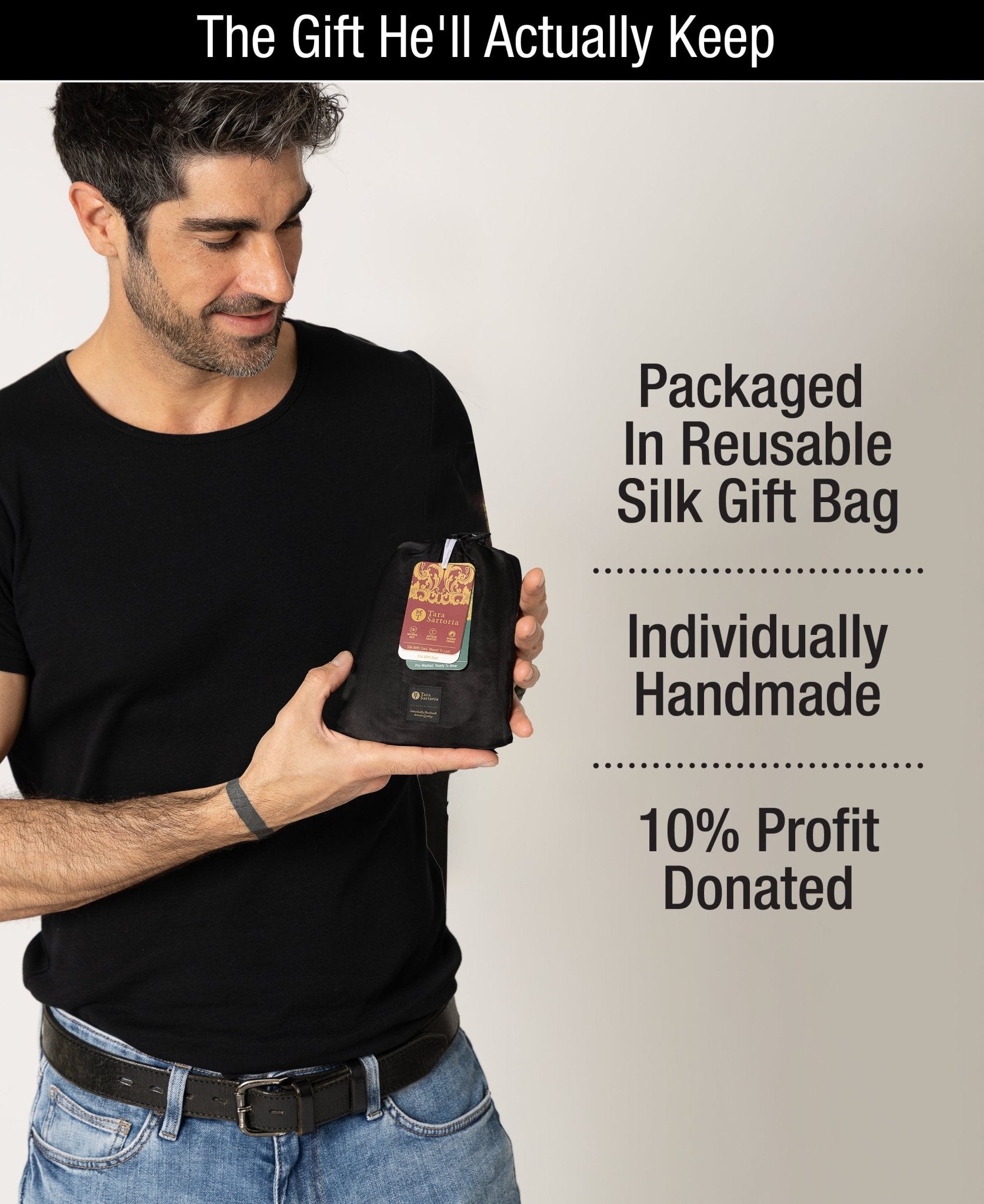
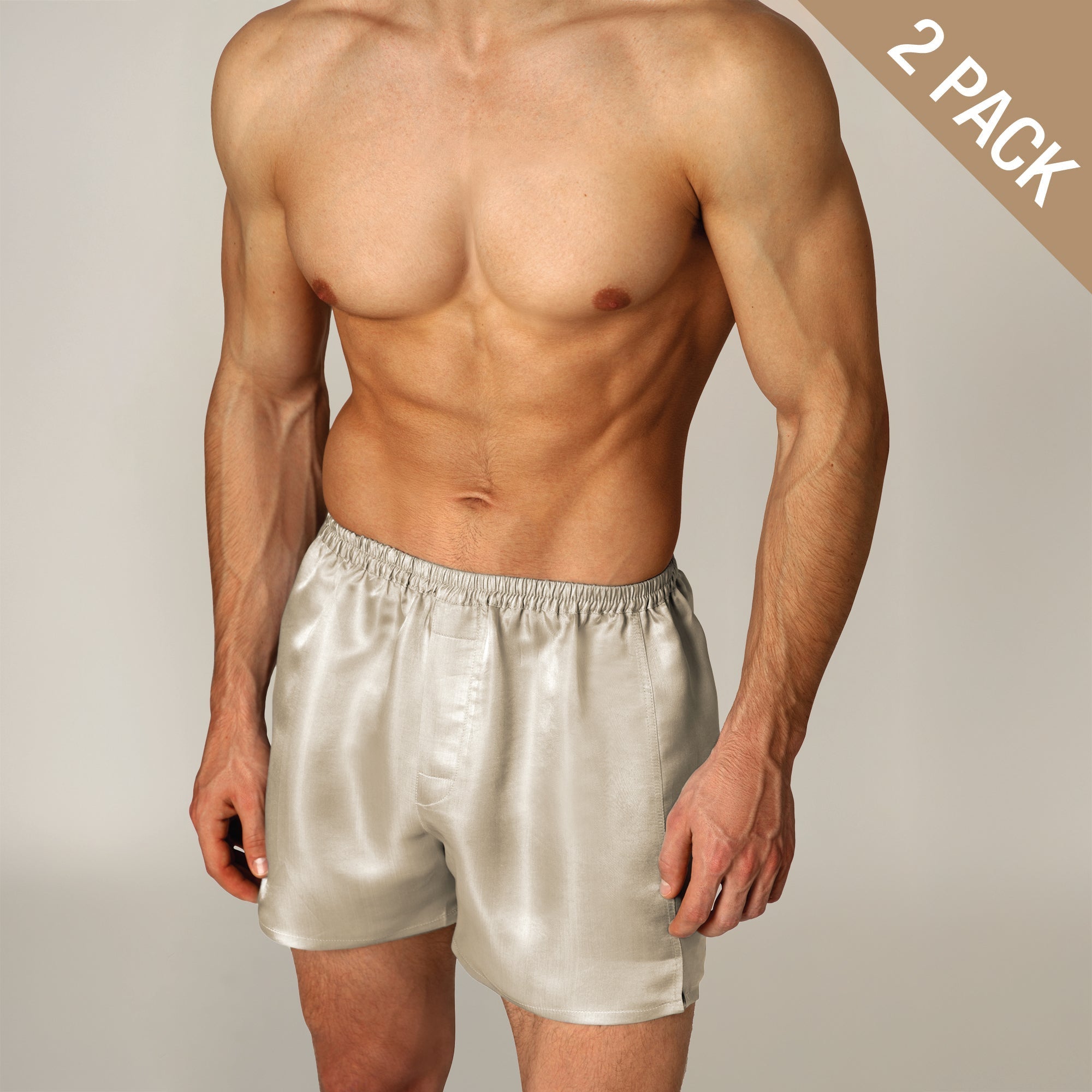
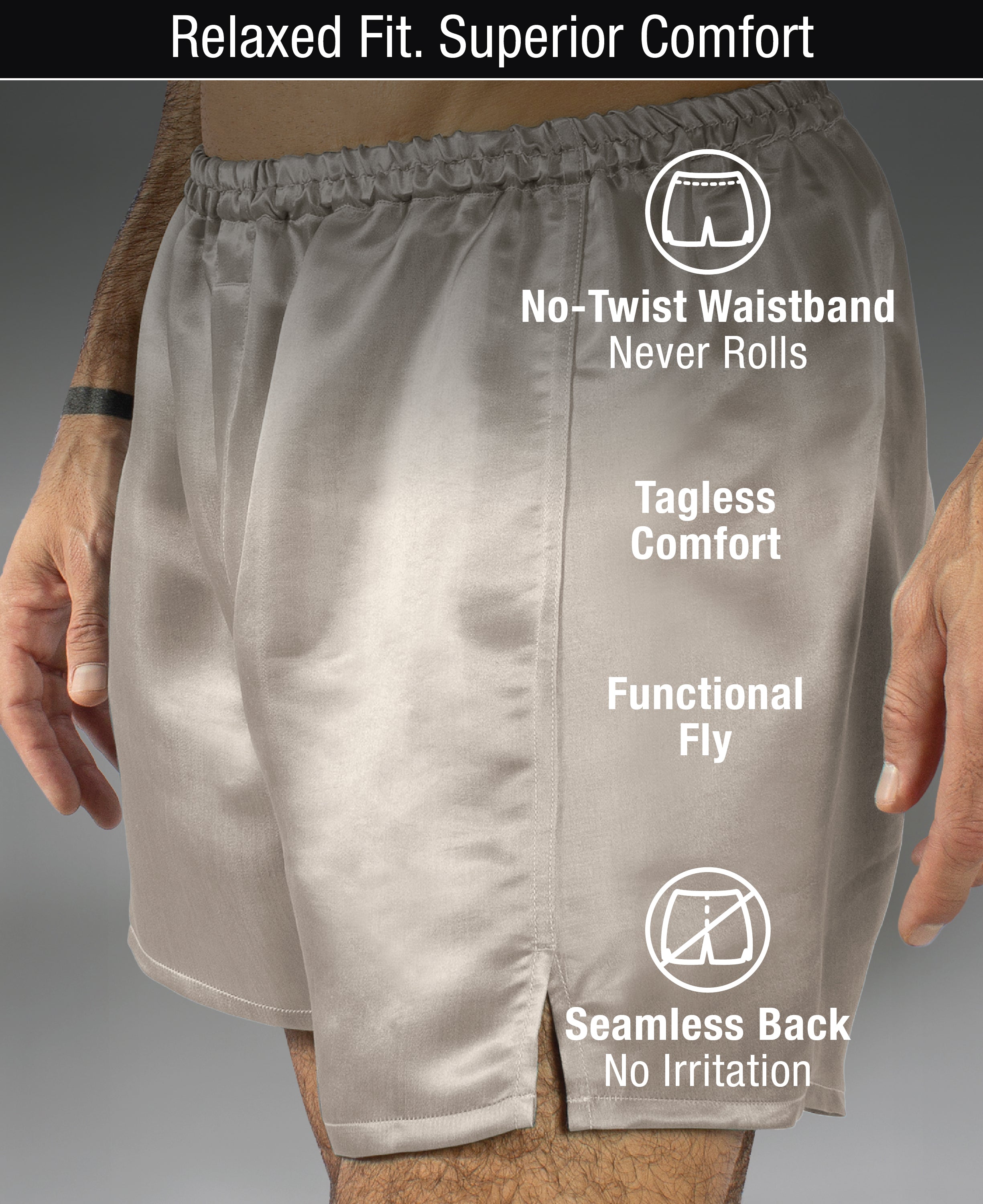
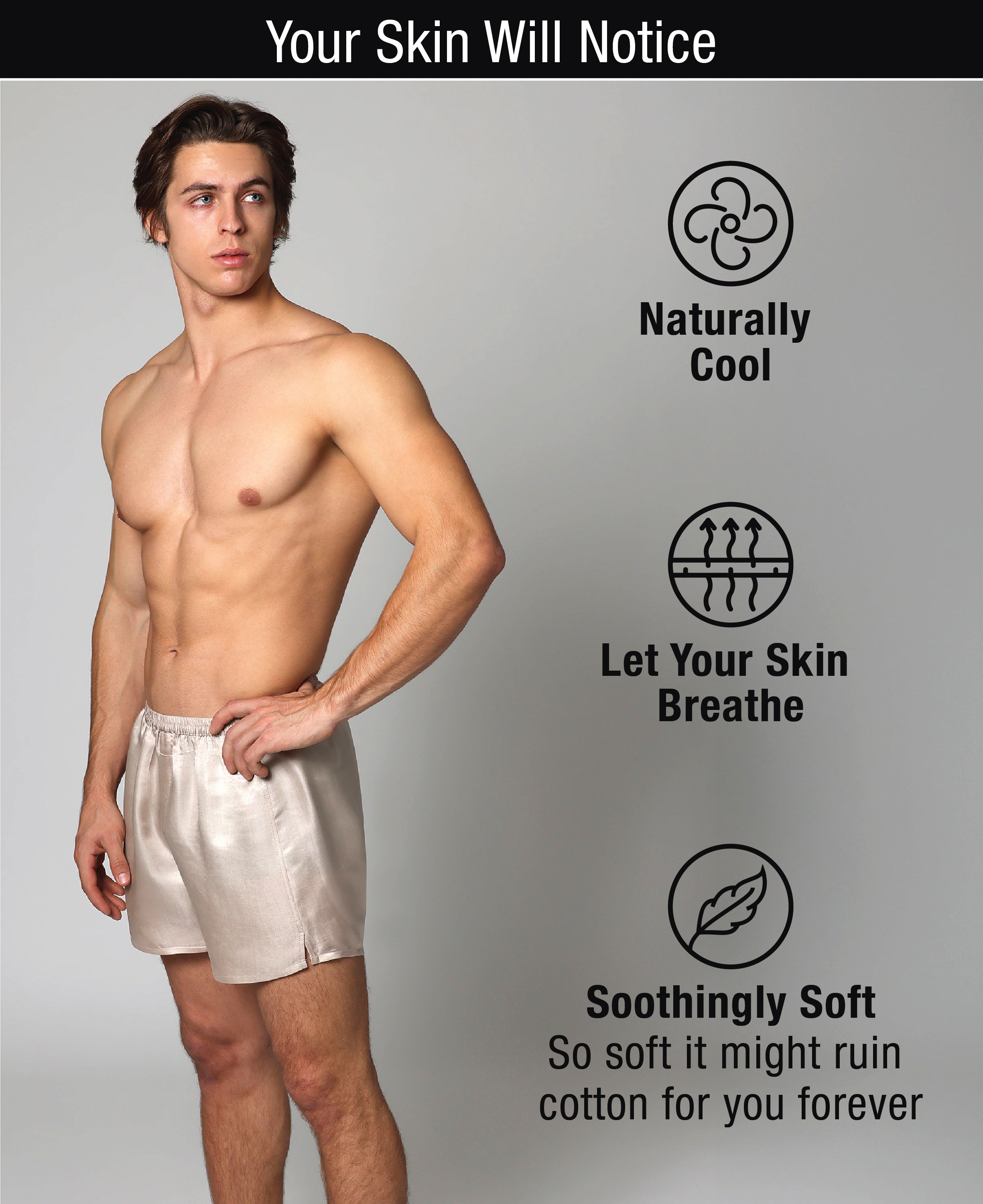
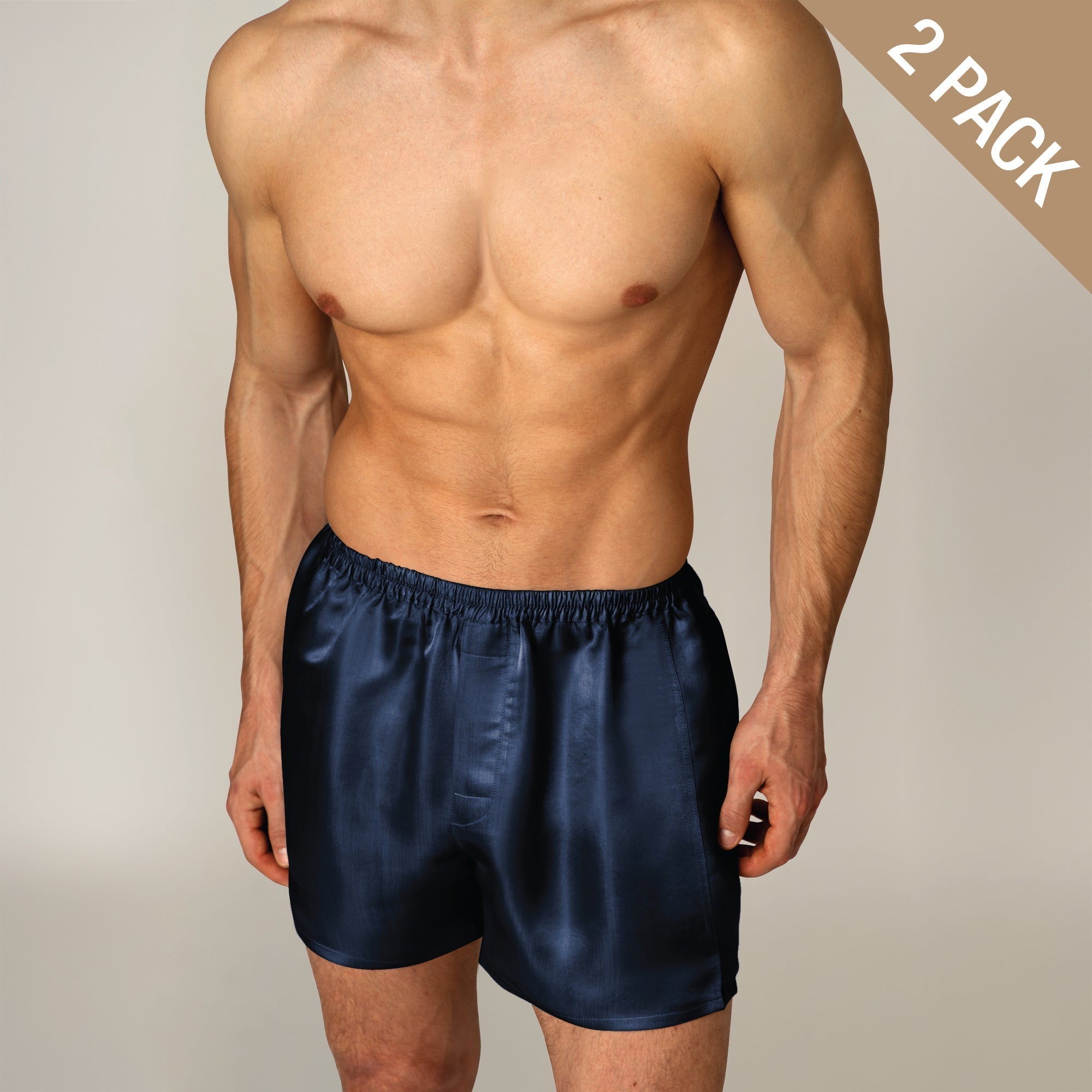
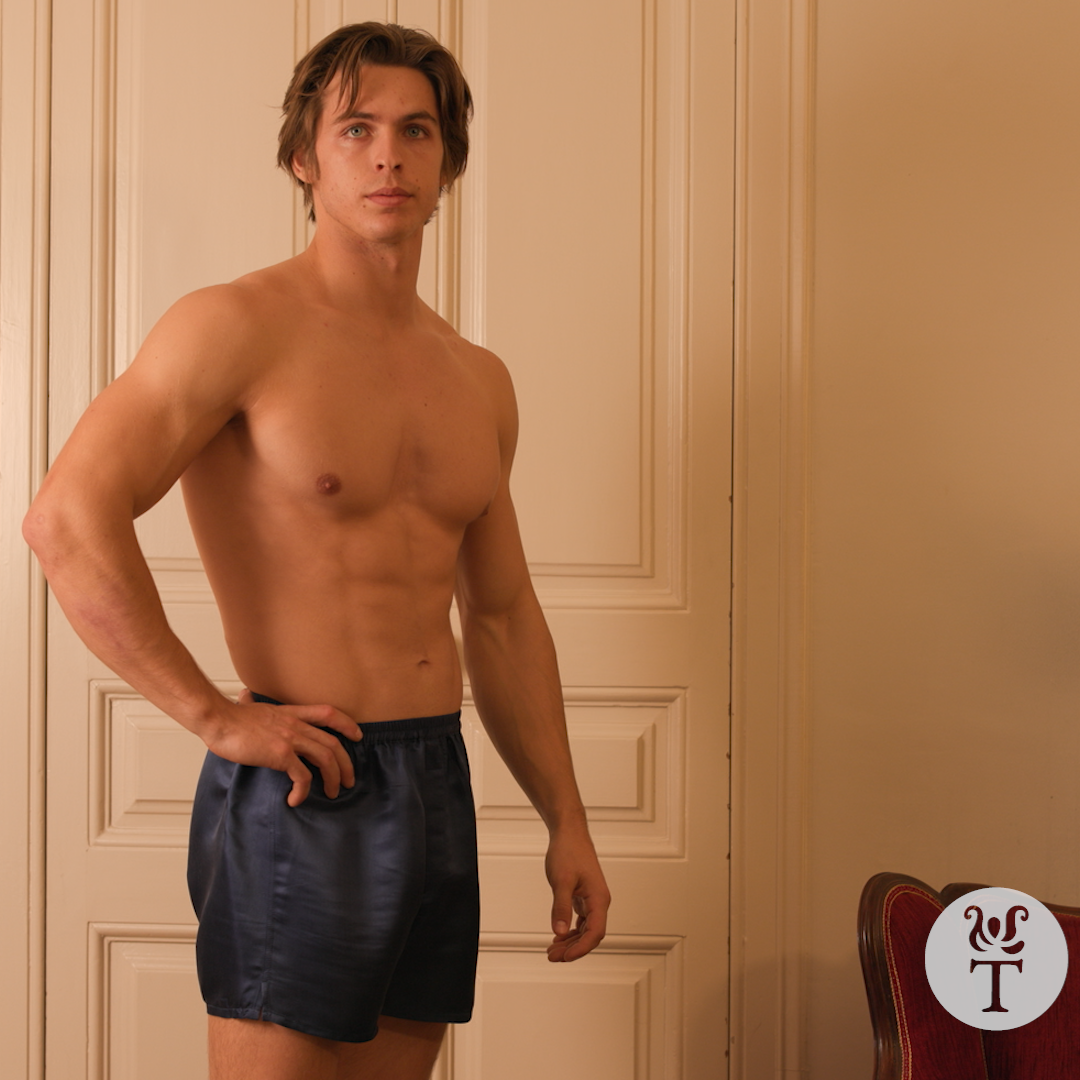
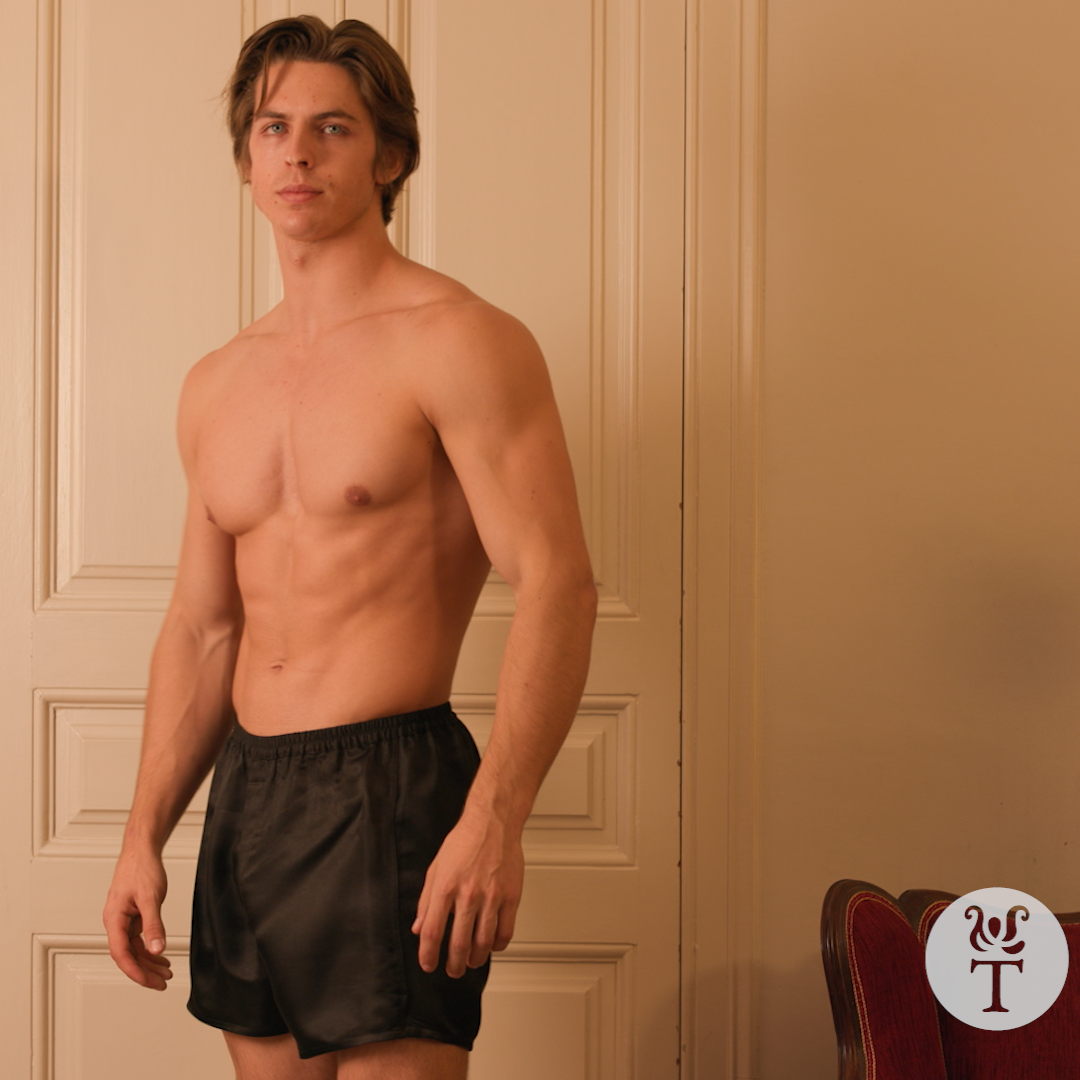
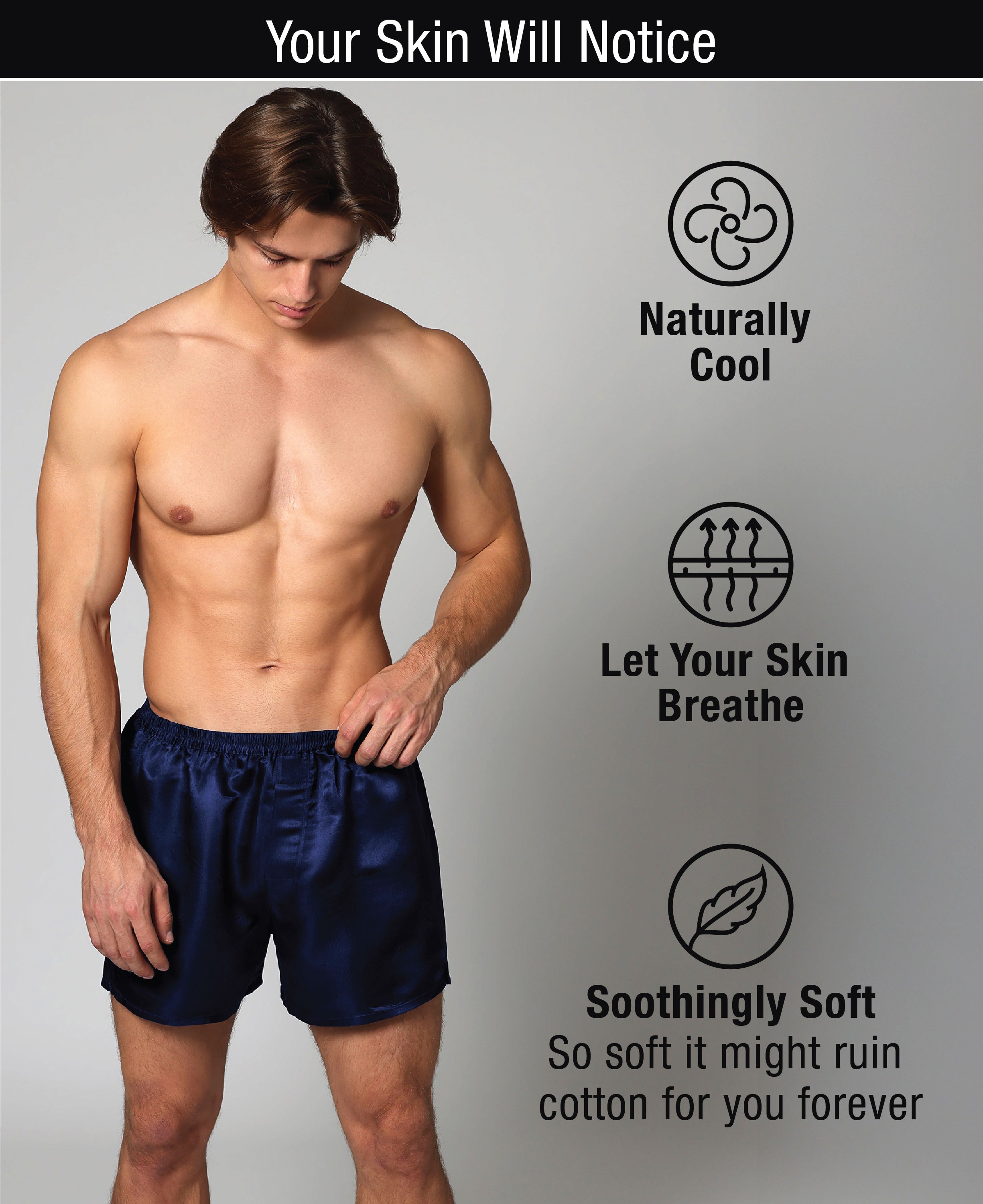
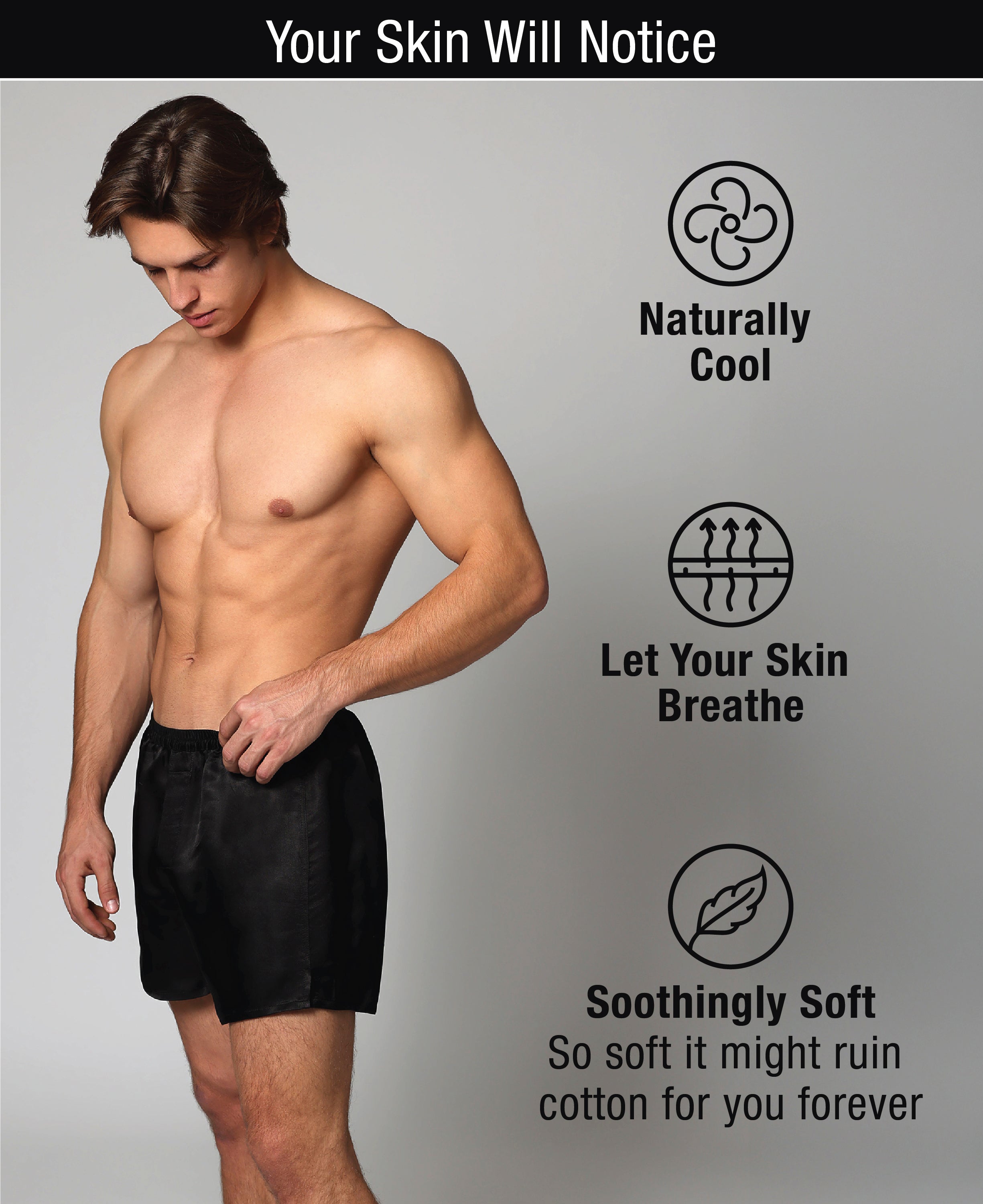
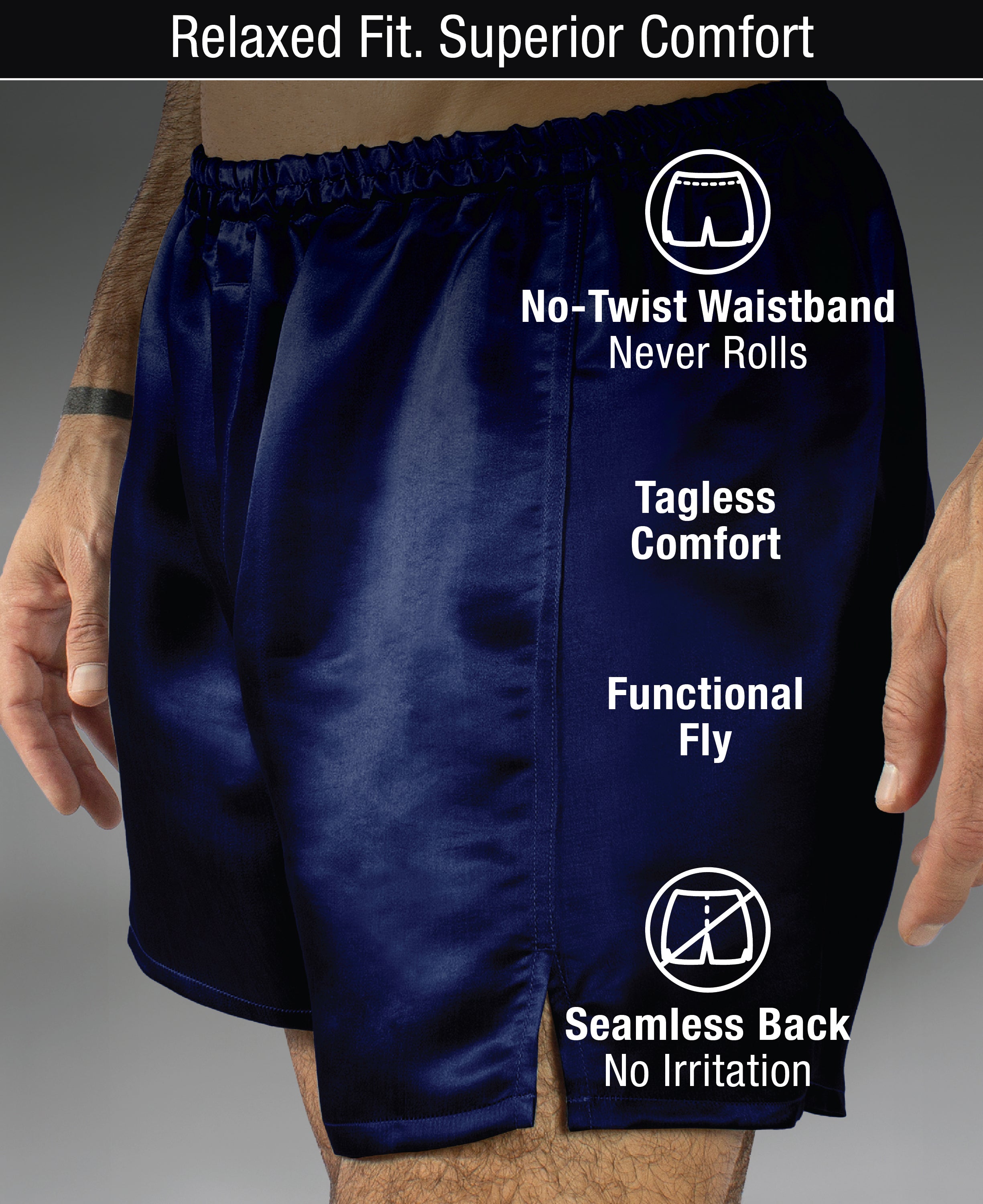
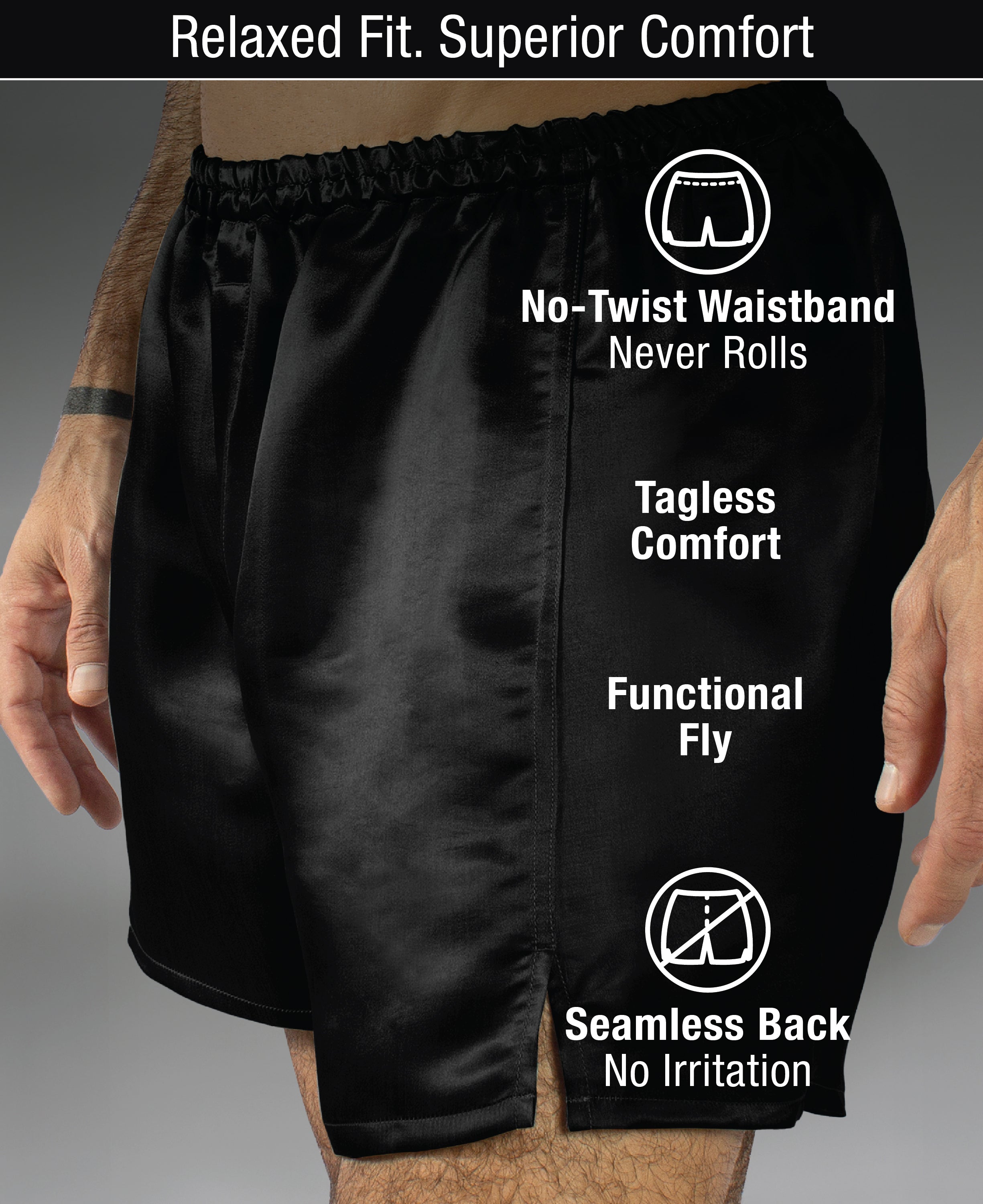
These are the pieces where the fiber, the density, and the construction do their work together. Twenty-seven momme mulberry silk, French seams, heritage-loom weaving from Vietnam's historic silk villages. What real silk looks and feels like when the fabric is honest about what it is.
























How to Shop Silk Online Without Being Fooled
Four checks before you order will catch most of the misrepresented pieces on the market.
First, read the fiber composition, not the product title. Titles say "silk." Fiber composition tags do not lie in the same way, because they are governed by textile-labeling regulations. If the tag says "100% polyester," the piece is polyester, regardless of what the title says. If the tag says "silk blend," the piece is mostly not silk.
Second, look for the momme number. Real silk sleepwear brands publish the momme weight of the fabric, because momme is the metric that describes density. Polyester "silk" listings never mention momme, because polyester is not measured that way. Absence of momme is a strong signal.
Third, check the country of origin. Real silk is almost always made in China, Vietnam, India, or a small number of other silk-producing countries. Polyester "silk" is more commonly made in countries with lower fabric costs and no silk tradition. This is not a rule, but it is a pattern.
Fourth, price against realistic silk costs. If the retail price is significantly under what real mulberry silk sleepwear at that size normally costs (roughly $150 to $250 at a 2X, higher at 3X and 4X), the fabric is almost certainly not silk. Real silk cannot be sold at those price points without a loss.
The Takeaway
Real silk is a natural fiber; satin is a weave, not a fiber, and most "silk" satin in plus size sleepwear is polyester with a slick finish. The four tests (price, weight, sound, burn) will tell you the difference, and the product page will tell you before the piece arrives if you read the fiber composition rather than the title. If the tag says "100% polyester" and the title says "silk," the title is the marketing and the tag is the truth. Real silk is more expensive, and it is more expensive for structural reasons that do not go away when the size is 3X. If you have been fooled before, you were being sold, not being careless. Find your size when you are ready.
Frequently Asked Questions
Why is so much plus size silk actually polyester?
Because real mulberry silk costs the maker roughly ten to fifteen times what polyester satin costs at the fabric stage, and the cost gap widens at plus sizes because the garment uses more fabric. Mass-market brands substitute polyester and continue to use the word "silk" in the product title, relying on customers not to check the fiber composition tag. Nineteen out of twenty plus size pieces labeled "silk" on Amazon at 2X and above are polyester in my 2026 audits.
How can I tell if a silk pajama is real silk?
Four tests. Price (real silk sleepwear at a 2X rarely retails under $150). Weight (real silk has a substantial heft; polyester feels almost weightless). Sound (real silk makes a soft dry rustle; polyester sounds slicker). Burn (a single fiber of real silk smells like burnt hair and crumbles to ash; polyester melts into a hard bead). Reading the fiber composition tag, not the product title, is the quickest catch before you order.
What is the difference between mulberry silk and satin?
Mulberry silk is a natural fiber made from the cocoons of silkworms fed exclusively on mulberry leaves. Satin is a weave pattern that produces a glossy face and a matte back, and it can be woven from any fiber, including polyester, rayon, nylon, or silk. "Silk satin" means silk fiber in a satin weave. "Satin" alone, especially in a plus size listing, usually means polyester.
Is polyester satin bad for plus size sleep?
Not bad, but limited. Polyester does not absorb moisture, so it traps sweat against the skin on warm nights. It does not drape as cleanly as denser silk on a curvy body, because static builds up and the fabric clings. It also lasts a shorter time (twelve to eighteen months of regular use) before pilling and fading. If it is priced honestly as polyester, it is a reasonable synthetic fabric. If it is priced and labeled as silk, it is being misrepresented.
Where can I find real silk pajamas in plus sizes?
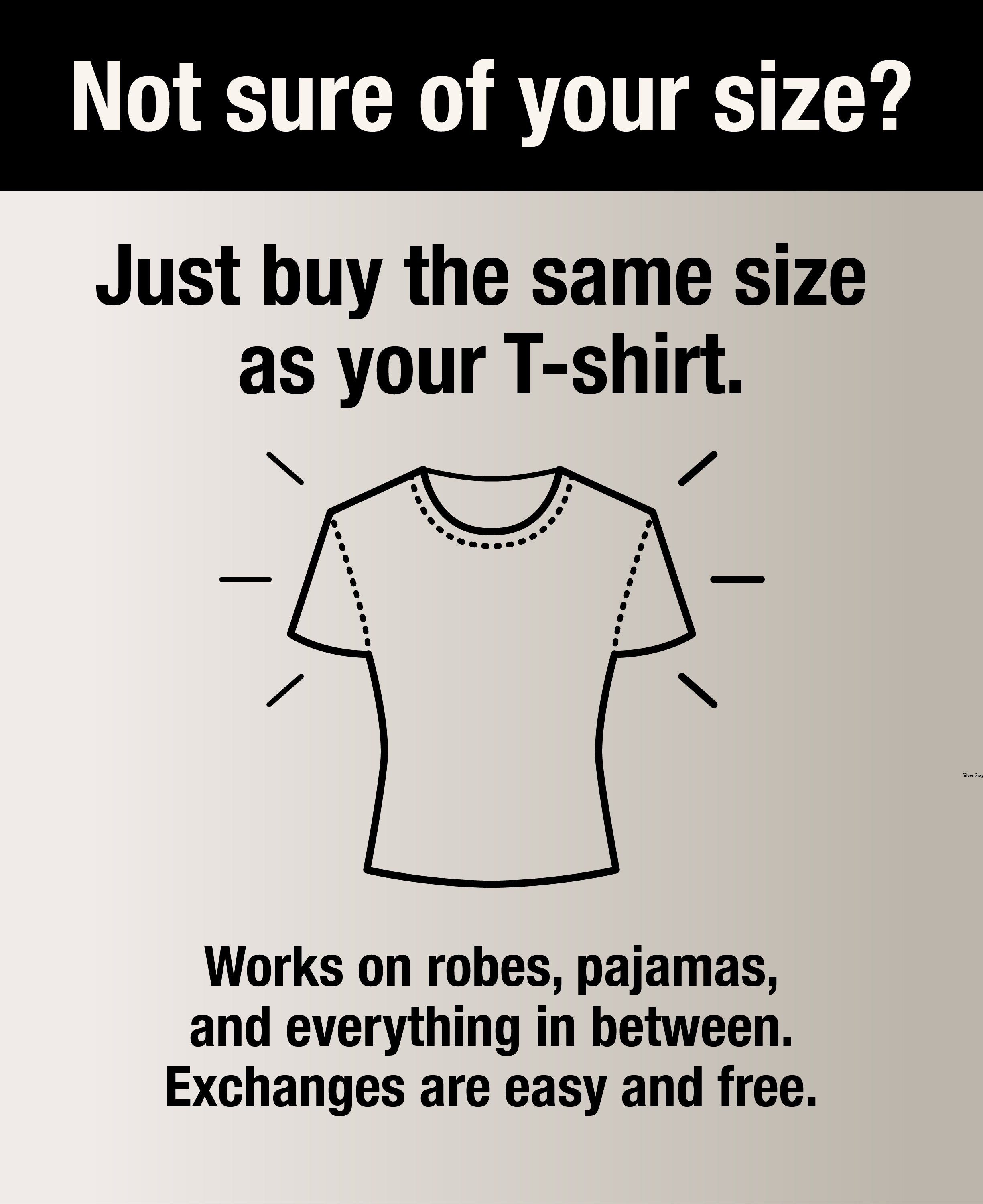
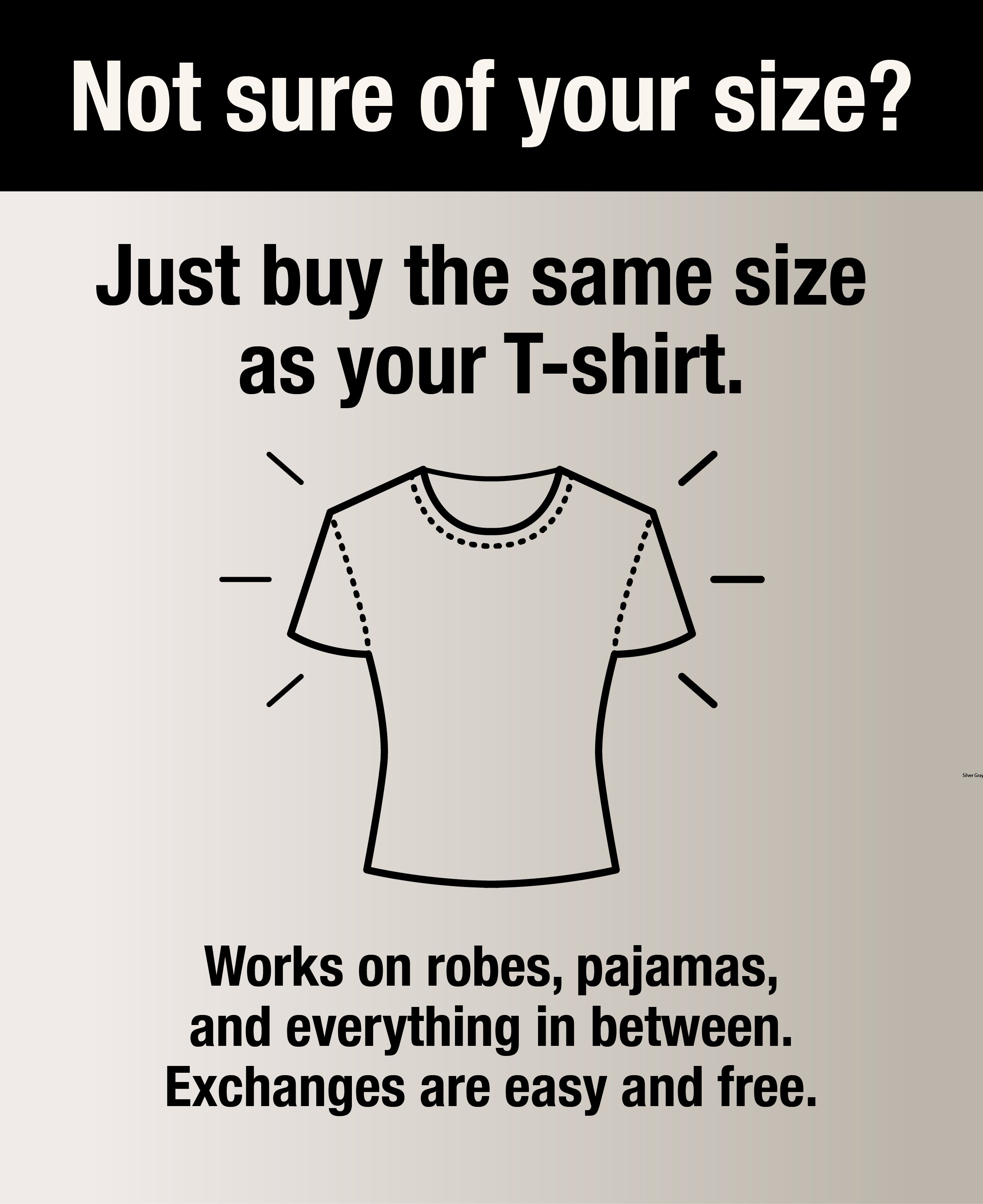
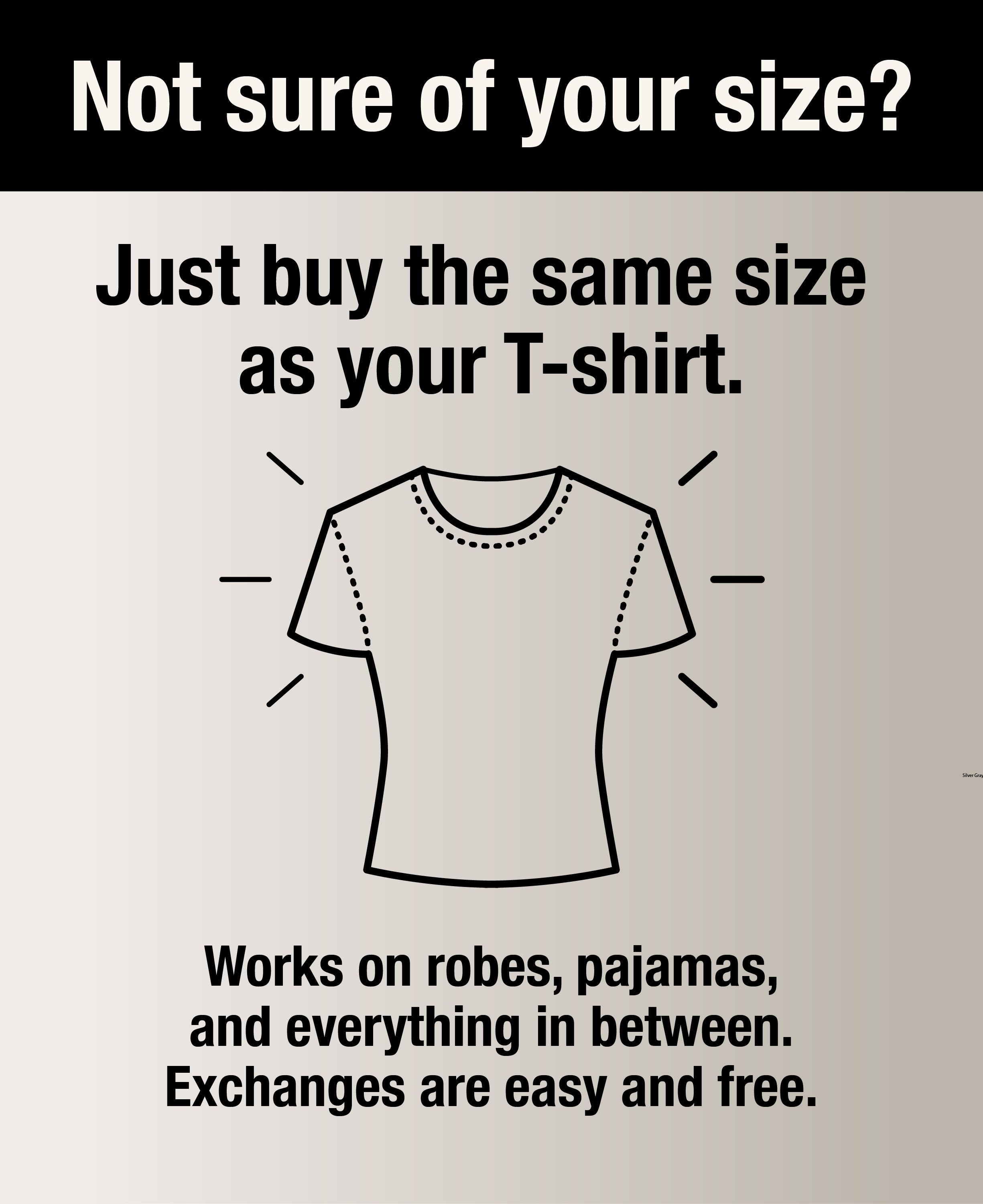
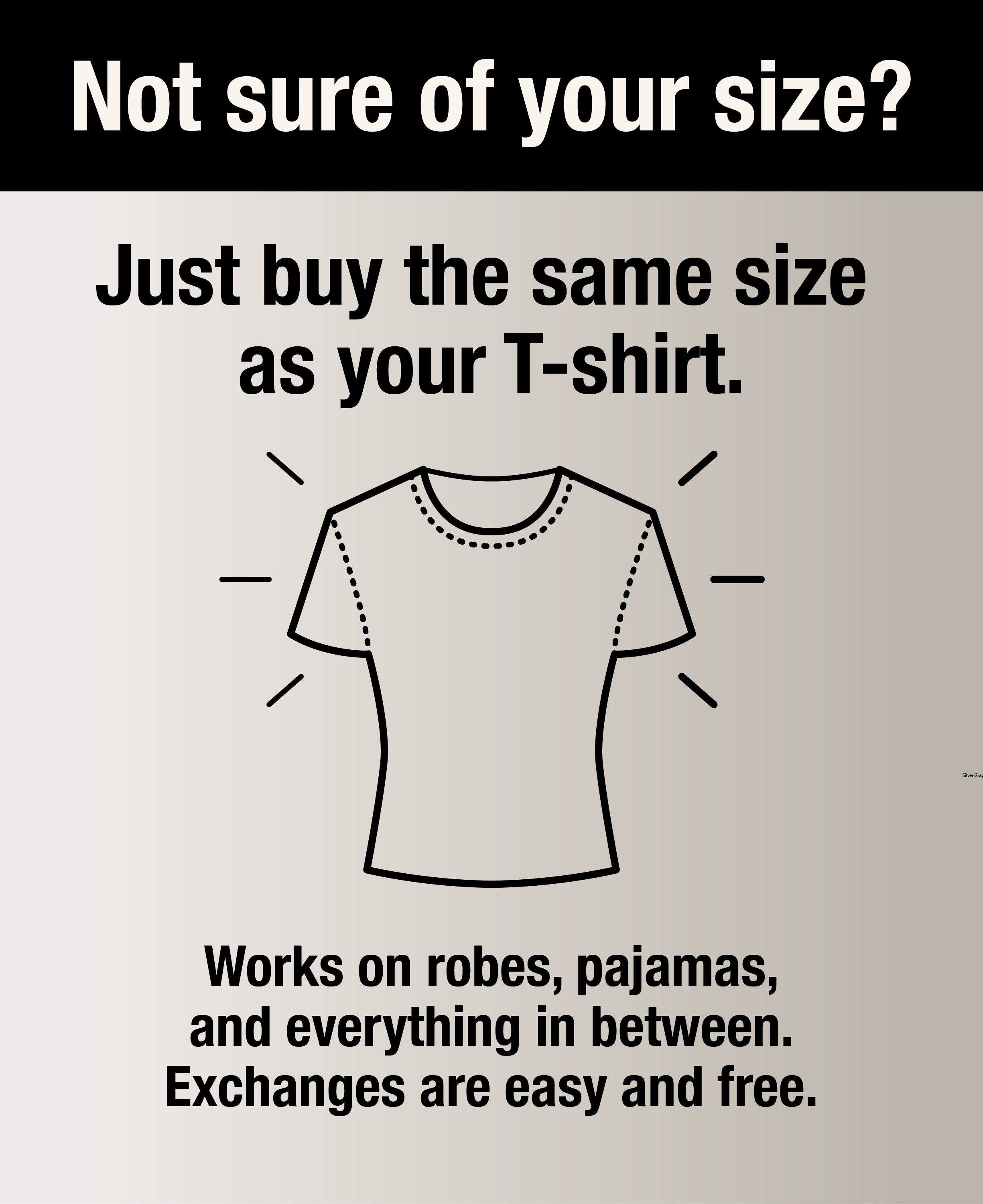
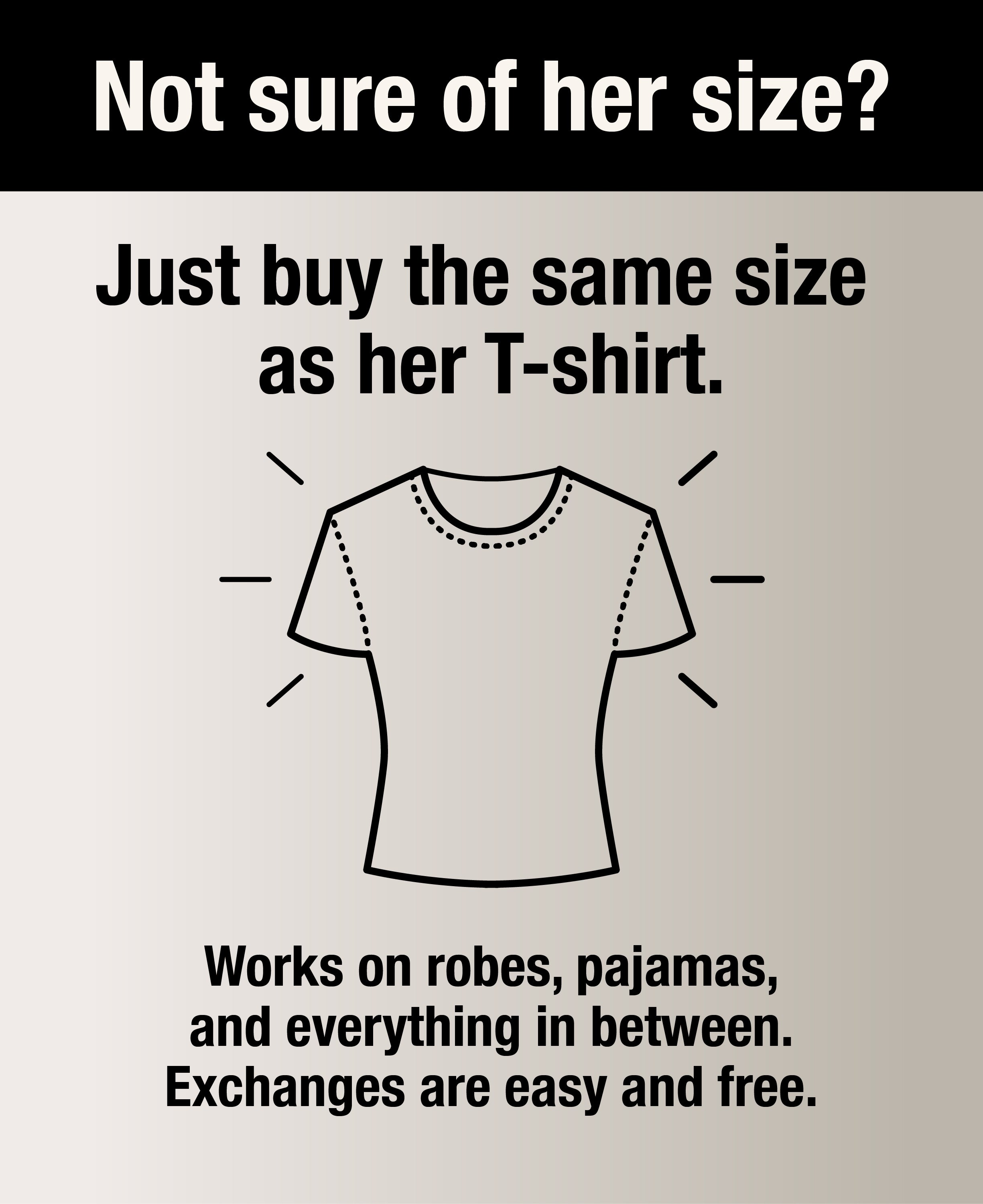
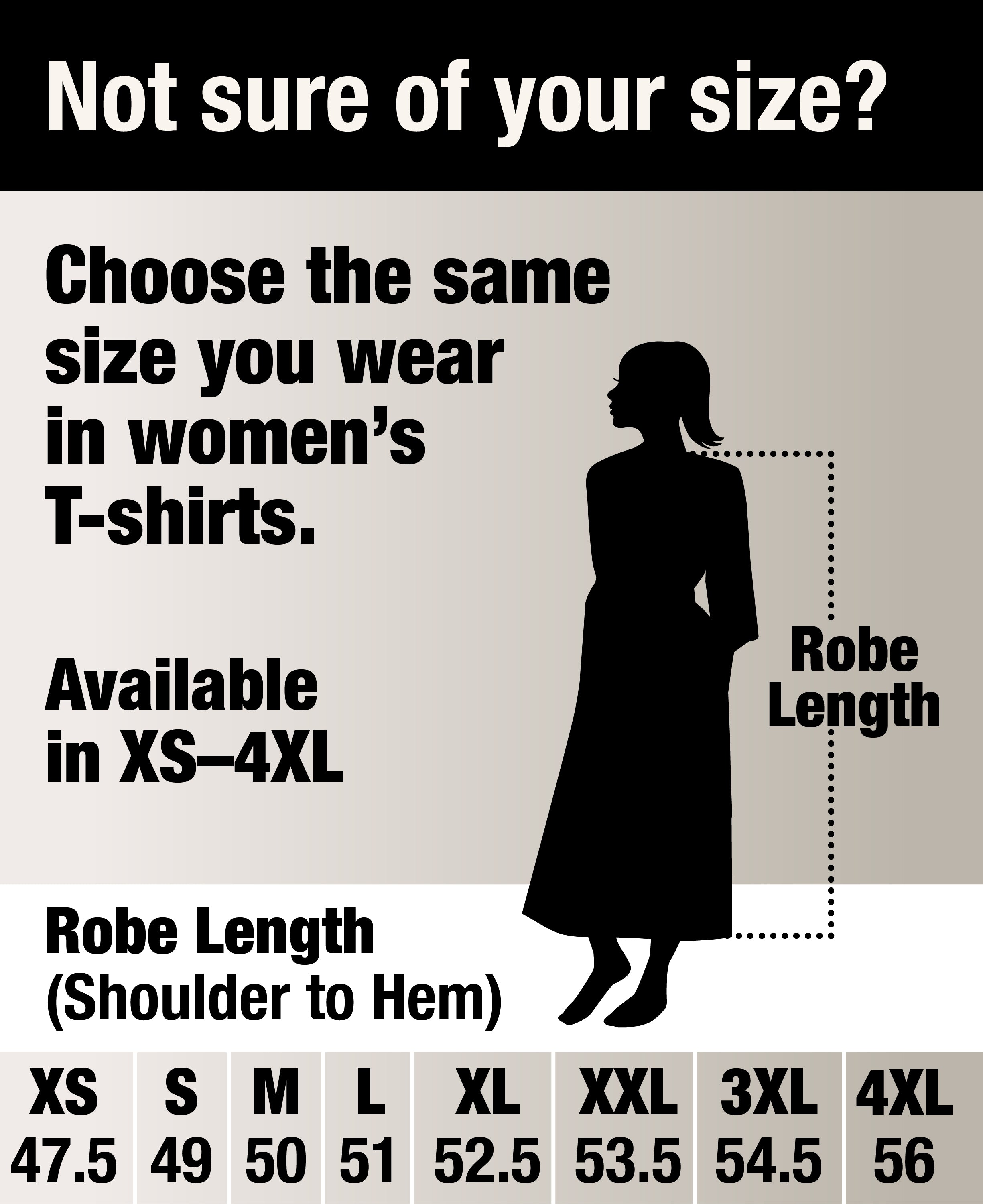
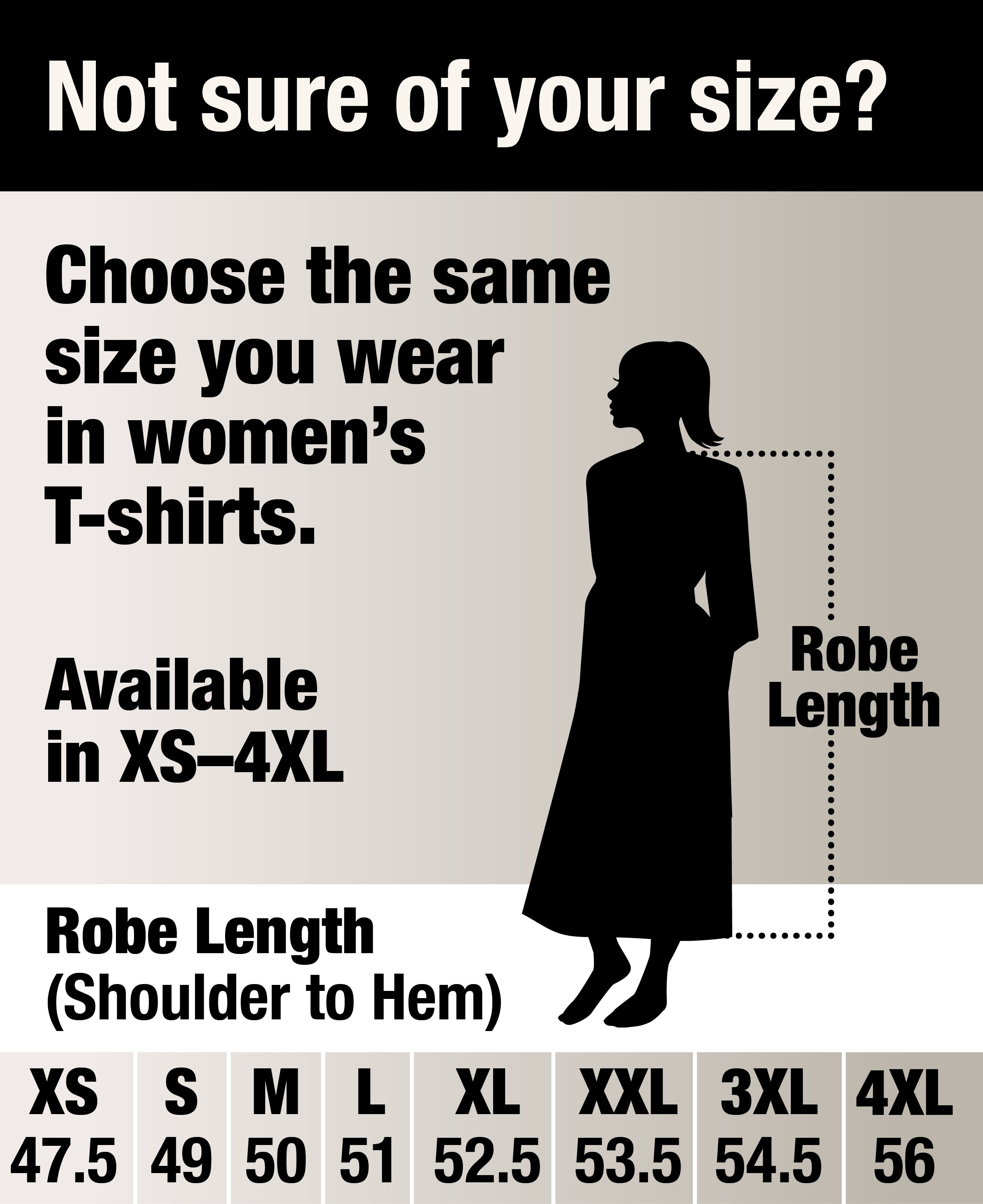
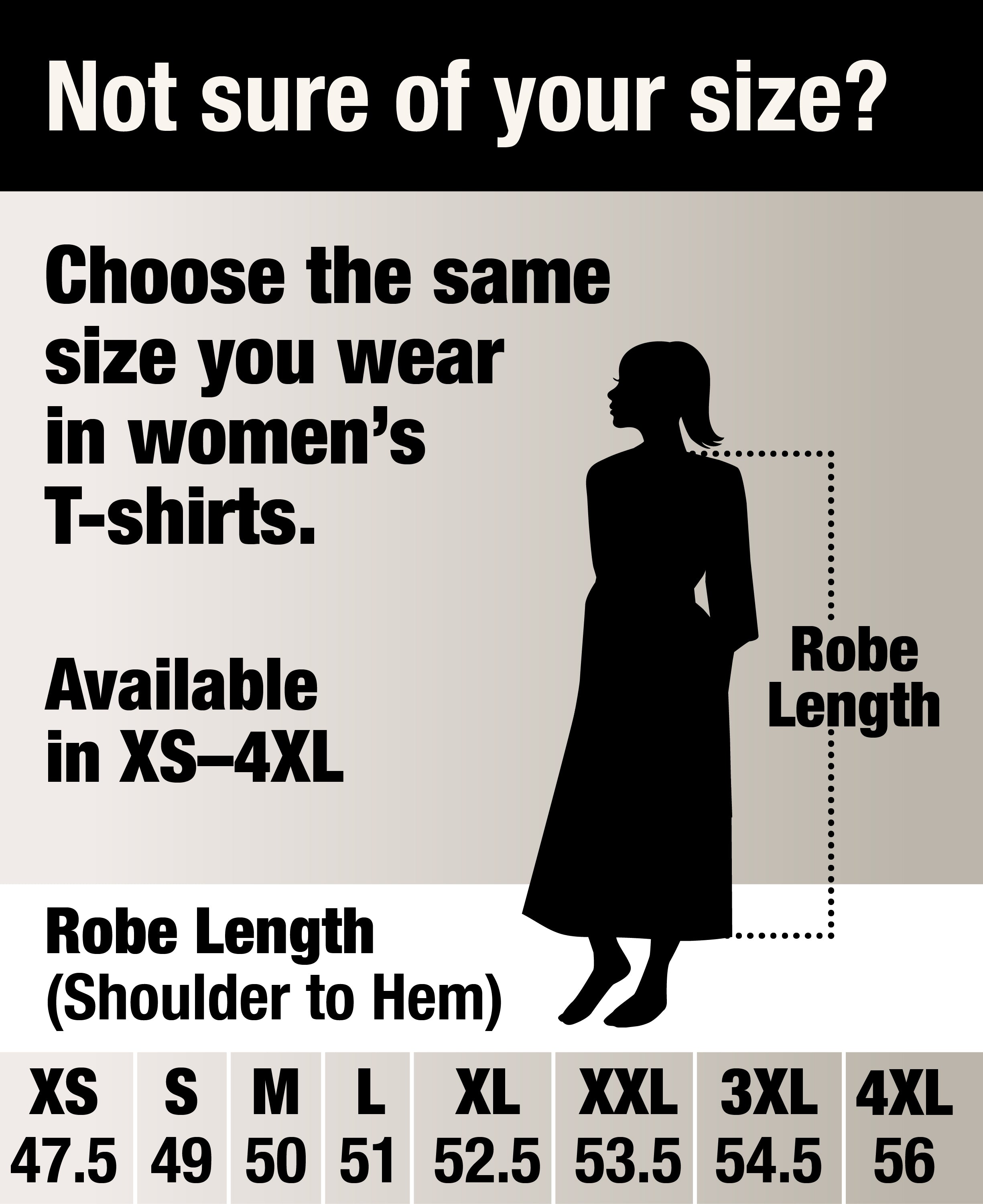
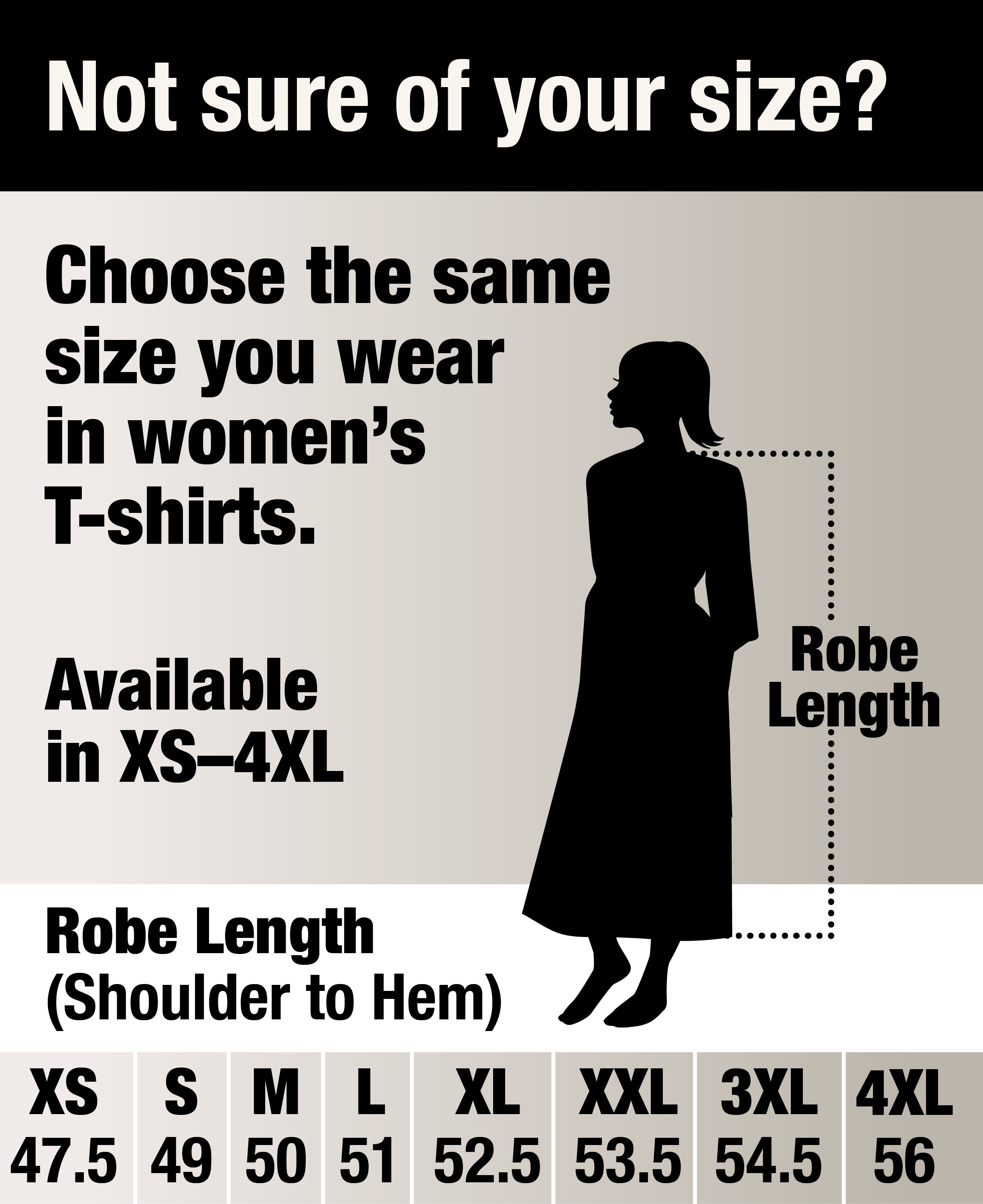
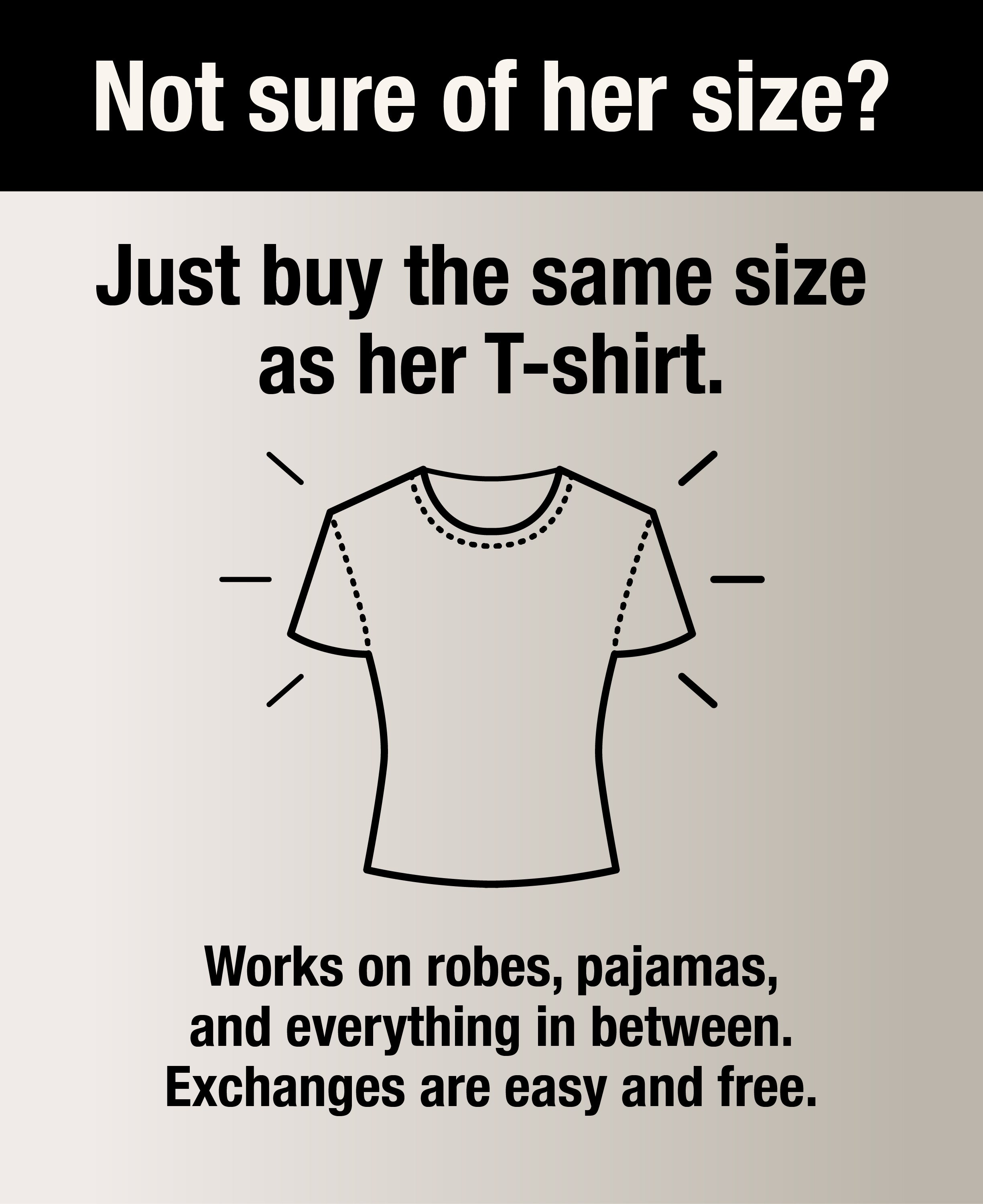
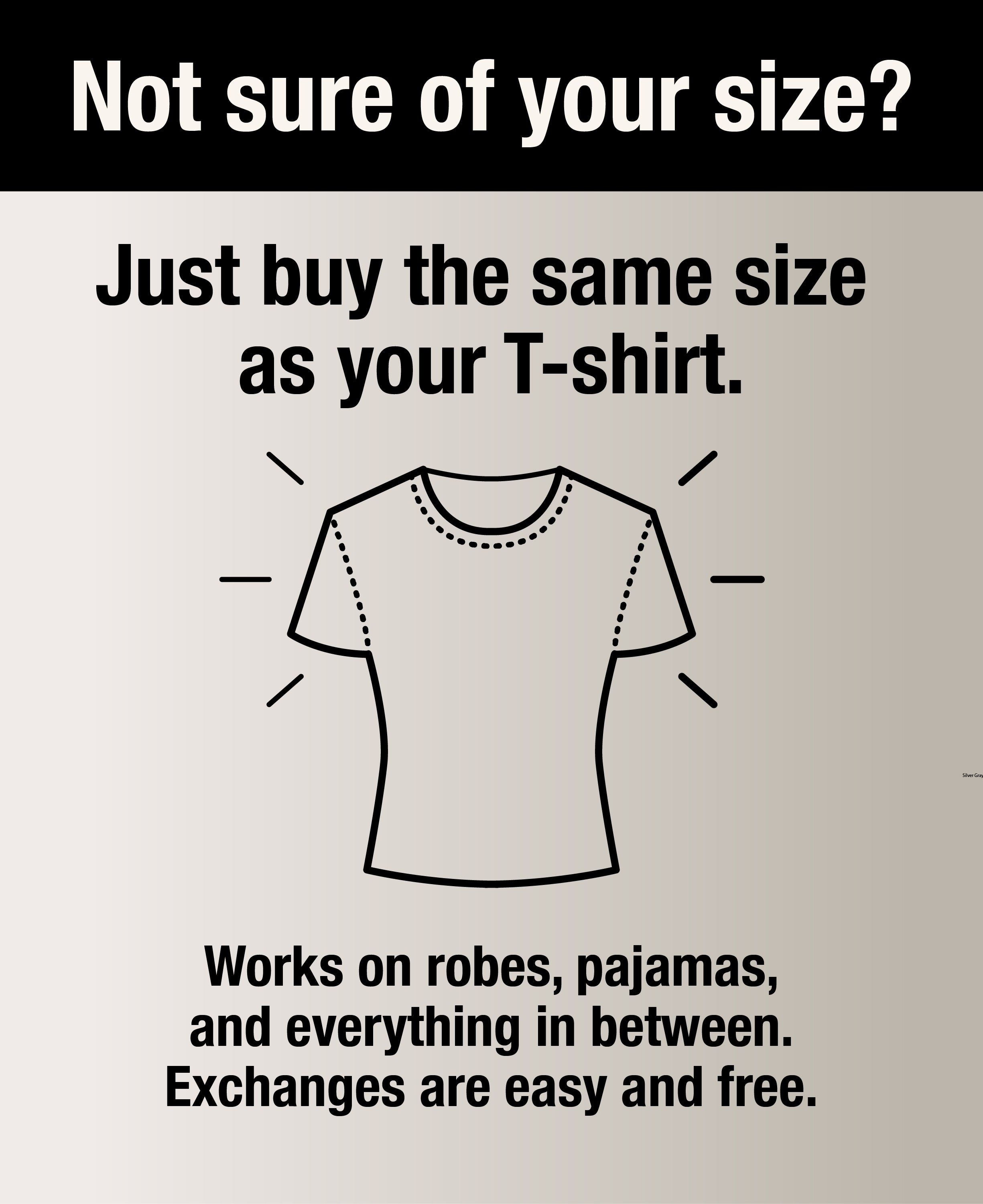
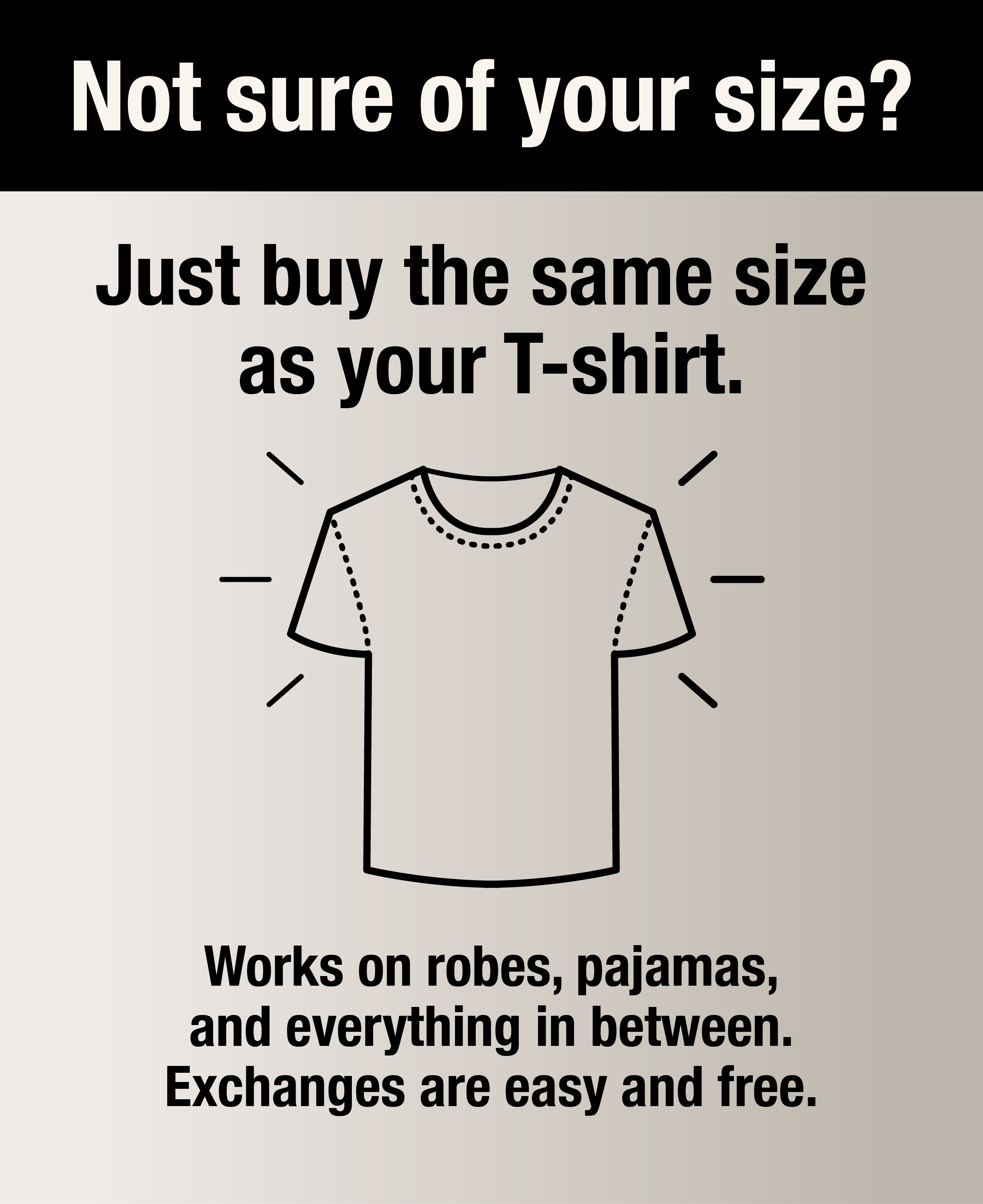
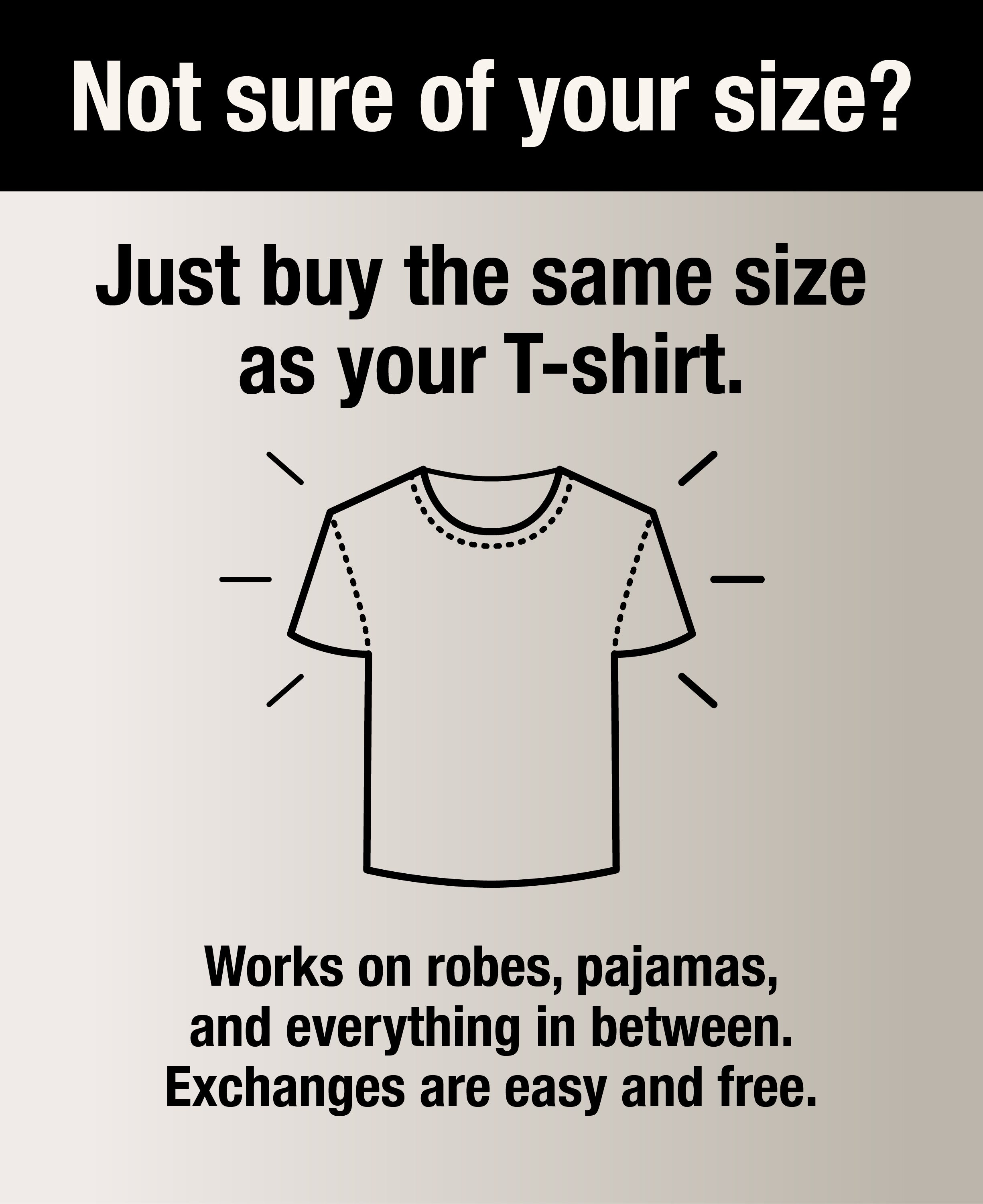
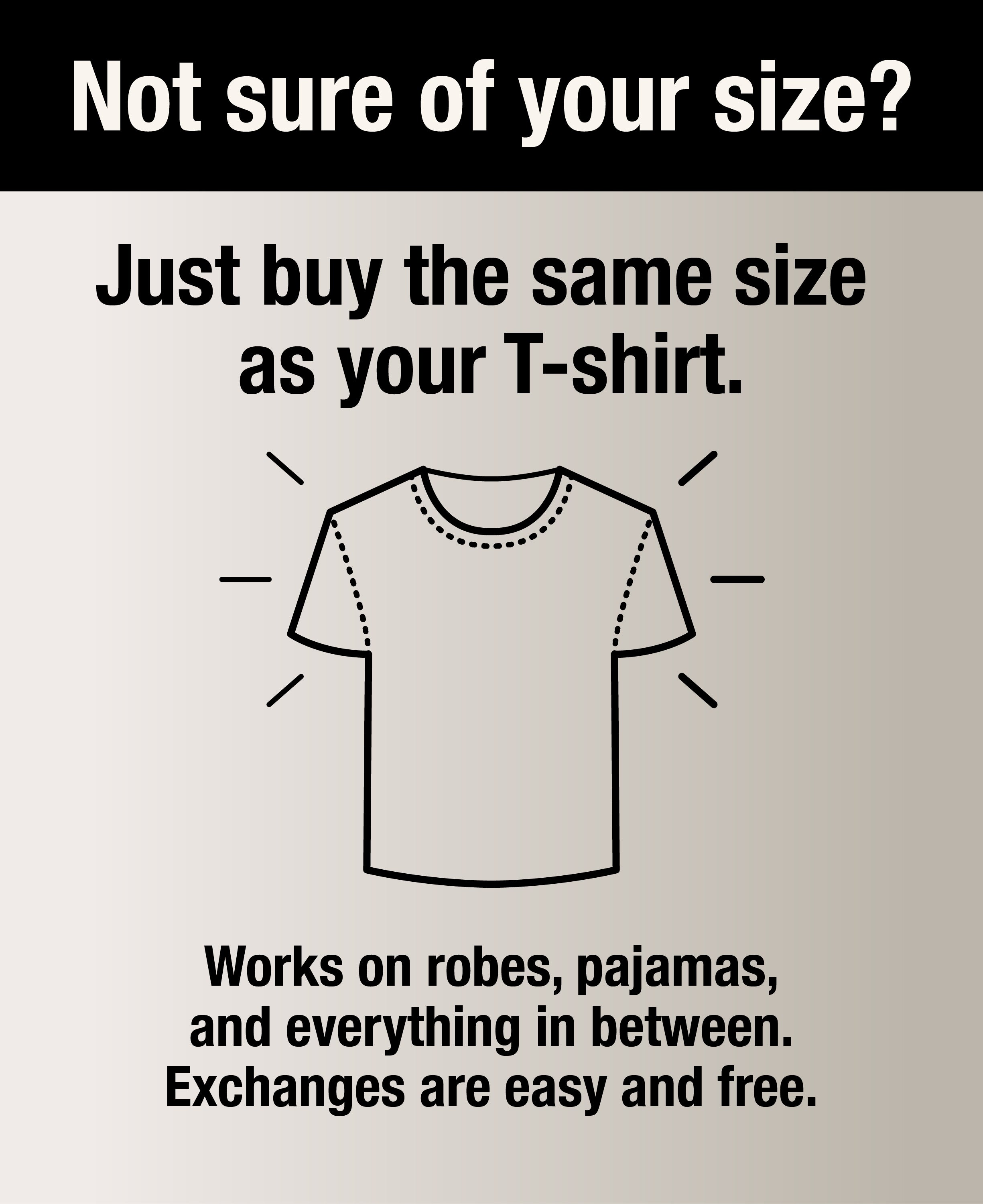
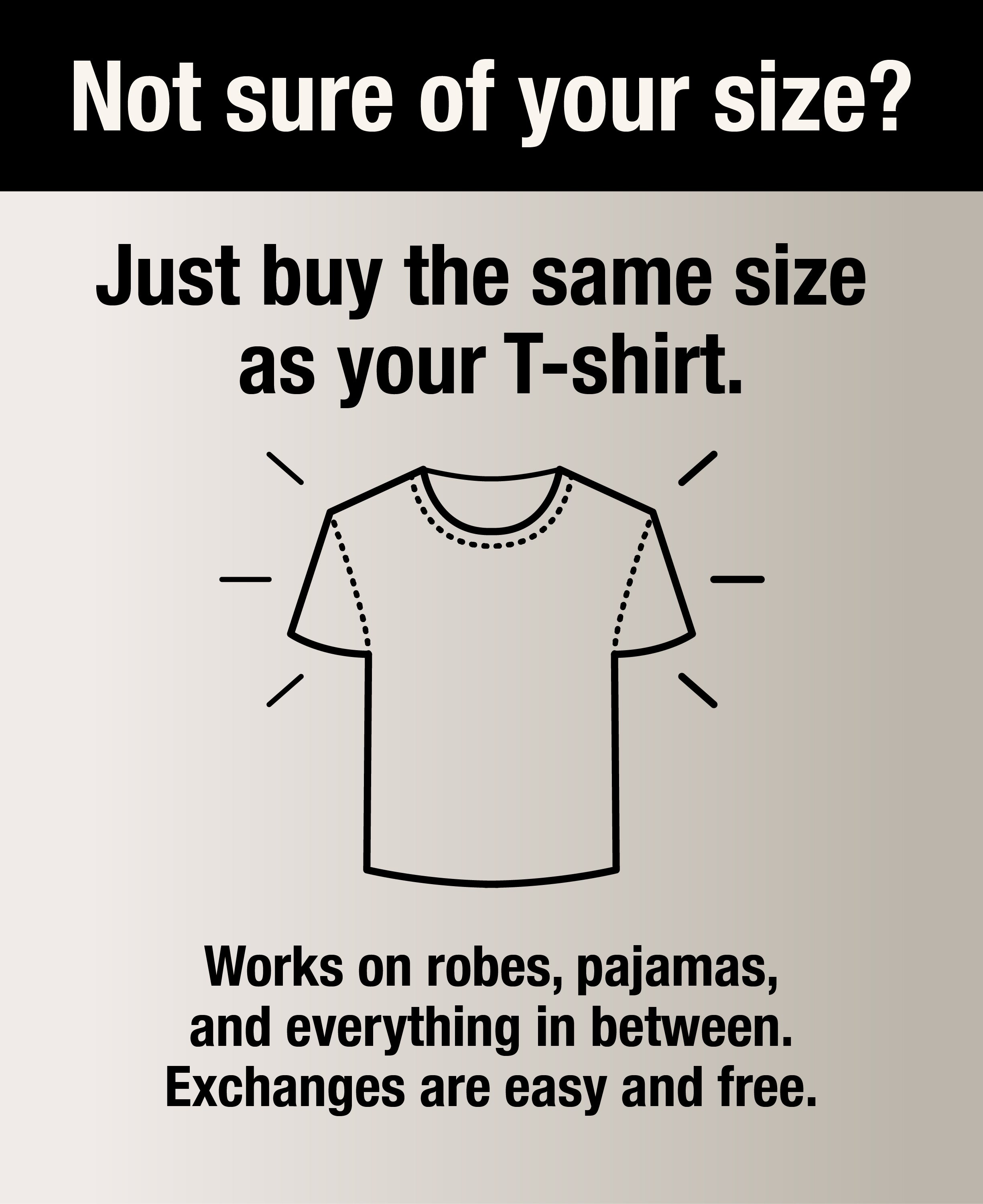
Look for brands that publish the momme weight, the fiber composition, the country of origin, and the full XS-to-4XL size chart on every product page. Tara Sartoria makes 27 momme mulberry silk pajamas, robes, and essentials in XS to 4XL as standard, with custom sizing available for a small additional fee when your measurements sit outside the chart.
