


Plus Size Silk: What Momme Weight, Cut and Construction Actually Matter
By Tara Nguyen, Ph.D., Founder and Creative Director, Tara Sartoria
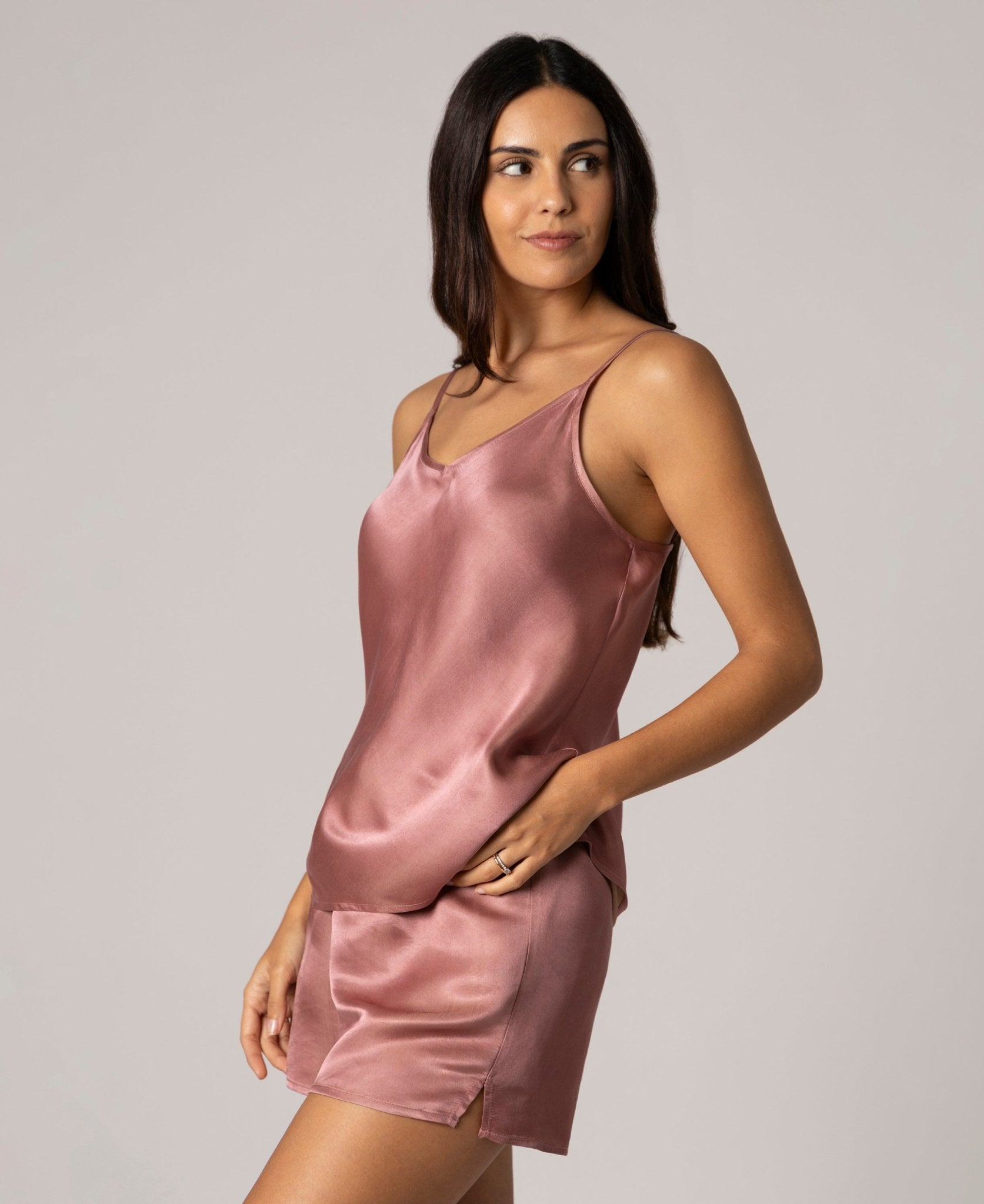
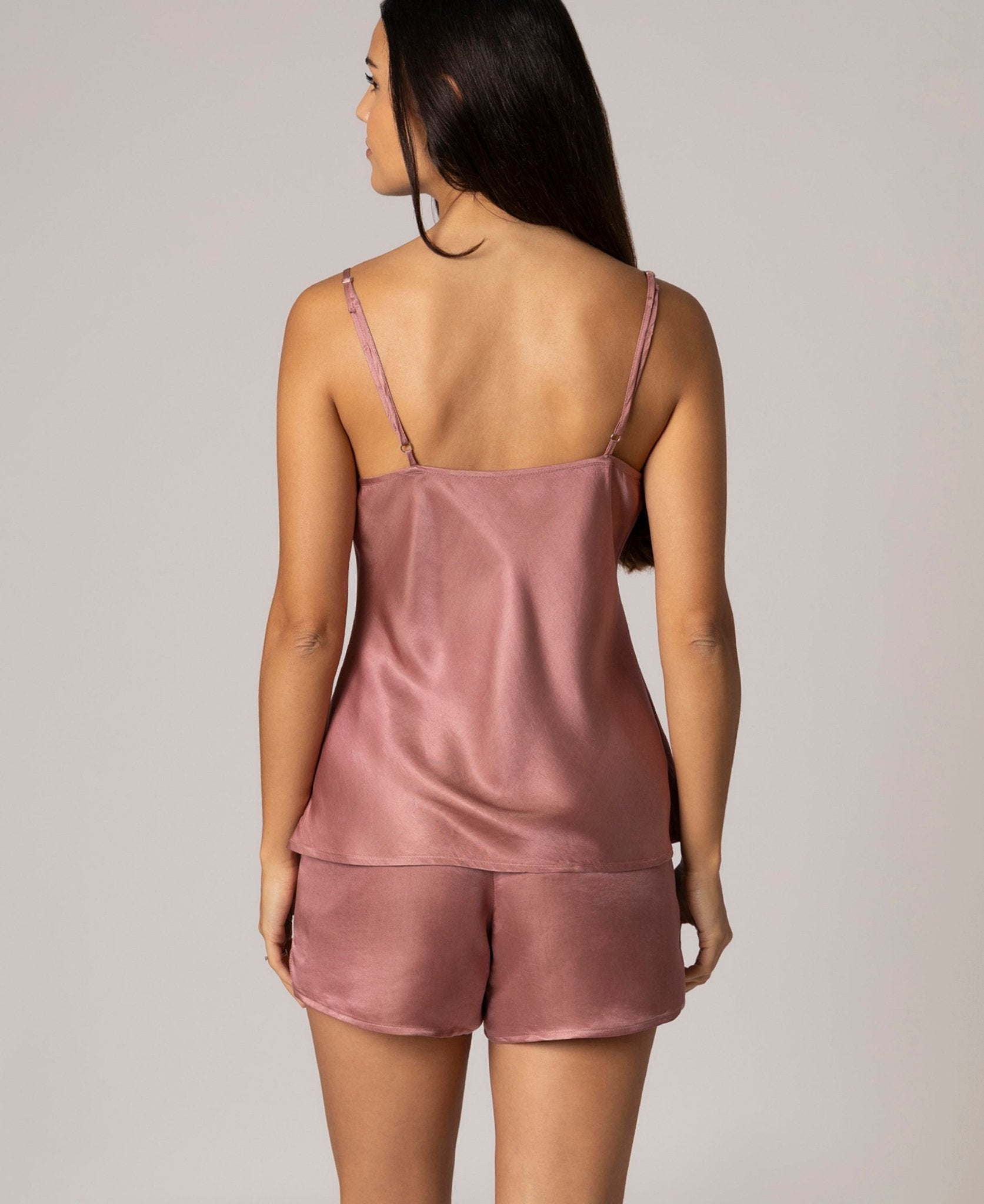
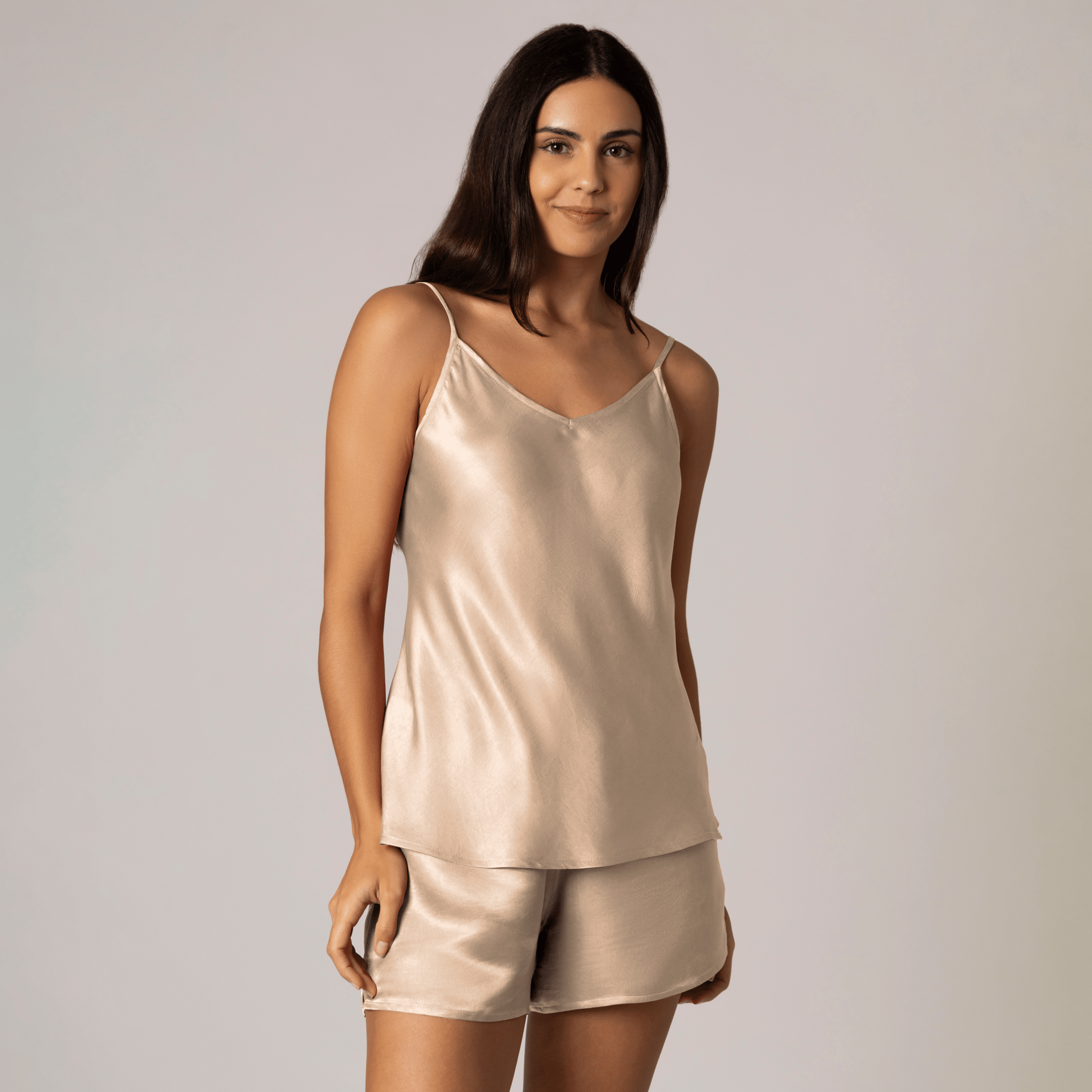
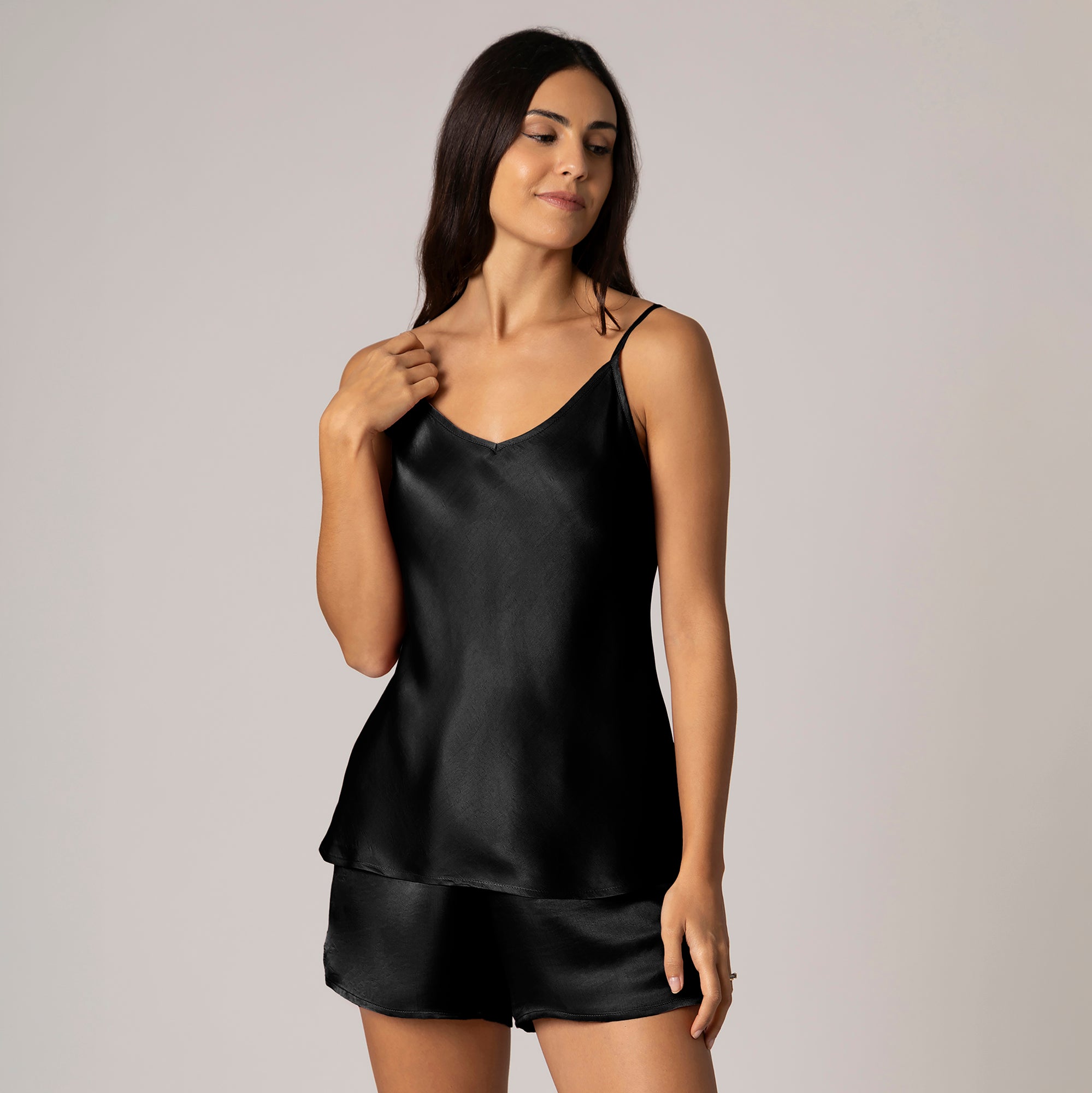
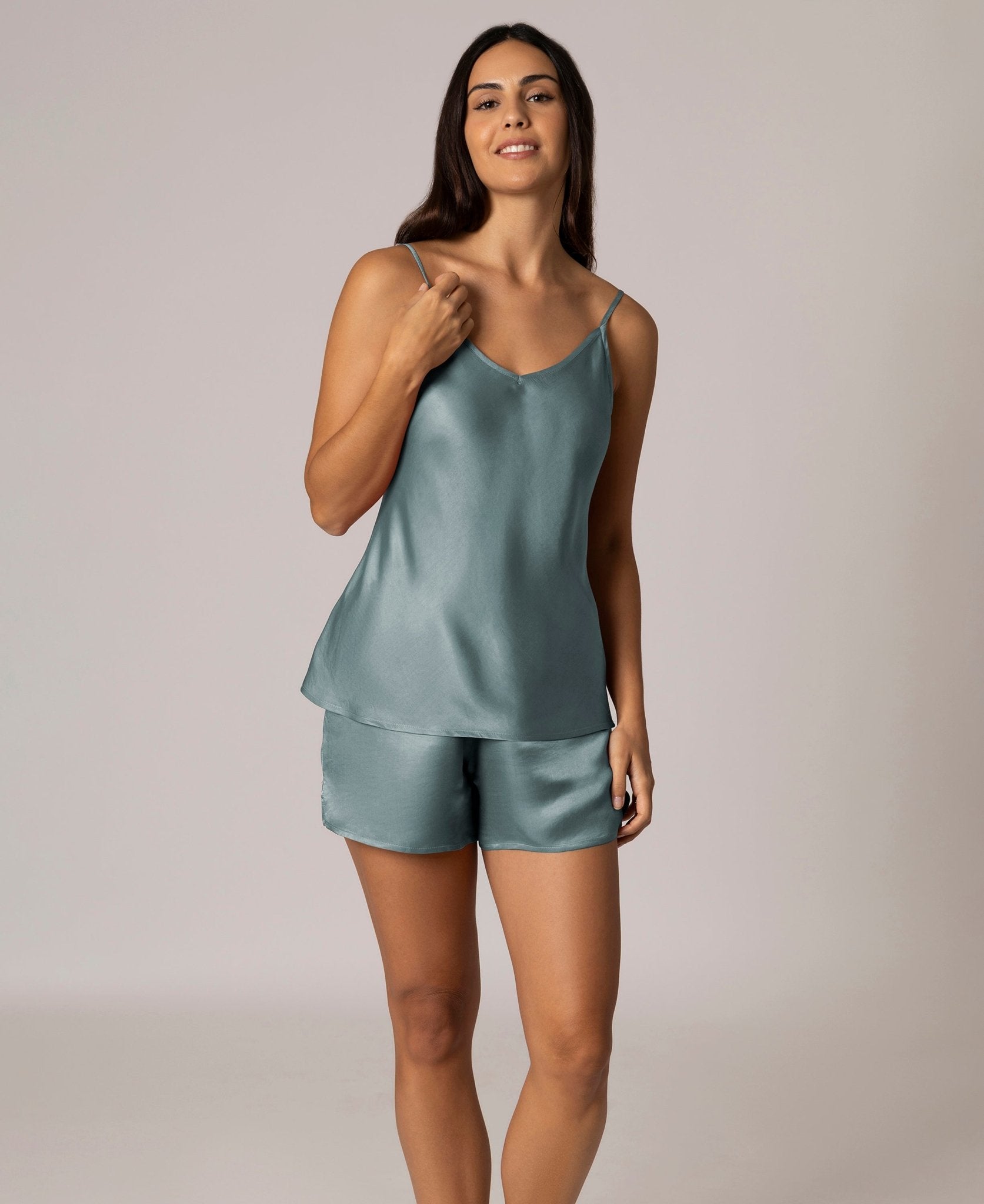
Hold a thin silk camisole up to a window. You can see the shape of your hand behind it. Now imagine that same fabric skimming the front of a curvy body, catching on the softest parts, pulling faintly across the belly and the outer hip. That is what most plus size silk on the market does, because most silk on the market is 16 to 19 momme, and 16 to 19 momme is a fabric that clings. It was chosen for cost, not for the person who has to wear it. I spent the first year of Tara Sartoria trying to understand why so many silk garments looked wrong on real bodies, and the honest answer is that the fabric was too thin to do the work the design was asking of it.
A Short Answer for the Person Skimming
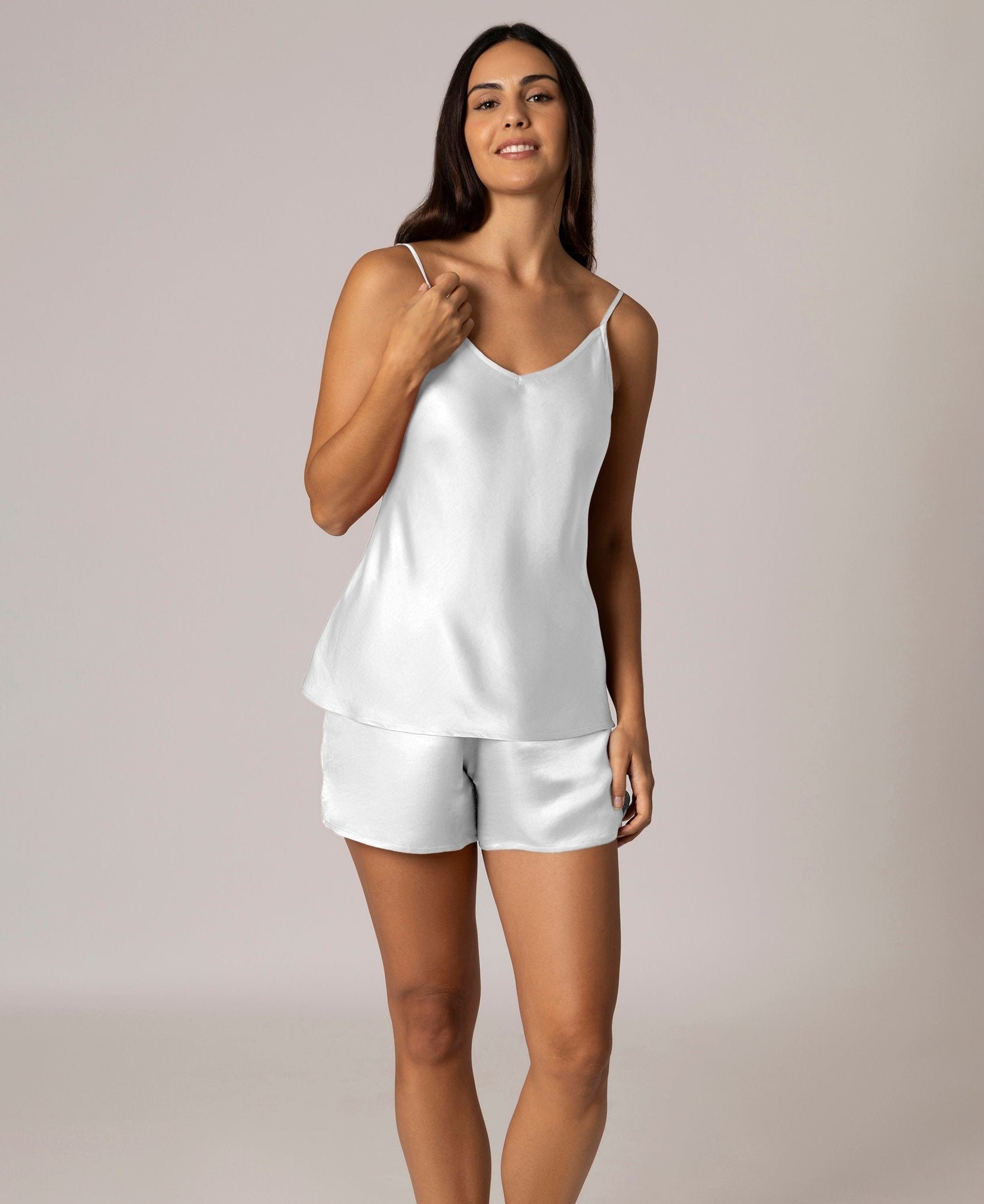
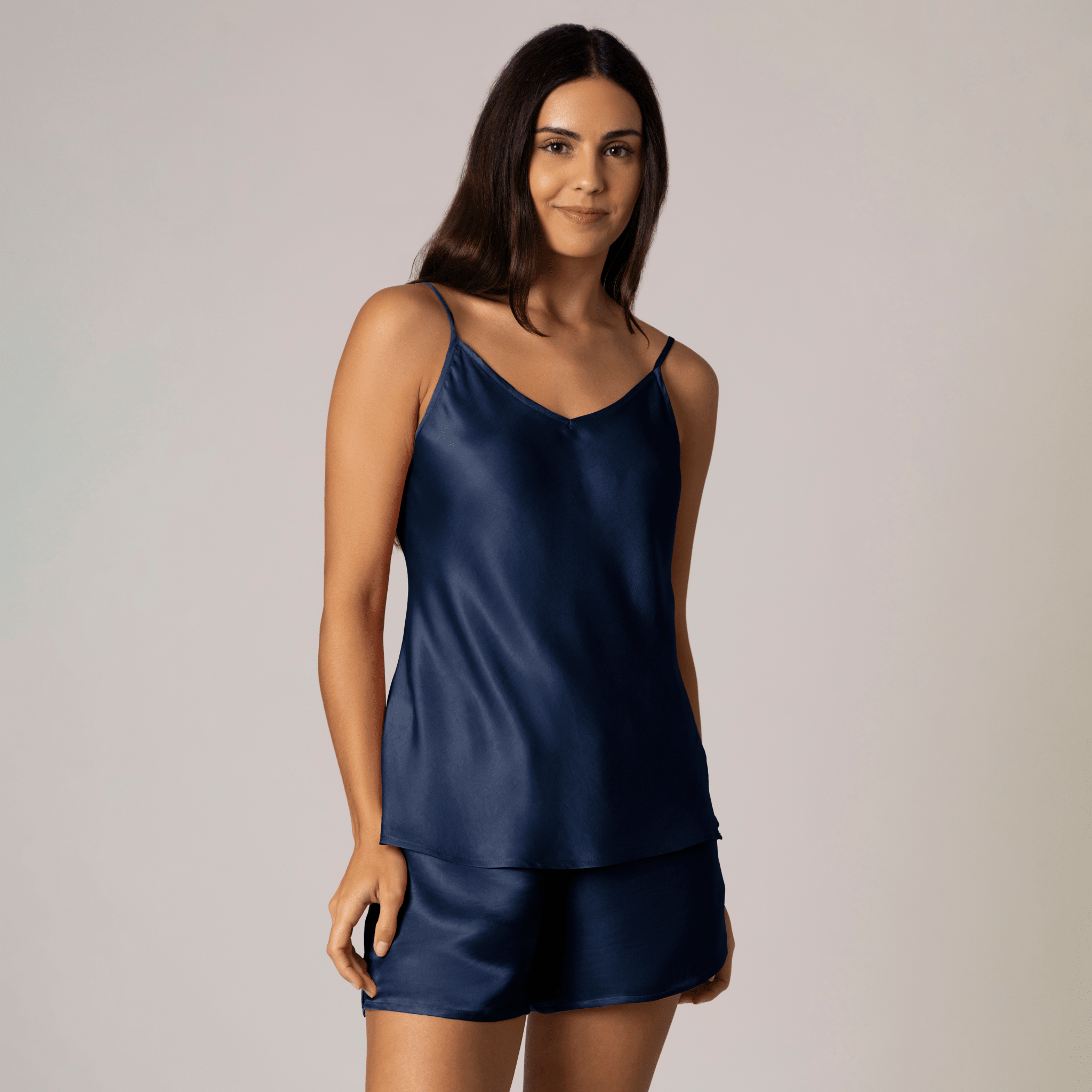
On a curvy body, the density of the silk does more work than the cut. A denser silk (25 to 27 momme mulberry) falls with gravity and drapes over the body rather than clinging to it. A thinner silk (16 to 19 momme) reveals every contour and pulls at points of stress. Cut matters too: a deeper rise, a soft wide waistband, and enough hip ease keep the pant sitting cleanly. Construction is the last piece: French seams distribute stress inside the seam allowance rather than at the raw edge, which is why plus size silk that skips them tends to pull apart at 3XL and 4XL.
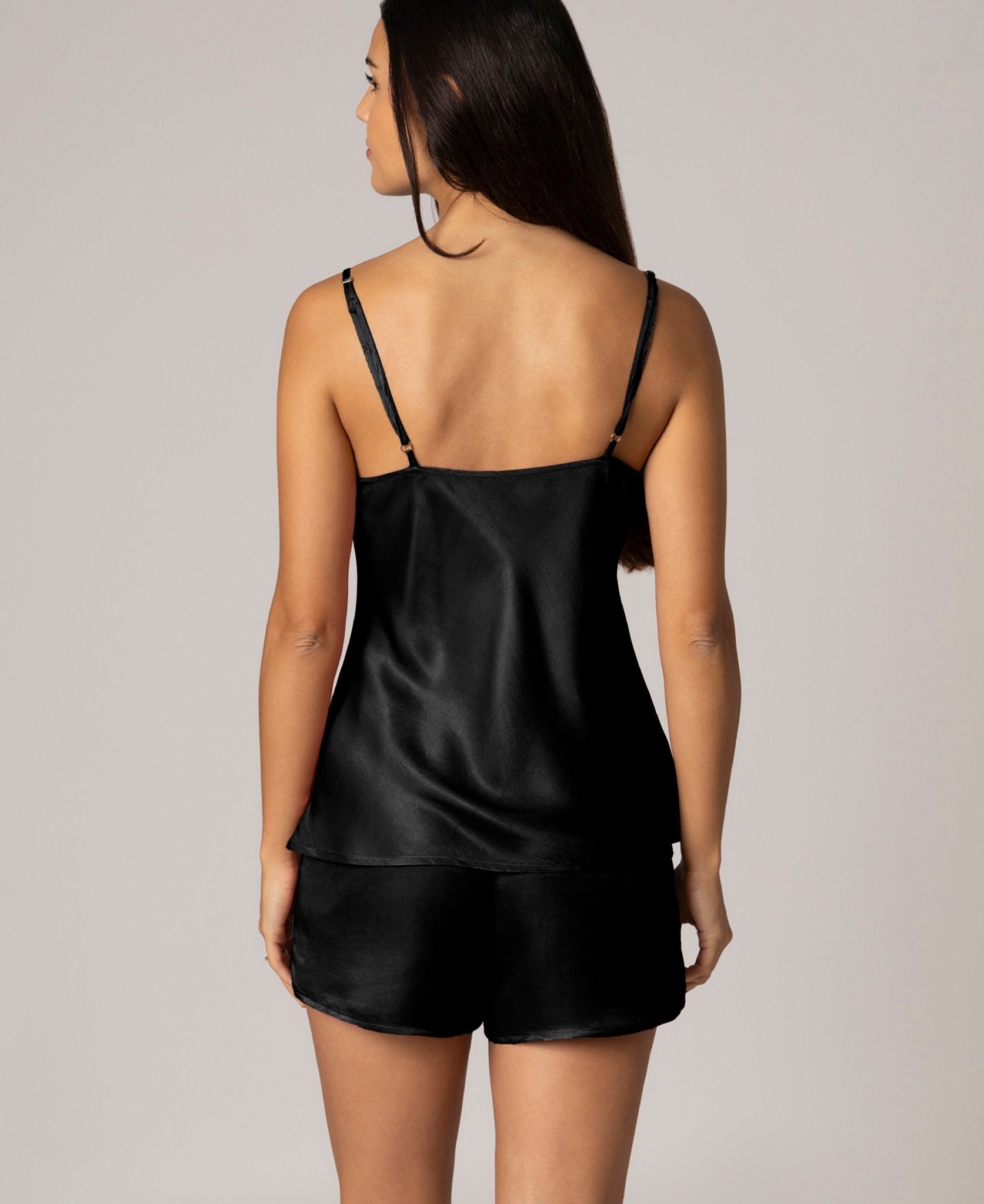
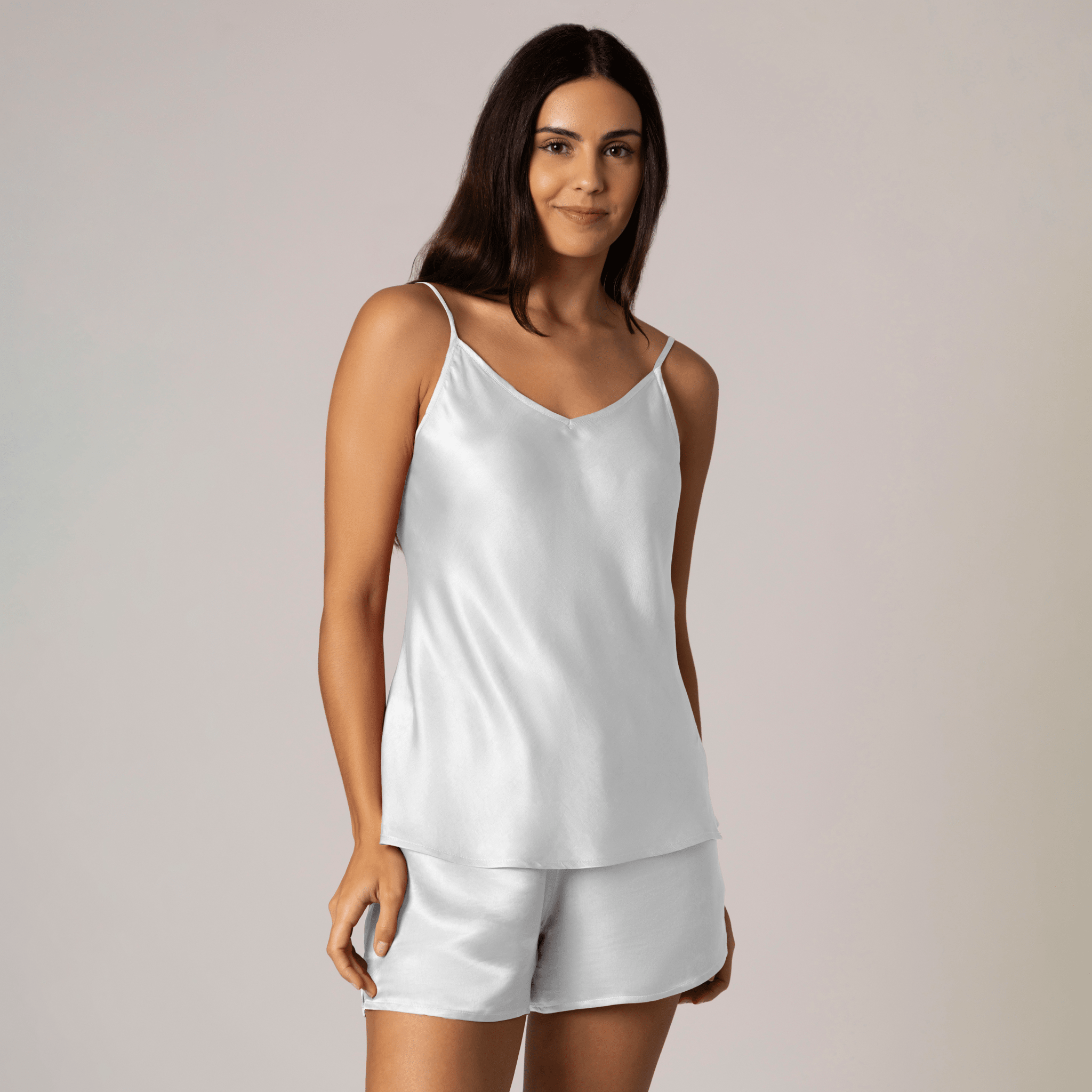
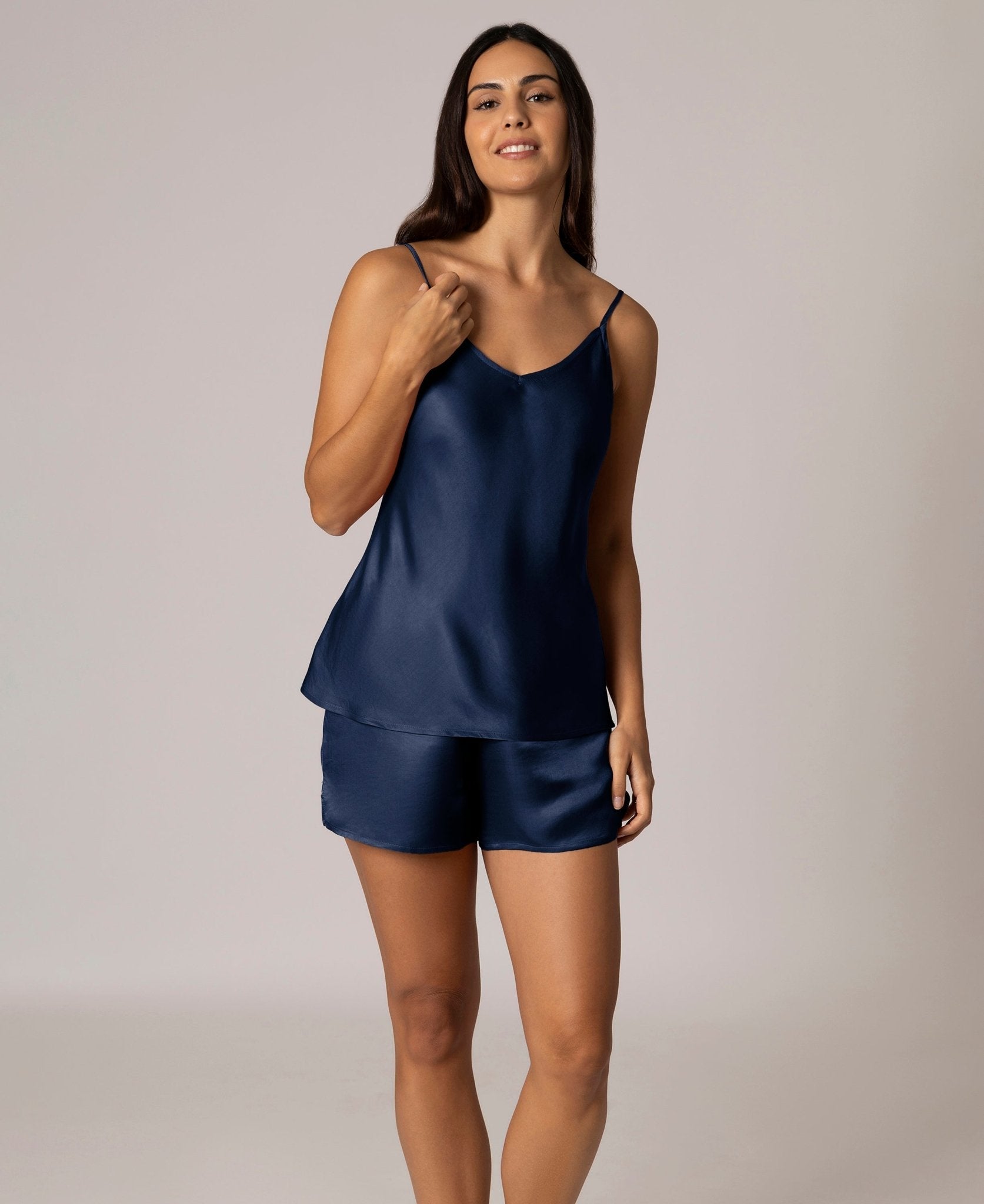
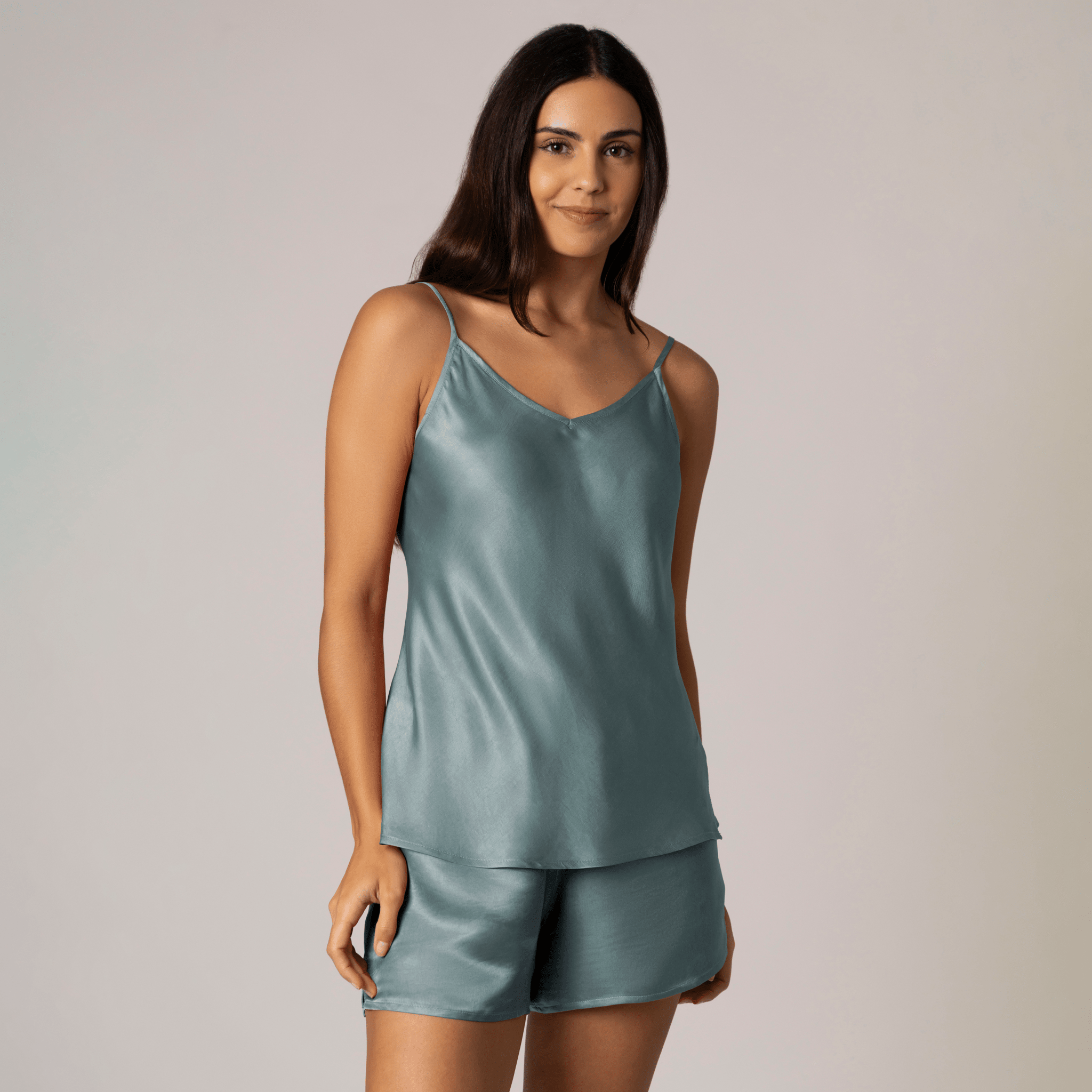
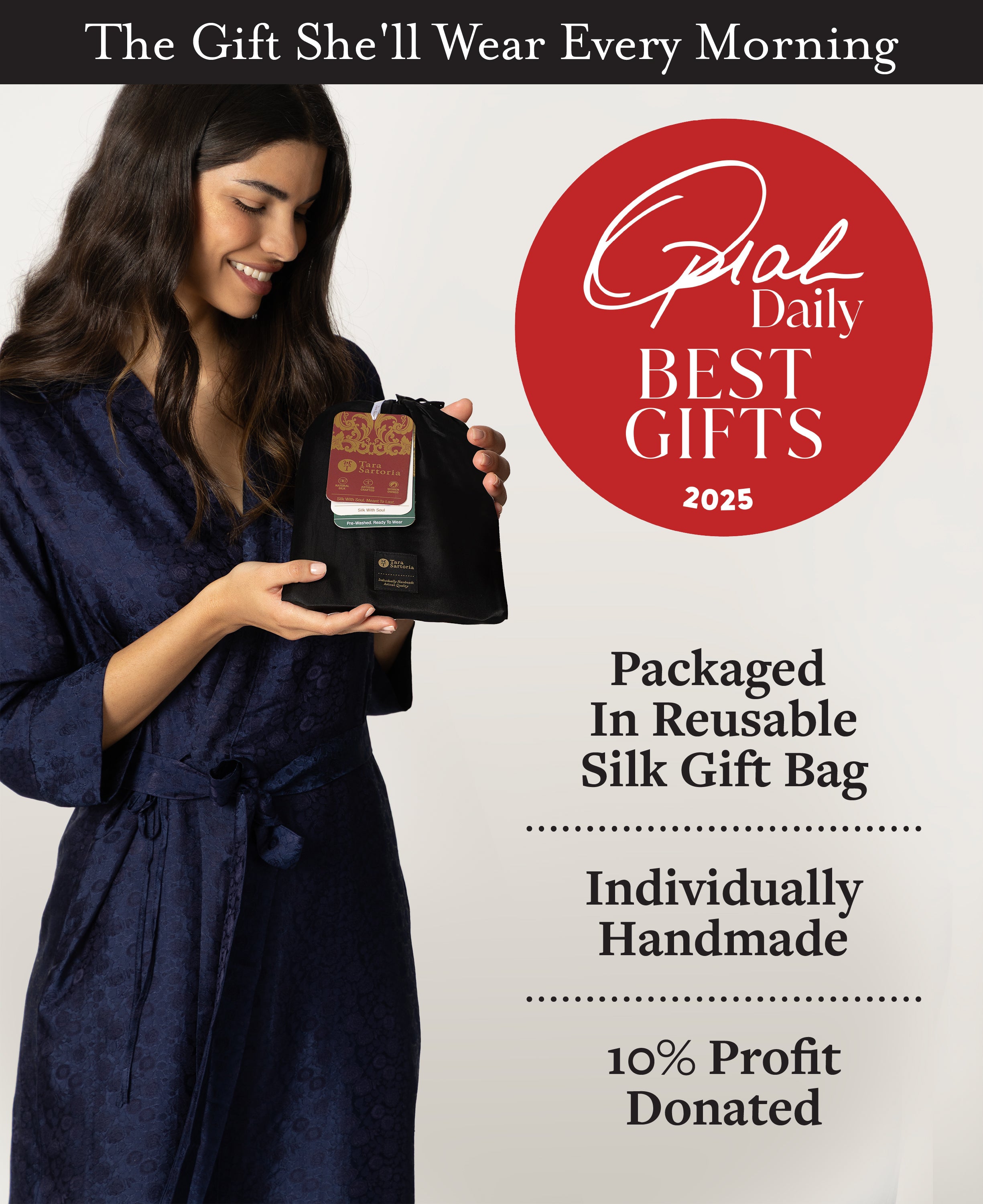
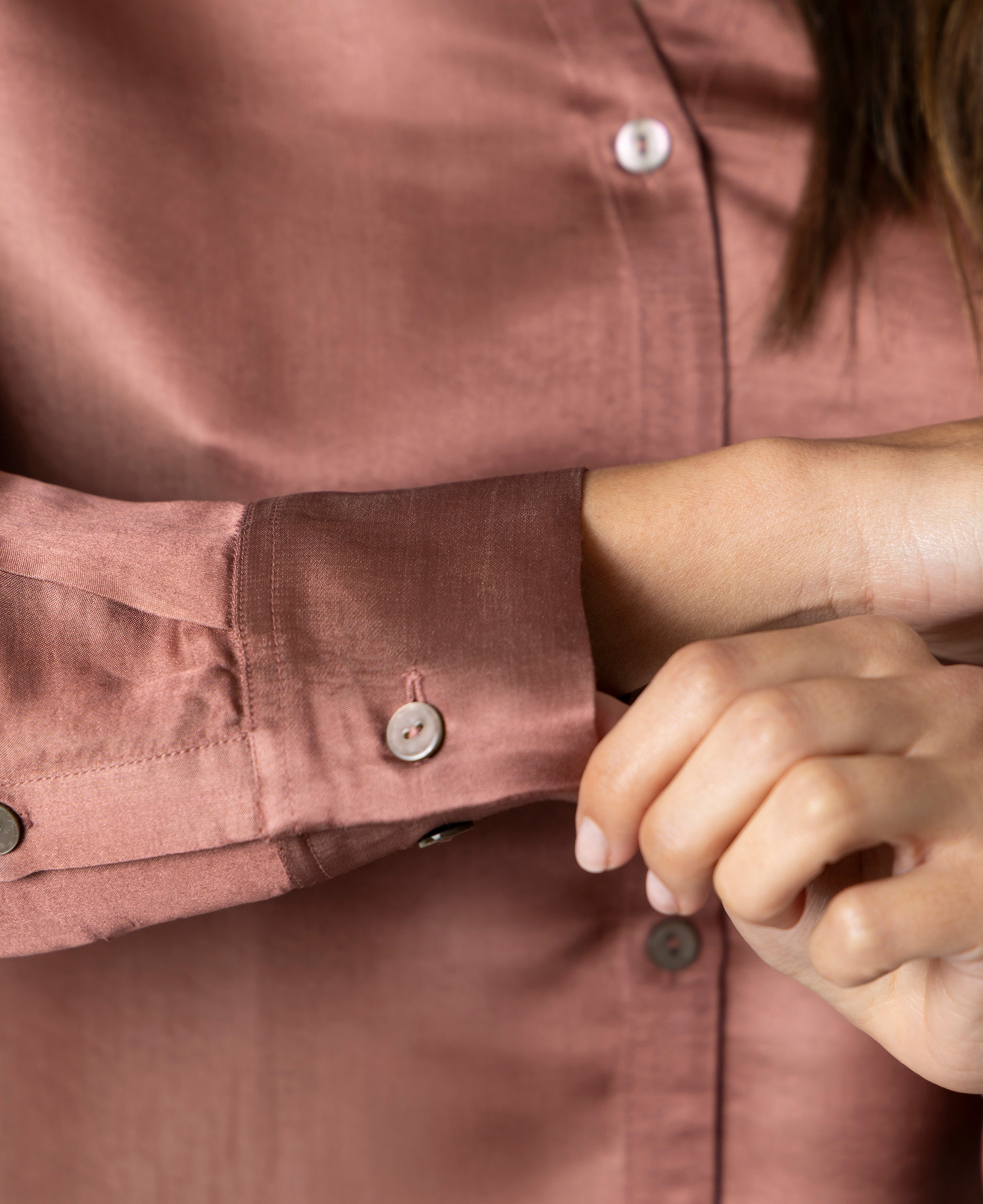
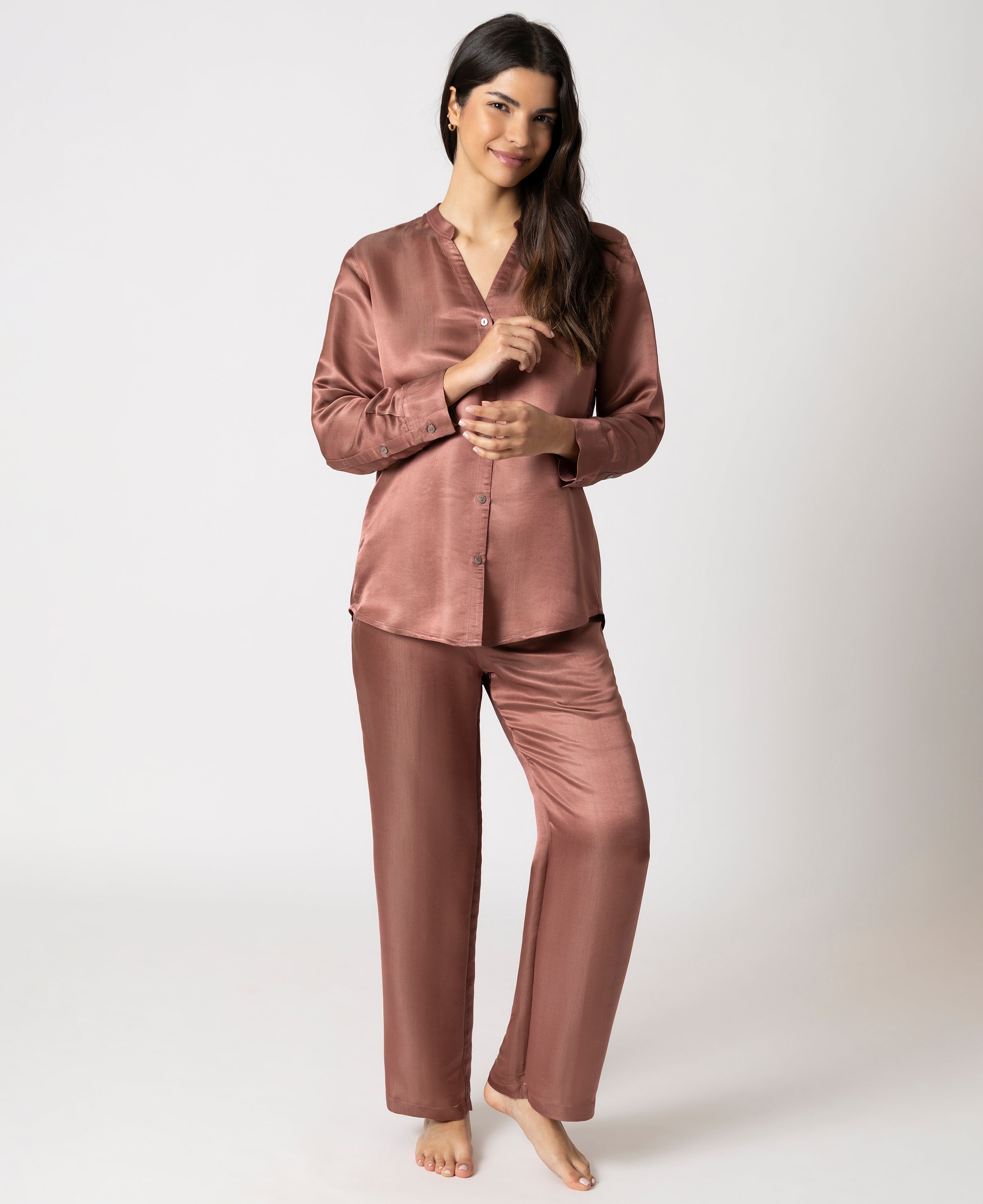
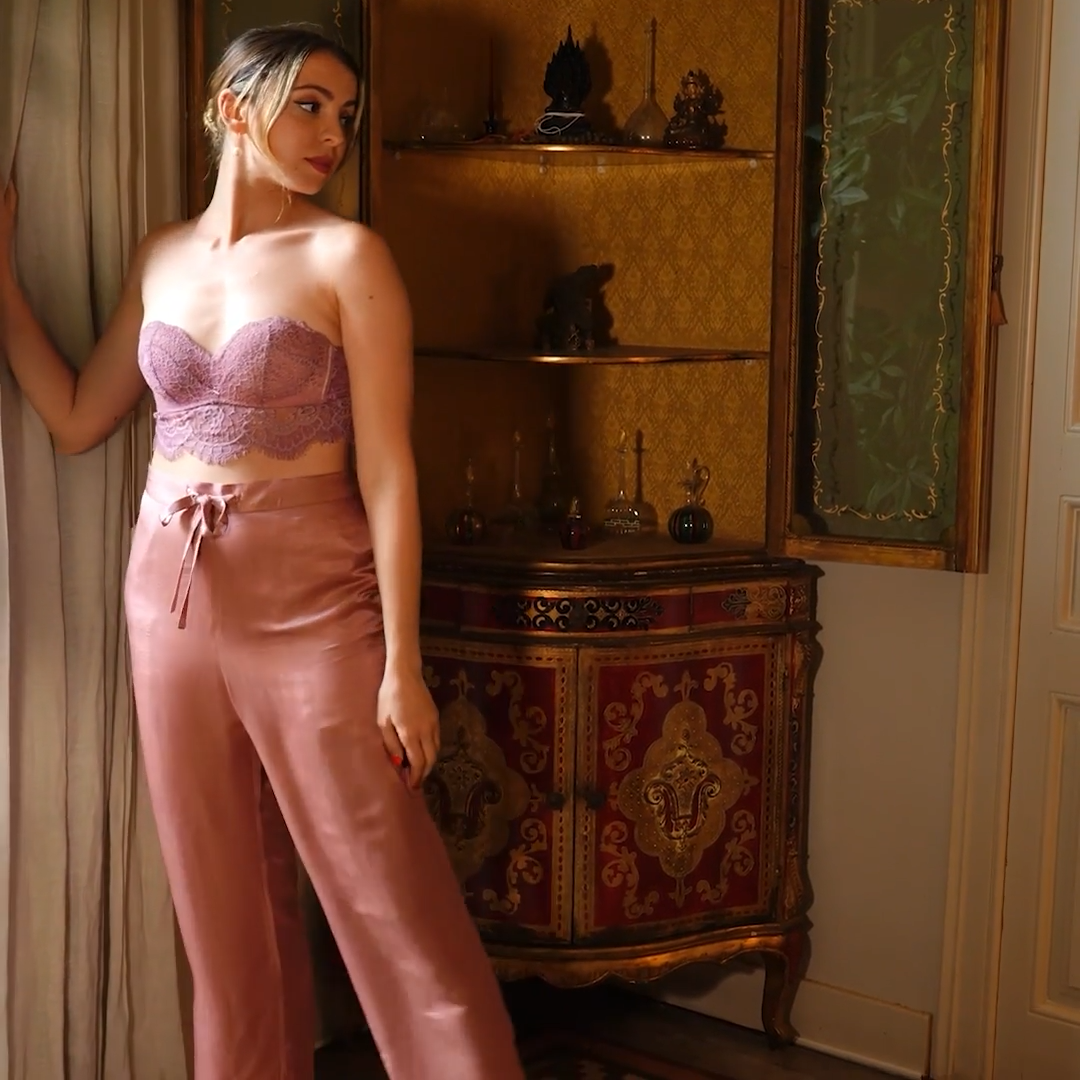
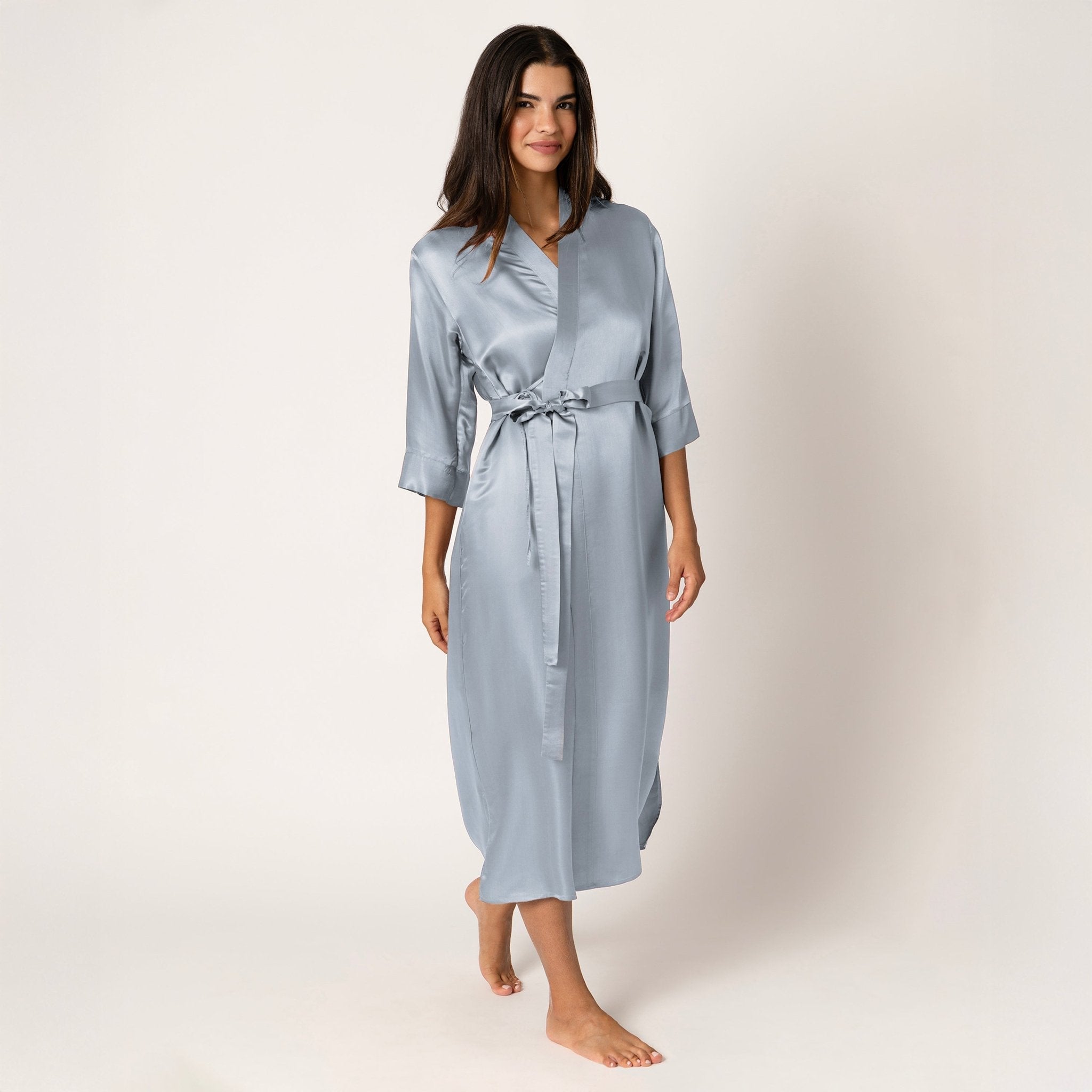
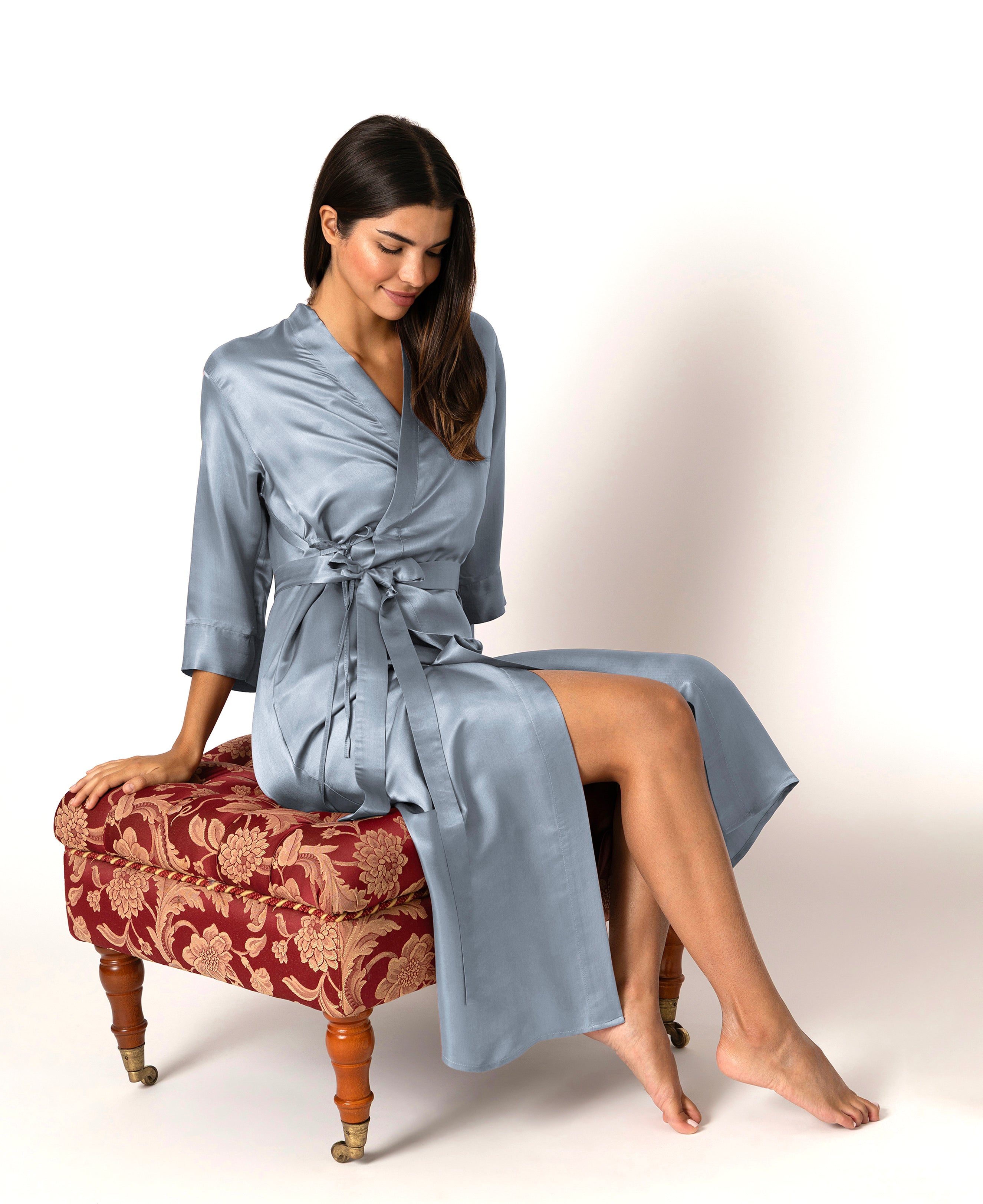
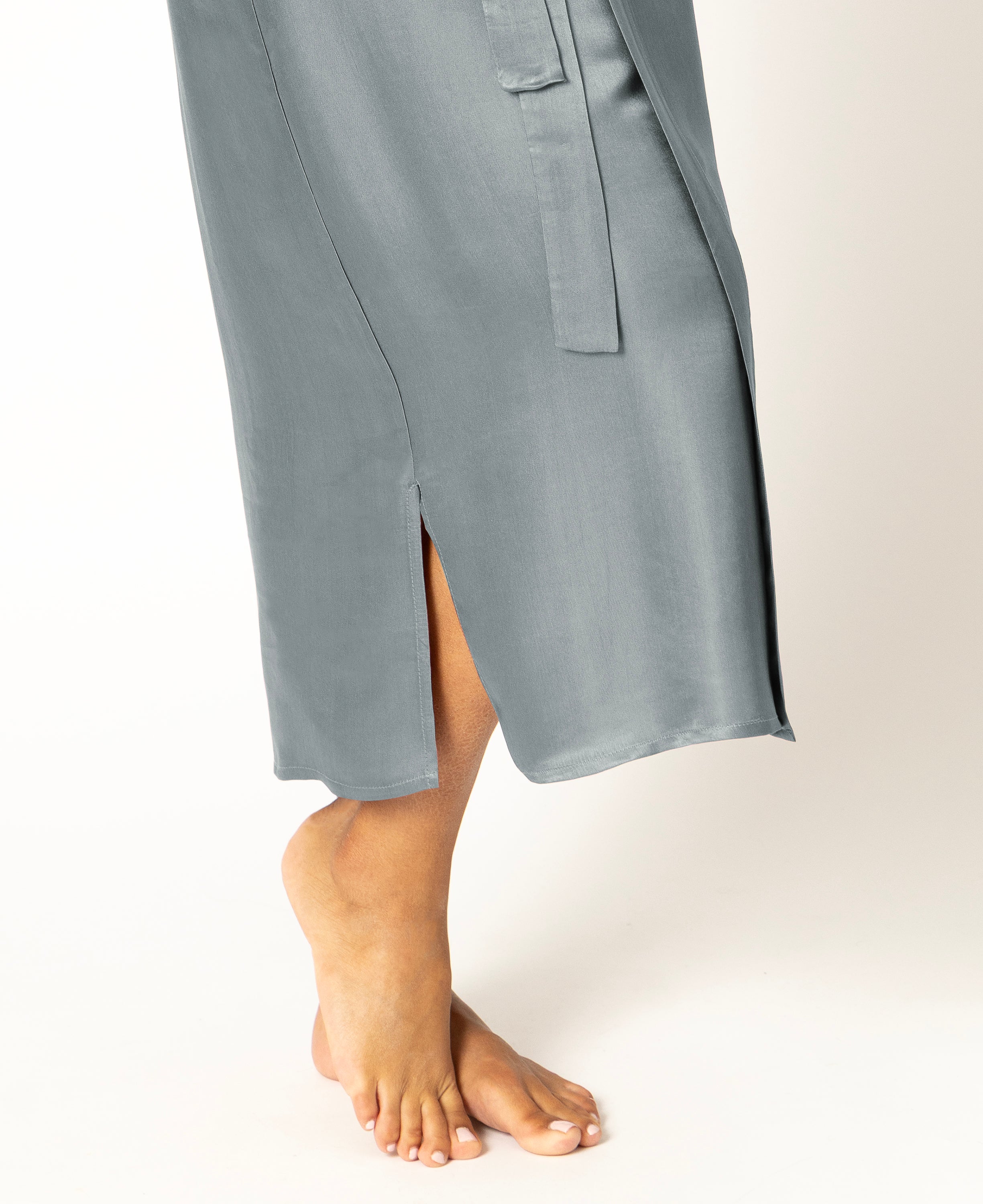
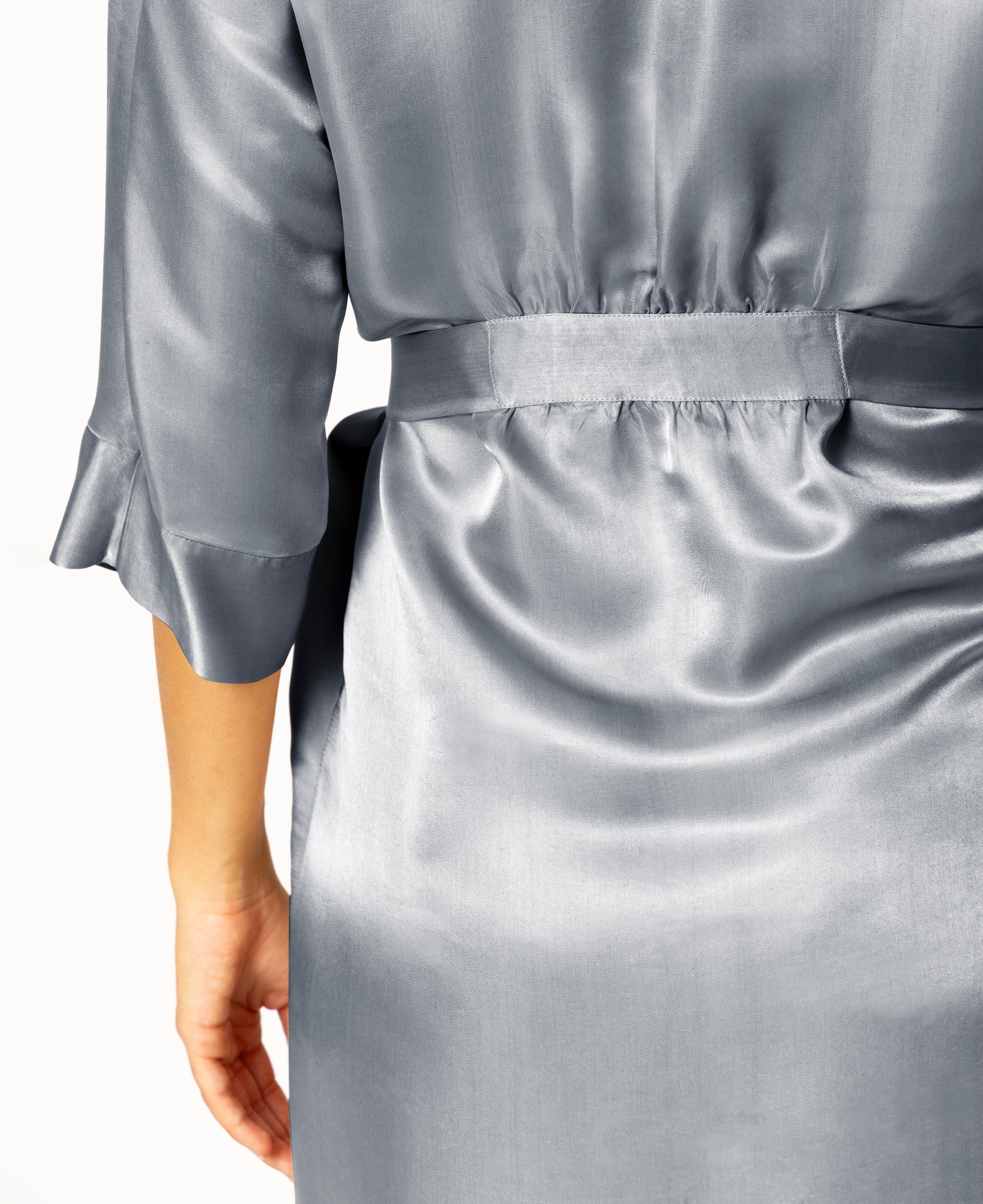
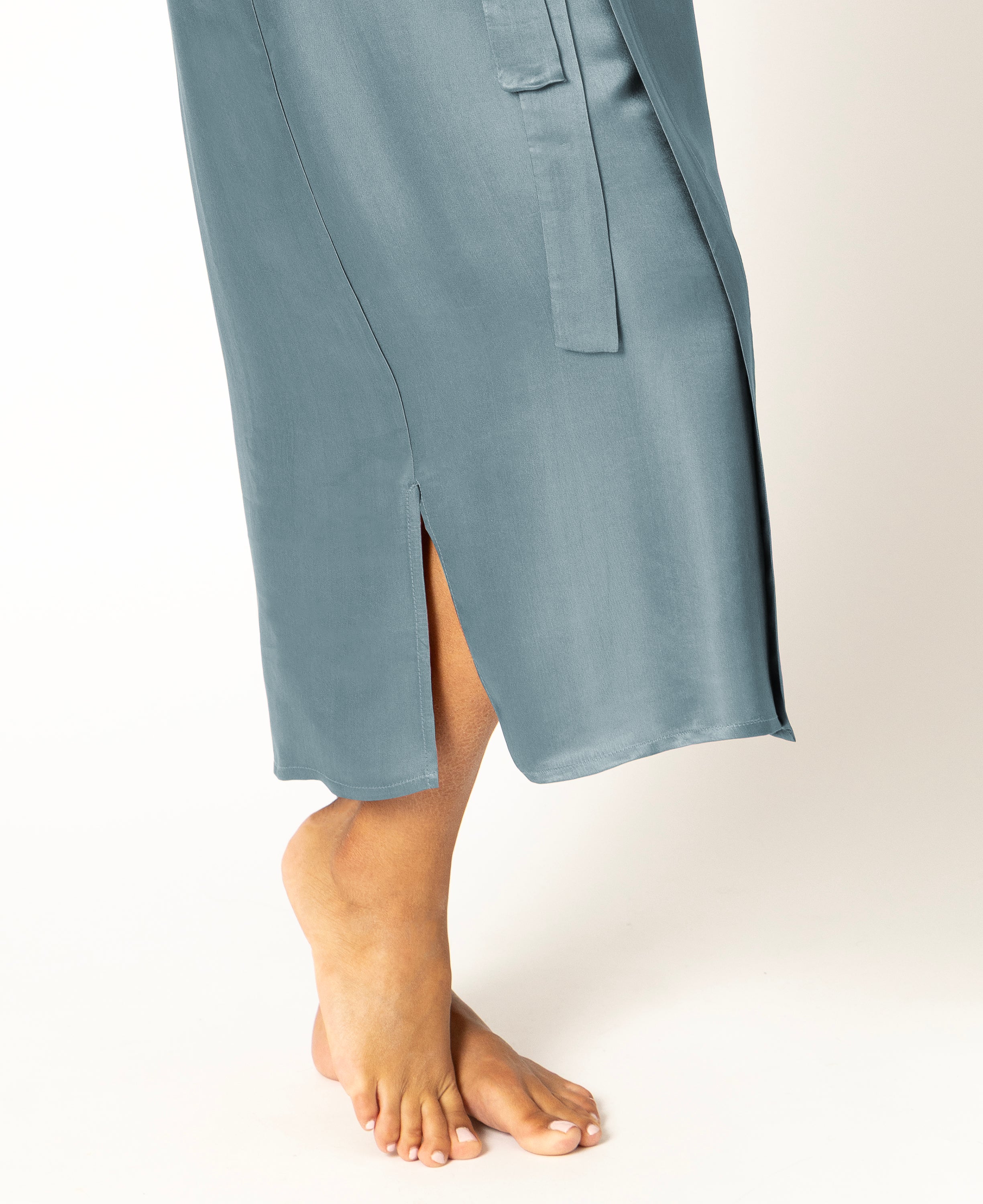
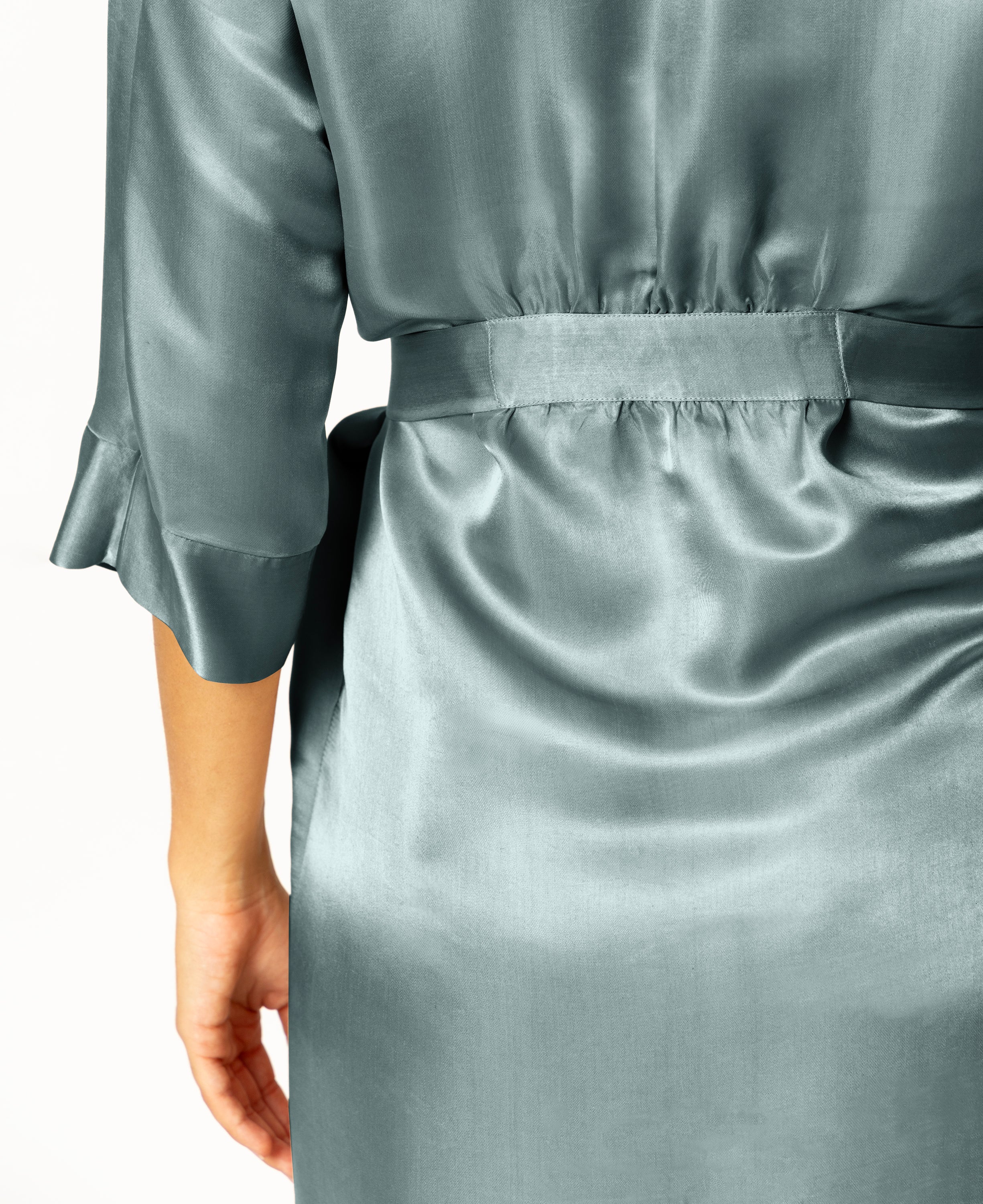
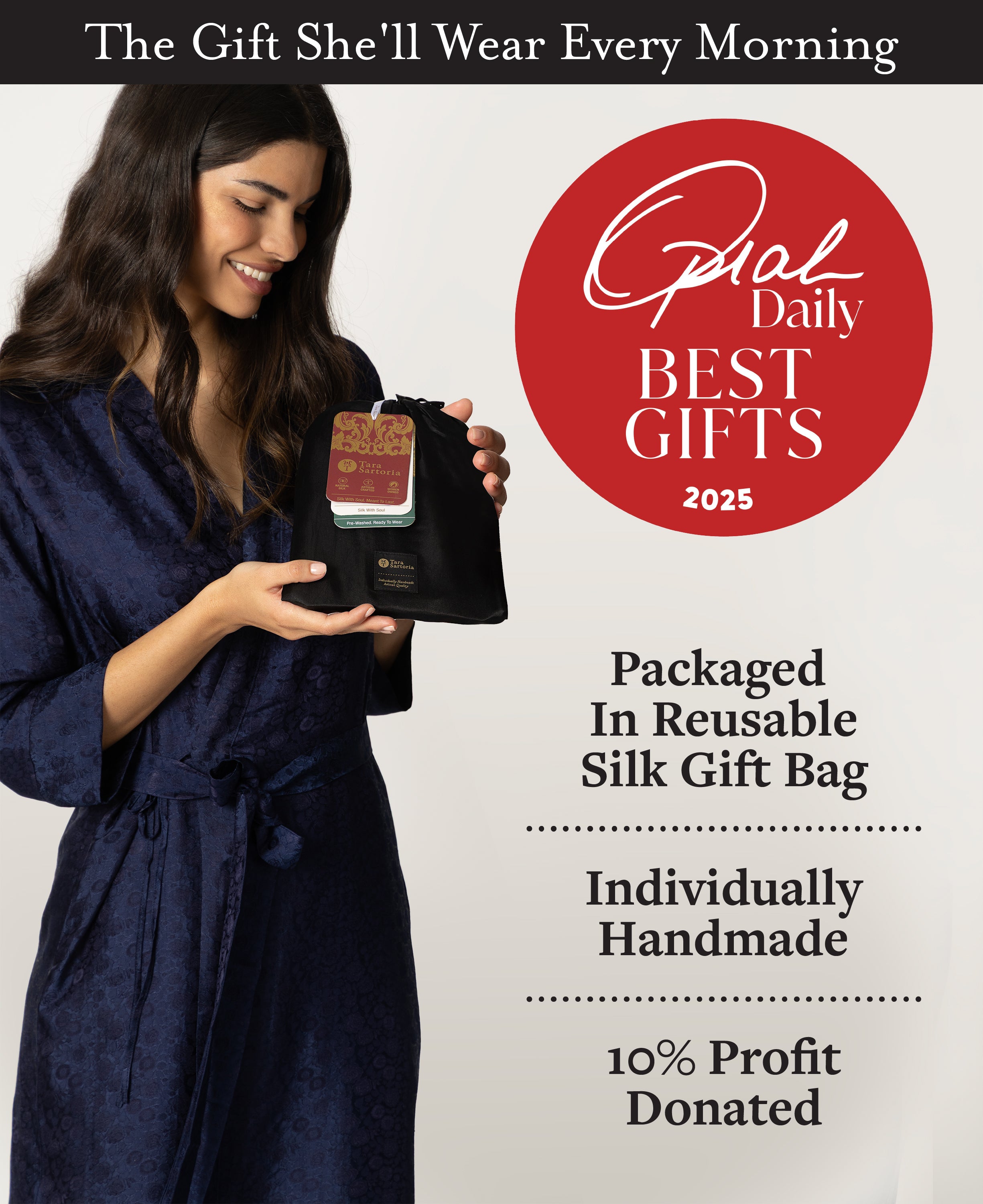
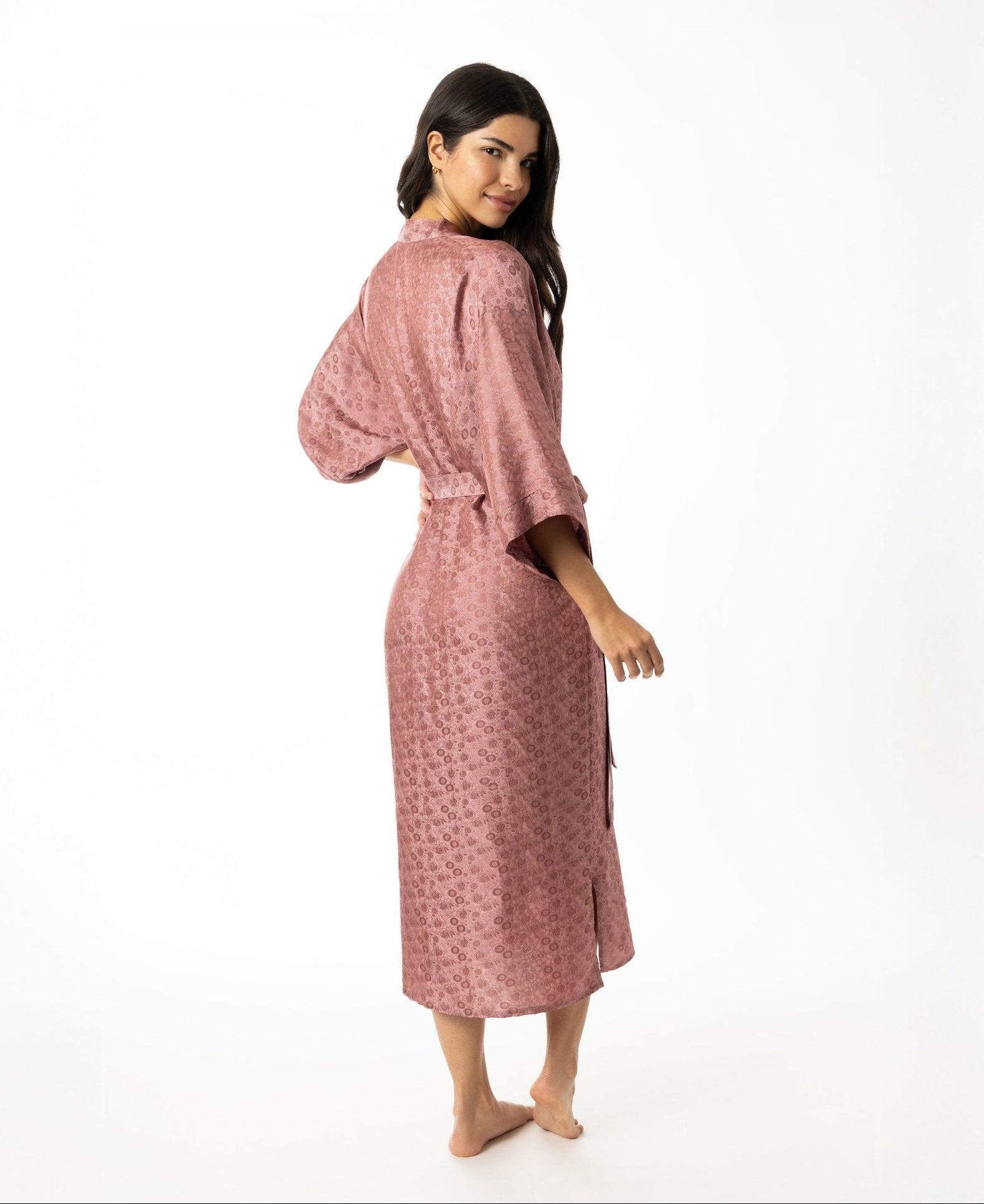
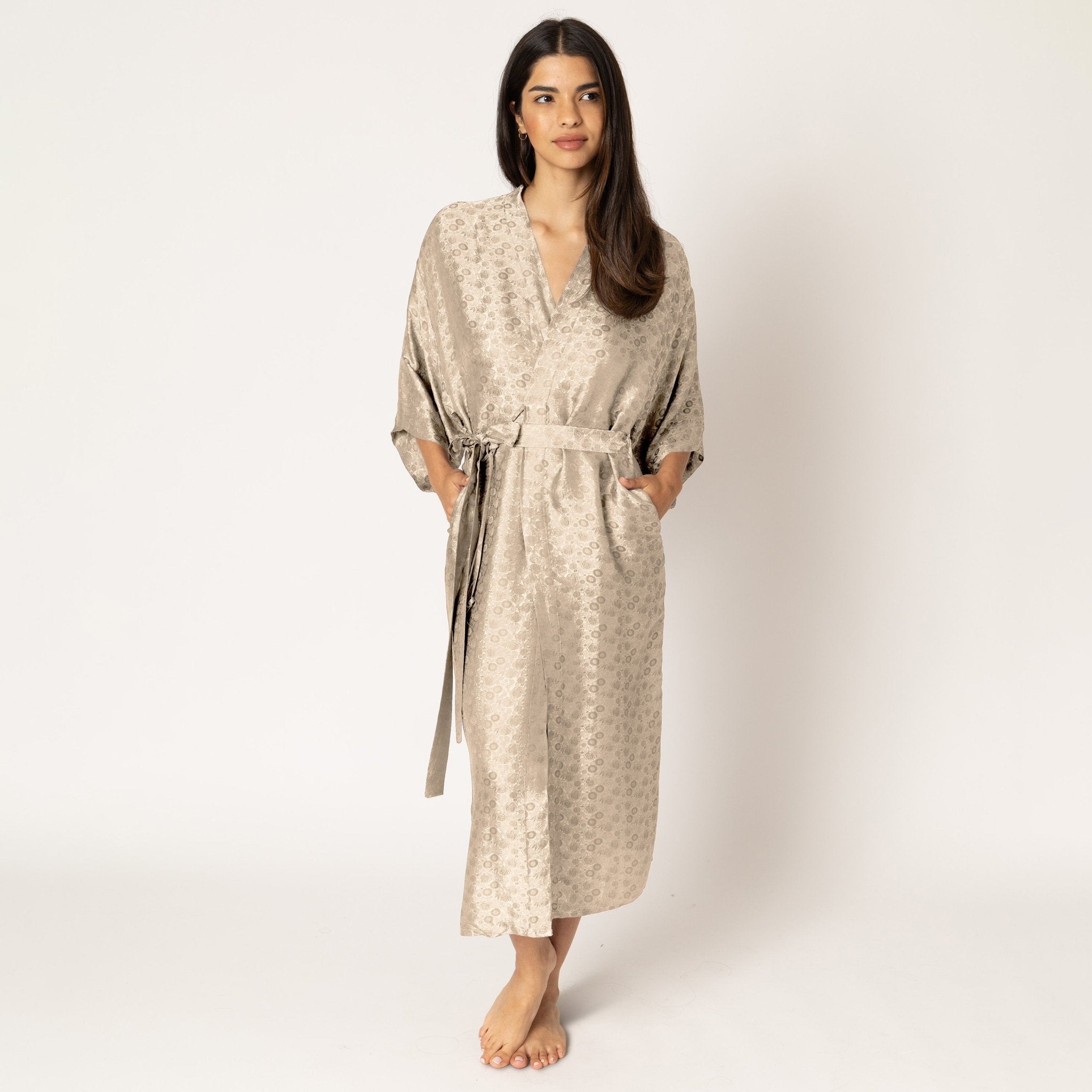
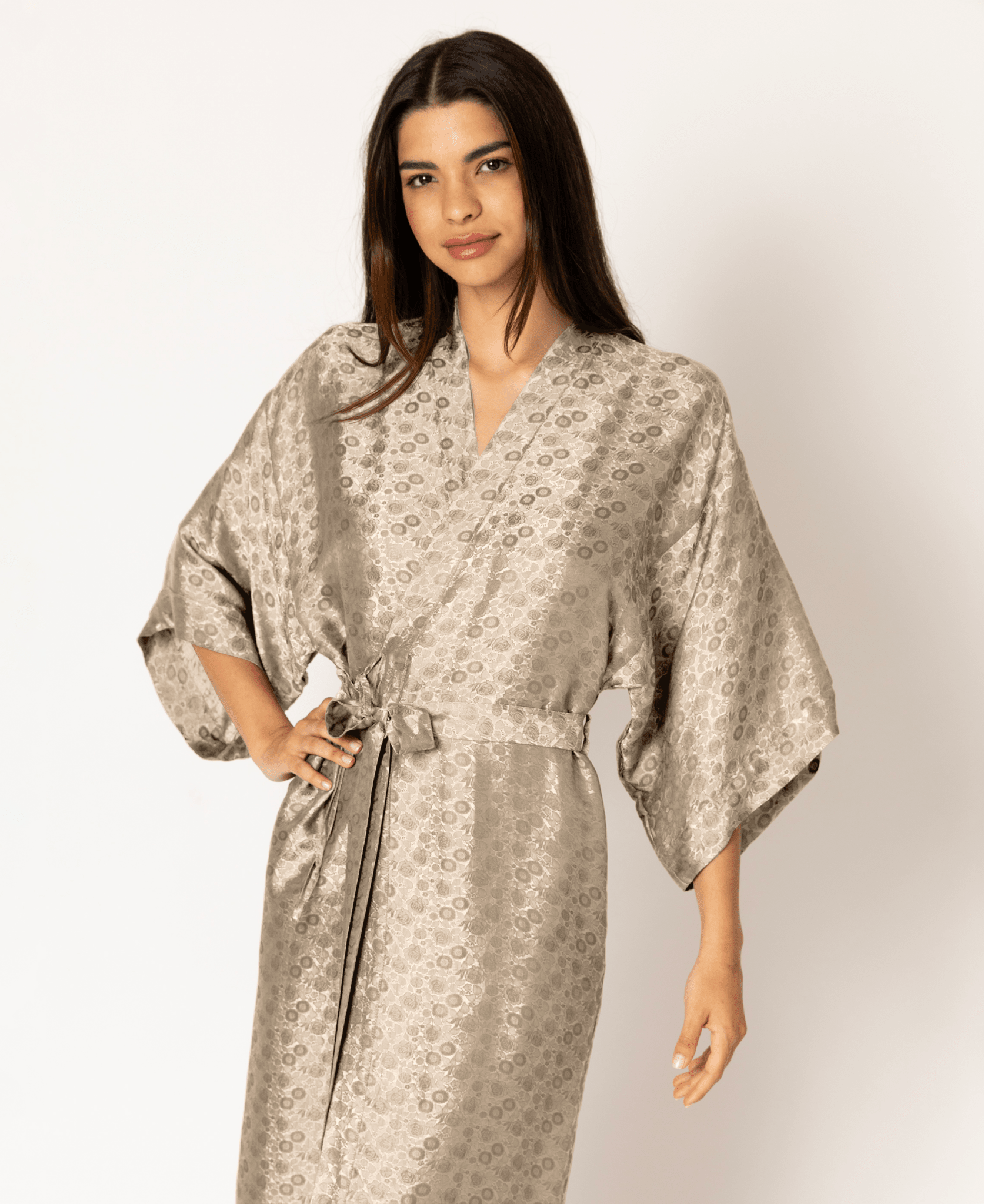
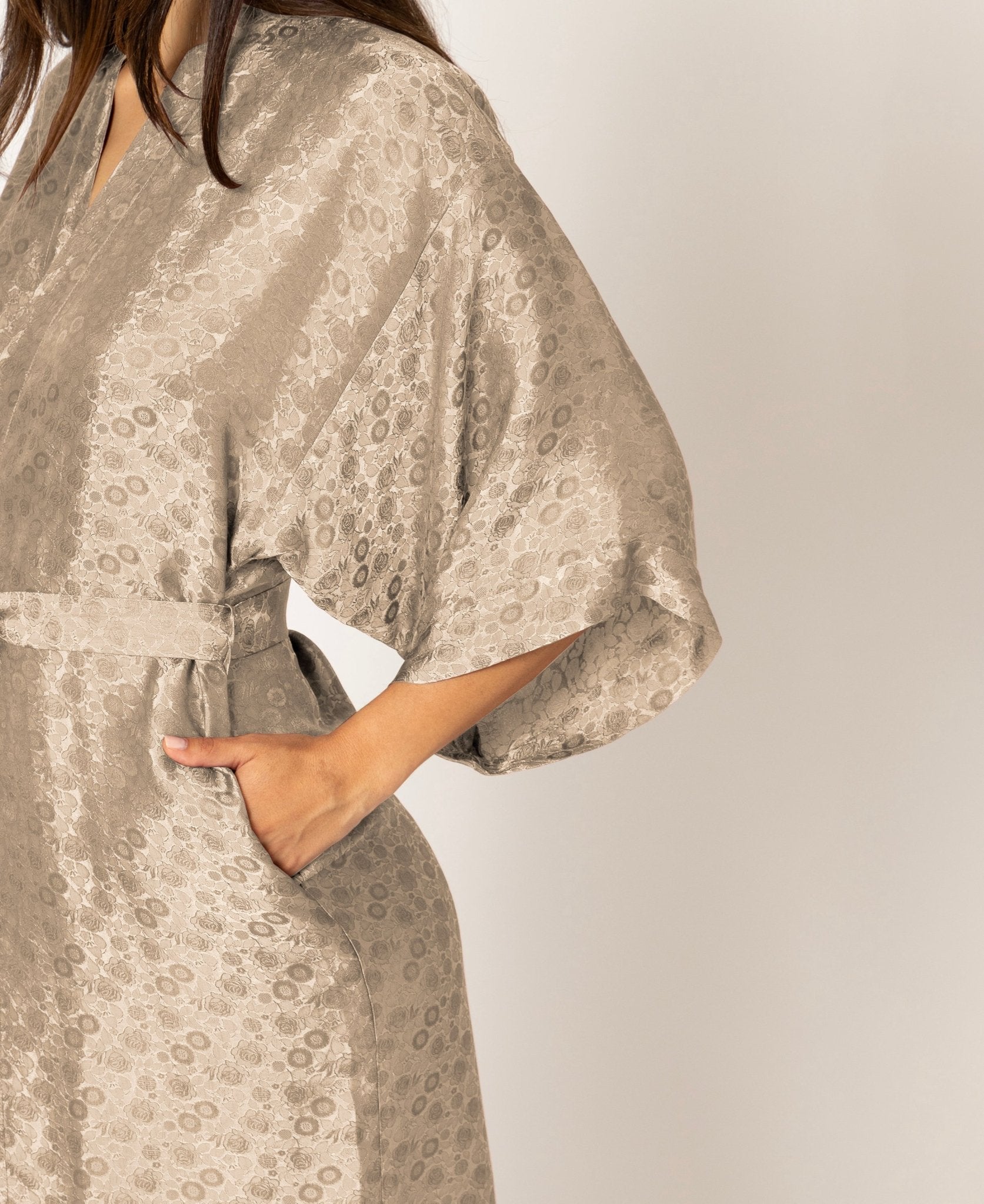
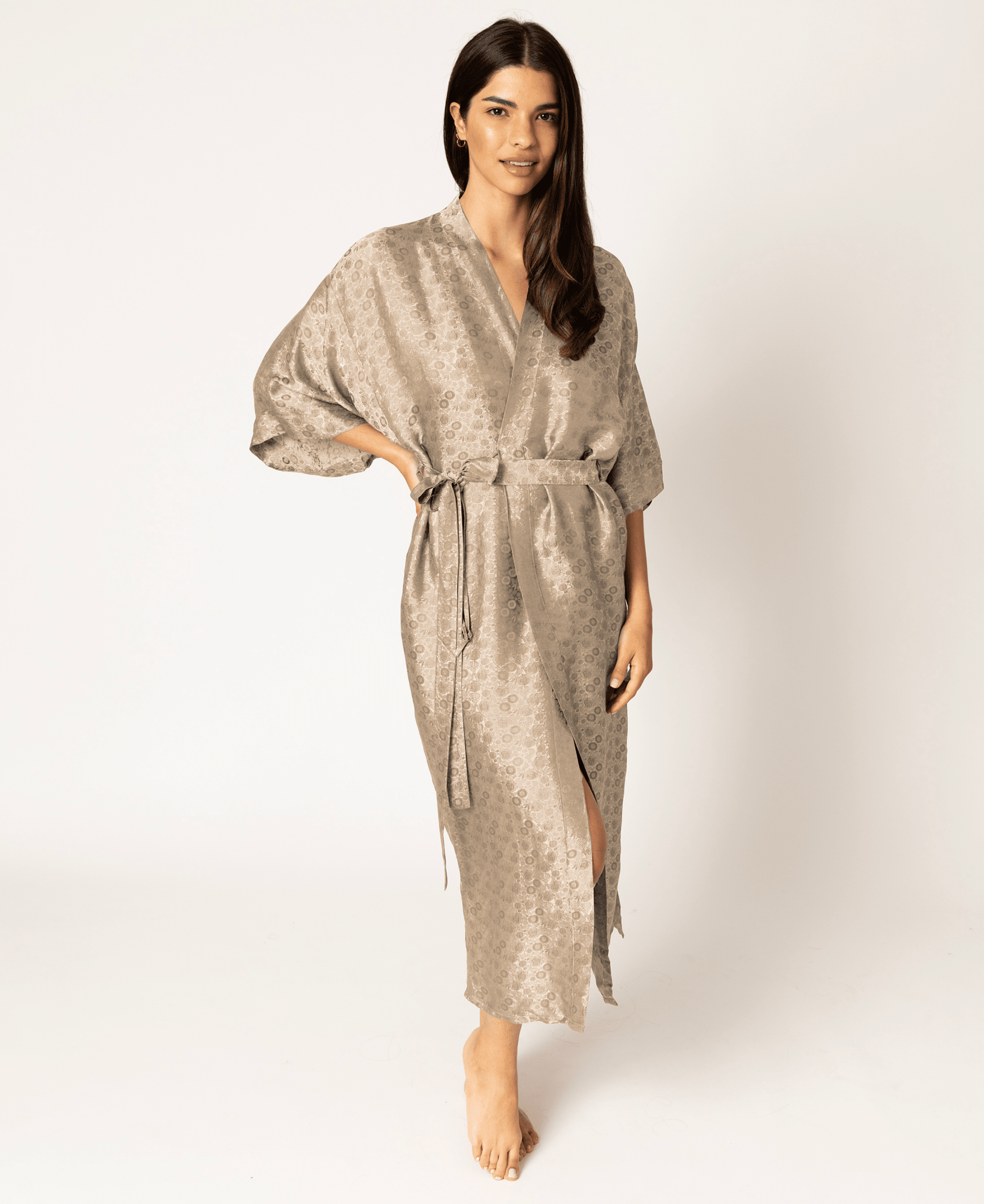
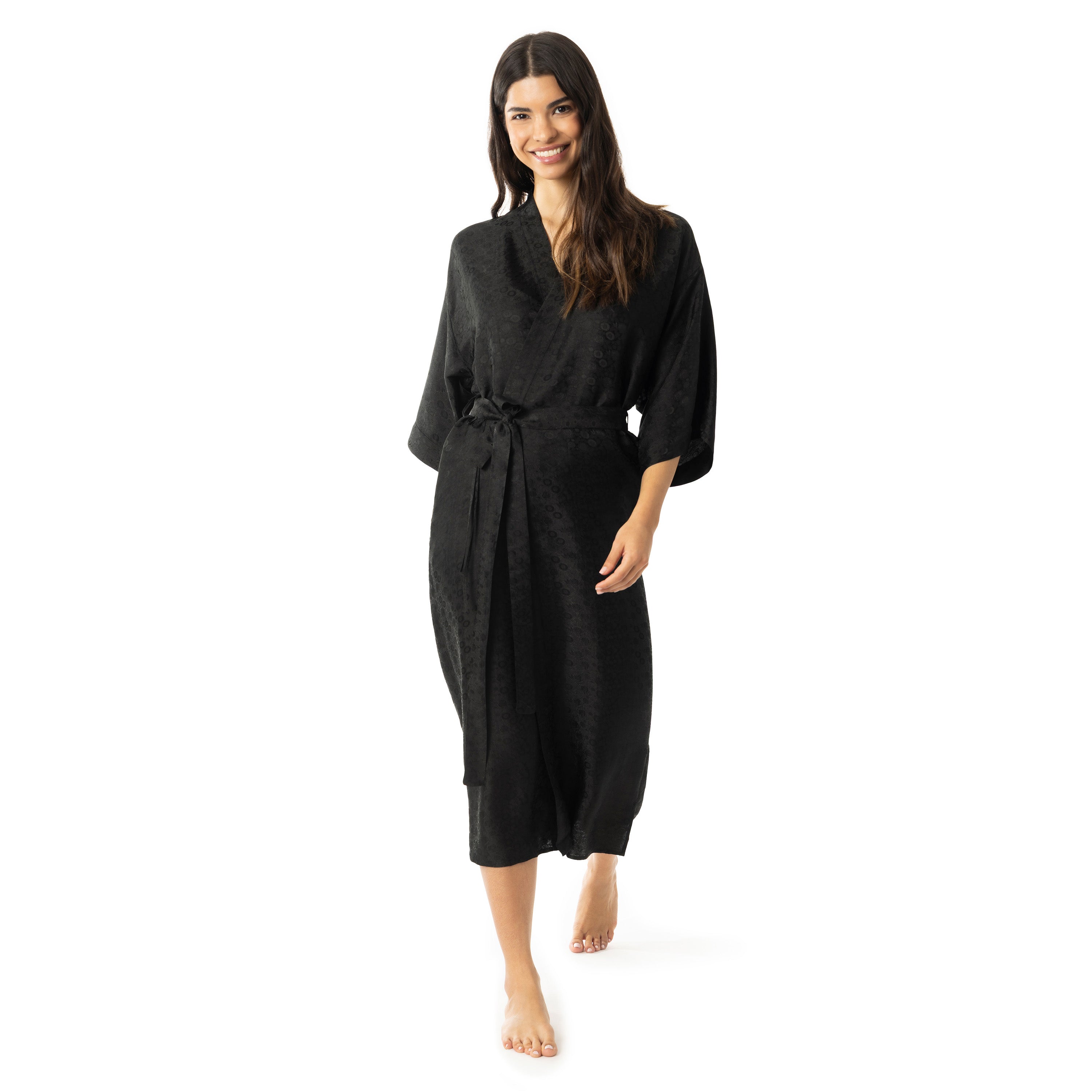
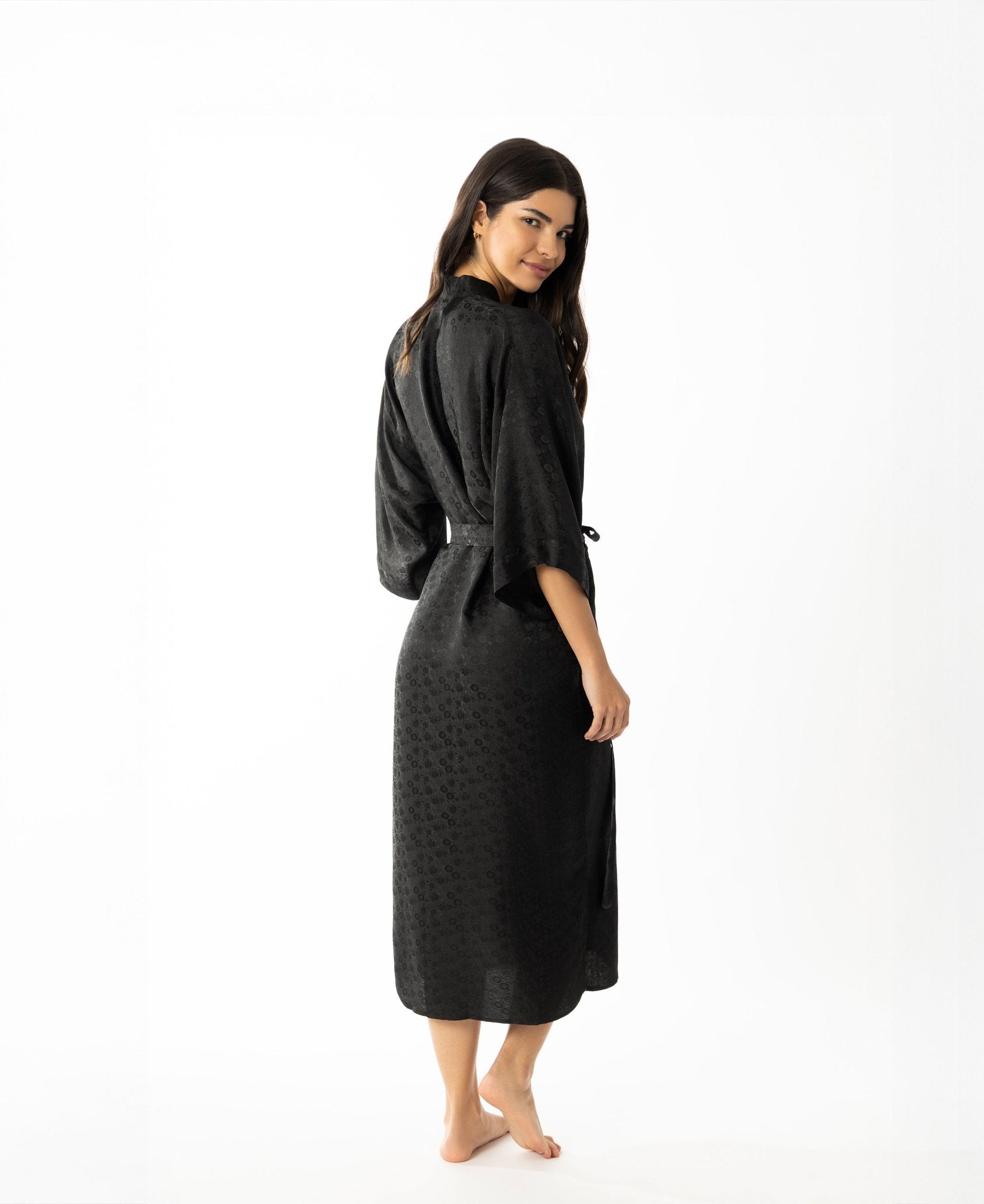
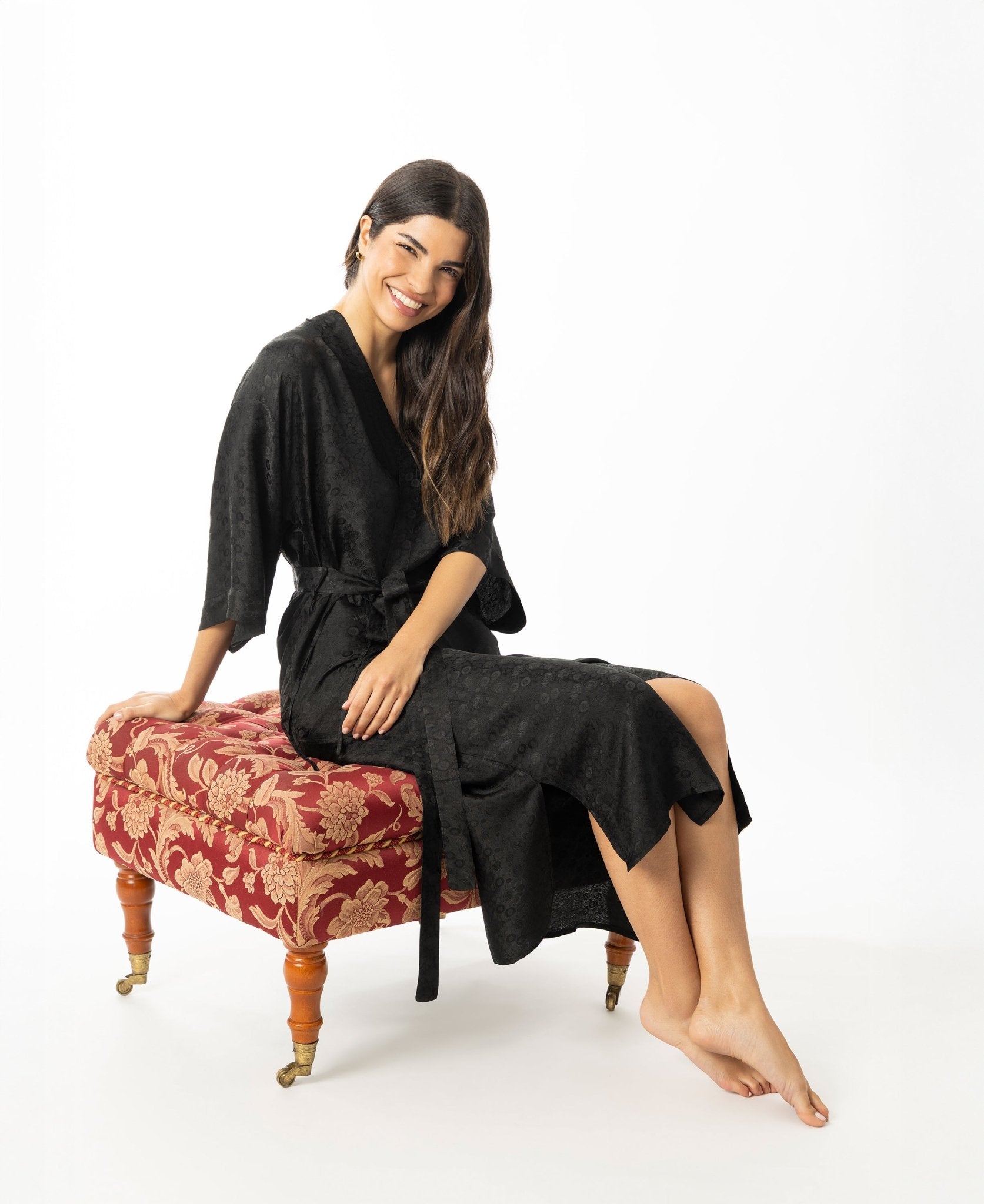
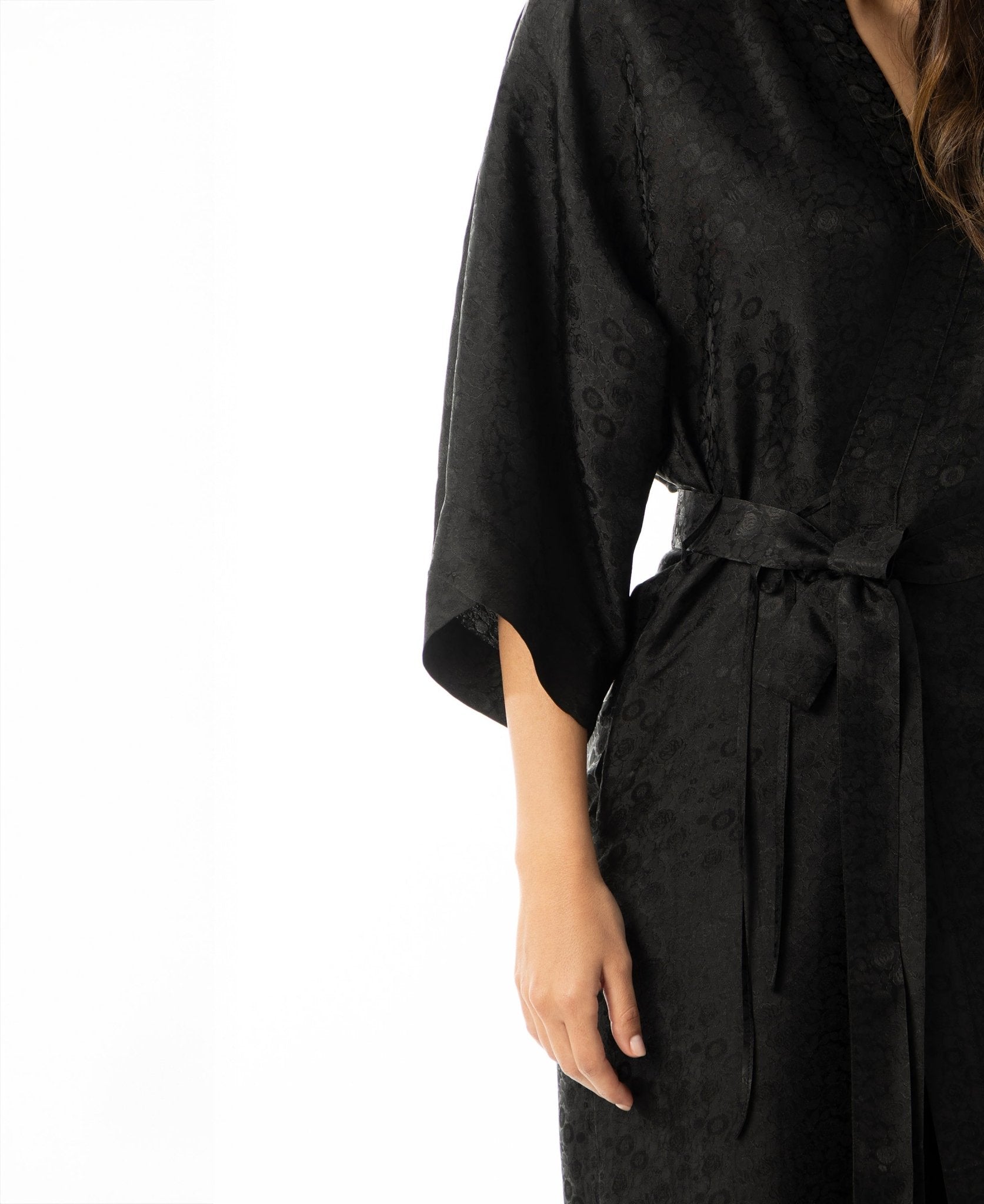
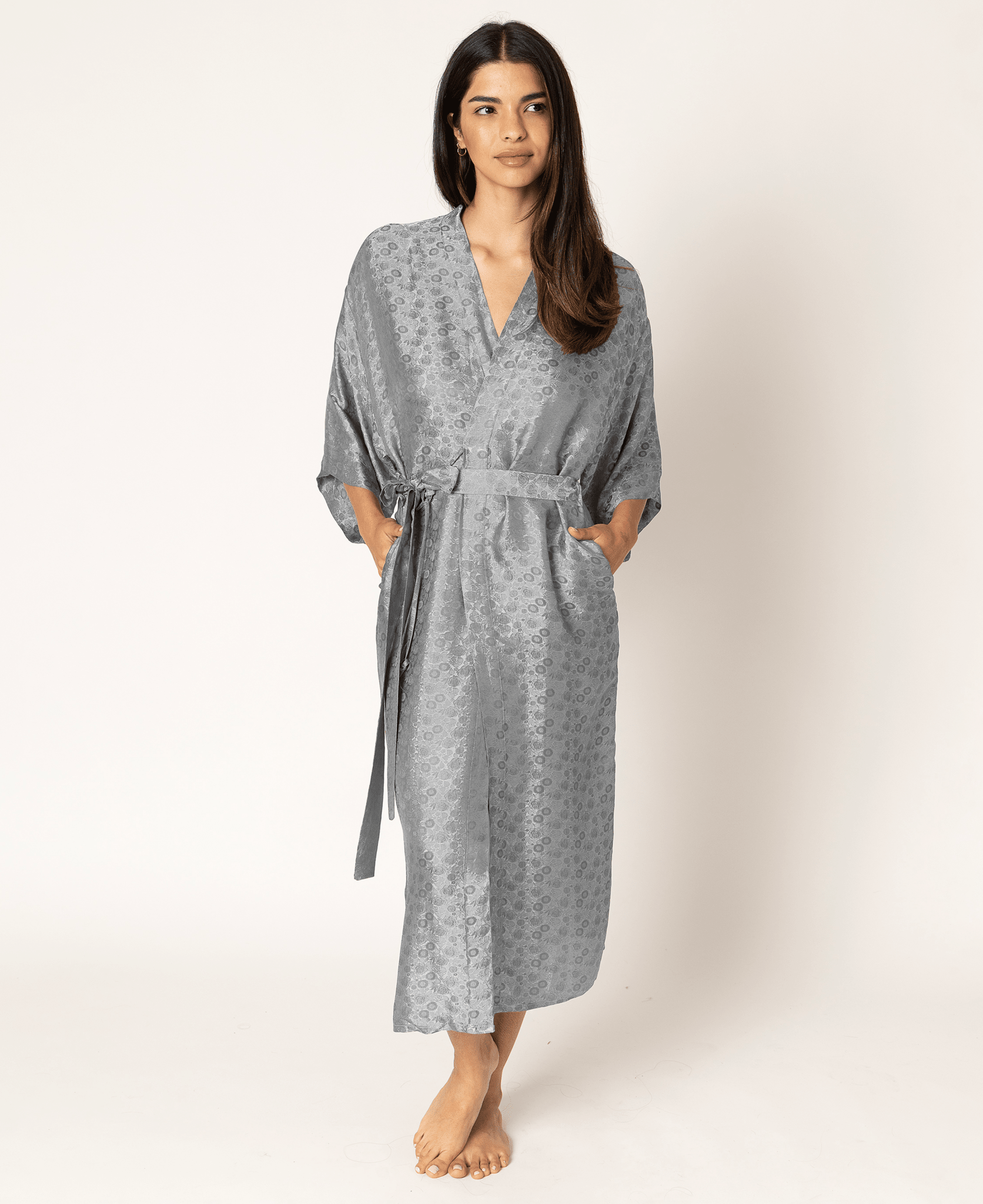
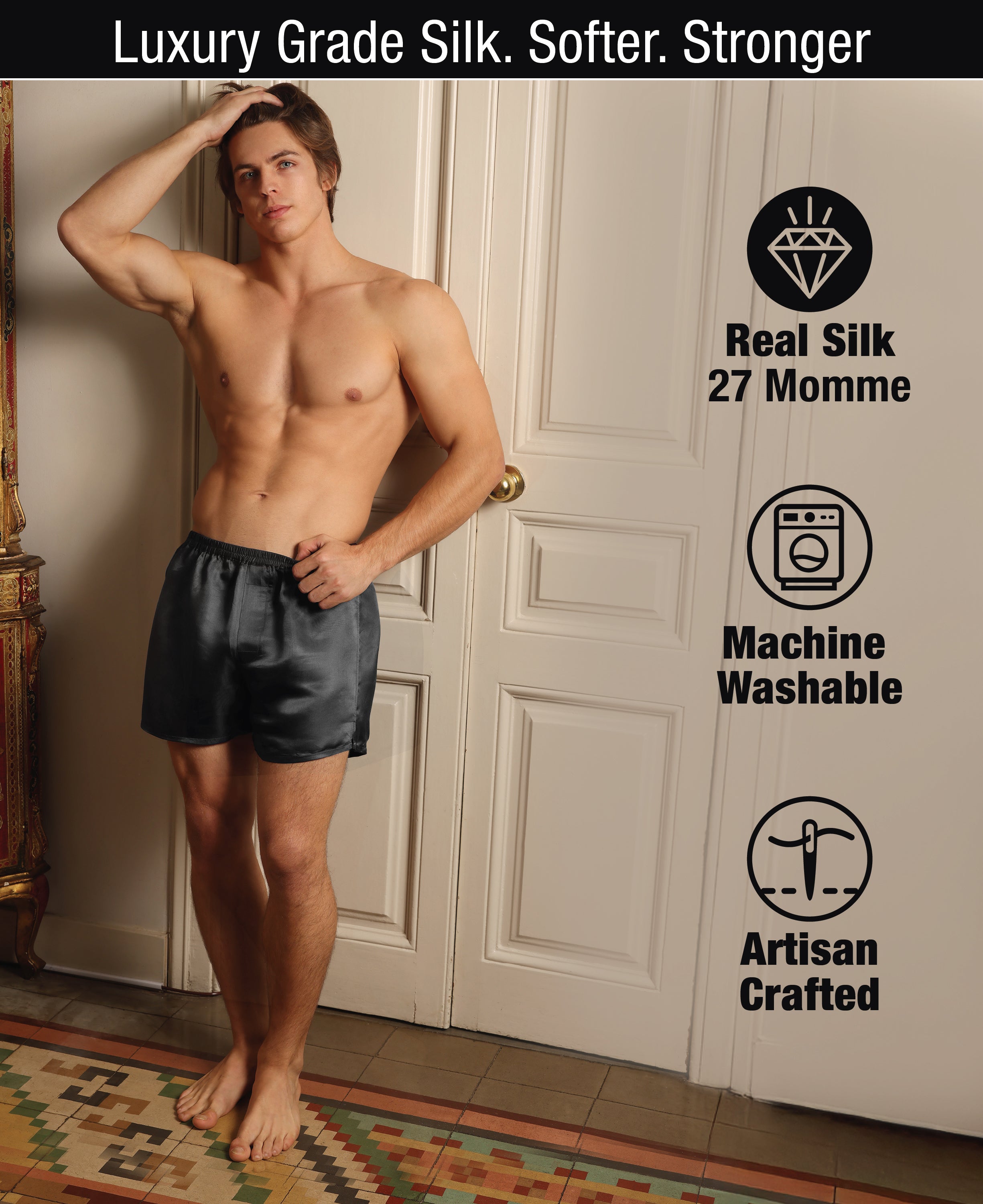
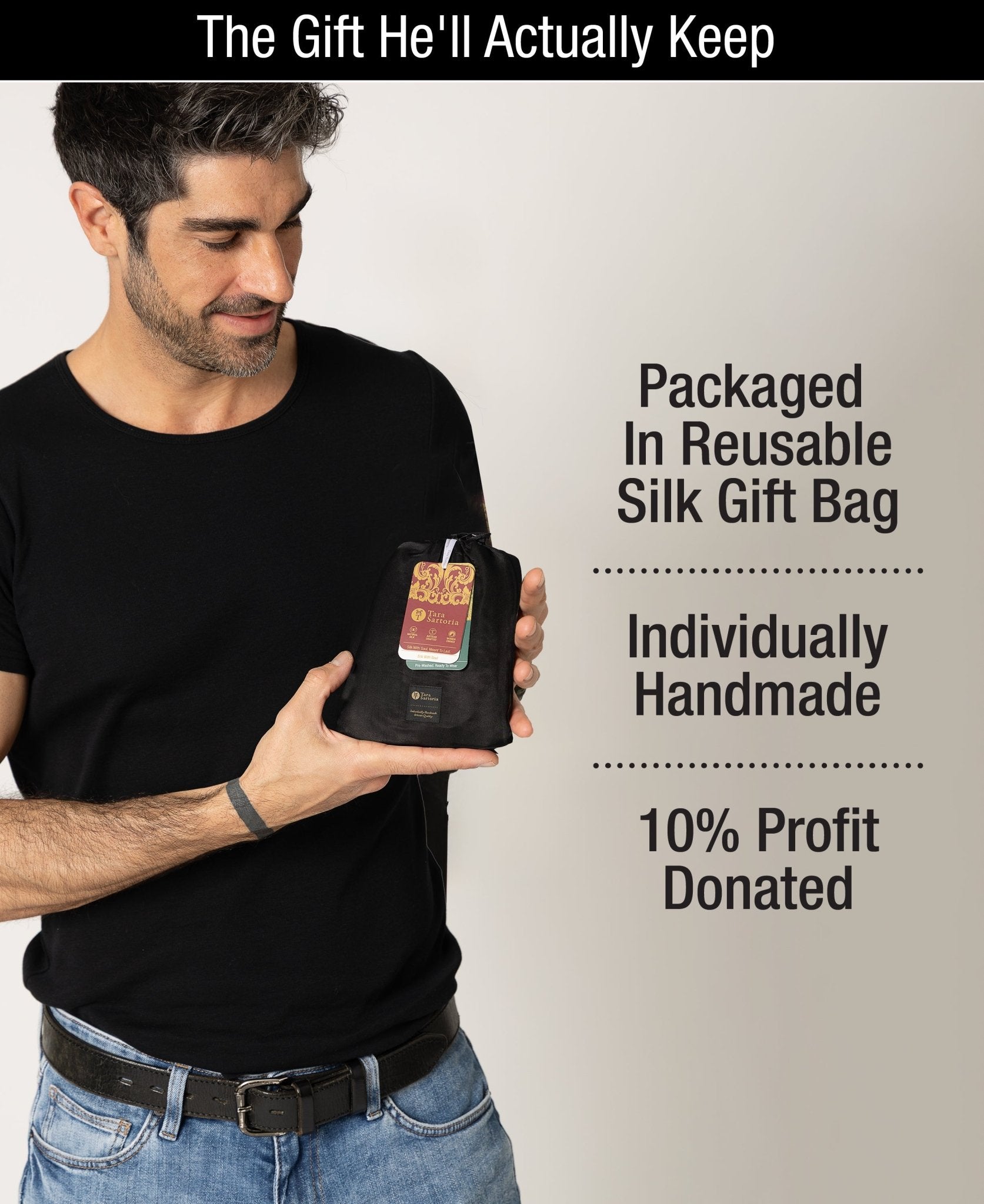
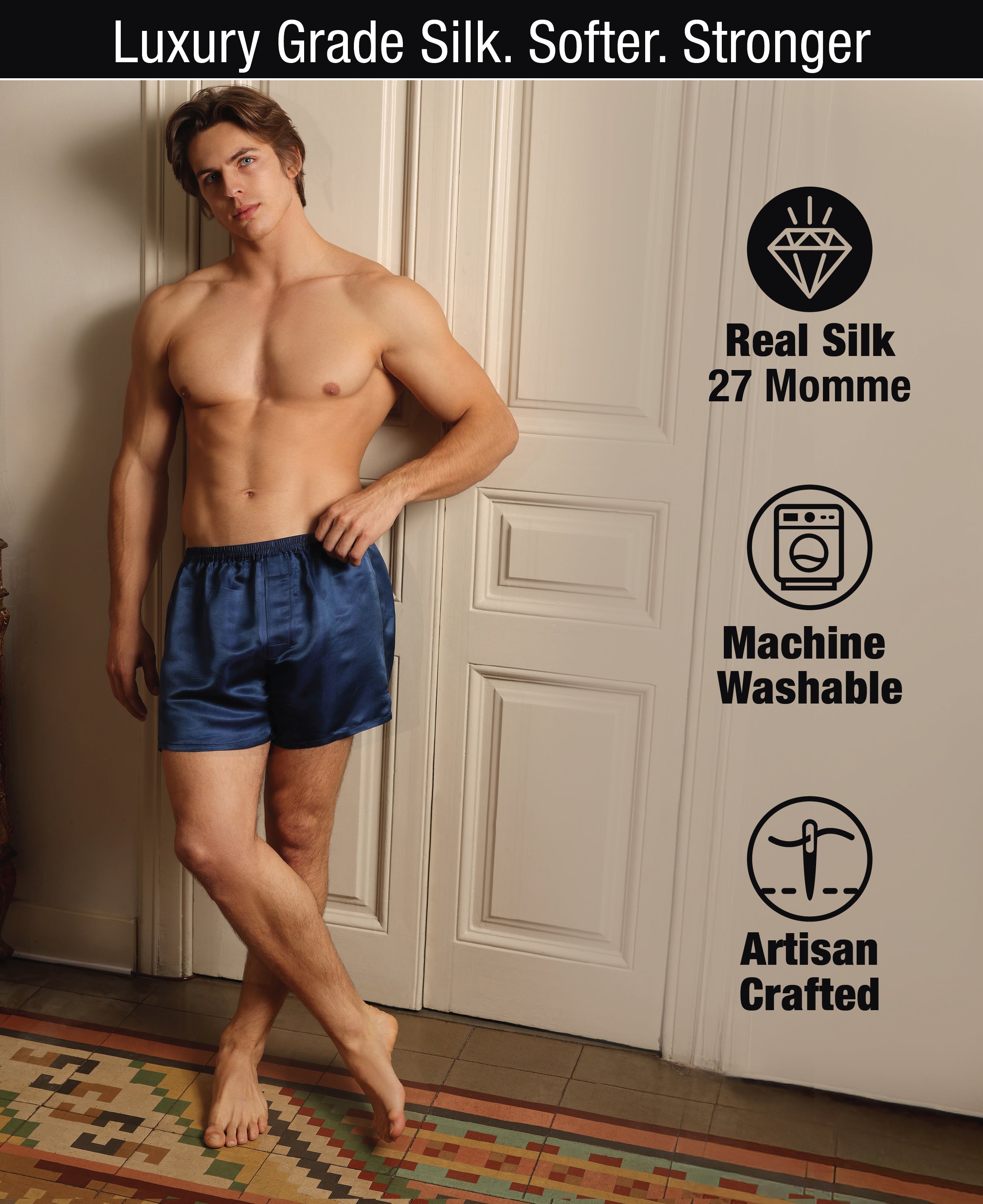
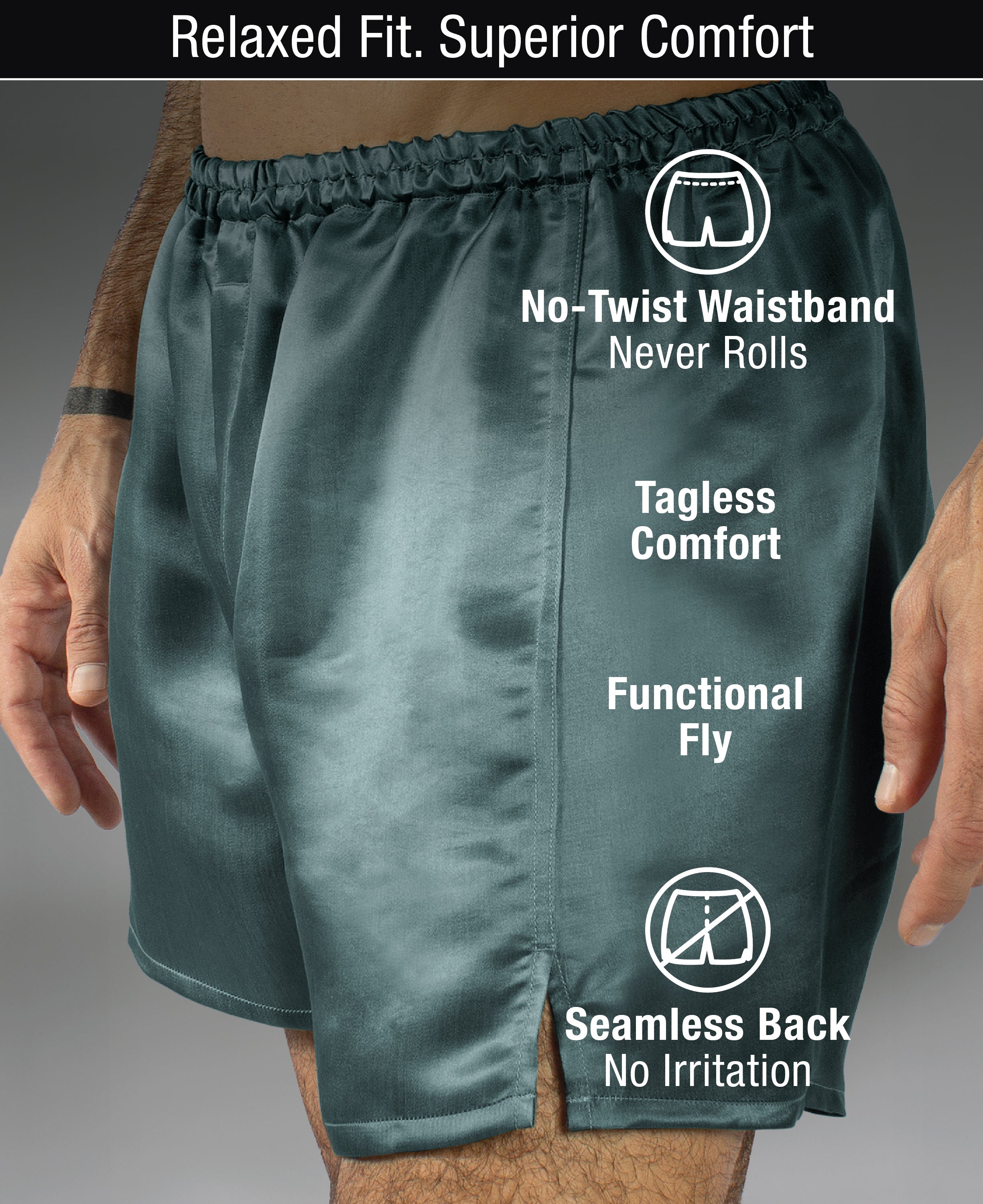
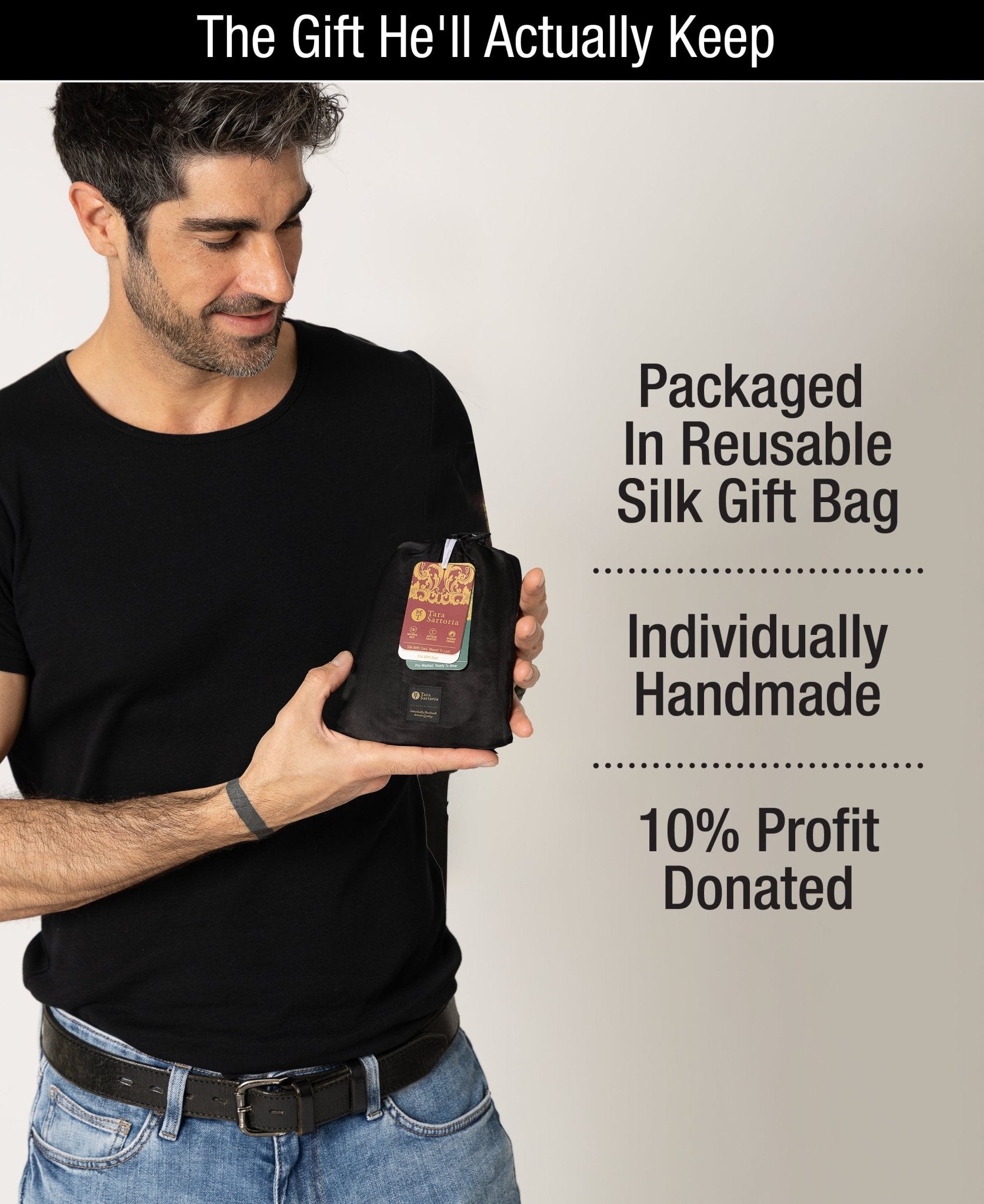
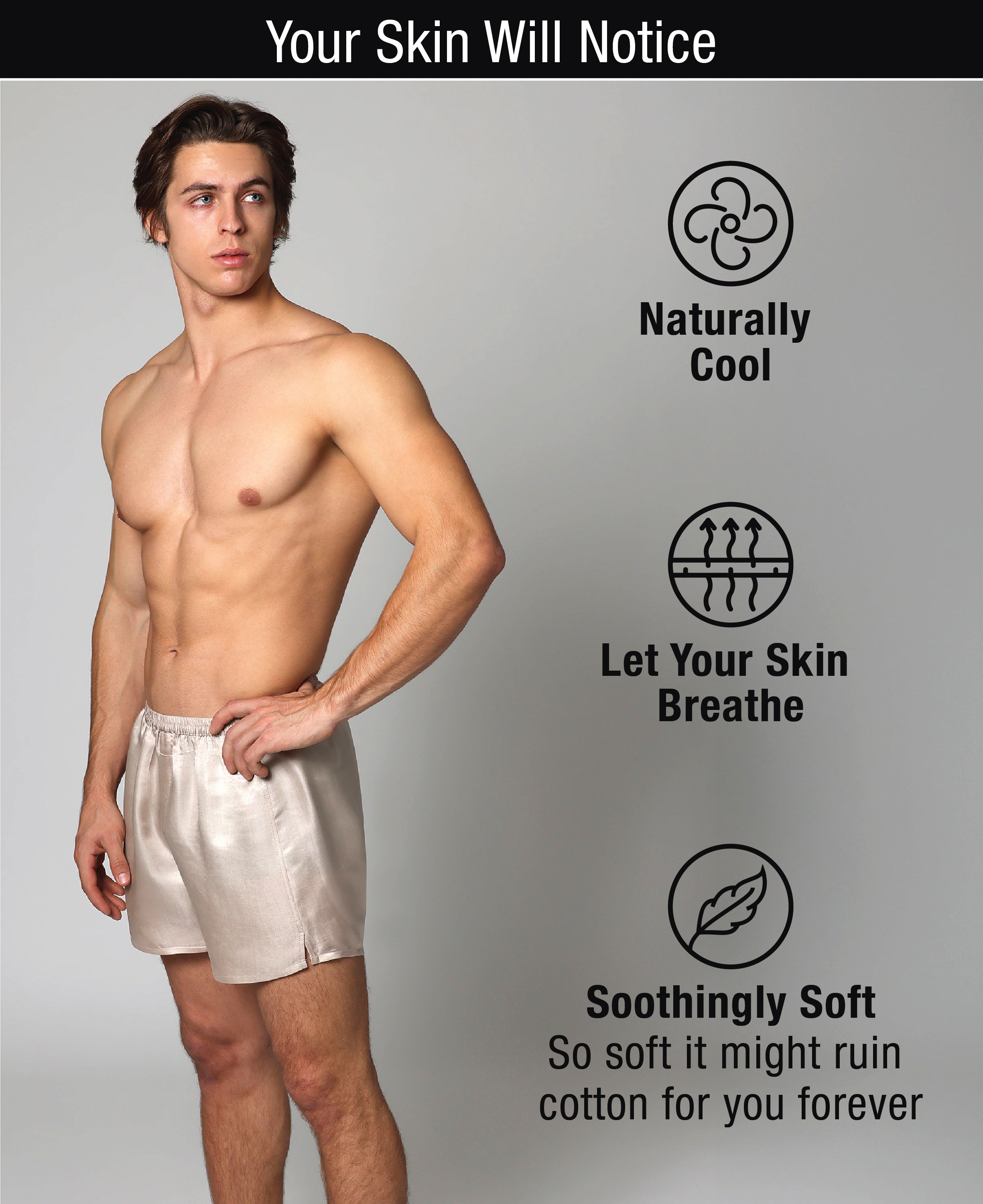
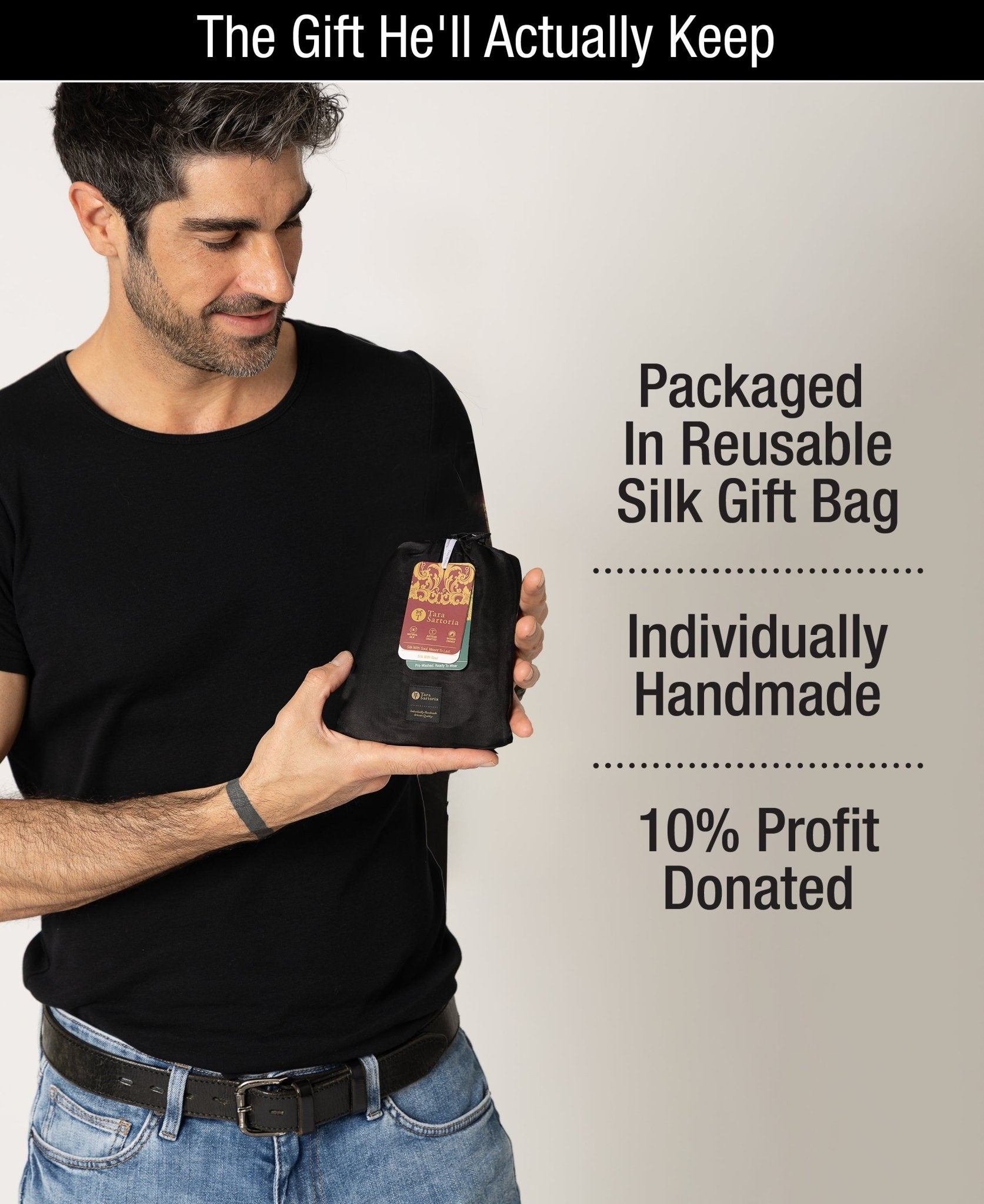
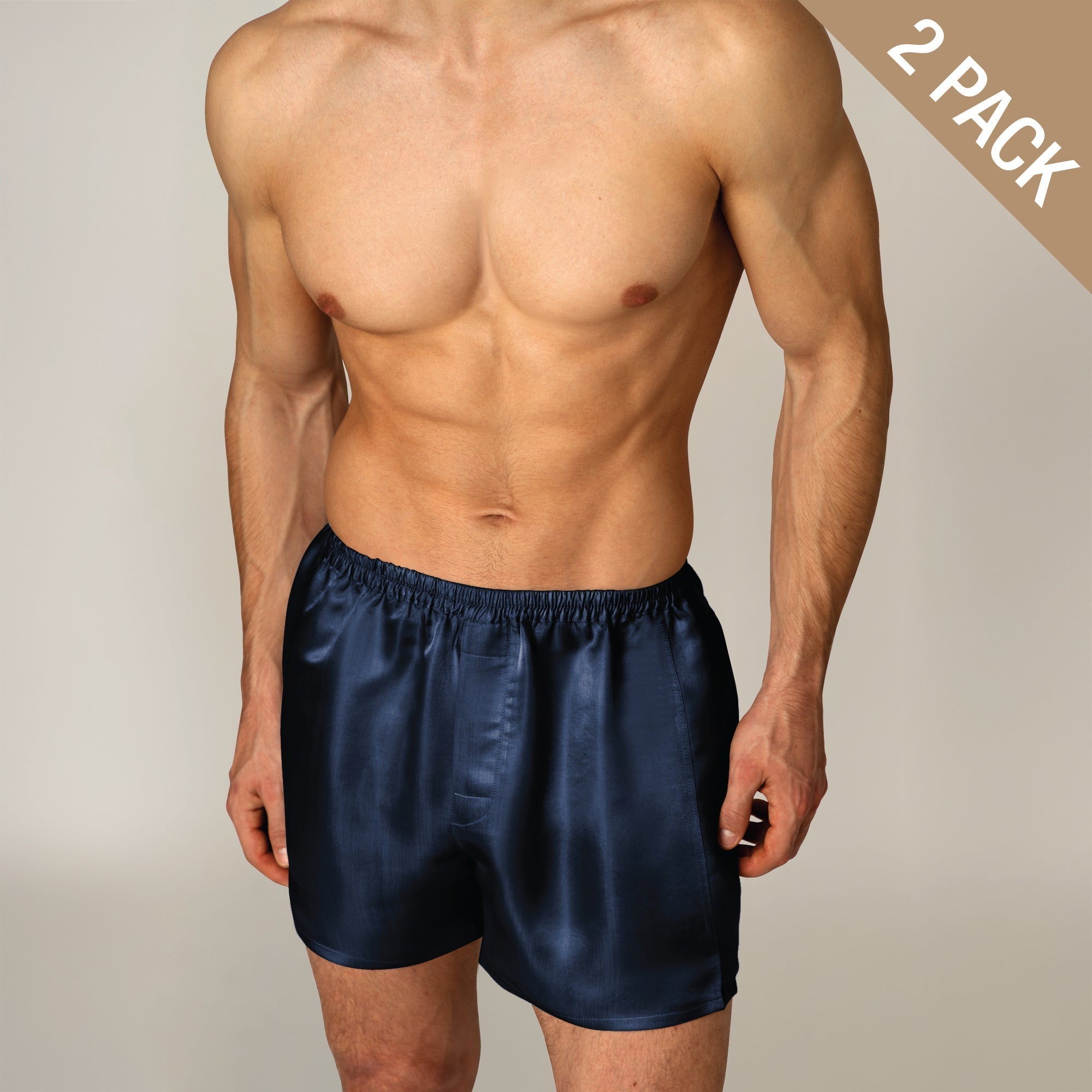
Every Tara Sartoria piece is made one piece at a time by master artisans in Vietnam's historic silk villages, woven on heritage looms, finished with French seams, machine washable, and sized XS to 4XL as standard.
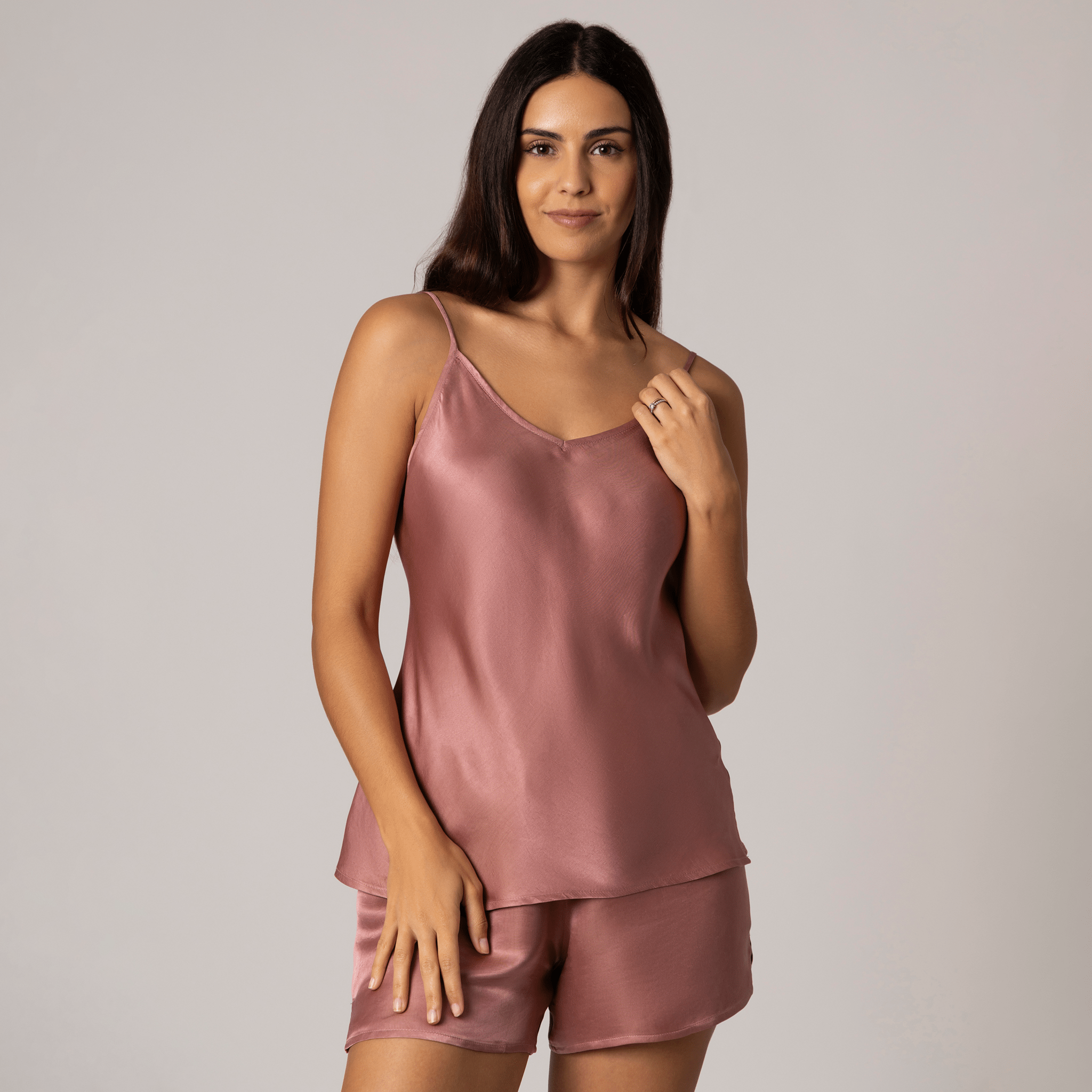

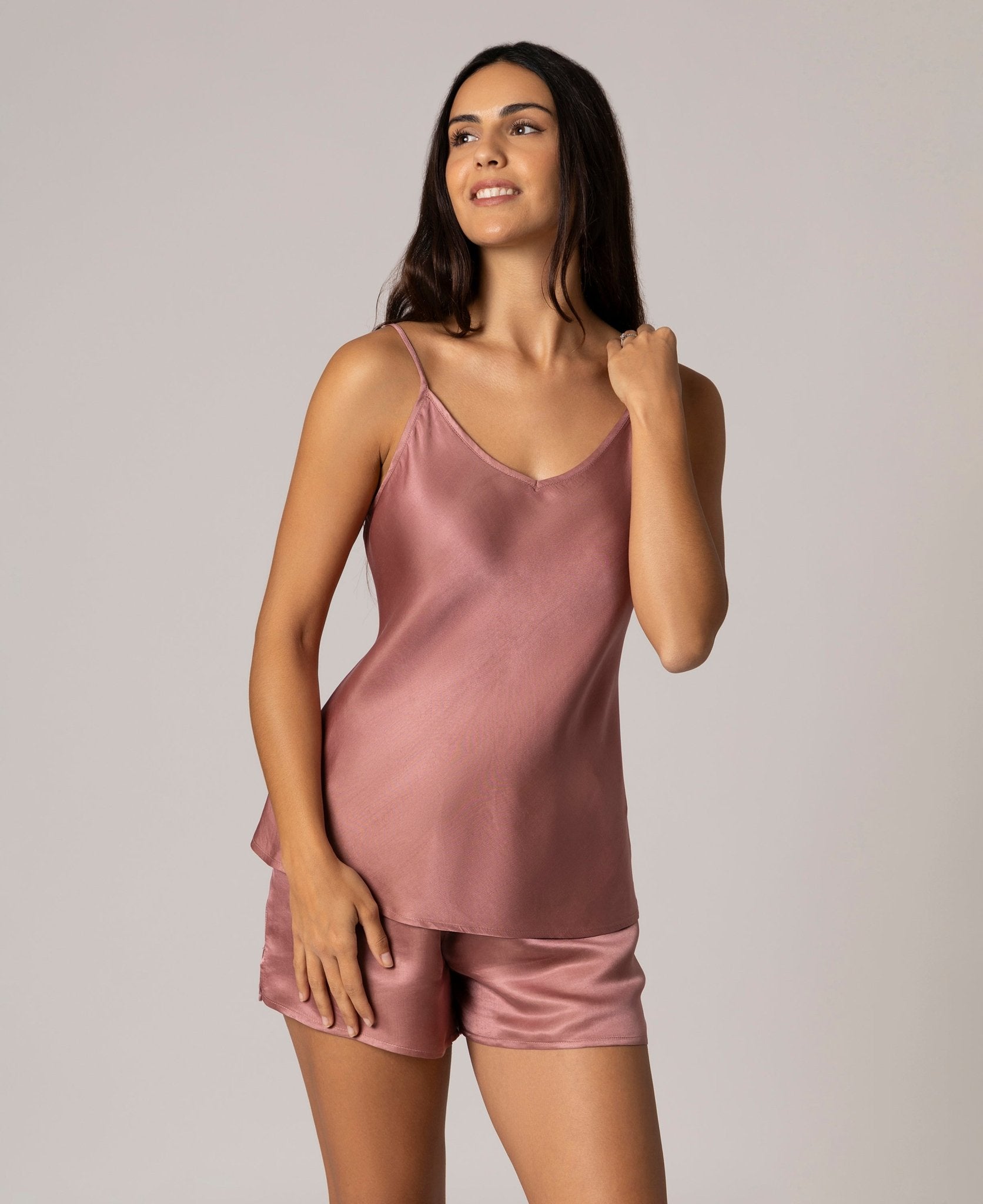
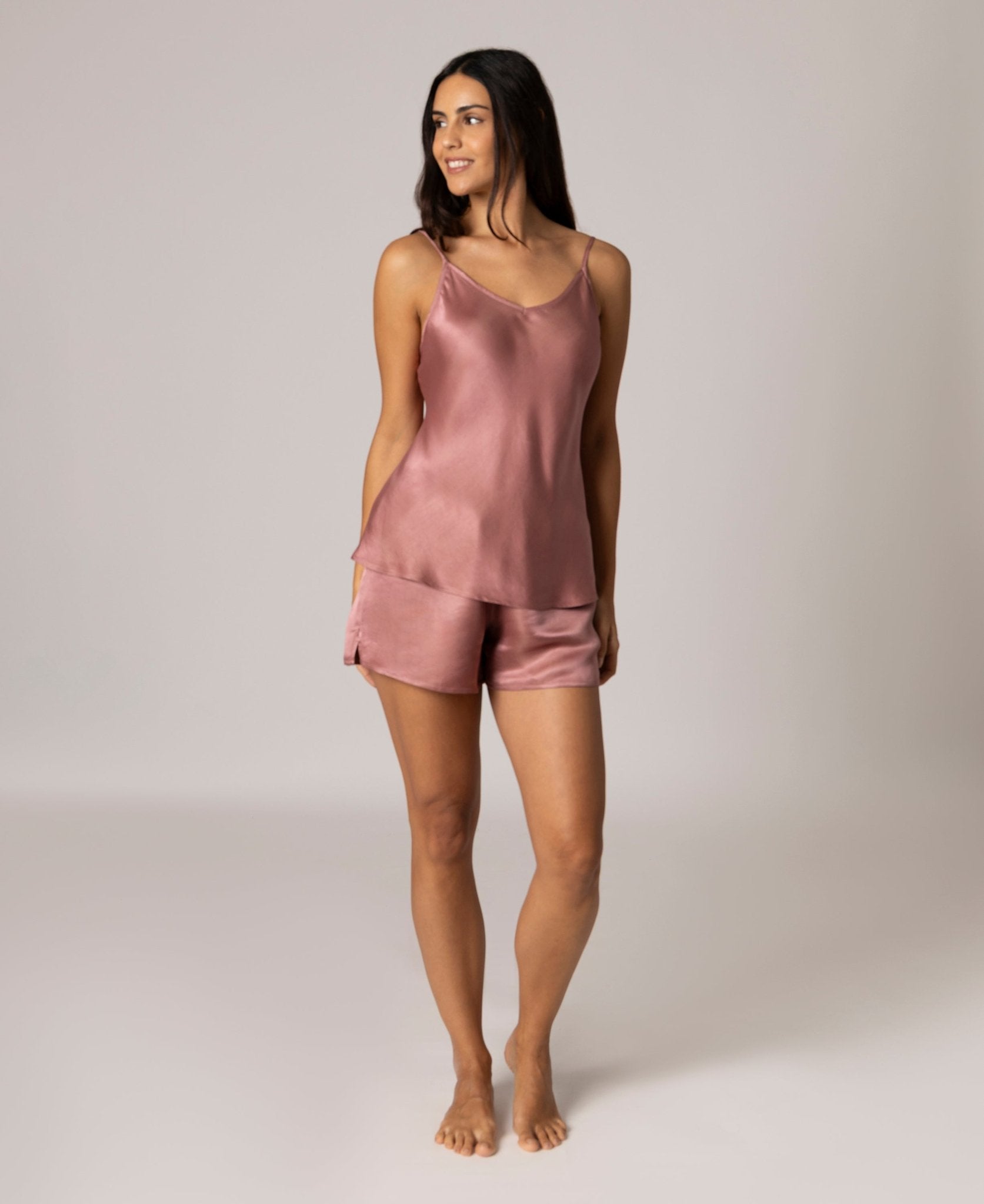
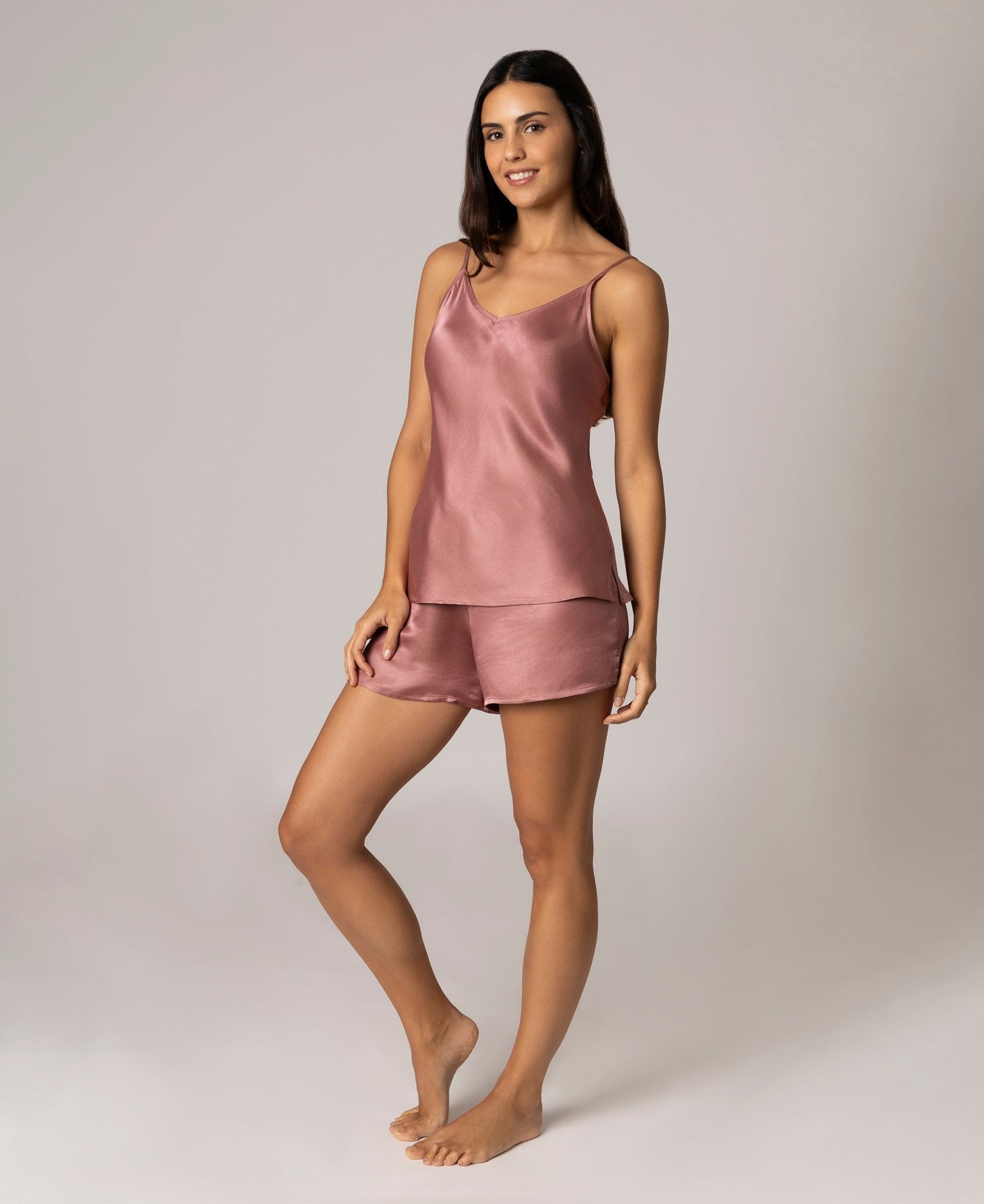




Why Thicker Silk Is More Flattering on a Curvy Body
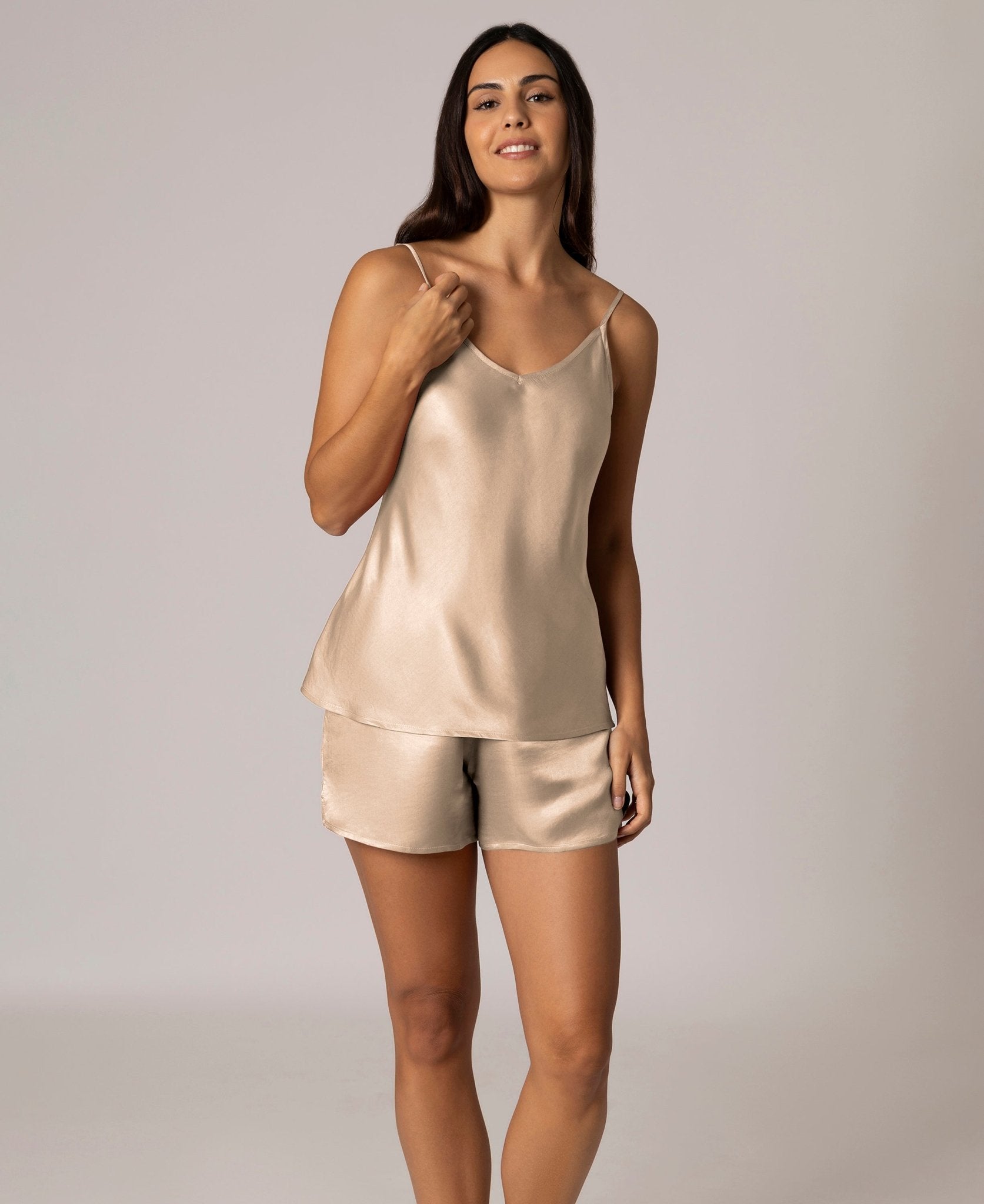
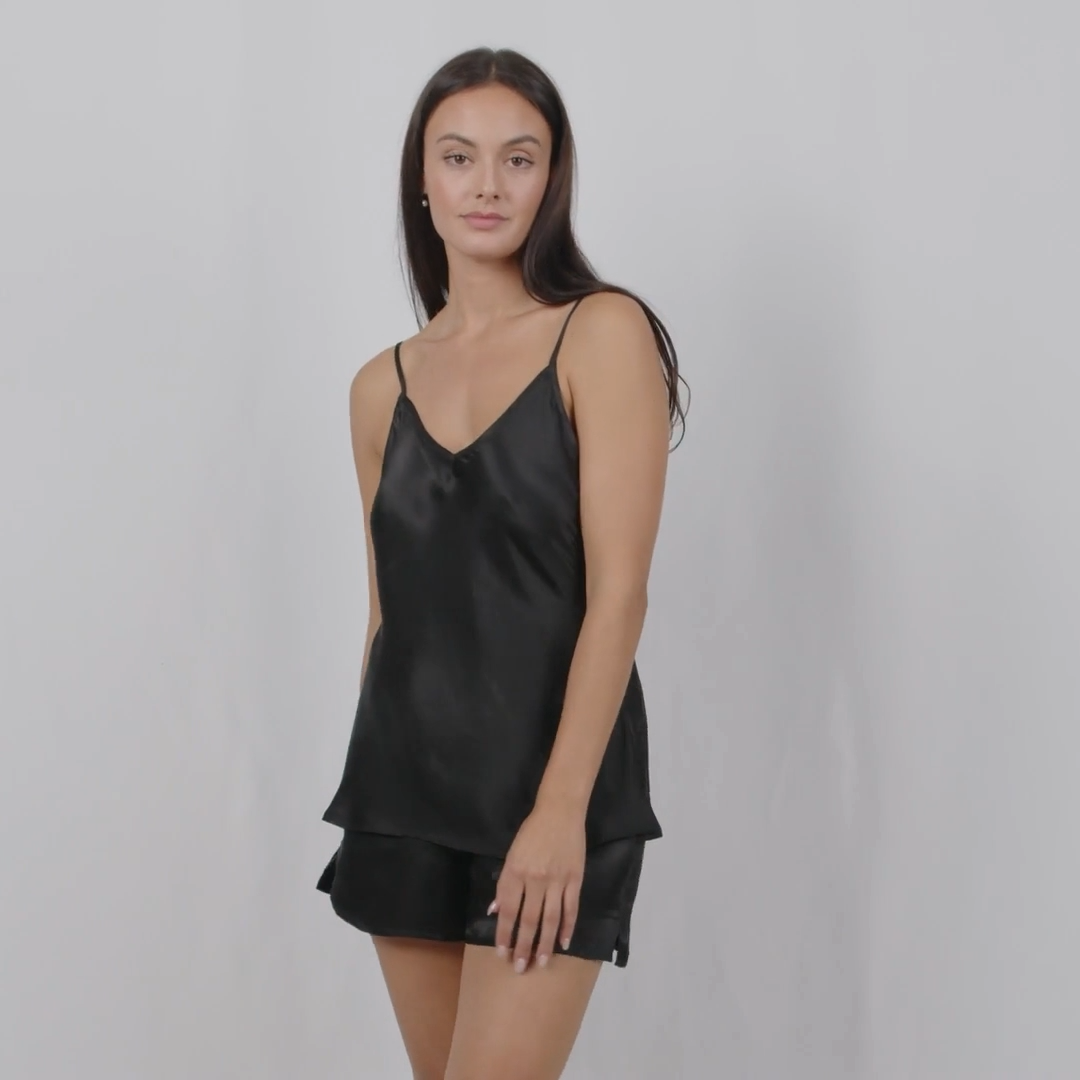
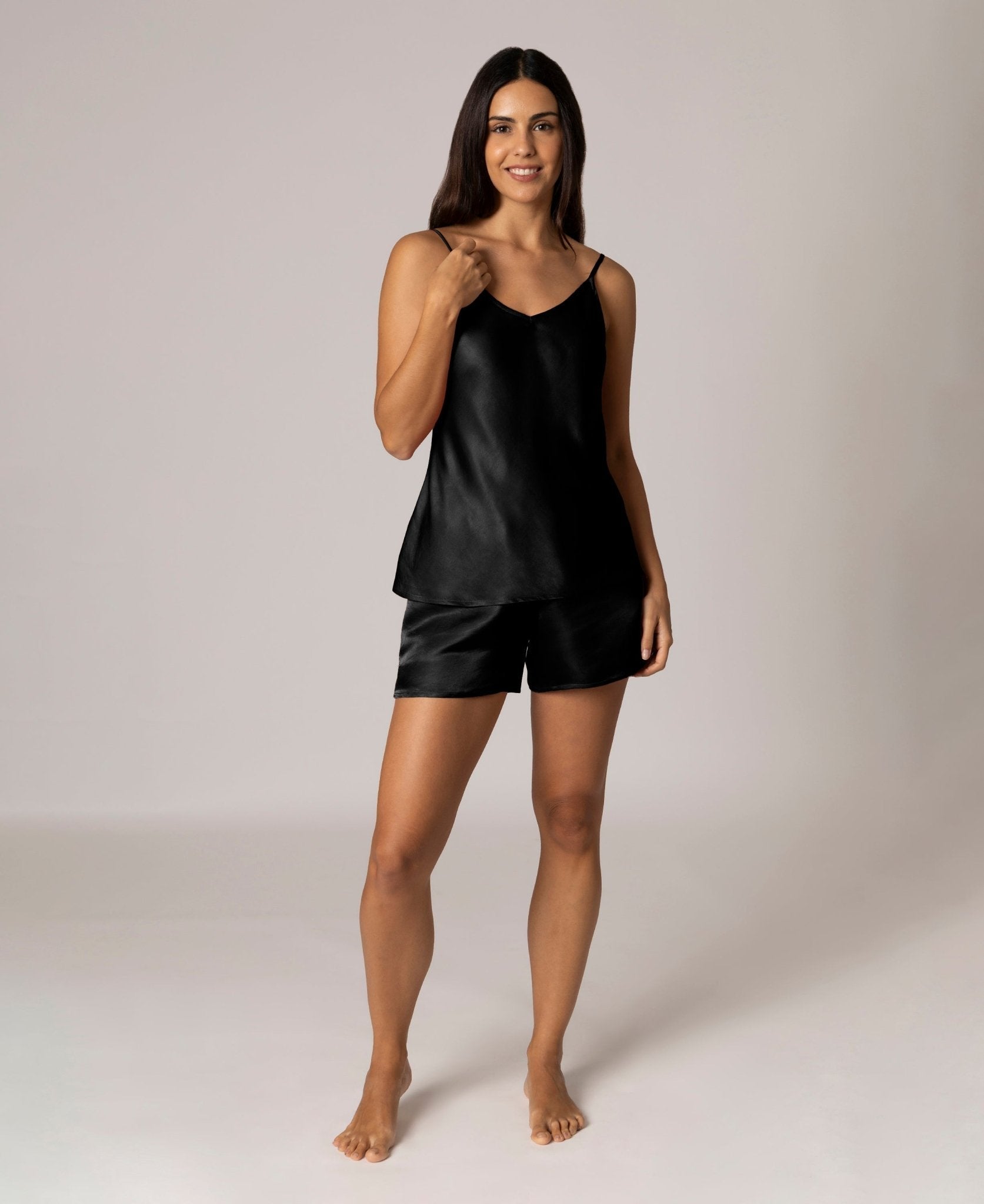
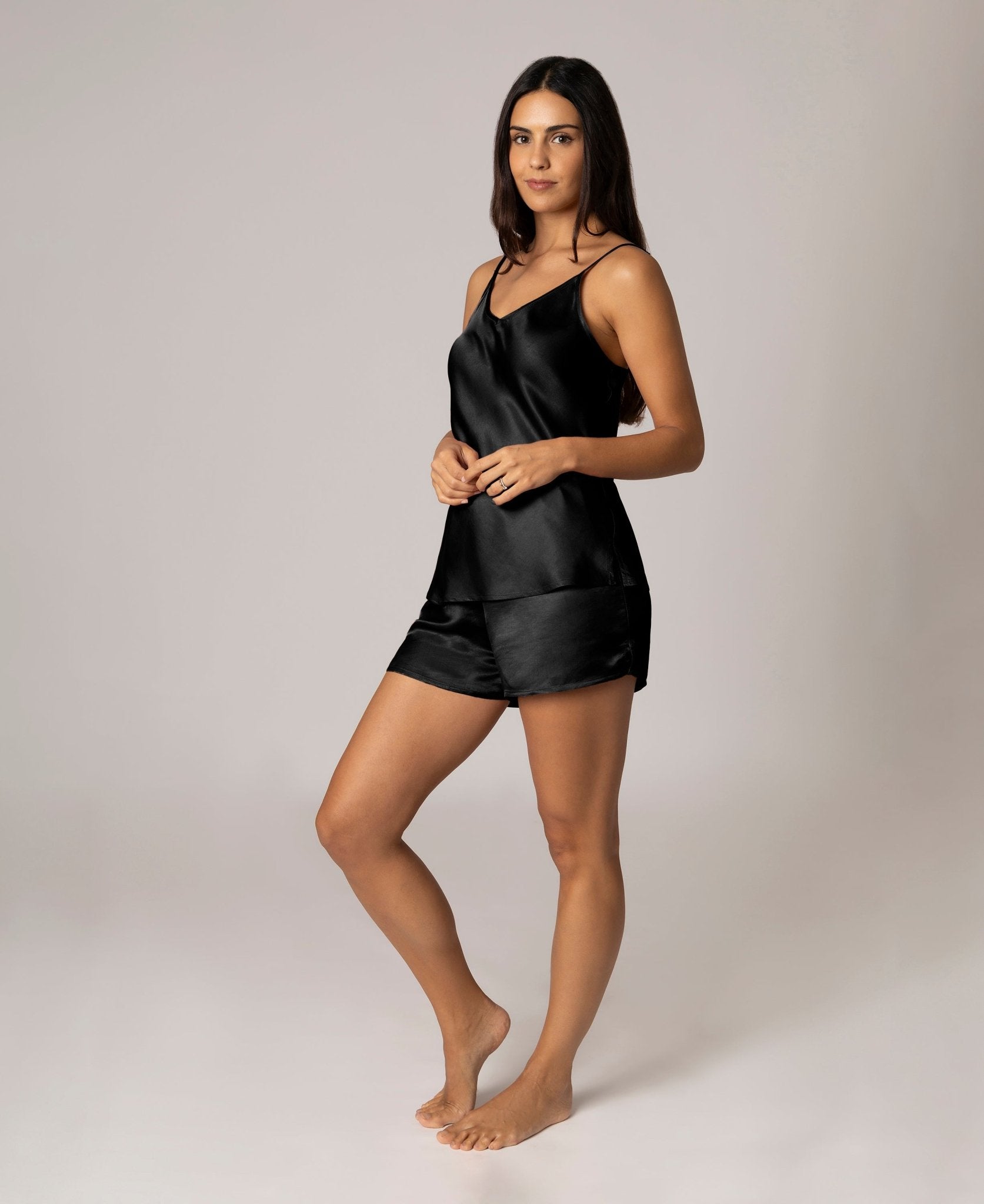
The word "flattering" gets thrown around loosely. In practice, on a curvy body, it means one thing: the fabric describes the outline of the body without describing every contour inside it. A silk pajama should tell you a woman is wearing pajamas. It should not tell you exactly where her belly softens or where her hip meets her waist.
The physics is not complicated. Silk has weight measured in momme. A 16 momme silk weighs about half of what a heavier silk weighs at the same square footage. Fabric weight determines how the fabric falls. A heavier silk hangs with gravity and puts a small amount of air between the fabric and the body at every point where the body curves in. That air is what makes the drape read clean.
A thinner silk does the opposite. It has less weight to pull itself away from the skin, so it settles onto every ridge and hollow. Static electricity makes it worse. A thin silk against the belly on a dry winter morning can pull itself flat against the skin and stay there.
This is not a matter of body type or size. A 16 momme silk clings on an XS body too. The reason it is more visible on a curvy body is that there is more surface where the fabric can catch, and the contrast between where the fabric catches and where it does not is more pronounced.
Does Thin Silk Show Every Lump and Bump
Yes, and there is no cut trick that fixes it. I have watched customers try. They buy silk pajamas one size up hoping the extra fabric will disguise the fit. What happens is that the extra fabric adds slack where the body does not curve, but the fabric still clings where it does. The result is a pajama that reads baggy and clingy at the same time.
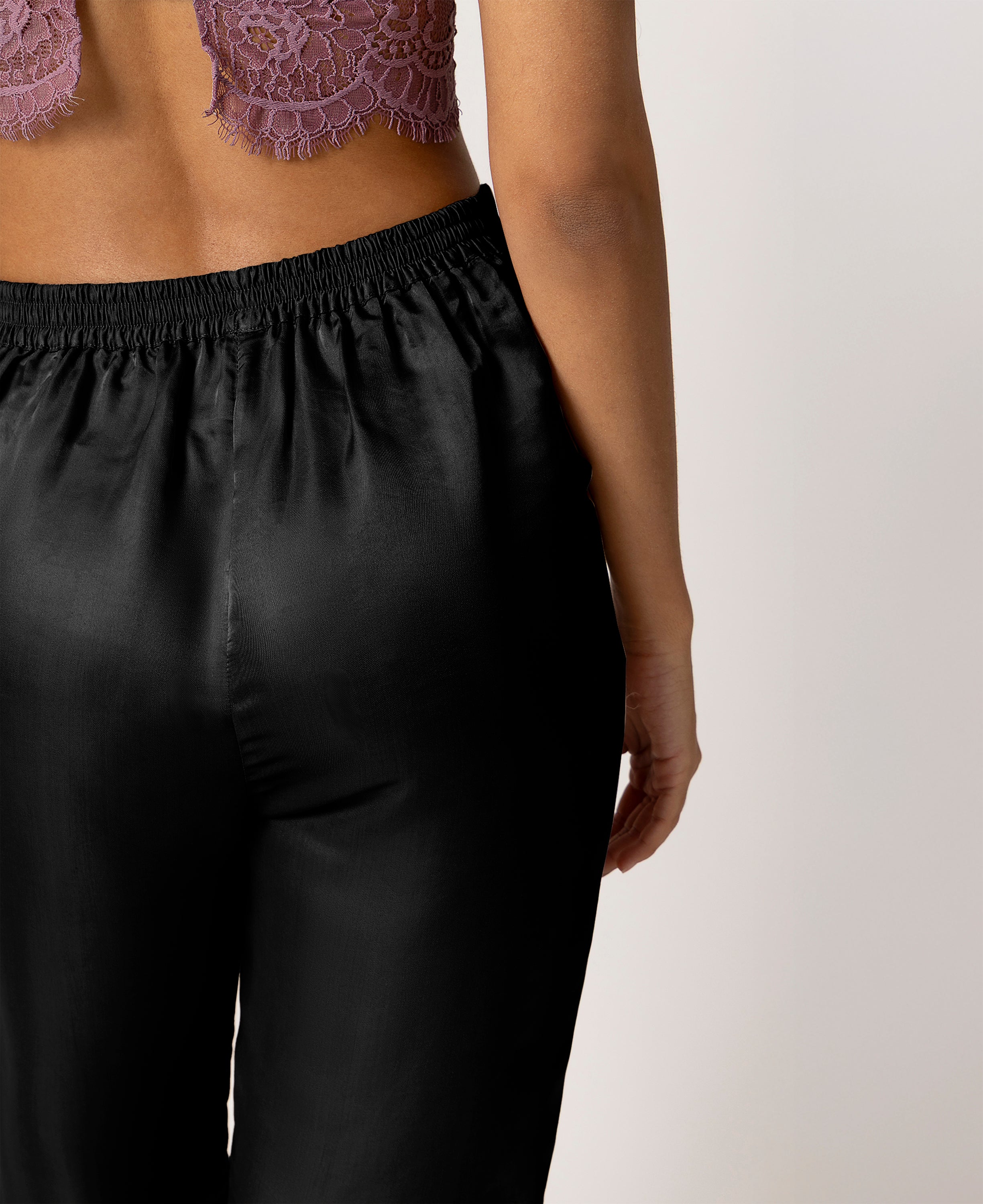
The only real fix is denser silk. Once the fabric weighs enough to fall away from the body between the points of contact, the outline is smooth. You can wear a fitted pant in dense silk and it will read cleanly. You cannot wear the same pant in 16 momme silk and get the same result, no matter how you size it.
The Best Momme Weight for Plus Size Silk
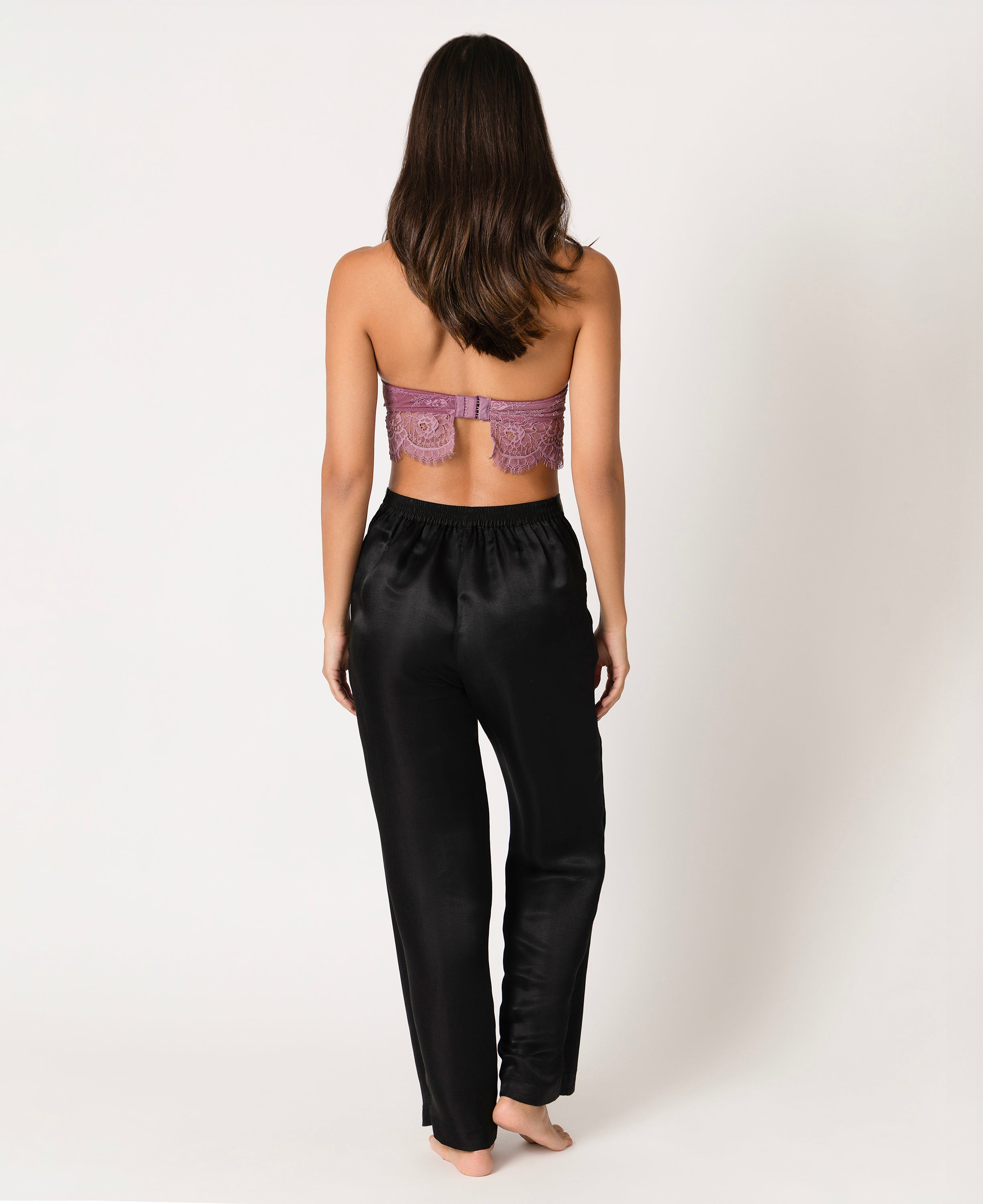
If you are shopping for silk sleepwear at a plus size, the number to look for is 25 momme or higher. Below 22 momme, the fabric starts to reveal contour. Below 19 momme, it clings. Above 25, it drapes.
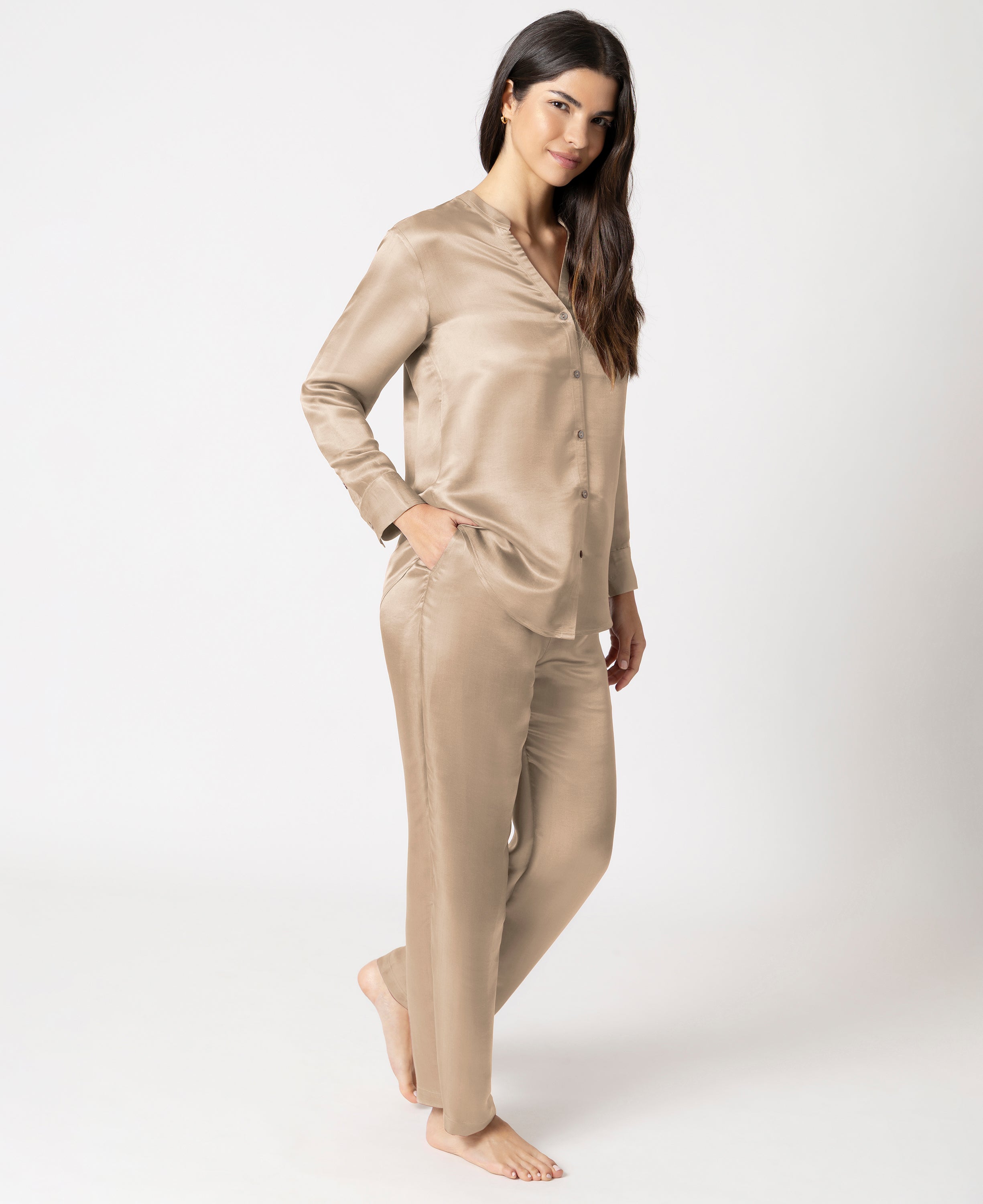
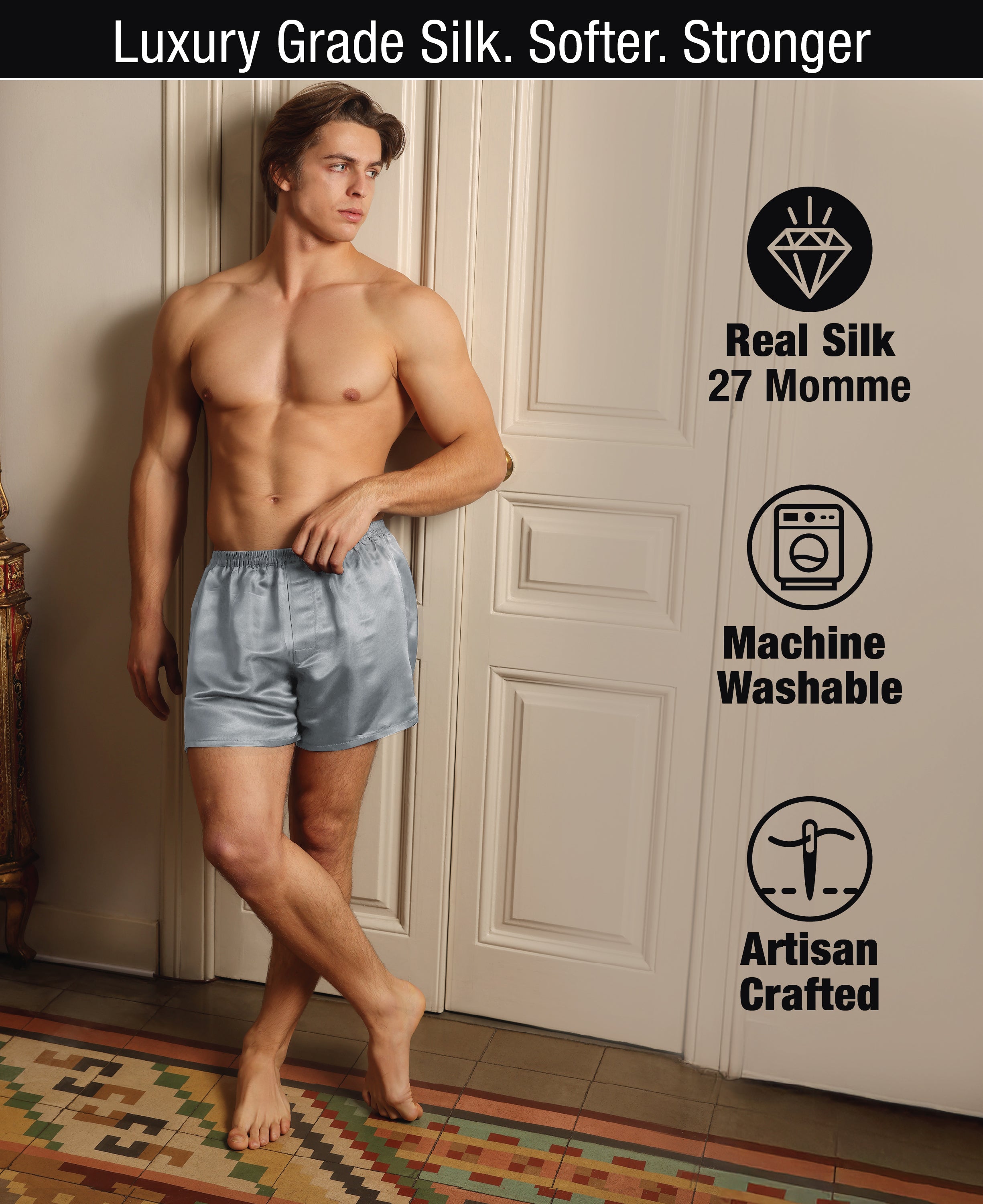
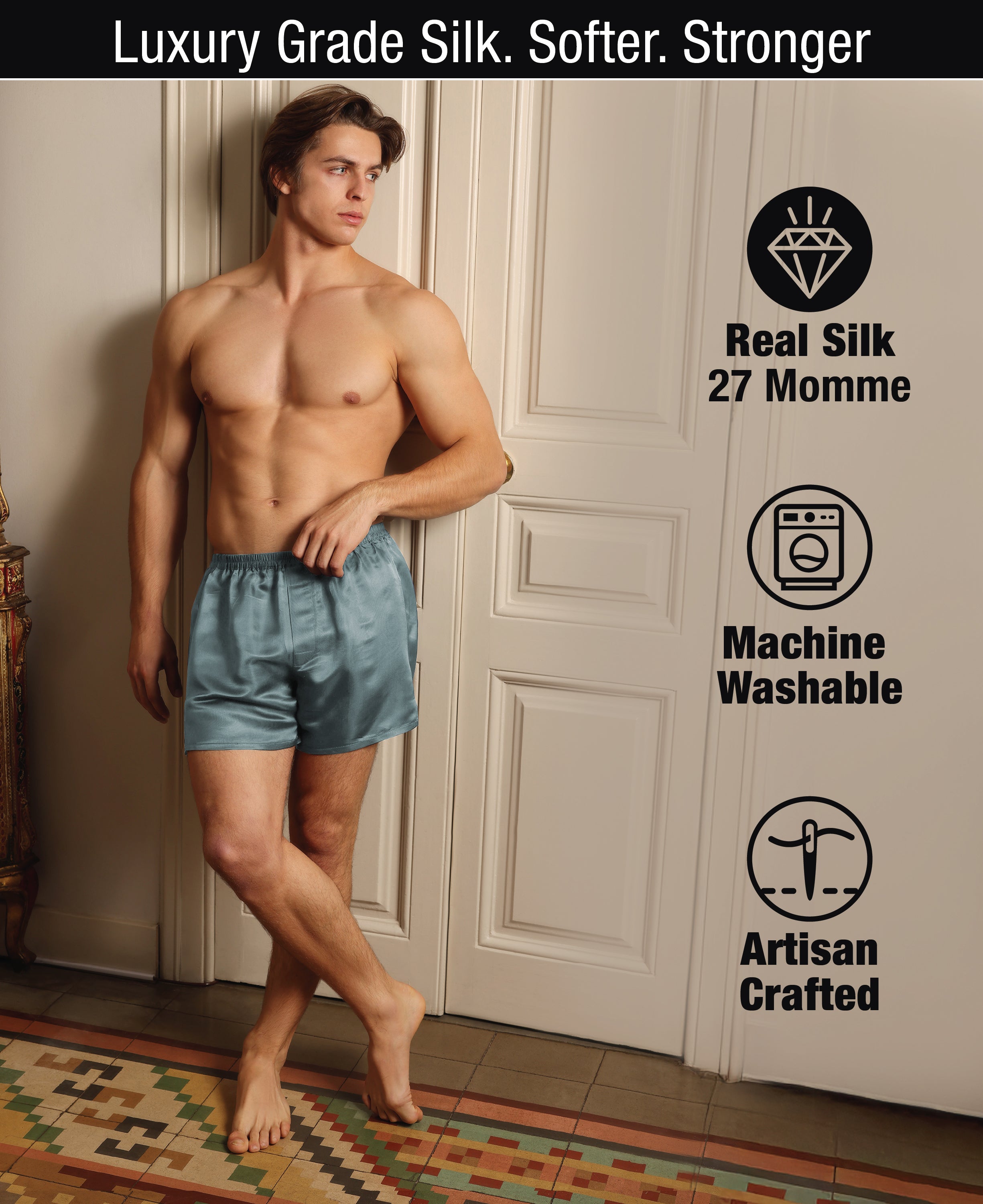
We chose 27 momme mulberry silk for our sleepwear specifically because it is dense enough to drape on every body from XS to 4XL. It is not the cheapest silk we could have used. It is more expensive to weave, harder to sew, and heavier to ship. But it is the density where drape stops being a design problem and becomes a fabric property.
For reference, the silk sleepwear industry standard is 19 to 22 momme. That number was set decades ago when silk was priced against much cheaper fabrics and the goal was to keep costs down. It was not set with a size 22 body in mind. It was not set with any real body in mind.
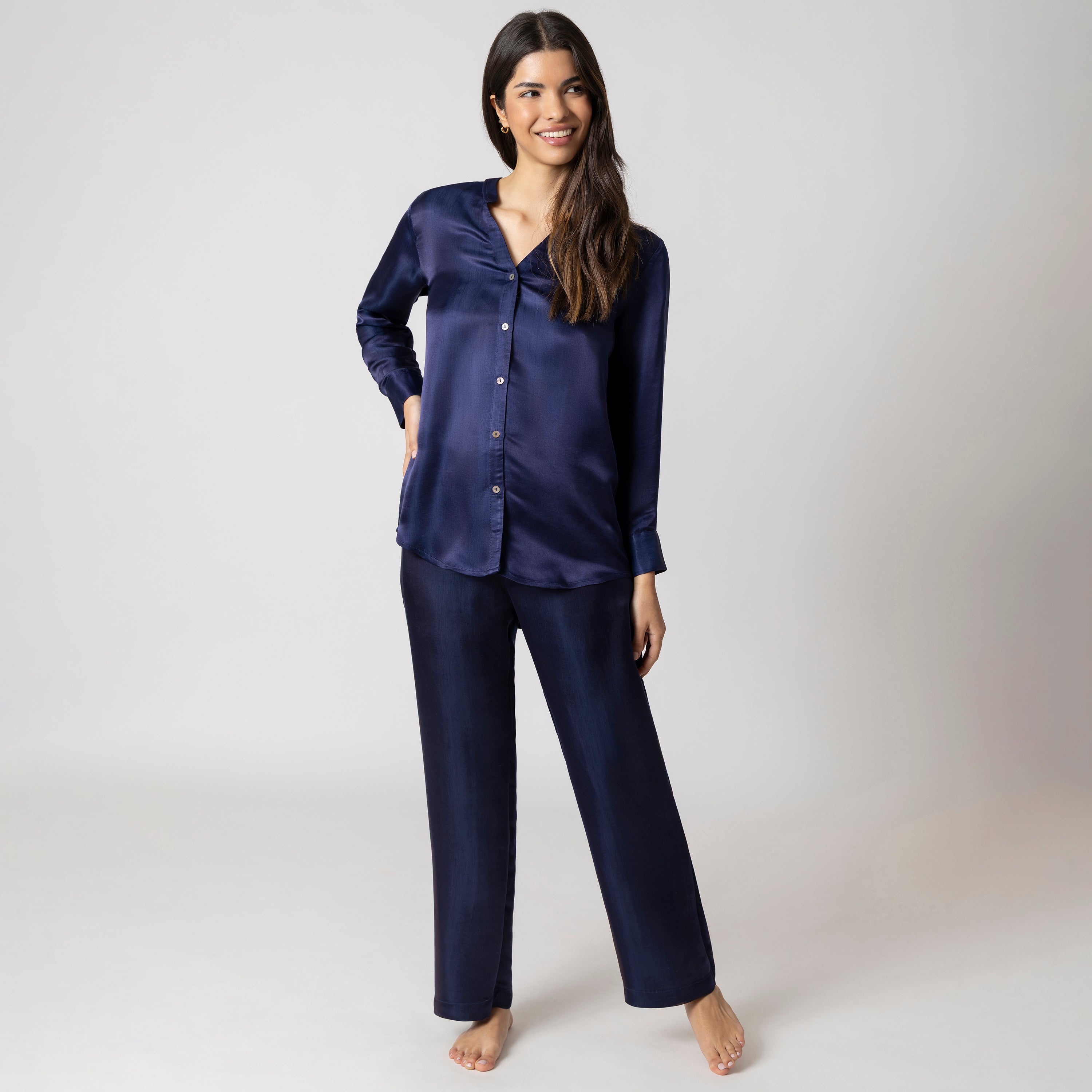
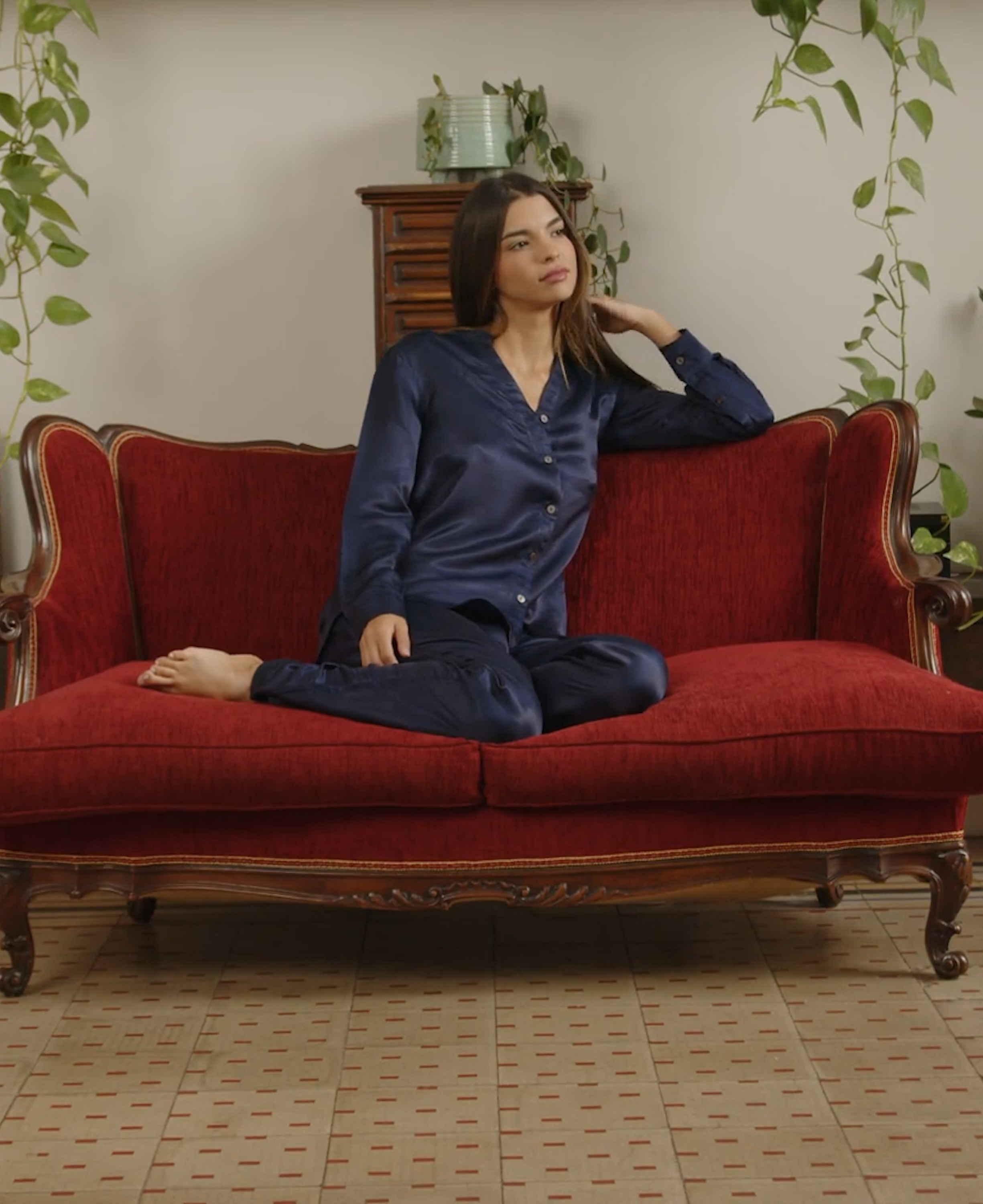
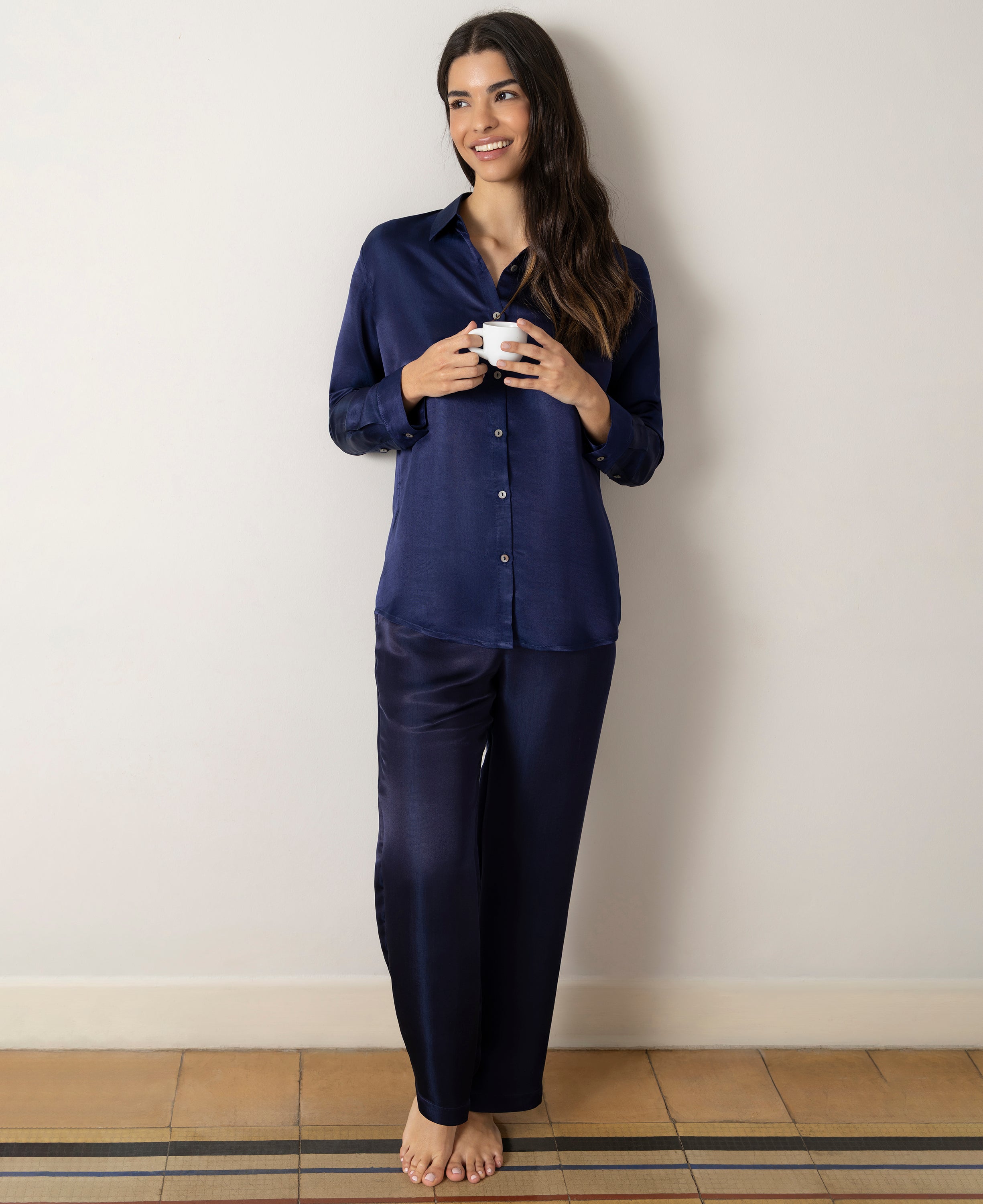
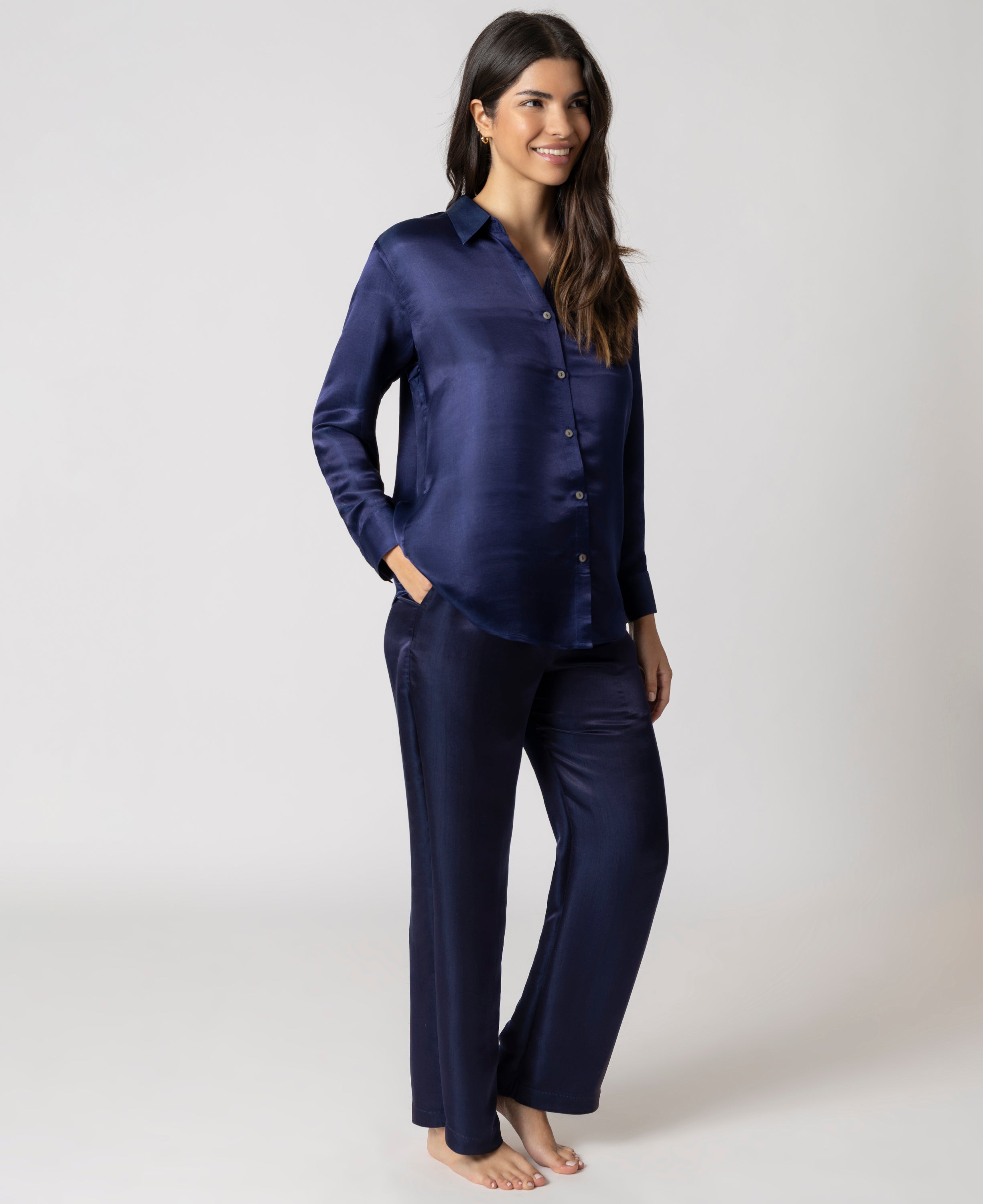

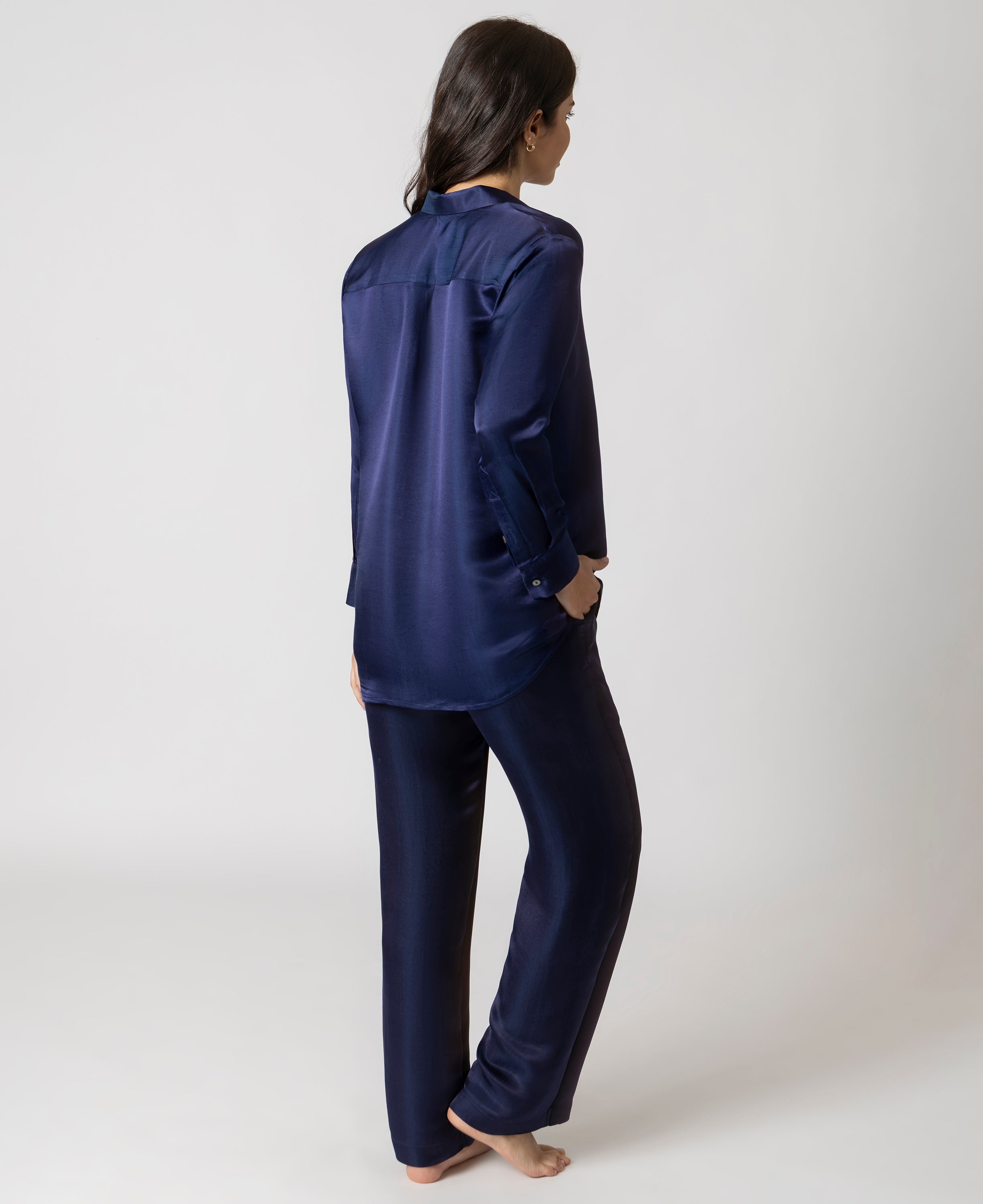
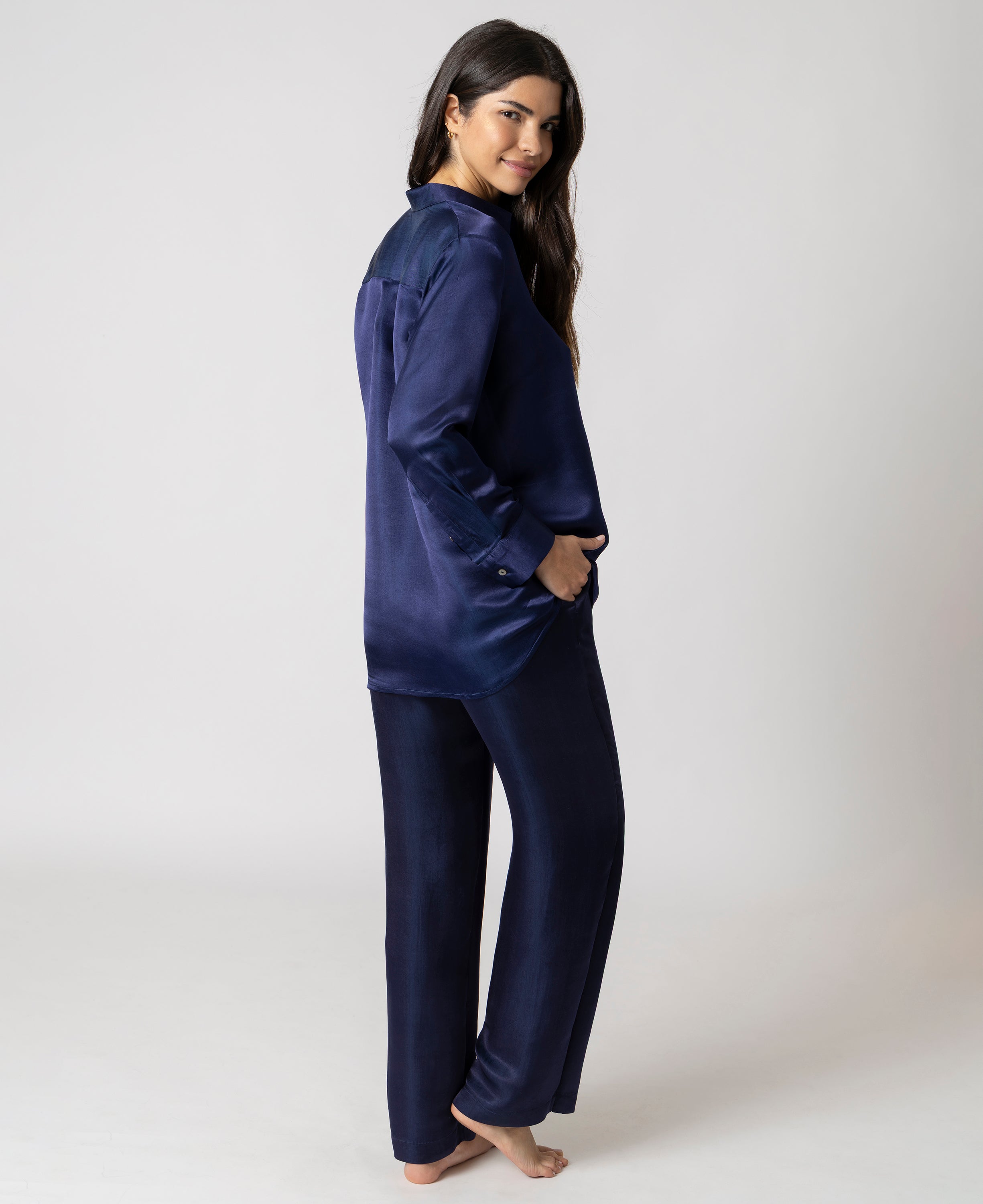
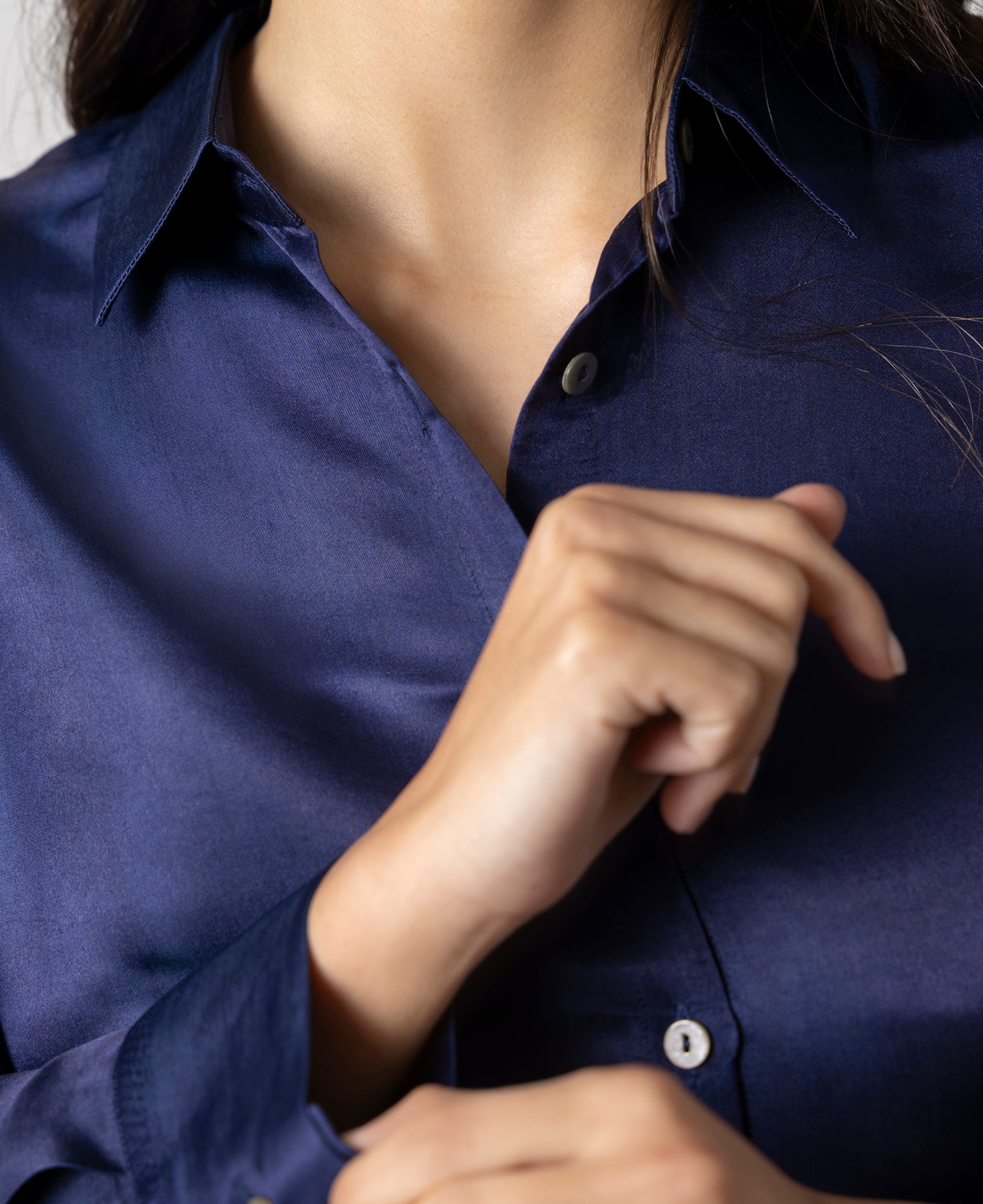
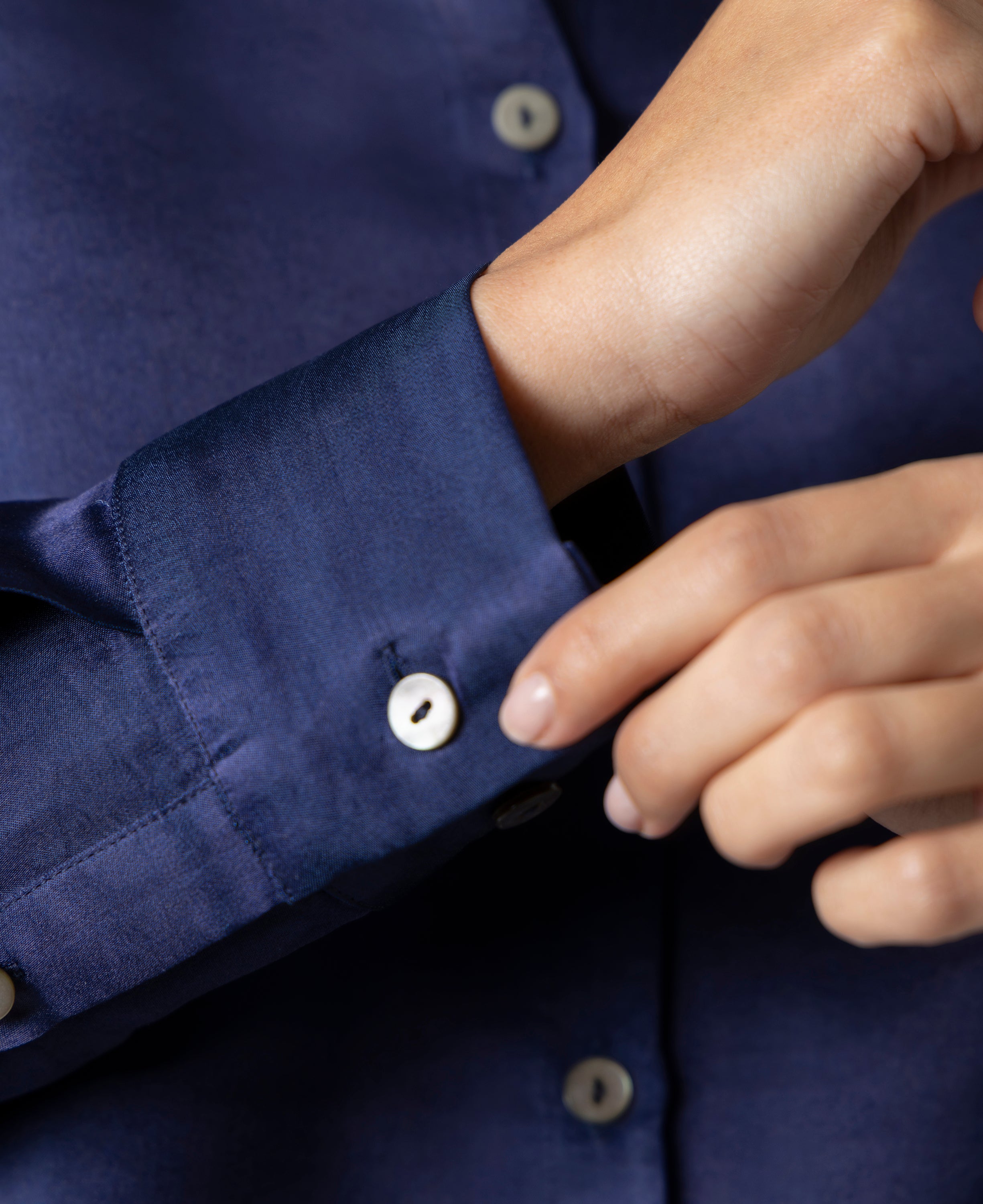




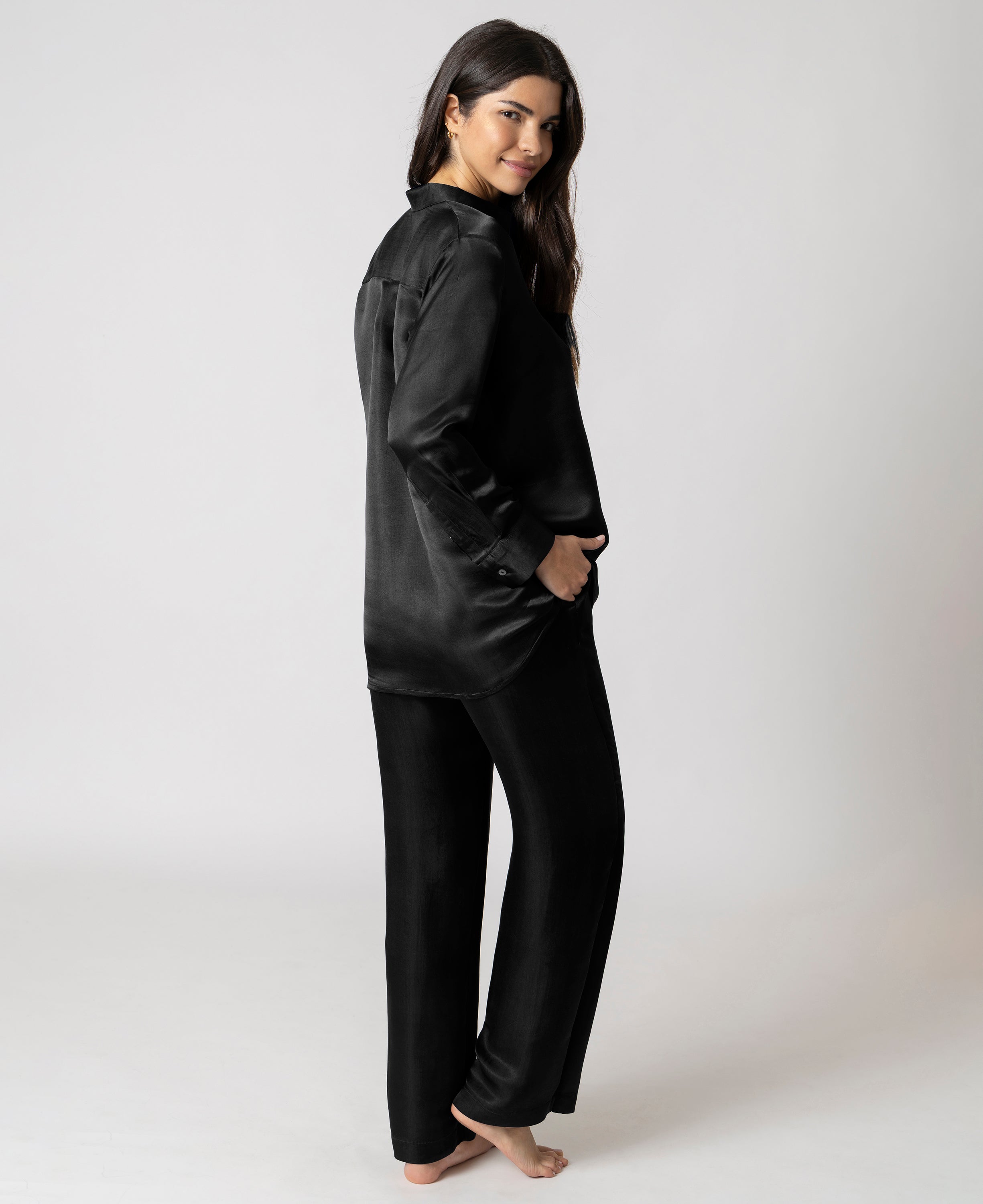
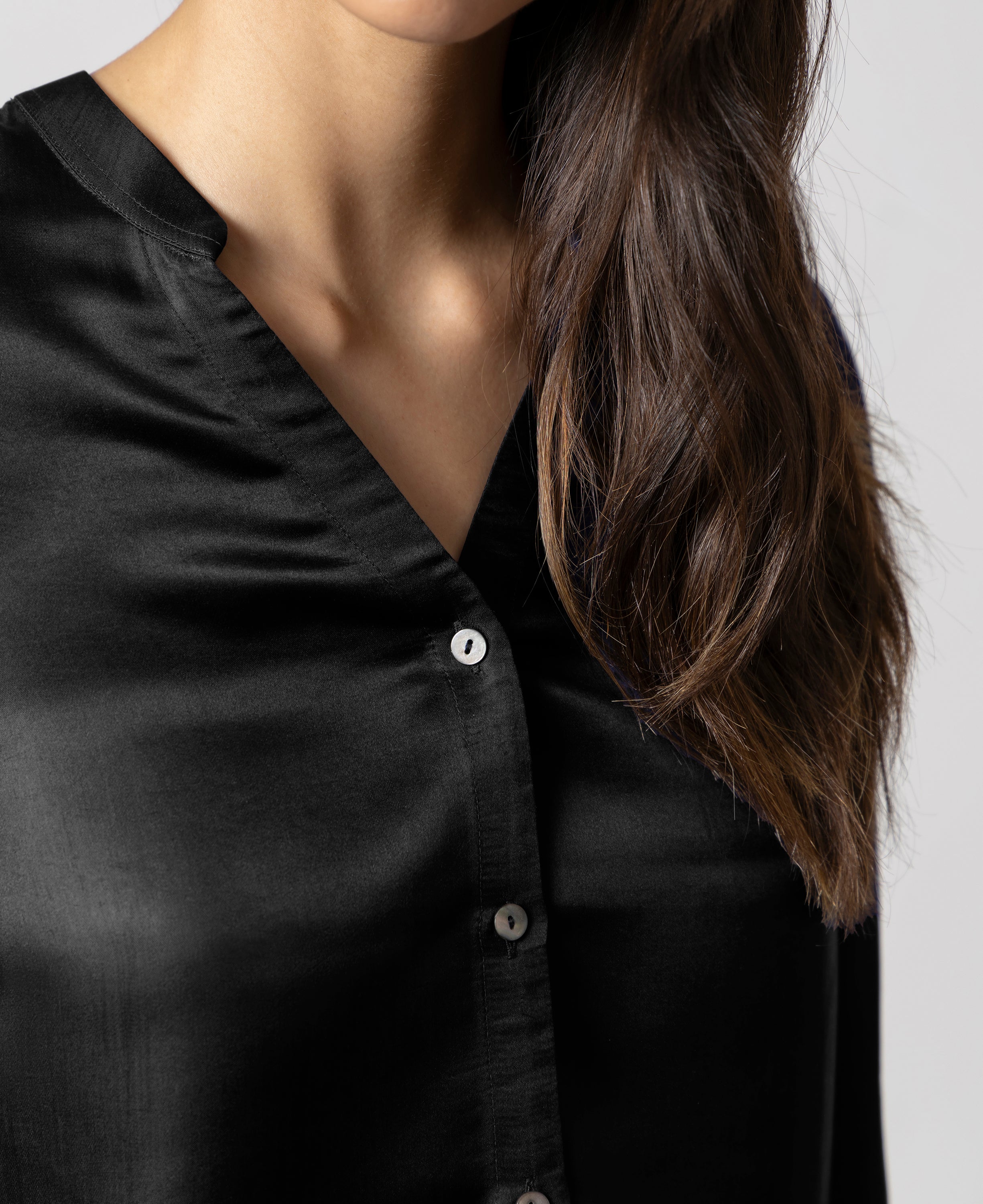

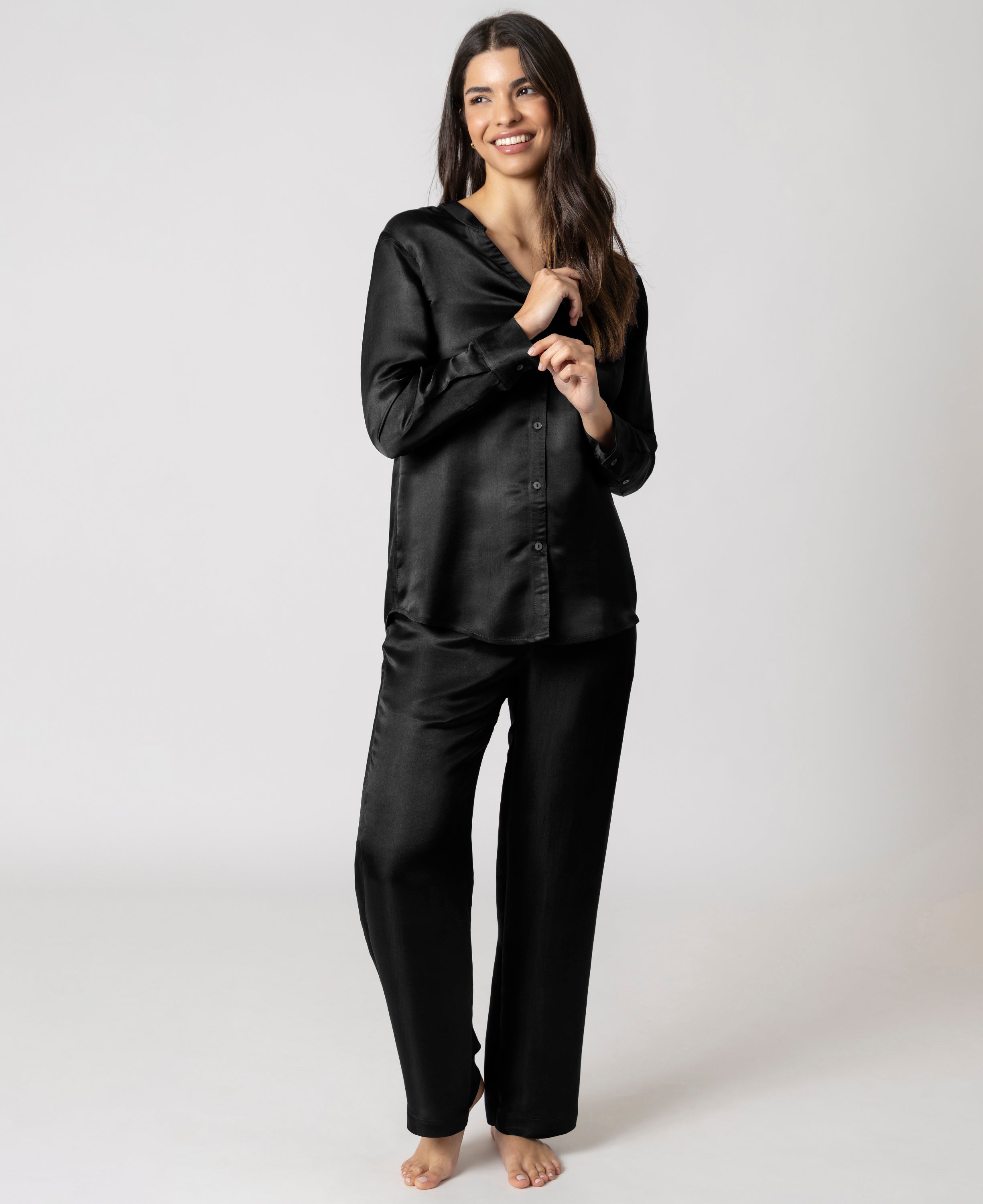

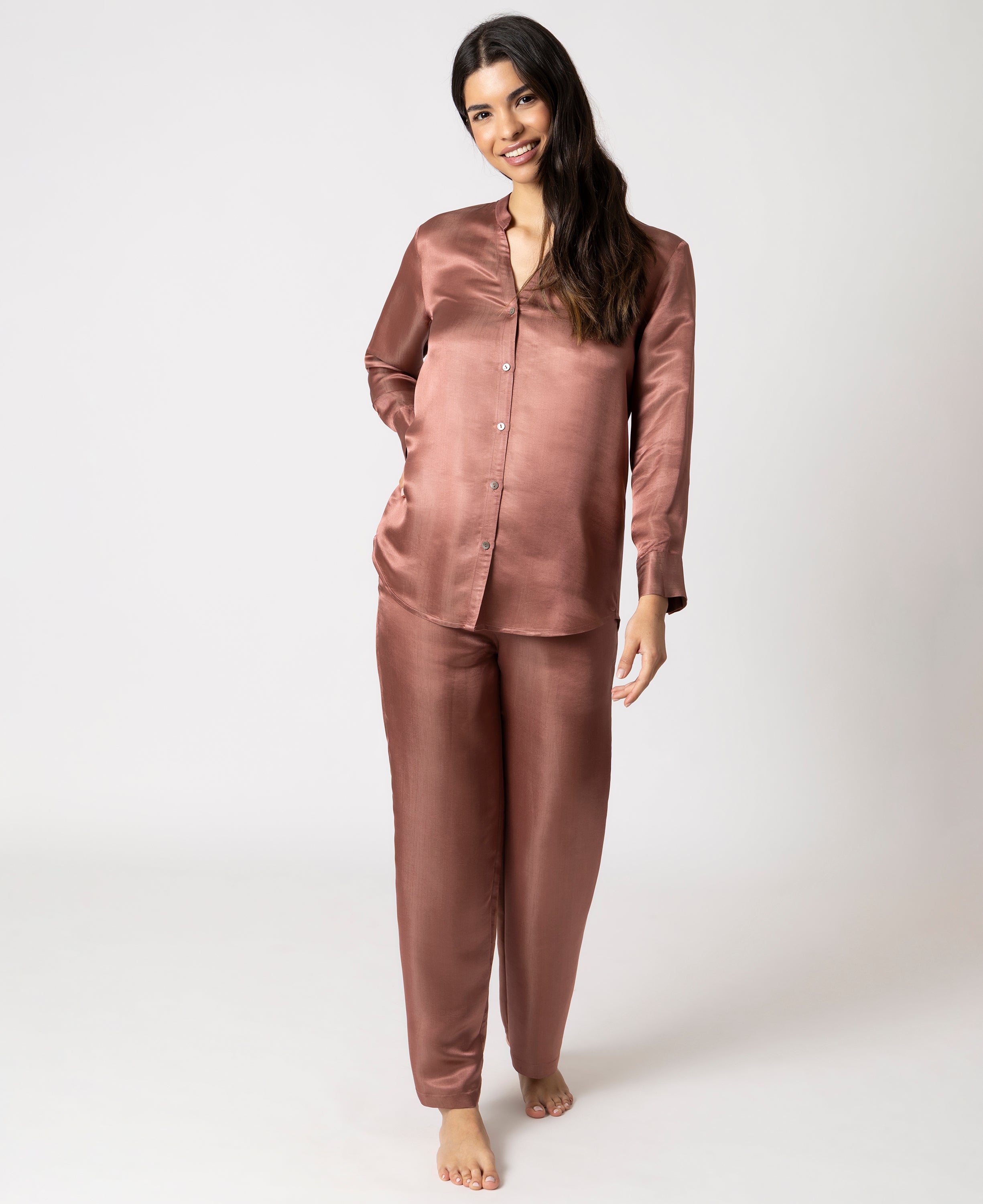

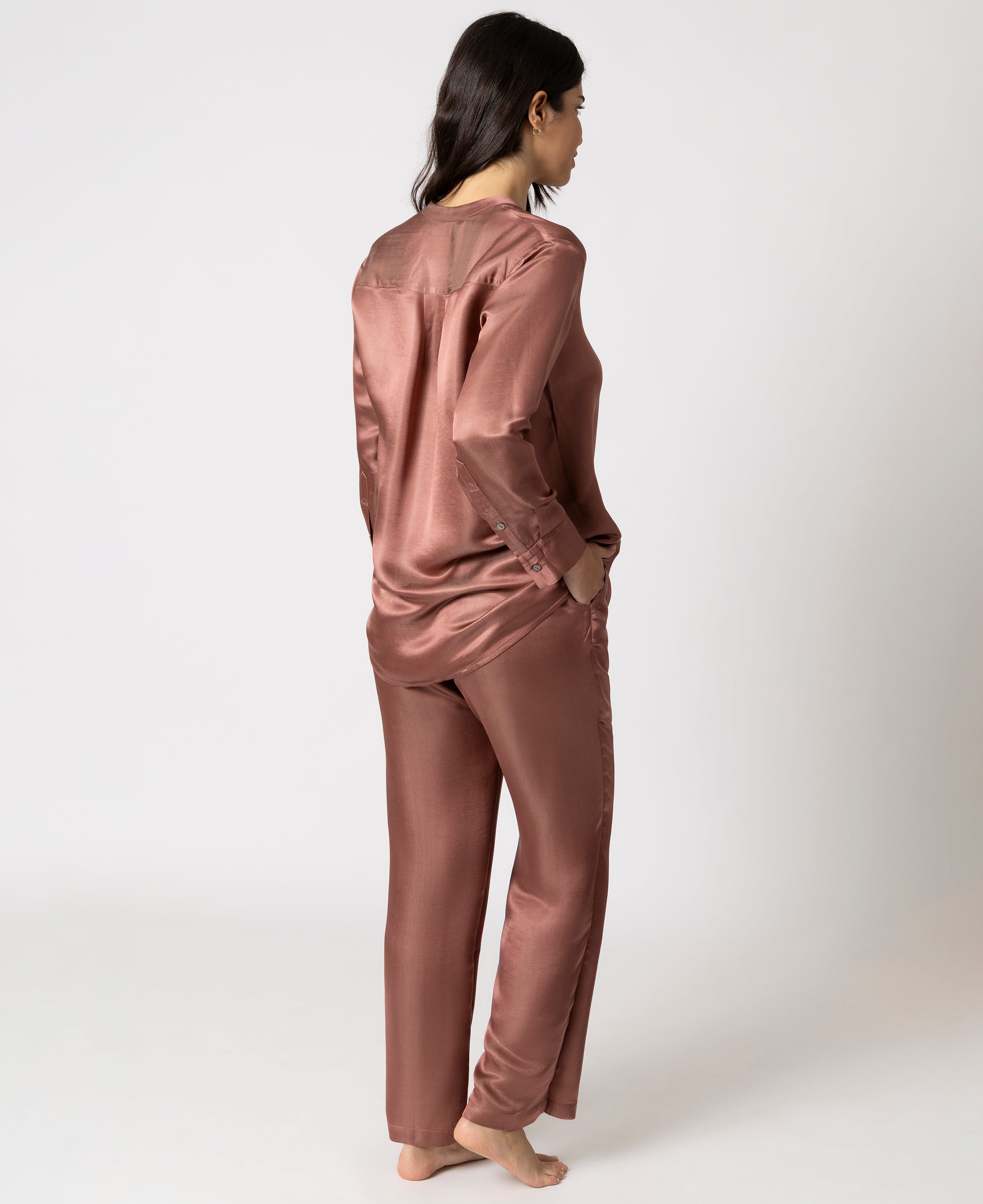
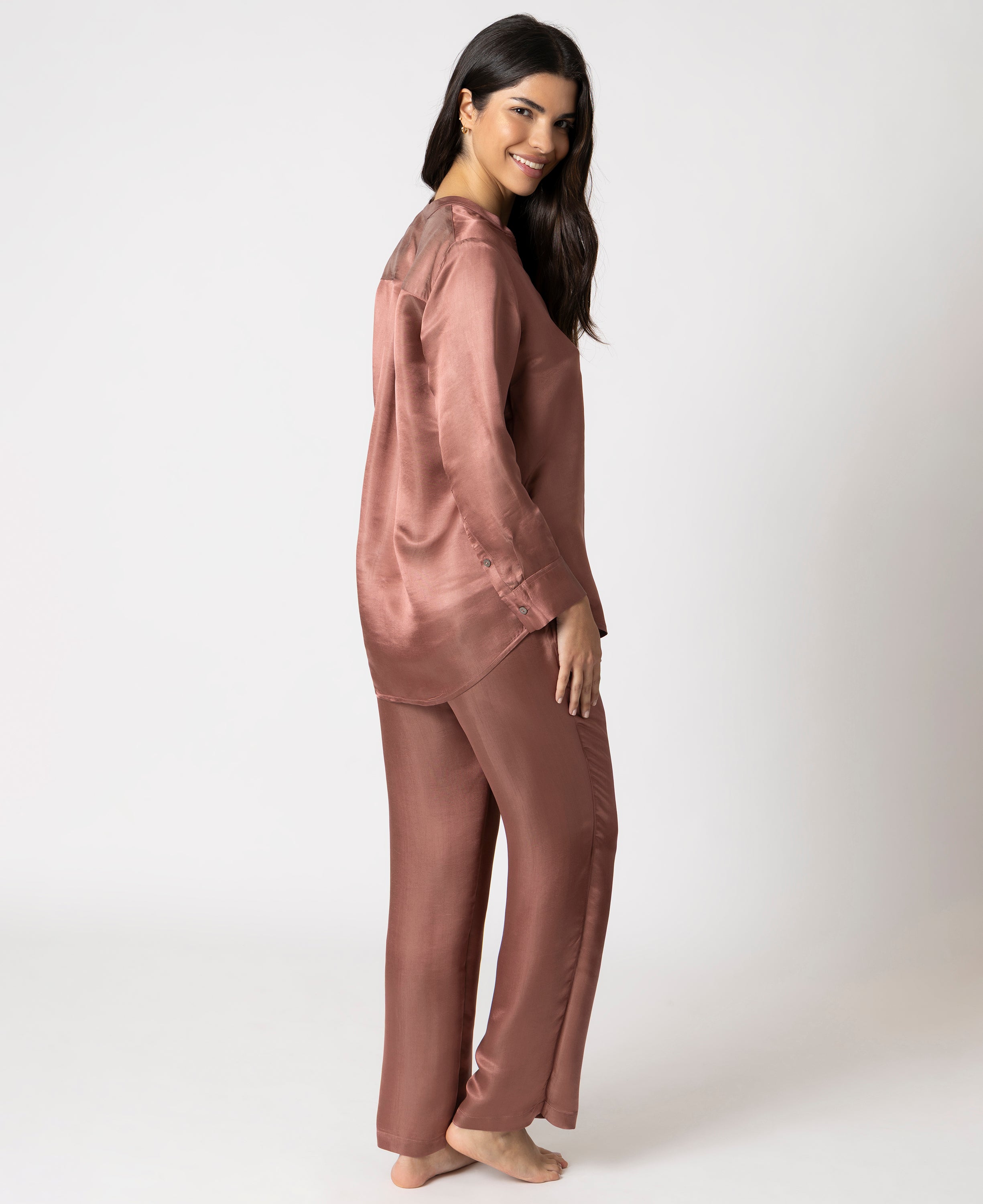
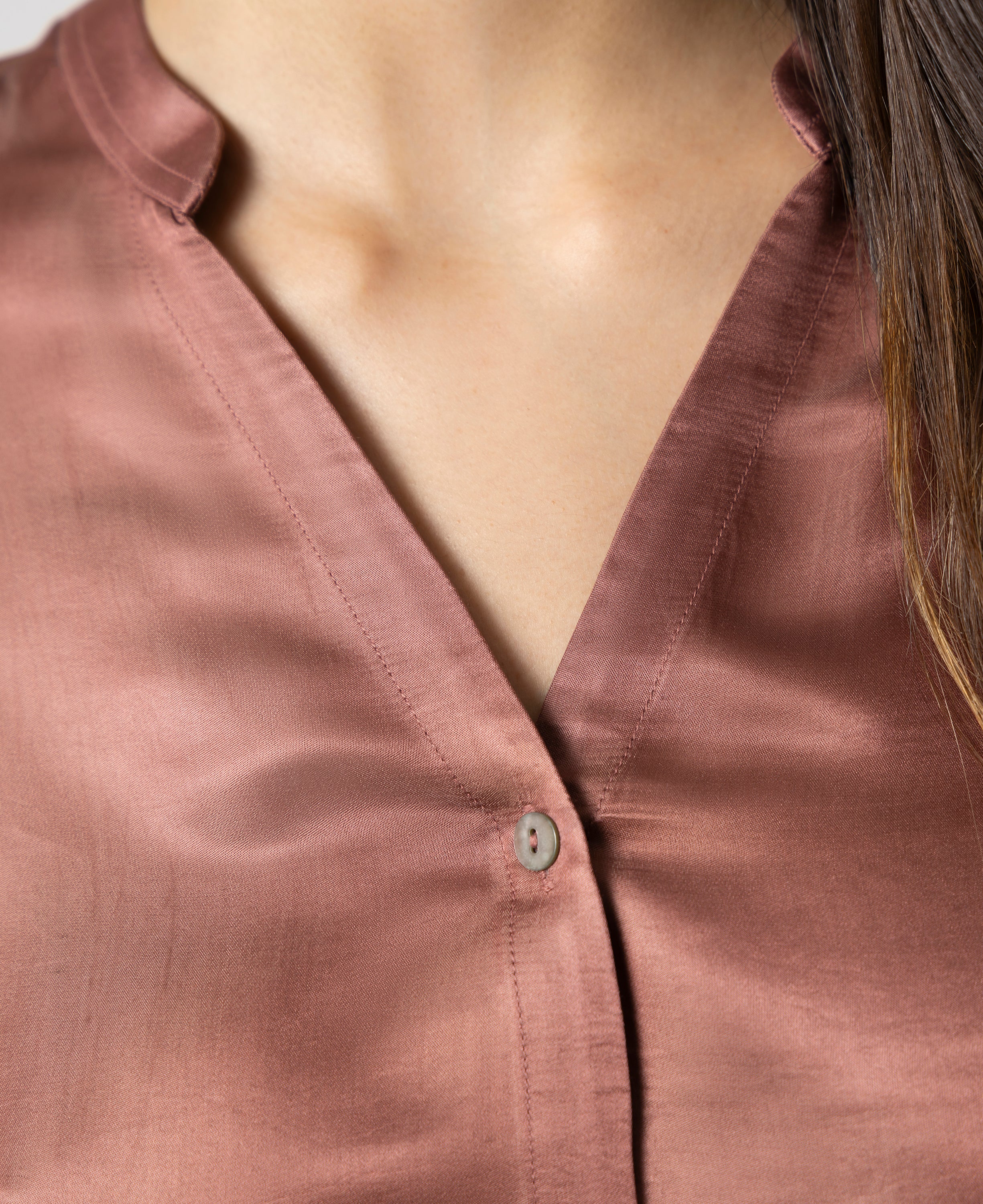
22 Momme vs 27 Momme on a Curvy Body
I get this question in customer email regularly, so it is worth writing out.
Twenty-two momme silk drapes cleanly on a straight or slightly curved body. It is thin enough to feel light in summer, dense enough to avoid the worst clinging. On a curvy body, 22 momme is a borderline weight. It reads clean on some days and reveals contour on others, depending on humidity, static, and the piece underneath.
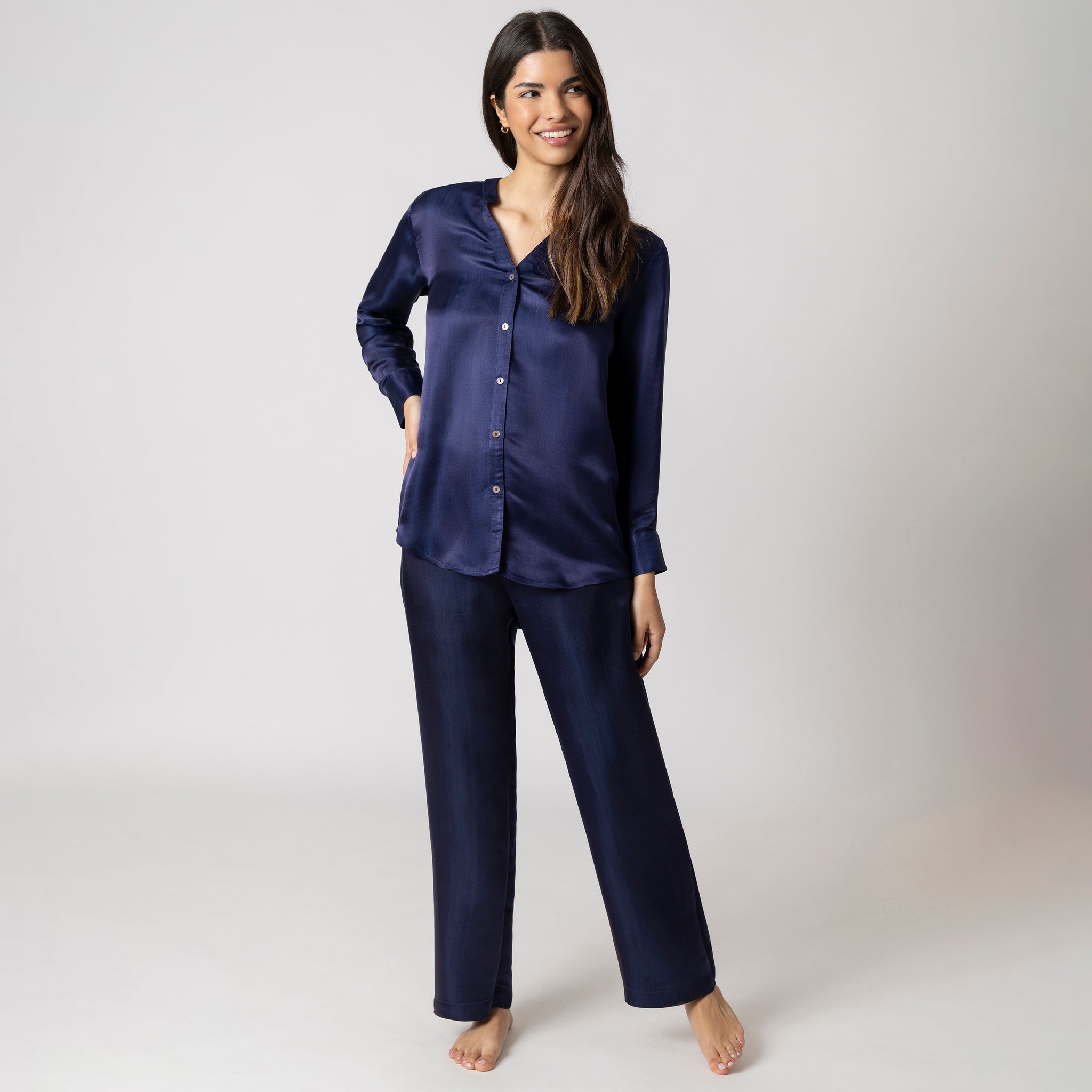
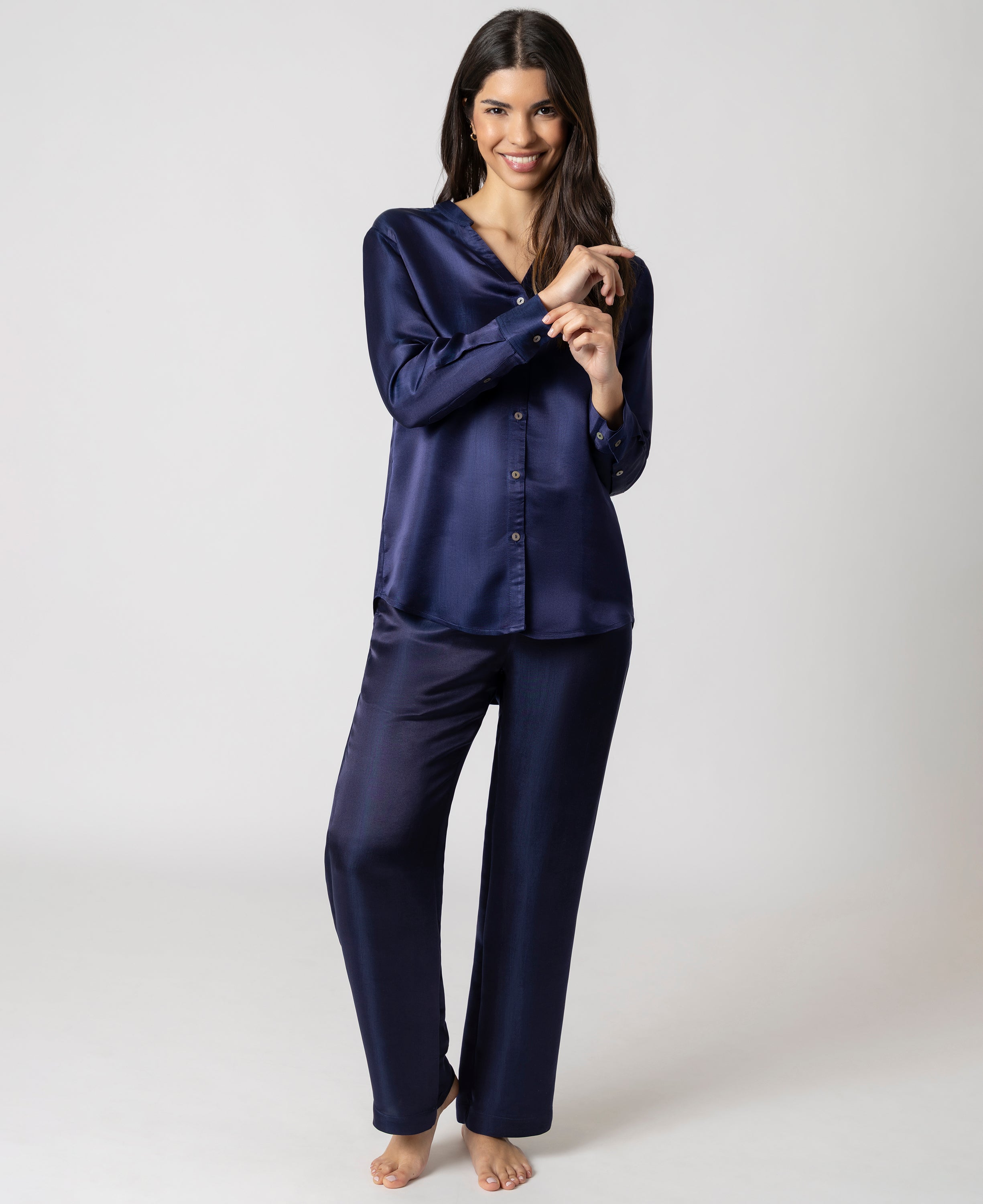
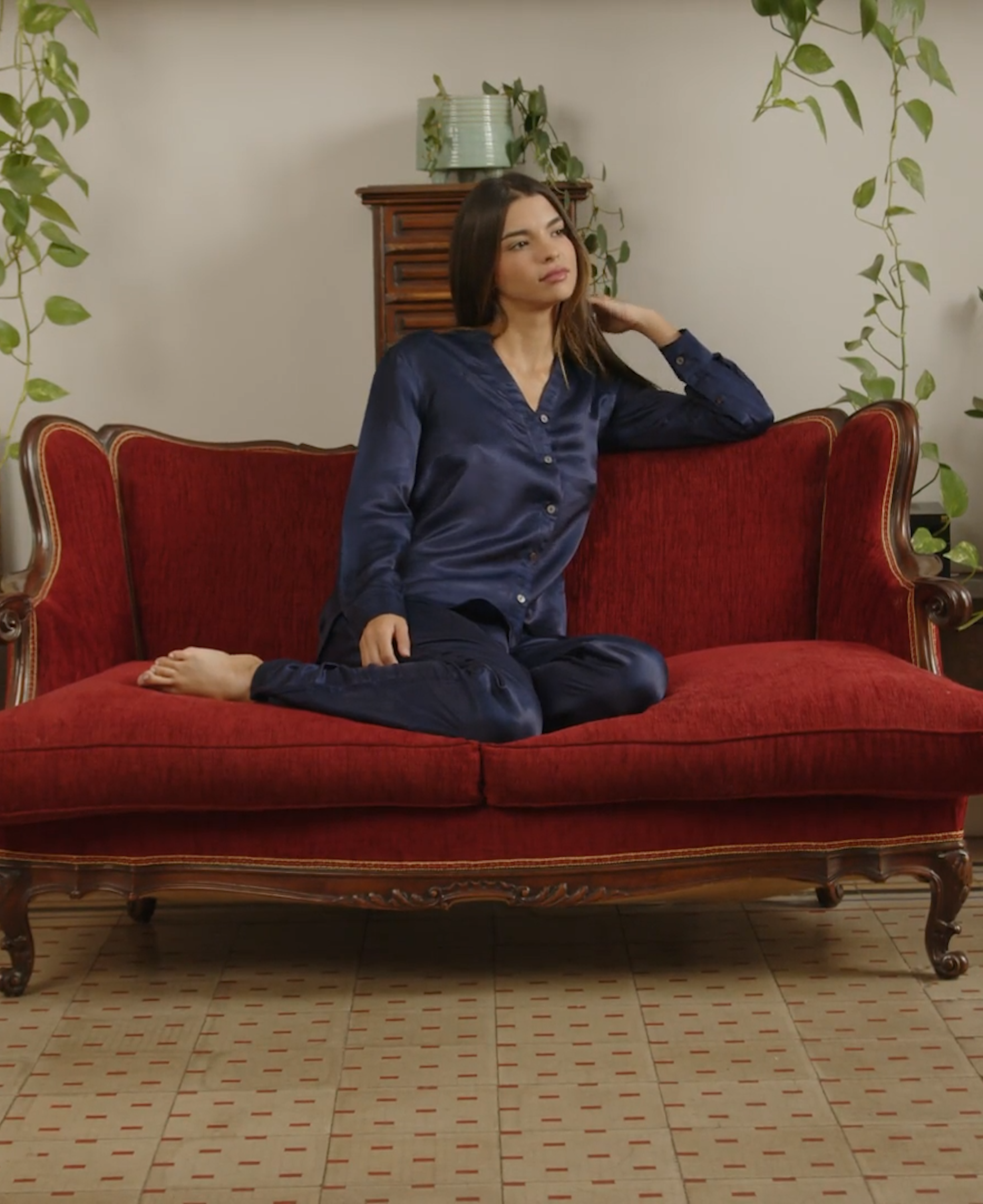
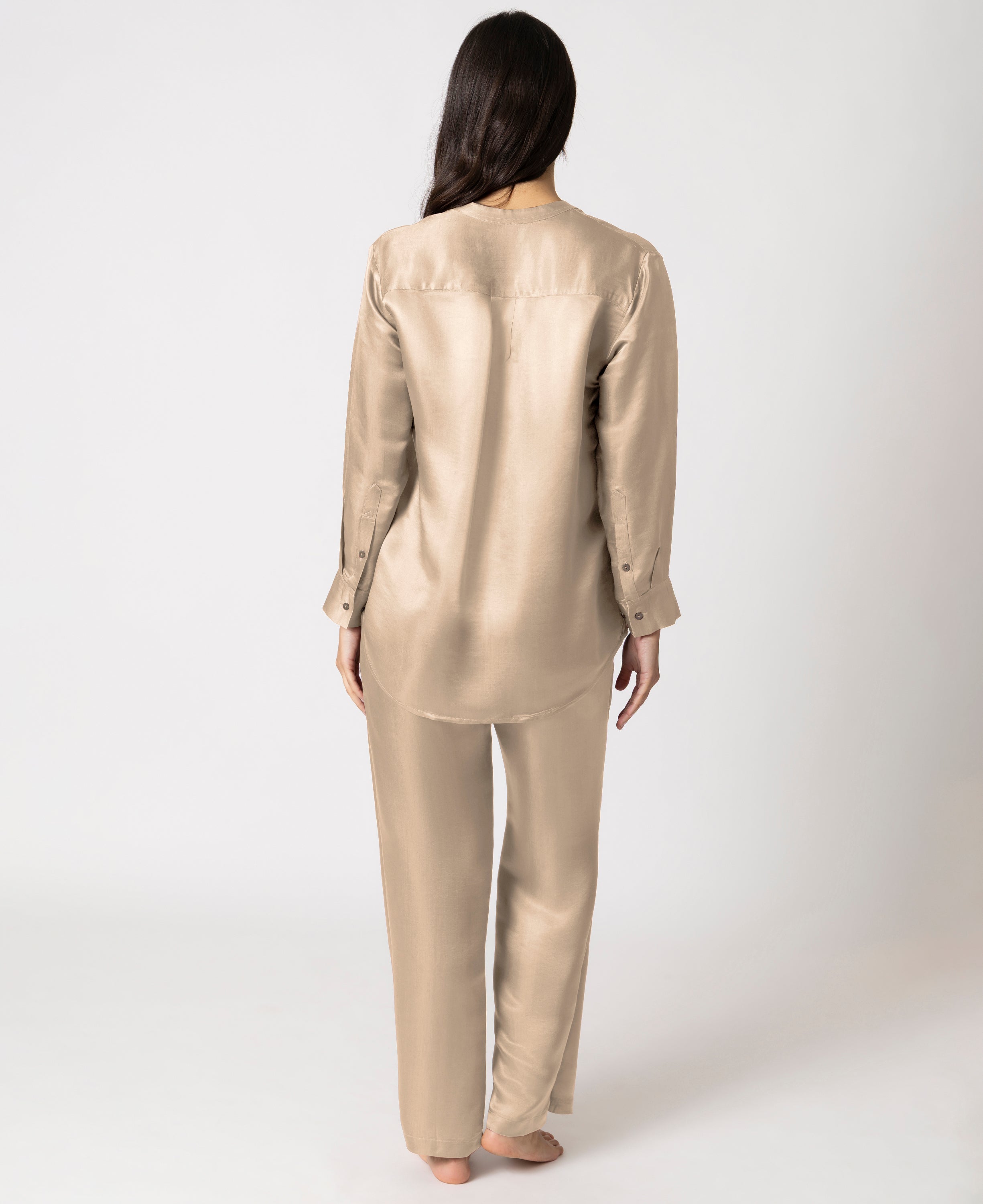
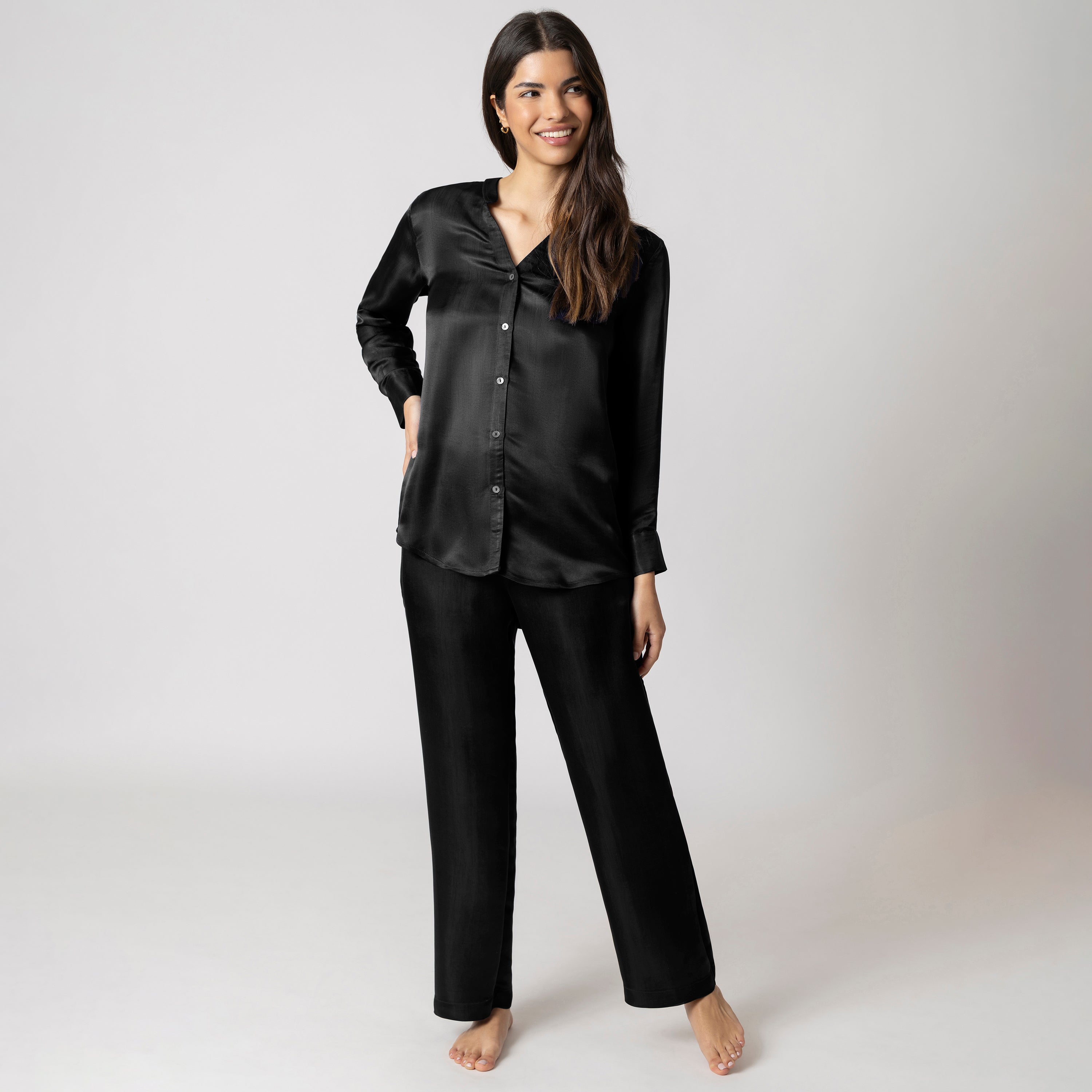
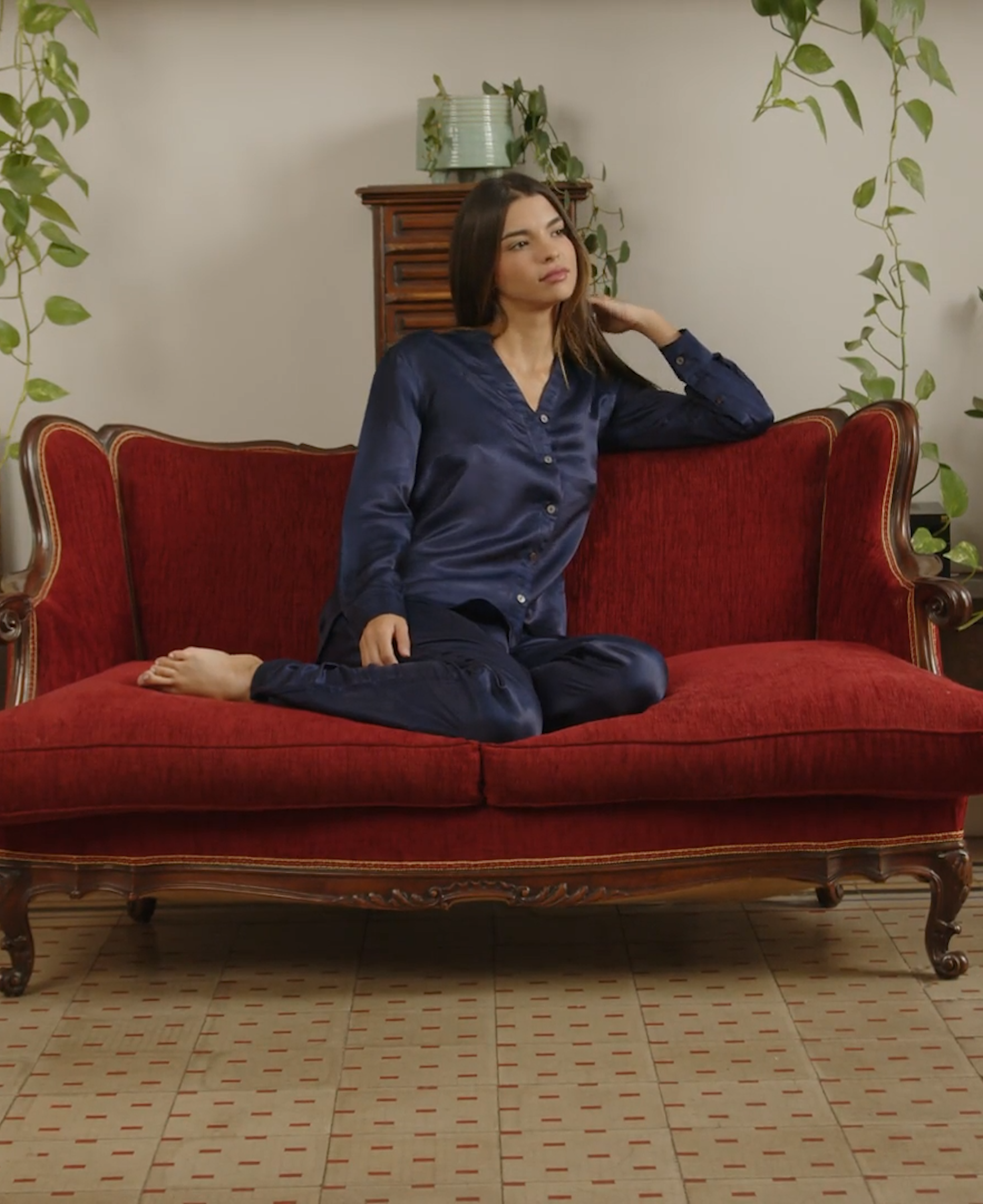
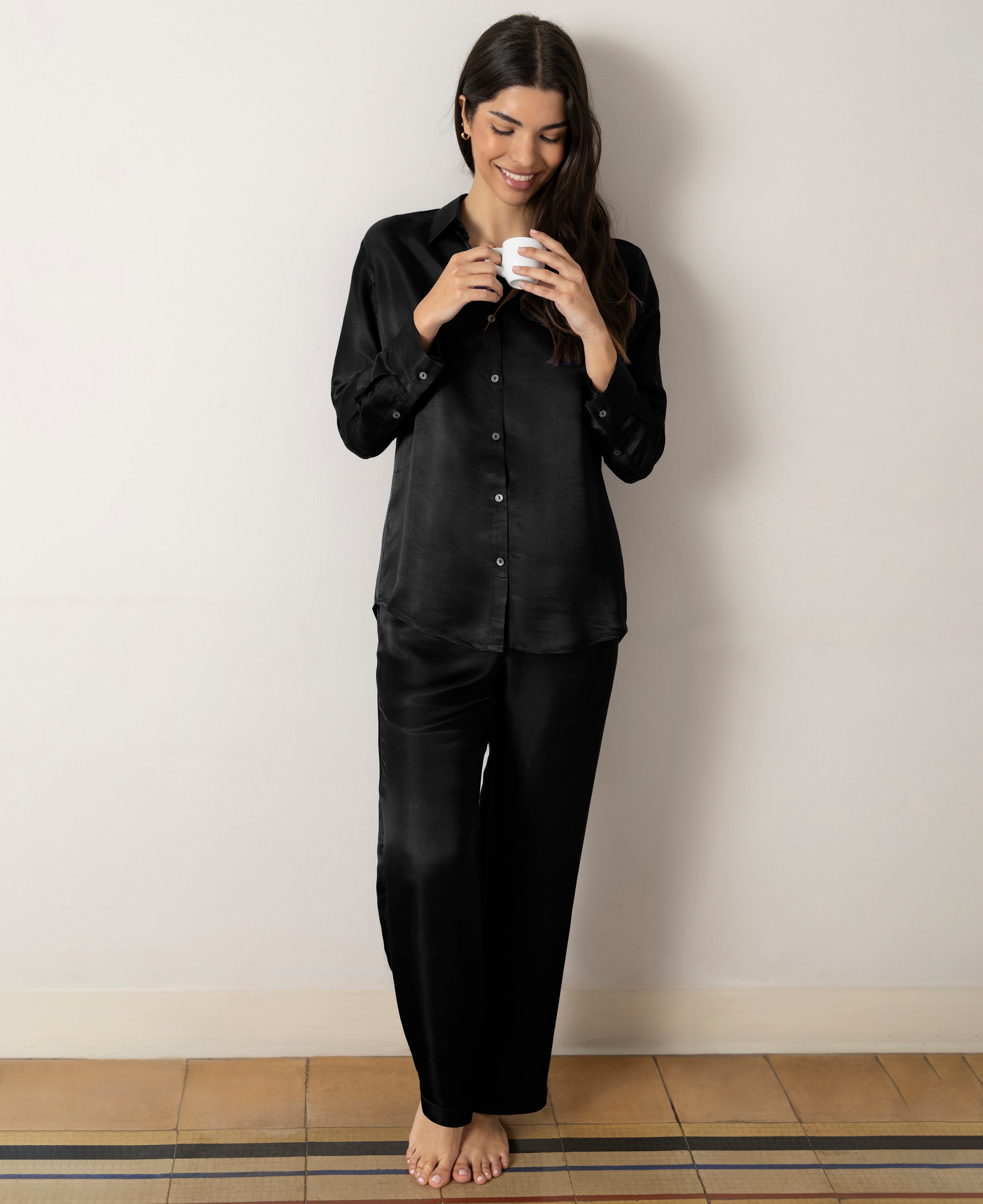
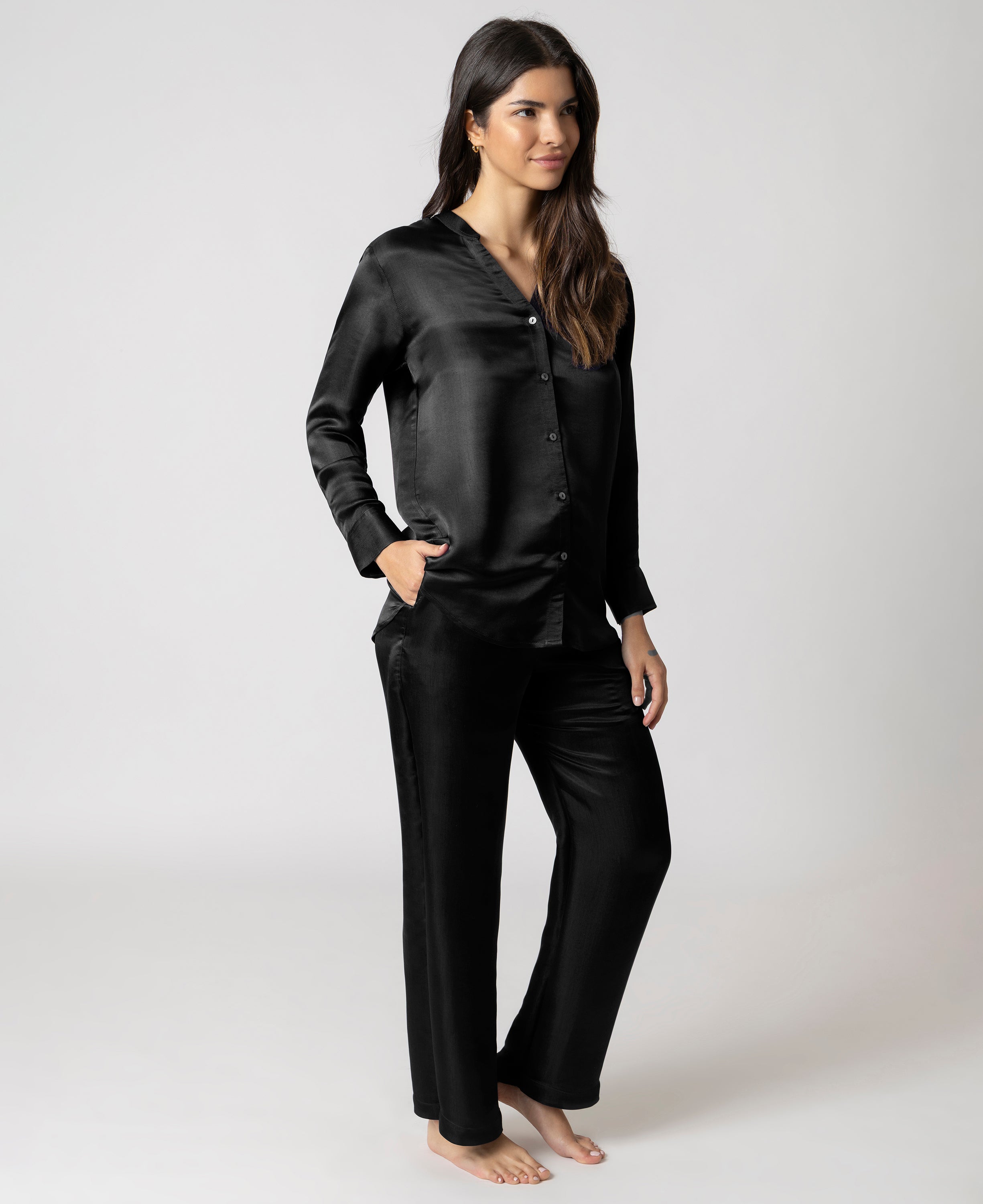
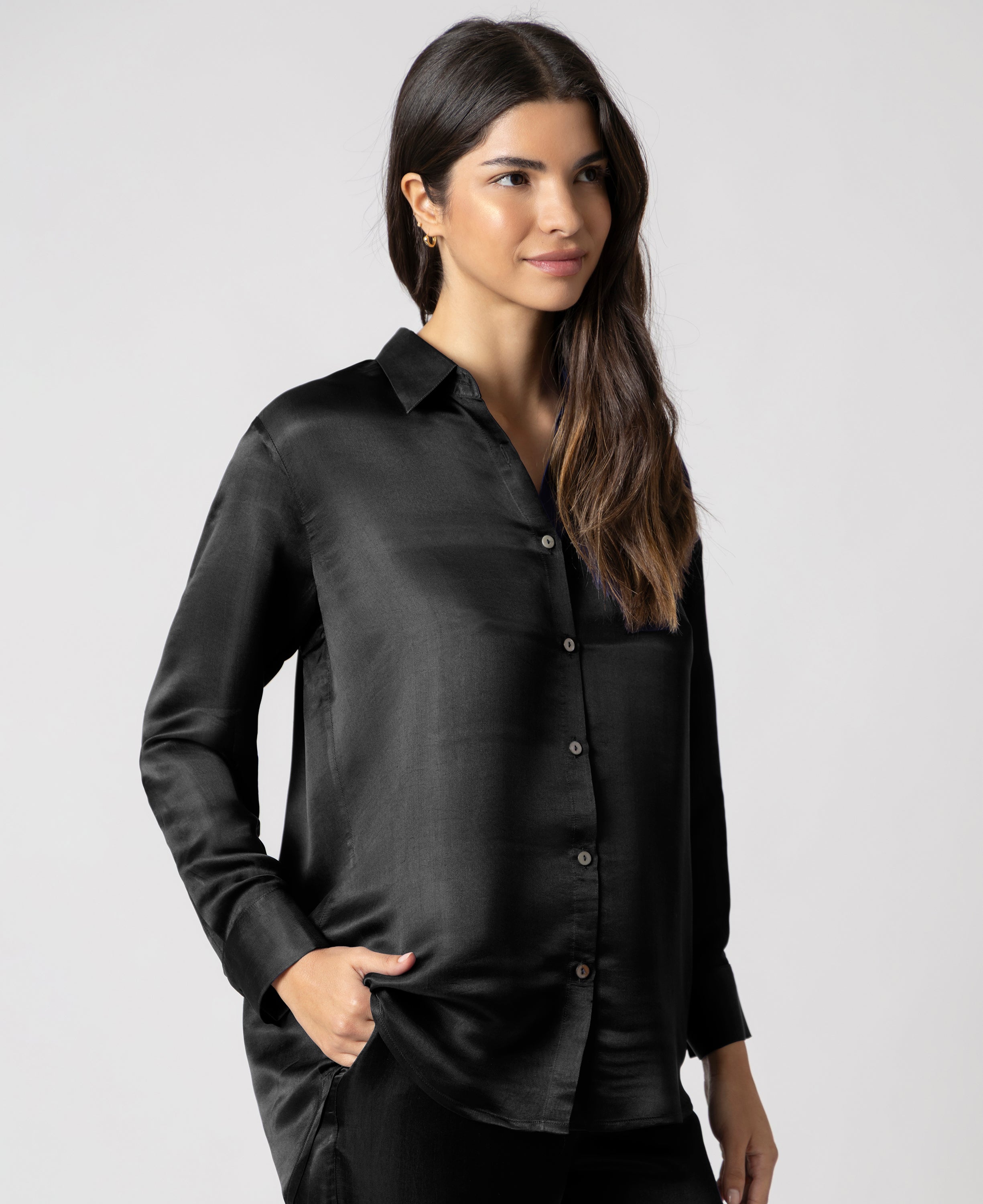
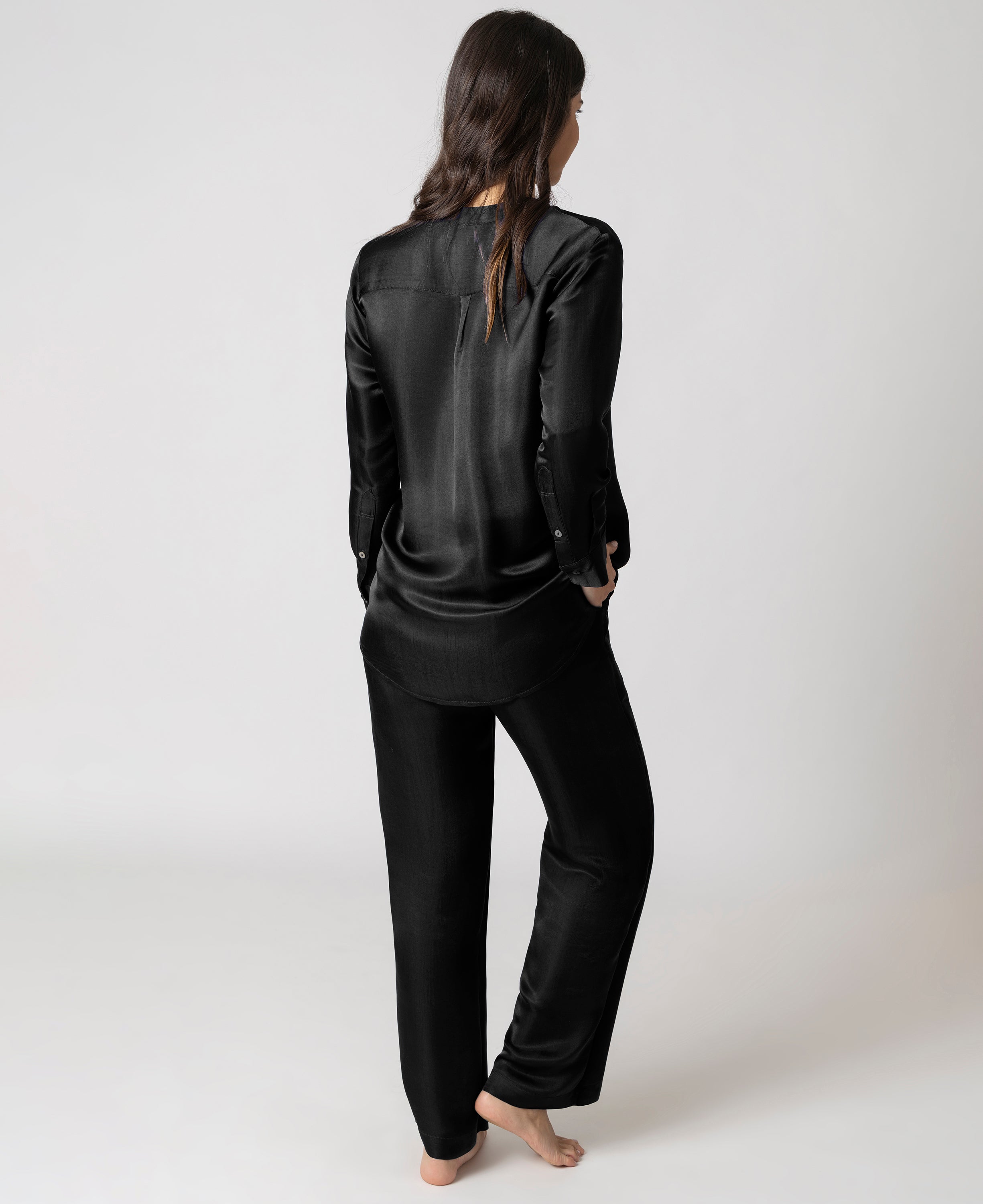
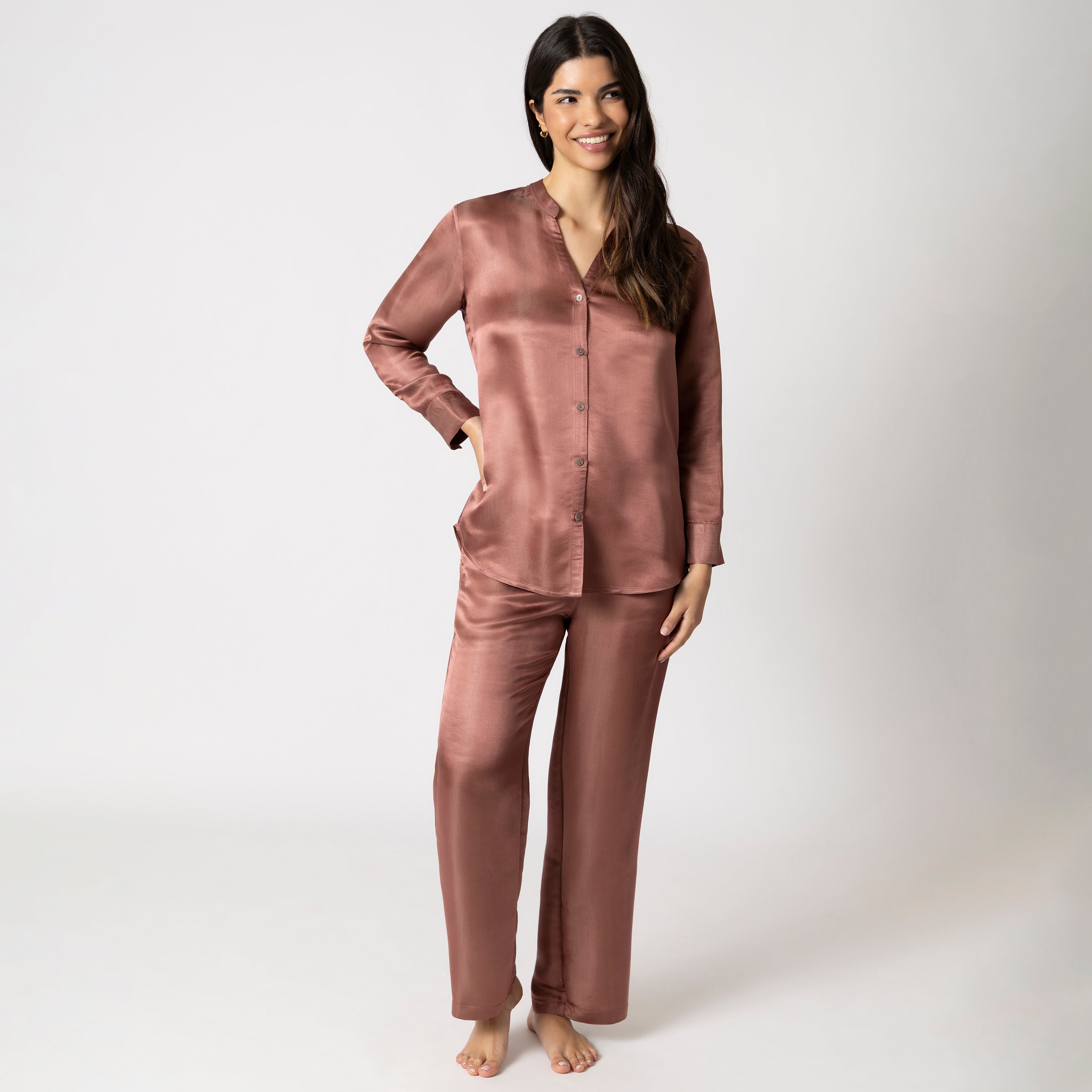
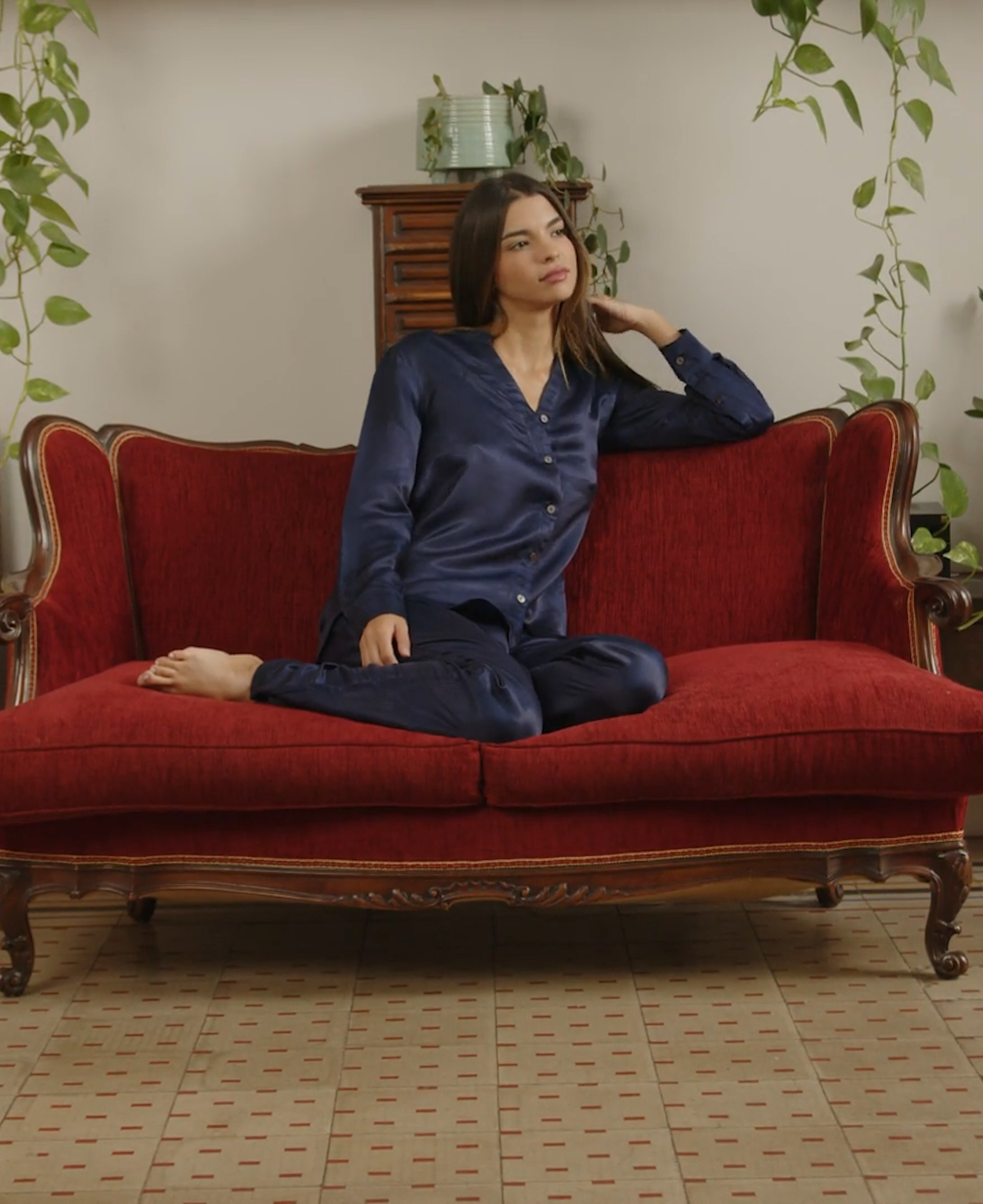
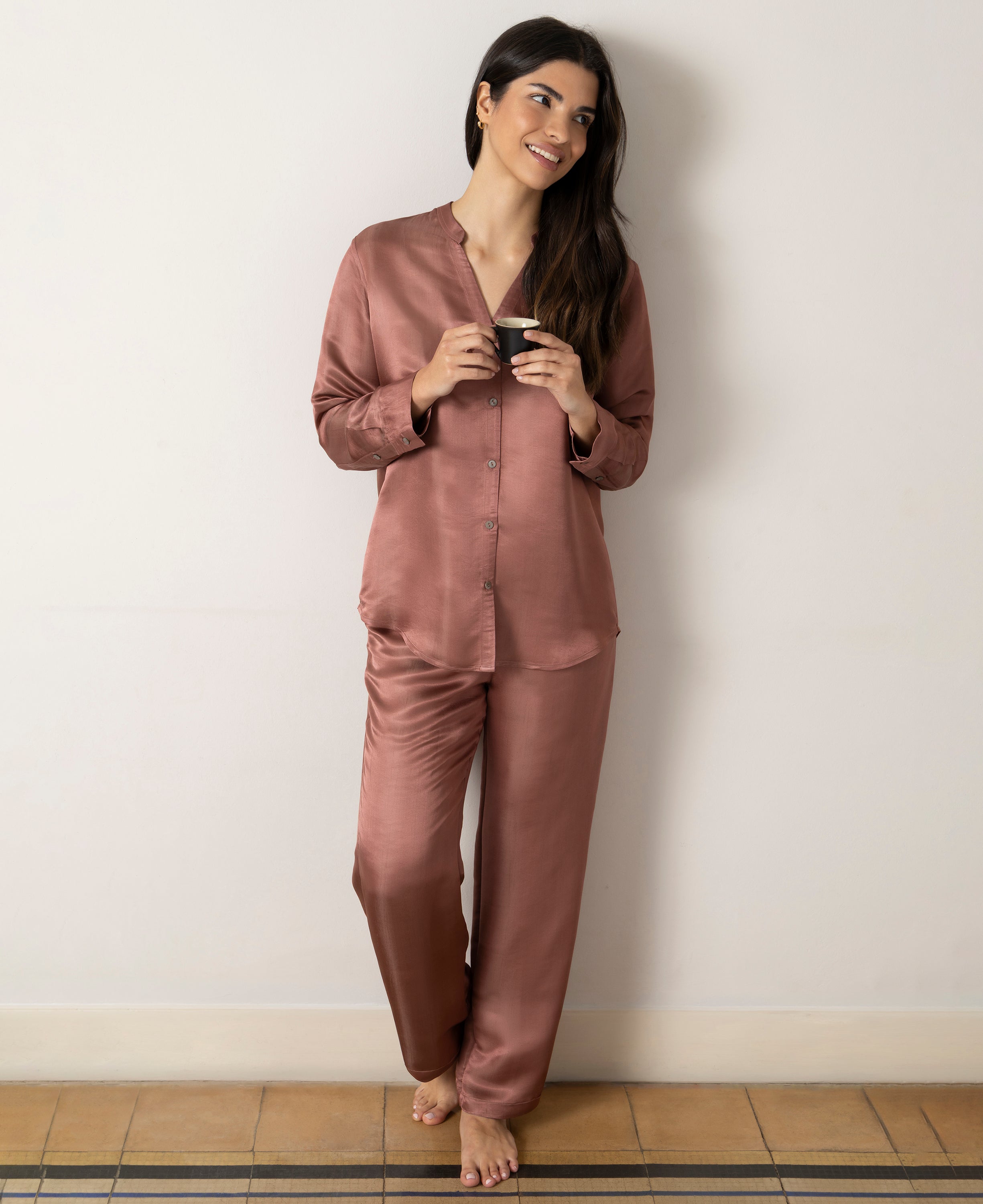
Twenty-seven momme silk drapes cleanly on every body we have designed for. It is heavier, which some customers notice on the first wear and then stop noticing after the second. In the mirror, the outline reads cleaner. In photographs, the fabric holds its shape at the hem and the sleeve.
The trade-off is warmth. Twenty-seven momme silk is denser, which means slightly more insulation. This is why we make a Summer Pajama Set specifically for warmer sleepers, in a lighter cut but still the same silk. The density is the drape, and we did not want to give it up.
Is Heavier Silk Hotter to Sleep In
This is the second-most-common concern about denser silk, and the physics answer is more nuanced than the intuition.
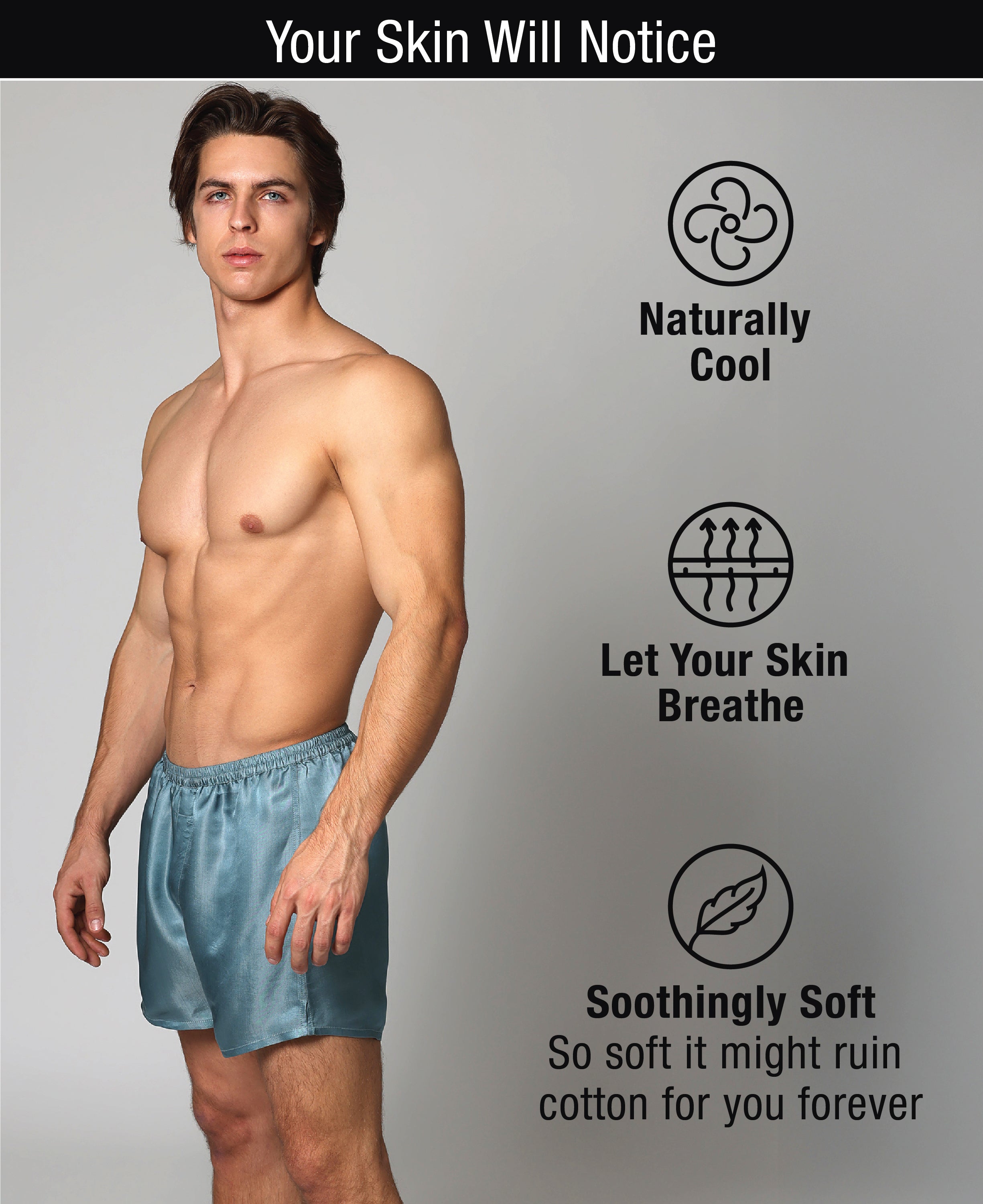
Silk is hygroscopic, which means it absorbs and releases moisture as your body warms and cools through the night. Twenty-seven momme silk absorbs more moisture per square inch than 19 momme, because there is more silk to do the absorbing. This is why customers report that our pajamas feel cooler through a night of sweating than a thinner silk did, even though the thicker silk feels heavier at first touch.
Density adds insulation. But silk's structure is not a solid wall of fiber. It is a woven fabric with air spaces at every intersection of the weave. Air moves through it. The insulation is real but it is not the insulation of a wool blanket. On a hot night, the moisture-wicking property does more work than the thickness does.
The people who sleep coolest in dense silk are usually the ones who have tried thin silk first and been miserable. Thin silk clings when it gets damp. Dense silk absorbs and releases.
Why Plus Size Silk Pulls at the Seams
Here is the piece of construction that fails most often on plus size silk, and the reason we build our pieces the way we do.
A seam is the place where two pieces of fabric are joined. On a factory-made silk garment, the seam is usually a plain overlock seam: the two edges of fabric are butted together, sewn once, and finished with an overlock stitch that binds the raw edges. This construction is fast and cheap. It also concentrates all of the stress at a single stitch line, which is why factory silk garments tend to split at the seams first, especially at the sizes where the body puts the most tension on the seam (the outer hip, the inseam, the underarm).
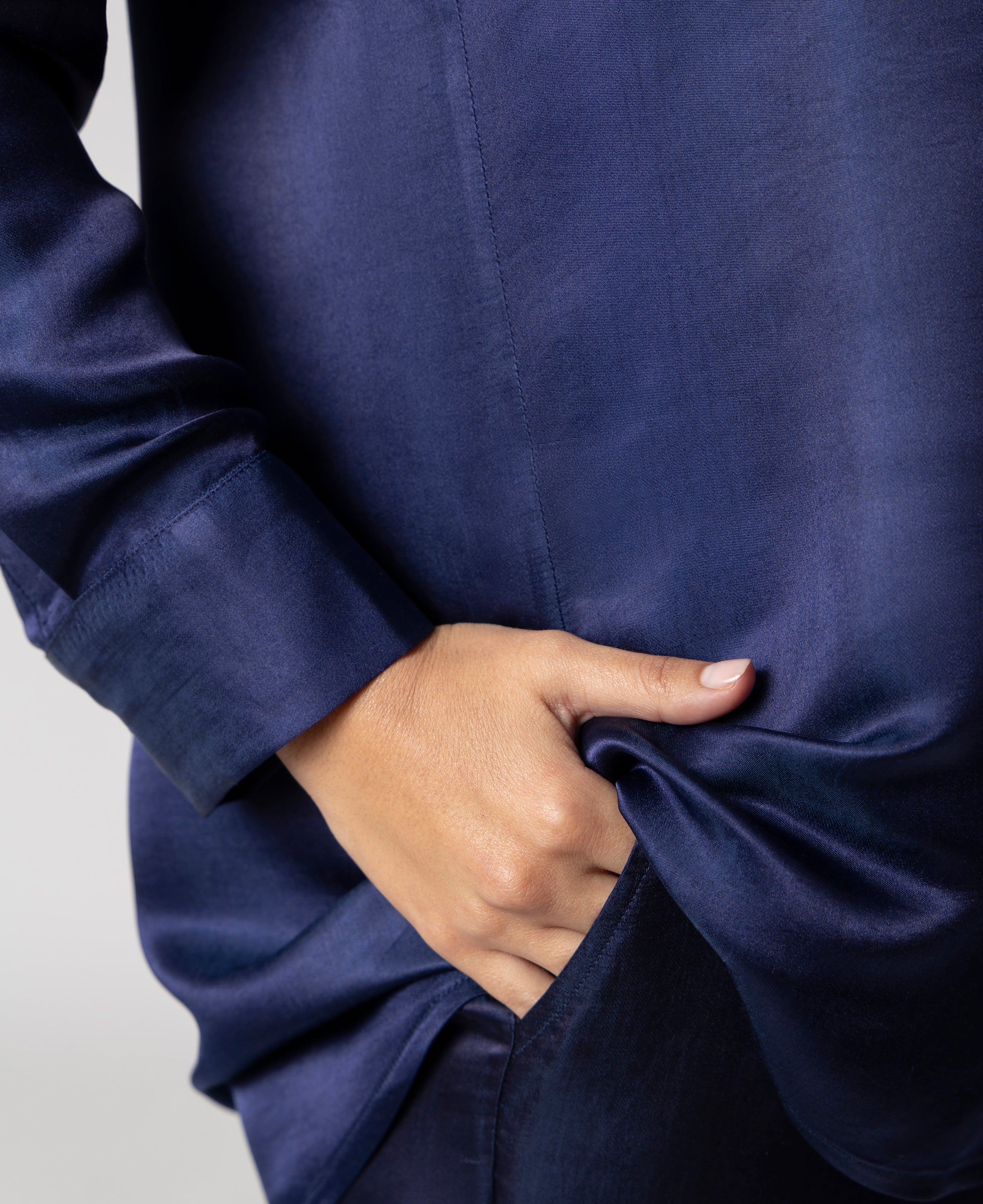
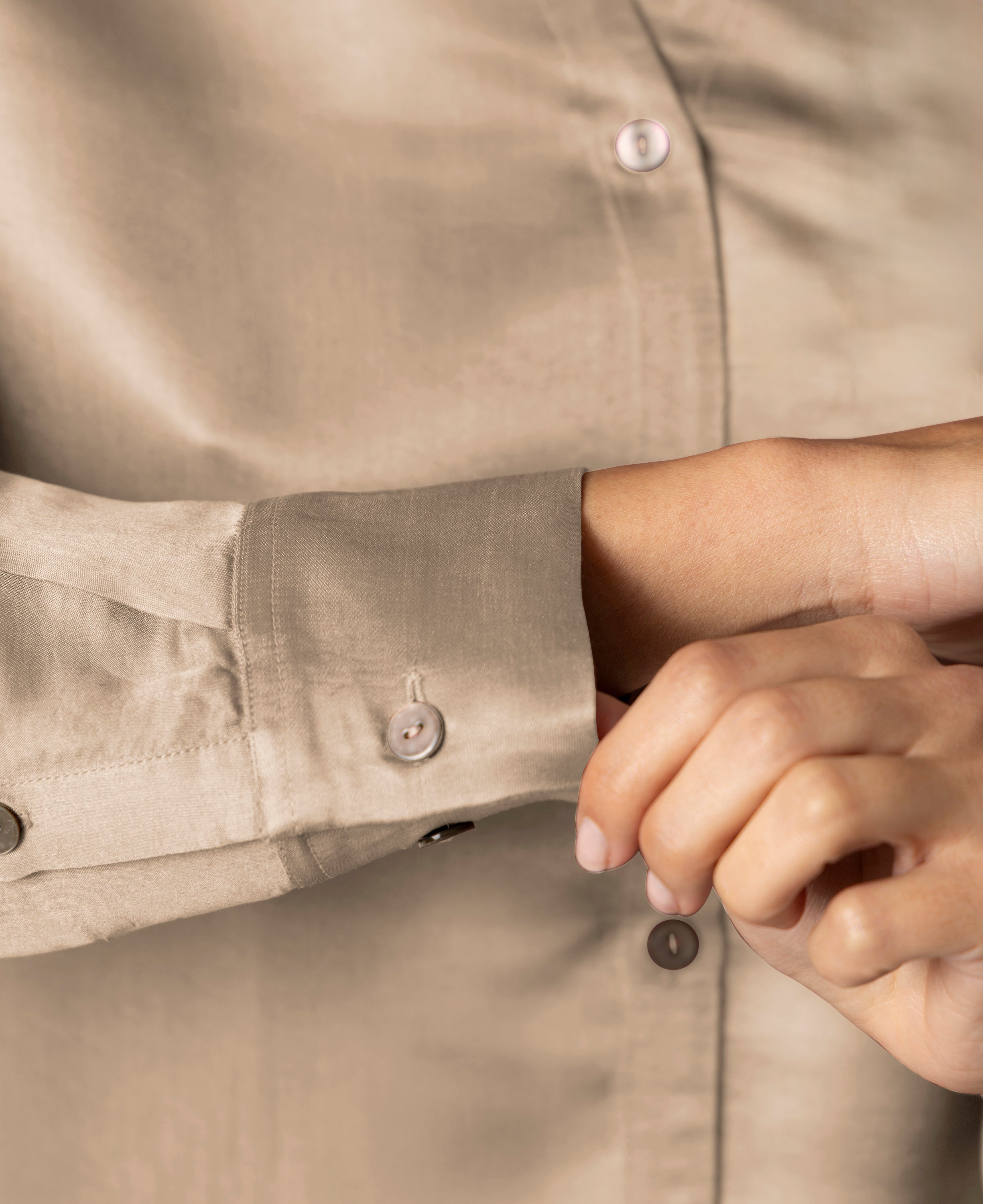
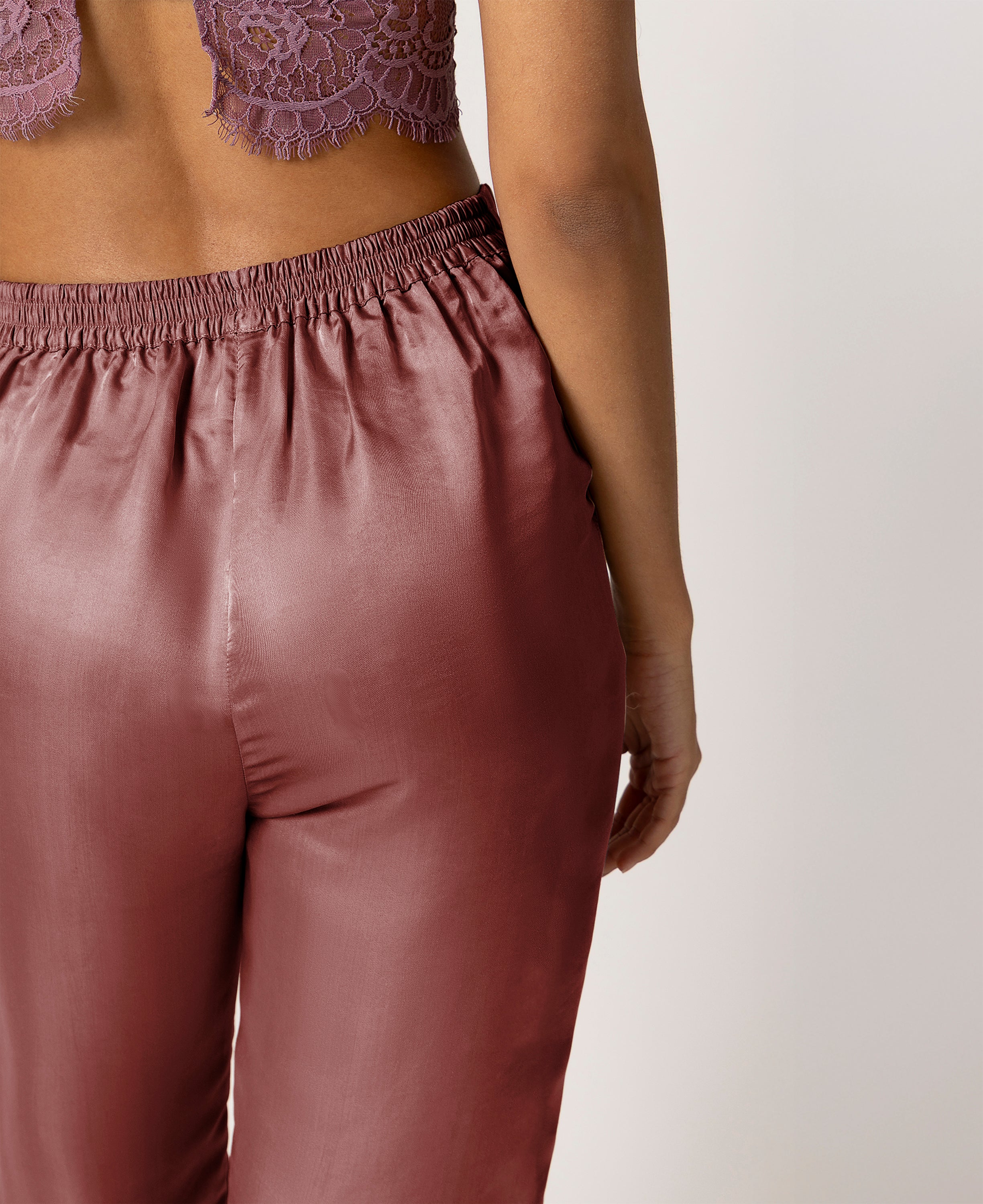
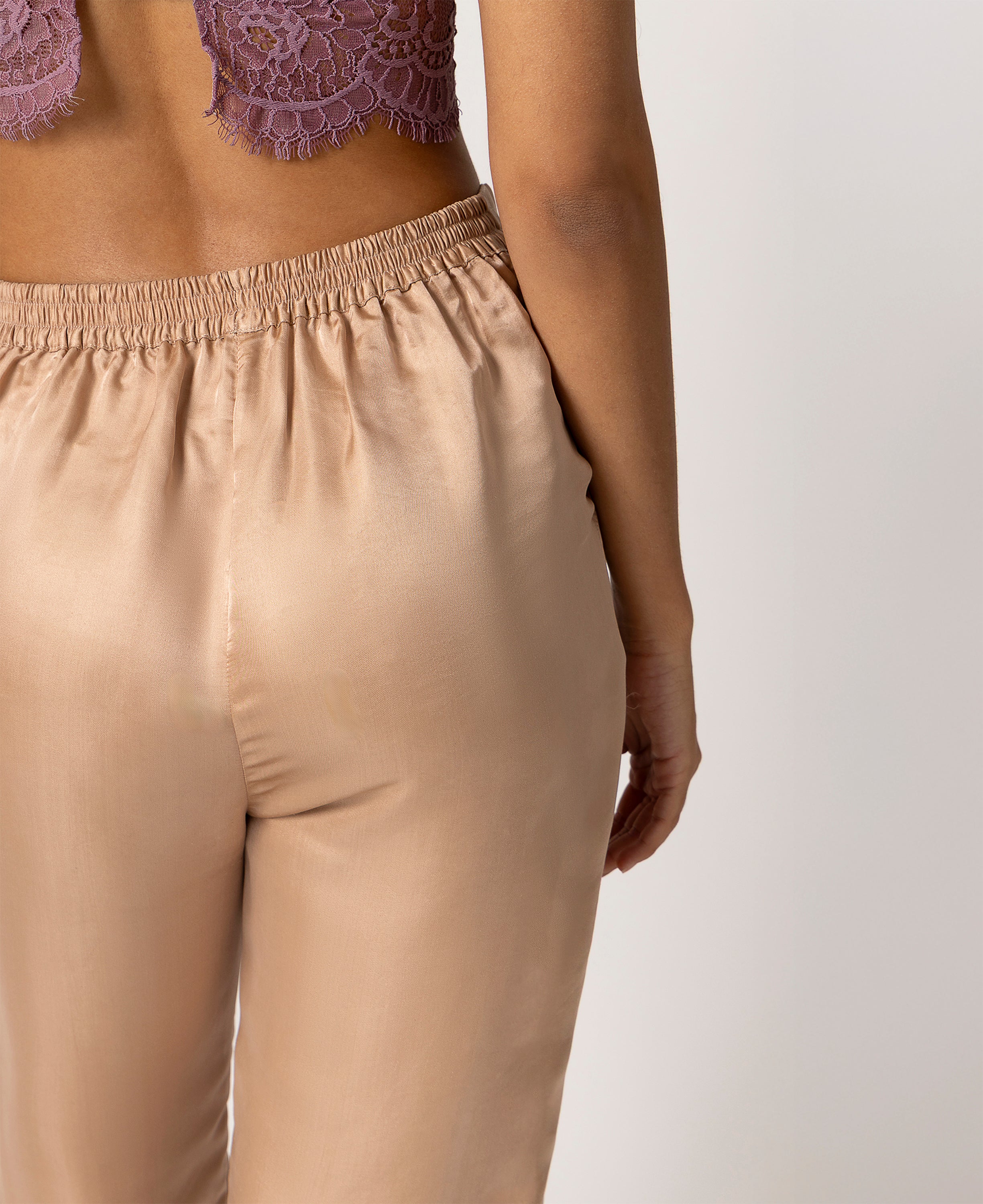
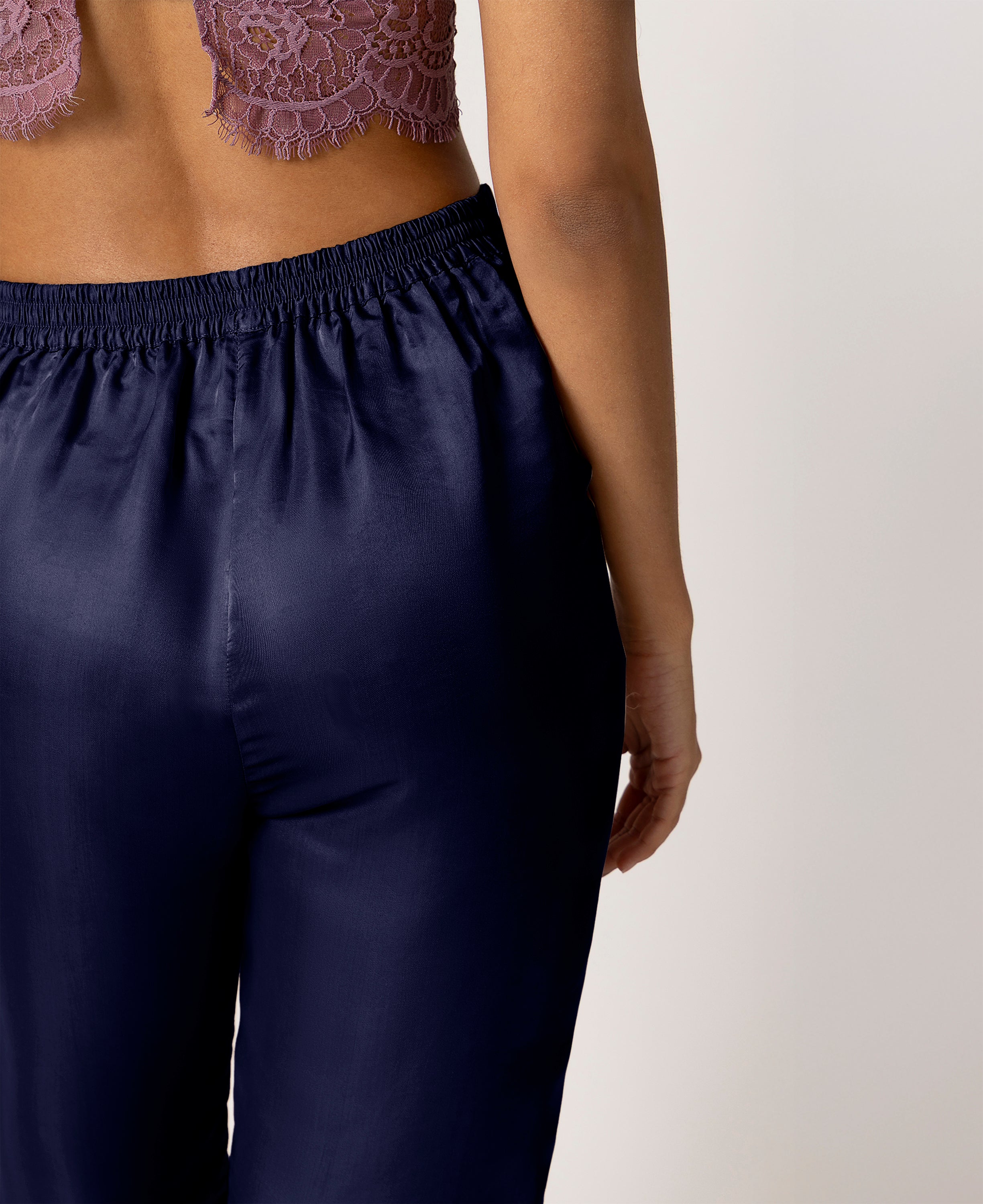
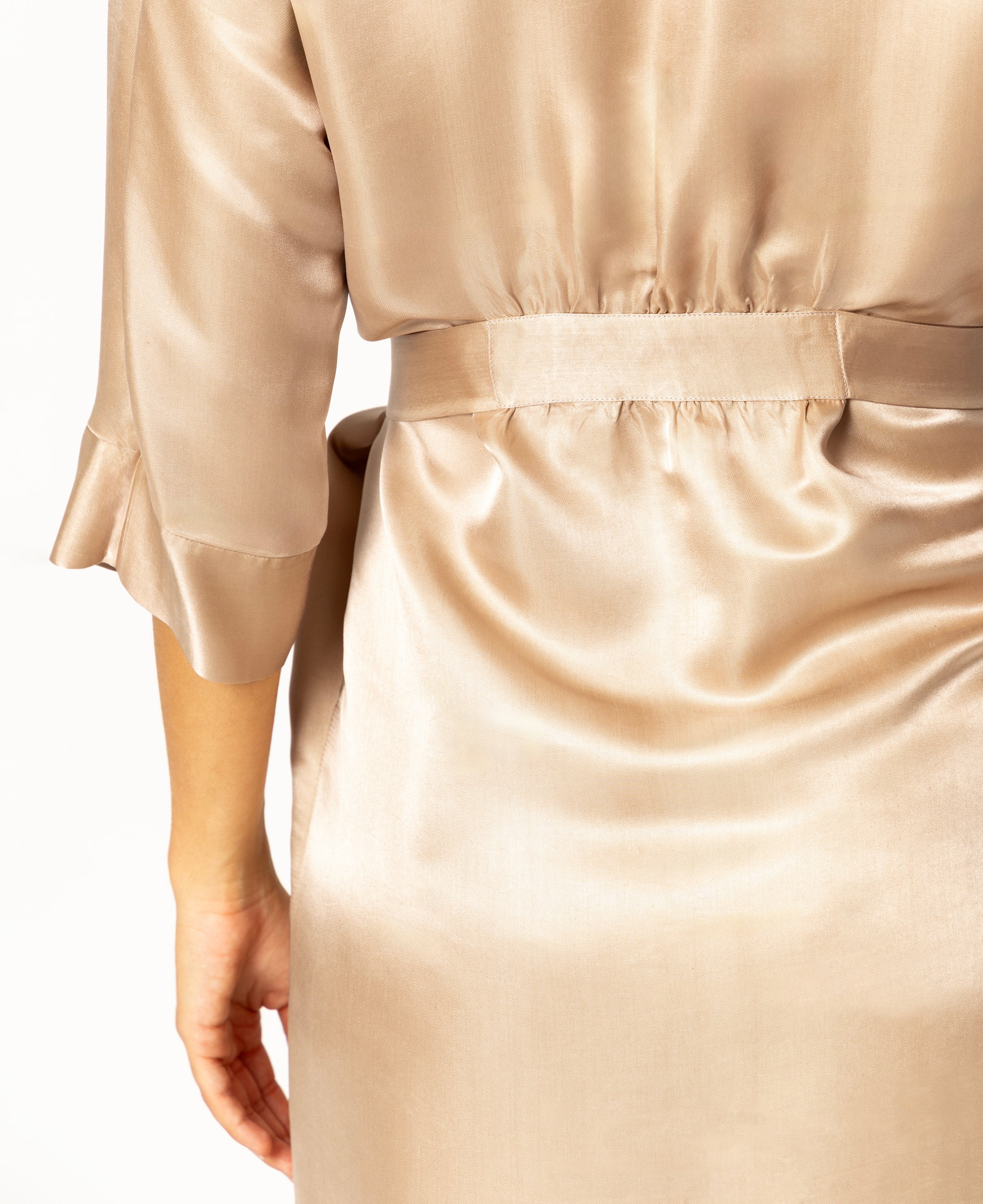
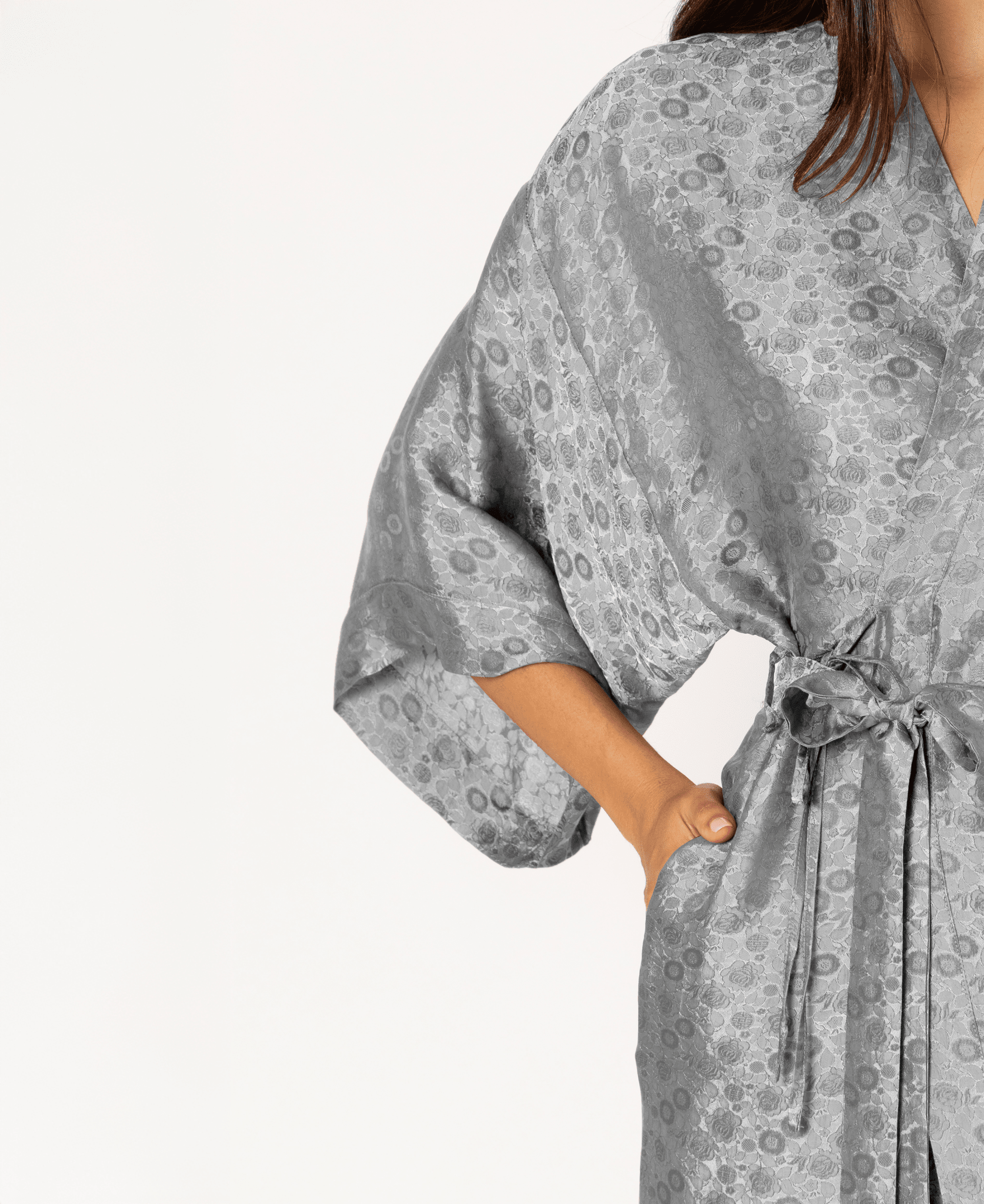
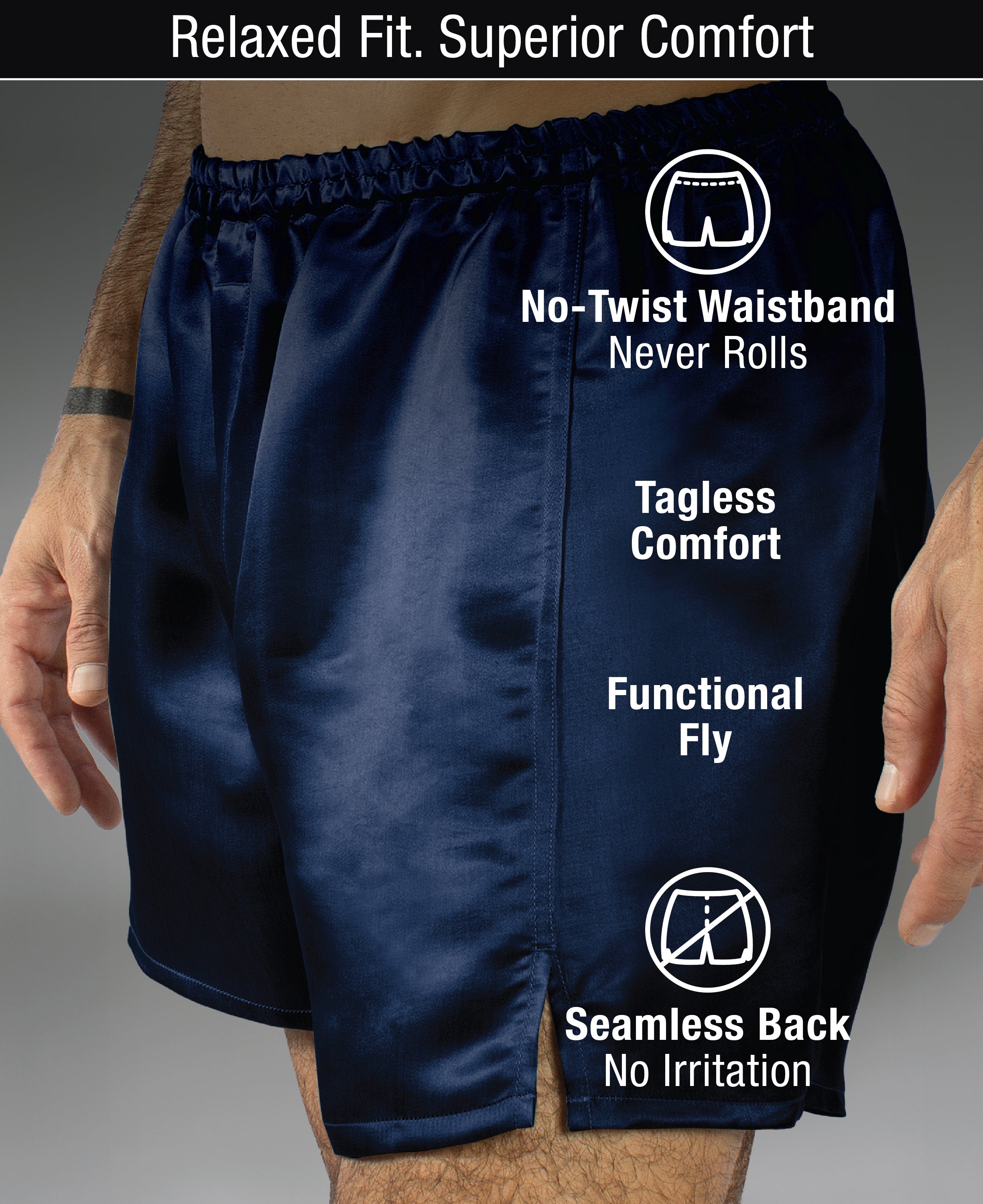
A French seam is the opposite. The two edges of fabric are folded inward and enclosed on both sides, so the raw edges are hidden inside the seam and the seam itself is essentially double-layered. This is slower to sew. It uses more fabric. It also distributes stress across two stitch lines instead of one, and it hides the raw edges where they cannot fray.
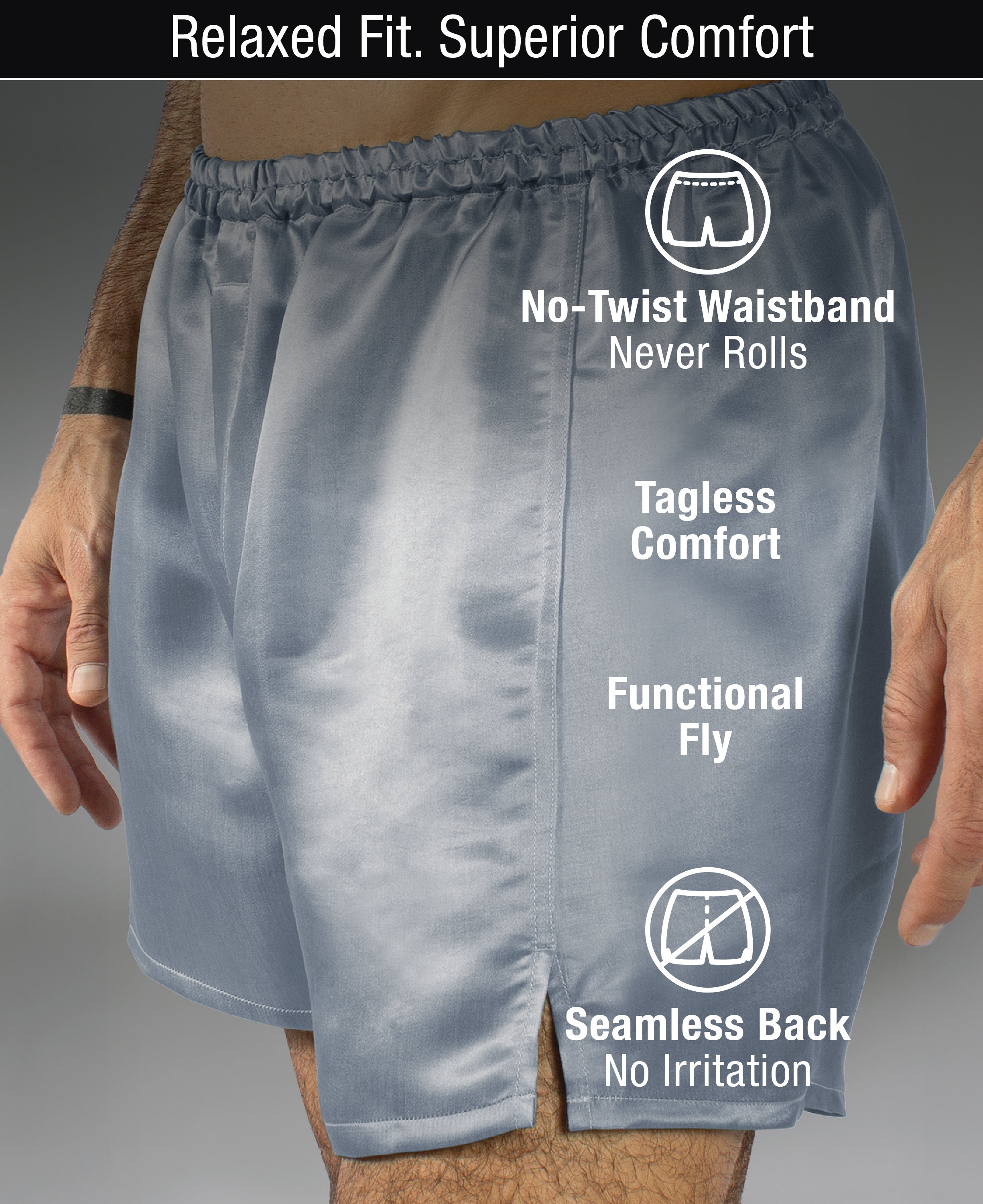
At XS the difference is subtle. At 4XL it is the difference between a garment that lasts ten years and a garment that gives out in eighteen months. Every seam in every Tara Sartoria piece is a French seam, at every size.
The Cut Rules for a Plus Size Silk Pant
Fabric density does most of the work, but cut matters at the specific points where a plus size body needs the pattern to be graded correctly. There are three:
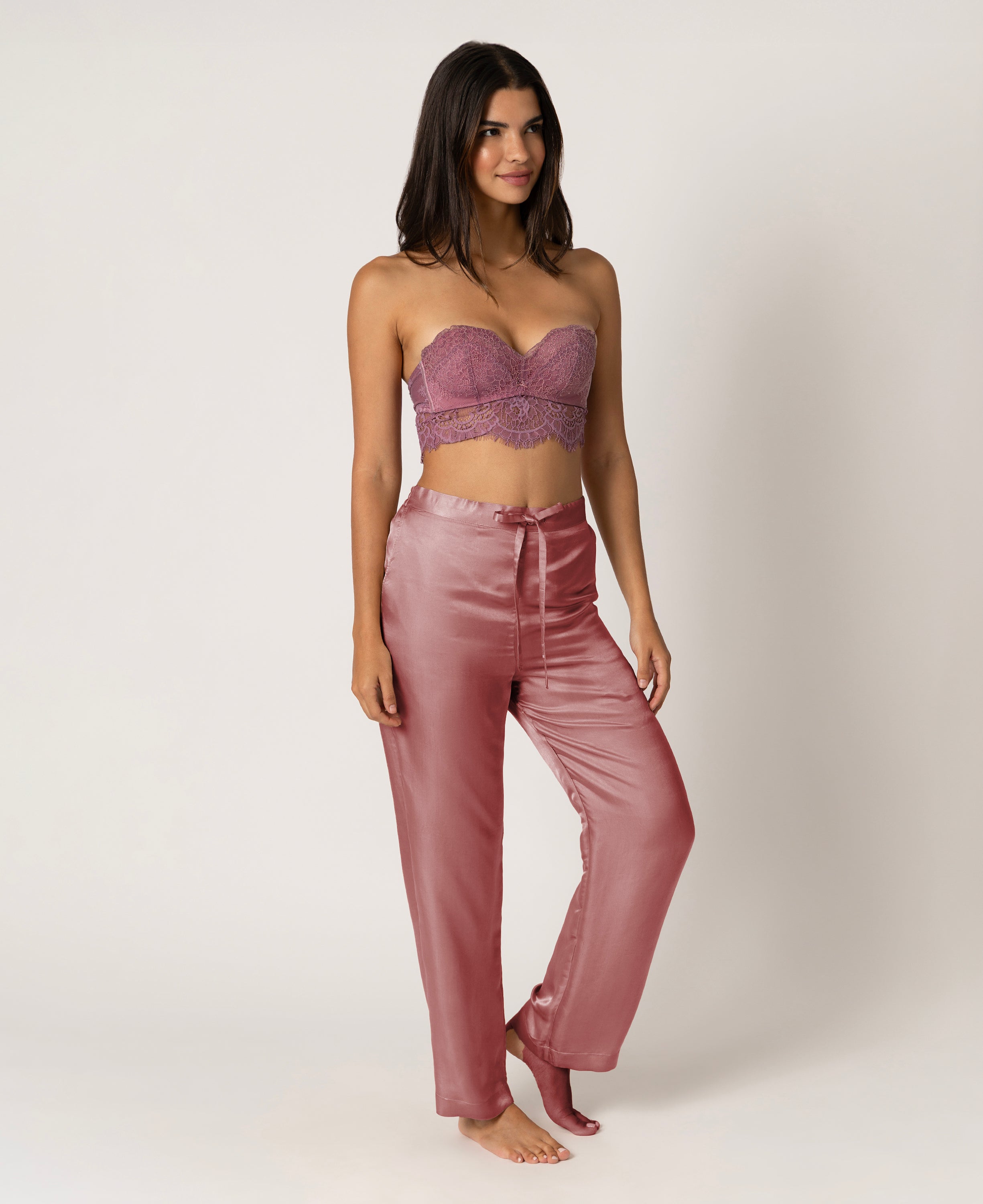
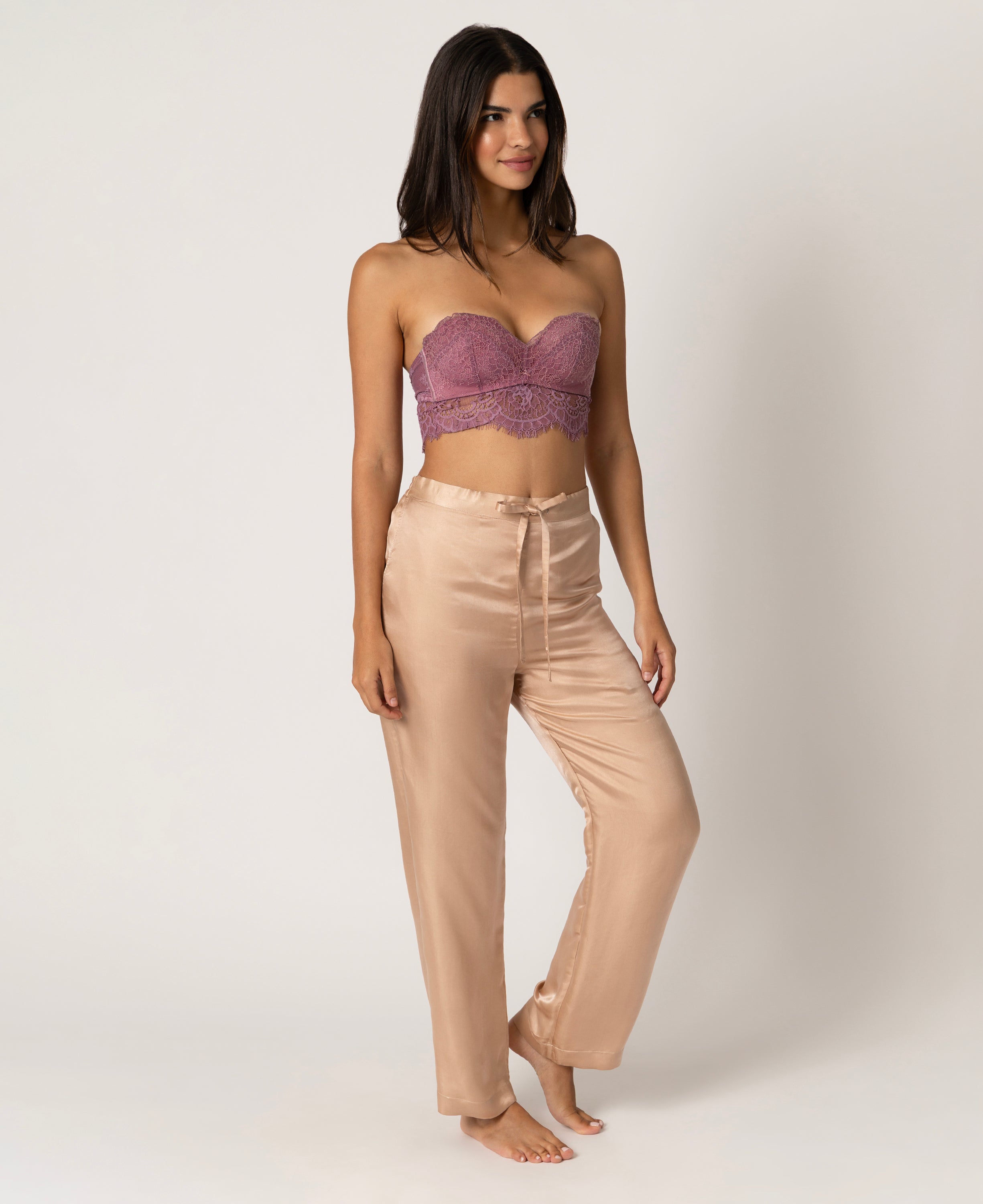
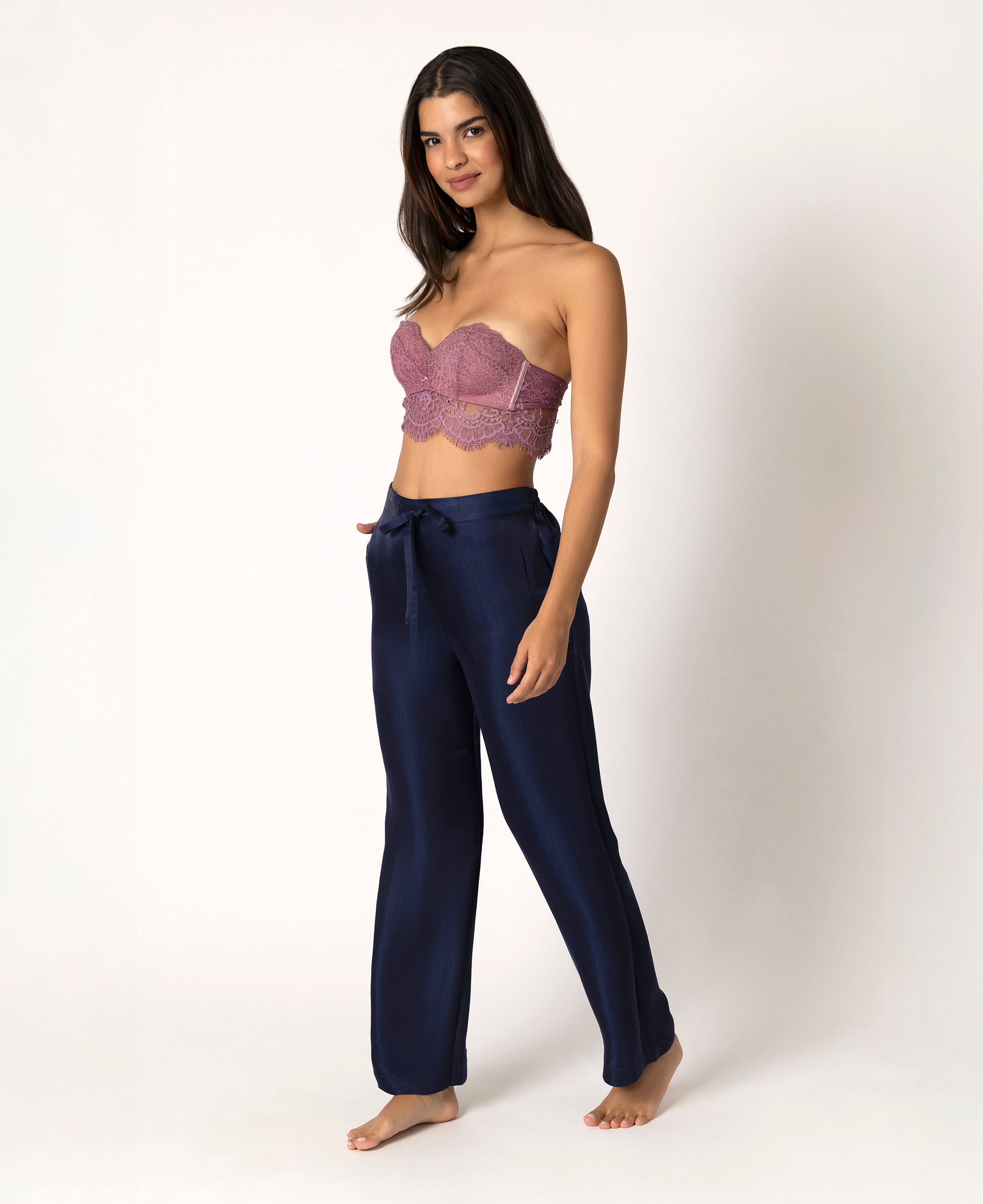
The rise. This is the vertical distance from the top of the waistband to the crotch seam. Plus size pajama pants need a deeper rise than straight-size pajama pants, because the natural waist sits higher above the crotch on a curvy body. A shallow rise pulls the waistband down at the belly and forces the pant to redistribute stress across the hip. Every one of our pajama pants publishes the rise measurement on the product page.
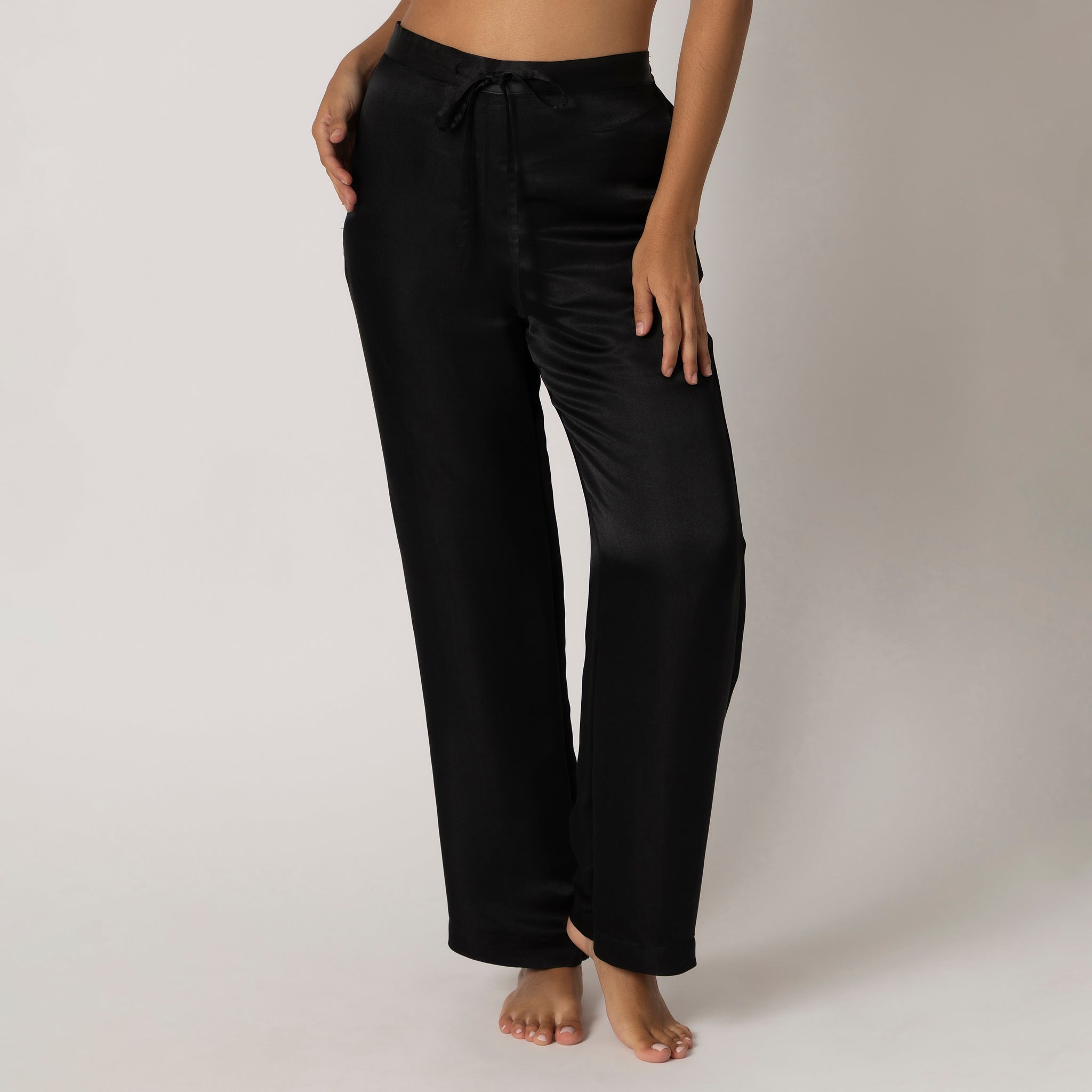
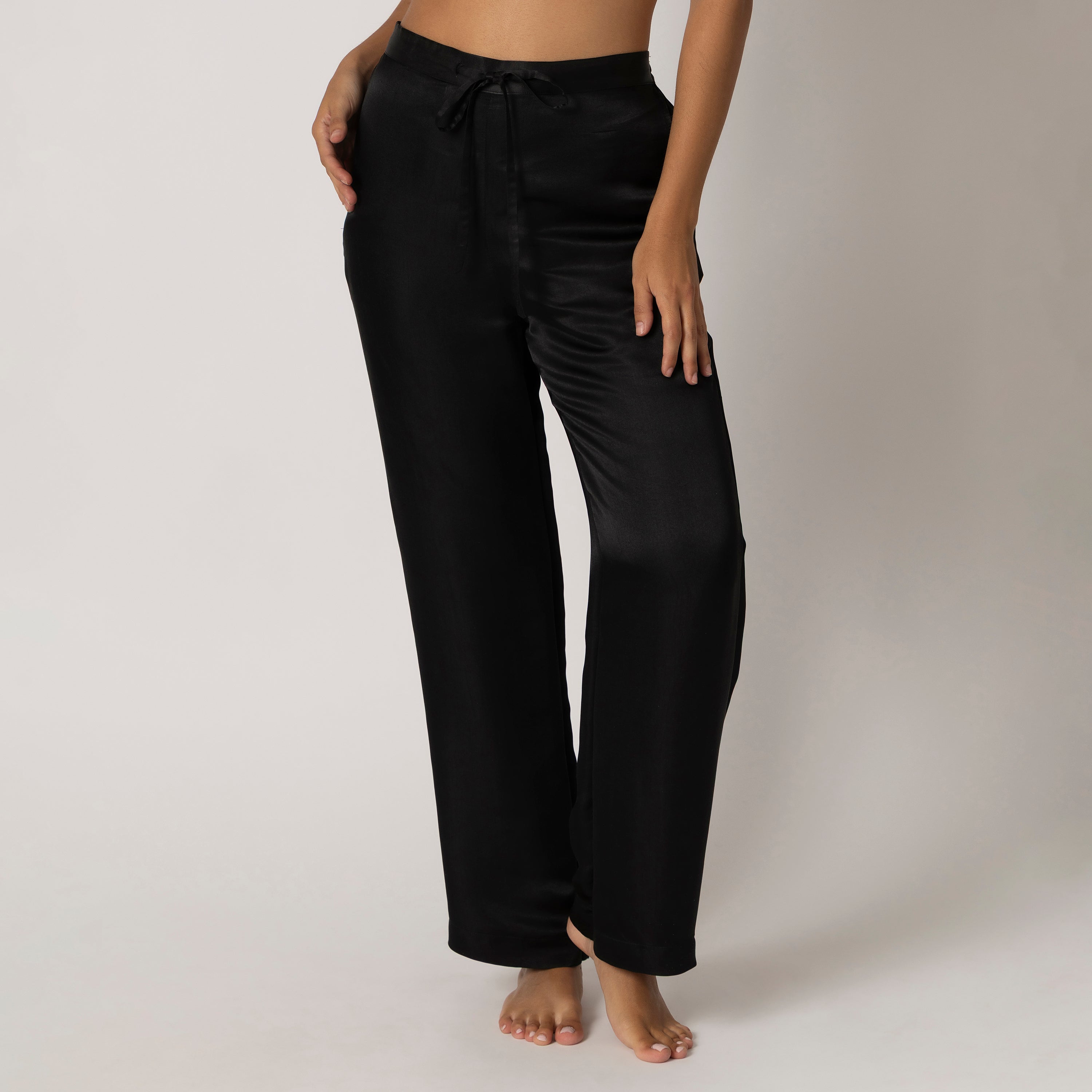
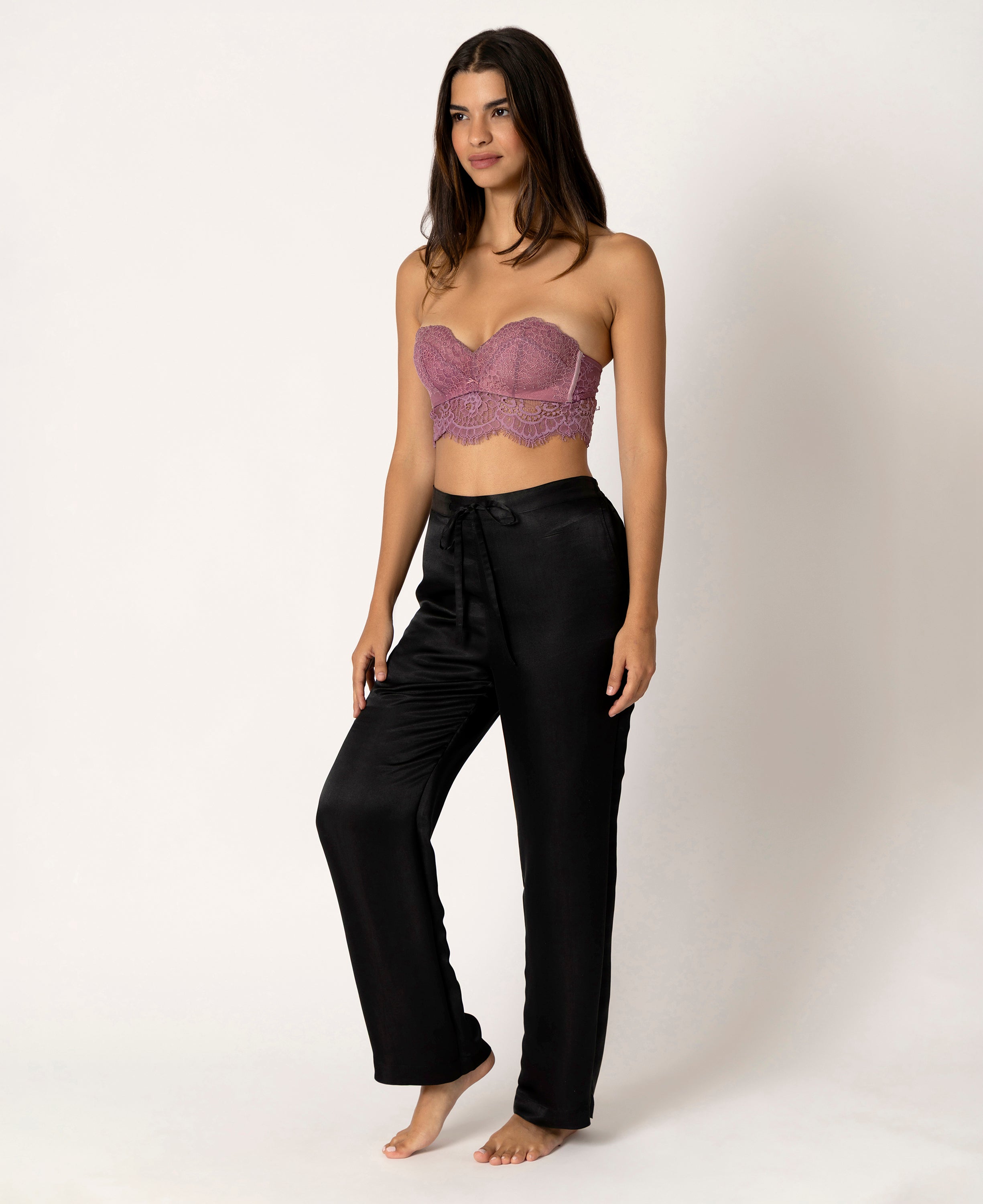
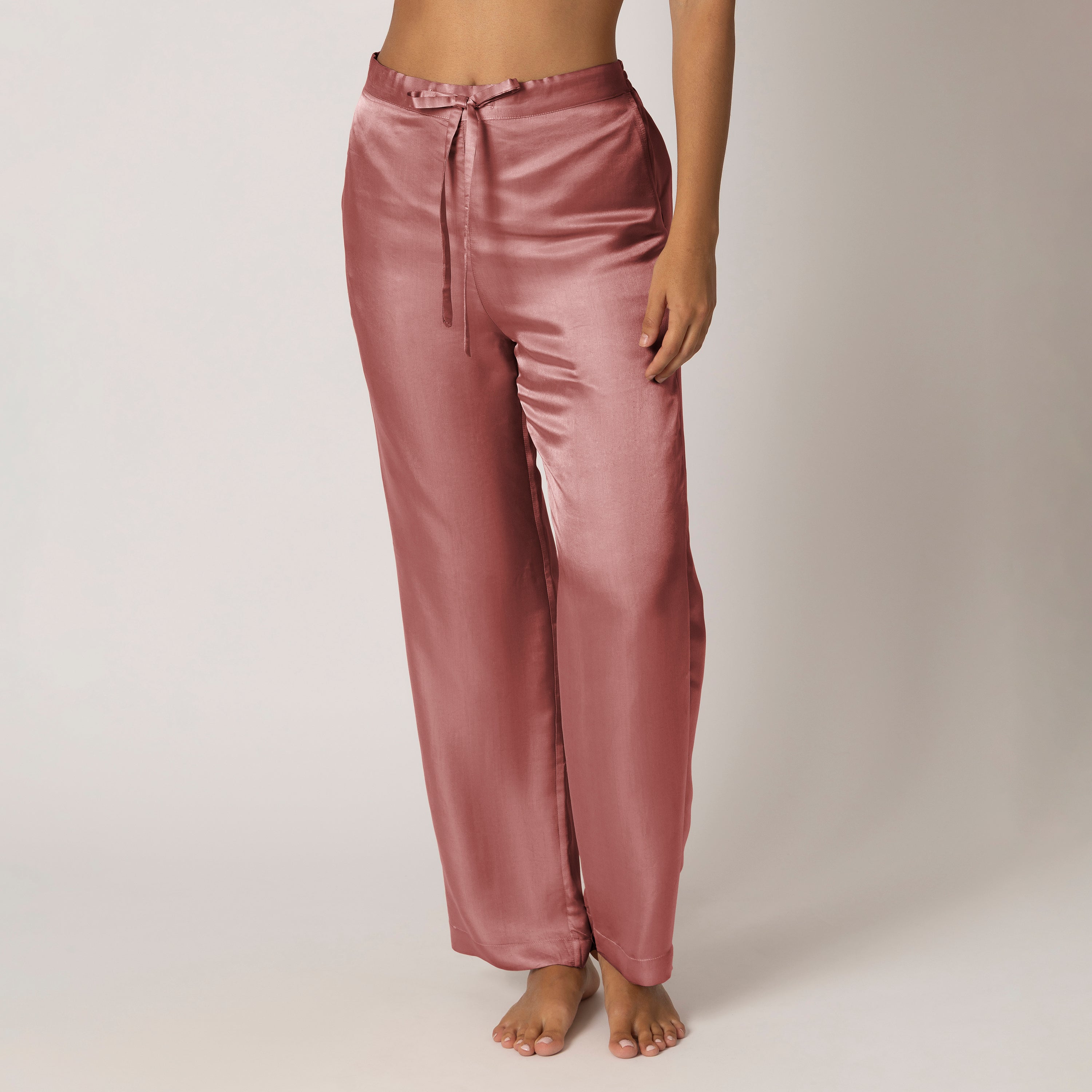
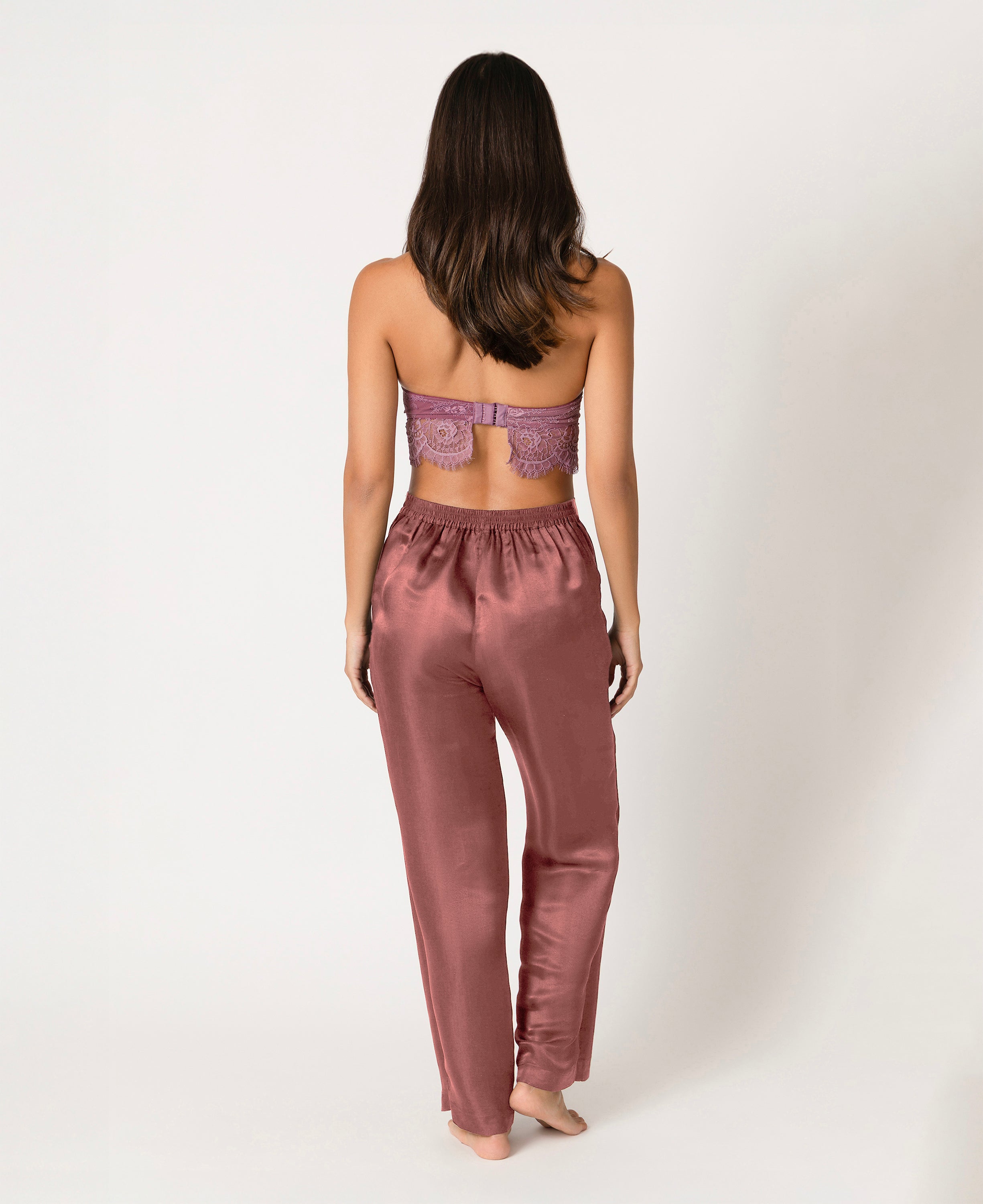
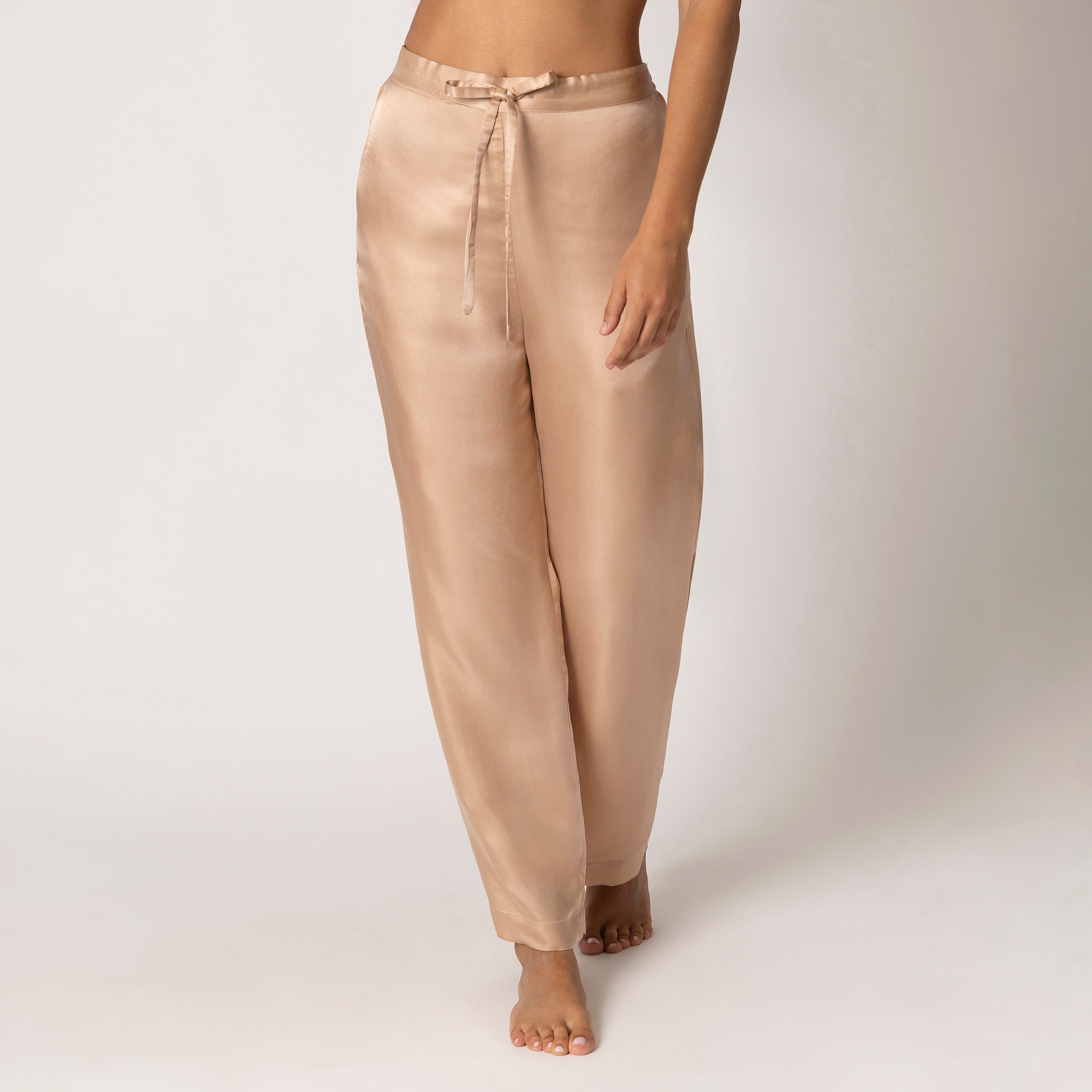
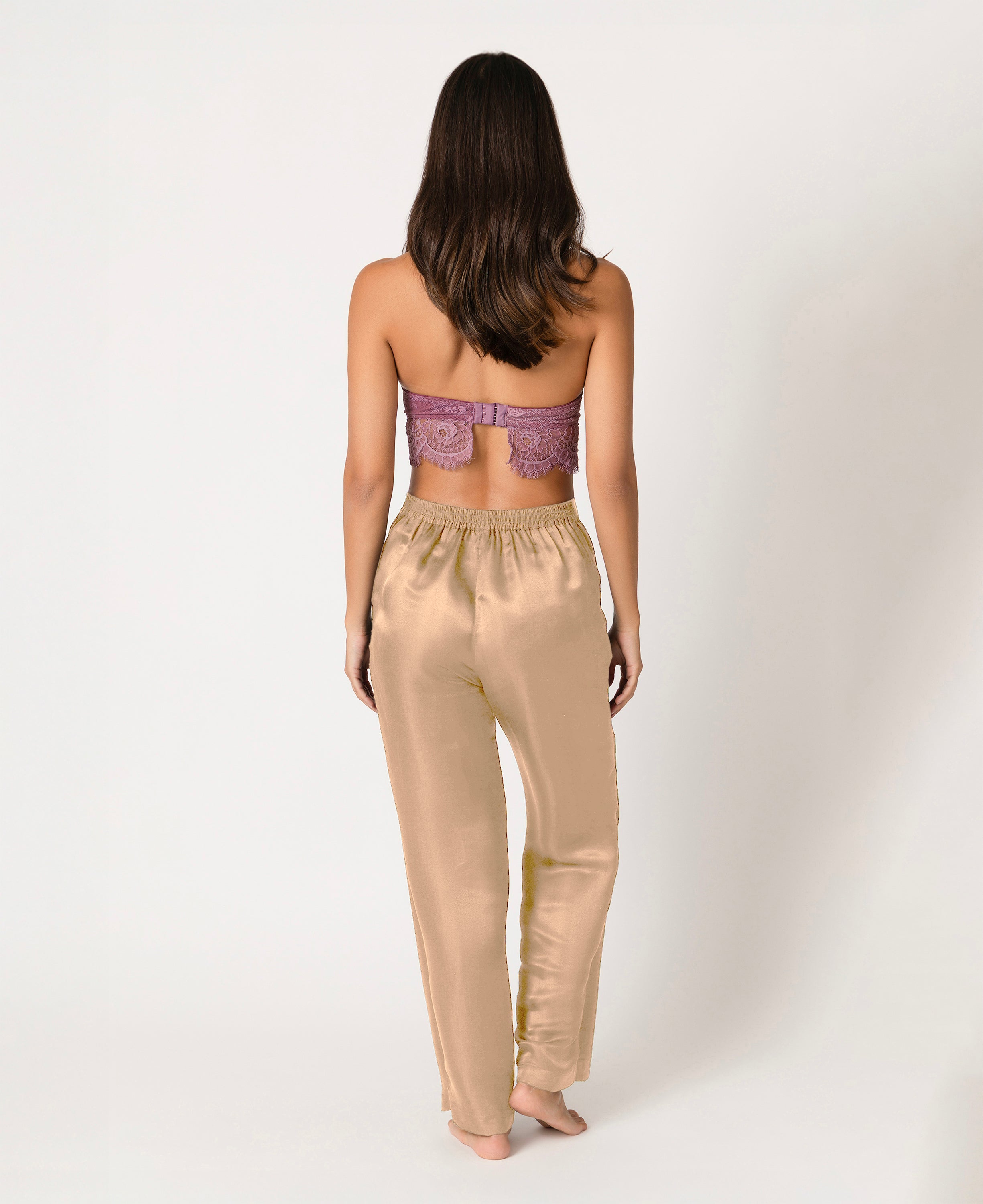
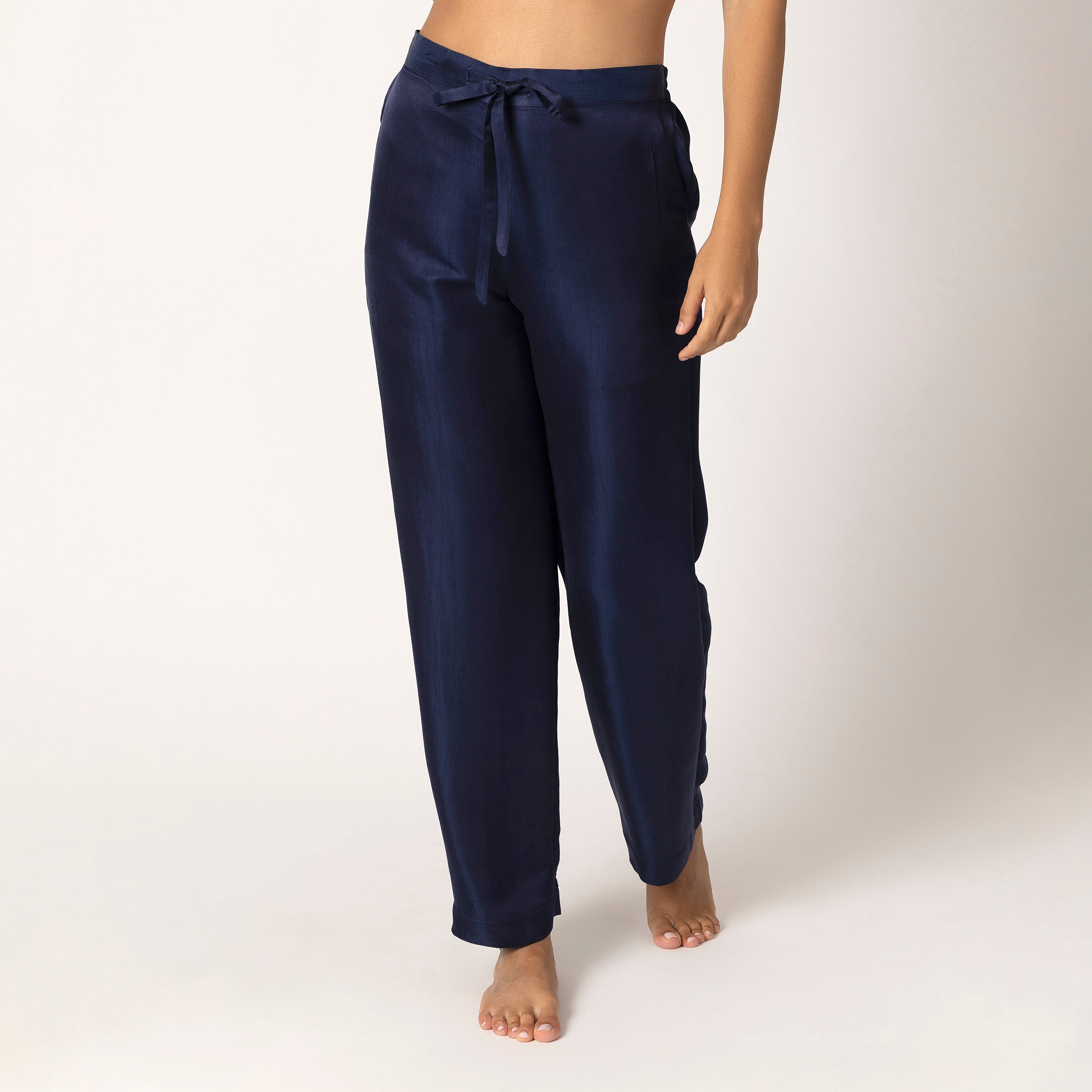
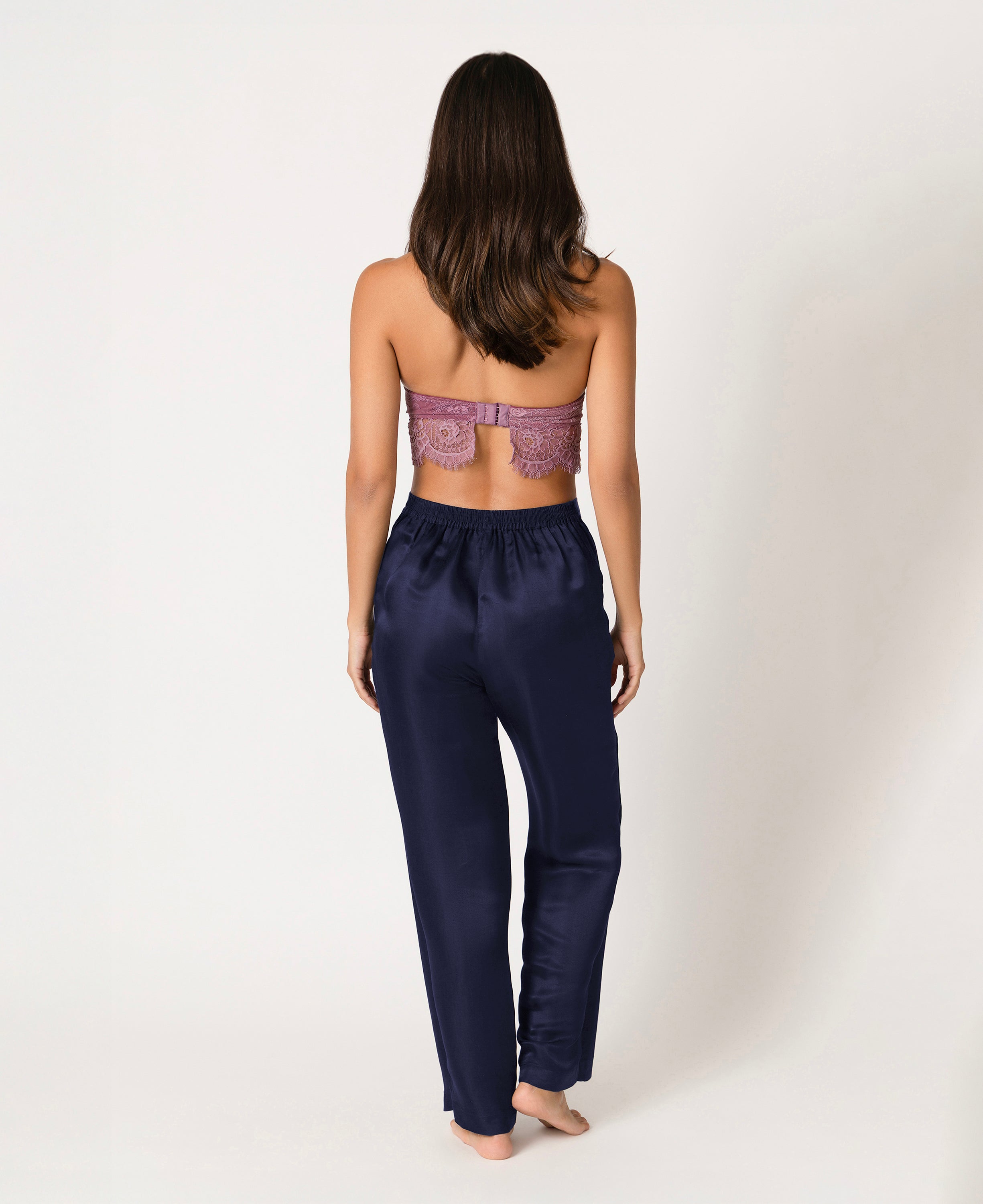
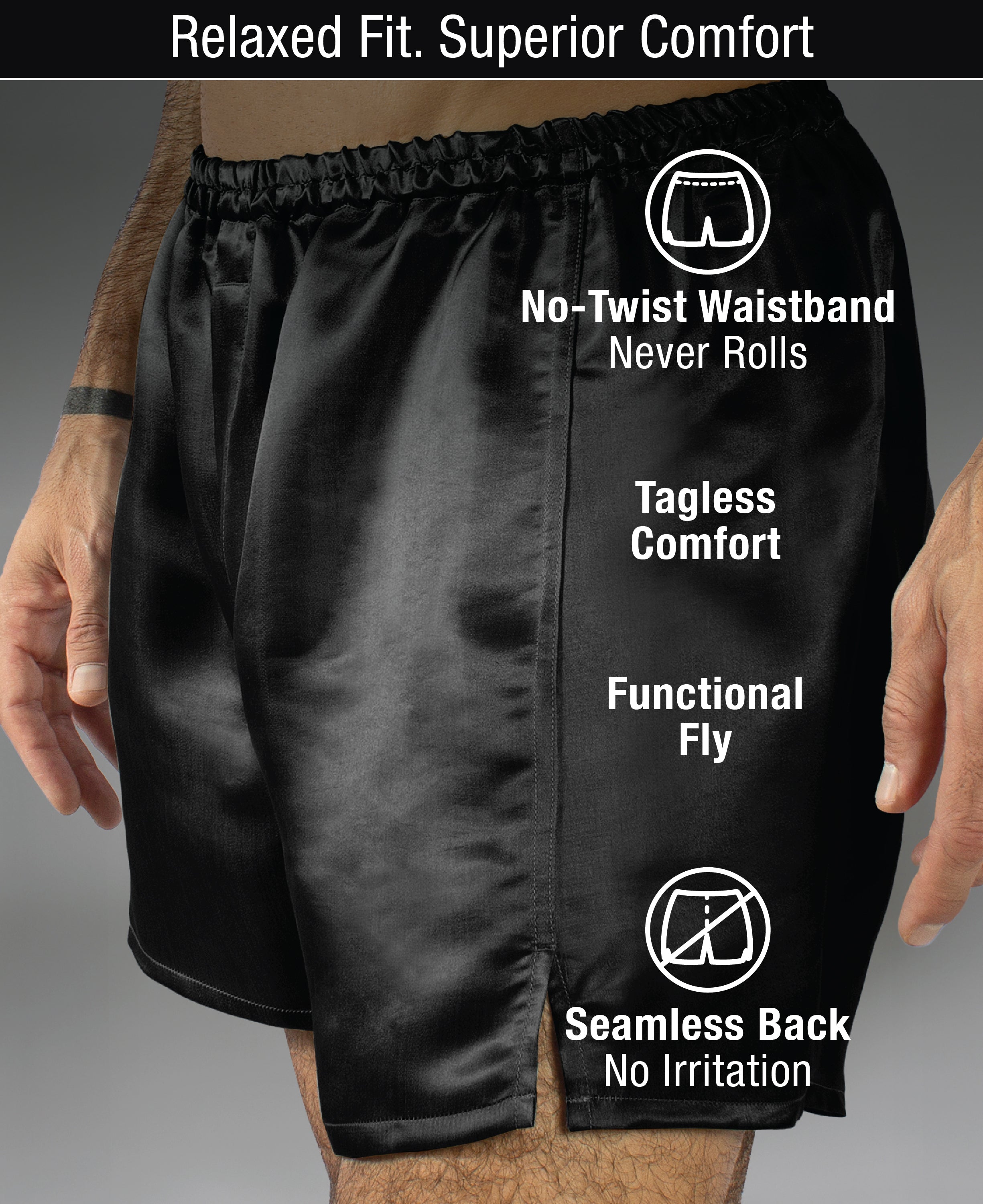
The waistband. It should be soft, wide (about two inches), with both a soft elastic and a drawstring tie. Narrow waistbands cut into the softest part of the belly. Elastic-only waistbands lose their grip. Drawstring-only waistbands slide. Both together give the wearer a way to adjust by half an inch either way, which matters when the same body is a size larger on some days than others.
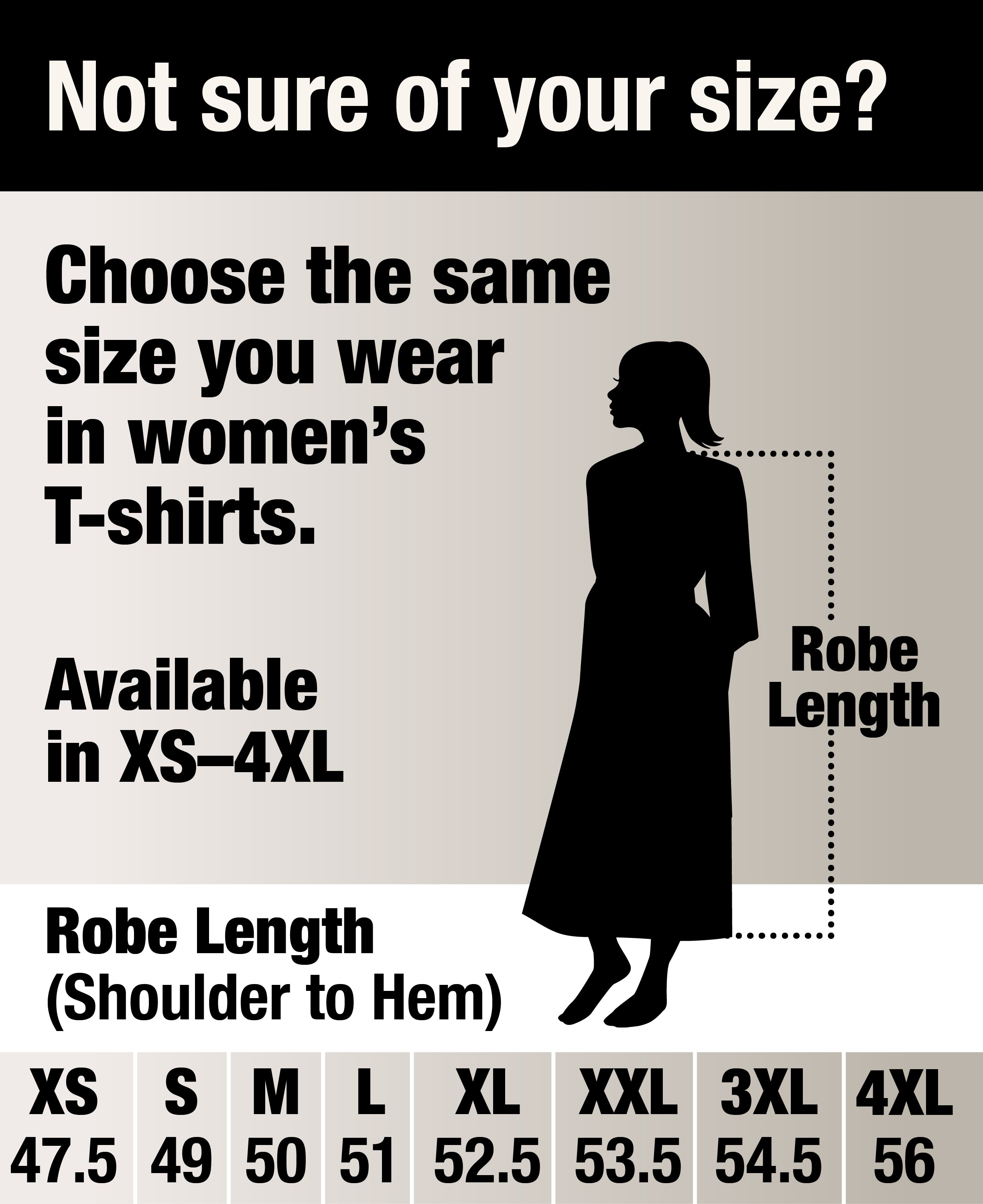
The hip ease. Two to four inches of garment measurement above your body measurement at the hip. Less and the pant pulls when you sit. More and it flares like a curtain. Two to four inches is the drape range, and it is what we grade for at every size from XS to 4XL.


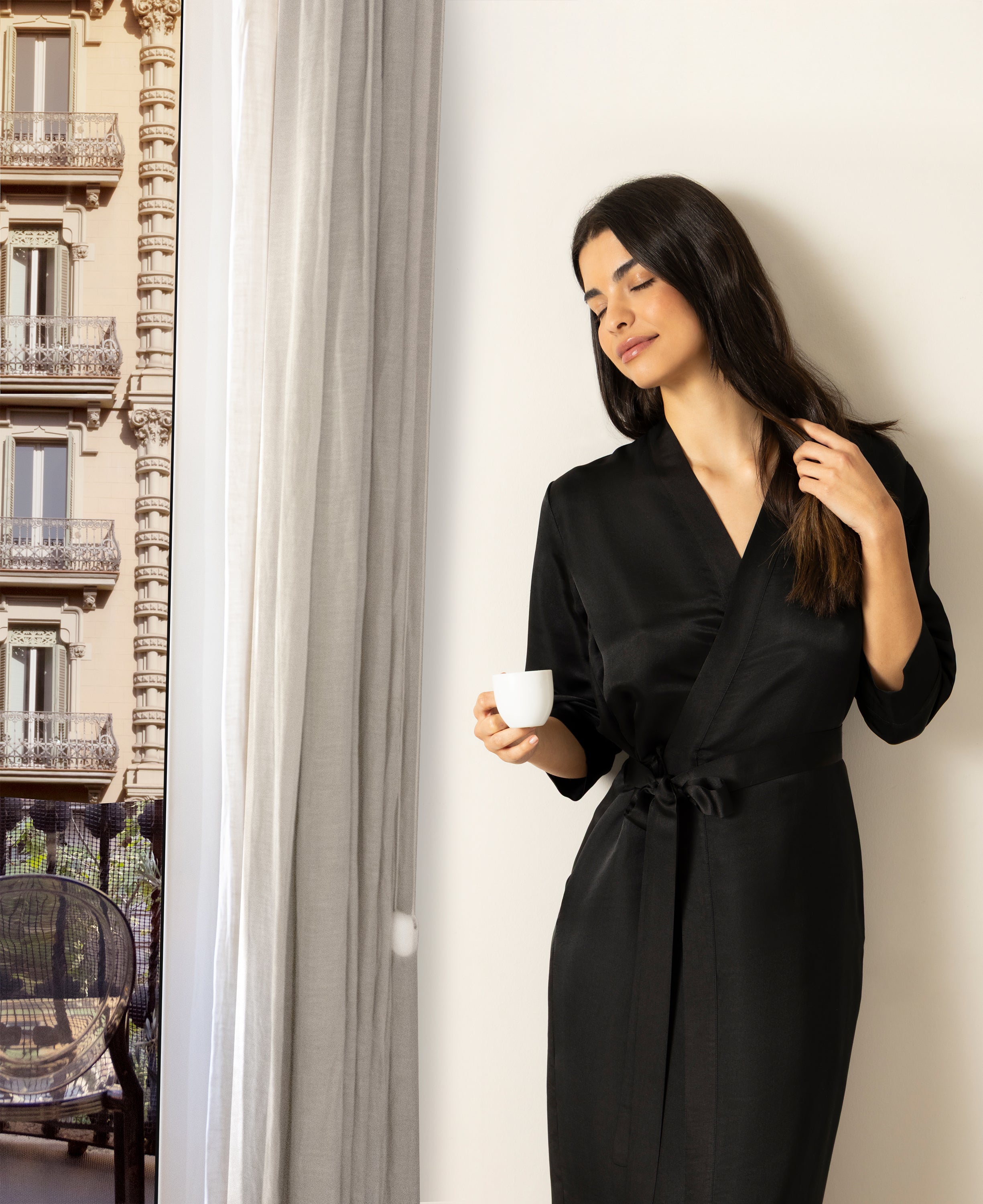
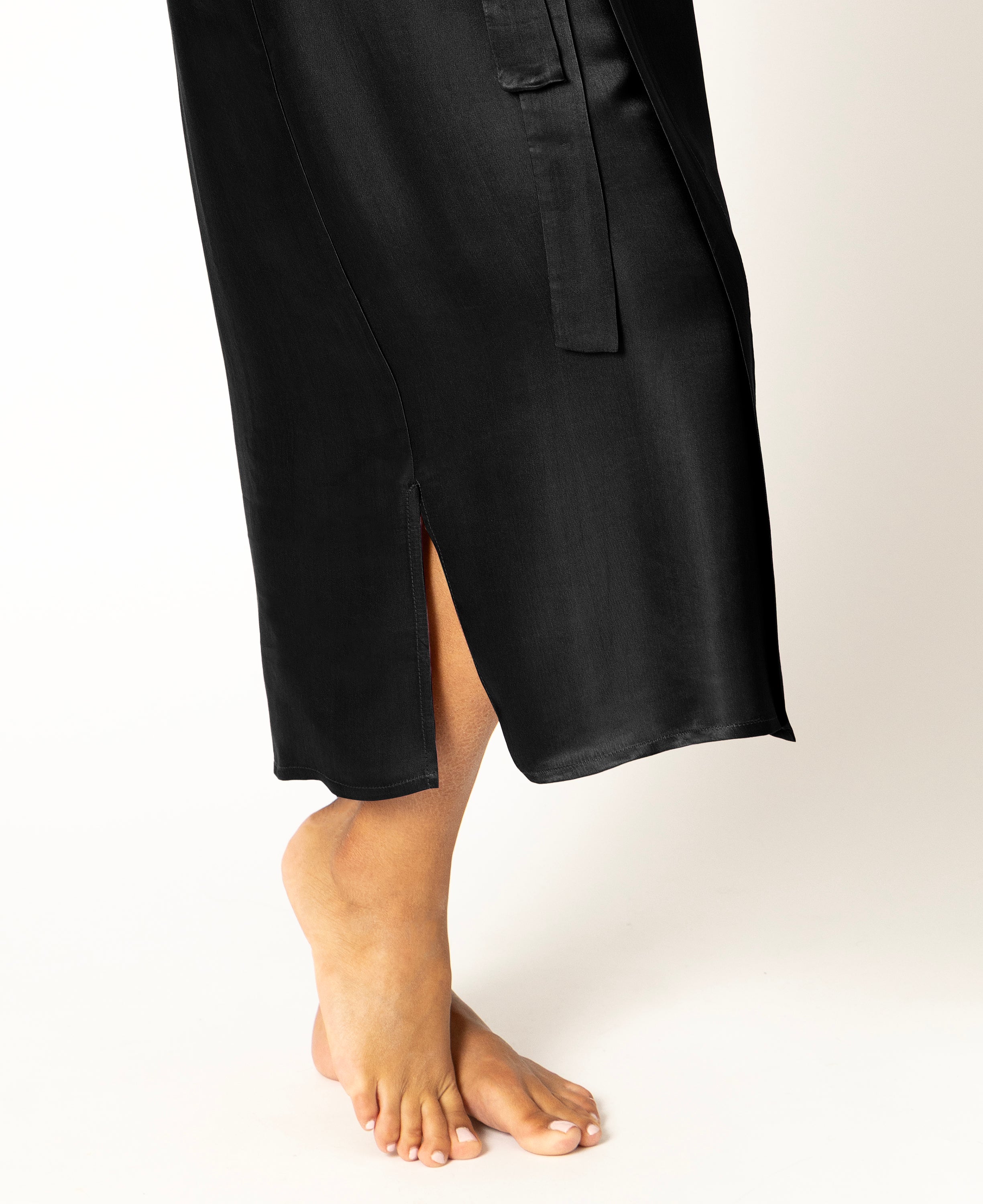
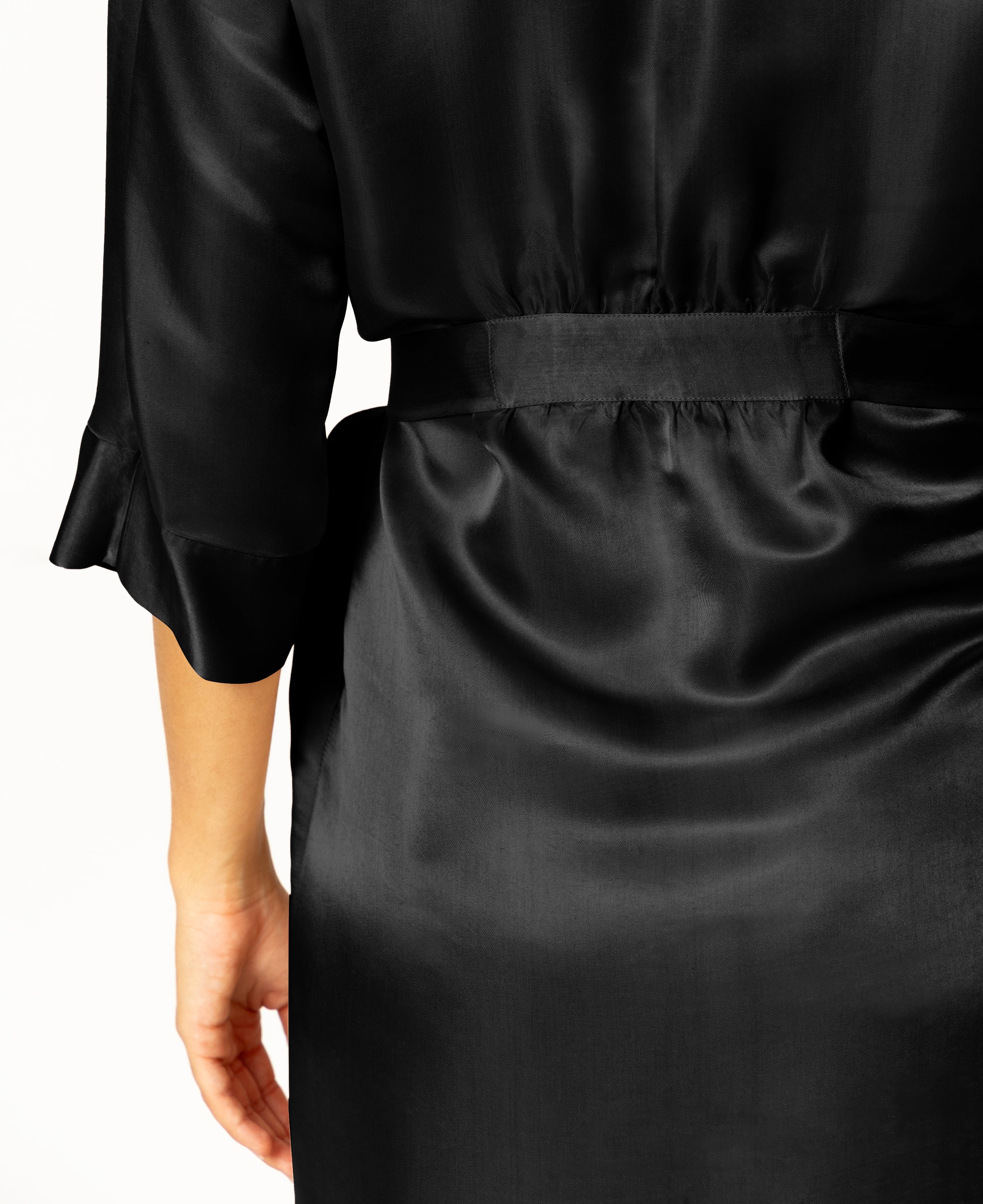
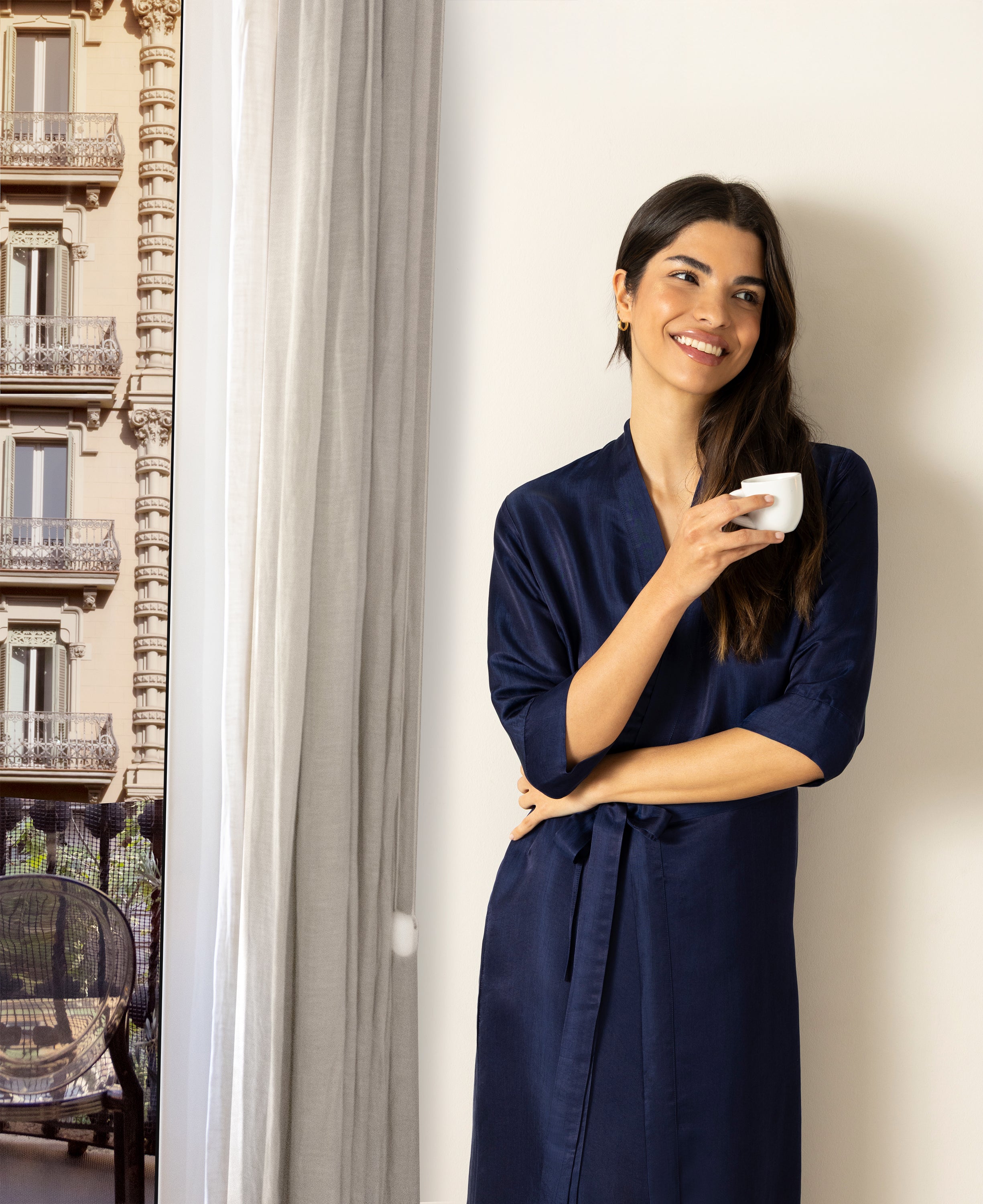
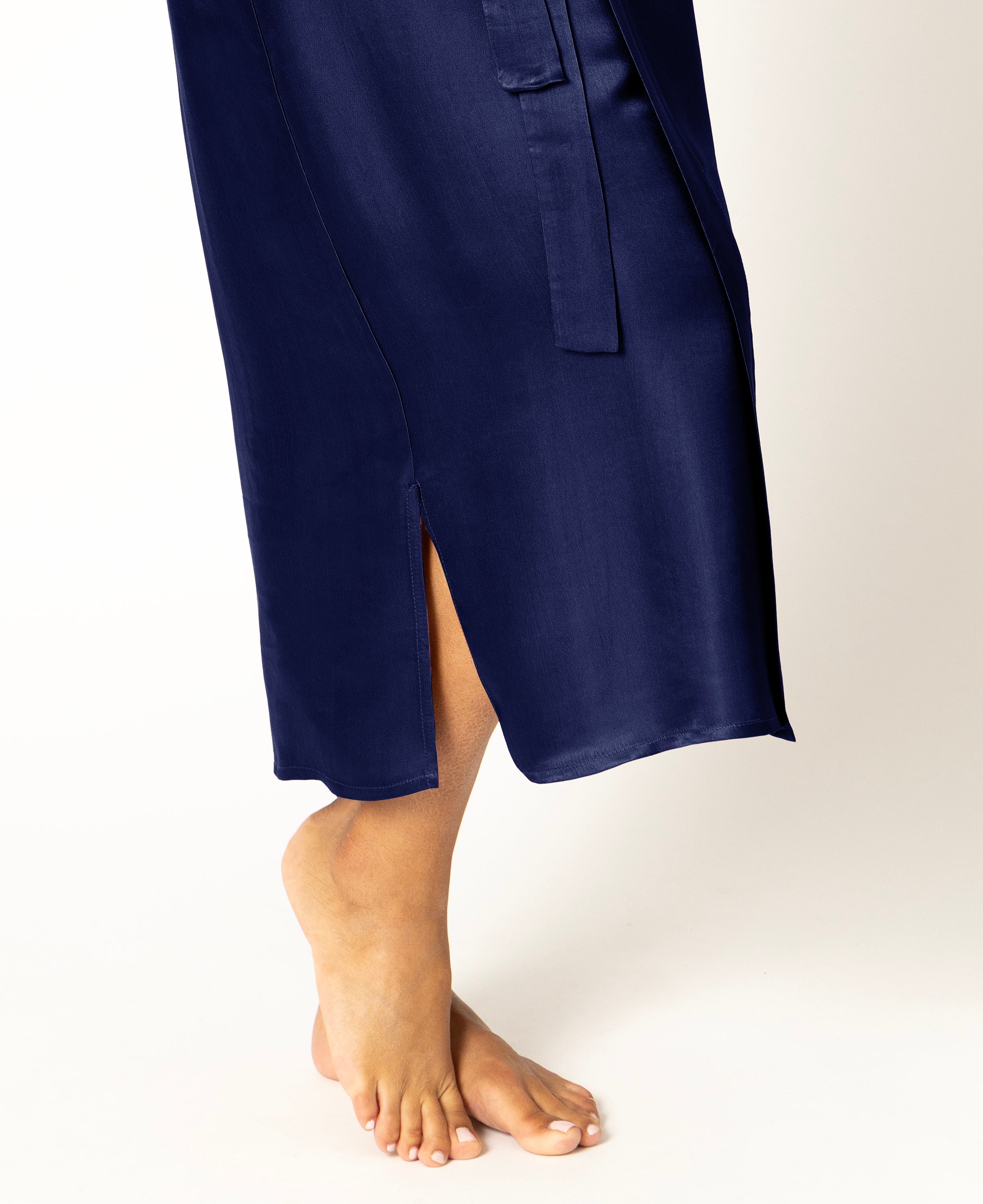
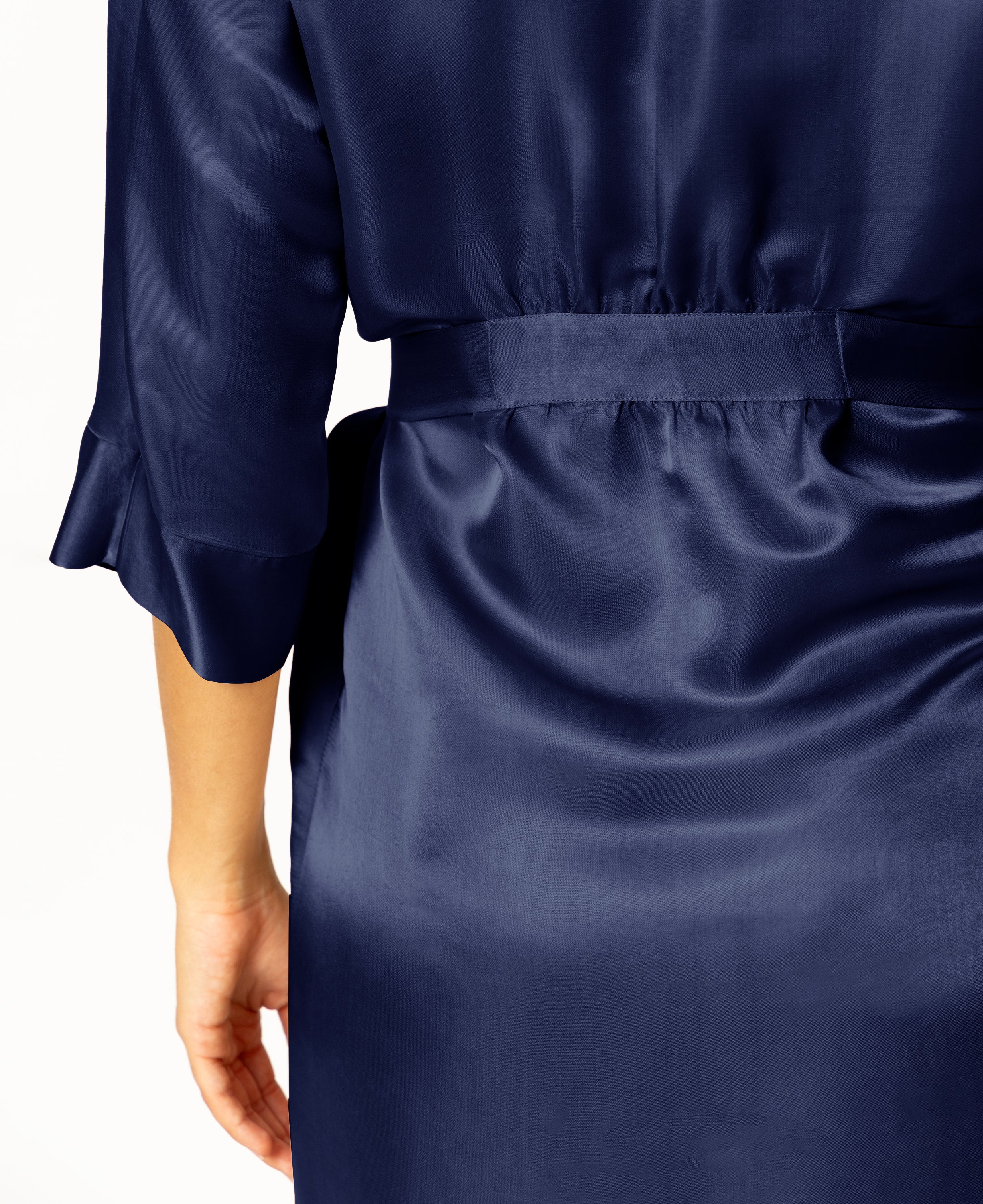
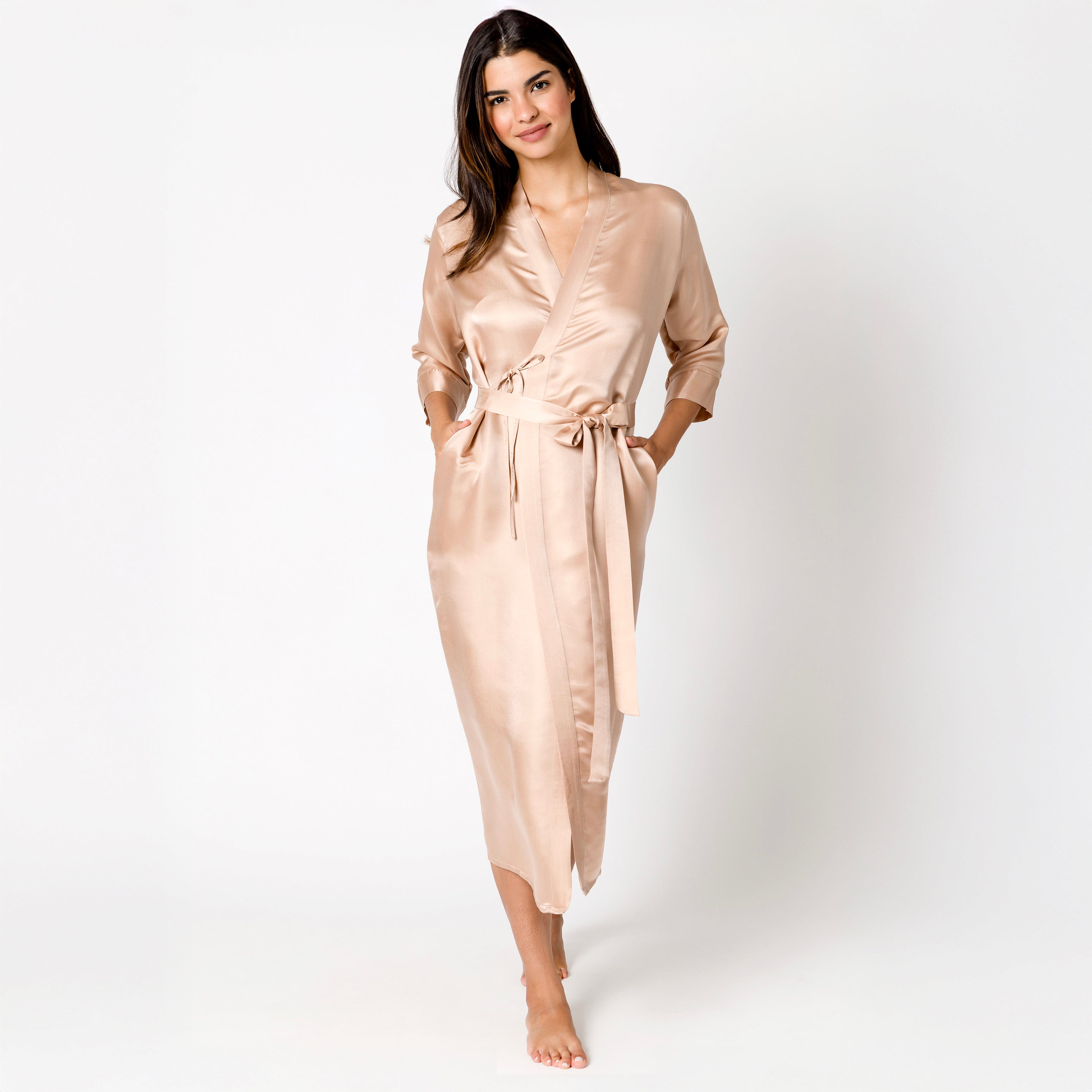
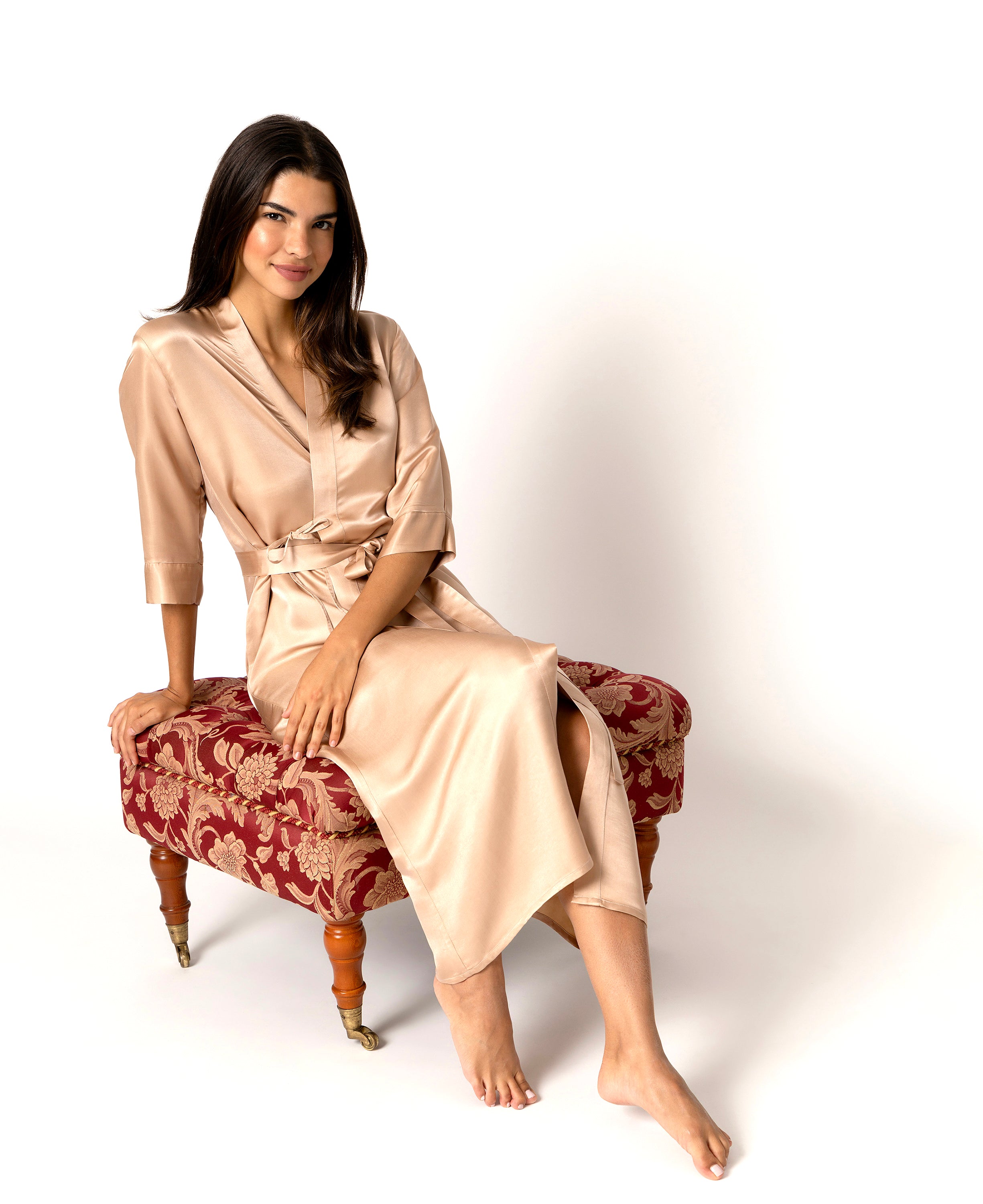
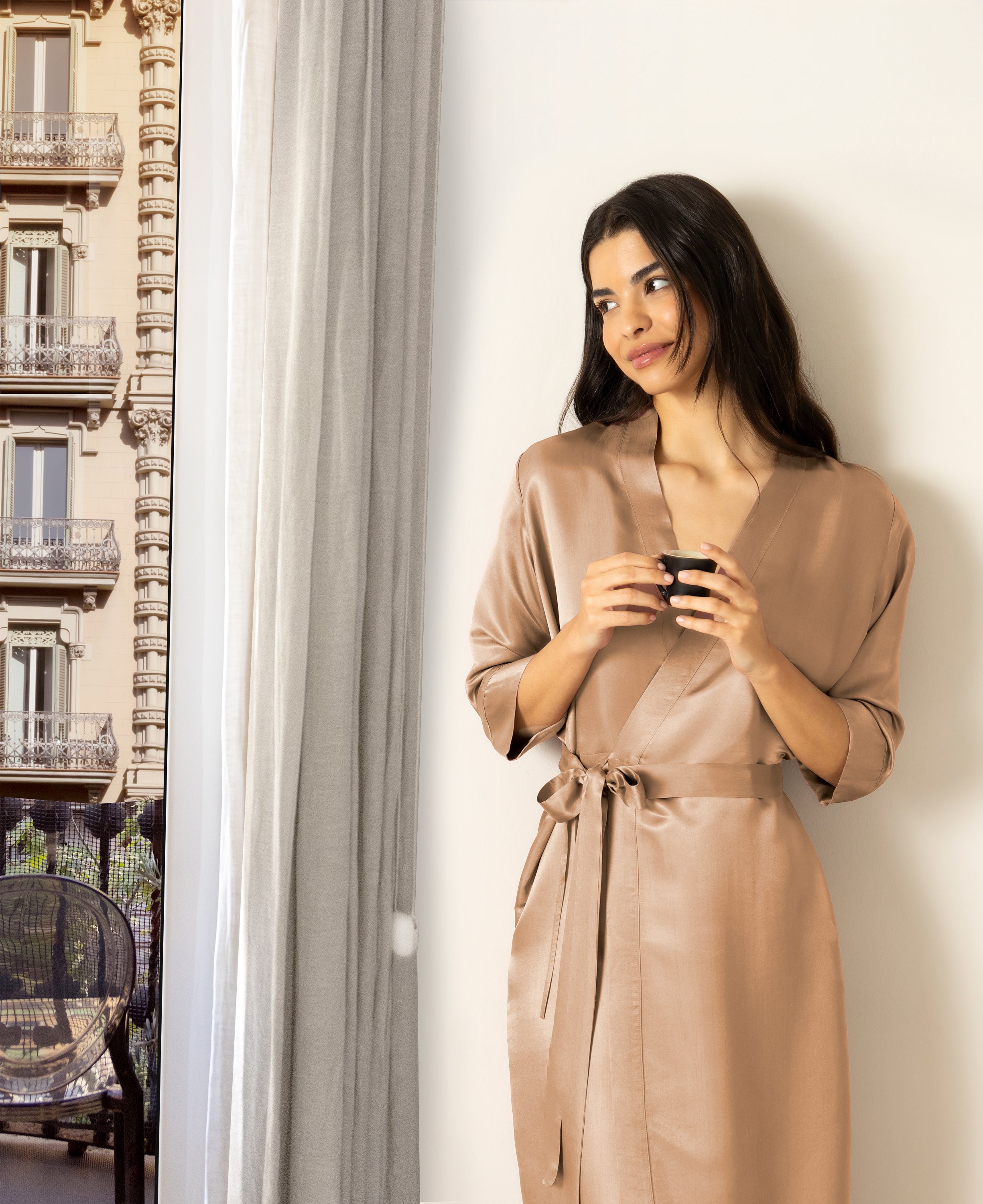
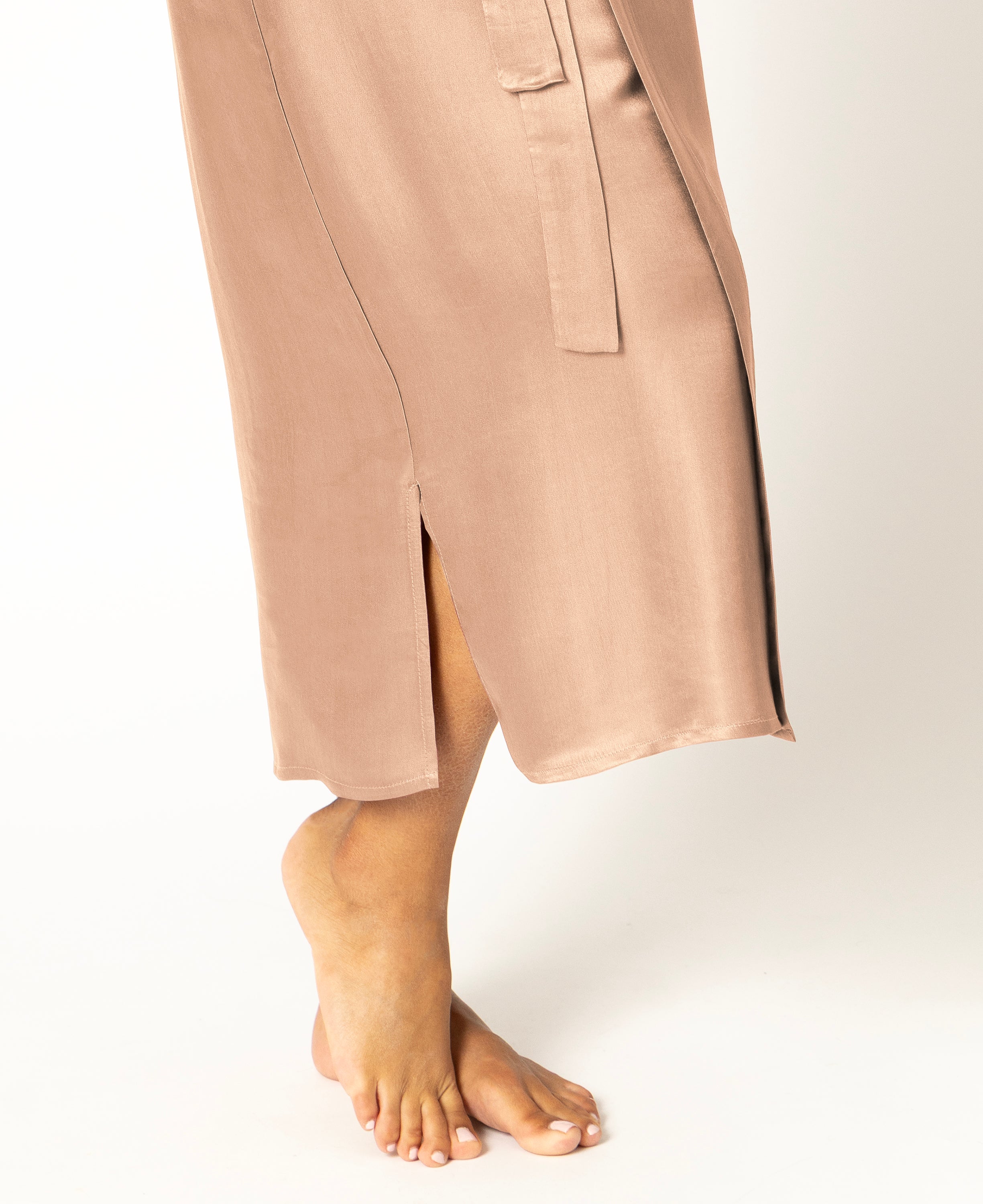
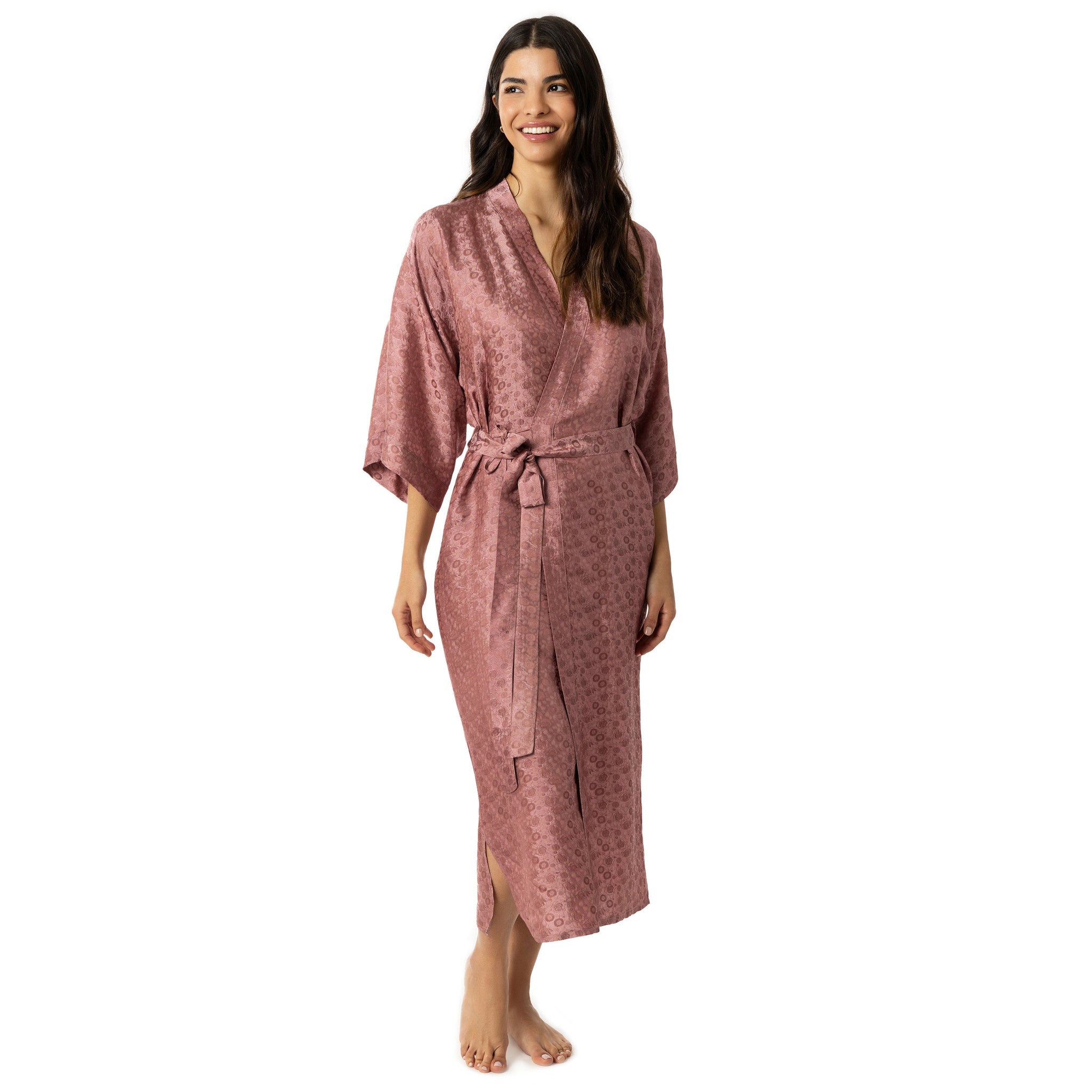
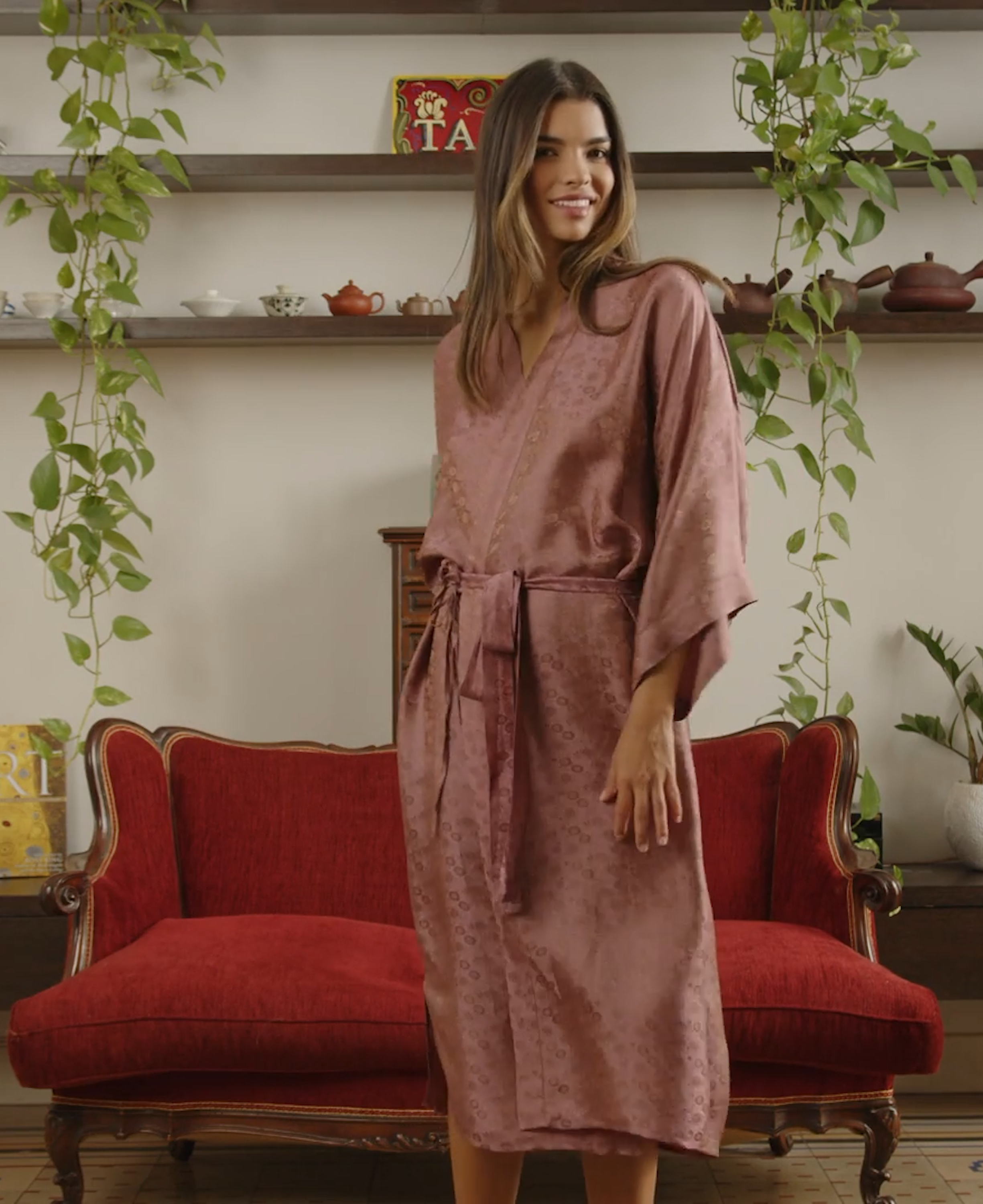
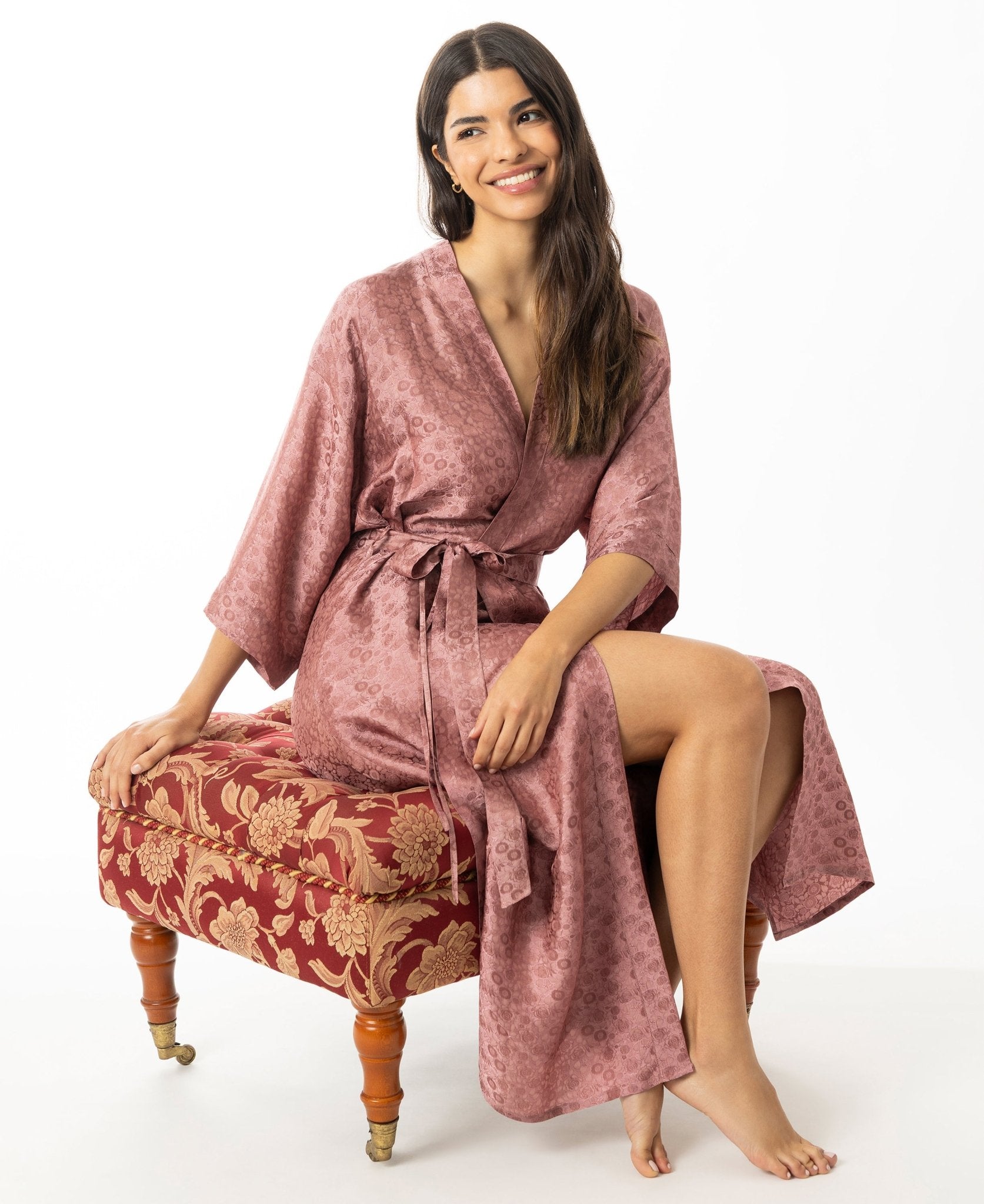
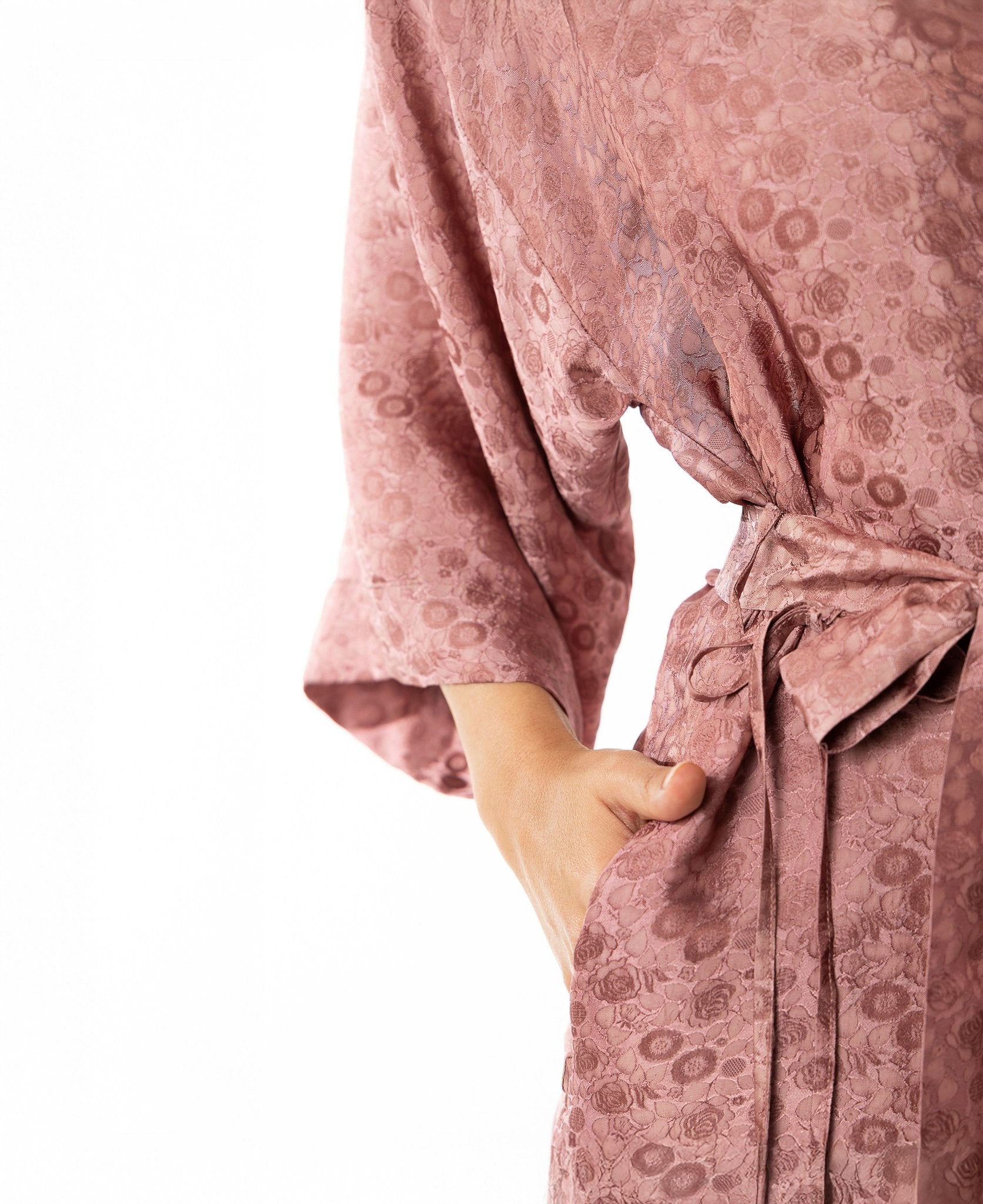
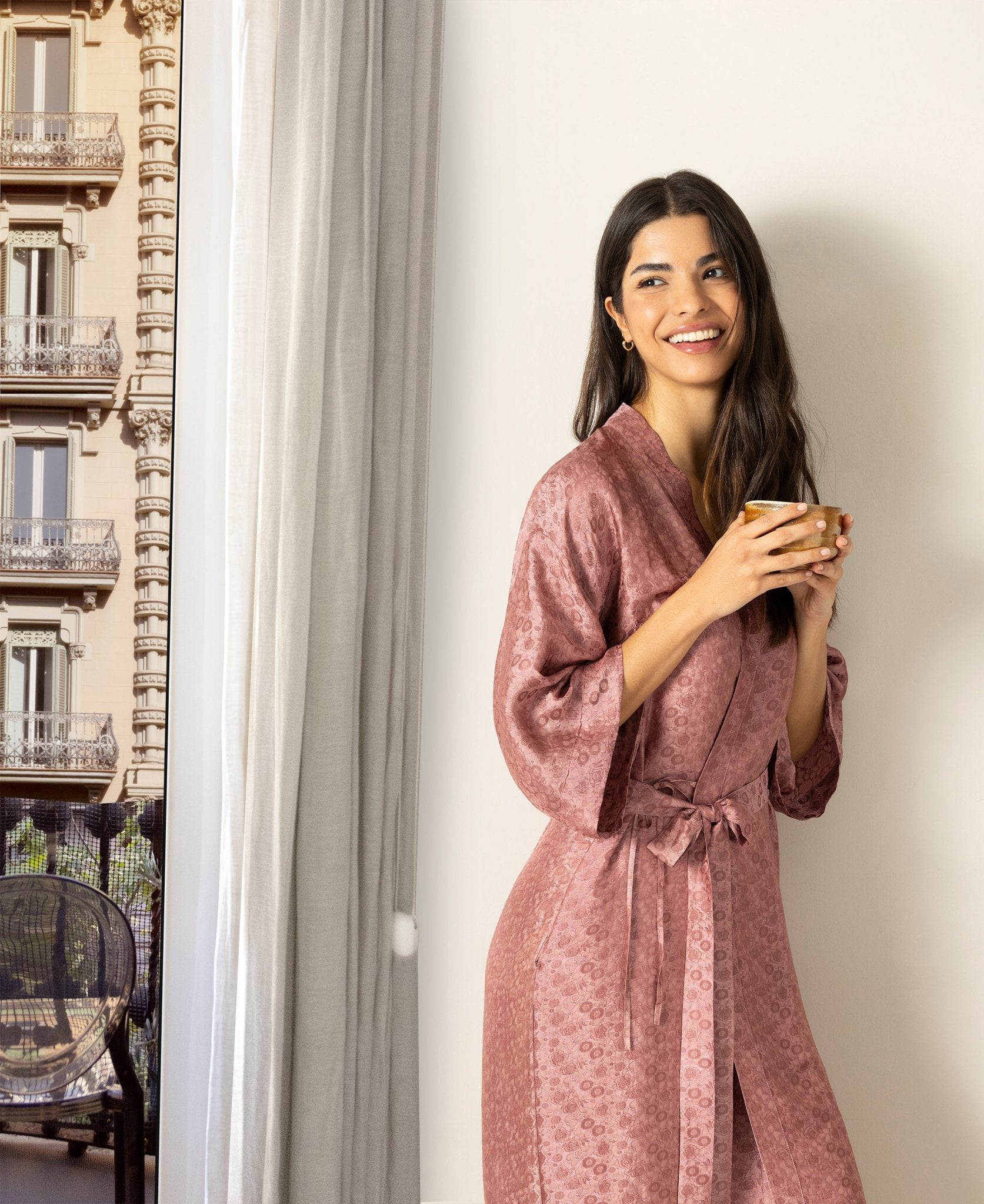
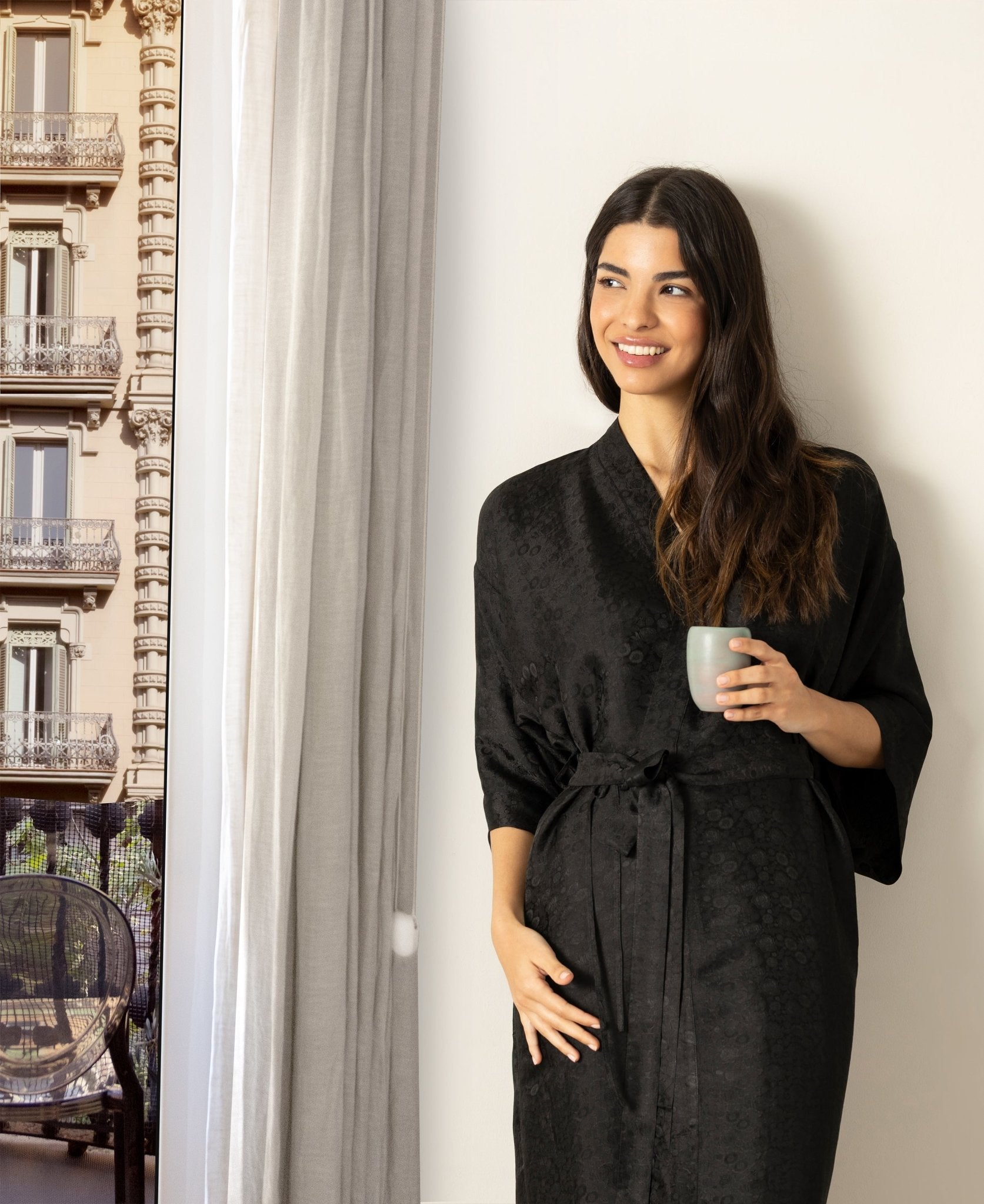
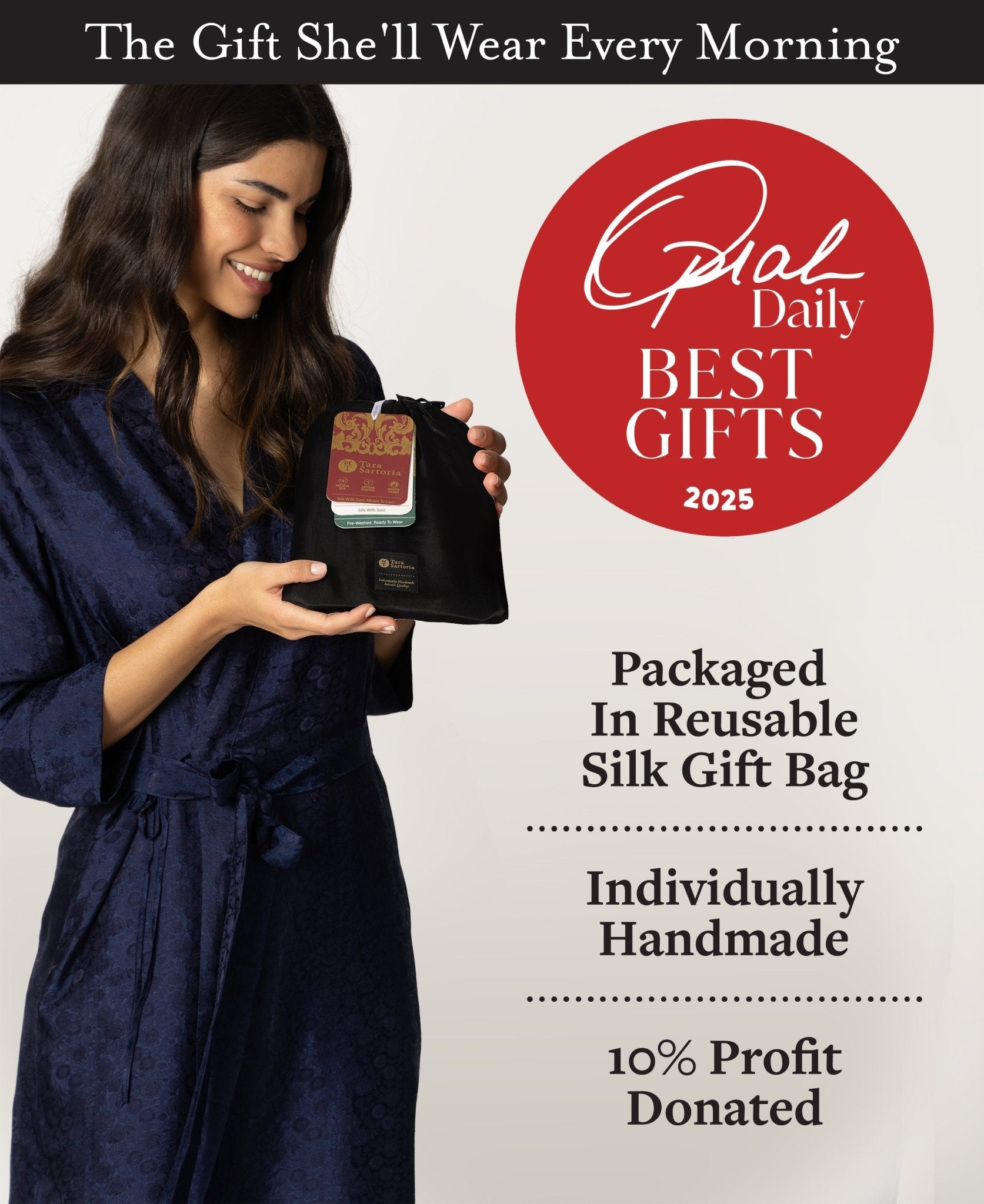
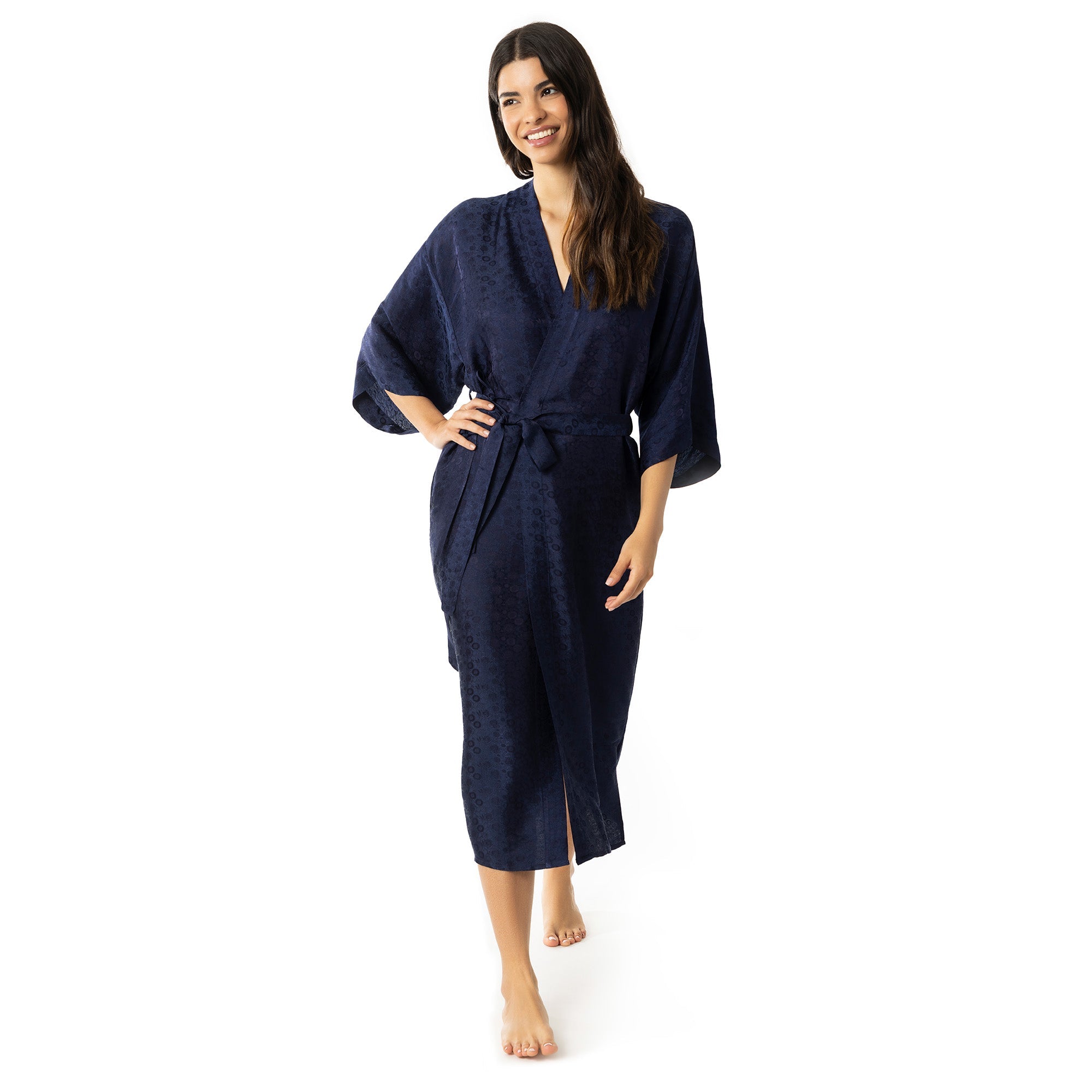
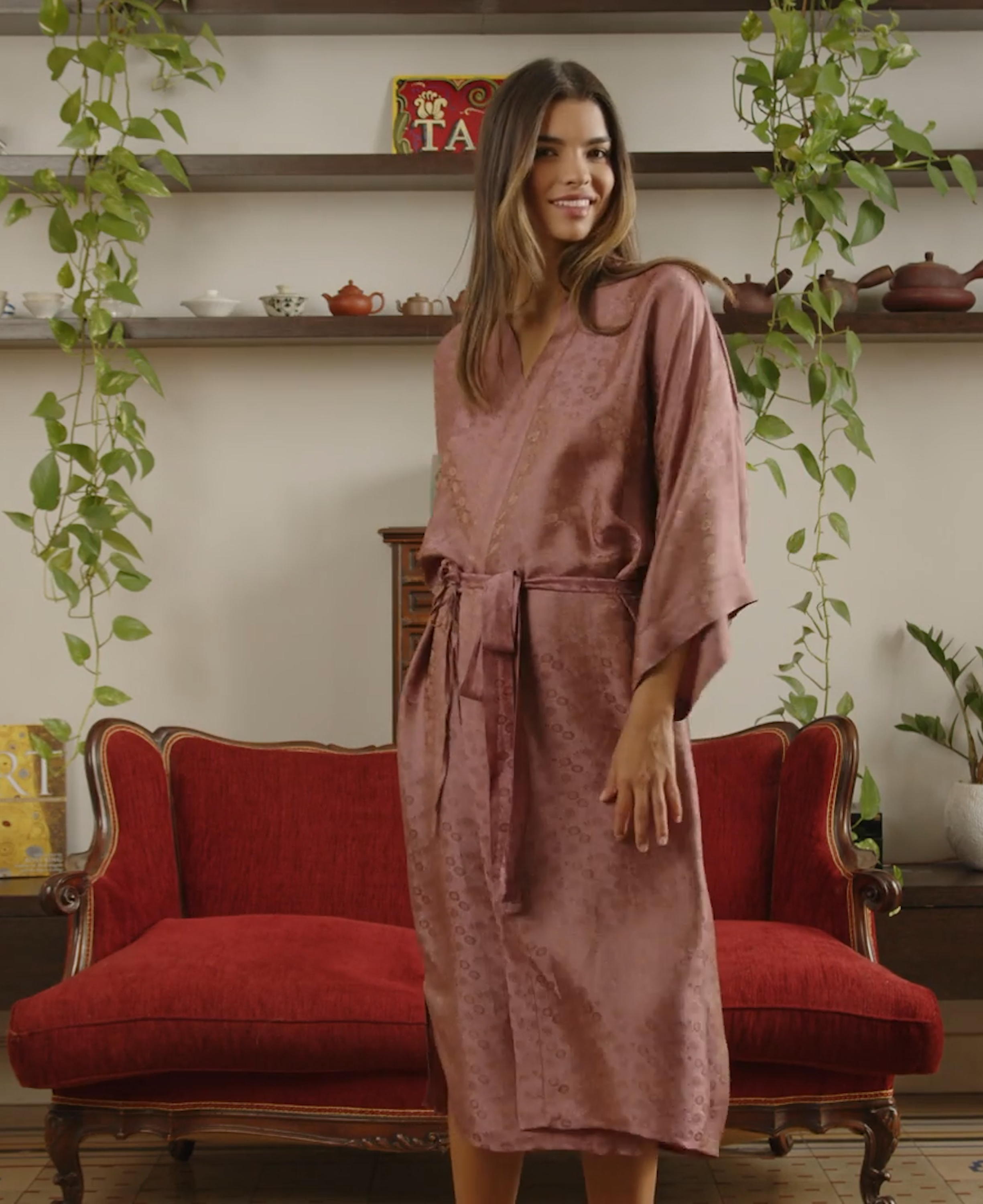
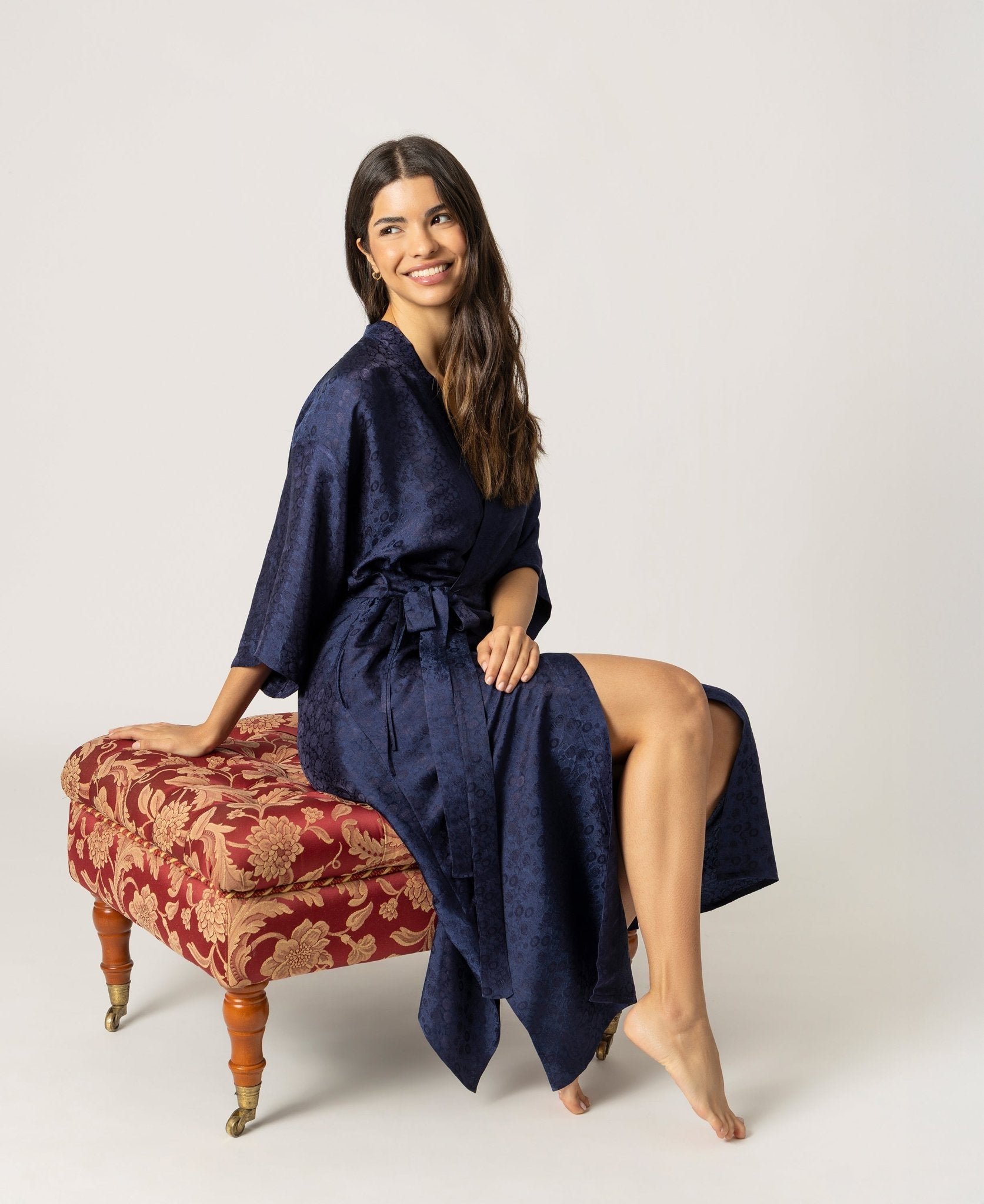
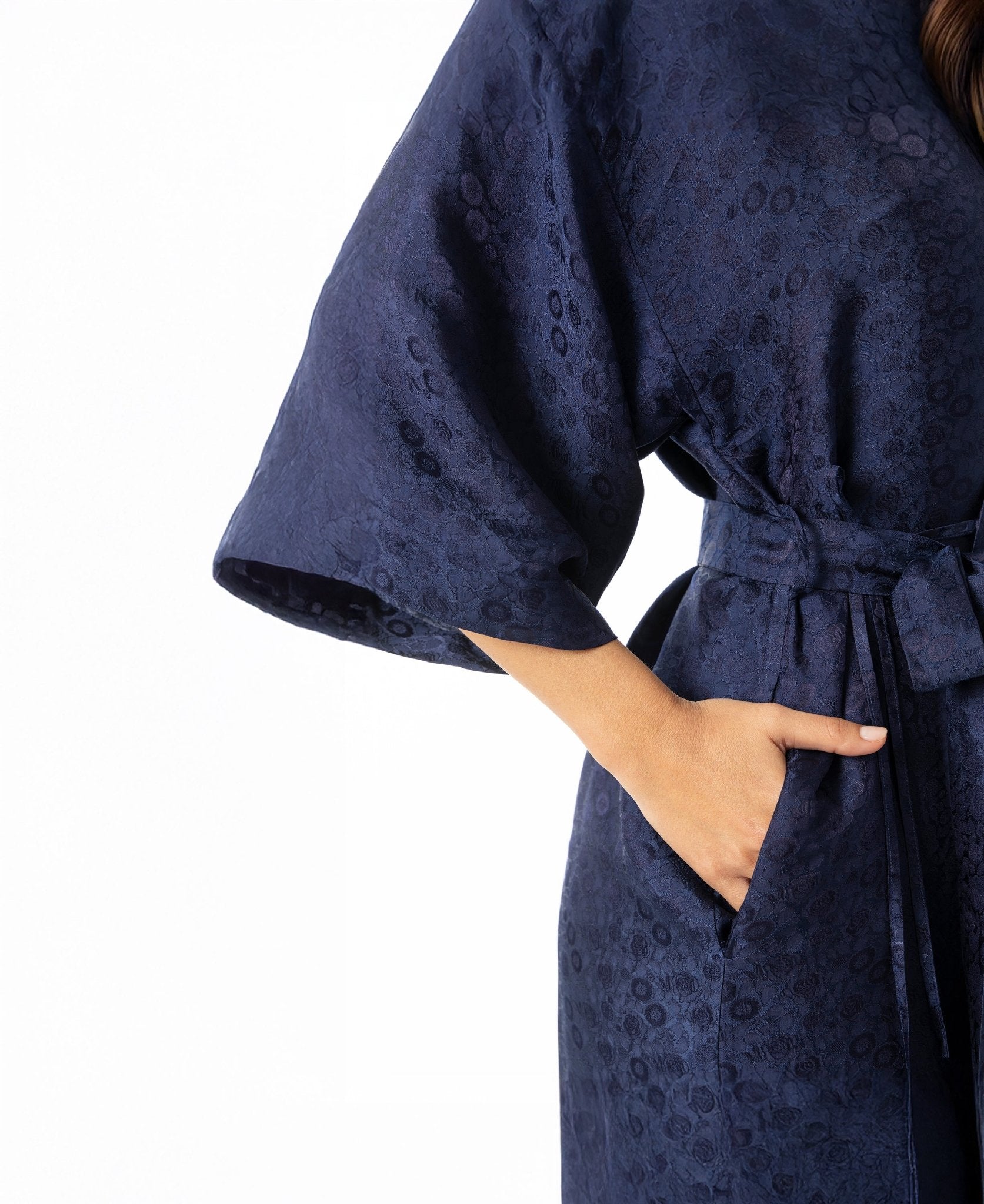
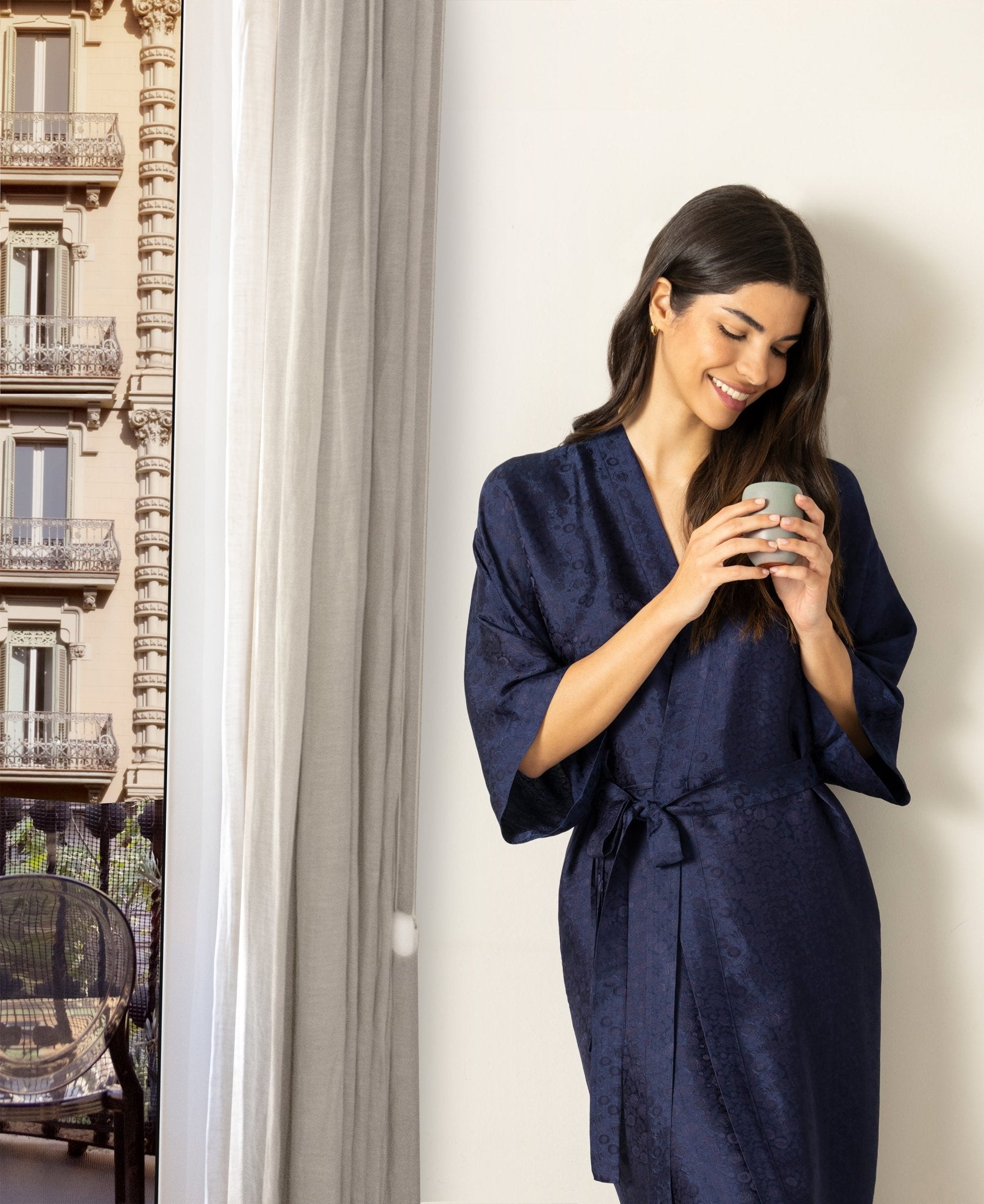
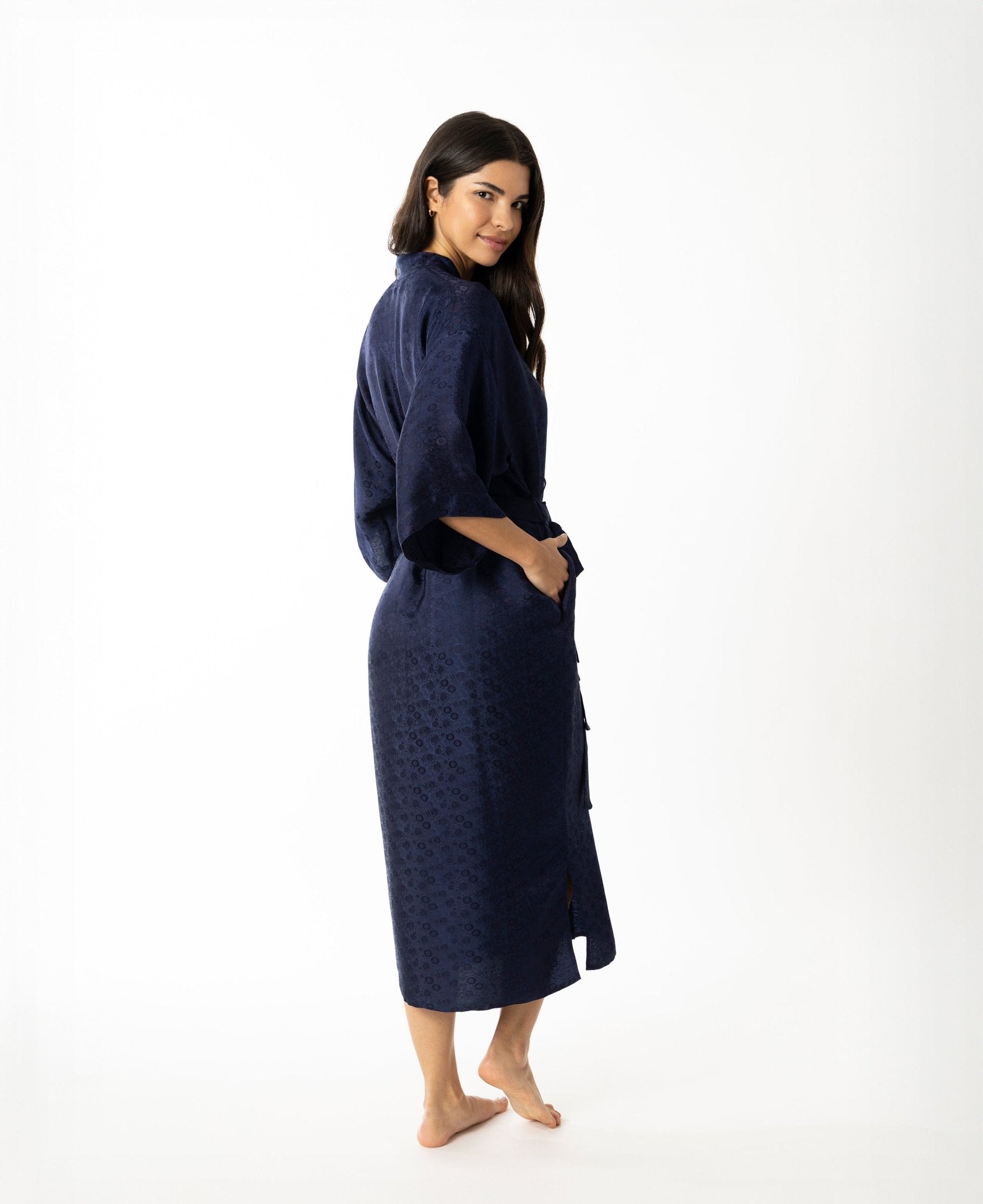
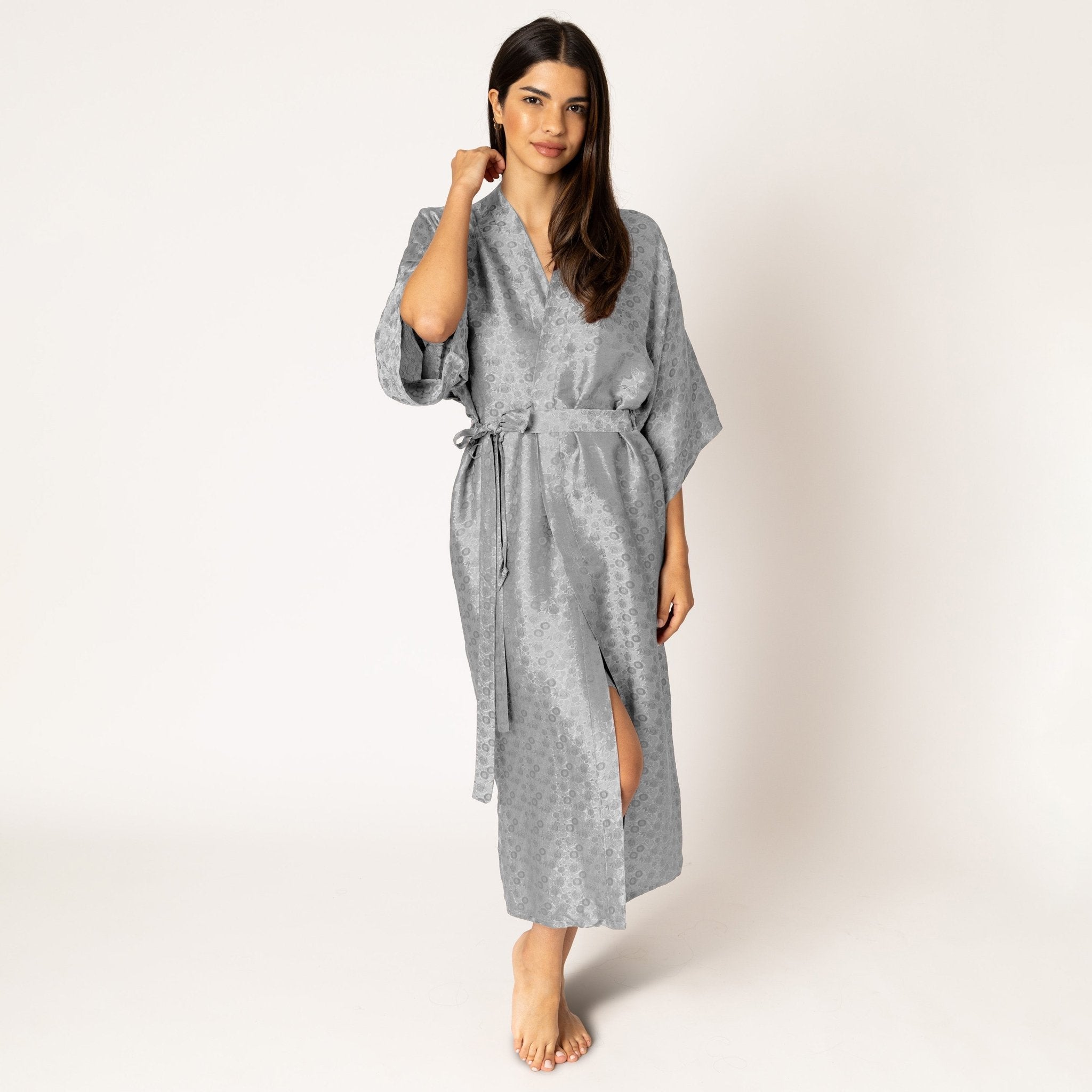
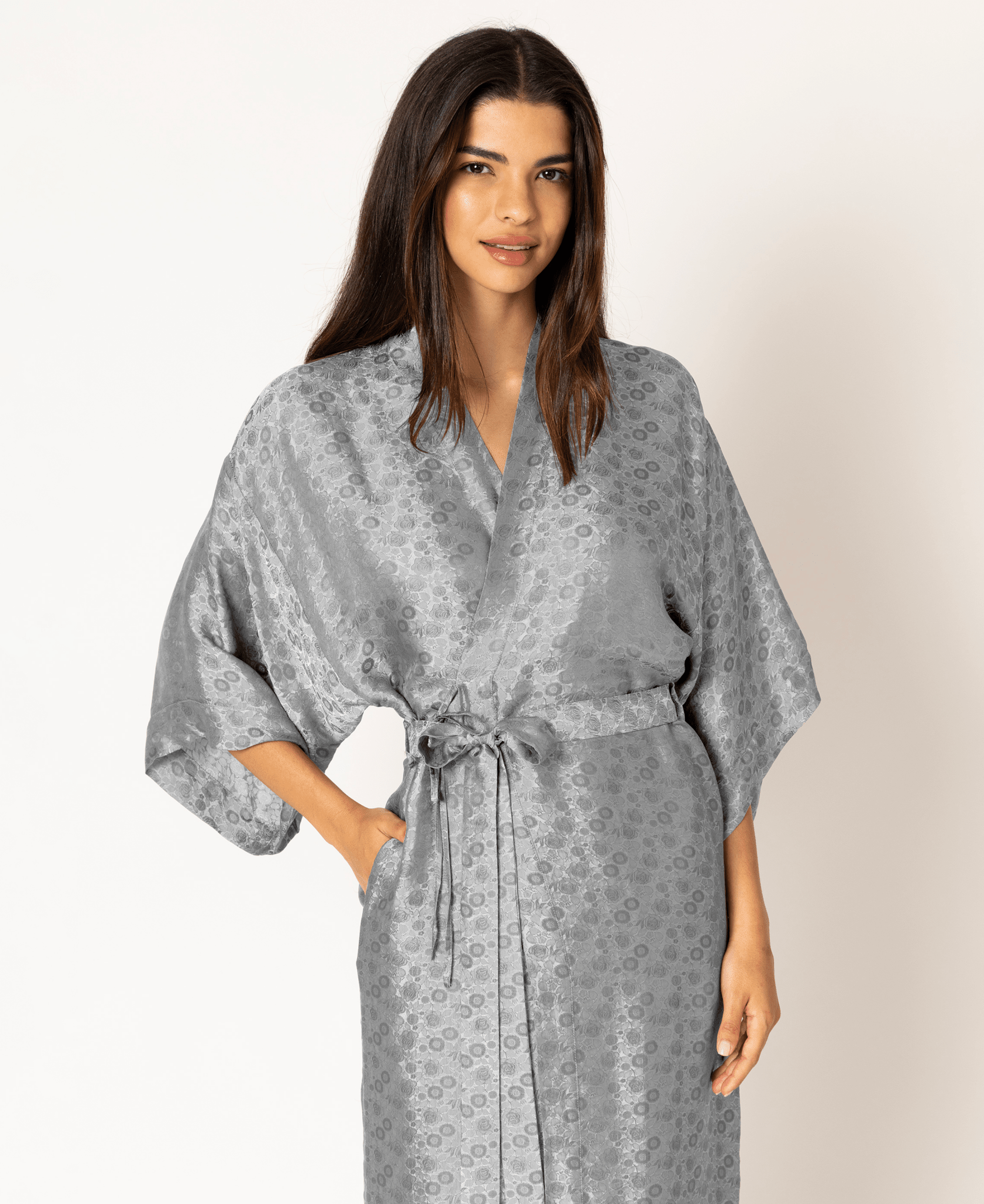
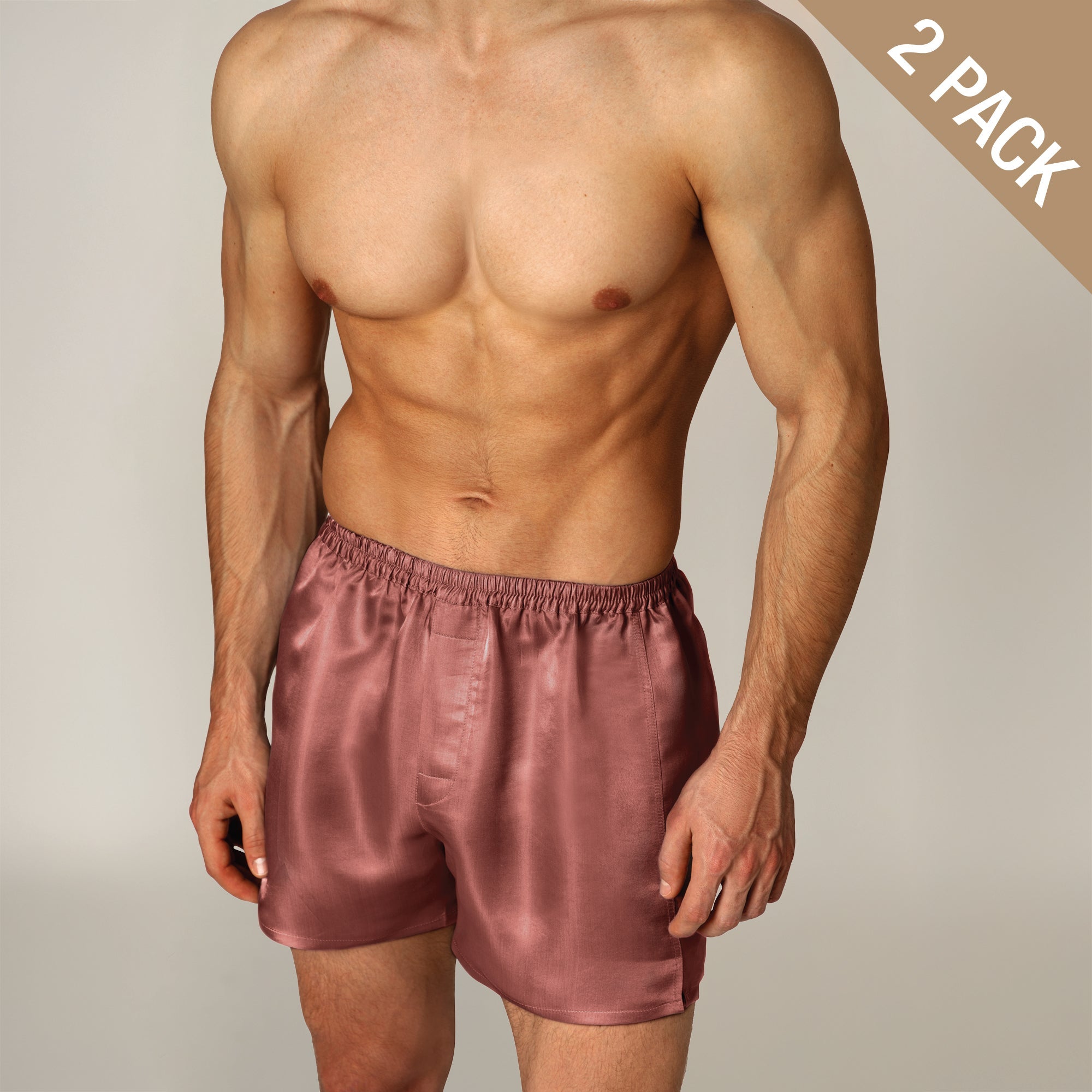
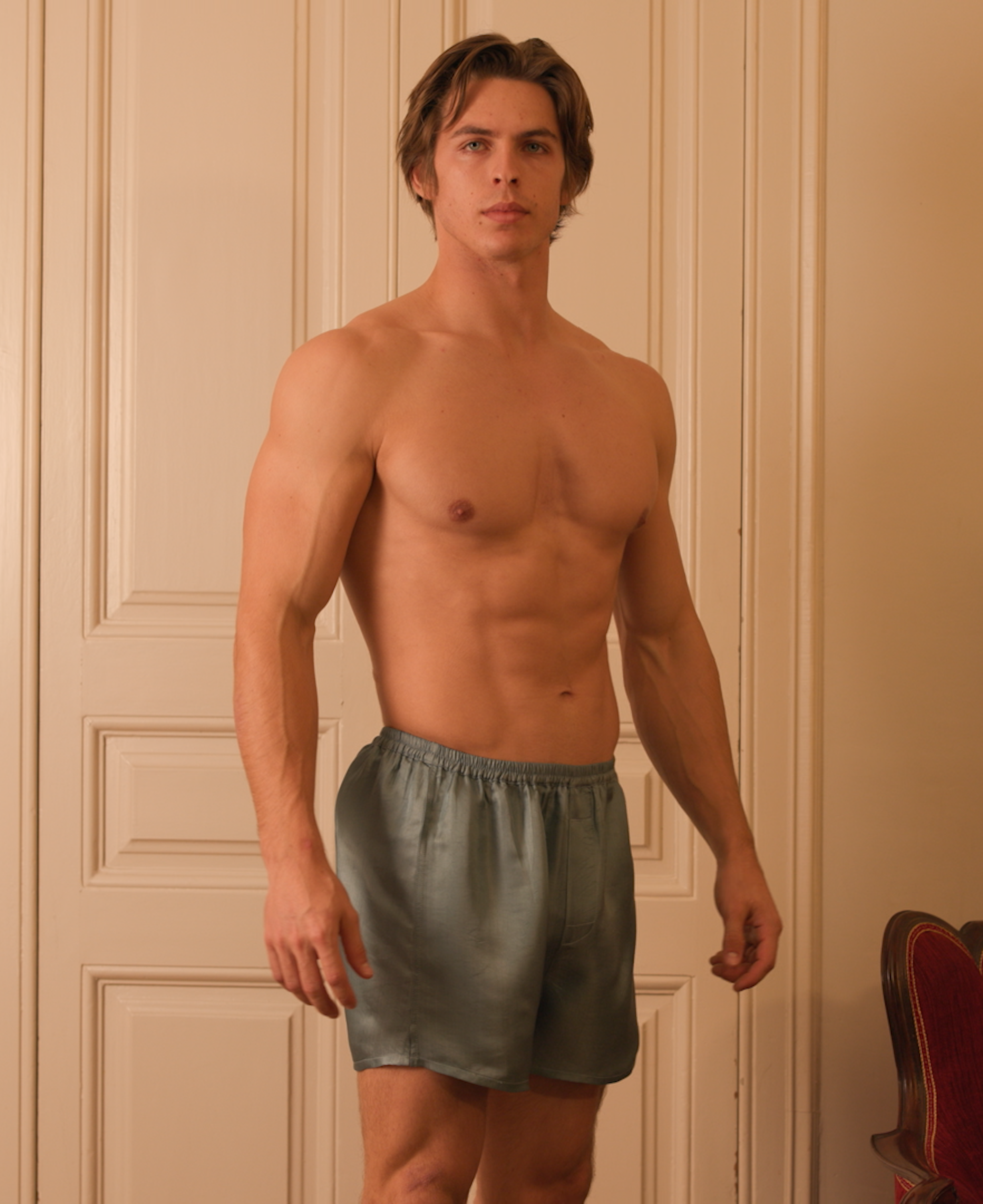
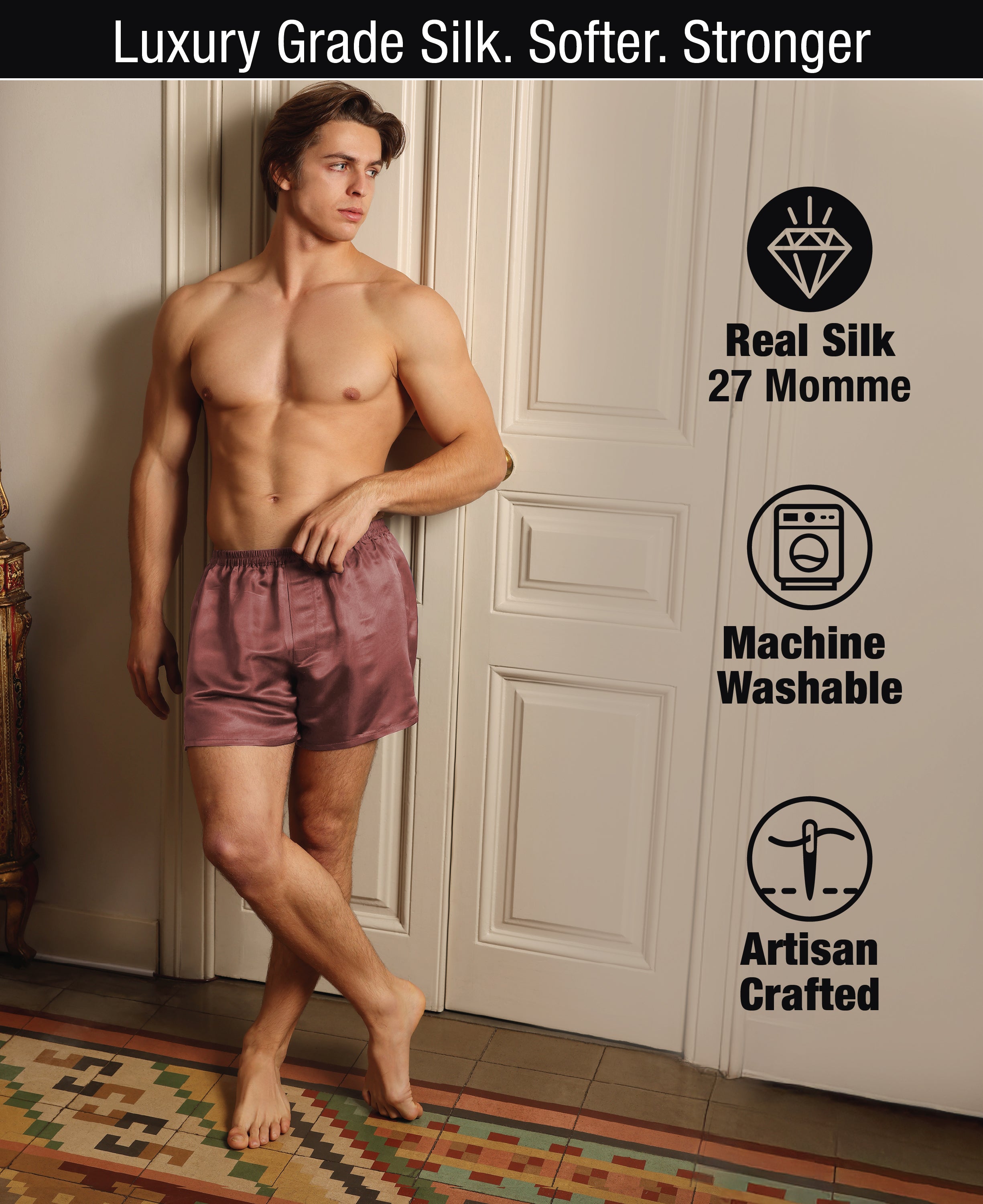
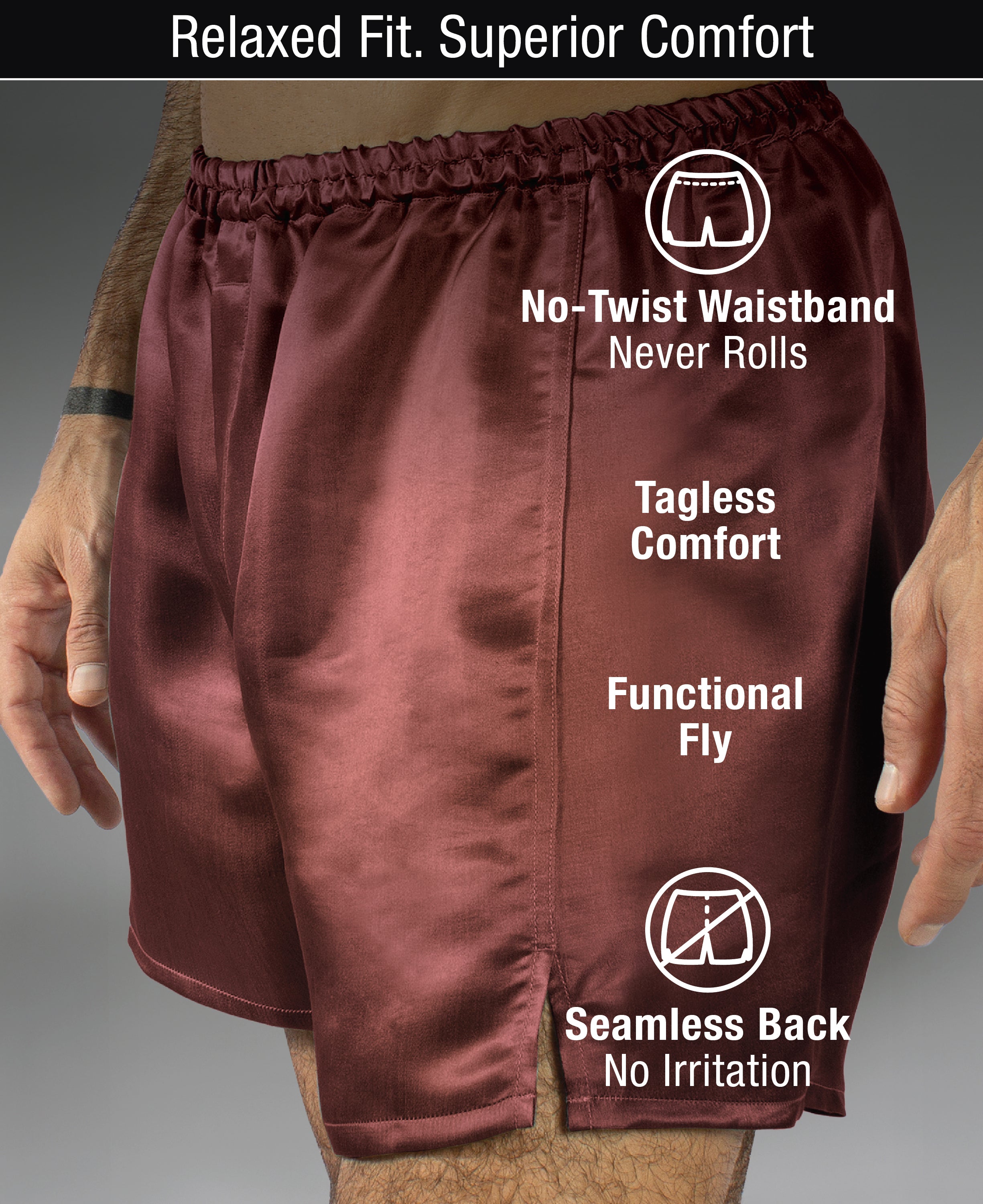
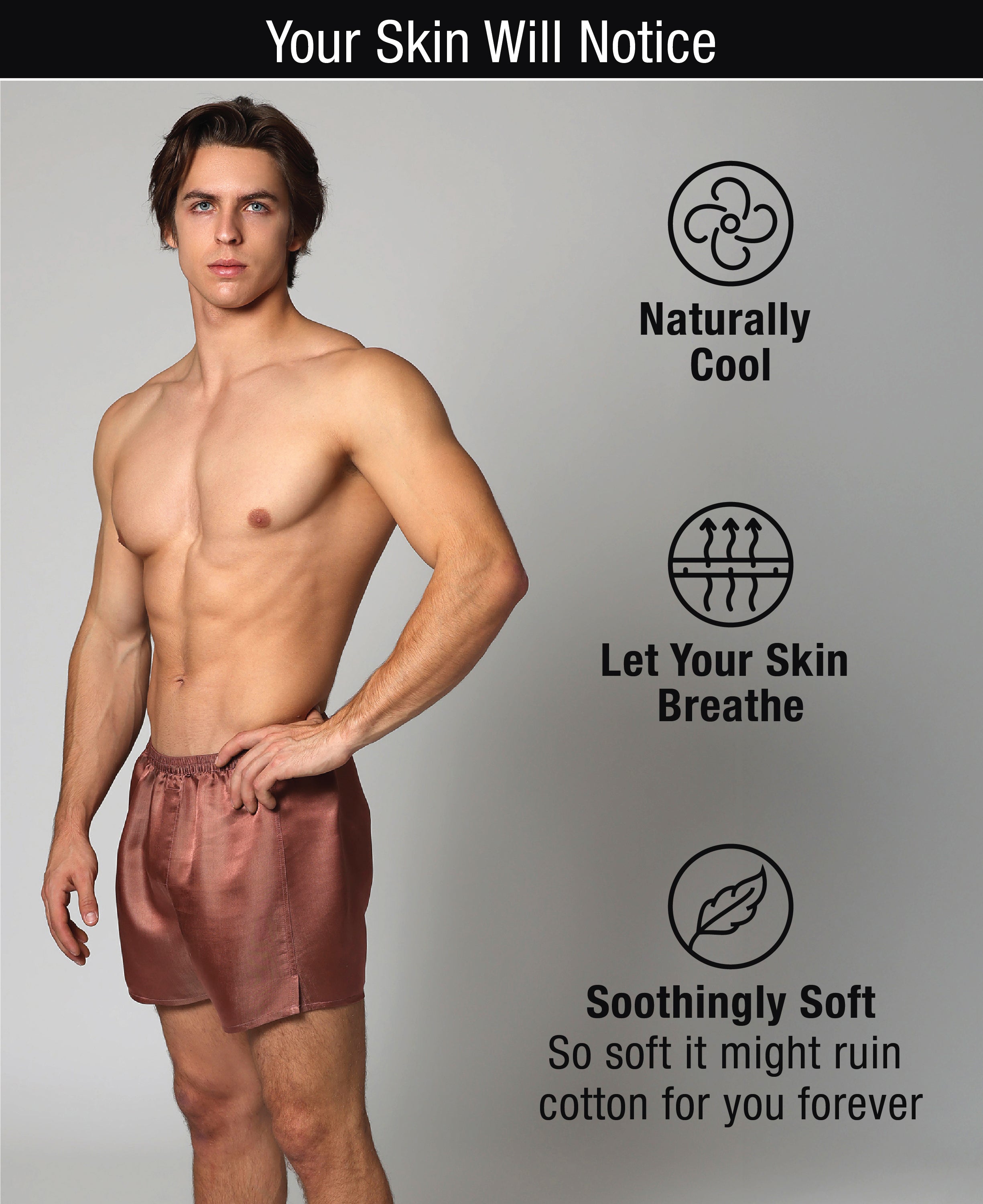
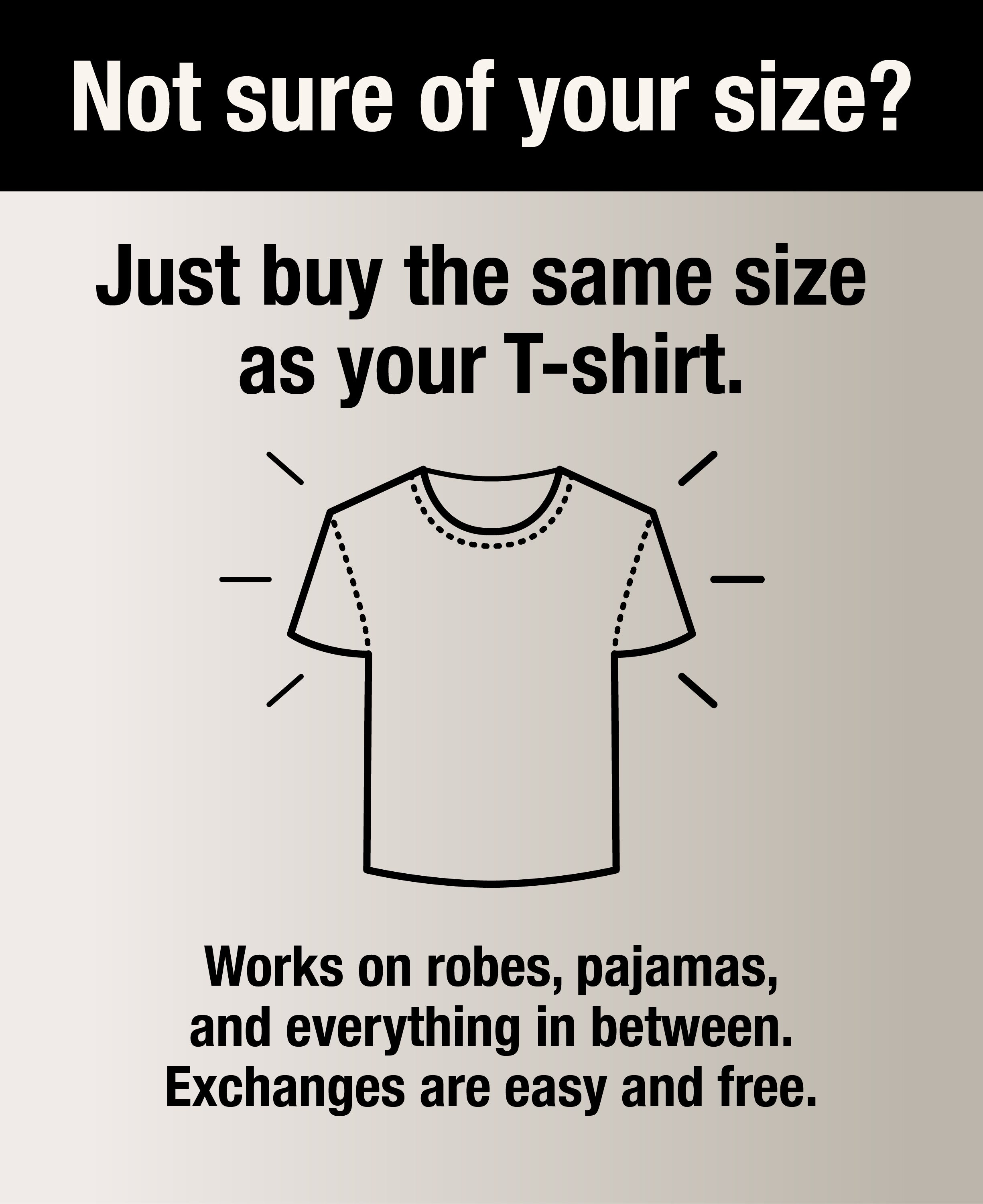
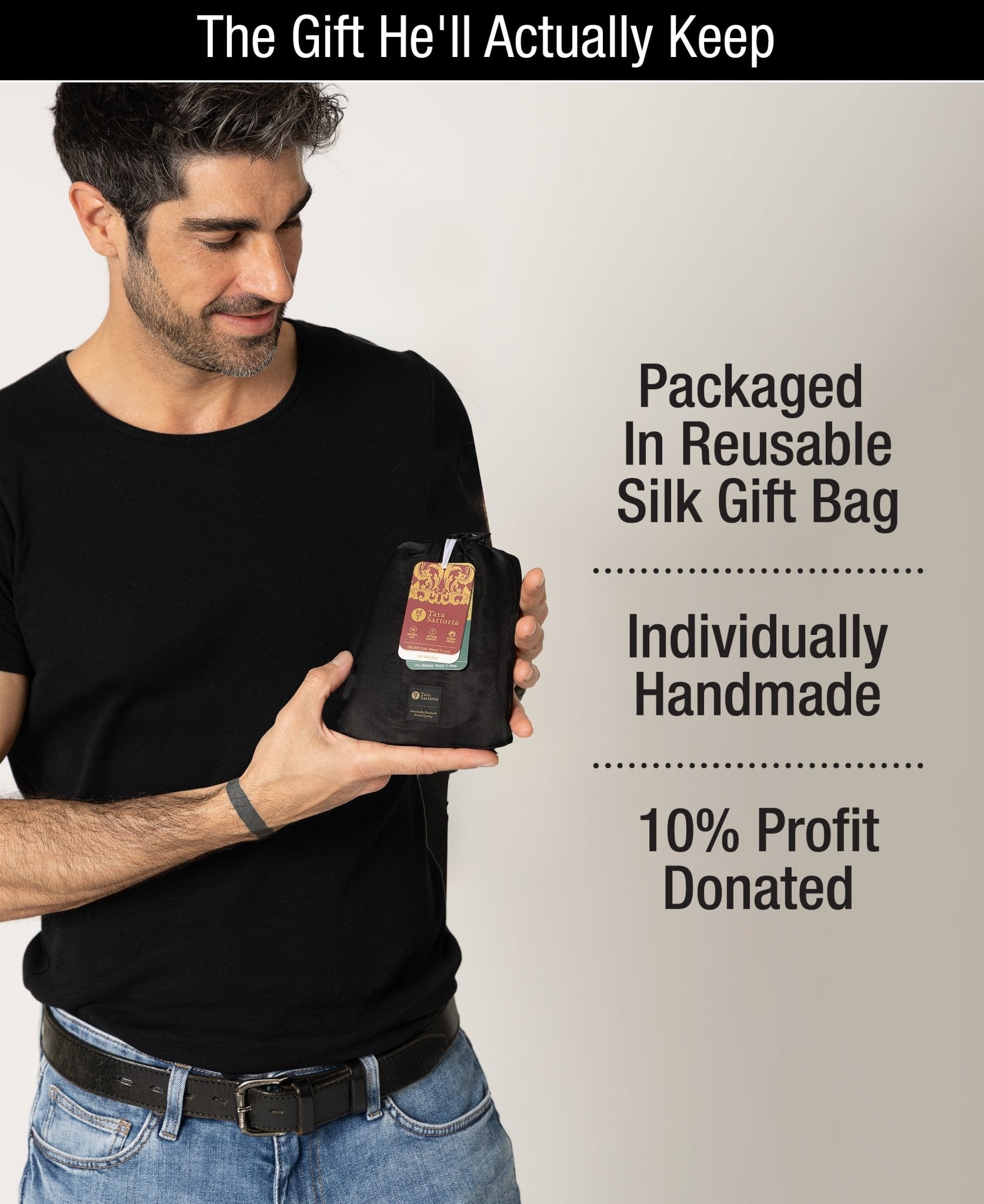
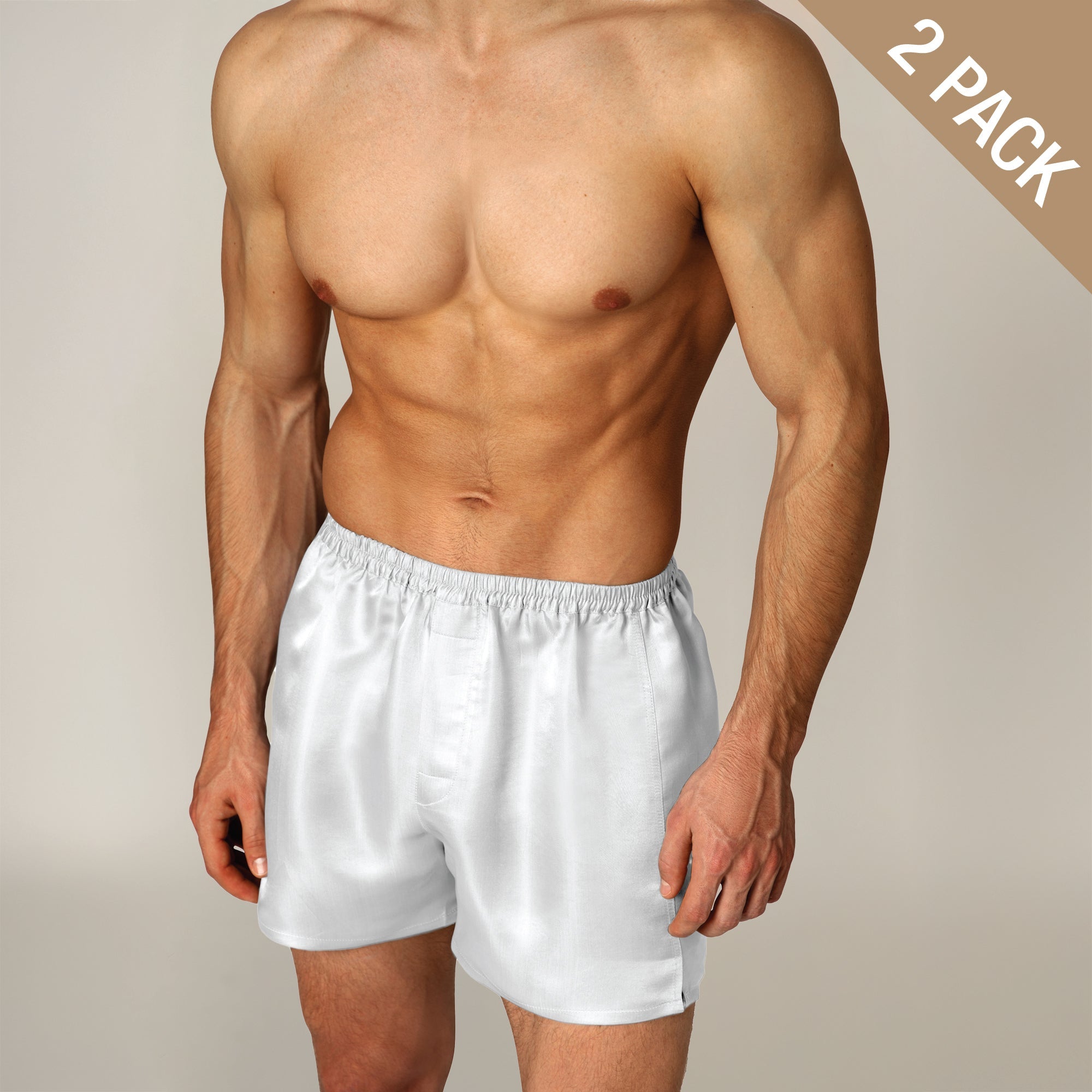
See the craft in the finished pieces
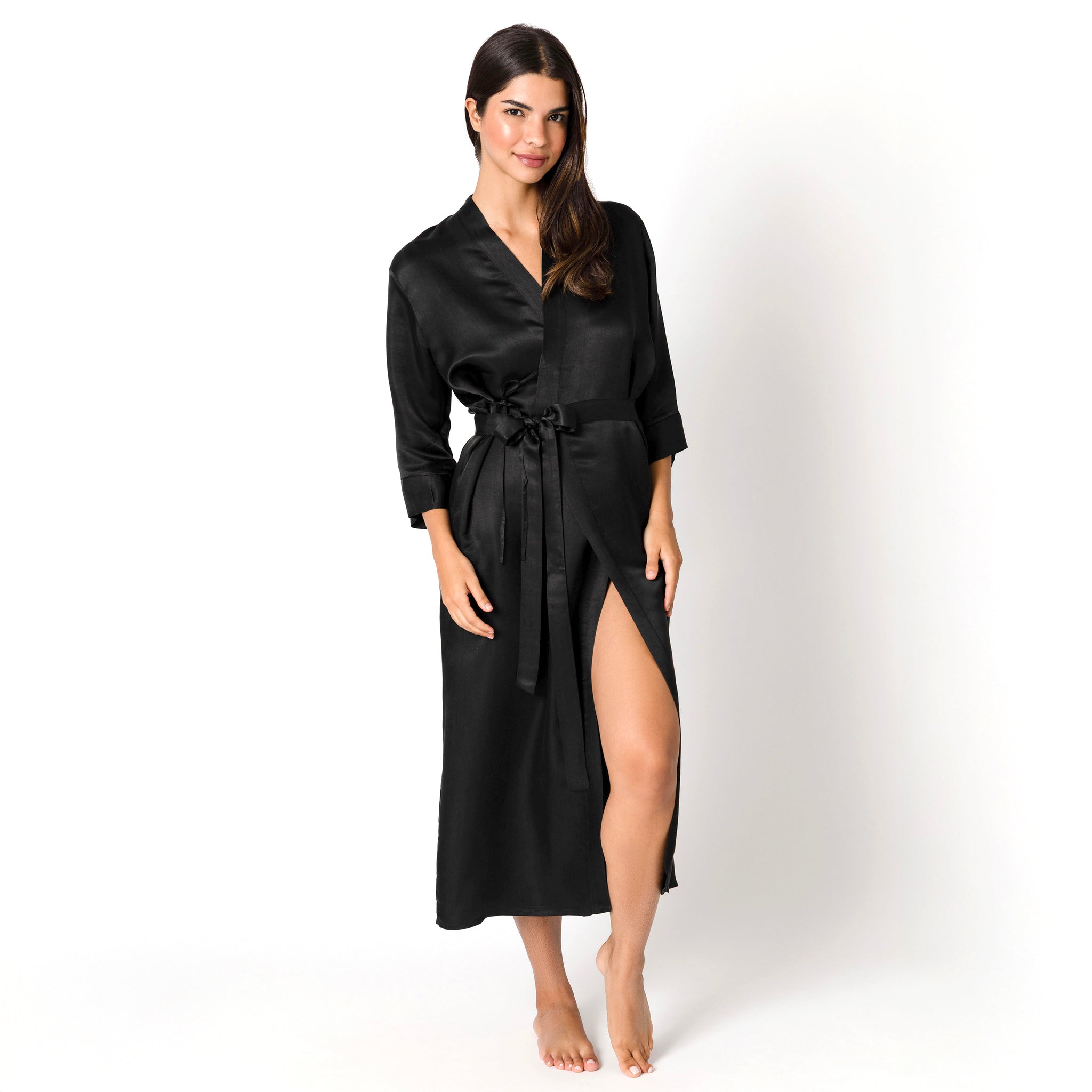
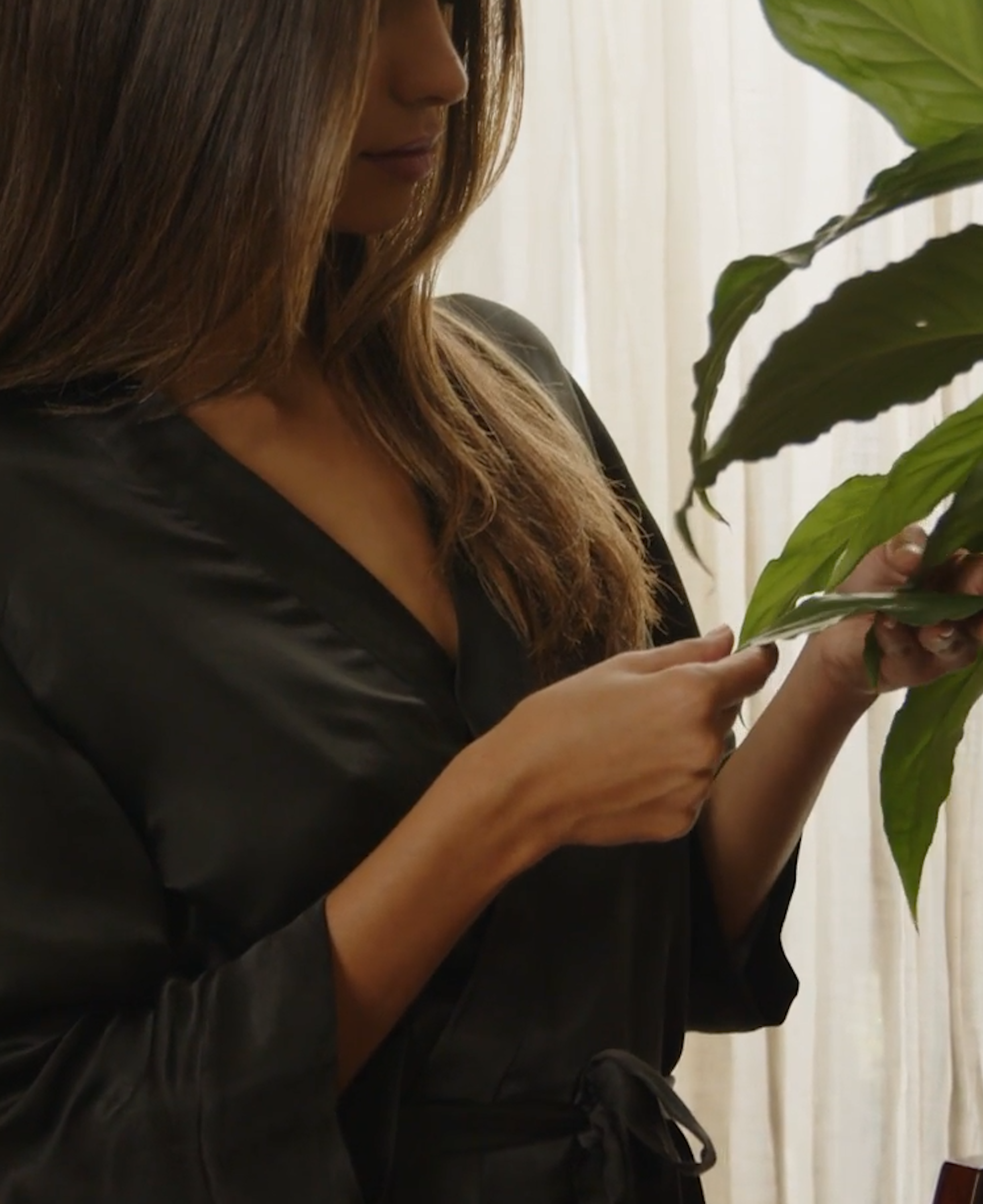

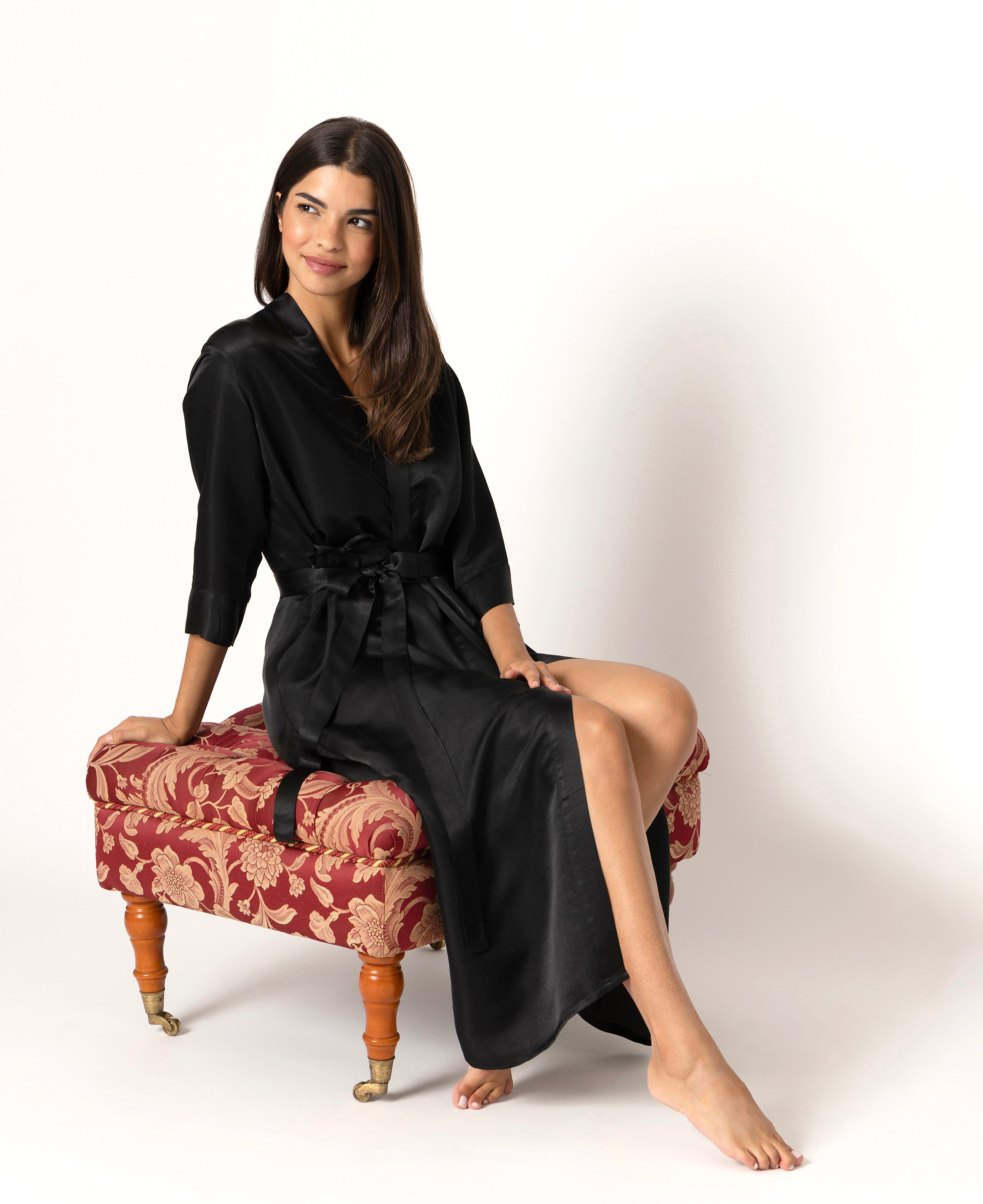
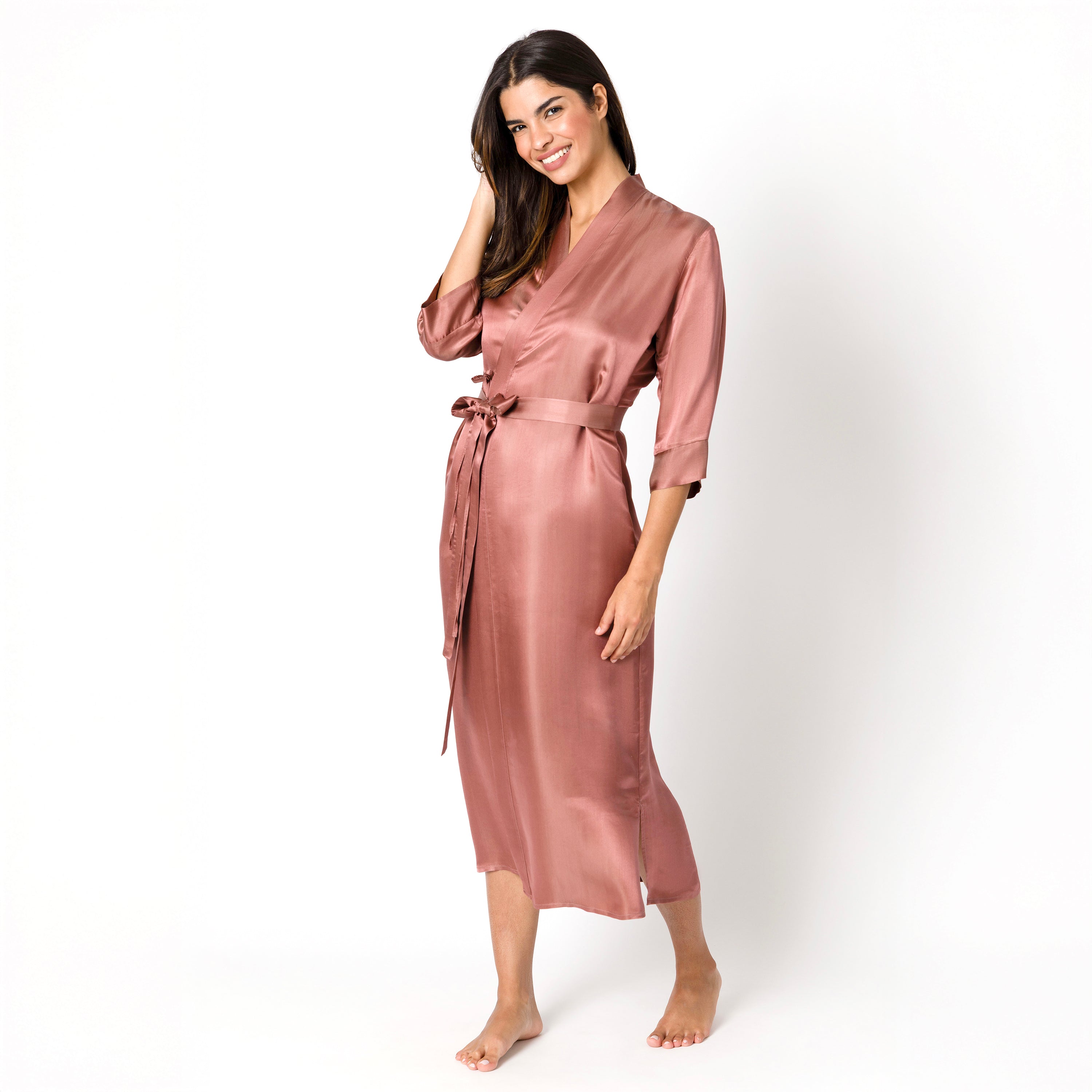


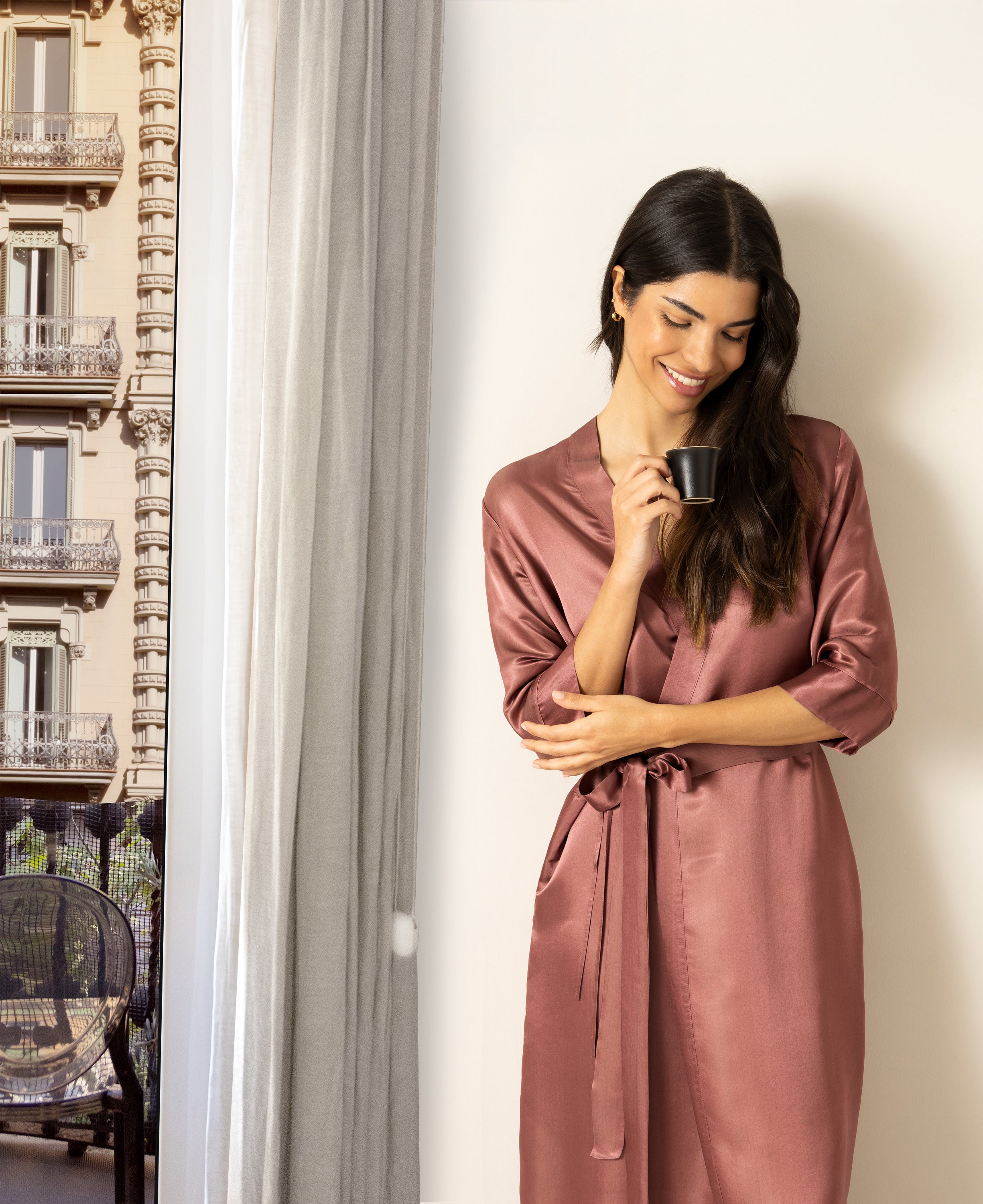
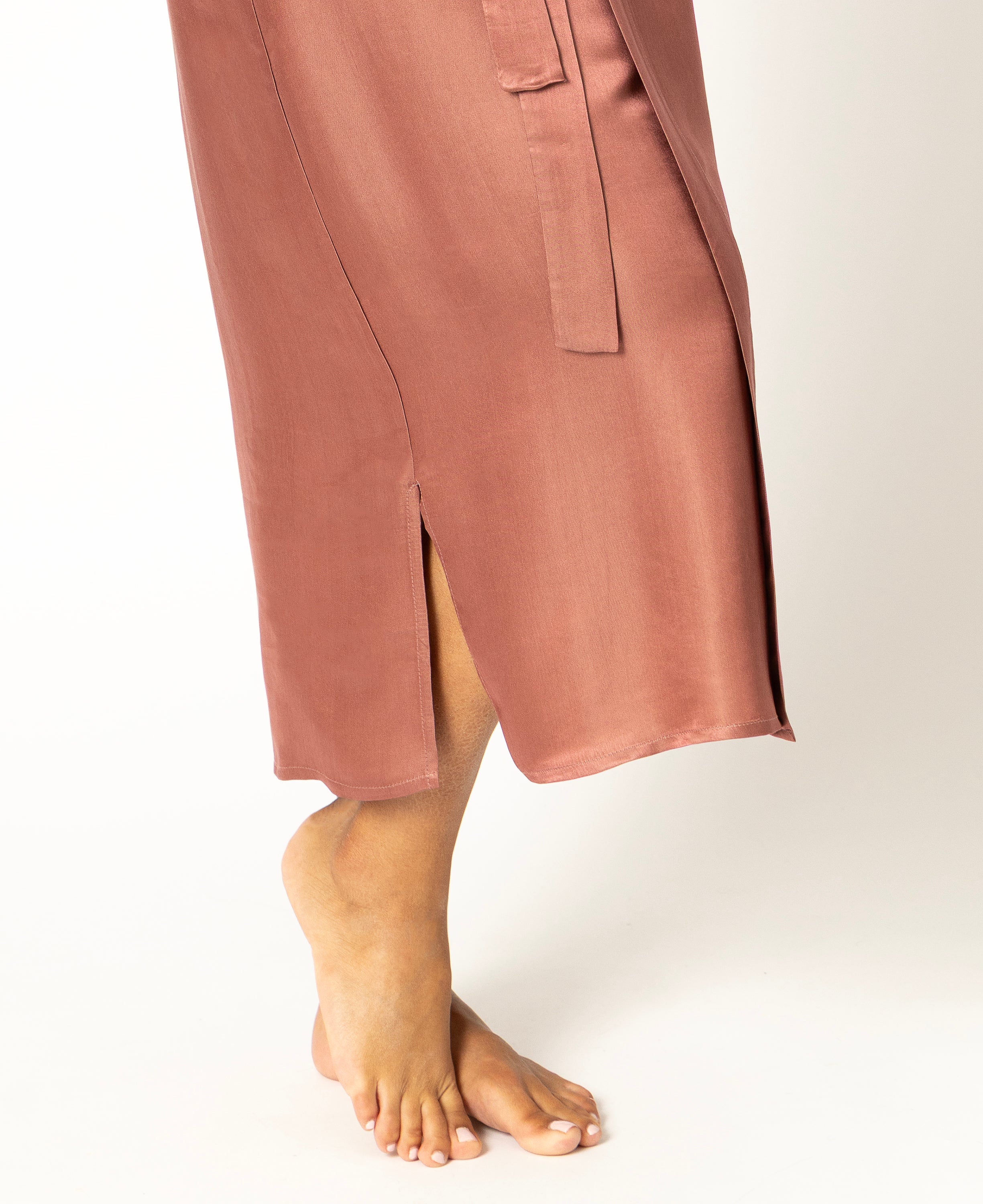
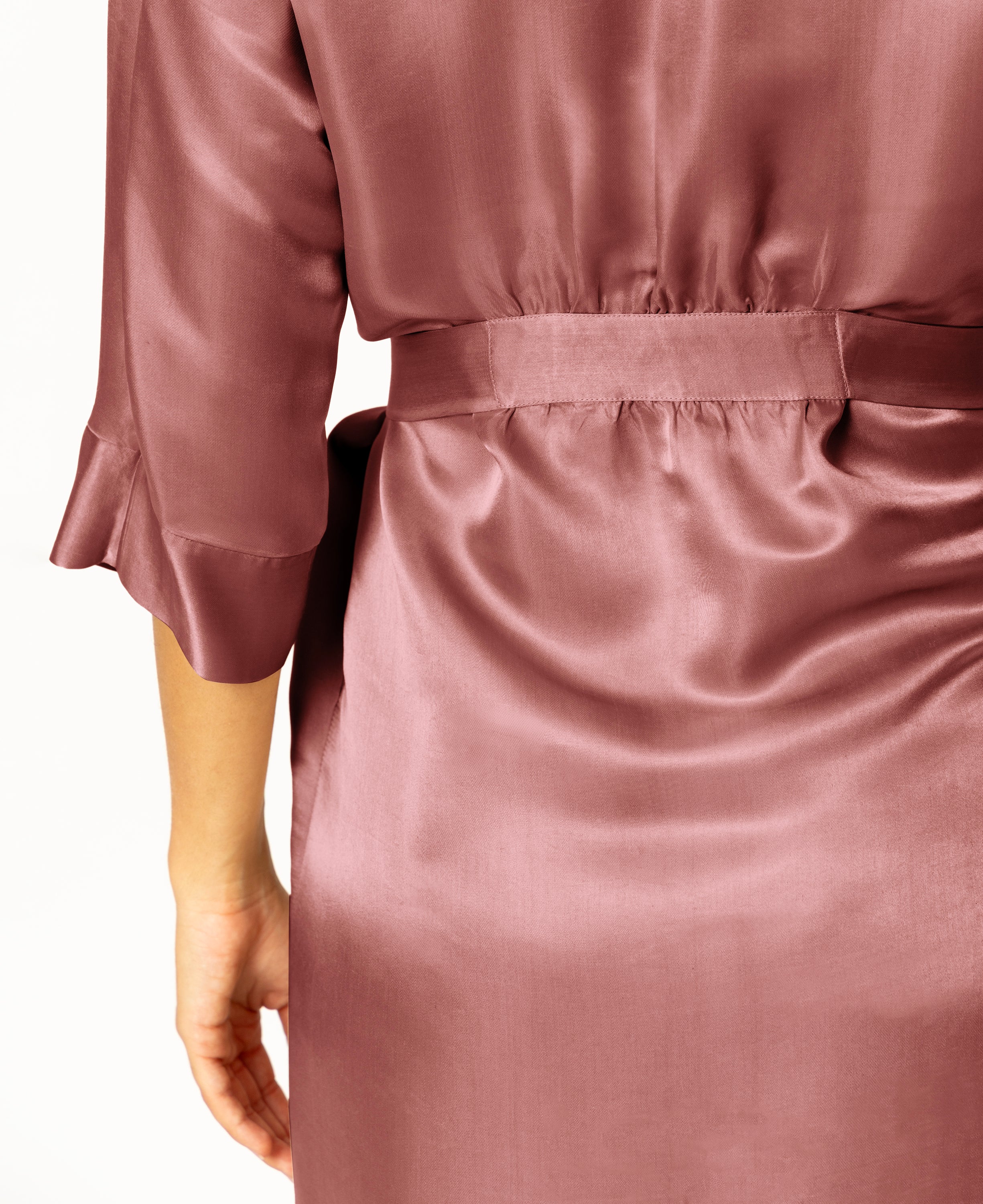

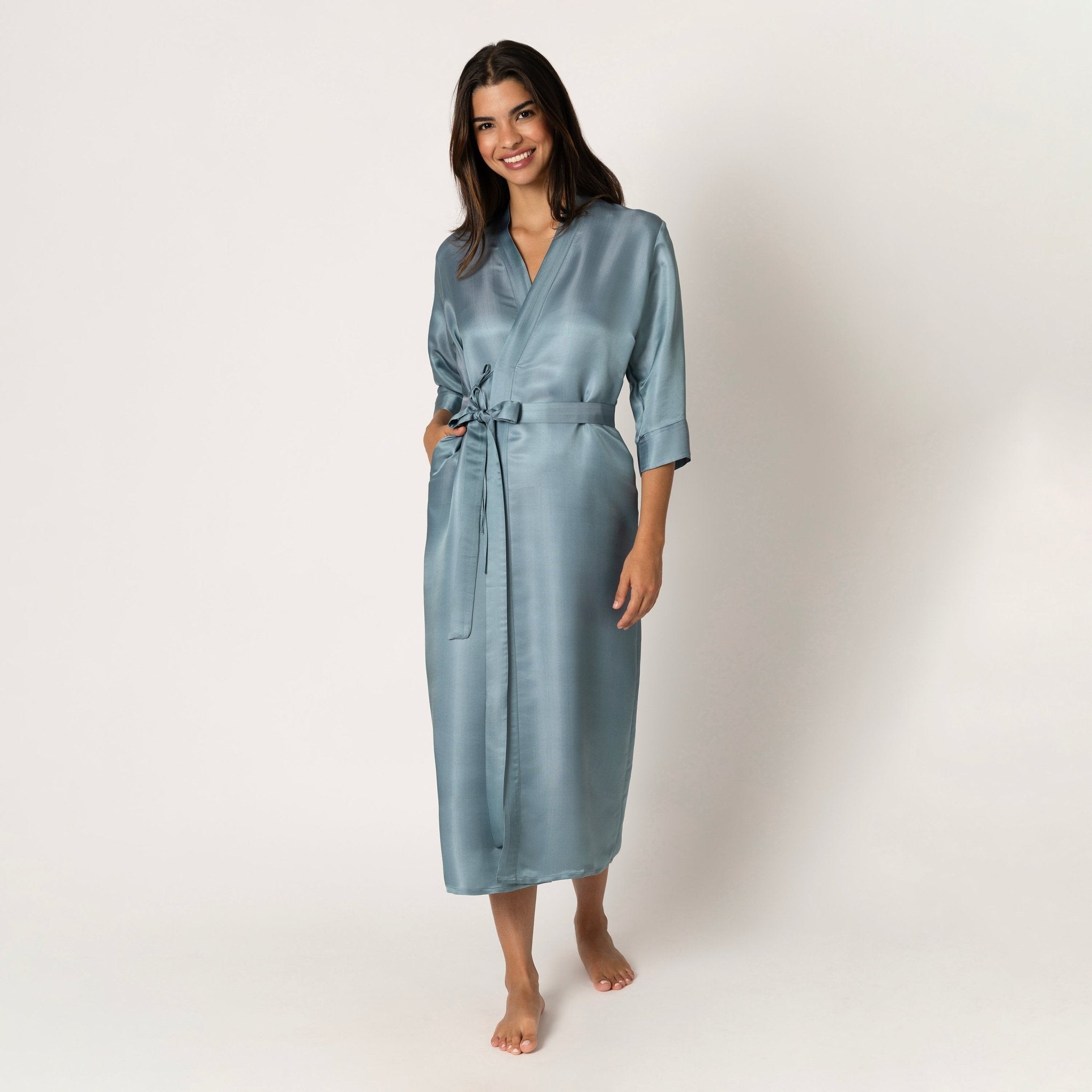
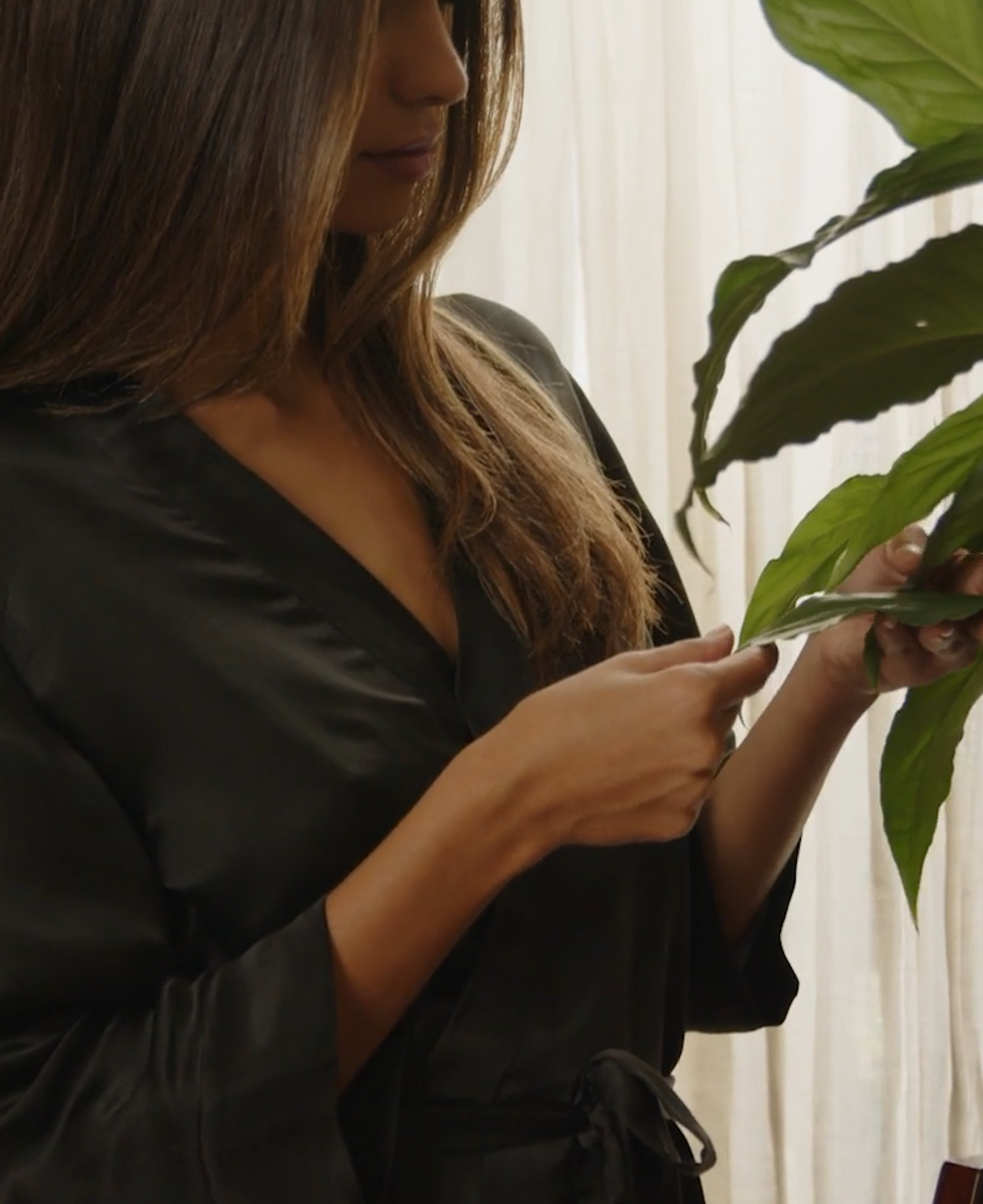
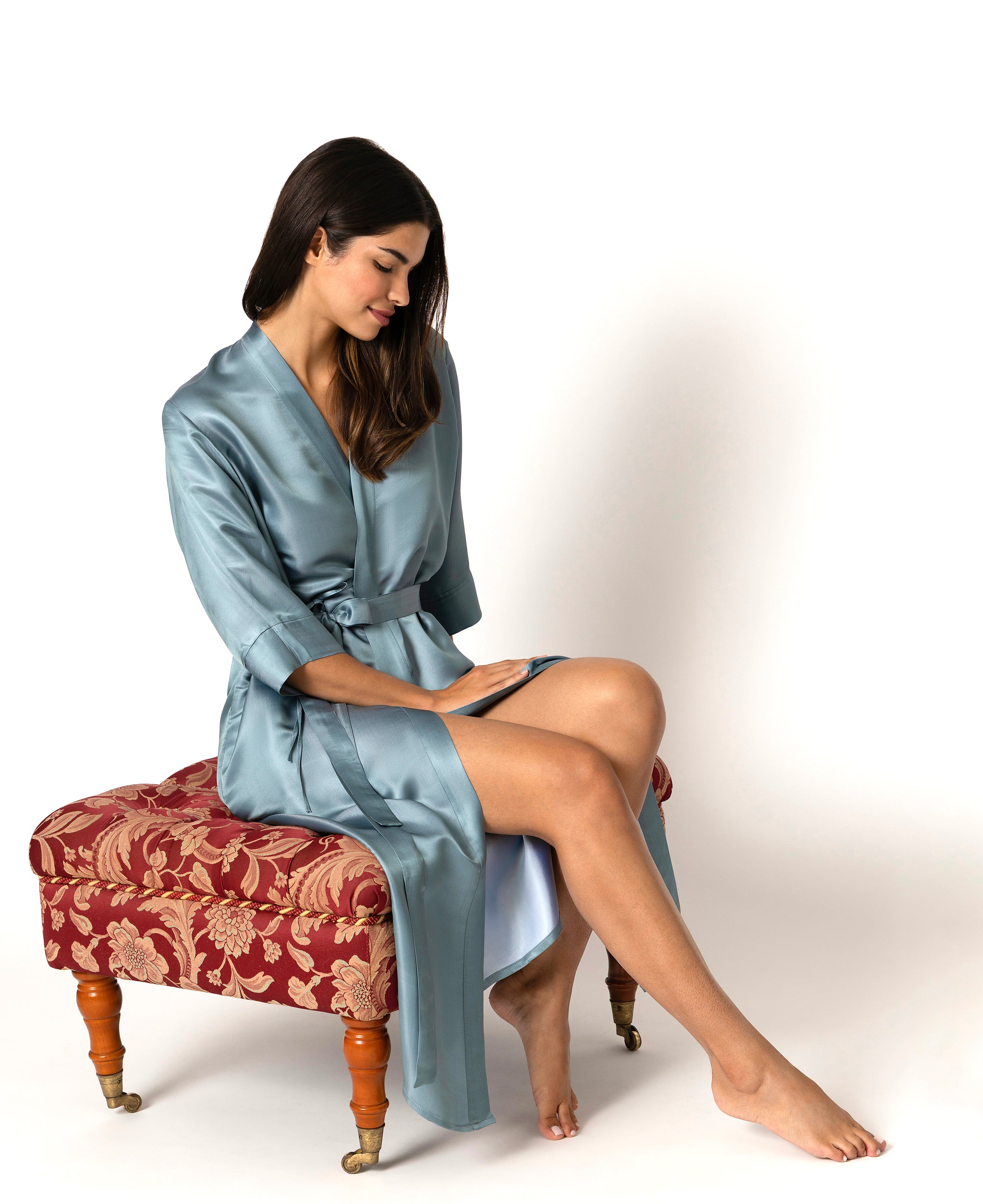
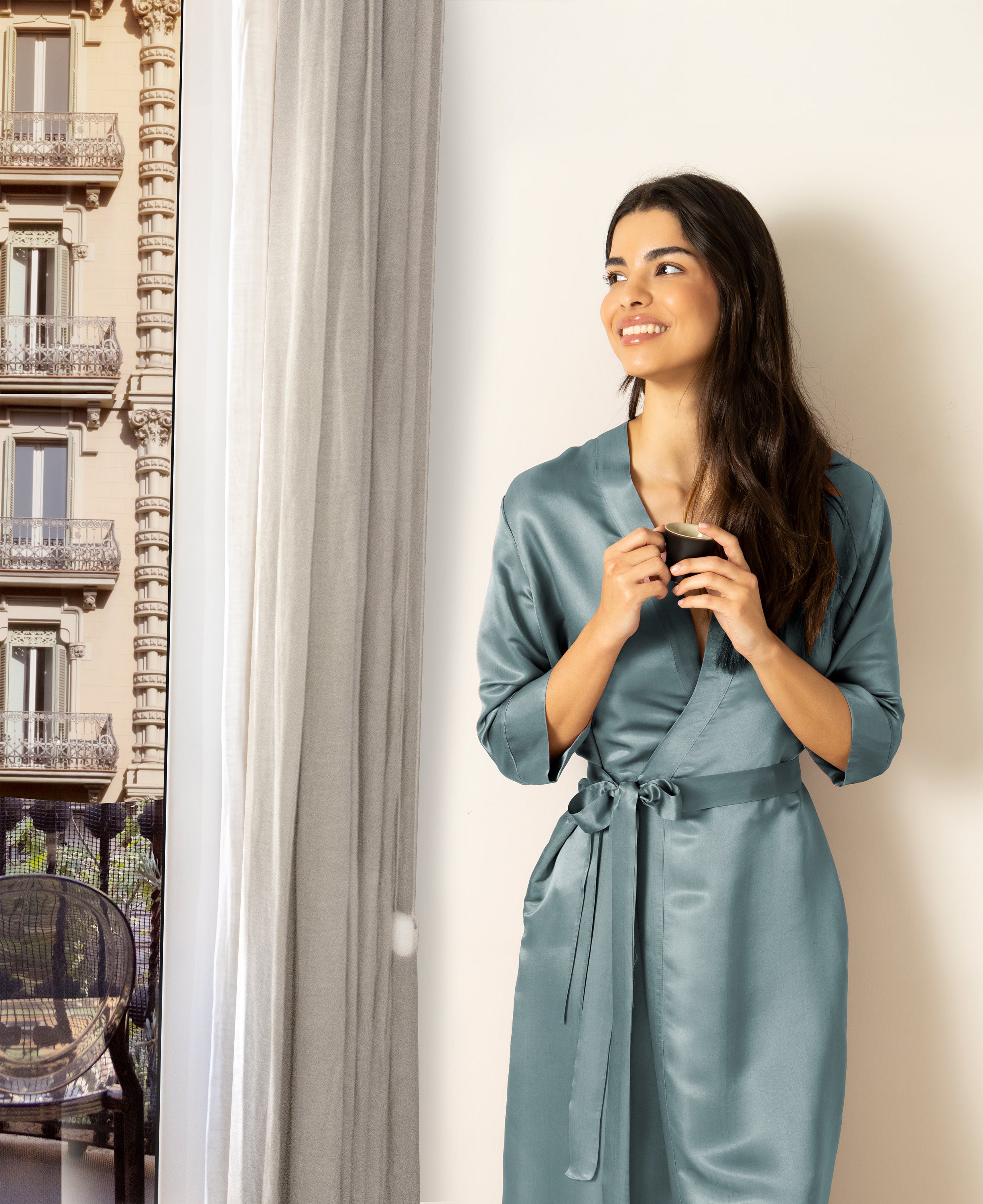





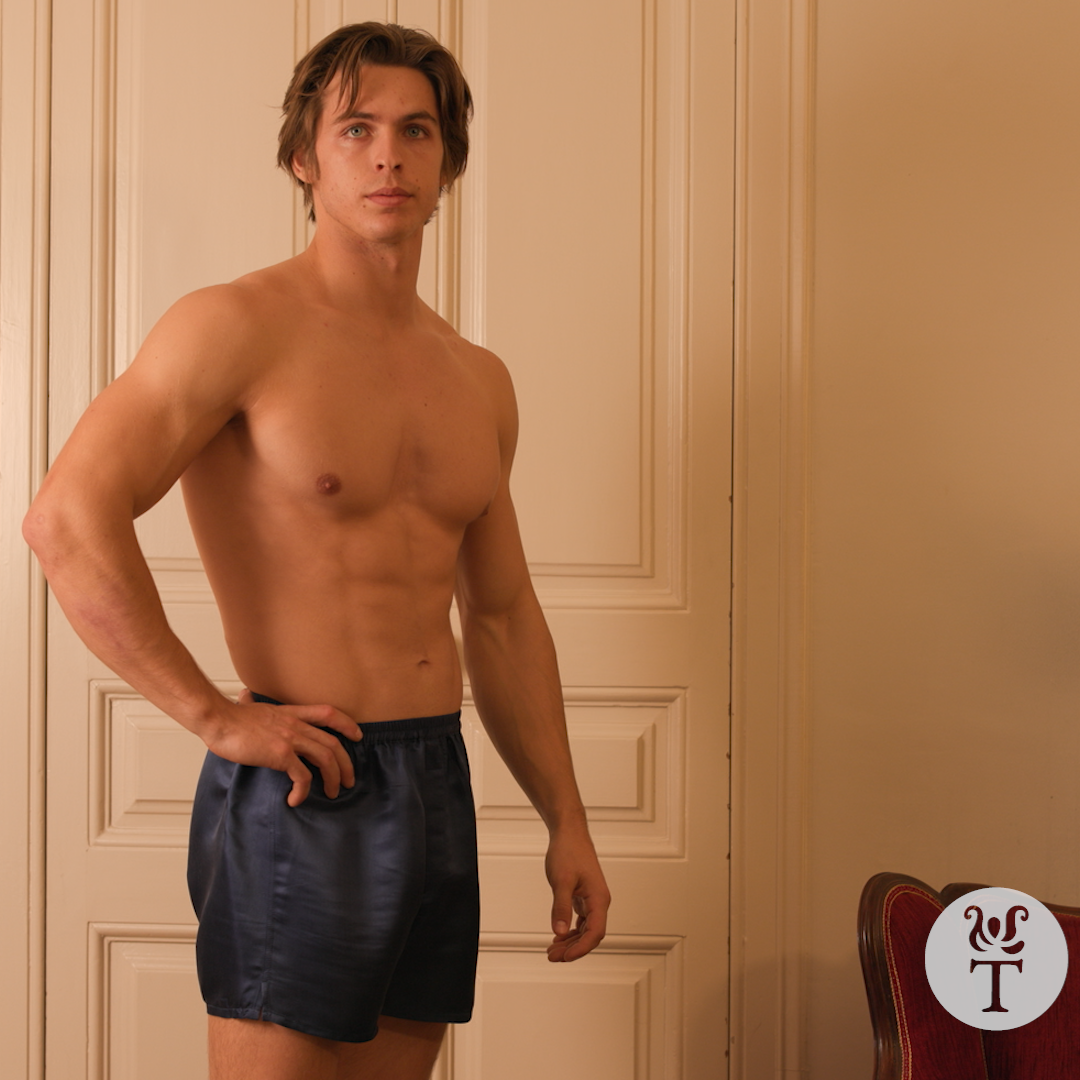
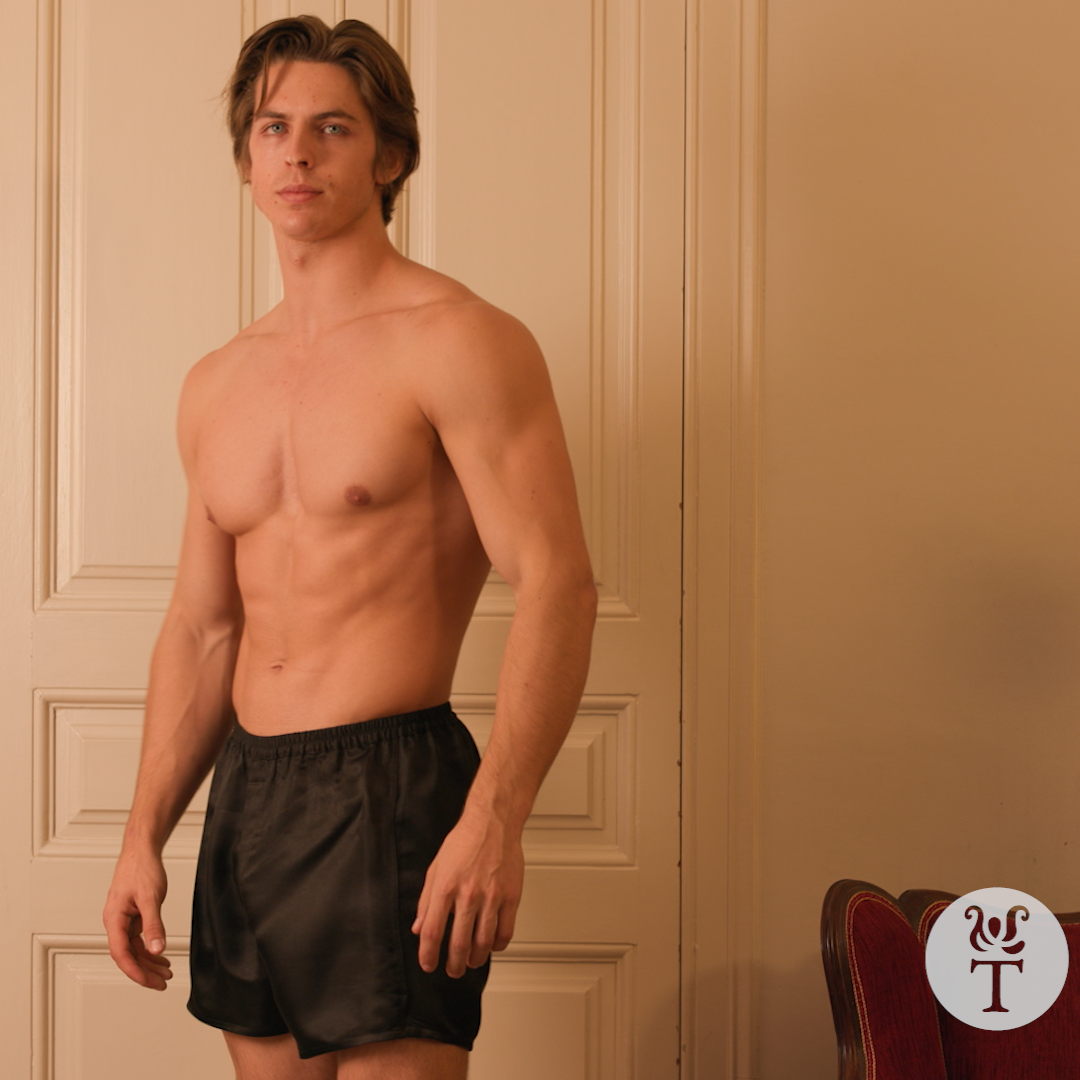
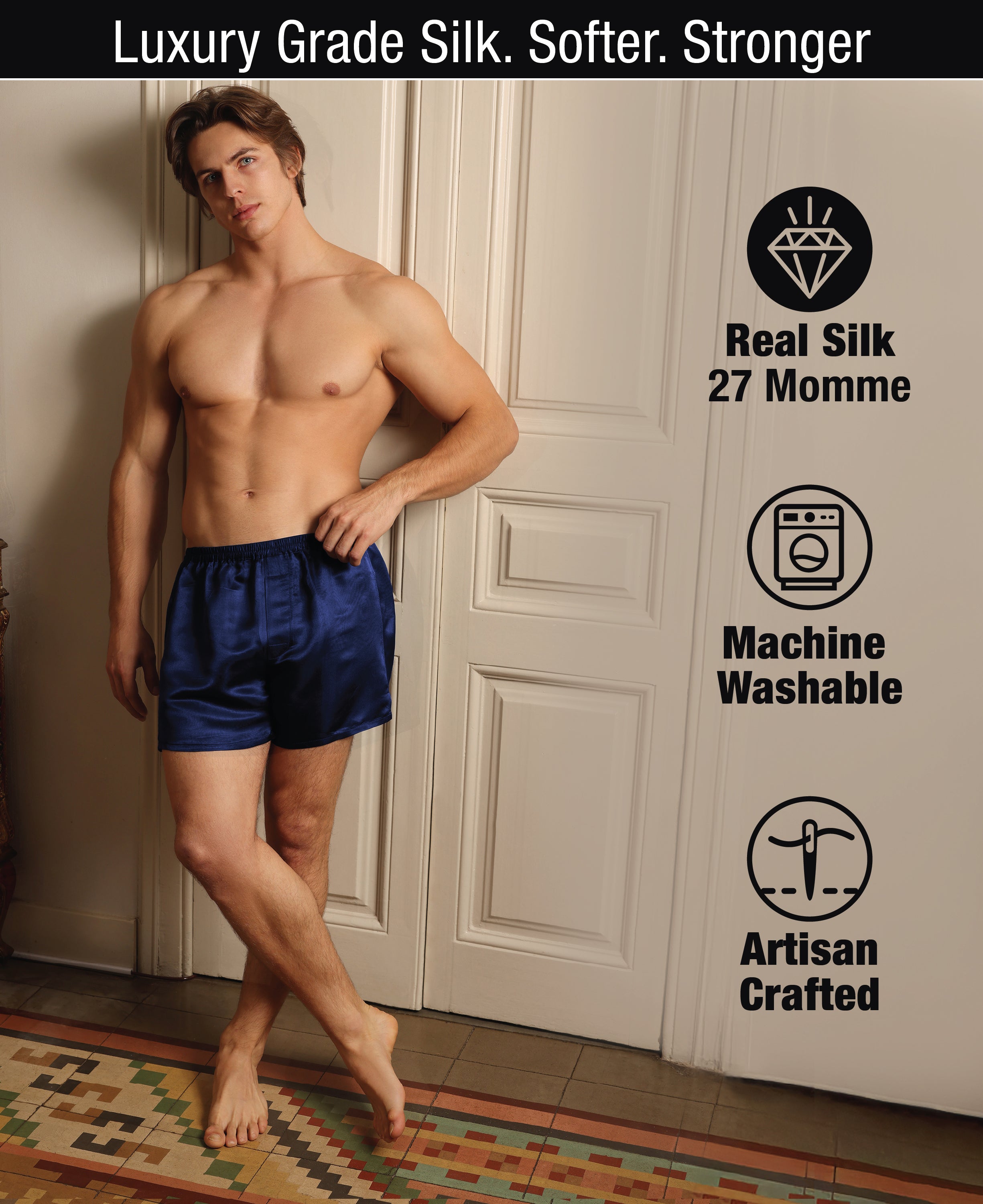
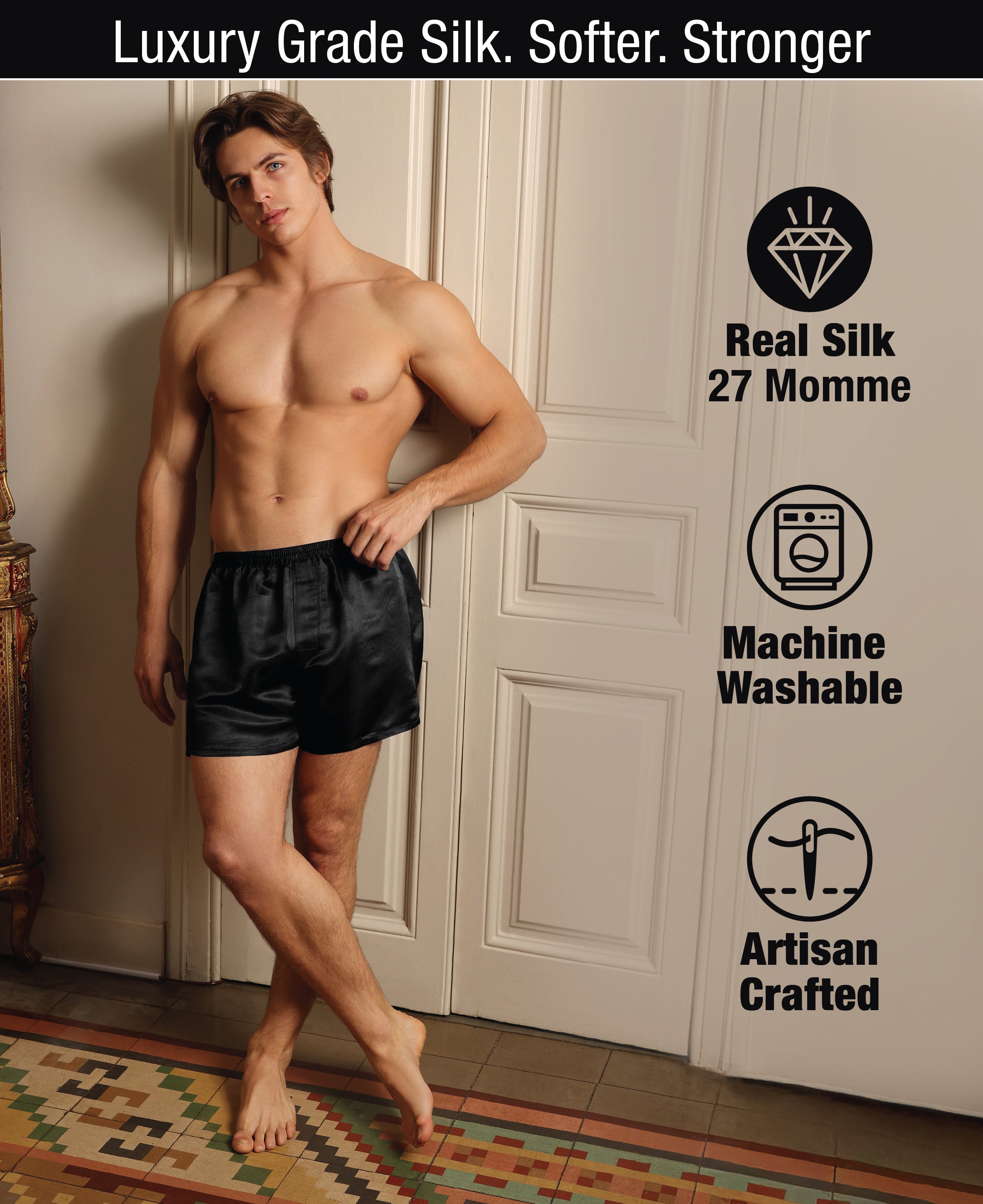
What This Looks Like on a Product Page
If you are shopping silk sleepwear at a plus size and trying to figure out whether a specific piece is built to fit, three data points tell you most of what you need to know.
First, momme weight. Look for 25 momme or higher, mulberry silk. If the site does not list momme, that is usually because the number is low. A brand proud of its density prints it.
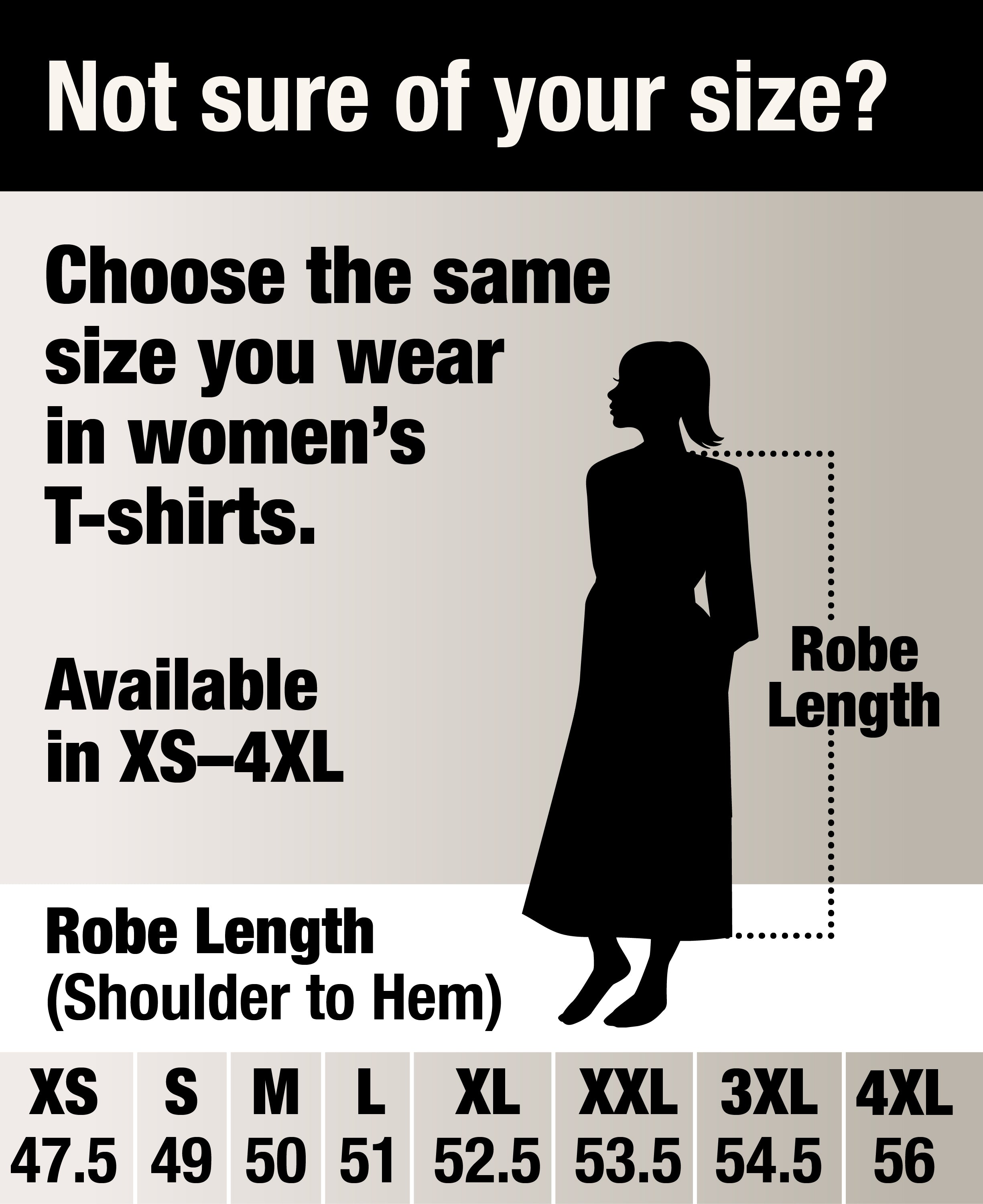
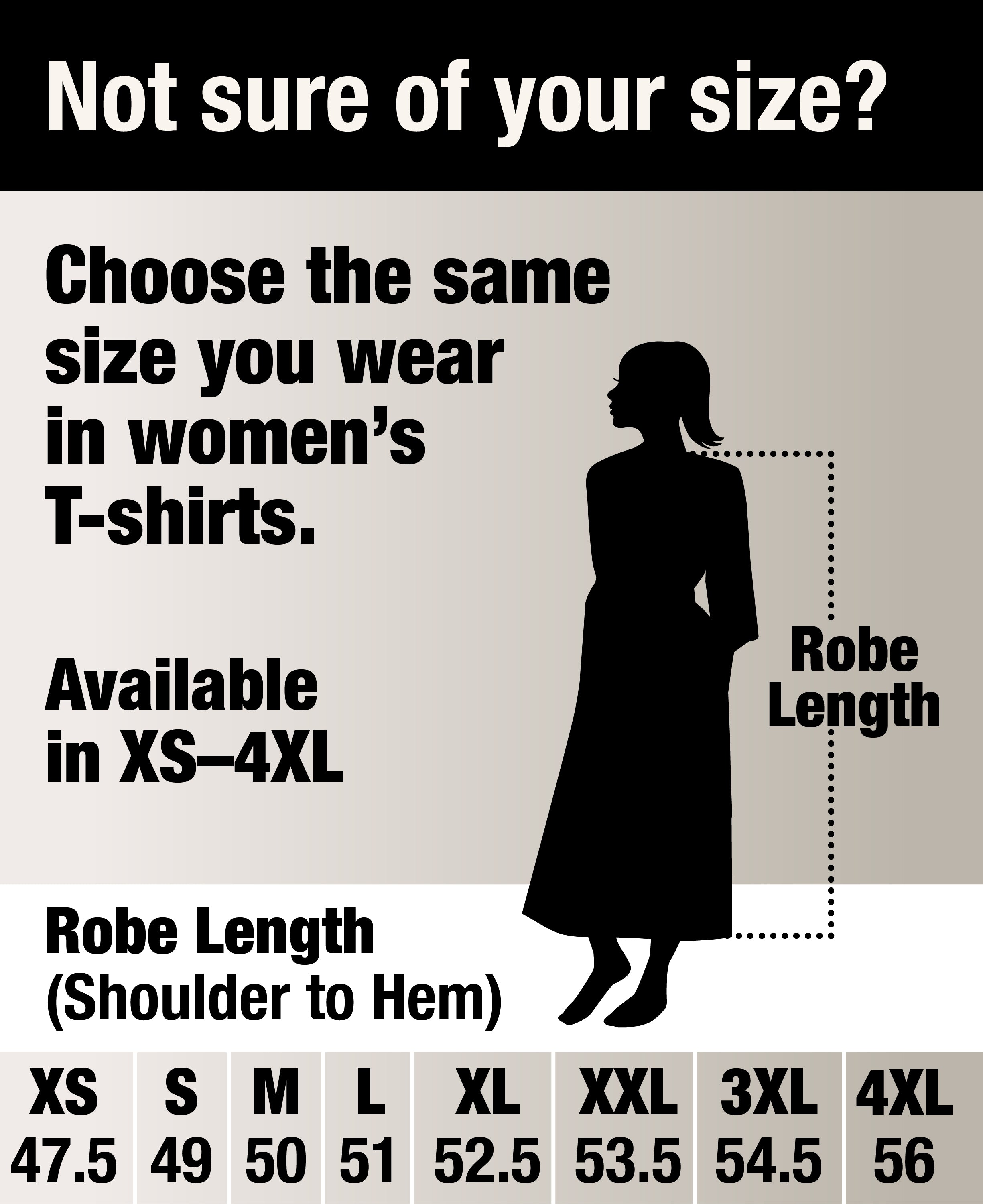
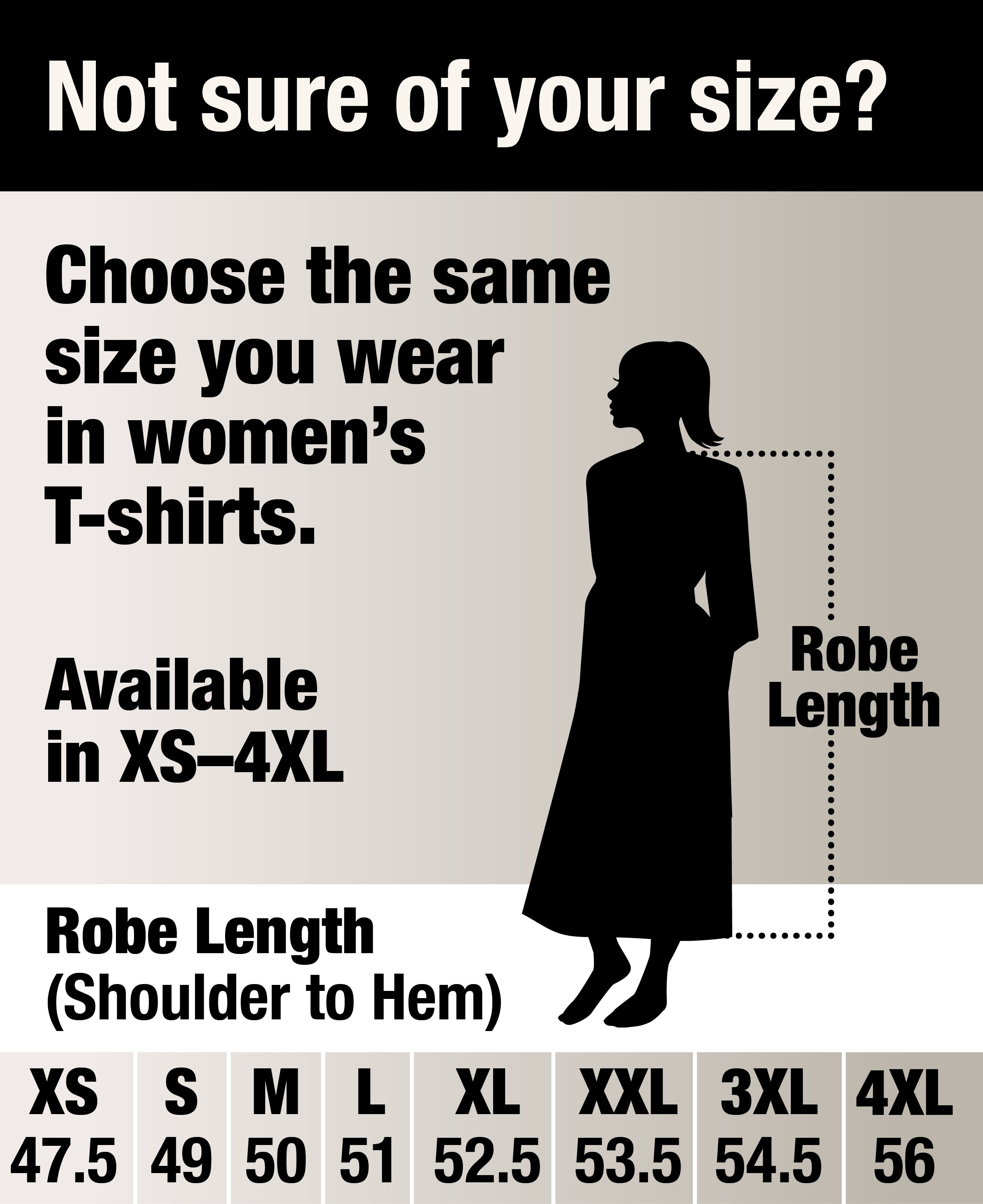
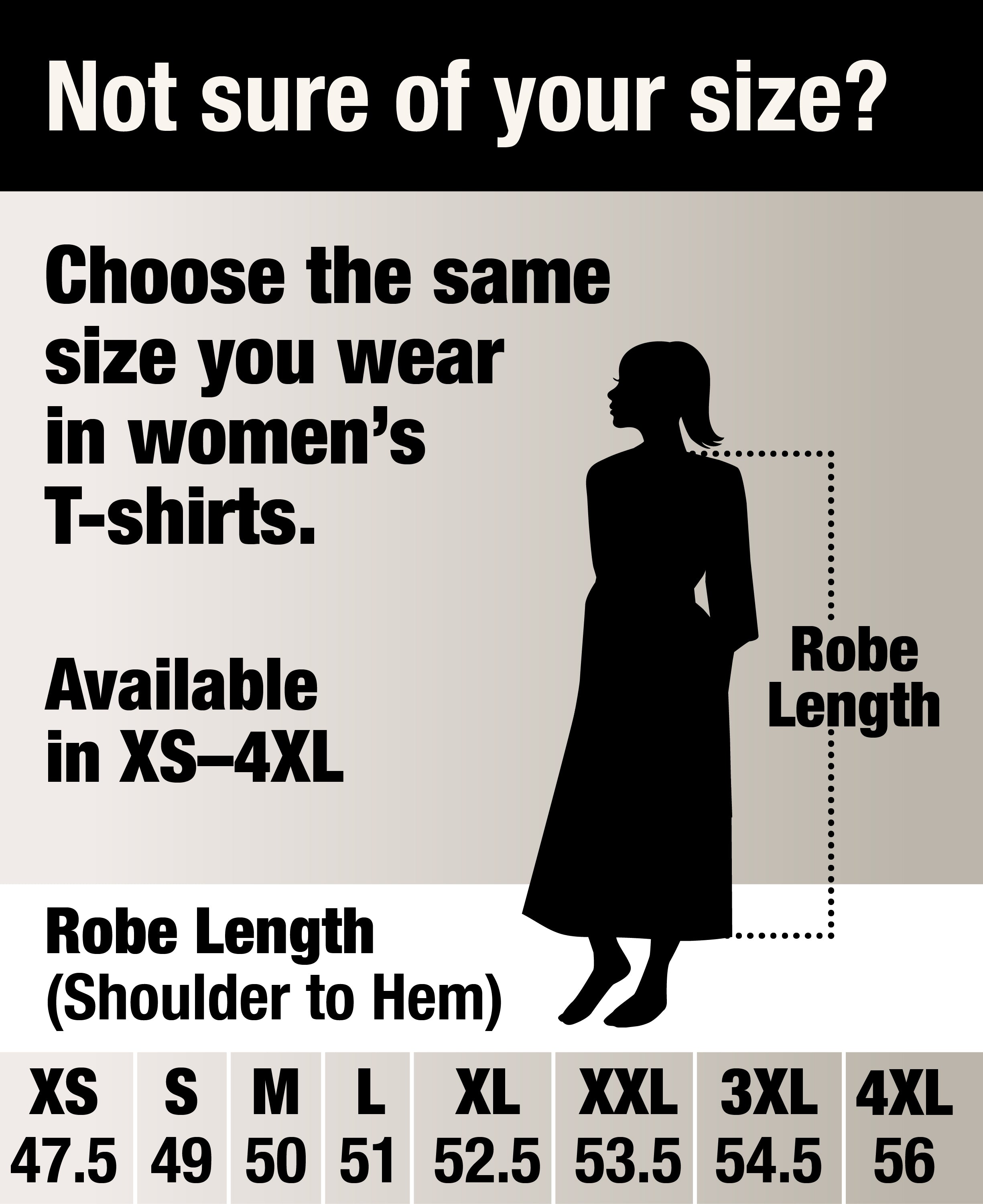
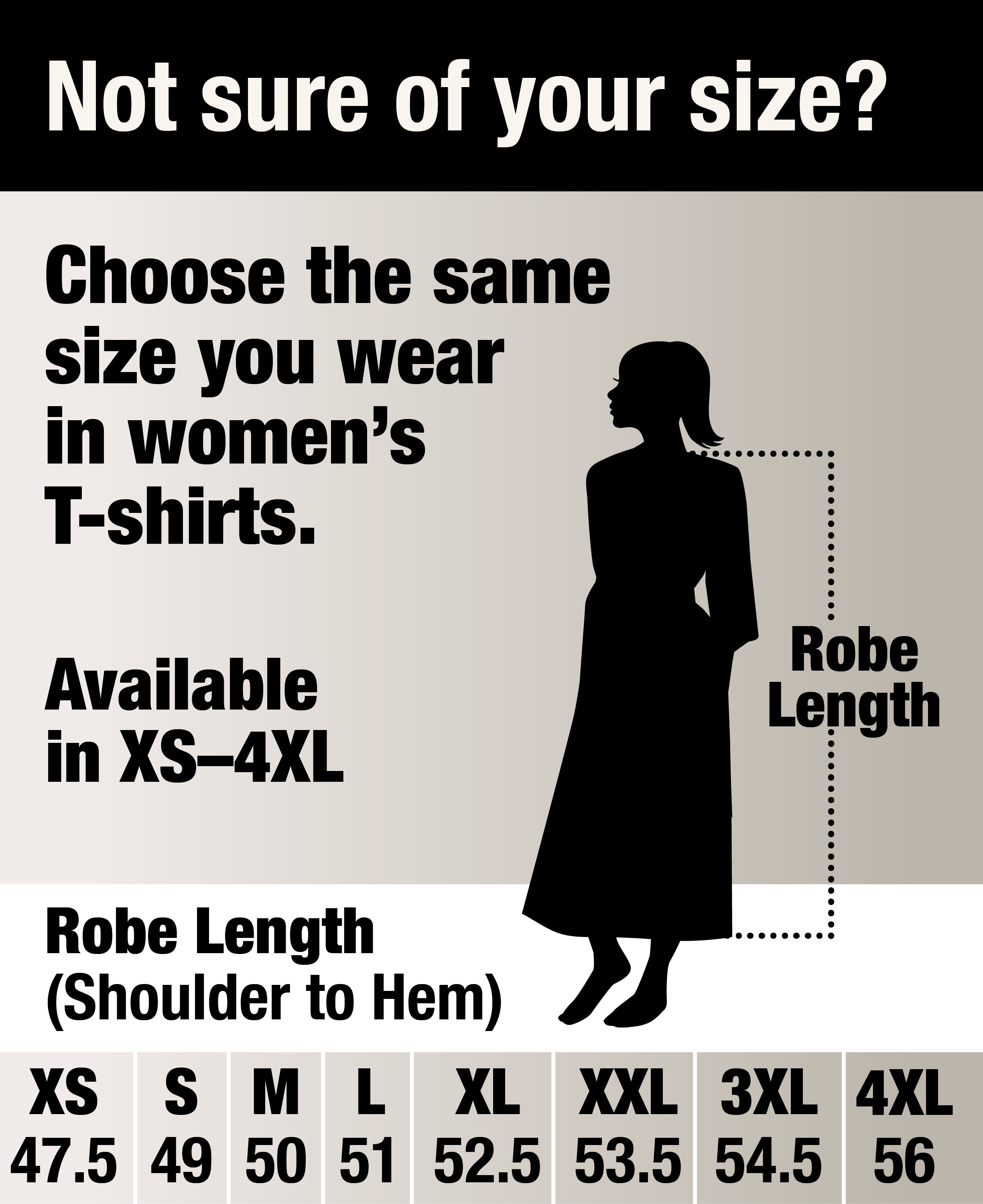
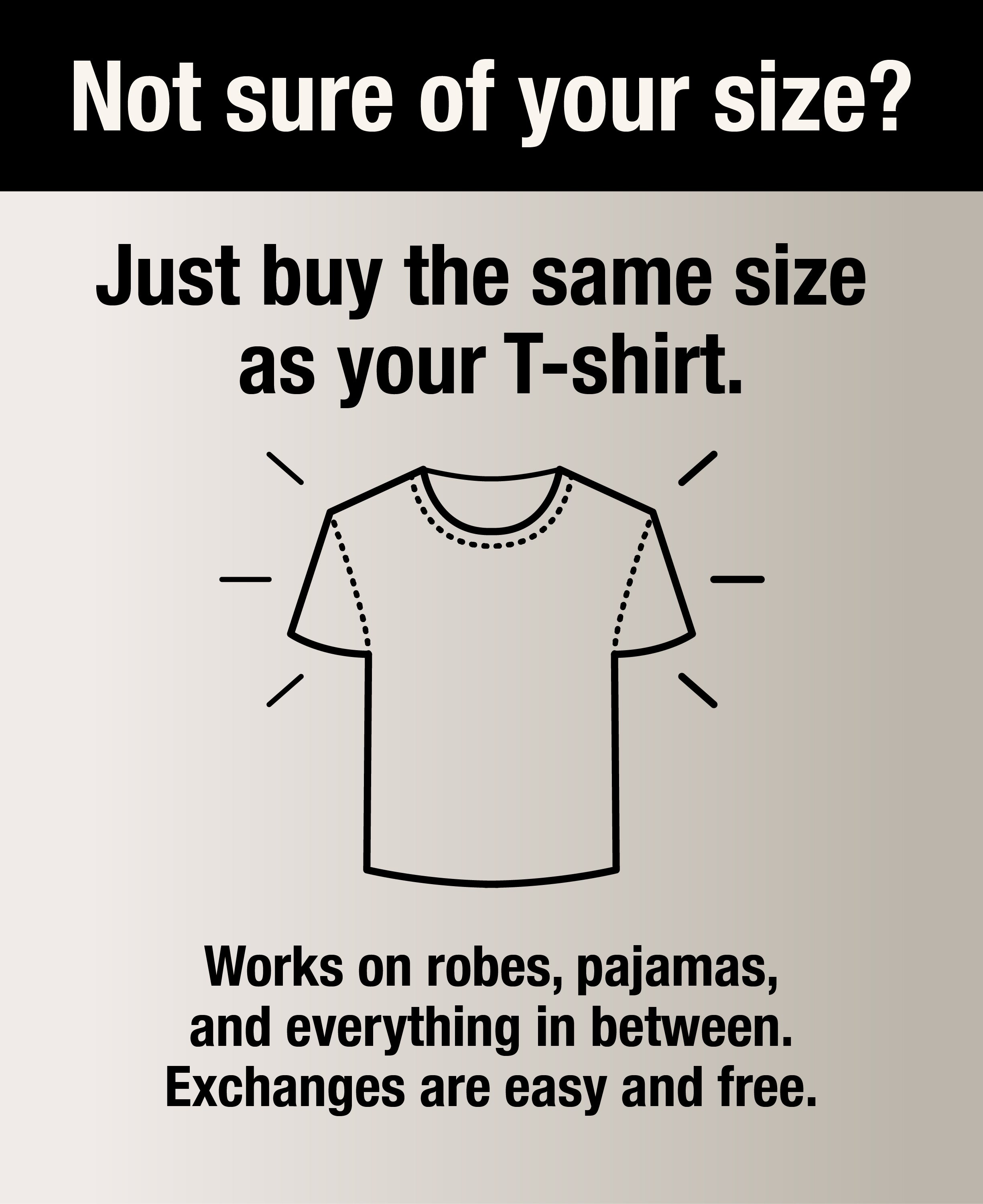
Second, published measurements. A brand designing for real plus size bodies publishes bust, waist, hip, inseam, and rise in inches and centimeters, across the full size range. Body ranges alone do not tell you enough. Garment measurements do.
Third, seam construction. This is the hardest to verify online. A photograph of the inside of the garment, or a written note that seams are French finished, is the signal. If the brand mentions "clean finished," "serged," or "overlock," those are plain seams by another name.
The Takeaway
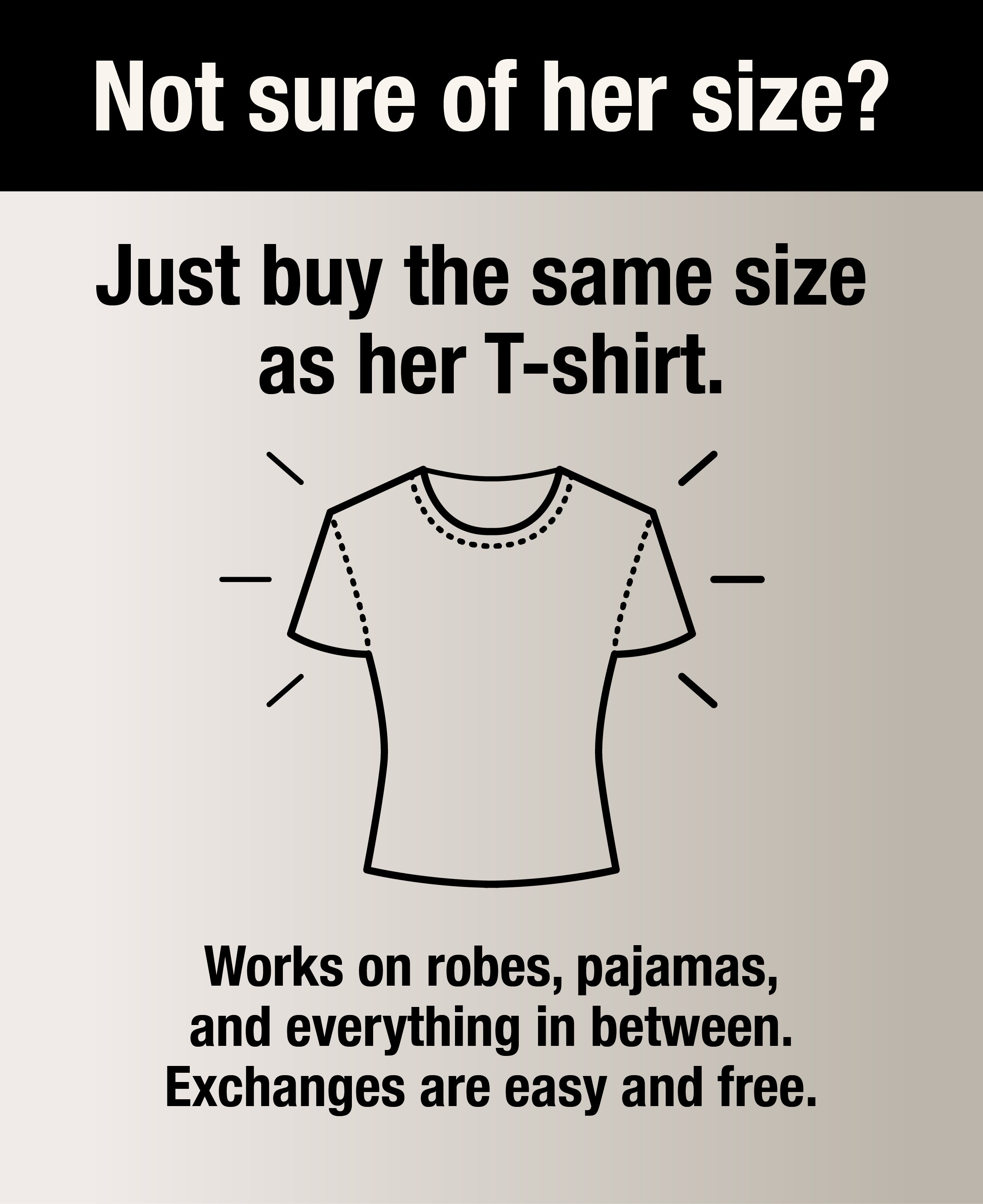
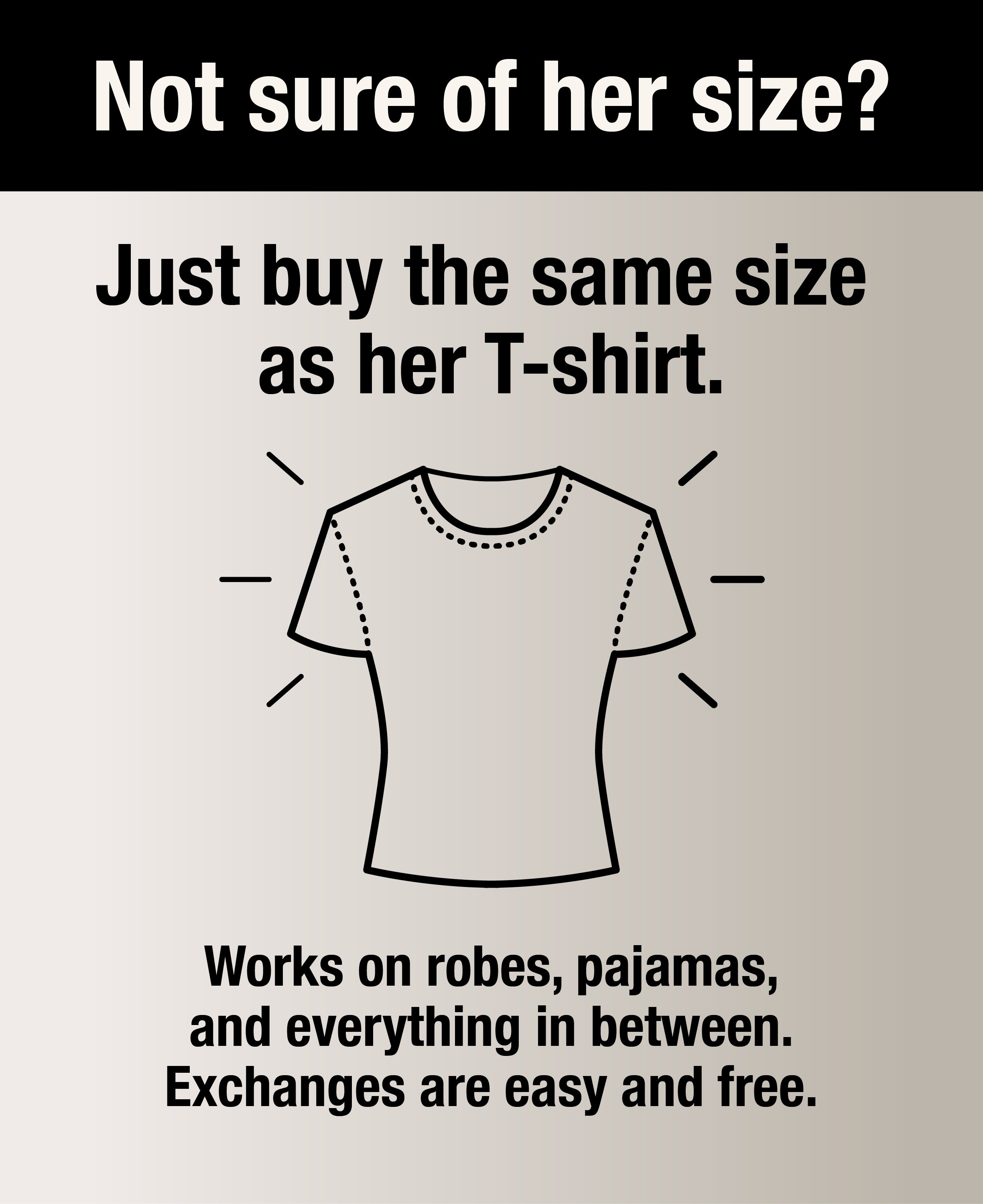
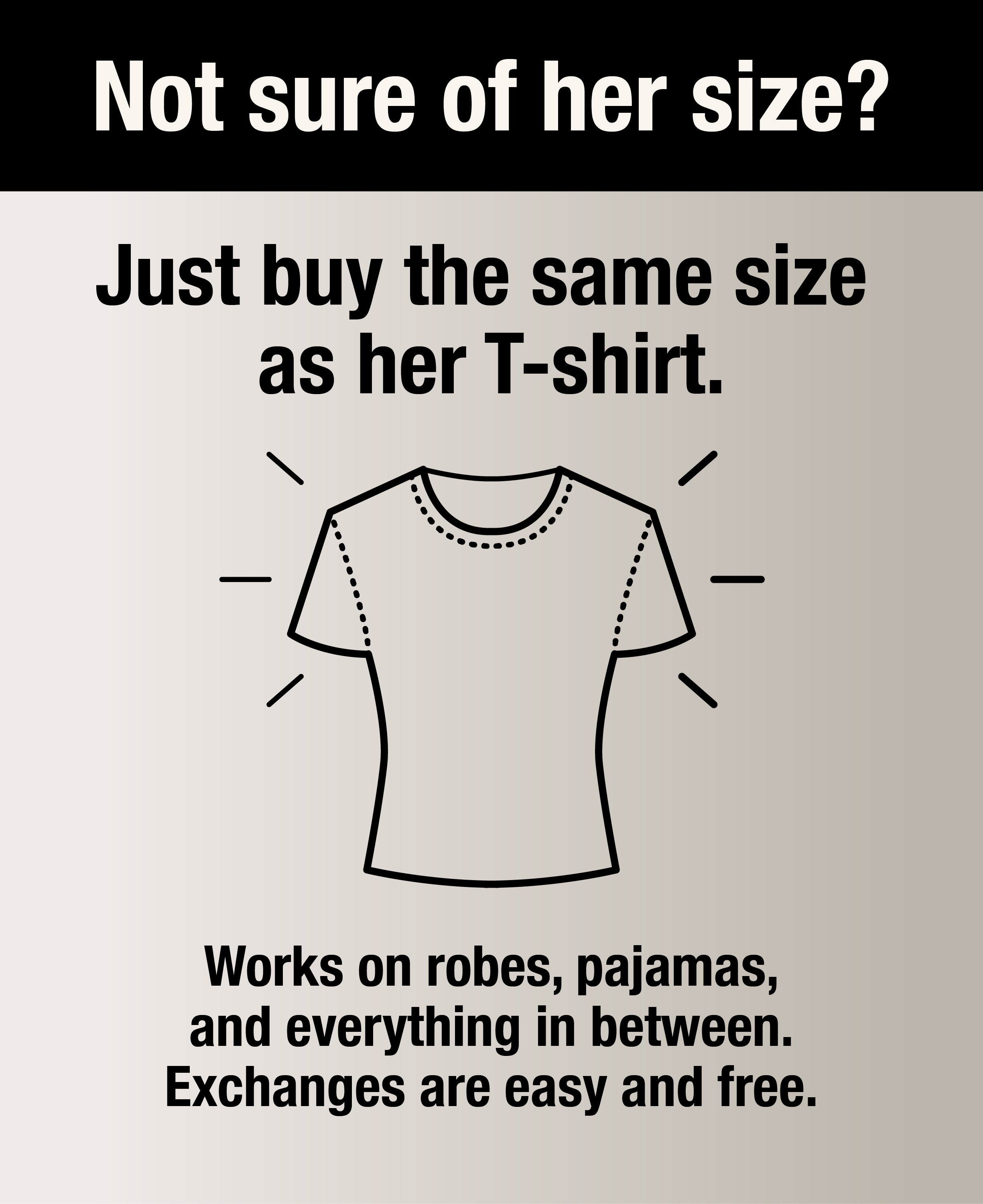
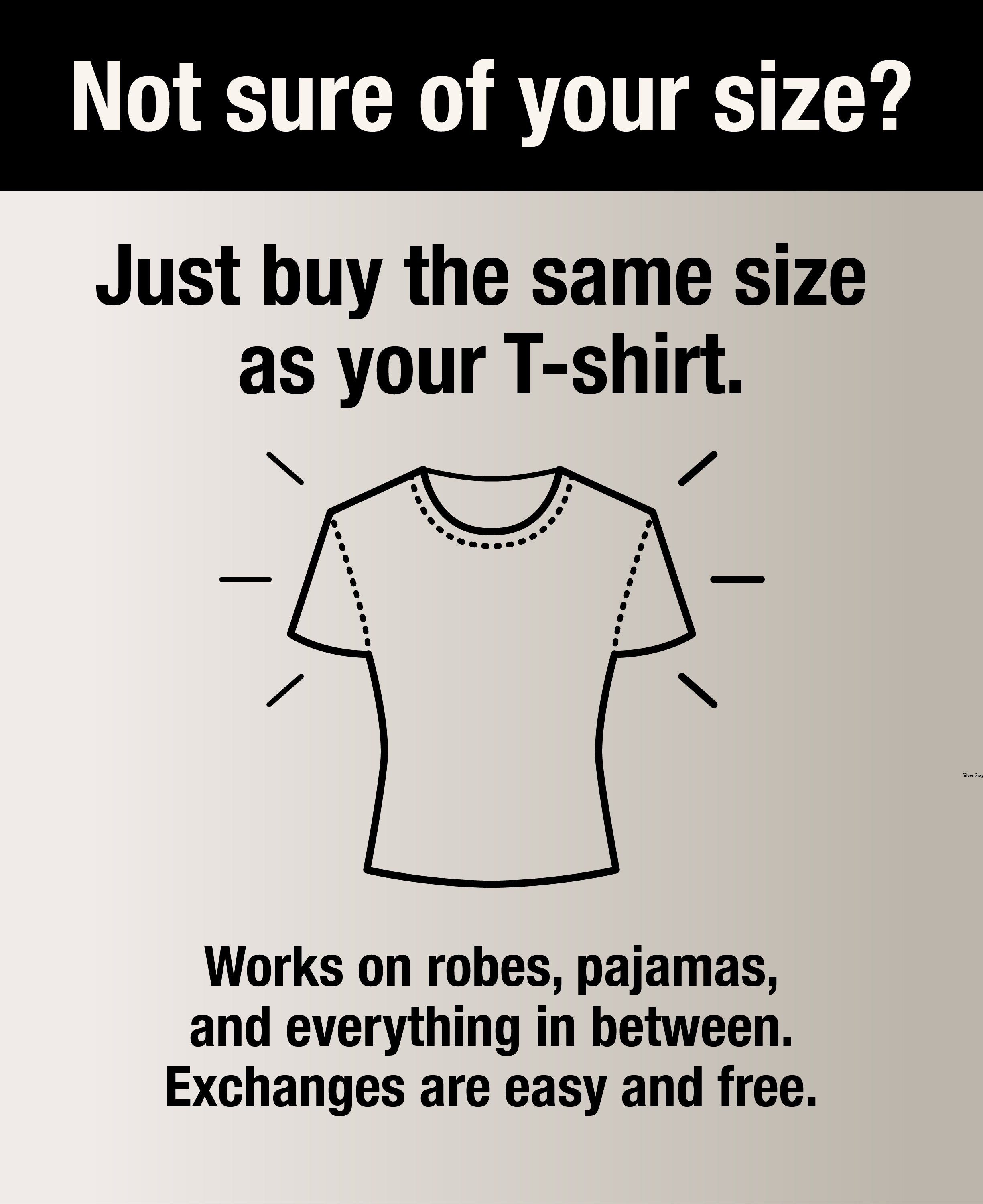
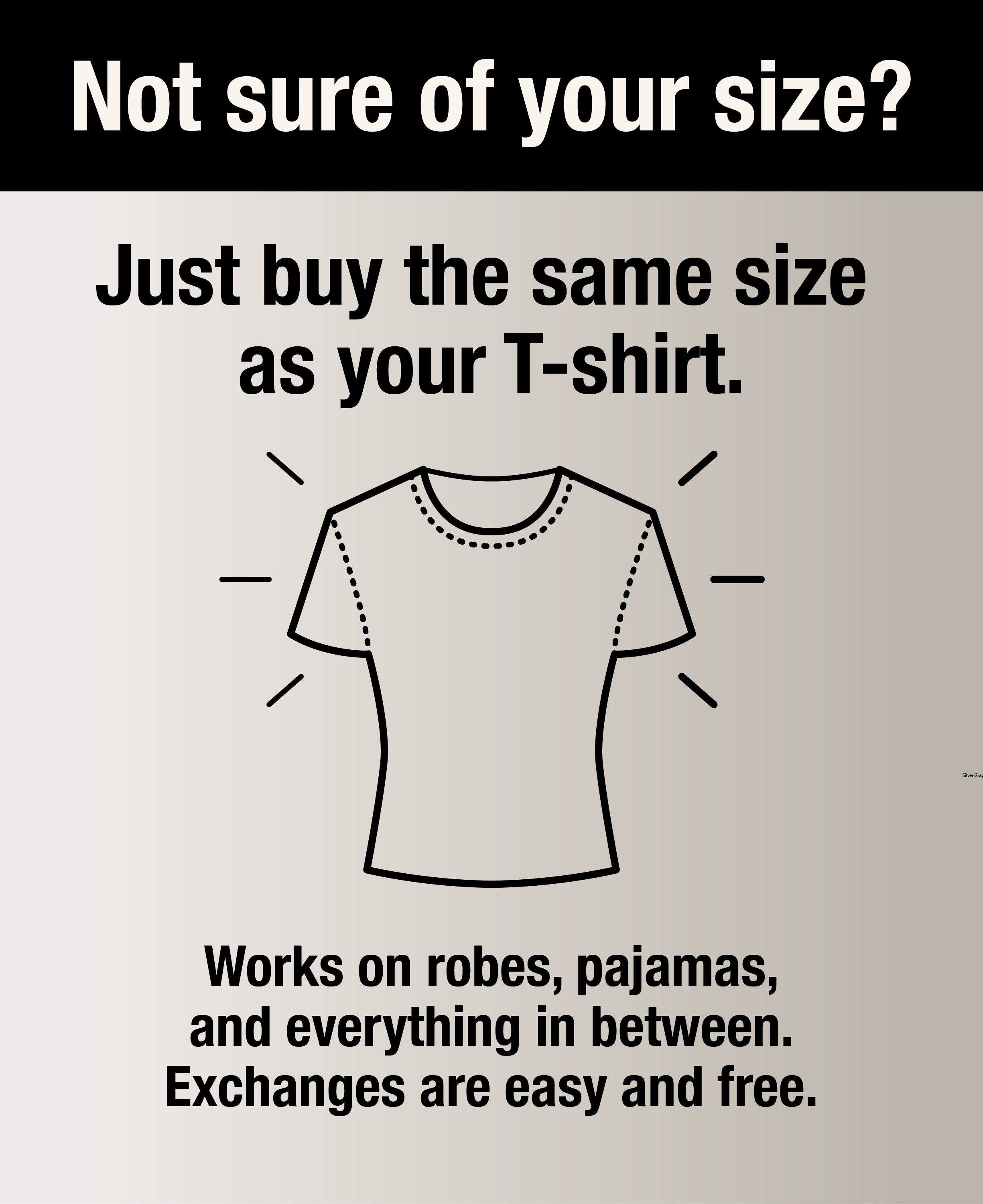
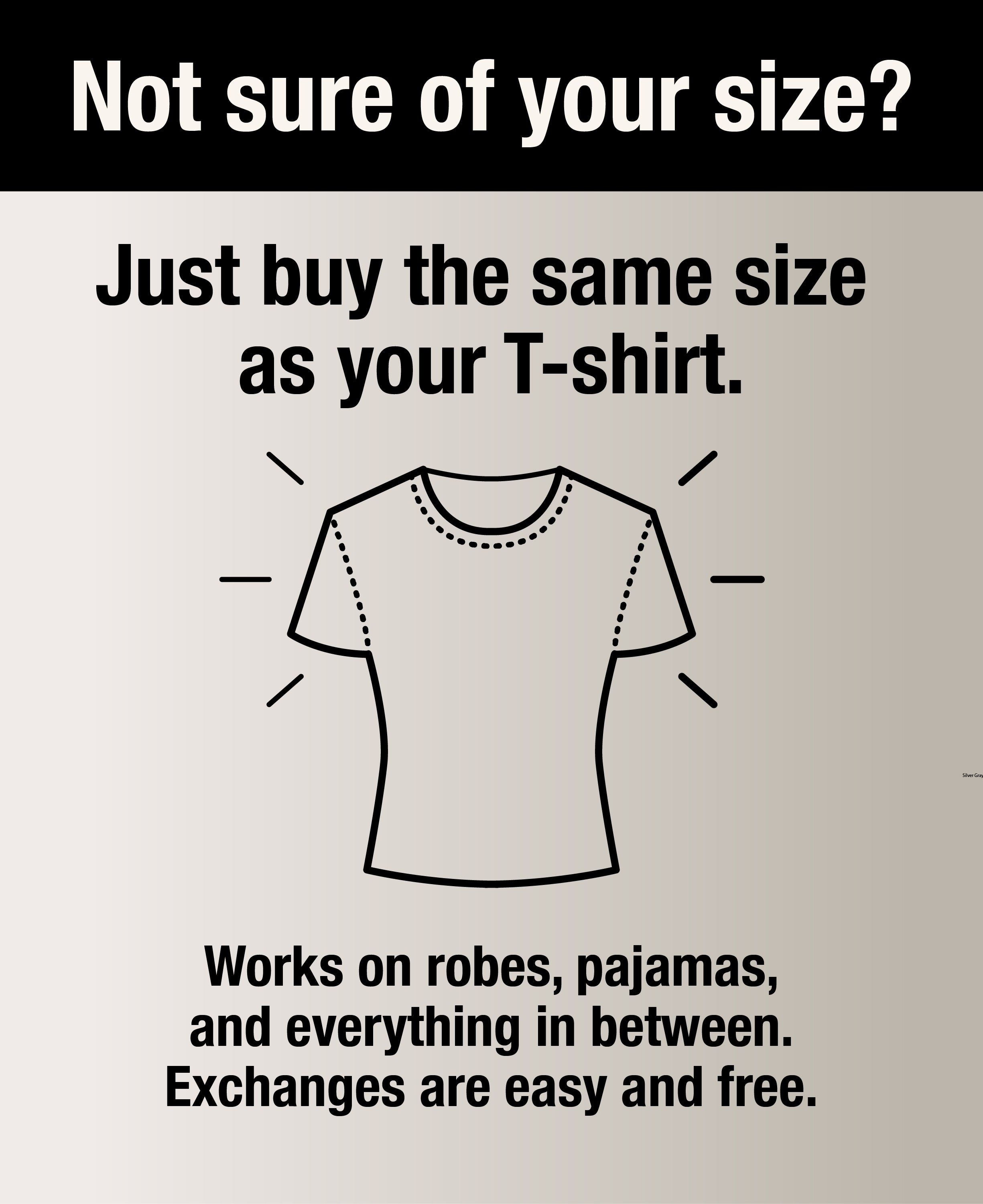
Density carries the drape. Cut carries the fit points that a plus size body needs. Construction carries the years. Silk pajamas that fail on a curvy body usually fail at the first, because the second and third do not work when the fabric underneath is not dense enough to fall correctly. Shop for 25 momme or higher, published measurements you can read against your own body, and seams that are folded inward and enclosed. If your measurements sit outside the standard chart or across two sizes, write to us and we will grade a set to your specific body. Find your size when you are ready.
Frequently Asked Questions
Is thicker silk more flattering on a curvy body?
Yes. A denser silk falls with gravity and puts a small amount of air between the fabric and the body at every point where the body curves in. A thinner silk settles onto every ridge. This is not a body type issue. It is a physics issue. Twenty-five momme or higher is the density where drape stops being a design problem and becomes a fabric property.
Does thin silk show every lump and bump?
Yes, and there is no cut trick that fixes it. Sizing up adds slack where the body does not curve, but the fabric still clings where it does. The only real fix is denser silk. Once the fabric weighs enough to fall away from the body between the points of contact, the outline is smooth.
What is the best momme weight for plus size silk sleepwear?
Twenty-five momme or higher, mulberry silk. The silk sleepwear industry standard is 19 to 22 momme, which is a borderline weight on a curvy body: clean on some days, revealing on others. We use the heavier weight in every piece, from XS to 4XL, because it is the density where drape becomes reliable.
Is heavier silk hotter to sleep in?
Slightly more insulating, but silk is hygroscopic, so denser silk absorbs and releases more moisture per square inch than thinner silk does. Customers who sweat through the night usually find dense silk cooler than thin silk once they have tried both. The moisture-wicking property does more work than the thickness does.
Why do plus size silk pajamas pull at the seams?
Because most factory-made silk uses a plain overlock seam that concentrates all of the stress at a single stitch line. At larger sizes, the seam has more body to hold and gives out first. A French seam folds both raw edges inward and encloses them, which distributes stress across two stitch lines and hides the edges where they cannot fray. Every seam in every Tara Sartoria piece is French finished, at every size.
