


The Morning Routine: A Case for a Real Robe
You don't need a robe because you're luxurious. You need a robe because your brain runs on symbols, and symbols change behavior. A robe isn't an indulgence. It's infrastructure for attention.
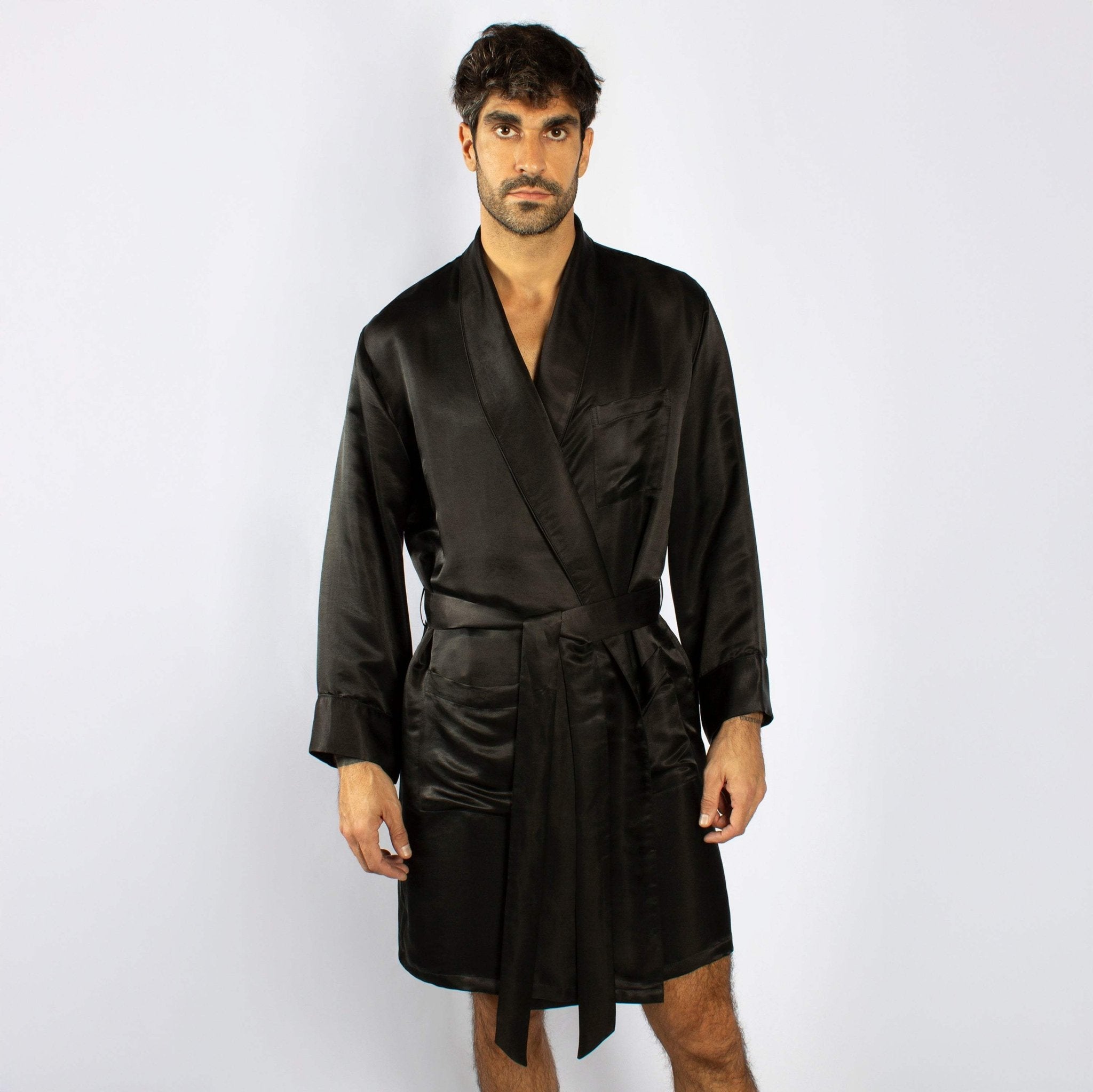
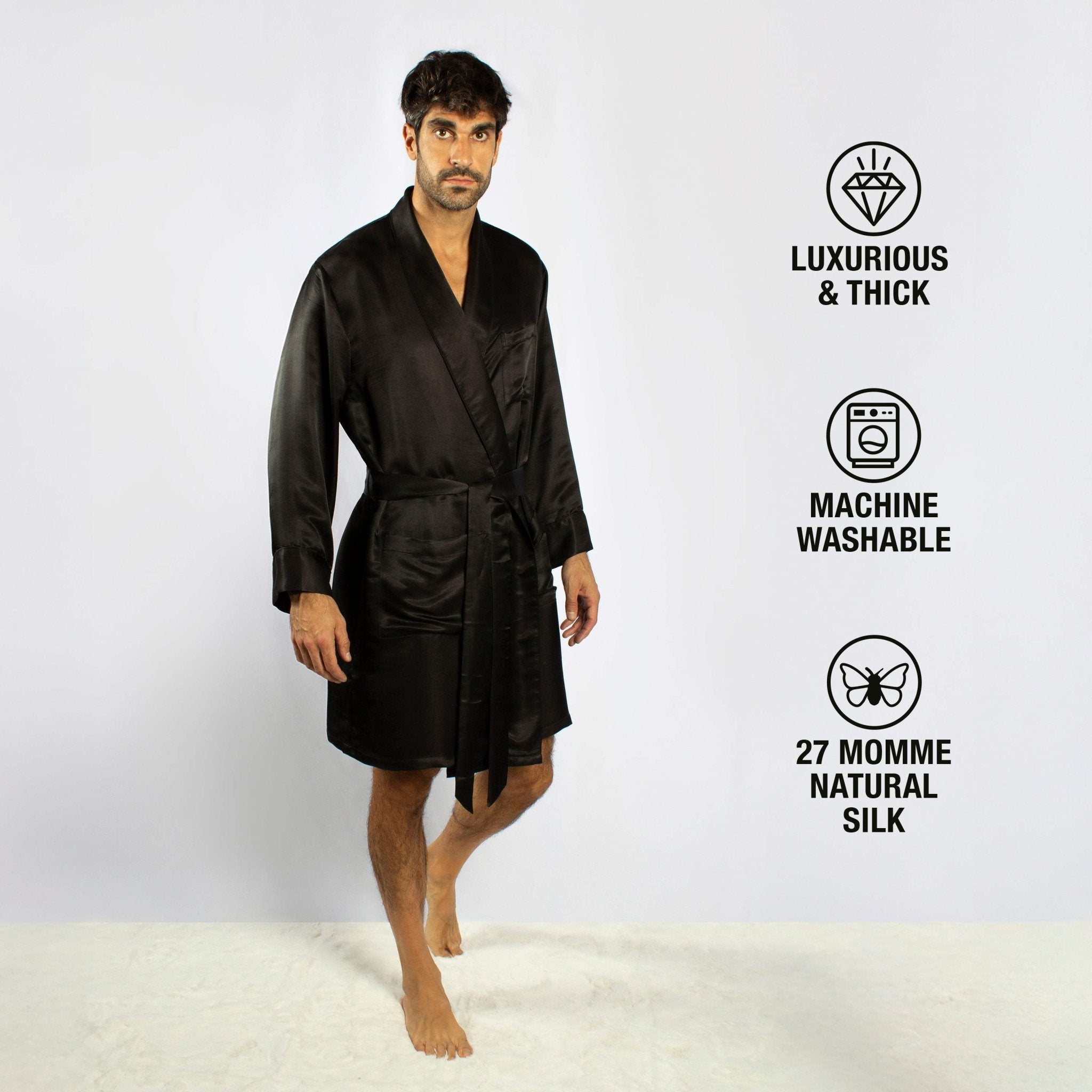
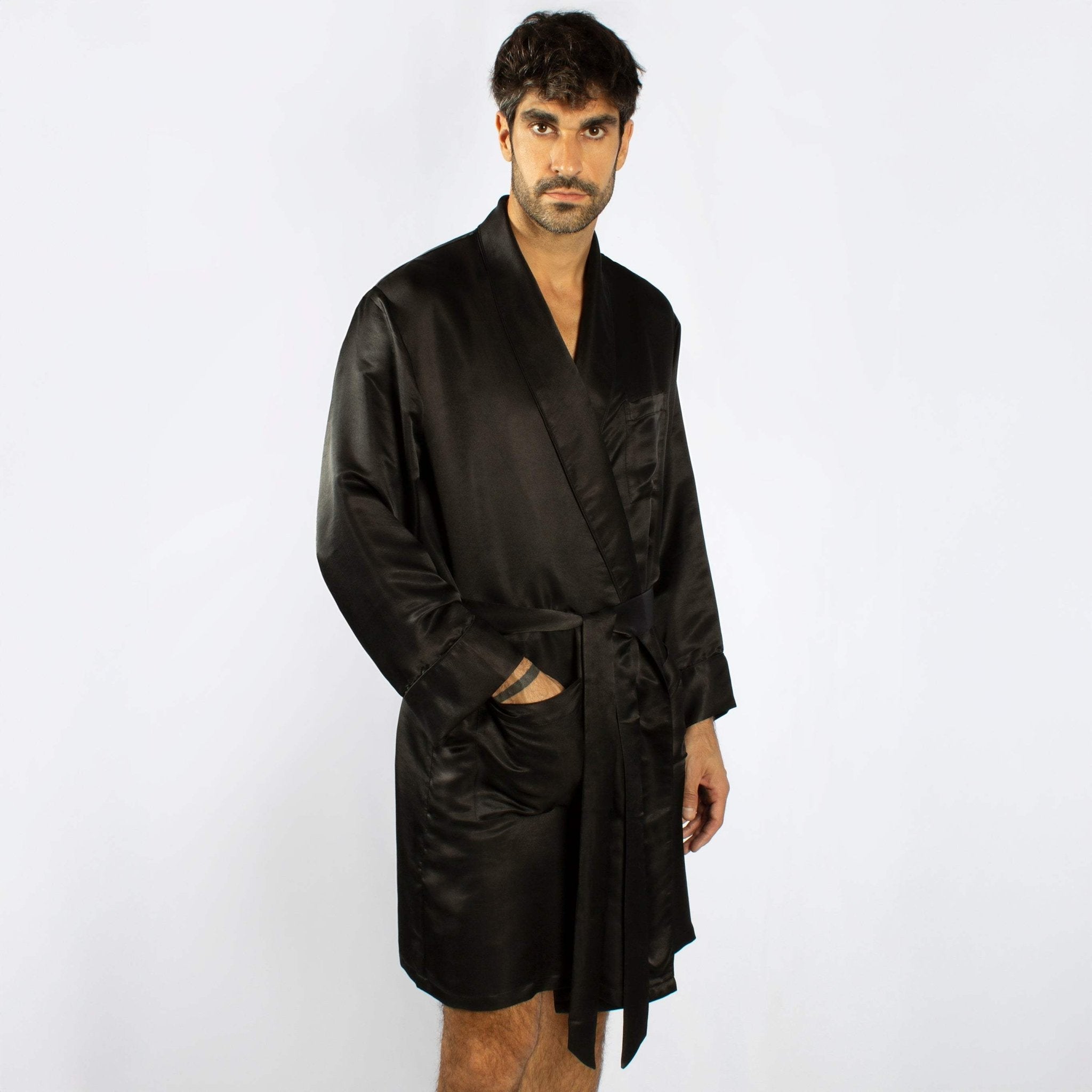
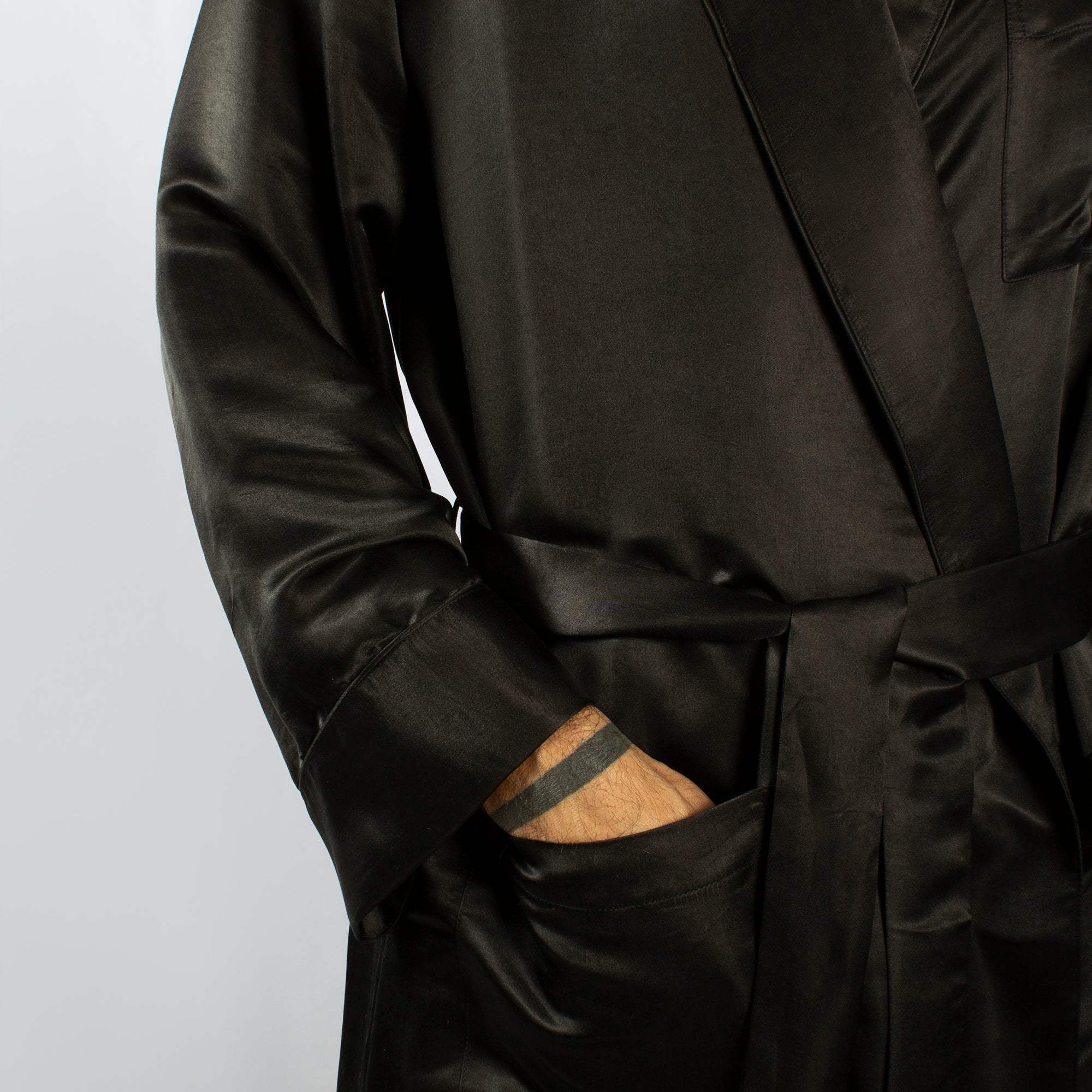
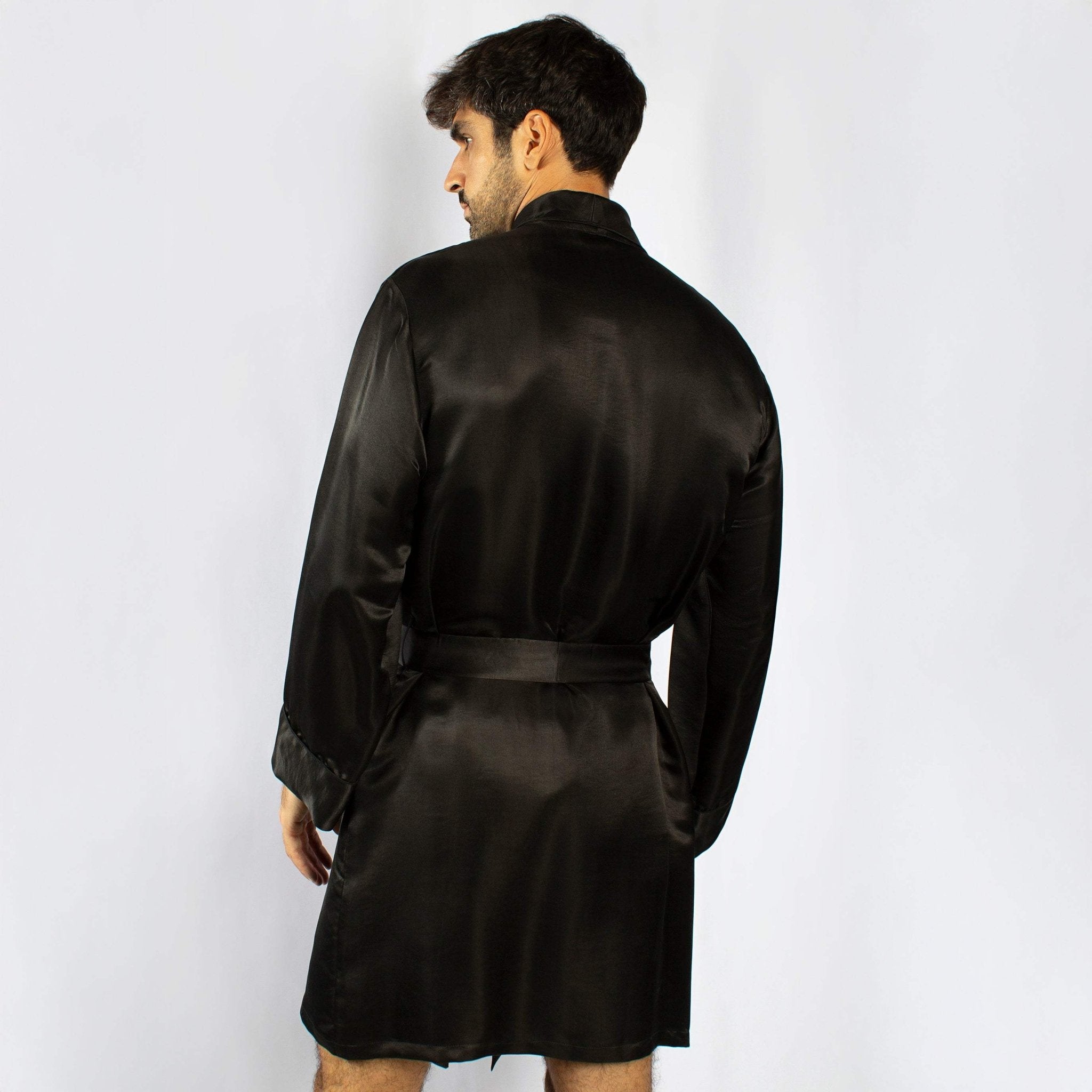
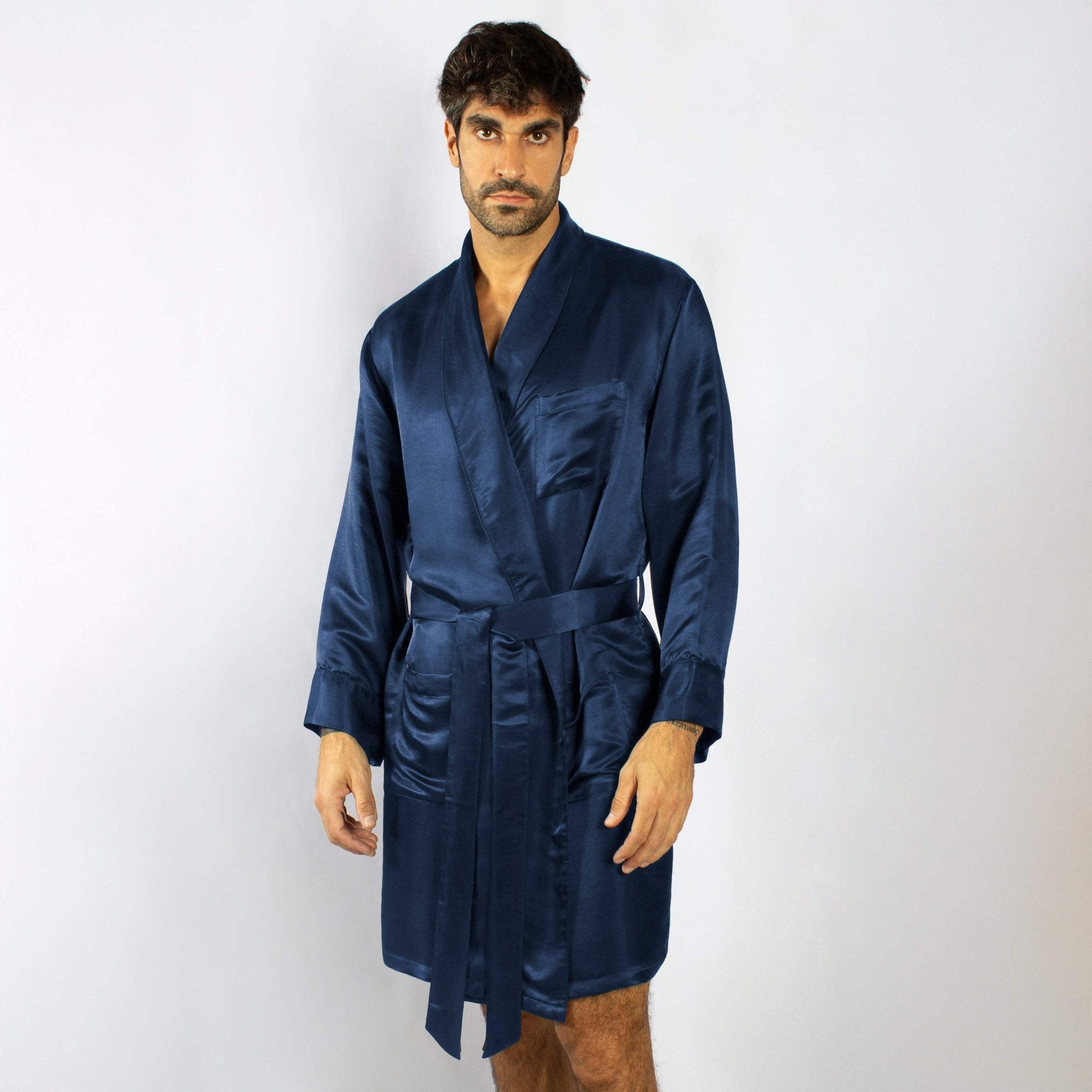
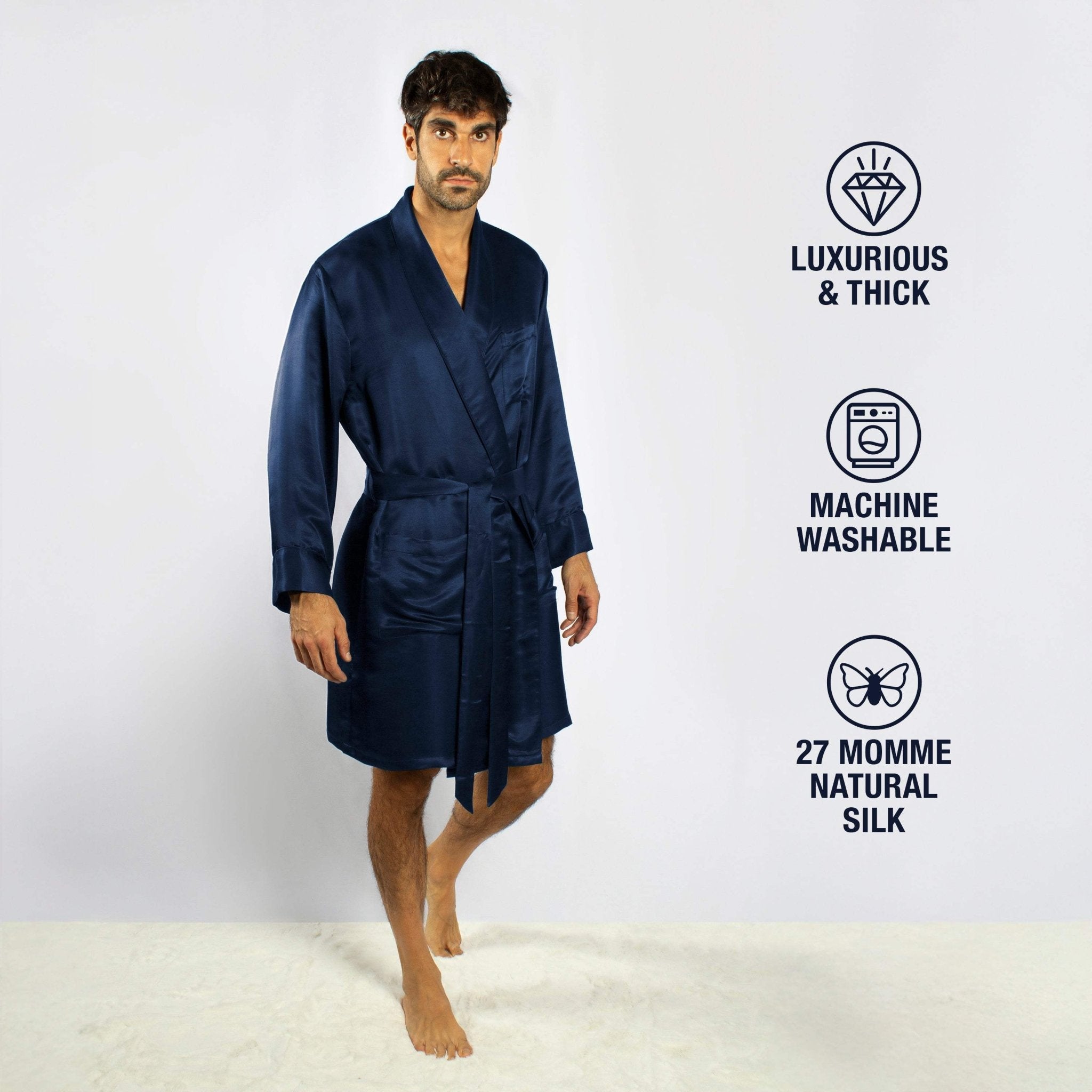
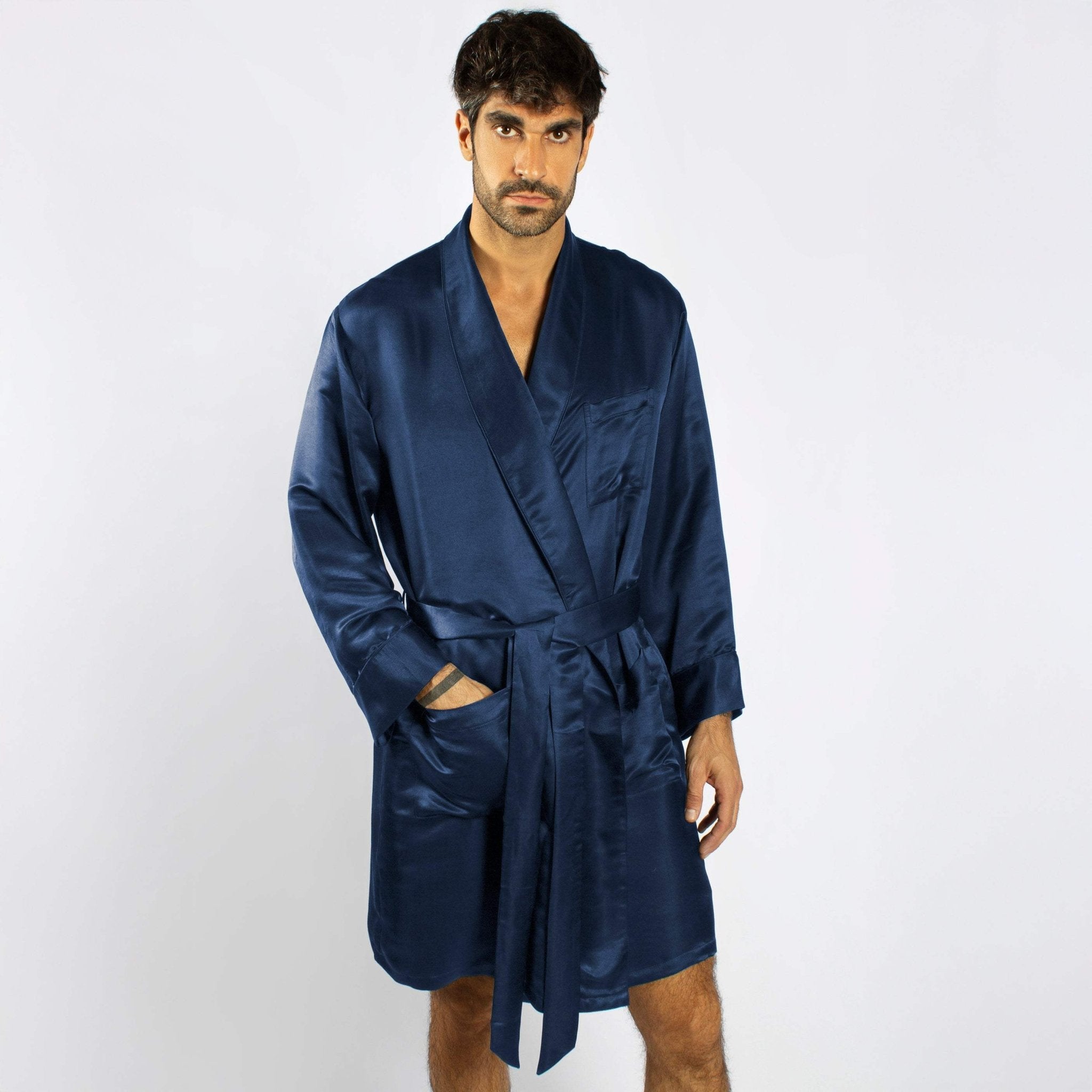
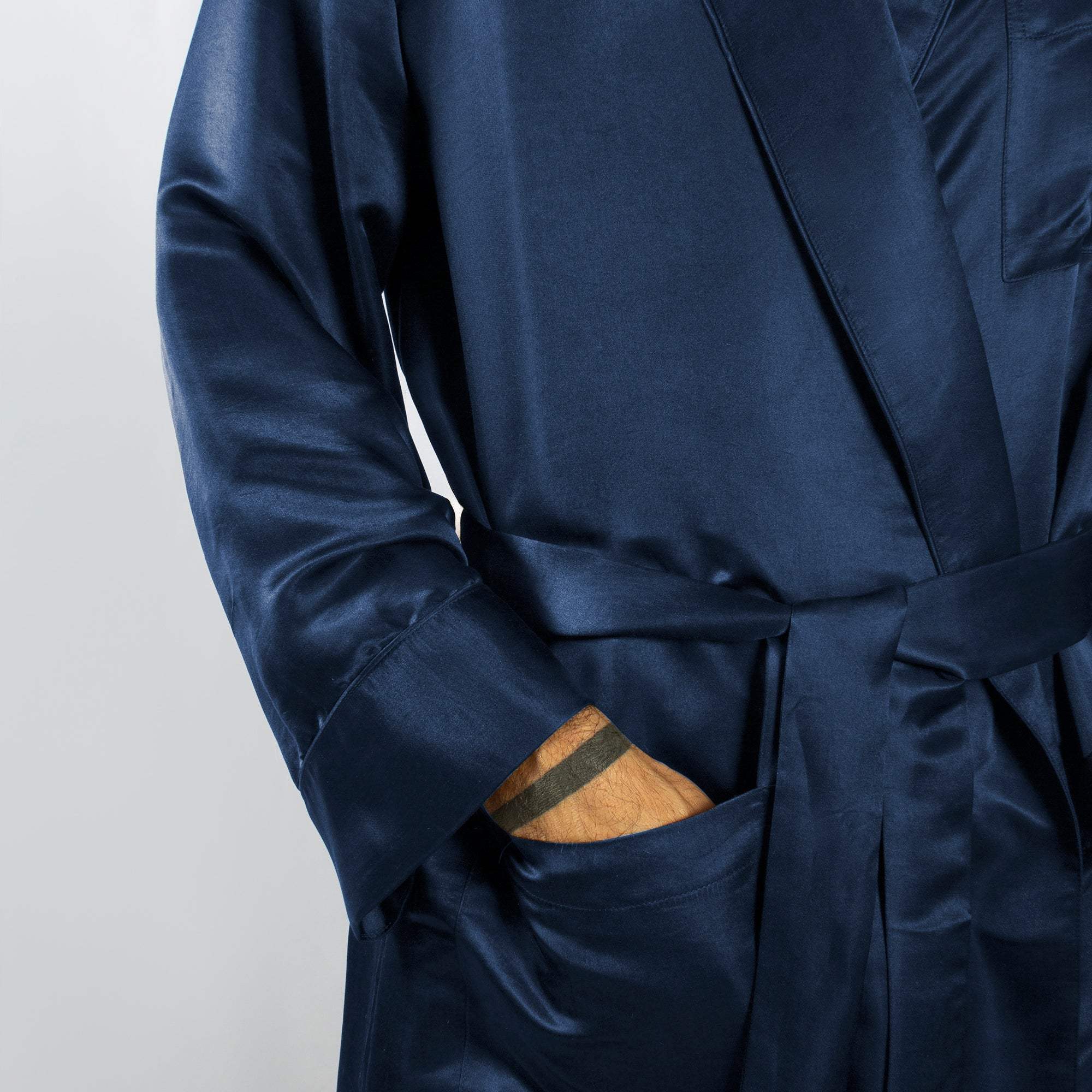
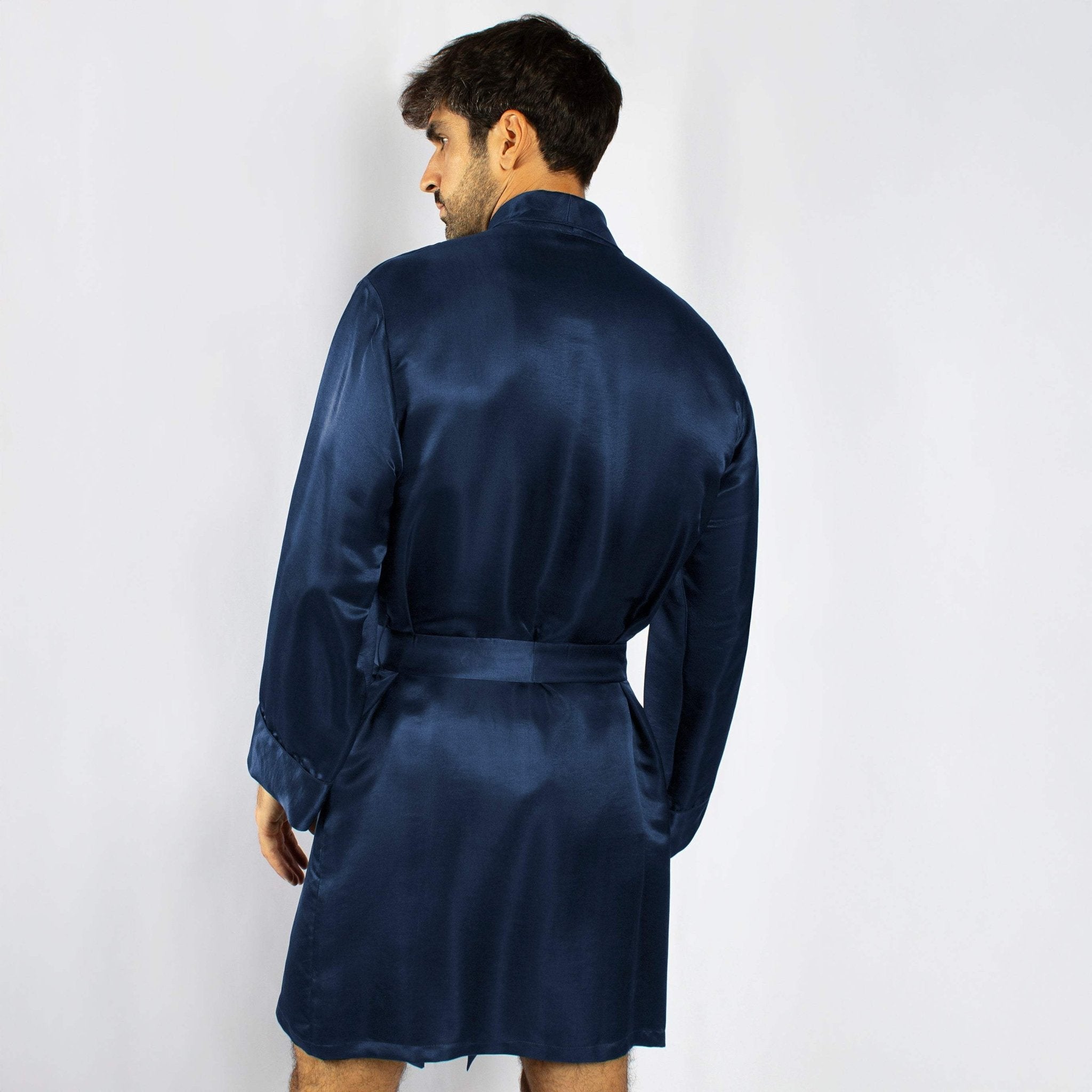
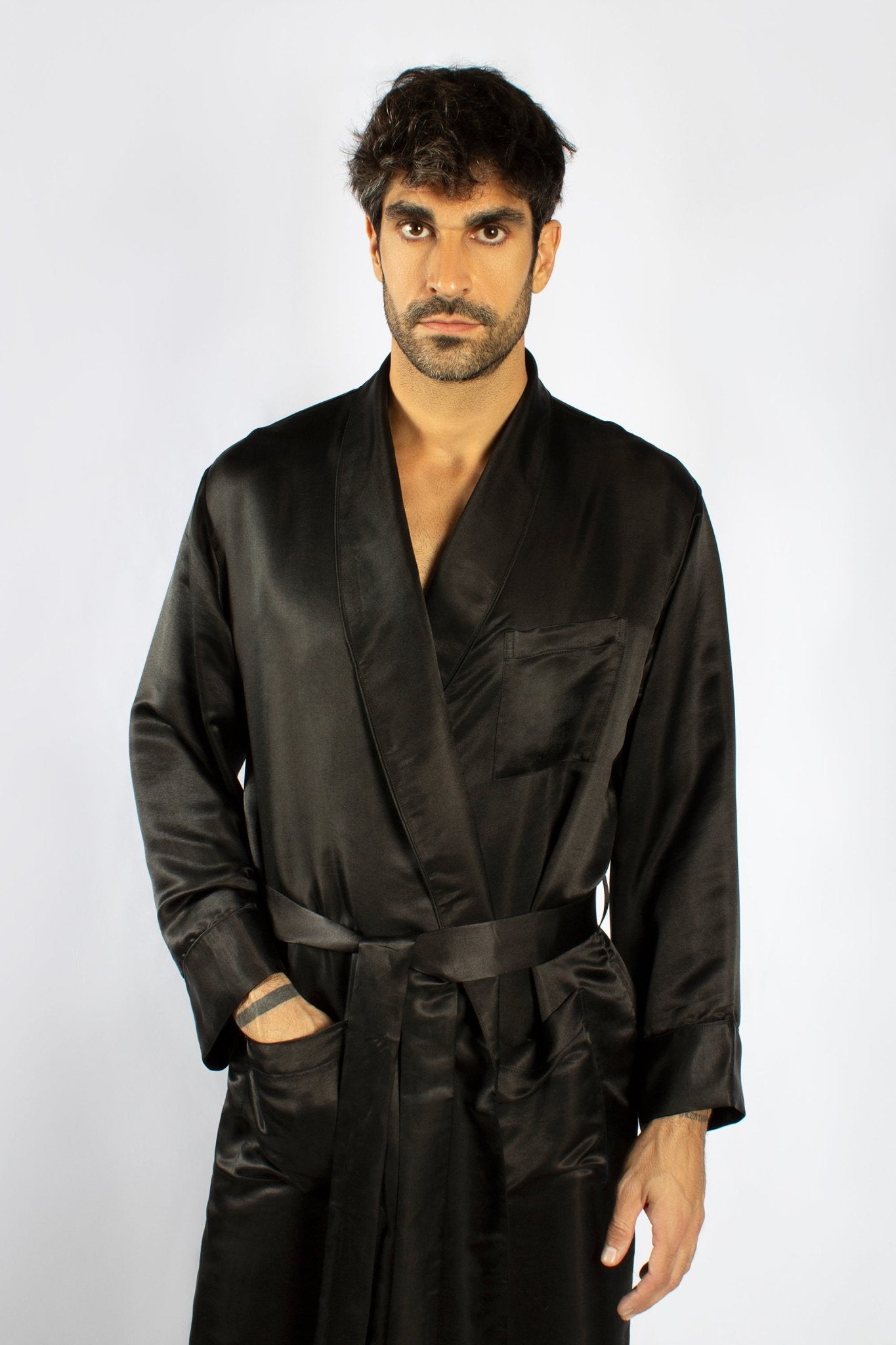
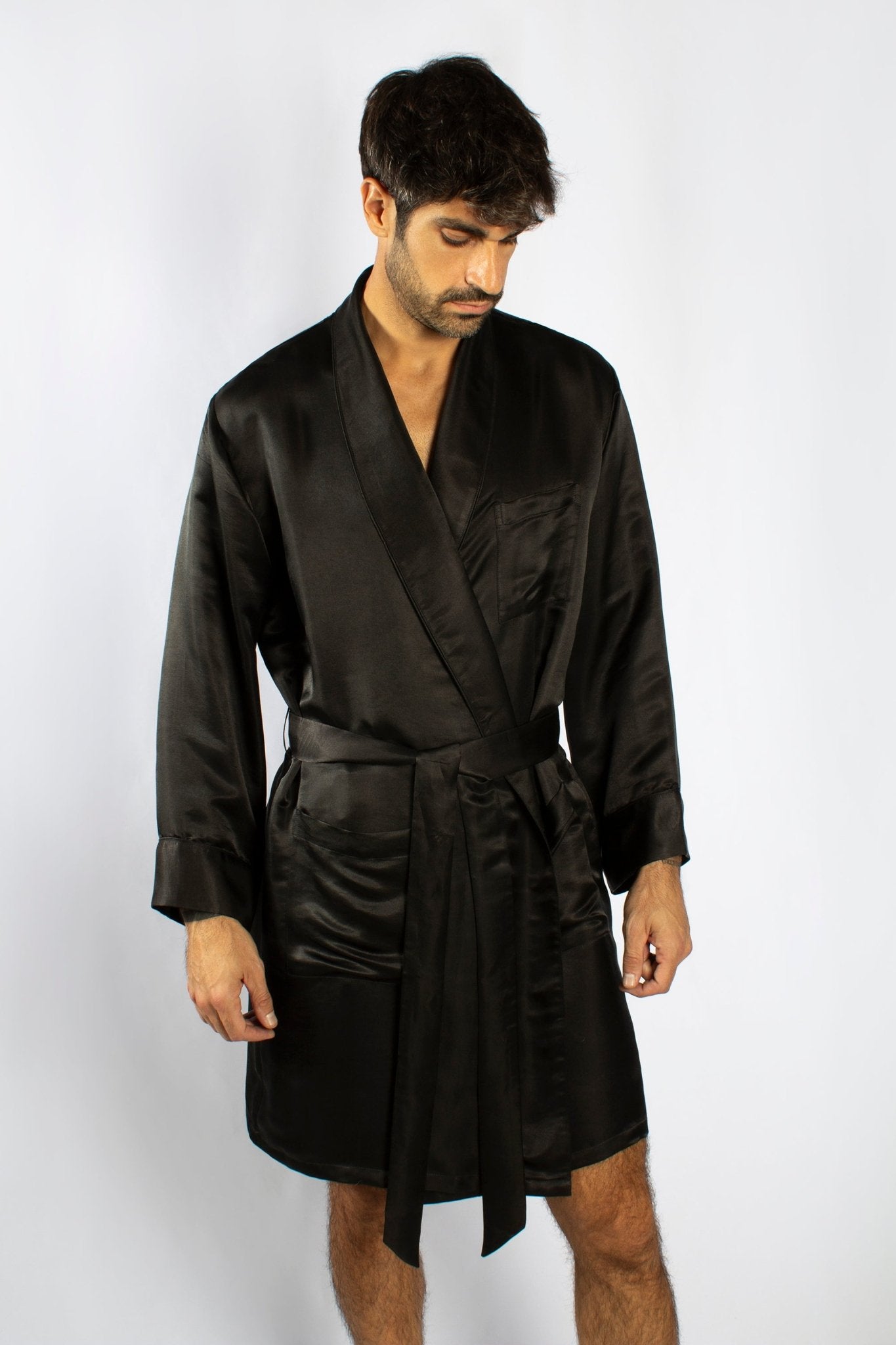
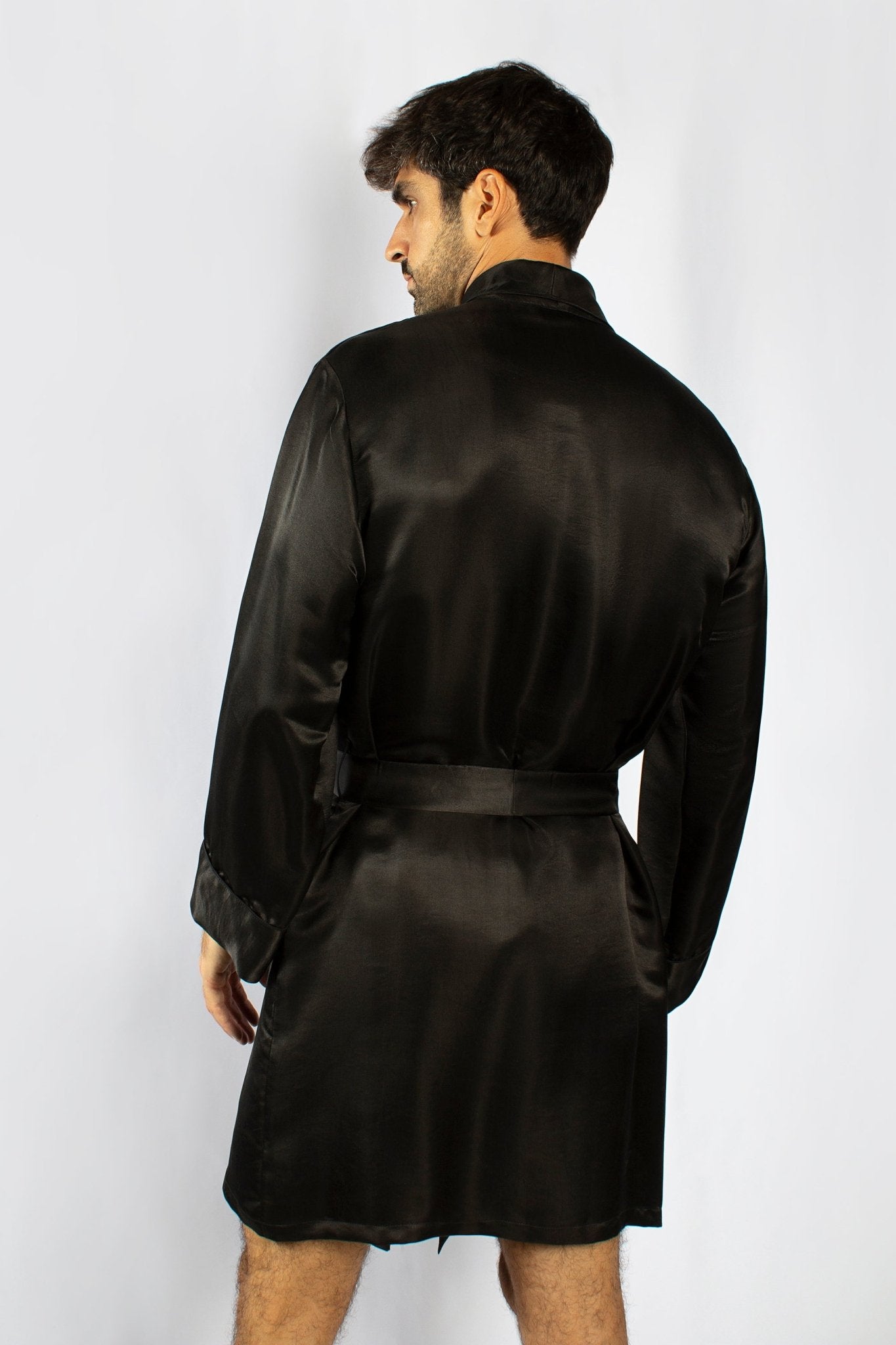
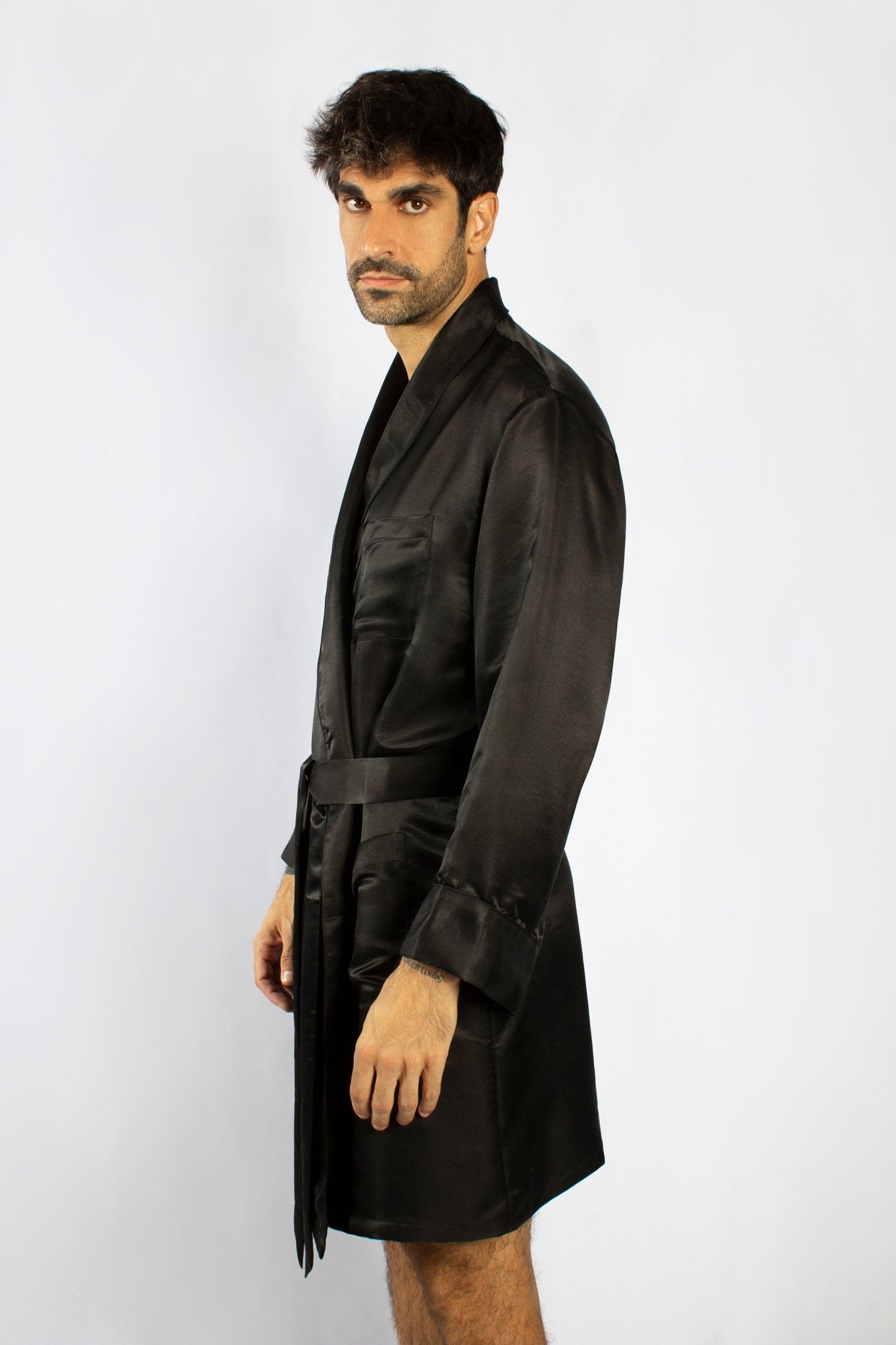
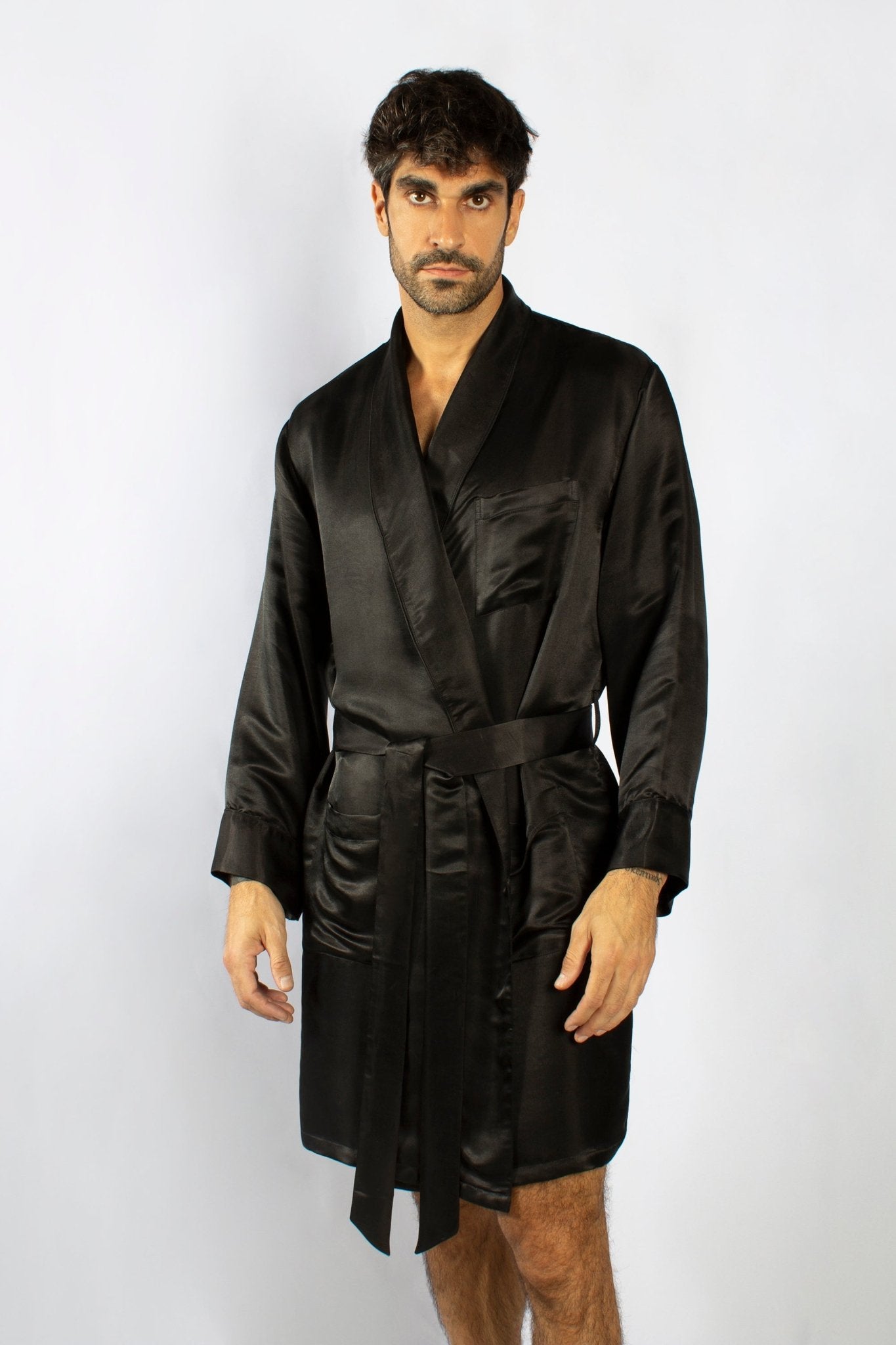
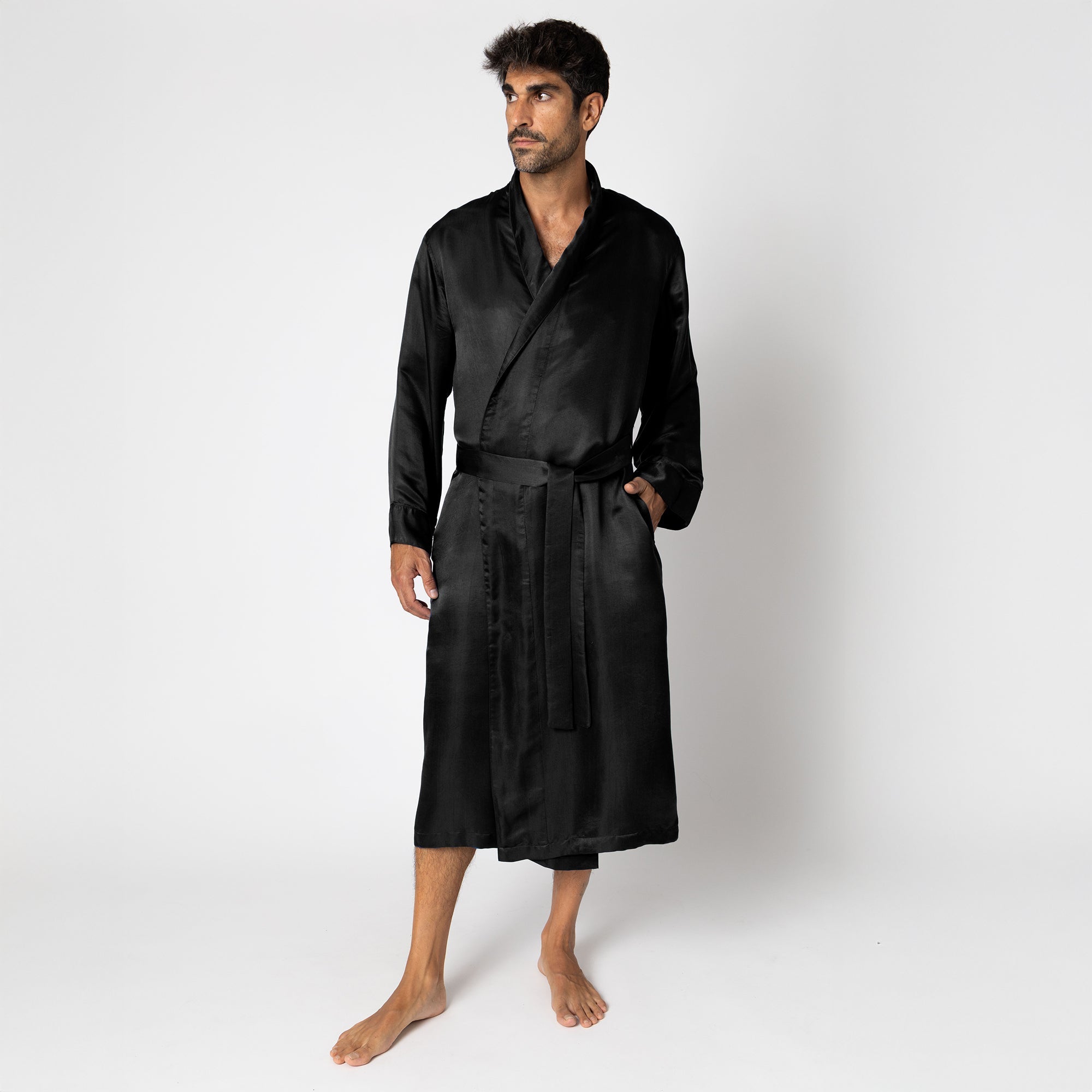
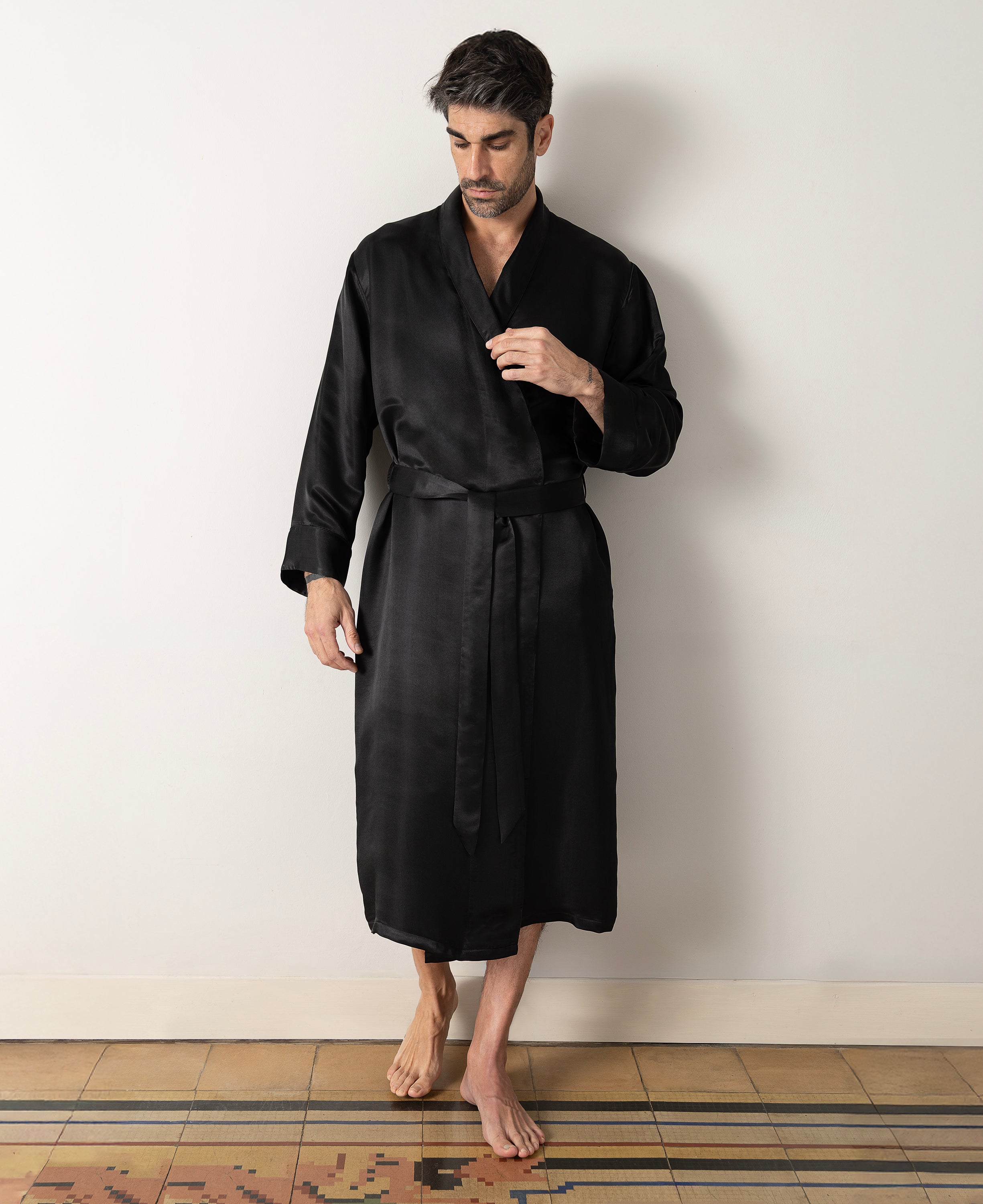
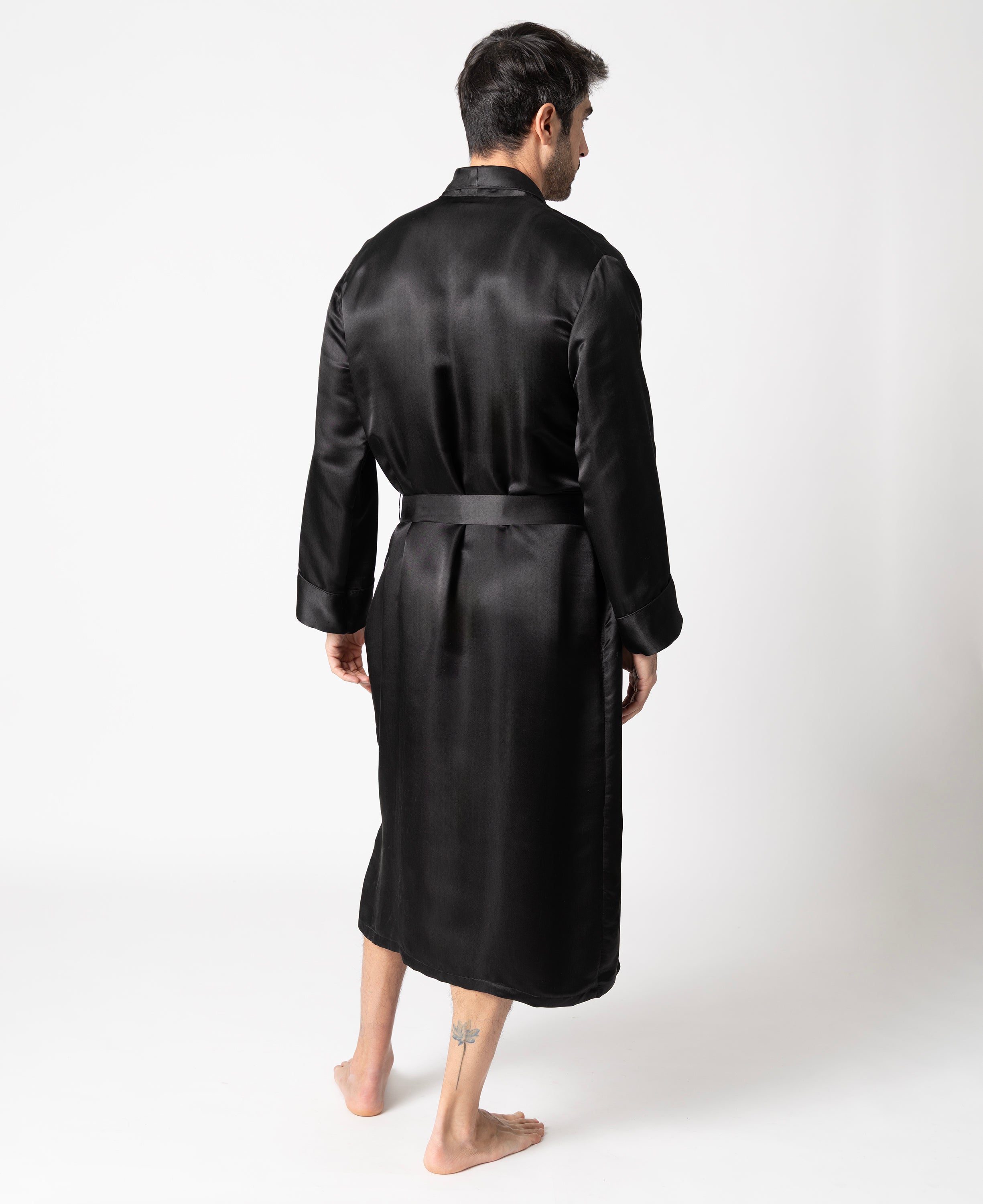
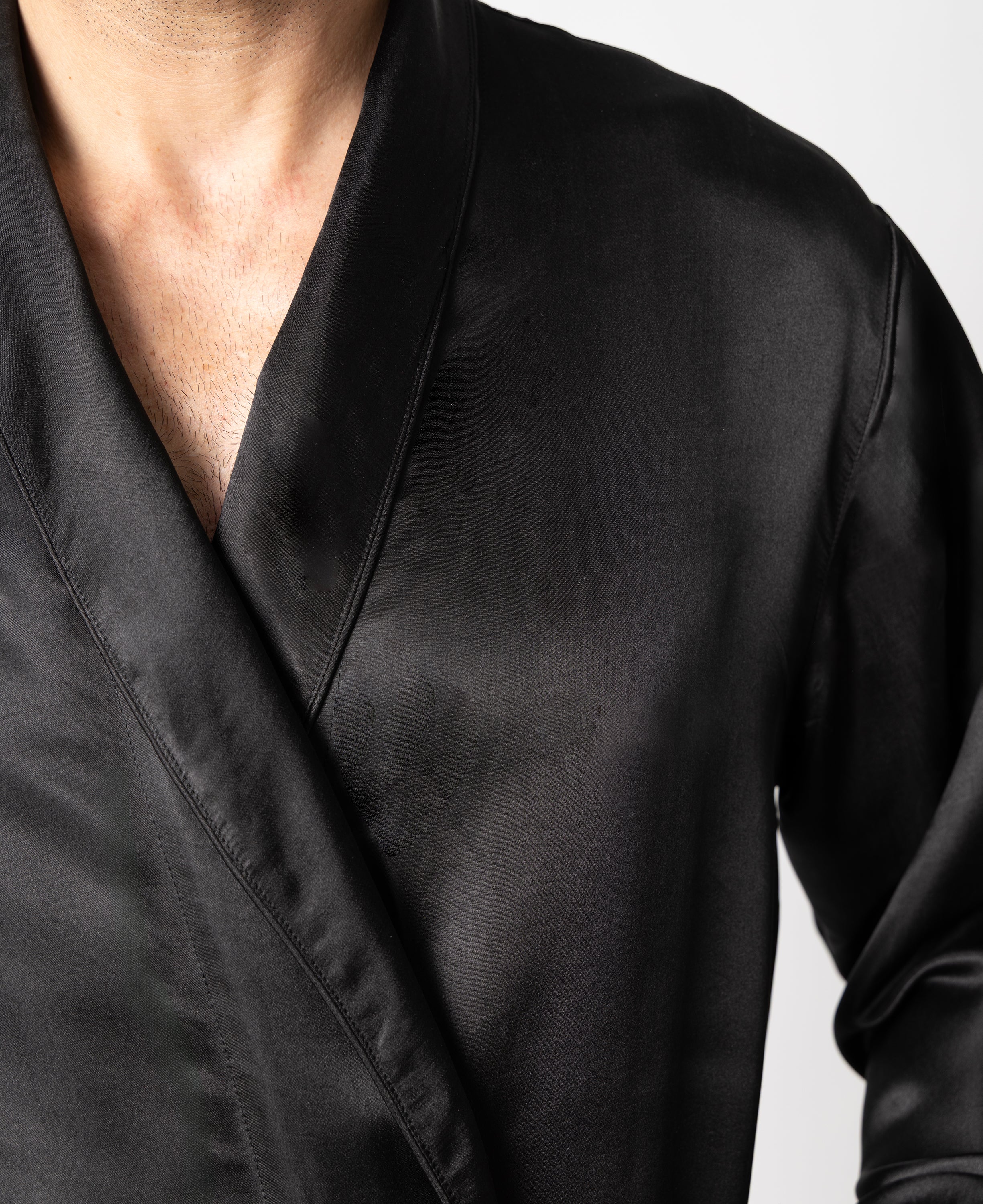
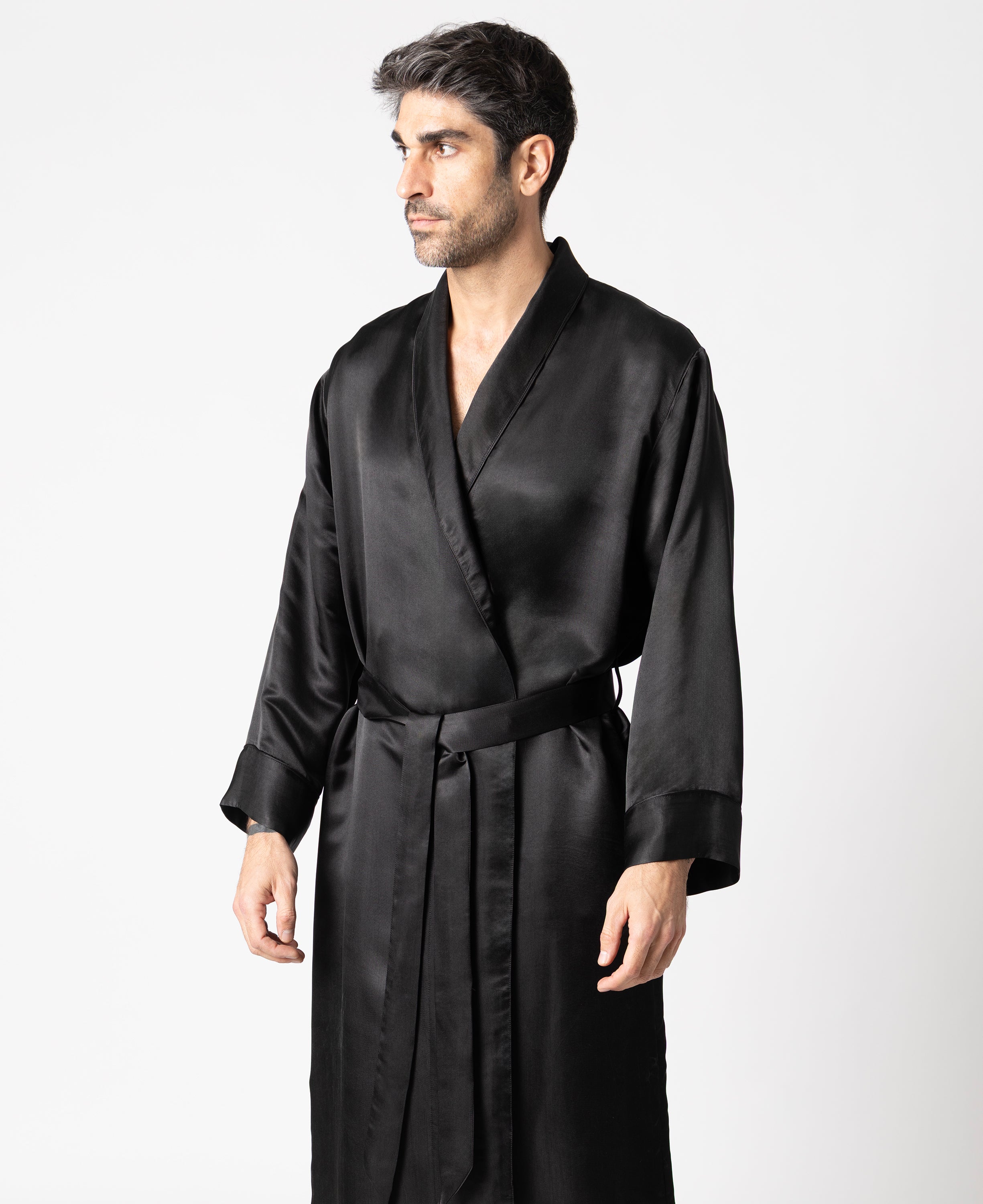
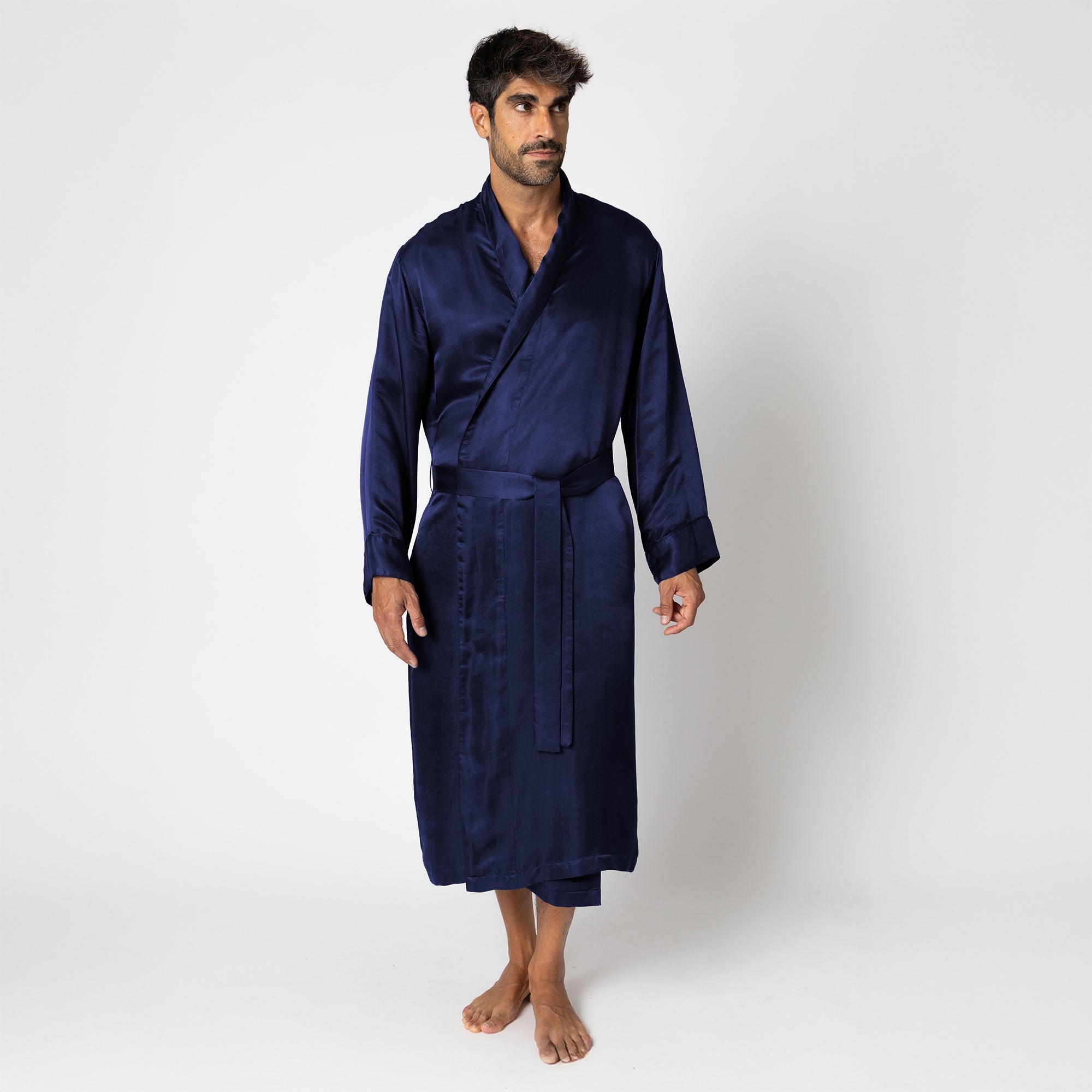
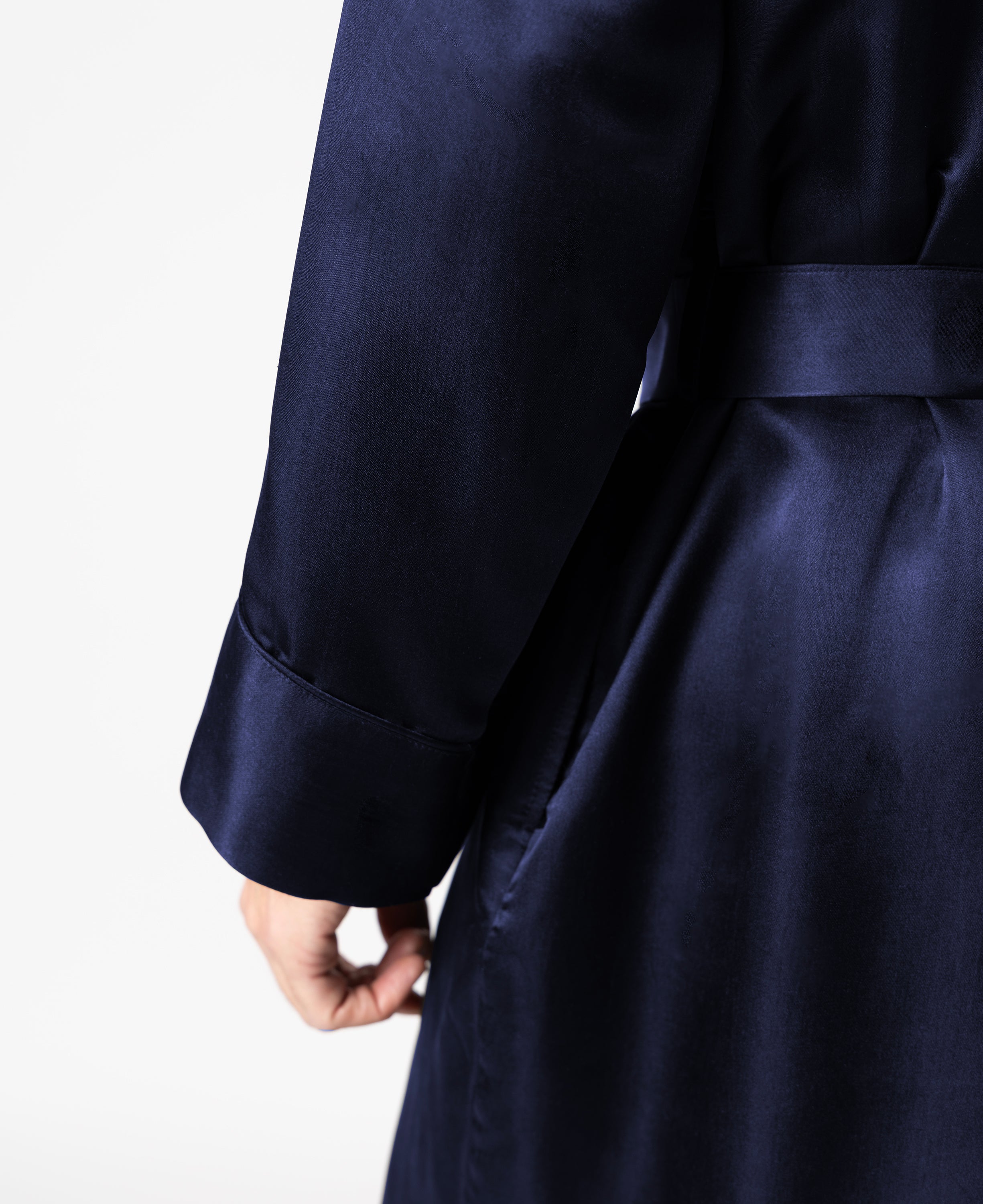
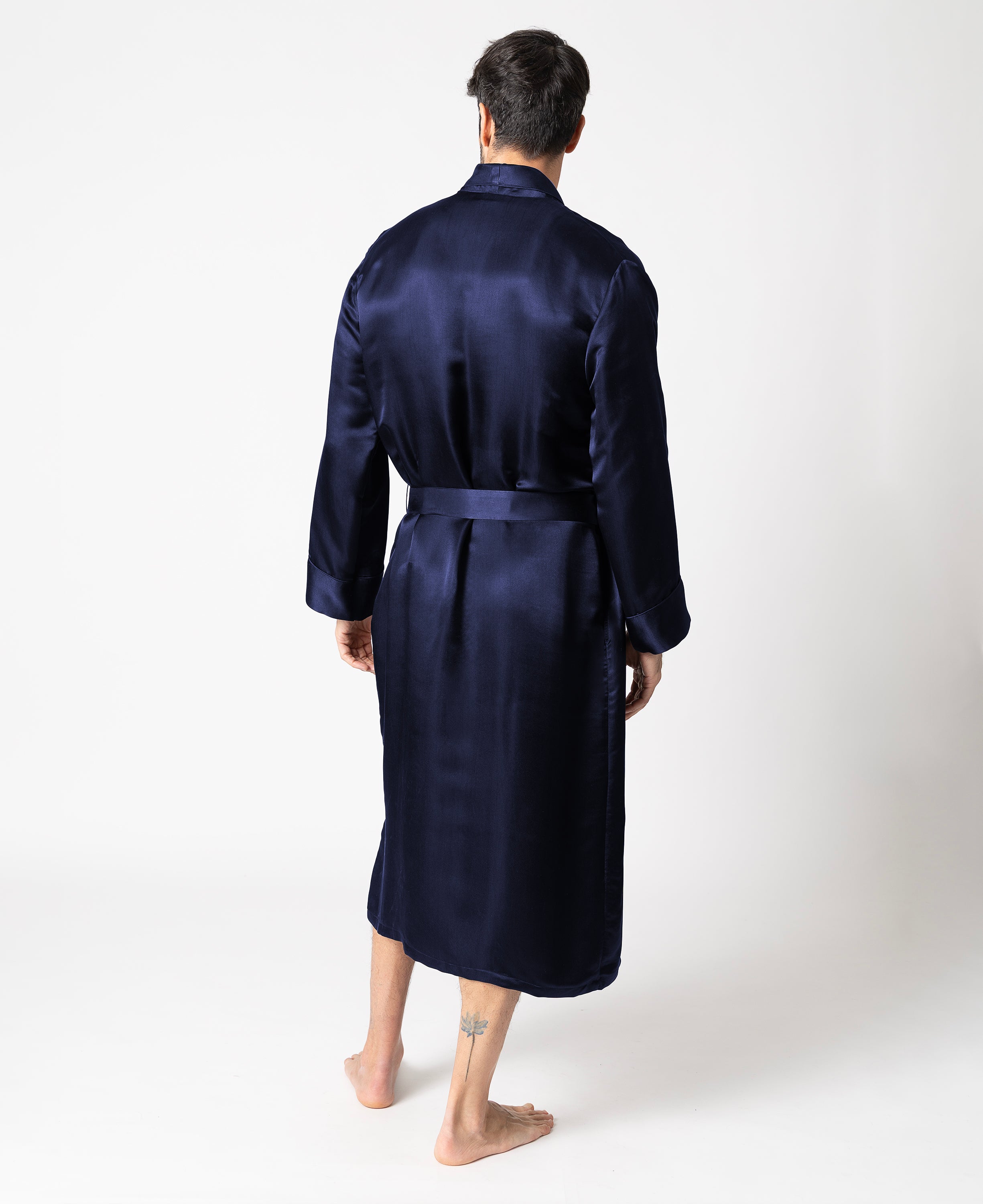
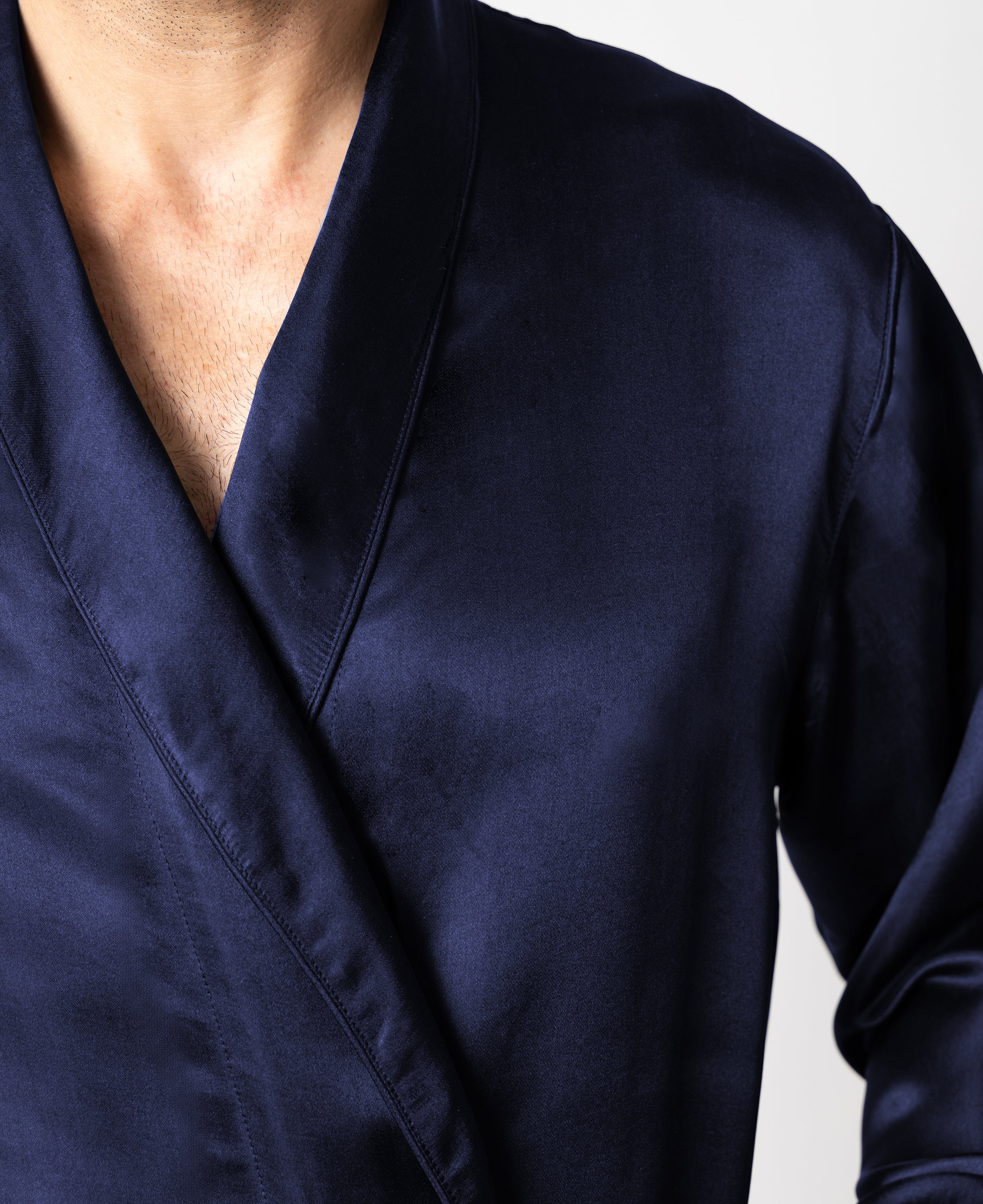
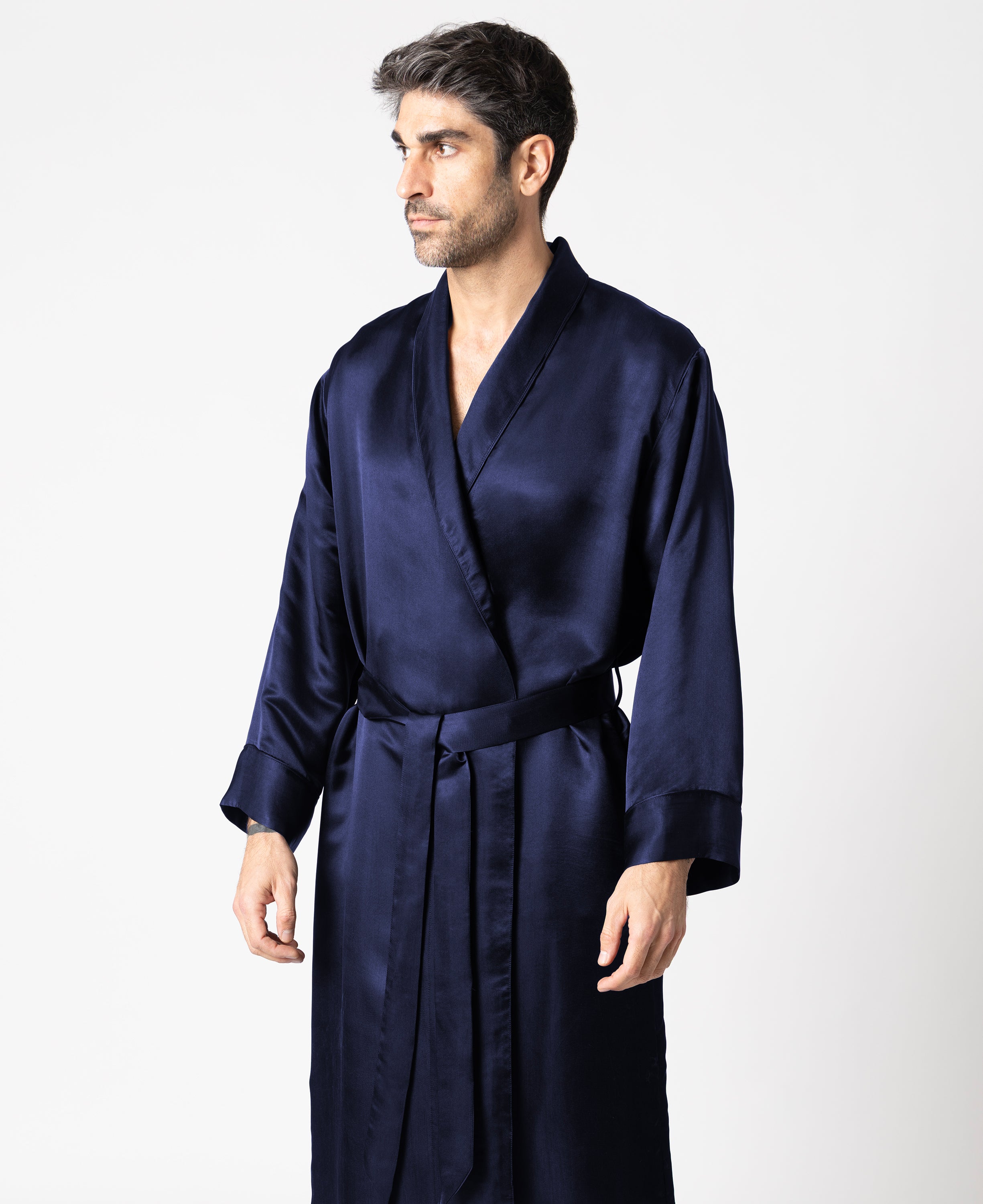
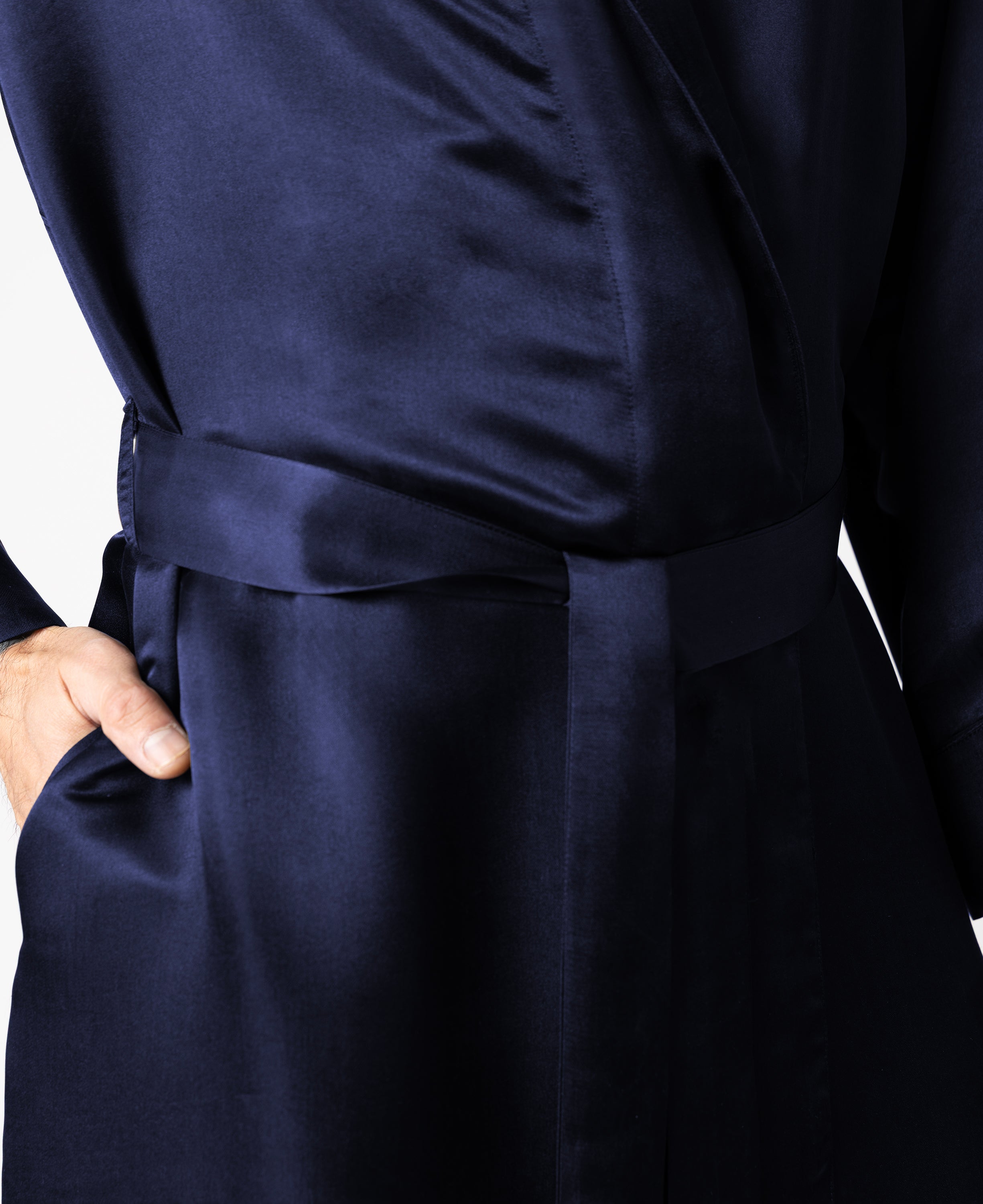
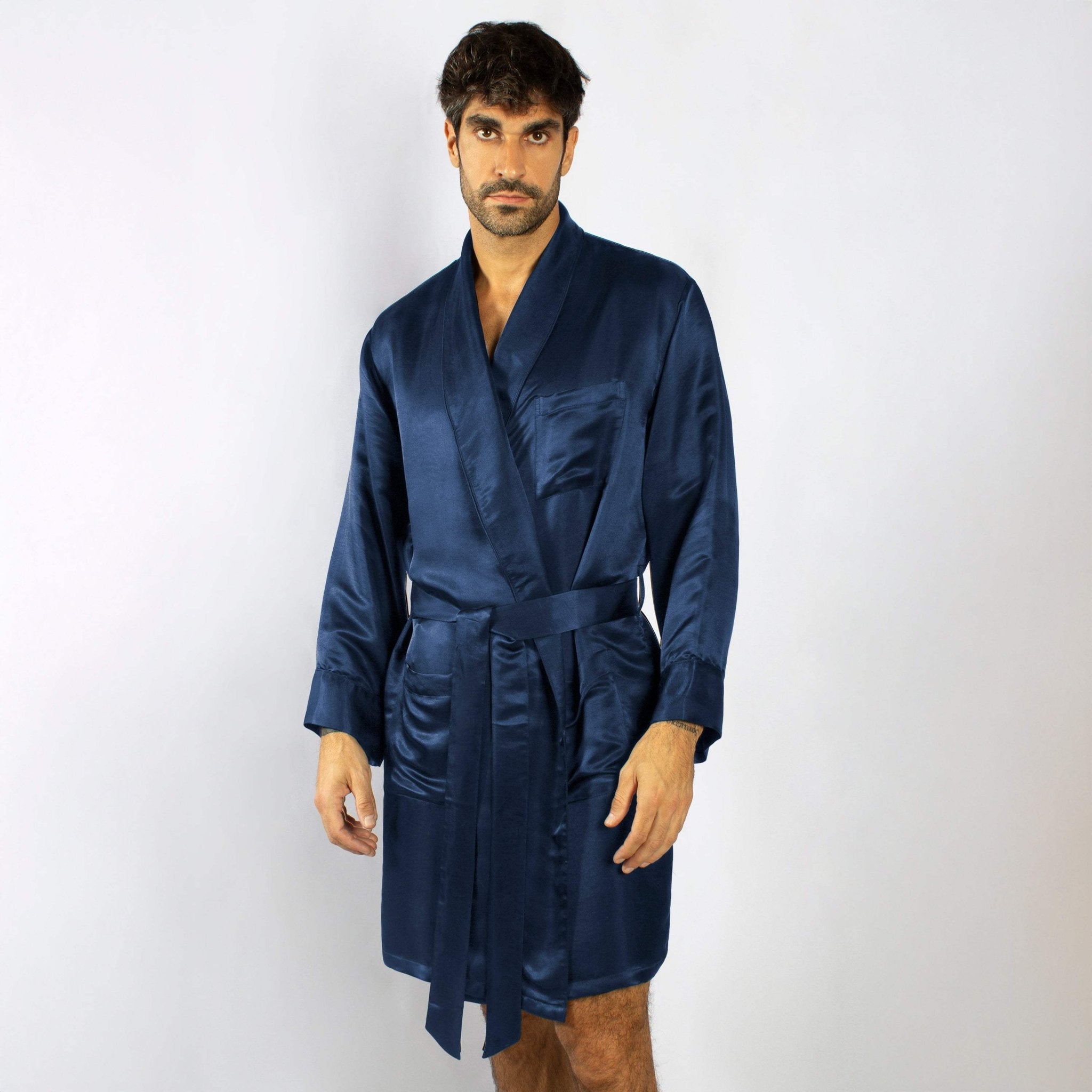
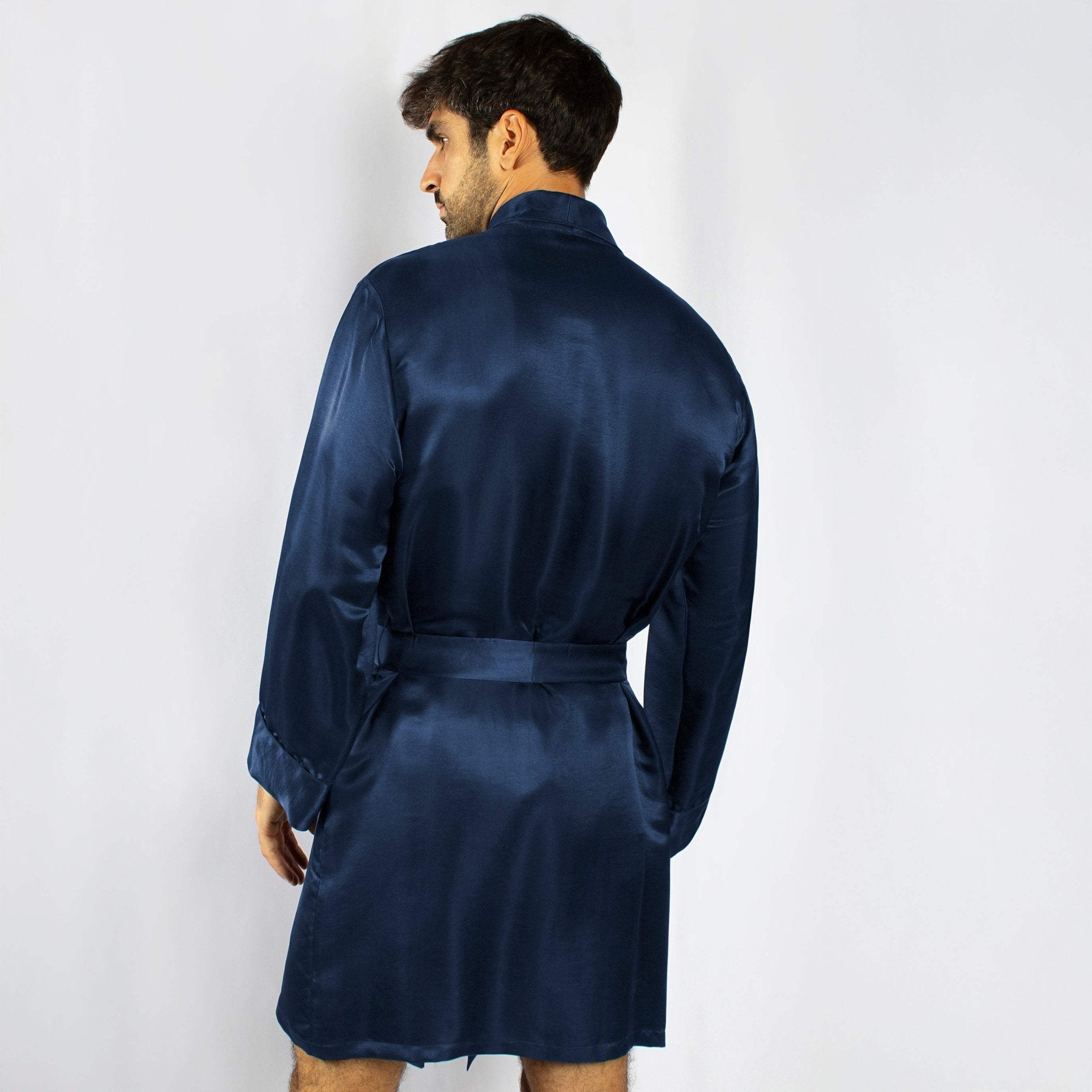
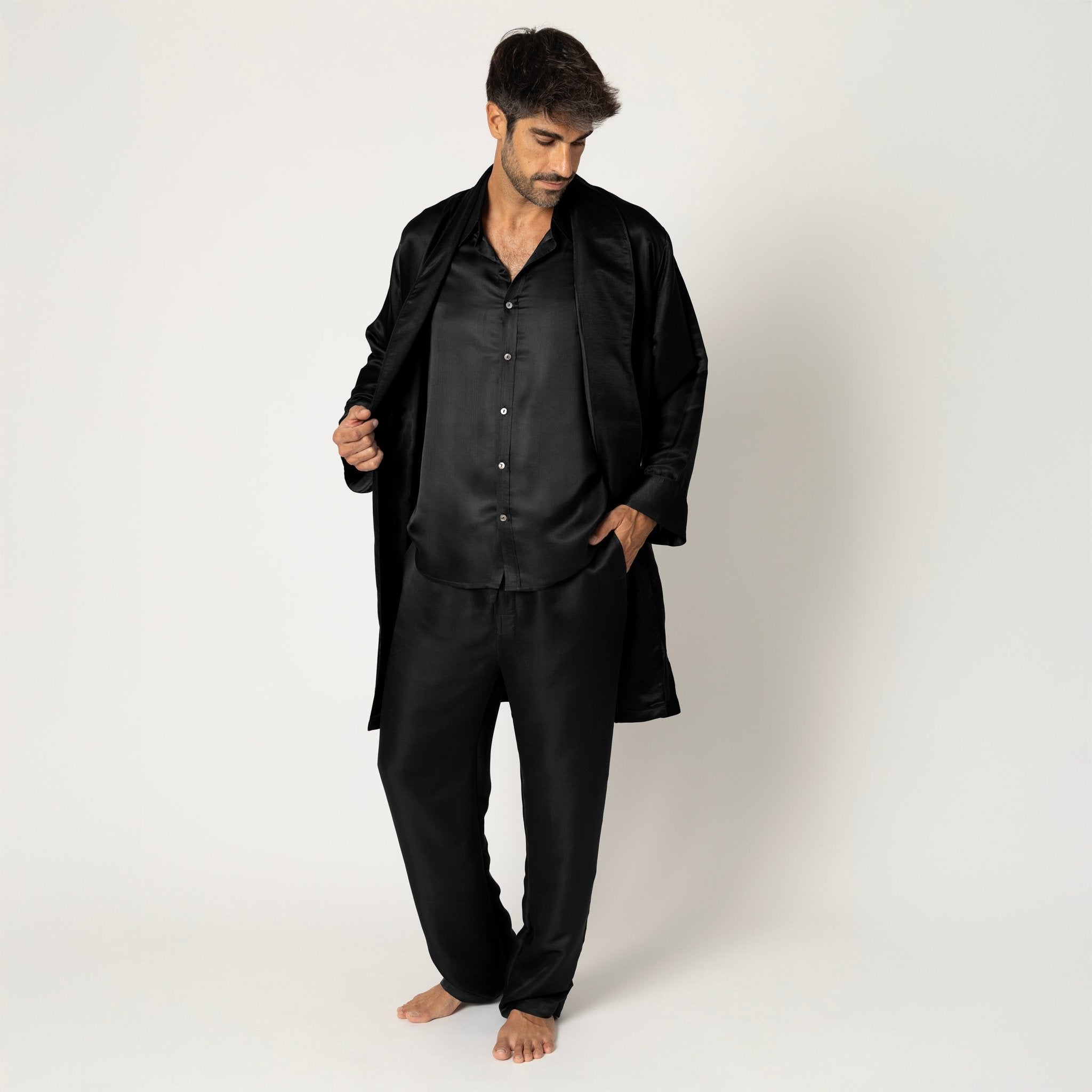
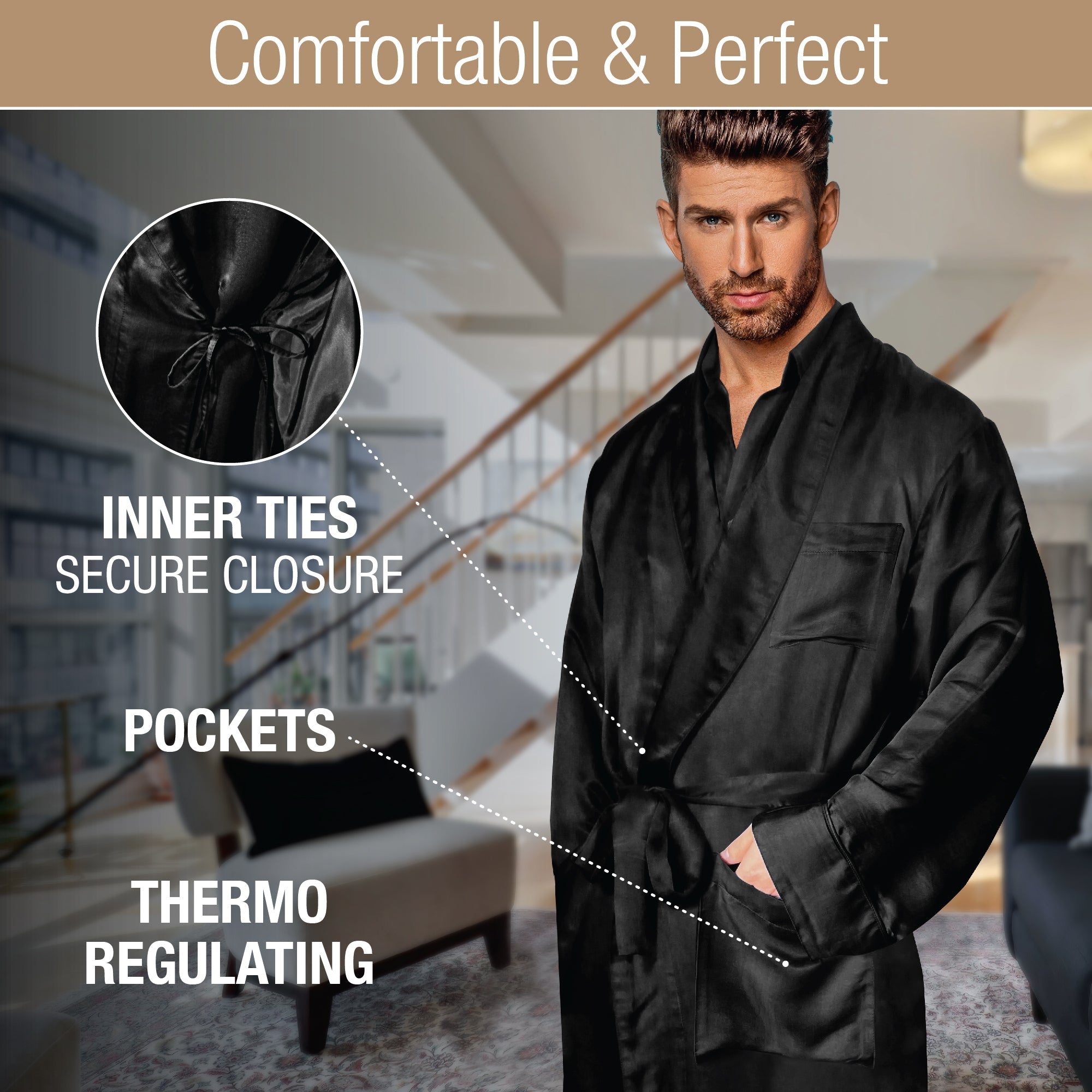
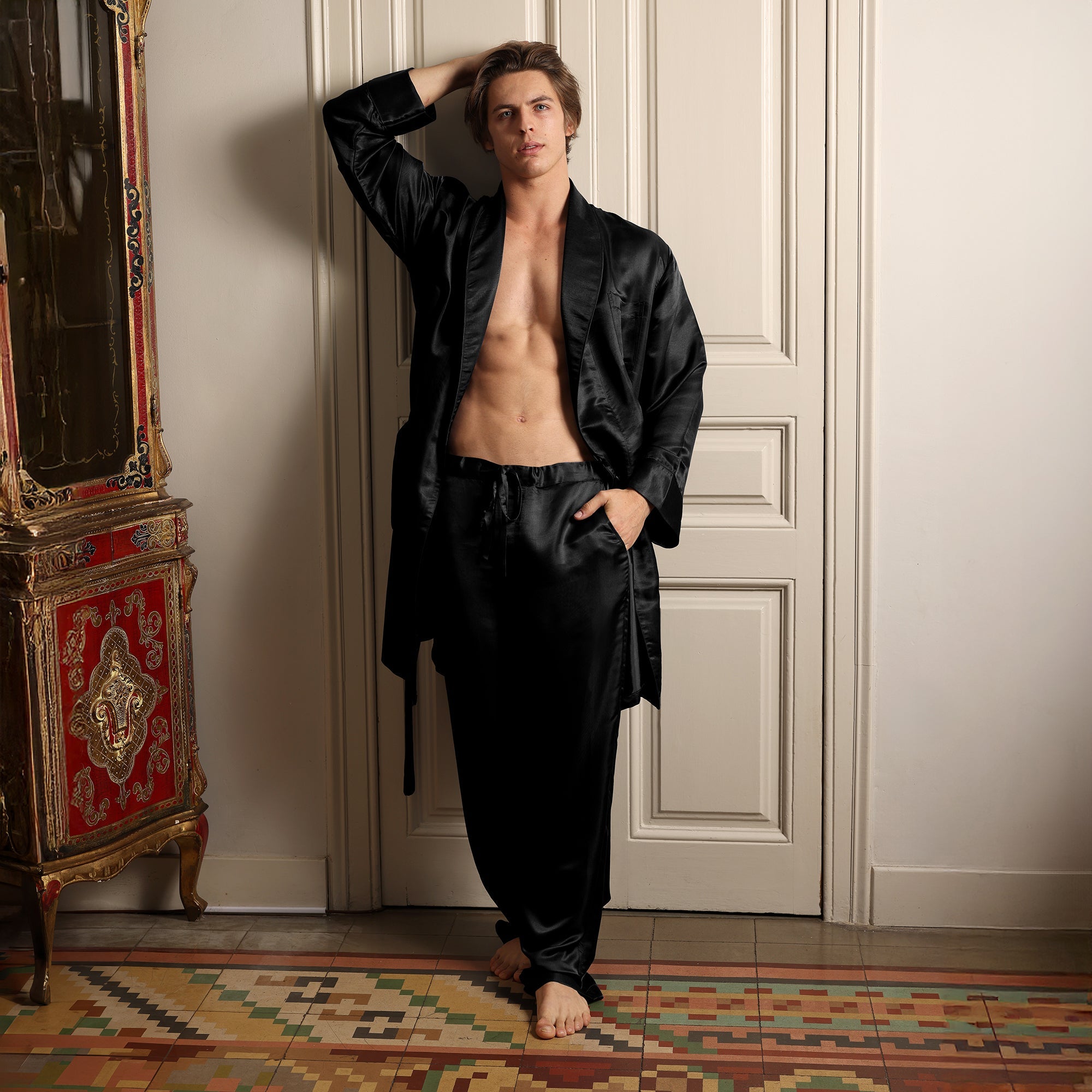
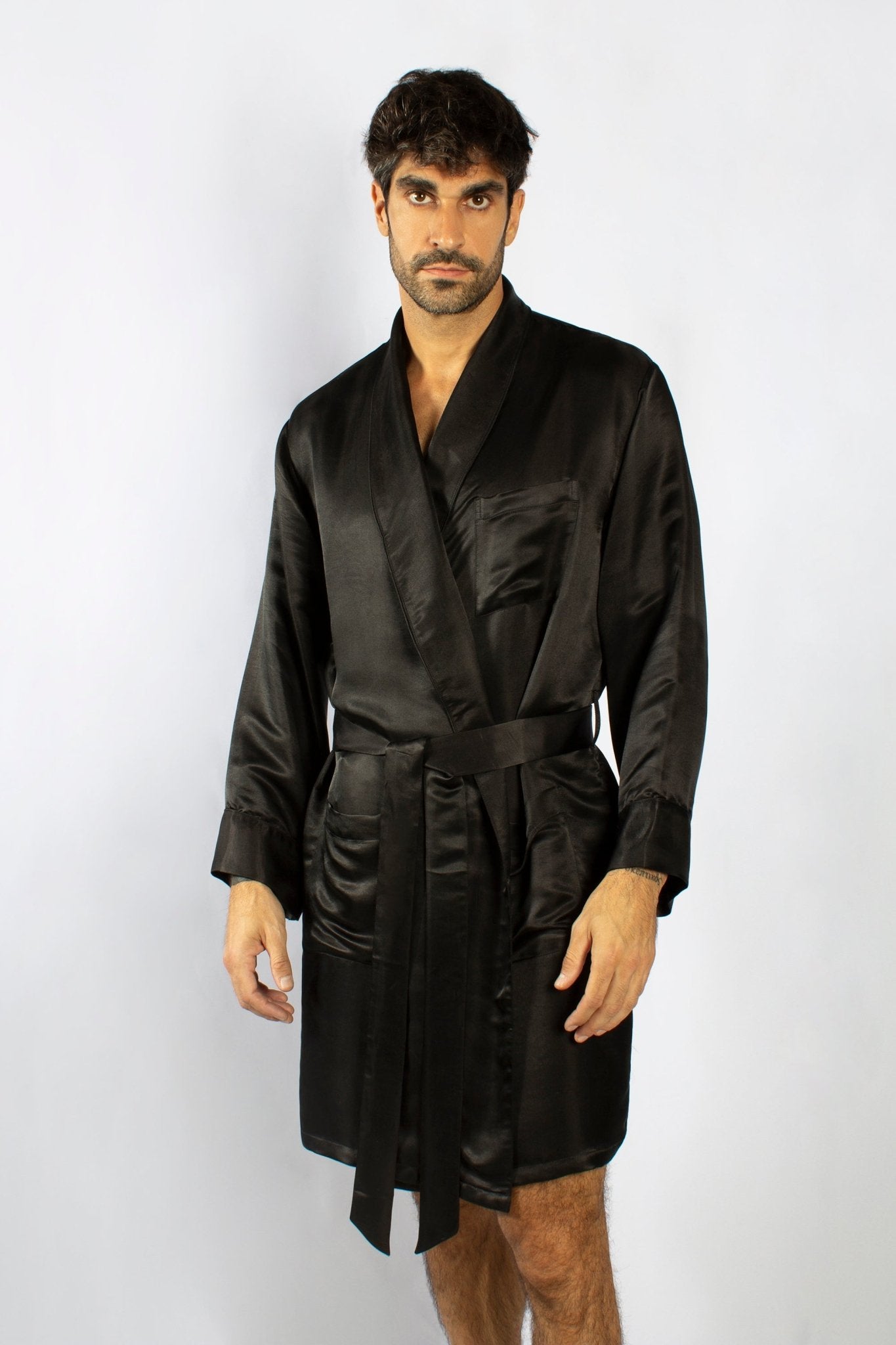
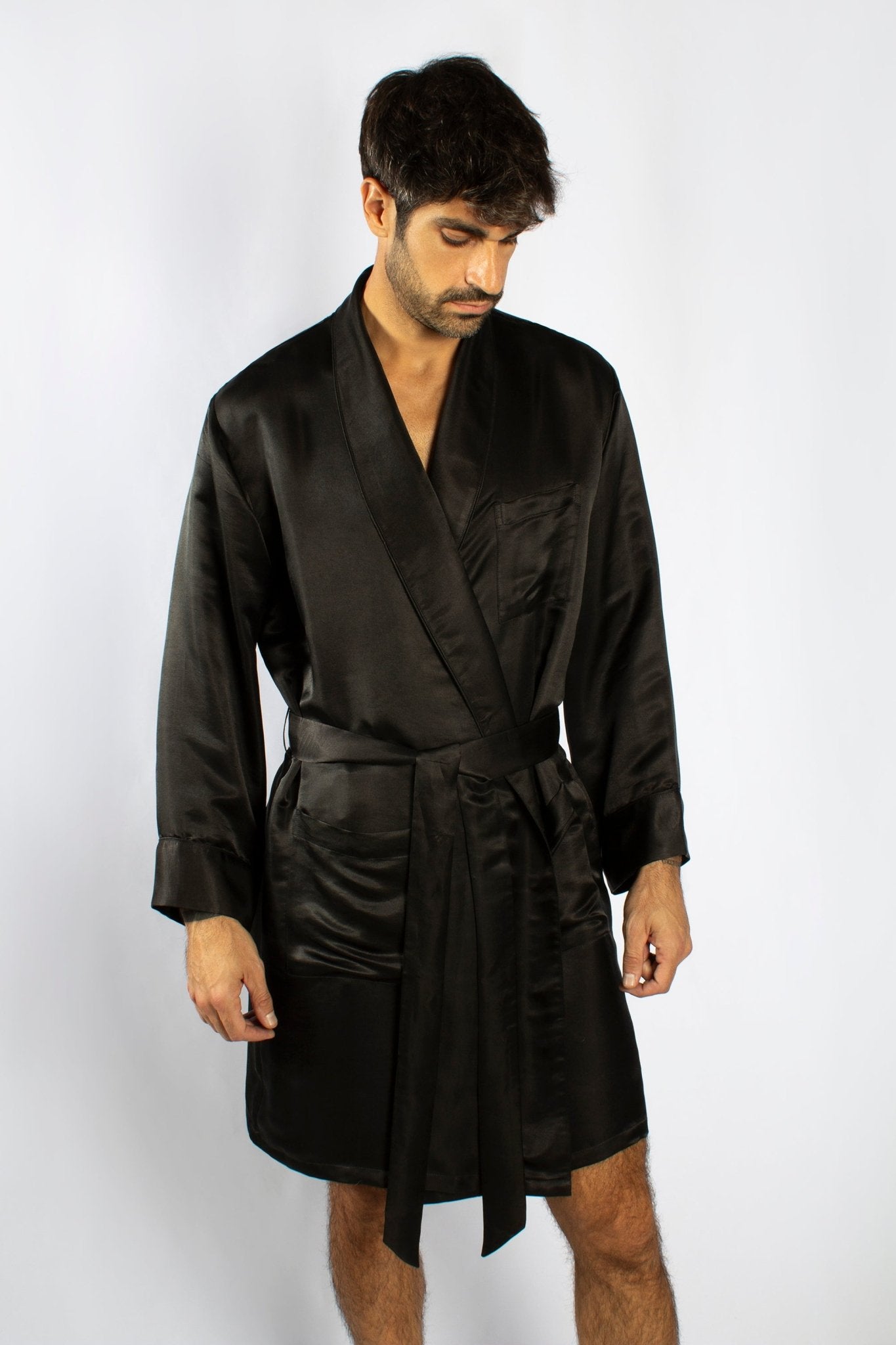
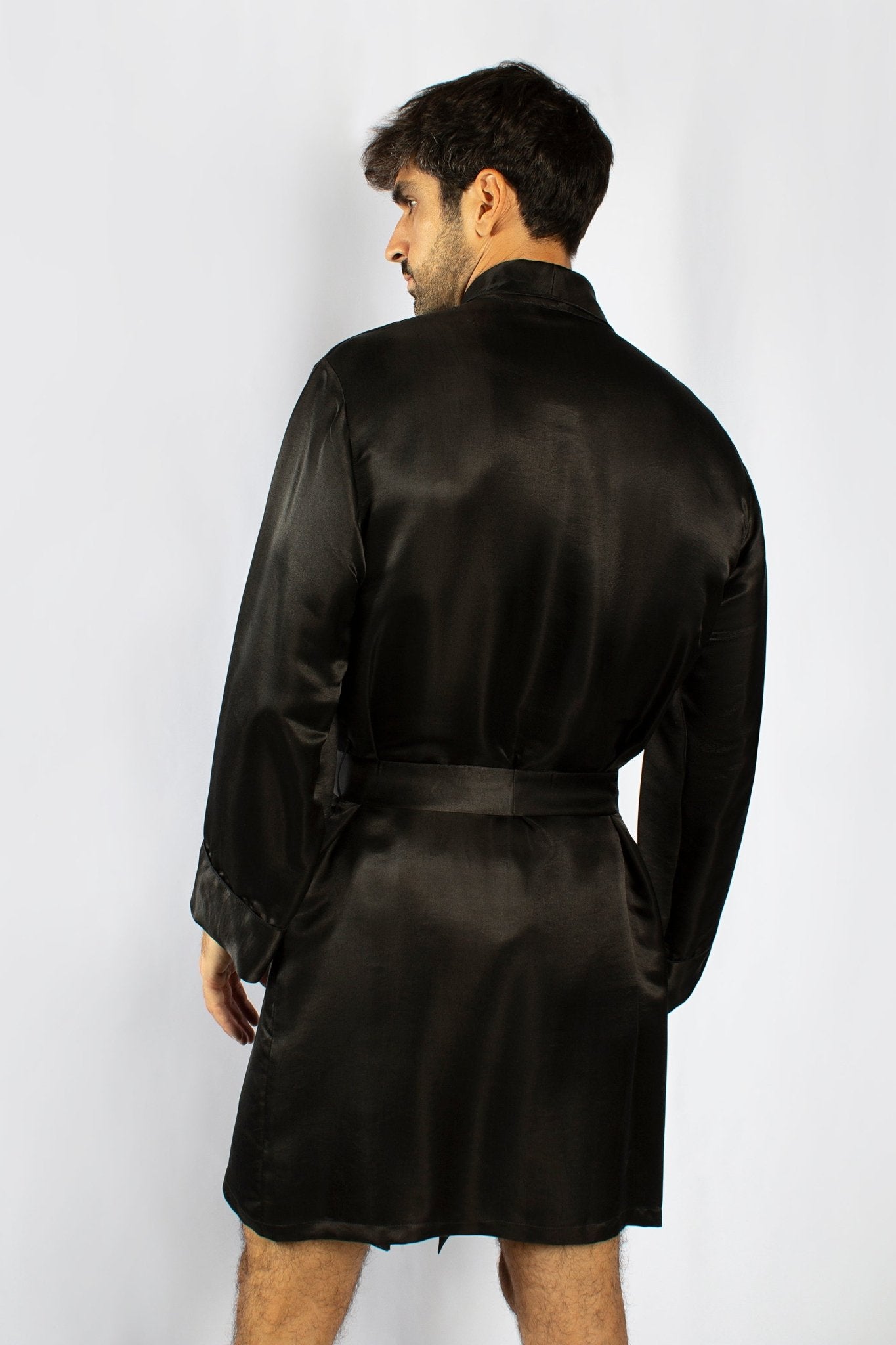
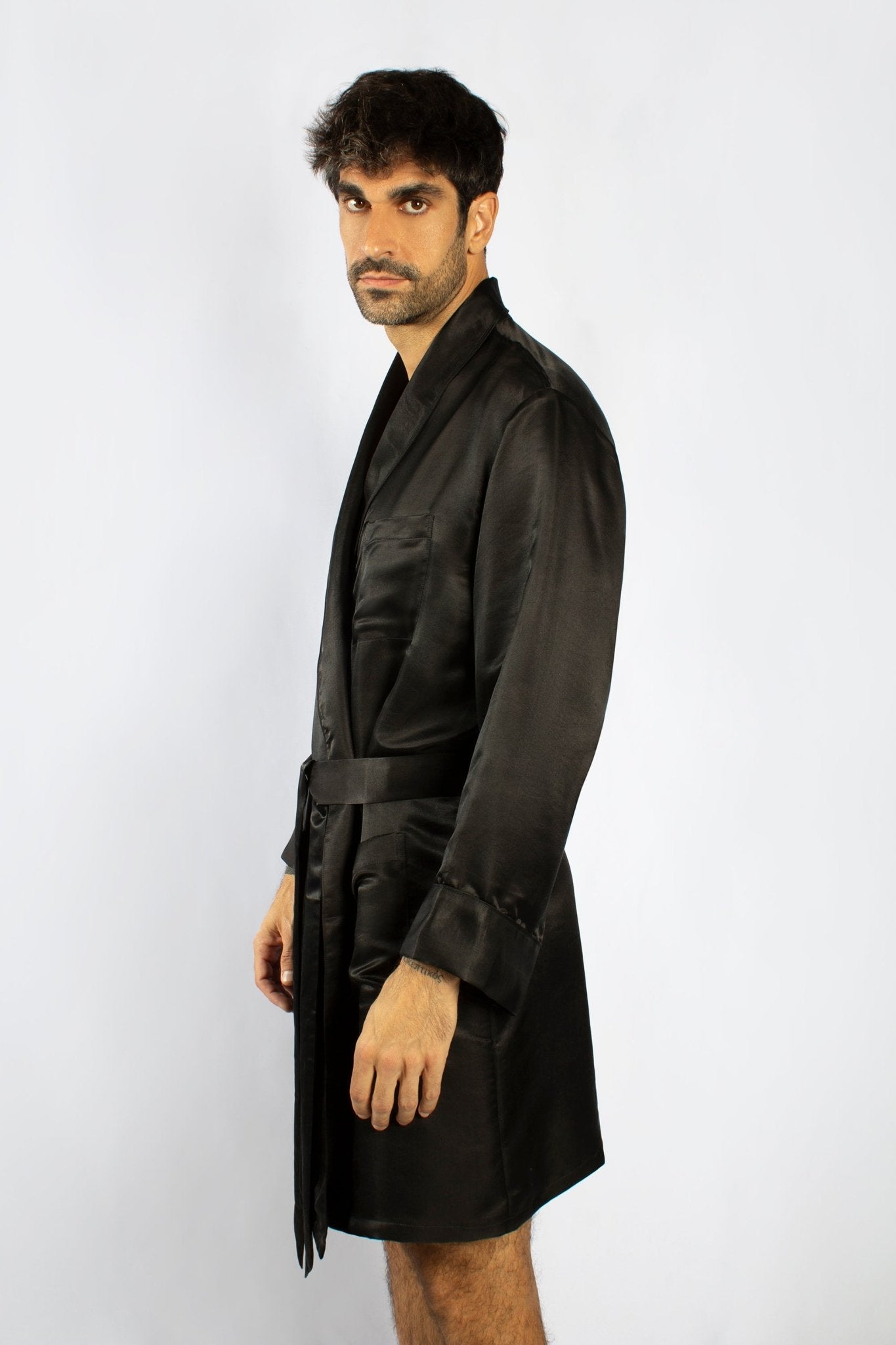
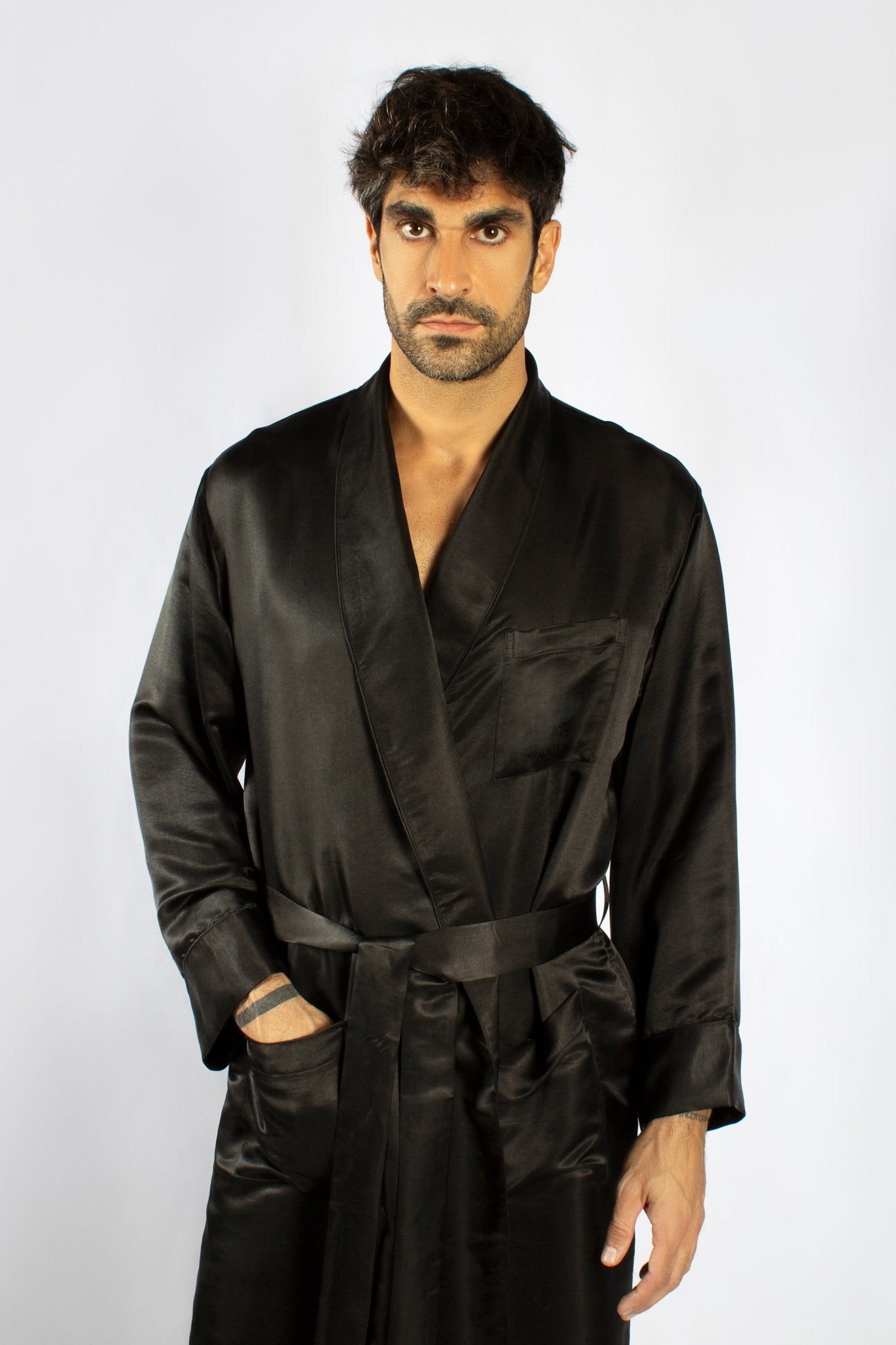
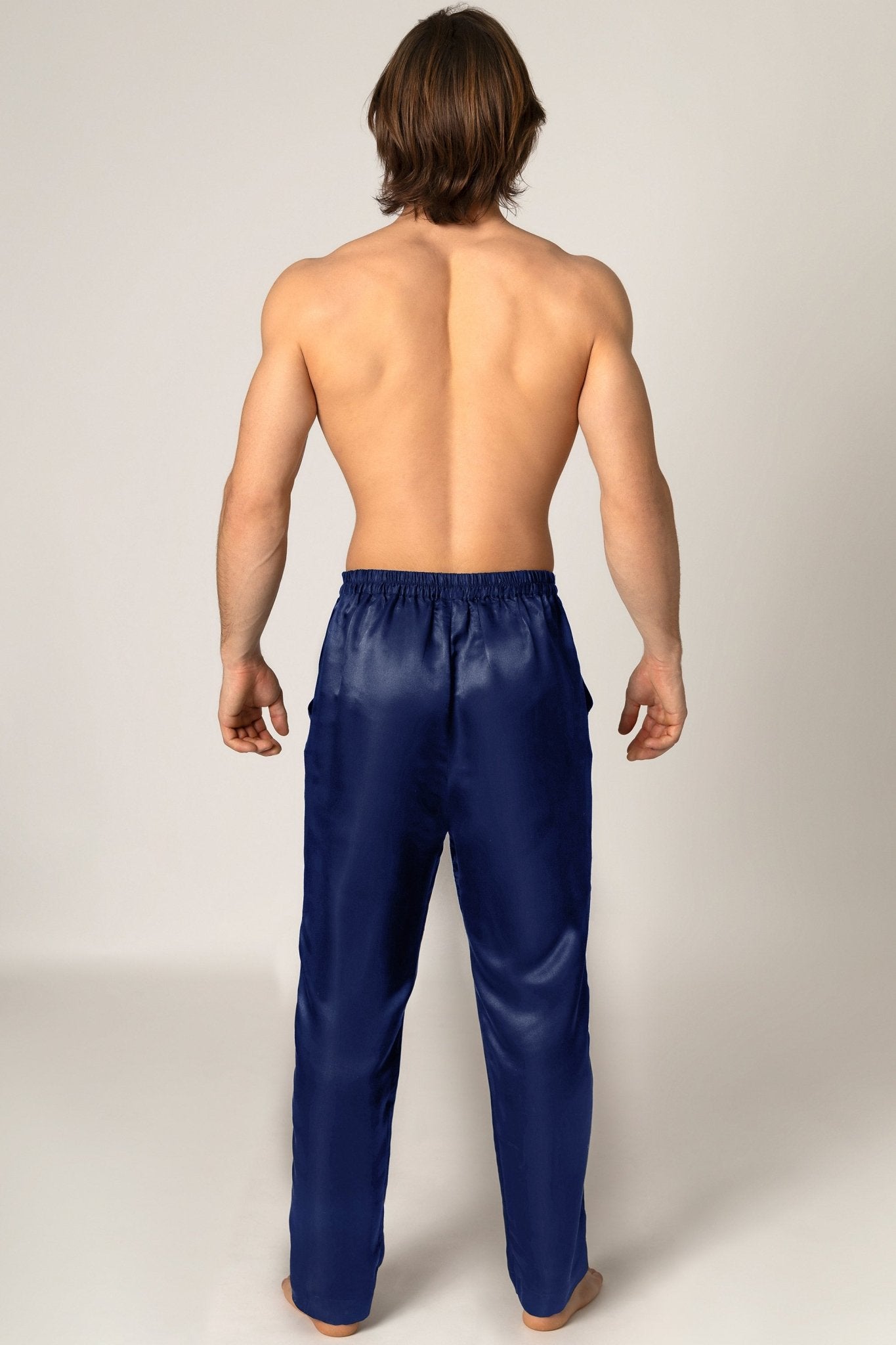
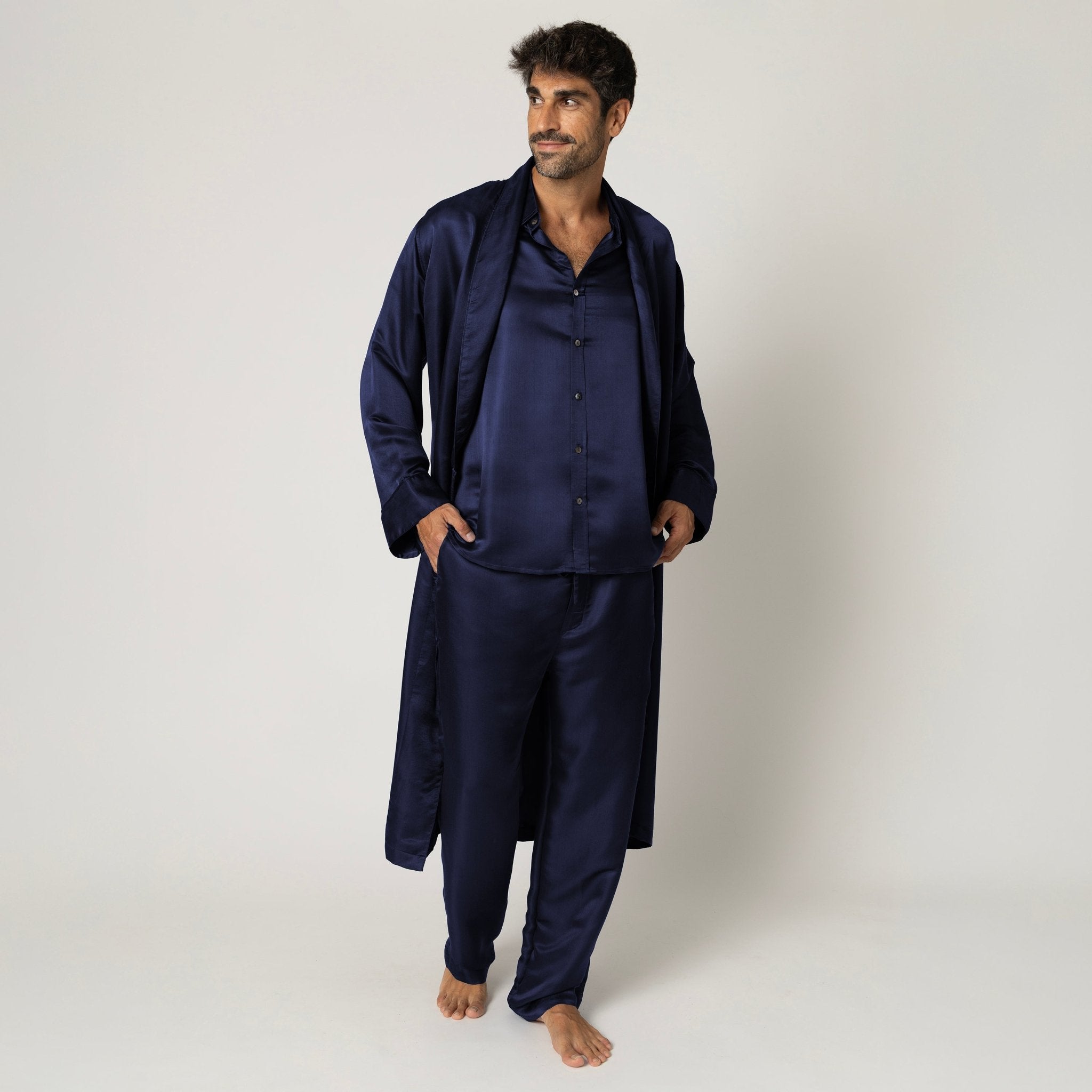
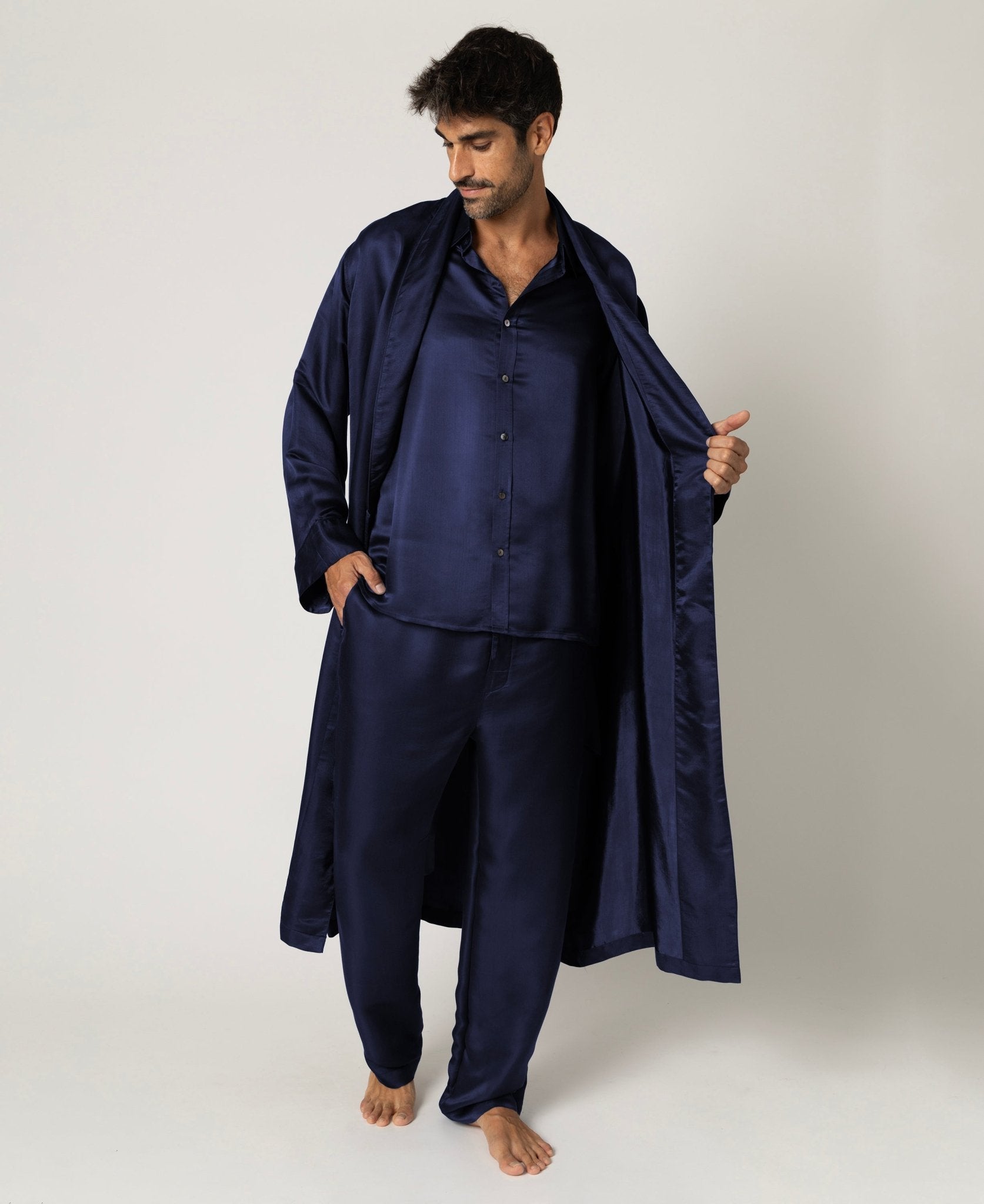
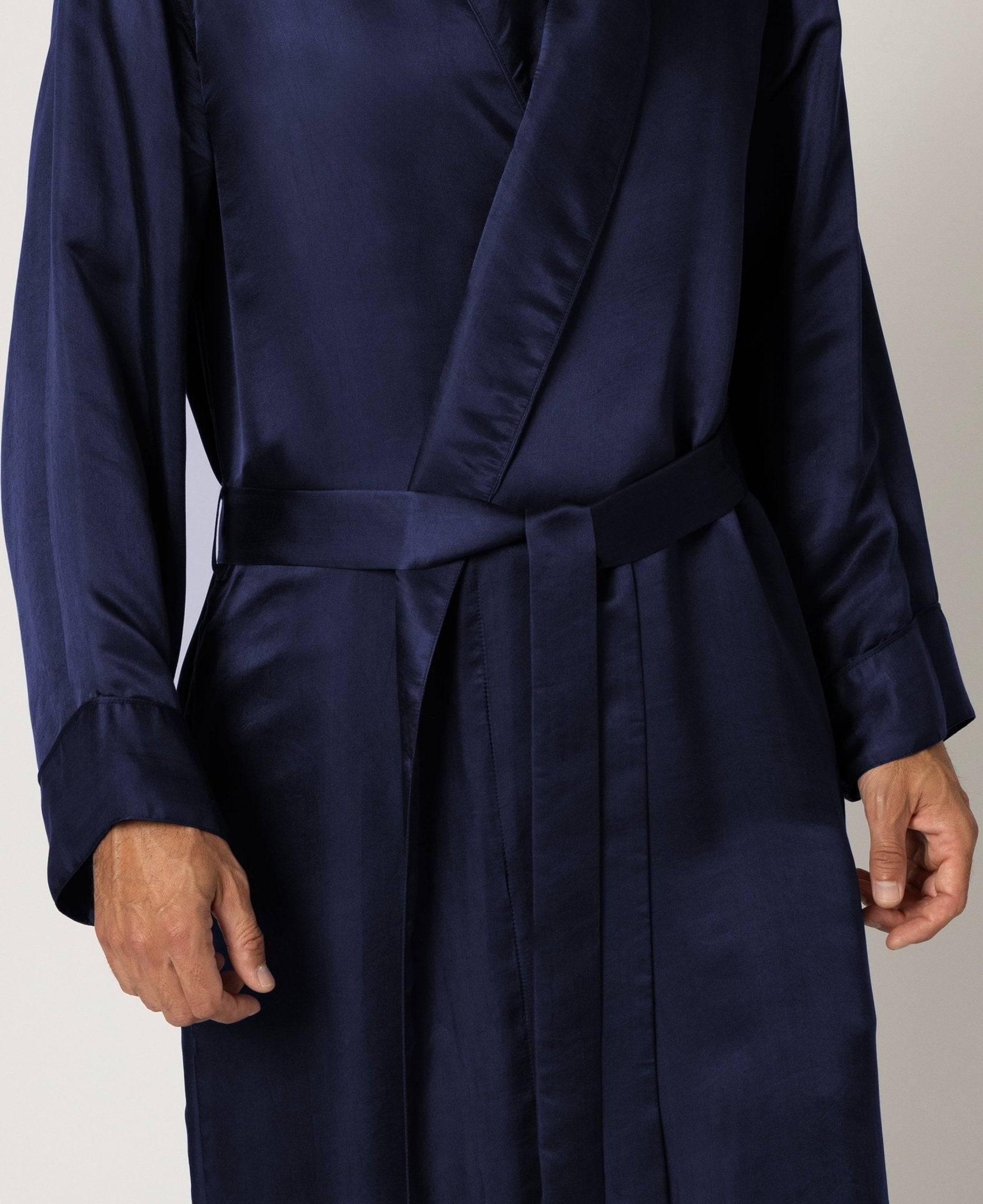
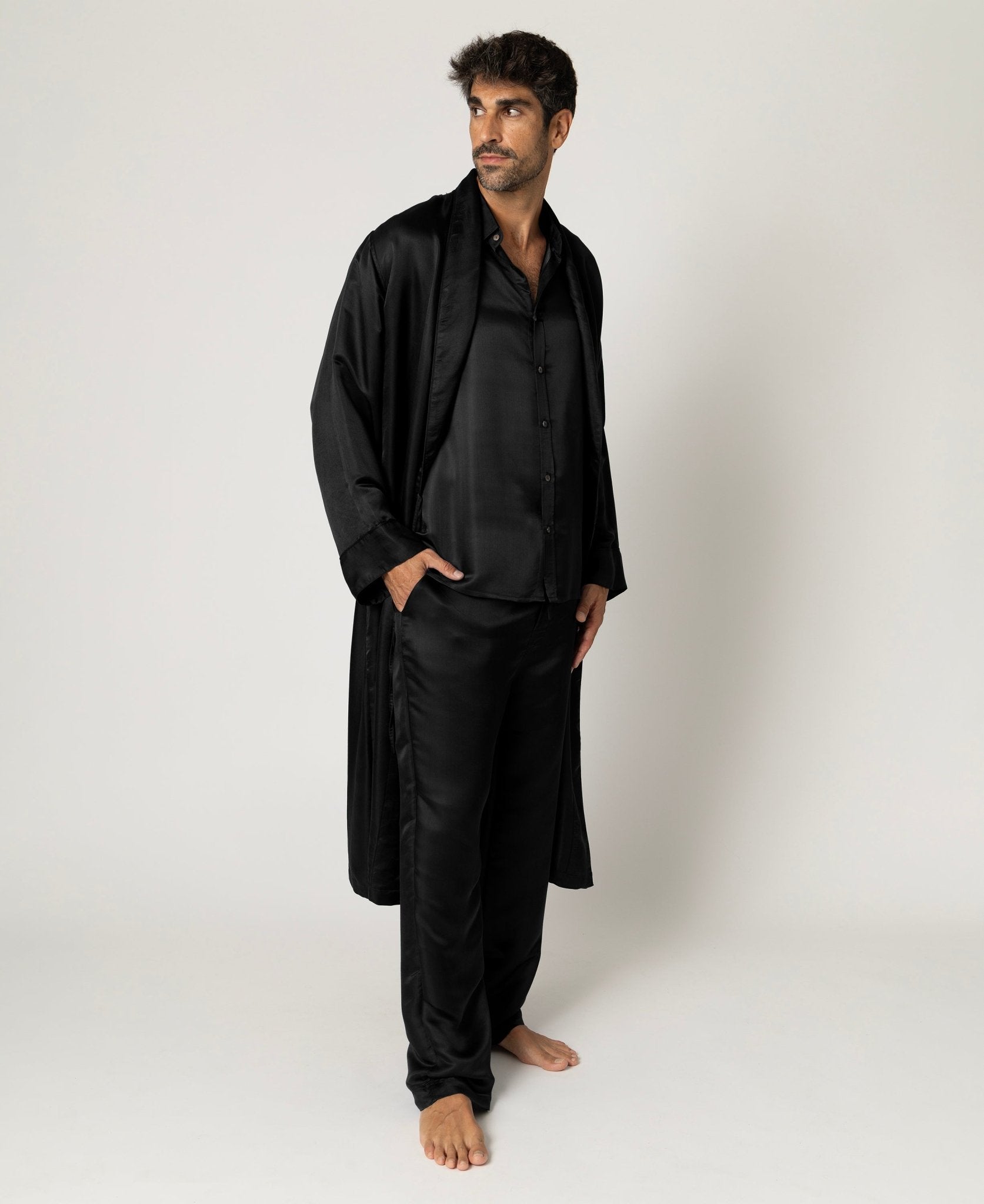
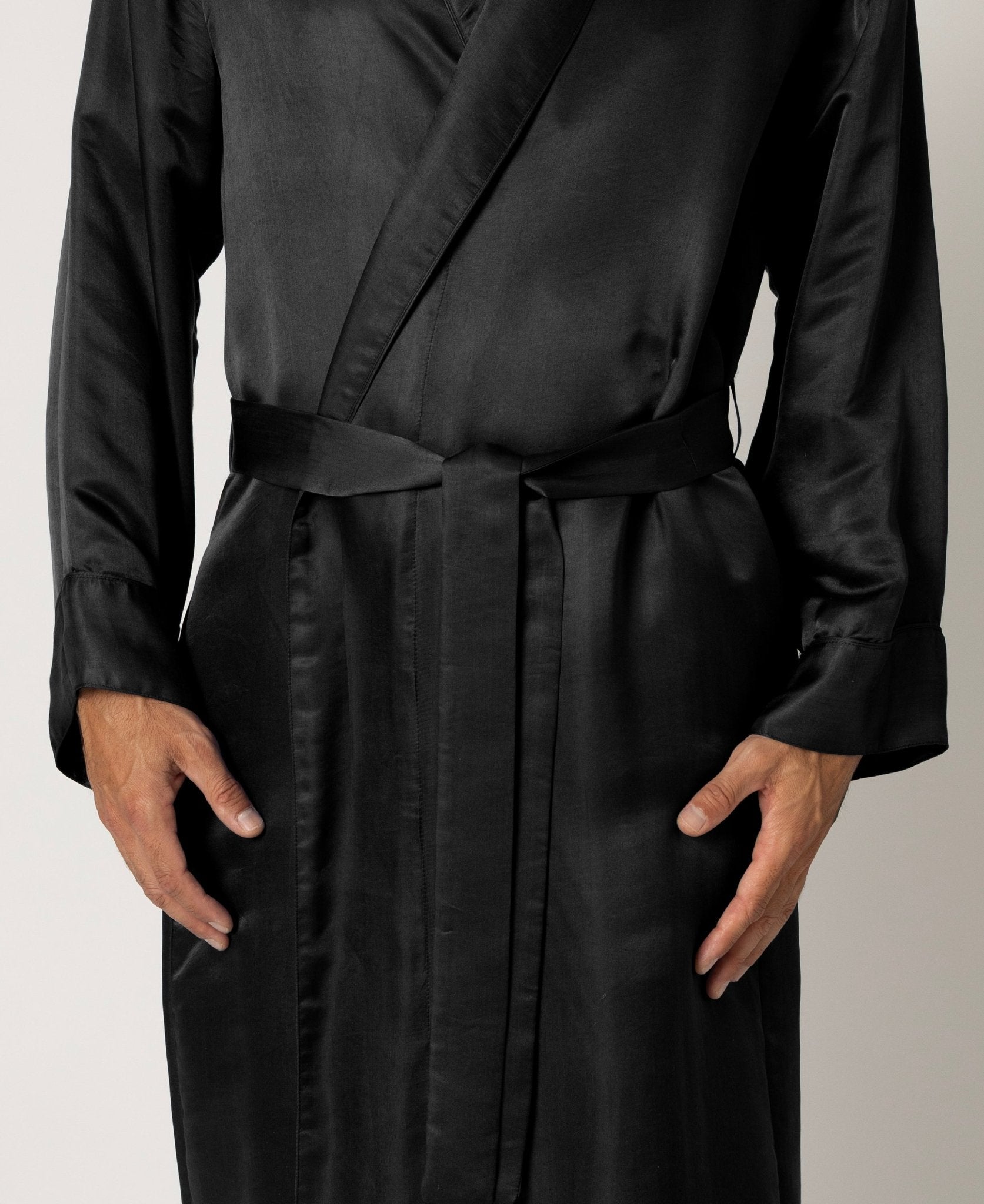
A 27 momme mulberry silk robe draped over a wooden chair. The fabric catches light, substantial and smooth. This is the garment between sleep and work, the tool that signals your nervous system to shift modes.


What Research Actually Shows About Clothes and Thinking
In 2012, researchers Adam and Galinsky published findings that matter: wearing a lab coat improved performance on attention tasks. But only when subjects knew what the coat was for. The garment didn't matter. The symbol did.
What you wear changes how you think, even when you're not consciously thinking about your clothes. This is enclothed cognition, the measurable effect of symbolic meaning on cognition and performance. Your morning clothes aren't decoration. They're psychology.
Most people try to bridge the gap from sleep to work mode with coffee. Coffee works for 45 minutes, then you need another. A robe works differently. It creates a distinct third space: not sleep, not work, but transition. Understanding how momme weight matters helps explain why fabric weight is crucial for the ritual to work.
The Transition Problem Your Morning Has
Your morning faces a structural challenge. You're moving from horizontal to vertical, from parasympathetic (rest) to sympathetic (alert) nervous system activation, from sleep-governed time to responsibility-governed time. Your body has specific neurological states for these modes. You can't jump between them instantly.
Most people skip the transition. They jump from bed to coffee to email to work. Their nervous system stays partially in sleep mode even as they're handling urgent decisions. The result is reactive thinking instead of intentional thinking.
A real robe creates defined transition space. You put it on and you're no longer in bed, but you're not yet at work. You're in a deliberate interstitial moment. Your nervous system can gradually shift instead of slamming the accelerator.
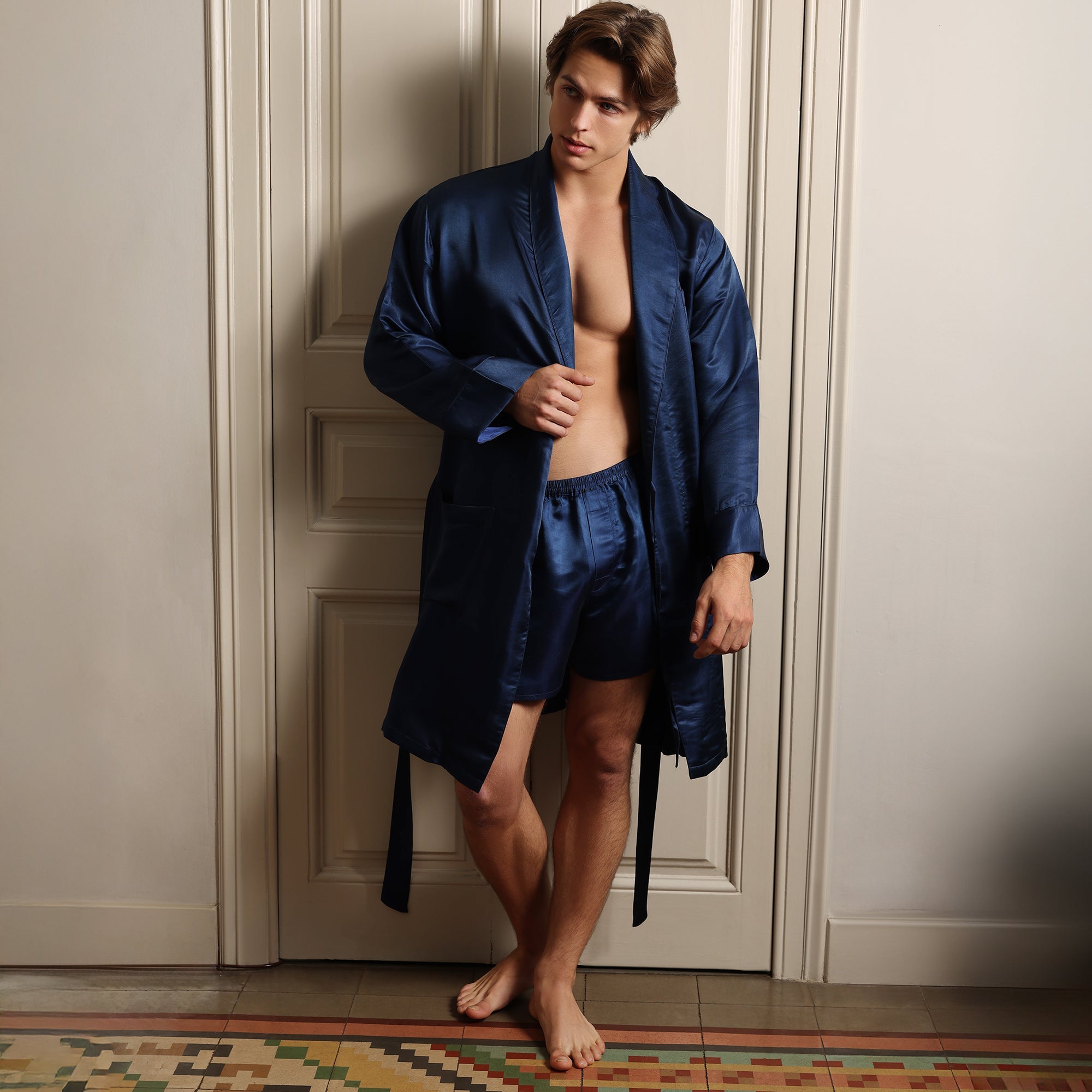
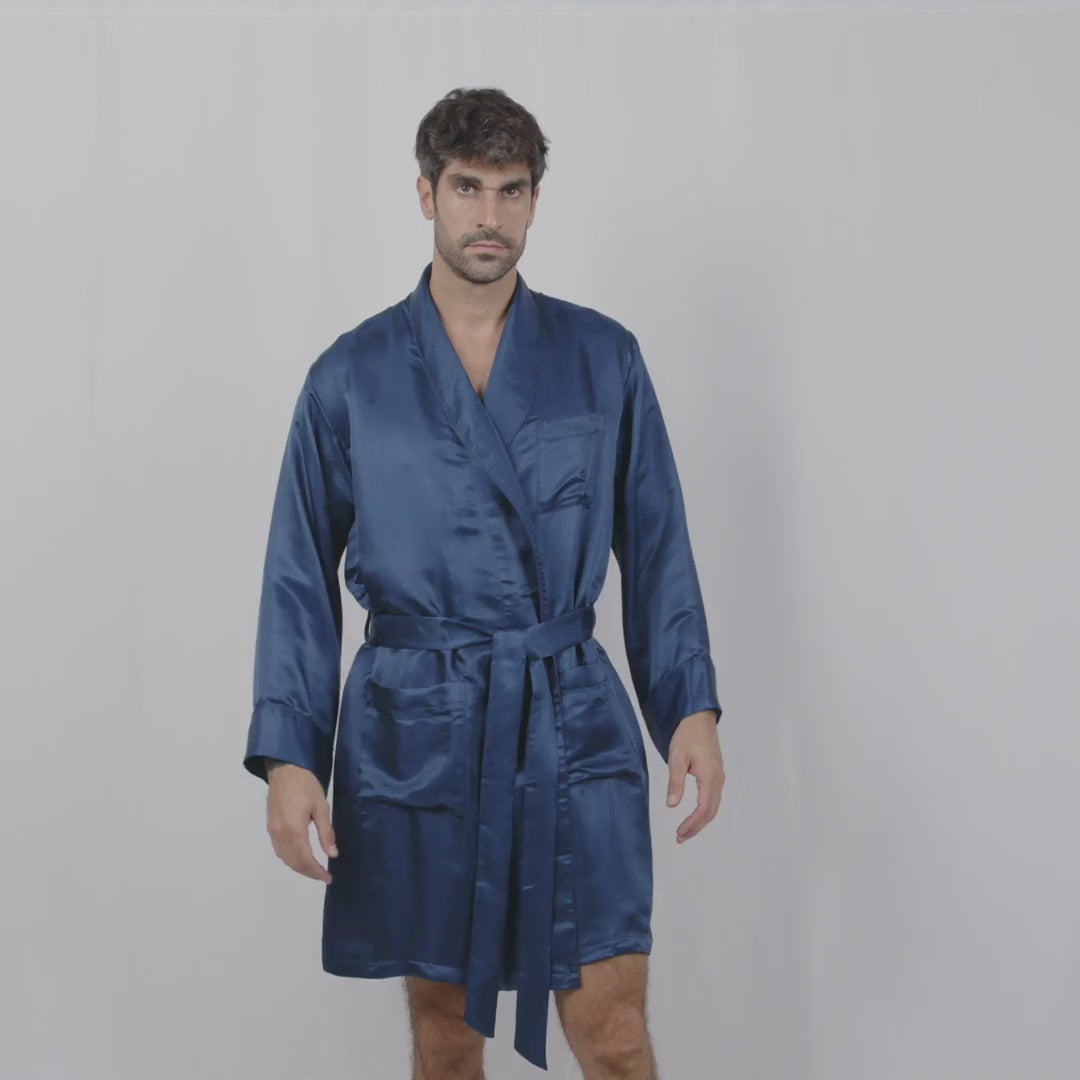
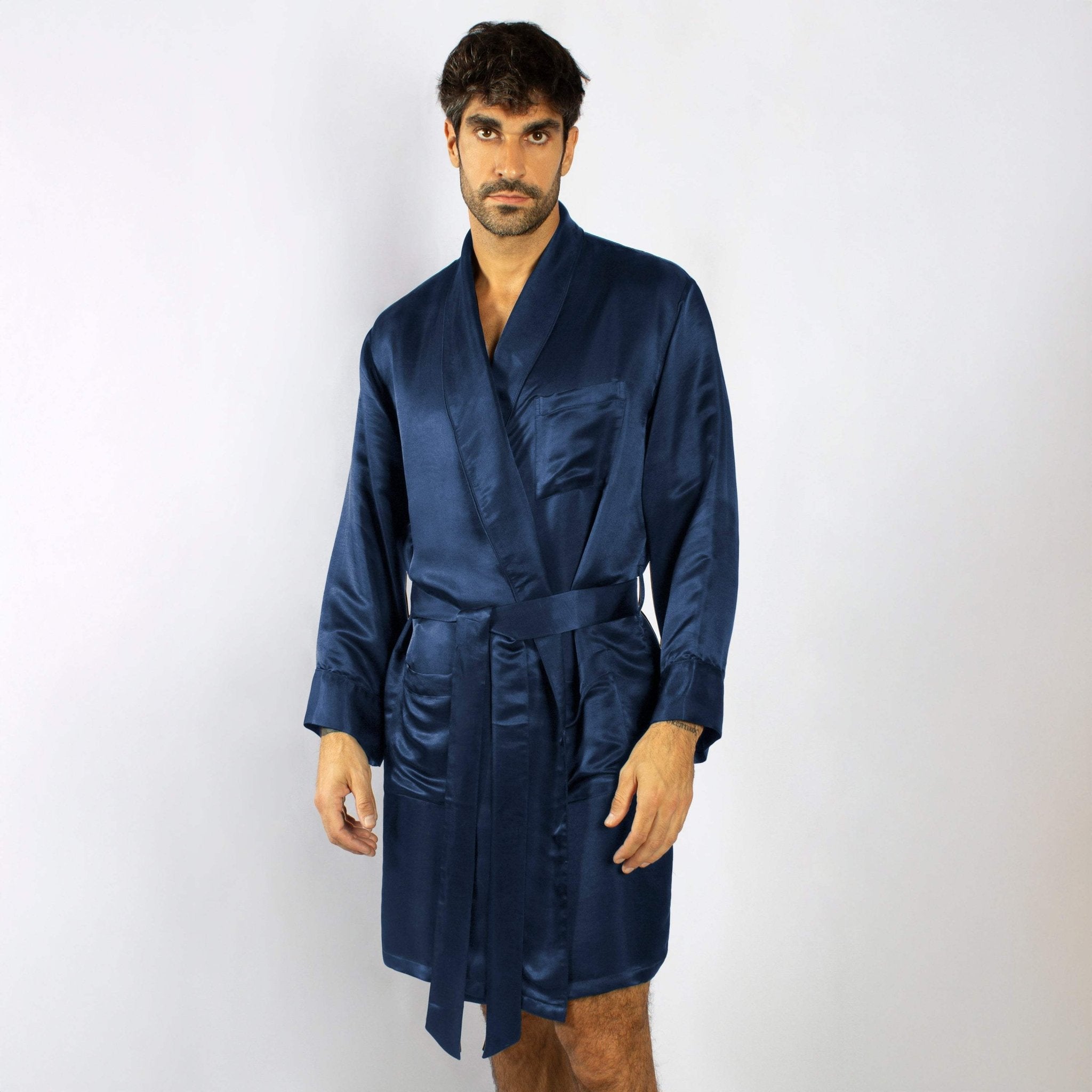
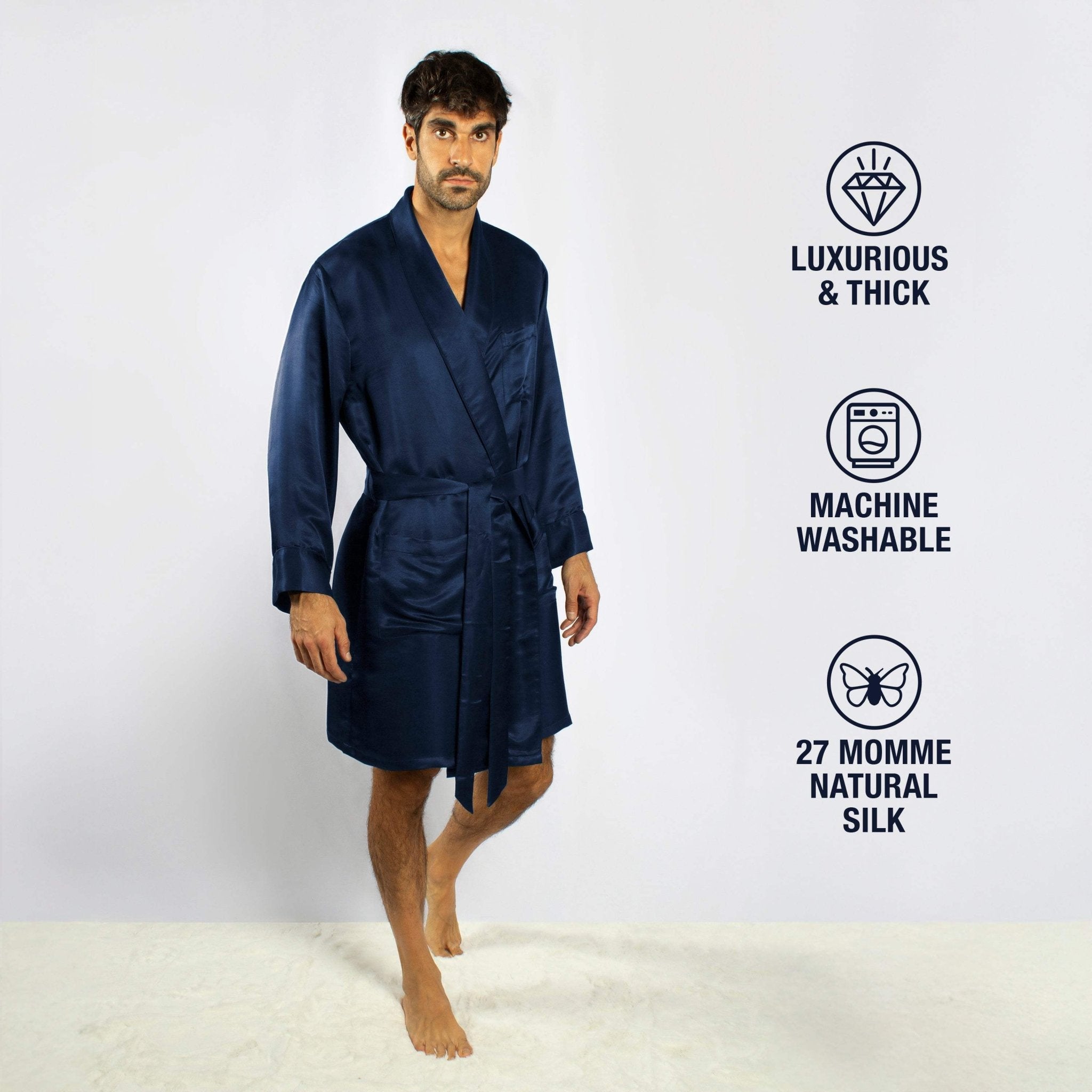
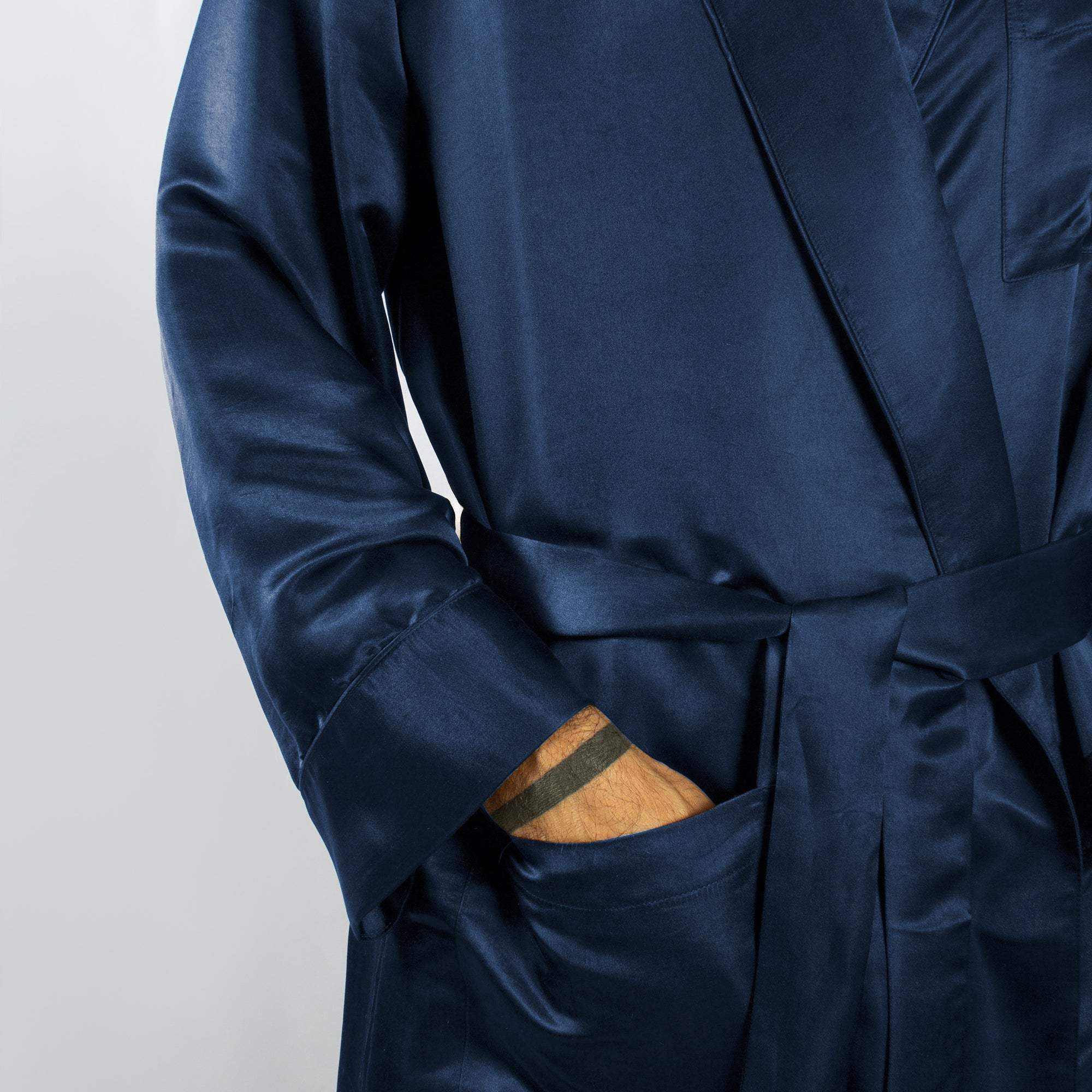
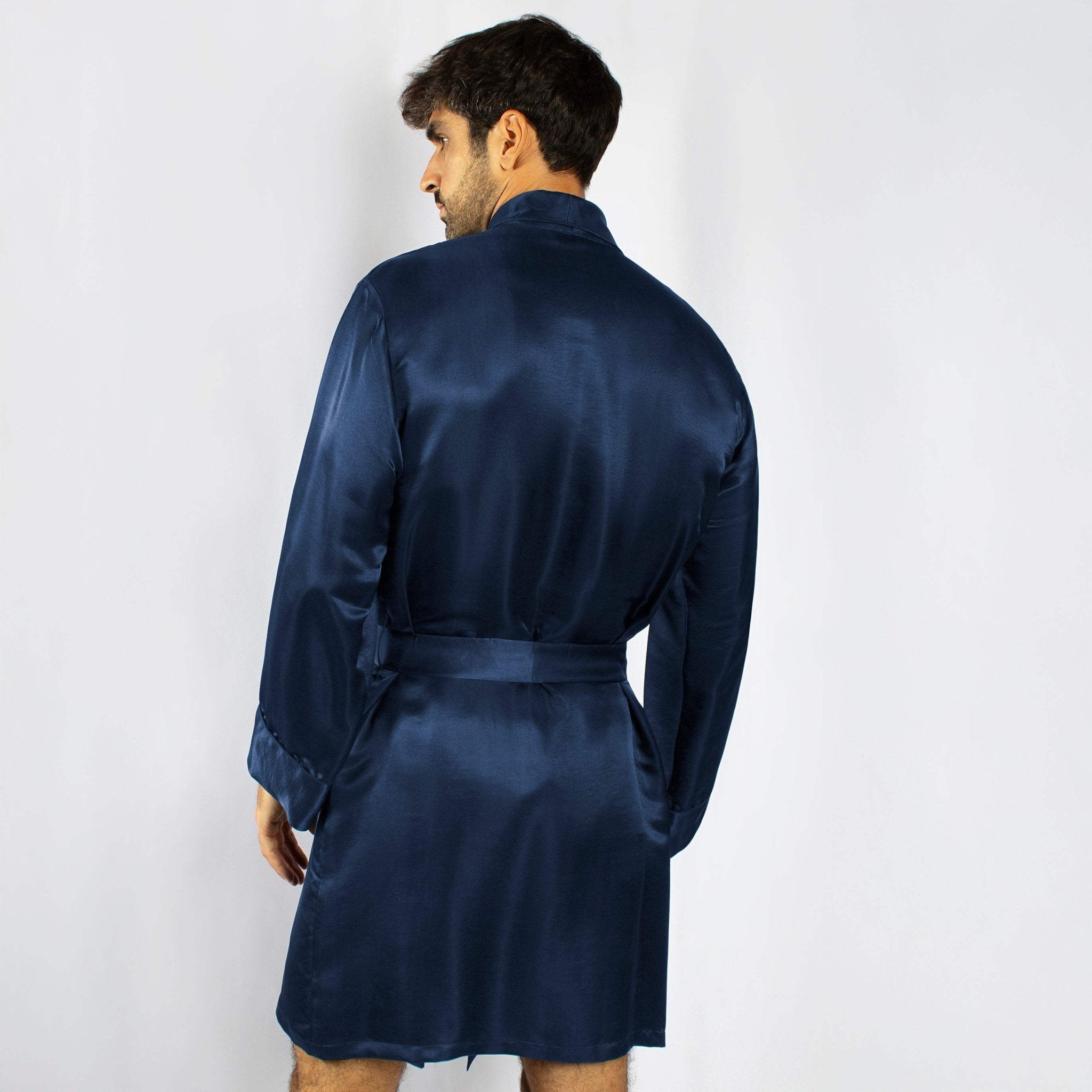
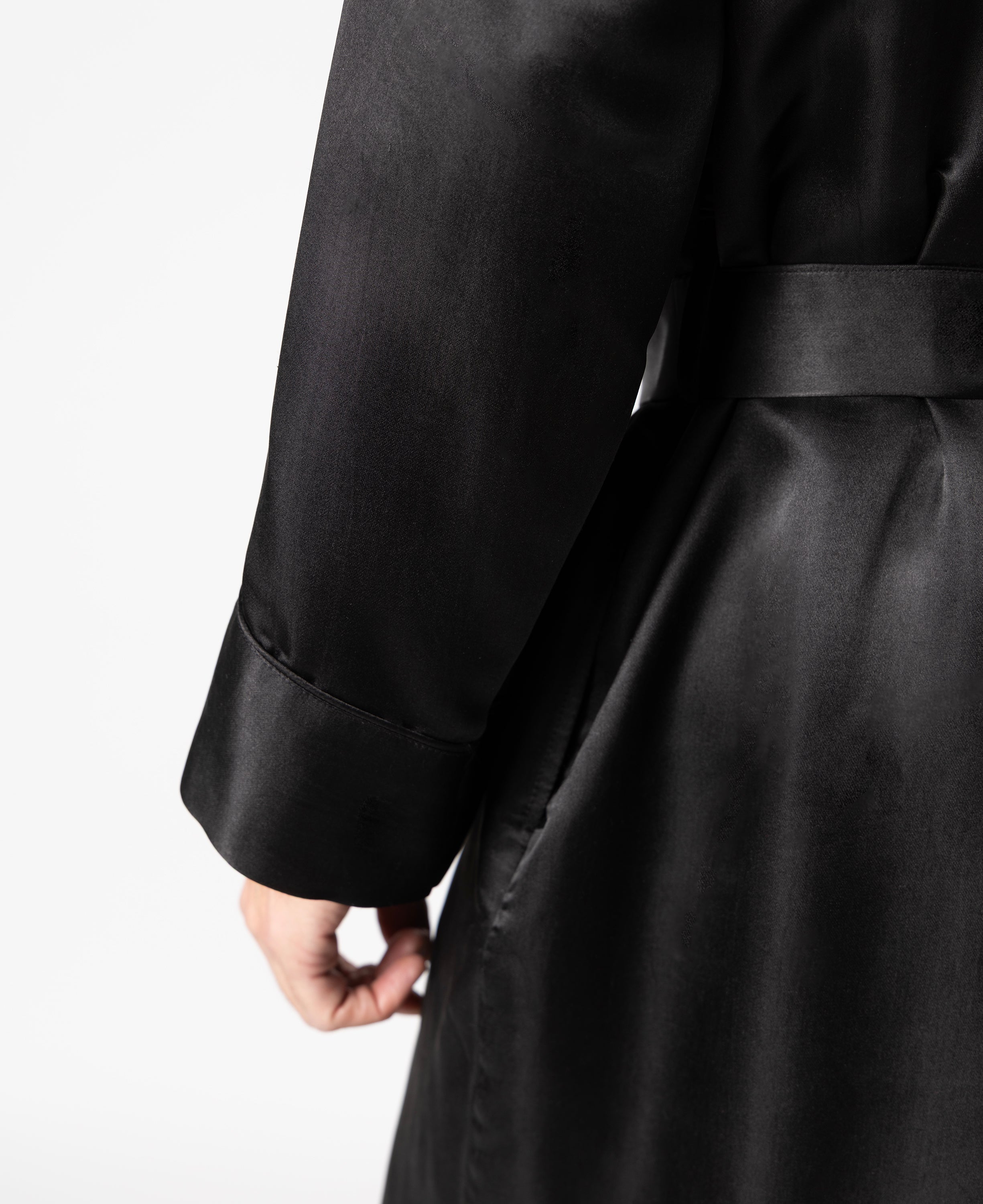
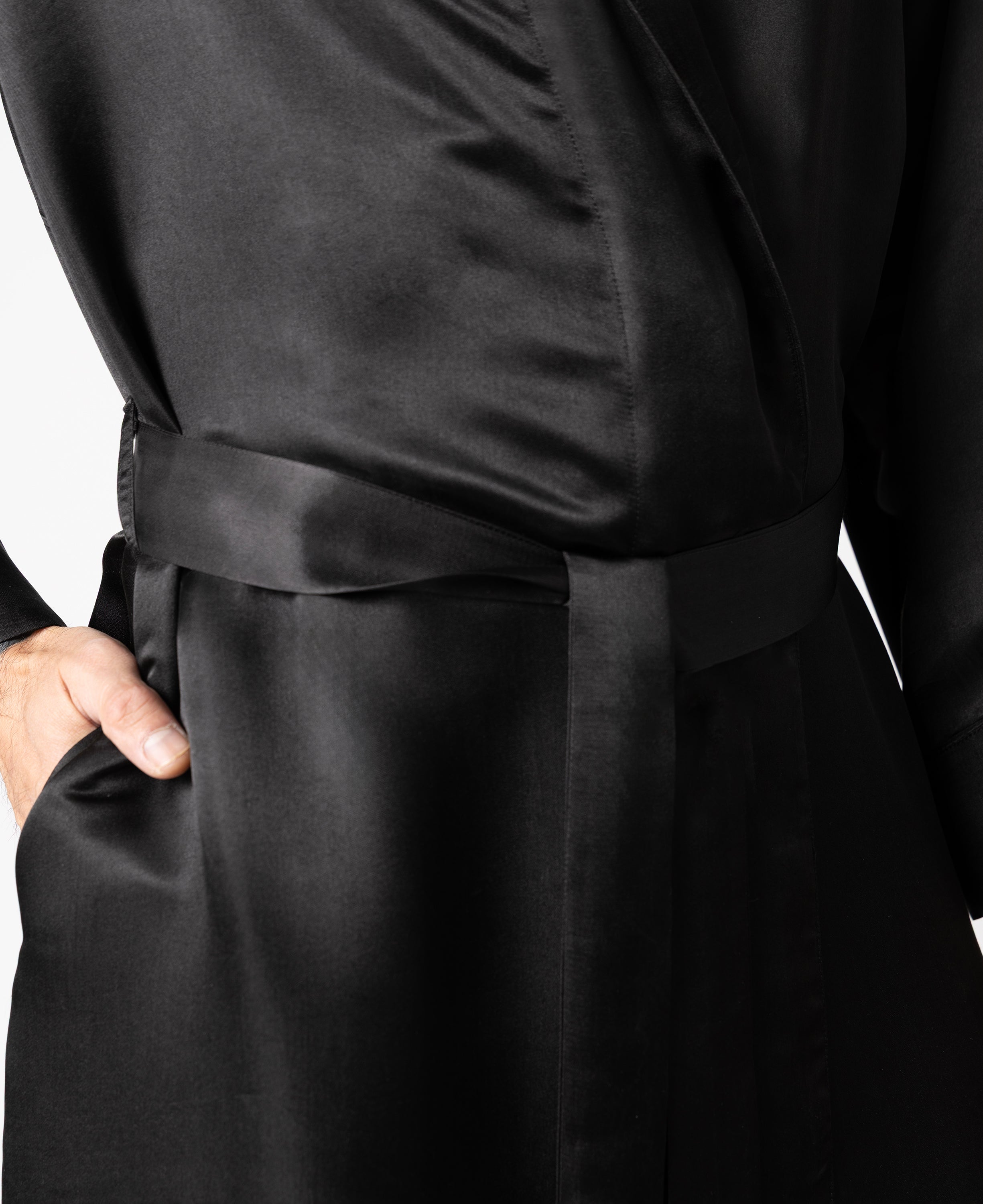
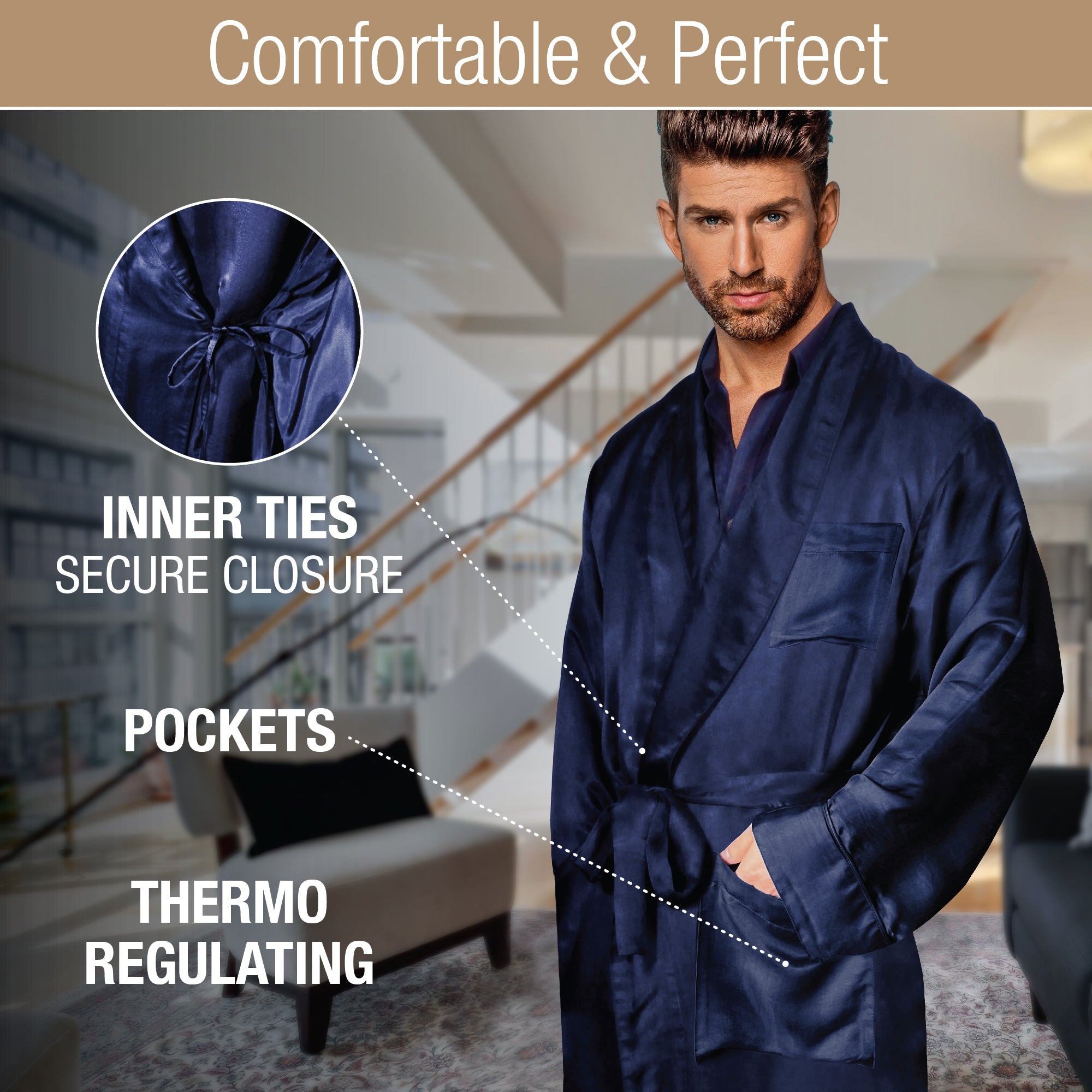
The mechanism is simple: a 27 momme silk robe (textile weight, hand-finished seams, substantial drape) signals to your entire body that you've made a conscious choice. You didn't just throw something on. You transitioned. This behavioral shift, repeated daily, changes your entire relationship with your morning. The construction itself matters: French seams in your robe means the garment will last and stay beautiful.
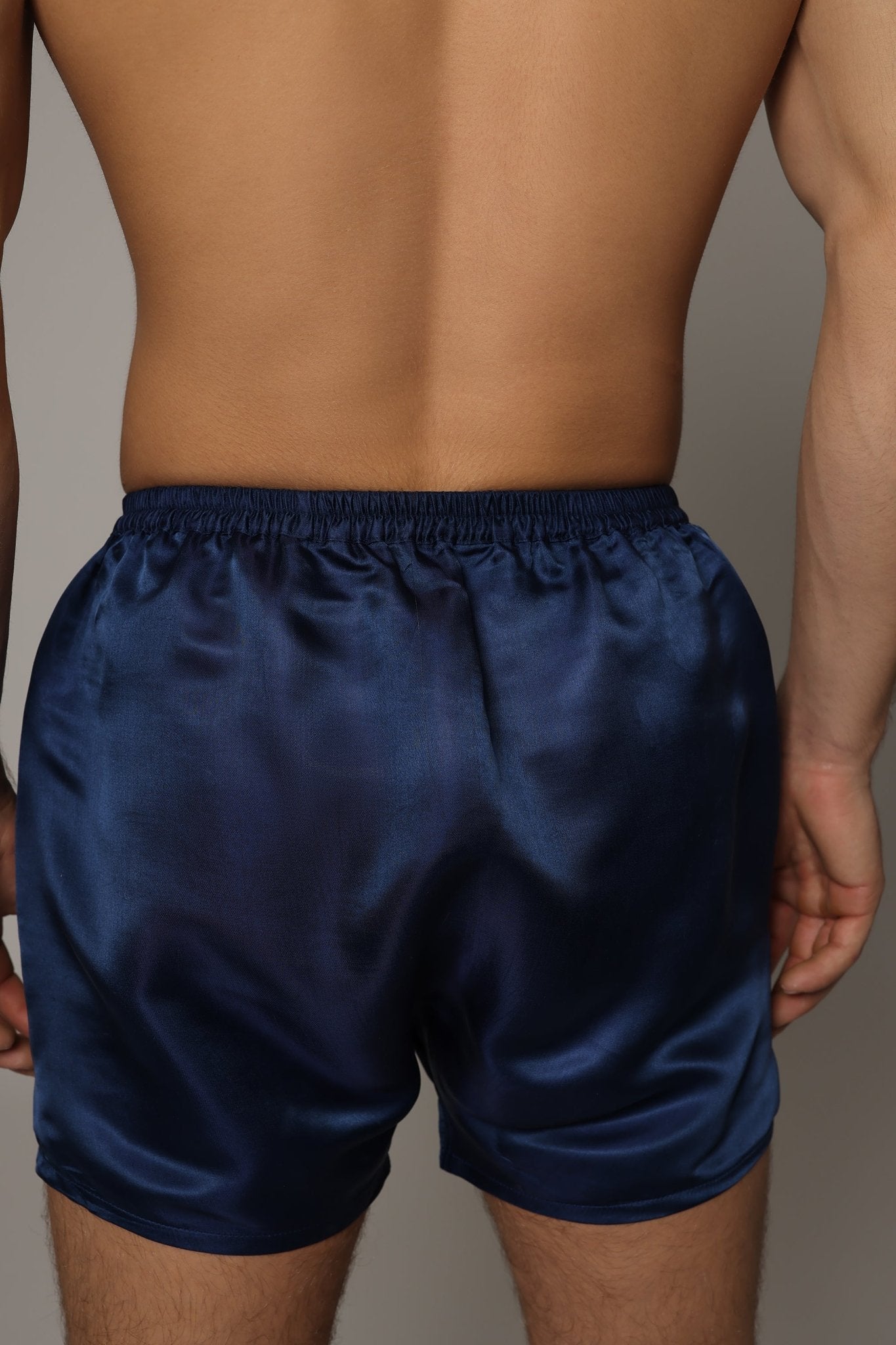
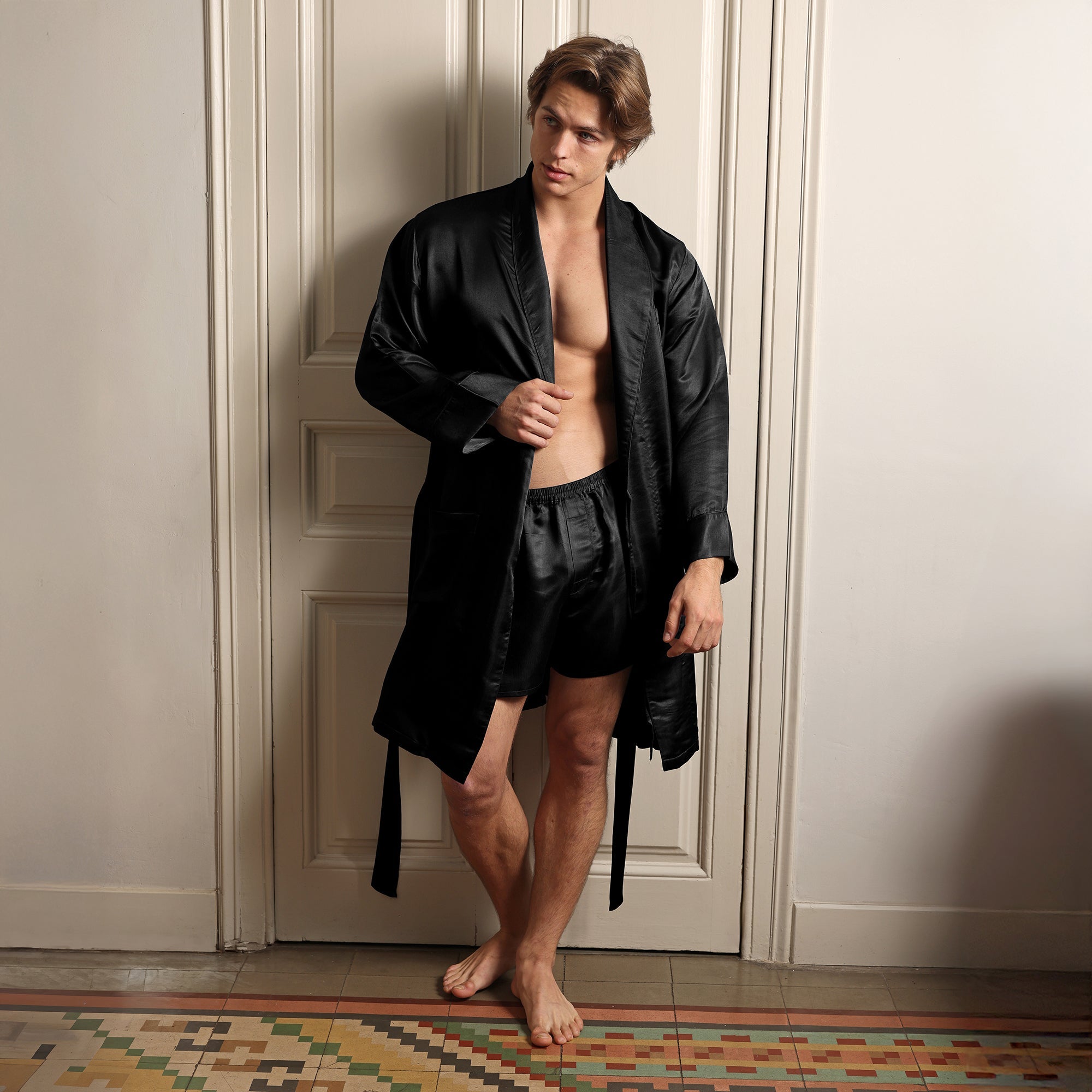
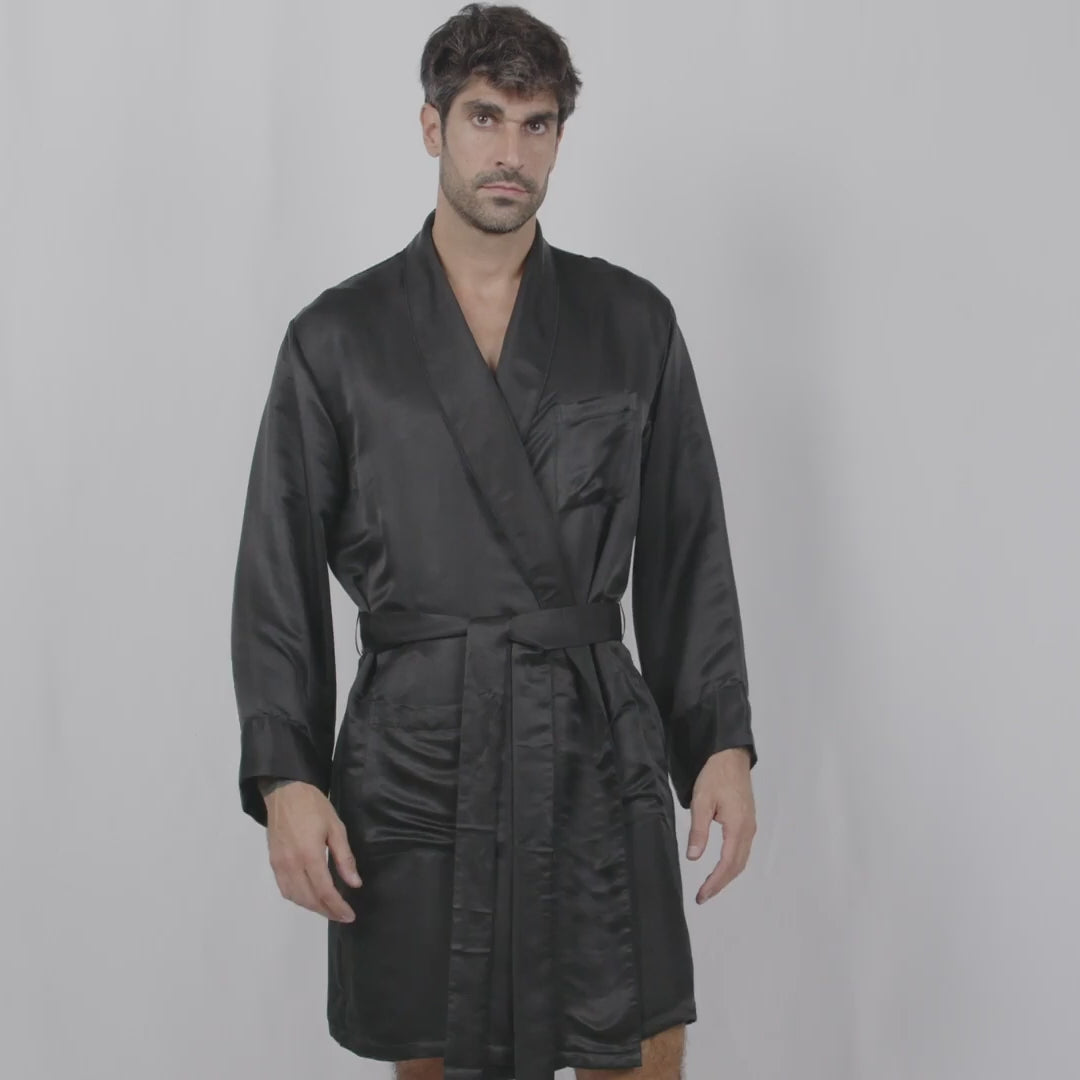
Why Silk Specifically, Not Cotton or Synthetics
A robe has to work physically or it won't work psychologically. Silk solves practical problems that other fabrics create.
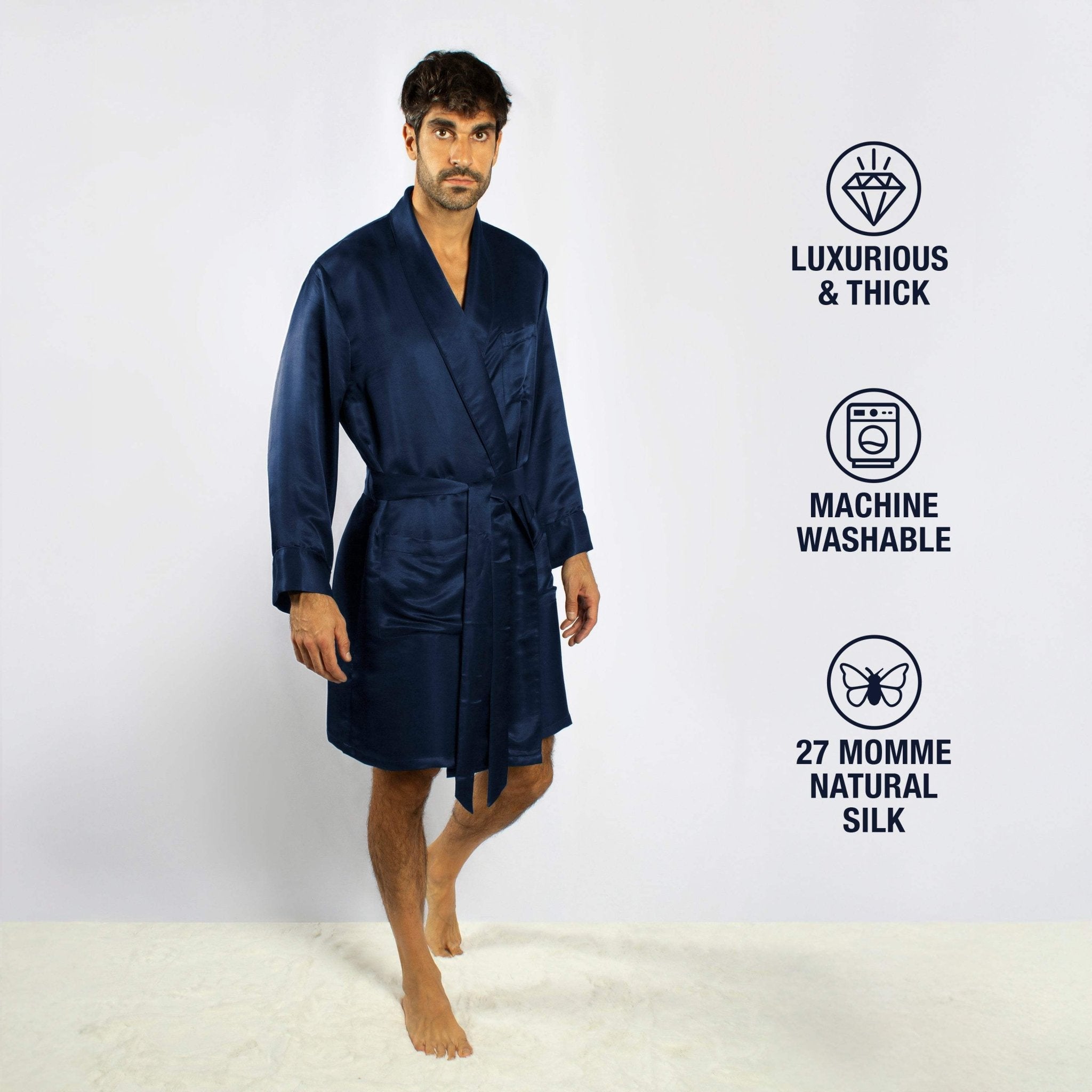
27 momme mulberry silk regulates temperature in ways cotton doesn't. Cotton absorbs moisture and clings or traps heat. Silk wicks moisture away and breathes, so your skin stays comfortable as your body temperature shifts during the morning transition. You're not wrapped in fabric that feels clingy or too warm. You're in something that feels intentional.
The weight matters enormously. At 27 momme, the silk has enough substance to drape properly. Lighter silk (19-22 momme) feels fluttery and insubstantial, like you haven't really chosen anything. Heavier silk (30+ momme) starts to feel restrictive. 27 momme is the sweet spot: substantial enough to signal choice, light enough to move with you.
The texture signals care. You chose something that feels good against your skin, not just something that covers you. This small sensory difference sends a measurable signal to your nervous system: this moment is intentional.
Silk also stays clean-looking. A cheap bathrobe starts looking shabby after three weeks. Once it looks shabby, your brain reads it as "I haven't bothered," and you lose the psychological reset. A 27 momme silk robe looks deliberate for years, which means it keeps signaling transition.

The 30-Minute Window Where Your Day Actually Gets Decided
Behavioral research consistently shows that morning habits disproportionately affect the rest of your day. Not because they're magical, but because your nervous system is most plastic in the morning. You're least habituated. You're deciding, in the first hour, what kind of day you're going to have.
In a robe, you can have thoughts that aren't urgent. You can move slowly. You can actually notice what you want for breakfast instead of grabbing something reactive. You can check your calendar before email instead of discovering problems mid-morning. You might even shower before work instead of reactively later.
None of these are huge individual changes. But they cascade. A person who starts work from a settled place makes different decisions than a person who starts from a reactive place.
The robe is the garment you wear while you're deciding. It's the symbol that says: this 30 minutes is mine, and I'm in control of how I spend it.


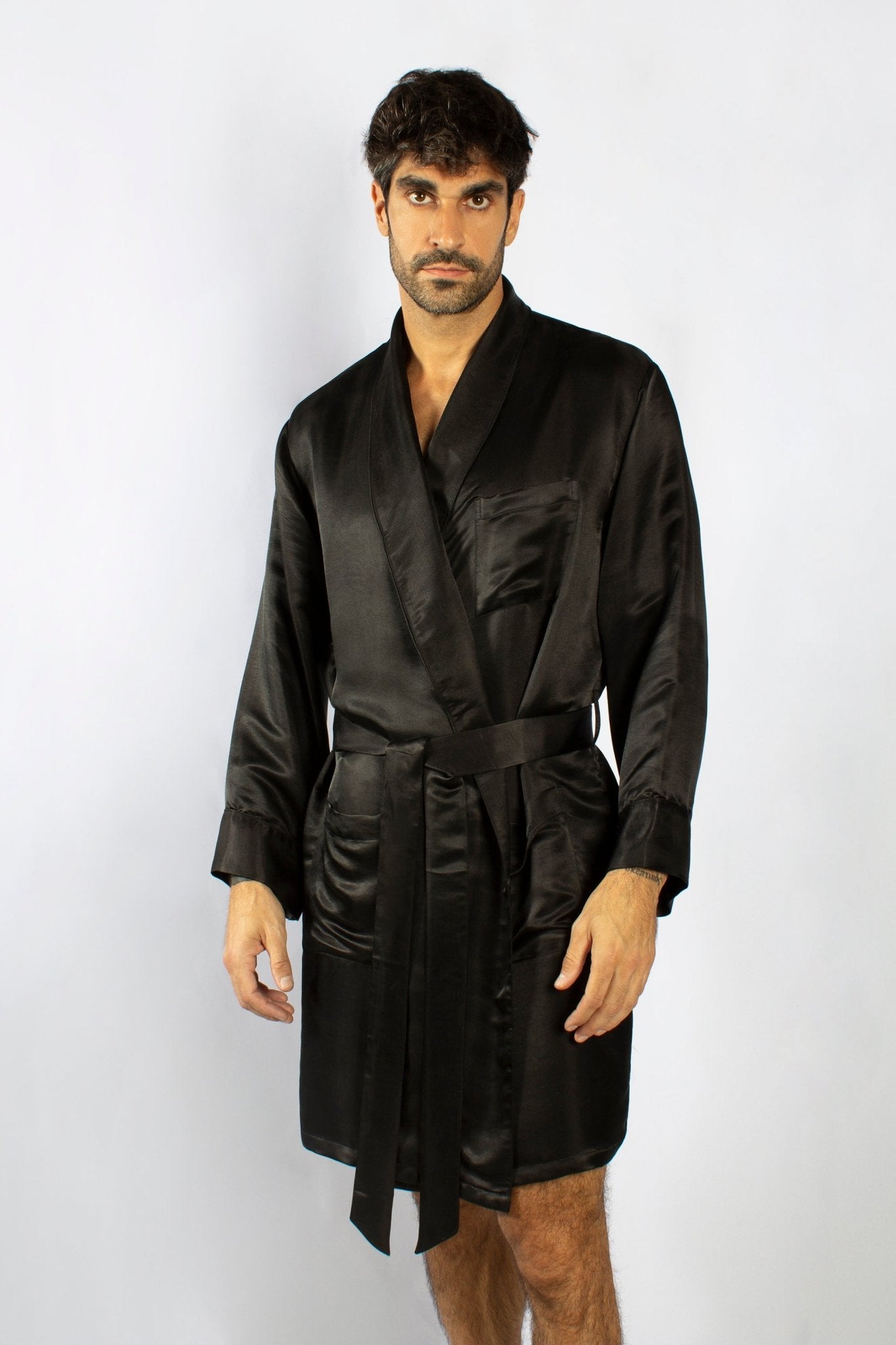
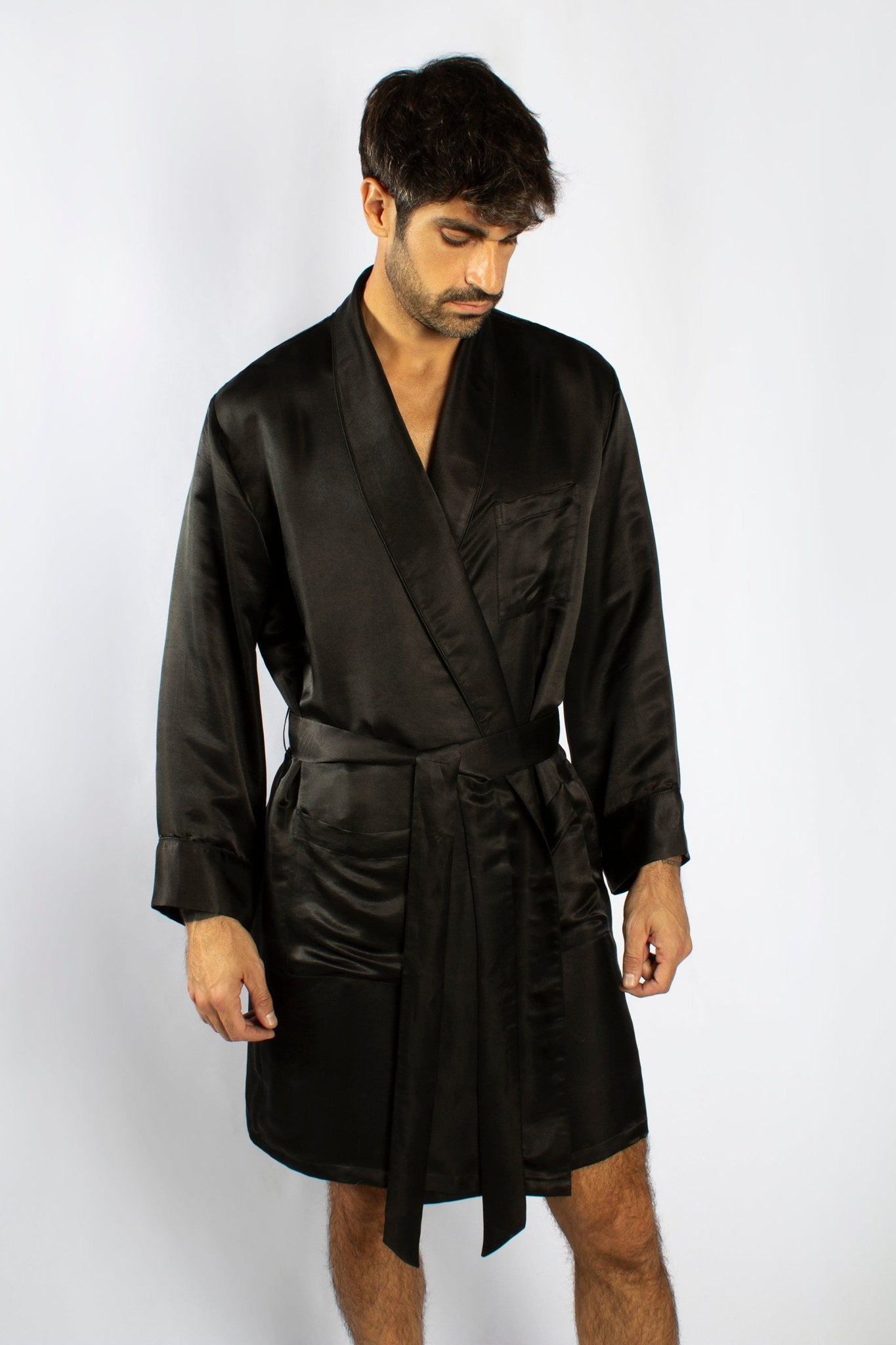
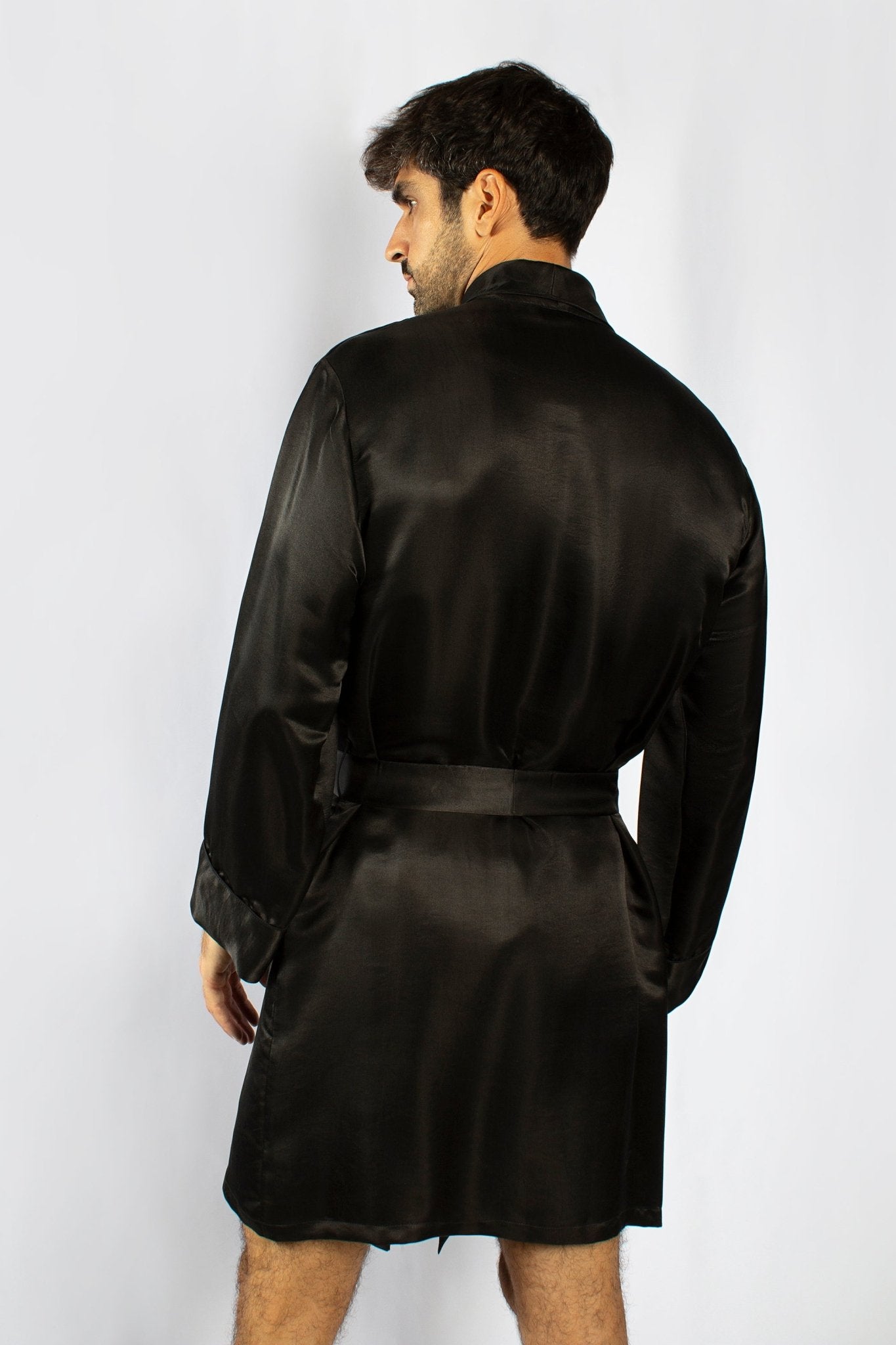
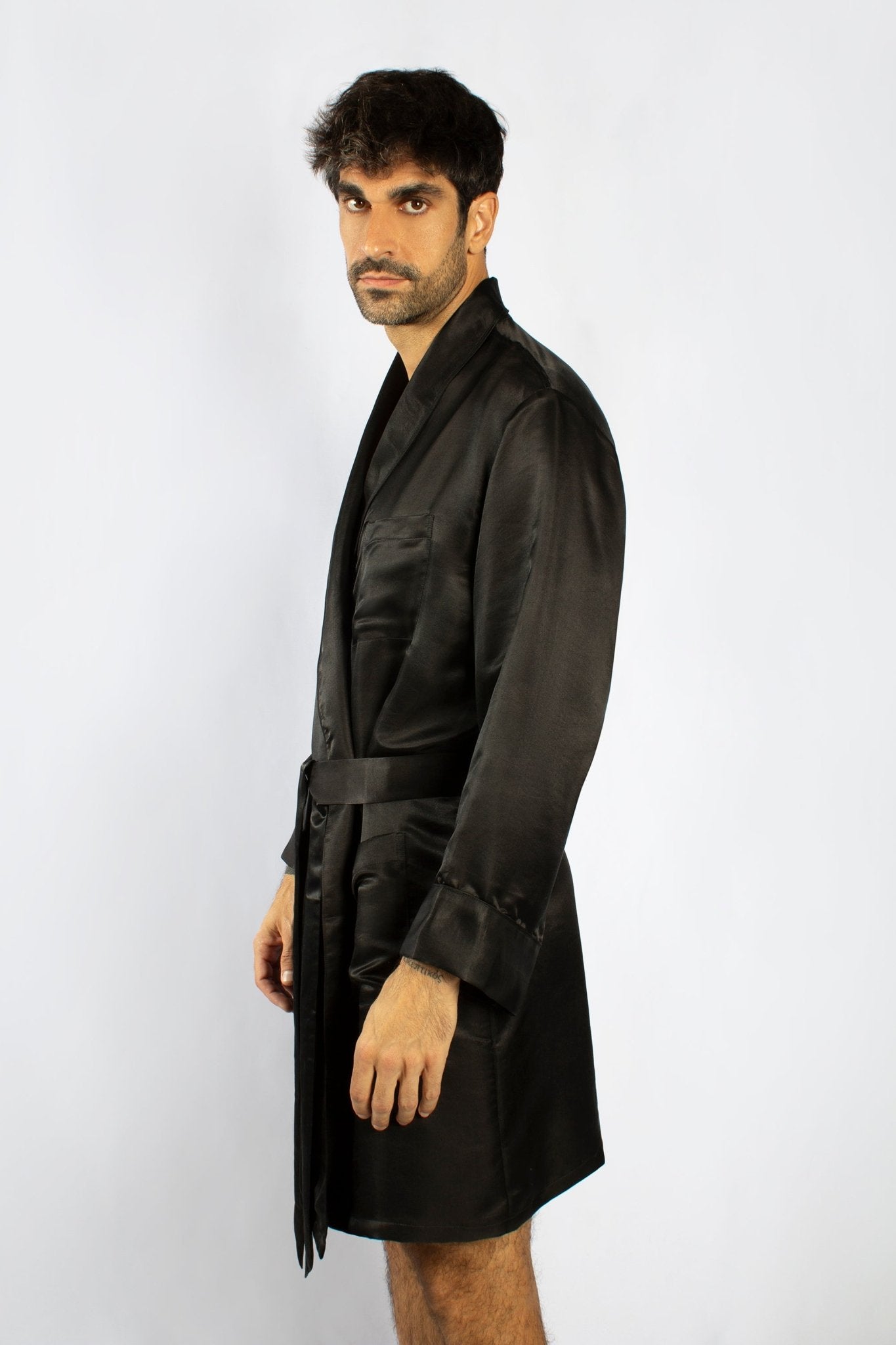

The Gender Trap (And Why It Matters)
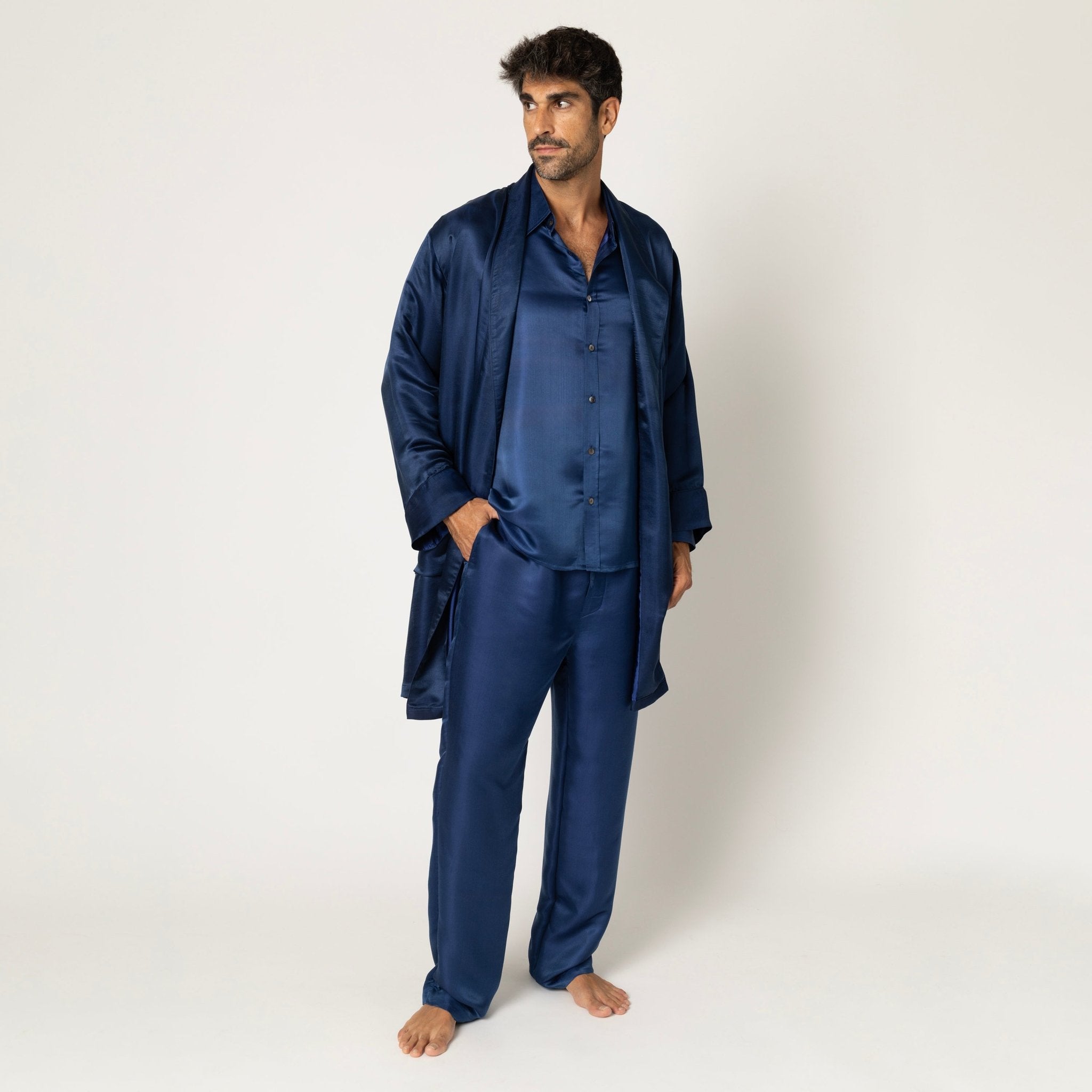
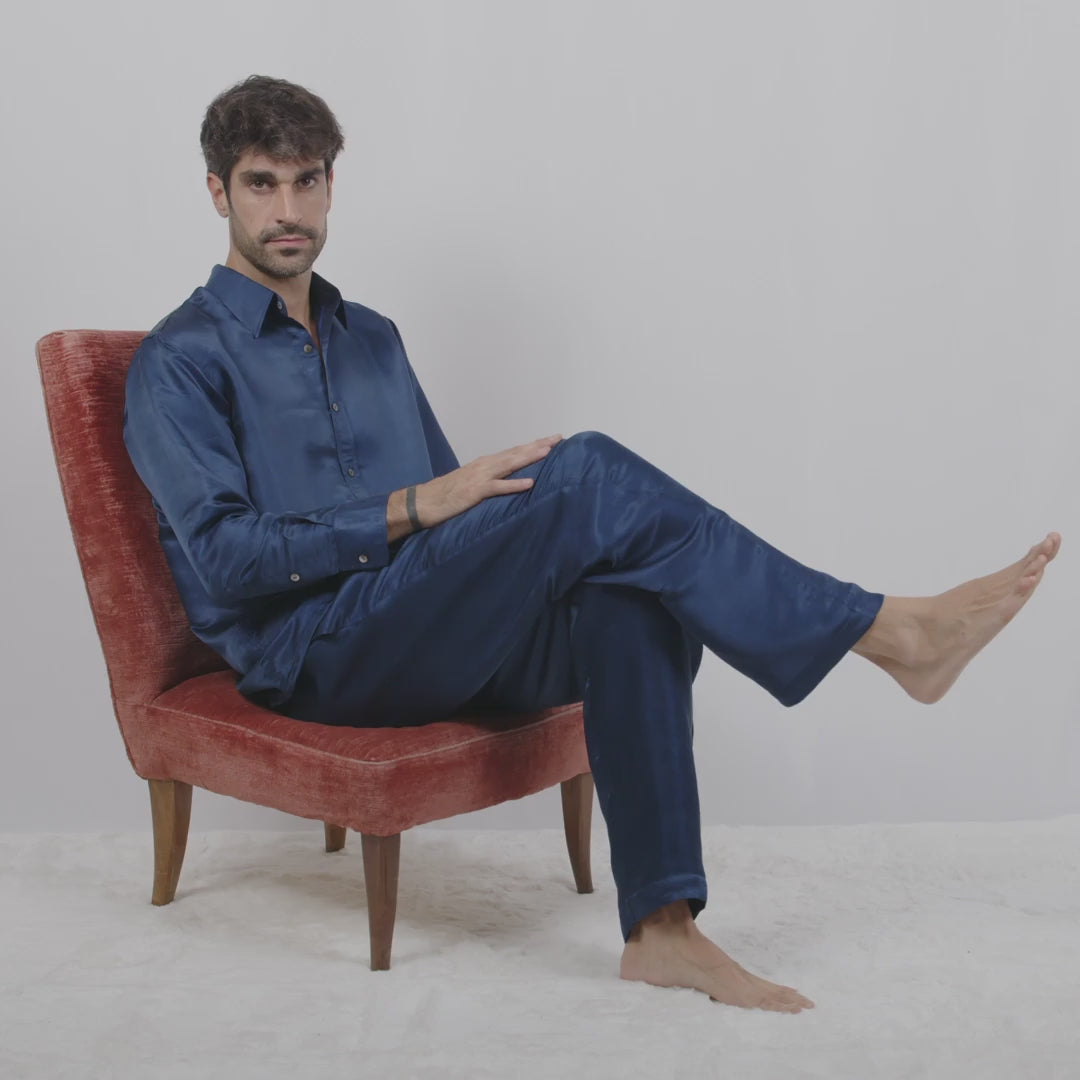
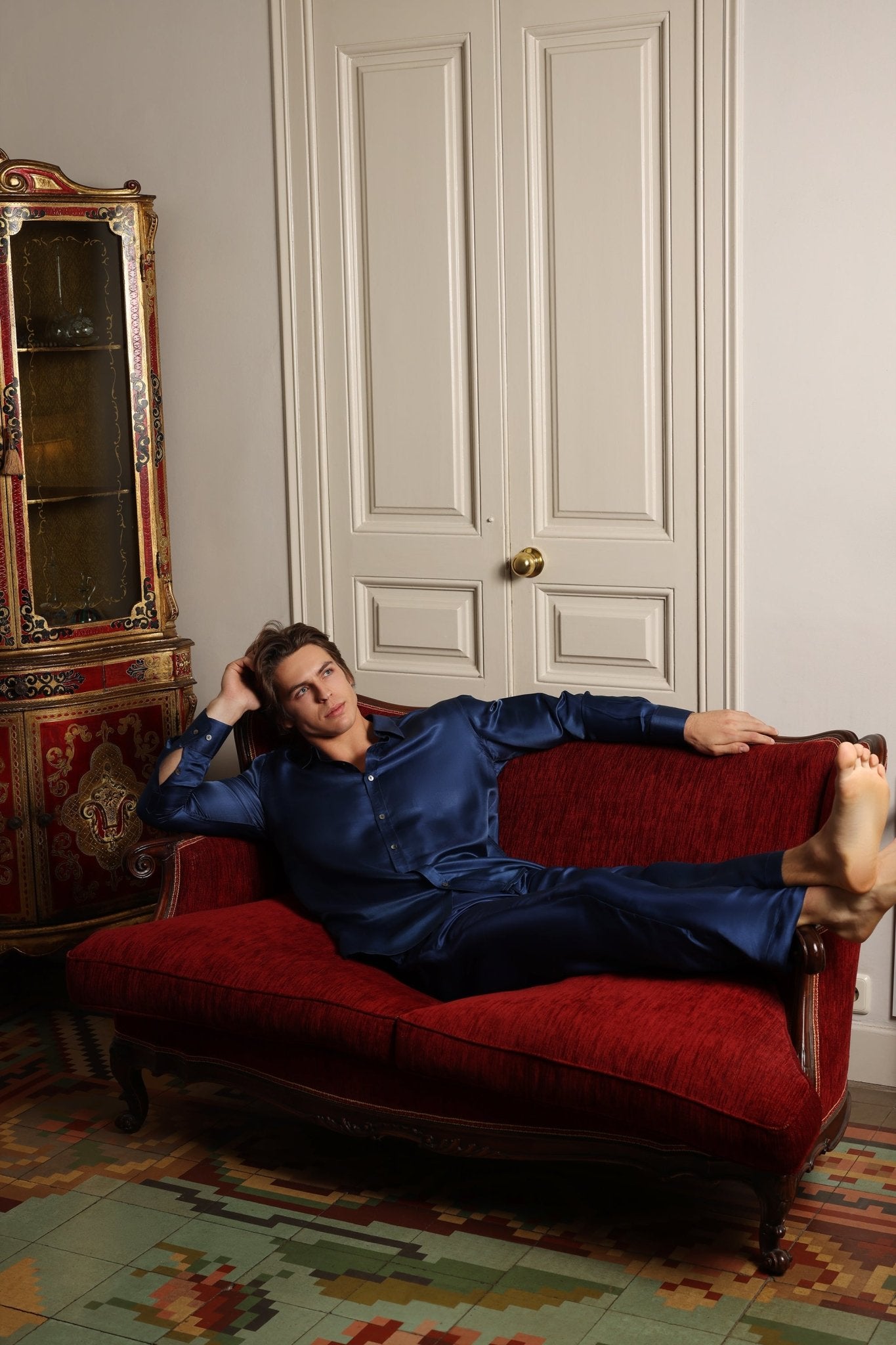
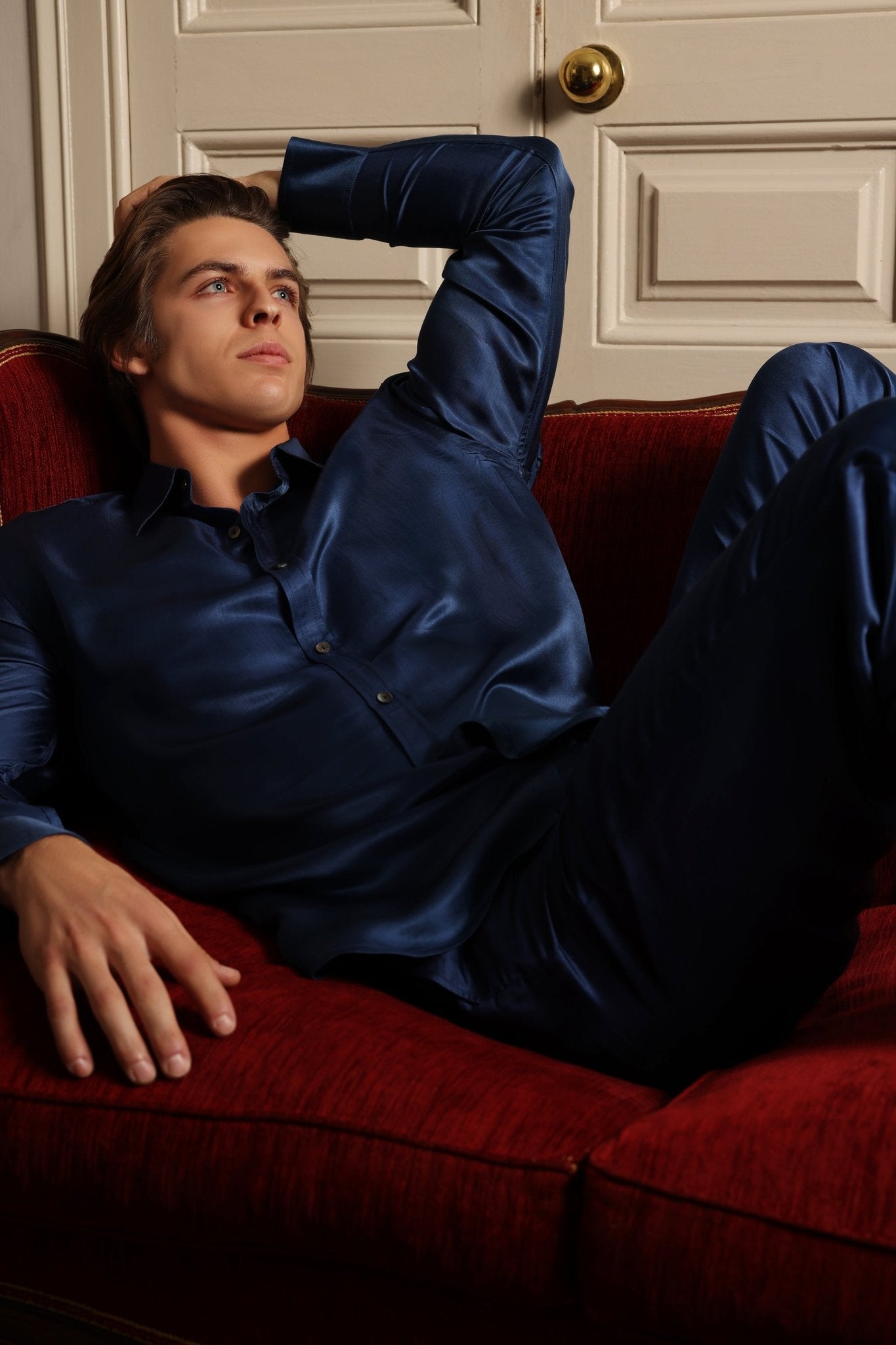
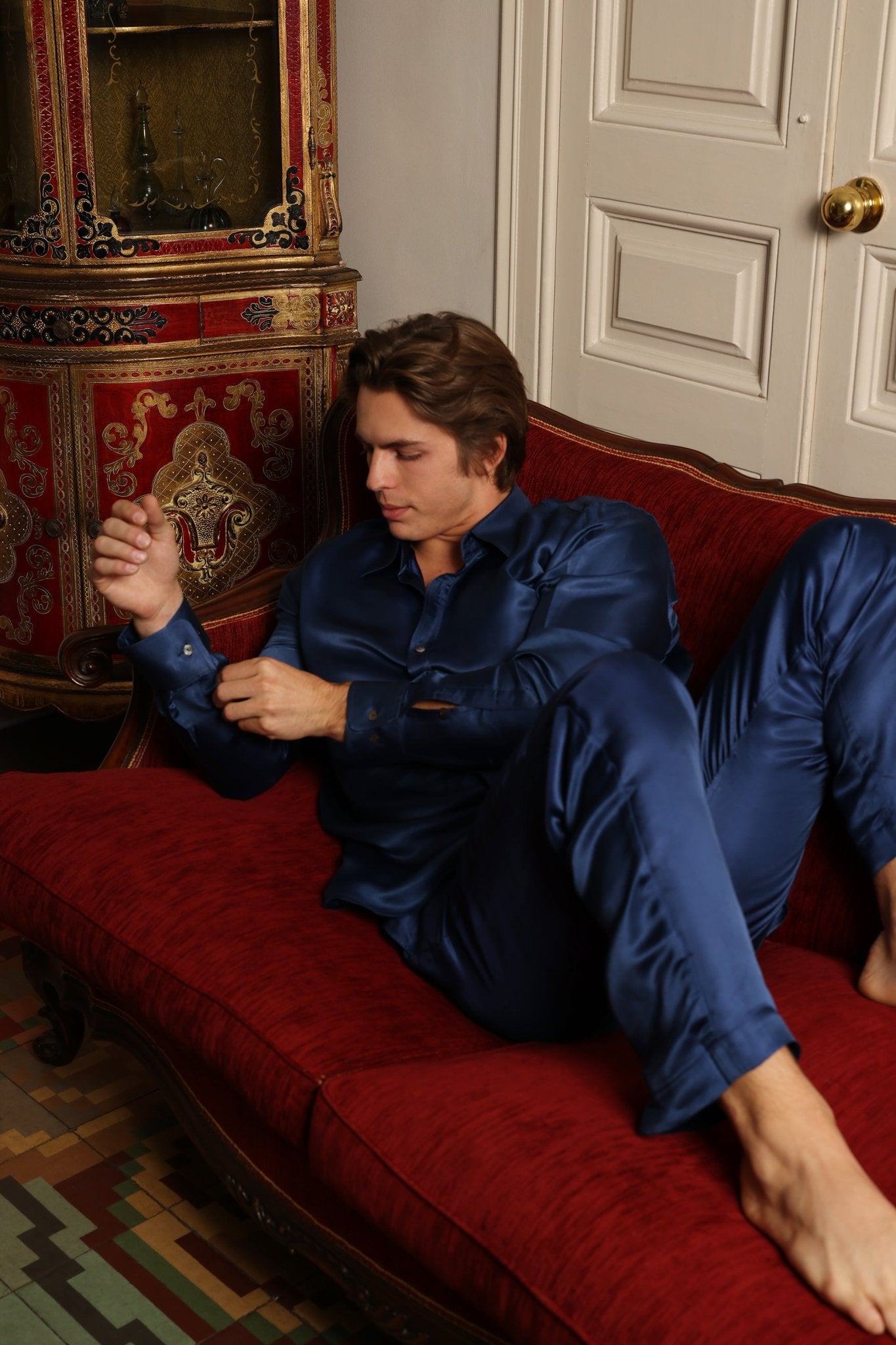
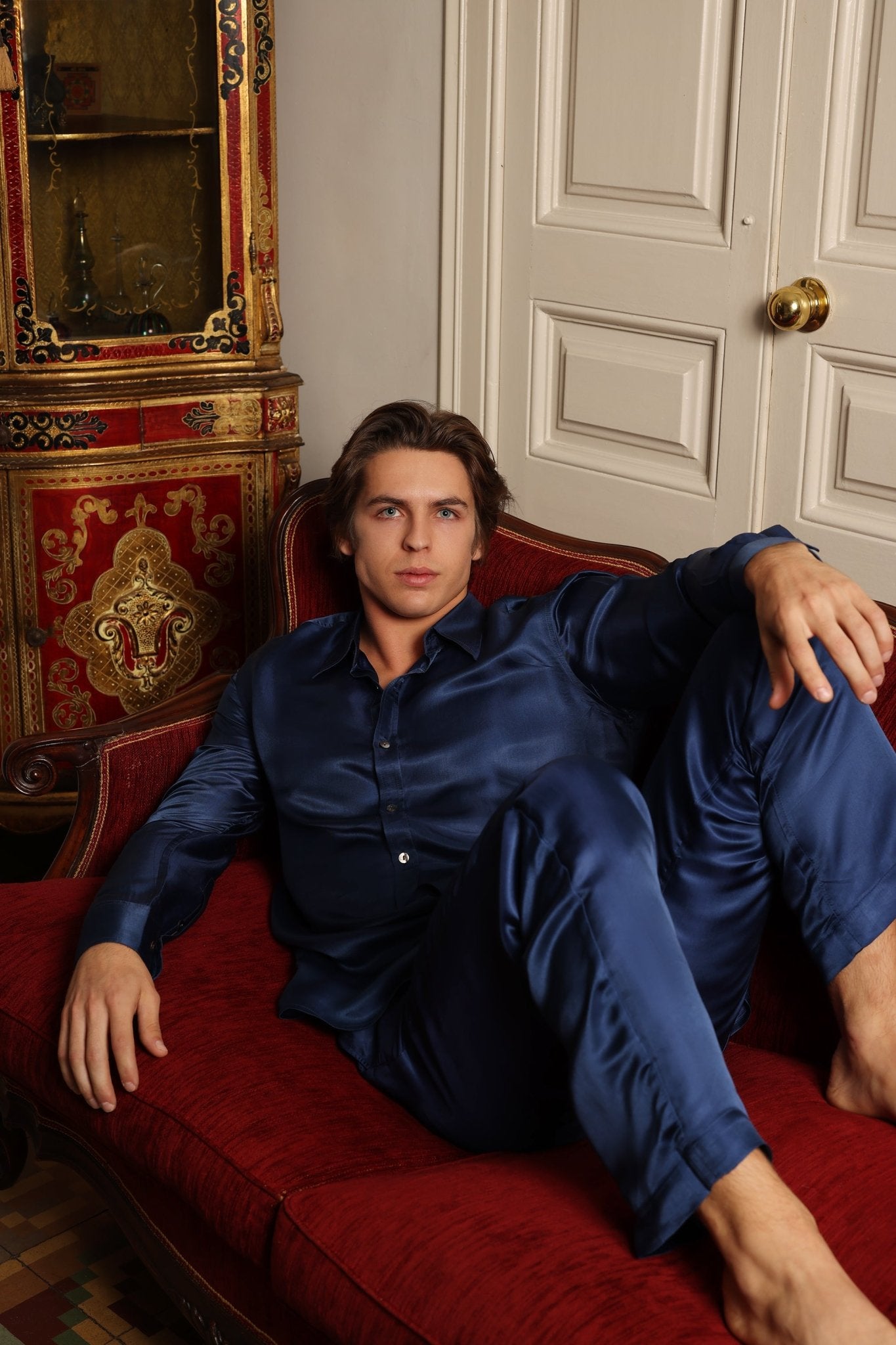
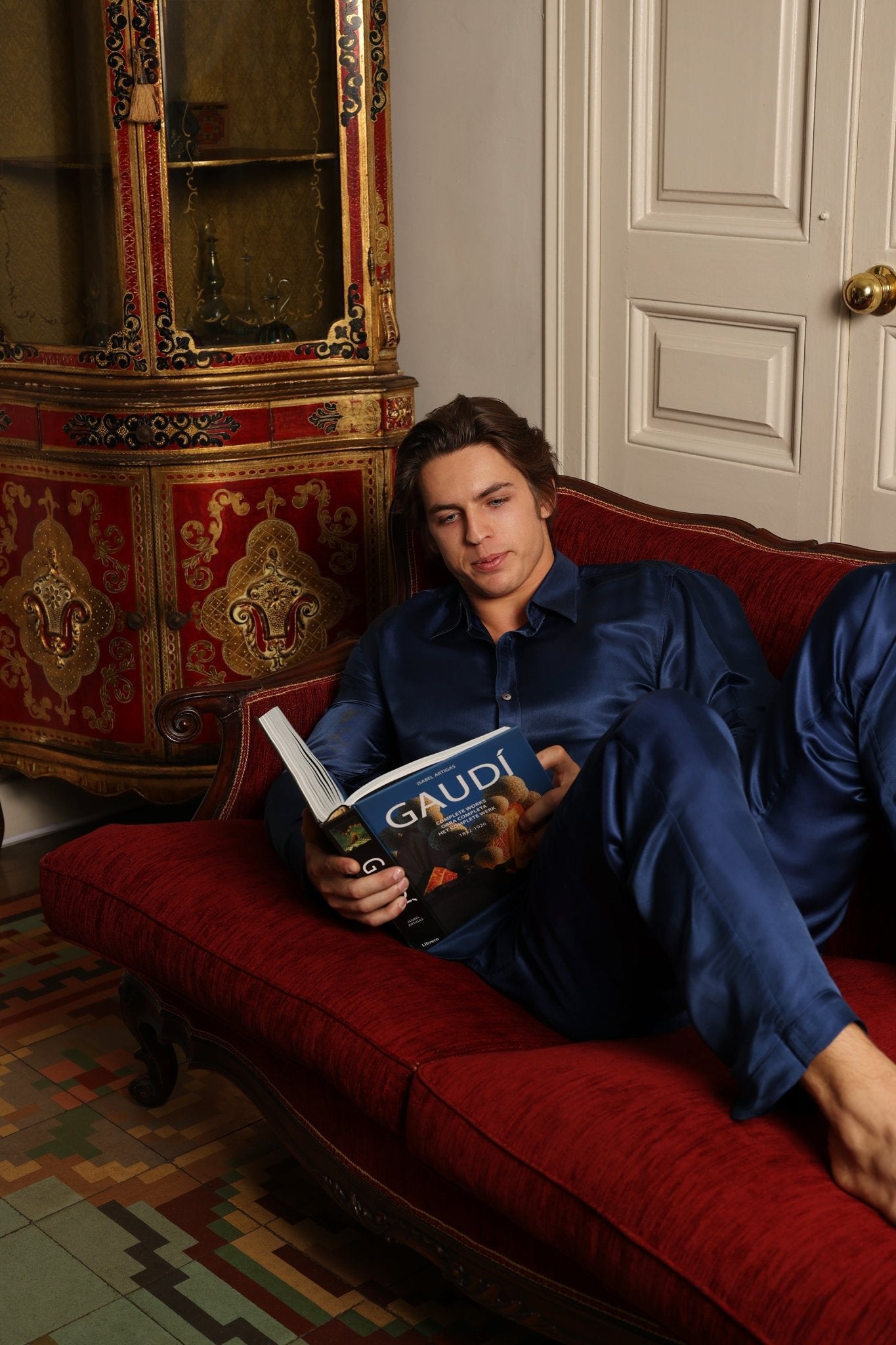
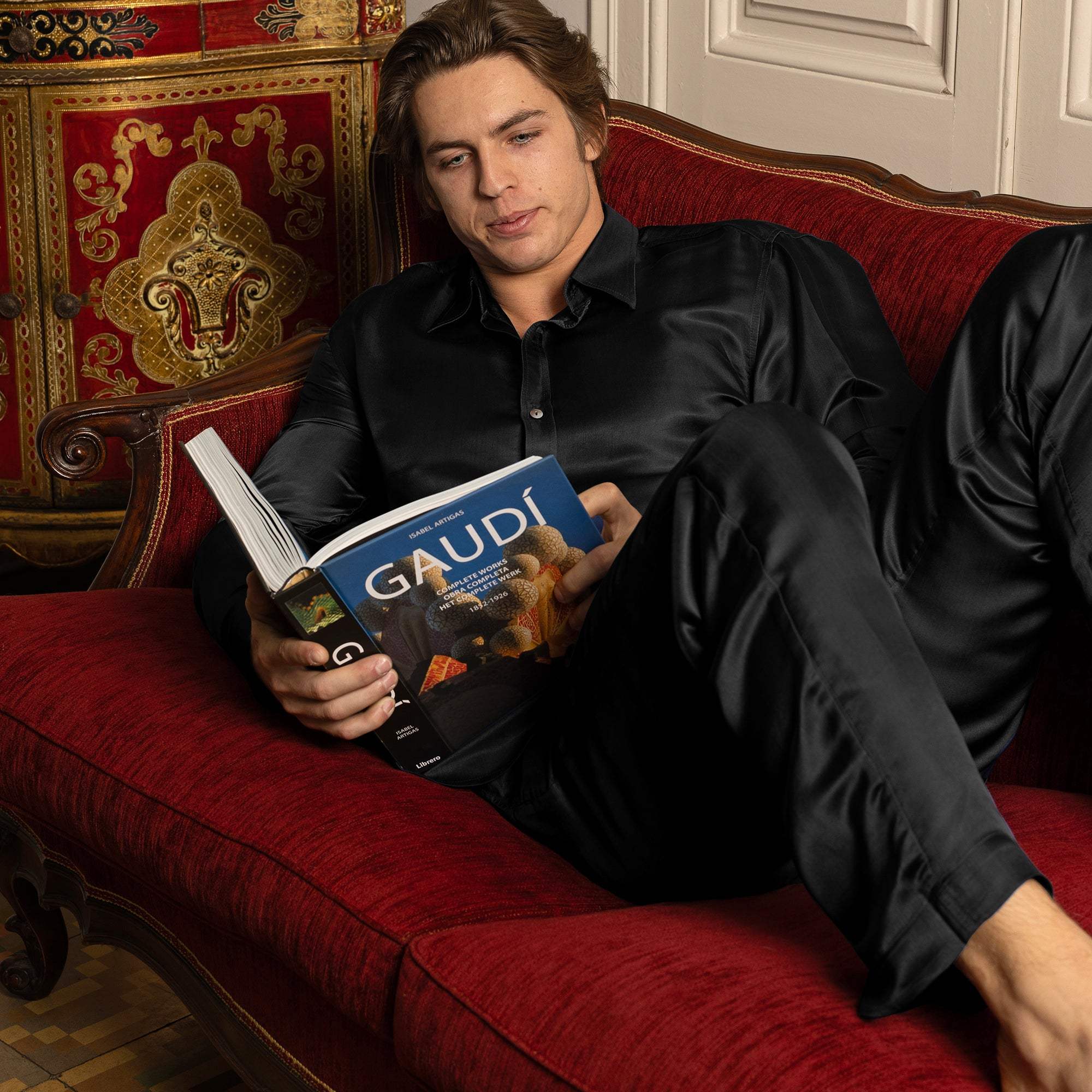
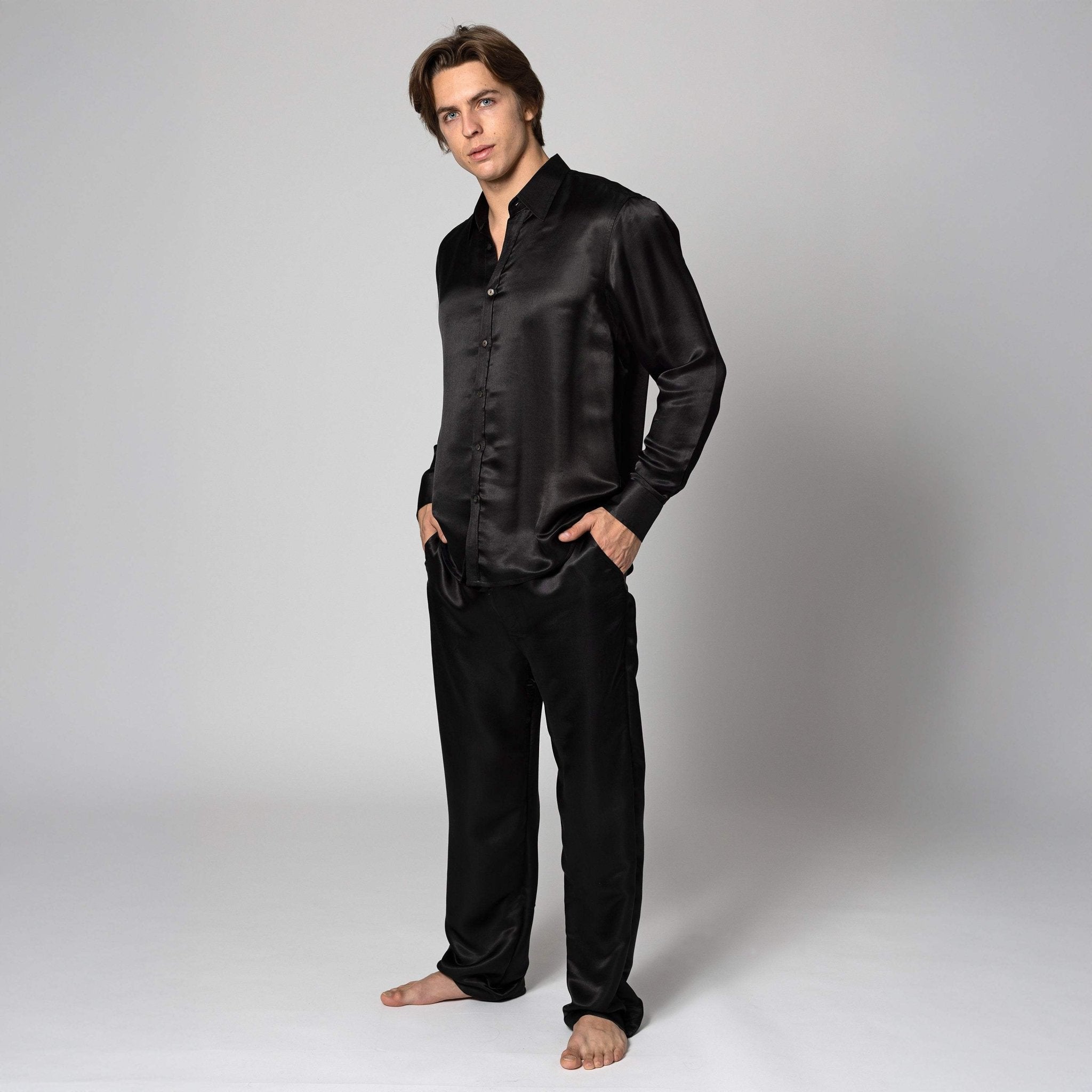
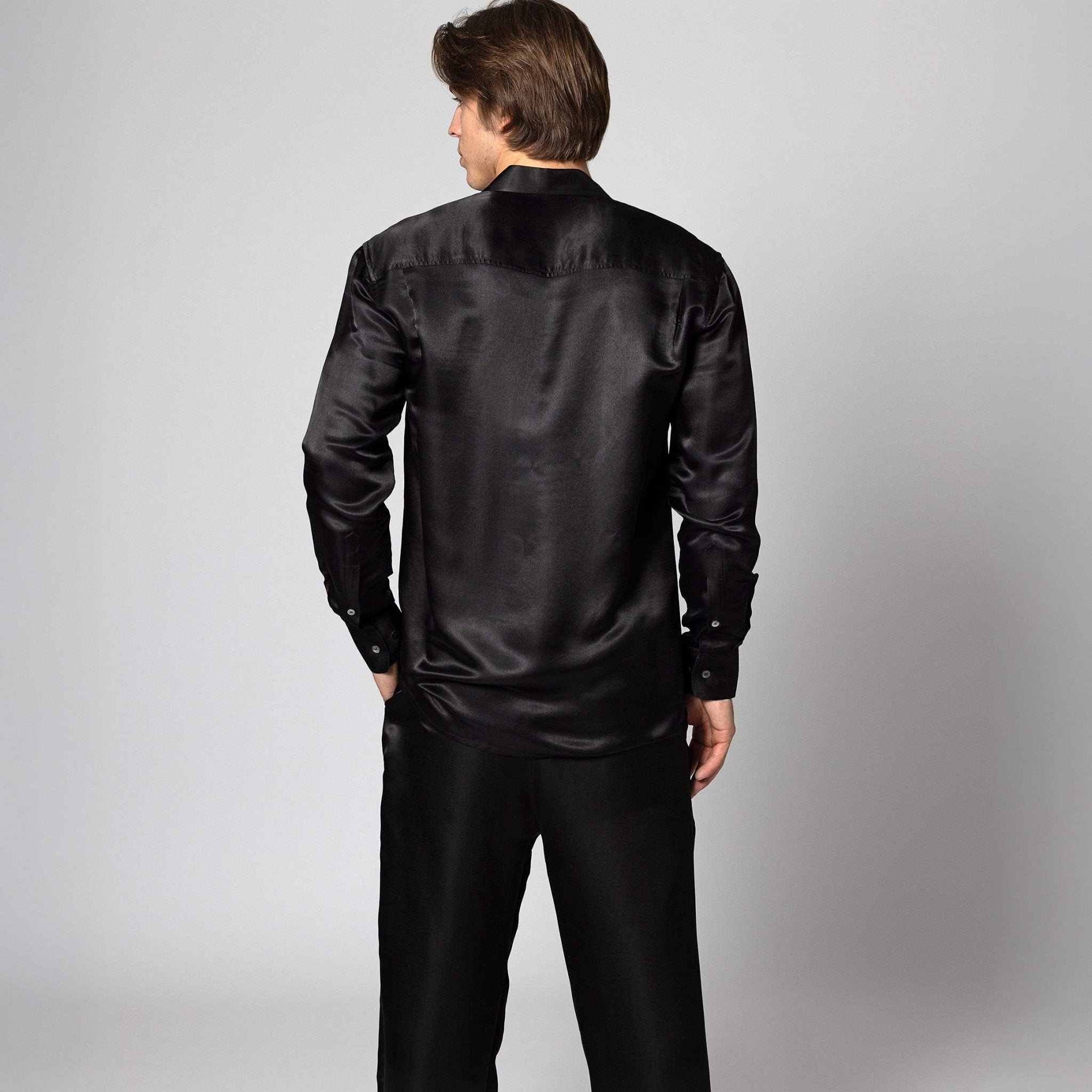
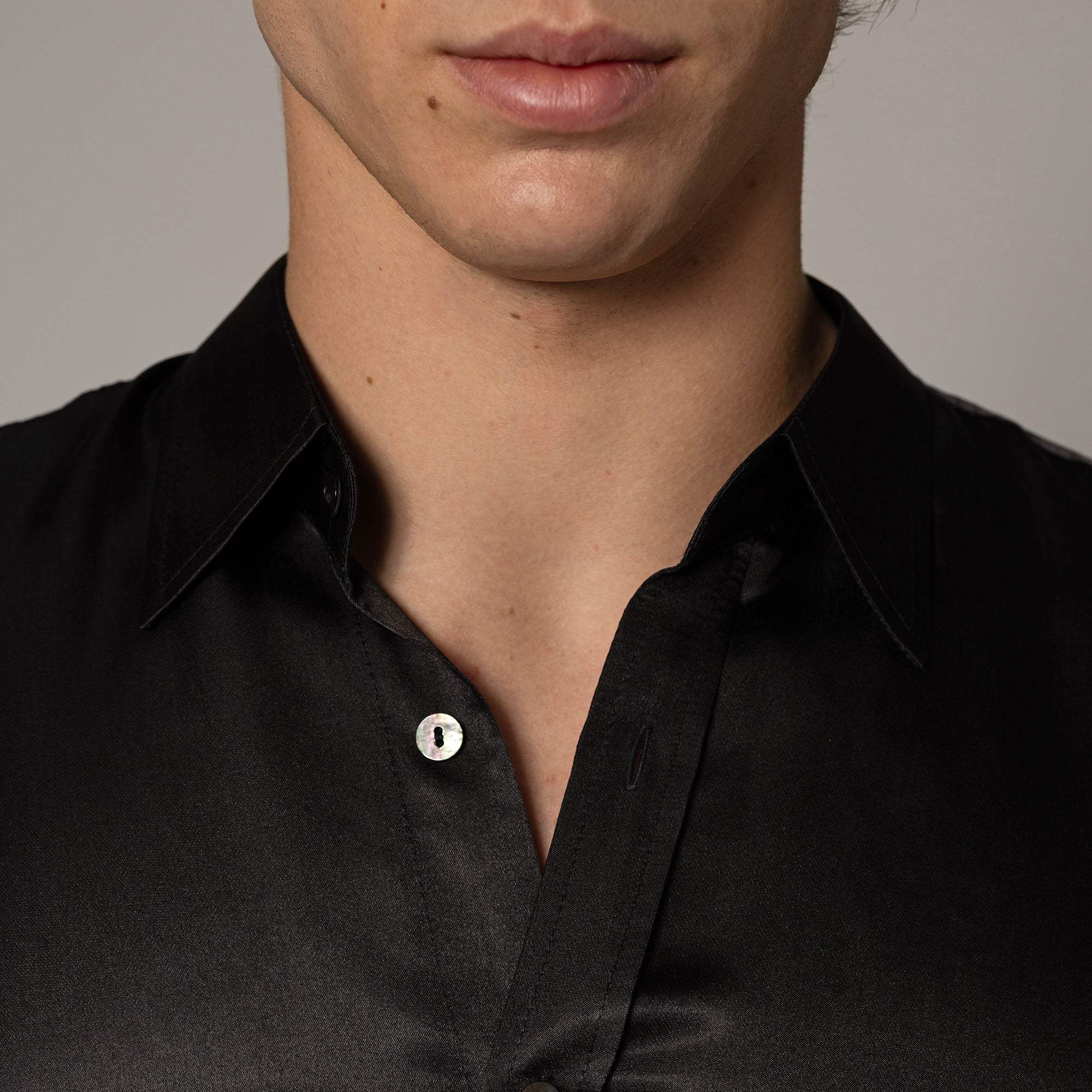
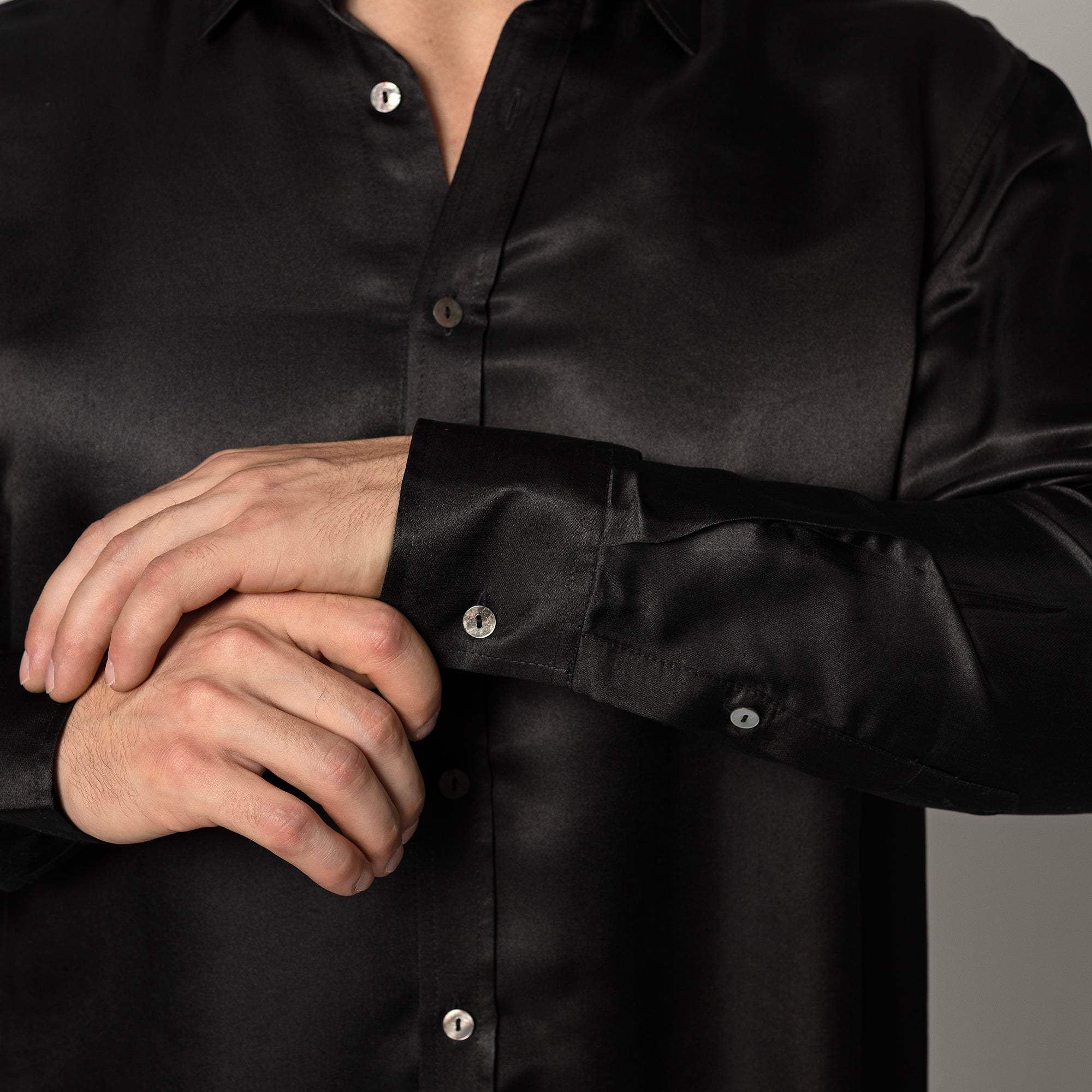
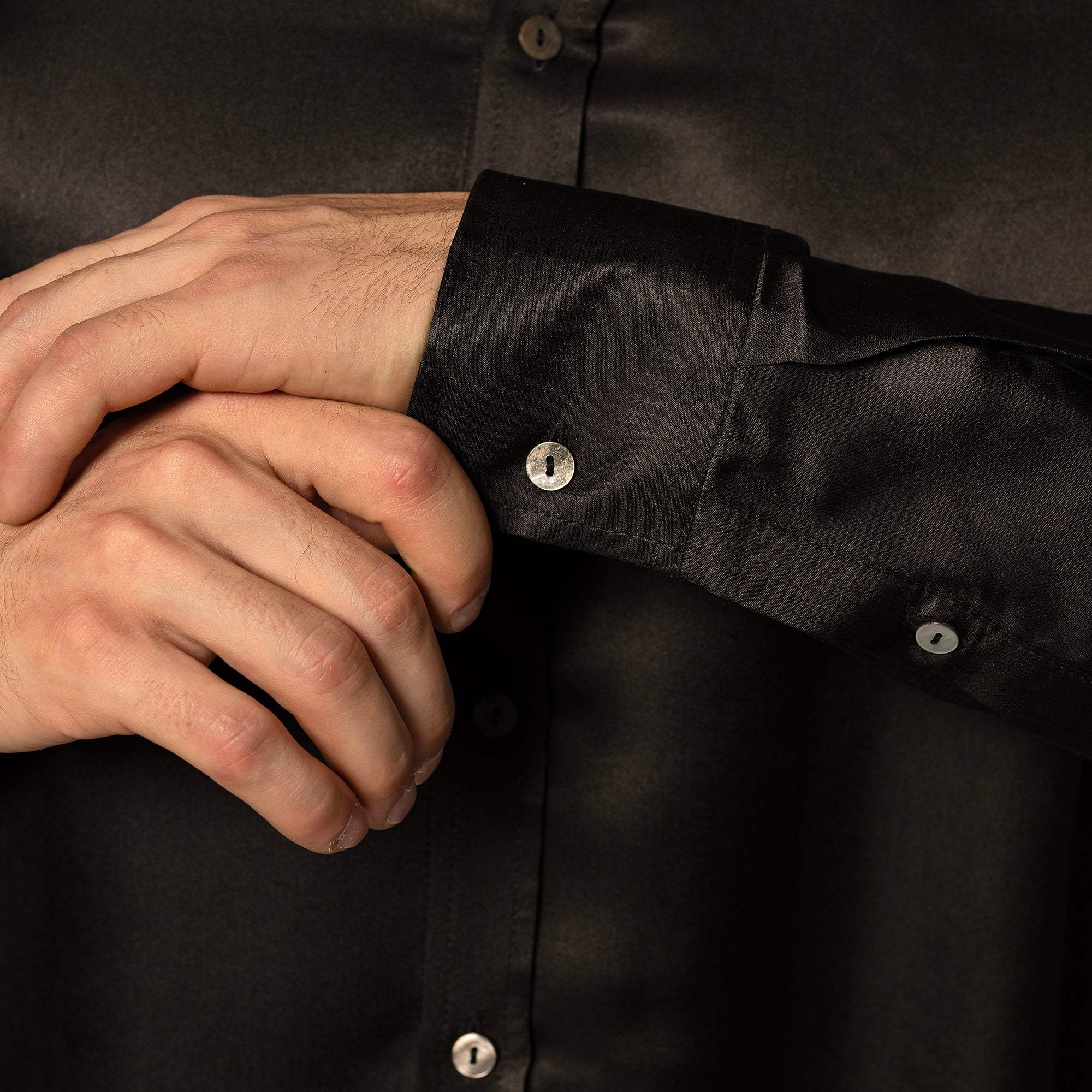
Robes are culturally coded as feminine in most Western contexts. Most men dismiss them as a feminine luxury without noticing they're solving a real problem.
But martial artists, monks, and every discipline that cares about mind-body integration built the robe into practice. The samurai wore the robe. The monk wears the robe. Not because they're luxurious. Because they work.
The feminization of robes is a commercial culture thing, not a functional thing. Once clothing culture decided robes were "pretty things," they became "women's things" in the cultural taxonomy. But a tool that works doesn't need a gender.
66% of Tara Sartoria customers are men aged 35-54. They're not interested in following convention. They're interested in what actually improves their day.
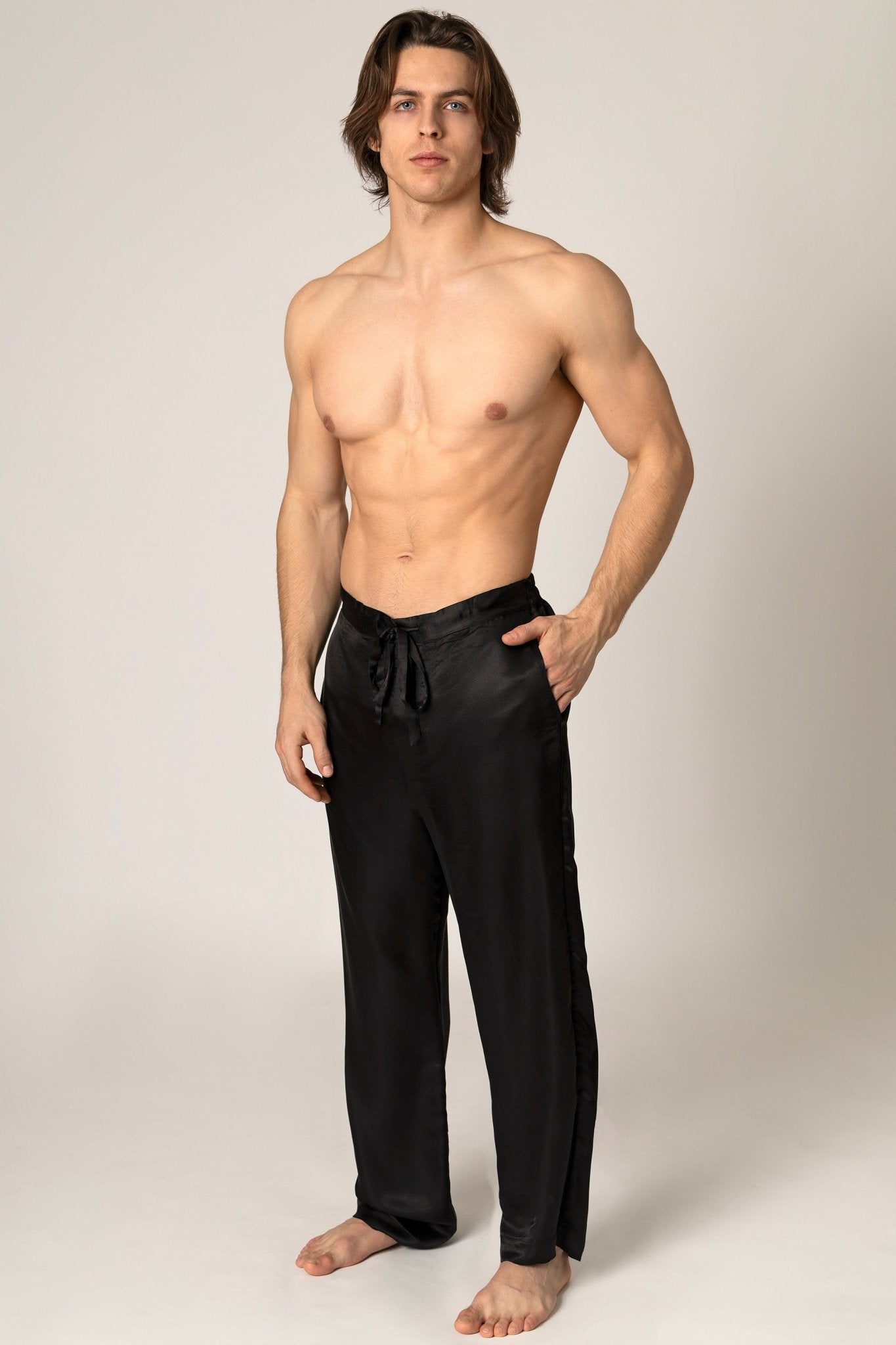
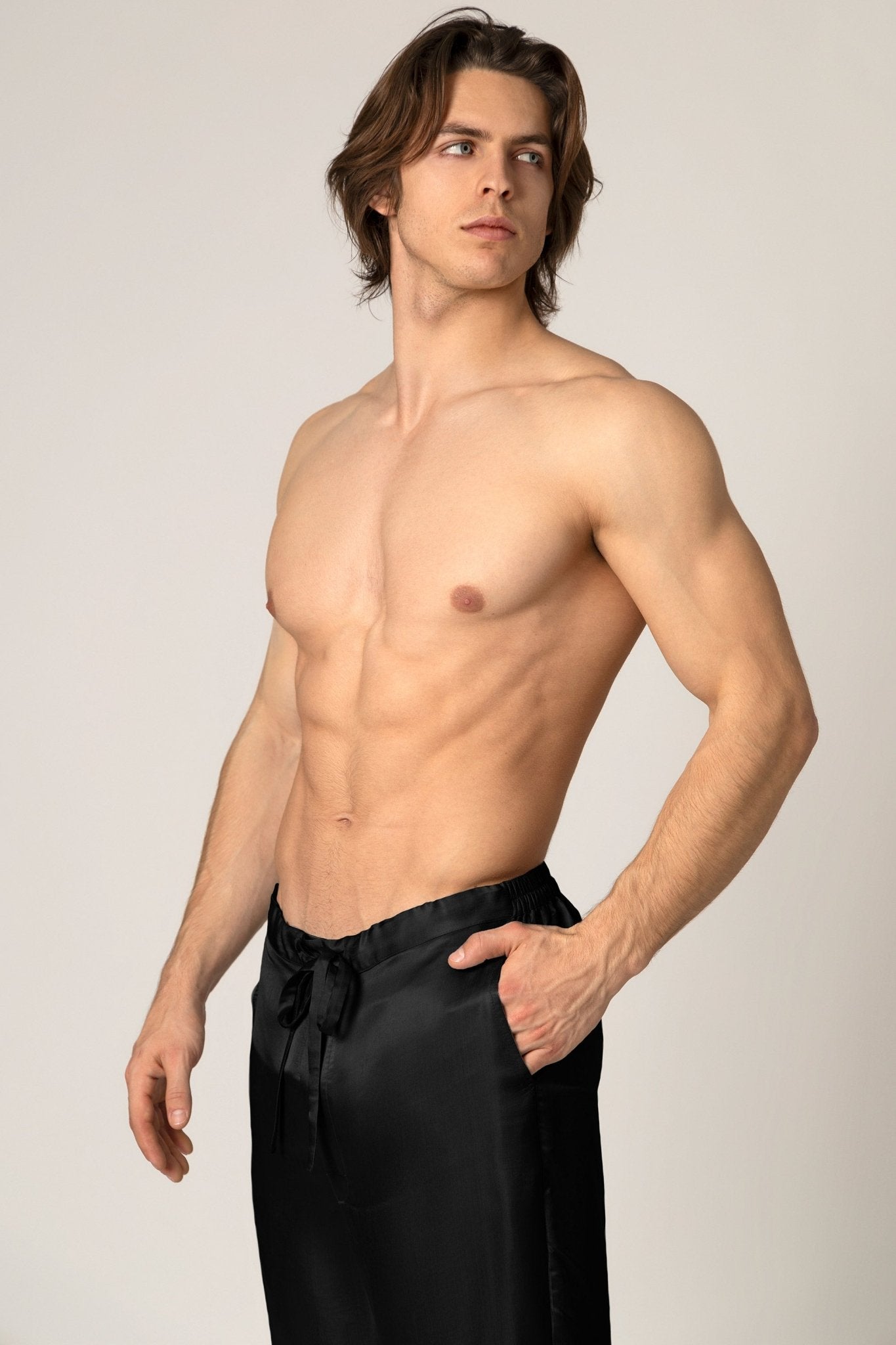
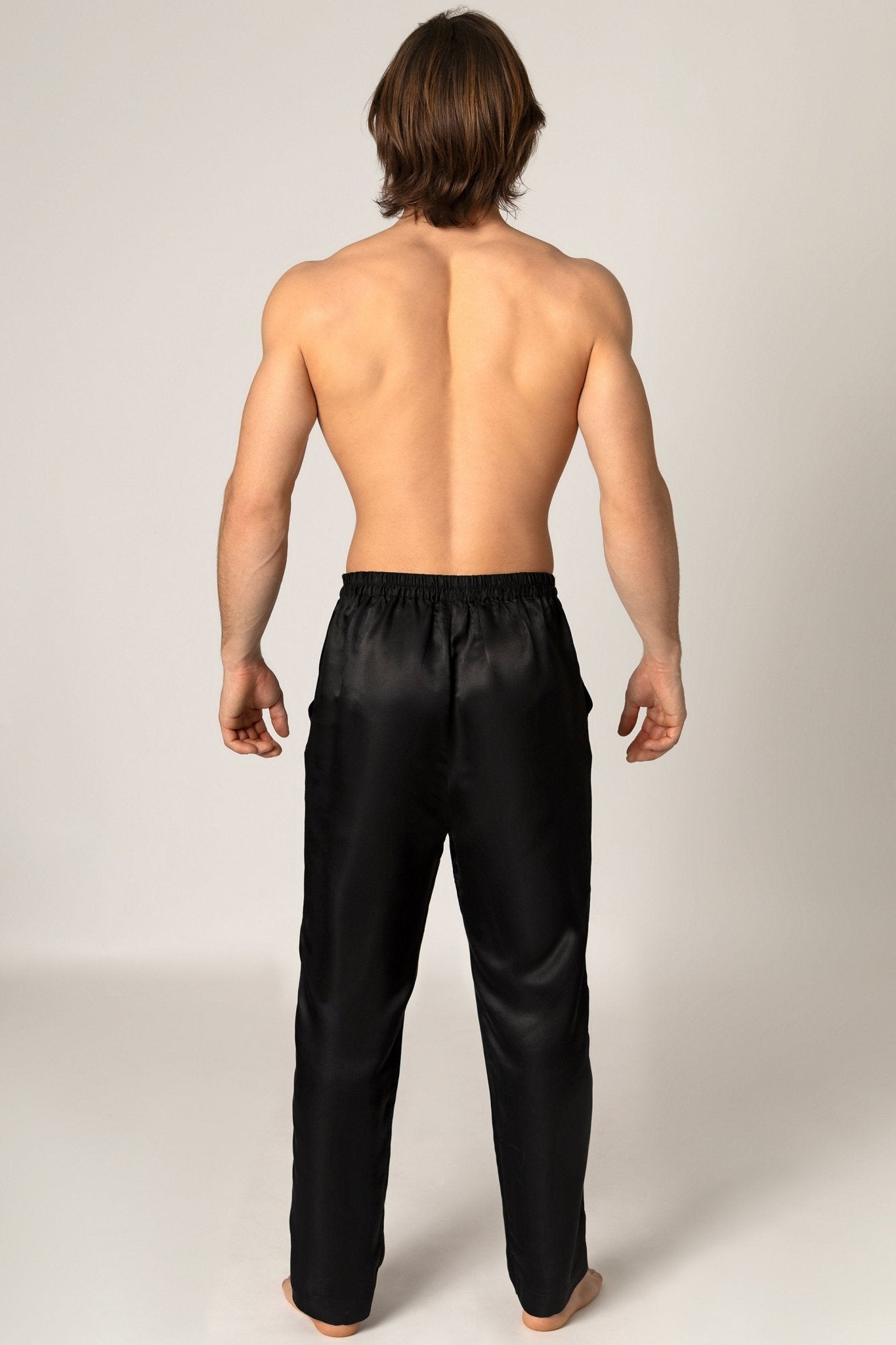
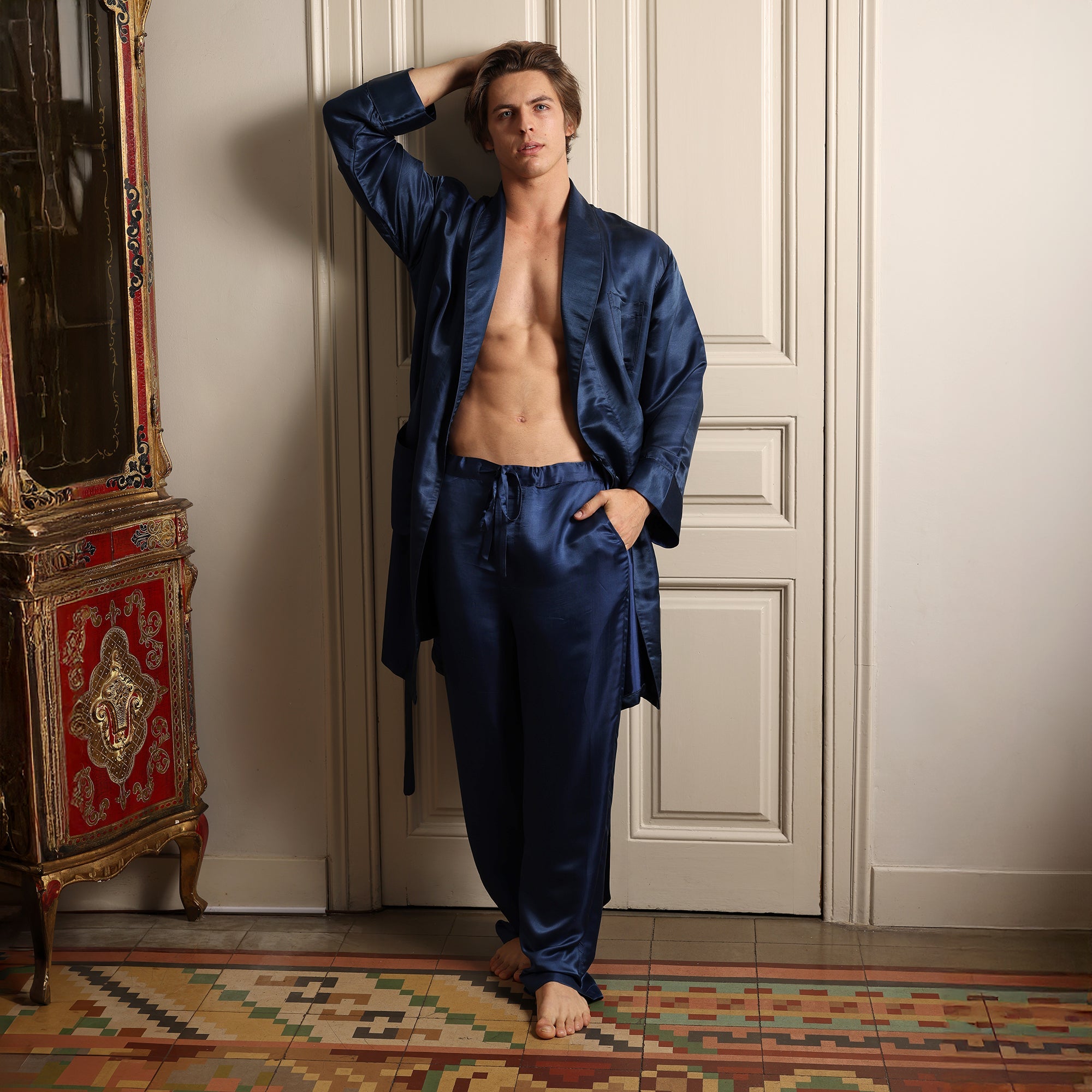
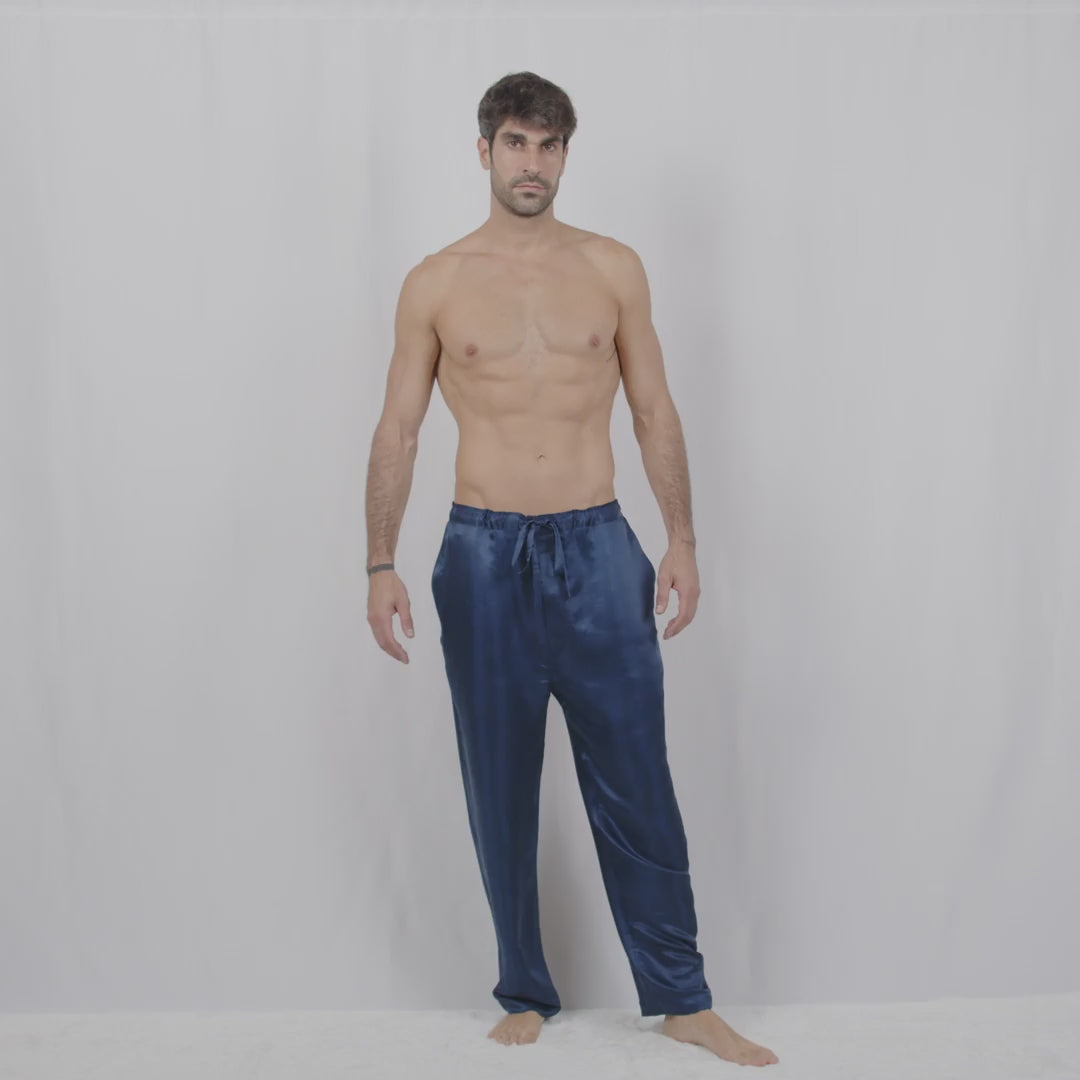
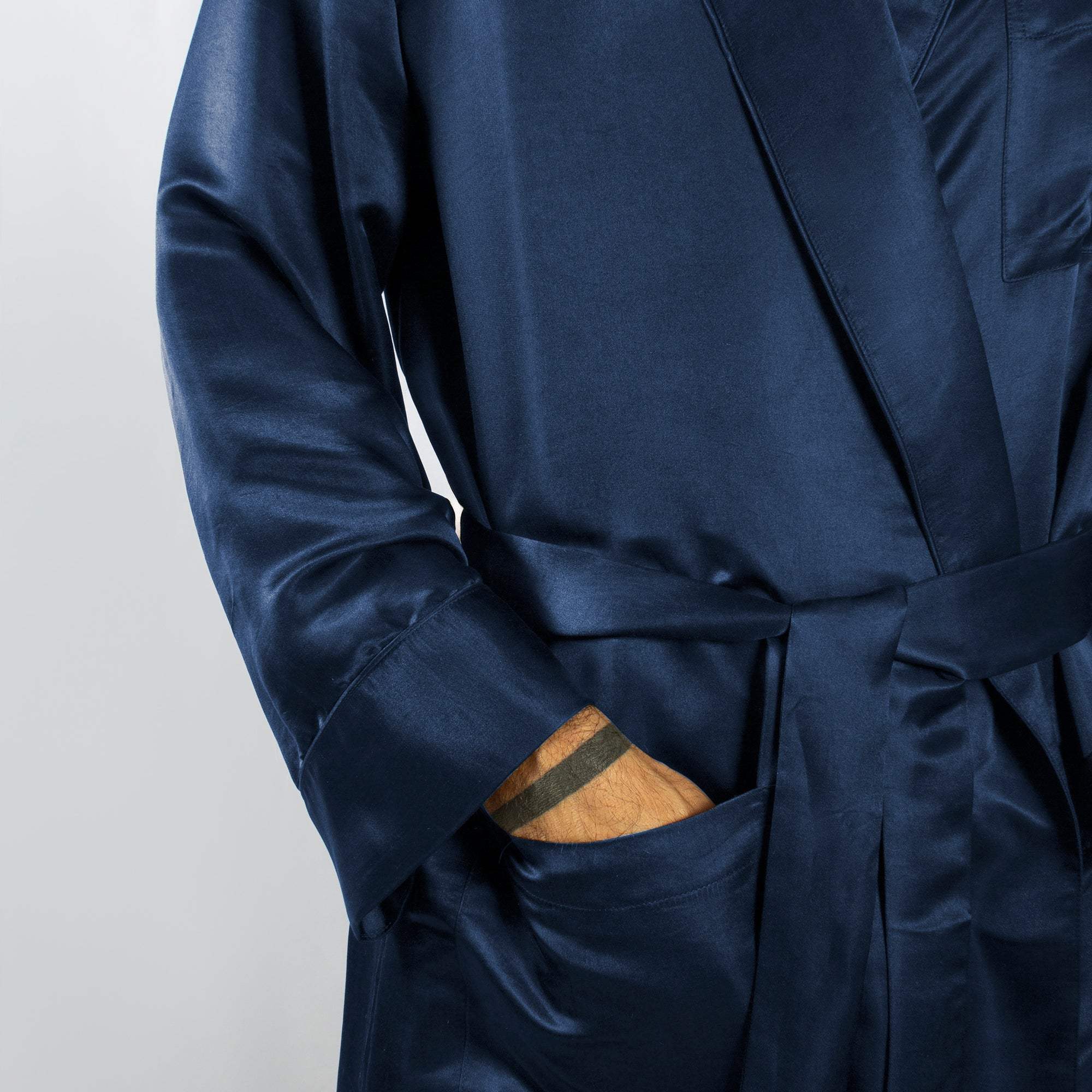
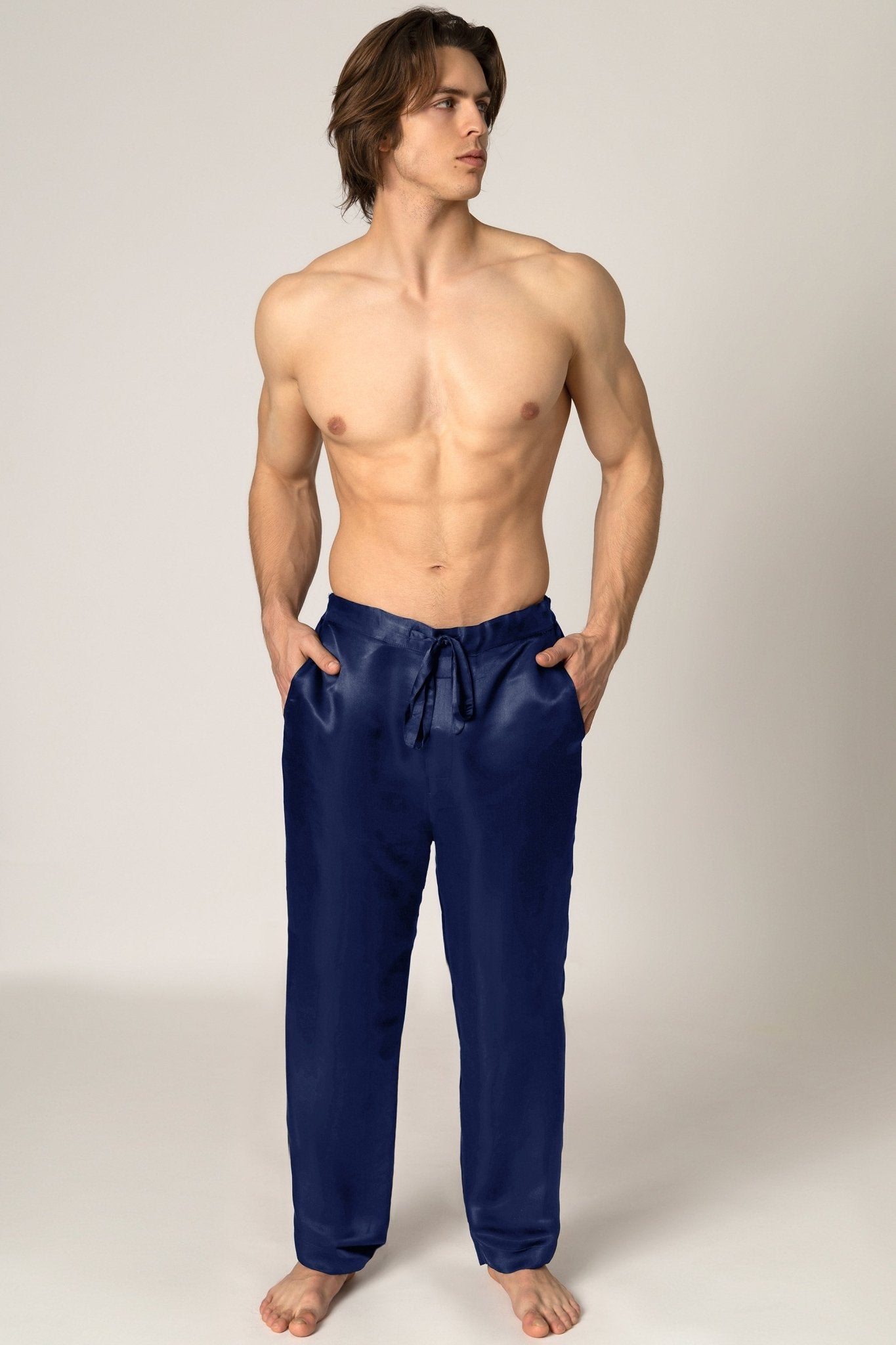
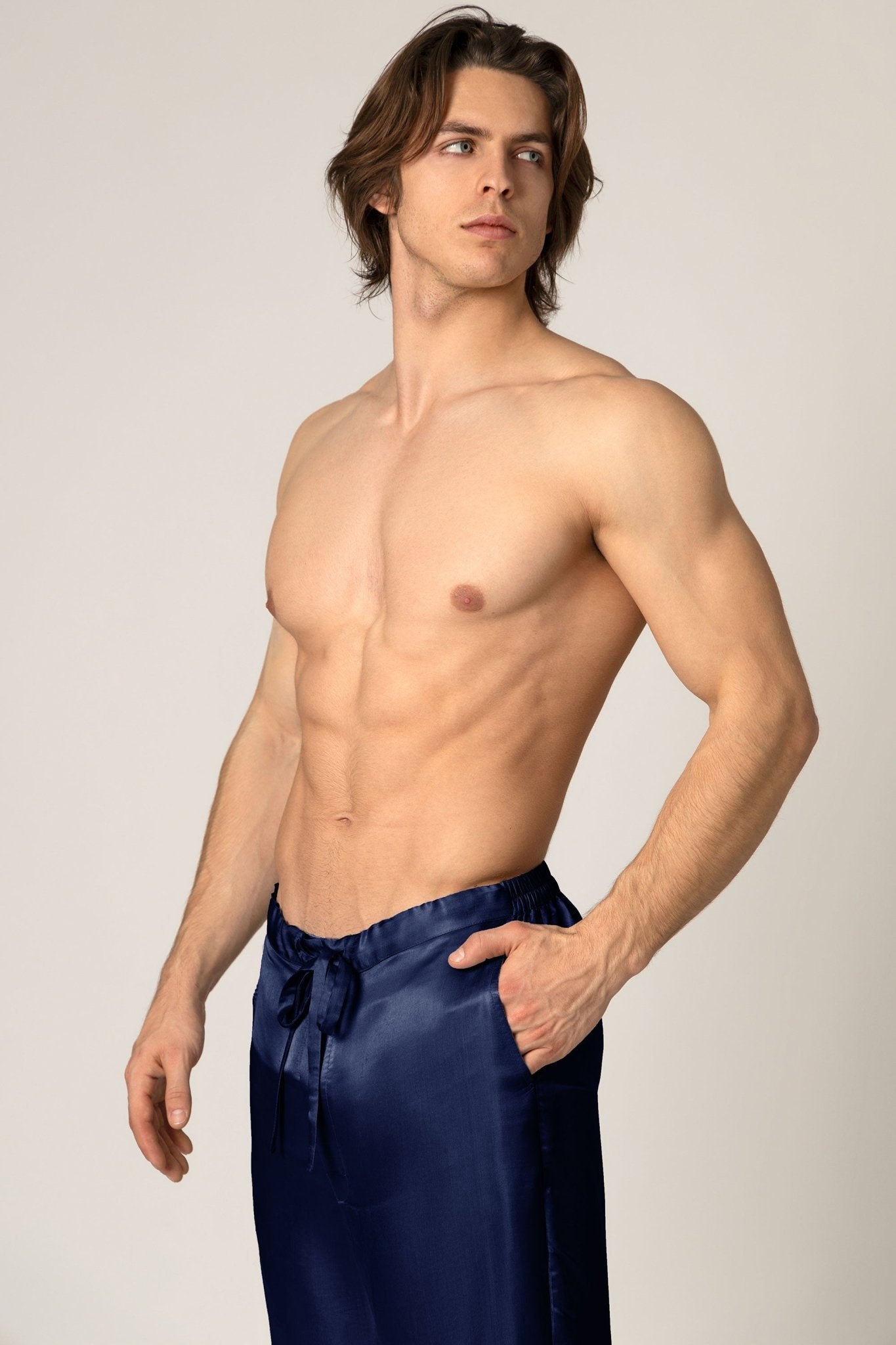
What Changes When You Have a Real Robe
Once you have a robe that's actually worth wearing (substantial, beautiful, designed to signal transition), your morning reorganizes around it:


Your morning takes on structure. You're not rushing from bed to coffee to email to work. You have a defined space between these modes.
Your decision-making improves. Not because the robe made you smarter, but because you started the day in a controlled state instead of a reactive state. You notice patterns. You anticipate problems instead of reacting to them.
"Putting on this robe for the first time felt like I was wearing wealth and luxury. The jacquard pattern is absolutely stunning. It is lightweight and true to size."
Elyse, verified buyer
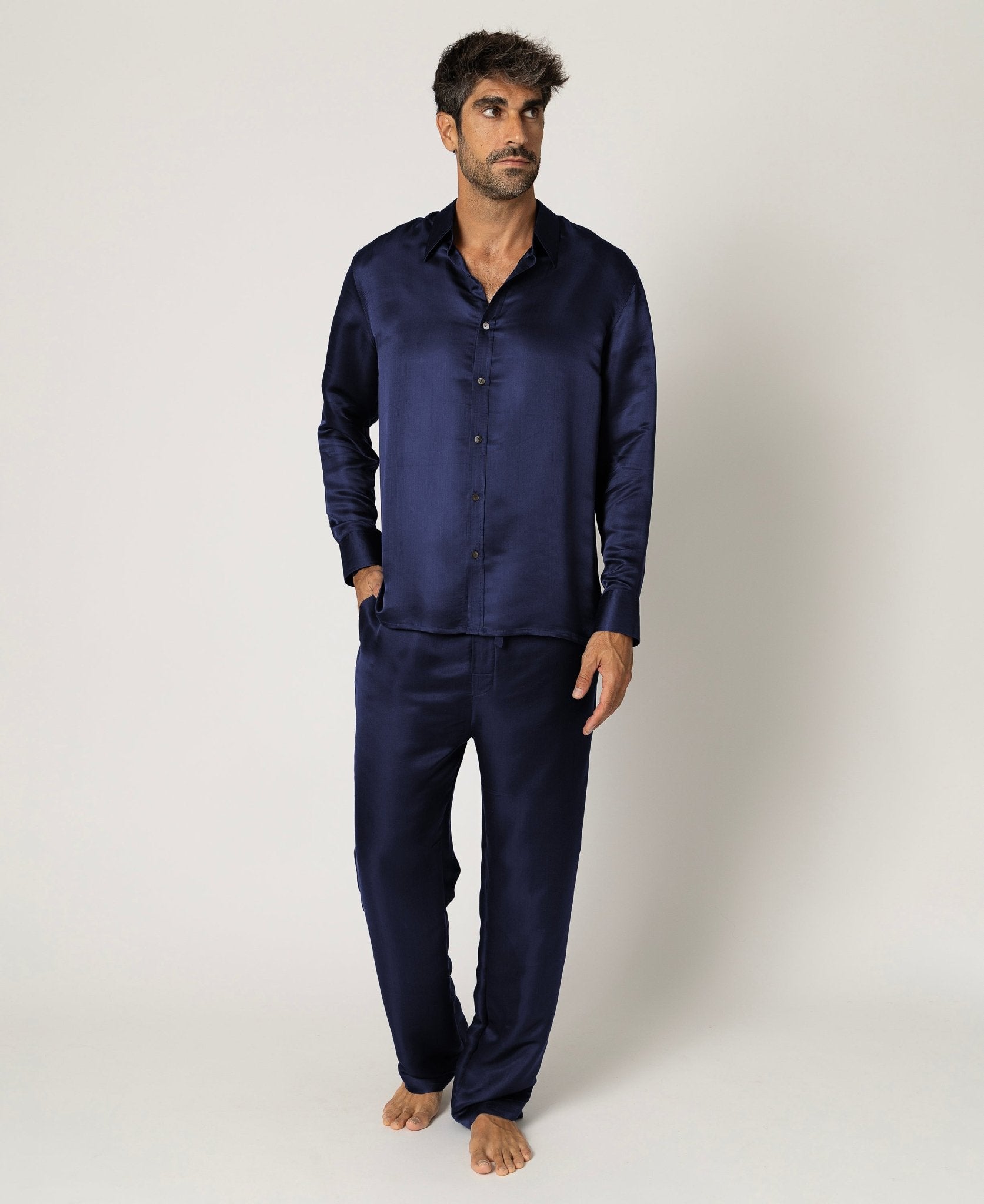
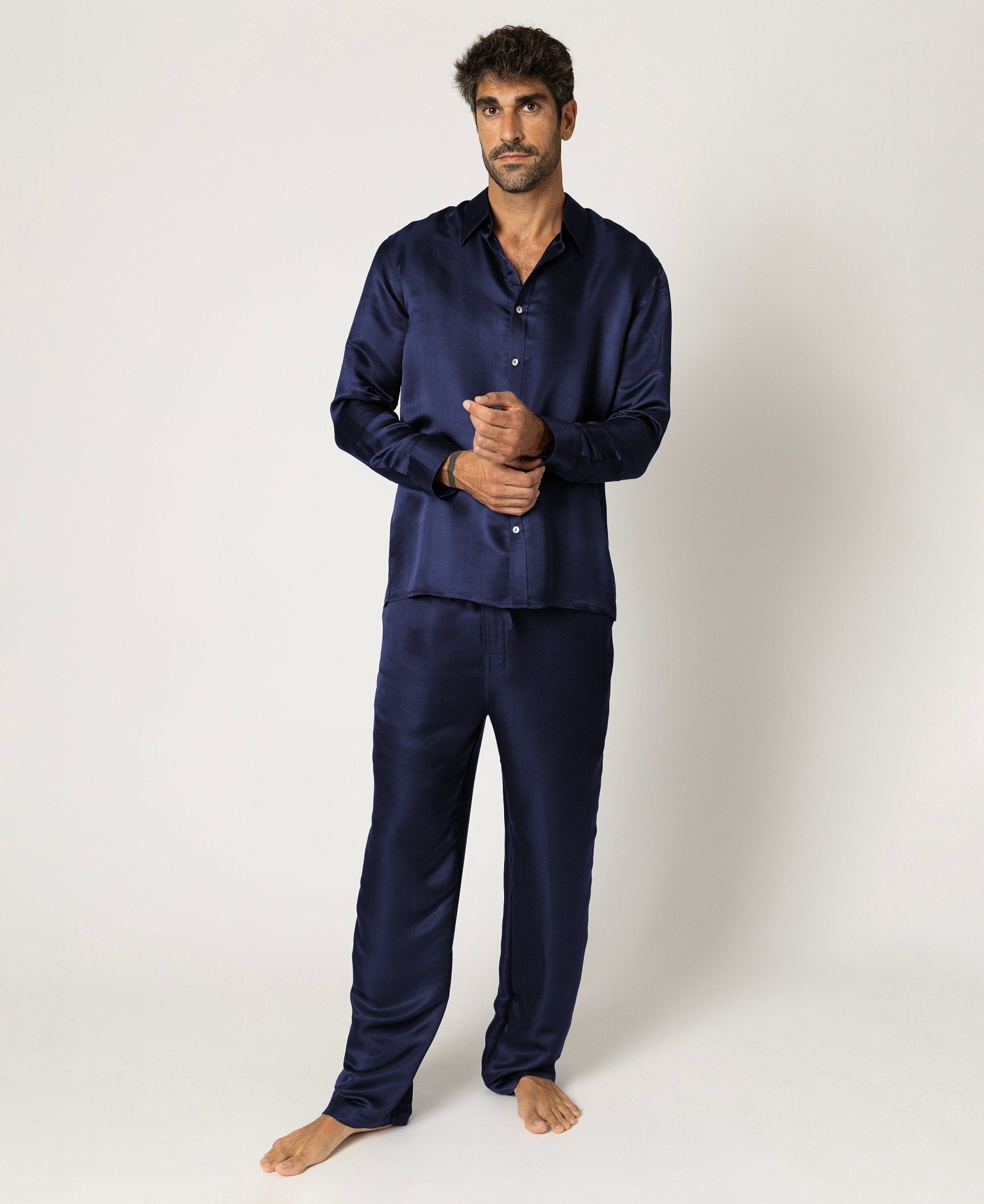
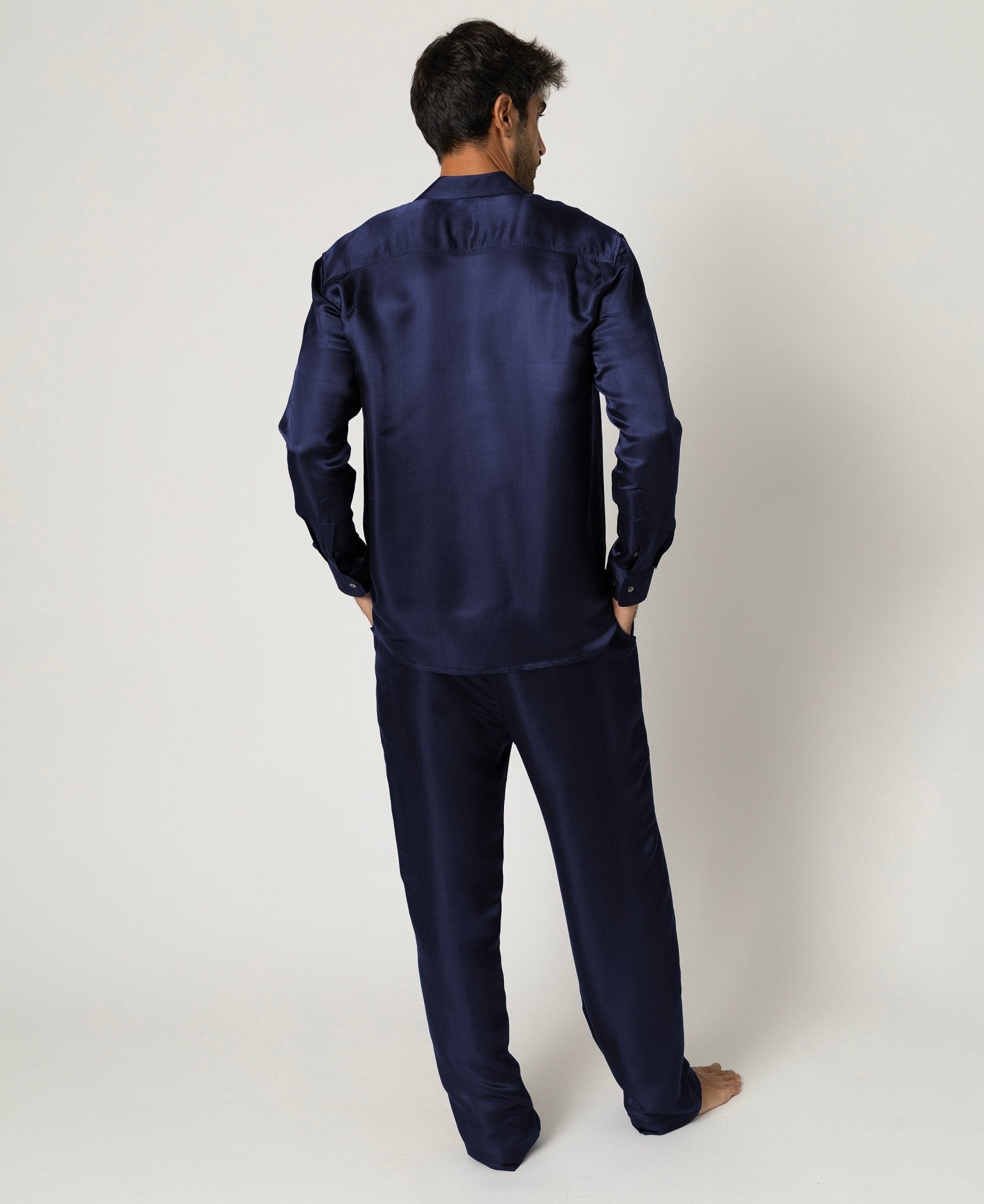
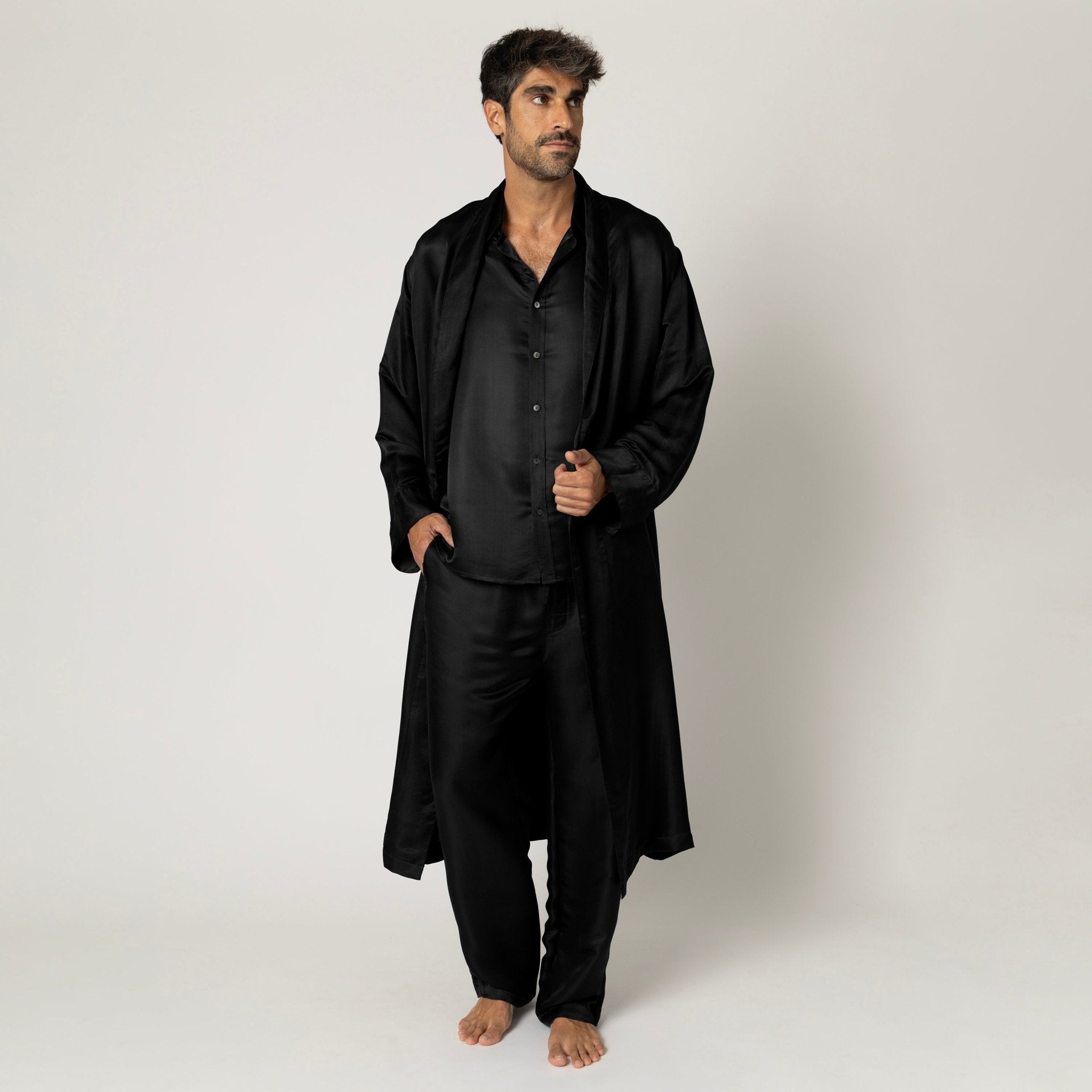
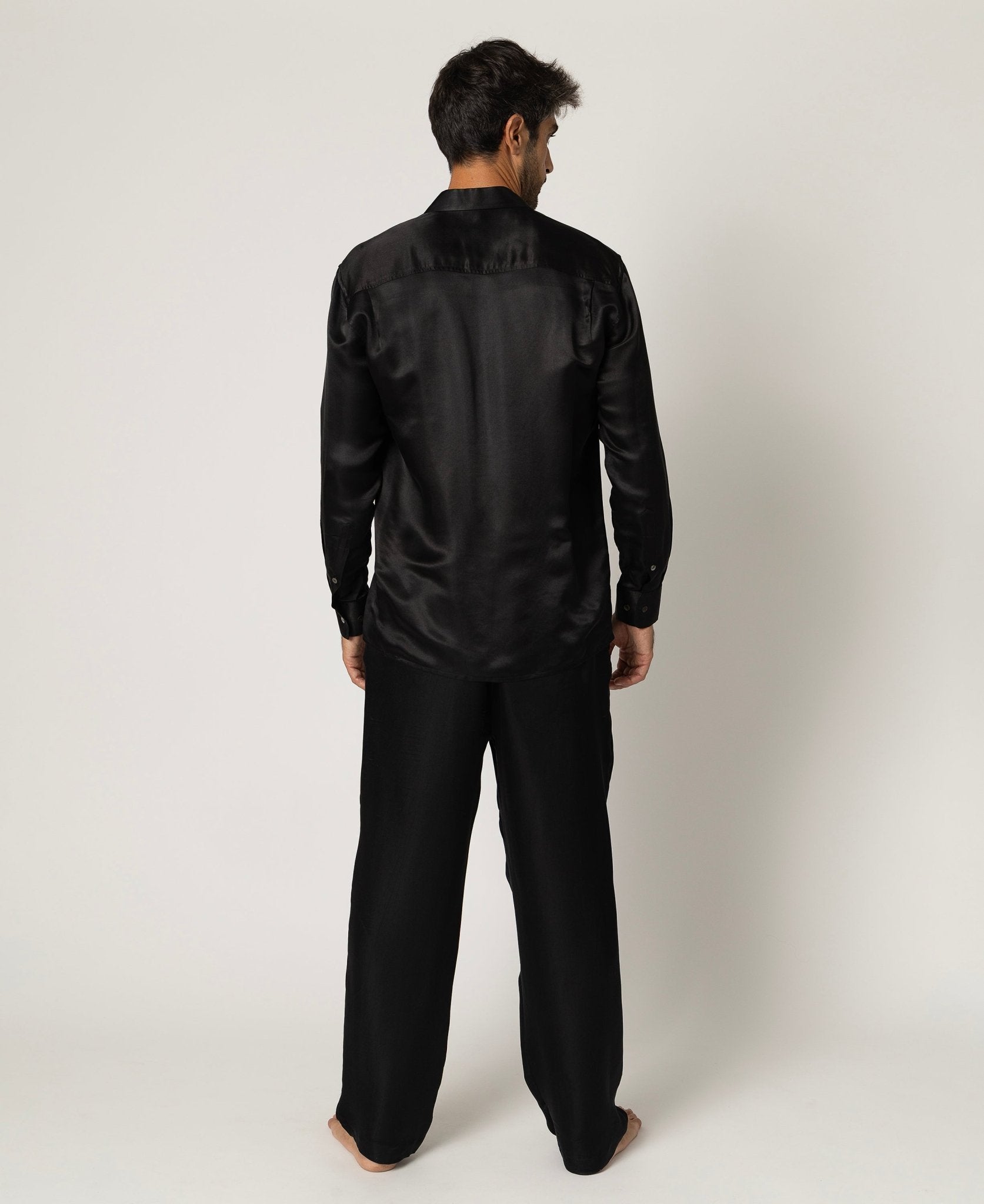
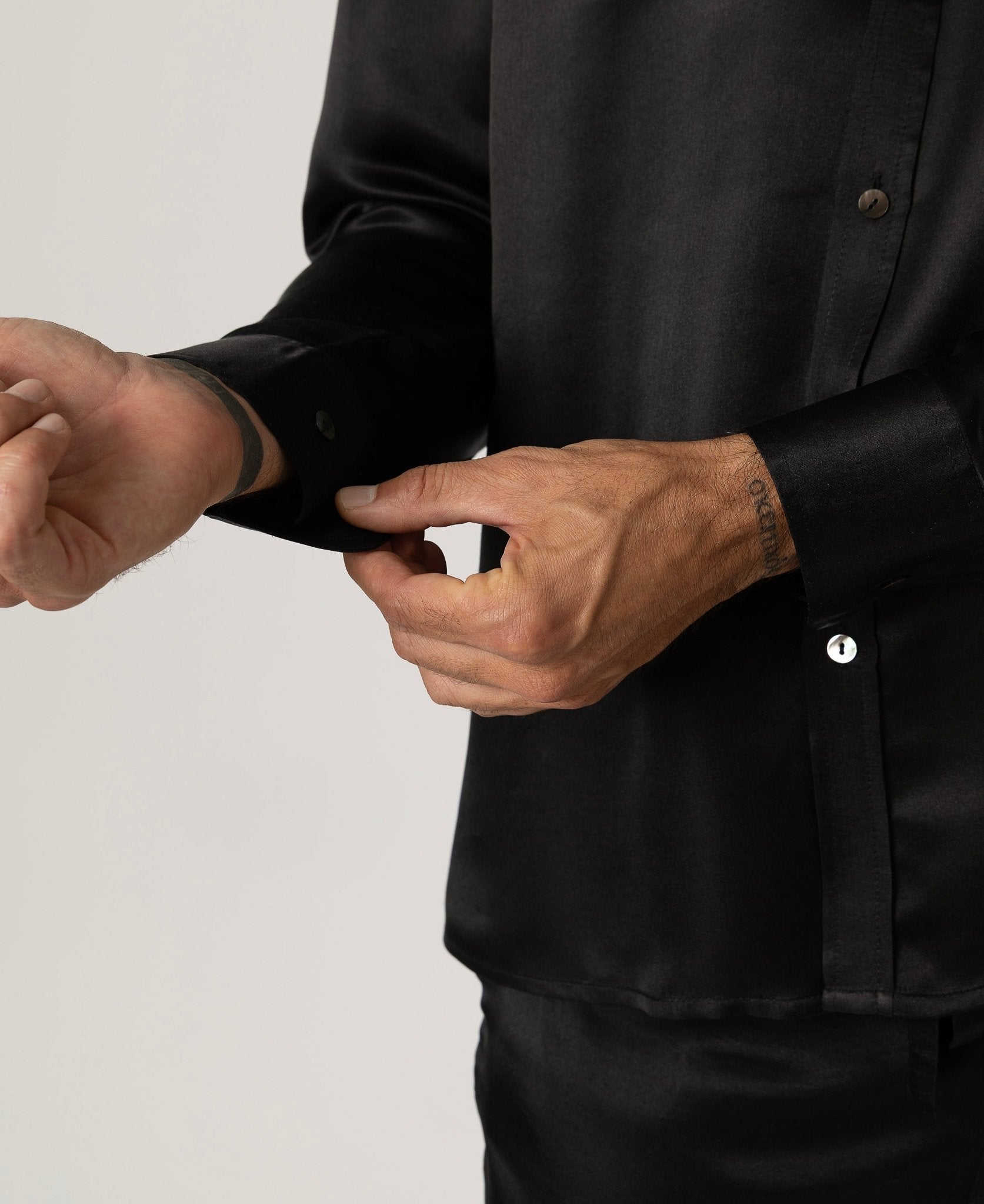
The Economics: Cost Per Year vs Cost Per Use
A good robe costs more upfront. This is true. A 27 momme silk robe costs more than a cheap bathrobe.
But a good robe lasts approximately 5 years with regular care. A cheap bathrobe lasts 6 months to 2 years. The per-year cost is actually lower. More importantly, you actually use it.
People don't use cheap robes. They feel poor, so you put on a hoodie instead. Your transition ritual disappears. You're back to jumping from sleep to work mode. The tool didn't work, so you stopped using it.
A good robe is so pleasant to wear that you actually put it on. You actually use the transition ritual. The tool actually functions.
This is where perception flips into reality. Silk actually feels better than cotton against skin. It actually manages temperature better. You're not perceiving luxury. You're experiencing functional difference that compounds daily.
 Shop Artisan Silk Robes
The Summary: Ritual Is the Product
You're not buying a robe. You're buying 30 minutes.
You're buying a space between sleep and work where you can think without someone else's urgency. You're buying the nervous system reset that makes the rest of your day intentional. You're buying the fact that you start work from a settled place instead of a reactive place.
The robe is simply the symbol that makes the ritual consistent. When you put on 27 momme mulberry silk, hand-finished seams, substantial drape, you're signaling to your entire nervous system: this transition is real, and this time is yours.
The practical details matter because they make the ritual actually happen. Machine washable at 30 degrees on gentle cycle. Lay flat to dry. This infrastructure means you'll actually use it, which means the tool actually works.
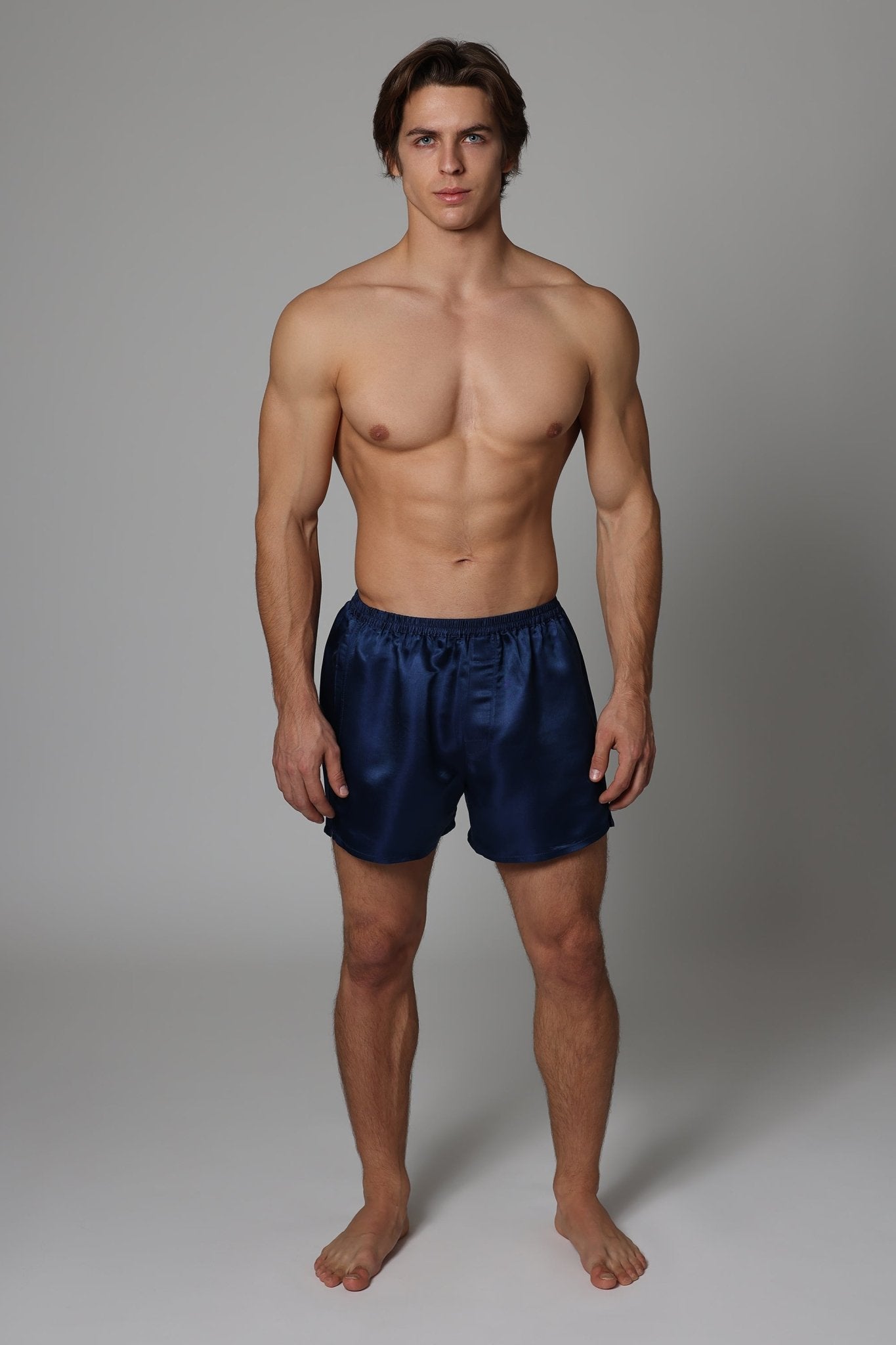
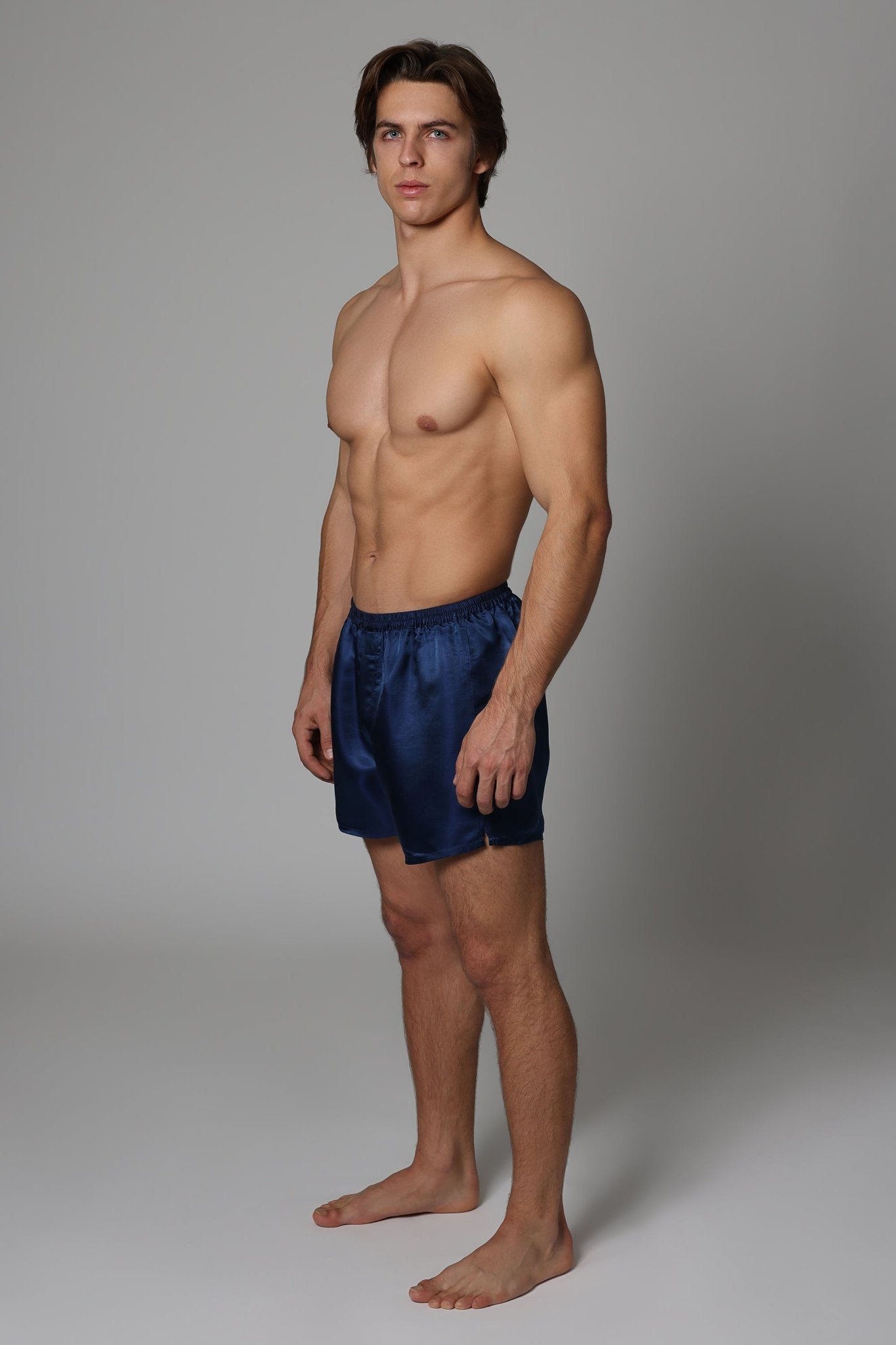
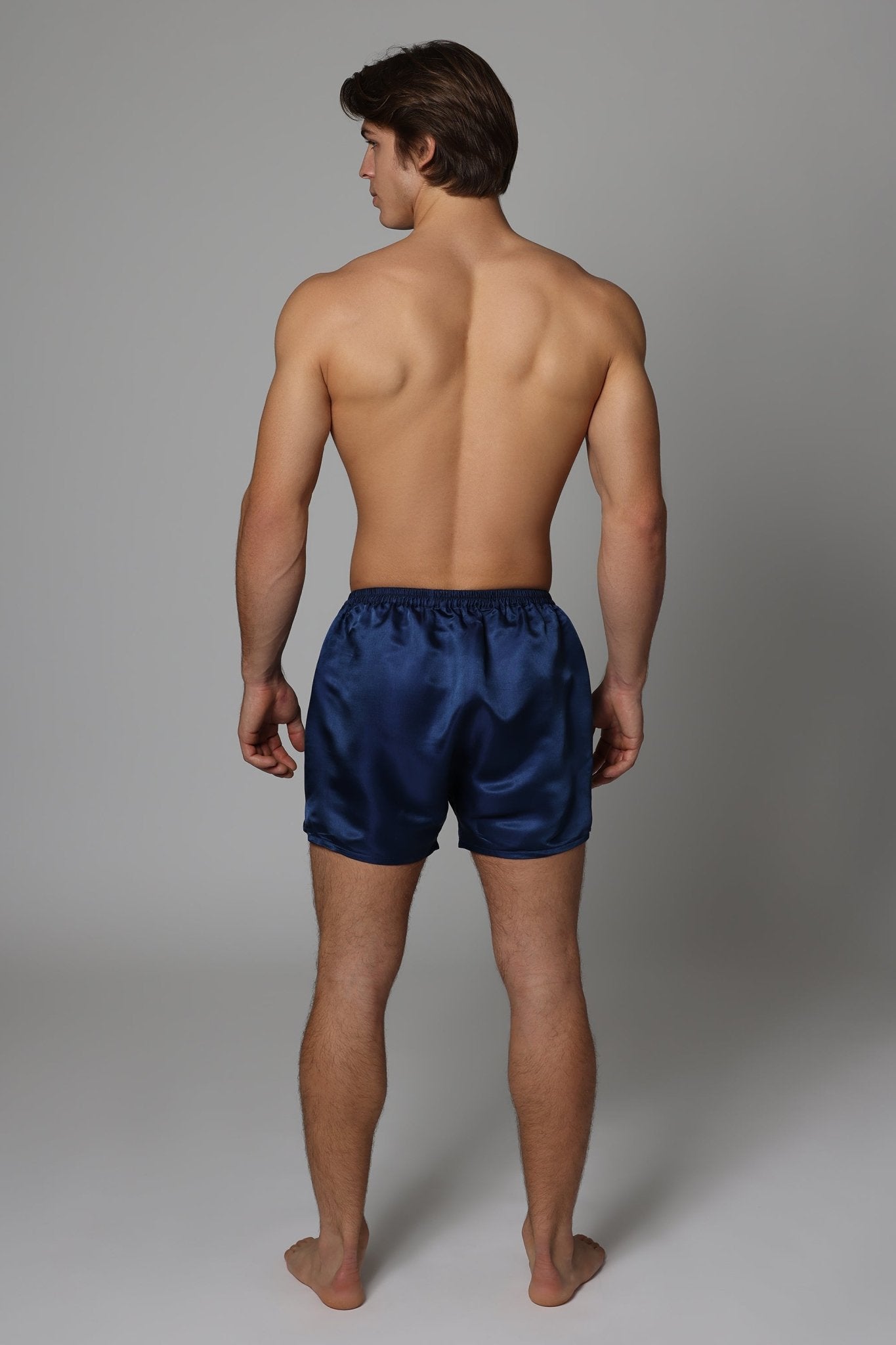
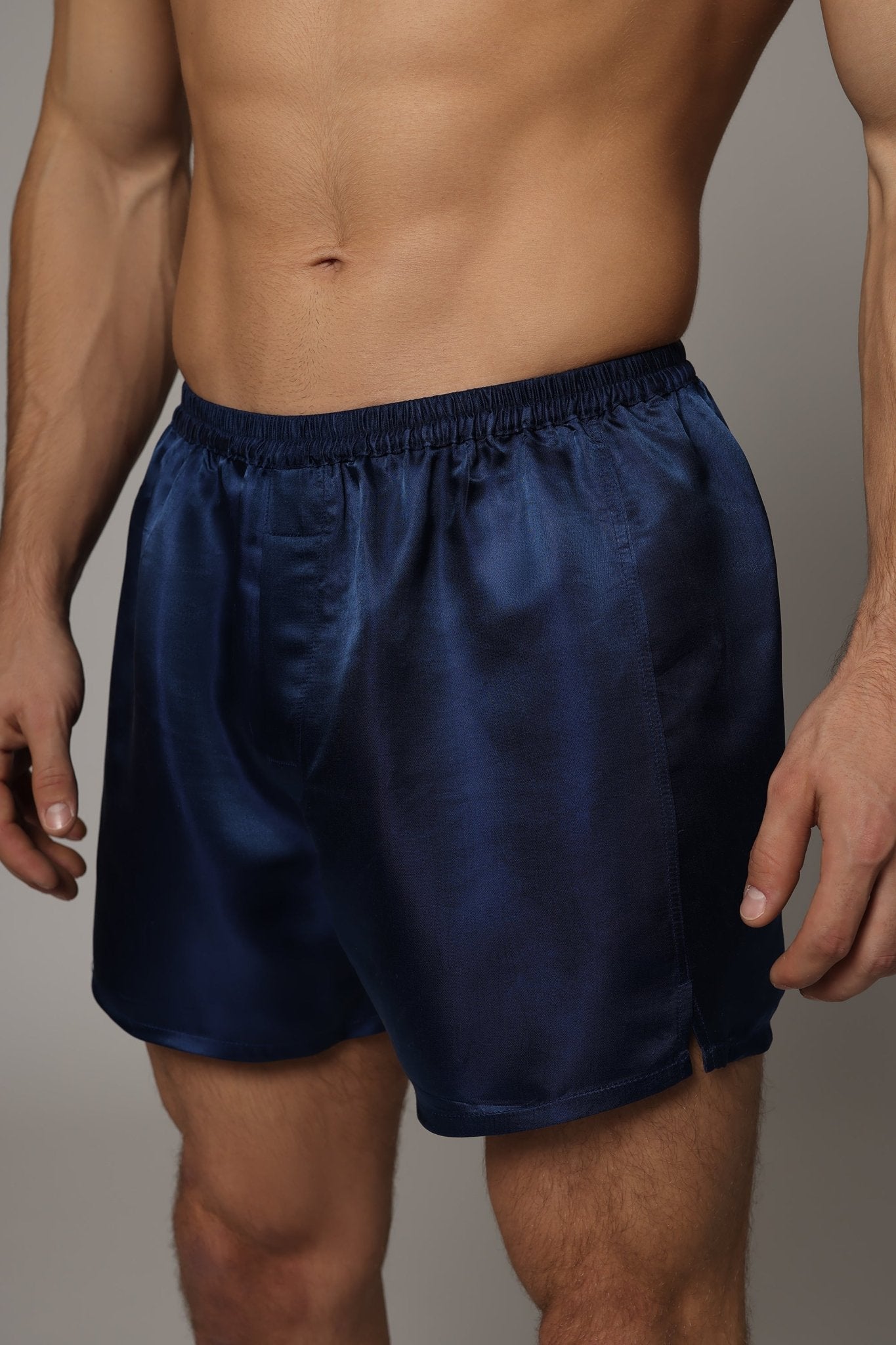
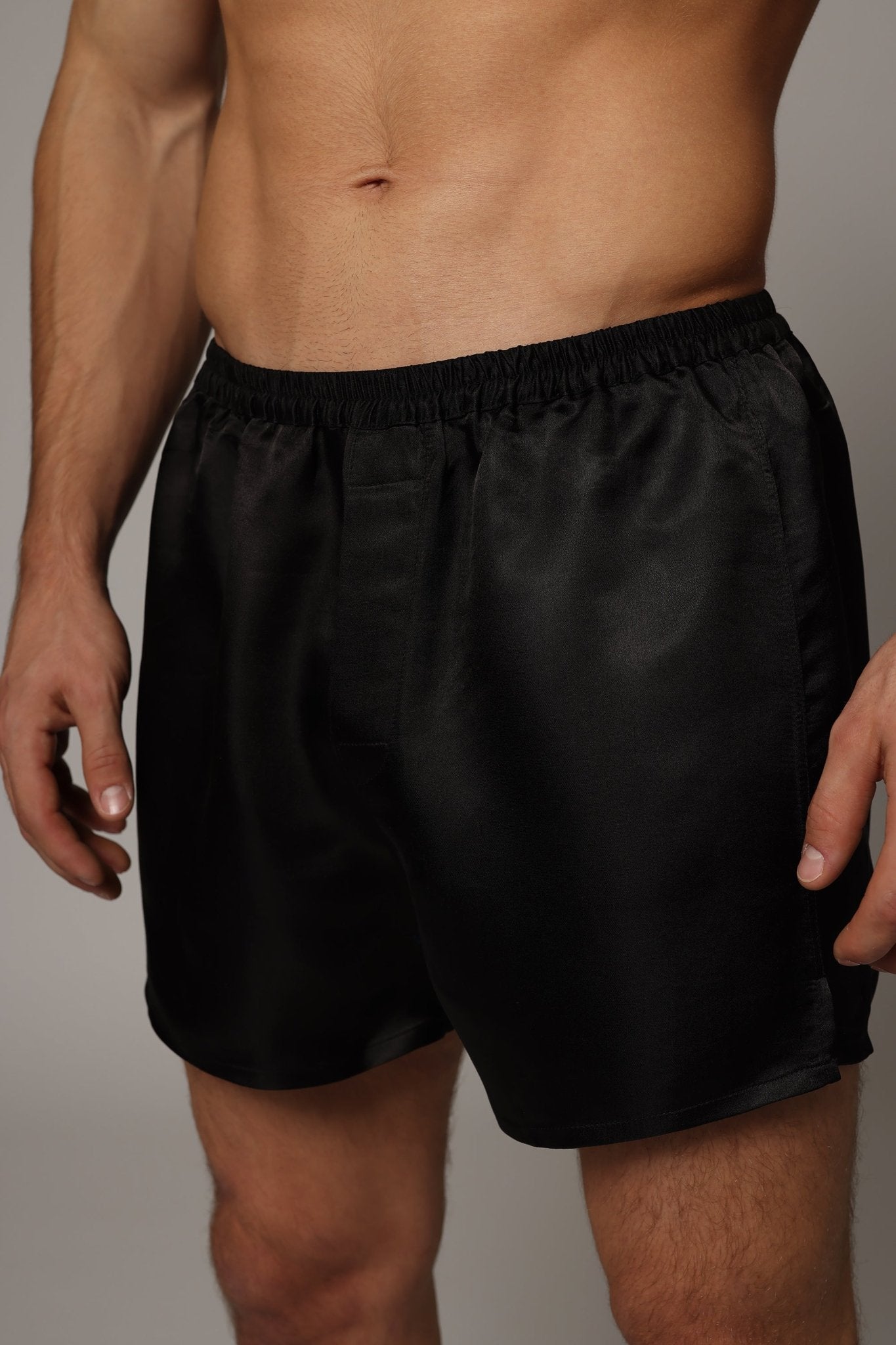
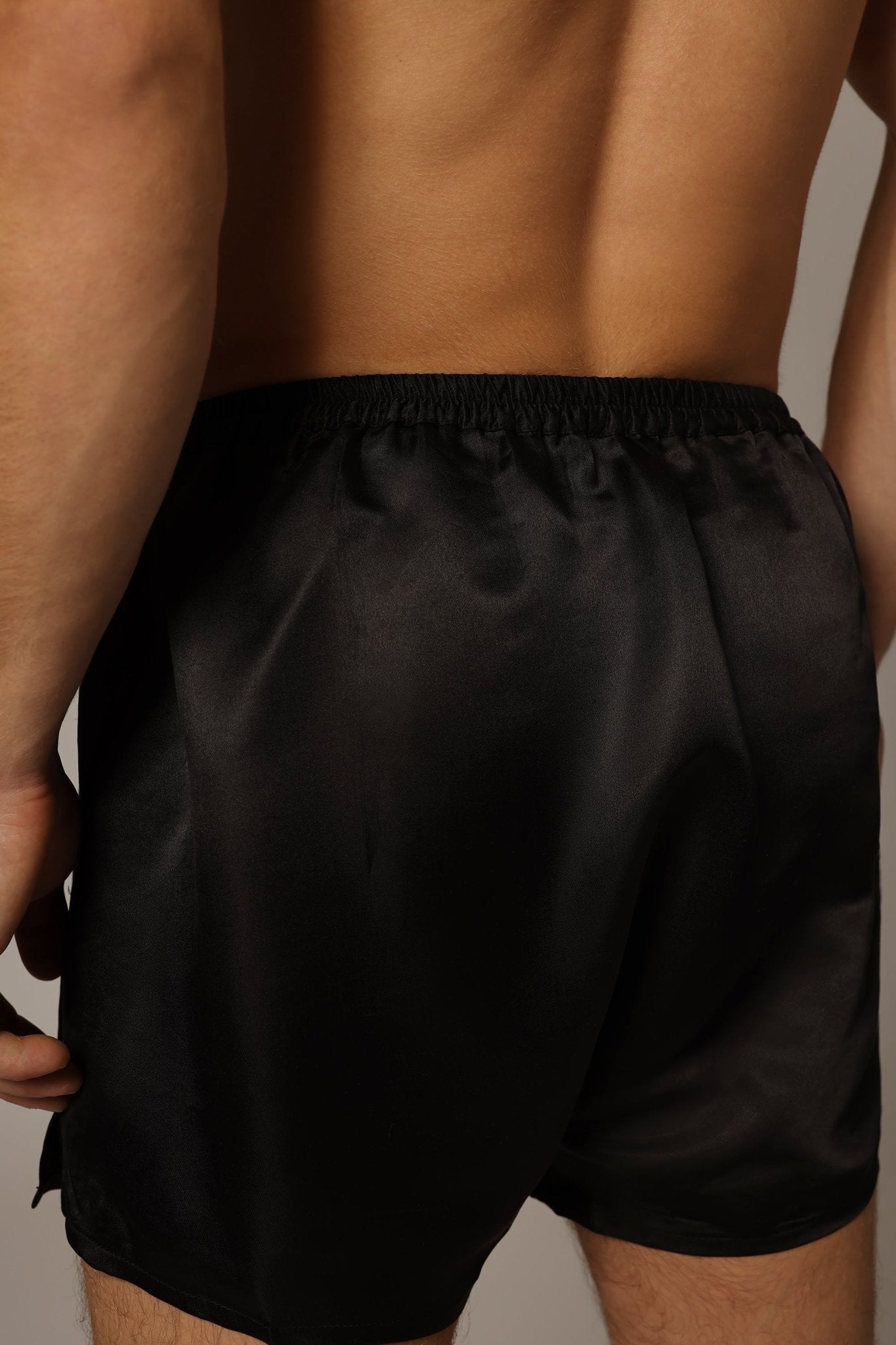
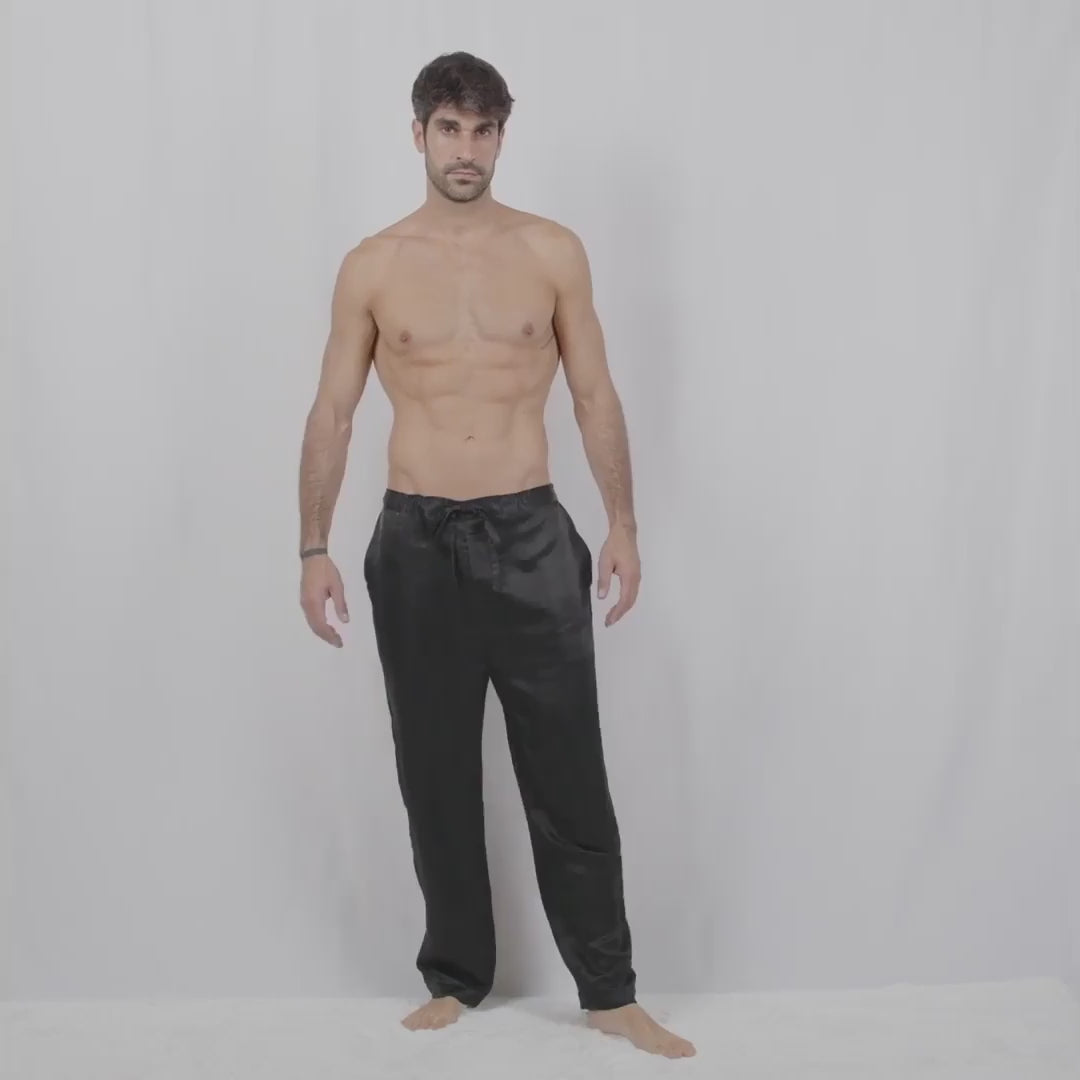
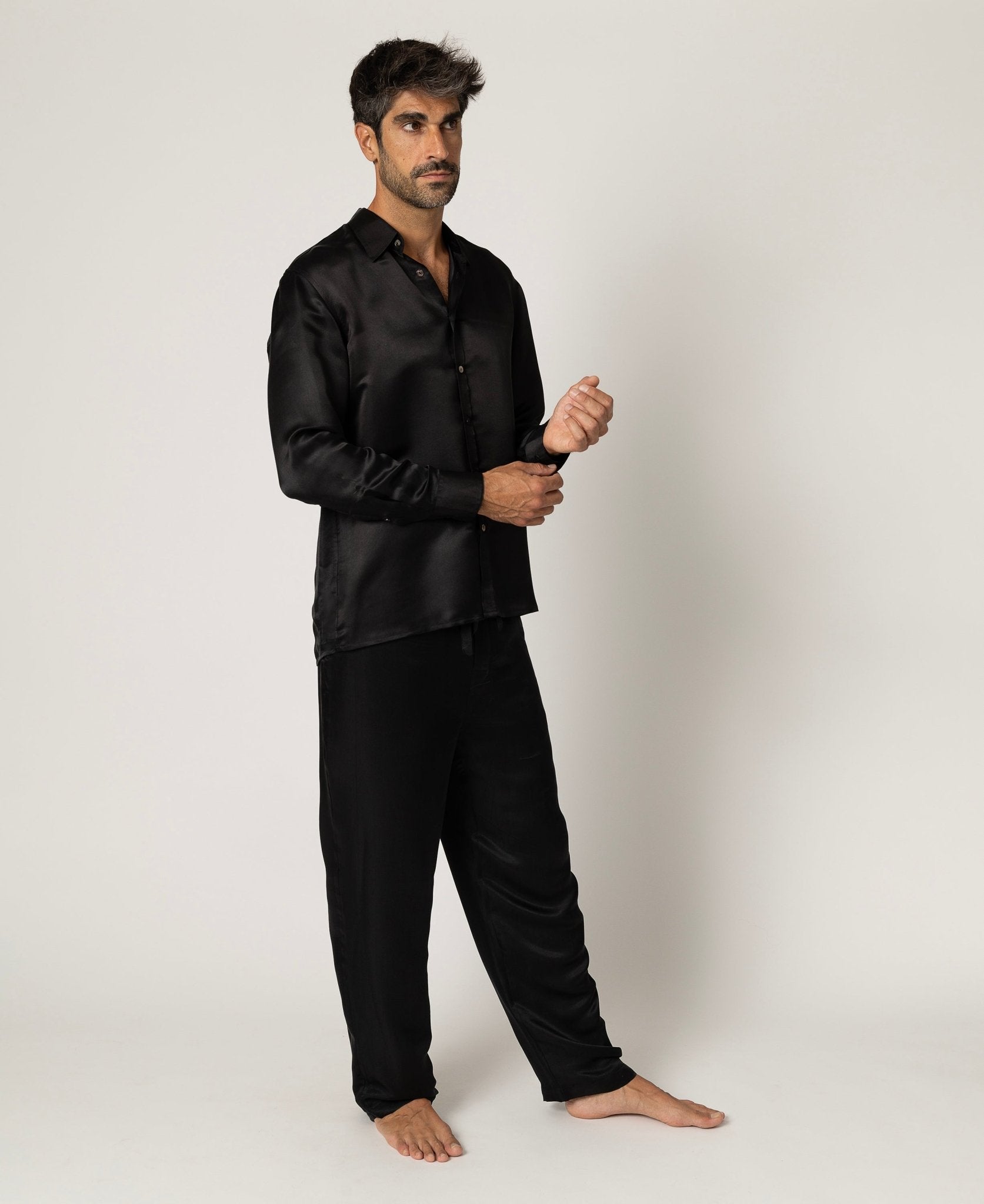
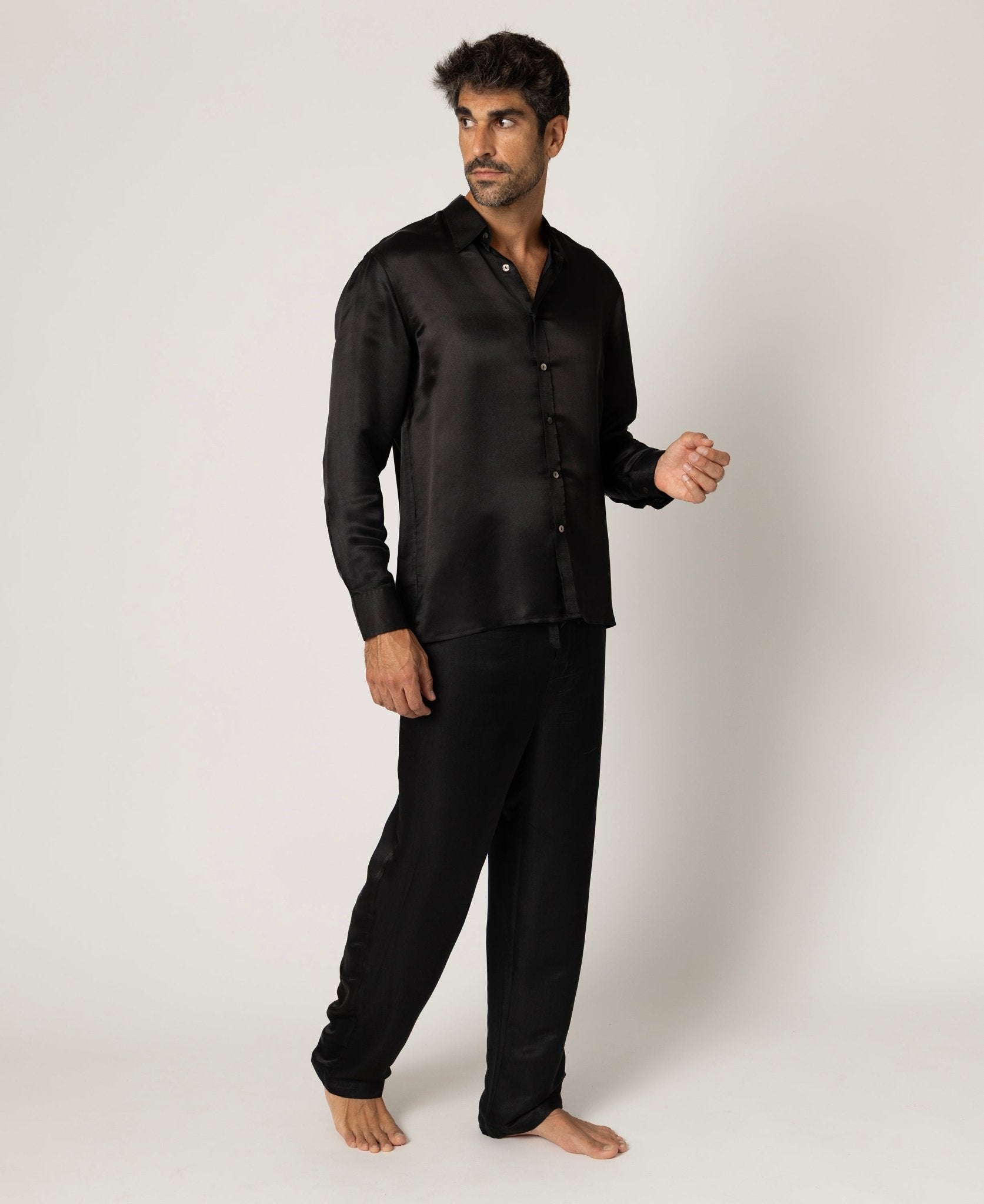
A robe works because it solves something you didn't consciously recognize: the need for a transition protocol between modes of consciousness. You don't need it because you're luxurious. You need it because your brain runs on symbols, and symbols run on behavior, and behavior runs on what you wear. The same intentional construction extends to your sleep, whether that's 27 momme silk pajamas or silk boxers worn under other sleepwear.
Find men's silk robes and discover your transition ritual.Frequently Asked Questions
Q: Is a robe really necessary? Can't I just do a morning routine without one?
A: Technically yes. But research on enclothed cognition shows that what you wear measurably affects your cognitive performance and decision-making. A robe specifically signals transition to your nervous system. You can skip it, but you'll miss the psychological reset that makes the ritual work.
Q: What if I don't have 30 minutes for a morning routine?
A: Then you actually need the robe more. The robe creates the boundary that protects your morning time. Give yourself 15 minutes if that's what you have, but actually use it instead of jumping straight to screens. The quality of that time matters more than the quantity.
Q: Why not just wear a hoodie or sweatshirt instead?
A: A hoodie signals "I'm in casual mode," not "I'm in intentional transition." Your brain reads the difference. A robe works because it's distinct from both sleep clothes and day clothes. It creates a third category that signals transition specifically.
Q: How do I care for a silk robe?
A: Machine wash at 30 degrees on gentle cycle. Regular laundry detergent is fine. Lay flat to dry, takes about 2 hours. This takes 10 minutes of setup and maintains the robe for approximately 5 years instead of degradation in one or two.
Q: Isn't wearing a robe kind of feminine?
A: That's commercial culture coding, not reality. Martial artists, monks, and traditional practices that care about mind-body integration built robes into their infrastructure. It's a tool that works. Tools don't have genders. 66% of our customers are men aged 35-54 who care more about what works than convention.
Q: Why silk specifically? Wouldn't cotton be cheaper?
A: Cheaper upfront, yes. But a silk robe lasts approximately 5 years while a cheap cotton robe lasts 1-2 years. Per-year cost is comparable, and the experience is substantially better. Silk regulates temperature instead of trapping heat, feels genuinely pleasant, and stays clean-looking longer. Since the point of a robe is to create a ritual you actually use, it matters that you actually want to wear it.
