


What to Do When You and Your Partner Sleep at Different Temperatures
By Tara Nguyen, Ph.D., Founder and Creative Director, Tara Sartoria
Every couple I know has had the blanket argument. One person kicks the covers off at midnight. The other pulls them back on at two in the morning, then again at four. Nobody wins, and by 6 a.m. someone has usually migrated to the couch. We hear a version of this from customers constantly, and it is rarely a complaint about the silk. It is a complaint about the person next to them.
He runs hot. She runs cold. Or the other way around, or somewhere in between. It turns out this is not a small, private, faintly embarrassing problem unique to one restless household. It has a name, survey data behind it, and a fix that has nothing to do with turning the thermostat into a battlefield.
A Short Answer for the Person Skimming
Couples who sleep at different temperatures are not imagining it. A 2025 survey from the American Academy of Sleep Medicine found nearly a third of American adults have started sleeping in a separate bed or room, at least some nights, and researchers point to mismatched temperature preferences as one of the recurring reasons. Peer-reviewed research on nighttime body temperature also shows real, measurable differences in how bodies cool down and how skin temperature responds overnight.
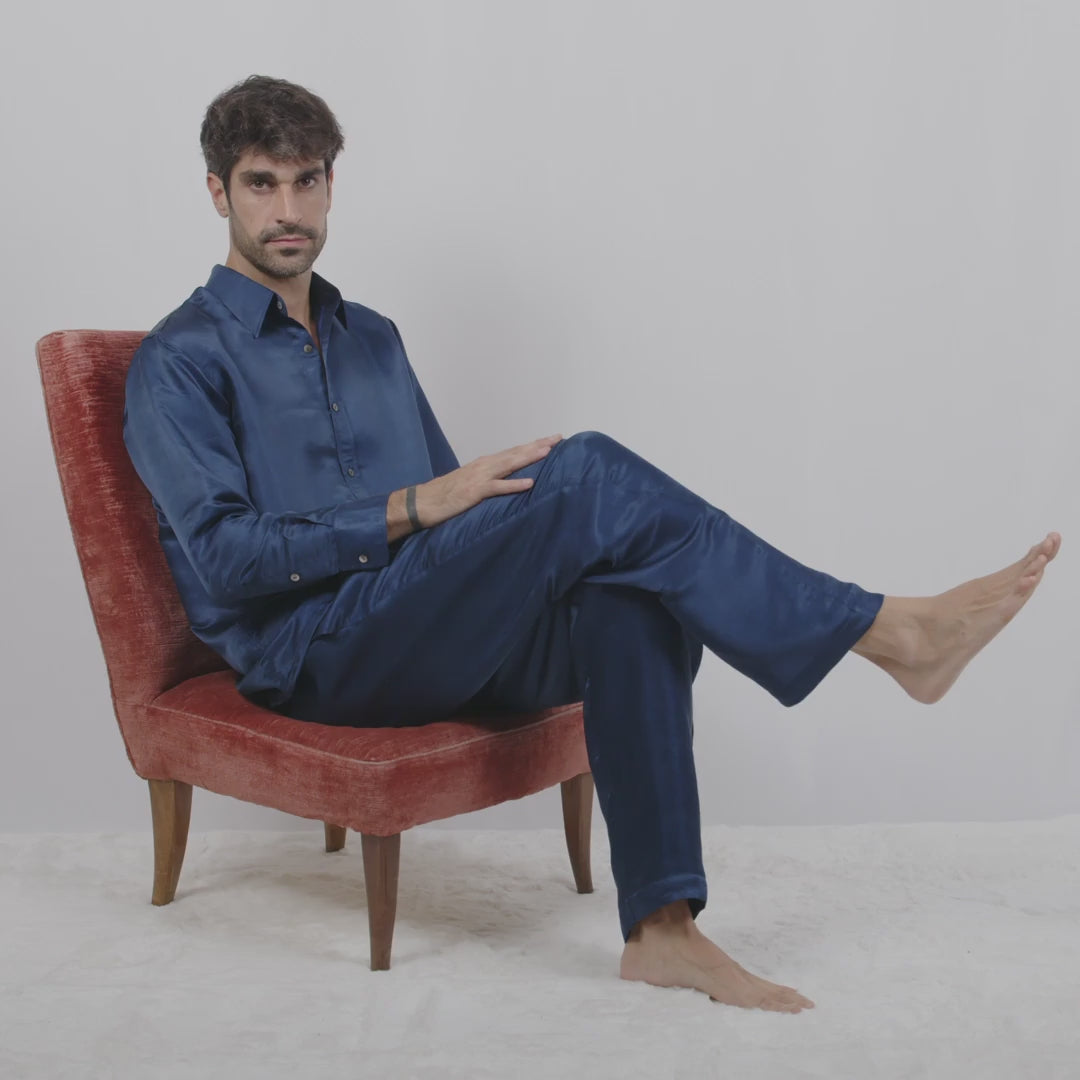
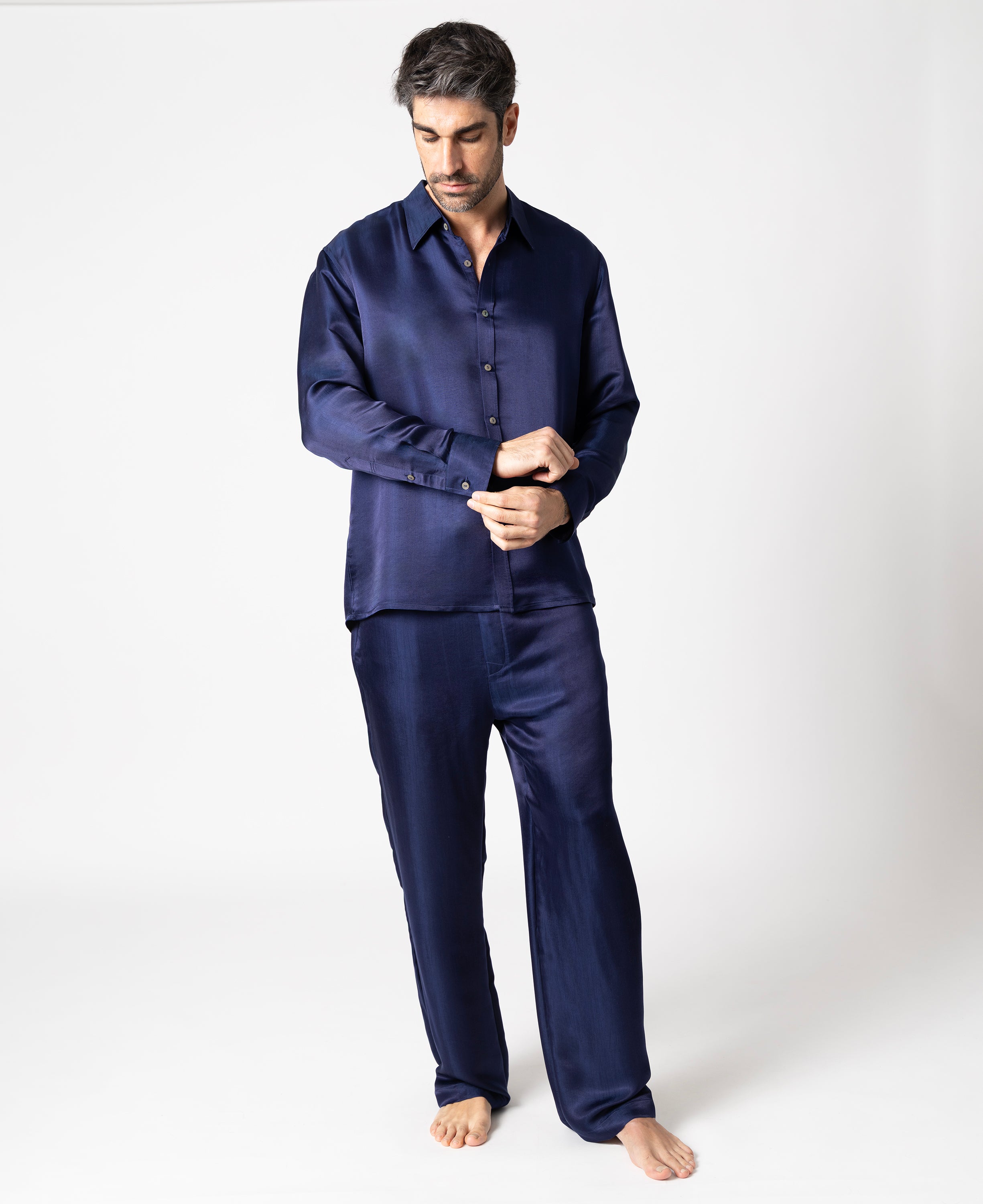
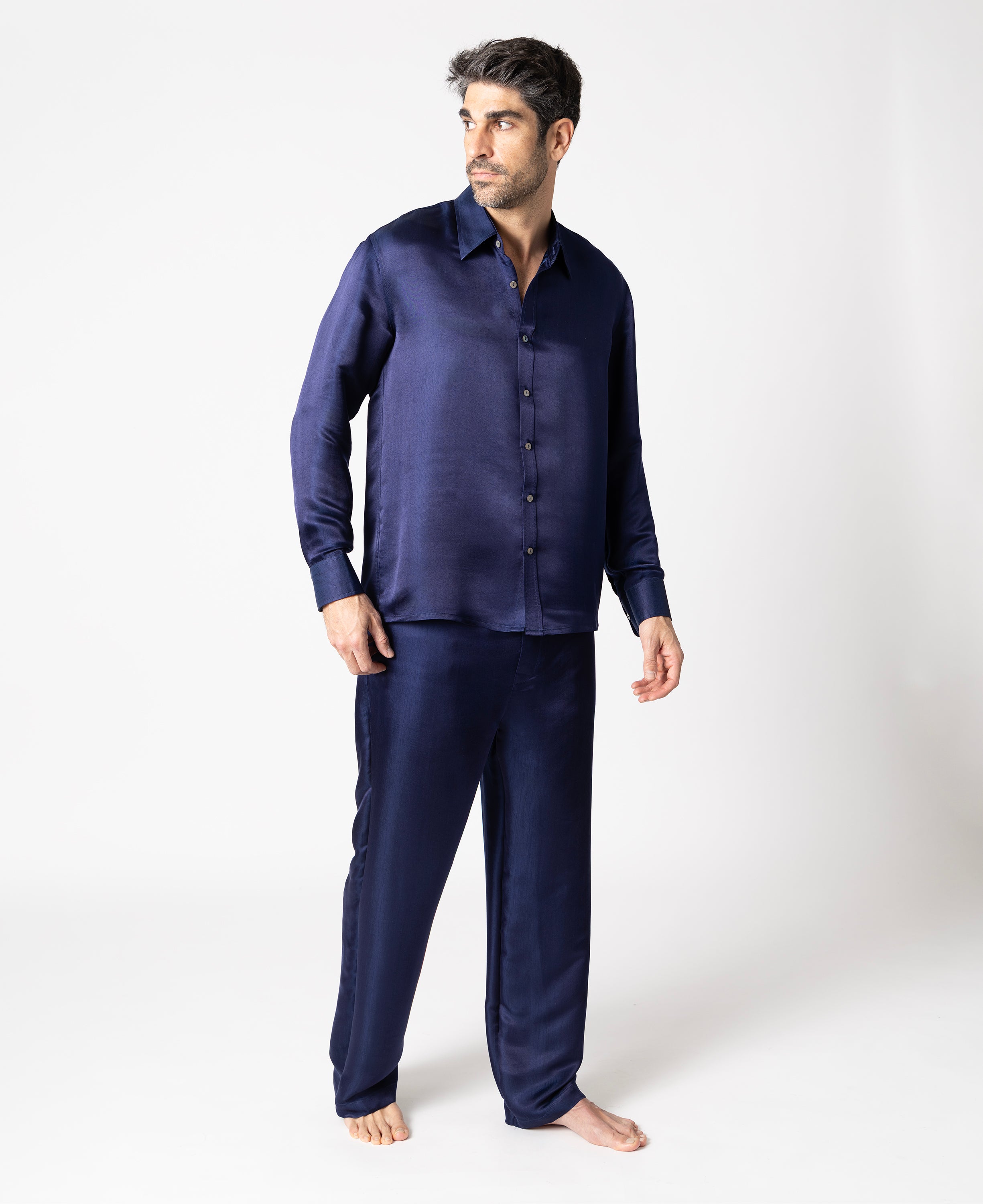
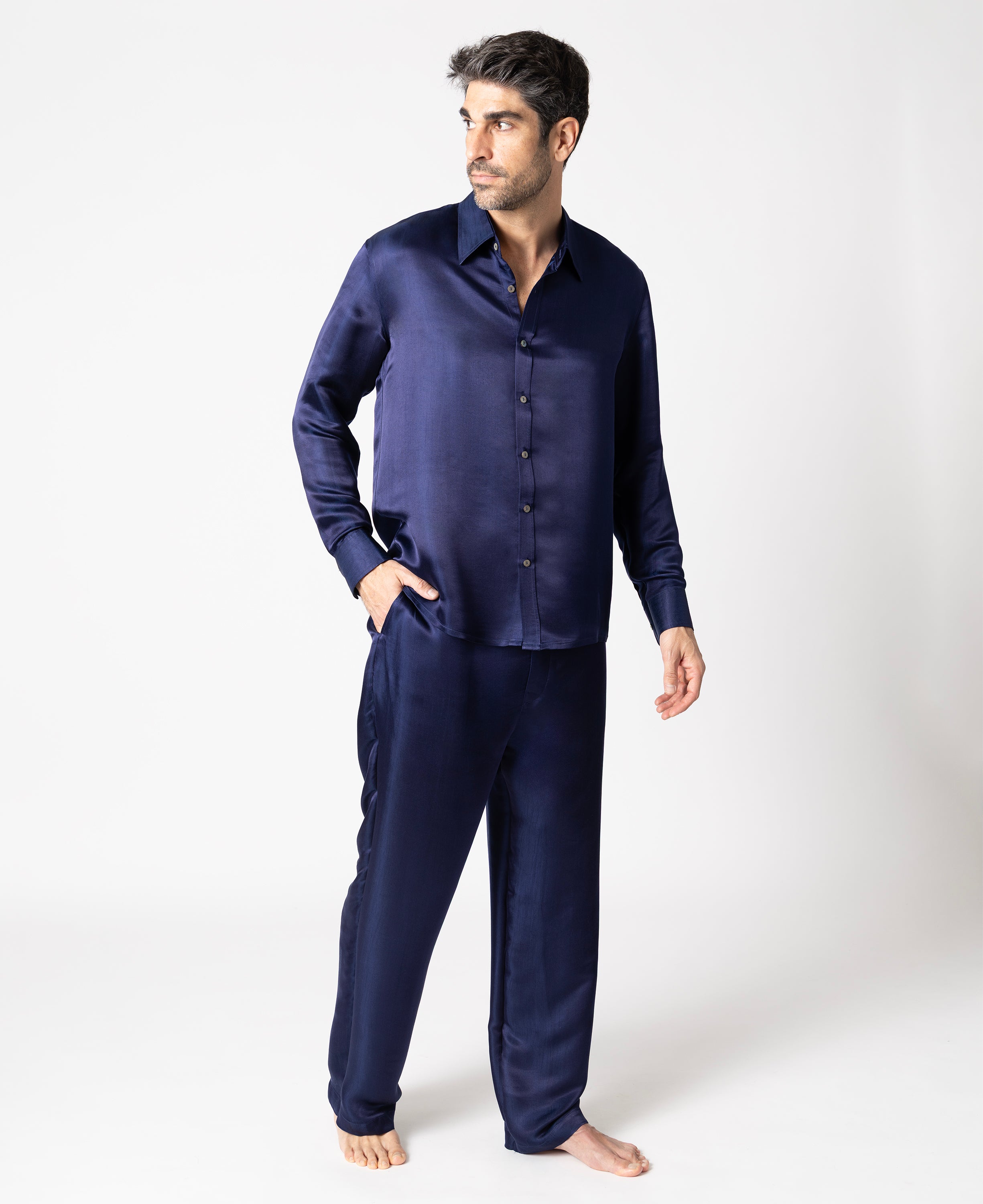
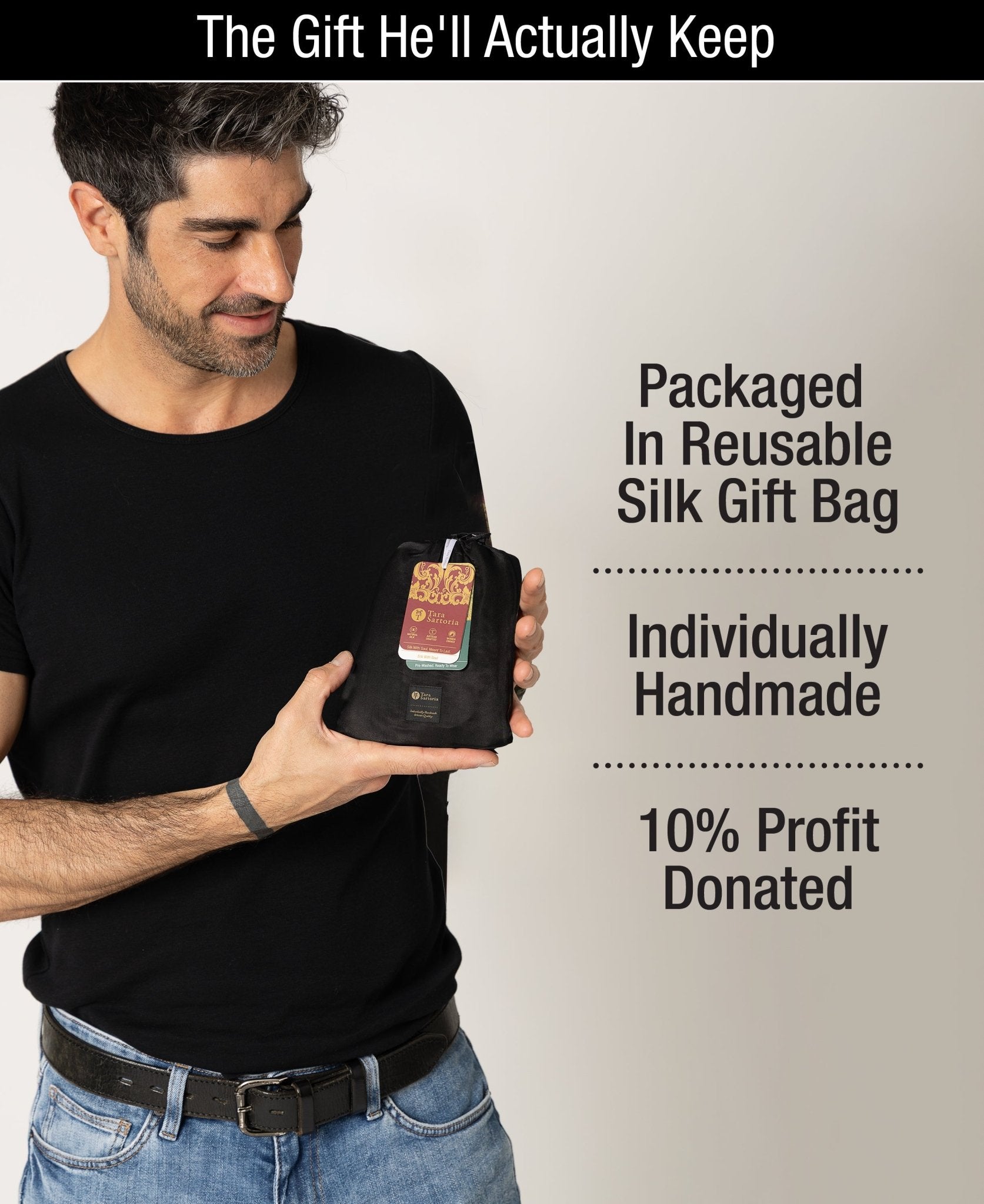
Silk does not force two people into one shared temperature. It gives each partner a fabric suited to how their body actually behaves at night, breathable and moisture-wicking for the one who runs warm, denser and more insulating for the one who runs cool. Tara Sartoria's Silk For Two pairings, made one piece at a time by master artisans in Vietnam's historic silk villages, are built around that idea: match the fabric to the sleeper, not the sleeper to the fabric.

Why the Thermostat Fight Is Real, Not Just a Personality Clash
We used to think of this as a compatibility quirk, the kind of thing you laugh about at a dinner party. Then the American Academy of Sleep Medicine published survey data in 2025 showing that nearly one in three American adults, 31 percent, has adopted what researchers are now calling a "sleep divorce," meaning they sleep in a separate bed in the same room or in another room entirely to get a better night's rest. Adults between 35 and 44 are the most likely to do this, at 39 percent. Read the AASM survey.
AASM spokesperson Dr. Seema Khosla, quoted in the release, named the usual suspects: "Preferred room temperature, work schedules, and even preferences for white noise, pets in the room or light sources can be factors to take into consideration." Temperature sits right at the top of that list, alongside snoring, differing schedules, and restless movement.
This is not a story about relationships falling apart. It is a story about two nervous systems trying to regulate heat in the same six square feet of mattress, often failing, and eventually deciding that separate rooms are less trouble than another 3 a.m. tug-of-war over the duvet. A thoughtful conversation about sleep preferences, the researchers note, tends to produce a better outcome than pretending the mismatch does not exist.















The Science of Why She Runs Cold and He Runs Warm (Or the Other Way Around)
The pattern is common enough to have its own research literature, even though it plays out differently in every bedroom. Several studies on sex differences in thermal perception have found that, on average, women report feeling colder than men in the same room, and tend to show lower skin temperatures in cool conditions, even when core body temperature tells a more complicated story. A time series study on nighttime body temperature and thermal perception found that women's core temperature declines more slowly overnight than men's, which changes how "cold" or "warm" a given room feels at 2 a.m. compared with 10 p.m.
None of this means every woman sleeps cold and every man sleeps hot. We have customers who are the exact opposite, and pairs where both partners run warm or both run cool. What the research does confirm is that the mismatch is physiological, not a matter of one partner being dramatic and the other being stubborn. Two bodies in one bed are regulating heat differently, on different timelines, and a single blanket weight or a single fabric is being asked to solve two different problems at once.
What Happens When One Fabric Has to Do Two Jobs
This is where most bedding and sleepwear quietly fails. Cotton is breathable when dry, then holds onto moisture once you sweat, which is exactly the wrong behavior for the partner who runs warm. Synthetic fabrics like polyester trap heat and do not manage moisture well at all, which makes a warm sleeper warmer and does very little to help a cold sleeper feel more insulated. Heavy flannel solves the cold sleeper's problem and makes the warm sleeper's night worse. A single fabric, chosen for the household rather than for the person, tends to satisfy nobody.
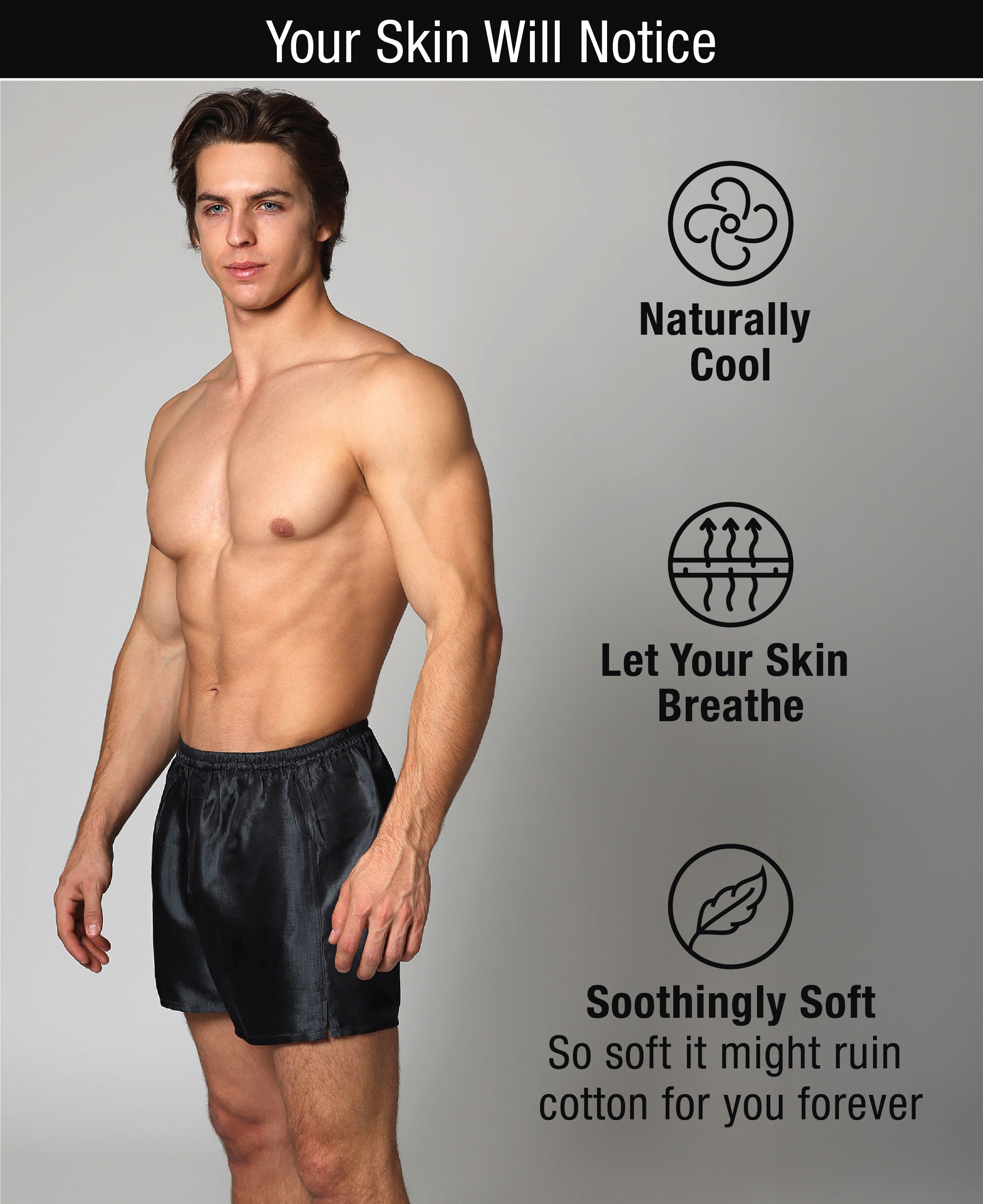
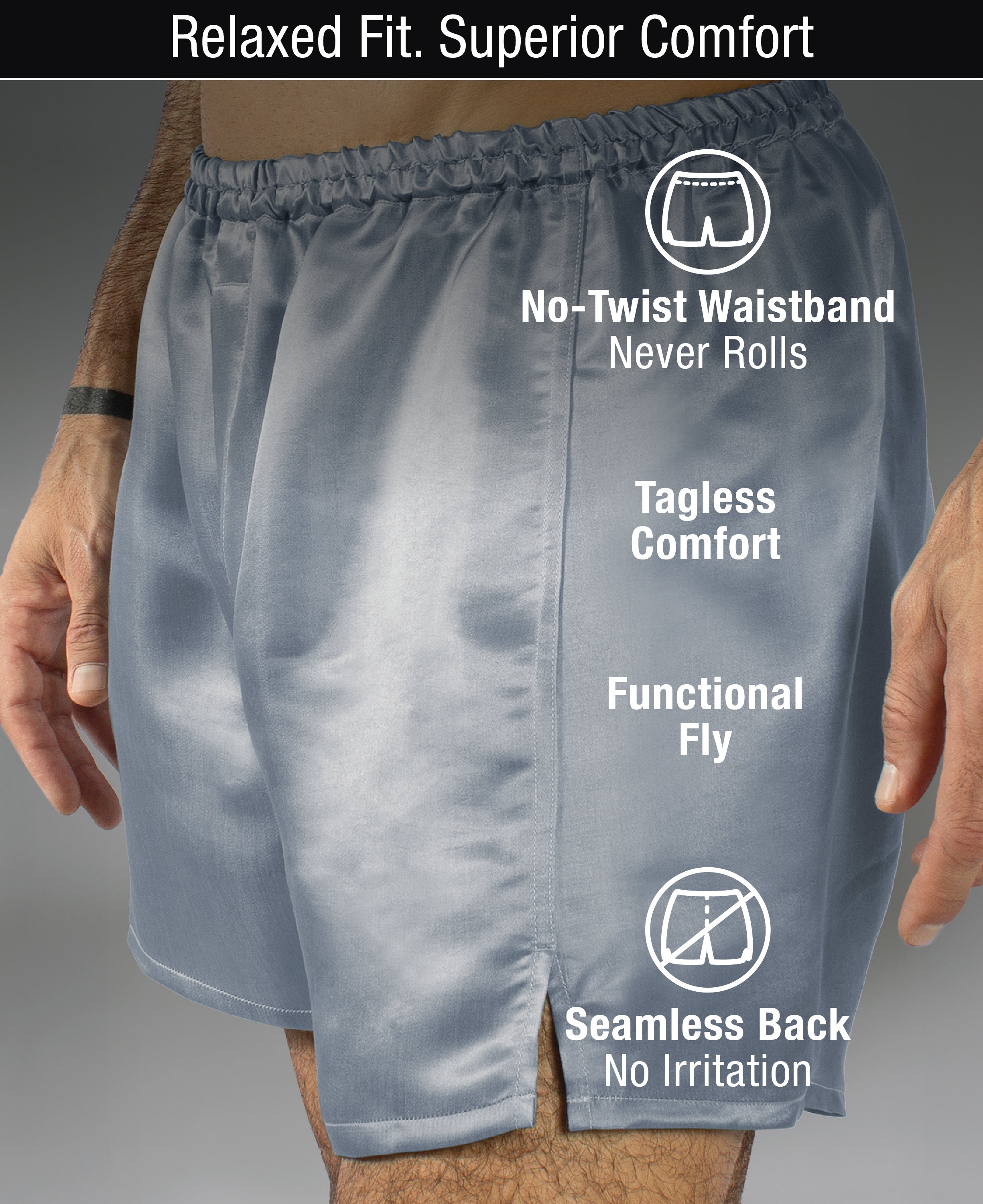
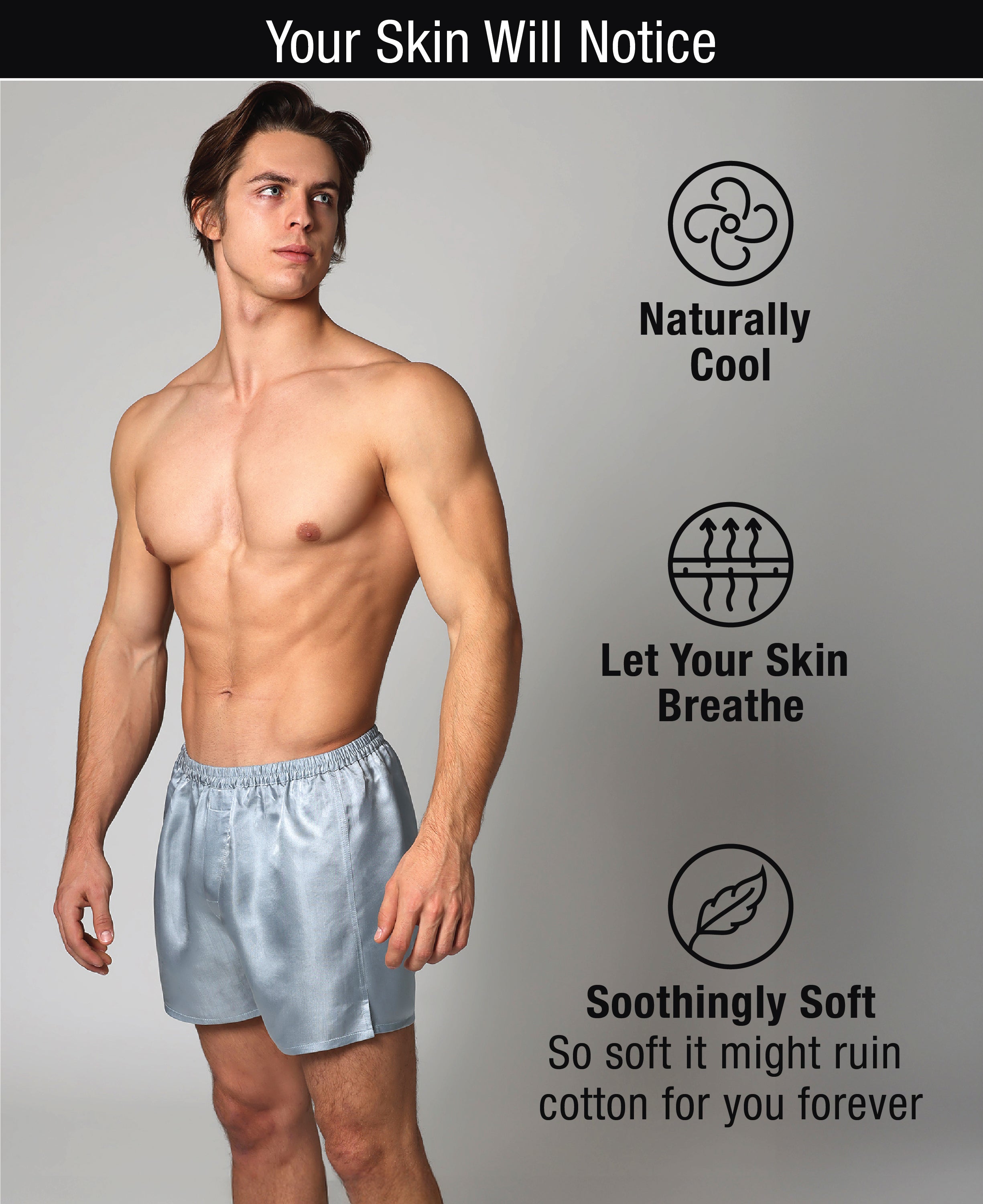
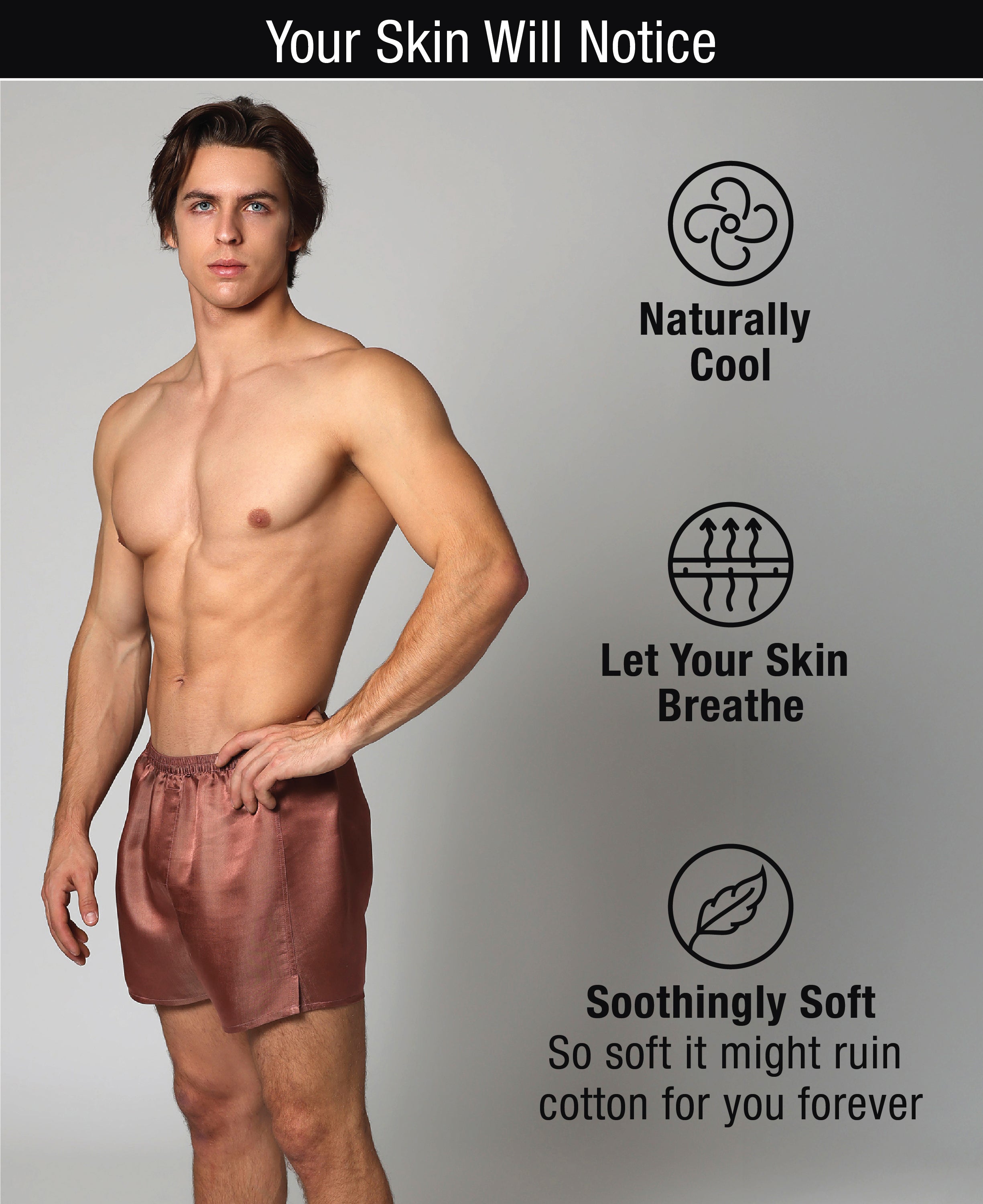
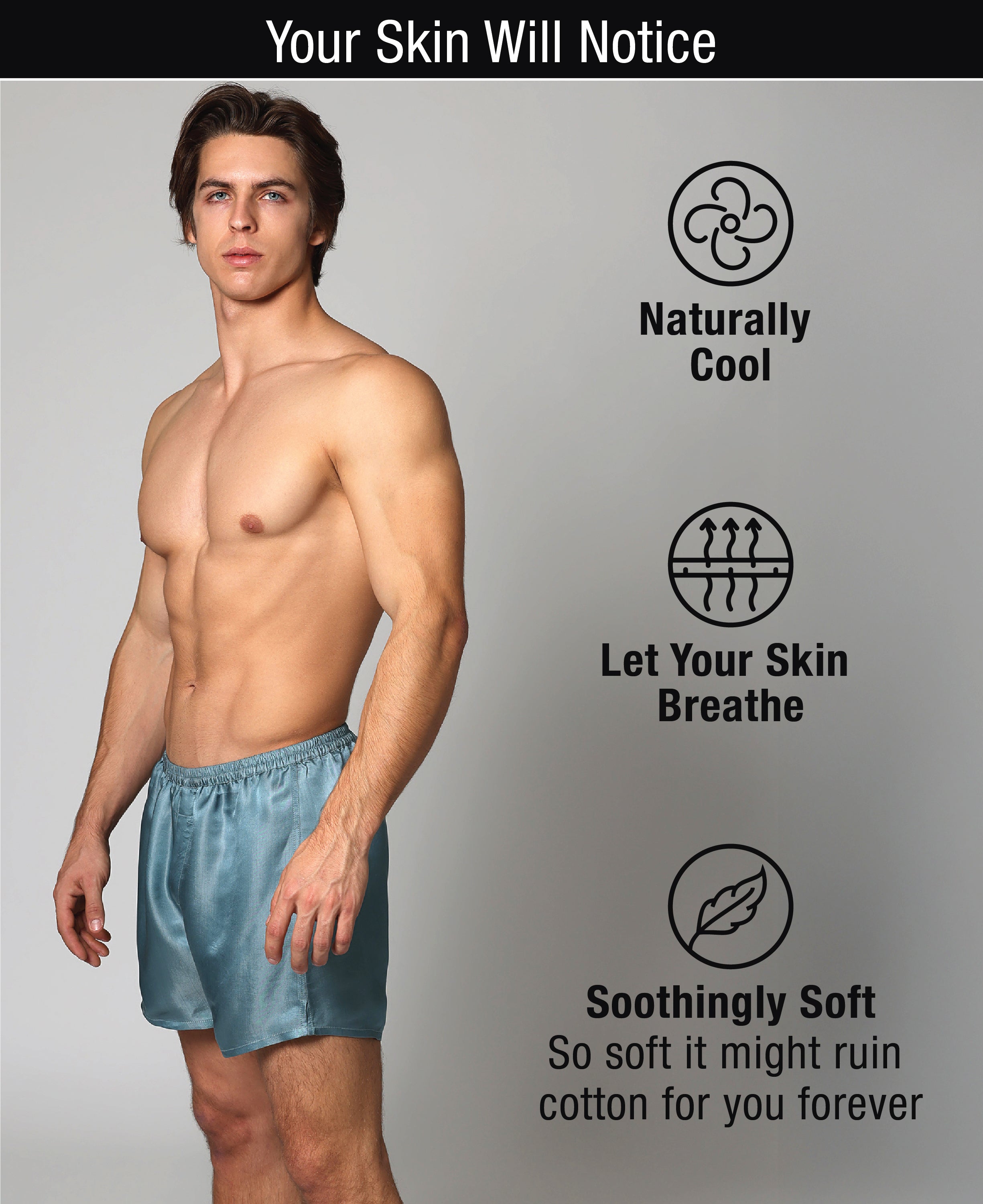
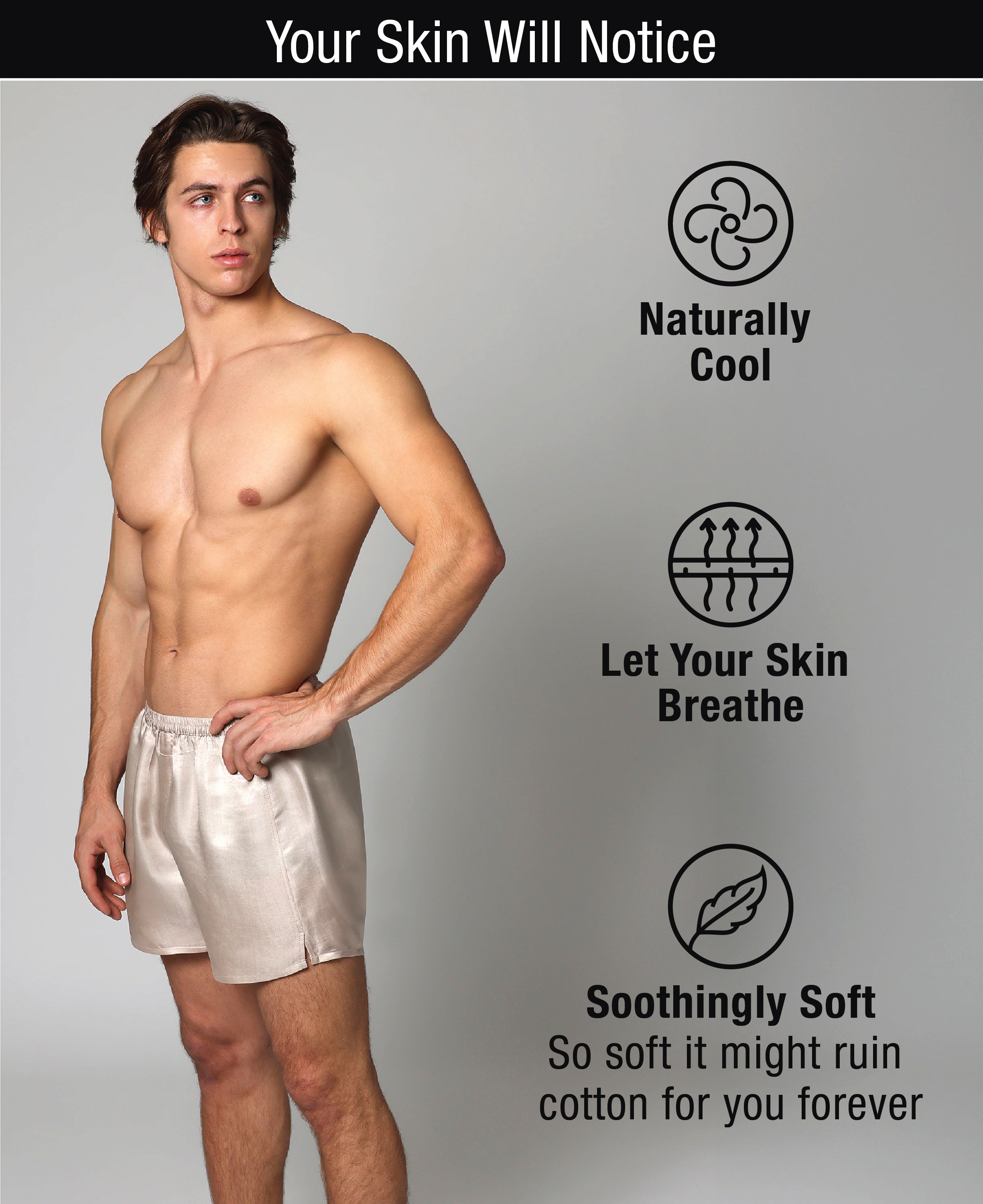
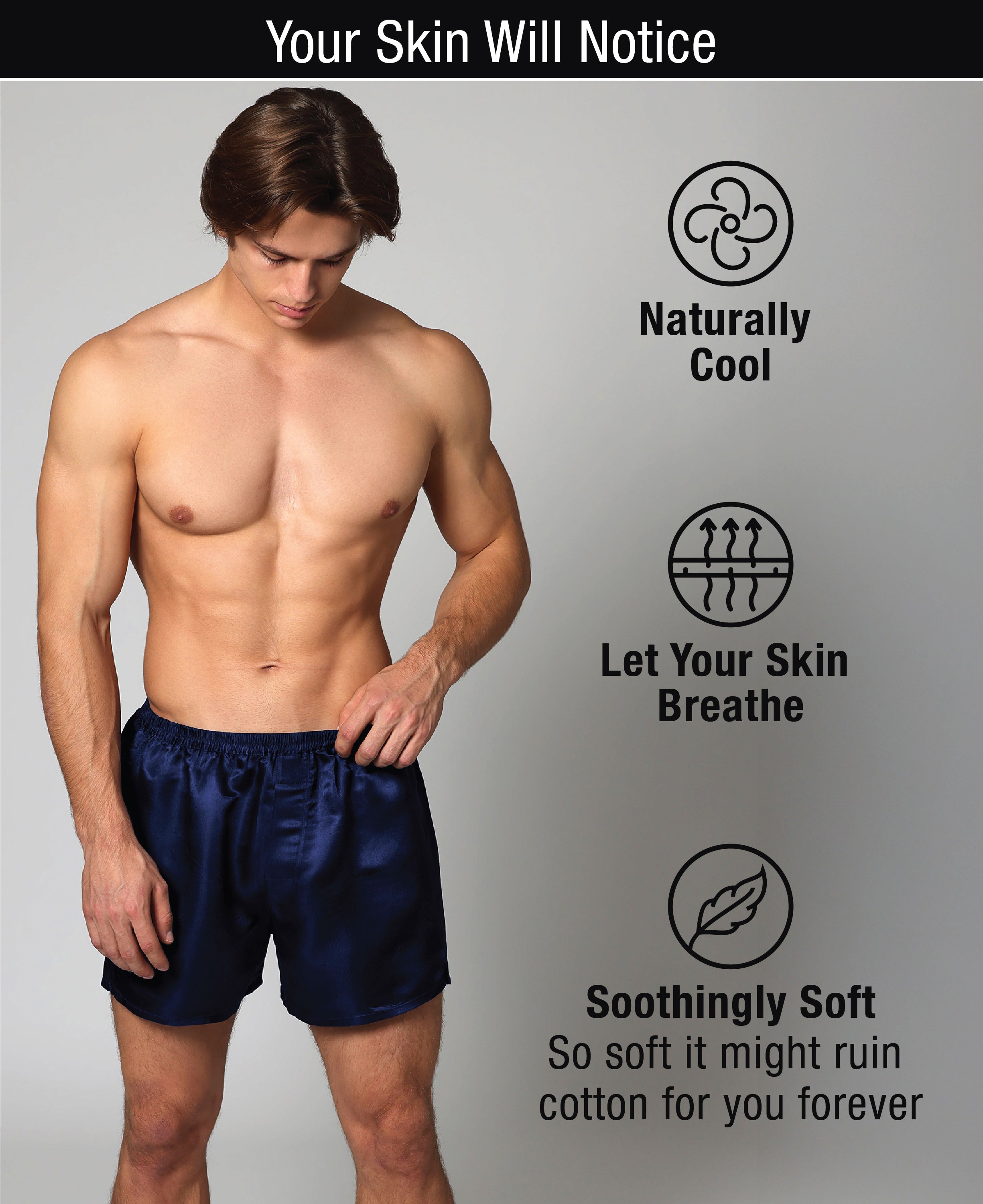
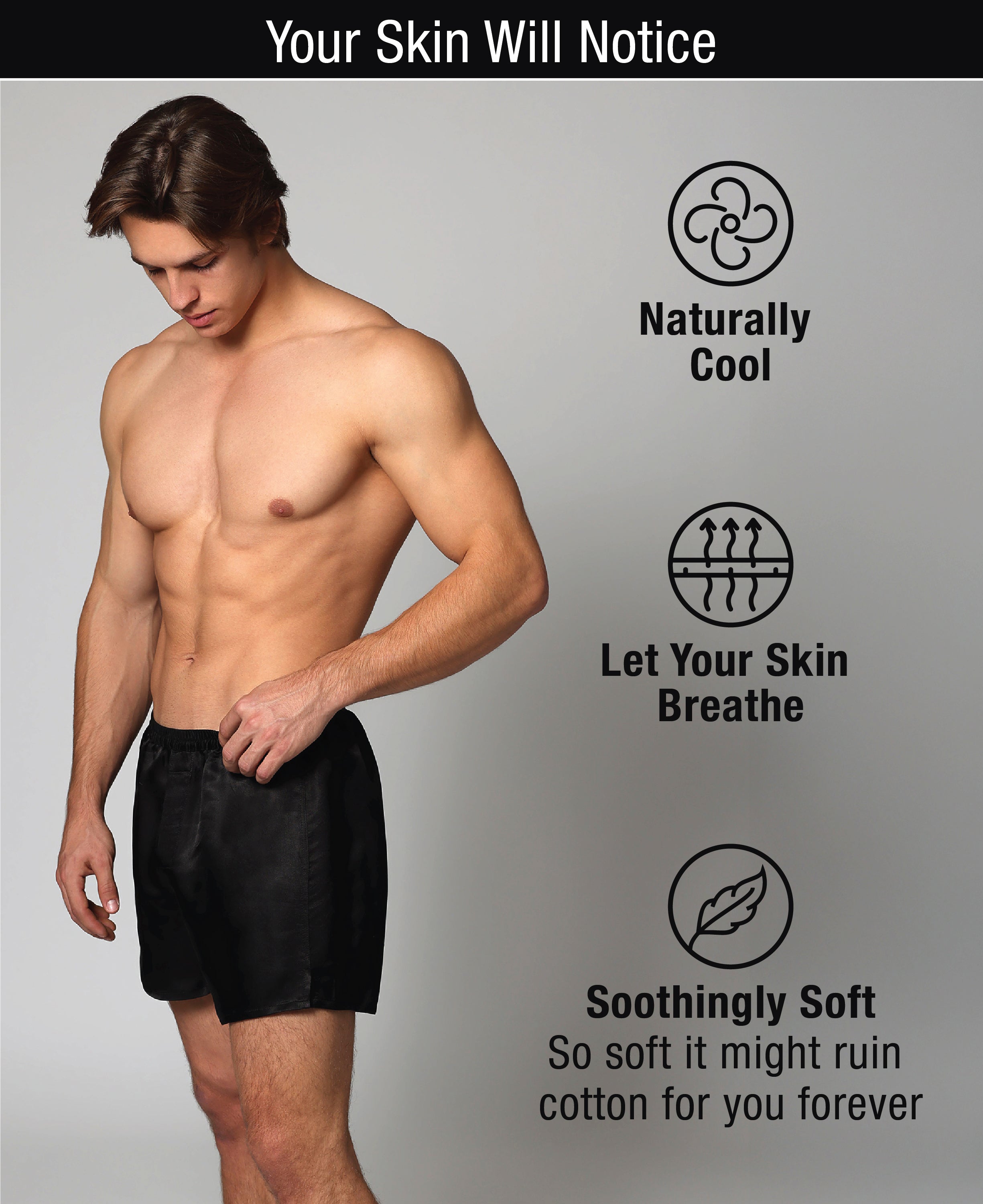
Silk behaves differently because of the fiber itself. Its structure lets it move moisture away from the skin rather than trap it, which is part of why it feels cool against warm skin at first touch. At the same time, a denser silk traps a thin layer of air close to the body, which is part of why the same fiber can also read as warm and substantial in a lighter weight room. The fiber is not magic. It is simply better suited to doing what a body actually needs, whichever direction that need runs.
This is also why we do not sell a single "cooling" fabric and call the problem solved. A fabric that only cools helps the warm sleeper and does nothing for the cool one. The honest fix is not one miracle textile. It is two different weights and cuts of the same high quality silk, chosen deliberately for two different bodies.
Which Pairing Matches Your Bedroom
We built Silk For Two around a simple observation: most couples already know their own pattern, they just have never had a straightforward way to shop for it. Instead of guessing at one universal "couples" product, we split the collection into pairings, based on how each of you actually sleeps.
She sleeps warm. He sleeps cool.
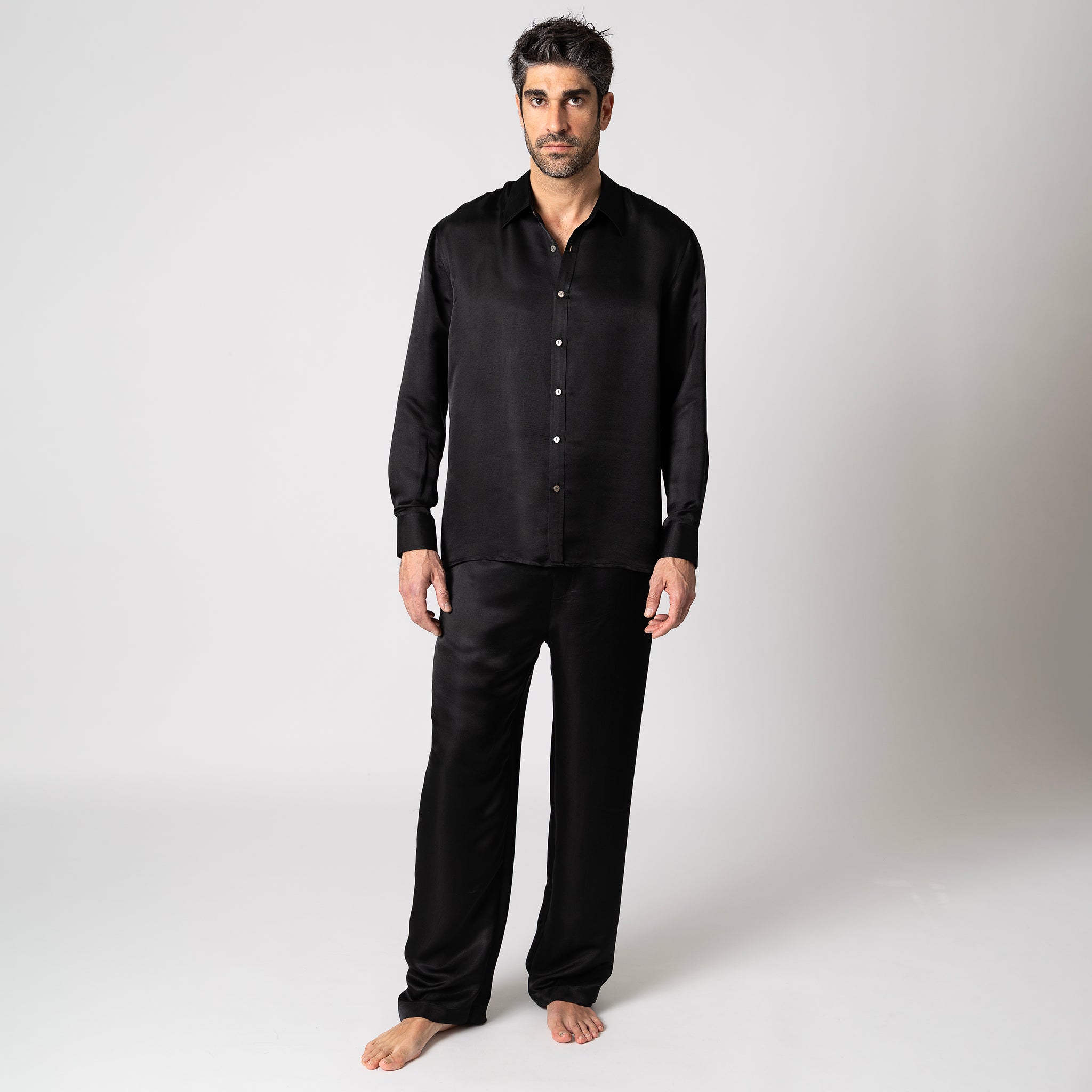
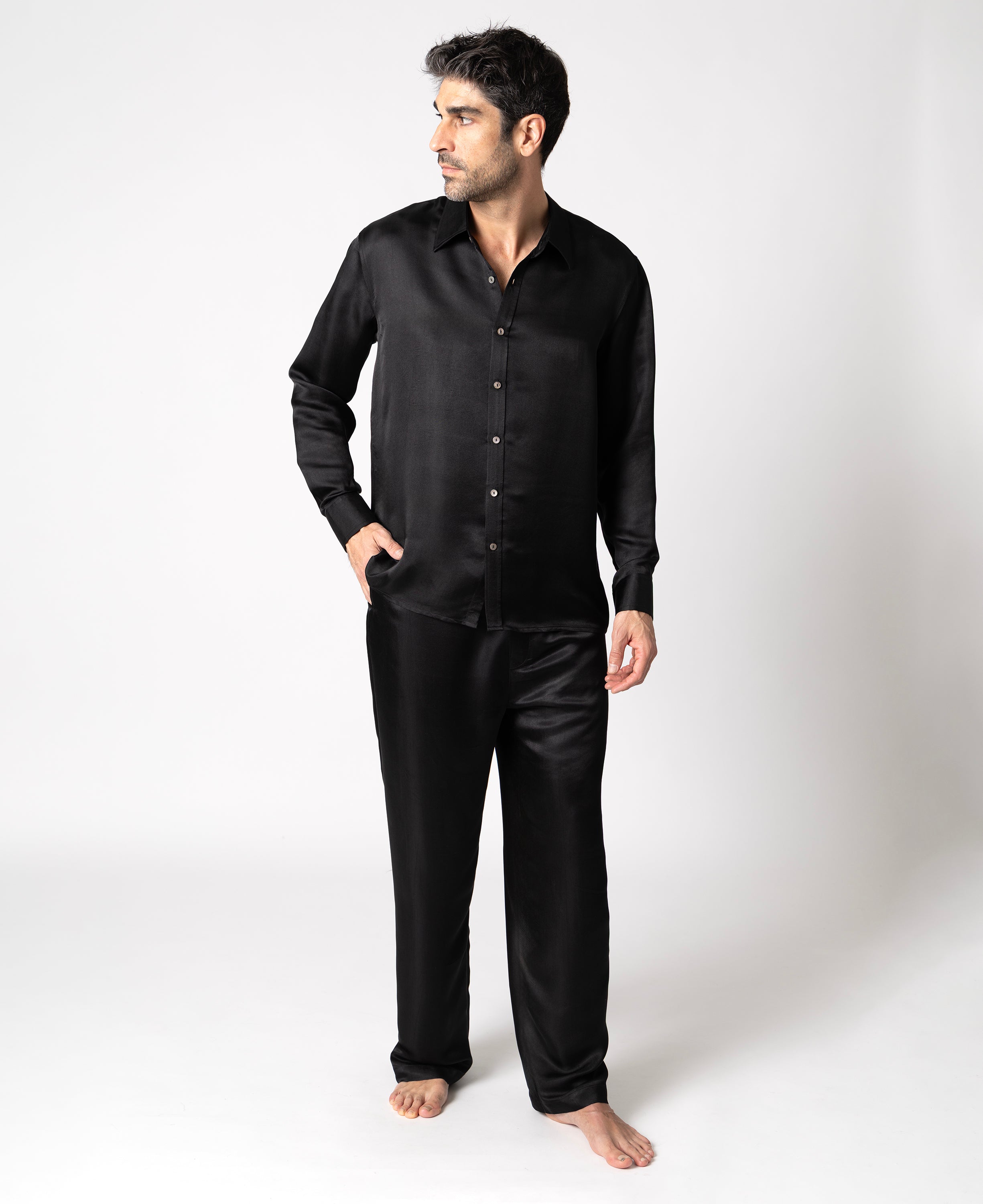
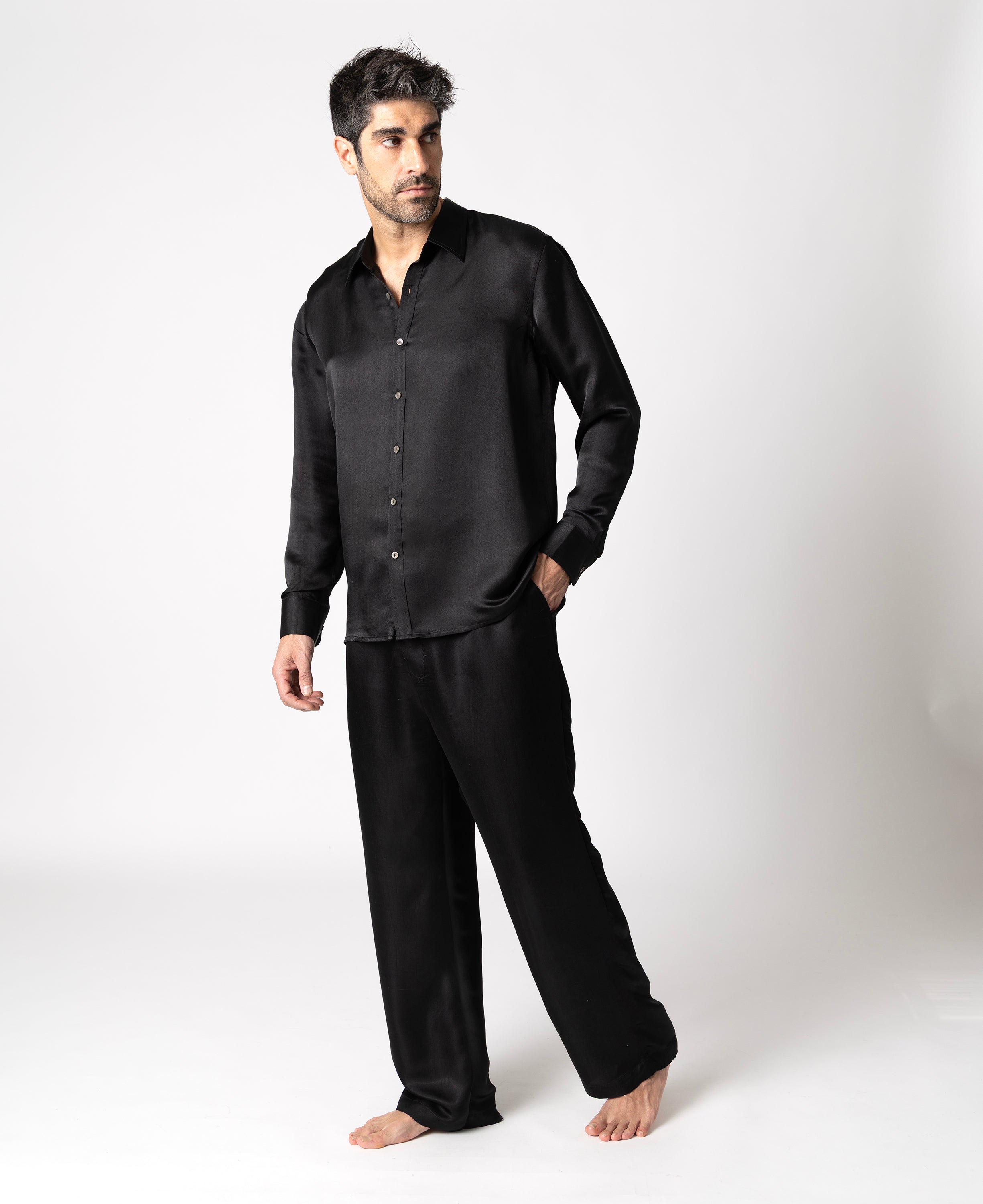
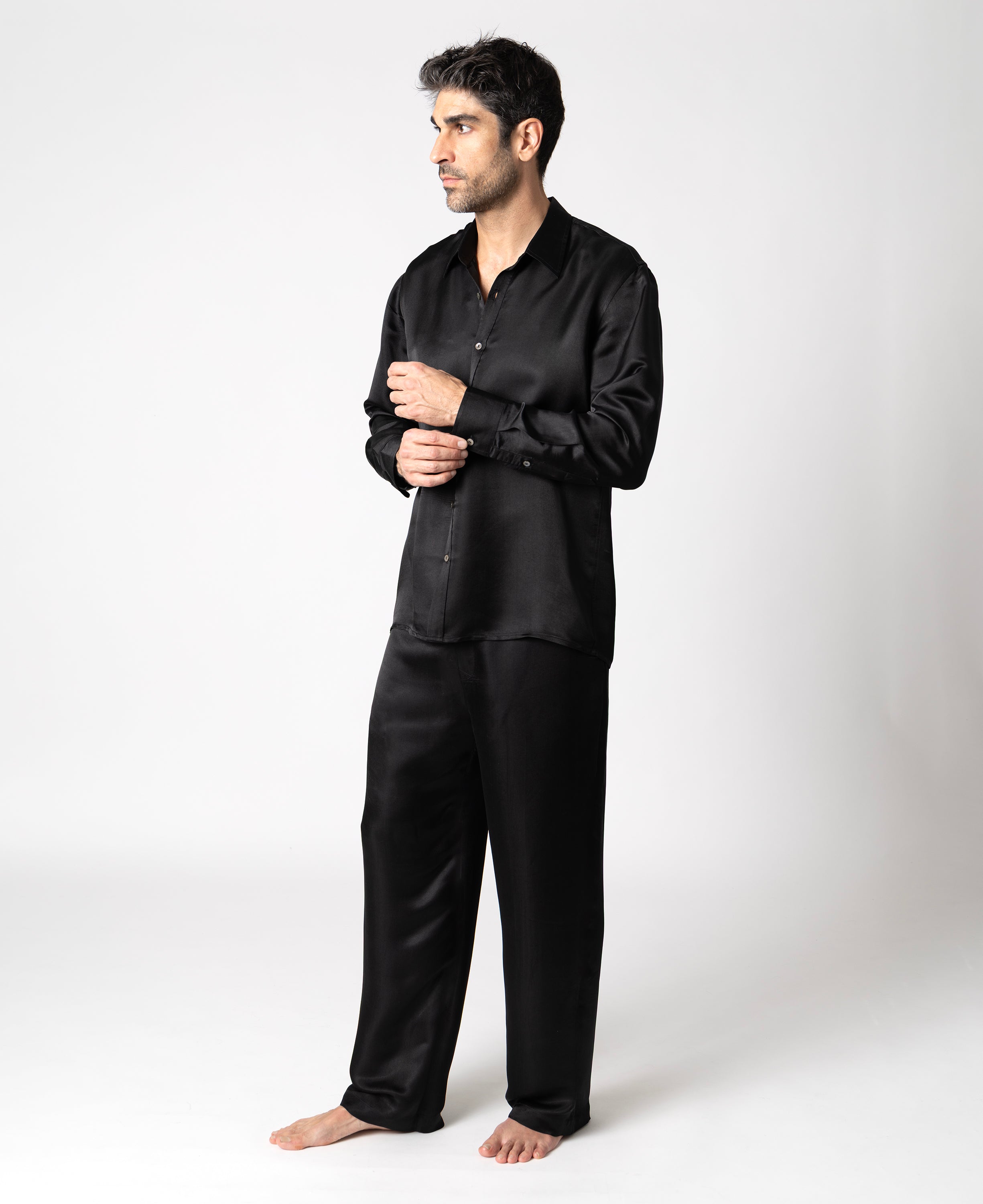
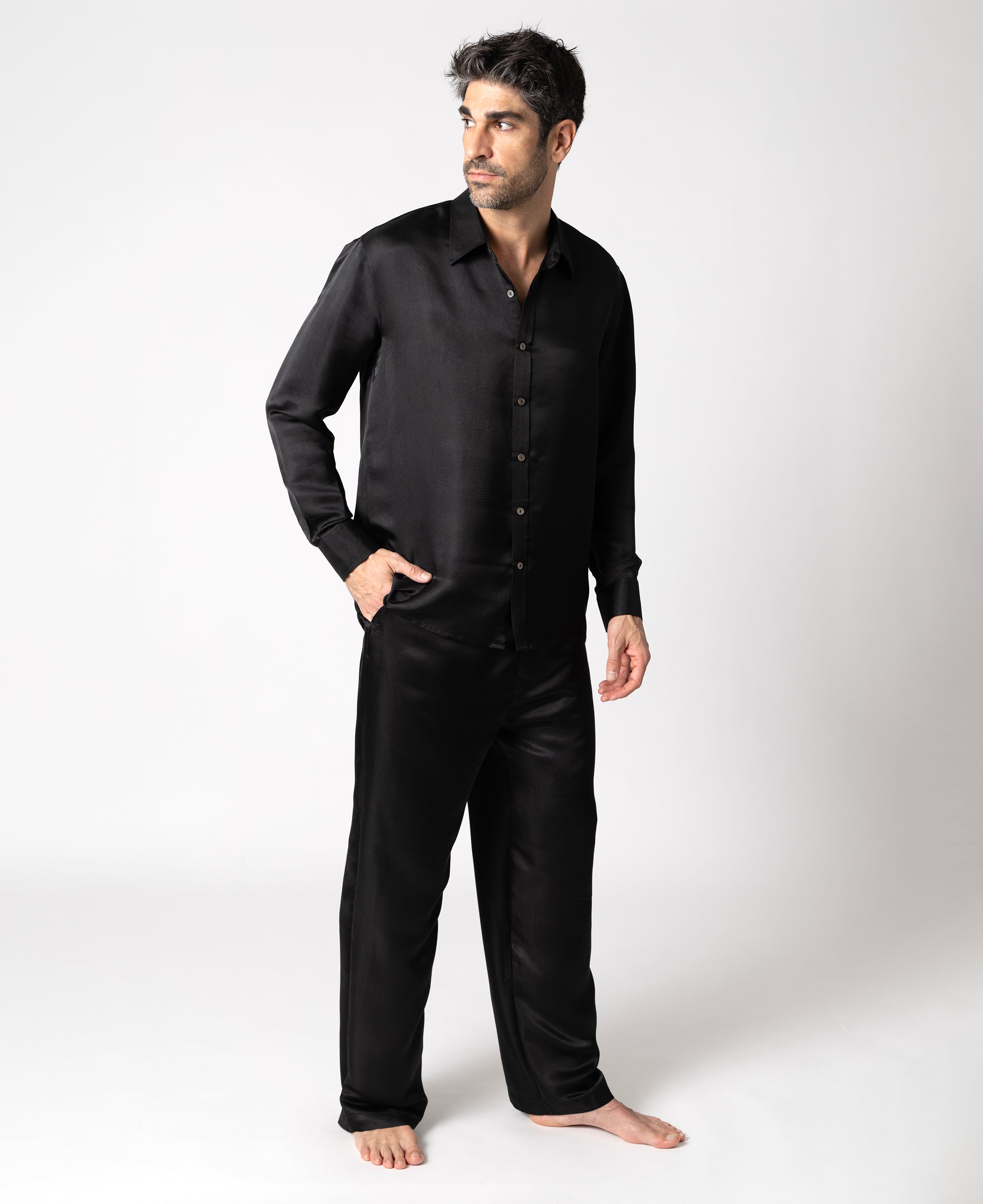
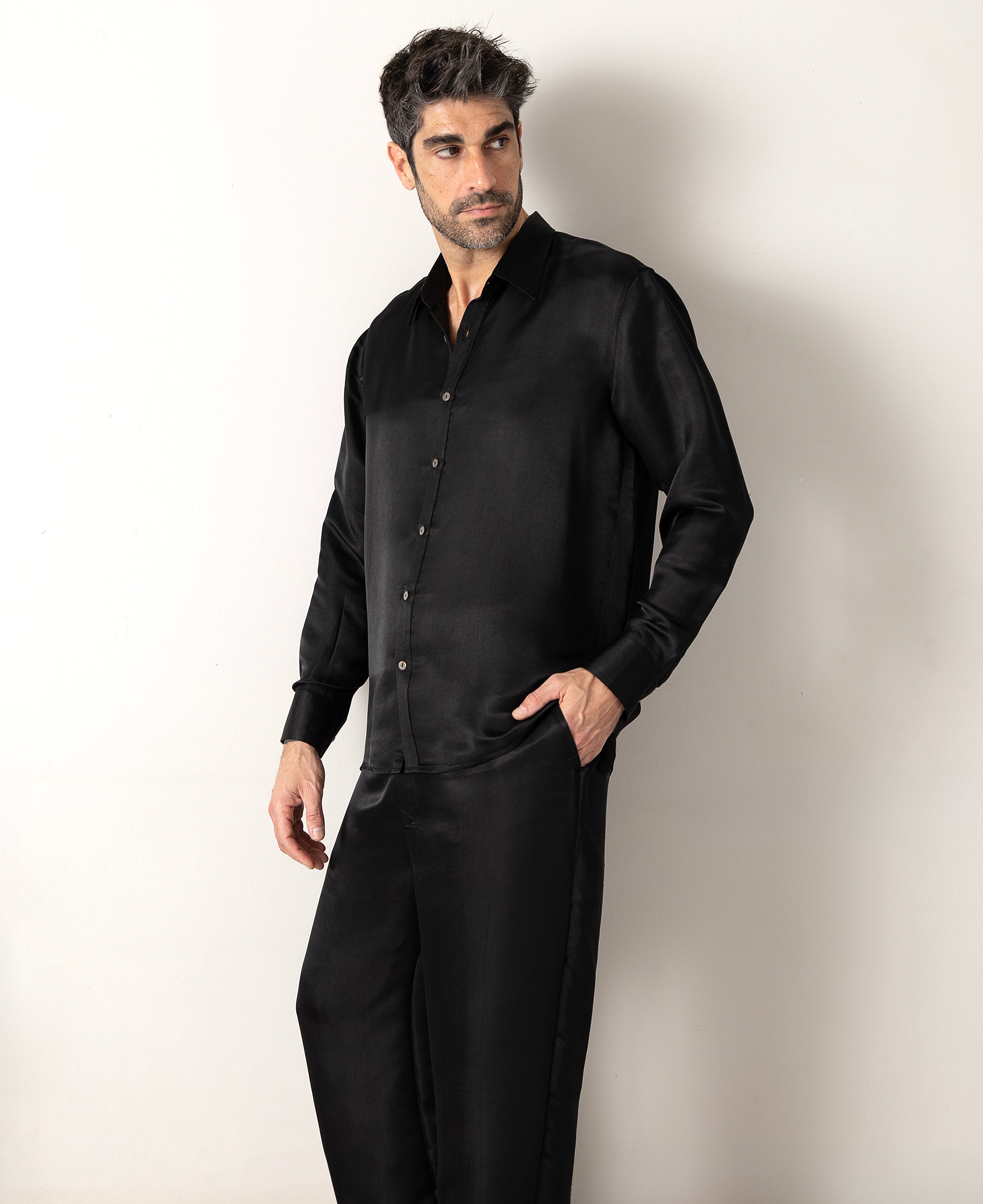
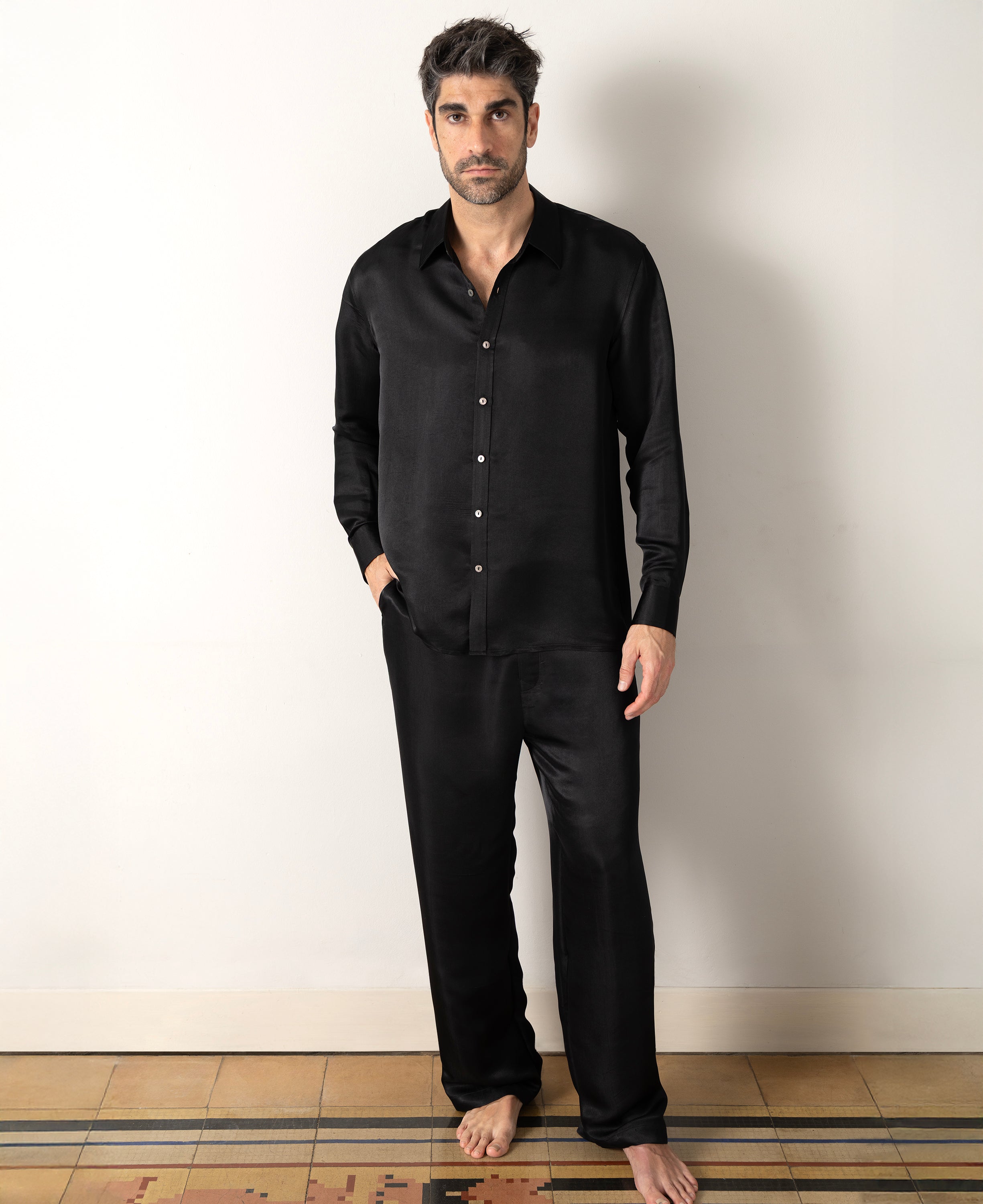
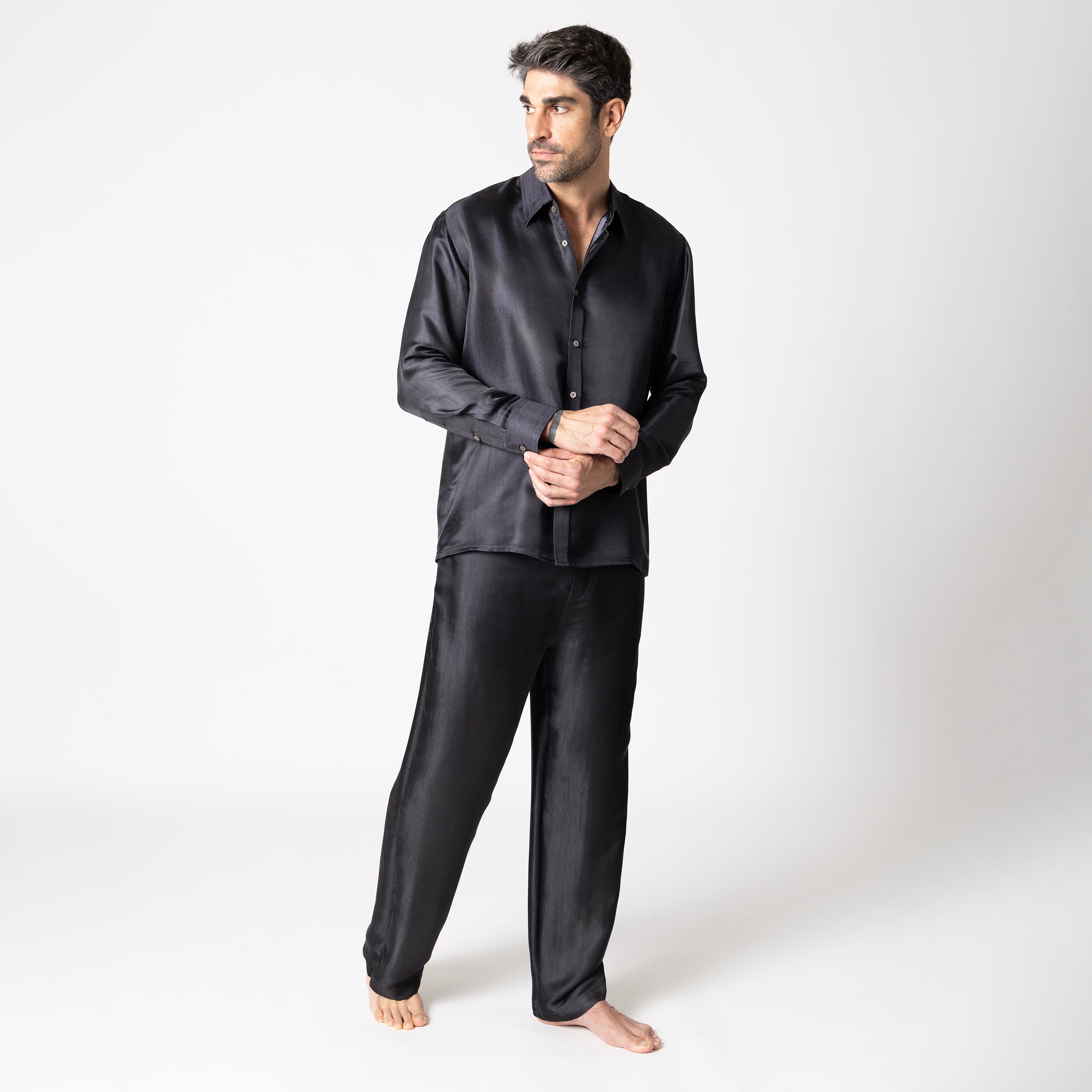
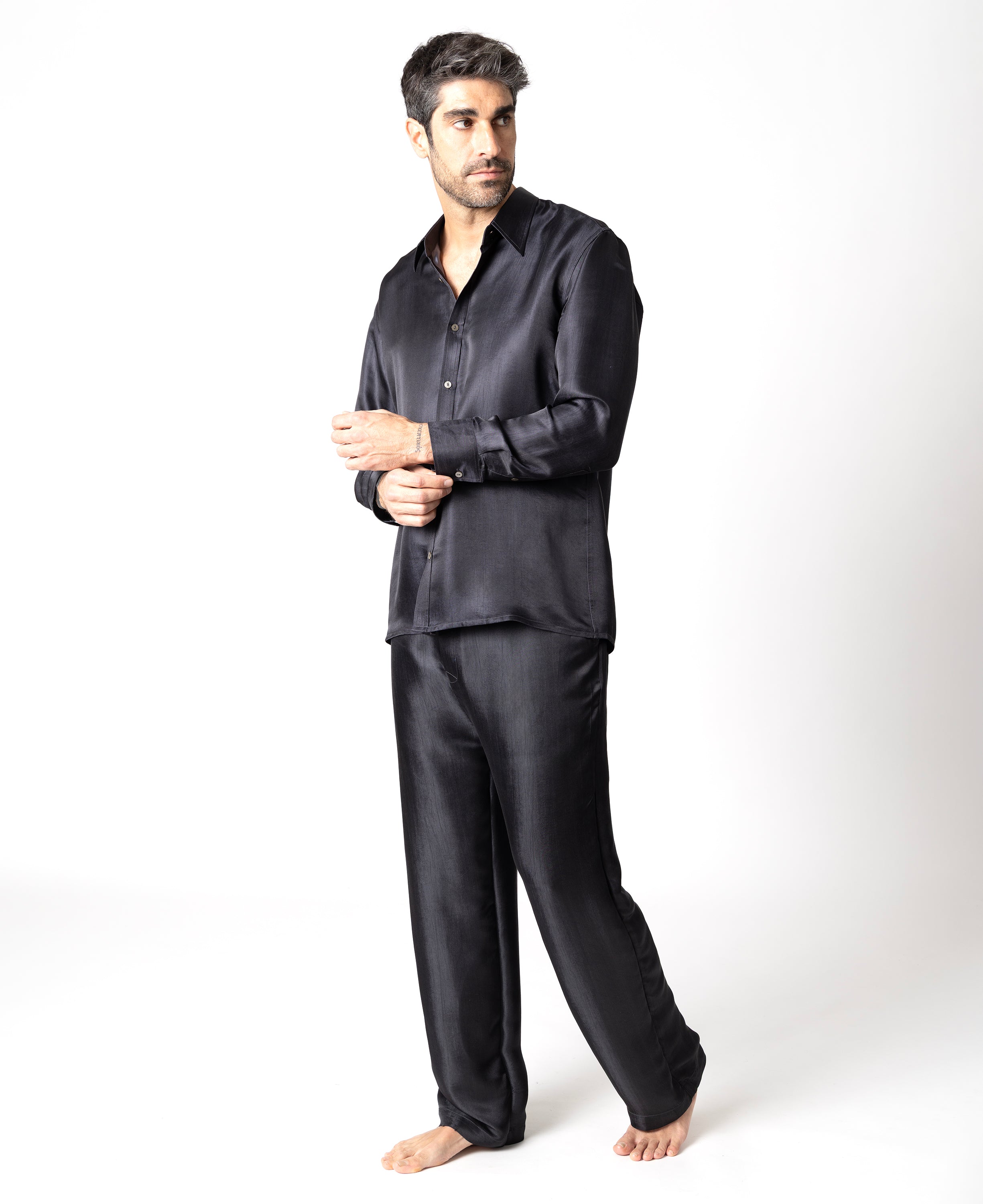
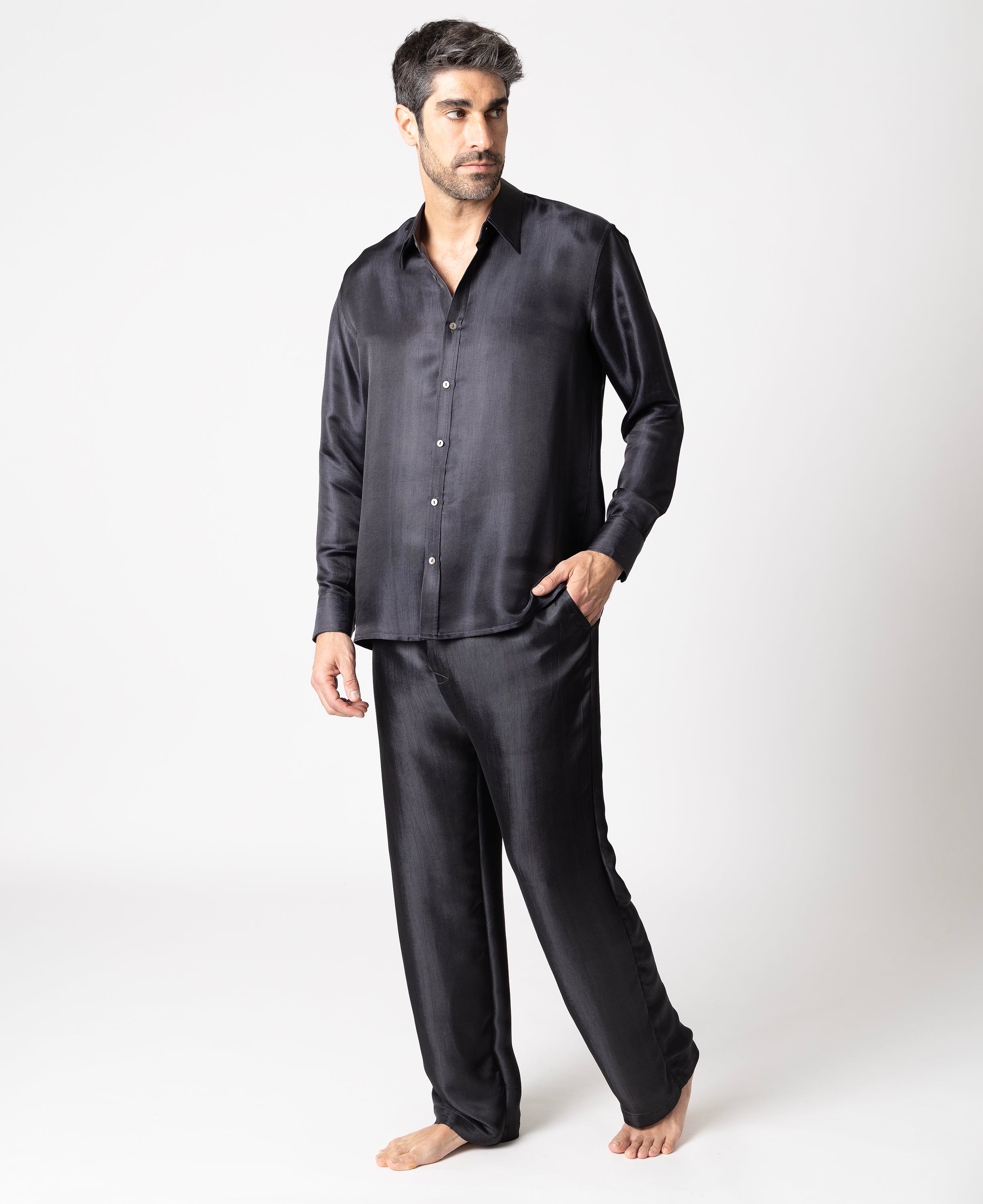
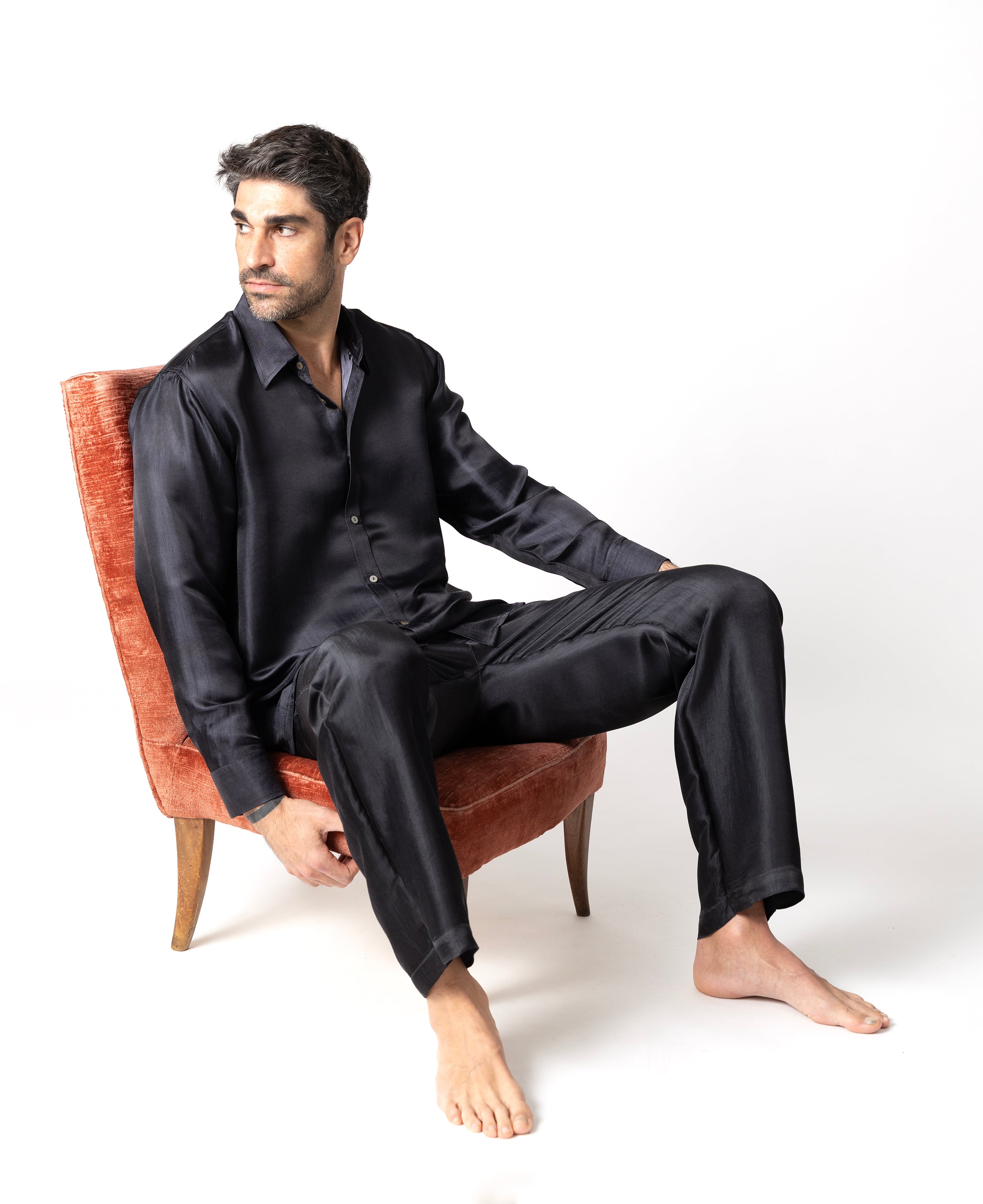
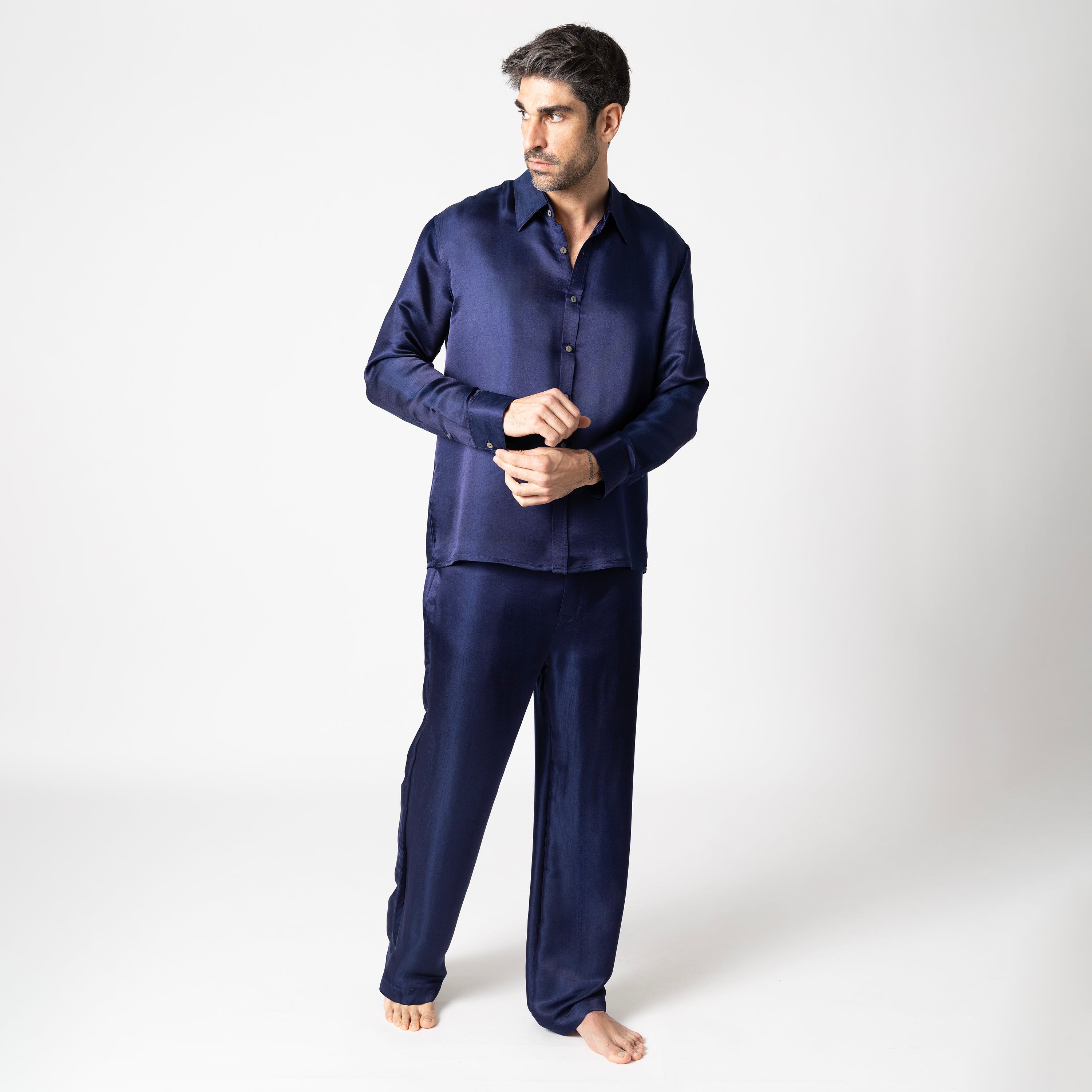
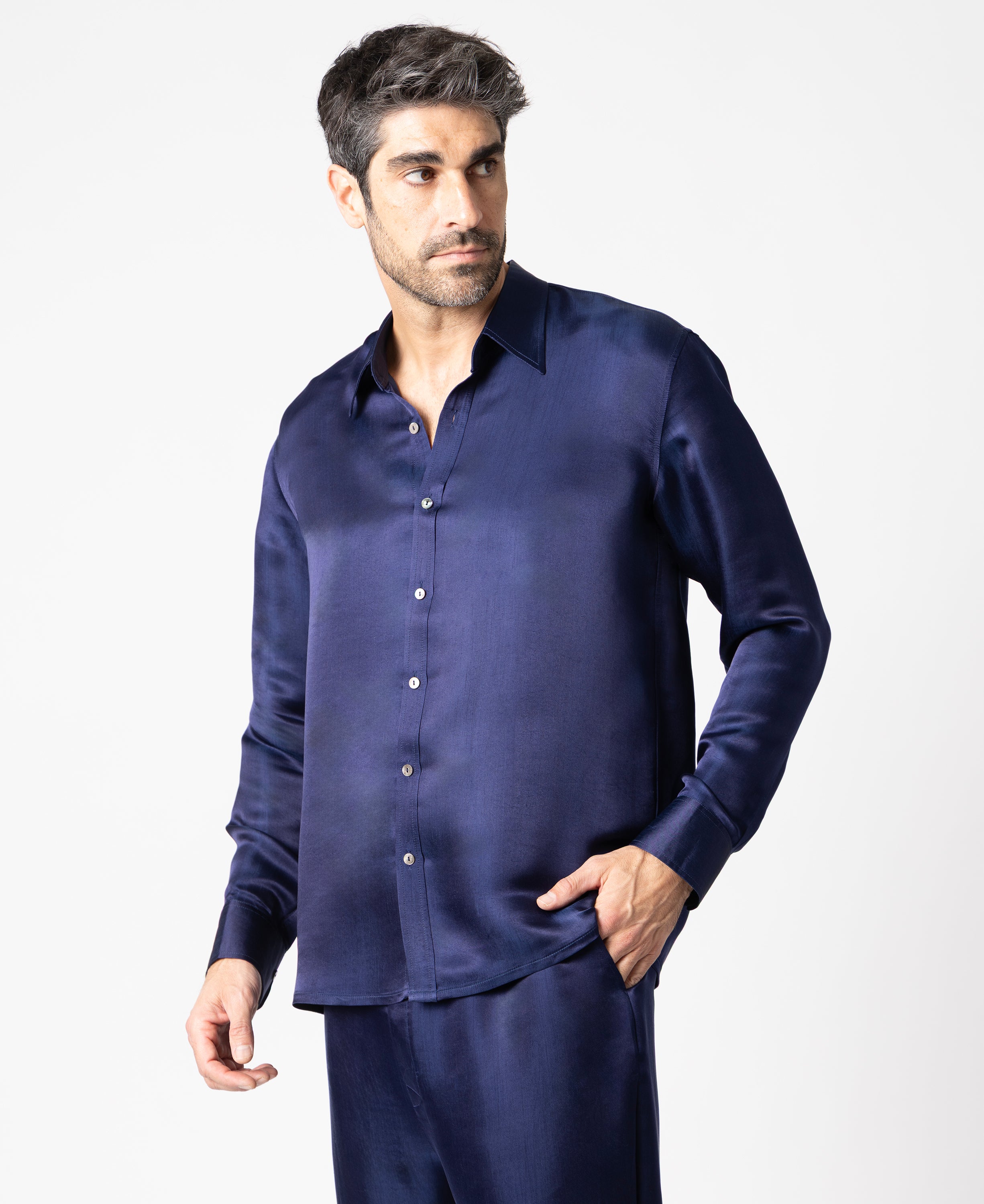
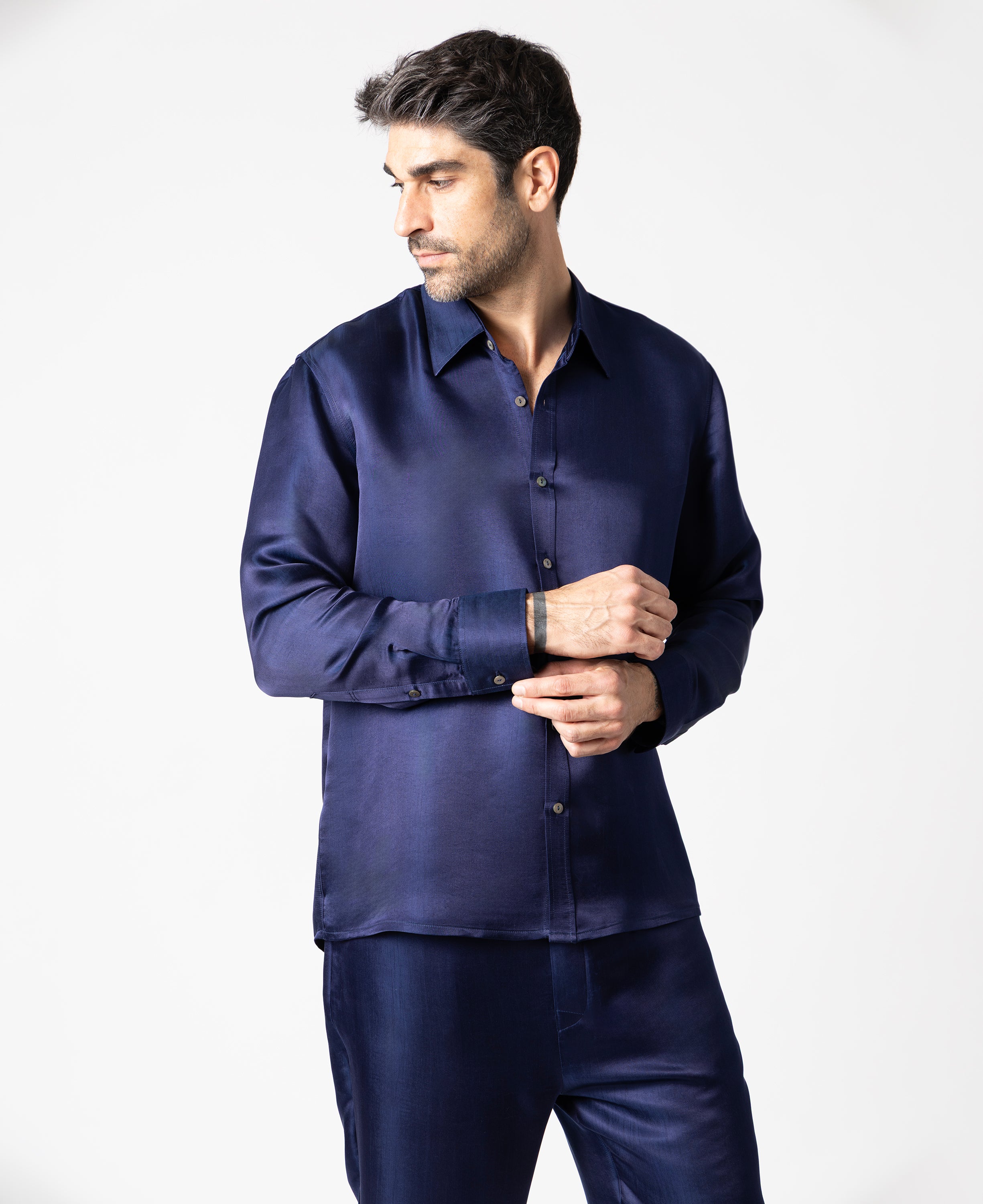
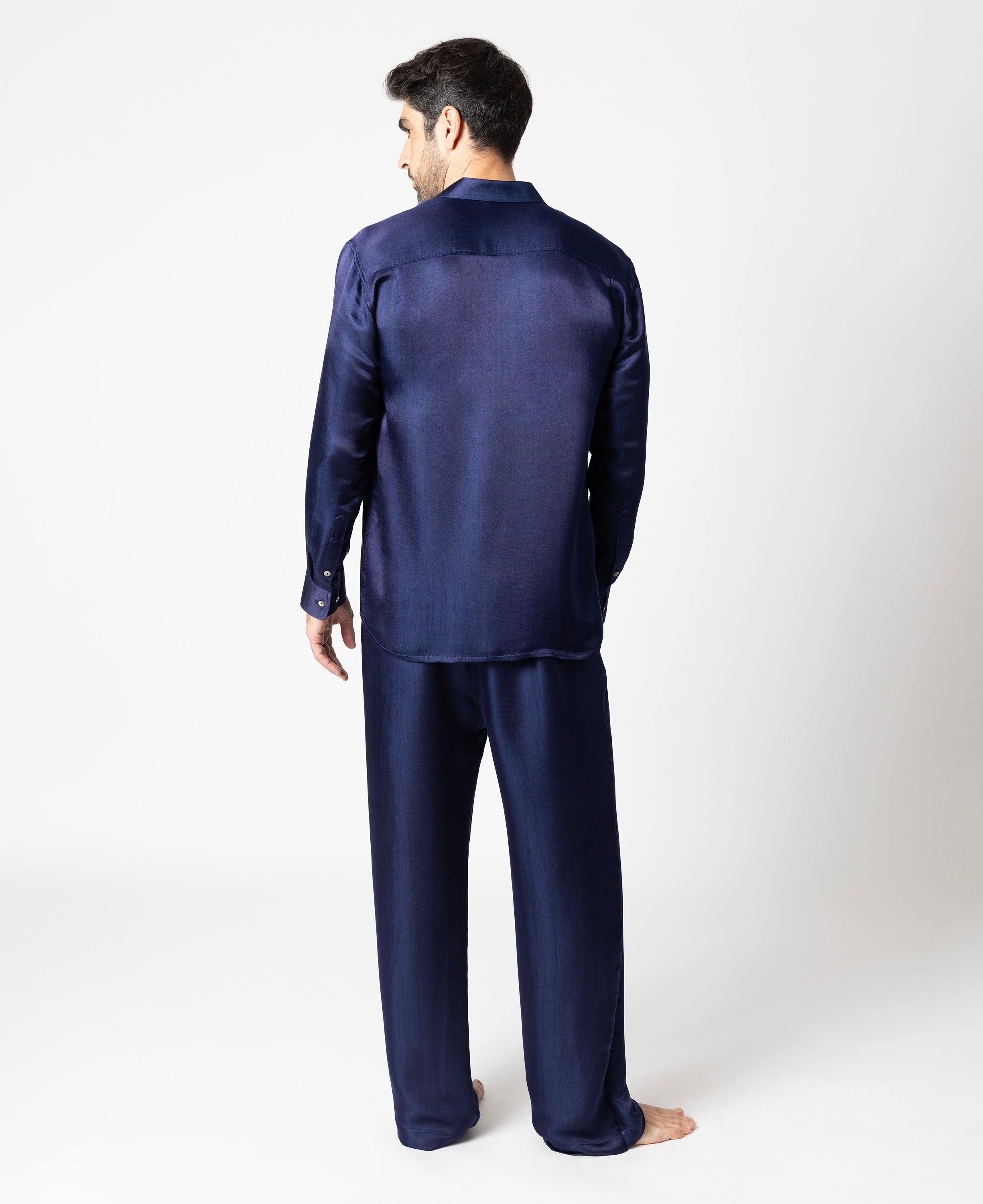
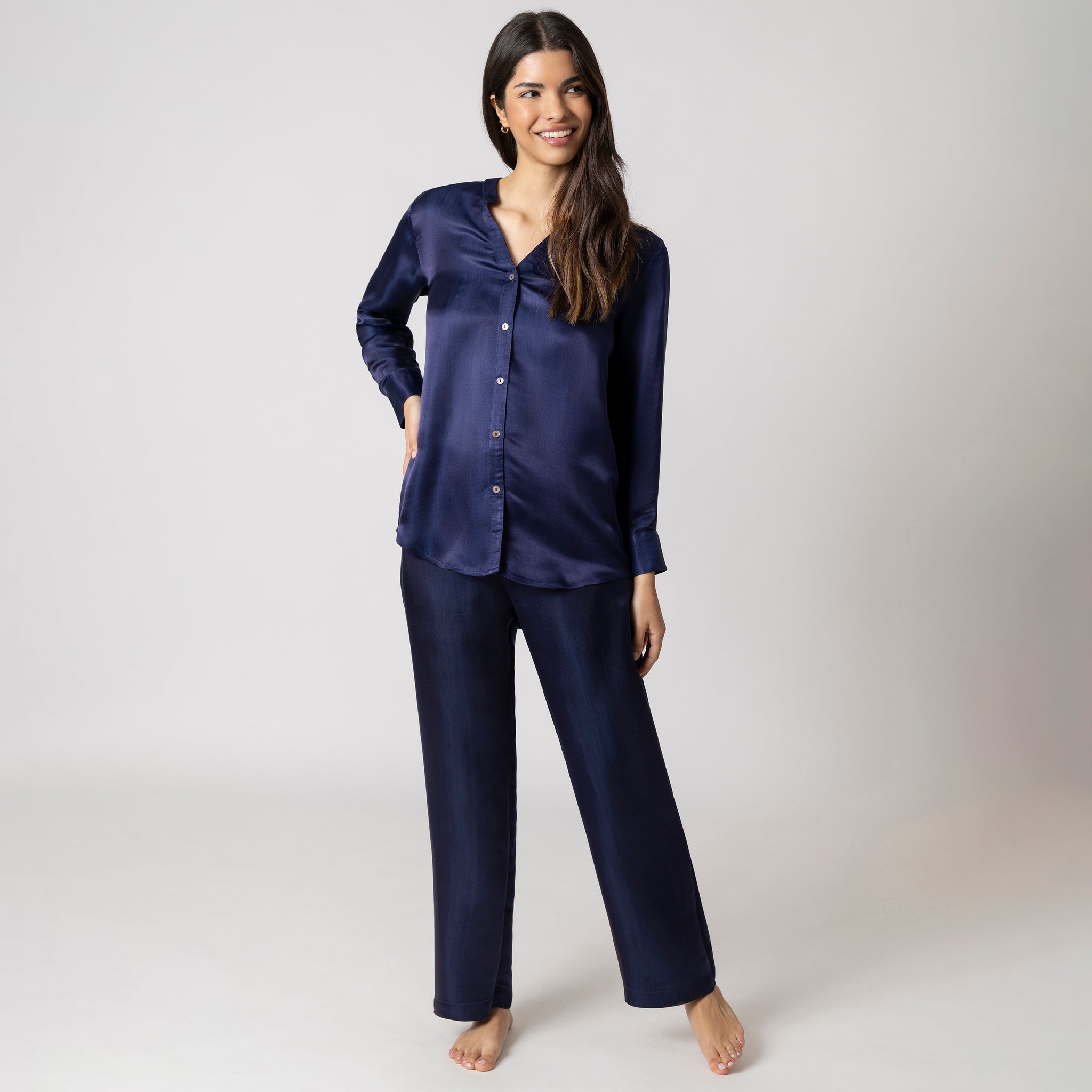
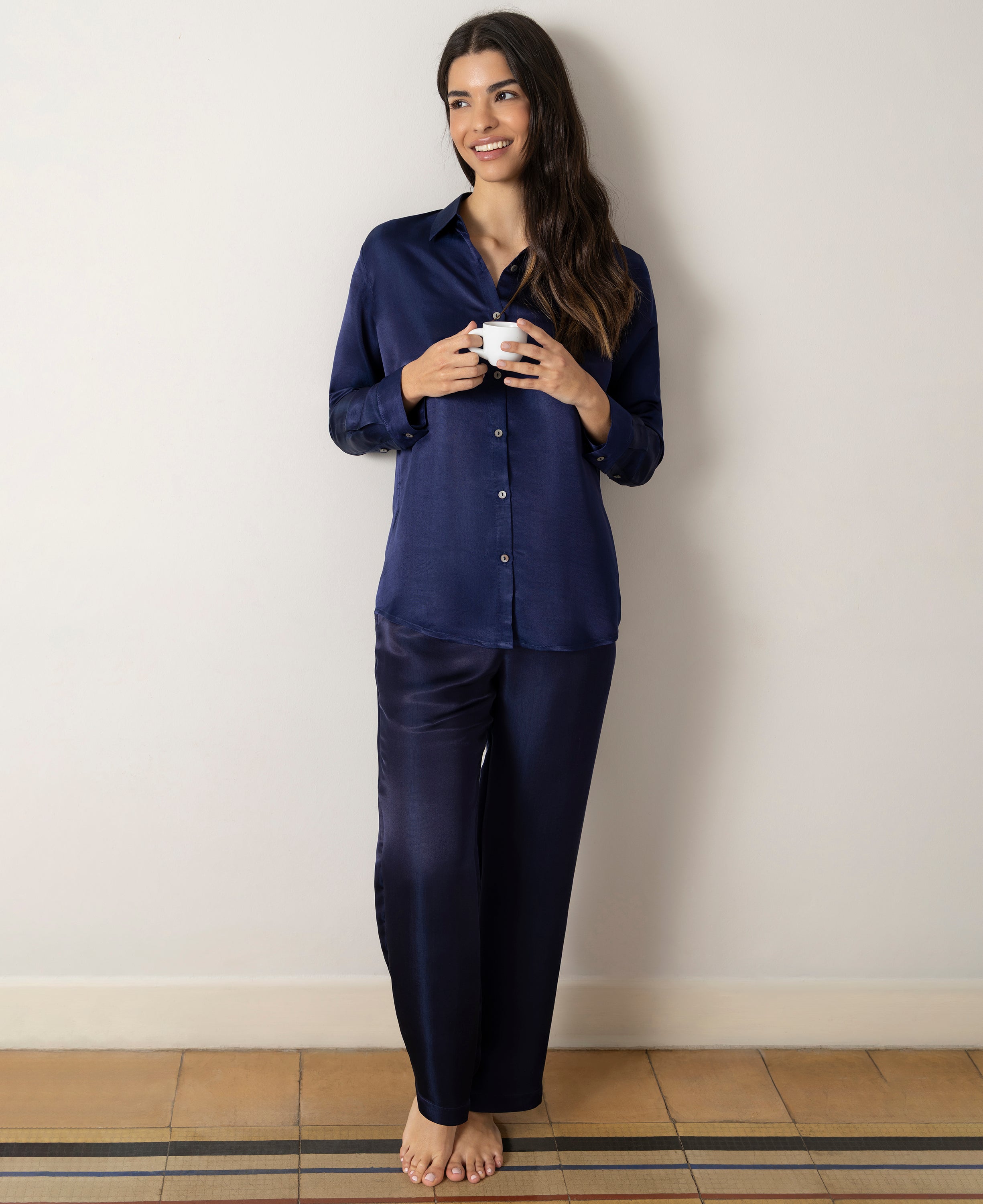
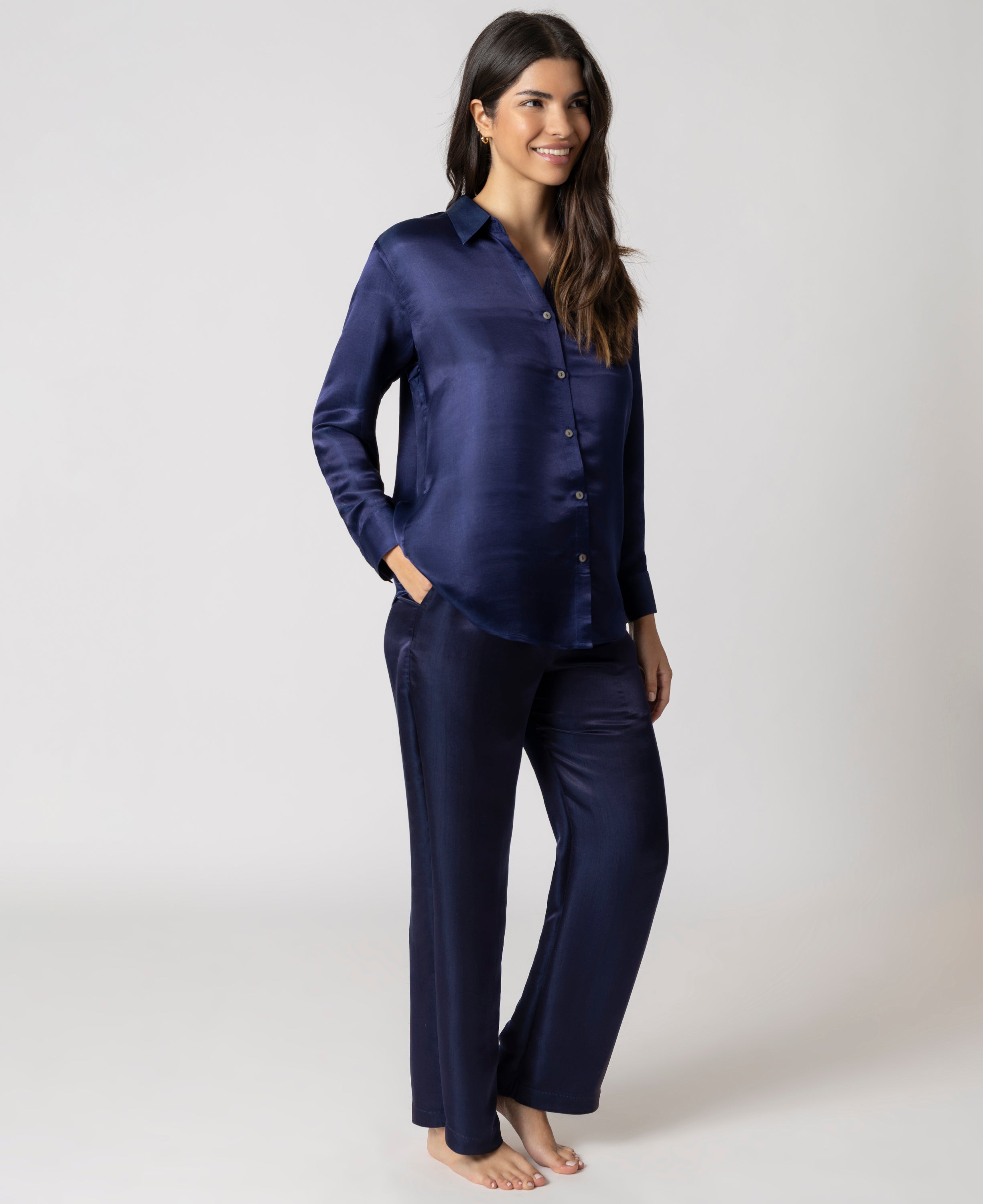
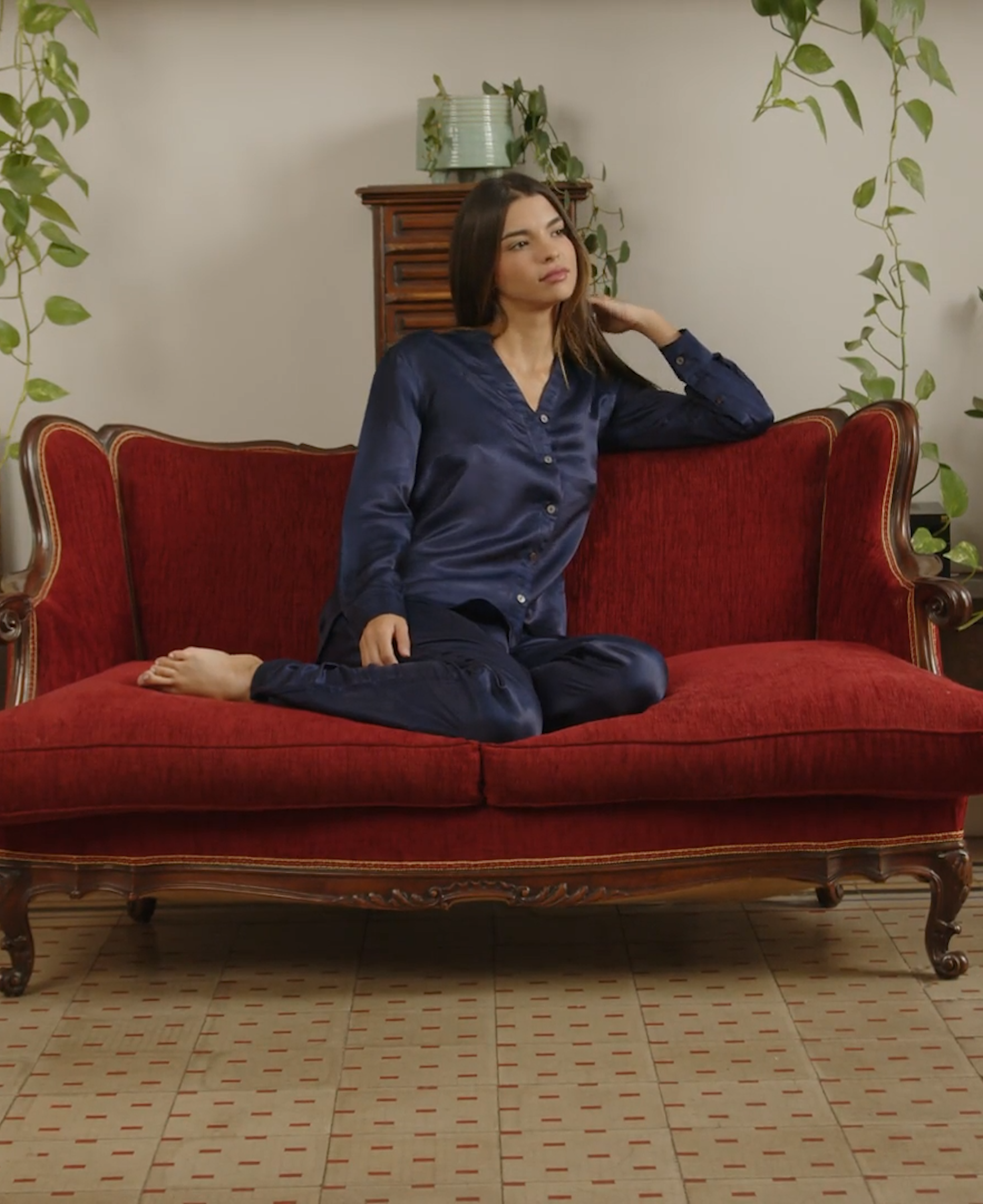
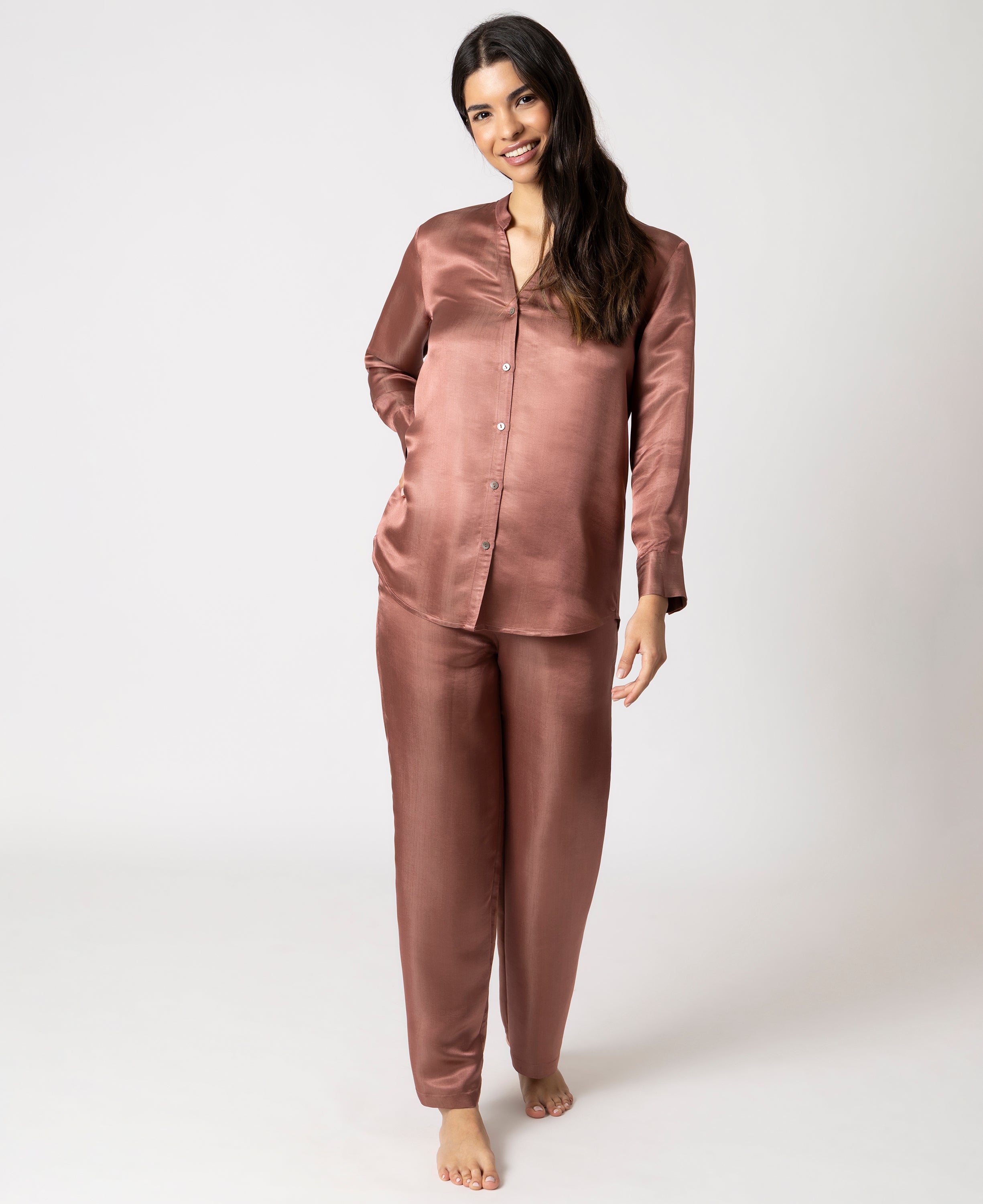
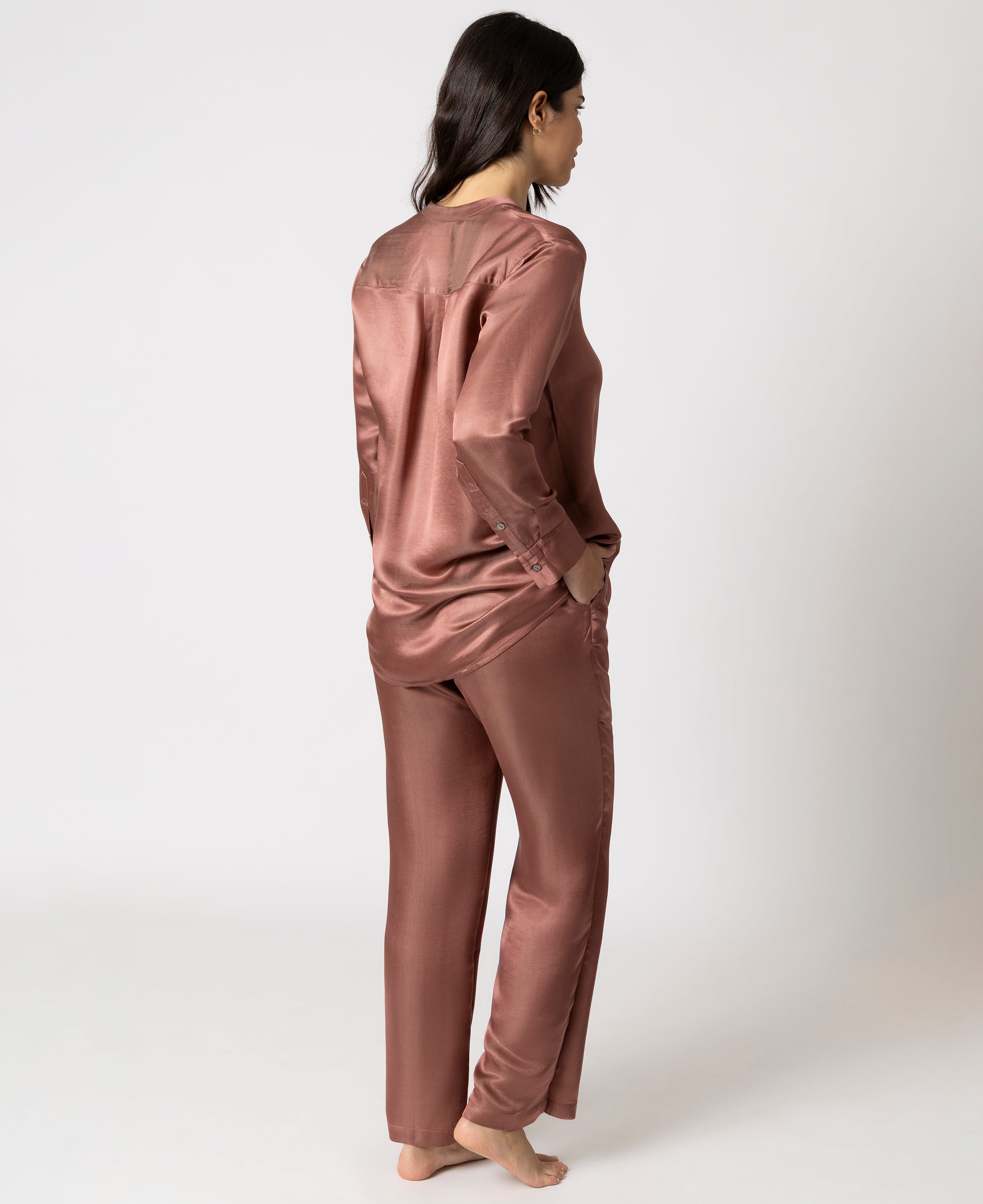
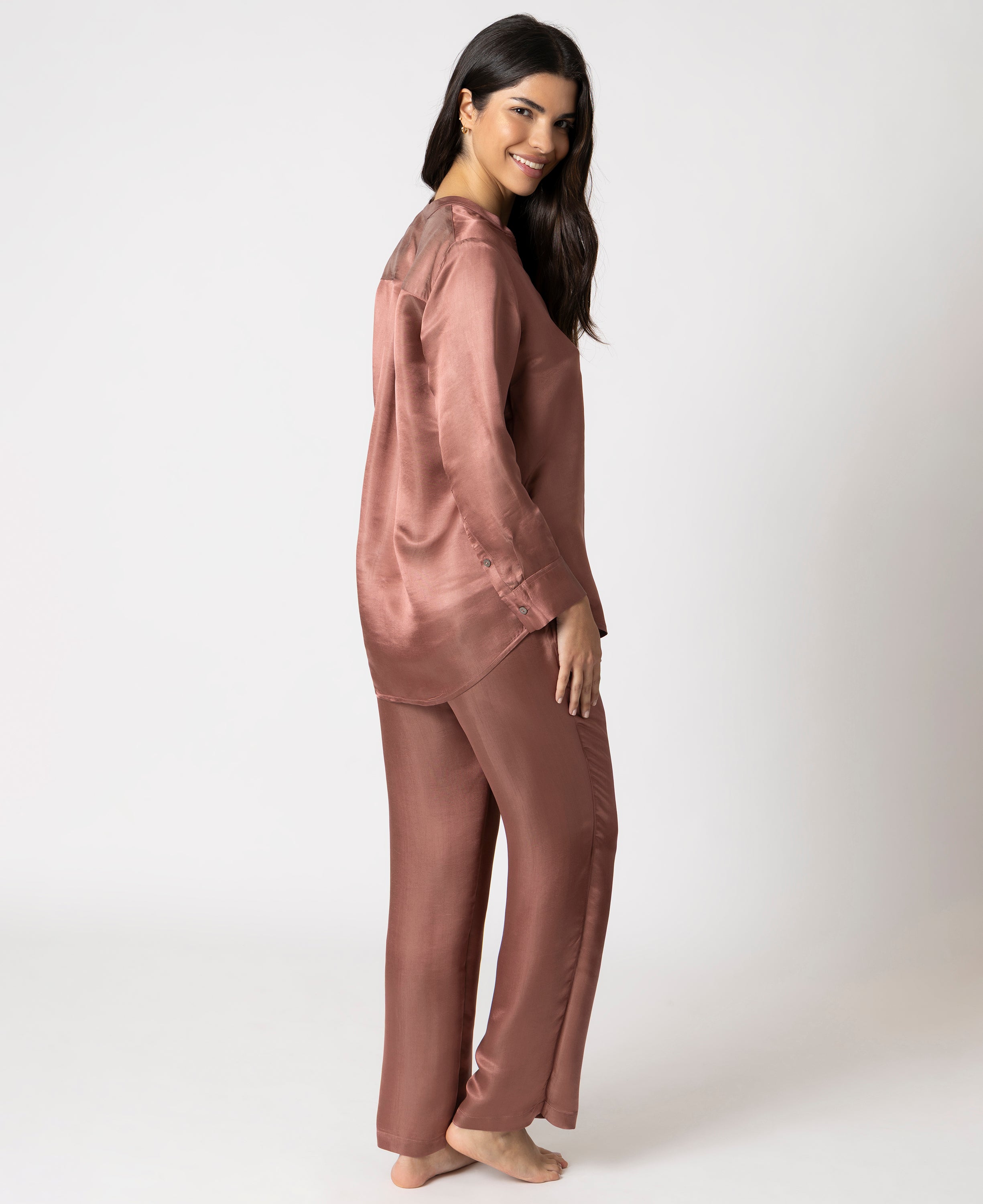
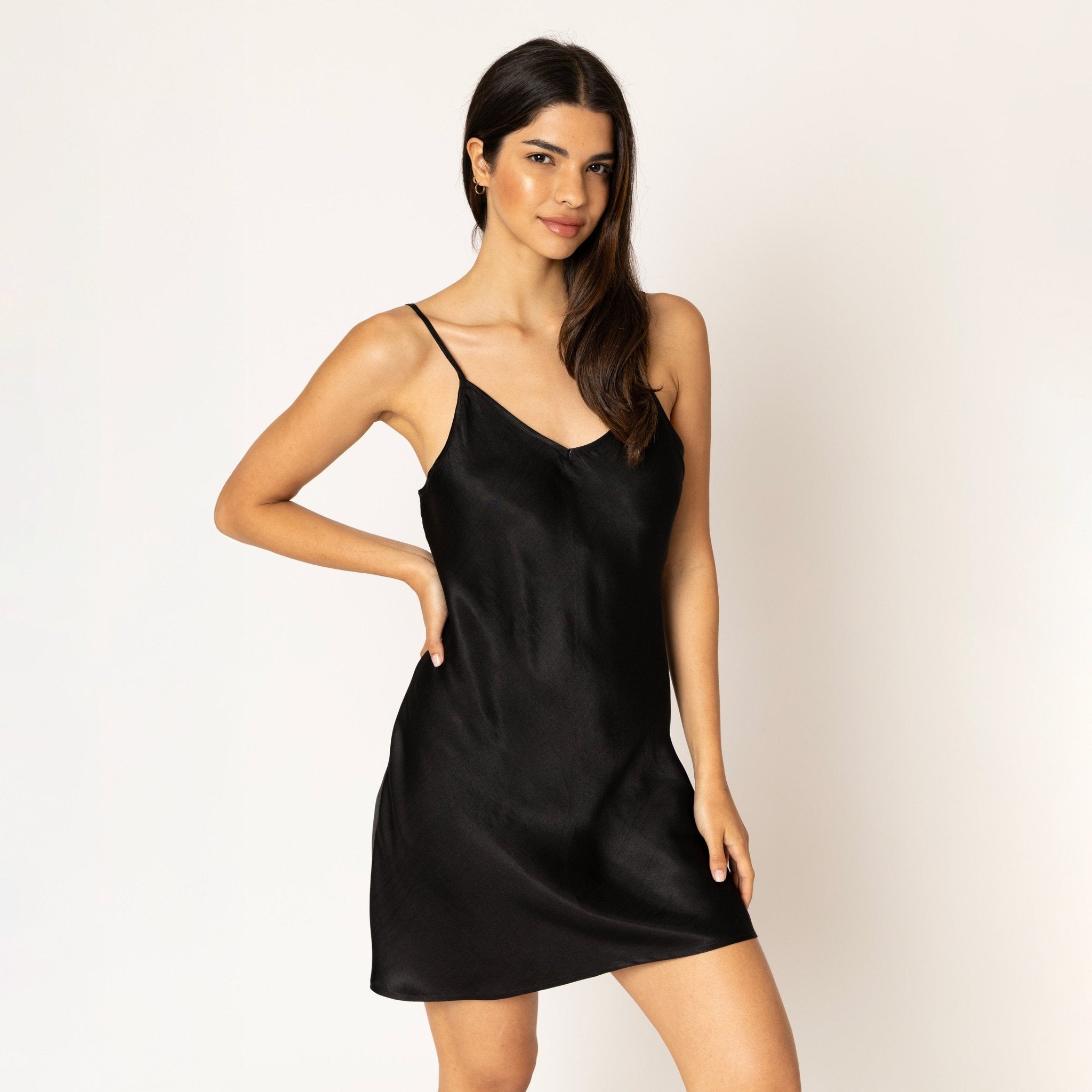
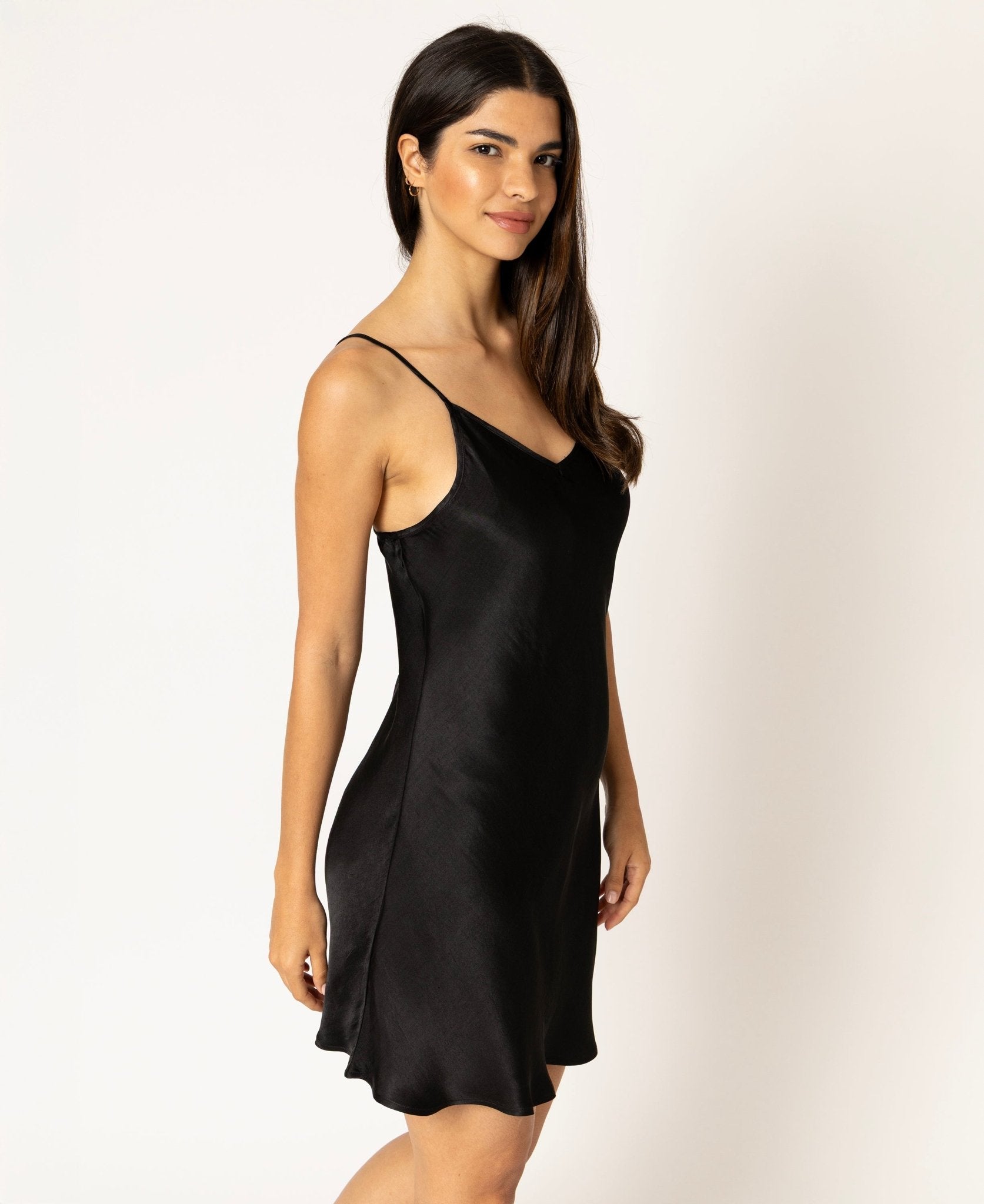
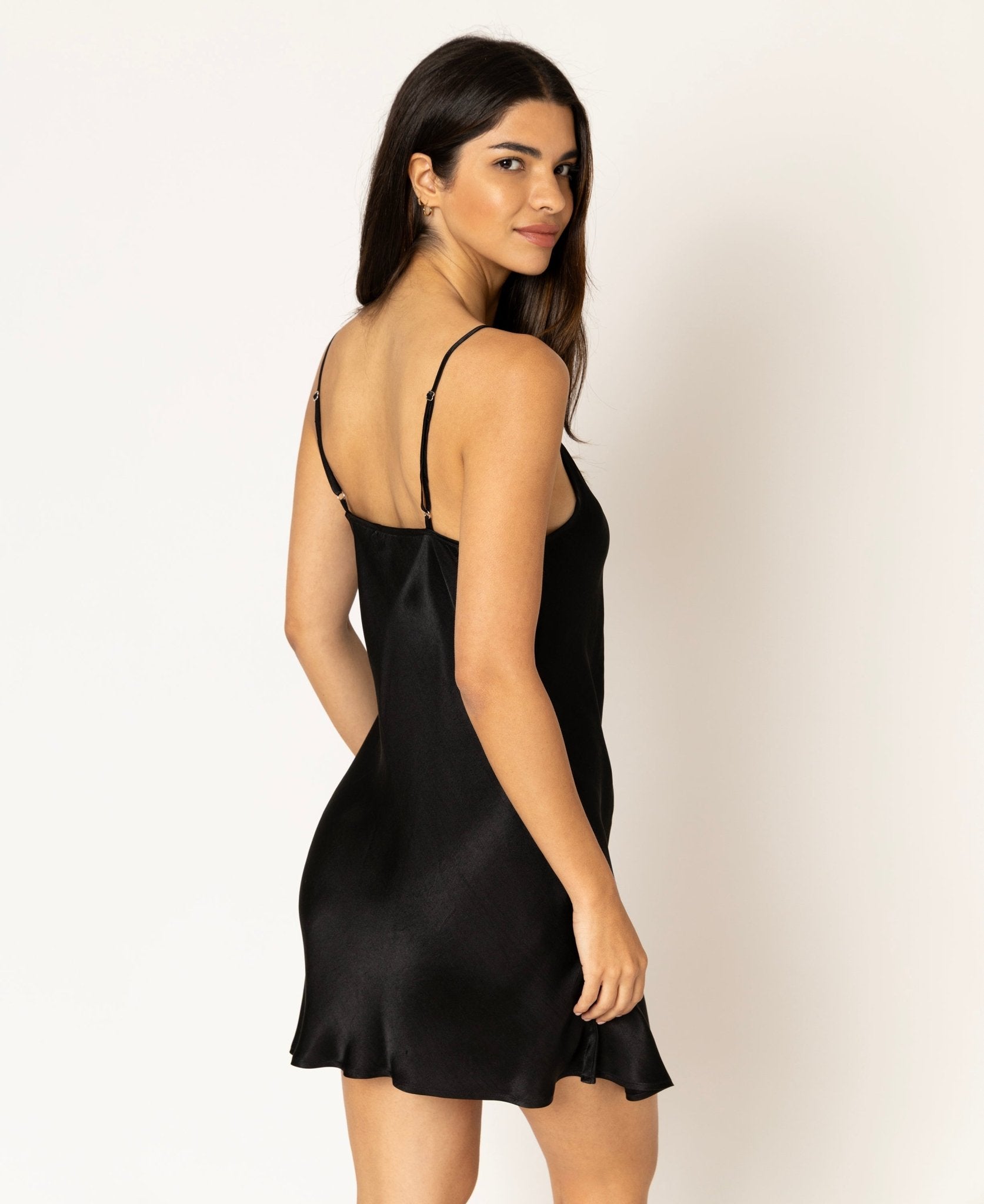
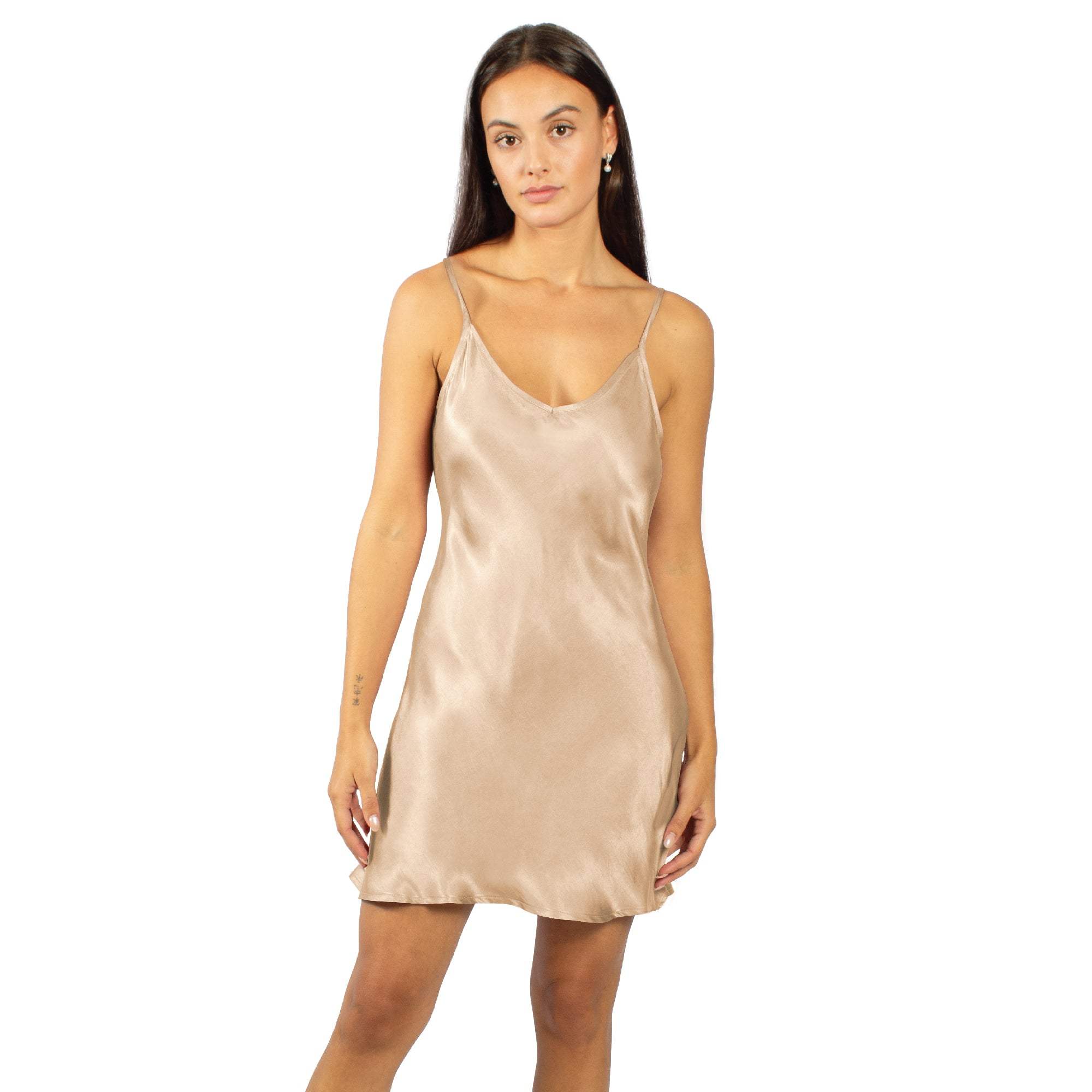
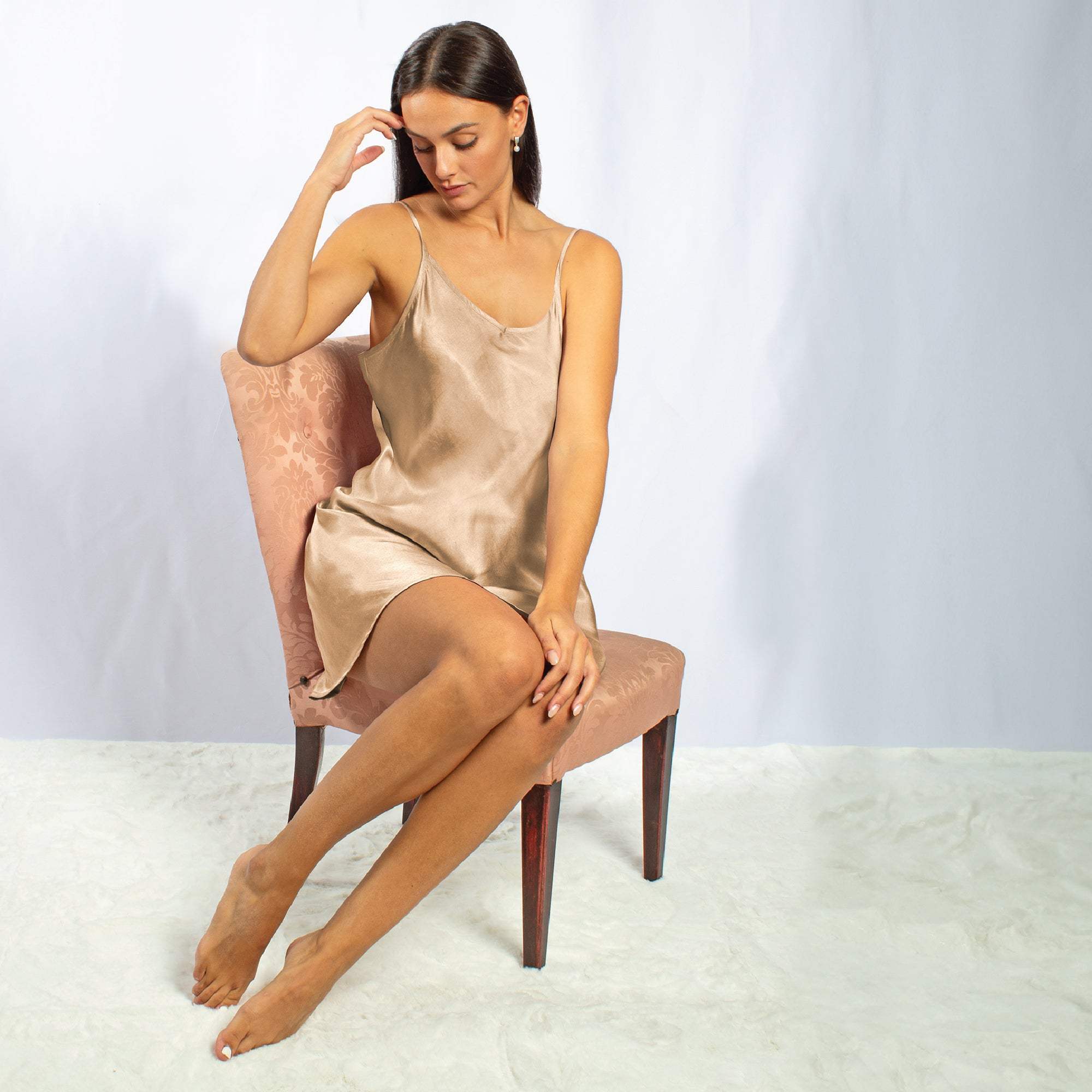
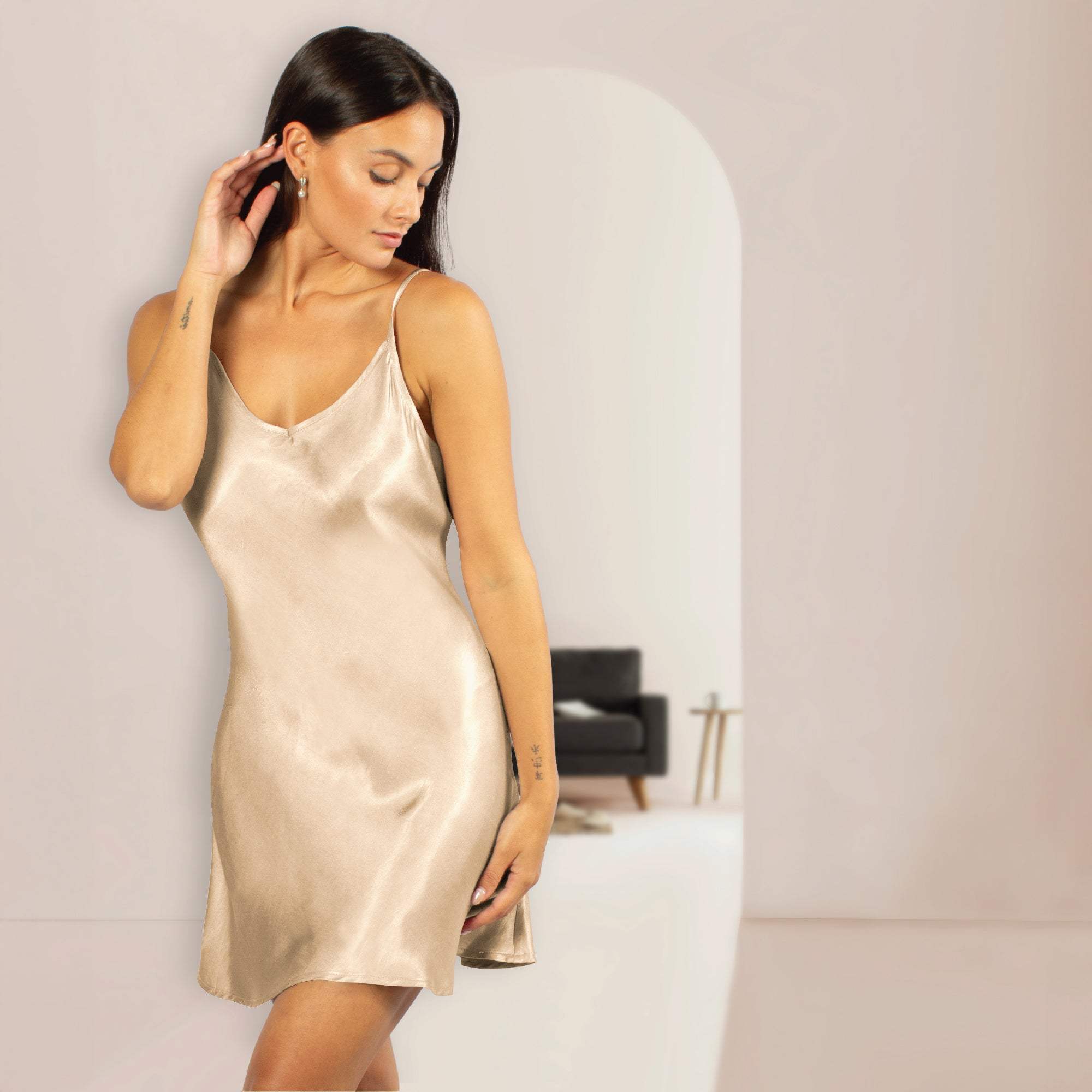
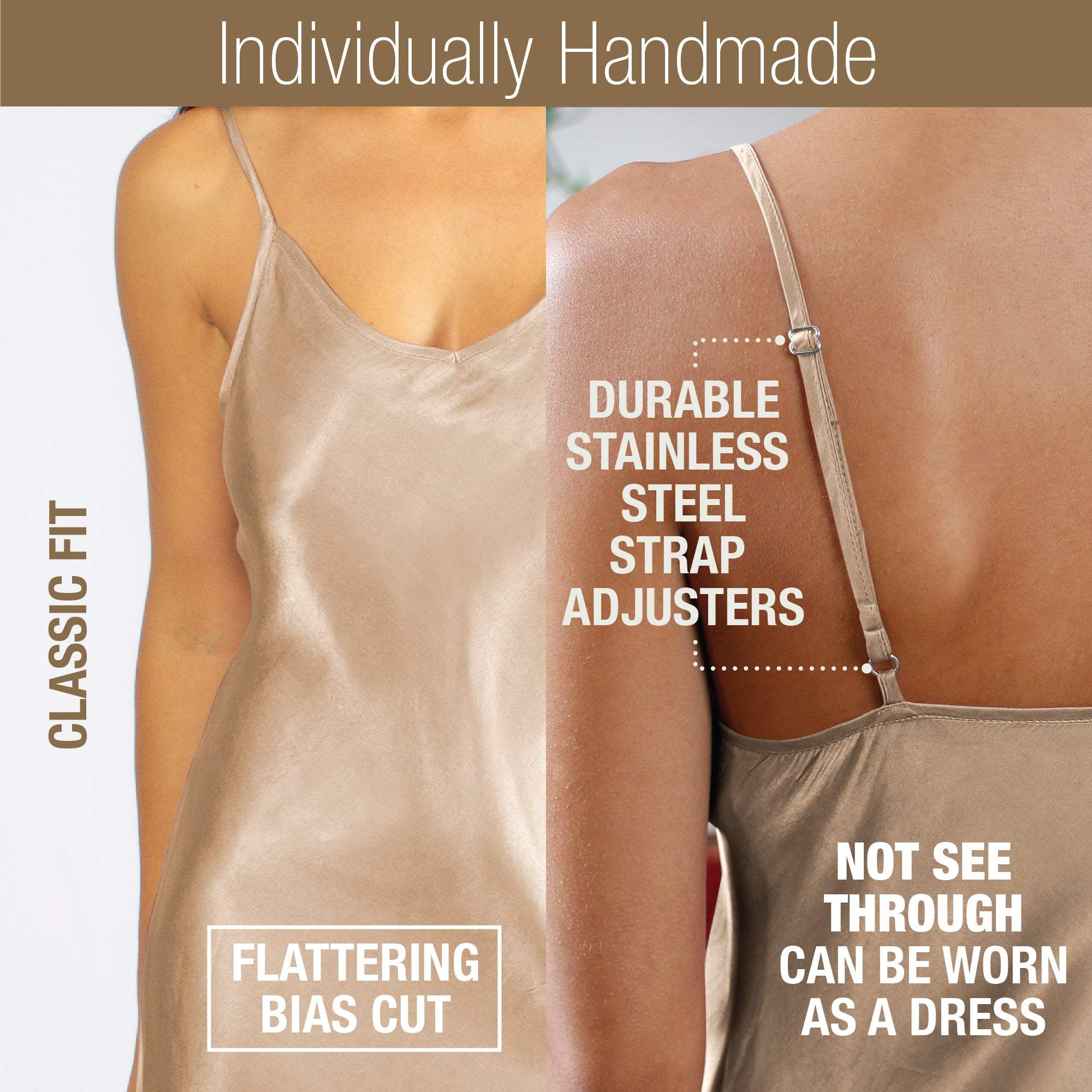
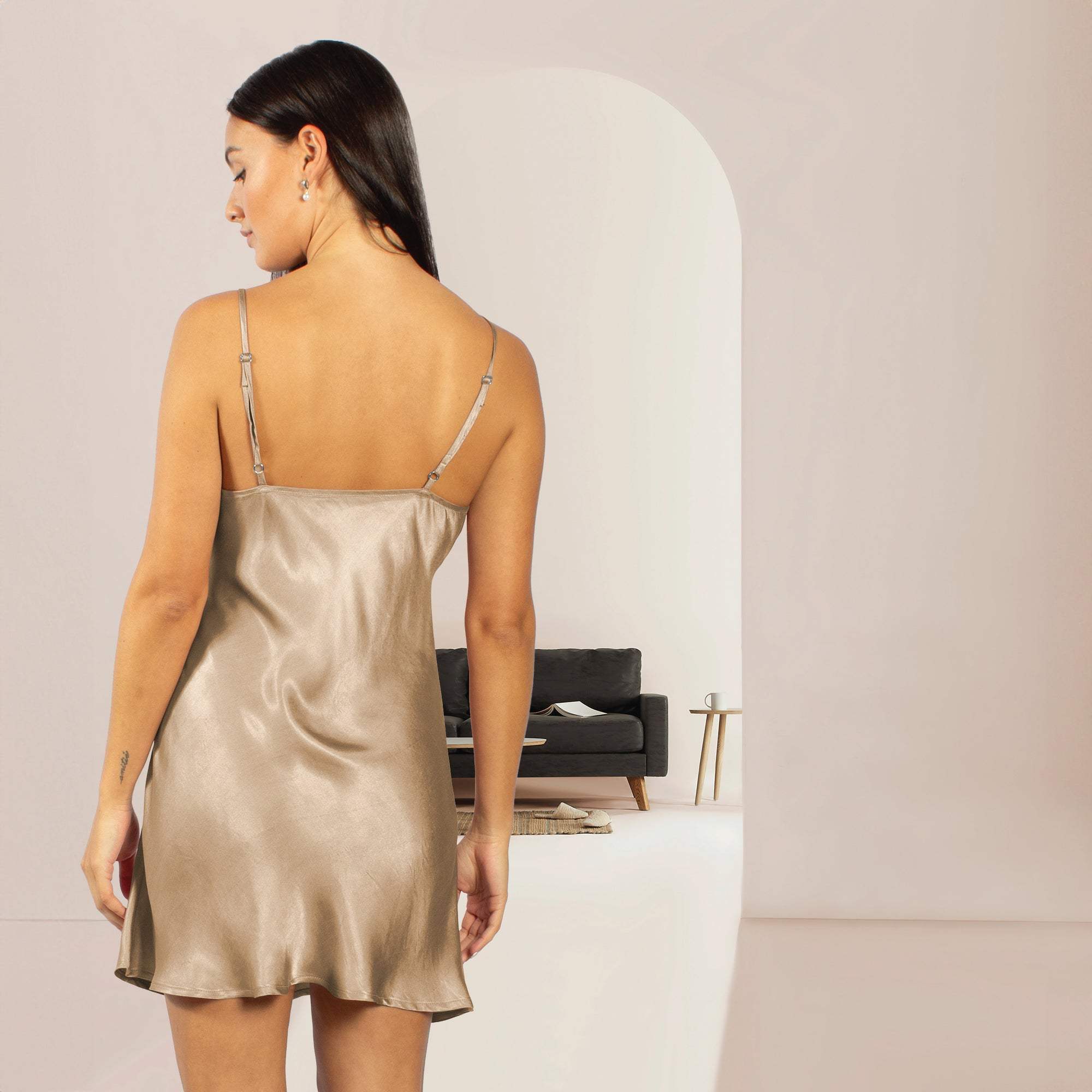
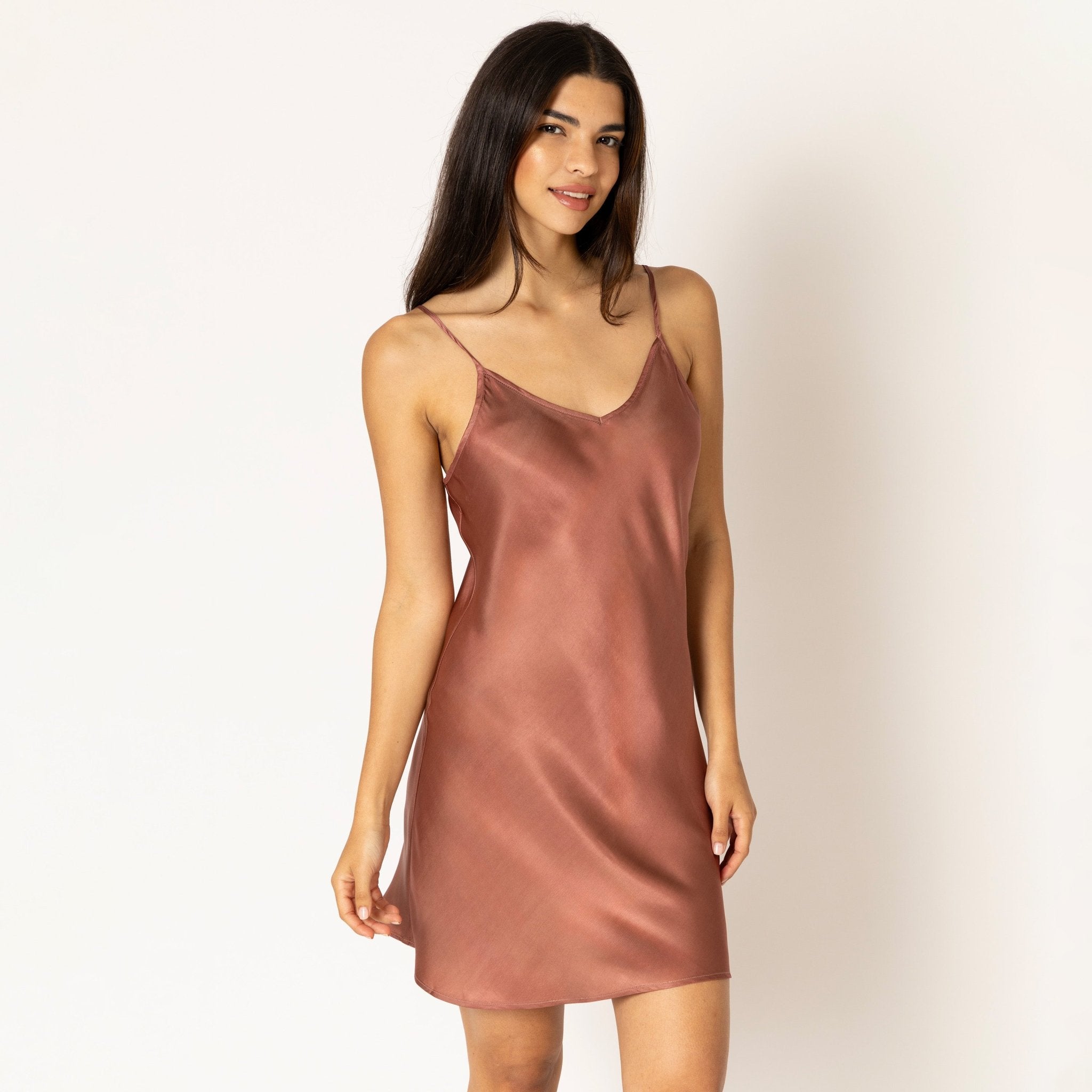
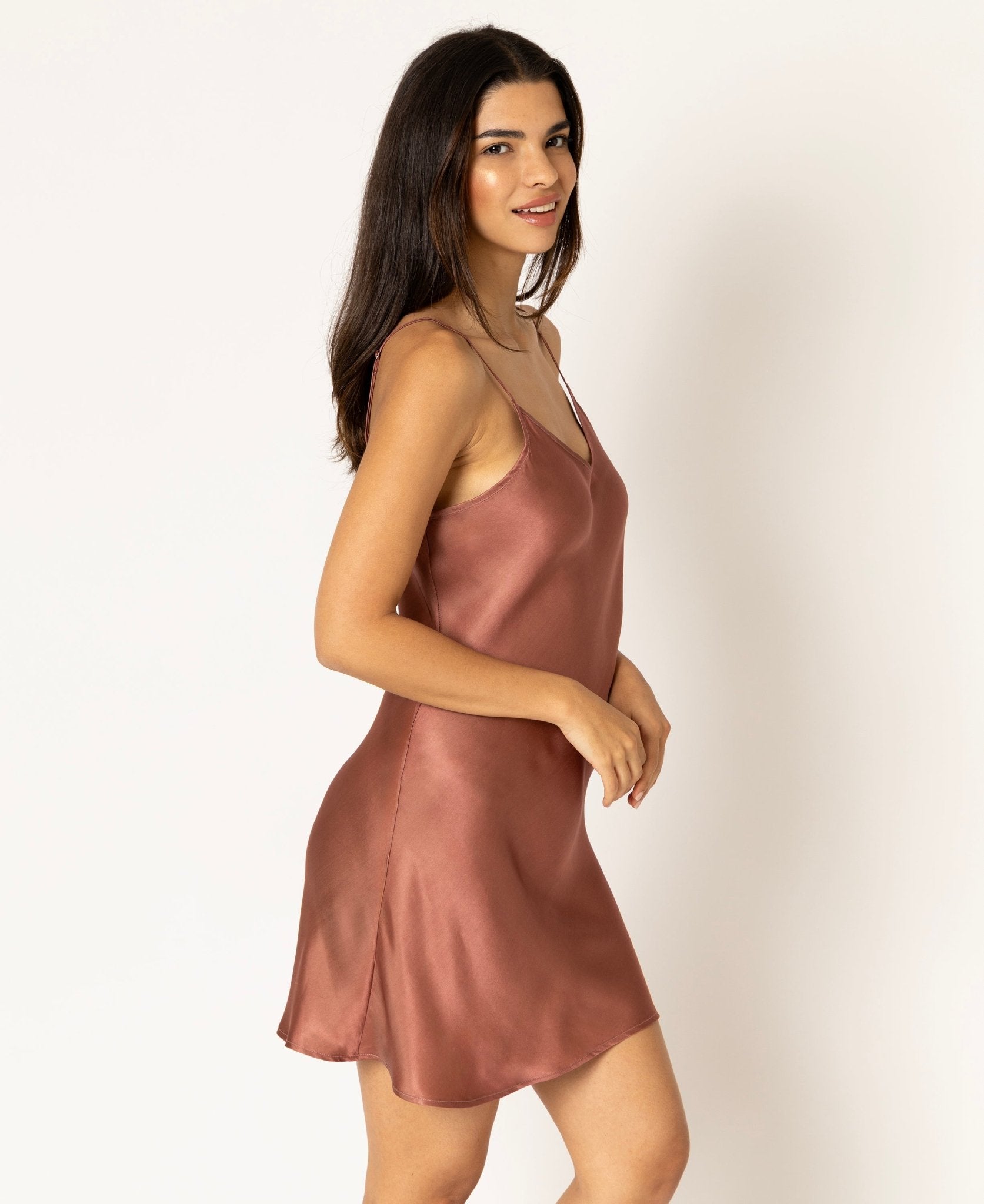
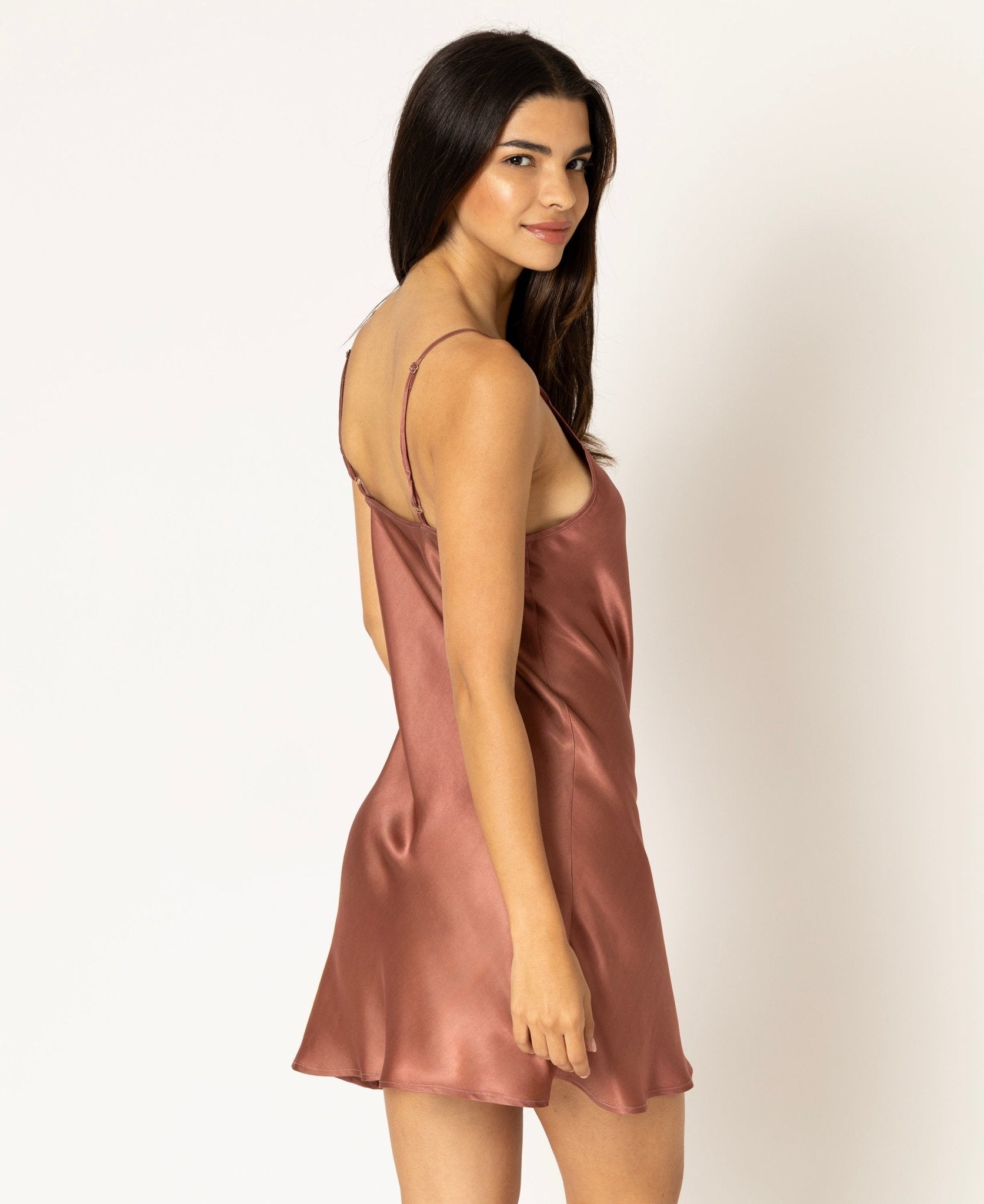
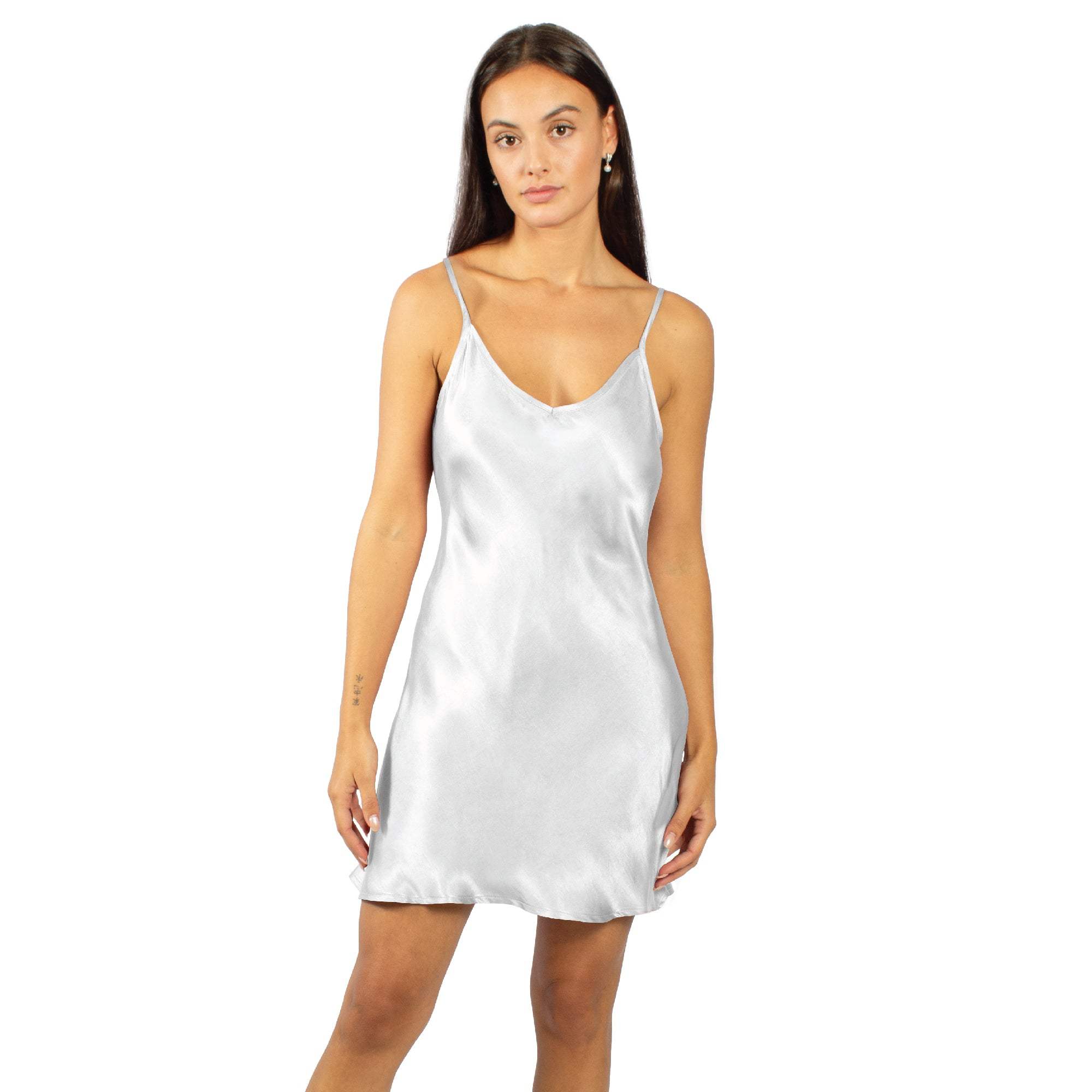
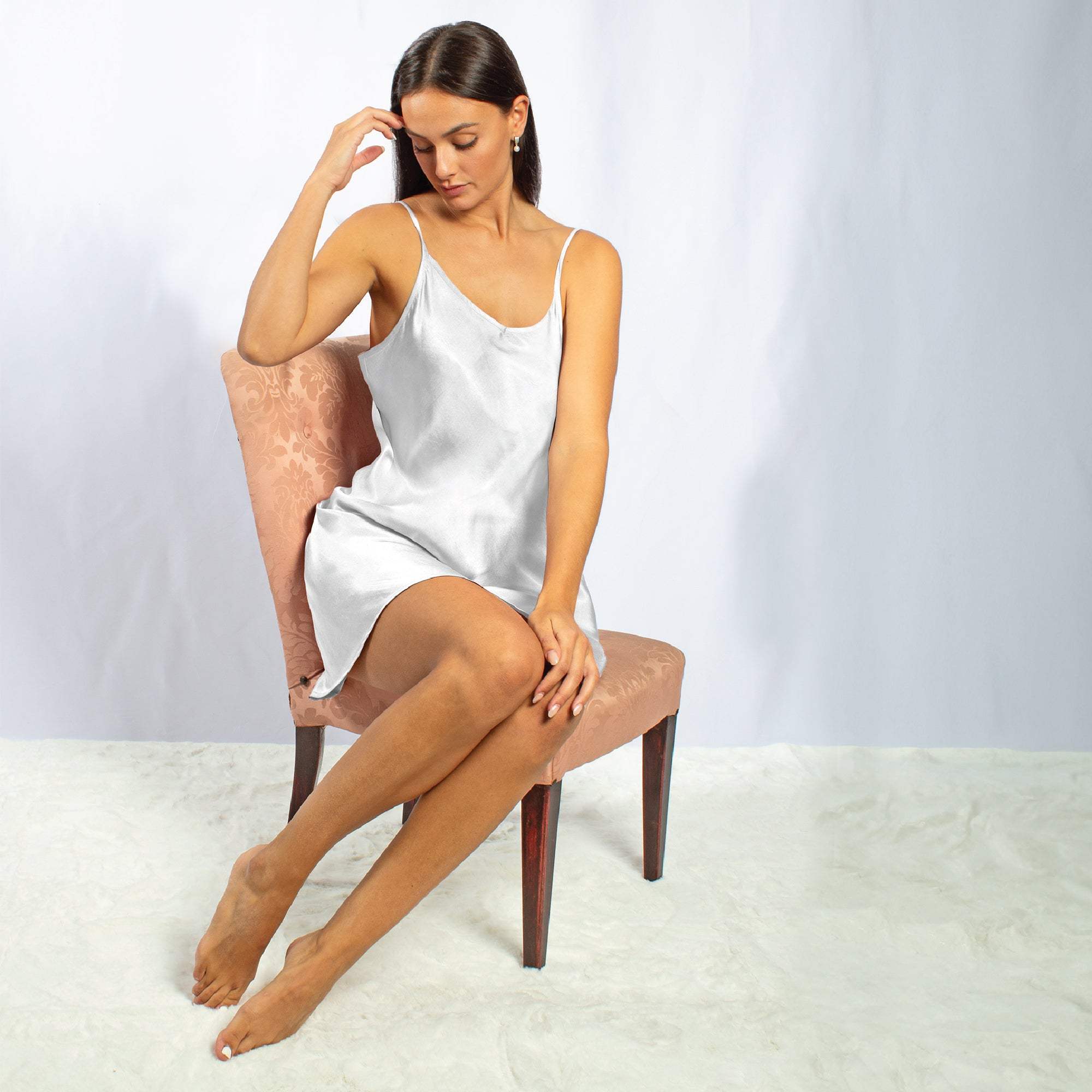
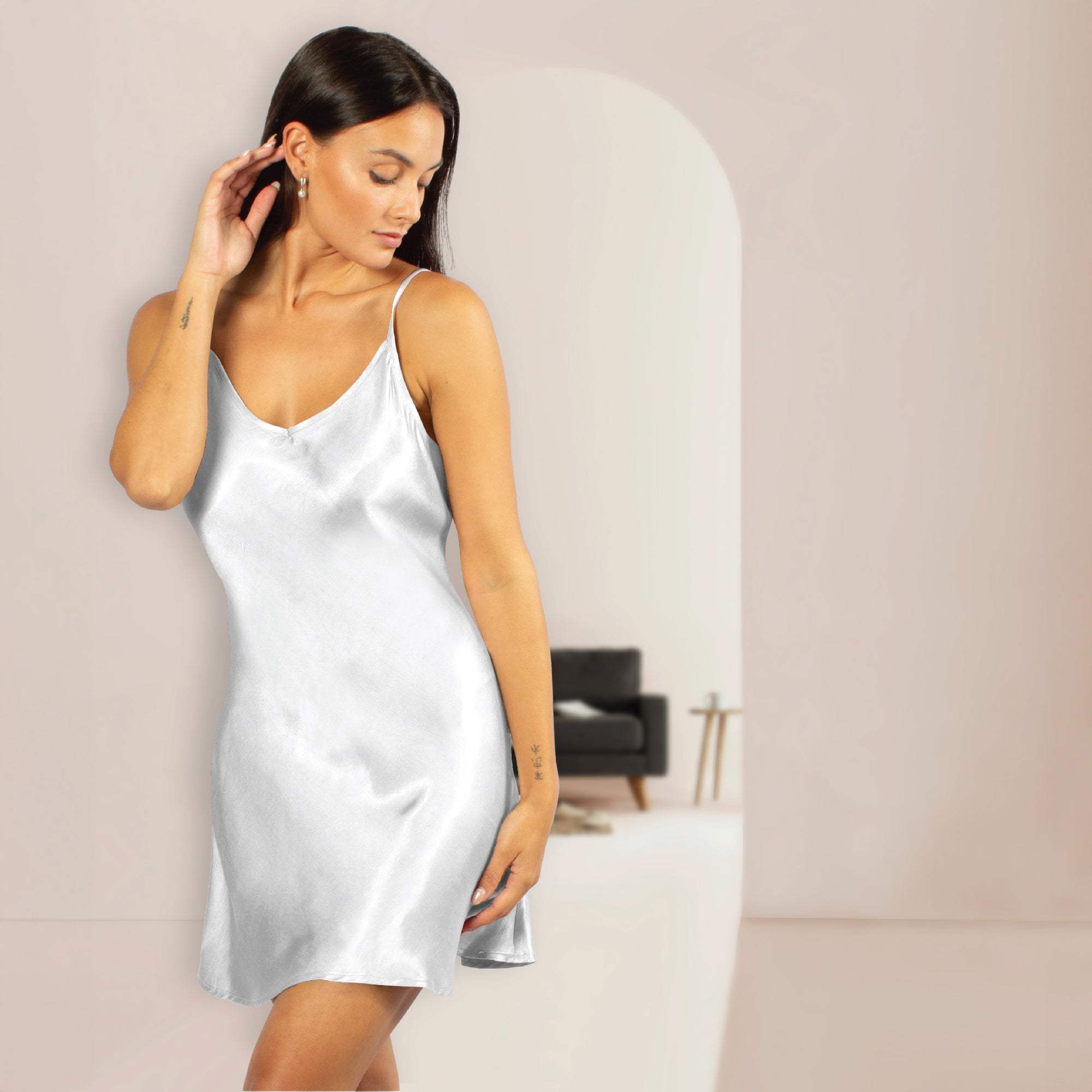
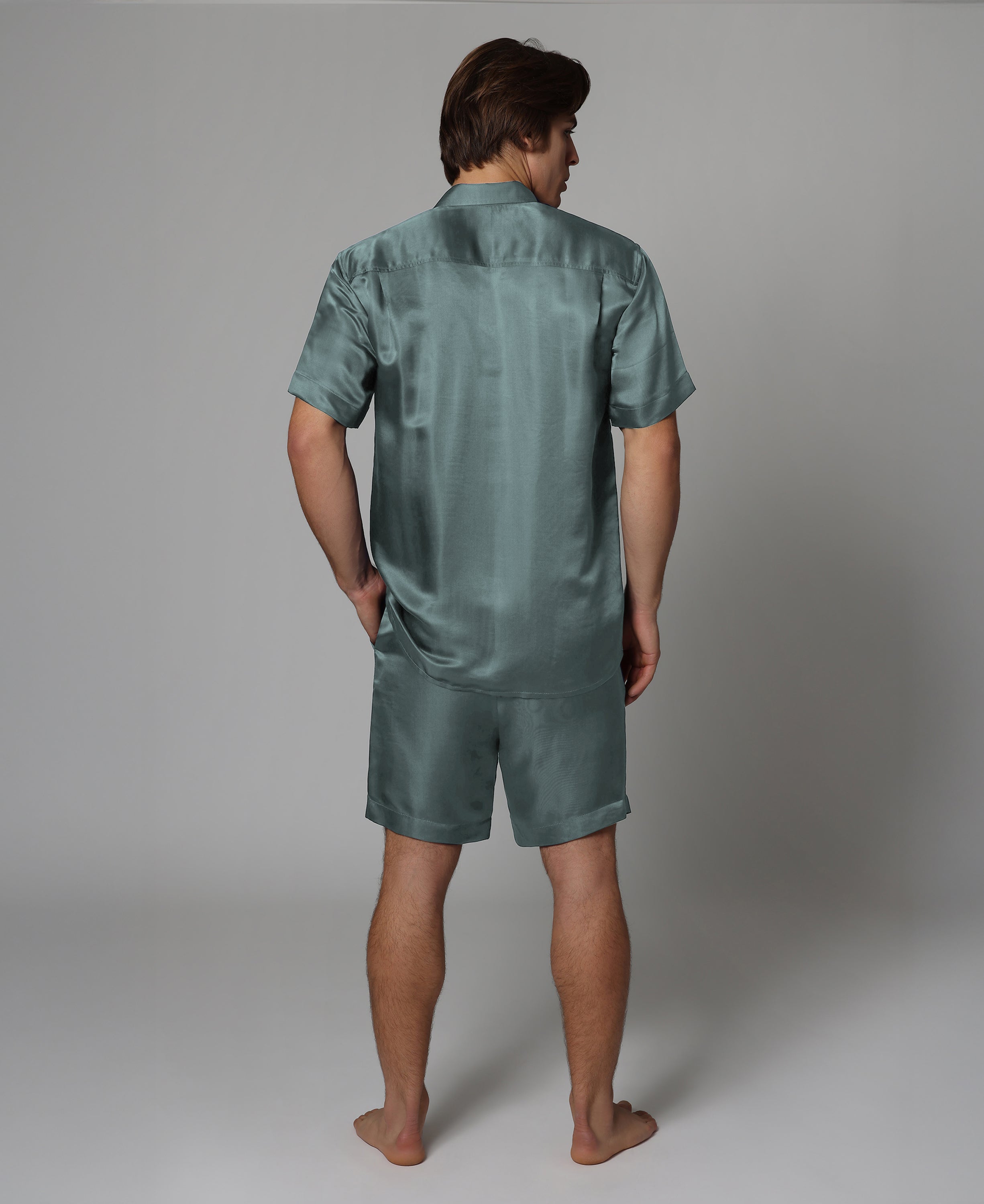
She gets our lighter silk nightgown, cut for airflow. He gets a fuller silk pajama set, built for warmth without bulk.







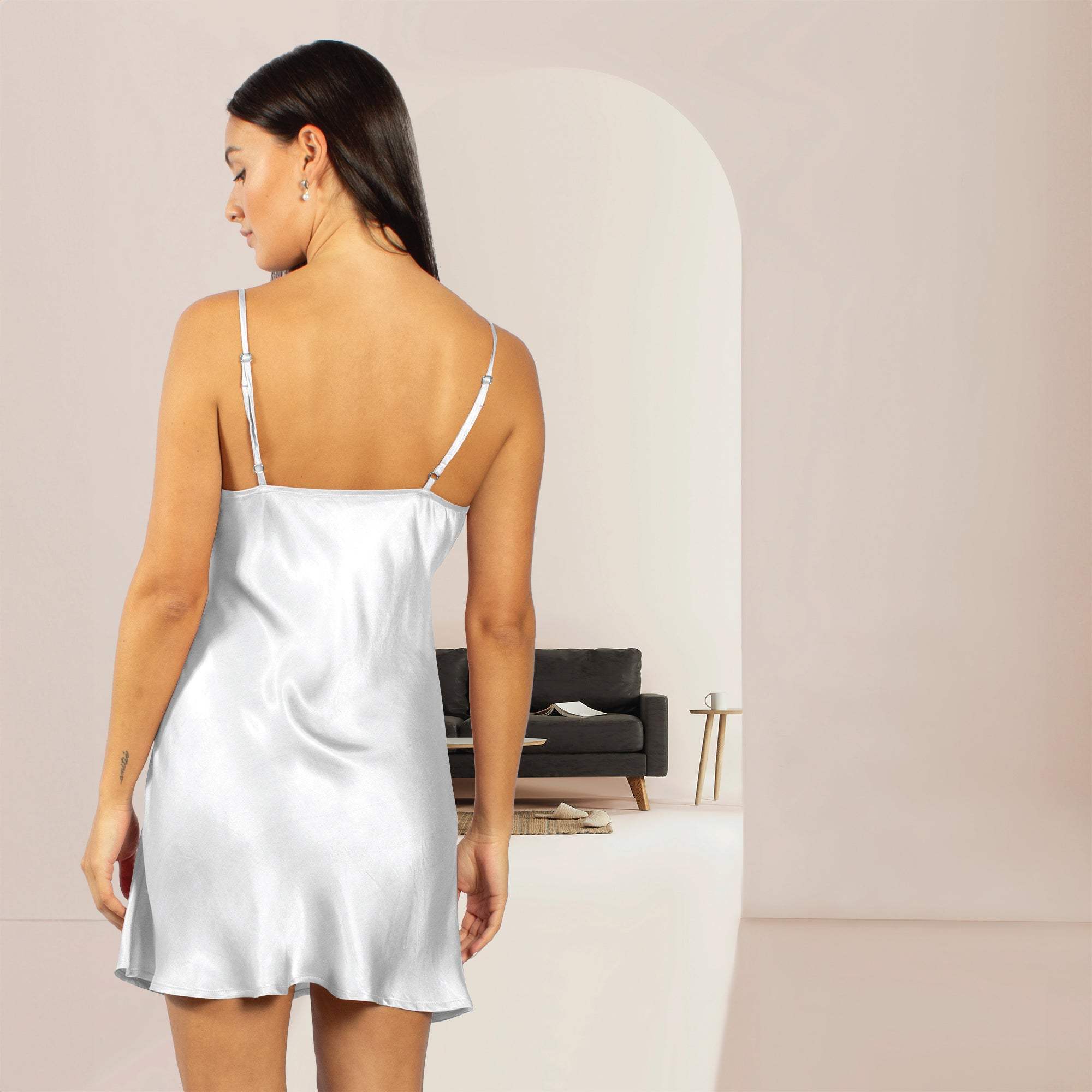

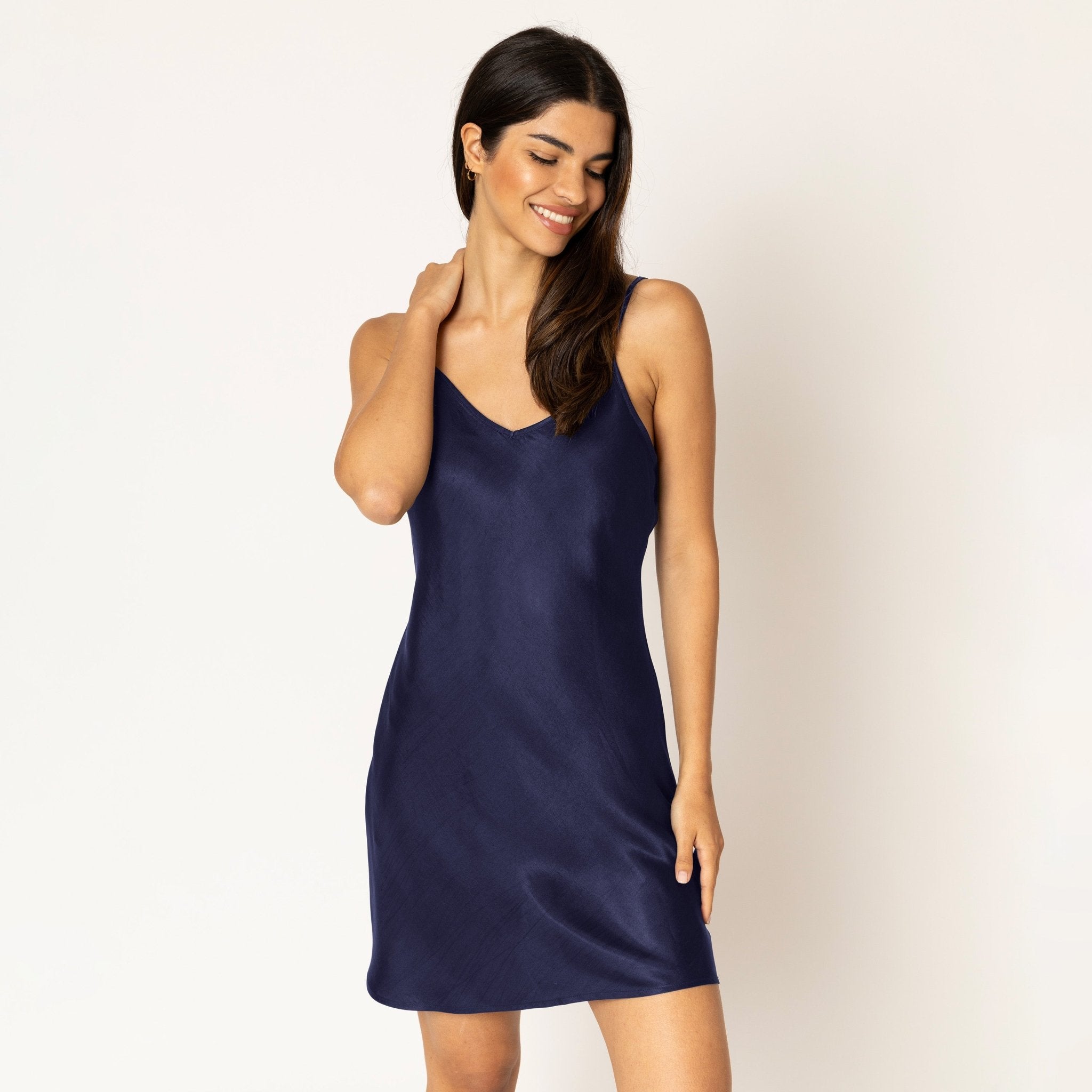

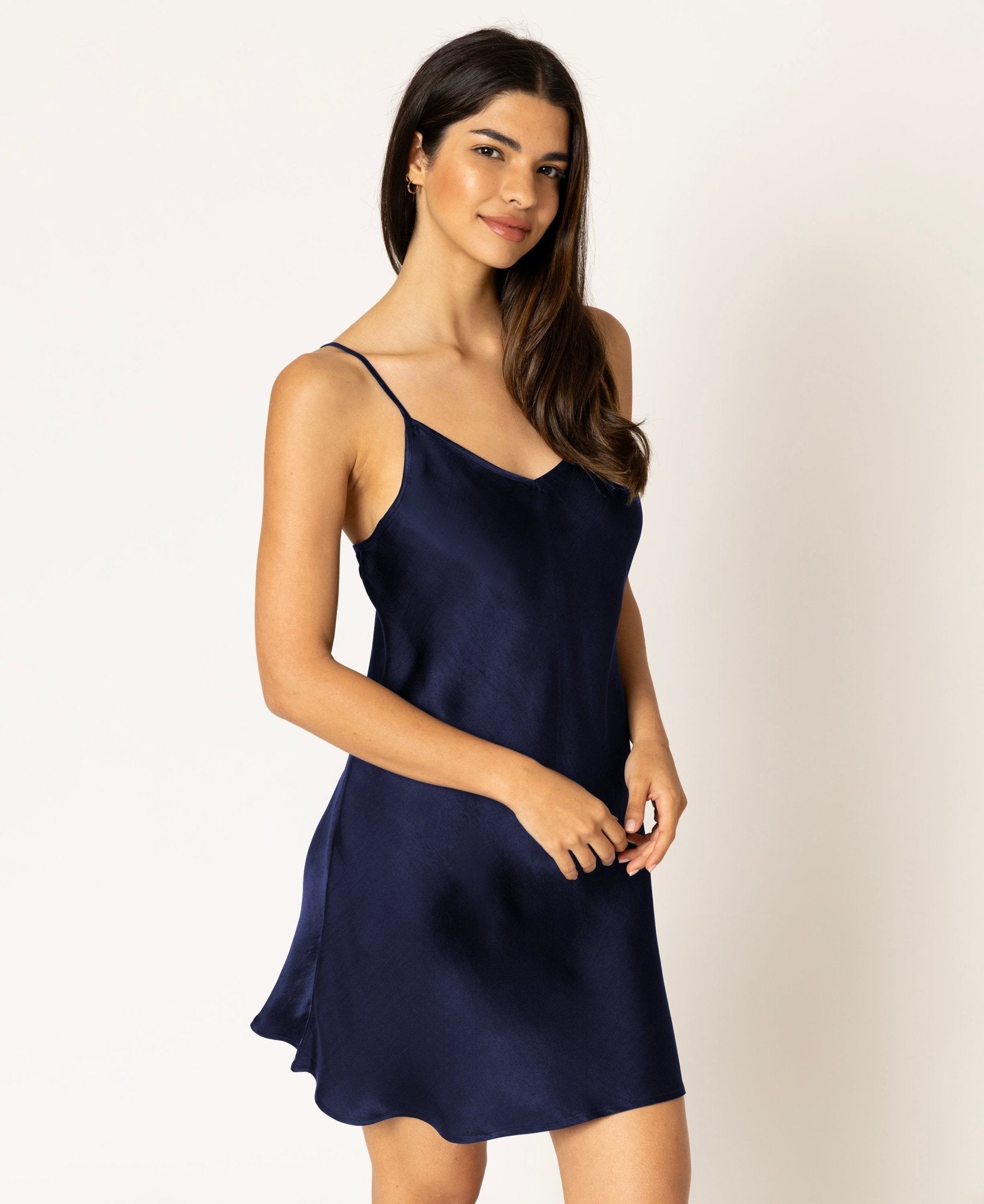
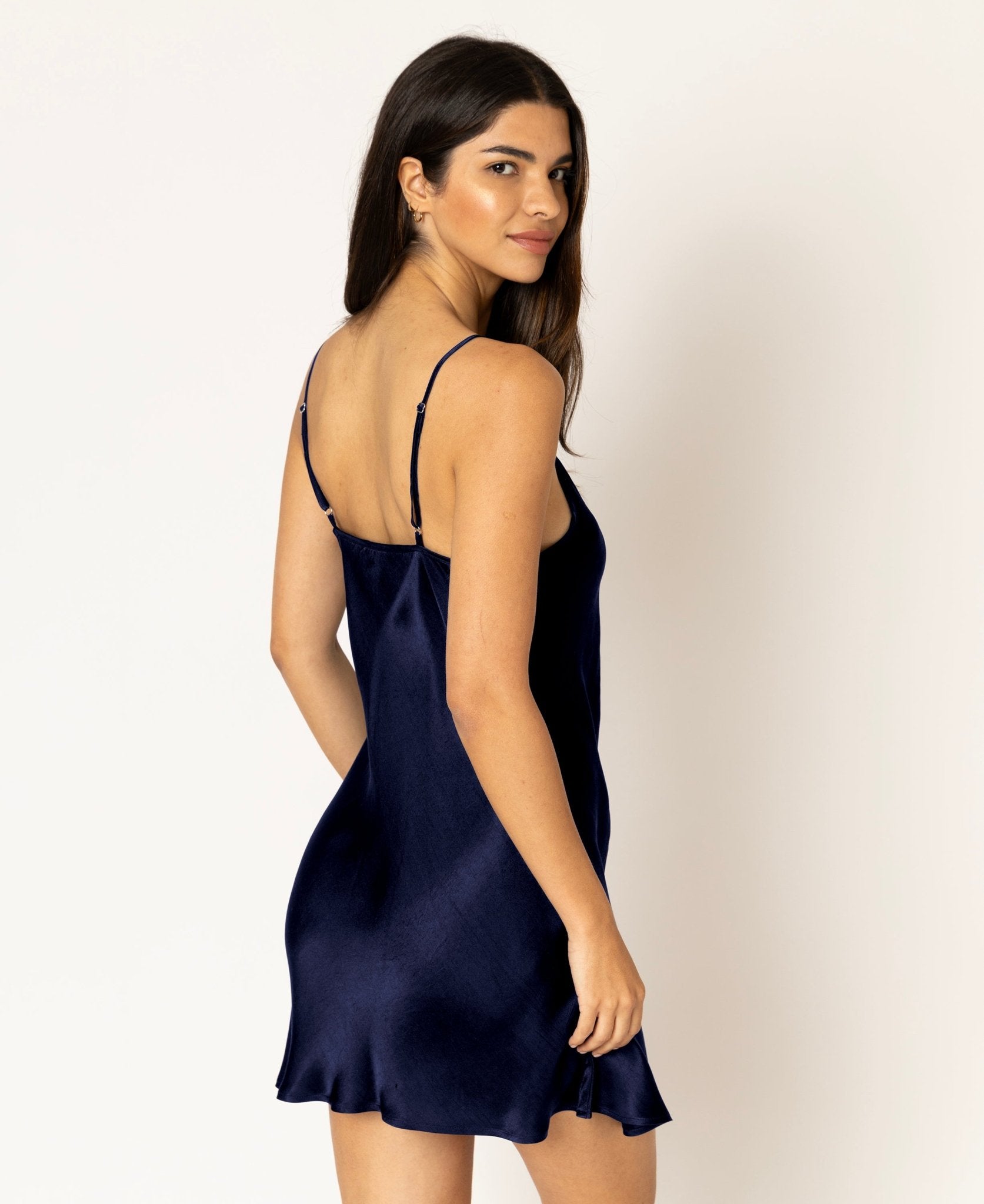
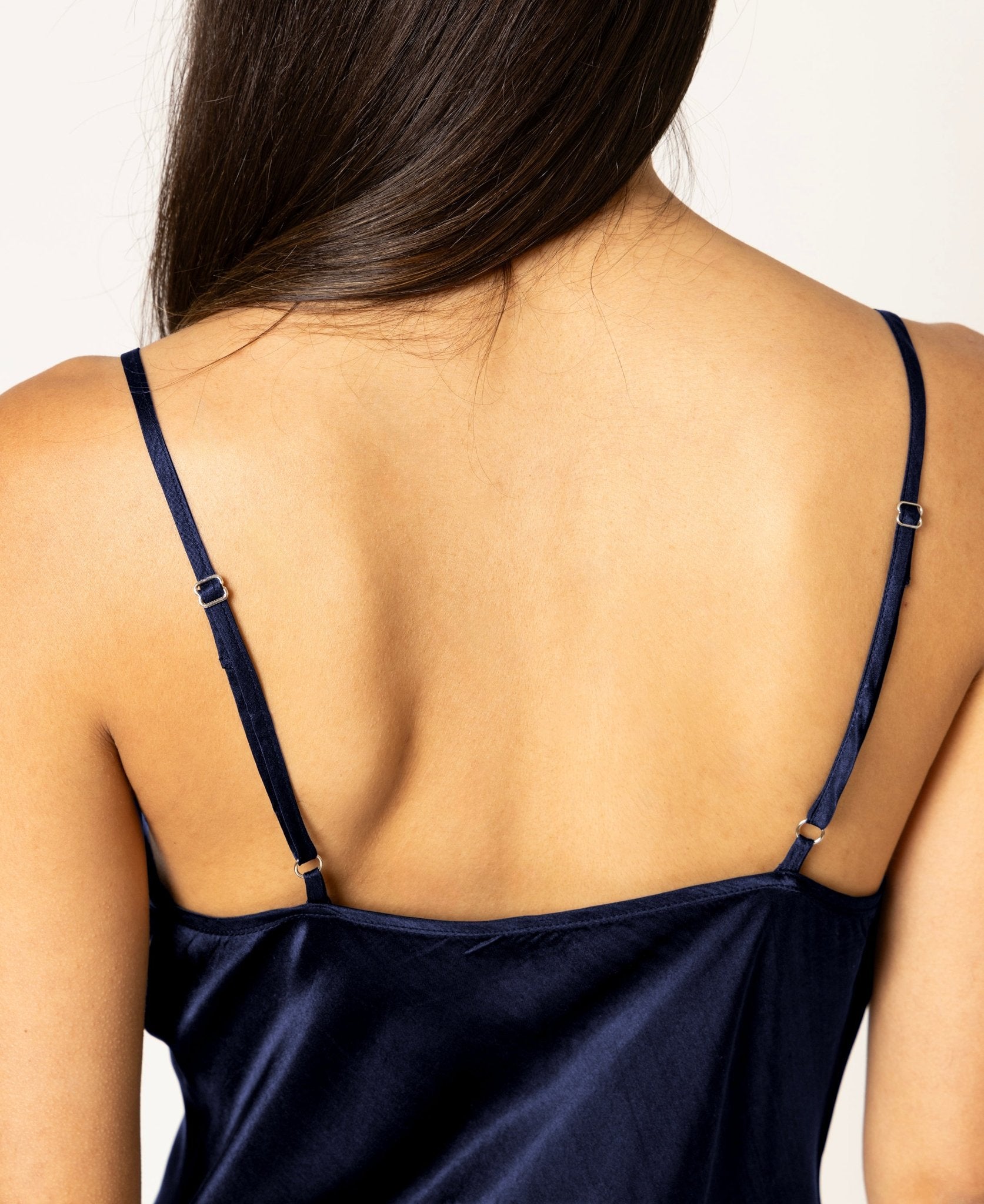

She sleeps warm. He's in-between.
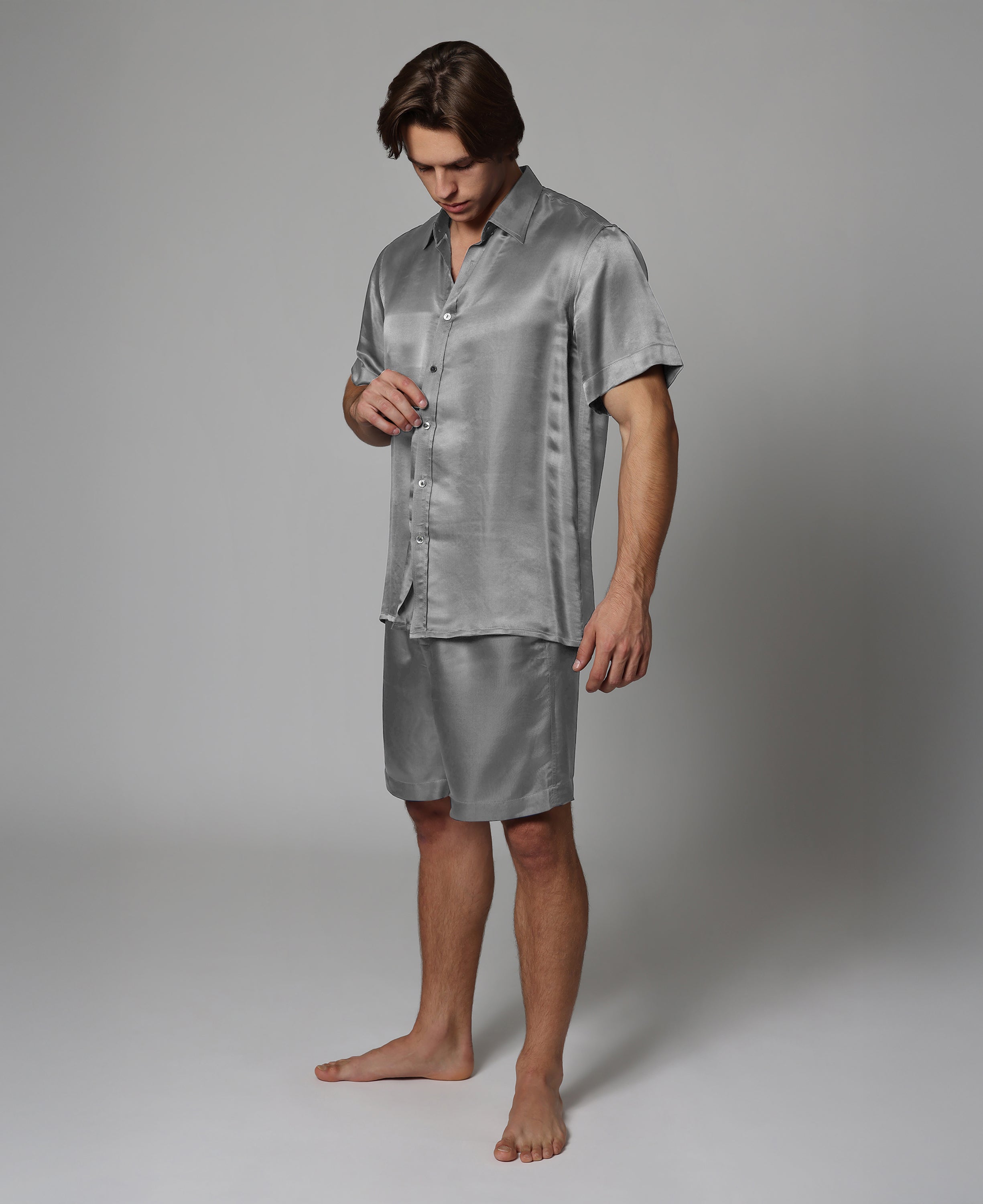
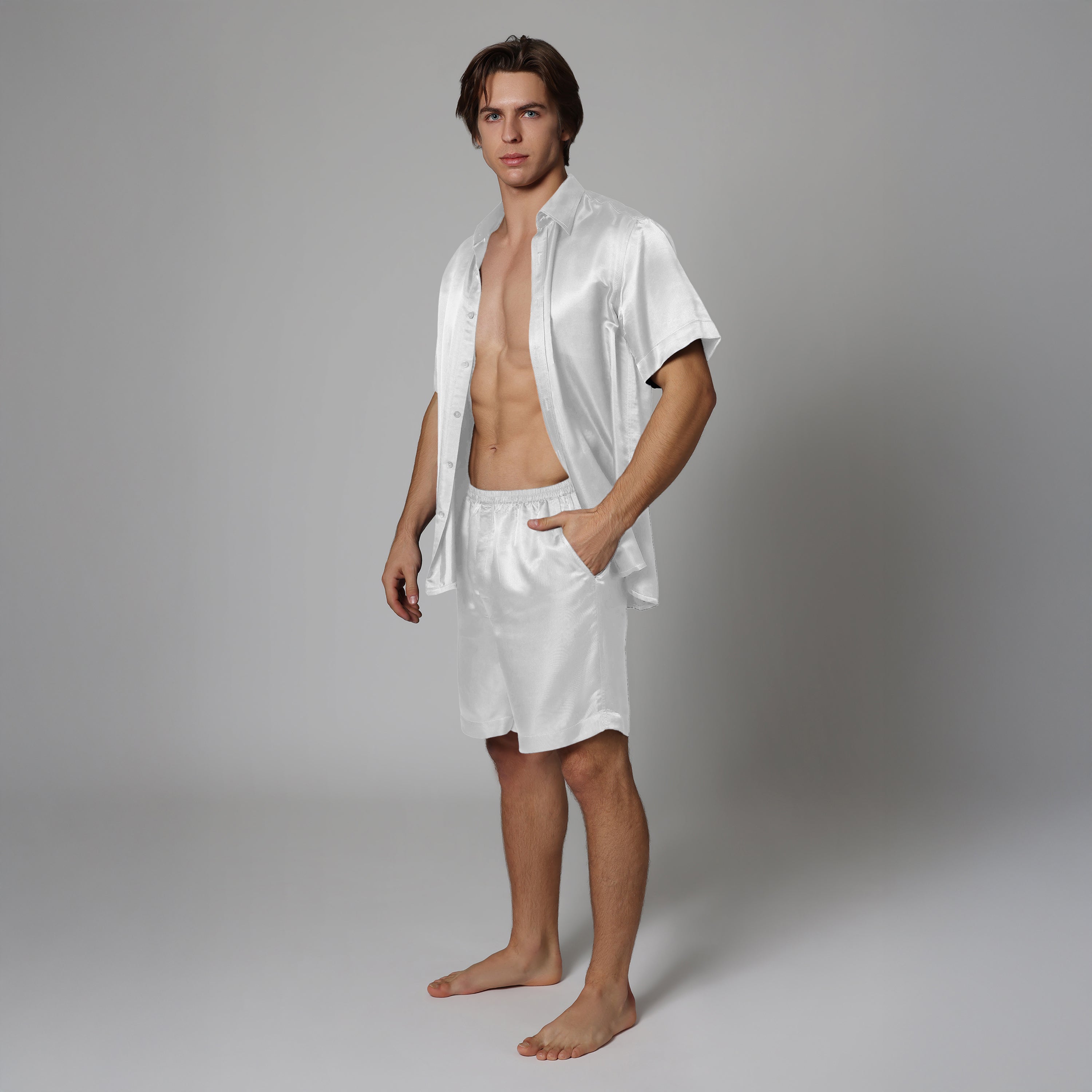
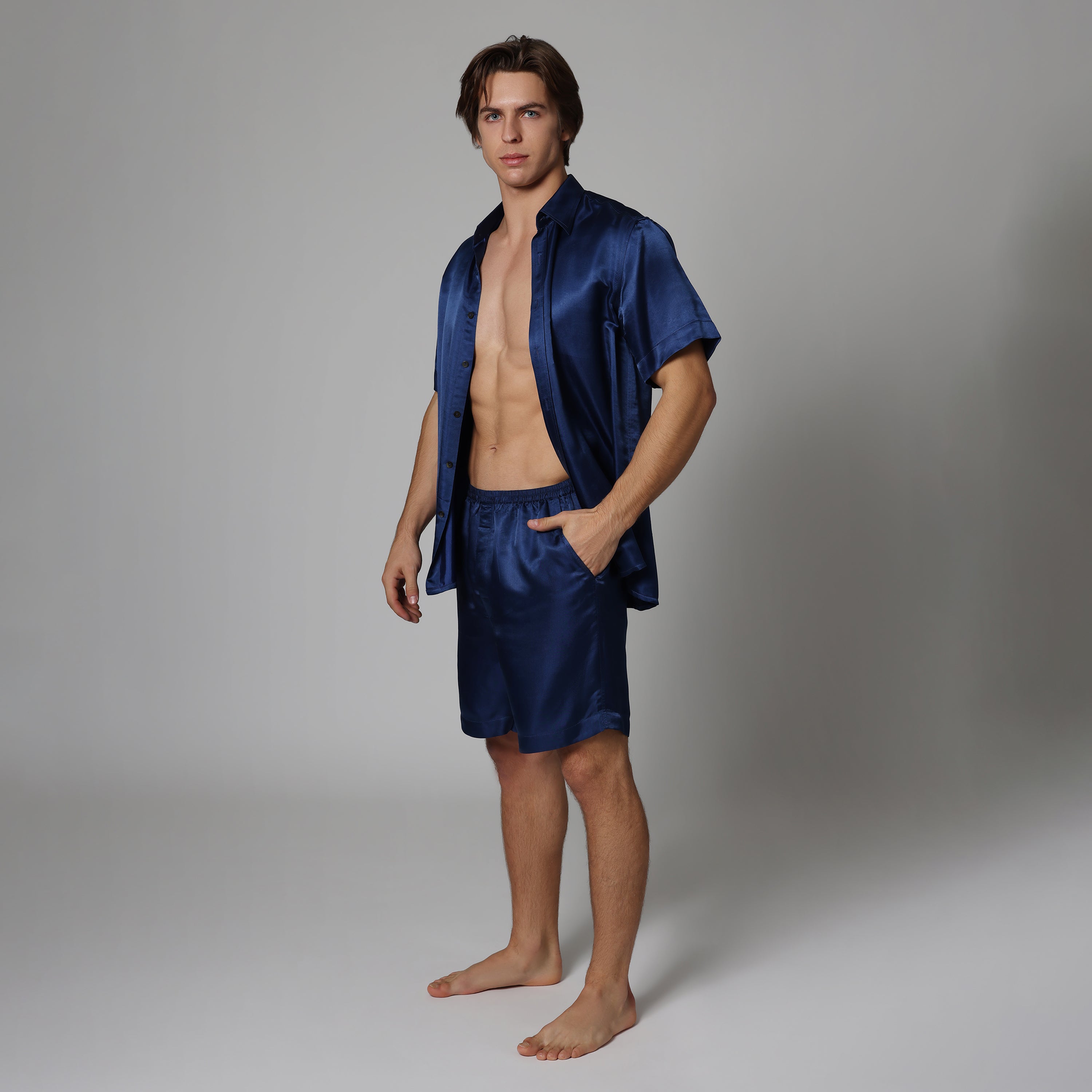
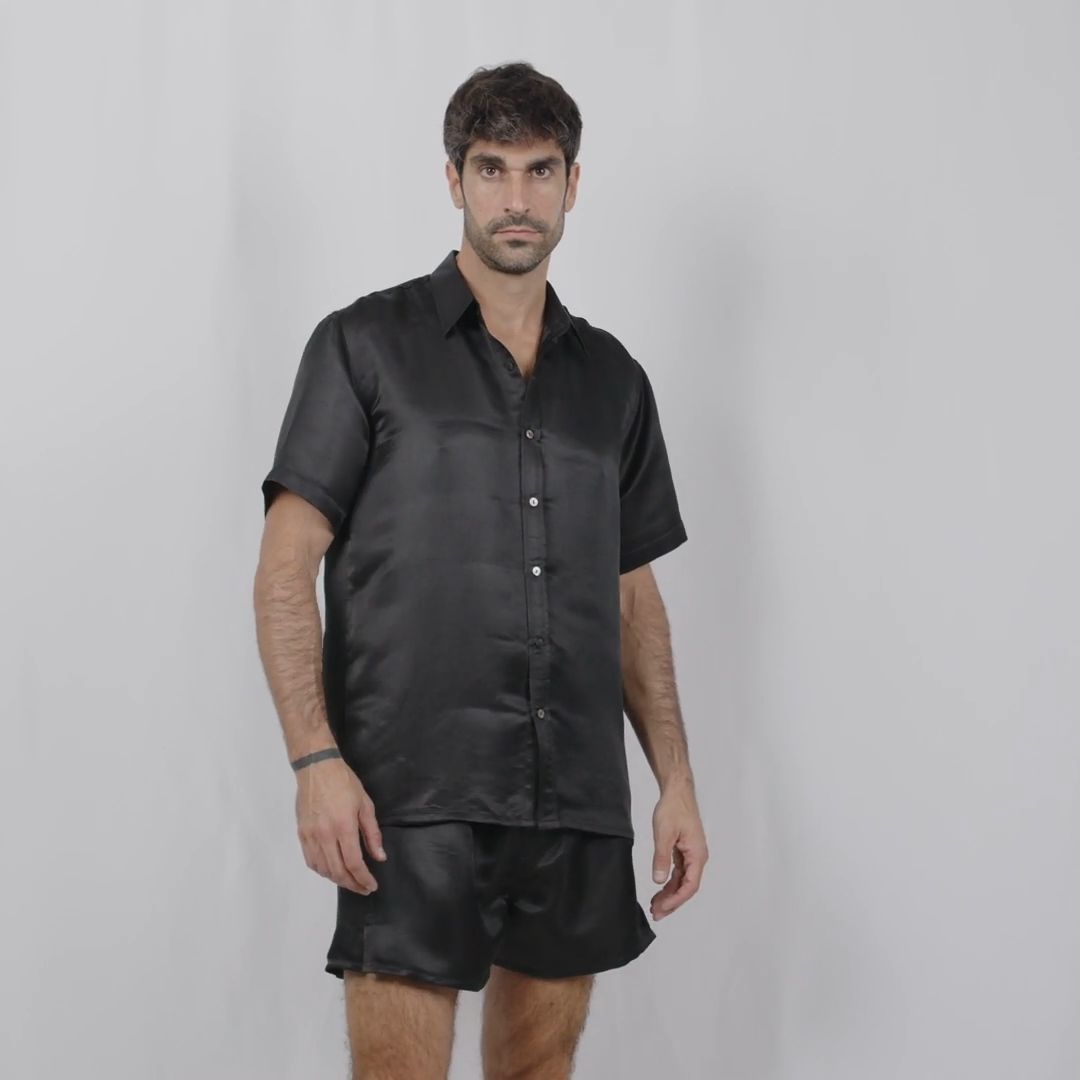
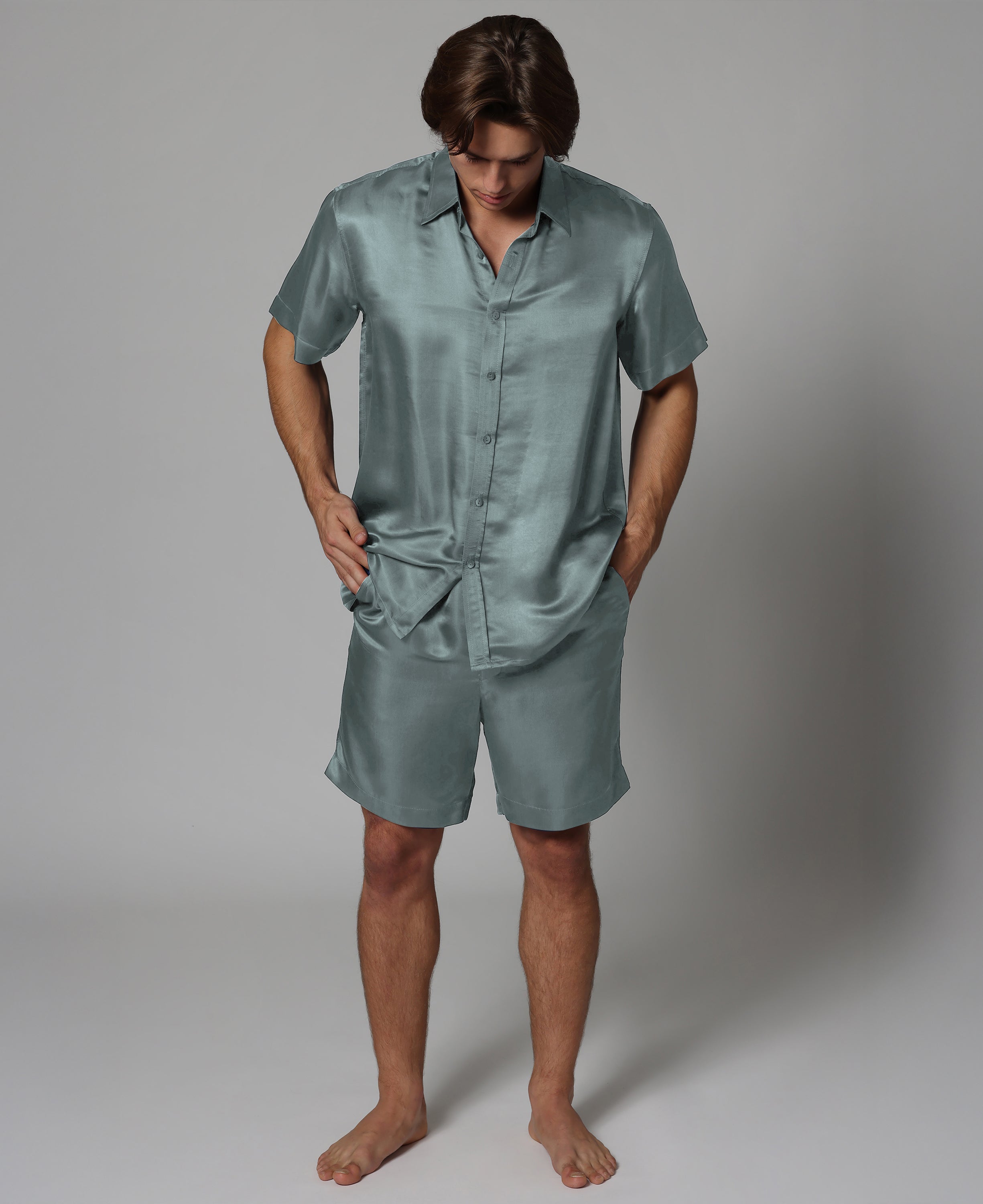
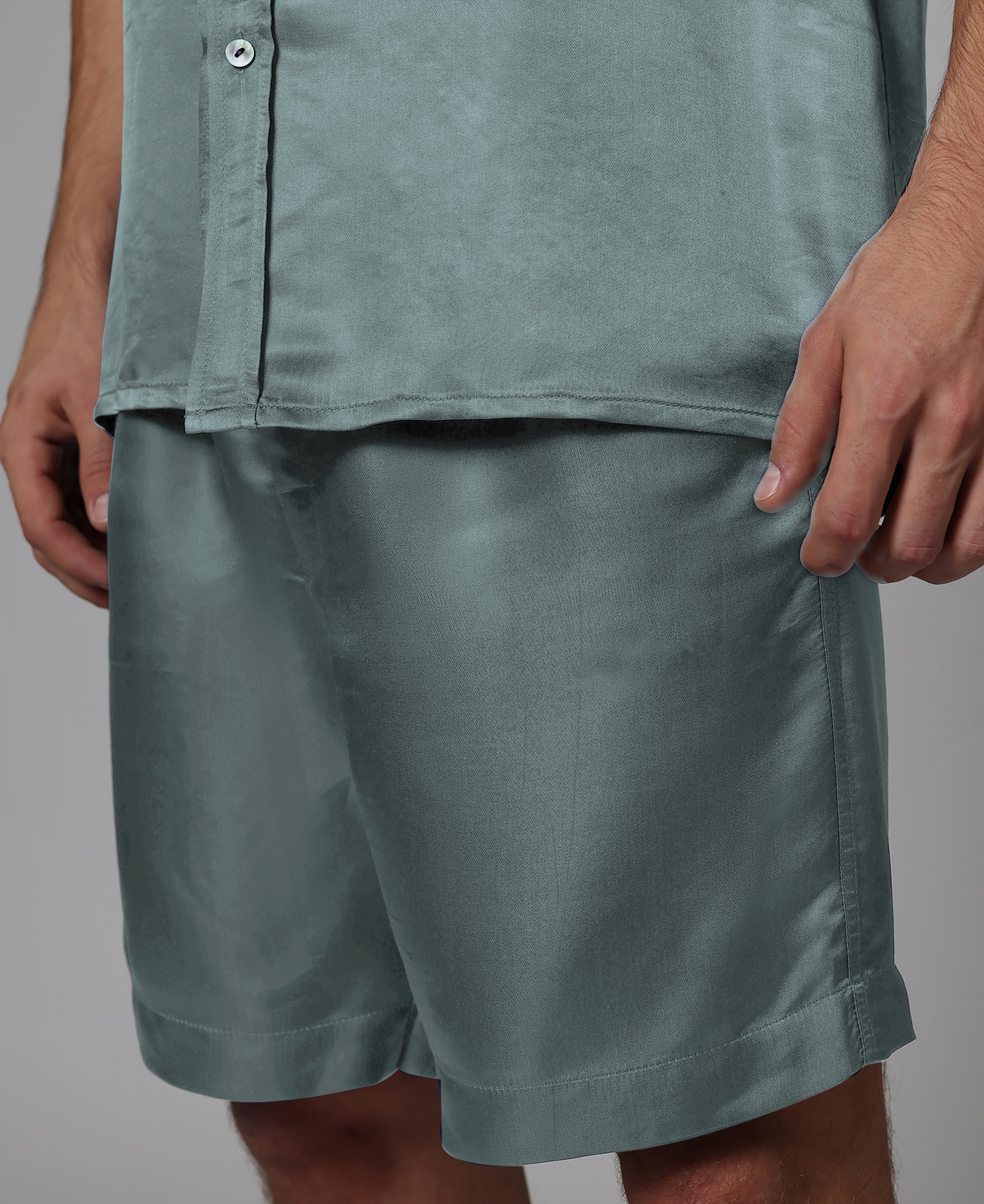
The same lightweight nightgown for her, paired with a shorter, more breathable pajama set for him, since "in-between" usually means he wants an option, not a decision made for him.

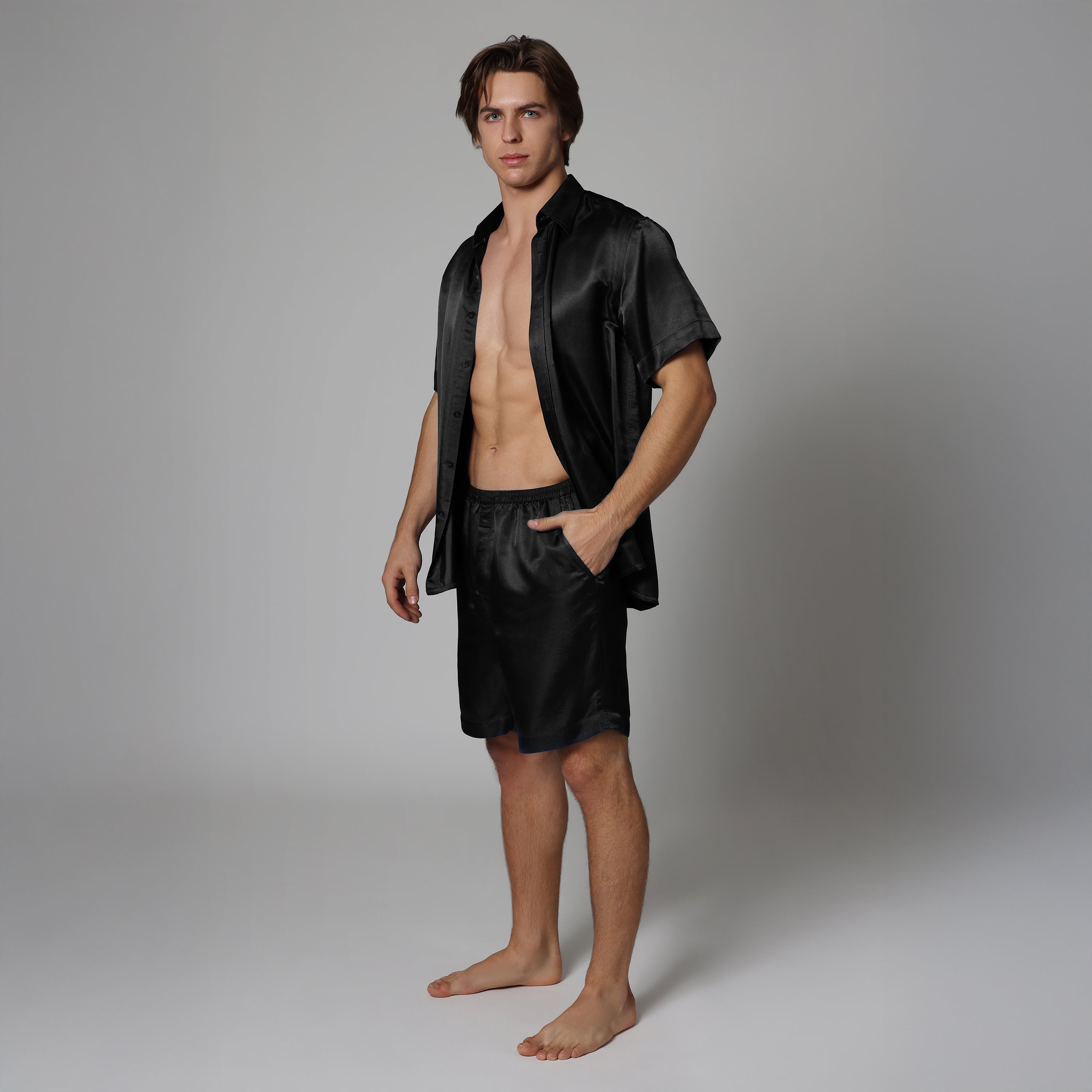
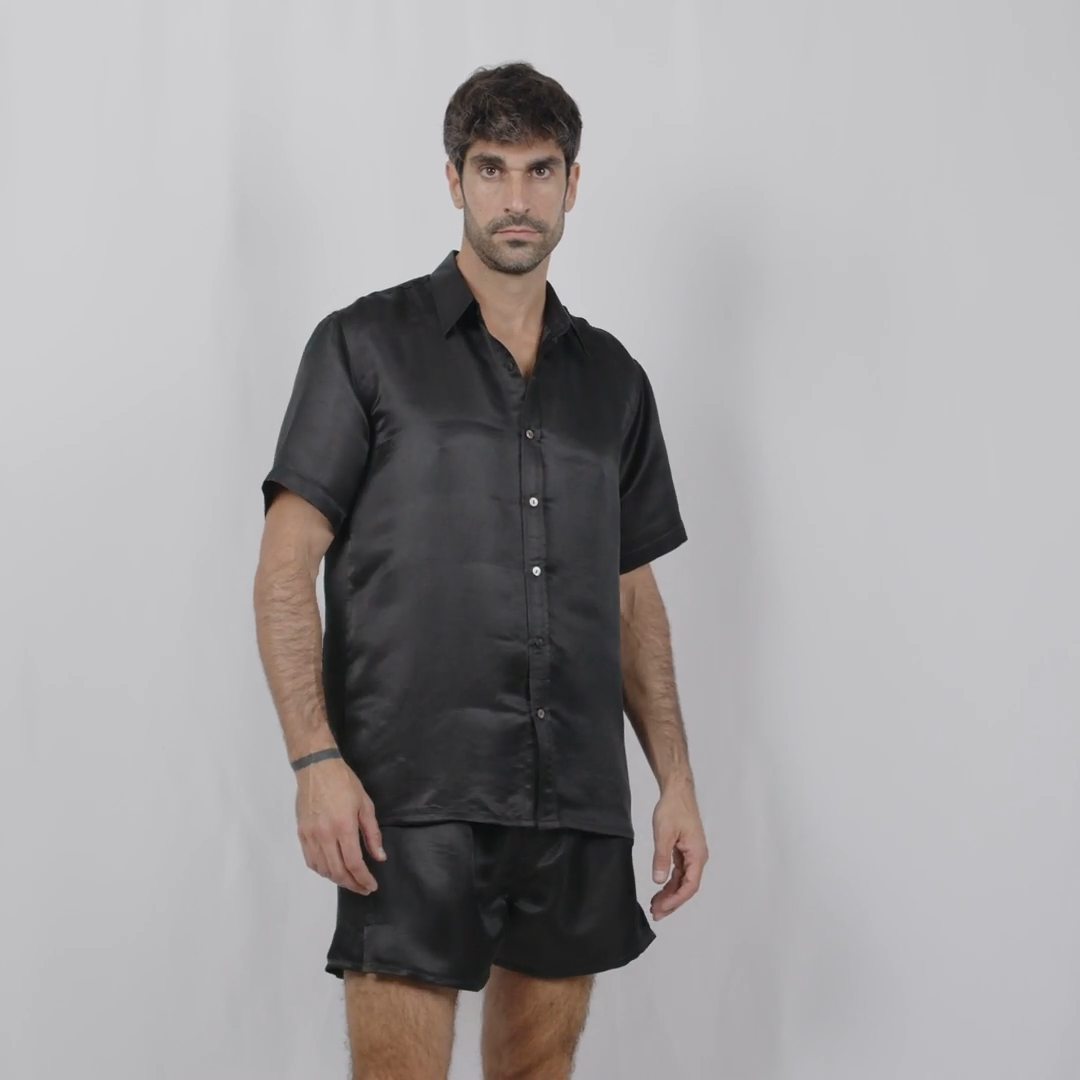















Both of you sleep warm.
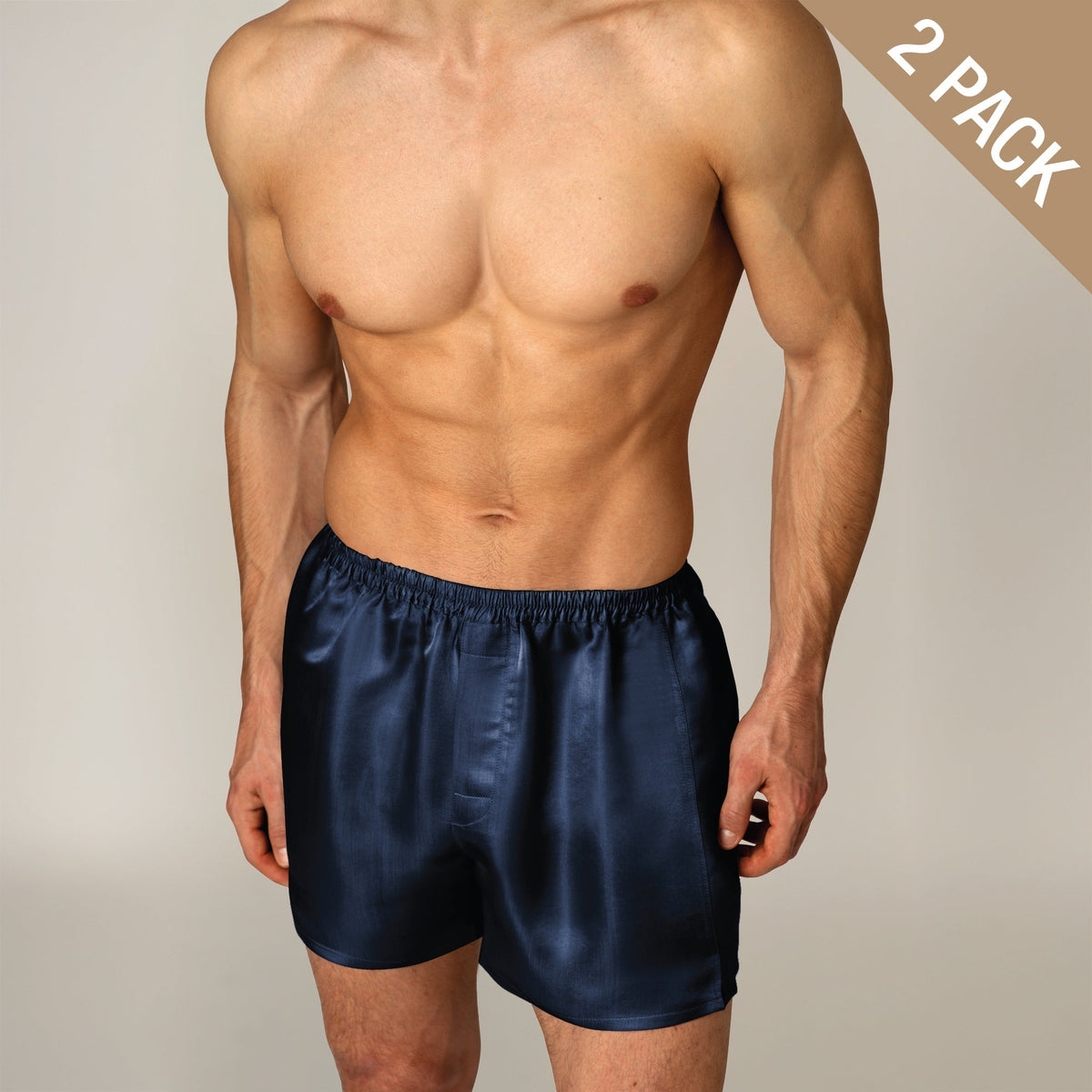
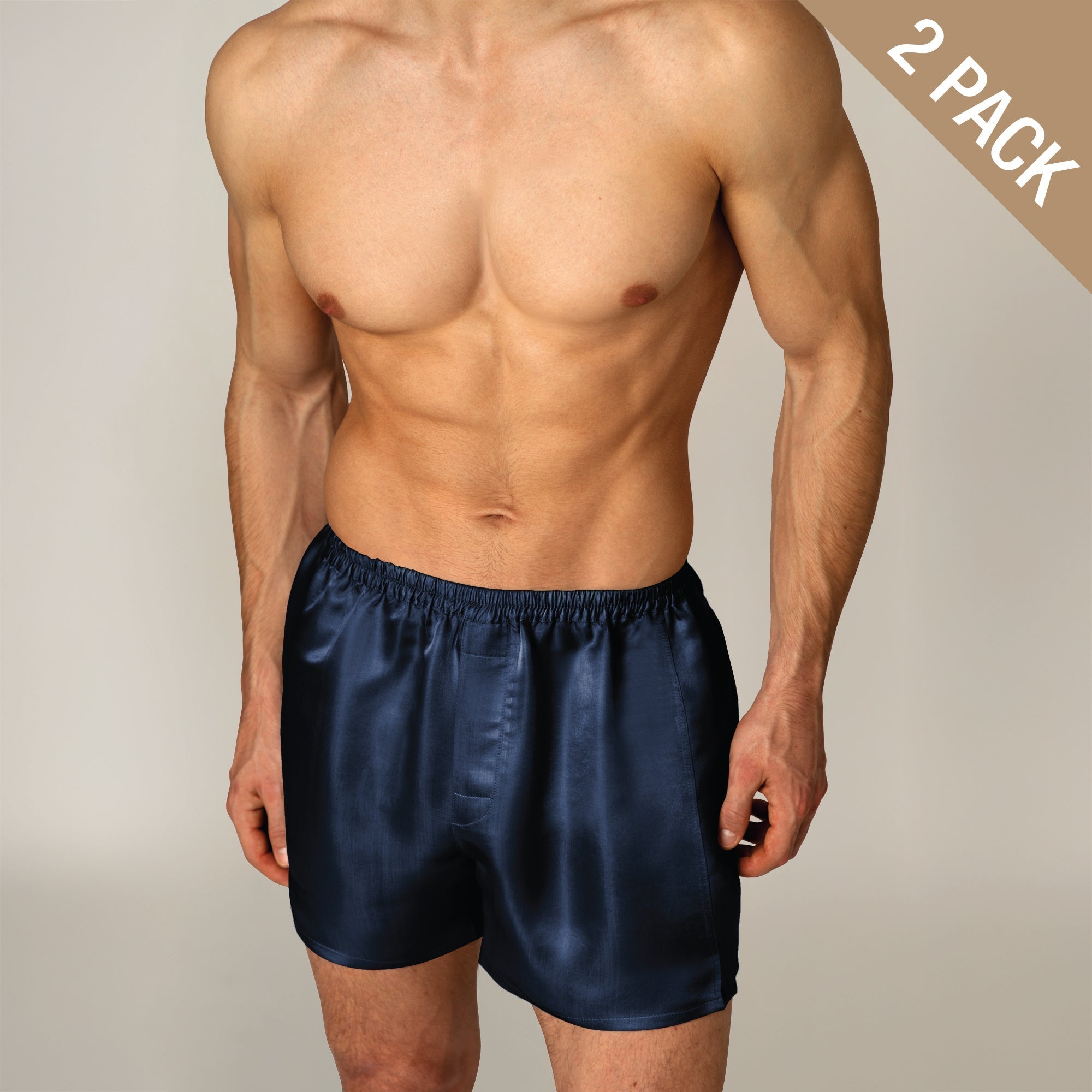
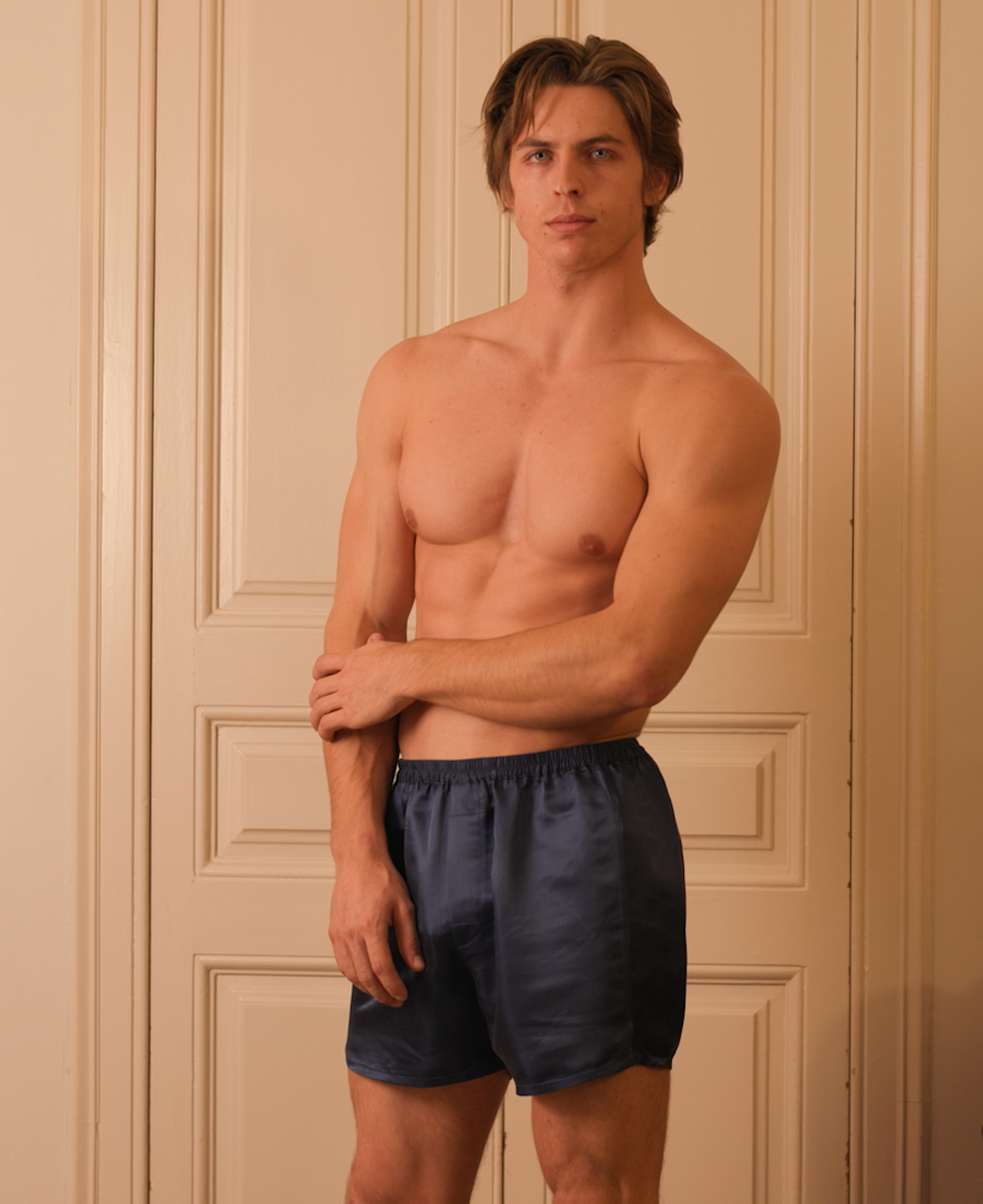
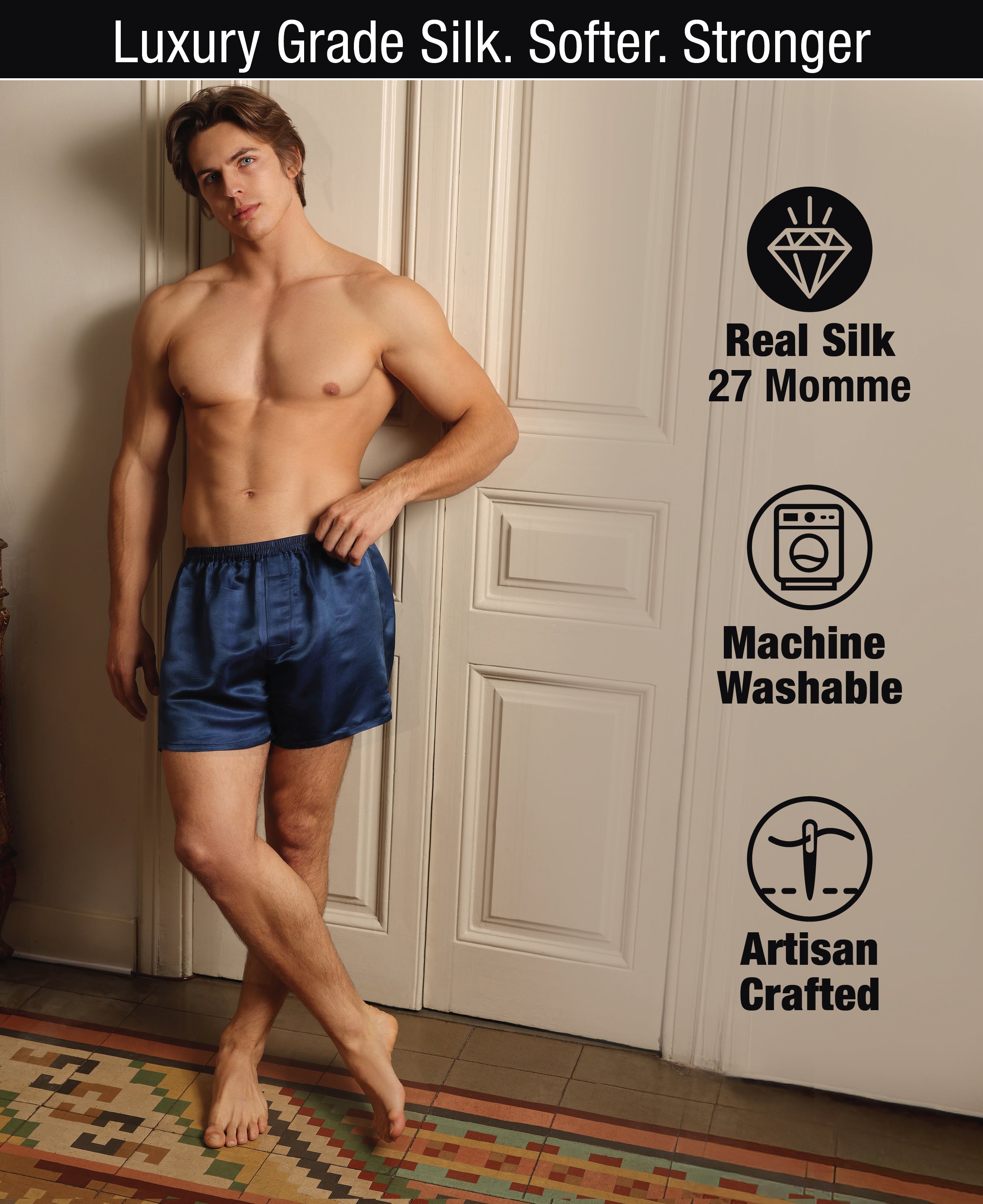
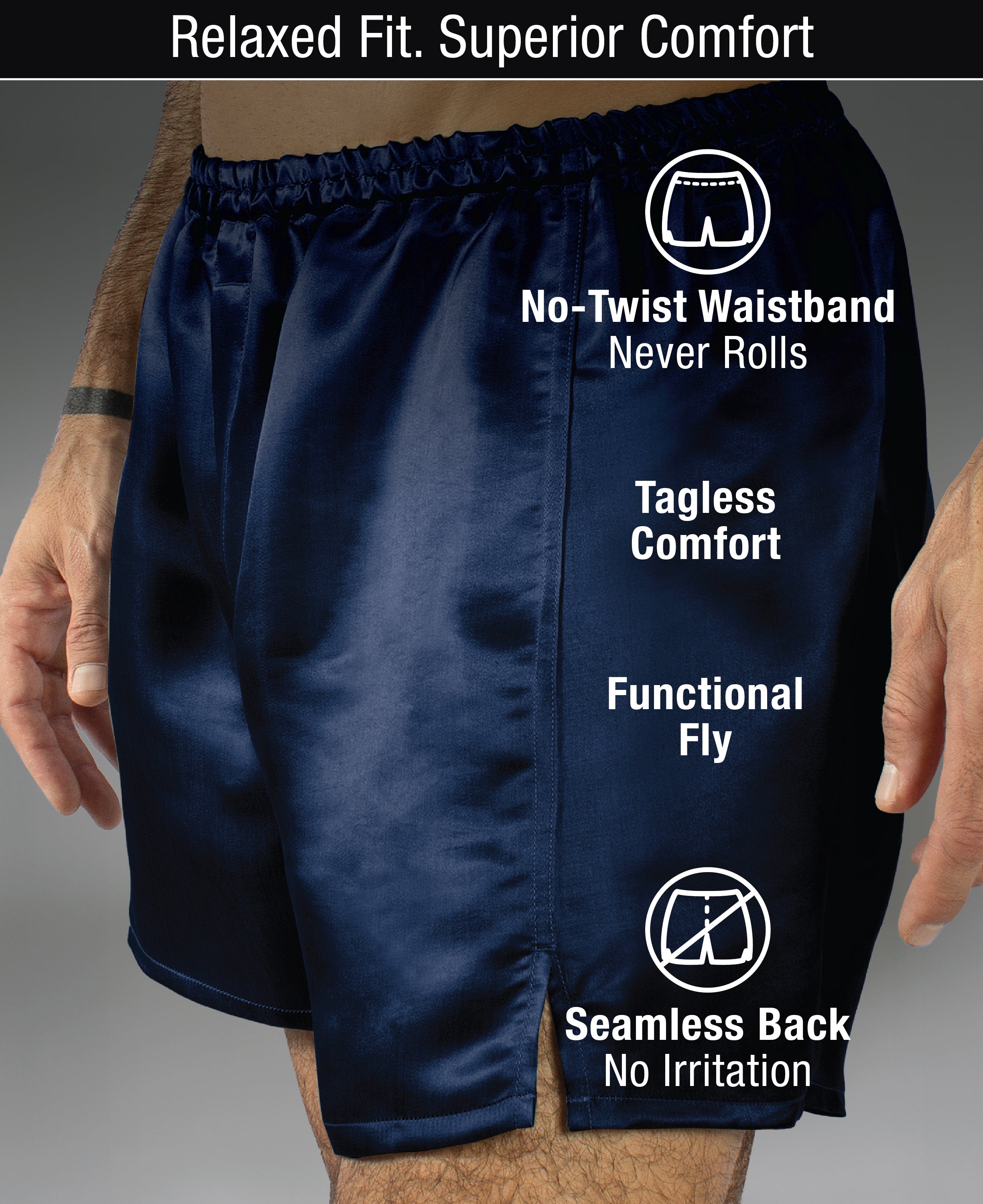
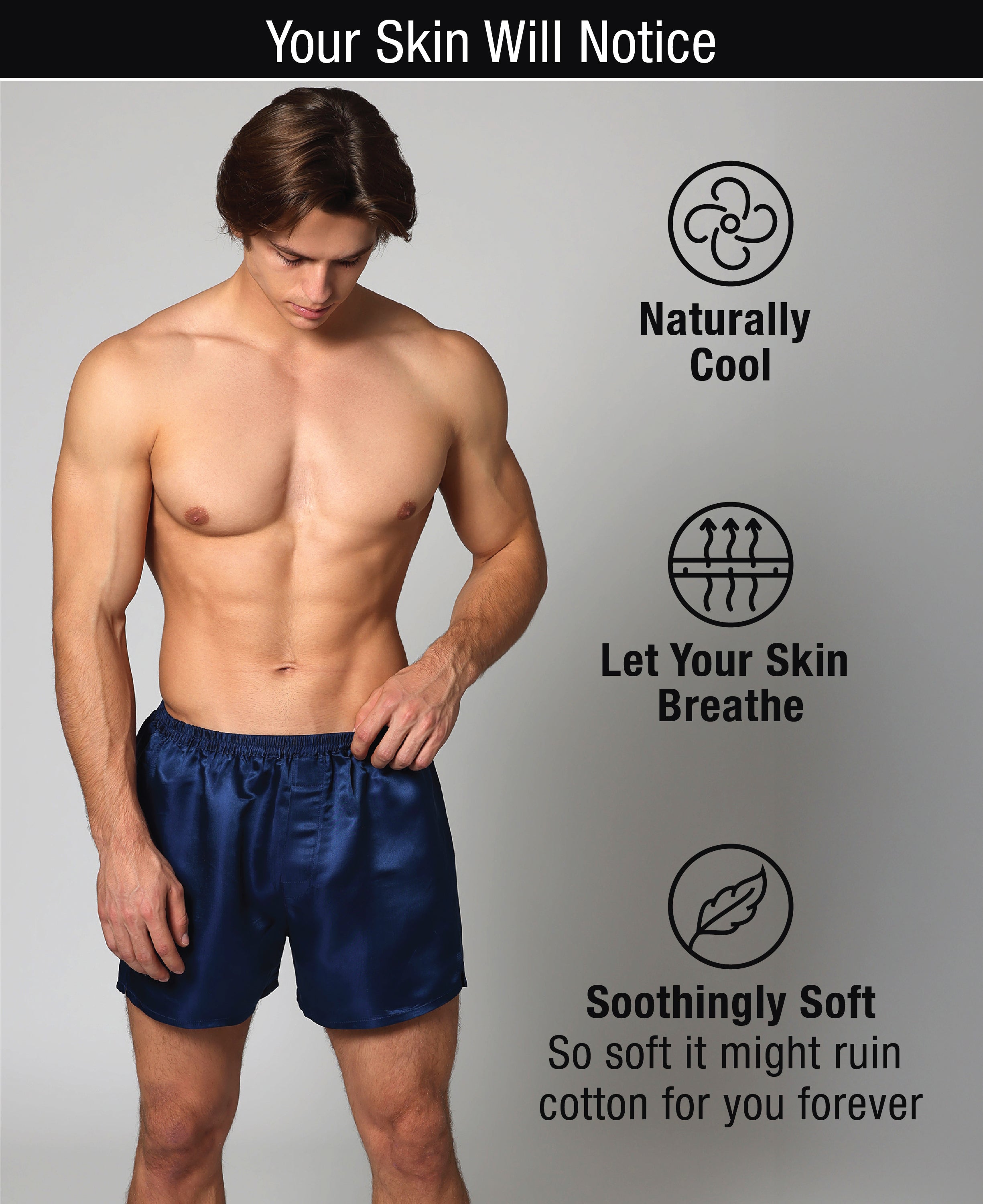
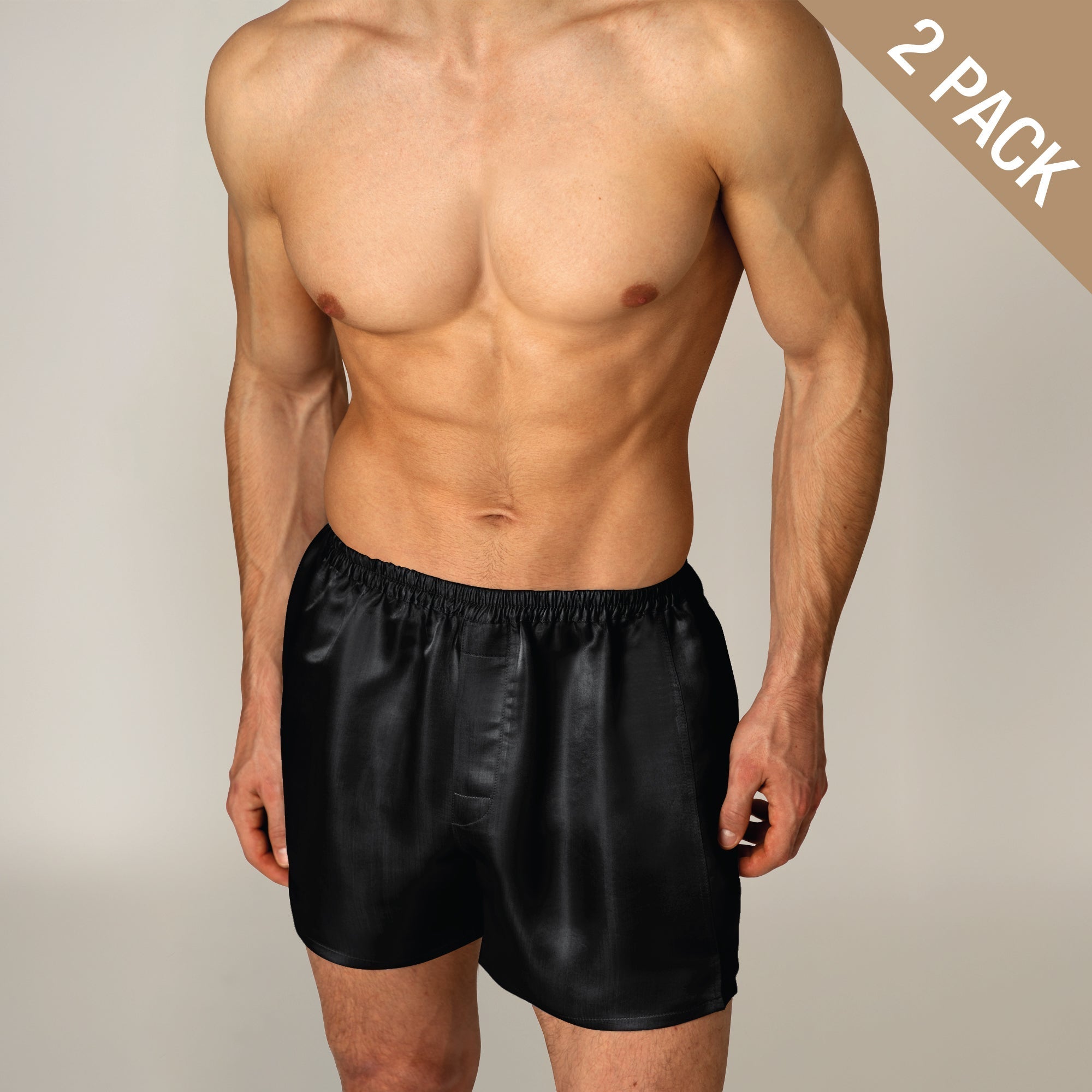
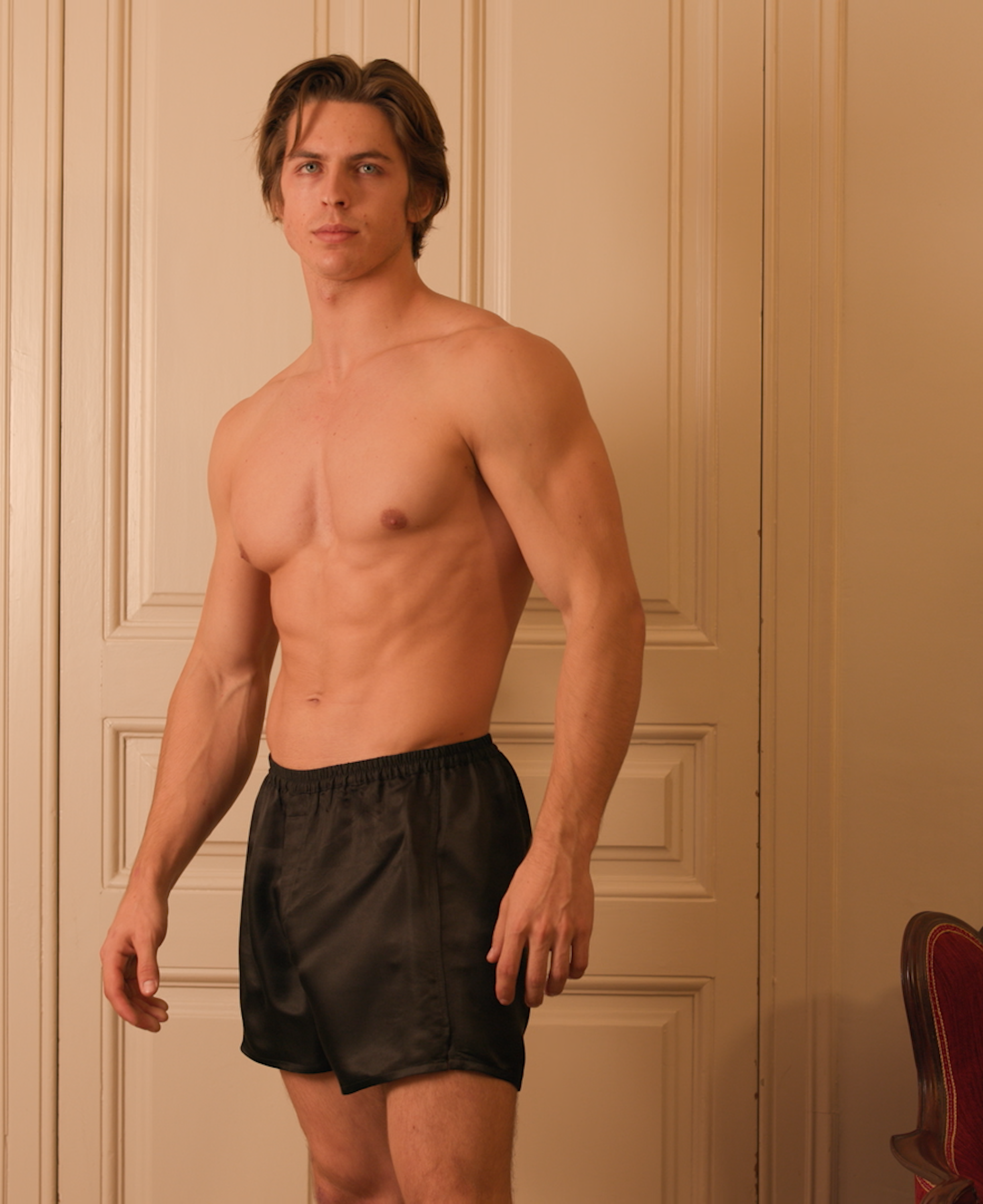
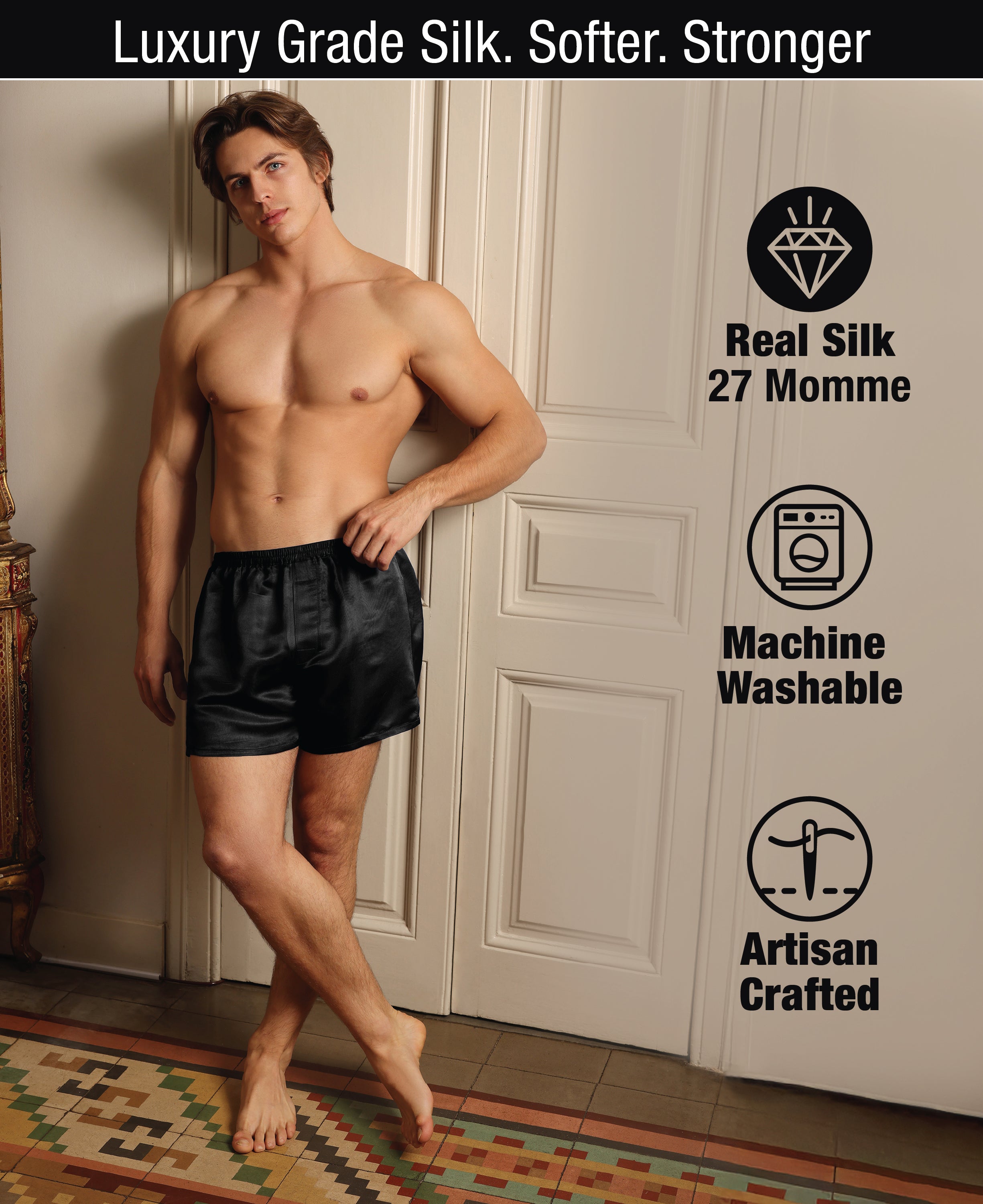
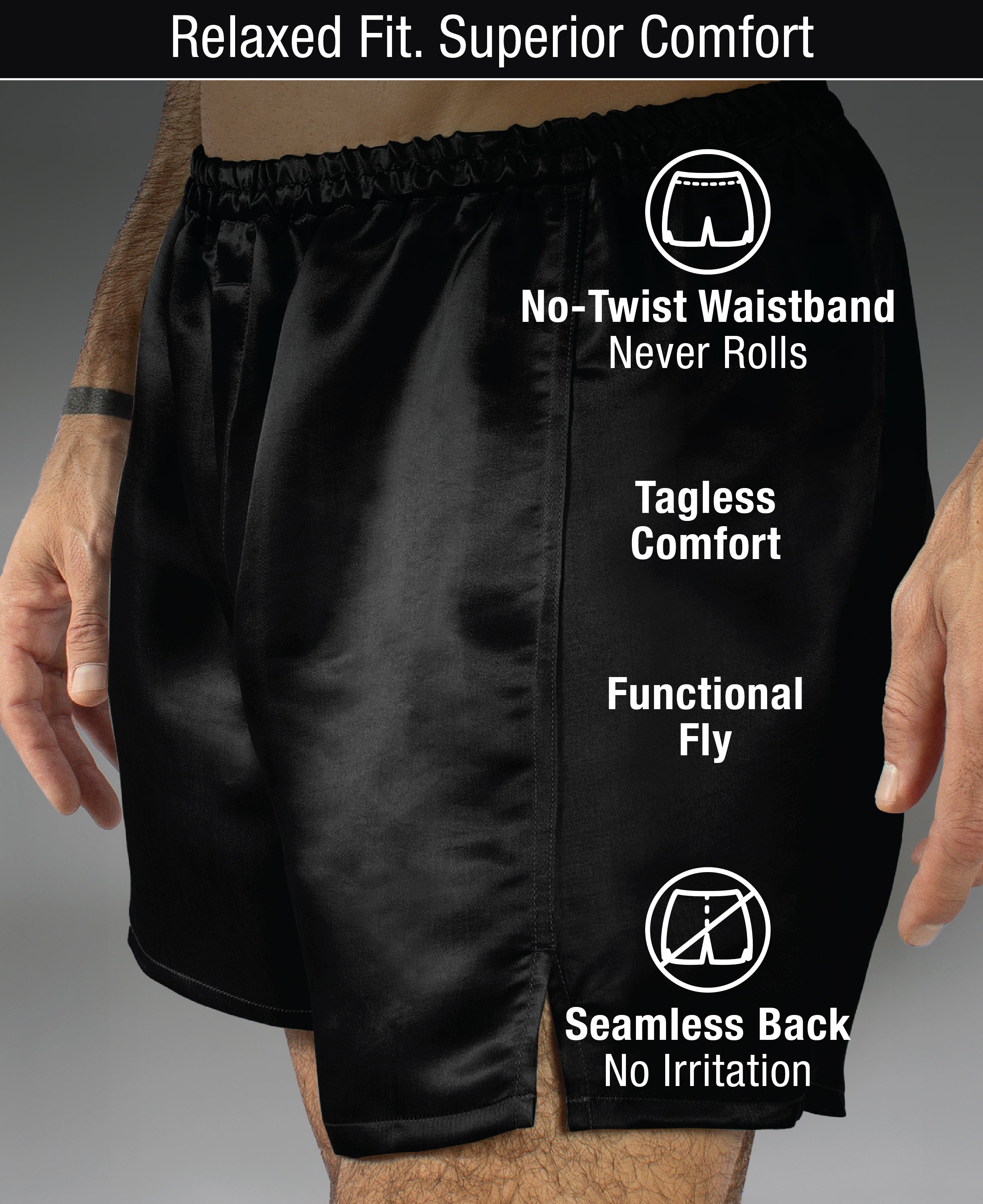
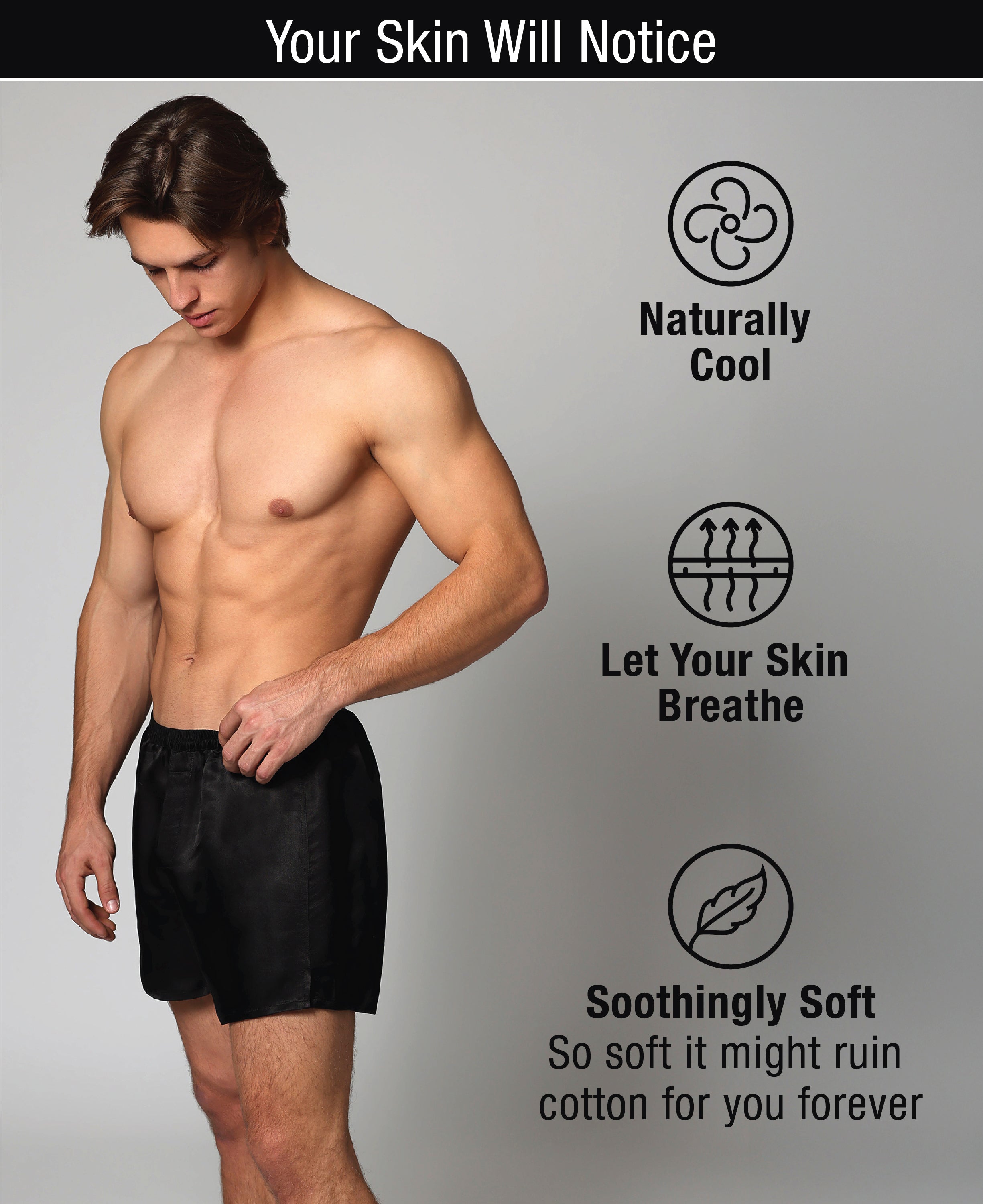
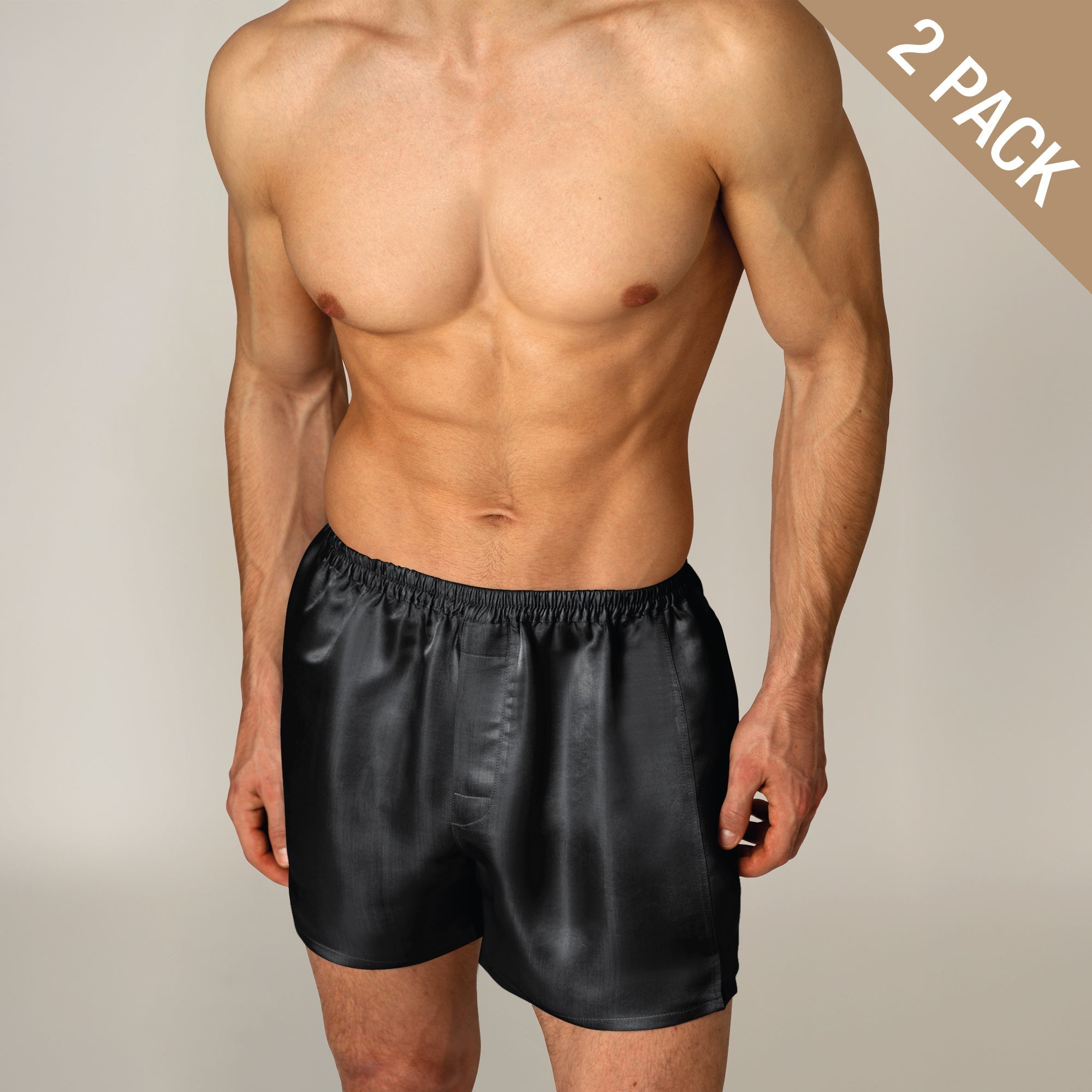
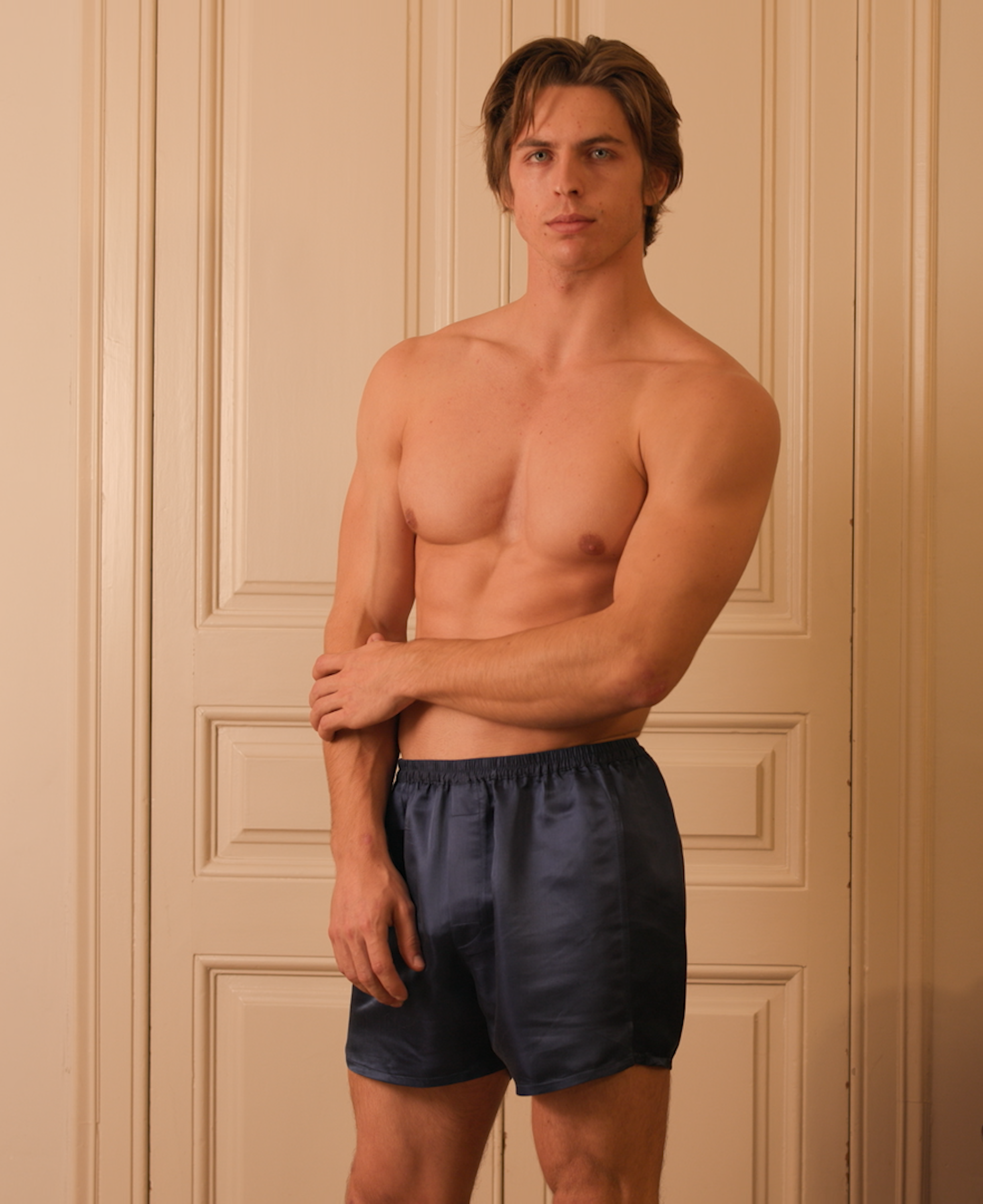
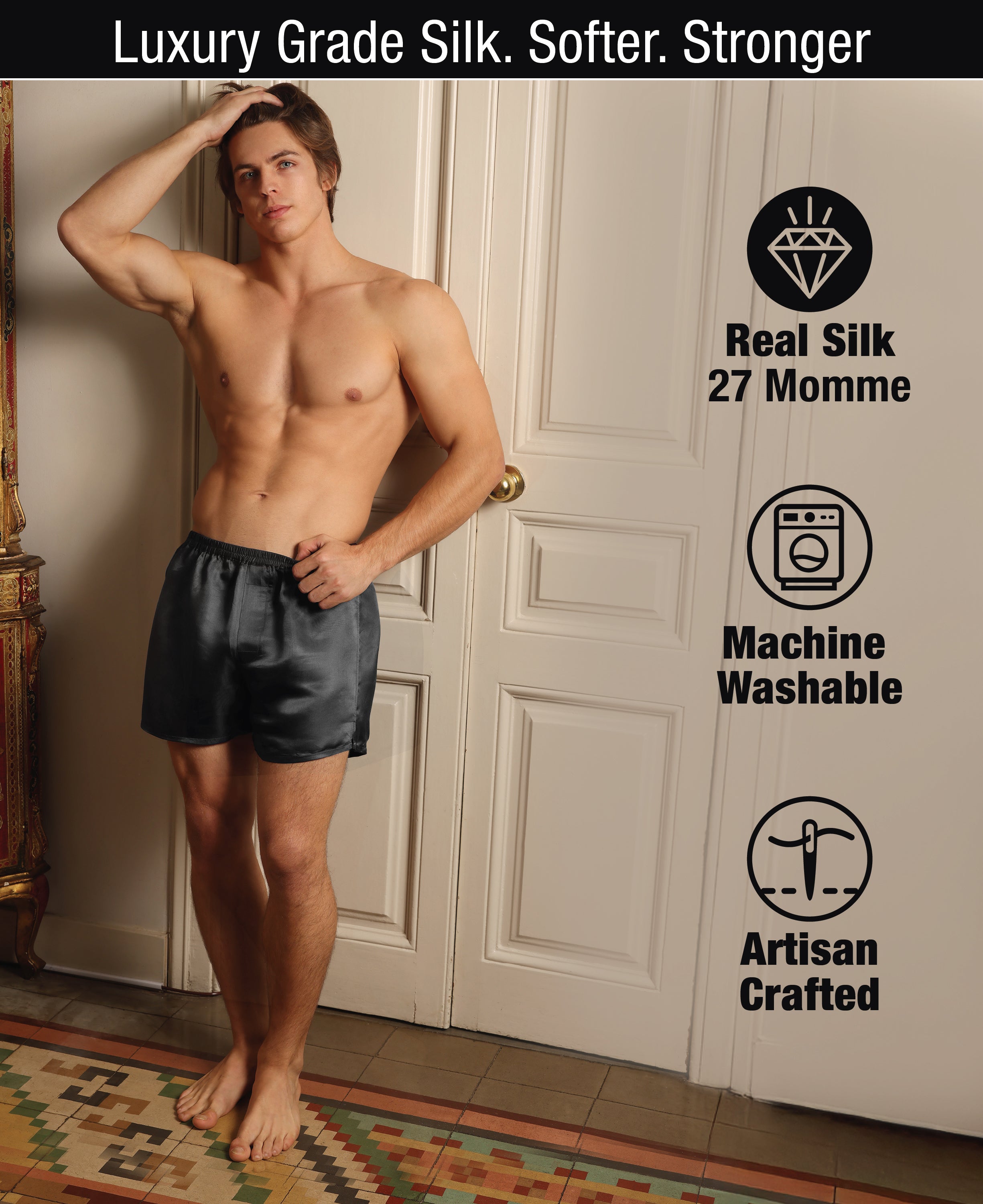
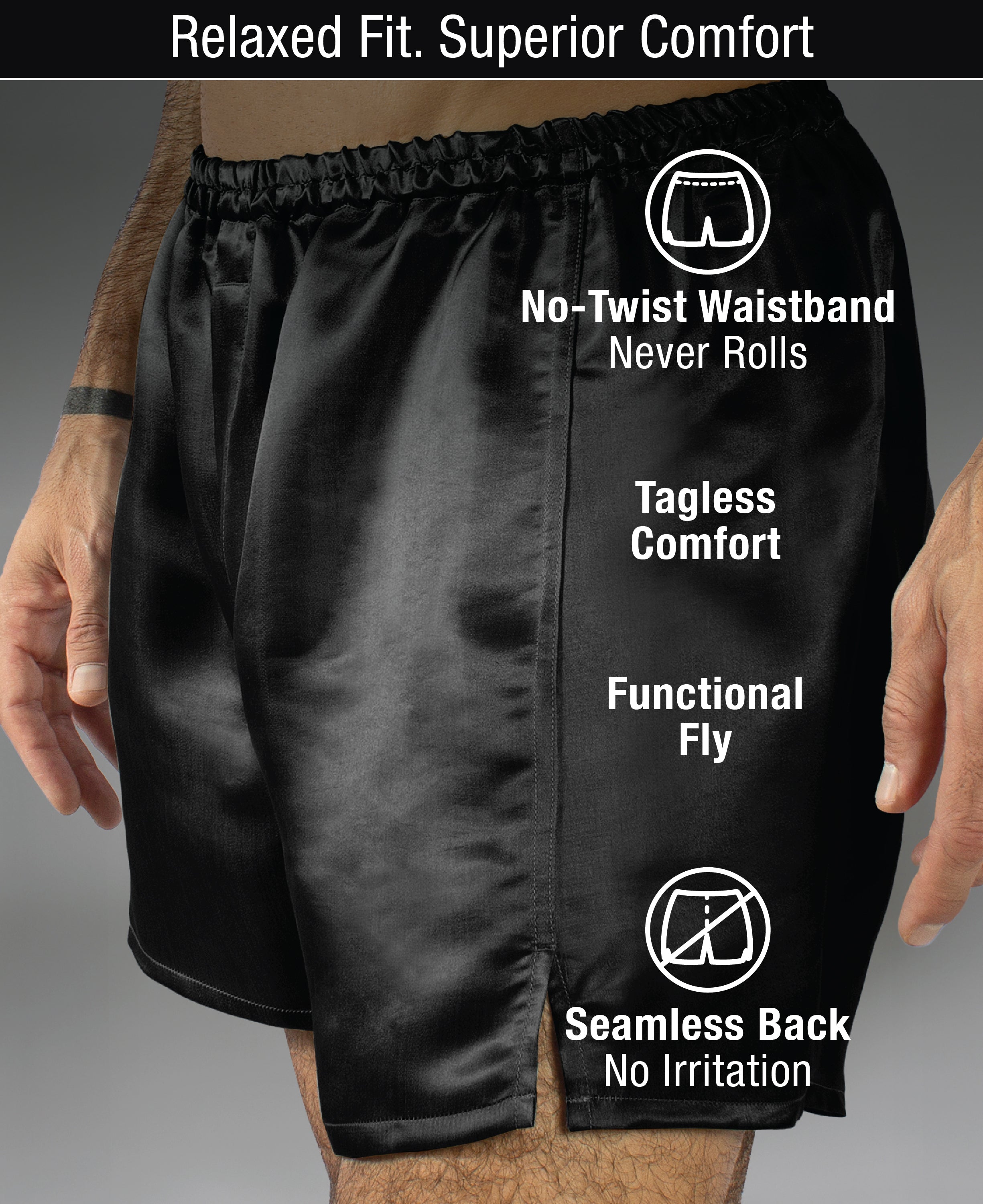
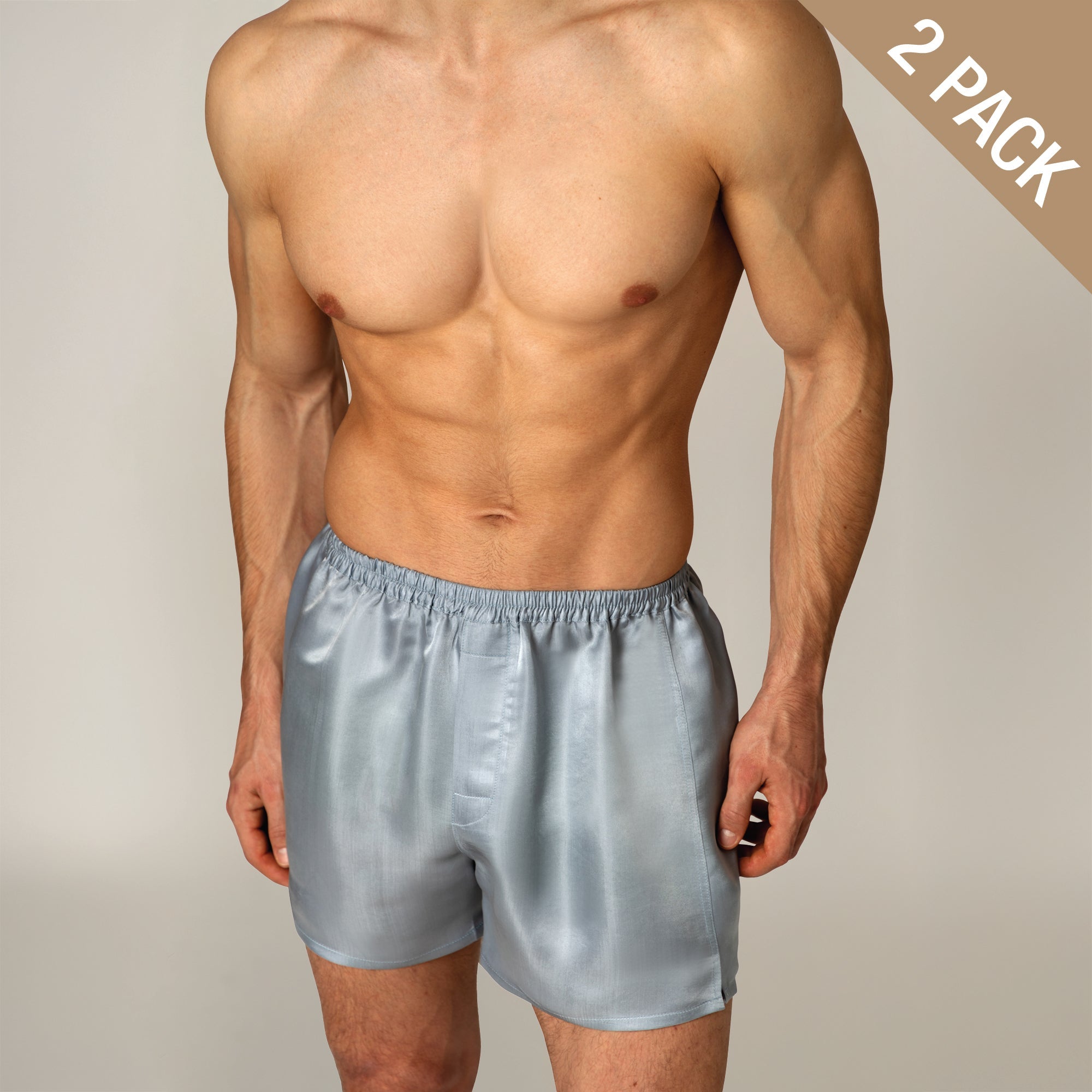
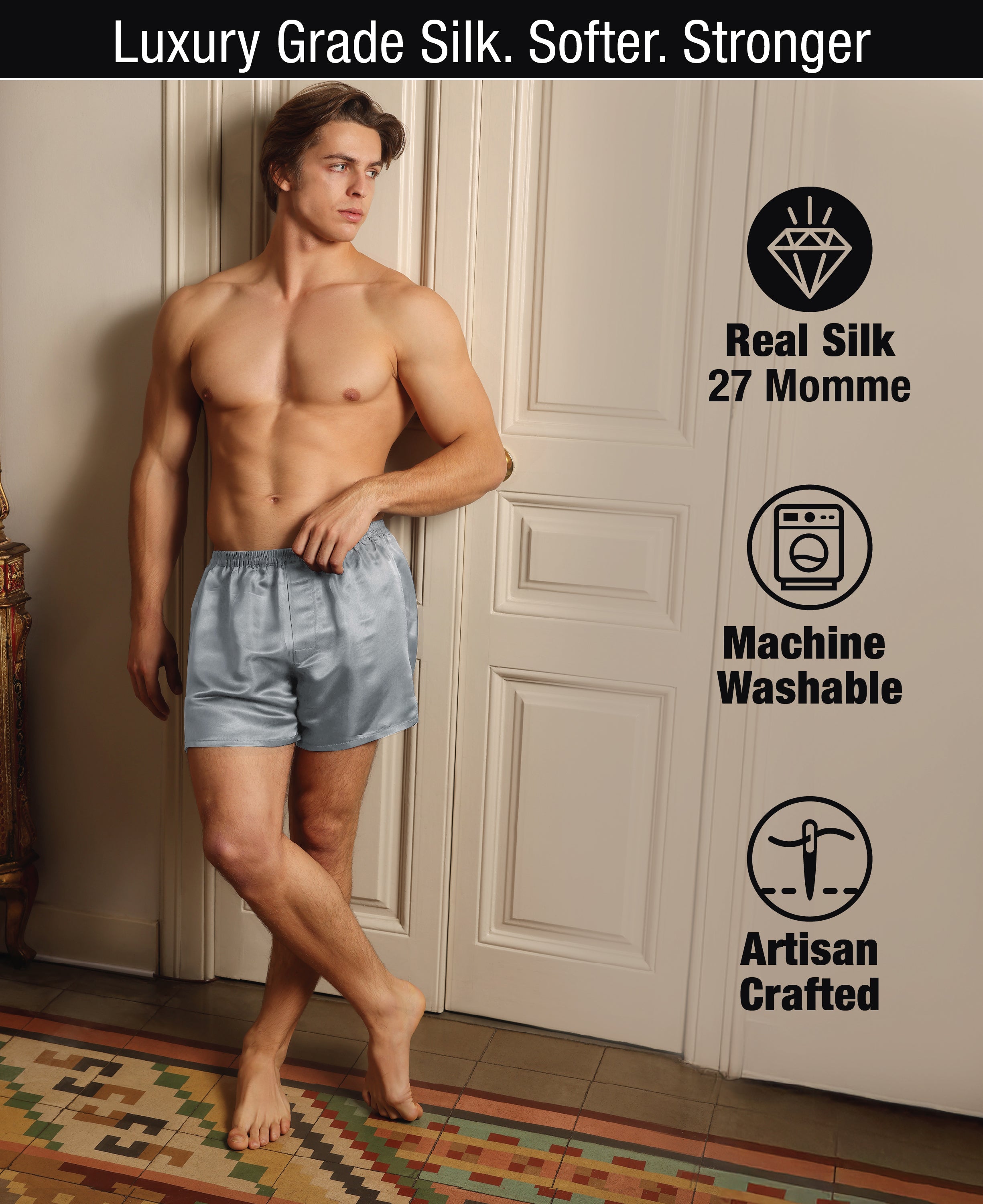
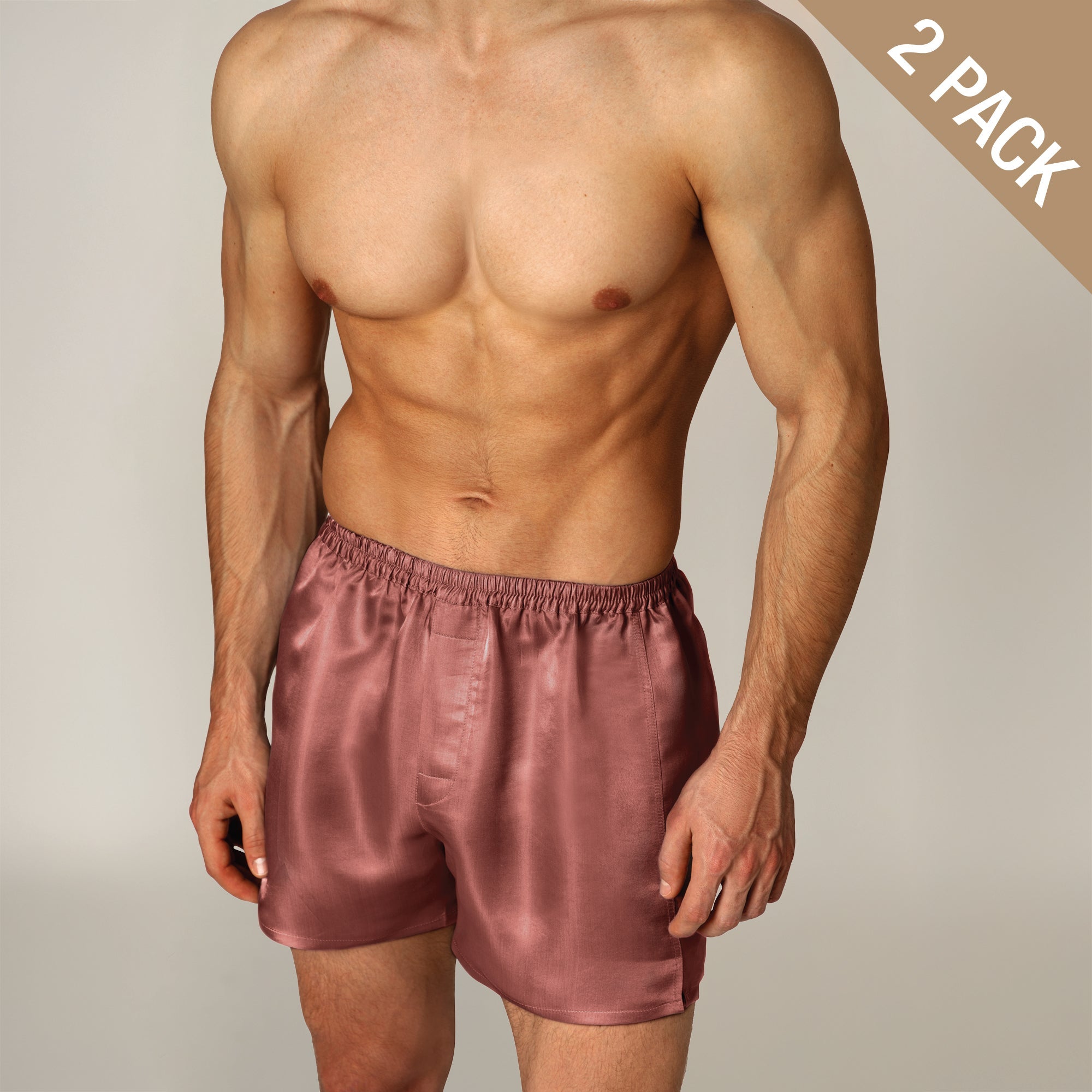
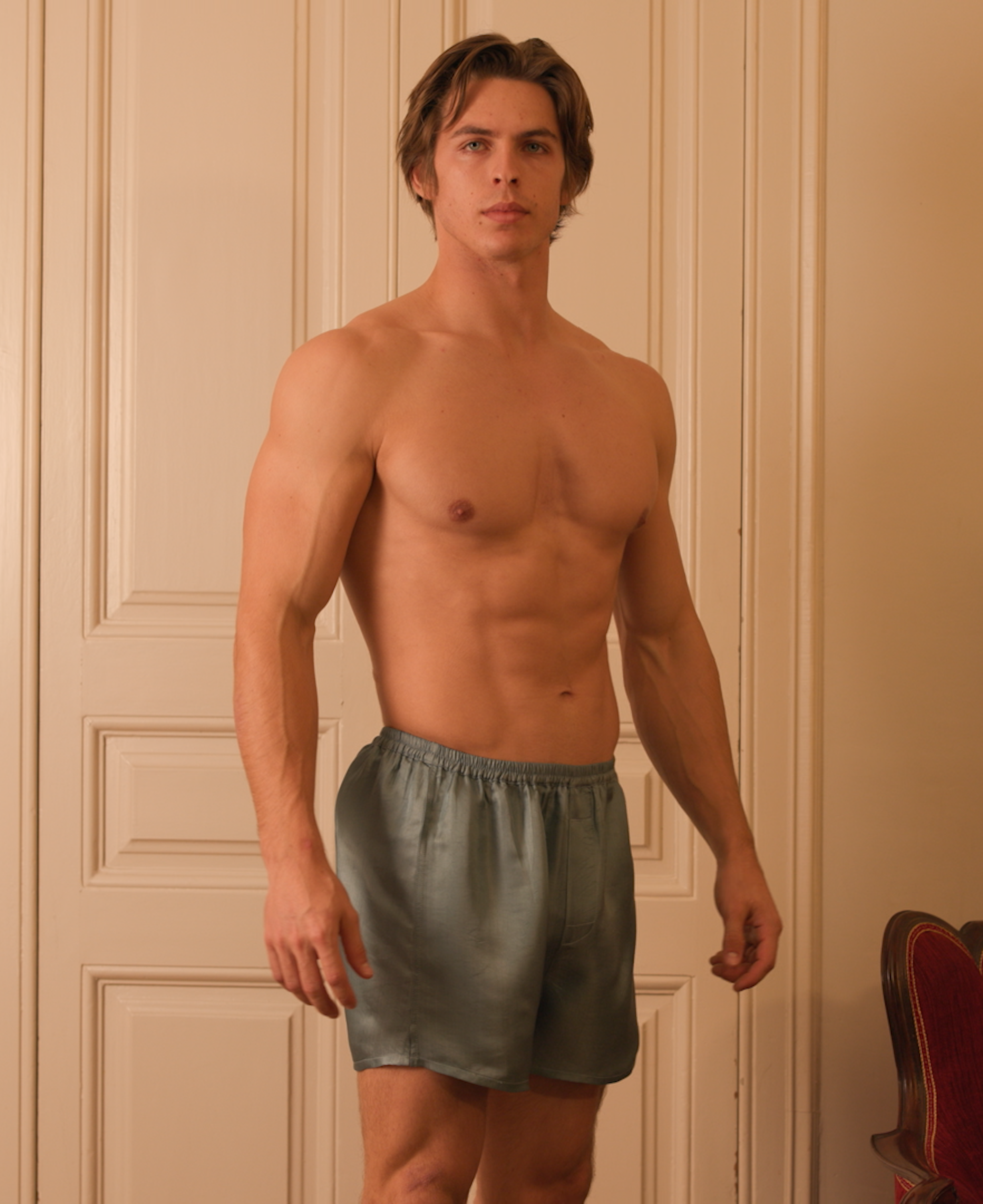
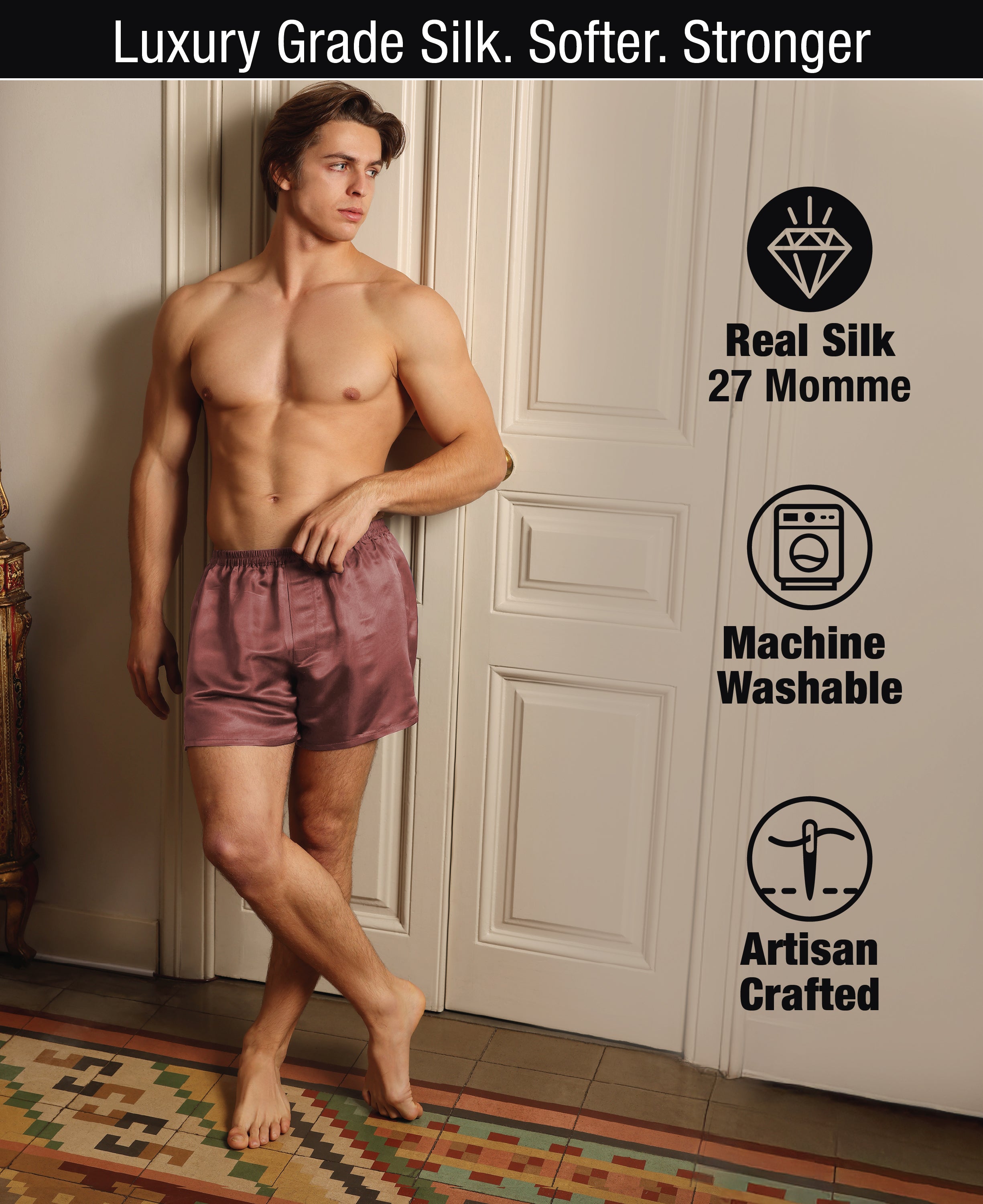
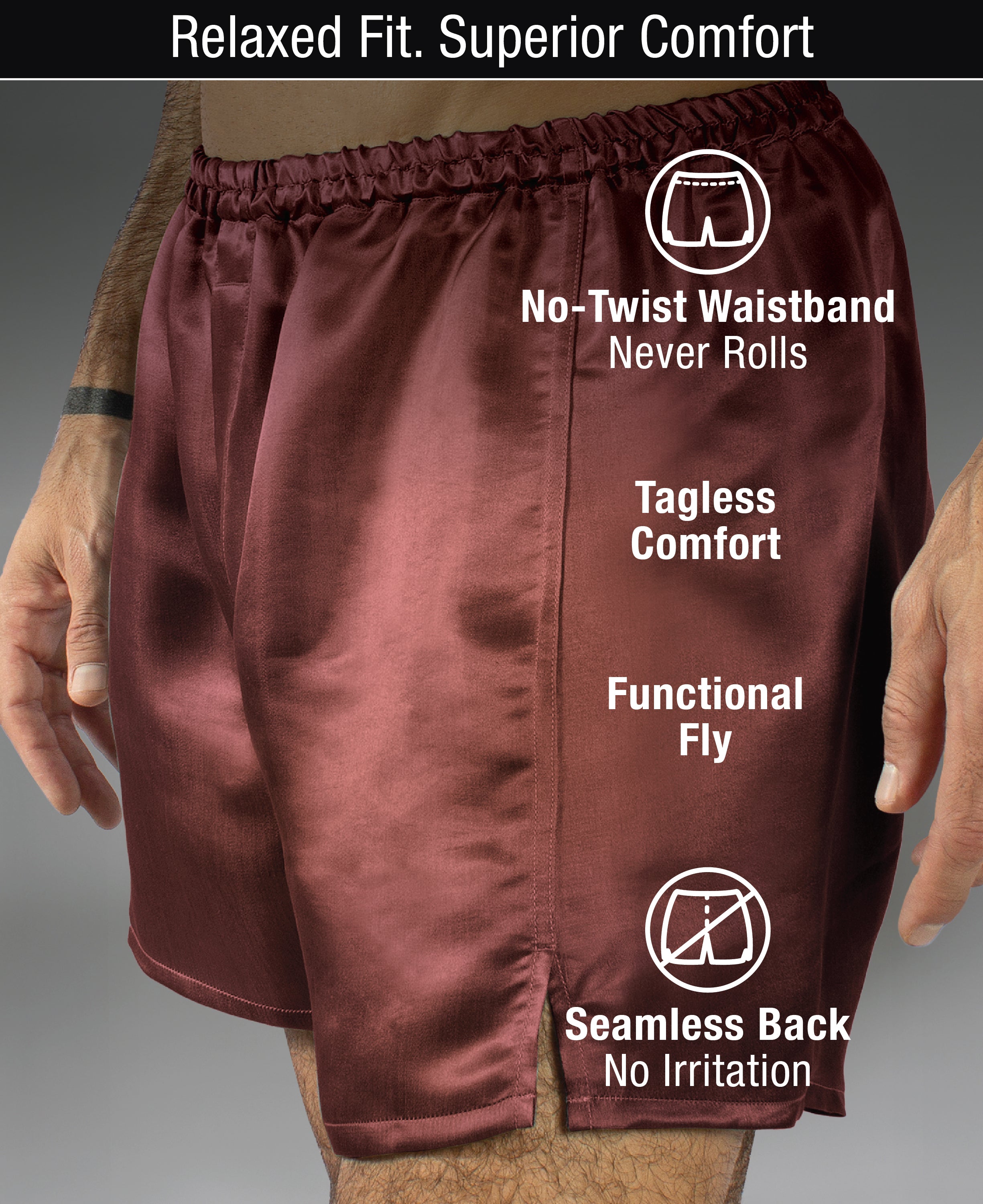
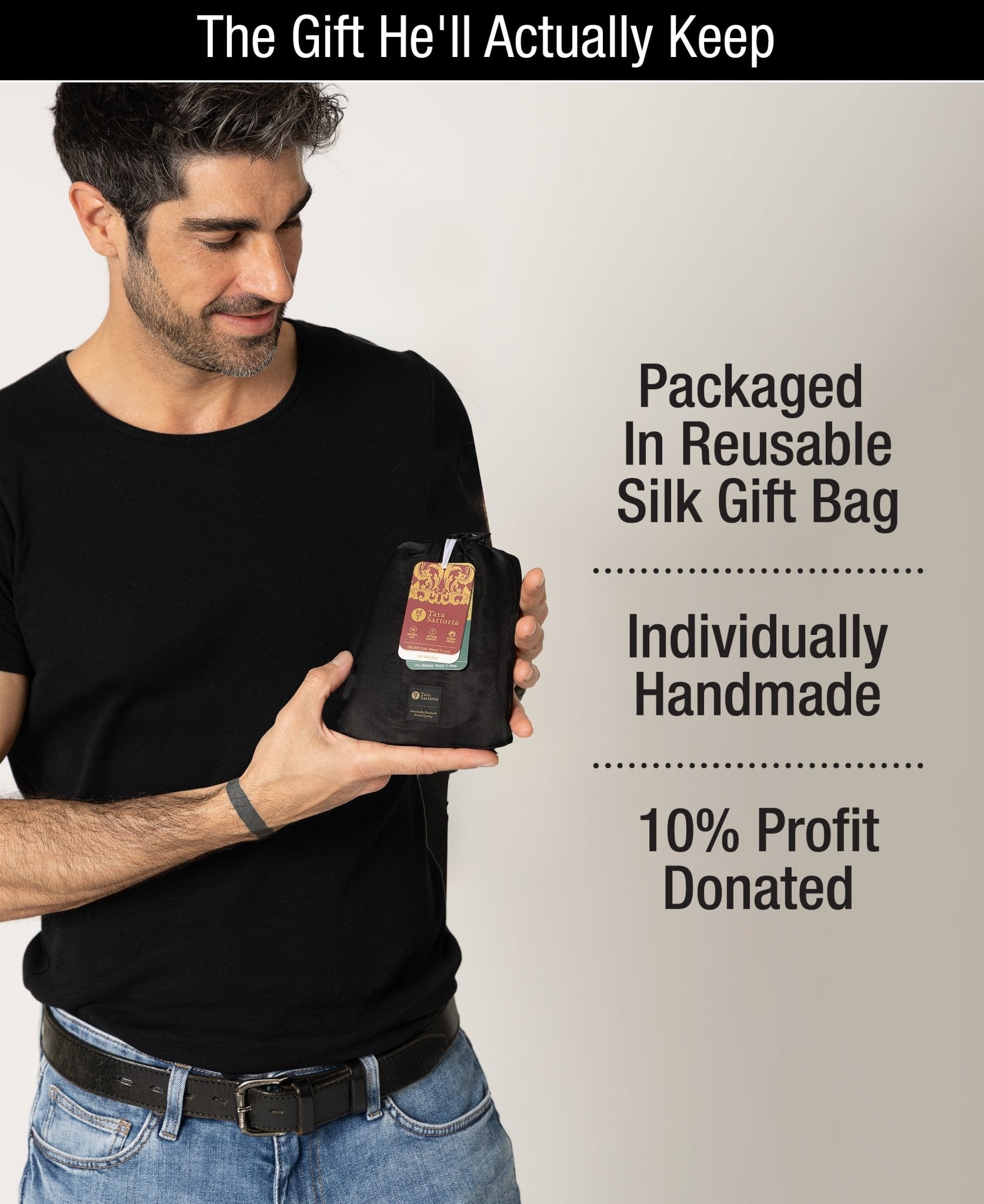
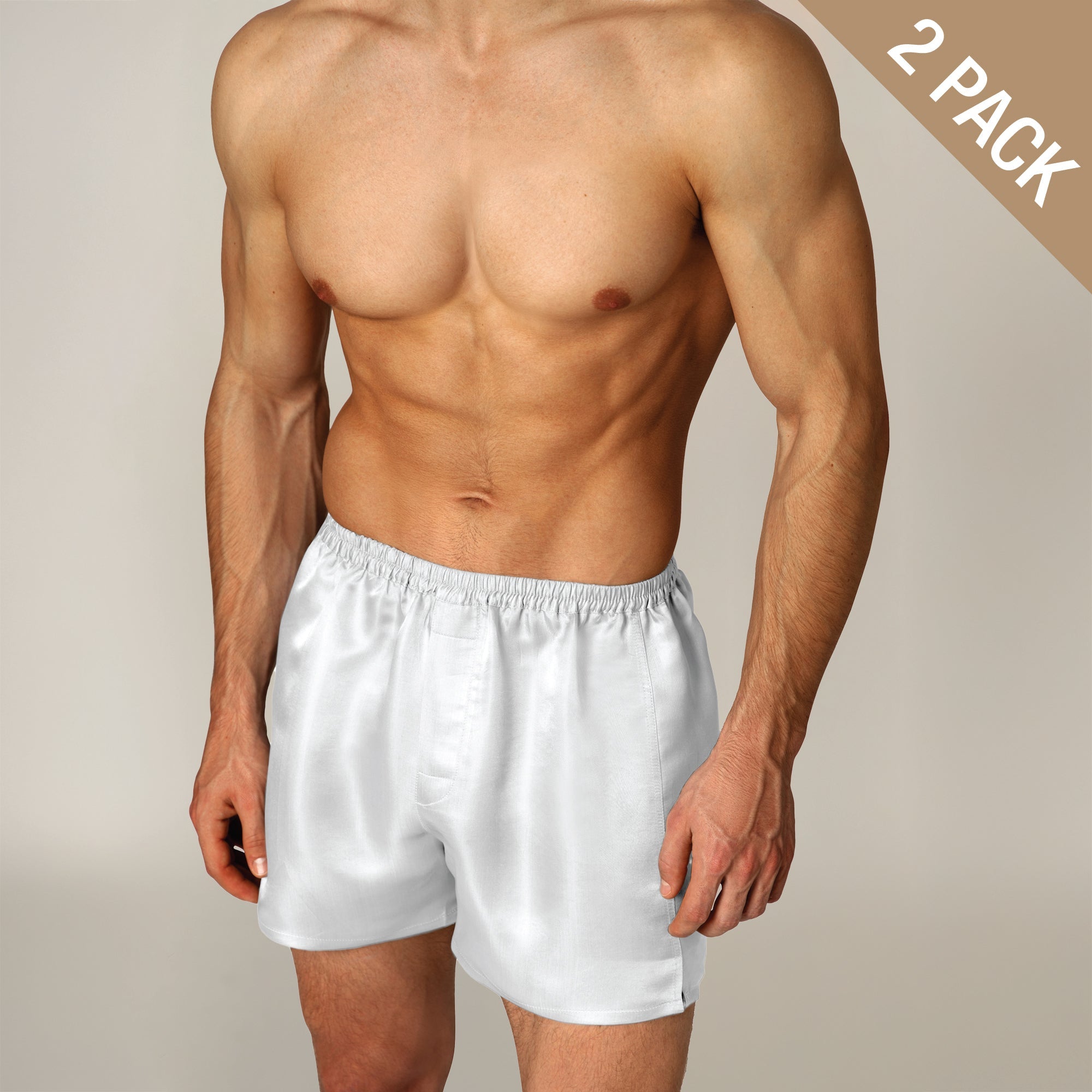
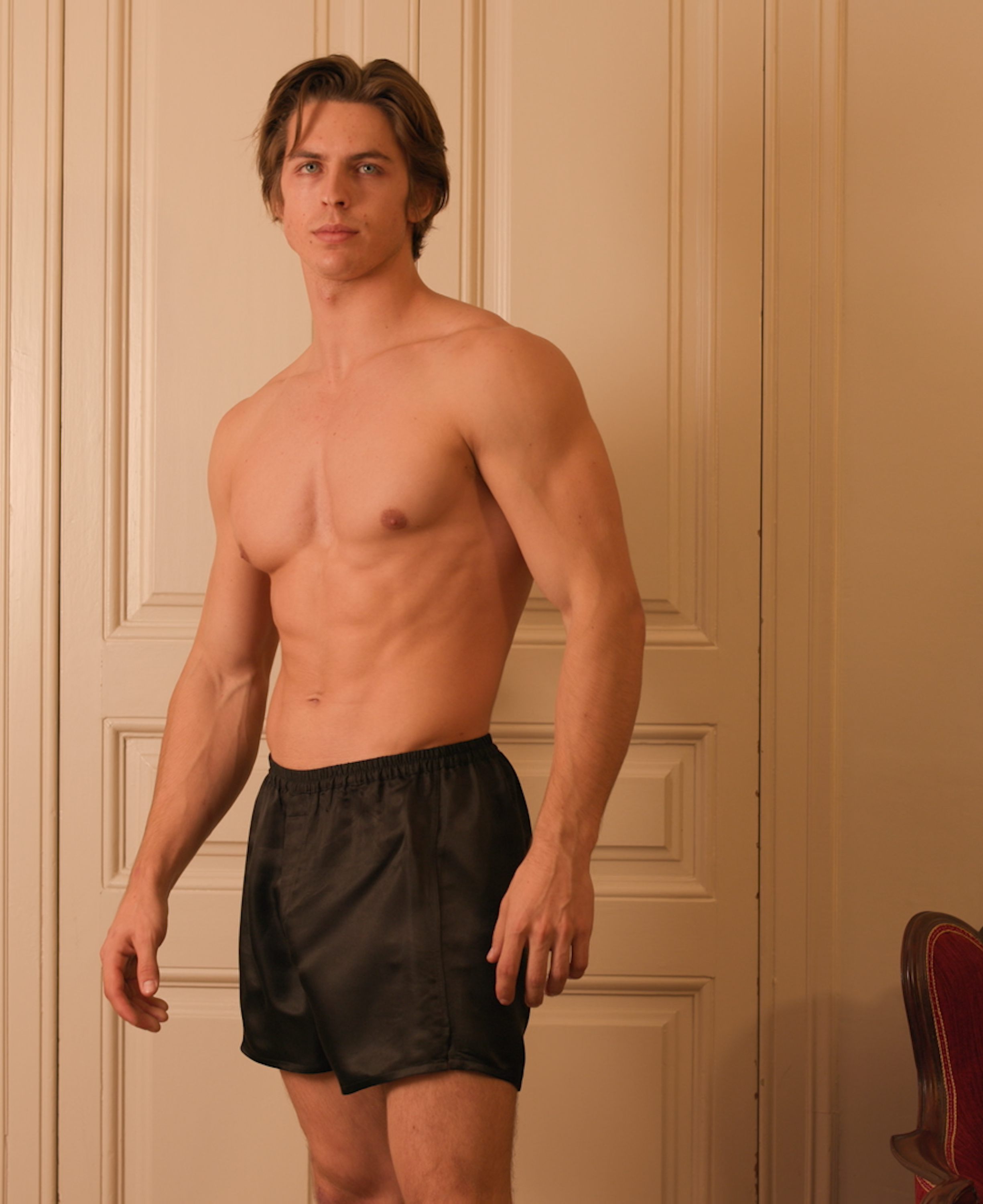
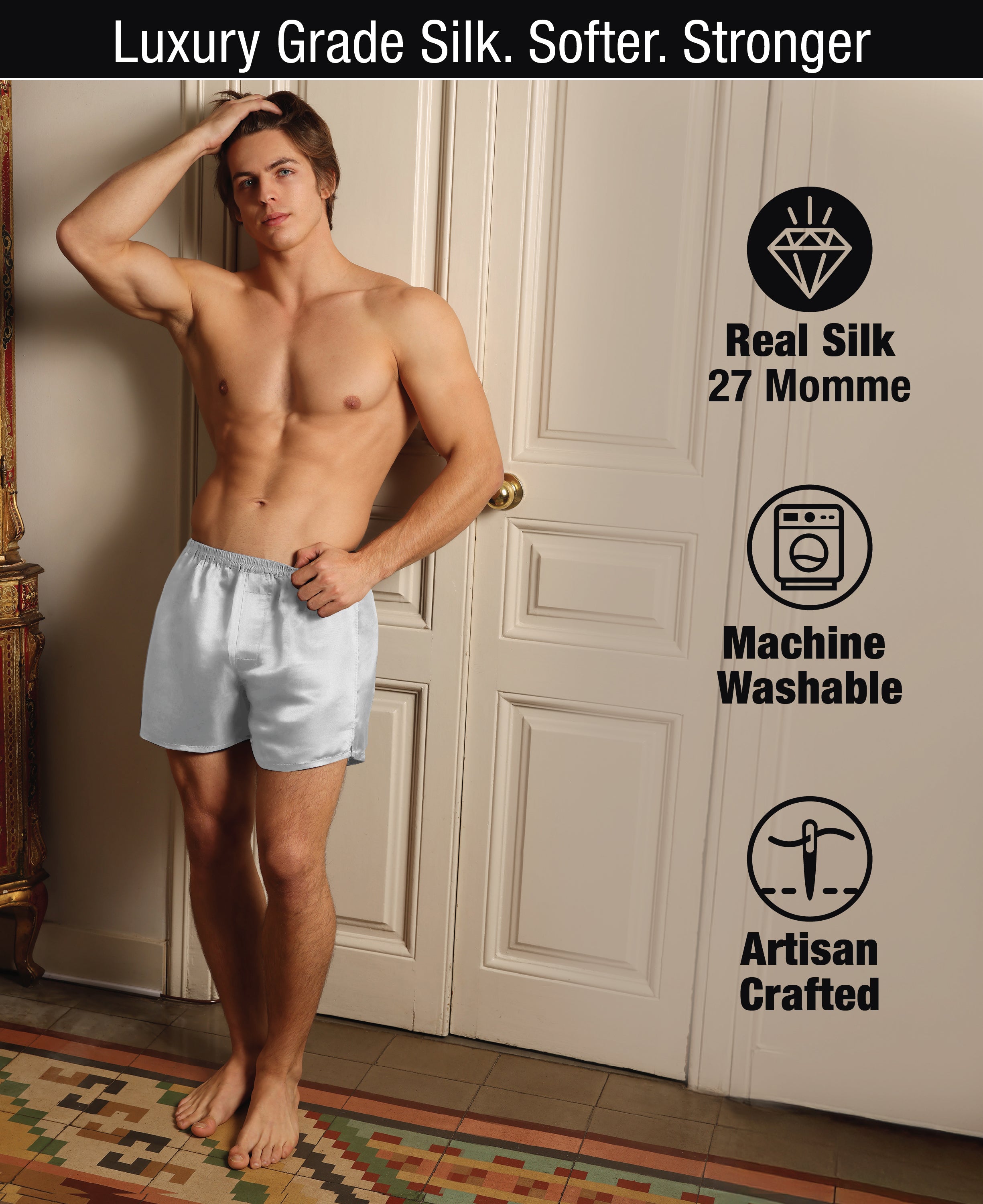
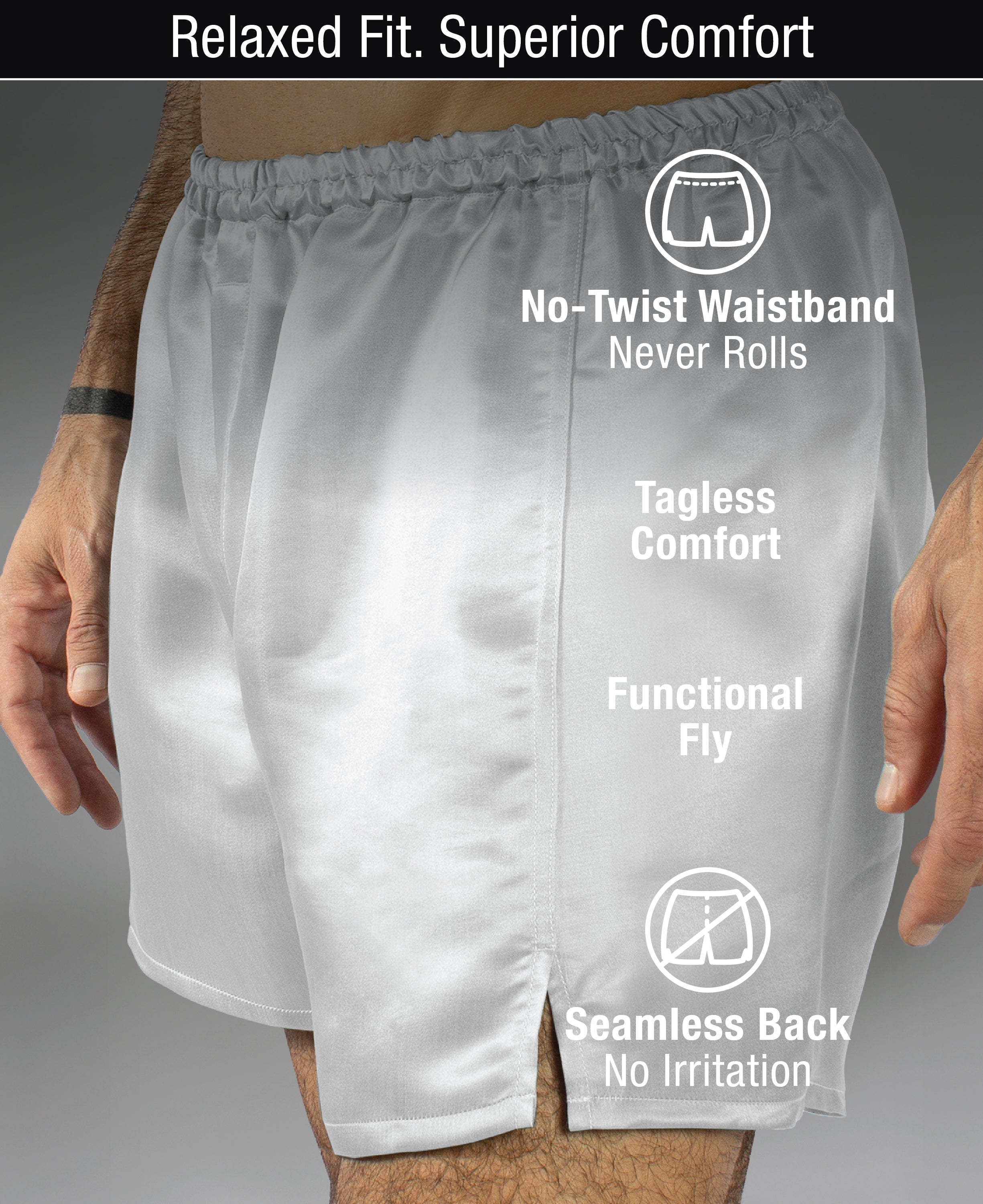
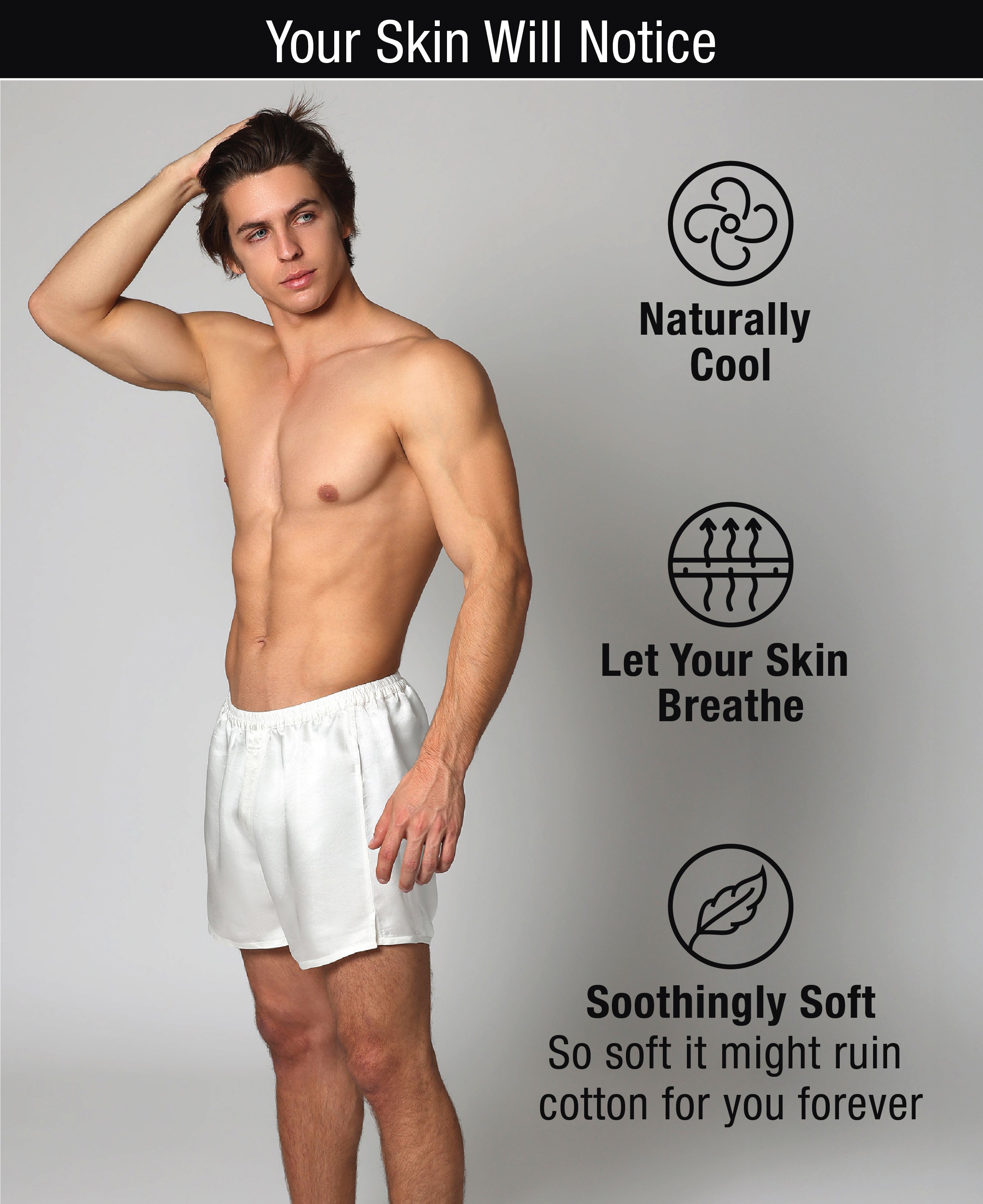
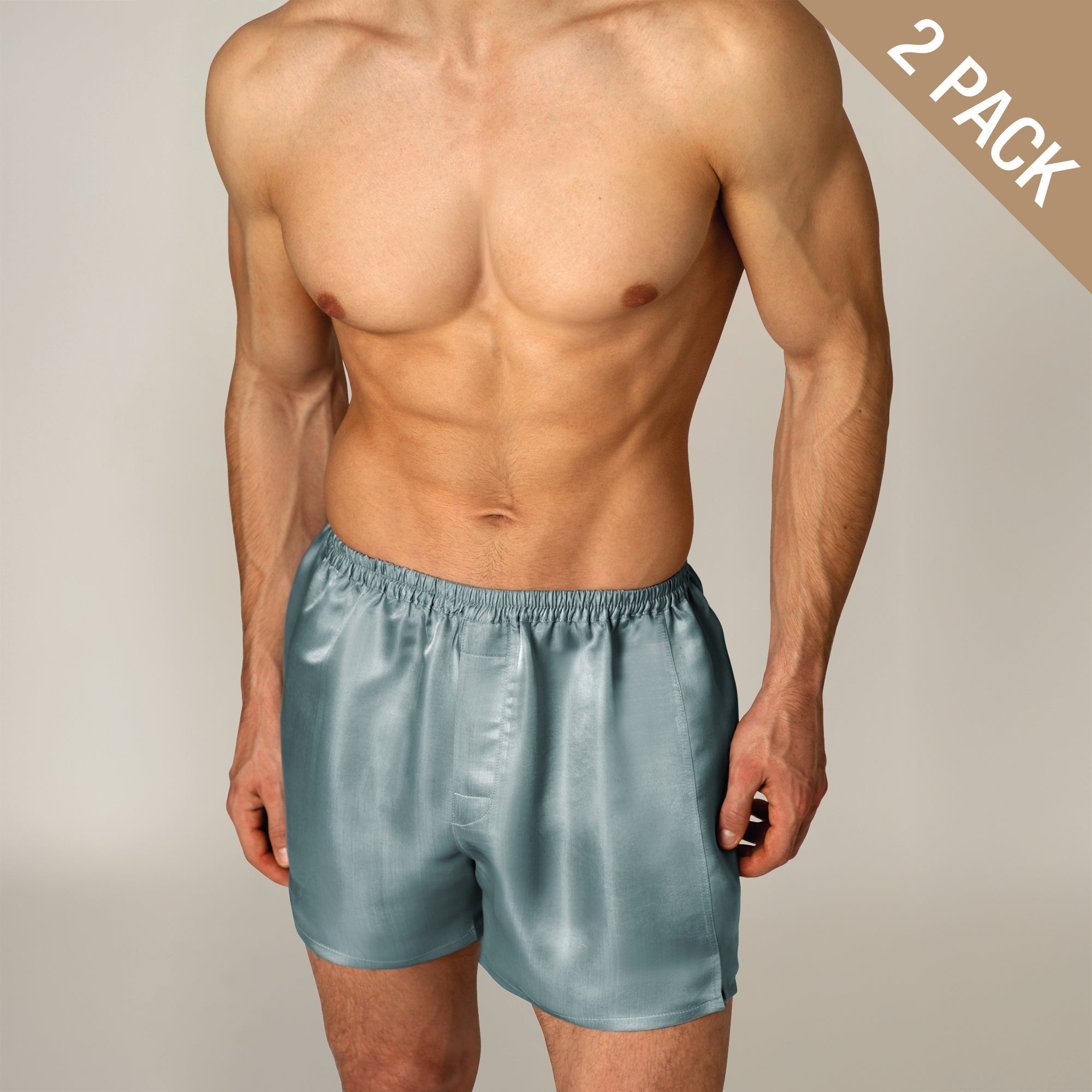
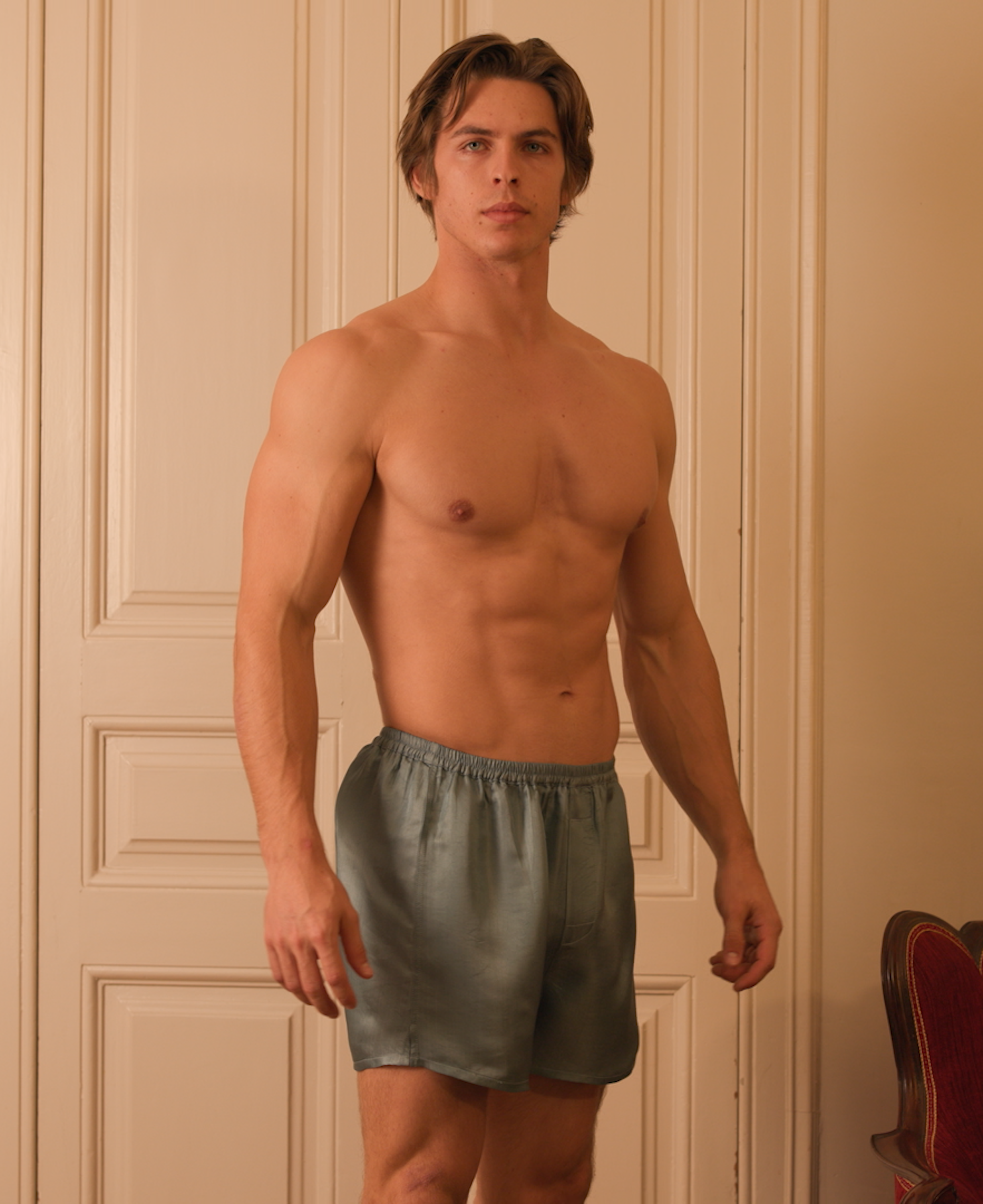
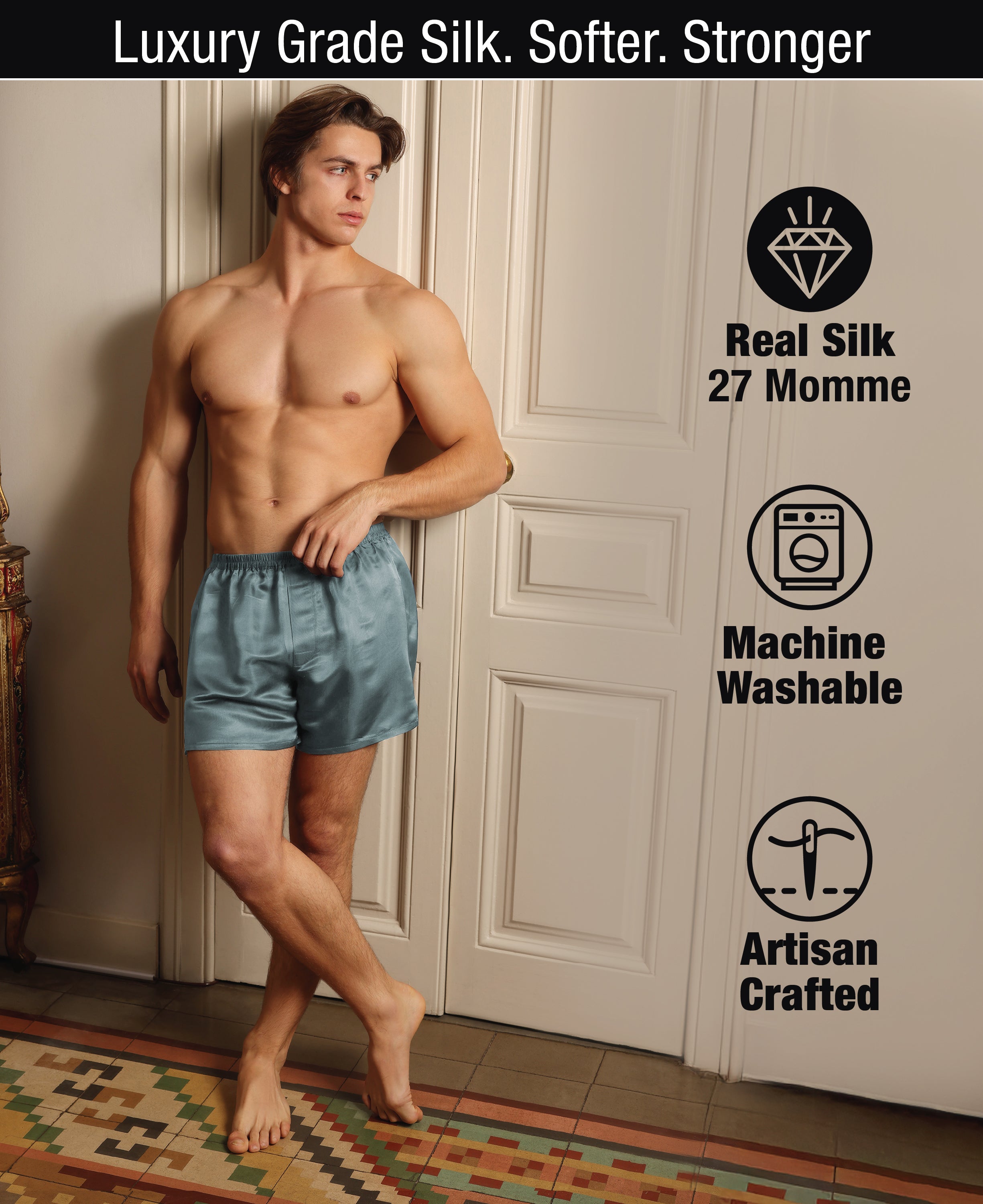
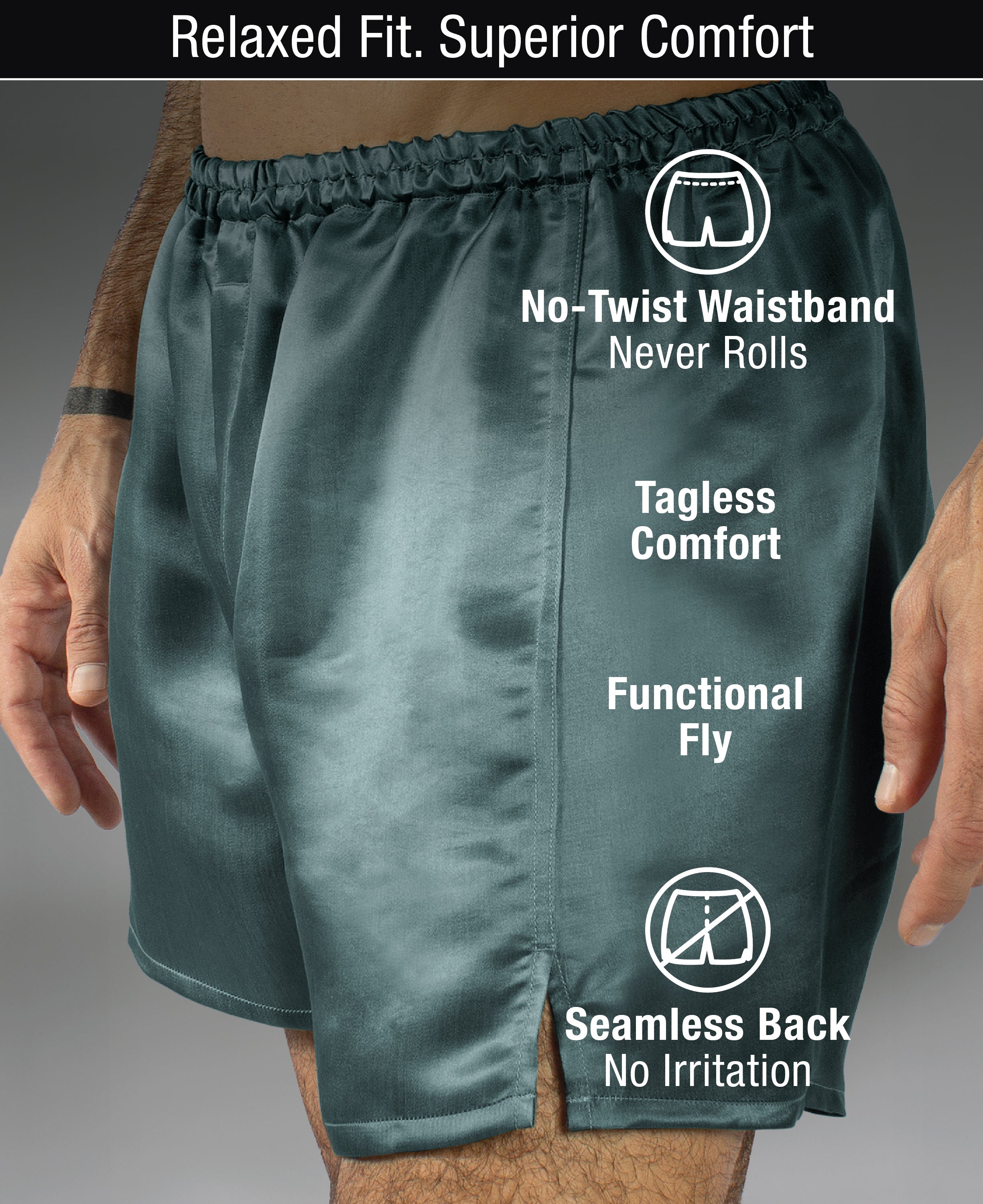
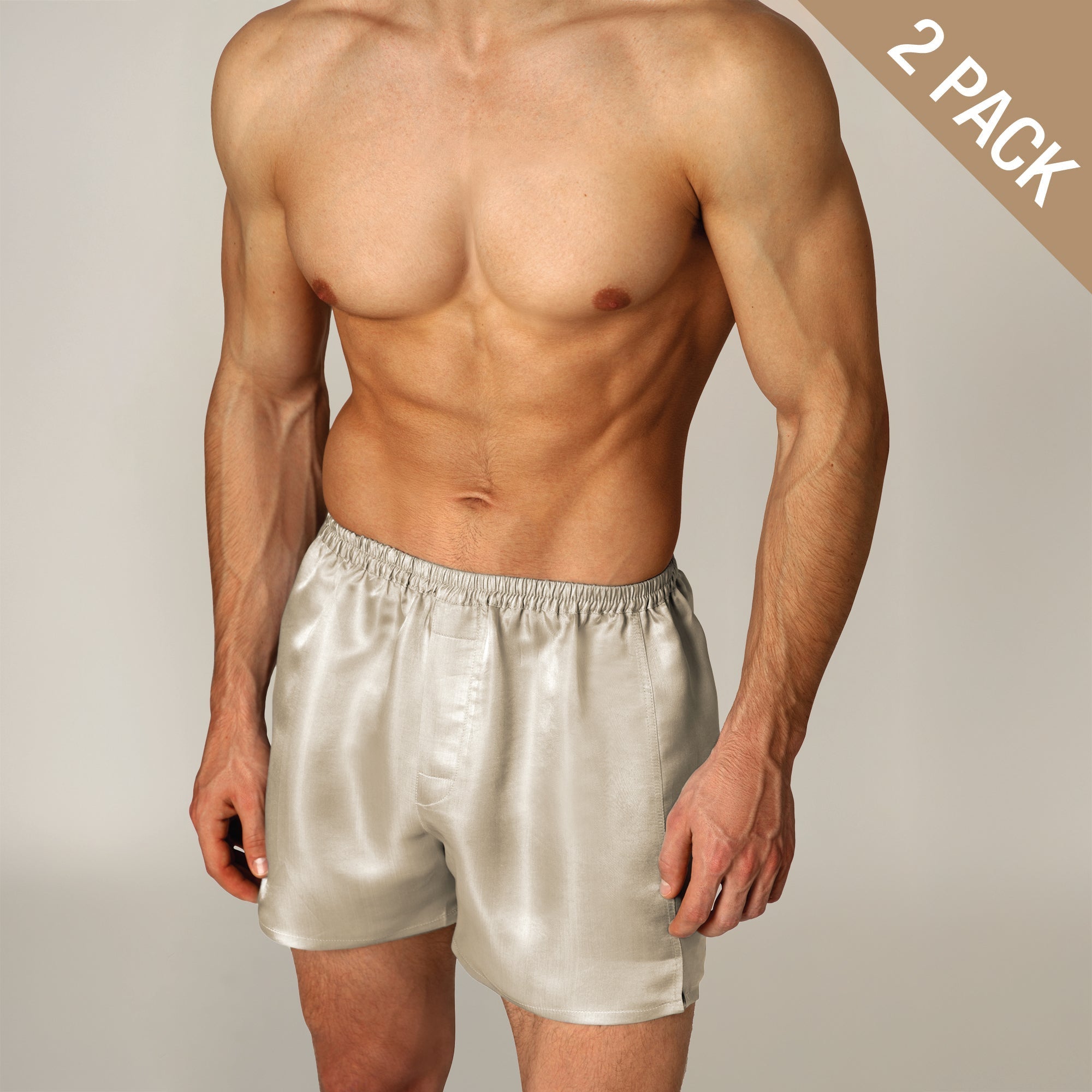
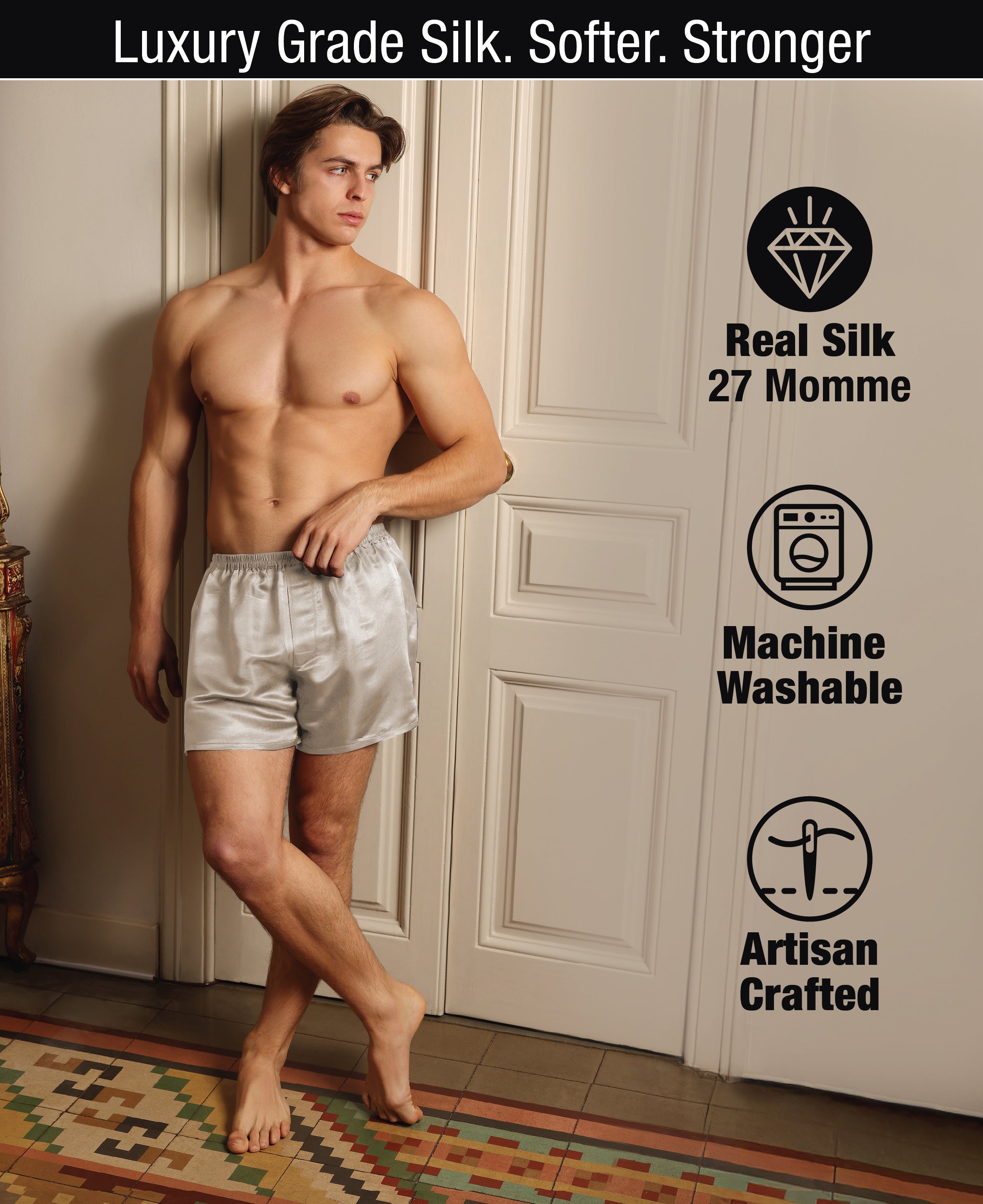
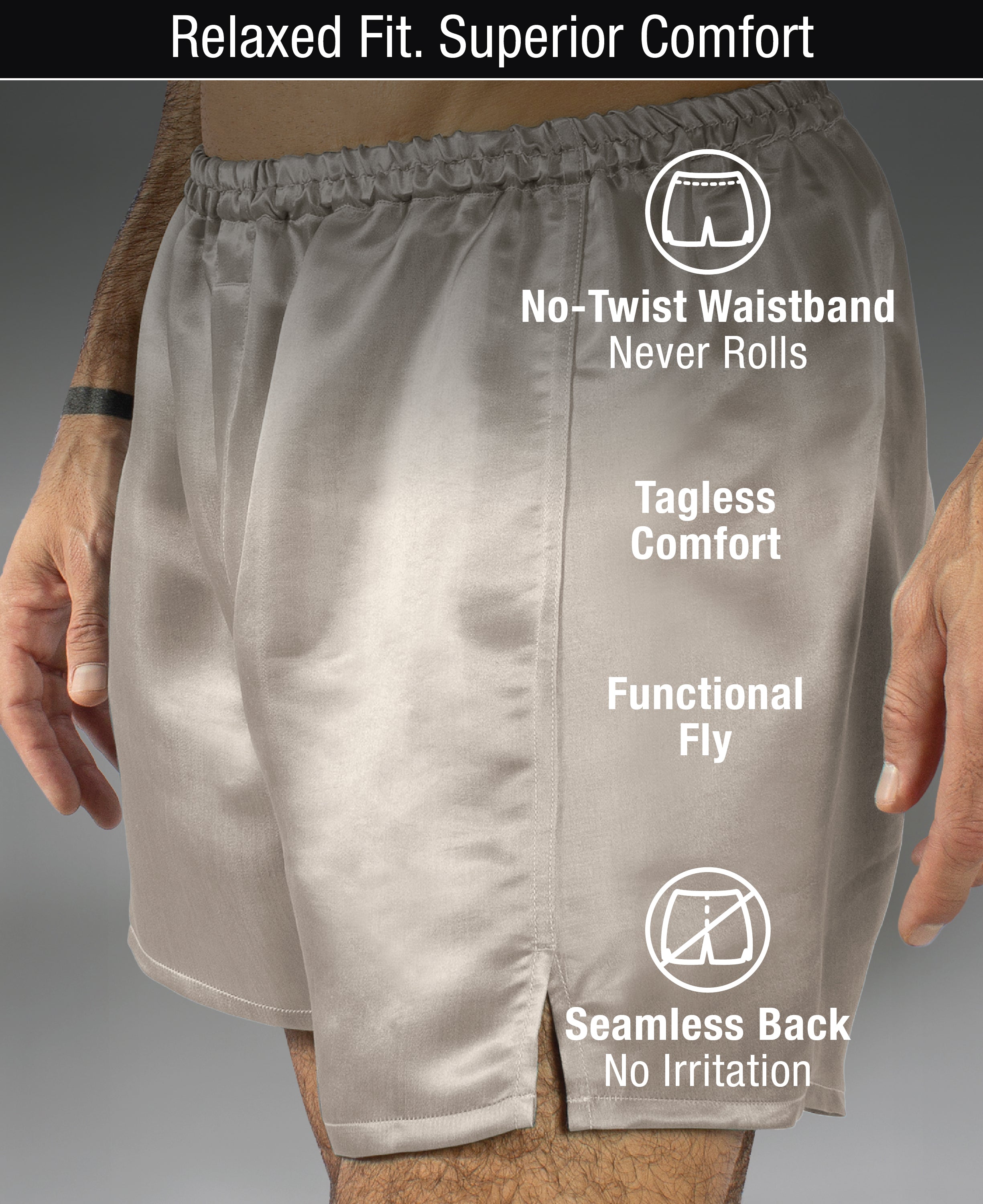
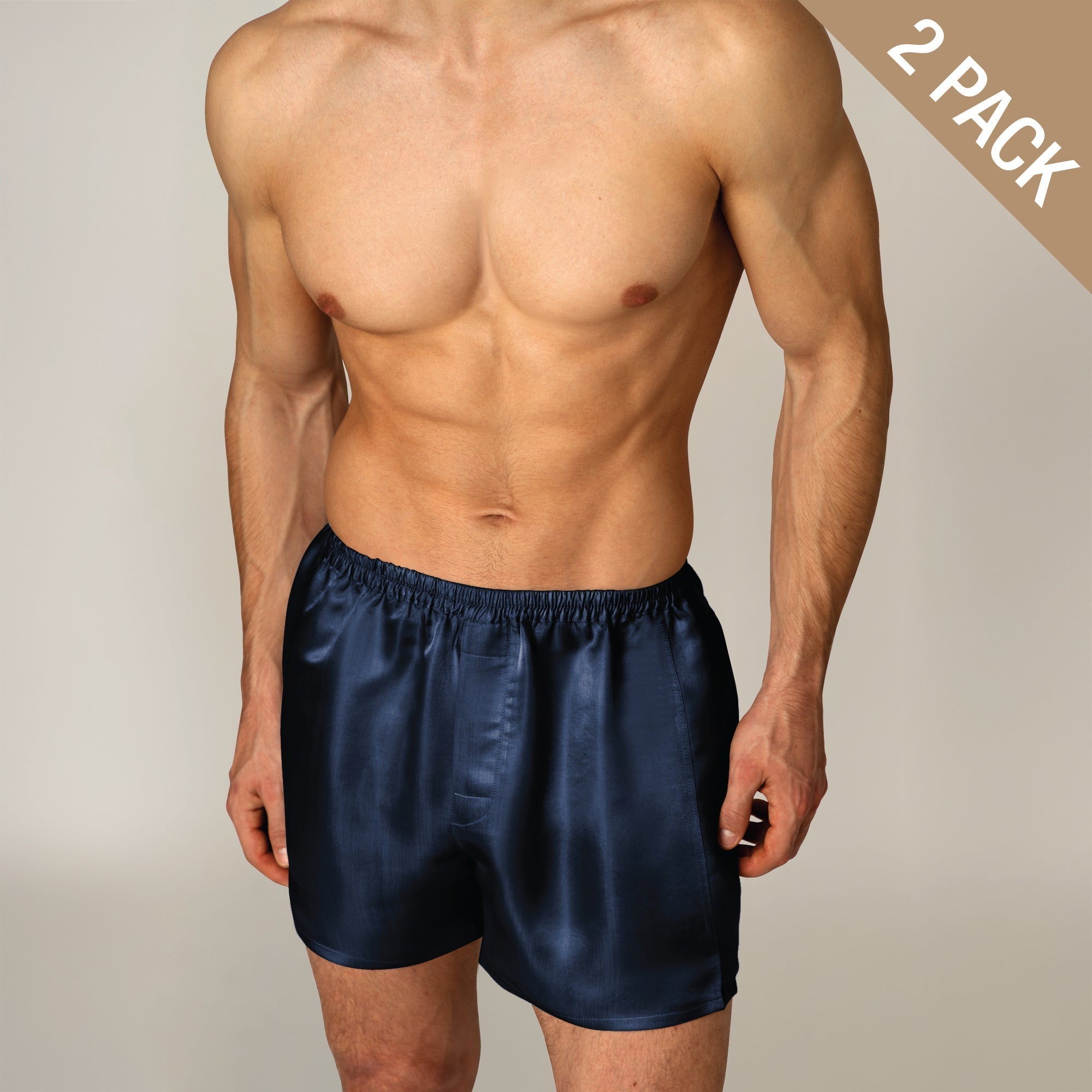
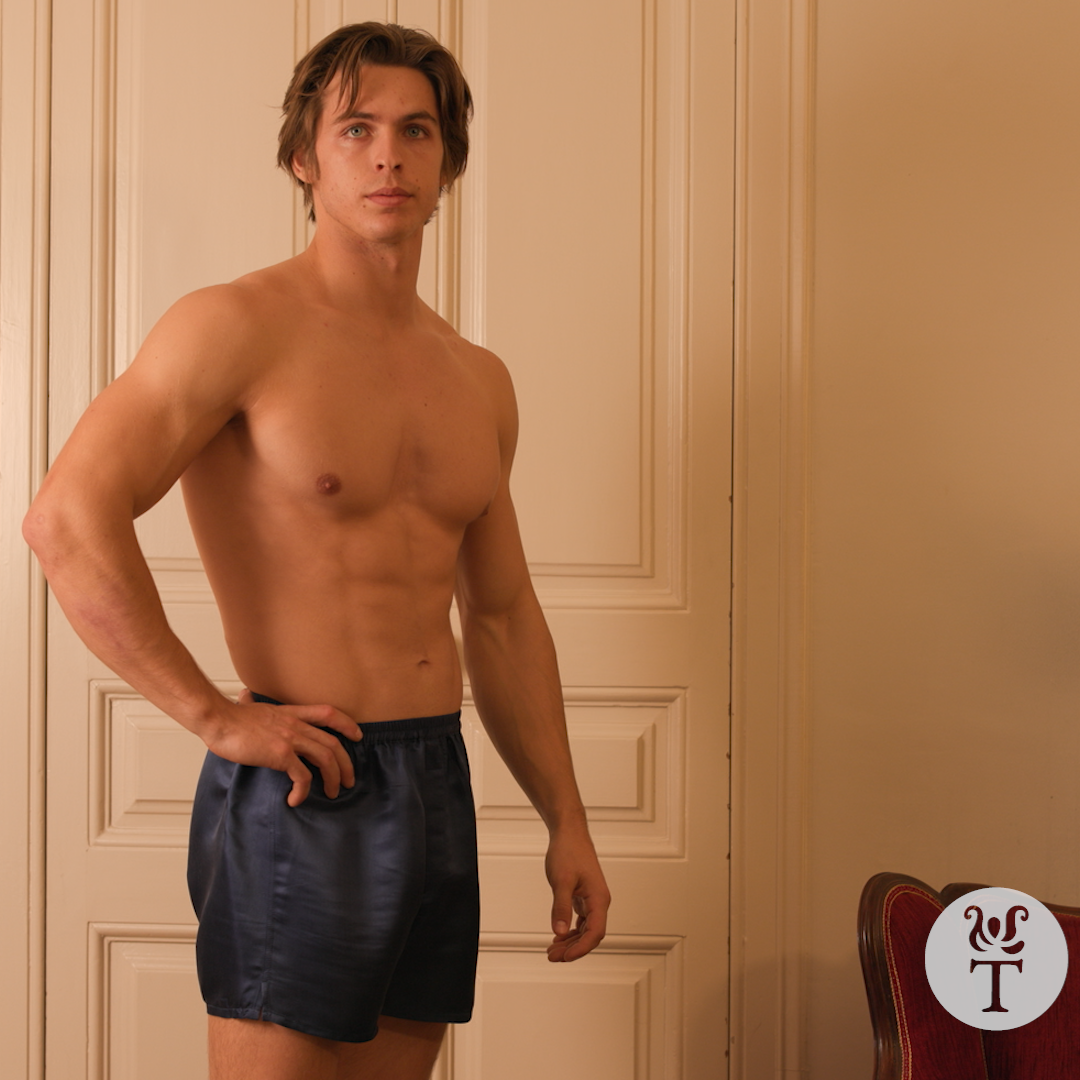
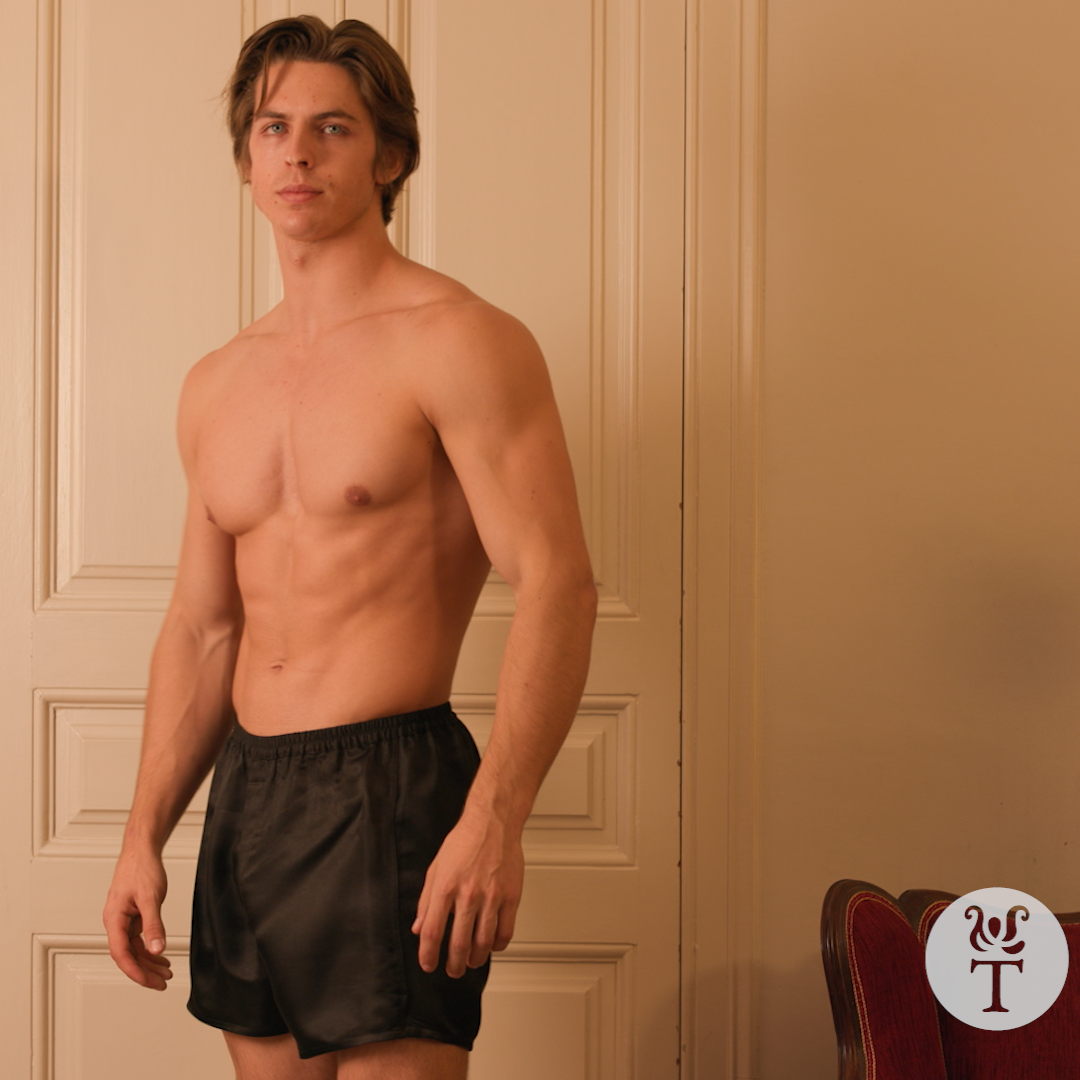
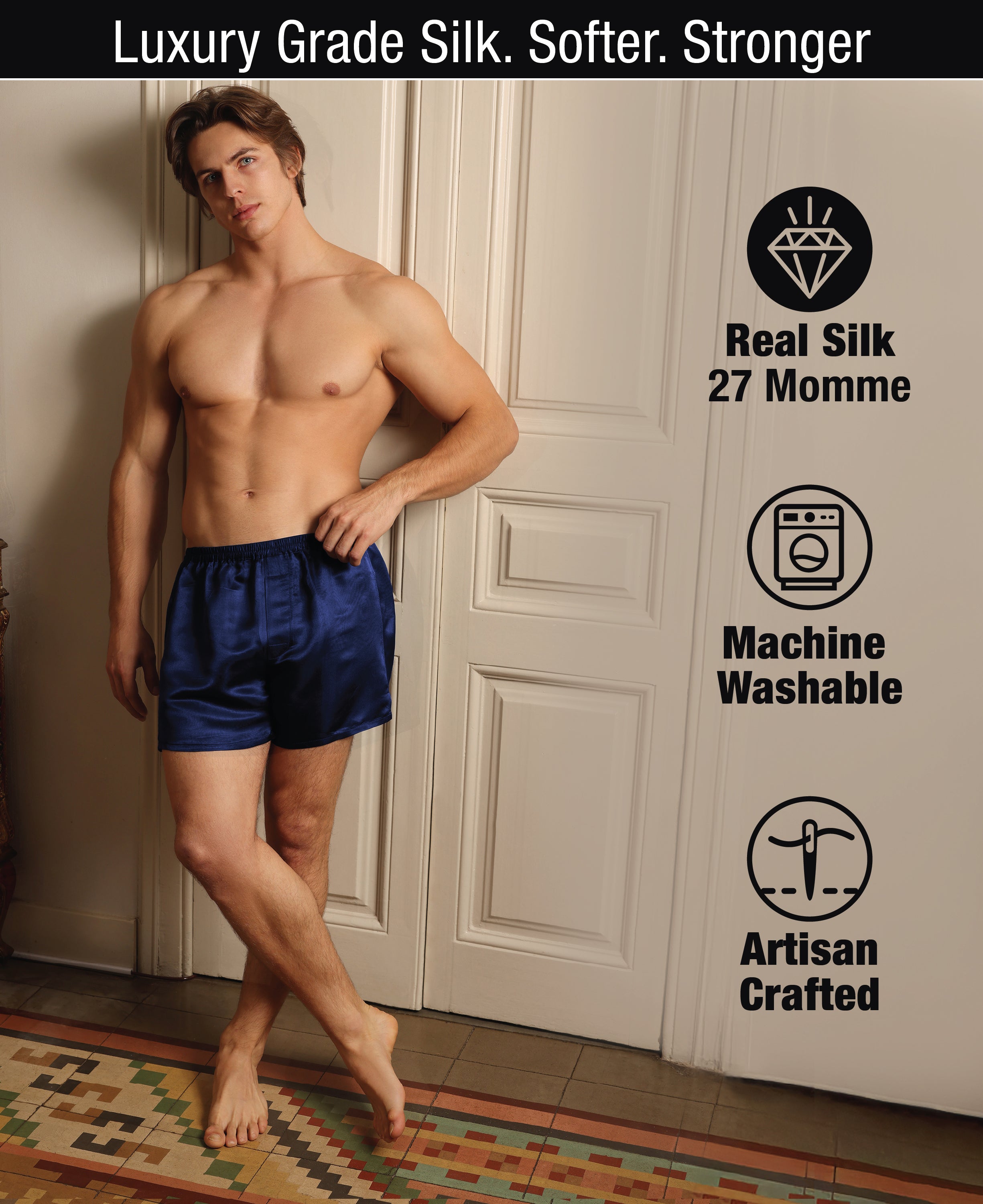
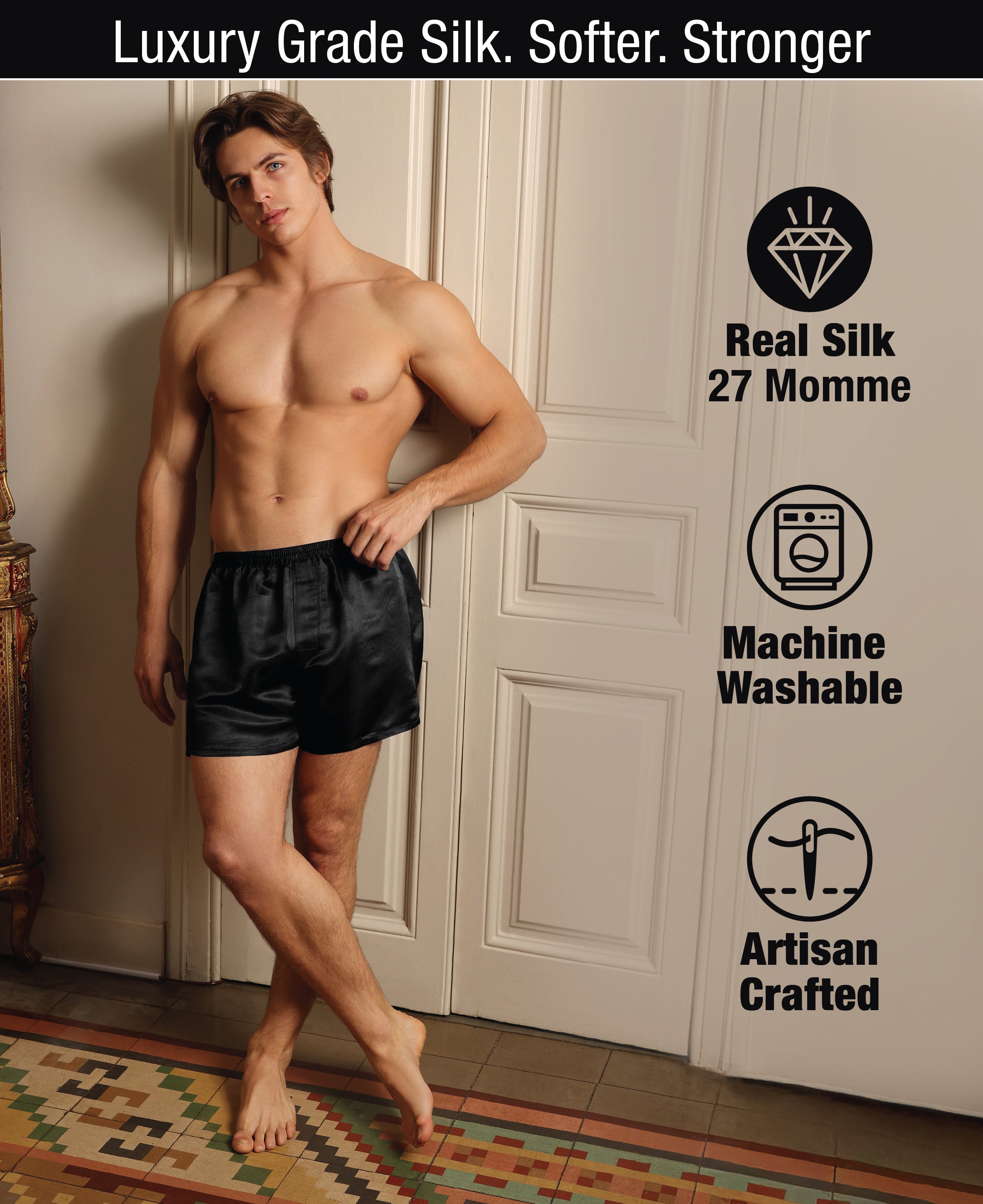
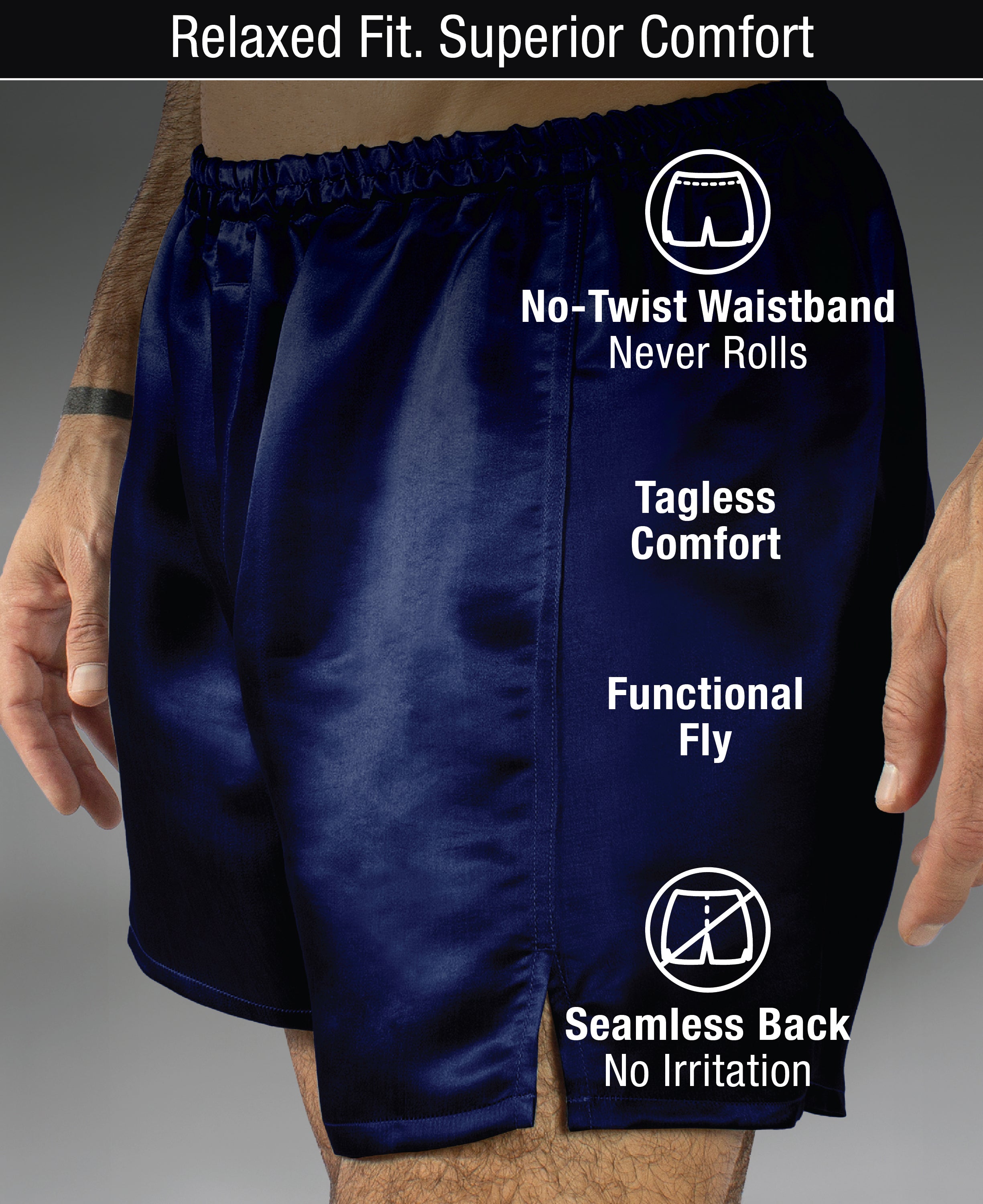
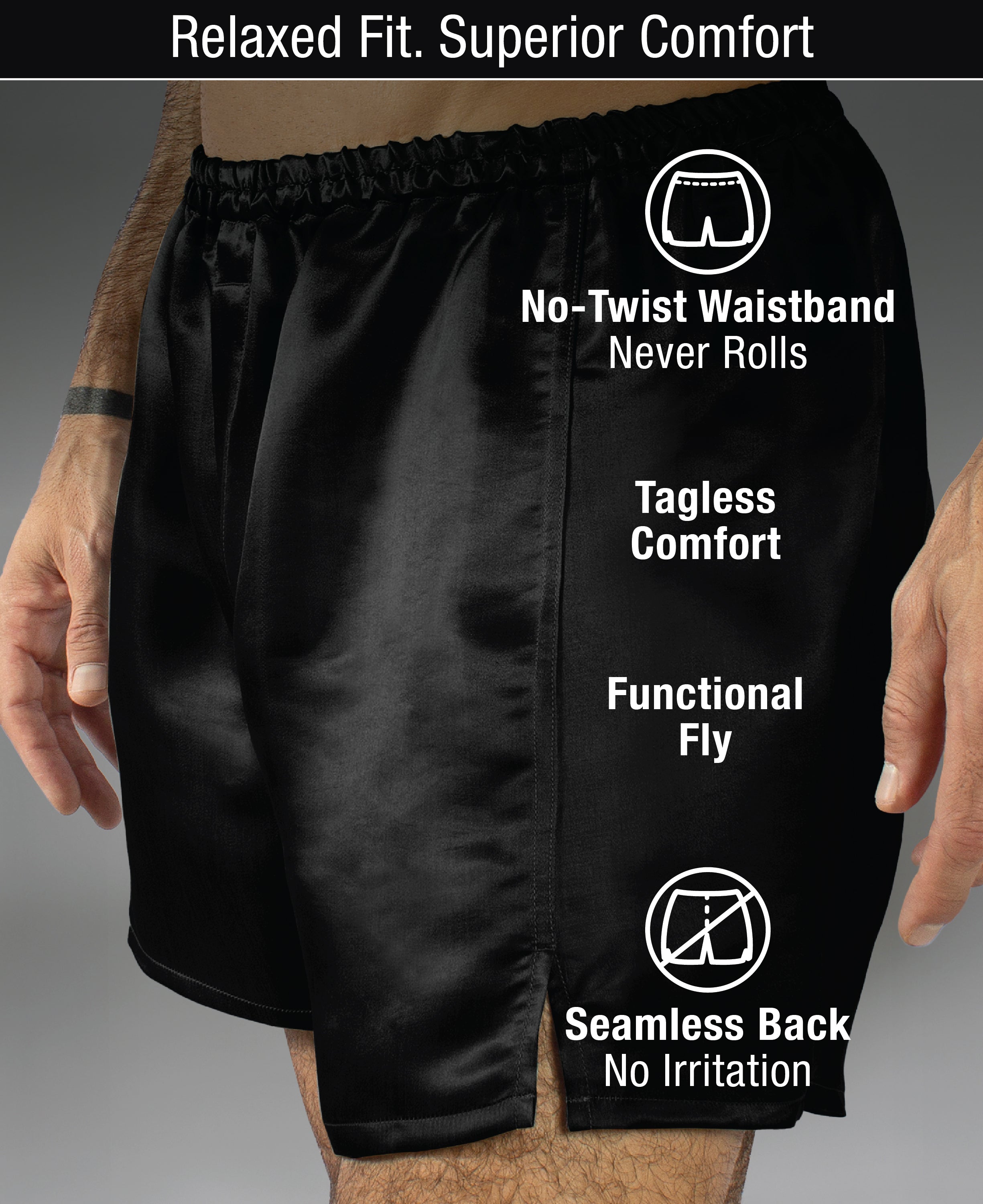
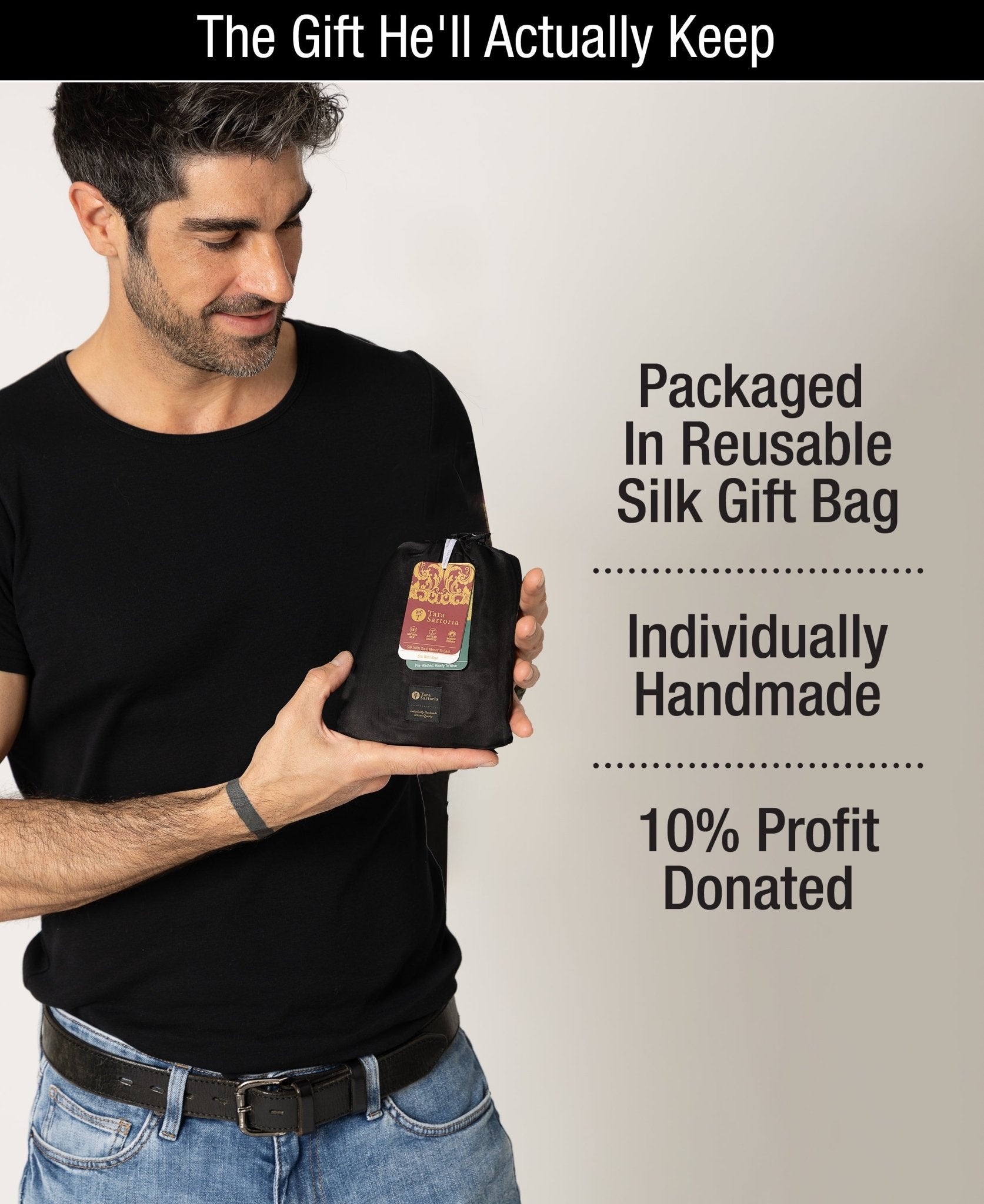
The nightgown for her, and our two-pack silk boxers for him, the piece we hear about most often as the easiest place to start with silk.


She sleeps cool. He sleeps warm.
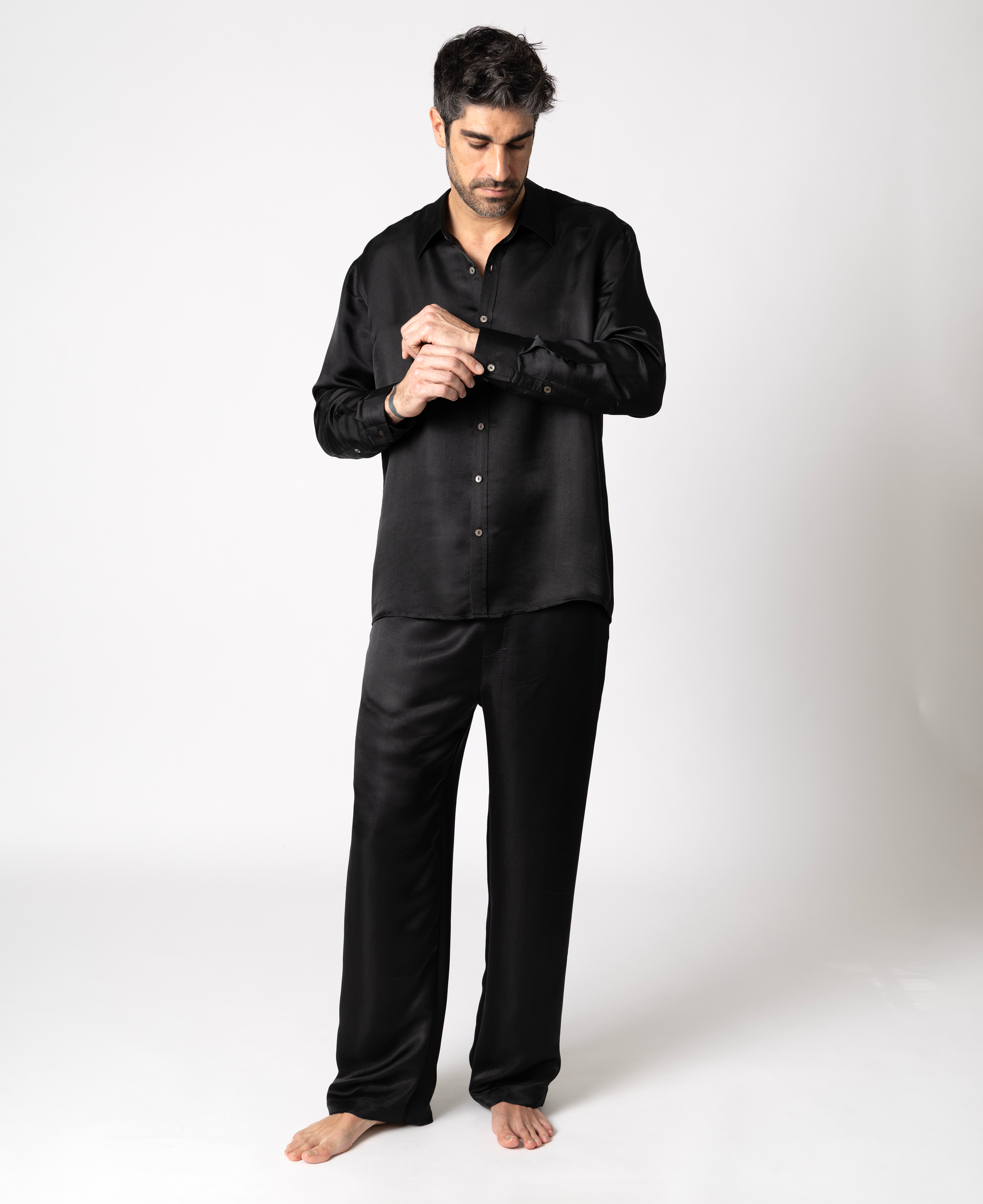
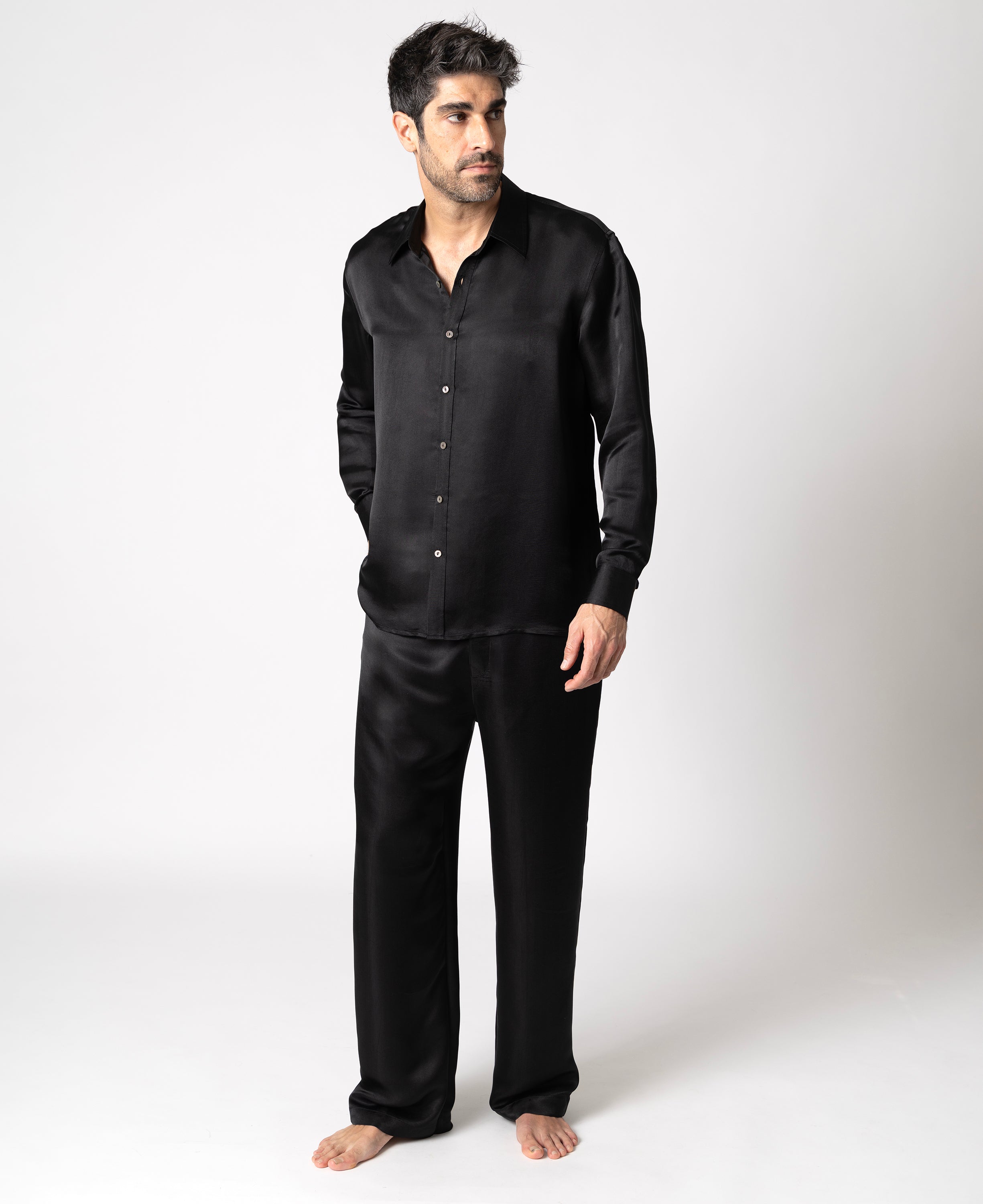
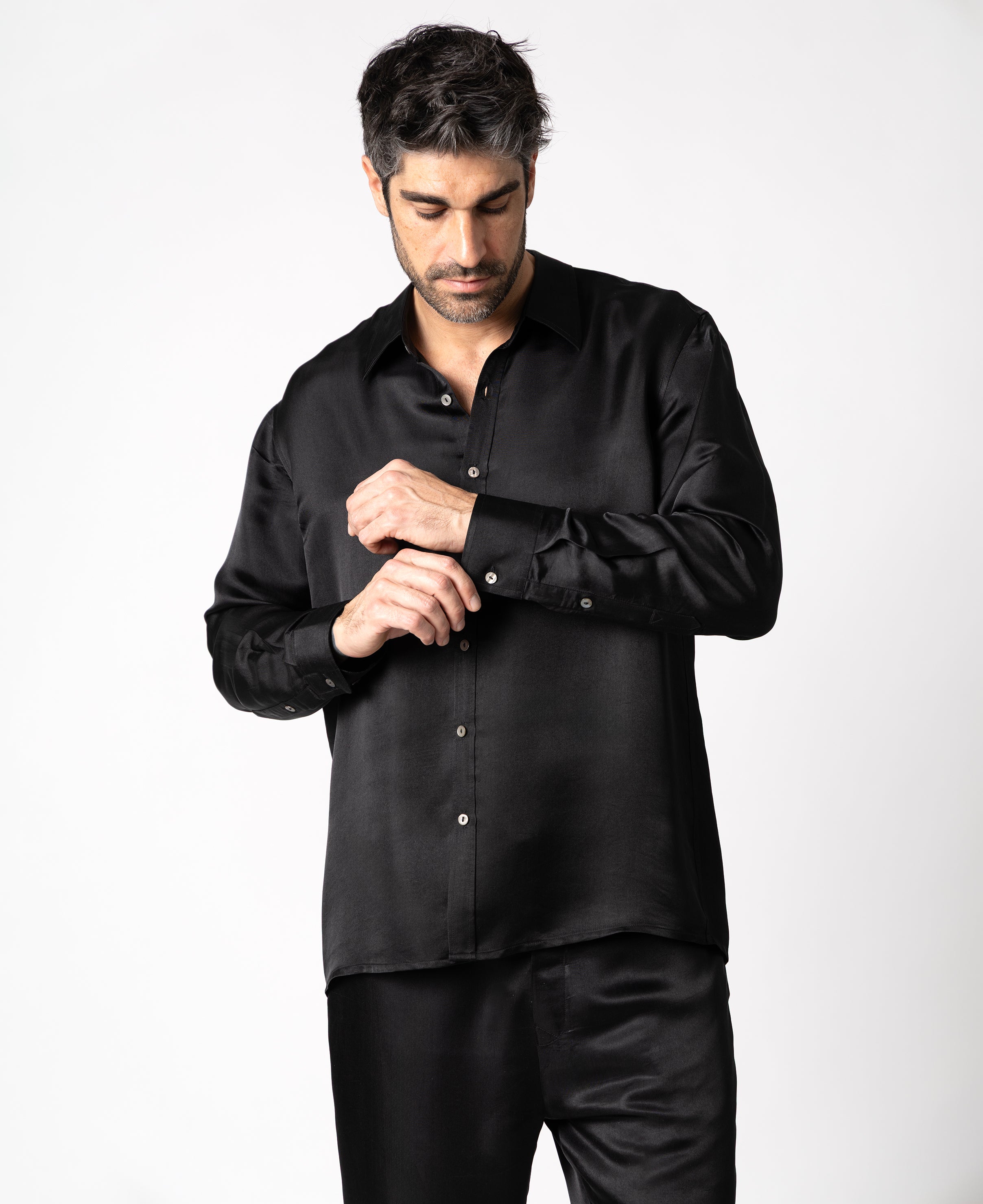
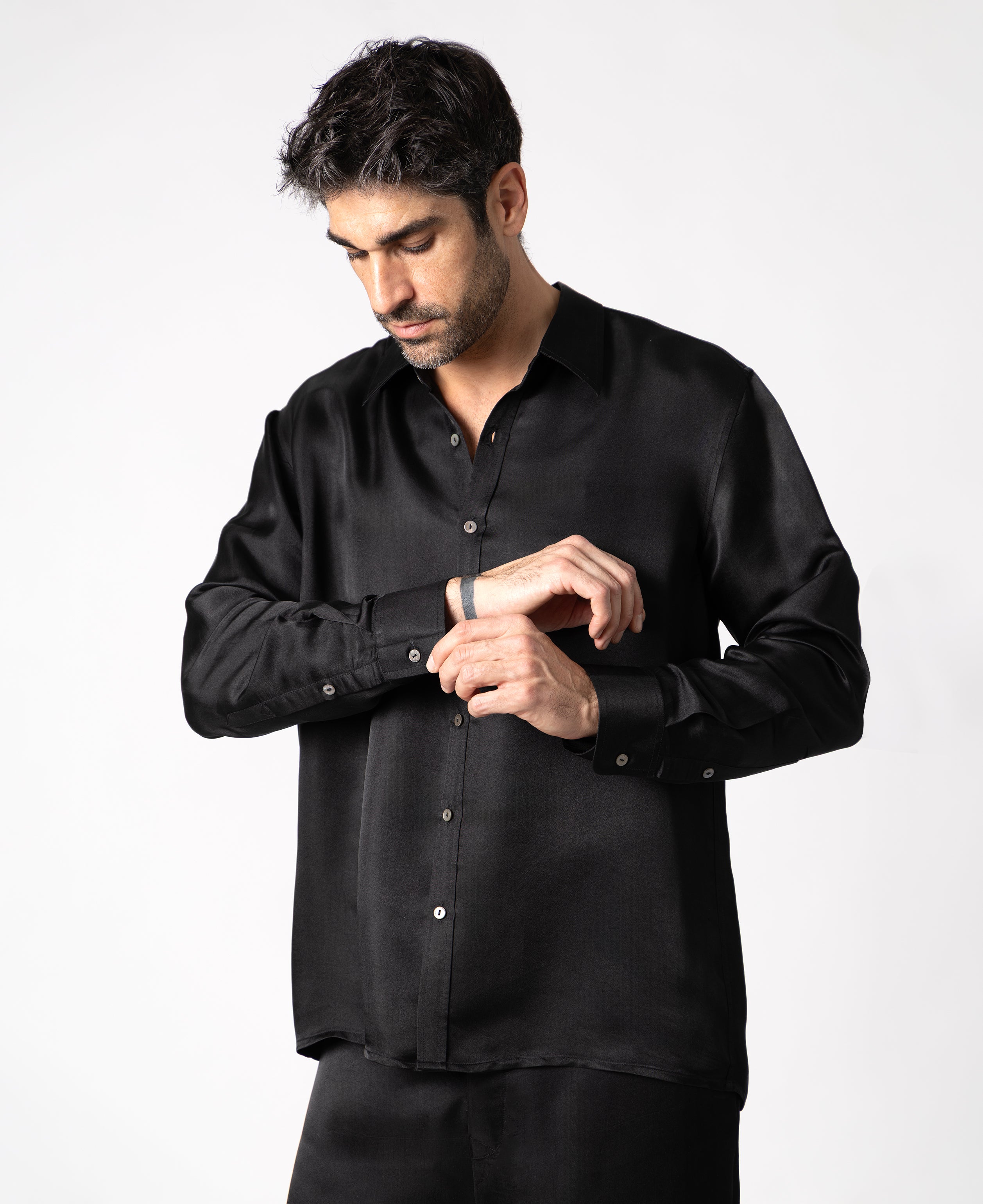
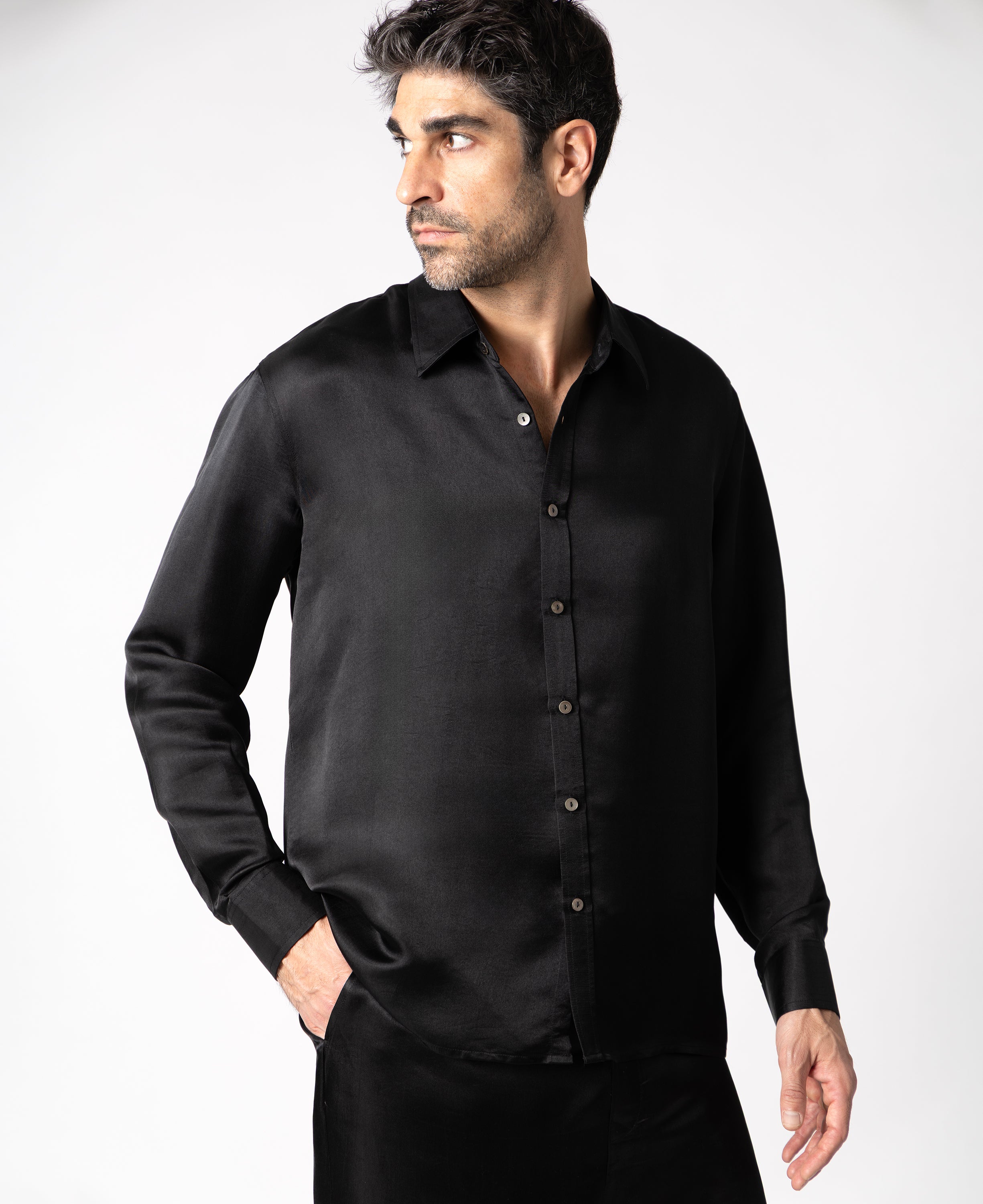
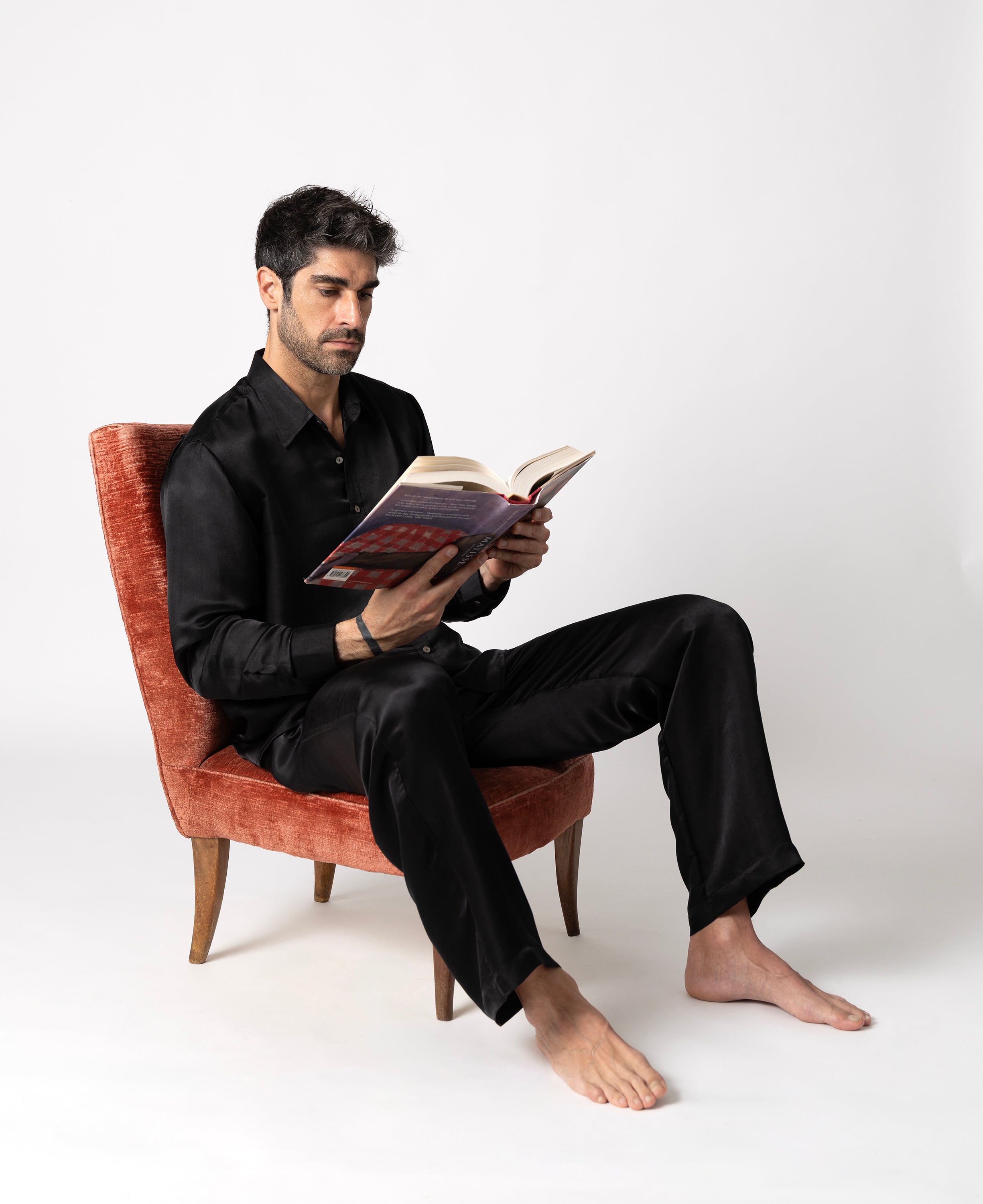
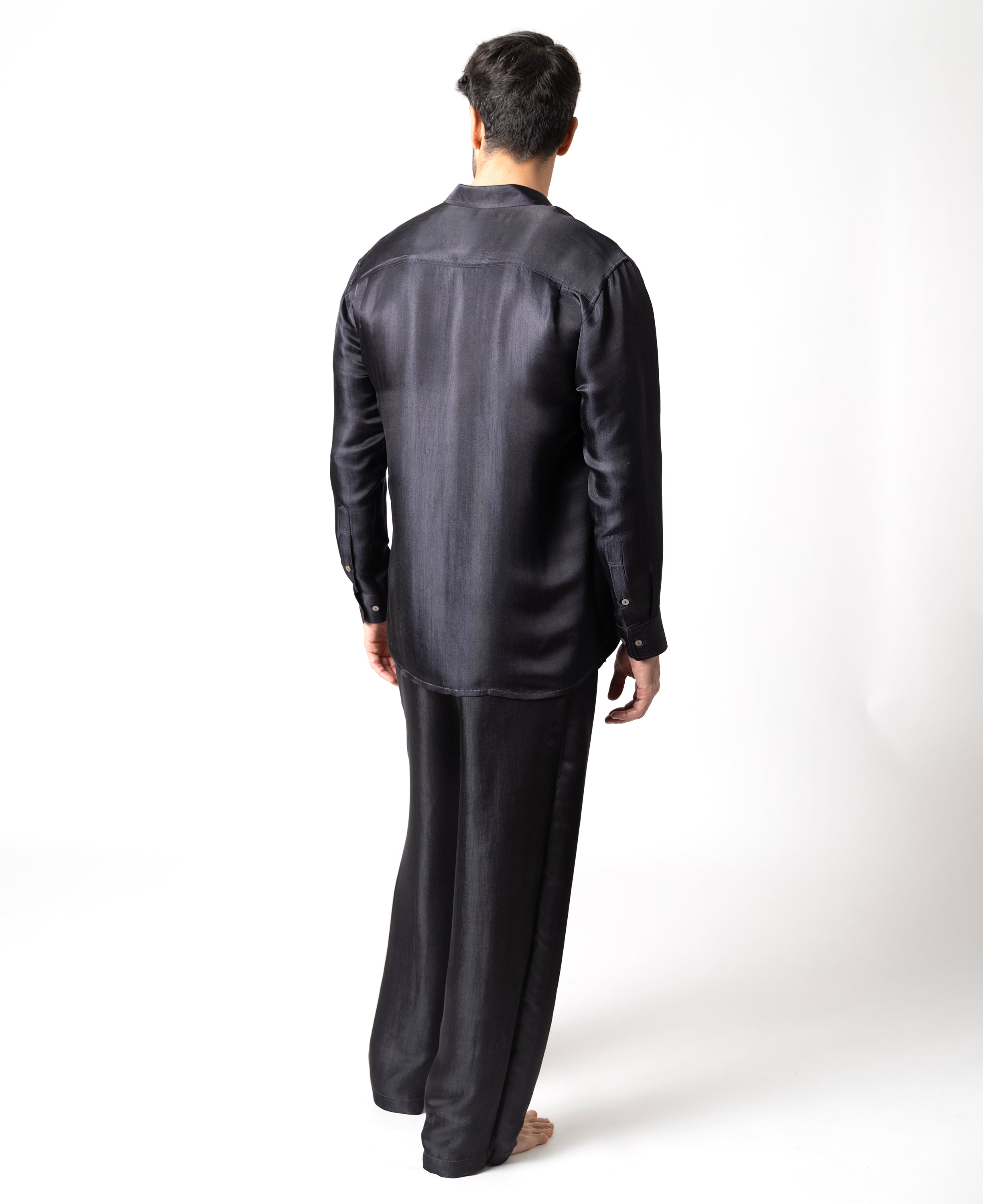
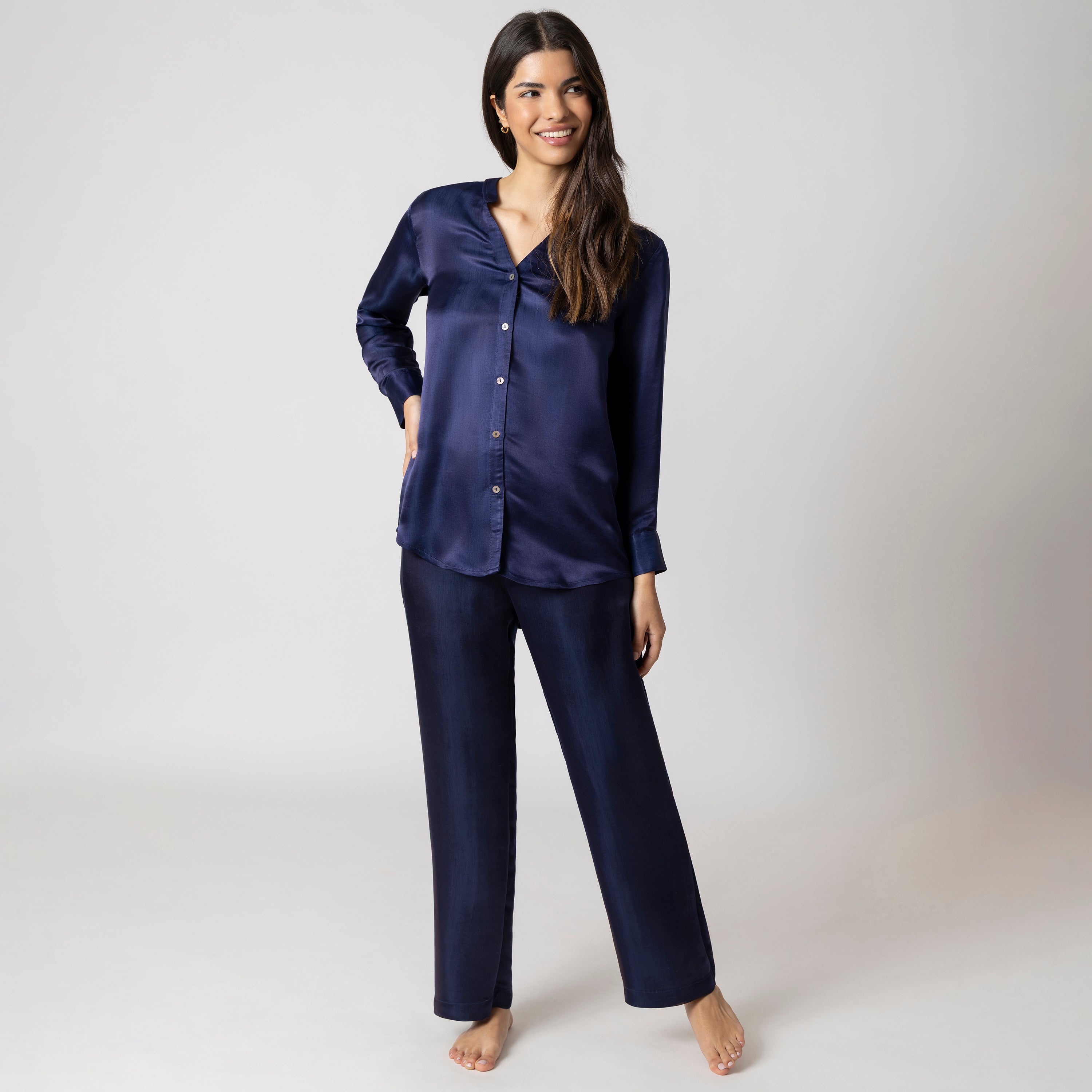
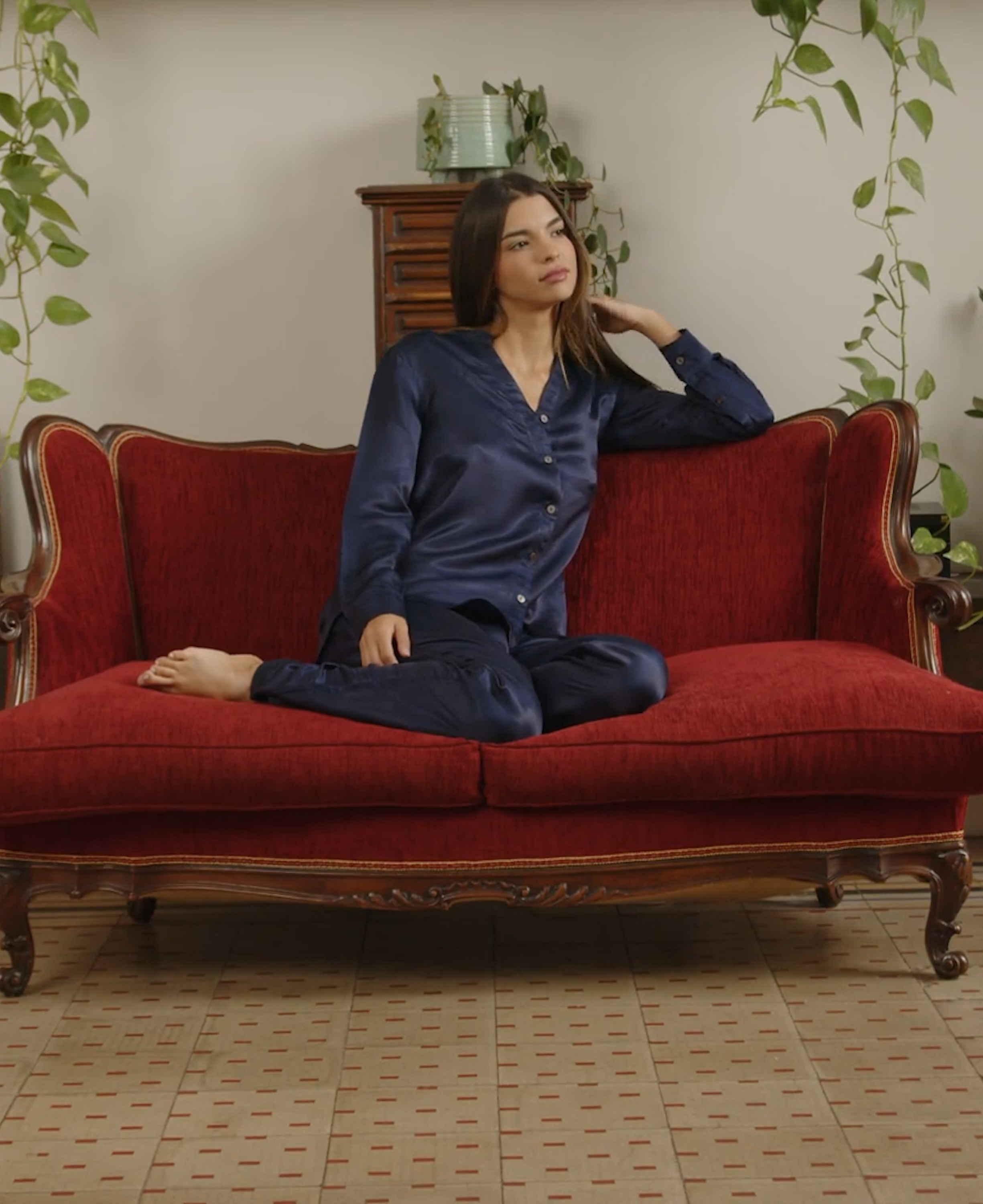
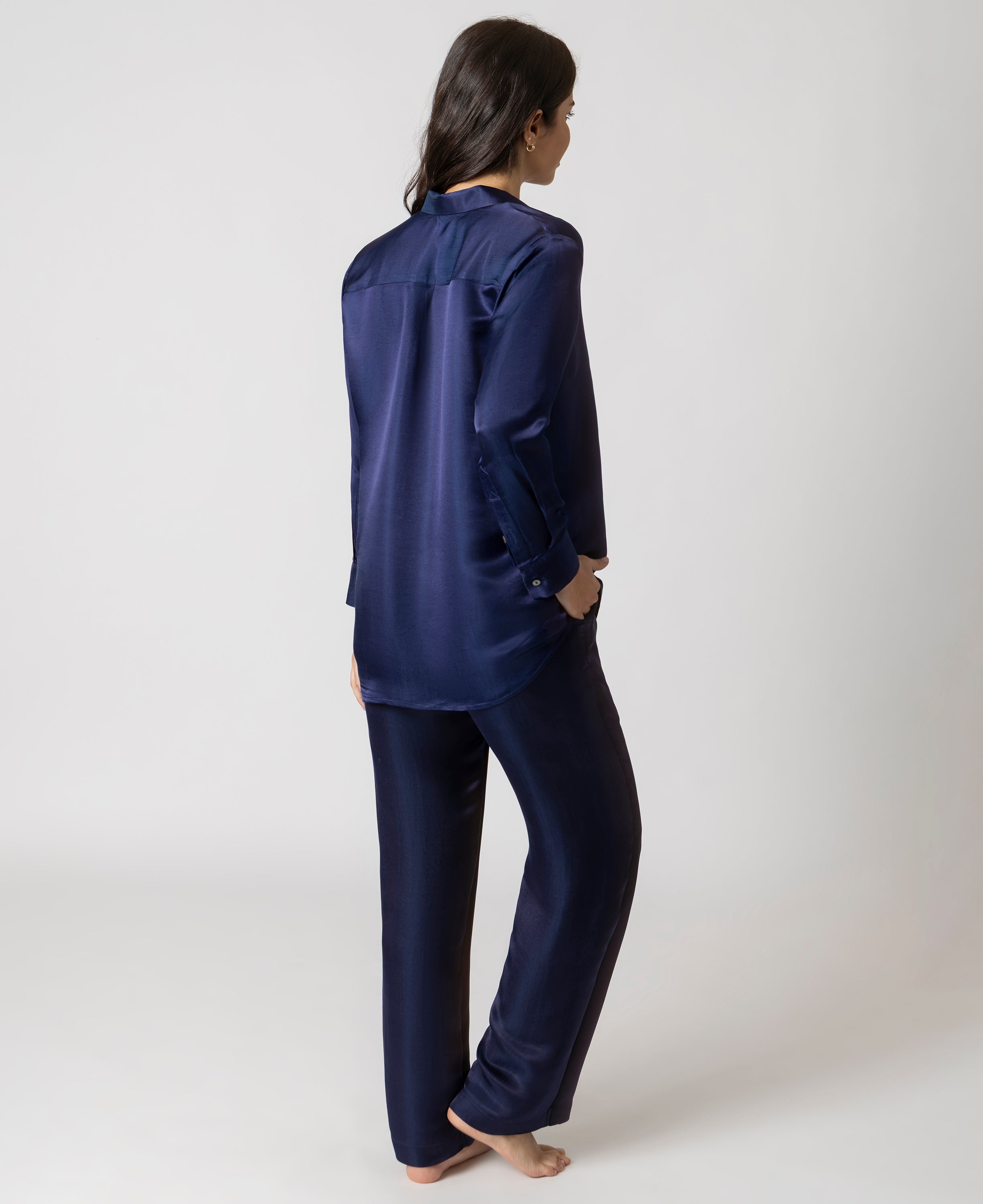
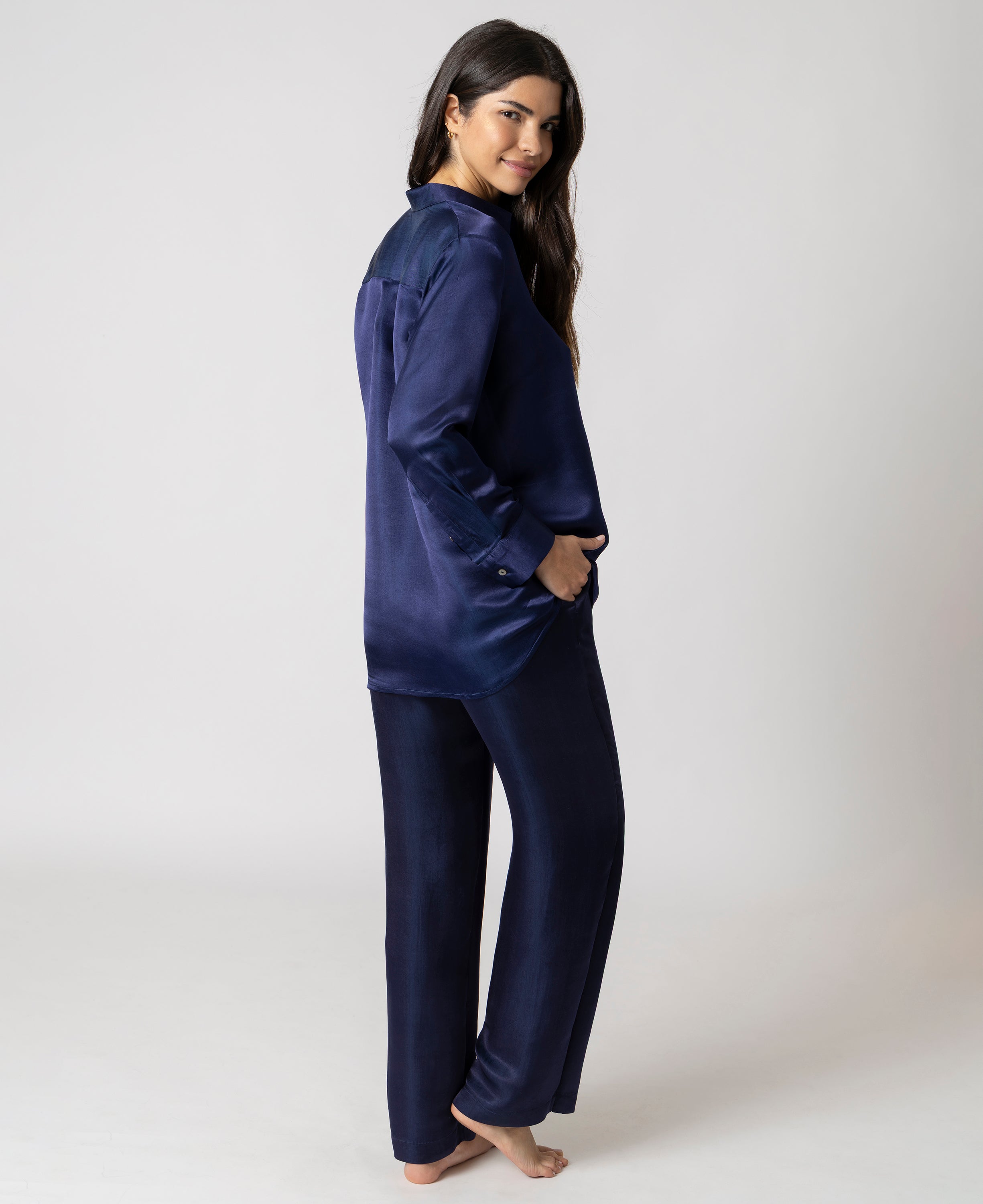
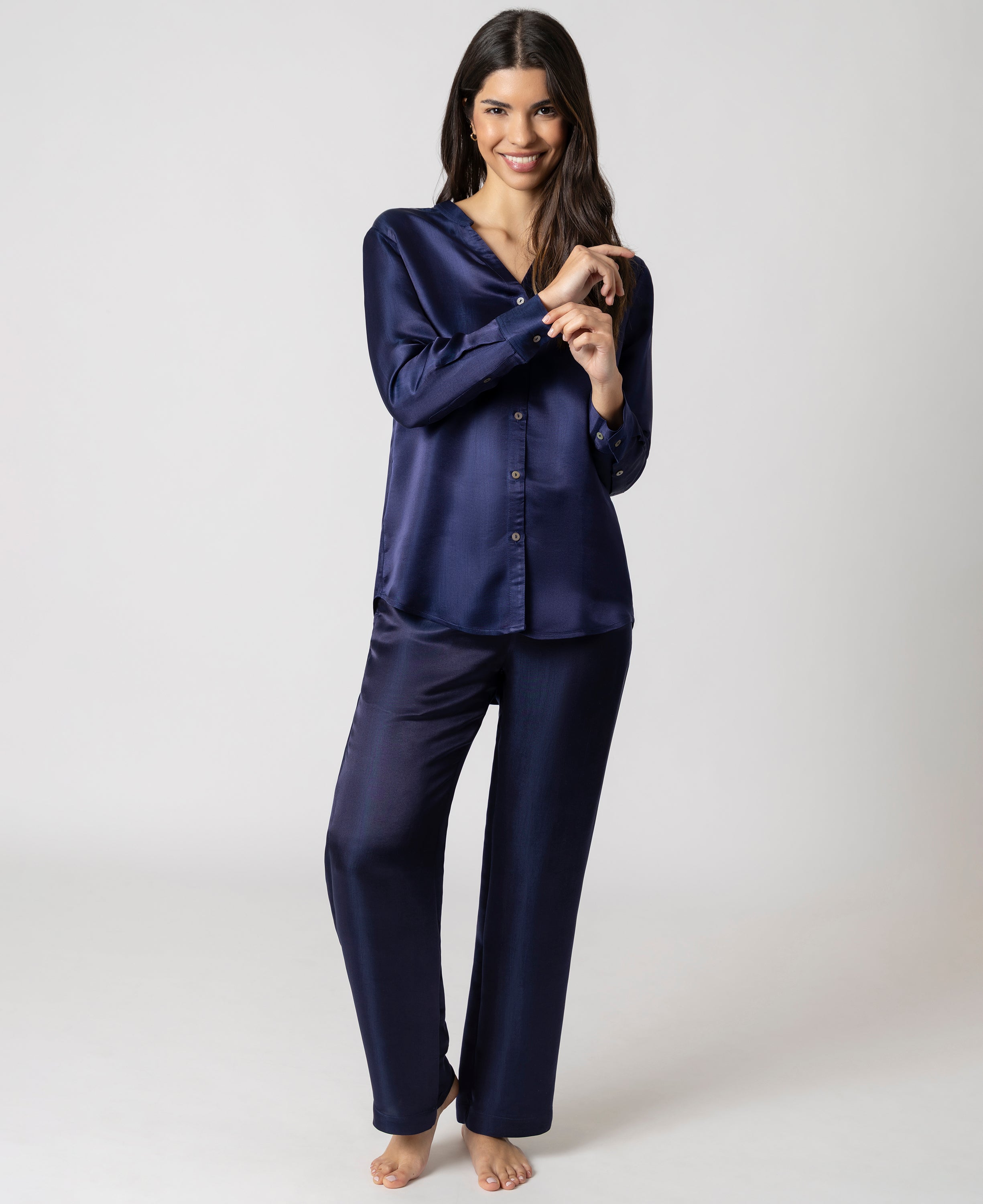
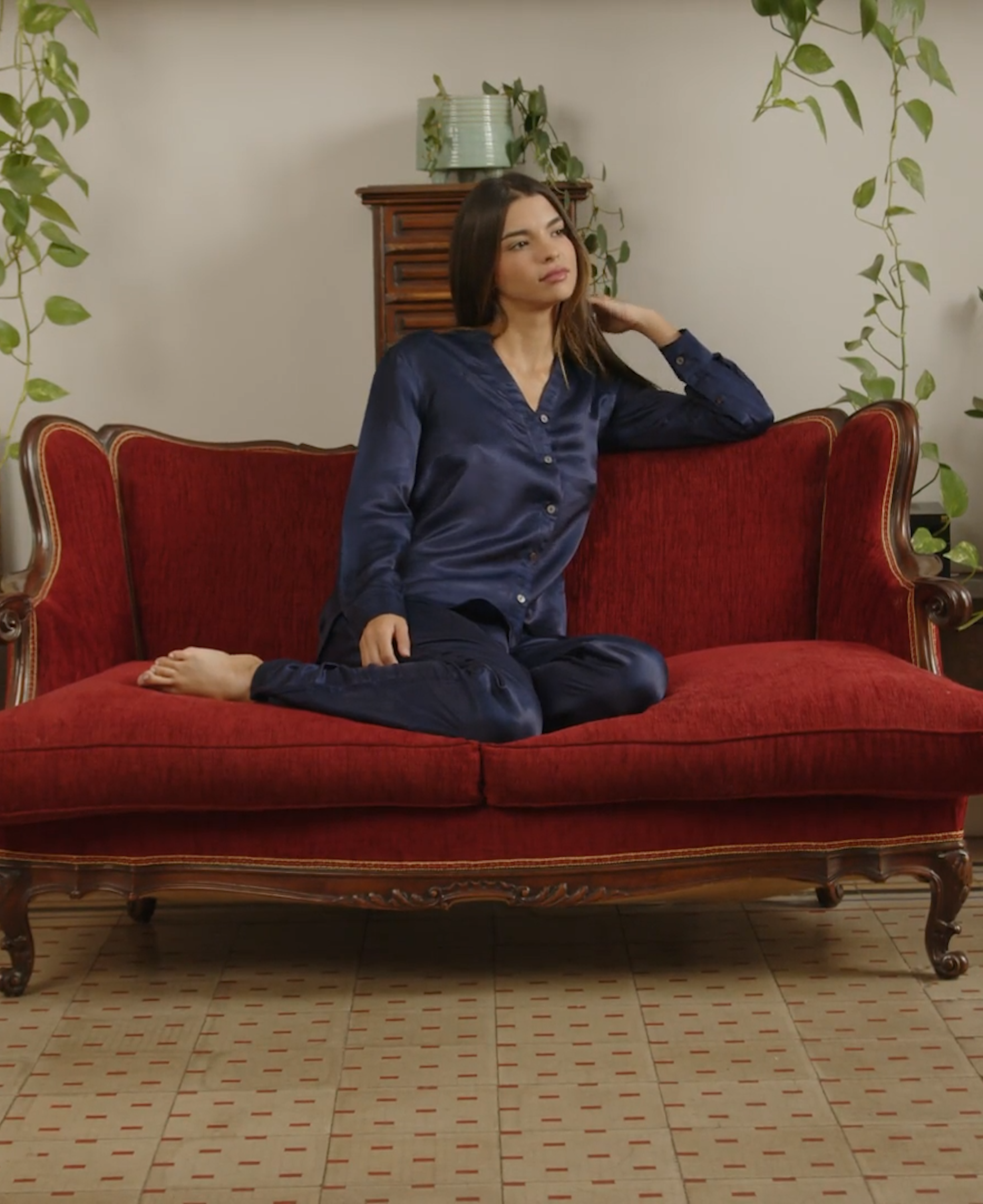
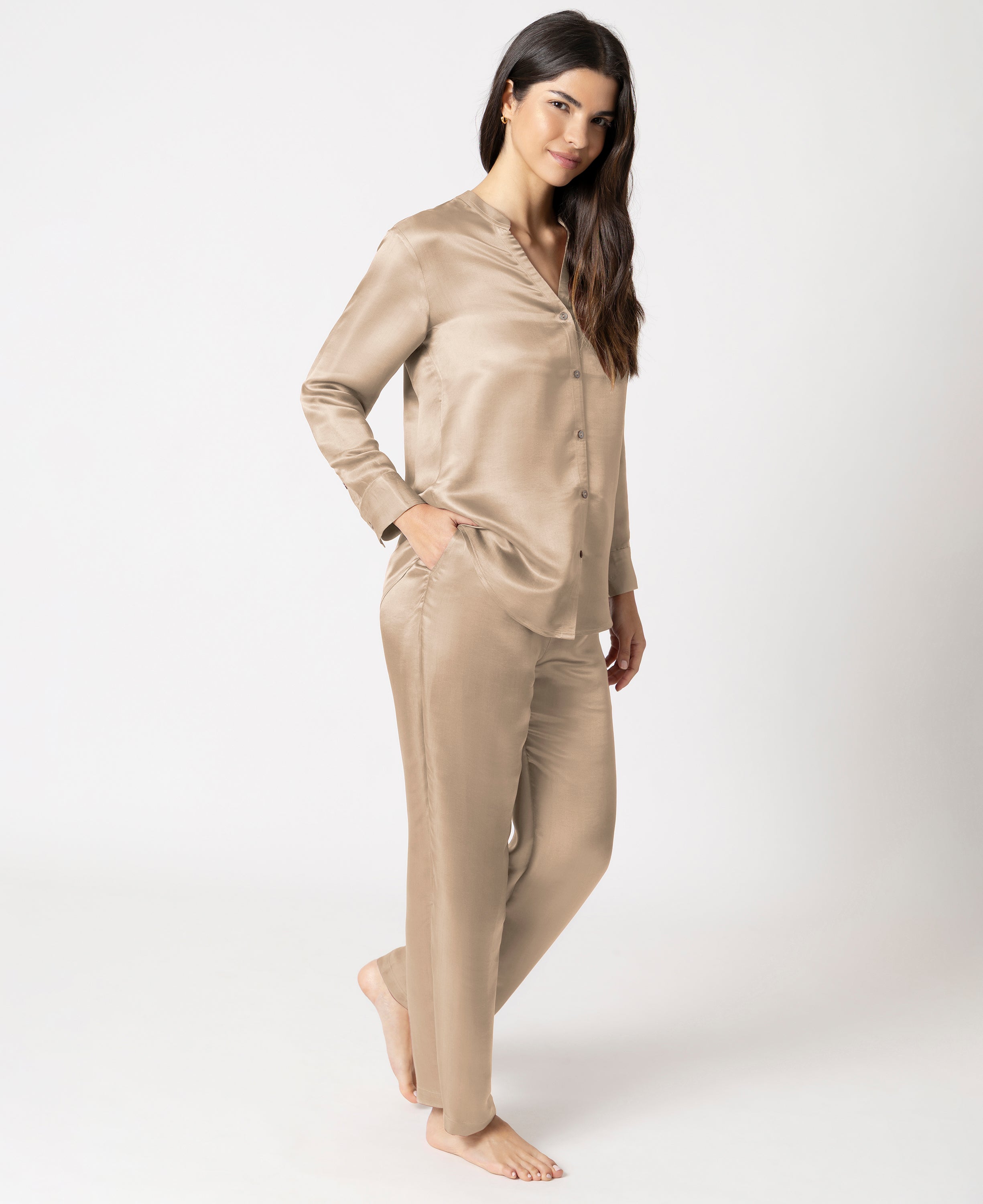
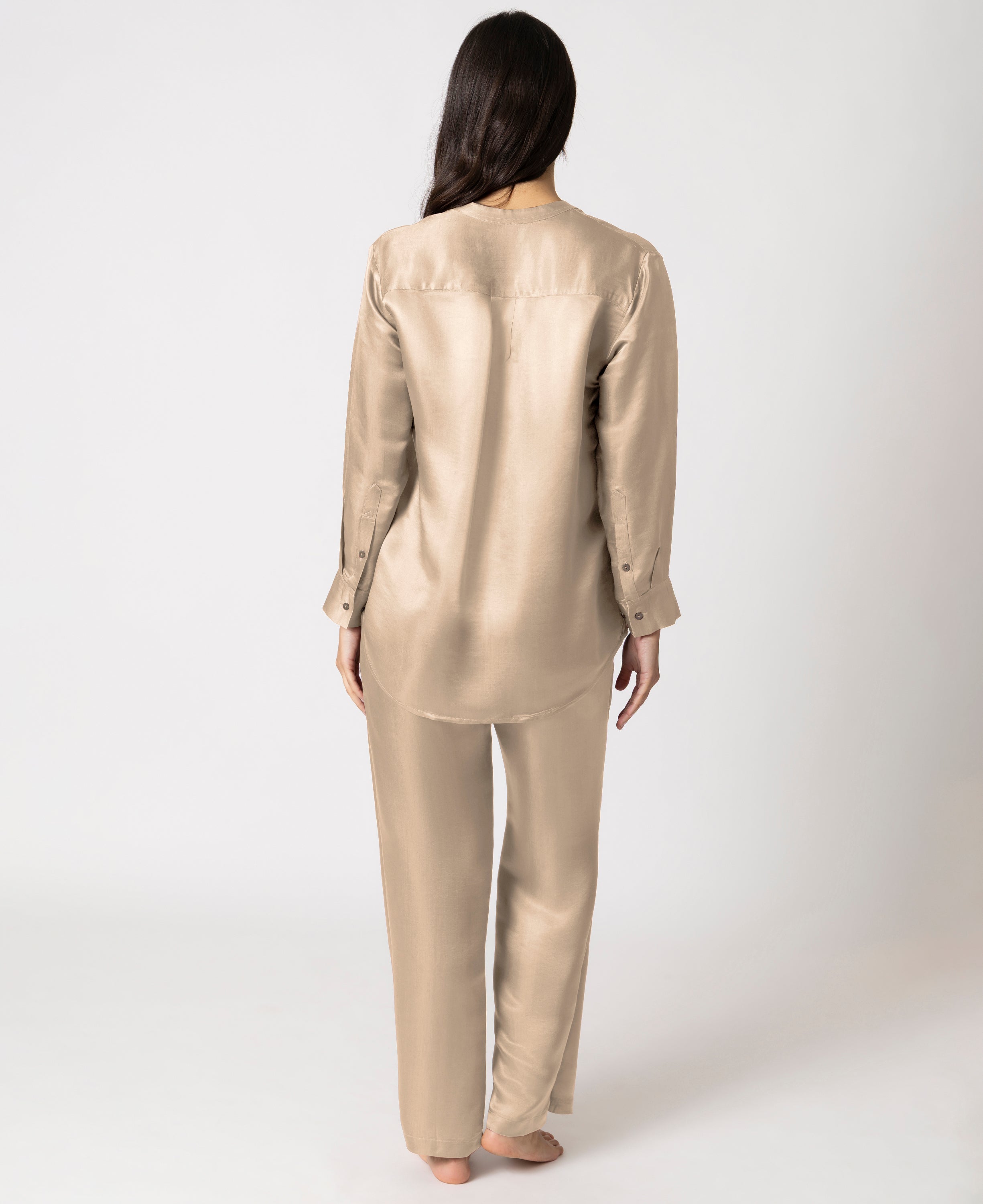
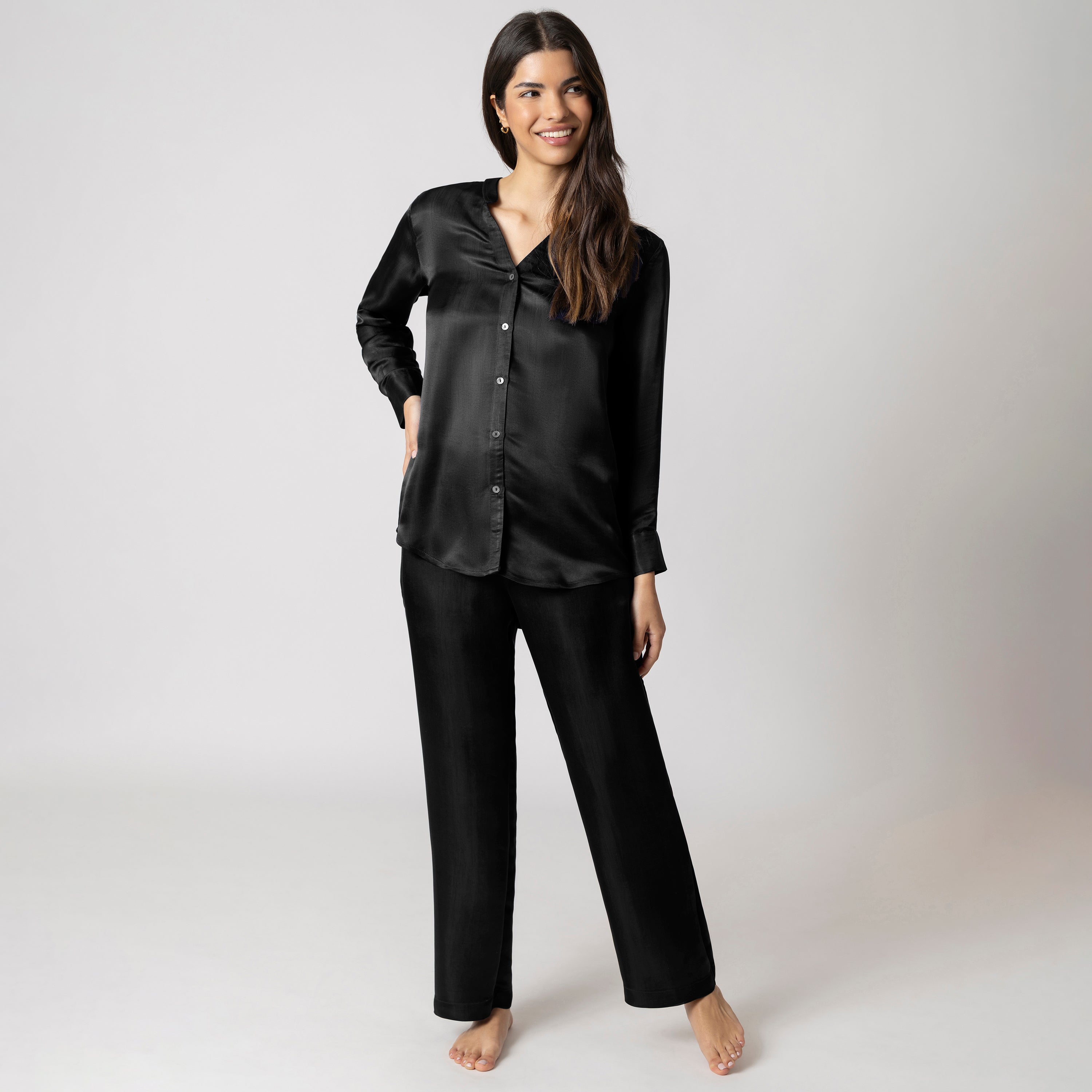
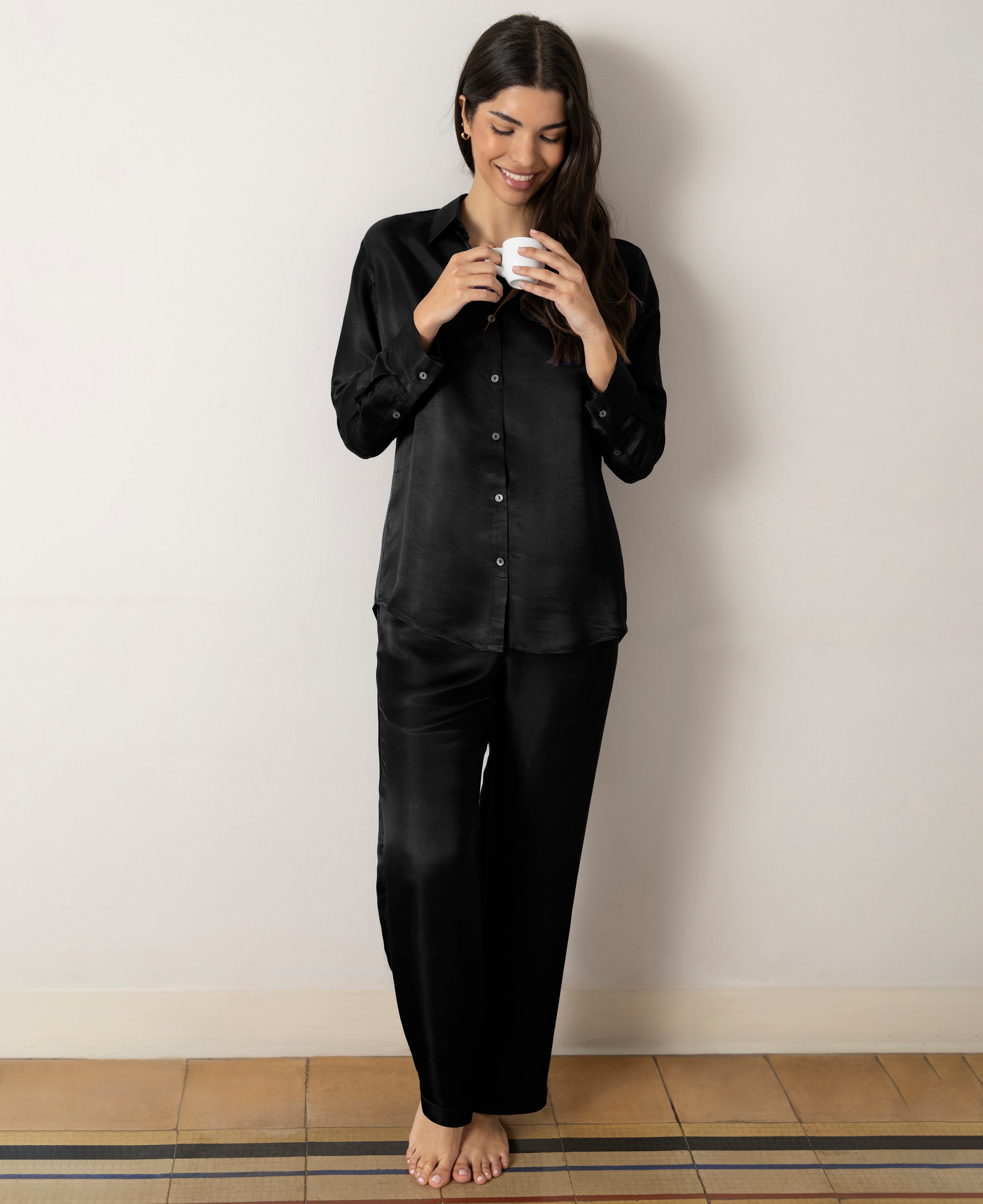
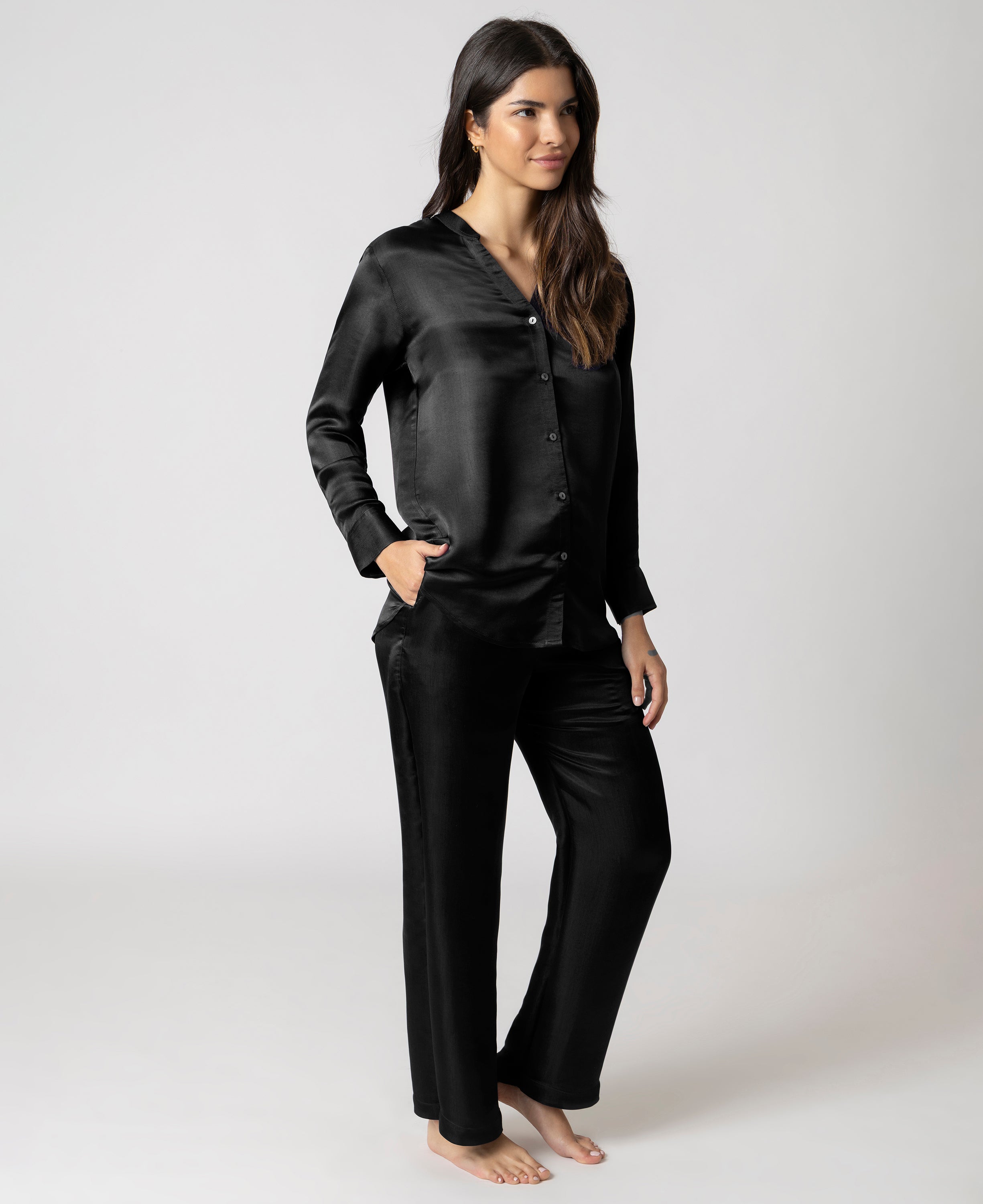
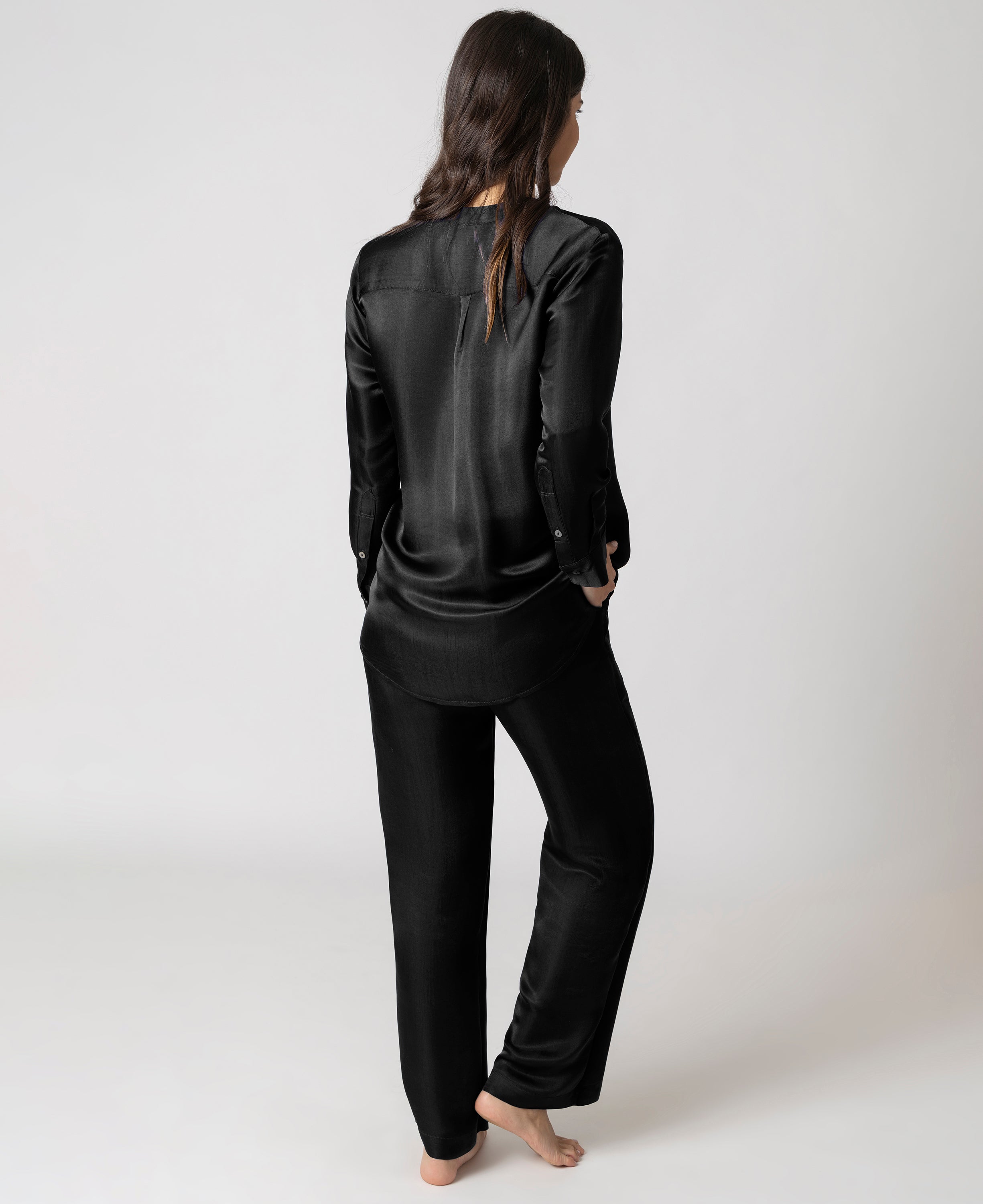
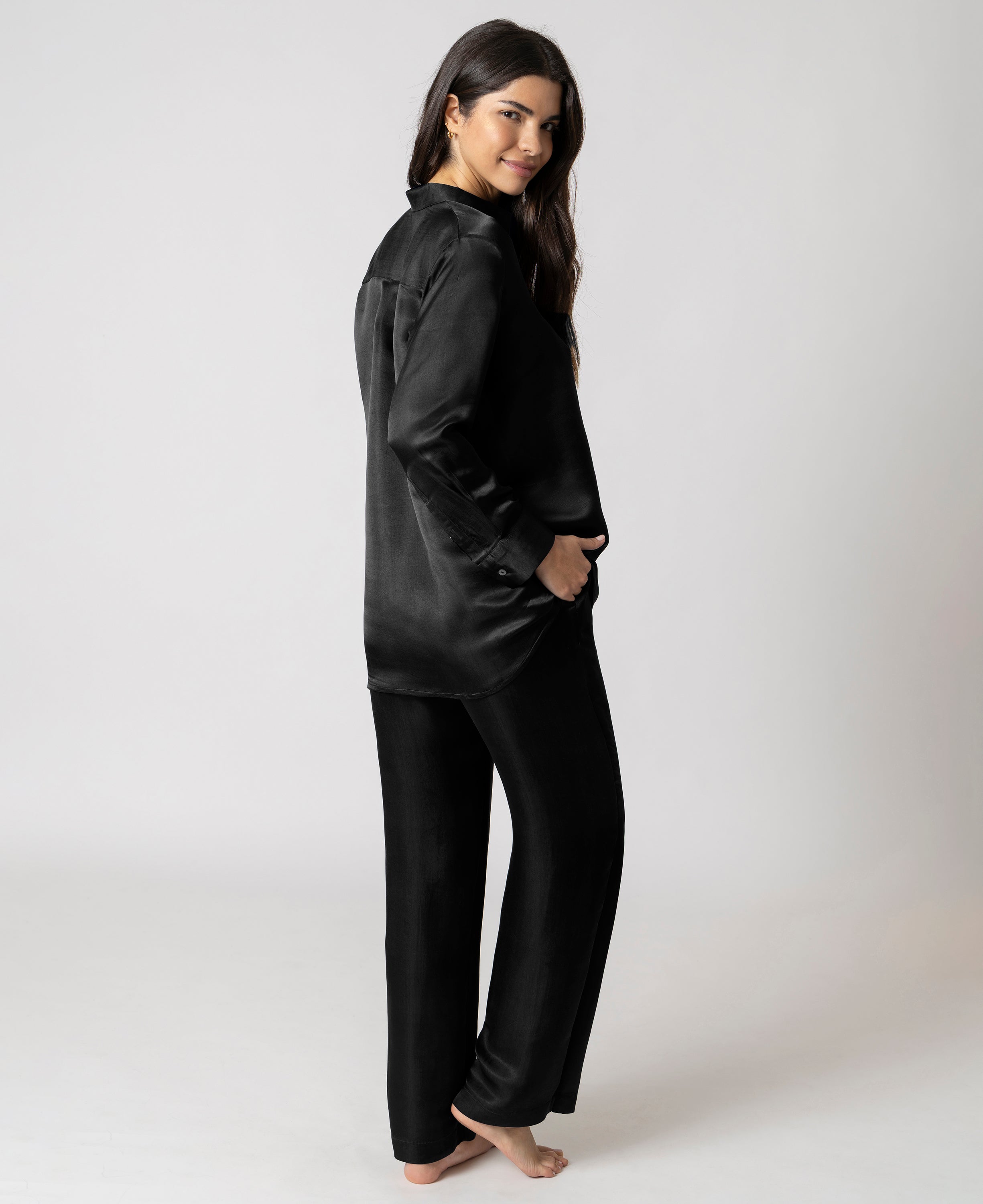
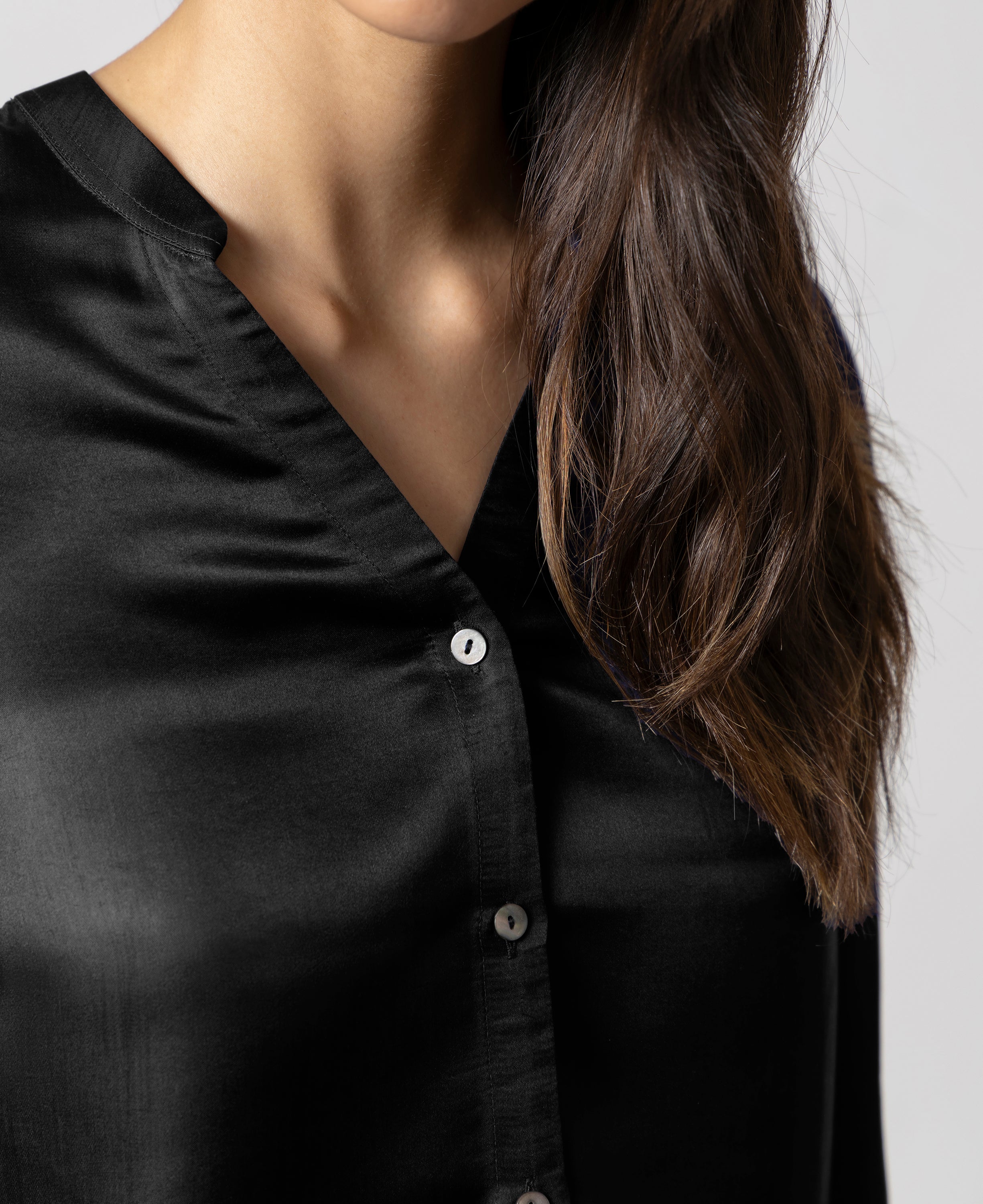
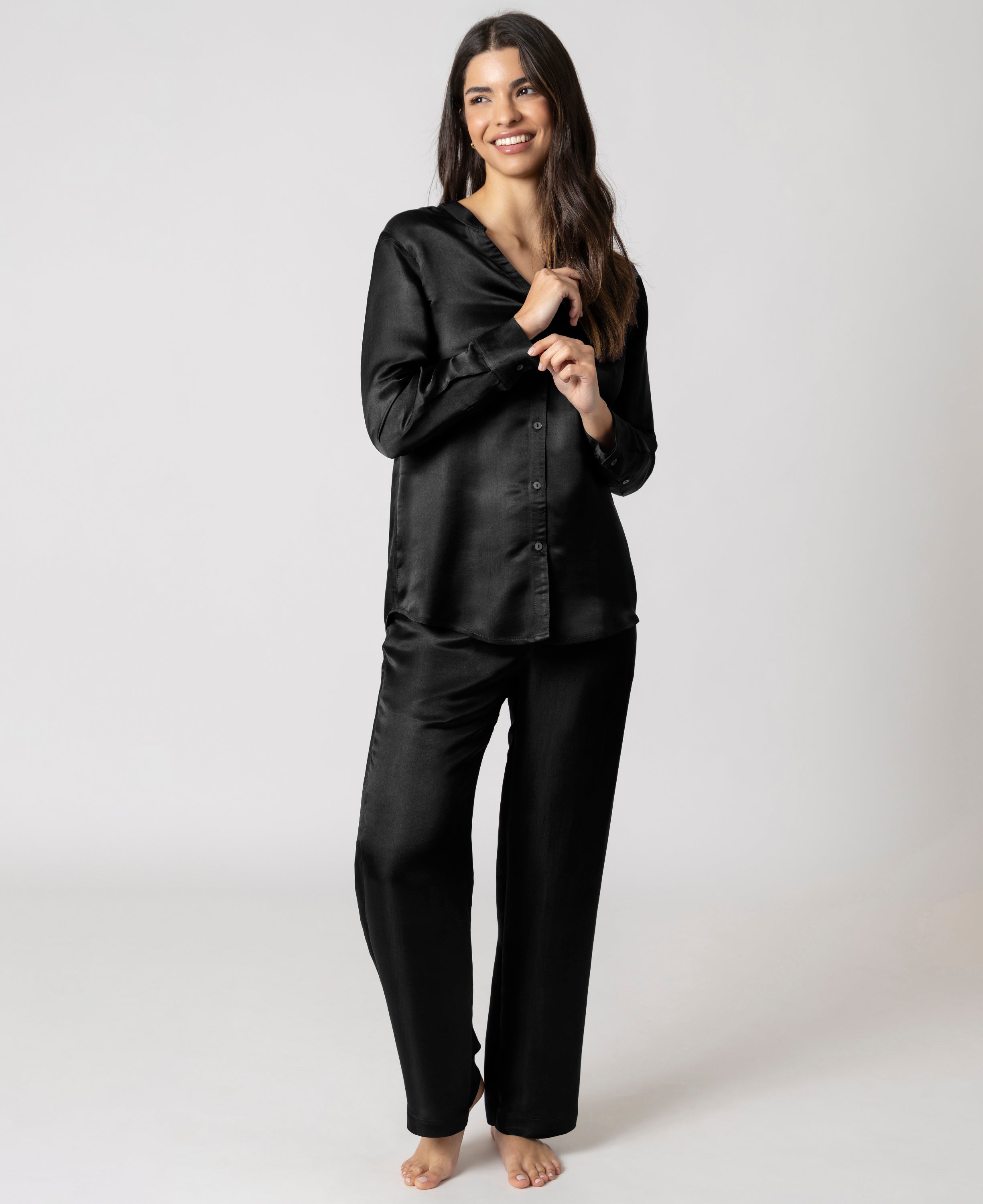
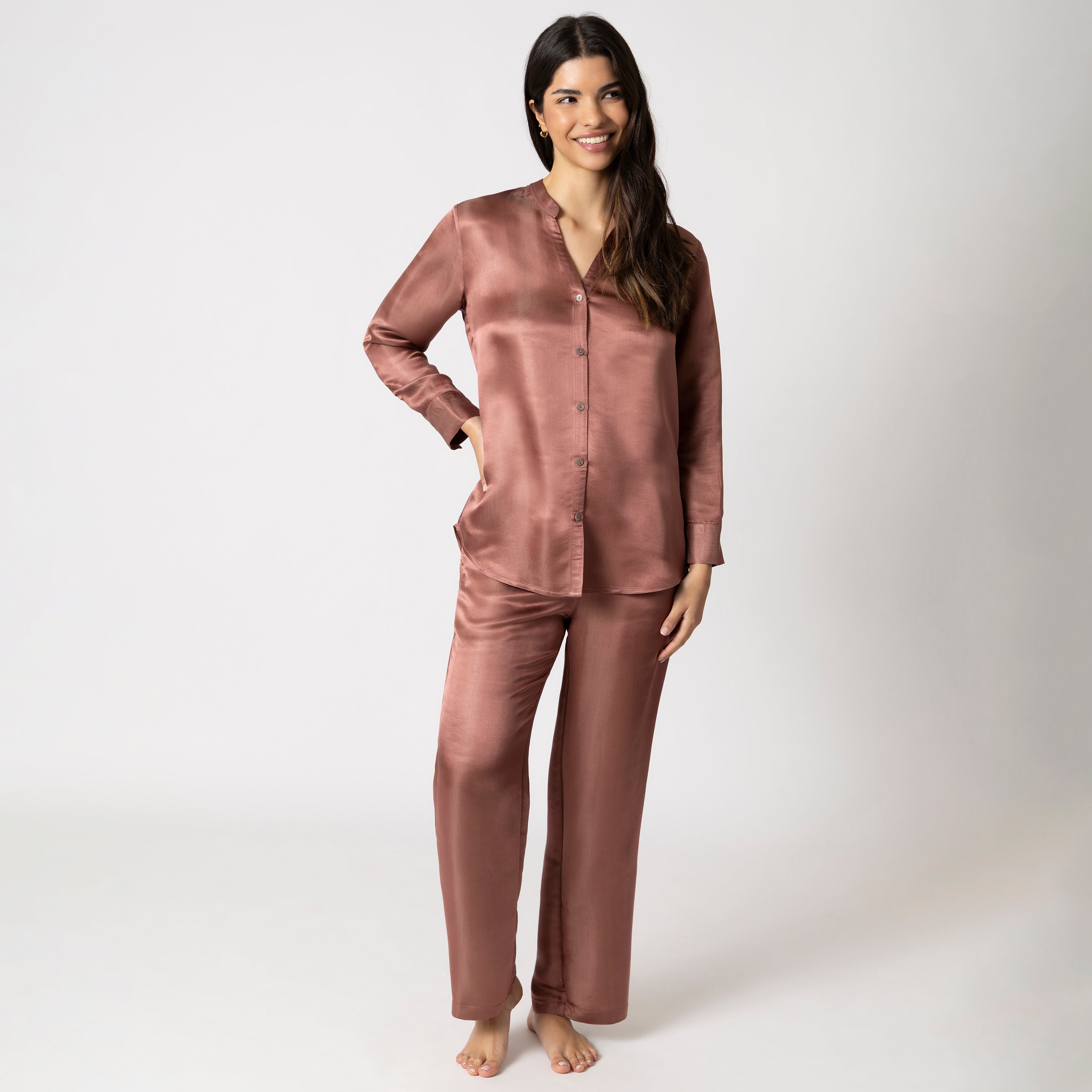
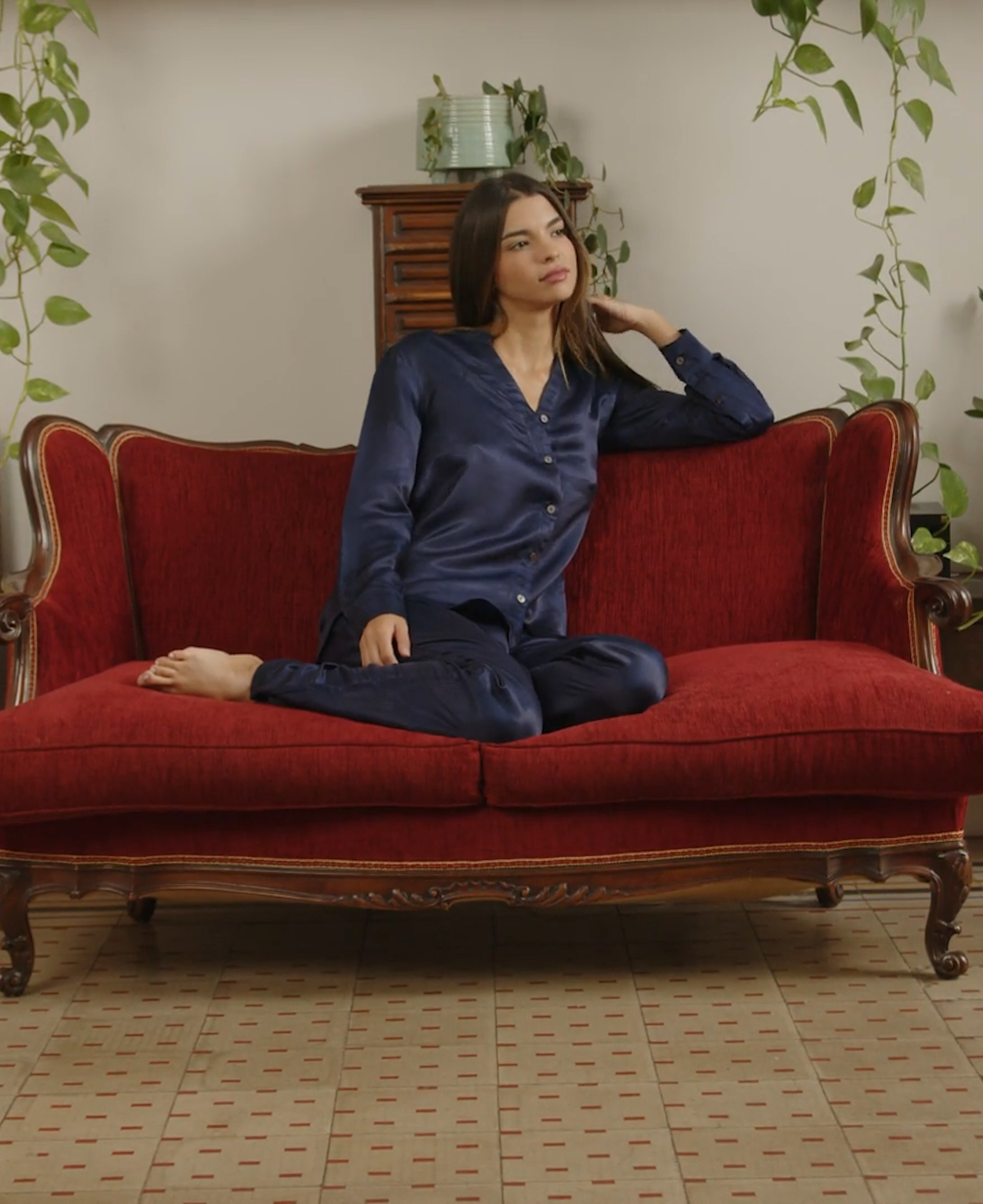
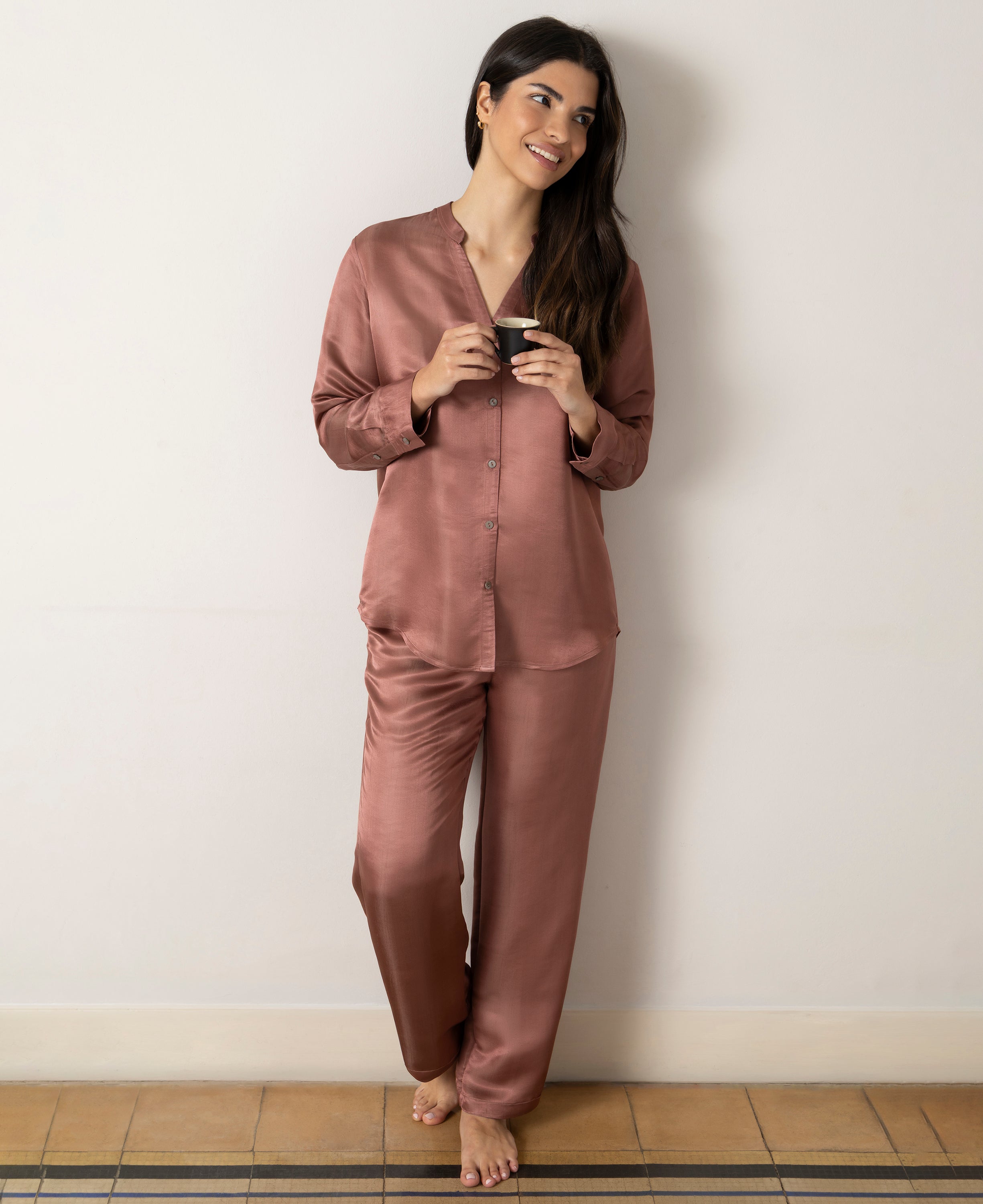
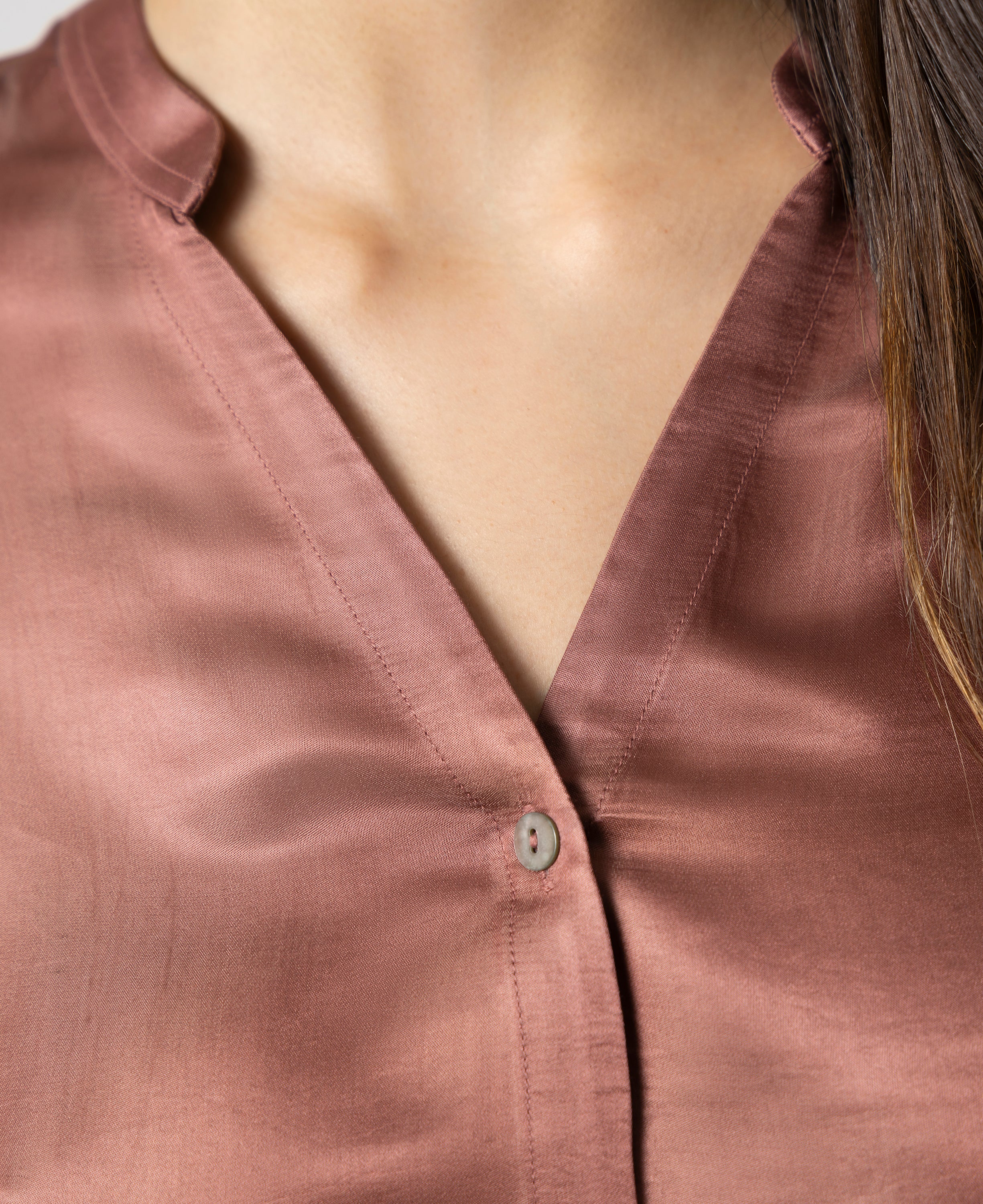
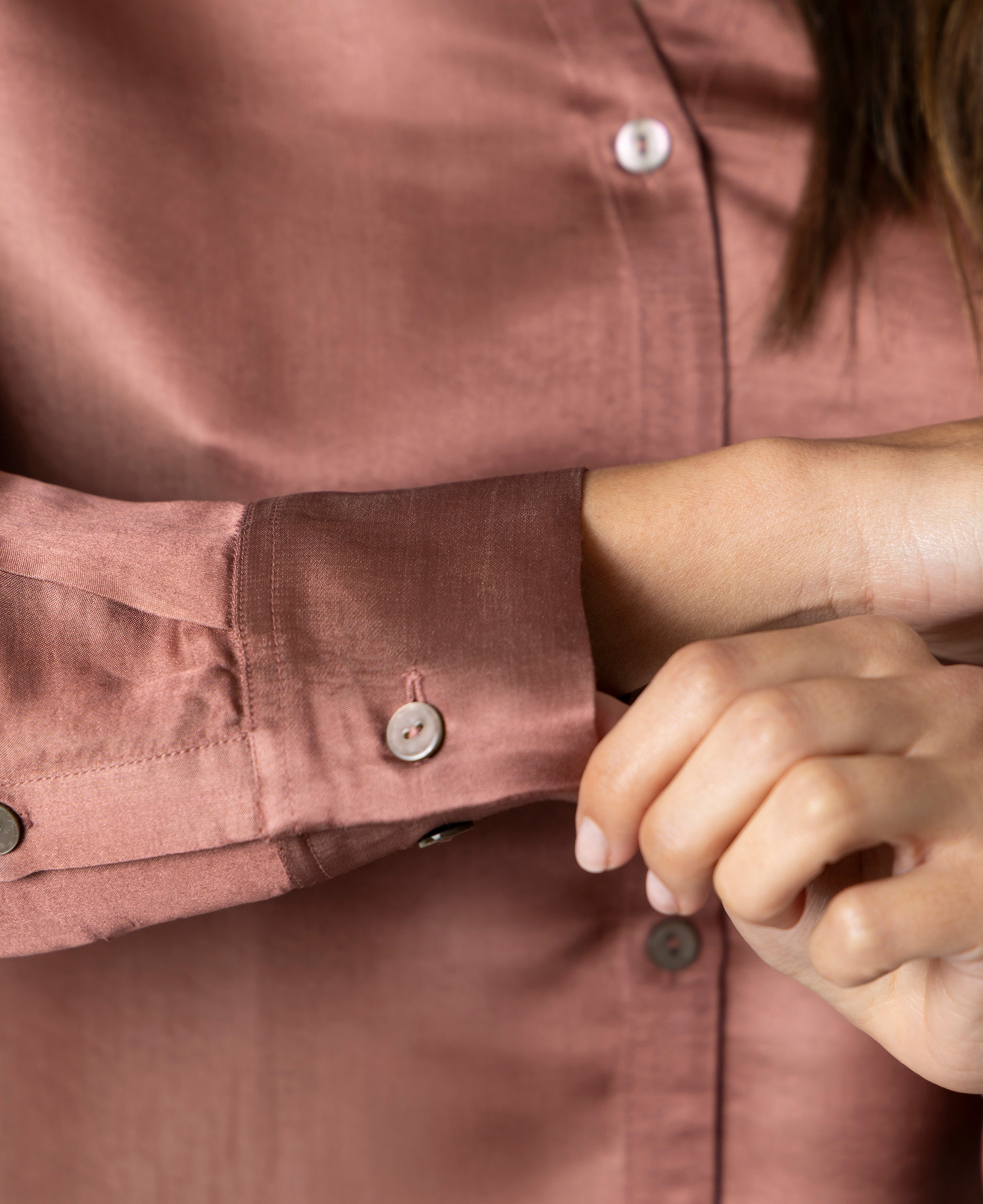
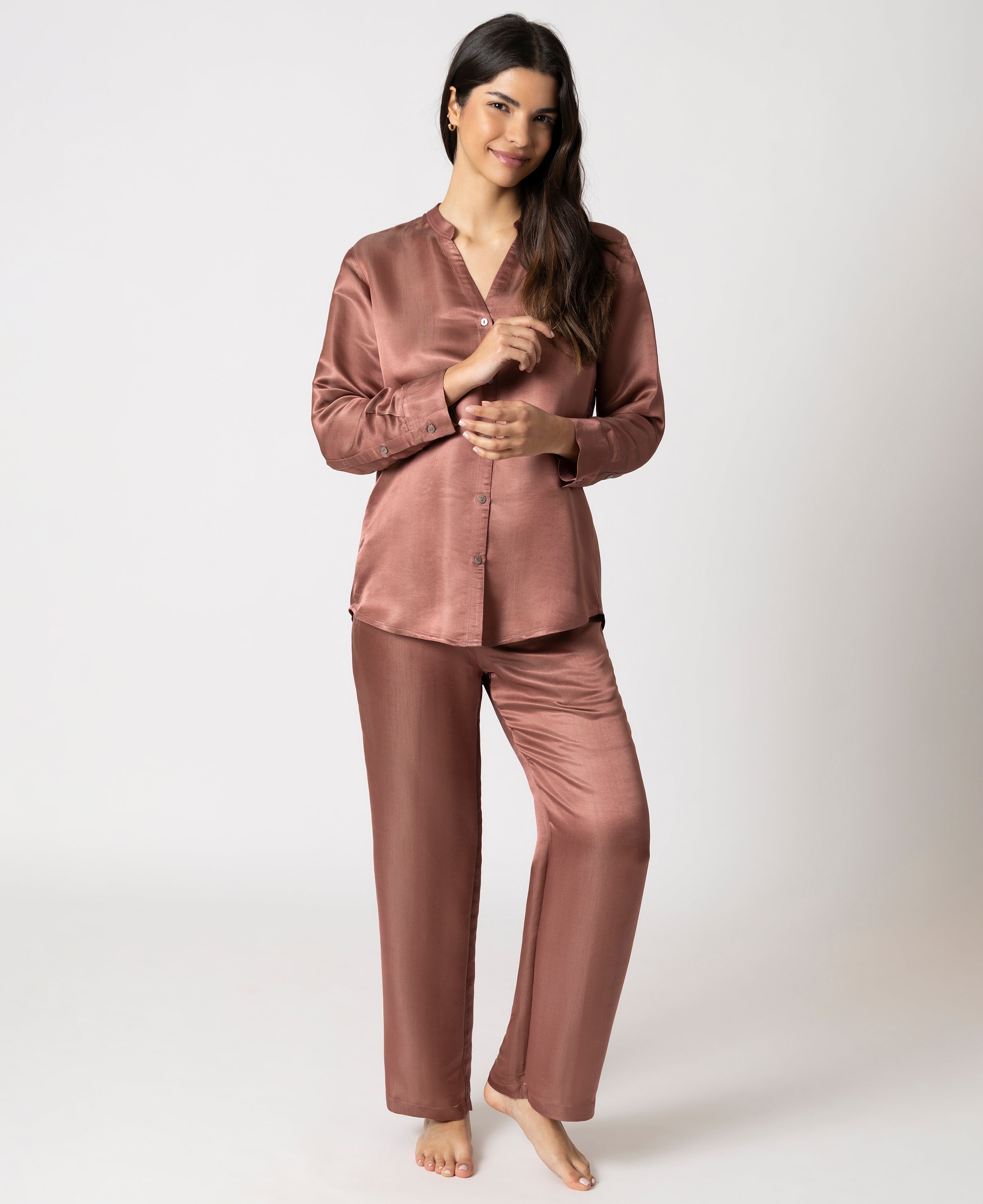
A fuller, band-collar pajama set for her, built for more coverage and warmth, paired with the boxers for him.
She's in-between. He sleeps warm.
A cami pajama set for her, lighter than a full set but with more coverage than a nightgown, paired again with the boxers.
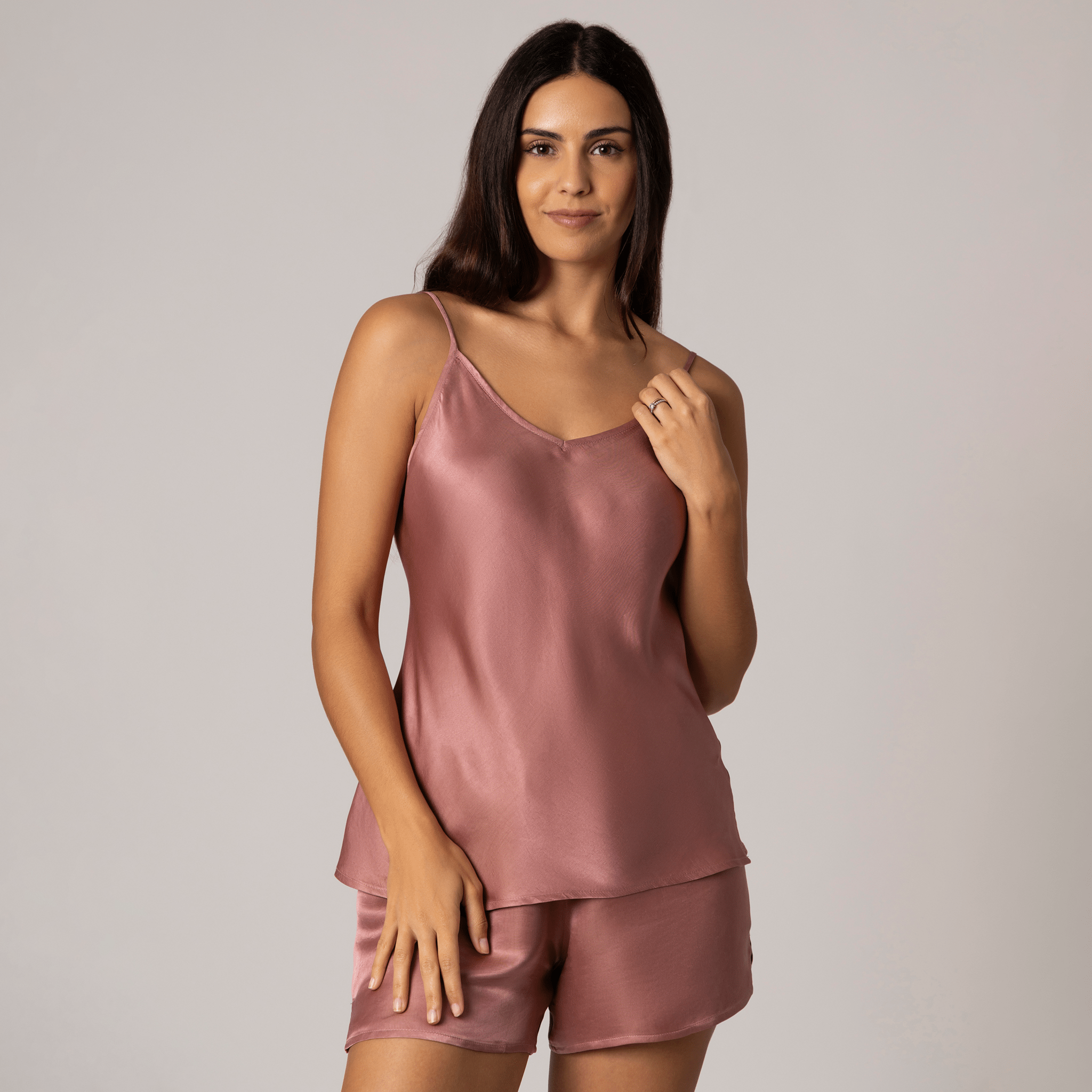

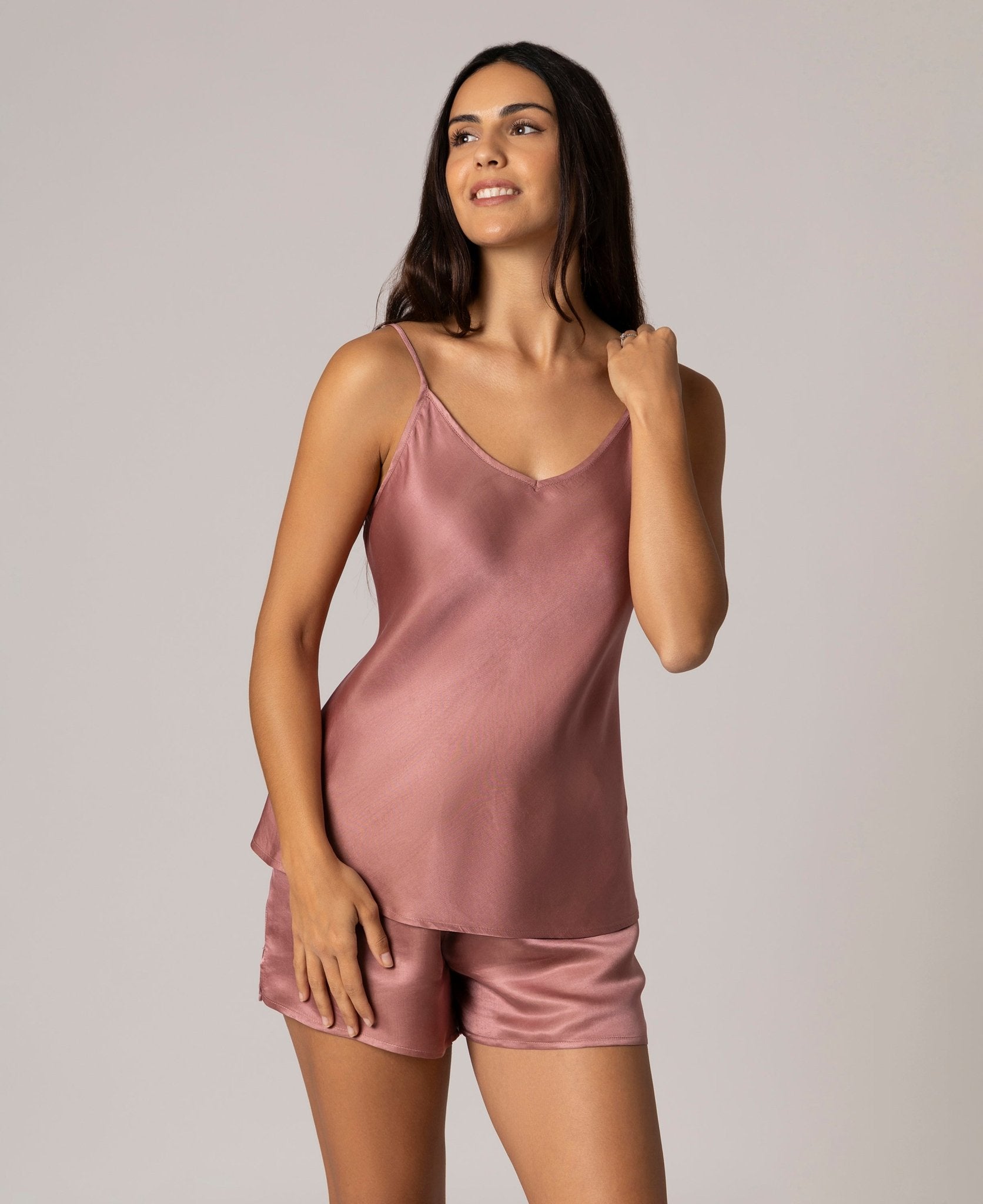
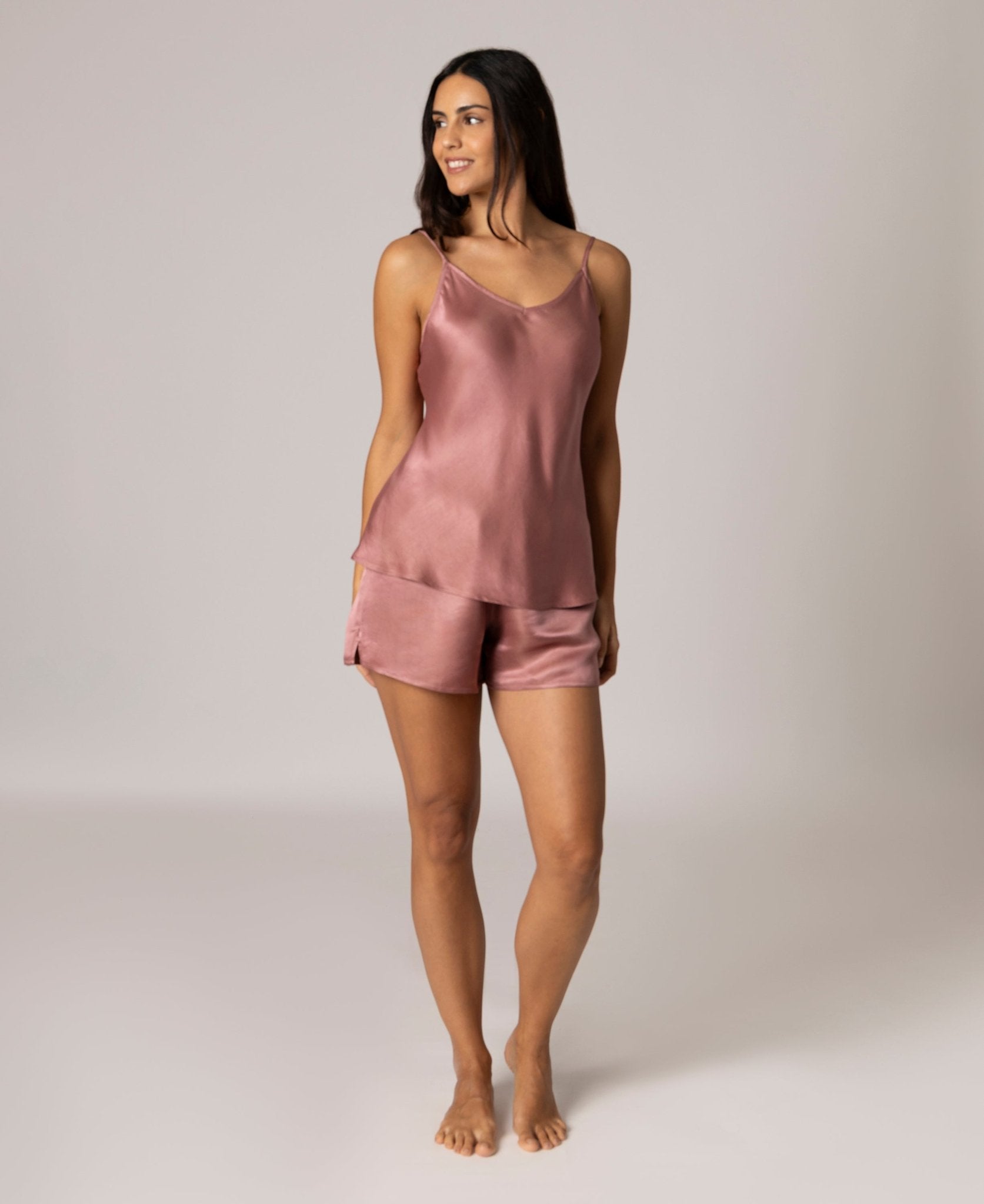
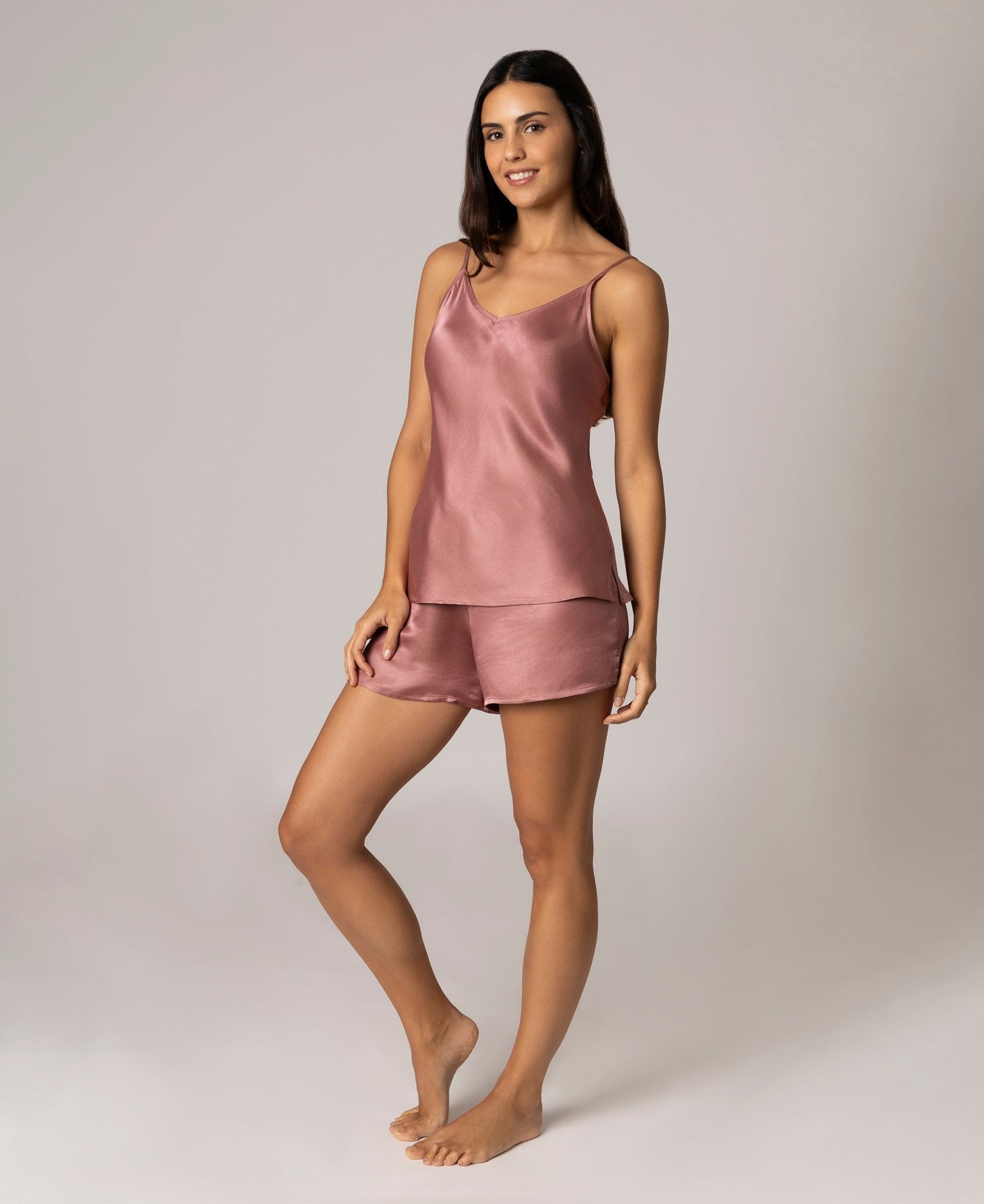
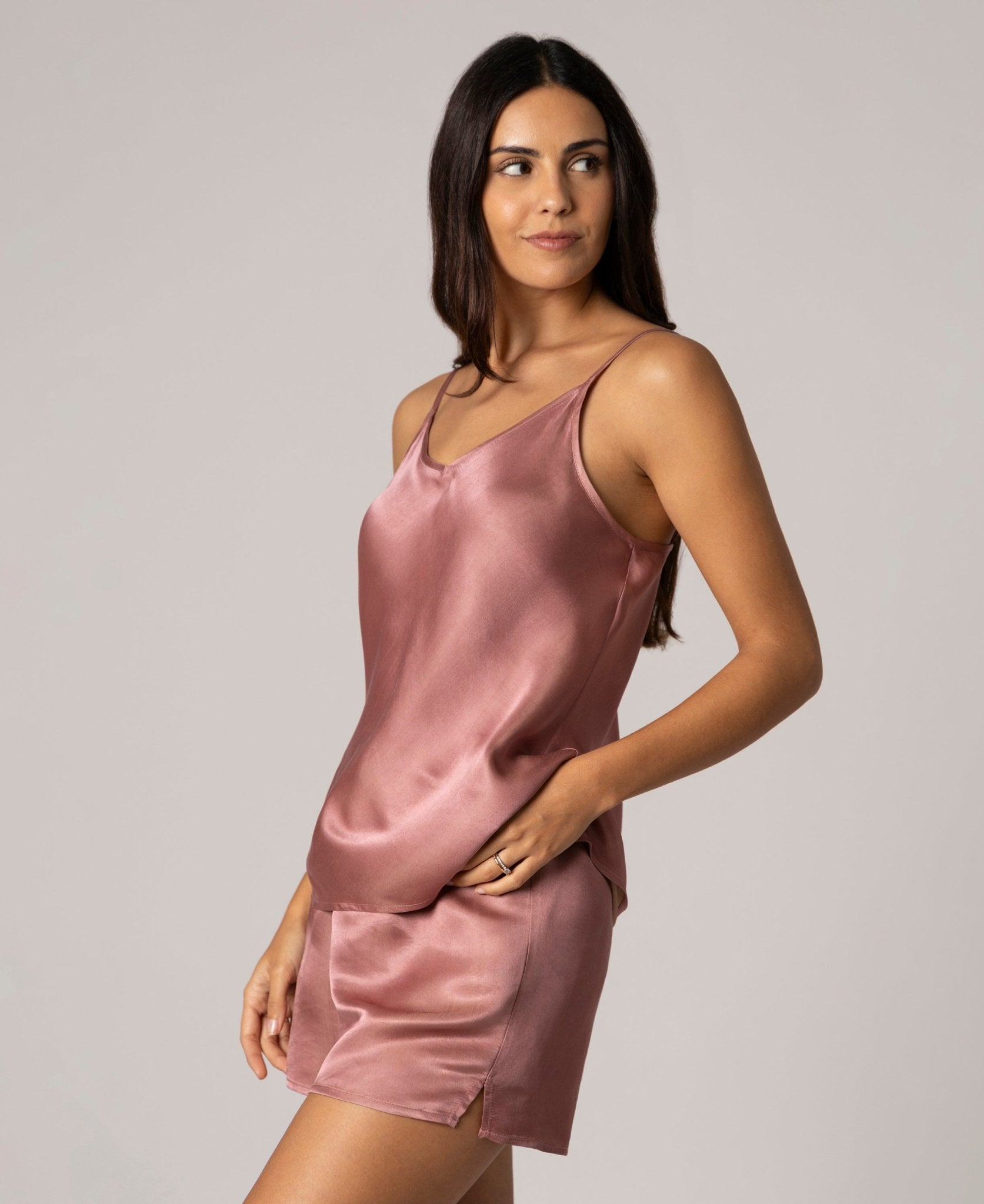
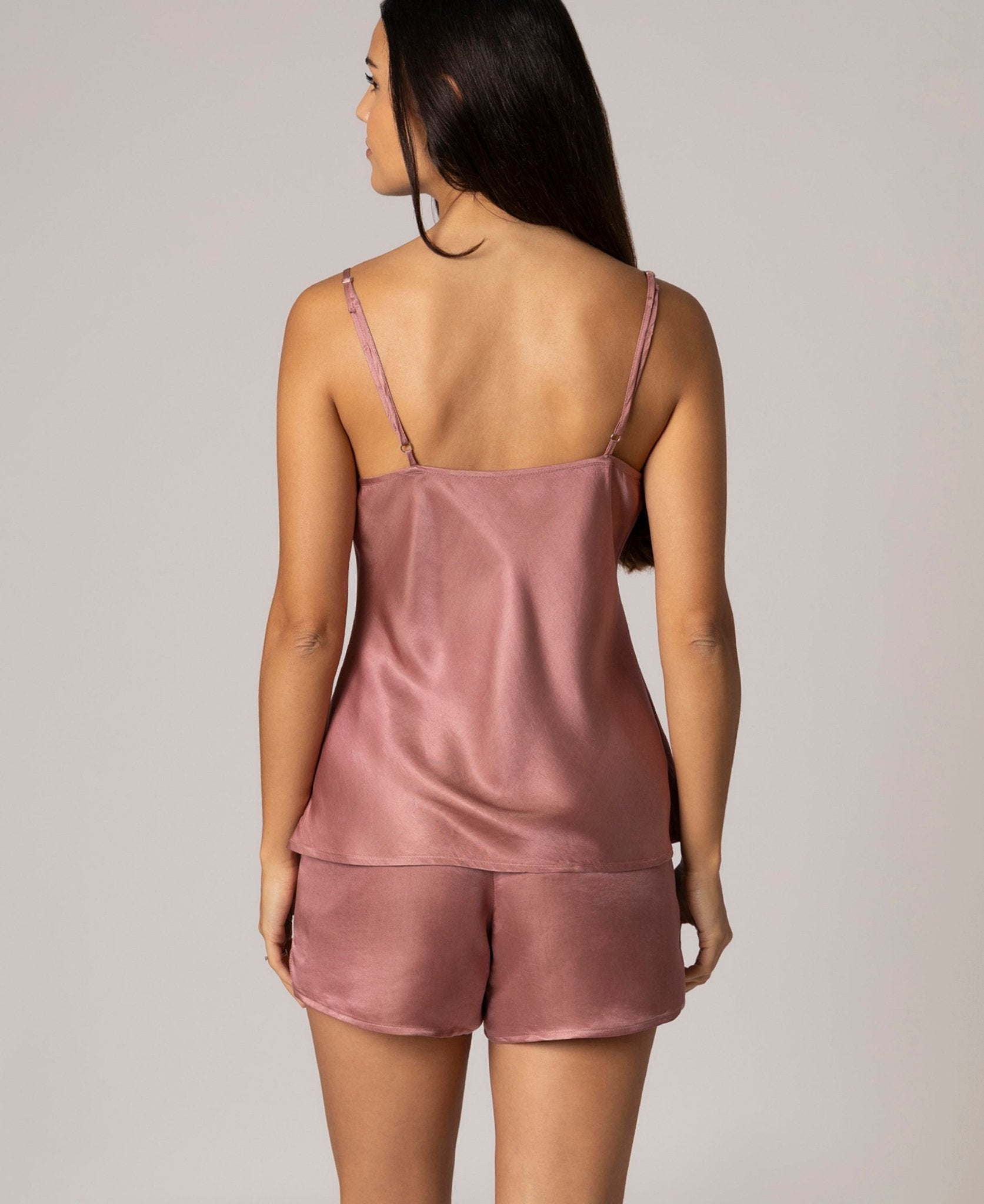

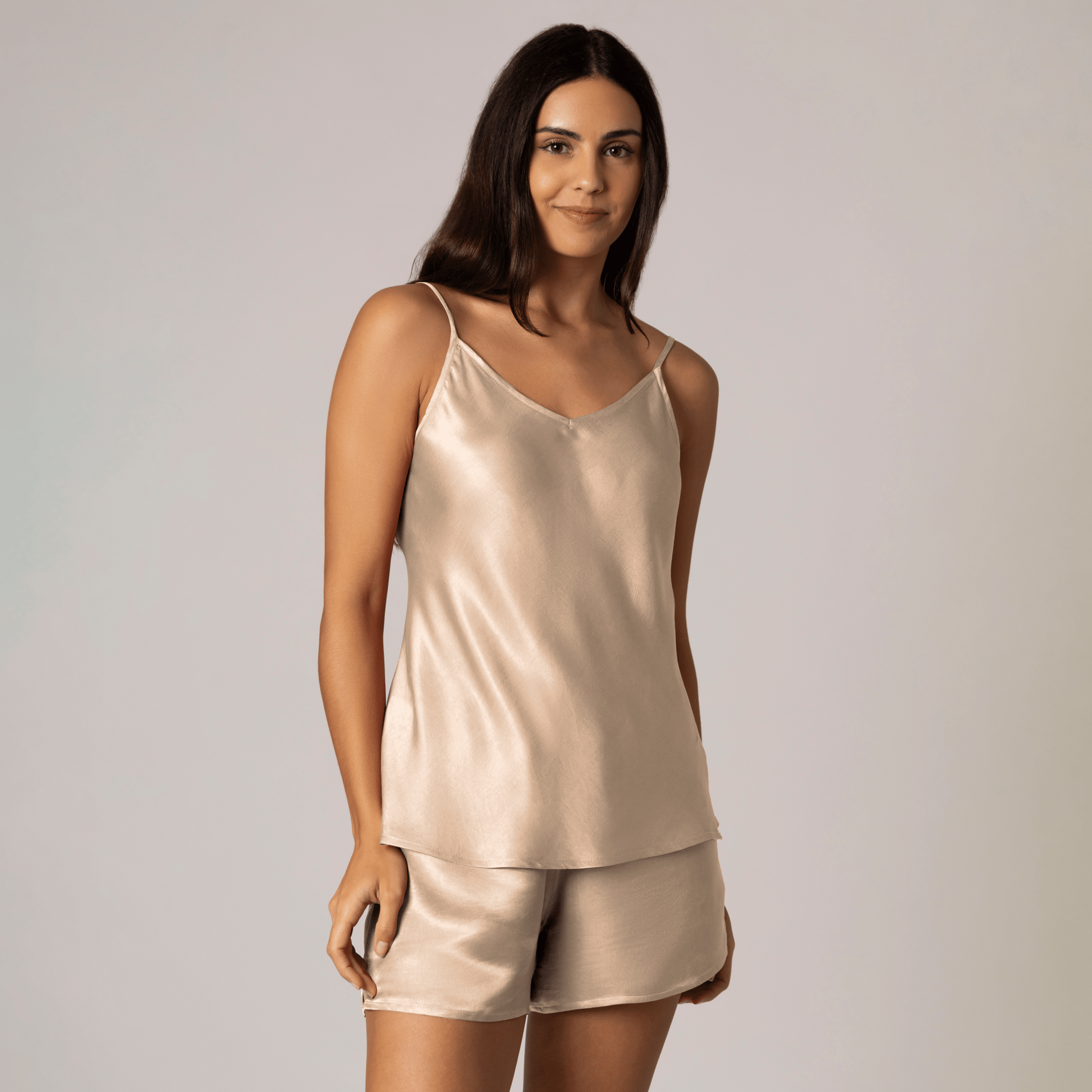

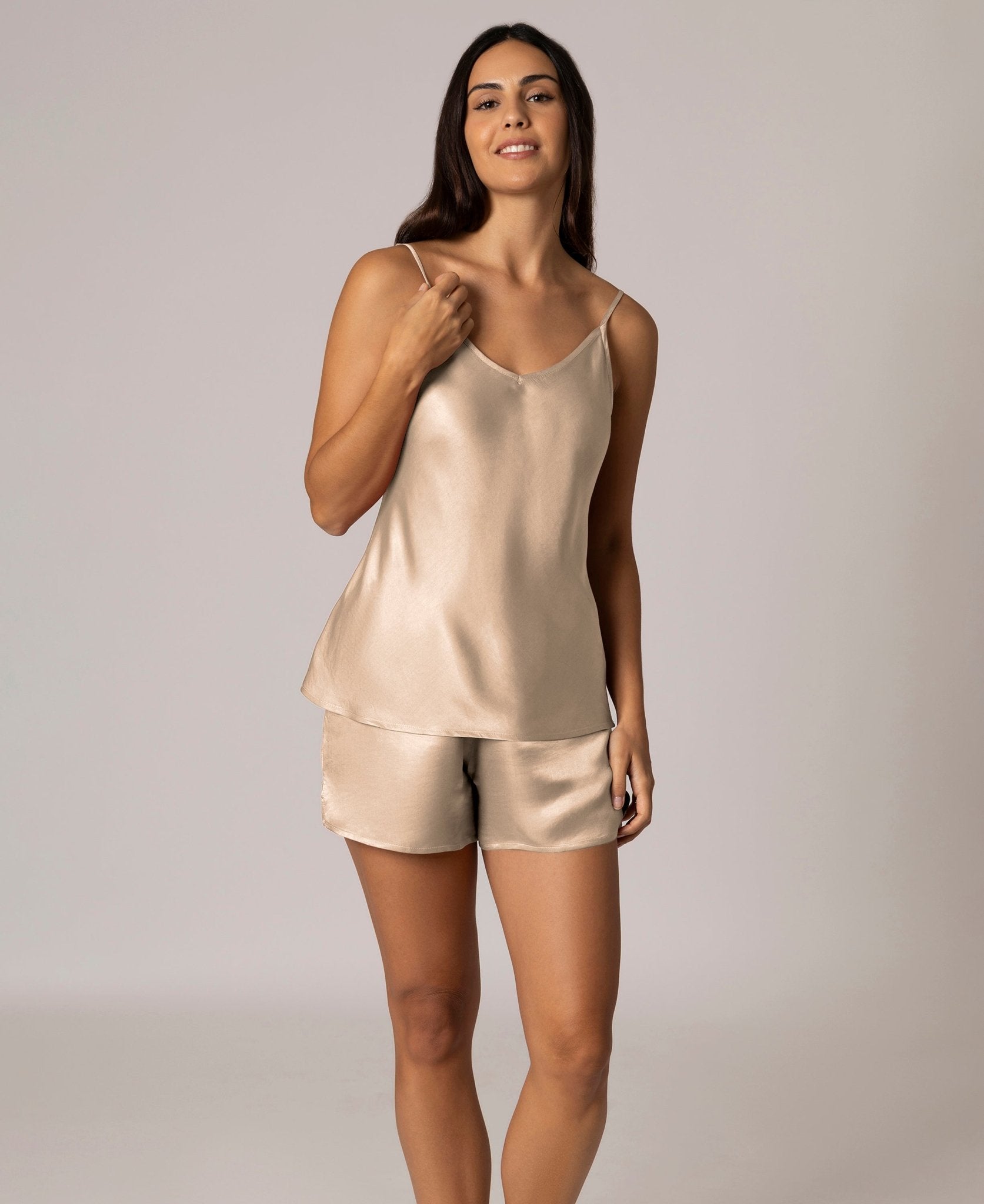

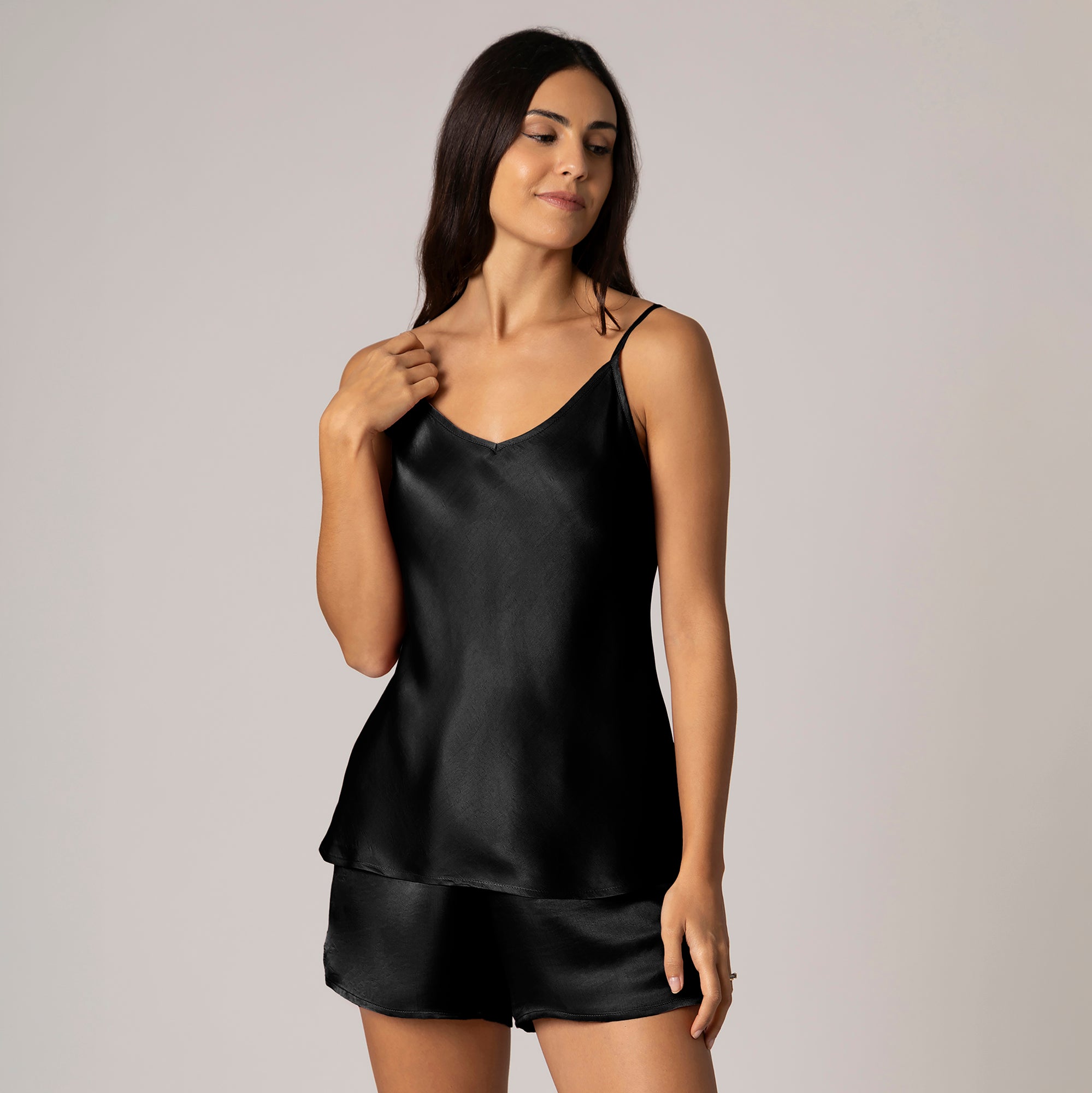
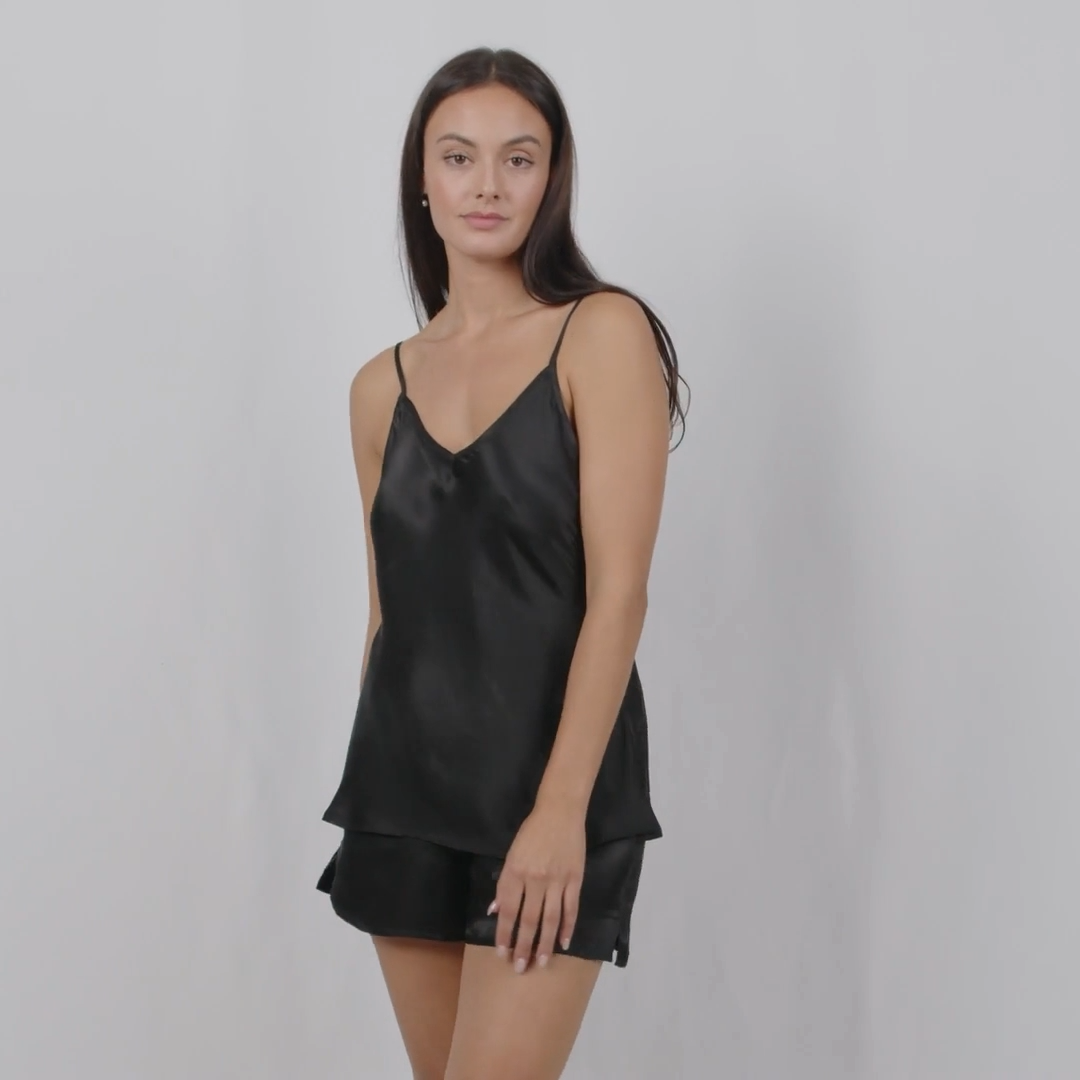
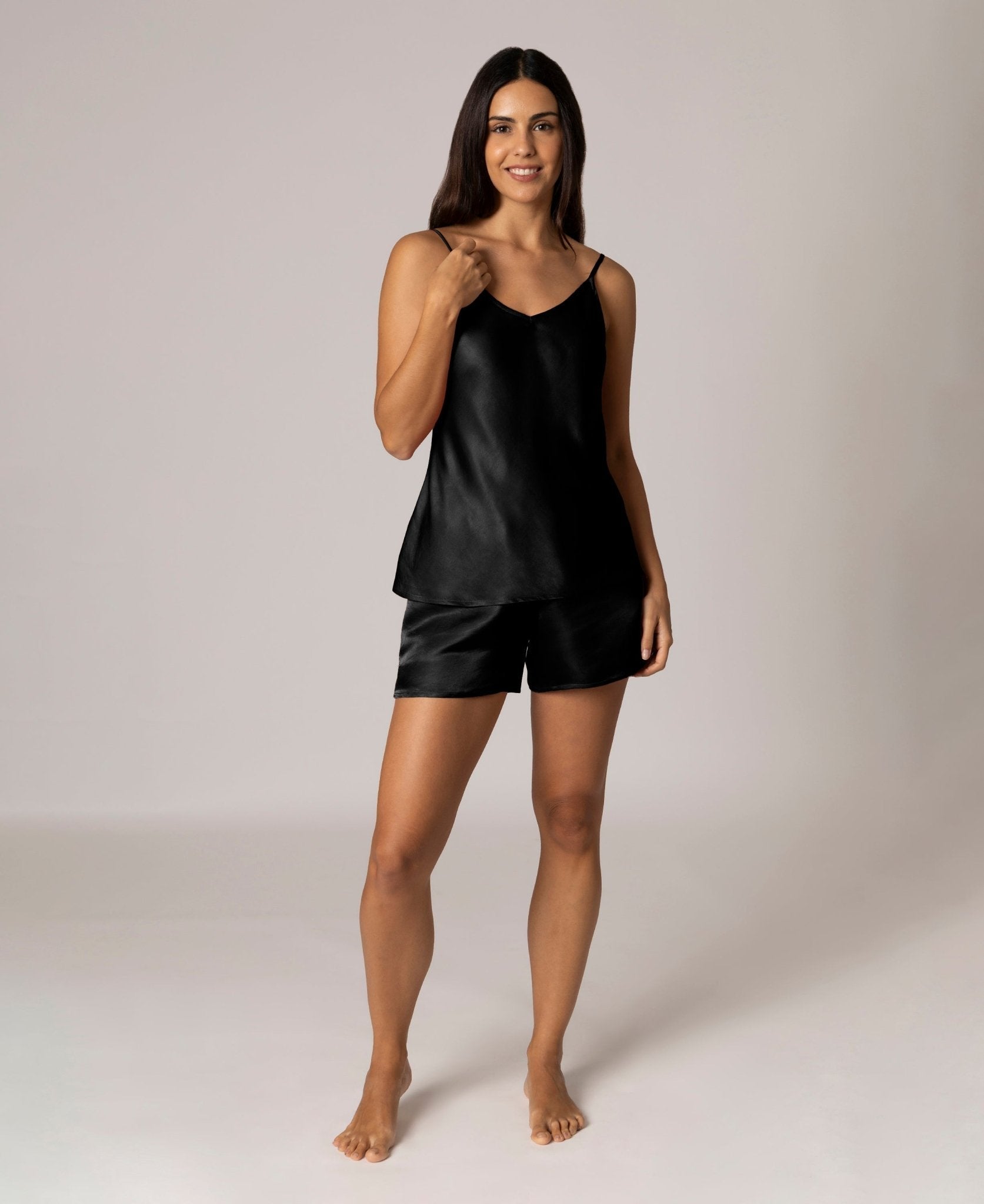
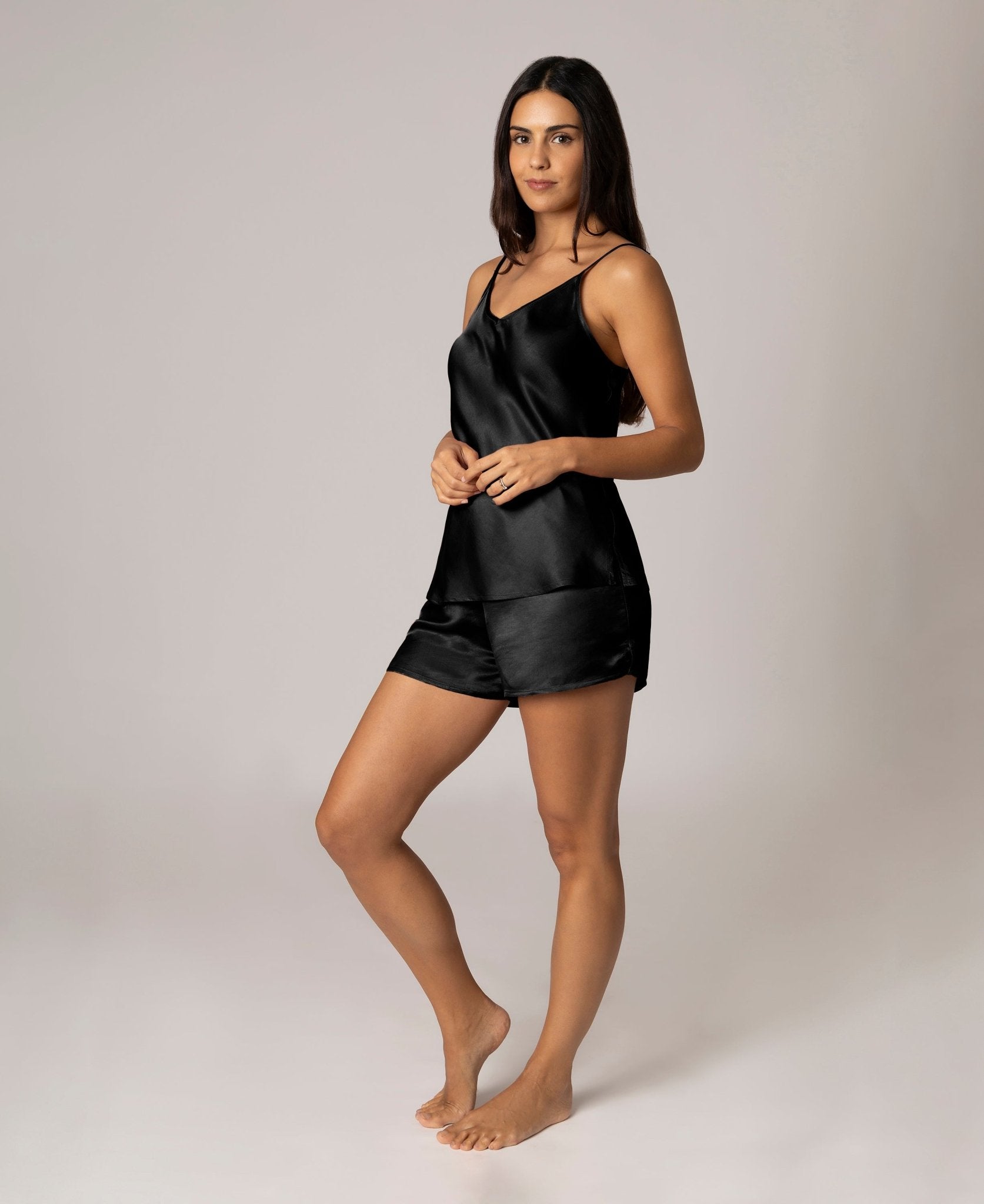
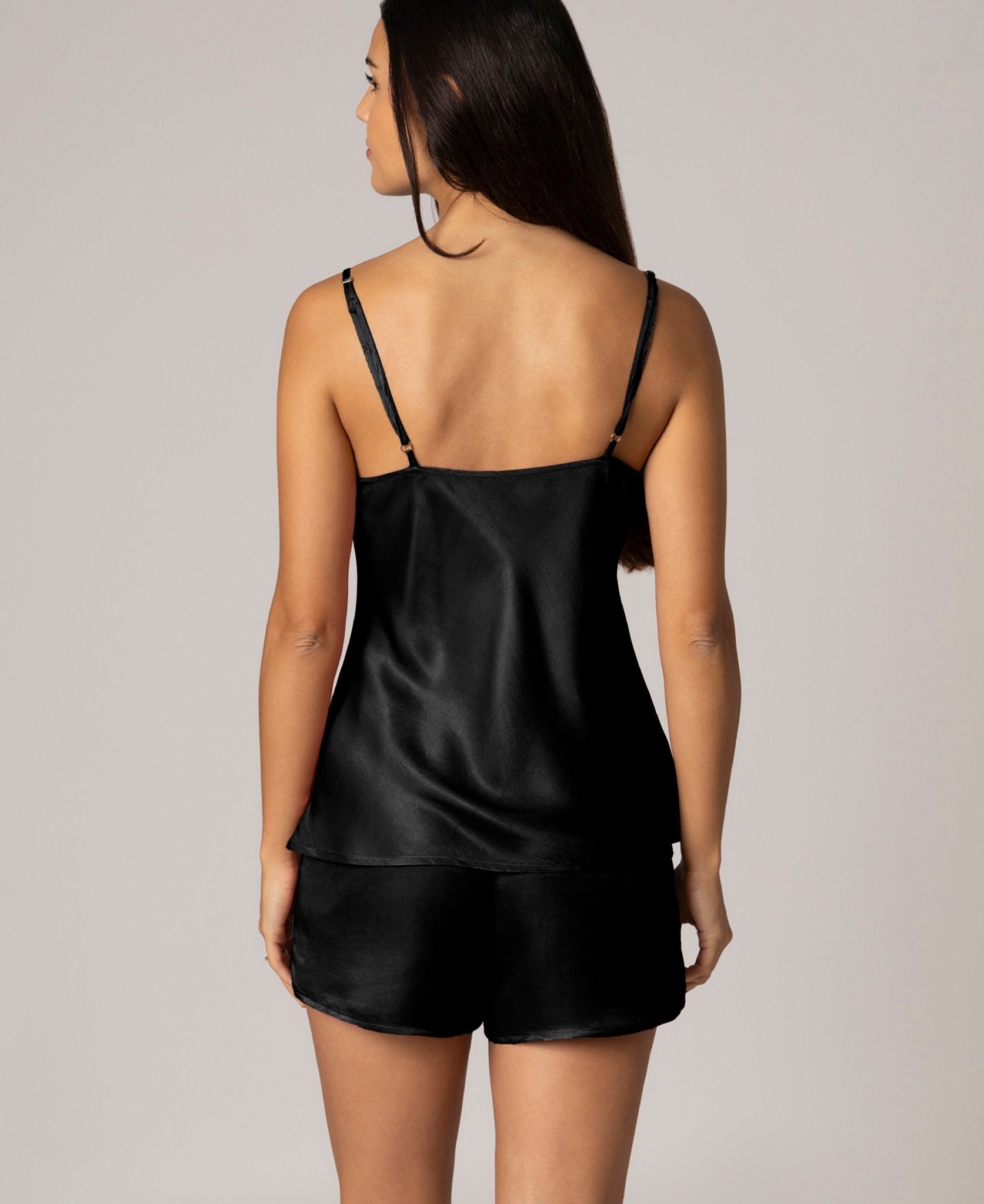

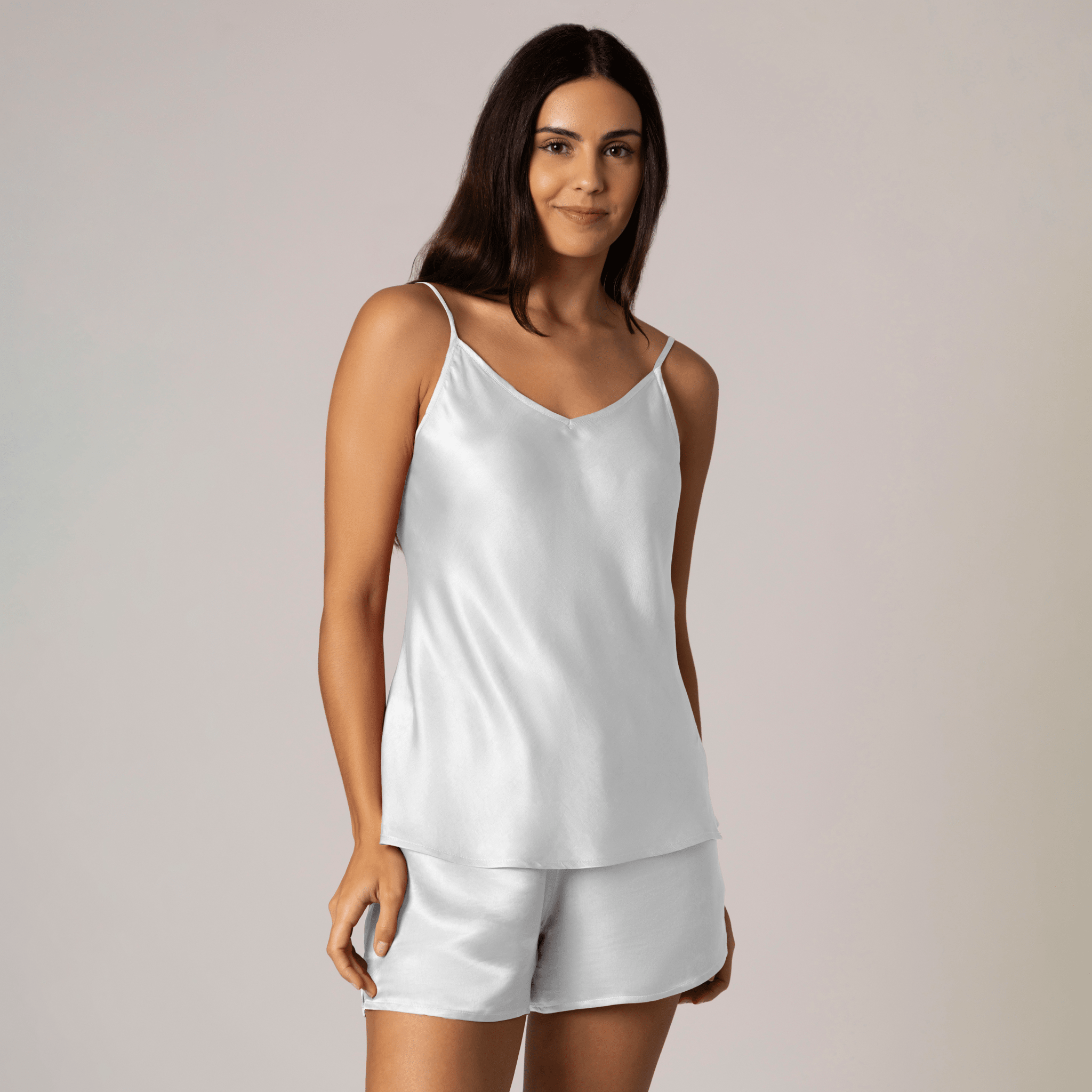

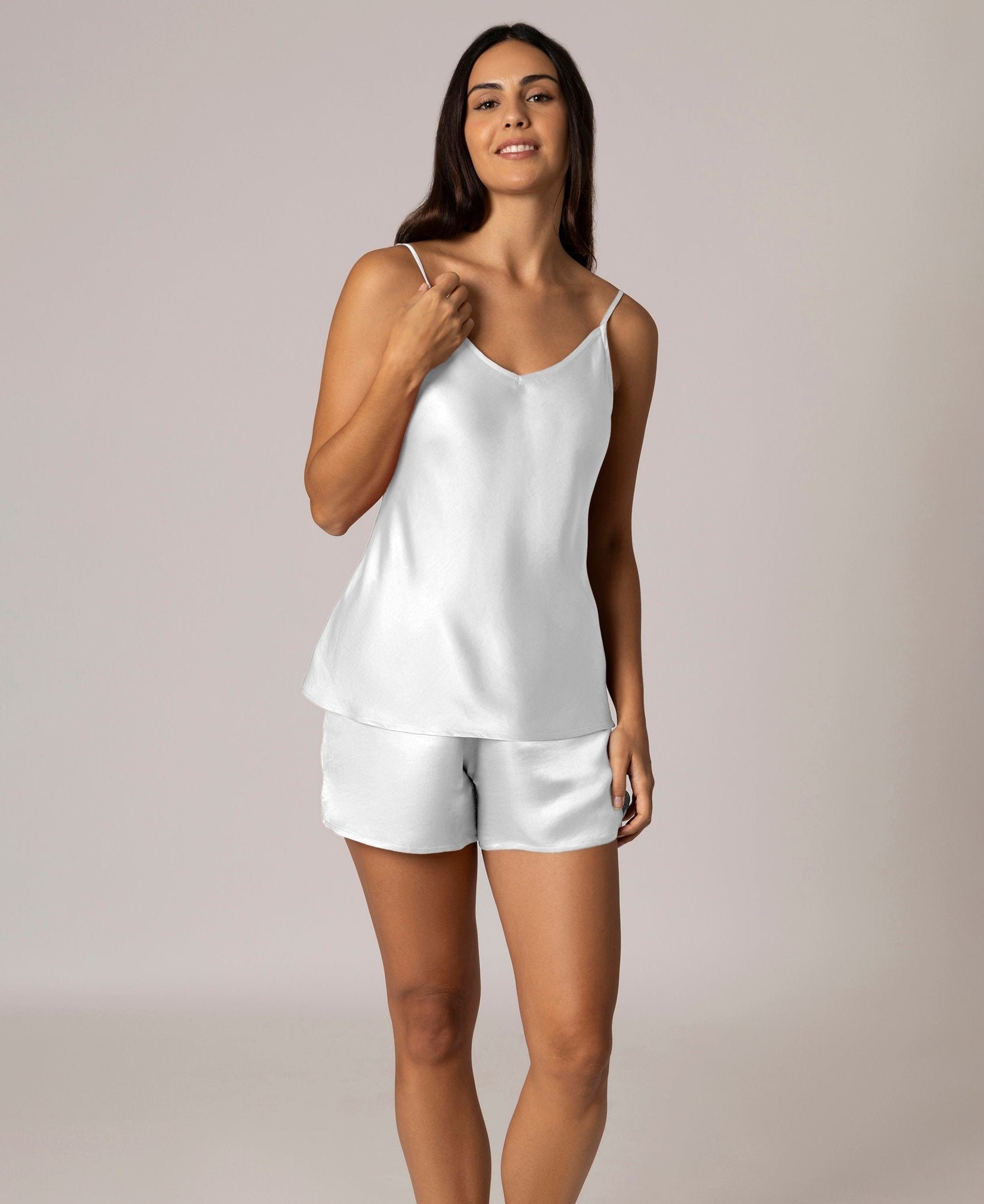

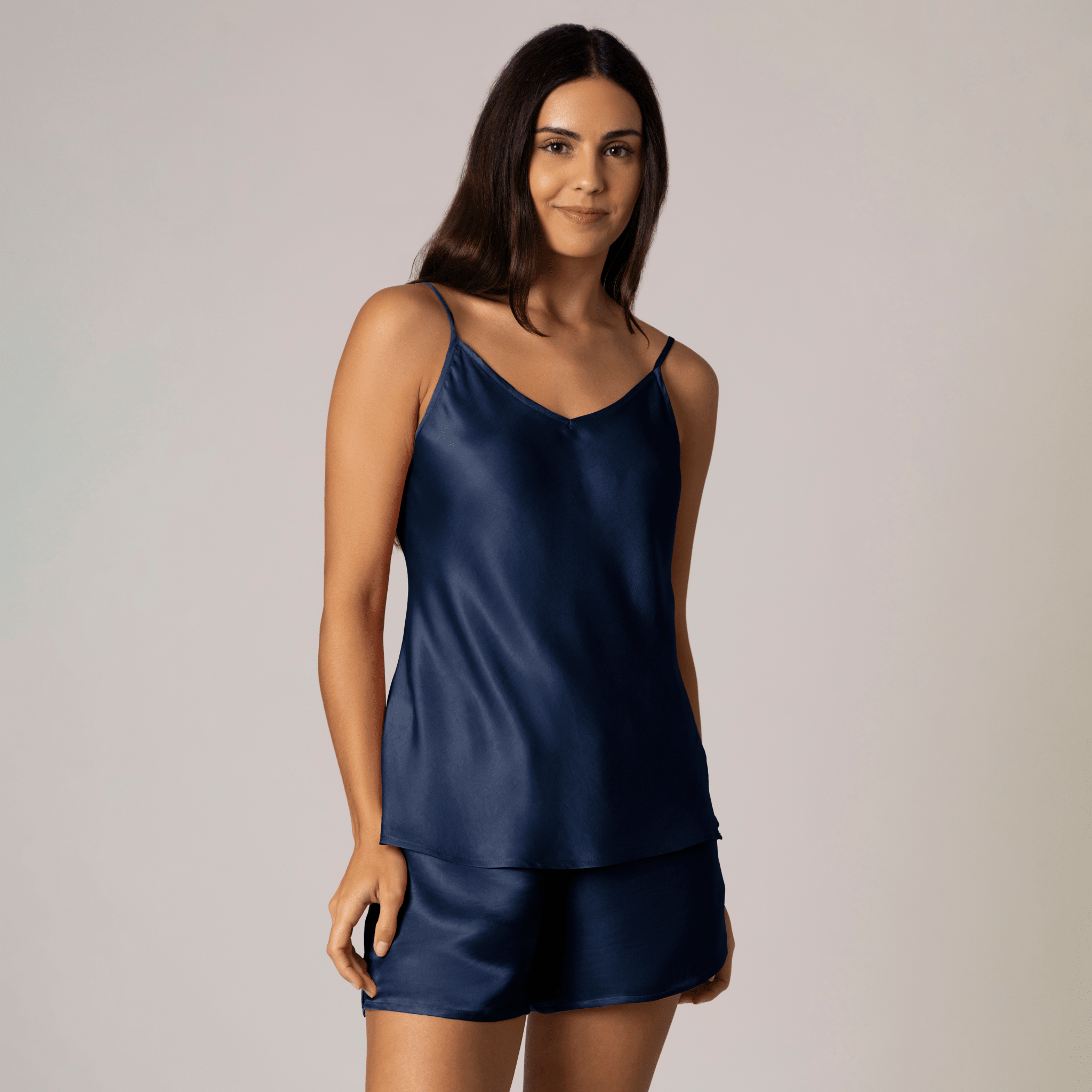

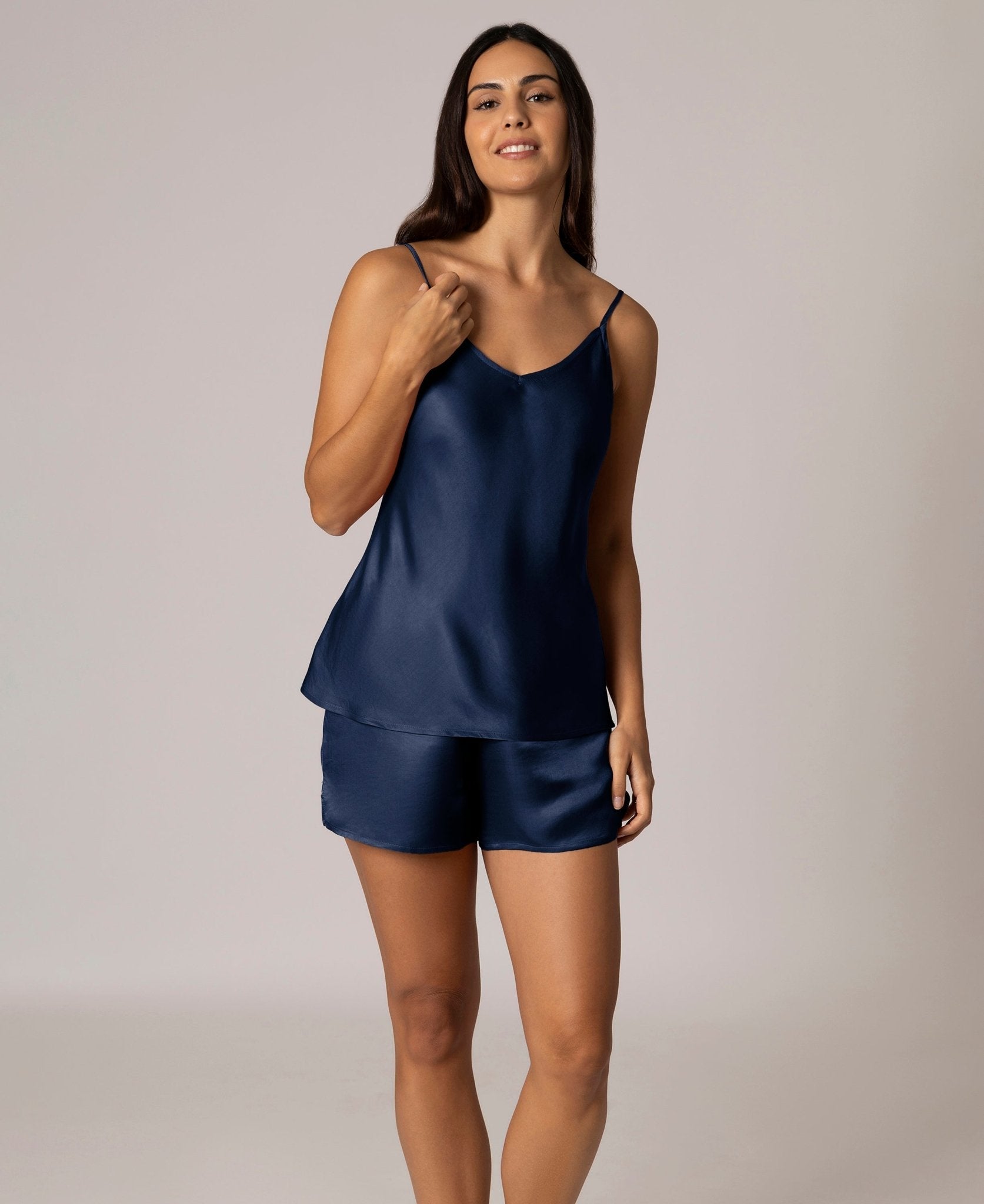

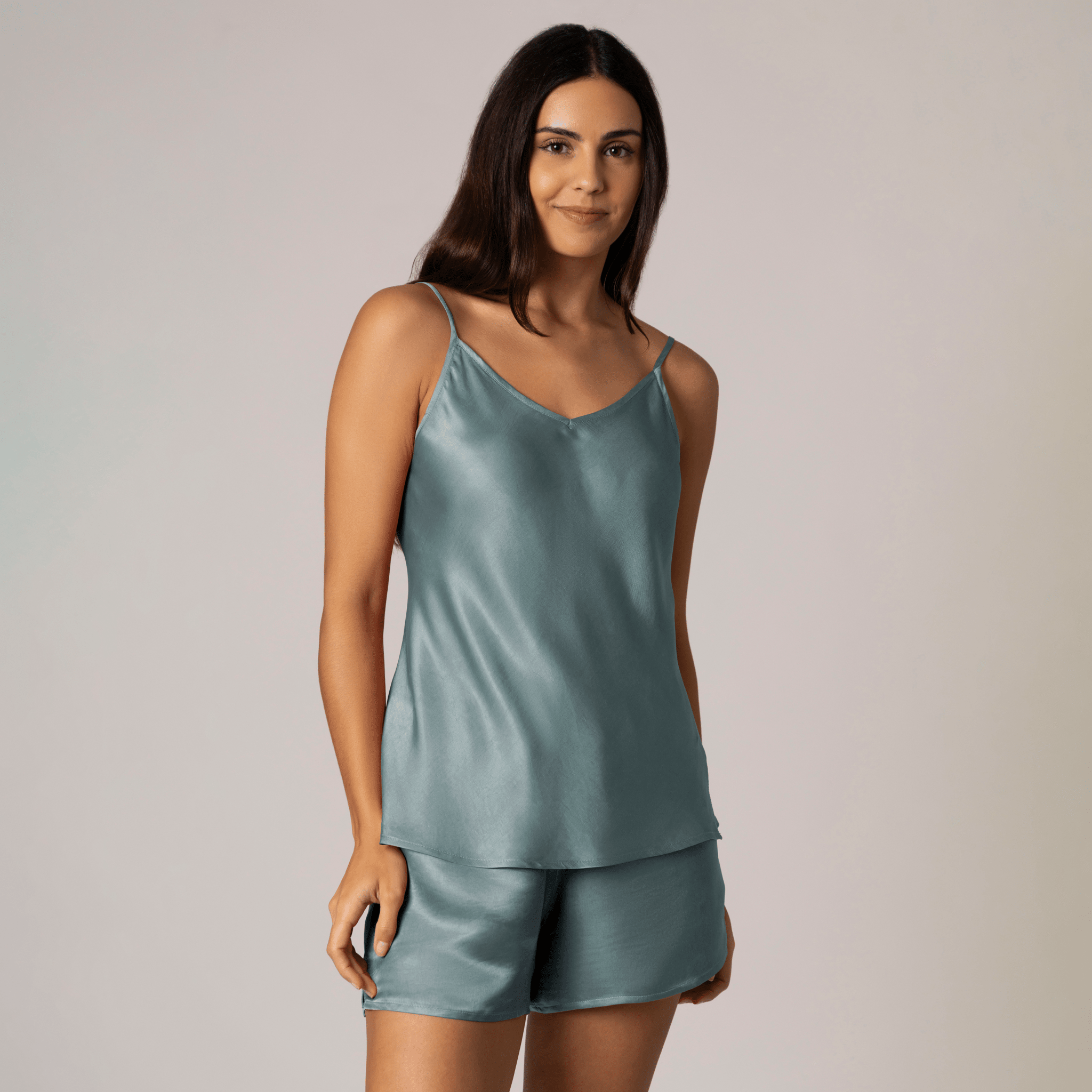

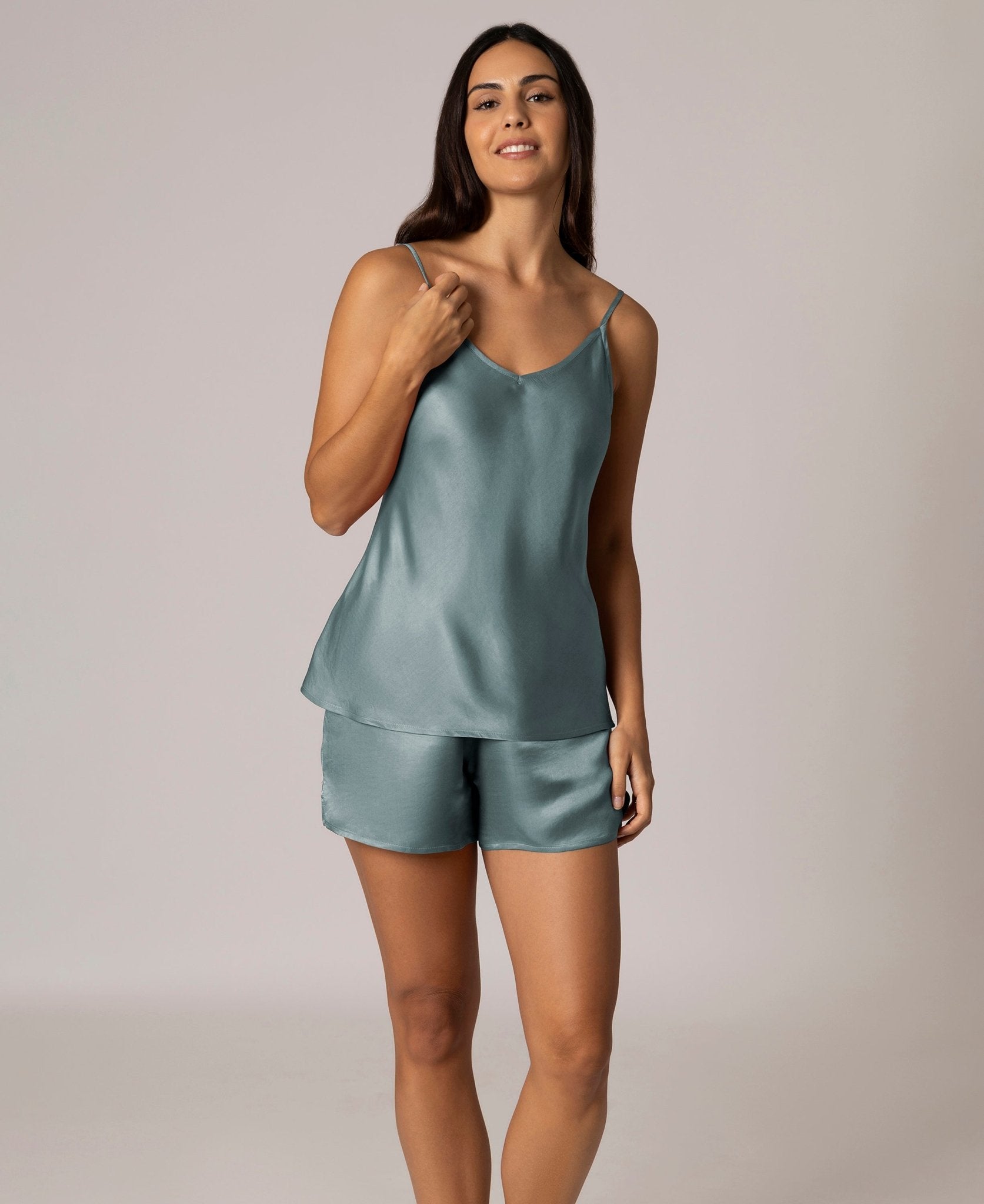

You do not have to solve this with one blanket or one fabric weight for the whole bed. You solve it by giving each person the piece suited to their own night, which is a small shift in thinking that tends to end the argument faster than any thermostat setting will.
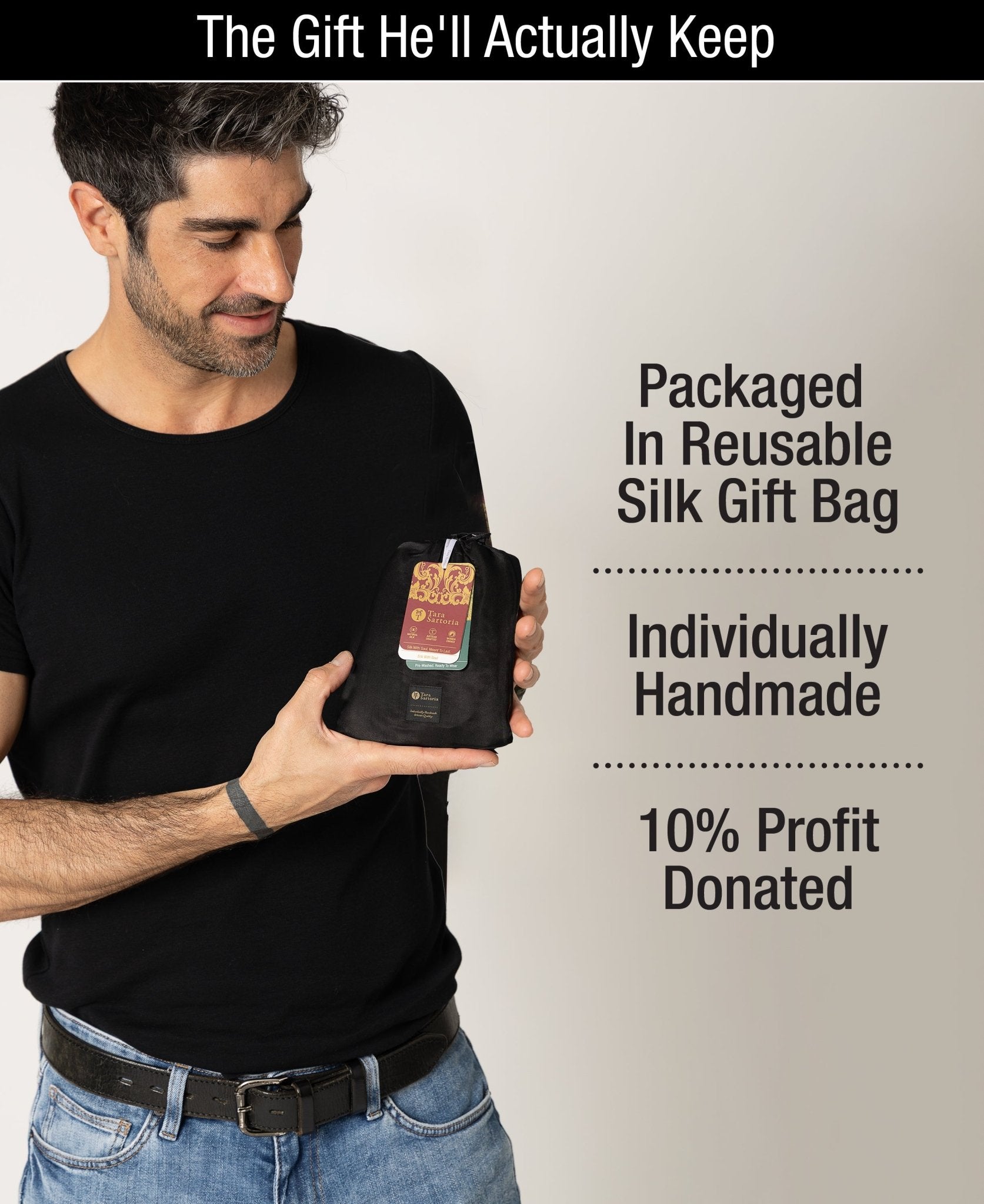
We built this as a couples collection, but plenty of the orders we see are one partner buying quietly for both of them, or a couple splitting the order between two accounts because they each want to choose their own color. Either way works. The pairing logic does not require a shared cart or a joint decision made at midnight. It just requires knowing which two patterns describe your bed.
How We Make the Pieces in Each Pairing
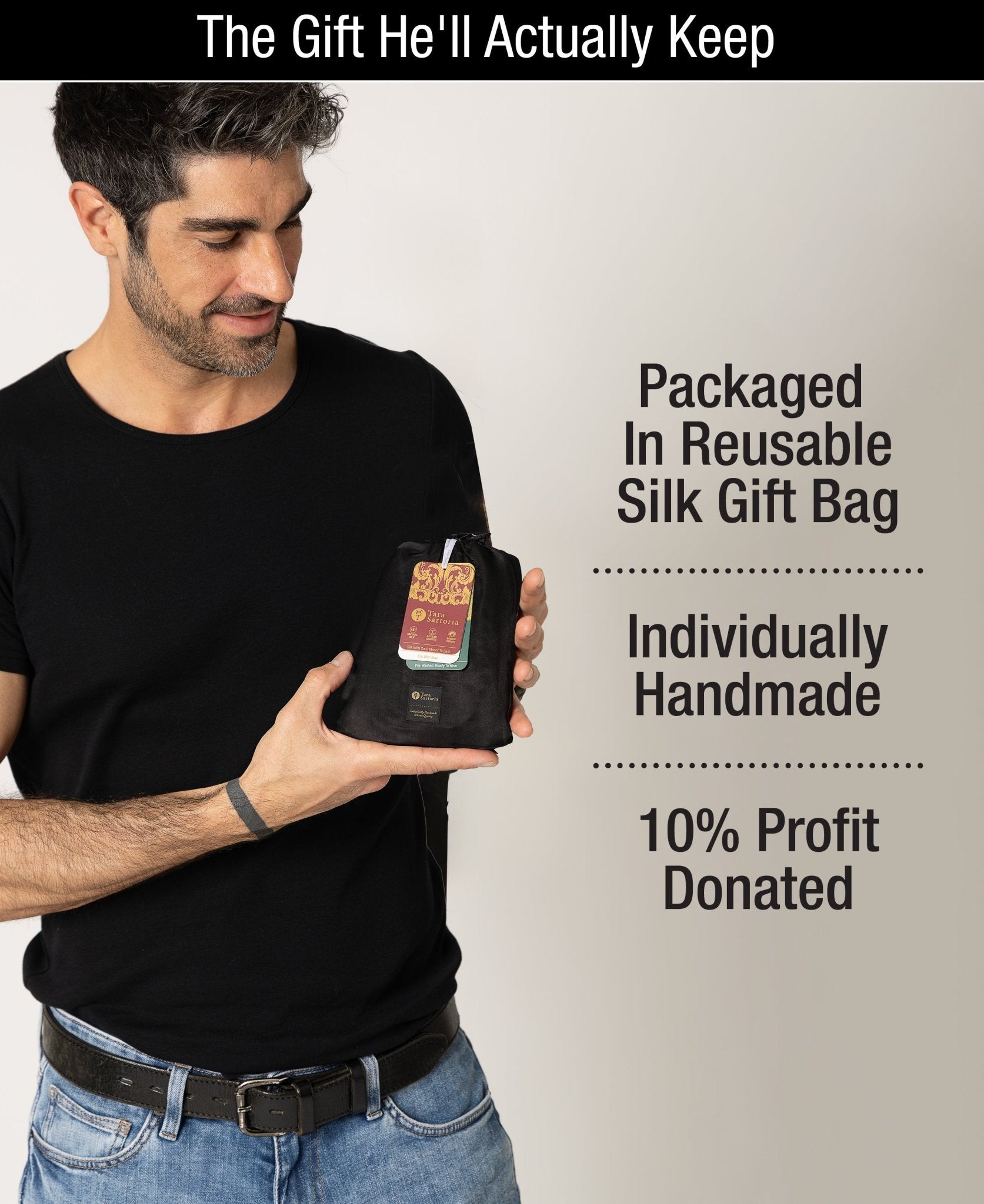
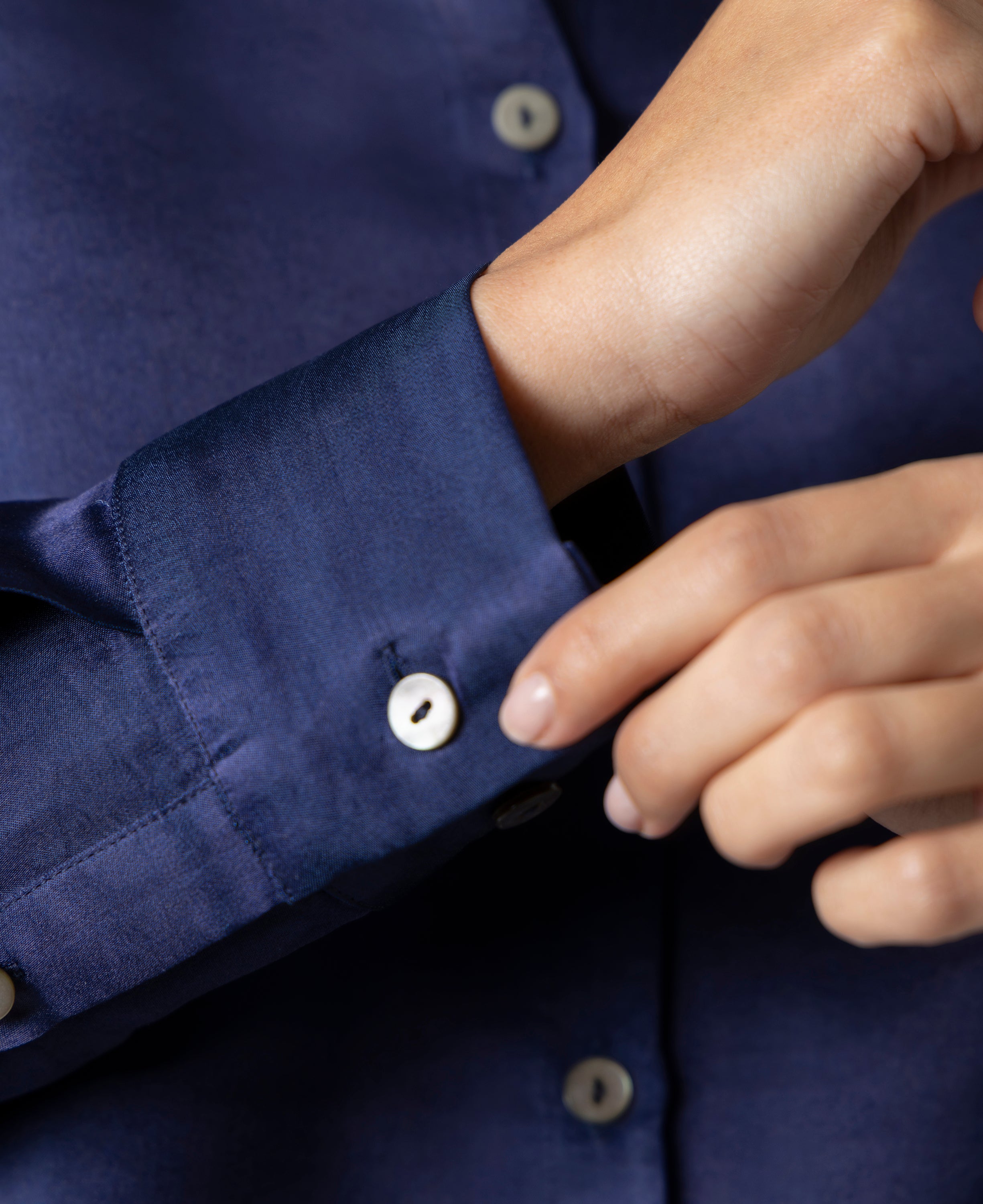
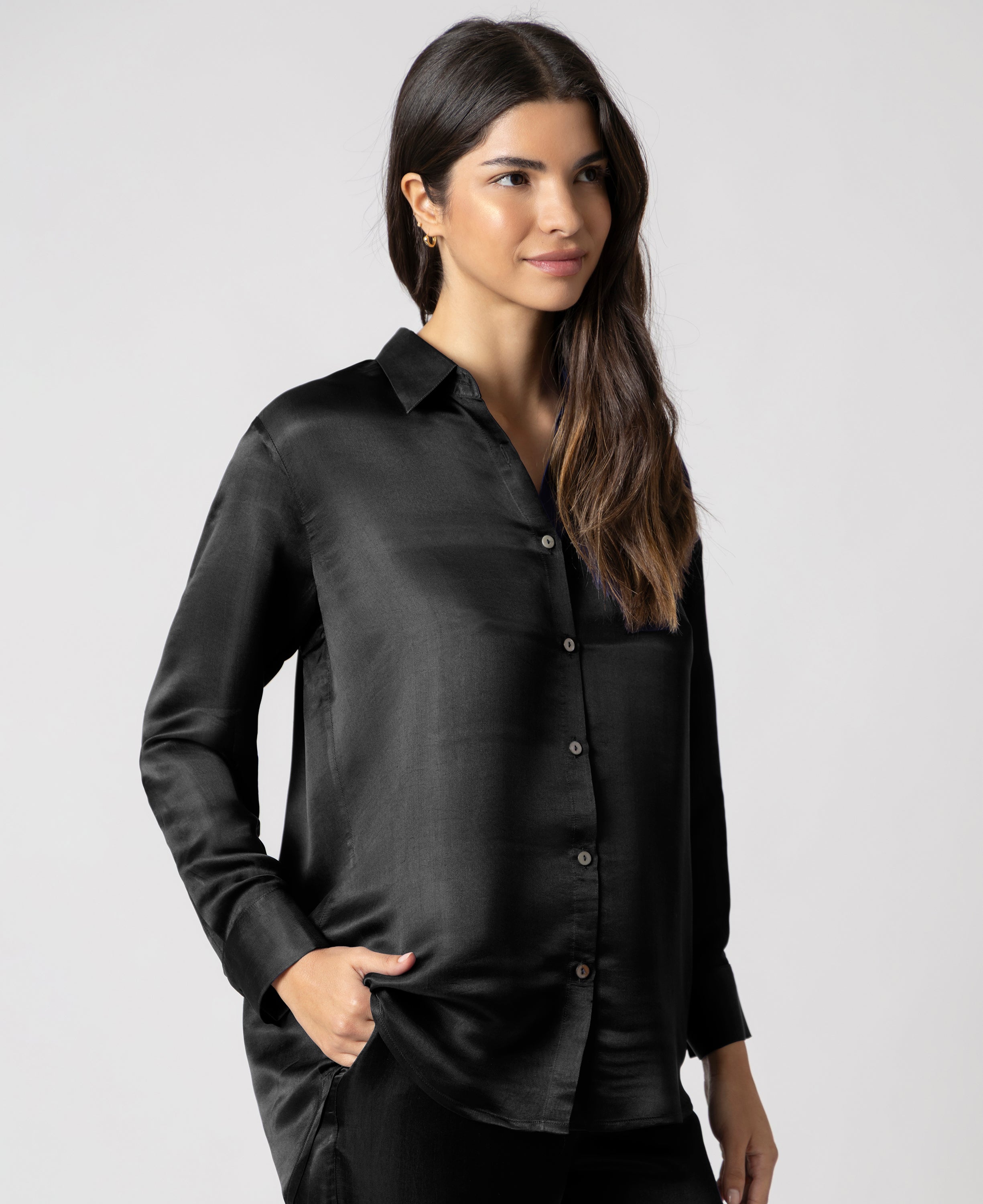
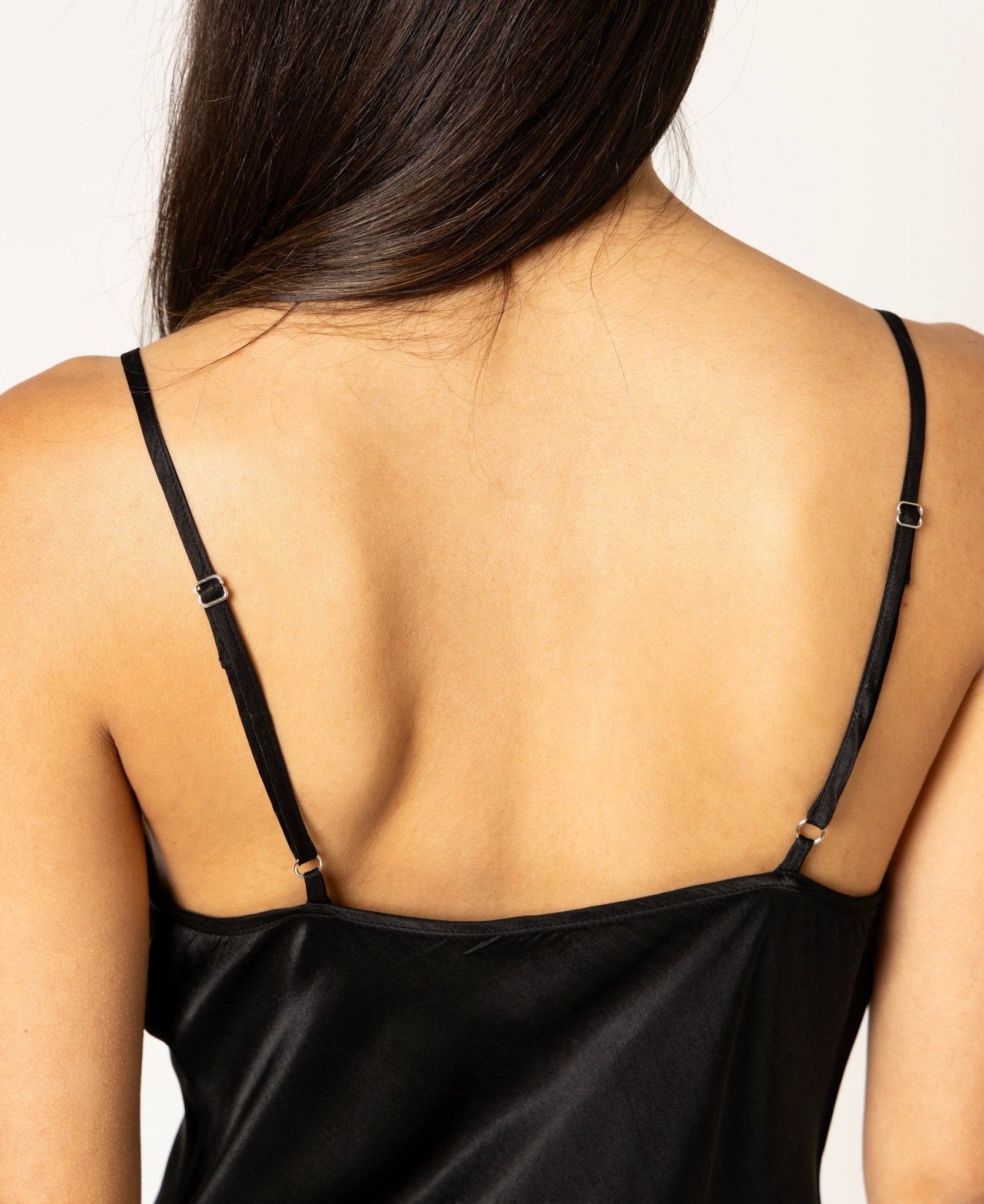
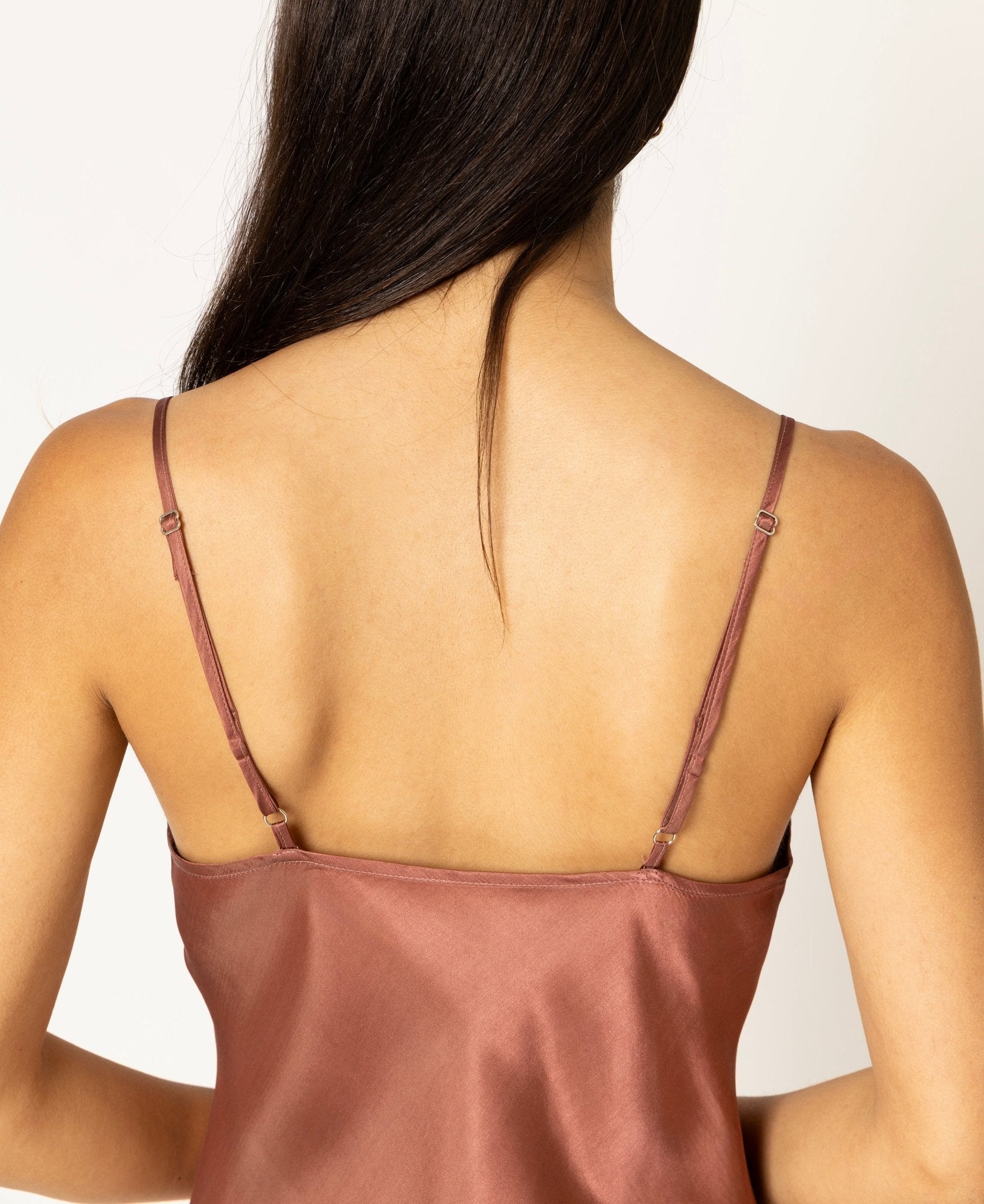
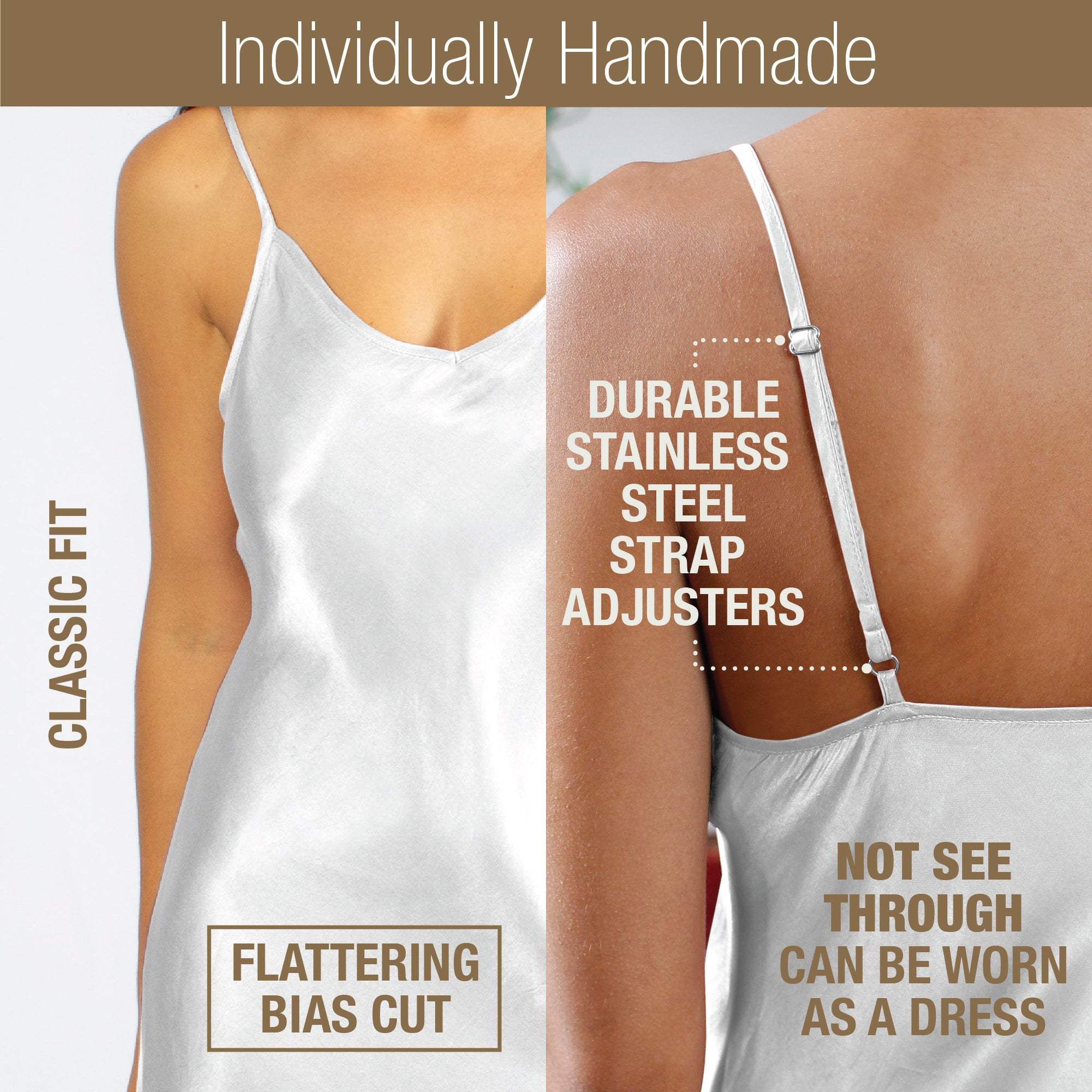
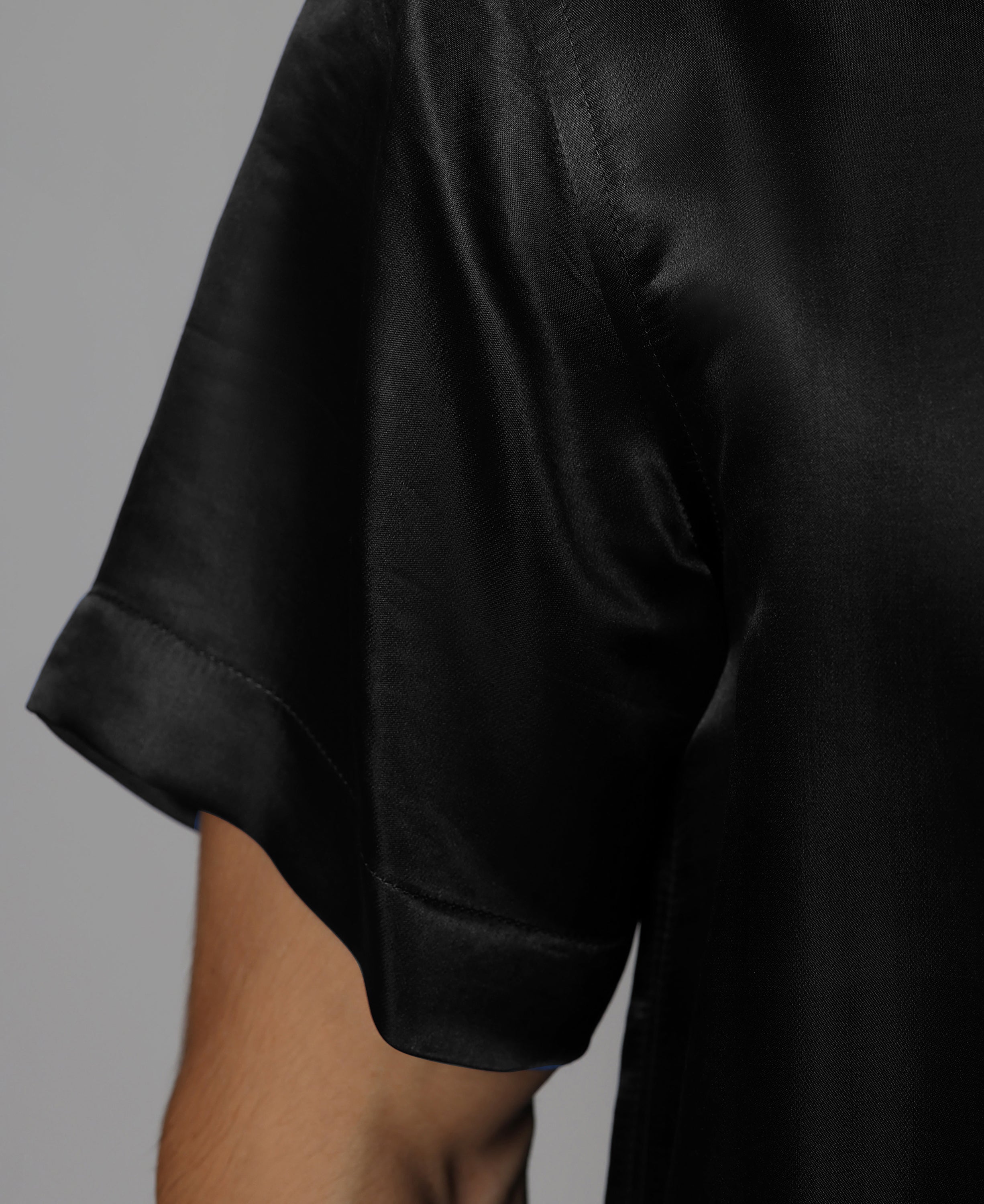
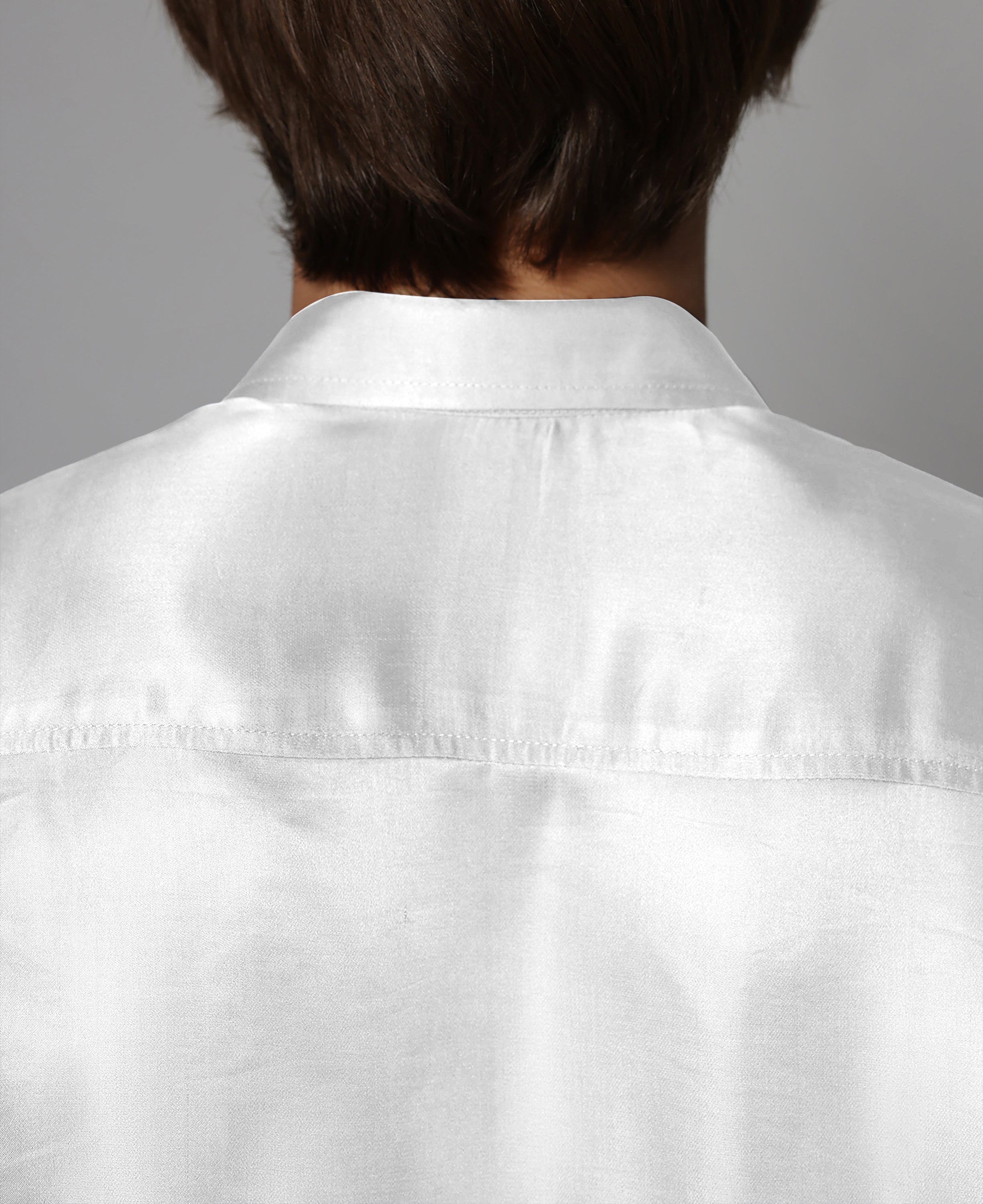
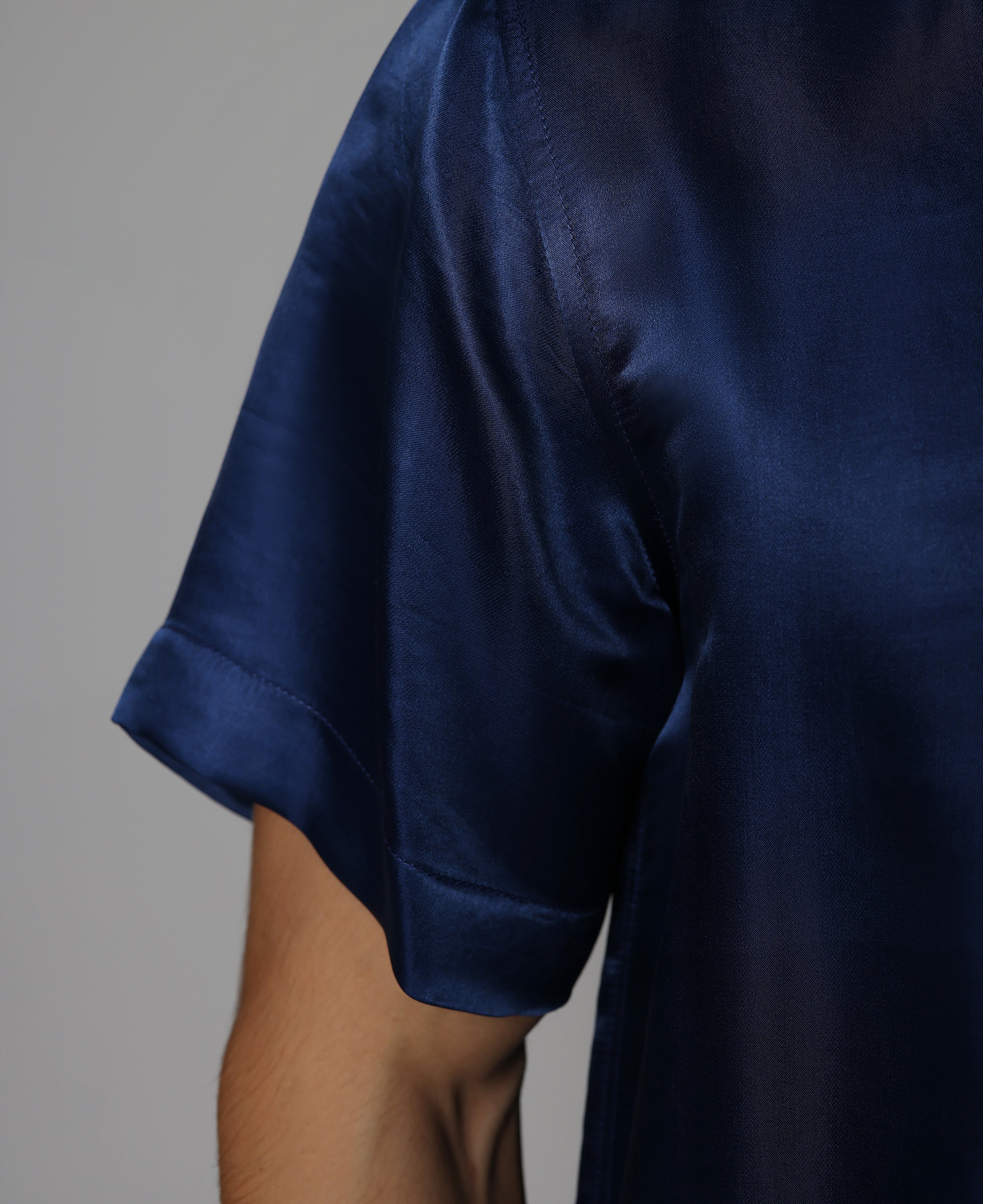
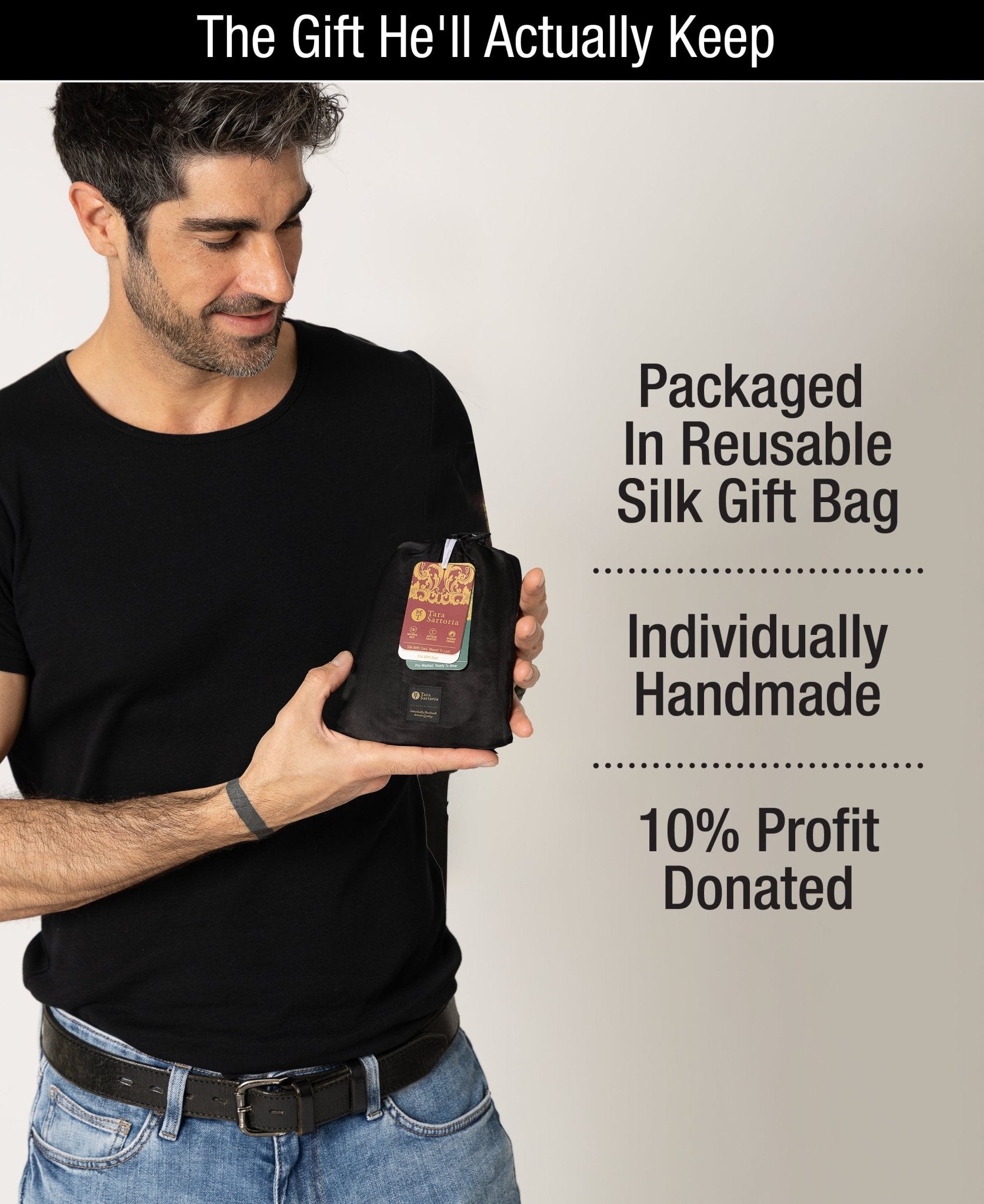
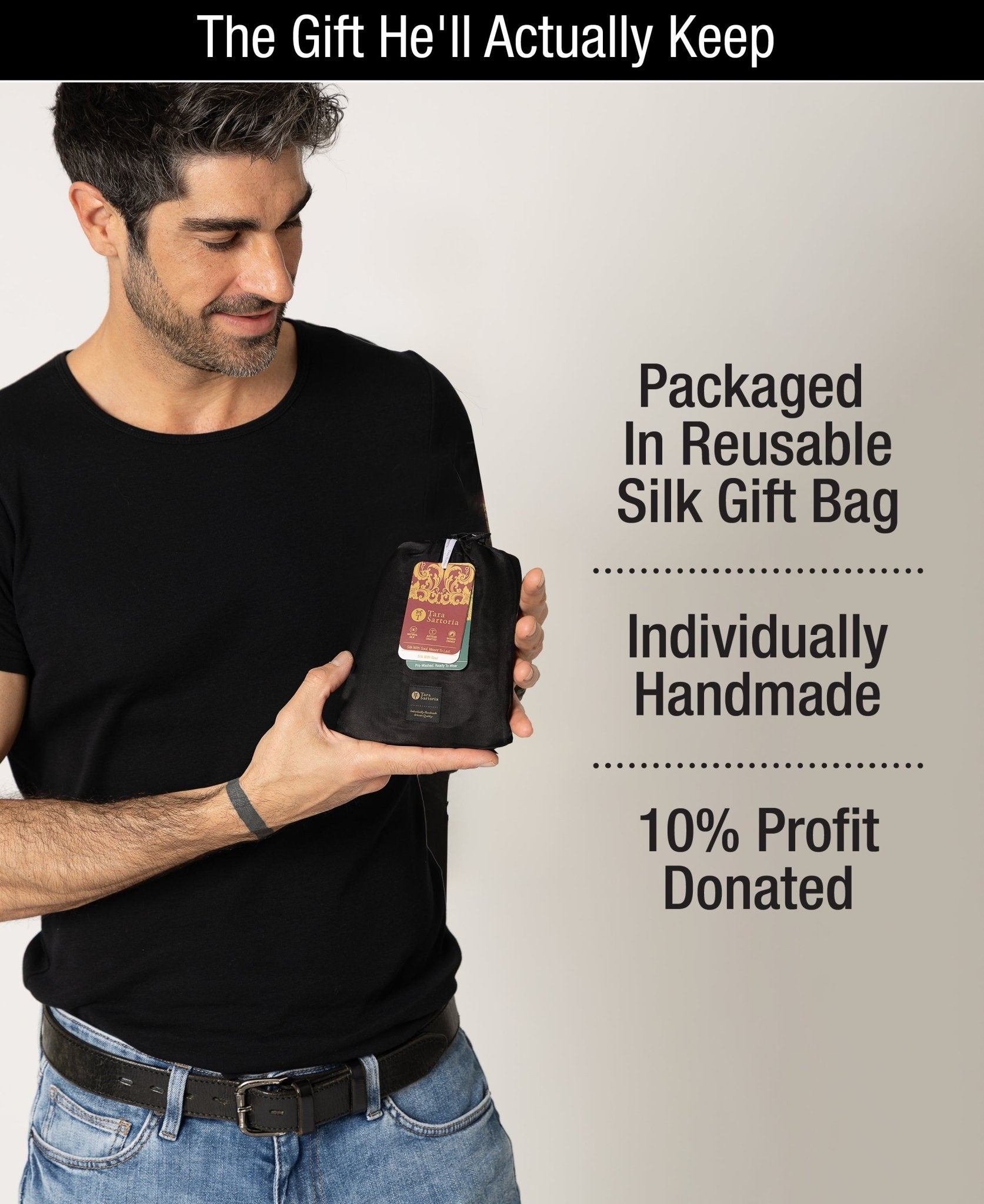
Every piece in Silk For Two, on either side of the pairing, is made the same way. Made one piece at a time by master artisans in Vietnam's historic silk villages, woven on heritage looms, finished with French seams throughout. The nightgowns and lighter pajama pieces use the same 27 momme mulberry silk as the fuller sets, which is denser than the 19 to 22 momme industry standard.
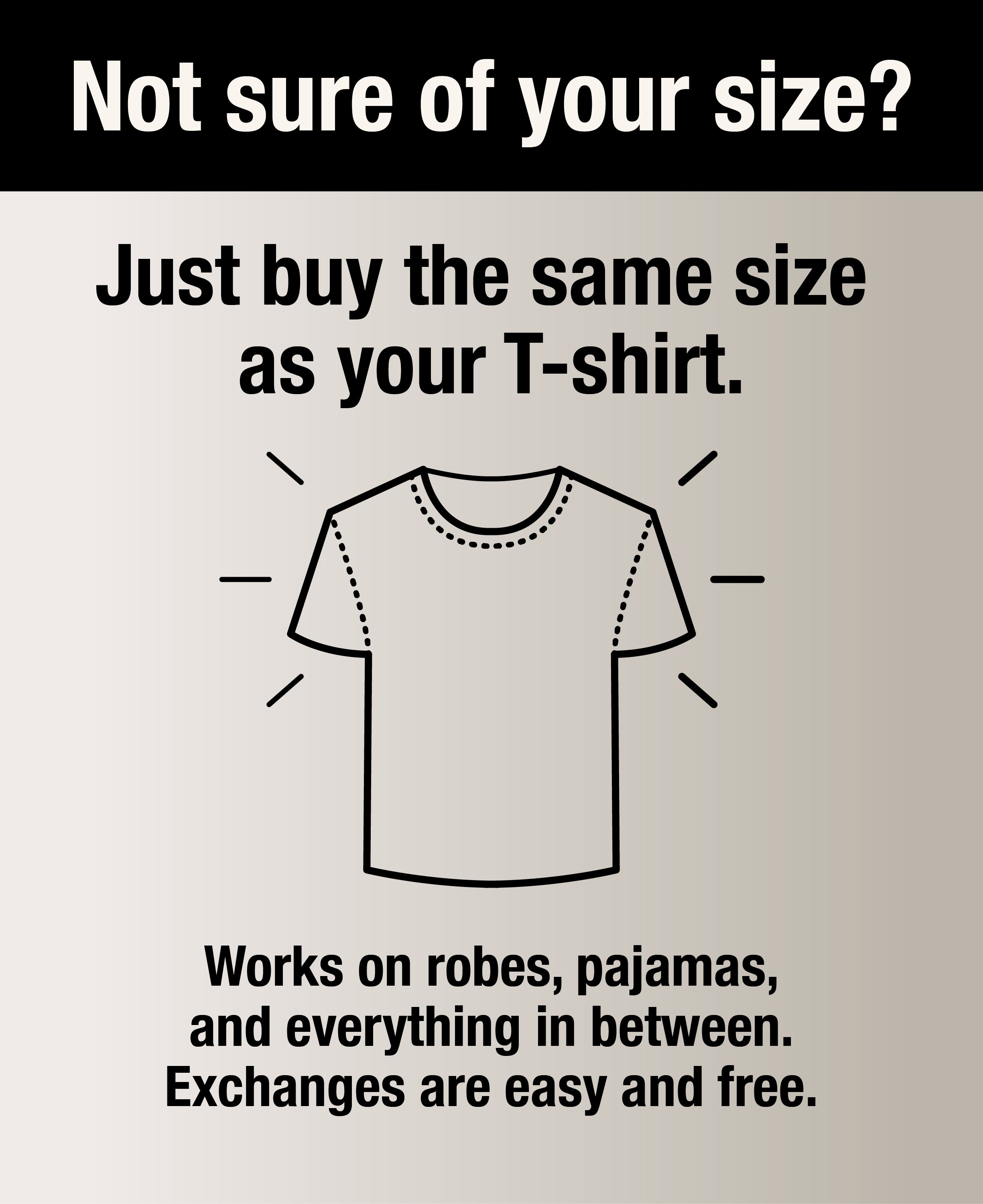
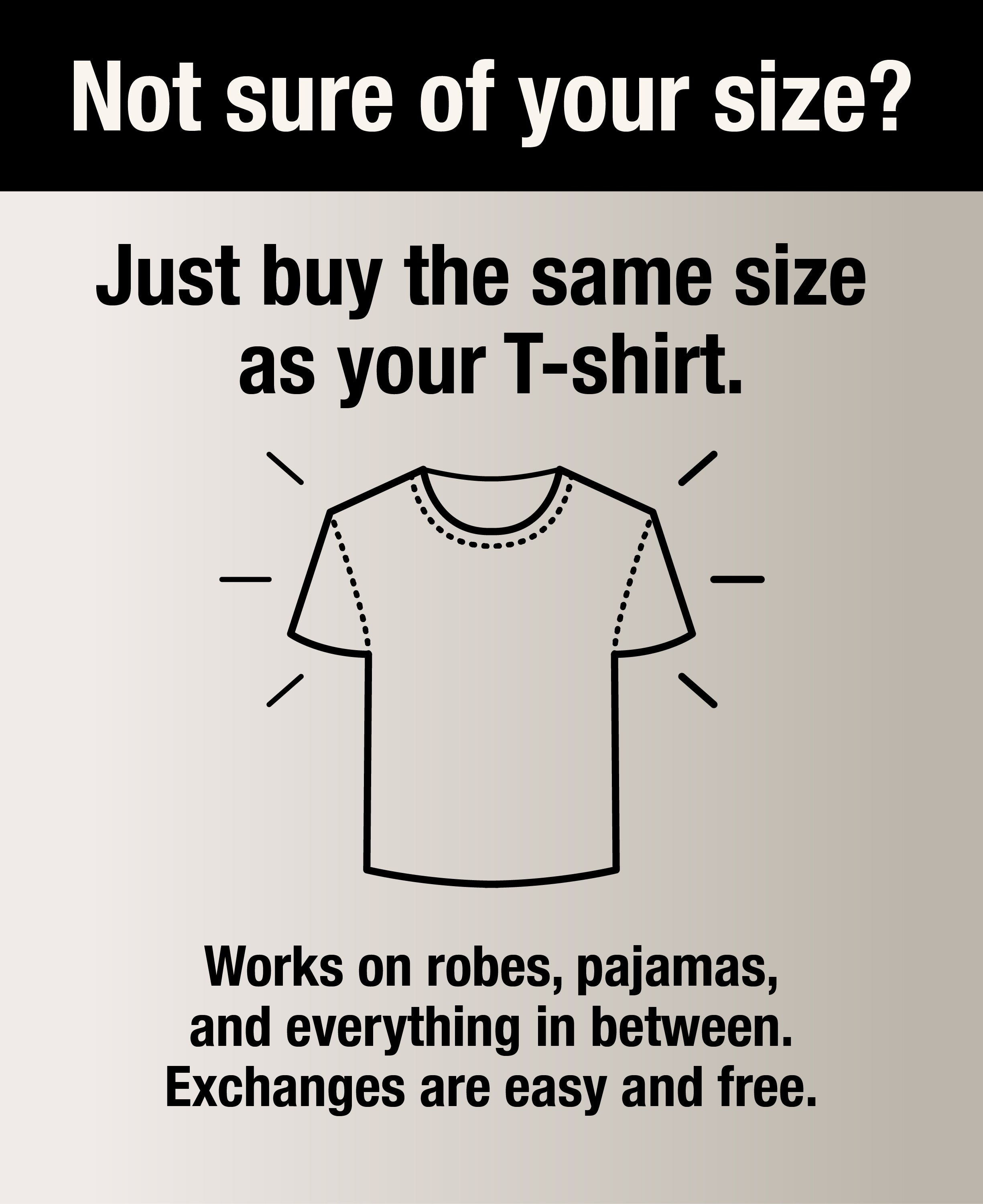
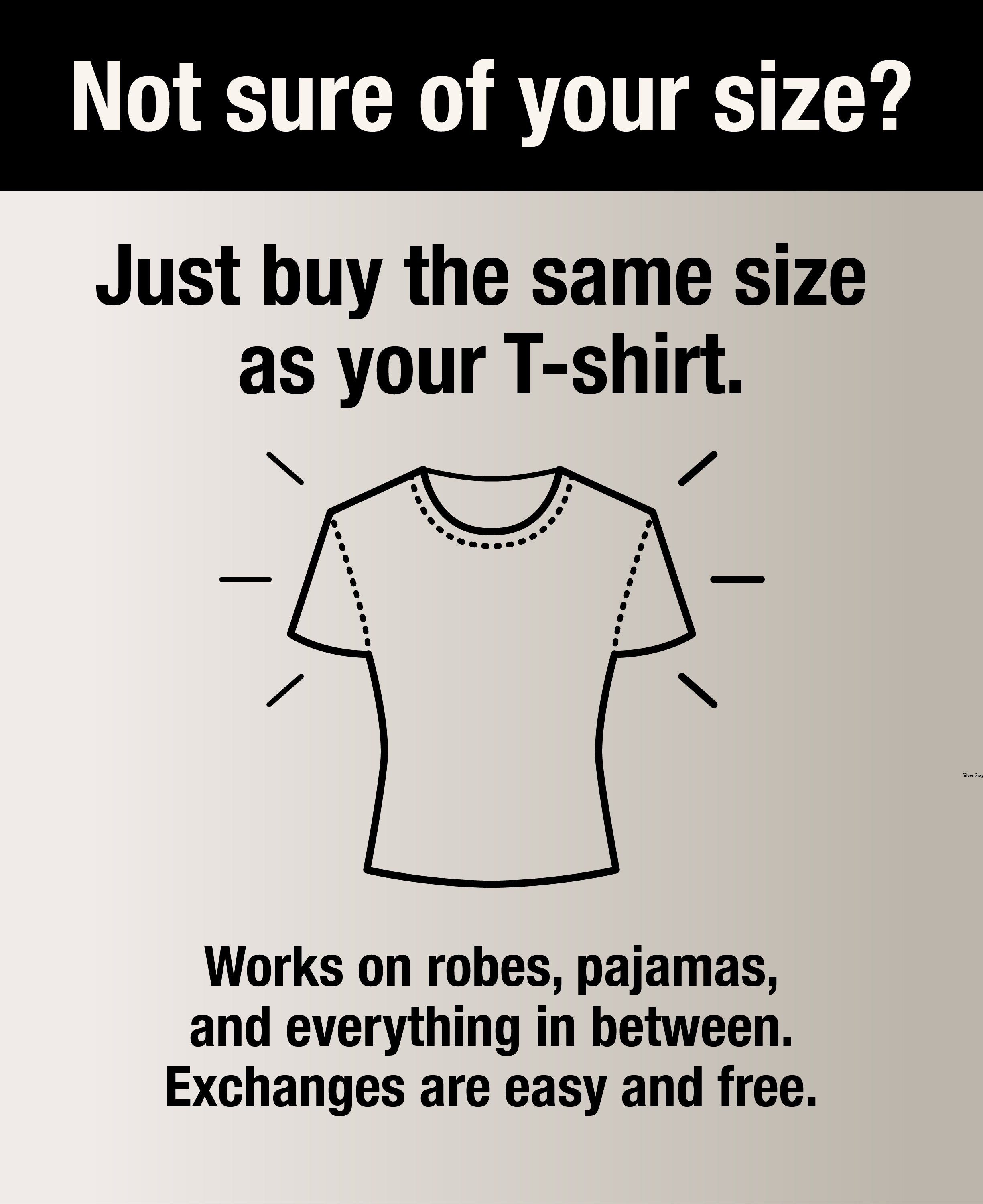
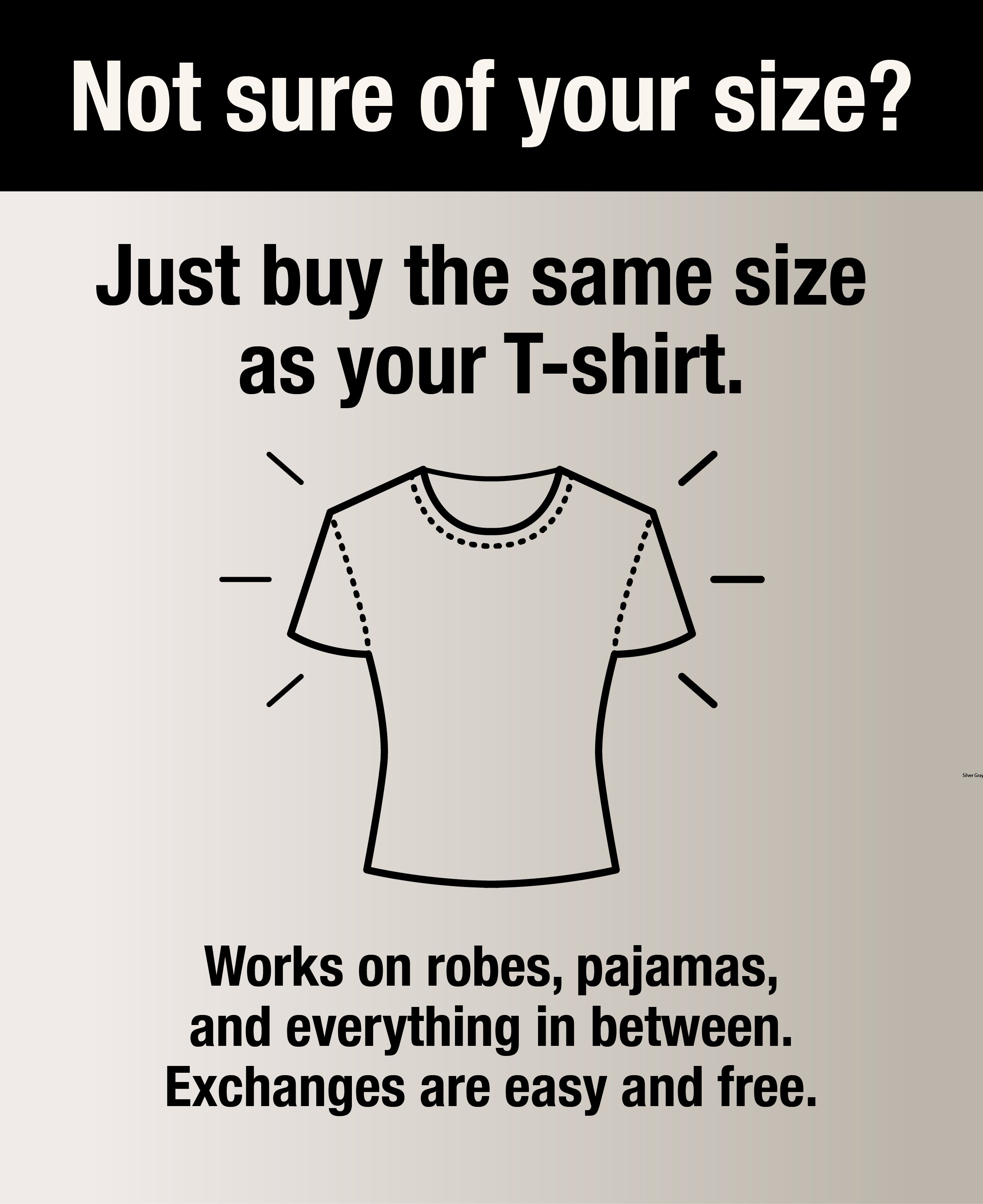
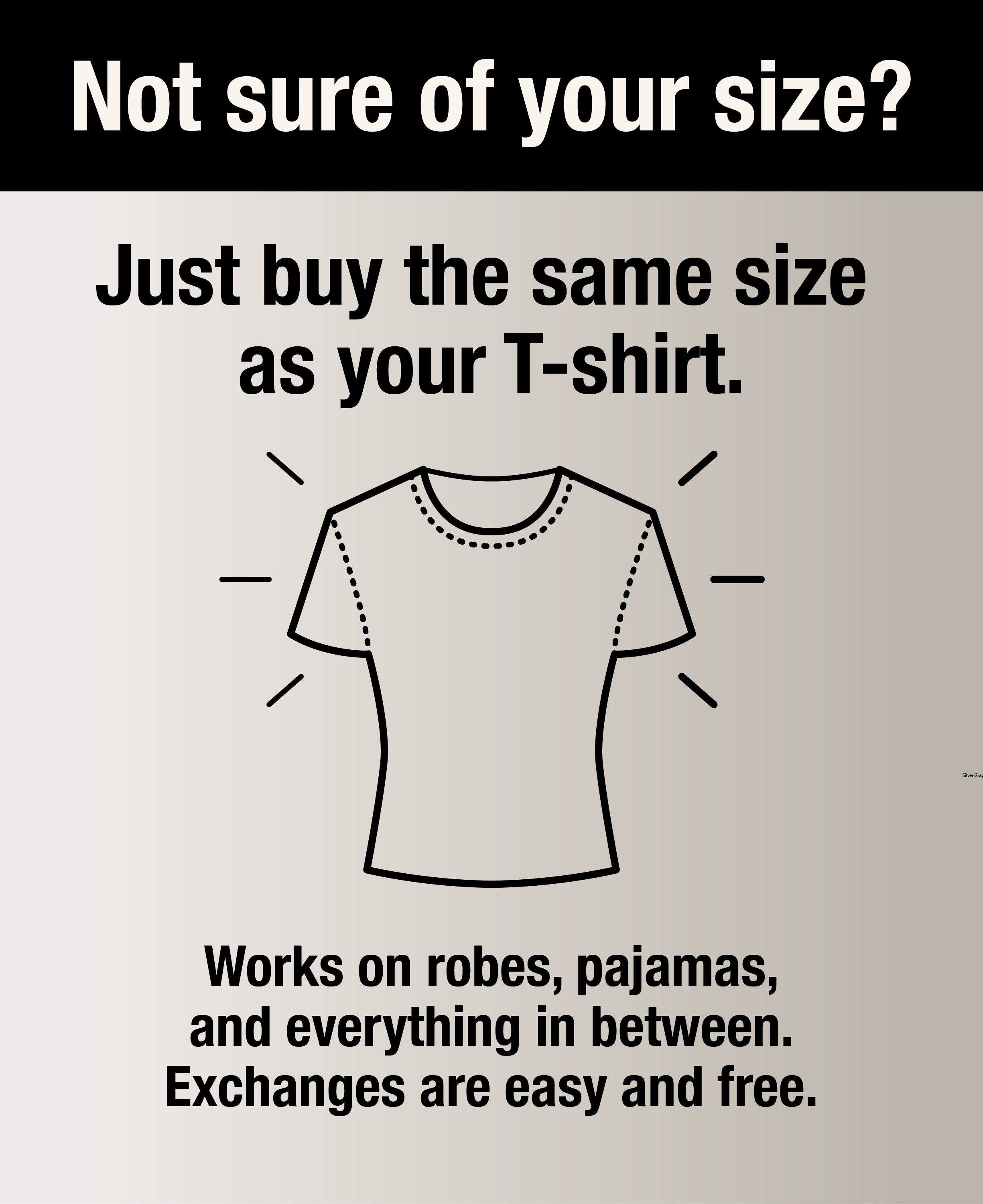
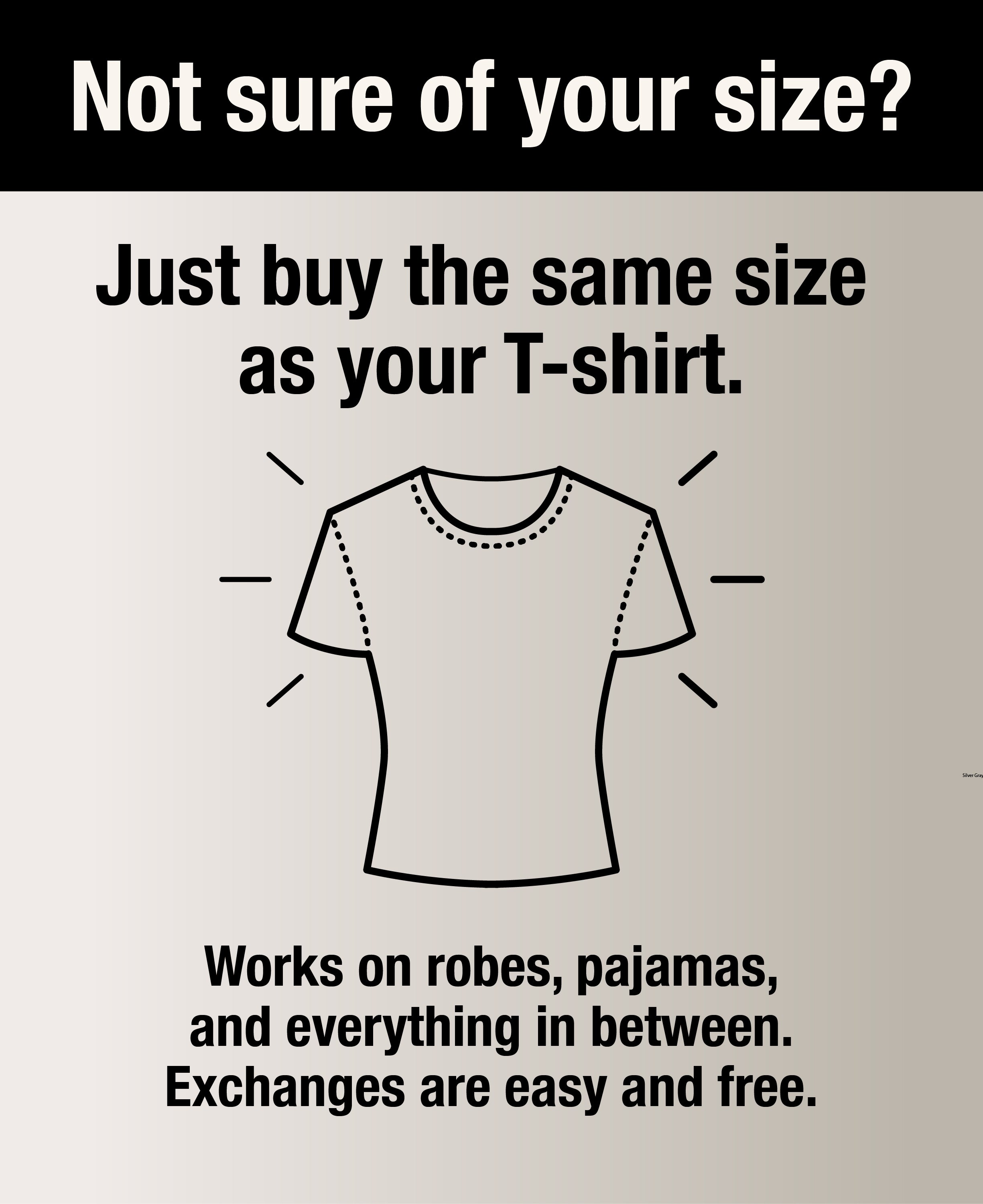
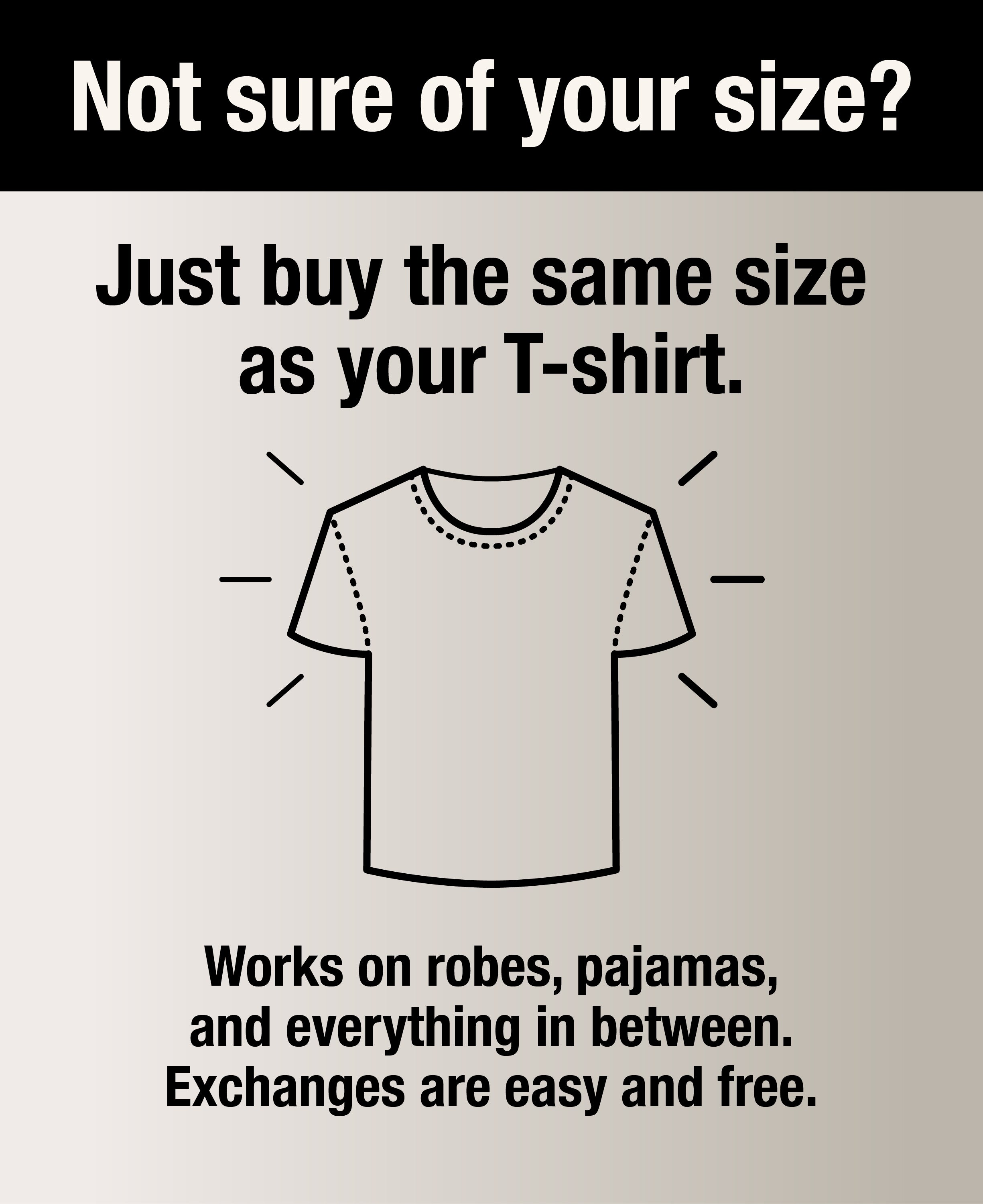
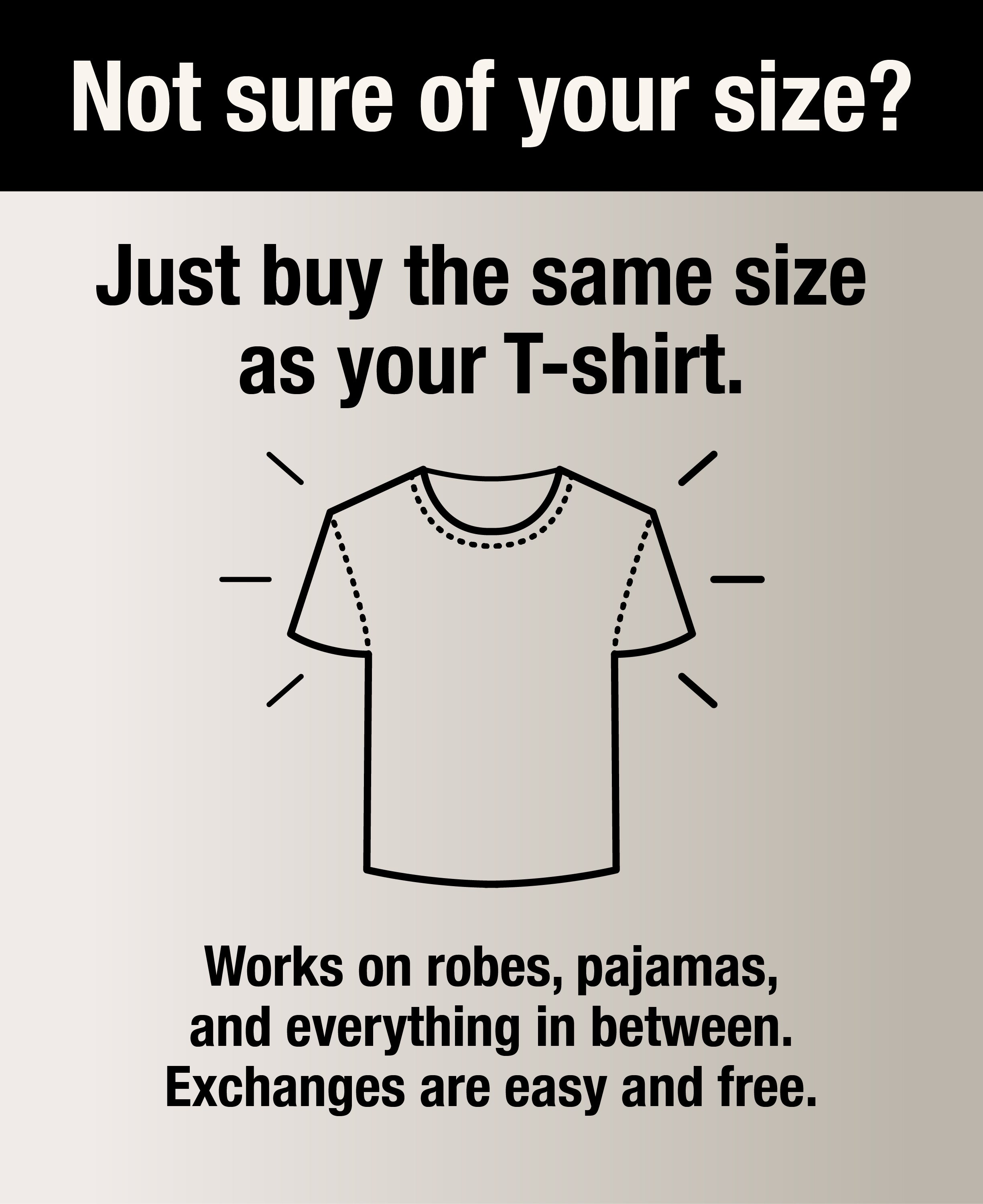
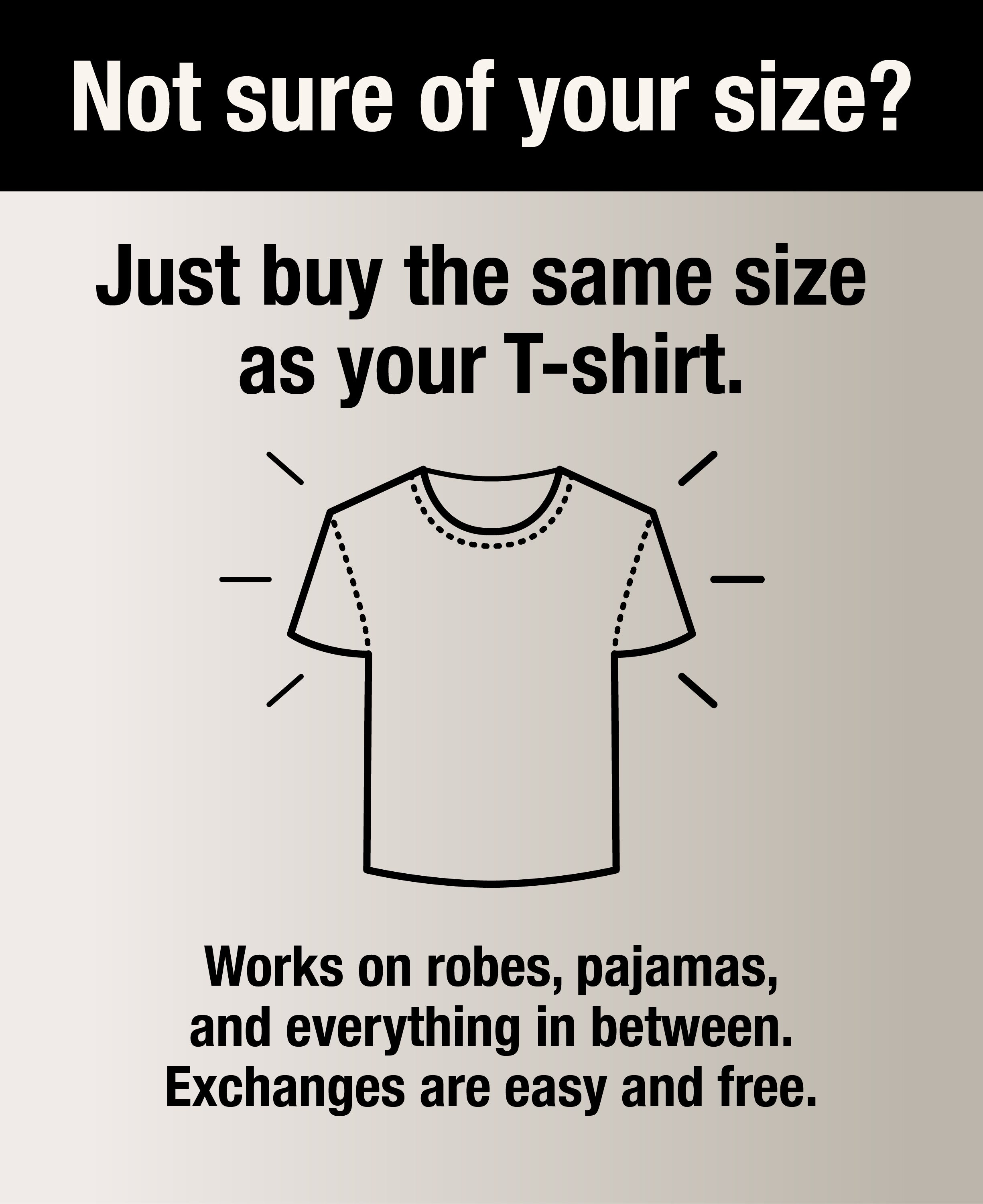
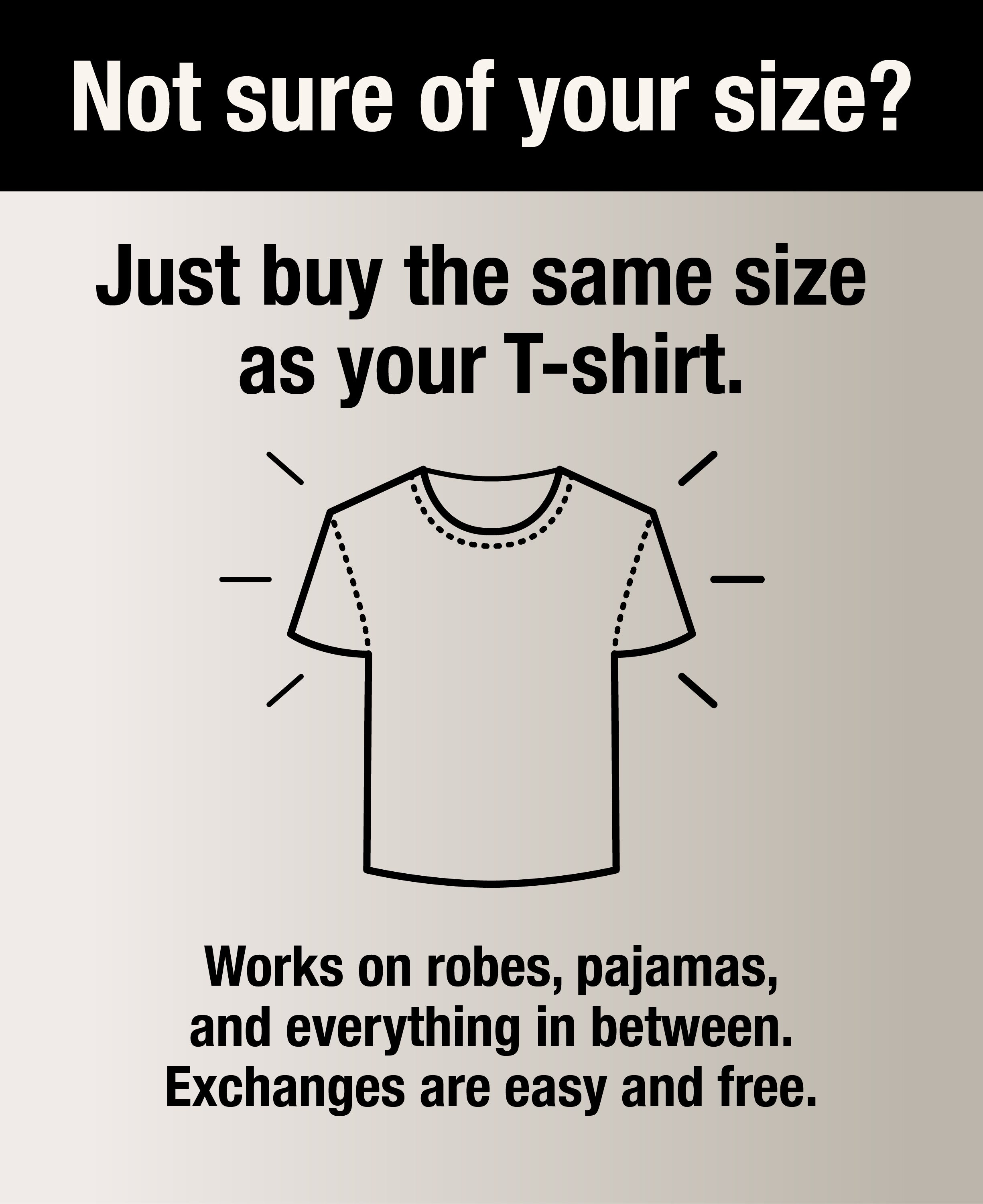
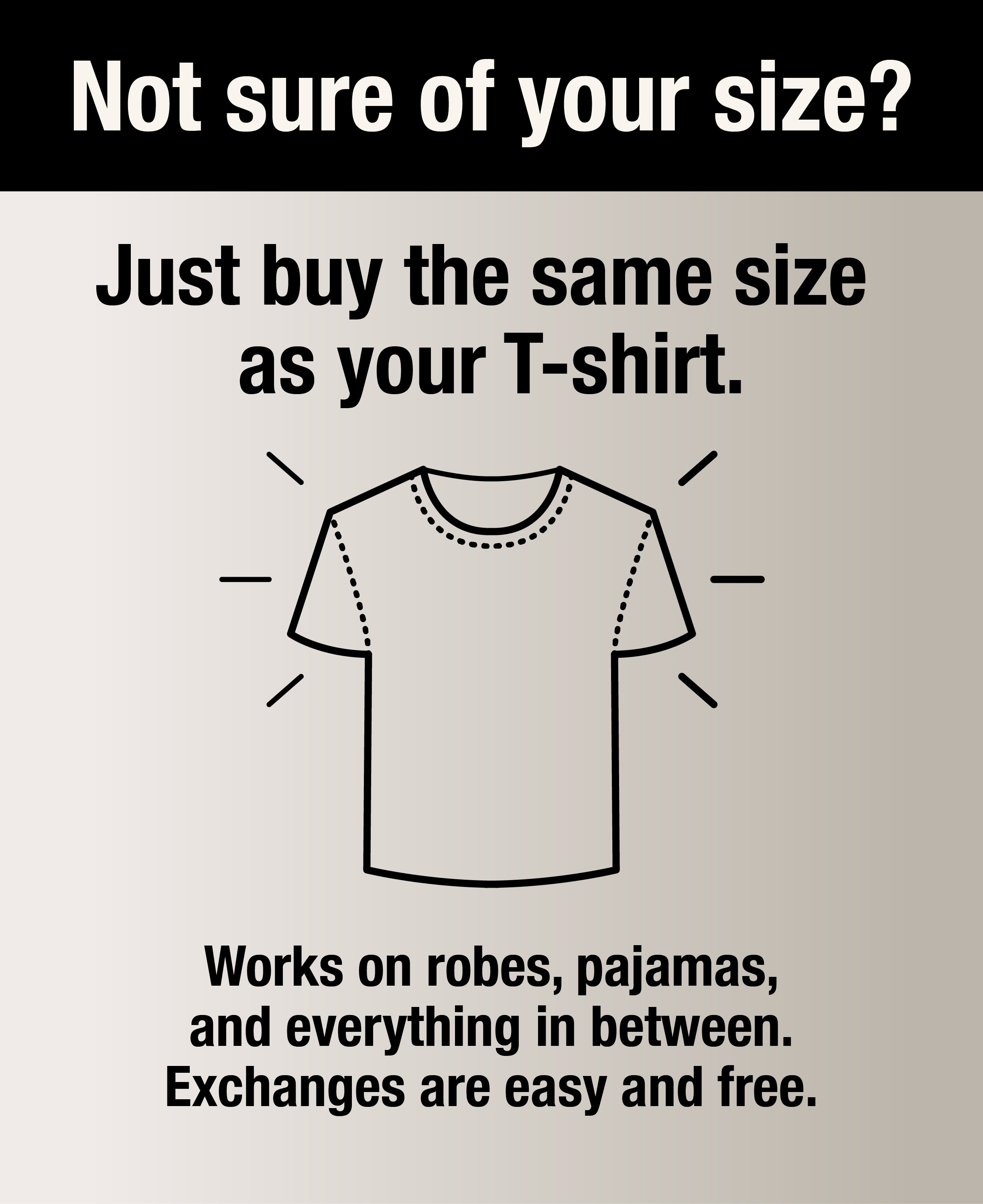
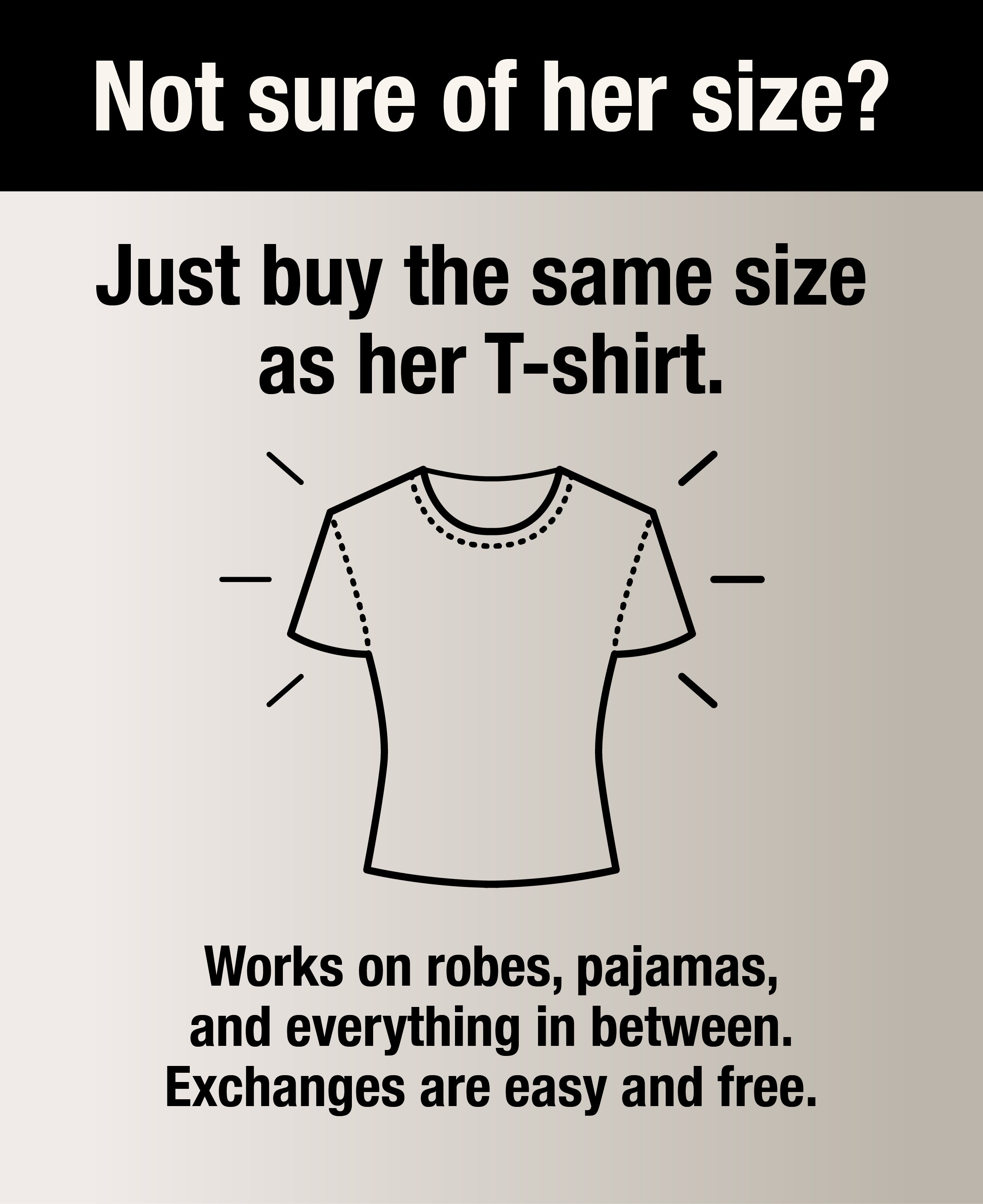
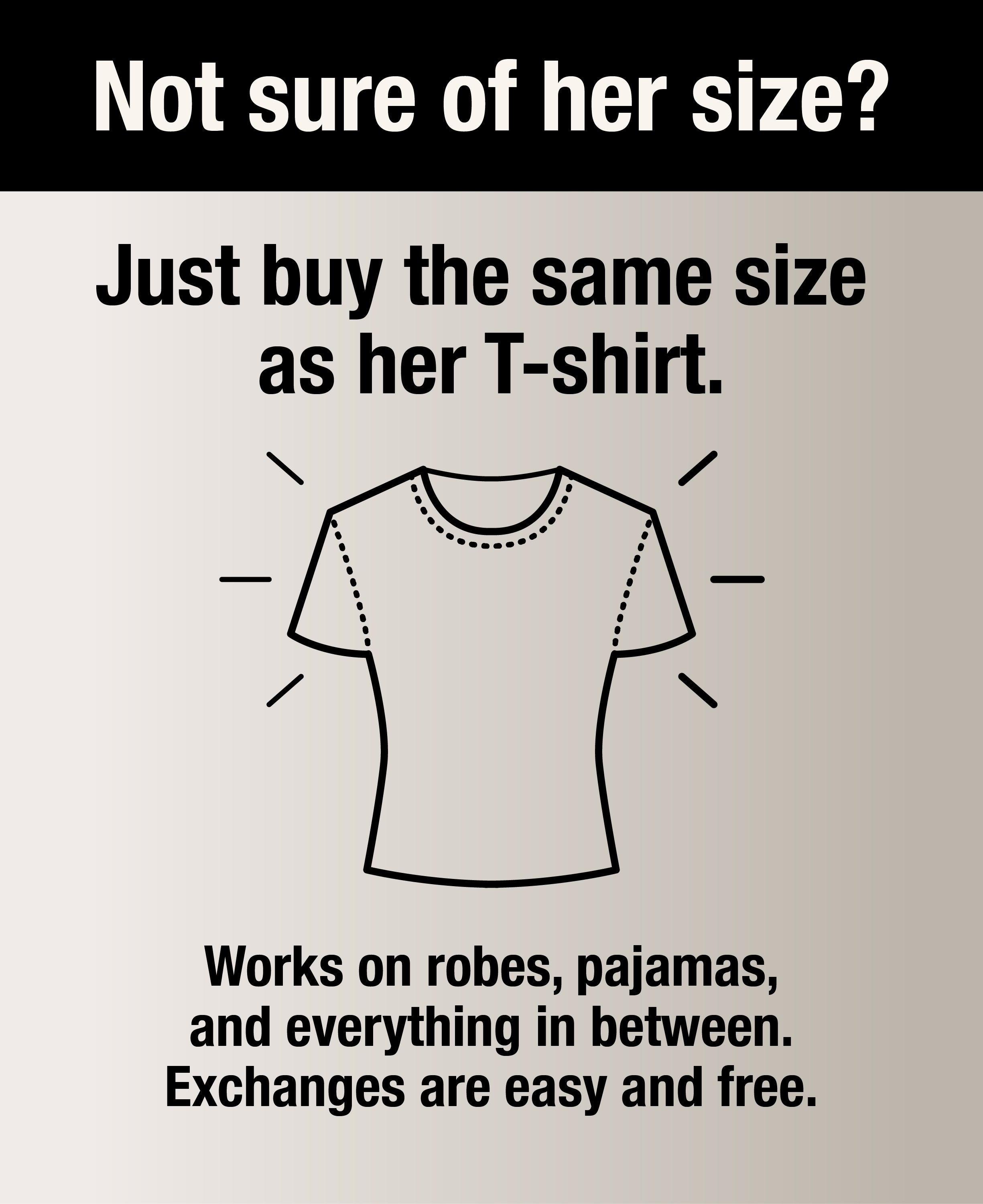
The difference between "runs warm" and "runs cool" pieces is in the cut and coverage, not a downgrade in the fabric itself. Everything is machine washable on a delicate cycle, sized XS to 4XL, with custom sizing available when needed.
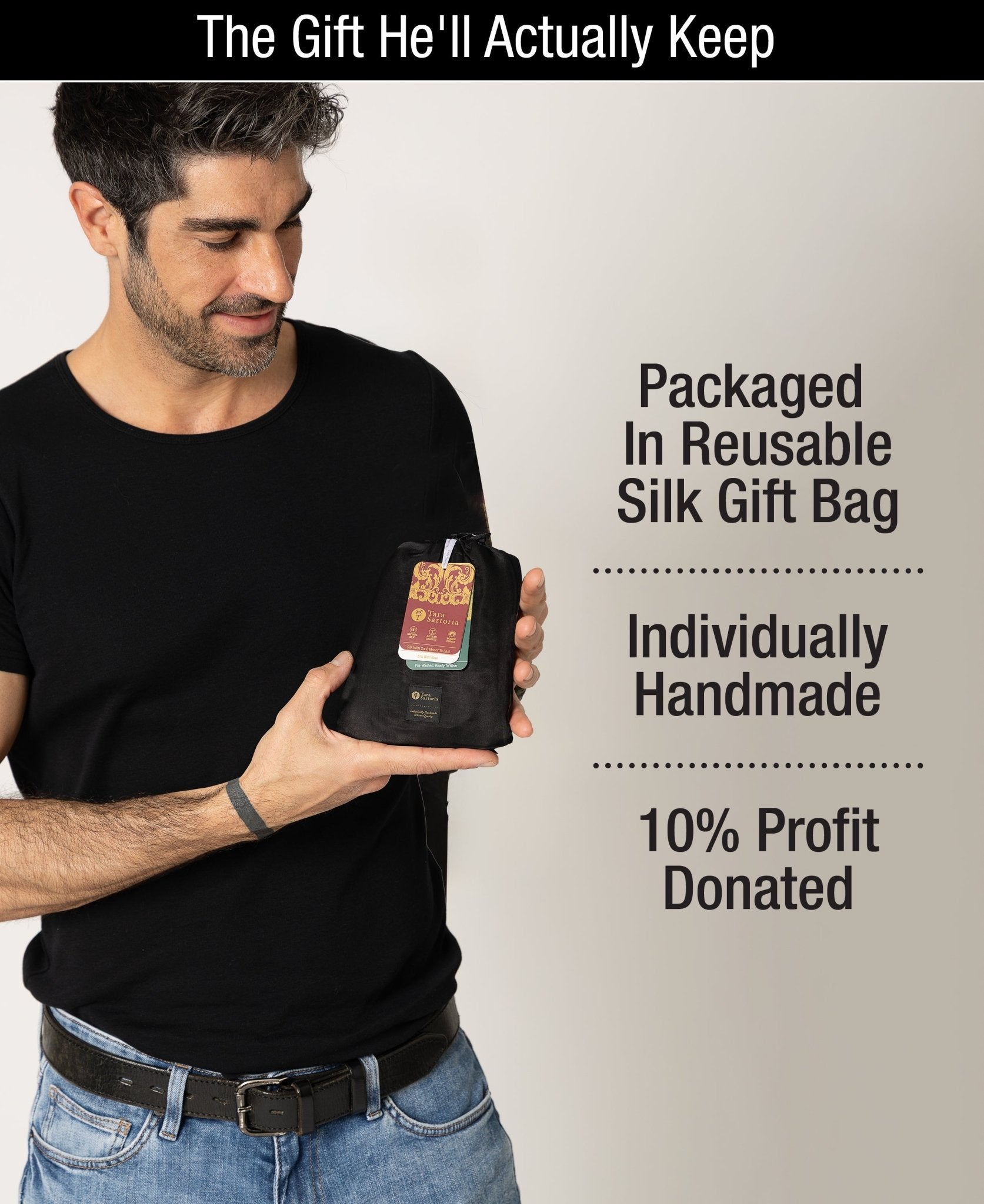
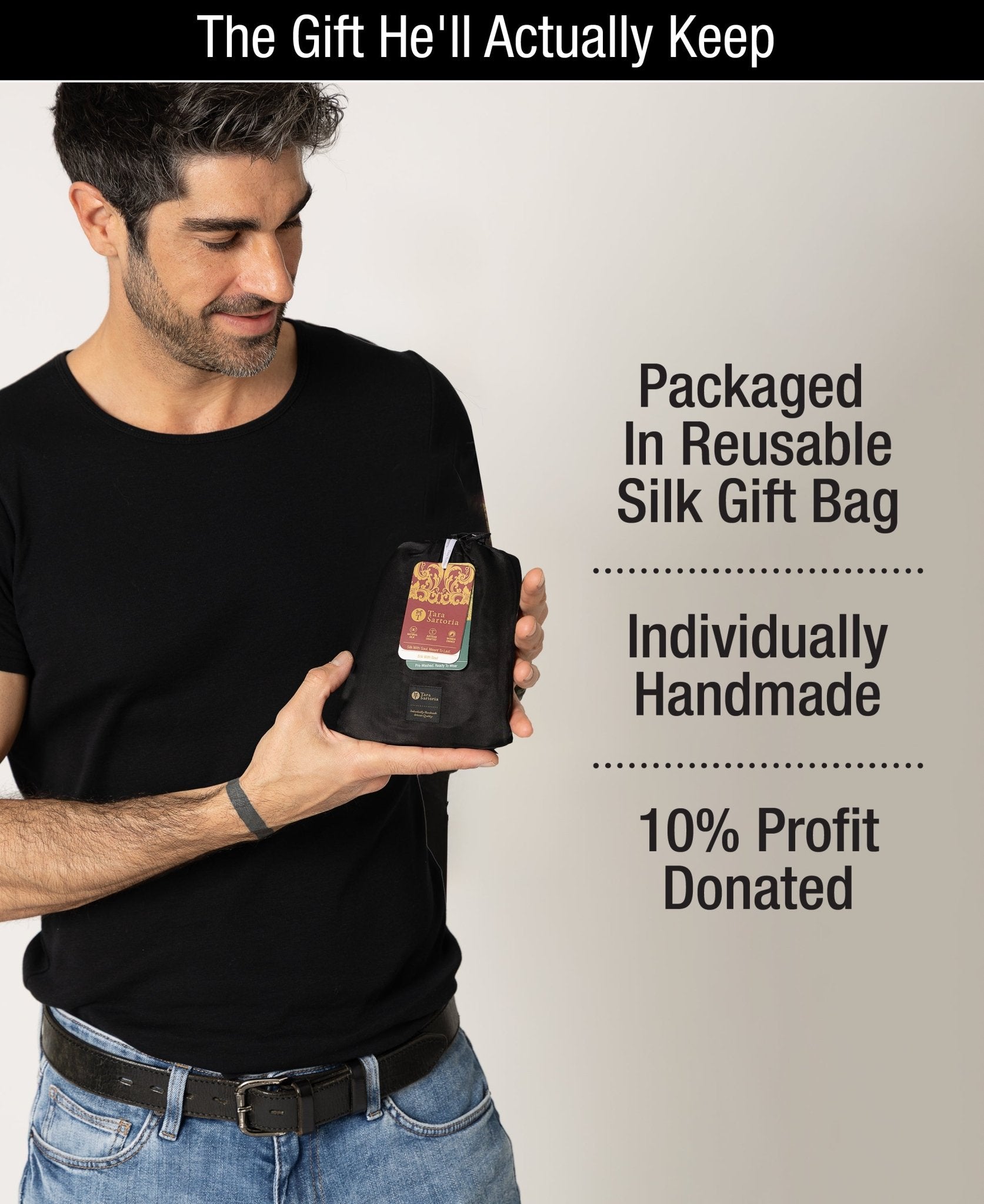
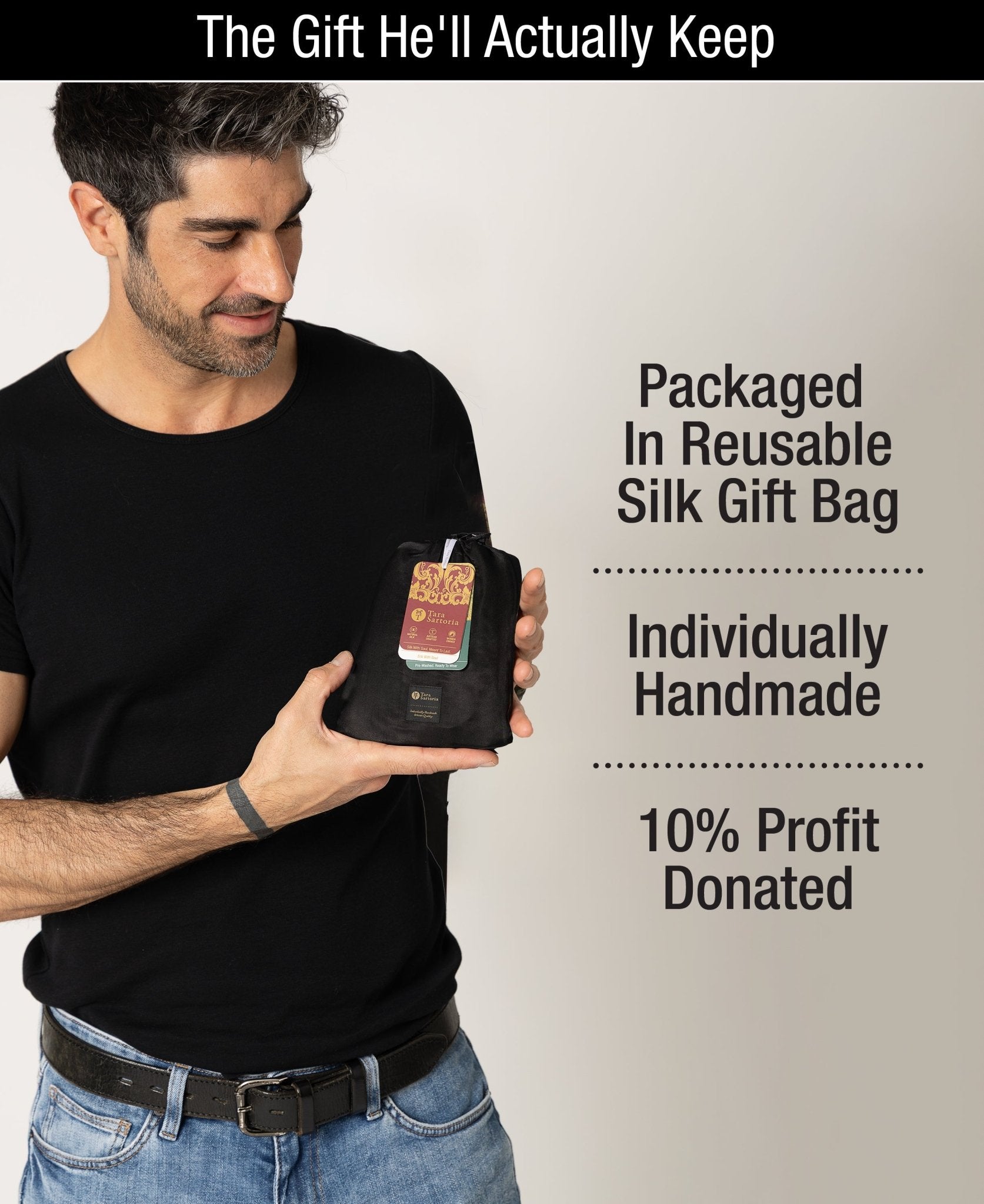
10% of profits fund women's education and entrepreneurship.
The Takeaway
The couples who write to us about this are rarely arguing about silk. They are arguing about a thermostat that cannot possibly make two different bodies comfortable at once, using bedding that was never built to try. The research backs up what most long-term couples already suspect: the mismatch is real, common, and not a referendum on the relationship. The fix is not a bigger duvet or a colder bedroom. It is giving each partner the piece suited to how they actually sleep, so the only thing left to negotiate in the morning is who gets the bathroom first.
Silk For Two
Most couples don't sleep at the same temperature. One of you runs warm, one runs cool, and somebody always ends up stealing the blanket.
Our sleeping bundles are matched by temperature type, not just size. Pick your pairing and save 15%.
 Shop Silk For Two
Frequently Asked Questions
Is it normal for couples to sleep at different temperatures?
Yes. It is common enough that researchers have studied it directly. A 2025 American Academy of Sleep Medicine survey found that temperature mismatch is one of the recurring reasons nearly a third of American adults have started sleeping apart at least some nights. Peer-reviewed research on nighttime body temperature also confirms real physiological differences in how individuals cool down overnight, so the mismatch is not a matter of one partner being difficult.
Can silk actually help if one partner sleeps hot and the other sleeps cold?
Silk helps because of how the fiber manages moisture and heat, not because one fabric magically becomes two temperatures. A lighter-weight silk piece, like a nightgown or short pajama set, suits a partner who runs warm because it moves moisture away from the skin. A fuller silk piece, like a band-collar pajama set, suits a partner who runs cool because it holds a thin layer of warmth close to the body. The fix is choosing the right piece for each person, not one blanket for the bed.
What is a "sleep divorce," and is it something to worry about?
A "sleep divorce" is the term researchers use when couples choose to sleep in separate beds or rooms, at least some nights, to get better rest. The AASM's 2025 survey found 31 percent of American adults do this. Sleep researchers frame it as a practical accommodation, not a sign of relationship trouble, so long as couples are still communicating about preferences and making time to connect before bed.
How do I know which Silk For Two pairing is right for us?
Start with how each of you already sleeps on a normal night, not how you wish you slept. If one of you regularly kicks off the covers and the other regularly reaches for another layer, you likely have a warm sleeper and a cool sleeper. If you are not sure, "in-between" pairings are built for exactly that uncertainty, with a piece that offers more flexibility than a full set but more coverage than the lightest option.
Is silk good for a partner who sleeps cold?
Yes. A denser silk, cut into a fuller pajama set with more coverage, holds warmth close to the body without the bulk of flannel or heavy cotton. The same 27 momme mulberry silk used across Tara Sartoria pieces is what makes this possible. It is the cut and coverage that changes between our "runs warm" and "runs cool" pieces, not the quality or density of the fabric.
