


Silk and Sleep Temperature: What the Research Says About Fabric and Sleep Quality
By Tara Nguyen, Ph.D., Founder and Creative Director, Tara Sartoria
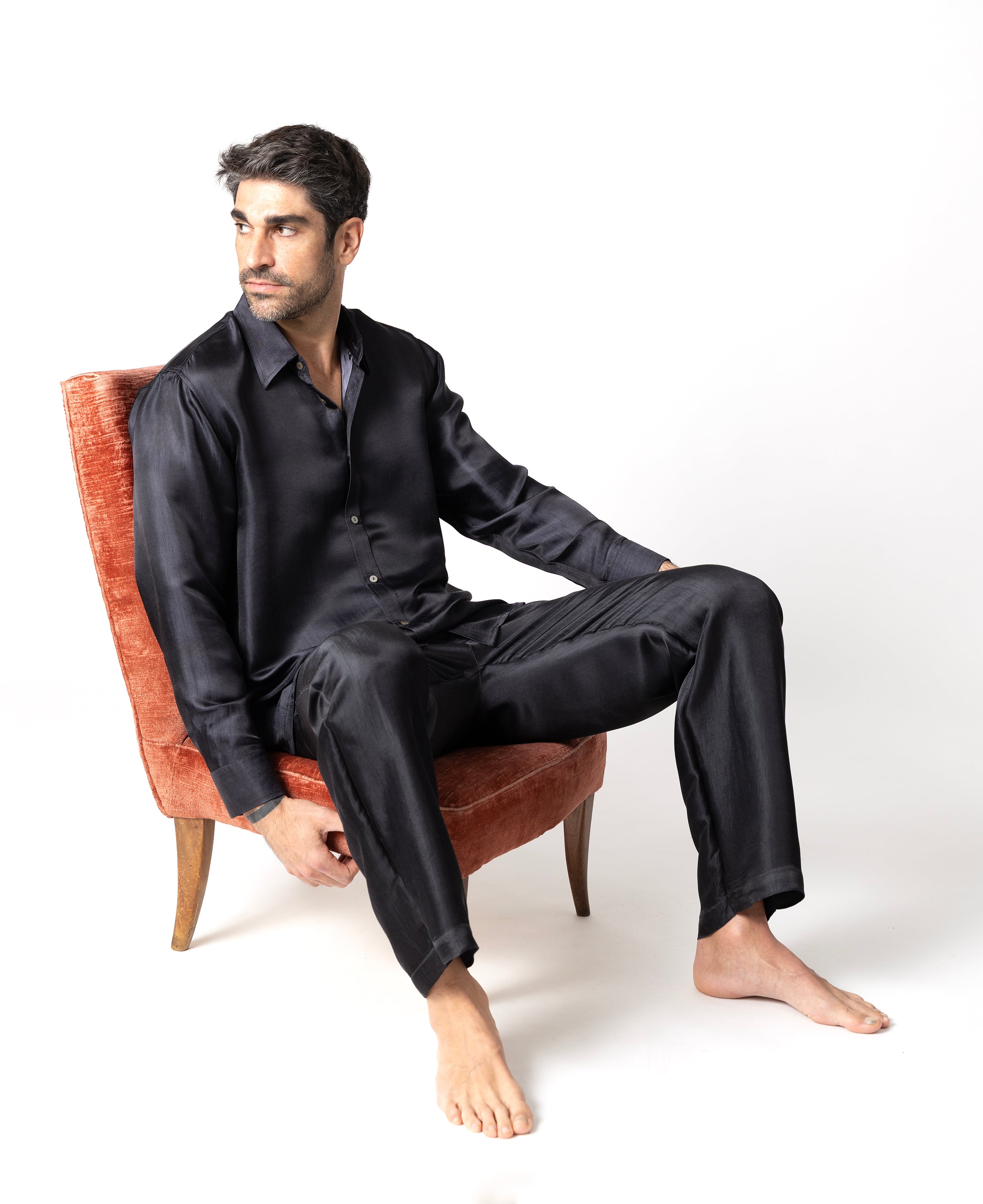
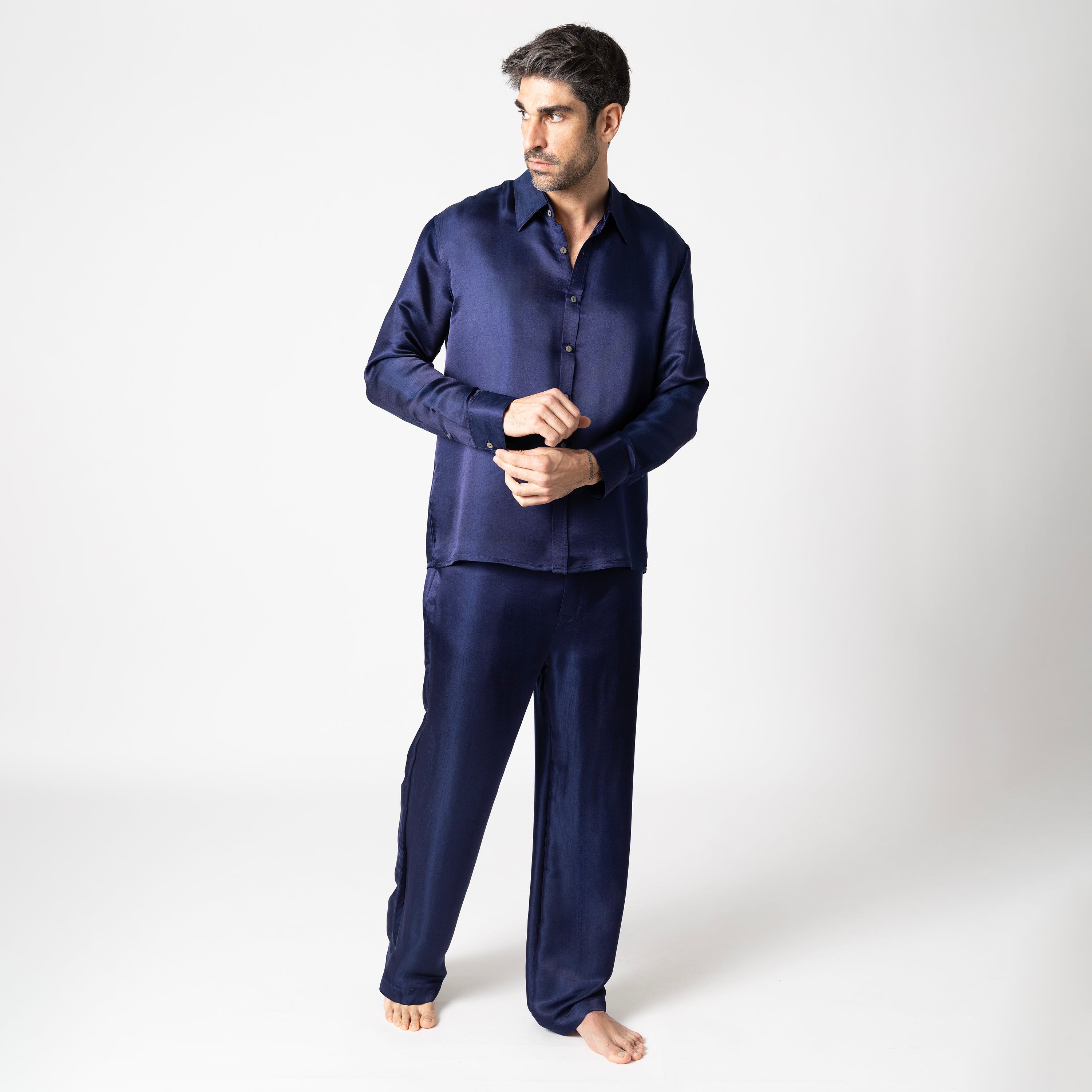
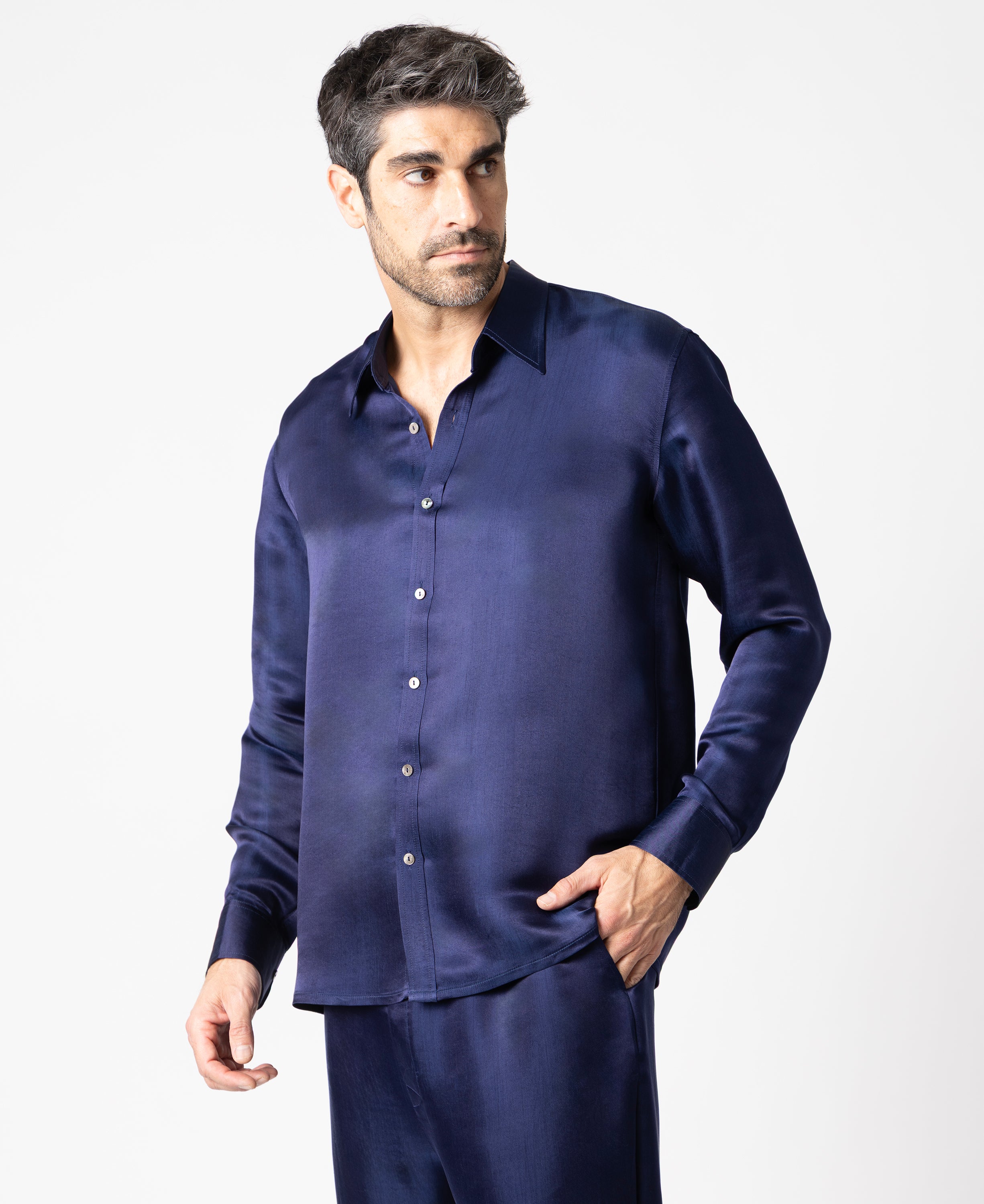
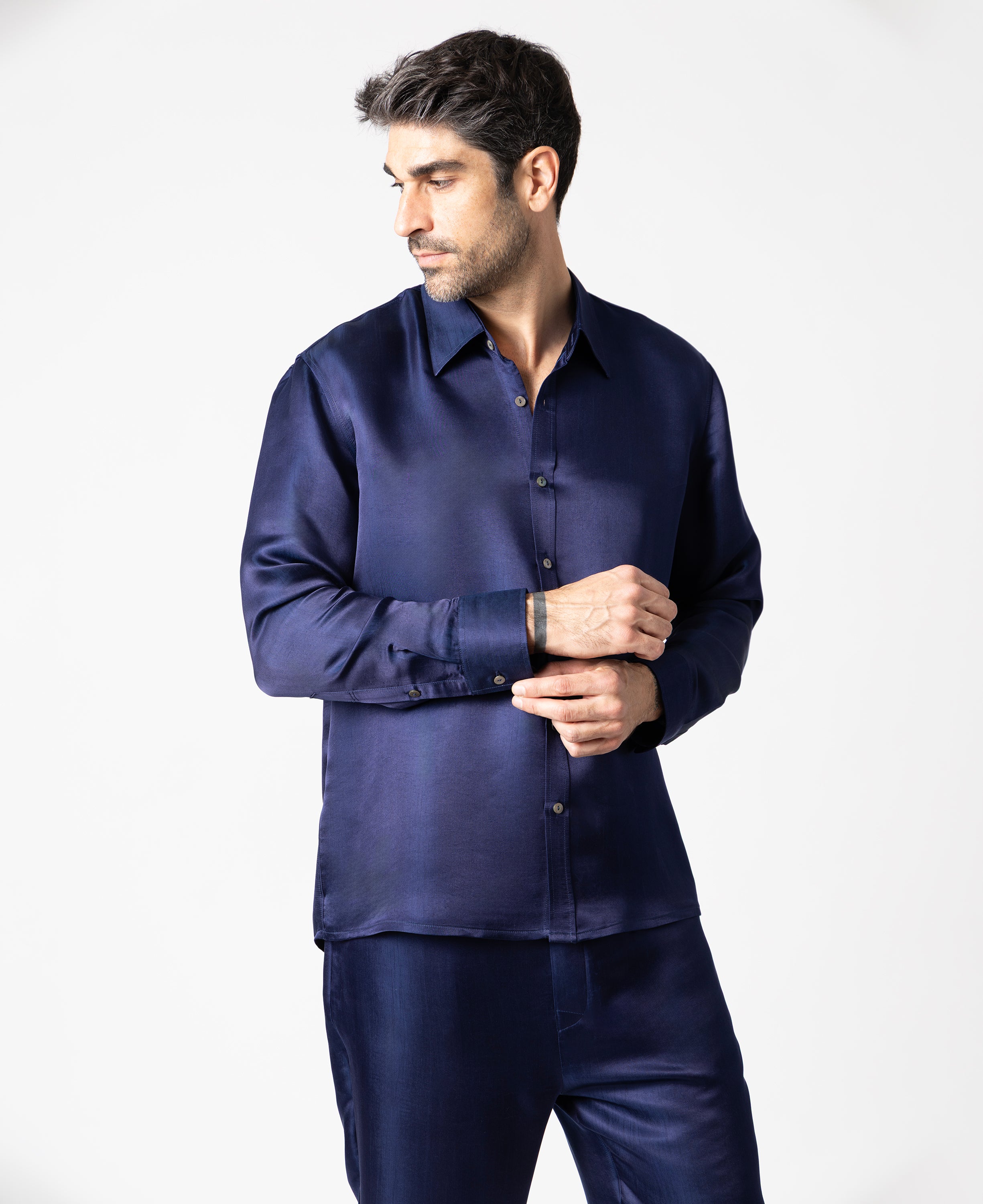
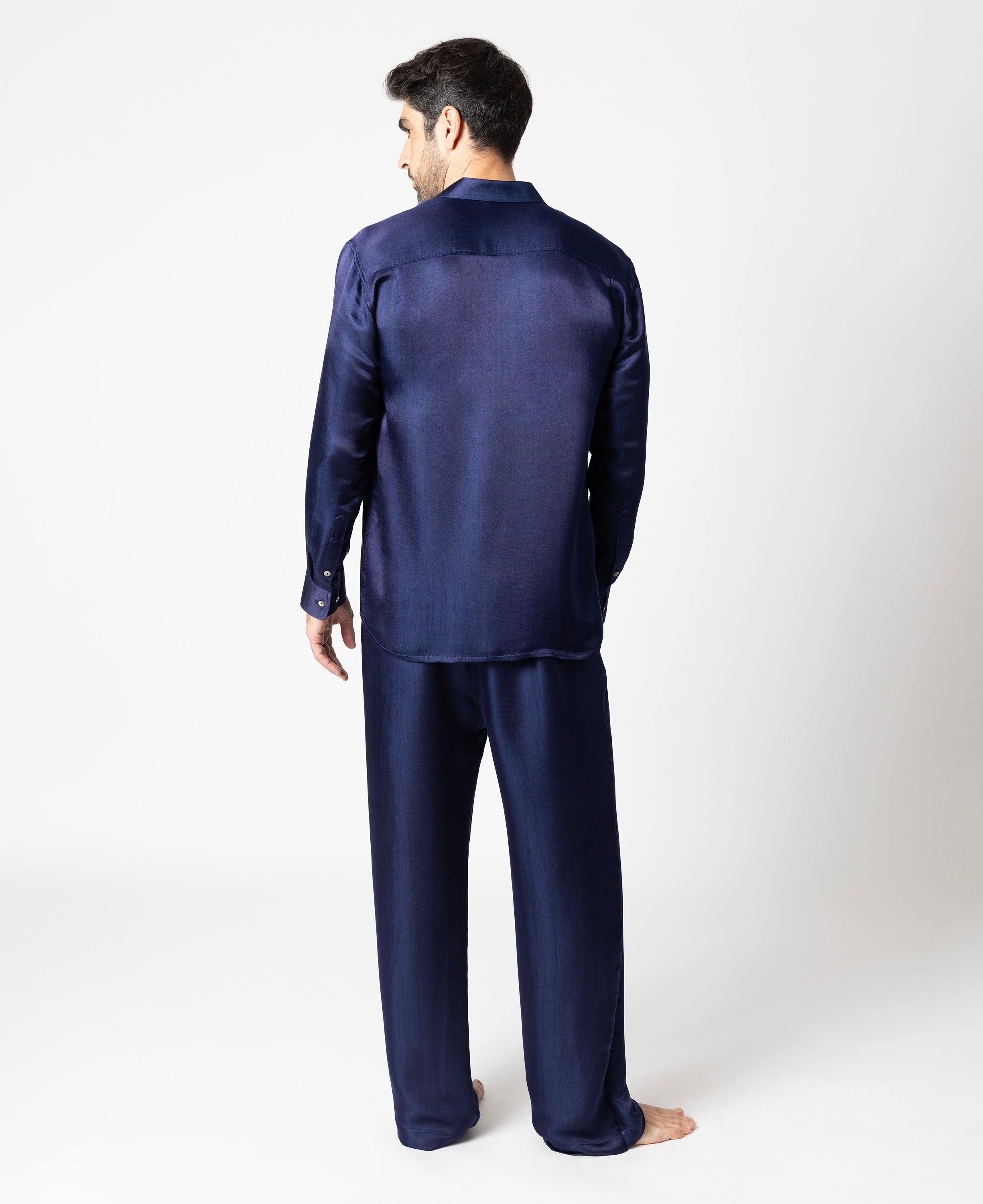
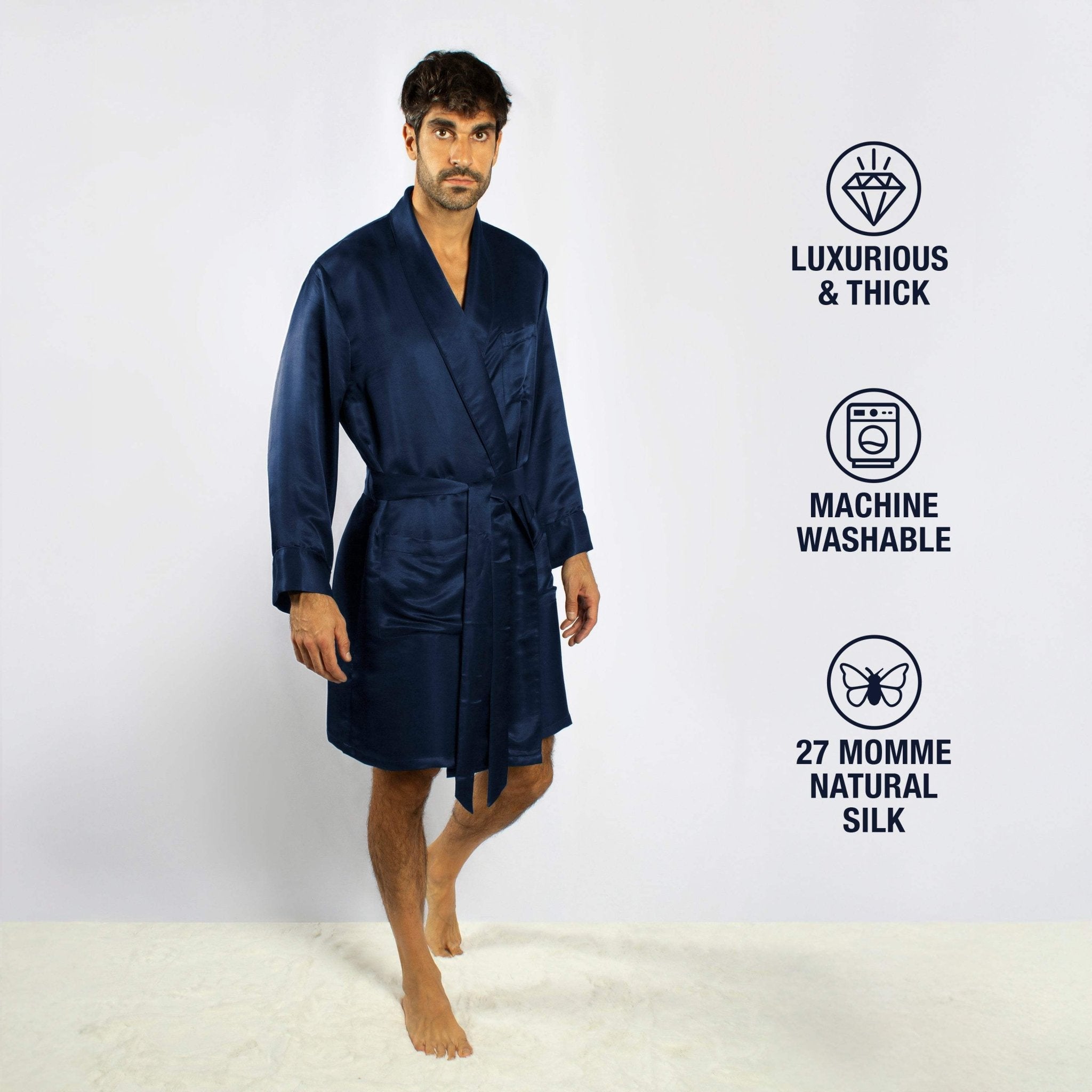
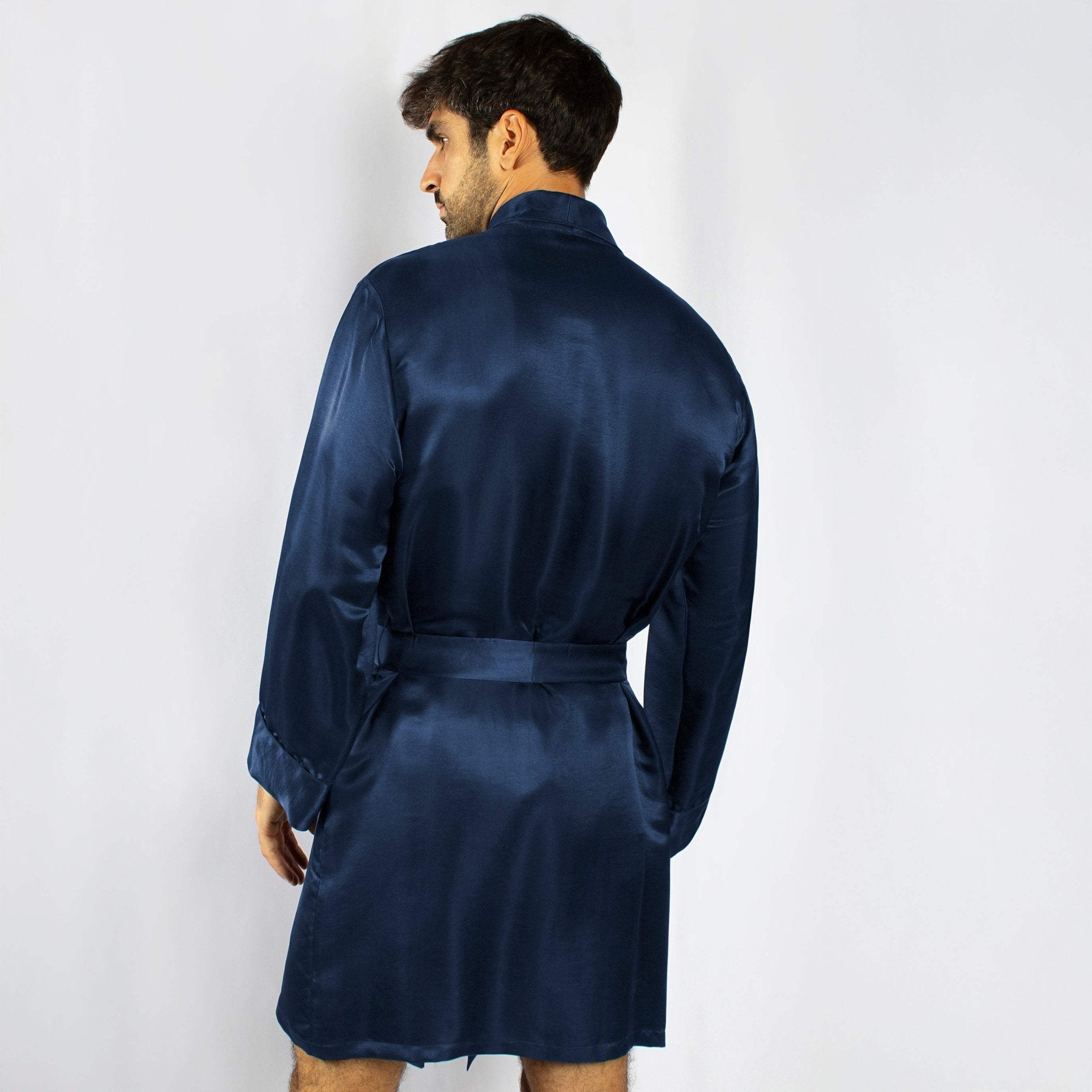
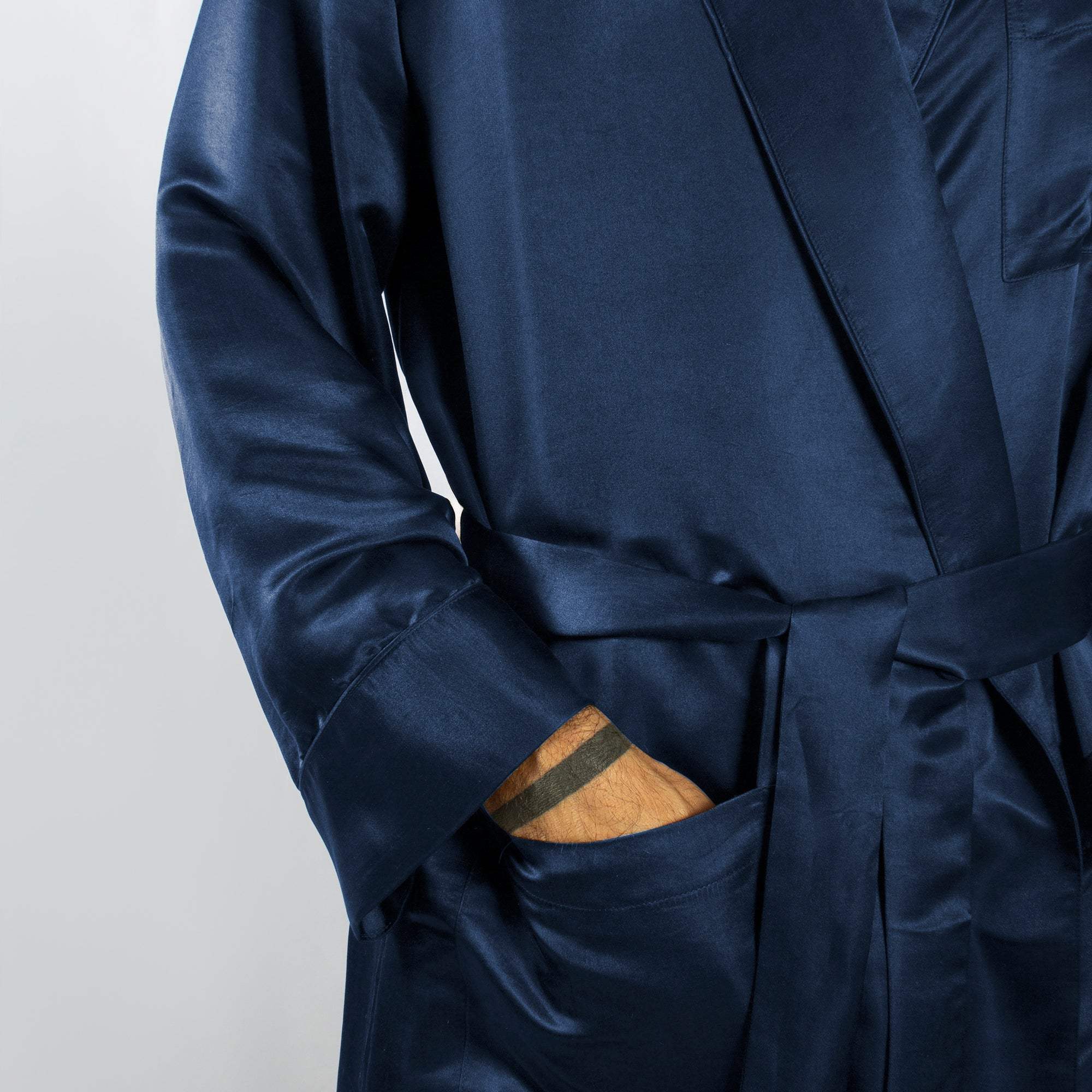
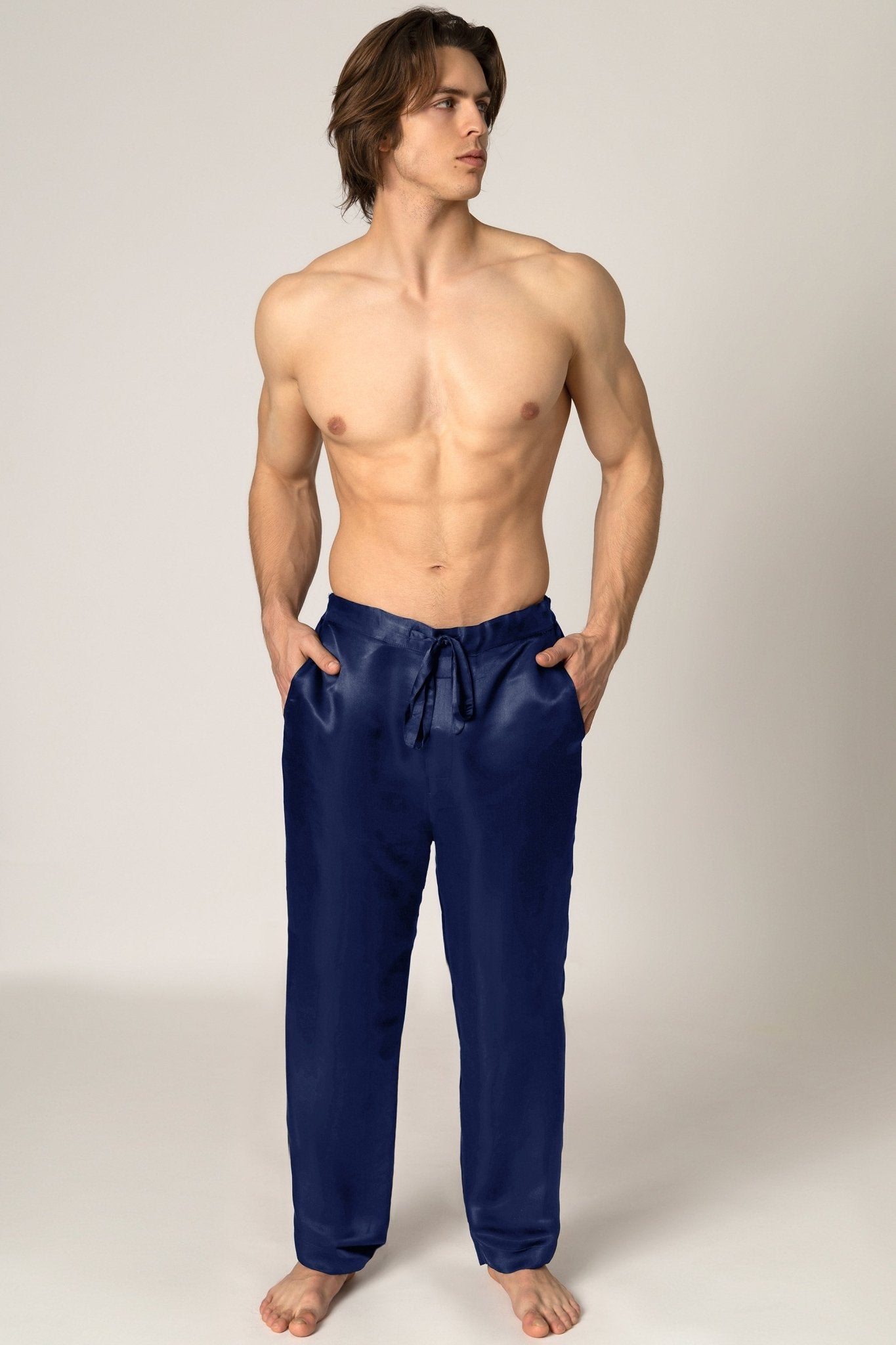
You spend approximately one-third of your life asleep. The temperature of your sleep environment is one of the most well-documented factors determining whether that time is restorative or wasted. Tara Sartoria makes 27 momme mulberry silk sleepwear, and the thermoregulation properties of silk are directly relevant to what sleep researchers have identified as optimal thermal sleep conditions.
This article reviews the research on sleep temperature, explains how different fabrics perform, and shows why silk works across a wider range of thermal conditions than alternatives.









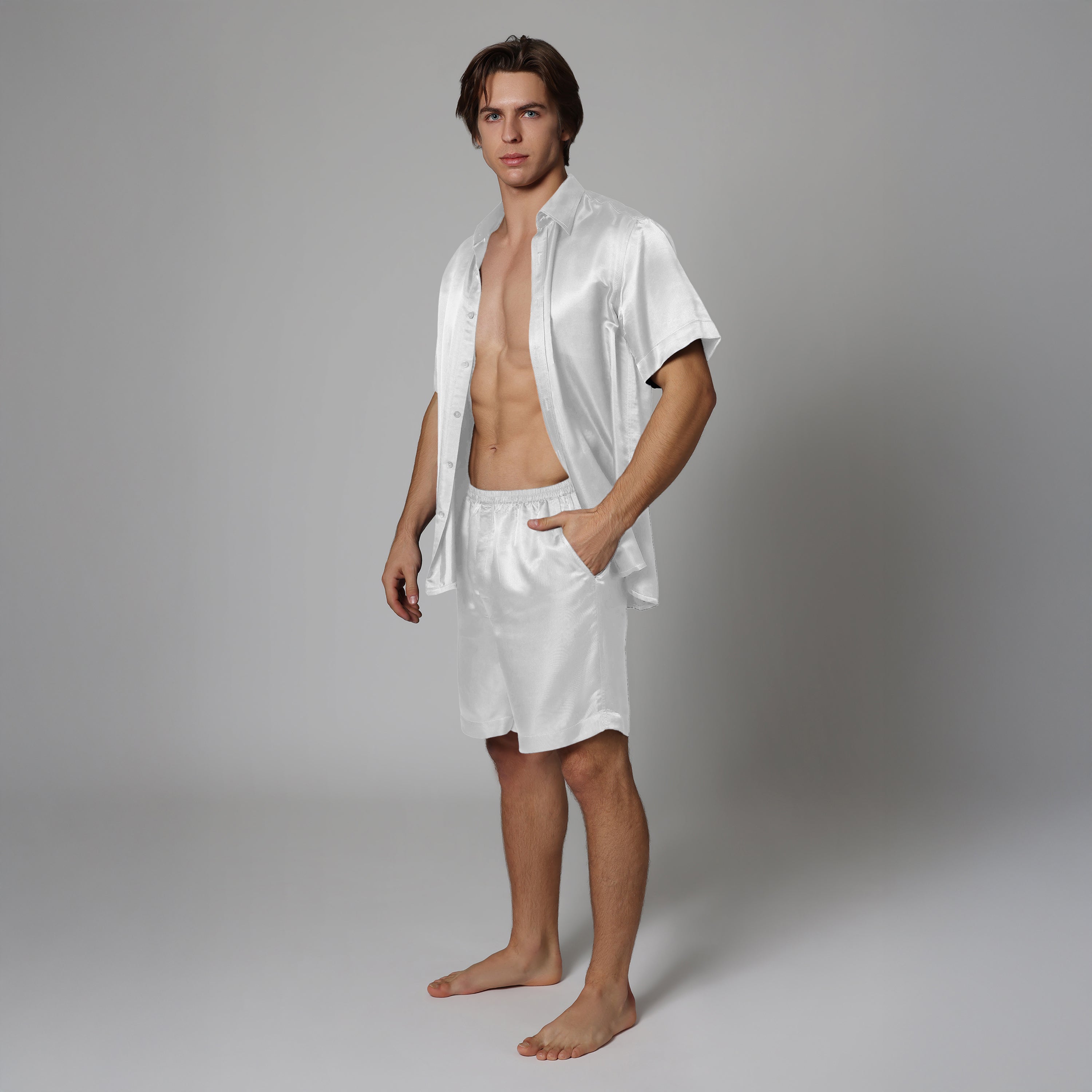


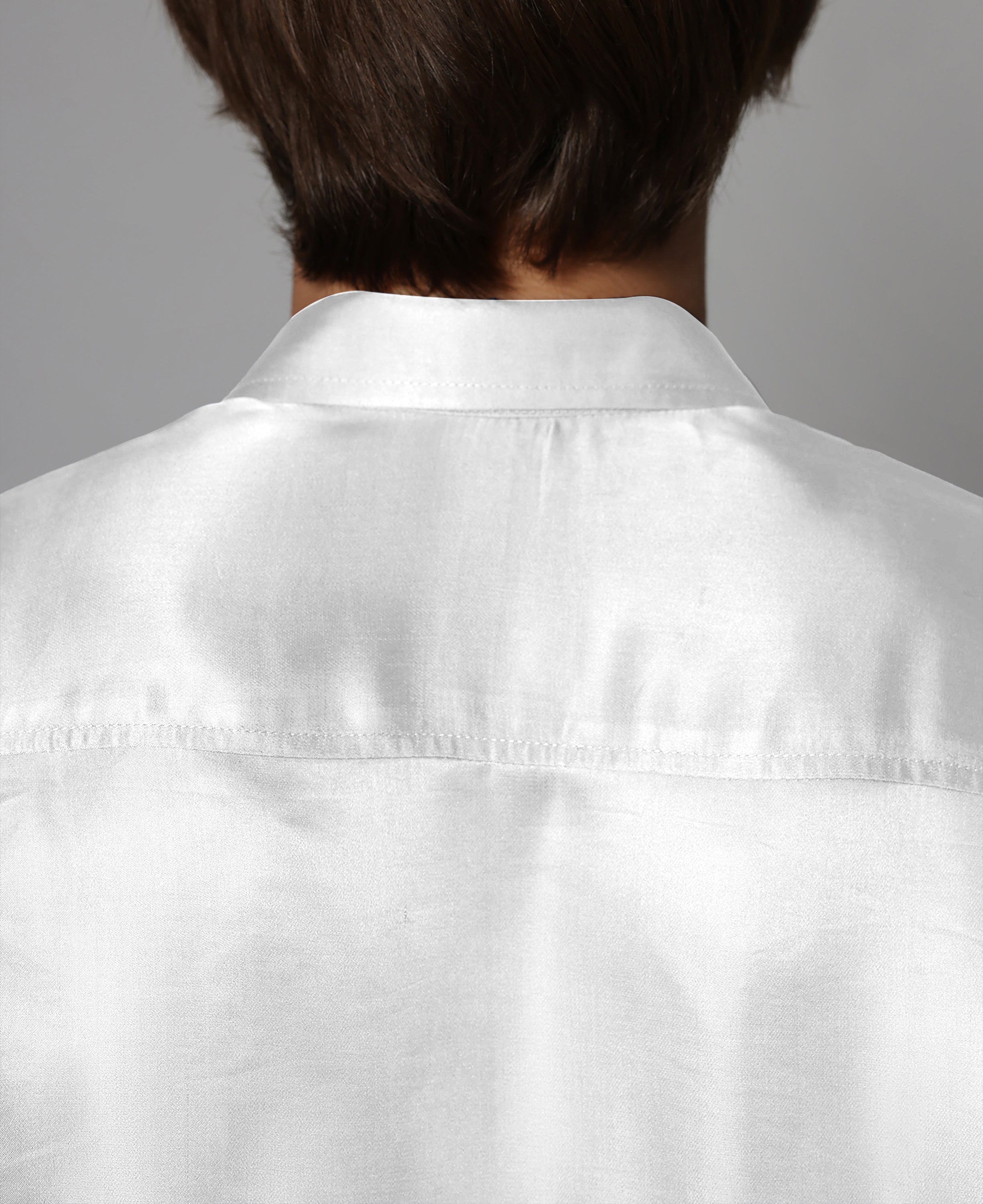









The Temperature-Sleep Connection
Sleep scientists have established that the thermal environment is one of the strongest environmental determinants of sleep quality. This is not controversial. It is one of the most replicated findings in sleep research.
Your body follows a circadian temperature rhythm during sleep. Core body temperature drops by 1 to 2 degrees Fahrenheit after sleep onset, reaches its lowest point in the early morning hours, and rises before waking. This temperature decline is not incidental to sleep. It is a prerequisite. Studies have shown that artificially preventing the temperature drop delays sleep onset and reduces deep sleep.
The National Sleep Foundation recommends a bedroom temperature of 60 to 67 degrees Fahrenheit (15.5 to 19.4 degrees Celsius) for optimal sleep. Research published in the journal Sleep found that sleep efficiency, the percentage of time in bed spent actually sleeping, decreases measurably when ambient temperature rises above 75 degrees Fahrenheit or falls below 54 degrees Fahrenheit.
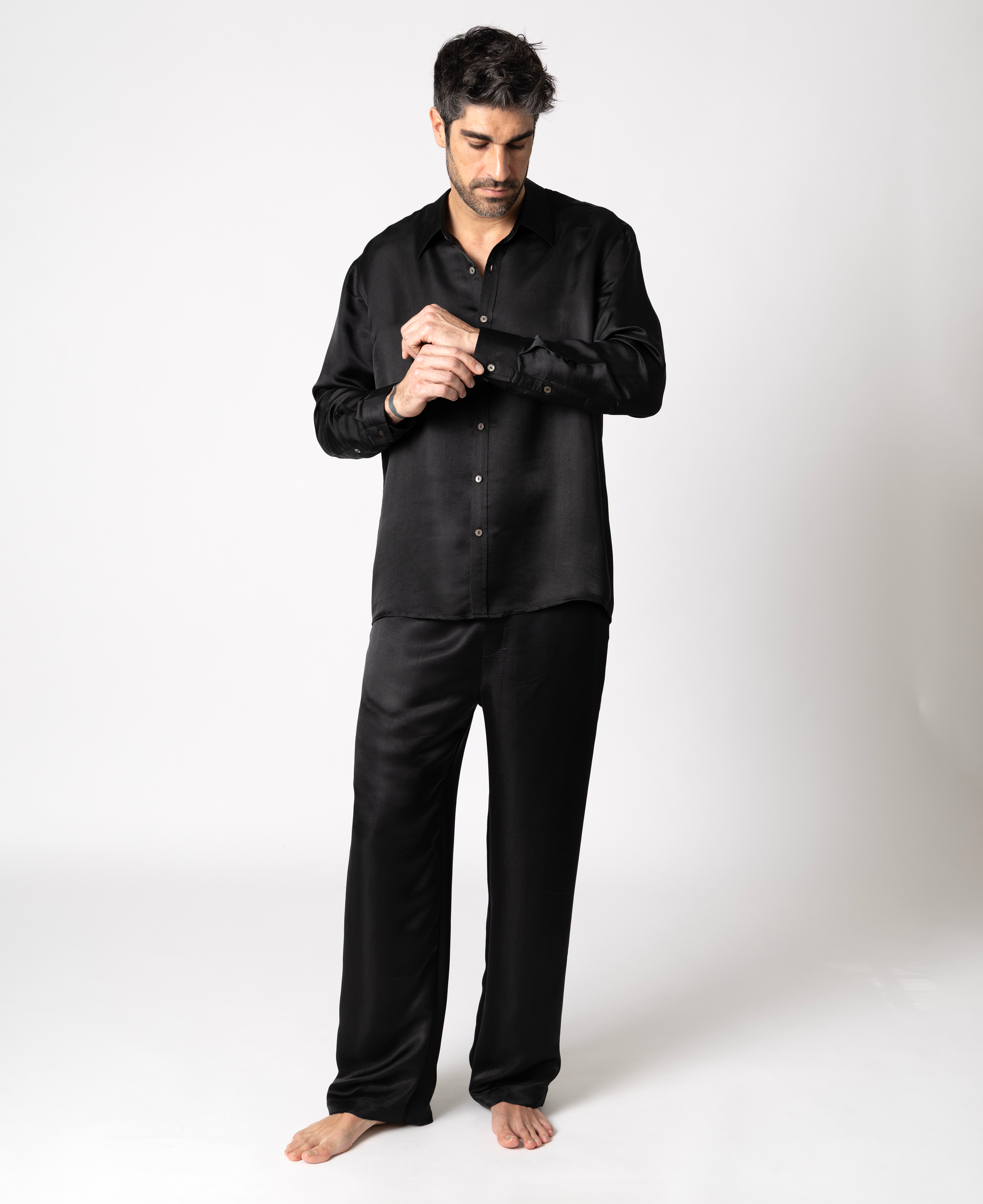
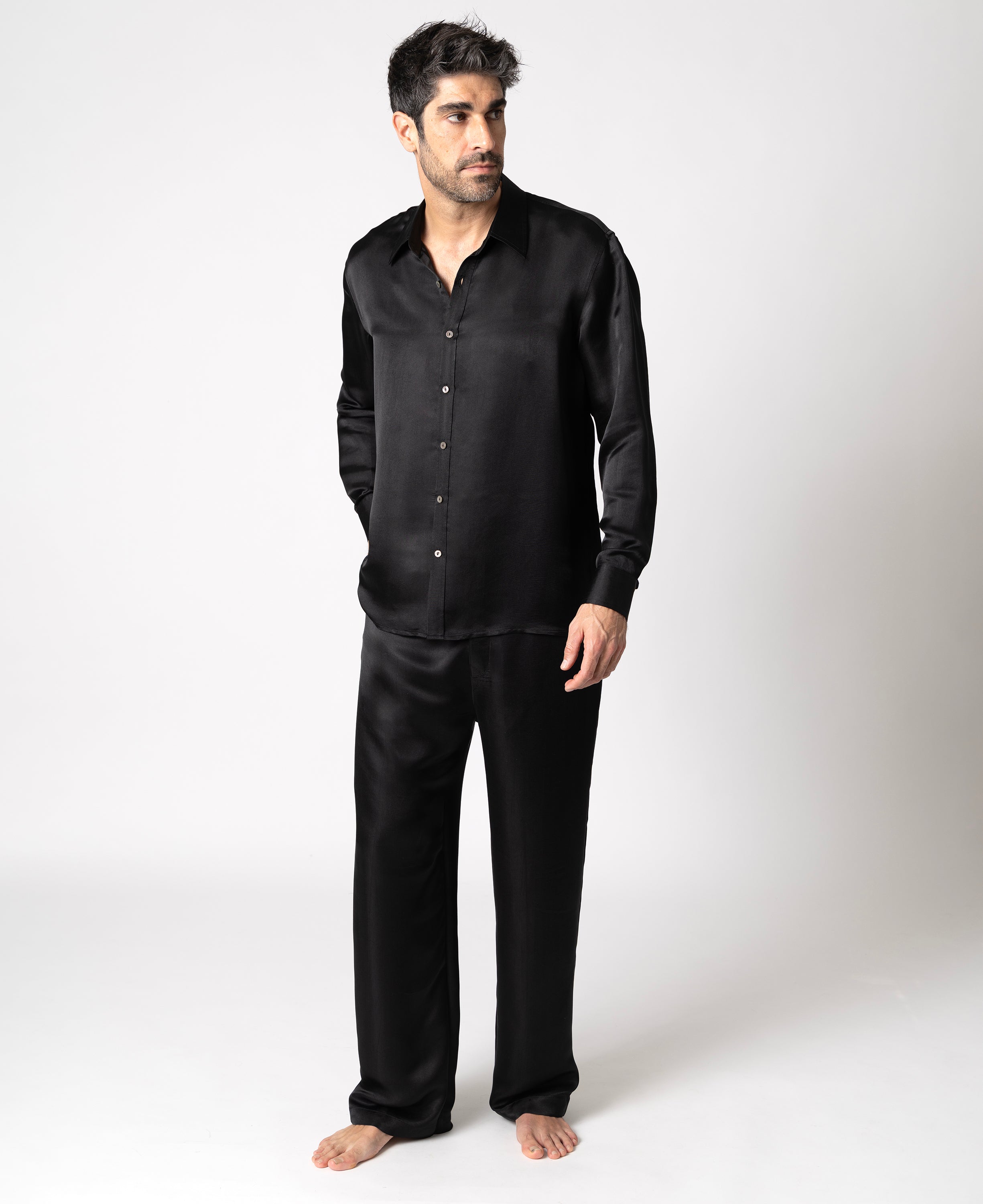
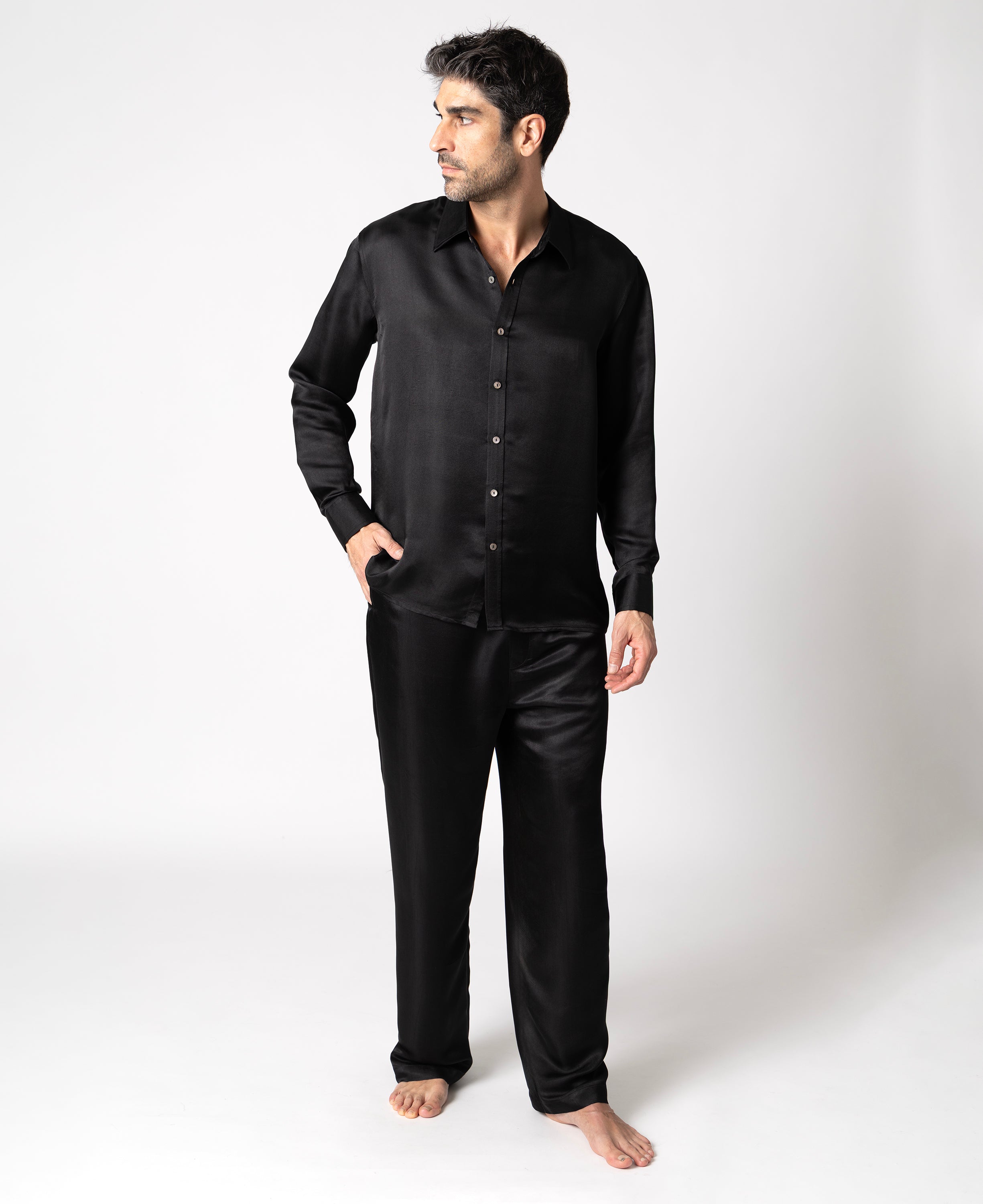
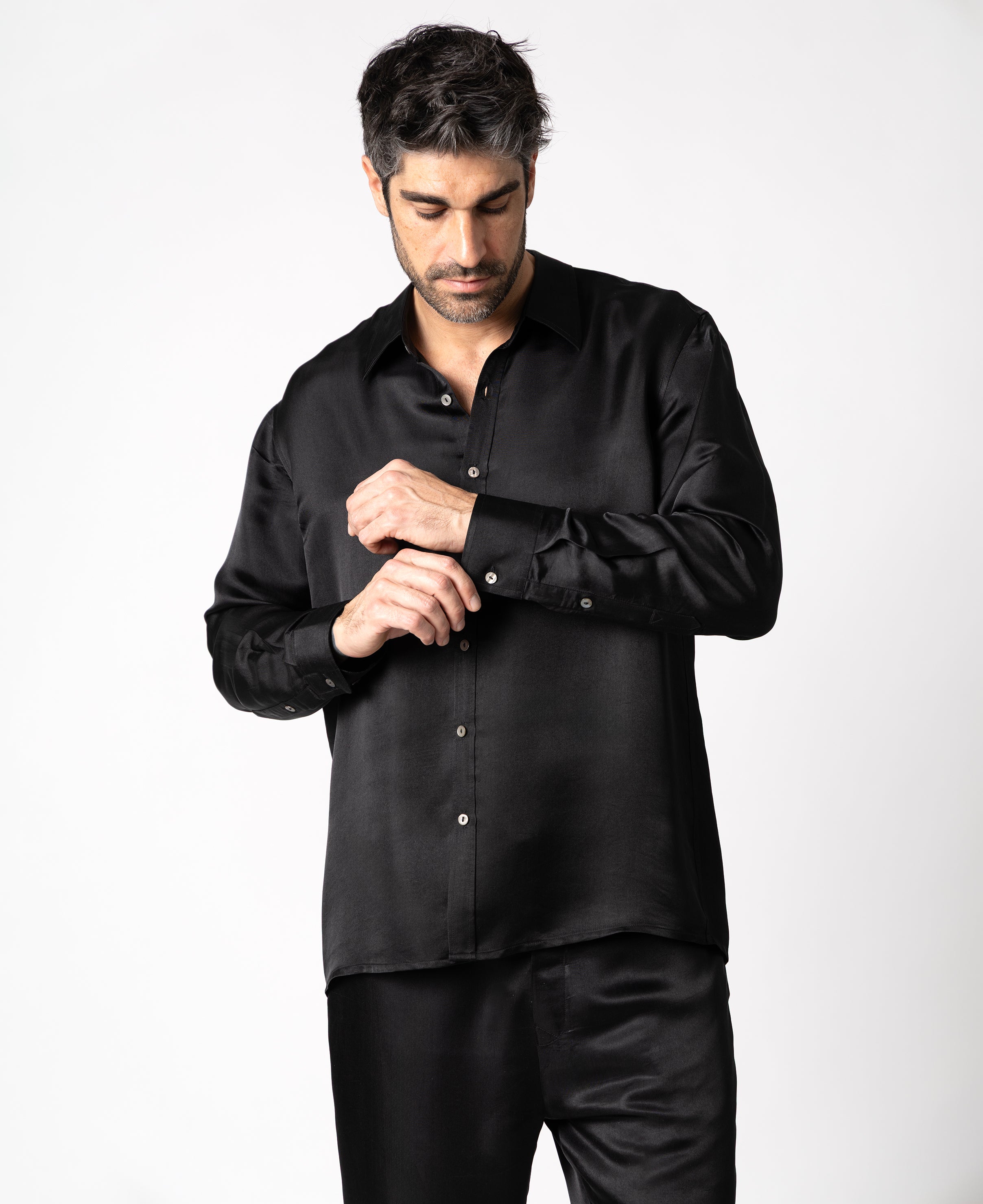
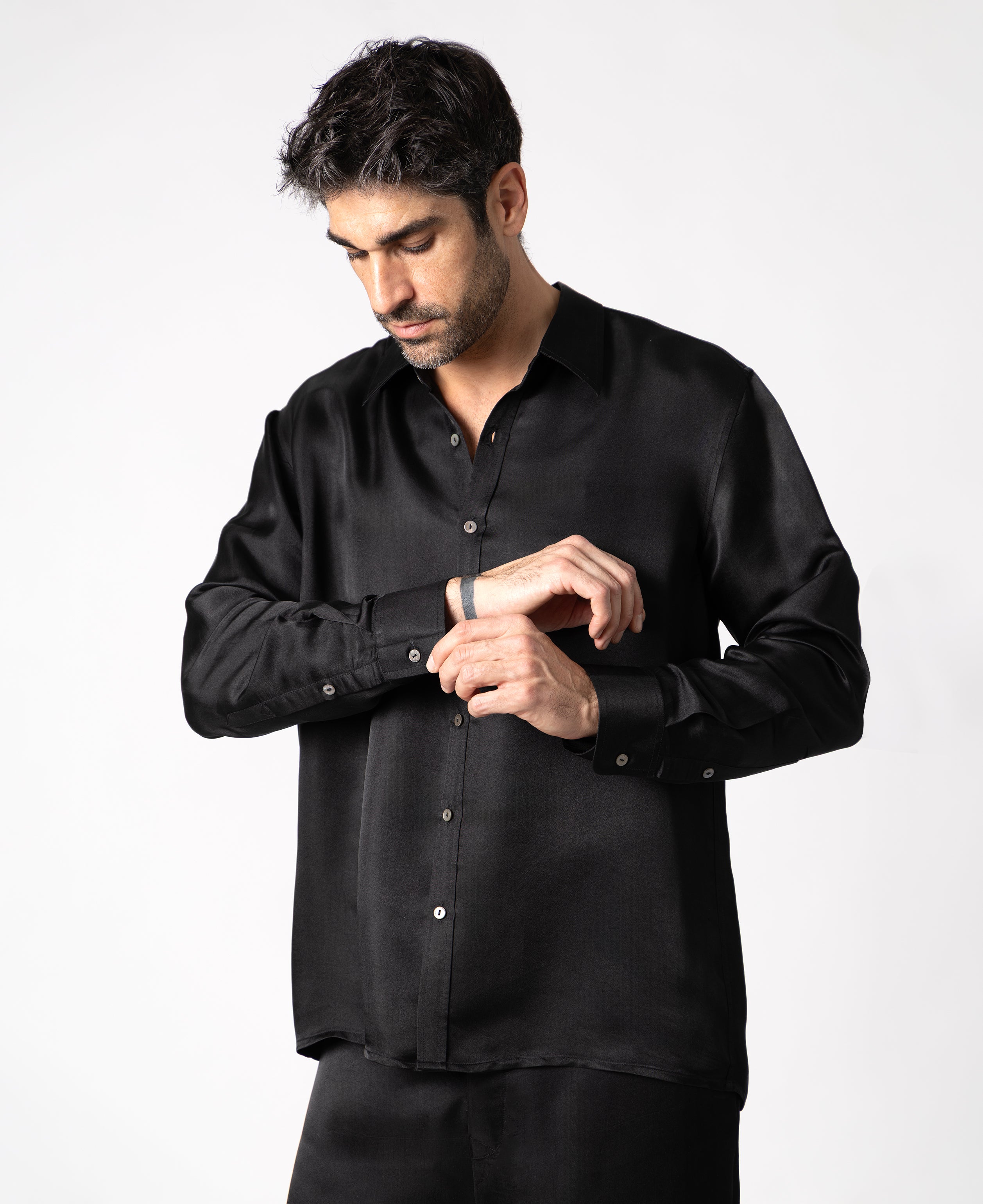
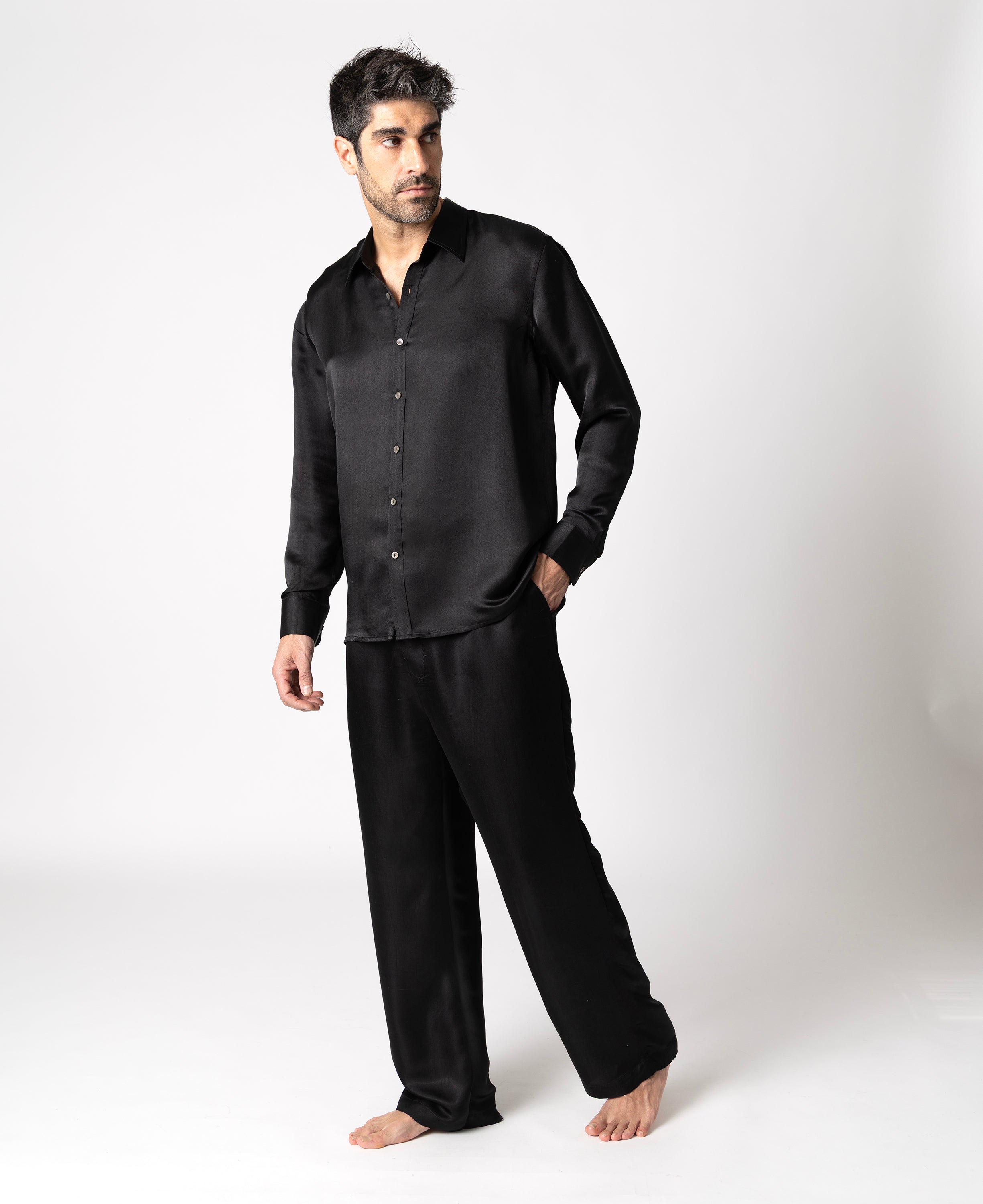
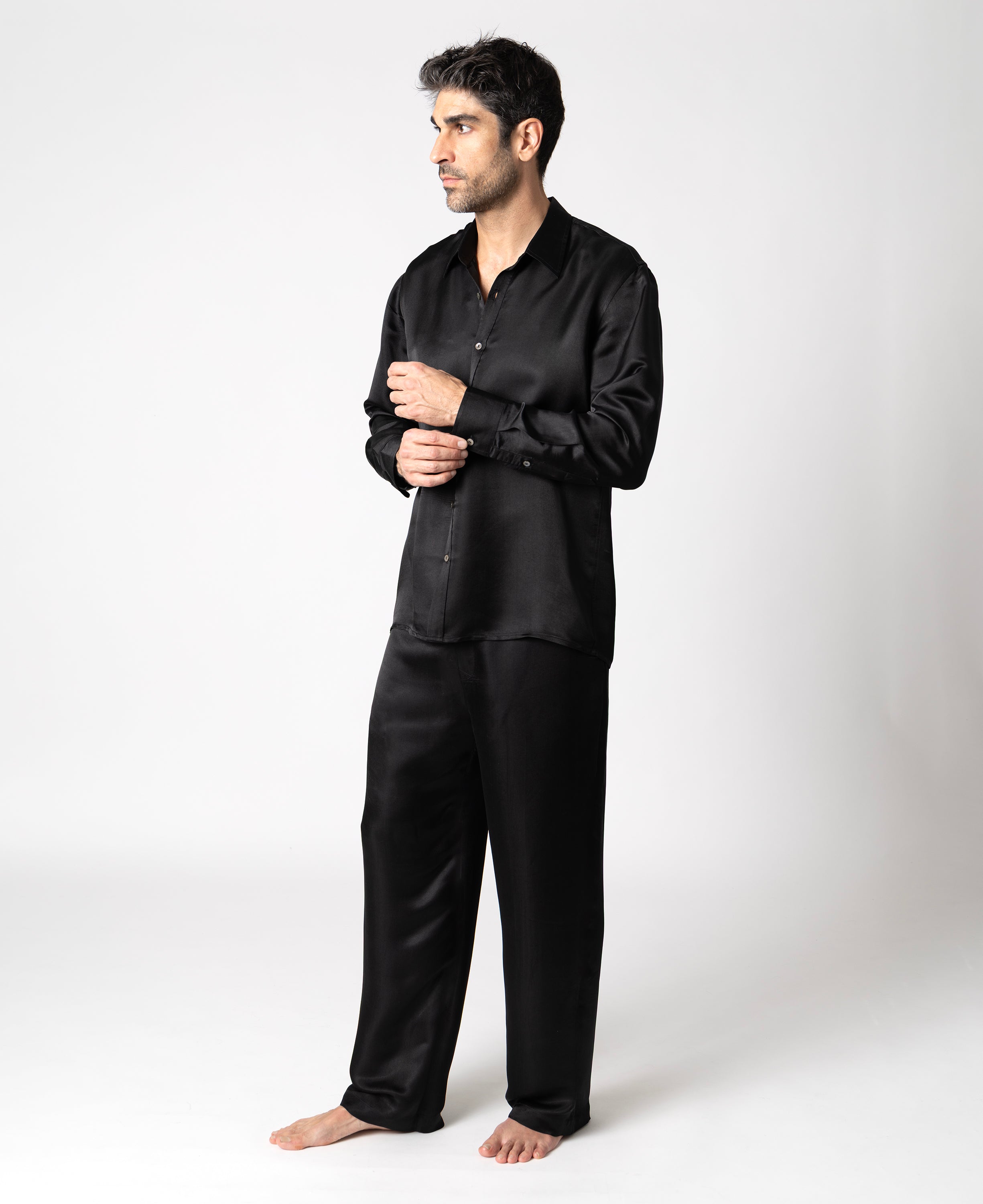
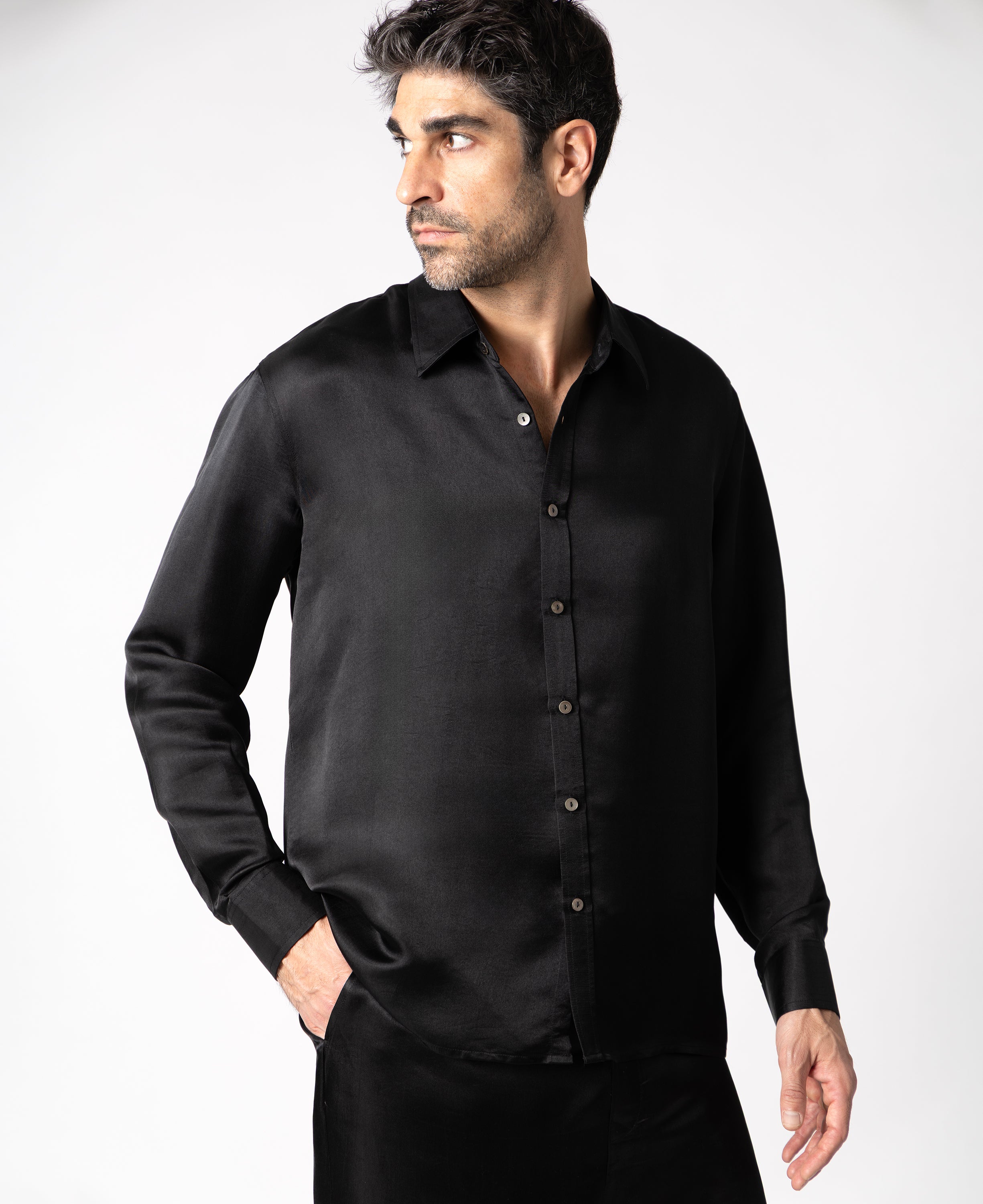
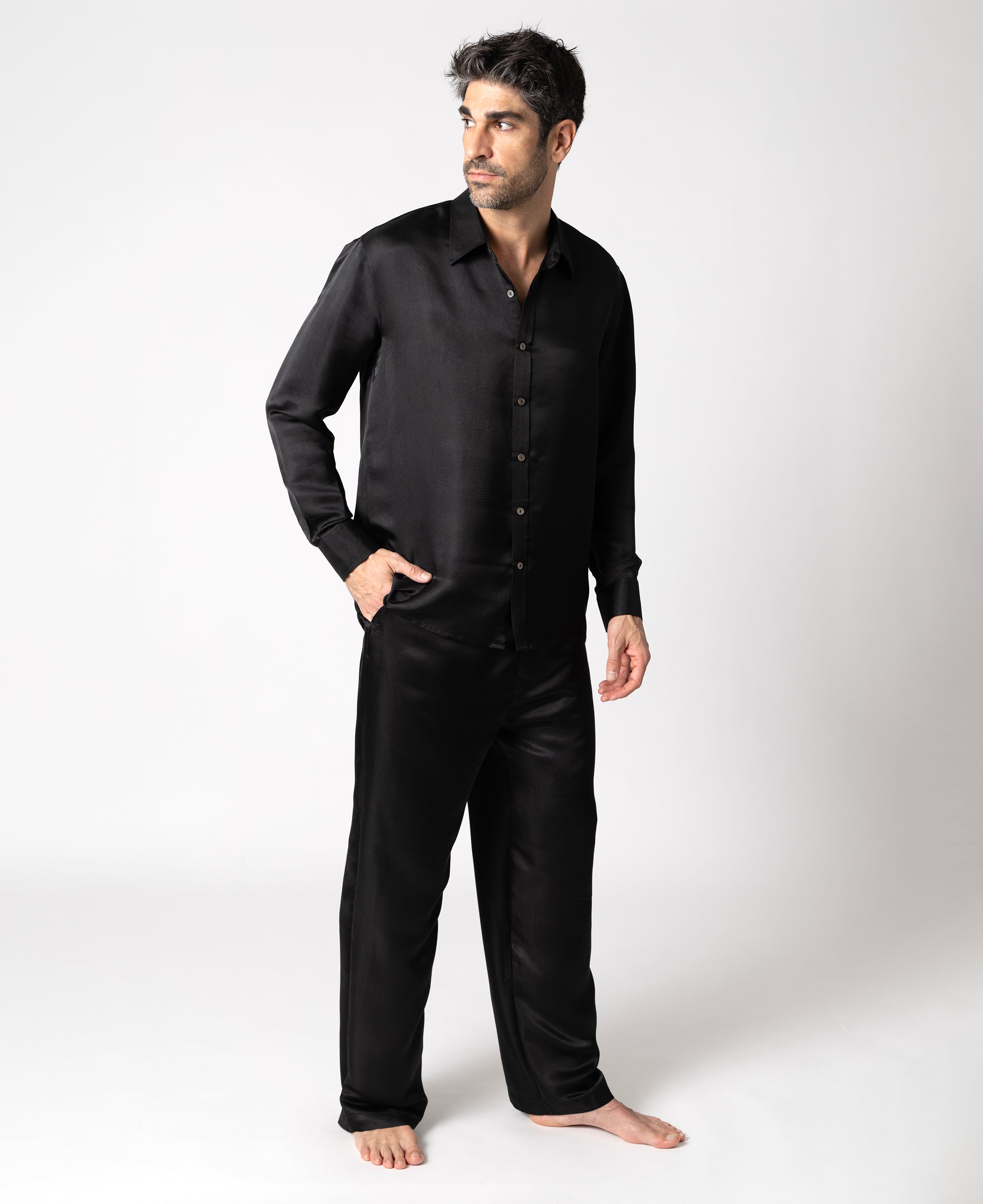
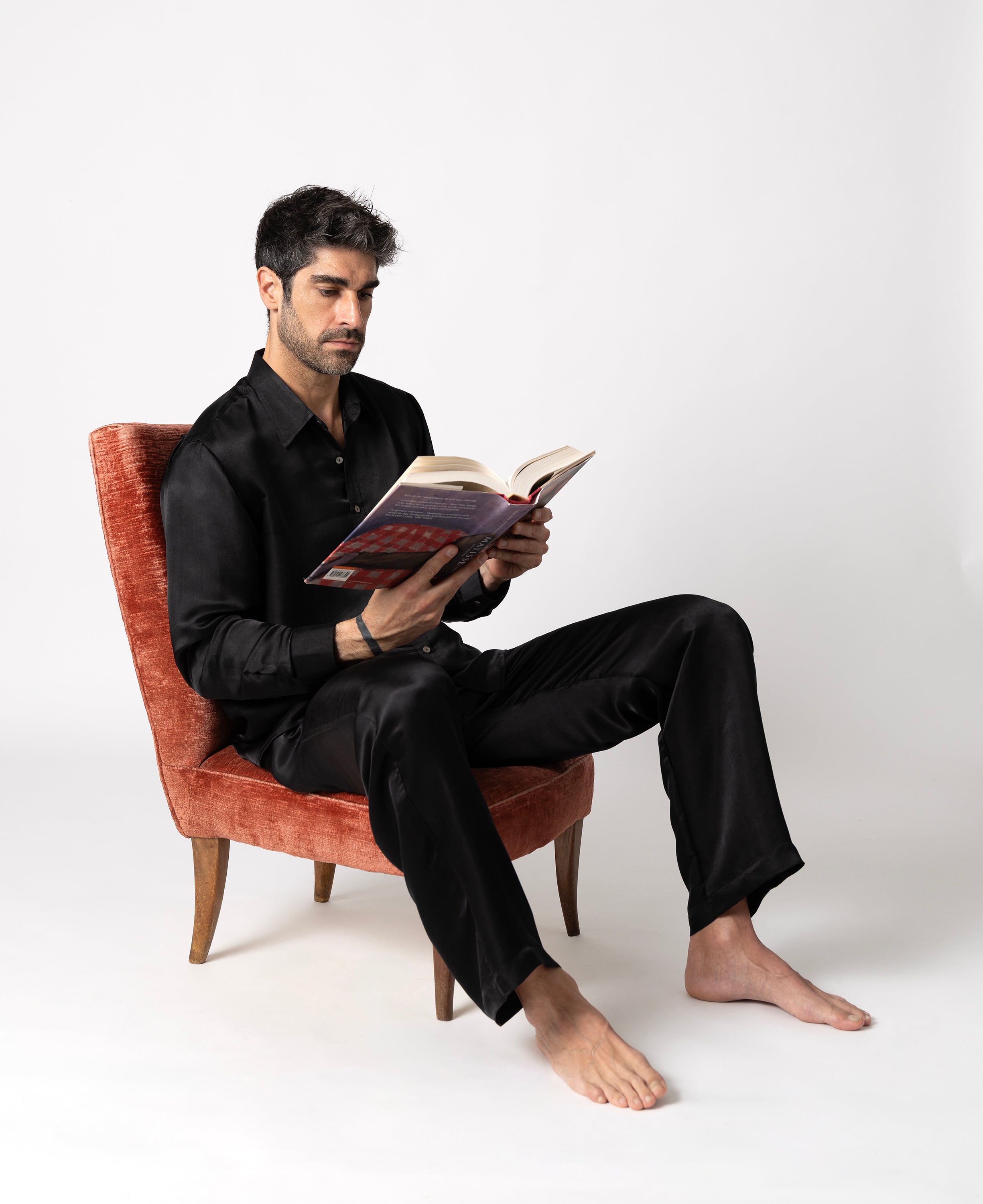
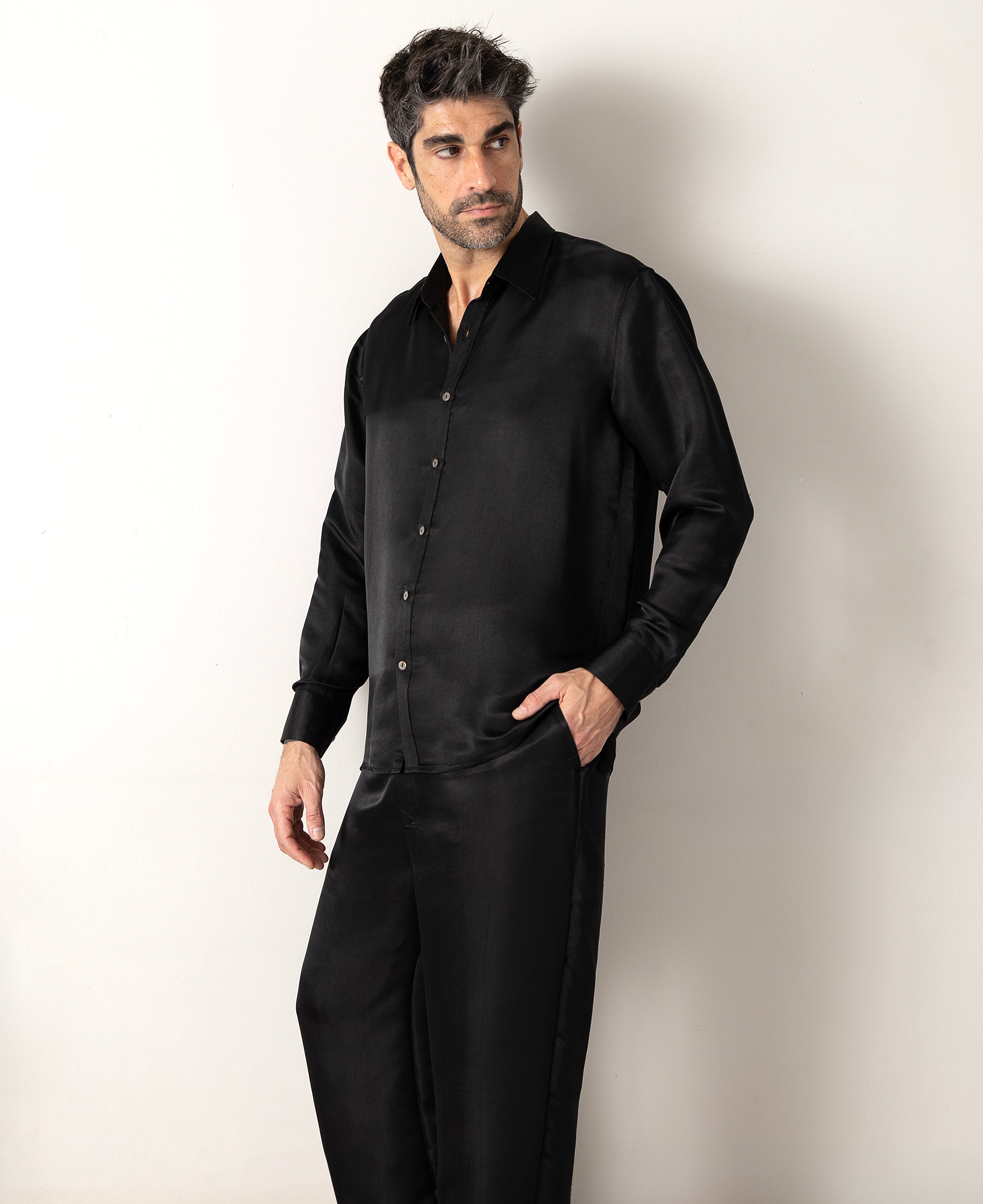
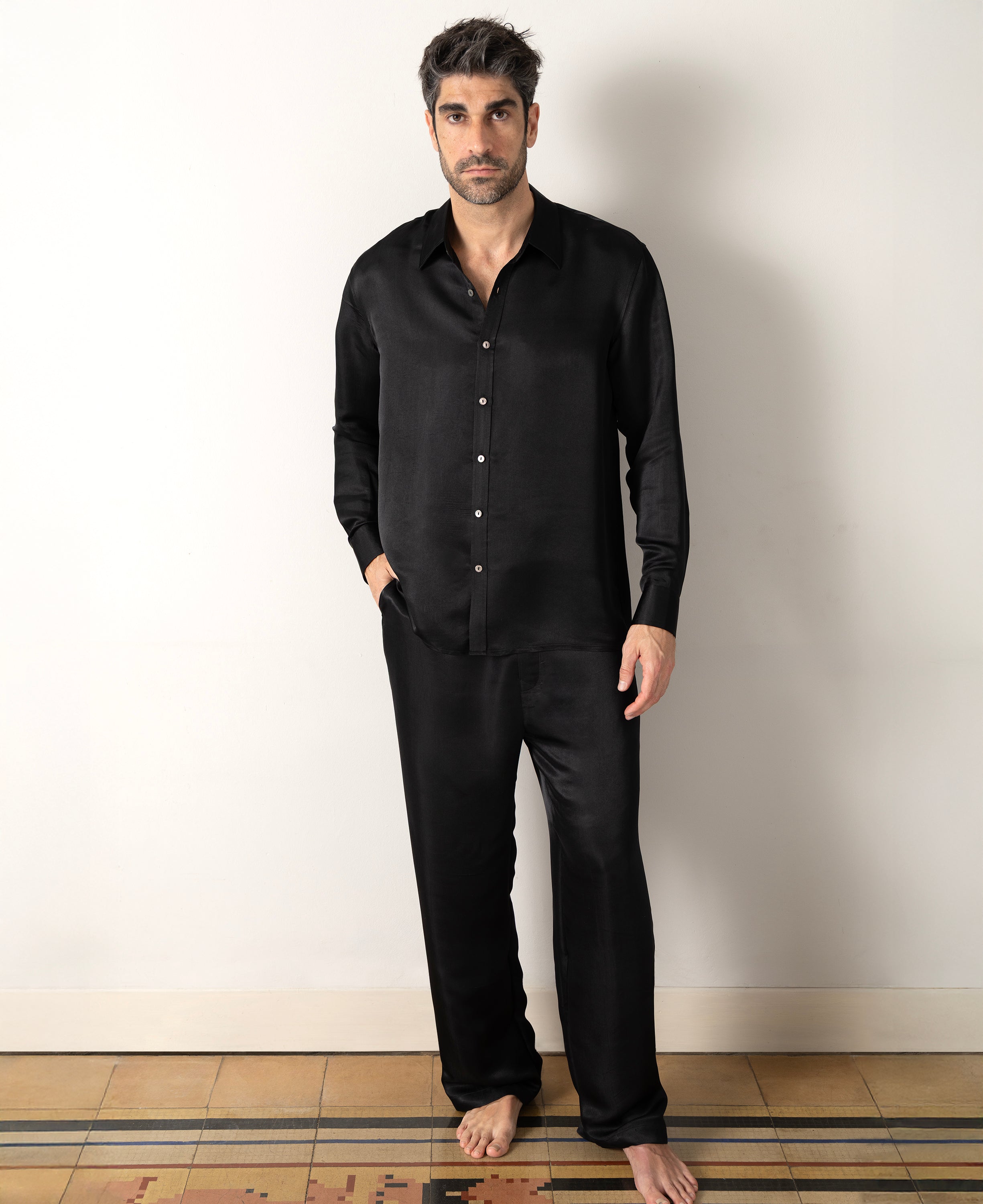
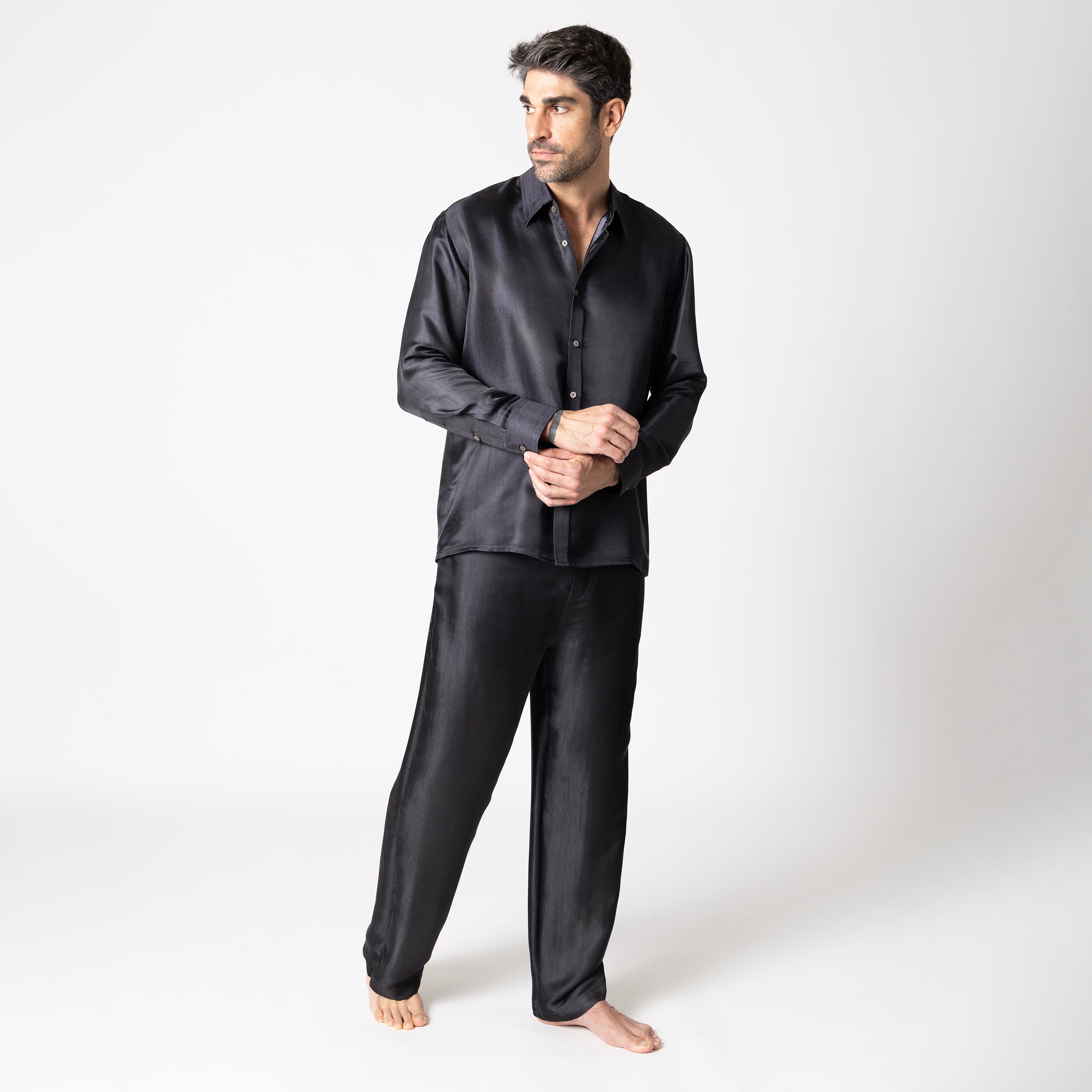
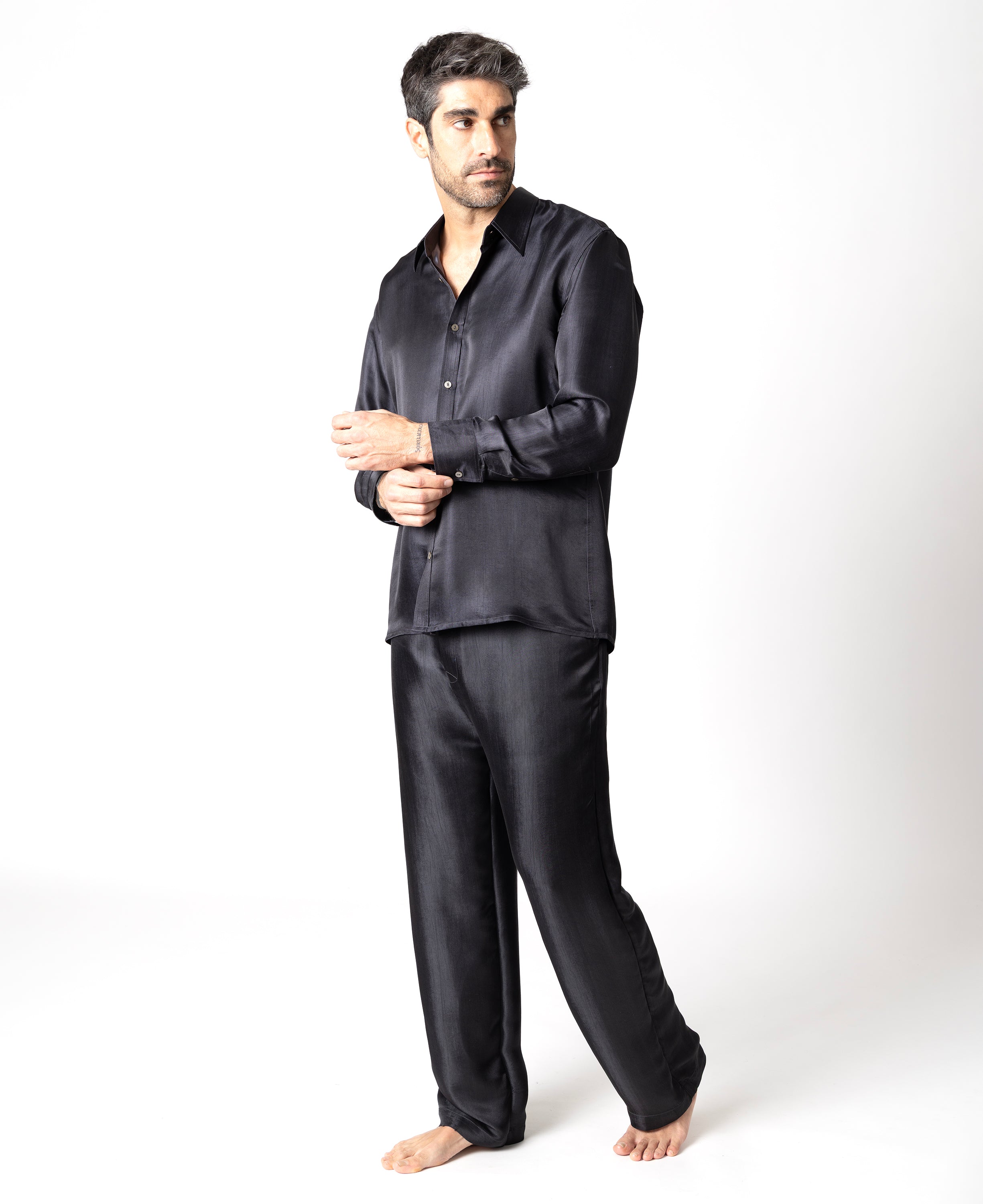
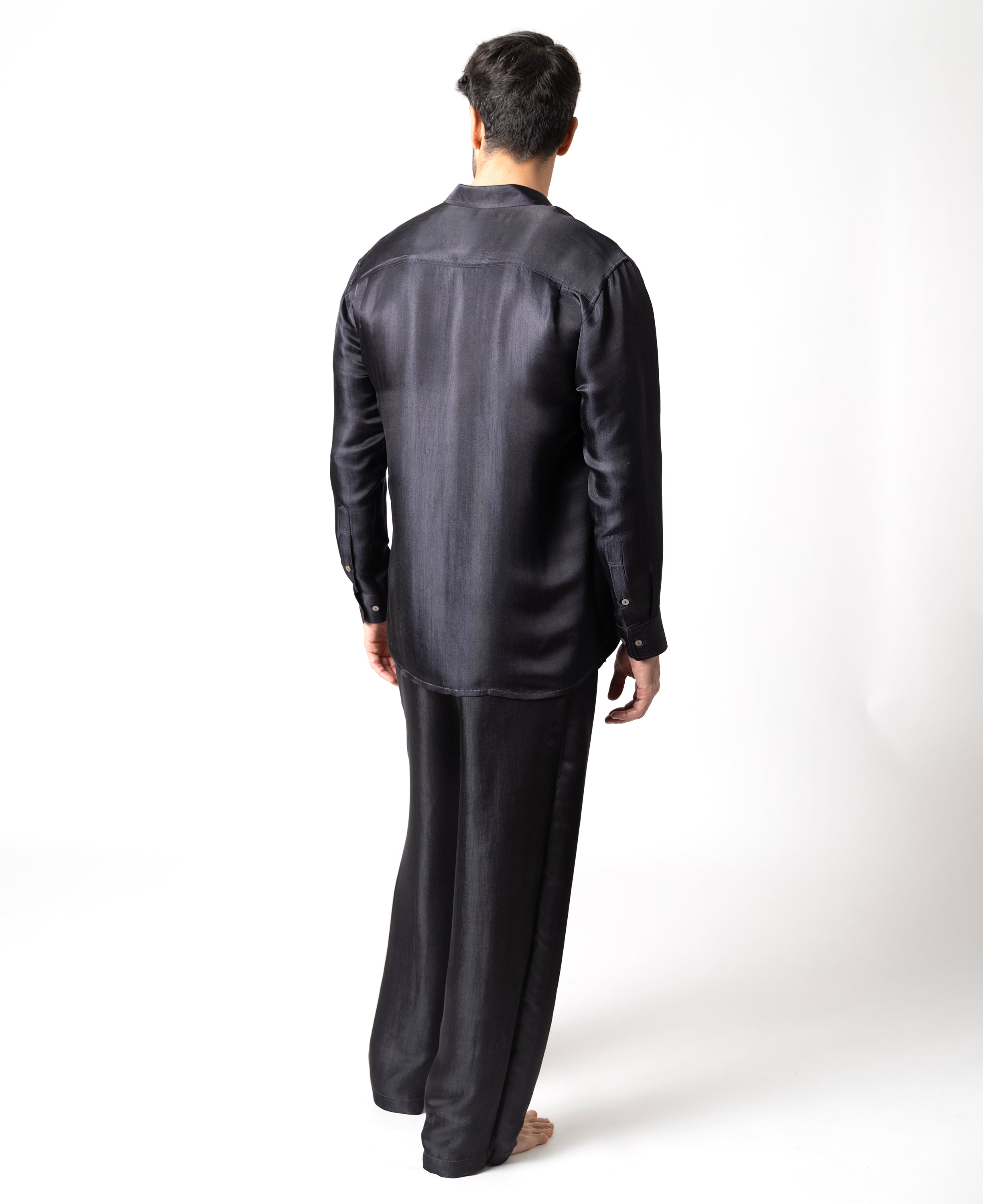
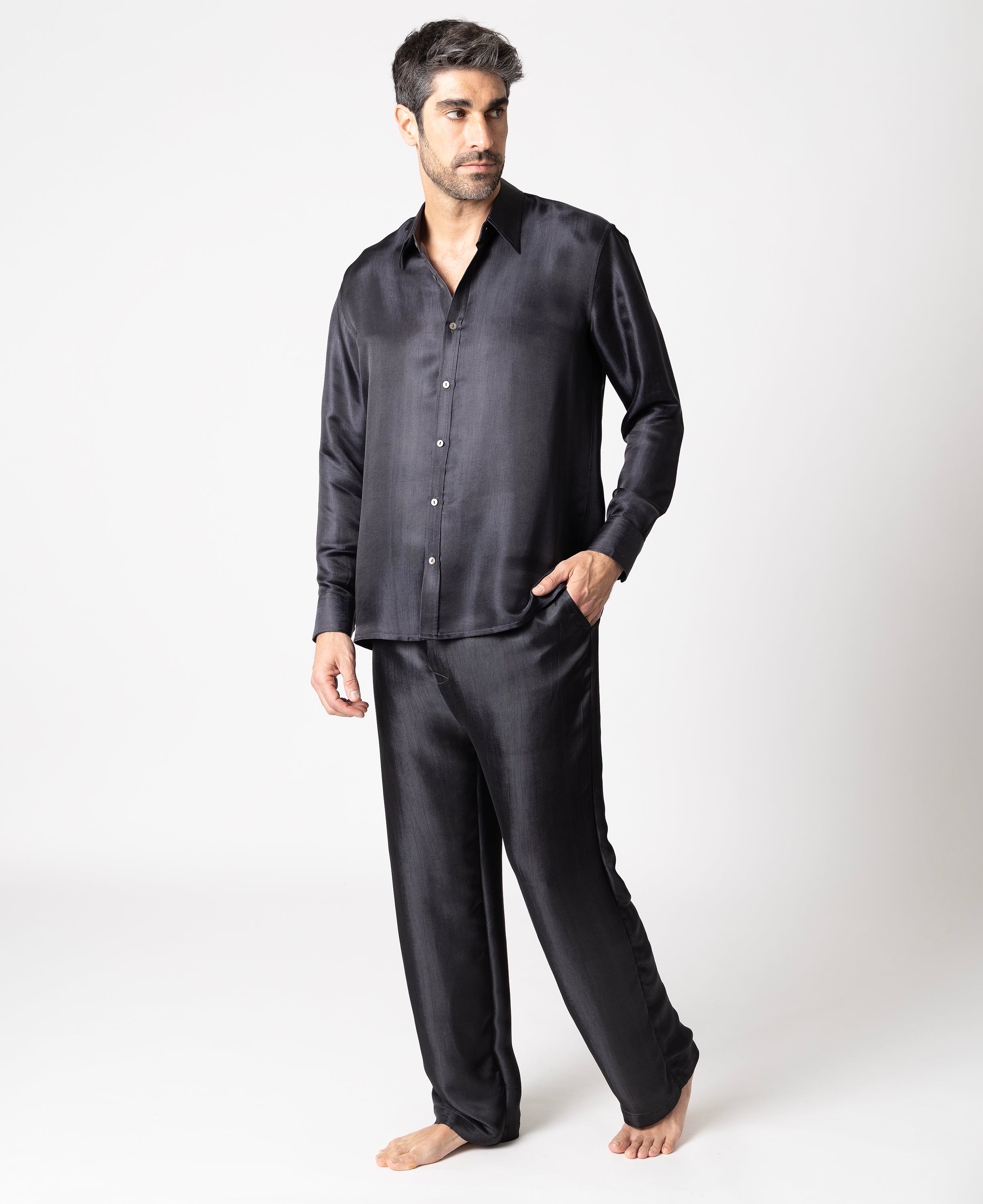
But room temperature is only one variable. What you wear to bed mediates between the room temperature and your skin temperature. Sleepwear and bedding create a microclimate, a temperature and humidity environment immediately surrounding your body, and this microclimate has been shown to have greater impact on sleep quality than room temperature alone. Our piece on how silk pajamas regulate temperature explains the thermoregulation mechanism in detail.

The Microclimate Problem
Research from sleep ergonomics has identified the optimal bed microclimate: approximately 86 to 90 degrees Fahrenheit (30 to 32 degrees Celsius) at 40 to 60 percent relative humidity. This is the temperature range at which skin is comfortable, the body's thermoregulatory system is at rest, and sleep architecture proceeds without thermal disruption.
Maintaining this microclimate requires sleepwear and bedding that respond dynamically to your body's changing thermal needs throughout the night. Static fabrics, those that insulate at a fixed rate regardless of conditions, create two distinct problems.
The overheating problem:
During REM sleep, when metabolic rate fluctuates and the body's thermoregulatory system is partially suppressed, a fabric that insulates too effectively traps heat. Skin temperature rises above the comfort threshold. The body responds with sweating. The sweating dampens the fabric. The damp fabric eventually cools below the comfort threshold. You wake. This cycle, documented in sleep studies, is one of the most common causes of nighttime waking.
The undercooling problem:
In the early morning hours, when core temperature is at its lowest, a fabric that does not insulate sufficiently allows too much heat loss. Skin temperature drops below the comfort threshold. The body responds with vasoconstriction and shivering. You wake, or your sleep becomes shallow, fragmented, and non-restorative.




How Different Fabrics Perform
Cotton
Cotton is hydrophilic: it absorbs liquid moisture readily and holds it. Cotton sleepwear can absorb 25 to 30 percent of its weight in water before feeling wet to the touch. During sleep, cotton absorbs perspiration, which initially feels neutral. As the cotton becomes saturated, the behavior changes: the damp fabric conducts heat away from the body (wet fabric has lower insulating capacity than dry fabric), and the moisture creates an uncomfortable clammy sensation.
In warm conditions, cotton's absorption creates a cooling effect, but an uncontrolled one. The cooling continues past the comfort threshold, particularly in the early morning when body temperature is naturally lower. In cool conditions, cotton's moisture retention makes it actively counterproductive.
Polyester
Polyester is hydrophobic: it does not absorb moisture. This sounds like a solution to cotton's problem, but it creates a different one. Perspiration sits on the skin surface, between the polyester and your body. This trapped moisture creates a humid microclimate that prevents heat dissipation through evaporation. The result: heat builds, sweating increases, but the sweat has nowhere to go.
Polyester also has poor breathability. The synthetic fiber structure does not allow air to pass through effectively, which compounds the heat-trapping effect. Polyester sleepwear is, thermally speaking, a sealed environment.
Silk
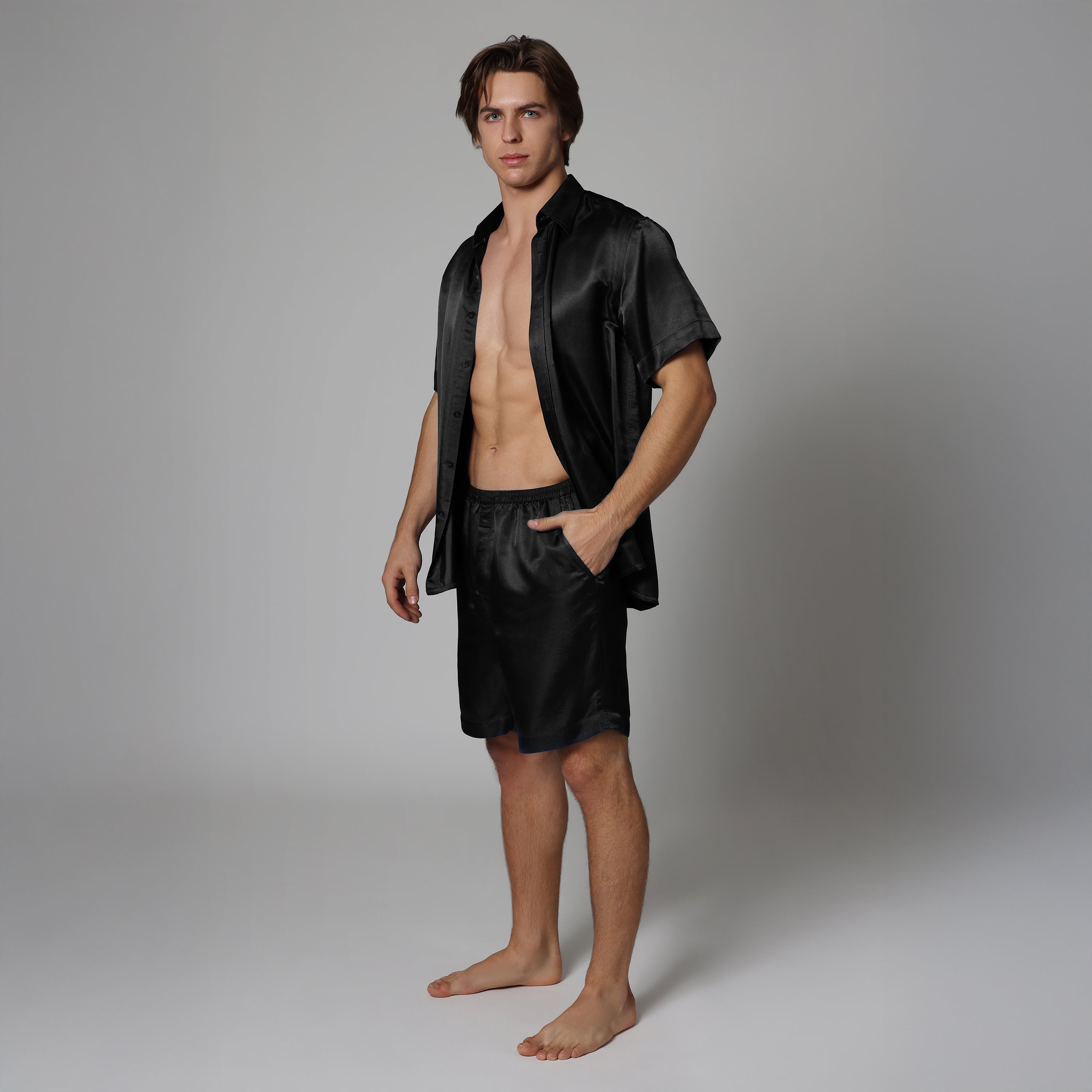
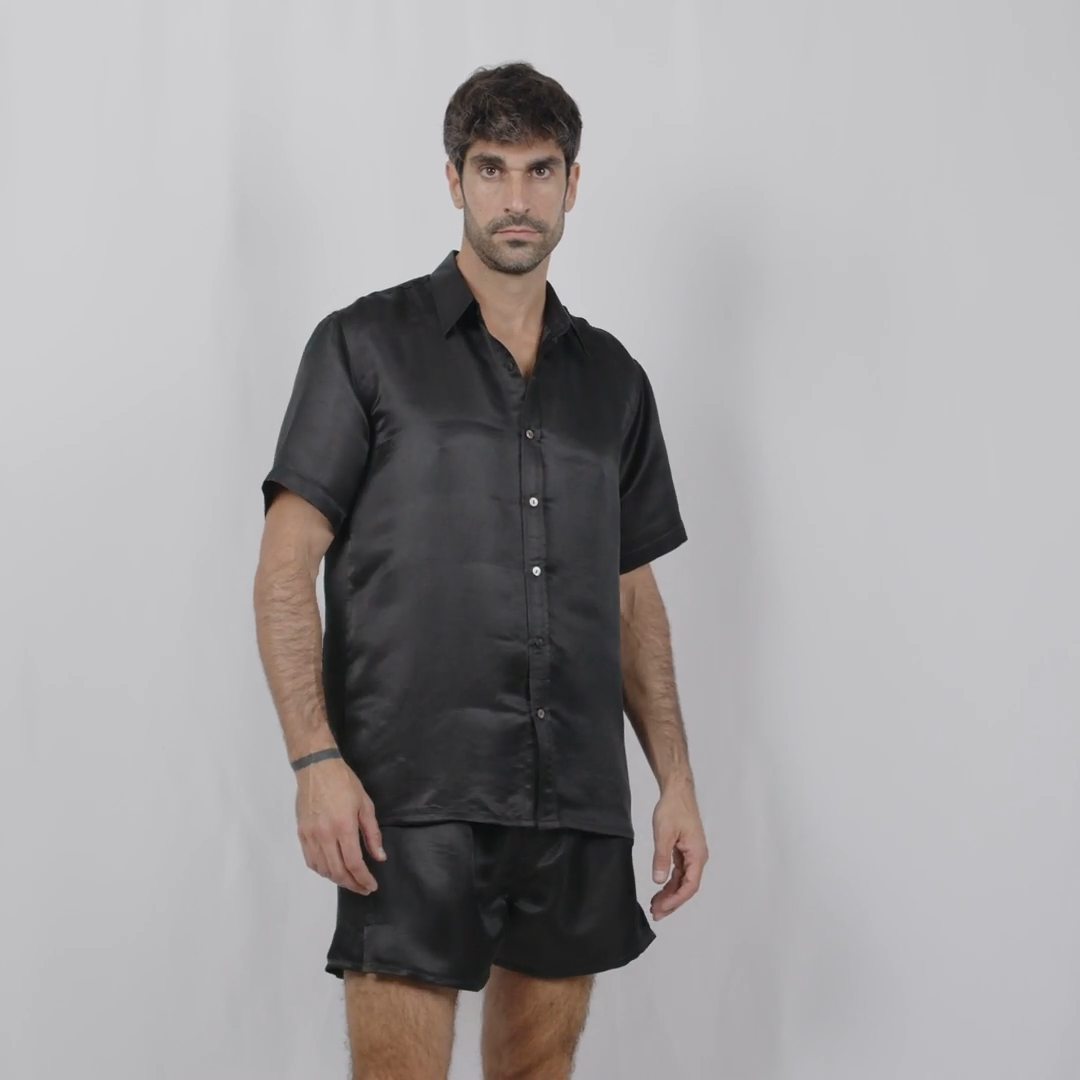
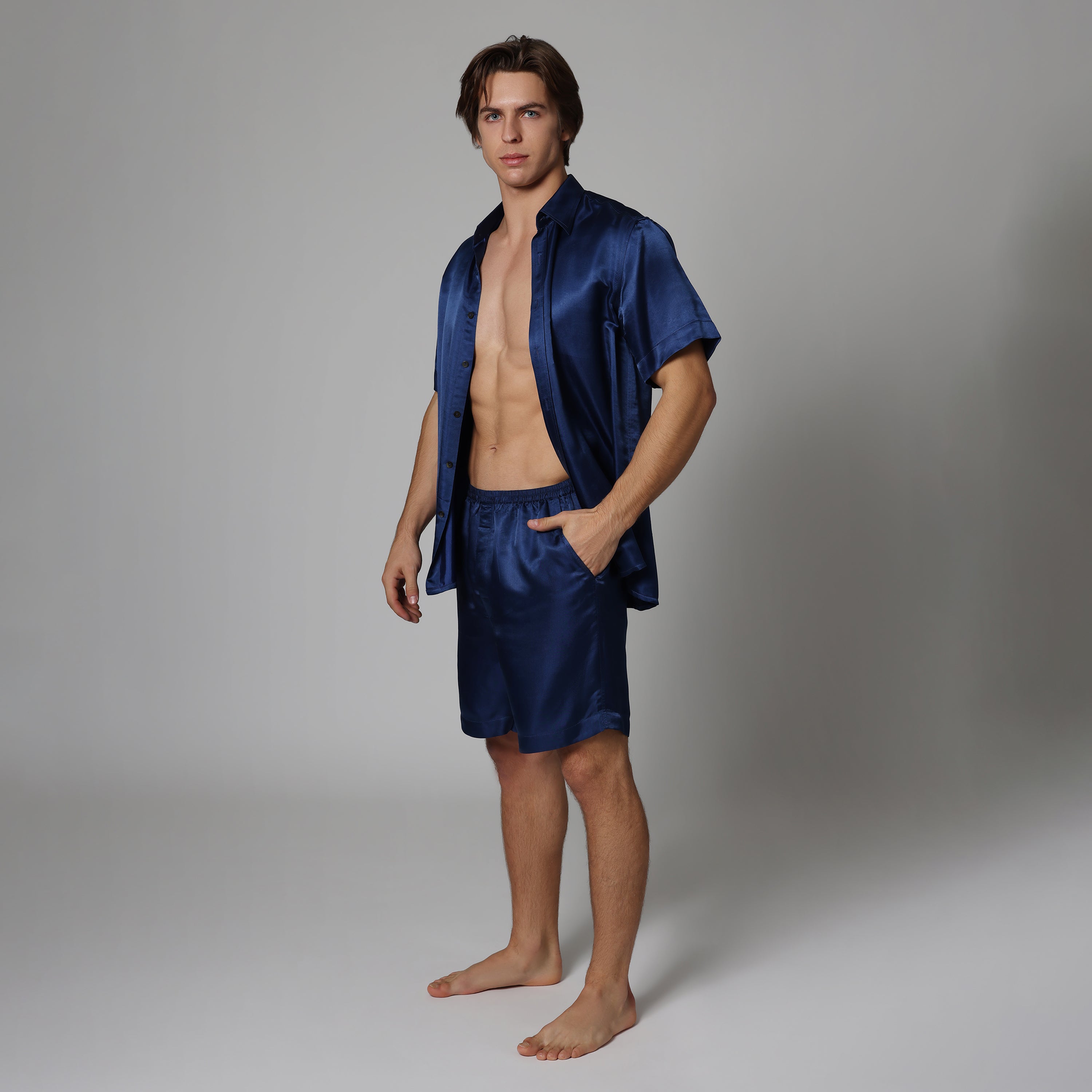
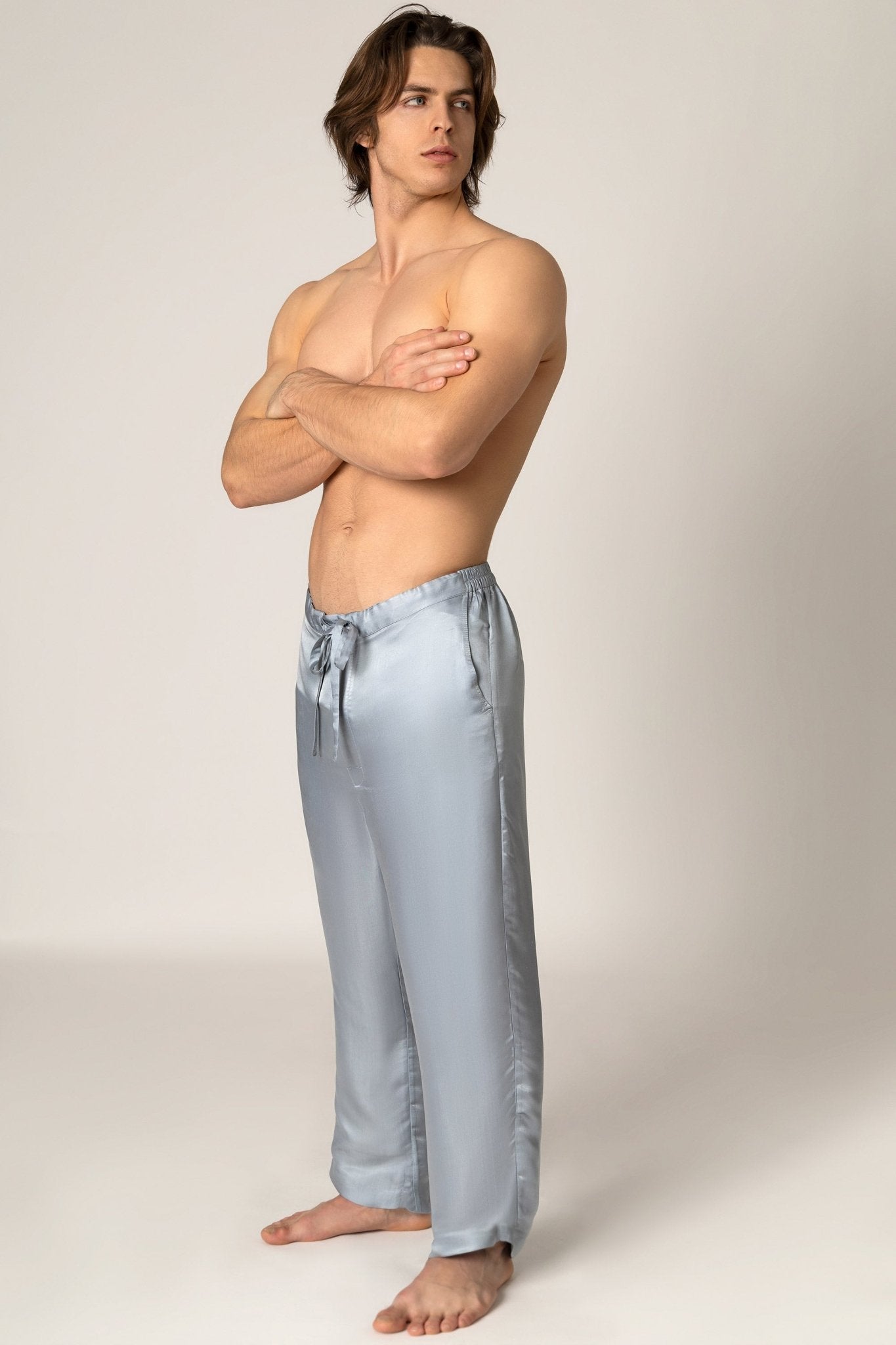
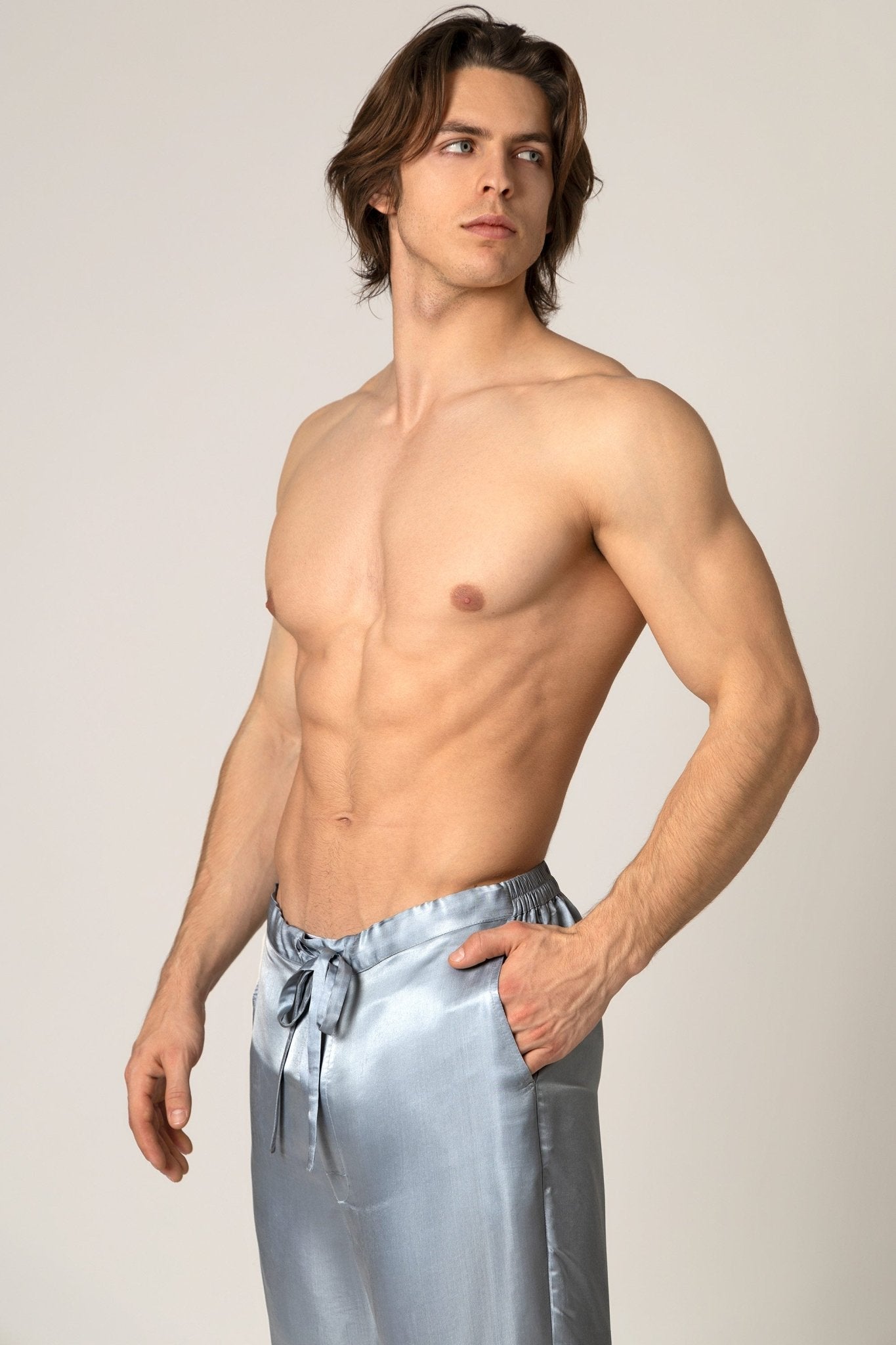
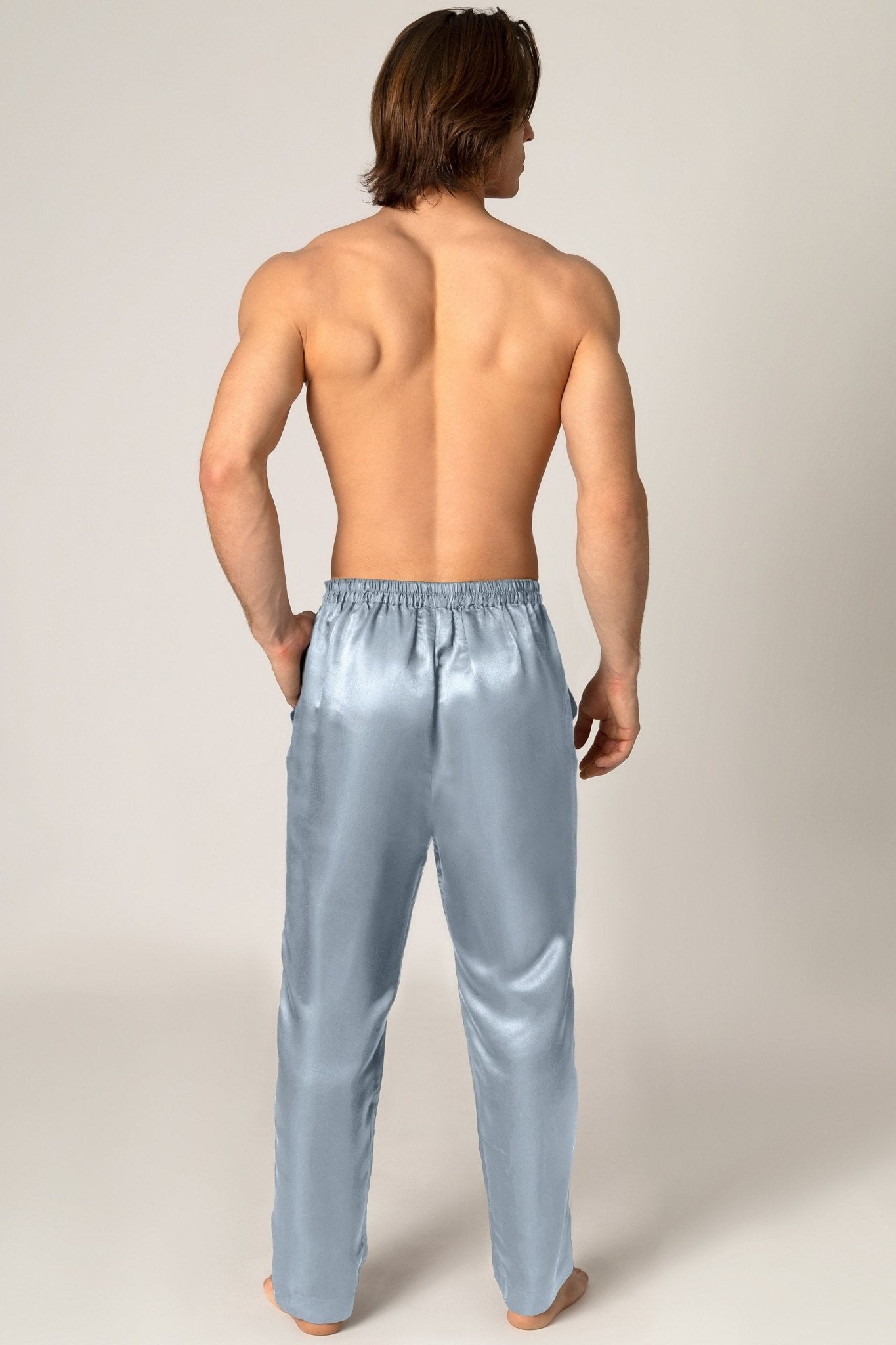
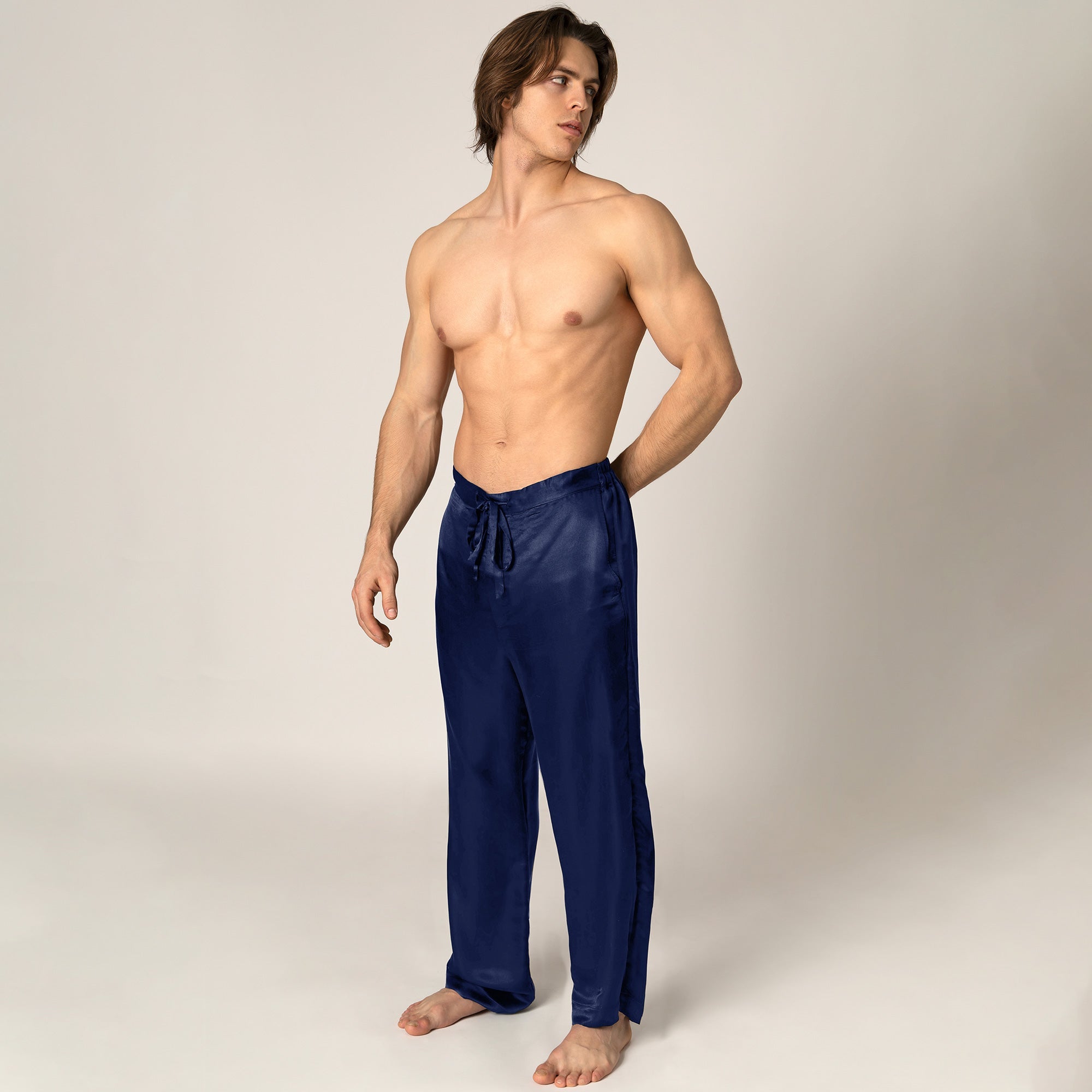
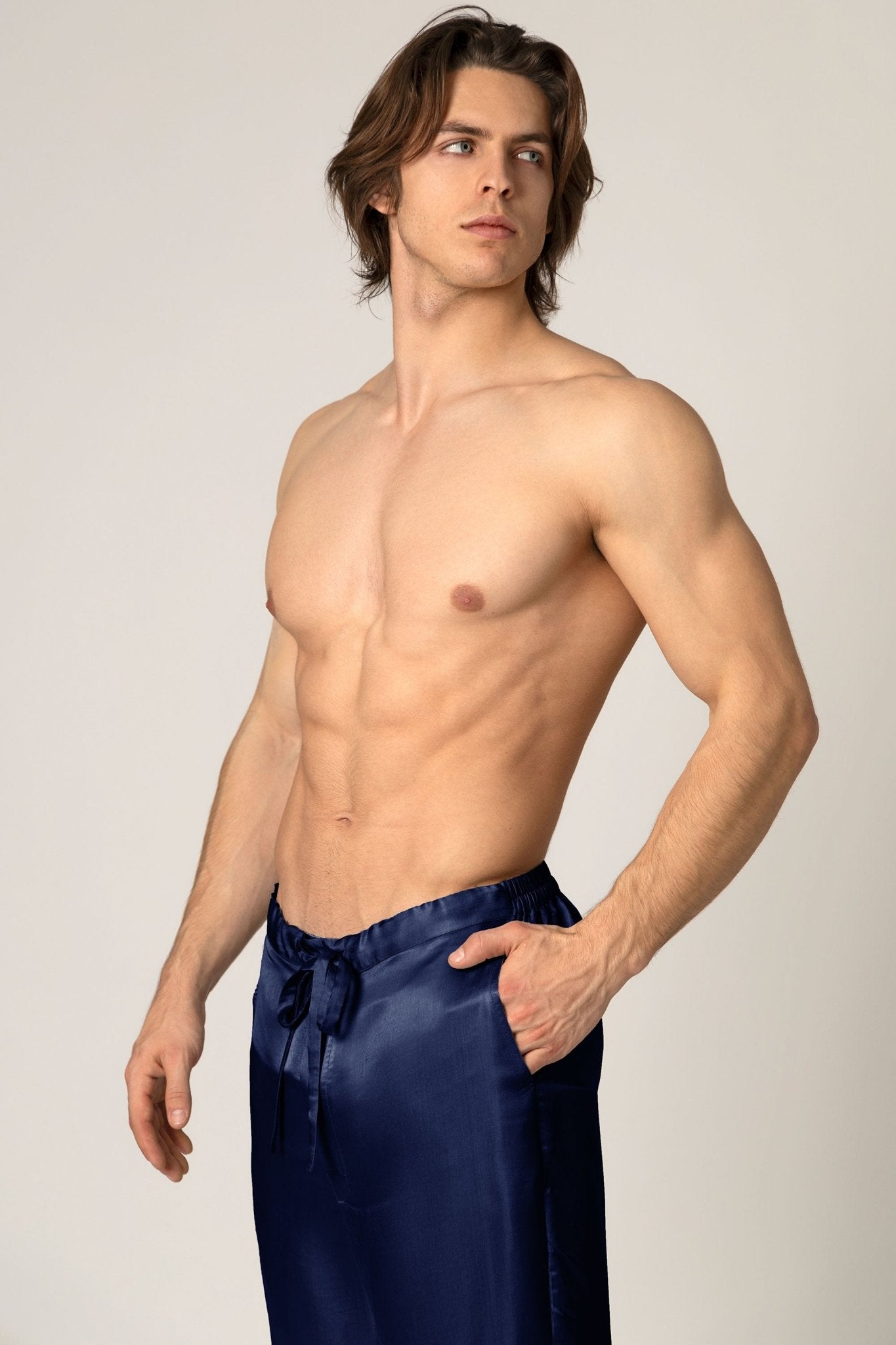
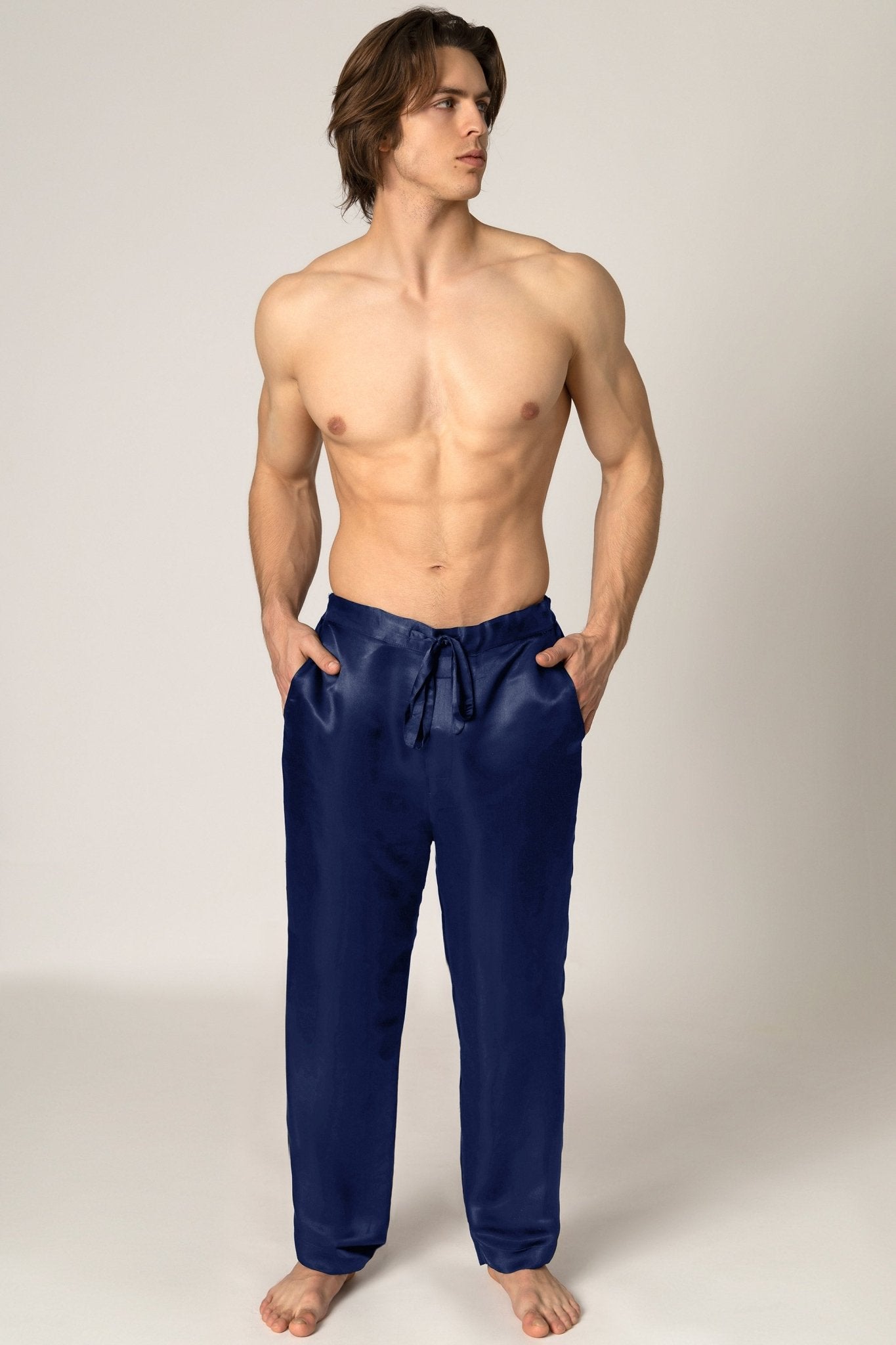
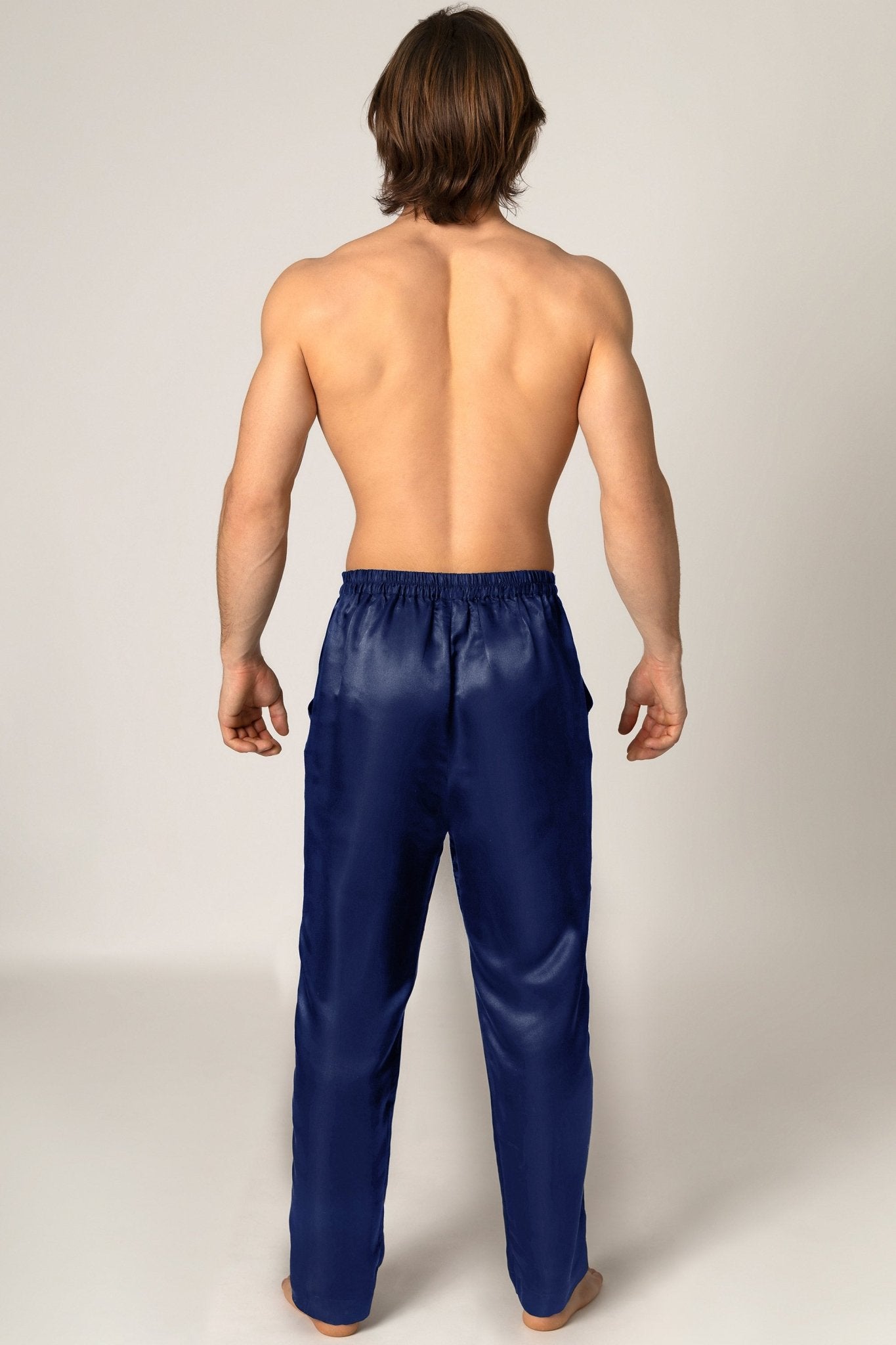
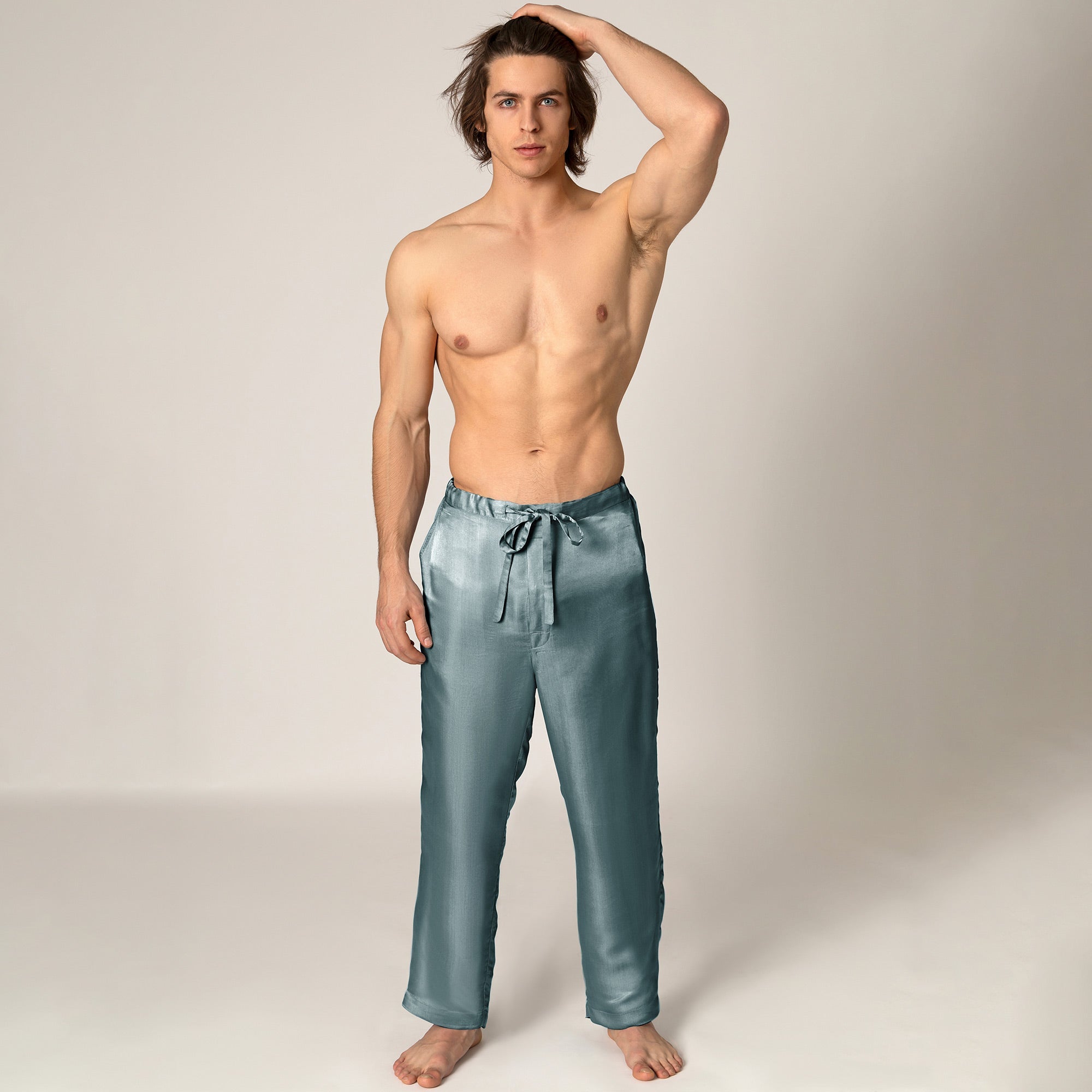
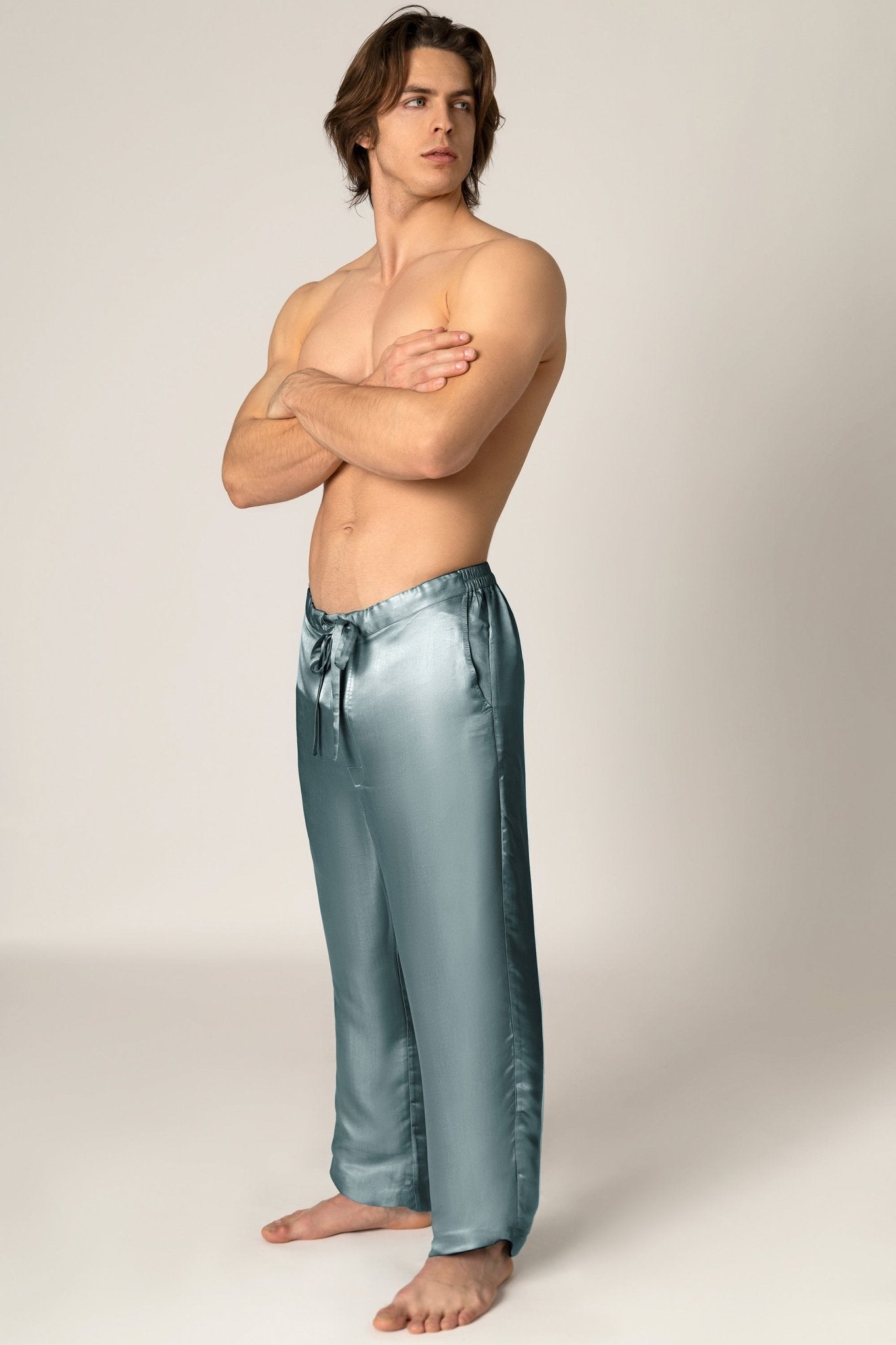
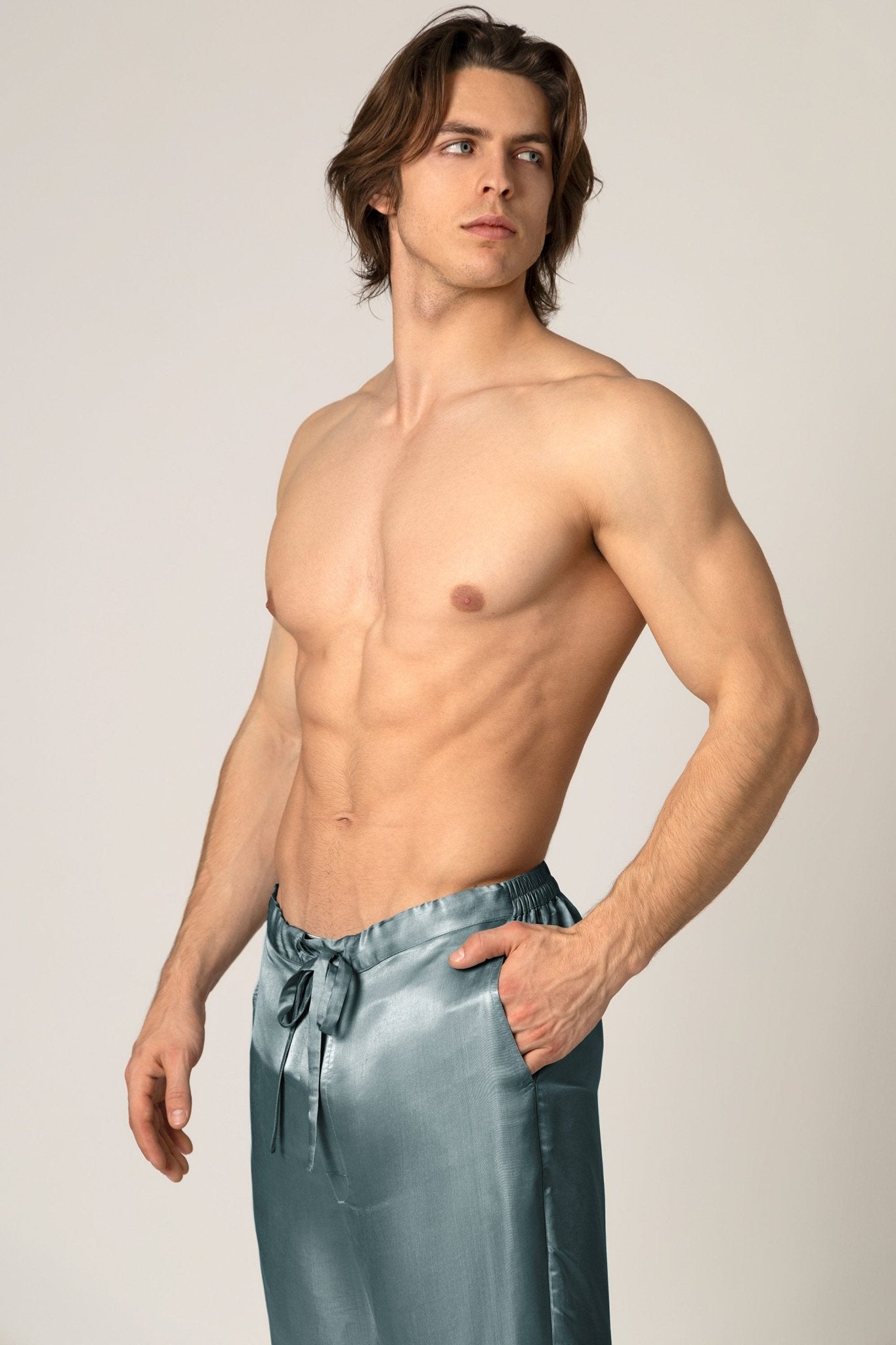
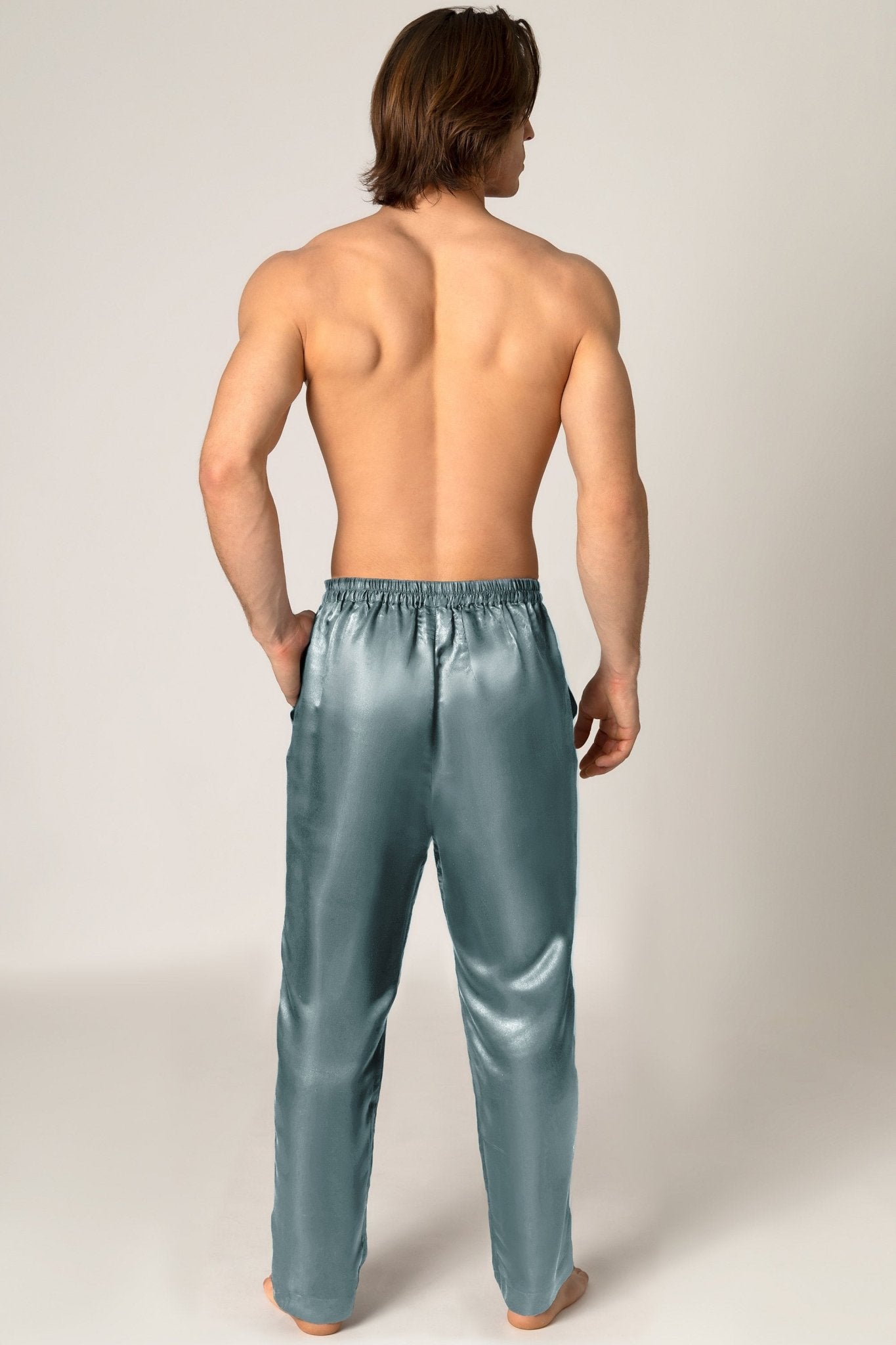
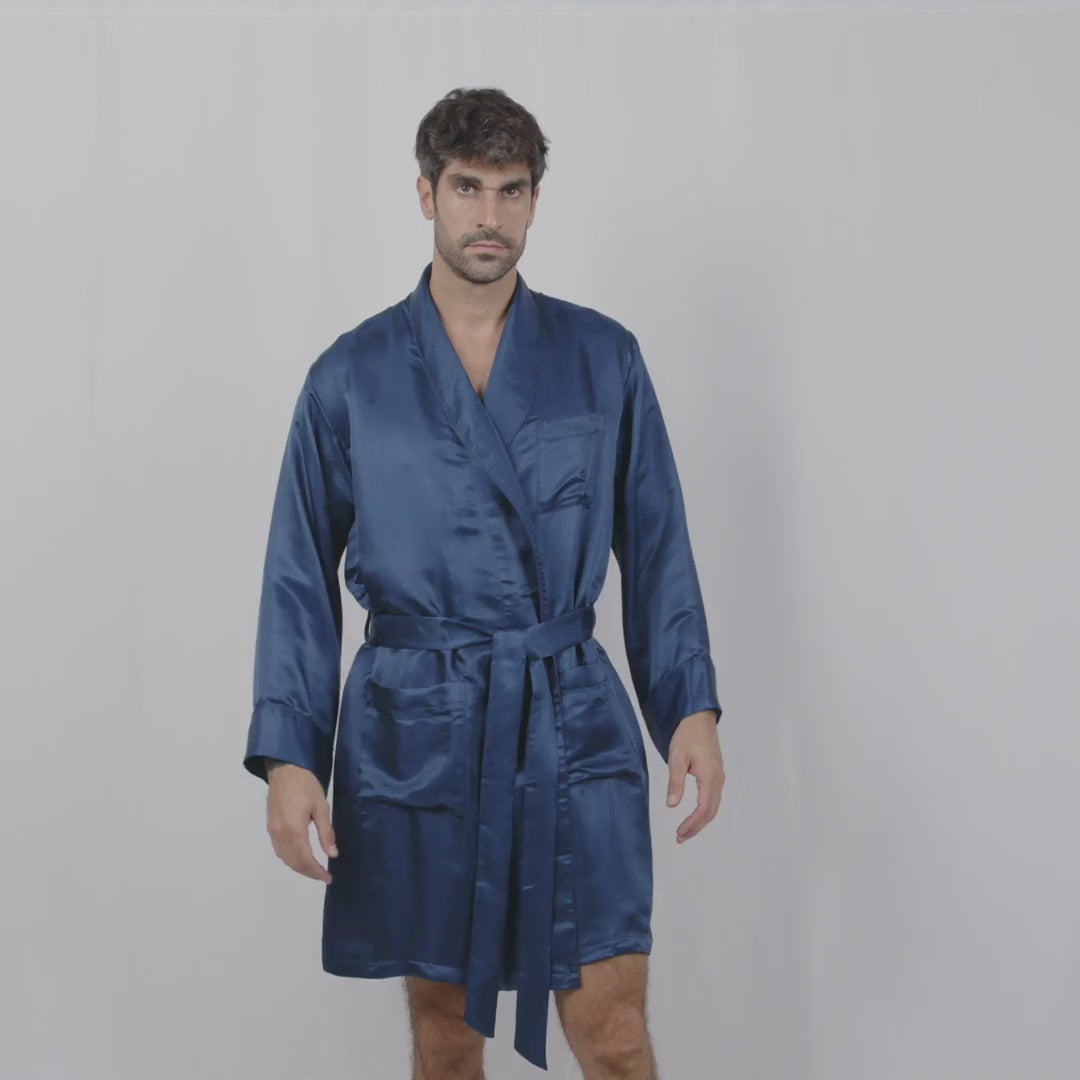
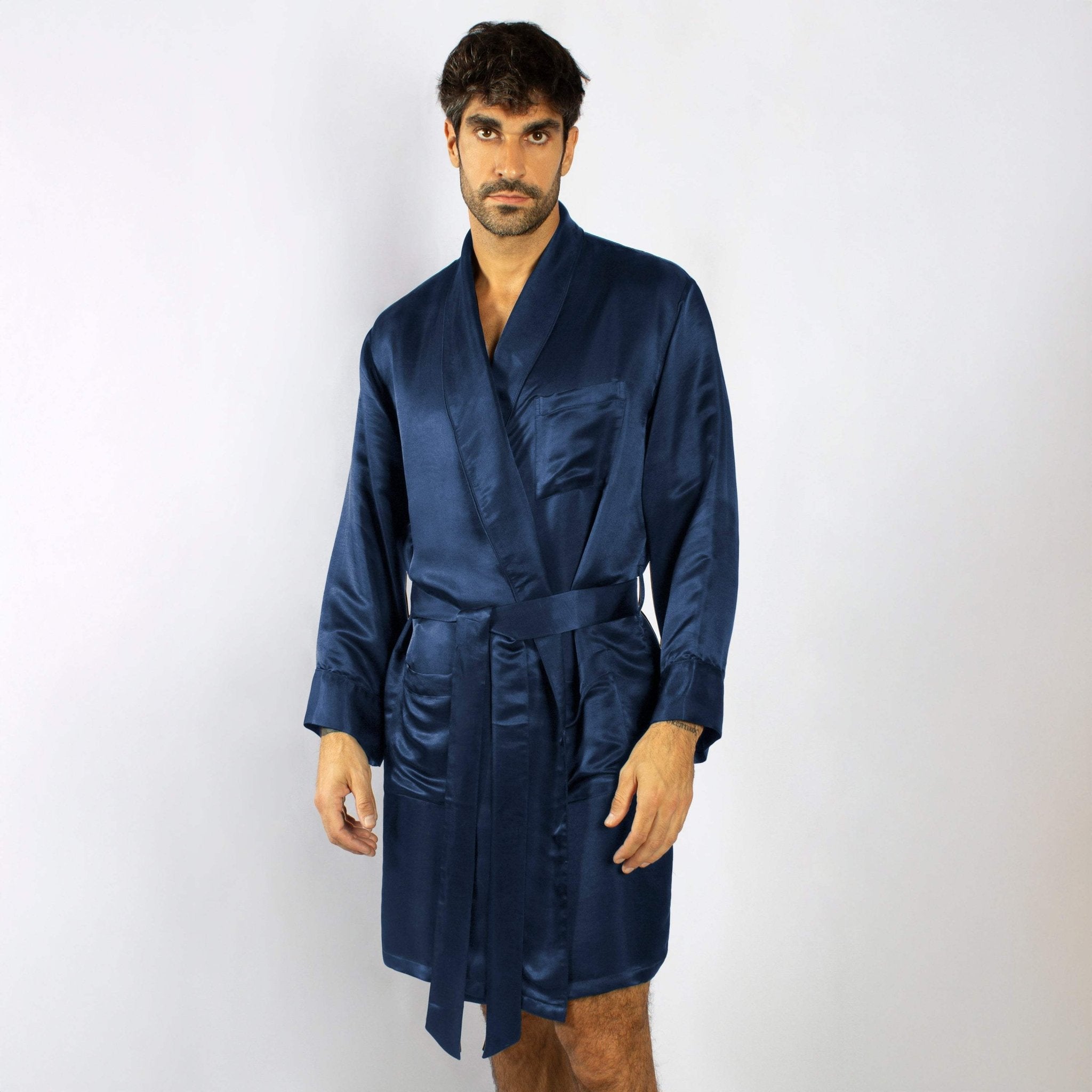
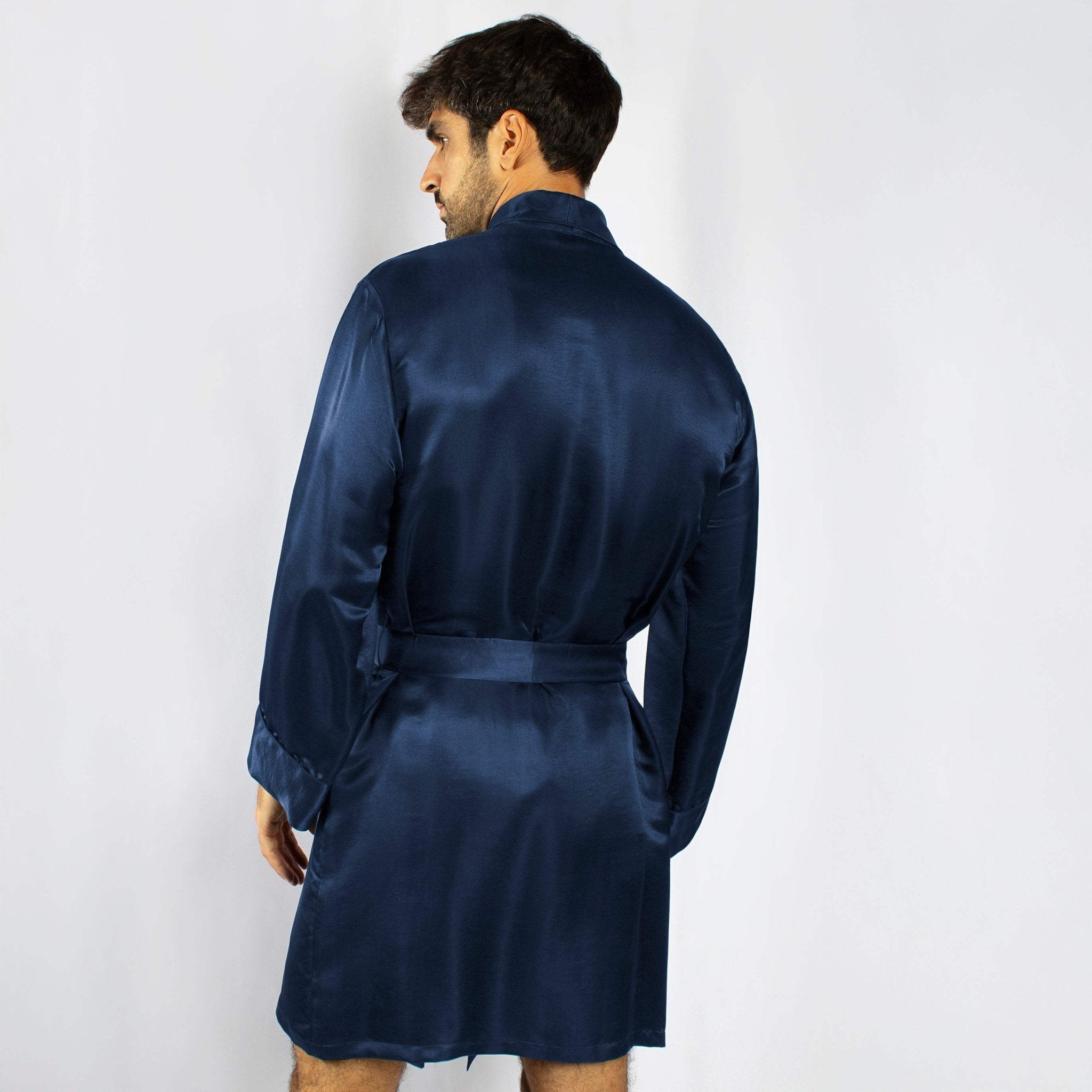
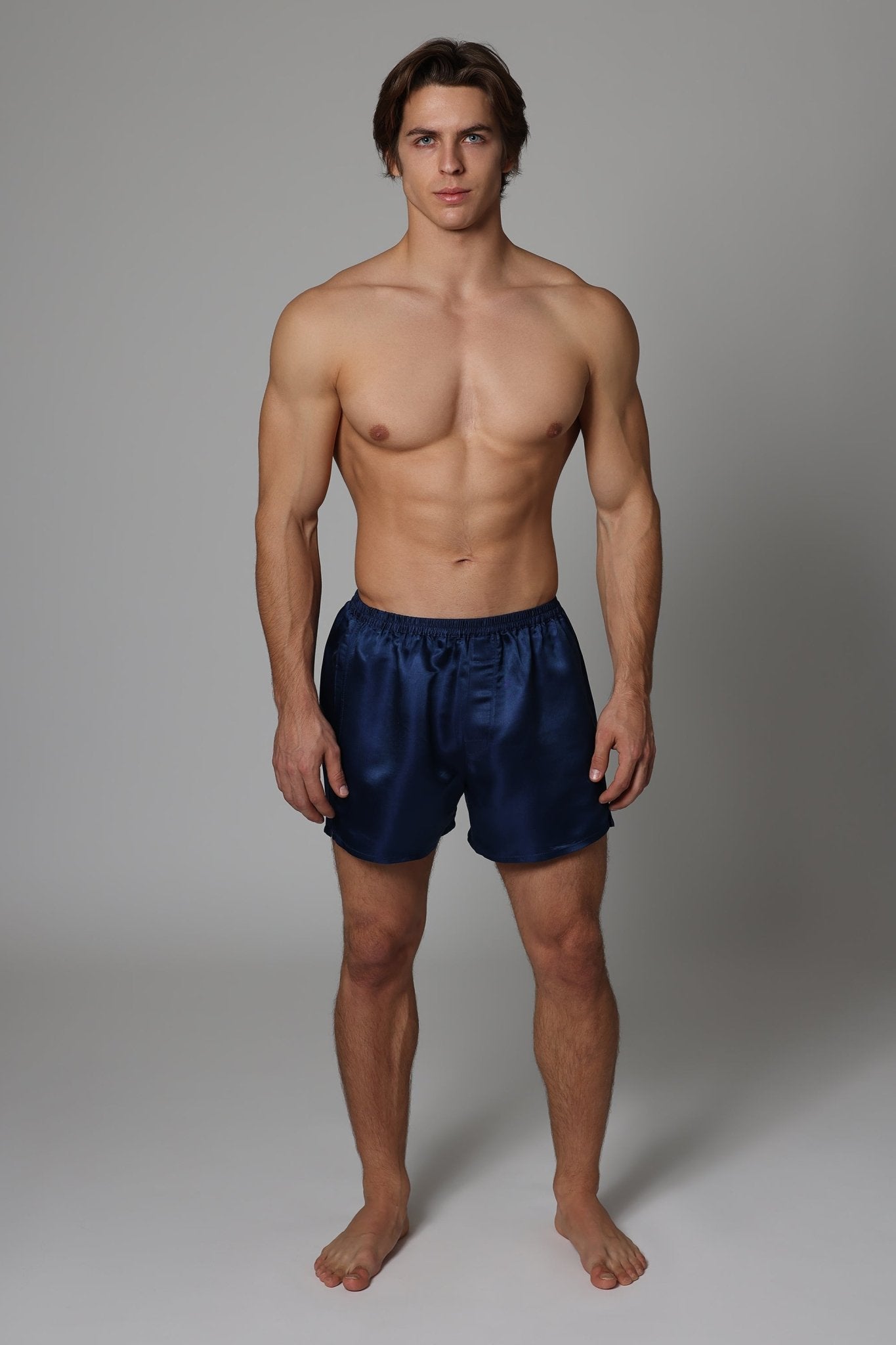
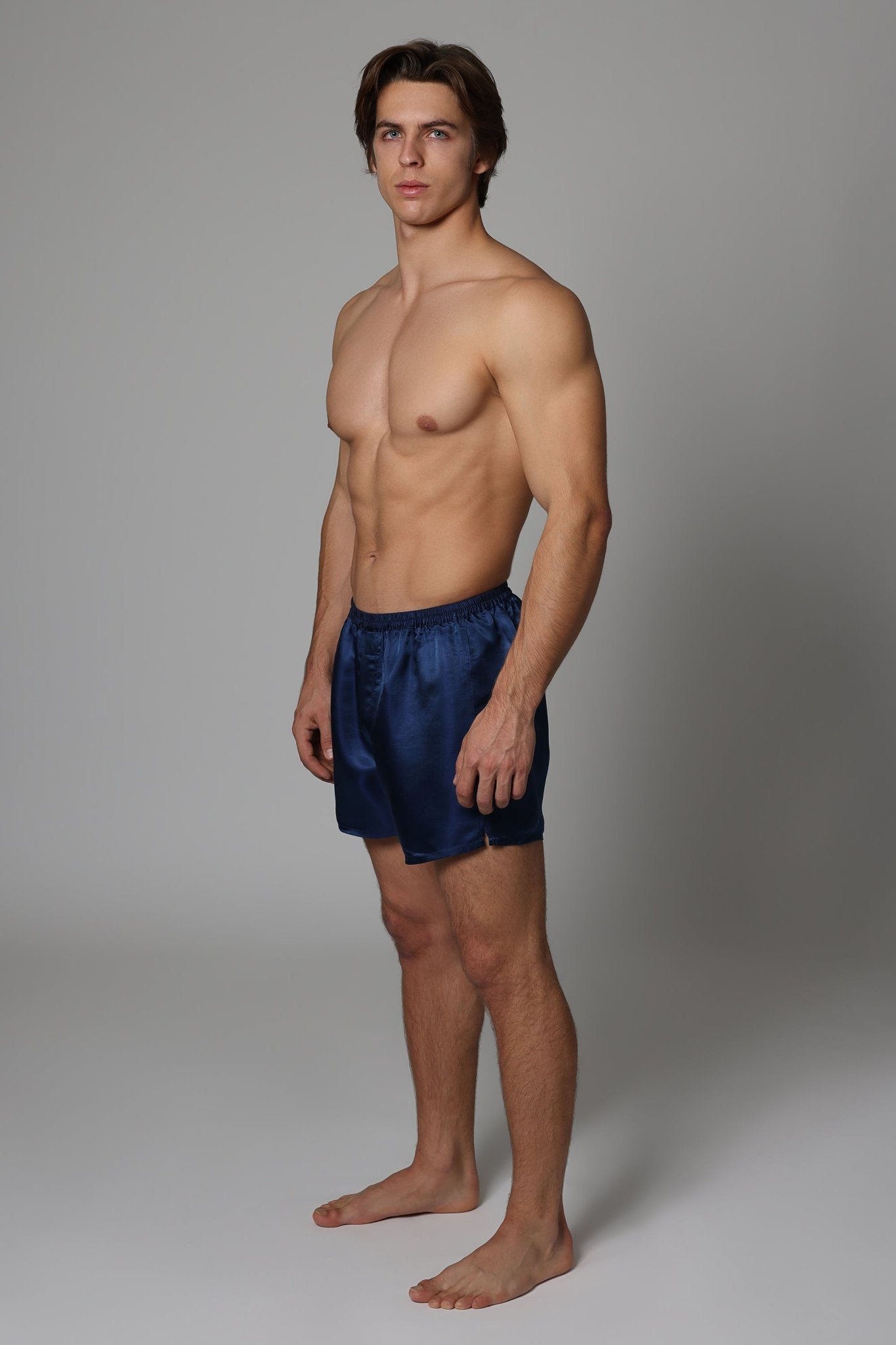
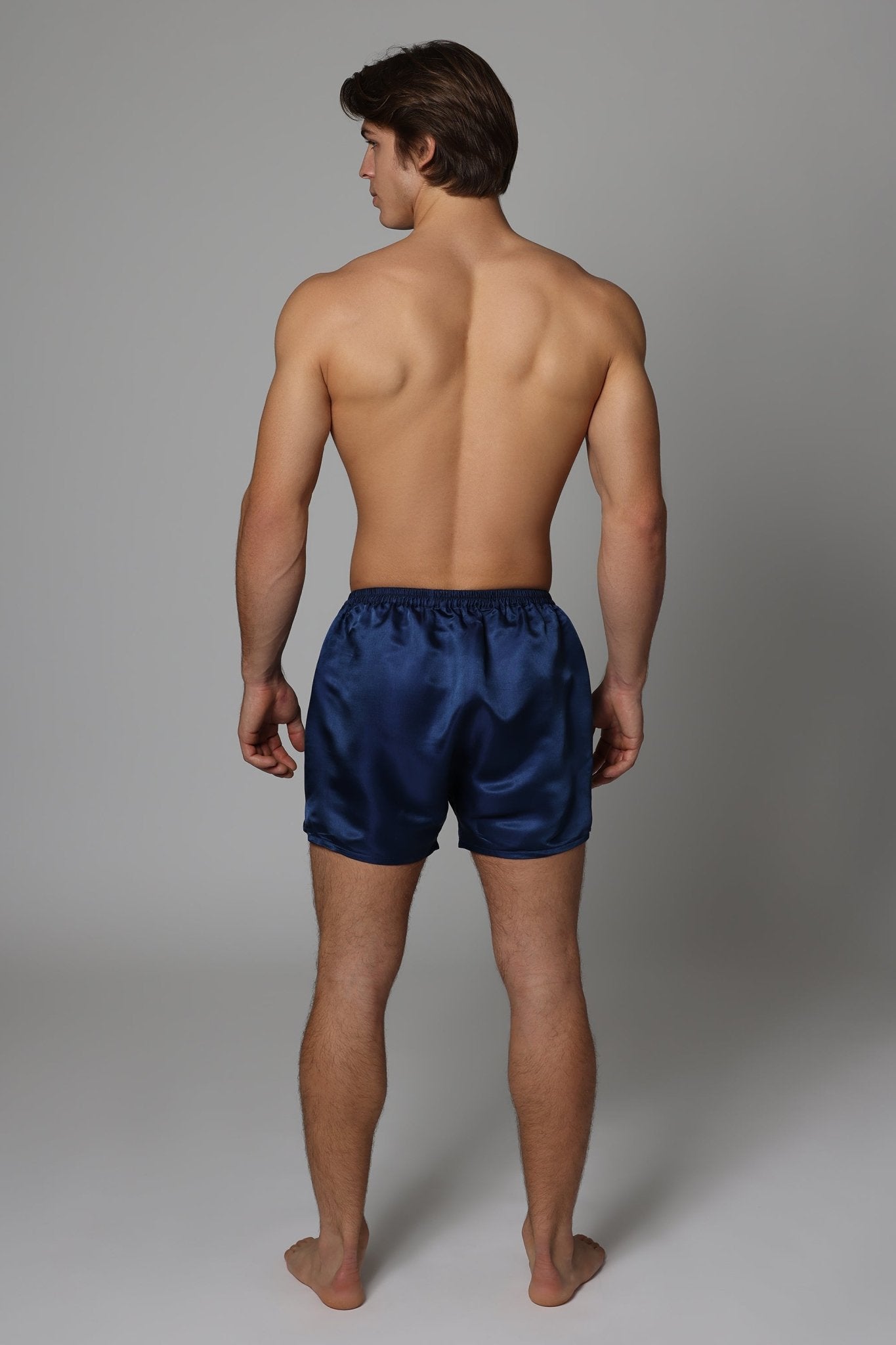
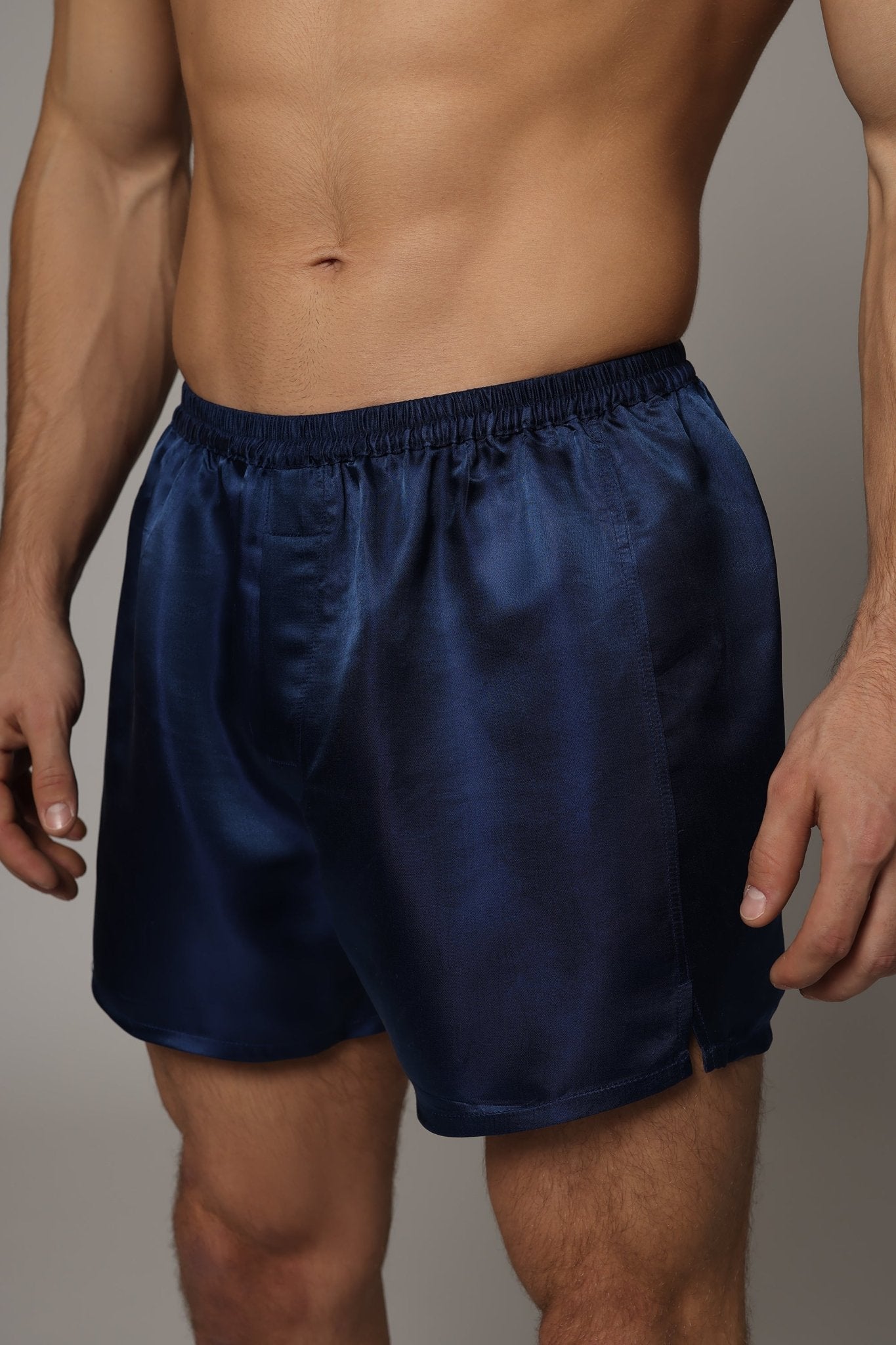
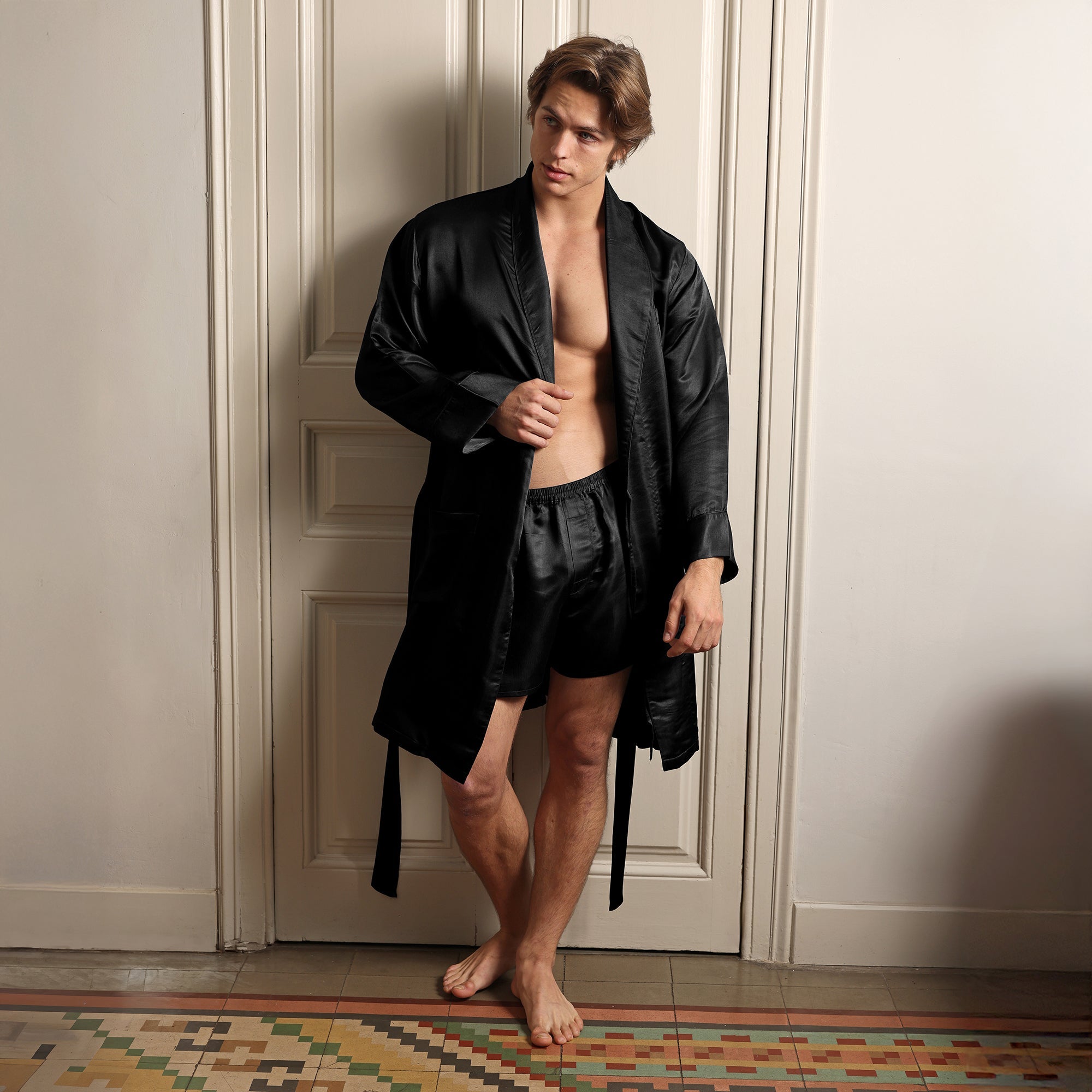
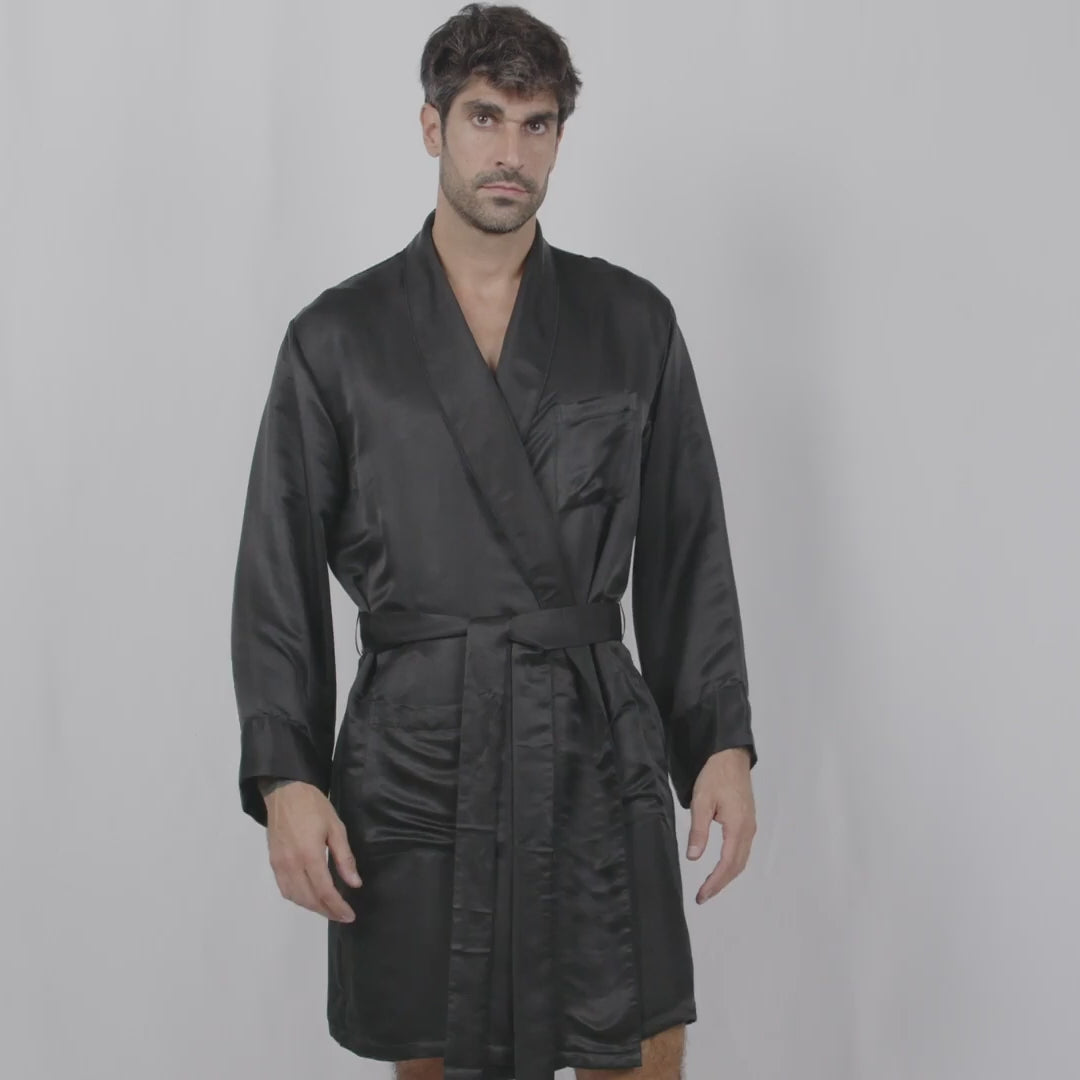
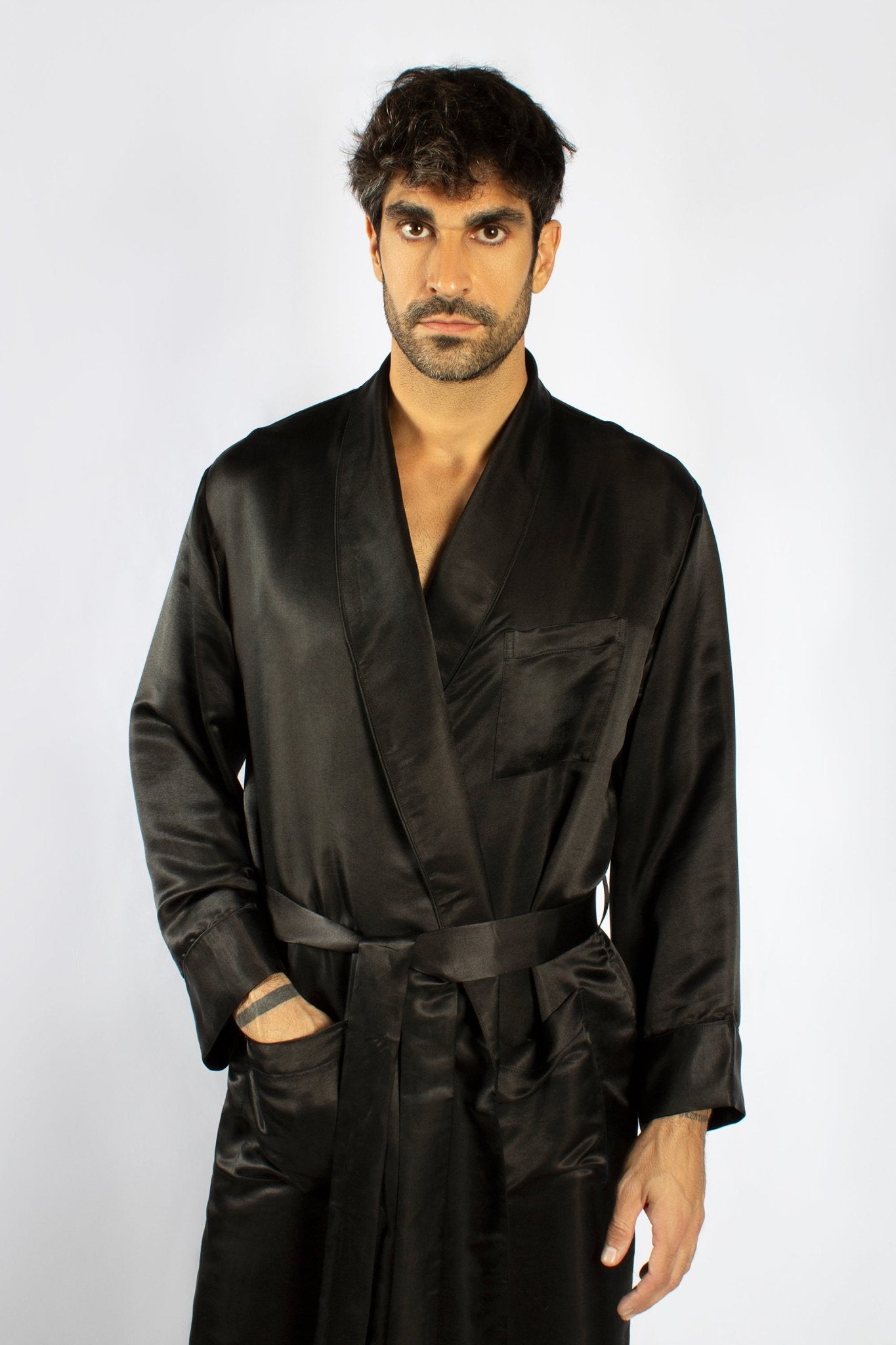
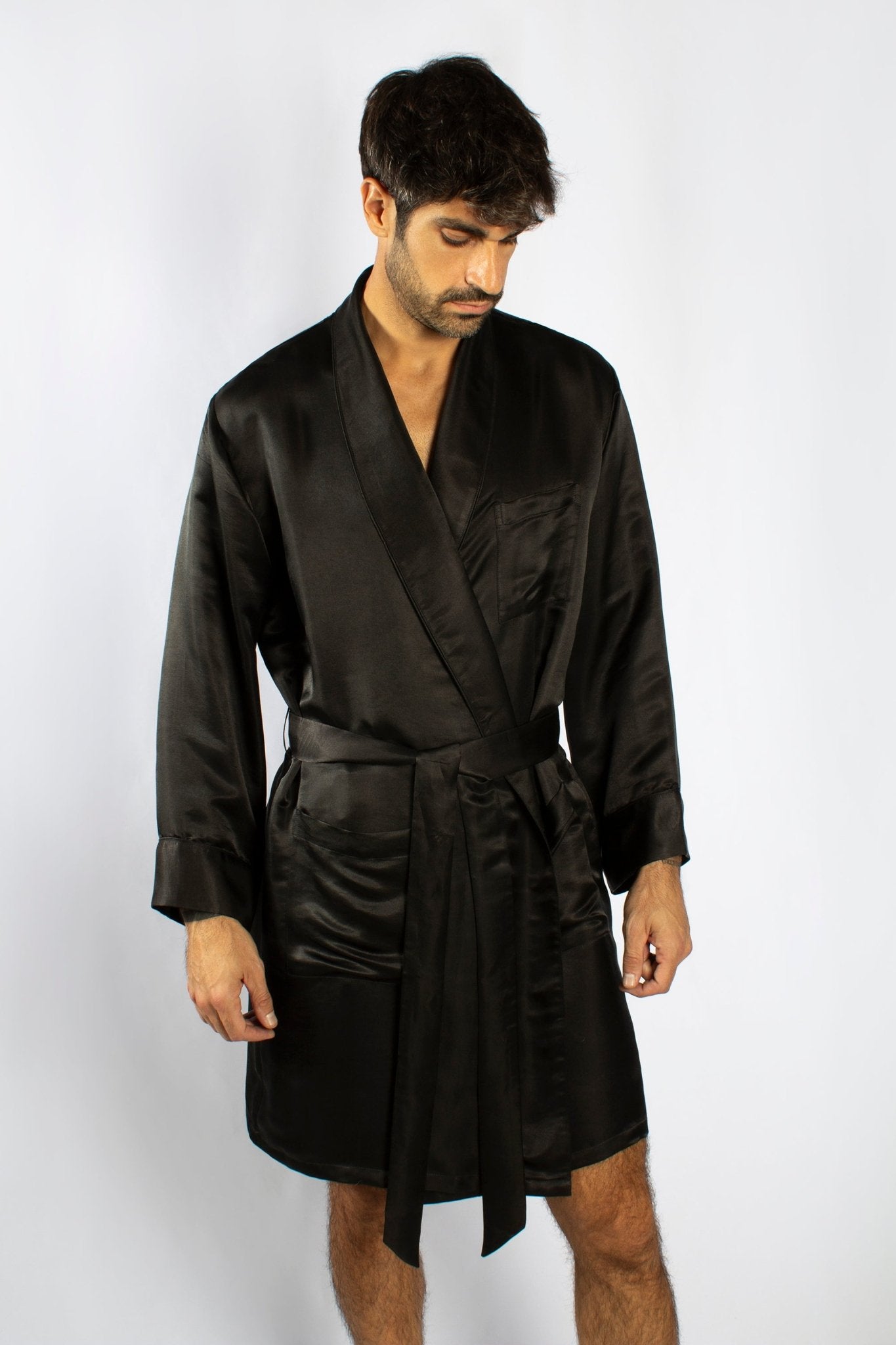
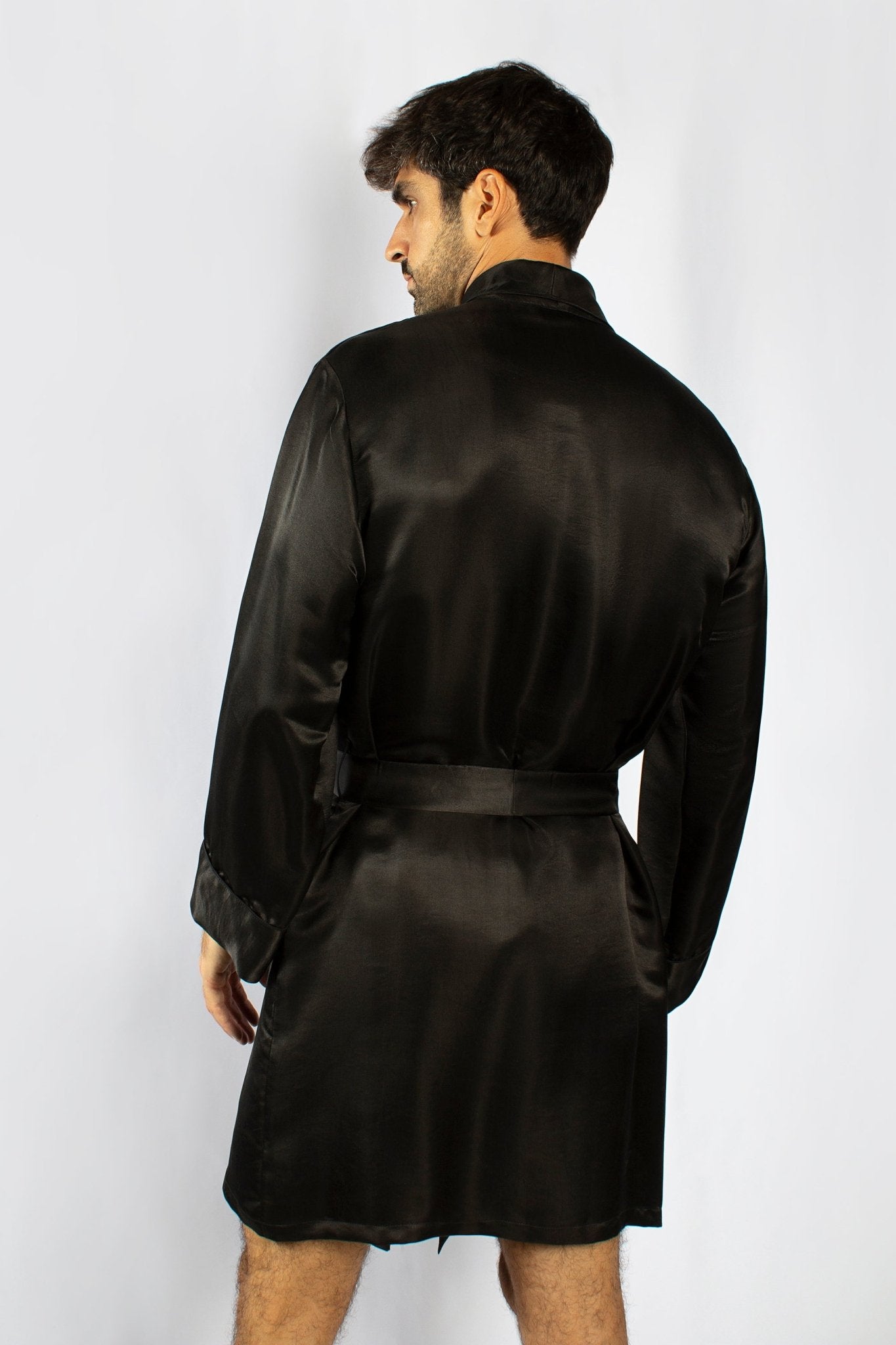
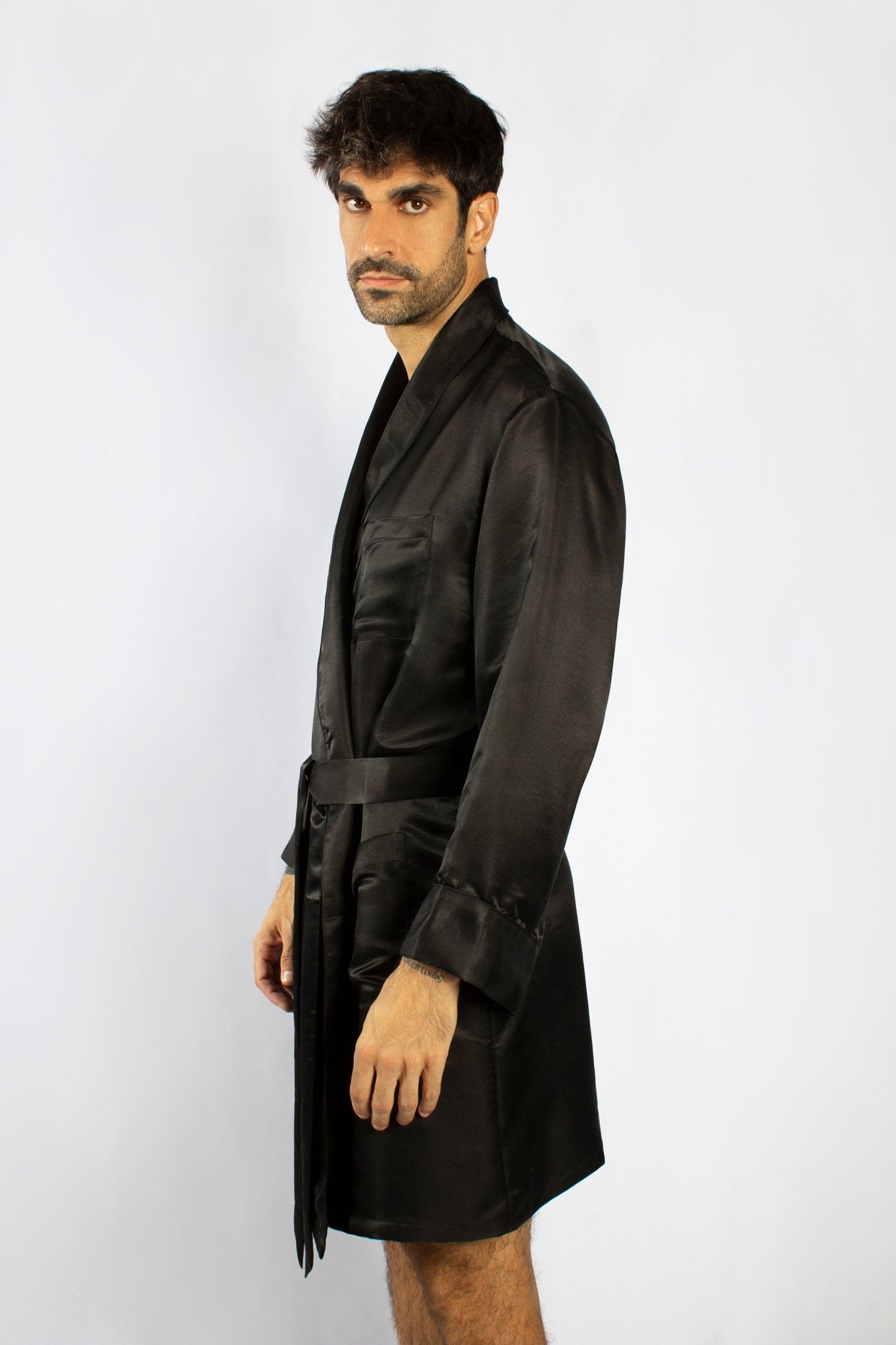
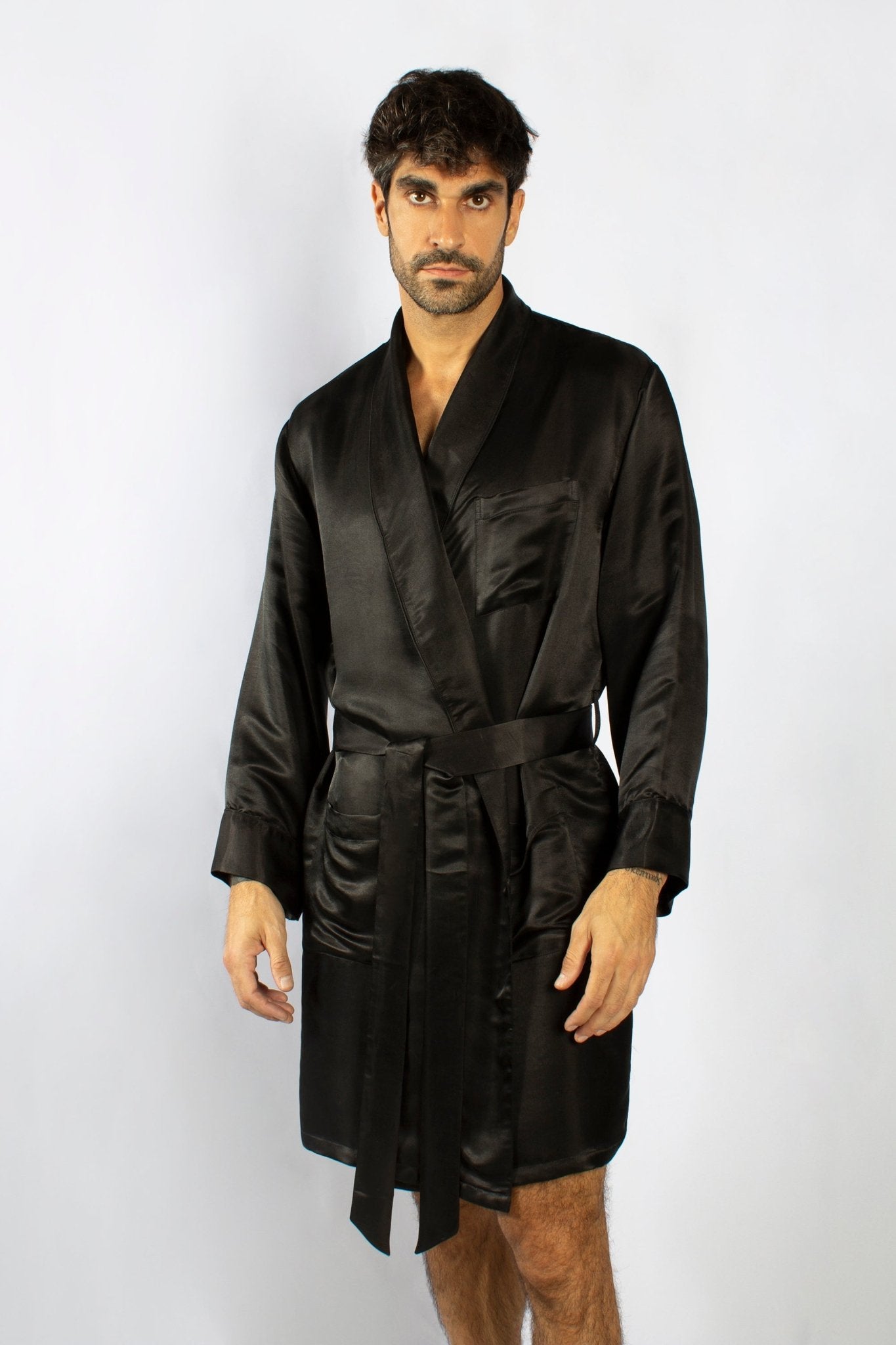
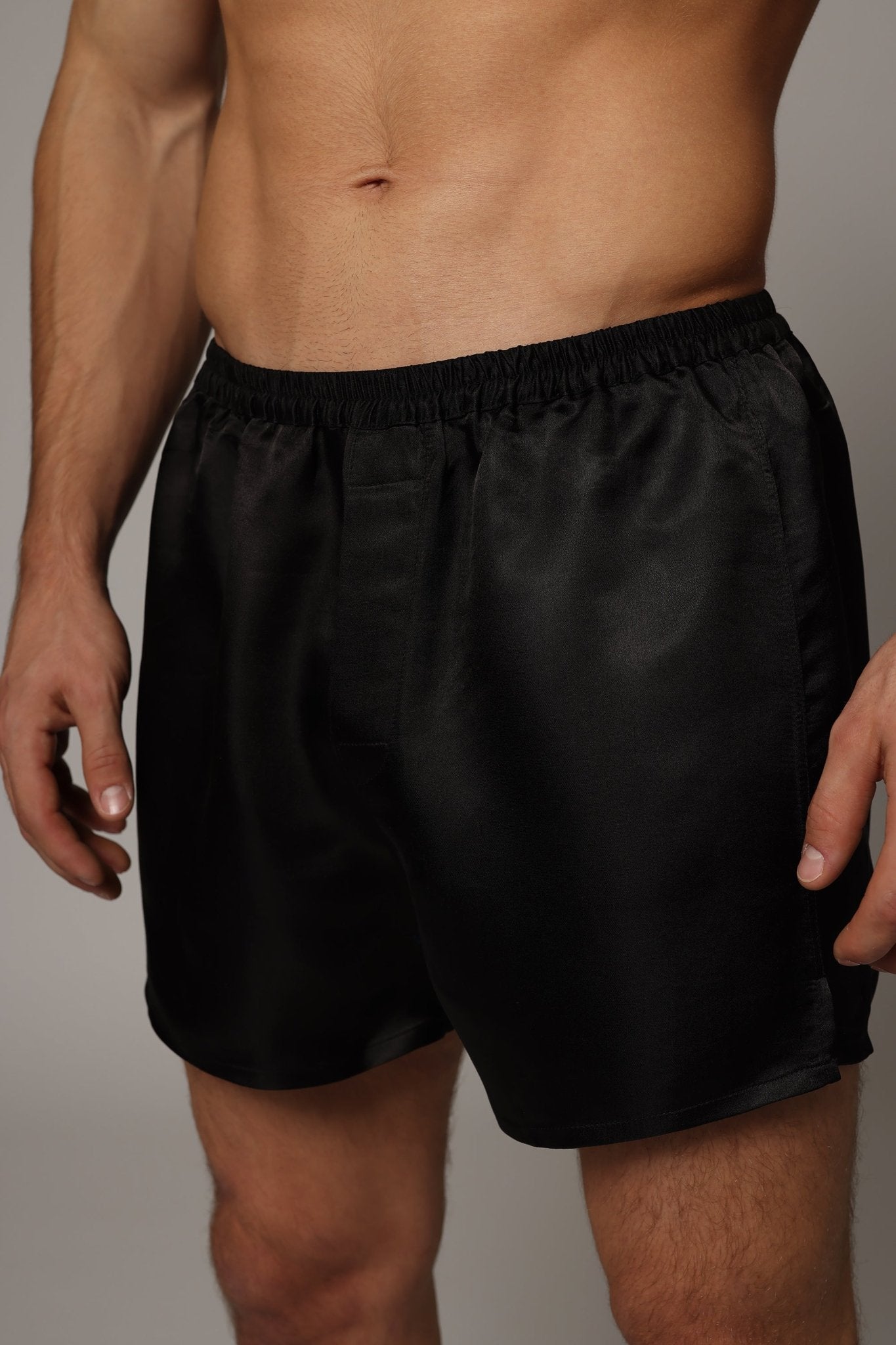
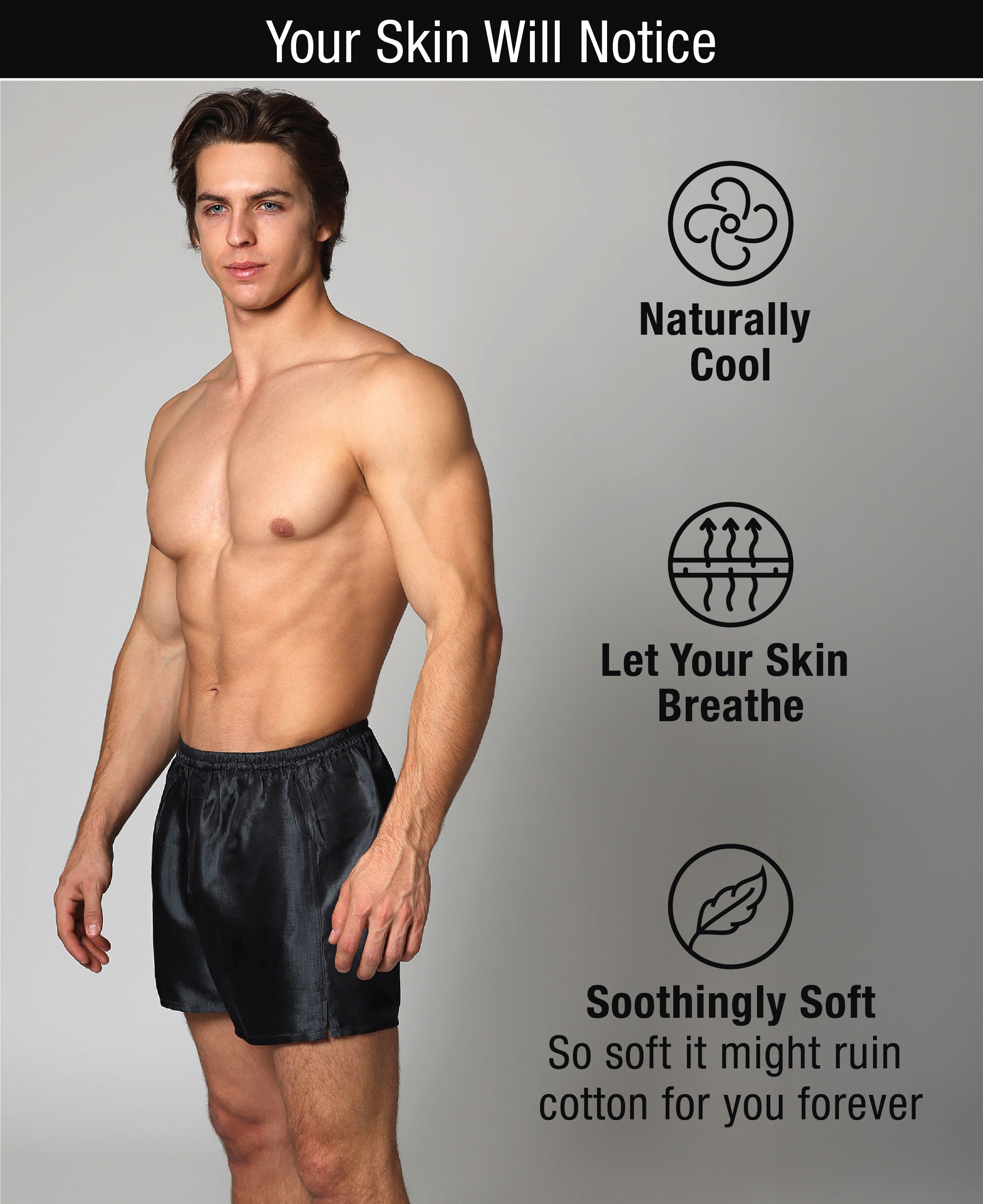
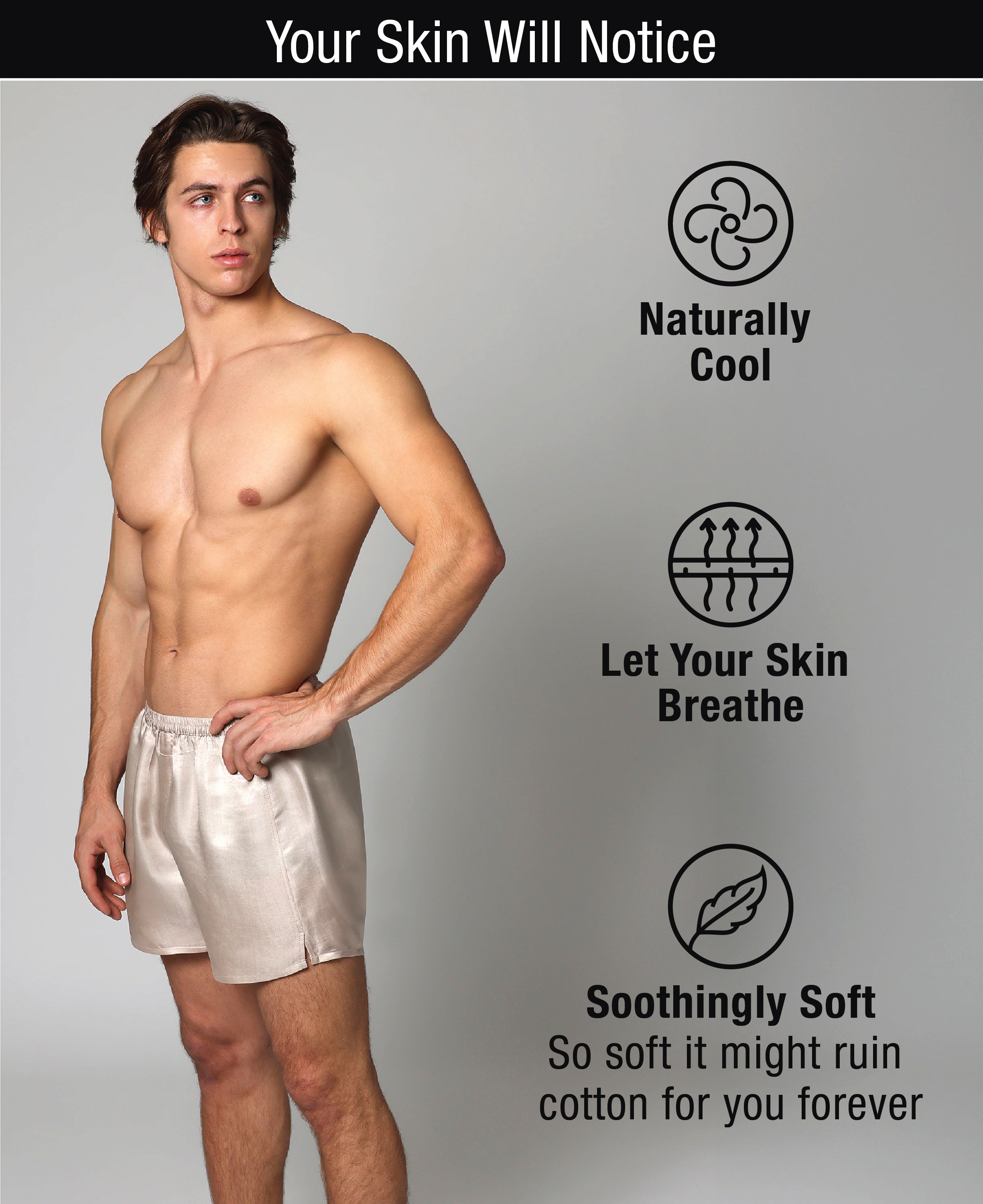
Silk manages moisture through vapour transmission rather than absorption. The protein fiber structure allows water vapour (gas-phase perspiration) to pass through the fabric while not absorbing liquid moisture. The moisture exits the microclimate without the fabric becoming damp.
Simultaneously, silk's protein fiber structure creates insulating air pockets that respond to the temperature differential. When the body is warm, the fiber structure opens to allow heat dissipation. When the body is cool, the fiber structure maintains an insulating air layer. This is thermoregulation in the specific, measurable sense: the fabric's thermal properties adapt to conditions rather than remaining static.
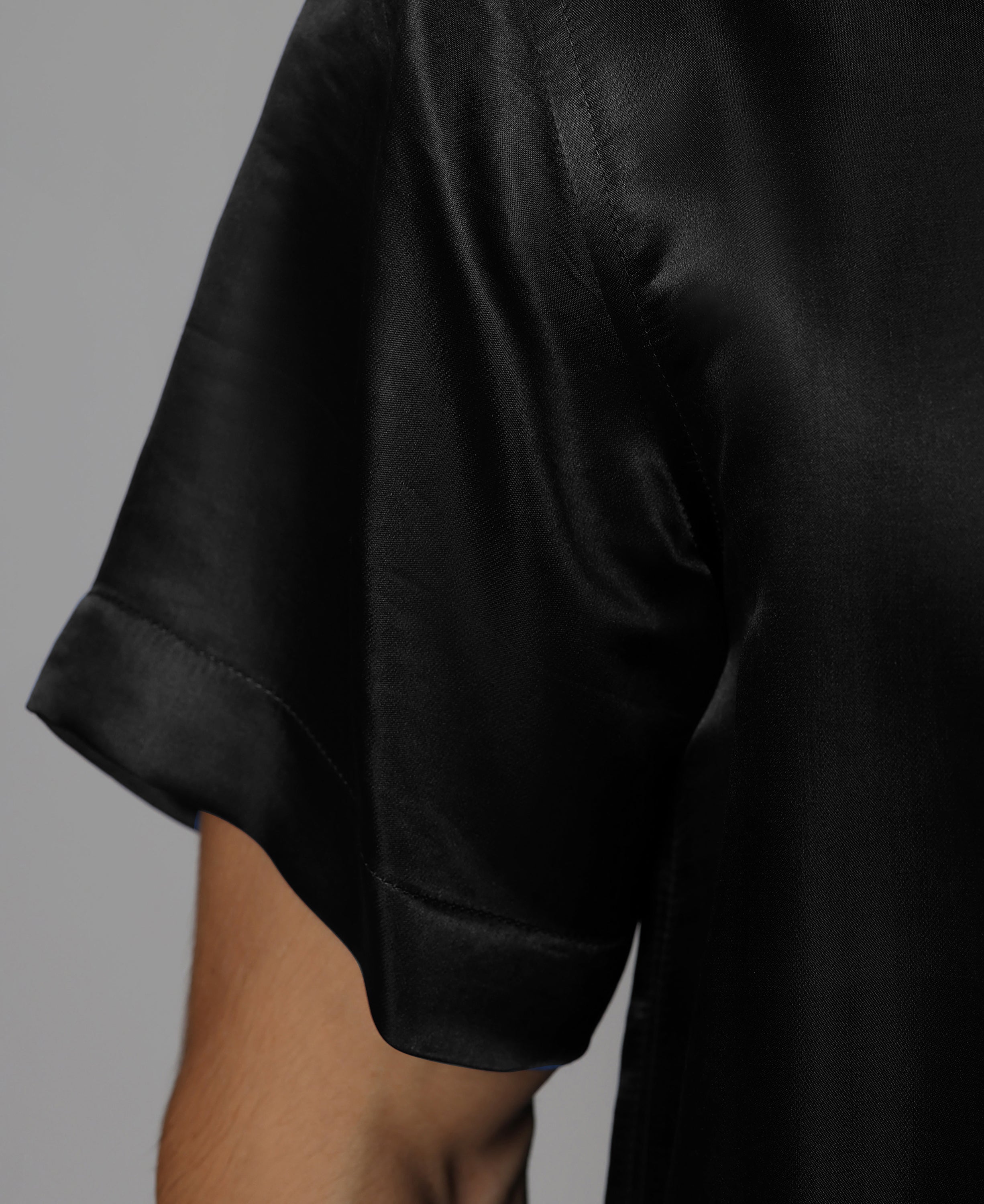
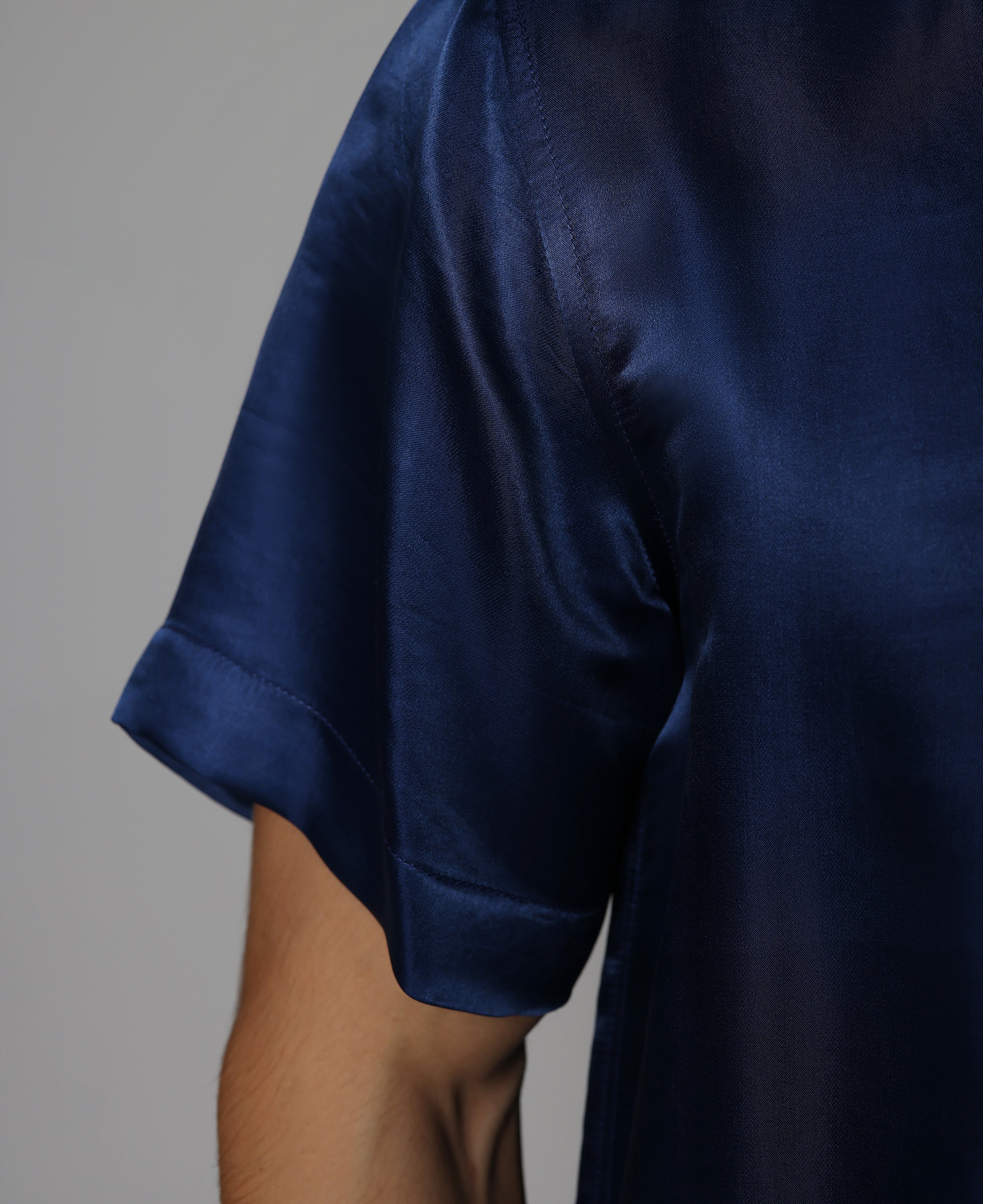
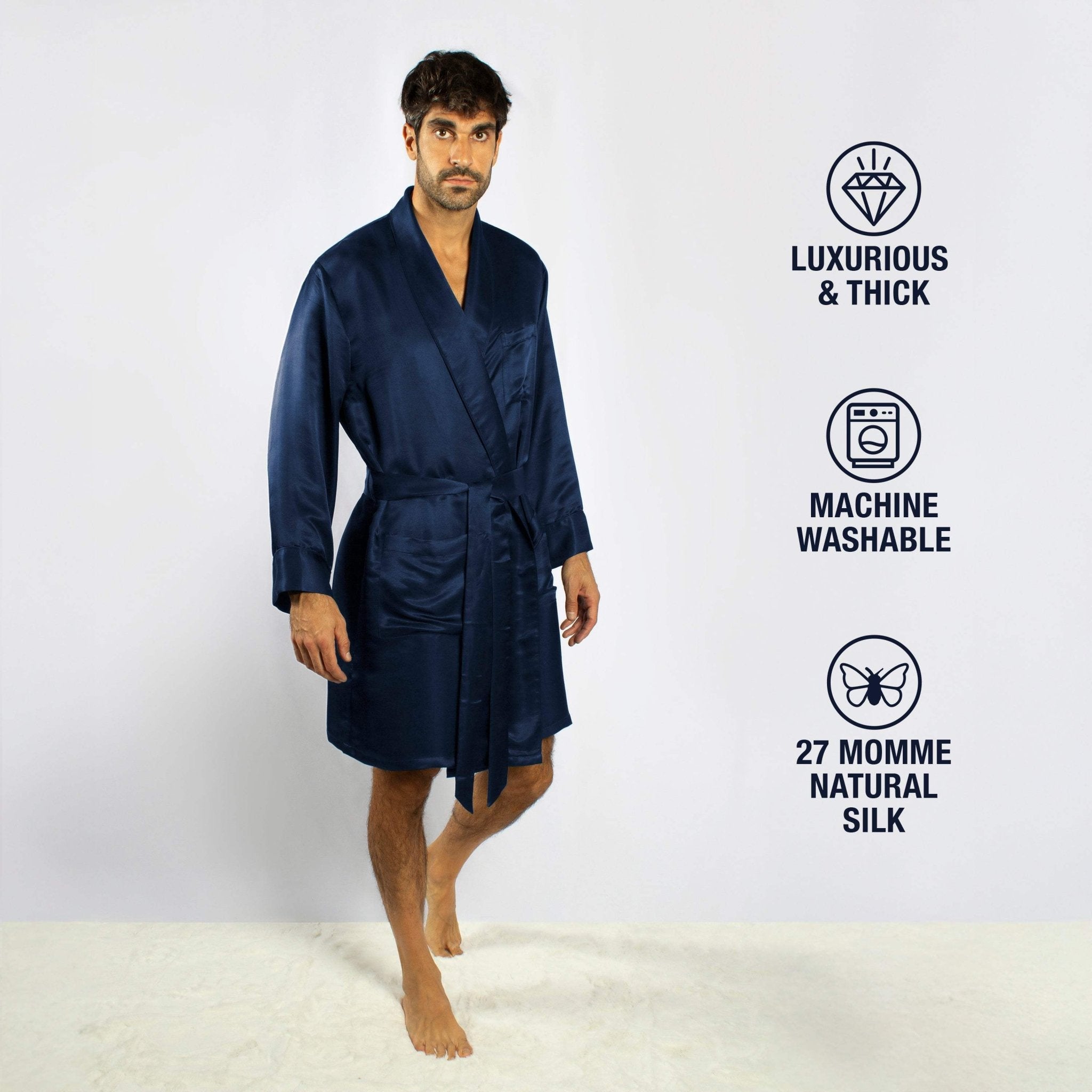
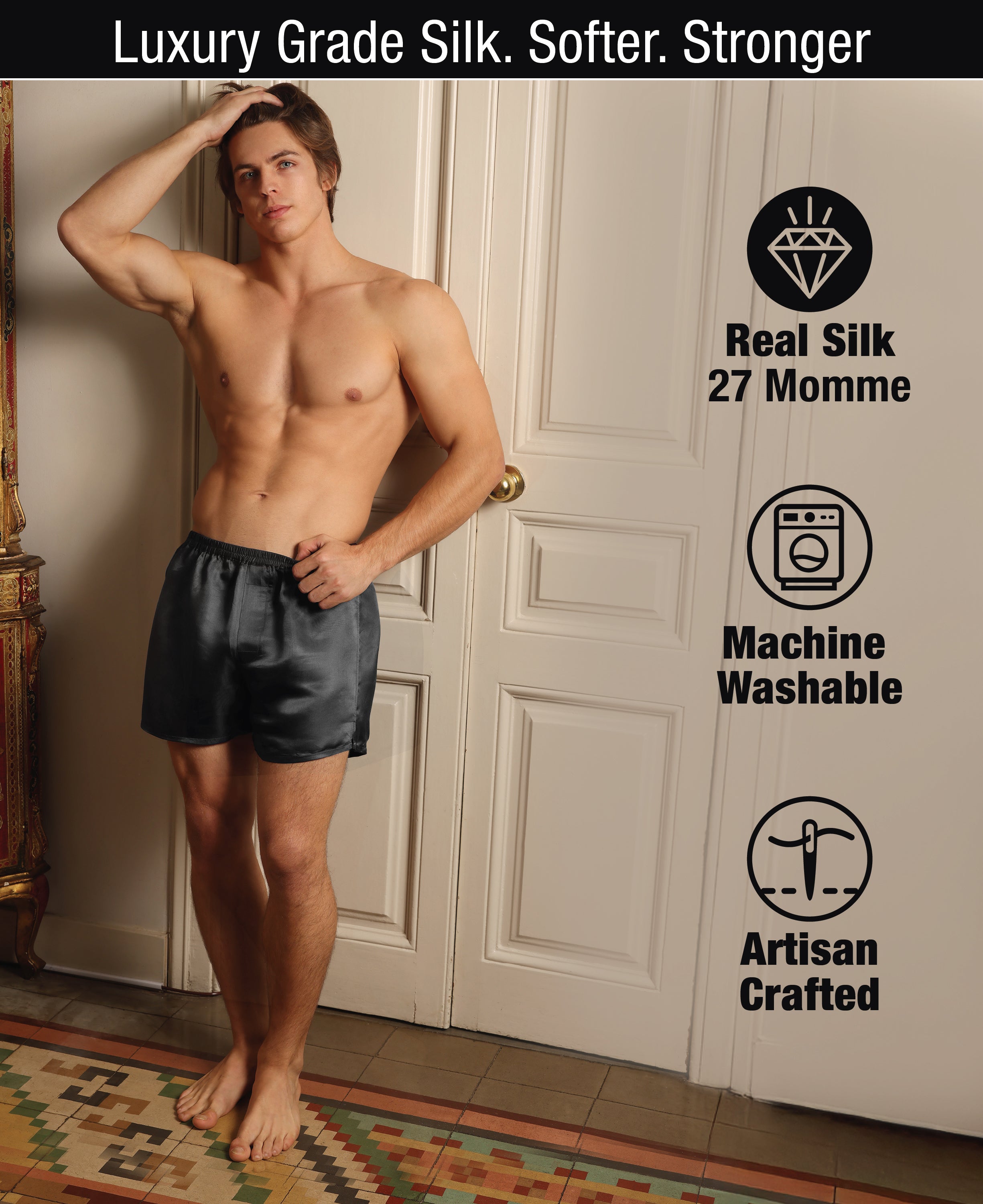
At 27 momme, the density of the silk creates a more effective thermoregulatory layer than lighter weights. More fiber means more air pockets, which means a wider range of temperature conditions in which the silk can maintain the microclimate within the comfort zone. Our guide to momme weight and silk density explains why fabric weight is the deciding factor here.
What the Research Shows
A study published in the journal Ergonomics tested the sleep quality of participants in different textile environments and found that thermal comfort was the strongest predictor of subjective sleep quality, stronger than noise, light, or mattress firmness.
Research from the Charles Perkins Center investigated the relationship between sleepwear material and sleep onset latency, how long it takes to fall asleep. Participants wearing fabrics with better moisture vapour transmission fell asleep faster, consistent with the finding that a dry, thermally neutral microclimate promotes sleep onset.
A study in the Journal of Sleep Research examined how bedding and sleepwear affected sleep architecture, the proportion of time spent in different sleep stages. Participants in thermally optimal conditions spent more time in deep slow-wave sleep and REM sleep, the two stages most associated with physical recovery and memory consolidation.
No study has specifically compared silk sleepwear to cotton or polyester in a controlled sleep trial, which is a gap in the literature worth acknowledging. However, the established relationships between fabric thermal properties, microclimate conditions, and sleep quality strongly support silk's thermoregulatory advantage. The properties that research identifies as optimal for sleep, dynamic insulation and moisture vapour transmission and temperature-responsive thermal behavior, are the properties that silk demonstrably possesses.
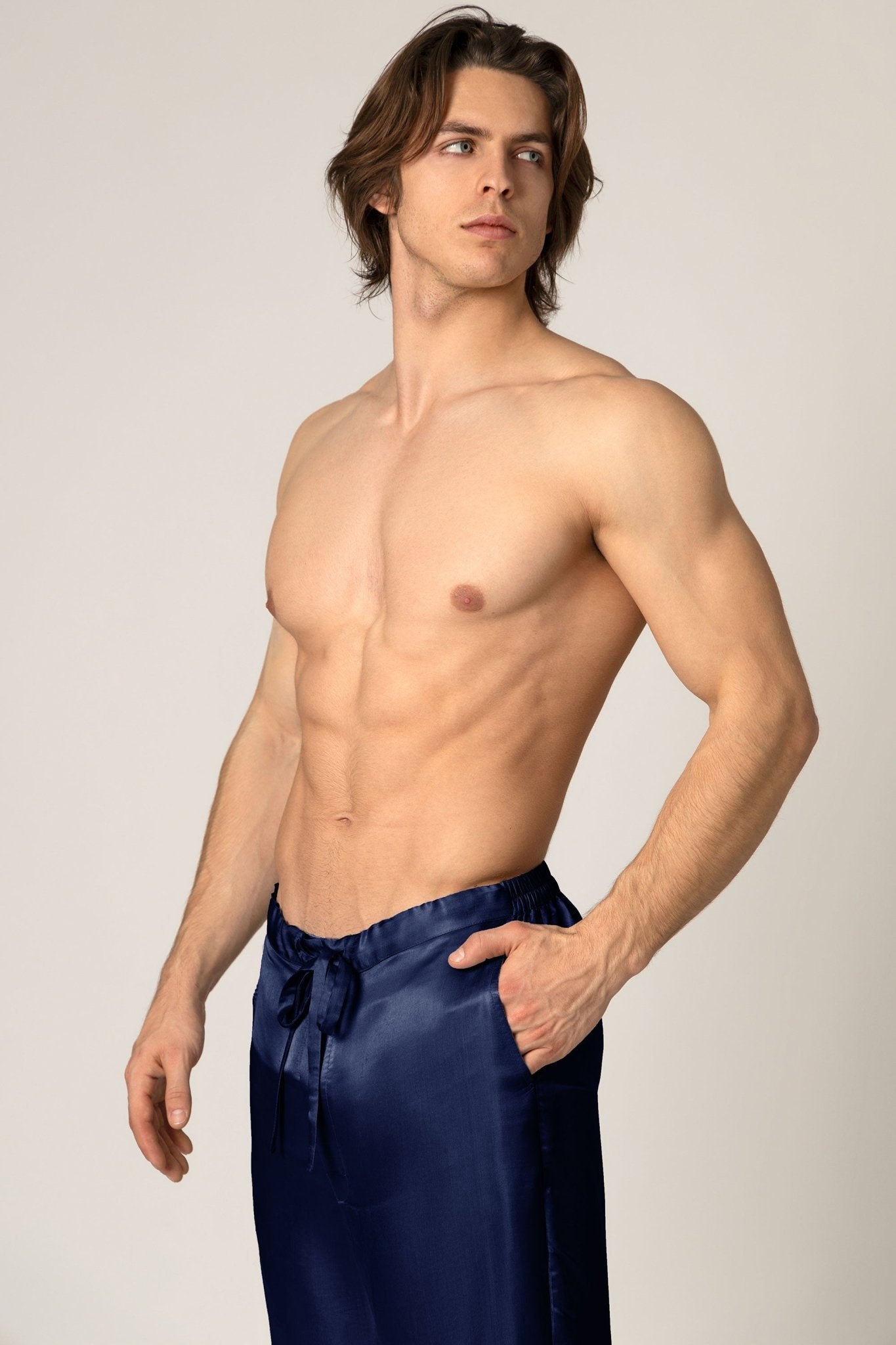
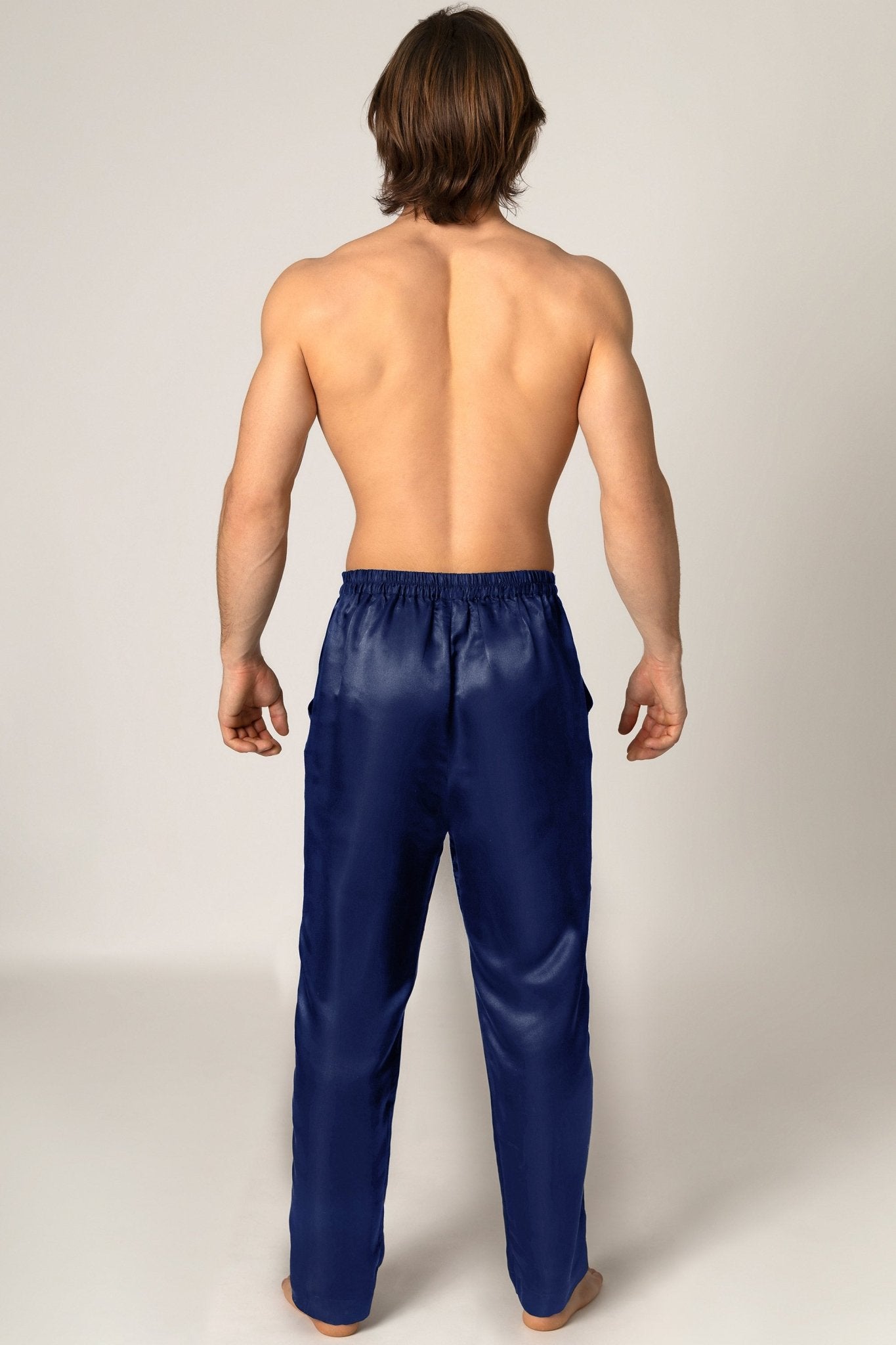
The Sweating Sleeper
Approximately 3 percent of the population experiences clinical night sweats during sleep, and a much larger percentage reports occasional sleep disruption from overheating. For these individuals, sleepwear choice is not a comfort preference. It is a sleep quality intervention.
The conventional advice for hot sleepers is to wear less: sleep in underwear, or nothing. The research does not support this as optimal. Sleeping without sleepwear means direct skin contact with sheets, which creates larger surface area for friction, moisture adhesion, and thermal instability. A thermally active sleepwear layer between the body and the bed creates more stable conditions than no layer at all.
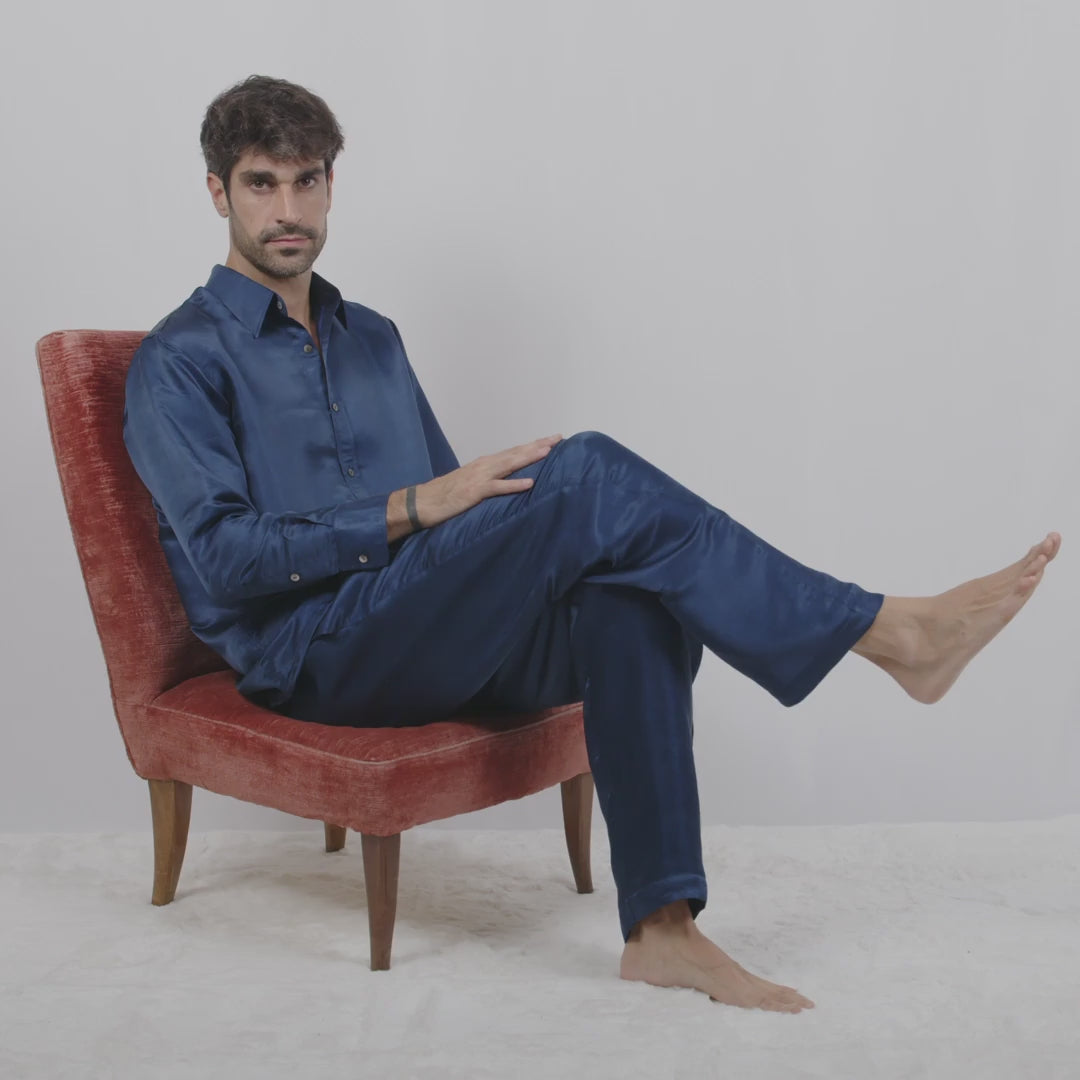
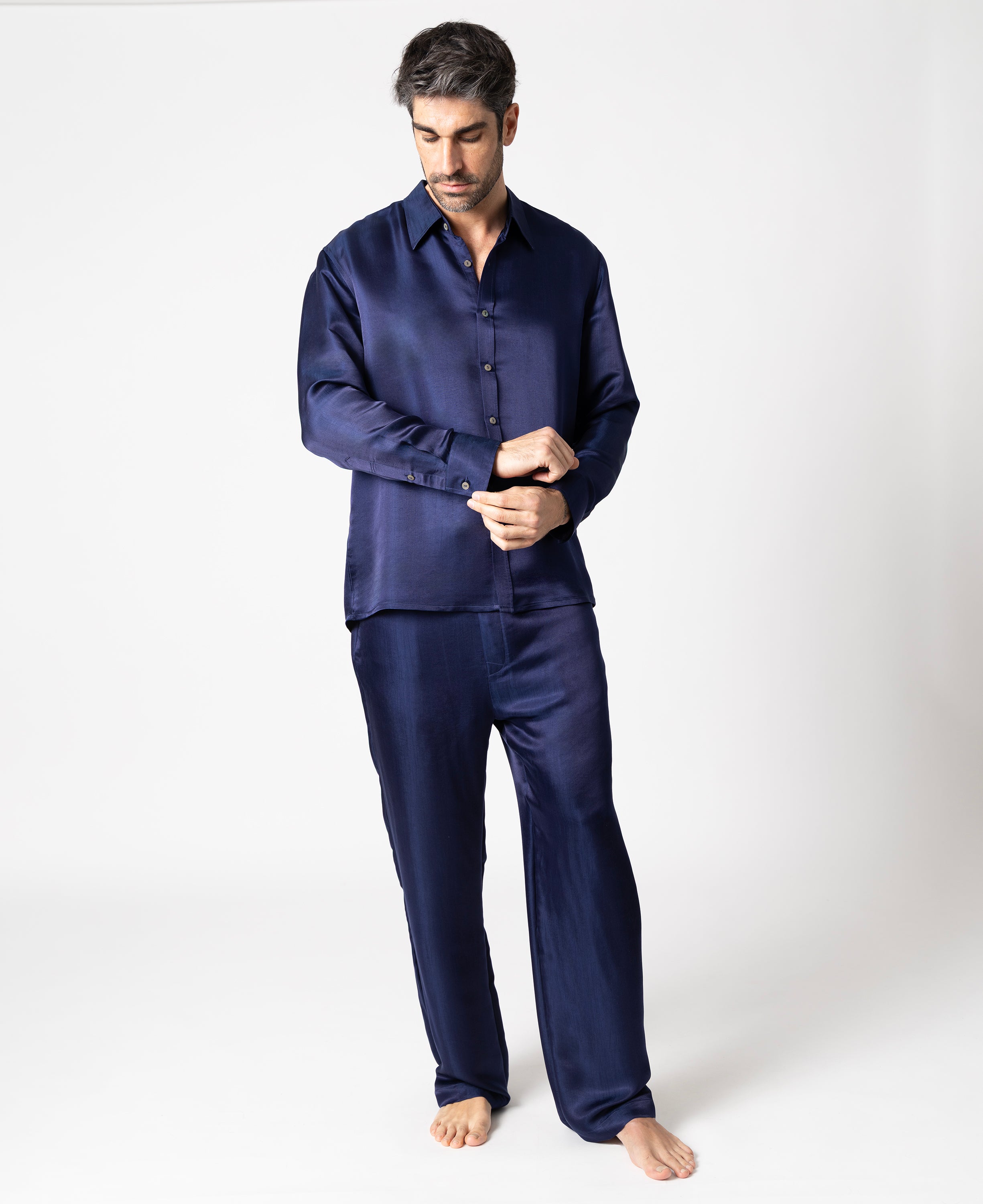
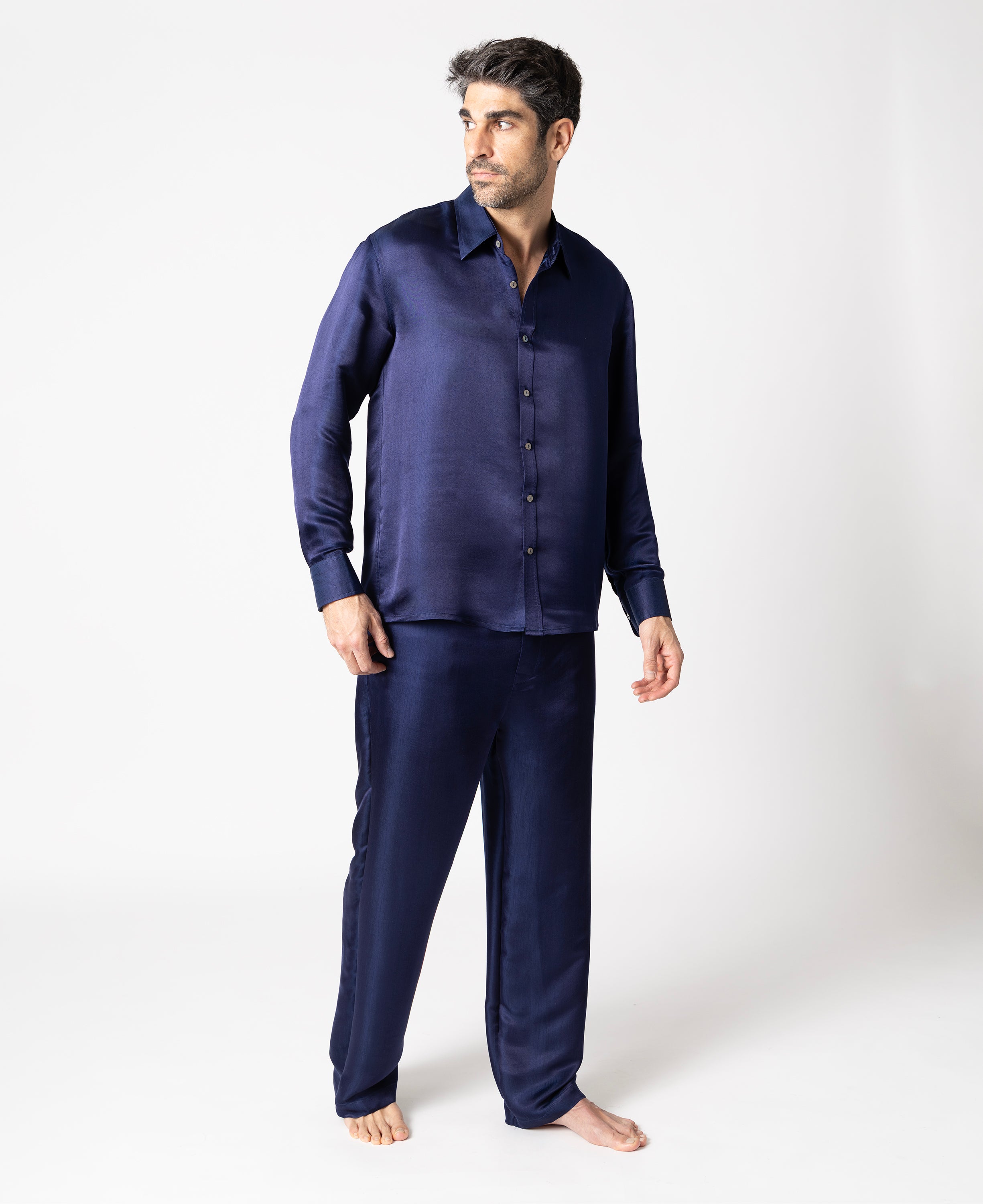
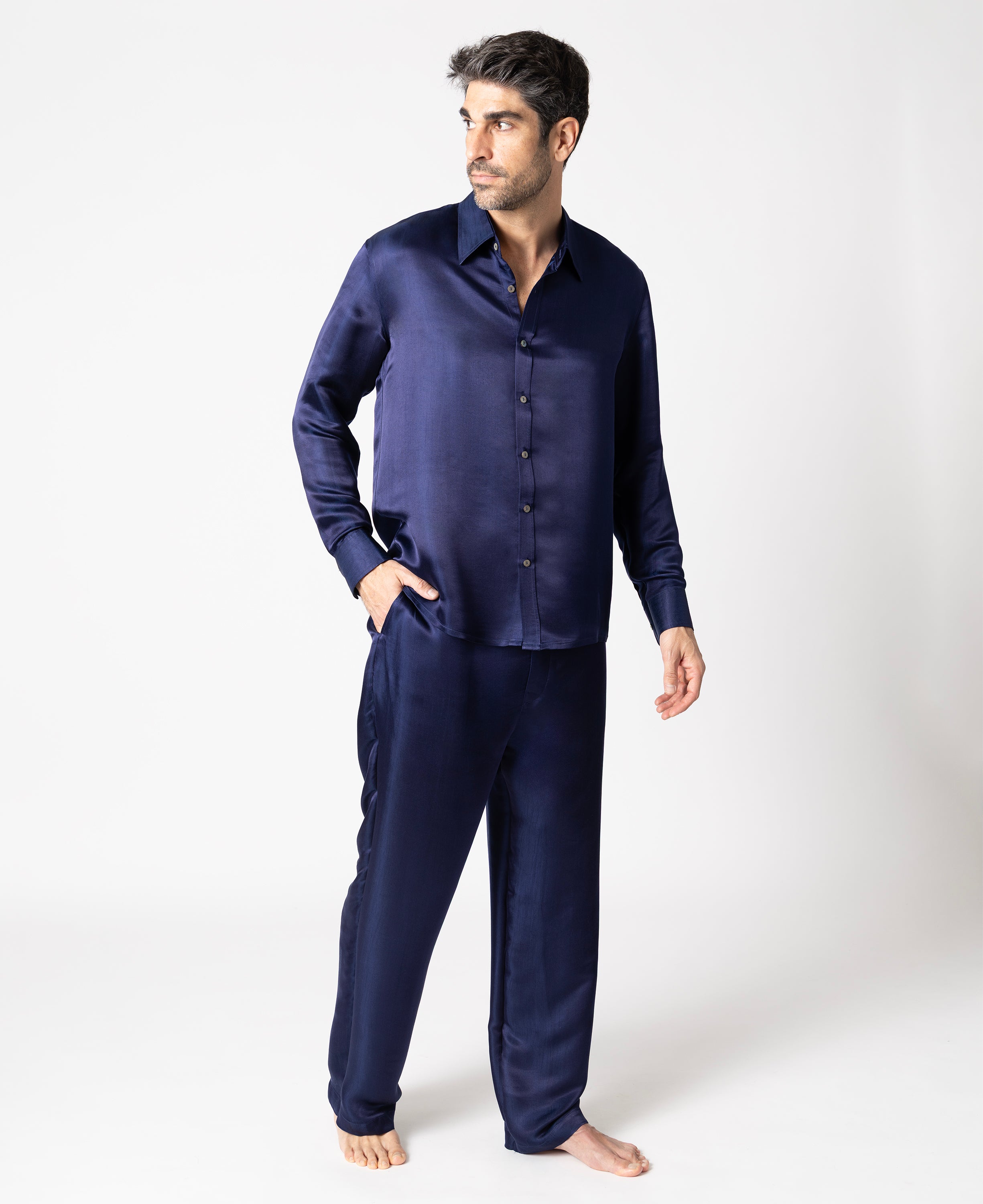
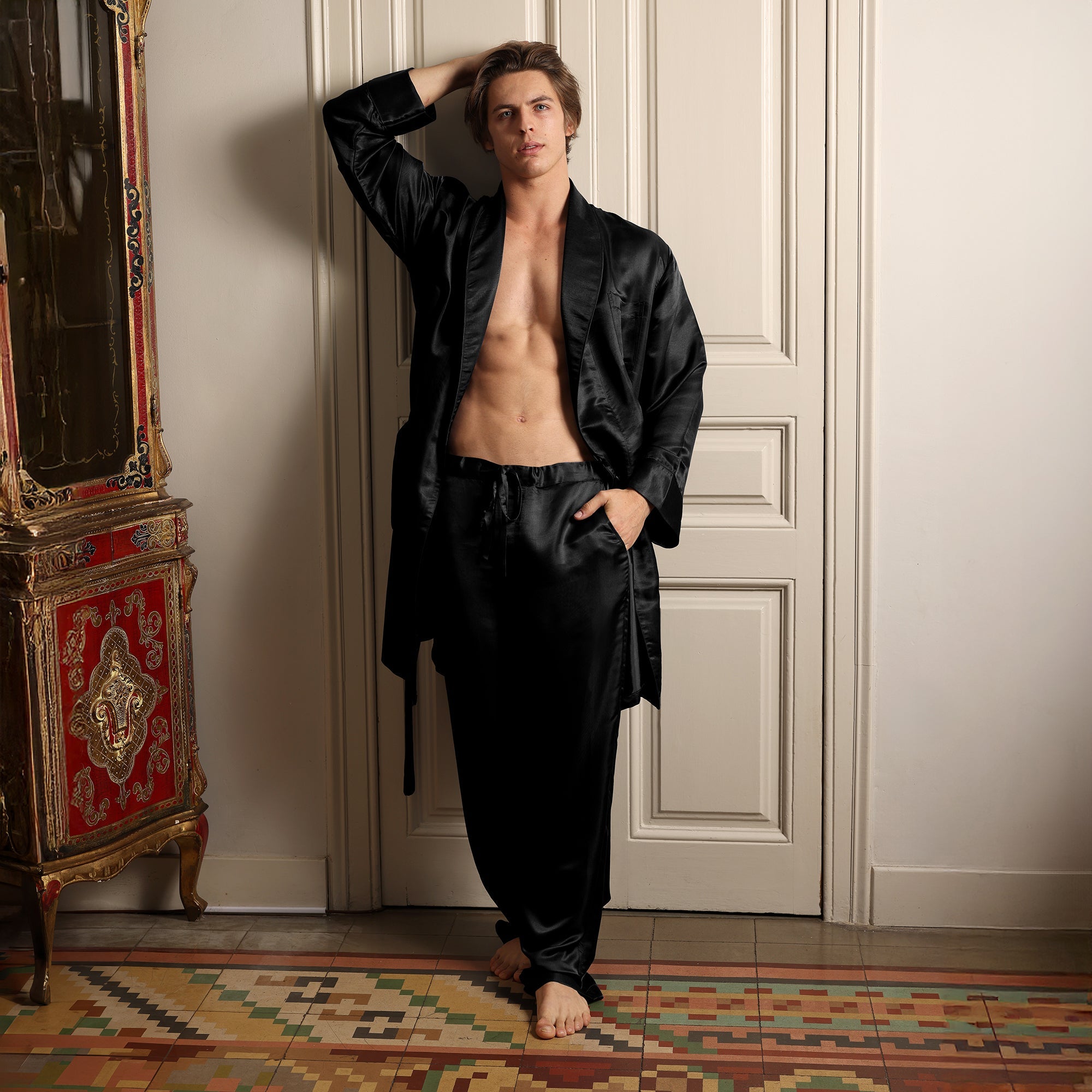
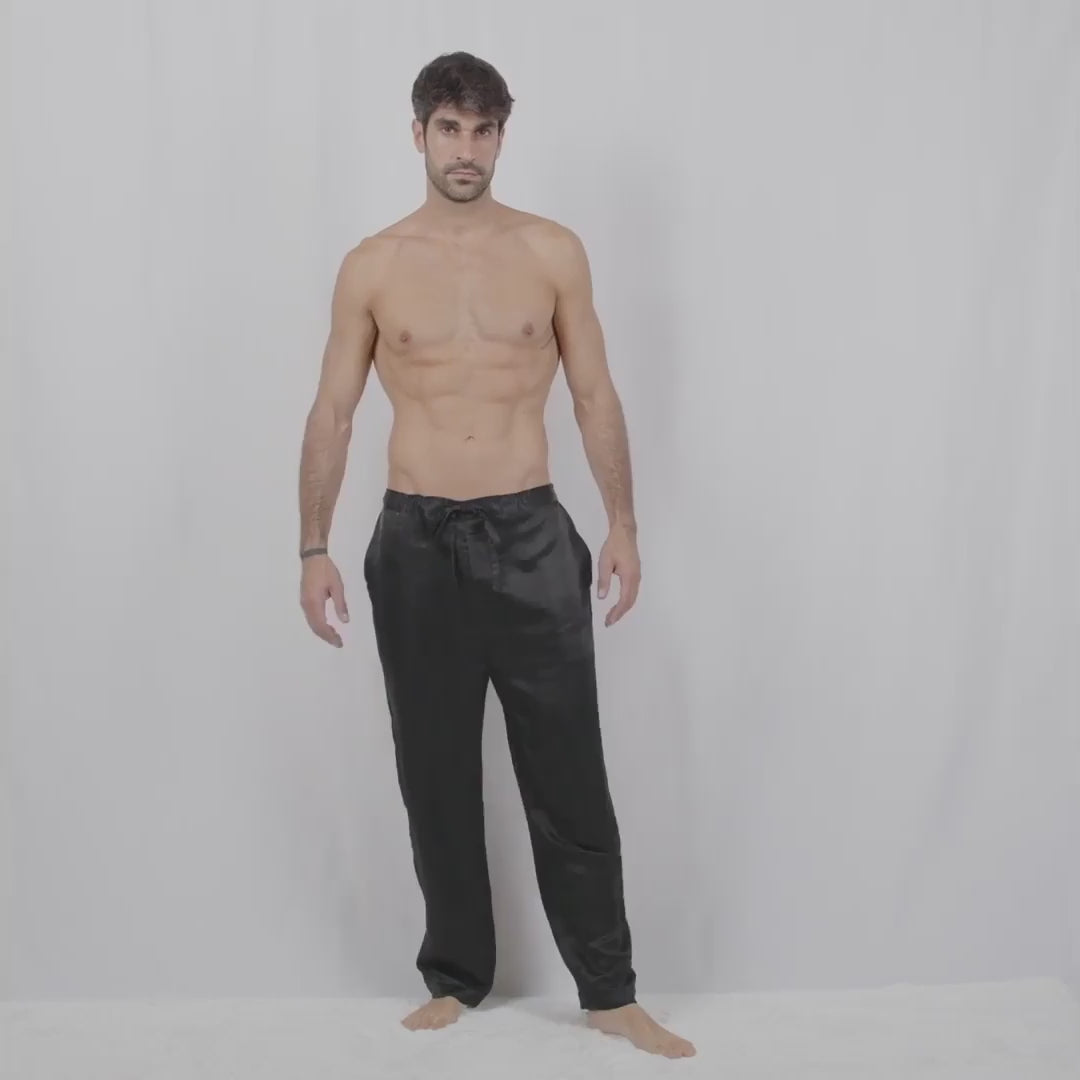
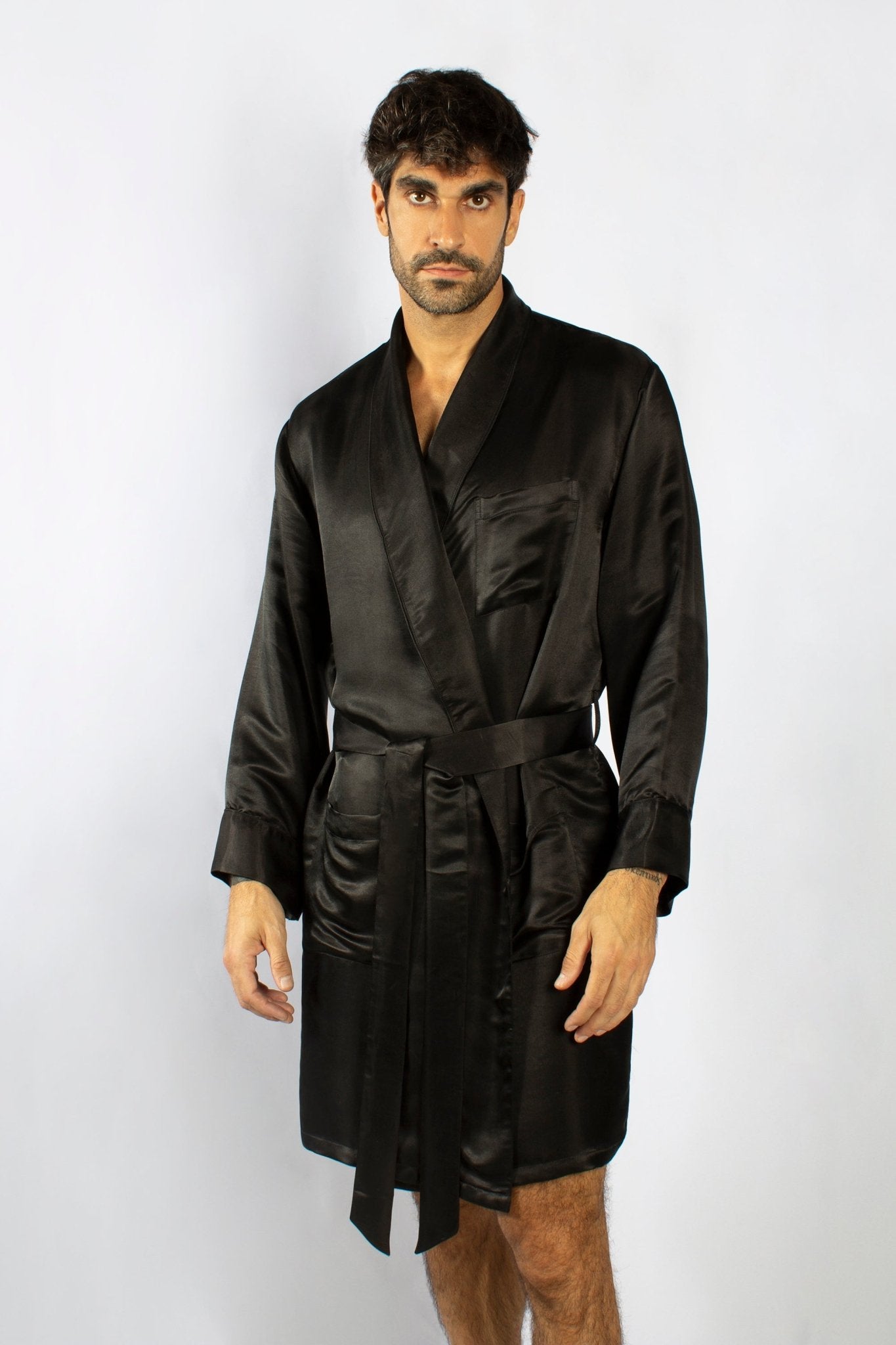
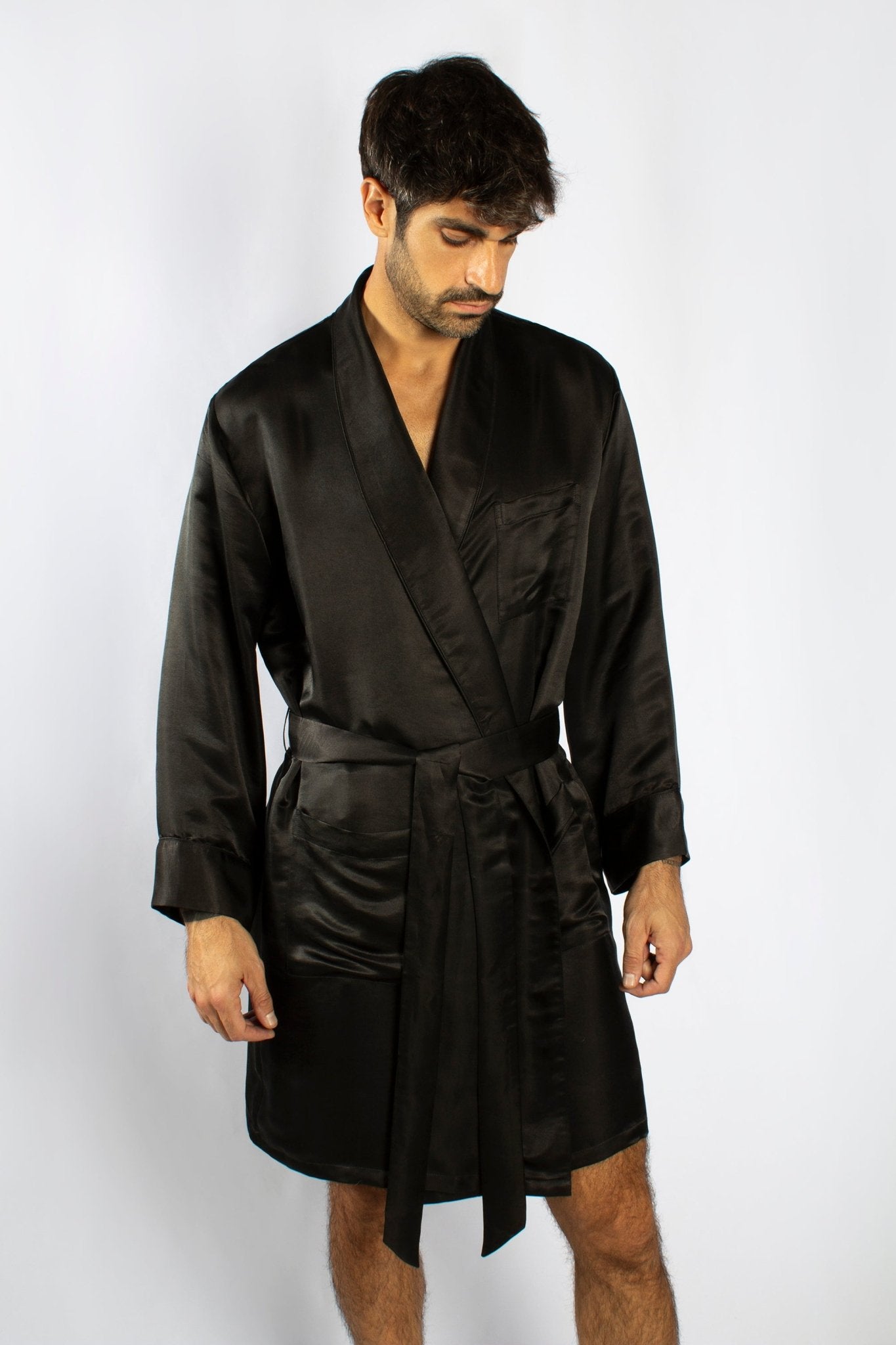
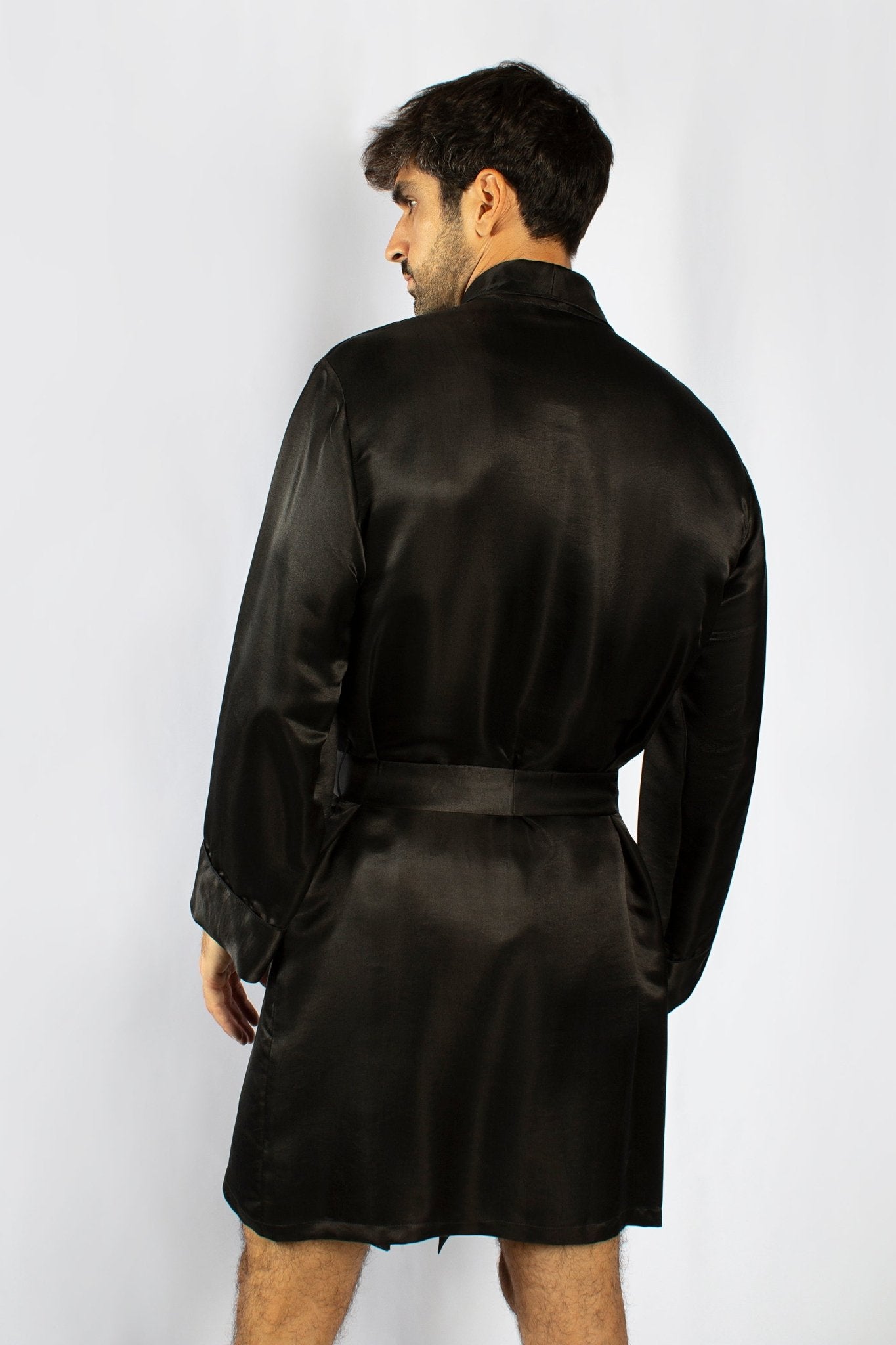
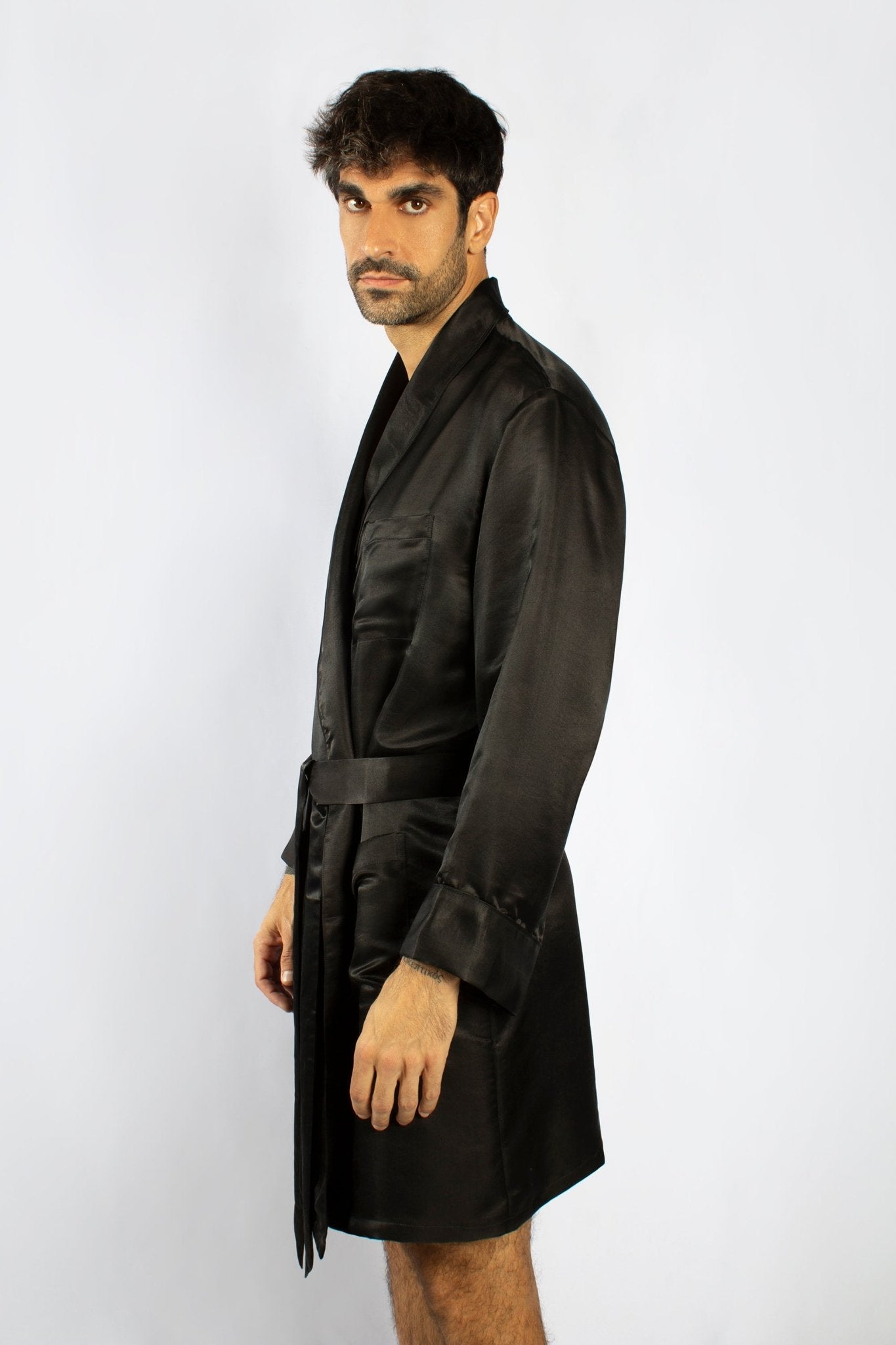
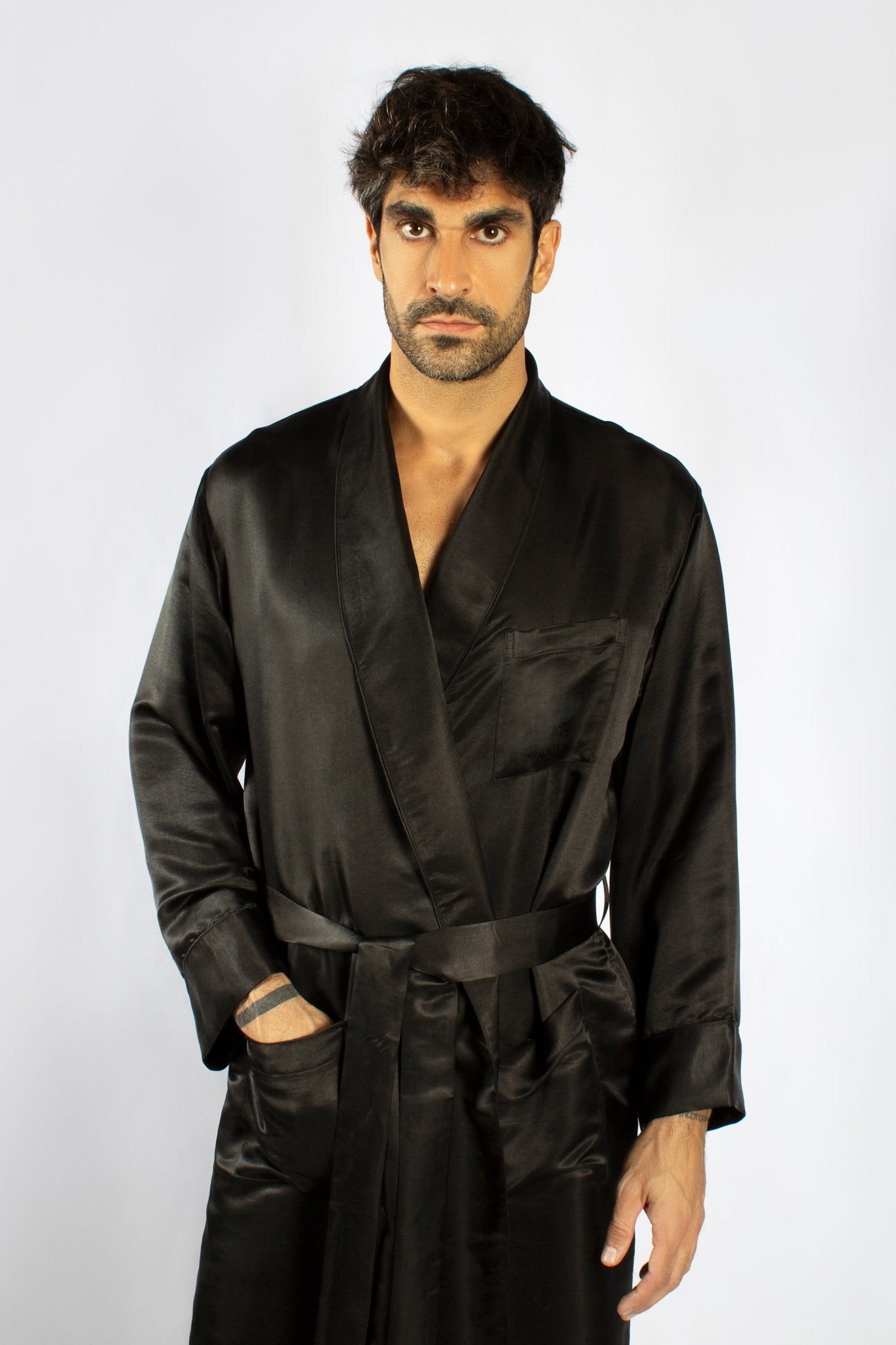
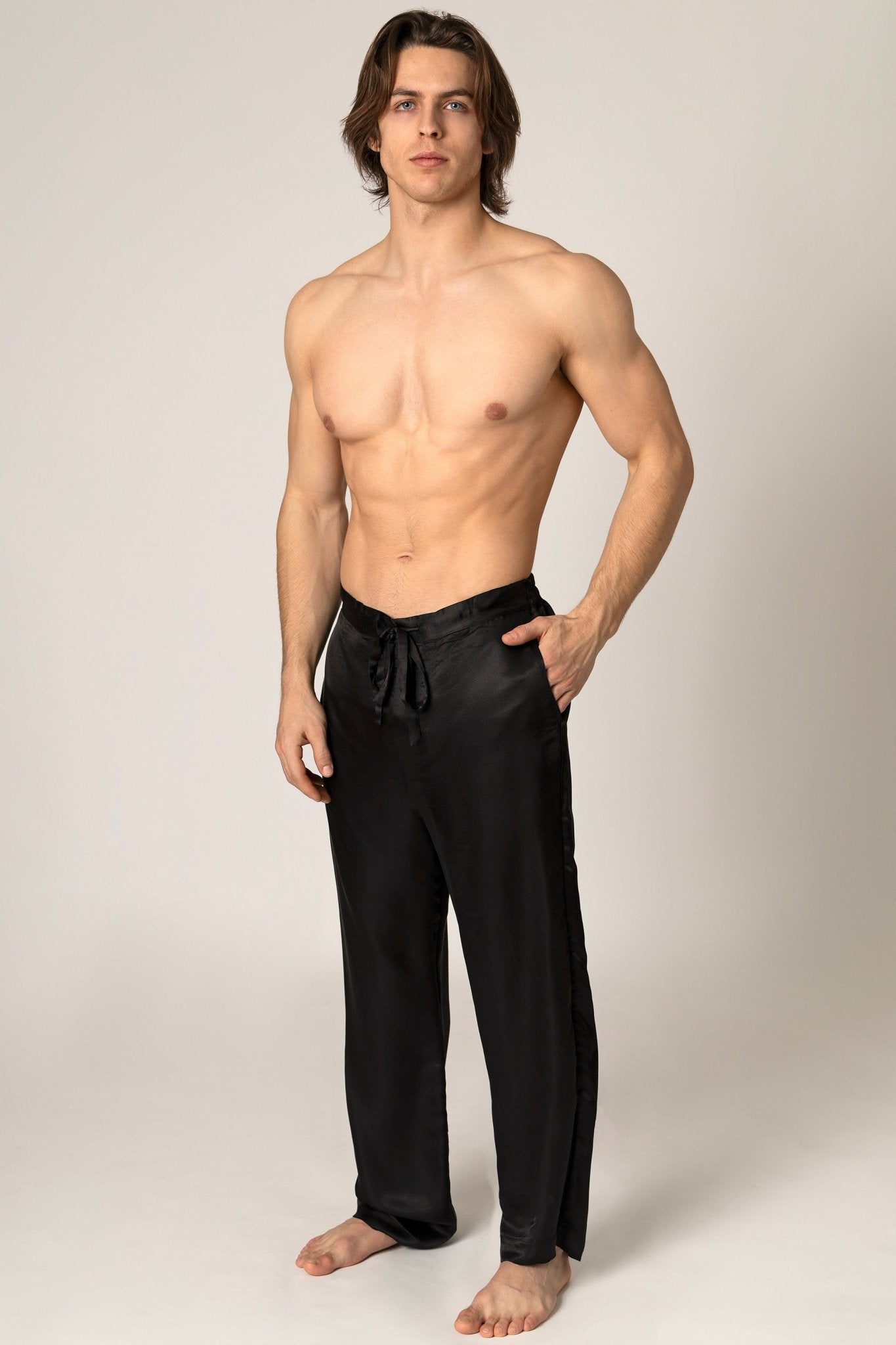
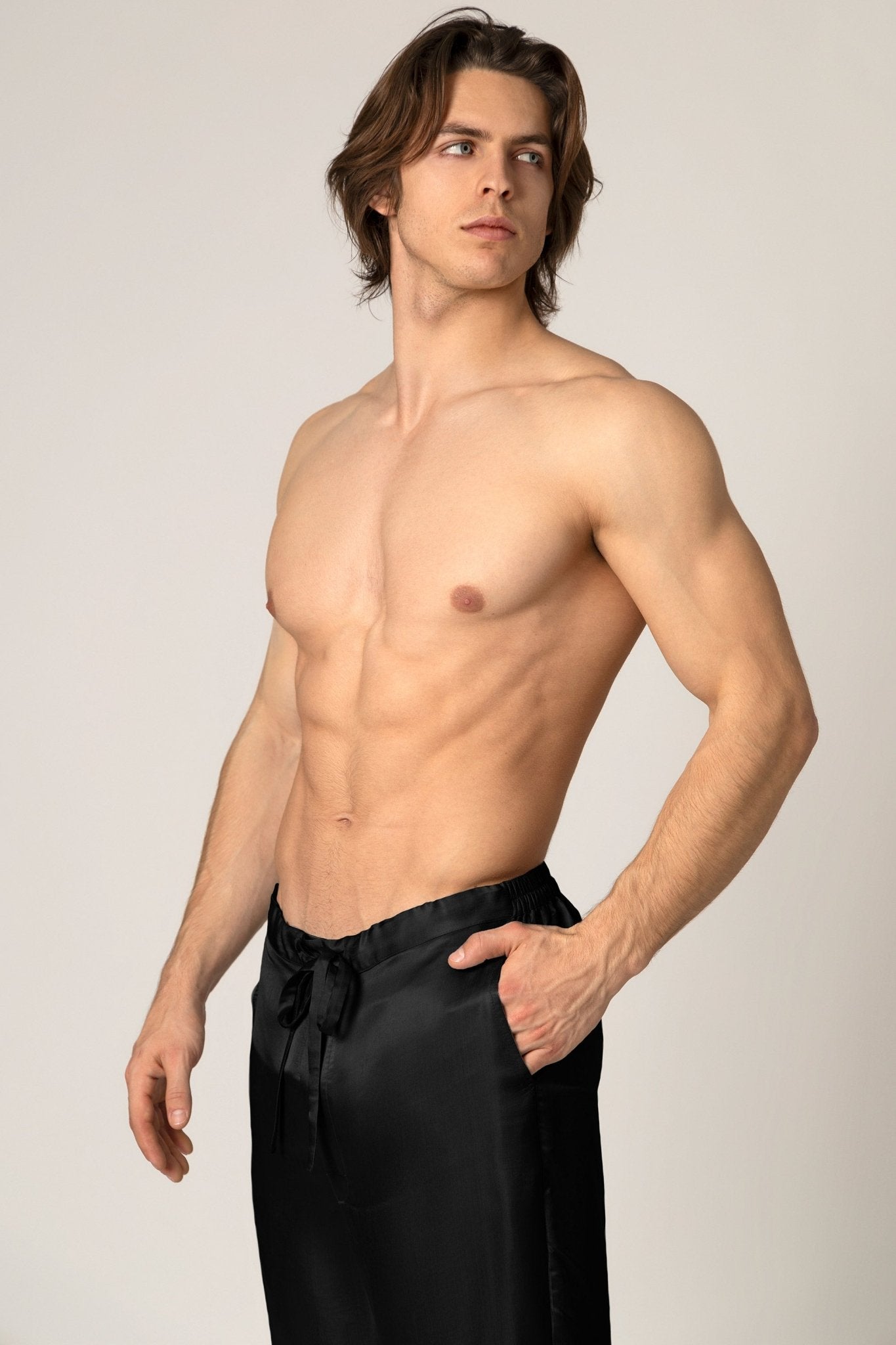
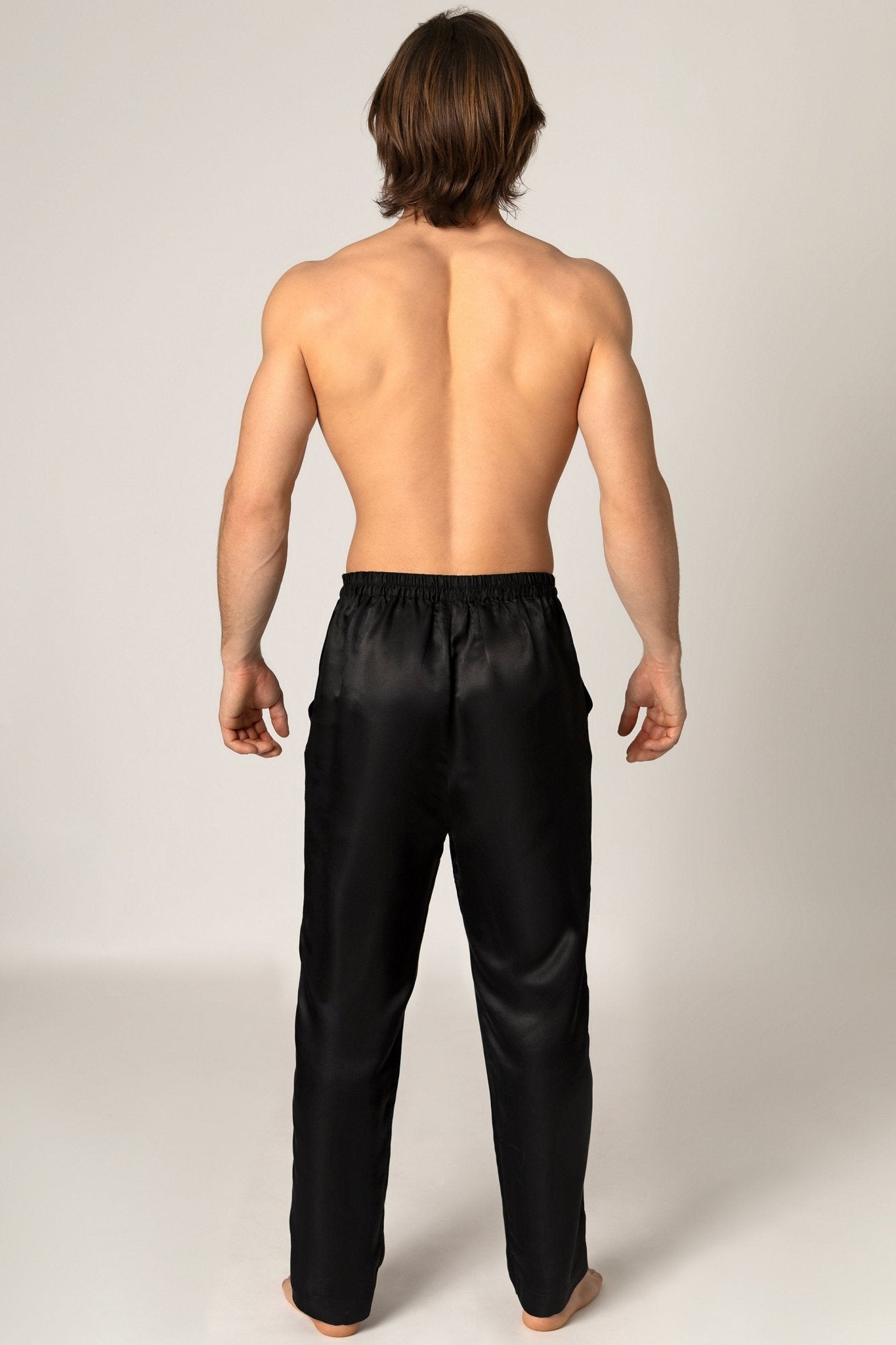
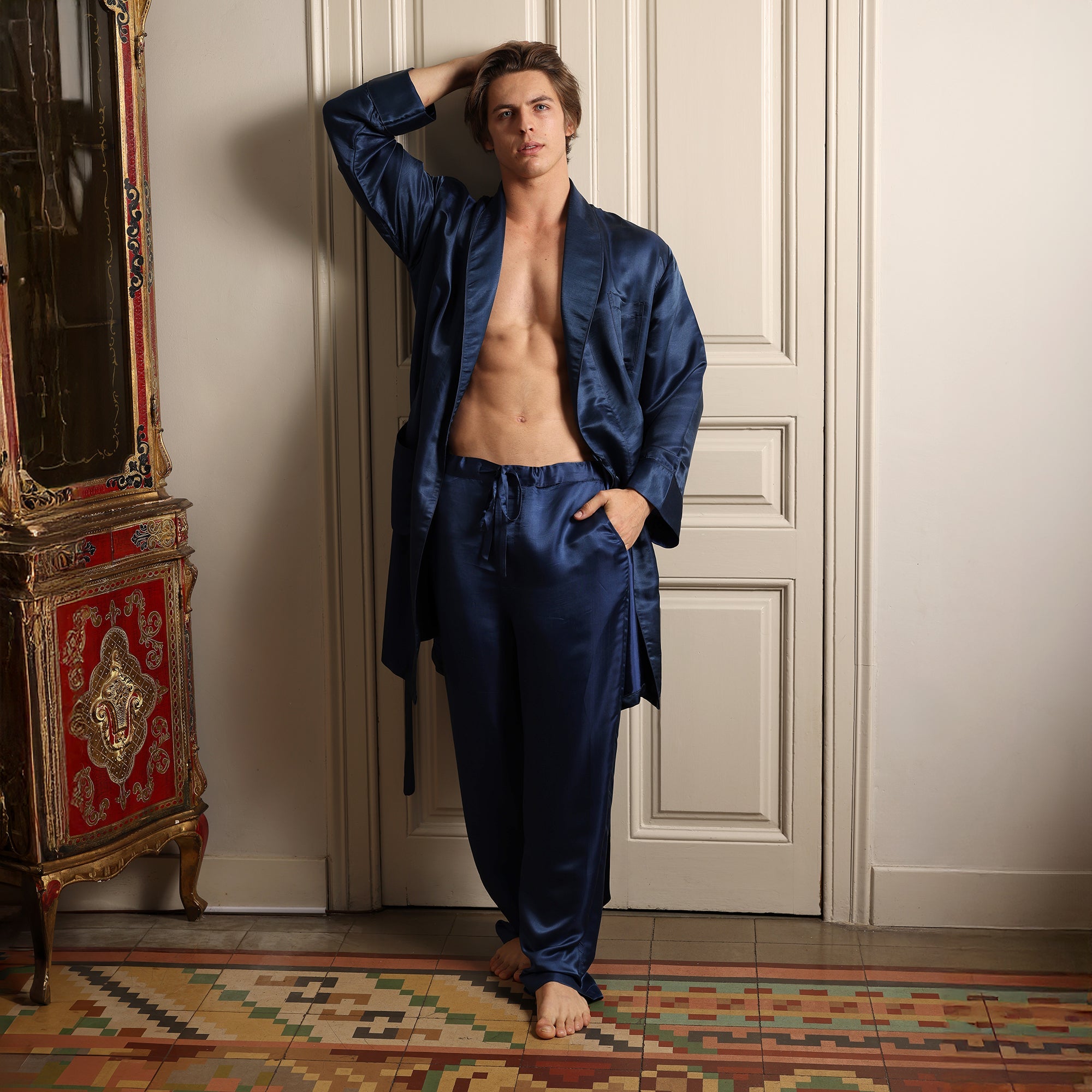
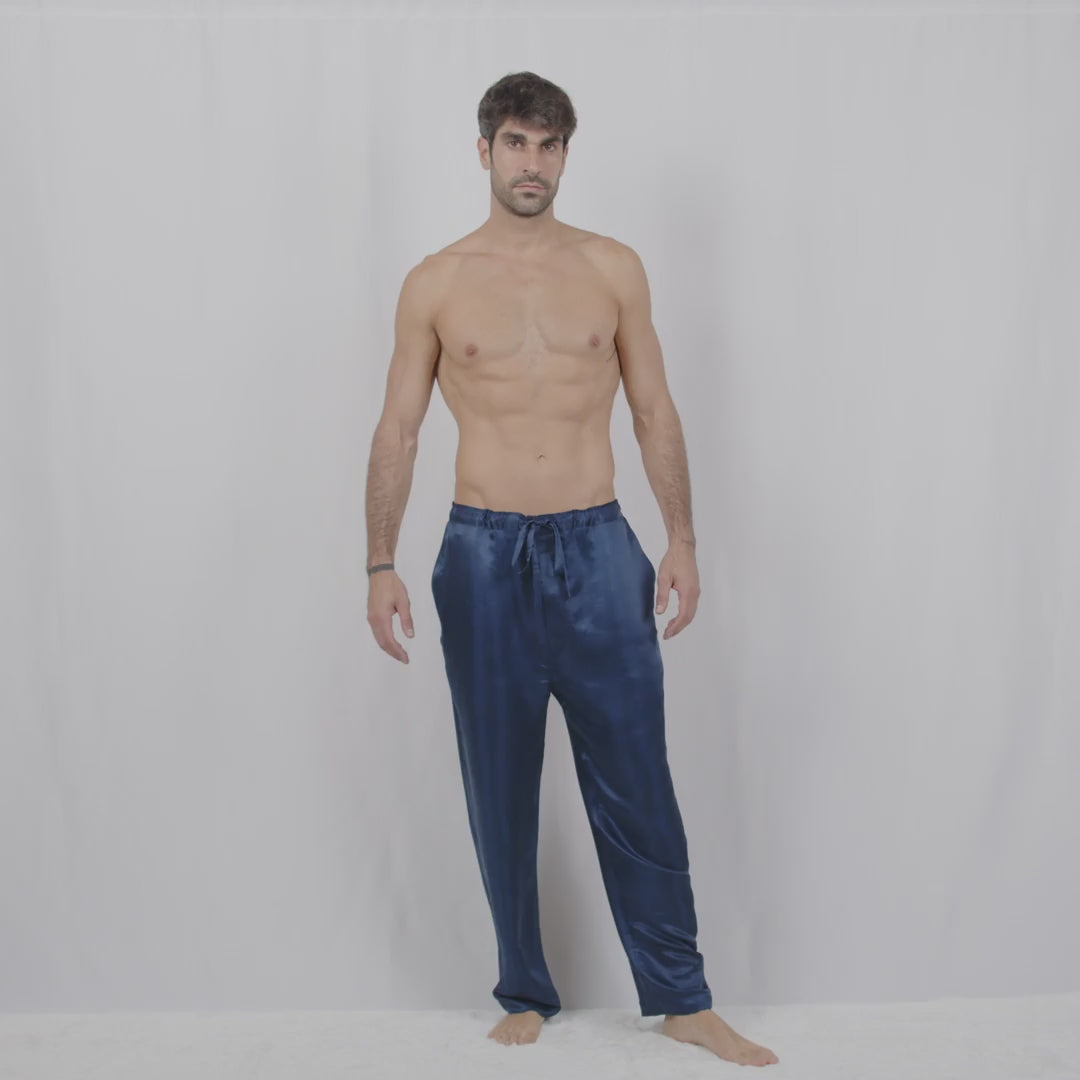
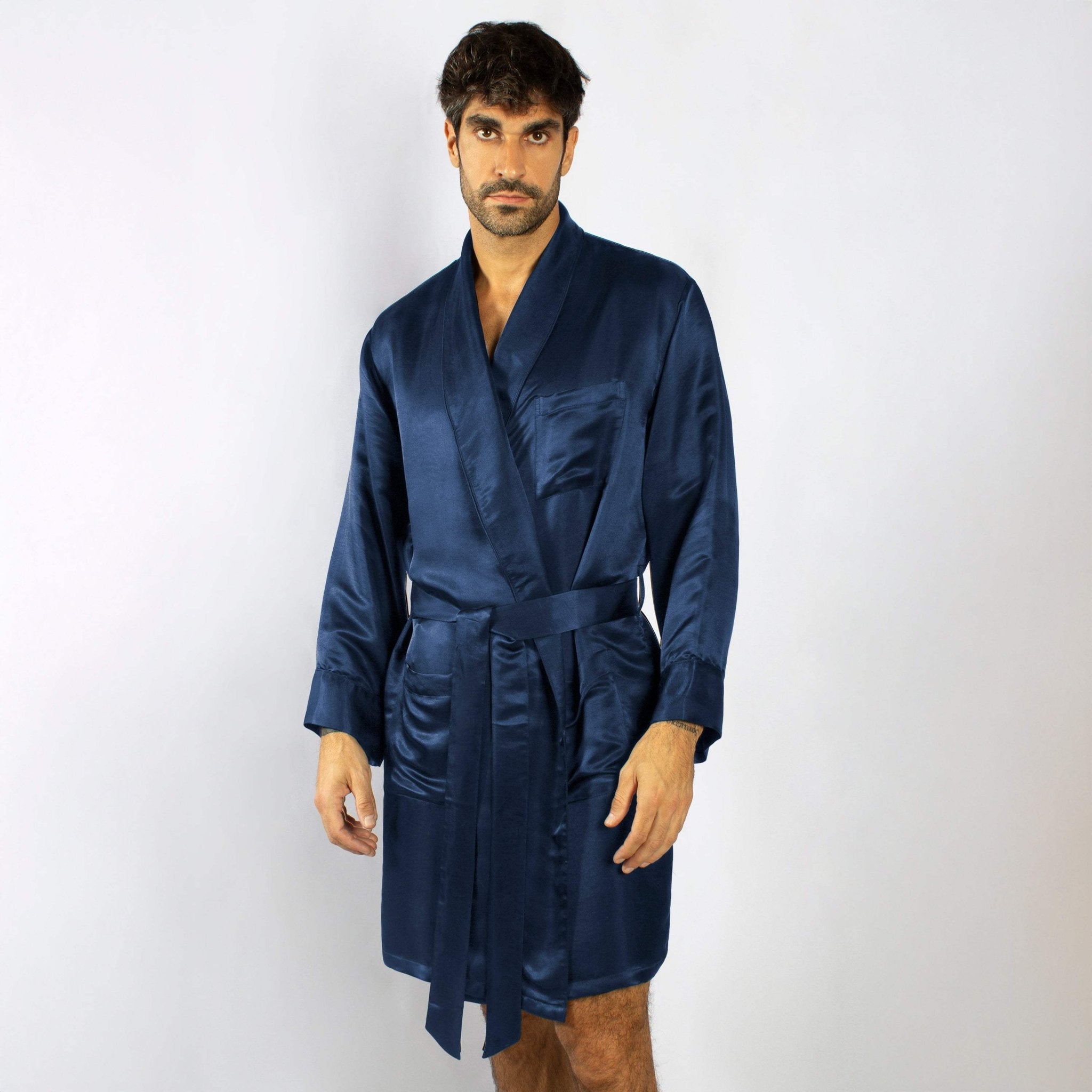
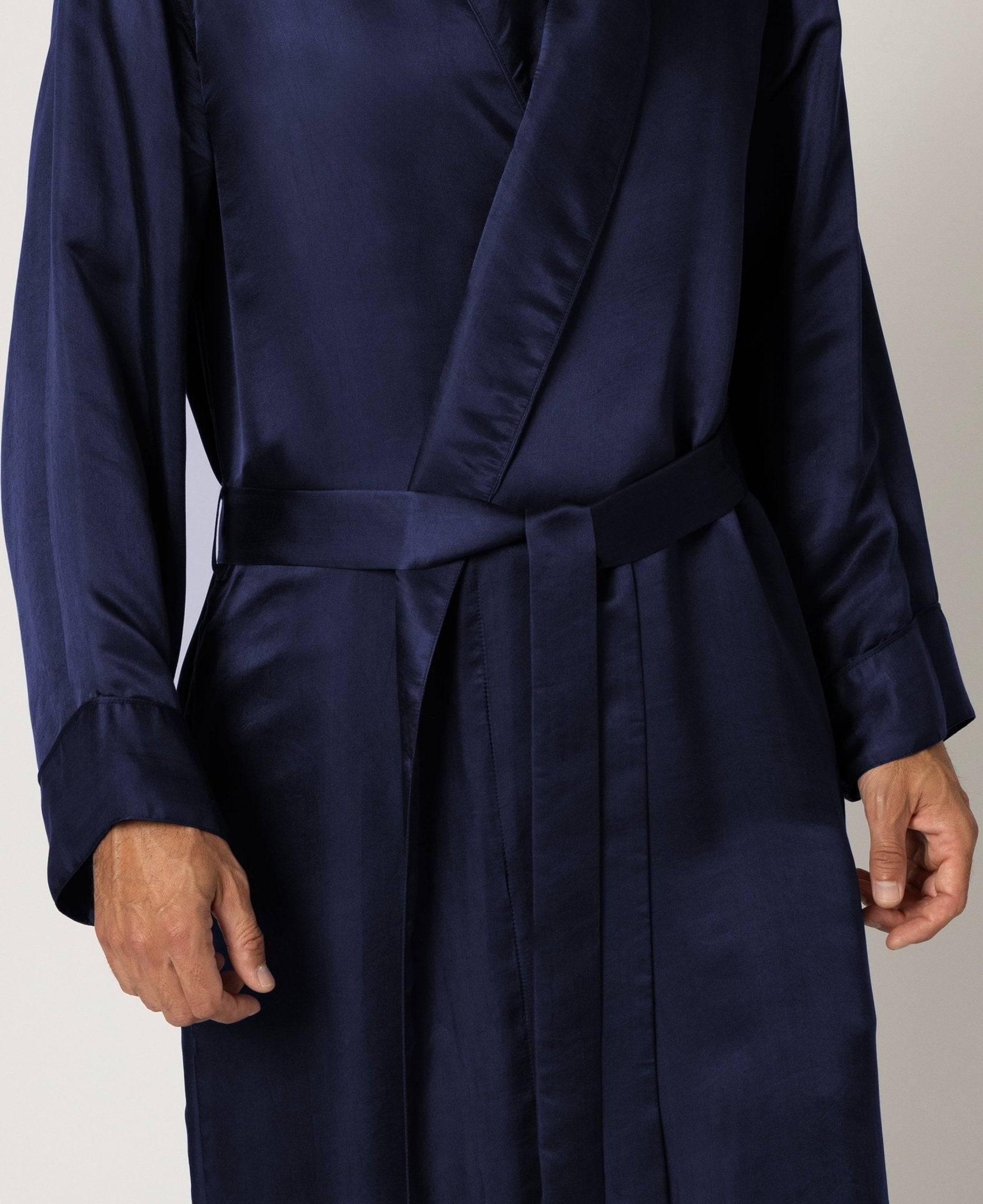
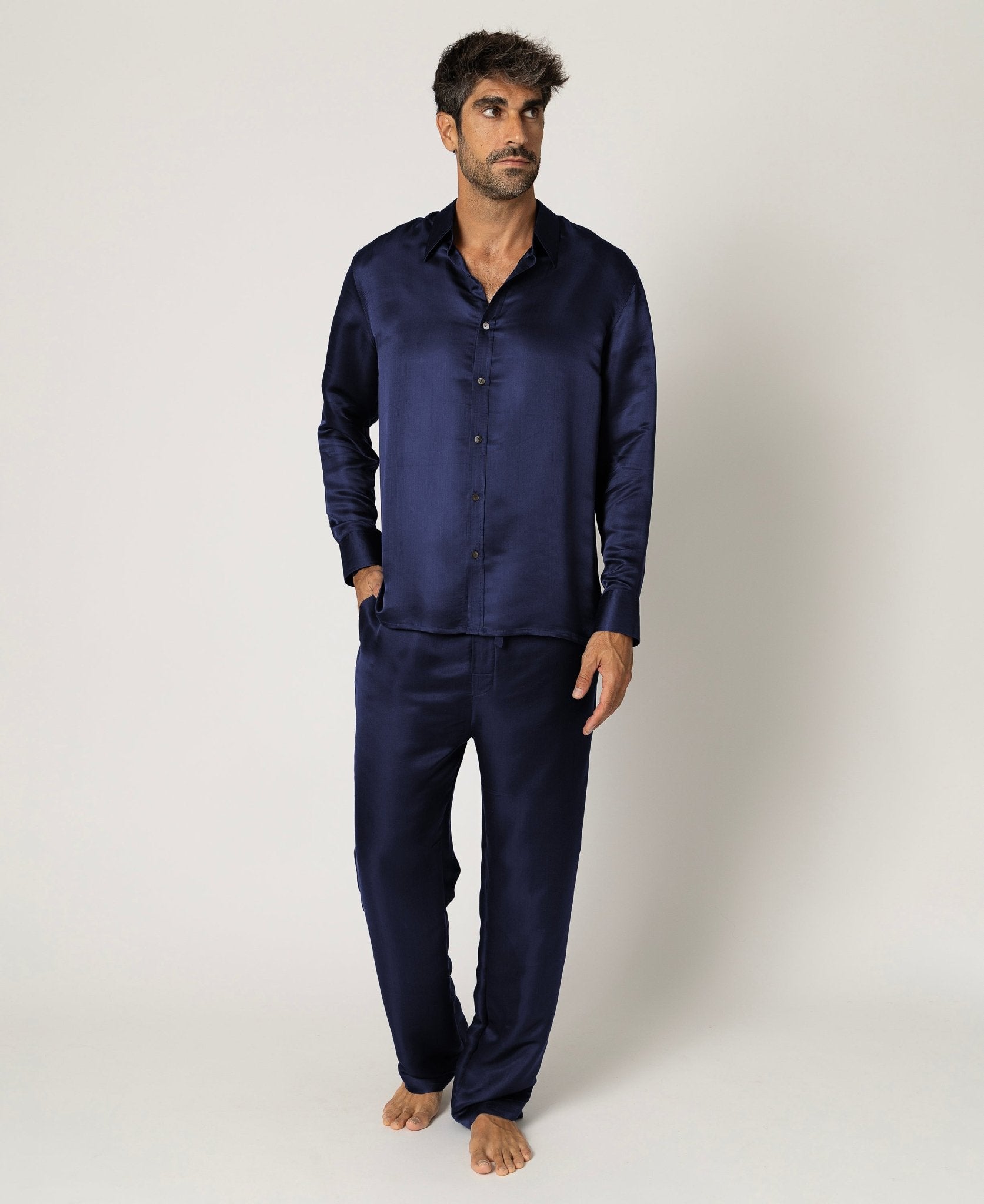
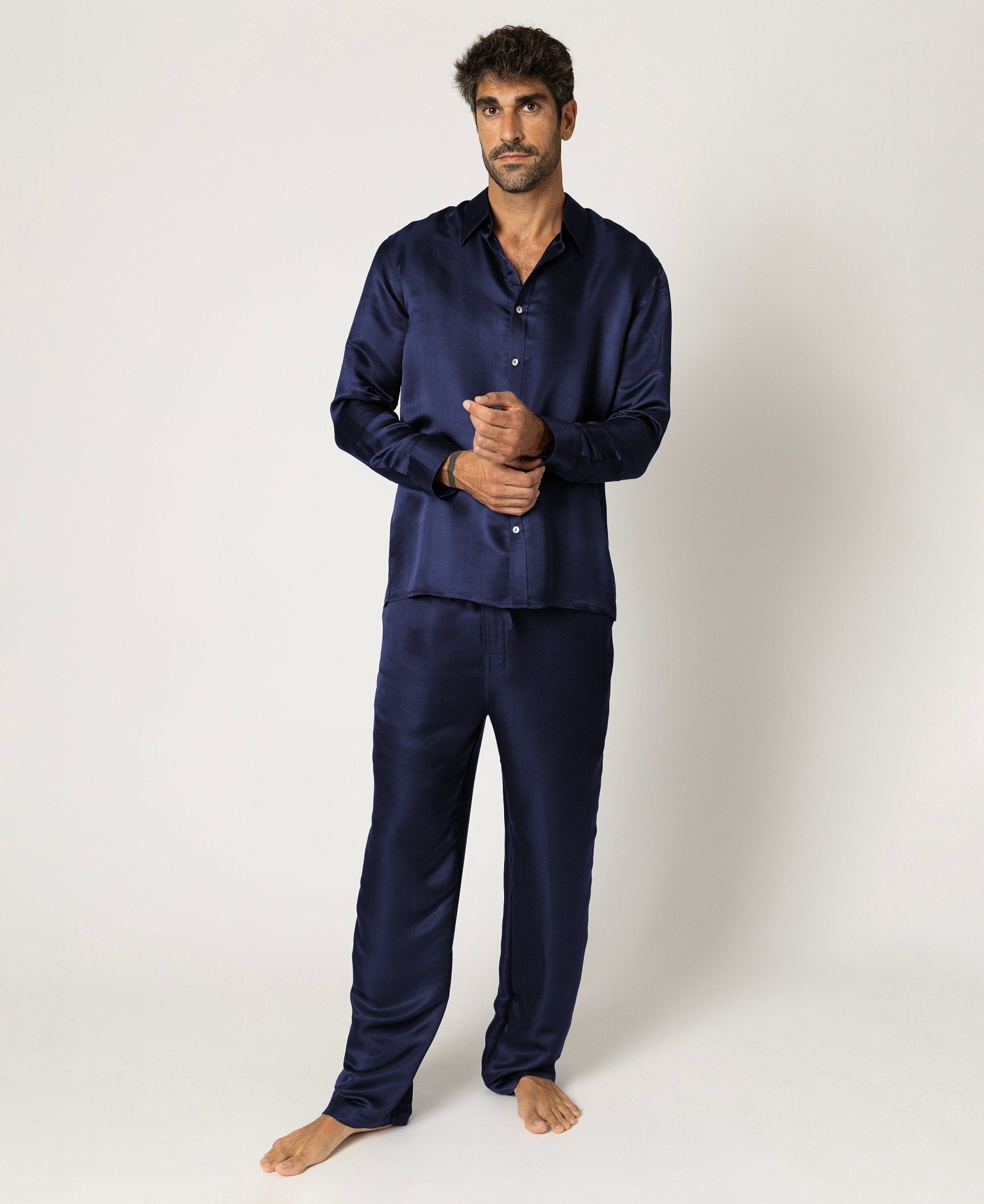
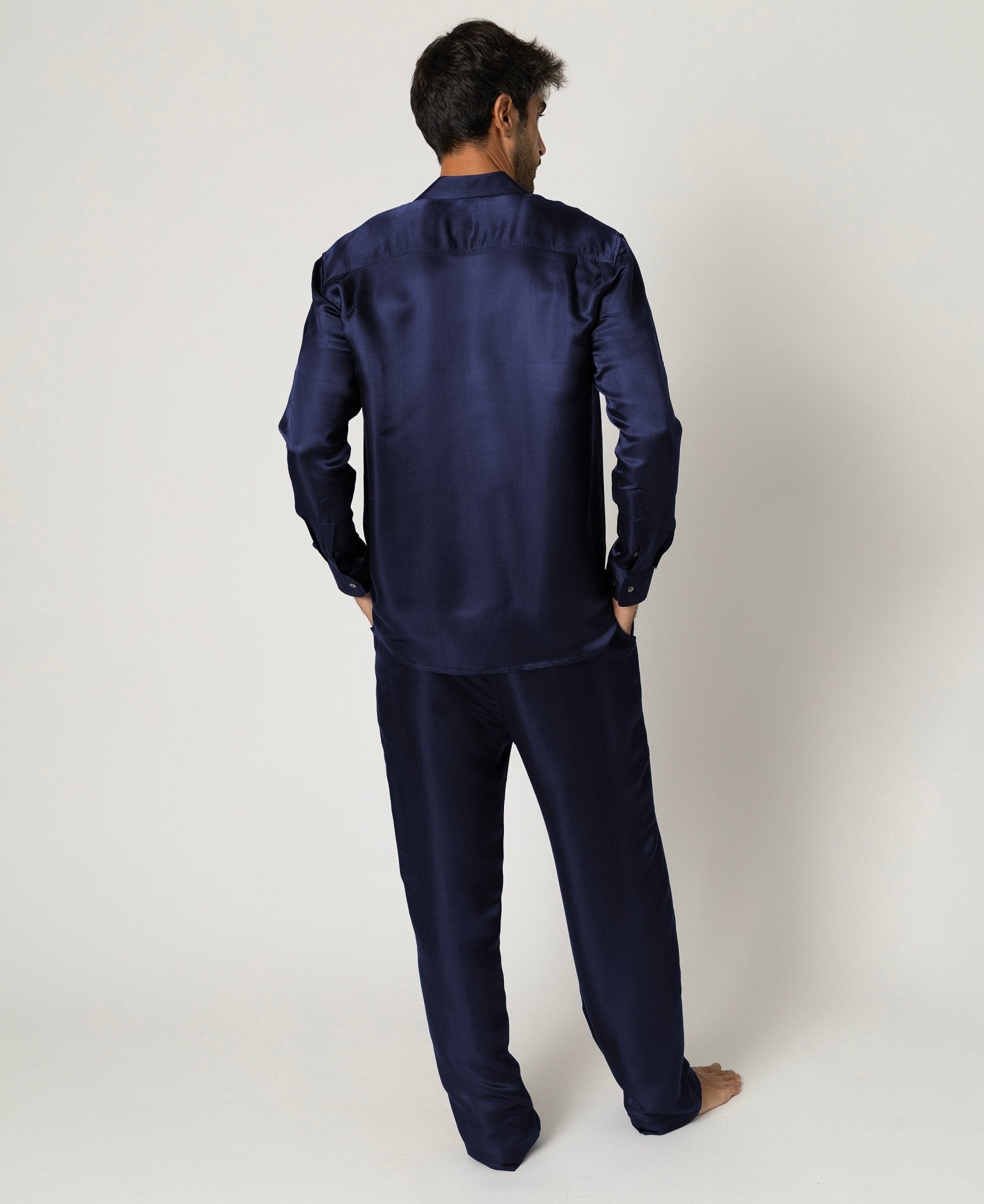
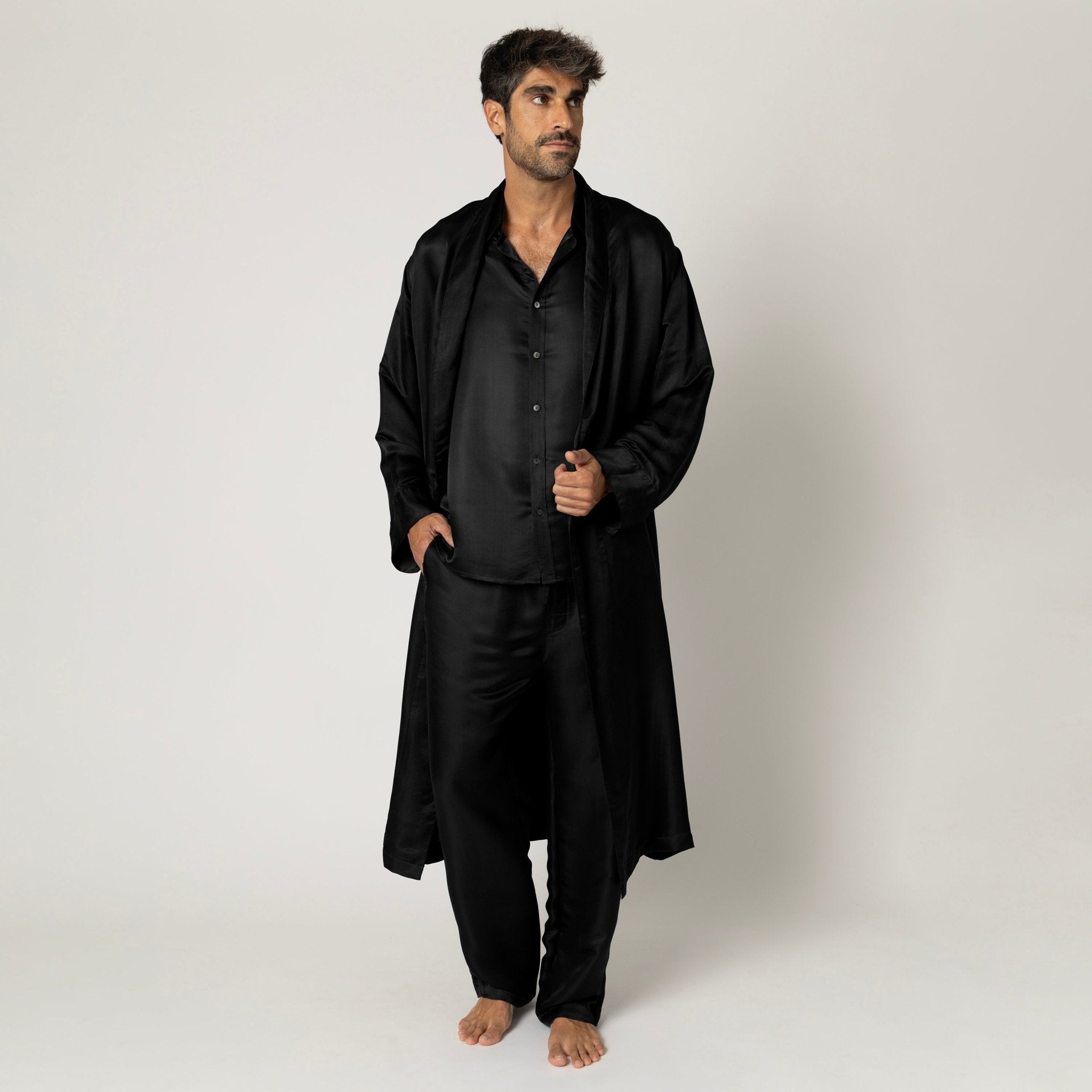
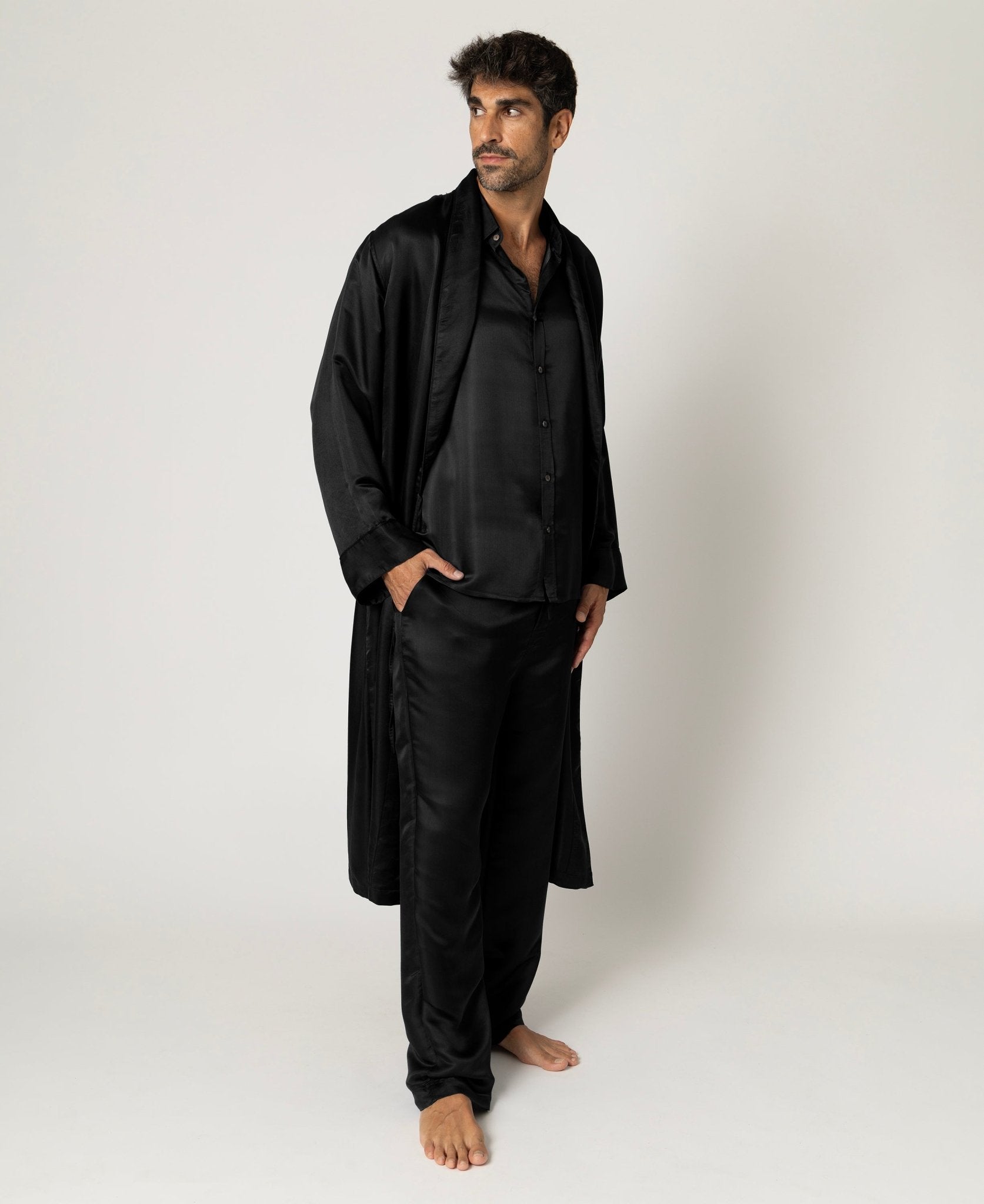
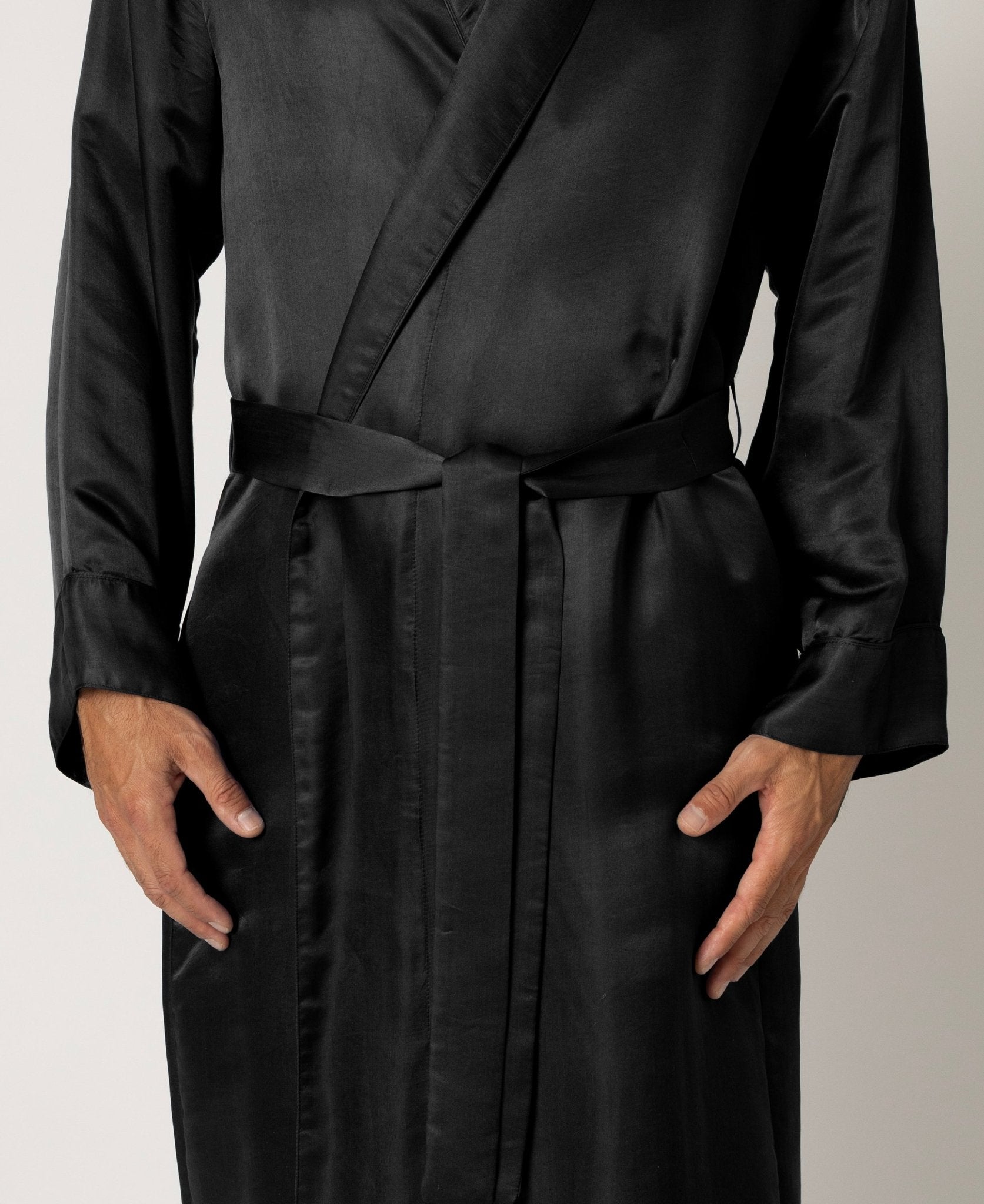
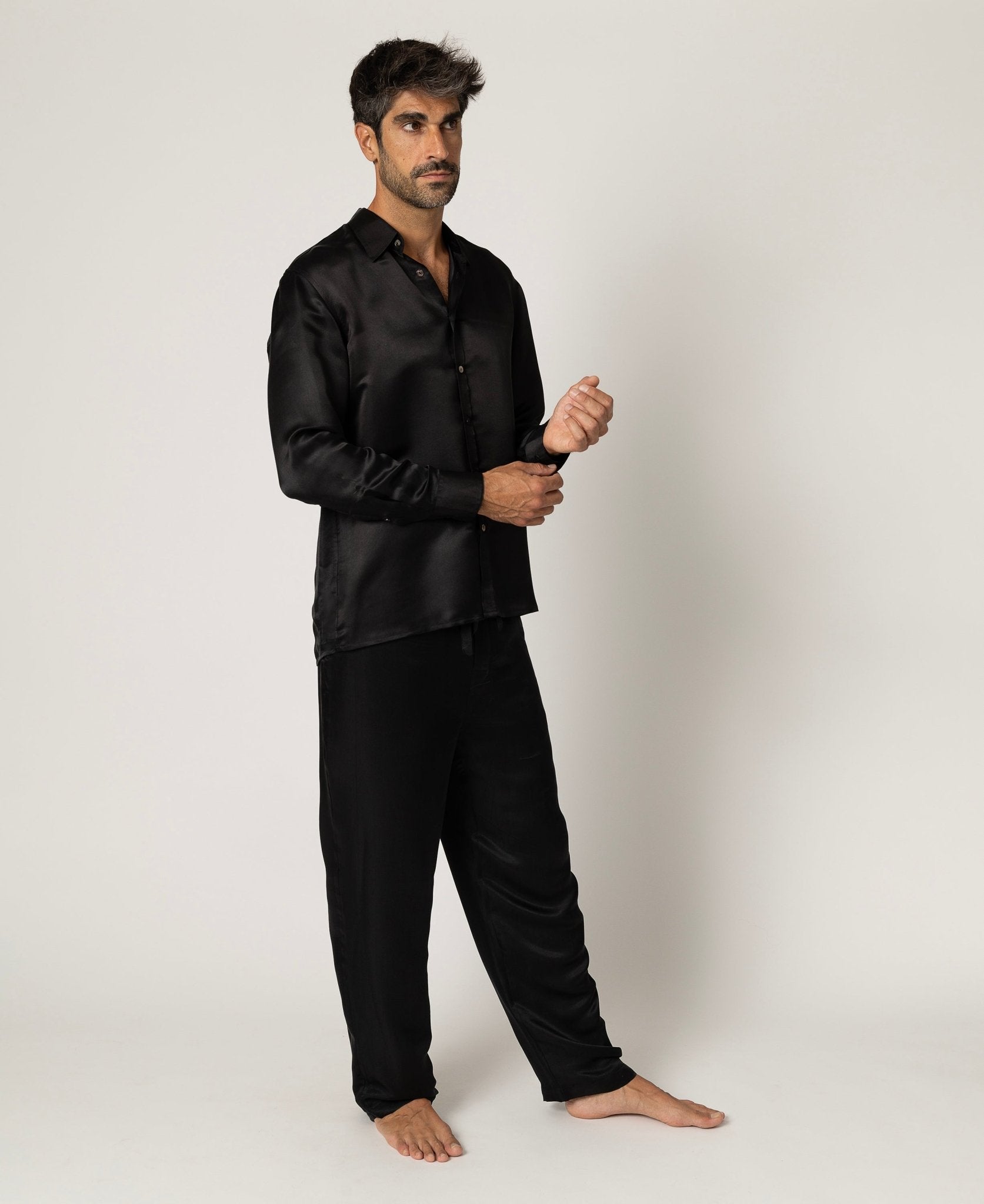
Silk sleepwear addresses the hot sleeper's problem specifically: it allows excess heat to escape while managing perspiration through vapor transmission. The body can cool without the sweat-soaked fabric that cotton creates or the heat-trapped humidity that polyester creates.
"They actually help me sleep better while staying cool at night. I will now only wear the mulberry silk pajamas."
David B., verified buyer
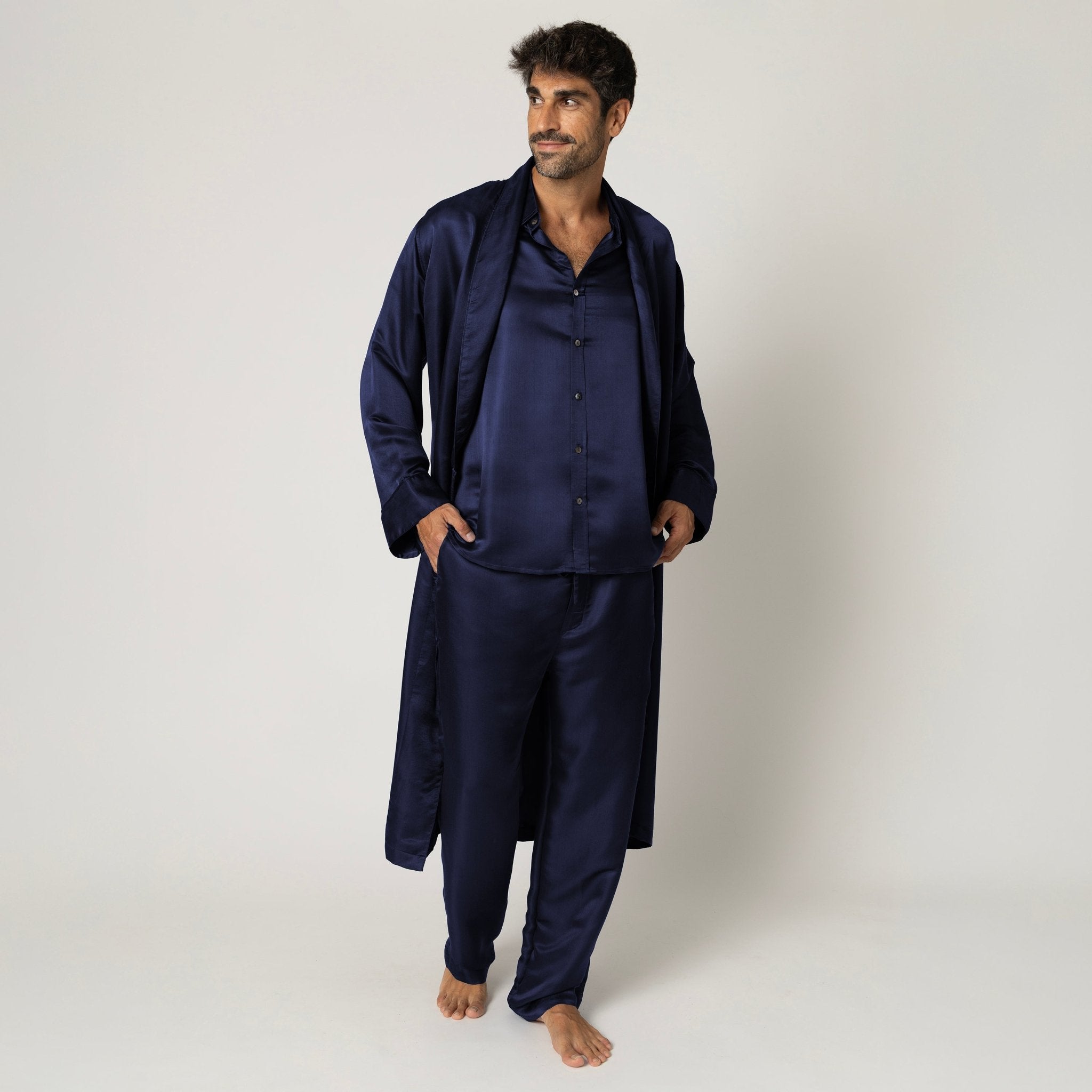
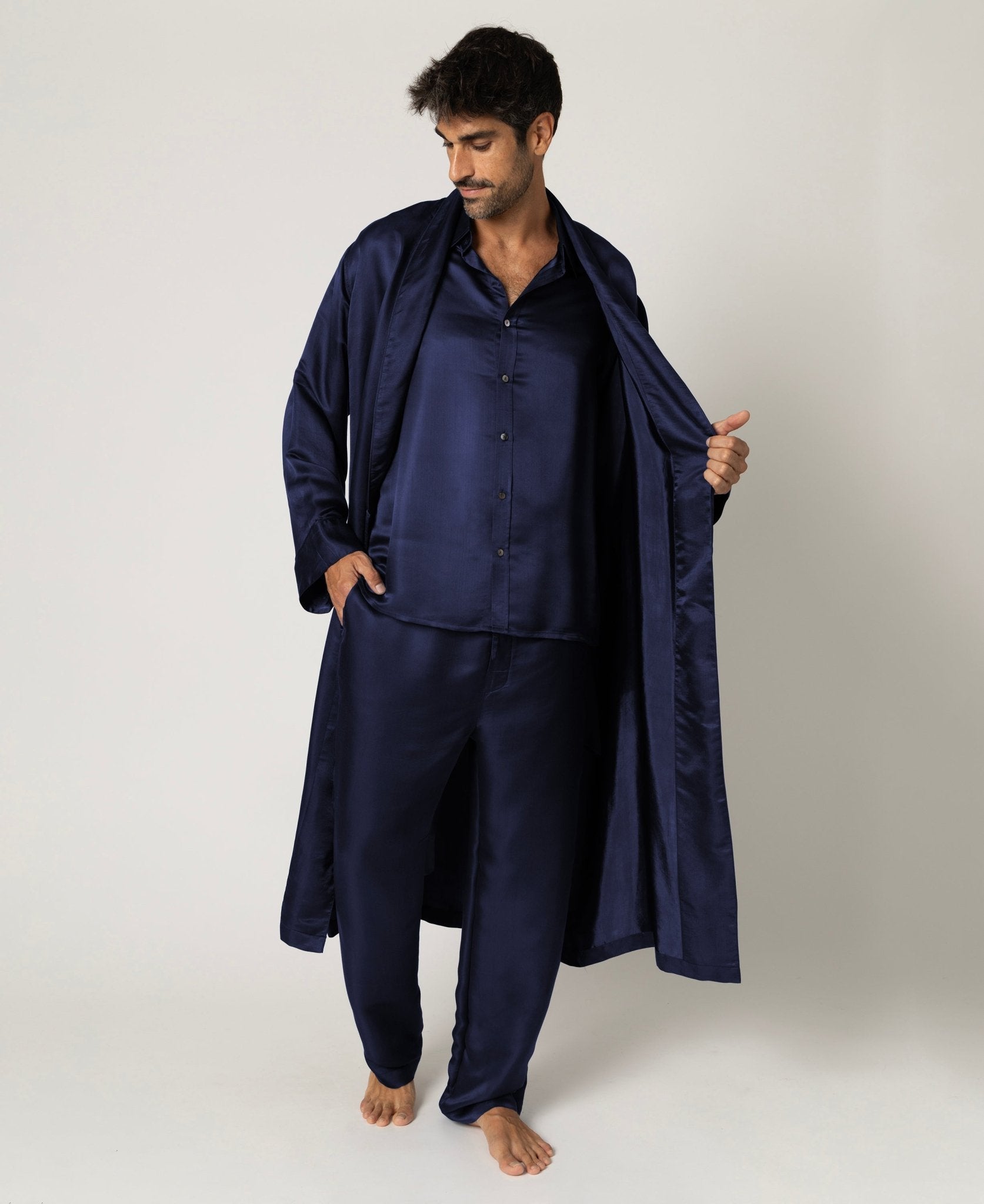
The Cold Sleeper
People who wake up cold in the early morning hours typically blame room temperature, but the mechanism is often more specific: their sleepwear or bedding has absorbed enough moisture to lose its insulating capacity. At 4am, when core body temperature is at its lowest, the damp cotton pajamas that felt fine at midnight are now conducting heat away from the body.
Silk's advantage for cold sleepers is moisture independence. Because silk does not absorb liquid moisture, its insulating properties remain constant throughout the night. The air pockets in the fiber structure continue to function regardless of how much you have perspired. At 27 momme, the insulation level is comparable to medium-weight cotton, but it is consistent insulation rather than diminishing insulation.
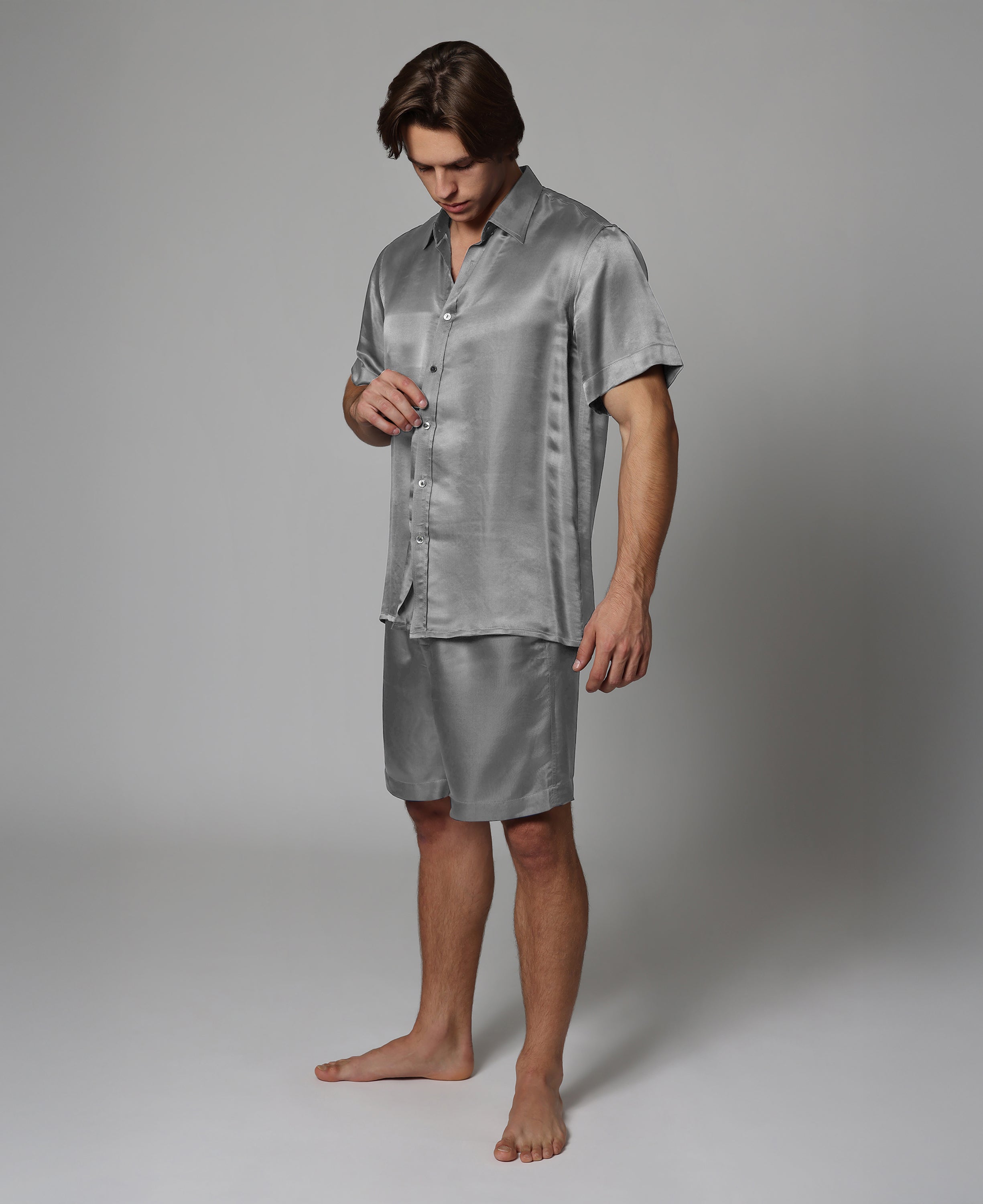
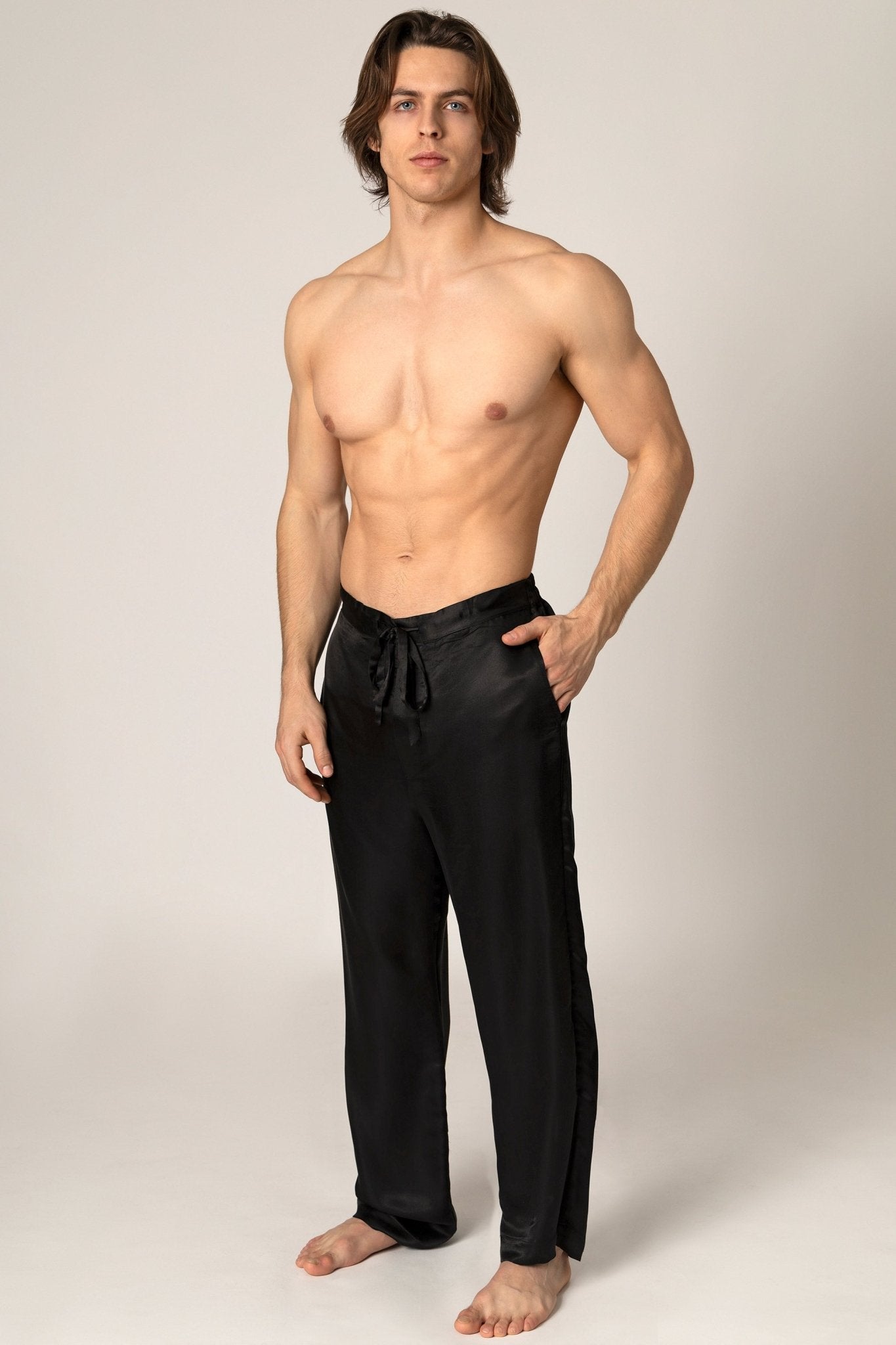
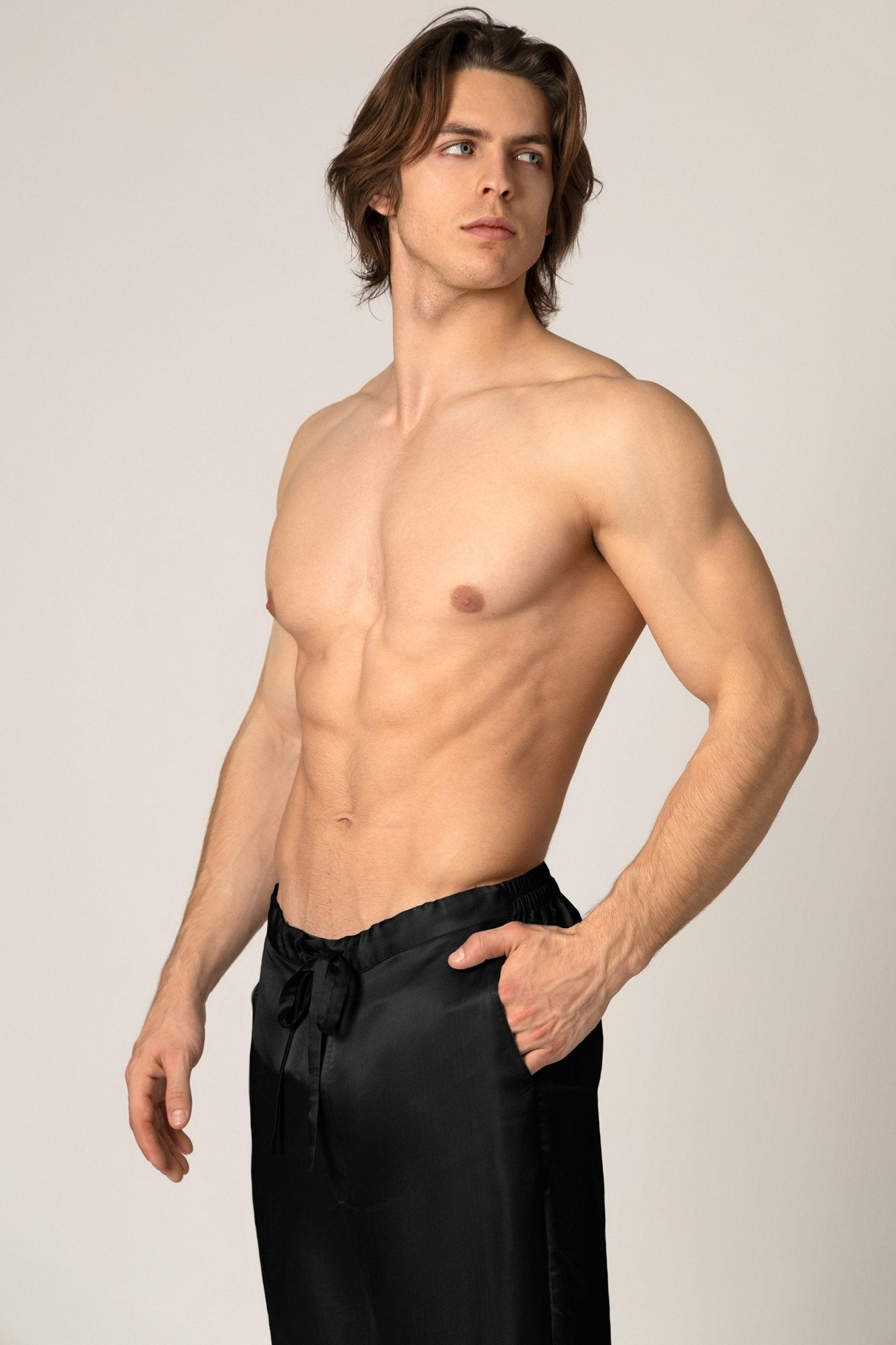
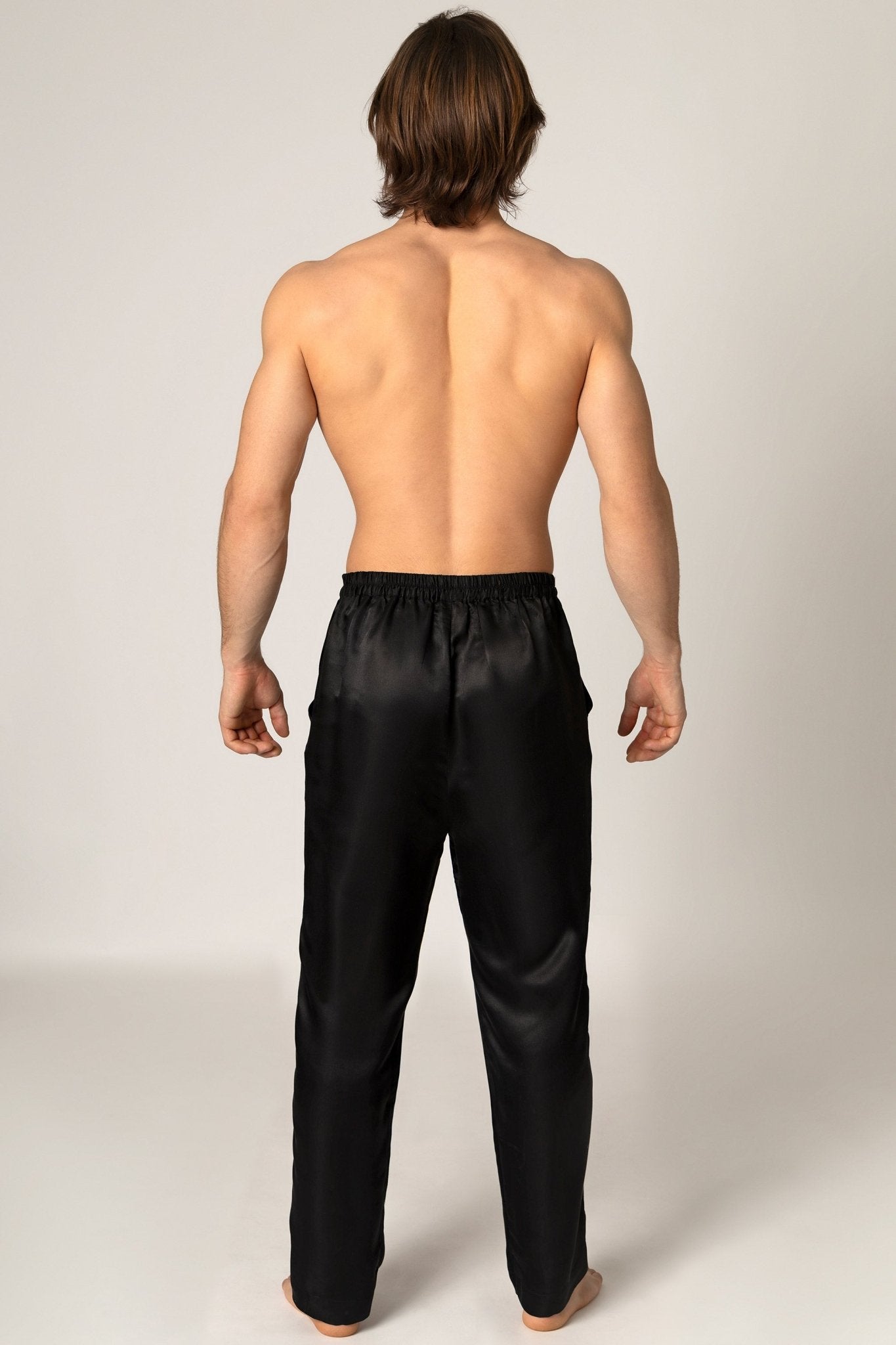
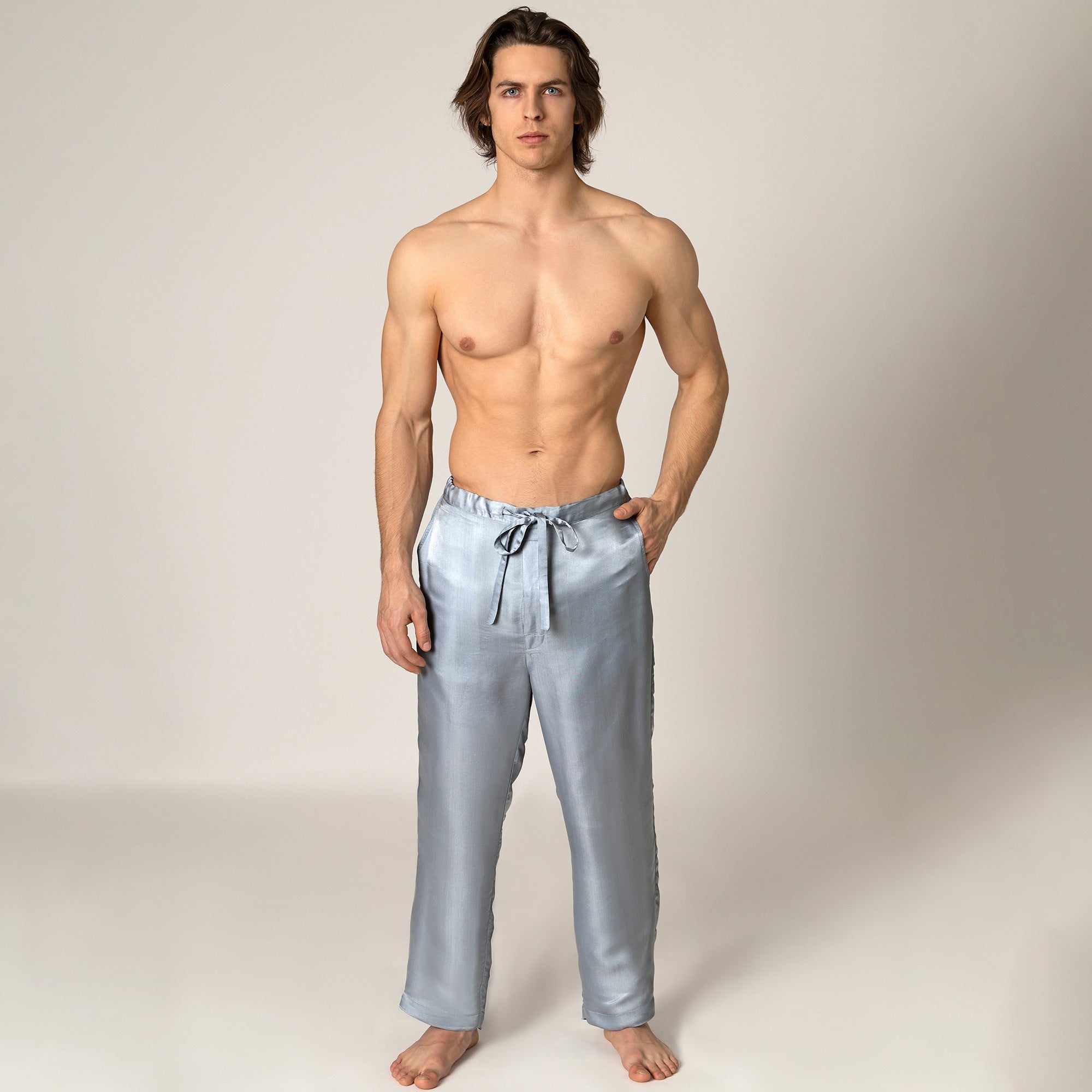
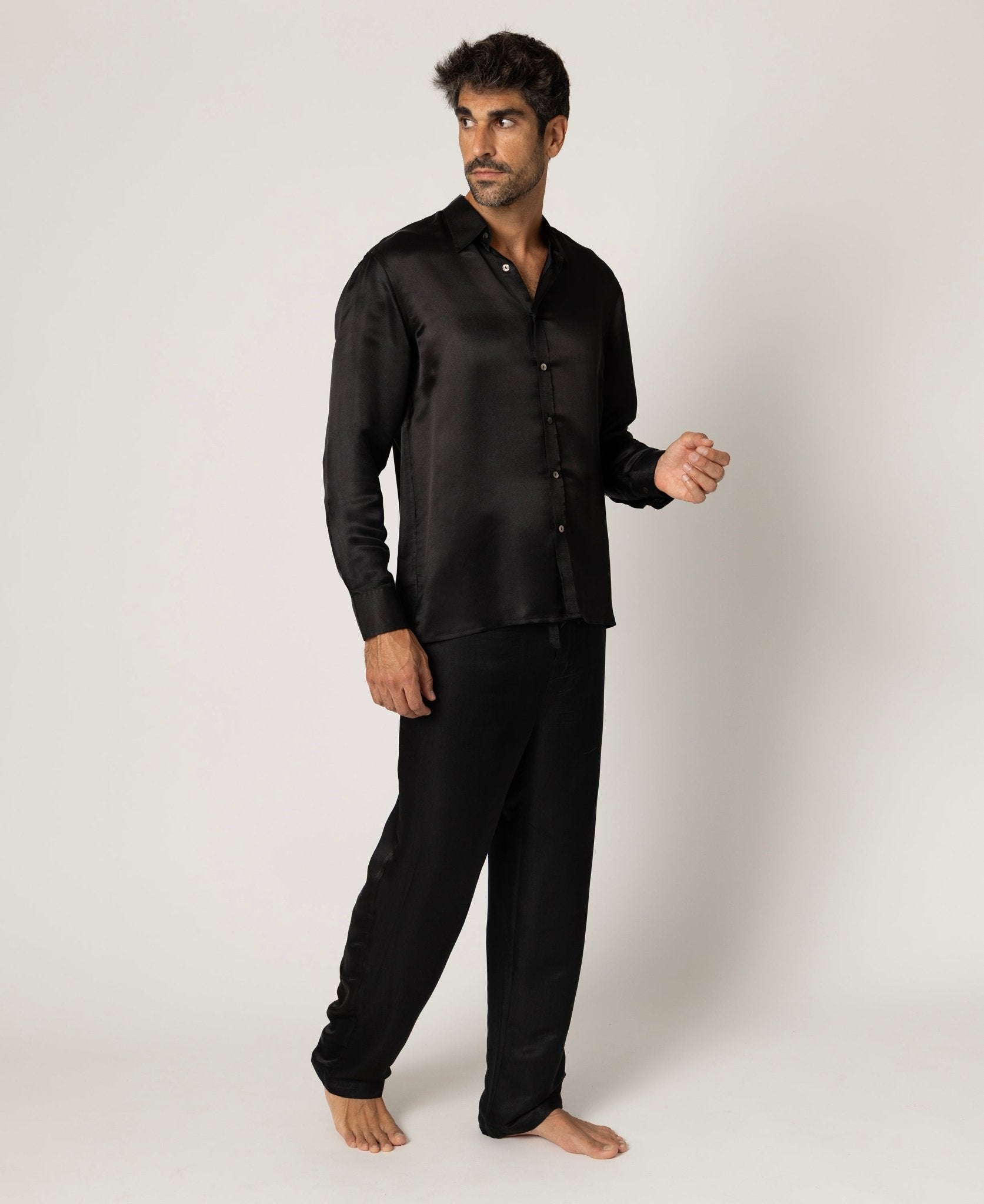
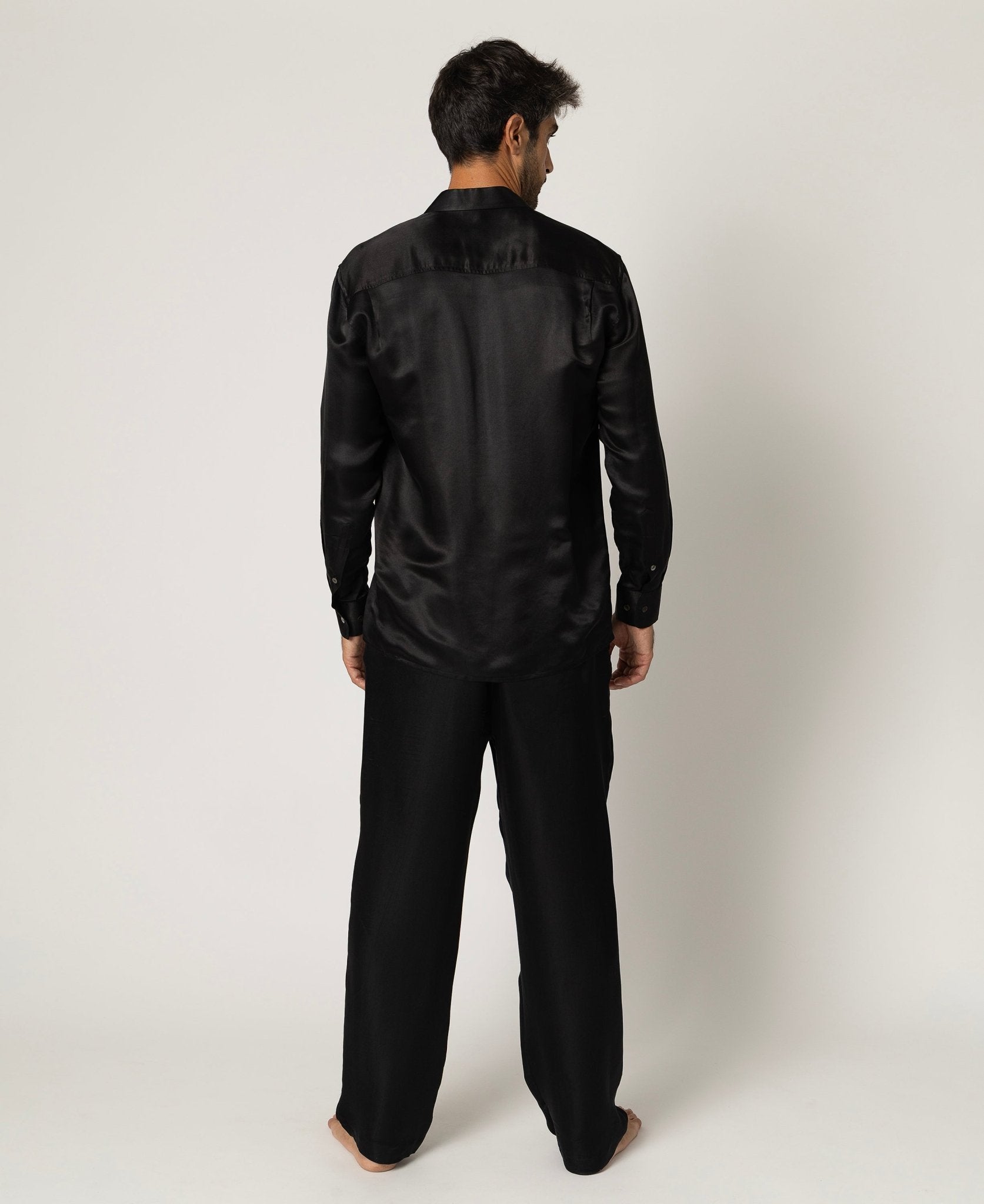
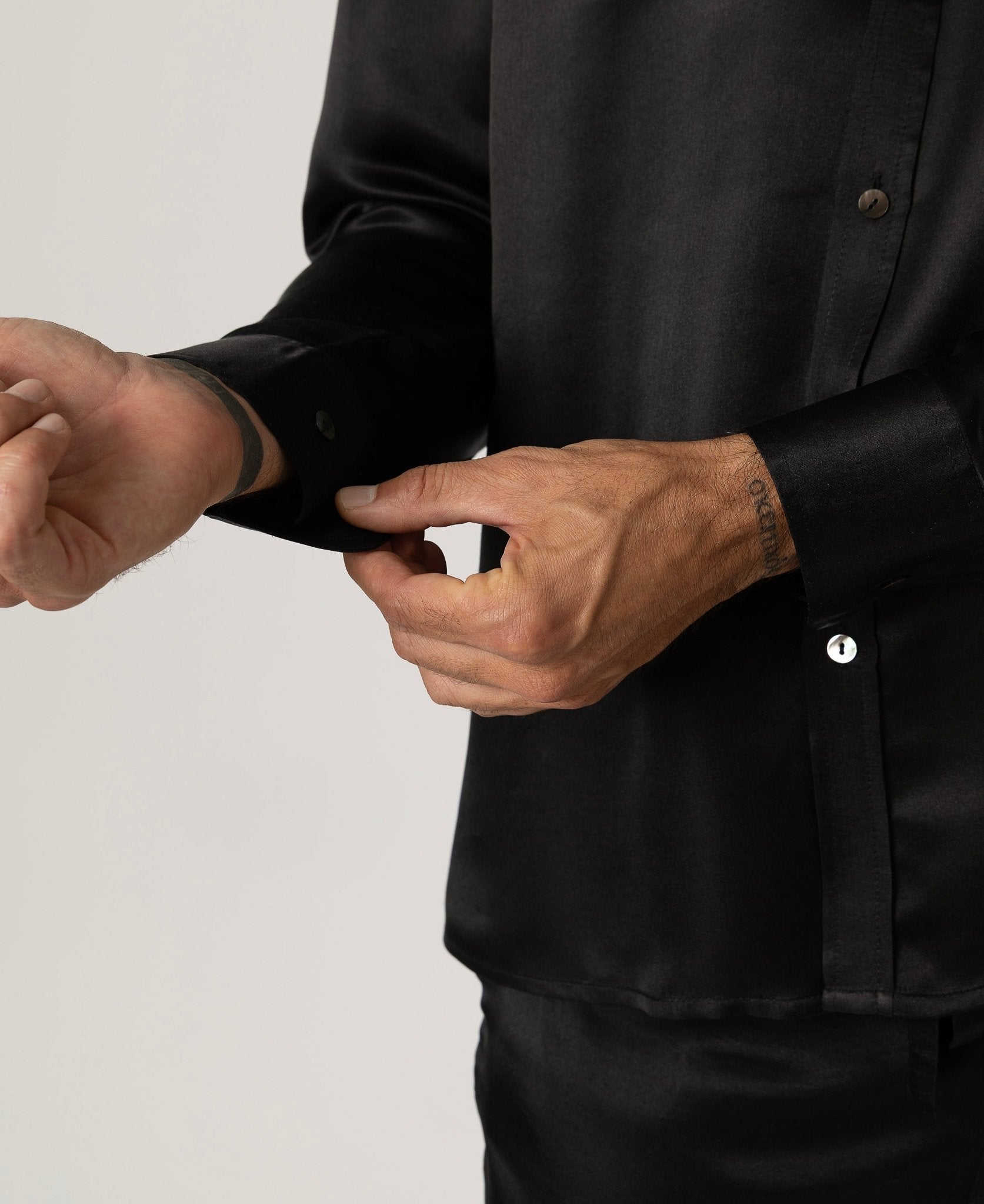
 Shop Men's Silk Pajamas
Practical Implementation
For overheating sleepers:
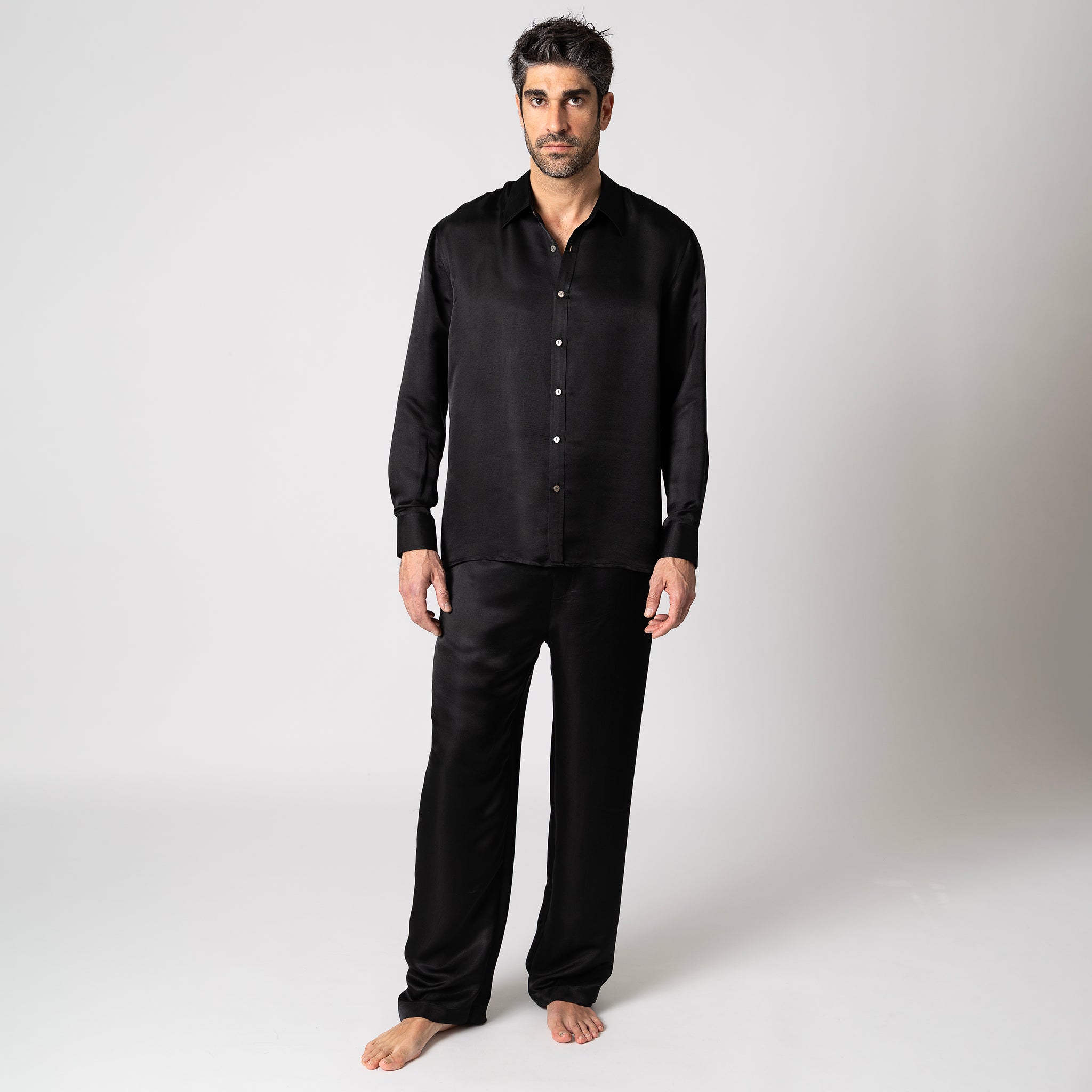
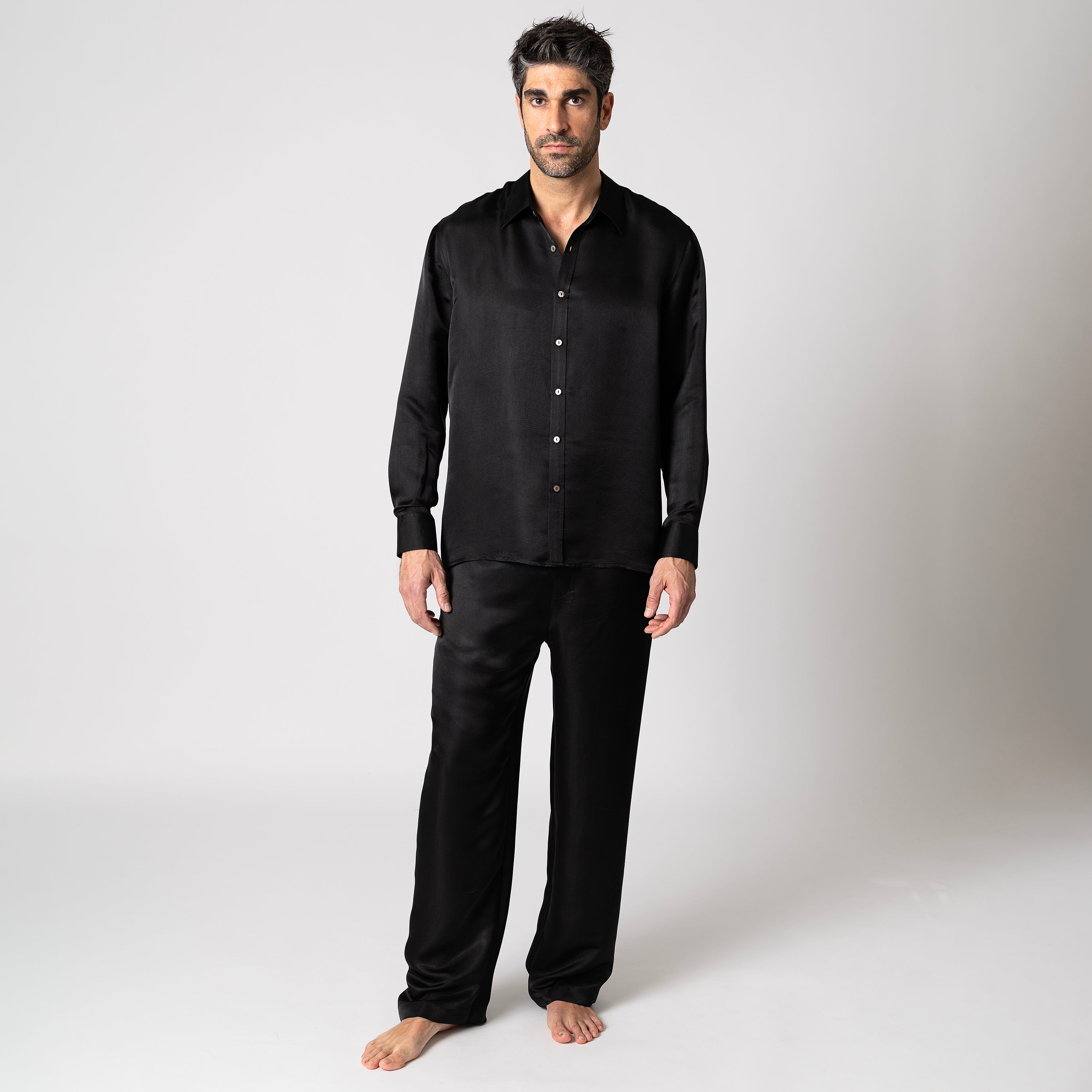
27 momme silk pajamas with a light blanket or sheet. The silk manages body heat and moisture while the light covering provides psychological comfort without thermal excess.
For cold sleepers:
27 momme silk pajamas with a standard-weight duvet. The silk provides a consistent insulating base layer that the duvet supplements. The silk prevents the moisture-driven heat loss that causes the early-morning cold waking.
For couples with different temperature preferences:
Each person wearing silk sleepwear widens their individual comfort range, increasing the overlap between what works for both. The thermostat compromise becomes less punishing.
For travelers:
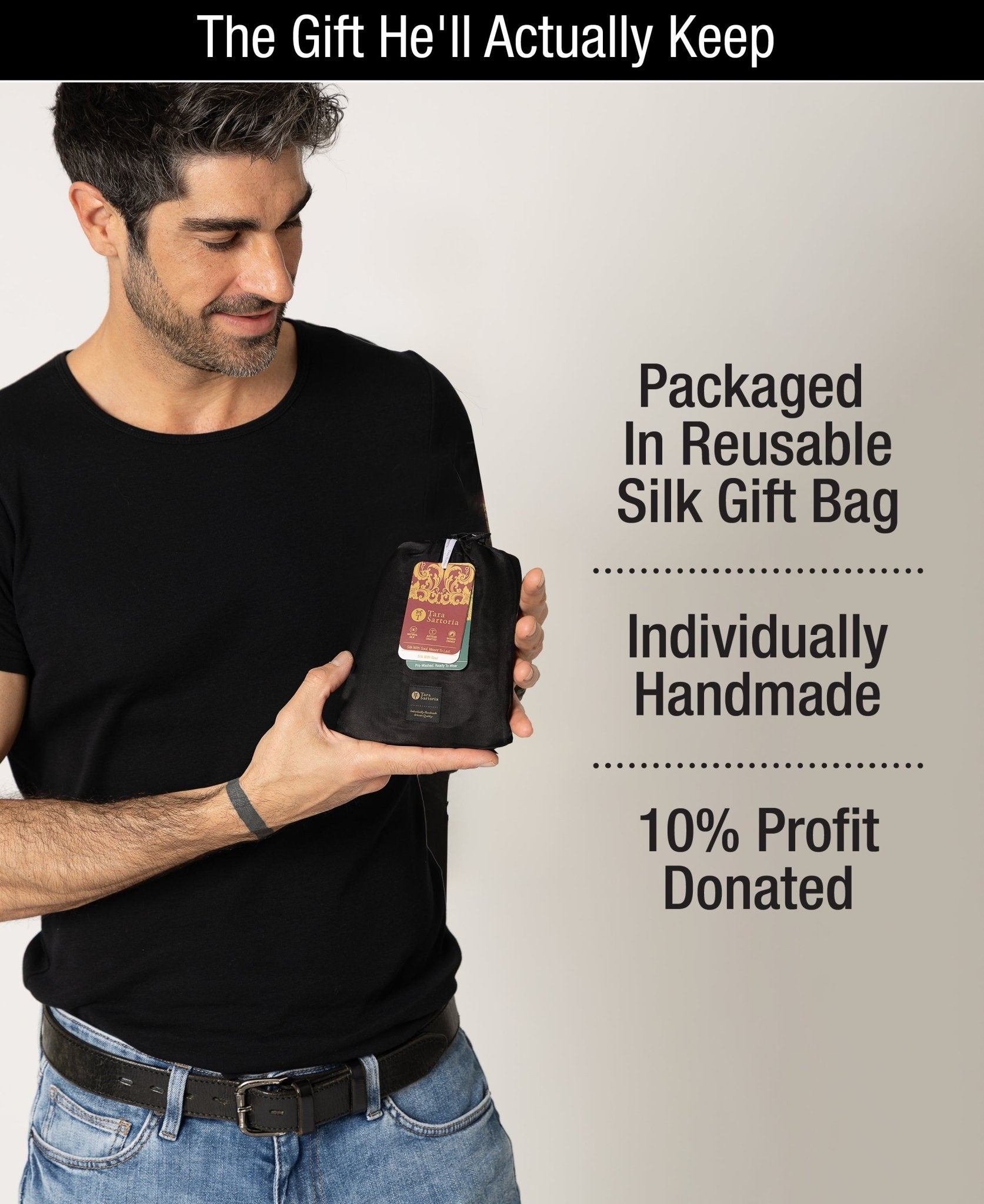
Hotel rooms have unpredictable temperature control. Silk sleepwear adapts to a wider range of conditions than cotton, making it the most versatile travel sleepwear option. Silk also packs significantly smaller than cotton or flannel equivalents.
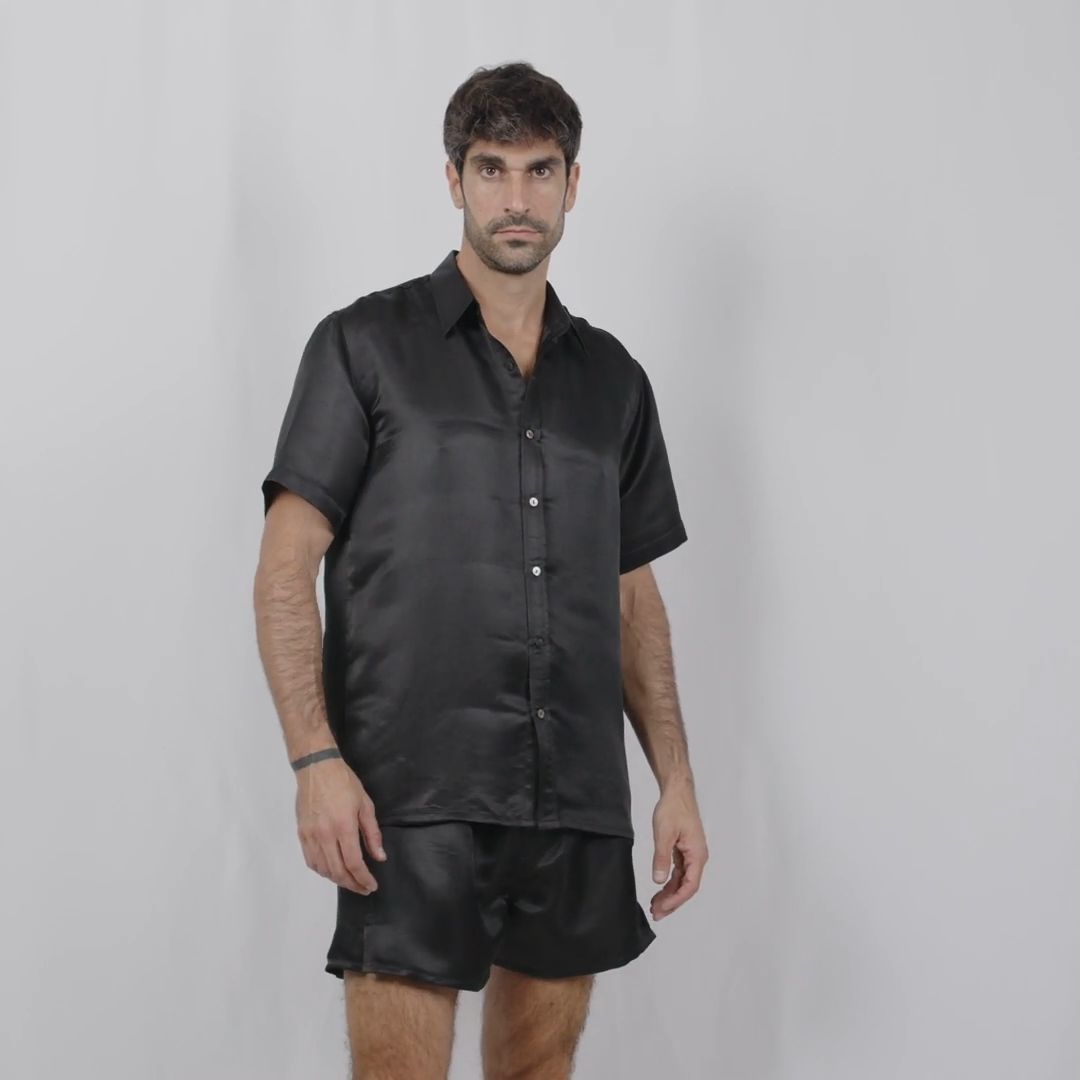
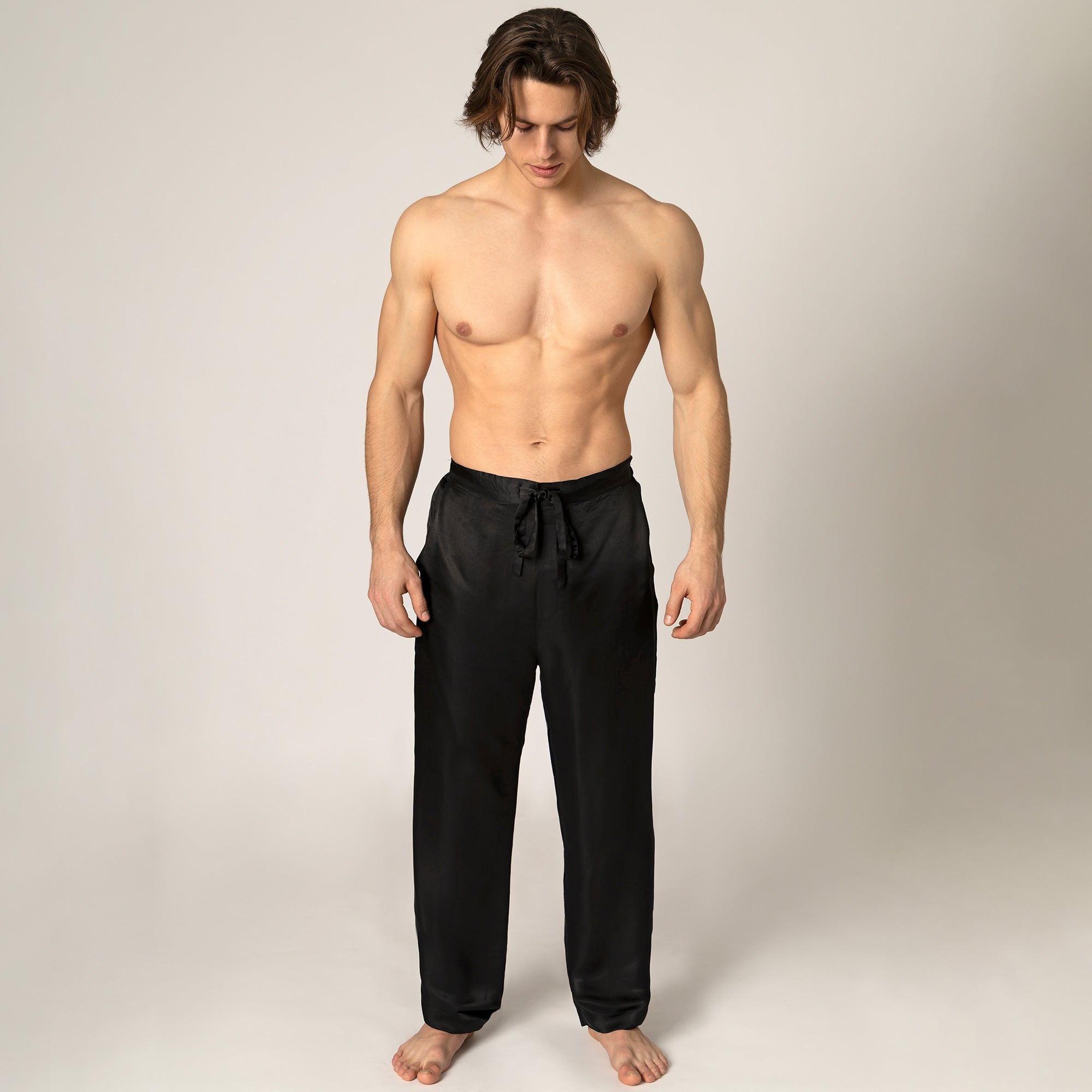
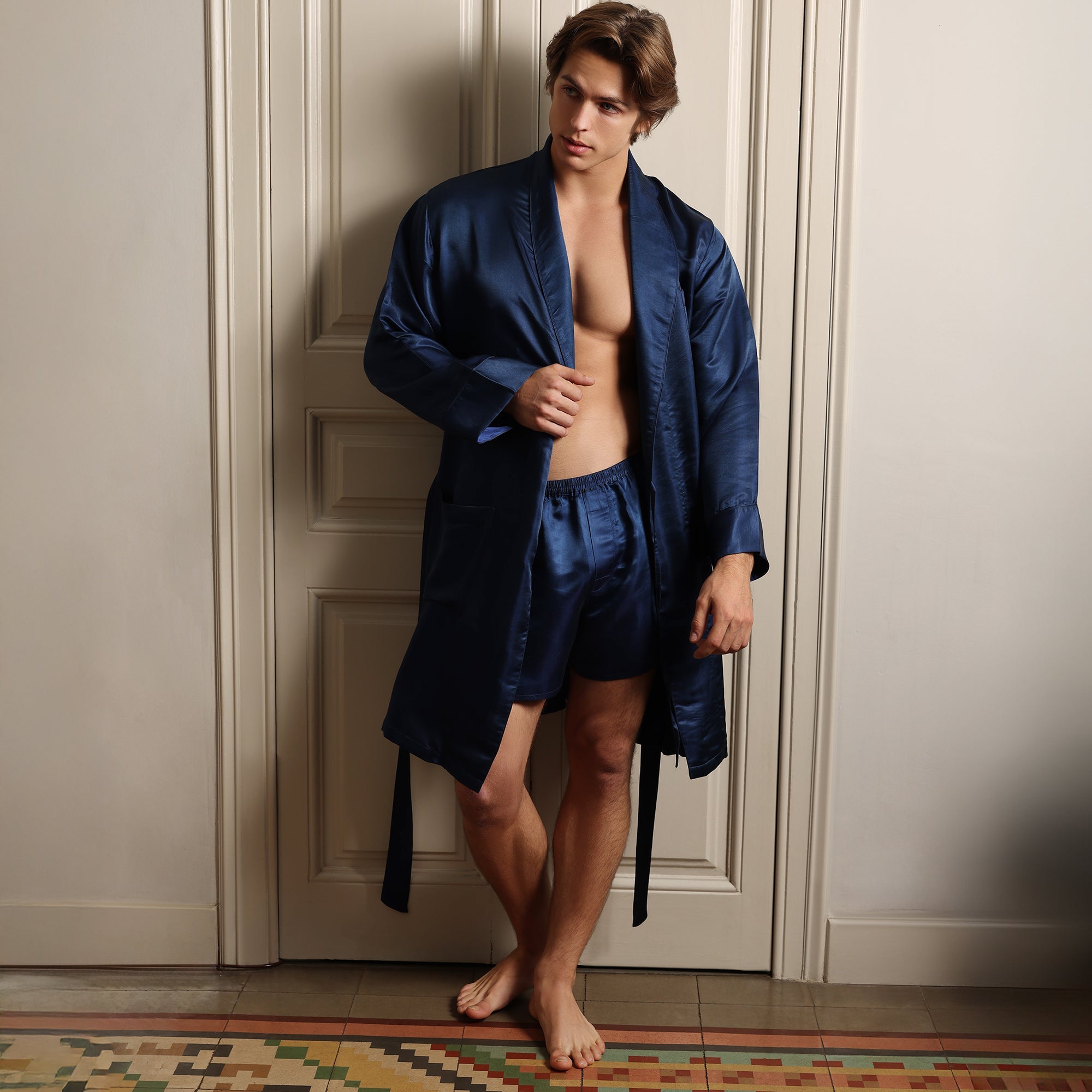
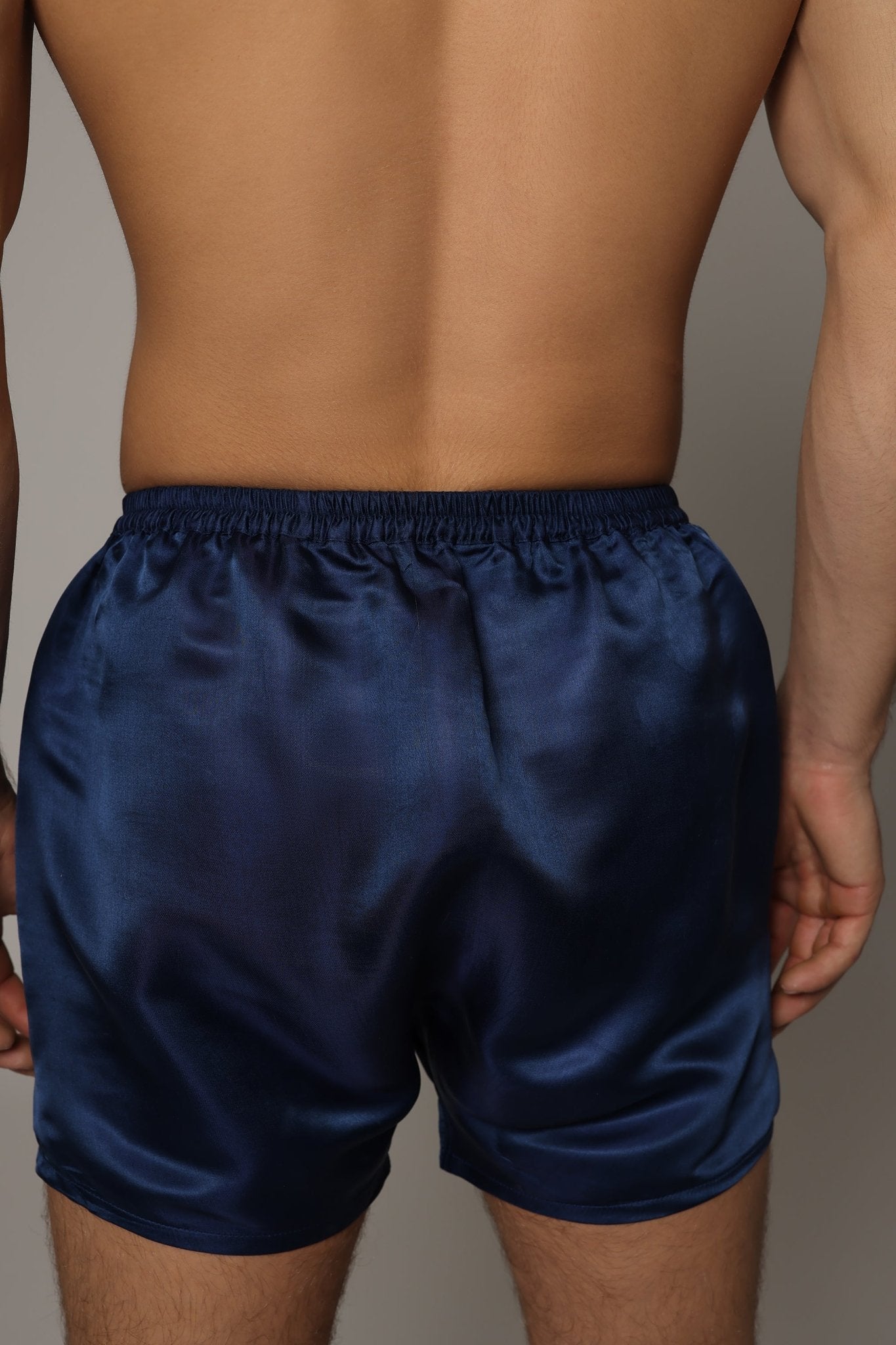
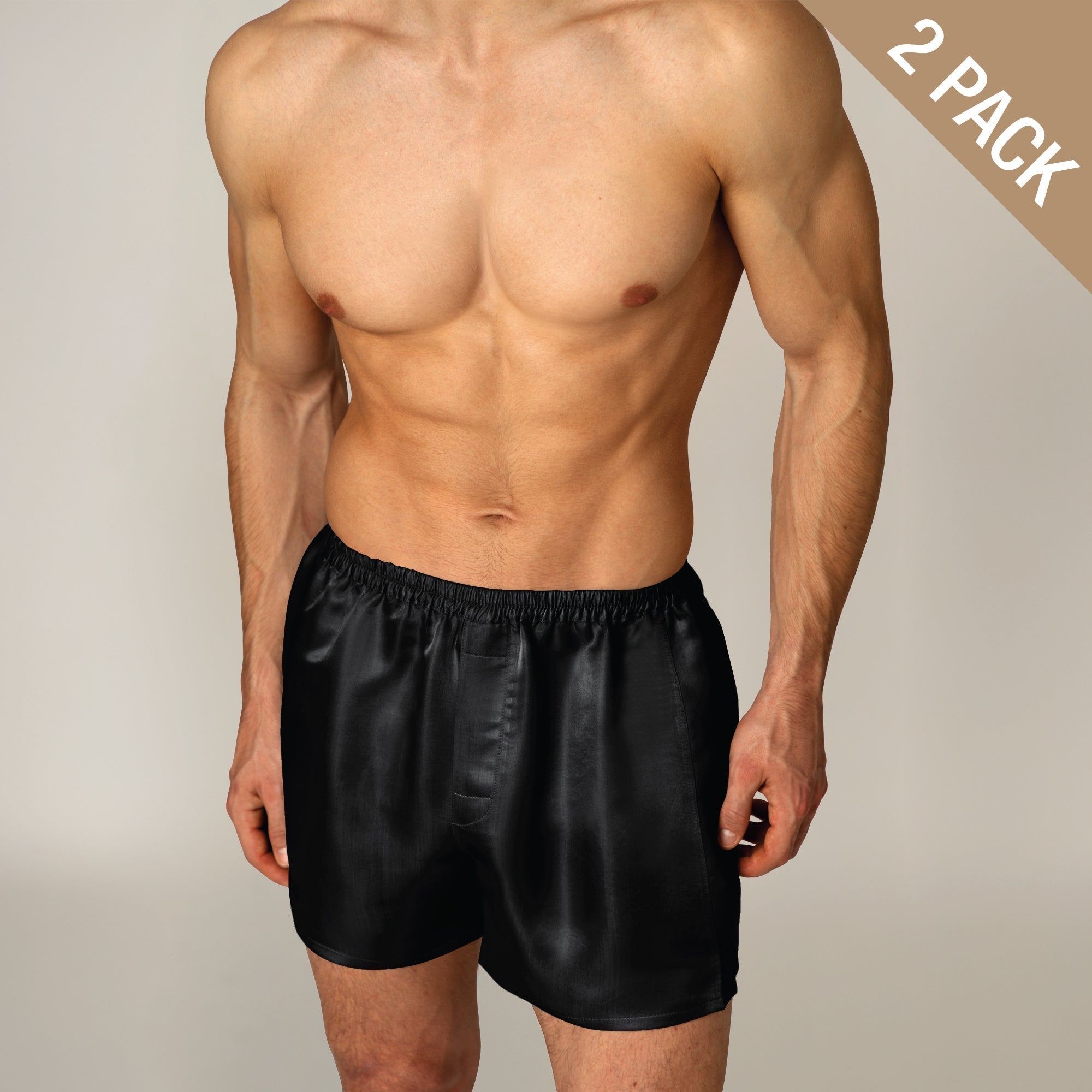
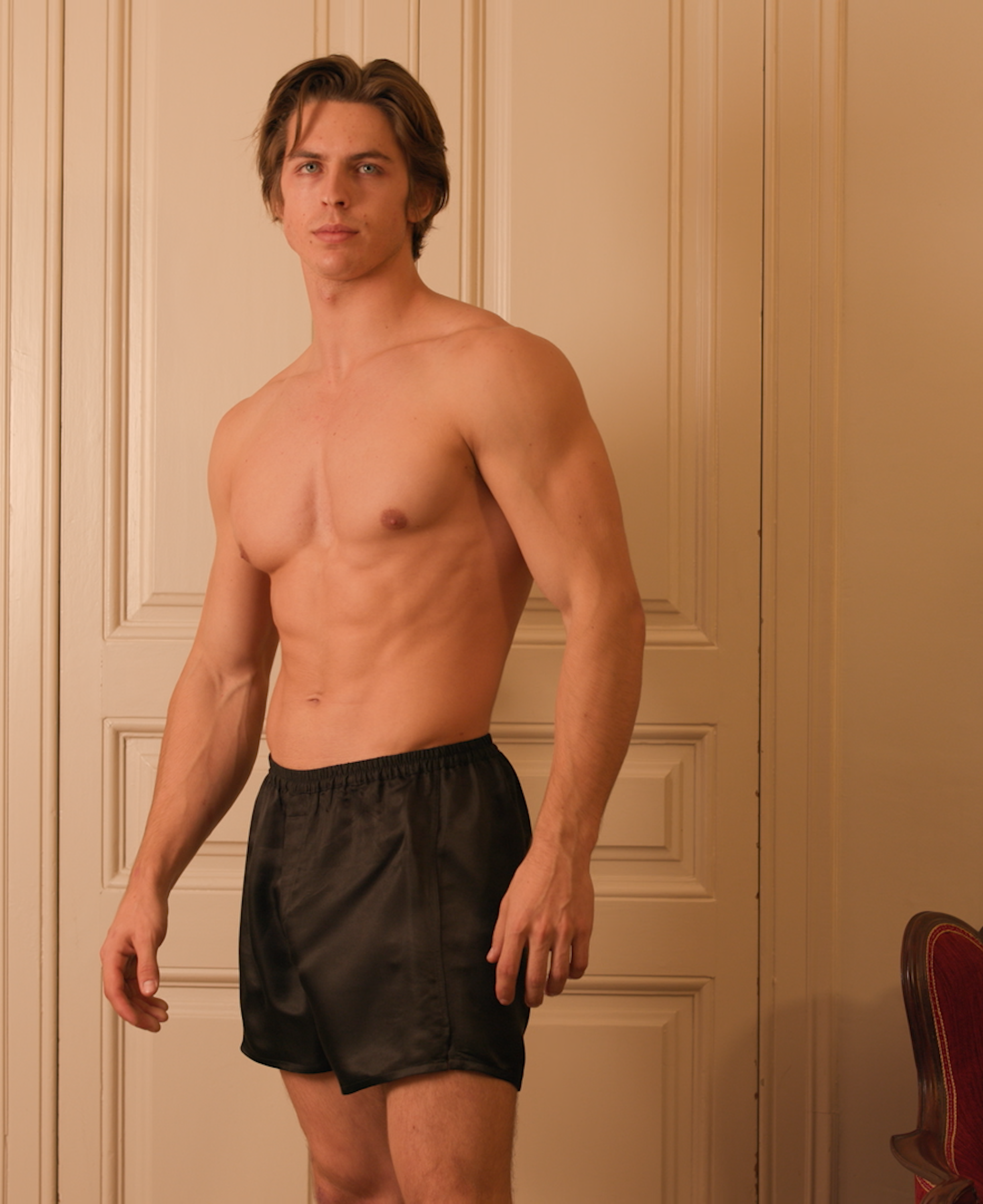
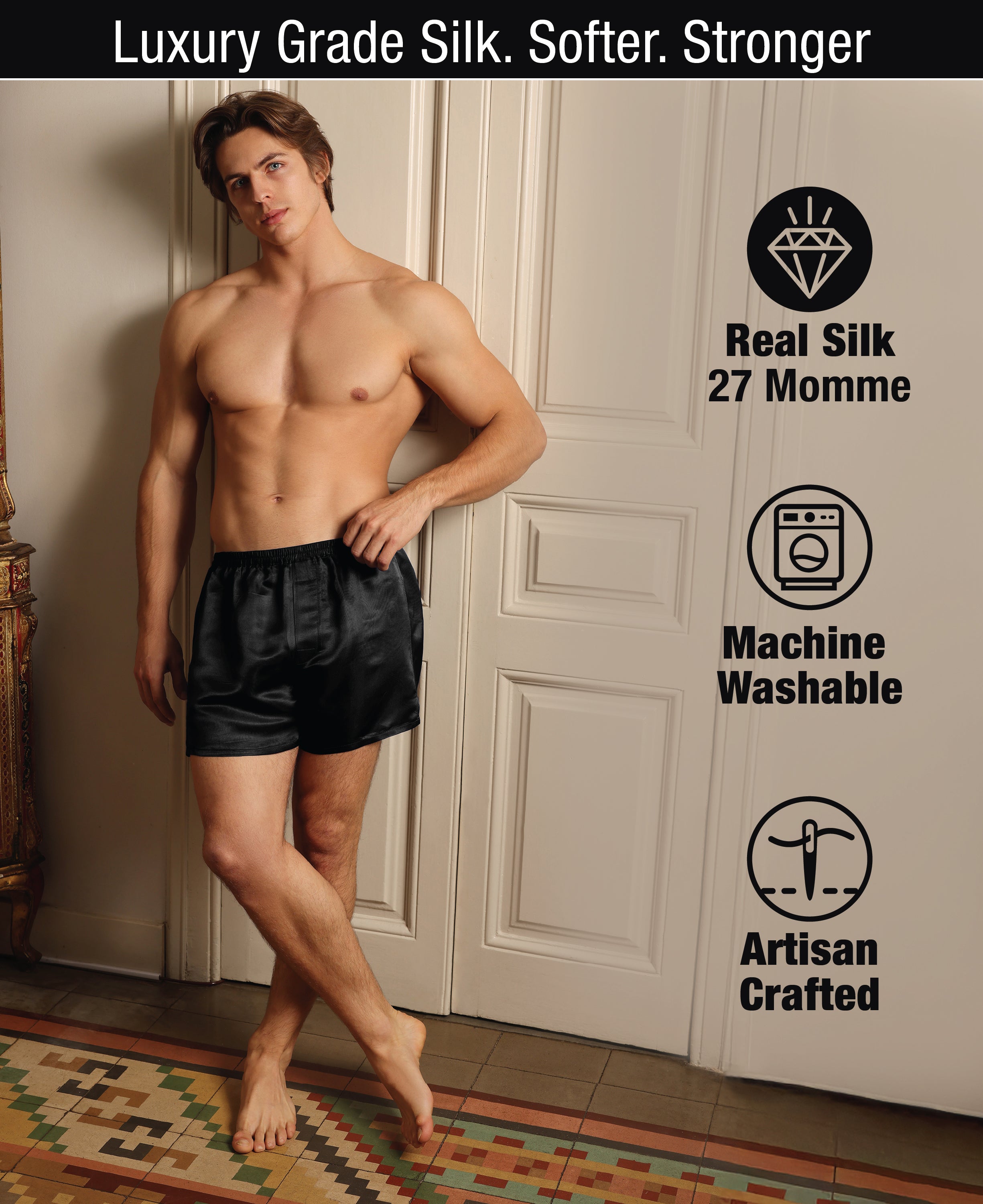
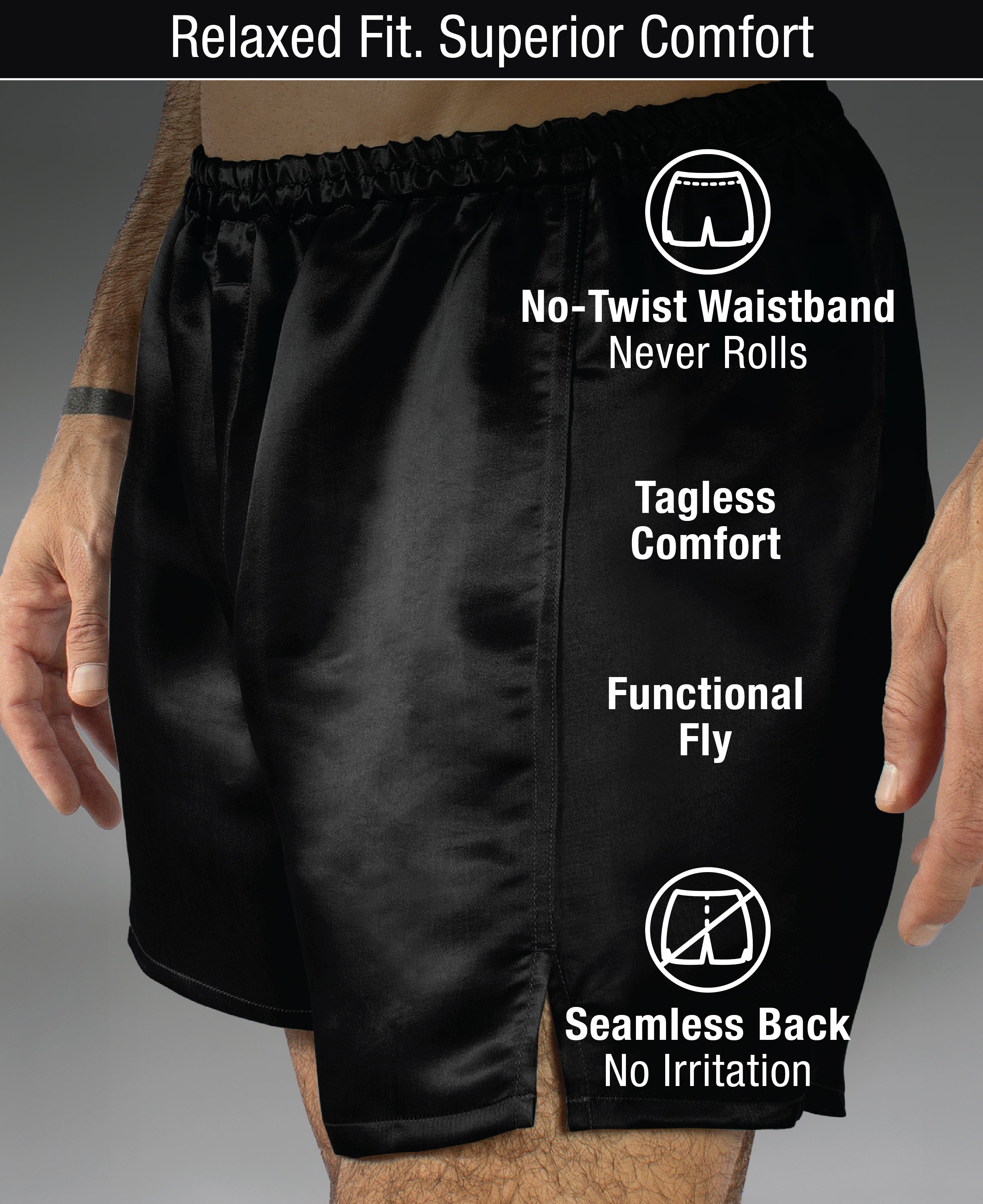
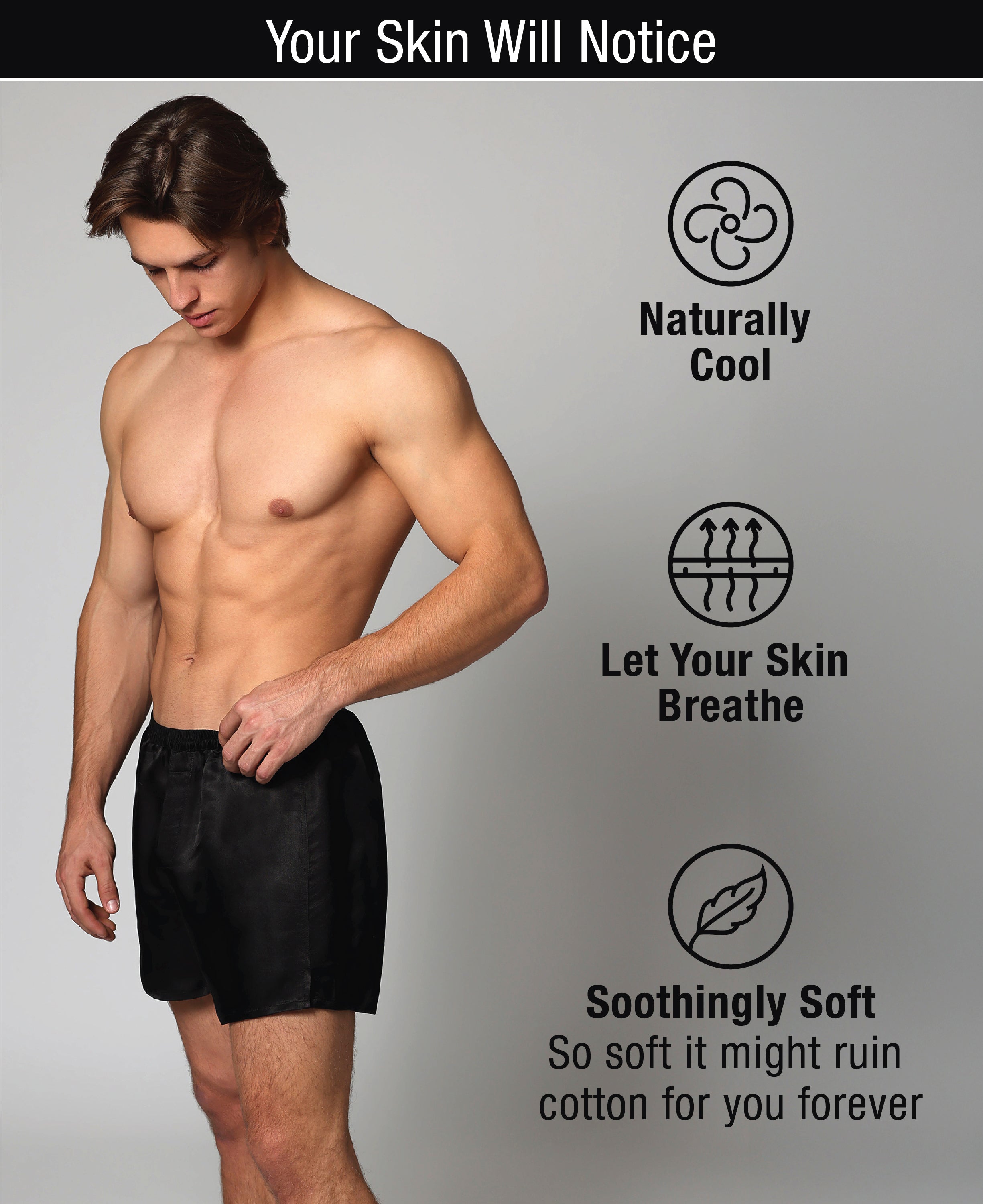
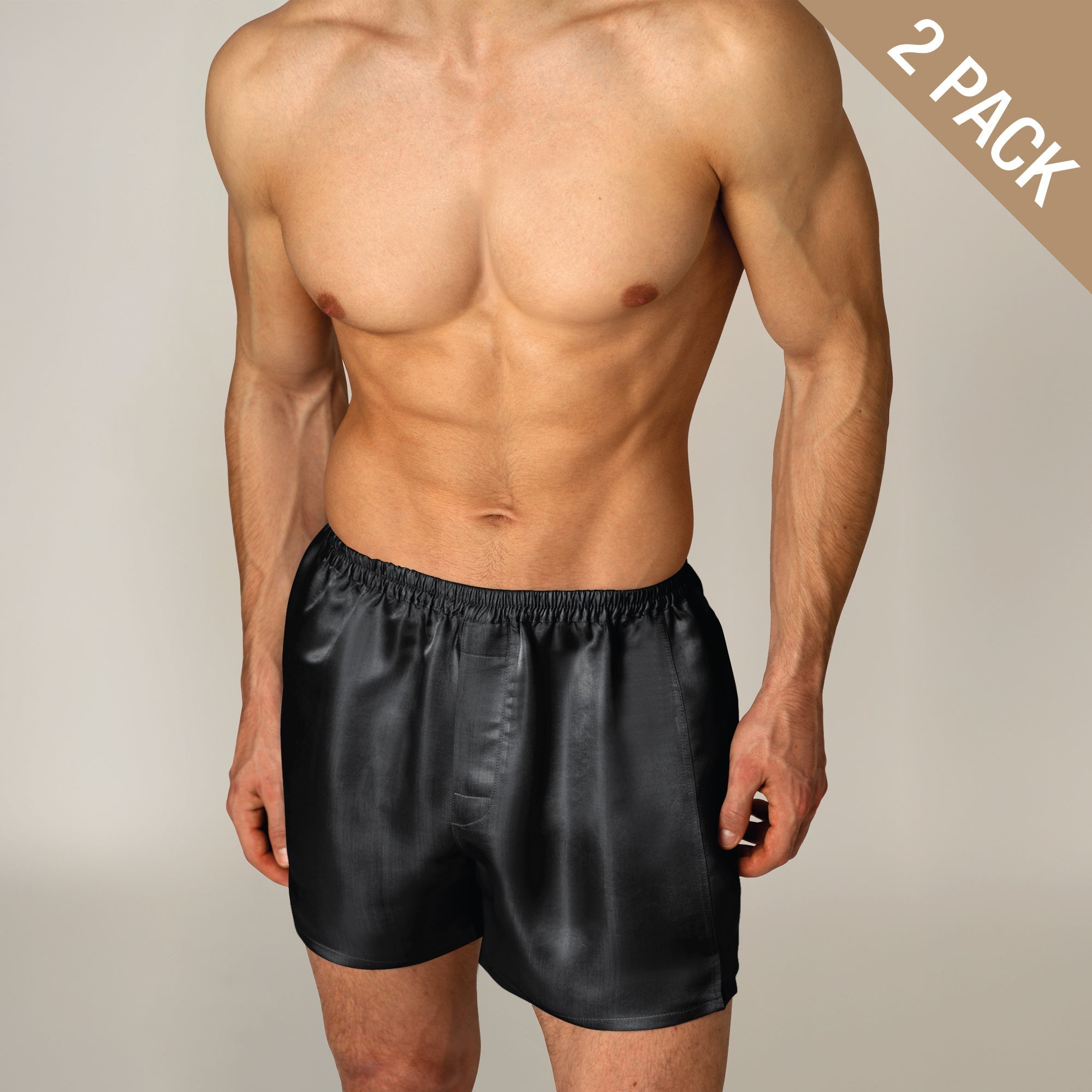
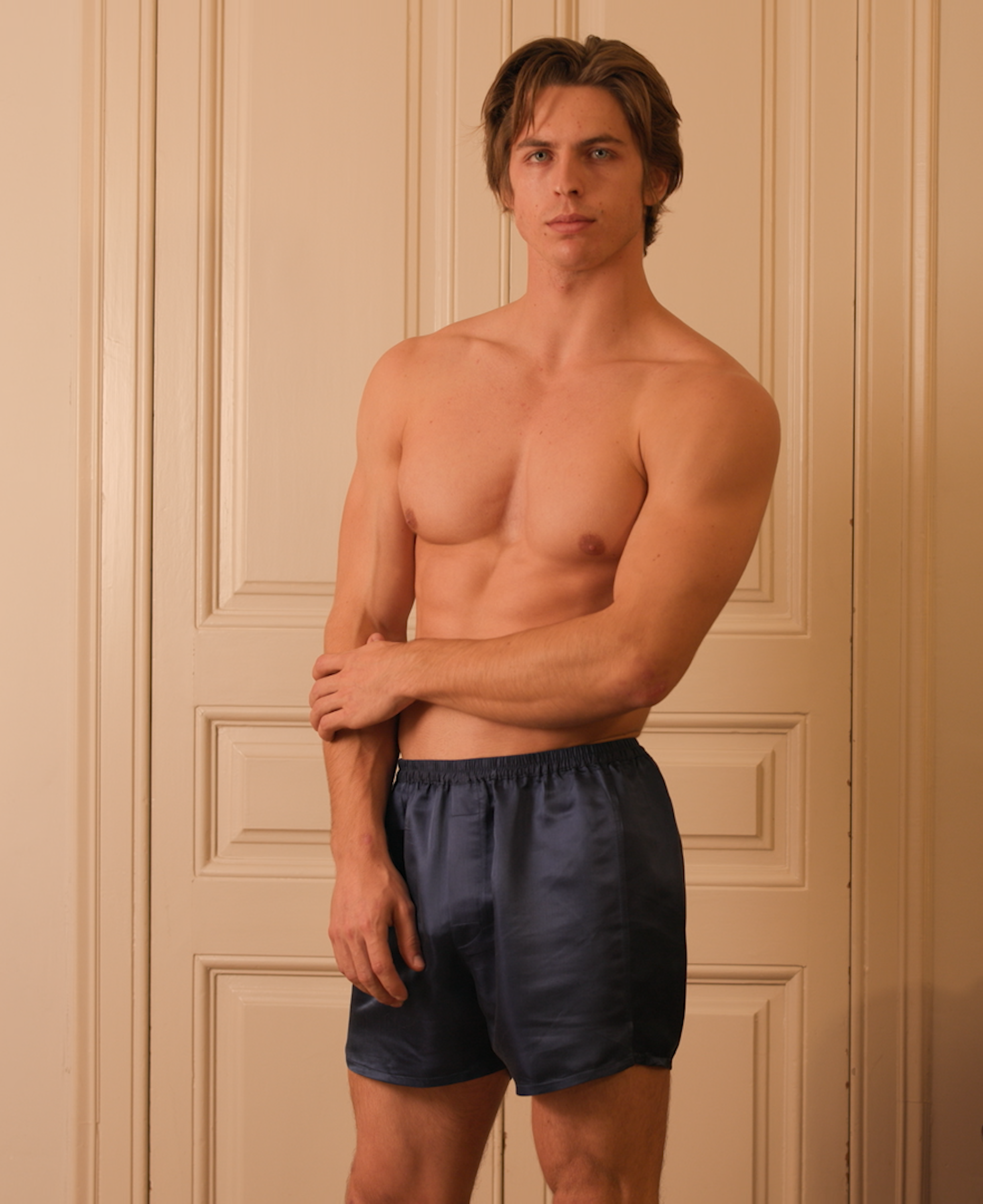
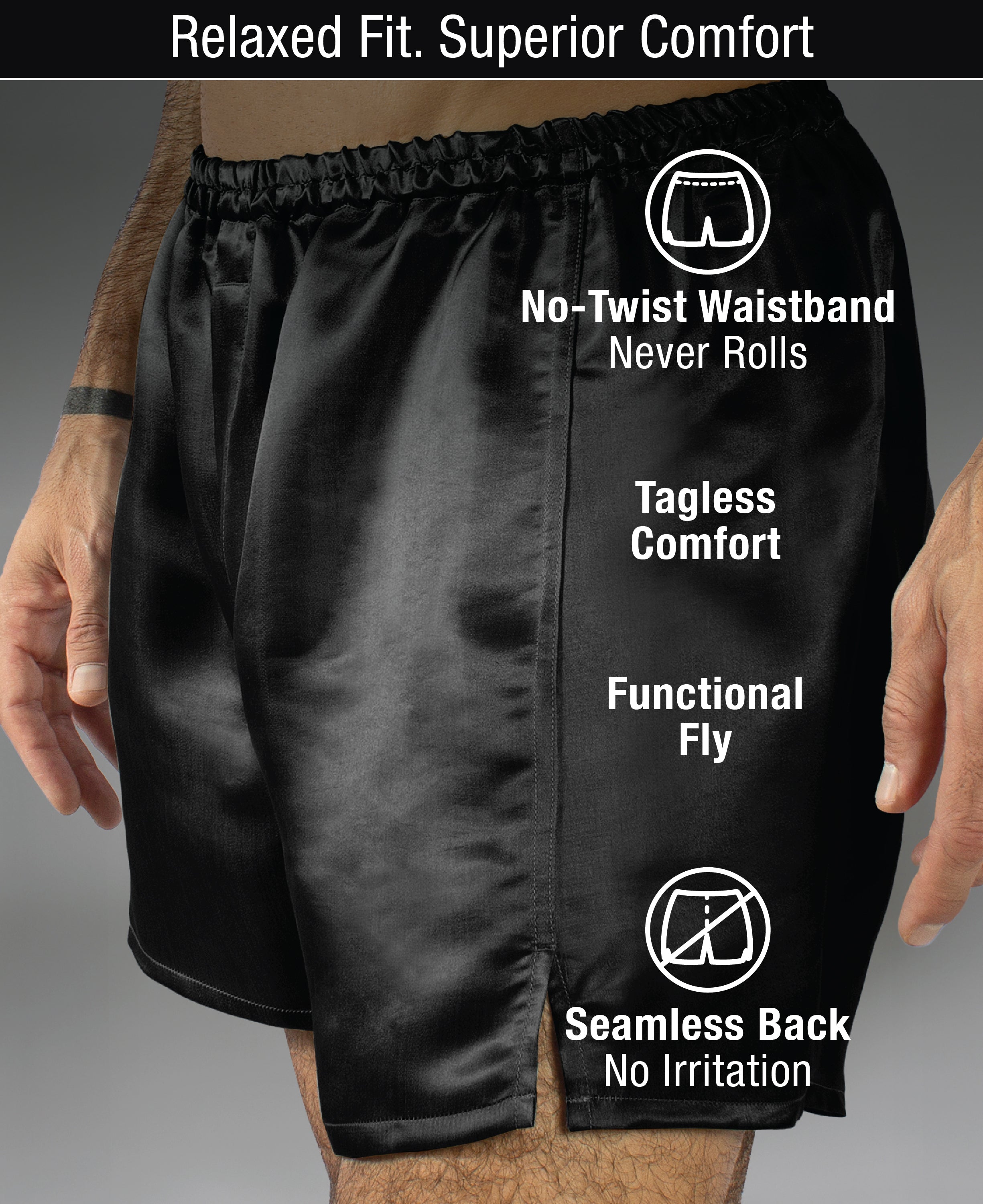
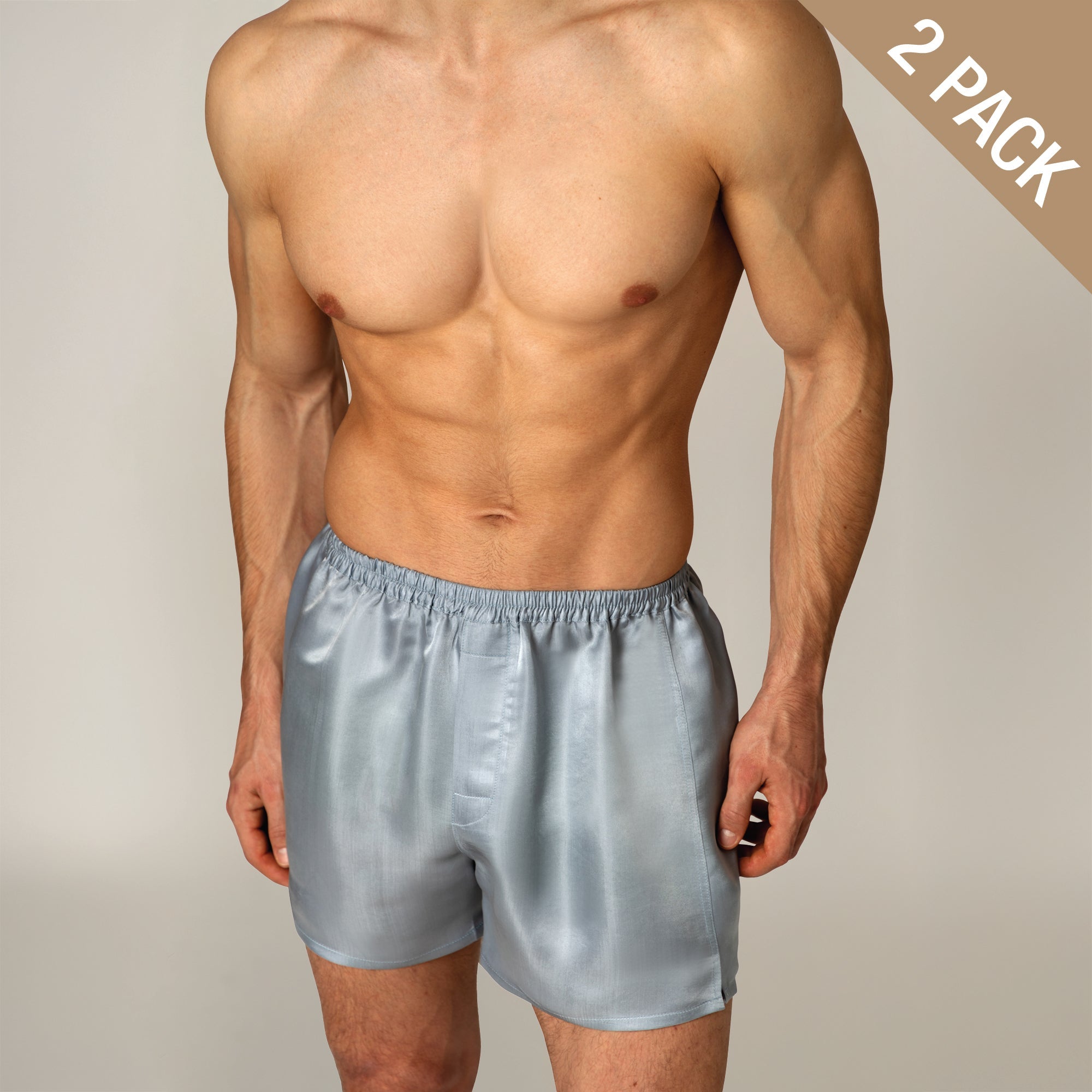
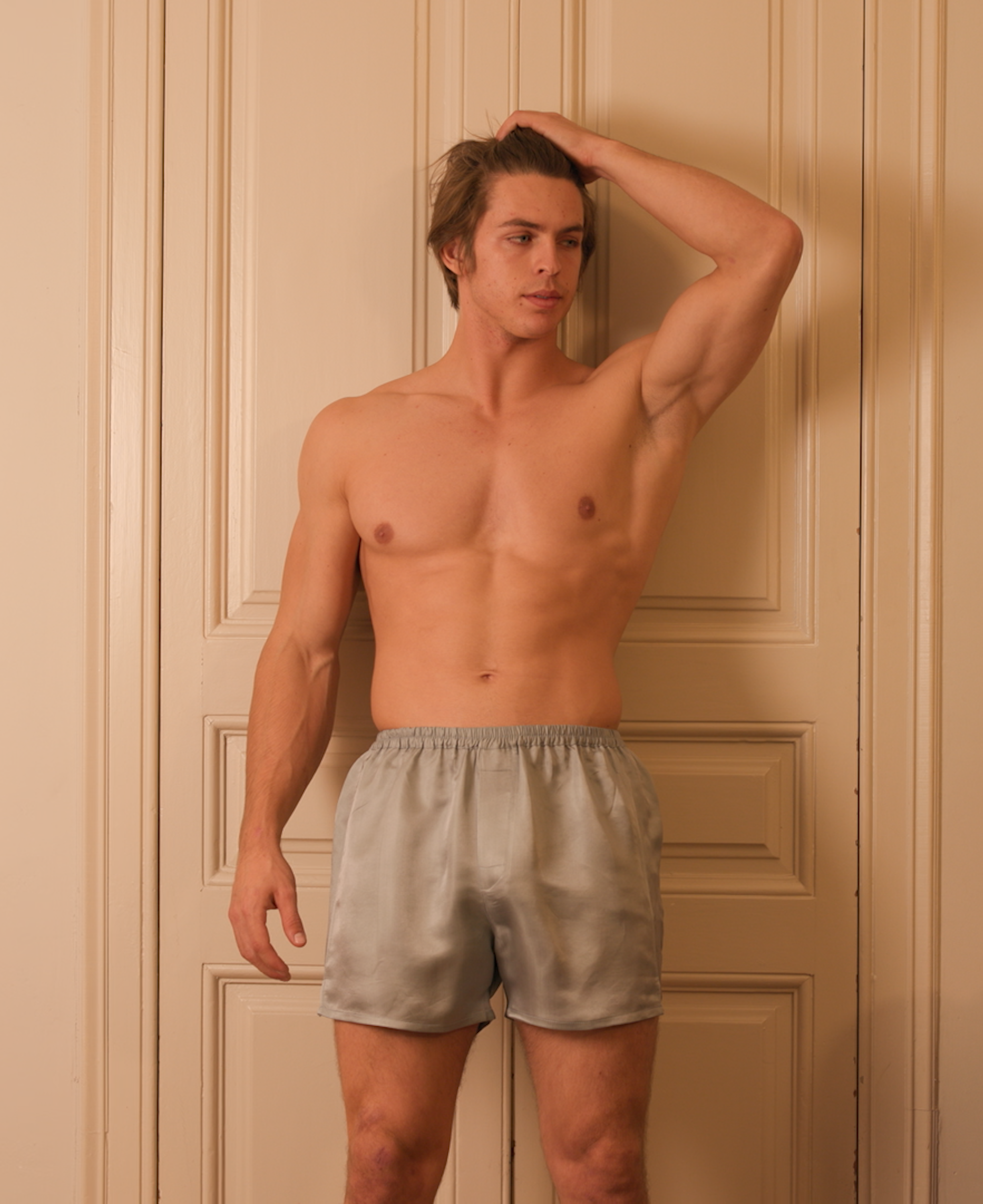
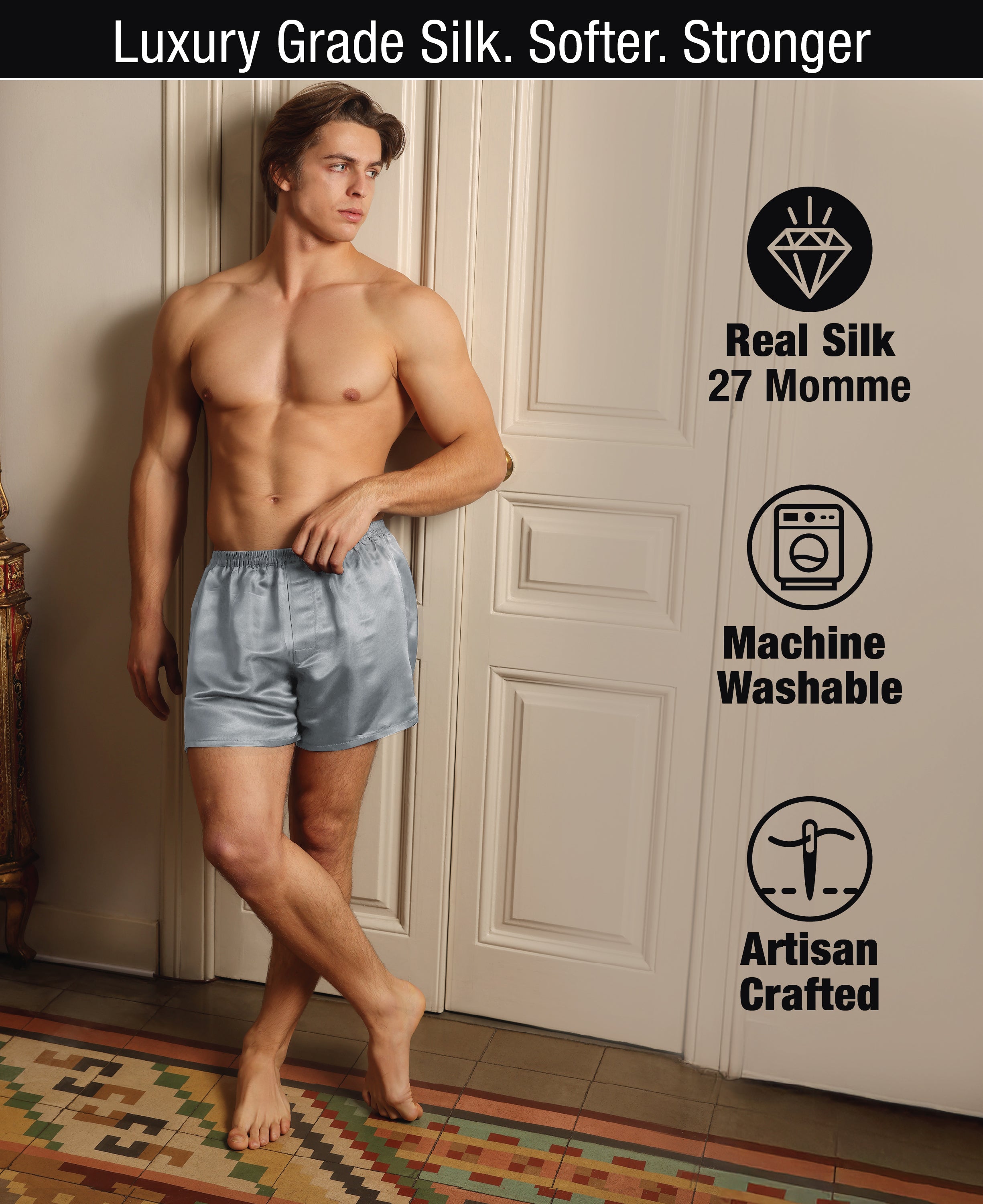
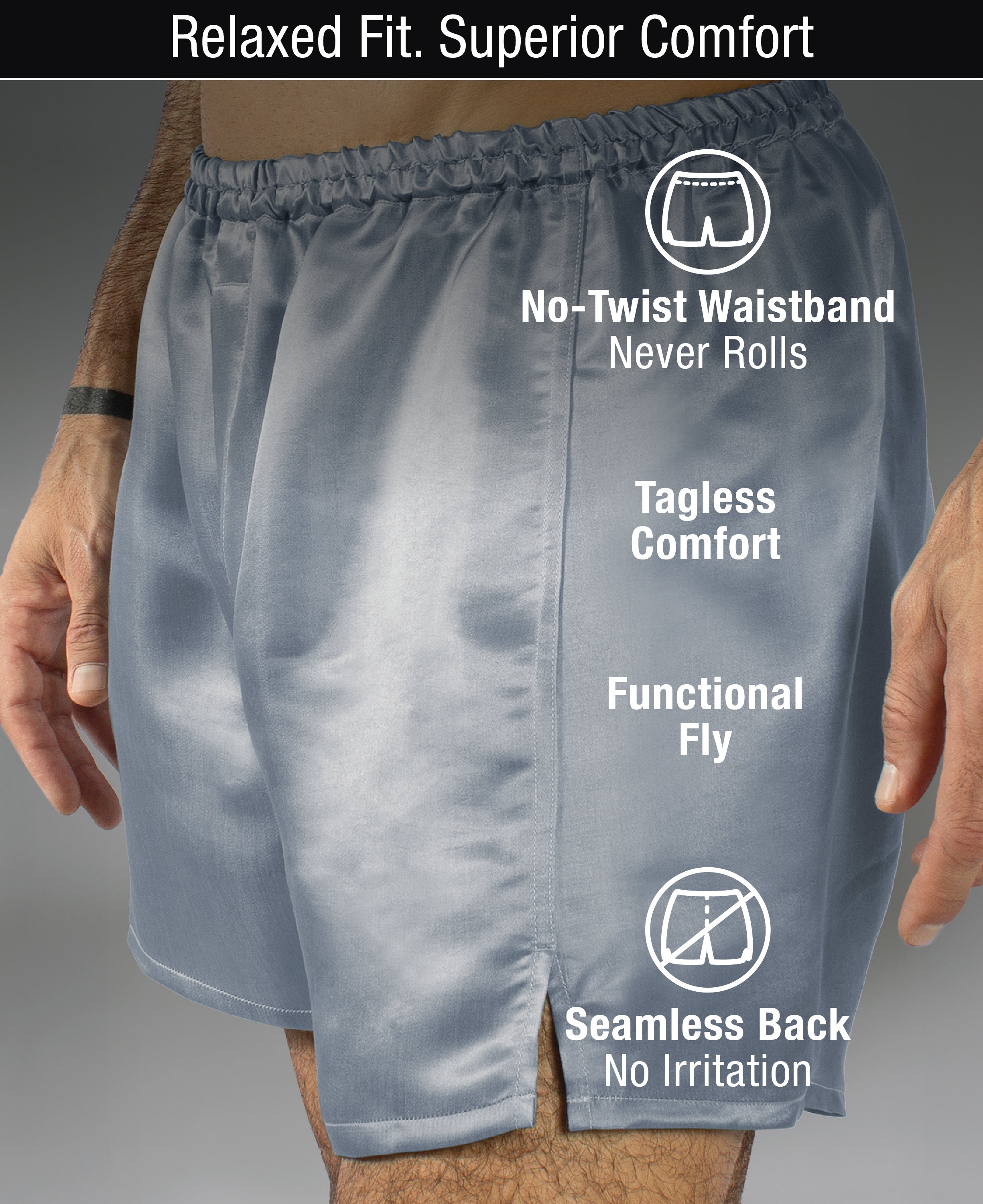
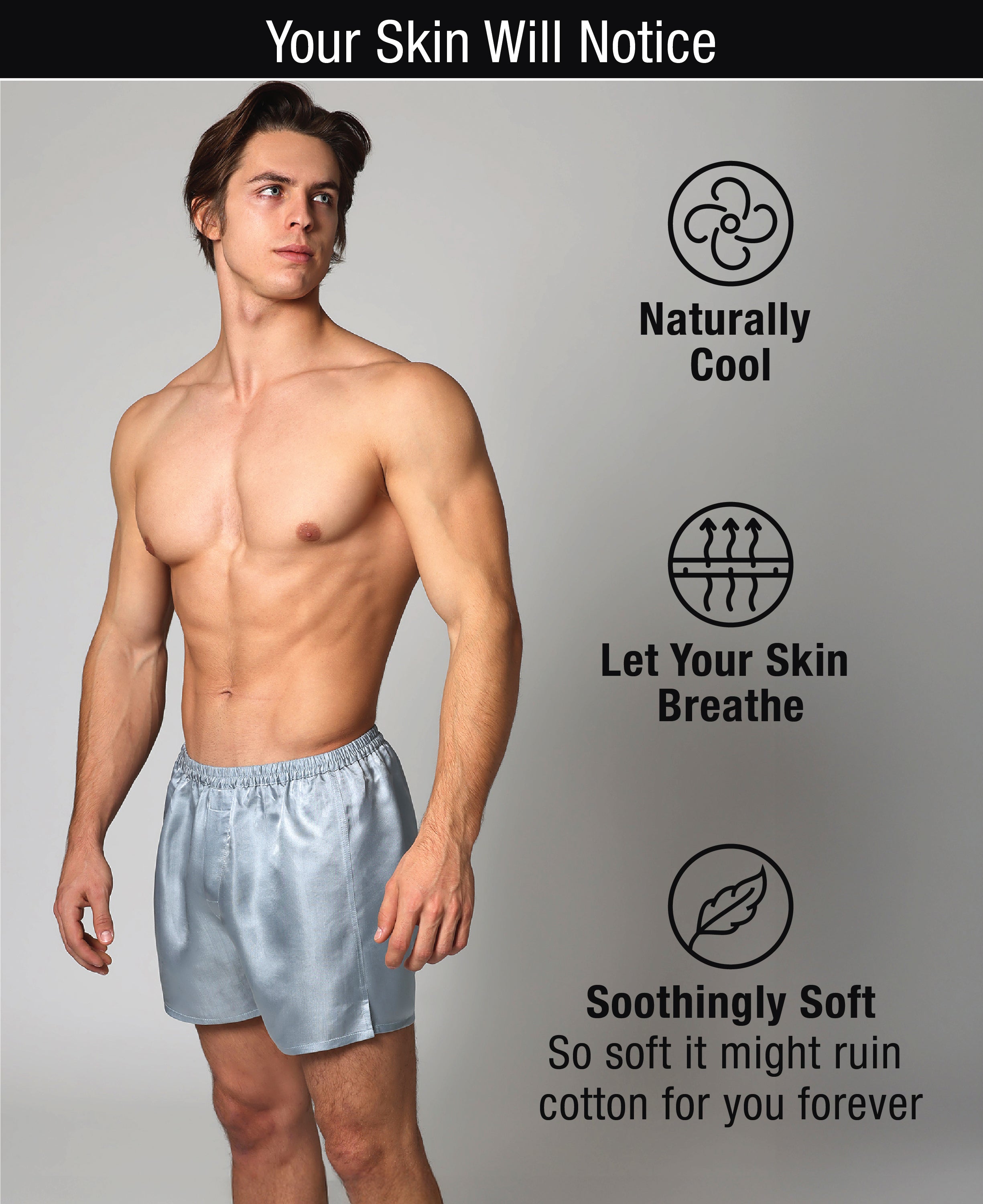
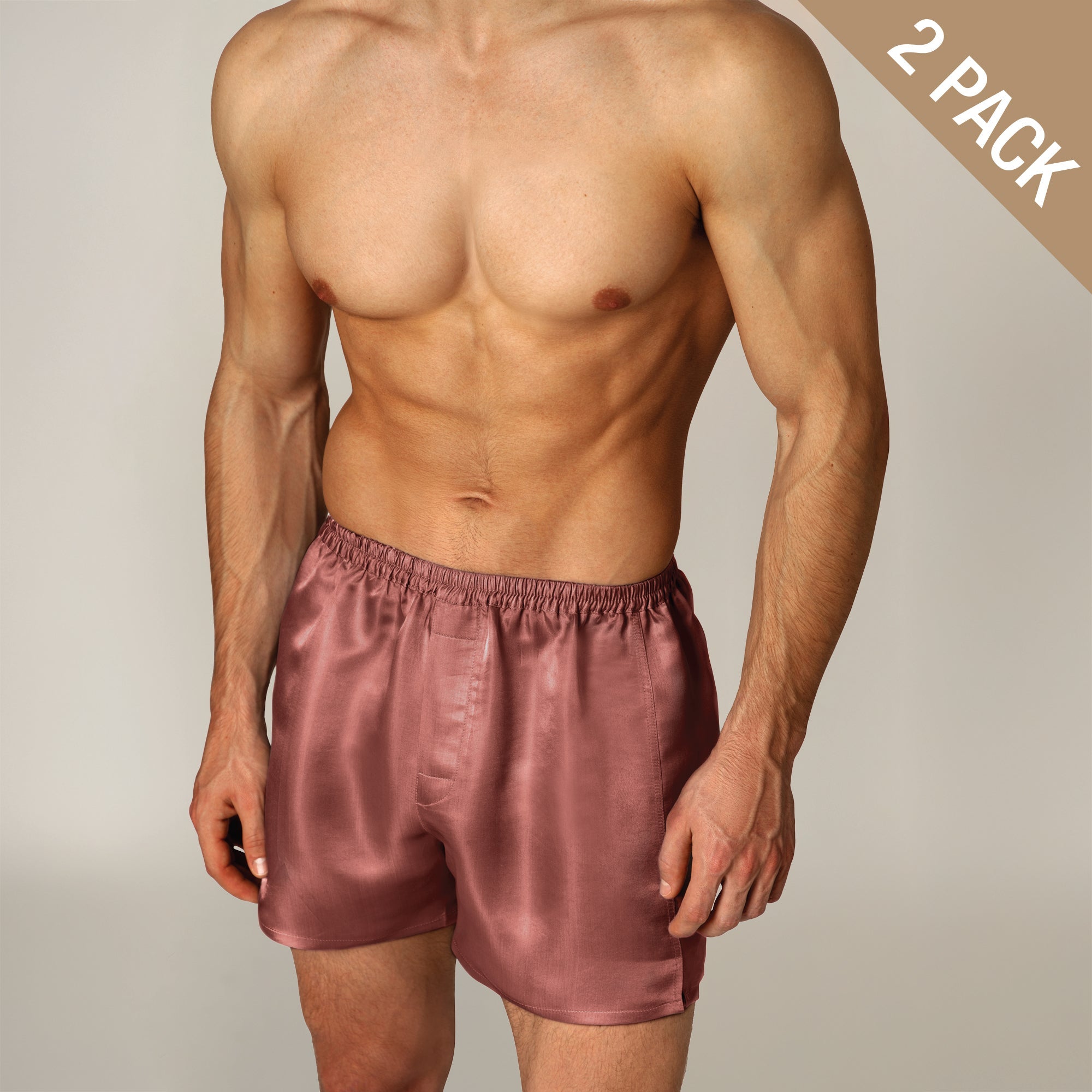
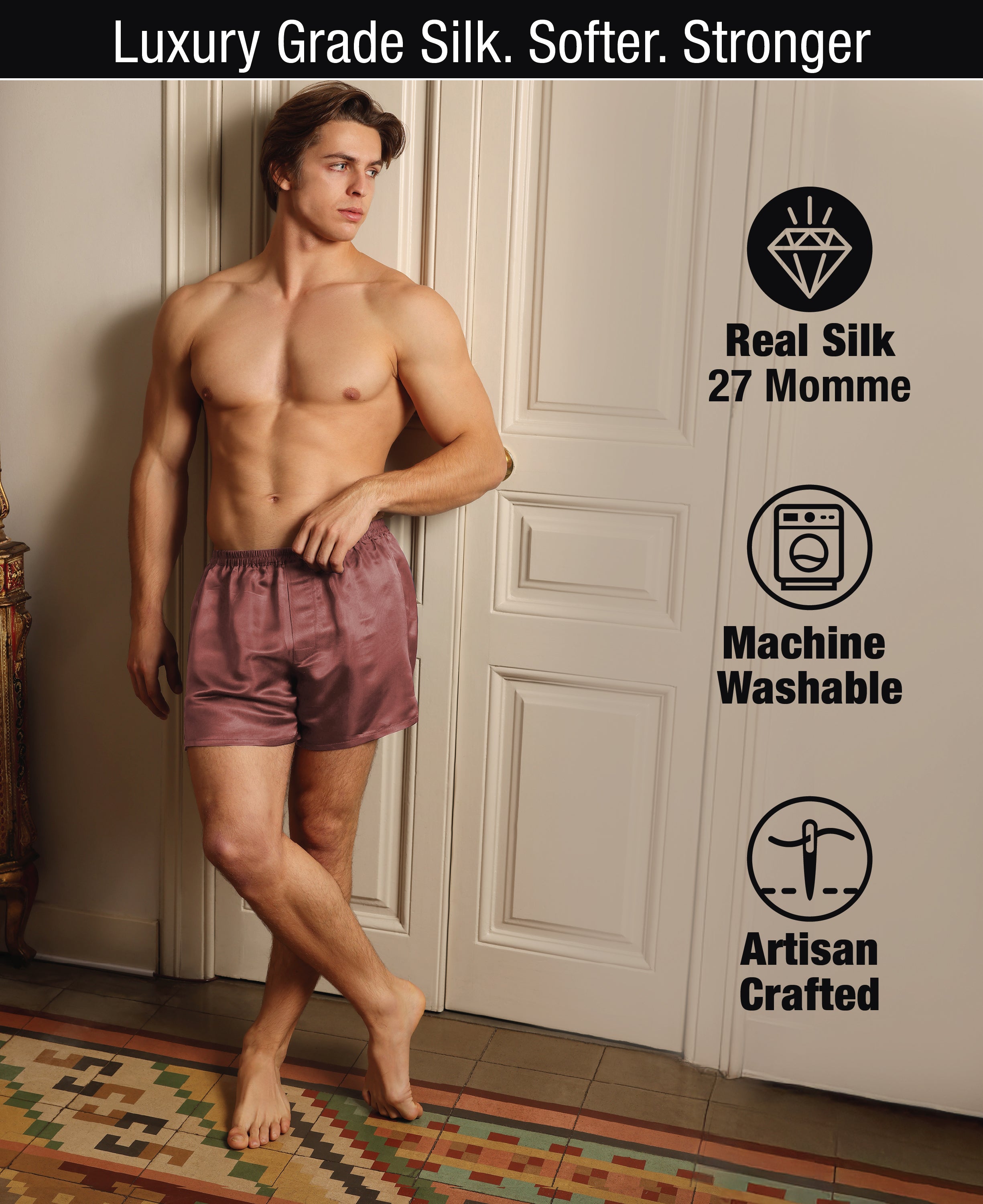
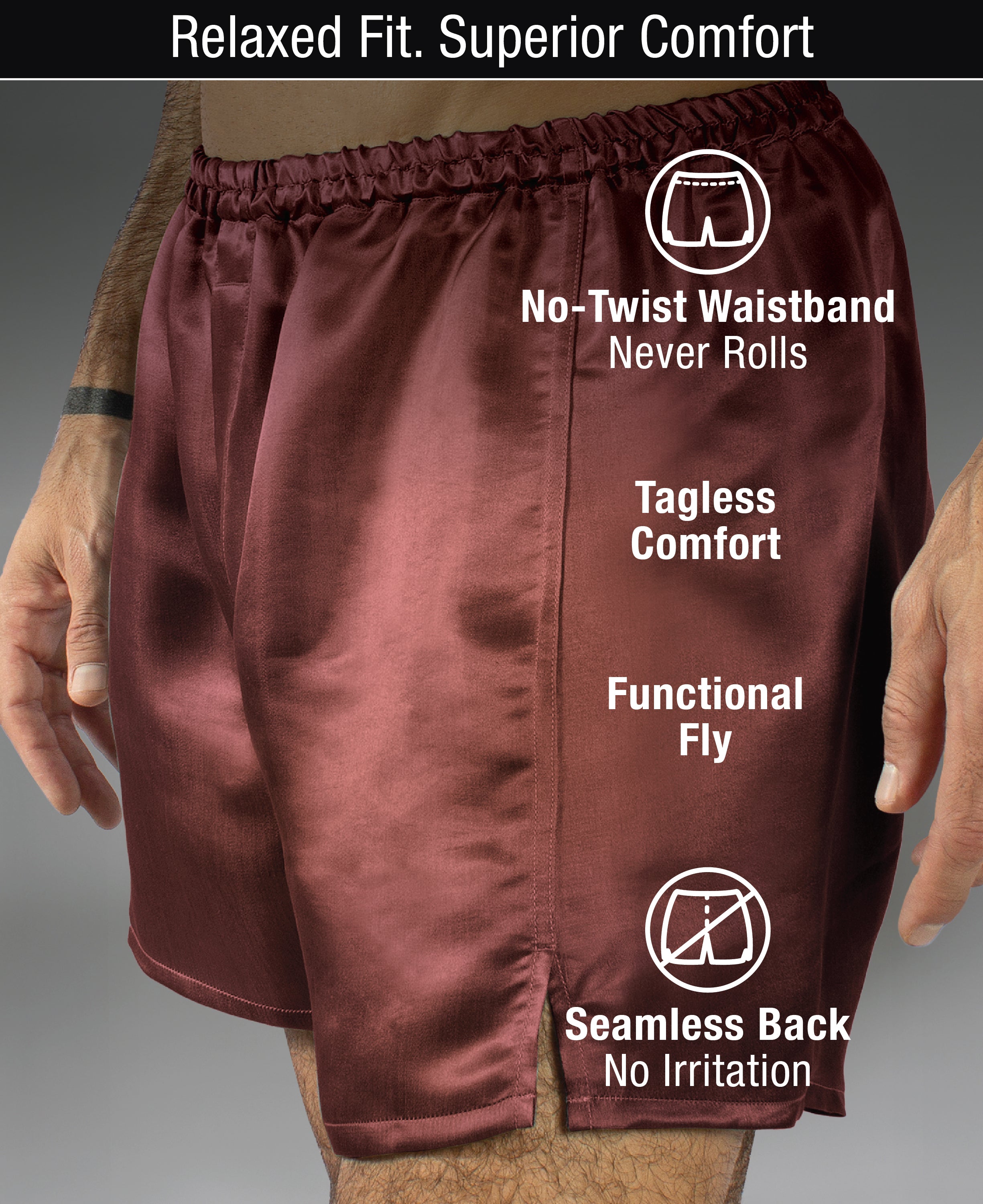
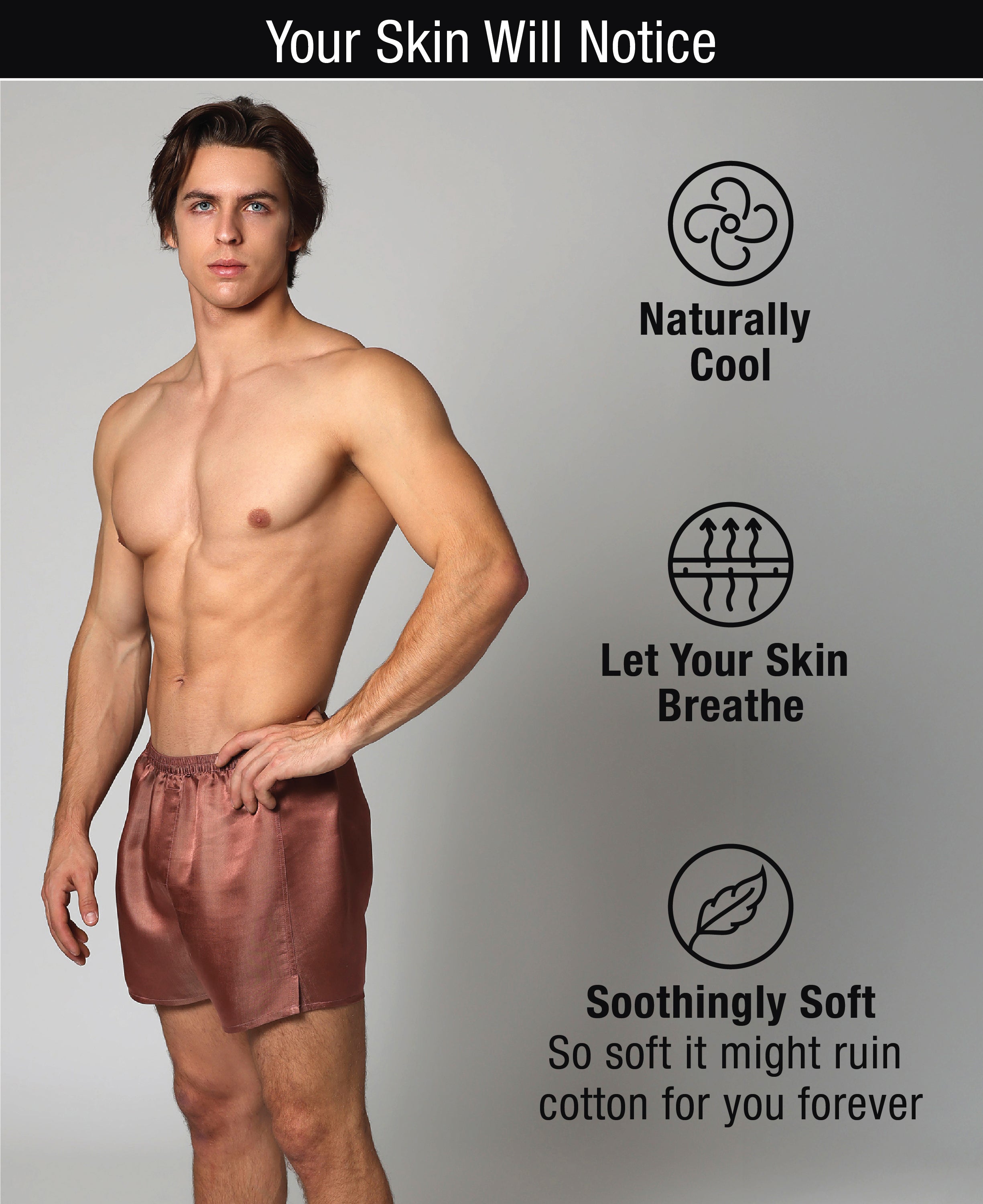
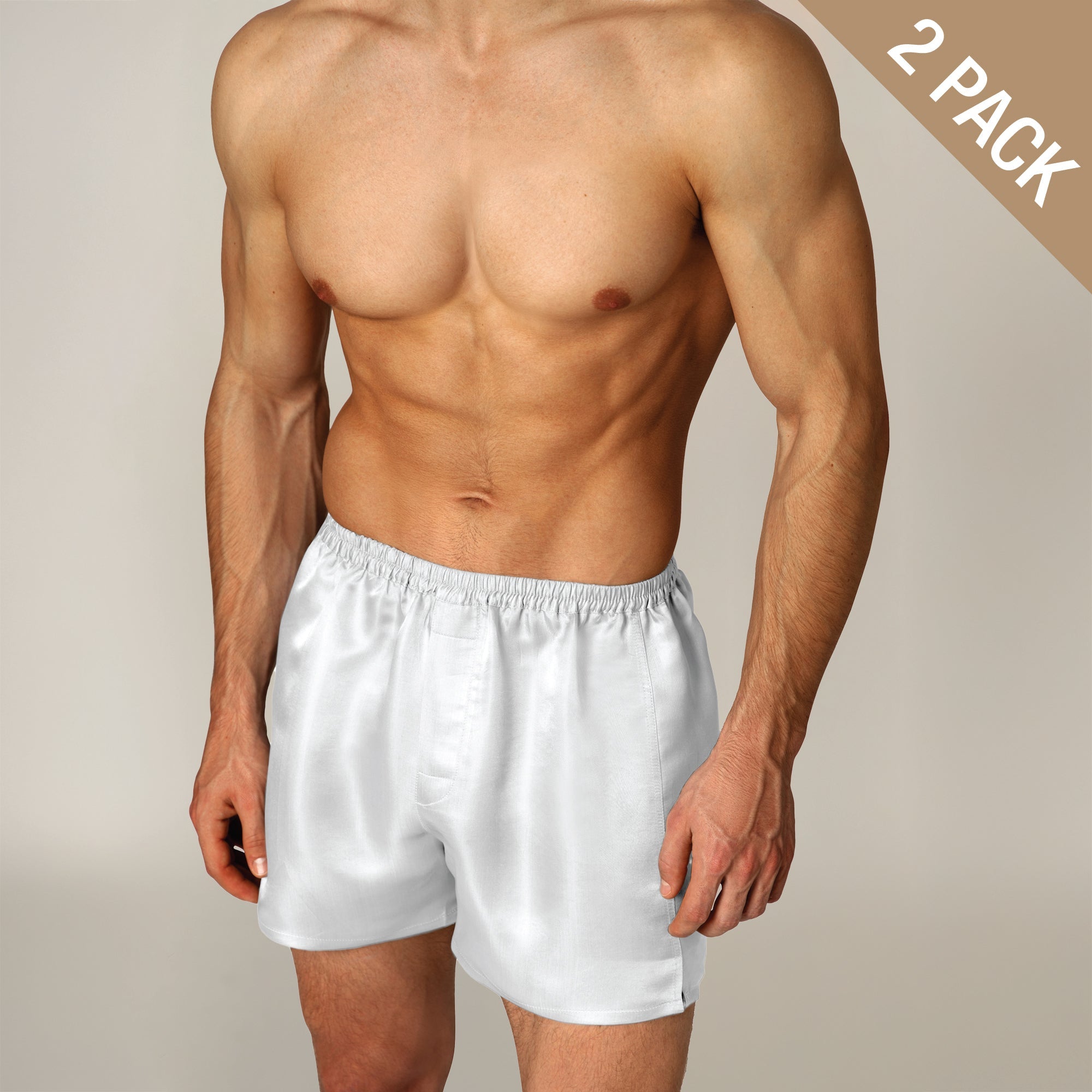
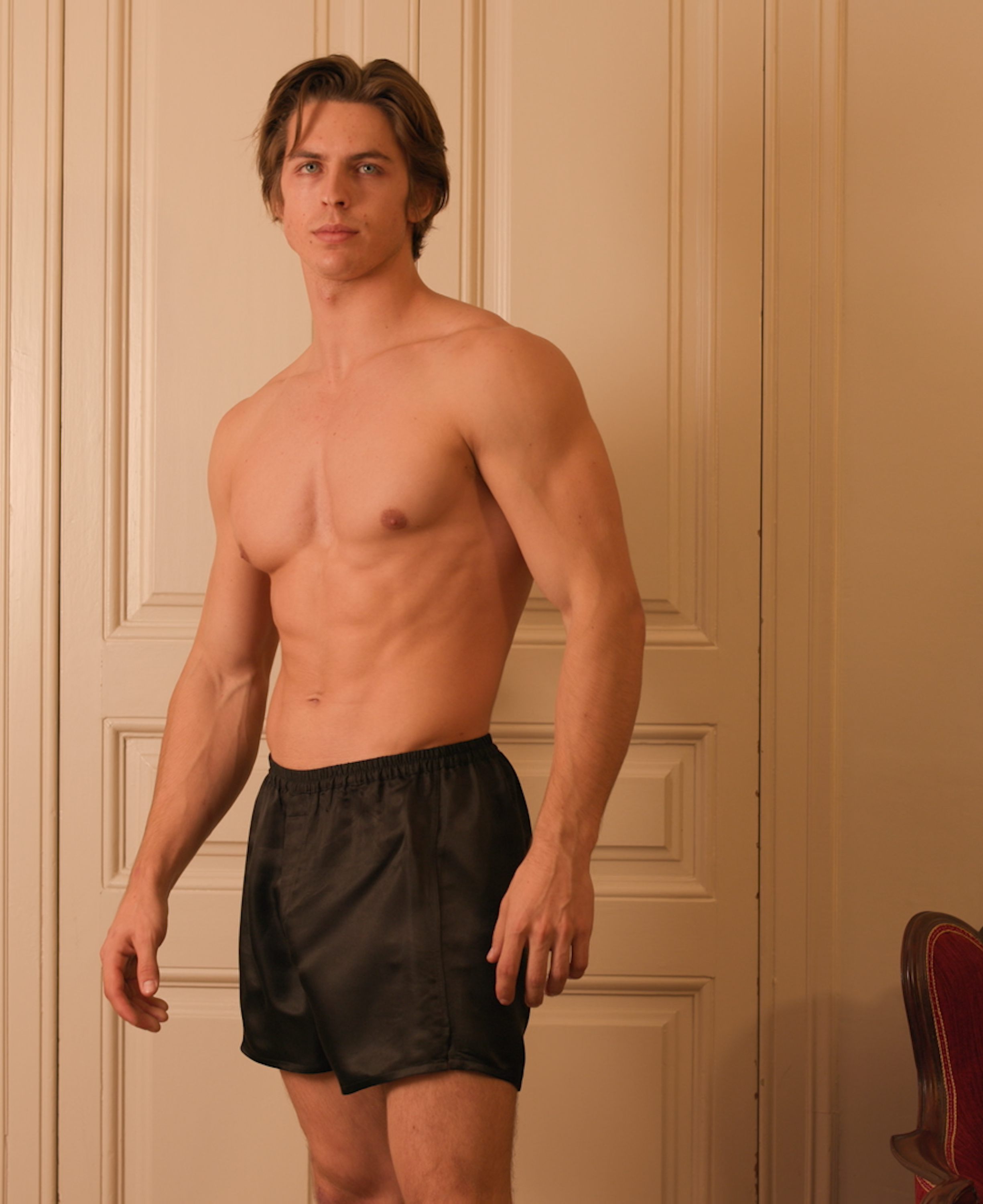
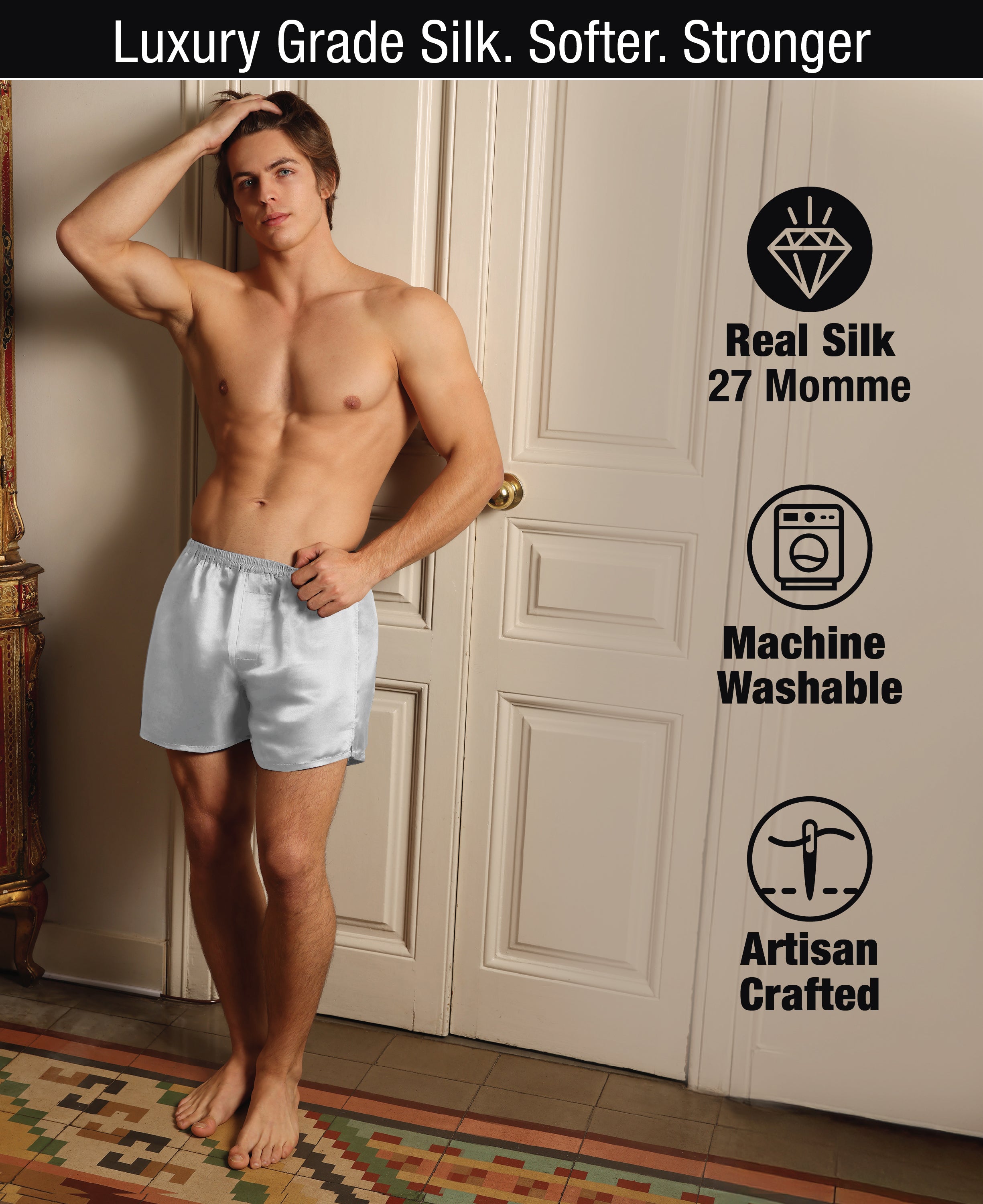
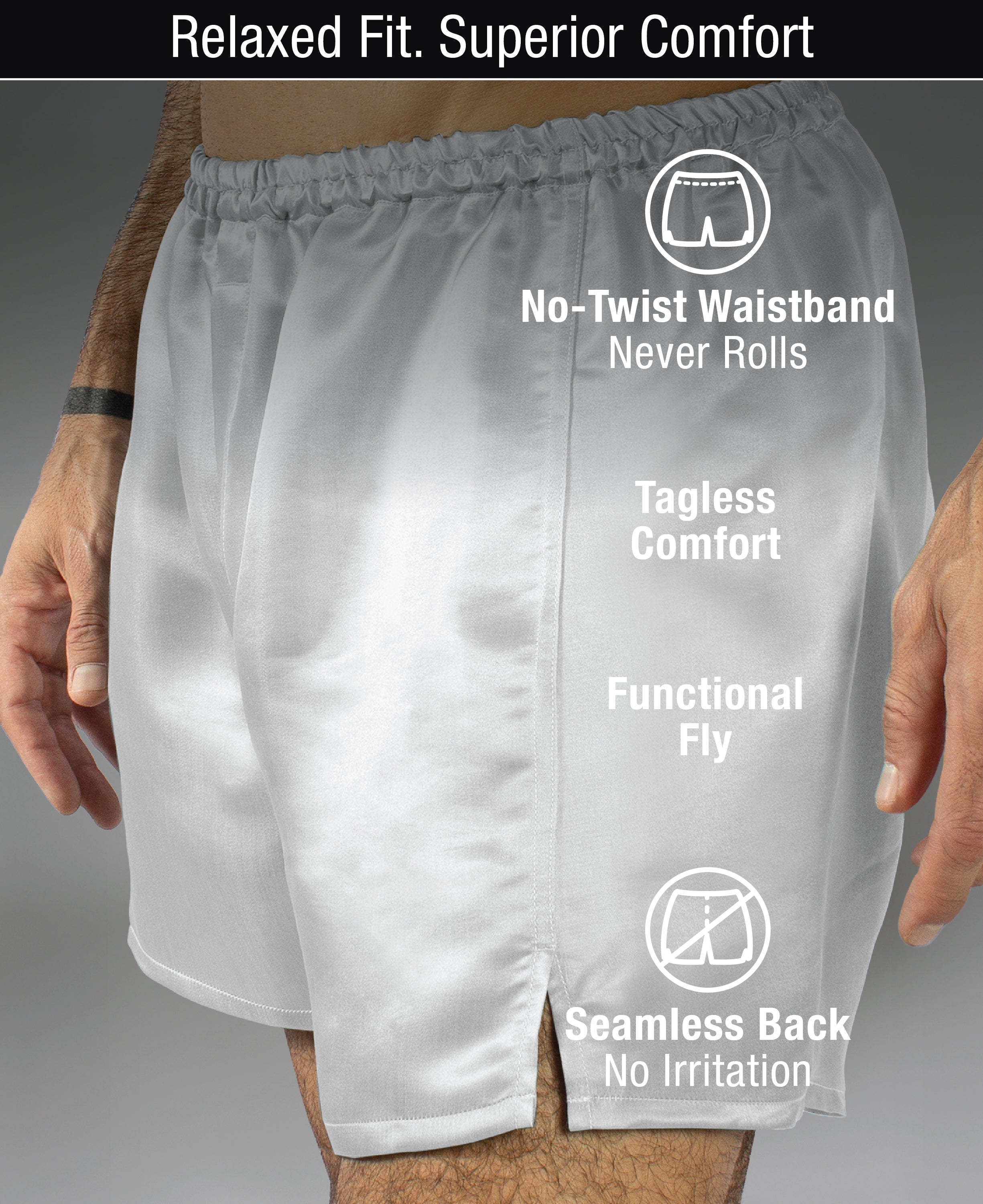
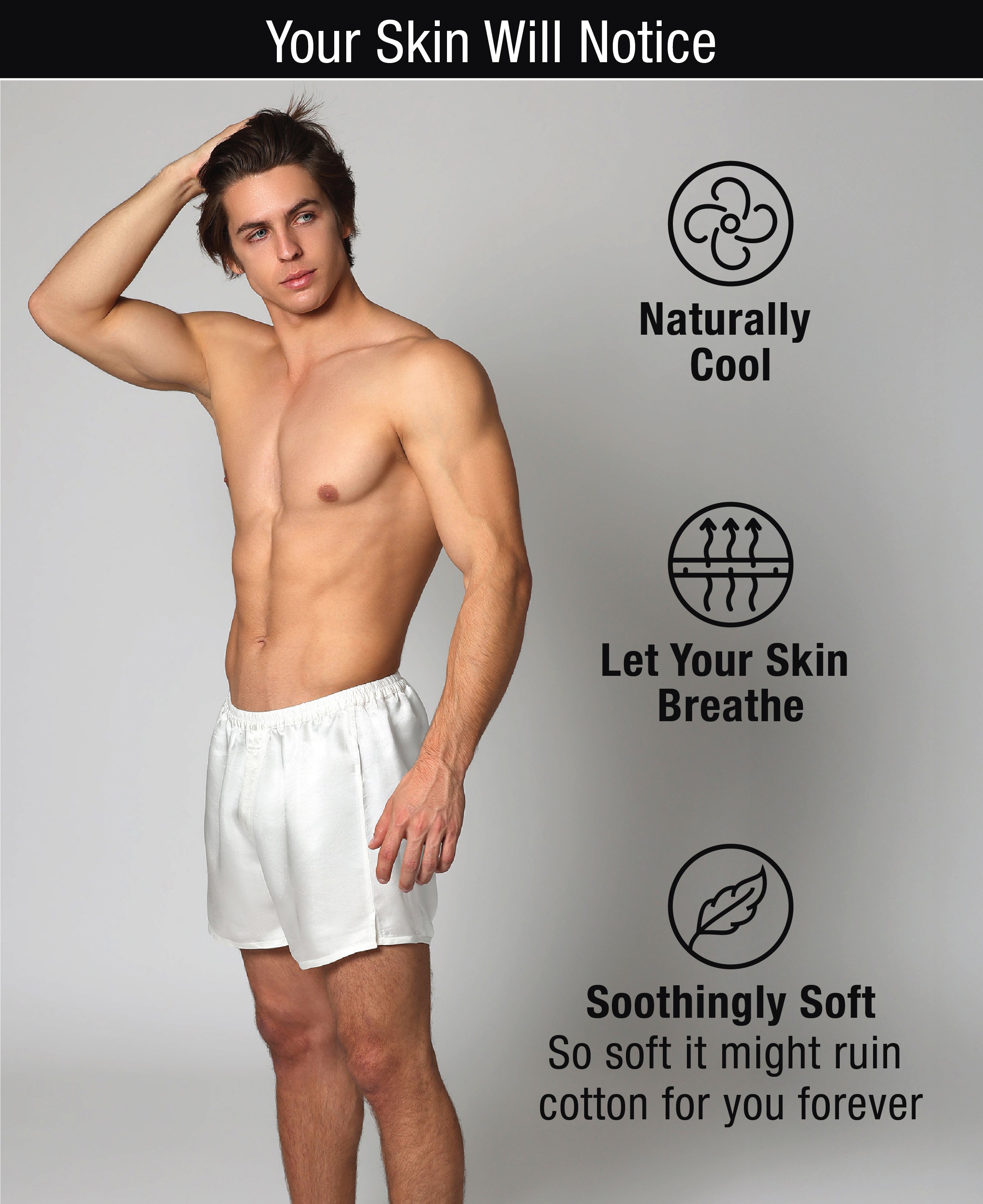
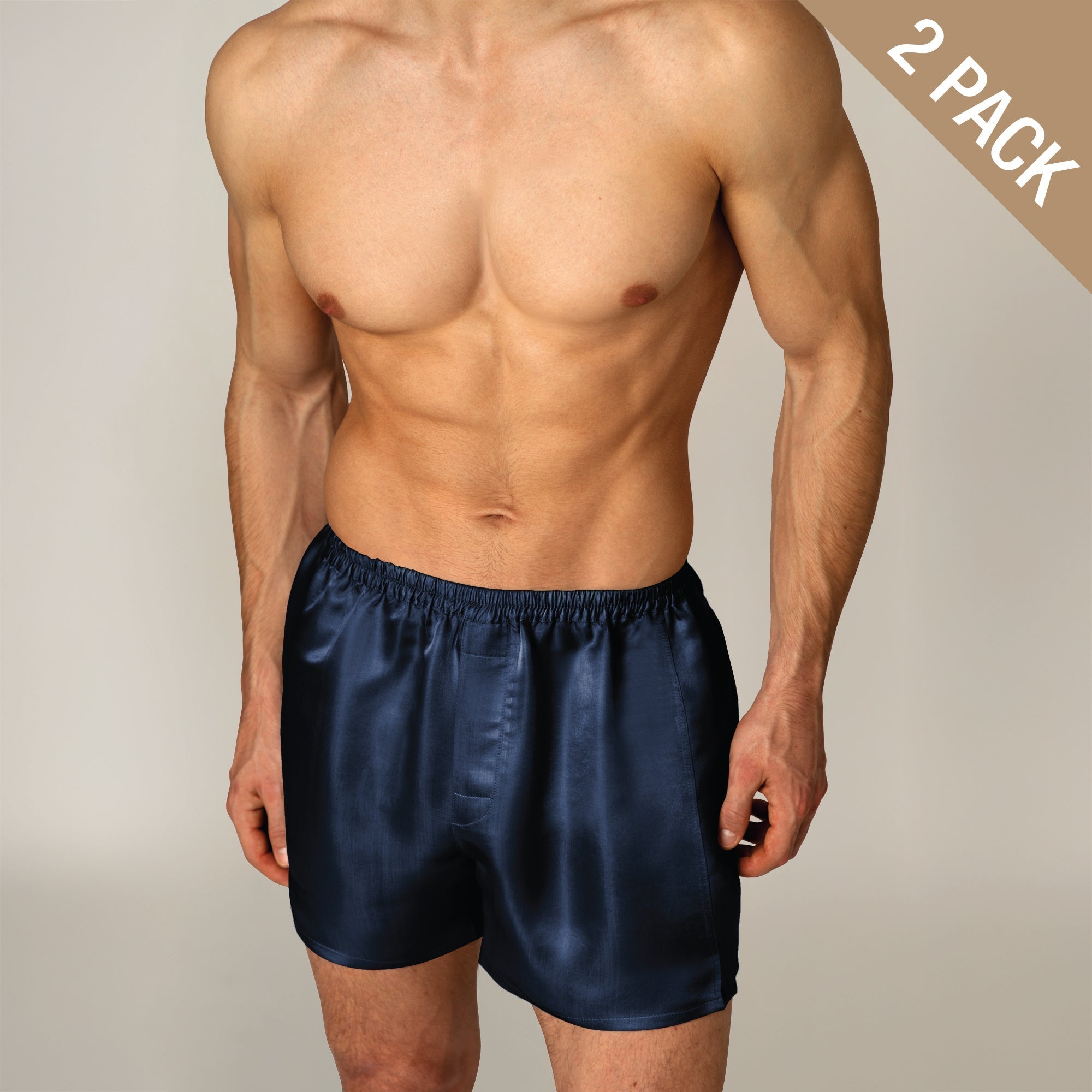
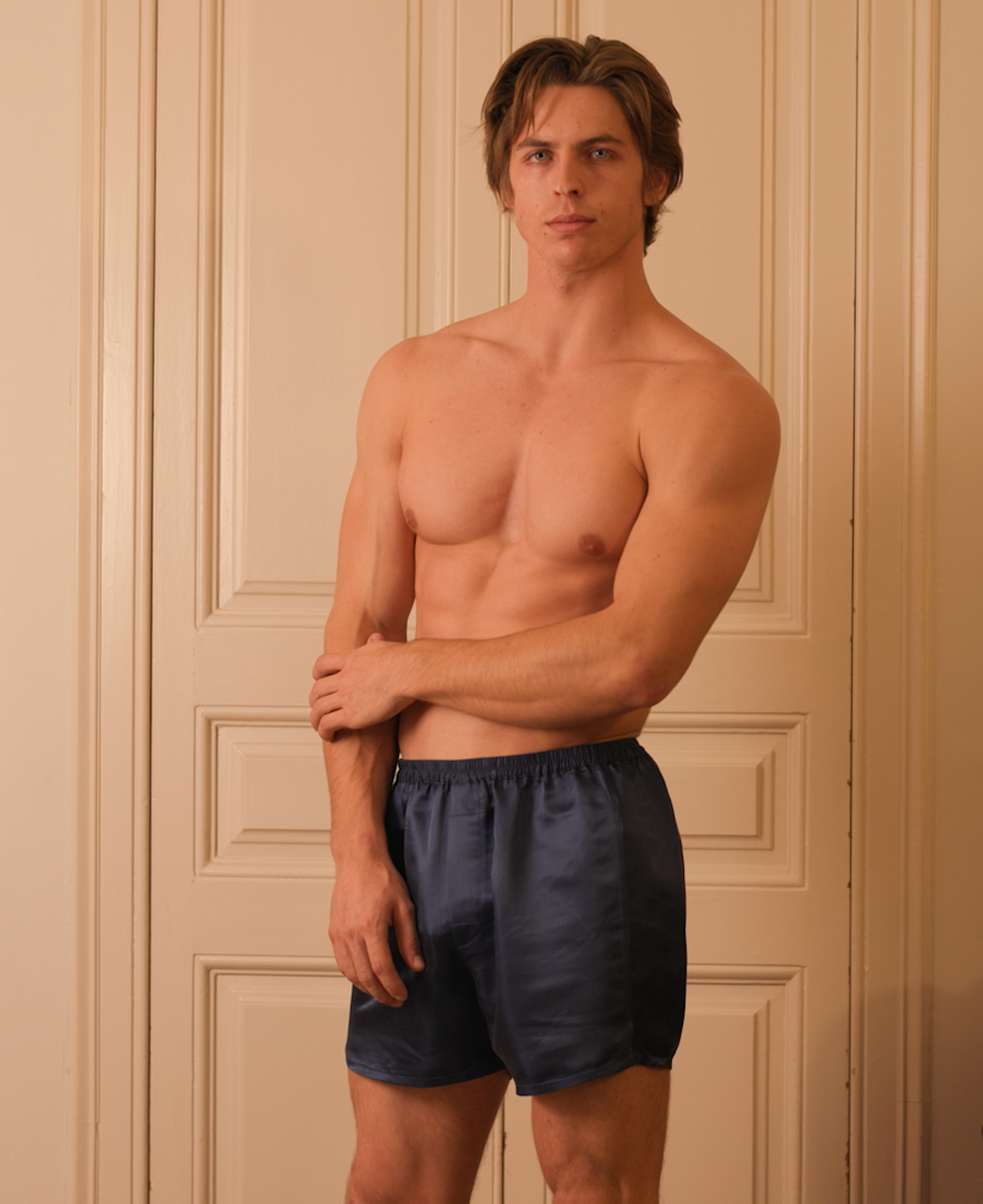
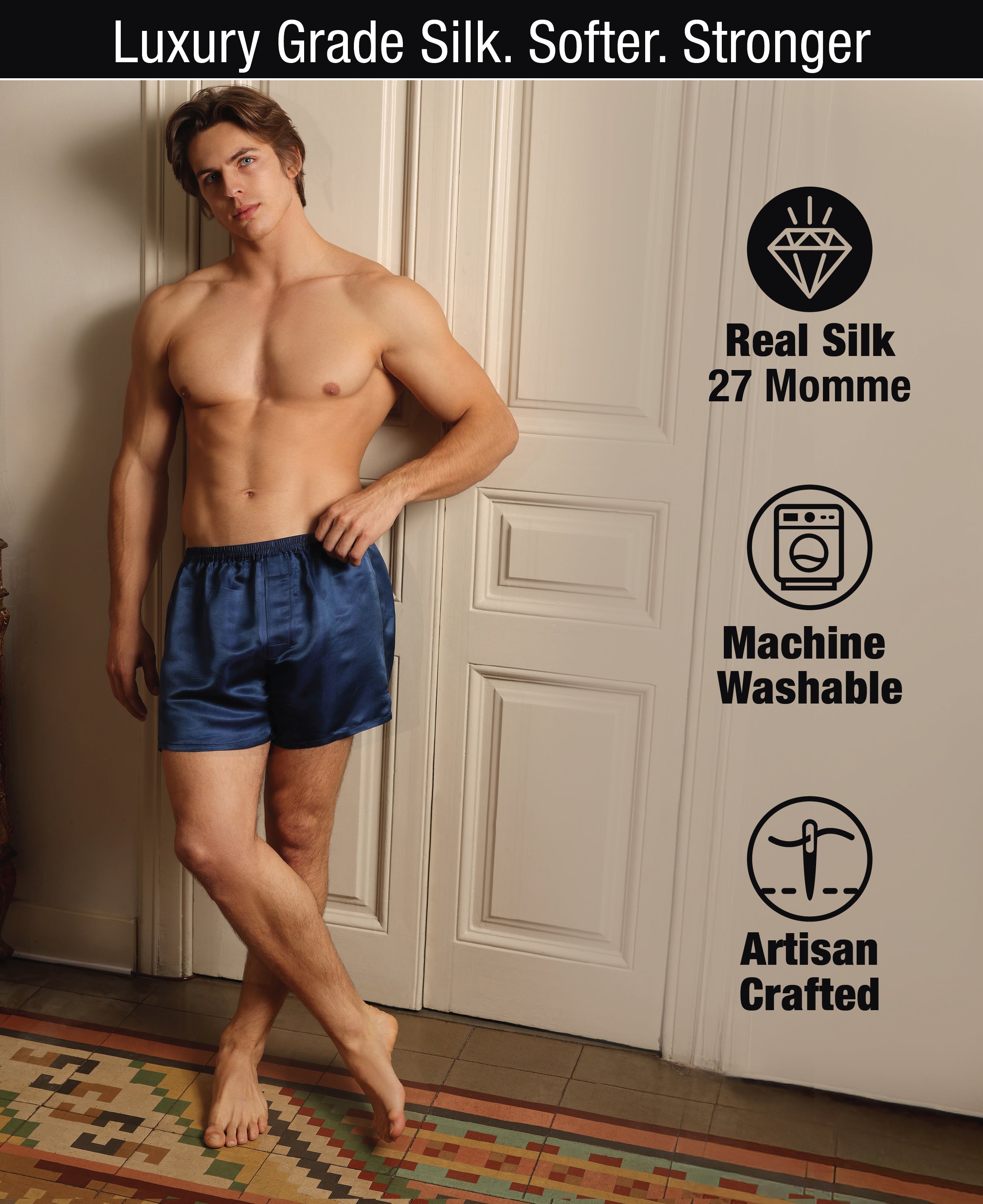
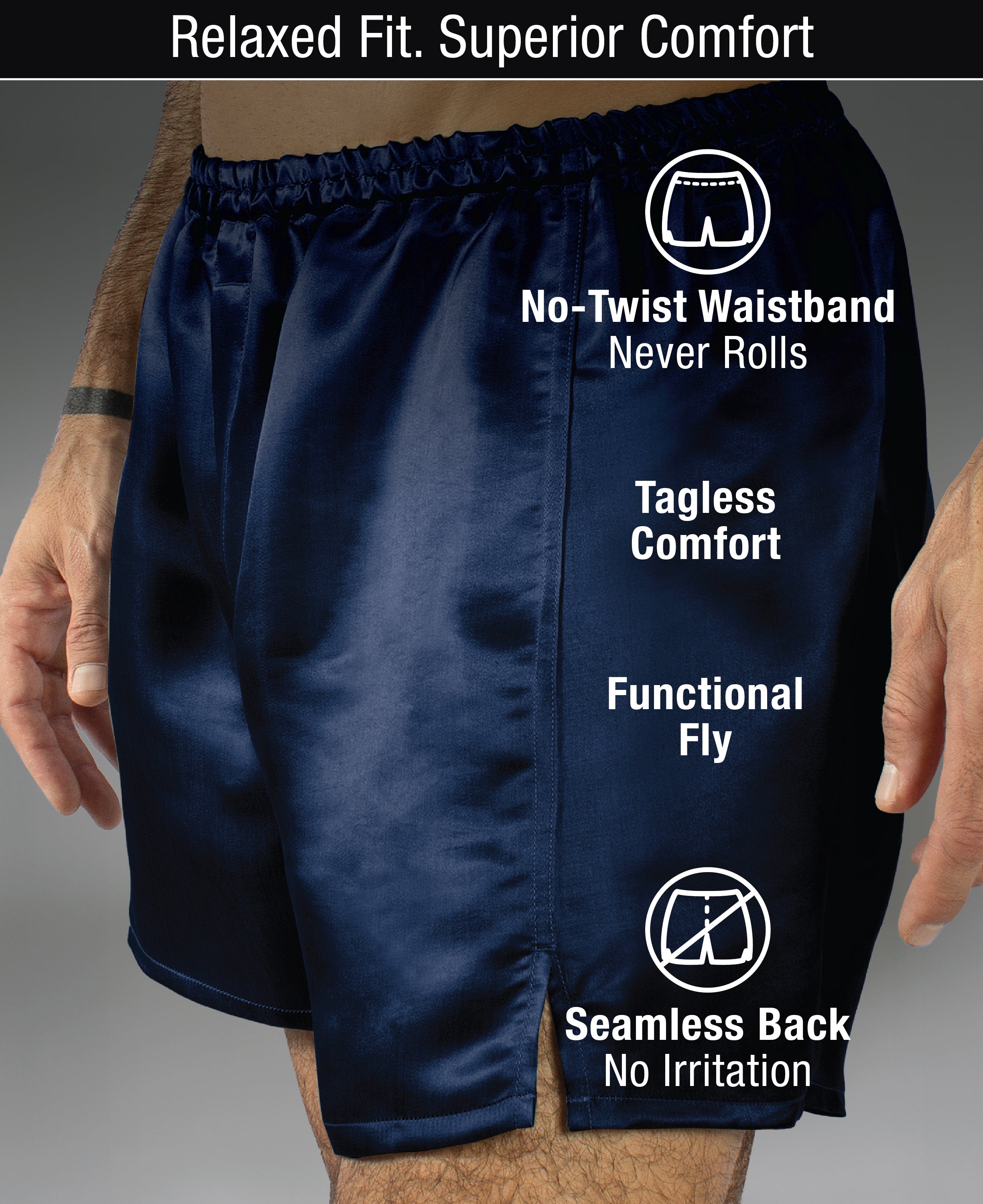
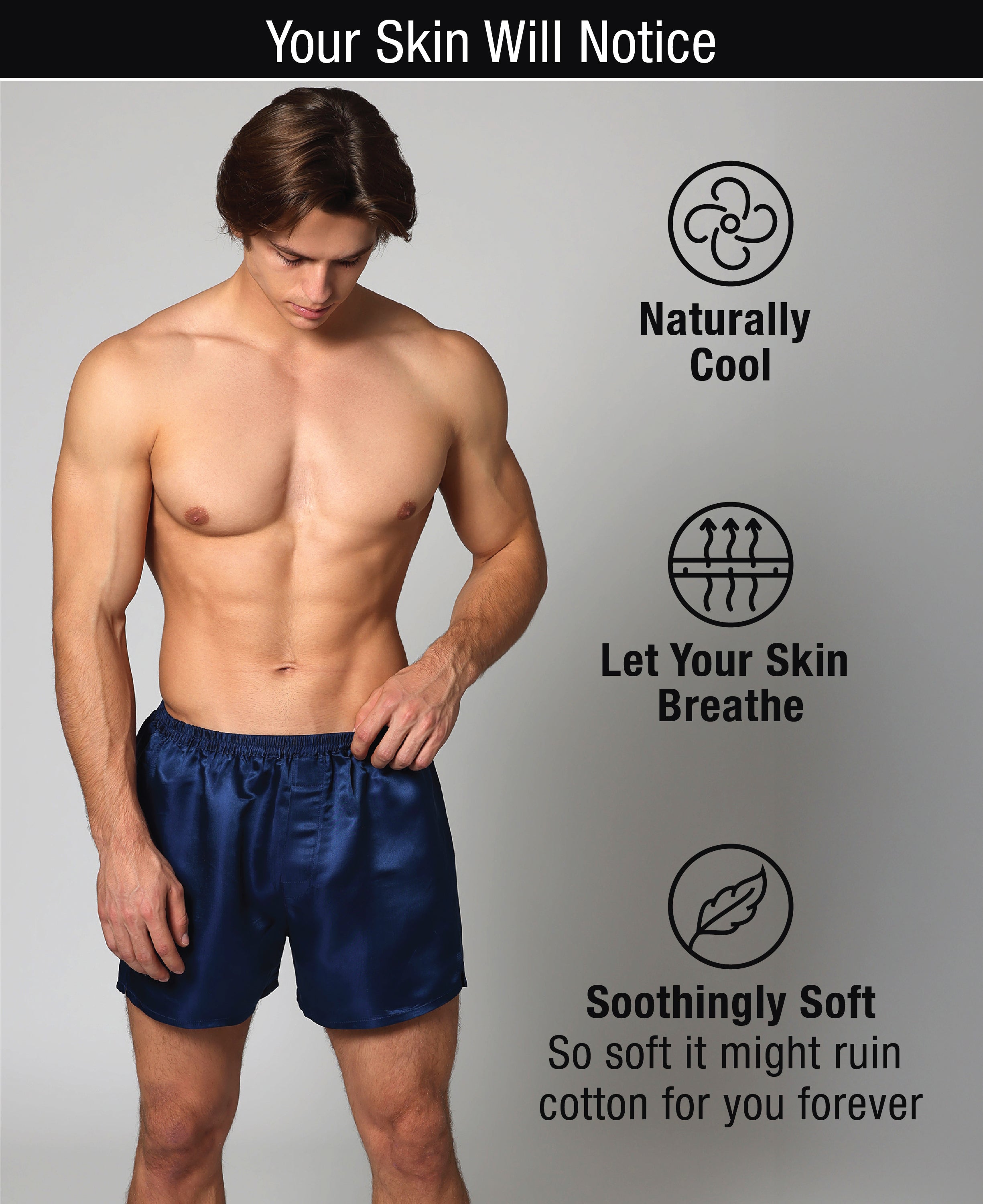
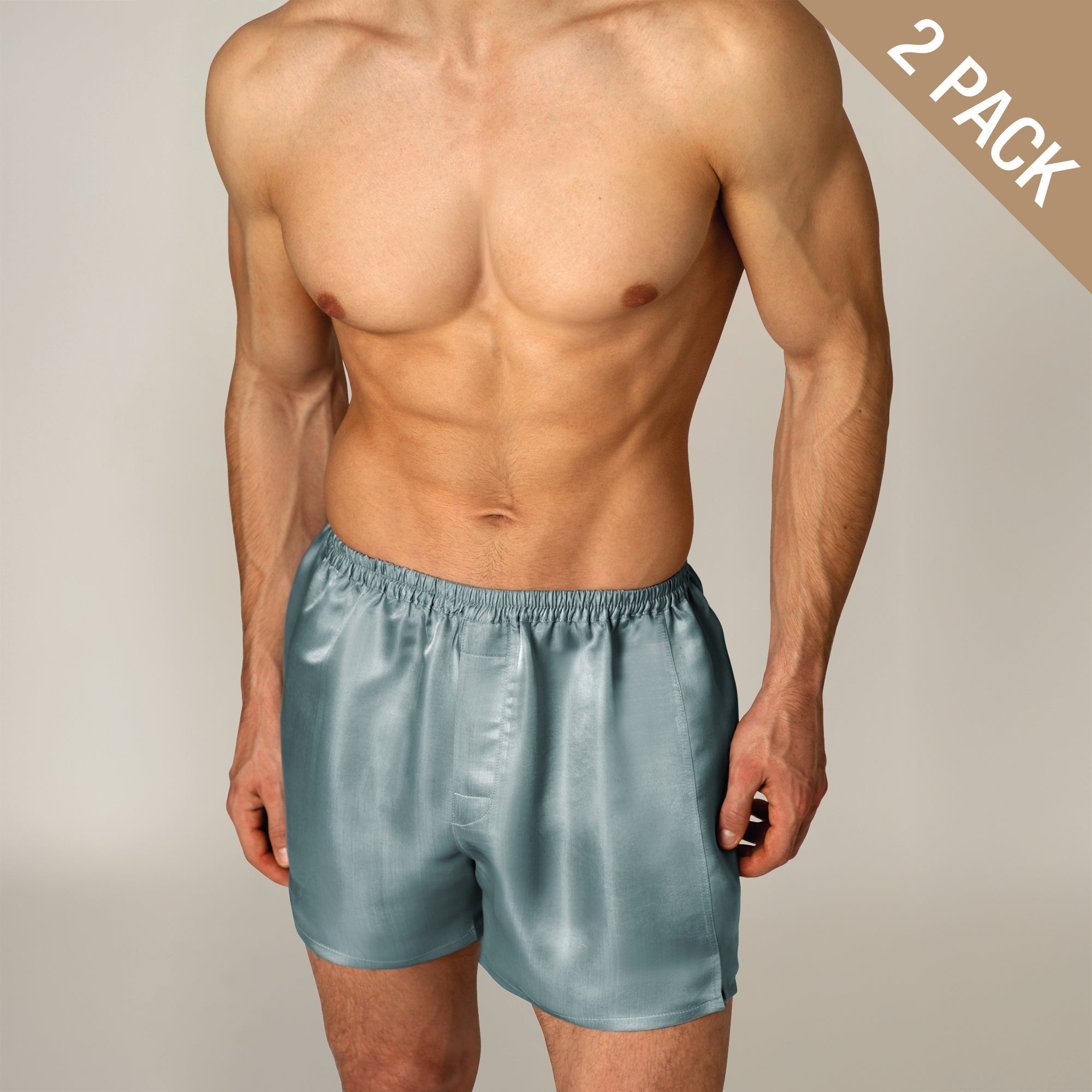
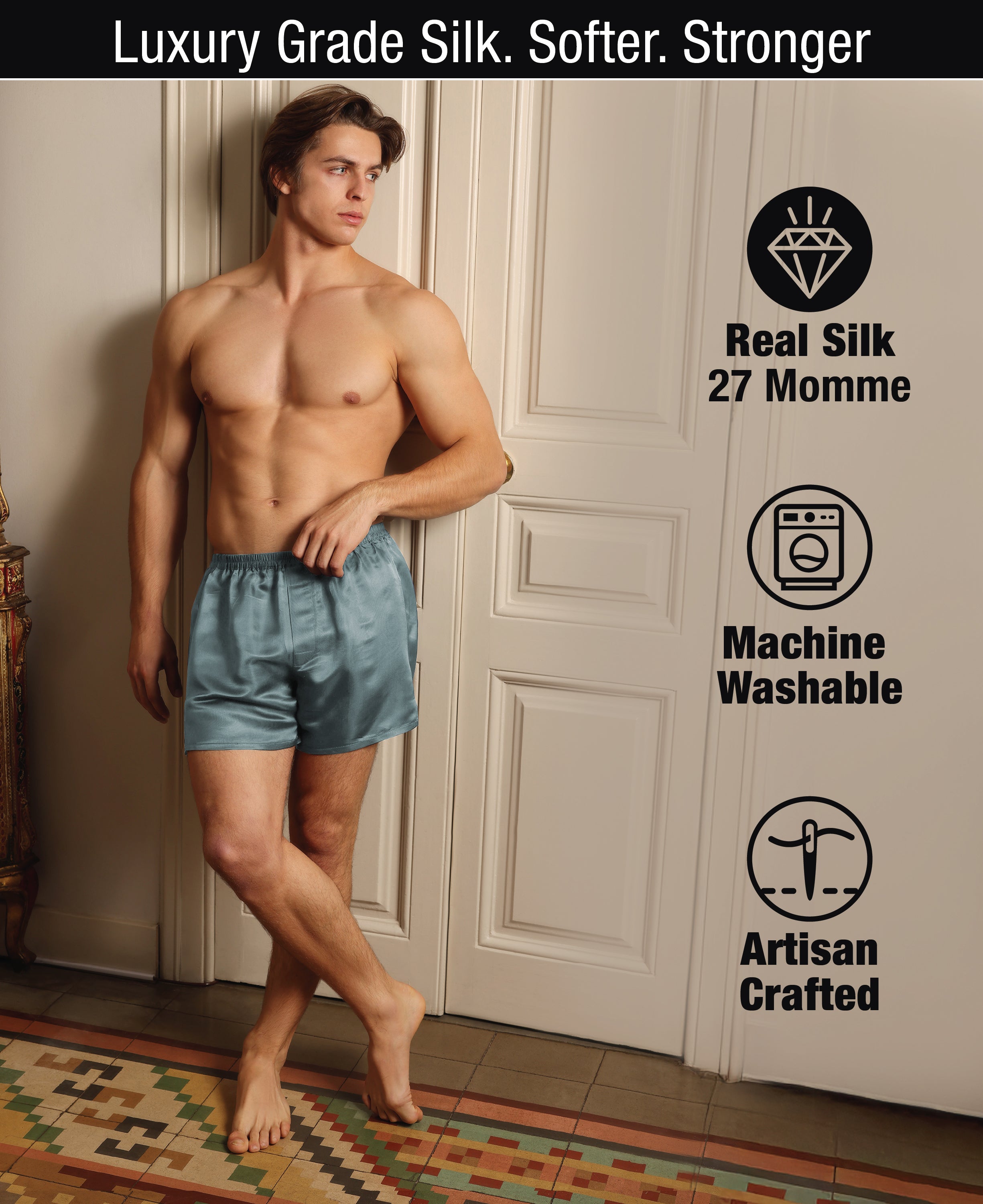
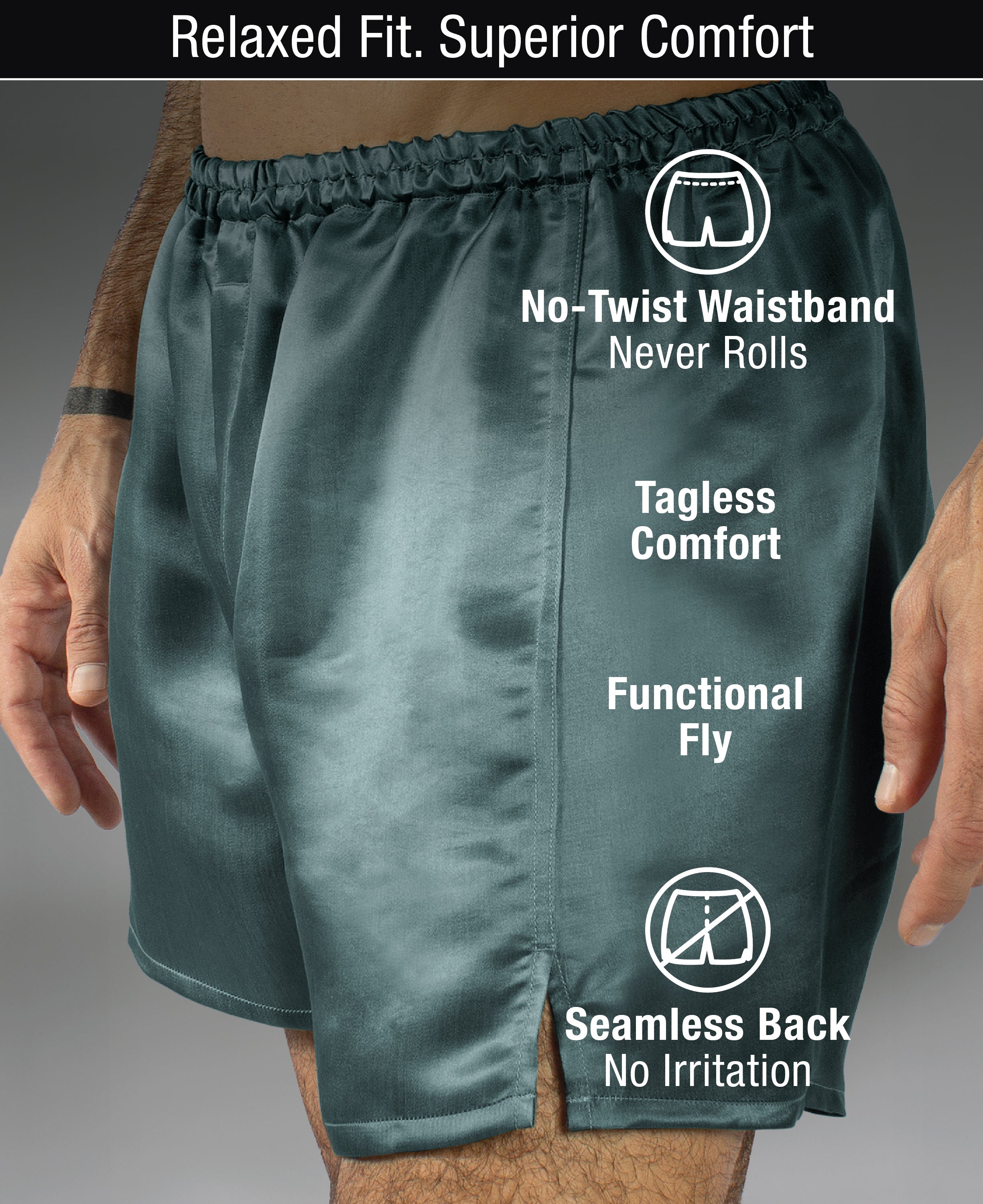
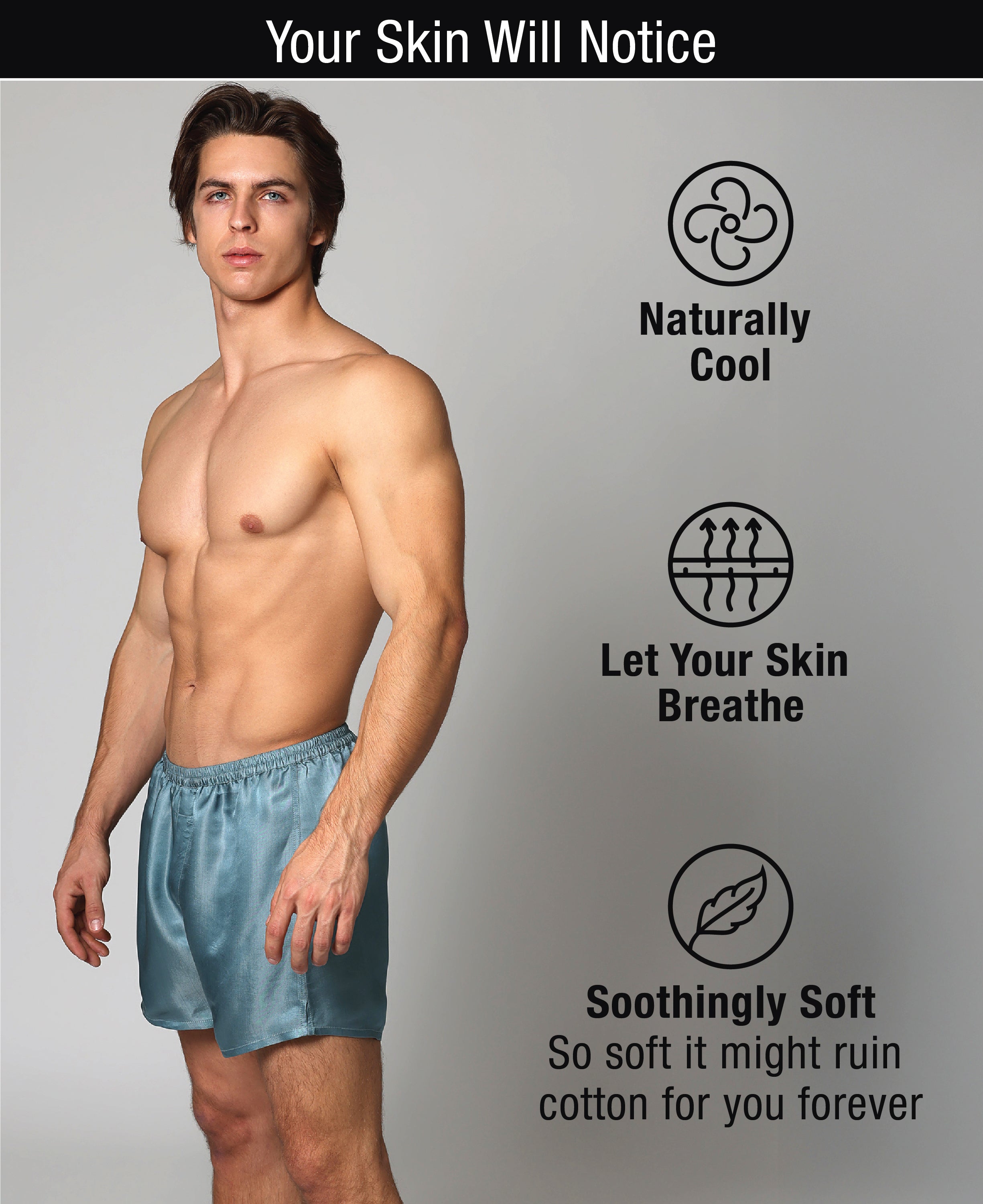
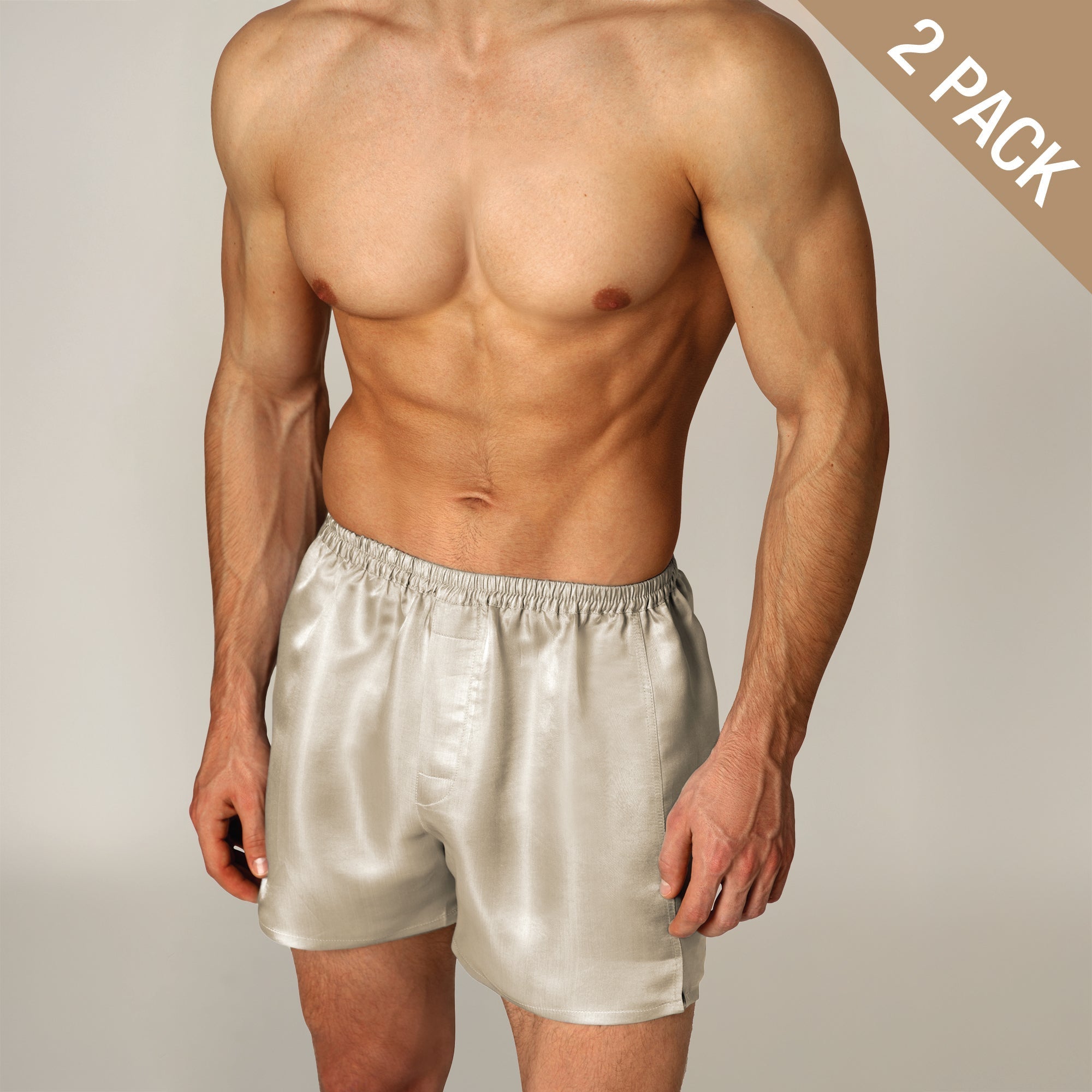
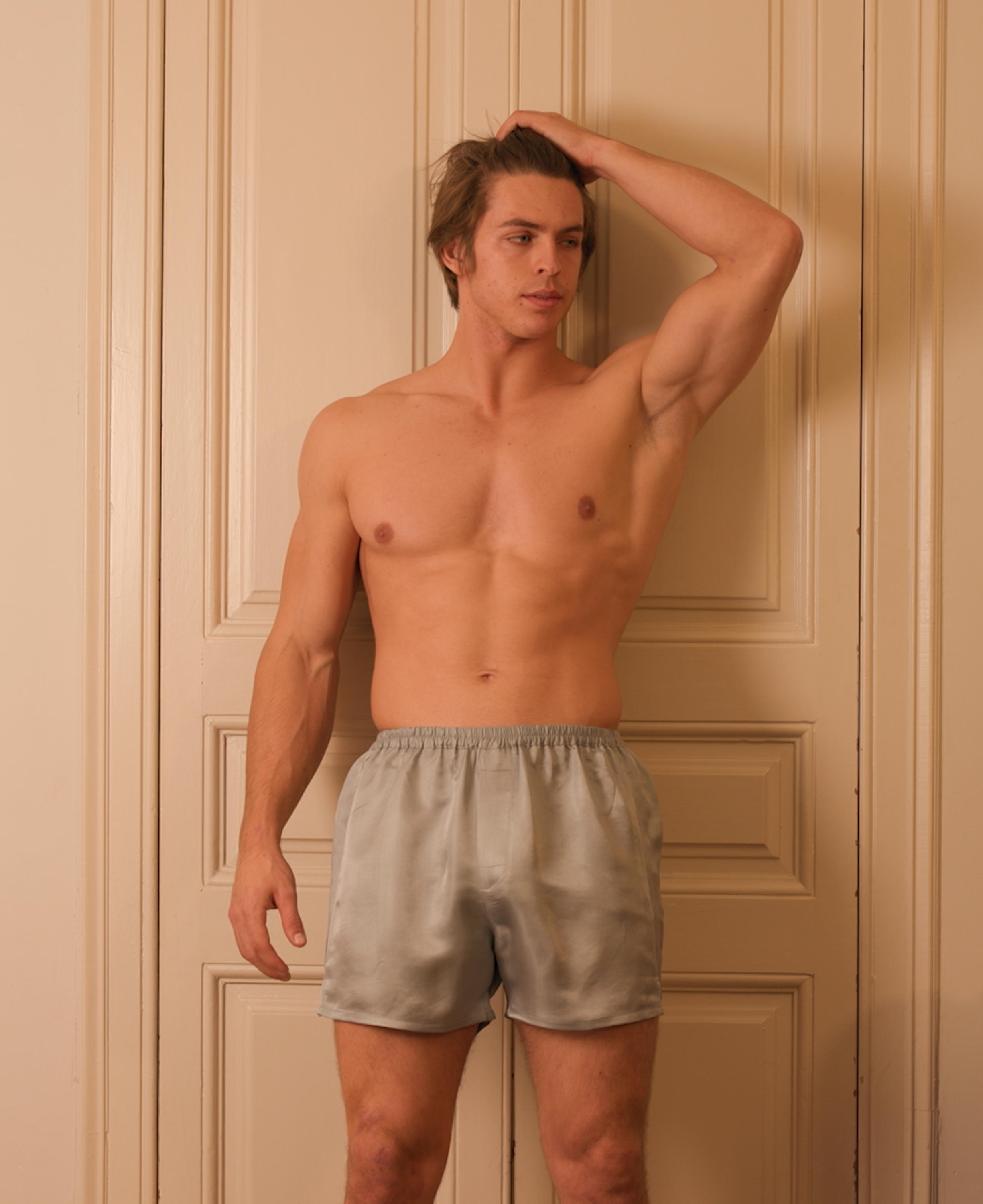
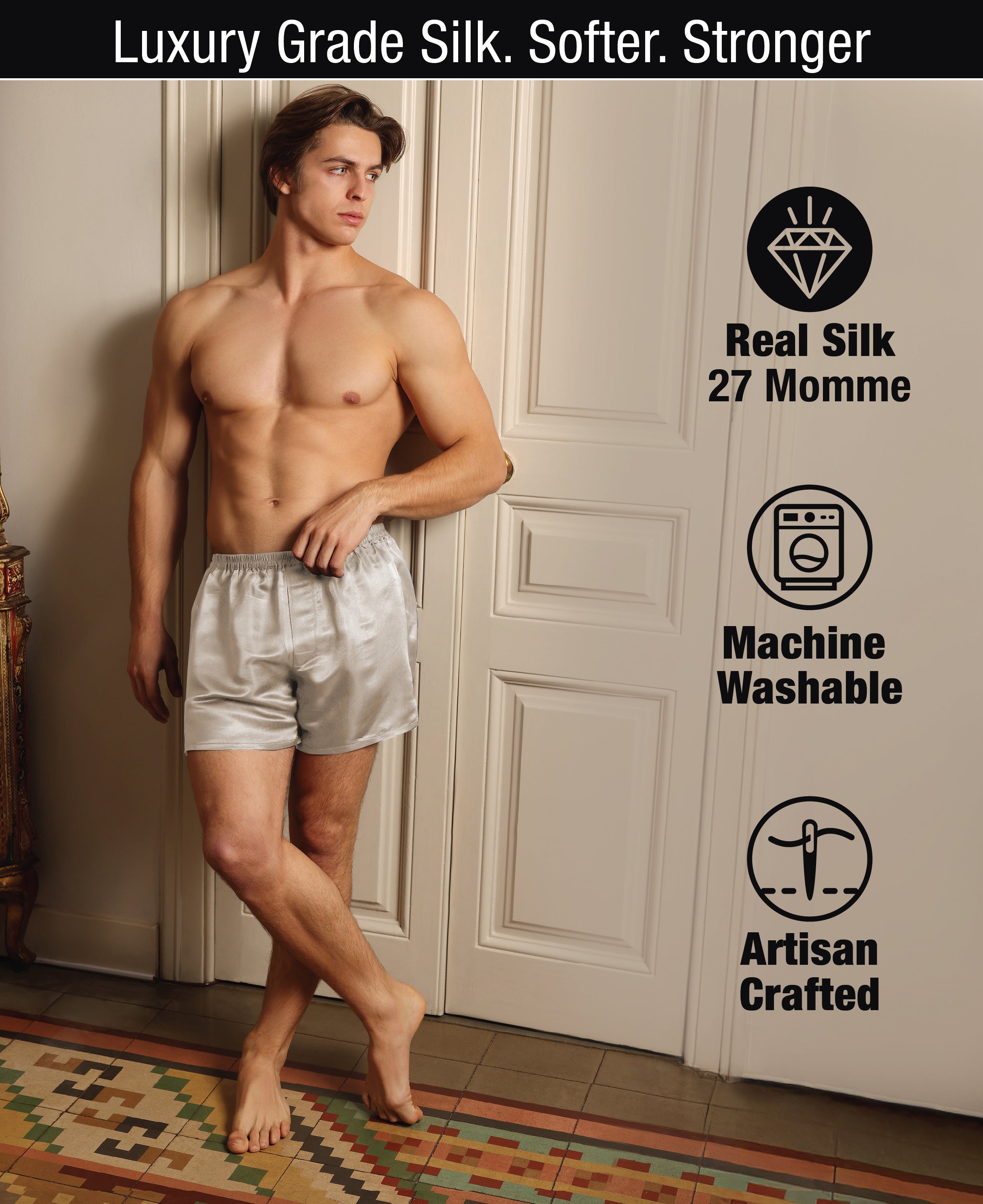
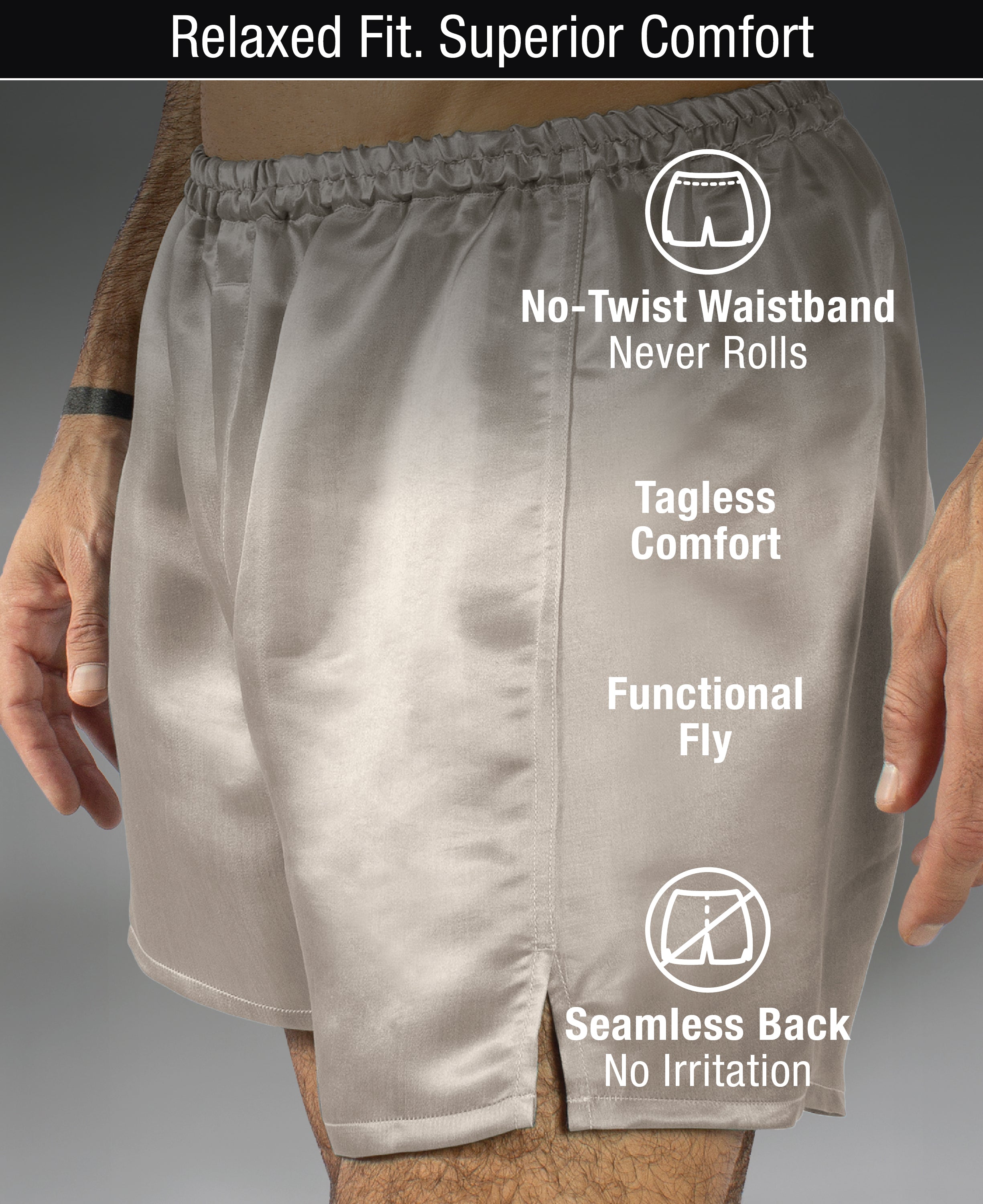
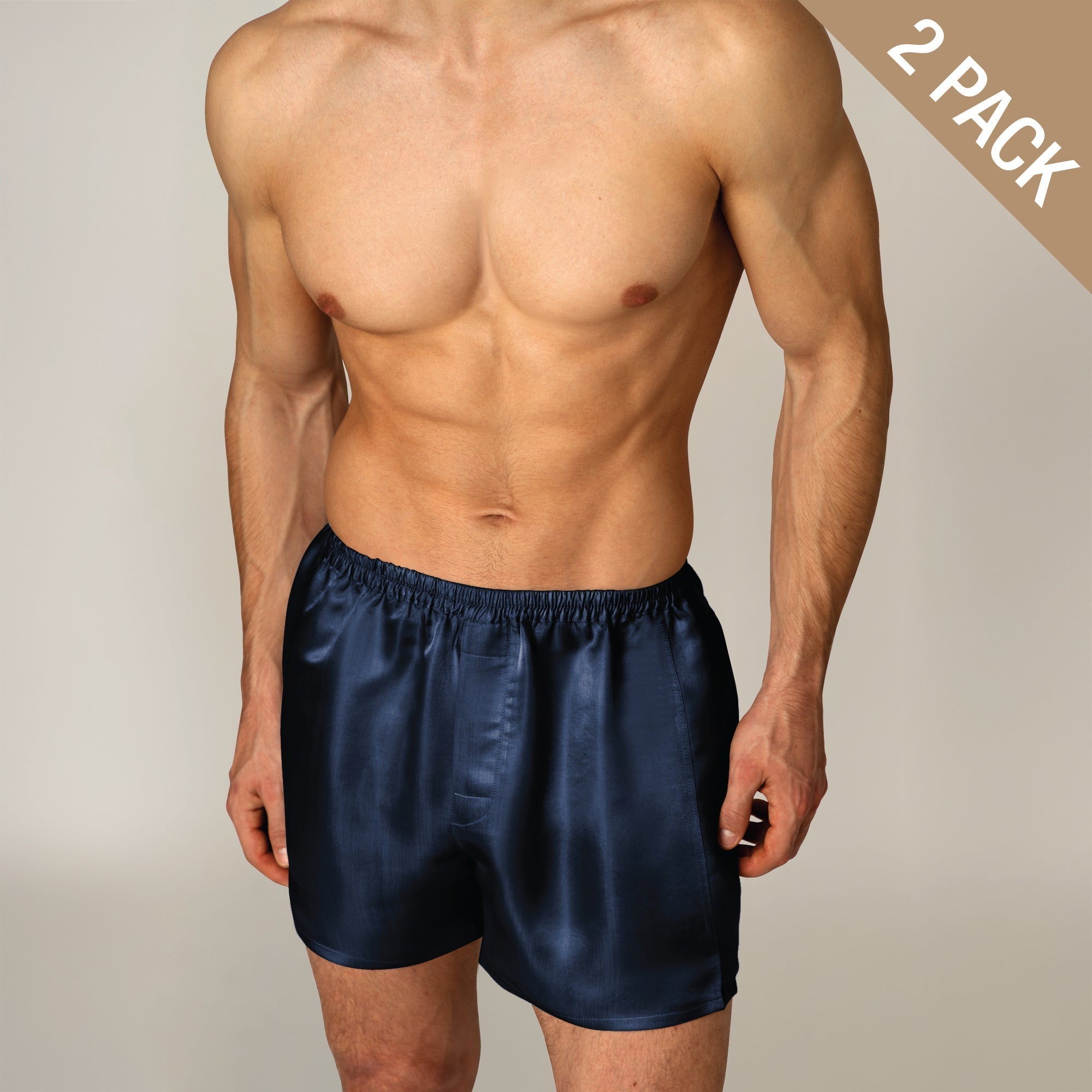
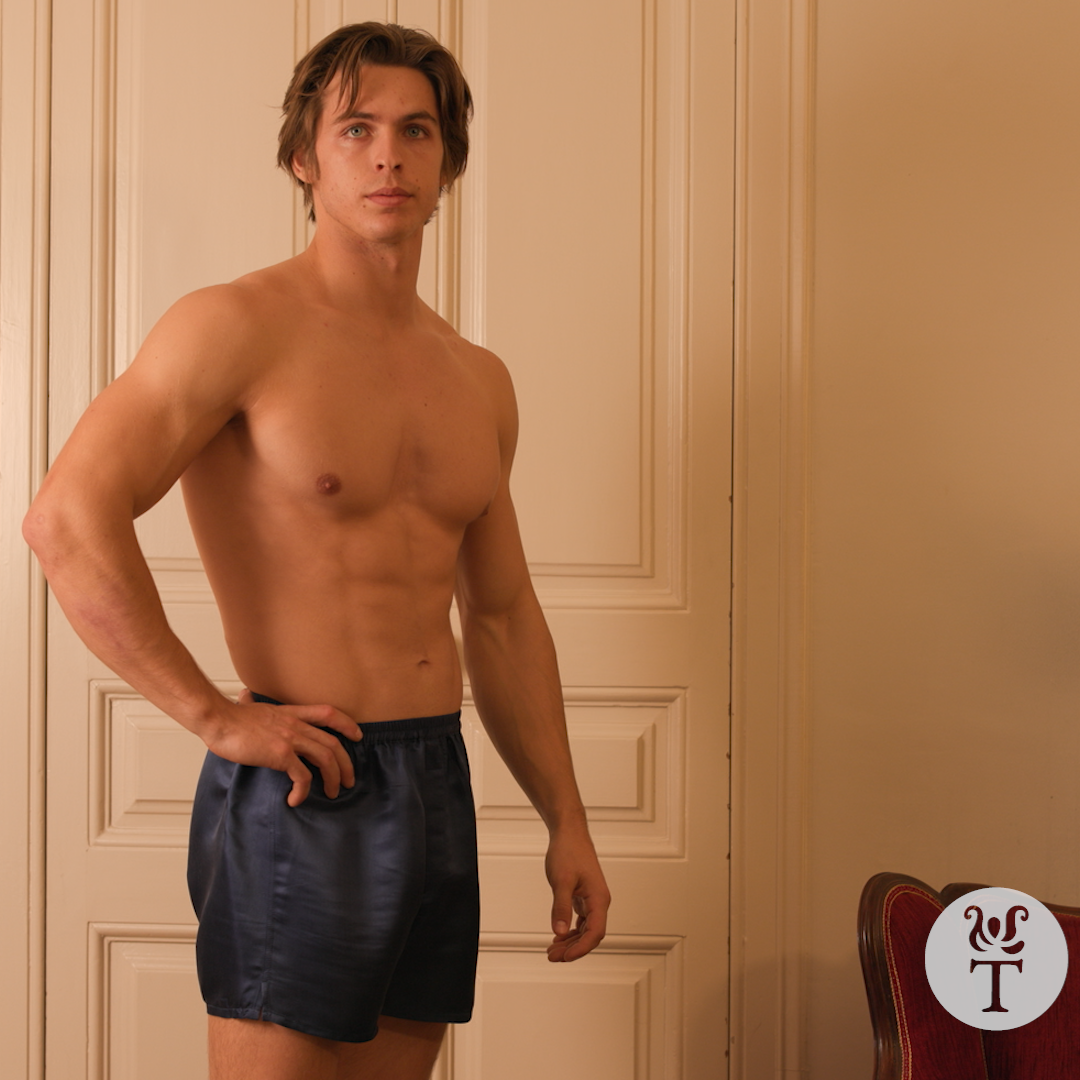
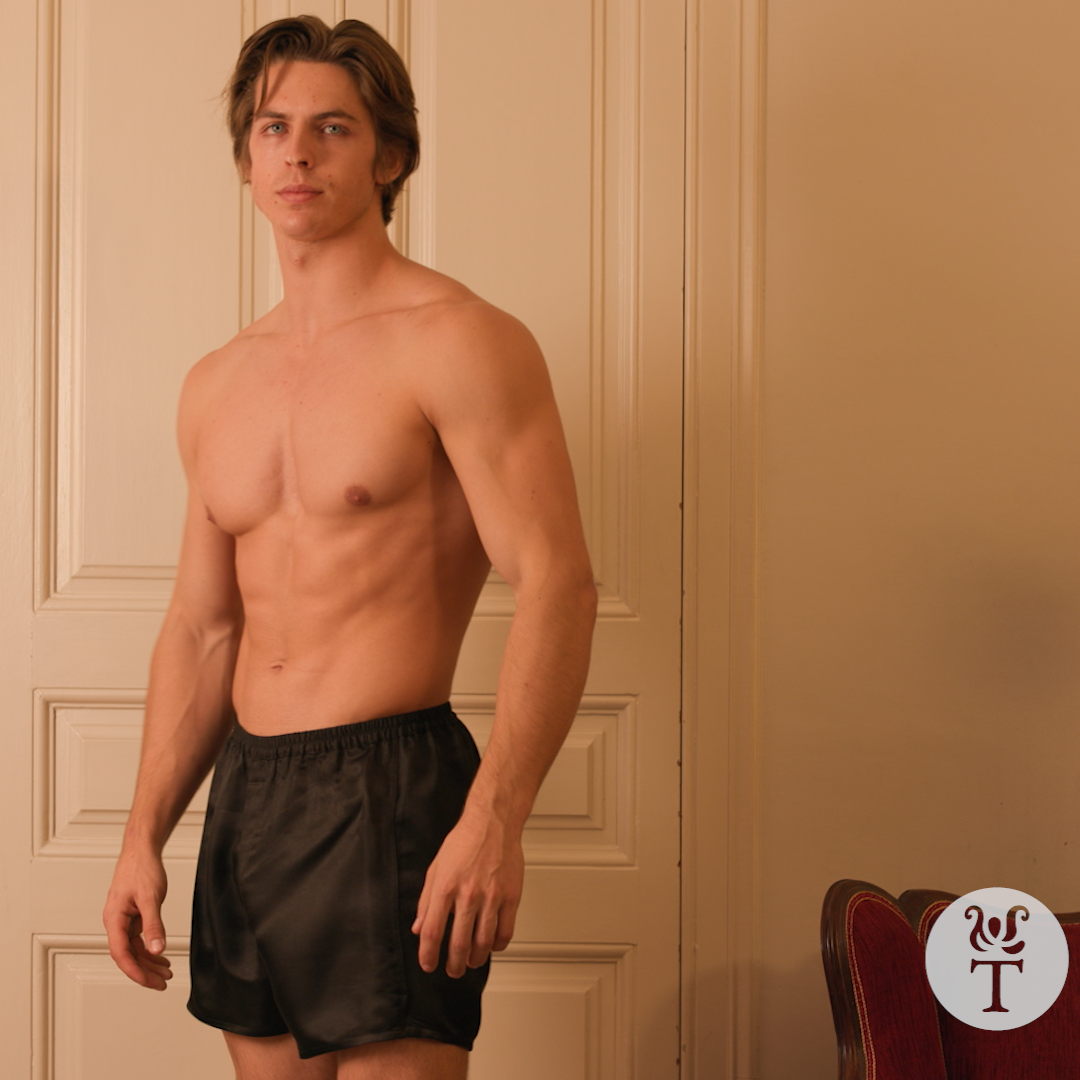
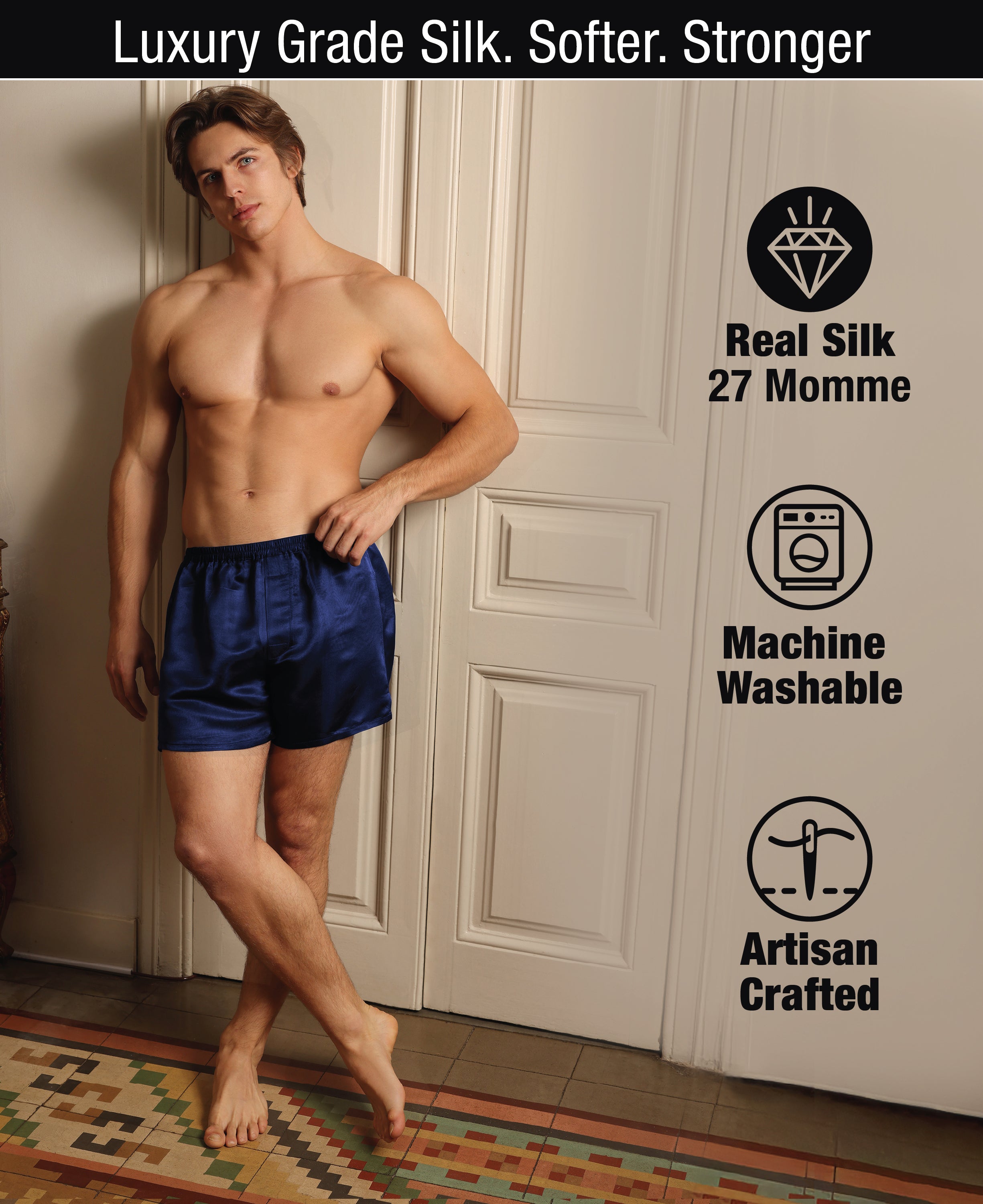
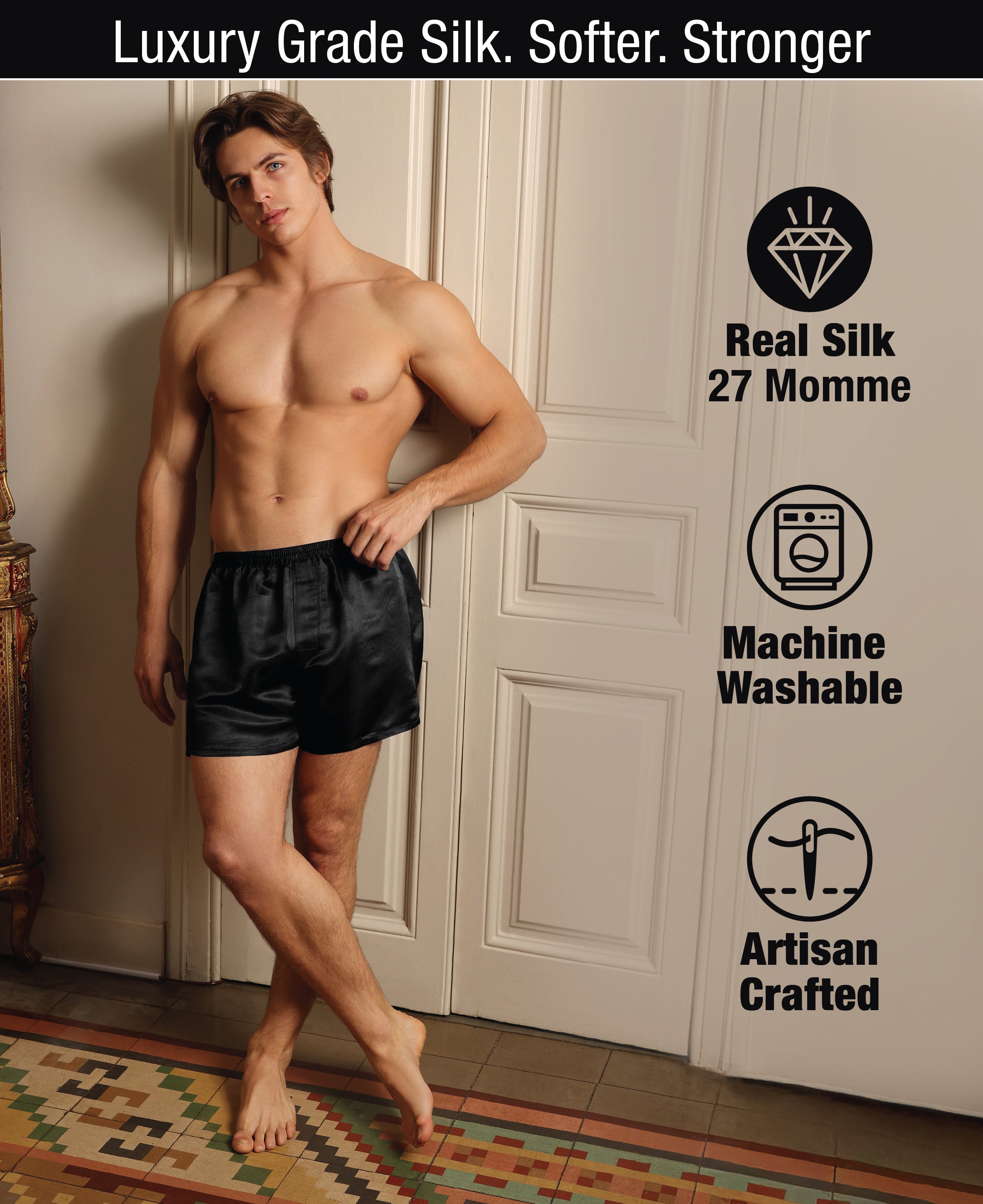
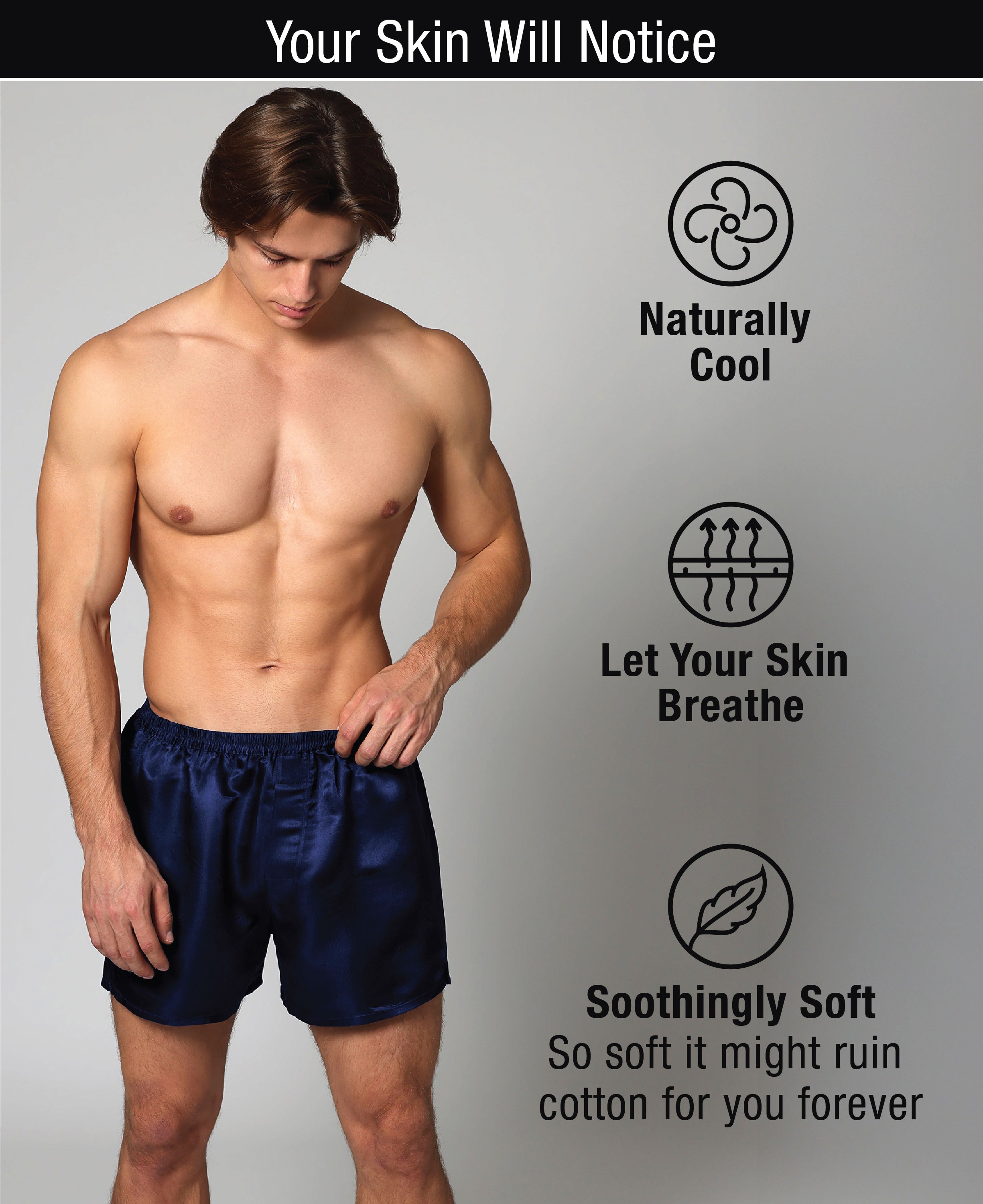
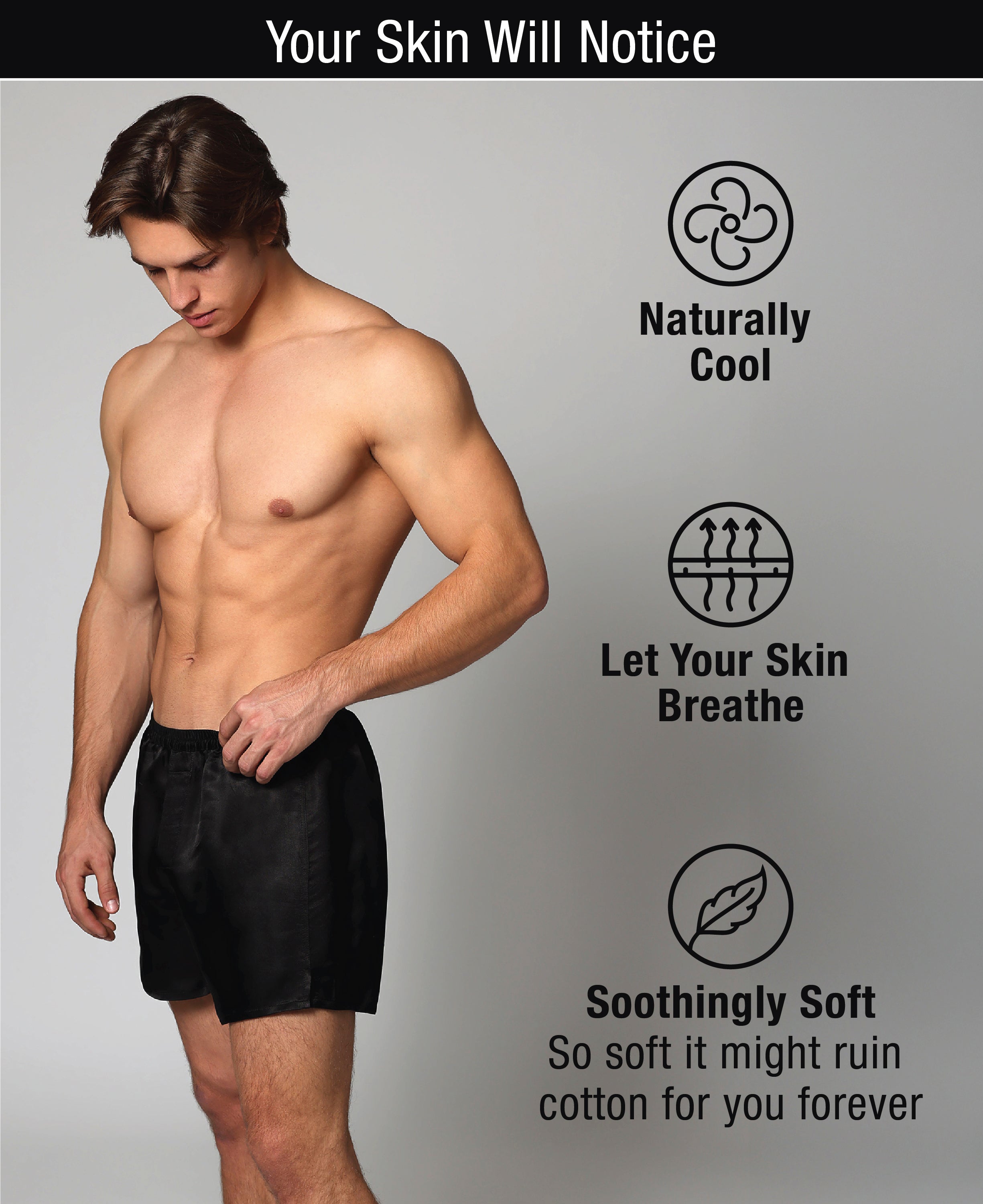
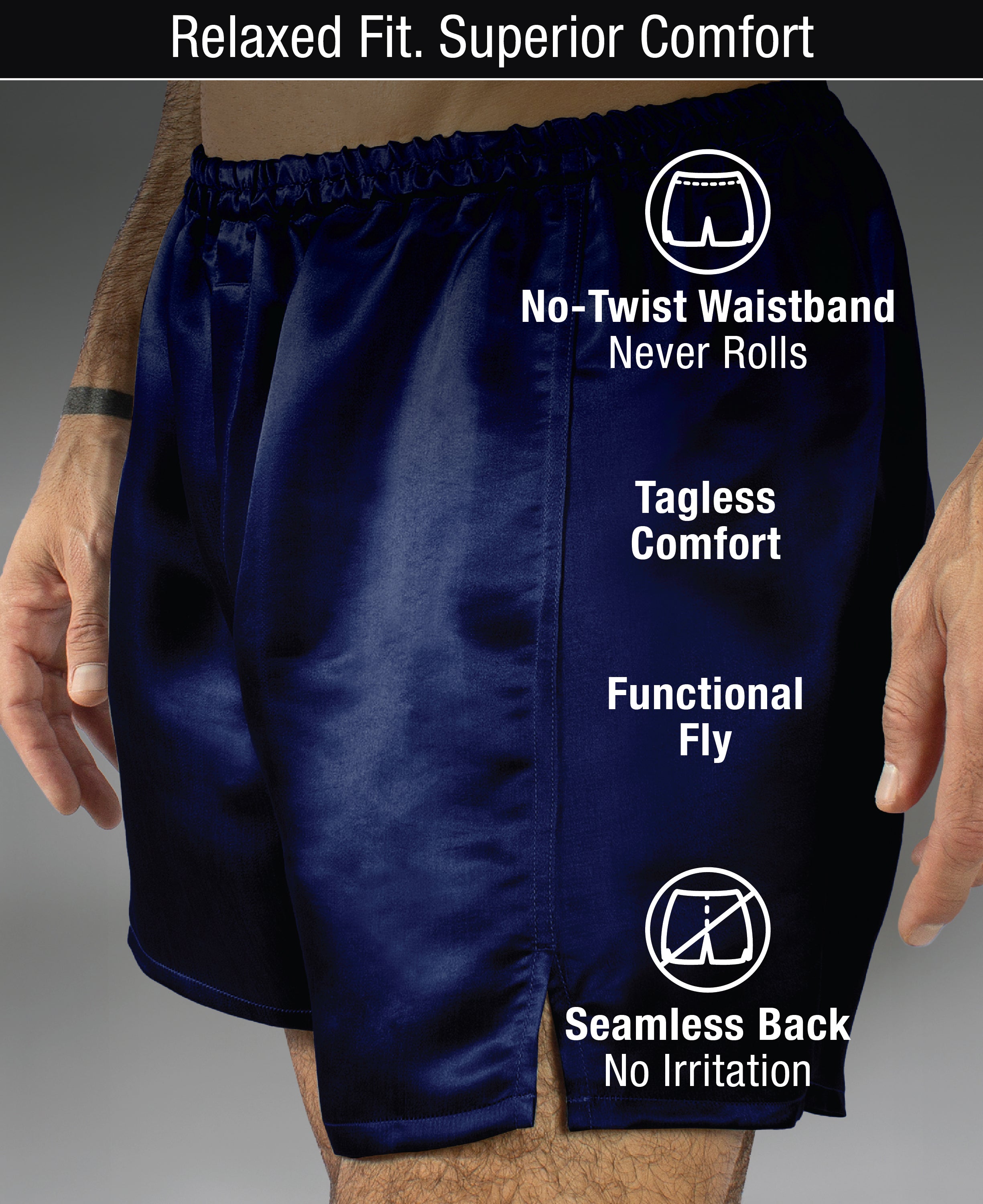
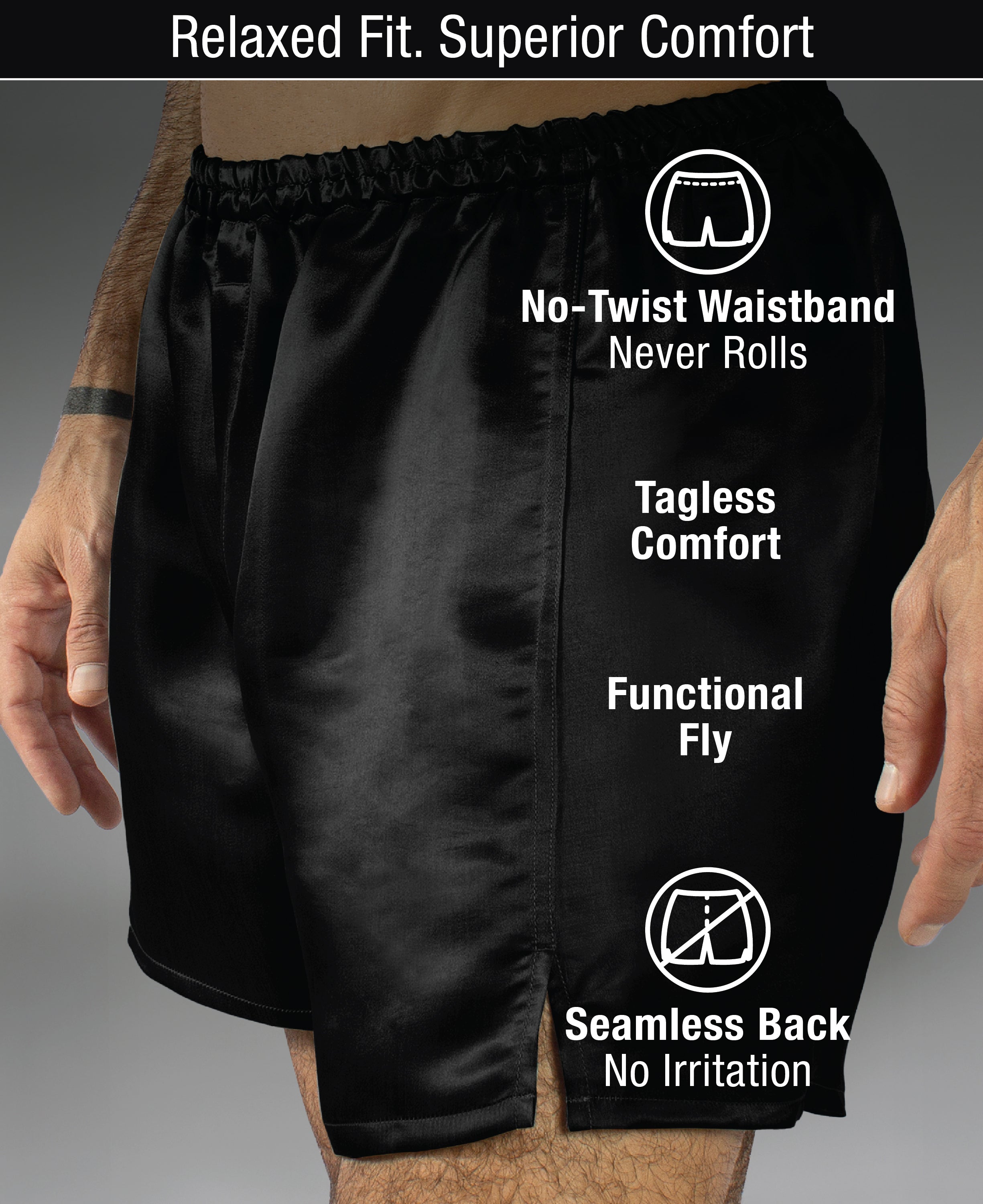
The same thermoregulation principle applies to silk boxers during daytime wear. The 27 momme density manages heat and moisture at the skin surface, which is why our men's silk boxers remain comfortable whether you are in an air-conditioned office or outside in summer humidity.
Frequently Asked Questions
Does sleepwear material really affect sleep quality?
Yes. Research consistently shows that the bed microclimate, the temperature and humidity immediately surrounding the body, is one of the strongest environmental determinants of sleep quality. Sleepwear is the primary mediator between body temperature and bed microclimate.
What is the ideal bed microclimate temperature?
Research identifies approximately 86 to 90 degrees Fahrenheit (30 to 32 degrees Celsius) at 40 to 60 percent relative humidity as the optimal microclimate for sleep. This is the skin-surface temperature range where the body's thermoregulatory system is at rest.
Is silk sleepwear better than sleeping in nothing?
For thermal management, yes. A thermoregulating fabric layer between the body and the bed creates more stable microclimate conditions than direct skin-to-sheet contact. Skin against sheets creates more friction, more moisture adhesion, and more thermal instability.
How does 27 momme compare to lighter silk weights for sleep?
Higher momme weight creates a denser thermoregulatory layer with more air pockets. This extends the comfort range in both directions: better insulation in cool conditions, better heat release in warm conditions. At 19 momme, silk's thermoregulation works but within a narrower temperature range.
Can silk sleepwear replace a sleep-specific mattress or bedding?
No. Sleepwear is one variable in the sleep environment. Mattress, pillow, bedding, room temperature, light, and noise all contribute. Silk sleepwear optimizes one variable, the fabric-skin thermal interface, and works best as part of a considered sleep environment, not as a standalone fix.
How much does fabric choice matter compared to room temperature?
Research shows that the microclimate created by sleepwear and bedding has greater impact on sleep quality than room temperature alone. A well-chosen sleepwear fabric can compensate for non-optimal room temperature more effectively than adjusting the thermostat.
