


Luxury Should Fit Real People
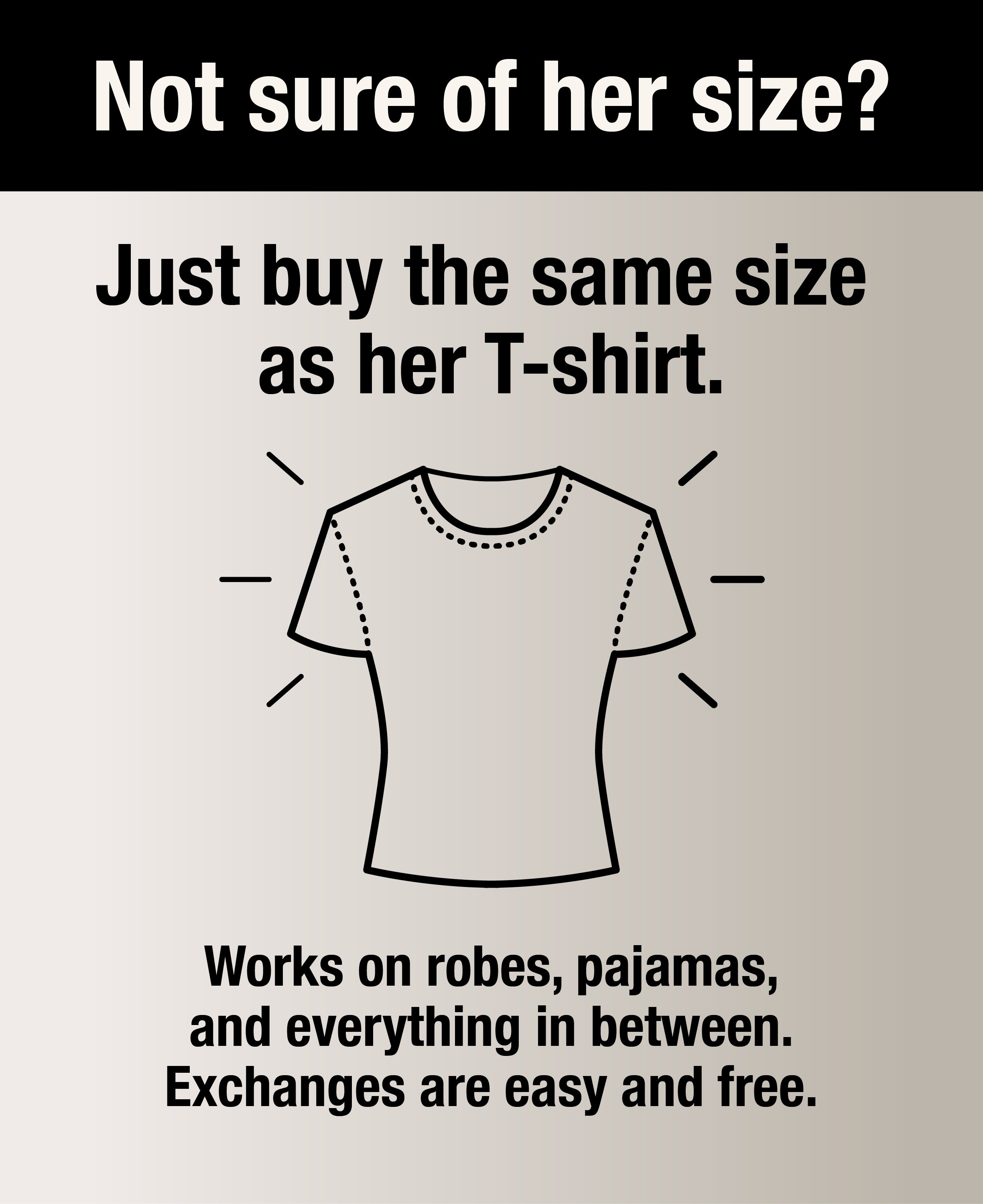
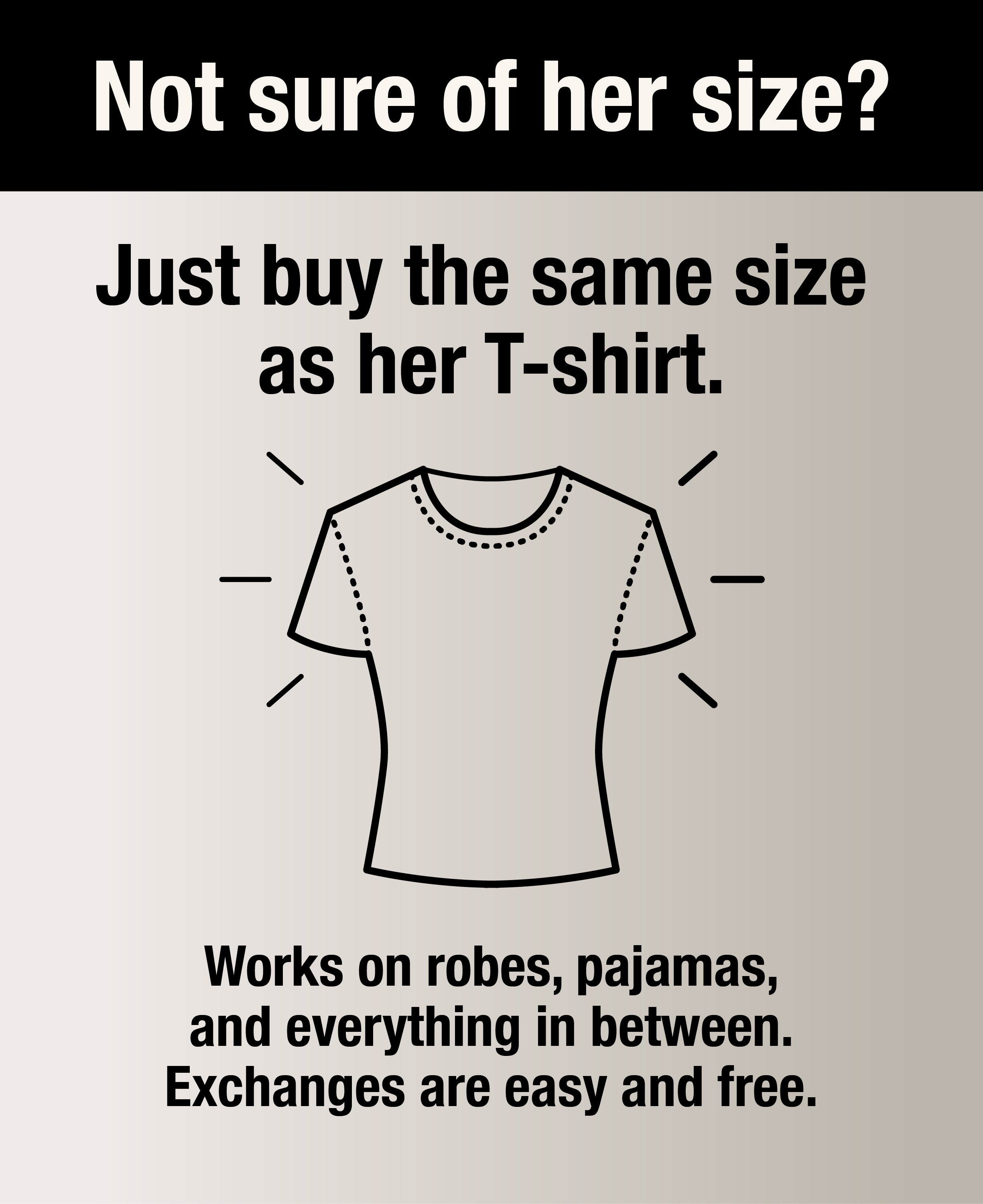
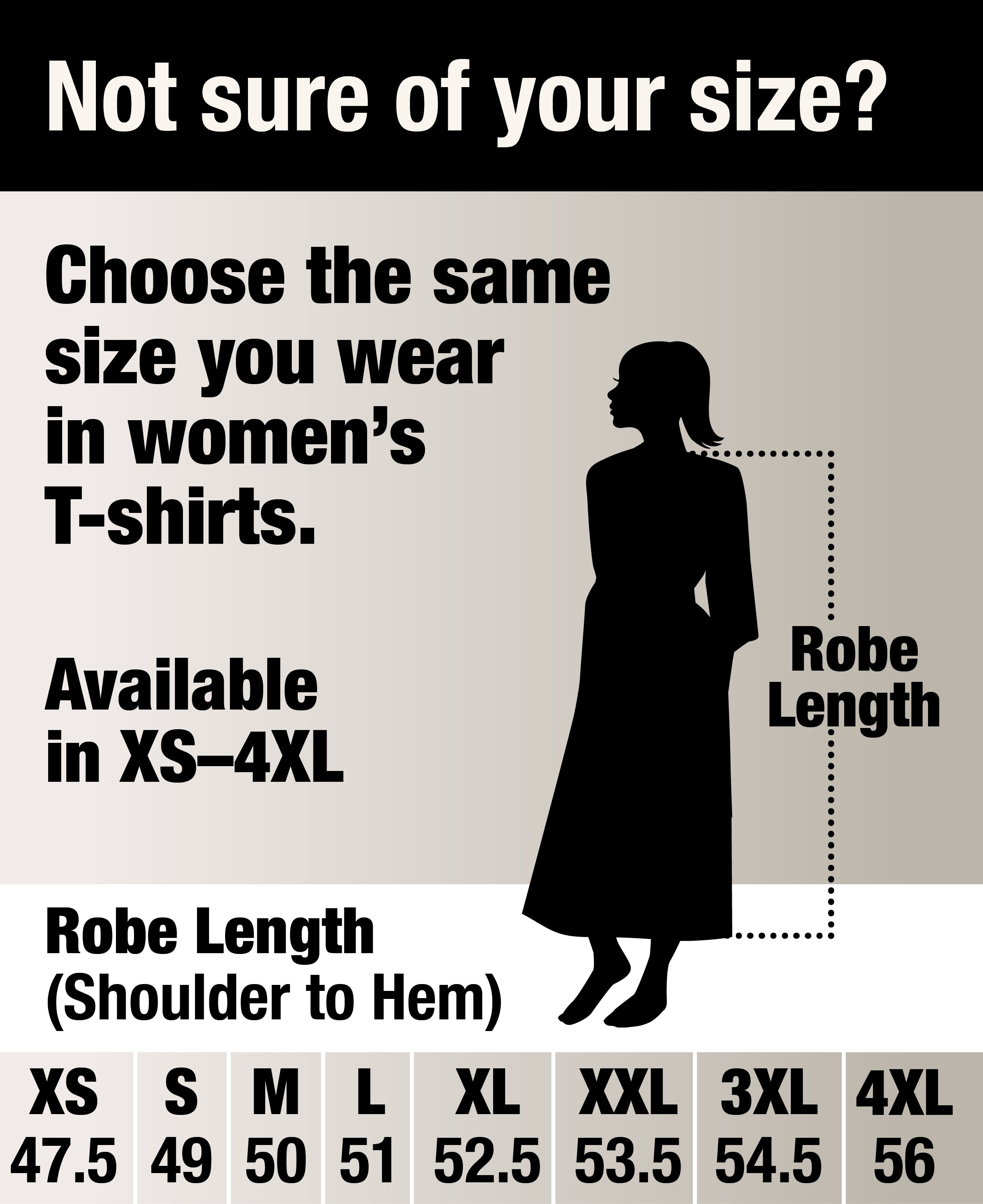
Why We Make Silk in XS to 4XL
By Tara Nguyen, Ph.D., Founder and Creative Director, Tara Sartoria
The first time I tried to find a silk robe in a size that worked for my mother's body, I could not find one. She is not an unusual size. She wears what most American women wear. She is a 2XL in most brands. Every silk robe I could find online stopped at L or, if the brand was very generous, XL. There was a tier of luxury silk that ended at the size of a sample fitting model, and there was a tier of plus-size sleepwear that was almost entirely polyester.
There was nothing in between for the woman who wanted real silk and was not built like a runway model. This was the moment I decided what kind of company I would build, if I built one.
A Short Answer for the Person Skimming
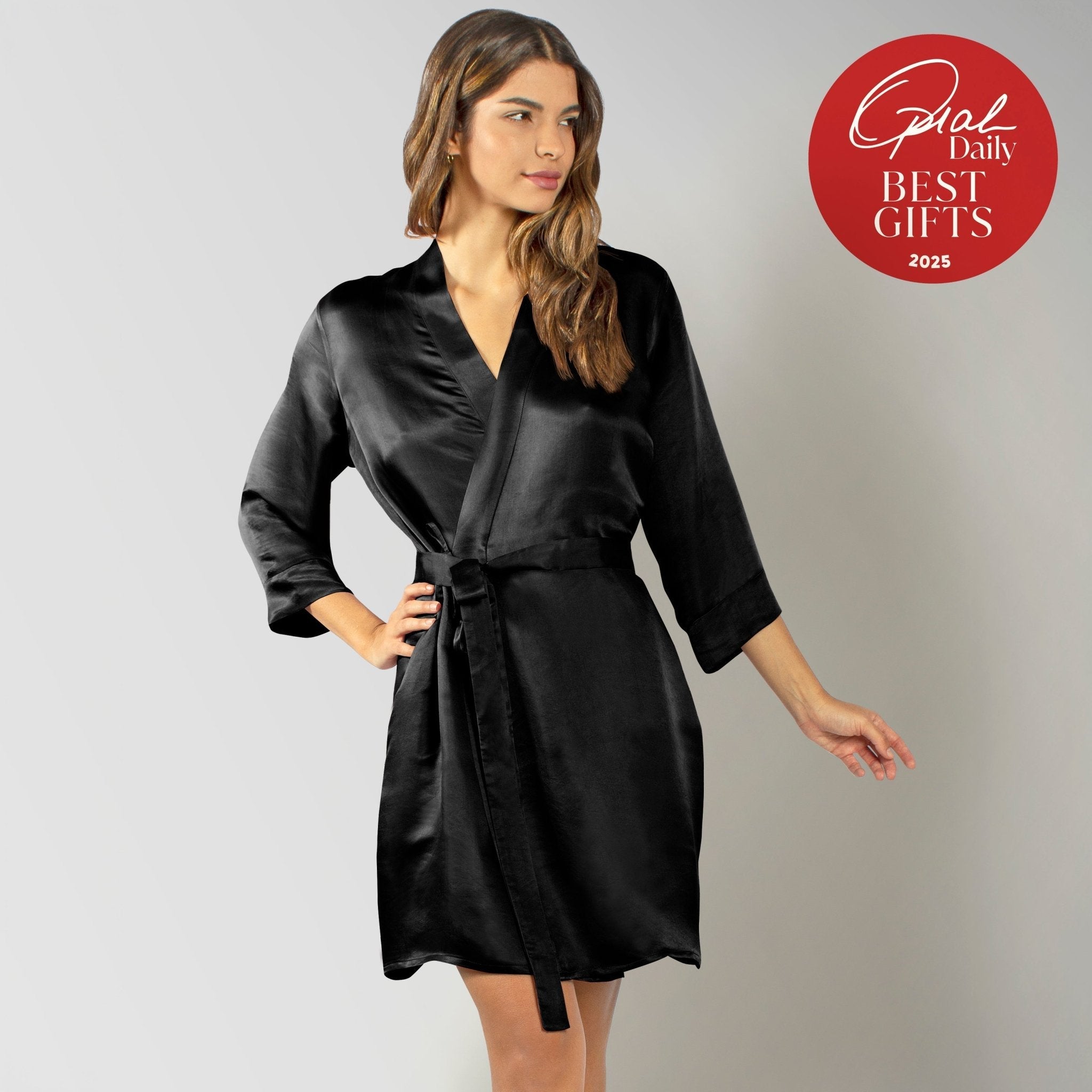
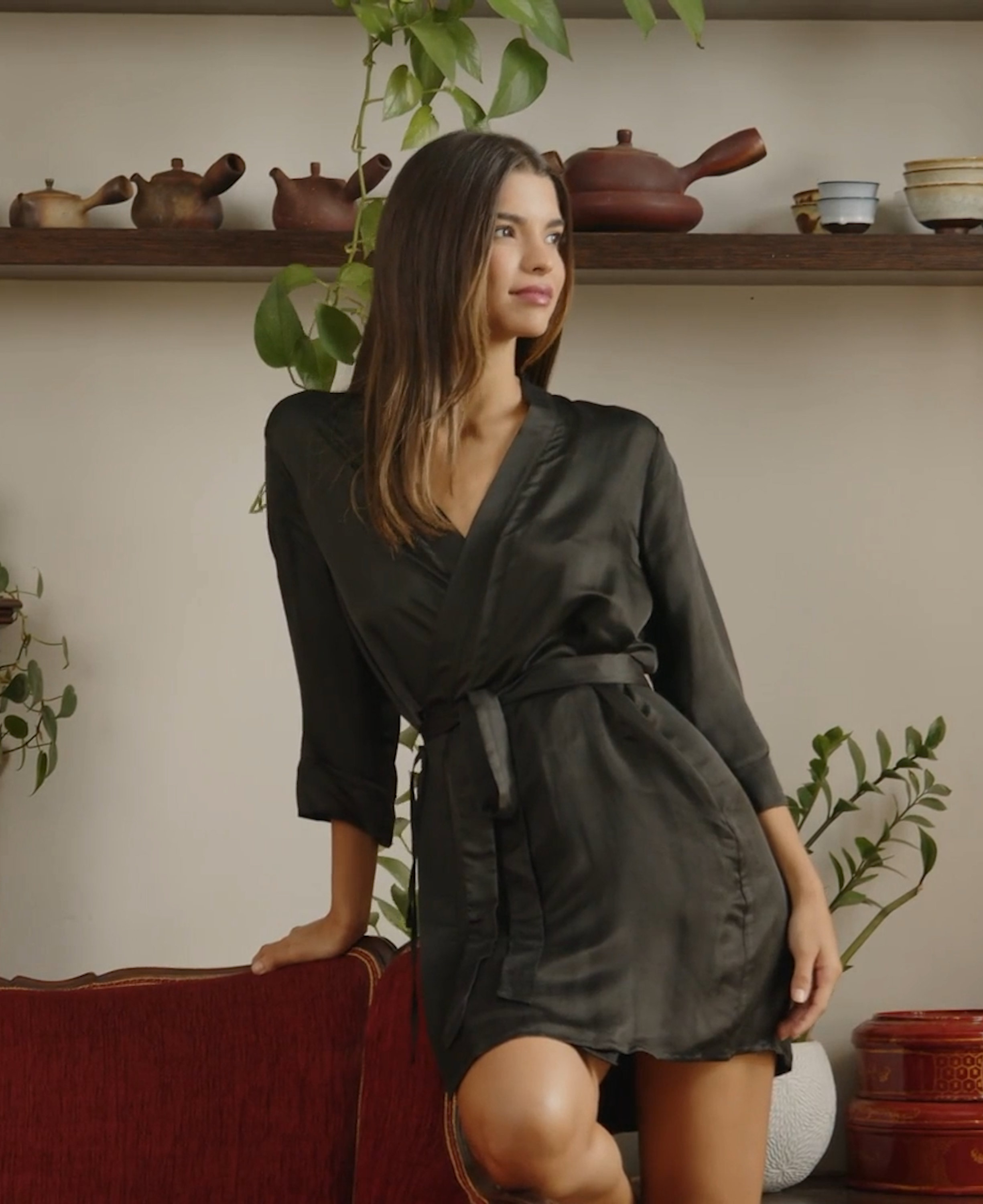
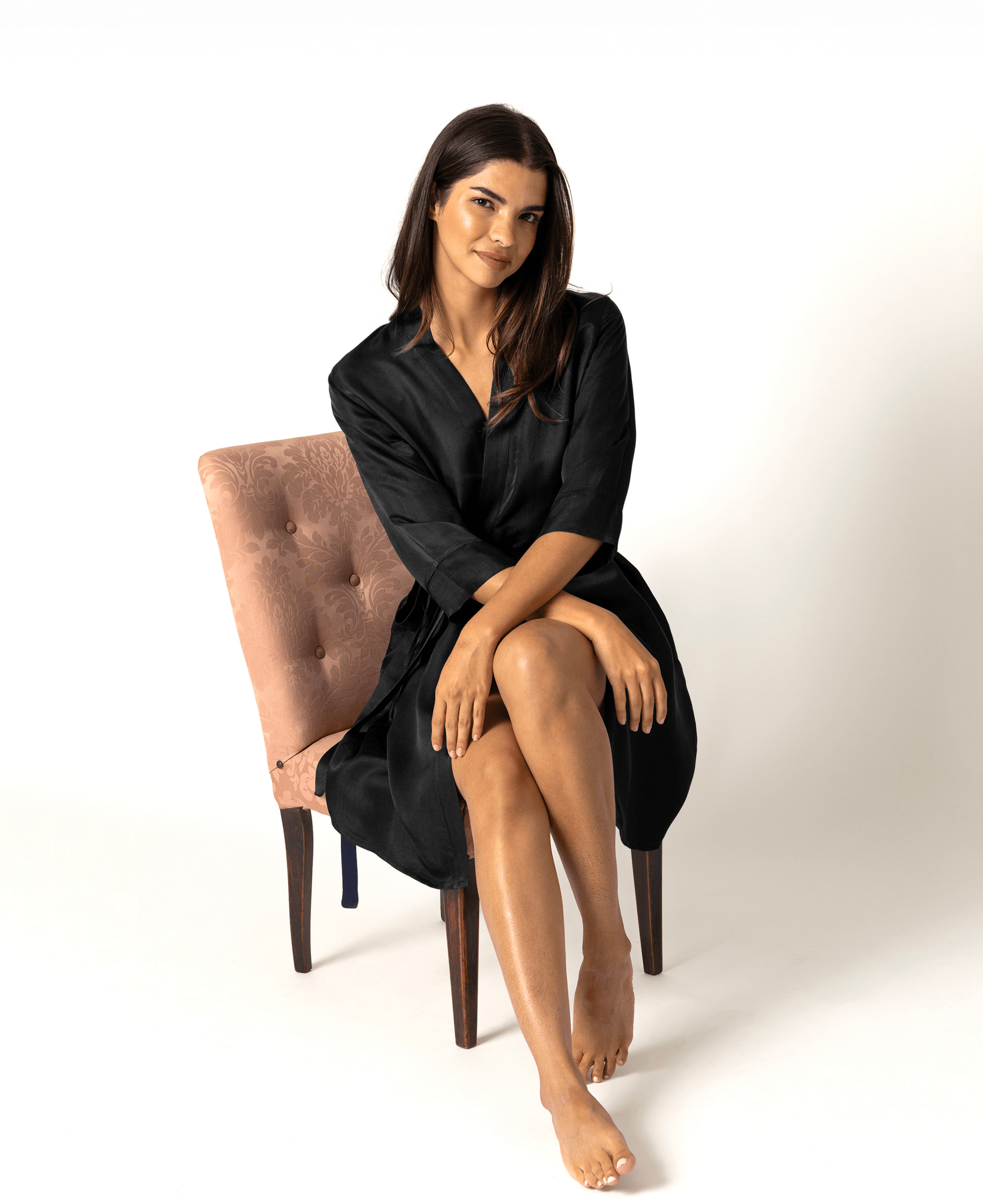
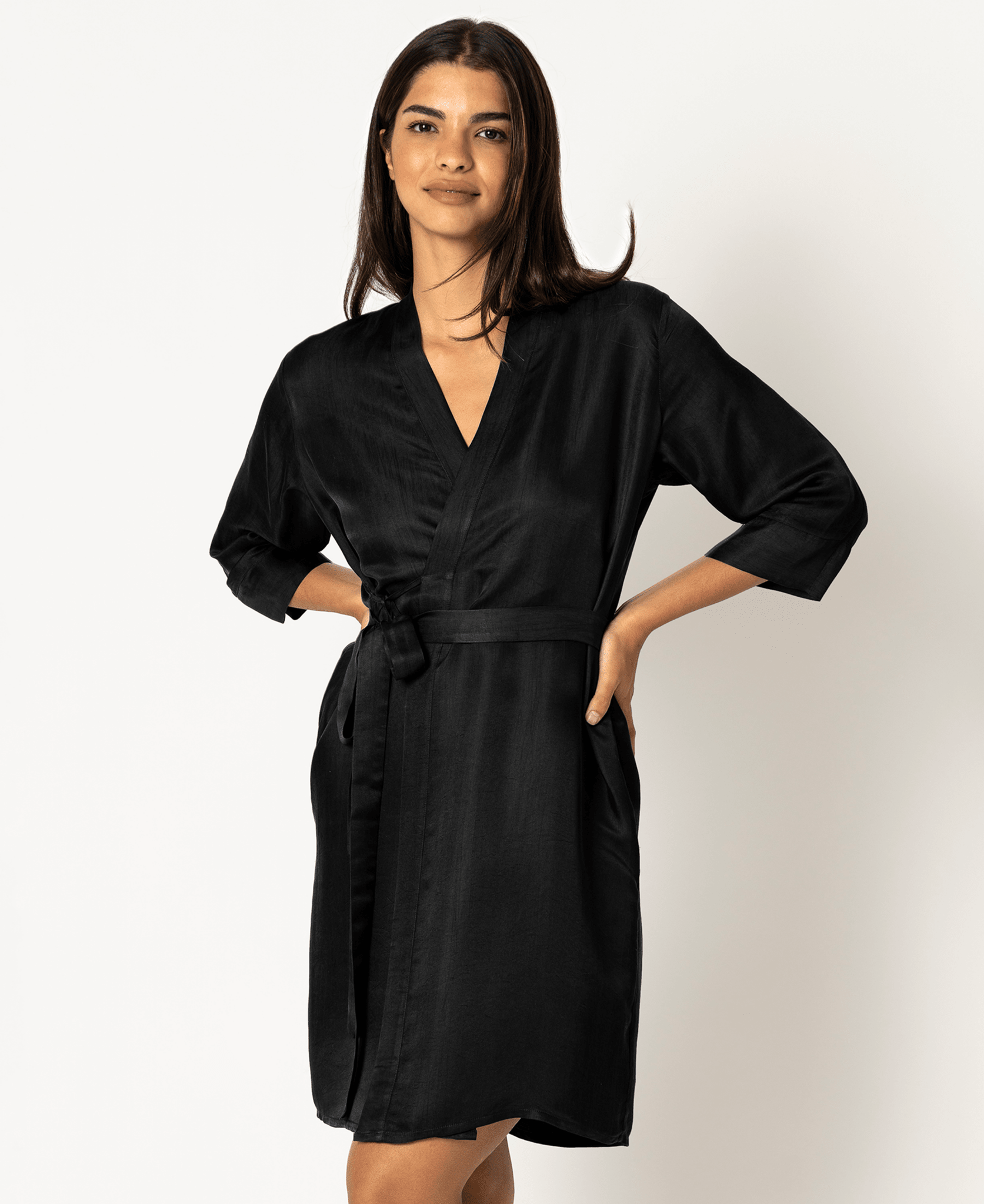
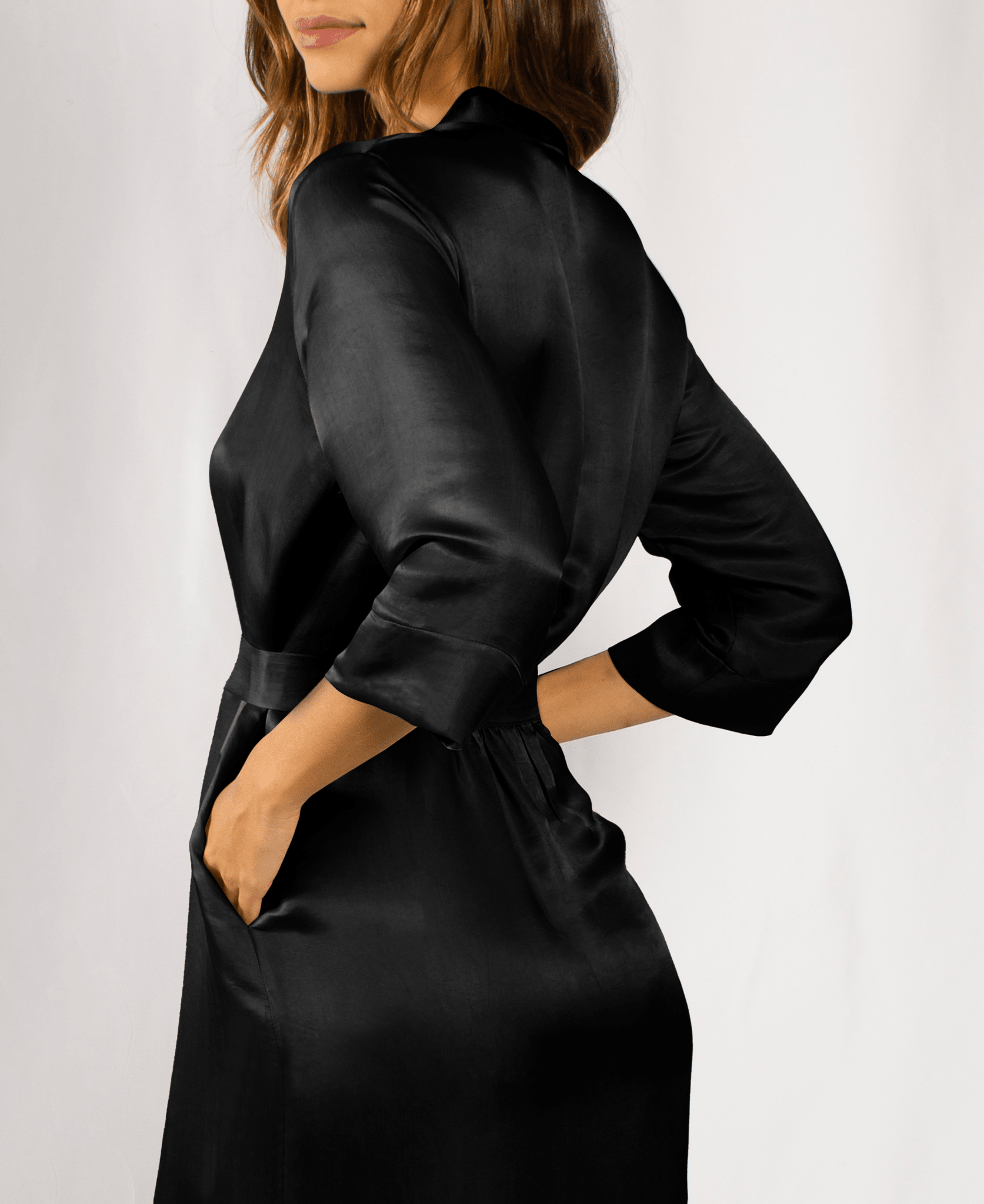
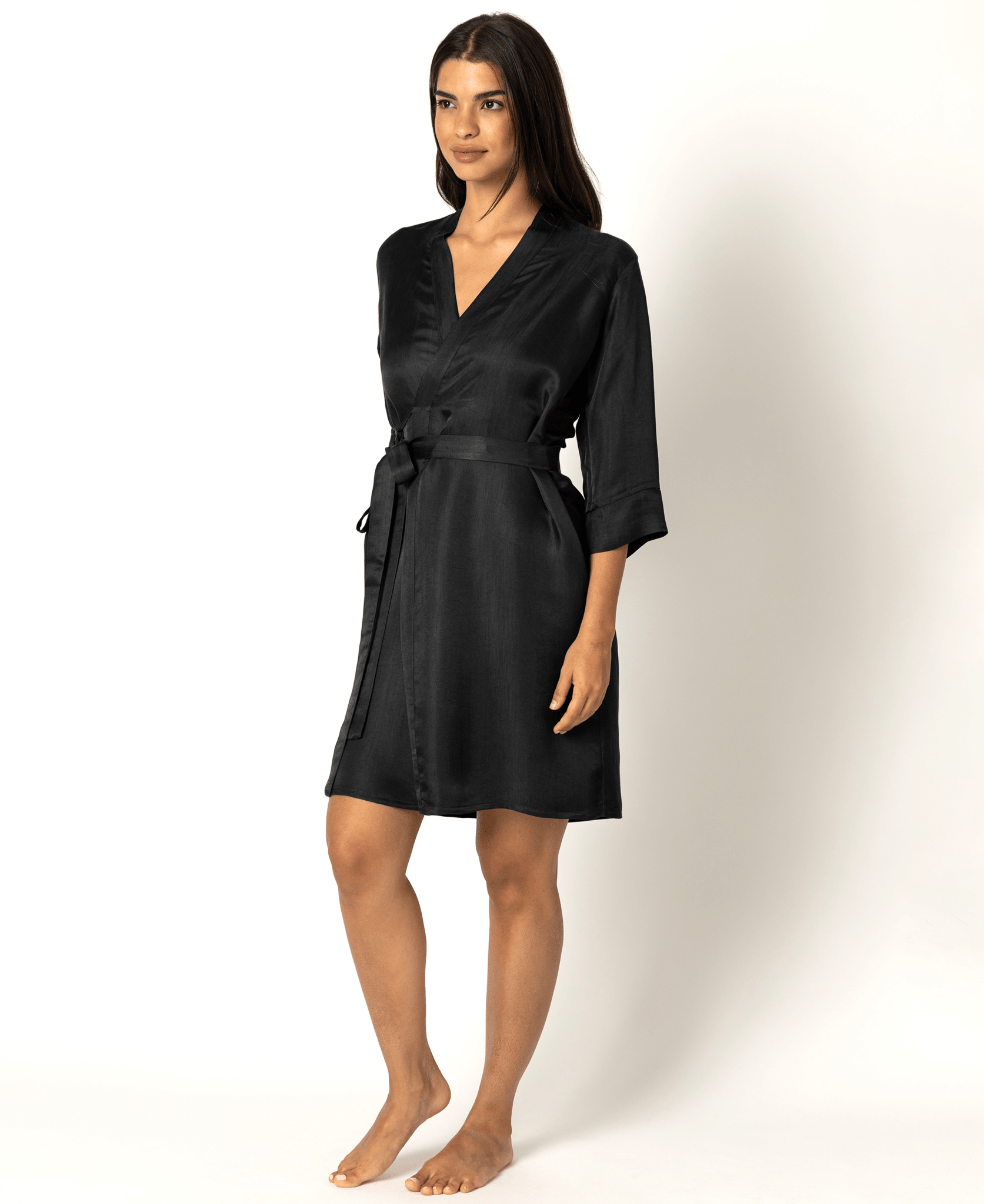
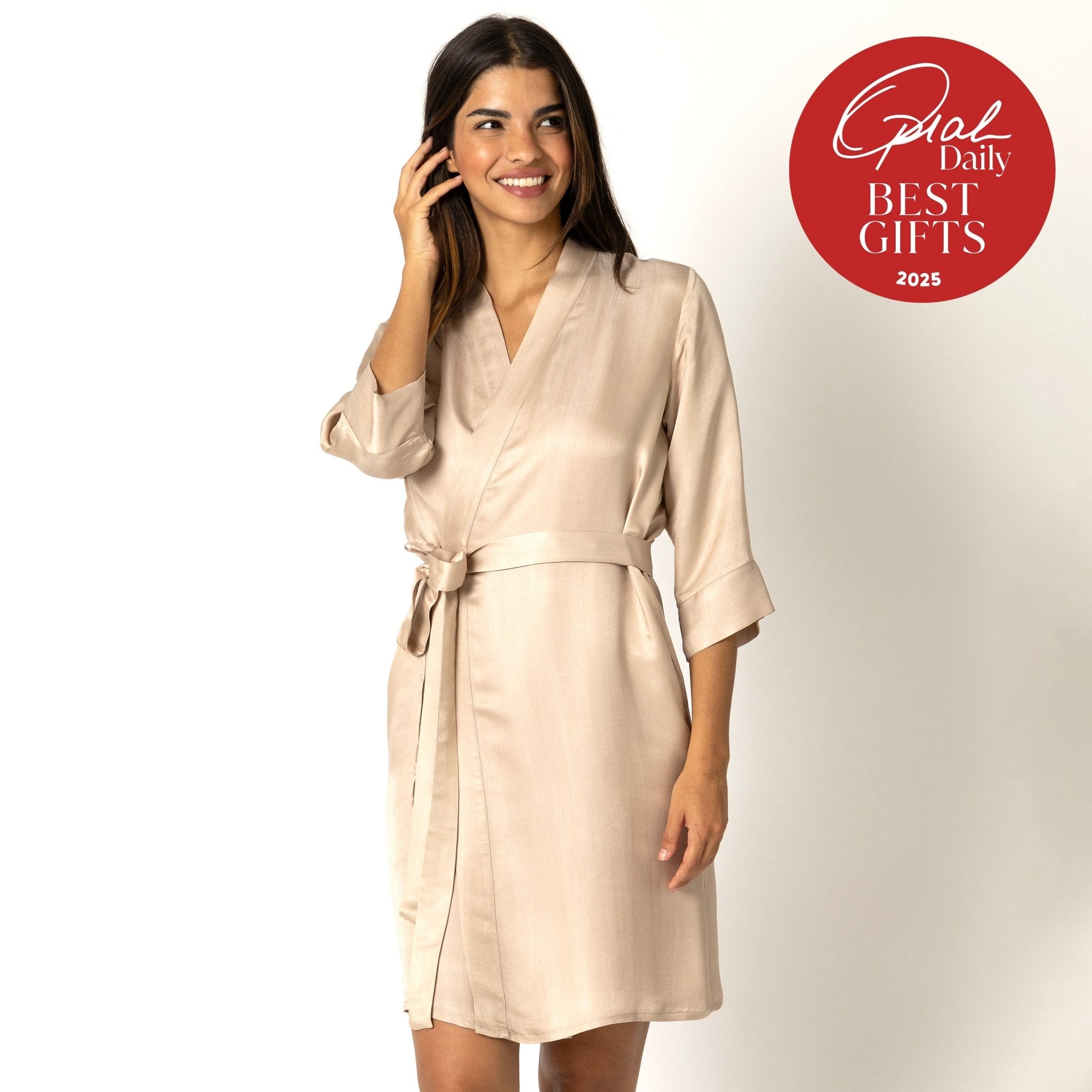
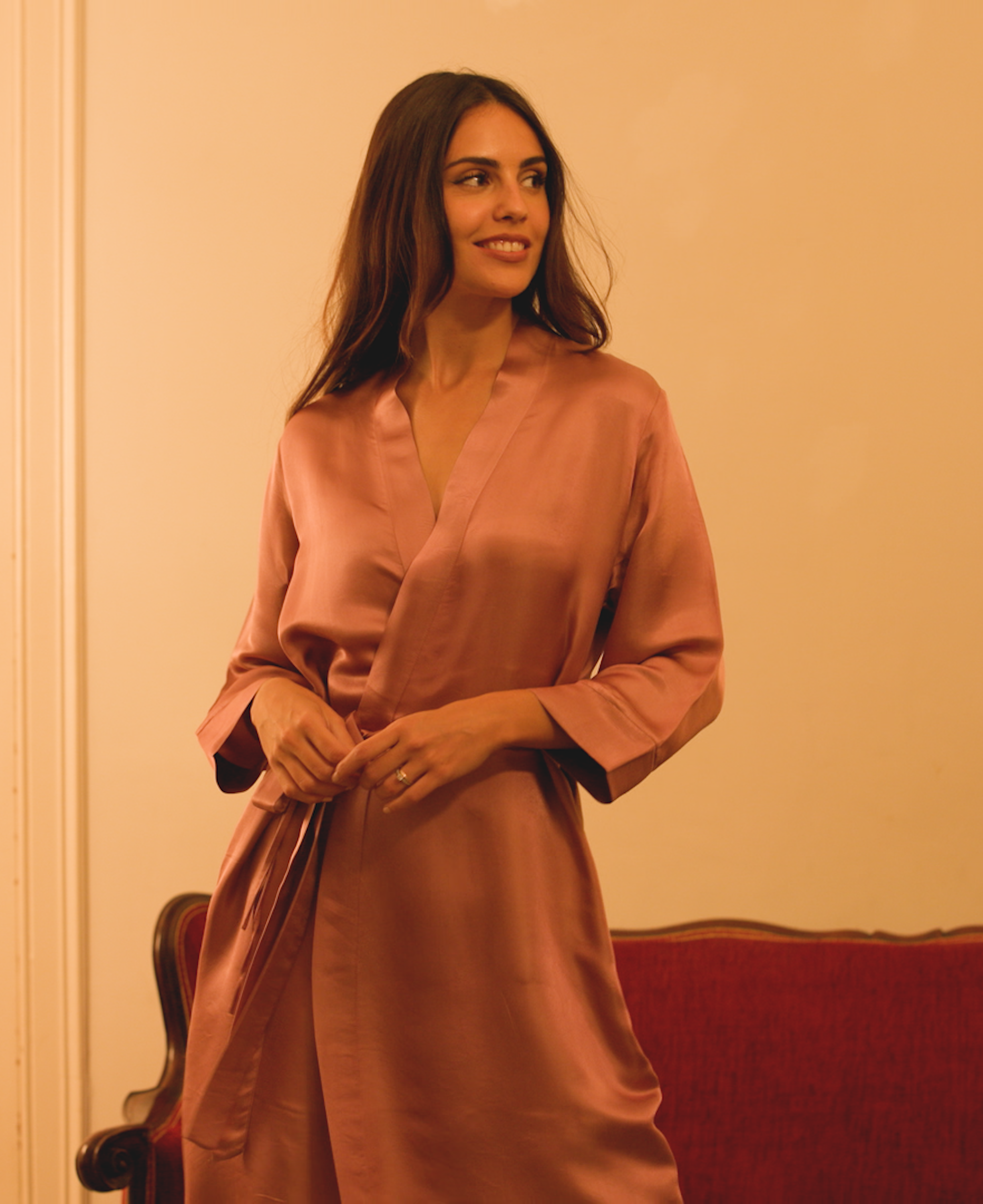
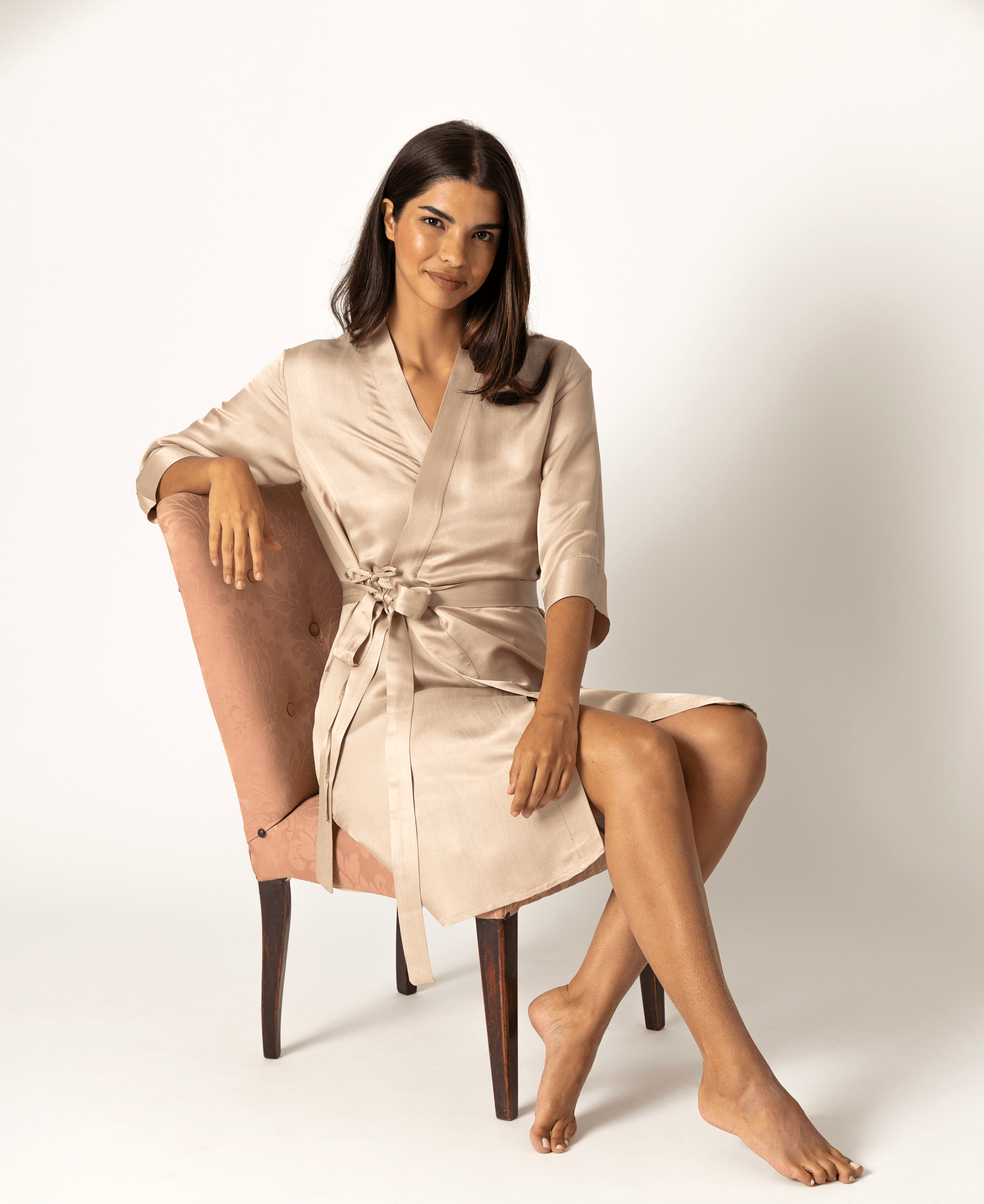
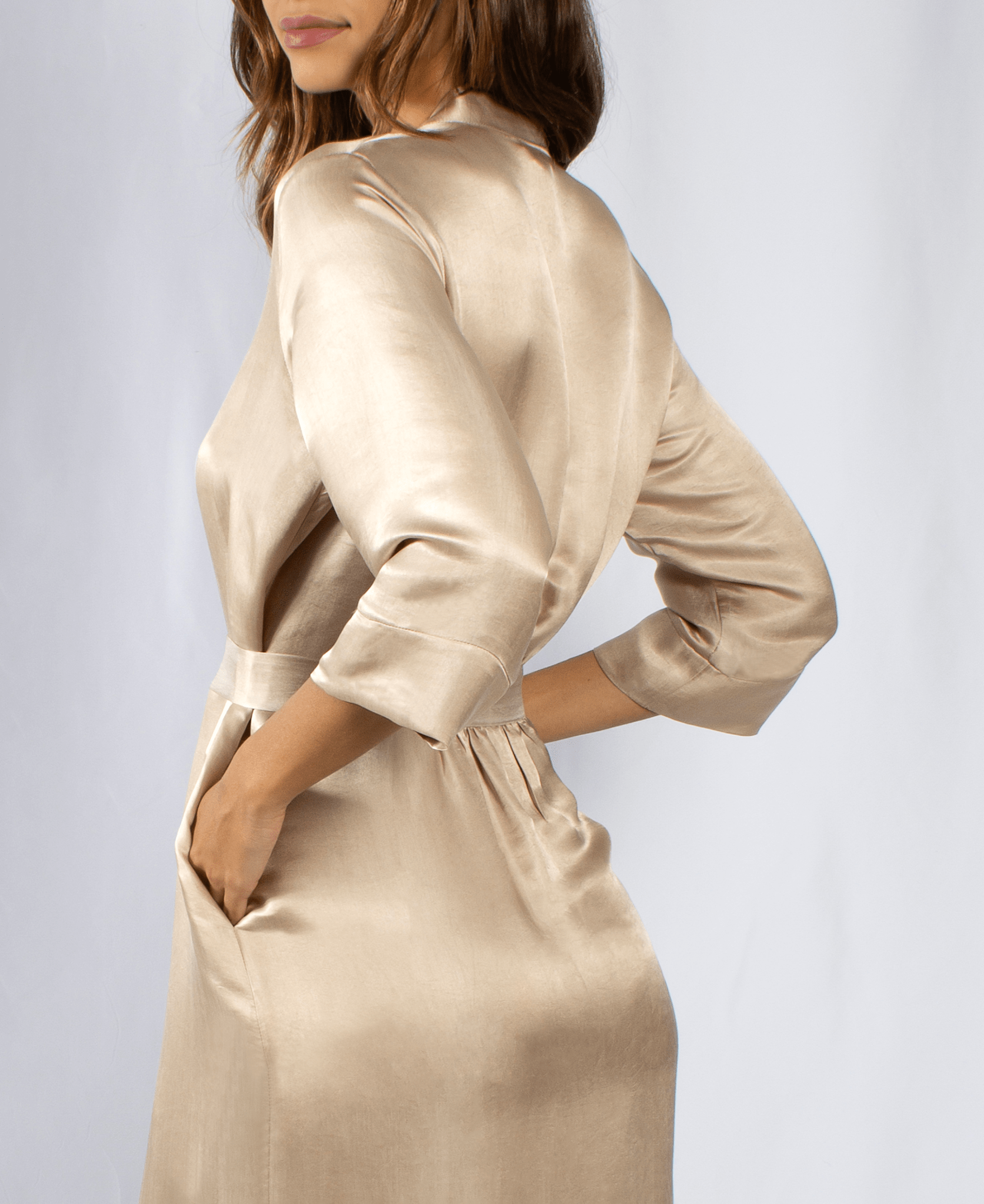
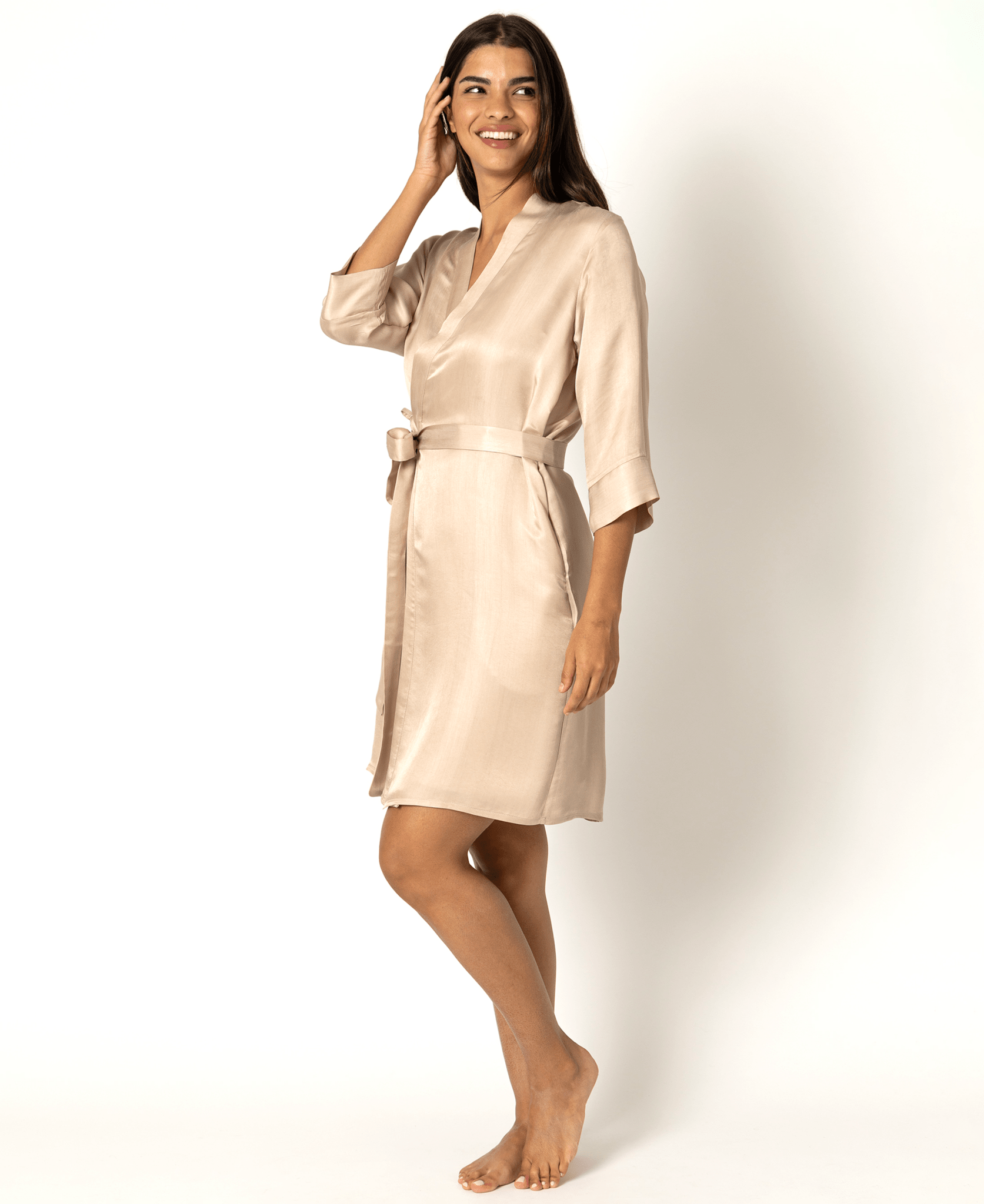
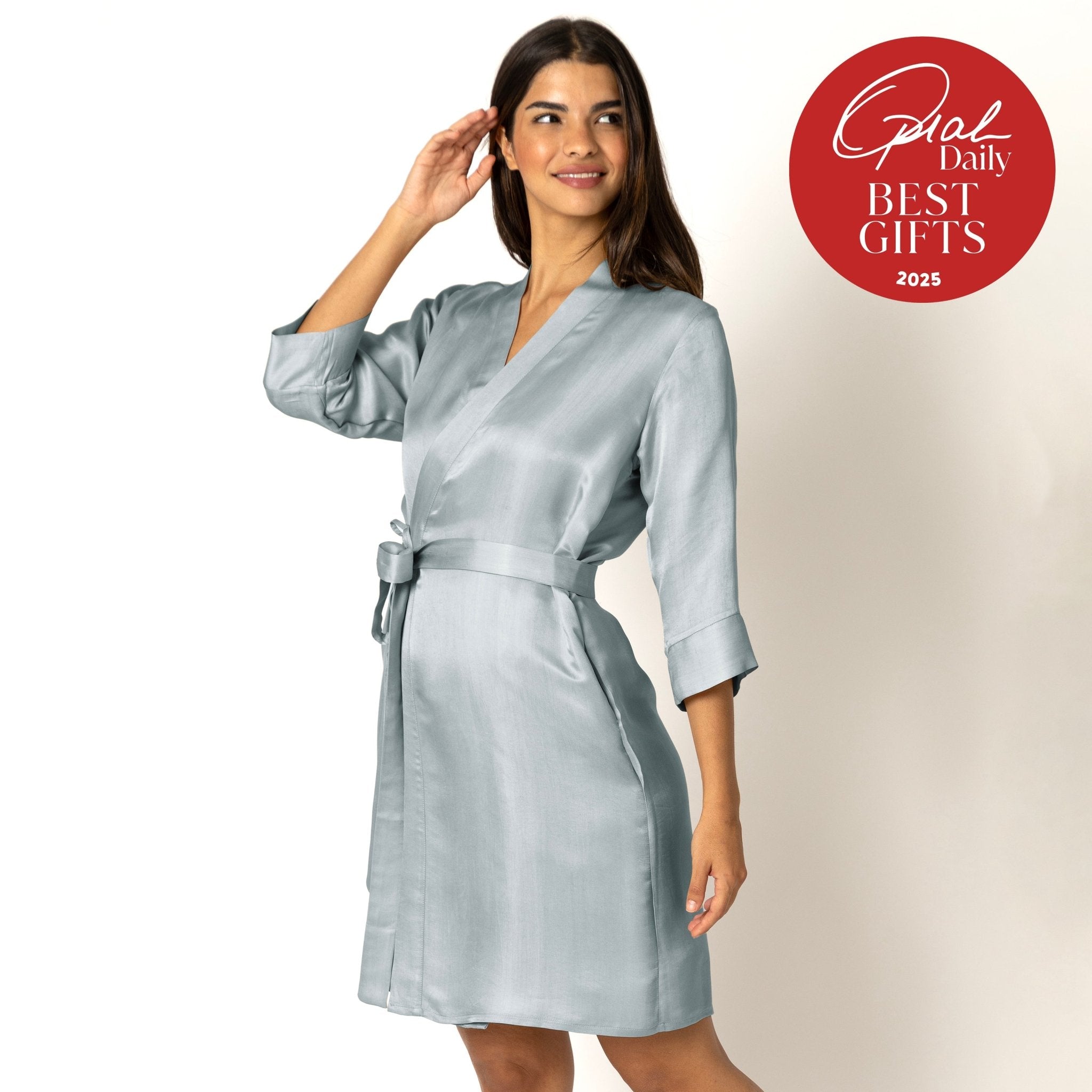
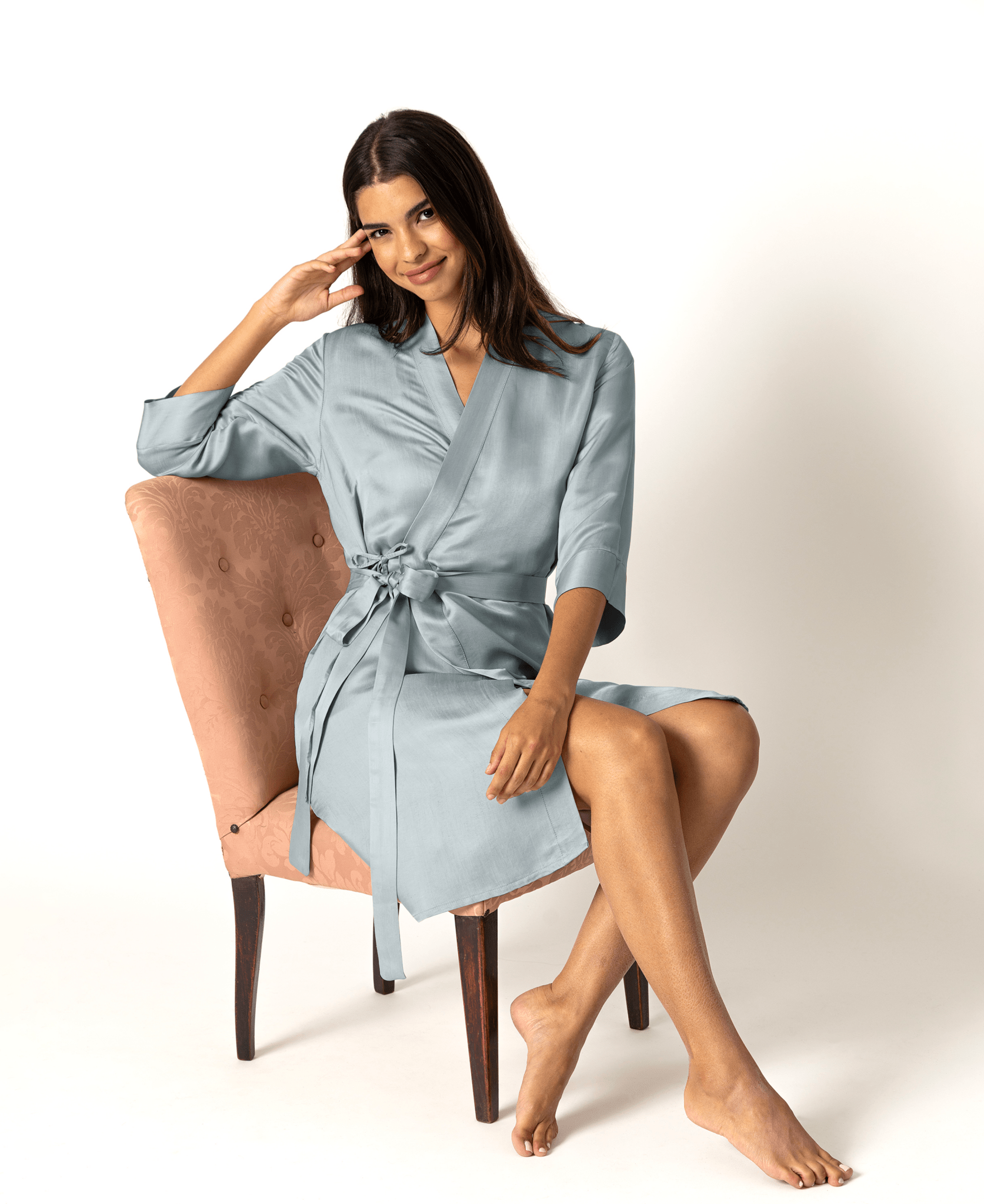
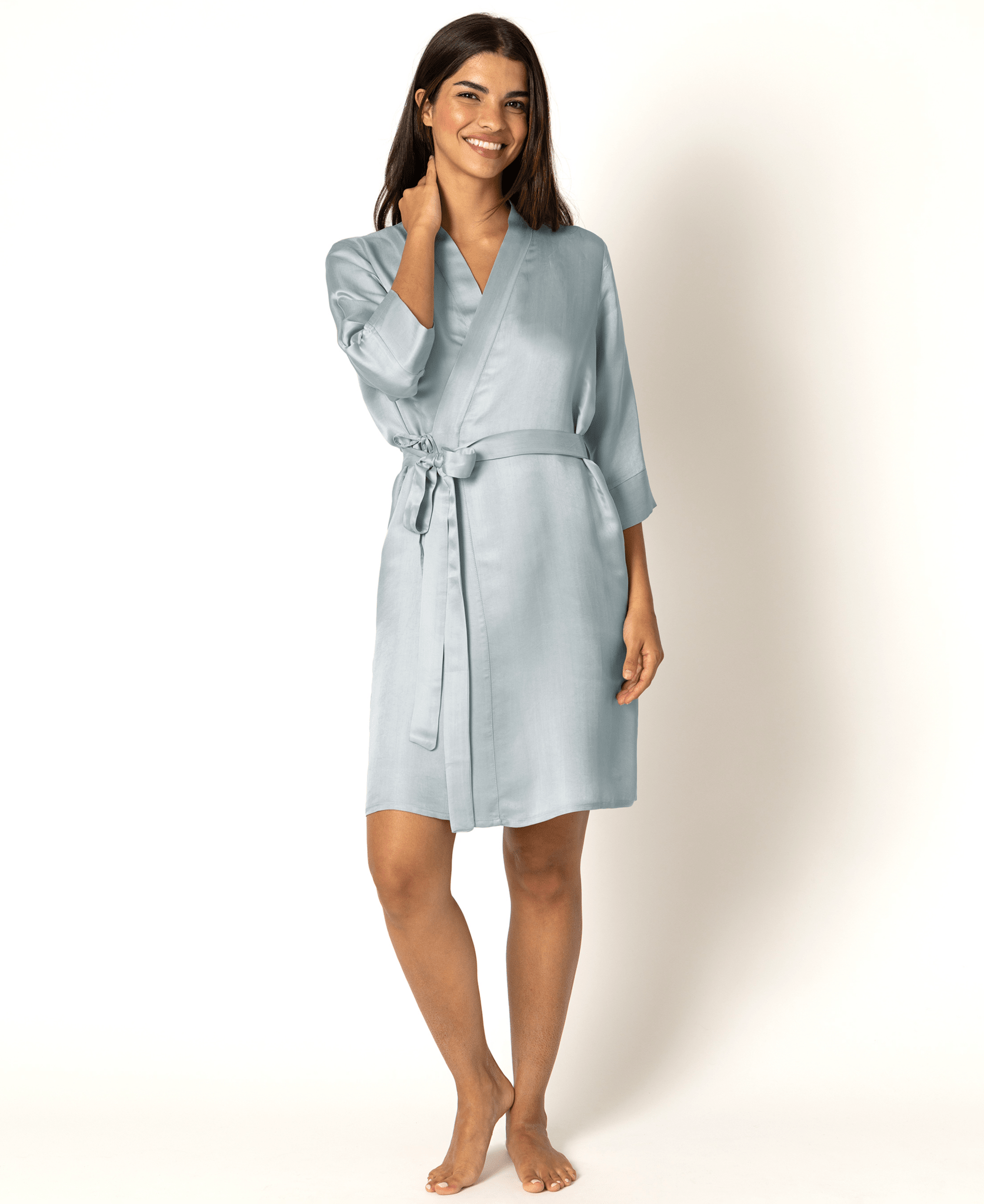
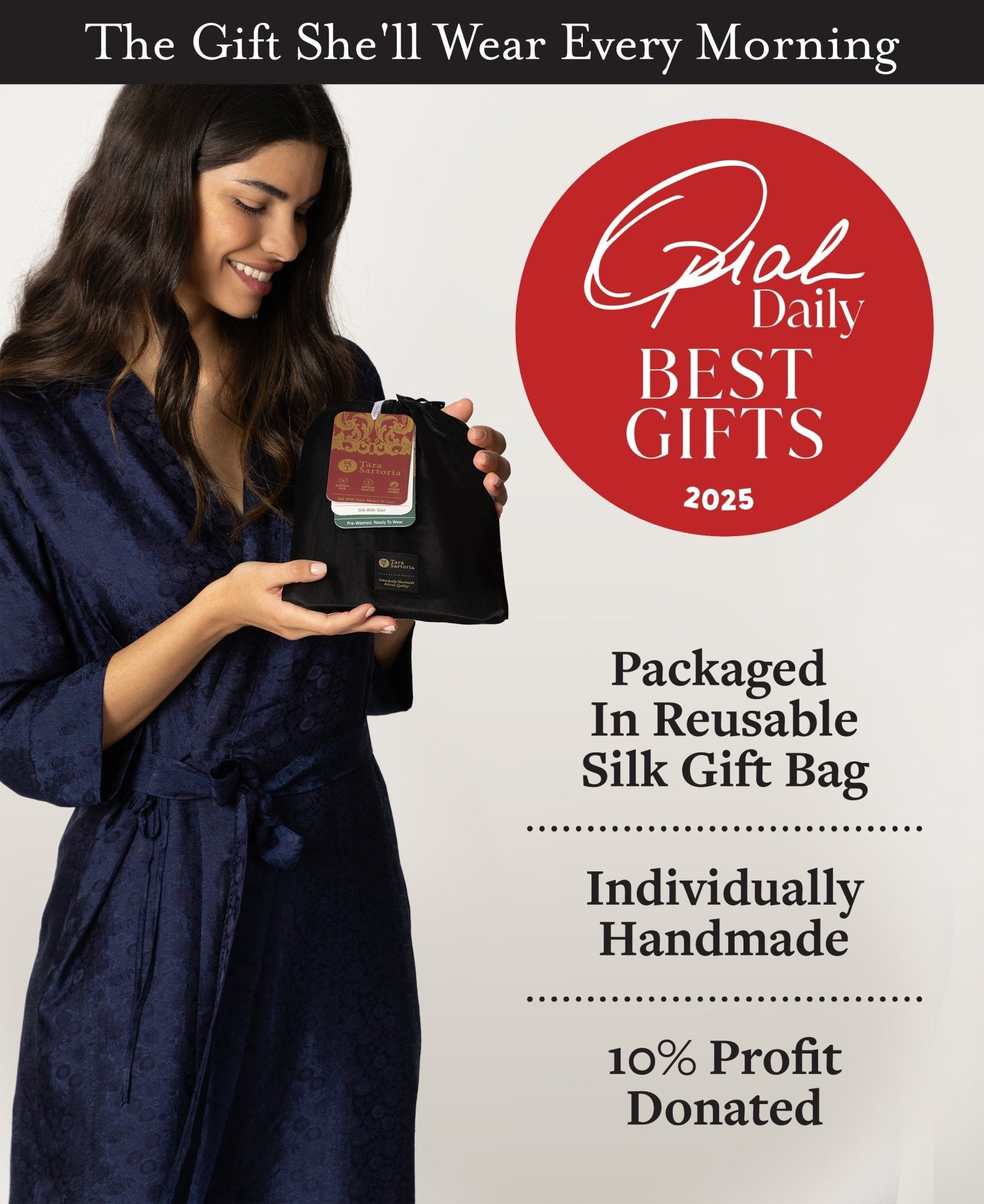
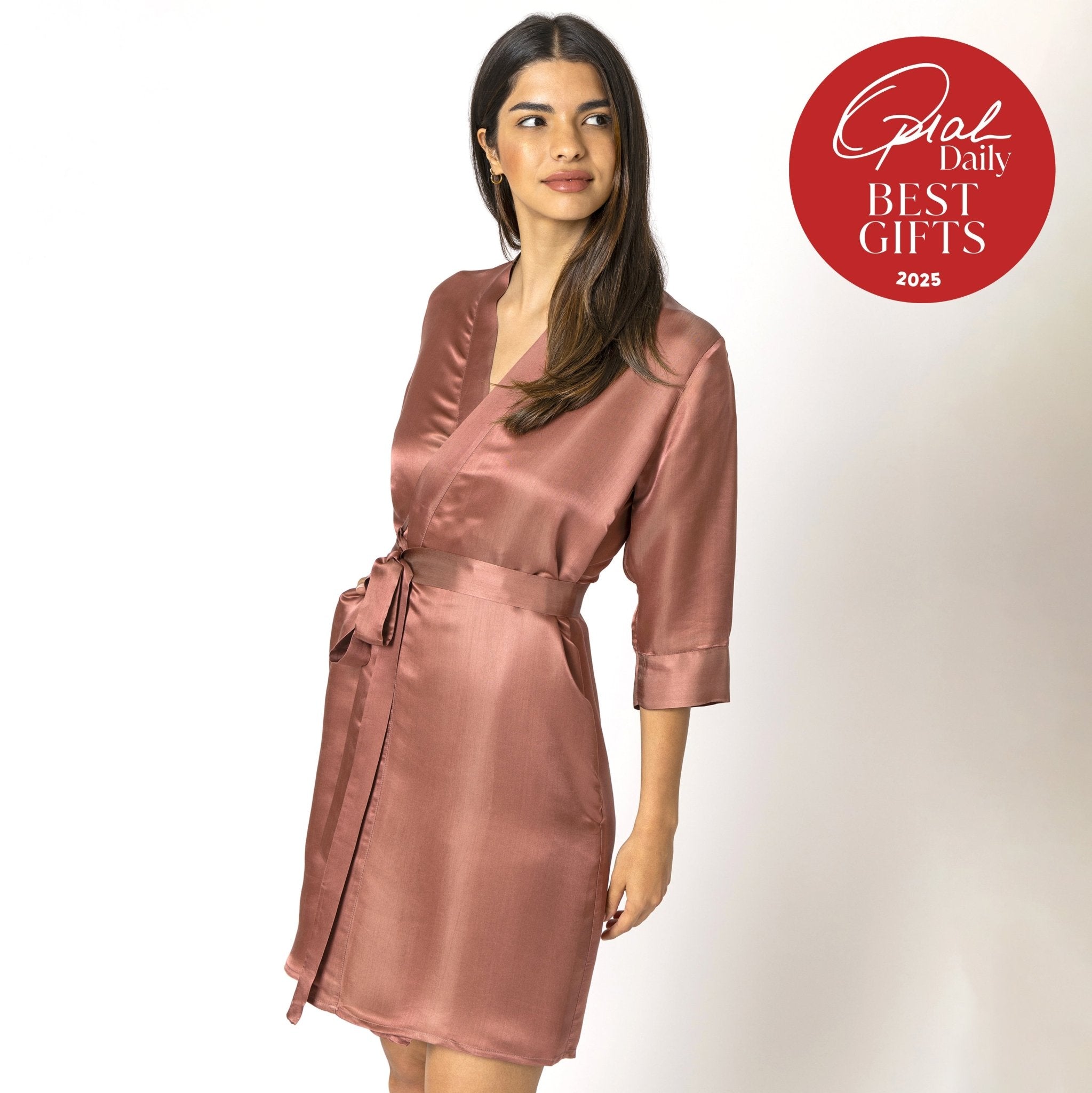
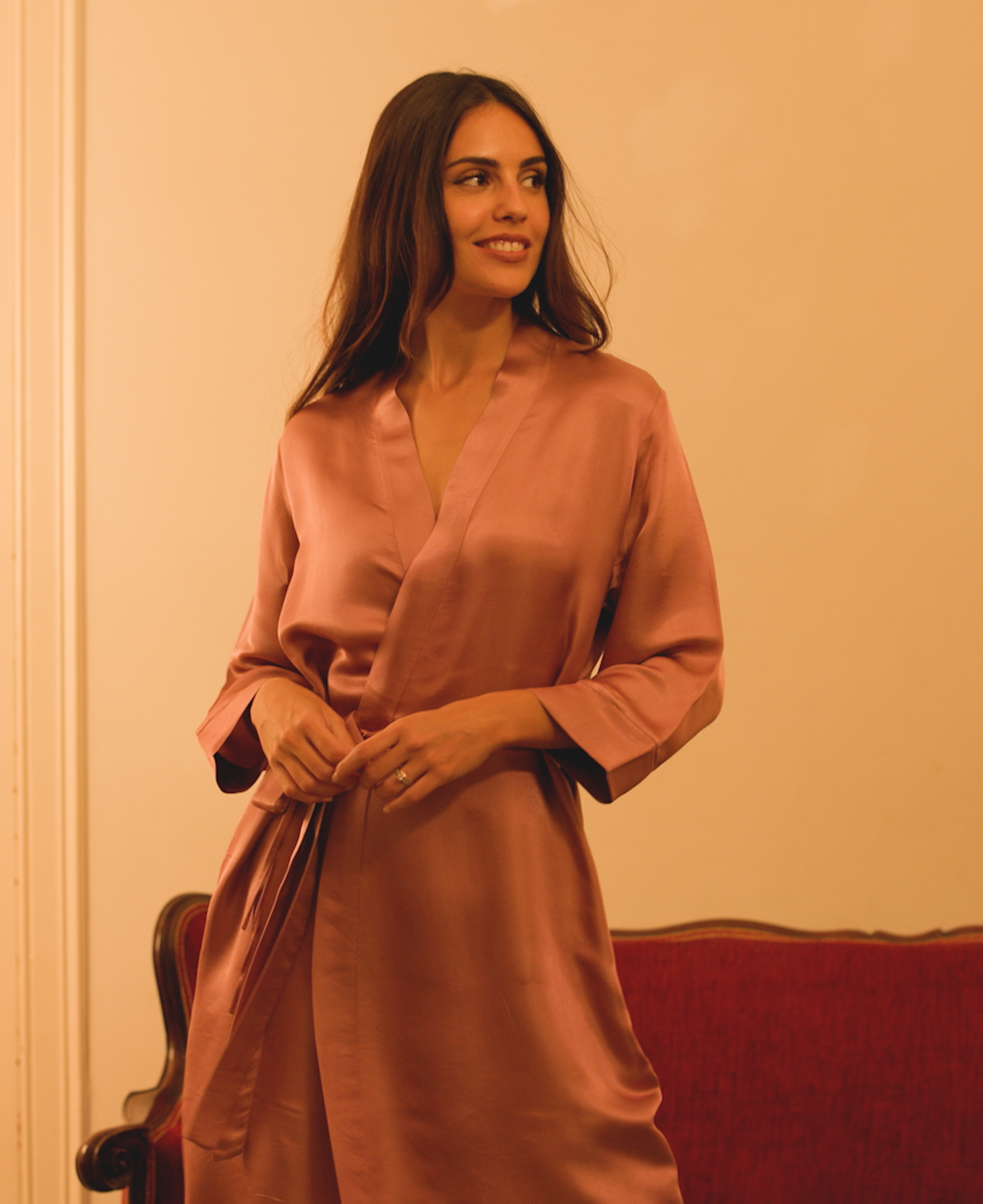
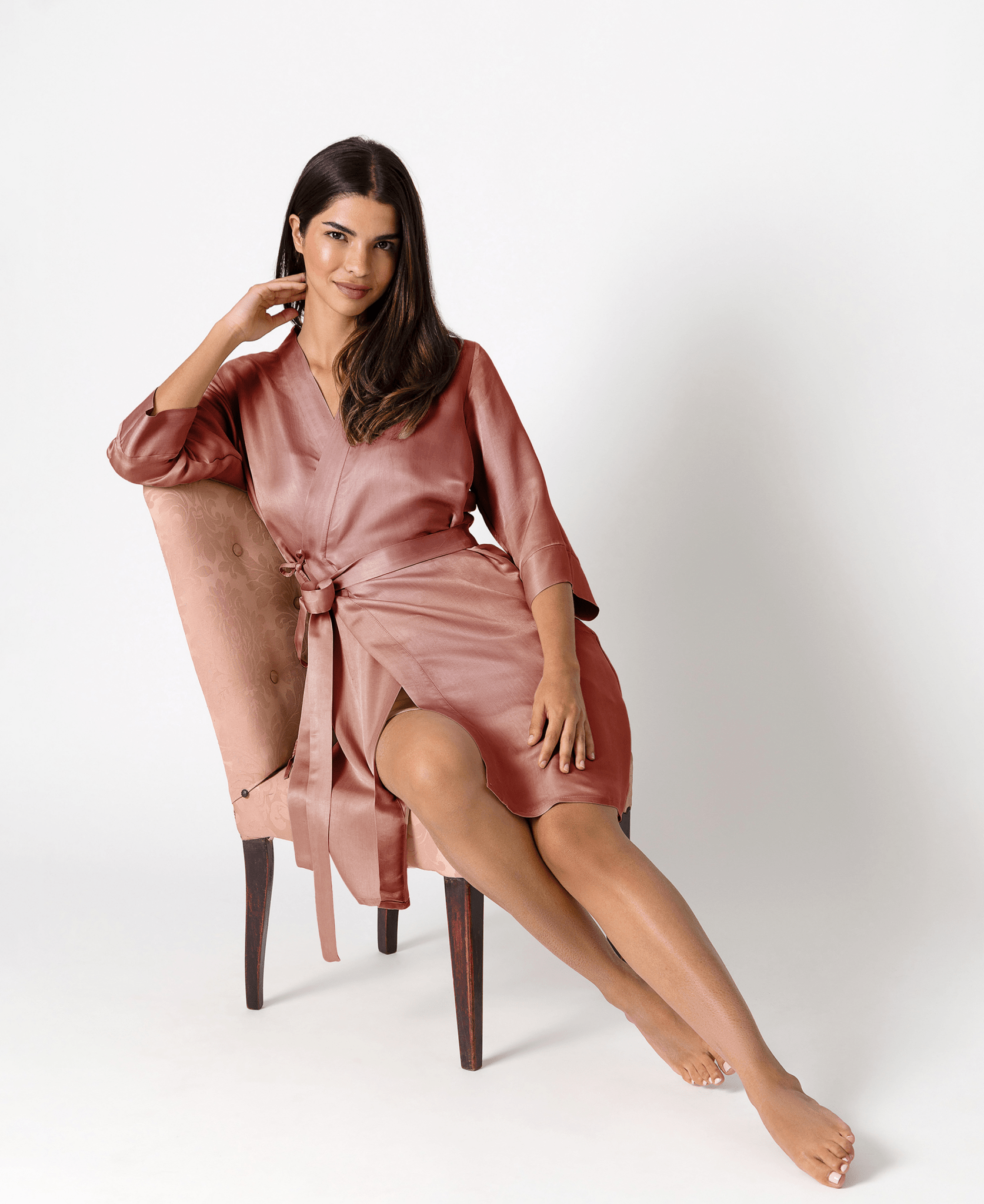
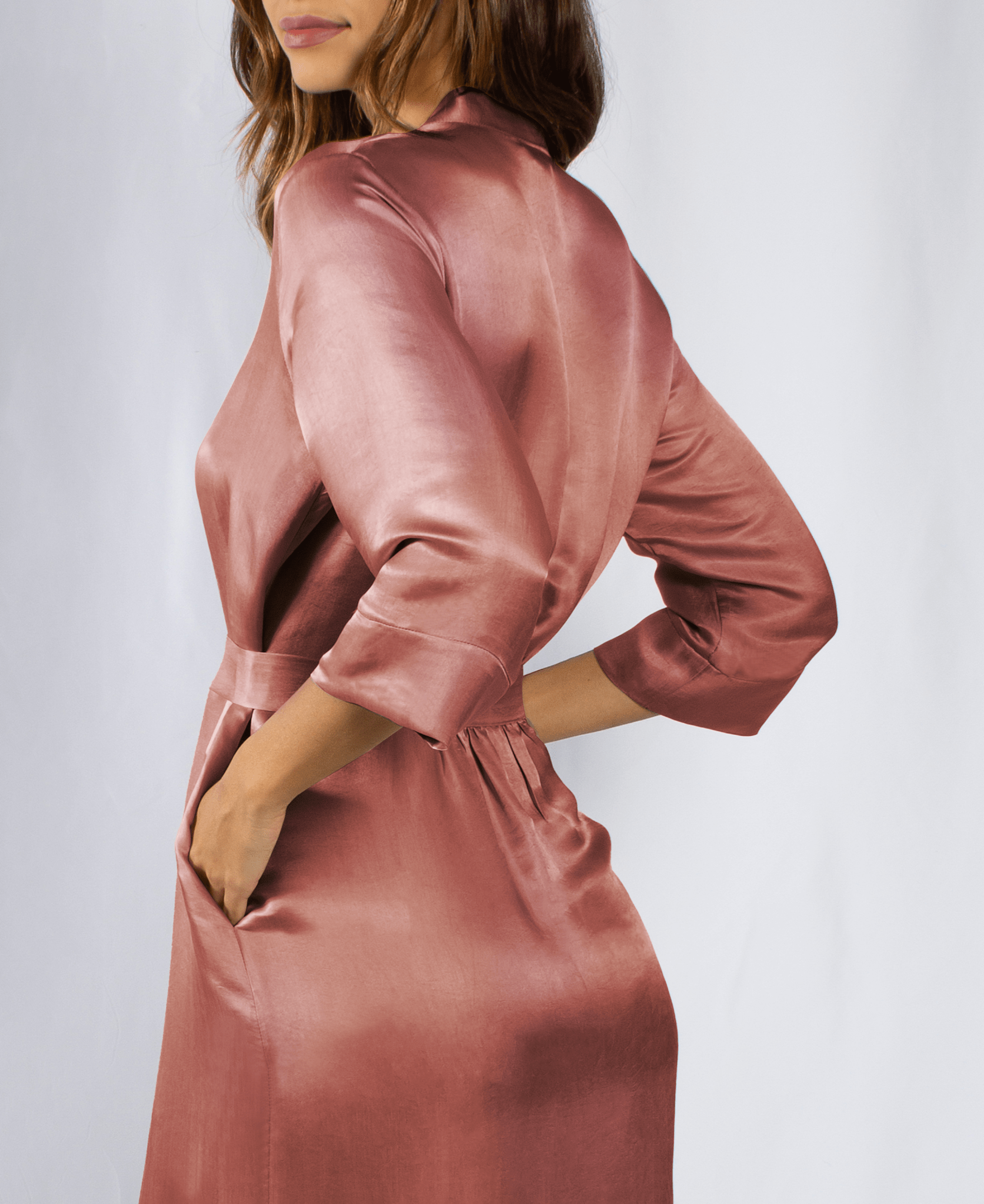
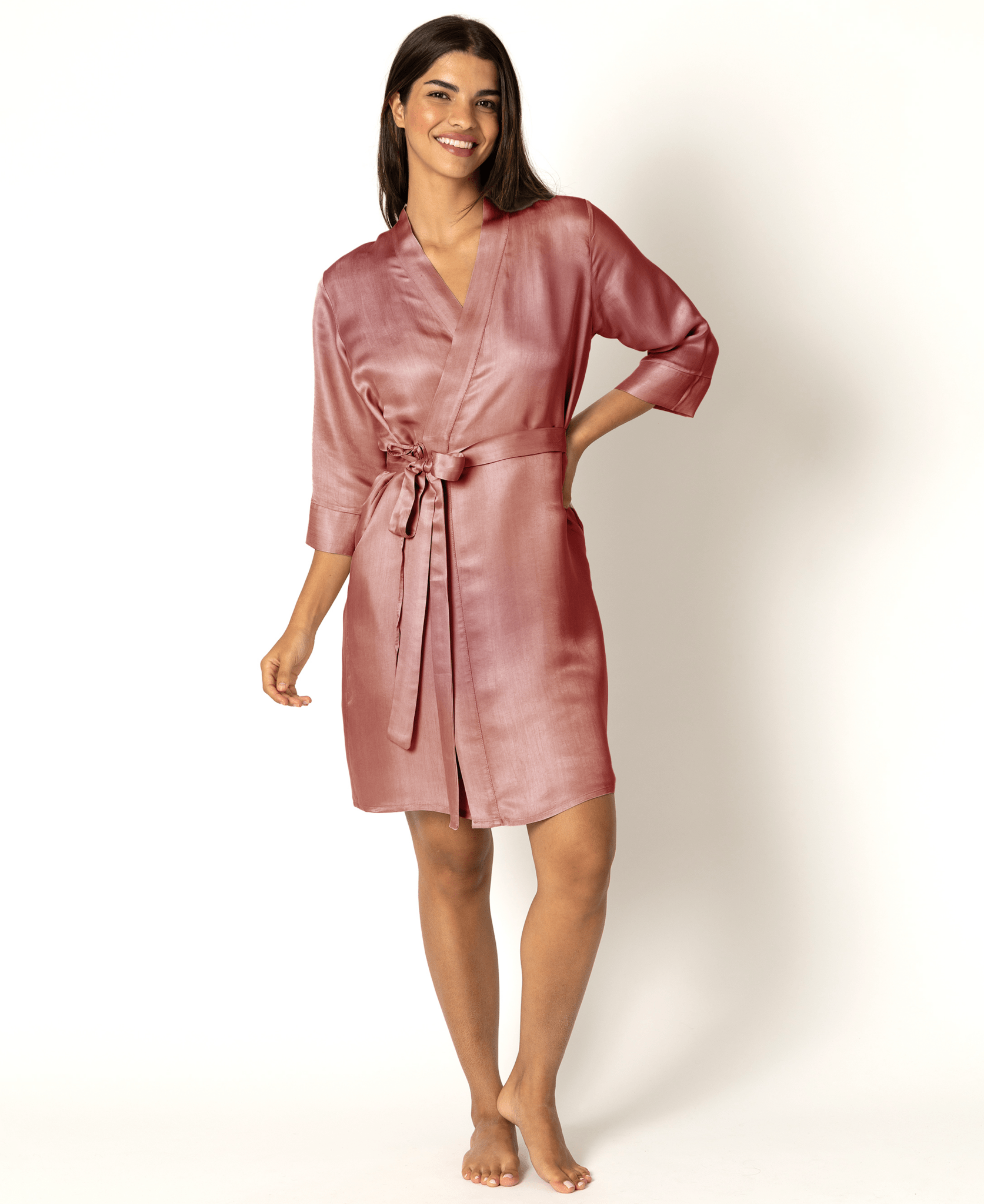
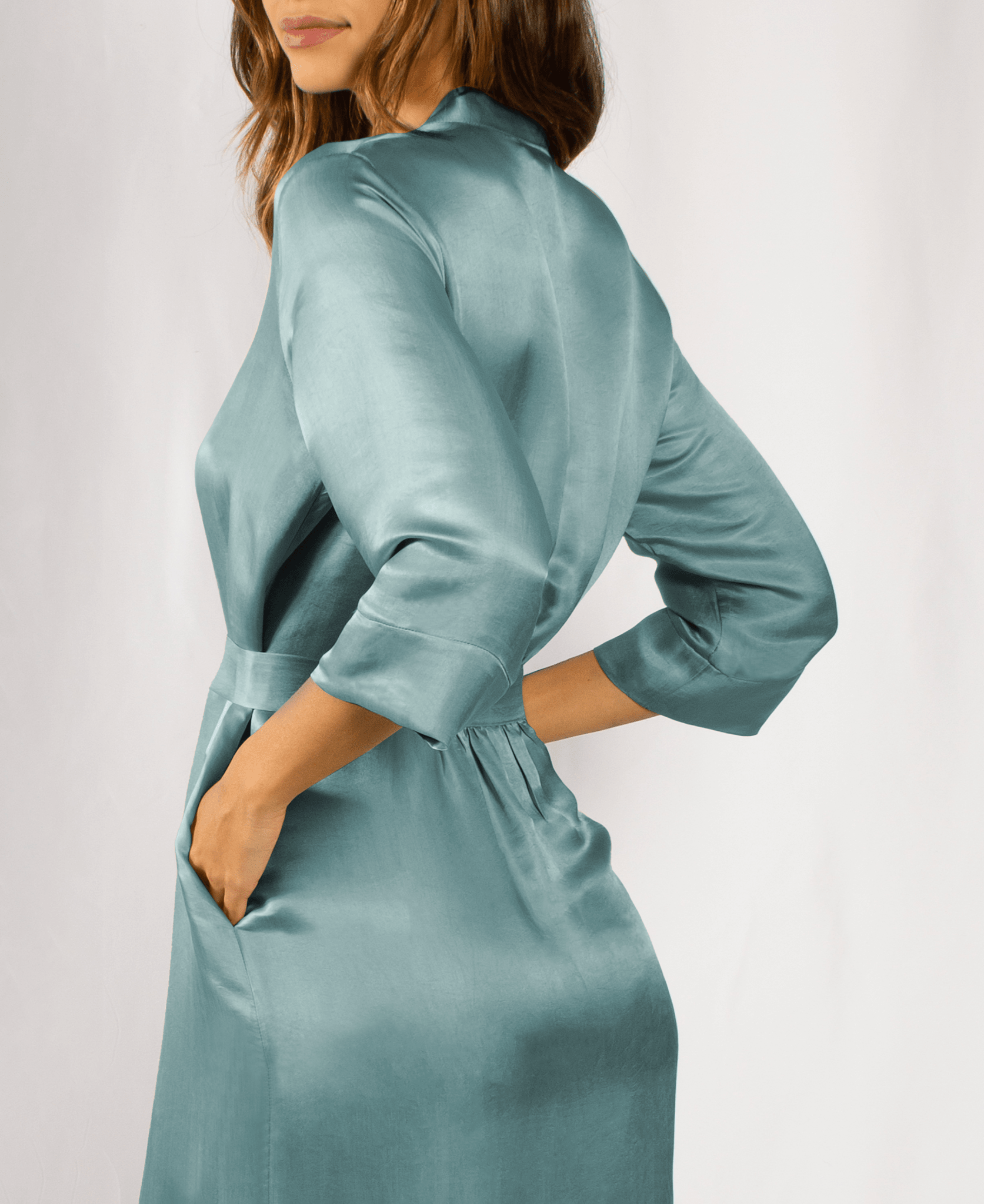
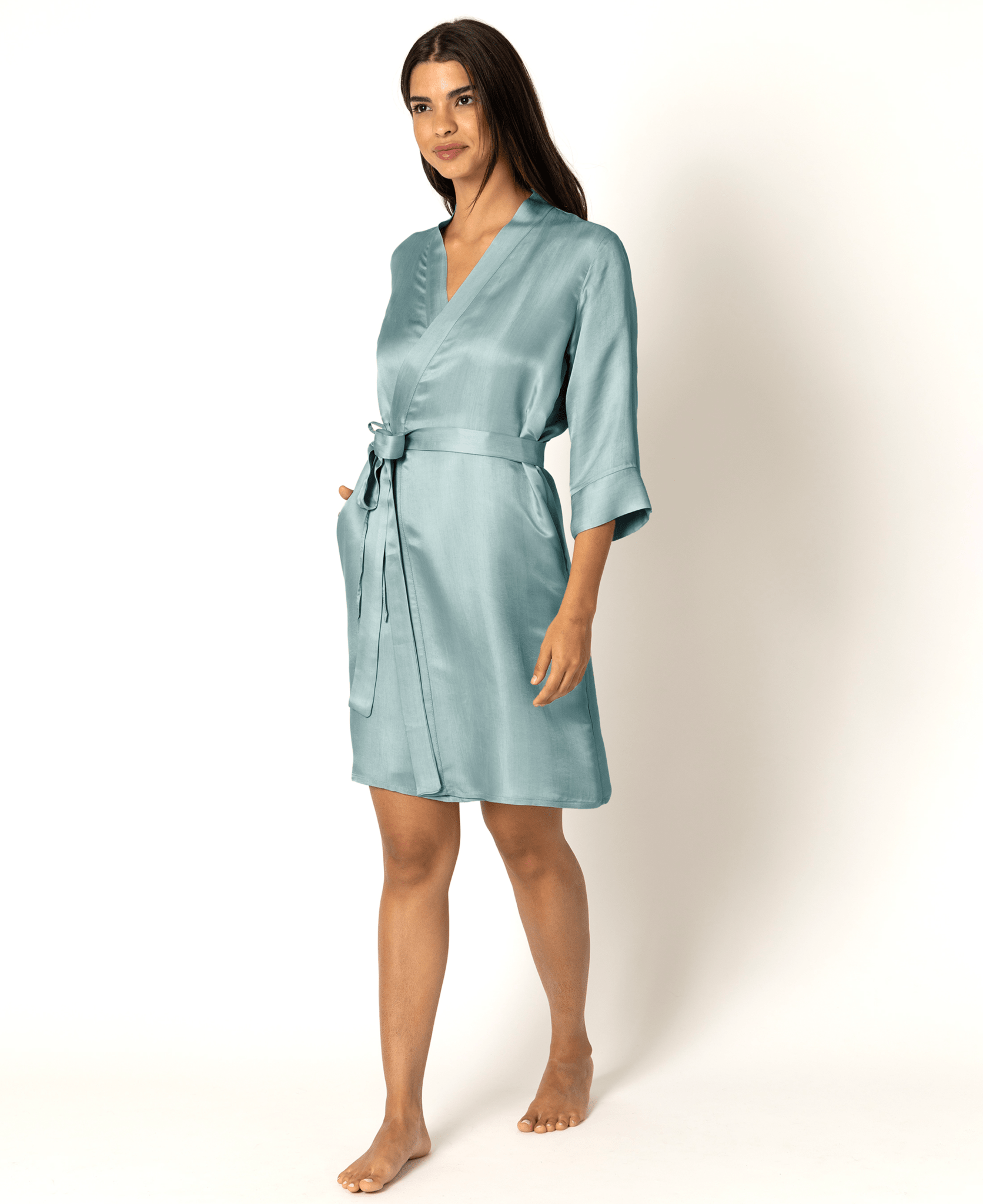
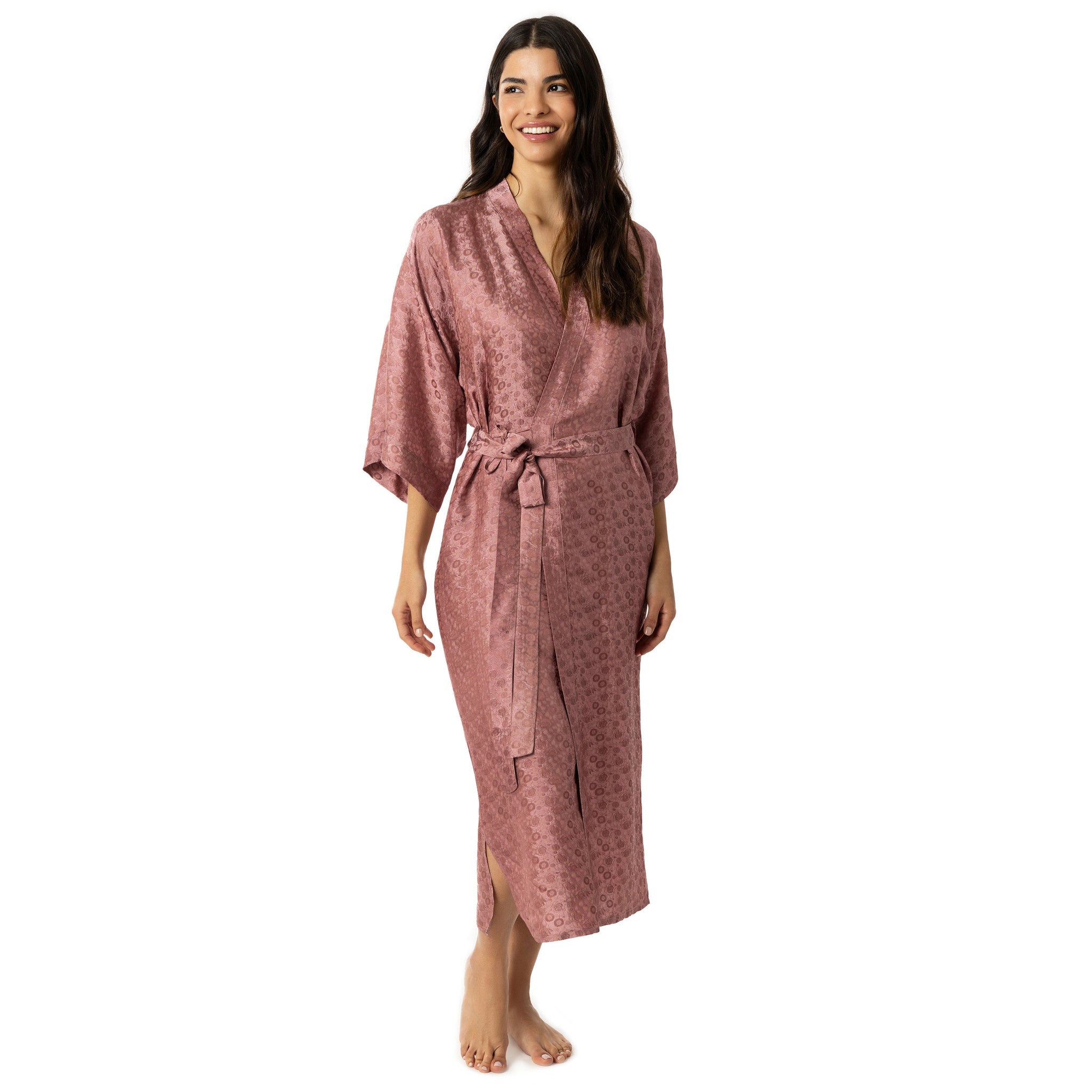
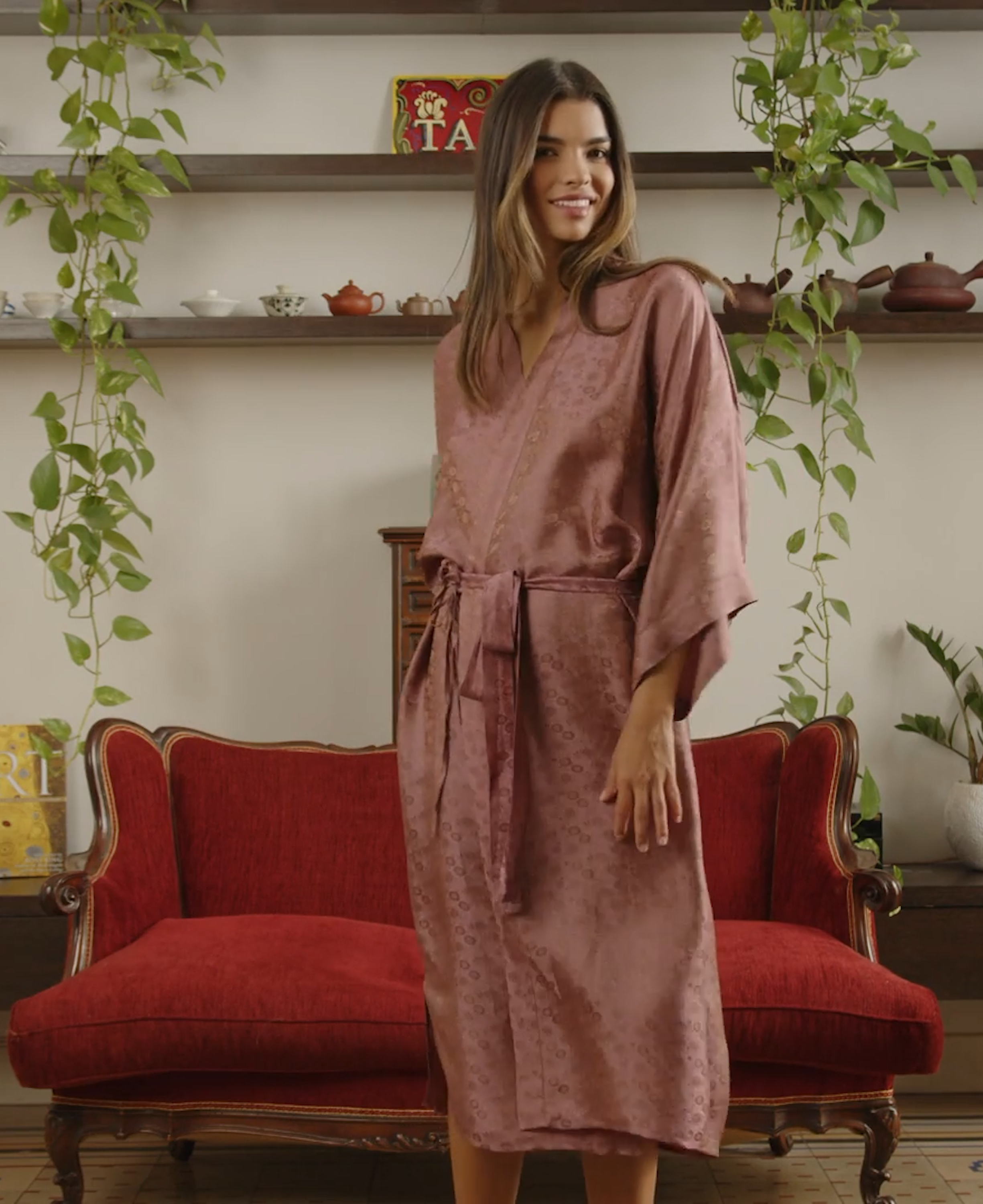
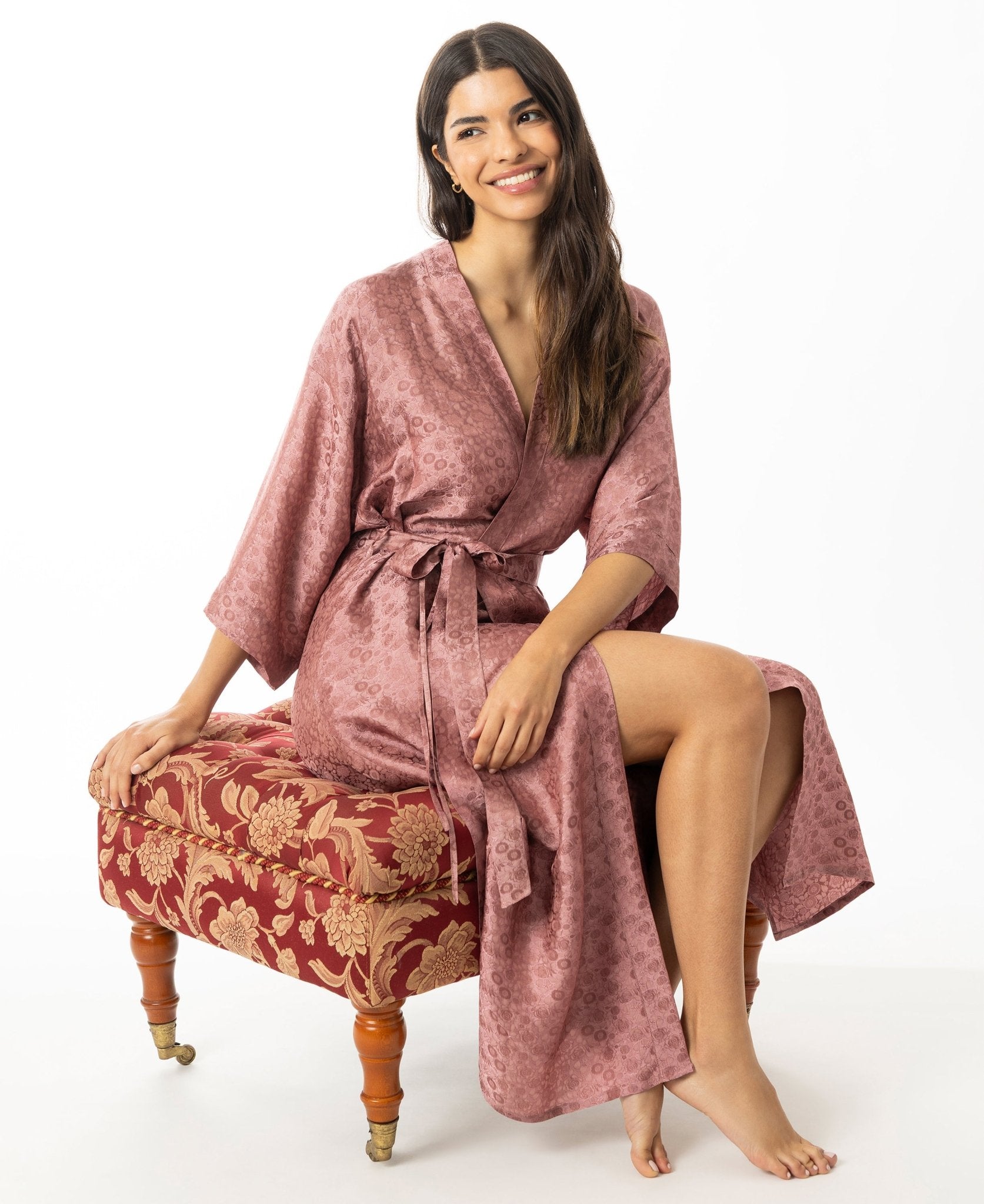
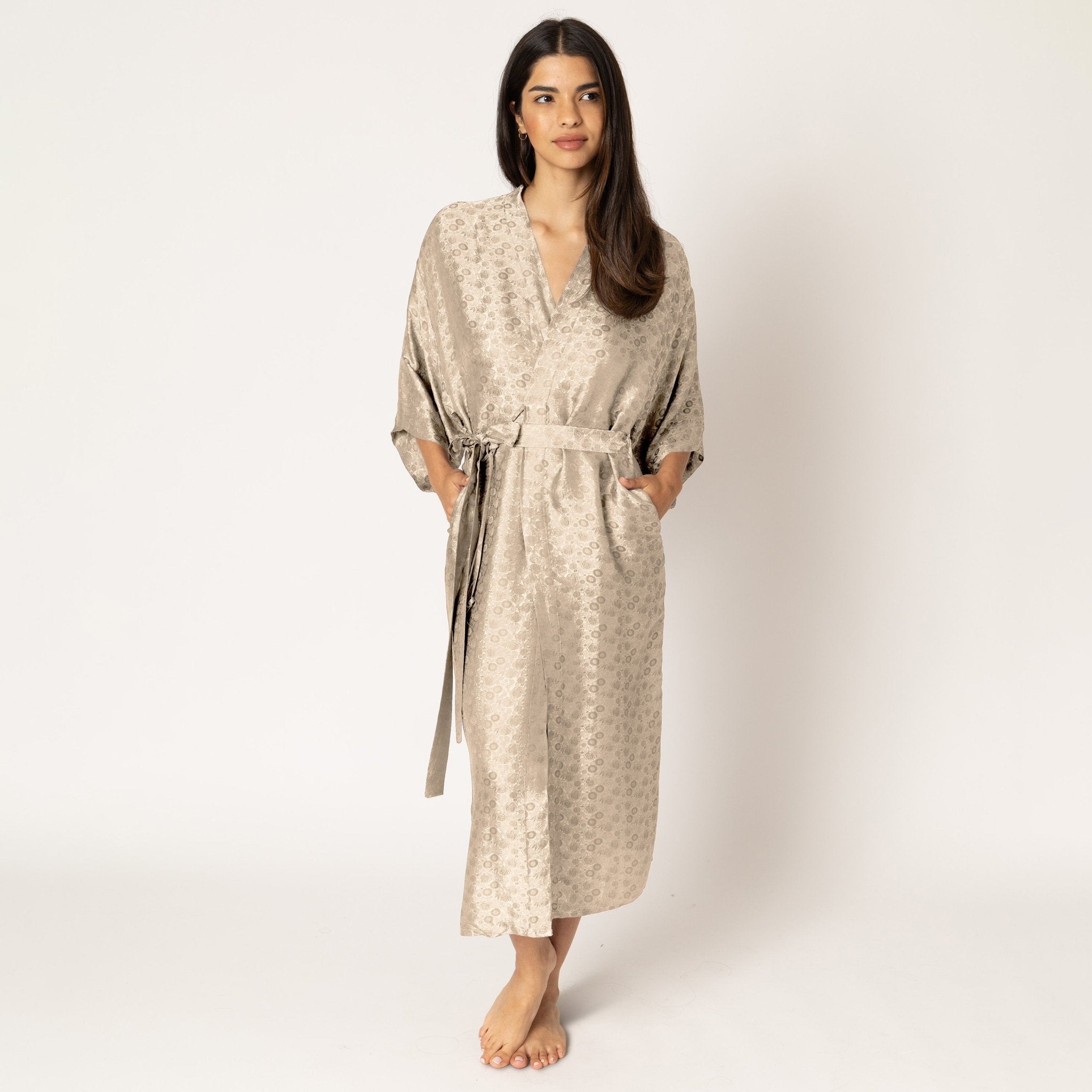
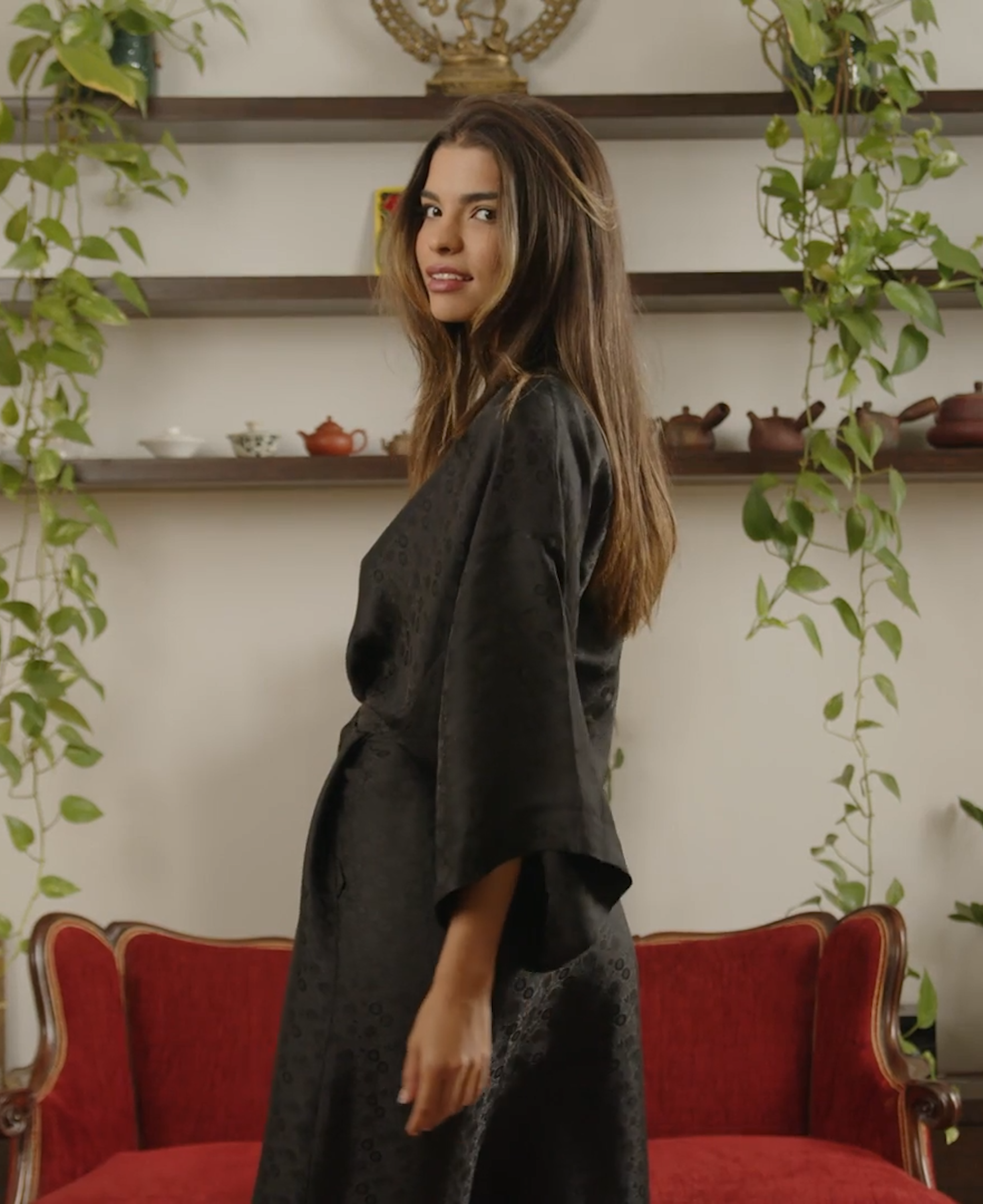
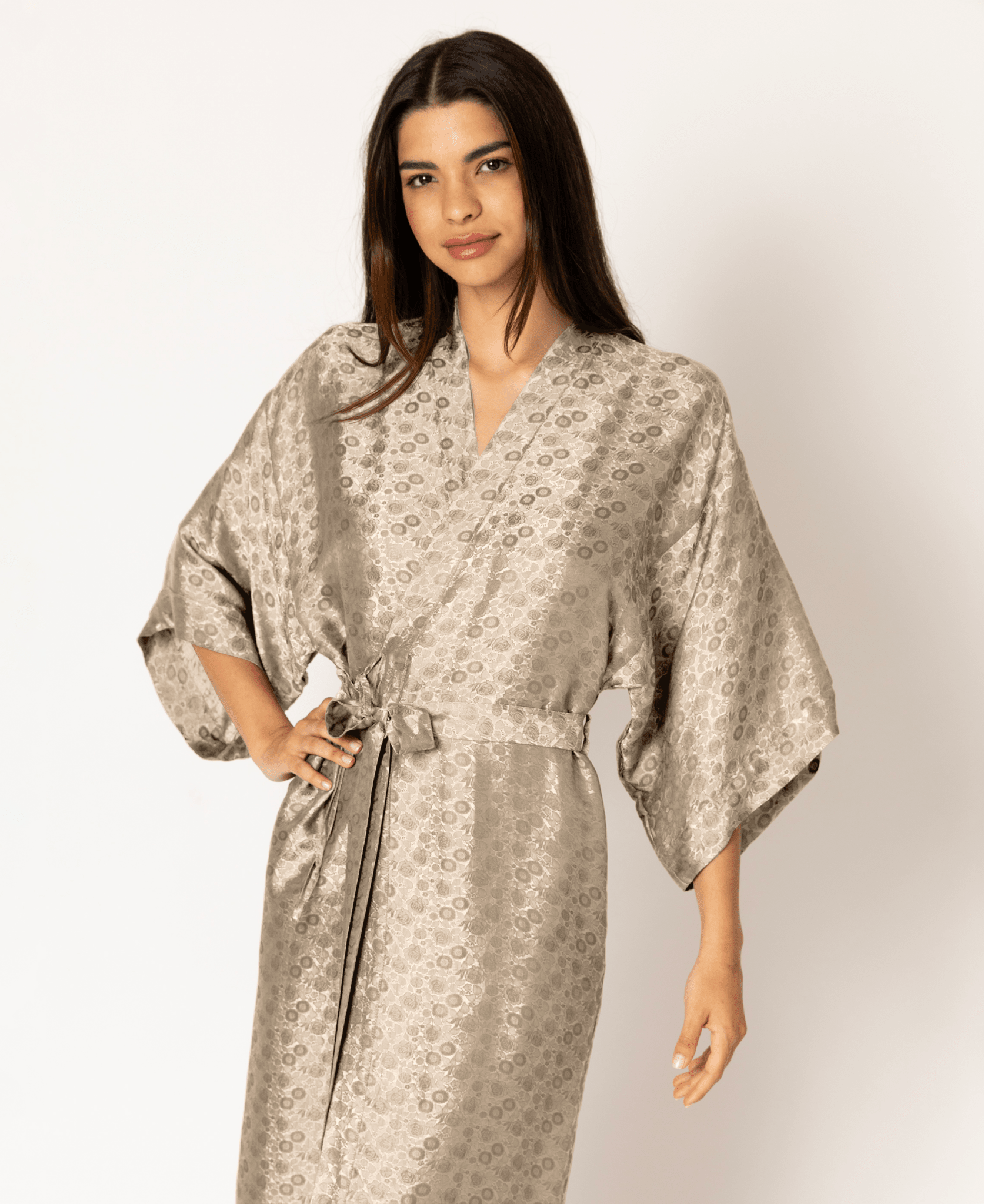
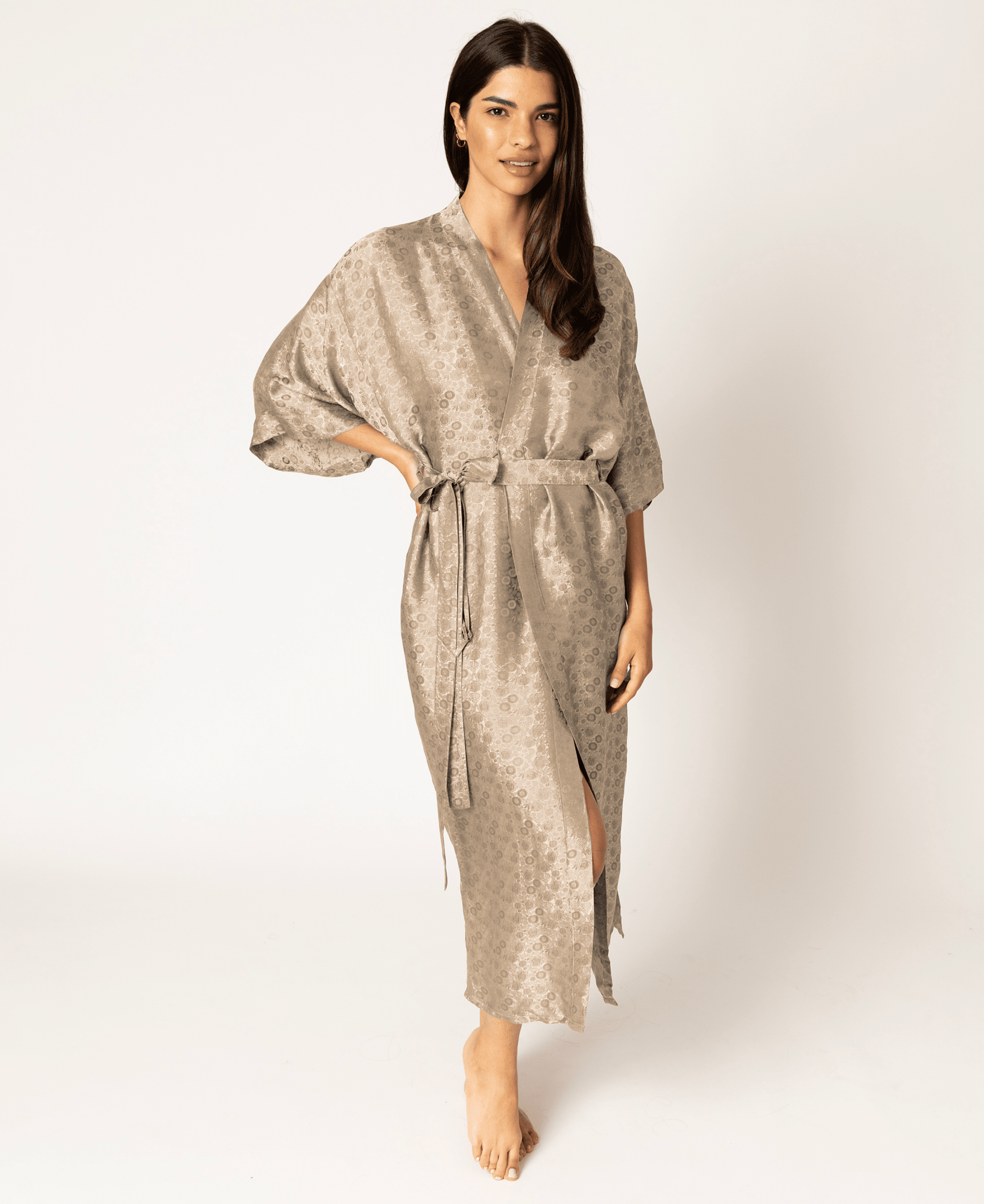
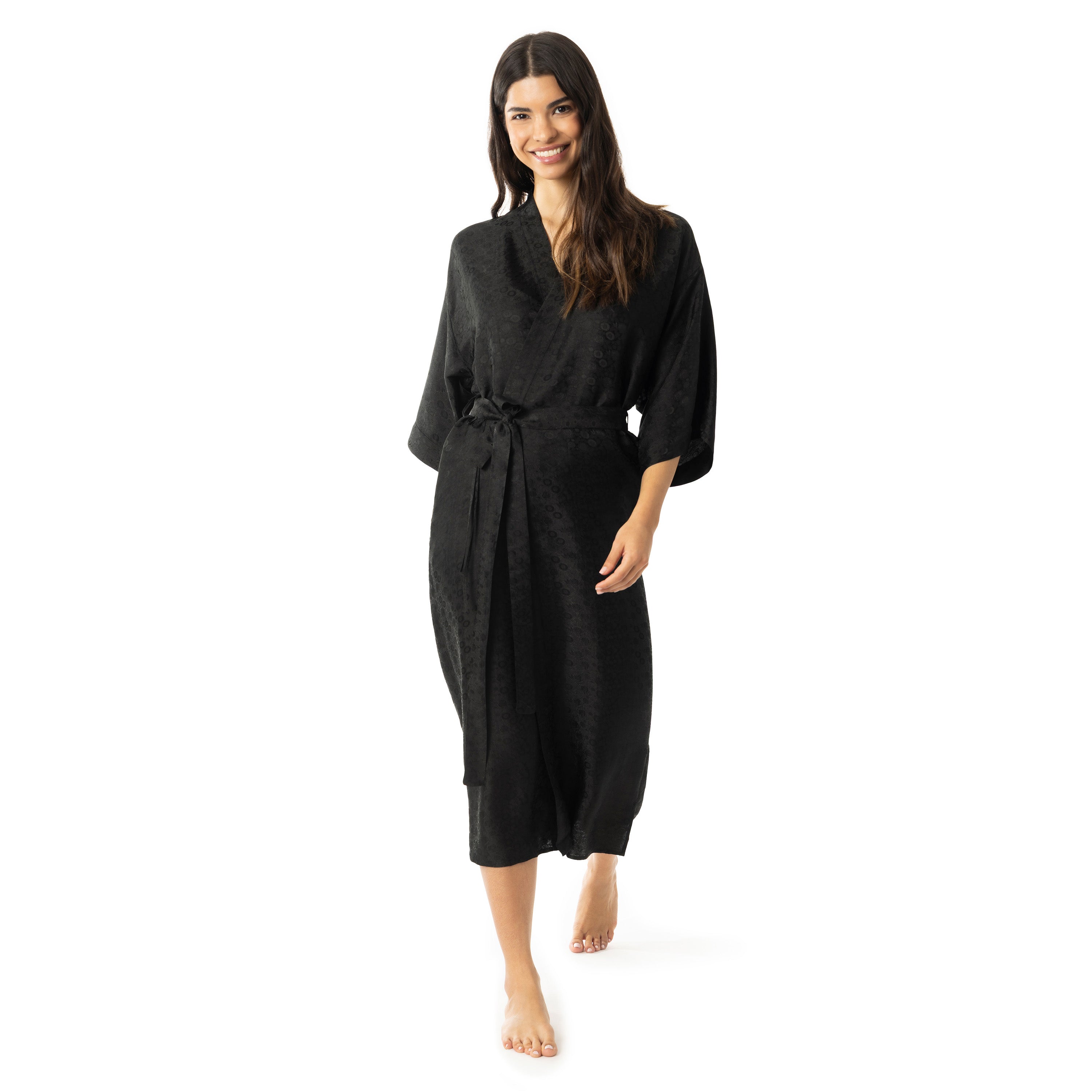
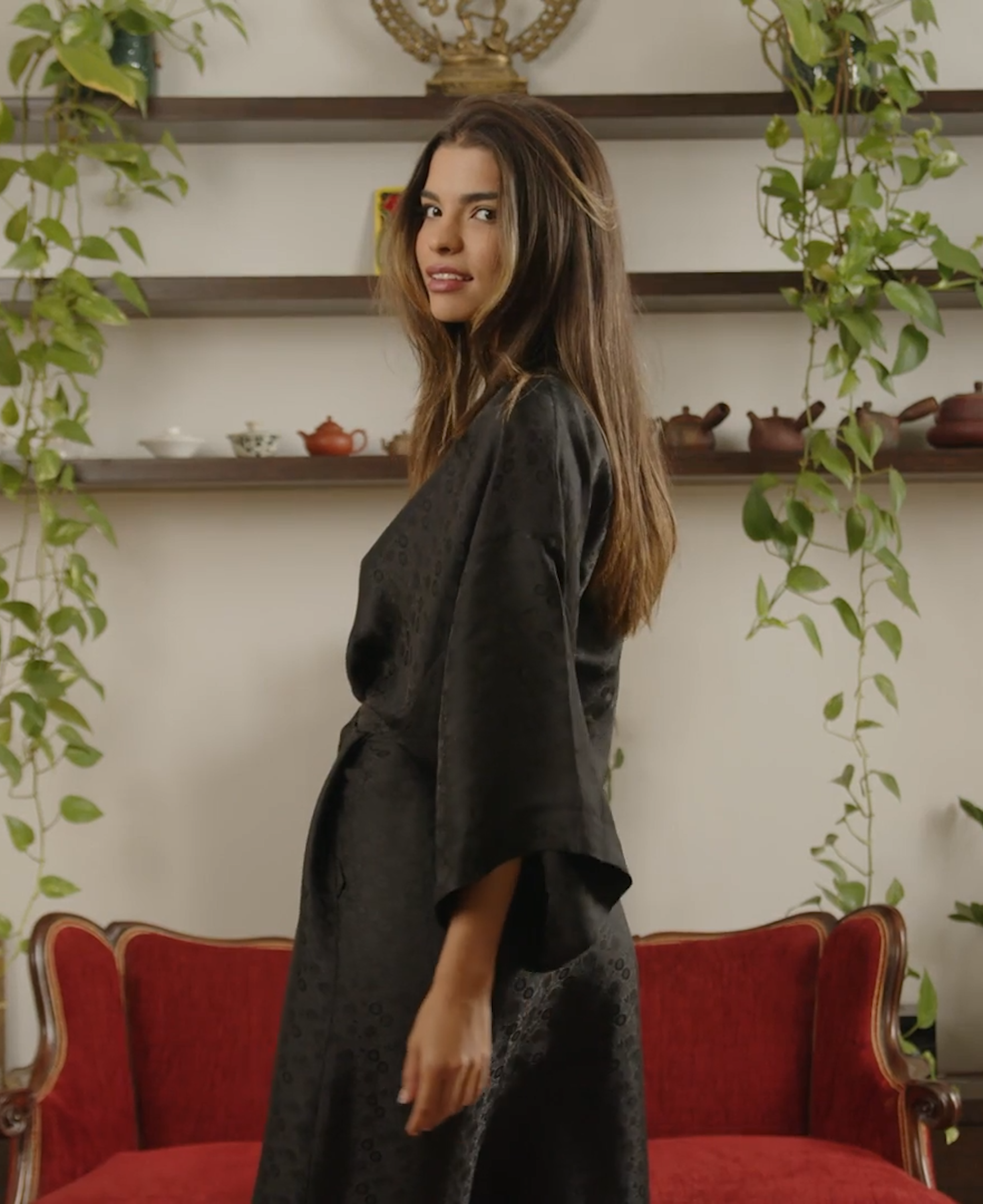
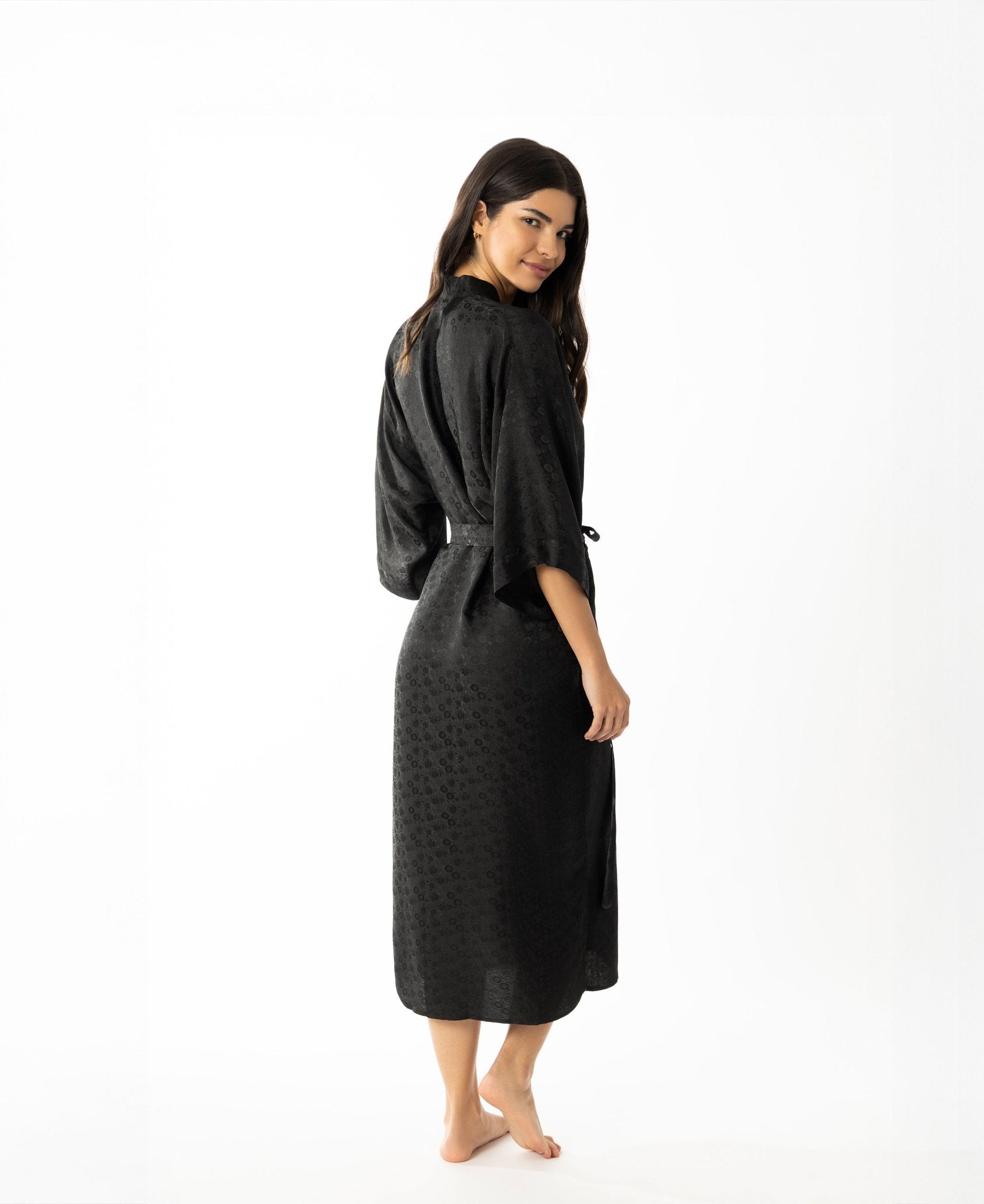
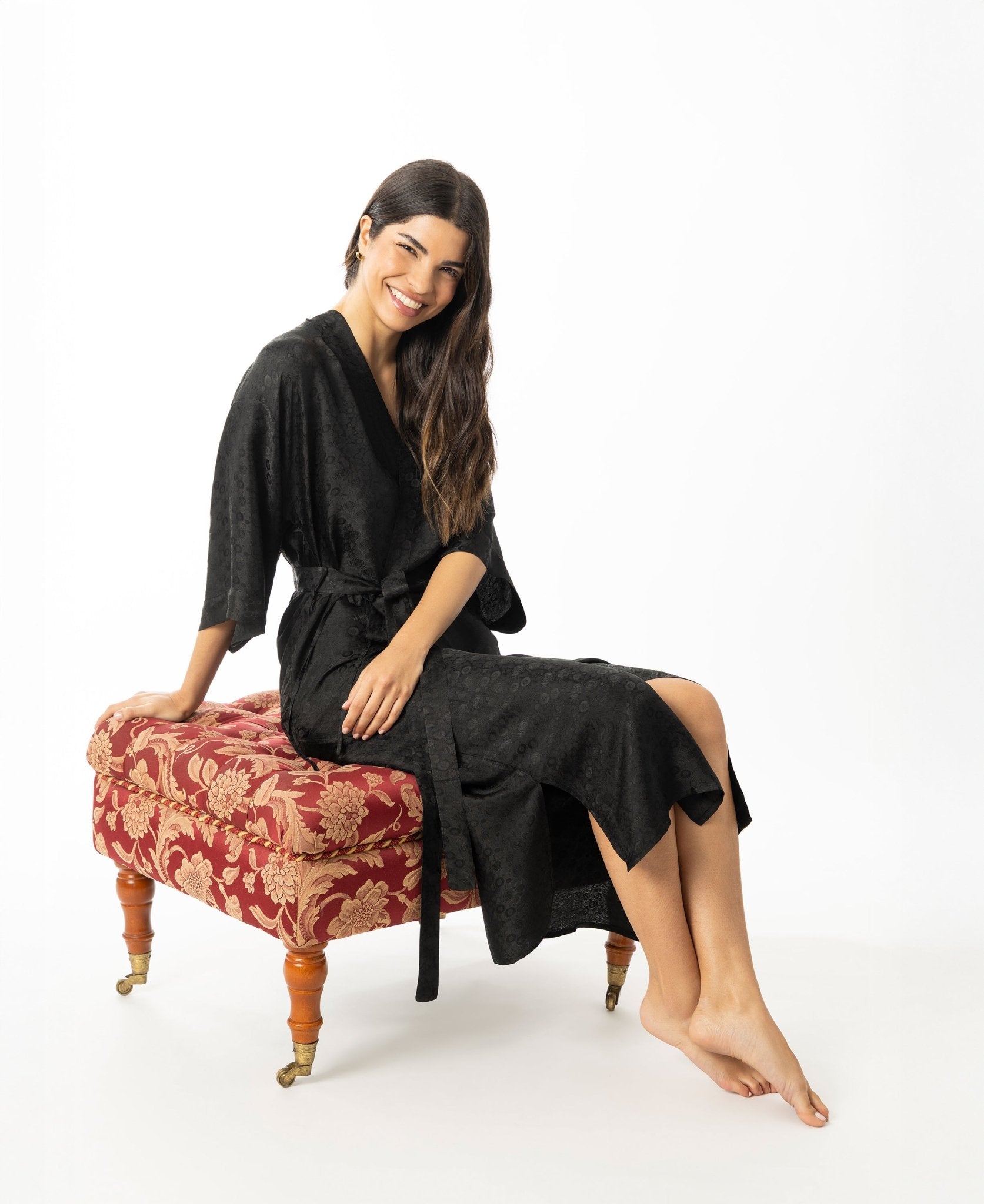
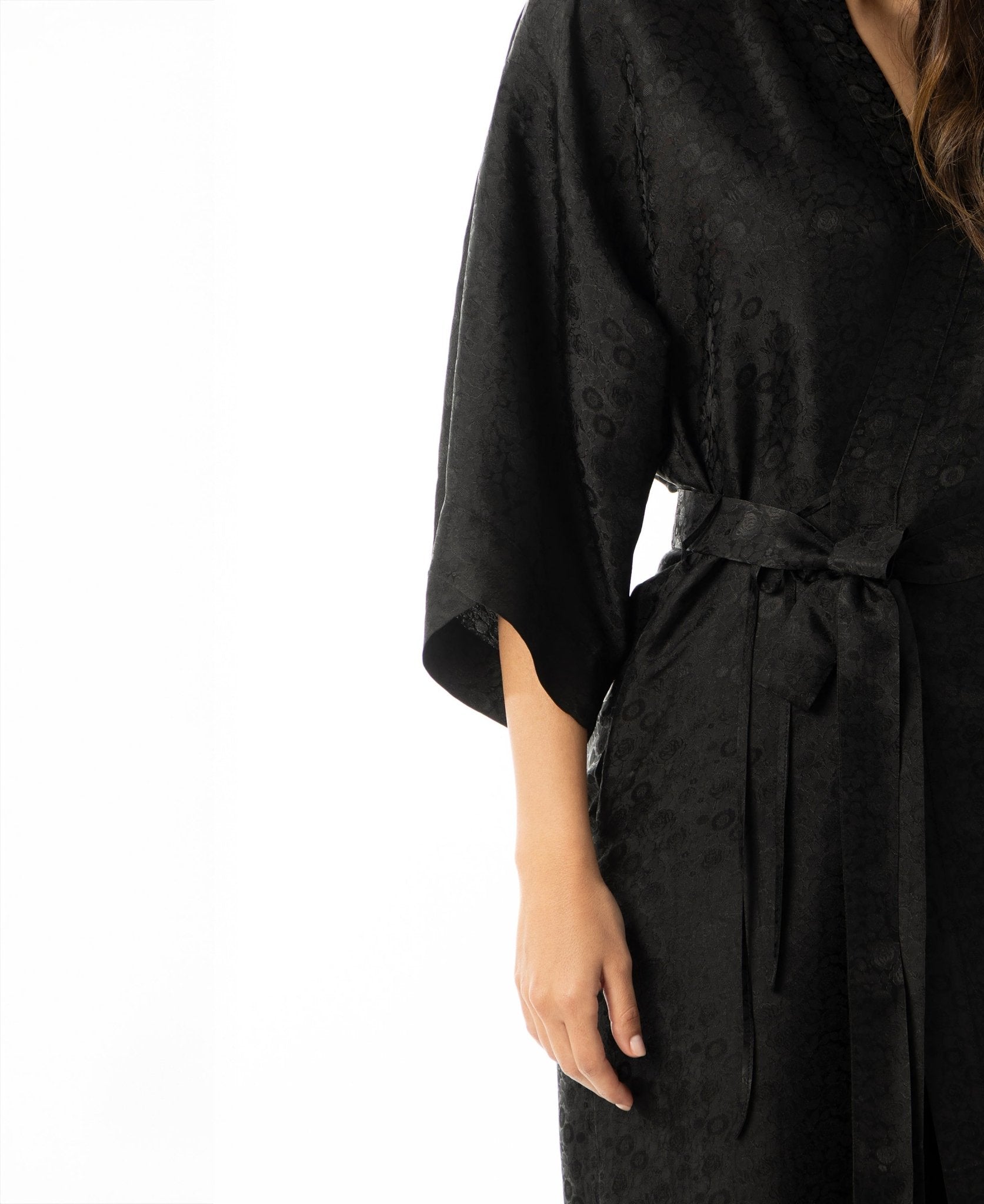
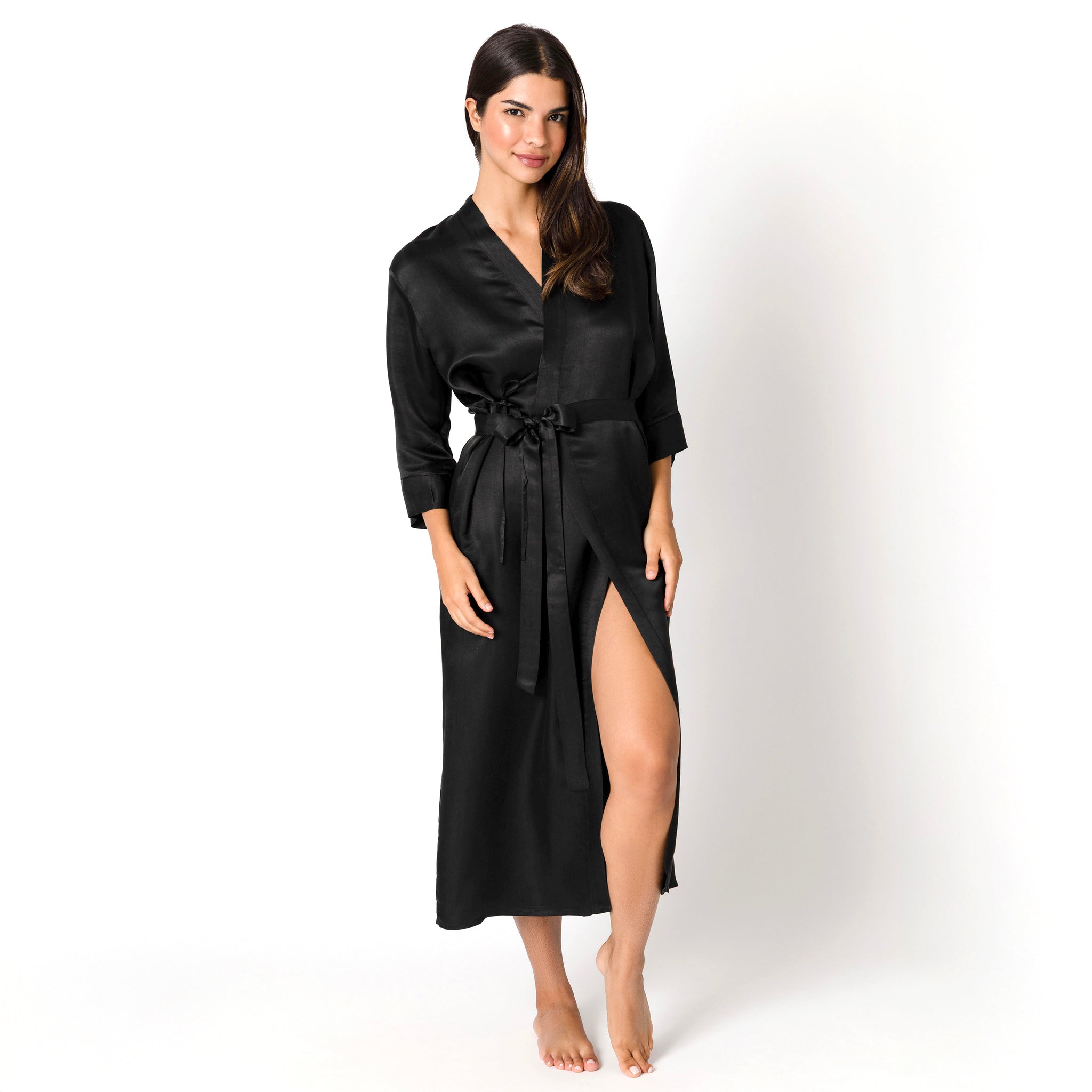
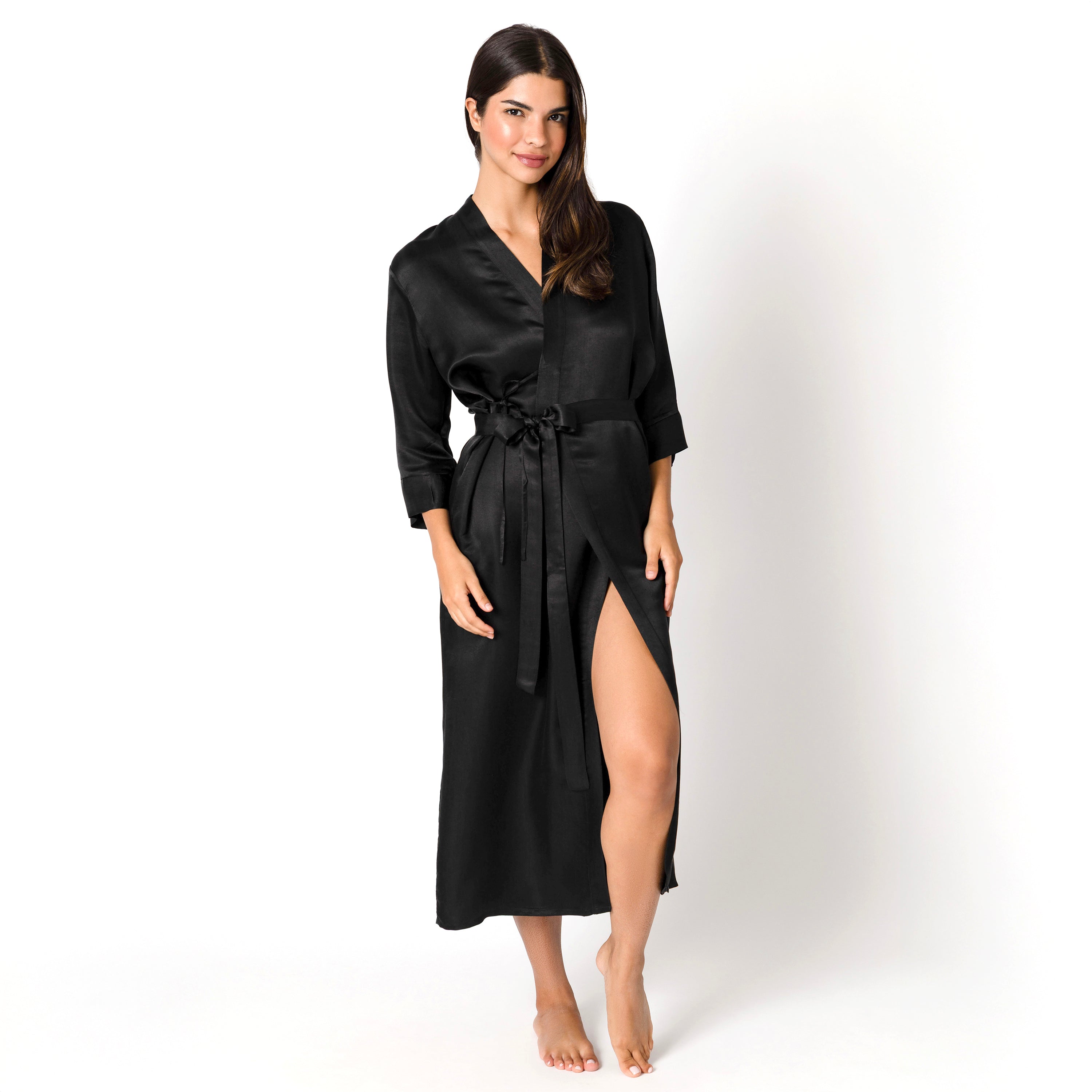
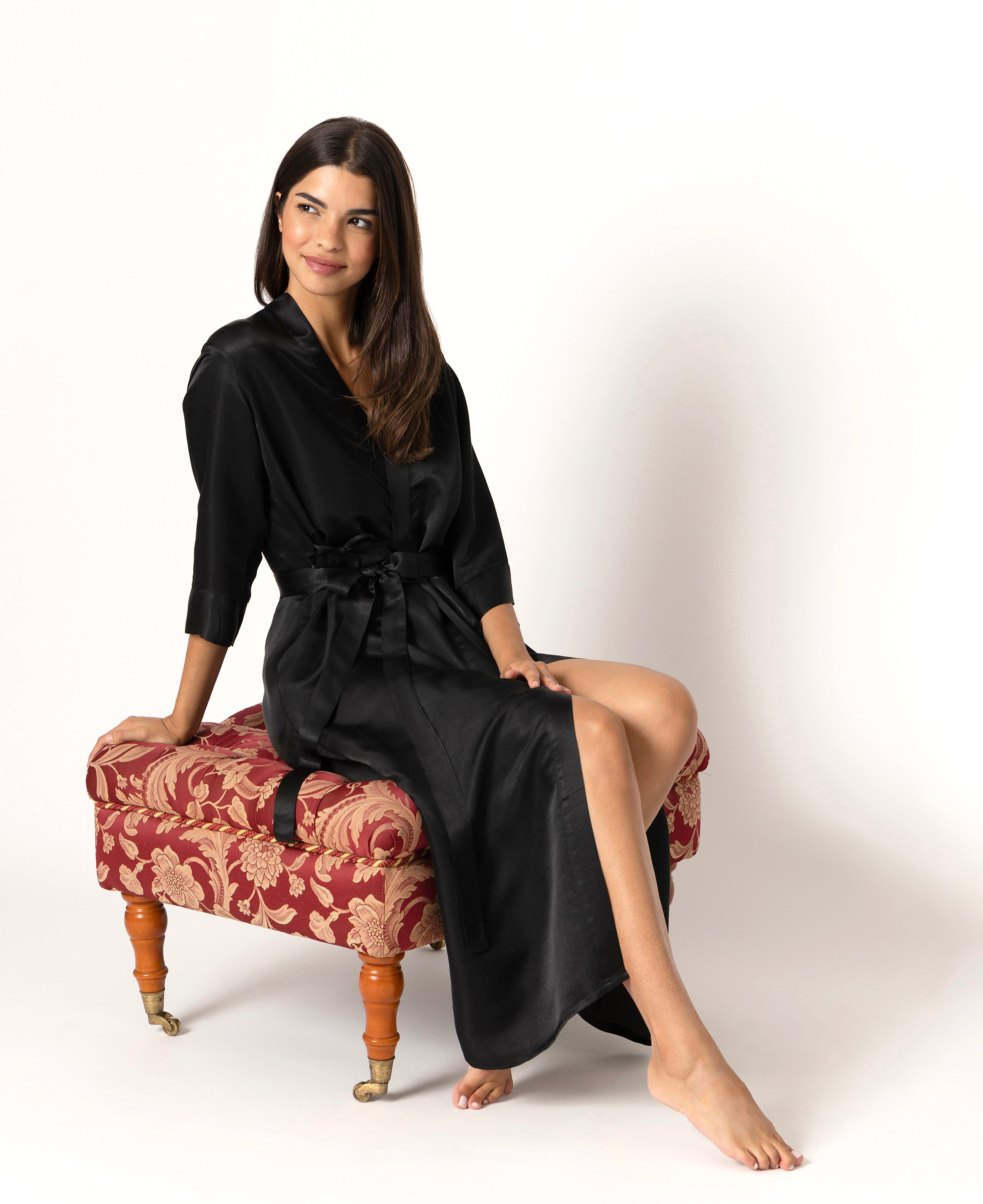
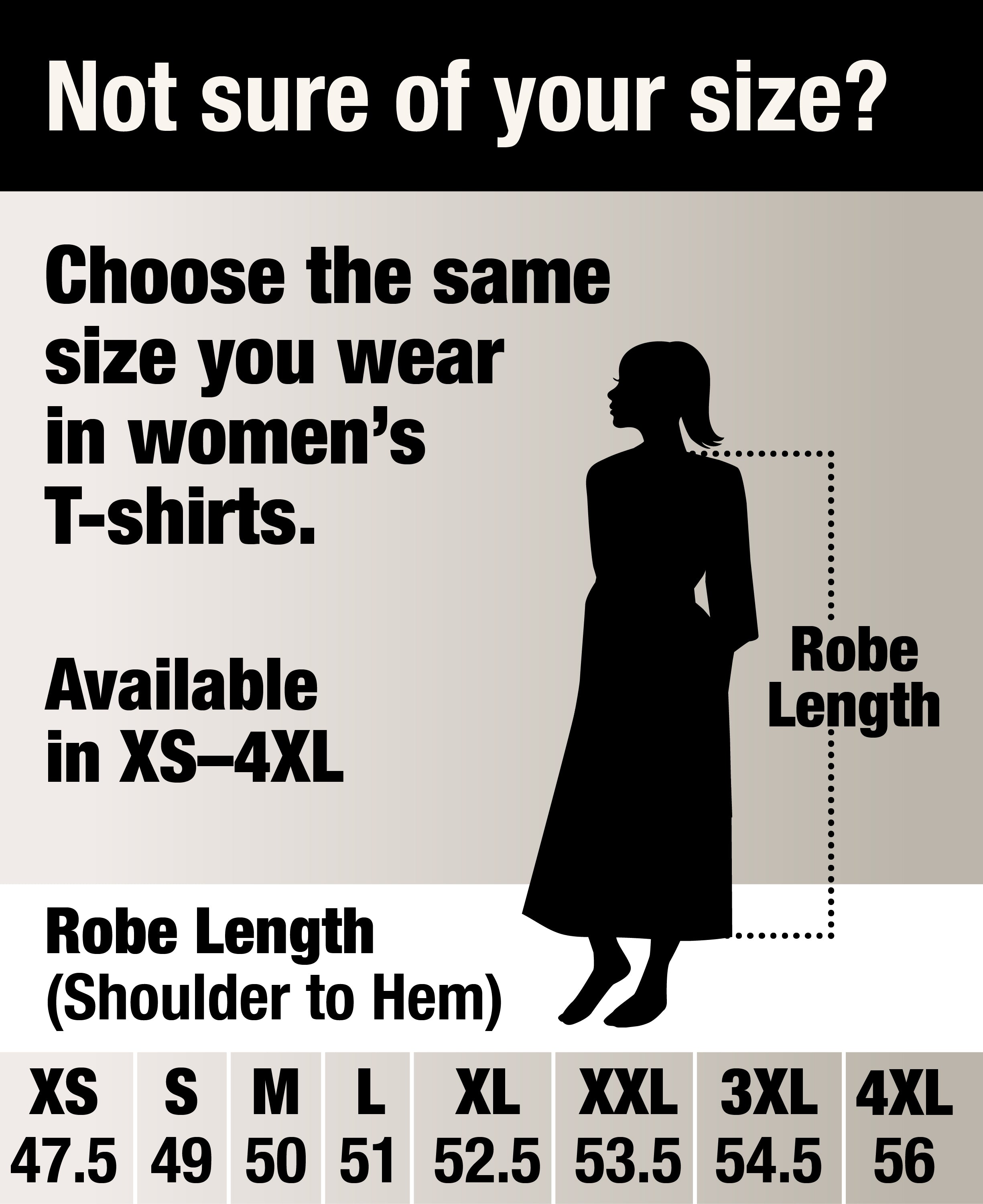
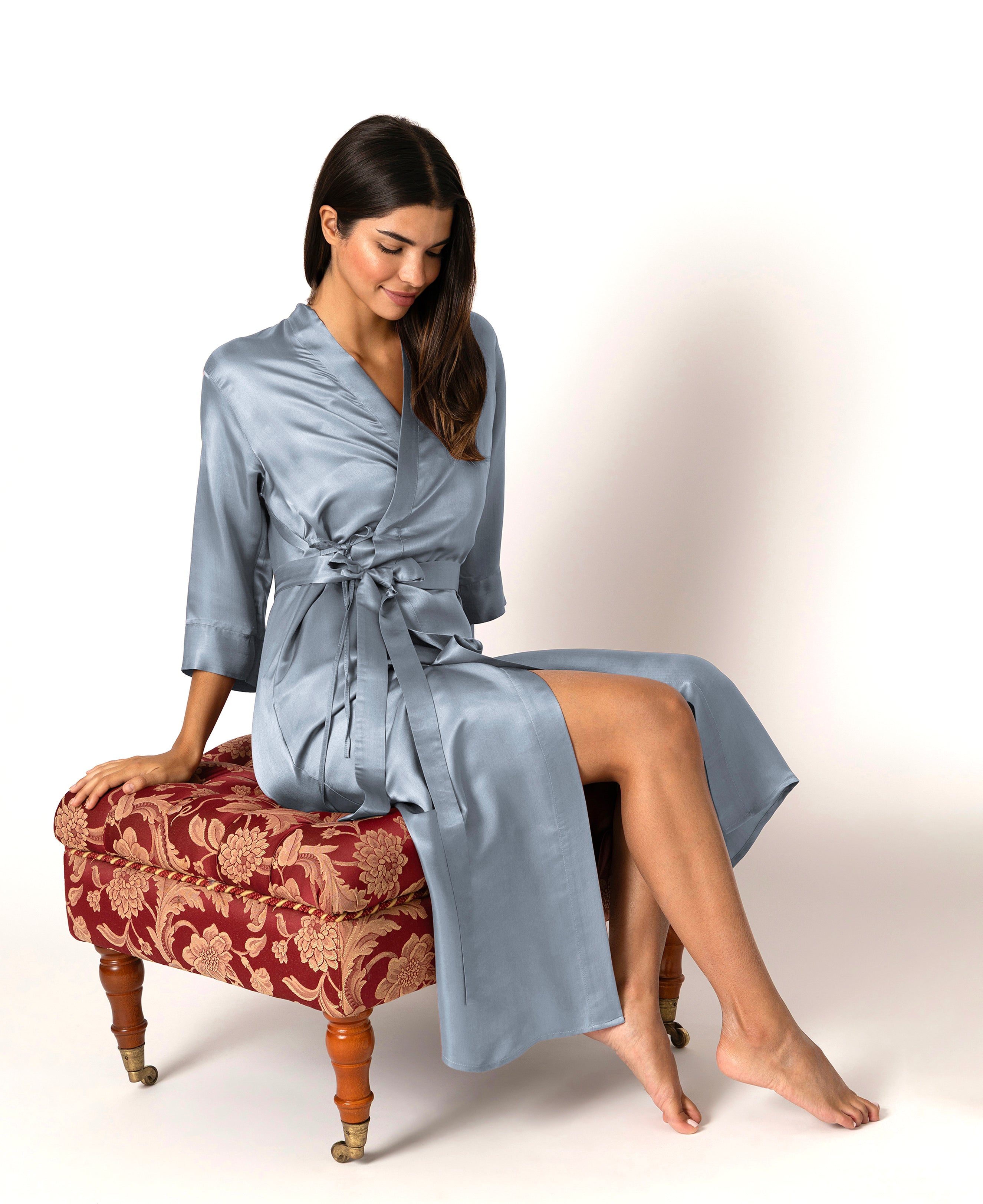
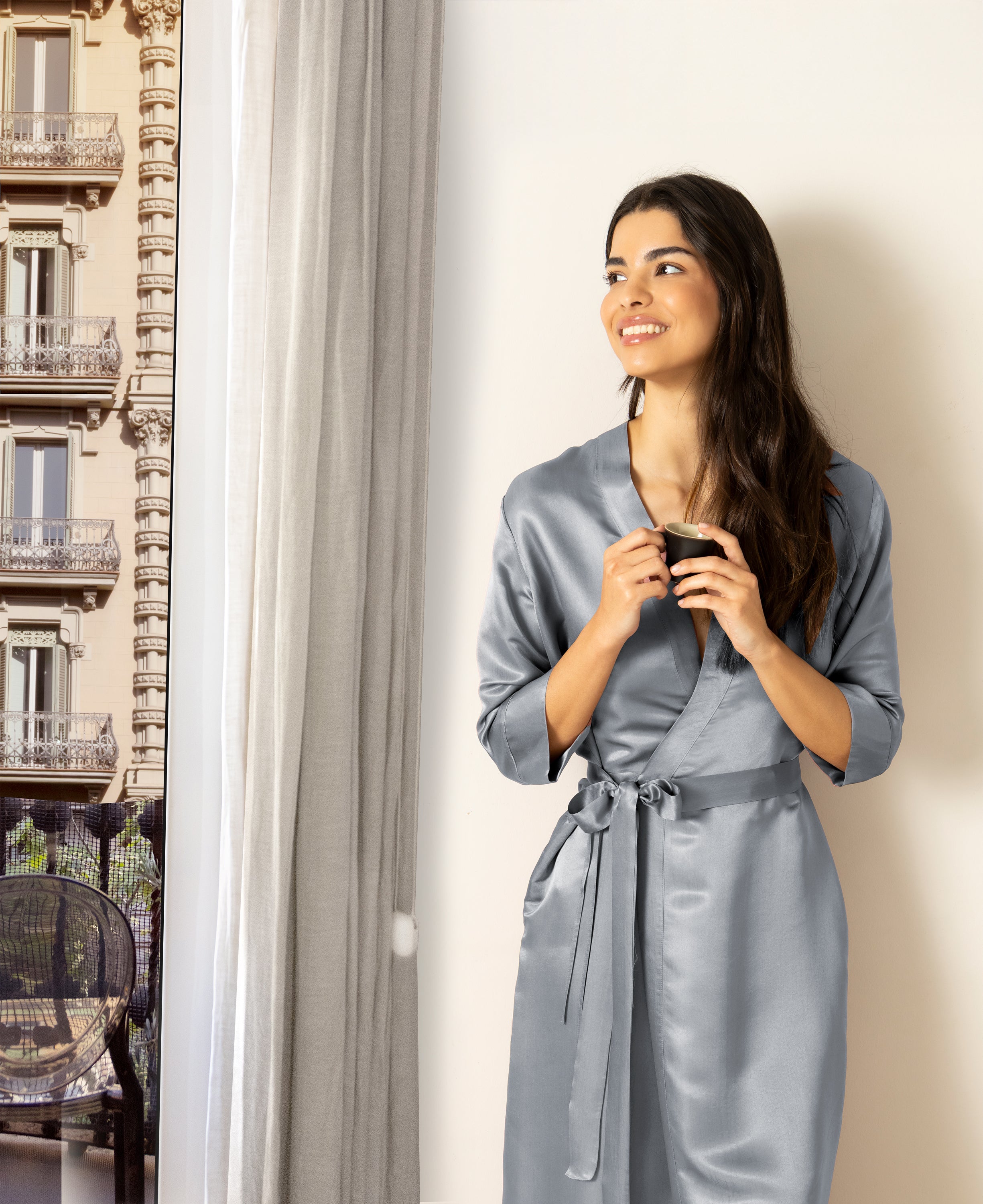
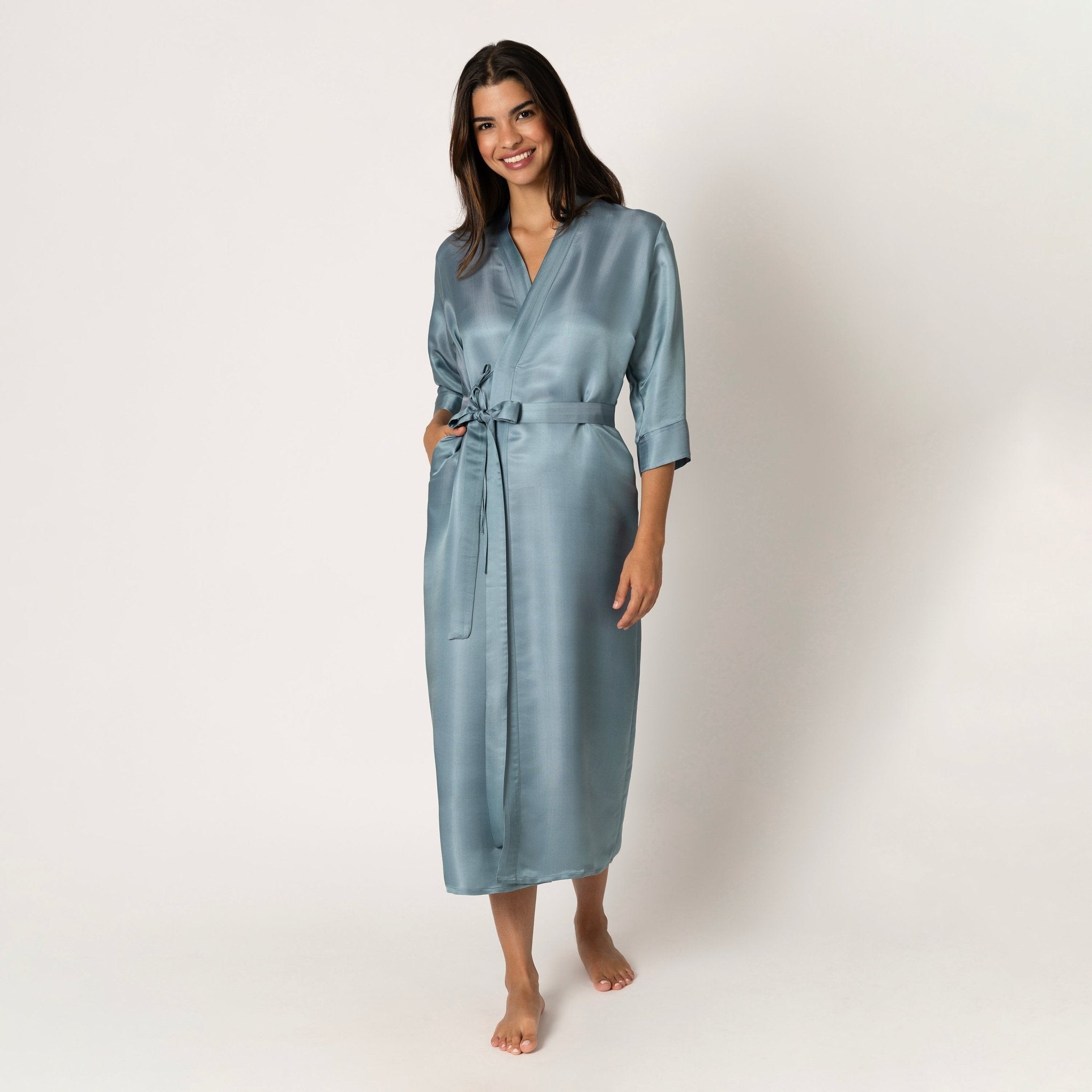
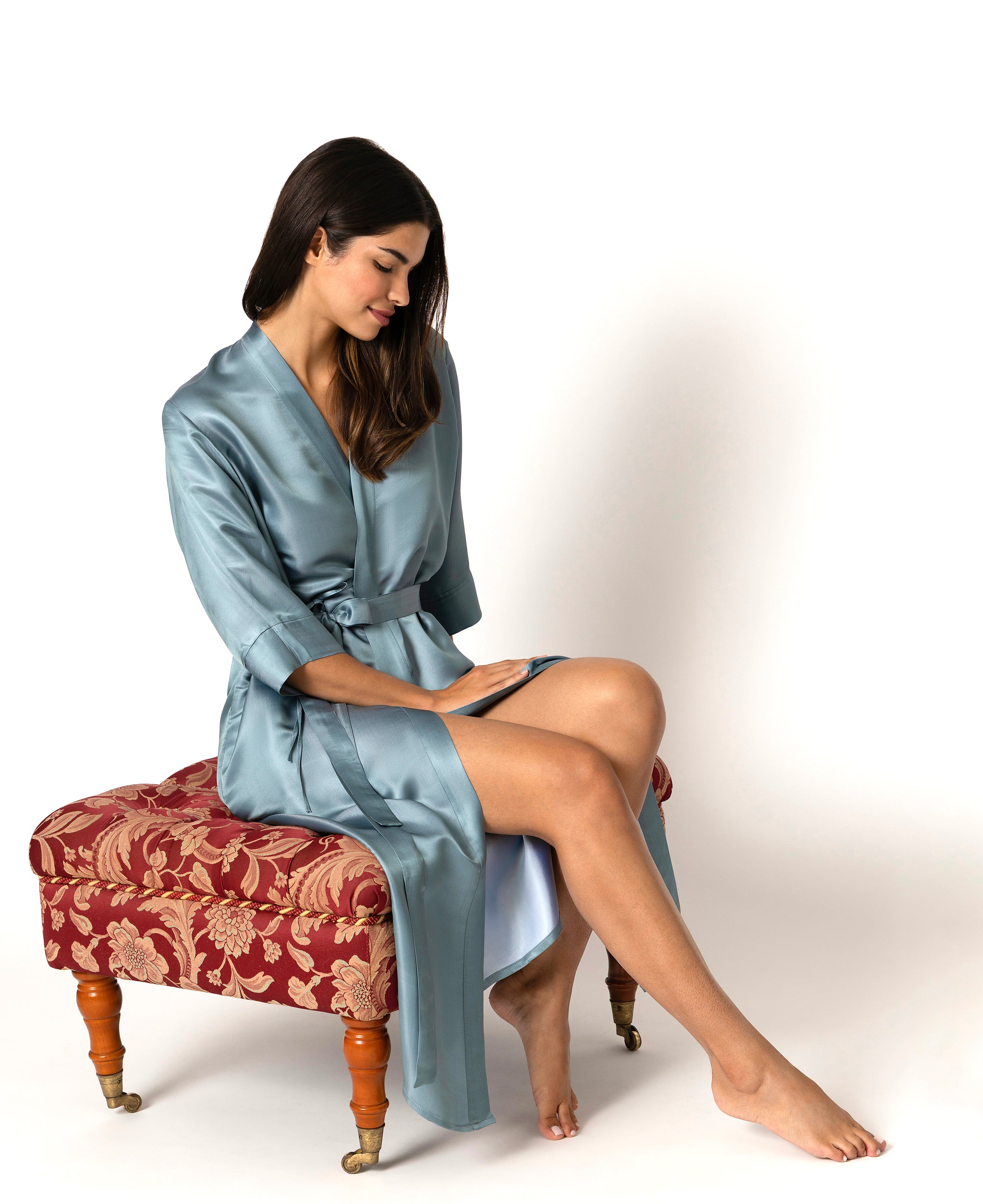
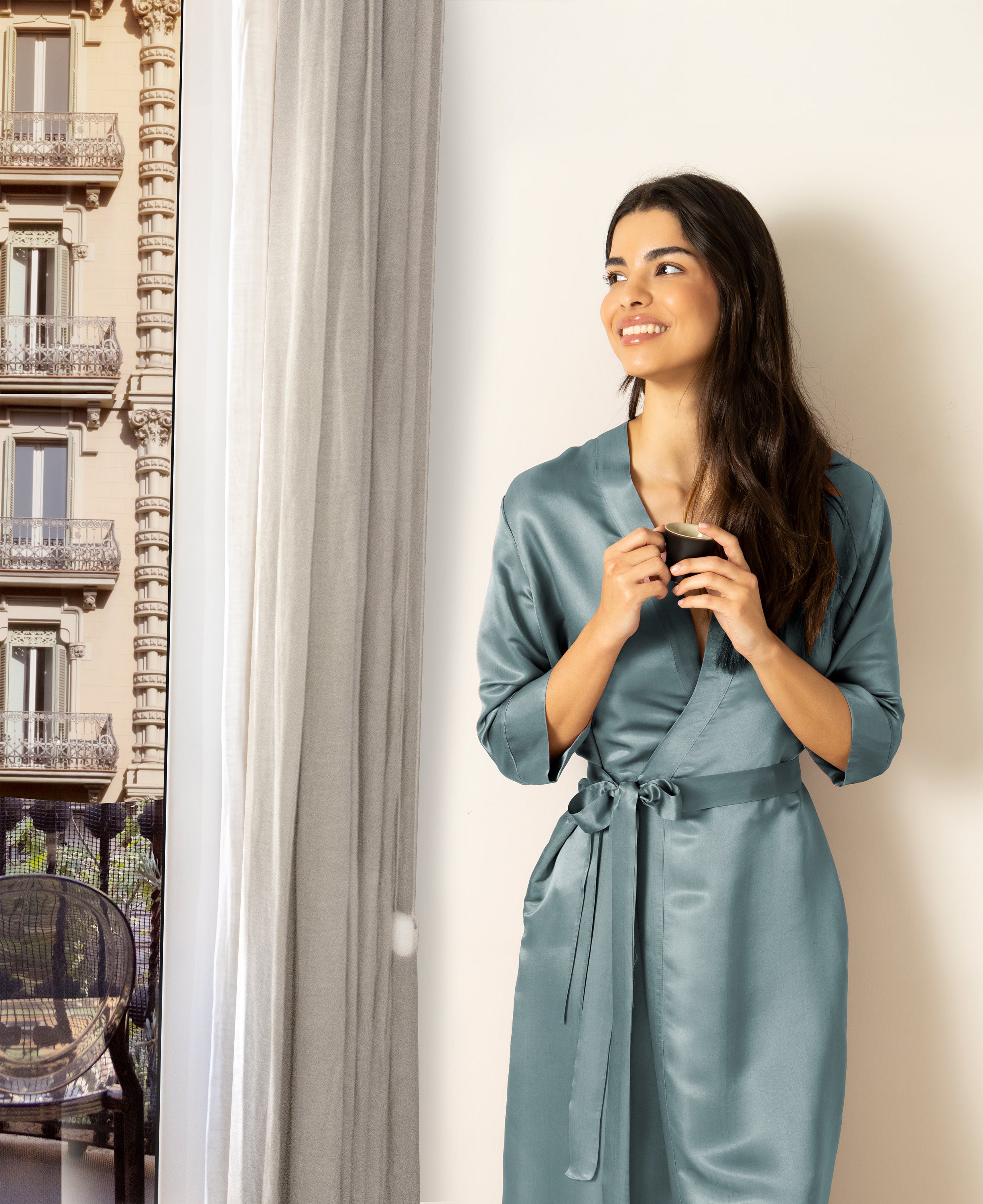
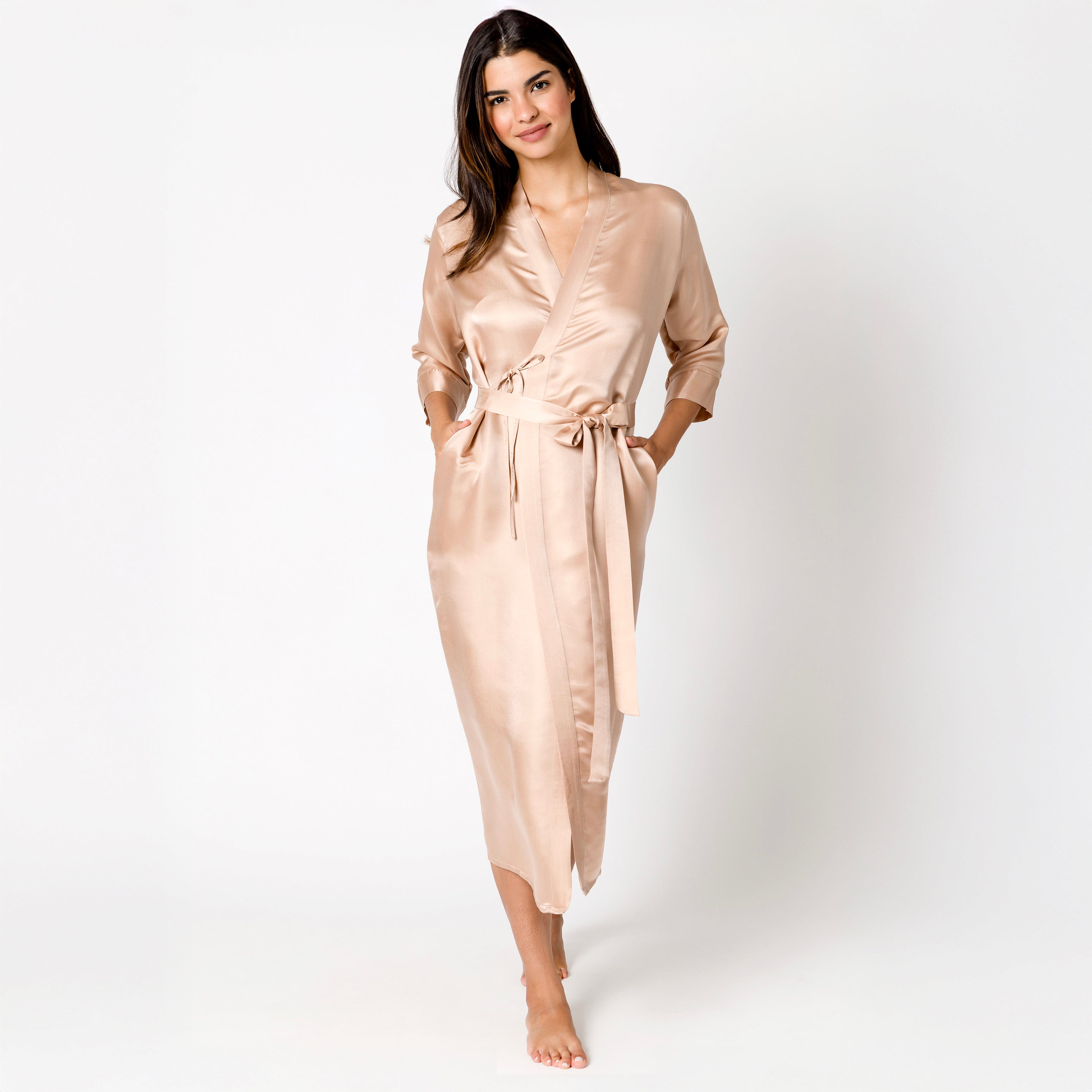
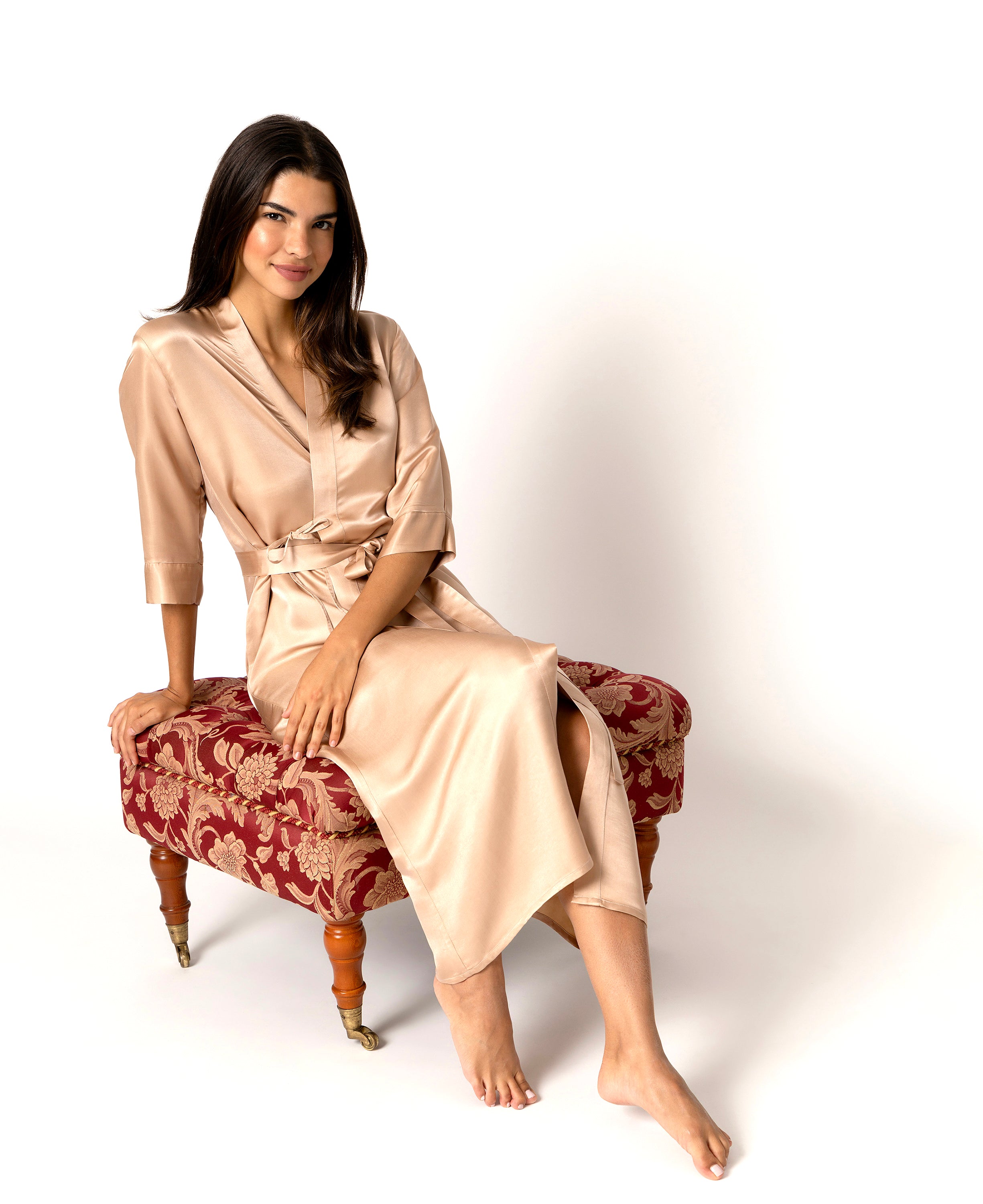
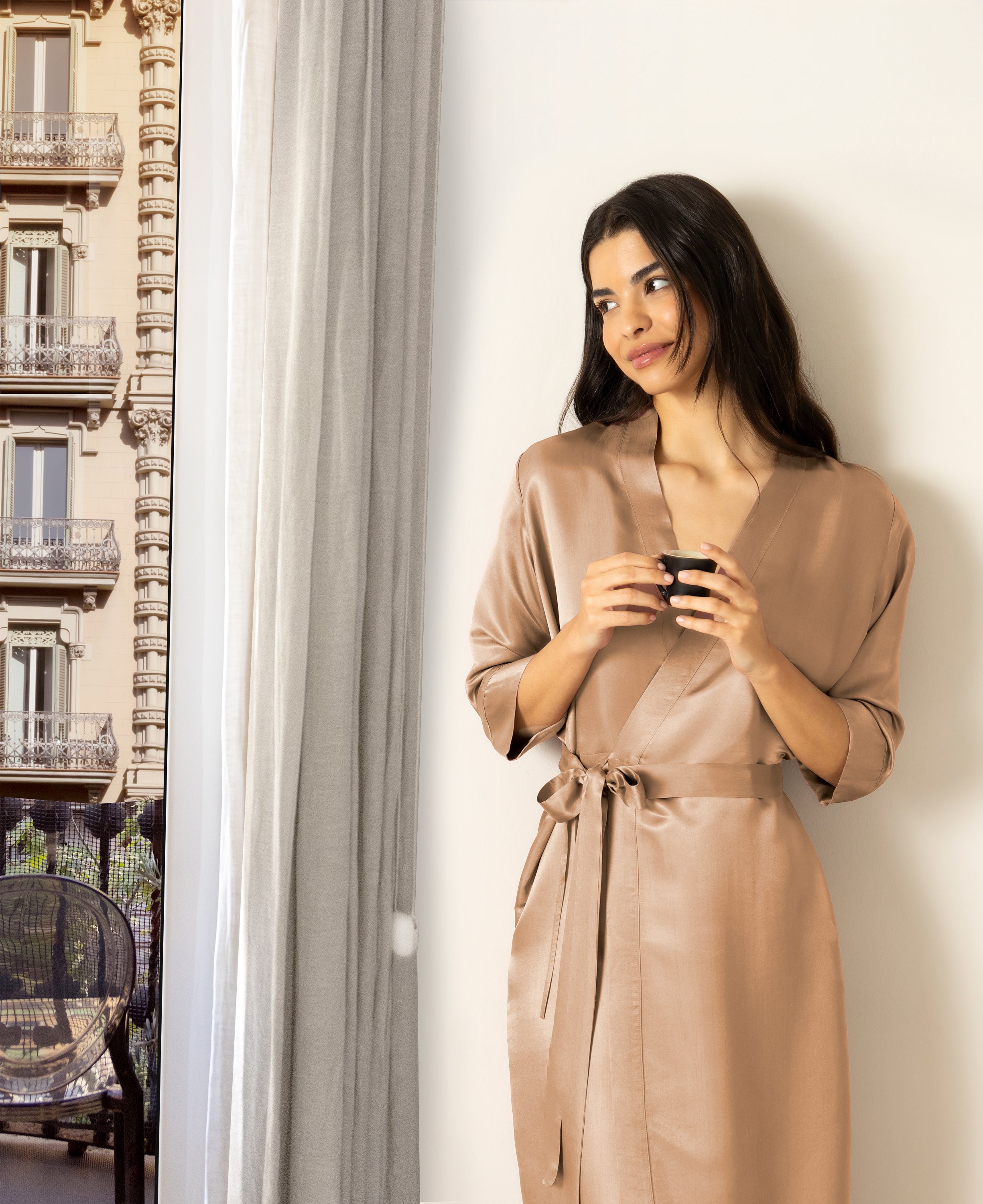
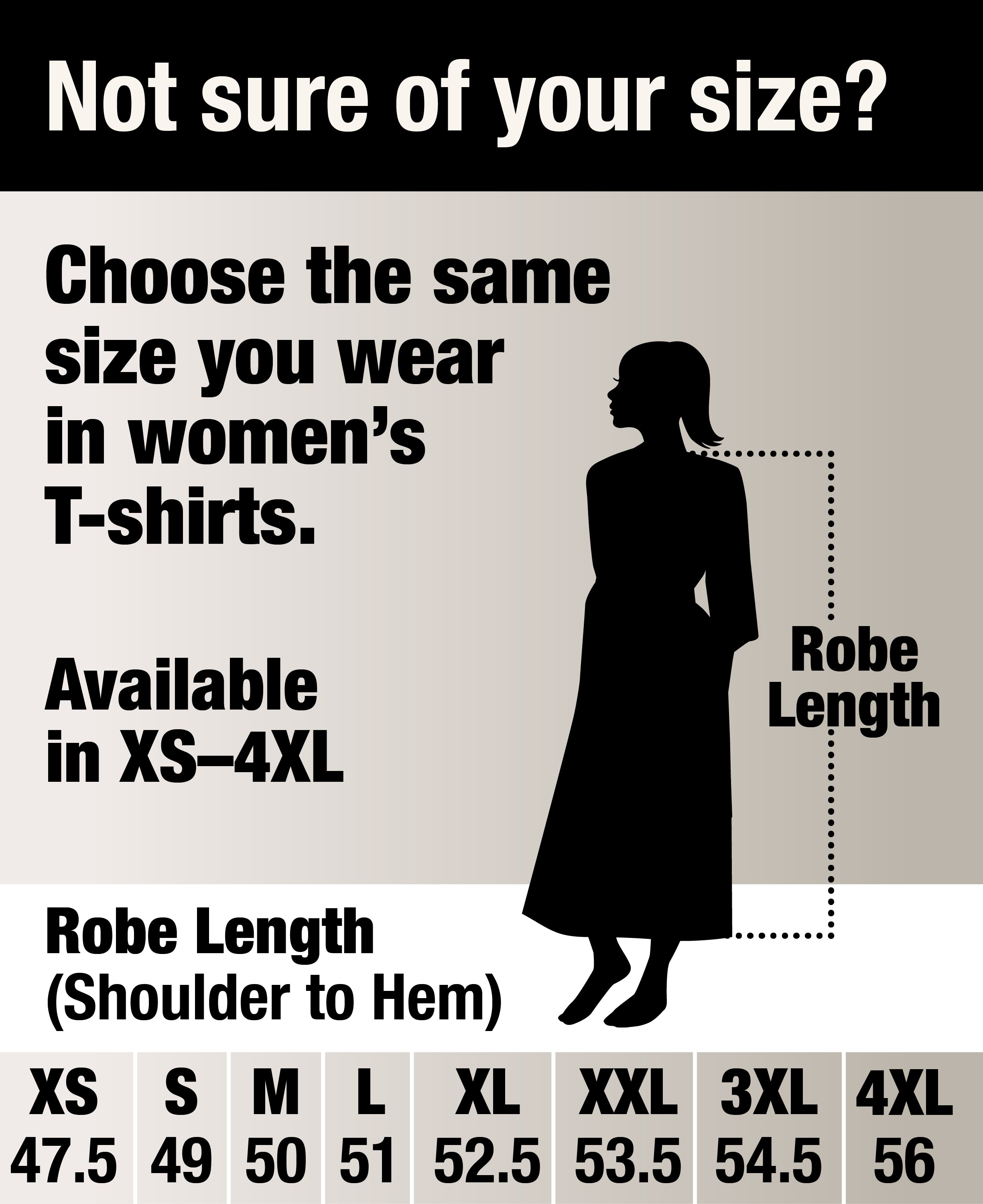
Tara Sartoria makes silk robes, pajamas, boxers, nightgowns, and pillowcases in XS to 4XL as standard, with custom sizing available when needed. The full size range is made from the same 27 momme mulberry silk, with the same French seam construction, by the same master artisans in Vietnam's historic silk villages.
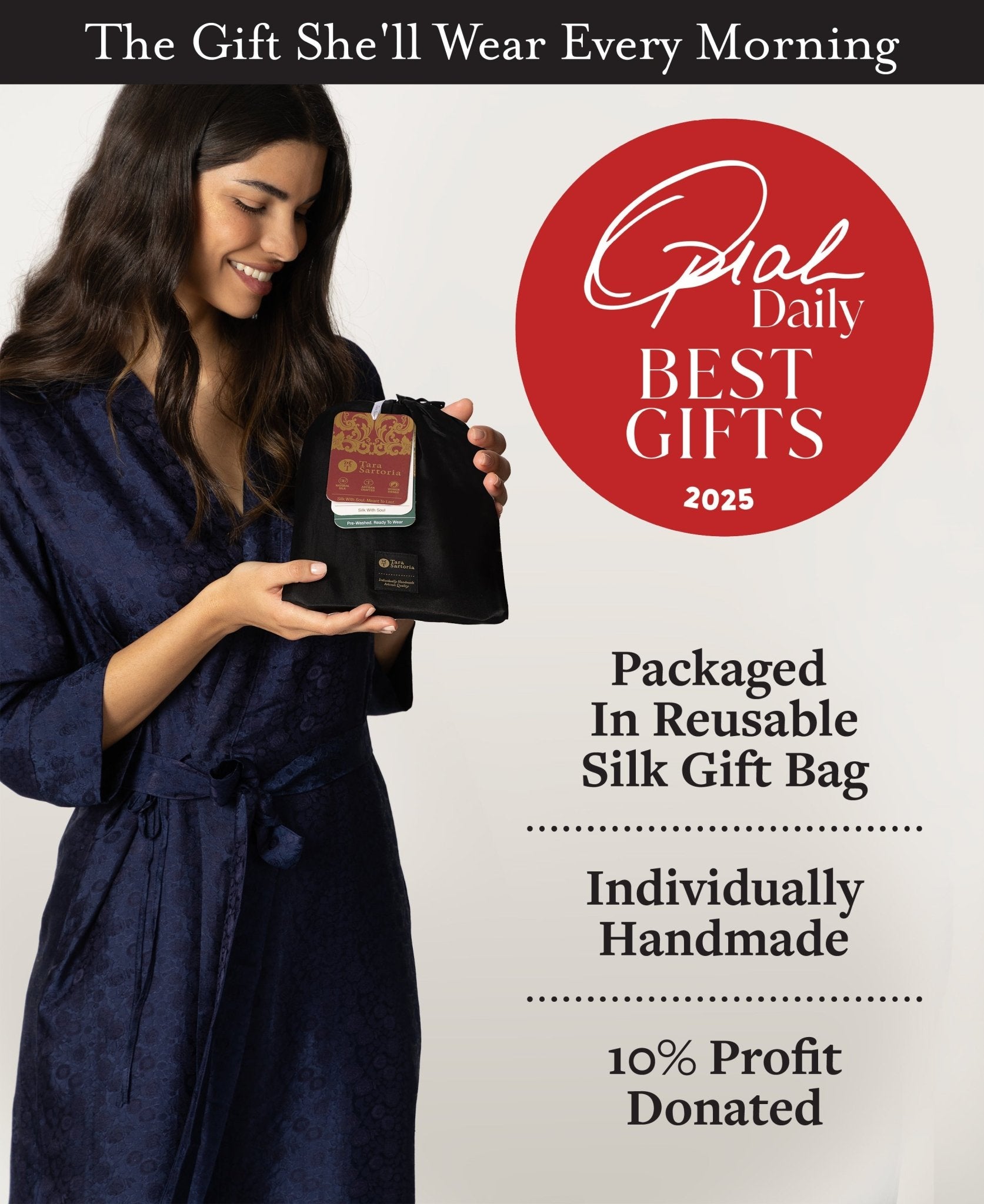
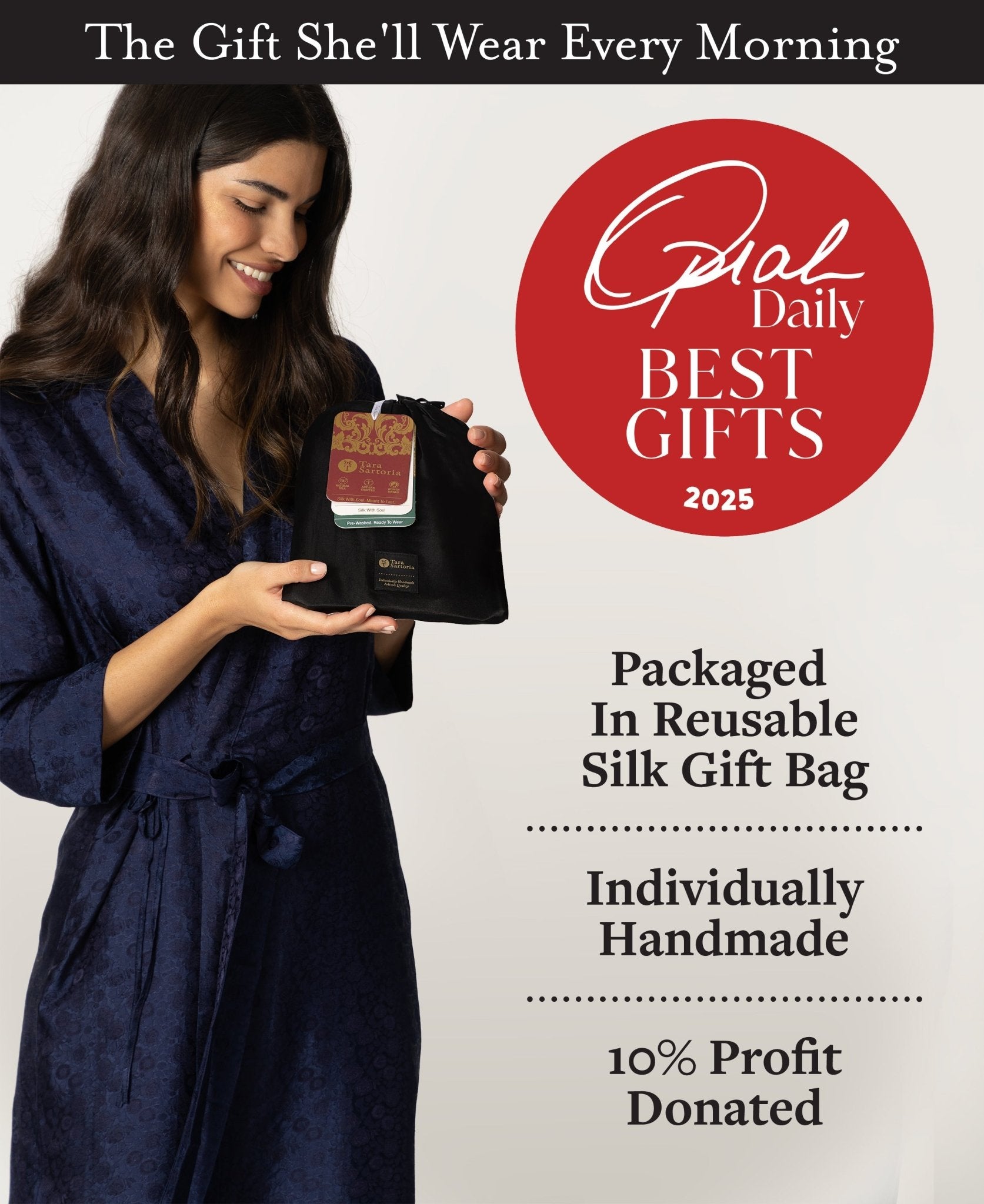
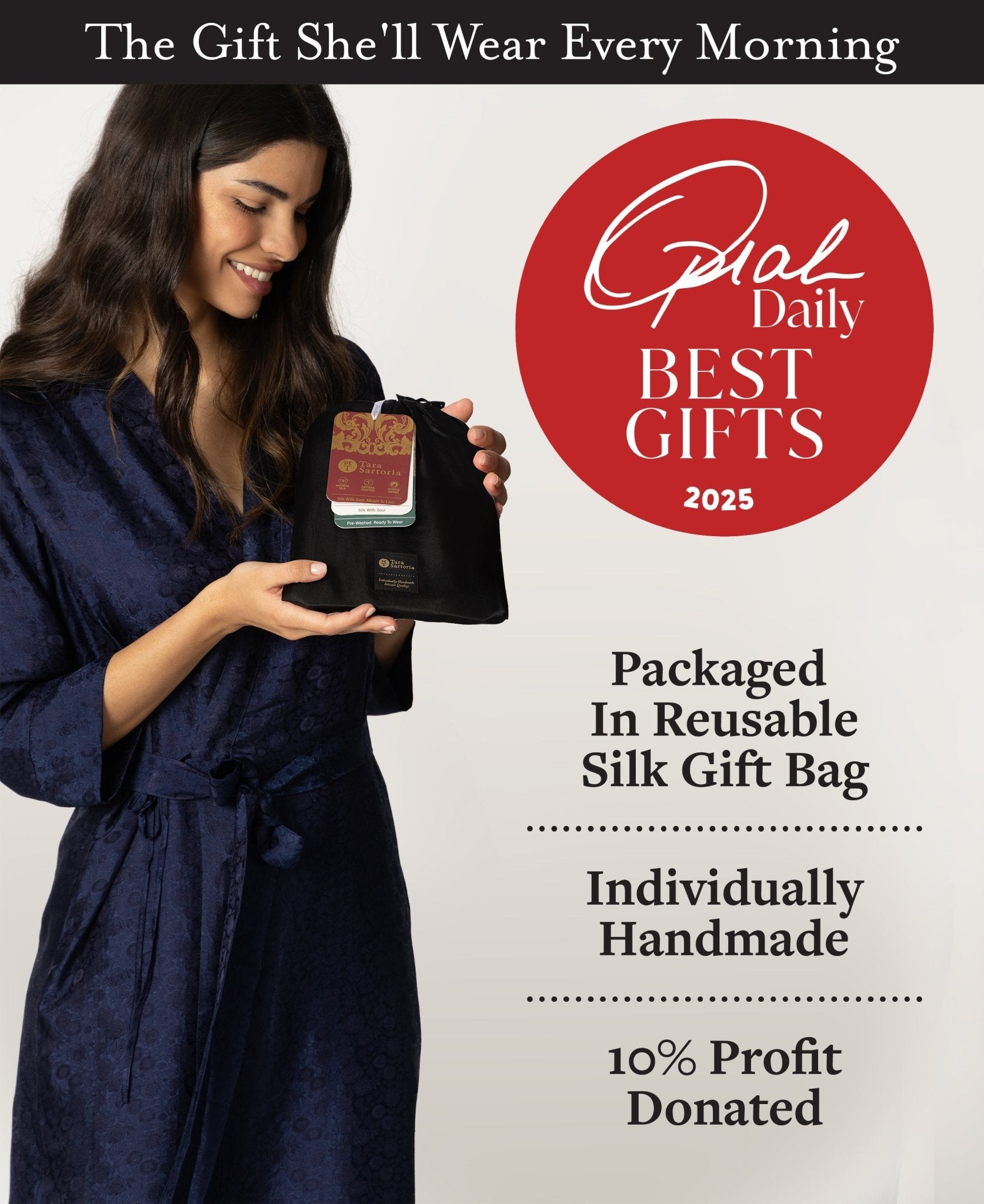
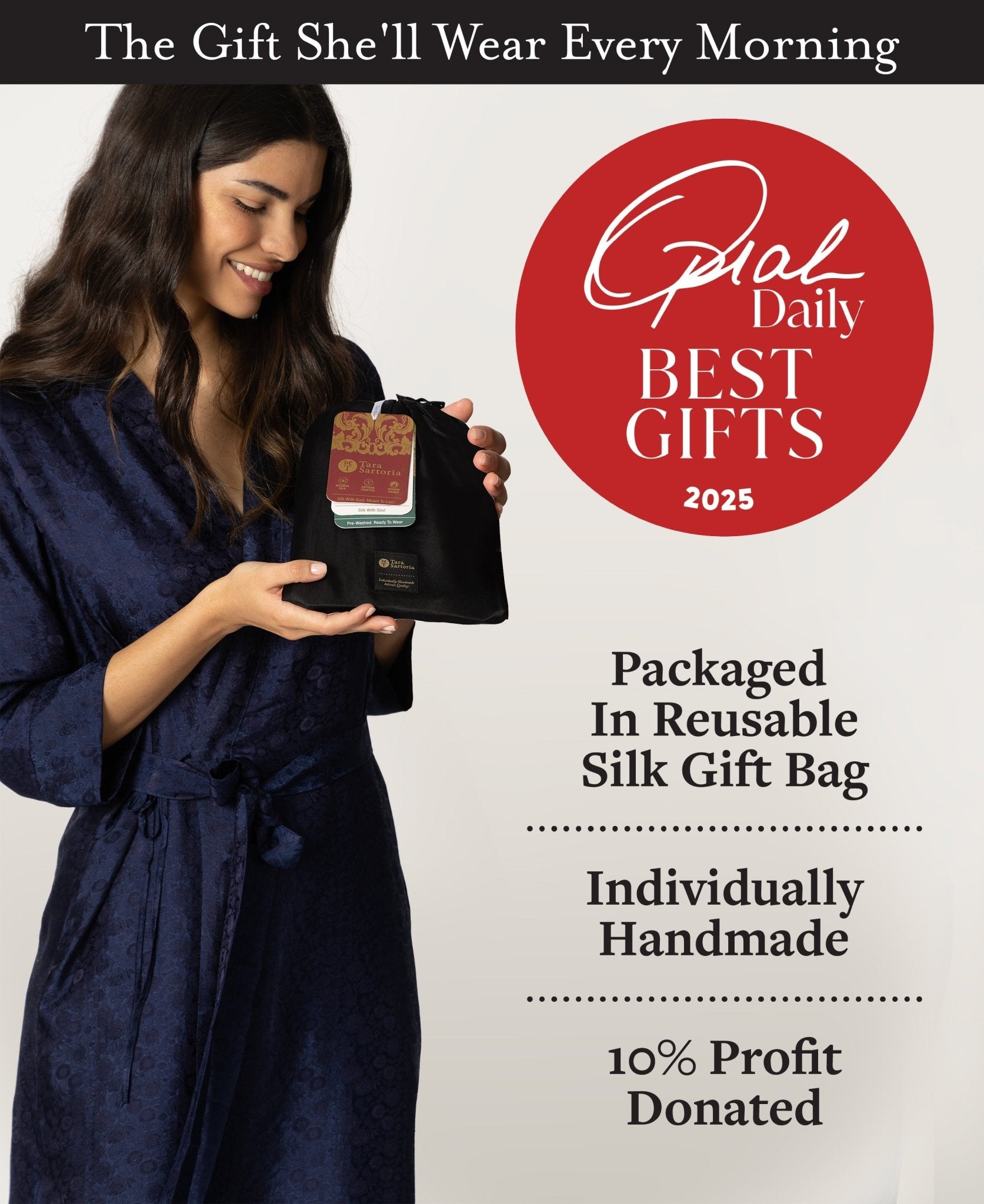
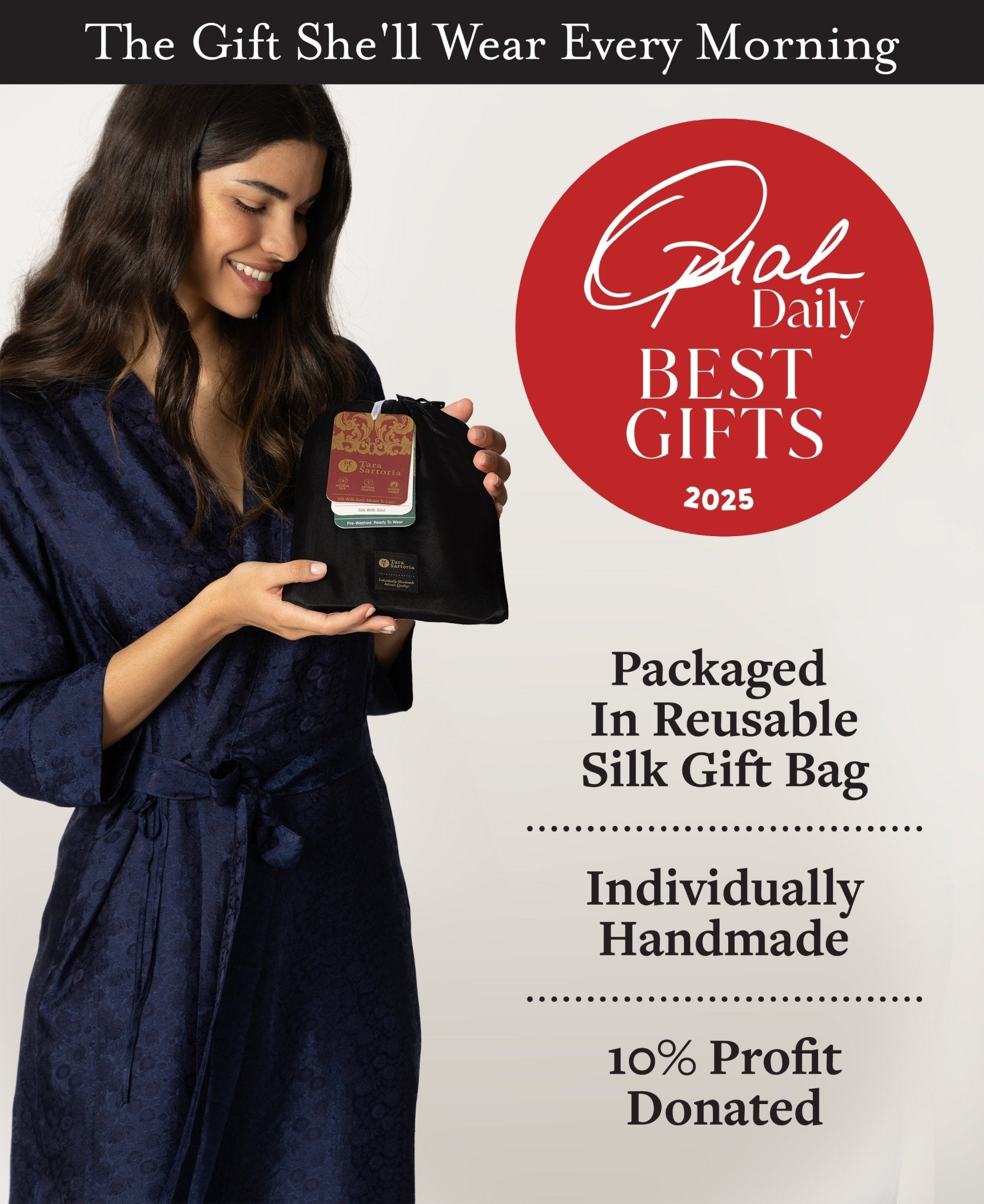
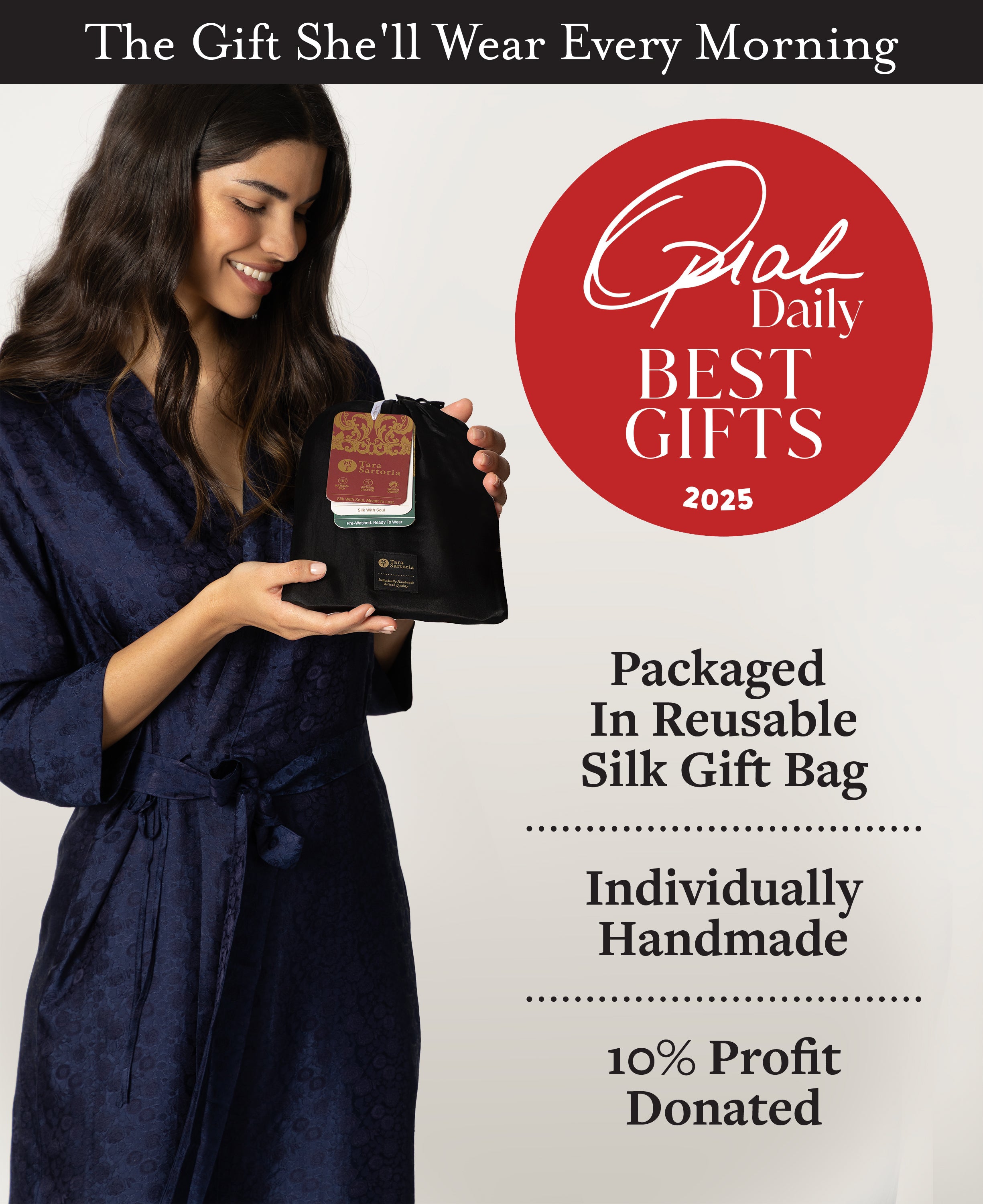
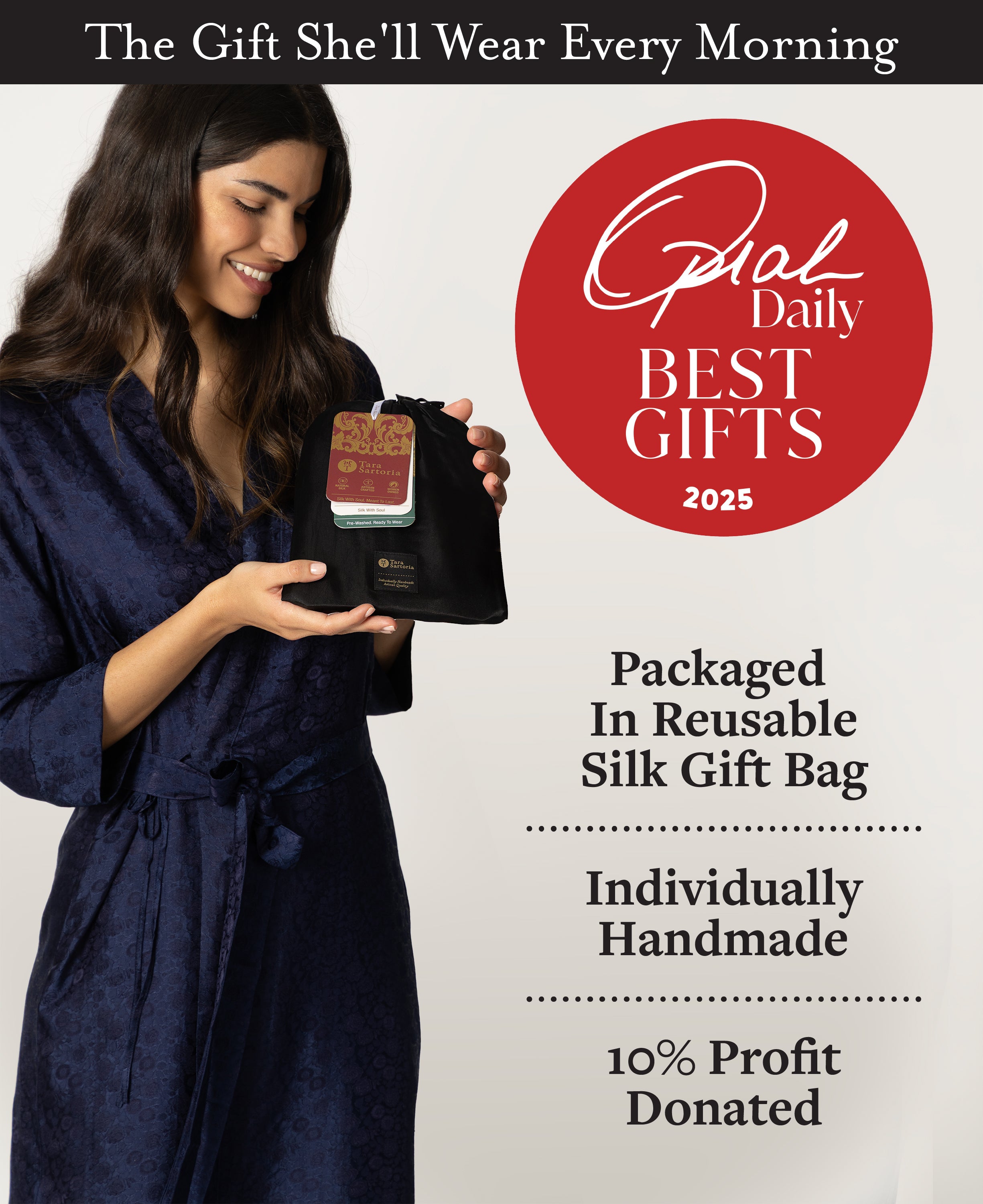
There is no plus-size line. There is one line, made in sizes that fit a full range of bodies. The reason: real luxury should fit real people, not only the ones who match the sample size. 10% of profits fund women's education and entrepreneurship.


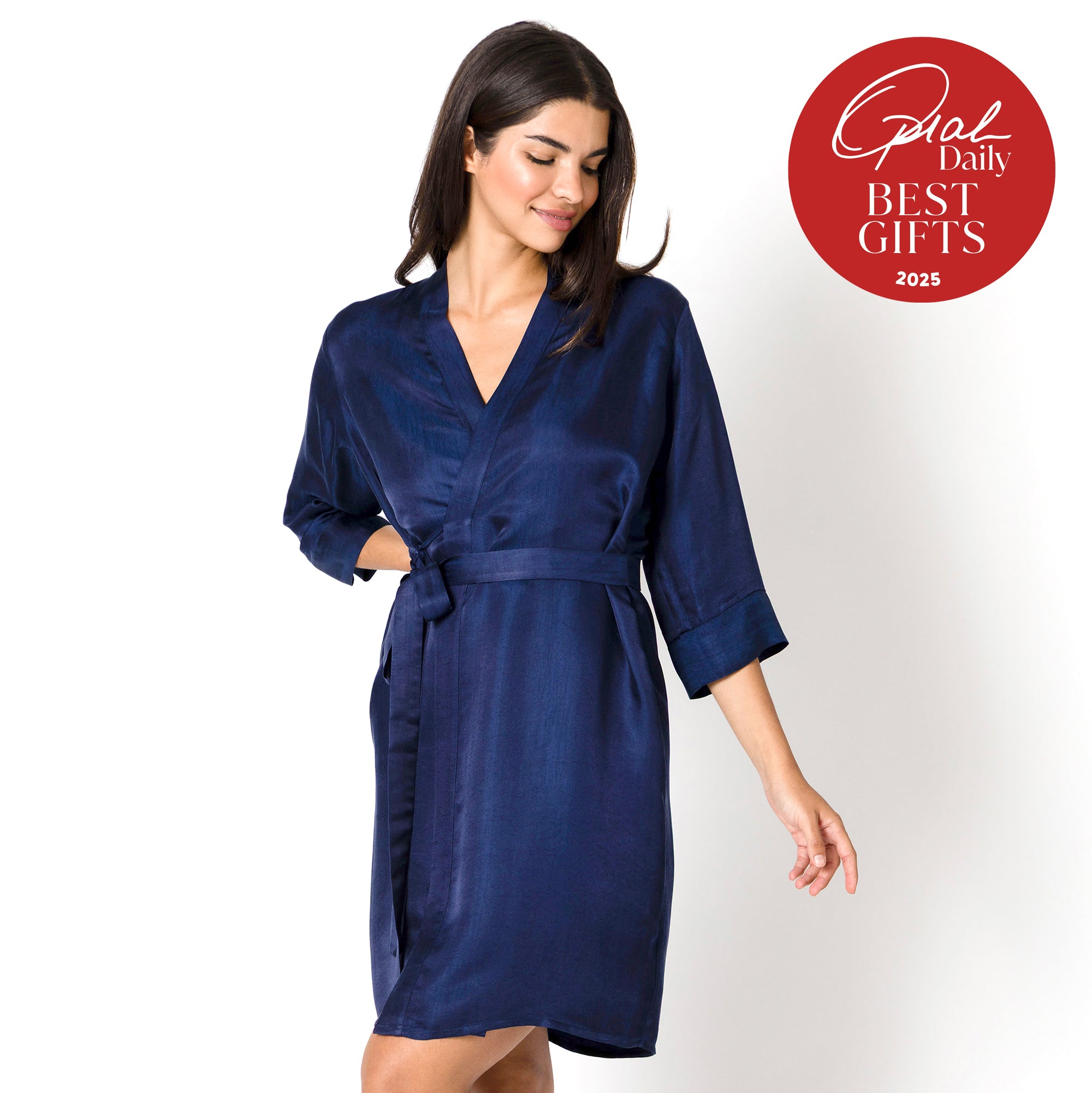


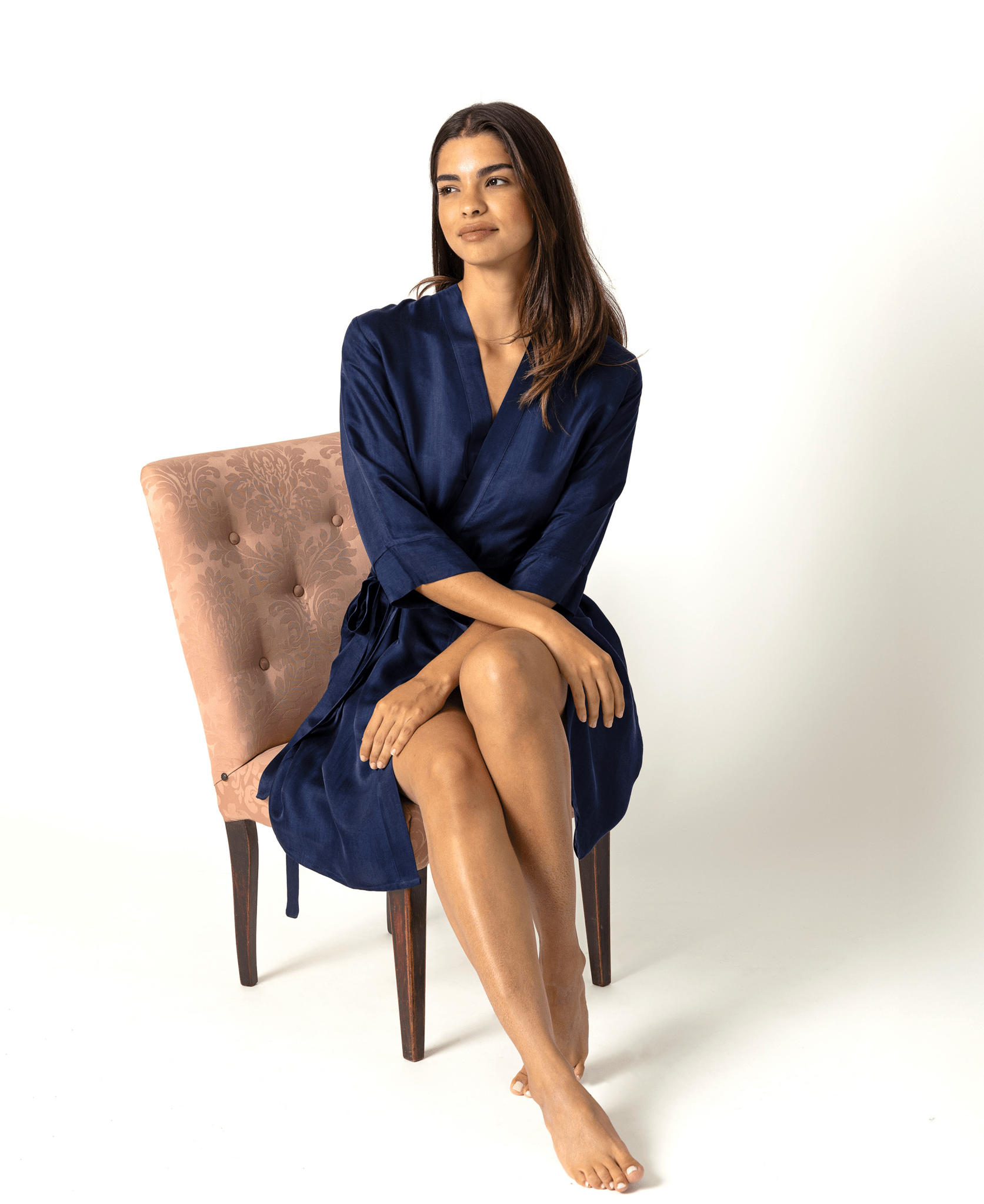
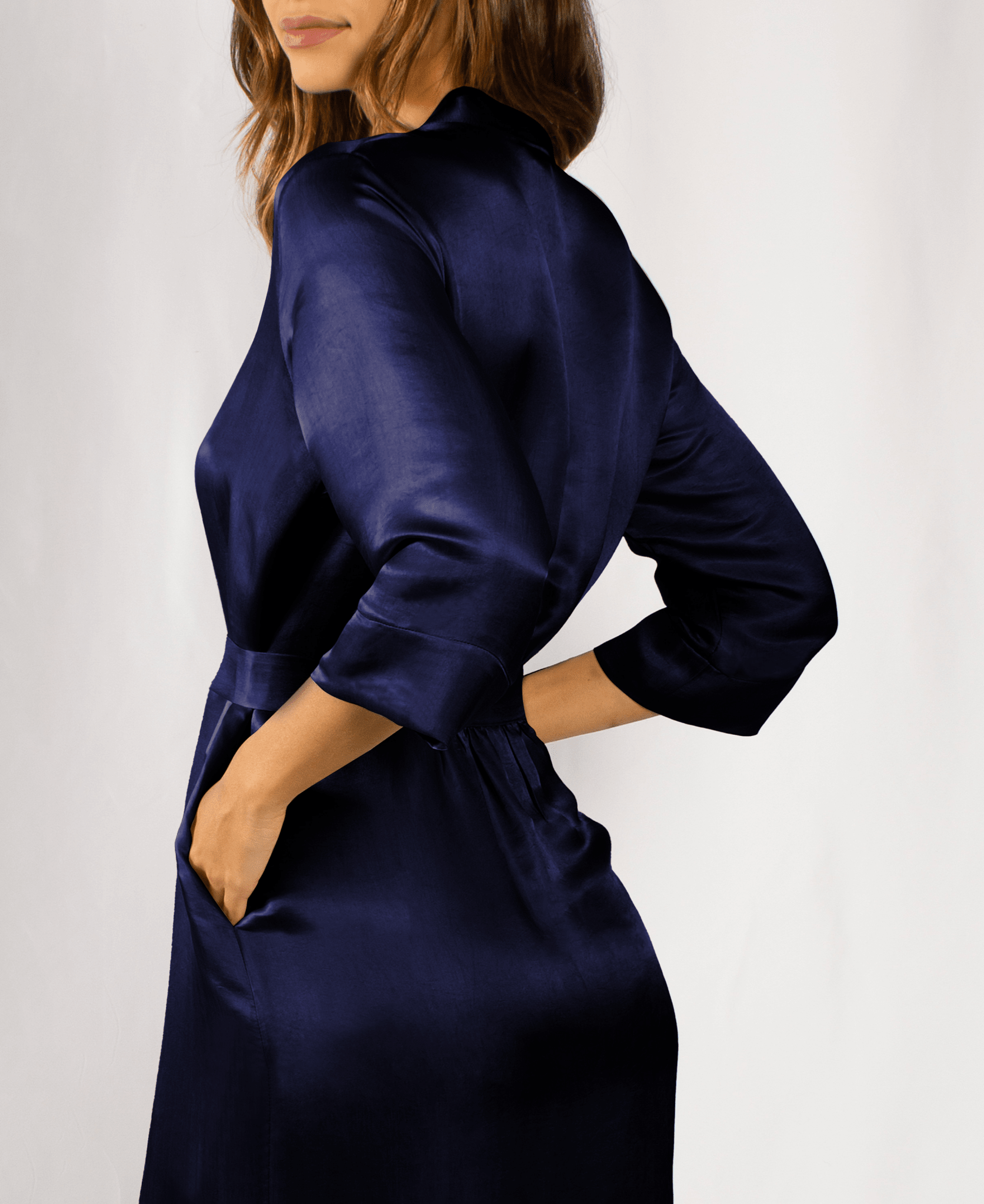
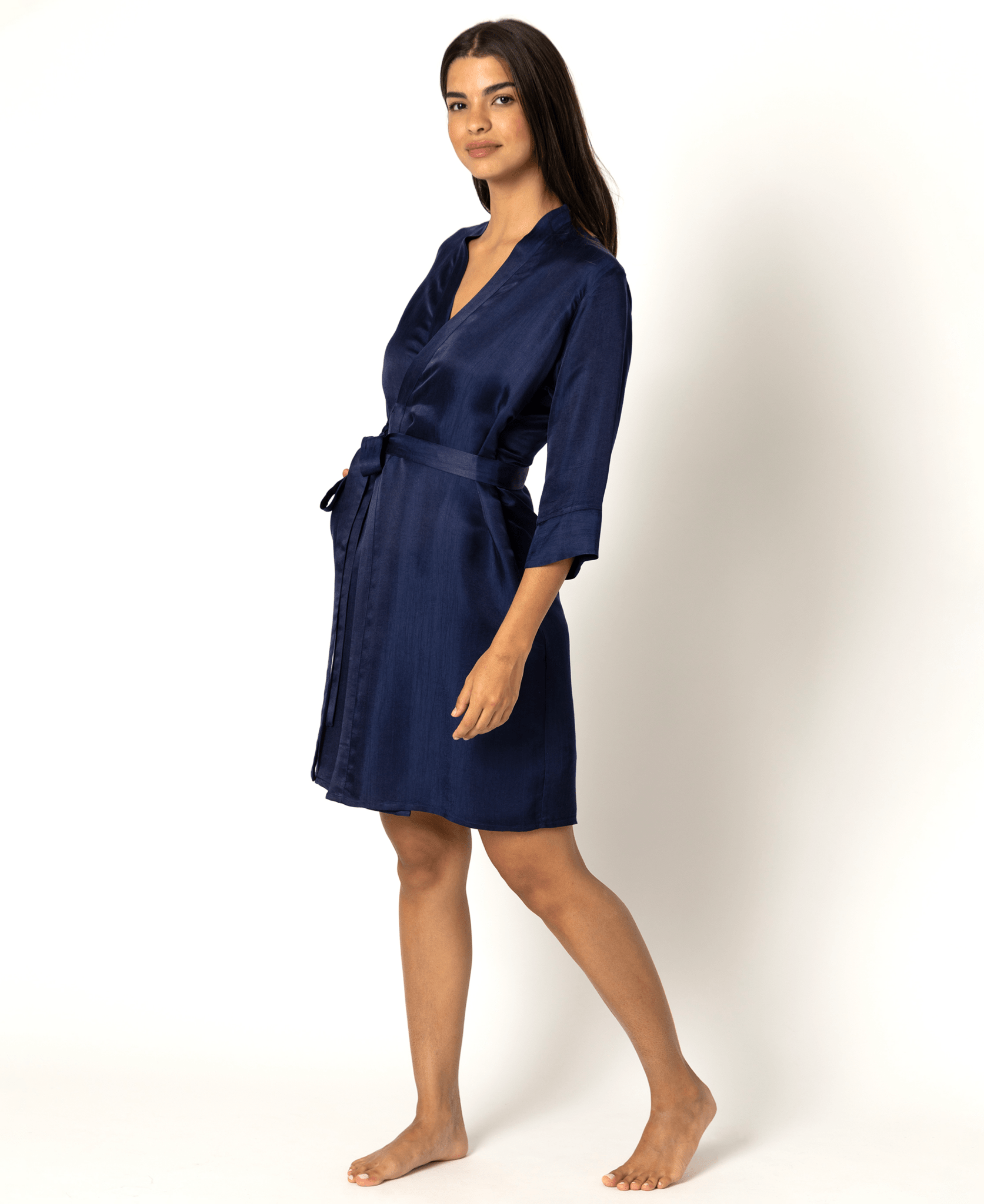

What the Luxury Silk Industry Has Quietly Decided
The luxury silk industry has decided, mostly without saying it out loud, that the standard size run is XS to L. A few brands extend to XL. Almost none go further. This decision is not made because larger bodies do not want silk. It is made because adding sizes to a standardized production run is genuinely expensive, and the math of mass production rewards a narrow range of sizes over a wide one. The cheaper the production model, the narrower the size run will be.
What this means in practice is that a woman who wears a 2XL is told, often without anyone telling her, that real silk is not for her. She is offered the polyester version. She is offered the satin version. She is sometimes offered the silk version in a "plus" line where the cut has been modified to use less fabric, sometimes by removing details that women in smaller sizes get to keep. The price stays the same. The garment is quietly worse.
I have spent years watching this happen across the silk industry, and I have noticed that the quietness is part of the problem. Nobody announces that the size run stops at XL because larger bodies were not worth designing for. They just stop at XL. The omission is the message.
What "XS to 4XL as Standard" Actually Means at Tara Sartoria
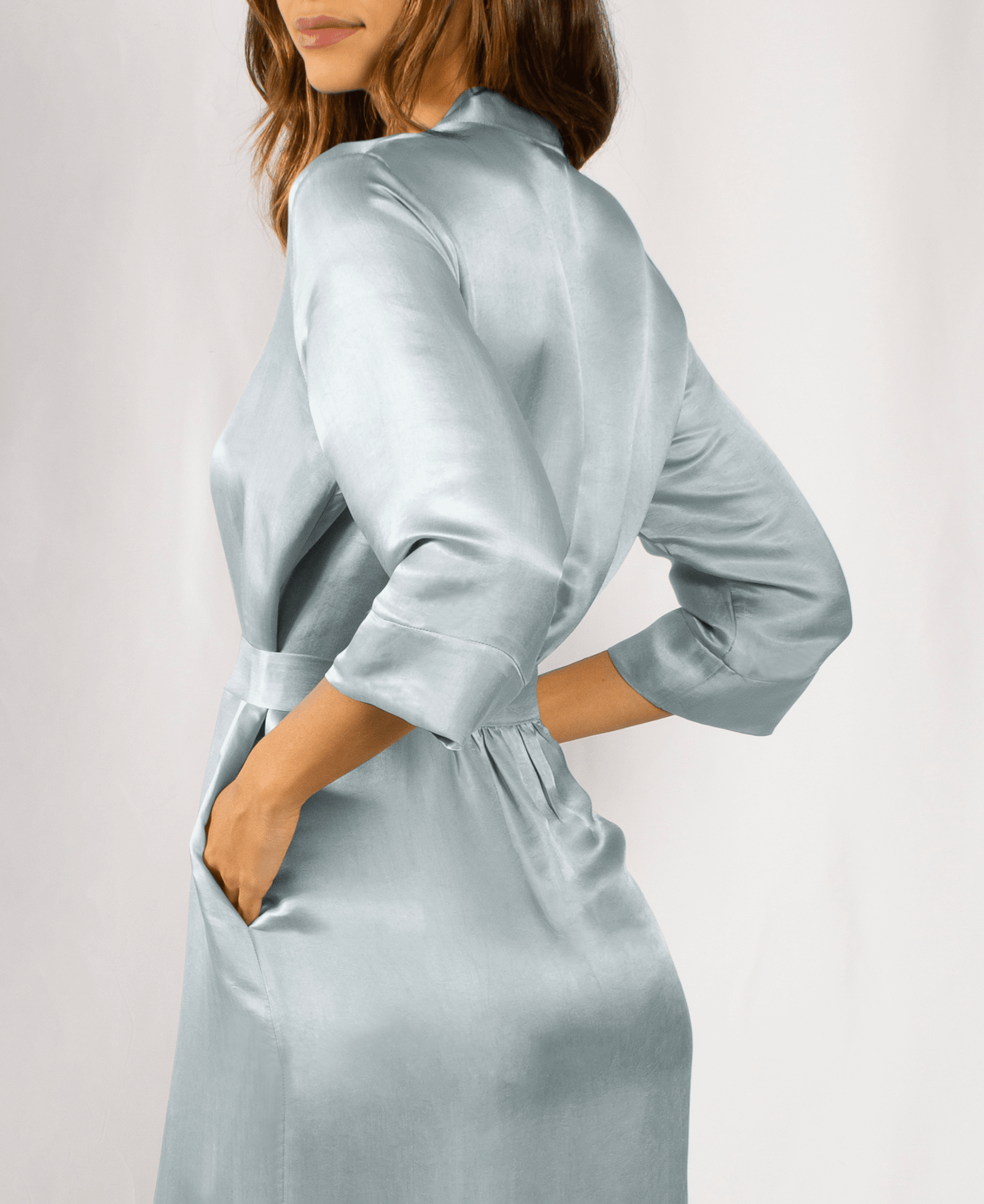
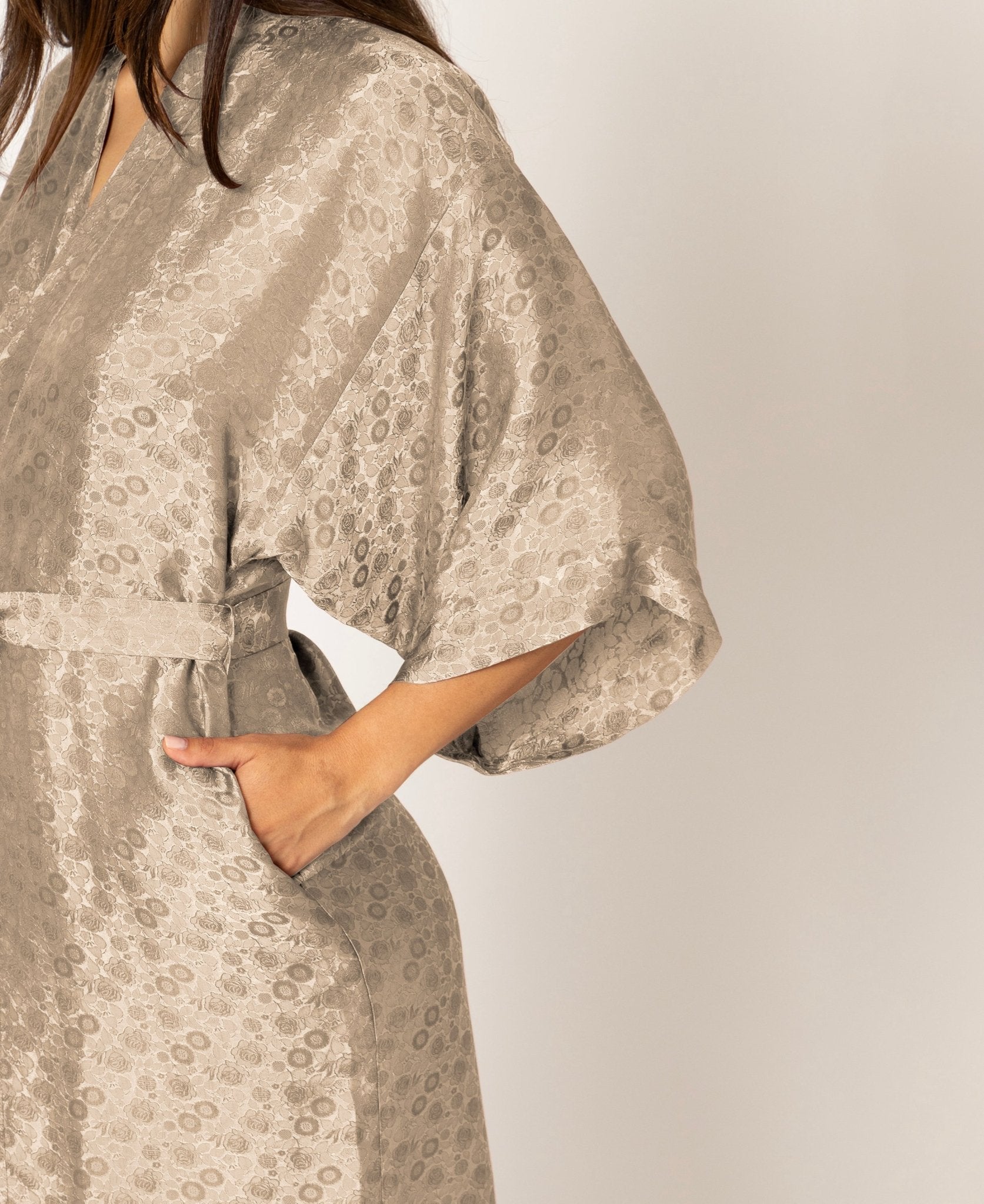
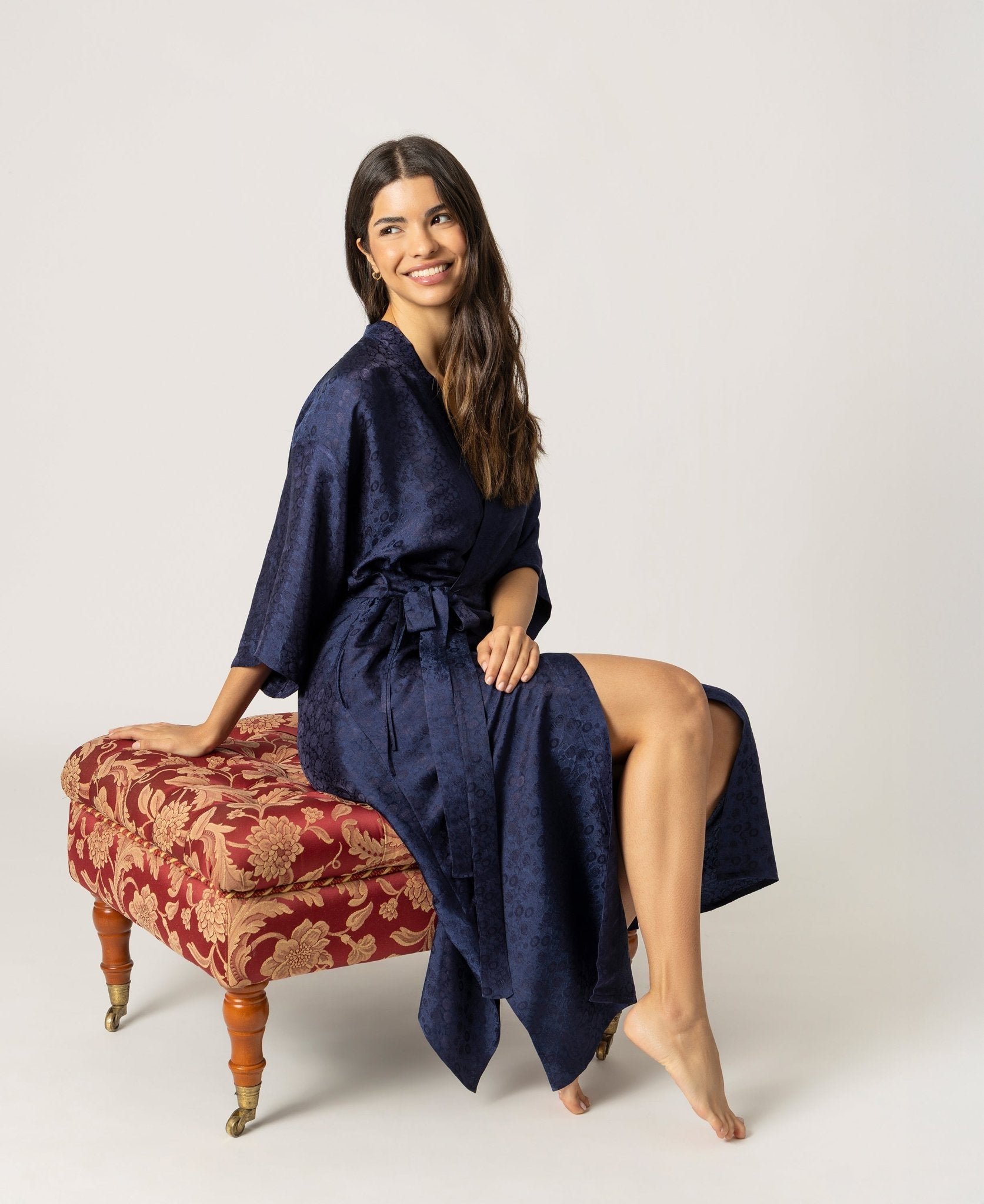
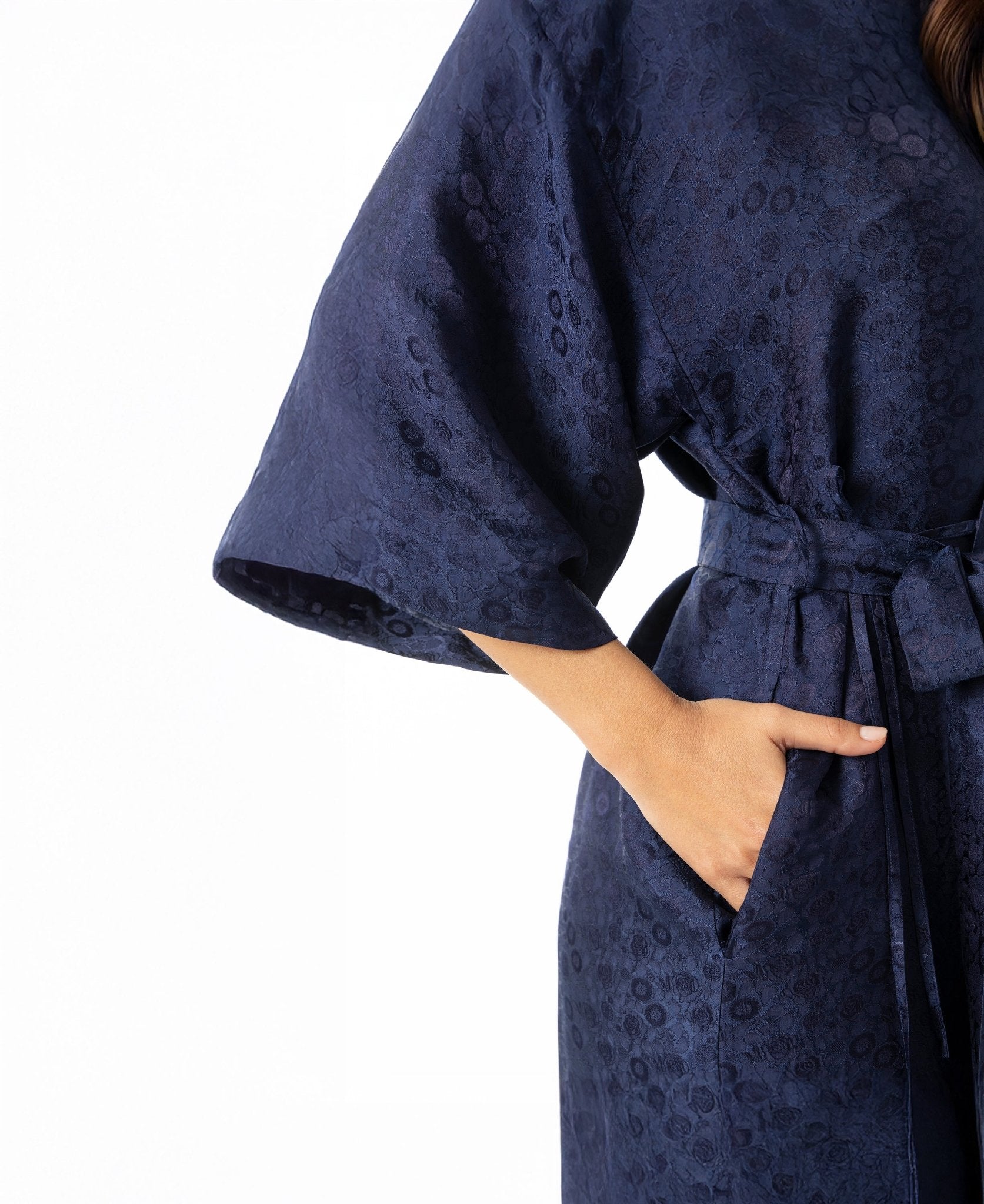
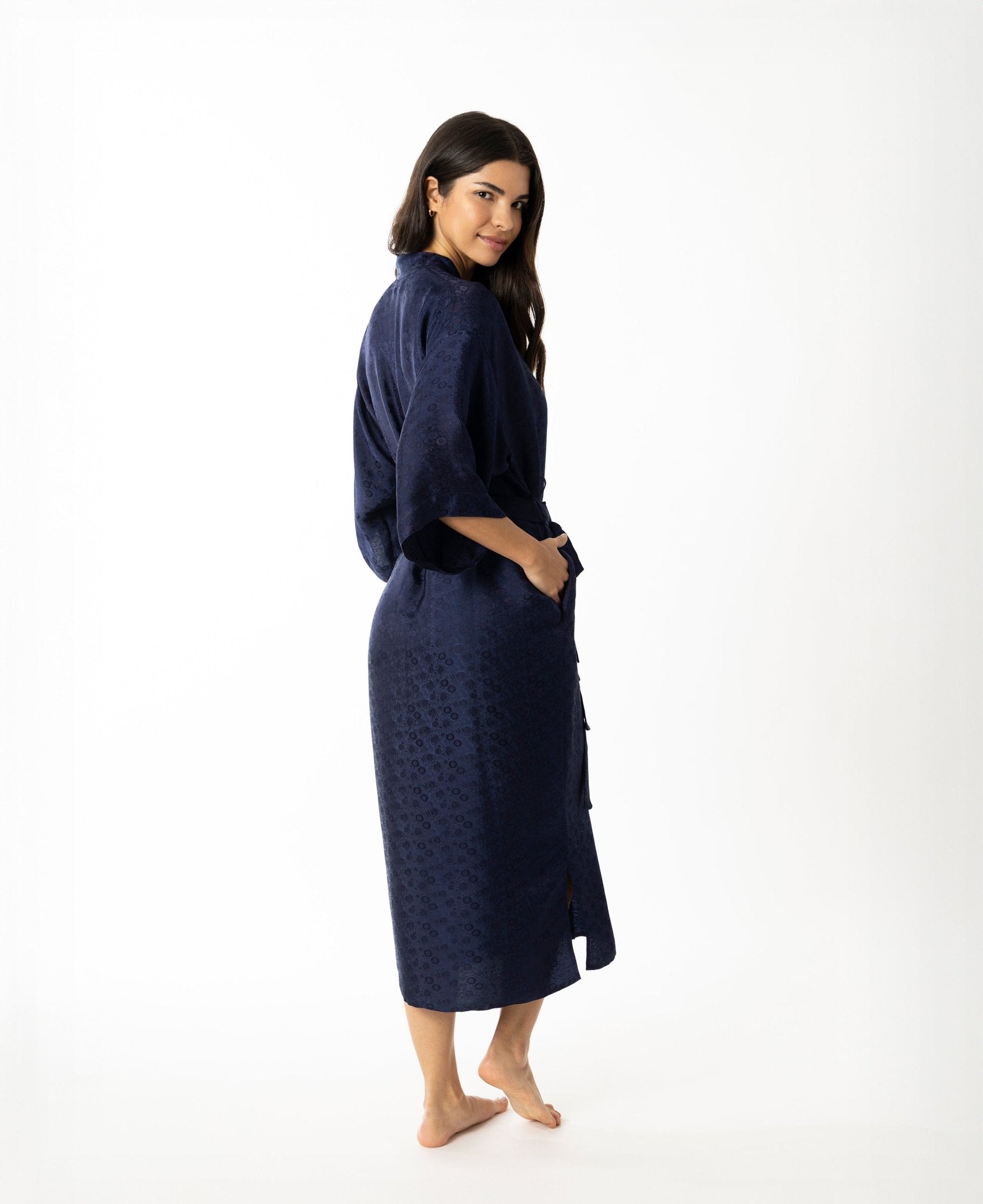
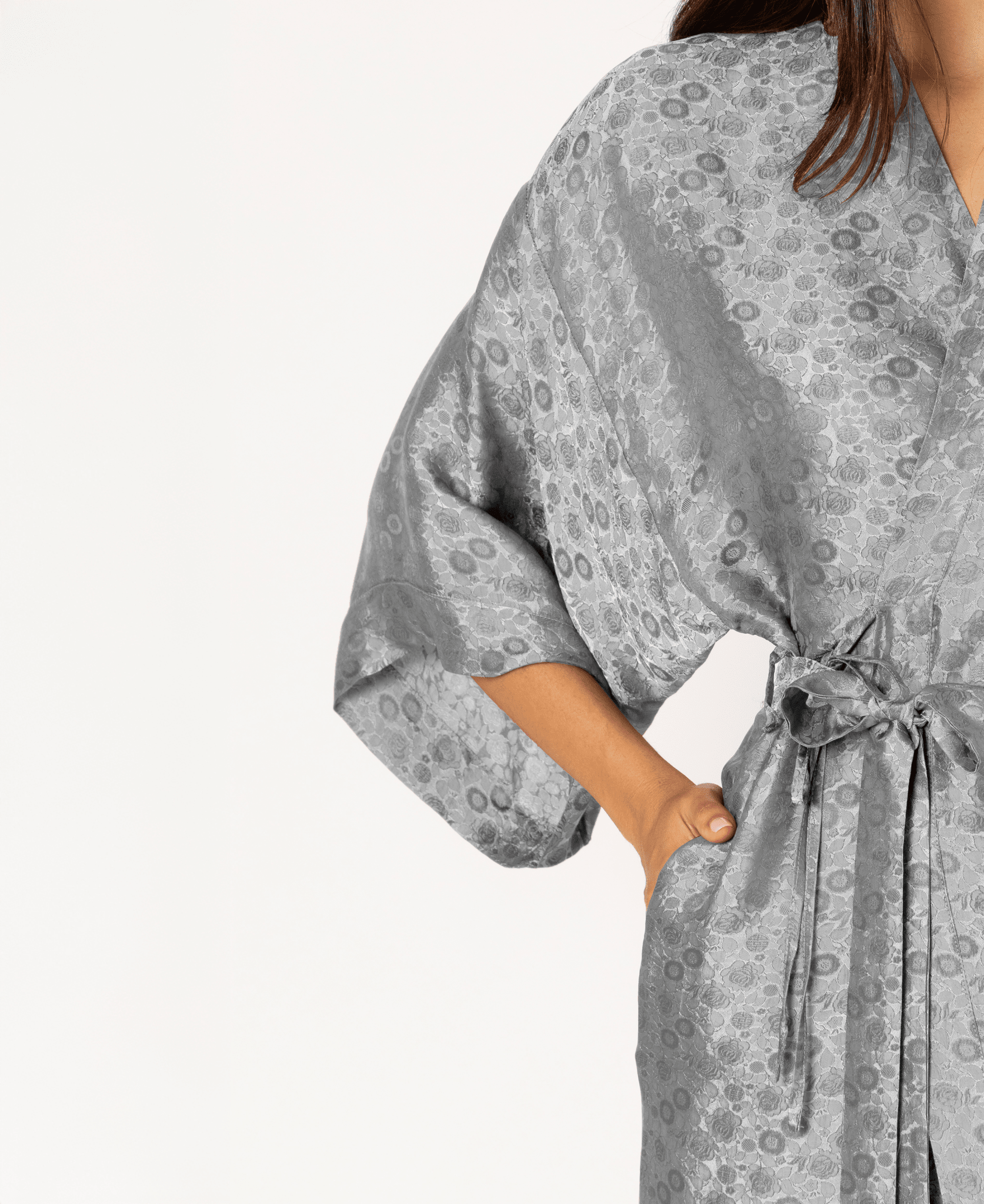
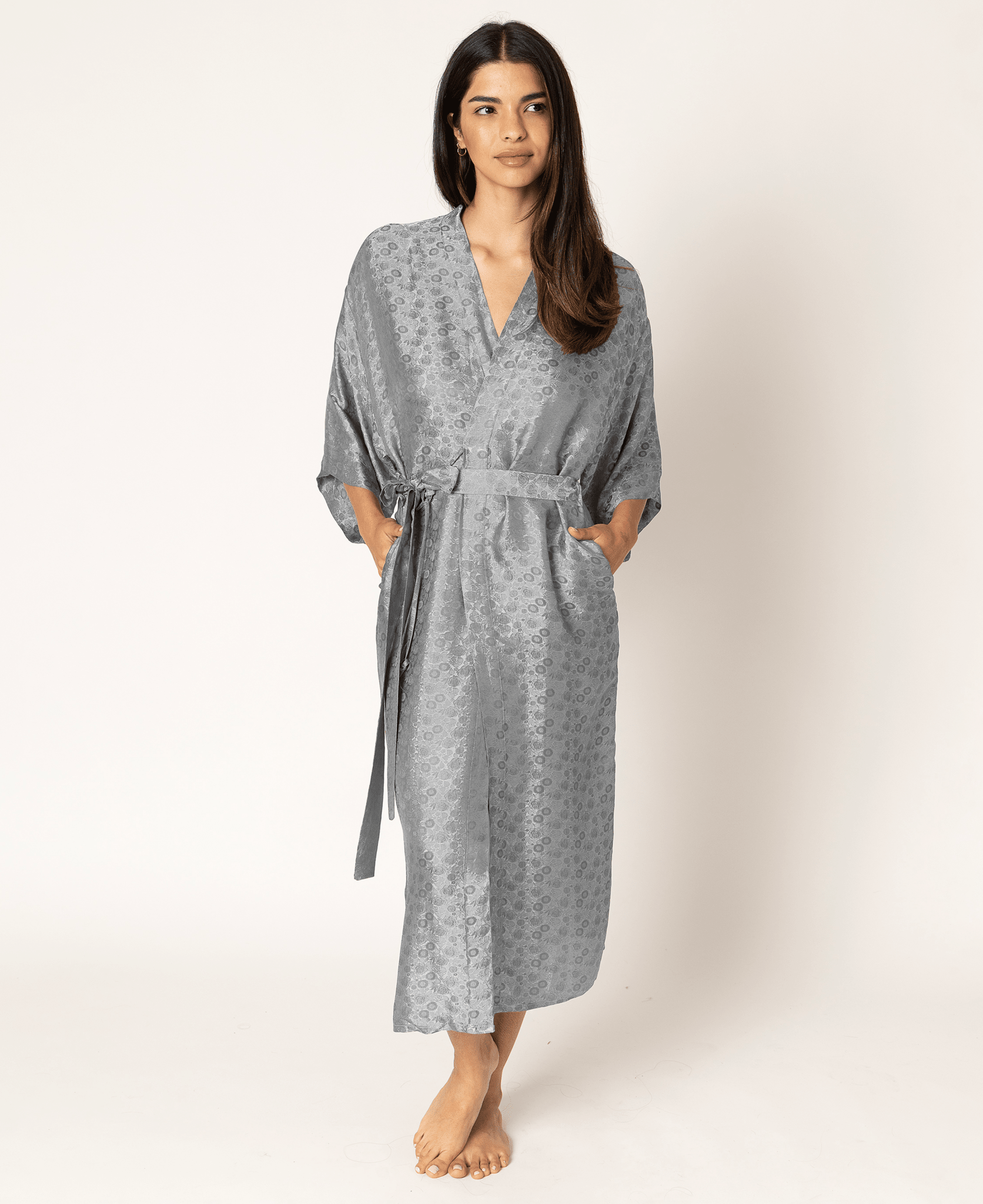
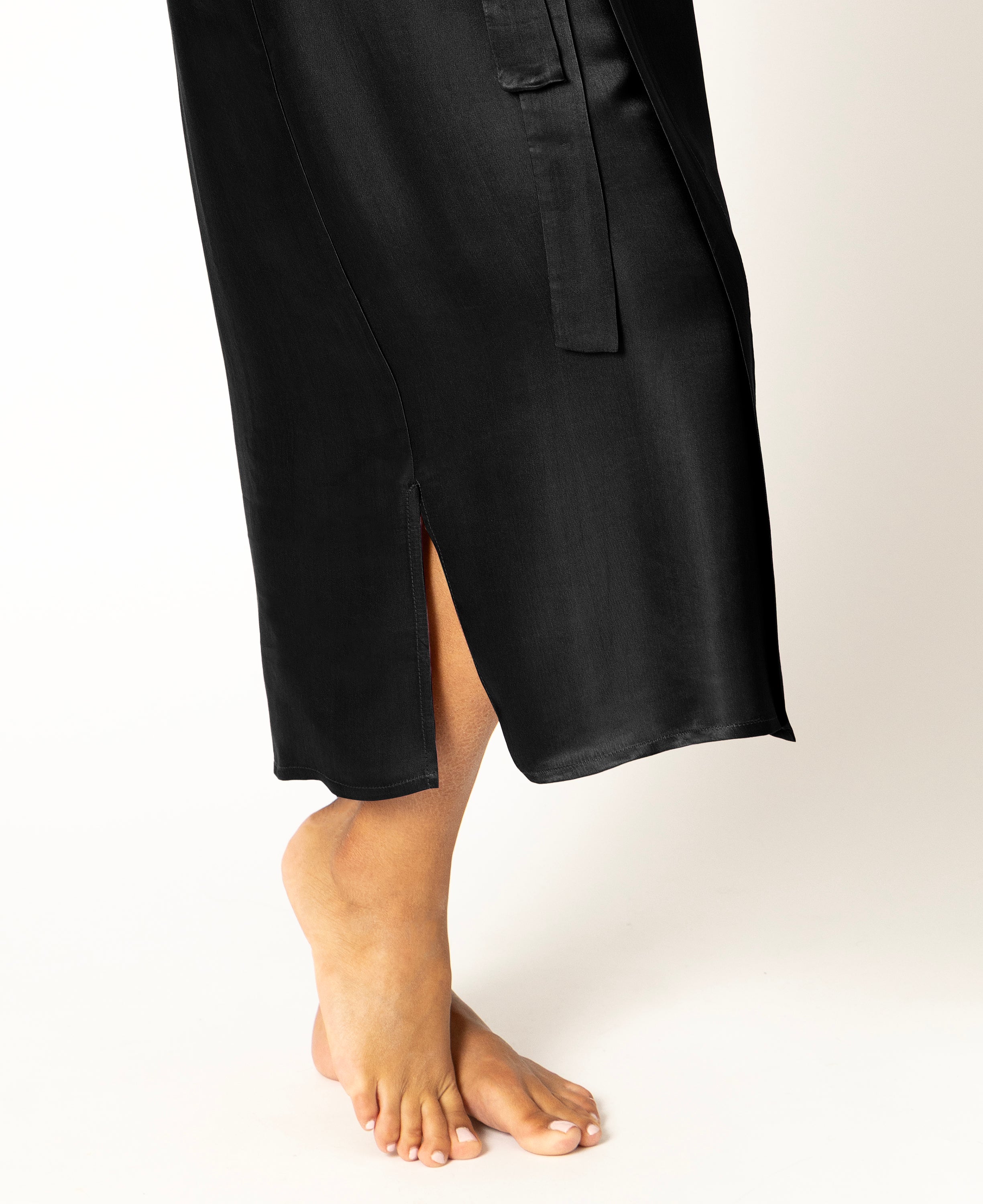
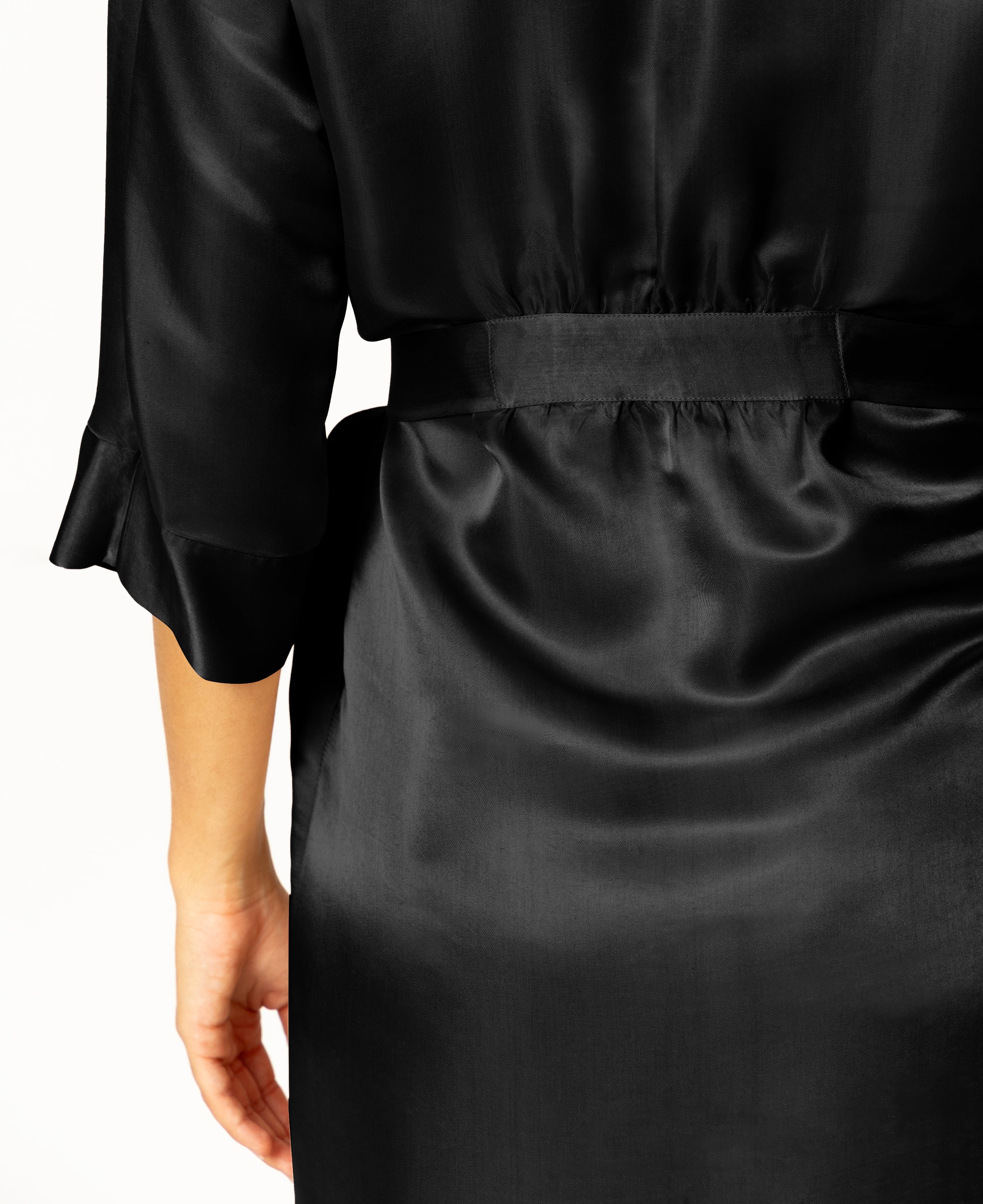
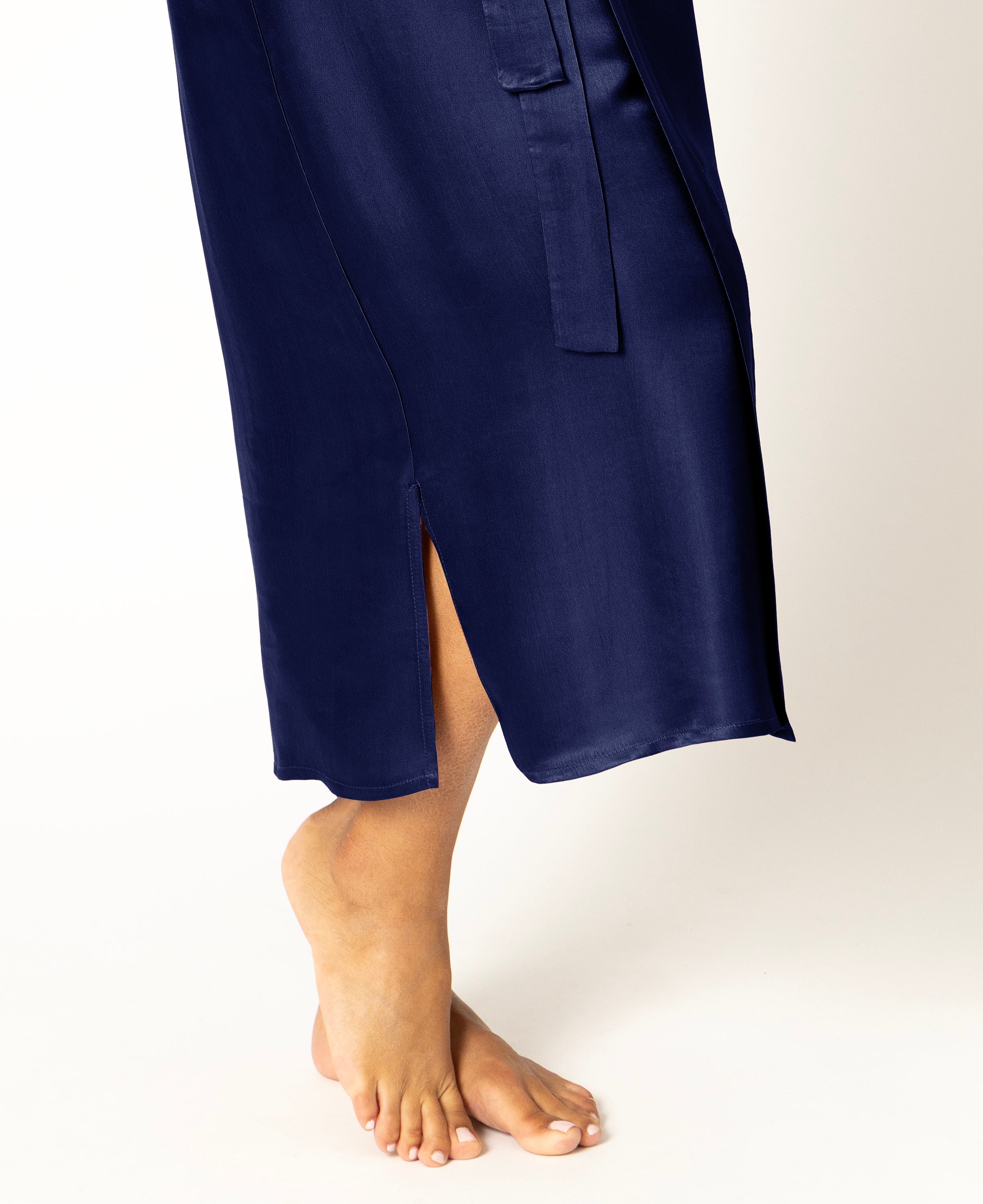
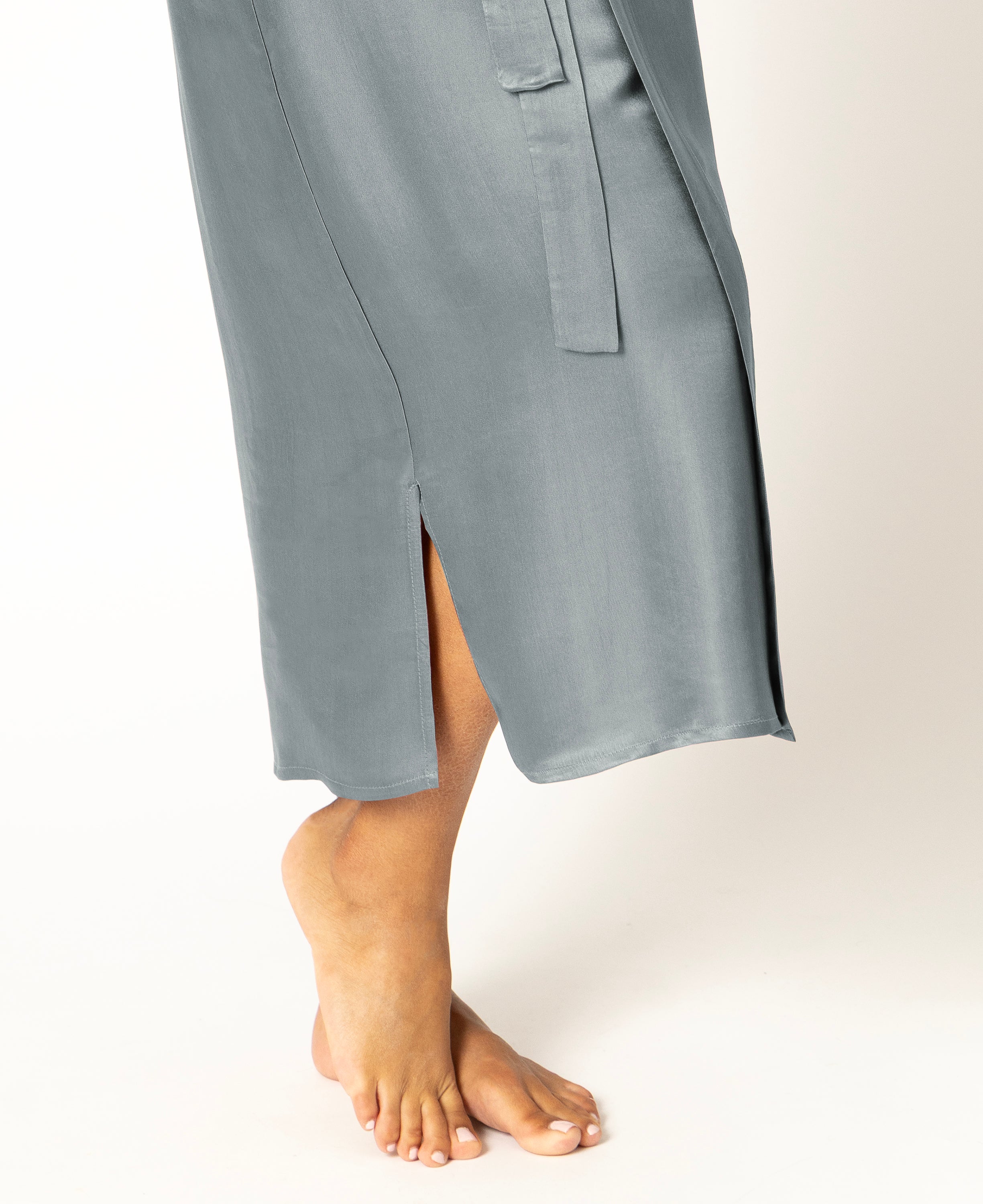
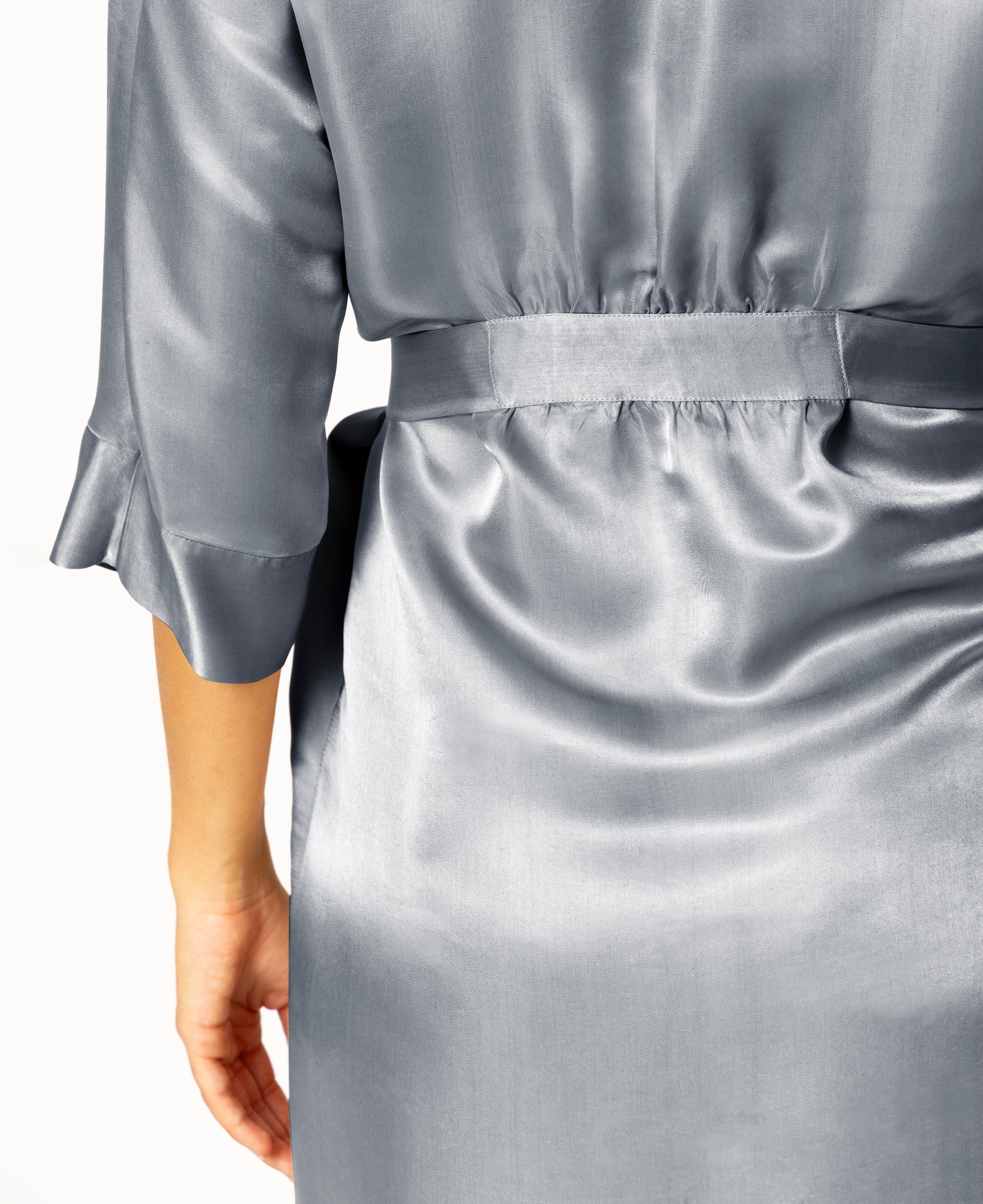
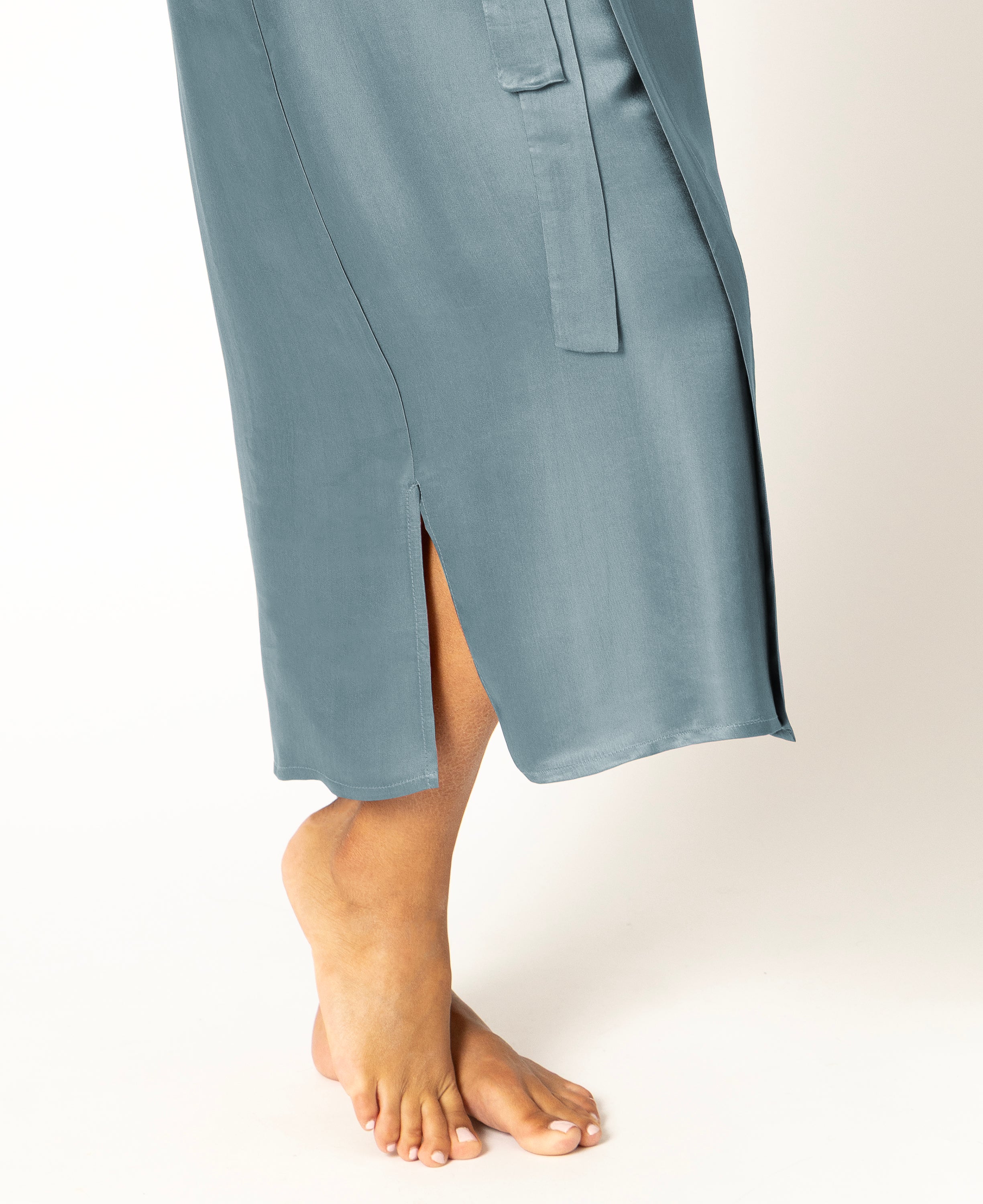
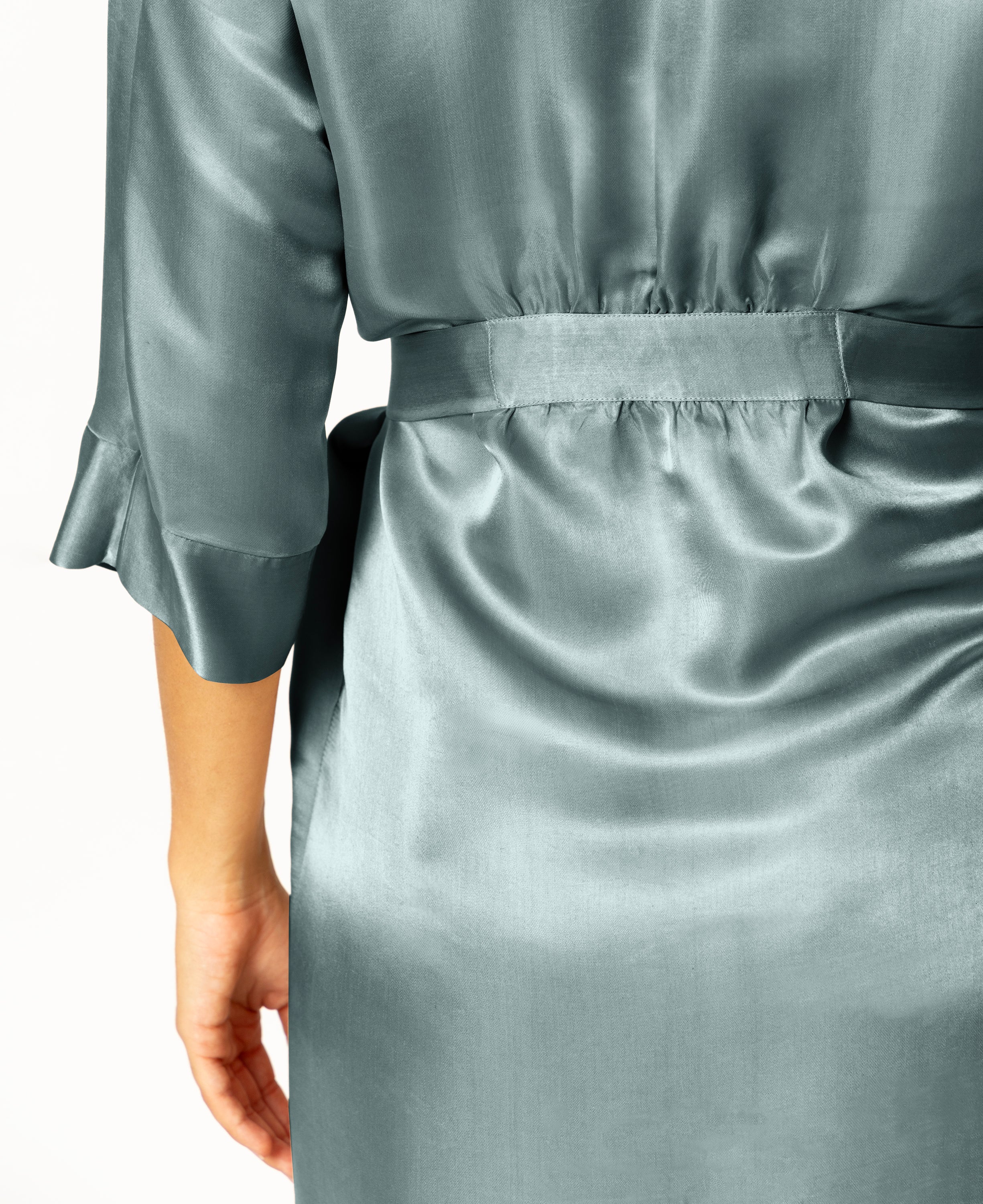
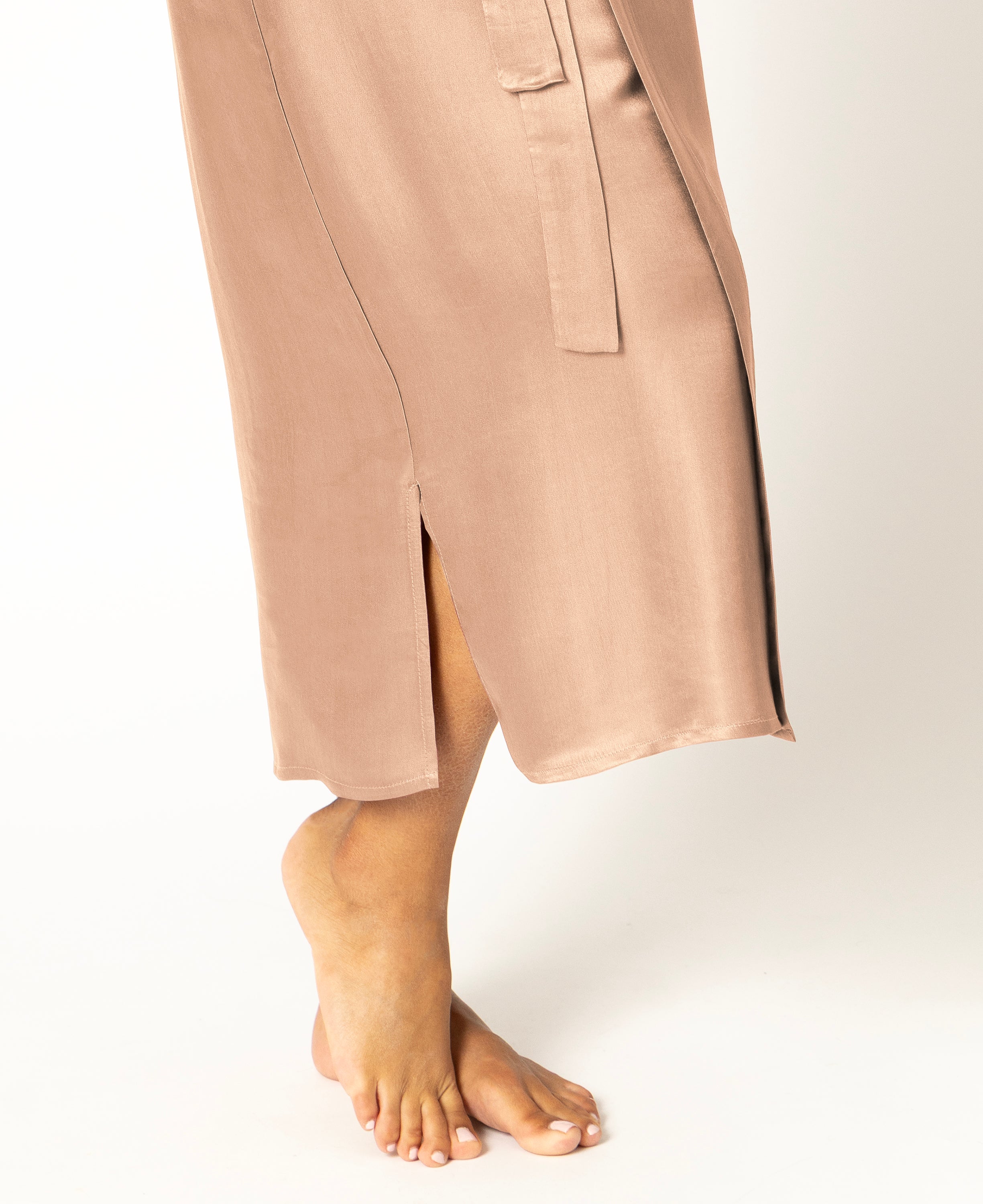
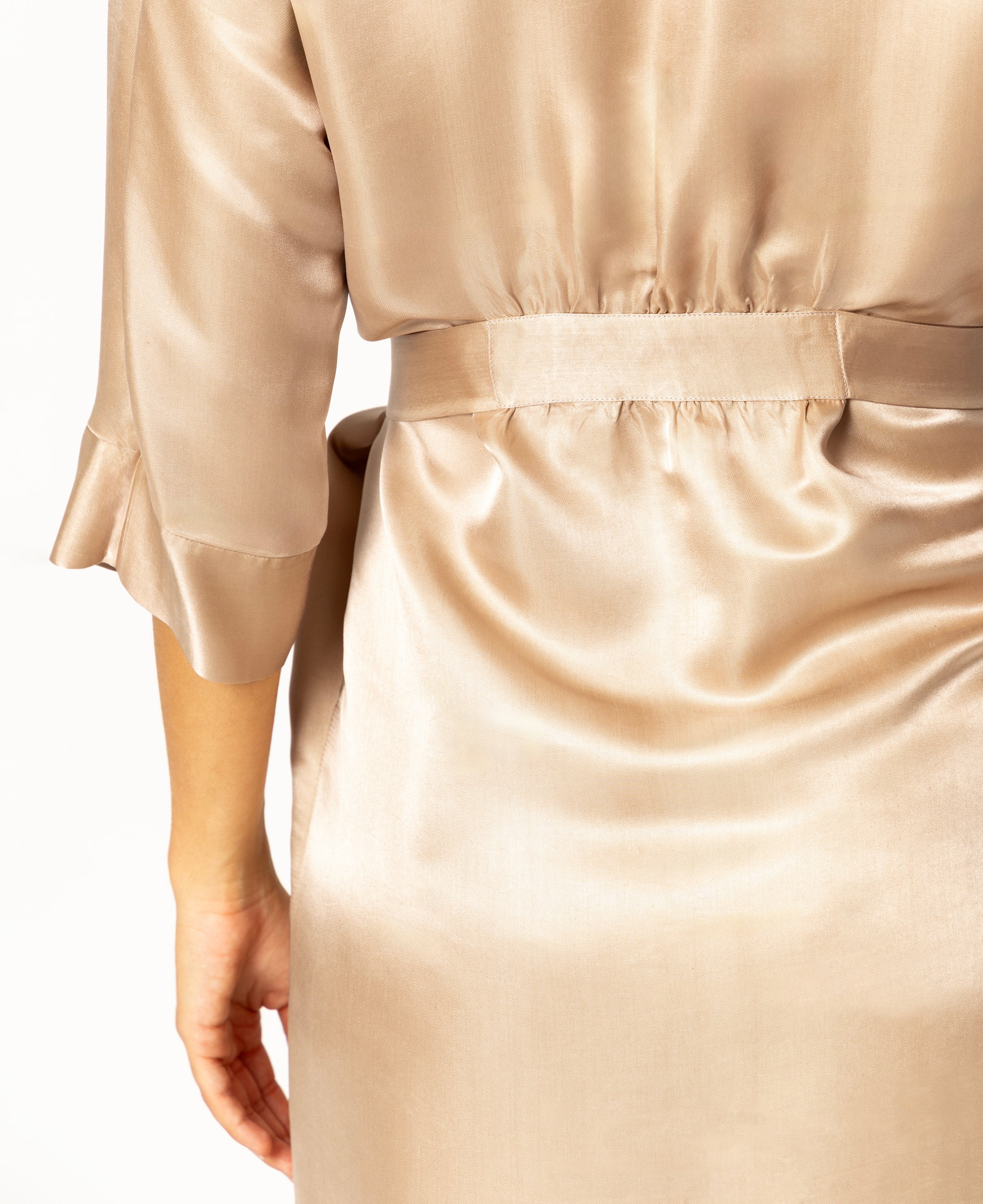
It means every silk robe, every pajama set, every pair of boxers, every nightgown is made in the full size range from the same 27 momme mulberry silk. The fabric is the same. The seam construction is the same. The master artisans cutting, sewing, and finishing the larger sizes are the same people who cut, sew, and finish the smaller ones. The garment in 3XL has the same French seam construction as the garment in XS. The drape in 4XL is built around the same principles as the drape in S. The price scales modestly with the size because larger garments use more fabric, but the construction does not change.
I want to be specific about this because the industry has trained customers to expect the opposite. When a brand says they make plus sizes, they often mean a separate cut, a slightly worse fabric, a more limited color range, and a higher price for less garment. We do not have a plus-size line because we do not have a regular line. We have one line, made in sizes that fit a full range of bodies.
The construction model that makes this possible is the one-piece-at-a-time model. Because each garment is cut individually rather than from a stack, the cost of adding a size is not the cost of retooling a stack-cutting operation. It is the cost of one more pattern in the artisan's workshop. The slow production model is what makes the full size range economically possible. The fast production model is what makes the narrow size range commercially default.
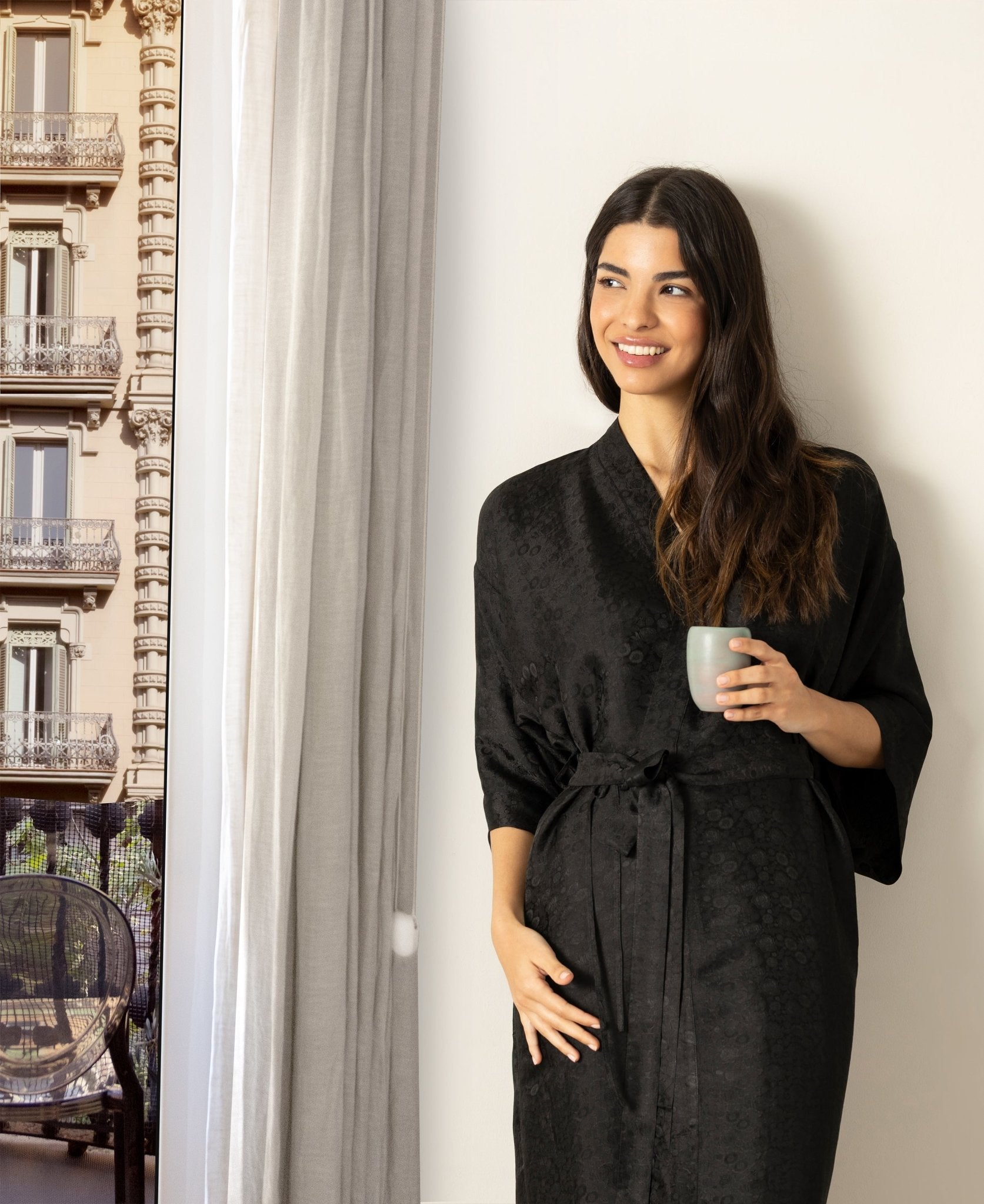
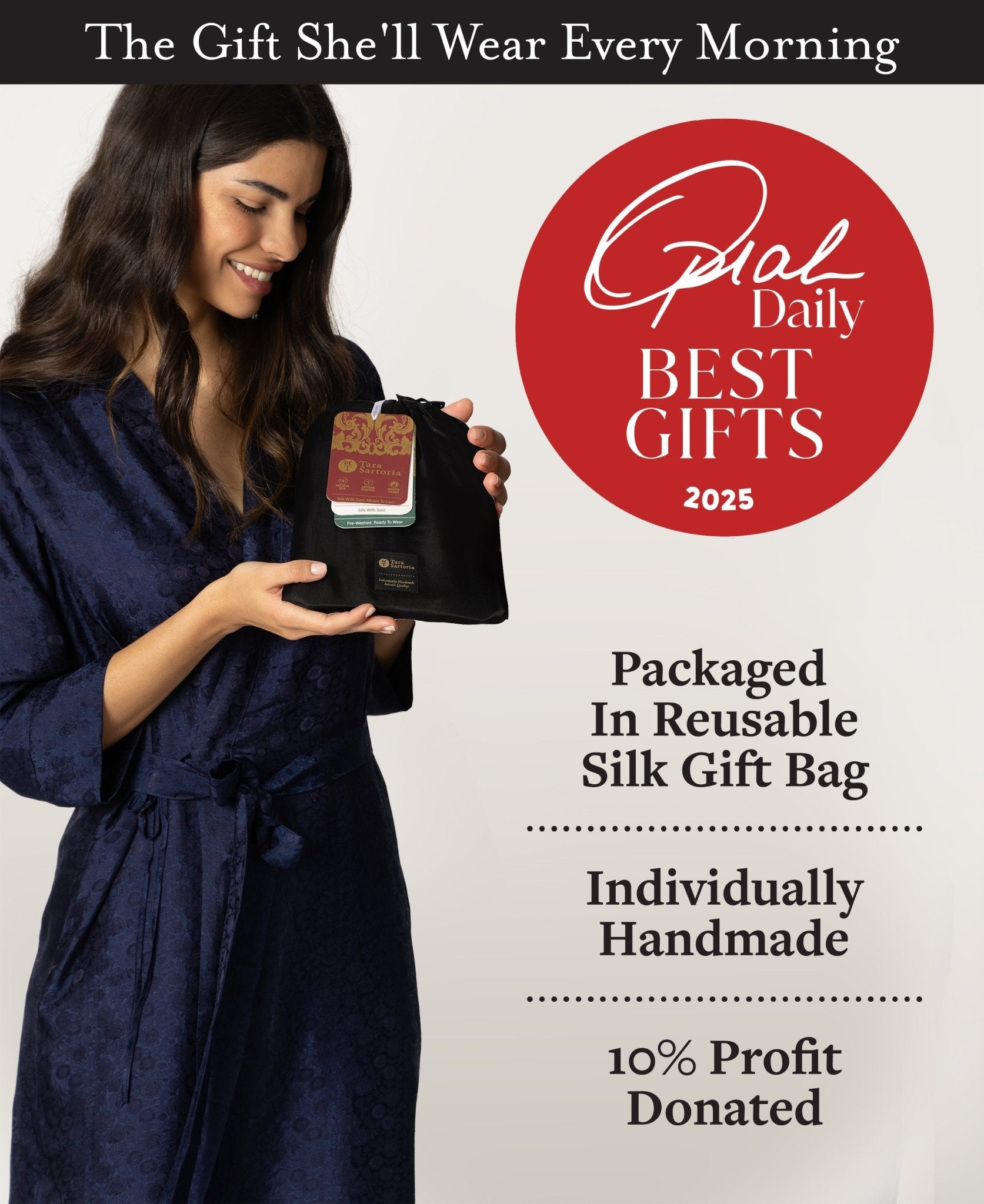
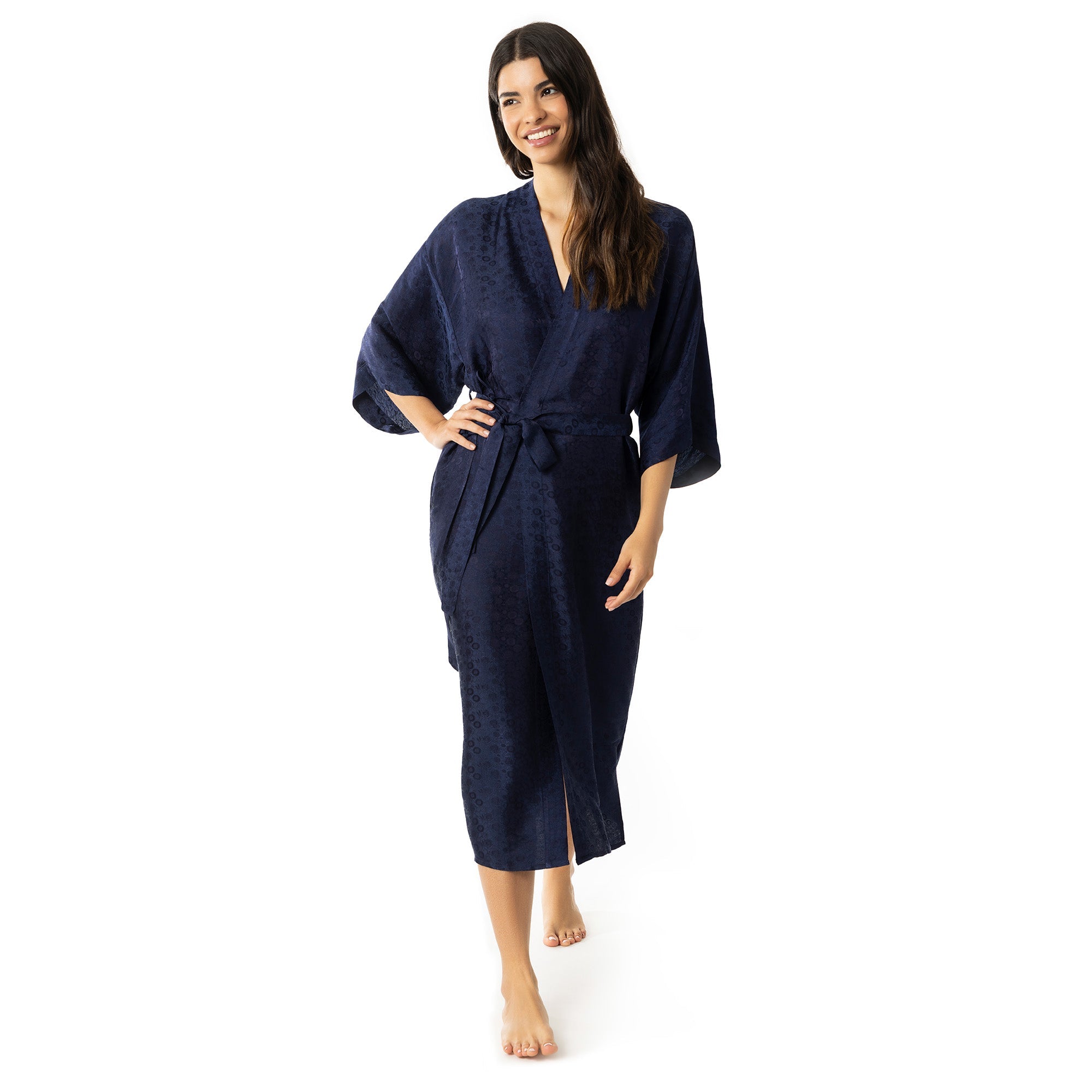
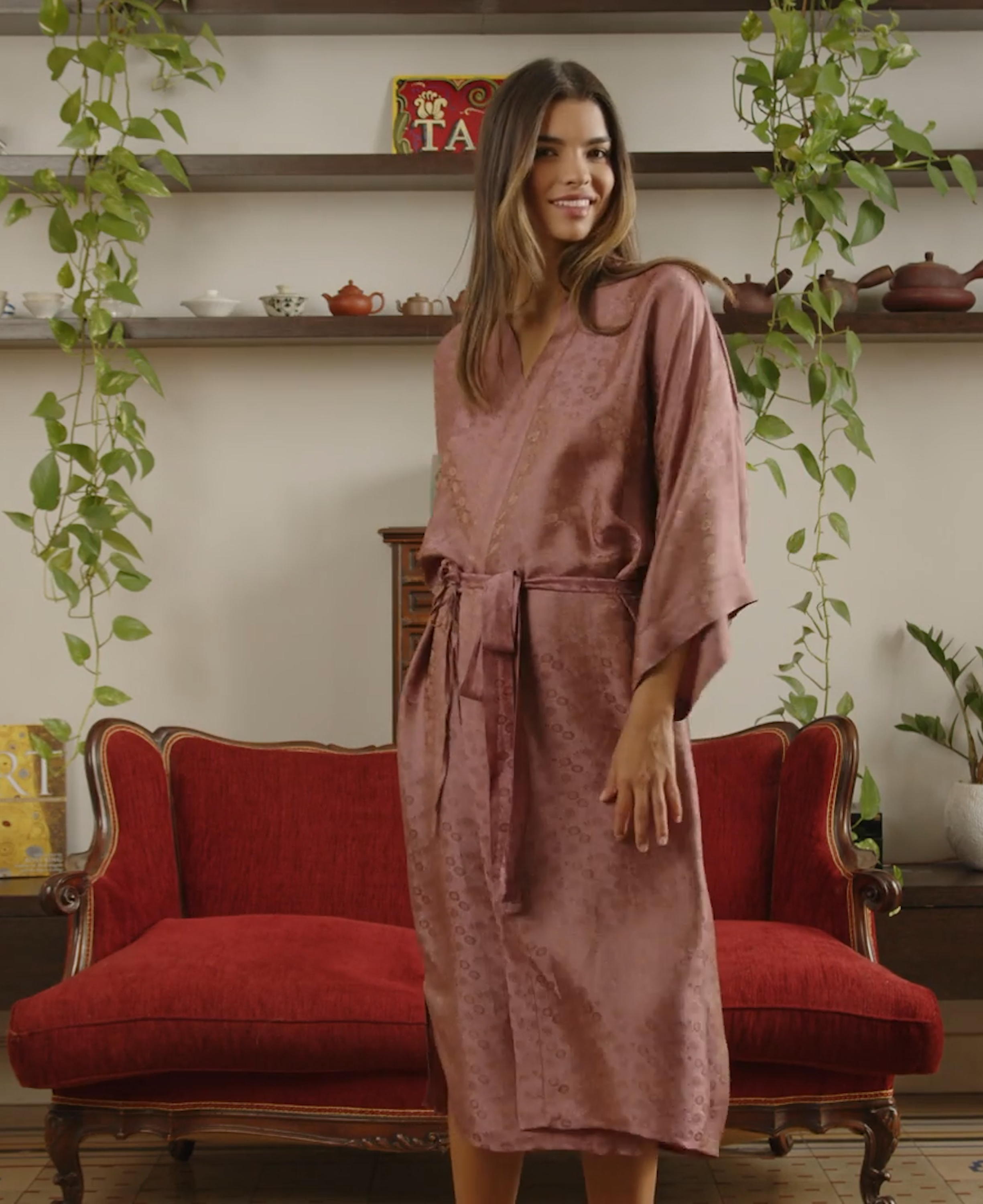
What I Learned From Customers I Did Not Expect
When I started the company, I assumed our customer base would be the women who already wore luxury silk and wanted a slightly better version. The reality has been different, in the most useful way. A significant portion of our customers are women who had stopped looking for silk pajamas or silk robes because the industry had told them, by omission, that silk was not made in their size. They had assumed real silk was not available to them. They had stopped shopping the category.
The emails I receive from these customers are the emails that taught me what the brand was actually for. They are not emails about luxury. They are emails about being seen. A woman in her late forties writing to say it was the first silk robe she had owned in a decade because no other brand carried her size. A woman who described how she had cried opening the silk pouch because she had thought silk pajamas were no longer something she could buy. A woman whose daughter sent her our robe and who wrote to thank me for making it possible for her daughter to give her a real silk gift in her actual size.
These are the customers I think about when we make production decisions. The brand exists because they exist.
The Quiet Refusal Behind the Decision
The luxury silk industry has chosen, mostly without saying it, to limit the size range so that production stays cheap. We have chosen, mostly without saying it loudly enough, to refuse this trade-off. Real luxury is not produced by leaving people out. Real luxury is produced by the construction of the garment, the density of the silk, the quality of the seam, the skill of the artisan, and the integrity of the finishing. None of these are made better by limiting the size run.
The decision to run XS to 4XL as standard was the easiest decision the company has ever made, in the sense that the reasoning required almost nothing. It was also the most expensive decision in the sense that every additional size added cost. We made it anyway because the alternative was building another brand that quietly told a portion of our potential customers that they did not belong in the silk category. I was not interested in building that brand.
The brand exists in part because the silk industry needed to be told, by example rather than by argument, that the standard size run is a choice and not a rule. It is a choice the industry has been making badly. We make it differently. We do not advertise this as a campaign, because making a campaign out of including people would defeat the point. We just make the garments in the sizes that fit.






The Takeaway
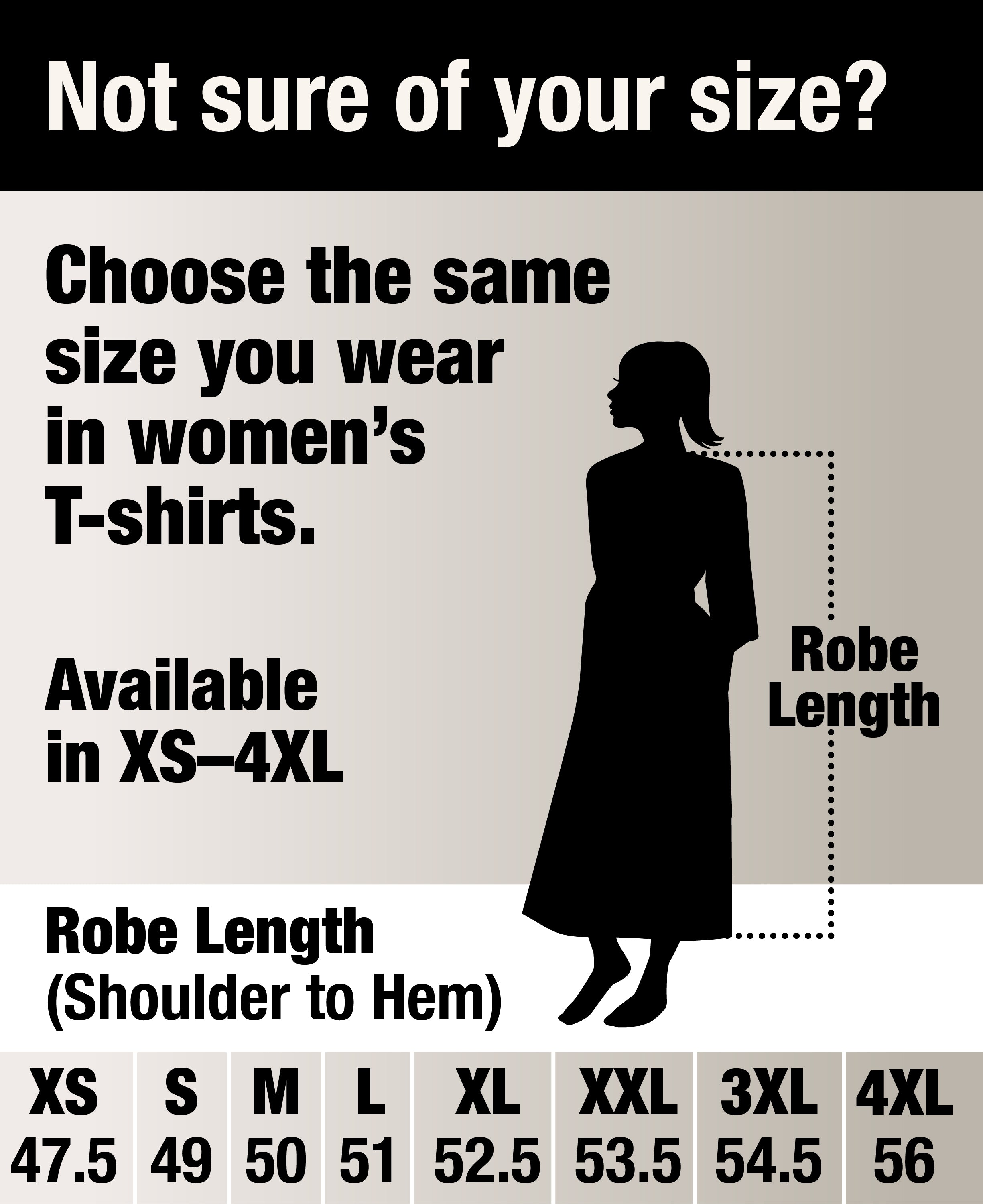
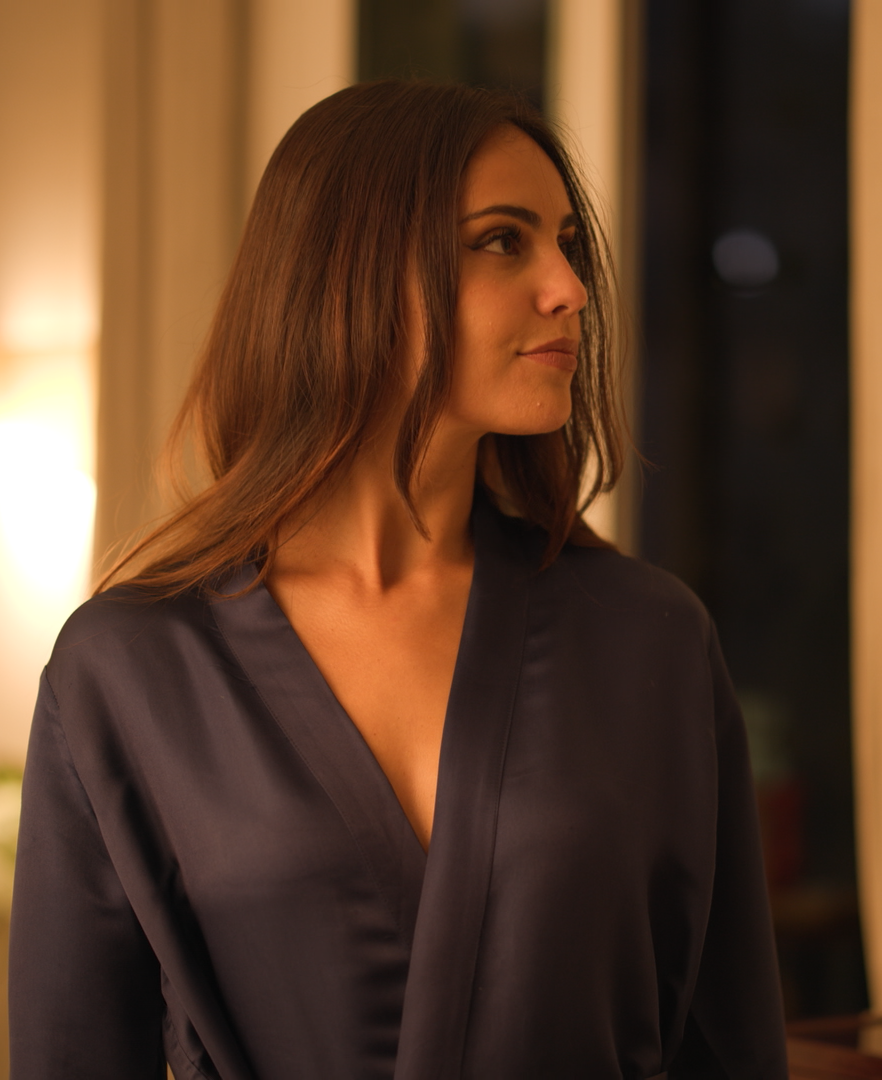
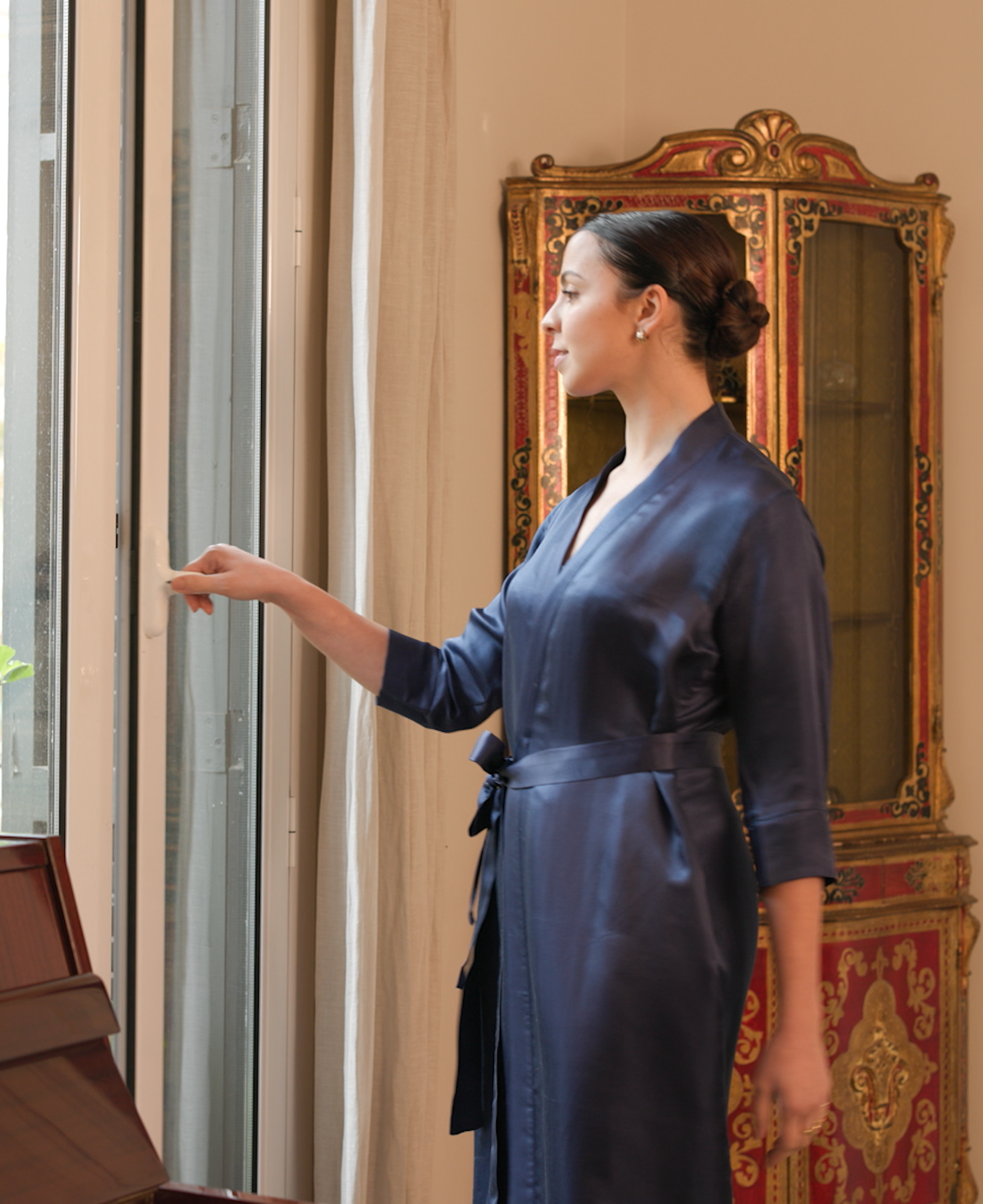
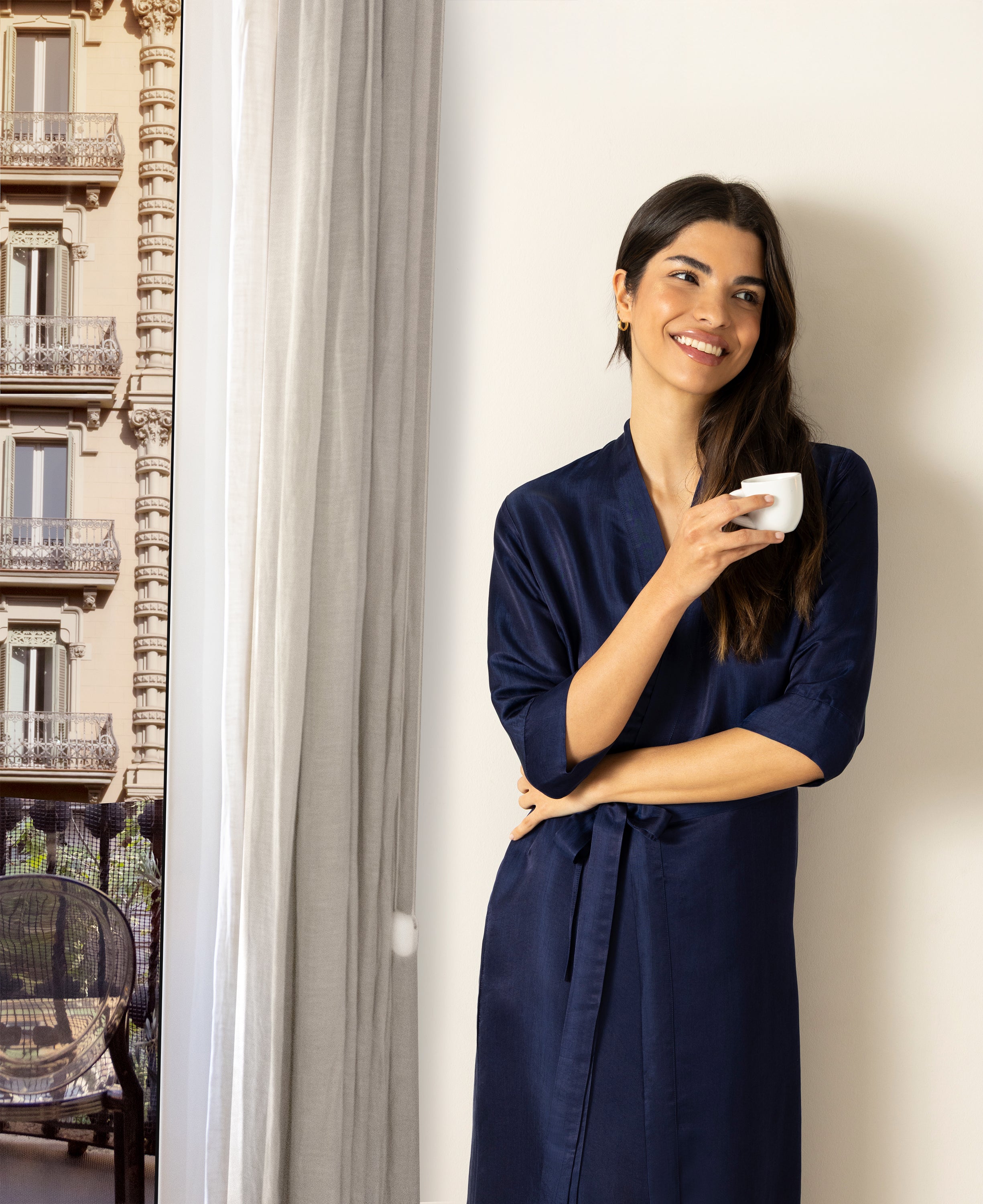
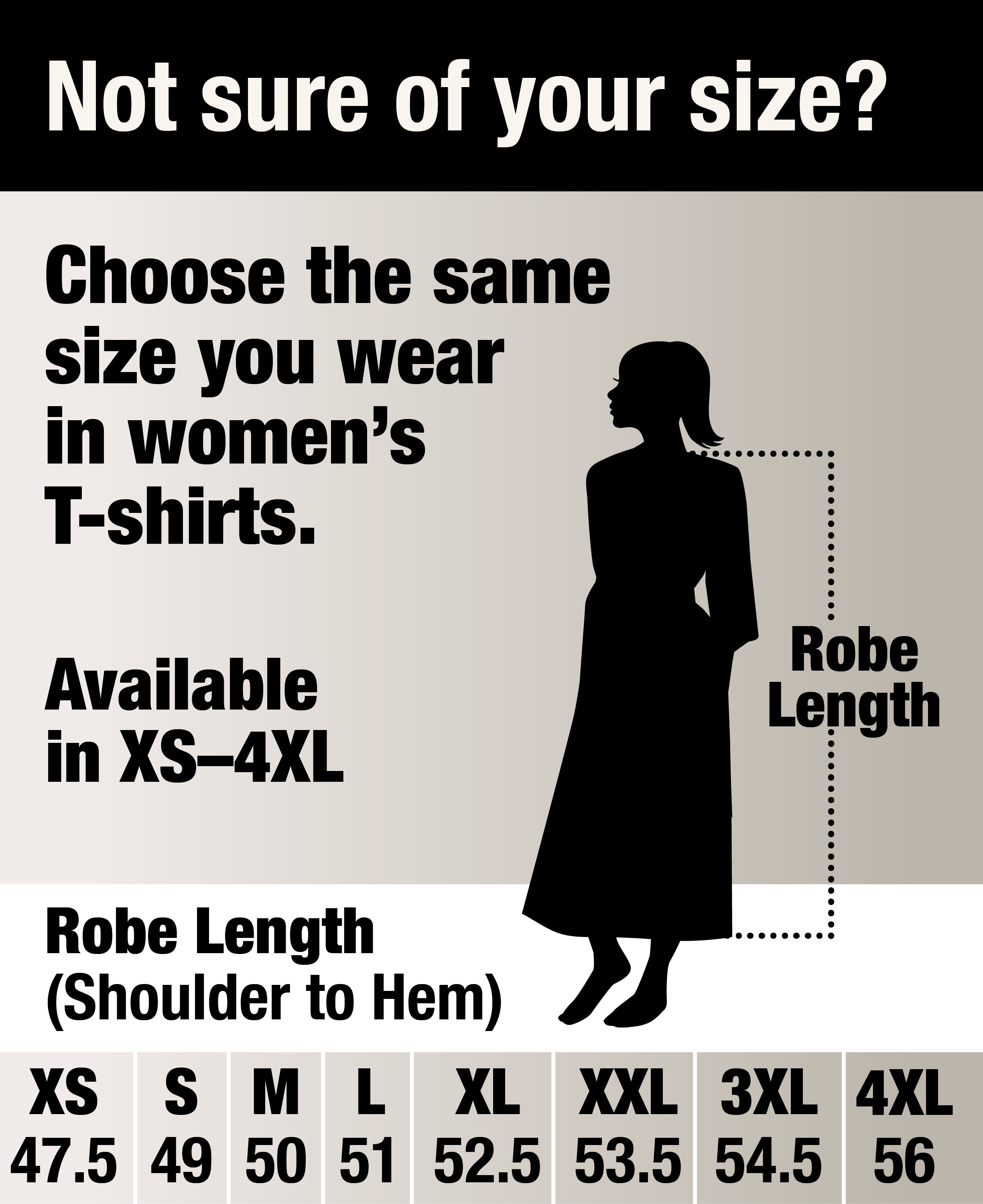
Real luxury should fit real people. The decision to run XS to 4XL as standard is the practical expression of that idea, and the construction does not change between sizes. Same silk. Same French seams. Same artisan work. The price scales modestly. The garment is the garment.
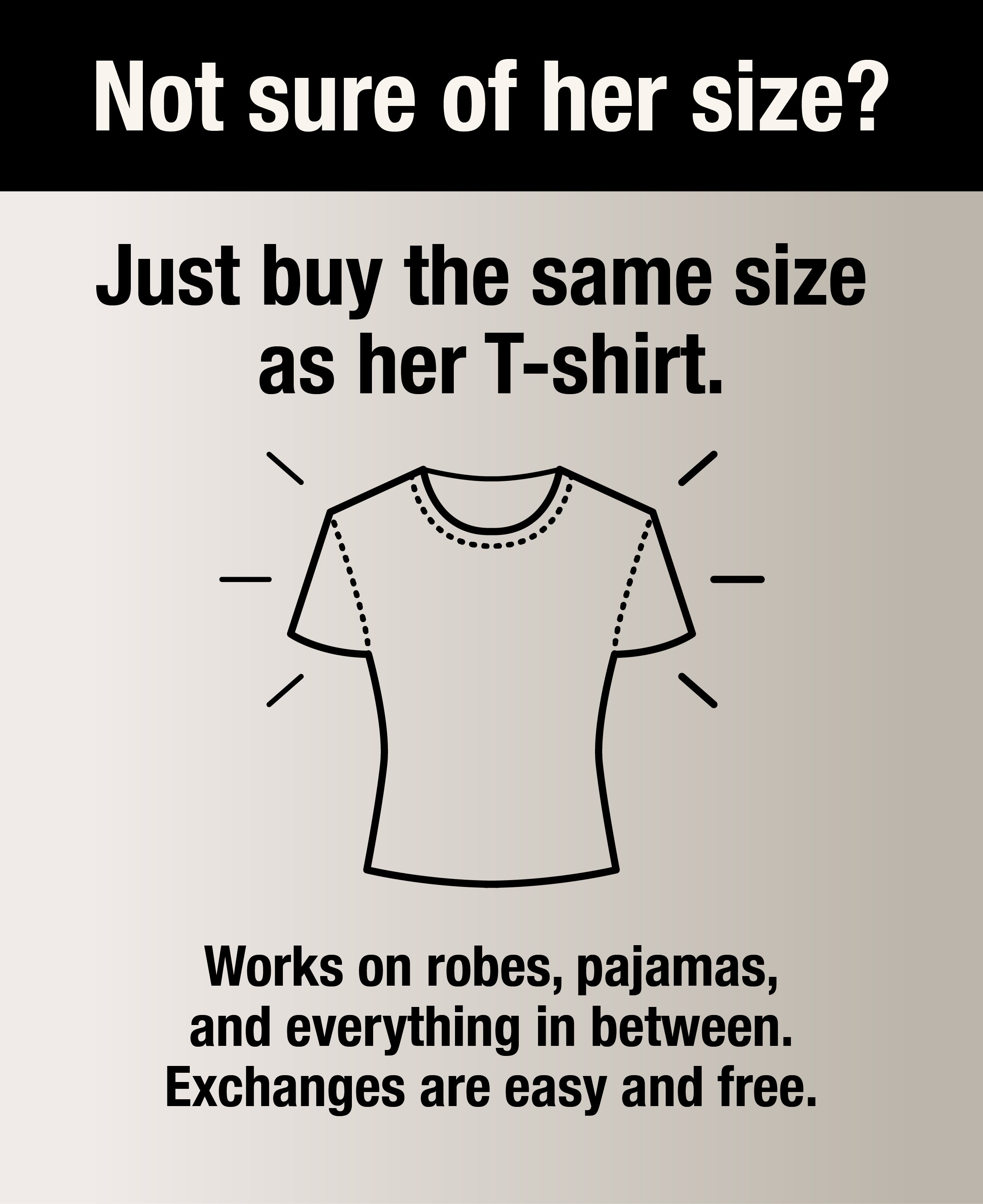
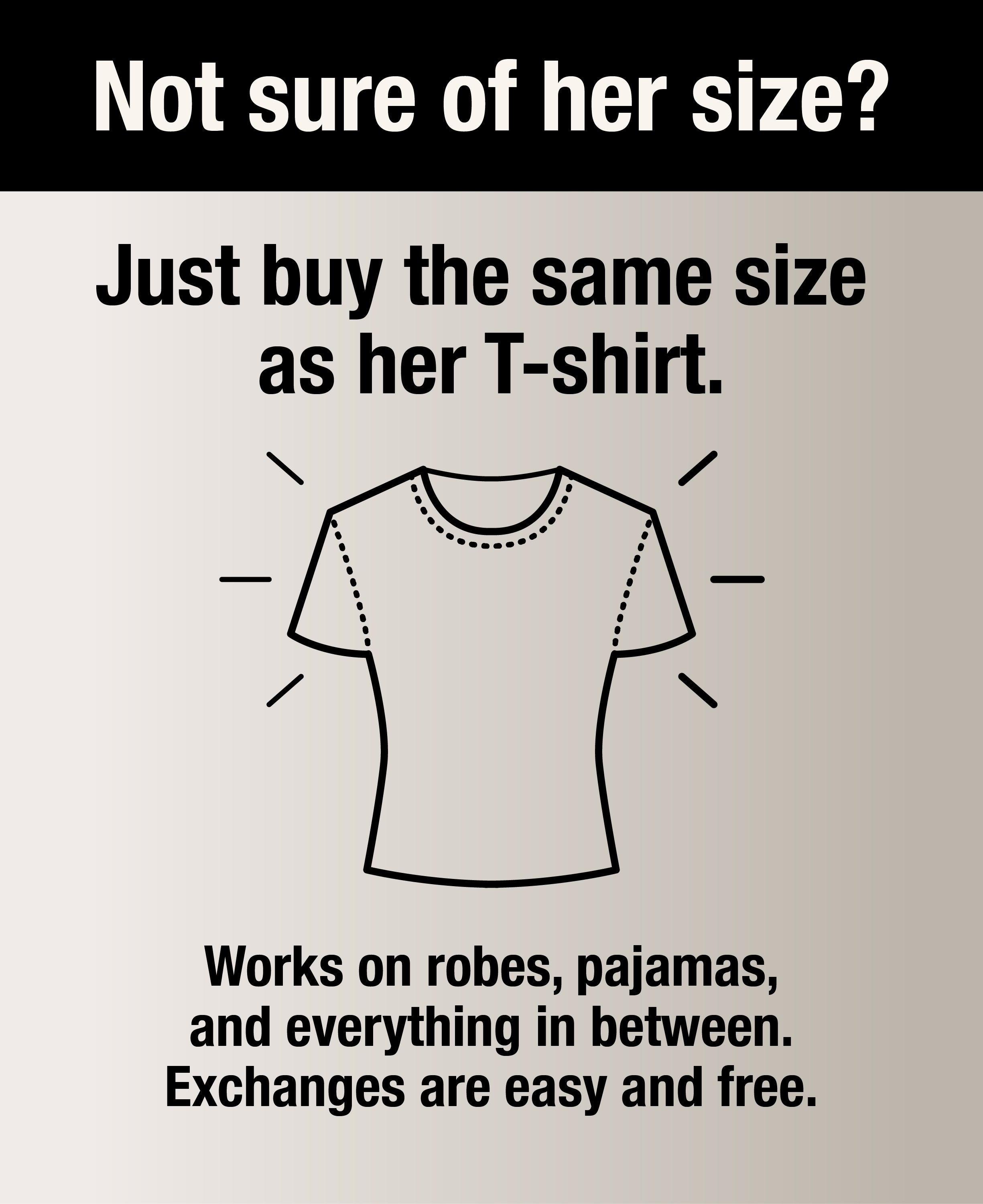
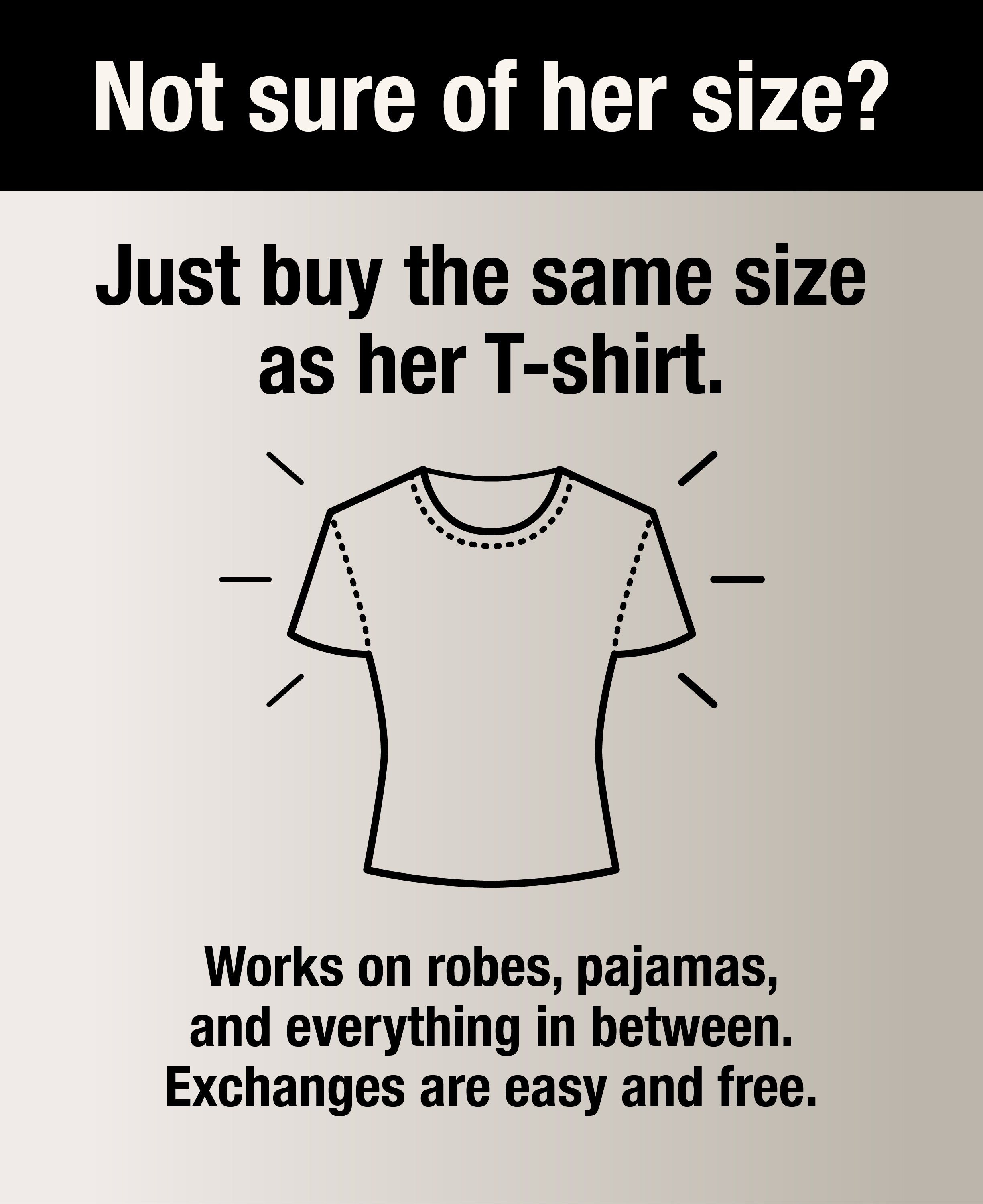
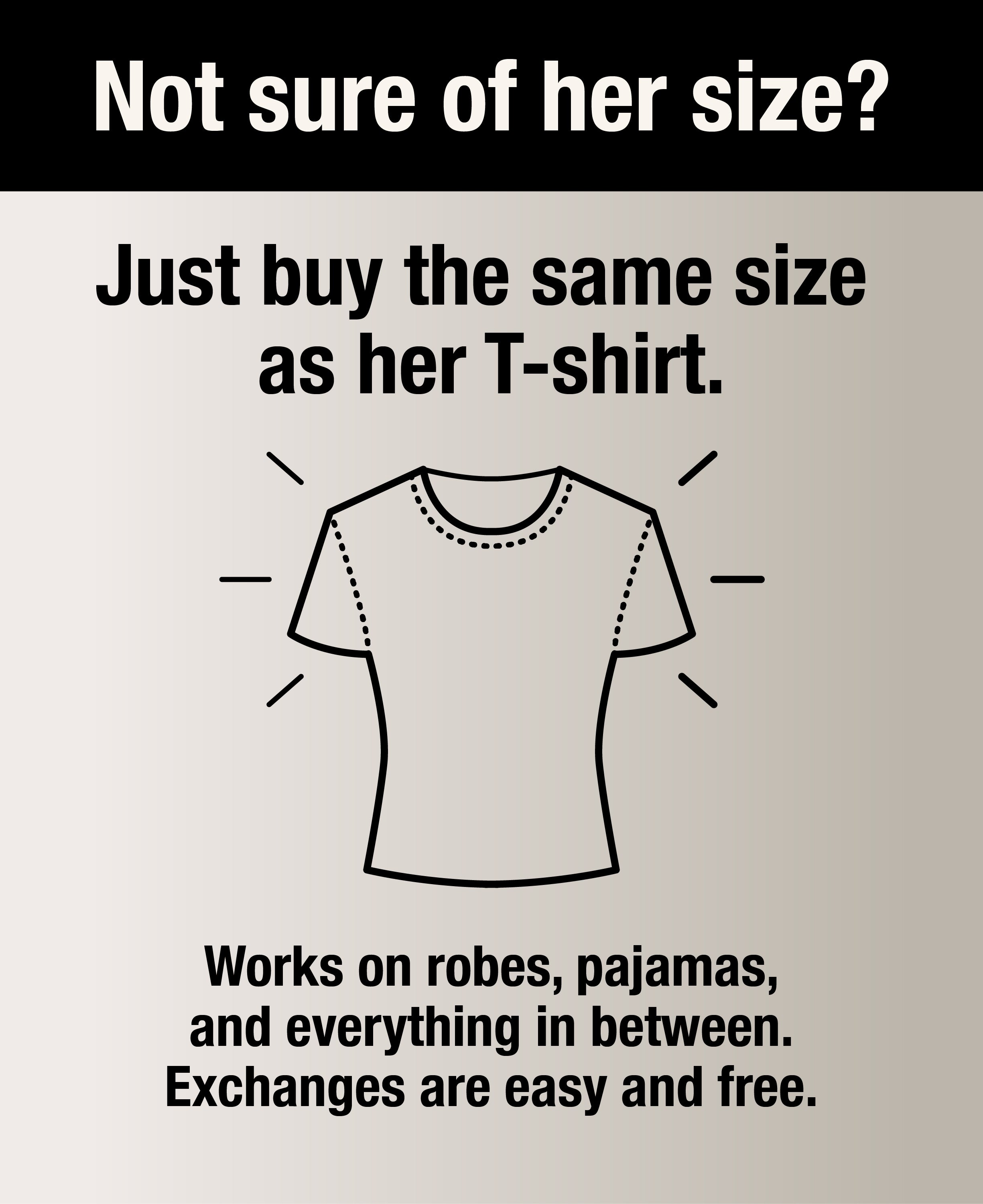
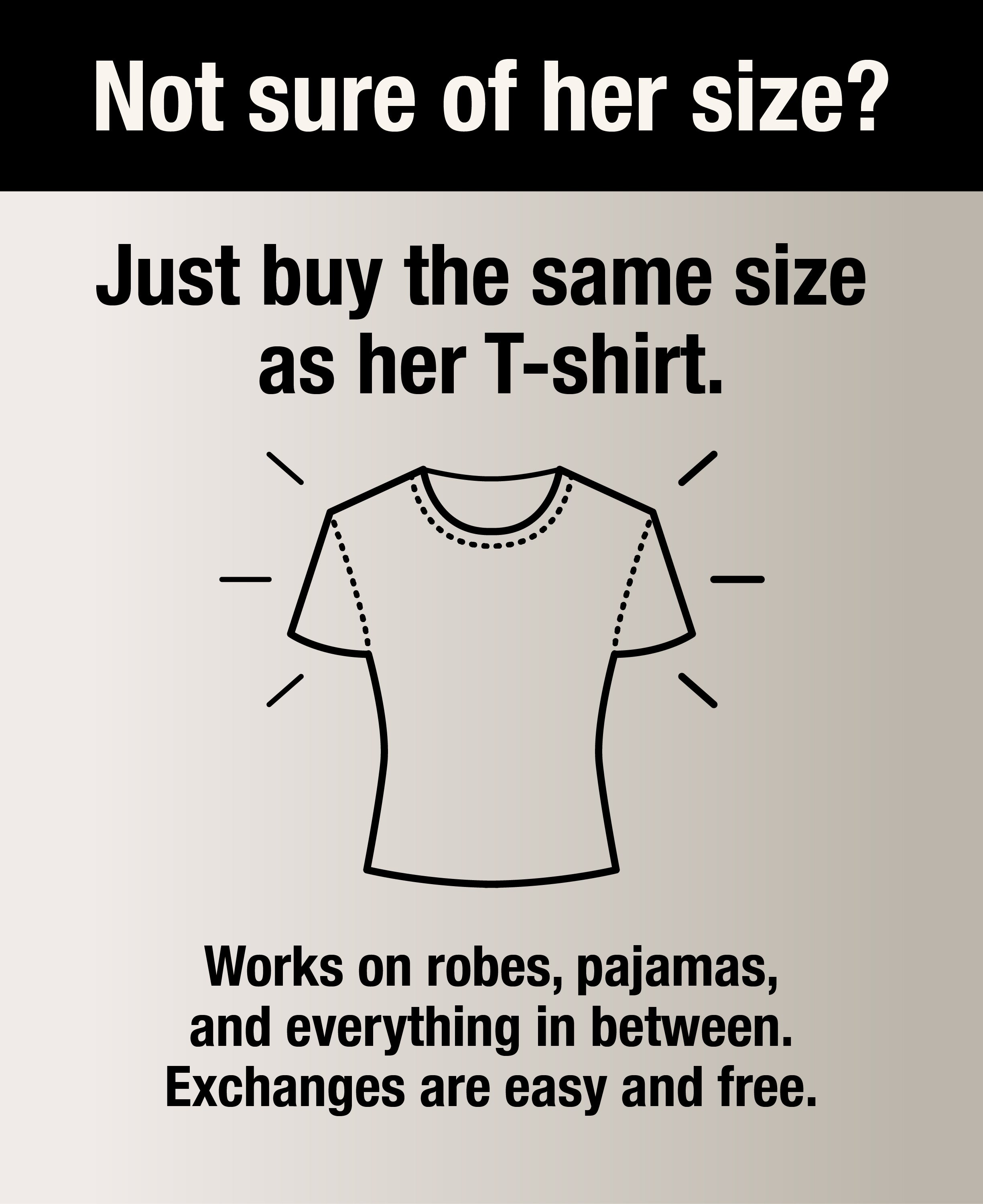
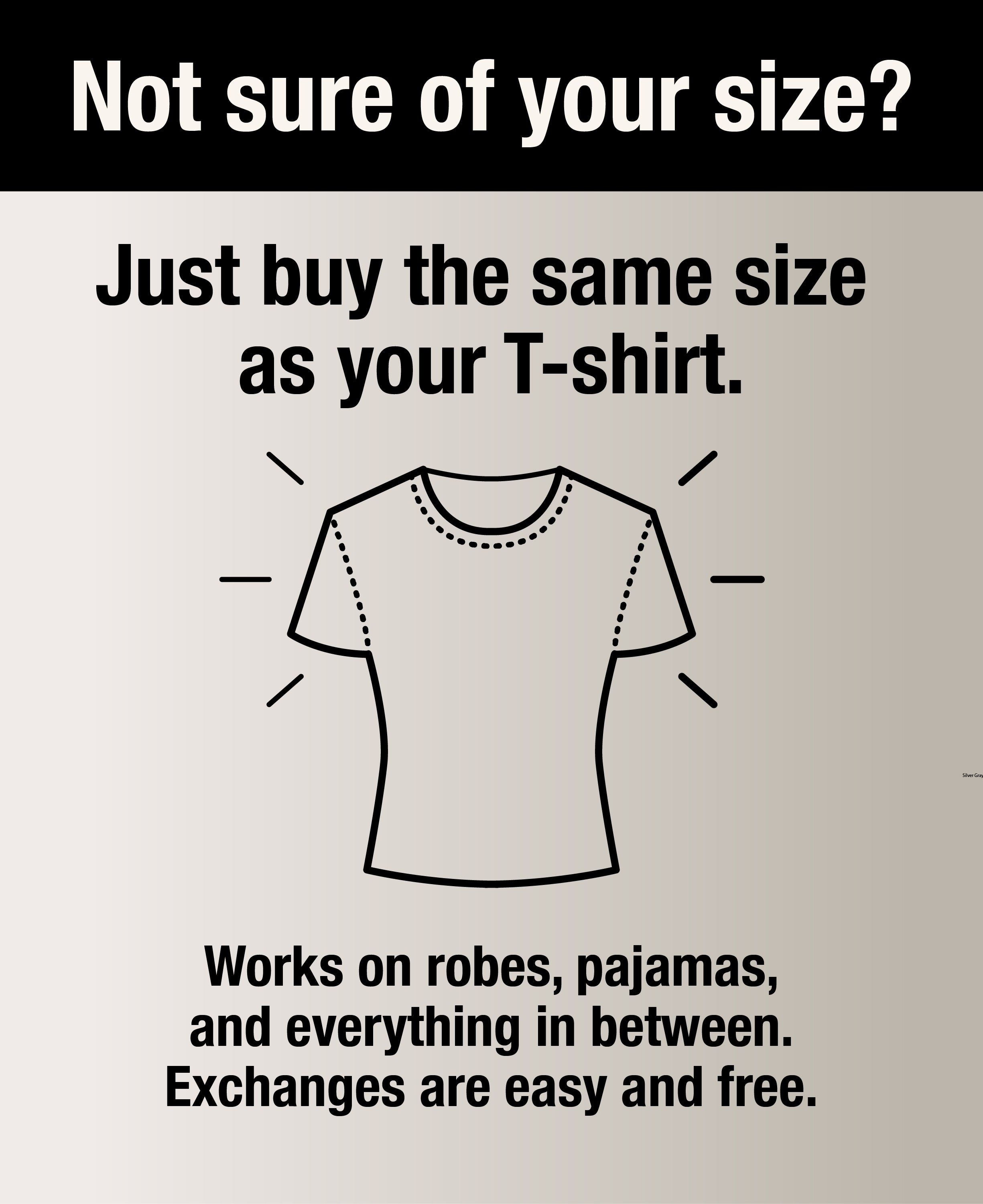
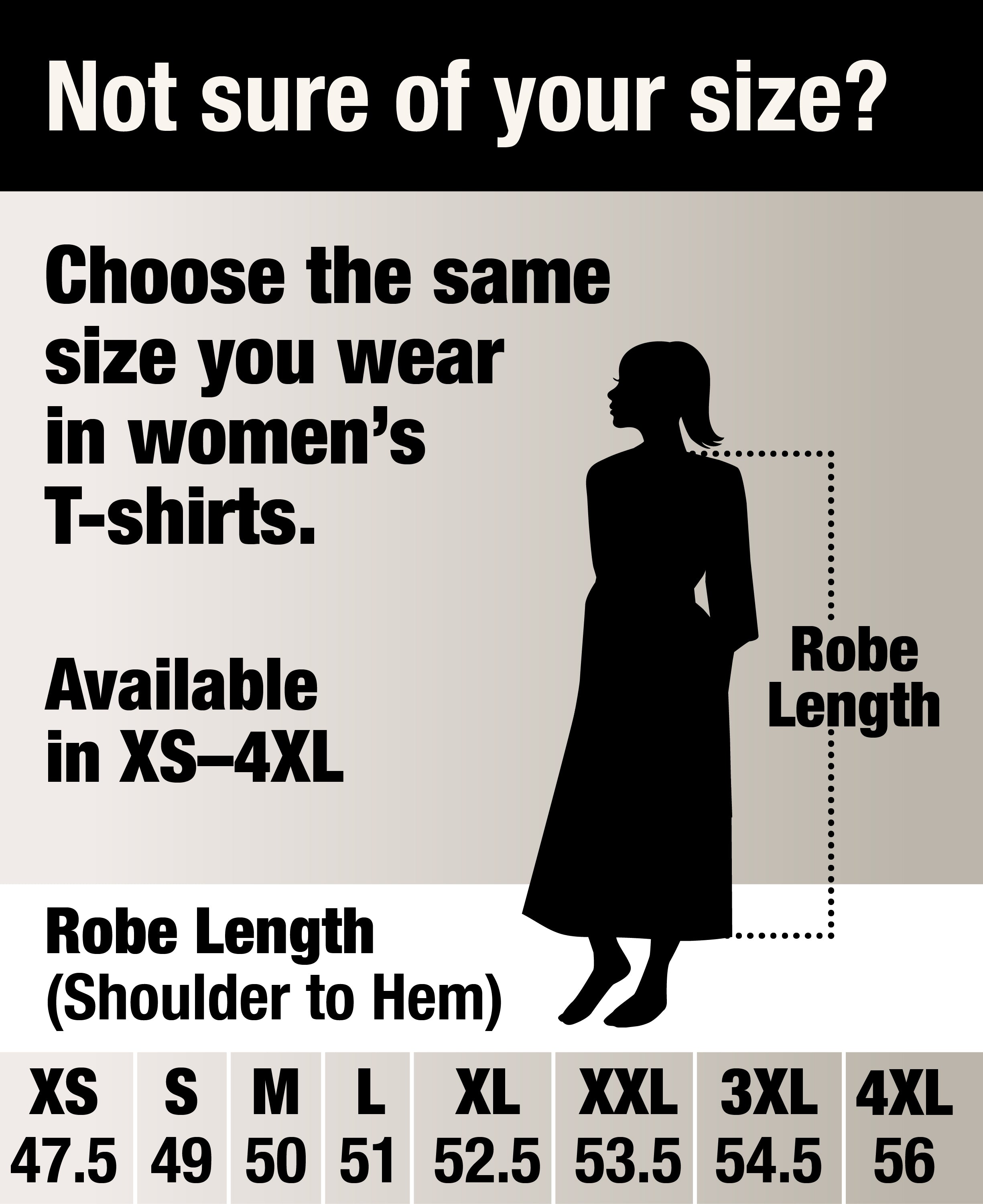
Find your size when you are ready. If your size is not on the standard chart, write to us and we will make one to fit.
Frequently Asked Questions
Why does Tara Sartoria carry sizes that other luxury silk brands do not?
Because the slow production model we use makes a wide size range economically possible in a way mass production does not. When each garment is cut individually rather than from a stack, the cost of adding a size is the cost of one more pattern in the artisan's workshop. The fast production model that most luxury silk brands use rewards a narrow size range. The slow model lets us carry XS to 4XL without making a separate line.
Are the larger sizes made with the same silk as the smaller ones?
Yes, identical. The same 27 momme mulberry silk, the same French seam construction, the same heritage looms, the same master artisans in Vietnam's historic silk villages. The proportions are adjusted so the drape works on each body, but the fabric and construction are constant across the entire size range from XS to 4XL.
What if my size is above 4XL or has unusual proportions?
Custom sizing is available when needed for a small fee. We have made silk robes and pajamas for customers in sizes well above 4XL and for customers with proportions the standard chart does not address. The process is the same one-piece-at-a-time production we use for standard sizes. Write to us with your measurements and we will help you decide what to order.
Does the price change across the size range?
The price scales modestly with size because larger garments use more fabric. The increase reflects material cost, not a separate pricing tier. The construction is identical across all sizes, so there is no quality difference being priced. The increase between standard sizes is small.
Is there a separate plus-size collection?
No. There is one collection, made in sizes XS to 4XL as standard. We do not have a plus-size line because we do not have a regular line. Every silk piece is made in the full size range from the same fabric, by the same artisans, with the same construction. Calling part of the size range a separate collection would imply a hierarchy we do not believe in.
