


From the Silk Road to Your Bedroom: A 5,000-Year Material History
By Tara Nguyen, Ph.D., Founder and Creative Director, Tara Sartoria
Silk has been traded, withheld as state secrets, and used to bankroll empires for longer than most civilisations have existed. The 27 momme mulberry silk you sleep in carries 5,000 years of accumulated craft knowledge: decisions made by Chinese imperial courts, knowledge preserved by Byzantine monks, techniques refined across Vietnamese villages. Understanding that history changes how you think about what silk actually is.
The article that follows explains how silk became history's most strategically guarded material, why it shaped global trade routes, and how centuries of craft knowledge ended up in the hands of today's artisan makers.
The Origin: China, Approximately 3000 BCE
Archaeological evidence dates the earliest silk production to Chinese Neolithic sites around 3630 BCE. The conventional telling credits Empress Leizu, wife of the Yellow Emperor, with discovering silk when a cocoon fell into her tea and the hot water loosened the filament. Whether or not the legend is accurate, the historical reality is clear: sericulture, the cultivation of silkworms for textile production, became a Chinese monopoly for approximately 3,000 years.
This monopoly was enforced with the kind of seriousness reserved today for nuclear weapons. Chinese law made the export of silkworm eggs or mulberry seeds a capital offense. Silk fabric could be traded across the world. The knowledge and living organisms required to make it could not. This created something unique in the ancient economy: a material whose supply was controlled by a single source, producing what economists would recognize as a perfect monopoly.
The result was remarkable: pound for pound, silk was worth more than gold on the western end of the trade routes that would eventually bear its name. The silk that reached Roman senators' wardrobes carried a price premium that reflected not just the fiber itself but the scarcity created by geographic and legal control.
The Silk Road: Not a Road, Not About Silk
The term "Silk Road" was coined in 1877 by German geographer Ferdinand von Richthofen. The actual network was neither a single road nor exclusively about silk. It was a shifting system of overland and maritime trade routes, active from roughly the 2nd century BCE to the 15th century CE, connecting China to the Mediterranean and everything in between.
Silk gave the route its prestige name, but the network moved spices, precious metals, gems, ceramics, glass, horses, religions, diseases, and ideas. Buddhism travelled east. Islam spread in multiple directions. Plague bacteria travelled west with devastating efficiency. The cultural and religious exchanges were as significant as the commercial ones.
For silk specifically, the logistics were extraordinary. A fabric produced in eastern China could appear in a Roman senator's wardrobe within one or two years. That silk had travelled across deserts, mountain passes, and dozens of political jurisdictions. These supply chains represent one of the earliest examples of functioning global commerce, thousands of years before container ships and aviation.
This was not incidental trade. It was evidence of deeply organized systems. Caravanserai stations were built specifically to manage the flow. Trading protocols were established. Routes became permanent infrastructure. All of it existed to move a single material: silk.



















The Monopoly Breaks: Smuggling and Espionage
China's silk monopoly ended through the kind of industrial espionage that modern corporations still fear. The traditional account holds that around 550 CE, two Nestorian monks smuggled silkworm eggs out of China, supposedly concealed in hollow bamboo walking sticks, and delivered them to the Byzantine Emperor Justinian I in Constantinople.
The details of the monks' story are debated, but the outcome is documented: by the 6th century, the Byzantine Empire had established its own silk production capability. The monopoly broke. Knowledge that had been guarded as a state secret for three millennia spread within a generation.
Silk production followed: first to Byzantium, then across the Middle East, into Southern Europe, and eventually across the world. The economic consequences for China were stark. Trade leverage diminished. Competitors emerged. And the most carefully guarded knowledge in textile production became a technology that could be learned, refined, and improved by anyone with access to mulberry trees and silkworm cultivation.
This historical moment maps directly onto modern concerns about intellectual property protection. The Chinese solution, it turns out, was a temporary fix. Knowledge, once created, is difficult to contain forever.
European Silk: Italy and France's Luxury Economy
European silk production centerd in Italy from the 12th century onward. Lucca, Florence, Venice, and later Como became major production centers. Italian artisans developed techniques for brocade, damask, and velvet weaves that pushed silk from a utilitarian luxury textile into high art.
By the 17th century, France had entered the silk economy aggressively. Lyon became Europe's silk capital, and the French silk industry employed hundreds of thousands of workers. The Jacquard loom, invented in Lyon in 1804, automated complex pattern weaving and is considered a direct ancestor of modern computing because it used punched cards to program pattern sequences, a concept later adapted by Charles Babbage and IBM.
The French monarchy invested in silk production the way modern states invest in semiconductors: as a matter of national economic security. Silk production meant revenue. Revenue meant funding for armies, diplomacy, and cultural soft power. Control of luxury goods was not incidental to European statecraft; it was central.
Industrial Disruption: When Silk Lost the War to Scale
The Industrial Revolution nearly killed silk as a mainstream material. Cotton, which could be mass-produced on power looms, dropped in price to a fraction of silk's cost. Nylon, invented in 1935, offered a cheap synthetic alternative that could mimic some of silk's aesthetic qualities at a fraction of the price.
By the mid-20th century, silk had retreated from everyday clothing into a niche: luxury items, ceremonial garments, and specialty applications. The skills of sericulture and silk weaving, developed across thousands of years, contracted to a smaller number of practitioners and regions.
This contraction had consequences still visible today. The knowledge base narrowed. Techniques were lost. The general public's ability to distinguish silk from polyester satin by touch diminished to the point where most people cannot identify authentic silk without a label.
Silk was no longer a material everyone needed. It became a material only the wealthy wanted. That shift, more than any technical limitation, nearly ended the entire knowledge tradition.









Vietnam's Continuous Silk Tradition
Vietnam's relationship with silk predates European contact by millennia. Archaeological evidence suggests silk production in the Red River Delta region from at least the 3rd century BCE, making Vietnamese sericulture one of the oldest continuous textile traditions in Southeast Asia.
Villages like Van Phuc near Hanoi have been weaving silk for over 1,200 documented years. The knowledge passed through families across generations. Specific techniques for handling different silk weights and weaves were embedded in community practice, preserved not in textbooks but in the hands and muscle memory of artisans who taught their children, who taught their children.
During the colonial and post-war periods, Vietnamese silk production suffered disruption. Economic upheaval, war, and reduced international demand reduced both production volume and the number of skilled artisans. In the past three decades, Vietnamese silk craftsmanship has experienced a revival, driven by international demand for high-quality artisan production and by cultural recognition that these skills represent irreplaceable heritage.
What Changed and What Stayed the Same
The Bombyx mori silkworm spinning its cocoon in 2026 performs essentially the same biological process as its ancestor in 3000 BCE. The silk filament it produces has the same protein structure, the same tensile strength, the same luster. The fiber itself is unchanged.
What has changed is everything surrounding the worm: the scale of production, the precision of weaving technology, the speed of global distribution, the economic context. And what has stayed the same is the fundamental craft challenge: silk is an unforgiving material that rewards skilled handling and punishes carelessness.
The properties that make silk desirable, its smoothness and drape and luster, also make it demanding to cut, sew, and finish. The material does not hide mistakes the way cotton does. A hand that does not know what it is doing will produce visible flaws. Conversely, skilled hands produce garments that improve with time, that feel different on the skin, that last for years.
This is part of what you receive when you buy from a brand that uses artisan production: not just a fiber, but a fiber shaped by human hands using knowledge that has been passed, refined, and preserved across thousands of years. The price includes the material. It also includes the heritage.
The Modern Silk Economy
Today, China produces approximately 80% of the world's raw silk, followed by India as the second-largest producer. Vietnam, Thailand, and Uzbekistan contribute smaller but culturally significant production. The global silk market is valued at approximately 16 to 18 billion dollars, a fraction of the overall textile market but growing, driven by increased consumer interest in natural fibers and sustainable materials.
The shift from silk as pure status symbol to silk as a functional material, chosen for its measurable properties (thermoregulation,
This shift matters because it means silk is no longer only for elites. It is available to anyone who values its functional properties. And the properties that research now measures (moisture transmission, temperature regulation, durability) are the same properties that ancient emperors valued, just explained in contemporary terms.
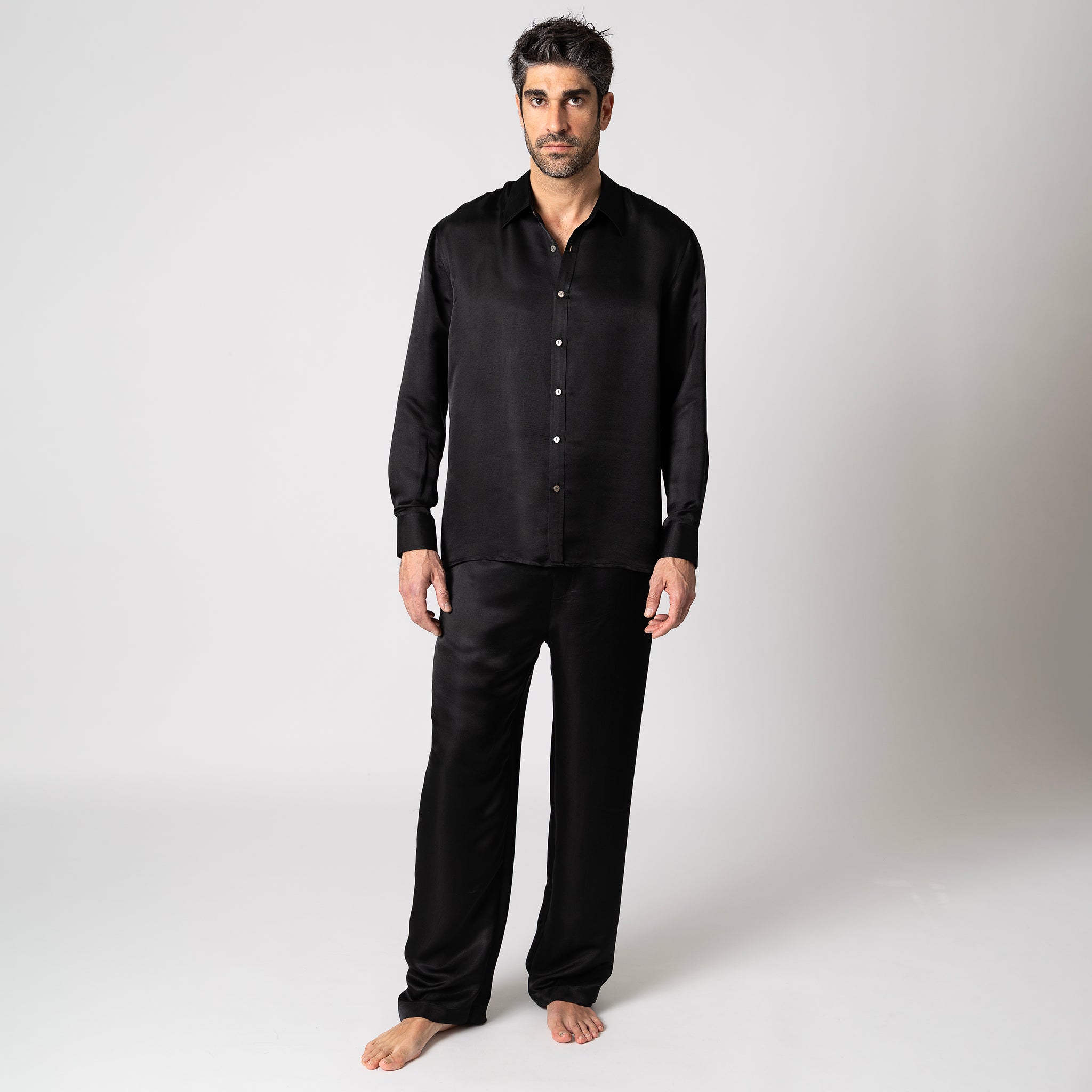
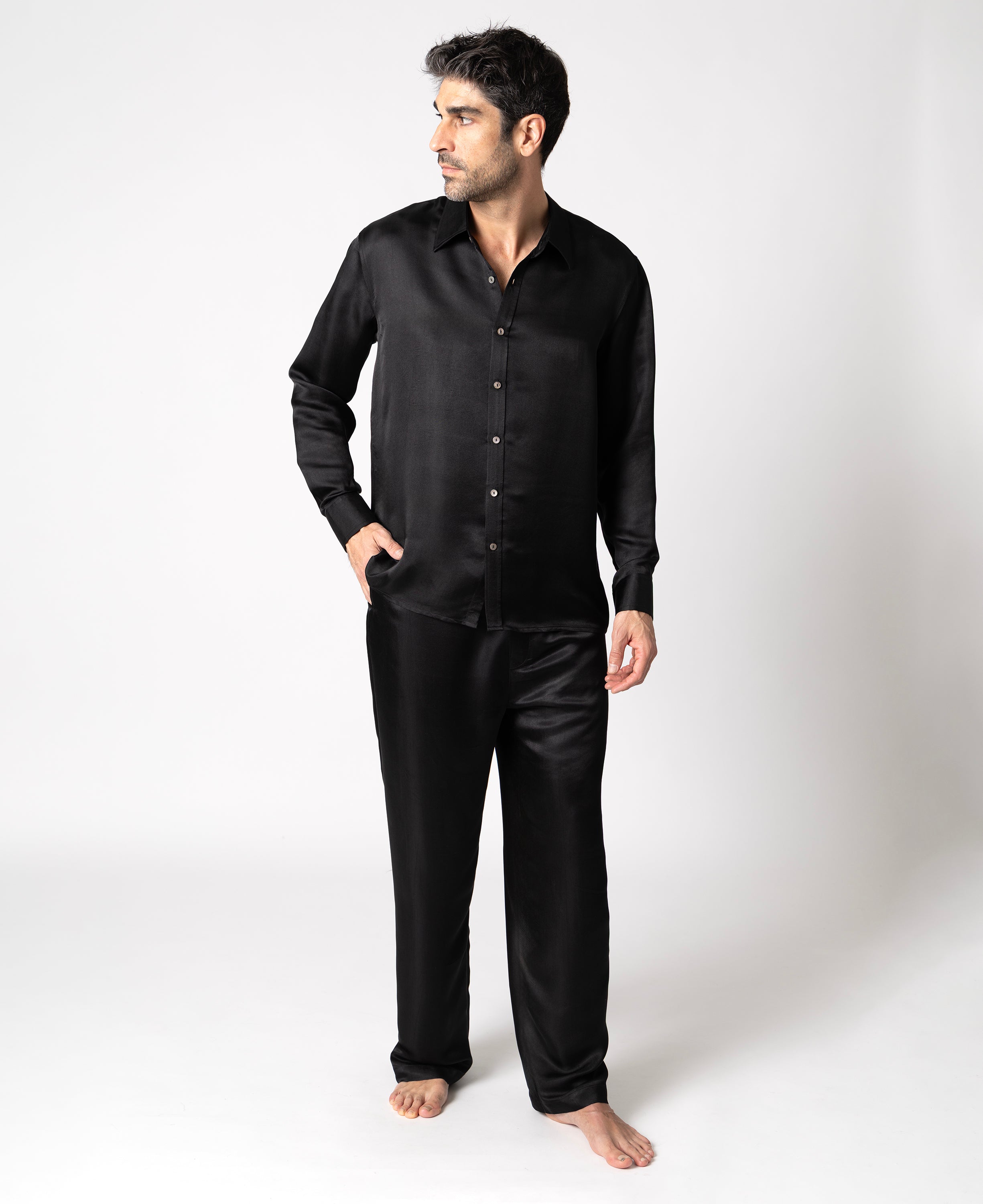
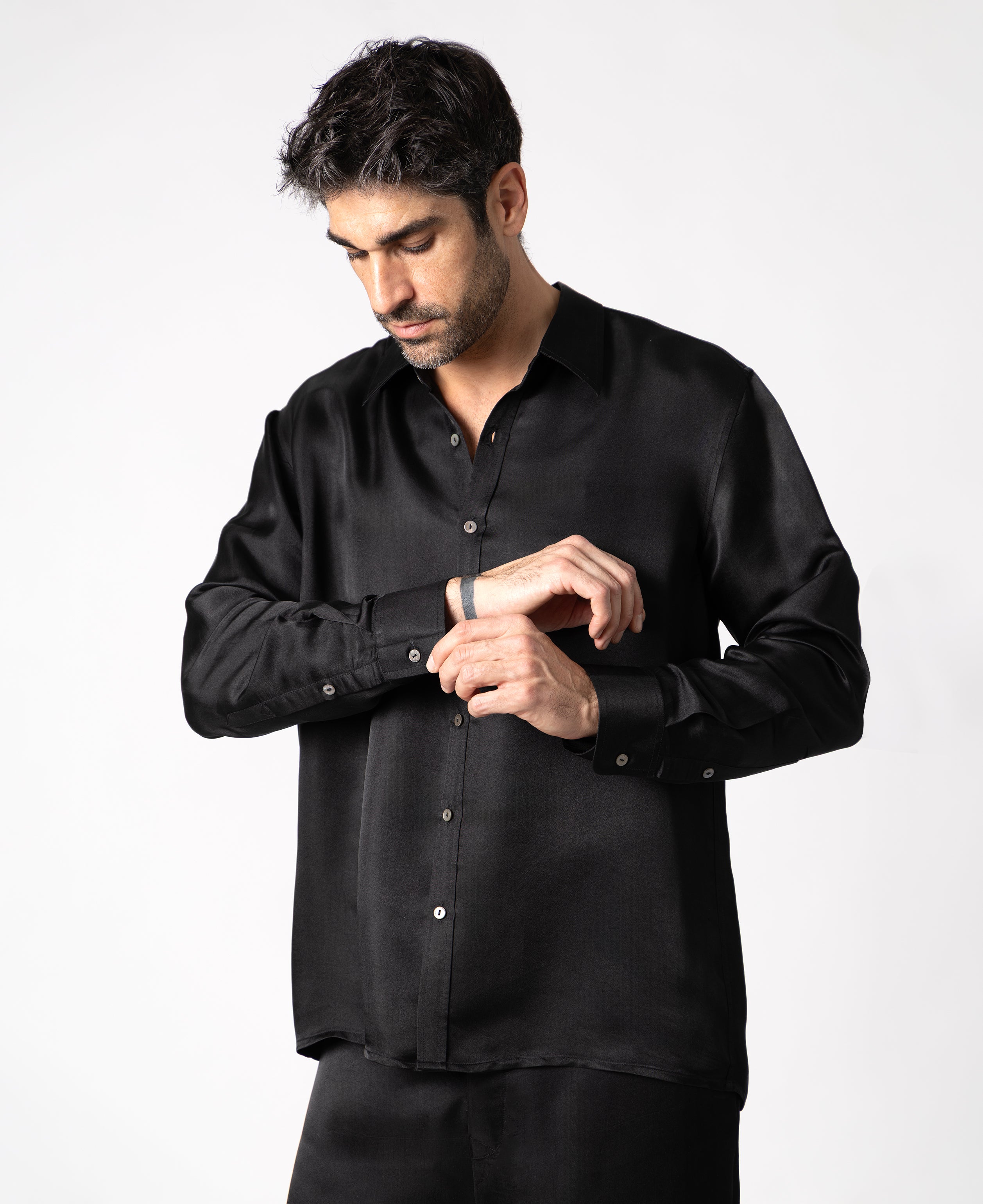
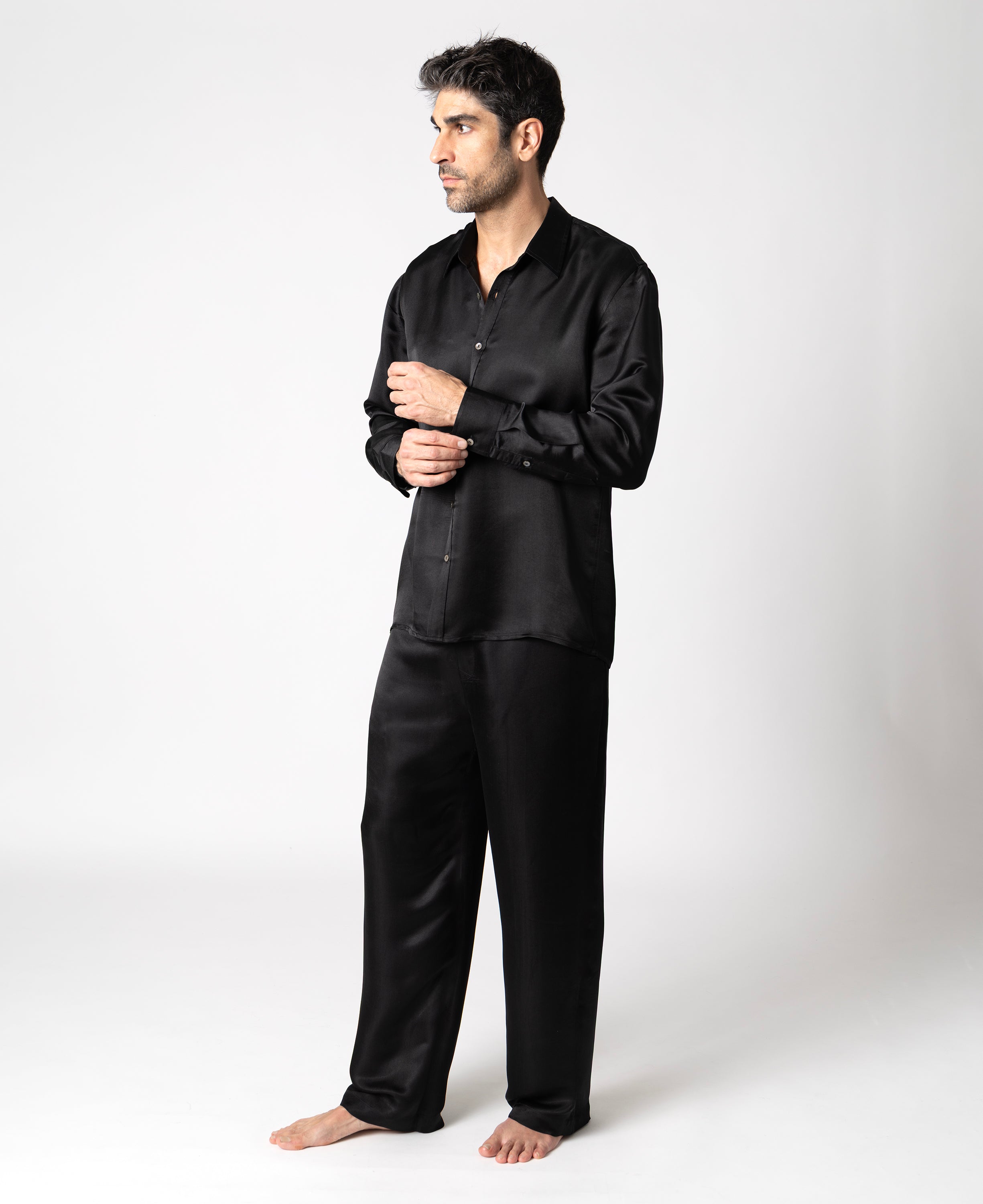
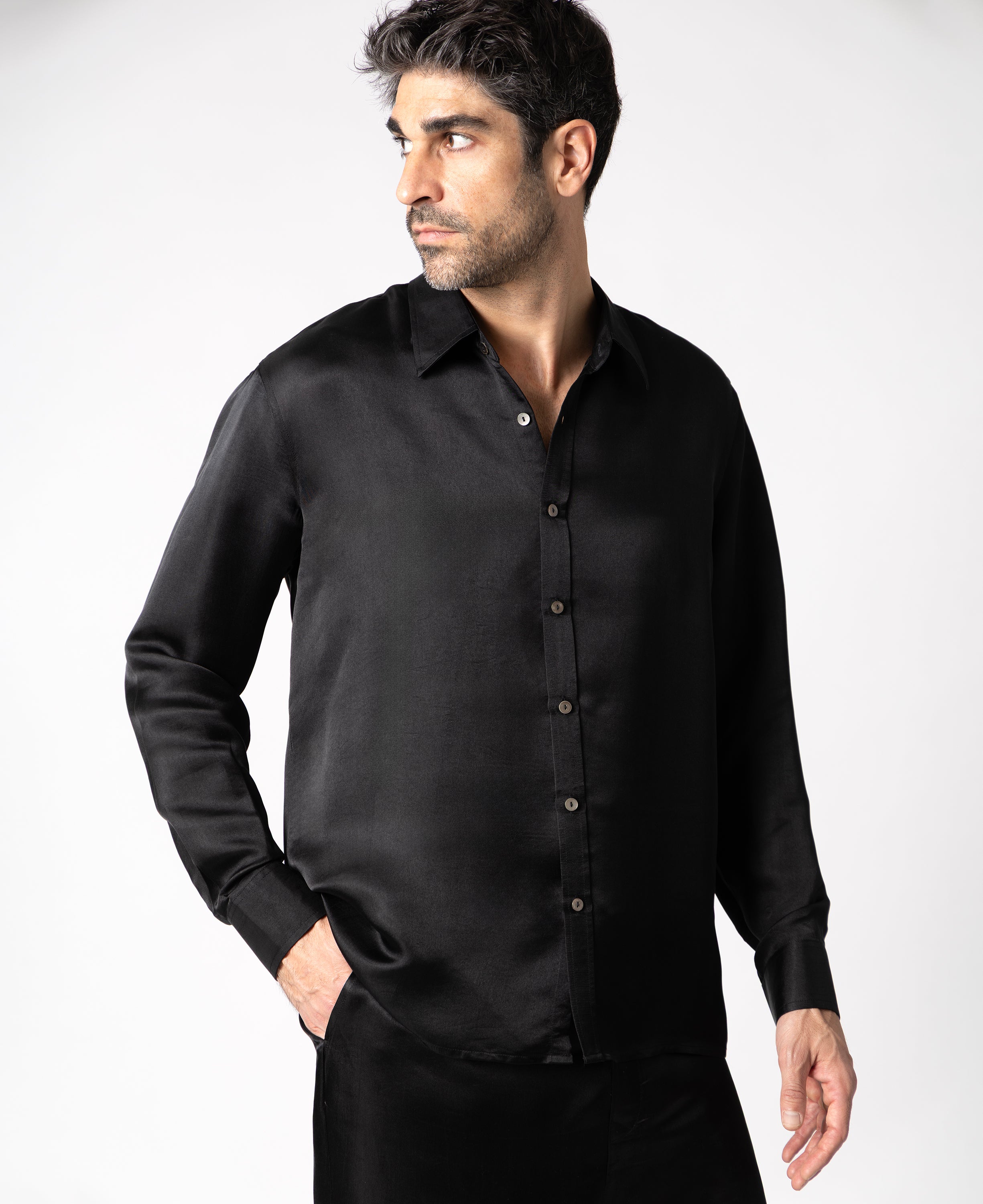
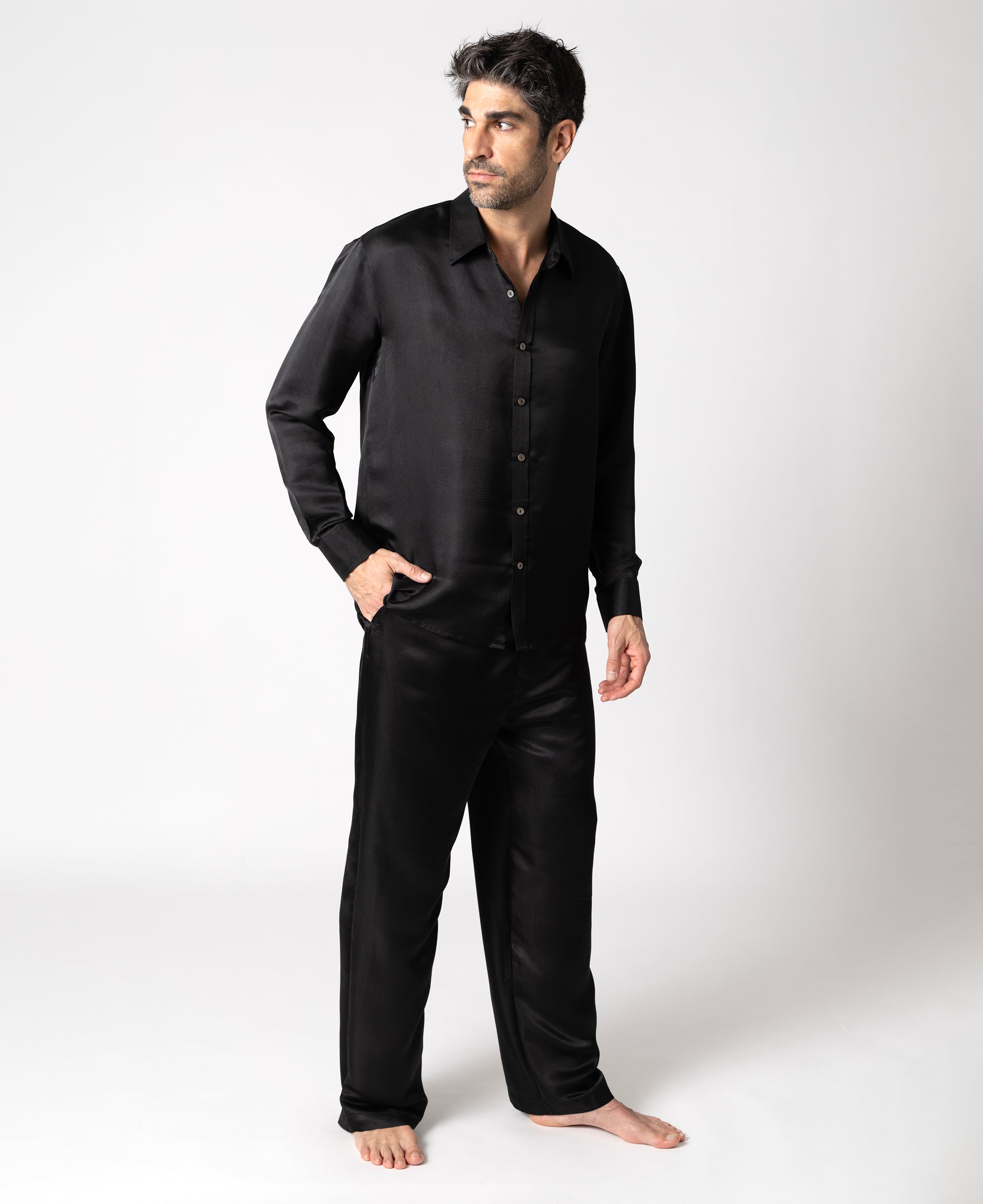
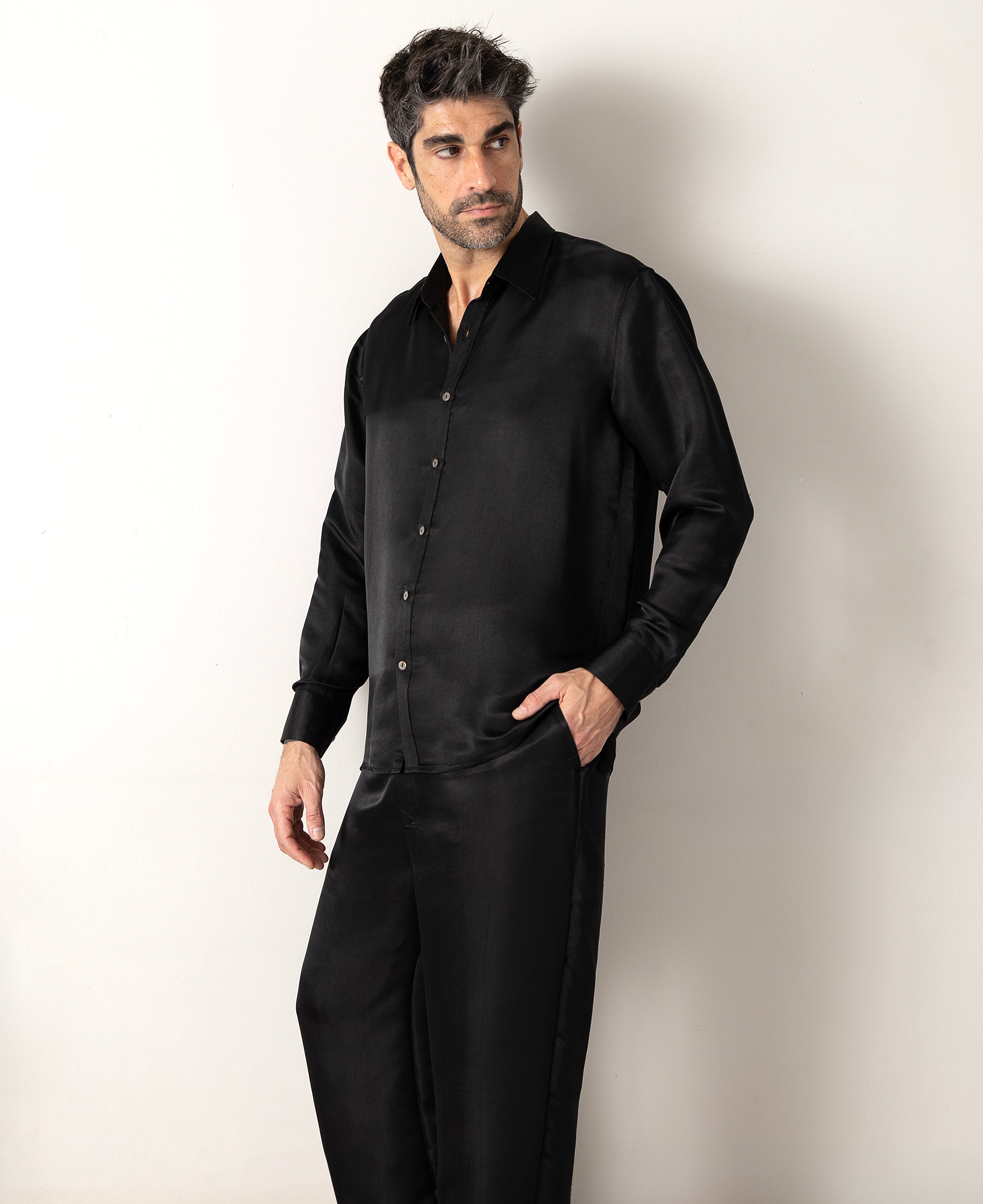
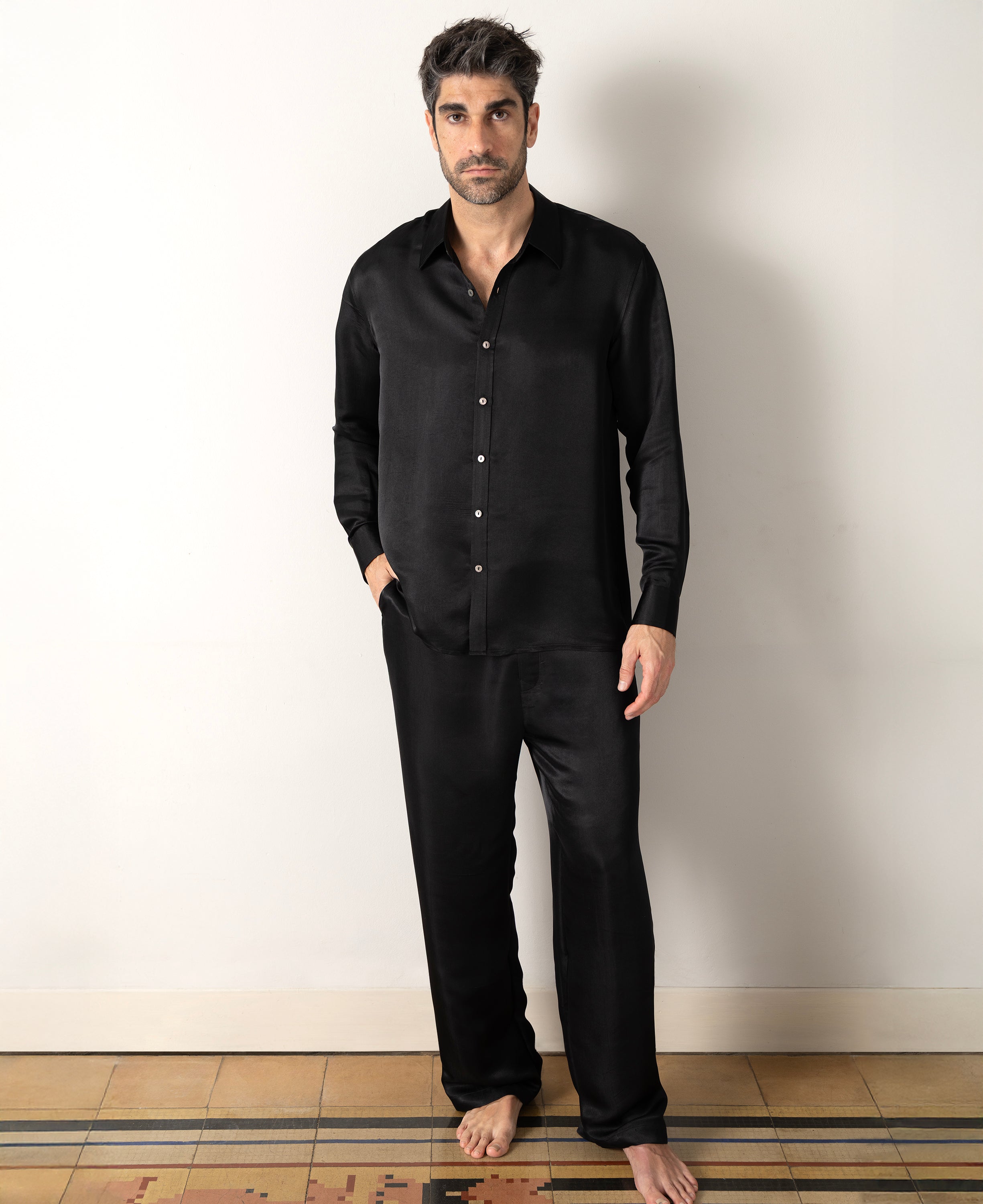
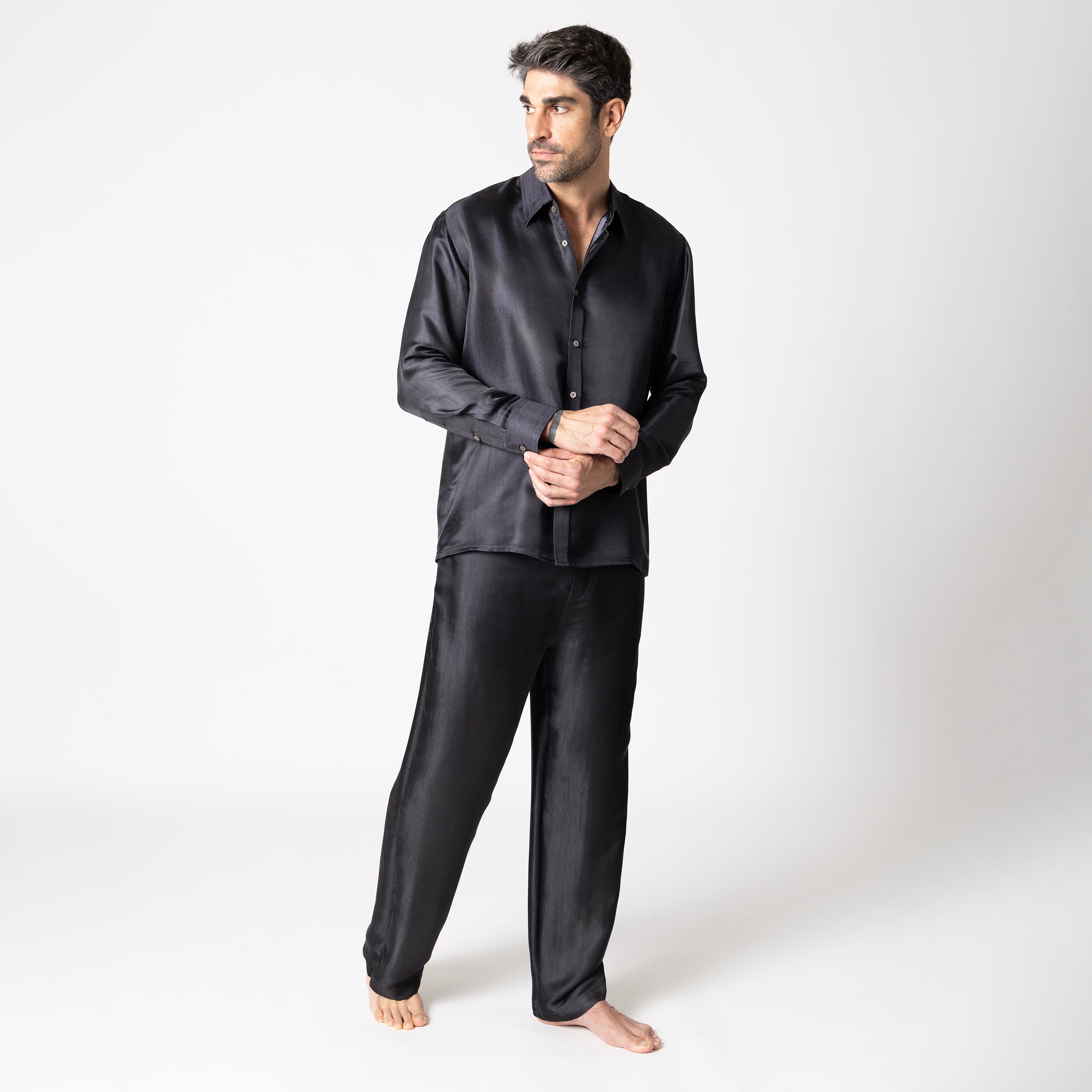
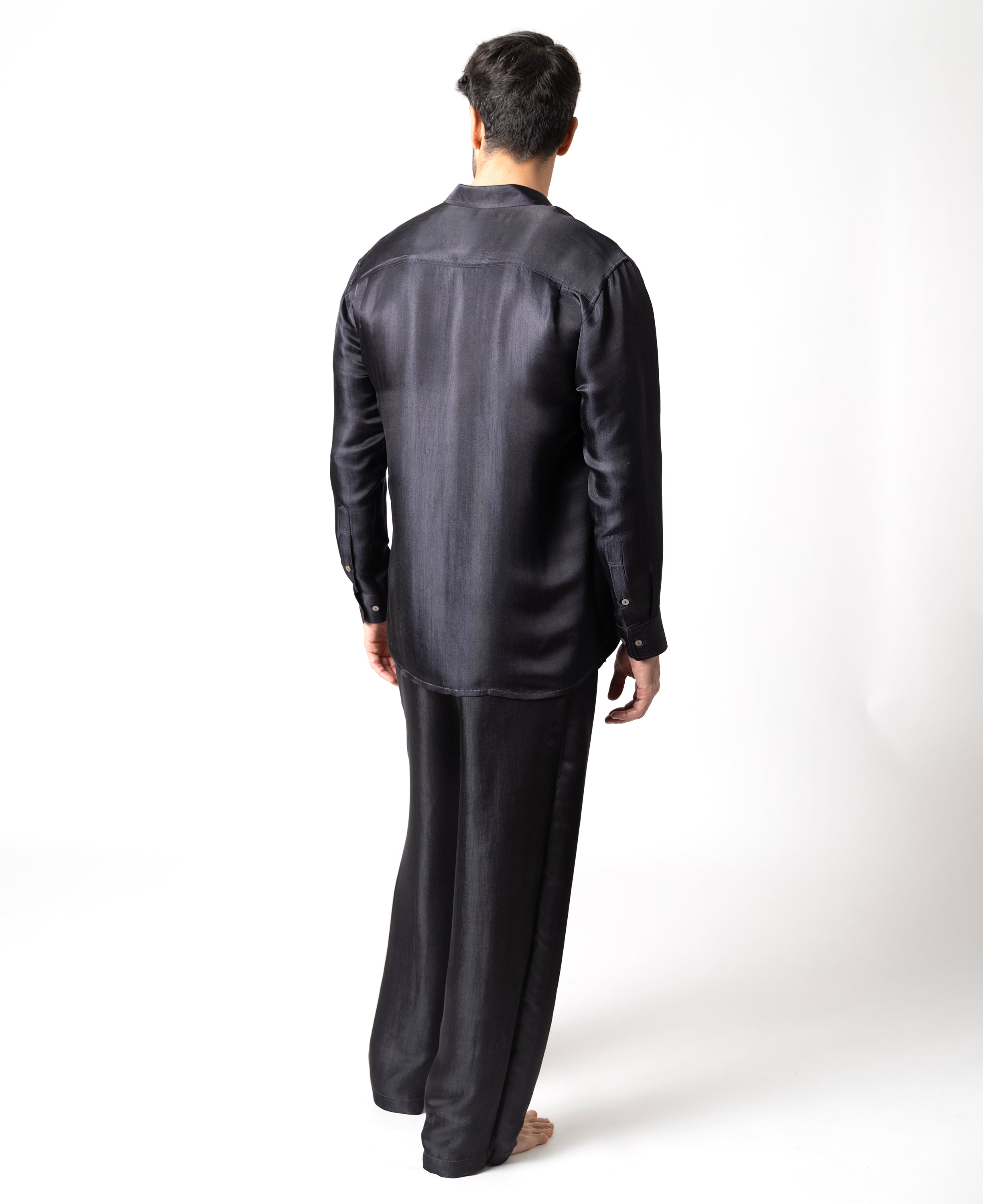
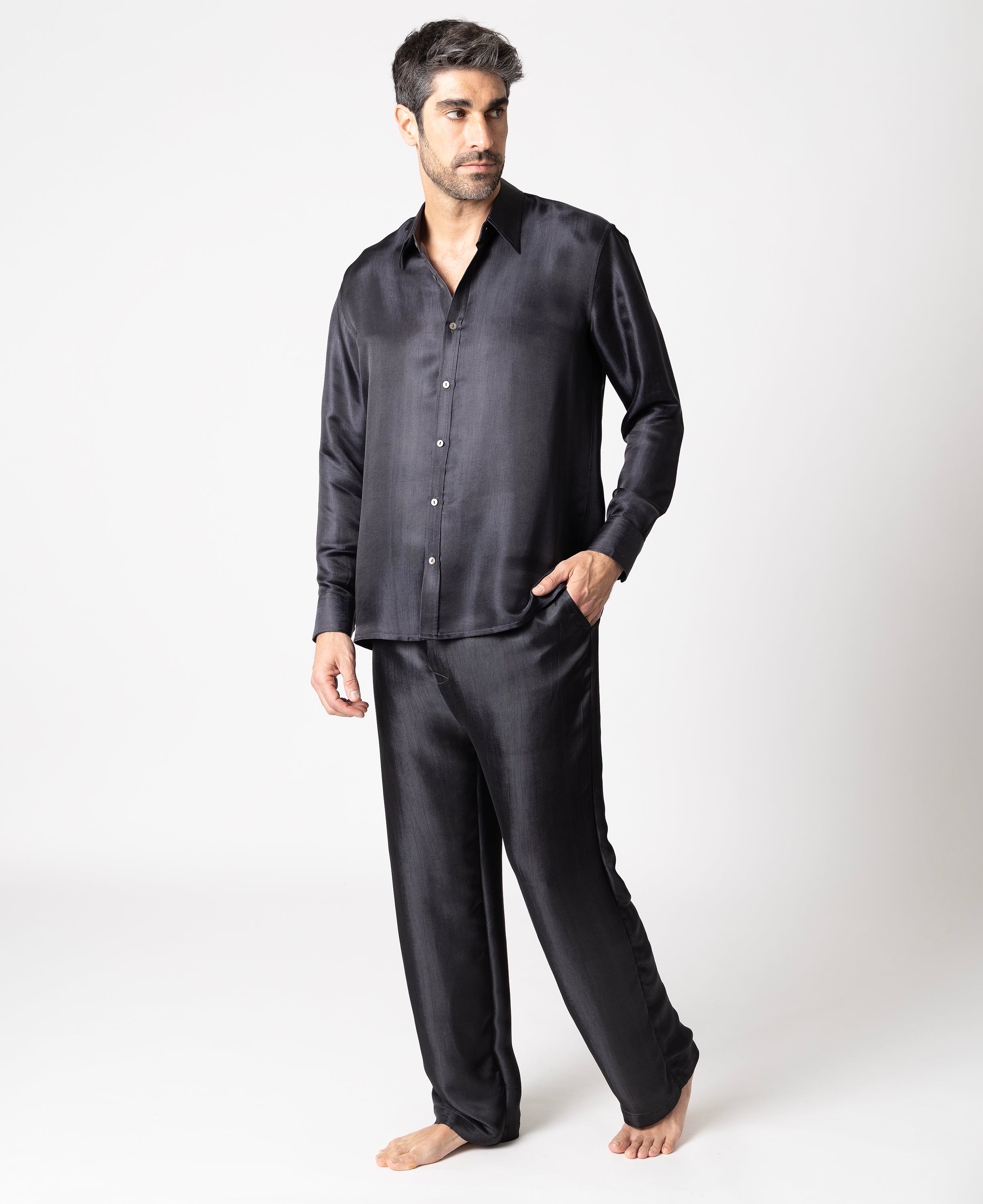
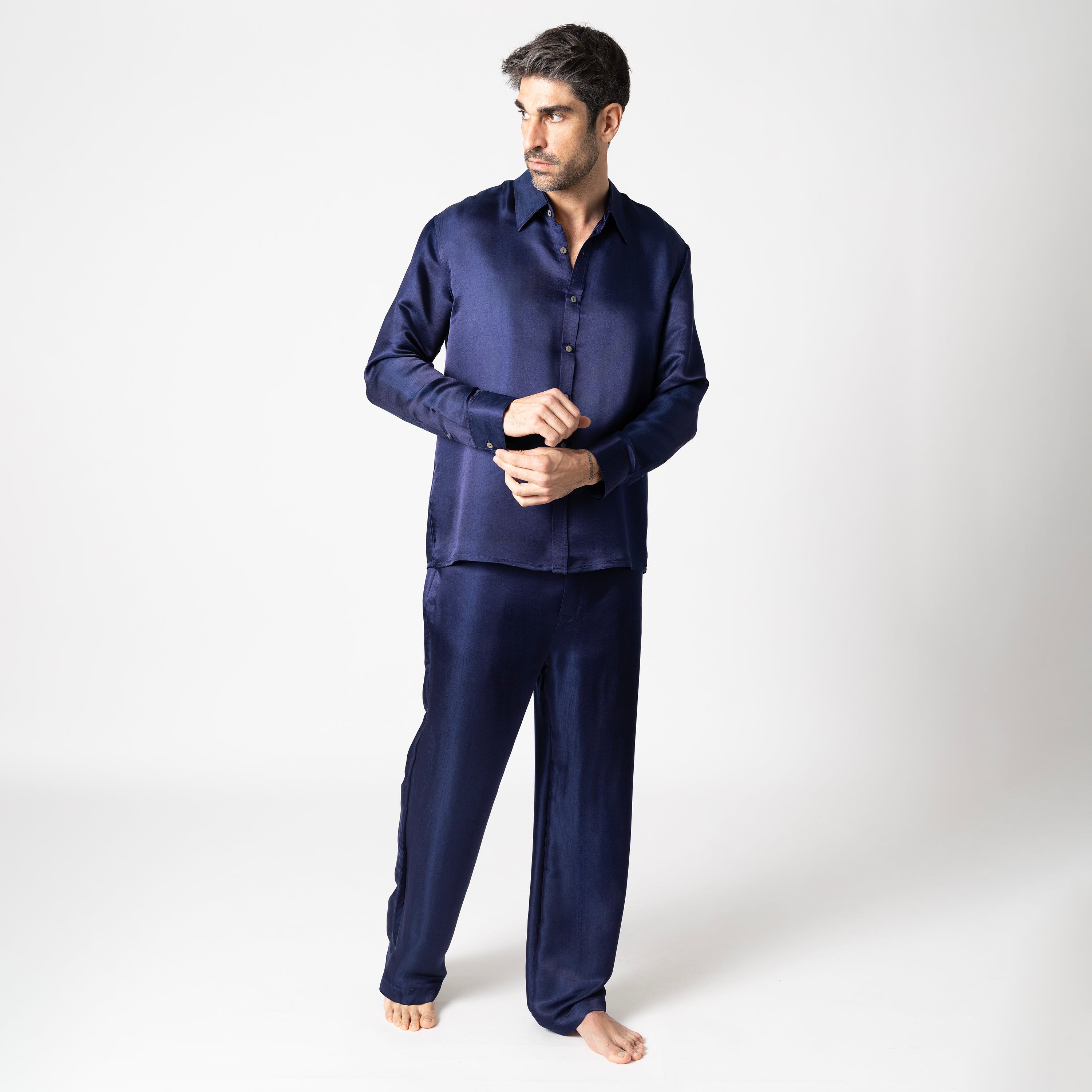
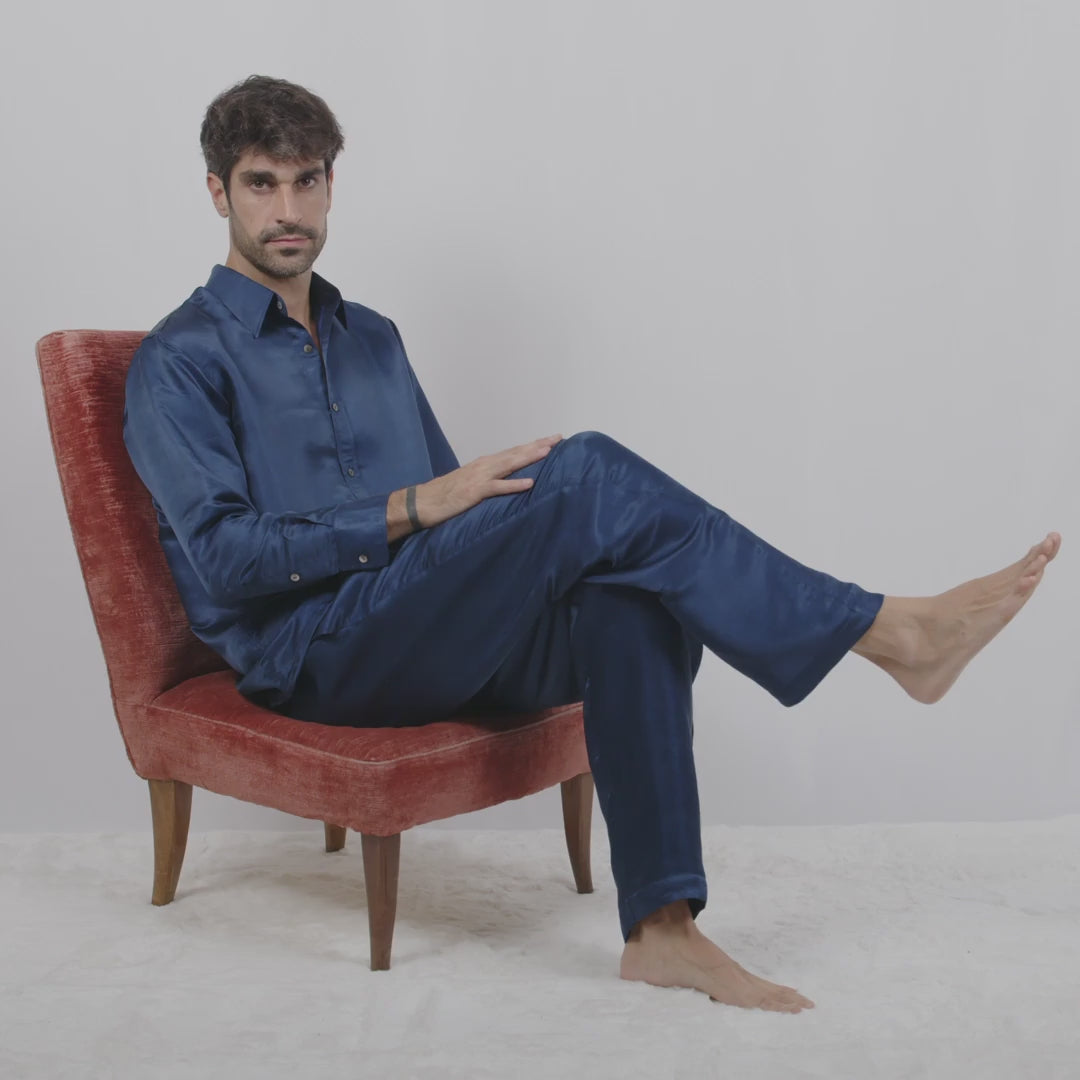
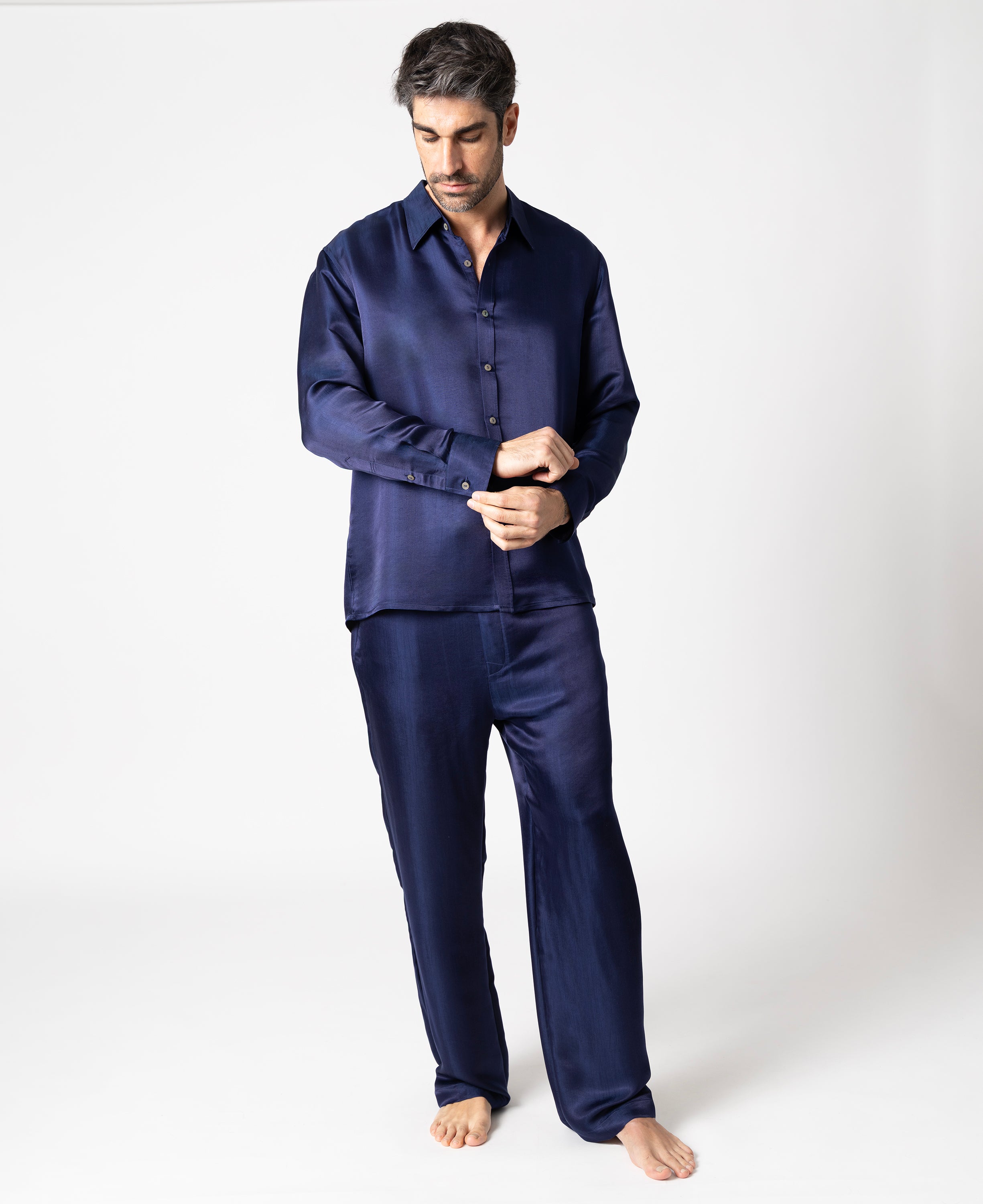
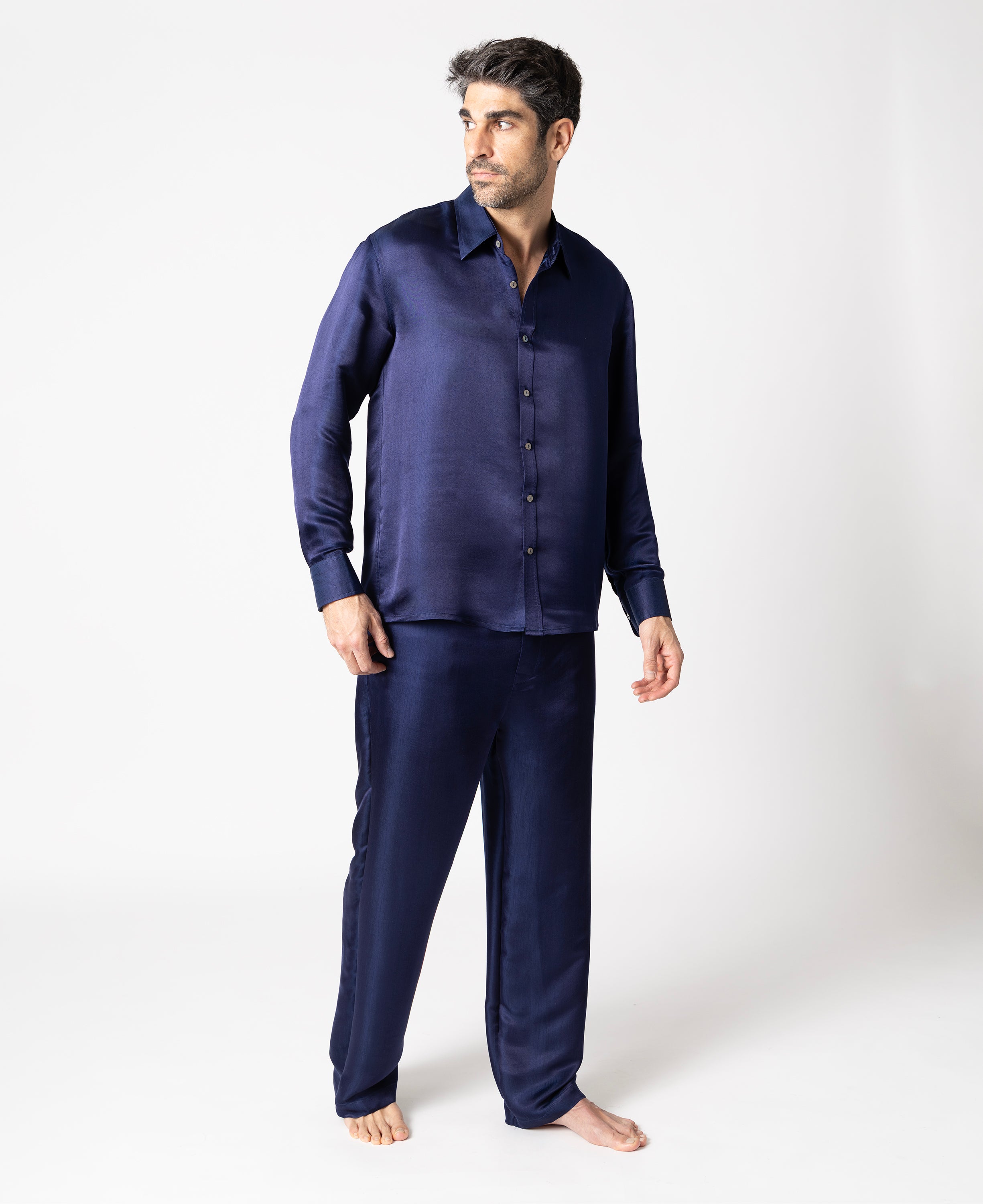
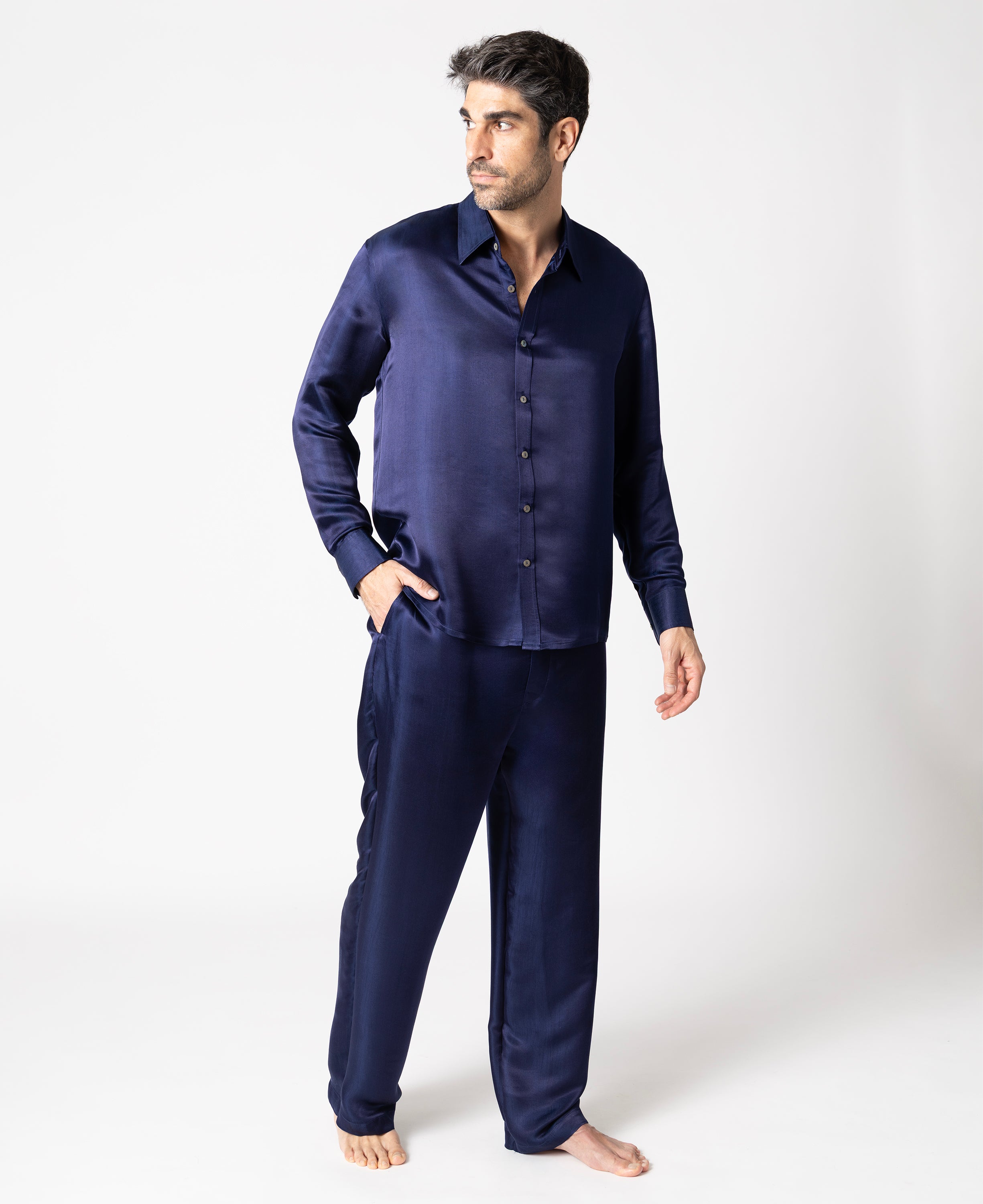
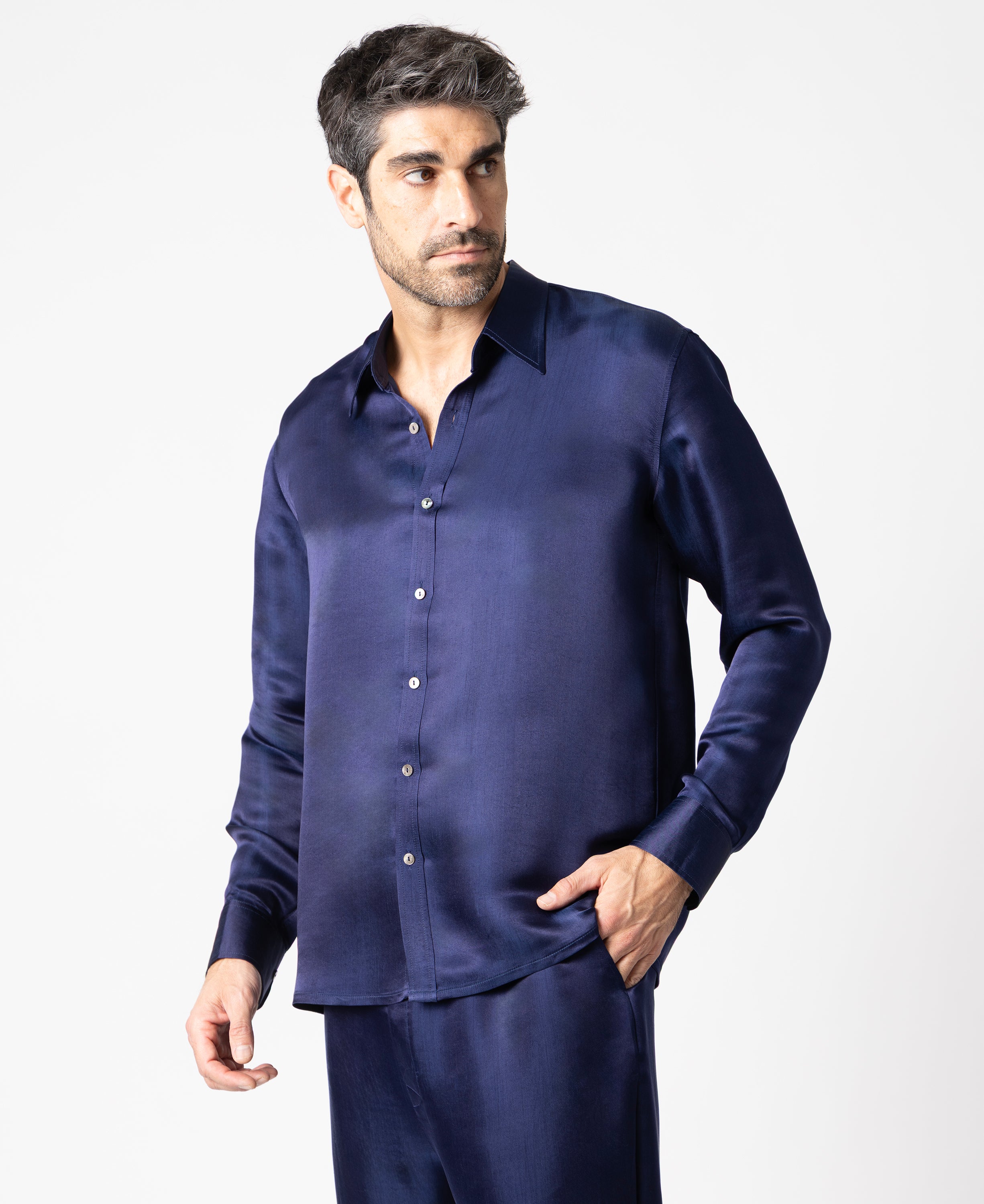
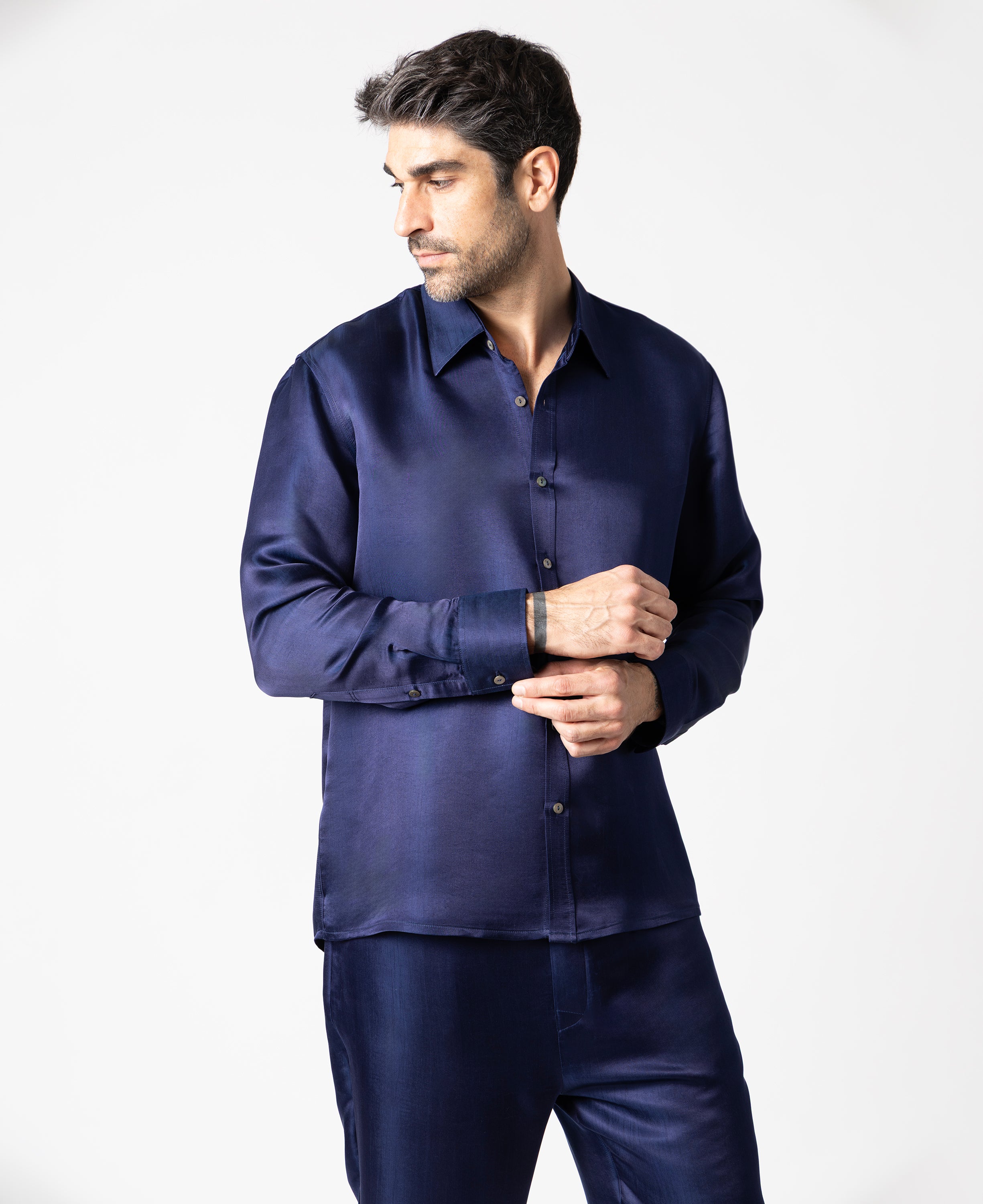
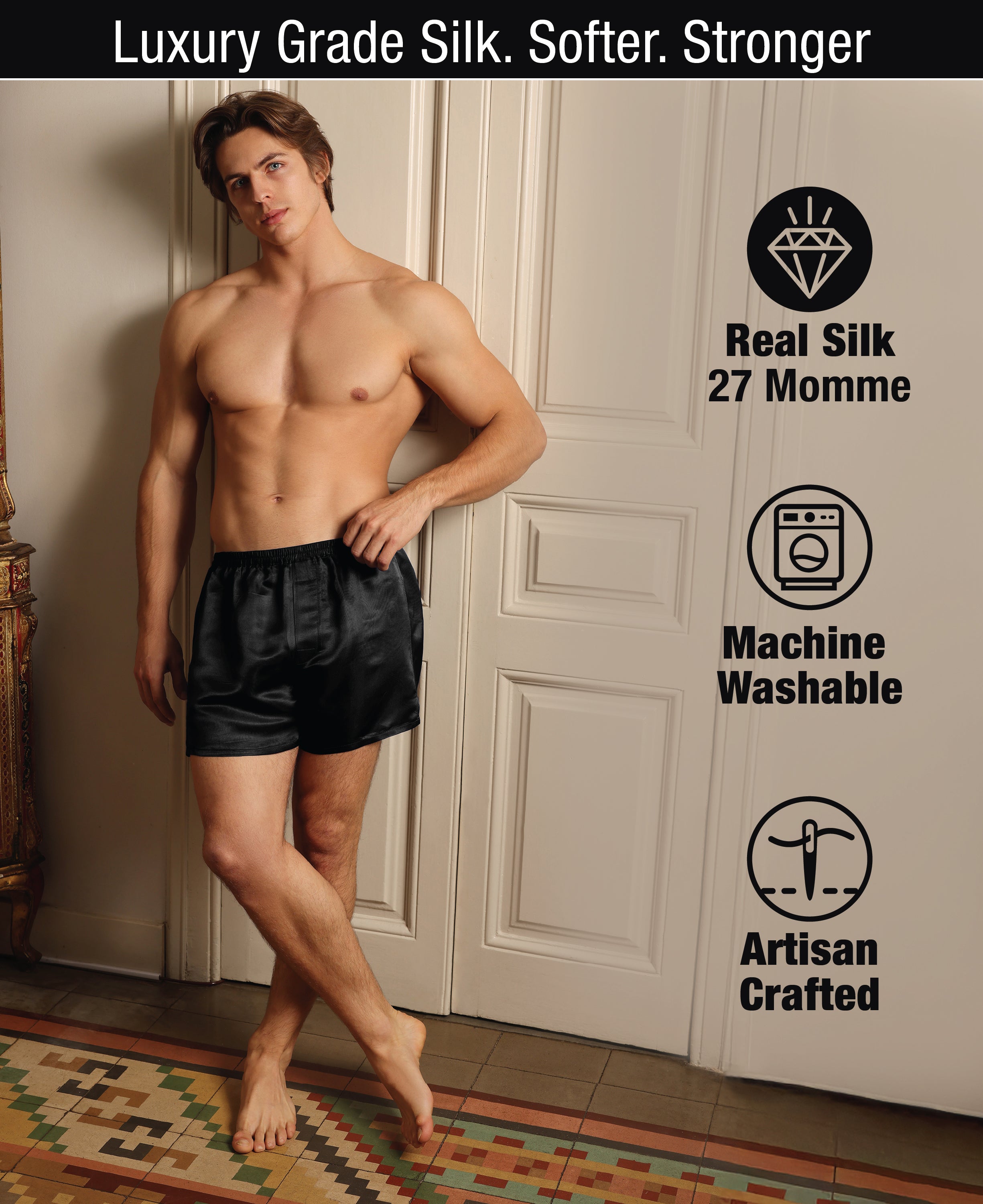
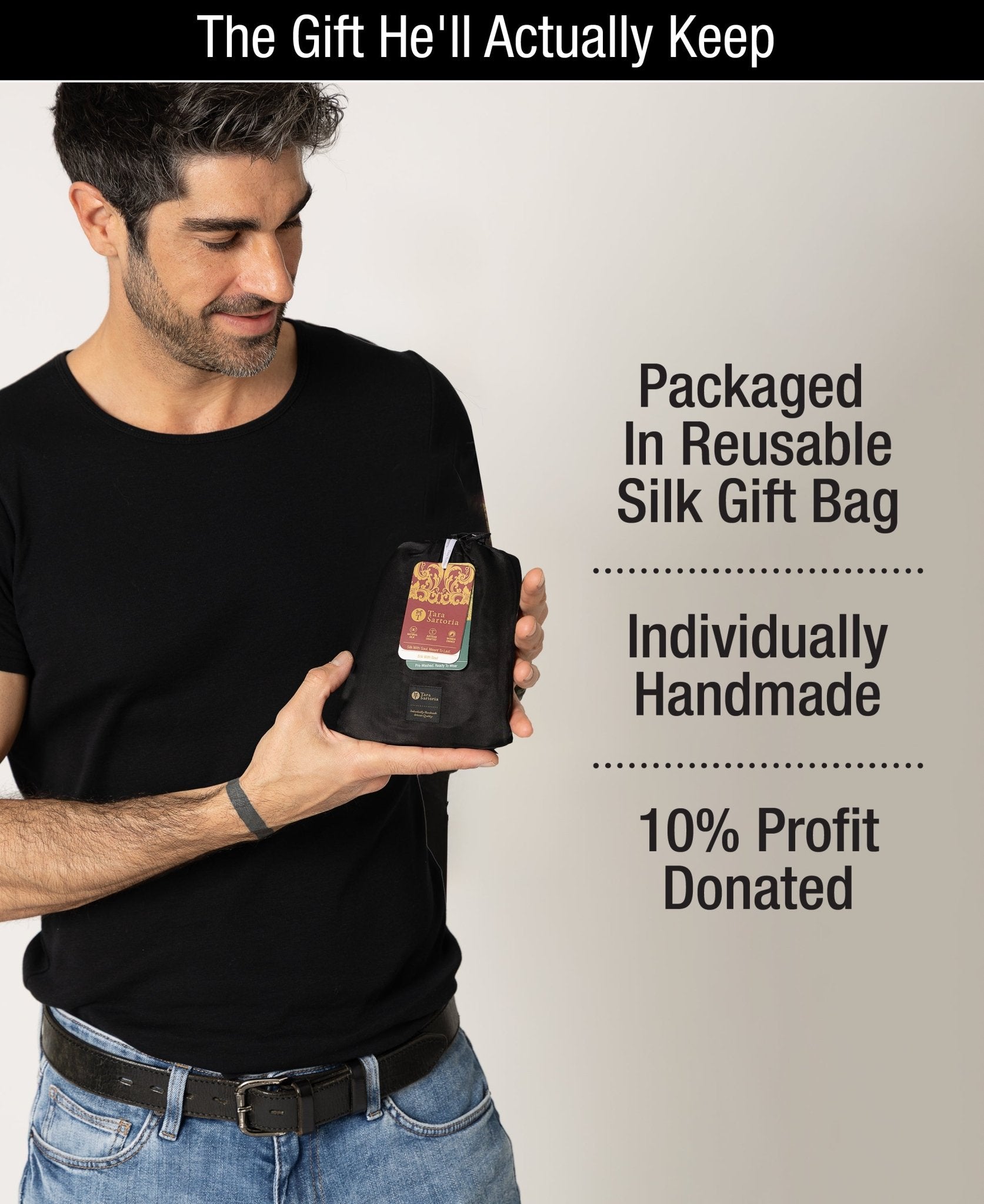
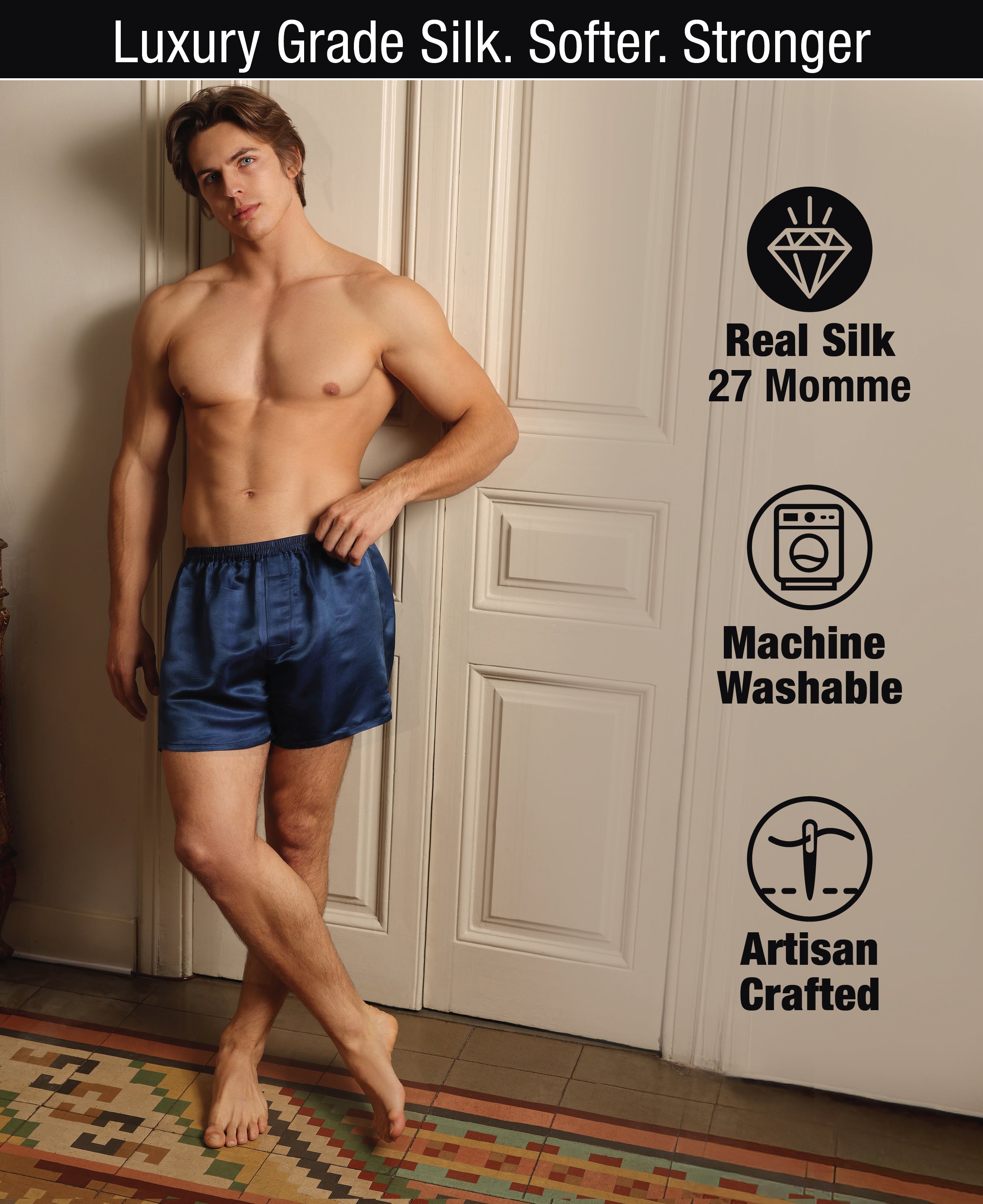
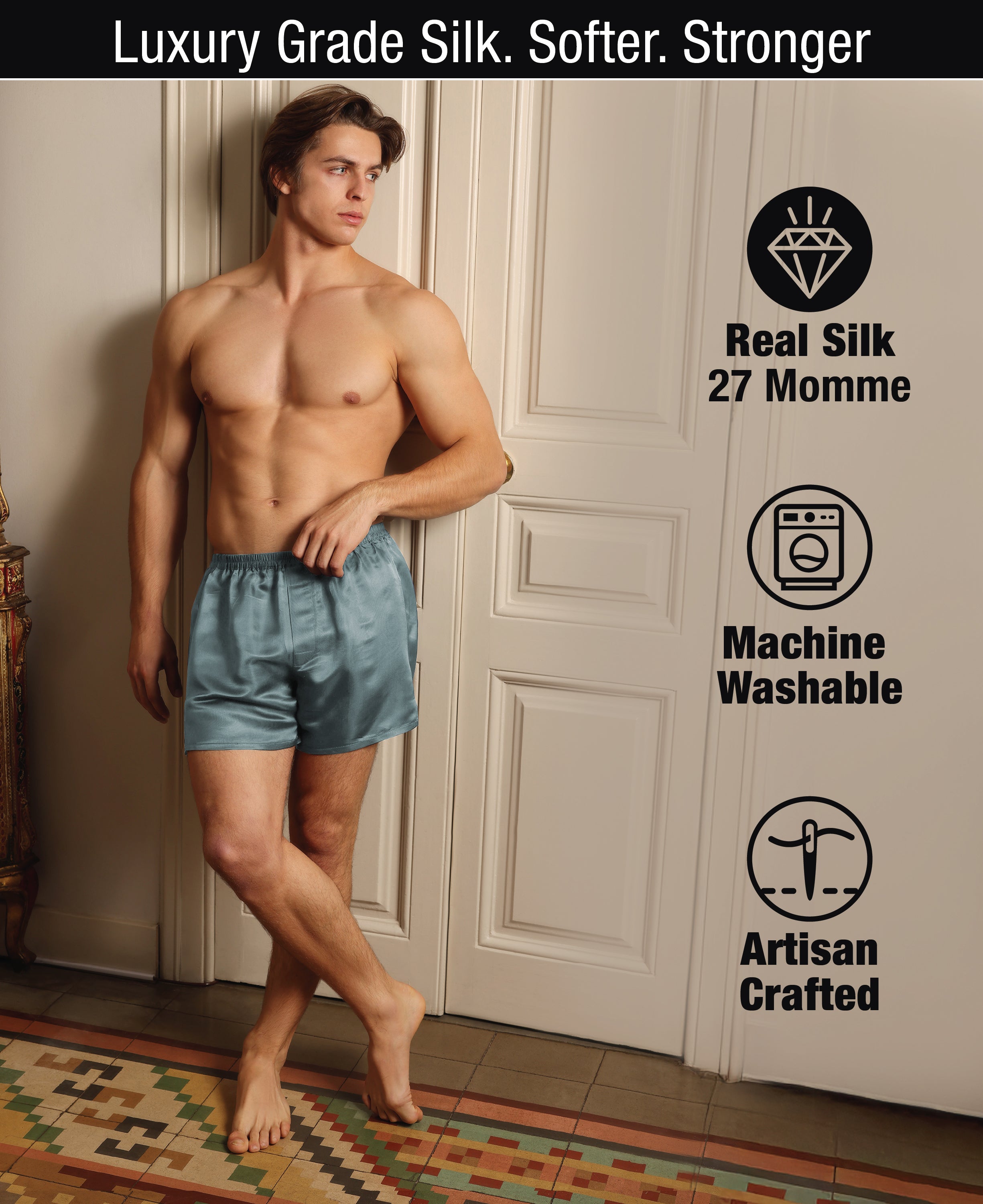
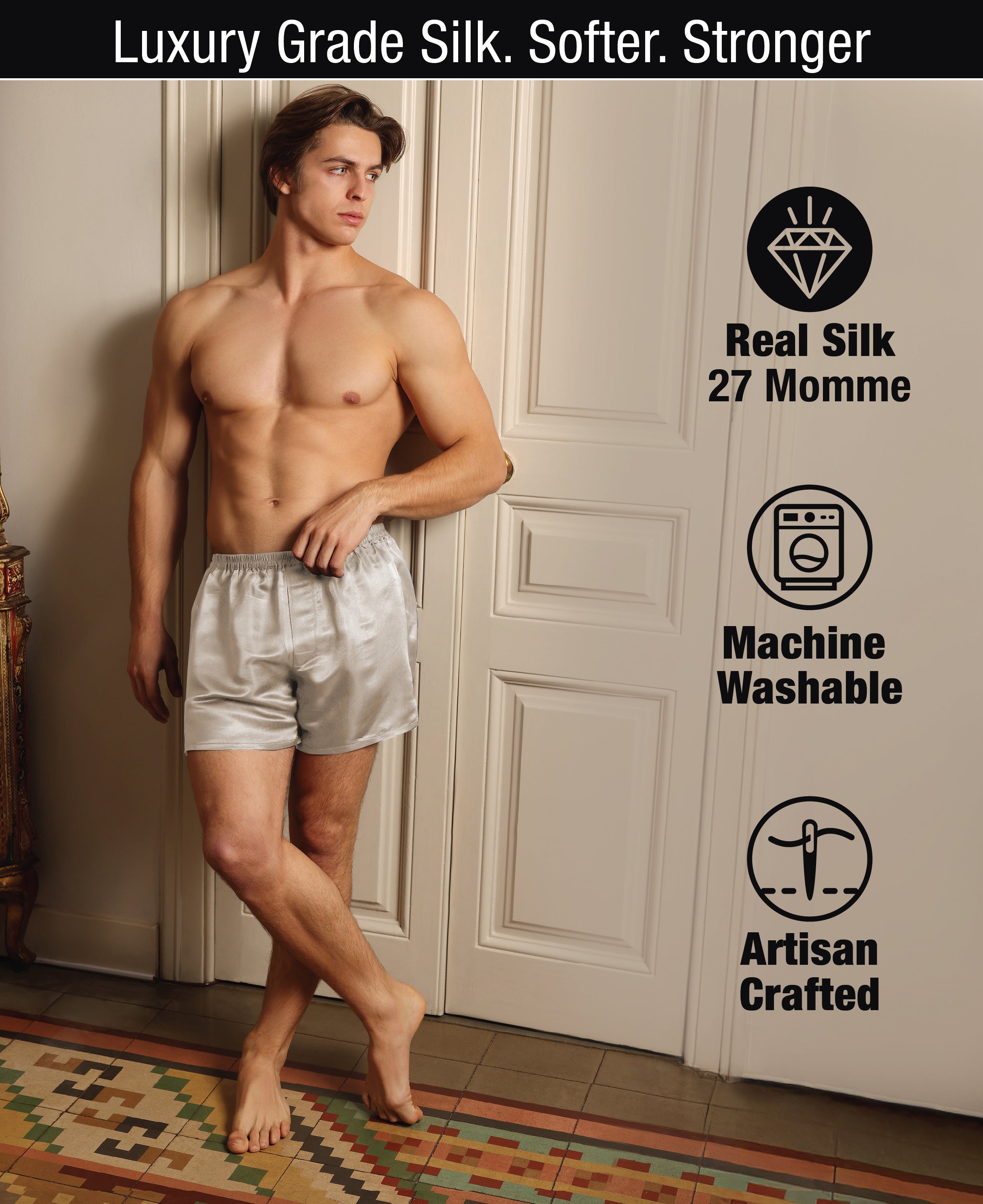
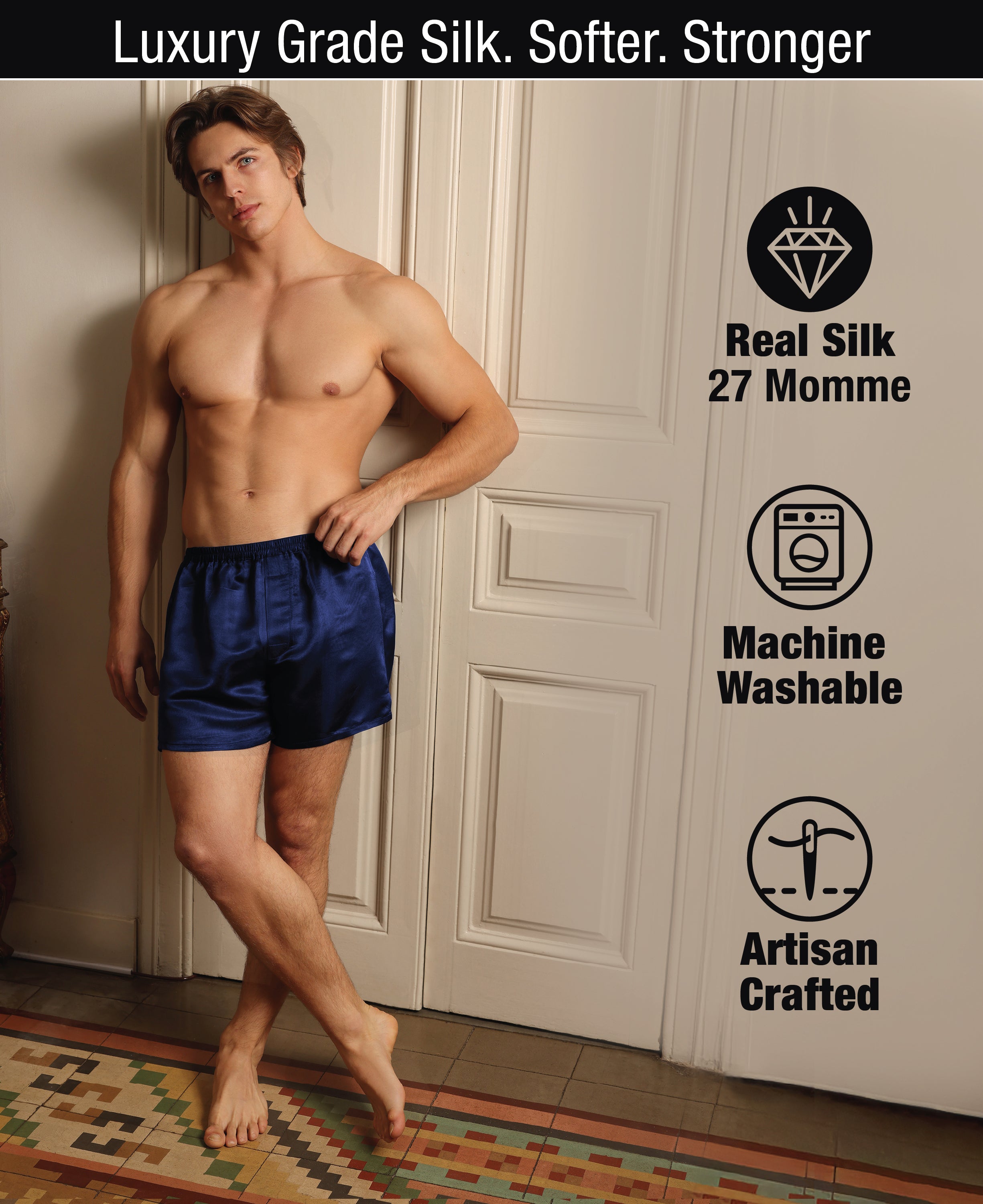
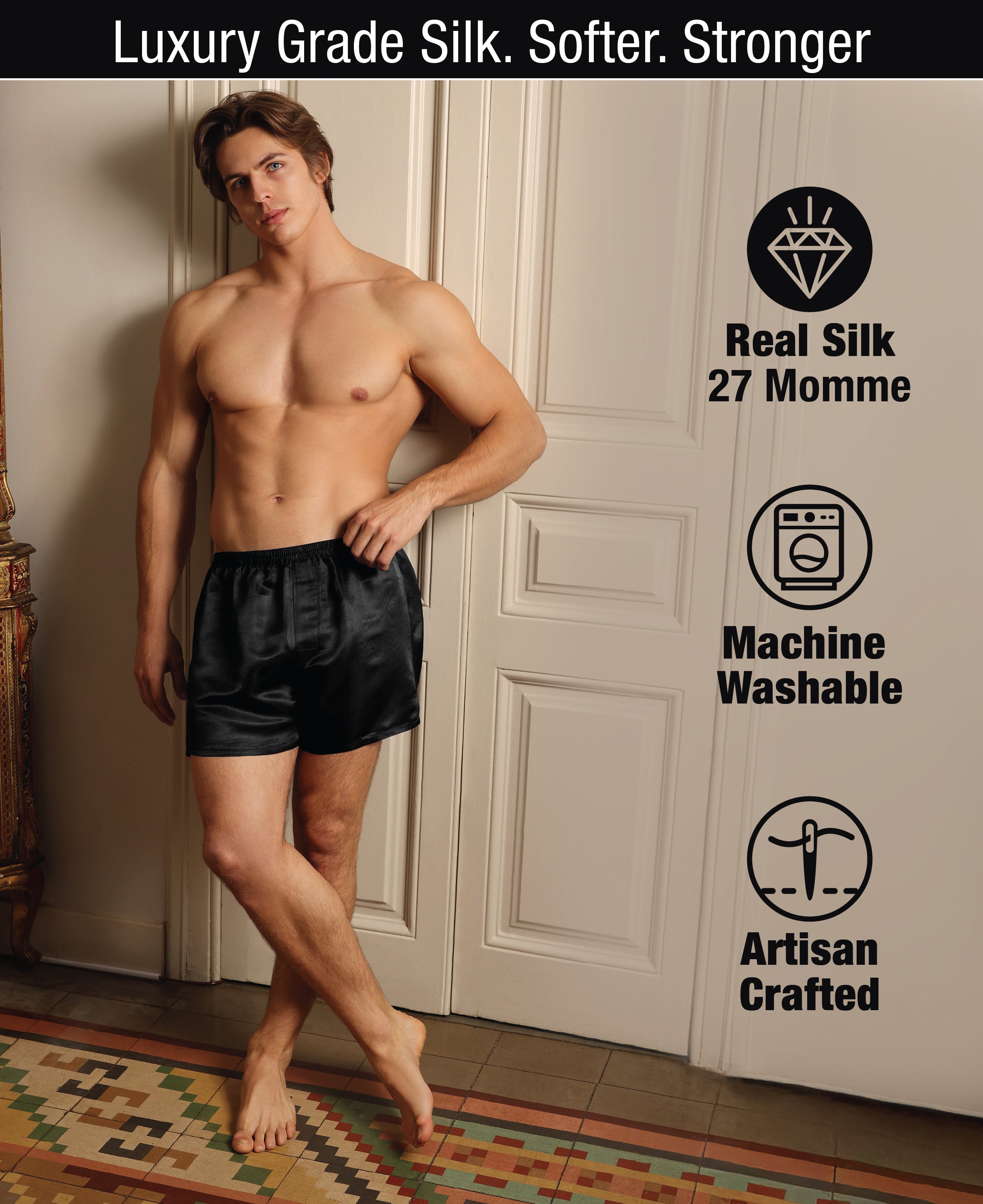
That accumulated craft knowledge is what shapes every Tara Sartoria product today. The bestselling silk pajamas, robes, and boxers are all made from 27 momme mulberry silk, artisan crafted in Vietnam's historic silk villages using techniques refined over generations. Five thousand years of material science, applied to what you sleep in.











































Frequently Asked Questions
How old is silk production?
Archaeological evidence dates silk production to approximately 3630 BCE in China, though the technology may be older. Sericulture was a Chinese monopoly for roughly 3,000 years before spreading to Byzantium around 550 CE and then to Europe. This makes silk one of the oldest continuously produced materials in human history.
Why is silk so expensive compared to cotton?
Silk production is inherently more labor-intensive than cotton. Each cocoon produces a single continuous filament of 300 to 1,600 meters, which must be carefully unraveled and combined with other filaments. Cotton is a bulk crop that can be mechanically harvested and processed in high volume. The raw material cost per unit of fabric is fundamentally higher for silk.
Is modern silk the same as ancient silk?
The silk fiber itself is biologically identical. Bombyx mori silkworms produce the same protein fiber they have always produced. What has changed is weaving technology, dyeing methods, and finishing techniques. A 27 momme silk garment represents a level of density and finish that ancient weavers could not have achieved with their technology.
Where is most silk produced today?
China produces approximately 80% of the world's raw silk, with India as the second-largest producer. Smaller but significant production occurs in Vietnam, Thailand, Uzbekistan, and Brazil. Silk garment manufacturing and hand-finishing take place across Asia, with artisan workshops in Vietnam, China, and India continuing centuries-old traditions.
Why did silk decline in popularity during the 20th century?
The combined impact of mass-produced cotton (cheaper), synthetic alternatives like nylon and polyester (far cheaper), and two world wars (which disrupted luxury goods markets) pushed silk from mainstream clothing into niche luxury. The late 20th and early 21st centuries have seen partial reversal, driven by consumer interest in natural fibers and measurable functional properties.
What is the connection between silk history and quality today?
Long supply chains require knowledge accumulation. Artisan workshops in Vietnam and China operate within traditions that stretch back centuries or millennia. This continuity of knowledge means that modern artisan-produced silk represents the peak of centuries of refinement, not the beginning of a process.
