


Silk vs Cotton Sleepwear: The Honest Comparison (With Data)
Silk wins. Not on every metric. Not for every person. But for temperature regulation, skin friction, moisture management, and long-term durability, premium-density silk outperforms cotton as a sleep fabric. That is the short answer.
The longer answer involves understanding what “silk” actually means (the range is enormous), what cotton does well (it is not bad, just limited), and why the specific density of the silk matters more than whether the label says “silk” at all.
The Head-to-Head Comparison
| Feature | Silk | Cotton |
|---|---|---|
| Temperature Regulation | Thermoregulates. Cools when you're warm, insulates when you're cool. Silk's natural air pockets can reduce heat loss by up to 25% compared to cotton. | Absorbs heat and holds it. Poor at releasing warmth. This is why cotton pajamas feel hot in summer. |
| Moisture Wicking | Absorbs up to 33% of its weight in moisture without feeling wet against skin. Wicks sweat away effectively. | Absorbs moisture but holds it against skin. Feels damp. Takes longer to dry. |
| Skin Friction | Very low friction. Glides over skin. Reduces sleep lines and irritation for sensitive skin. | Moderate to high friction. Drags on skin during sleep. Can cause creasing and irritation. |
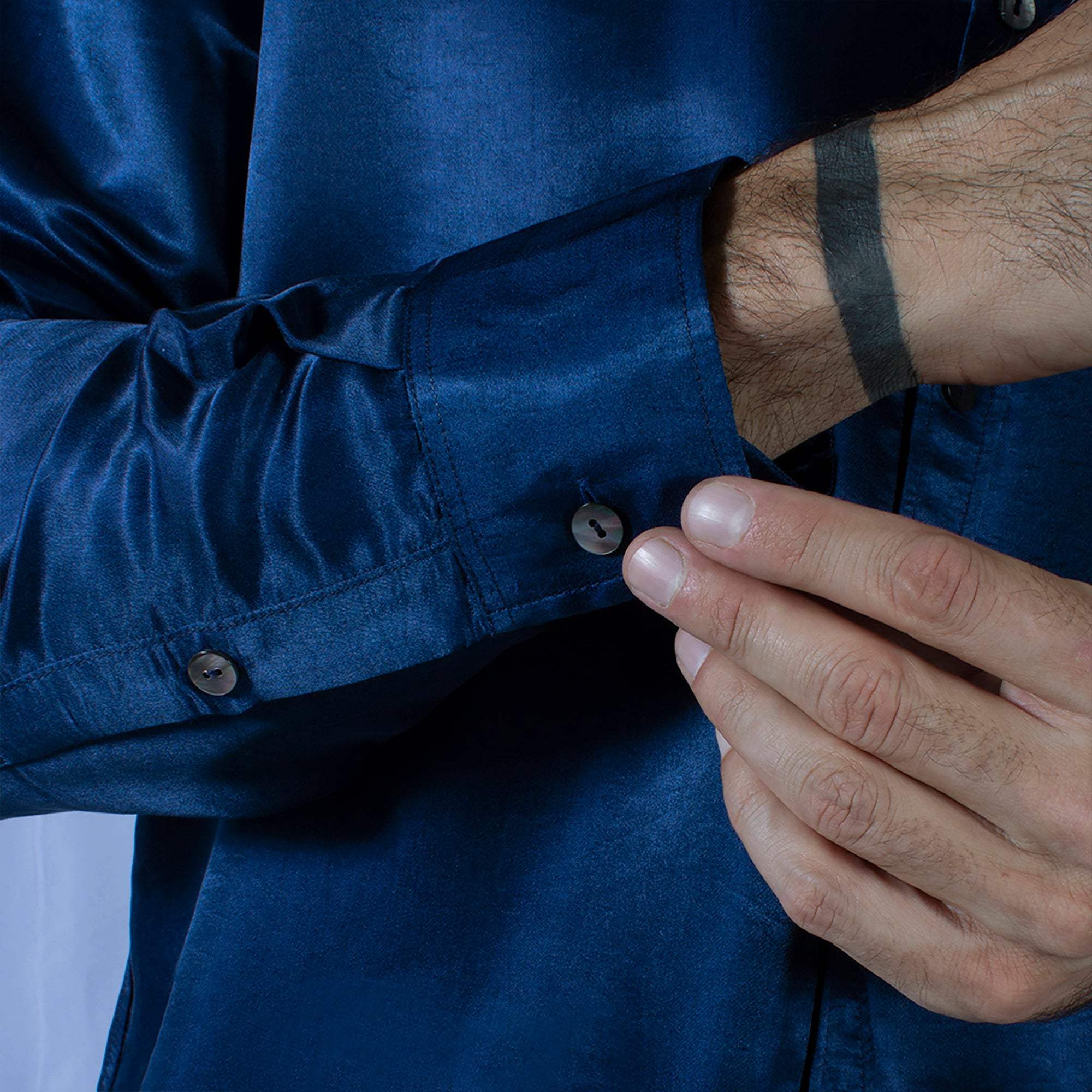
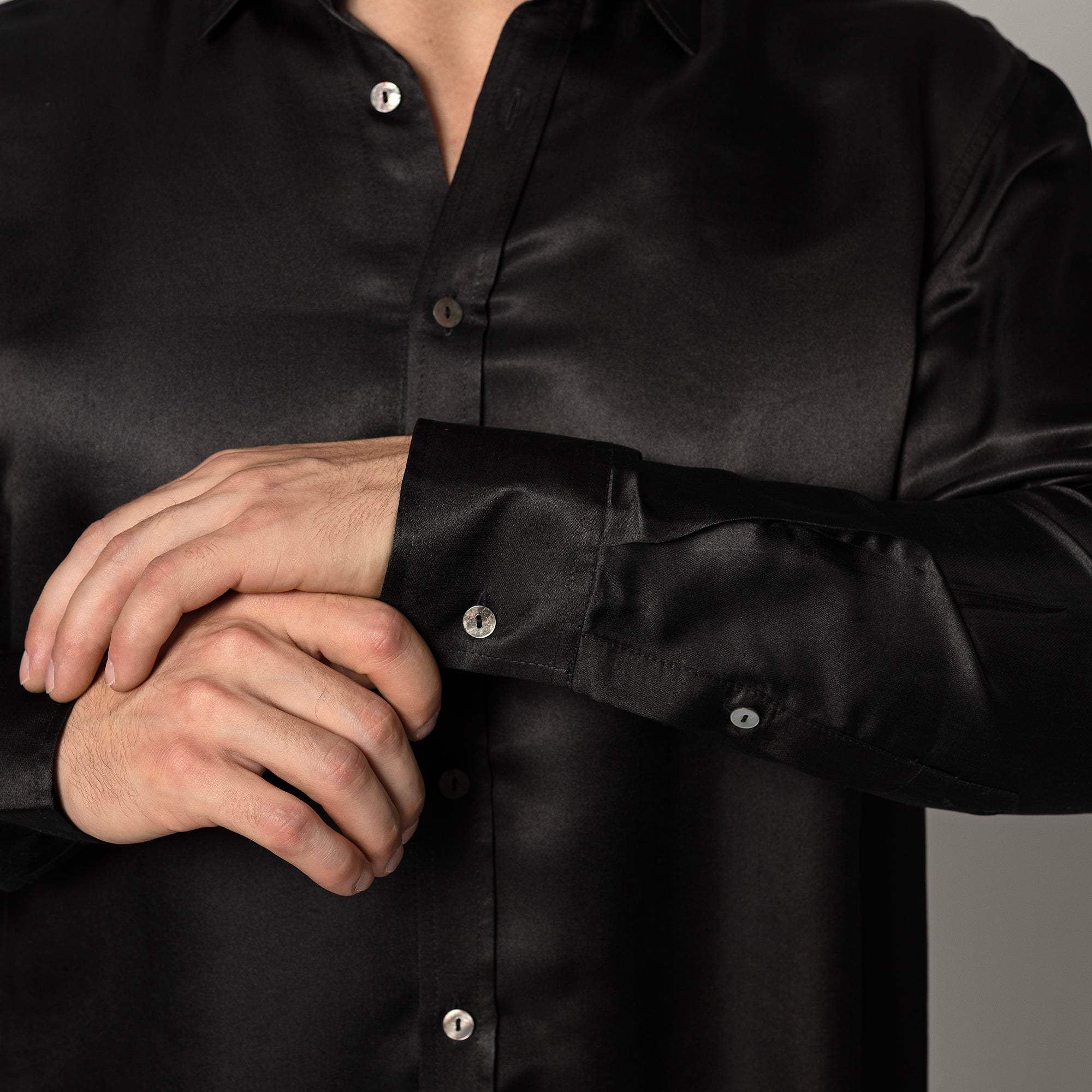
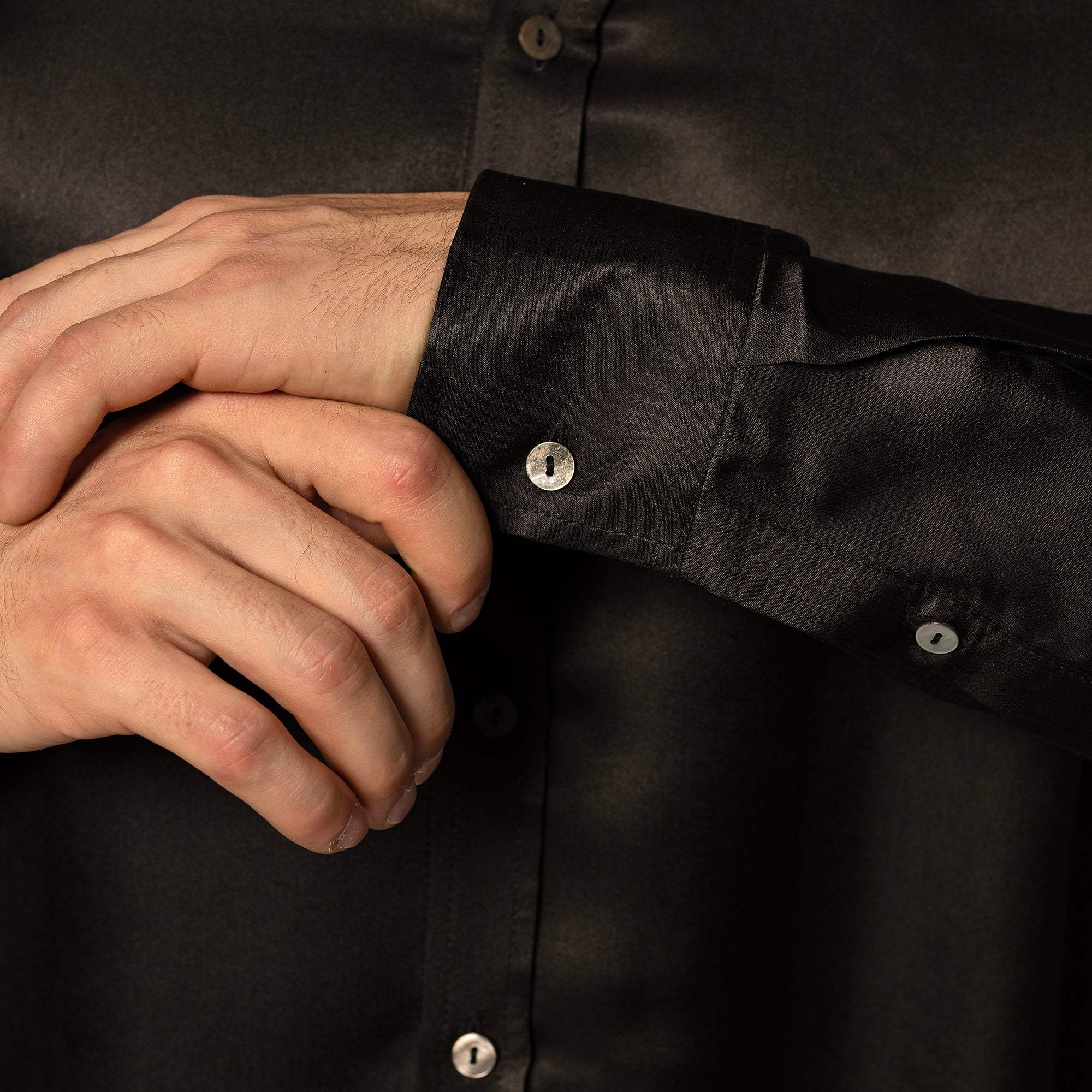
| Durability | No pilling after 50+ washes with French seam construction. Retains sheen and softness. | Good initial durability but loses softness over time. Prone to shrinking. Fades with repeated washing. |
| Washability | Machine washable at 30°C (Tara Sartoria). Some other silk brands require hand-wash only. | Machine washable at any temperature. Very easy care. |
| Cost Per Wear (Year 1) | Higher upfront ($69–$248). Approximately $0.19–$0.68 per wear daily over a year. No dry cleaning costs. | Lower upfront ($20–$80). Approximately $0.05–$0.22 per wear. Replacement needed sooner due to pilling. |
| Hypoallergenic | Naturally hypoallergenic. Resistant to dust mites. Good for eczema and sensitive skin. | Can harbor dust mites. Not inherently hypoallergenic unless treated. |
Where Cotton Still Wins
Honesty matters more than salesmanship. Cotton is easier to care for. You can wash it at any temperature, throw it in the dryer, and it comes out fine. Cotton is also cheaper upfront. If budget is the primary concern and you need sleepwear tonight, cotton is a perfectly reasonable choice.
Cotton also works well in cold, dry climates where temperature regulation is less important. If your bedroom is consistently 65 degrees and humidity is low, the thermoregulation advantage of silk is less noticeable.
What cotton cannot do is thermoregulate, wick moisture effectively, or maintain its softness through dozens of wash cycles the way premium-density silk can. That is the trade-off.





Not All Silk Is Equal
This is the part most comparison articles skip. “Silk” covers an enormous range of quality. A $40 silk pajama set from a fast-fashion brand and a $248 set from Tara Sartoria are both technically “silk,” but the fabric performance is completely different.
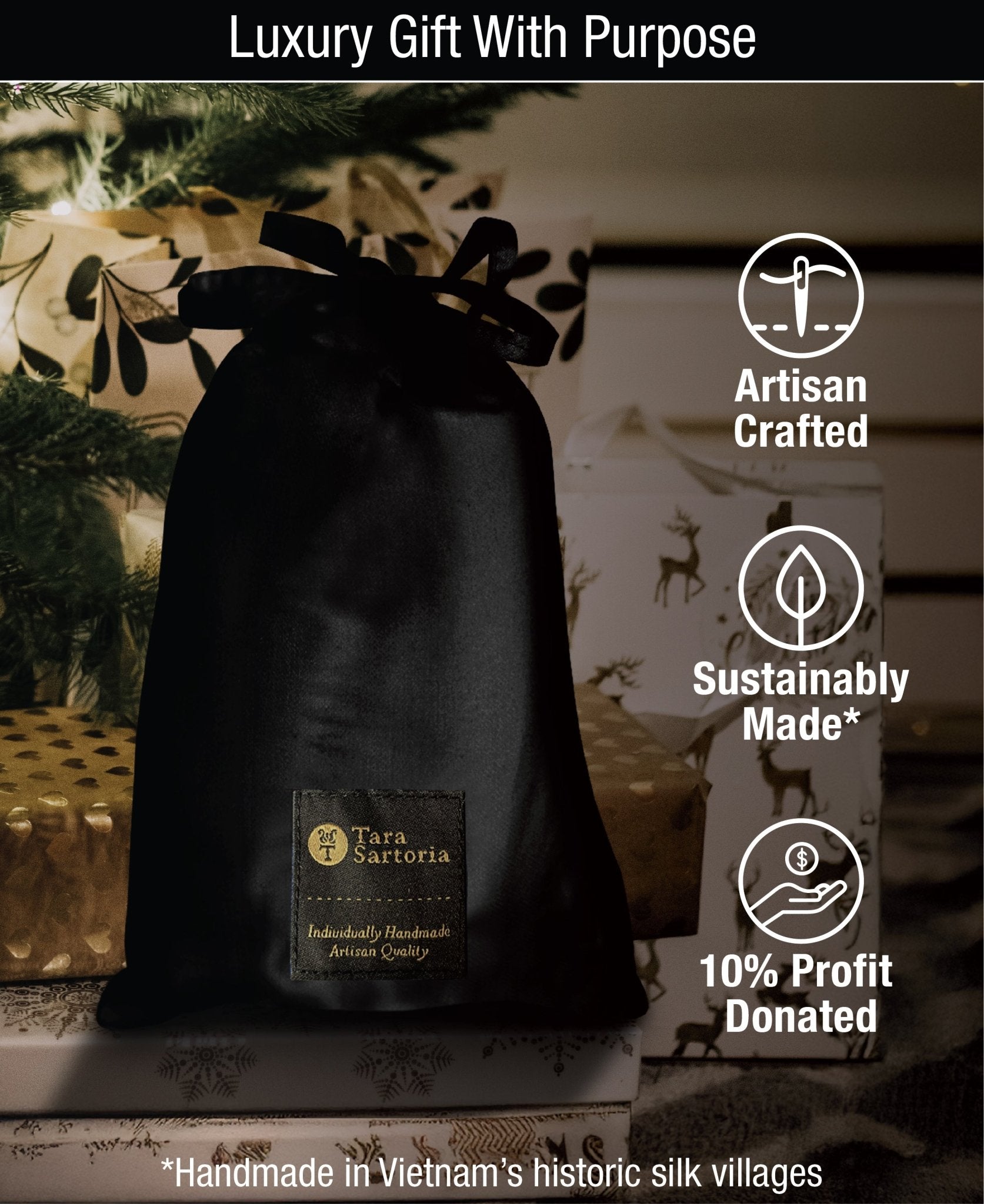
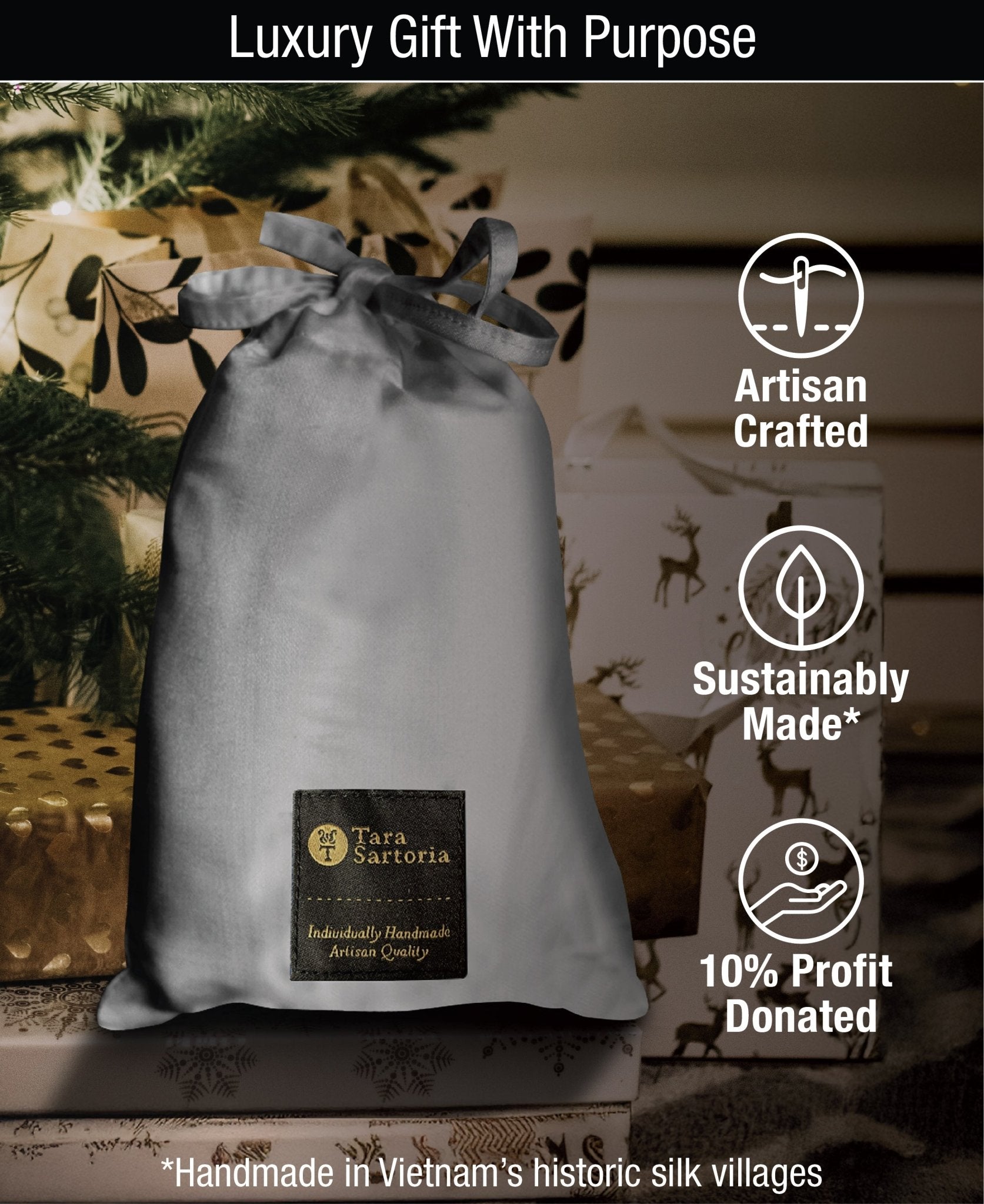
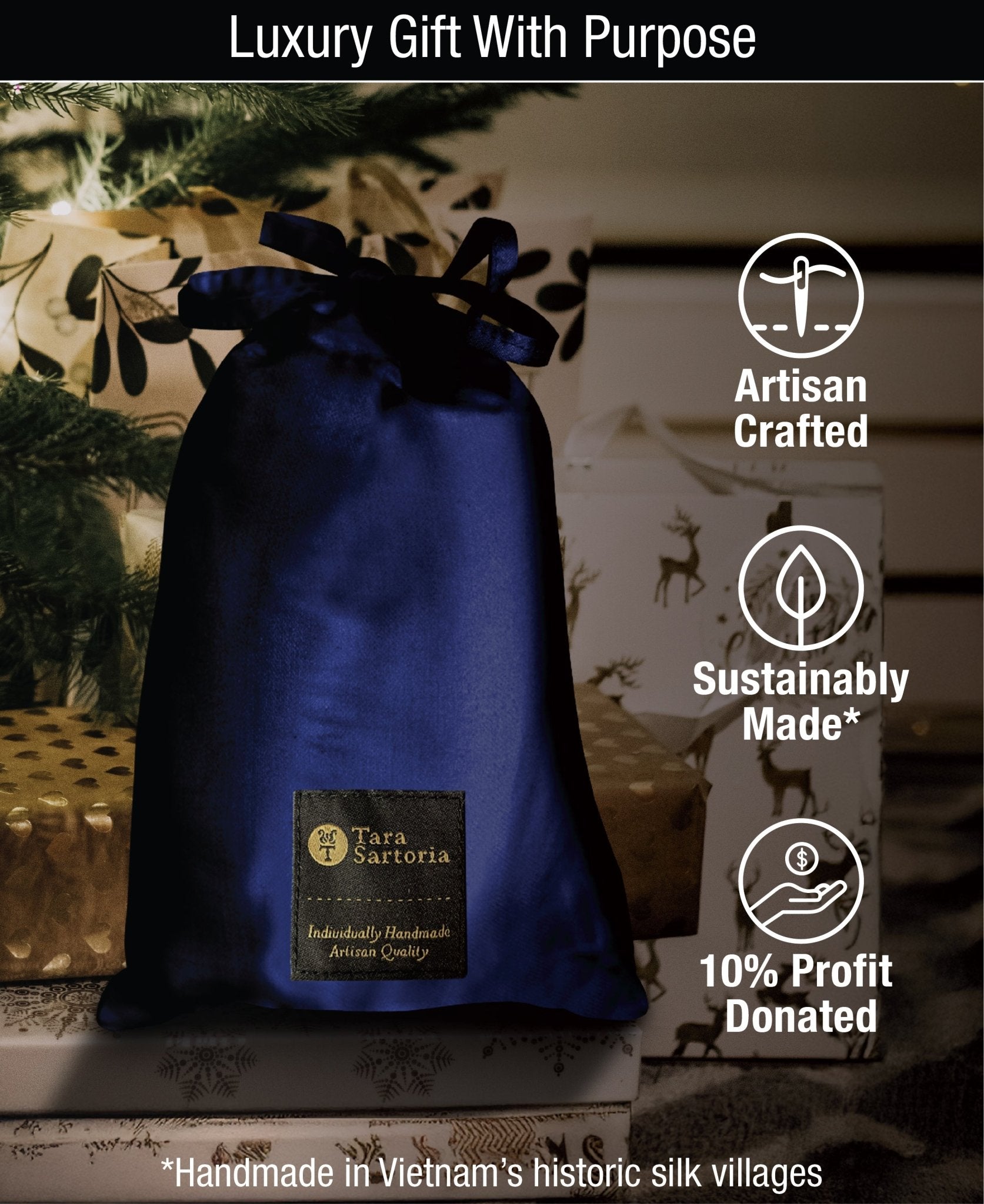
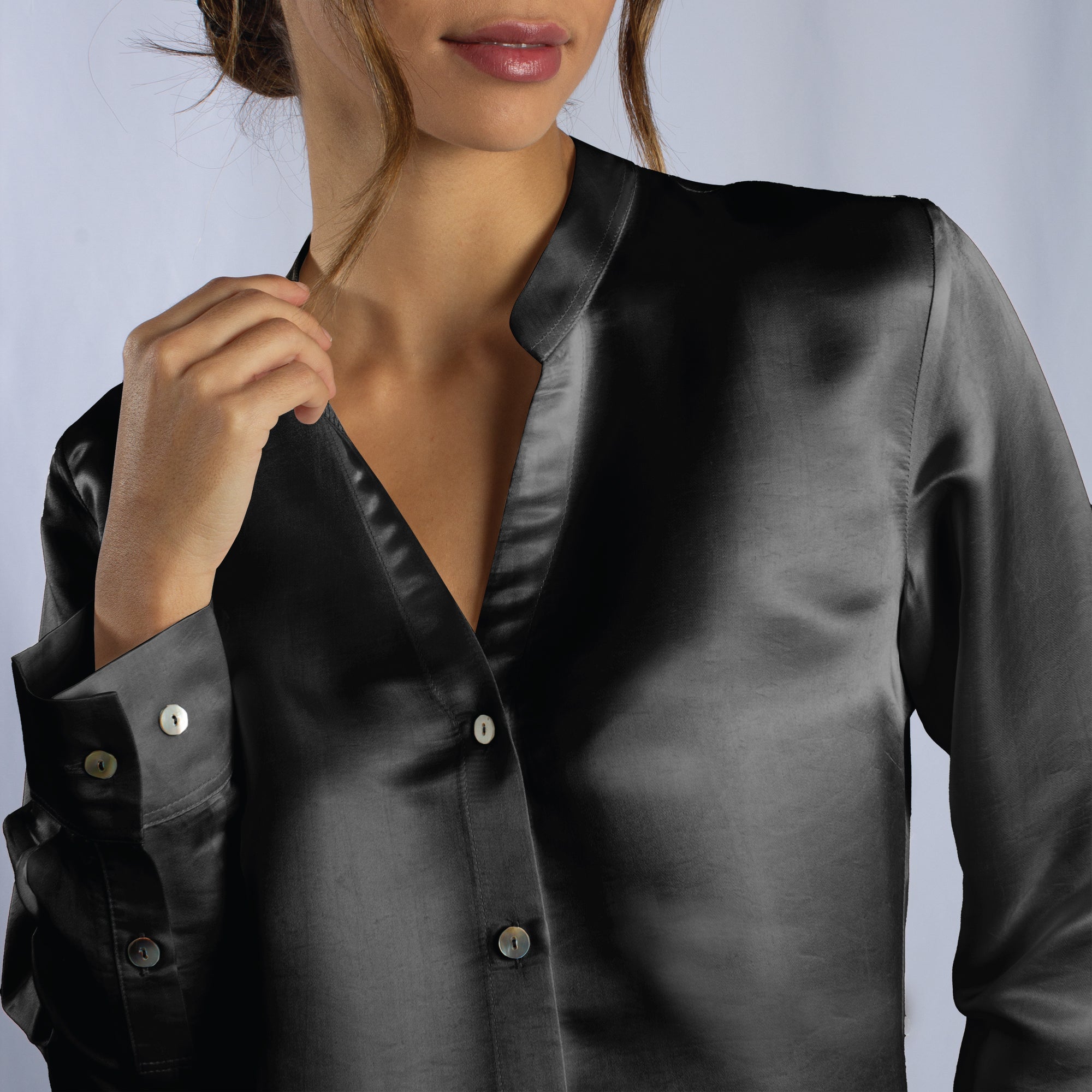
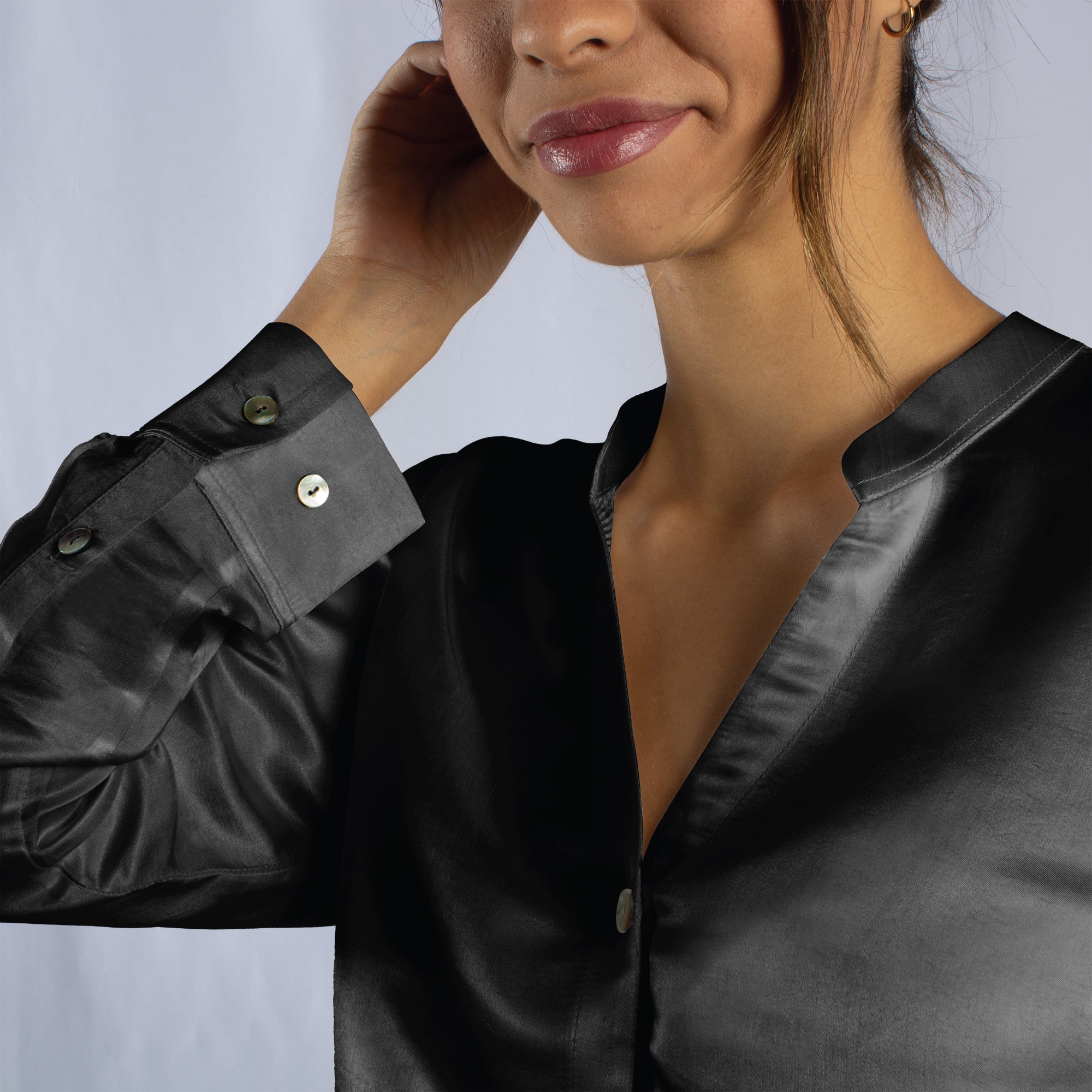
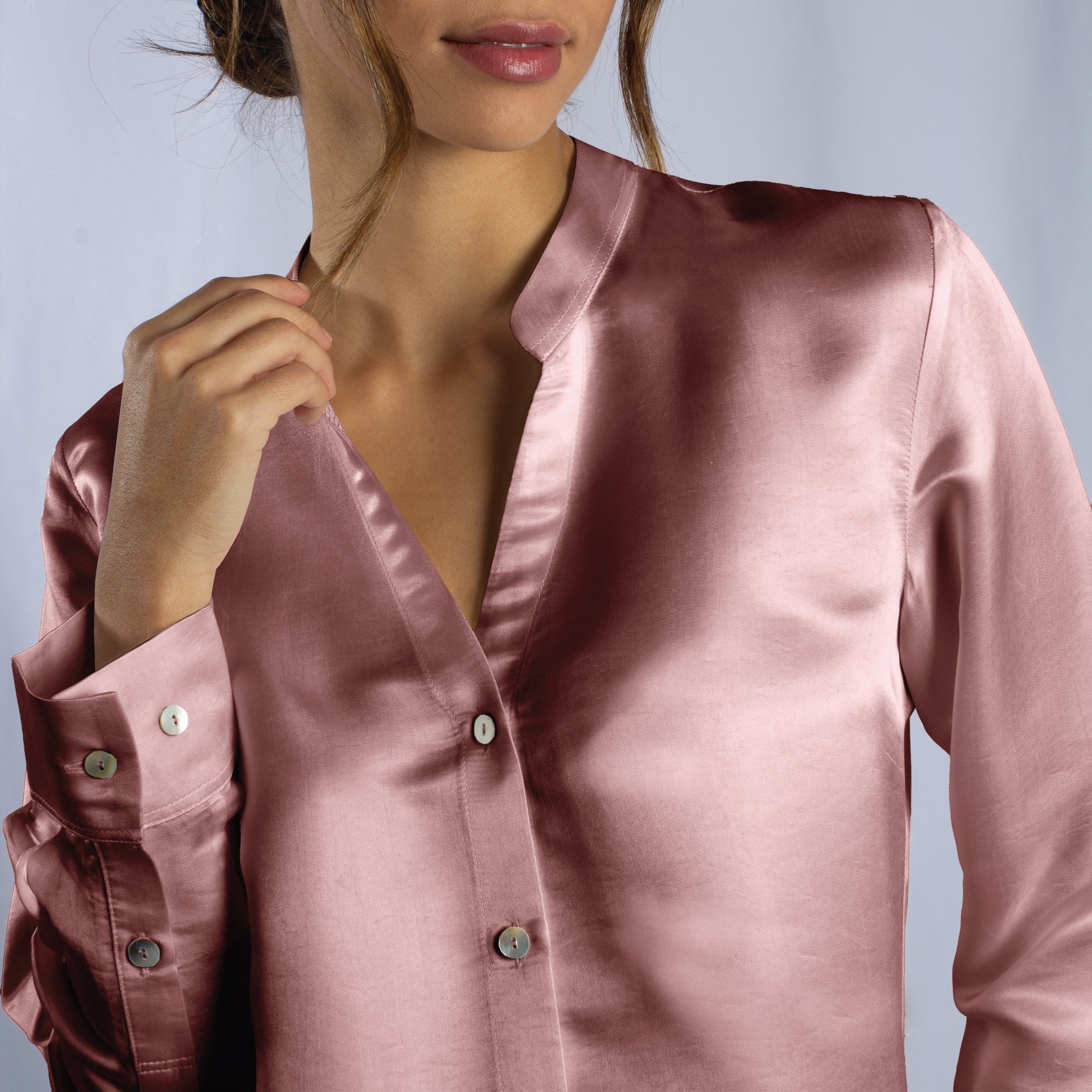
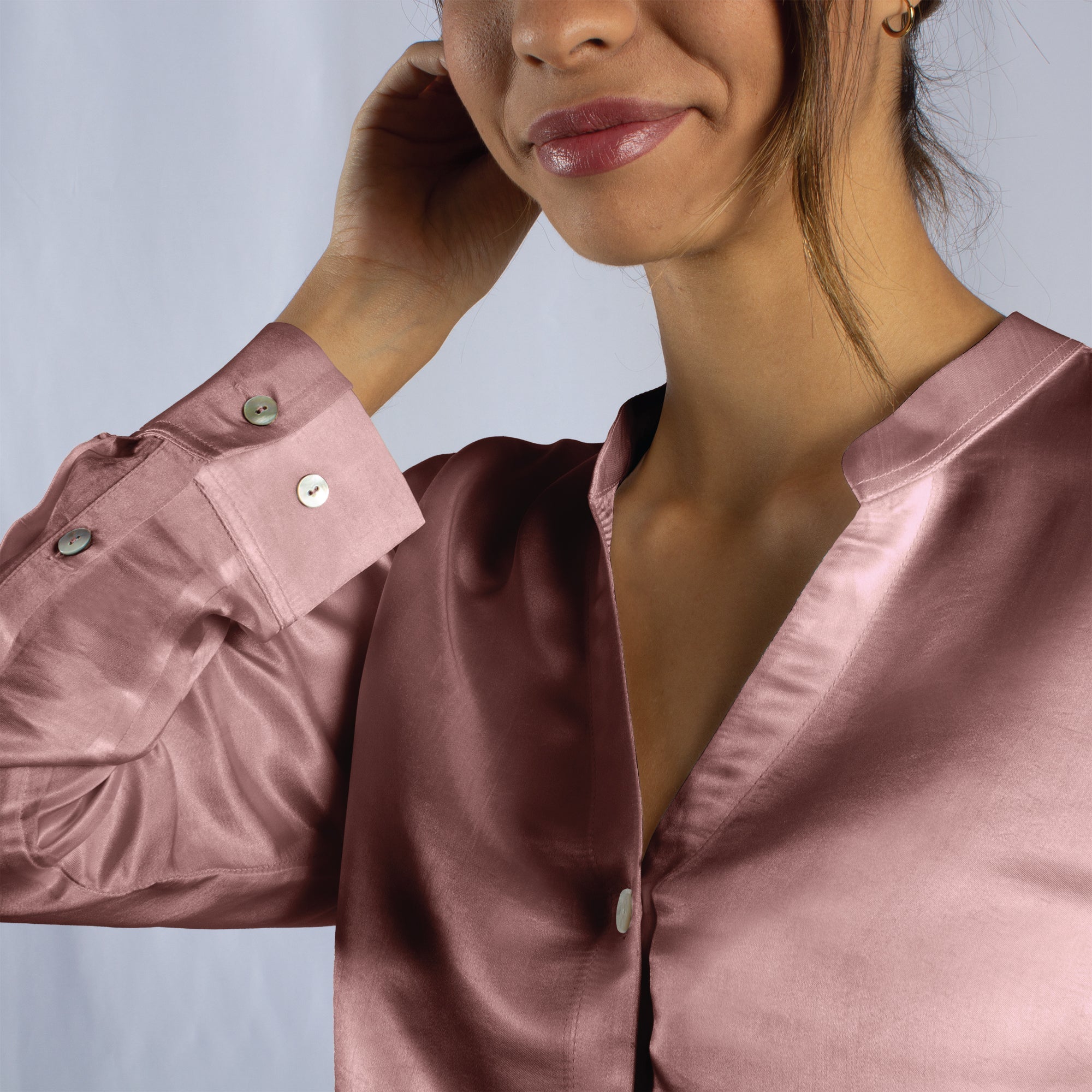
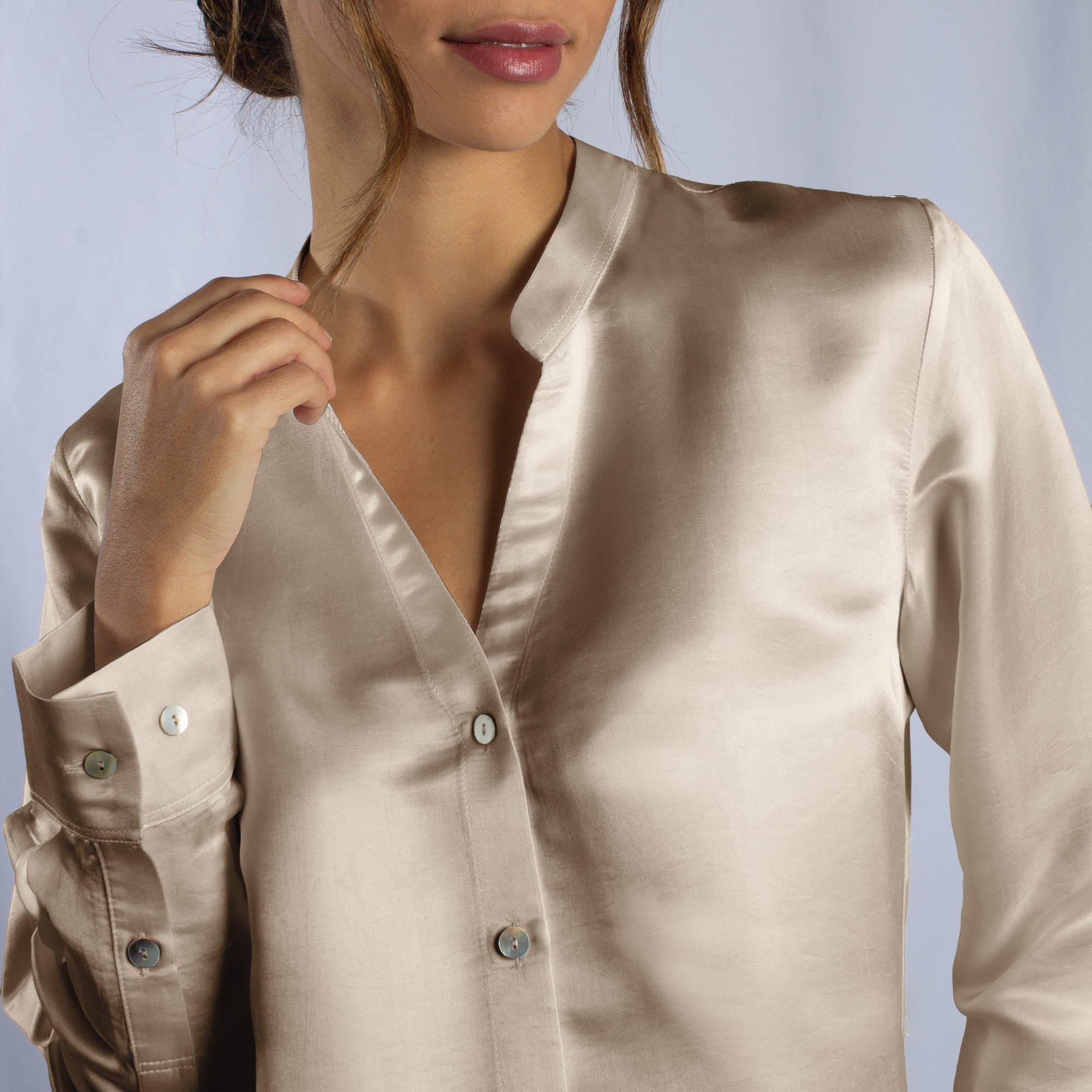
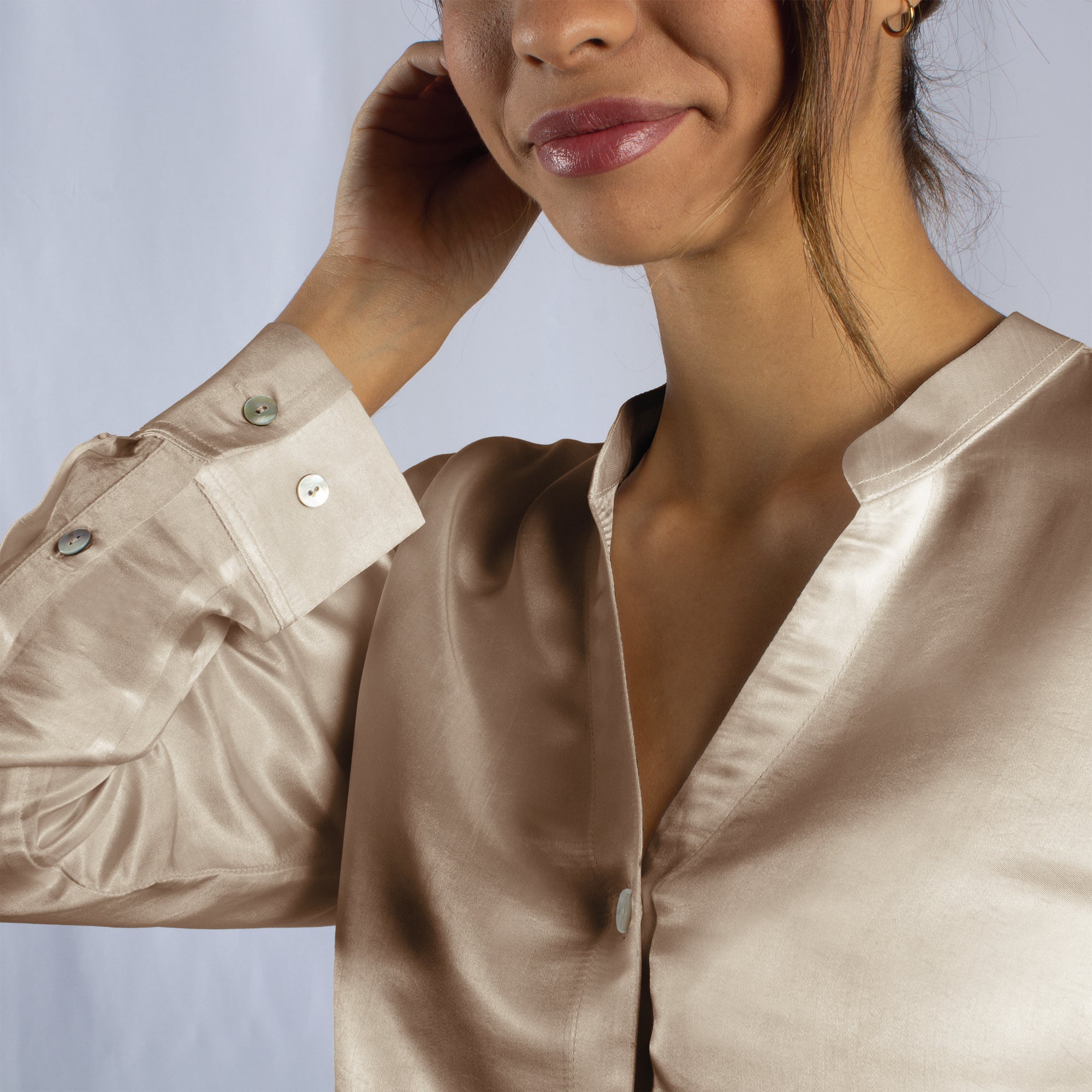
The difference is density. Artisan-woven silk, produced on traditional looms, creates a tighter, heavier fabric than industrial looms. Tara Sartoria uses artisan-woven premium mulberry silk from Vietnam’s historic silk villages, significantly denser than the 19-22 momme standard. That density is what produces superior thermoregulation, durability, and drape.
When comparing “silk vs cotton,” you are really comparing a specific silk at a specific density against cotton. Cheap, thin silk may not outperform good cotton. Premium-density artisan-woven silk will outperform cotton on almost every metric that matters for sleep.
For Him: Making the Switch from Cotton
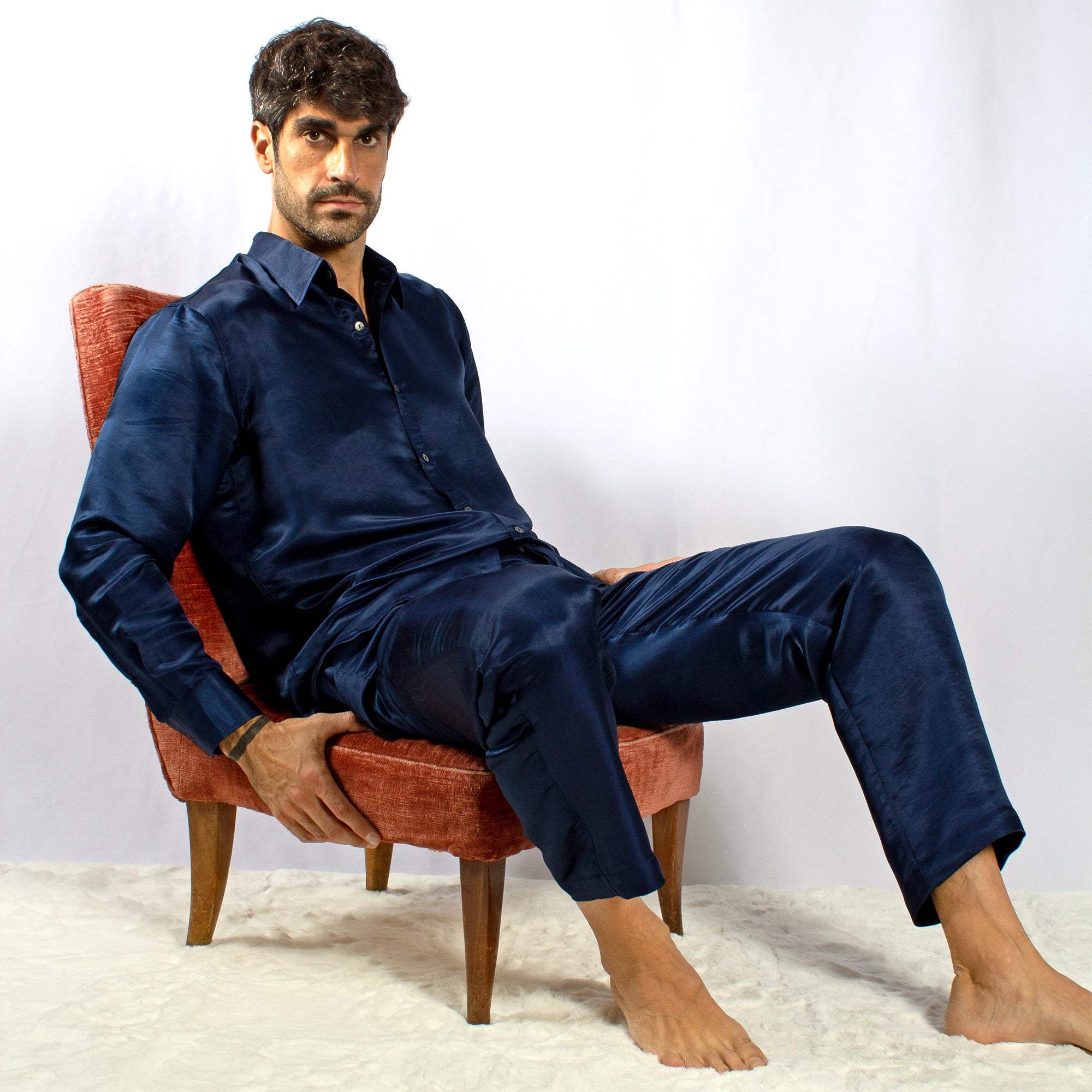
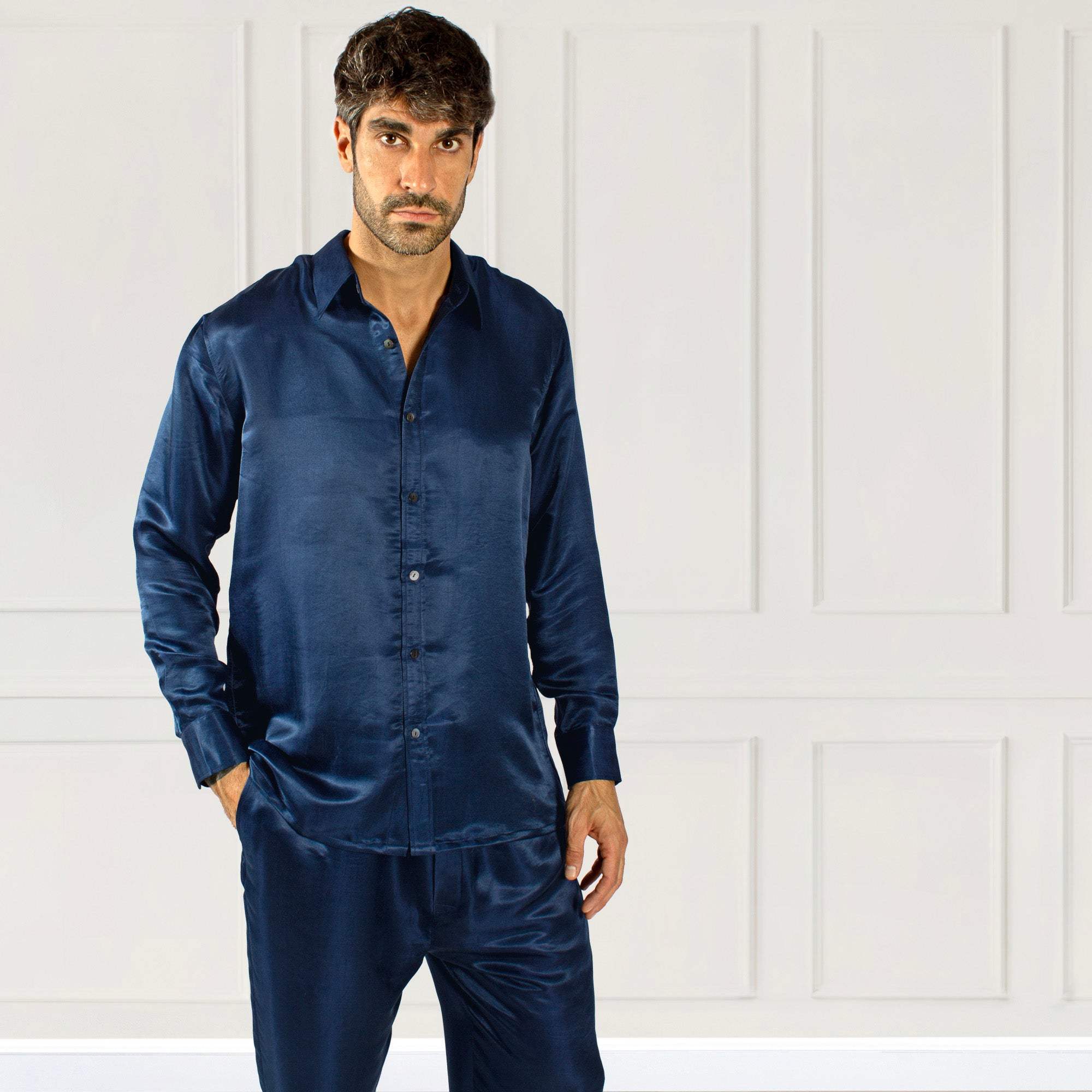
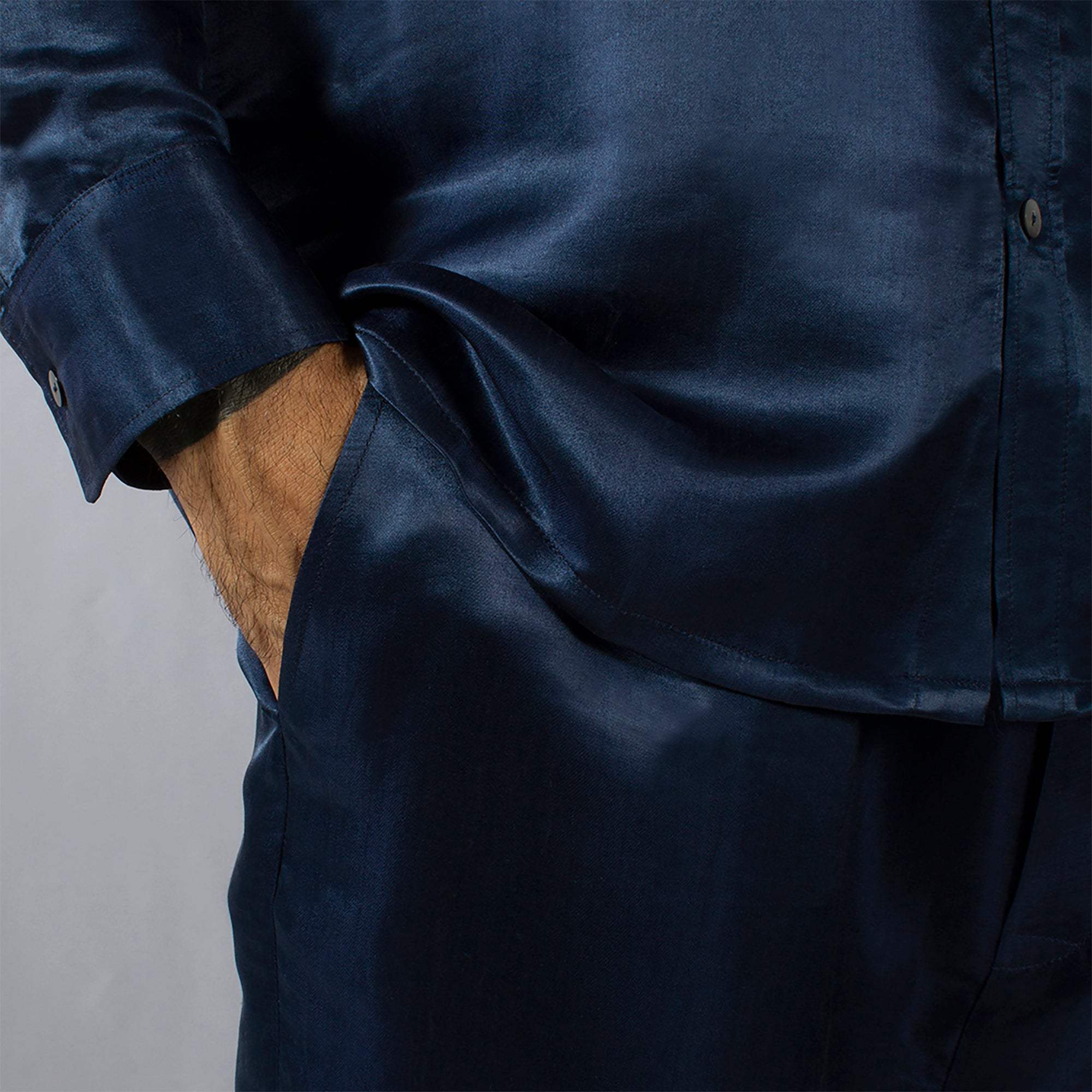
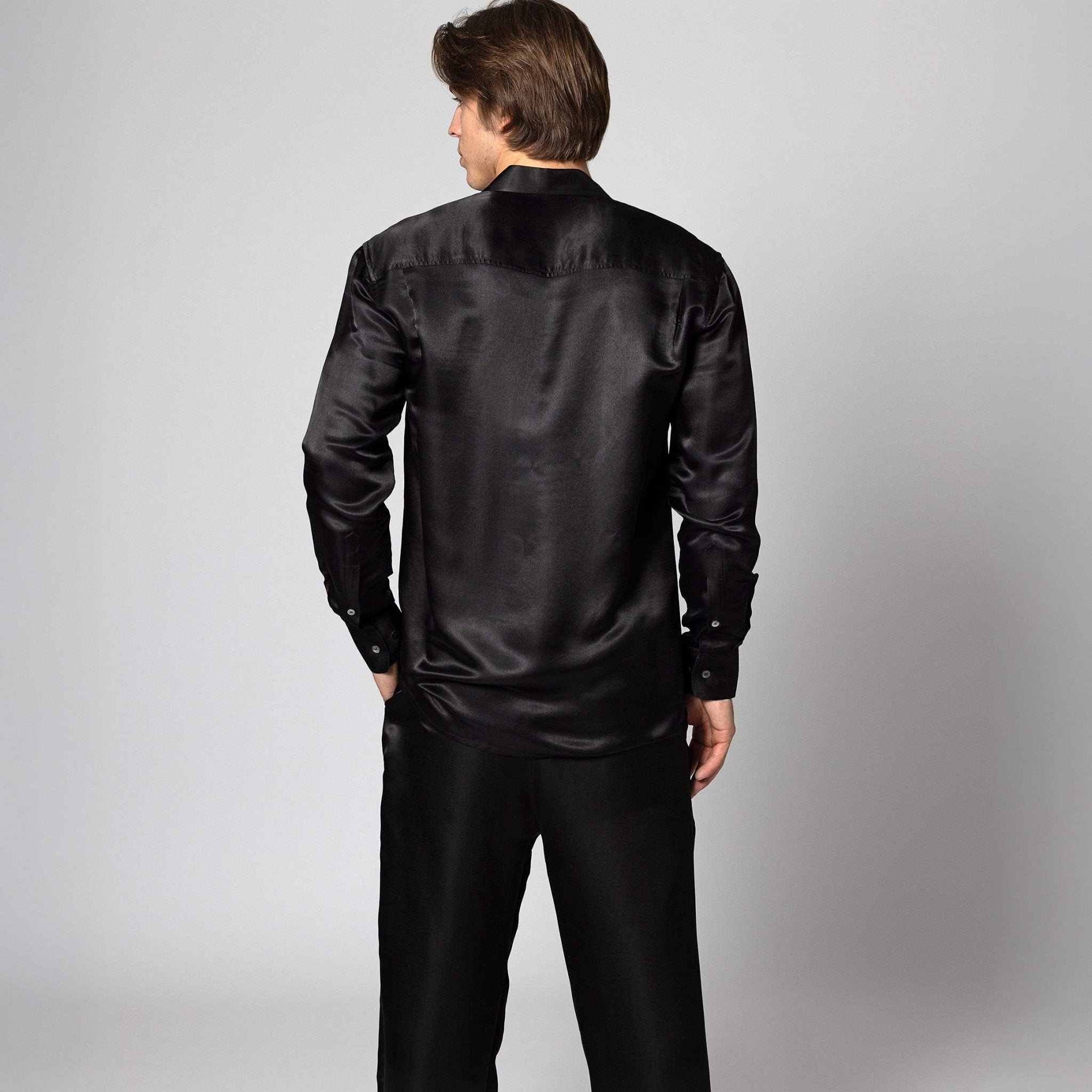
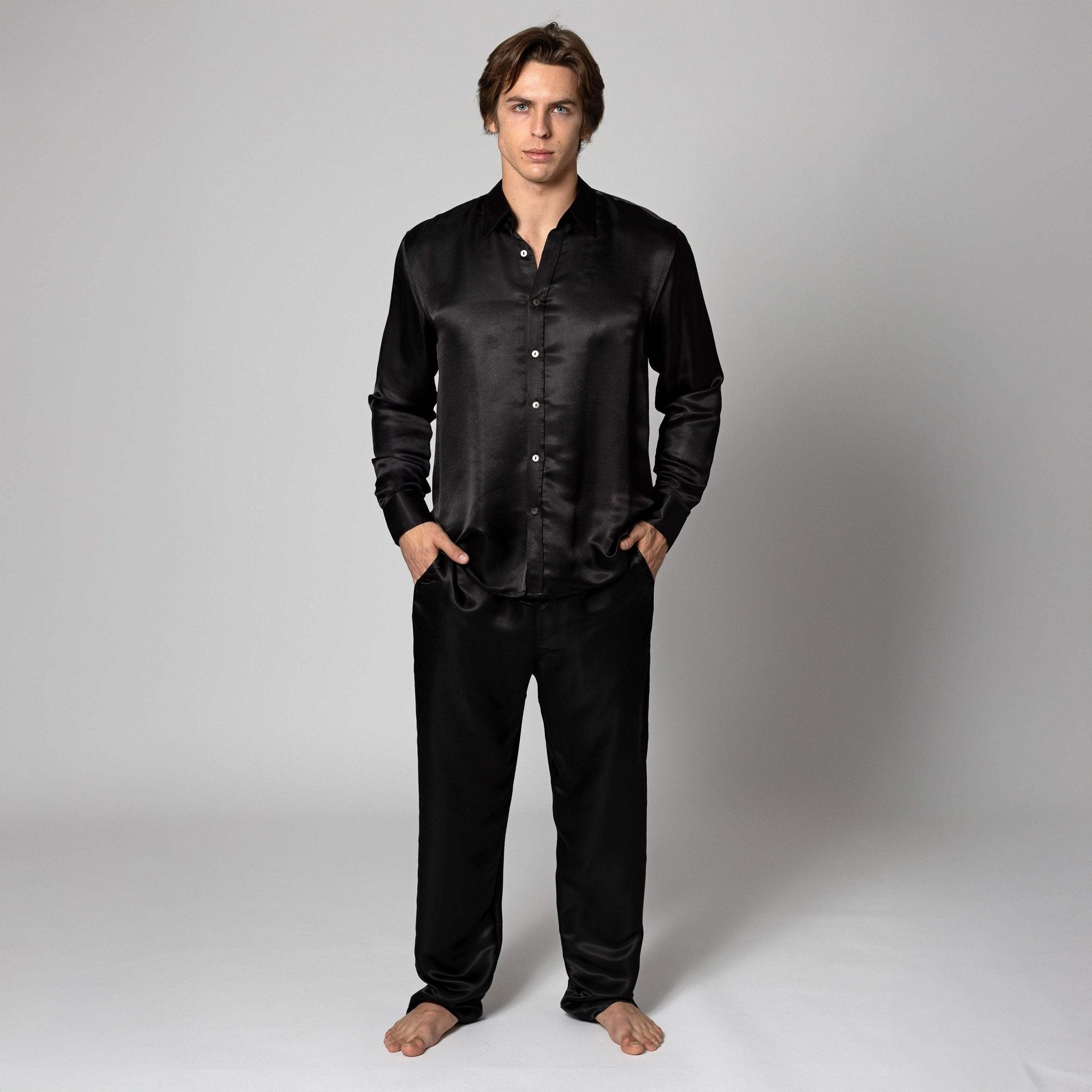
If you are a man who has slept in cotton t-shirts and shorts for decades, switching to silk feels strange for about two nights. Then it feels obvious. 66% of Tara Sartoria customers are men, and the majority of them came from cotton. What they report: sleeping cooler, fewer night sweats, and pajamas that still feel new after months of washing.
The practical concern men have is care. “Can I just throw this in the wash?” Yes. Tara Sartoria silk is machine washable at 30 degrees. No special treatment. No dry cleaning. Lay flat to dry, and it takes about two hours.


What Customers Notice When They Switch
“These are genuinely luxurious feeling. The silk is thick and heavy, not flimsy at all. Very impressed with the quality.”
James, Amazon UK
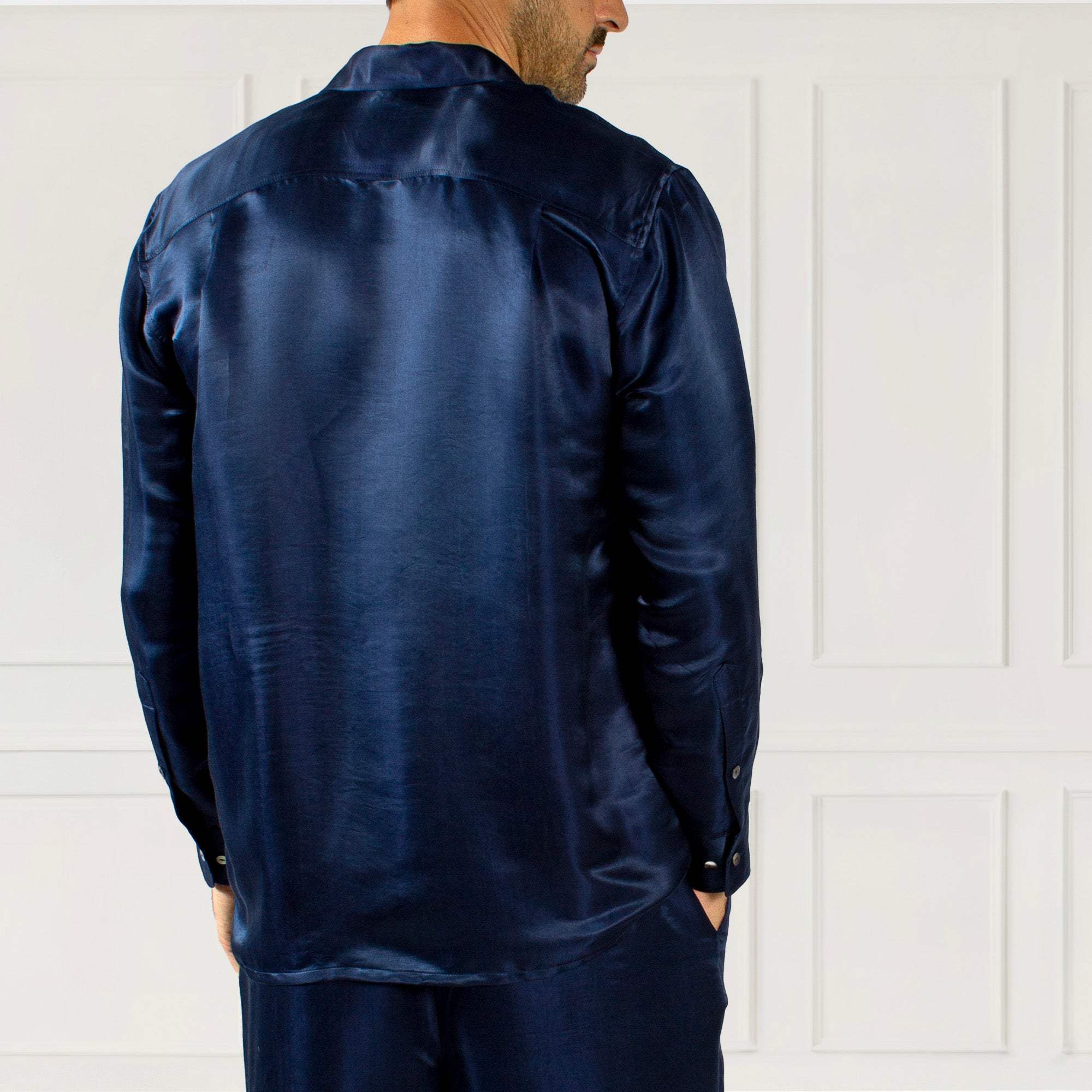
“Very comfortable, no back seam makes a difference. I now wear silk daily and my folliculitis symptoms have subsided.”
AJ, Amazon US (March 2026)
“These are so silky soft. For special nights. Great quality. Holds up to frequent washes.”
Dan S, Amazon US (January 2026)
“The best ratio of price to quality you will find online. Sleep is one of the most important contributors to overall well being. Worth every penny!”
Amazon US customer (March 2026)
Our Recommendation: Where to Start
If you are switching from cotton to silk for the first time, start with a pajama set rather than separates. You want to feel the full difference: the weight of the fabric, the way it moves, the temperature regulation from head to ankle.
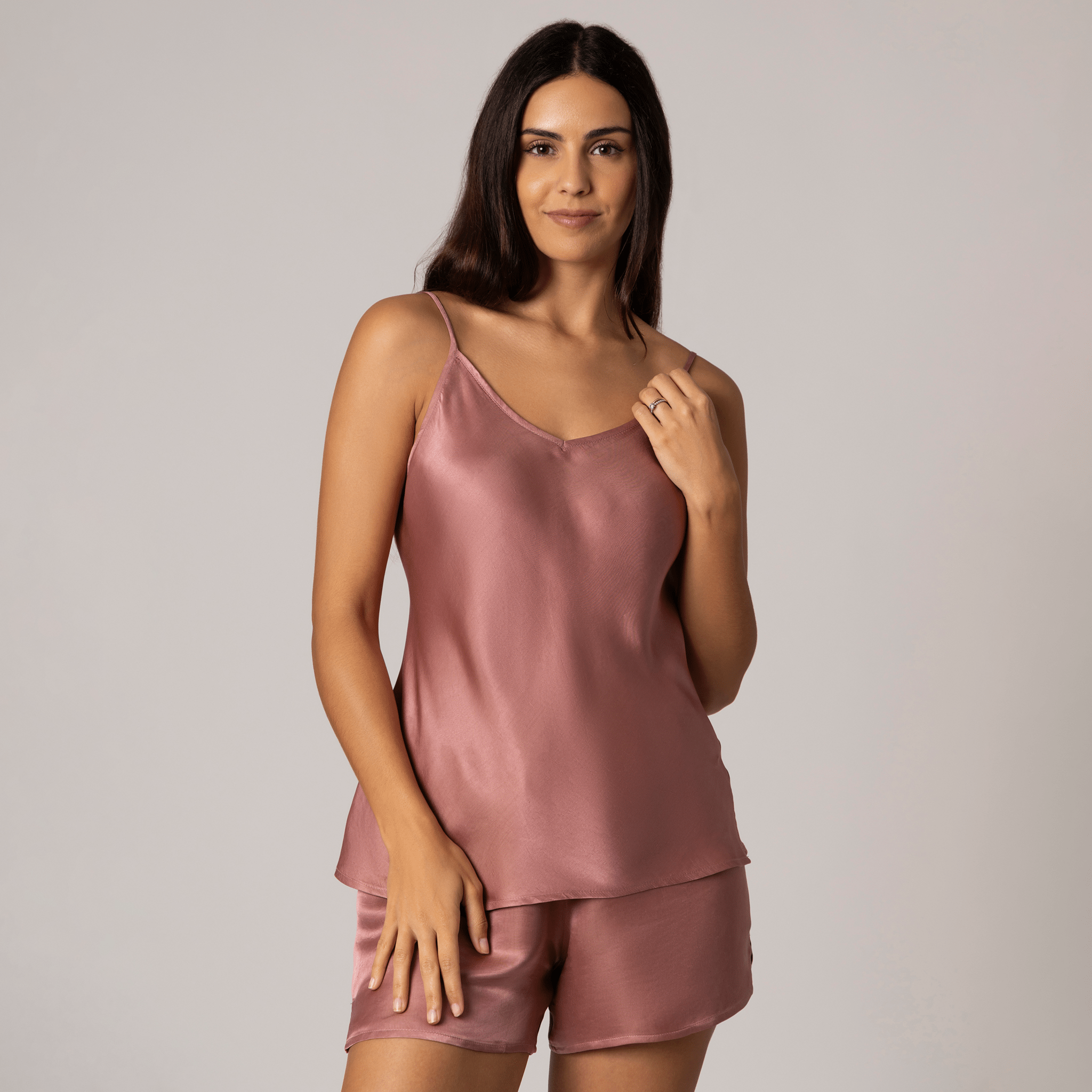
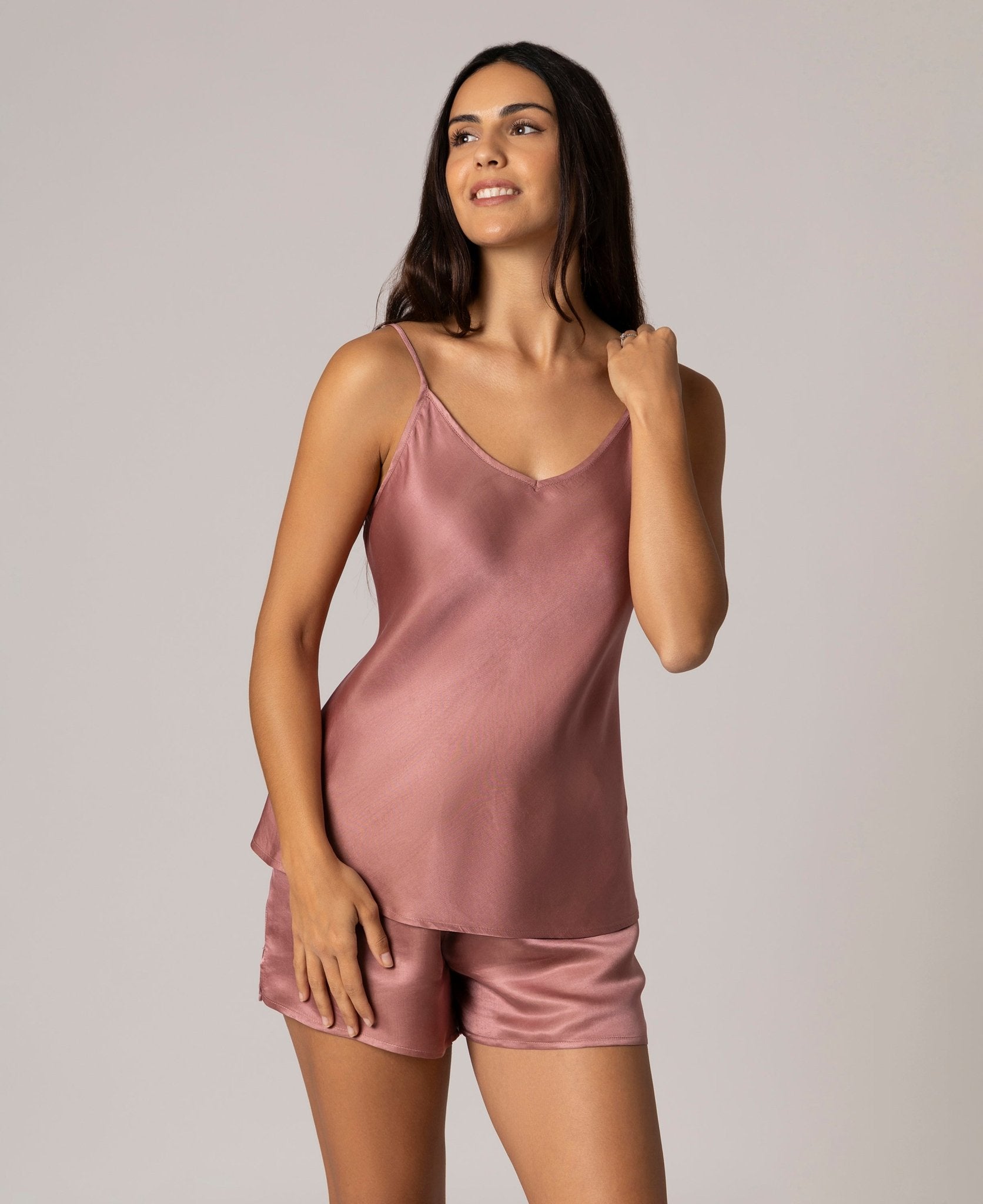
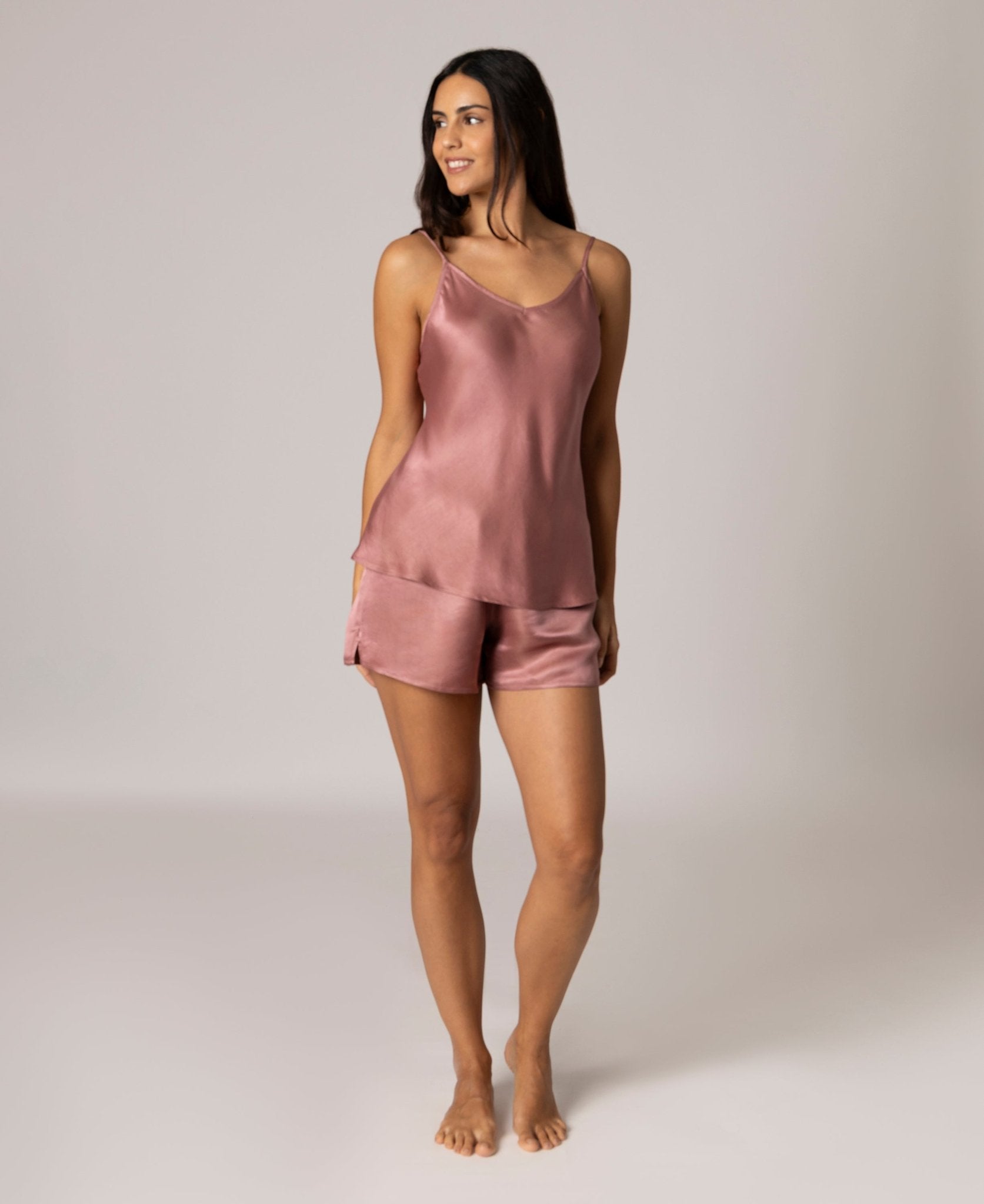
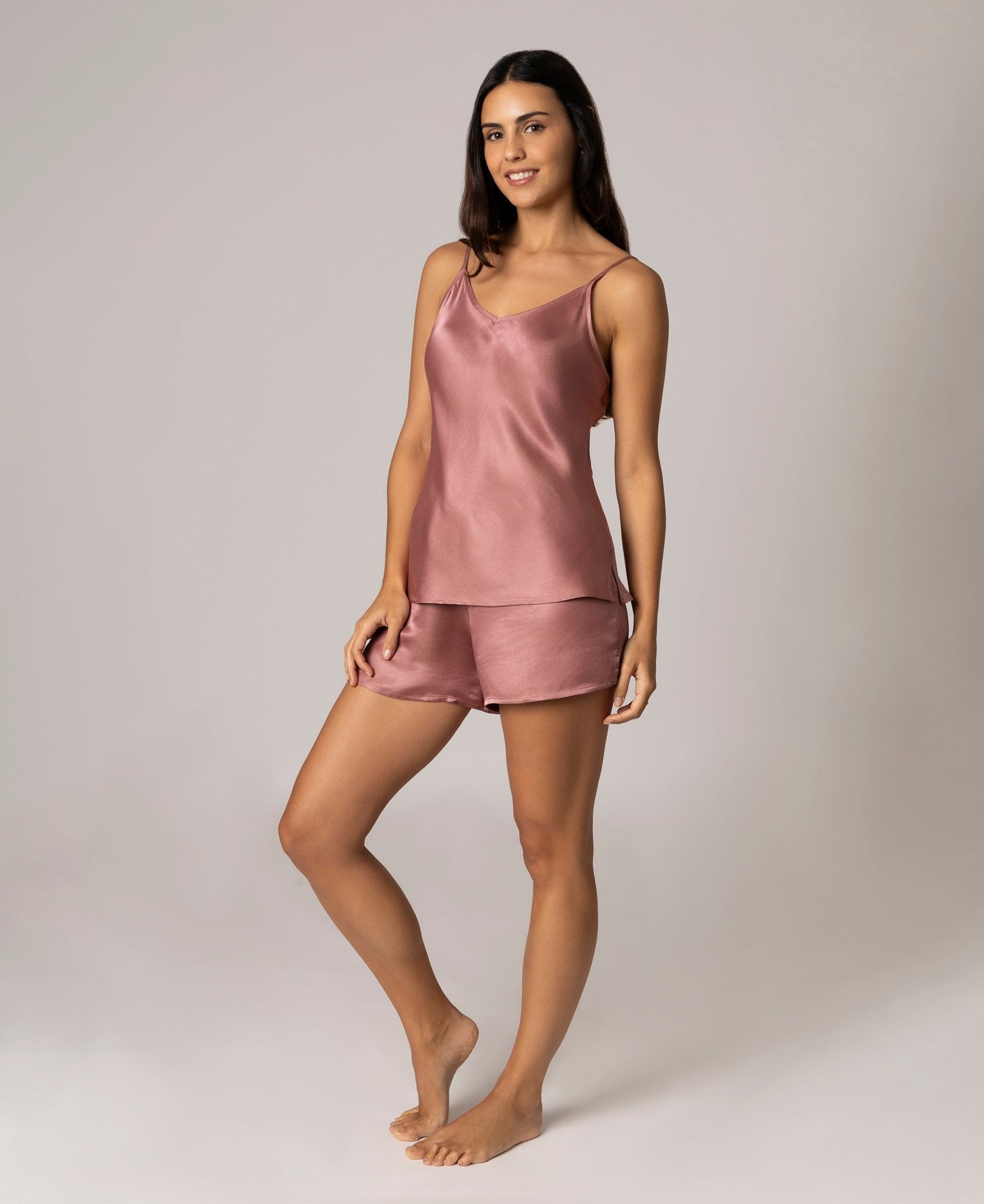
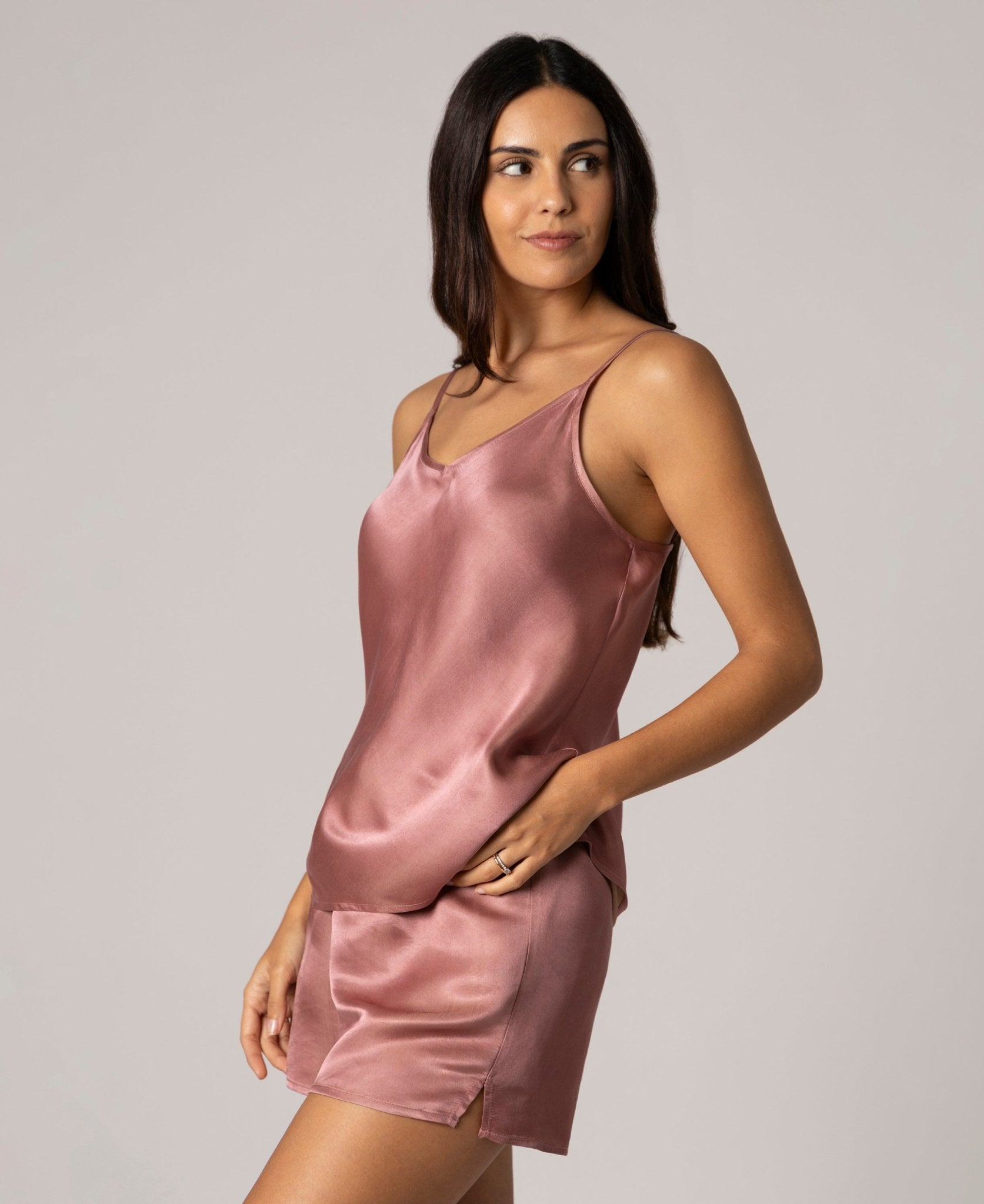
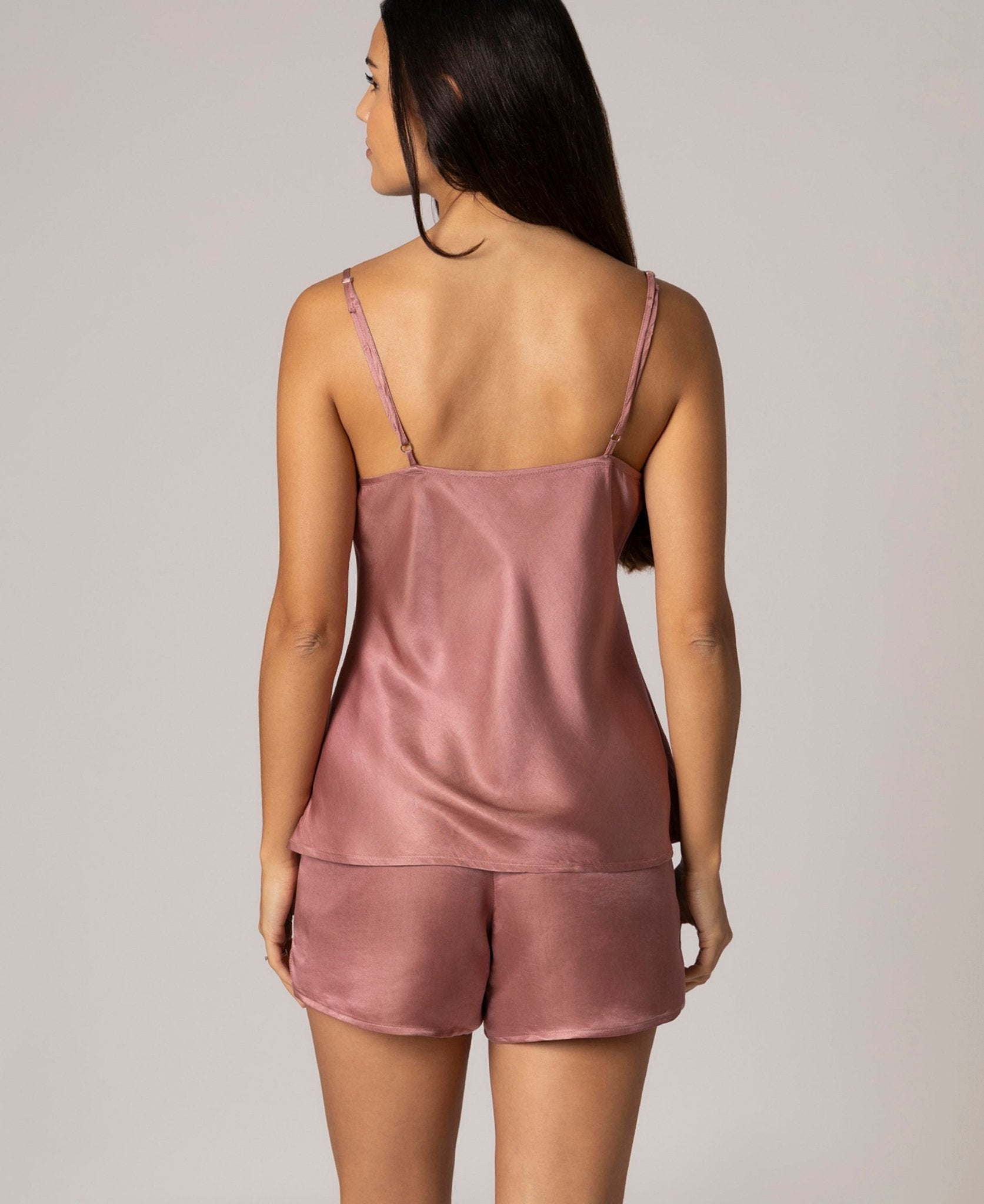
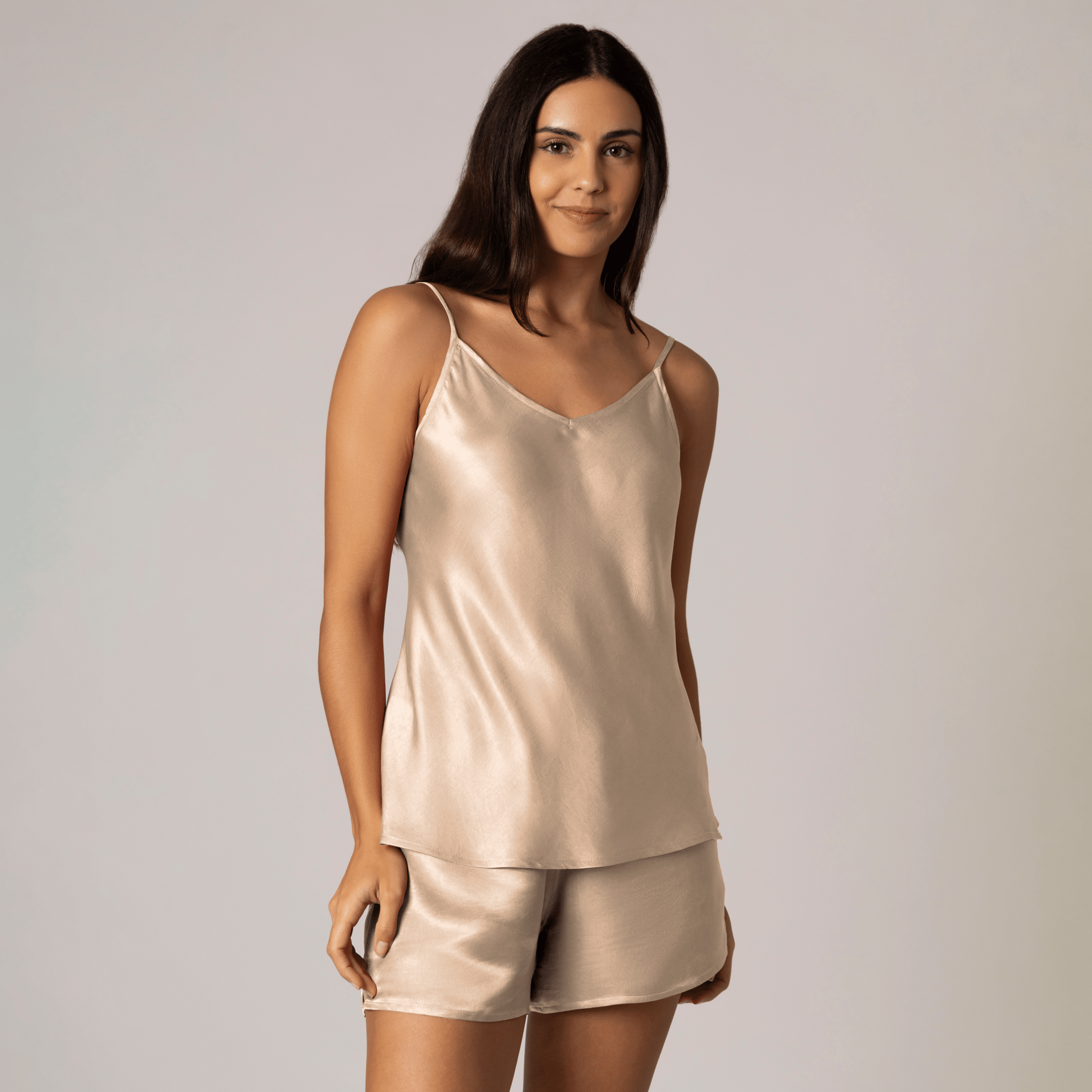
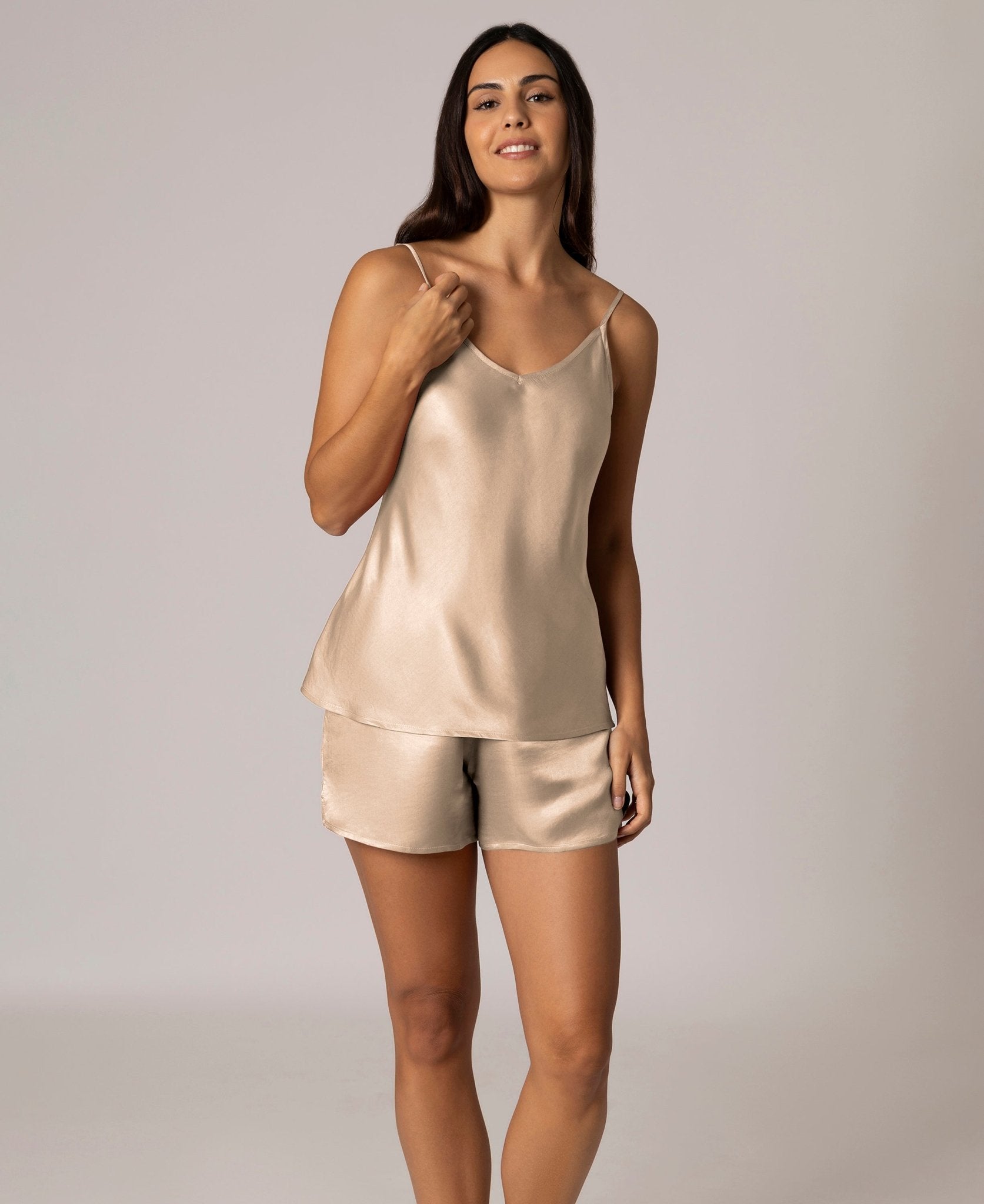
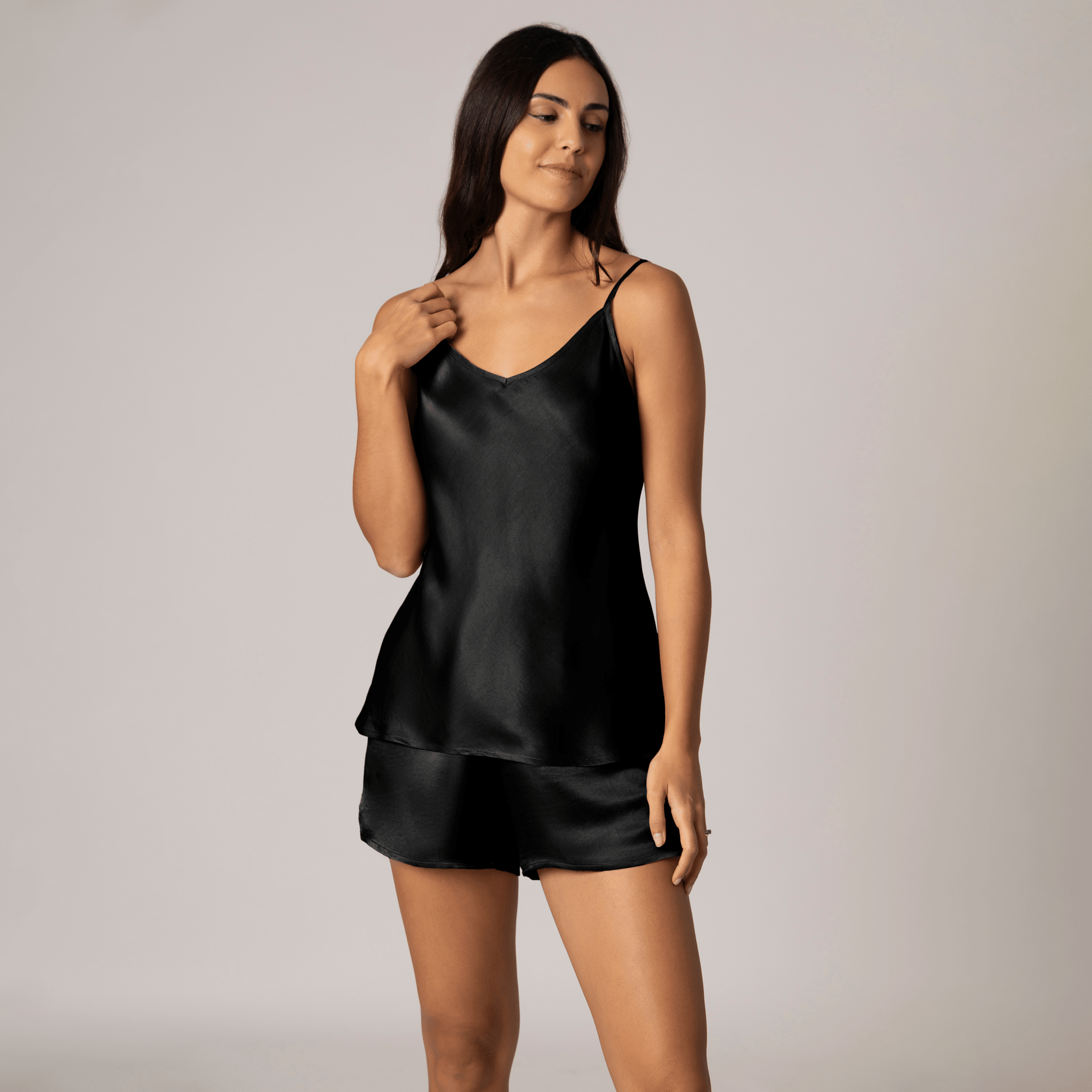
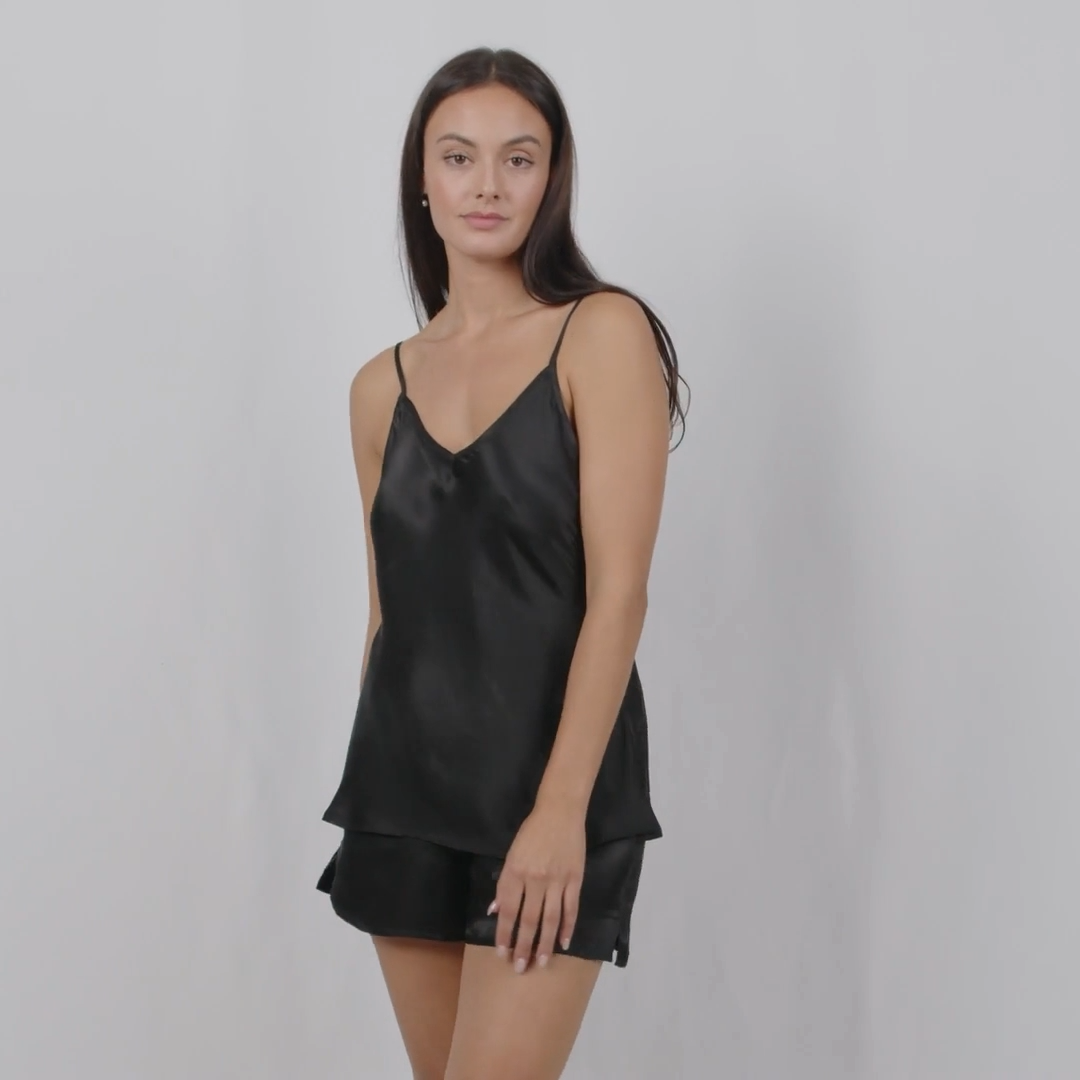
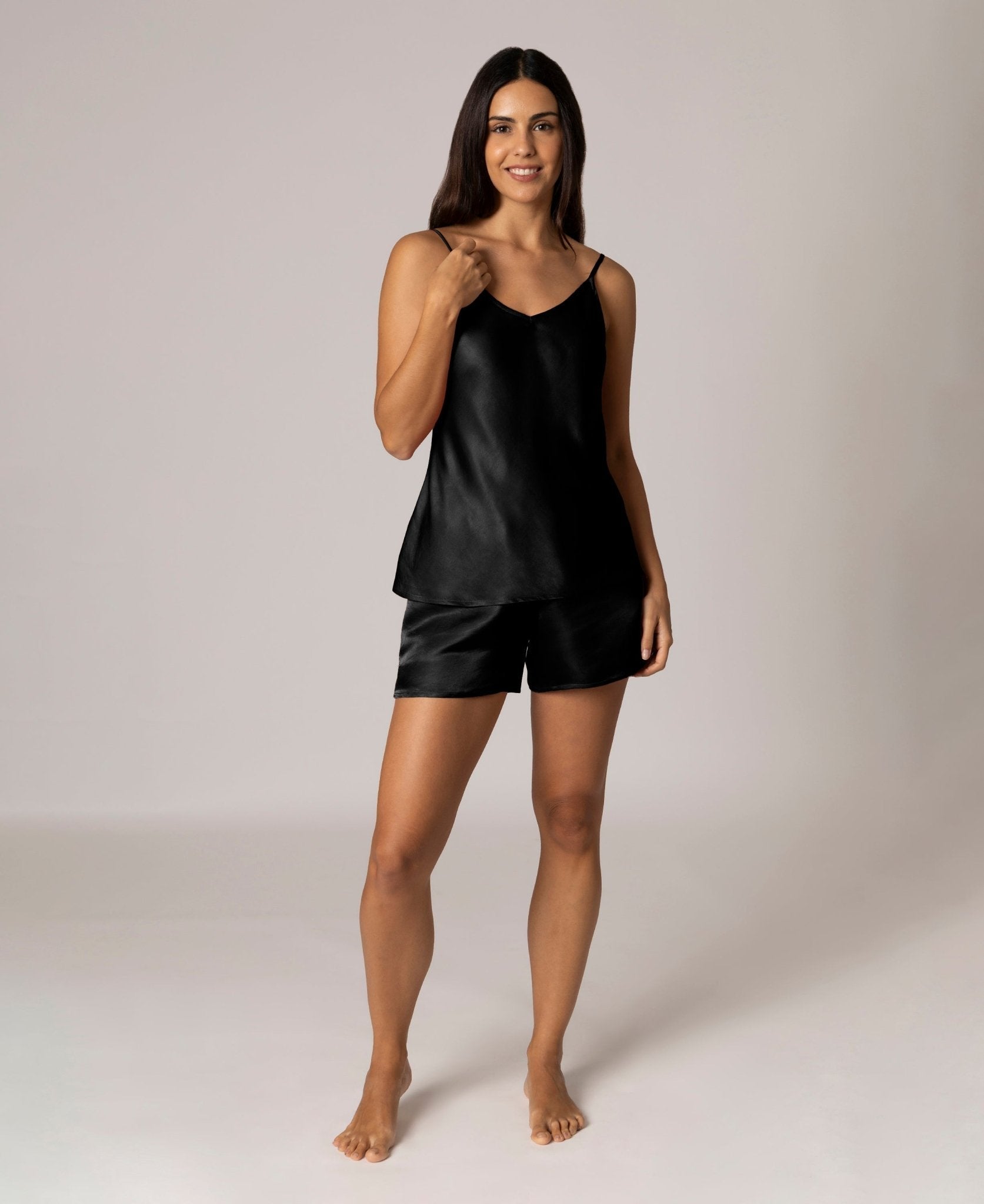
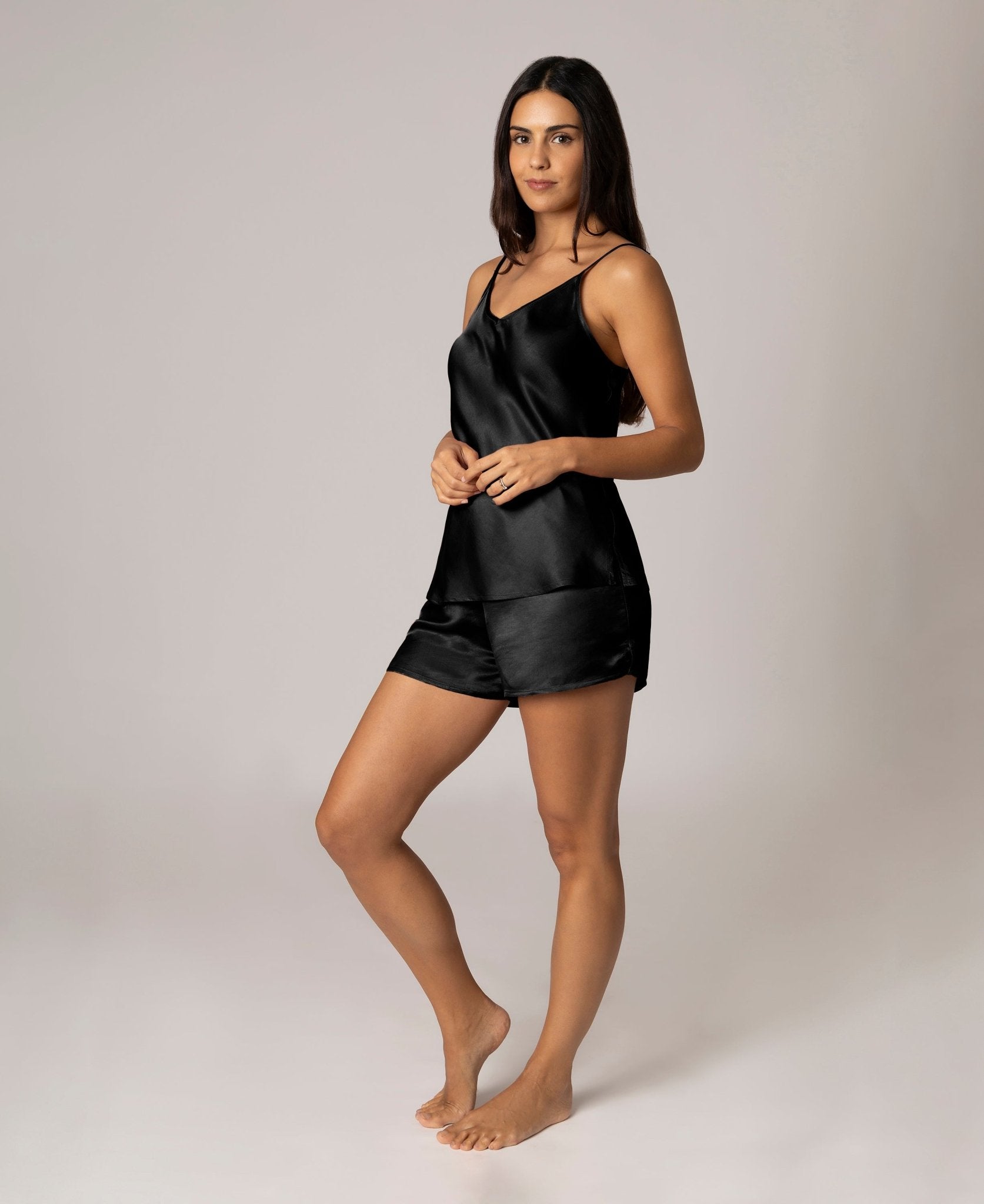
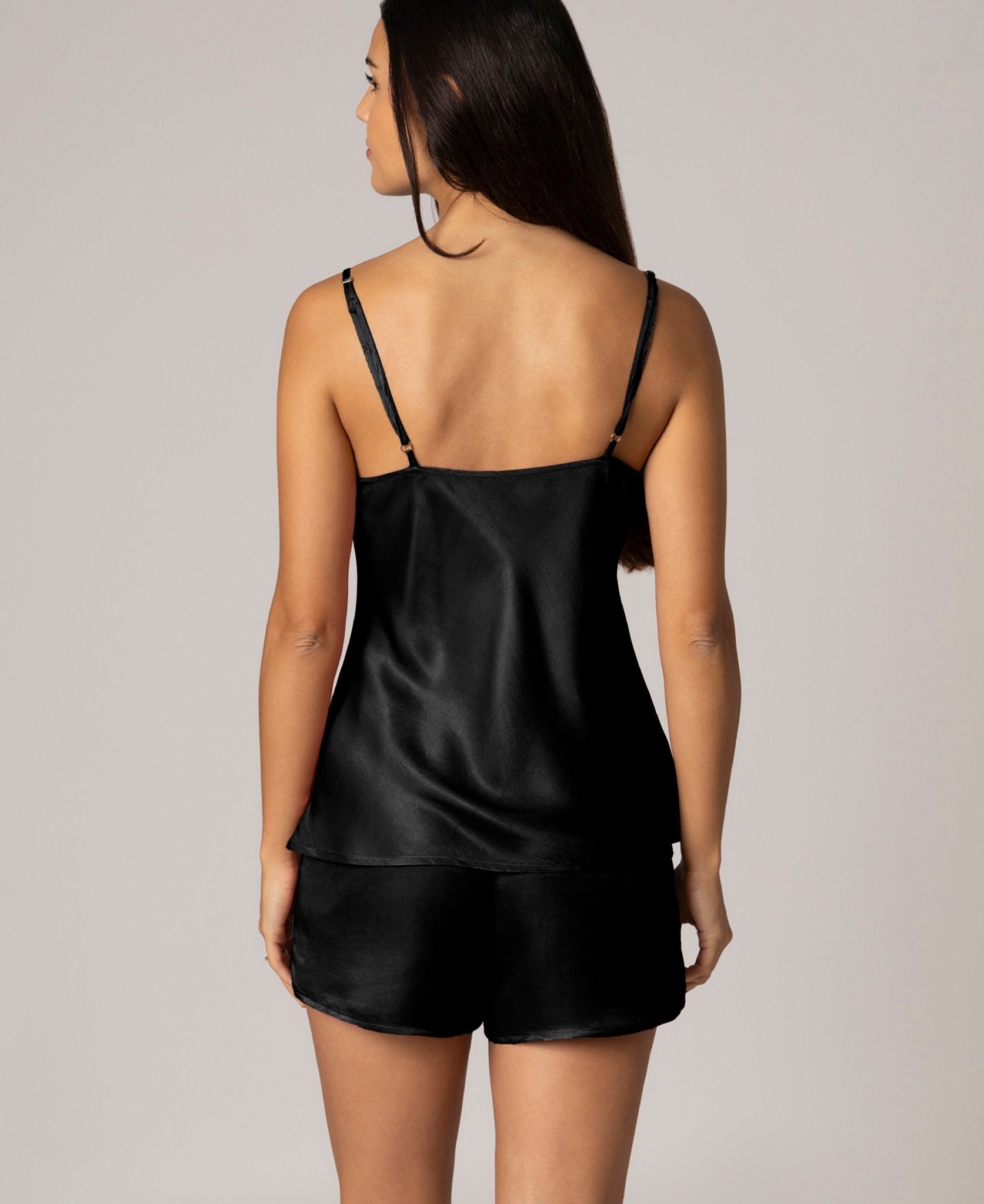
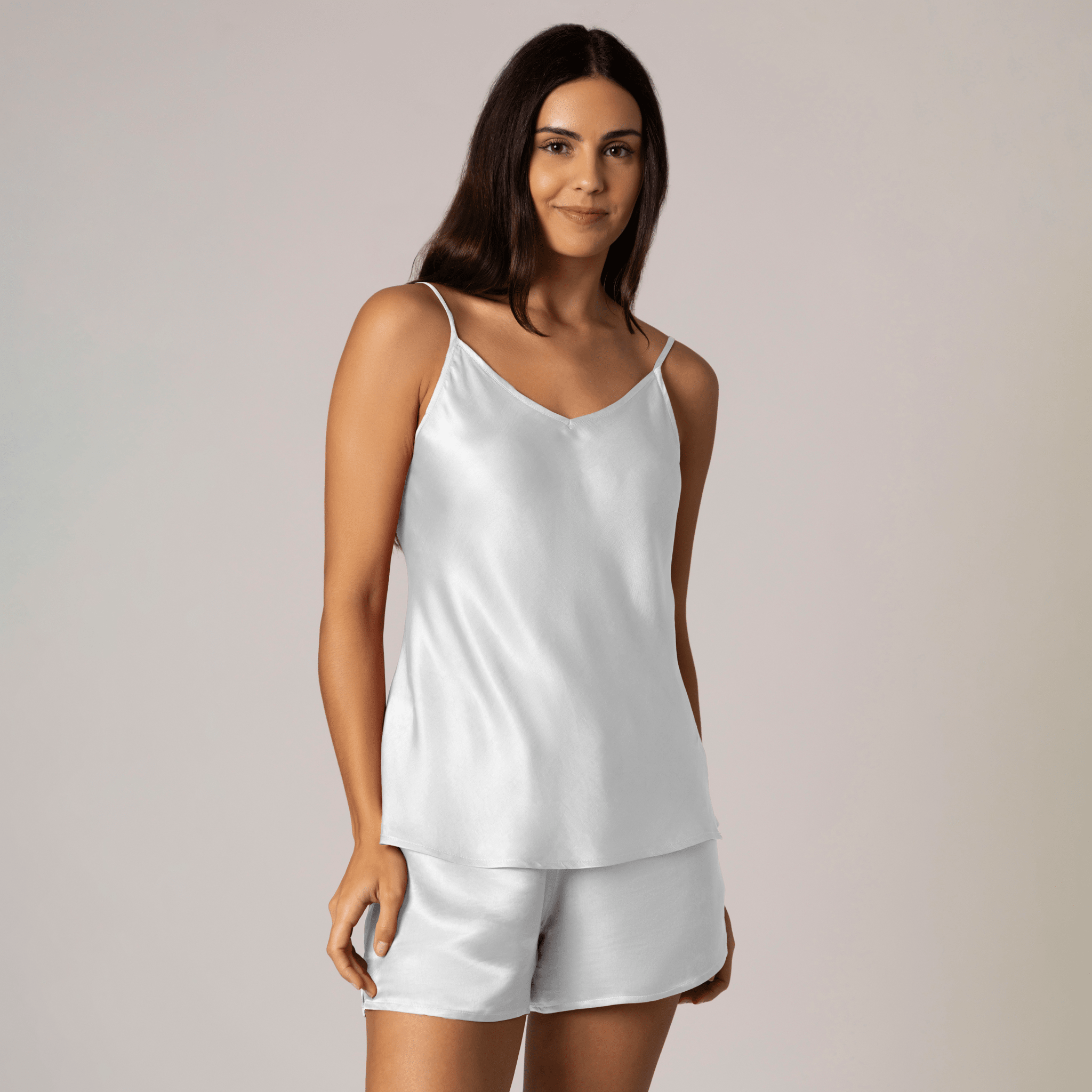
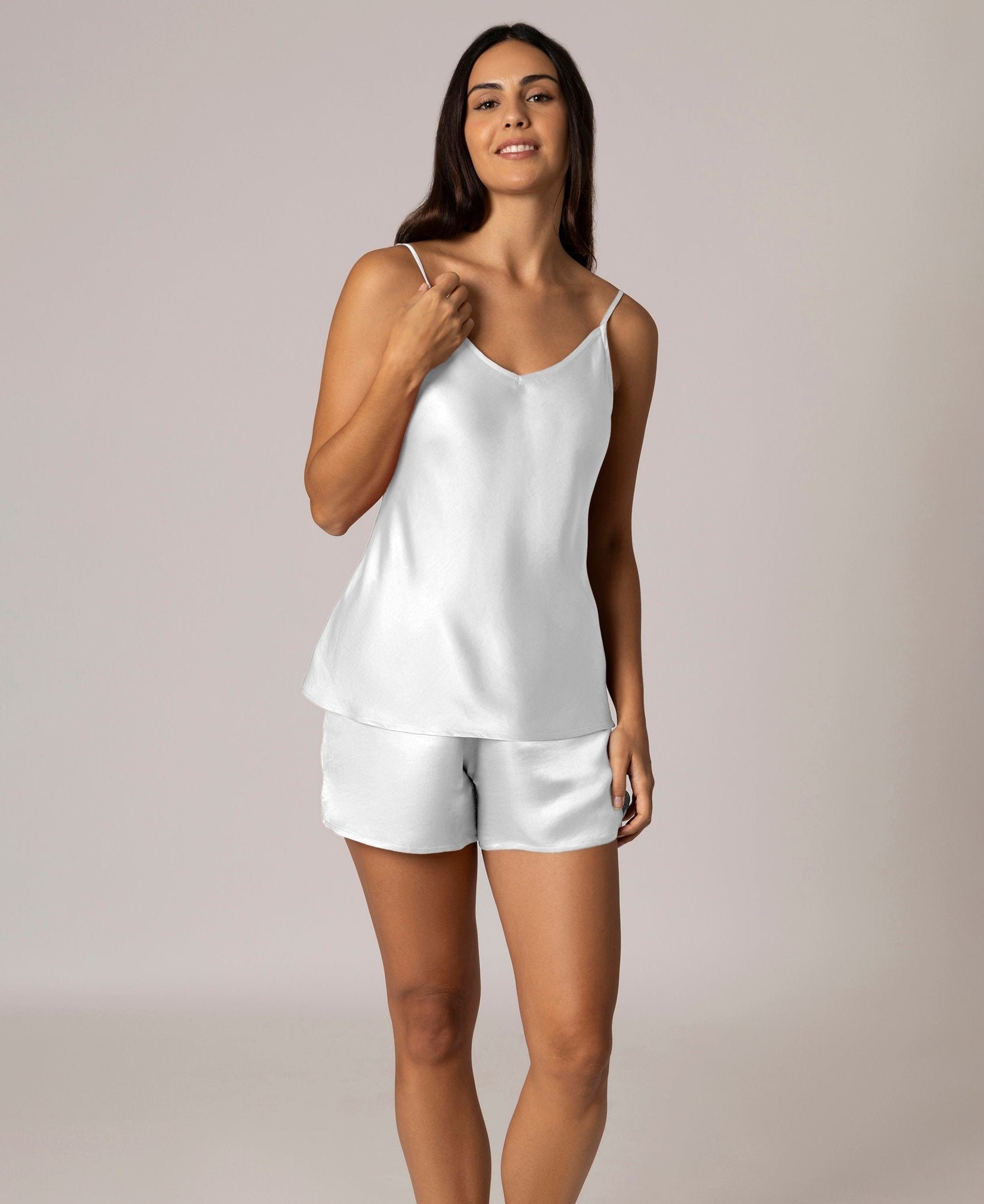
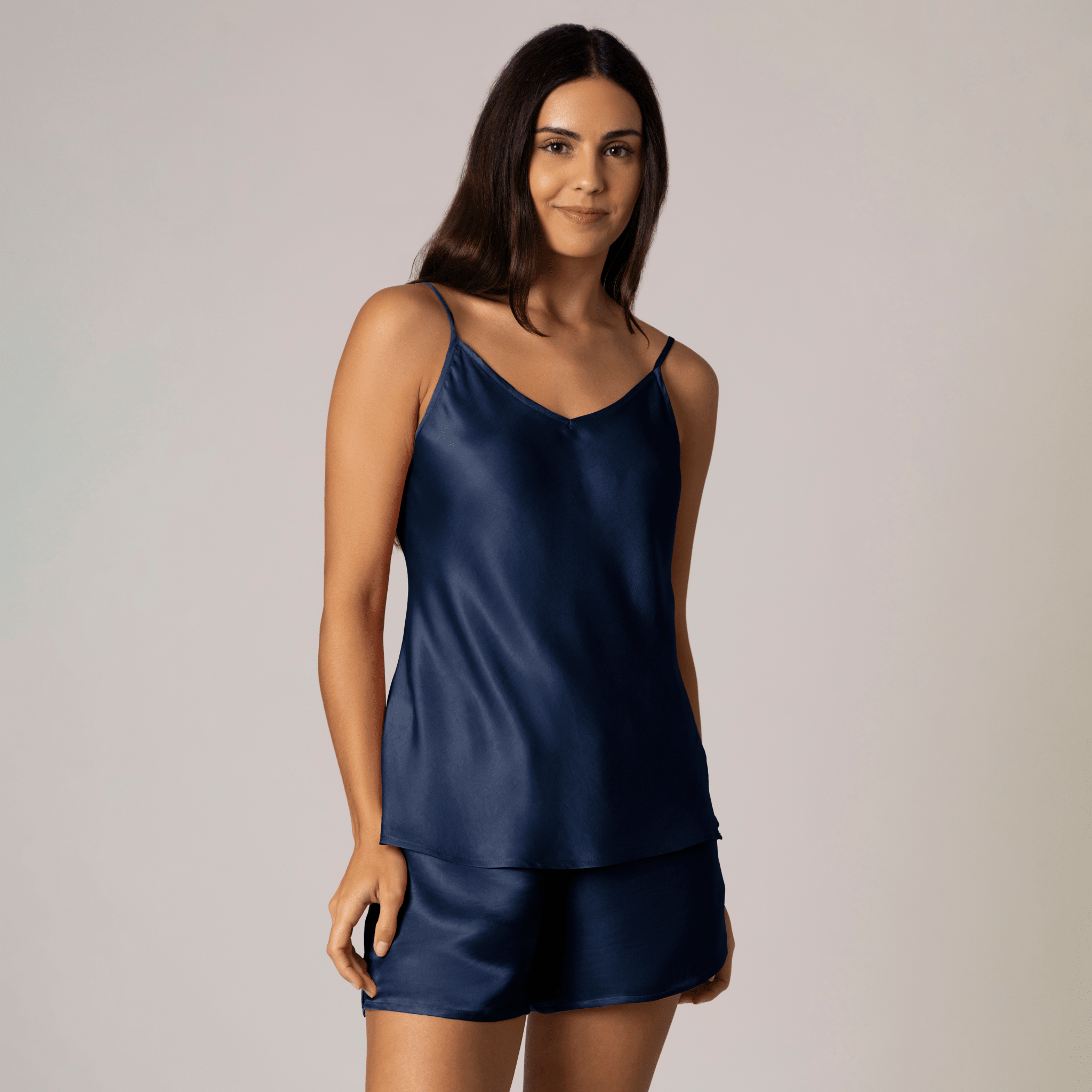
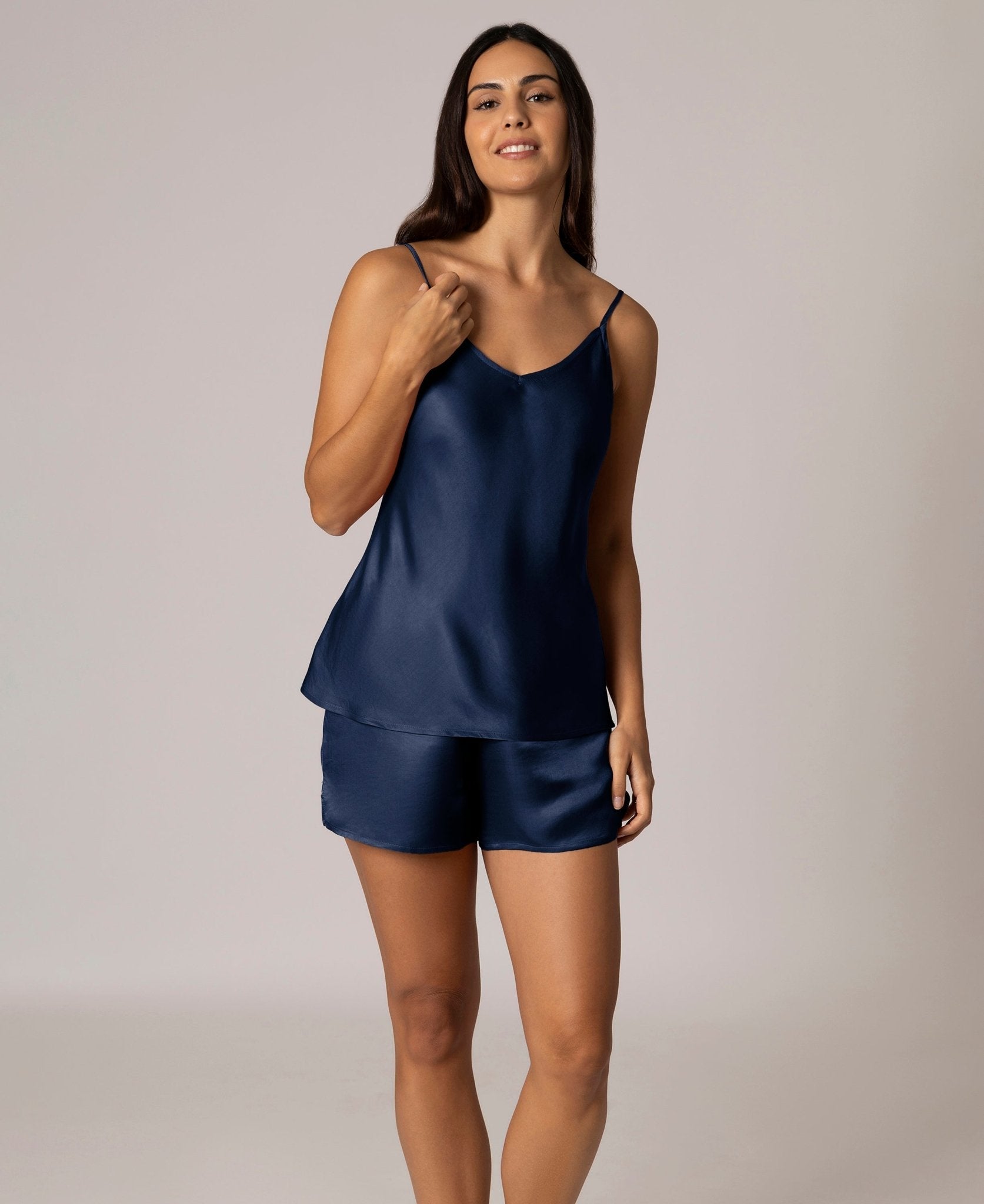
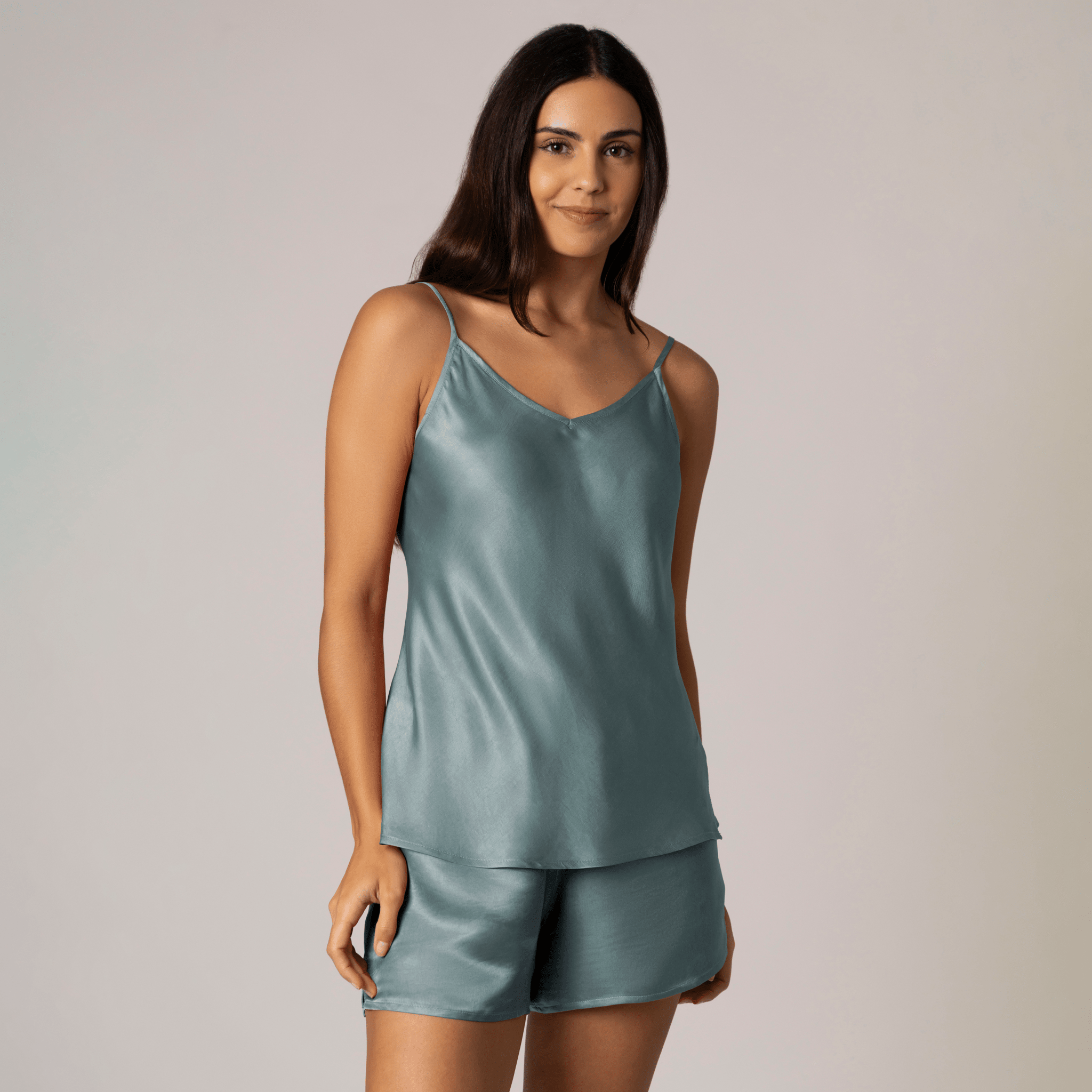
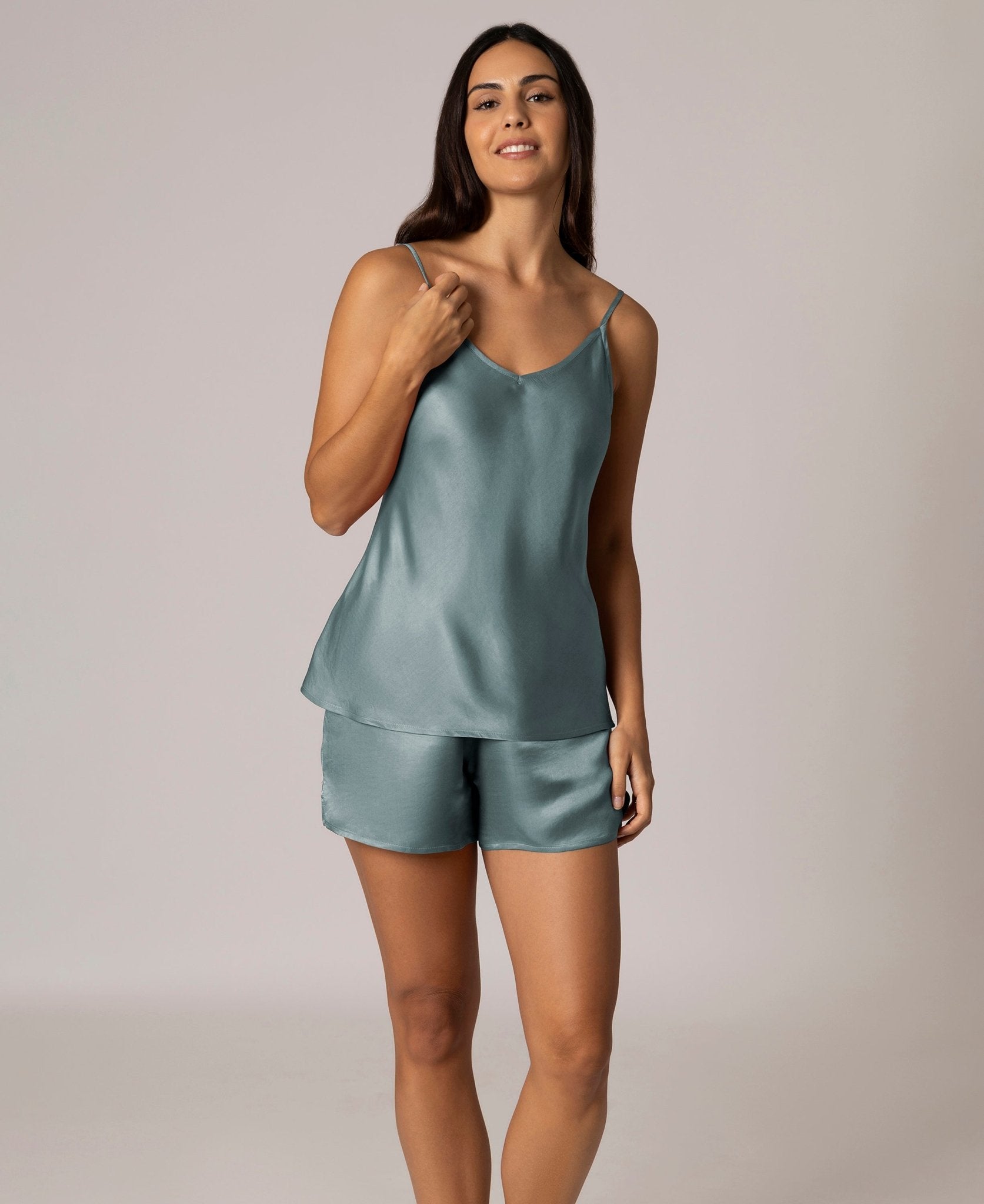
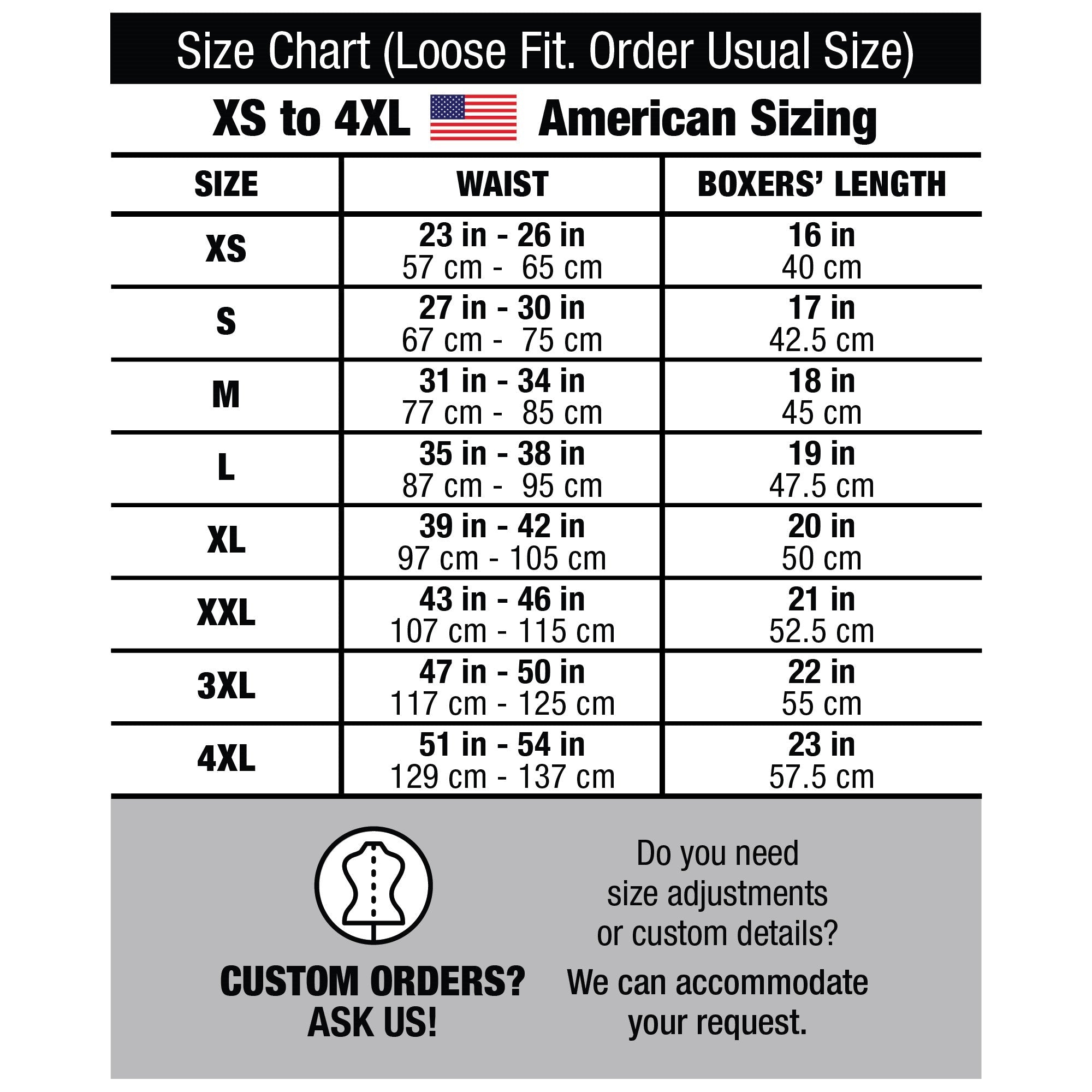
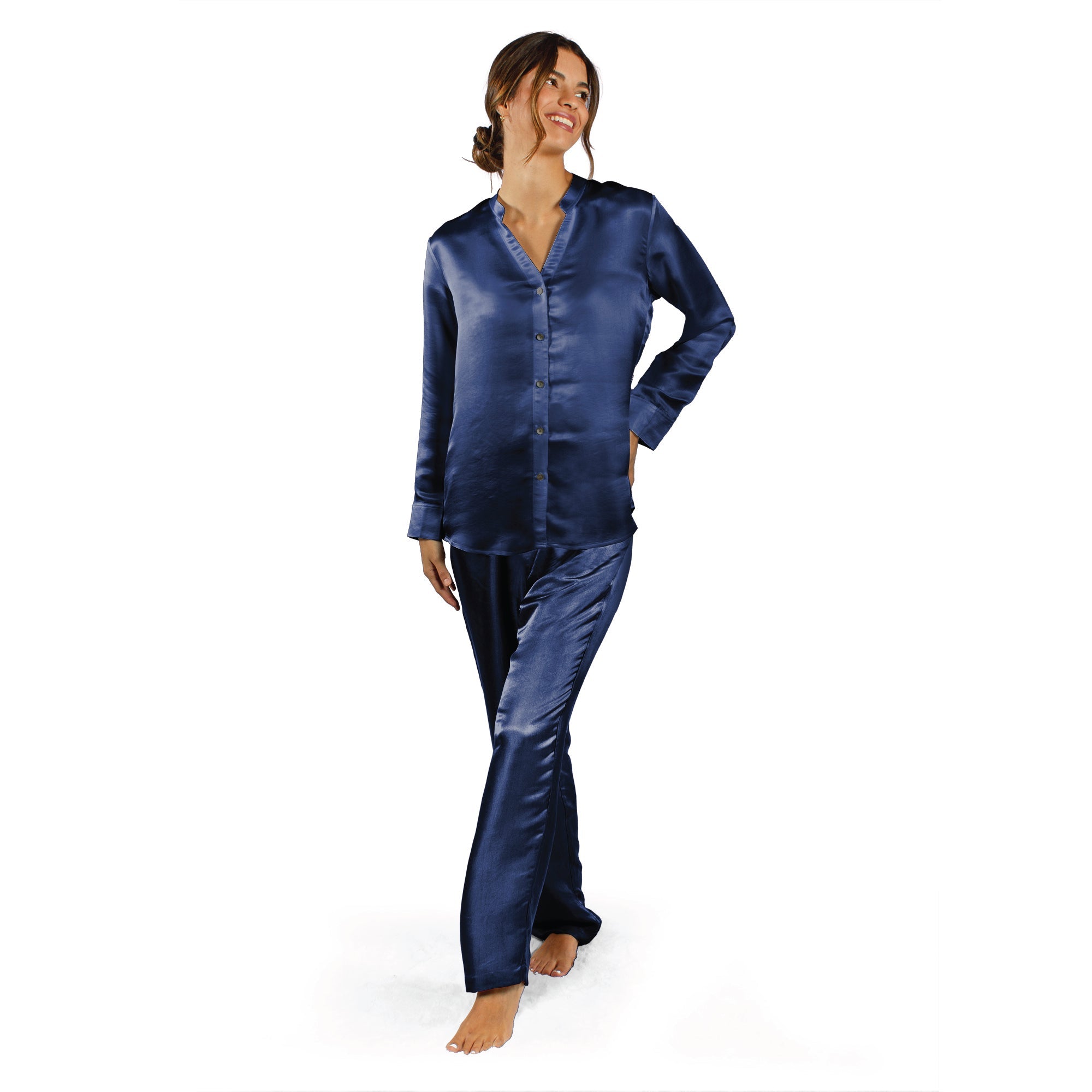
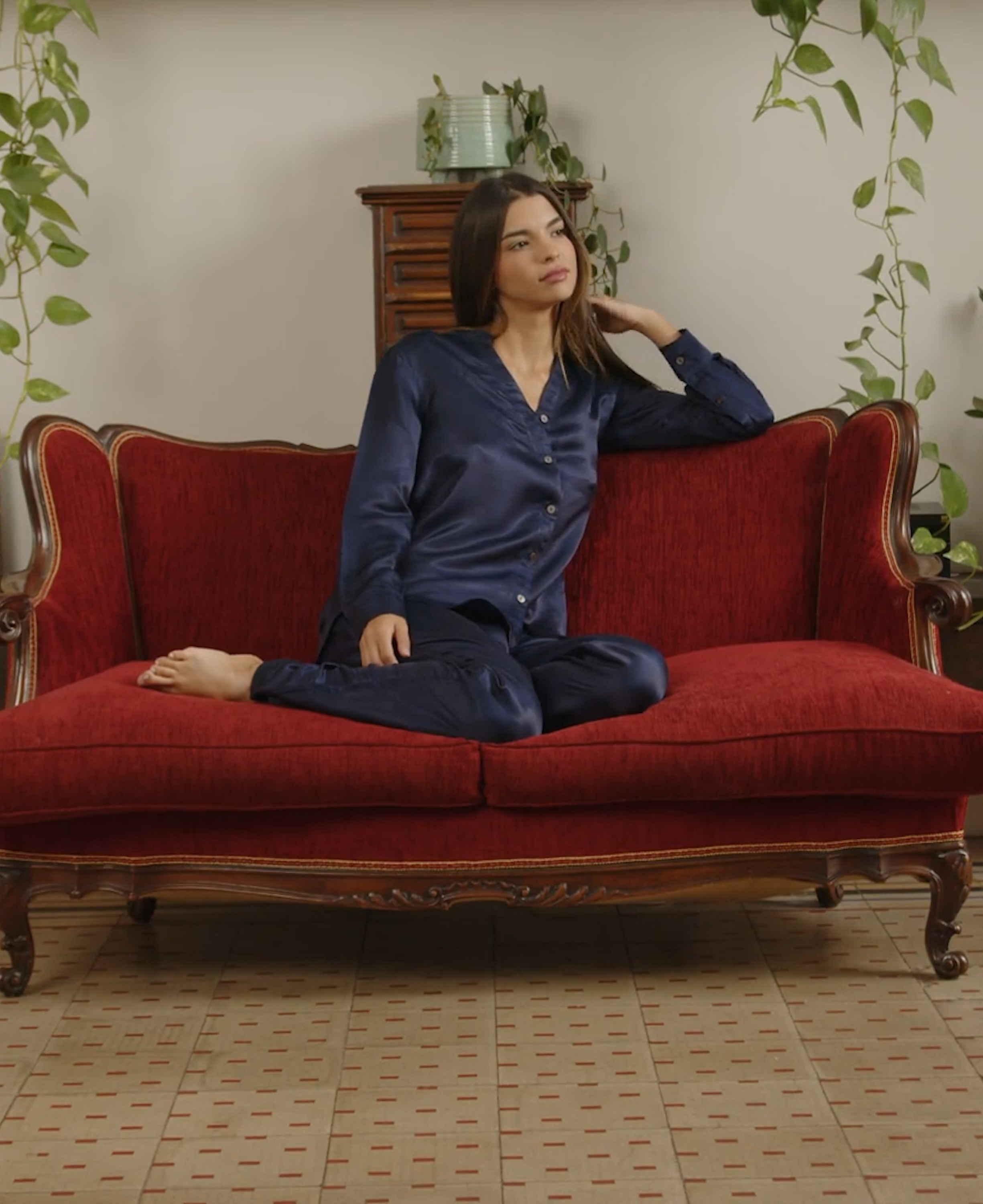
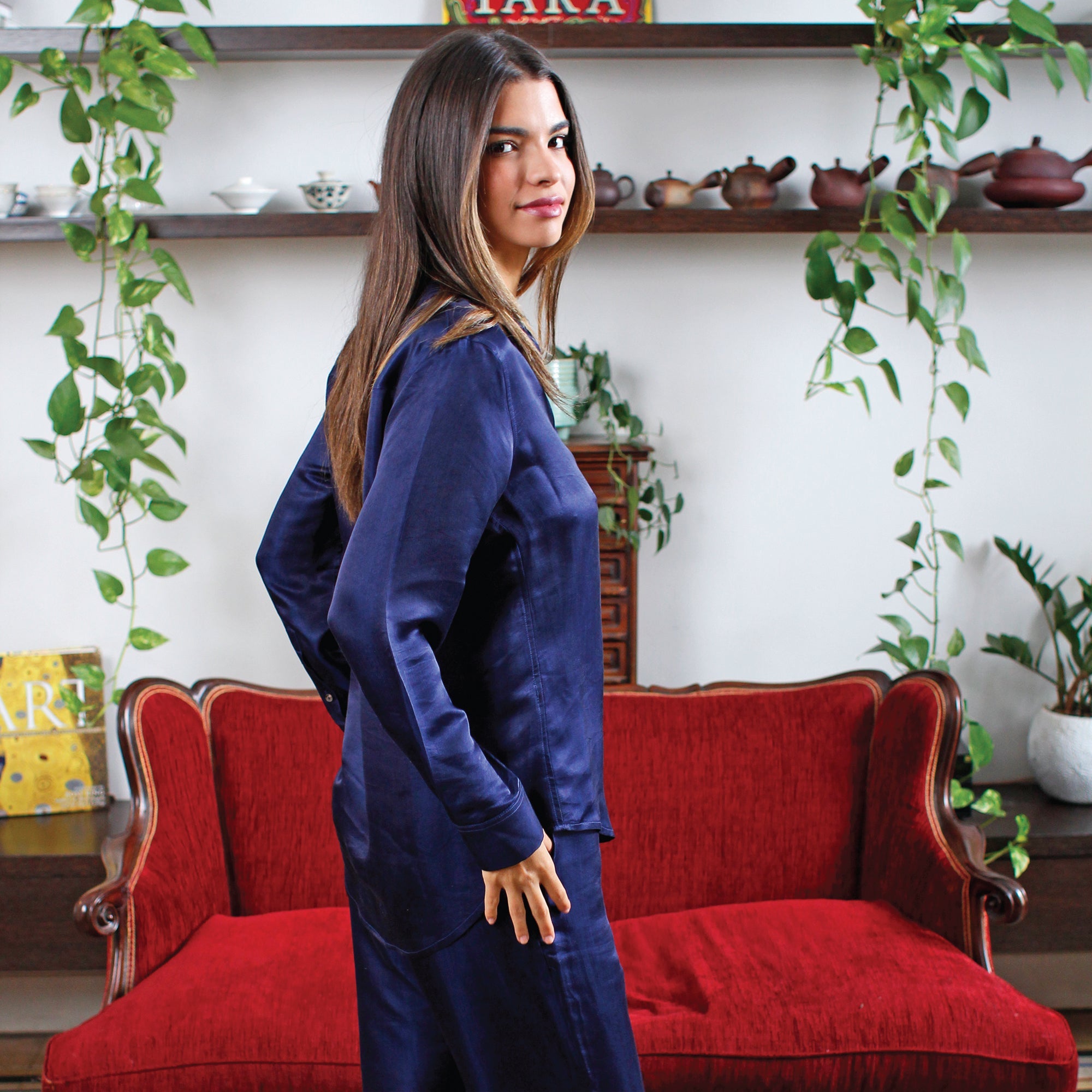
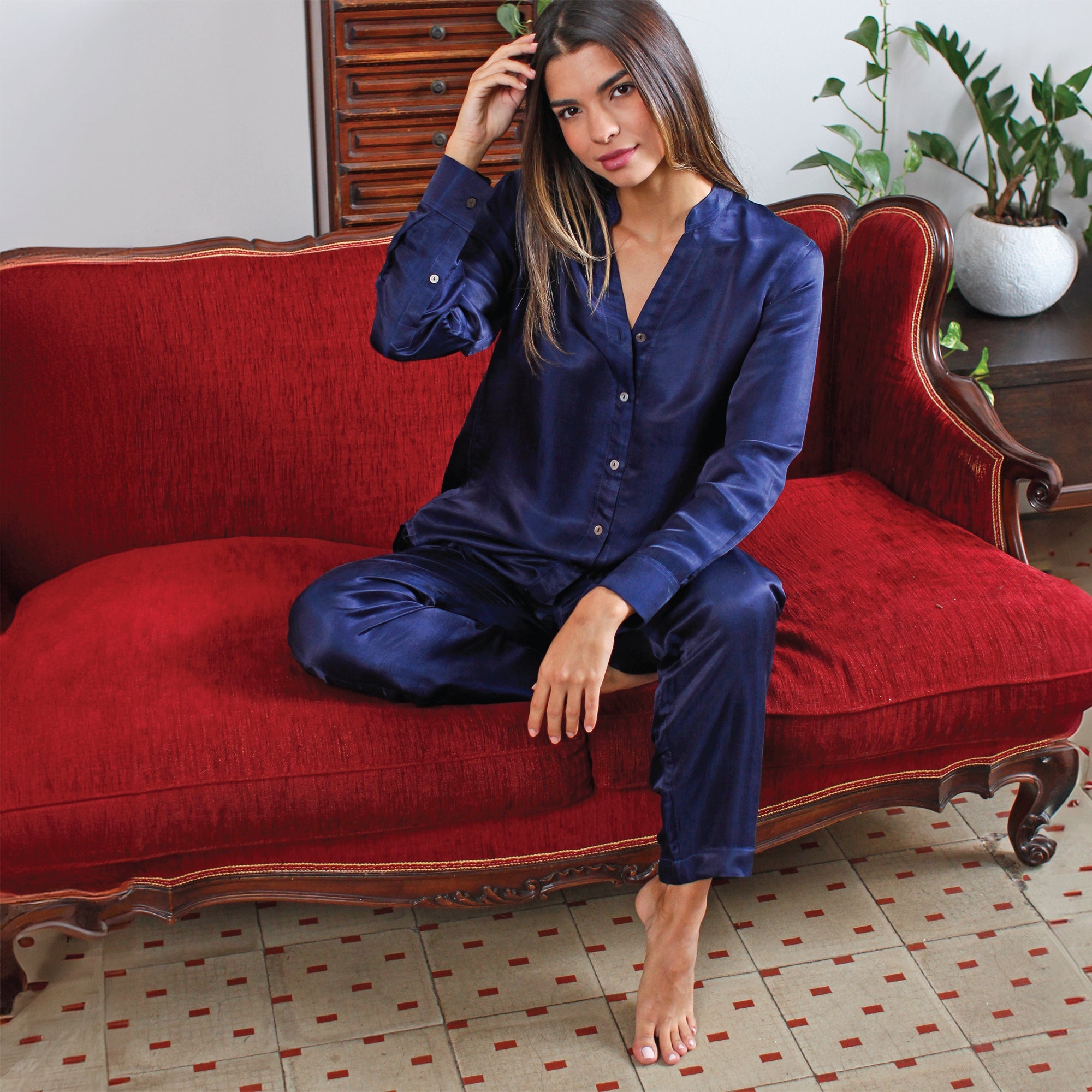
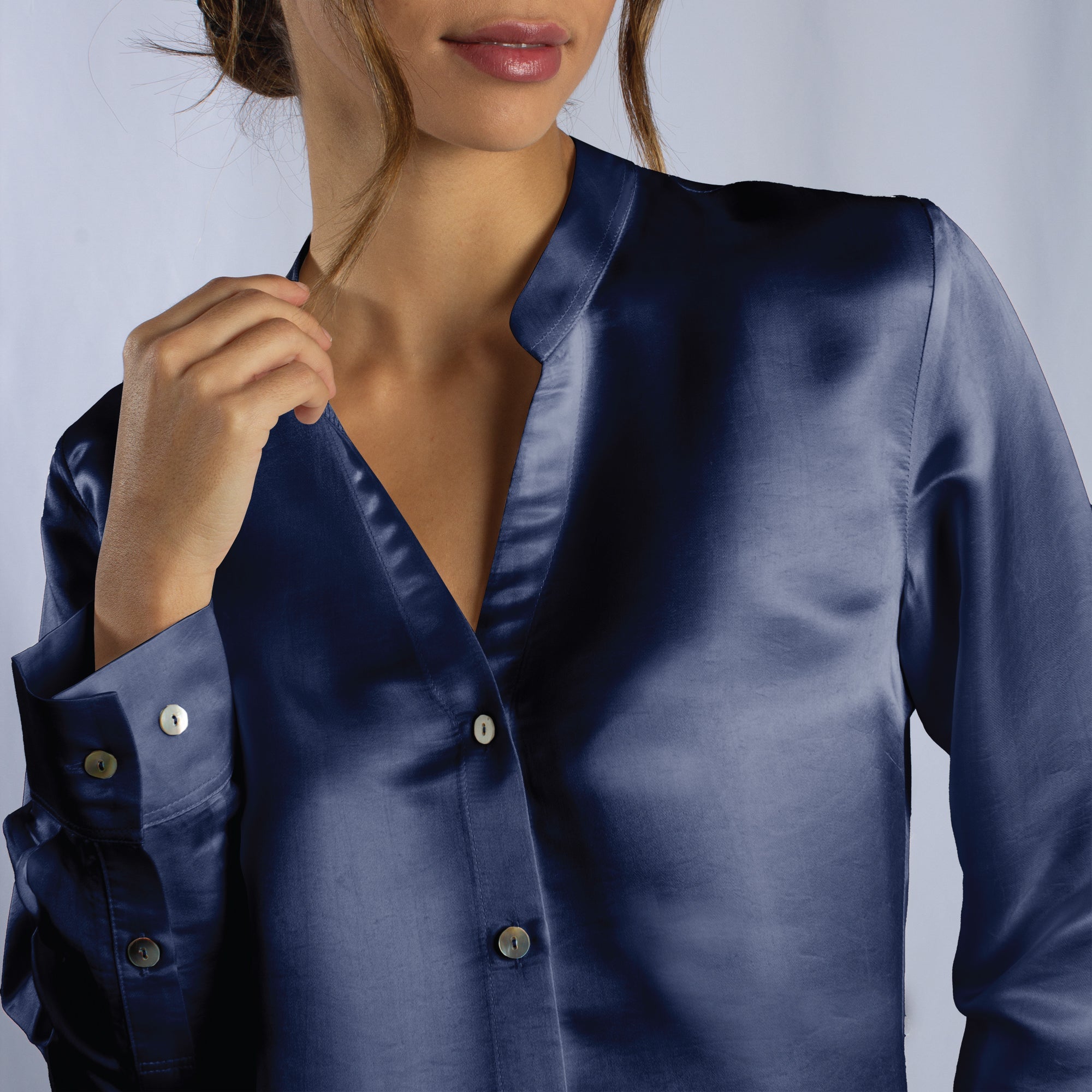
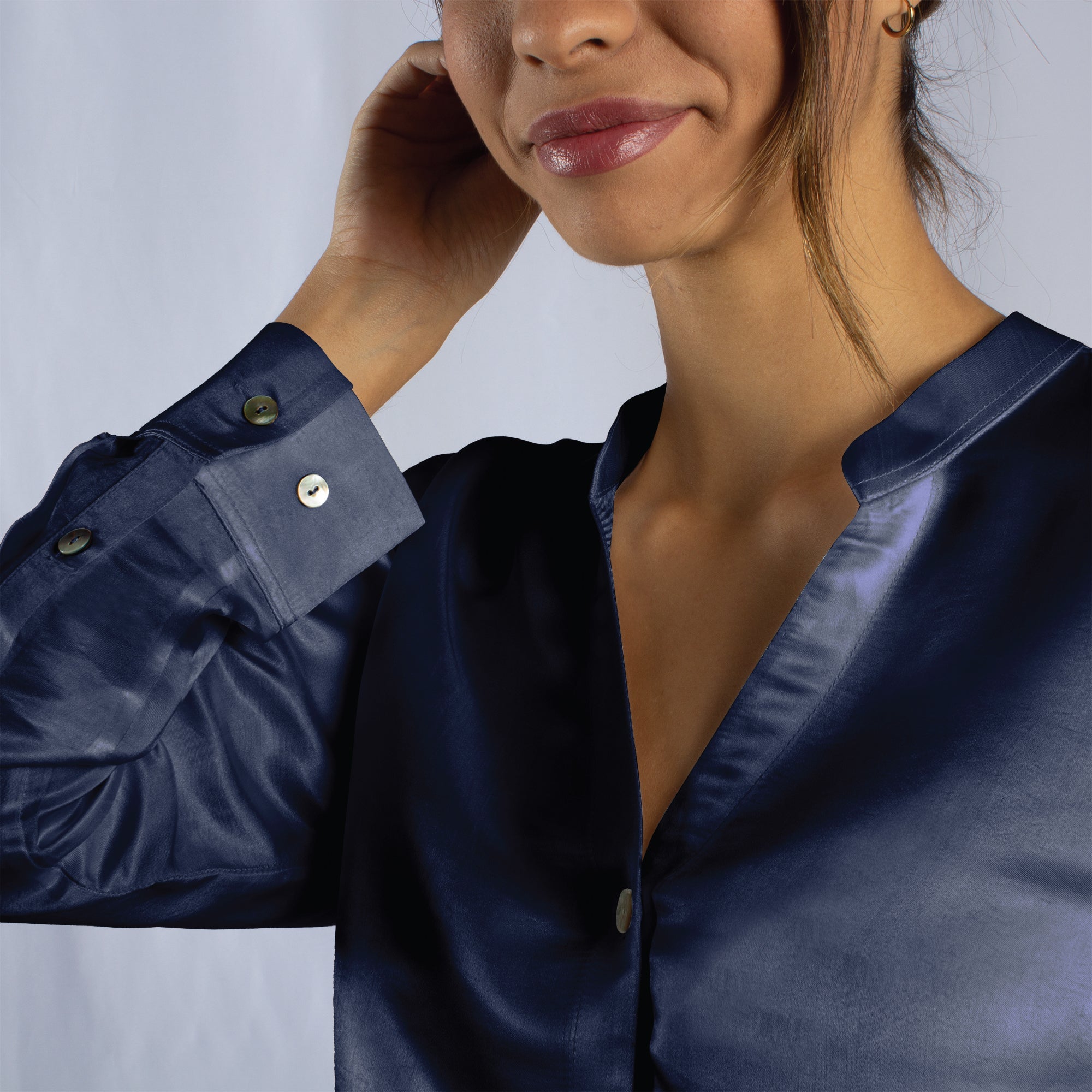
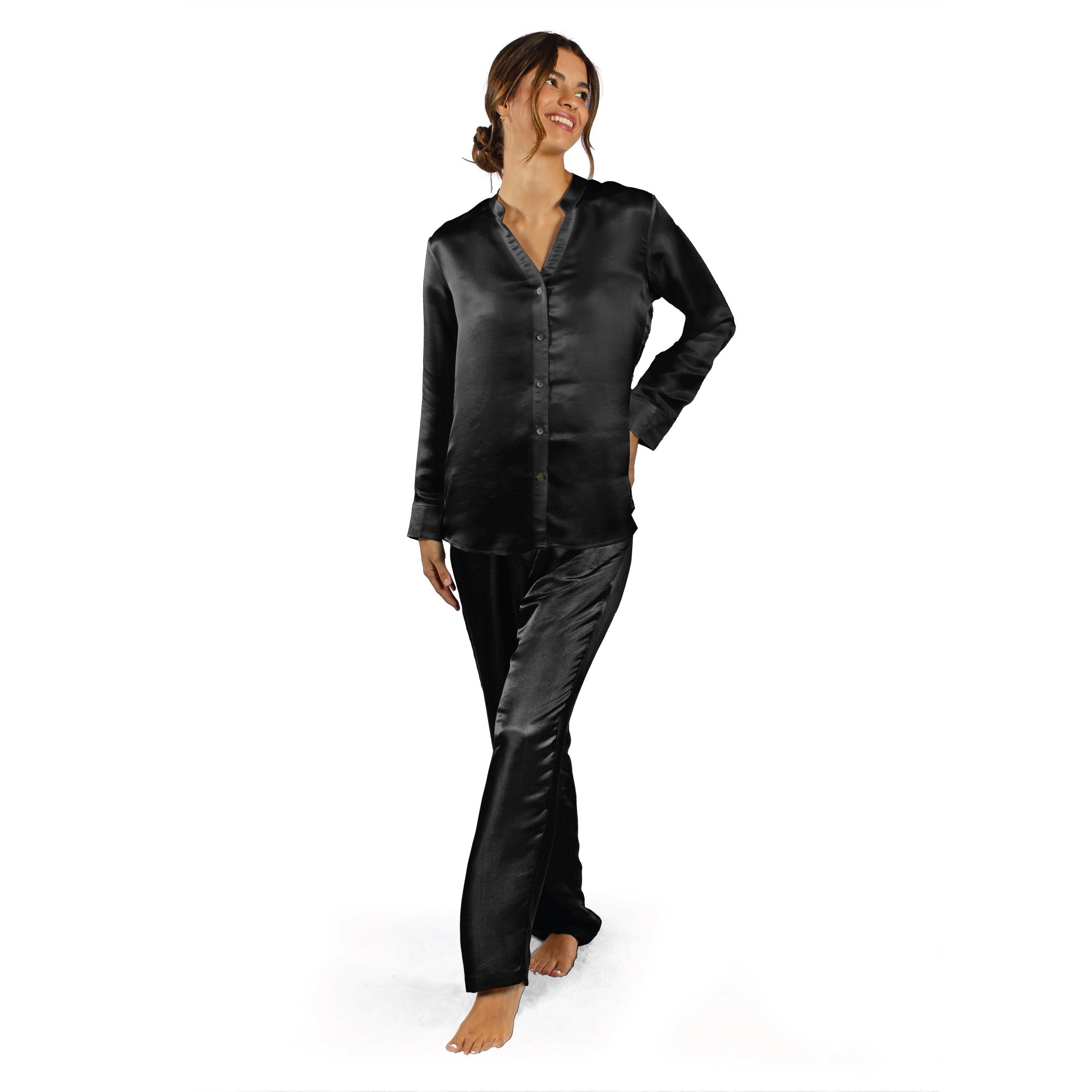
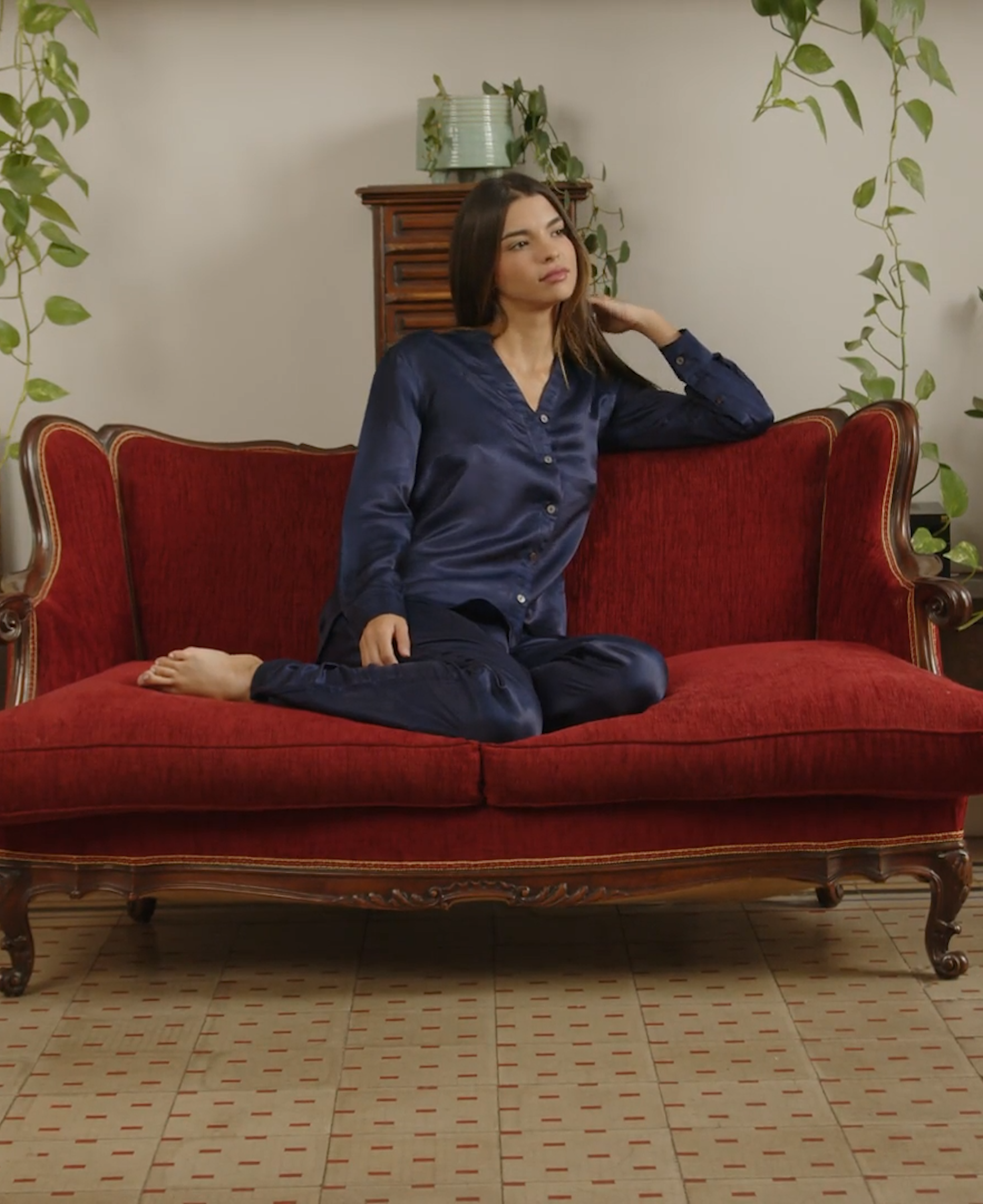
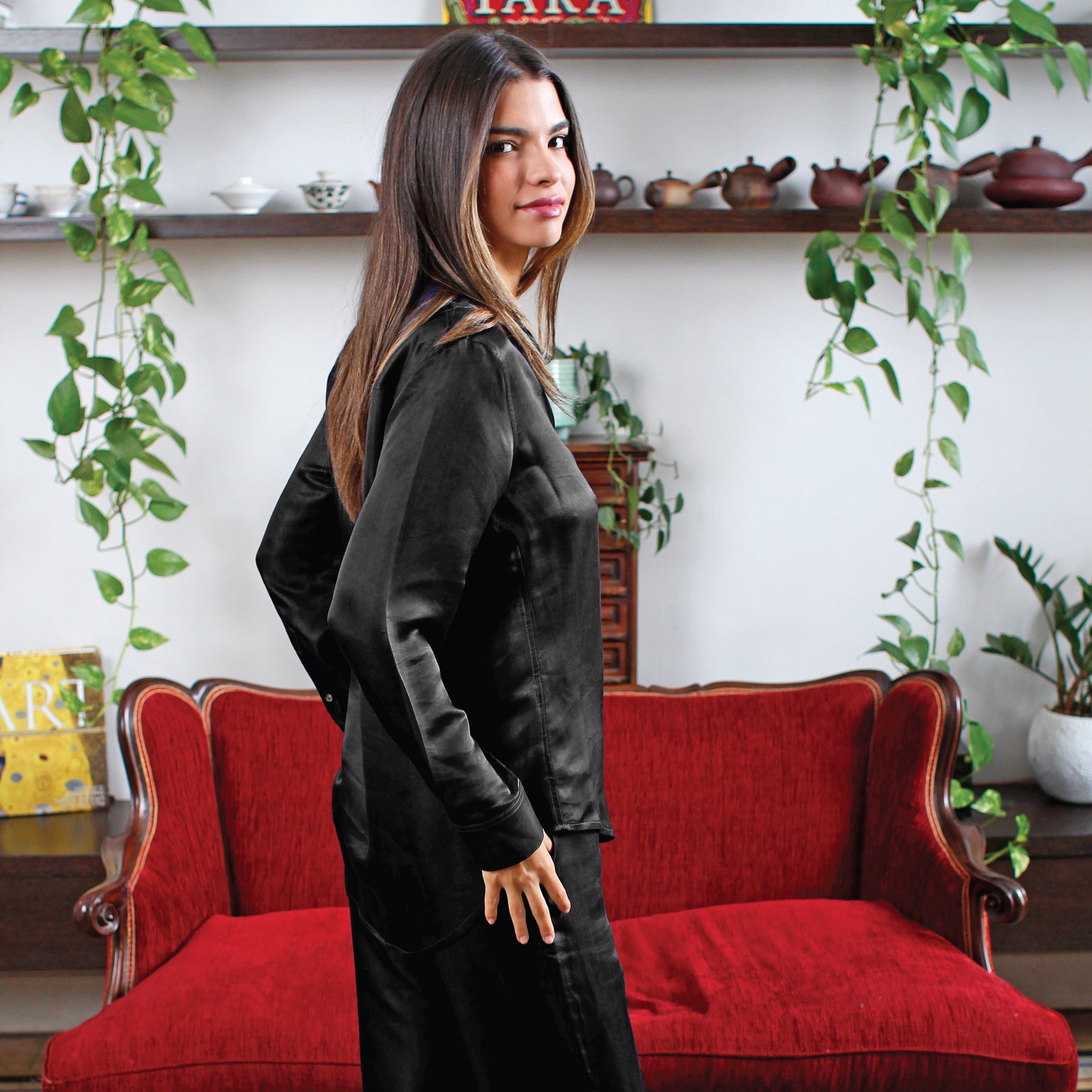
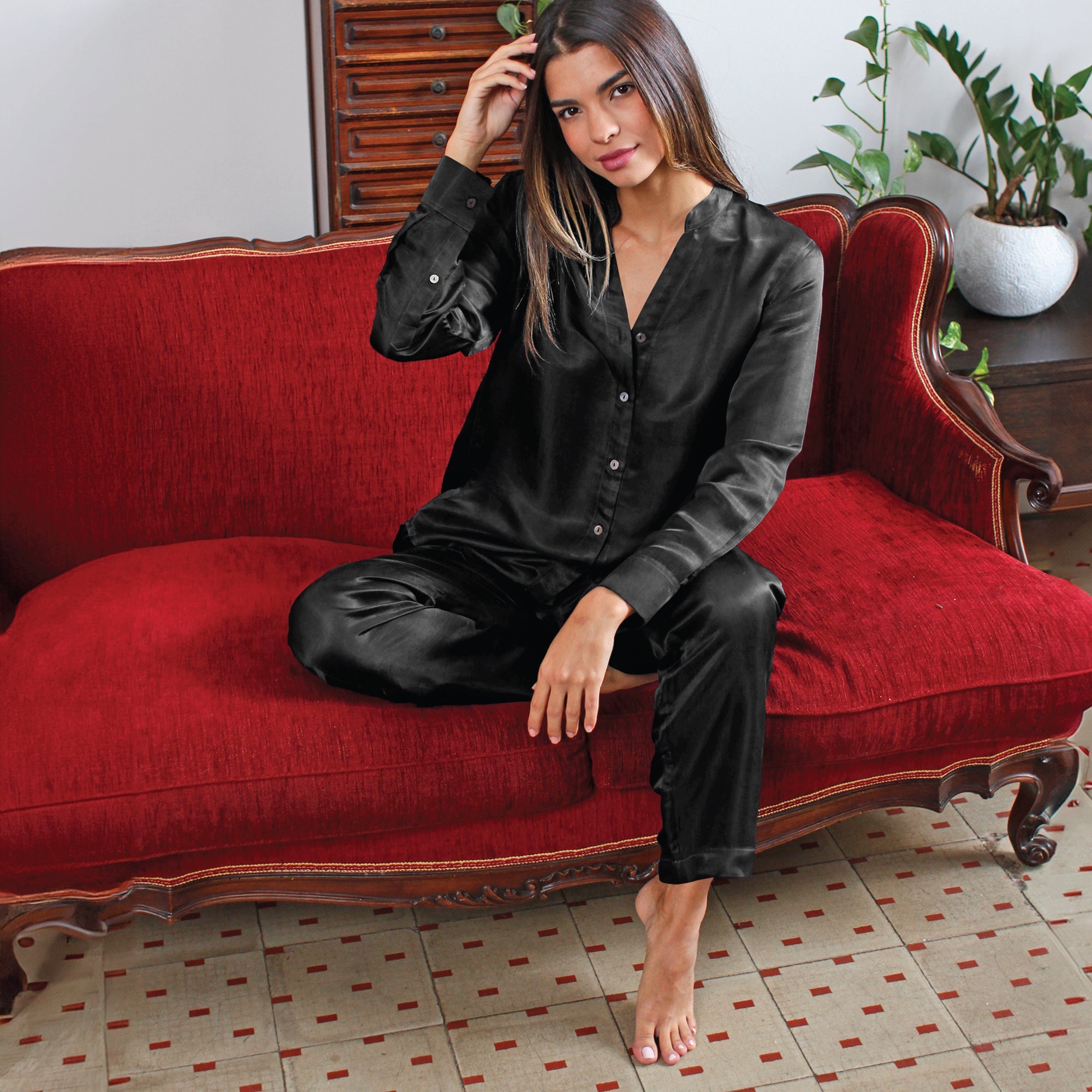
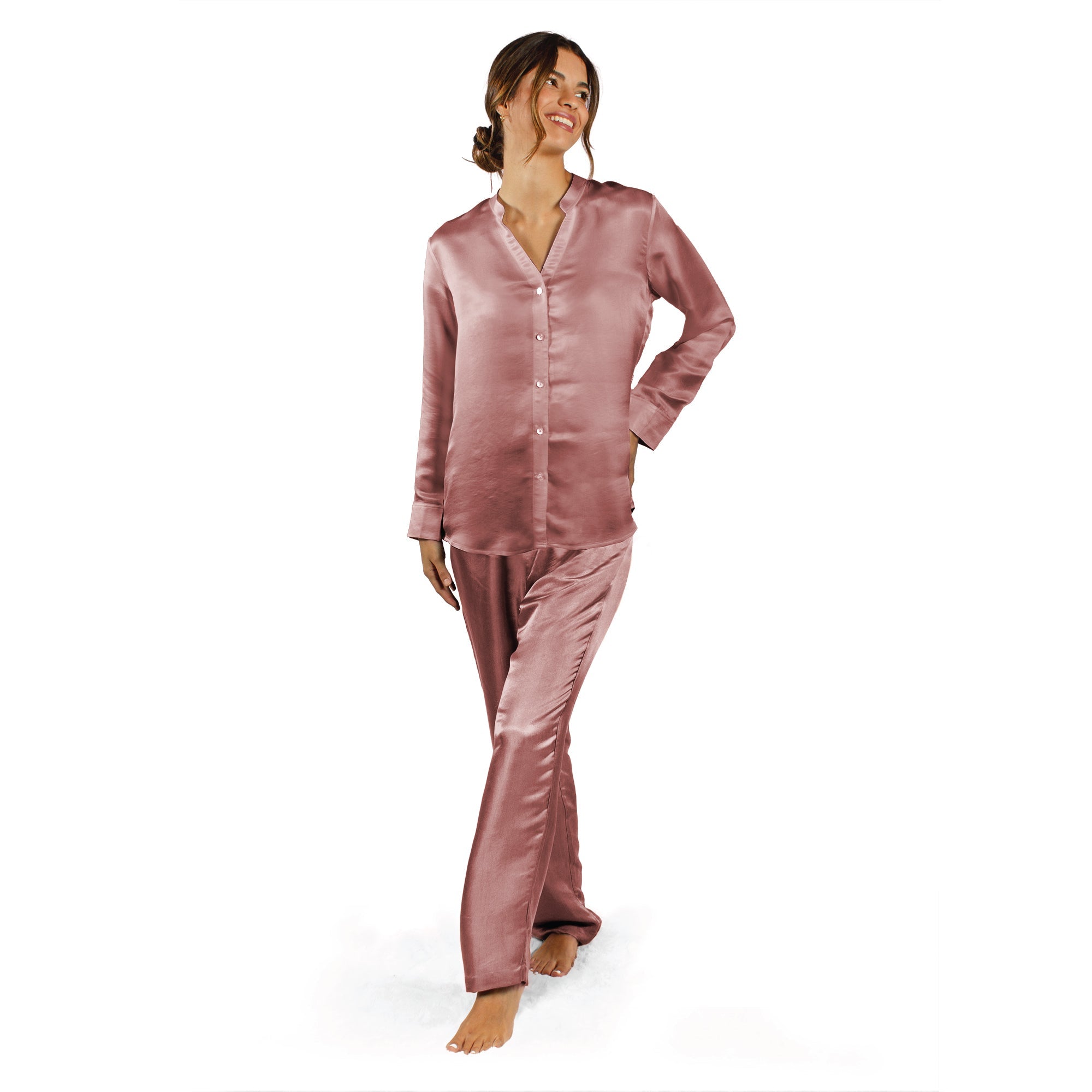
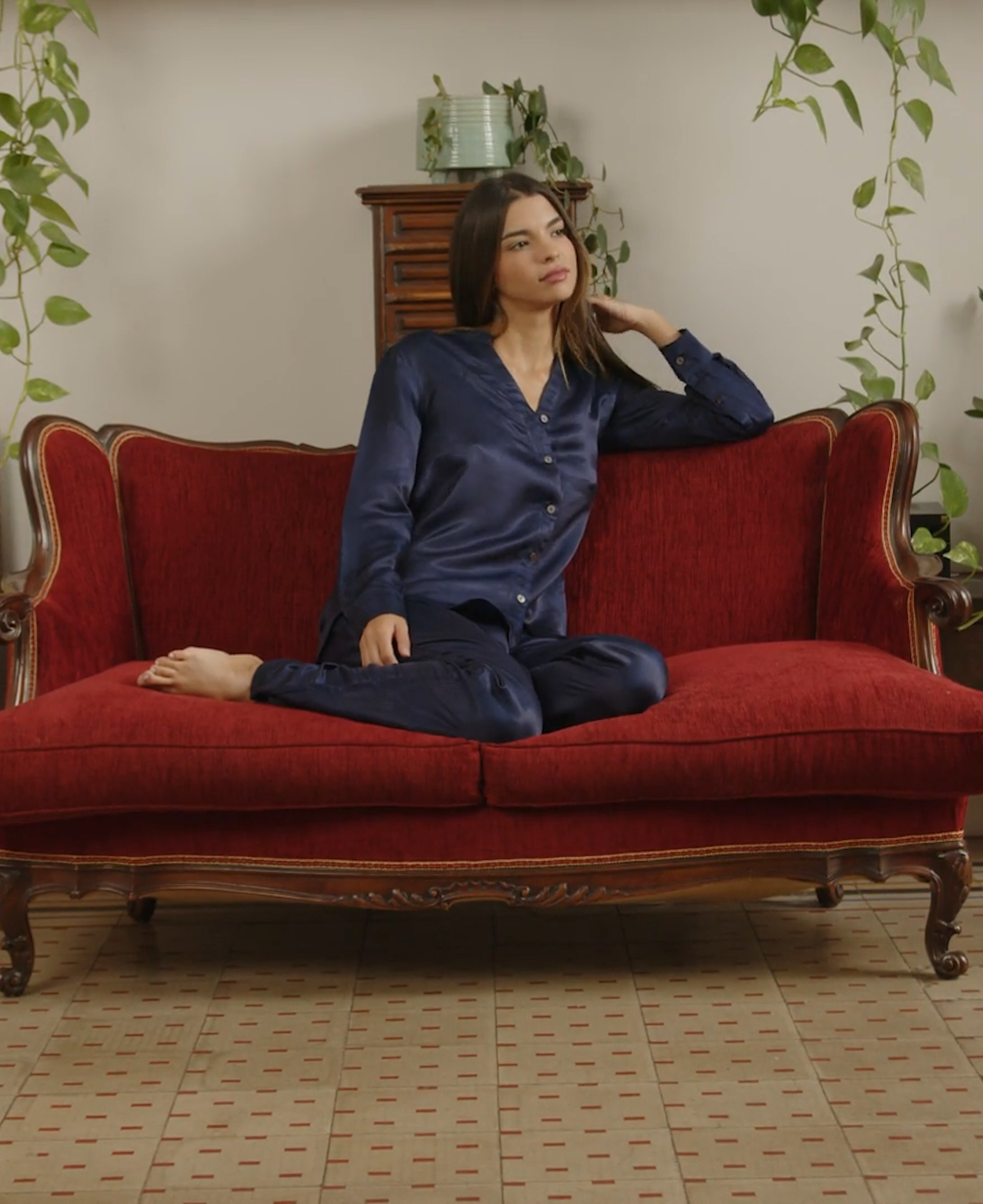
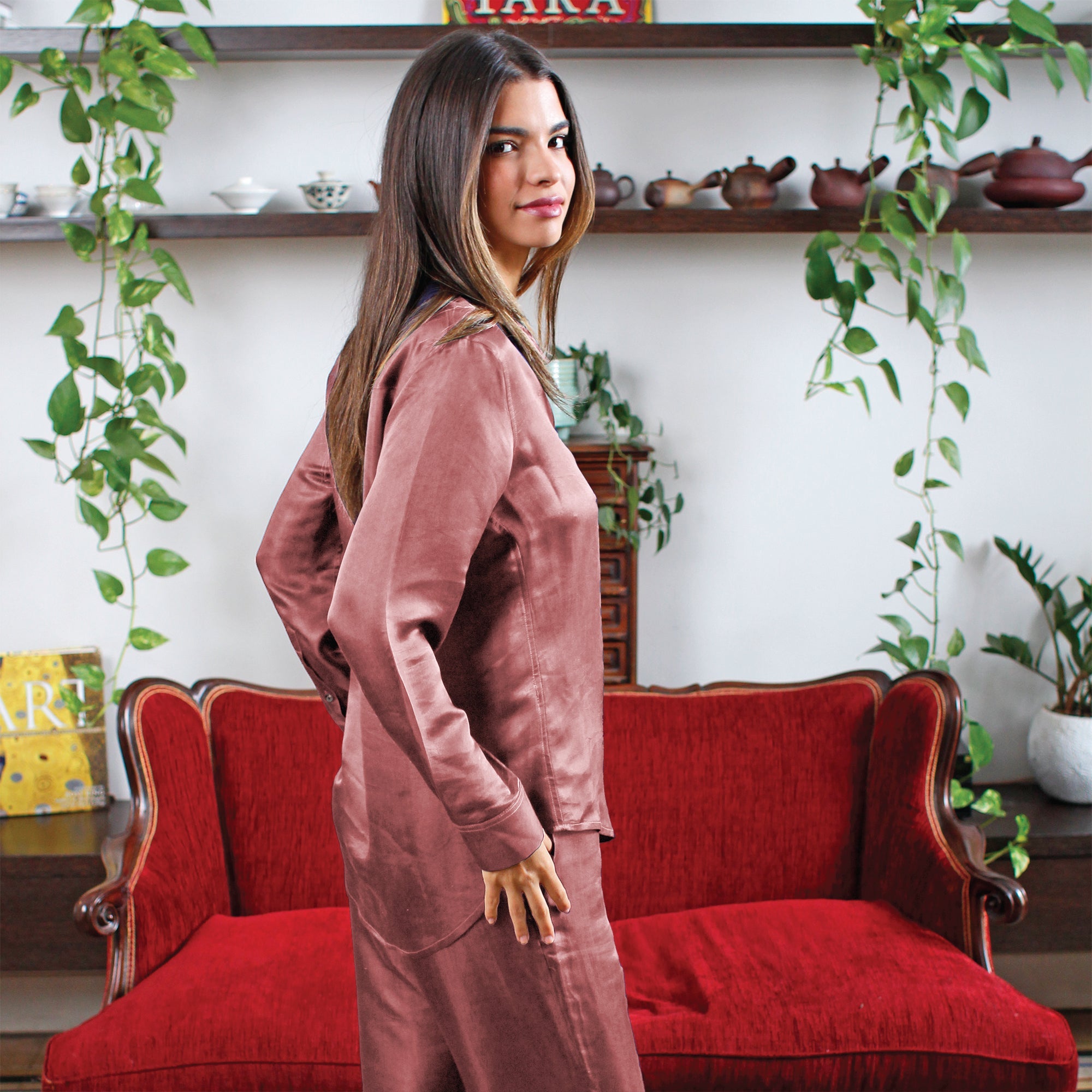
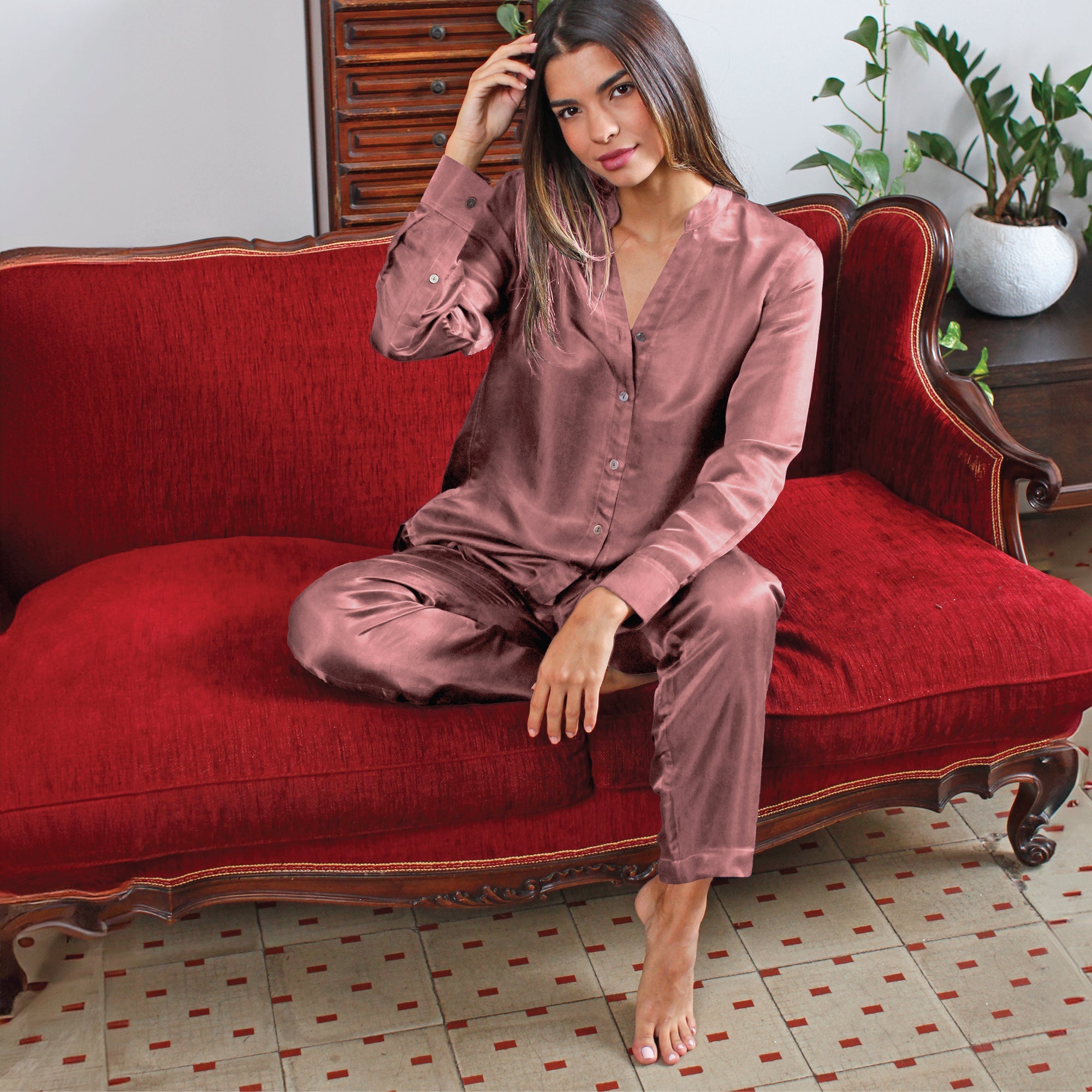
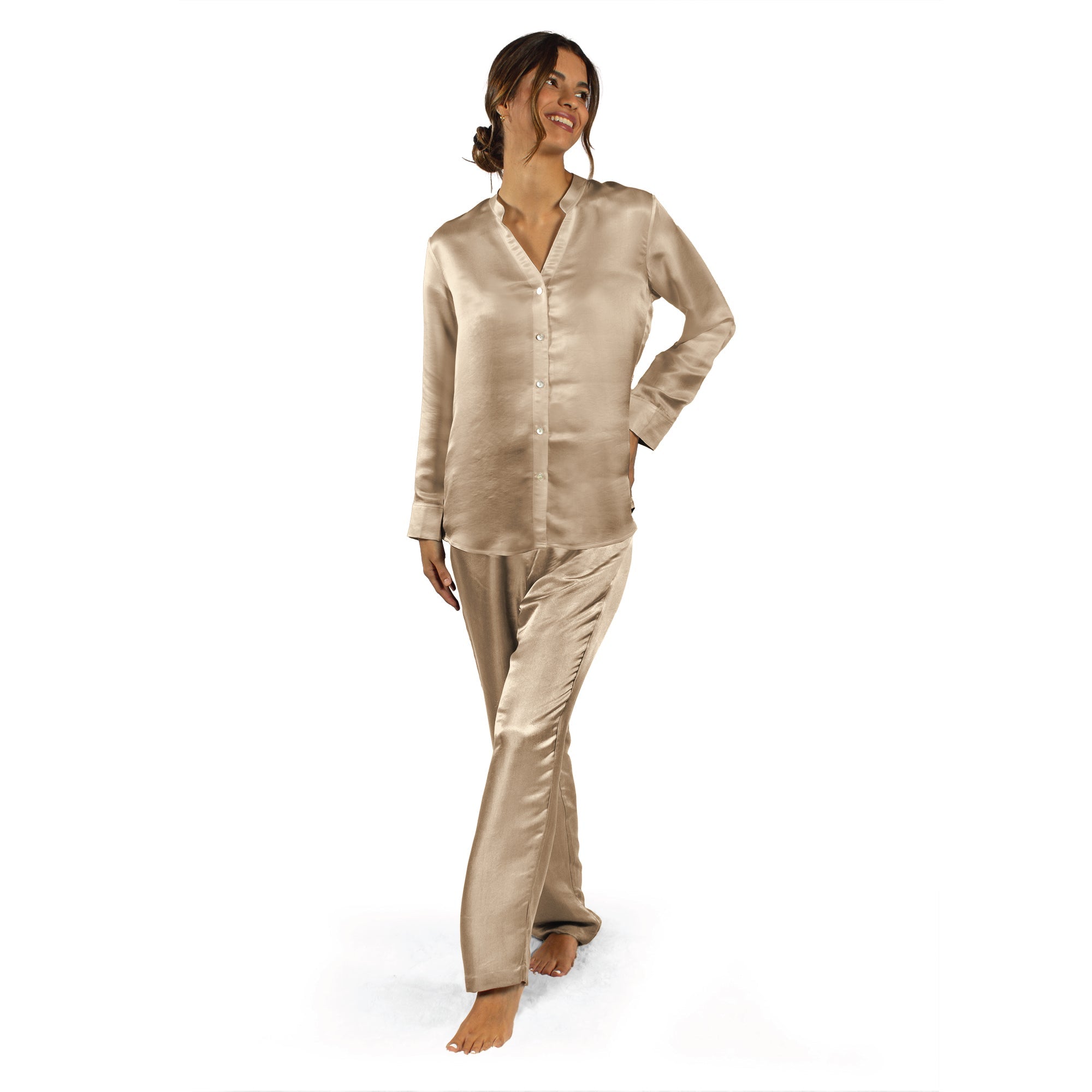
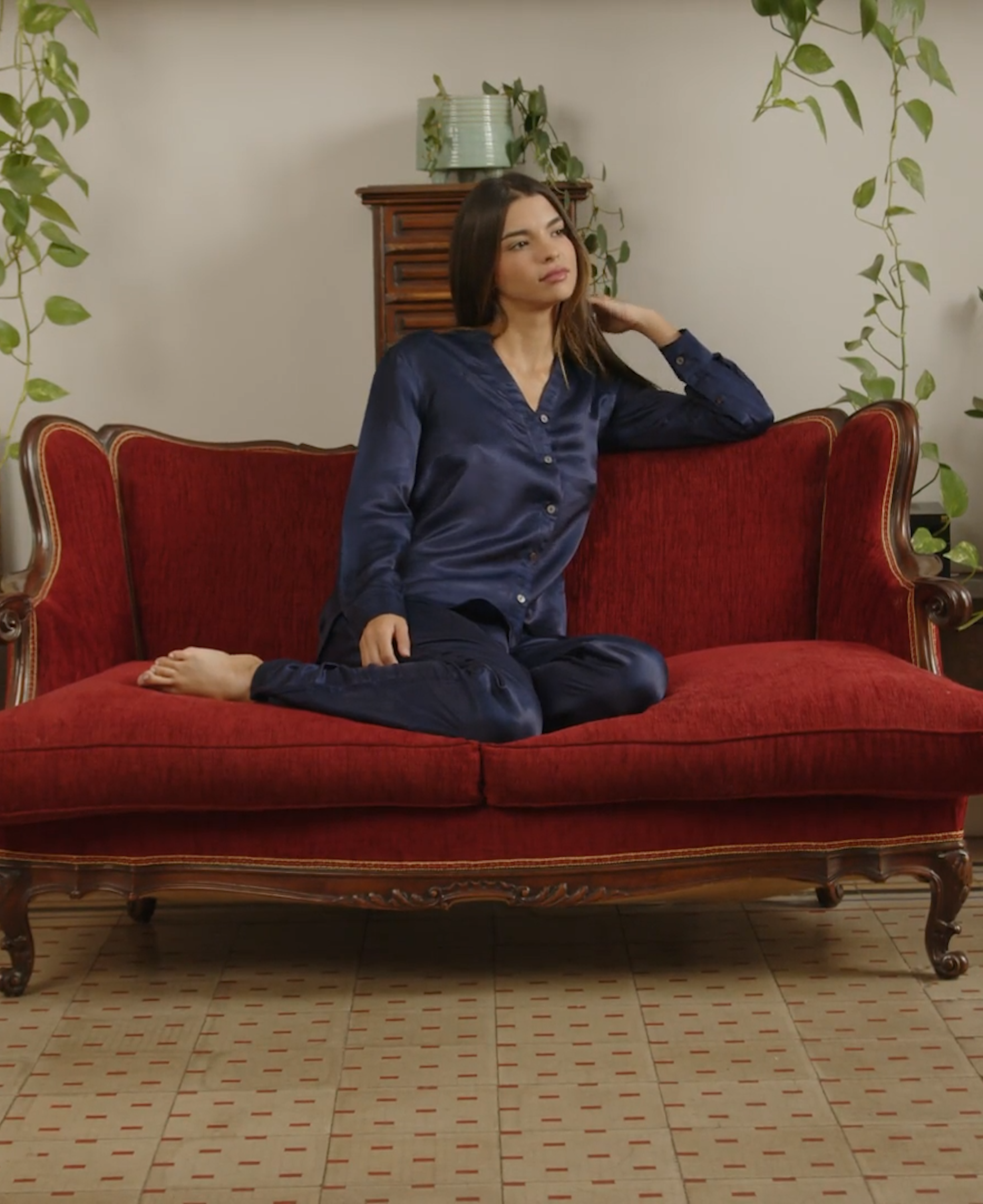
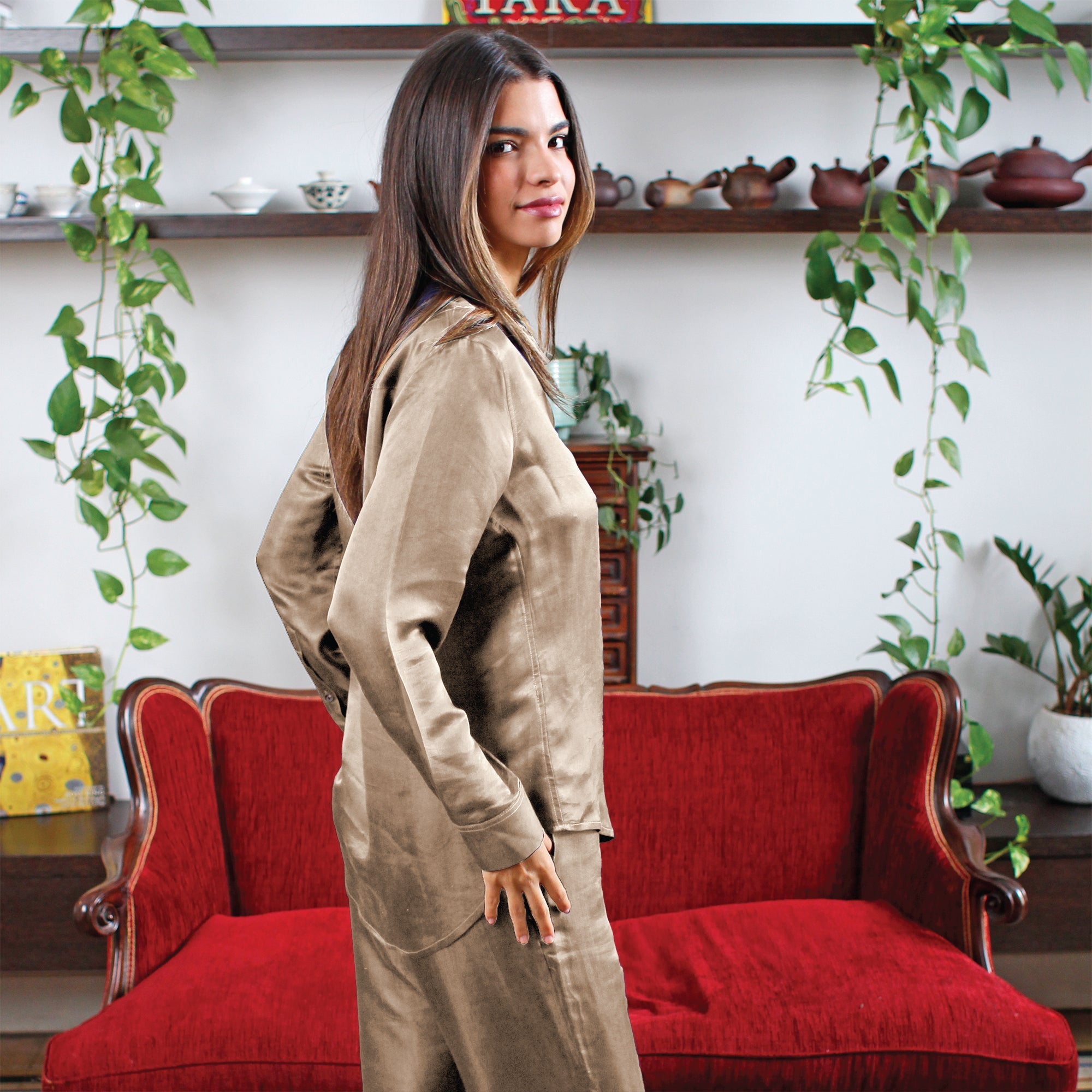
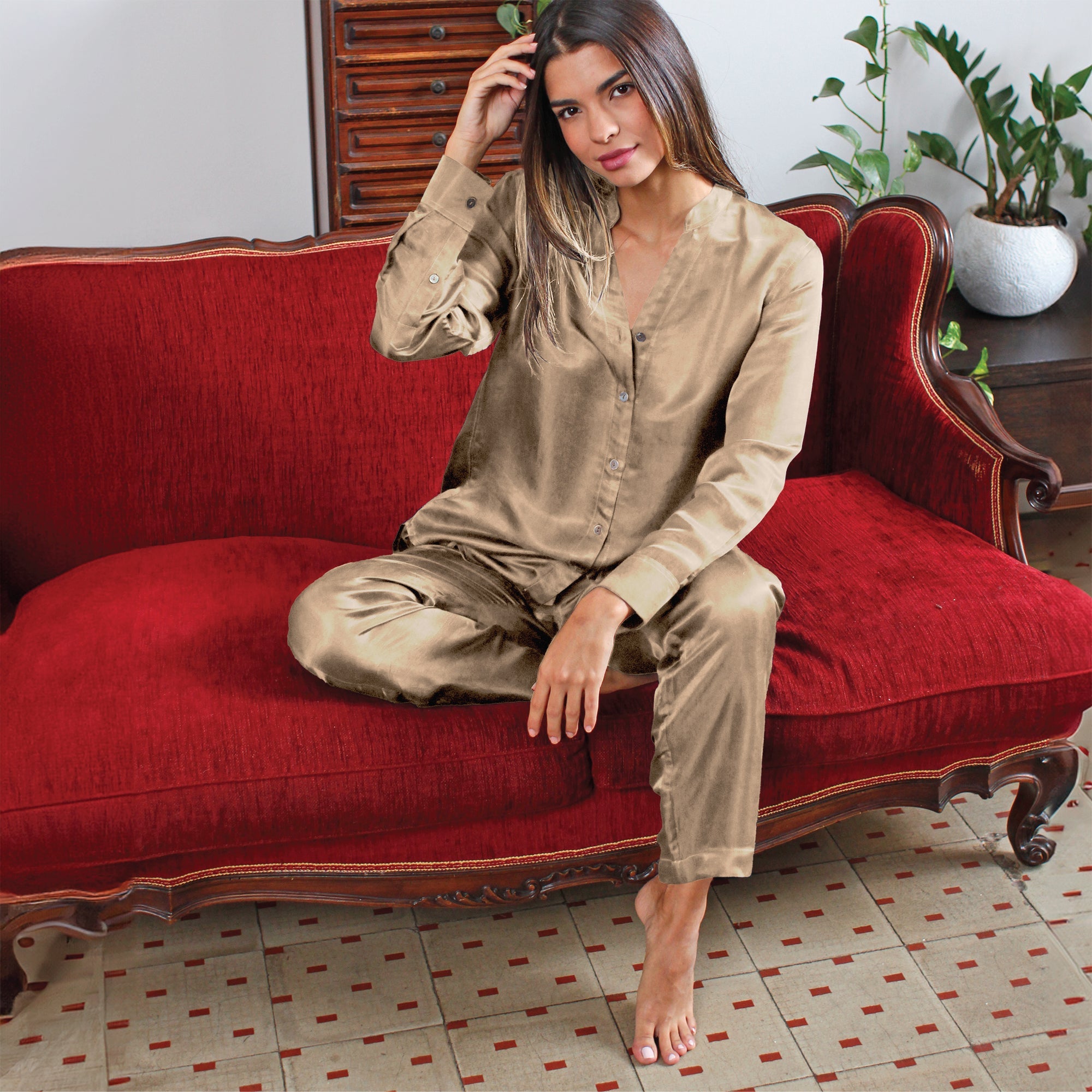
For women: The Tara Sartoria Silk Pajama Set. Artisan-woven premium mulberry silk, French seams, machine washable, XS to 4XL.
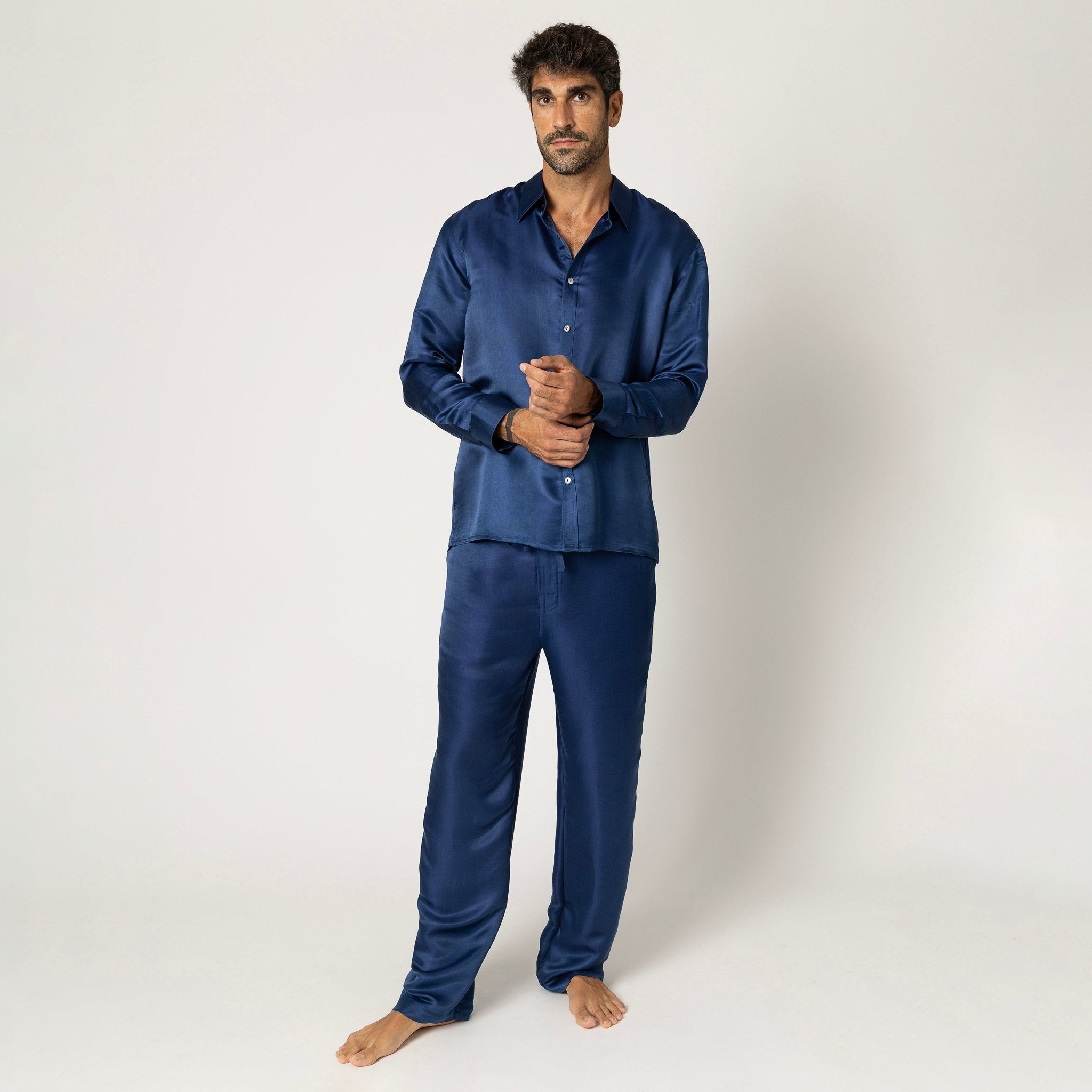
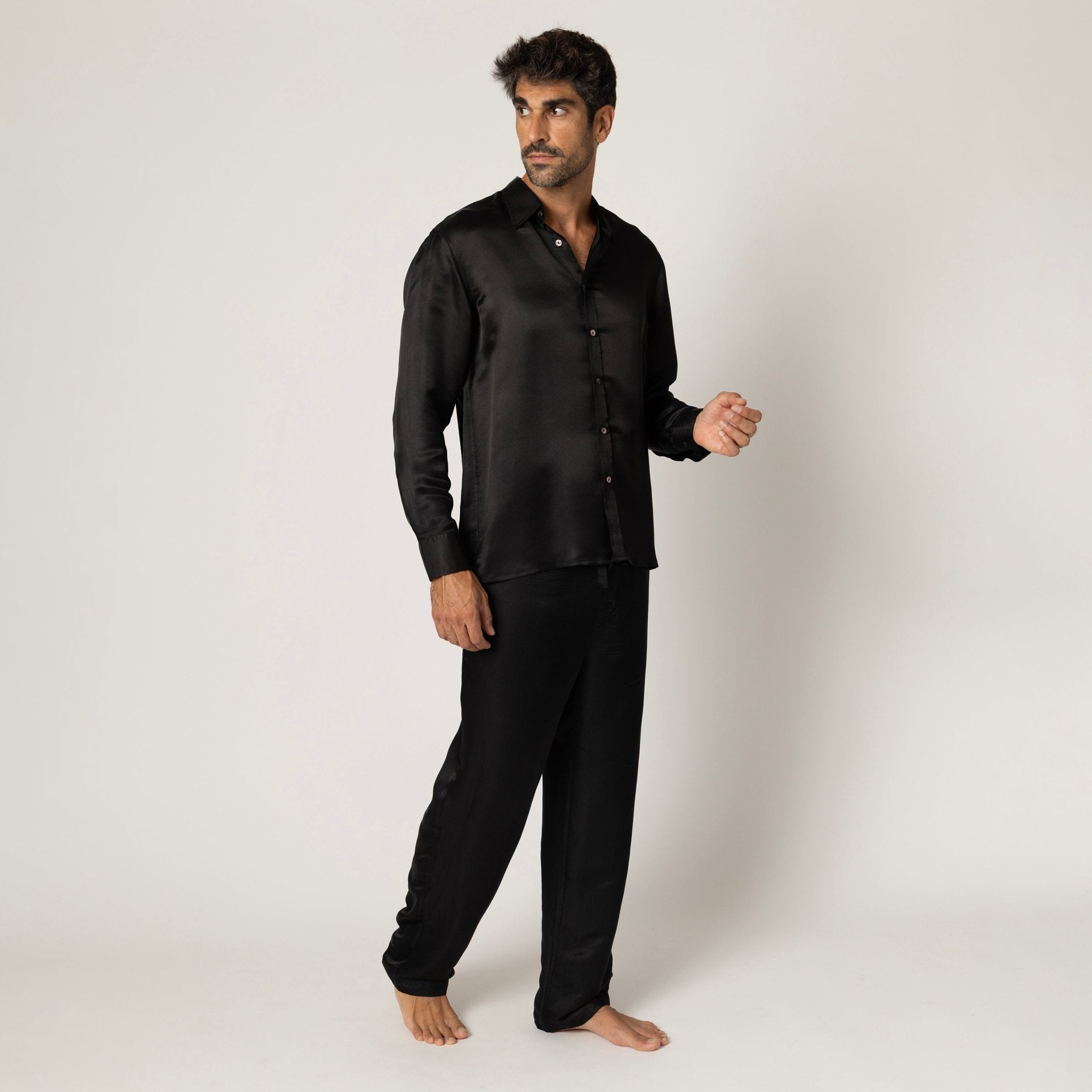
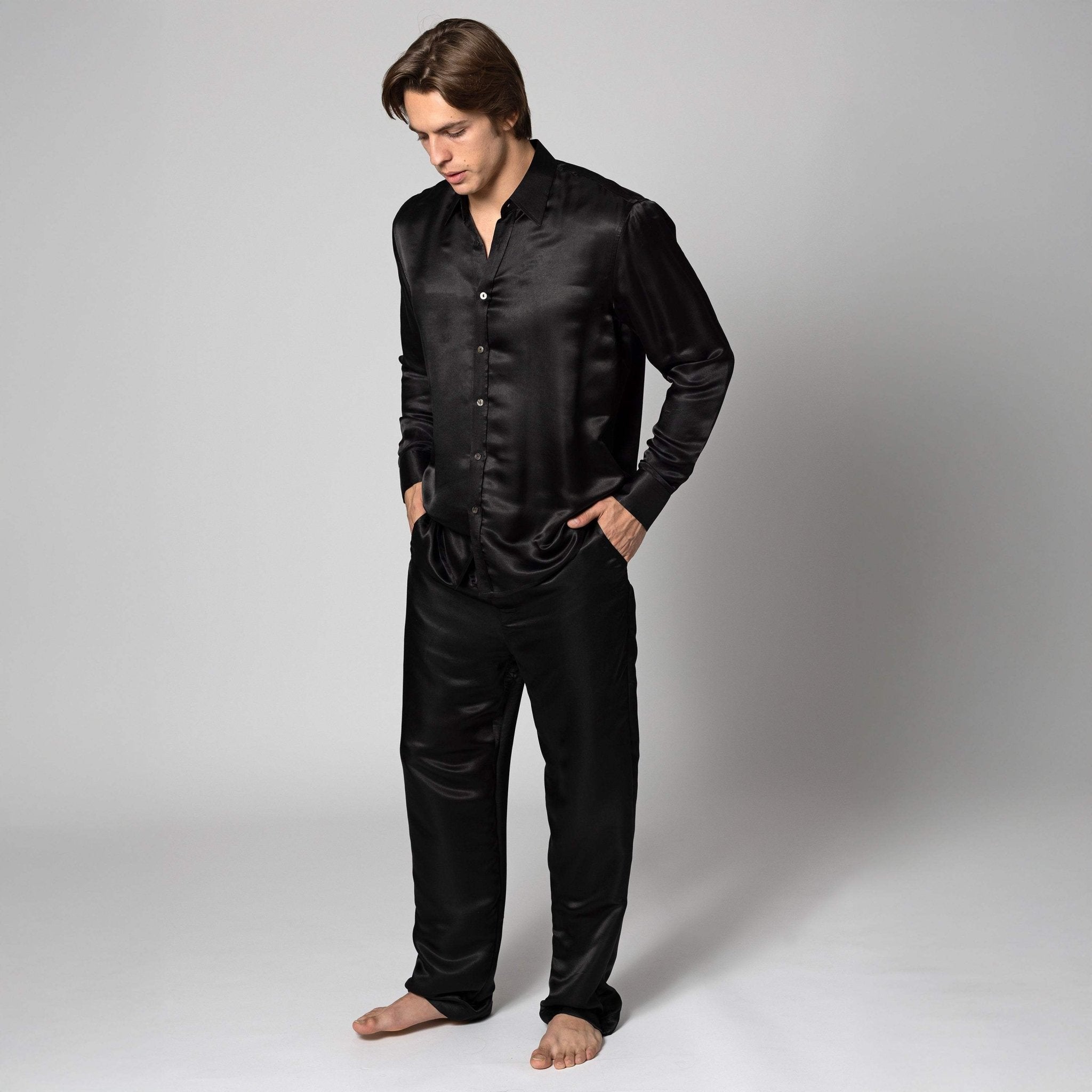
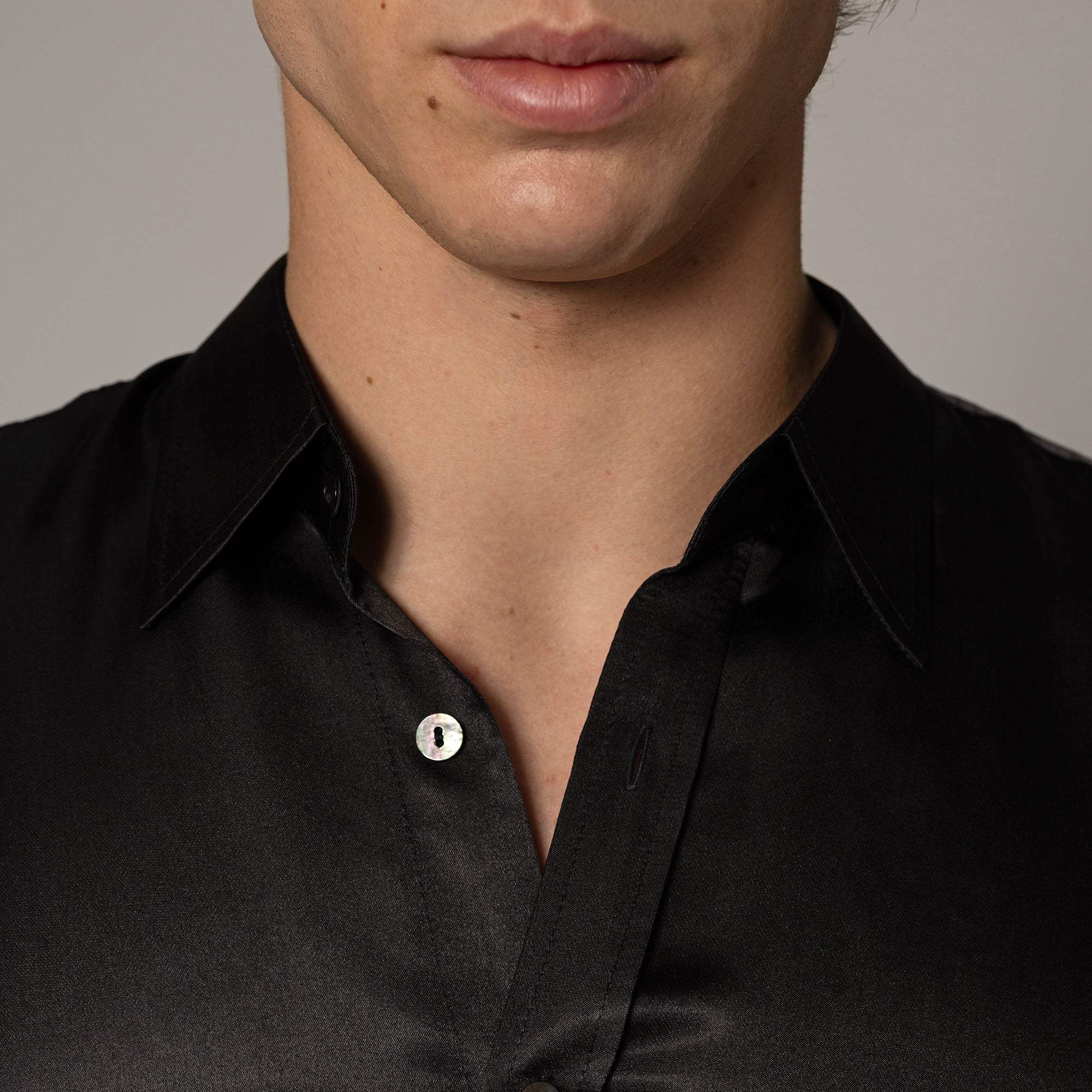
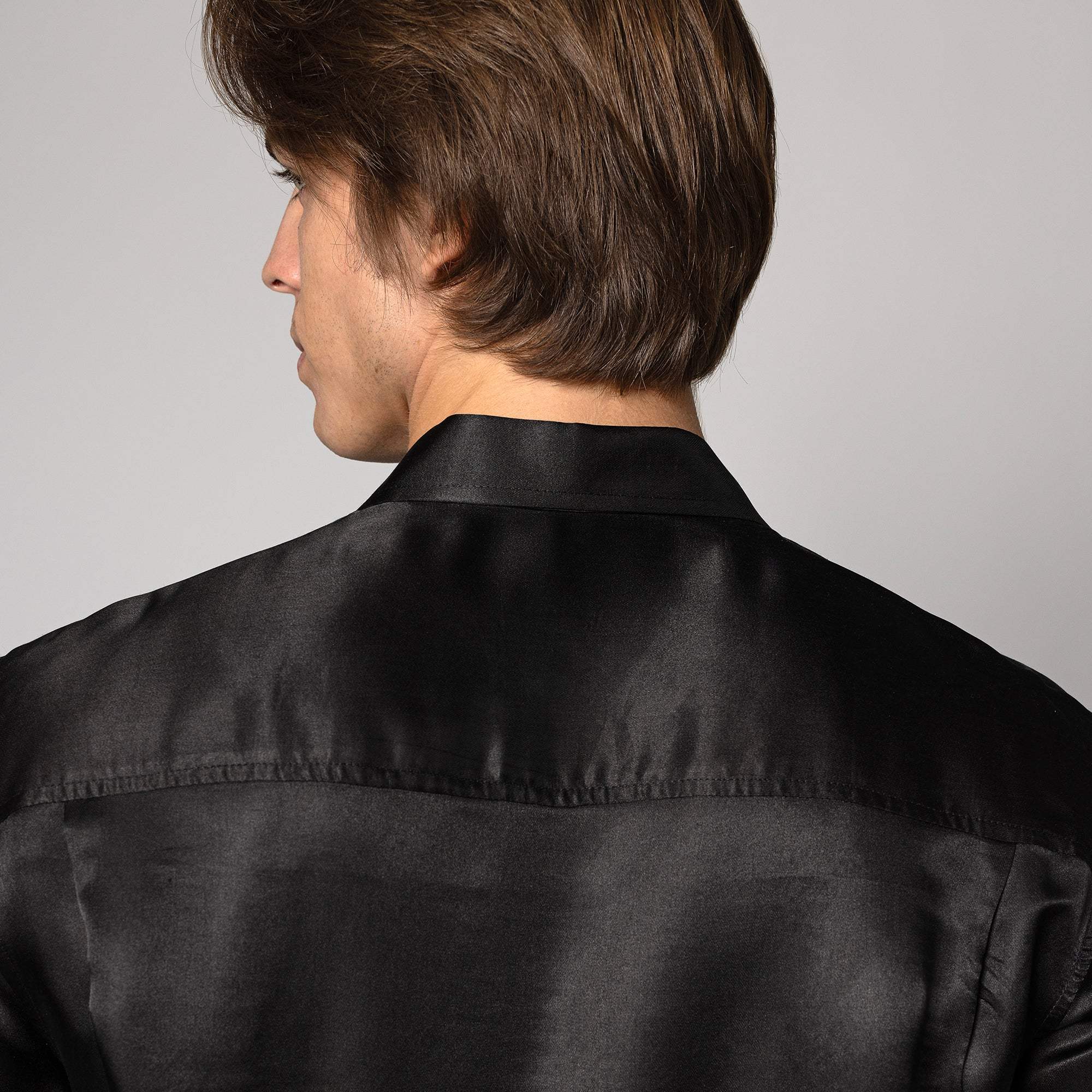
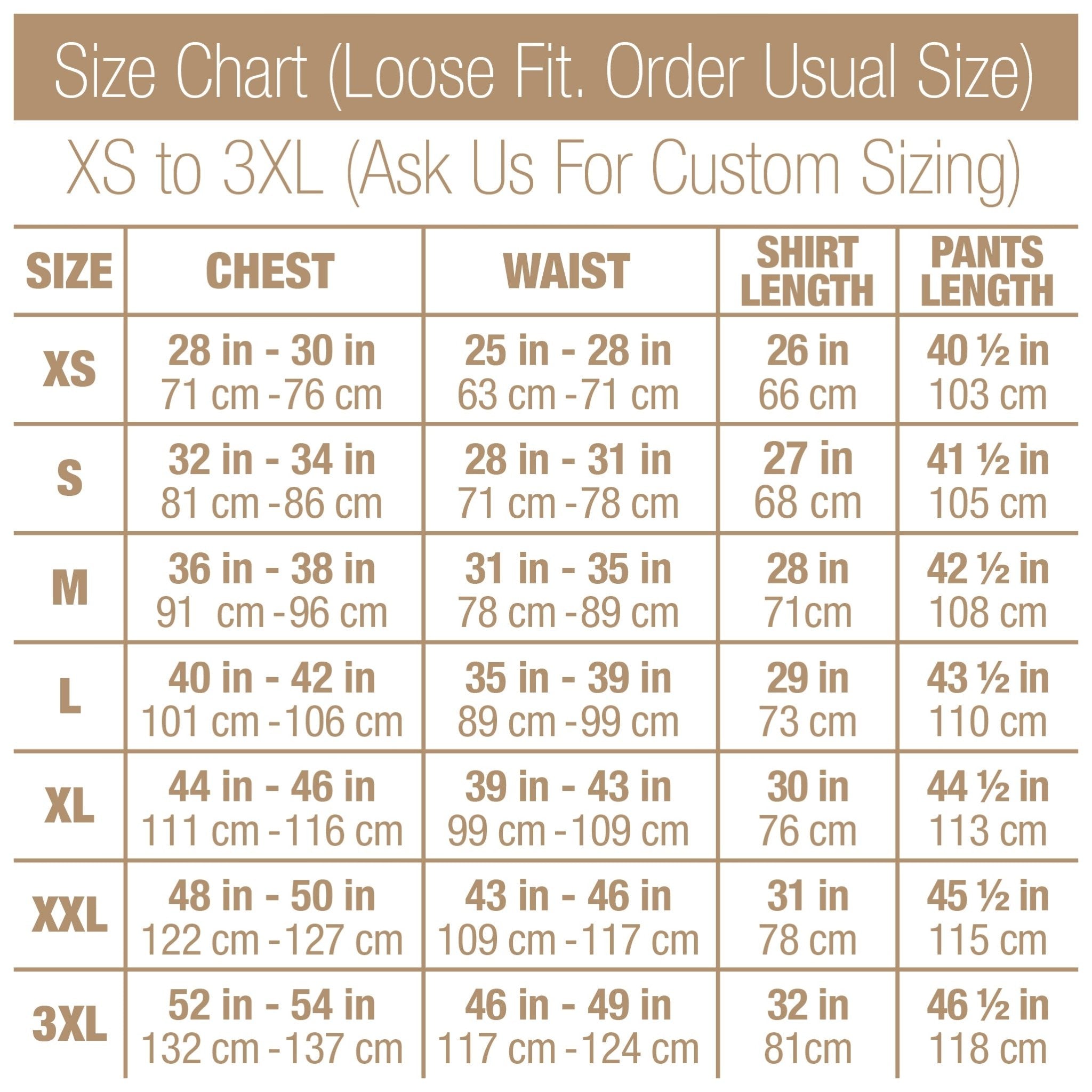
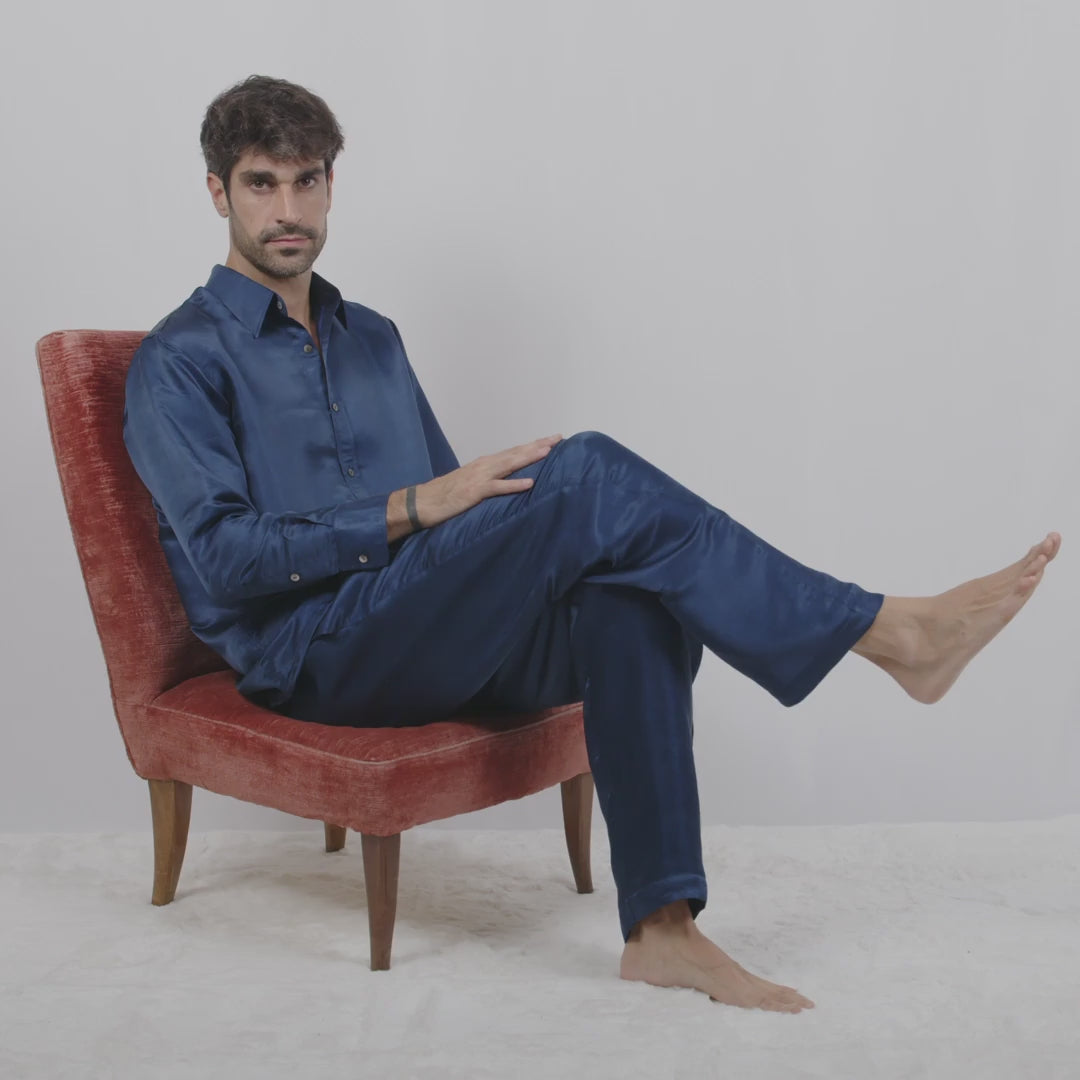
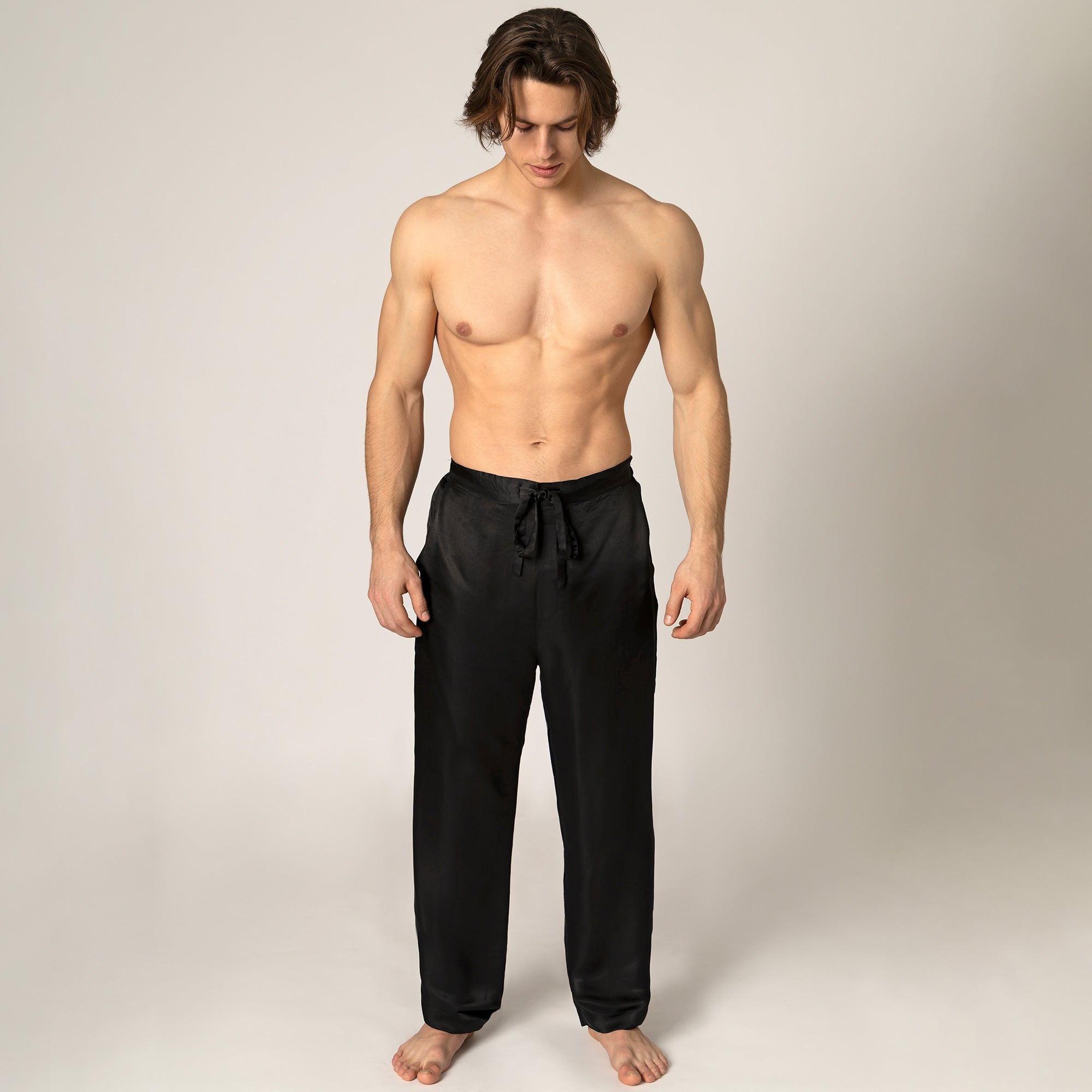
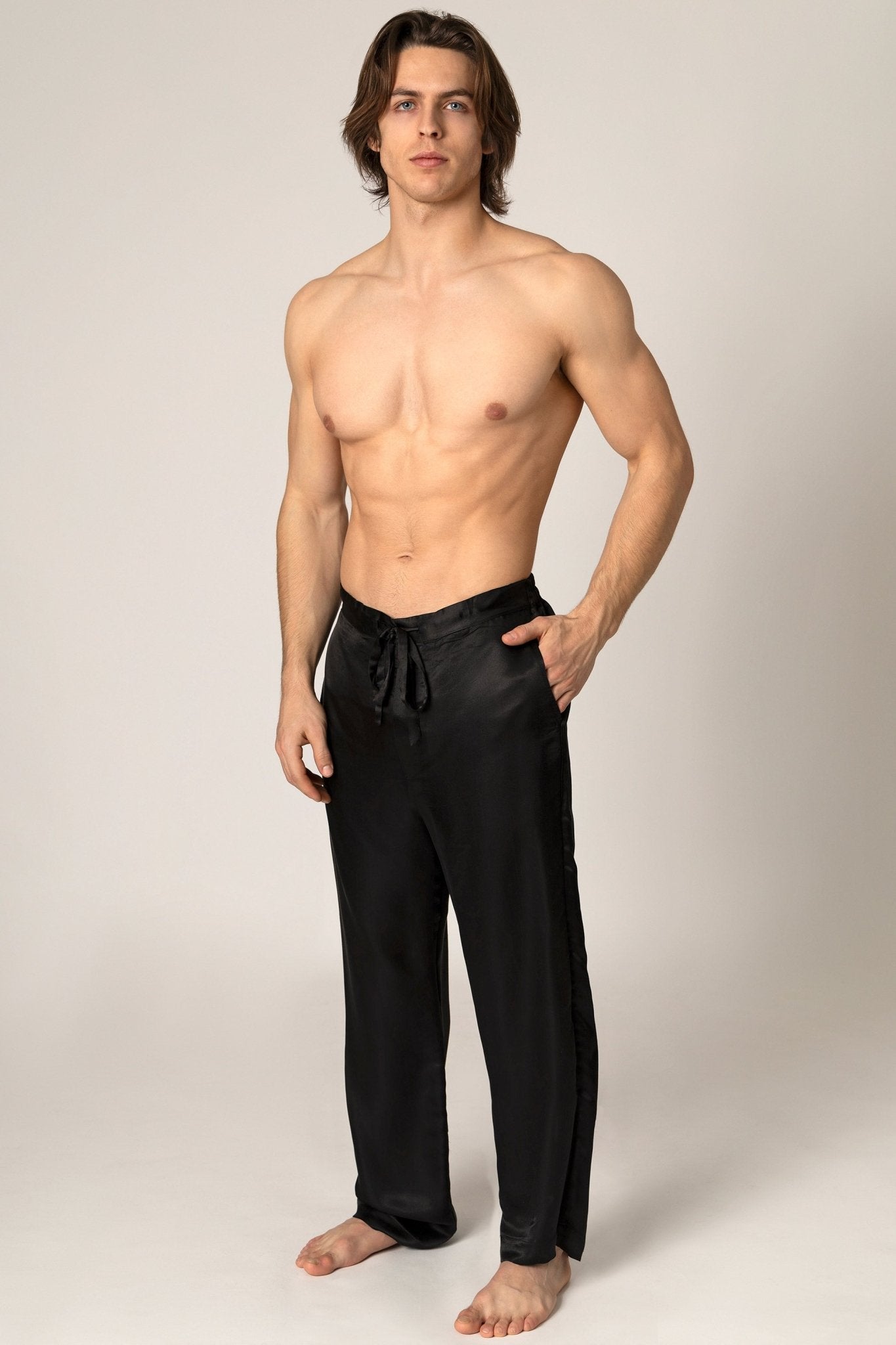
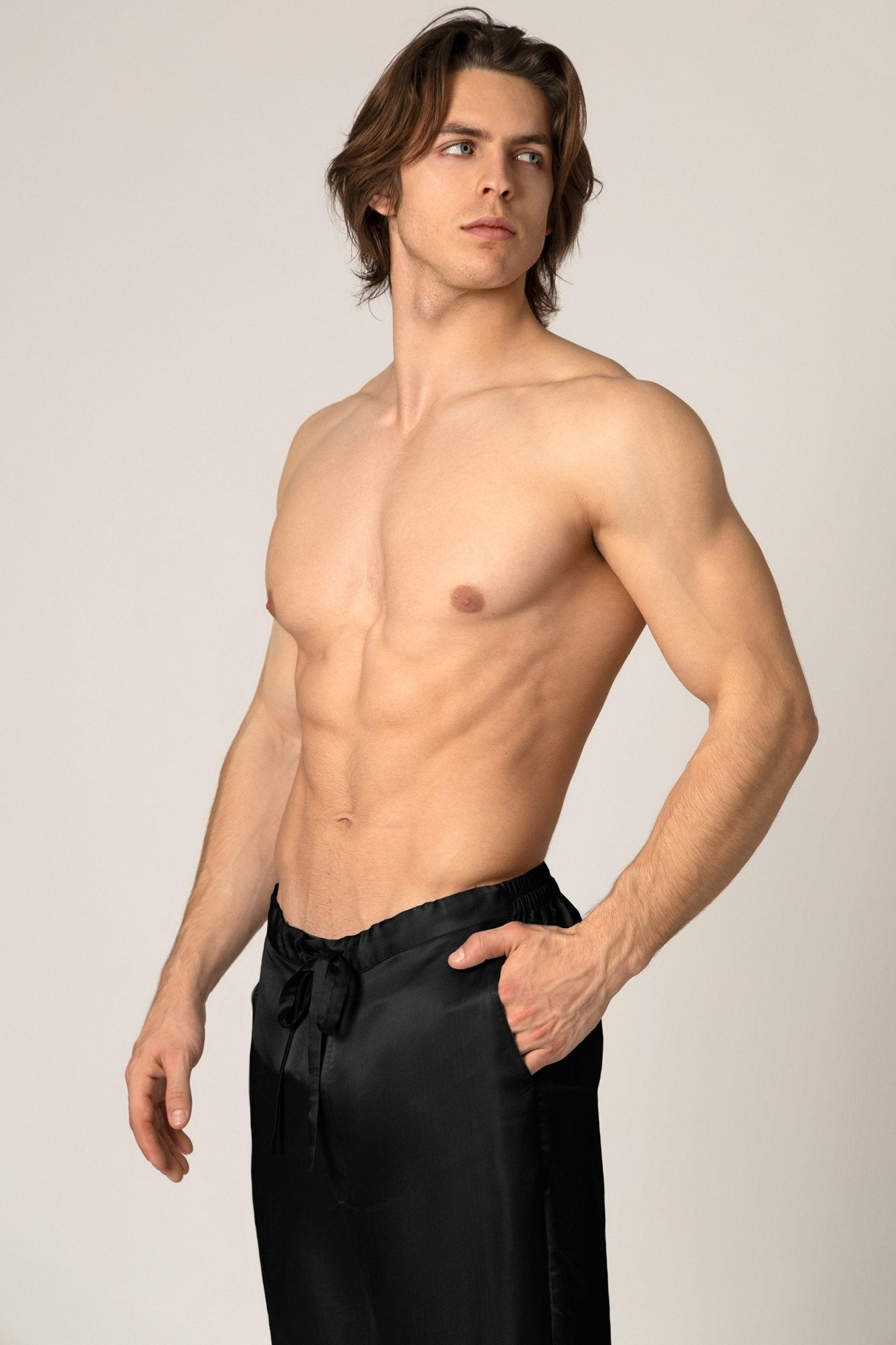
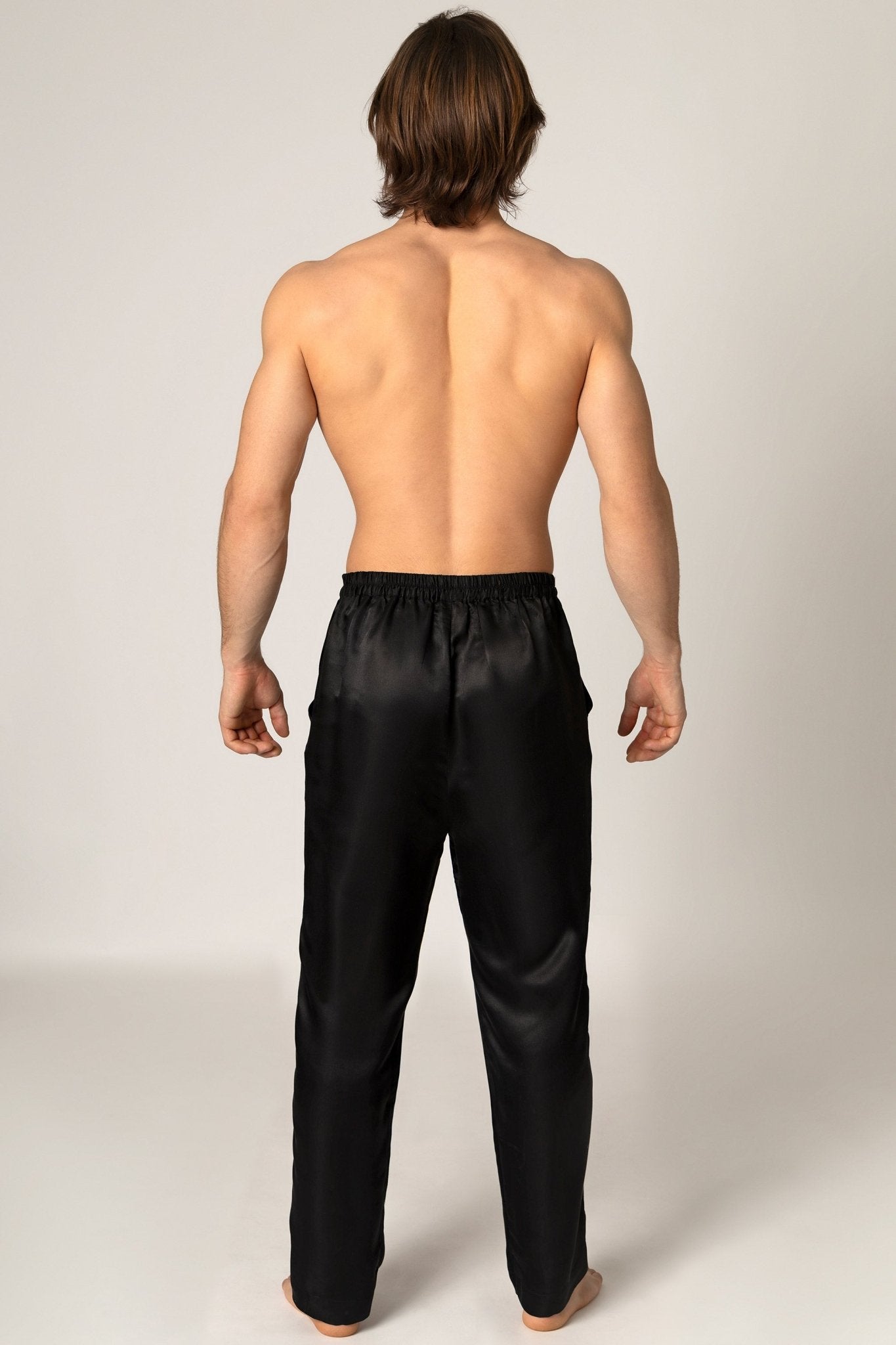
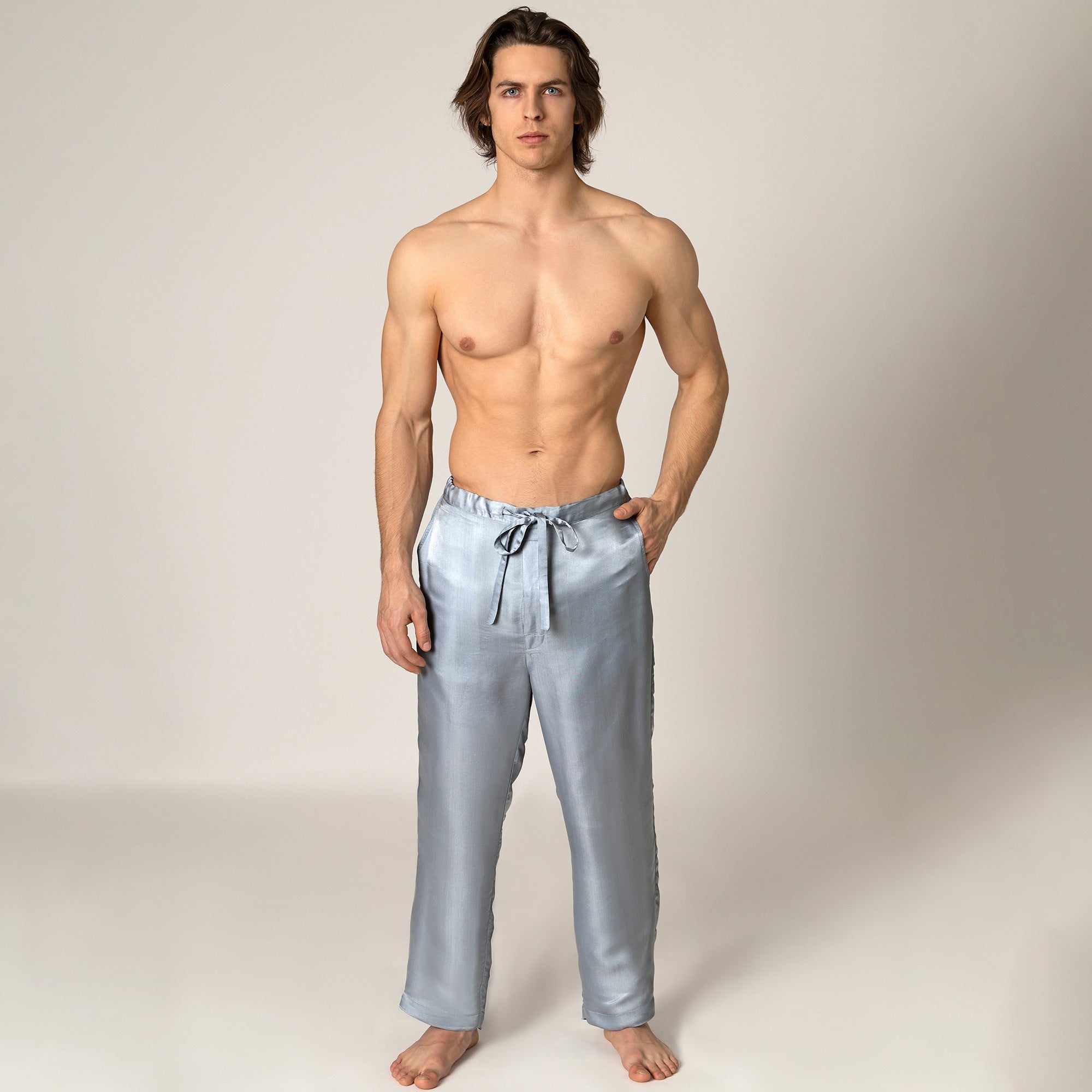
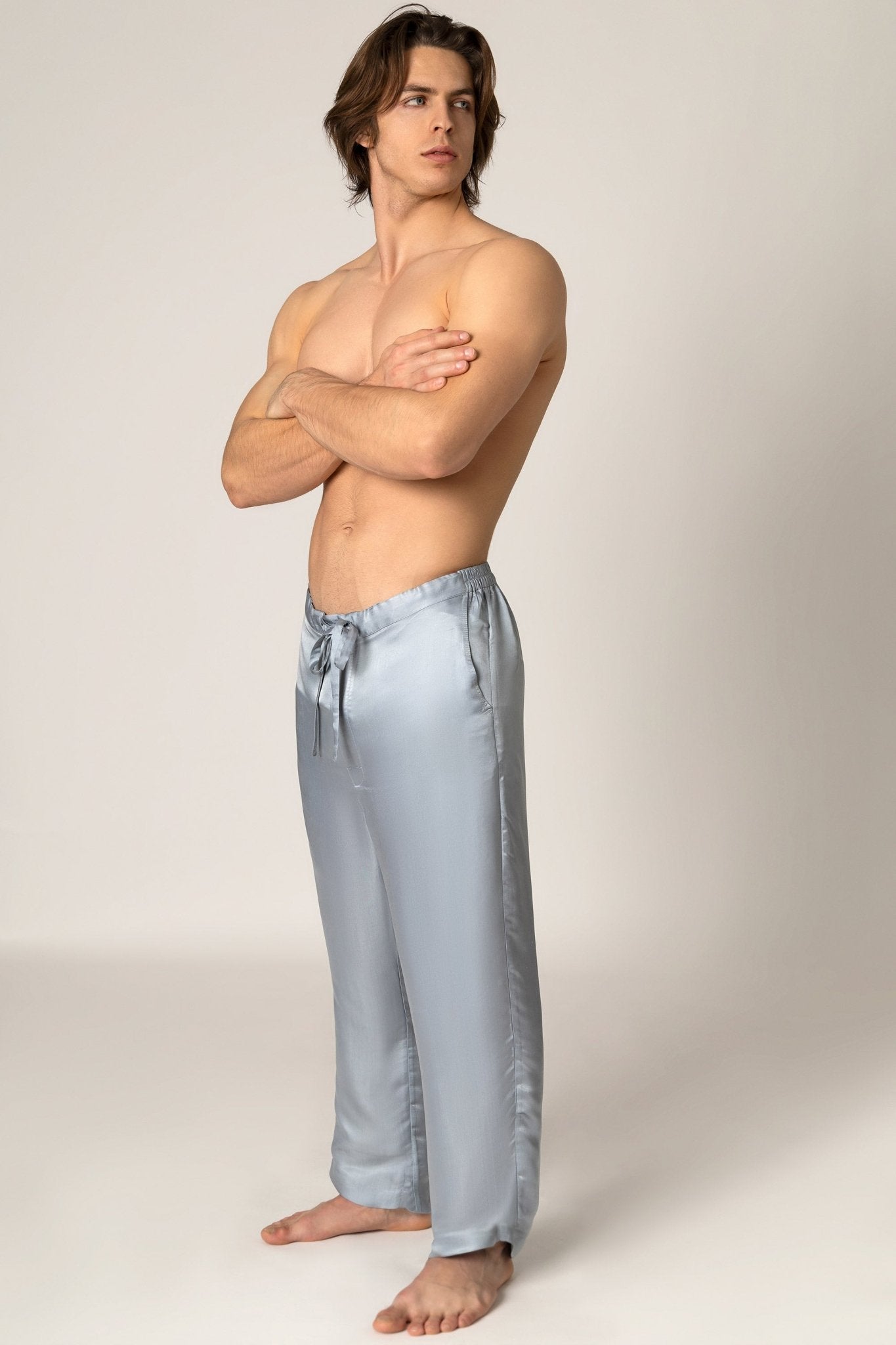
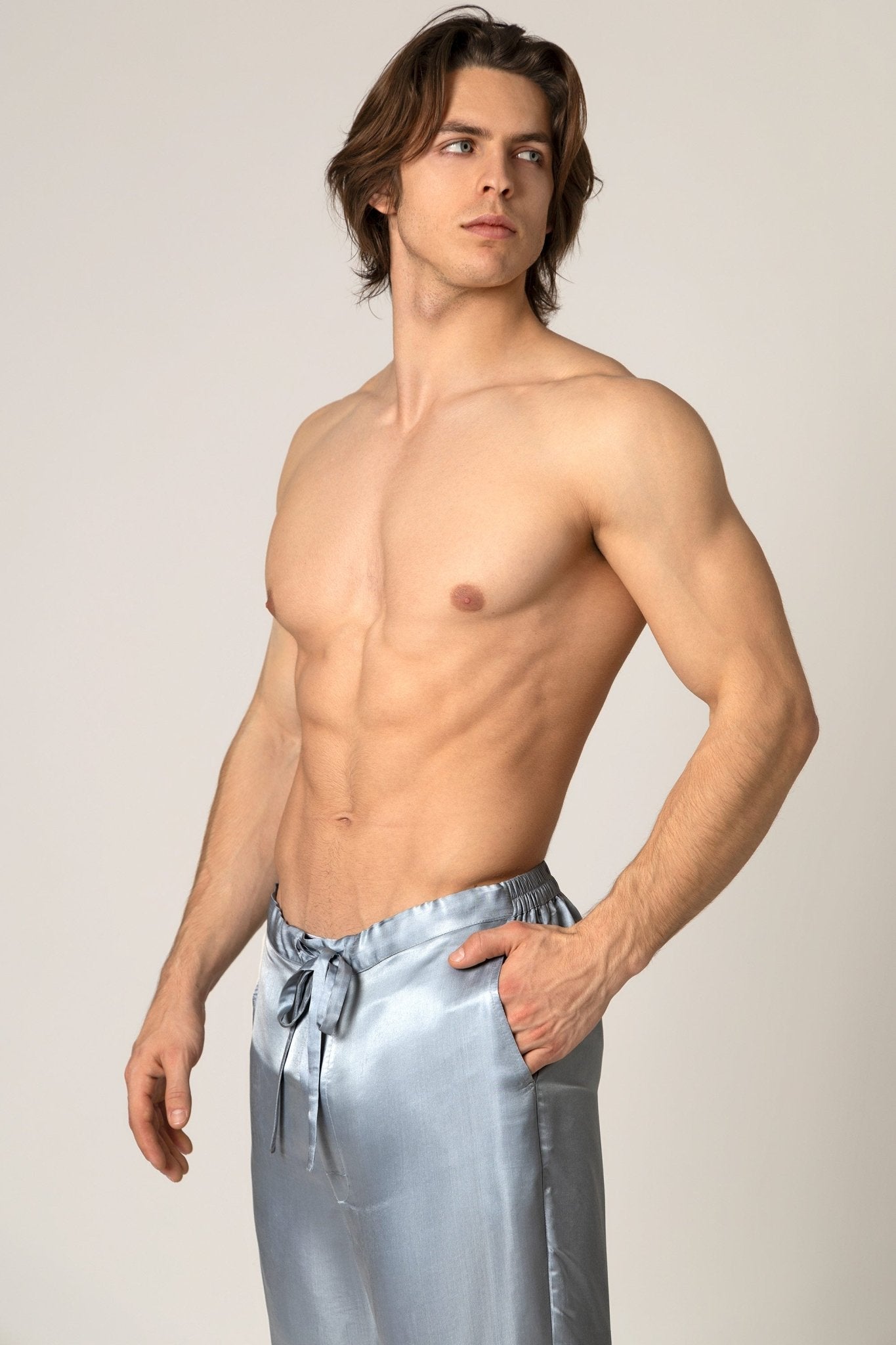
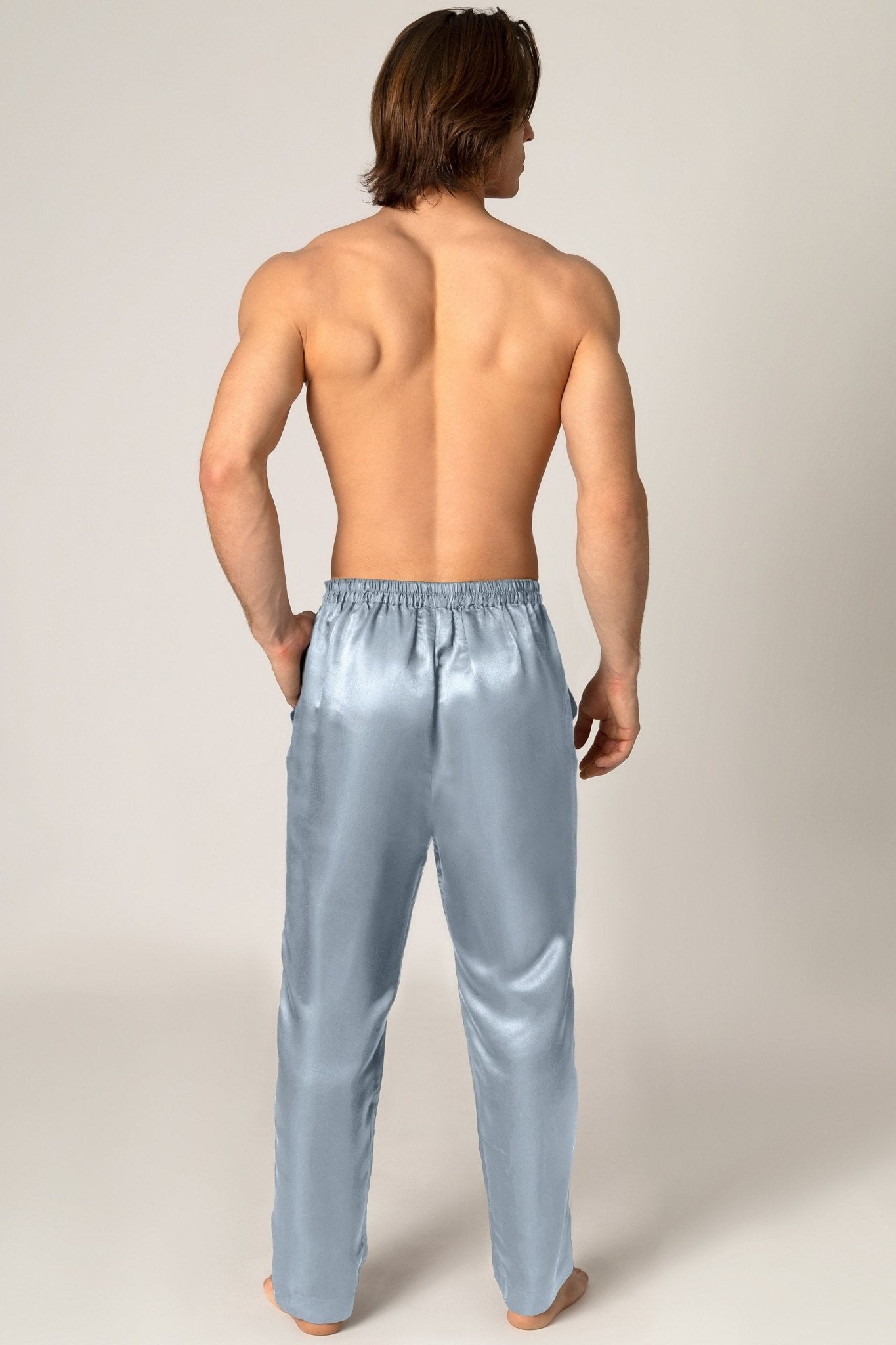
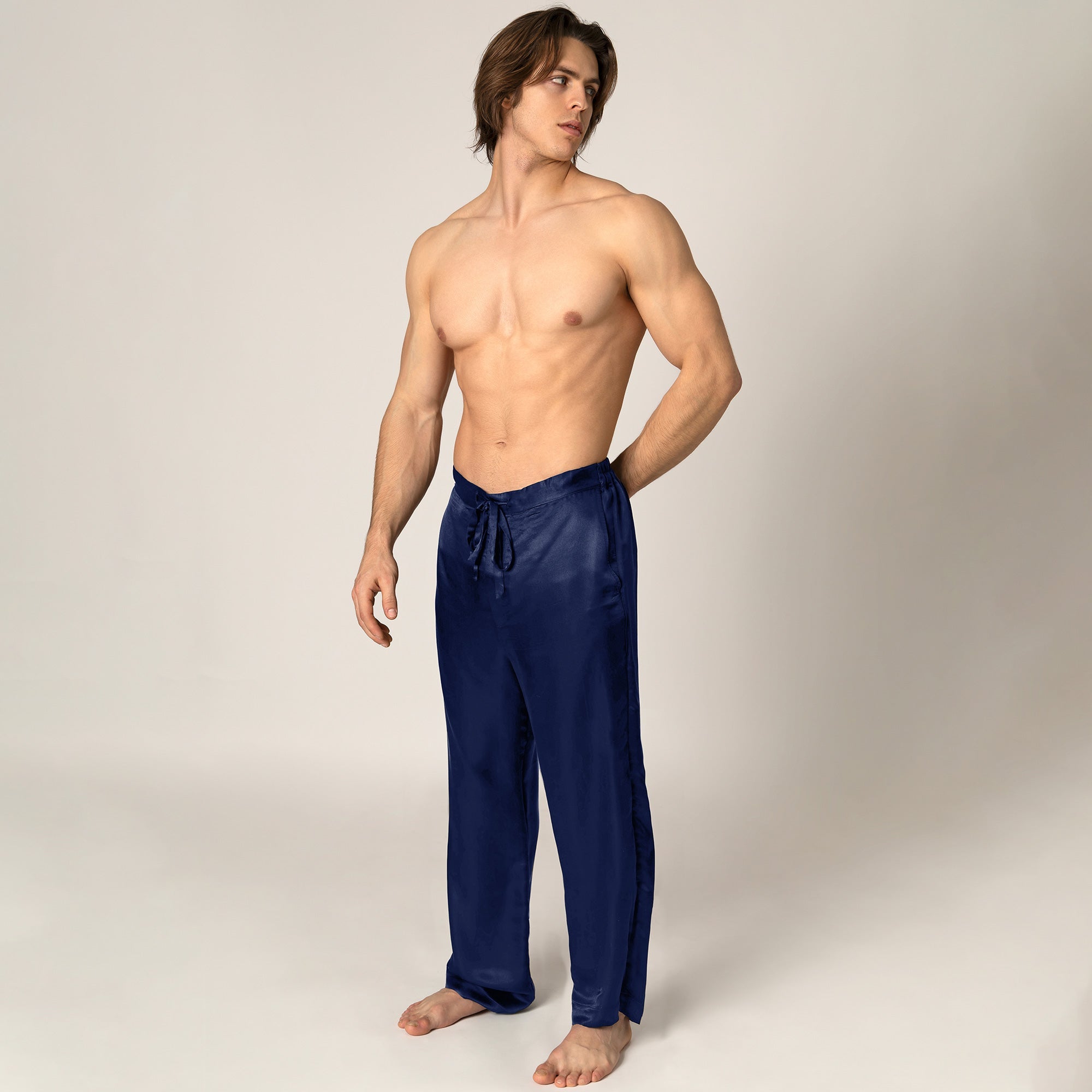
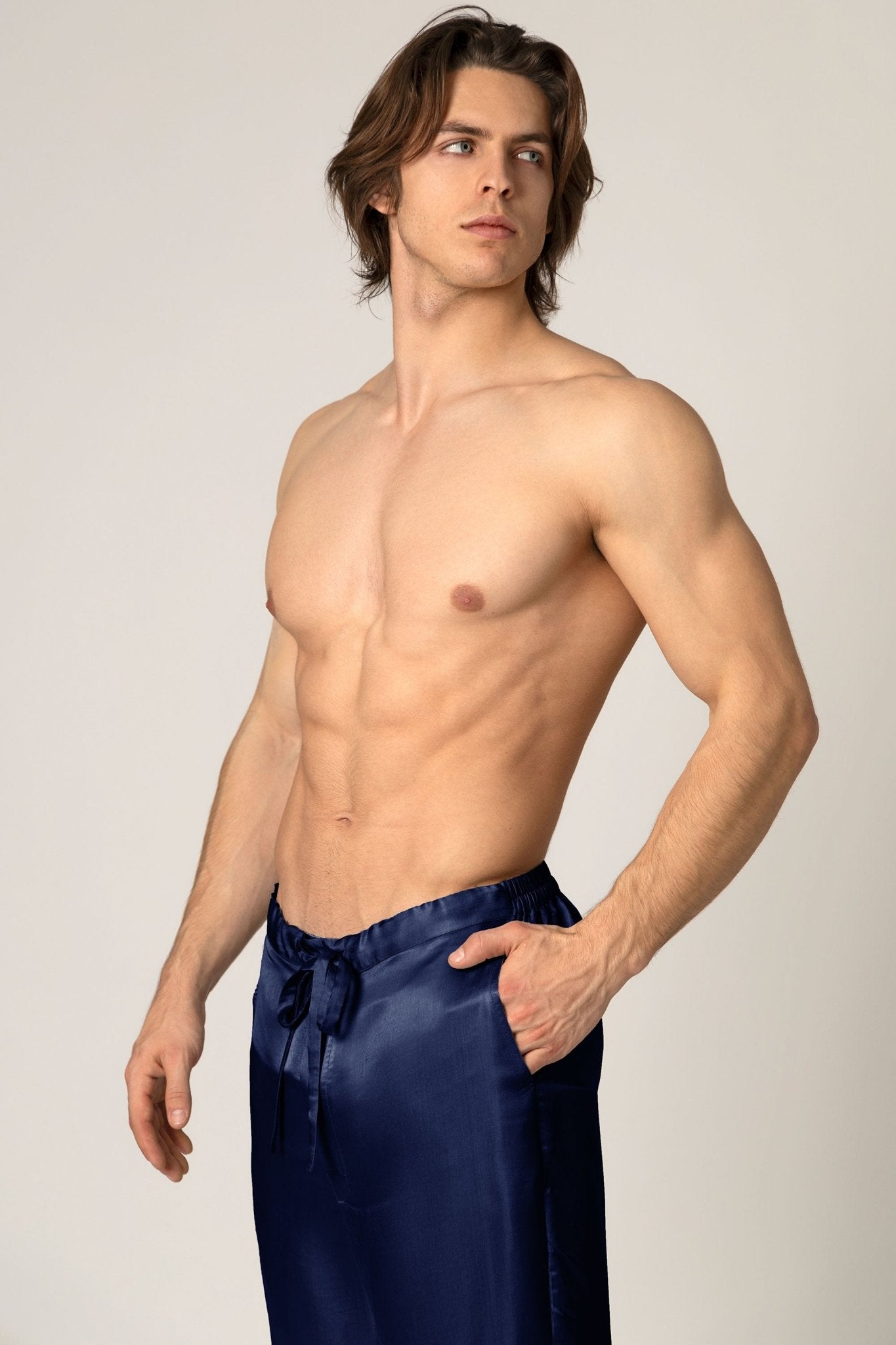
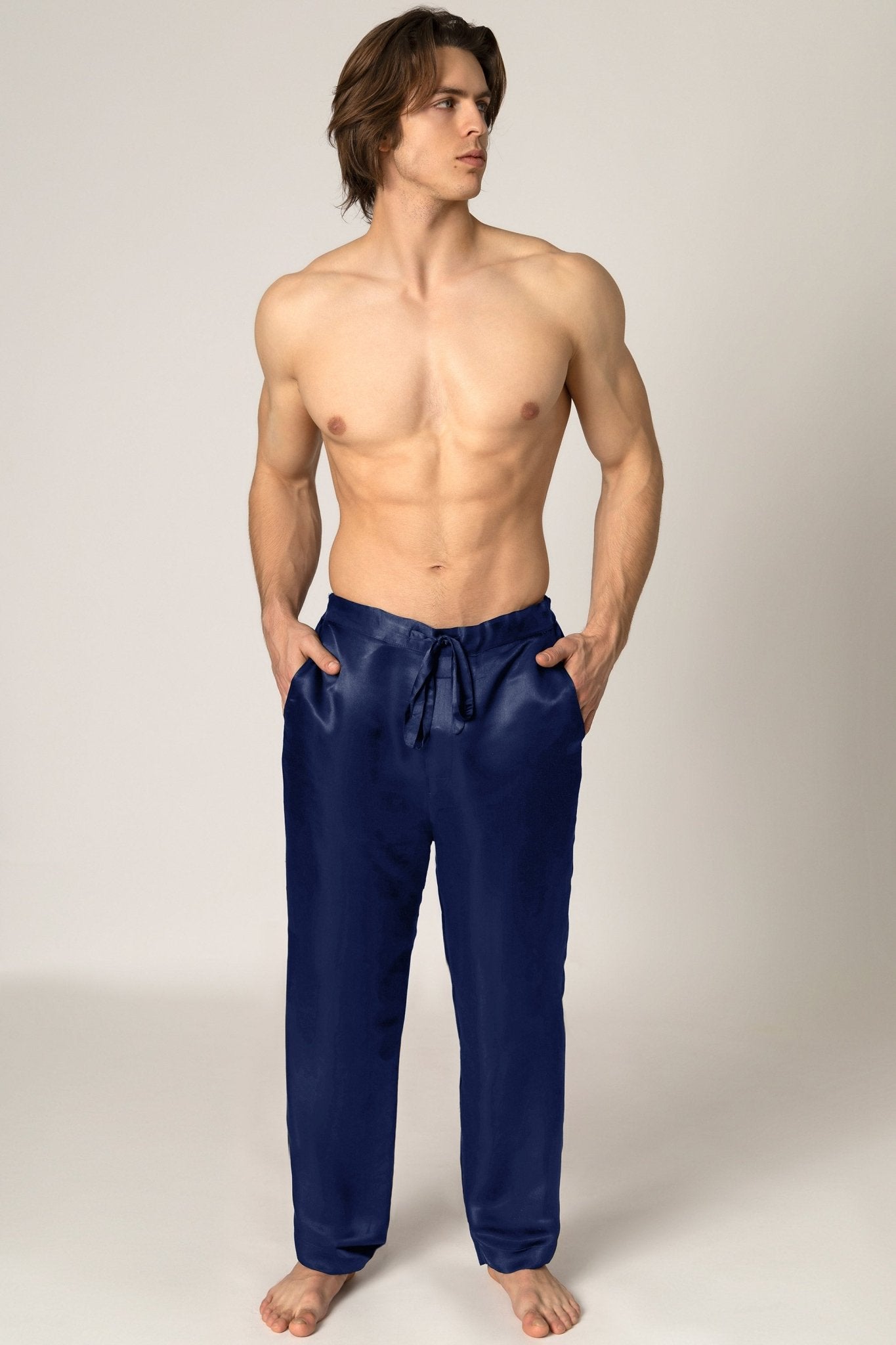
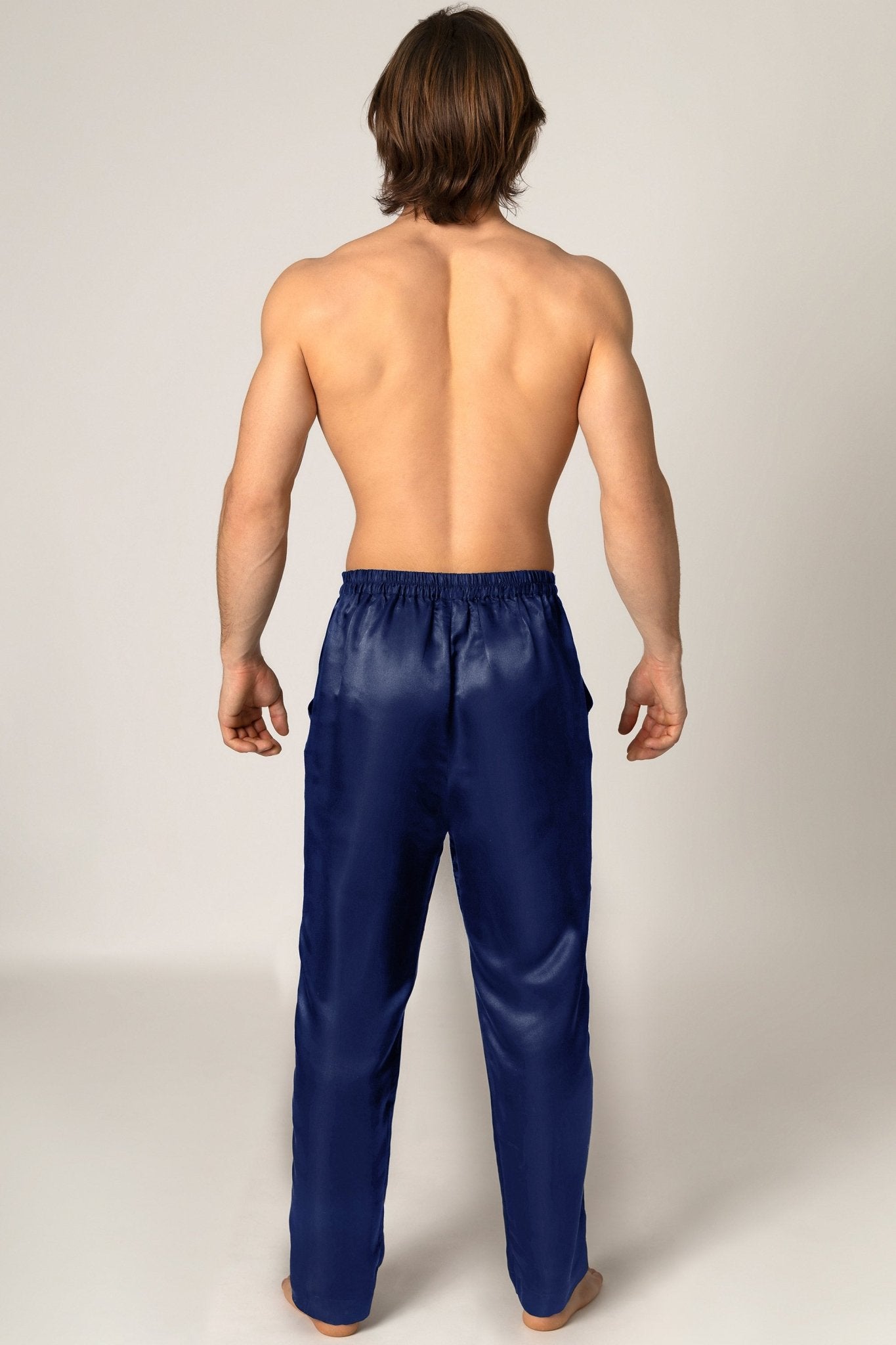
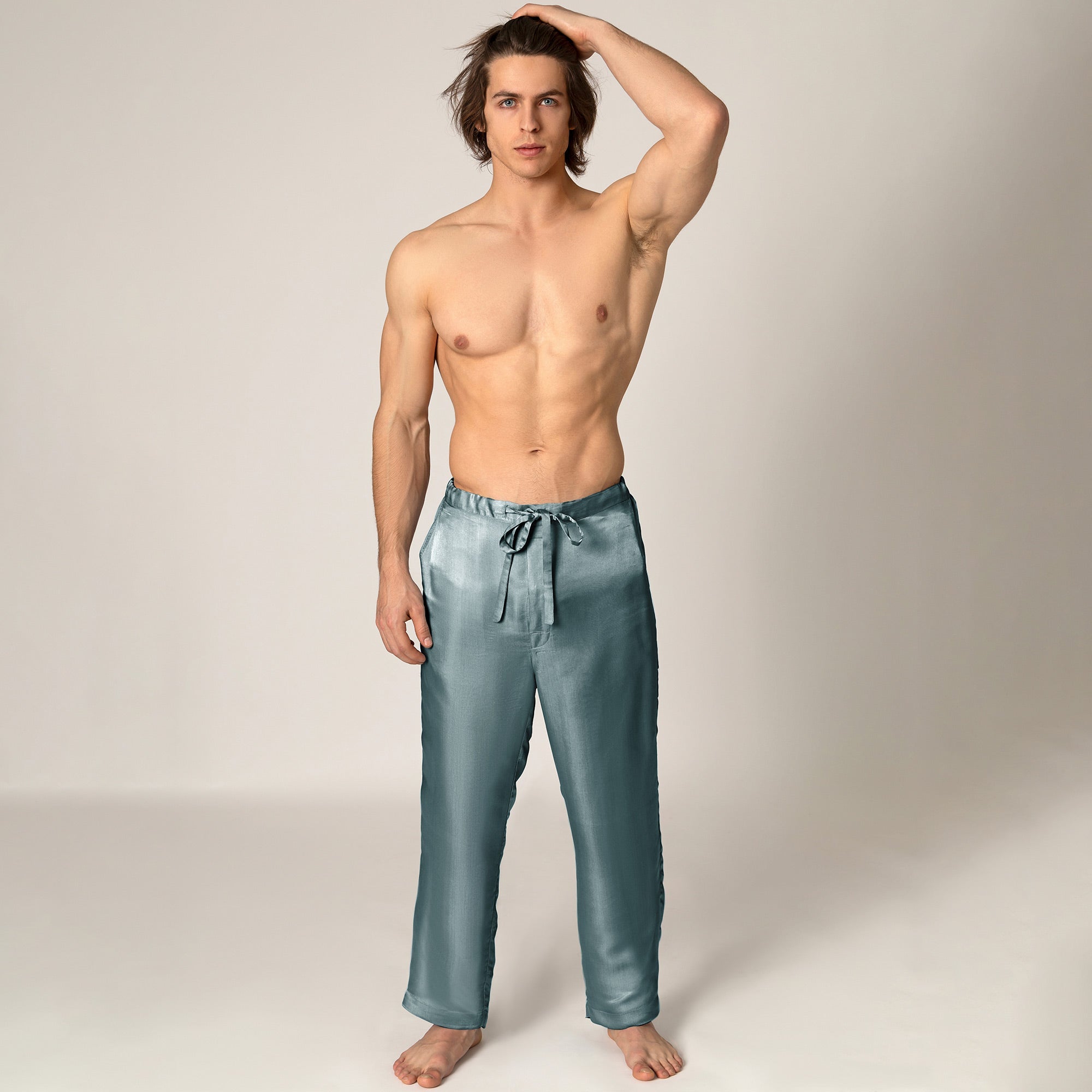
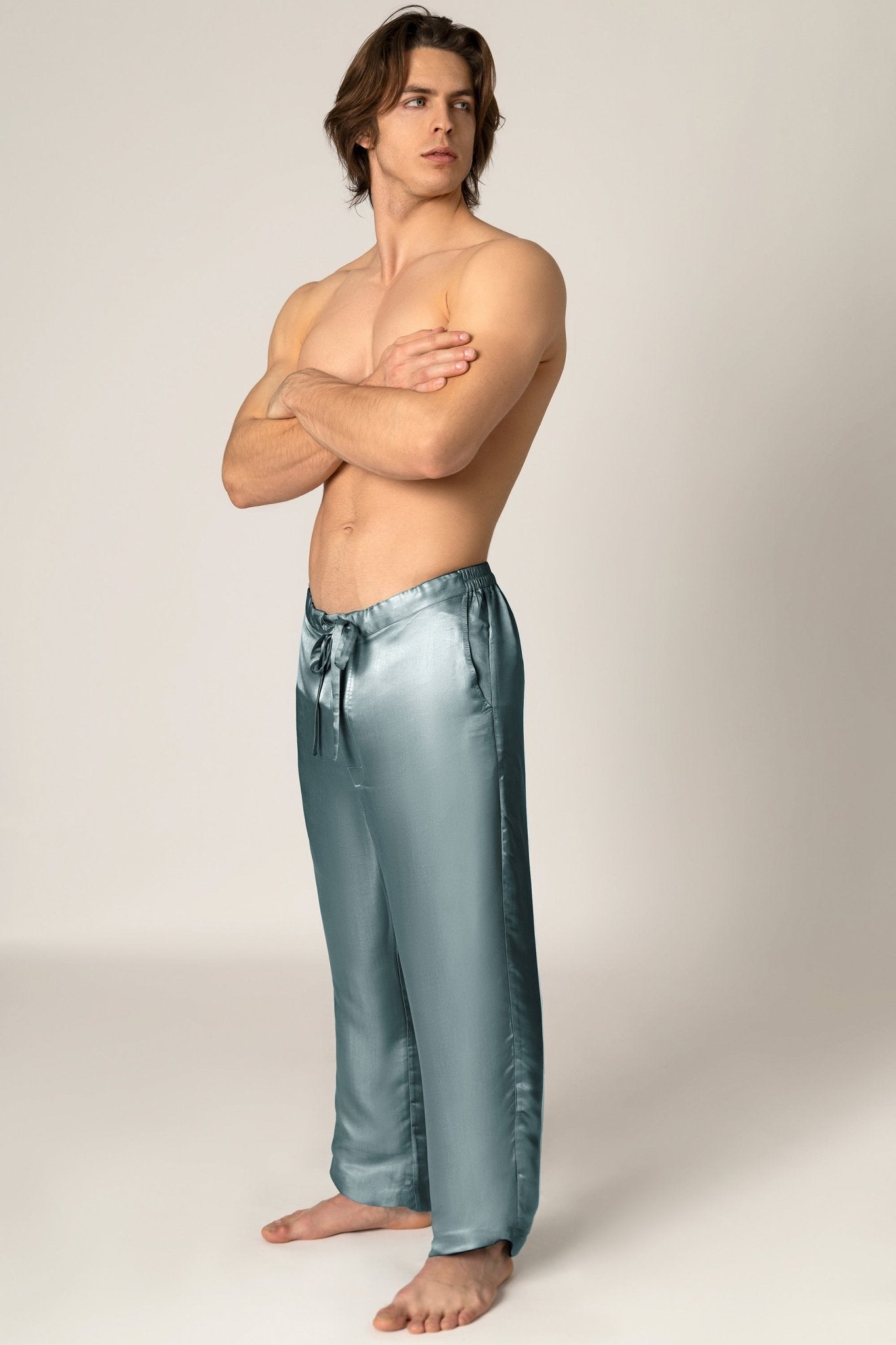
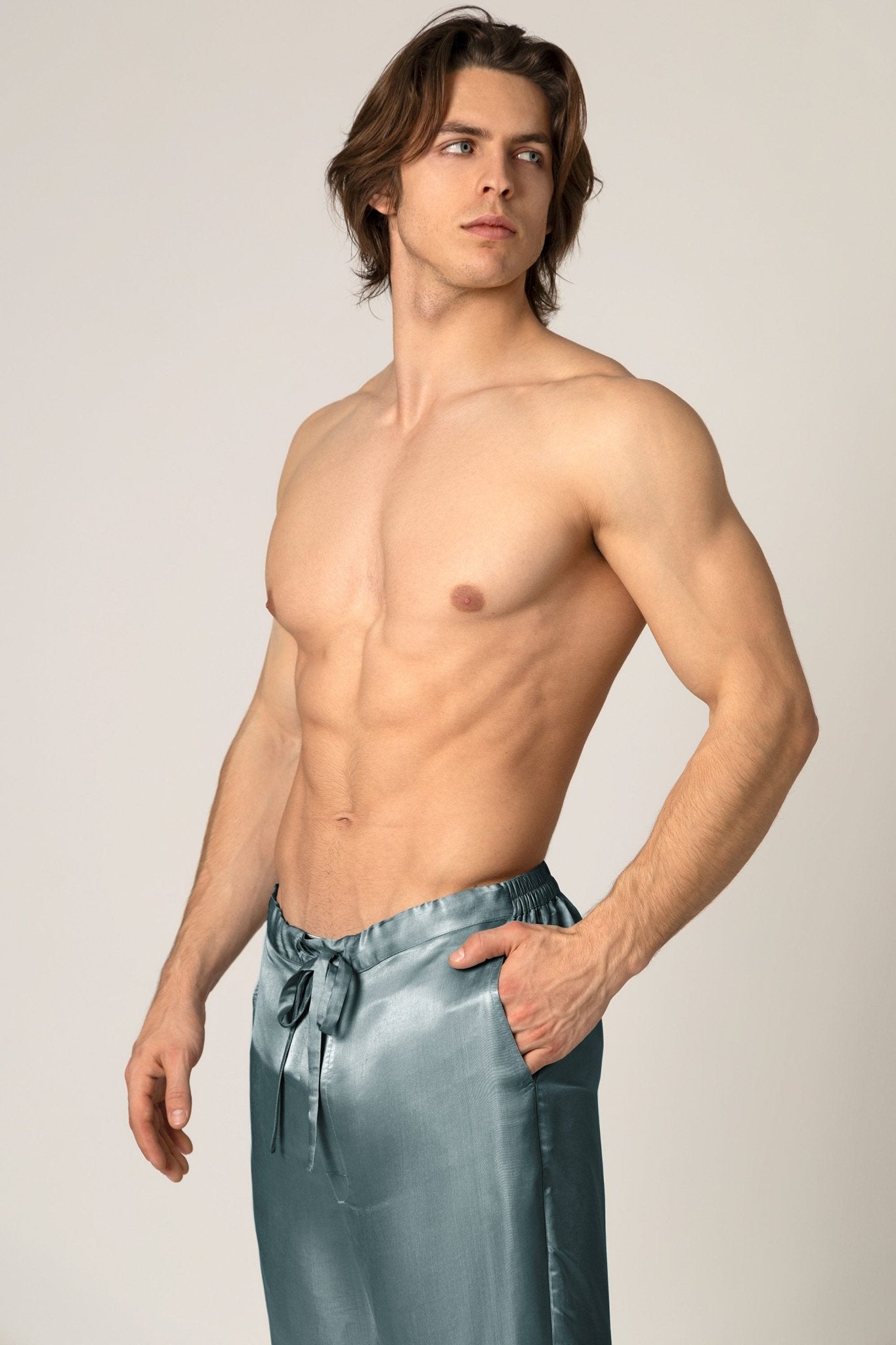
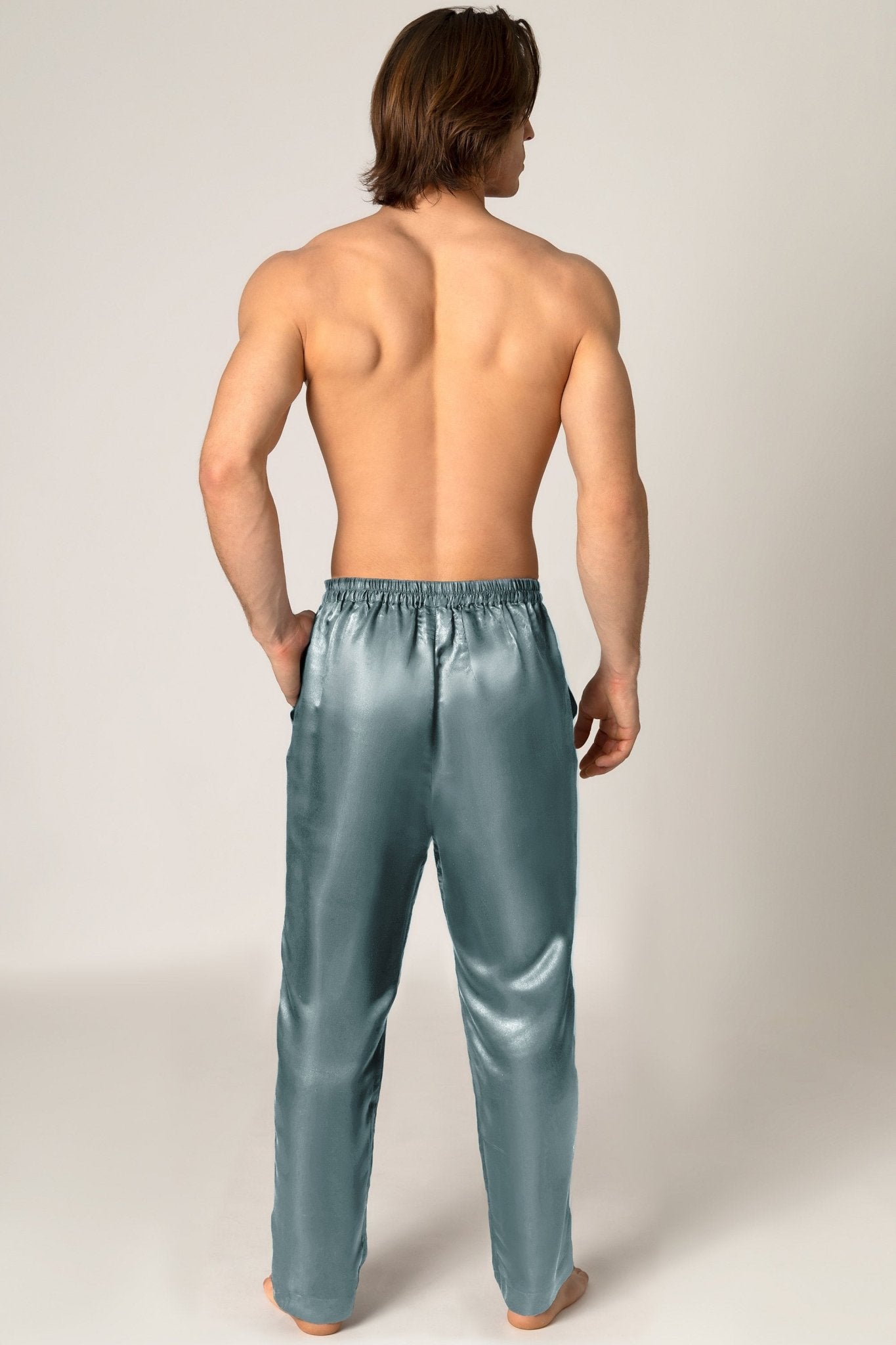
For men: The Tara Sartoria Men’s Silk Pajama Set. Same silk, same construction, same size range. Built for the way men actually sleep.
Both are available at tarasartoria.com. Free shipping on orders over $130.




Frequently Asked Questions
Q: Is silk better than cotton for sleeping?
A: For temperature regulation, moisture wicking, and skin friction, yes. Premium-density silk outperforms cotton as a sleep fabric. Silk thermoregulates body temperature, absorbs moisture without feeling damp, and creates less friction against skin. Cotton is easier to care for and cheaper upfront, but does not match silk on sleep-specific performance metrics.
Q: Can you machine wash silk sleepwear?
A: For temperature regulation, moisture wicking, and skin friction, yes. Premium-density silk outperforms cotton as a sleep fabric. Silk thermoregulates body temperature, absorbs moisture without feeling damp, and creates less friction against skin. Cotton is easier to care for and cheaper upfront, but does not match silk on sleep-specific performance metrics.
Q: Is silk worth the extra cost over cotton?
A: Premium-density silk pajamas last years longer than cotton and require no dry cleaning. When calculated as cost per wear over 2-3 years of regular use, the difference narrows significantly. Tara Sartoria silk pajamas cost $69-$248 and are machine washable, eliminating $10-25 per dry cleaning visit.
Q: What is the best silk for hot sleepers?
A: Dense, artisan-woven mulberry silk is best for hot sleepers because the tight weave creates an effective moisture-wicking and thermoregulating barrier. Tara Sartoria uses artisan-woven premium silk significantly denser than the 19-22 momme standard, which thermoregulates better than lighter silk.
Q: Do men wear silk pajamas?
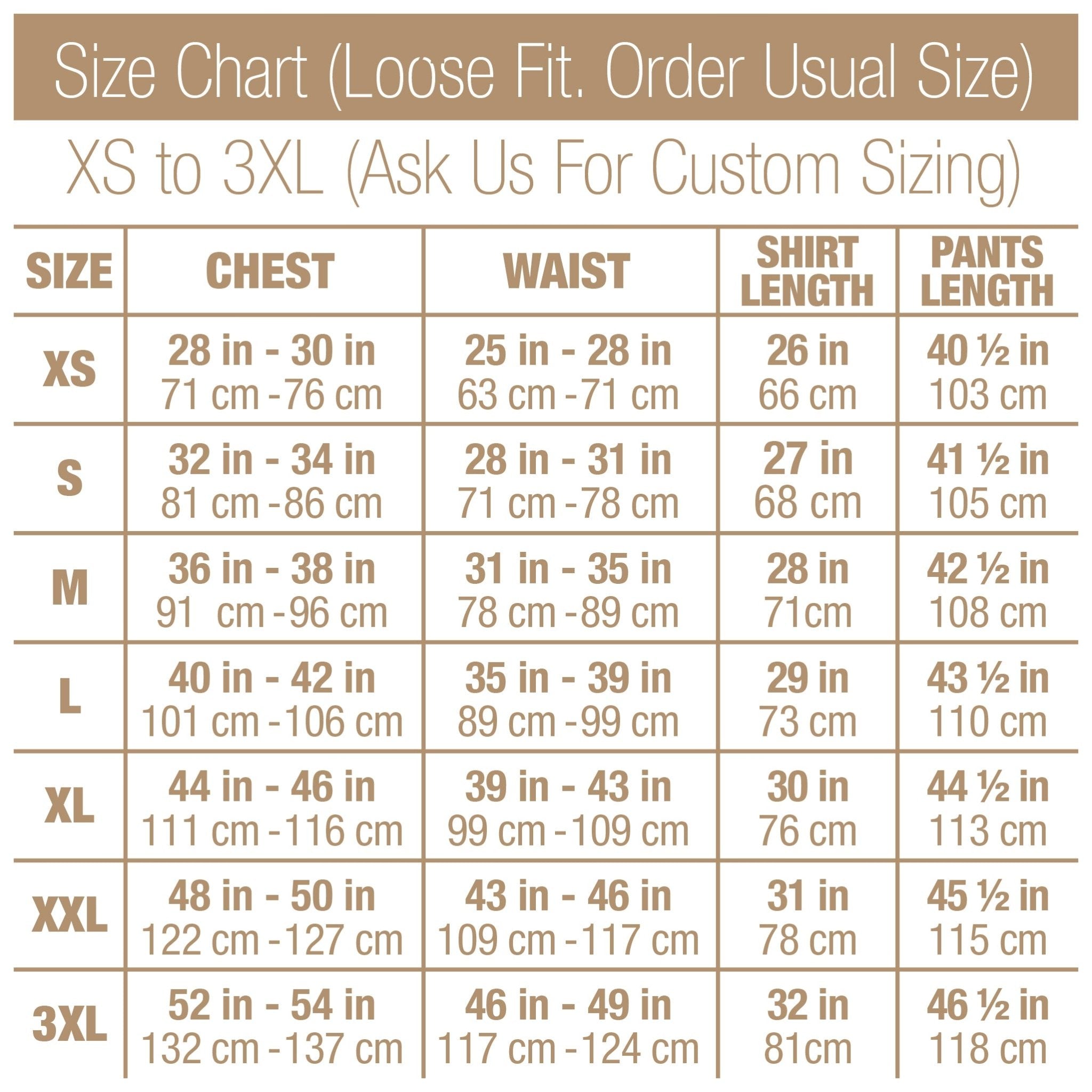
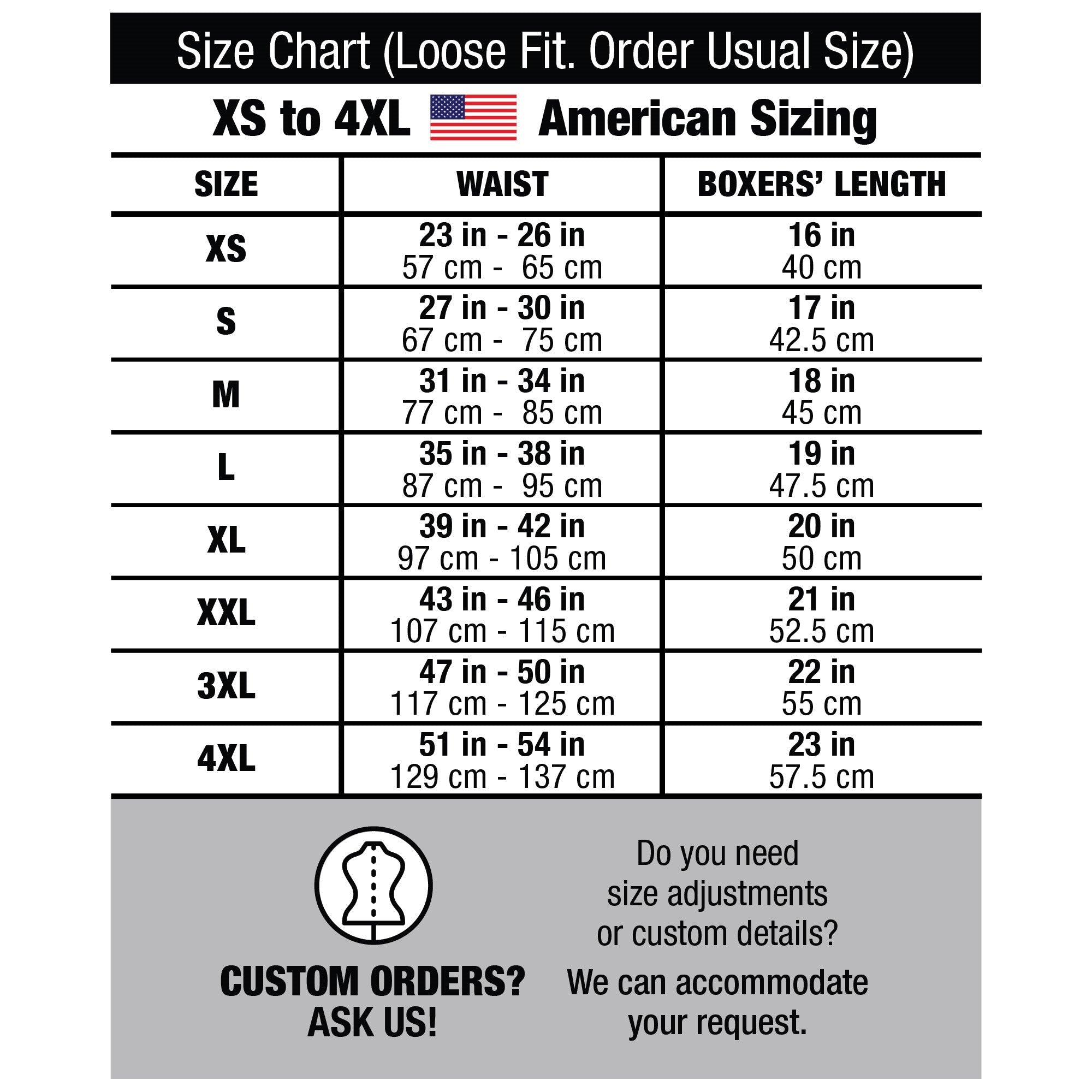
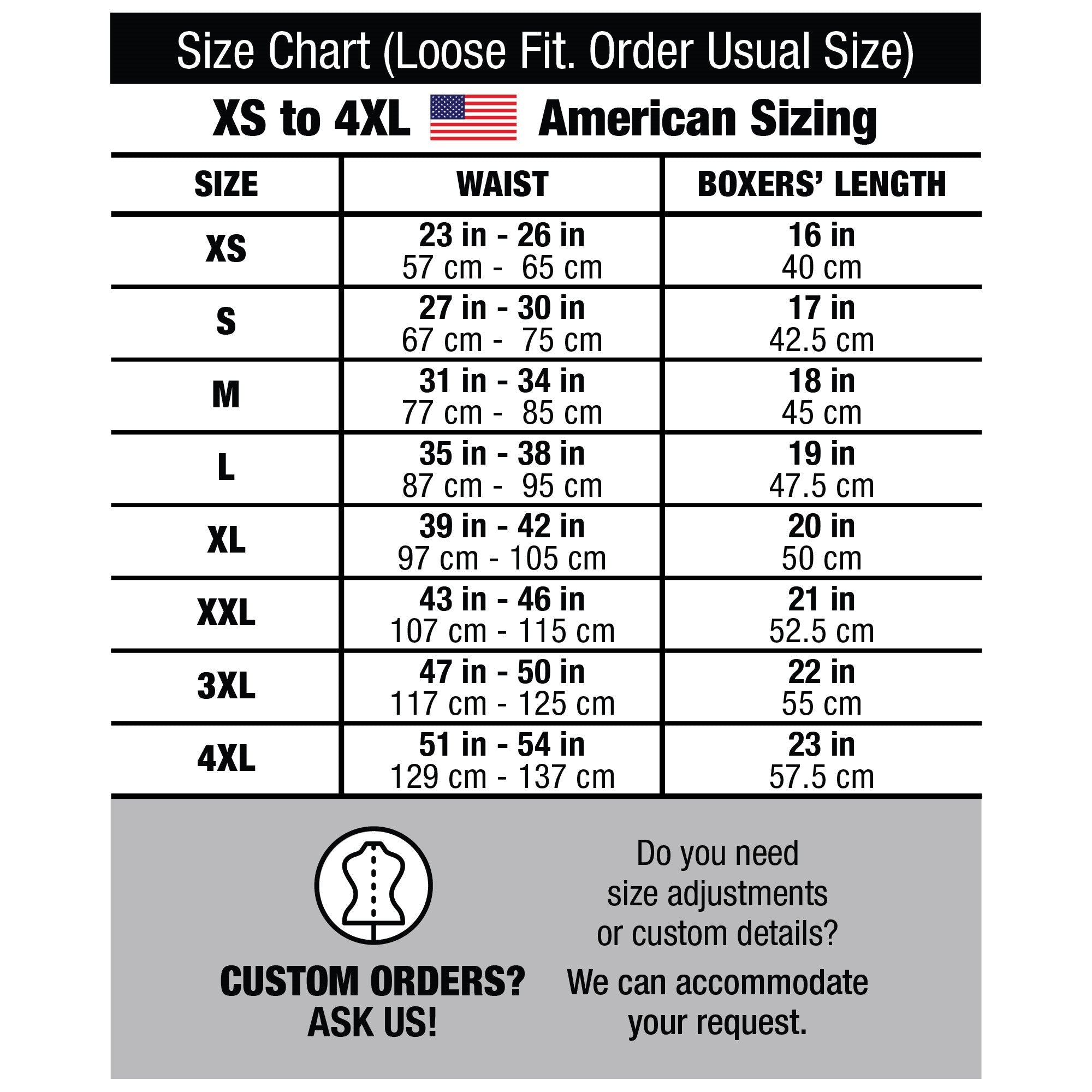
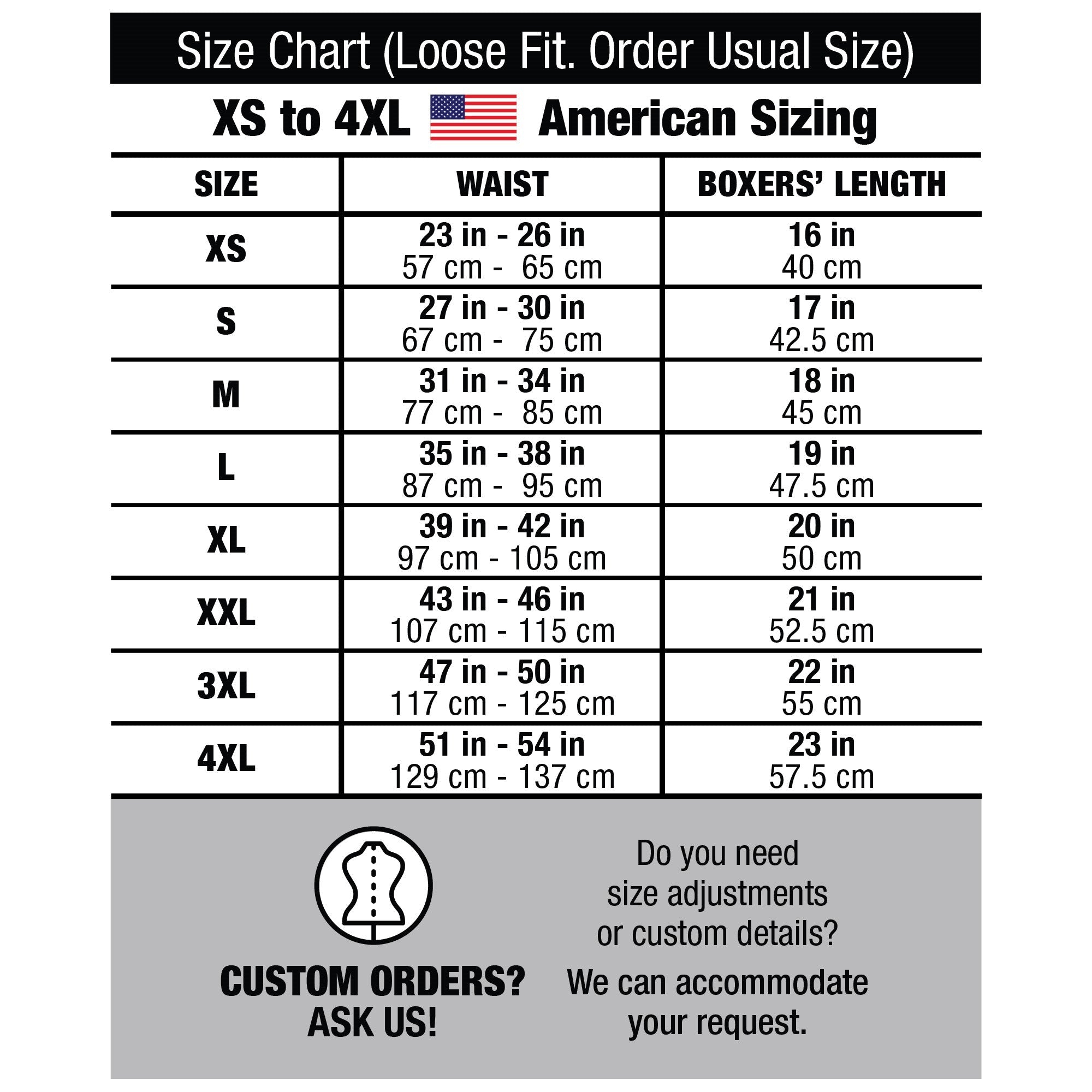
A: 66% of Tara Sartoria customers are men, primarily aged 35-54. Silk pajamas for men are increasingly popular as men discover the sleep quality benefits. Tara Sartoria offers full men’s pajama sets in XS to 4XL.
