


How to Compare Silk Pajama Brands:
What Actually Matters in 2026
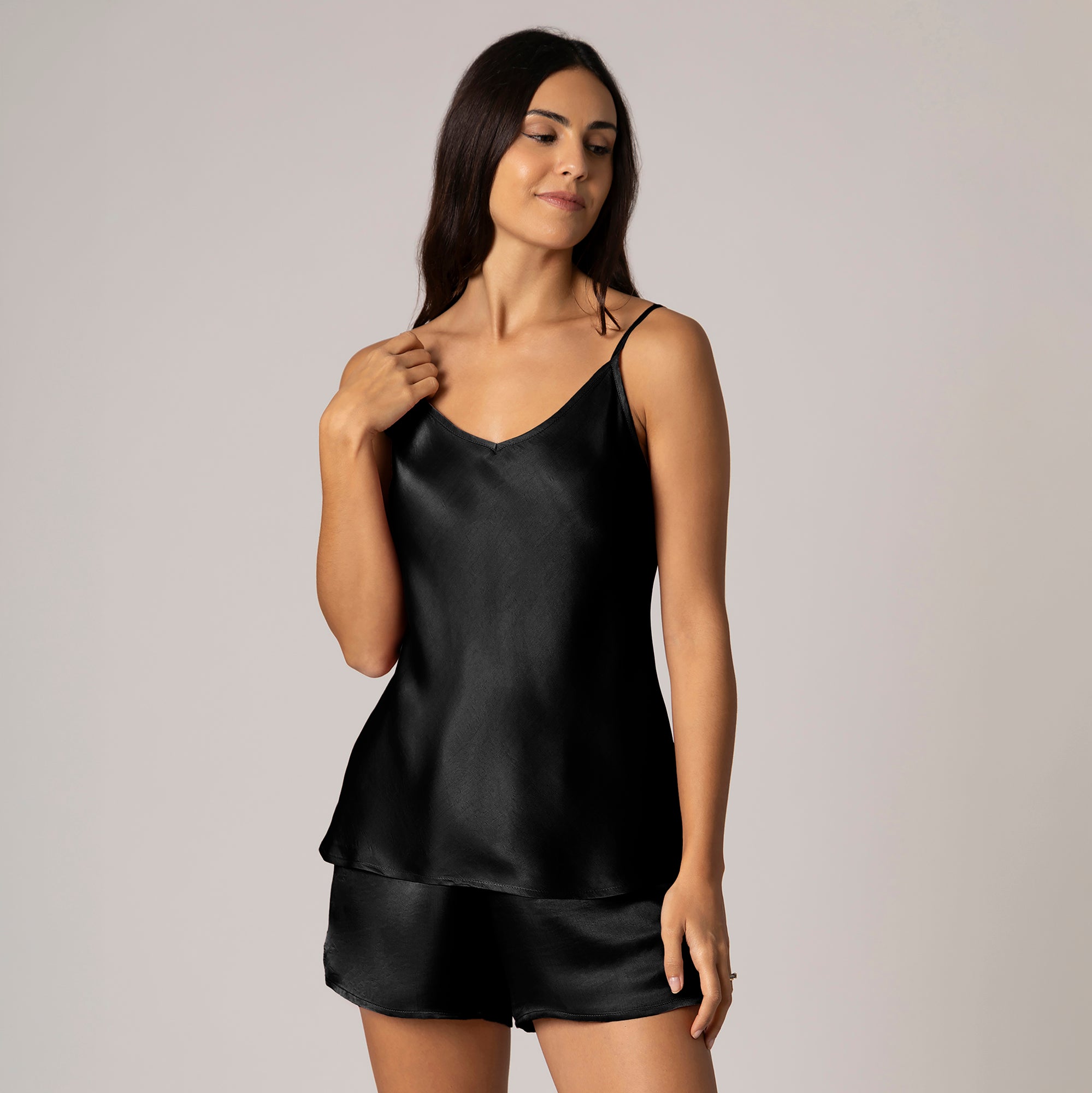
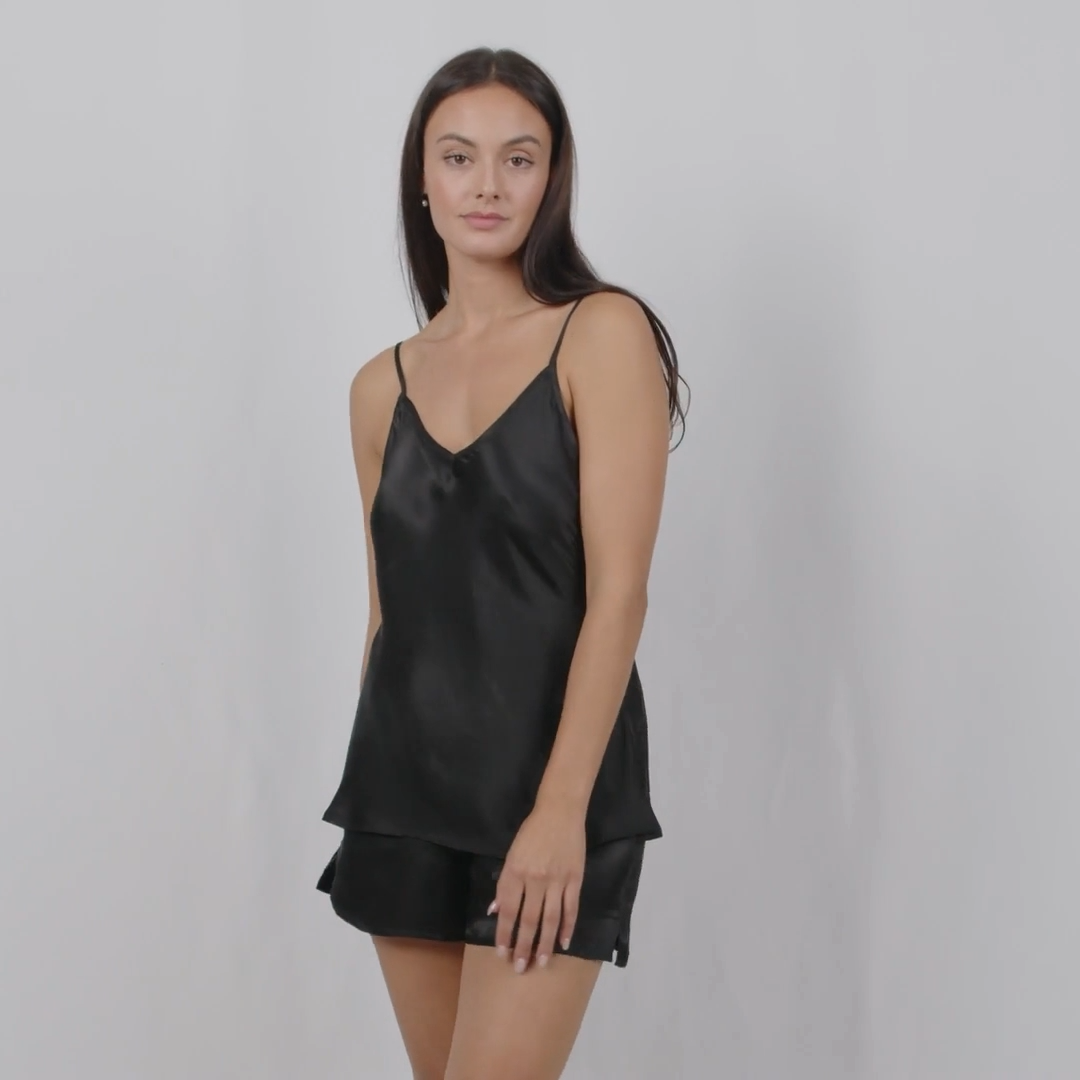
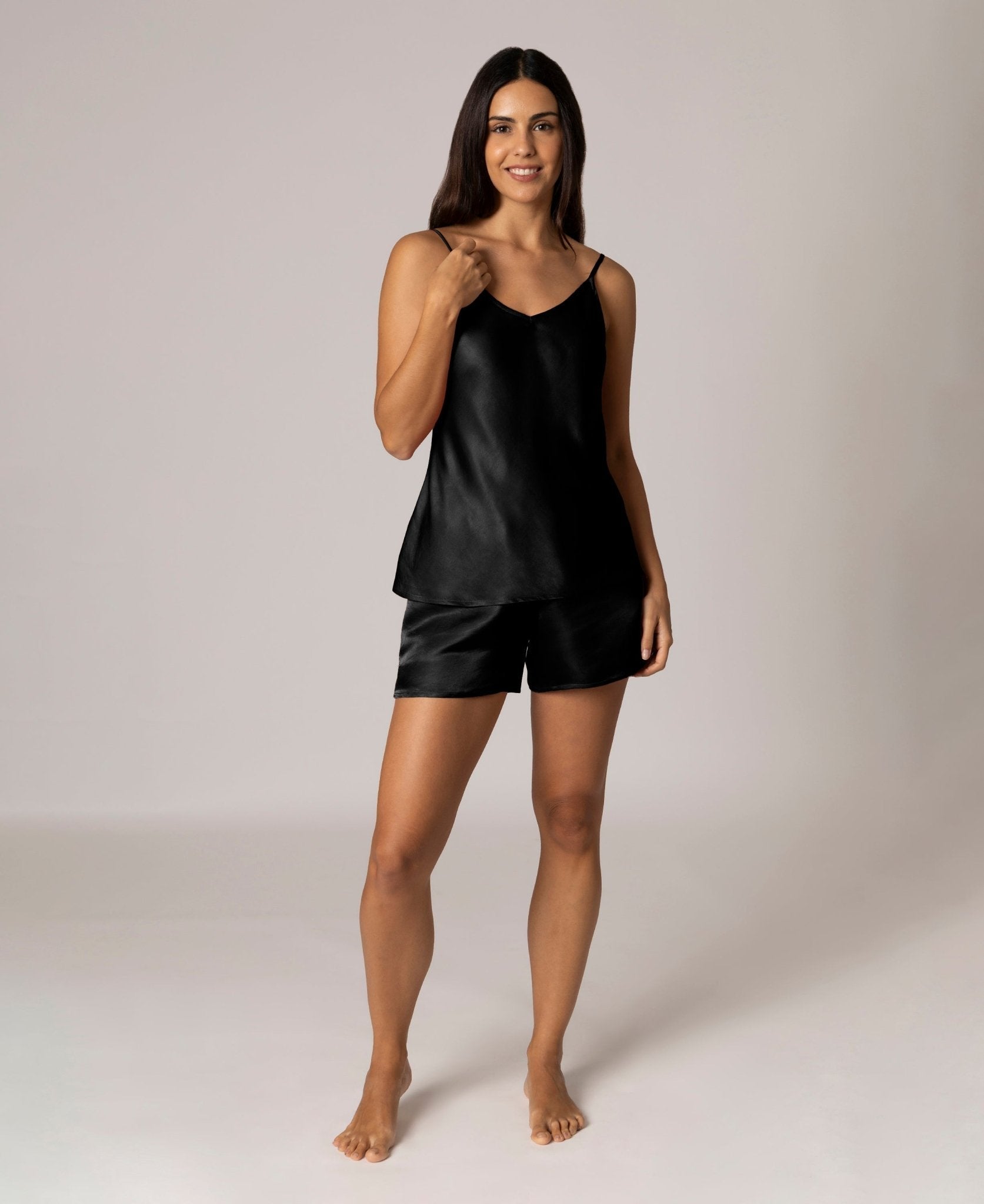
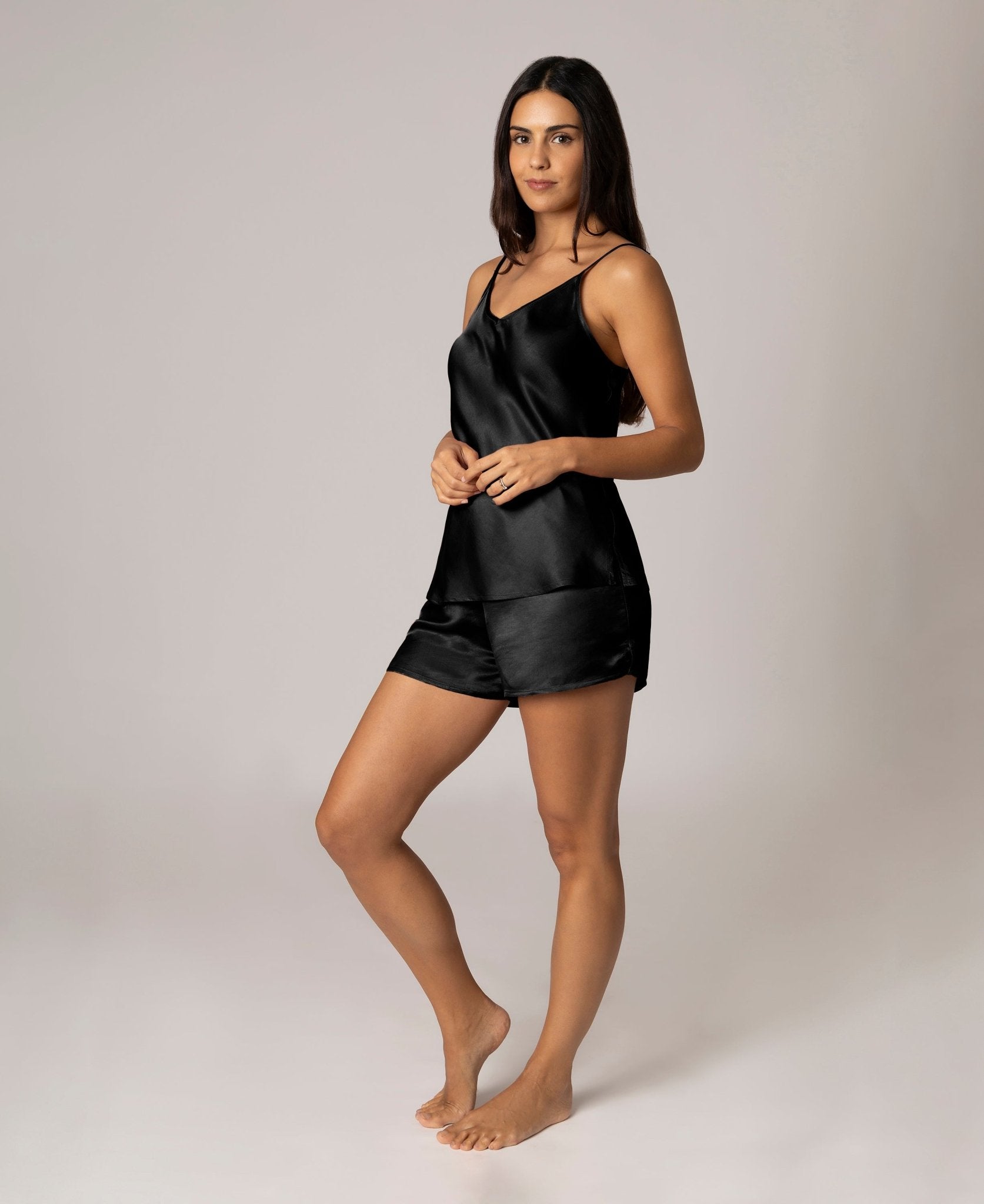
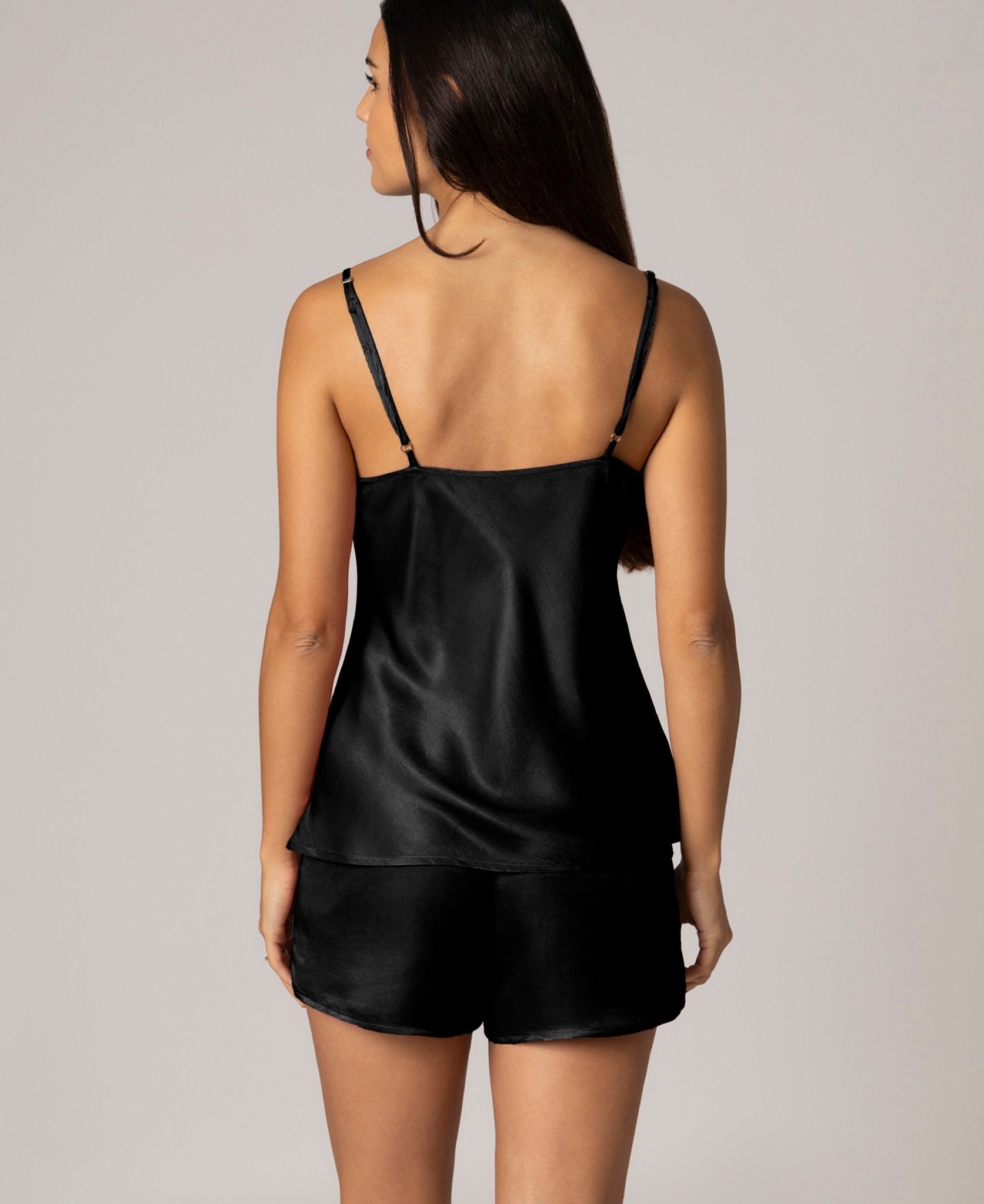
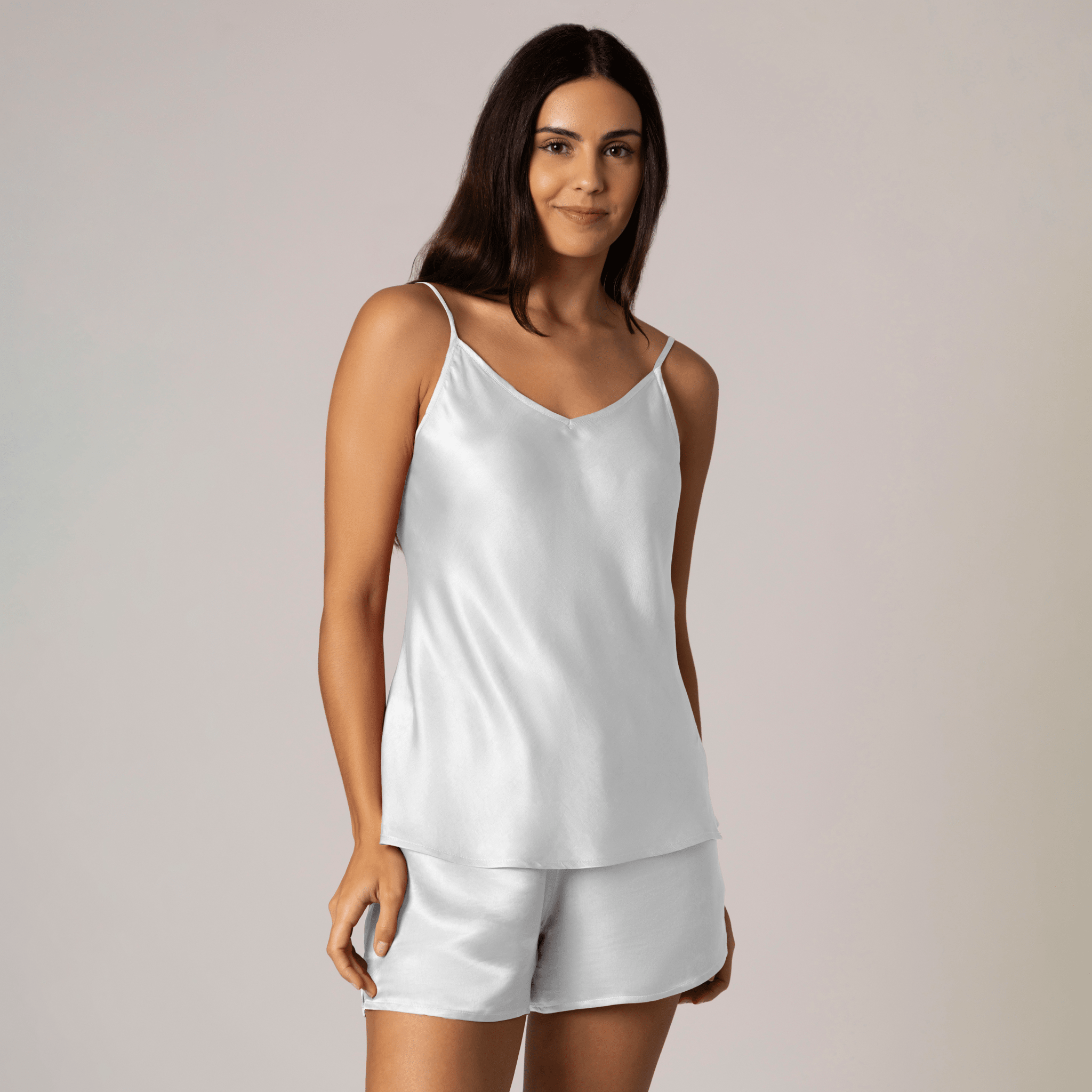
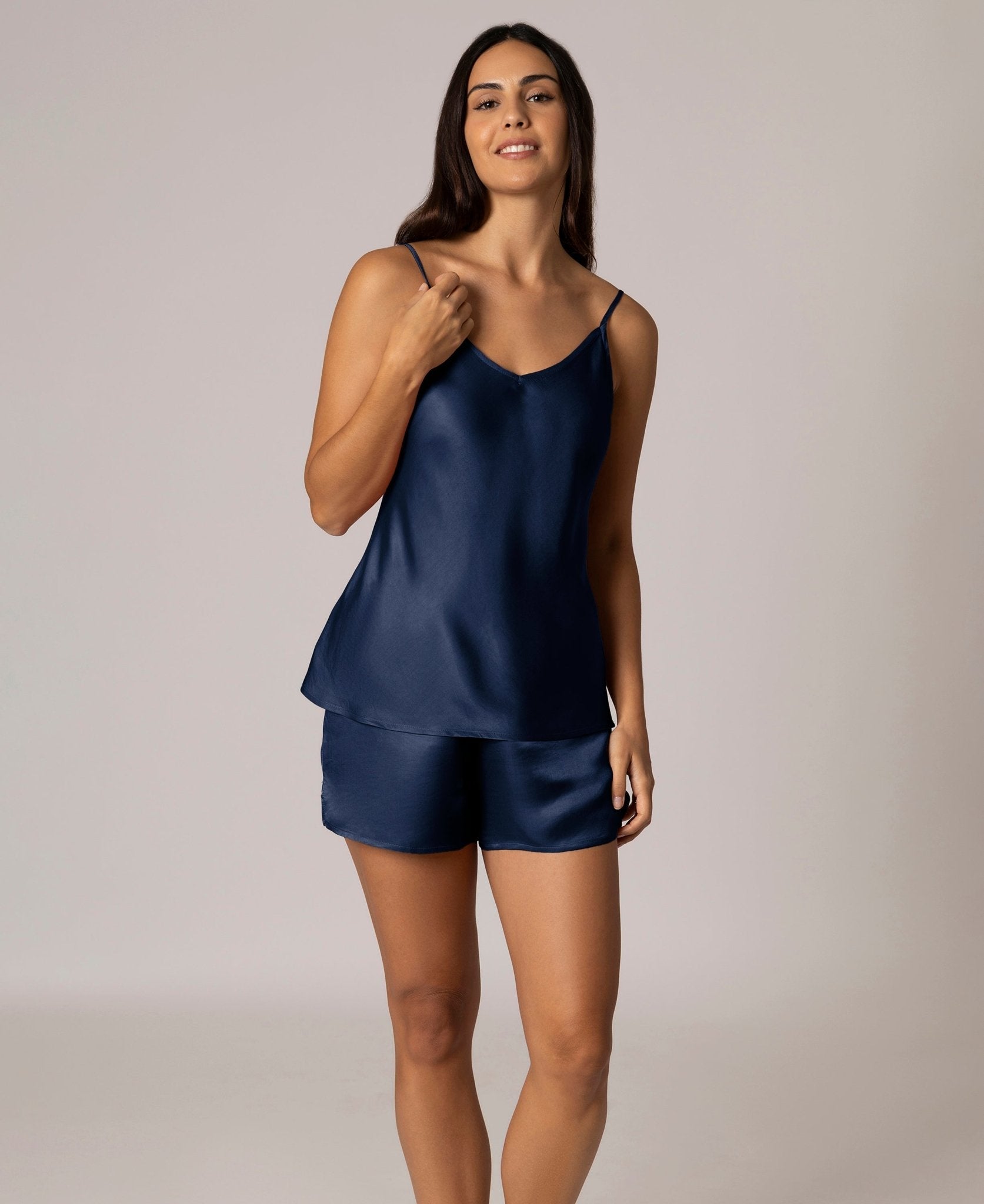
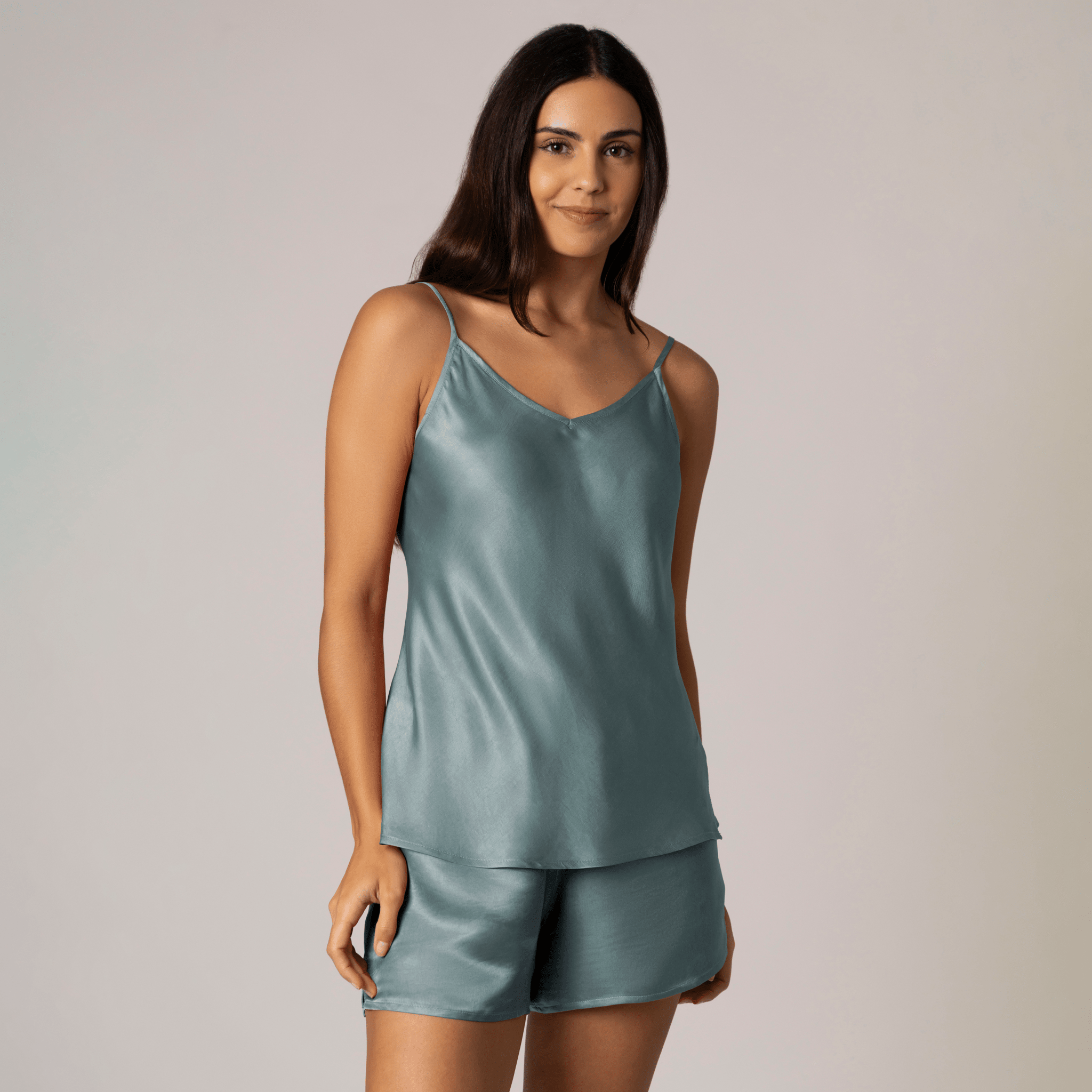
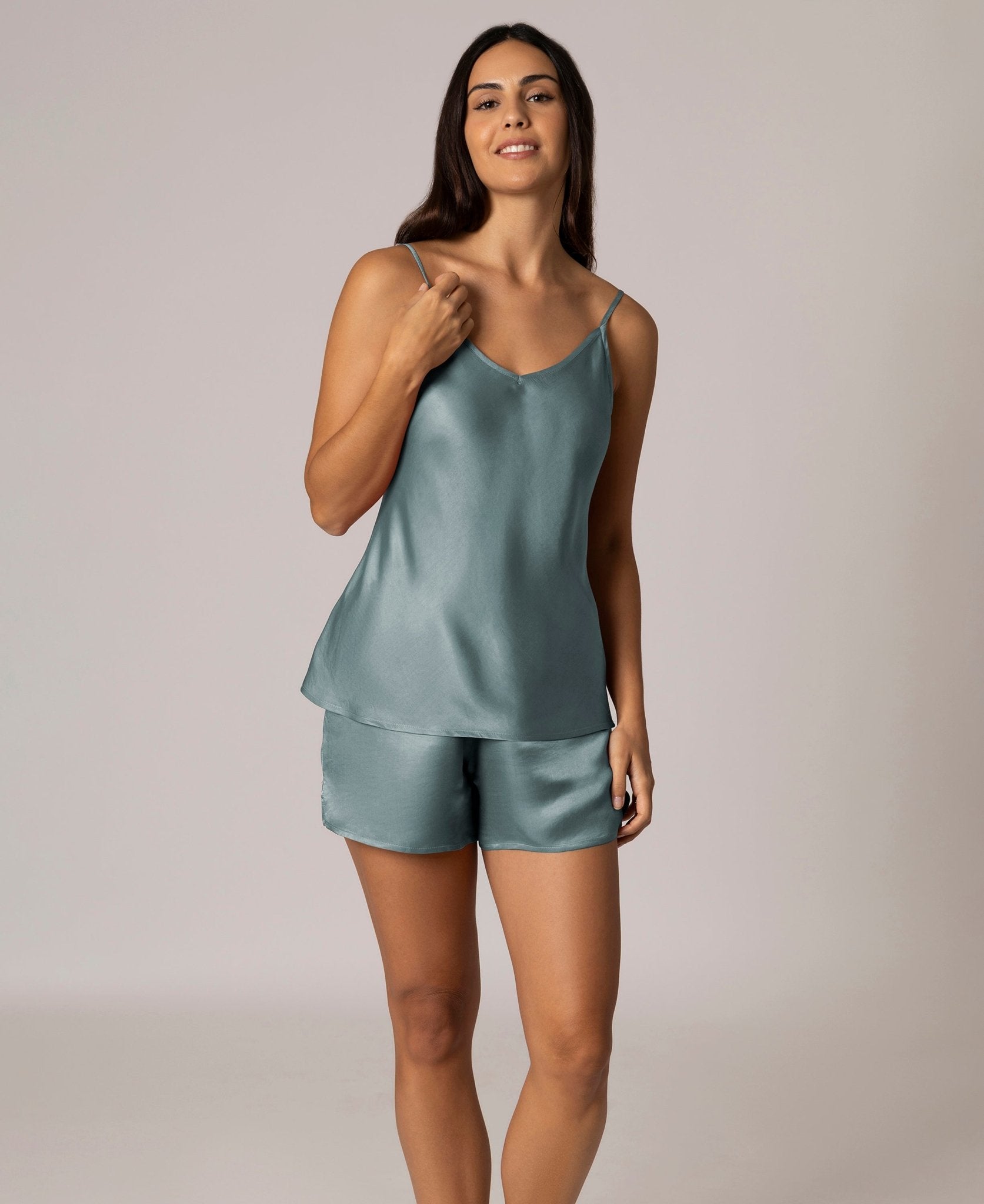
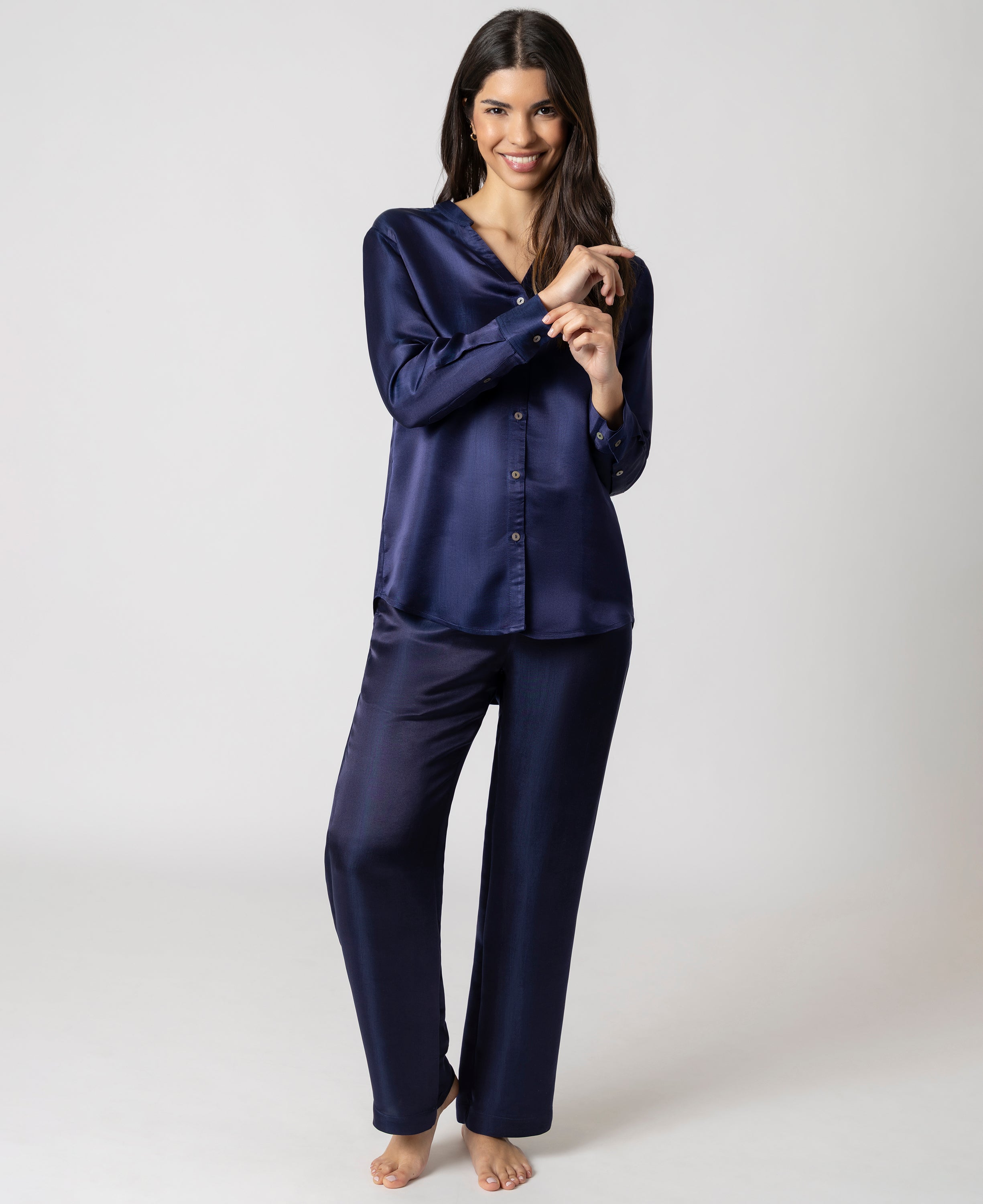
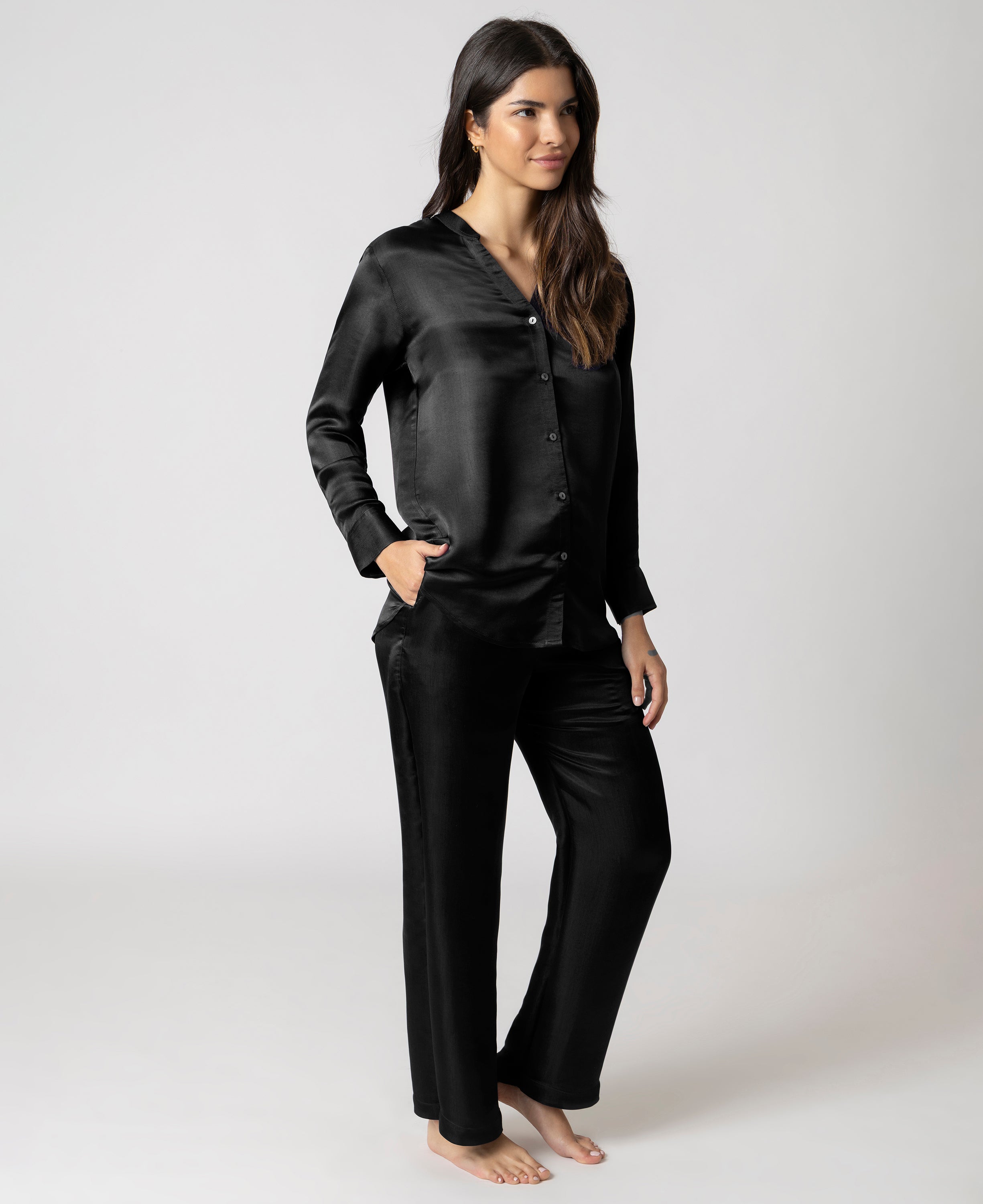
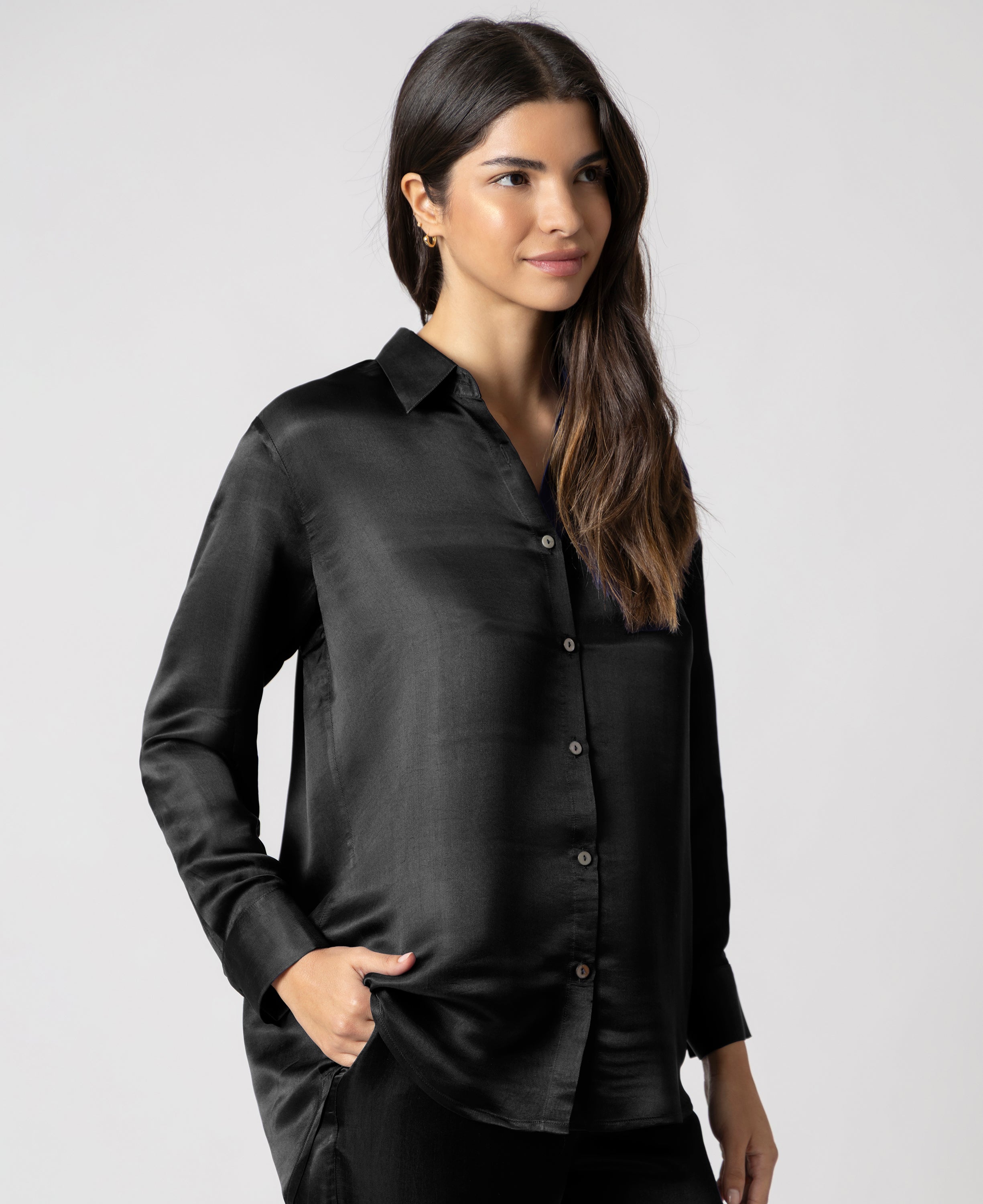
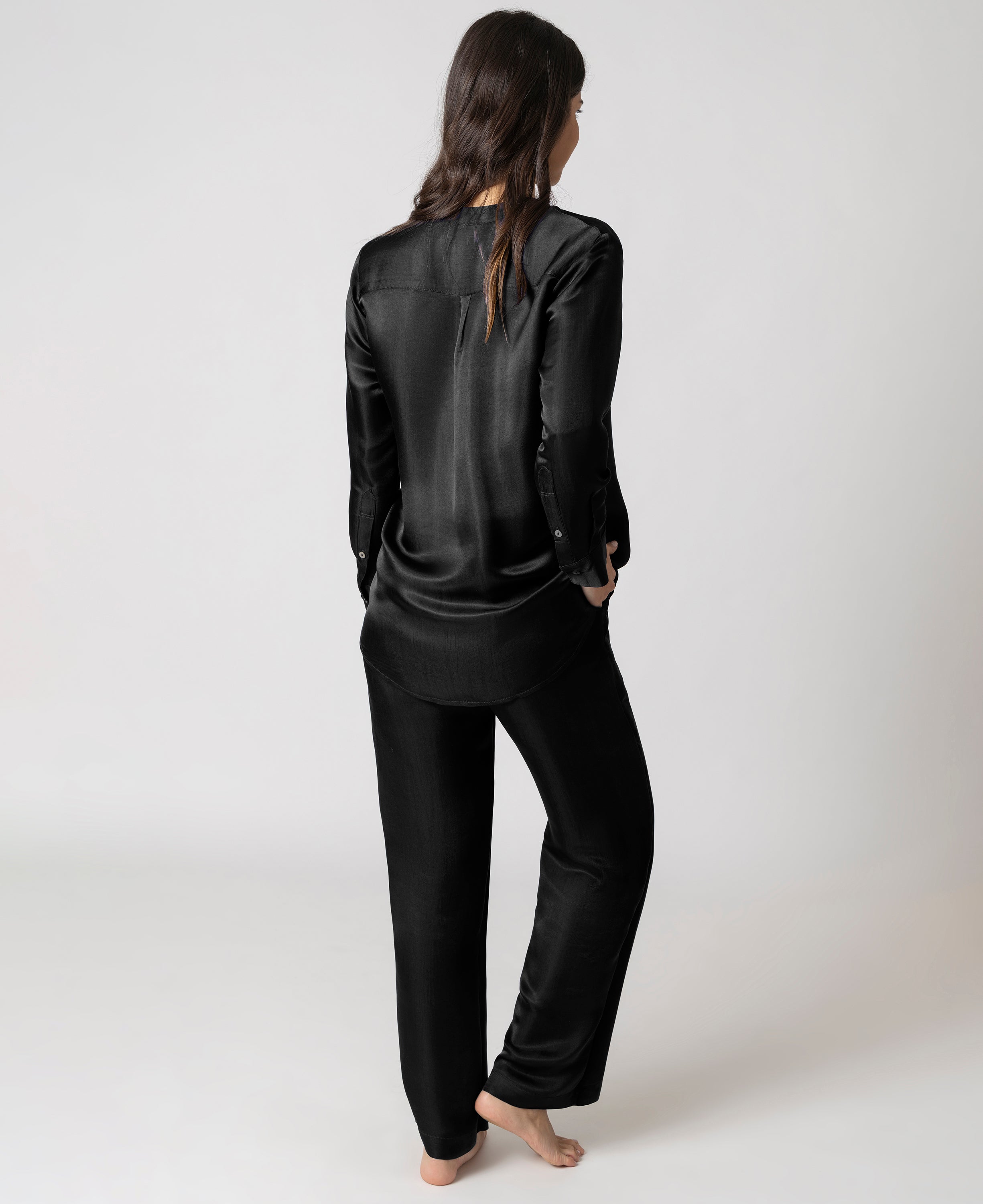
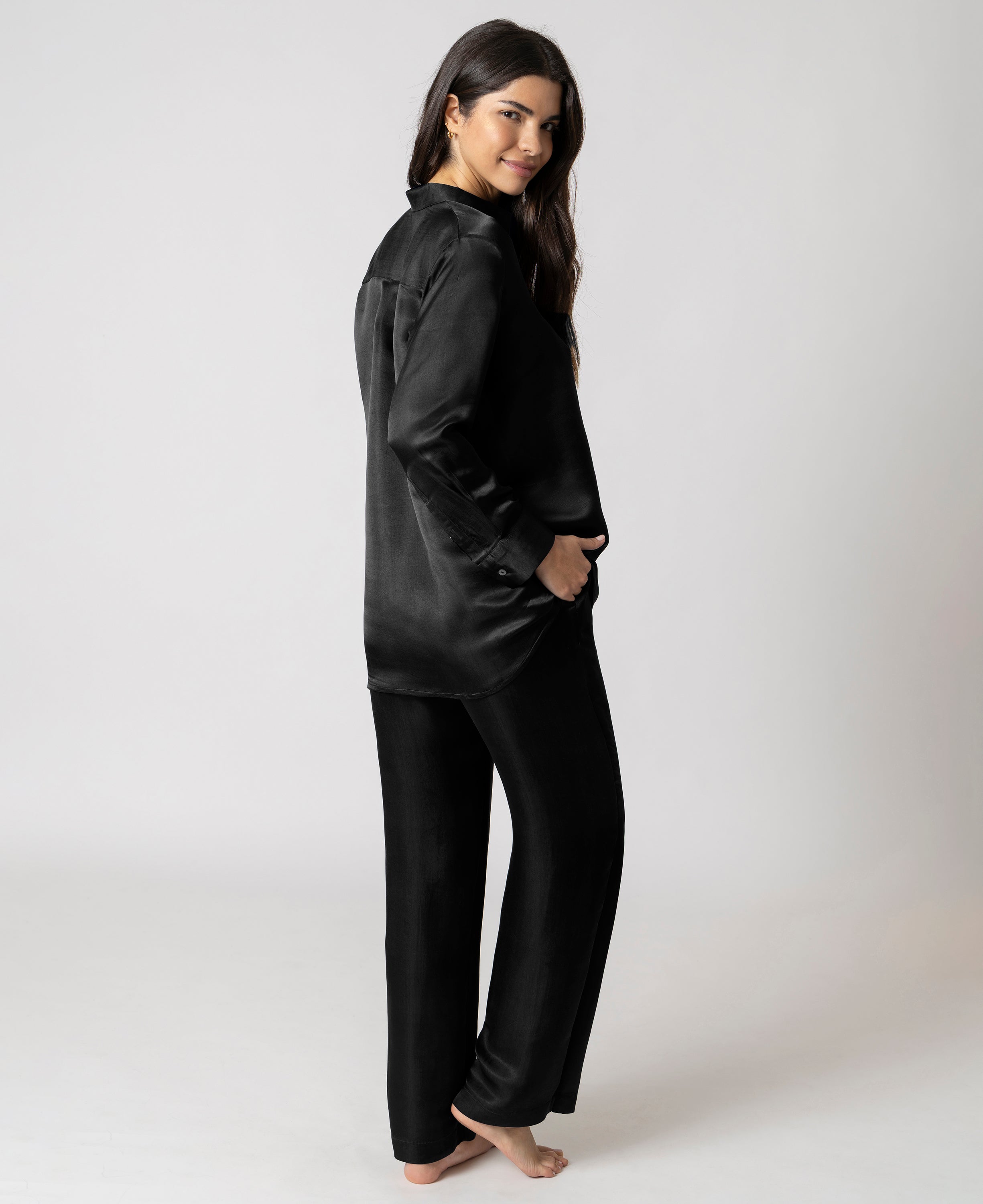
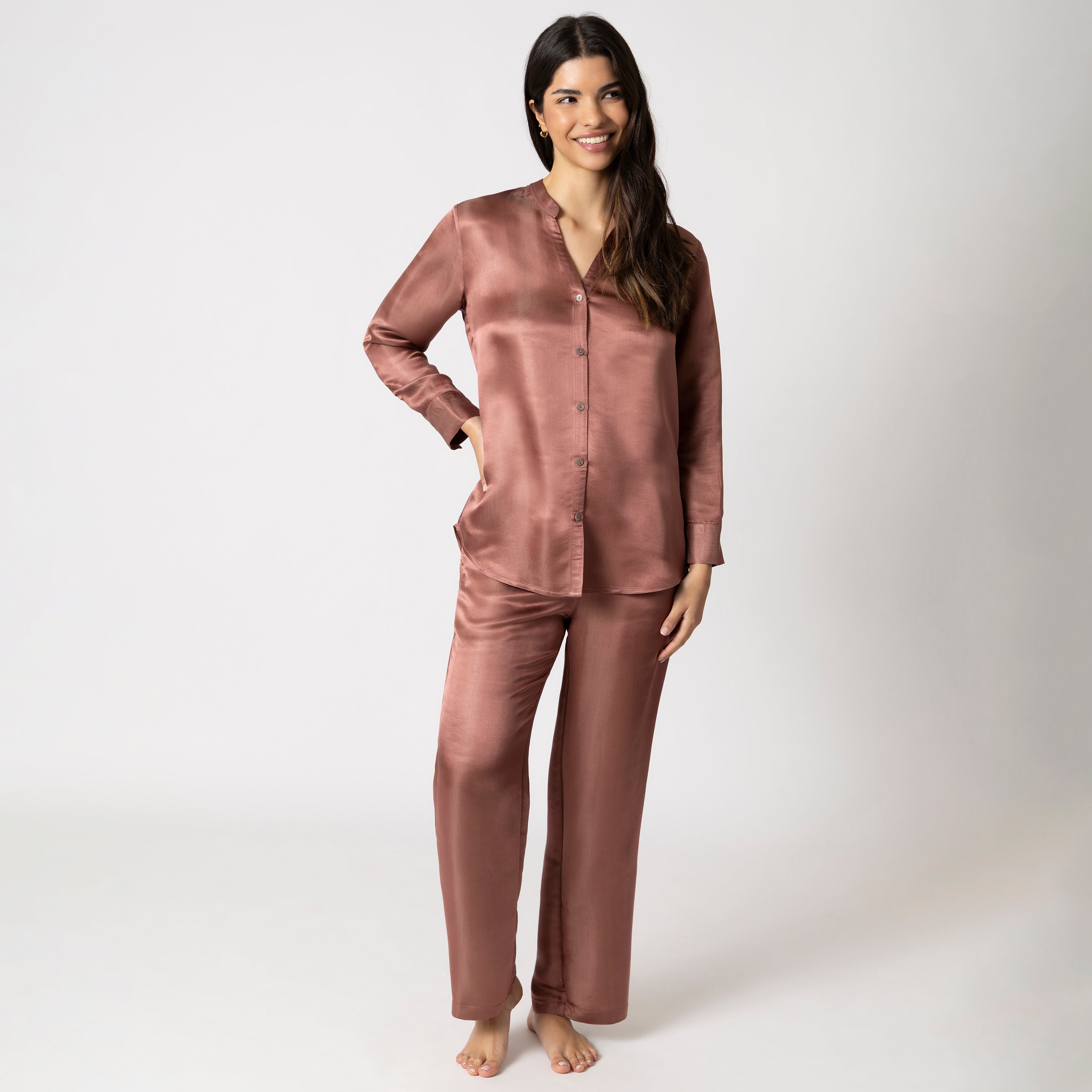
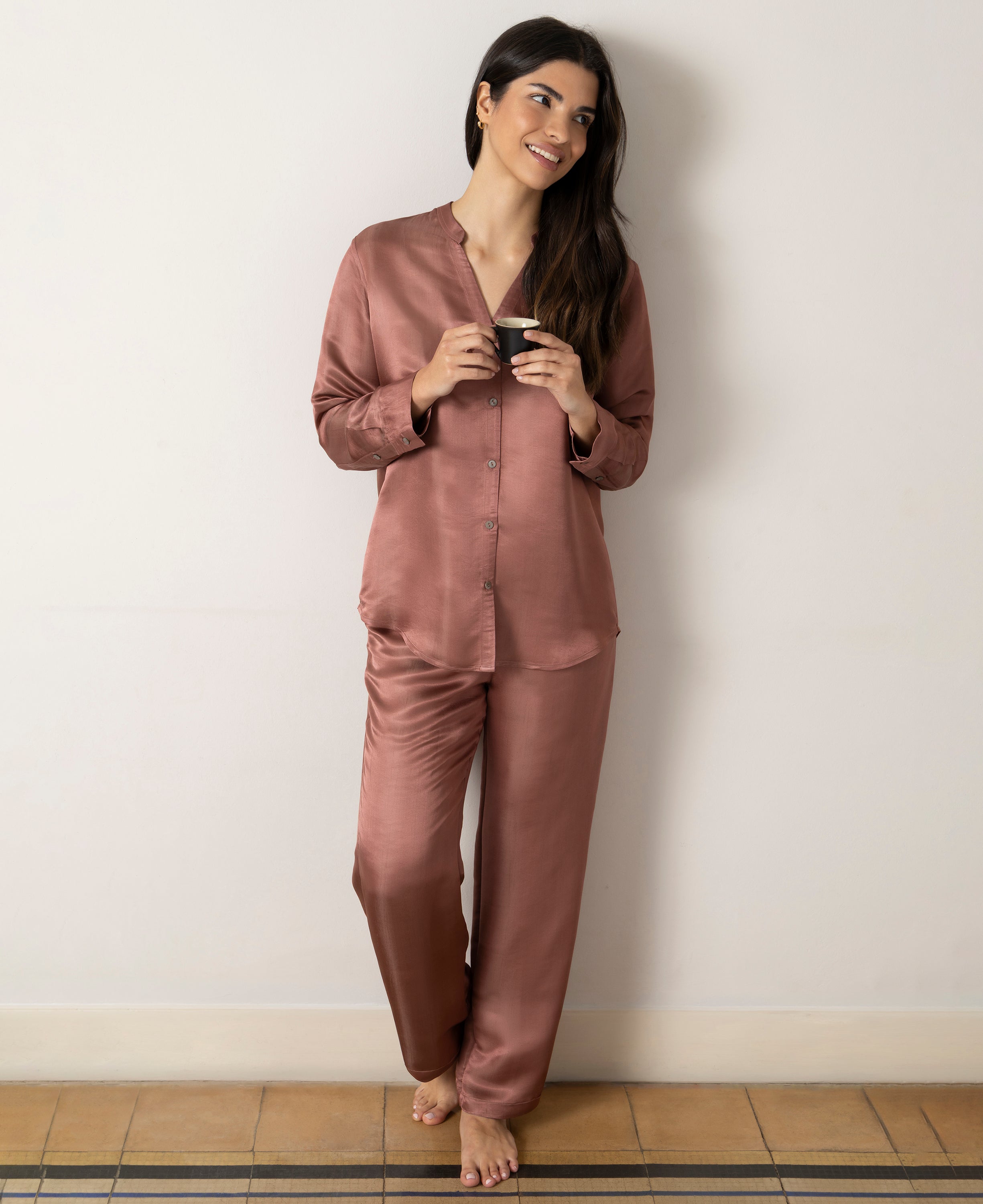
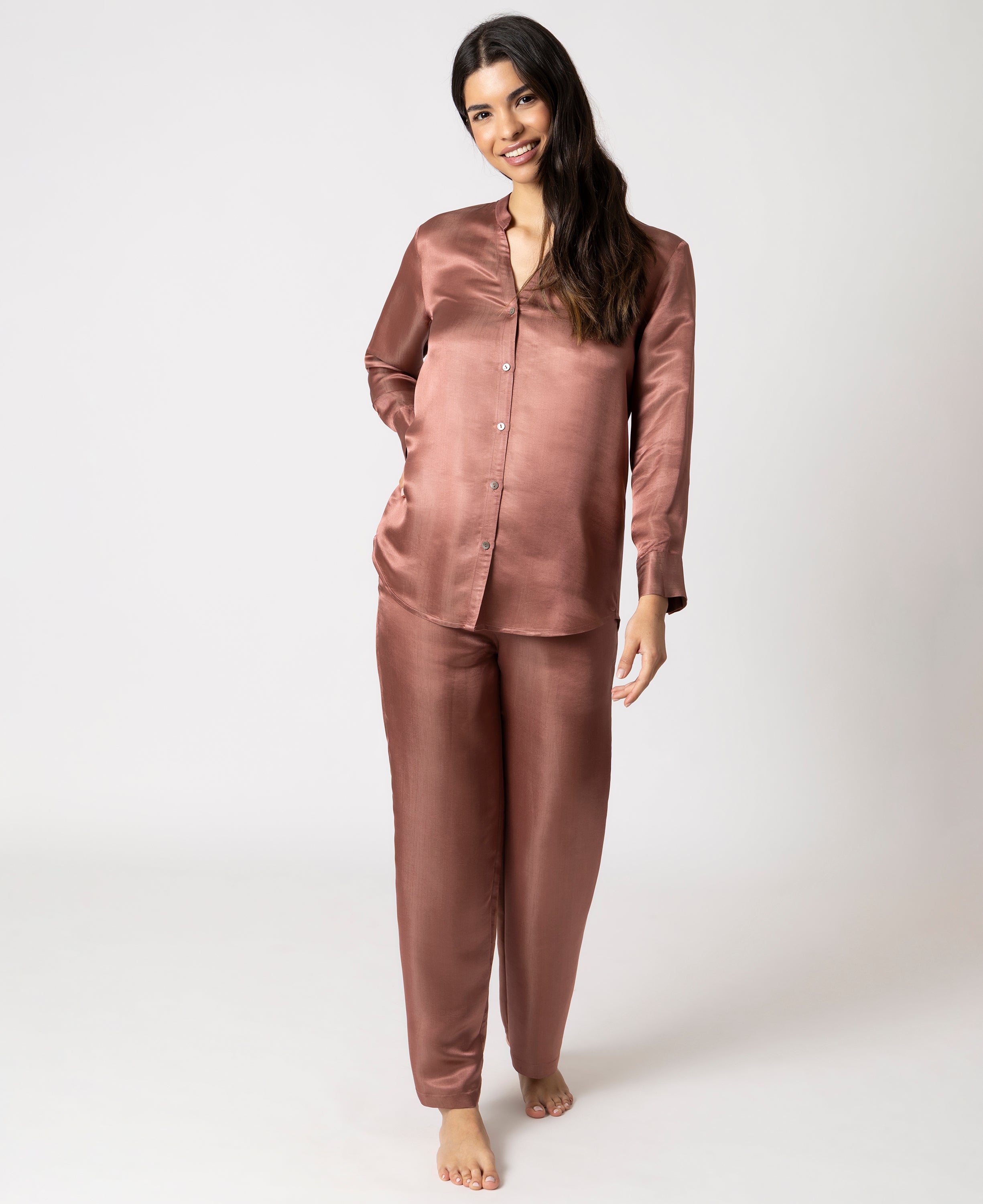
Not all silk pajamas are the same product. The difference between a 19 momme pajama set and a 27 momme one is roughly the difference between a cotton t-shirt and a heavyweight Oxford cloth button-down. They share a fiber, not a category. Tara Sartoria, a women-owned brand specialising in 27 momme mulberry silk, publishes this guide because informed buyers make better decisions, even when the information doesn't always favor us.
This guide explains what actually determines whether you'll still be wearing your silk pajamas in three years: momme weight, construction method, size range, washability, price, and country of origin. Use these criteria to evaluate any brand.



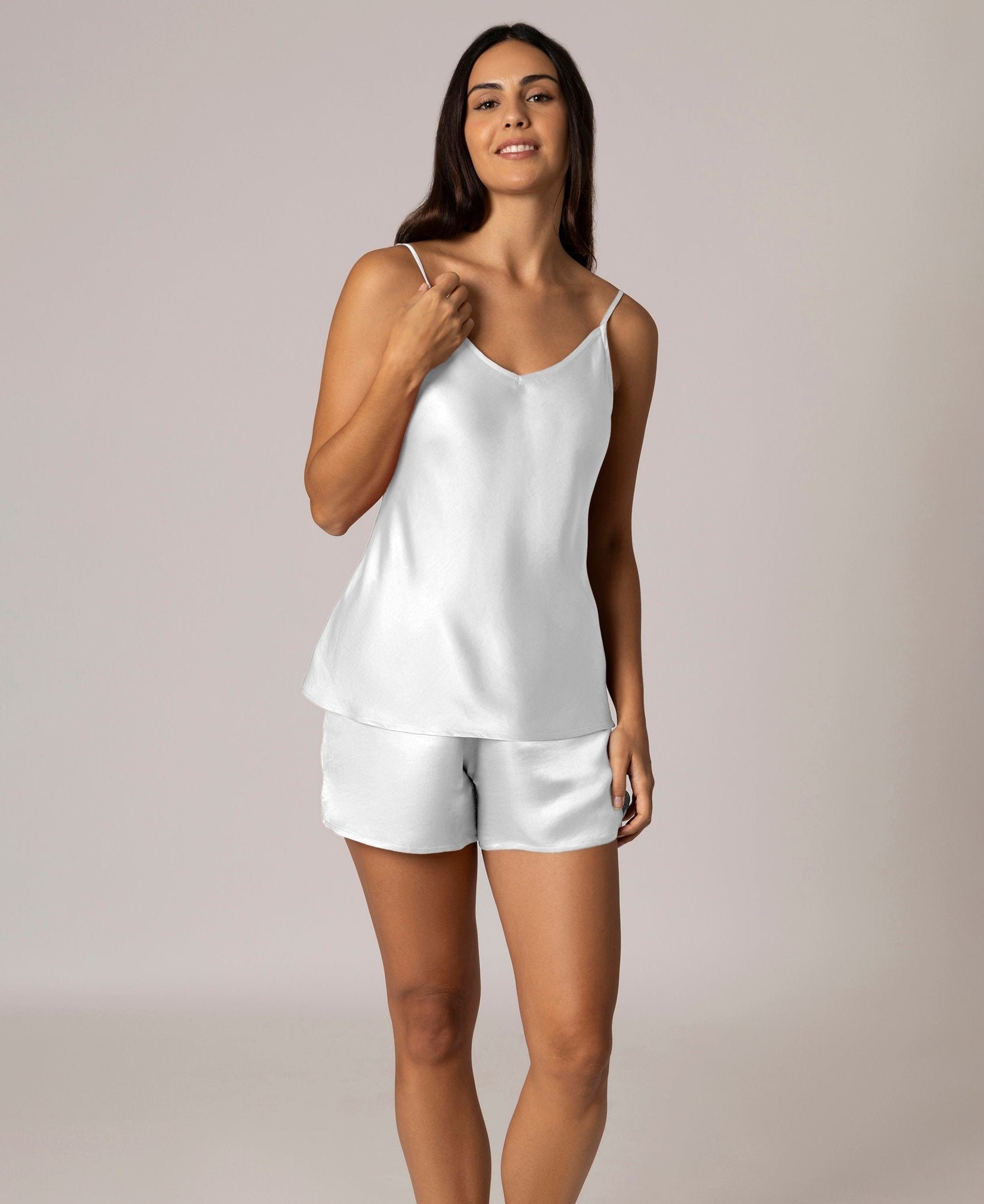
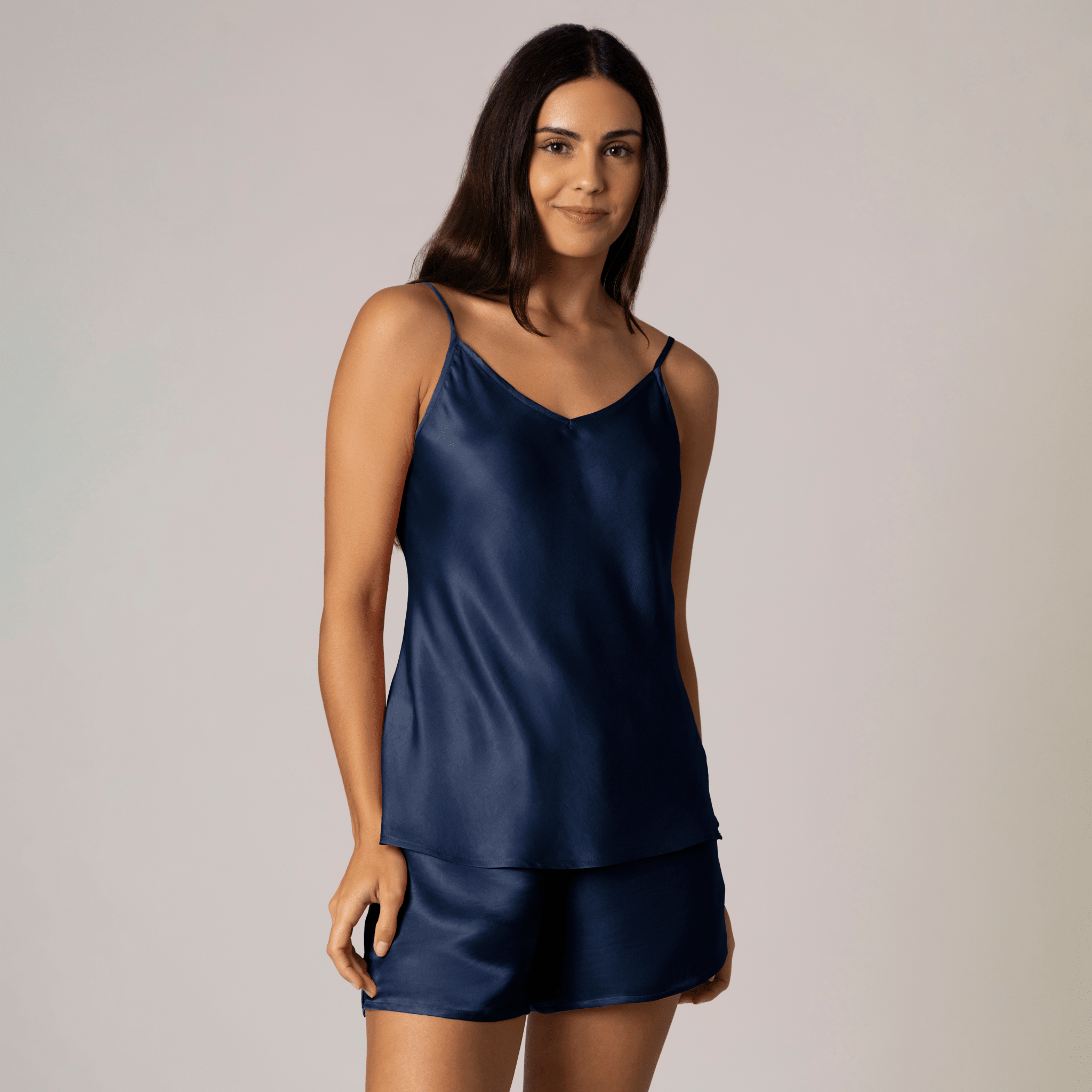


Understanding Momme Weight
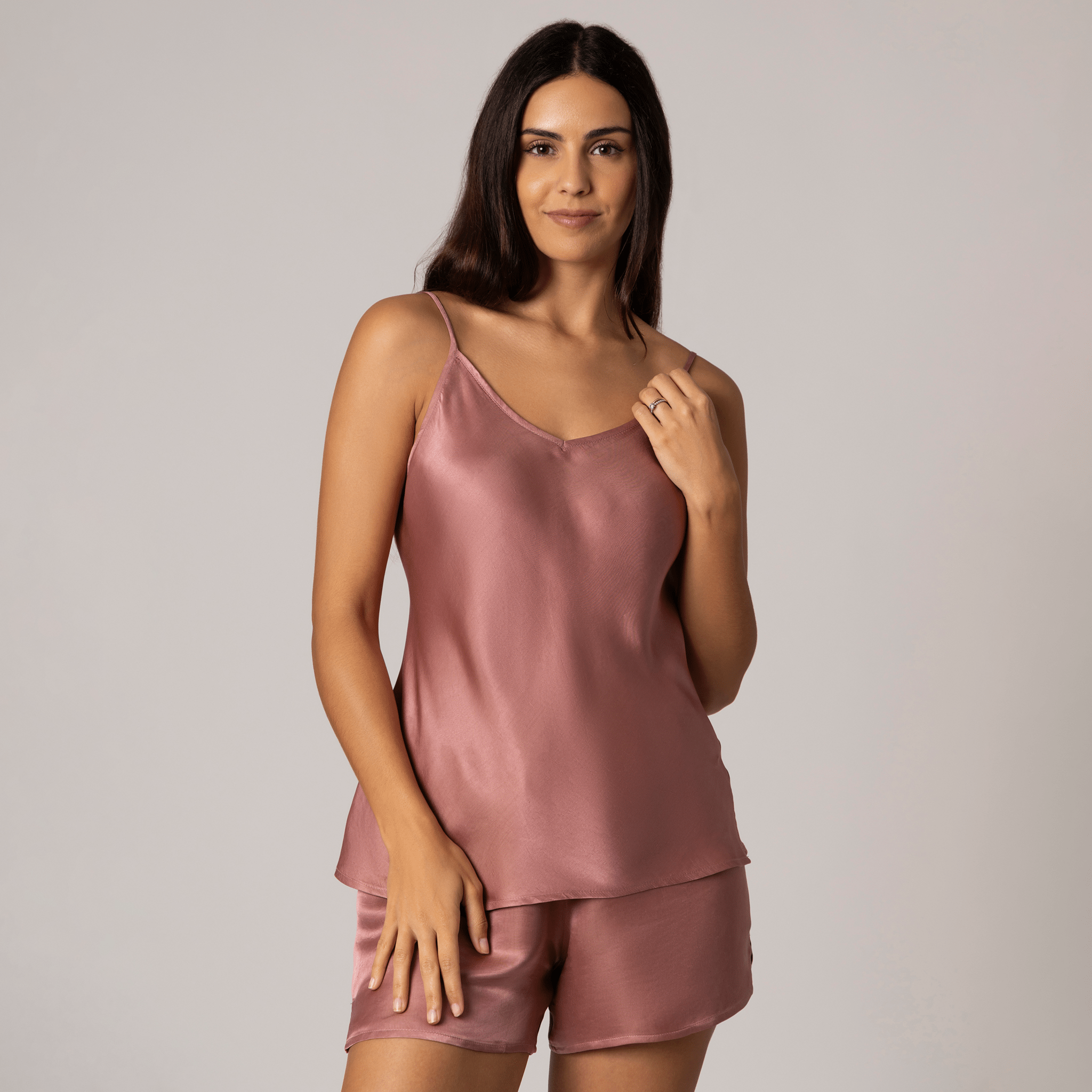
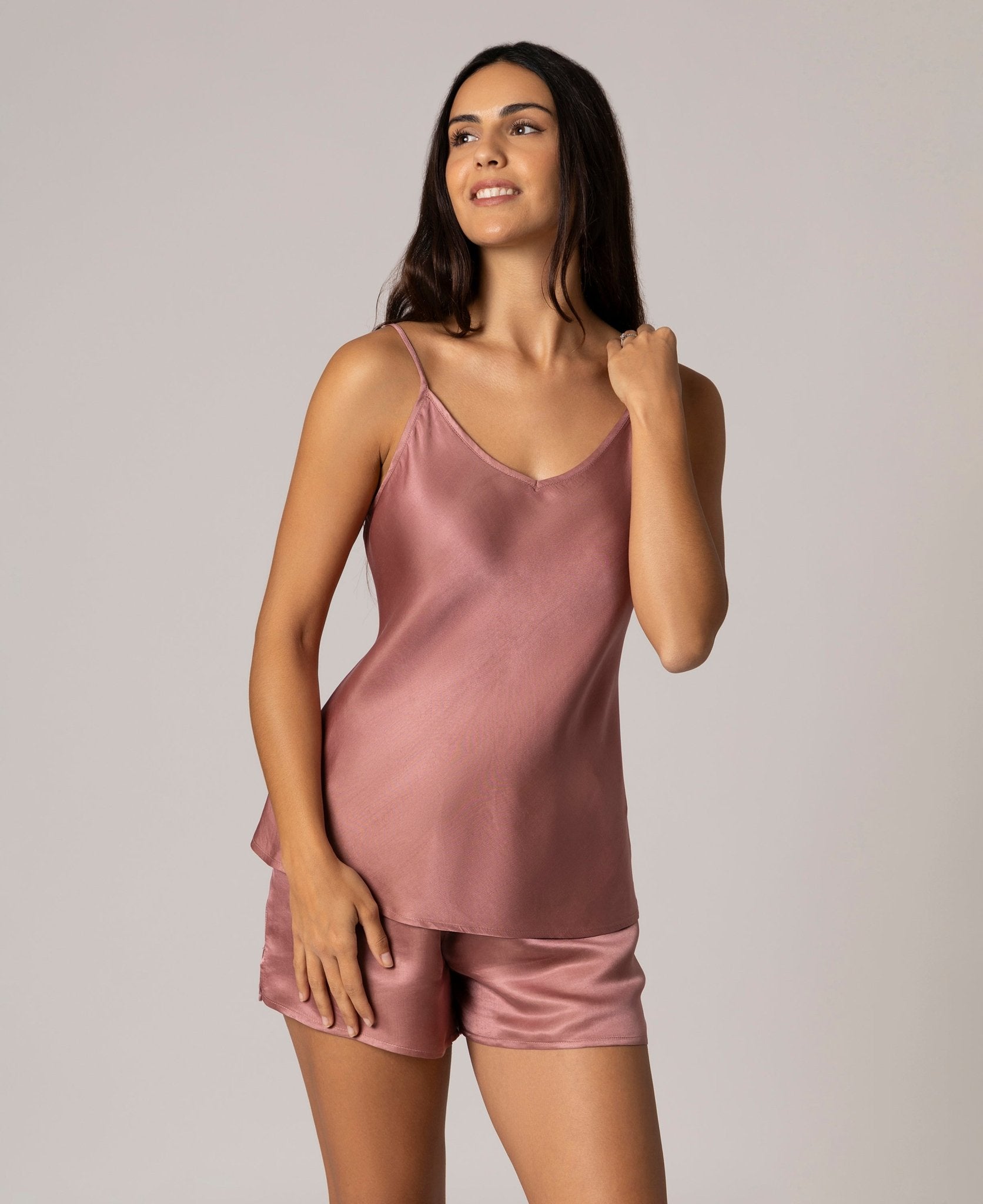
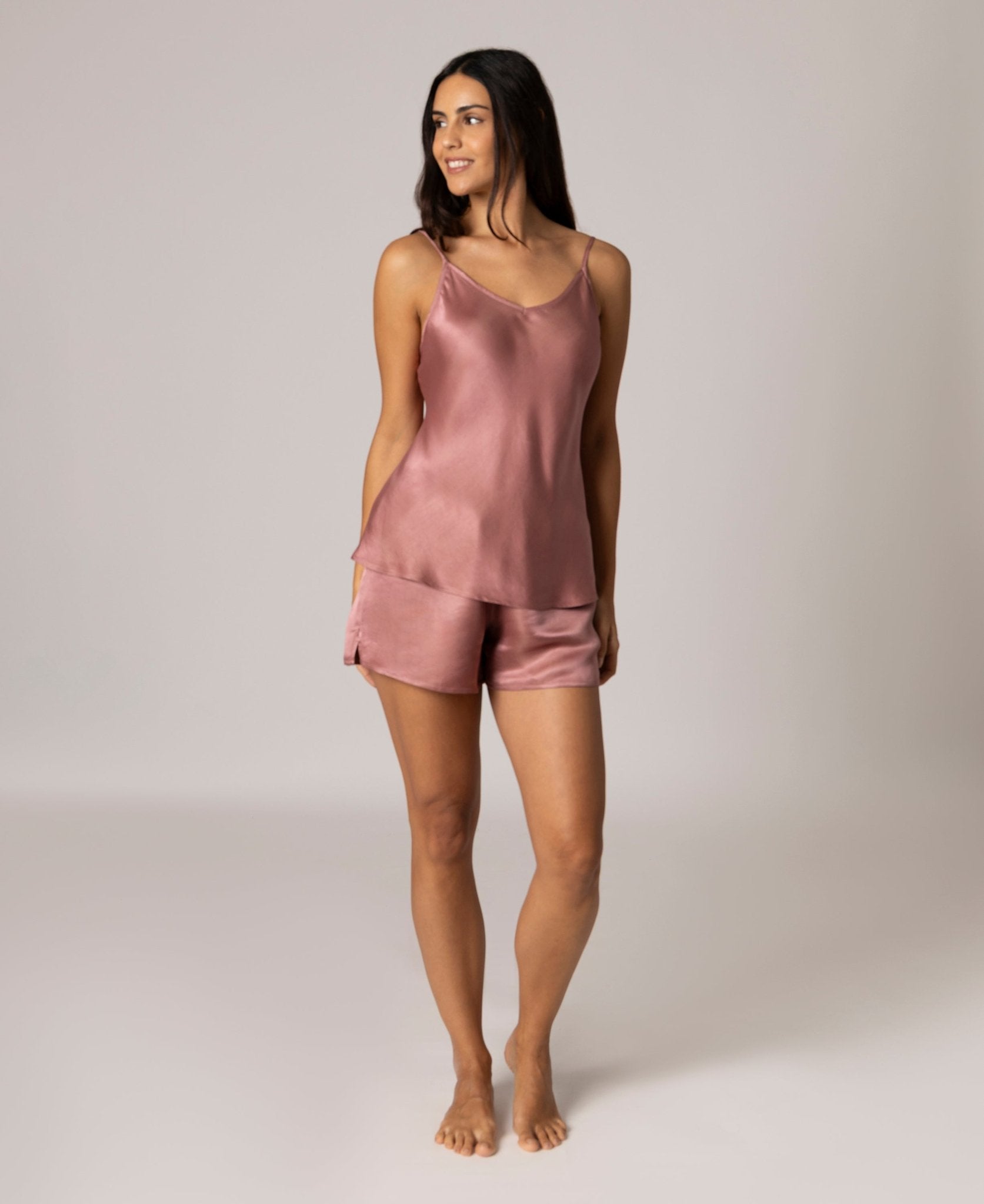
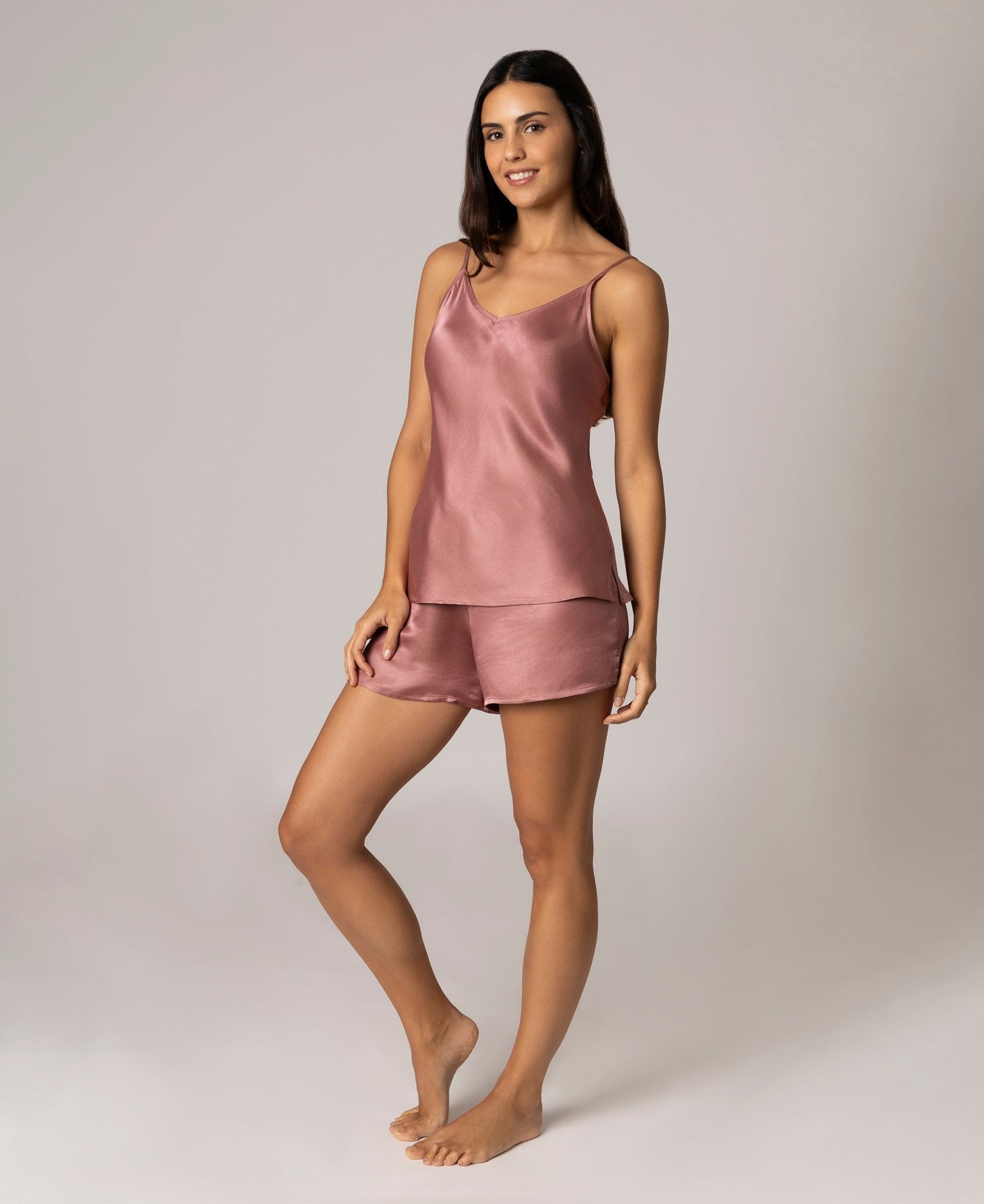
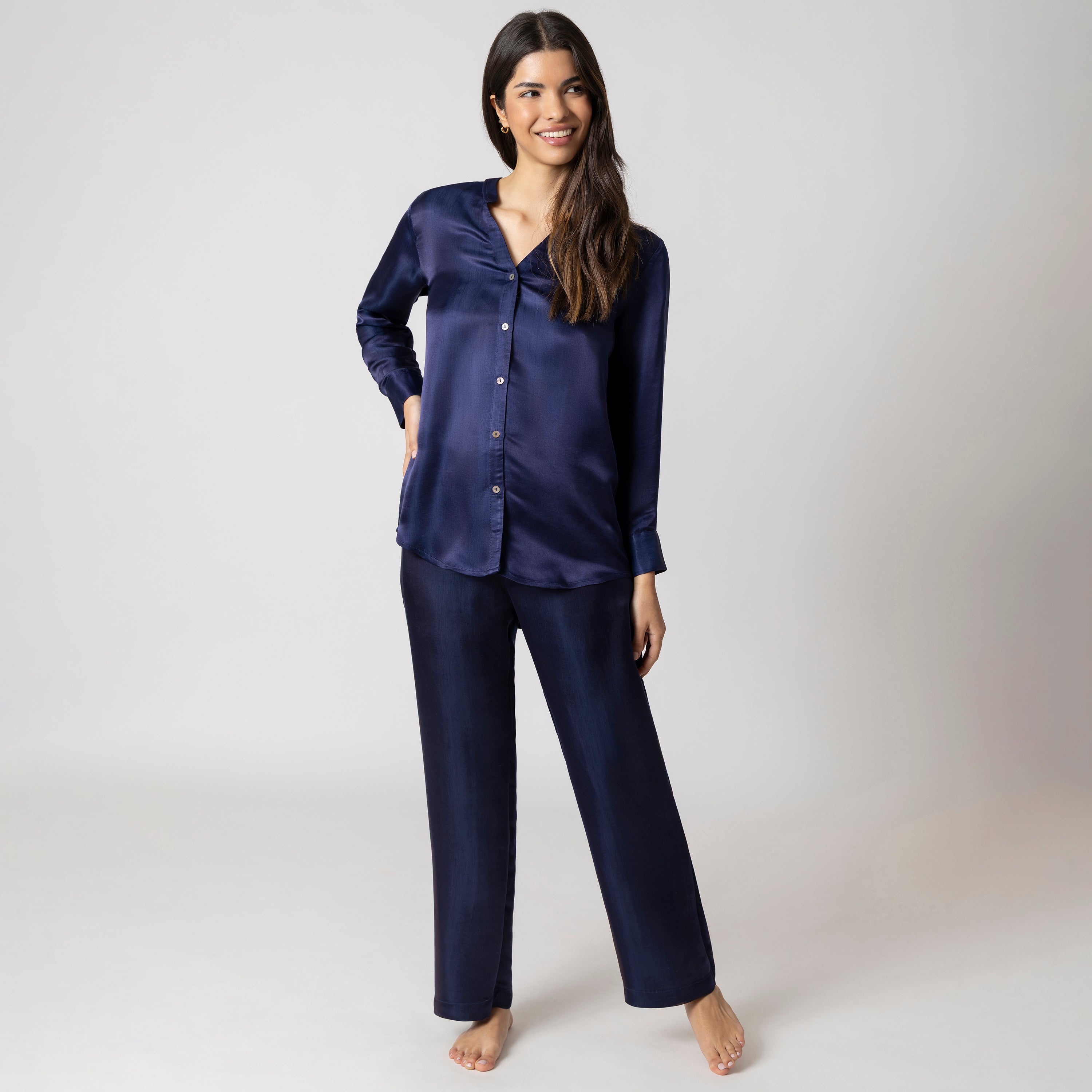
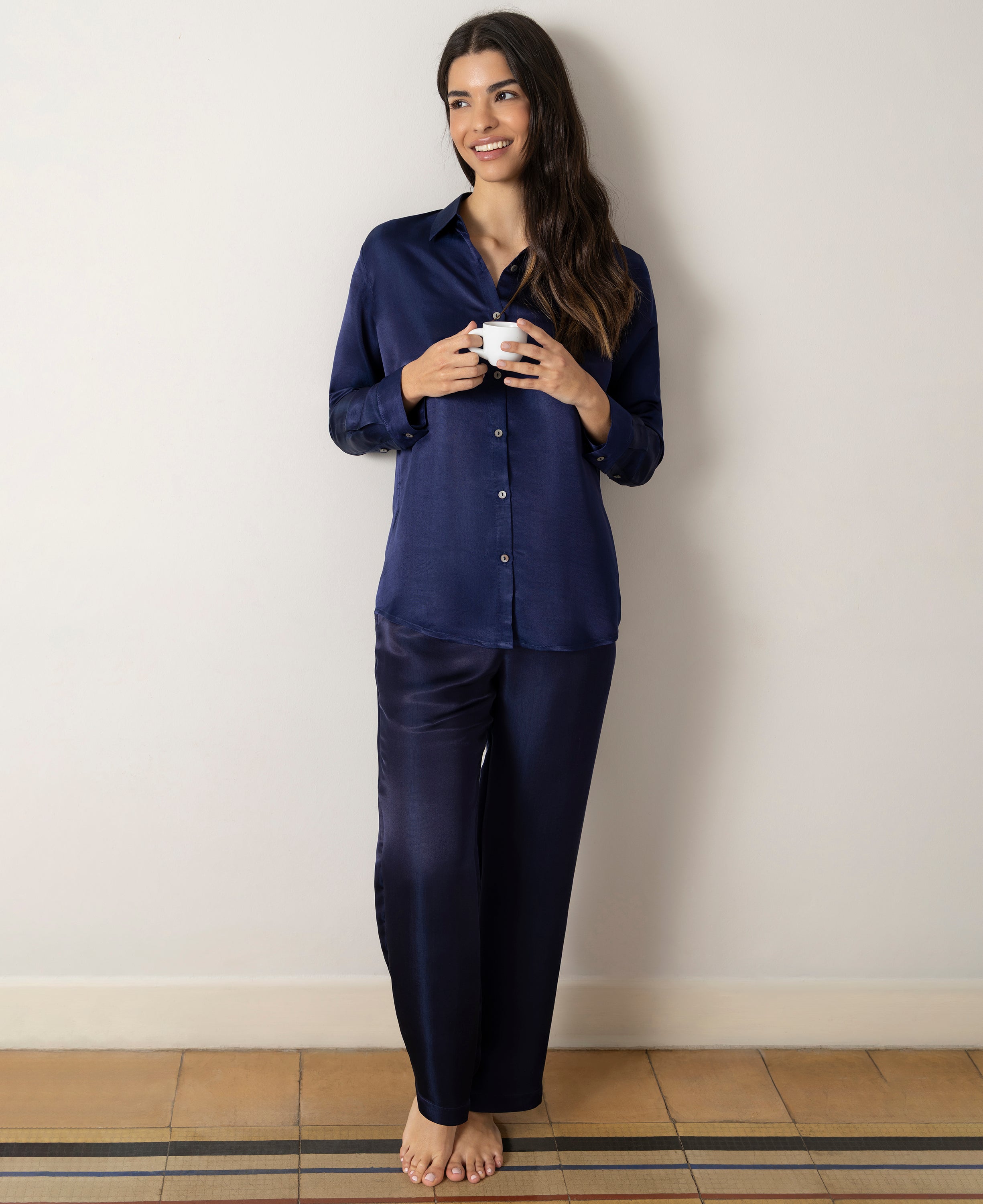
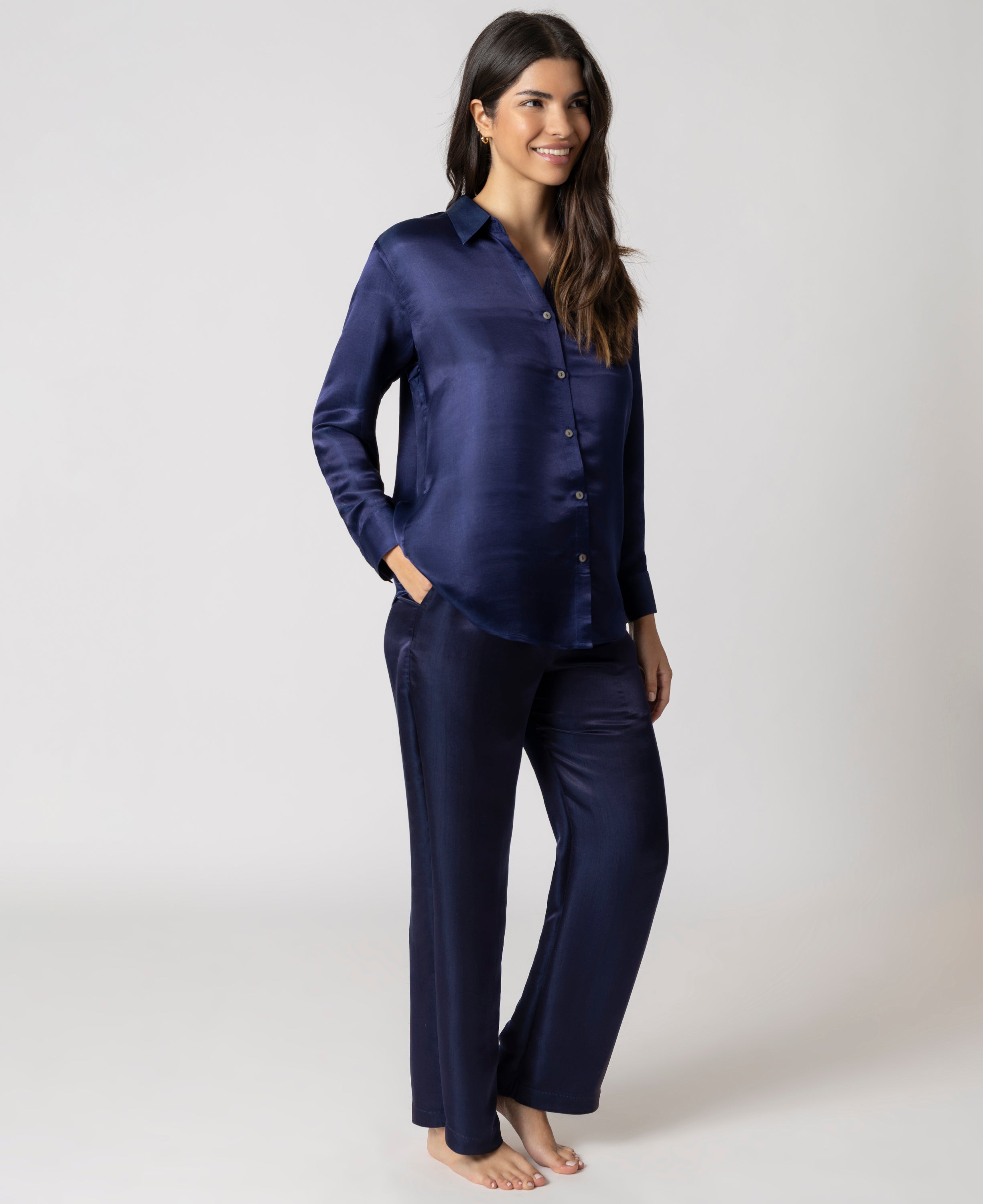
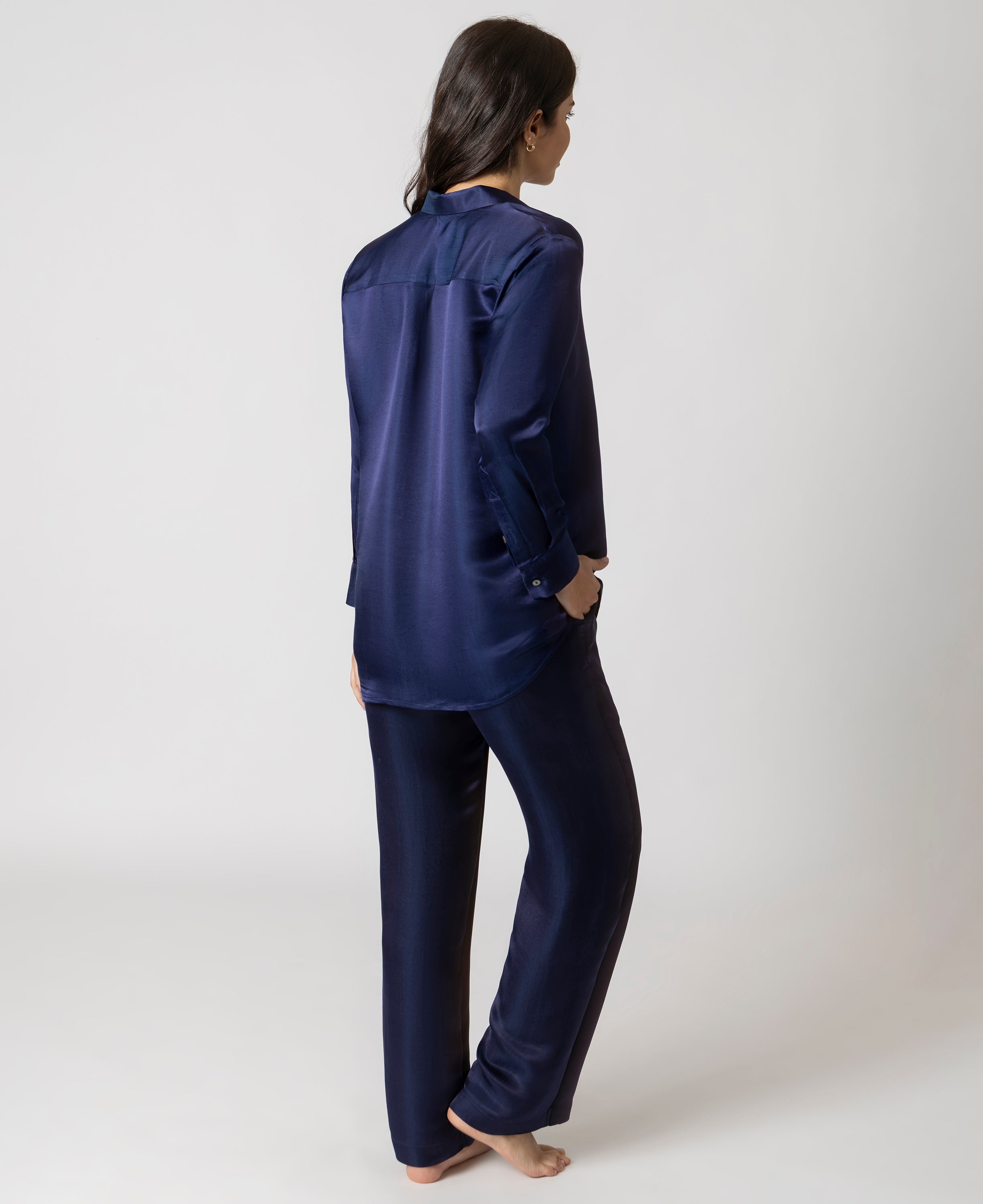
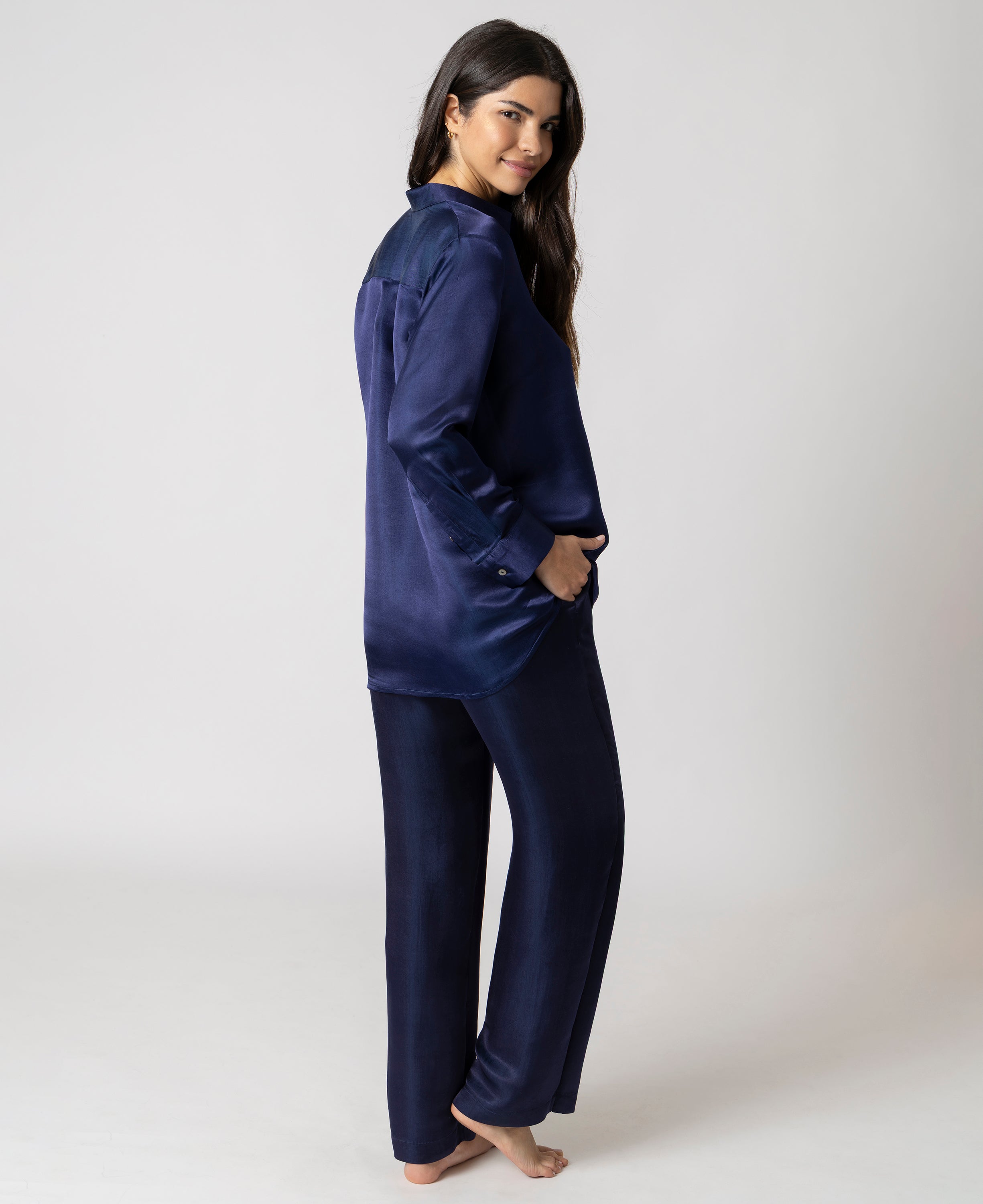
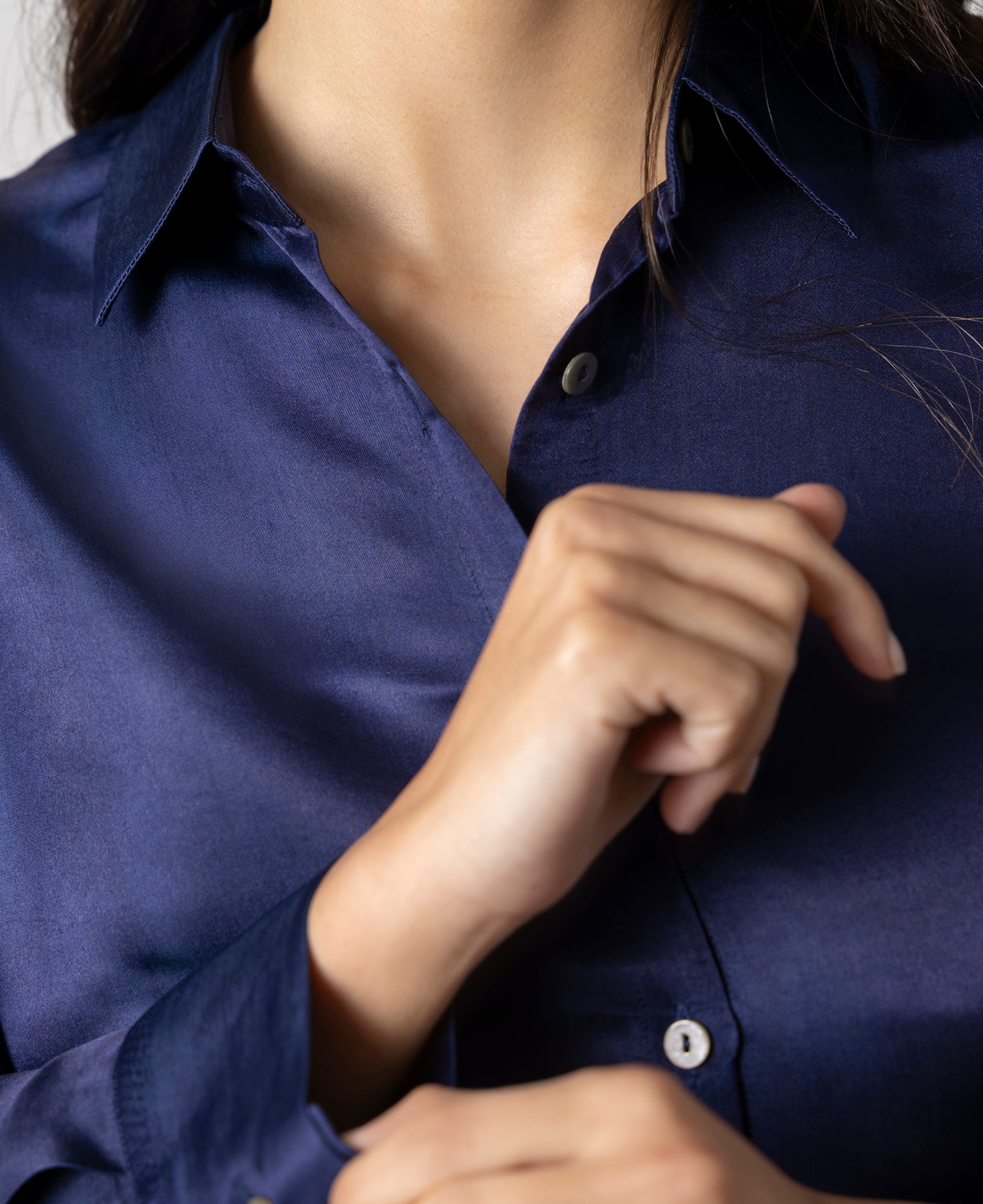
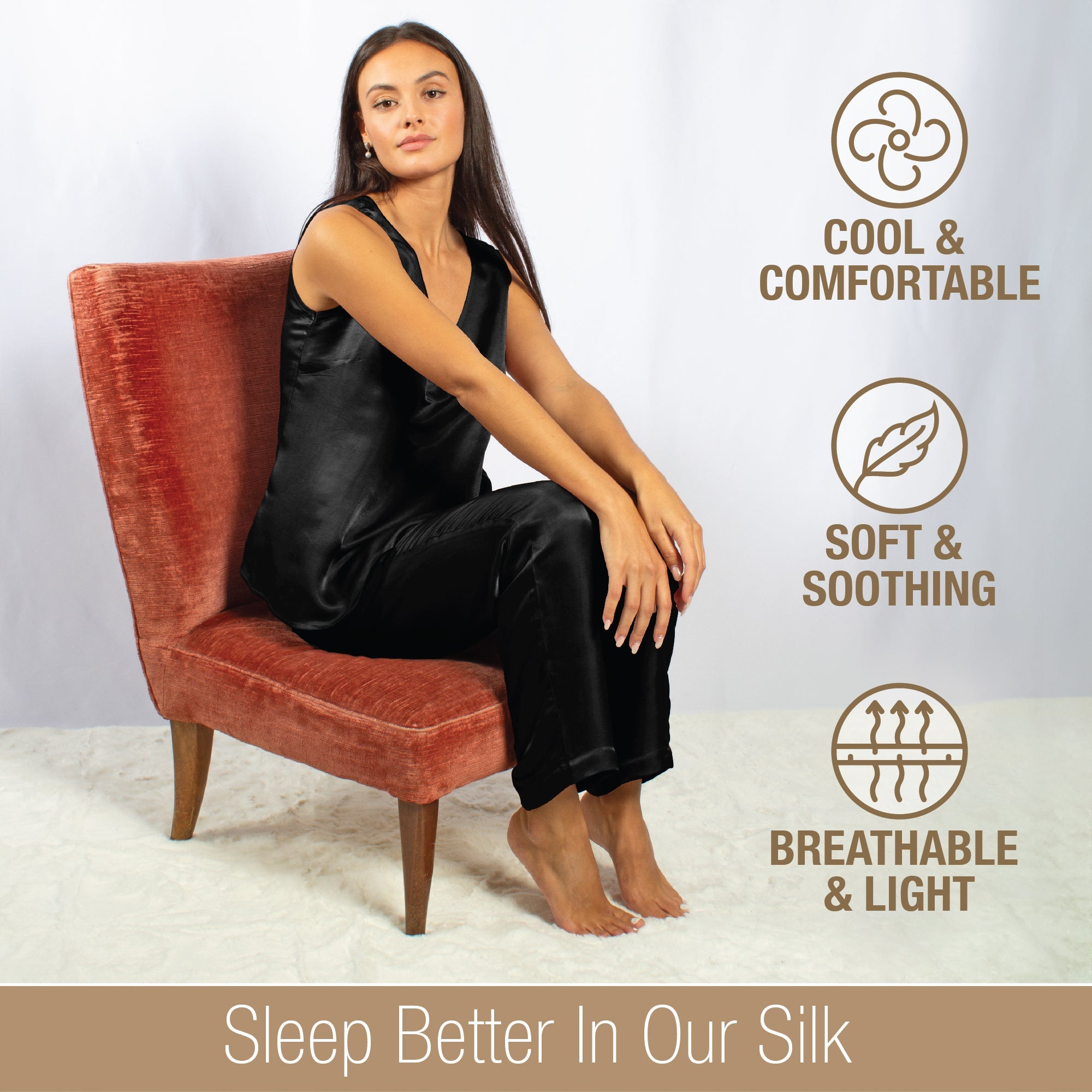
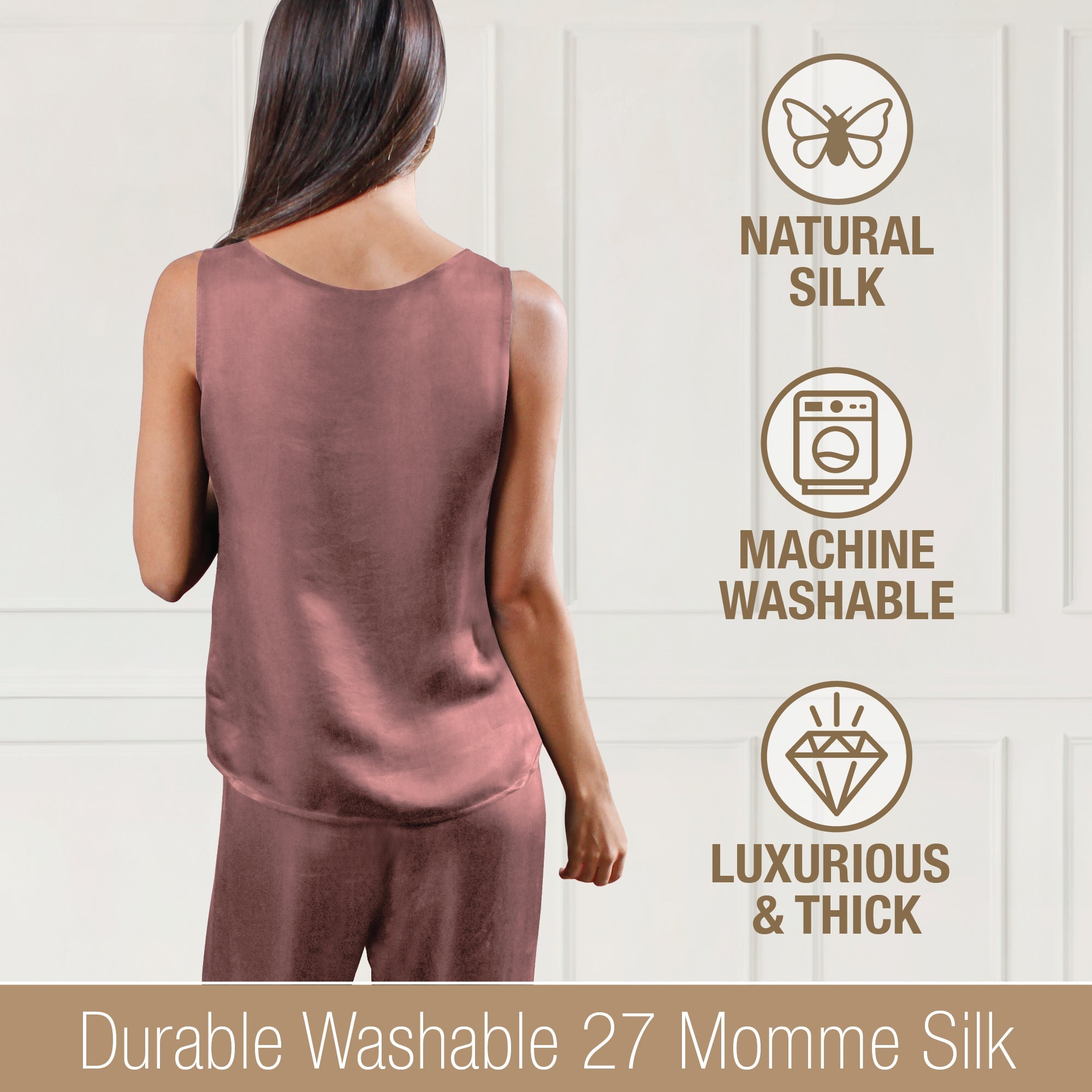
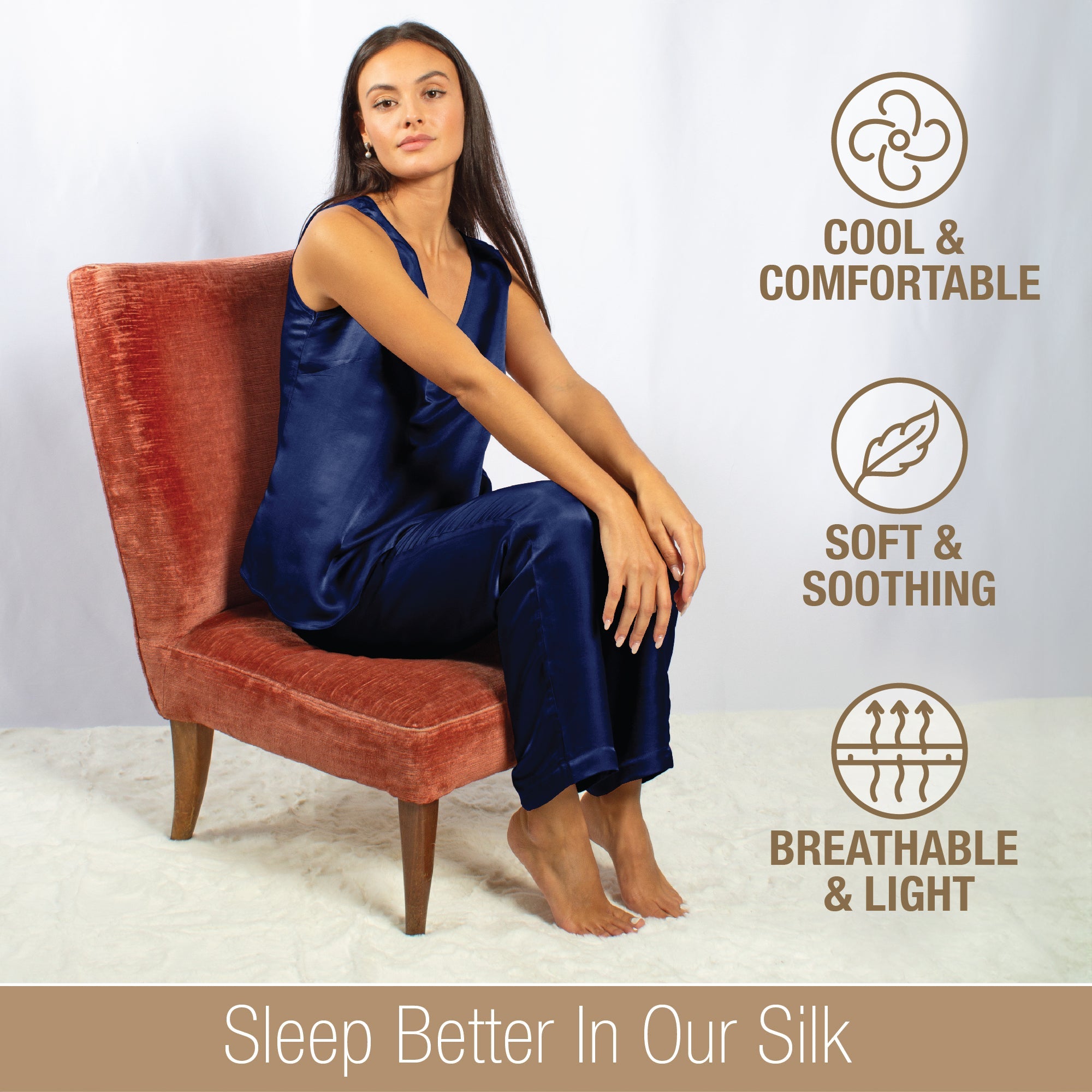
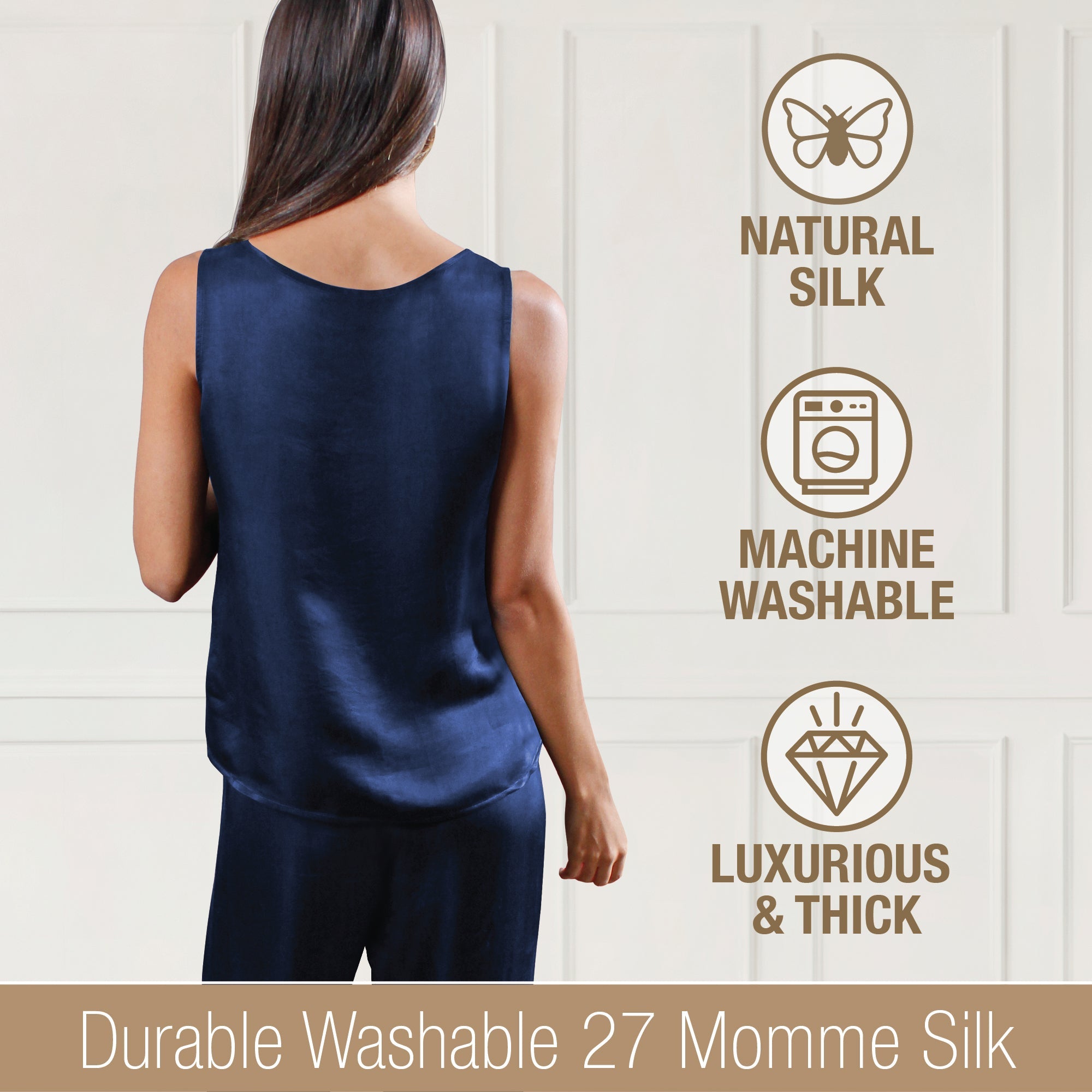
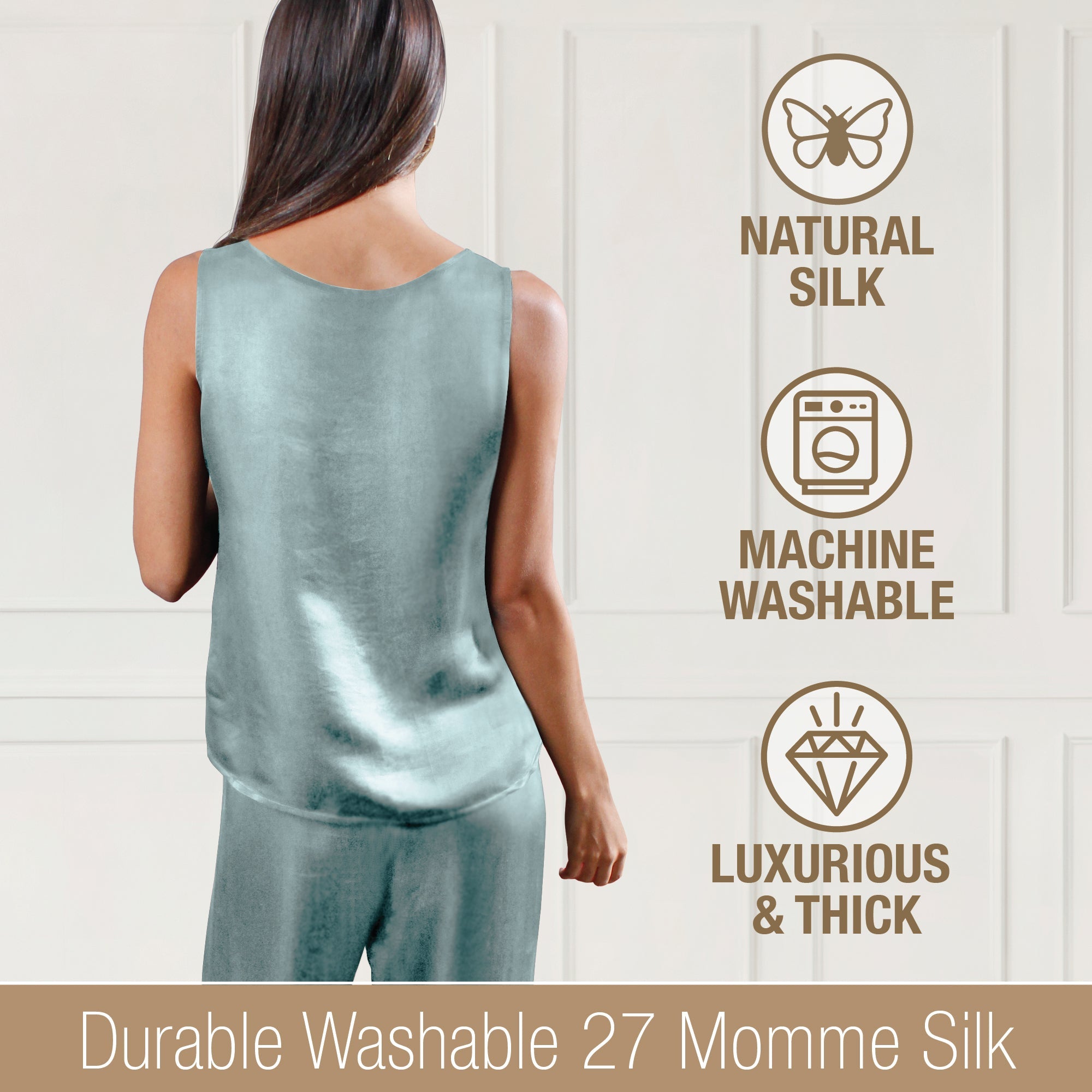
Momme weight is the density measure for silk, roughly equivalent to thread count in cotton. Higher momme means denser, more durable, more opaque fabric. Most silk pajamas on the market sit between 16 and 22 momme. A 19 momme silk pajama is adequate. A 22 momme pajama is good. A 27 momme pajama is a fundamentally different product: it drapes heavier, pills less, holds color longer, and lasts years instead of seasons.
27 momme is an artisan weight, produced on traditional looms rather than commercial factory equipment, which typically runs at 19, 22, or 30 momme. It's the sweet spot: substantial enough for exceptional durability and drape, still soft and comfortable against skin. Going higher to 30 momme would add thickness but lose the softness that makes silk comfortable for sleep. This weight is used across our entire collection, from silk boxers for men to sleepwear to robes.
What is momme weight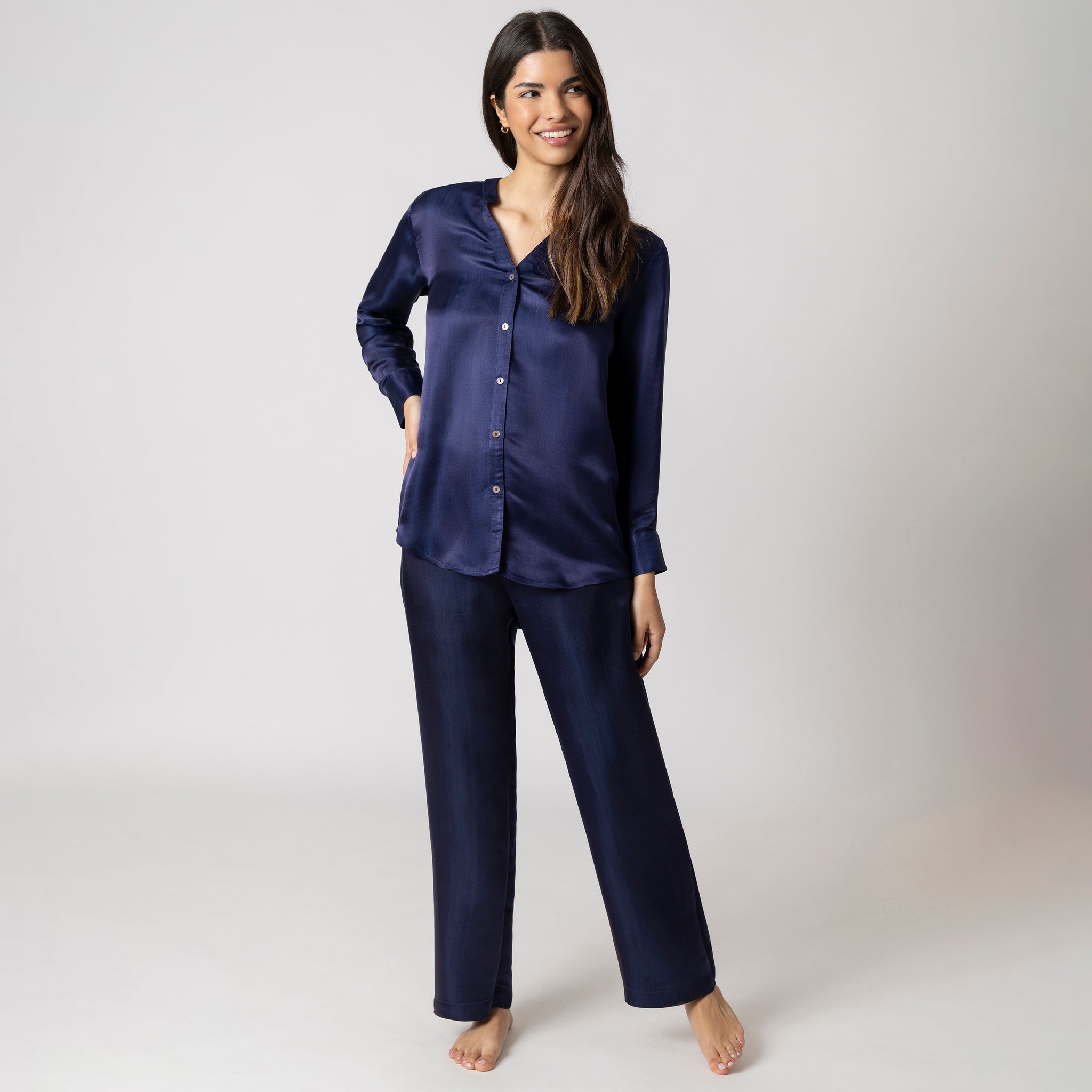









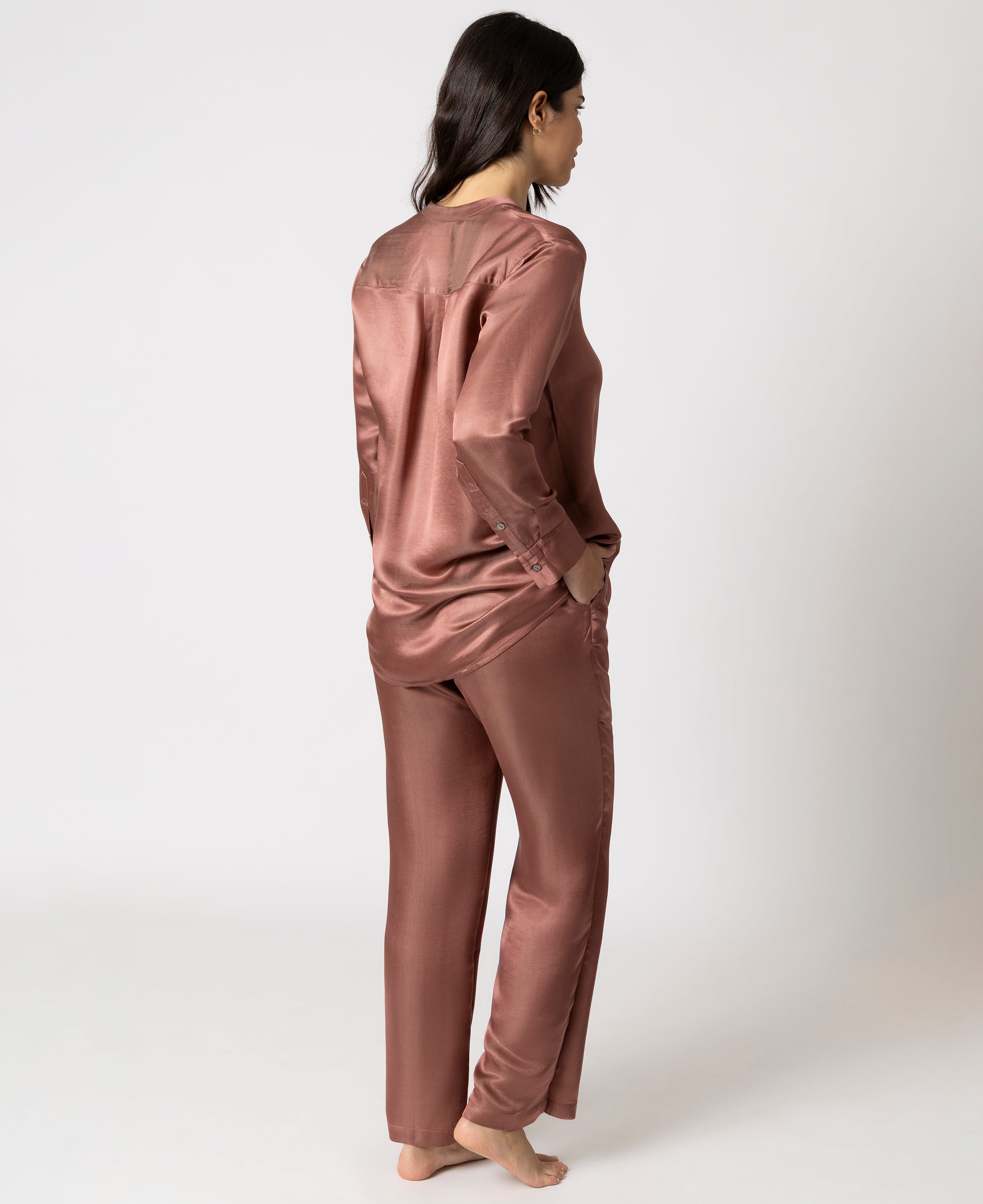
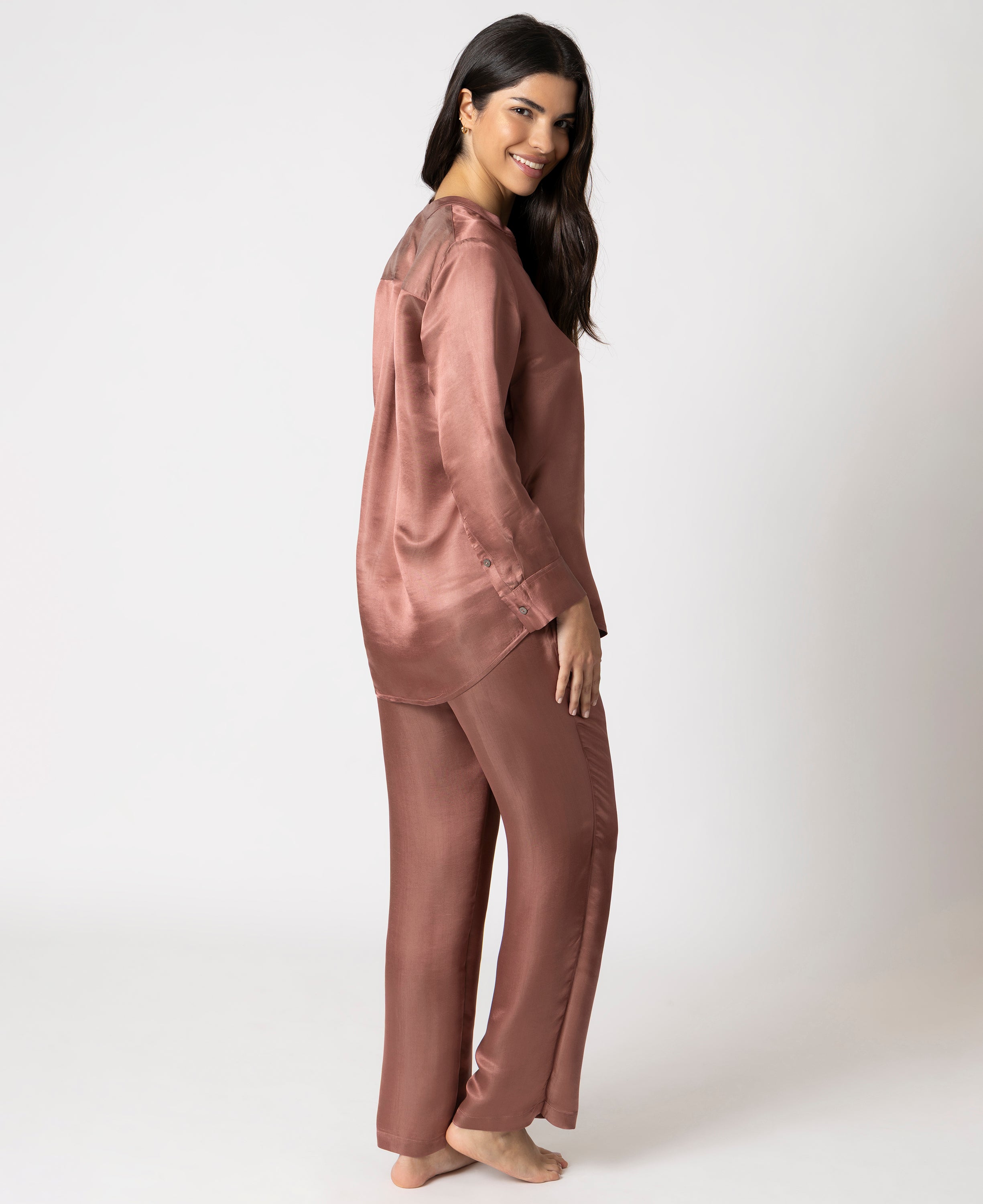
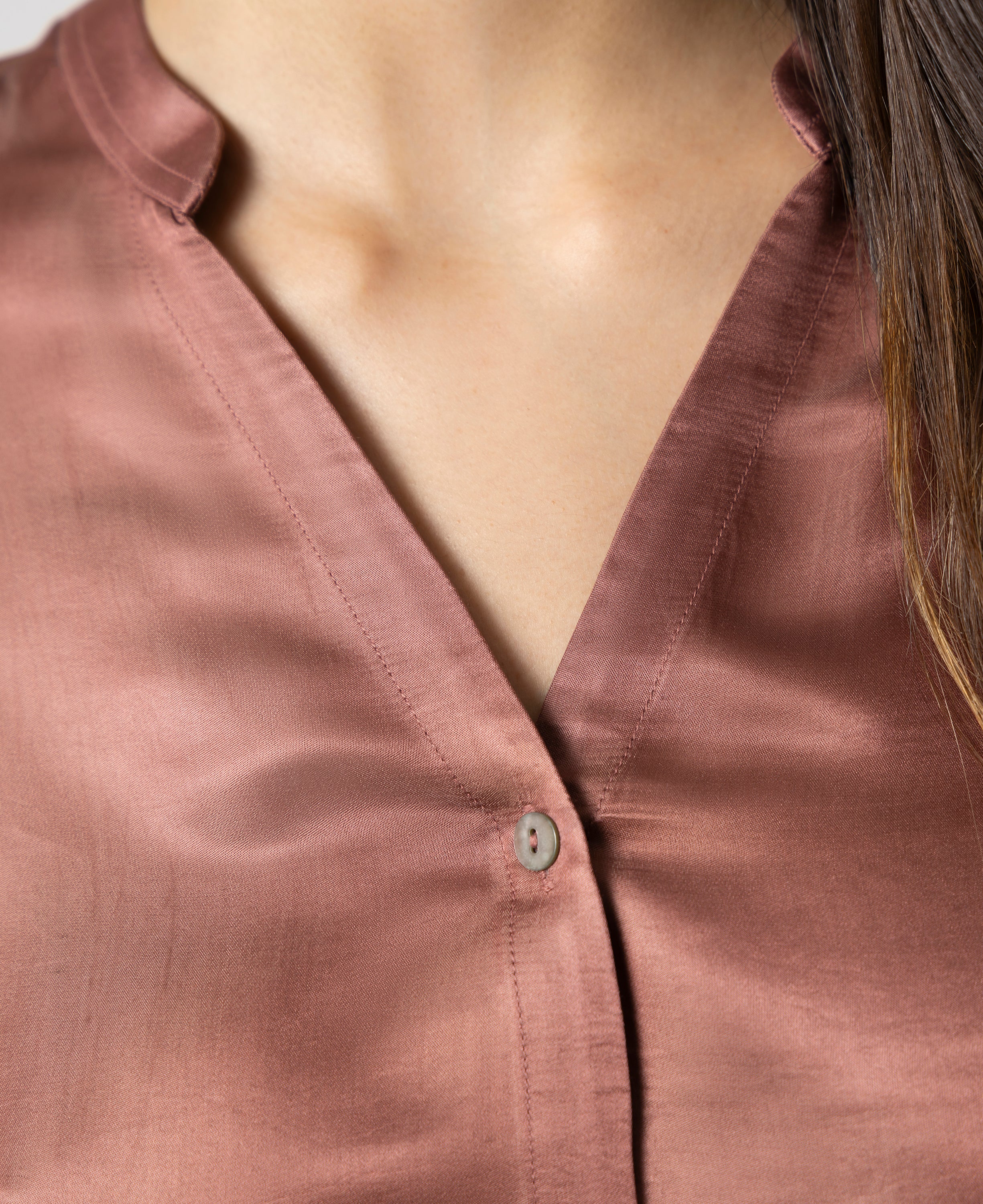
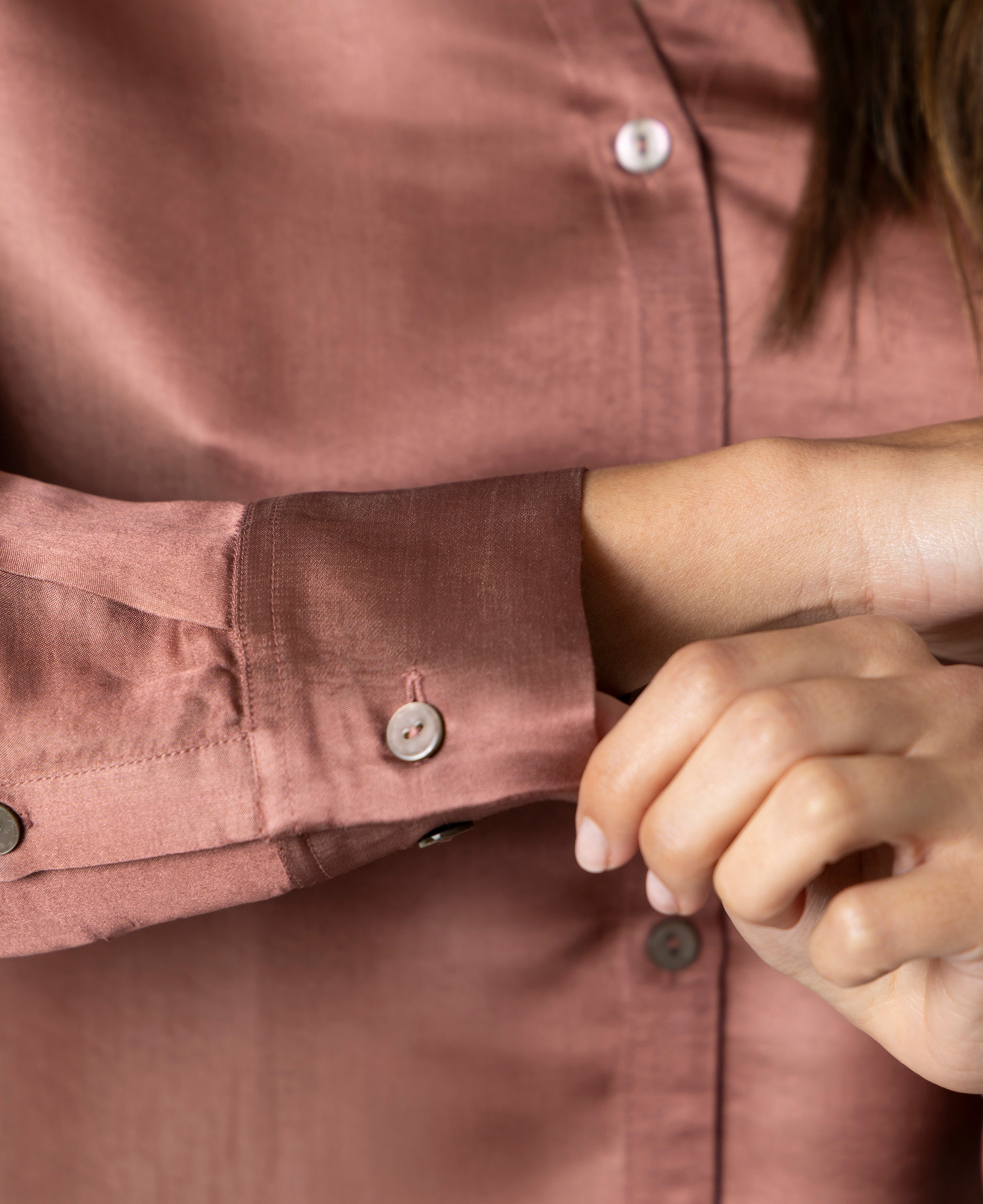
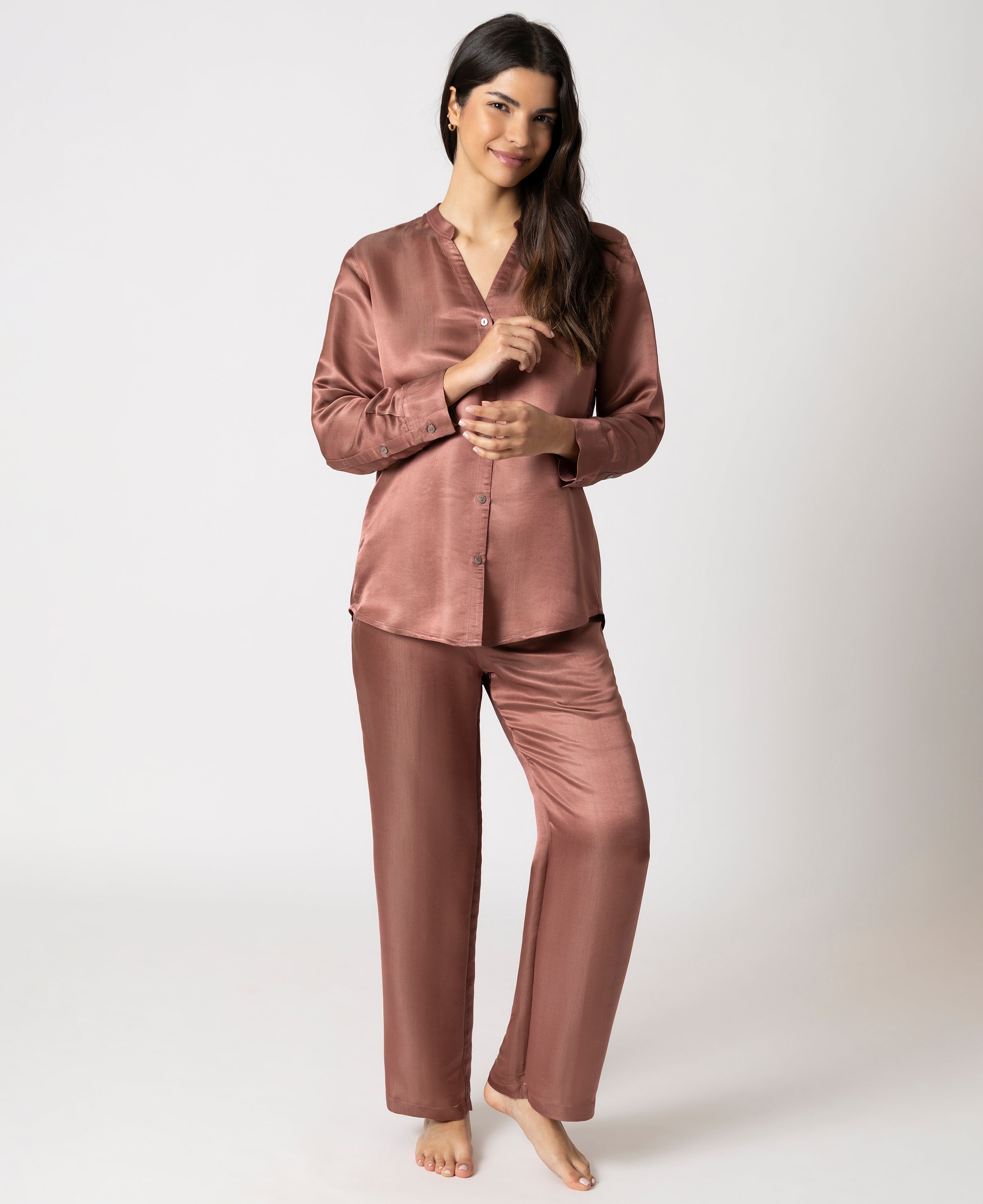
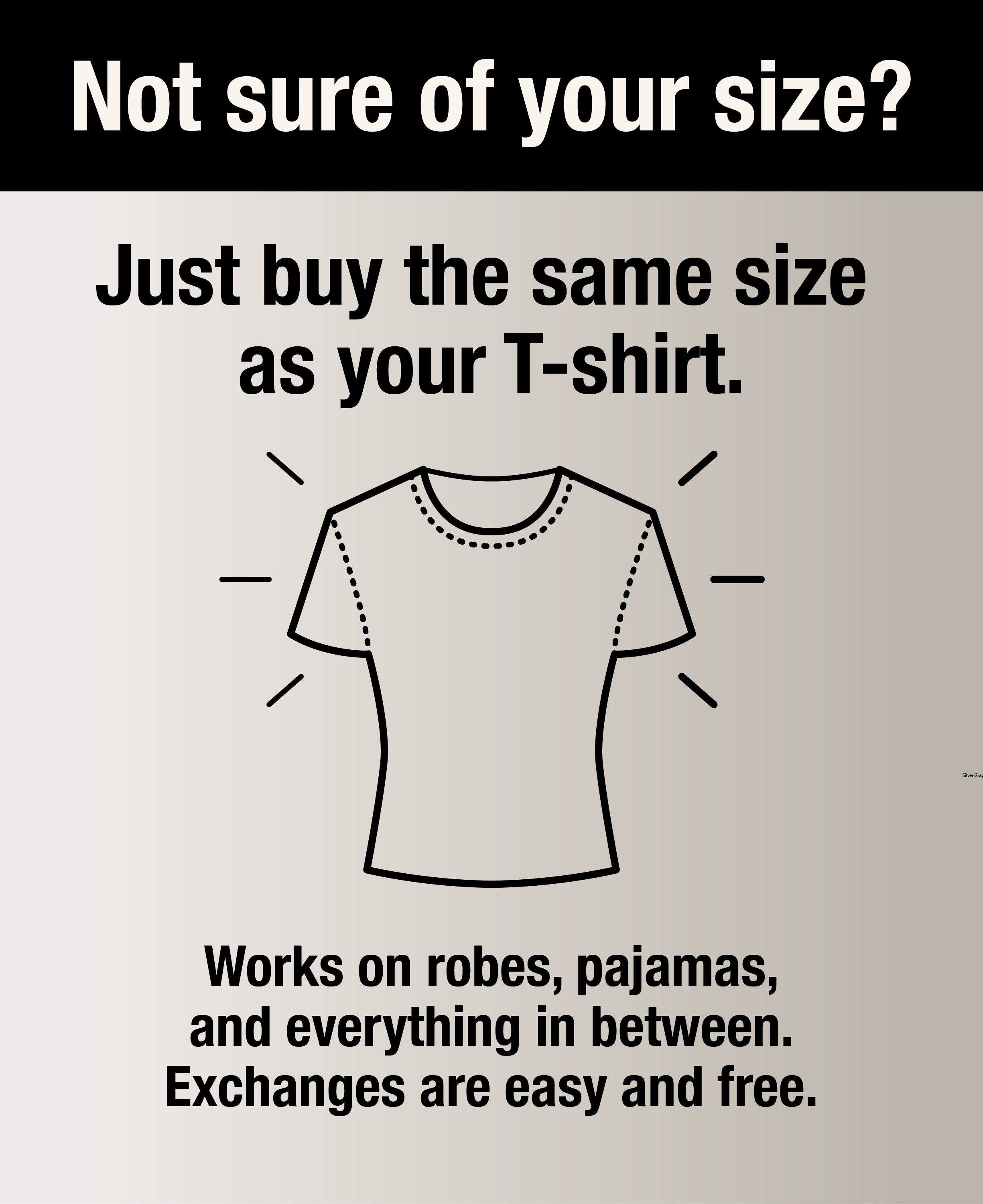
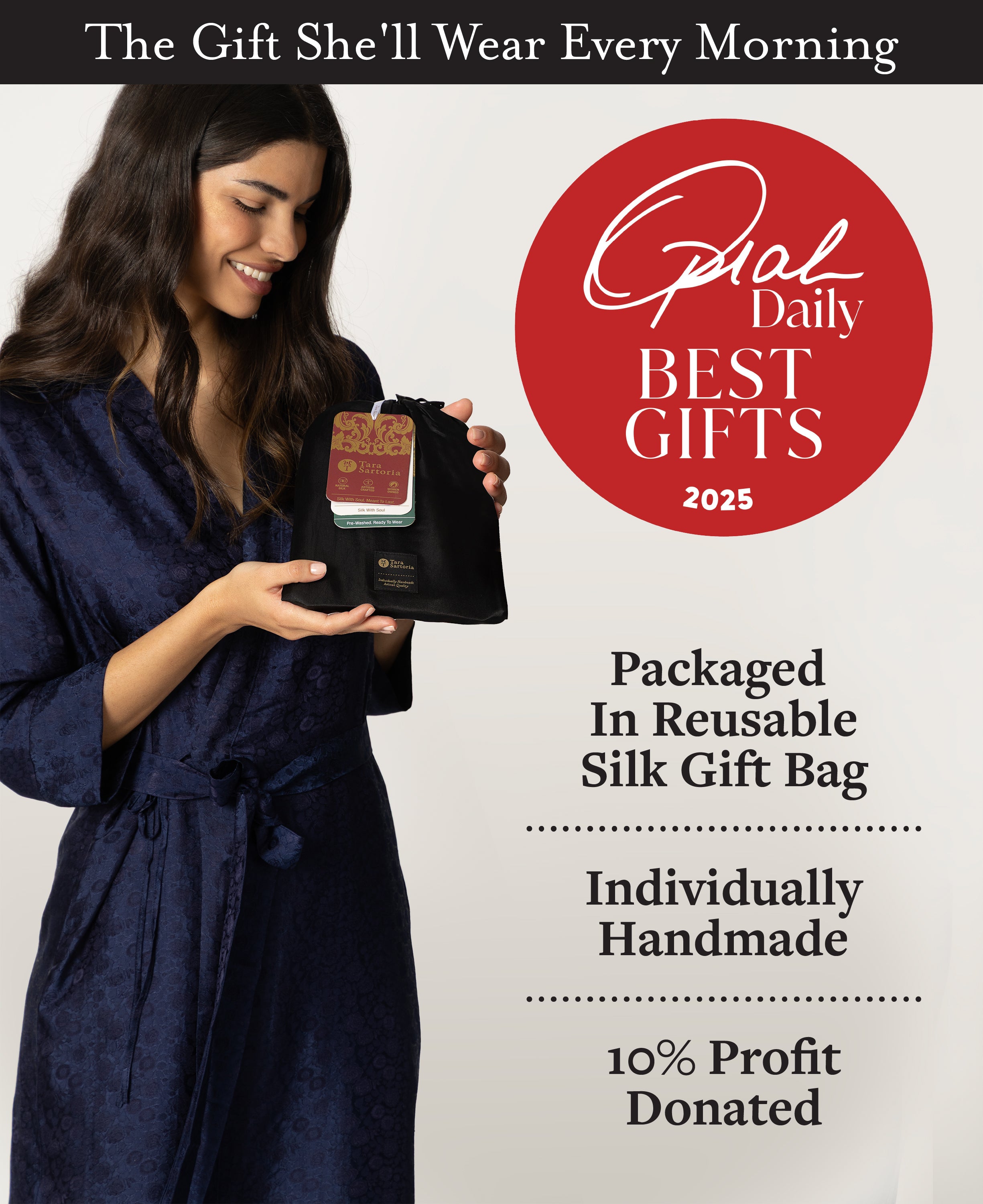
Construction Method Determines Longevity
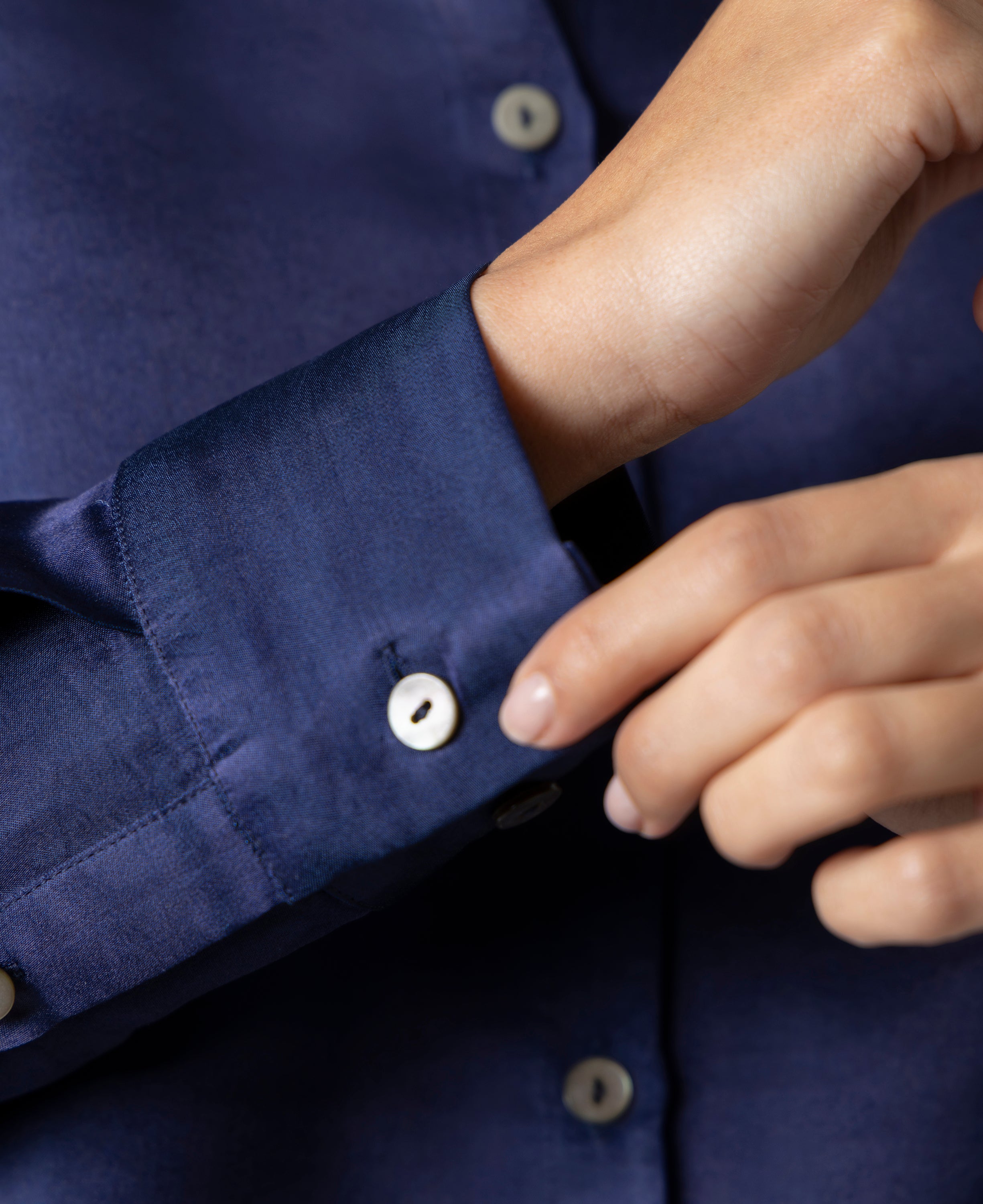
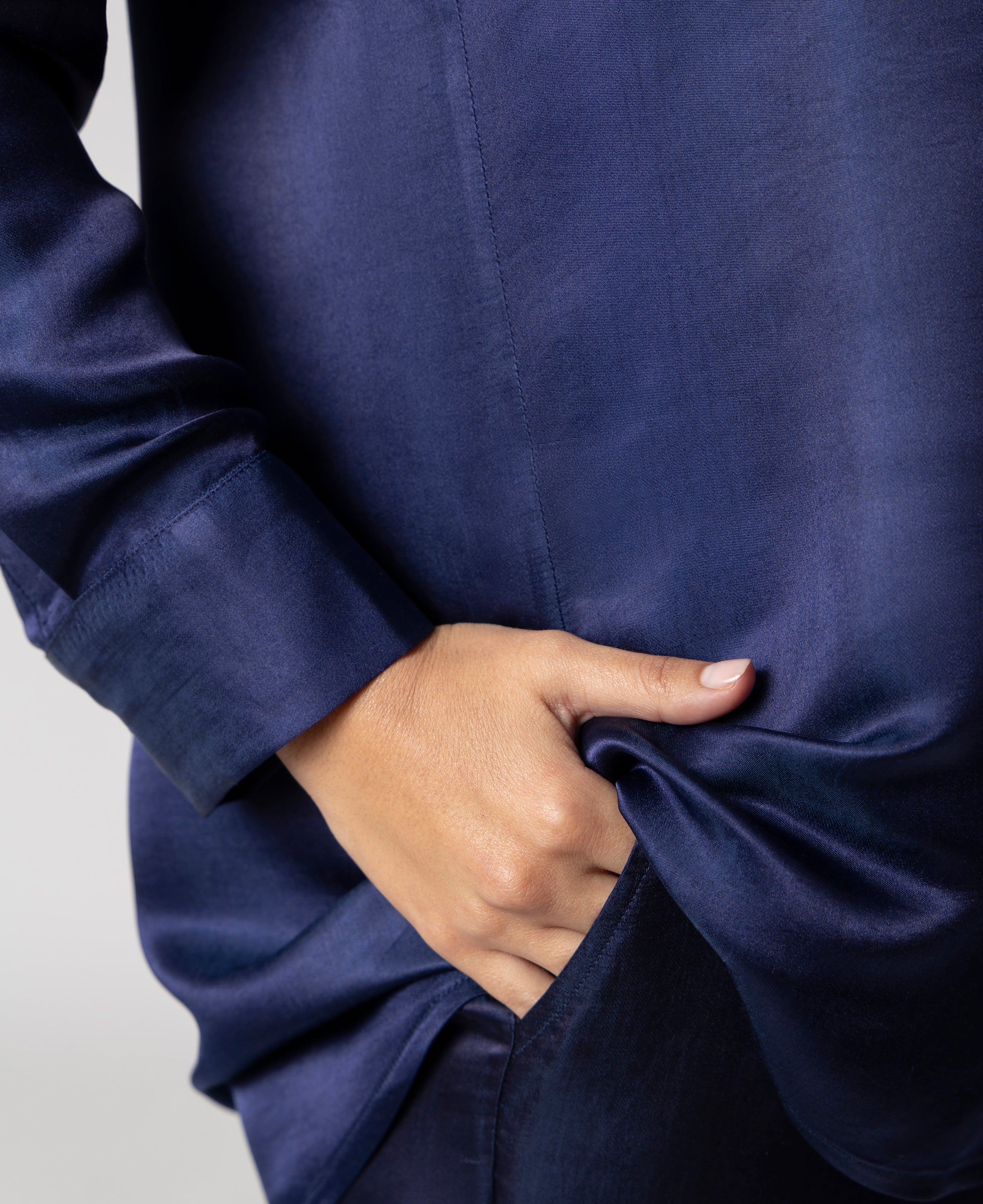
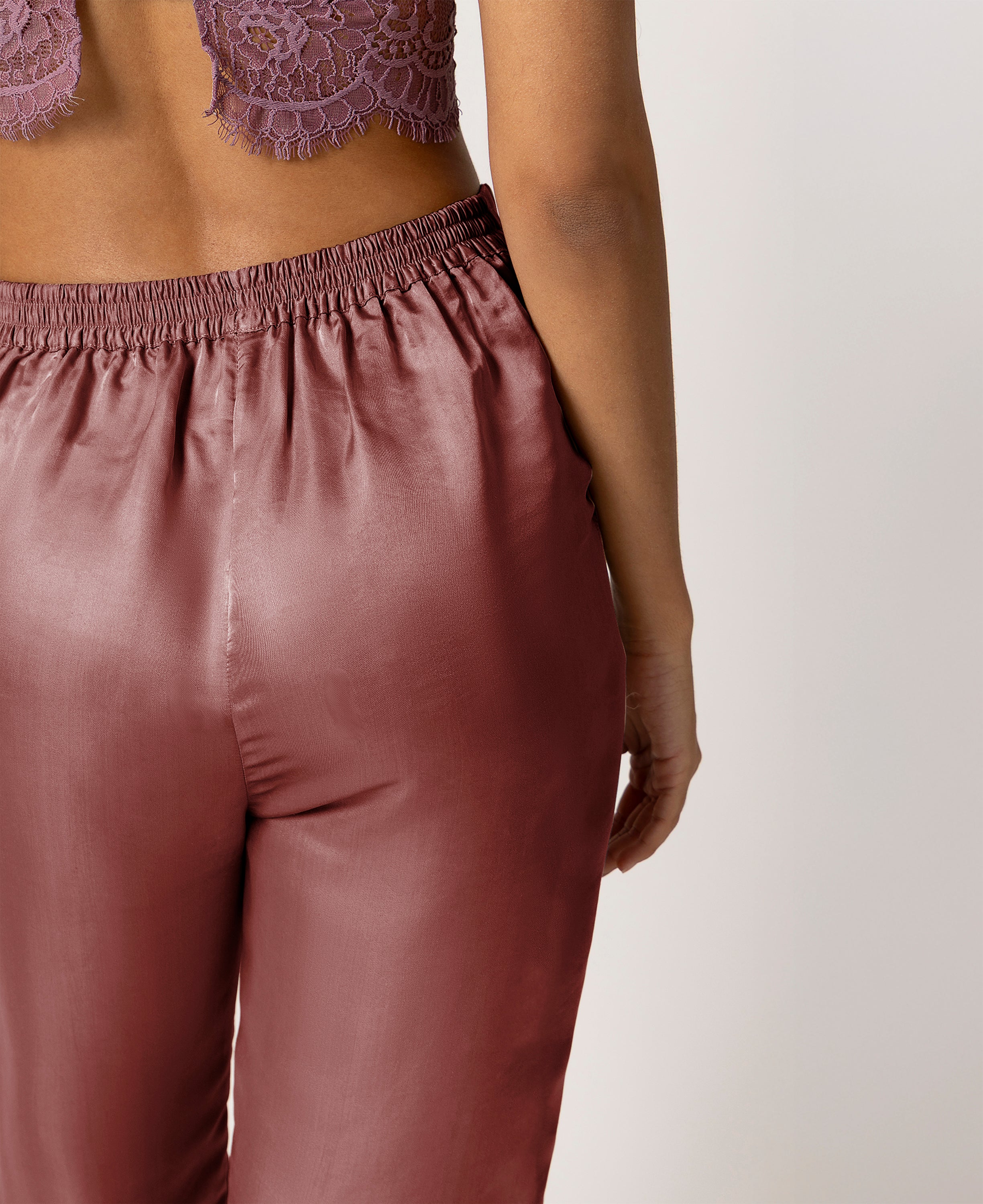
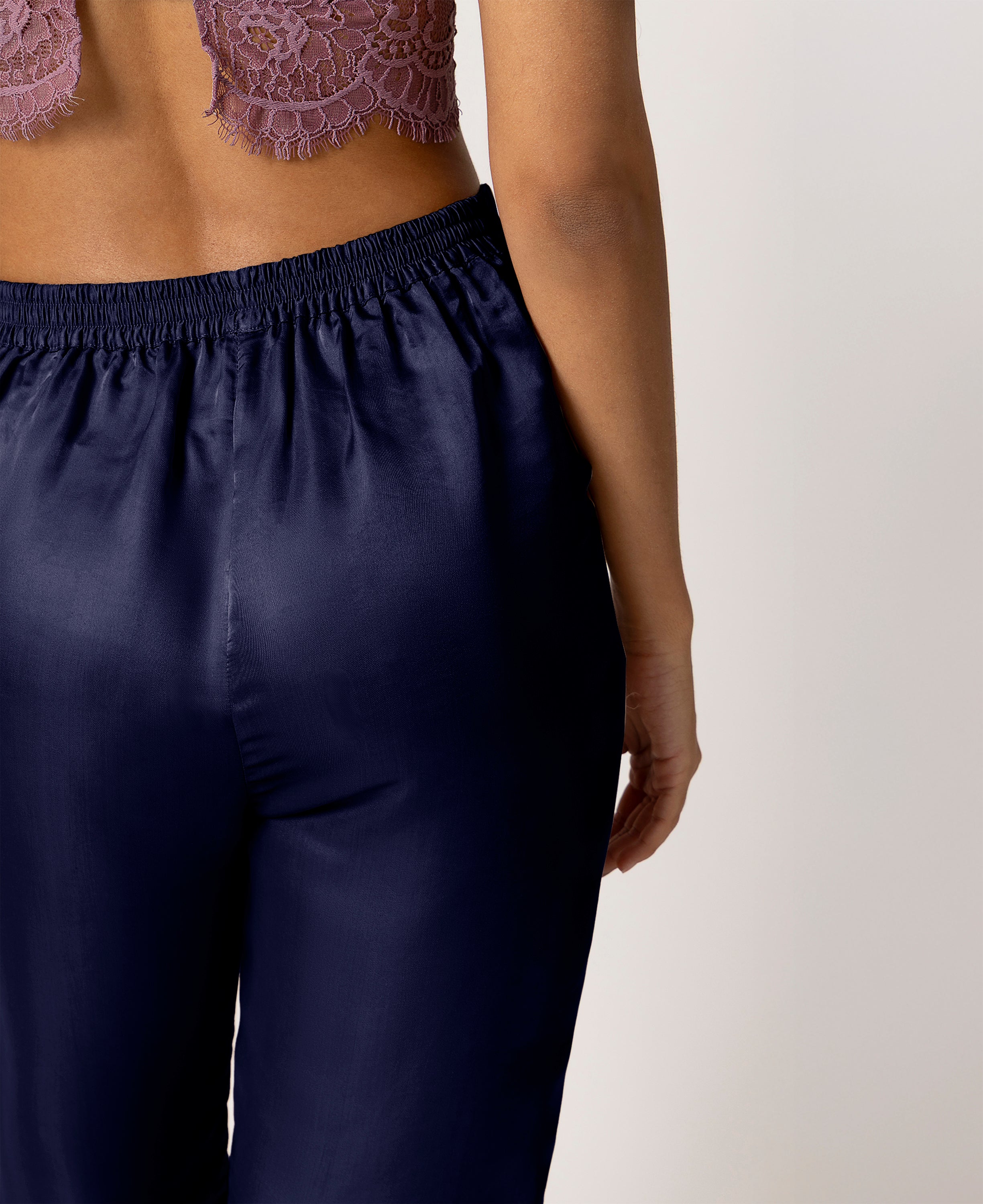
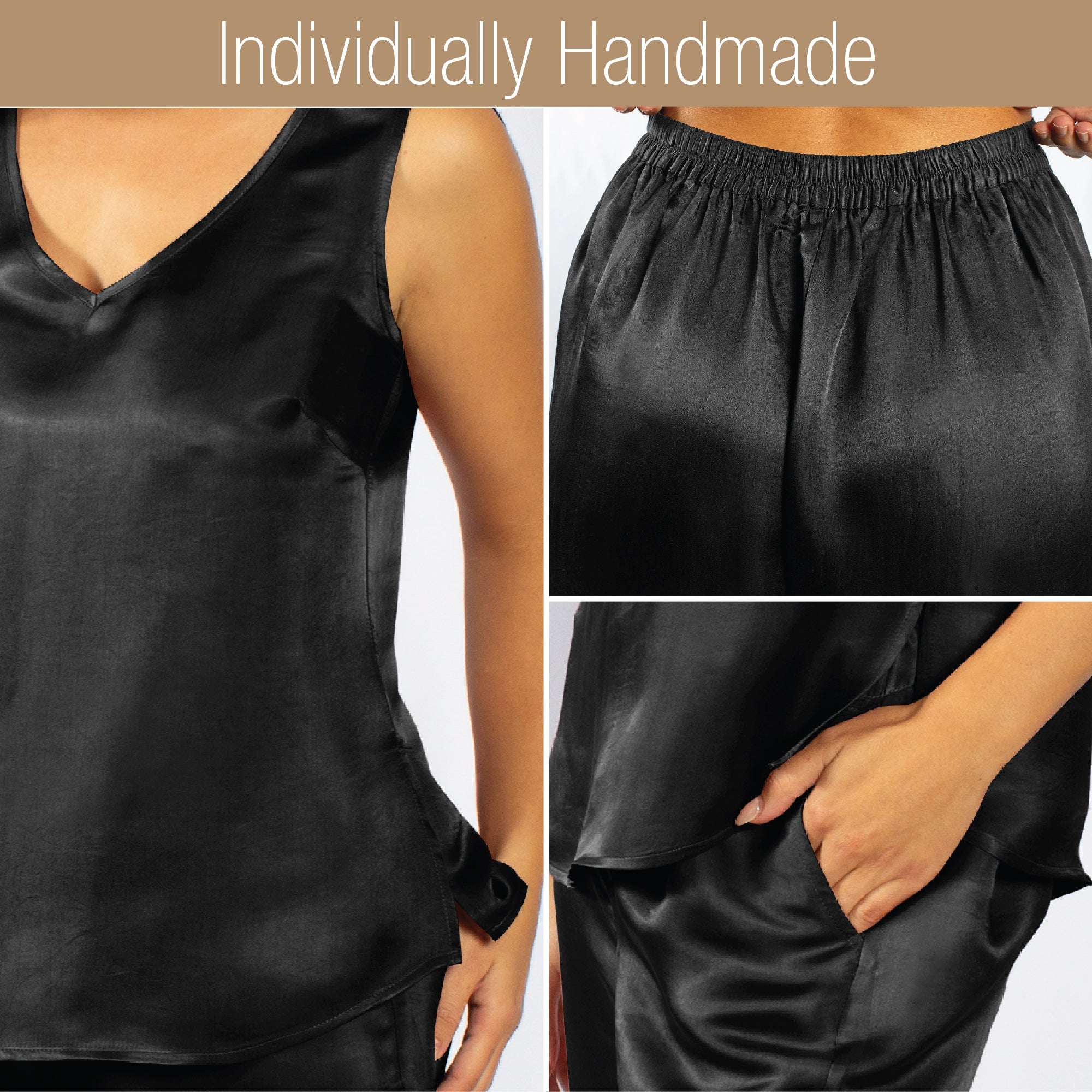
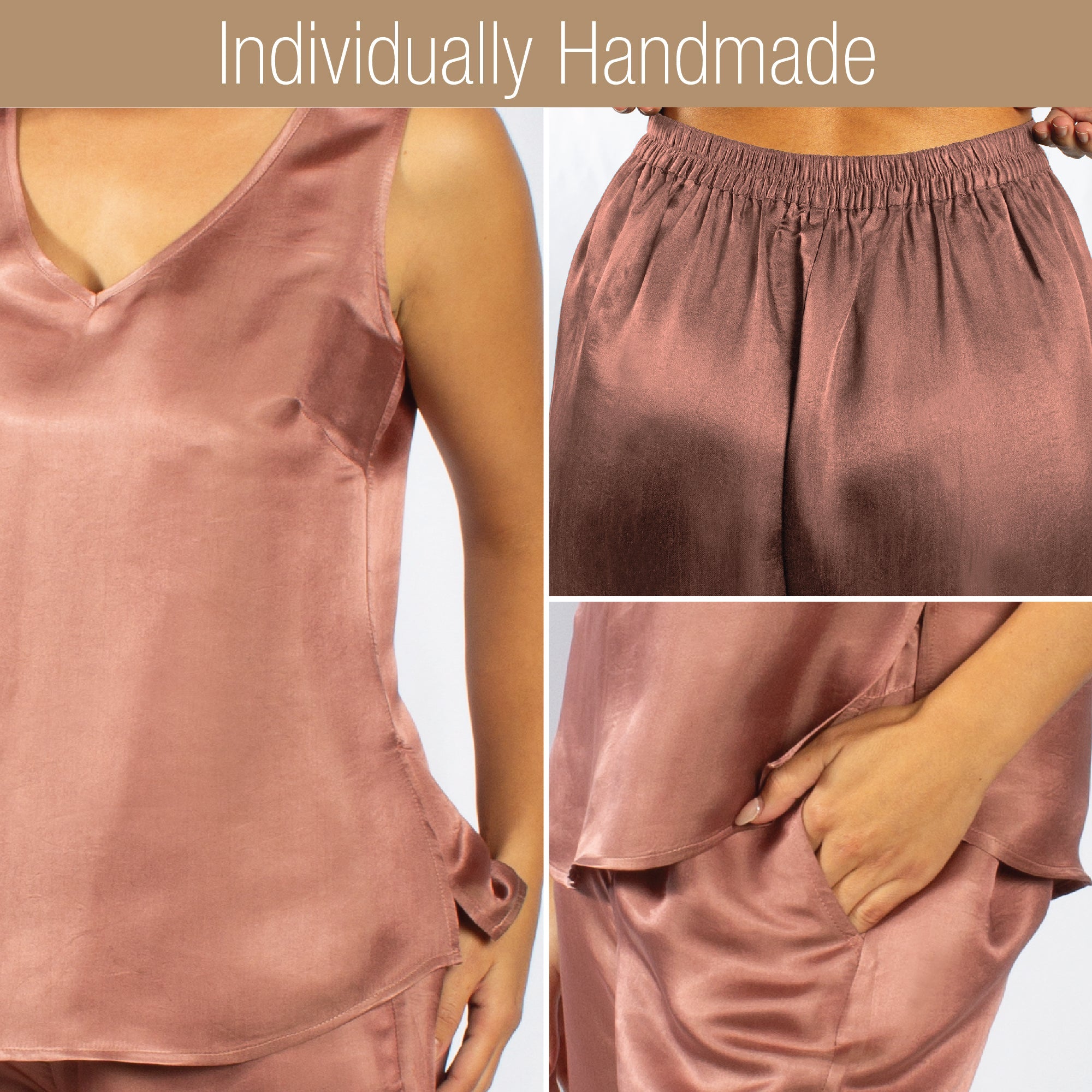
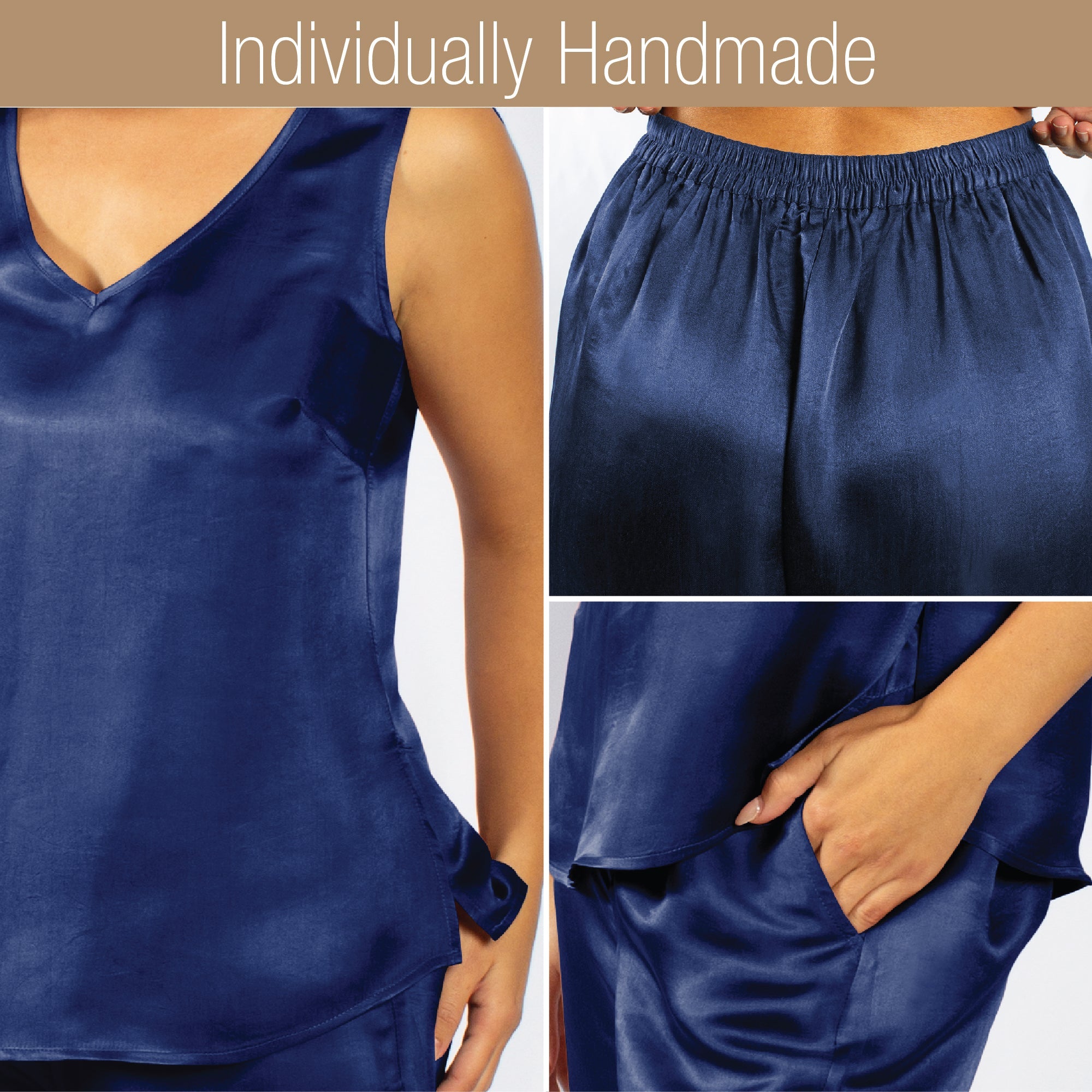
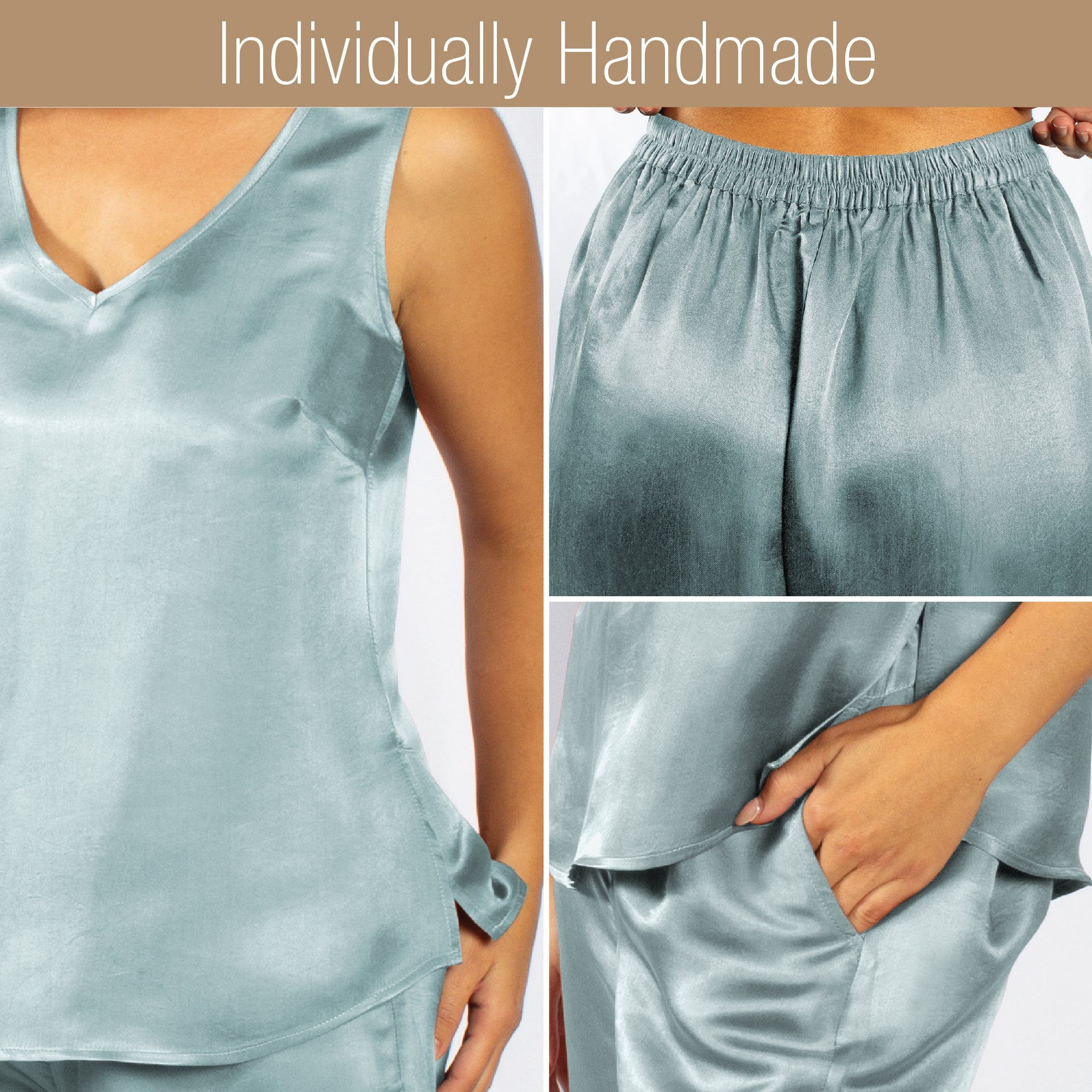
French seams enclose raw edges inside the seam itself, which means no fraying, no irritation against skin, and no need for serging. Most mass-produced silk pajamas use overlocked seams, which are faster and cheaper but expose raw edges that degrade over time.
The construction method shapes everything that happens next. French seams take approximately twice as long to sew as overlocked seams. Hand-finishing adds further time. The result is simpler: fabric that lasts.
What are French seams

Machine Washability: A Manufacturing Decision
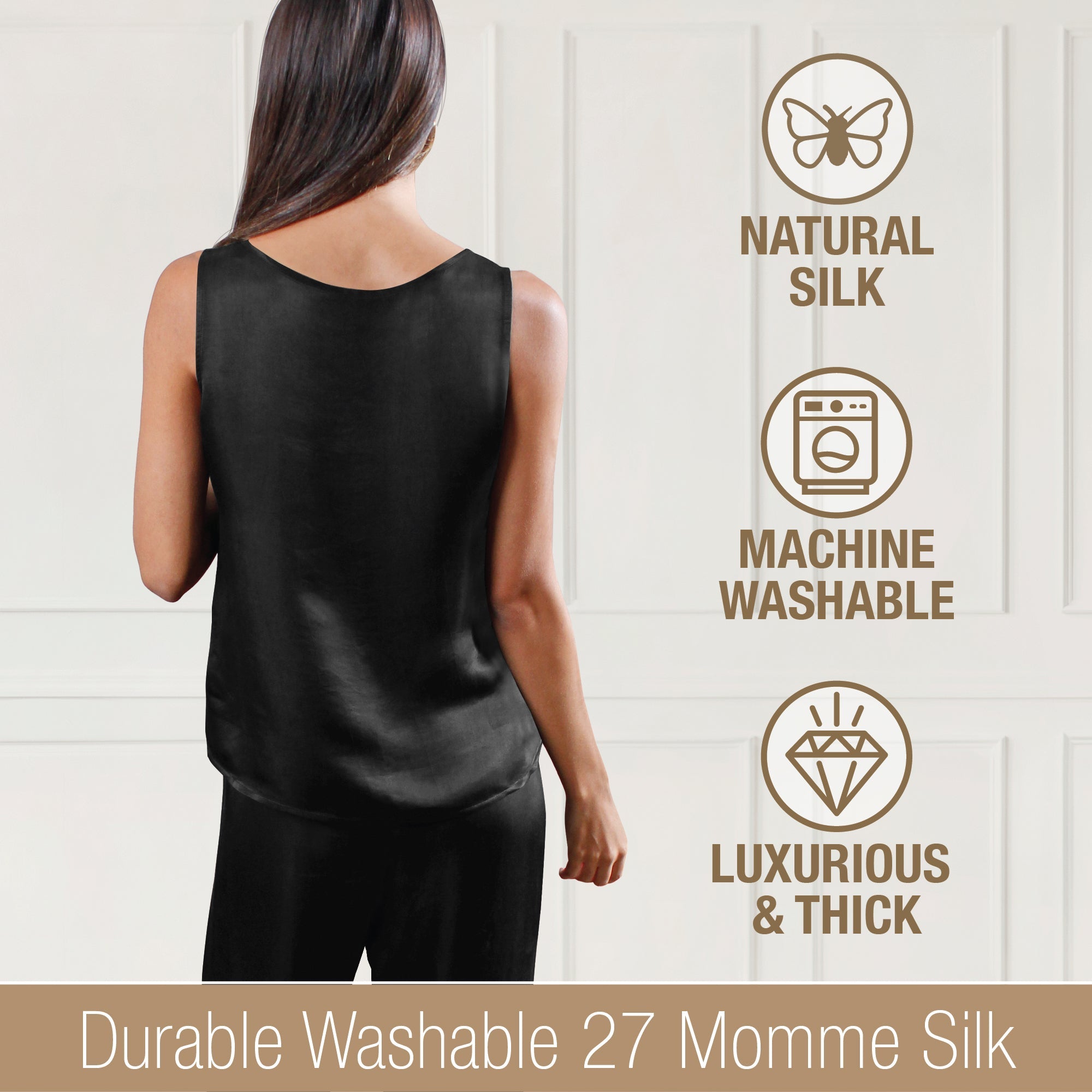
Machine washability is not a given with silk. It depends on the fabric weight, the seam construction, and the finishing process. Lighter silks (under 22 momme) are more fragile when wet. Heavier silks with enclosed seams can handle a gentle machine cycle. If a brand says "dry clean only," that is a construction limitation, not a fabric requirement.
How to wash silkThe Comparison: What to Expect at Each Price Tier
| Criteria | Budget Tier | Mid-Range | Artisan Tier |
|---|---|---|---|
| Momme Weight | 16-19 momme | 19-22 momme | 27 momme |
| Silk Type | Mulberry (grade rarely disclosed) | Mulberry (grade varies) | Grade 6A equivalent mulberry |
| Seam Type | Overlocked | Overlocked or flat-felled | French seams, hand-finished |
| Size Range | Typically S-XL or XS-XL | XS-XXL typical | XS-4XL |
| Machine Washable | Usually hand wash or dry clean | Hand wash recommended (some machine washable) | Yes, 30 degrees |
| Production | Factory (high volume) | Factory (medium-high volume) | Artisan workshops, Vietnam |
| Men's Range | Limited or basic | Pajama sets, some robes | Full pajama sets, boxers, robes |
| Ethical Commitment | Varies | Varies (some certified) | 10% profits to women's education |
Note: Prices are approximate as of early 2026. Individual brands may fall outside these ranges. Always verify specifications on the specific product you're considering.
Budget Tier: The Entry Point
Genuine mulberry silk at the entry price point sits between 16 and 19 momme with overlocked seams. Size range is typically limited to standard sizes (S-XL or XS-XL). Some brands in this tier have sustainability commitments.
At 19 momme, the silk is lighter and less durable than higher-weight options. Expect visible wear (pilling, thinning, color fading) after 12-18 months of regular use. Care instructions usually specify hand wash or dry clean, which adds ongoing cost and friction.
This tier works best for testing whether silk sleepwear works for you before committing to a higher-price product.


Mid-Range: The Widest Selection
This is where the market is widest. Most well-known silk brands operate here, with momme weights between 19 and 22. You'll find the largest selection of styles, colors, and cuts. Some brands offer flat-felled seams, and a few have begun offering machine washability at 22 momme.
Check the momme weight on the specific item, not just the brand's general marketing. A 16 momme product and a 22 momme product from the same brand are meaningfully different in quality and durability. Seam construction at this tier is usually overlocked, though some brands use flat-felled seams. Size range varies but typically stops at XXL.
This tier suits buyers who want good silk quality with the widest selection of styles and colors.

Artisan Tier: Maximum Density and Durability
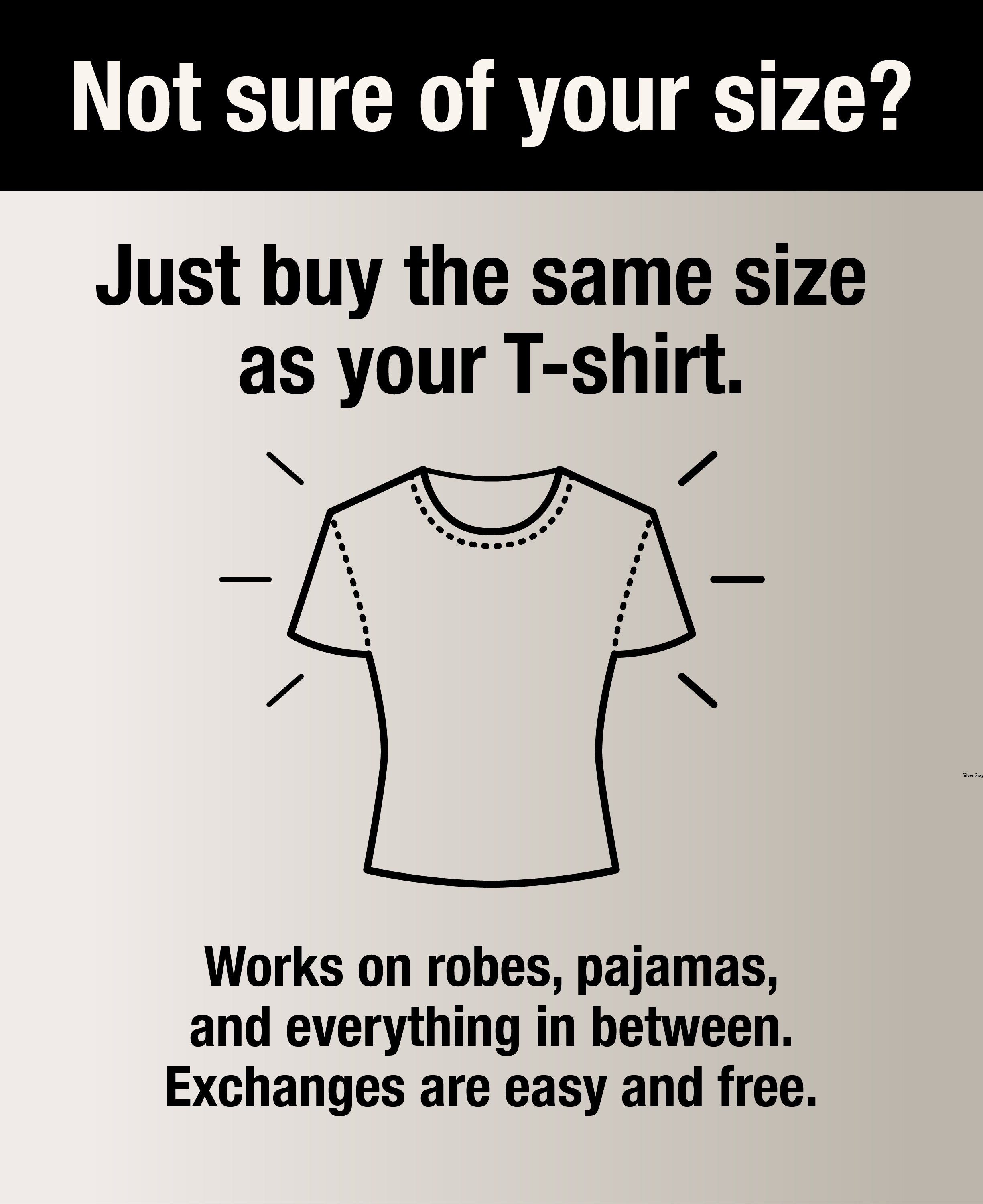
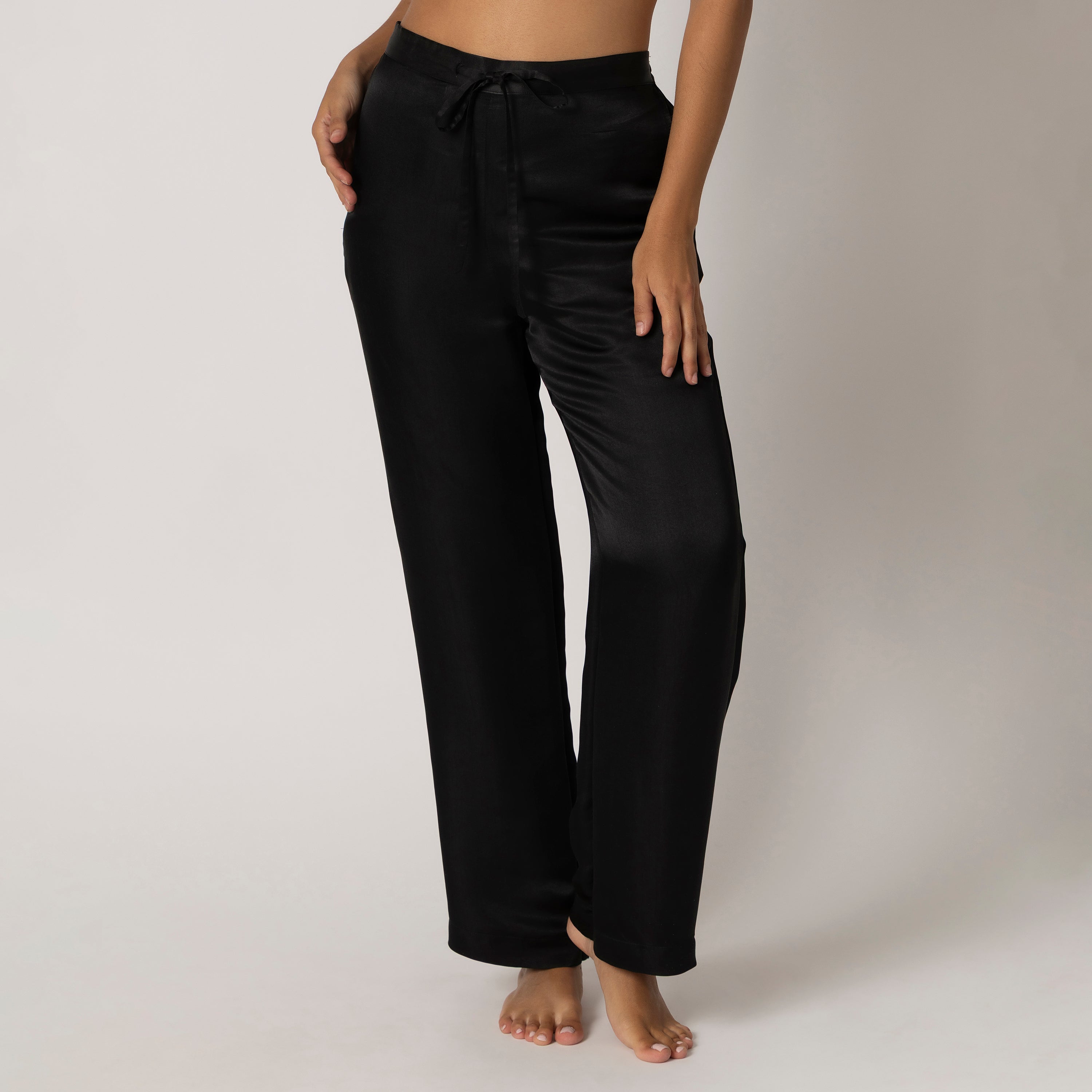
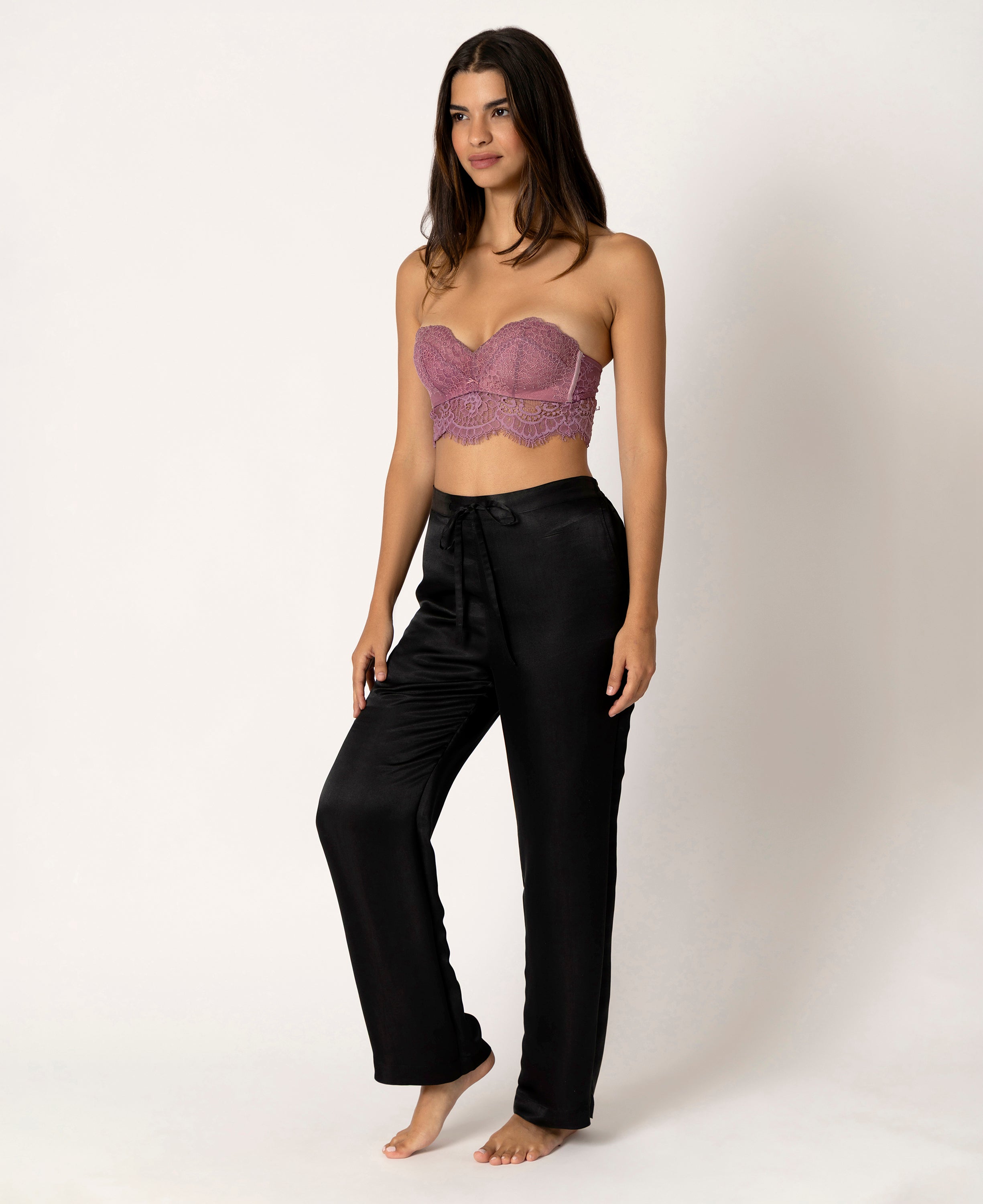
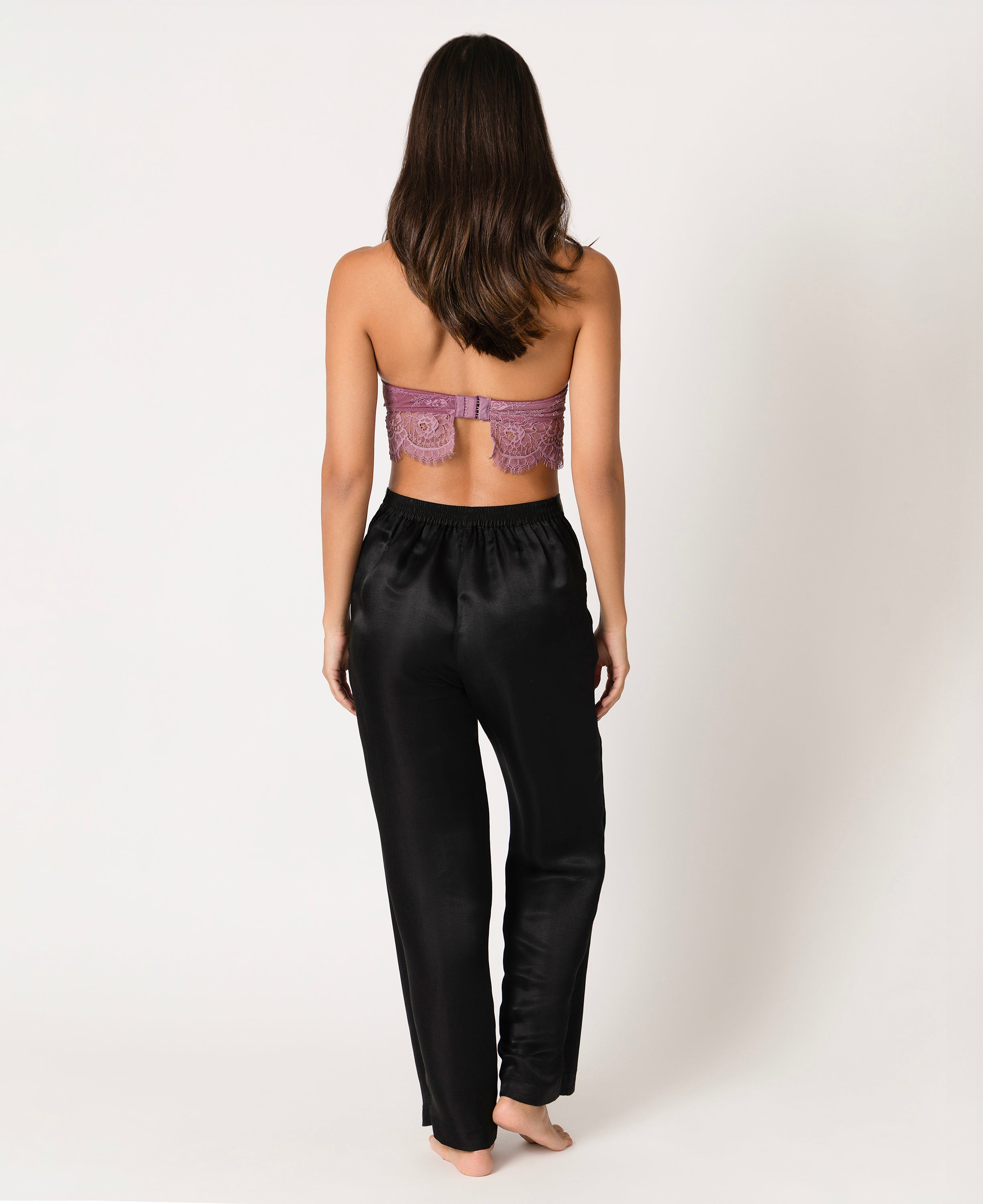
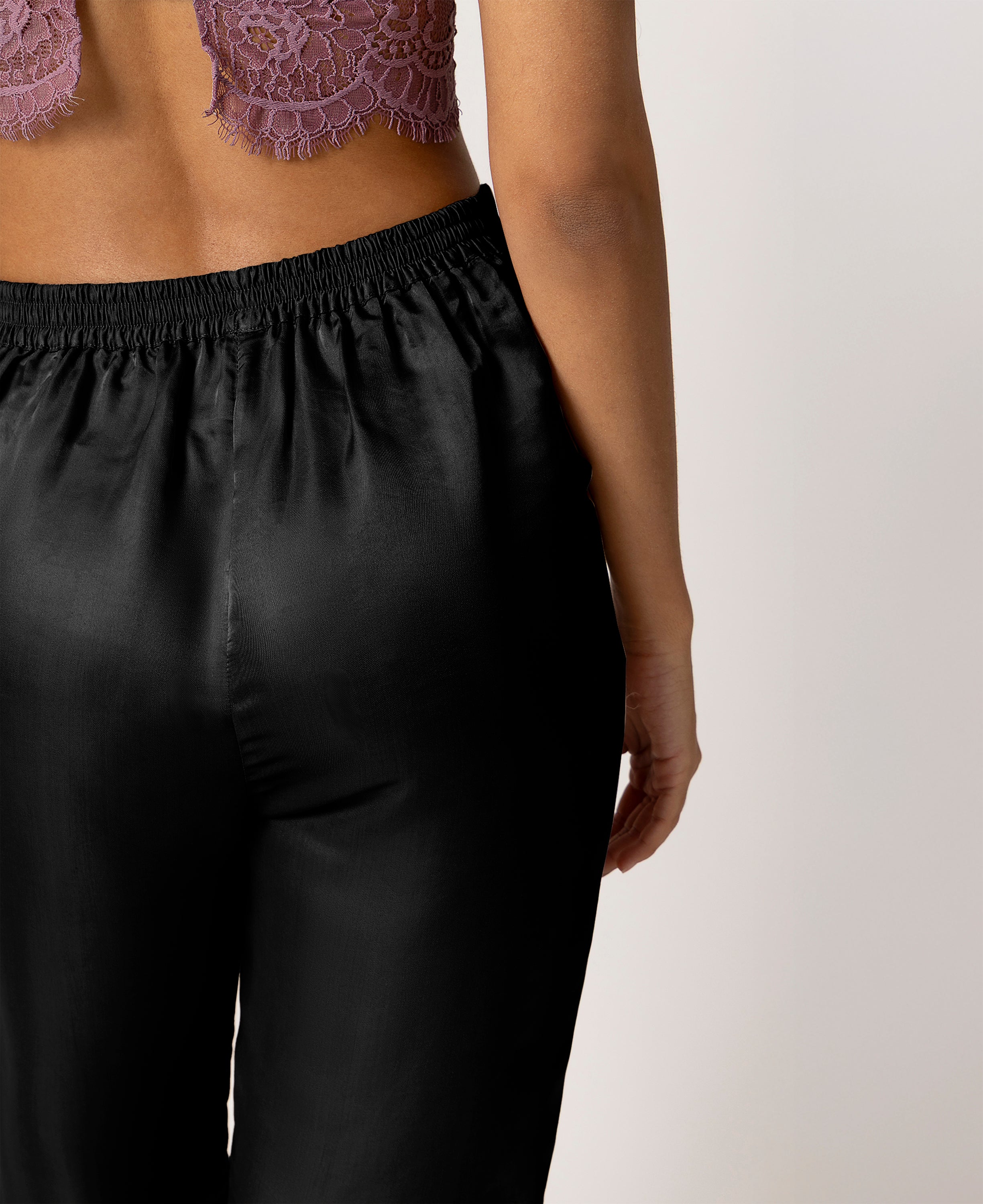
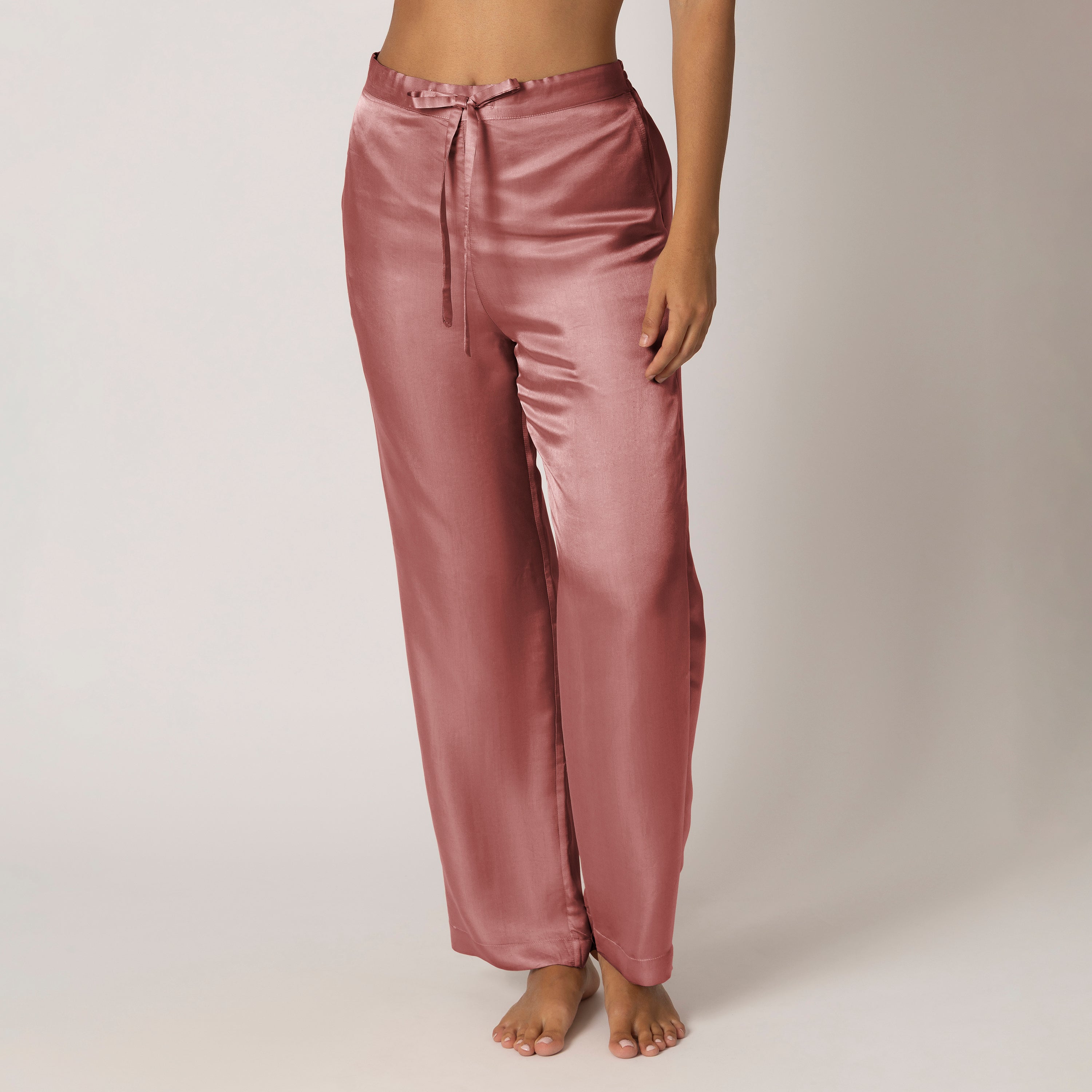
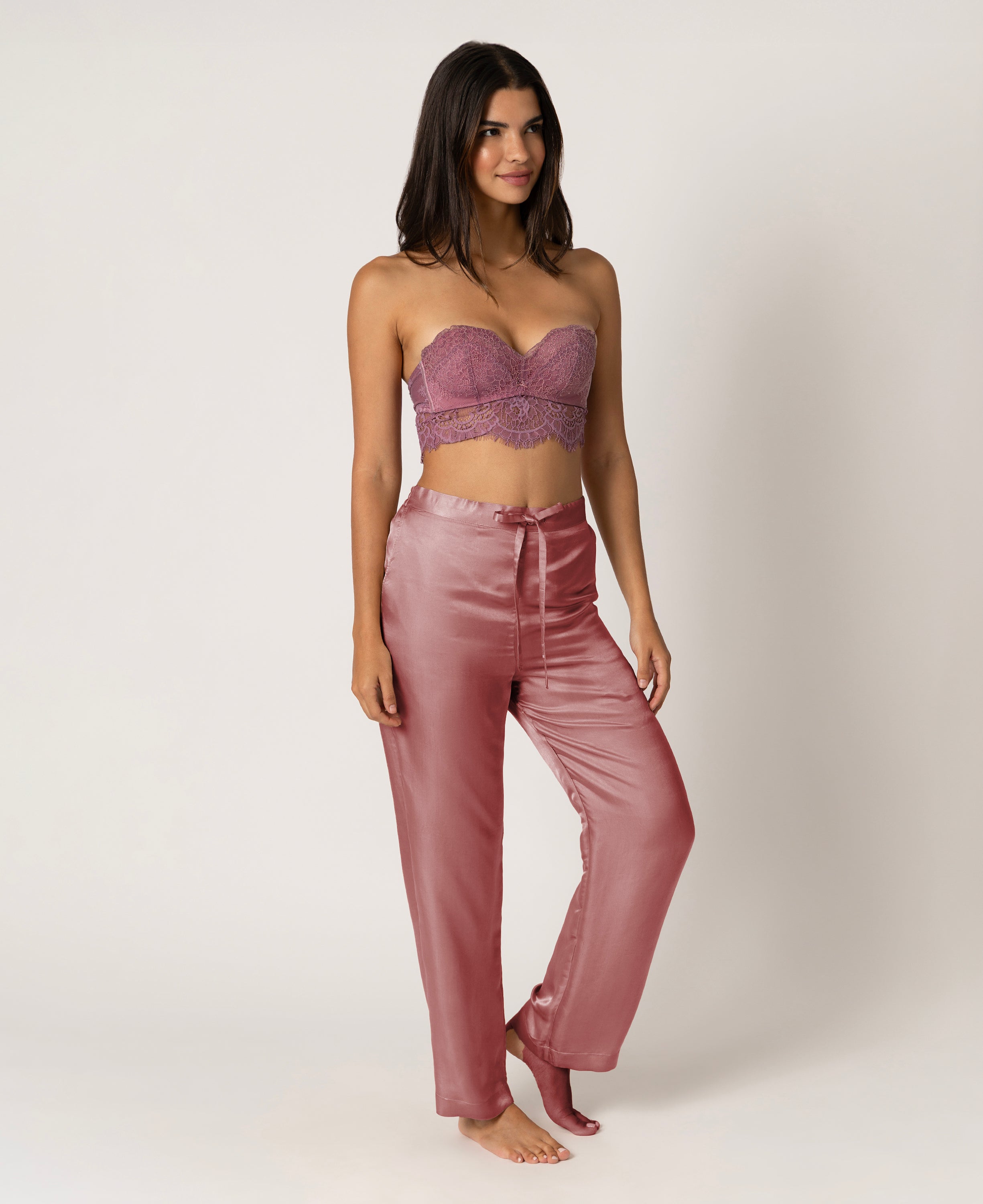
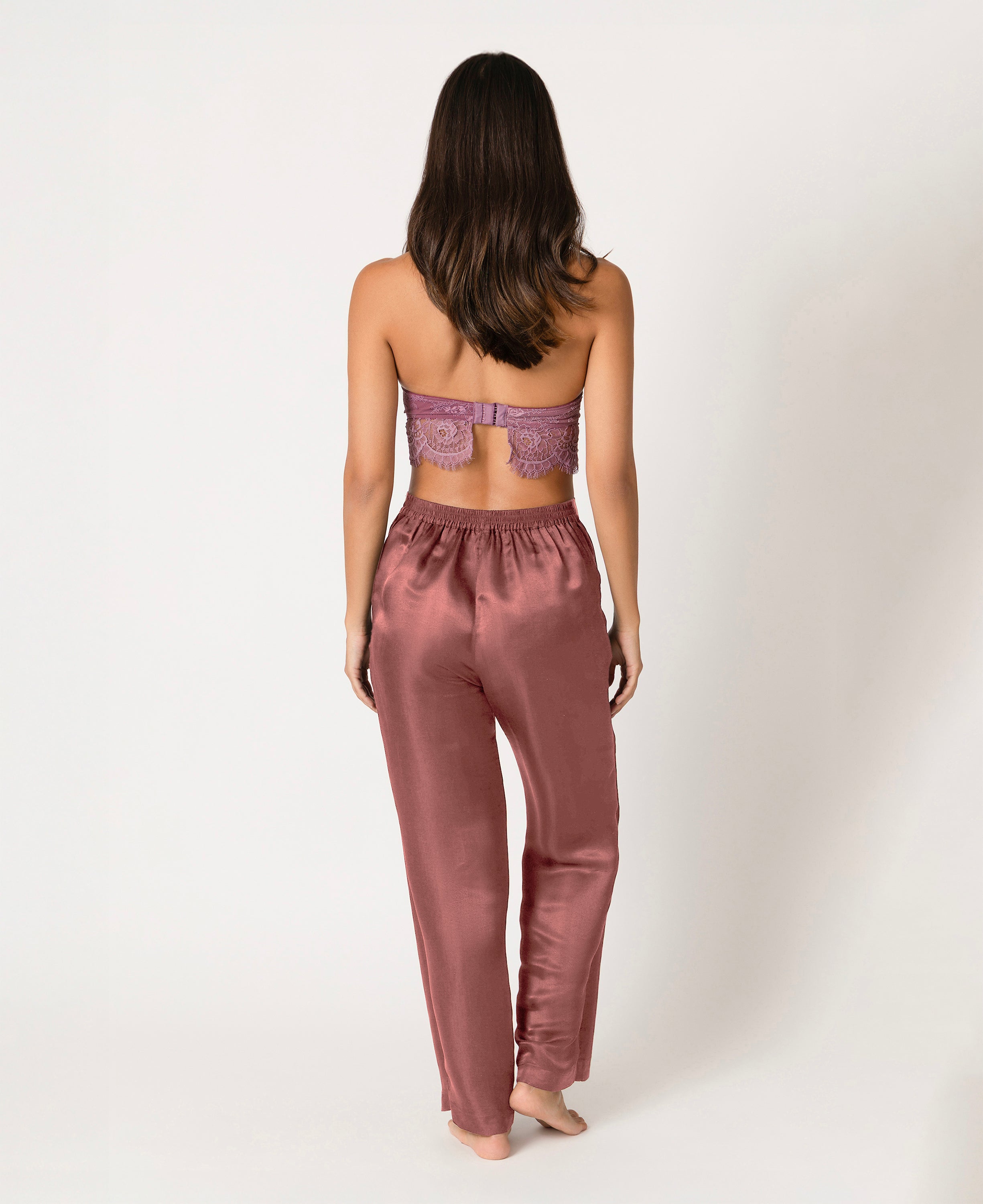
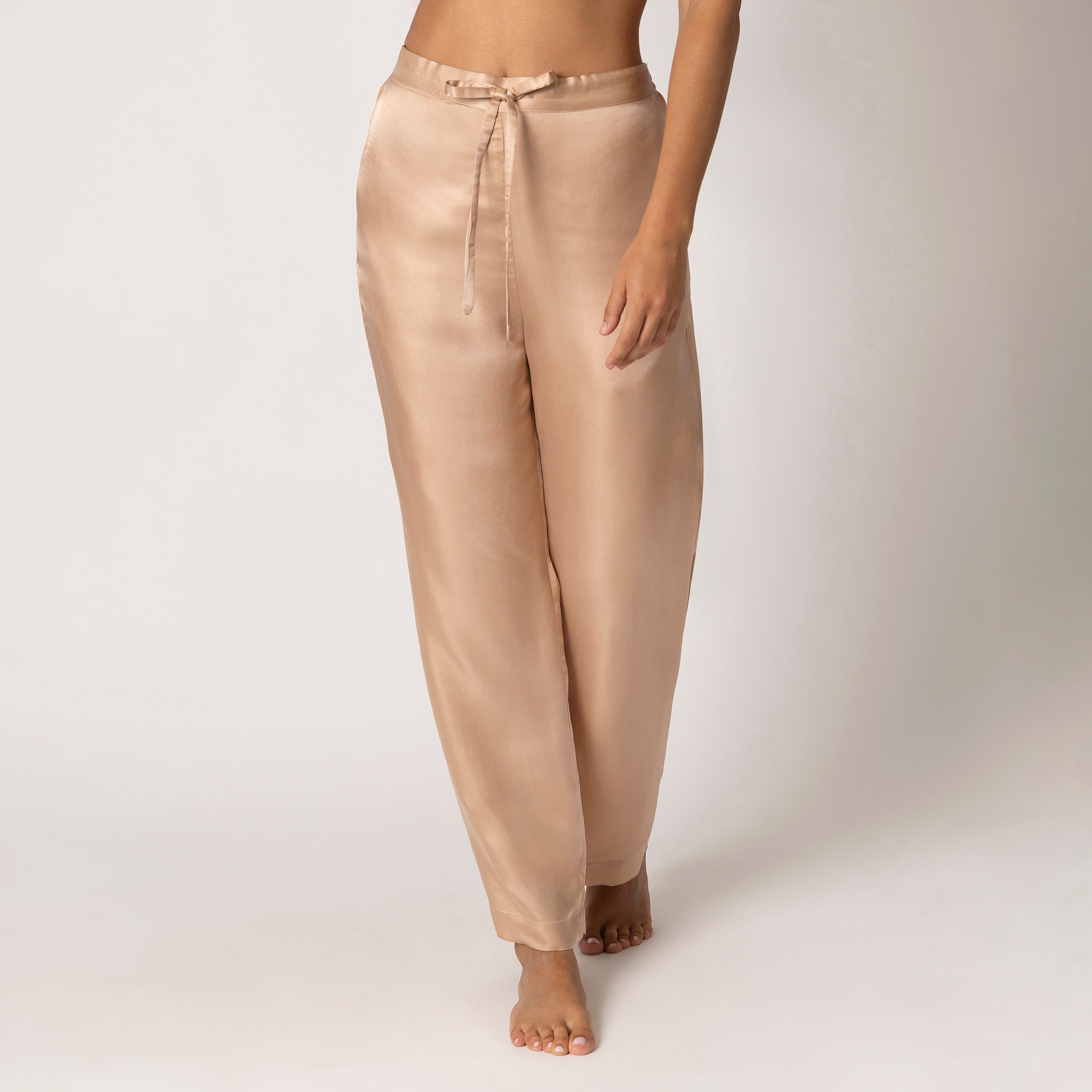
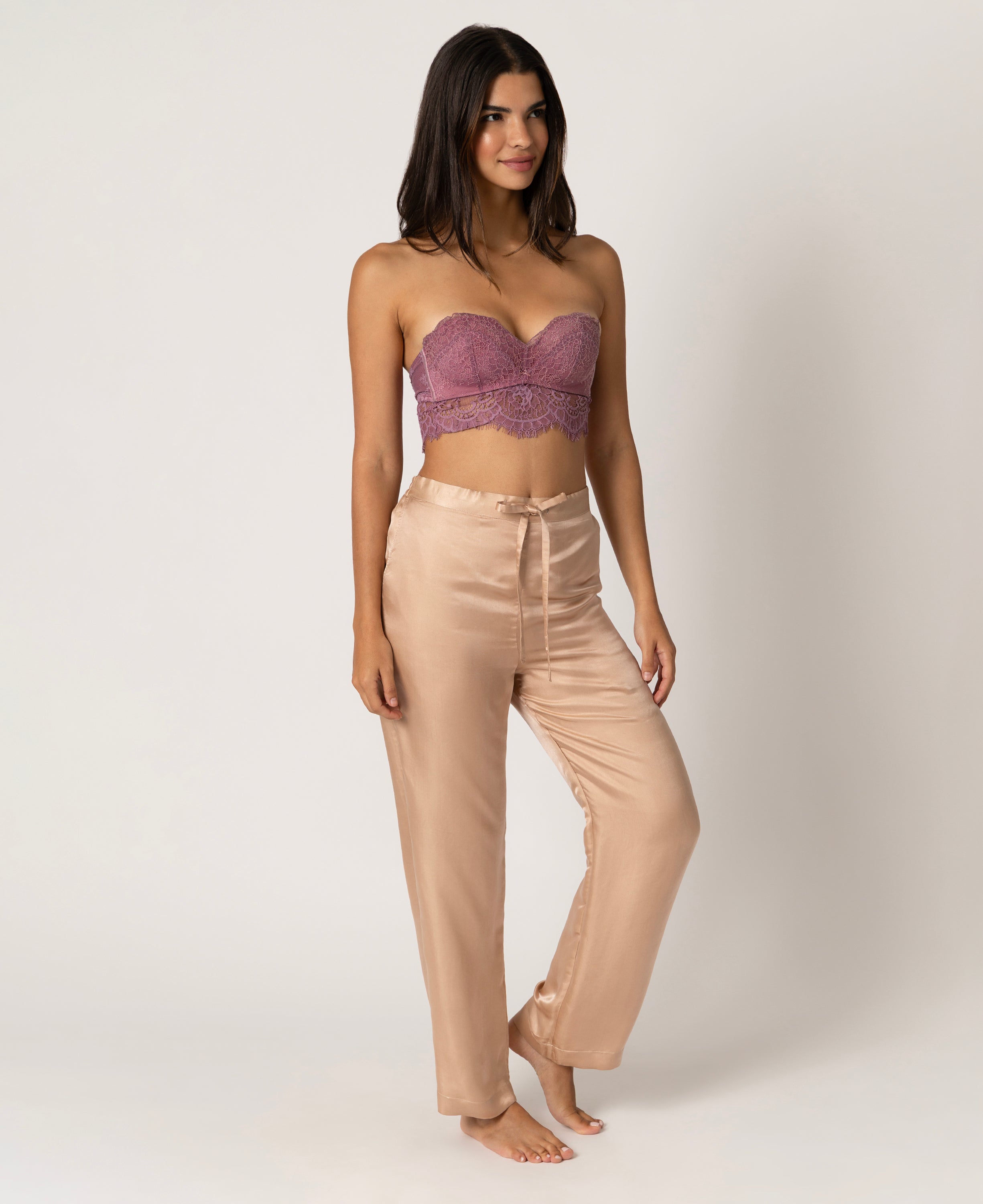
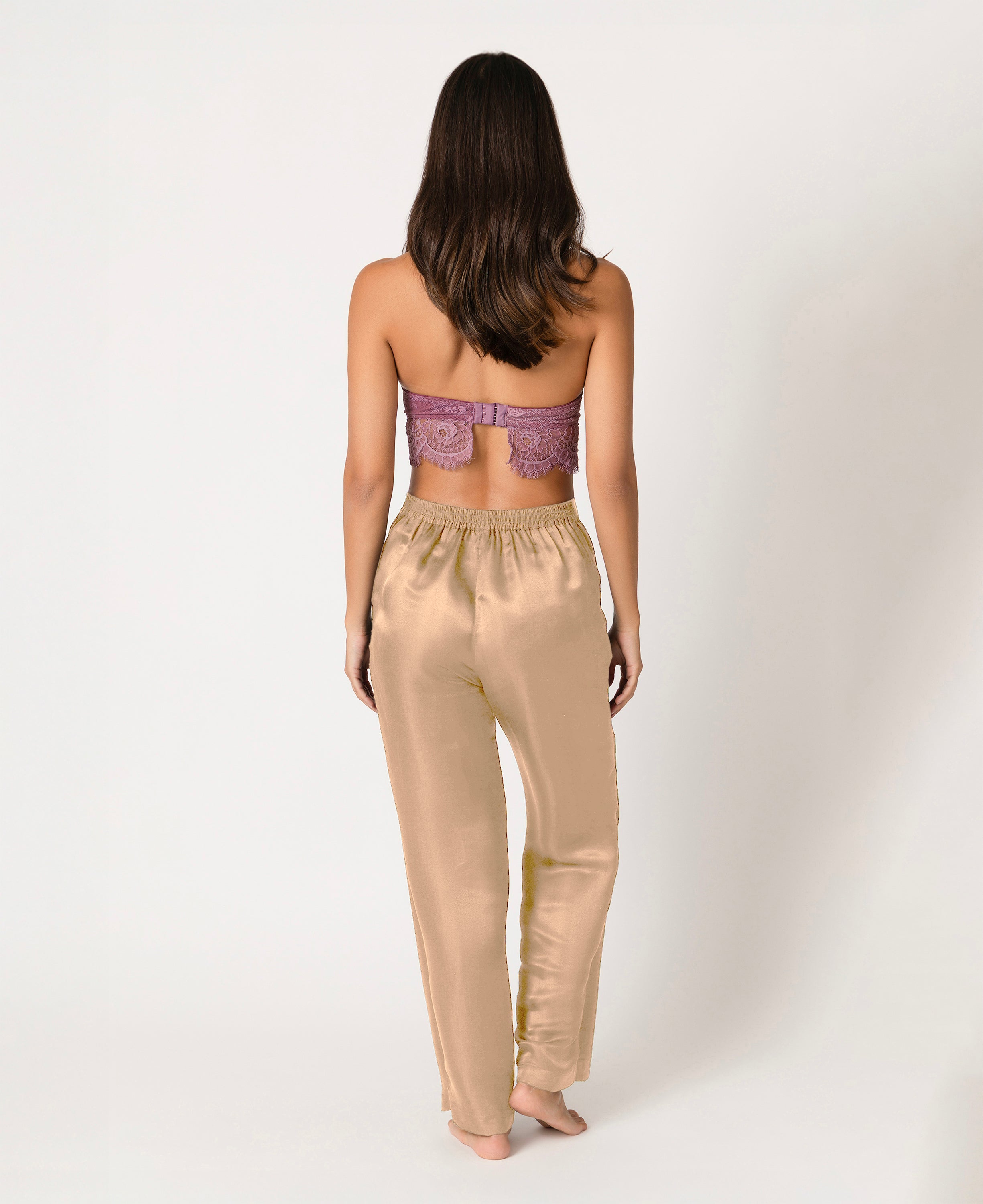
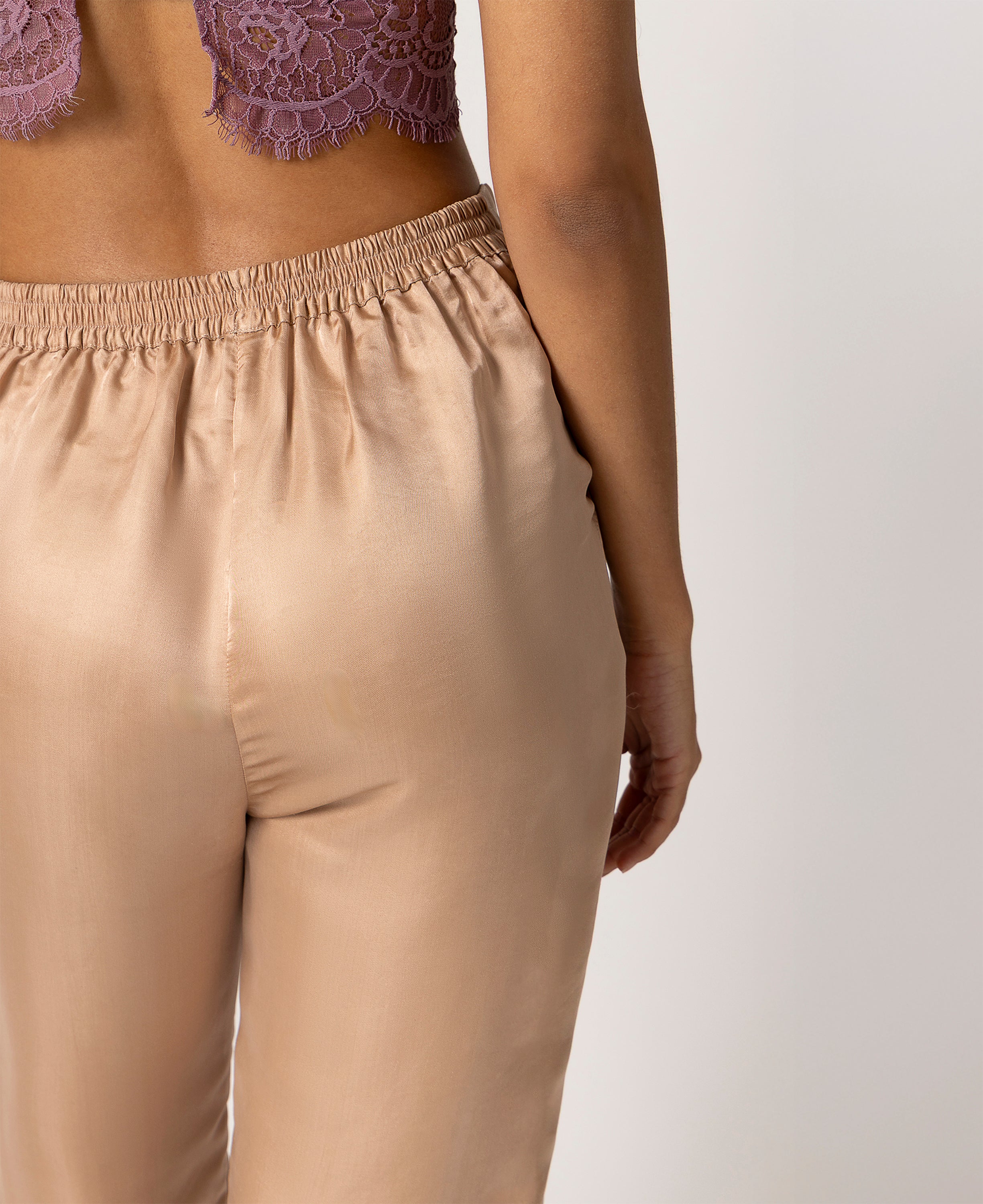
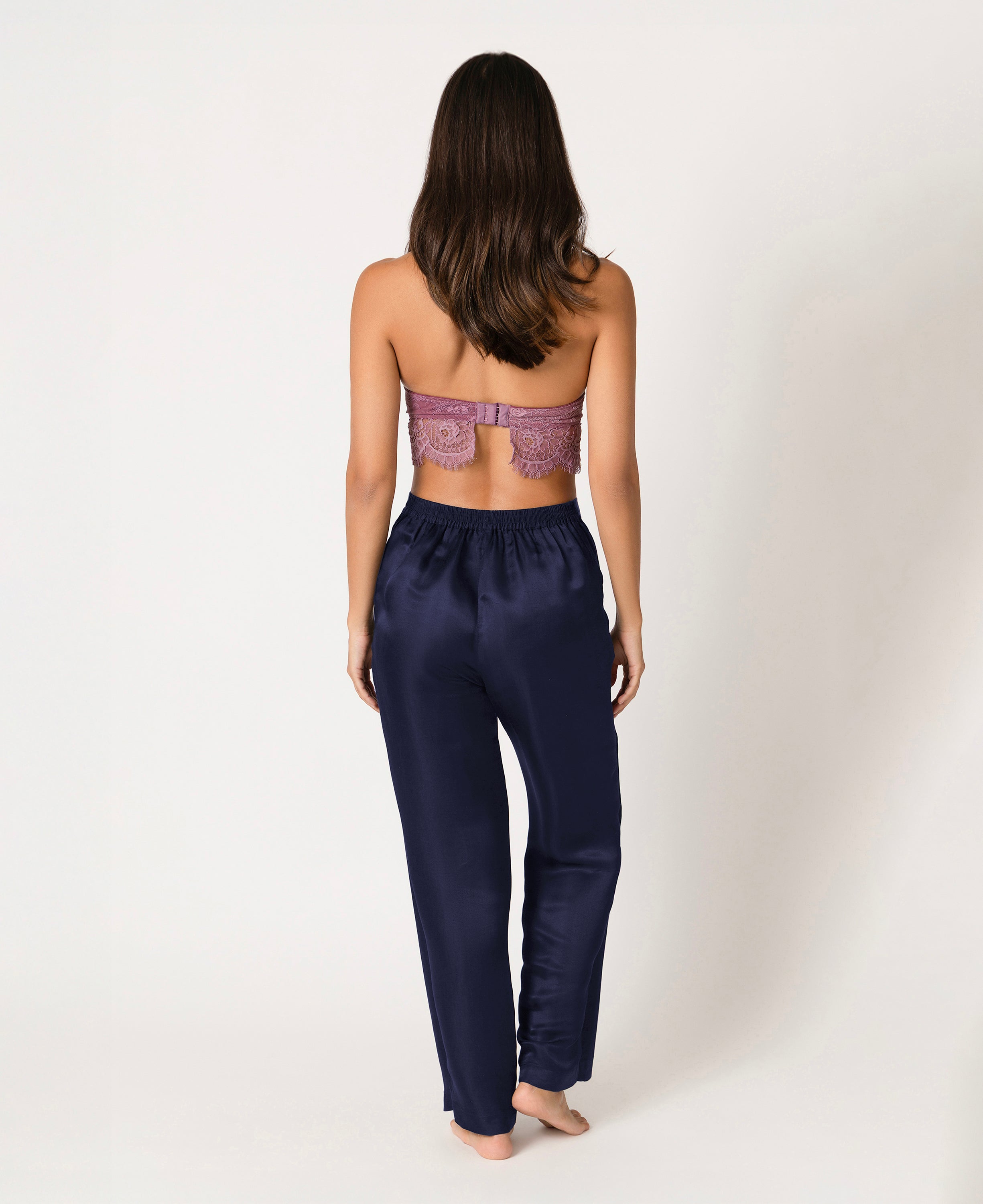
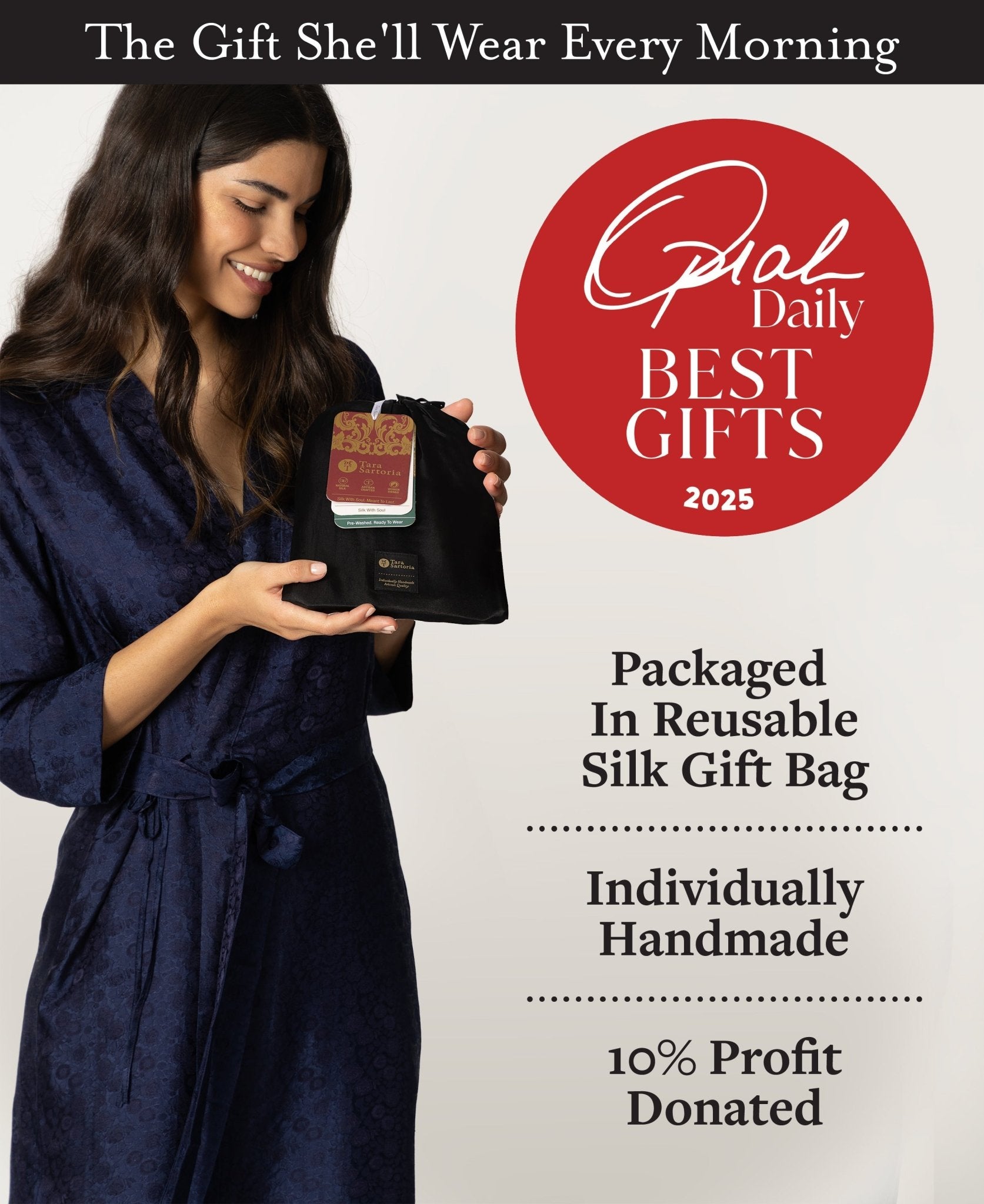
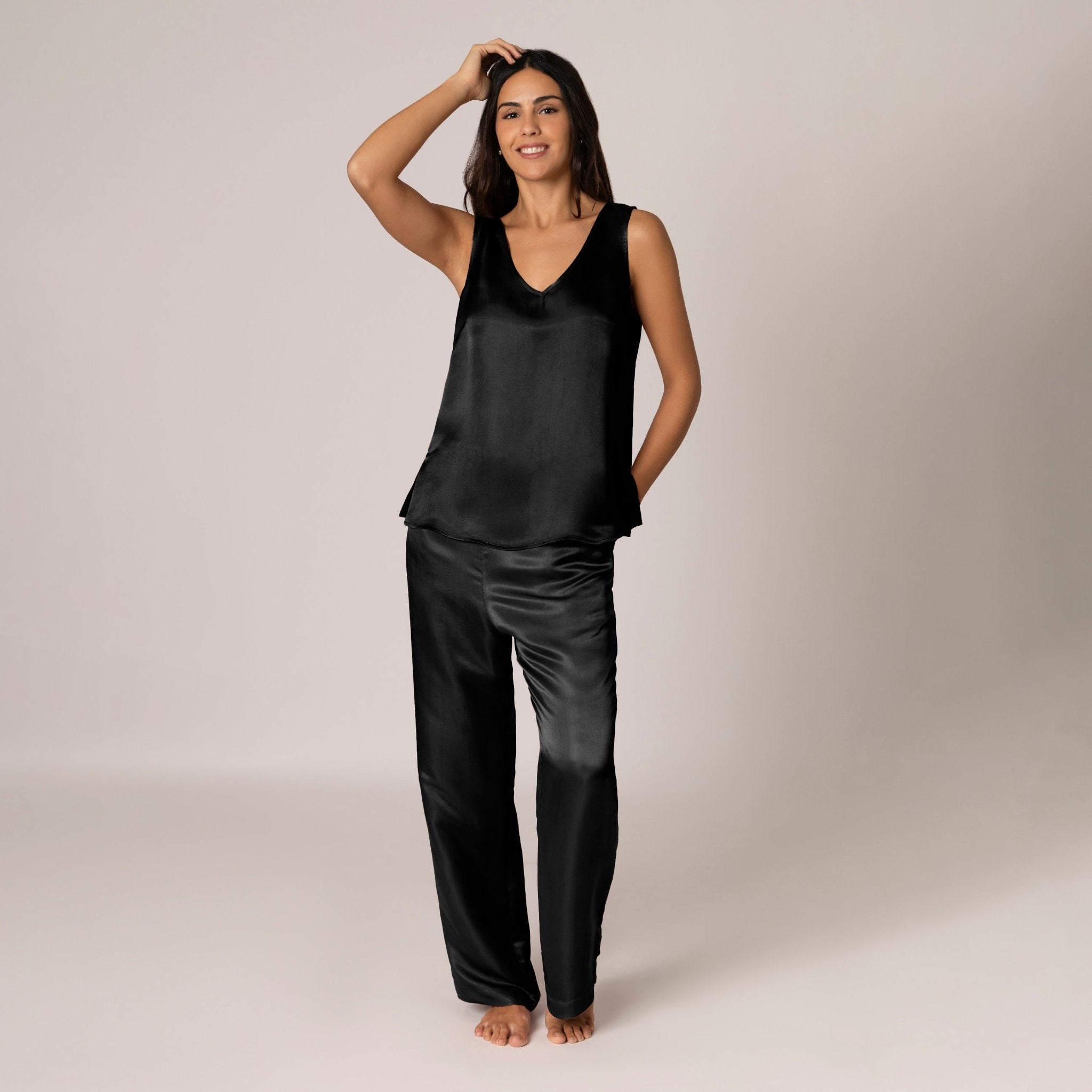
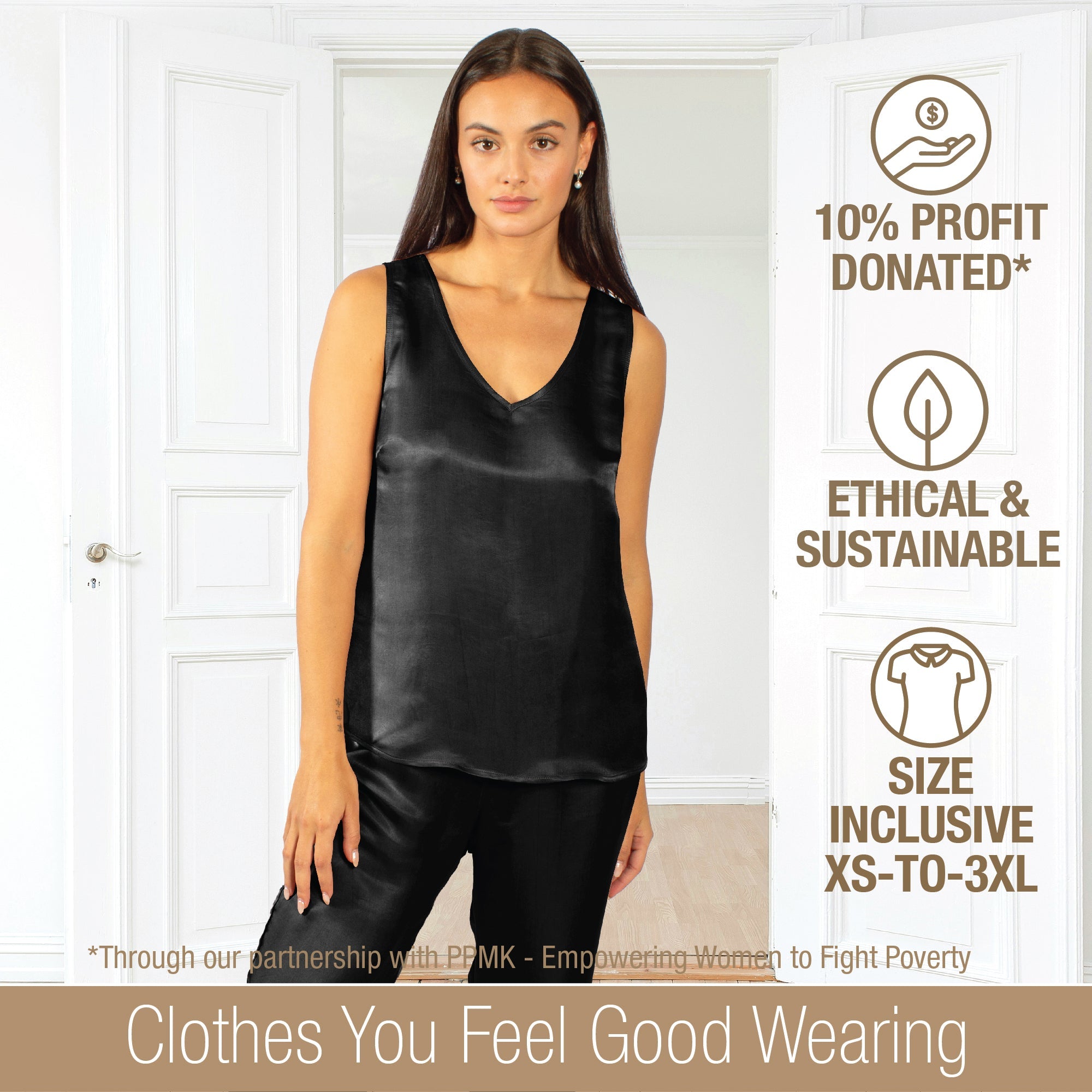
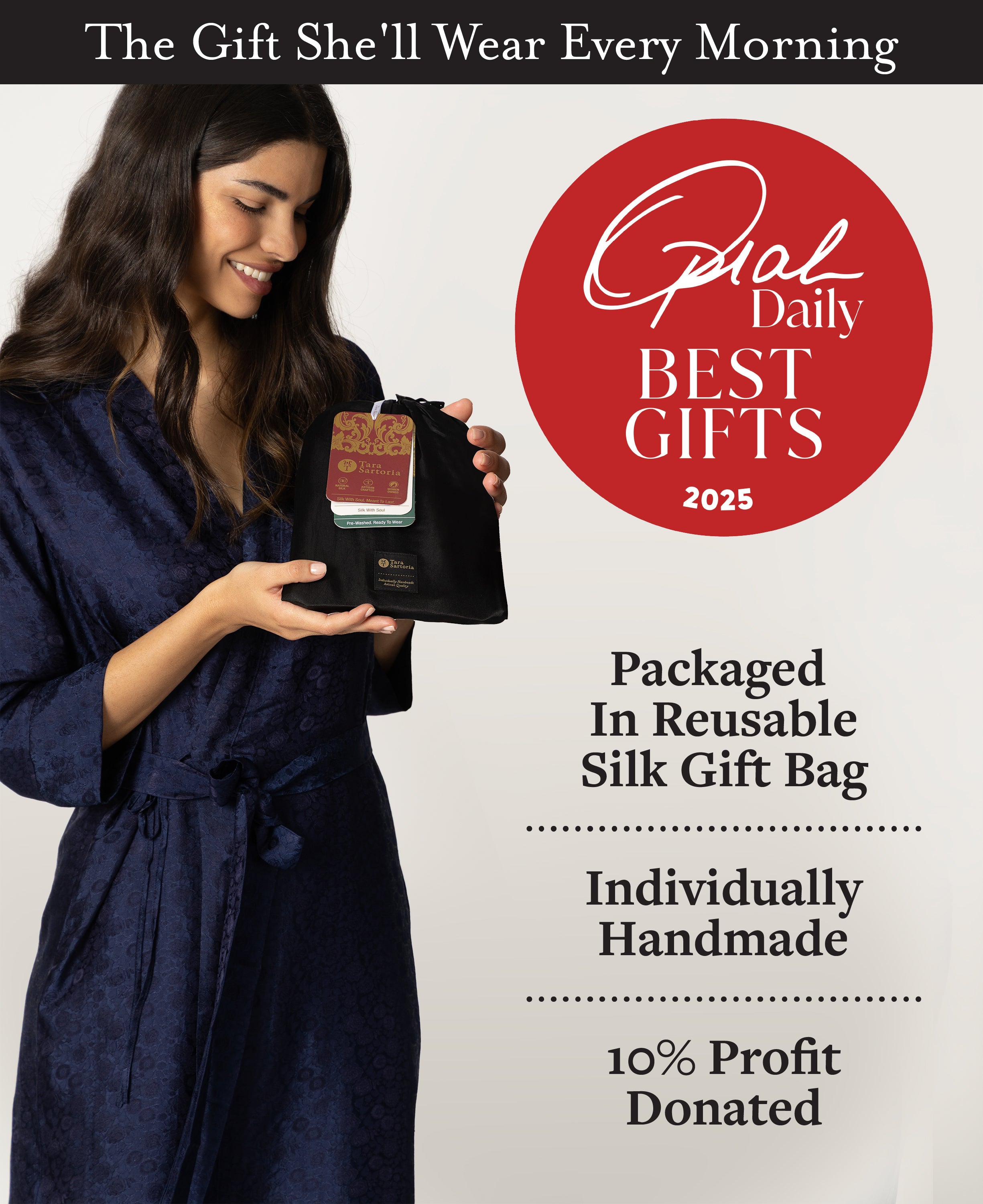
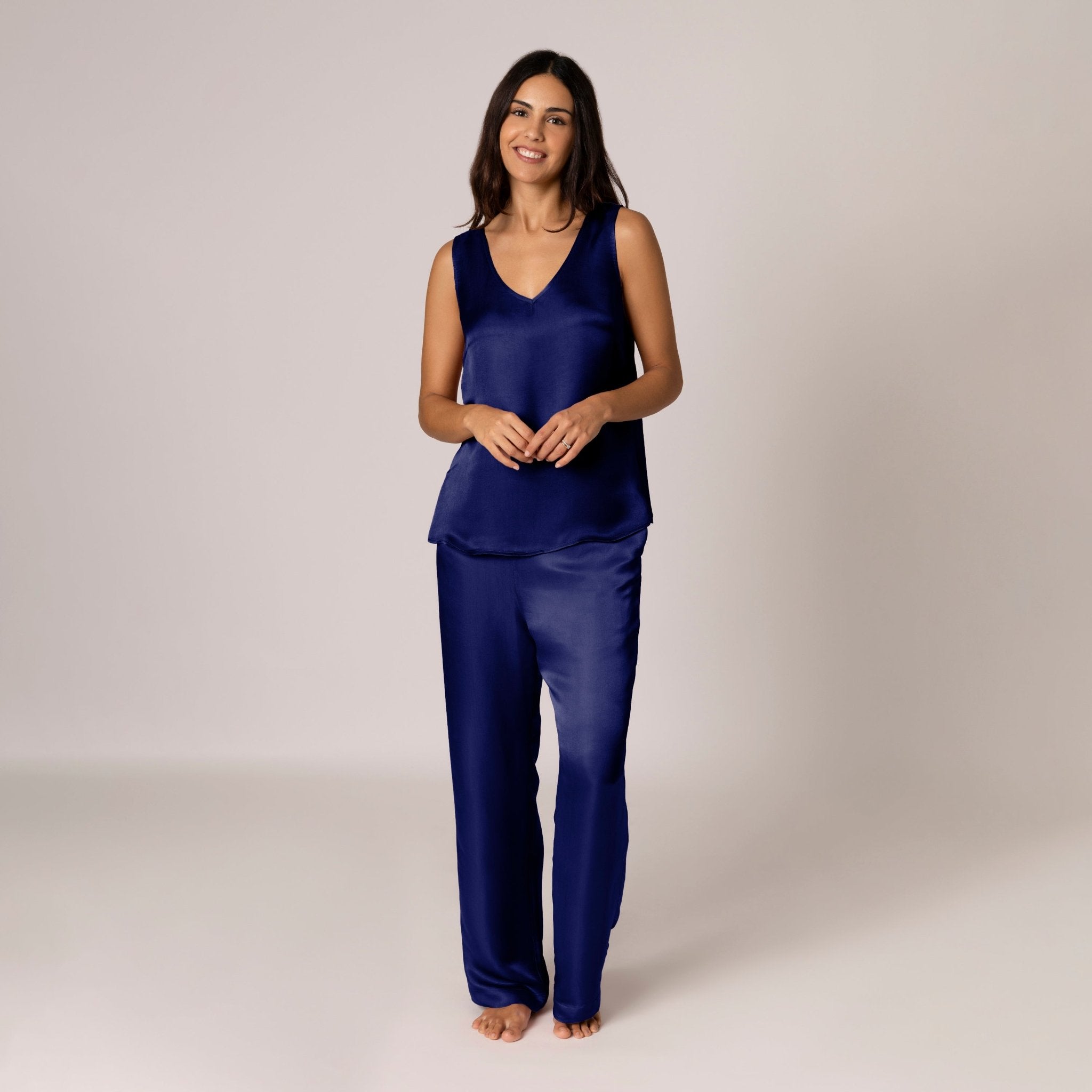
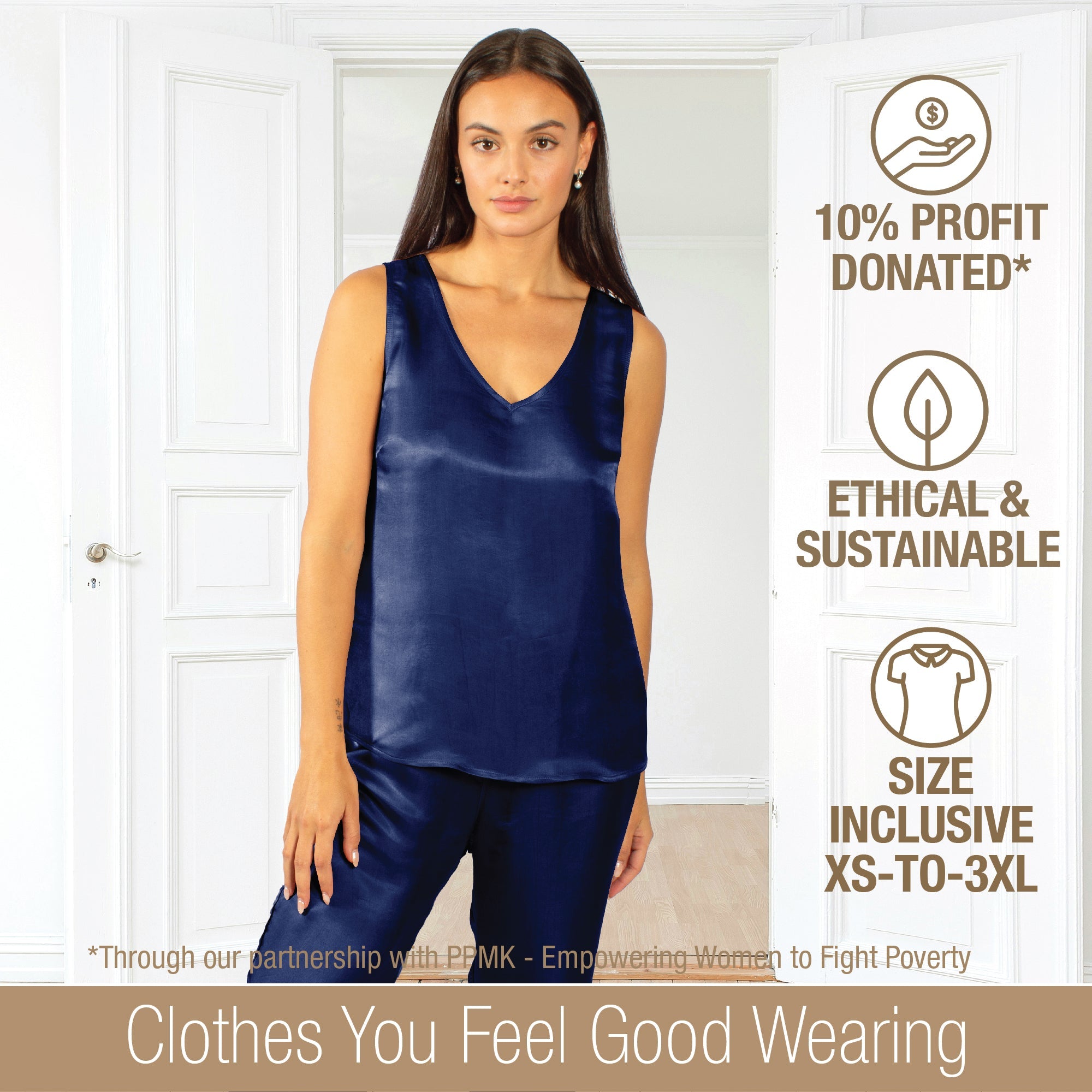
27 momme silk is an artisan weight produced on traditional looms. The fabric is 20-40% denser than the 22 momme silk in most mid-range products and 40-60% denser than 19 momme budget products. French seams throughout, hand-finished in Vietnamese artisan workshops. Machine washable at 30 degrees. Size range XS-4XL represents the widest available in the silk sleepwear market. 10% of profits go to women's education.
Why 27 momme silk is rareThis tier is not the right choice if budget is your primary concern, if you want the lightest possible silk for hot summer sleeping, or if you need a specific color or design we don't offer.
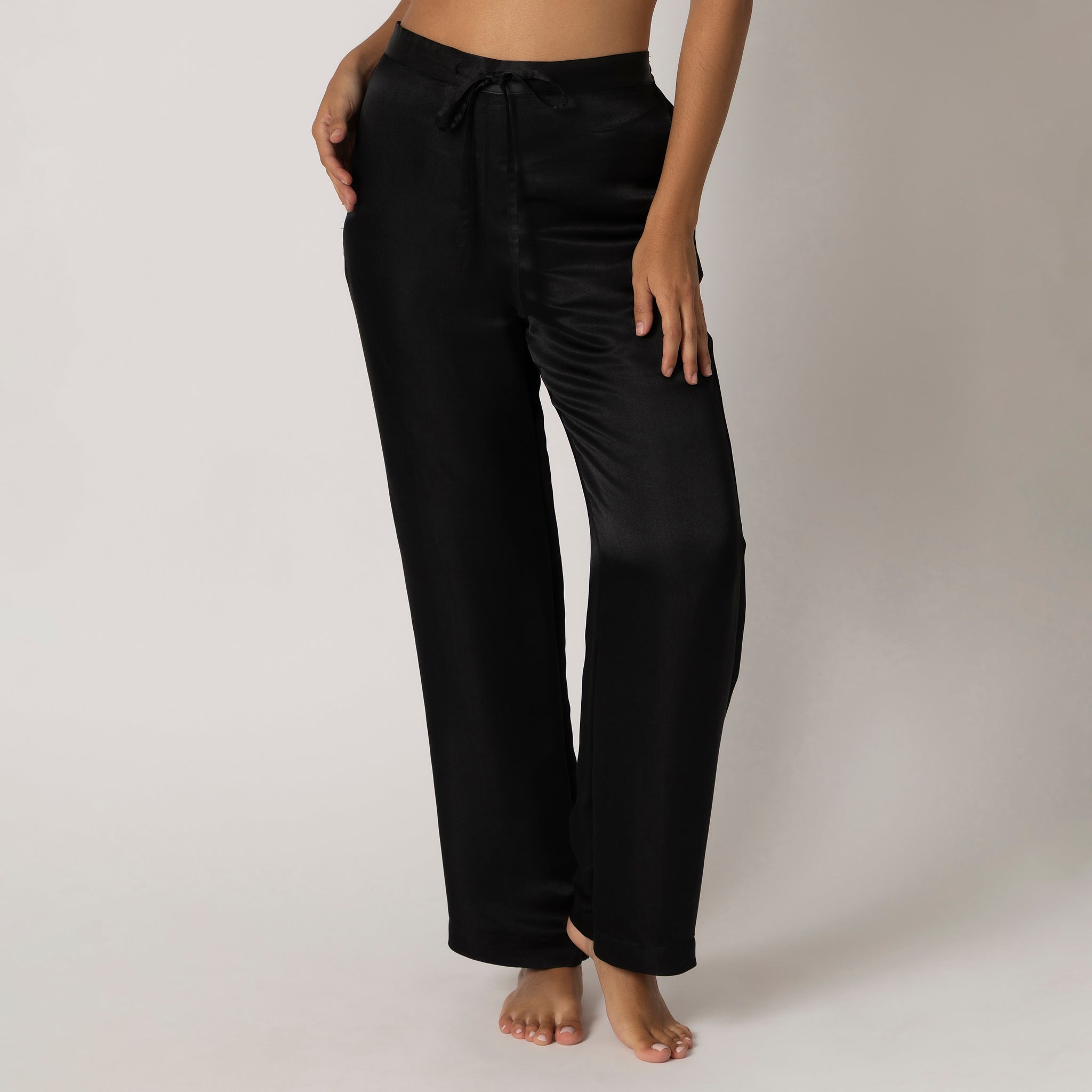


What the Price Difference Actually Buys
The price gap between budget and artisan silk pajama sets reflects three measurable differences.
Fabric density
A 27 momme silk uses roughly 40% more silk fiber per square metre than a 19 momme silk. The raw material cost is proportionally higher. This is not margin; it is materials cost.
Construction time
French seams take approximately twice as long to sew as overlocked seams. Hand-finishing adds further time. Artisan workshop production is slower than factory production by design.
Cost per wear silk pajamasLongevity economics
A 19 momme silk pajama set used twice weekly shows visible wear within 12-18 months. A 27 momme set under the same use shows comparable wear at 4-6 years. Divide the price by the expected lifespan and the cost-per-wear calculation often favors the more expensive set.


How to Read a Silk Pajama Listing
Before comparing any two brands, look for these specifications. If a brand does not disclose them, that silence is informative.
Momme weight
Should be stated explicitly. "100% mulberry silk" without a momme weight is like "100% cotton" without a thread count. It tells you the fiber but not the quality.
Grade
Silk quality can be assessed on a scale where Grade 6A equivalent represents the highest standard. Most brands don't disclose grade. If they do, it's a good sign.
Seam type
French seams, overlocked, or flat-felled. This is rarely listed on product pages, so check reviews or ask customer service.
Country of origin
Not a quality indicator by itself, but artisan workshop production (small batch, hand-finished) produces a measurably different product than high-volume factory production.
Care instructions
"Machine washable" should specify temperature. "Dry clean only" is a construction limitation worth knowing about before purchase.


Our Honest Position
We publish this guide because we believe the silk pajama market benefits from transparency. We are confident in our product at 27 momme with French seams and artisan construction. We also acknowledge that our product is not the right choice for everyone.
If your priority is the lowest possible price for genuine silk sleepwear, the budget tier is where to look. If you want the deepest range of styles, the mid-range brands will serve you well. If you want the densest, most durable silk with the widest size range and machine washability, that is where Tara Sartoria wins the comparison.




"Silk is absolutely worth the money. It's not as fragile as I once thought. It's very durable when you care for it properly."
Jackson M., verified buyer
The best silk pajamas are the ones that match your actual priorities, not the ones with the most persuasive marketing. If silk pajamas aligned with your values, silk robes deliver the same construction philosophy to your morning routine.
Frequently Asked Questions
For sleepwear, 19 momme is the minimum for genuine silk quality. 22 momme is good for most people. 27 momme is an artisan weight, produced on traditional looms rather than commercial factory equipment (which typically runs at 19, 22, or 30 momme). It's the sweet spot: substantial enough for exceptional durability and drape, still soft and comfortable against skin.
Going higher to 30 momme would add thickness but lose the softness that makes silk comfortable for sleep. The higher the momme, the more silk fiber per square metre, which translates to a denser, more opaque, longer-lasting fabric.
How can I tell if a silk brand is legitimate?
Look for four things: a stated momme weight (not just "100% silk"), a specified silk type (mulberry vs wild silk), clear care instructions, and transparent production information. Legitimate silk brands are happy to share their specifications because the specifications are the product.
Brands that lead with lifestyle imagery and bury or omit technical details are making comparison harder, which usually benefits the seller, not the buyer.
Are expensive silk pajamas worth the investment?
It depends on your cost-per-wear calculation. A budget-tier set at 19 momme lasting 15 months costs a fraction of the price annually. An artisan-tier set at 27 momme lasting 5 years often costs less per year of use when calculated over the garment's lifespan, plus it offers higher density, better construction, and machine washability. However, if you're not sure silk sleepwear is for you, starting with a budget option to test the concept is reasonable.
What's the difference between French seams and regular seams in silk pajamas?
French seams enclose the raw fabric edge entirely within the seam, creating a smooth finish on both sides of the garment. Regular overlocked seams leave a raw edge that is stitched to prevent fraying but can still feel rough against skin and degrade faster over time. French seams take approximately twice as long to construct, which is why they appear primarily in higher-end silk garments.
Can you machine wash silk pajamas?
It depends on the specific product's construction and weight. Heavier silks (22+ momme) with enclosed seams can generally handle a gentle machine cycle at 30 degrees. Lighter silks (under 20 momme) with overlocked seams are more vulnerable to damage in a washing machine. Always check the specific brand's care instructions. Machine washability is a construction achievement, not a universal silk property.
Why are some silk pajamas so much more expensive than others?
Three factors drive the price: momme weight (more silk fiber per metre equals higher material cost), construction method (French seams and hand-finishing take more labor hours than factory overlocking), and production model (artisan workshops vs high-volume factories).
An artisan-tier silk pajama set at 27 momme with French seams is not a markup on a budget-tier set; it is a materially different product using more raw material and more skilled labor. Check current pricing at tarasartoria.com.
Find your size in men's silk pajamas and experience the artisan quality difference.