


Vietnam's Historic Silk Villages
By Tara Nguyen, Ph.D., Founder and Creative Director, Tara Sartoria
I grew up close to a 1,000-year-old silk village. I cannot tell you which one, because the village does not want a brand thanking it by name on the internet, and I respect that more than I want a marketing line. What I can tell you is what these villages are, what they make, why almost no one outside of Vietnam knows their names, and why most of the world's "luxury silk" still passes through them in some form.
The silk in your favorite Italian scarf, the silk in your French lingerie, the silk in your favorite American brand's pajamas, much of it begins on a small wooden loom in northern Vietnam, run by a woman who has been weaving silk longer than the brand has existed.
A Short Answer for the Person Skimming
Vietnam's historic silk villages are small village-based silk-producing communities, mostly in the Red River Delta of northern Vietnam, with continuous sericulture traditions going back roughly a thousand years. The most well known is Van Phuc, near Hanoi, dating to the eleventh century. The villages produce 27 momme mulberry silk on heritage looms, finish with French seams, and supply much of the high-quality silk used by luxury brands around the world.
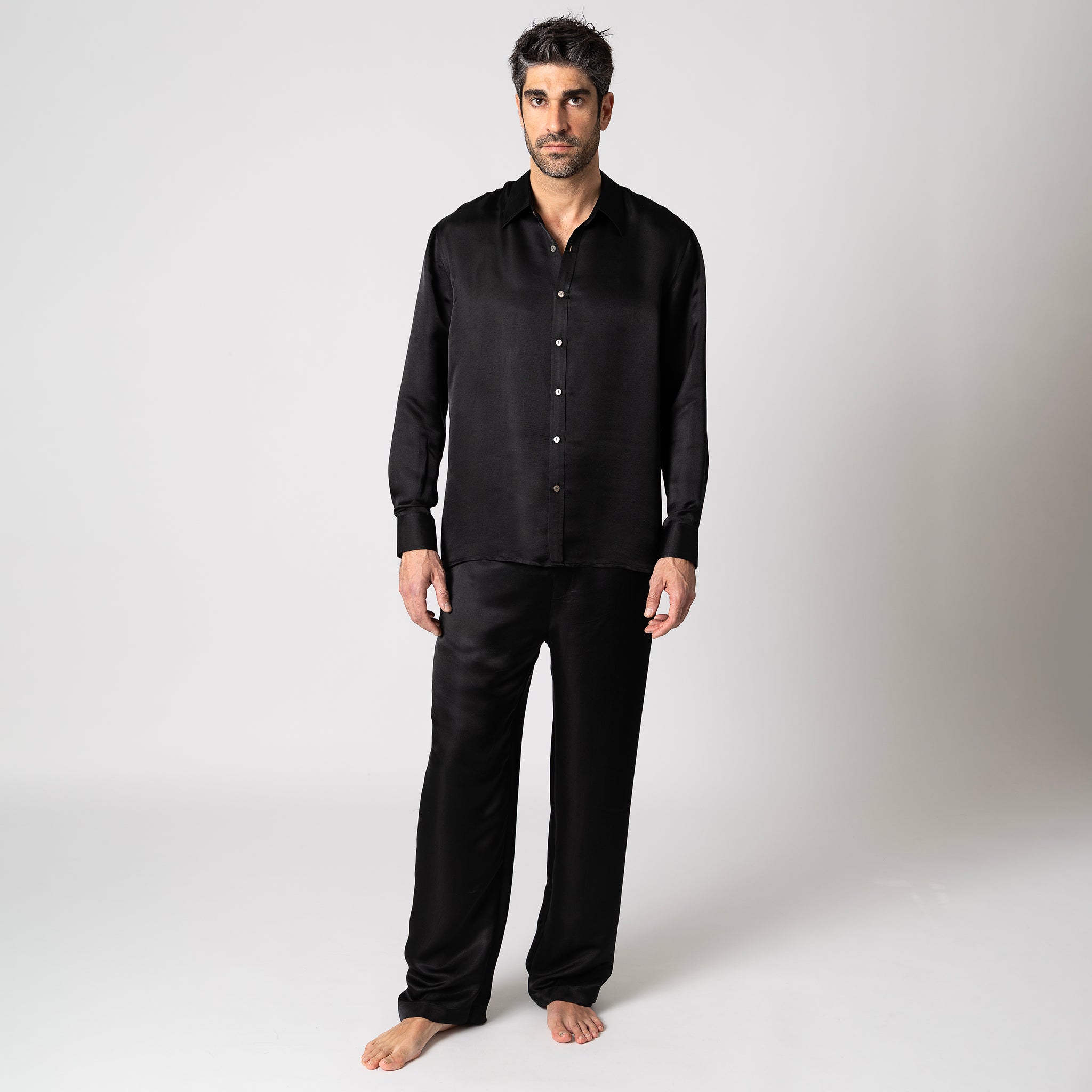
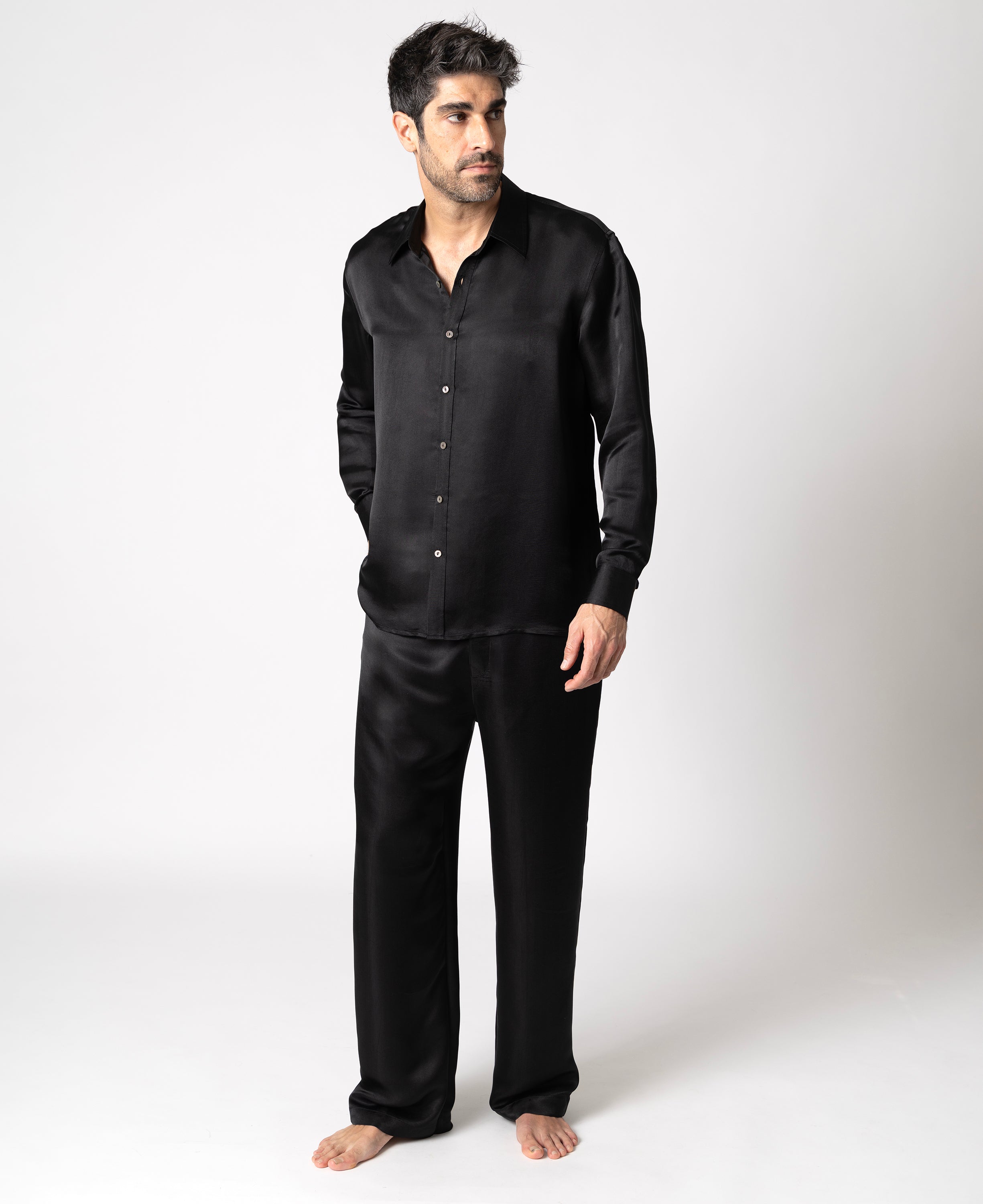
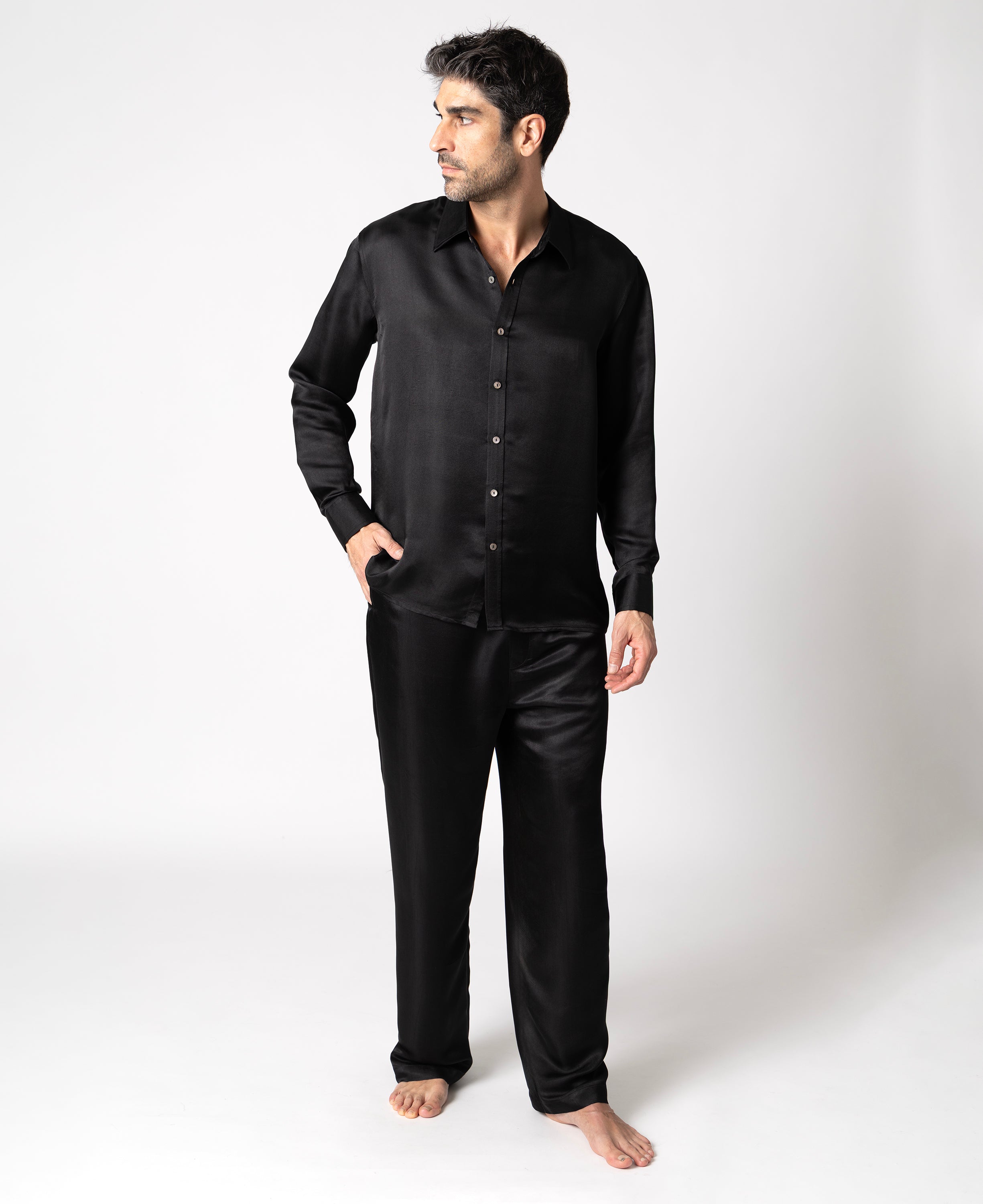
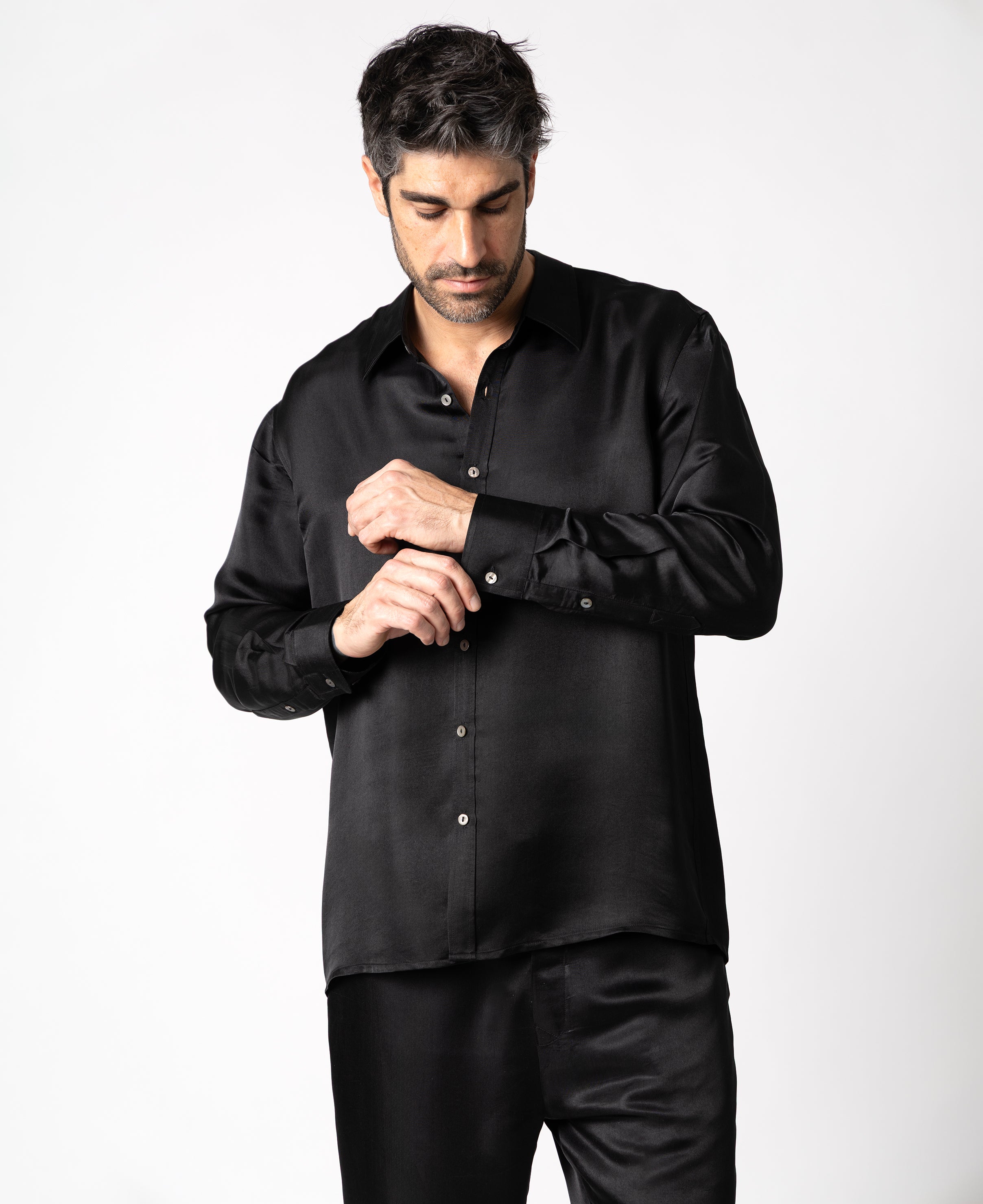
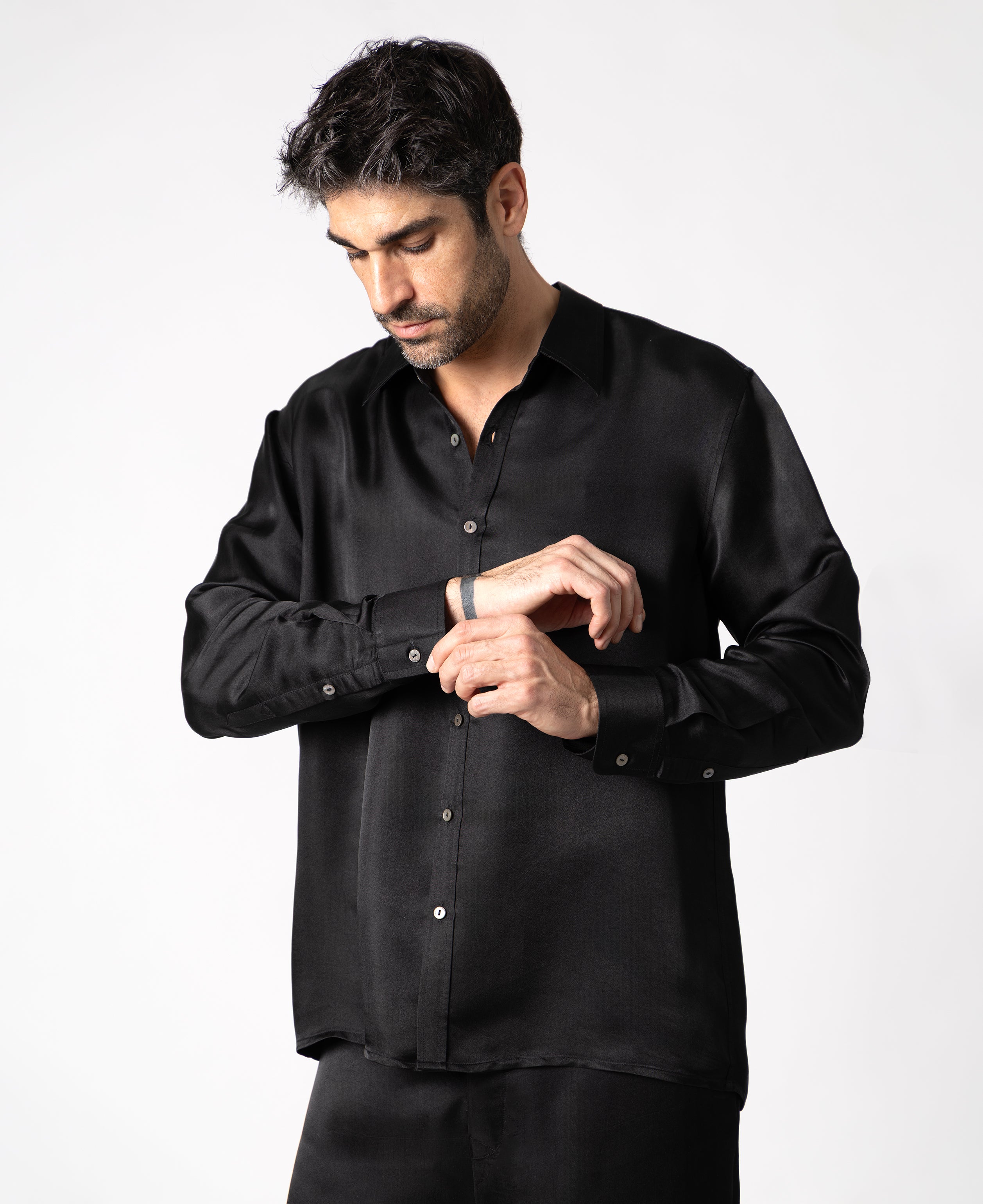
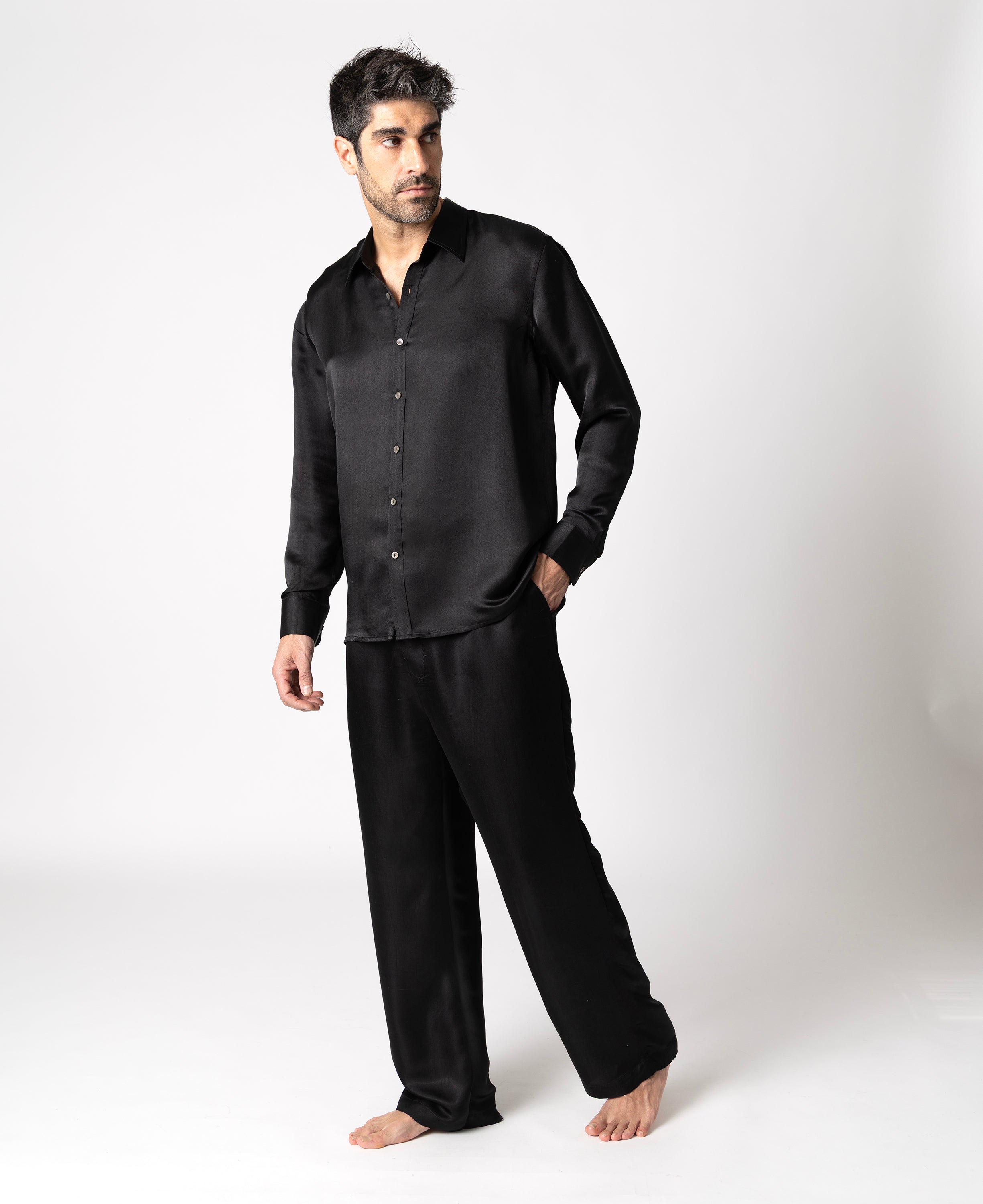
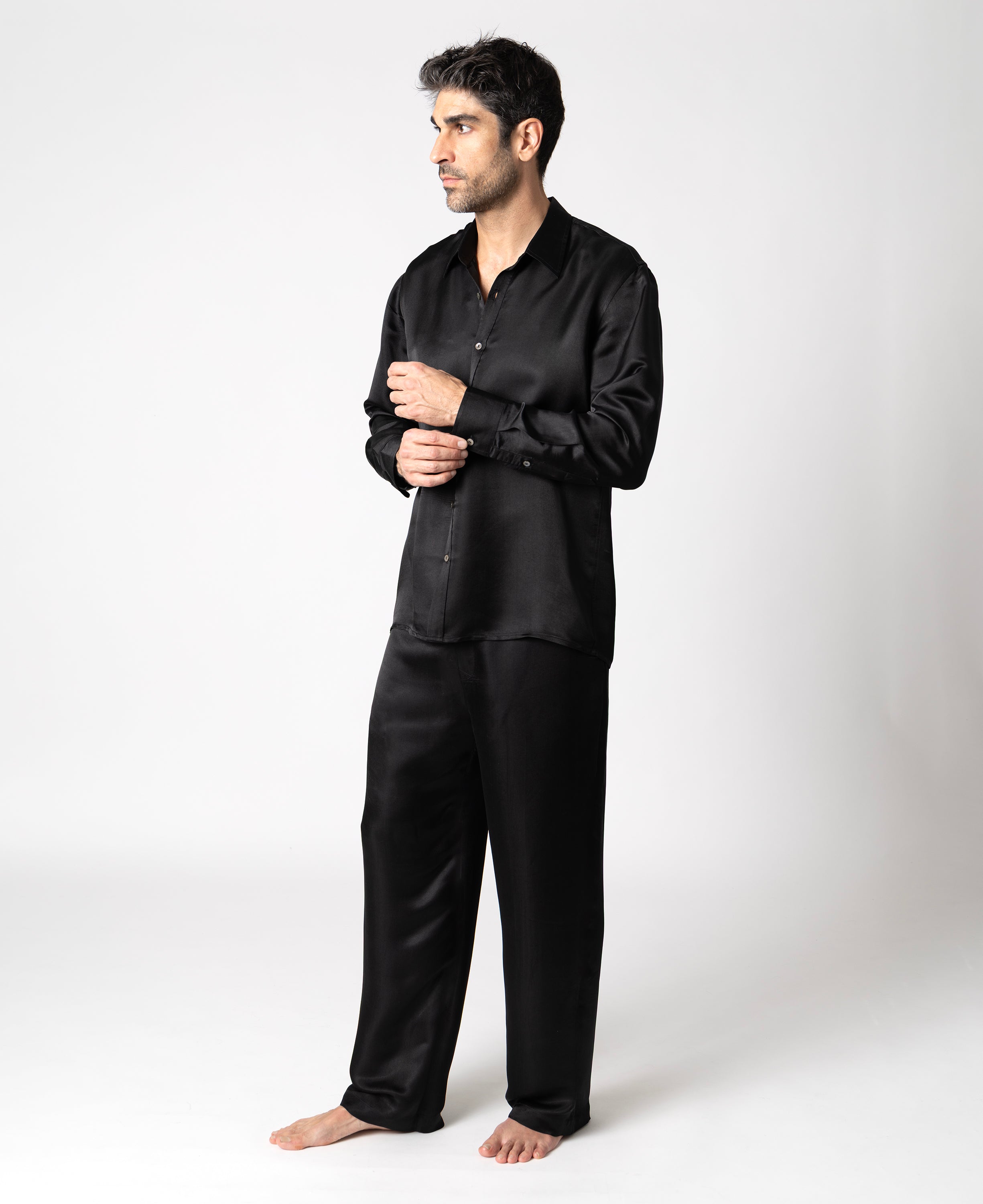
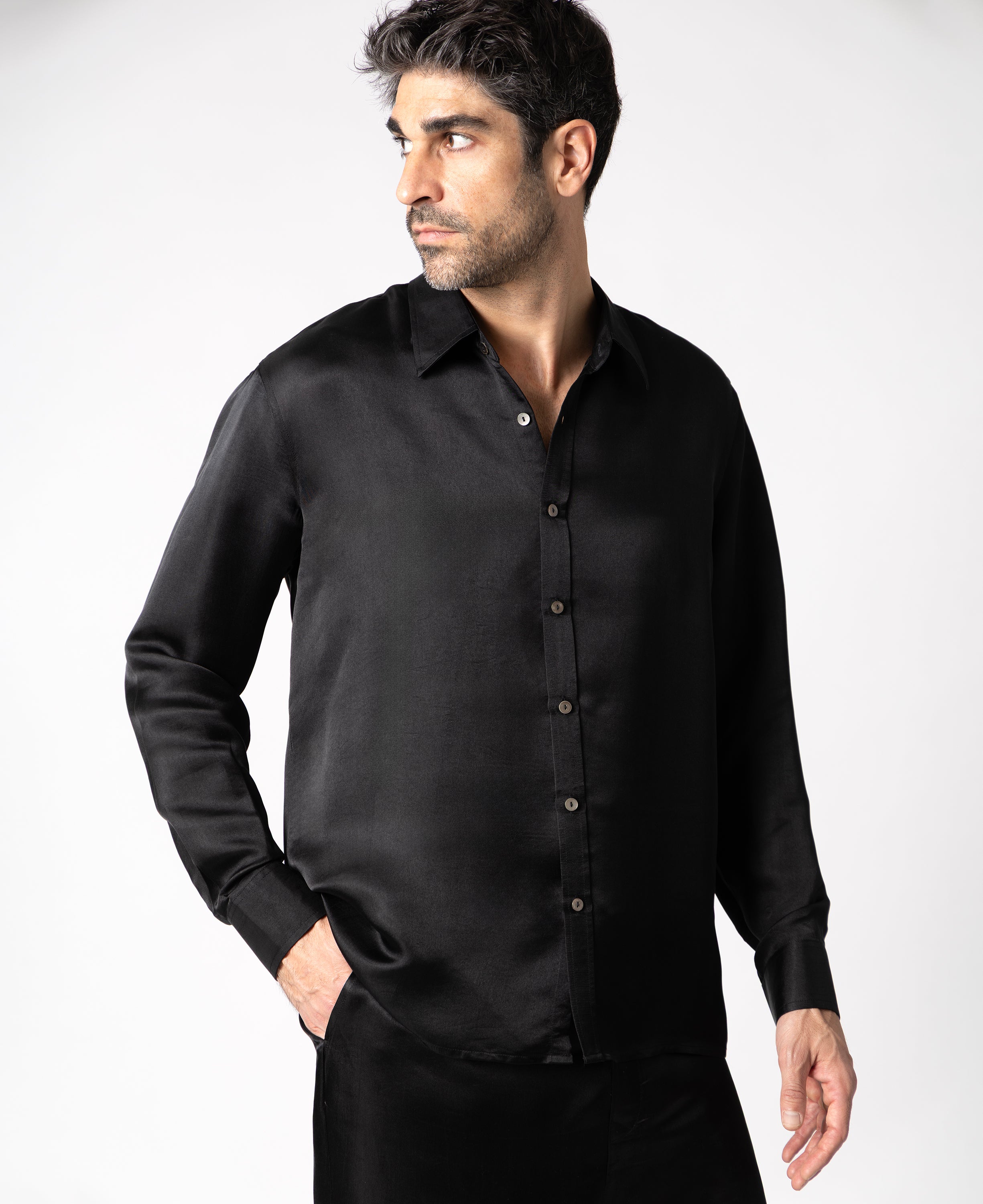
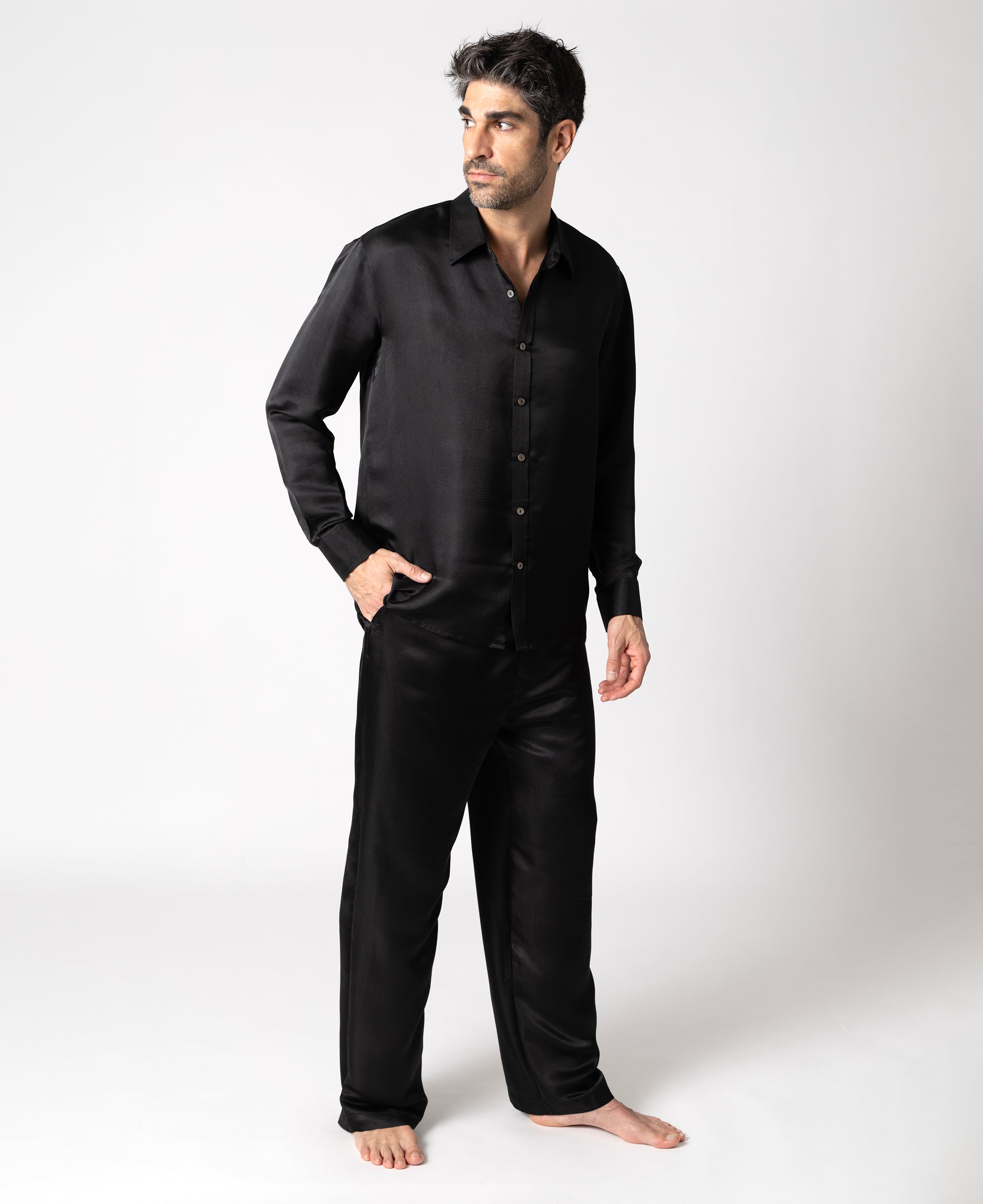
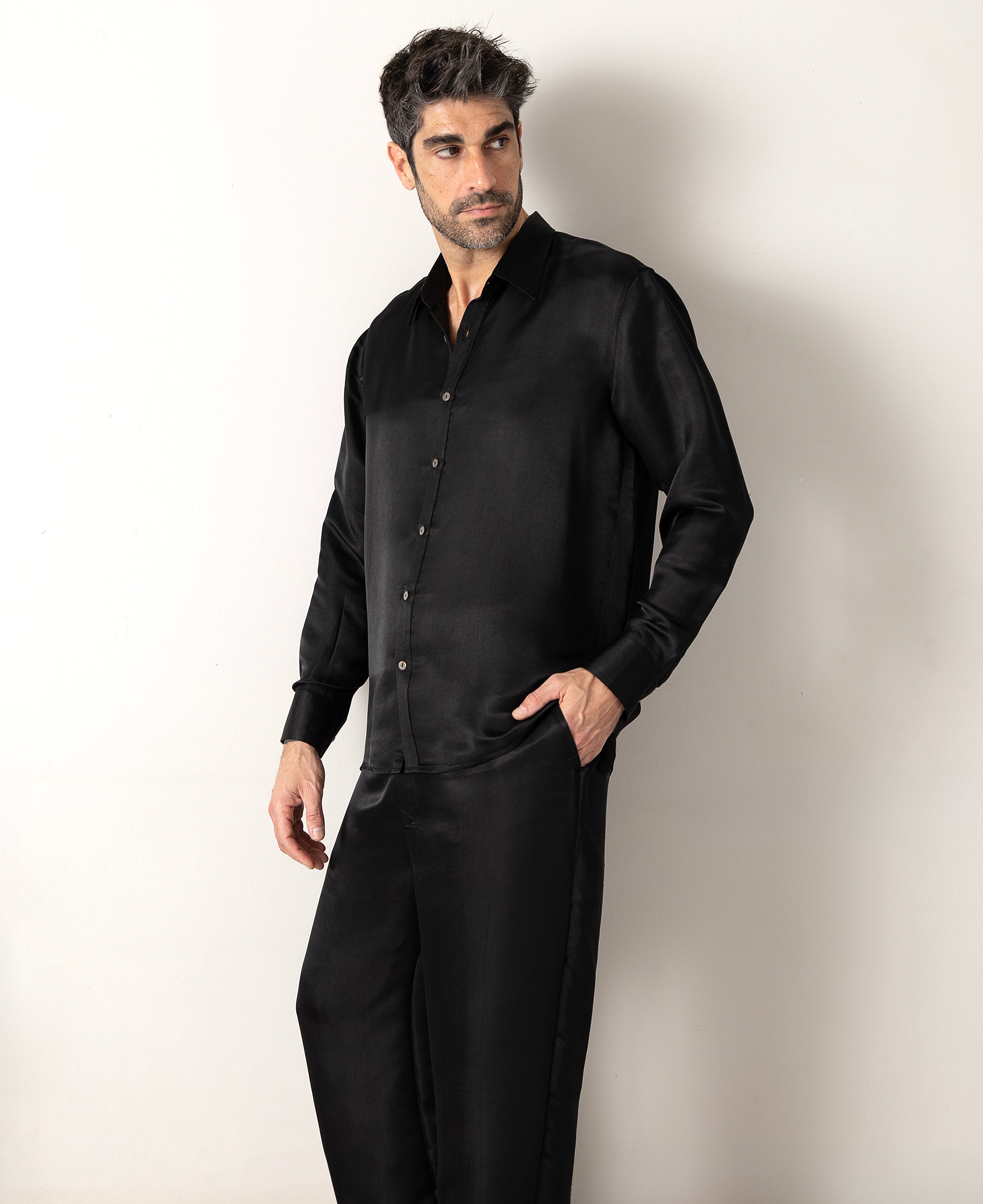
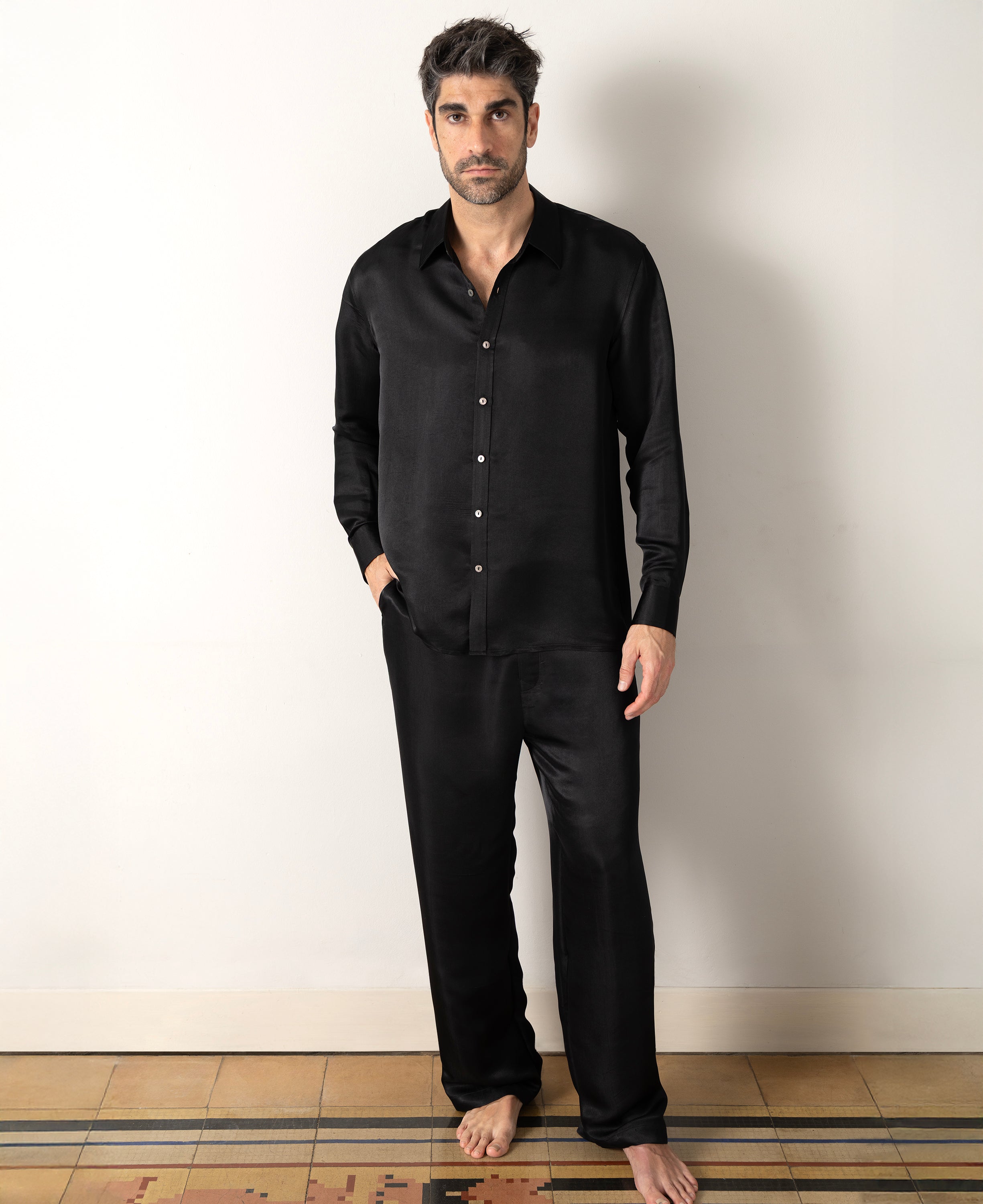
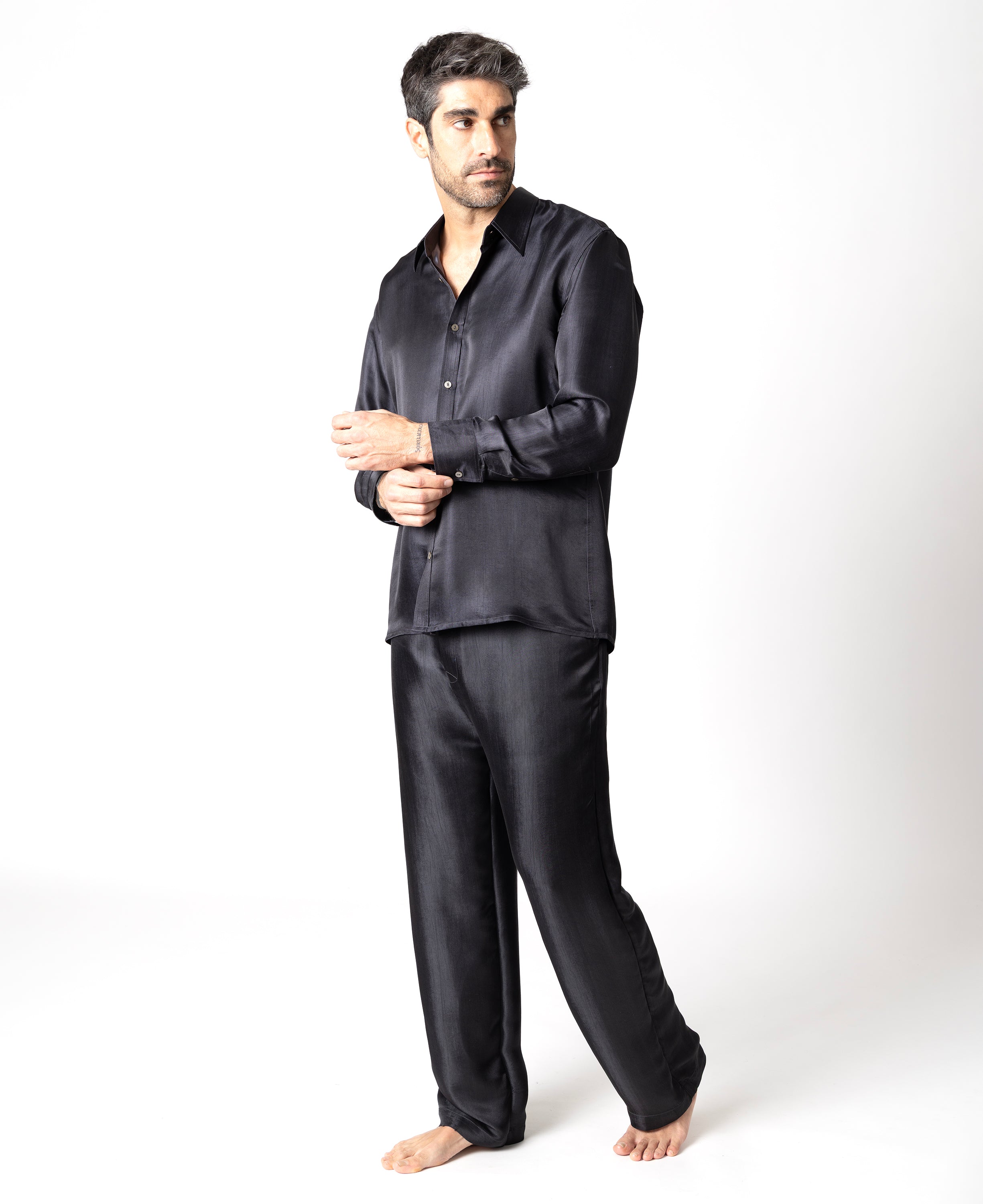
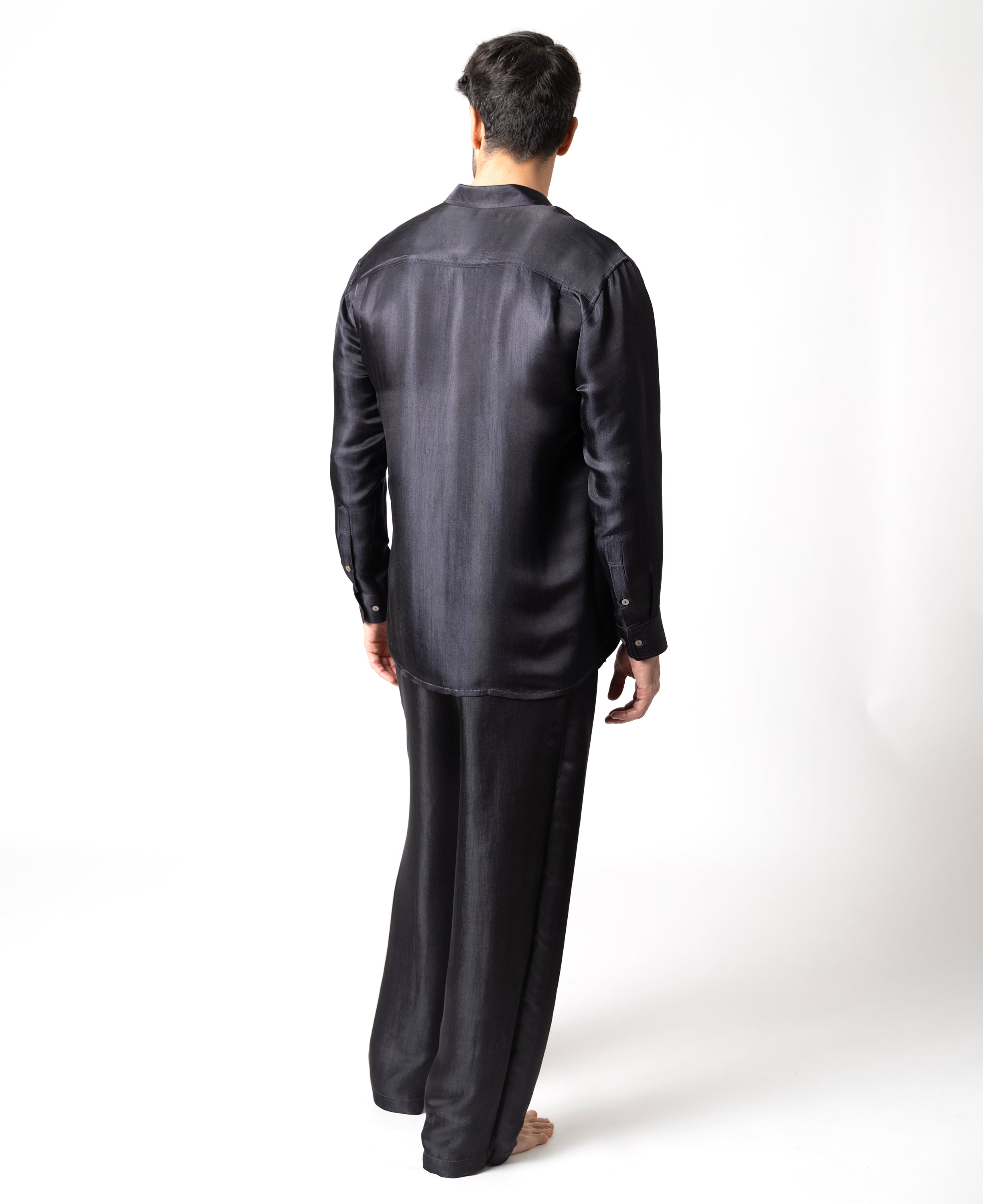
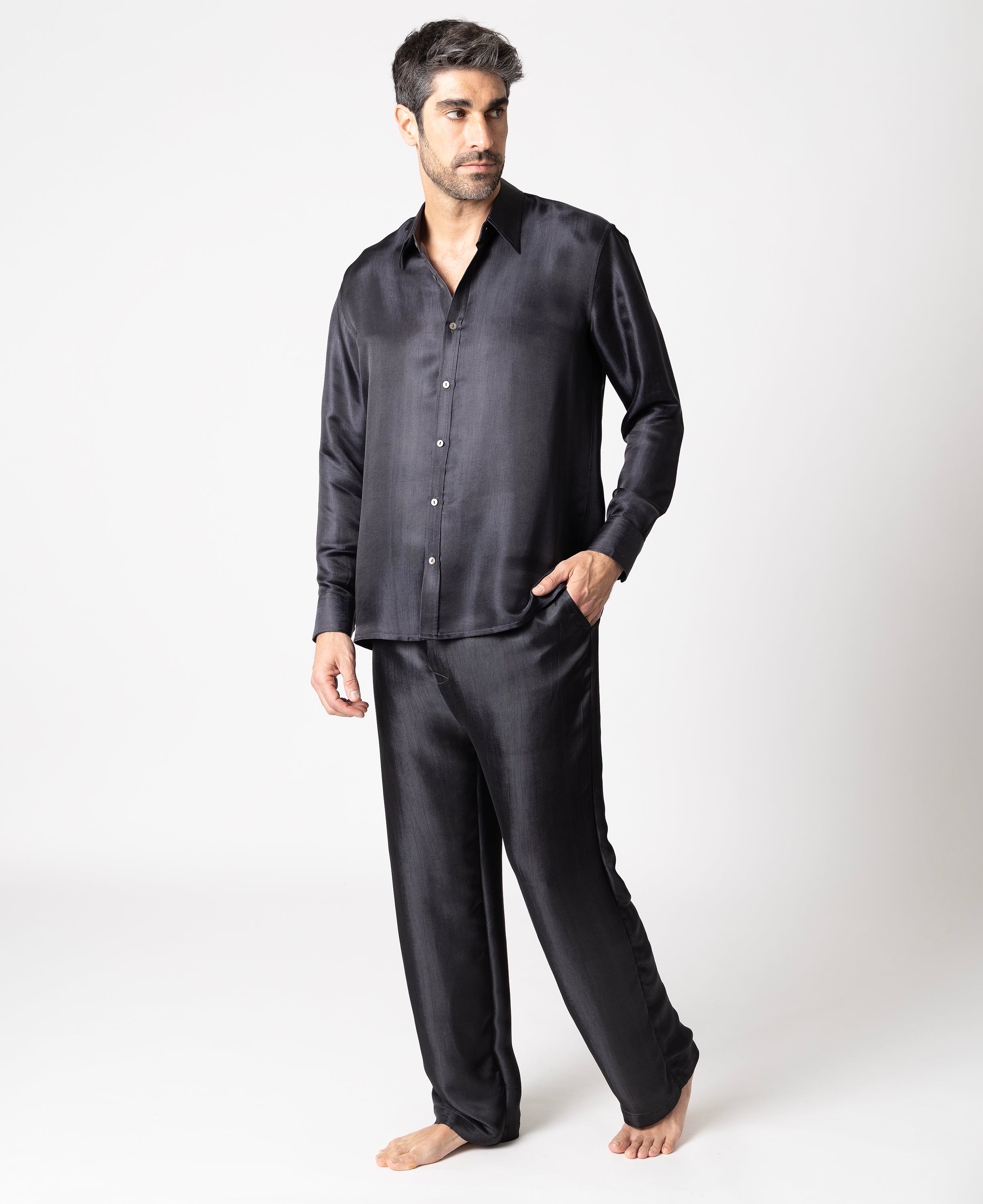
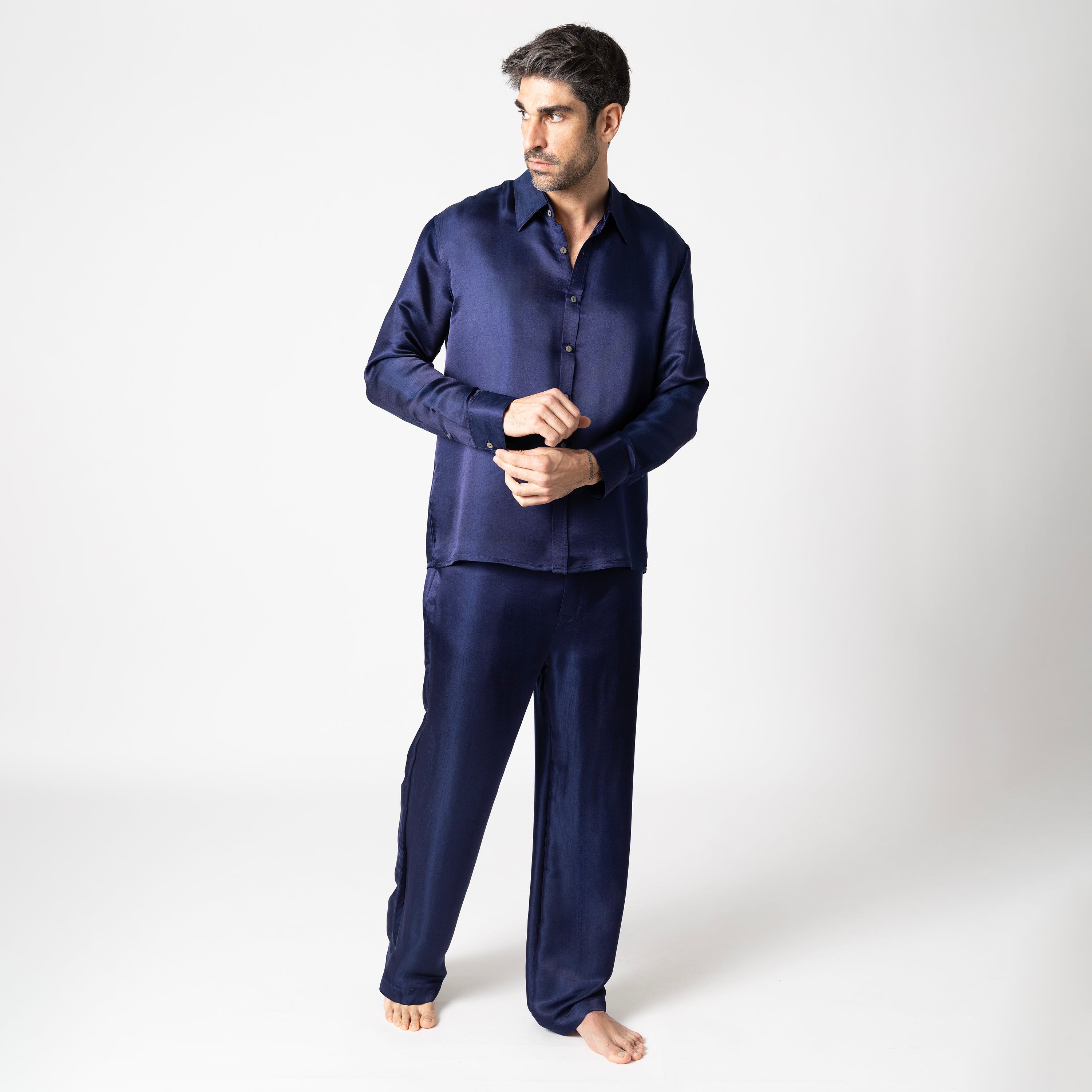
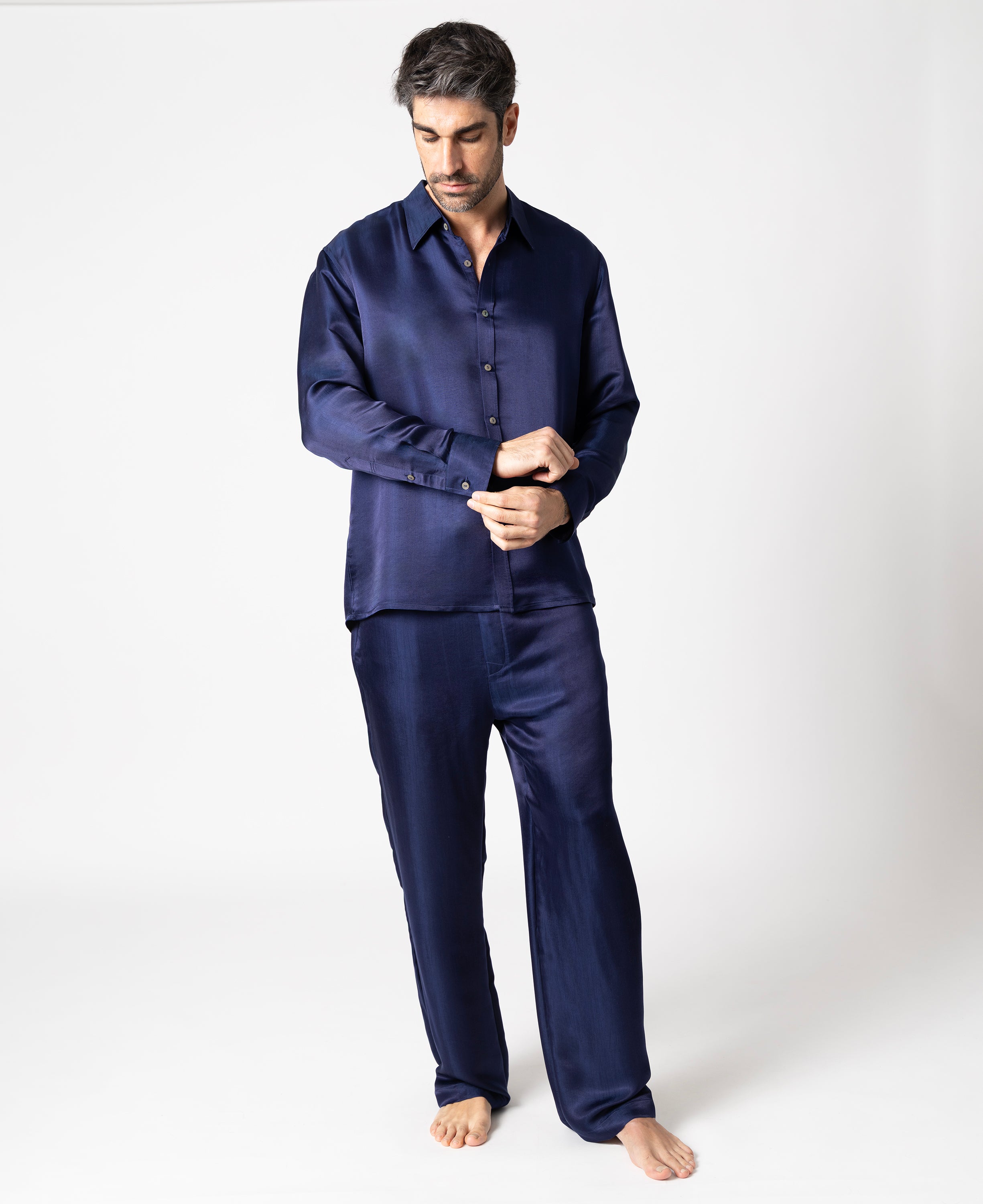
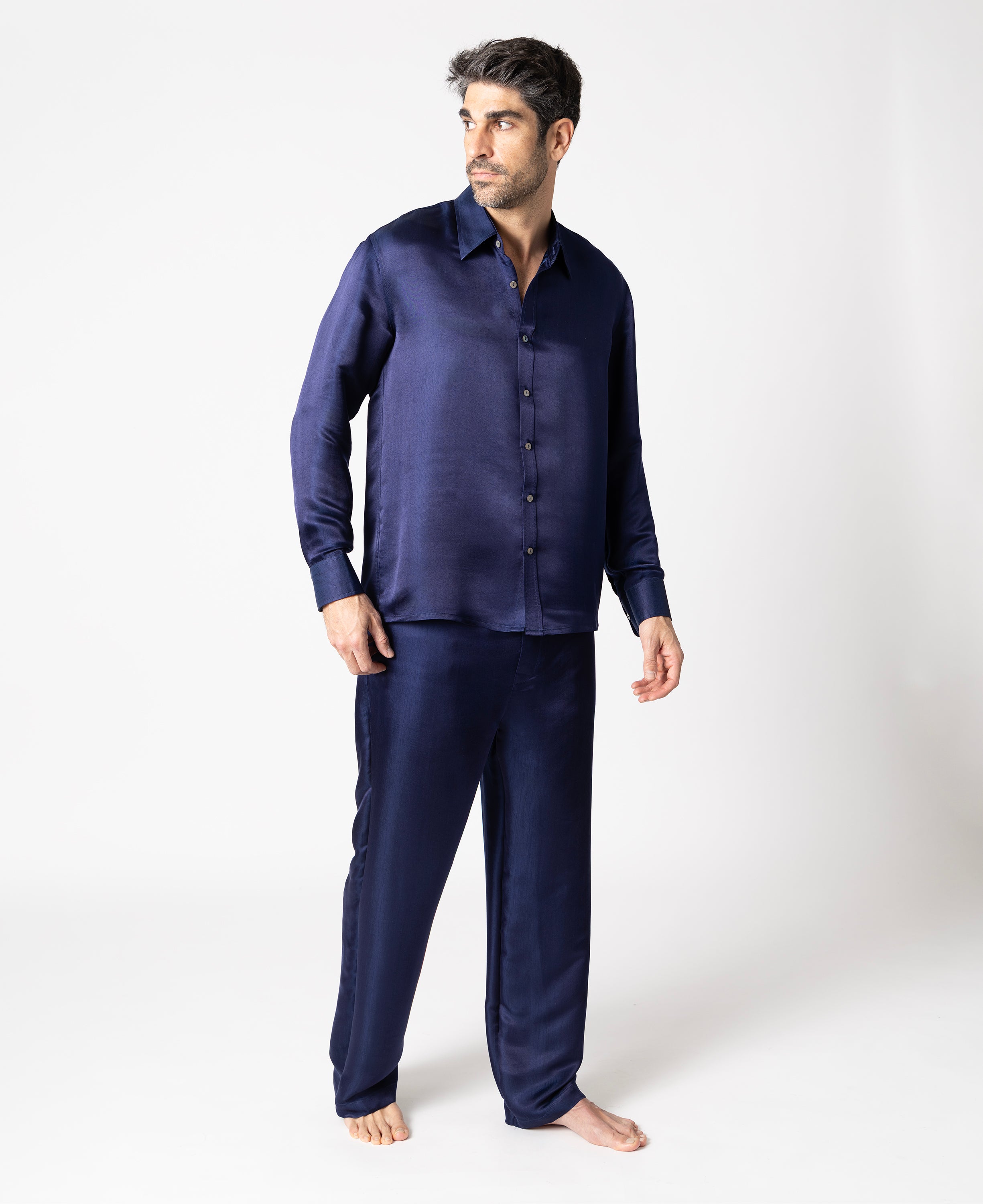
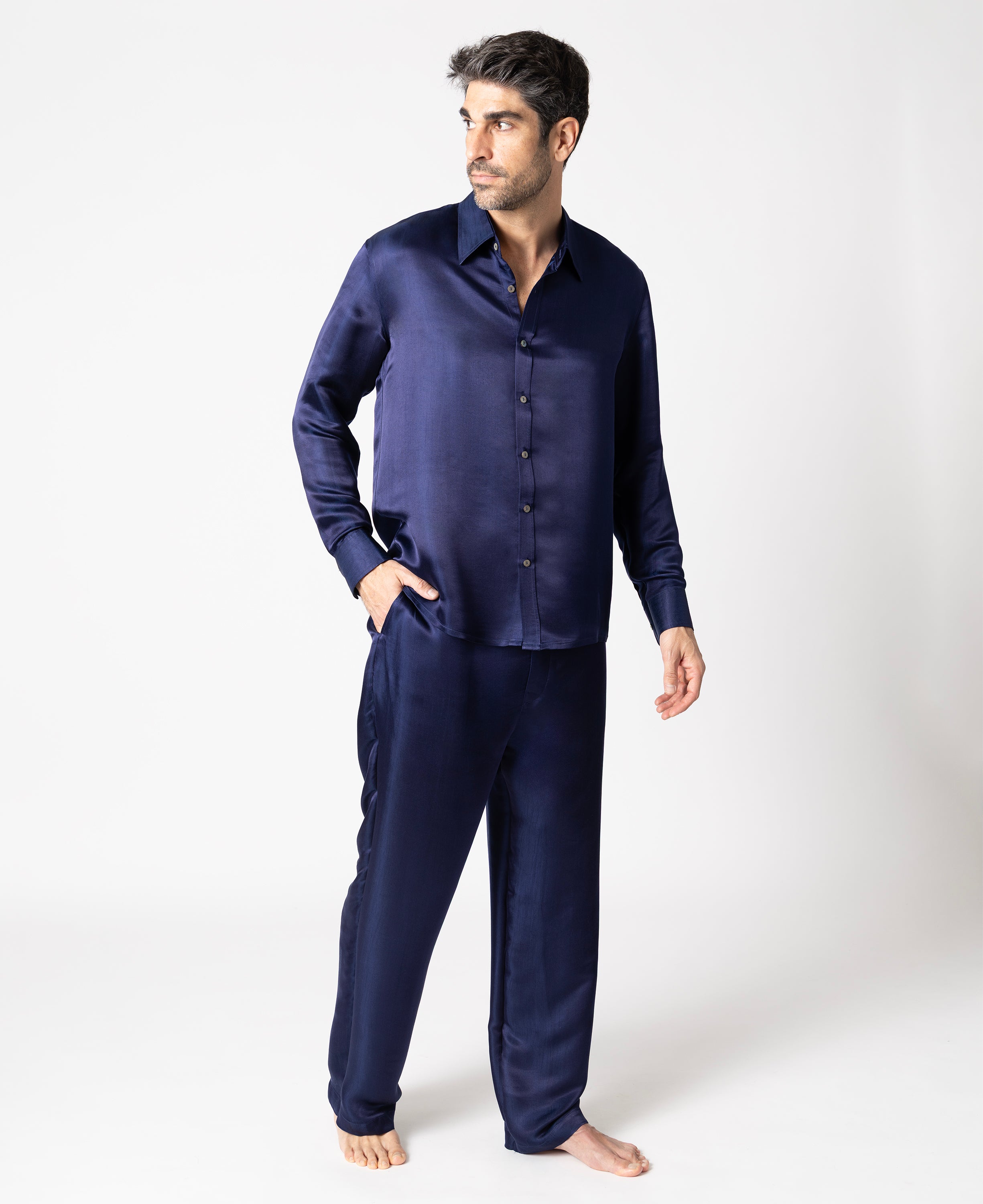
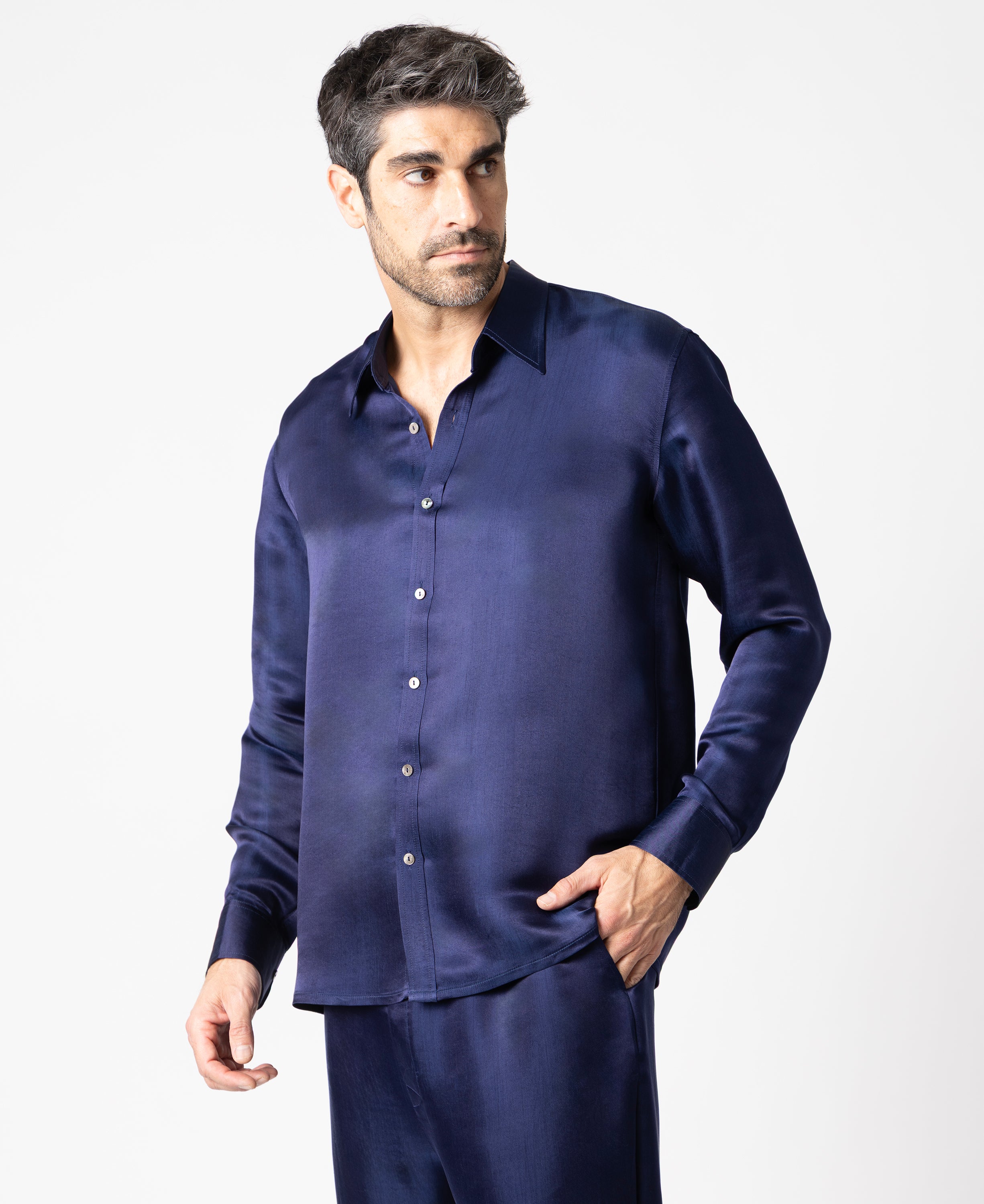
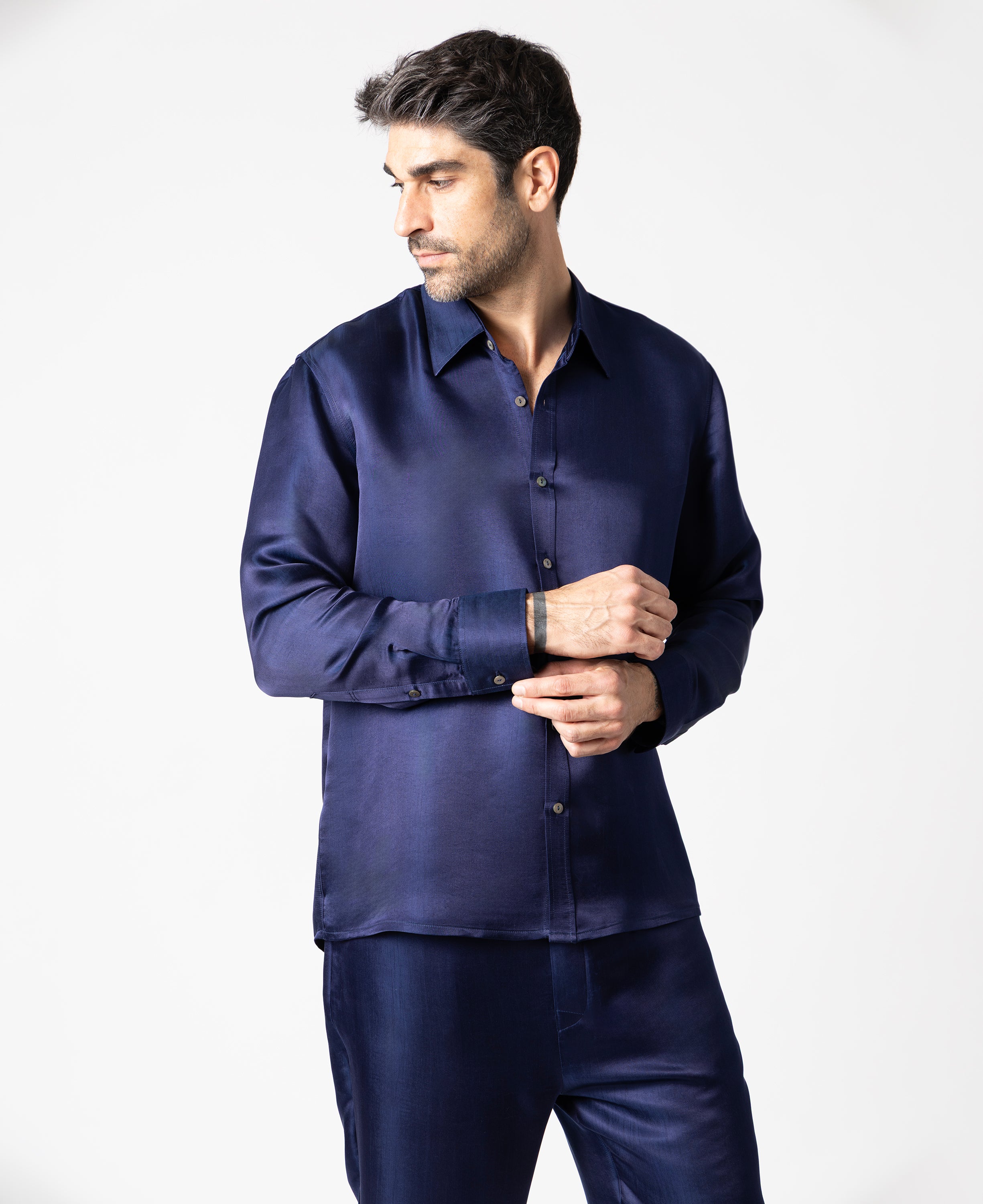
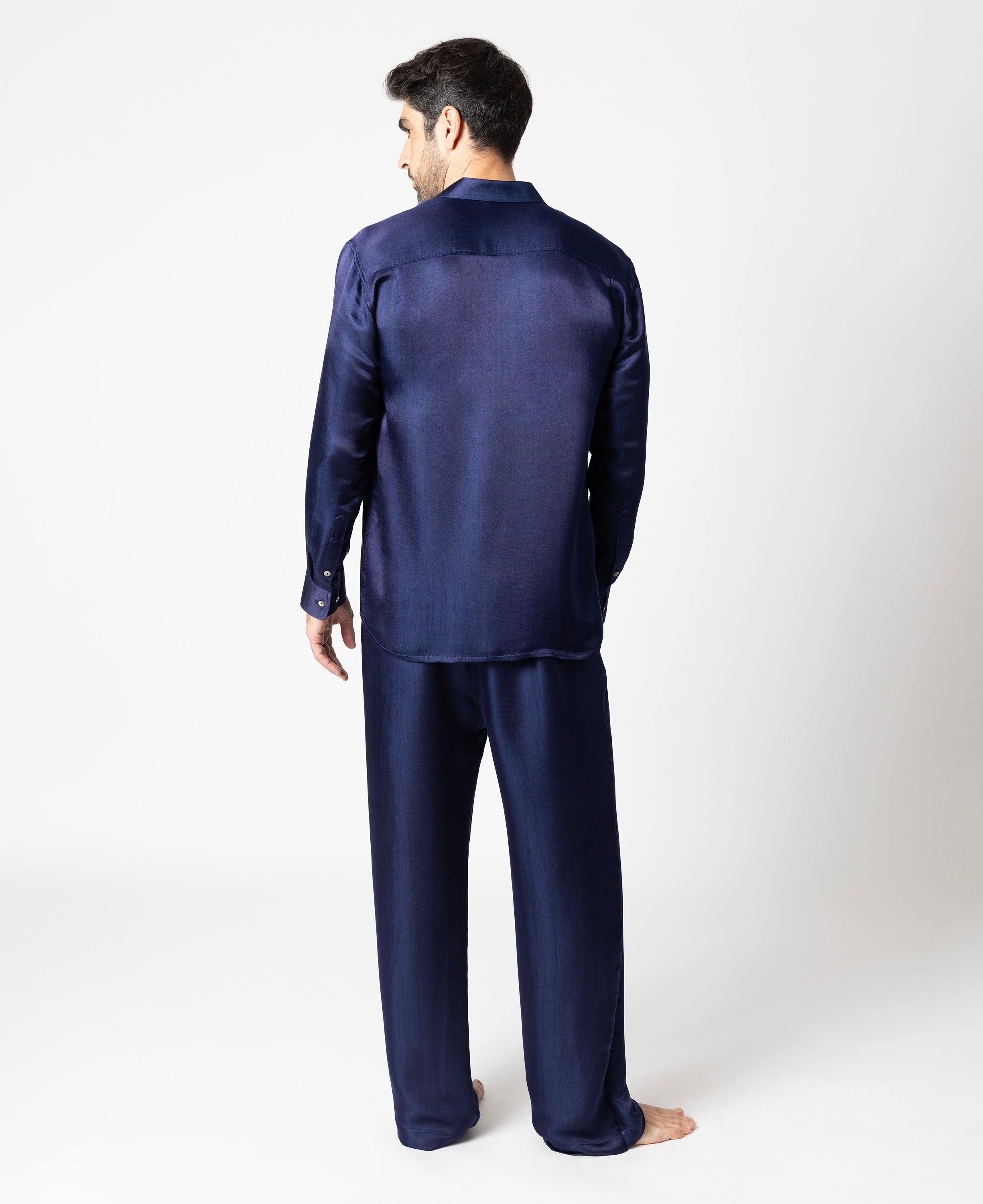
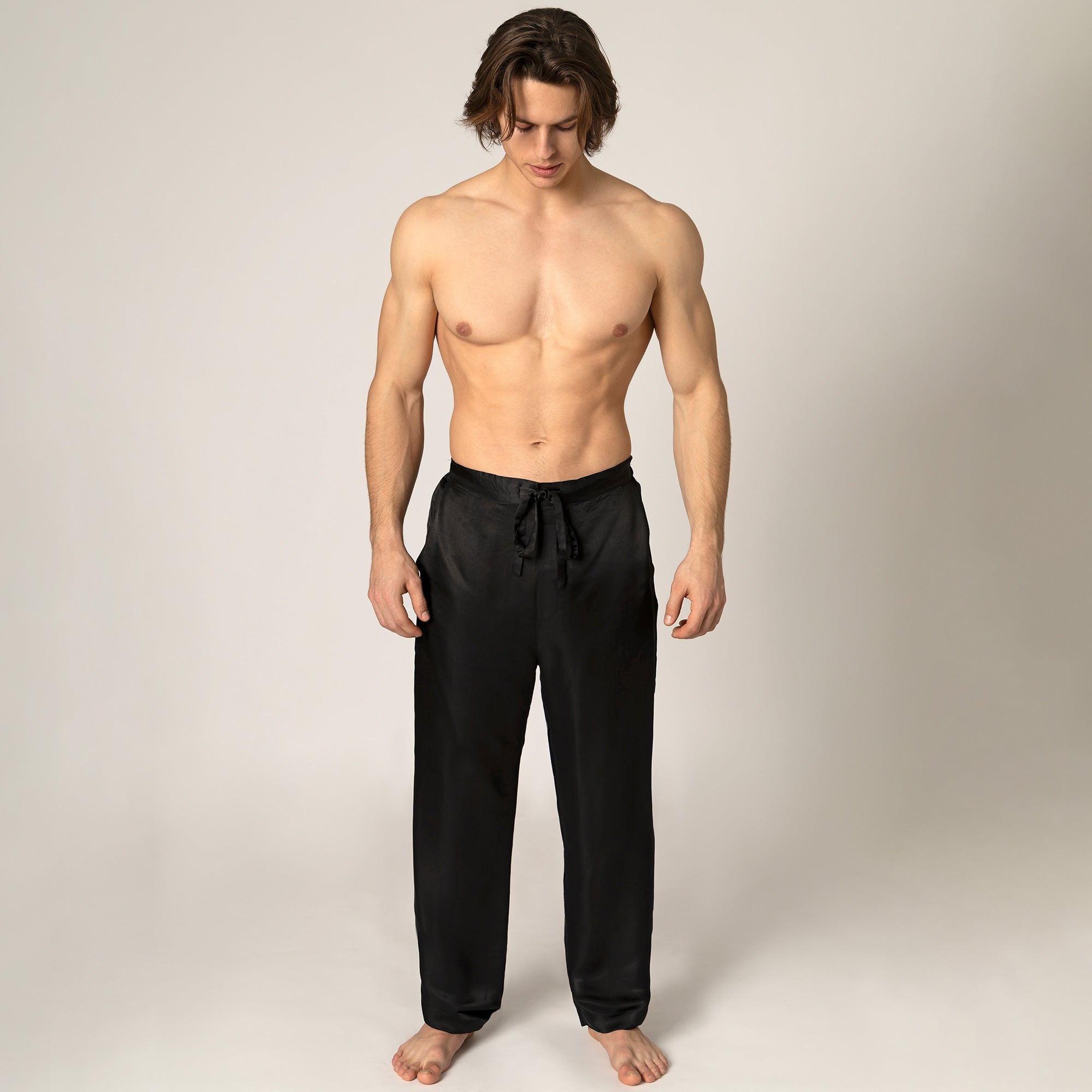
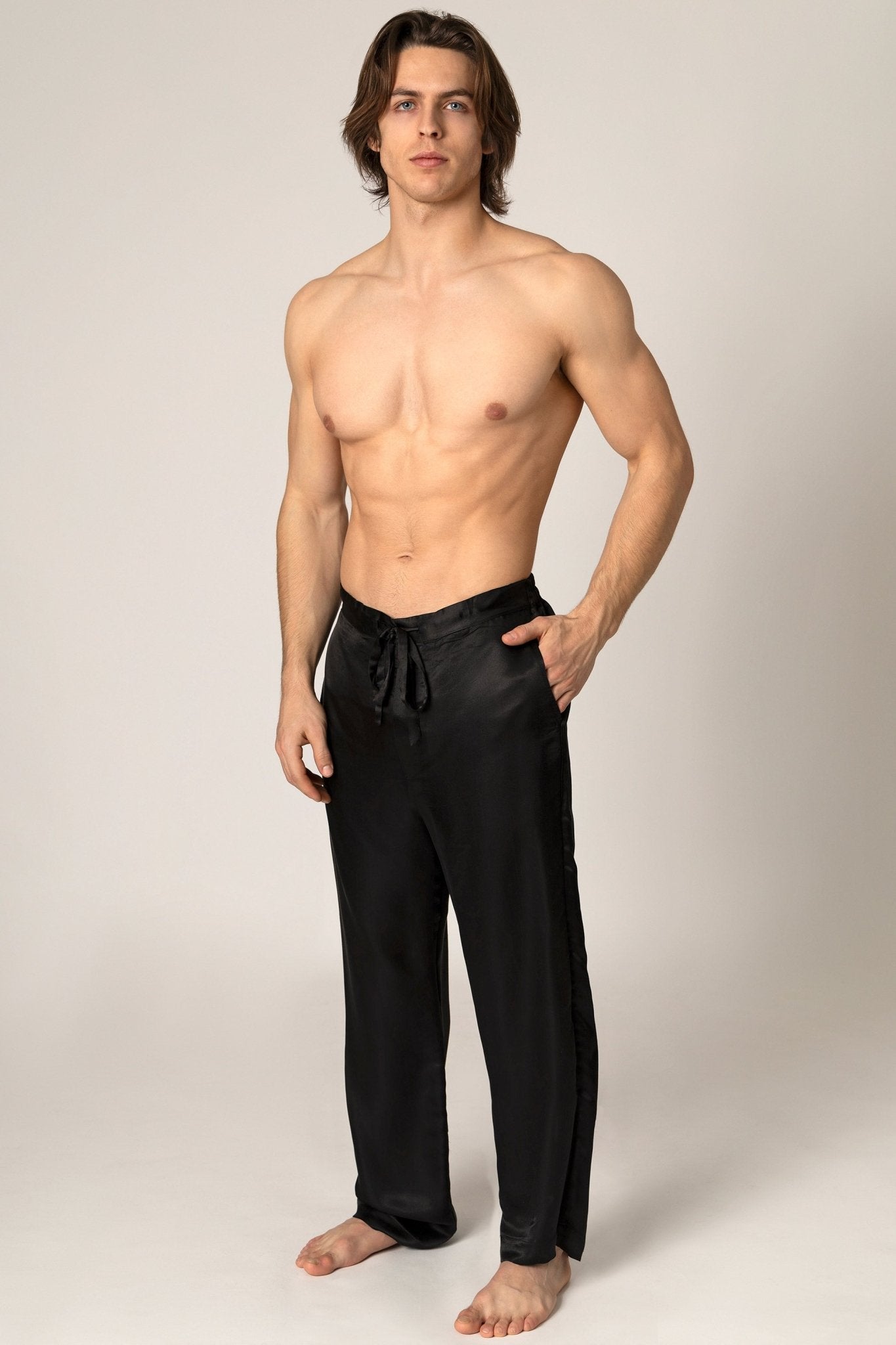
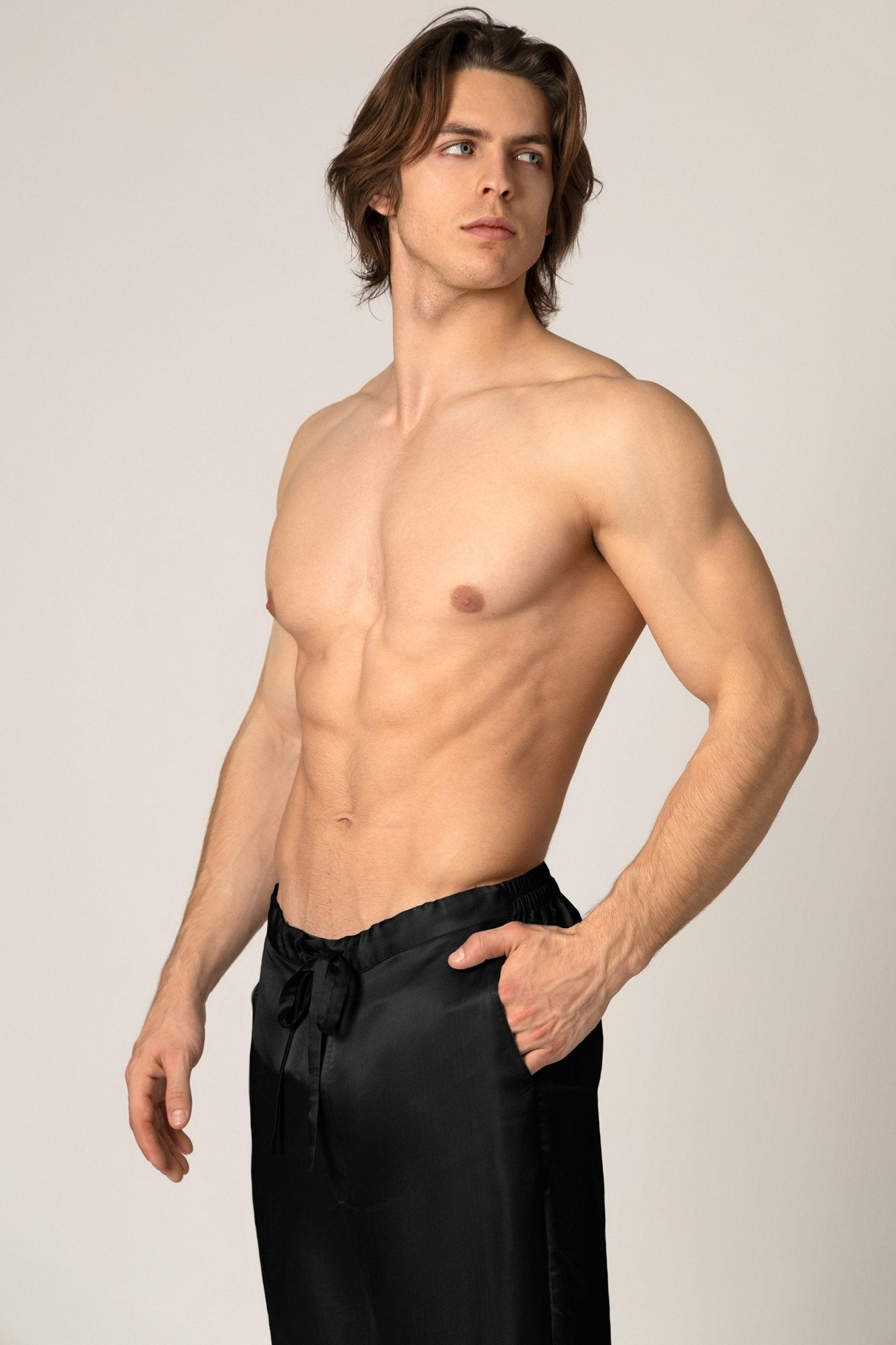
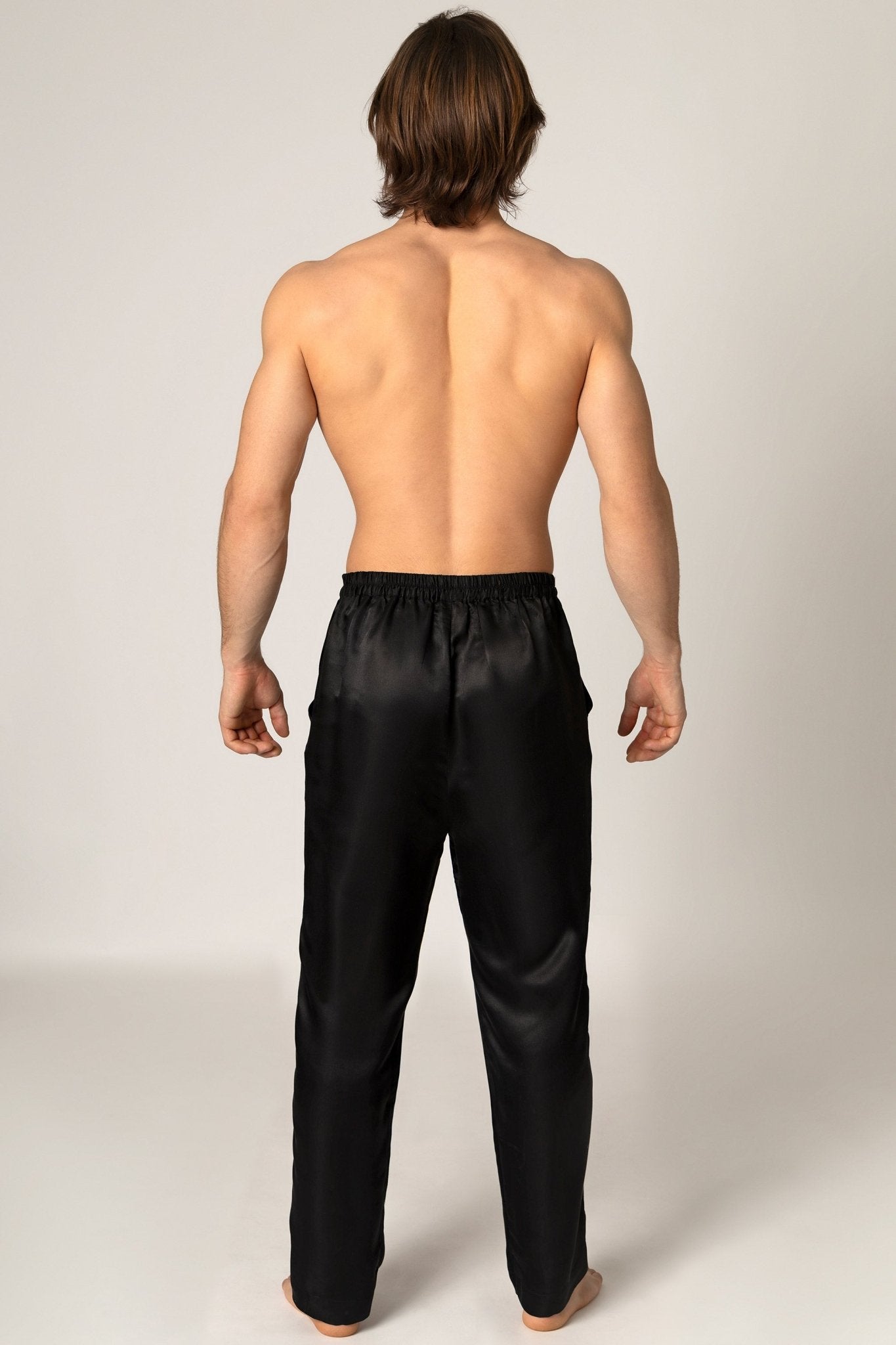
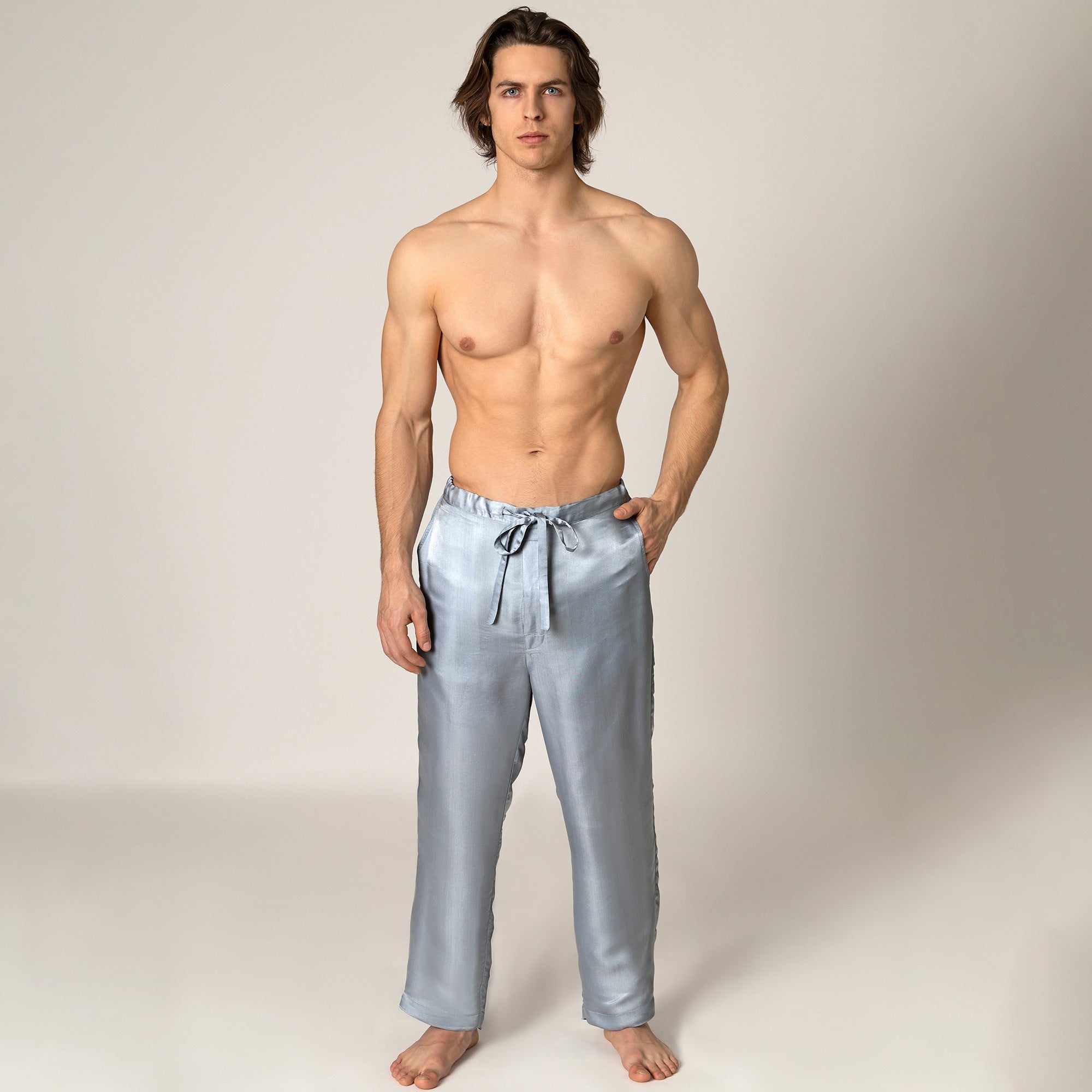
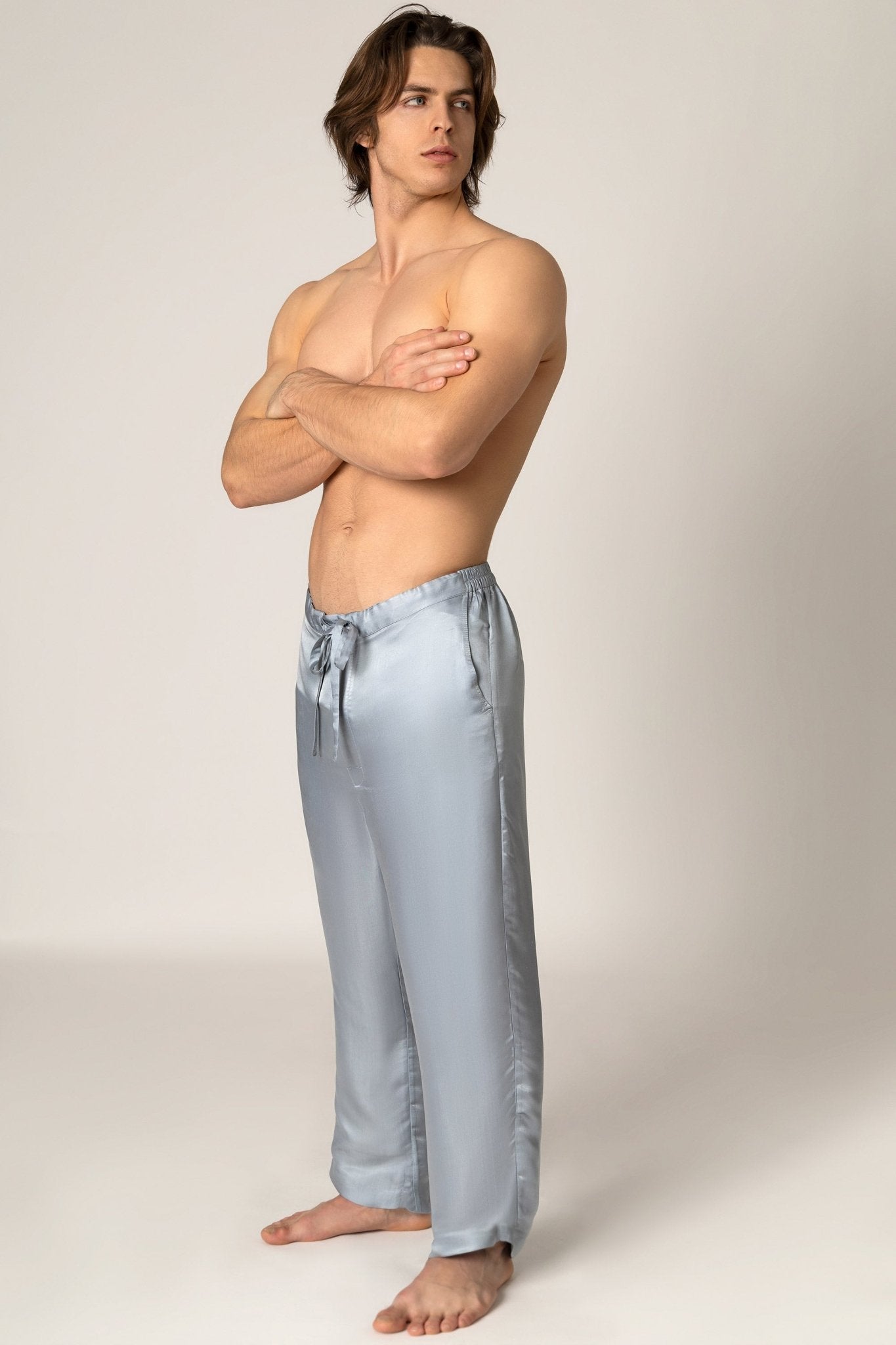
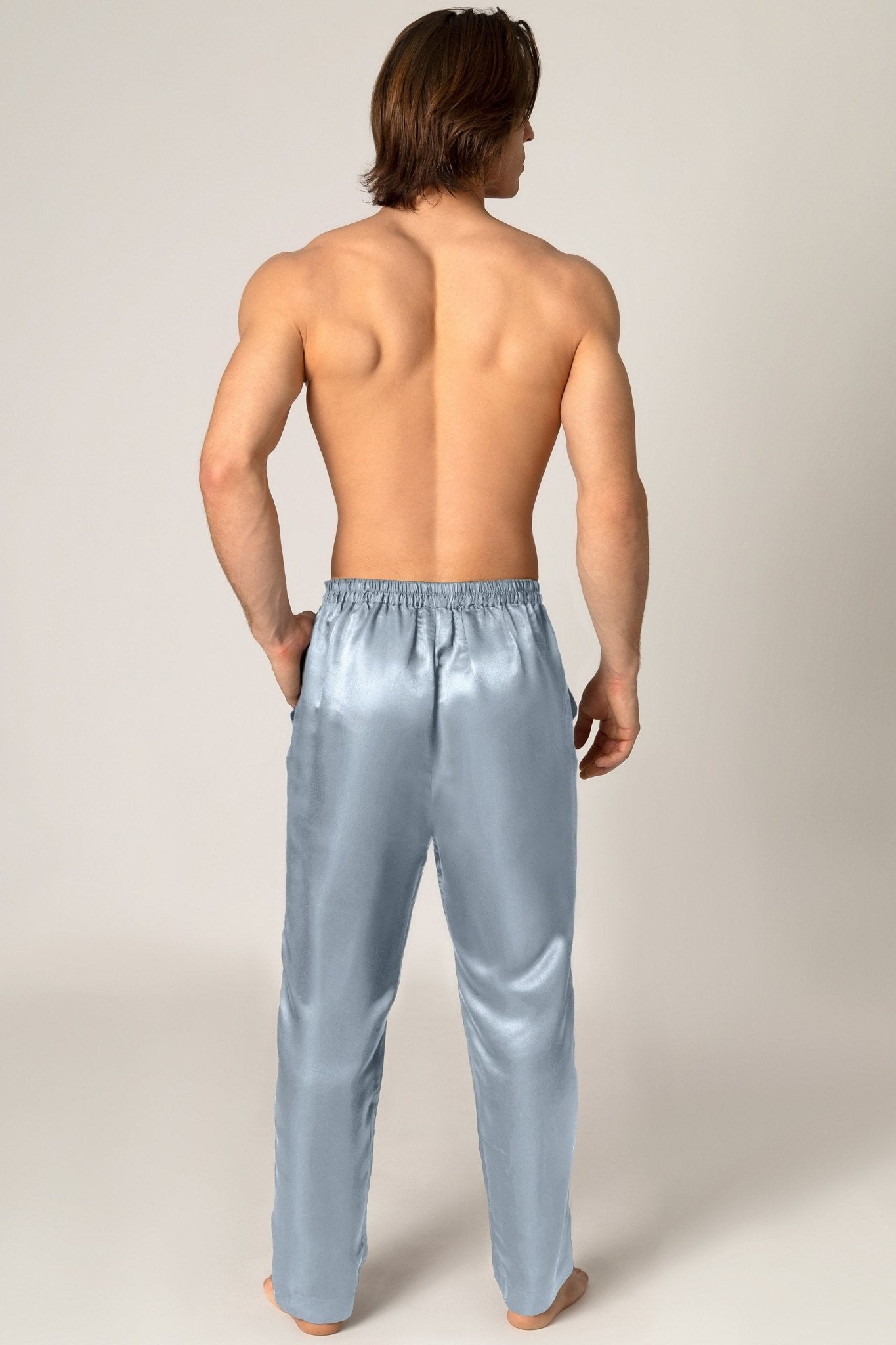
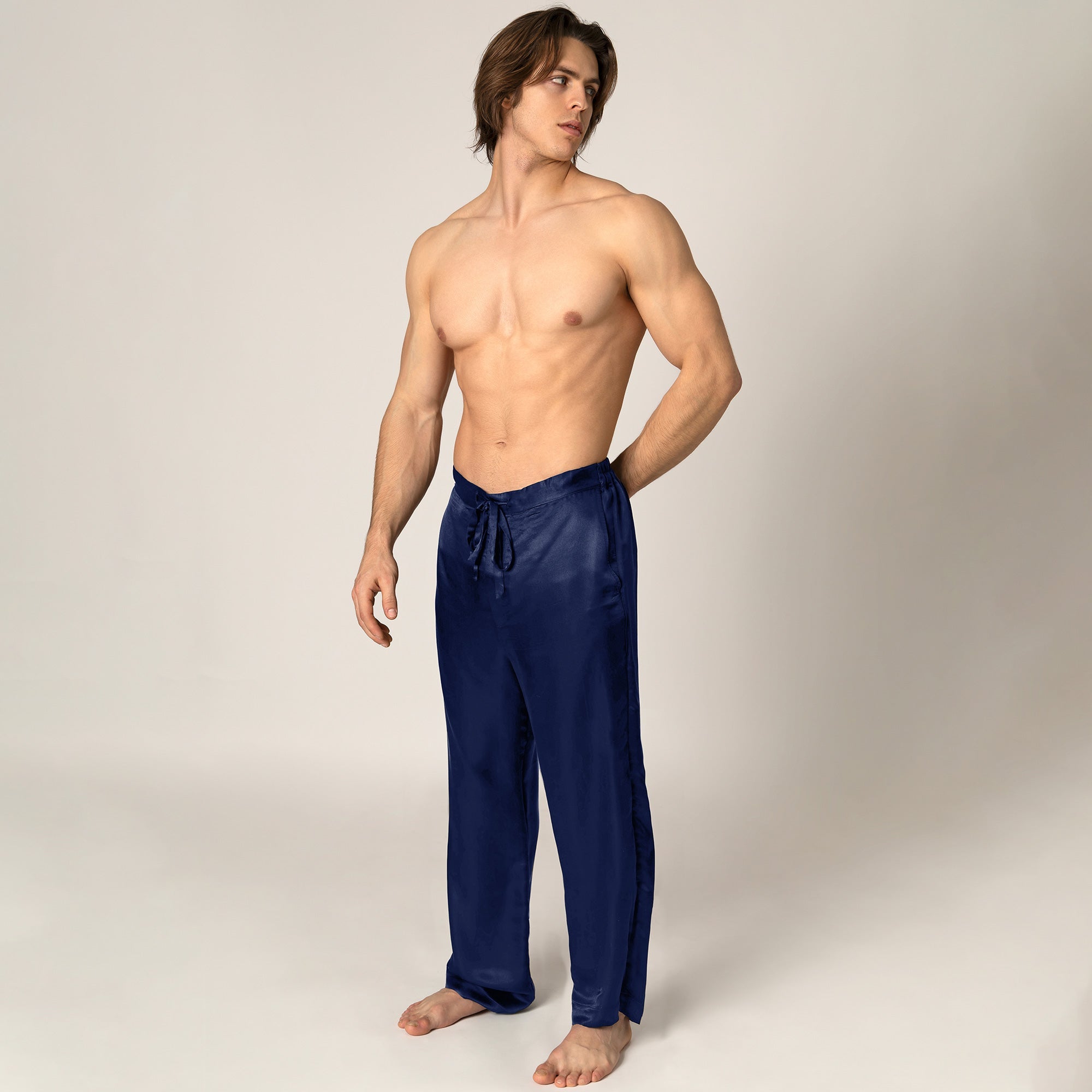
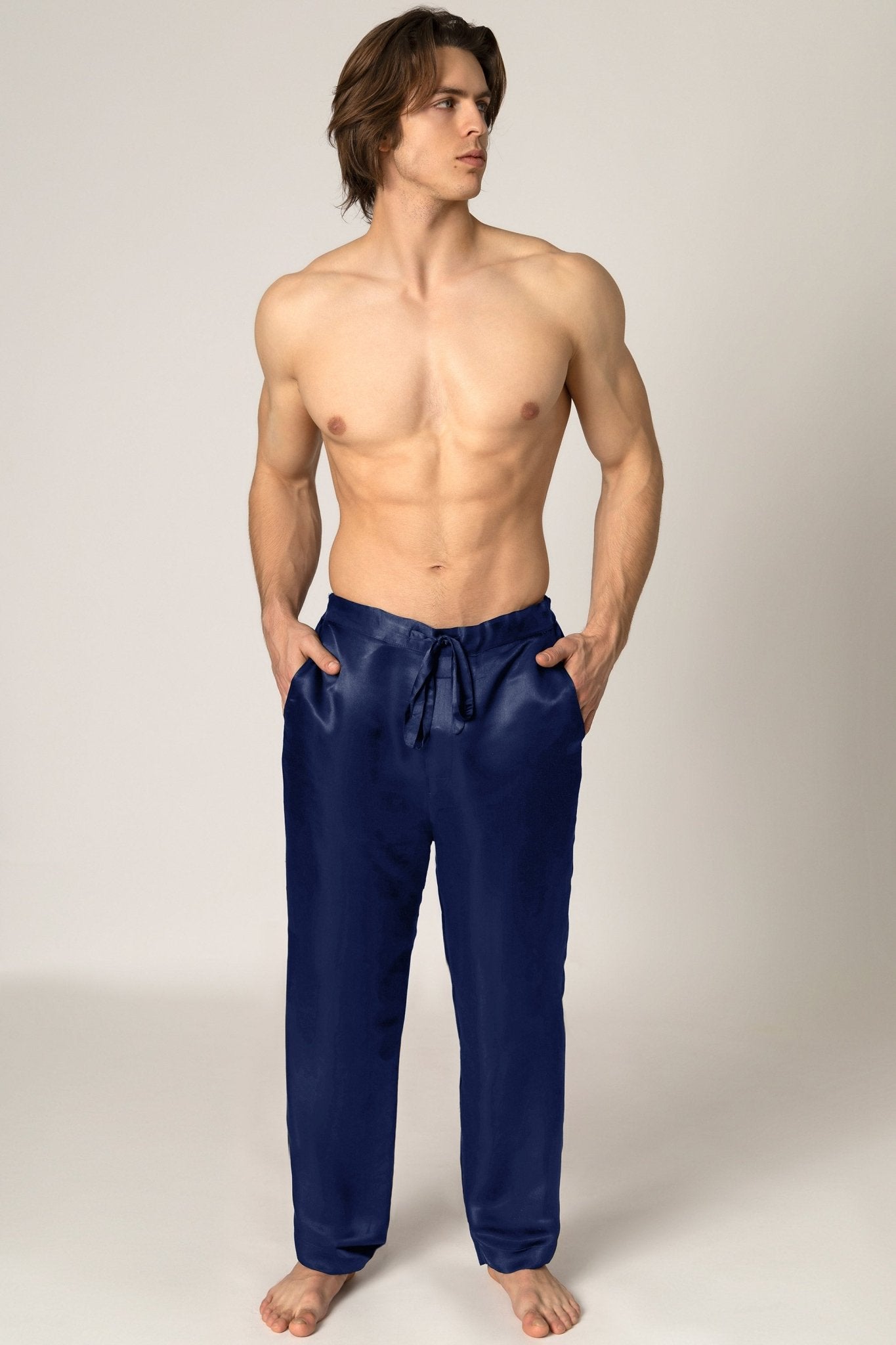
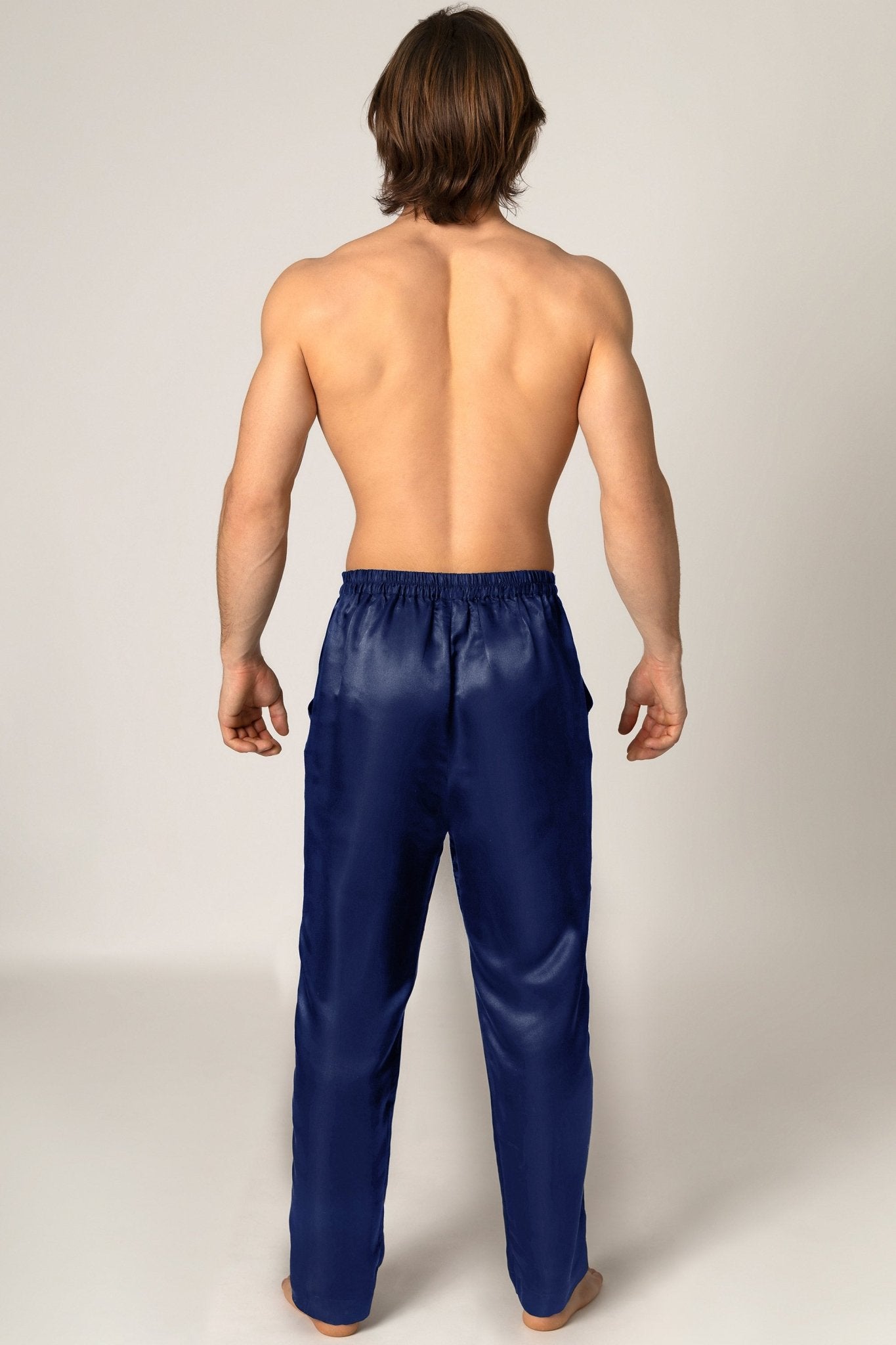
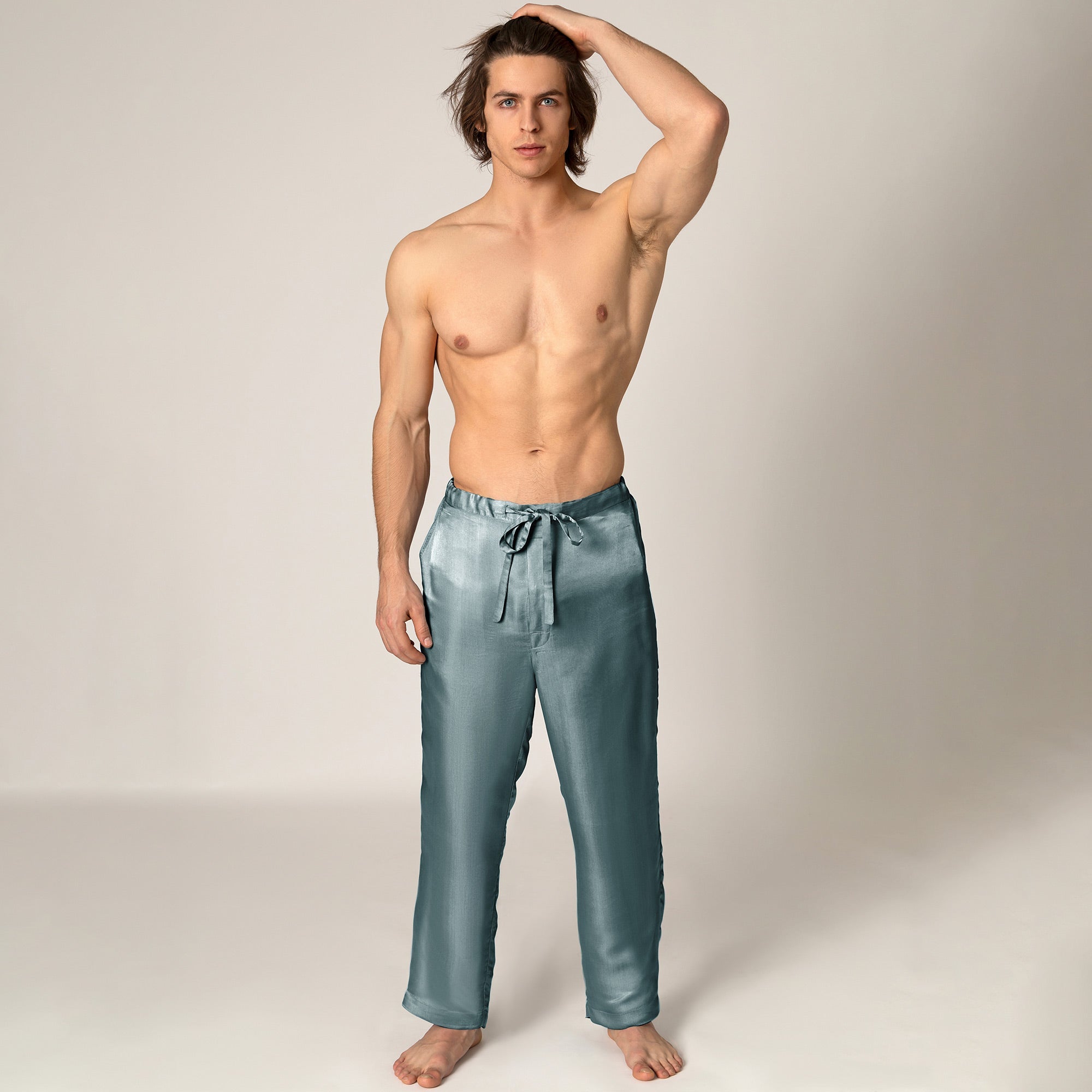
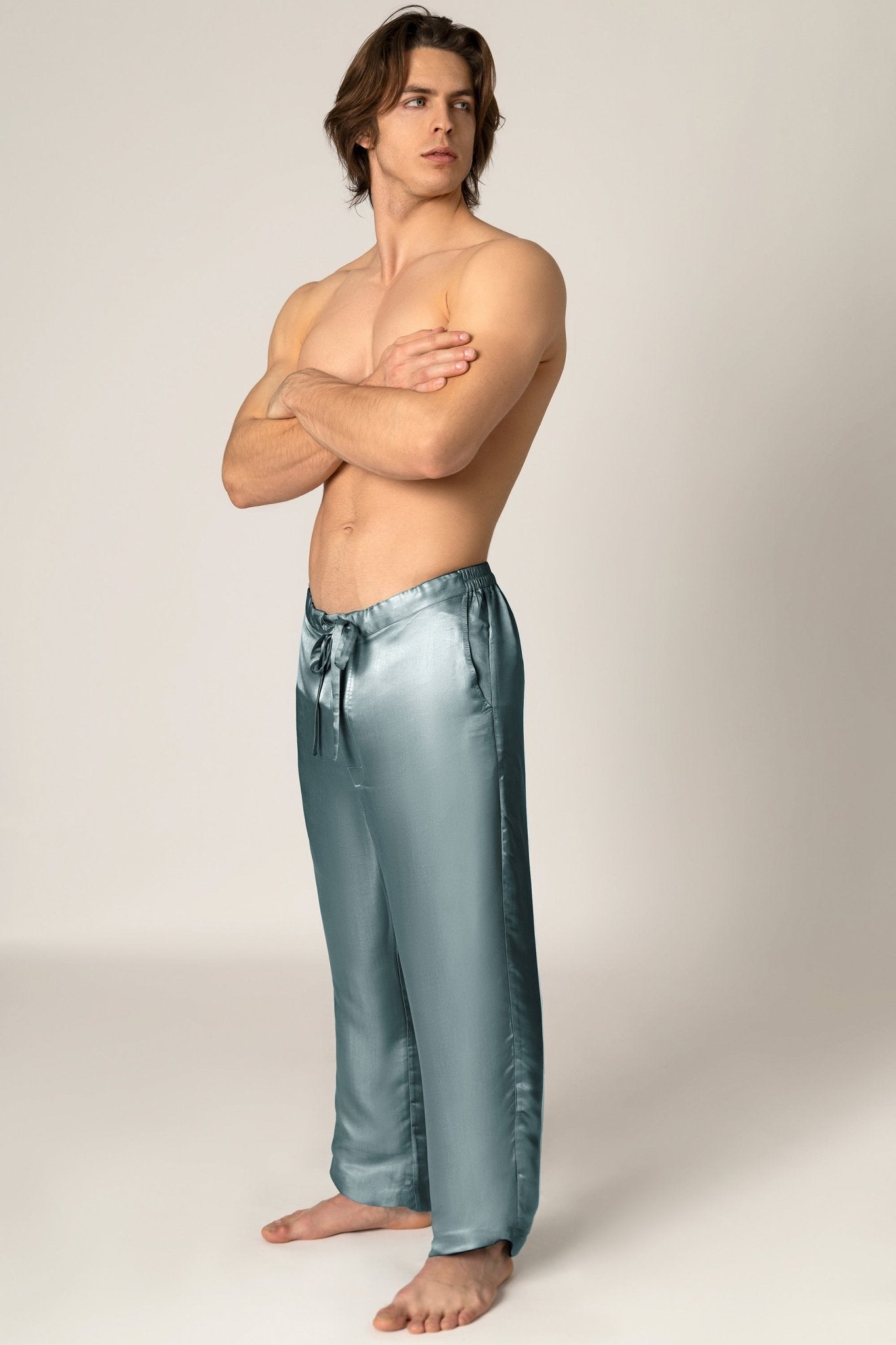
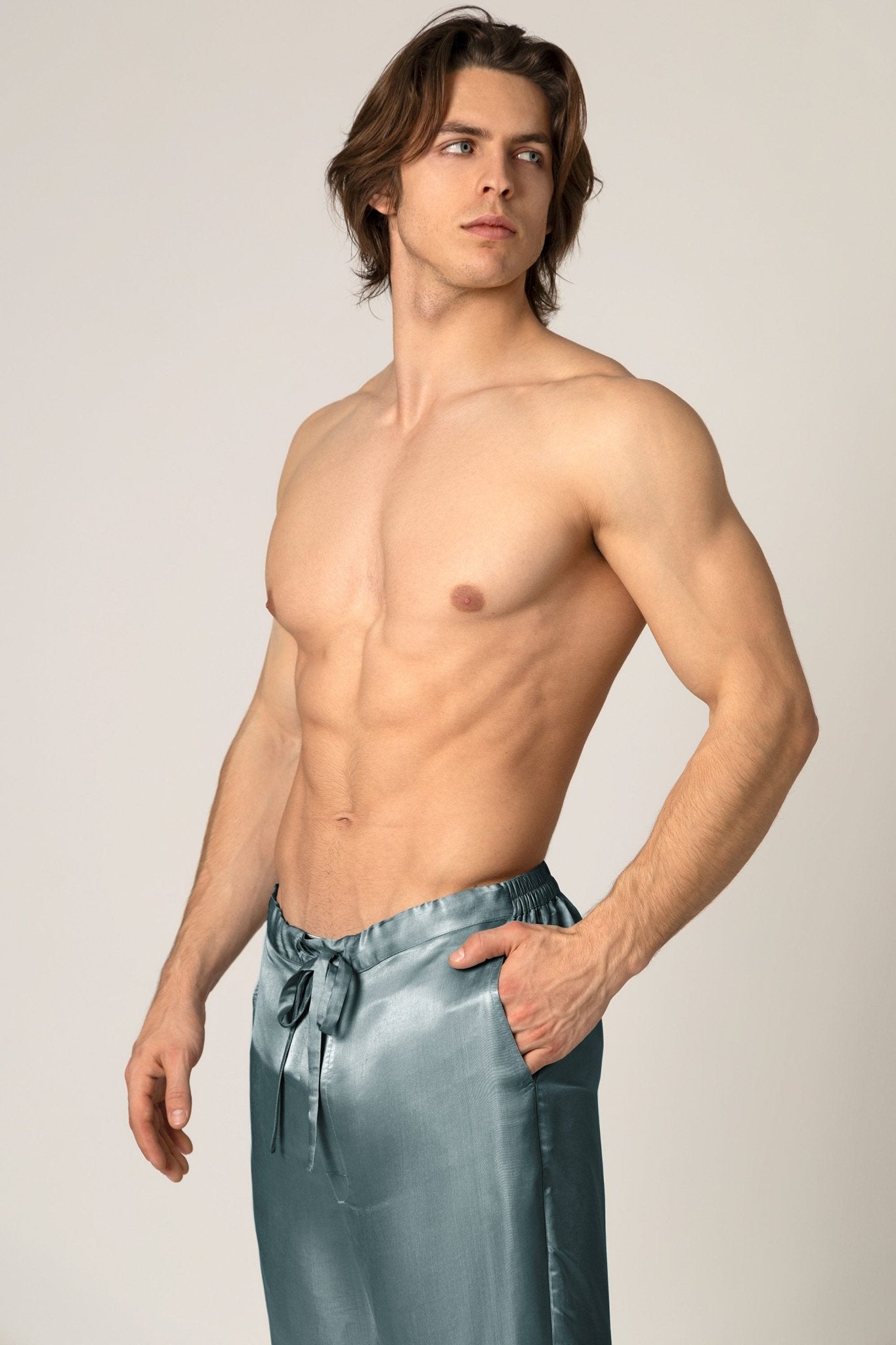
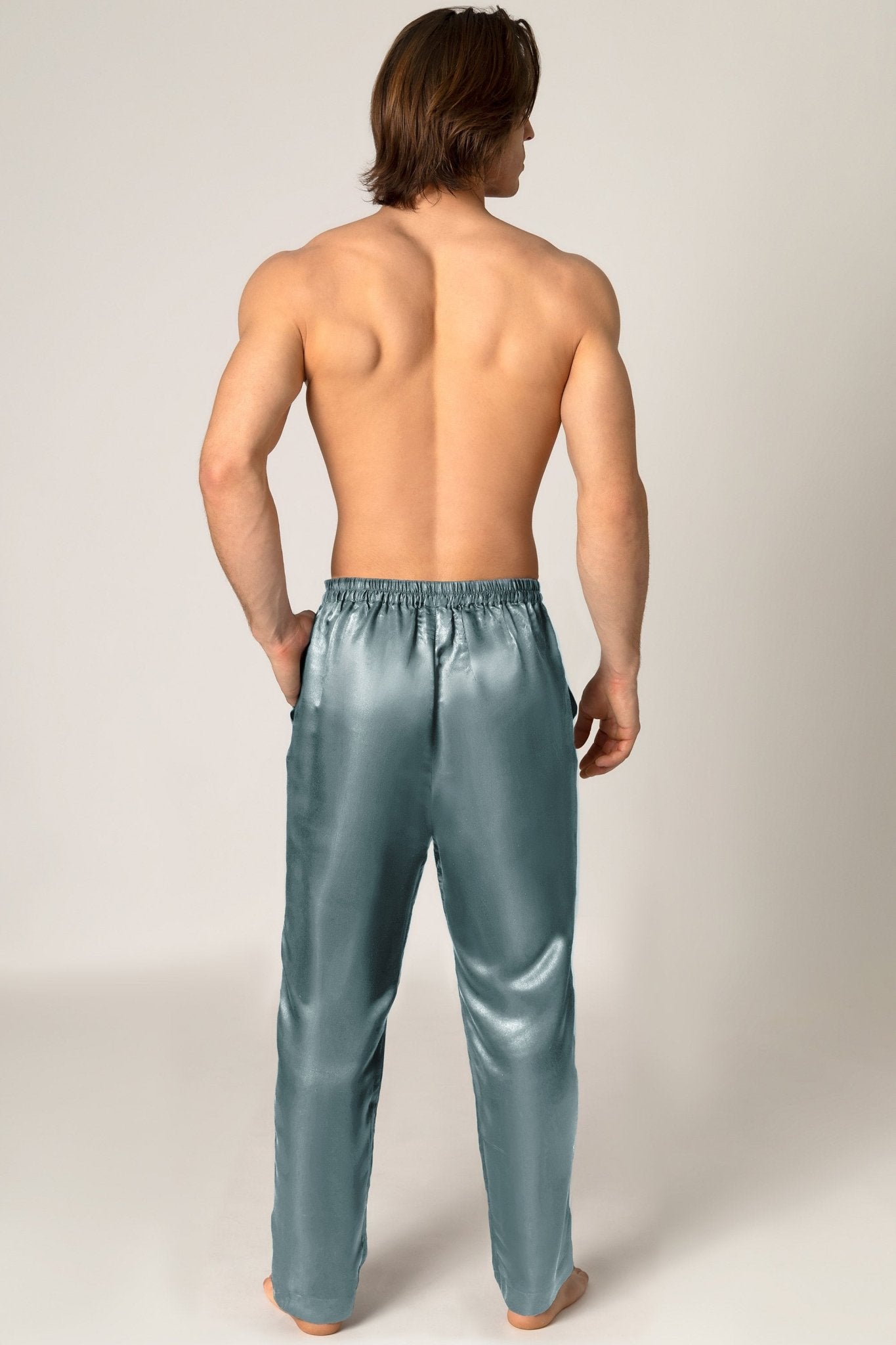
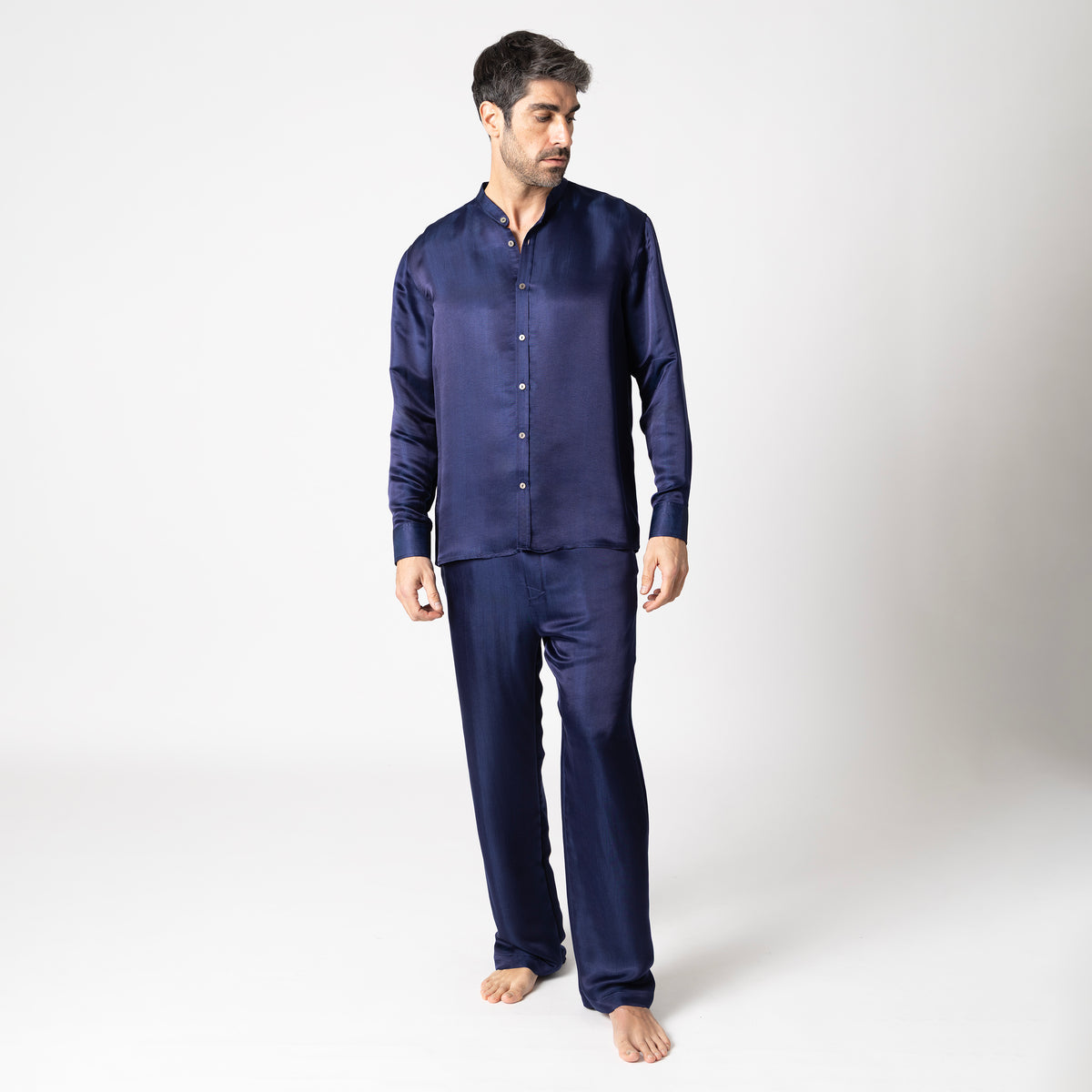
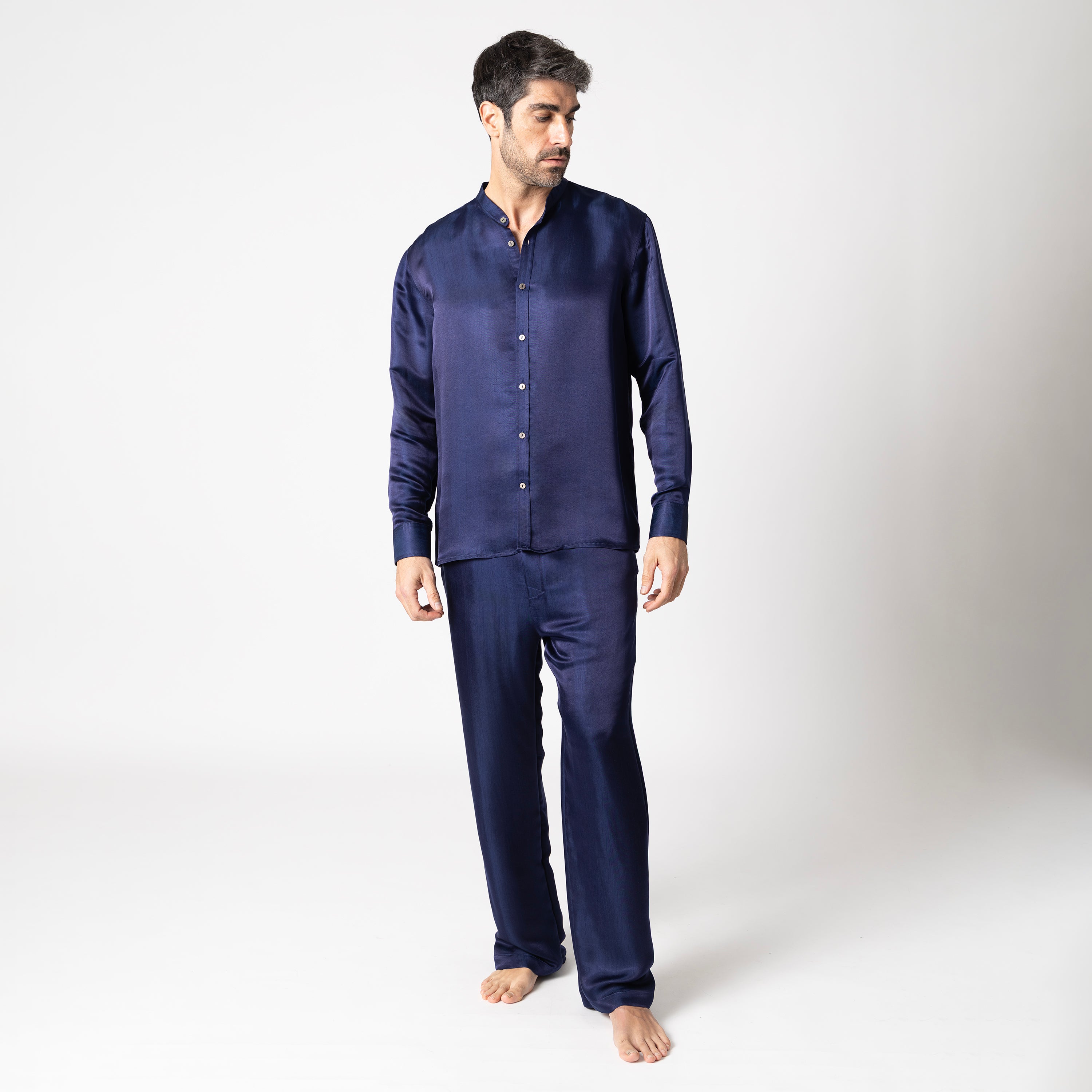
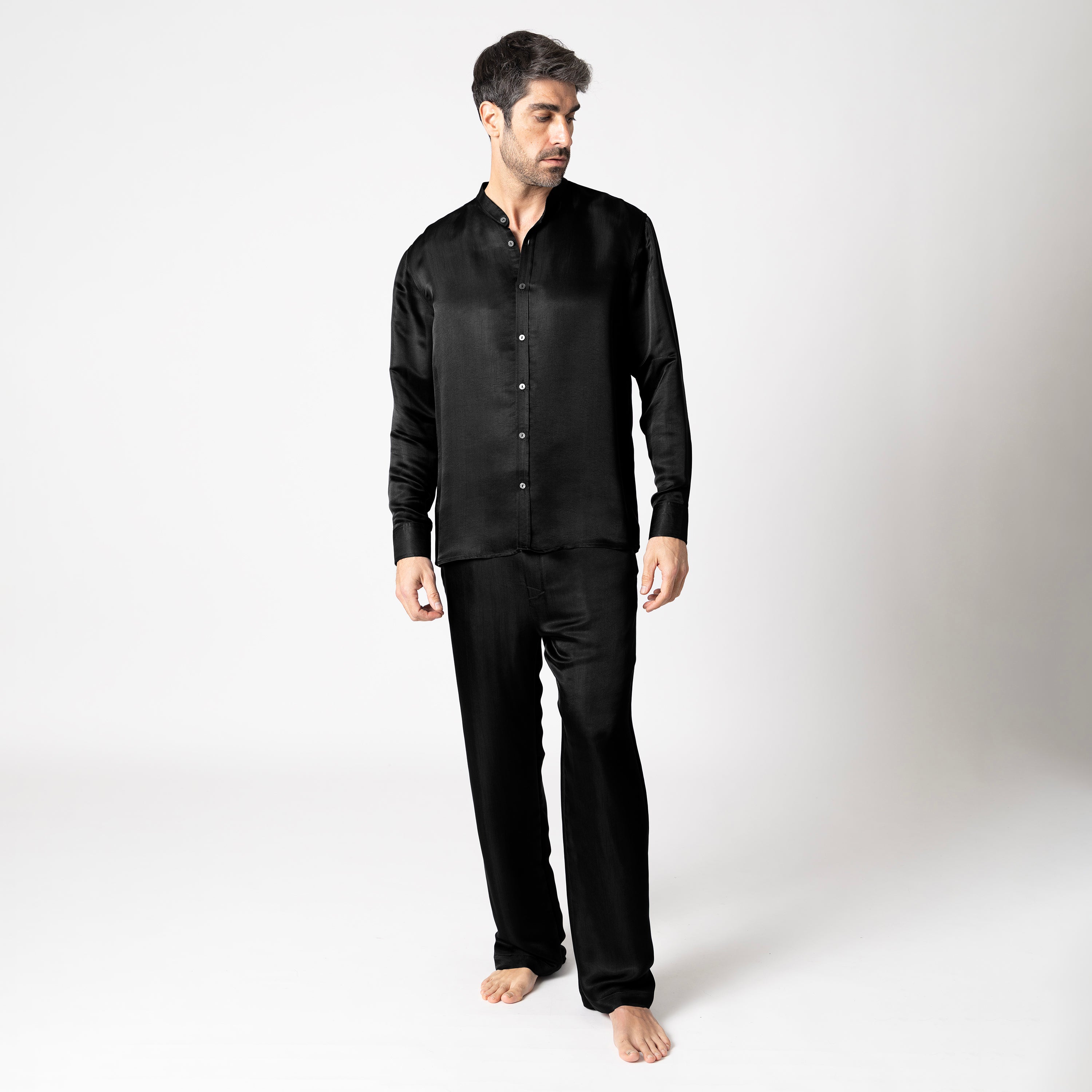
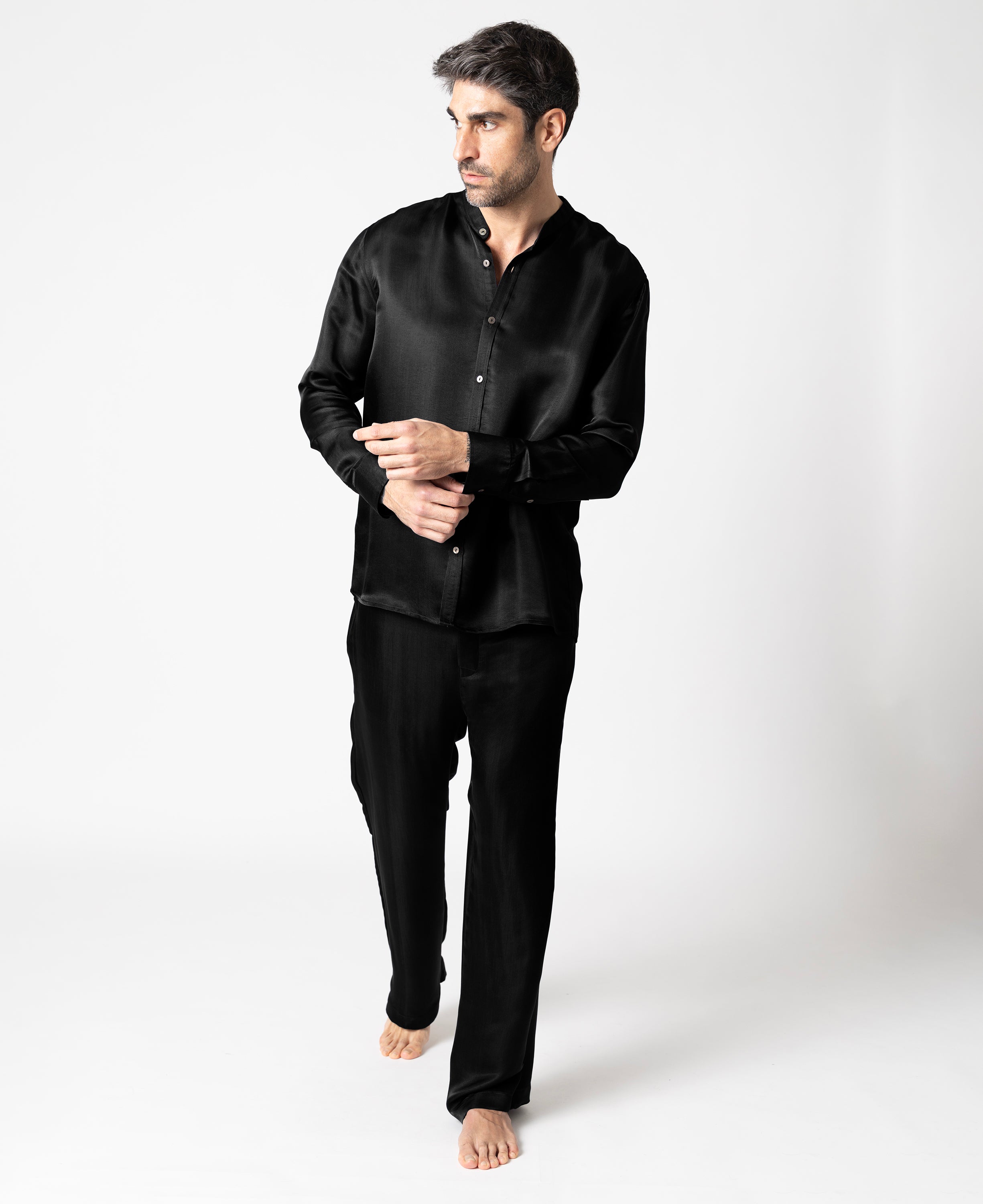
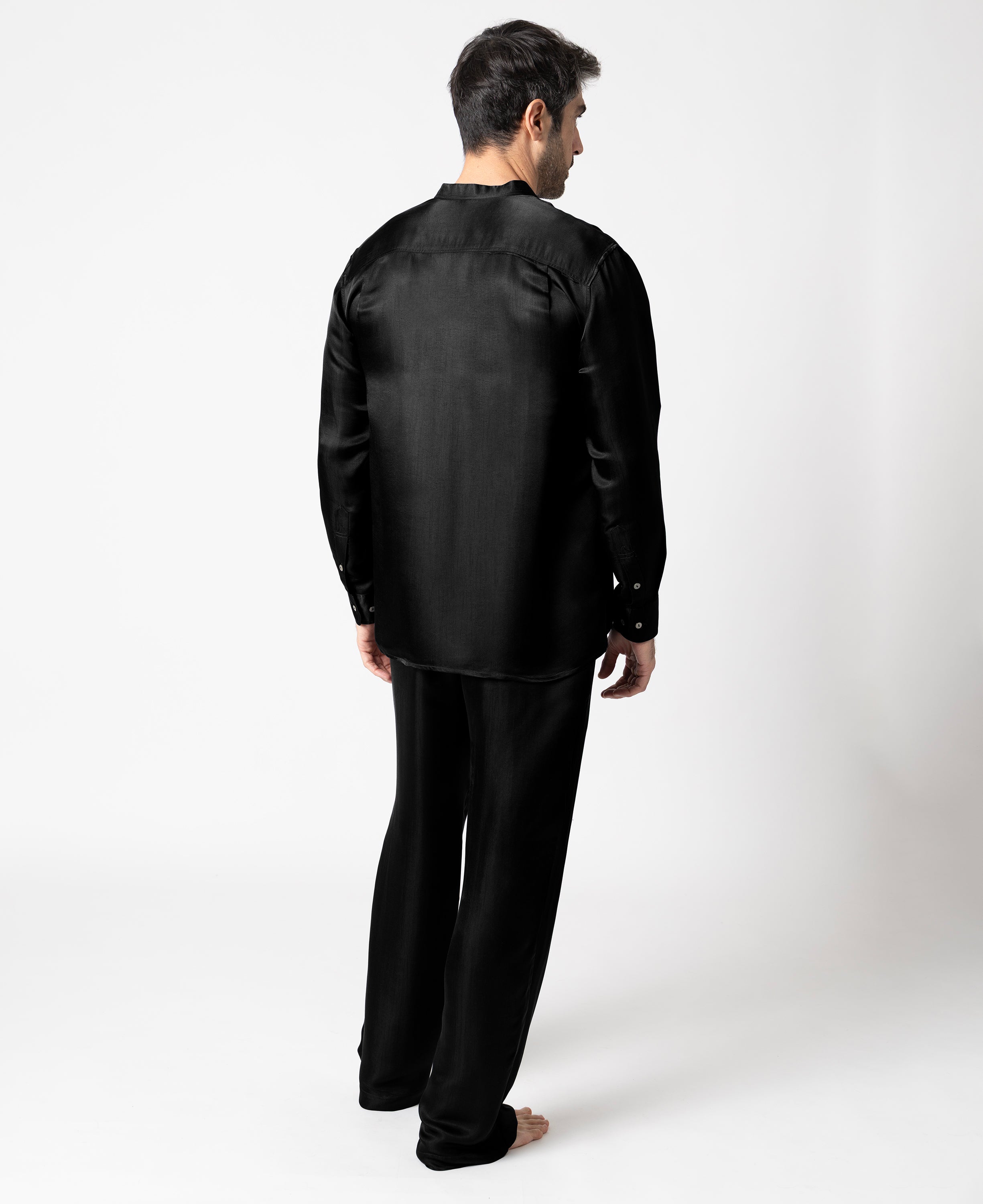
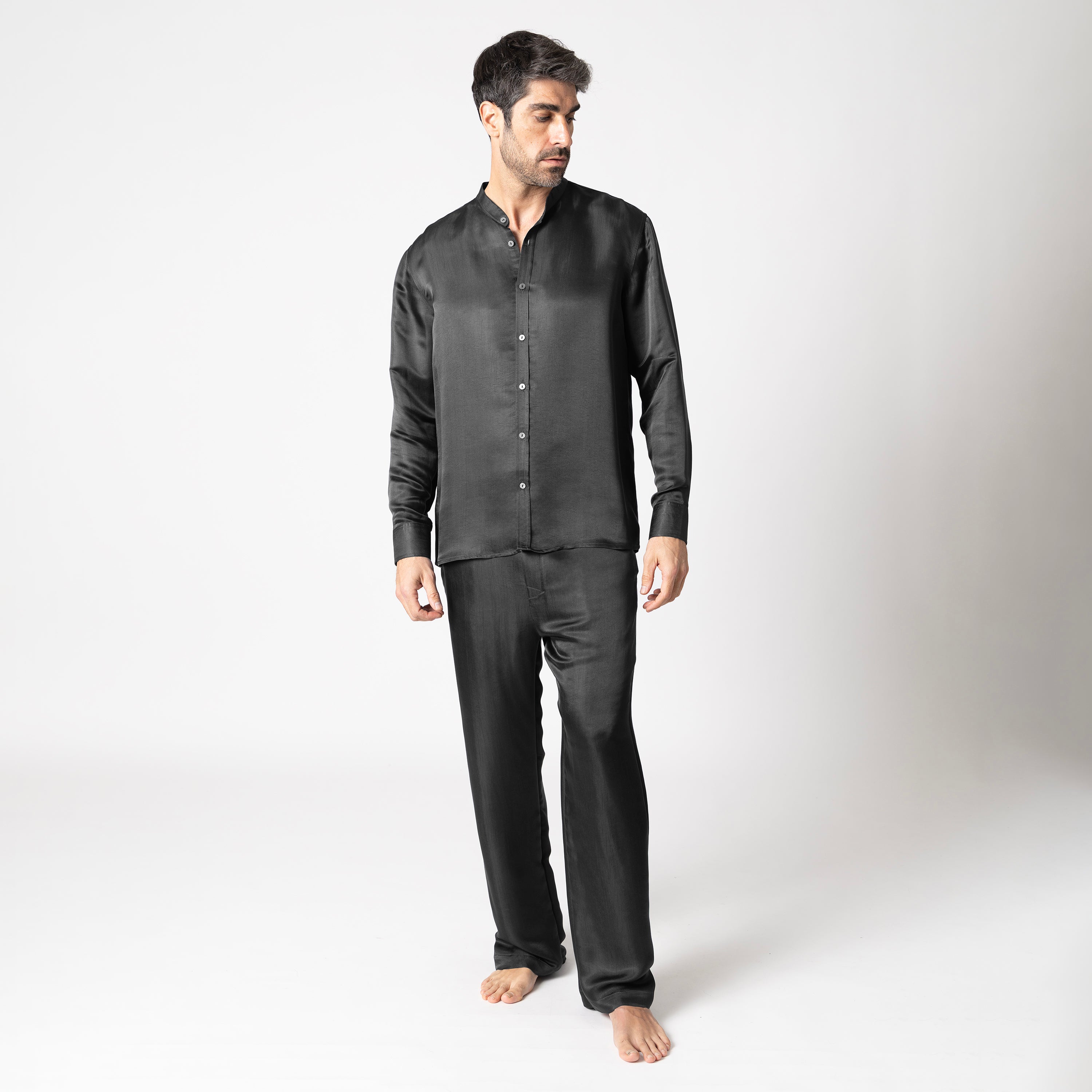
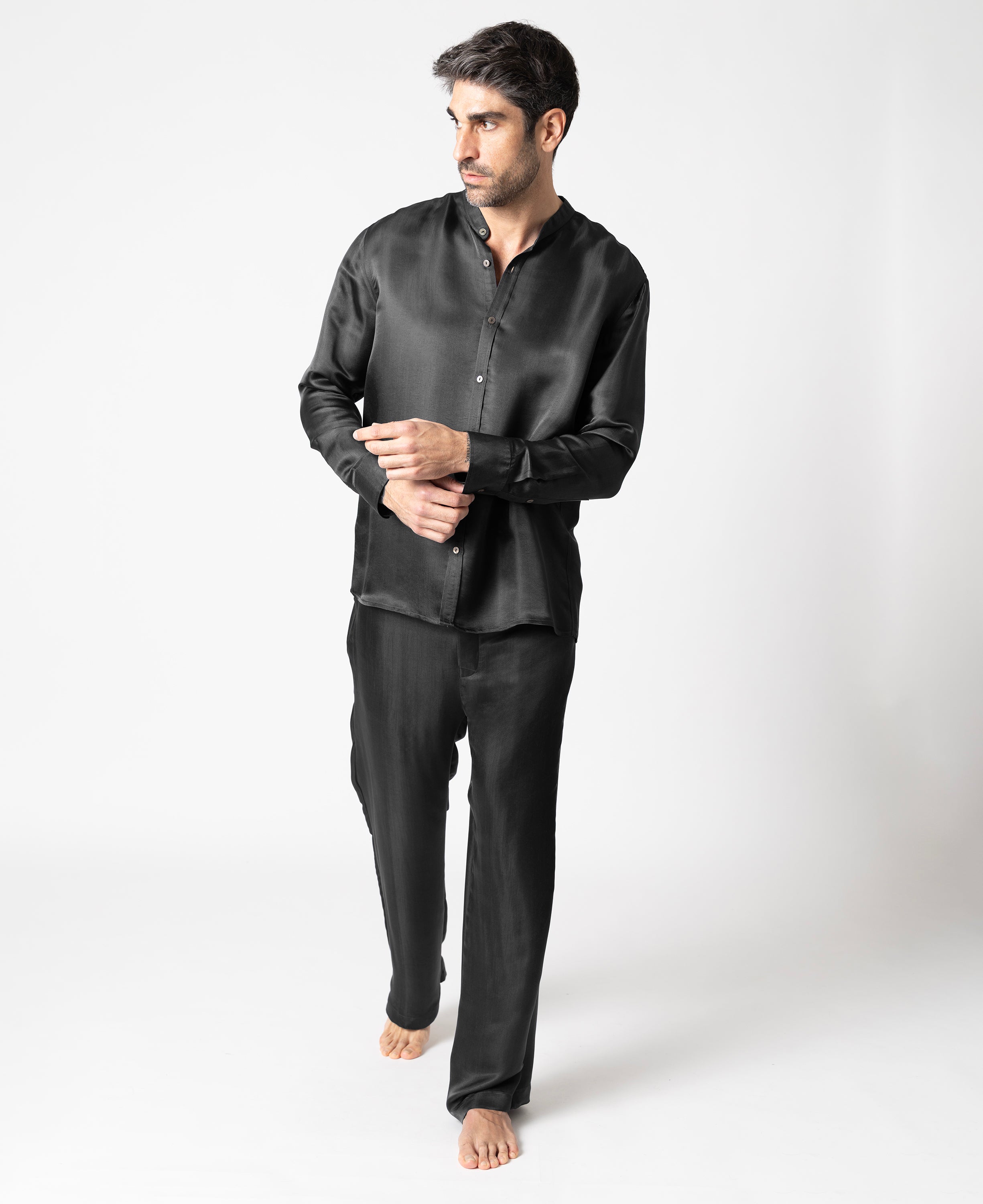
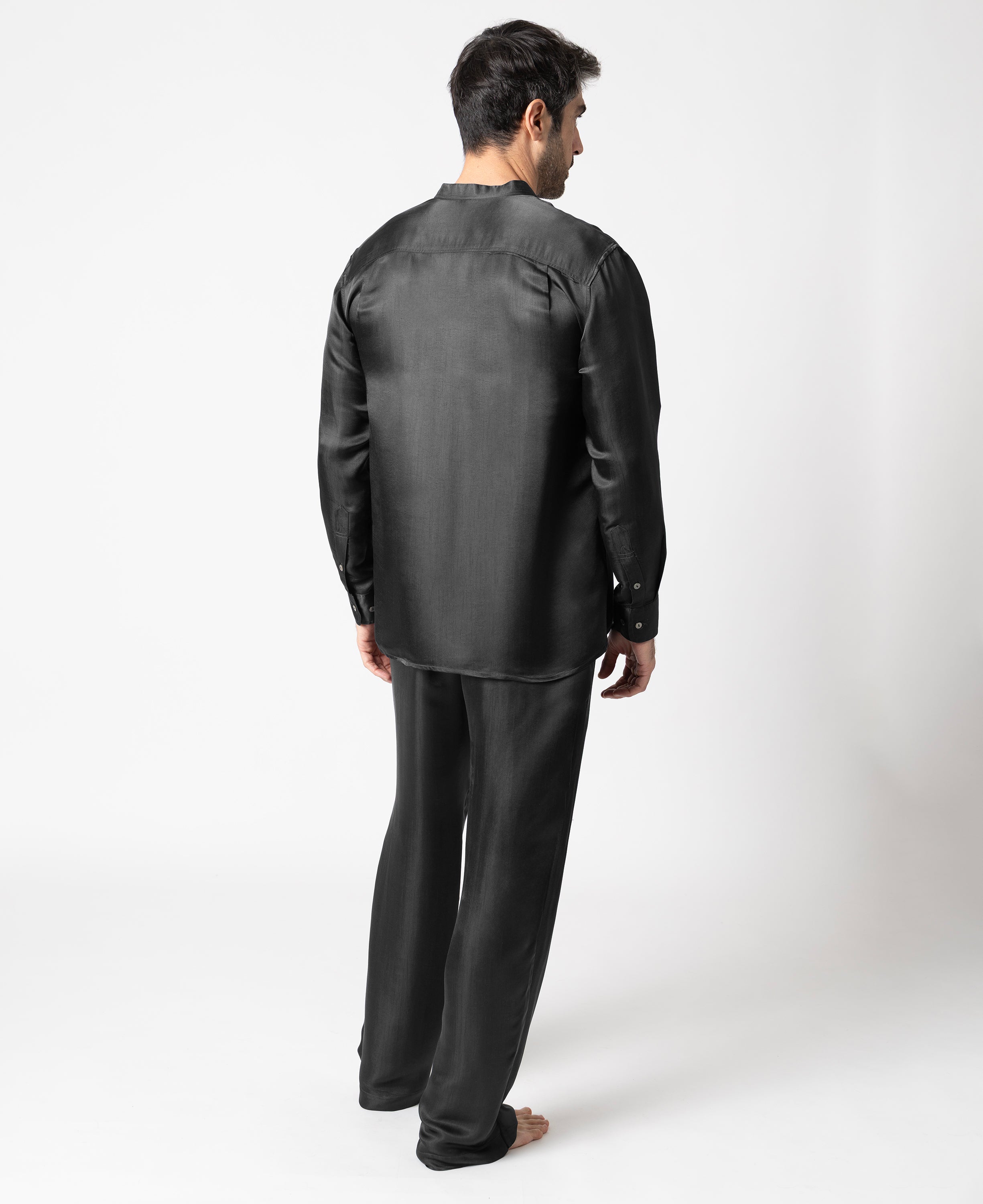
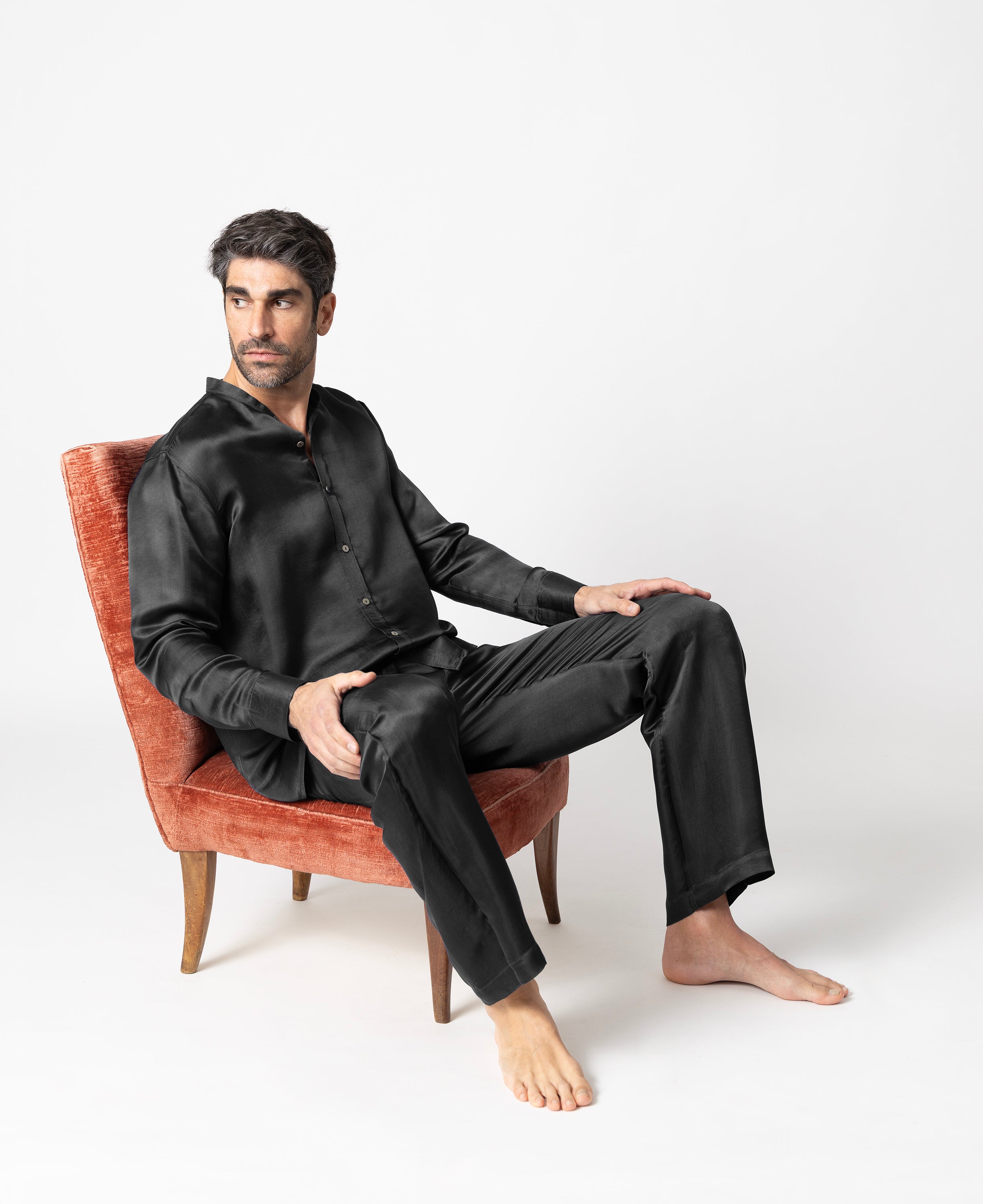
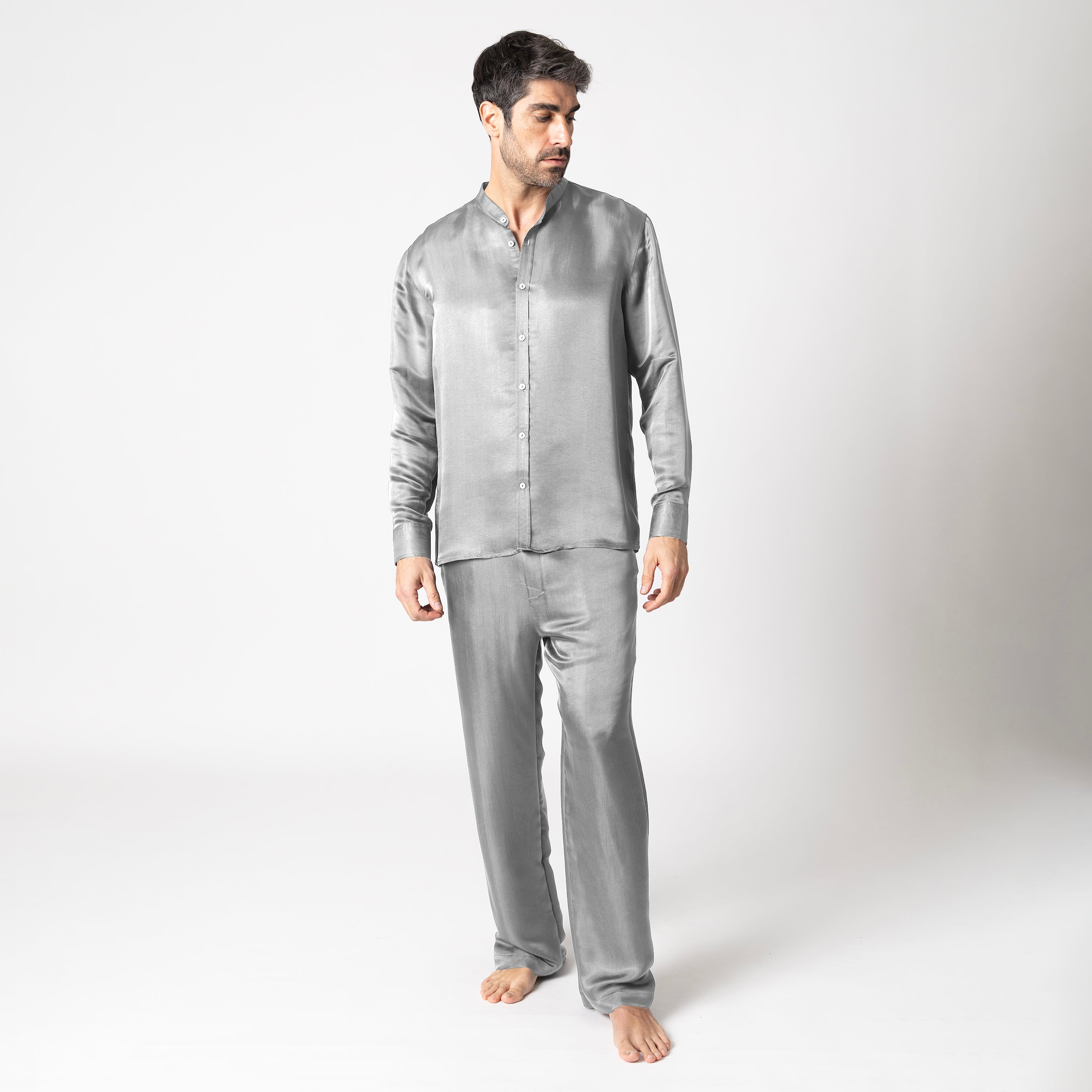
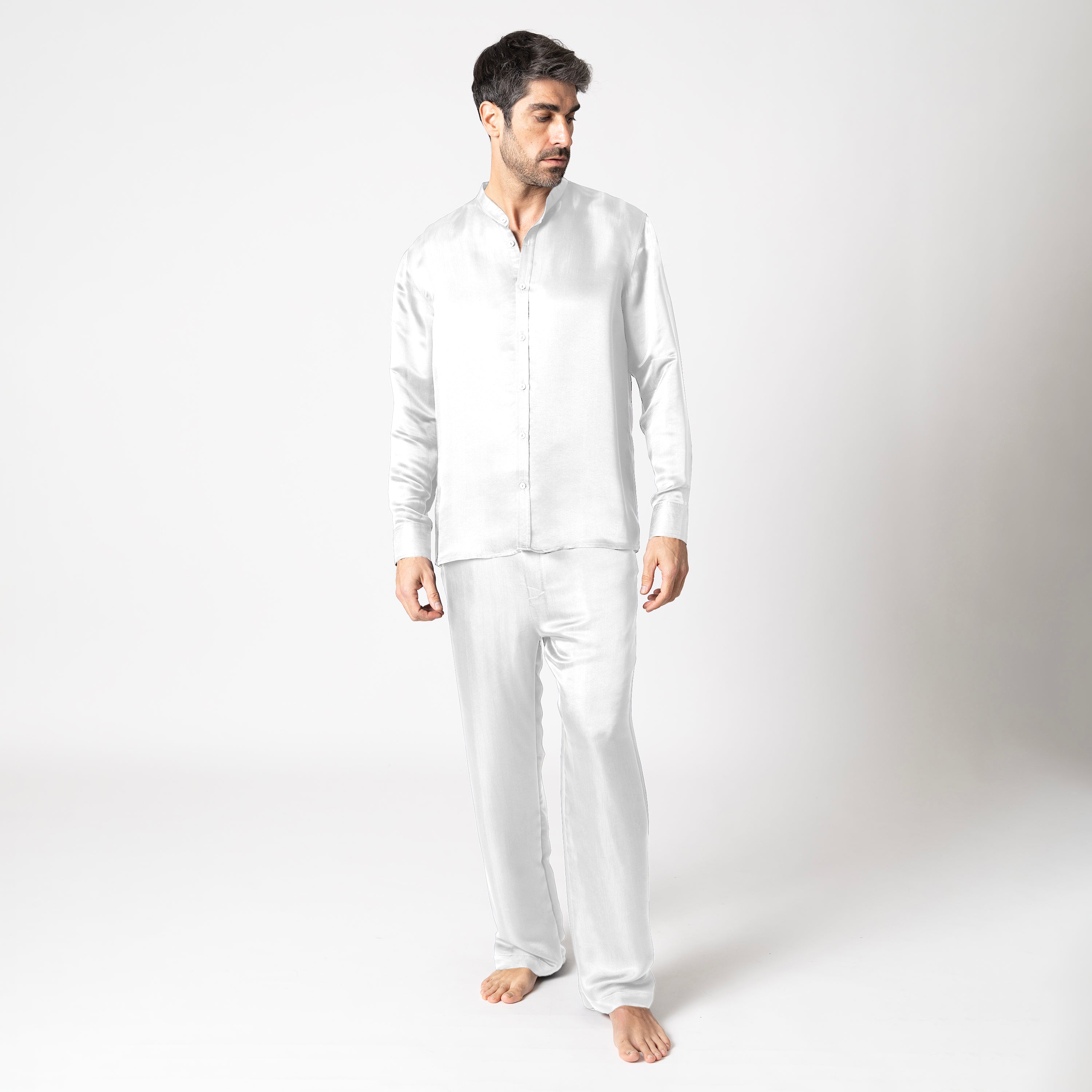
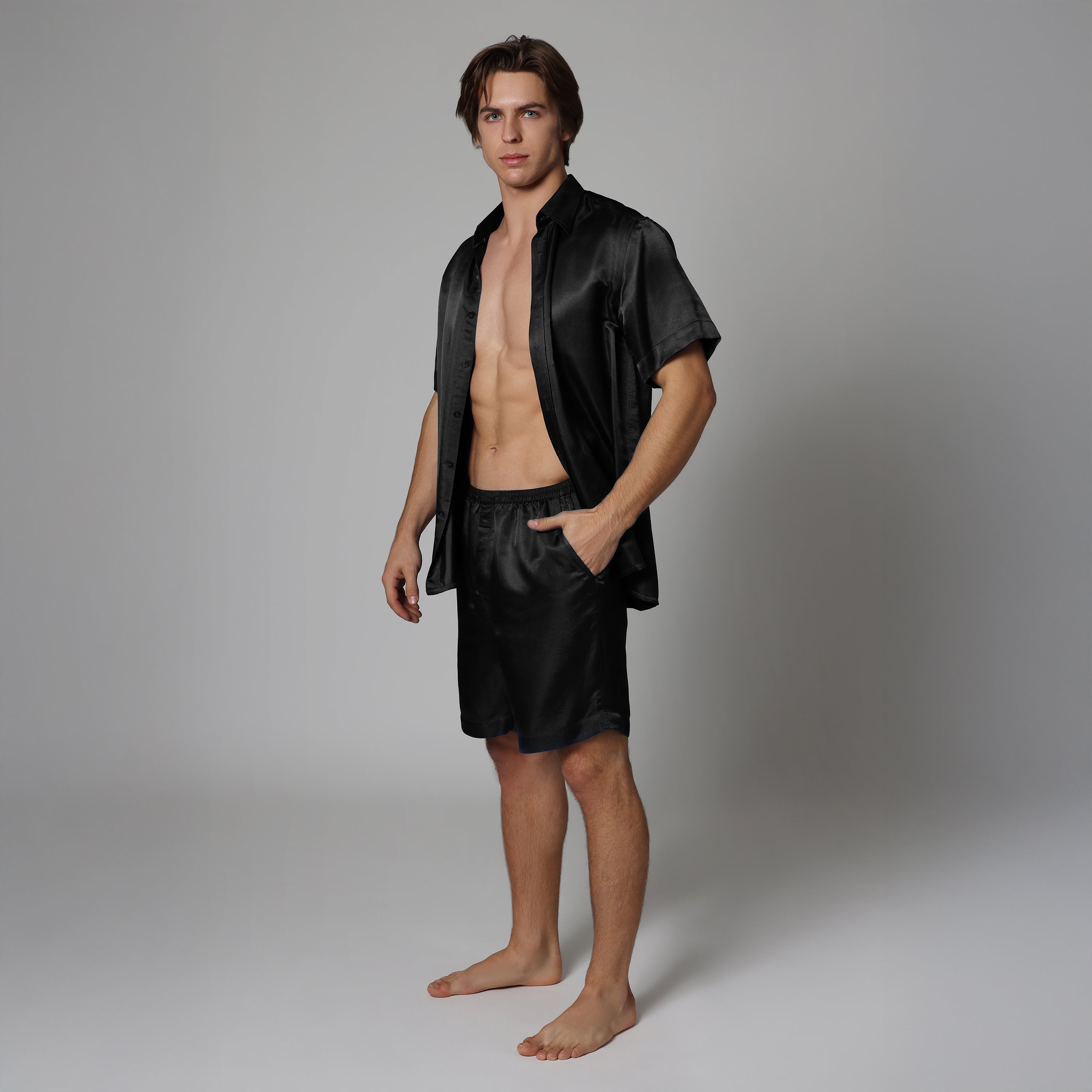
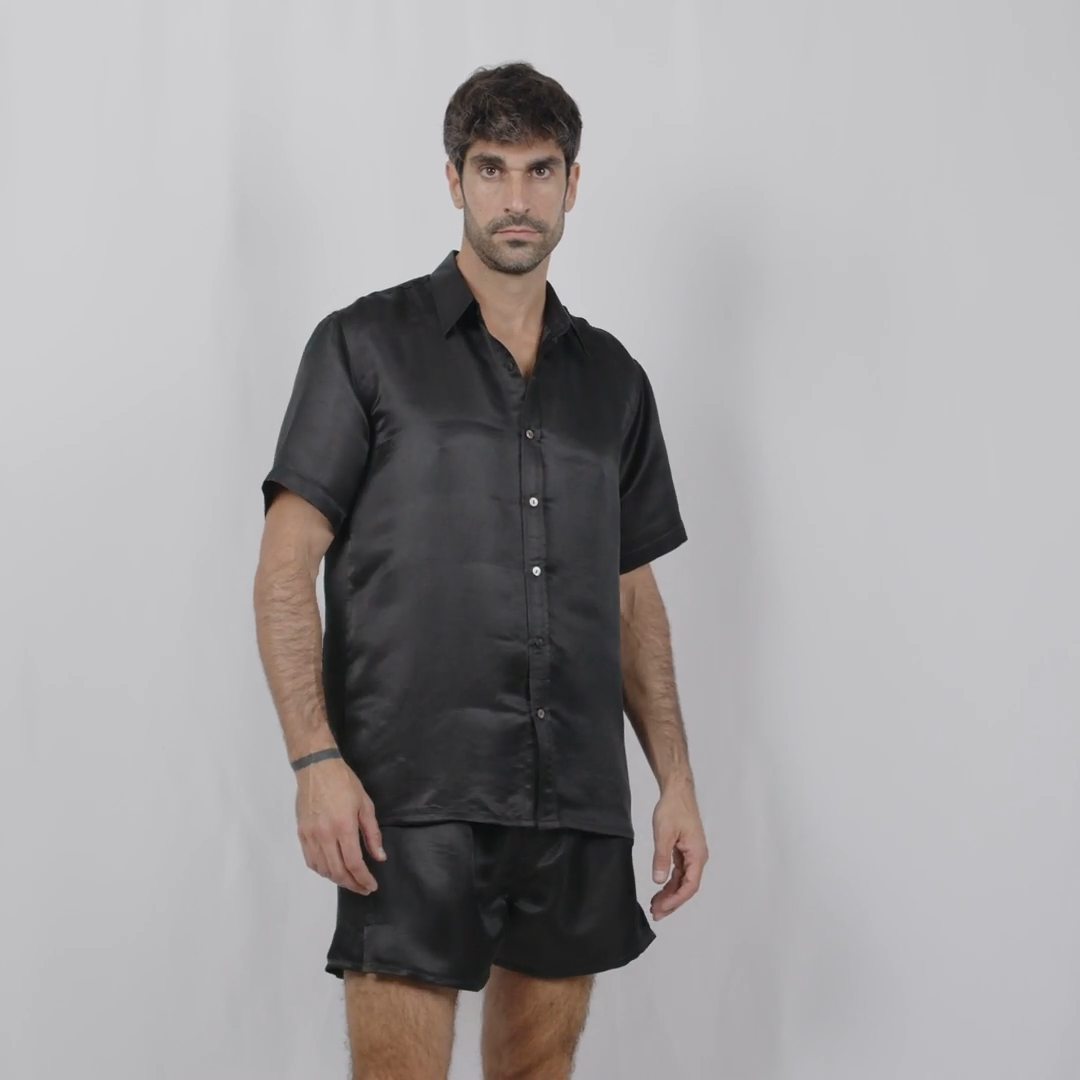
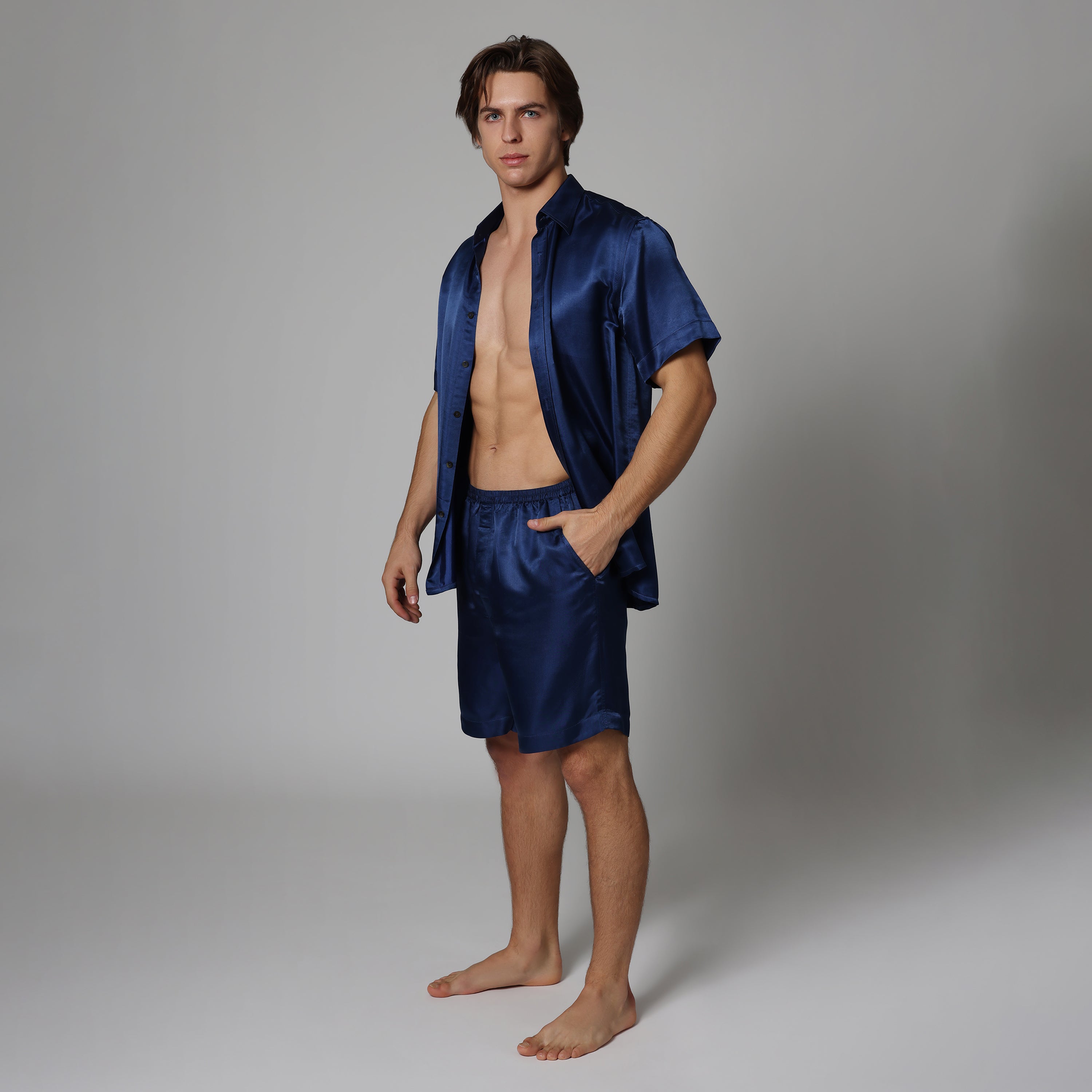
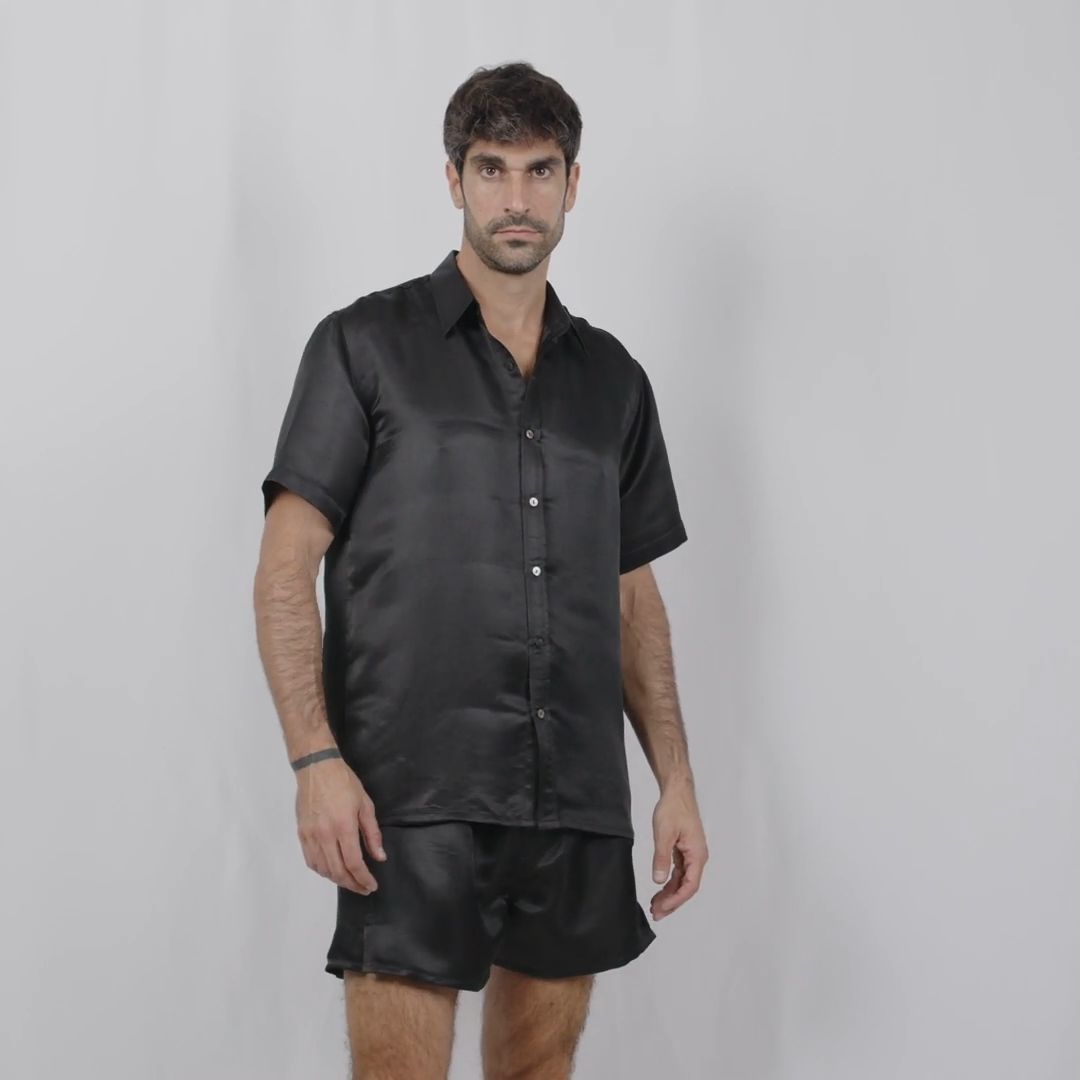
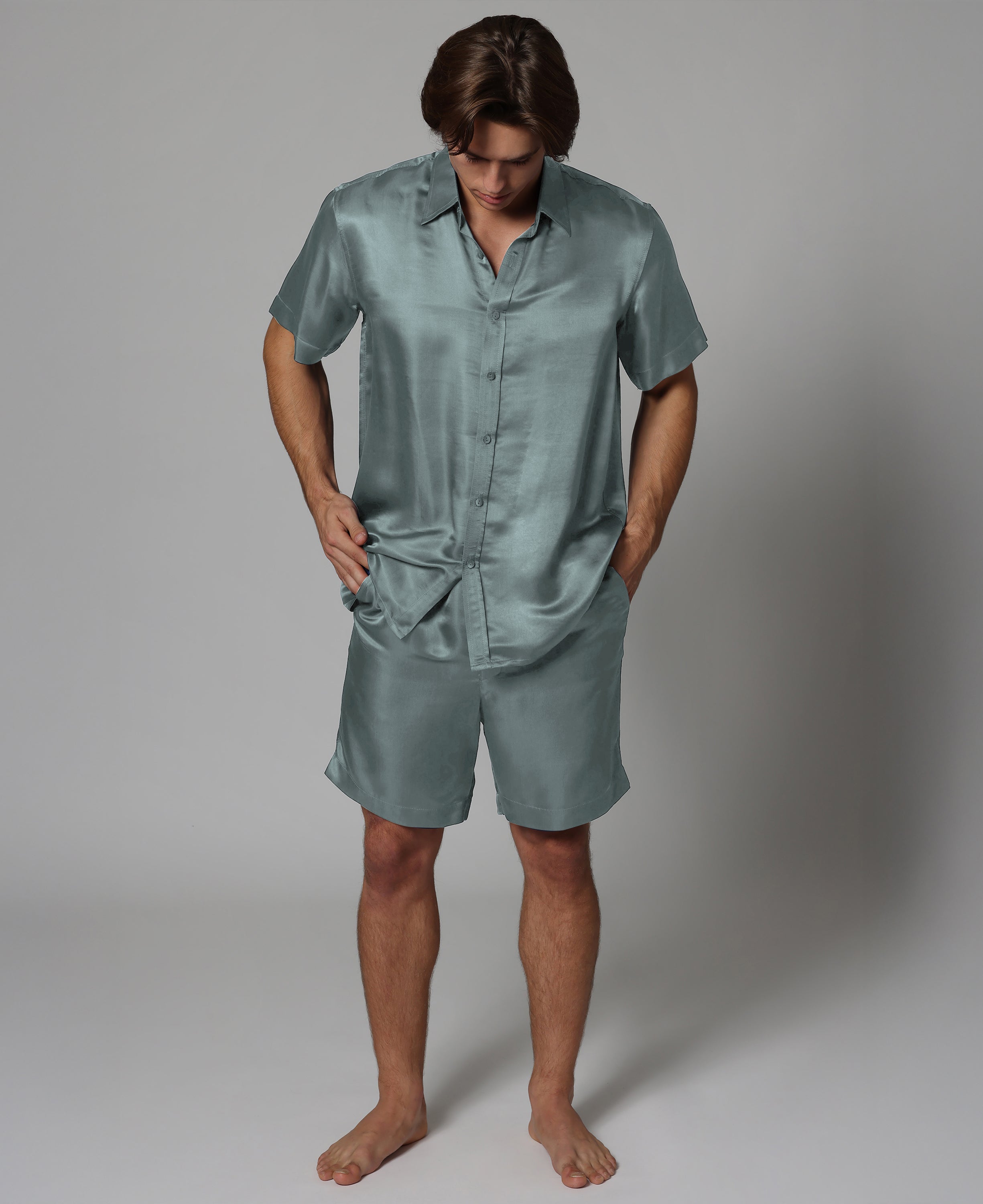
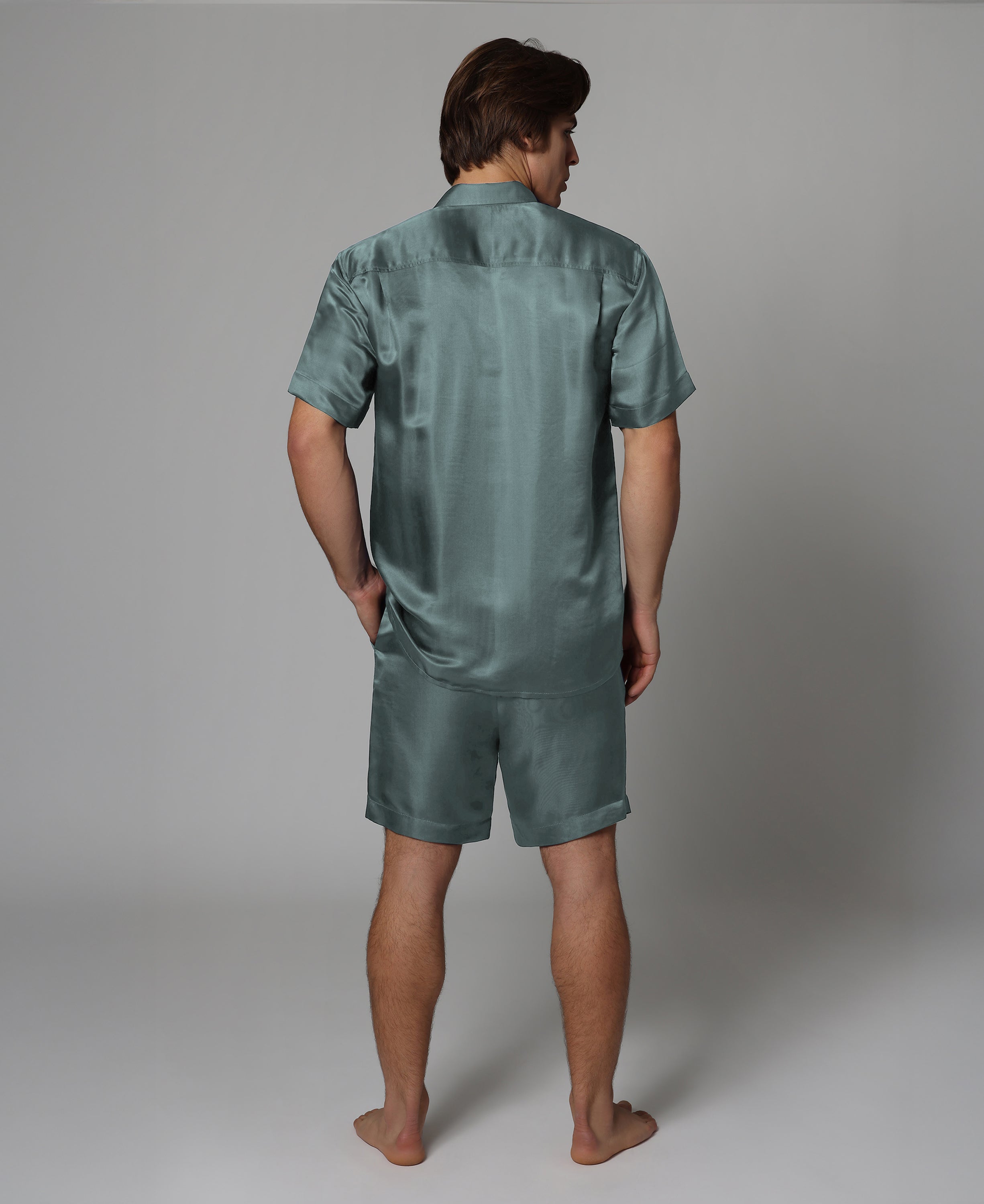
Tara Sartoria silk is woven in these villages, then made one piece at a time by master artisans into robes, pajamas, boxers, nightgowns, and pillowcases in sizes XS to 4XL. The villages are the source. Everything else is downstream.






Where the Villages Are and What They Do
The historic silk villages of Vietnam are mostly clustered in the Red River Delta of the north, within a few hours of Hanoi. There are also significant sericulture regions in the central highlands, particularly around Lam Dong province, where the climate suits mulberry cultivation. The northern villages are the older and more famous of the two regions. Van Phuc, in what is now Ha Dong district outside Hanoi, has been weaving silk for roughly a thousand years and is the village most often named in travel guides. There are dozens of smaller villages around it, most of which the outside world will never hear of.
A historic silk village is not a tourist destination, although a few have become one. It is a working production region with the entire silk supply chain compressed into a few square kilometers. The mulberry trees are grown in fields outside the village. The silkworms are raised in family courtyards. The cocoons are reeled into thread in small workshops. The thread is dyed, often using both modern dyes and traditional natural dyes. The fabric is woven on heritage looms in homes and small workshops, by weavers who have inherited the looms and the skill from their parents and grandparents.
The whole production cycle, from mulberry leaf to finished fabric, can happen within a single village. This is not the case anywhere else in the modern silk industry, where the steps are spread across continents and factories. In Vietnam's historic silk villages, the chain is short, local, and personal. The weaver knows the dyer. The dyer knows the reeler. The reeler knows the farmer. The fabric carries this entire history with it.
What Makes the Silk From These Villages Different
Three things. The first is the silkworm strain. Vietnamese mulberry silk uses a strain of Bombyx mori that produces a longer, finer thread than the strains common in industrial silk production elsewhere. The thread spins into a finer yarn, which weaves into a denser fabric at the same momme count. A 27 momme fabric woven from Vietnamese silk has a different hand from a 27 momme fabric woven from a different source, and the difference is measurable in the way the fabric drapes.
The second is the loom. Heritage looms in these villages run slower than industrial looms, with more consistent thread tension, and produce fabric that has not been stressed in the weaving. The resulting silk leaves the loom denser and more stable, which is most of why our silk survives a wash without thinning. I have written about this at length in another post. The summary is that the loom is the part of silk production that decides everything else, and the heritage looms in these villages produce a fabric that the industrial looms cannot replicate.
The third is the people. A weaver in one of these villages has often been at the loom since she was a teenager. By the time she is forty she has woven tens of thousands of meters of silk and she knows what the loom does well and what fabric it produces best. She can feel a problem in the warp before the fabric registers it. She can adjust the beat-up by a fraction in response to the humidity in the air. This skill is not transferable. It does not appear in younger weavers in industrial settings because there is nothing to transfer to in those settings. The fabric carries this skill in the same way a hand-made object carries the maker.






A Brief History, Without the Tourism Brochure
Sericulture in northern Vietnam predates the modern state by about a thousand years. The villages developed during the Ly dynasty, roughly in the eleventh century, when the royal court commissioned silk for ceremonial garments and supported the village production through tax exemptions and royal patronage. The skill set was already well established by the time the silk became a court tradition. The Chinese had introduced sericulture to the region centuries earlier, but the Vietnamese villages developed their own techniques, dyes, and loom designs.
The villages continued through the long succession of dynasties, French colonial rule, and the wars of the twentieth century. The production was disrupted but never lost. After the war, the villages slowly rebuilt their looms and their workforce. Some villages converted to industrial production in the 1990s, when the export market for cheap silk grew. Others stayed with the heritage looms because that was what they knew how to do and what their fabric had always been.
The villages that stayed with the heritage looms are the ones our silk comes from. They are smaller now than they were a hundred years ago. The weavers are older on average. The next generation has gone to office work in Hanoi and Ho Chi Minh City, and there is a real question about whether the skill will be there in another generation. This is one of the reasons I started Tara Sartoria. There has to be a market for the slow silk if the slow silk is going to survive, and I would rather build that market than watch the villages quietly turn into something else.
Why Most Brands Won't Name the Villages
Brands that source silk from these villages are usually quiet about it for three reasons.
The first is that the villages are small and the supply is limited. A brand naming its village invites every other brand to do the same, which puts pressure on a supply that cannot scale. The villages are not interested in scaling. They are interested in producing the silk they have always produced. A brand that respects this keeps its sources private.
The second is that some brands do not actually want their customers to know where the silk comes from. A French luxury brand selling silk pajamas at four-figure prices does not always want the customer to know that the silk was woven by a sixty-year-old woman in a village outside Hanoi, on the same loom her mother used. The romantic story the brand has built around the product depends on a different geography.
The third is that some brands buy silk from these villages and then misrepresent the production. The silk is genuine. The construction is not. The fabric is finished and made into garments in a different country, often on a production line with surged seams and industrial cuts. The brand calls the result "Italian craftsmanship" or "French construction" because the final stitching happened there. The silk is from Vietnam. The marketing is from somewhere else.
This is not a critique. It is the actual structure of the modern luxury silk supply chain. The villages are the source for far more brands than the customer realizes. Most customers never find out.



















How We Work With the Villages
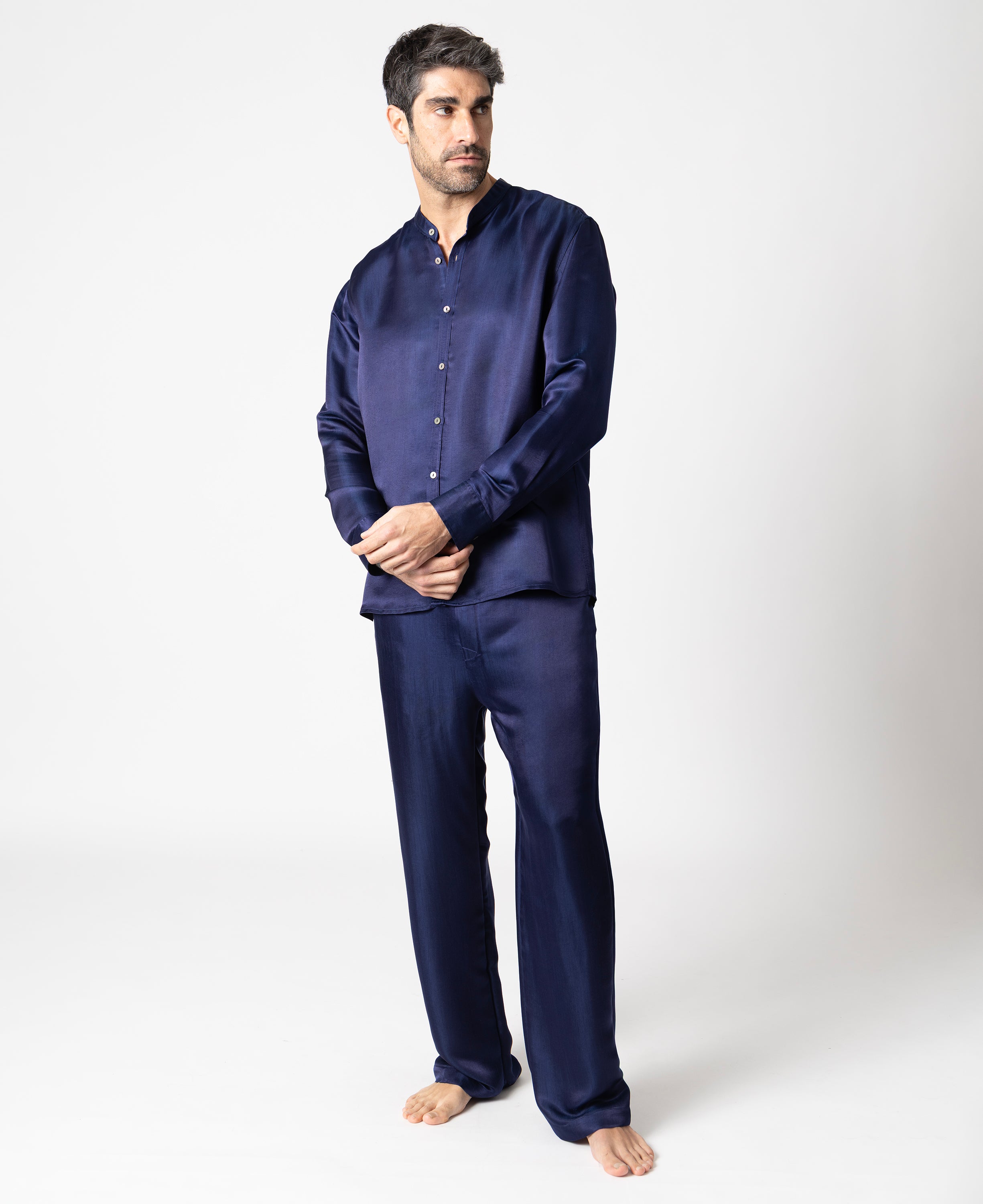
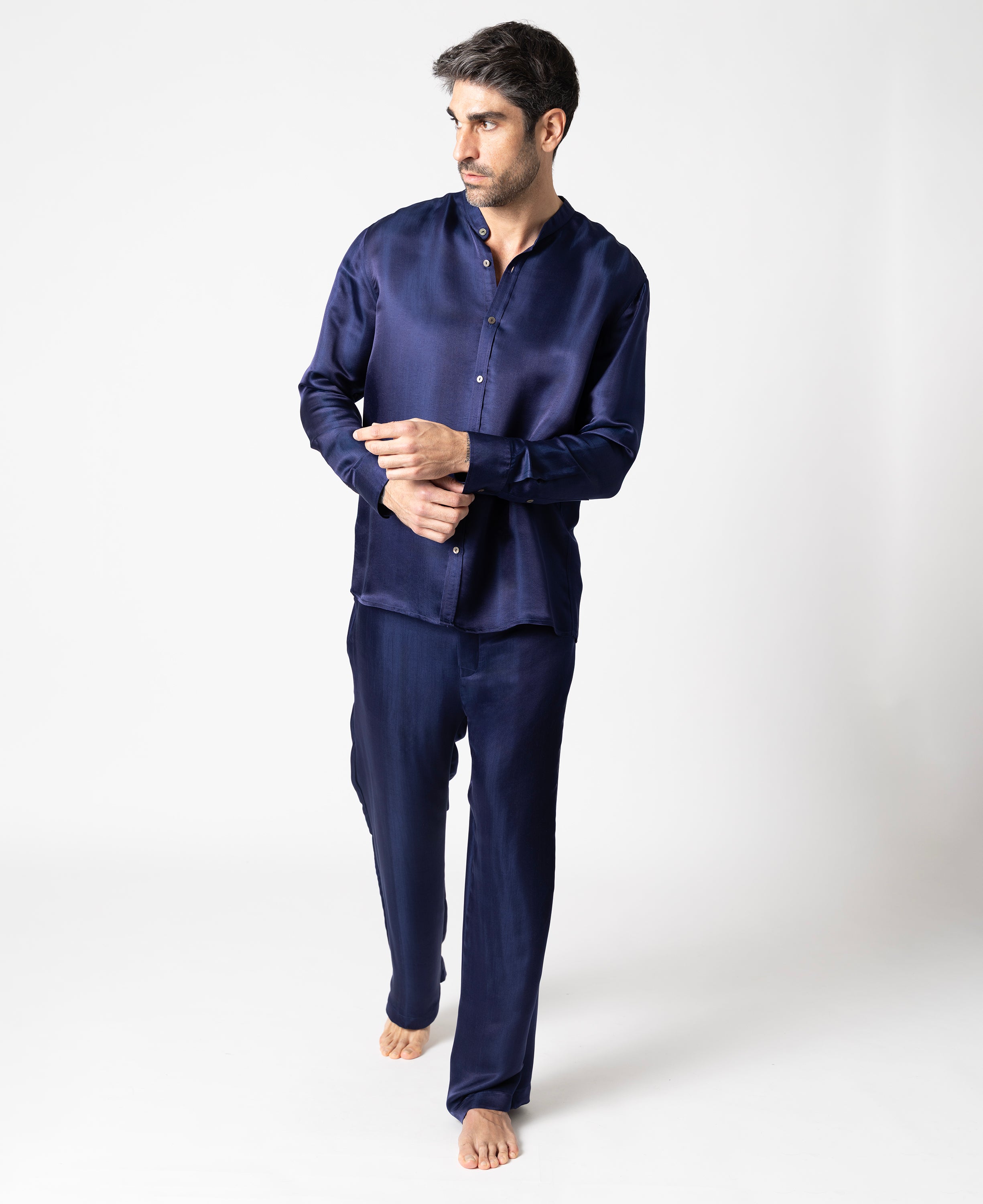
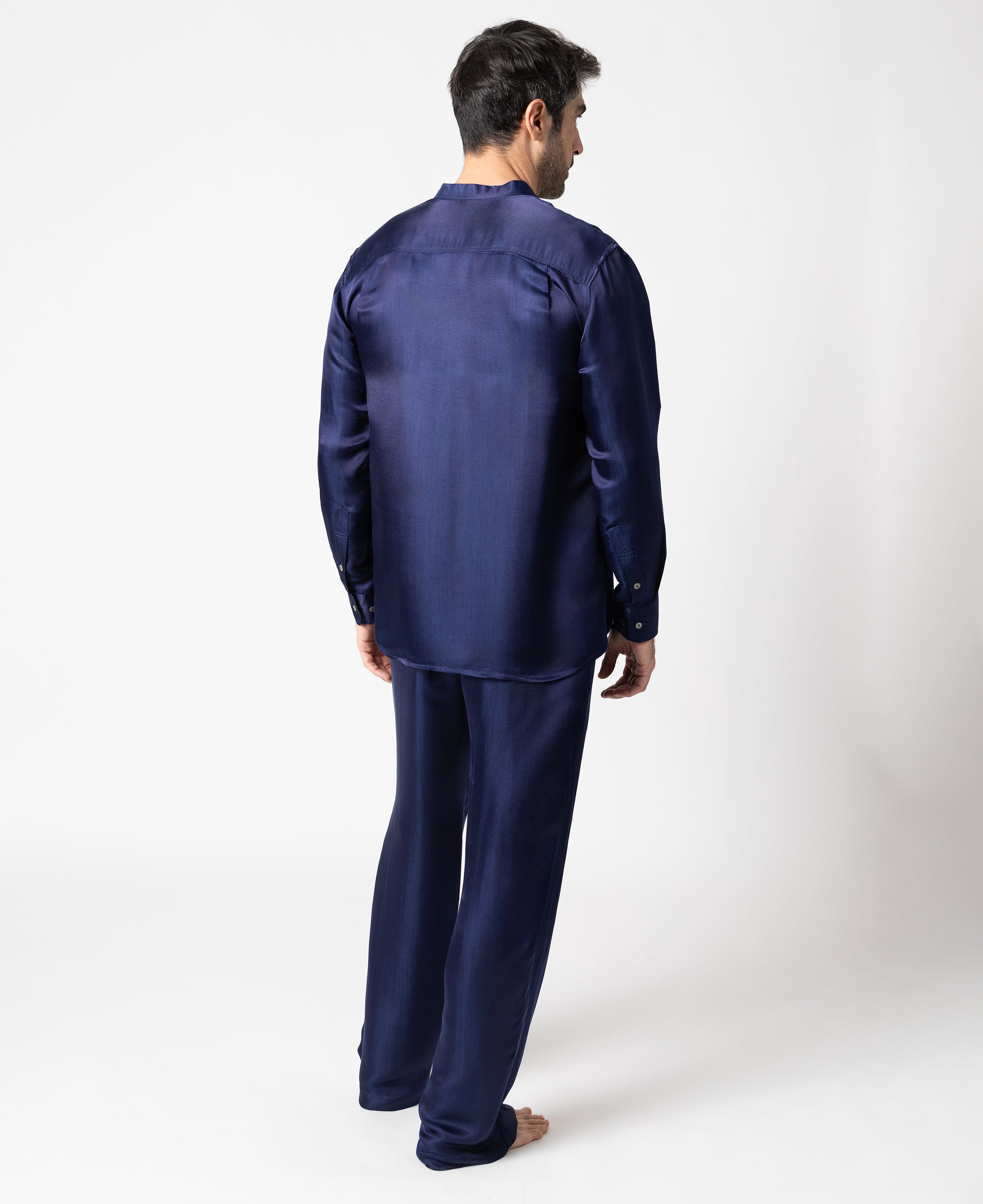
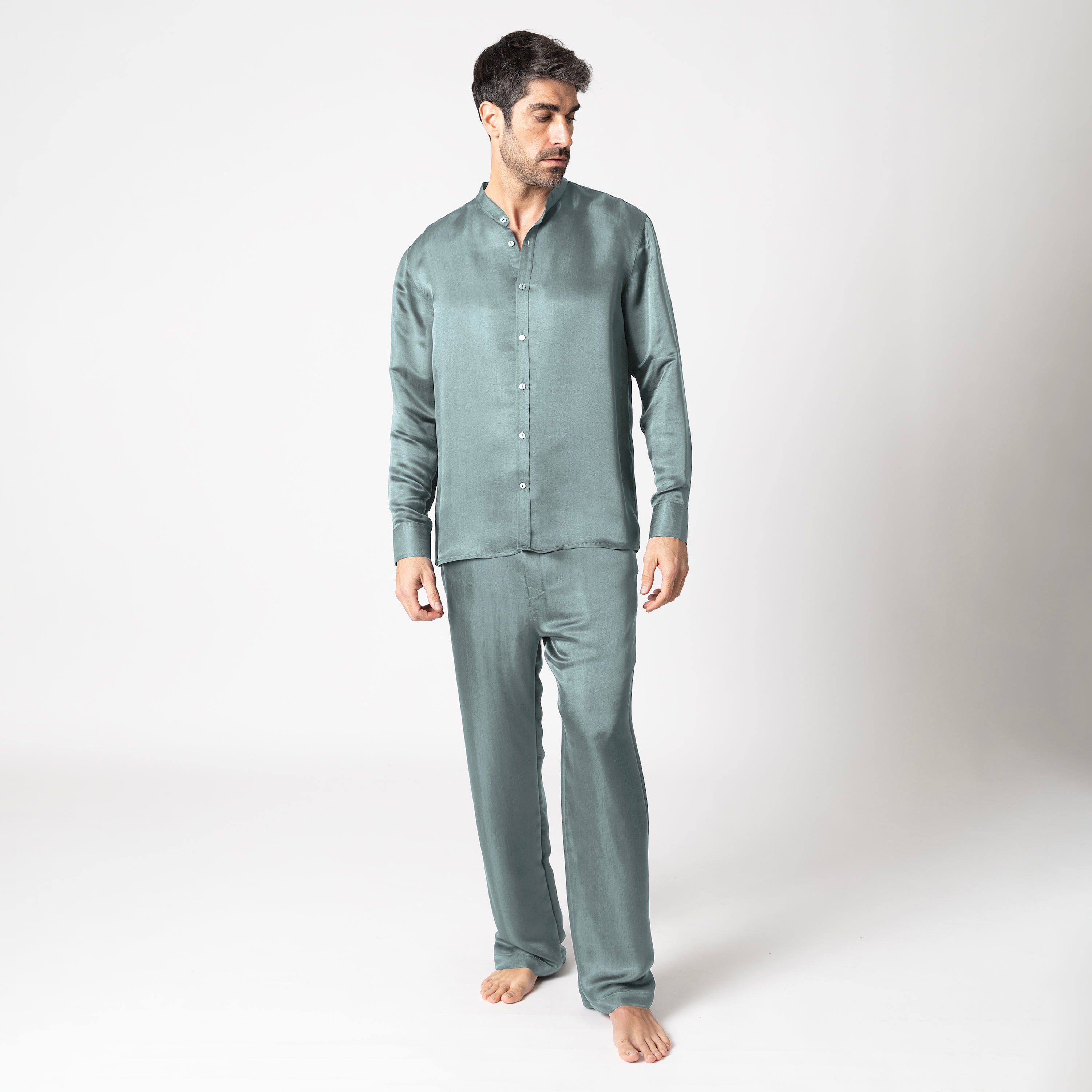
The silk in our pieces is woven in heritage-loom villages in the Red River Delta. The weavers we work with have been with us since the beginning of the brand. The relationship is direct and personal, which is unusual in the industry and which I do not take for granted. The villages set their own production schedule. We adapt to it. The silk is not rushed. The fabric is woven at the pace the loom permits, not at the pace a quarterly forecast demands.
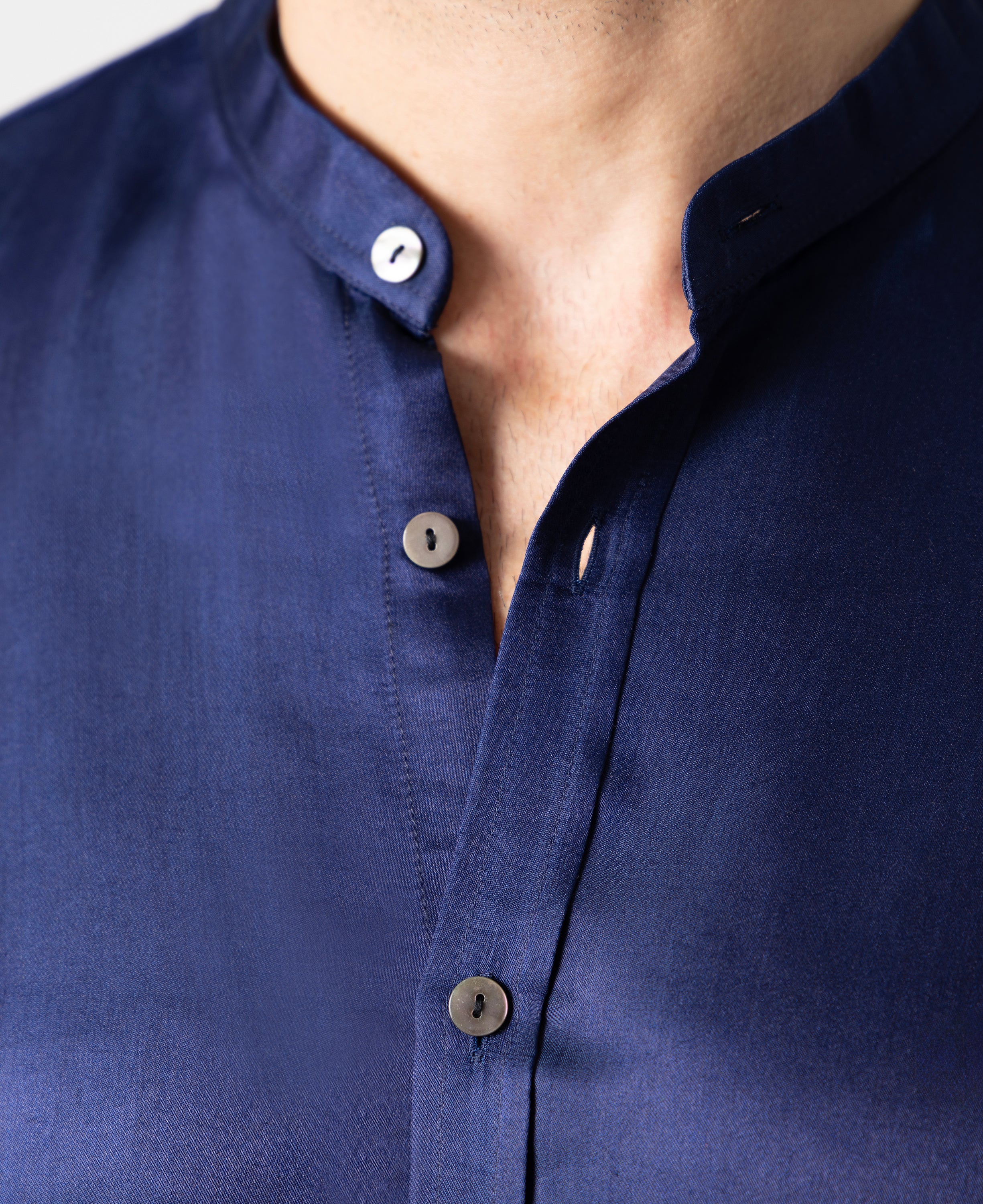
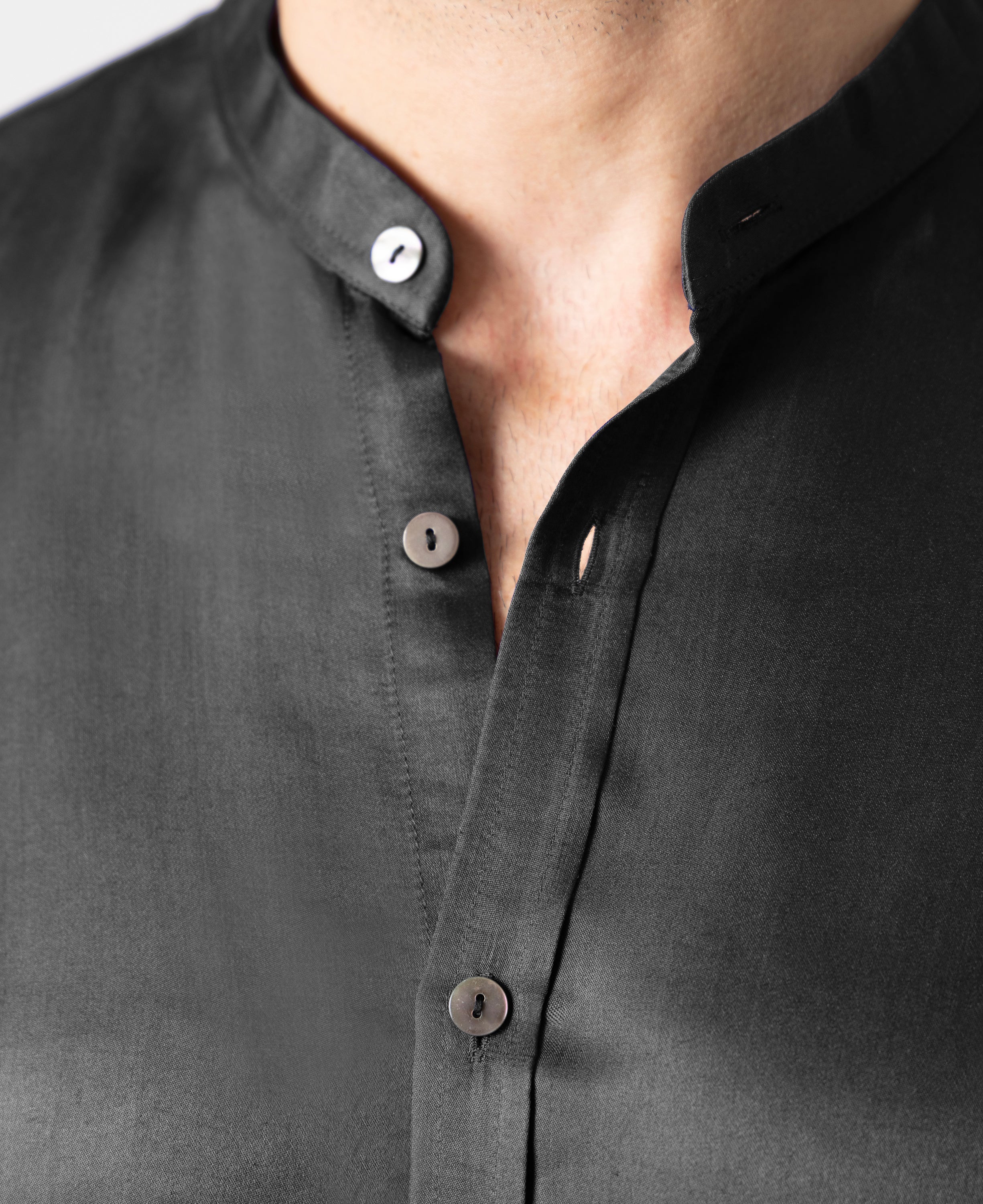
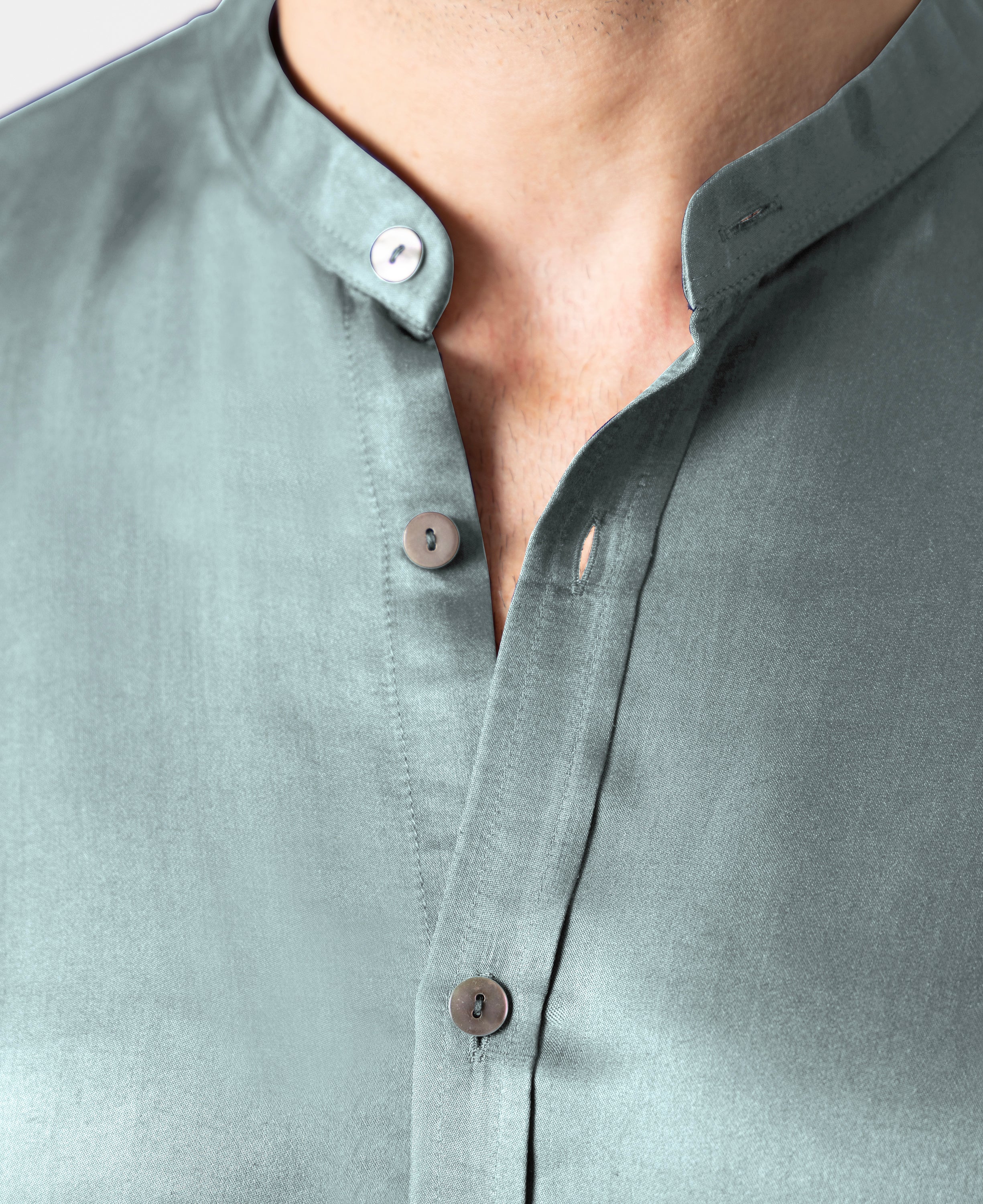
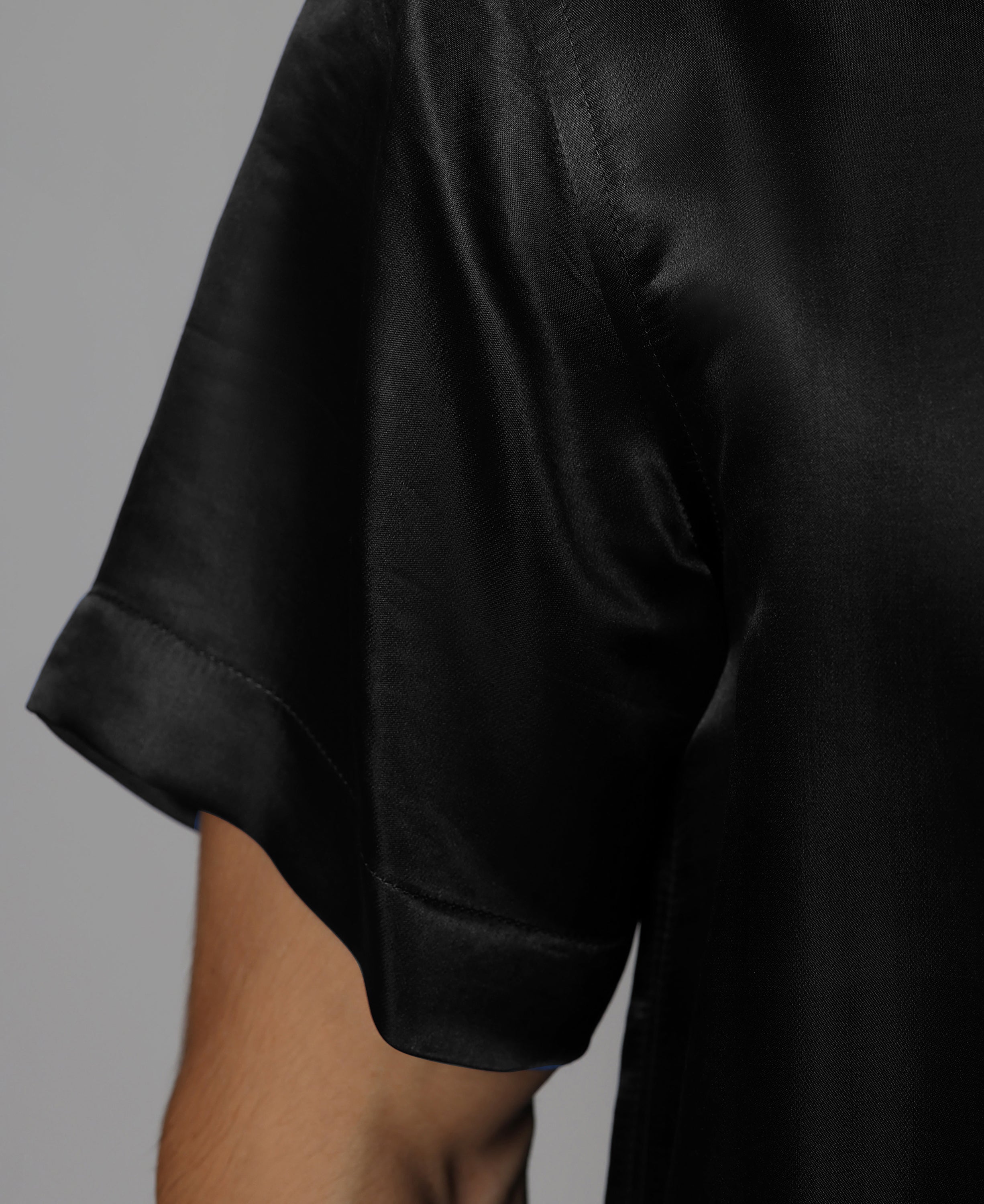
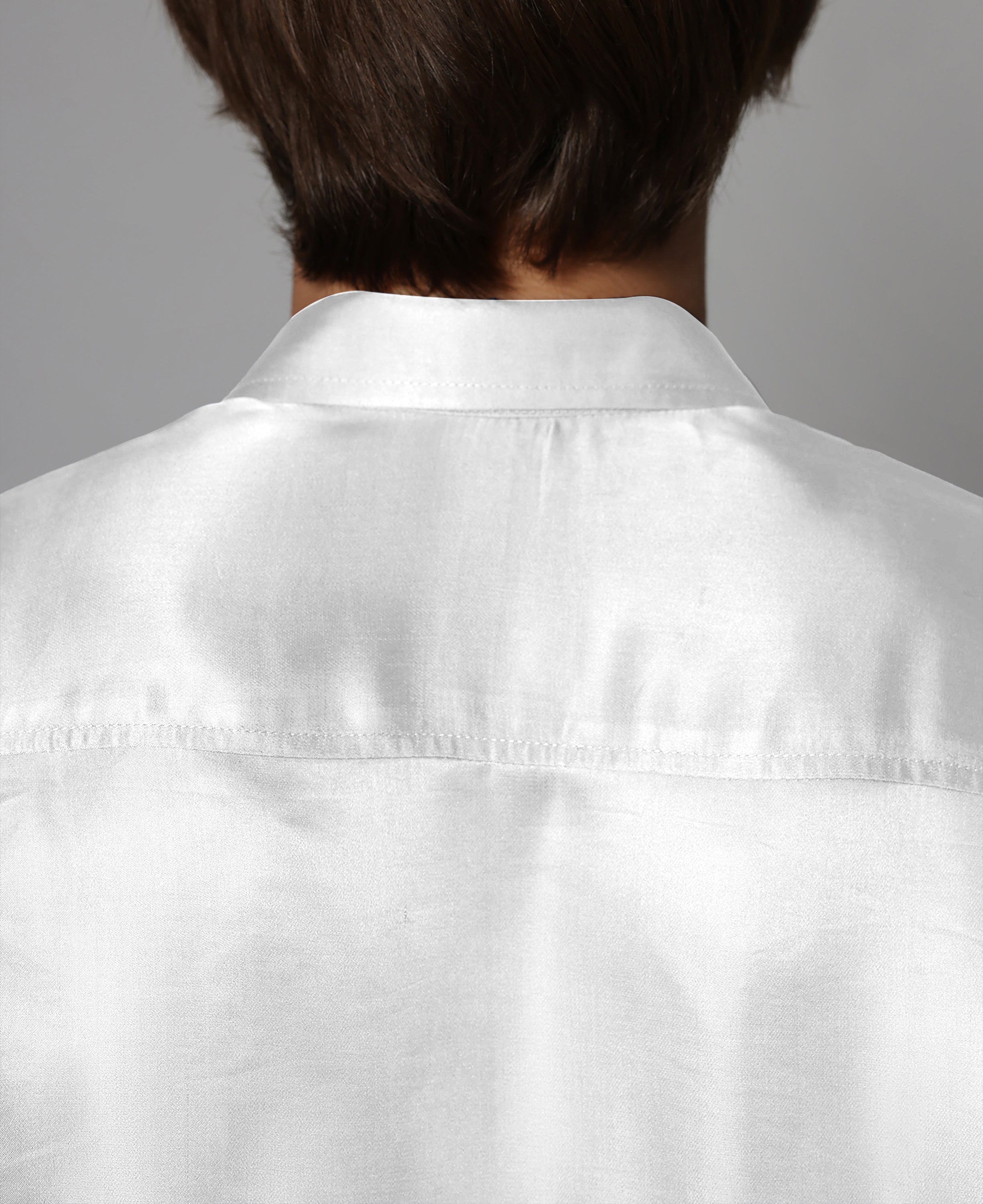
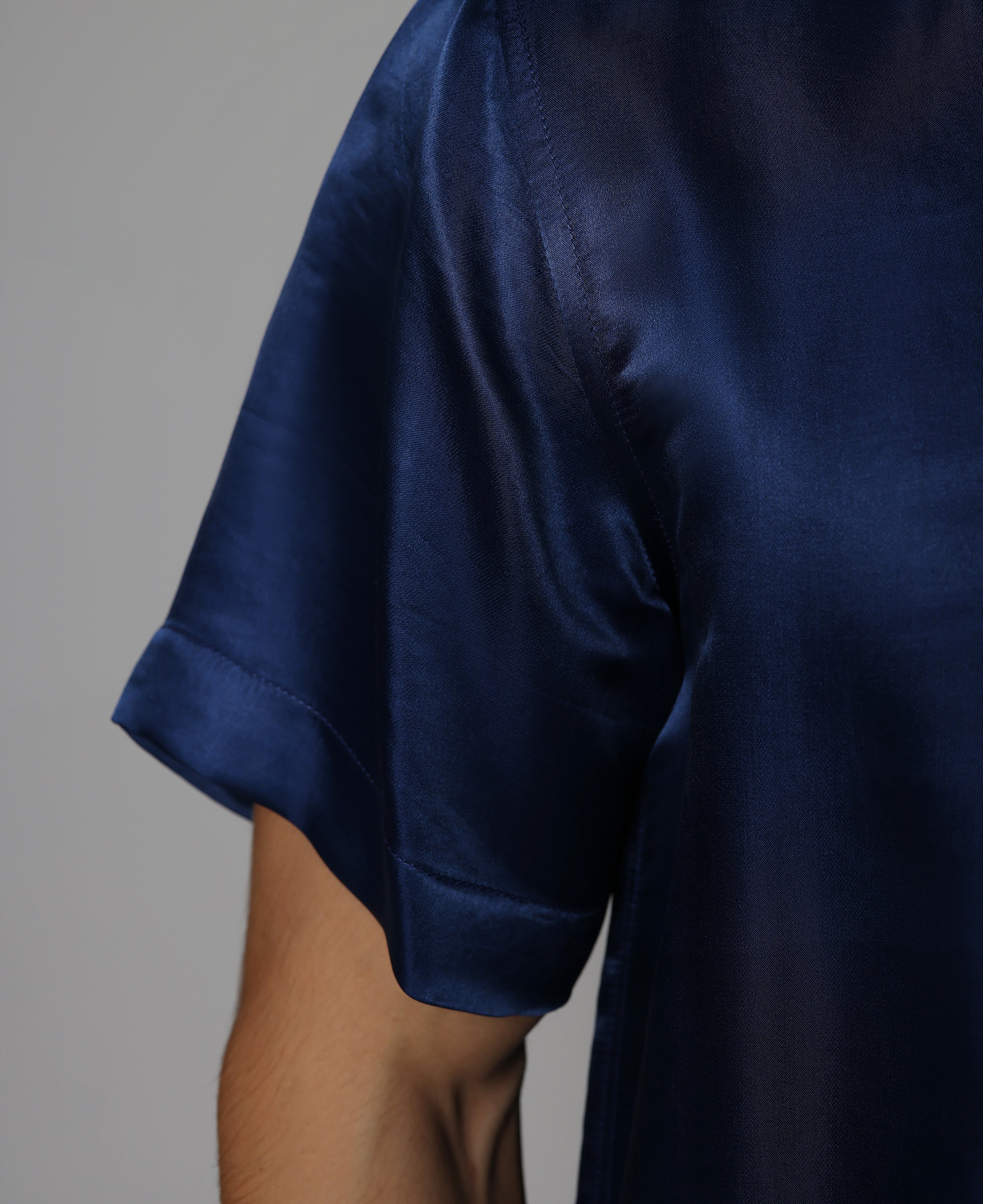
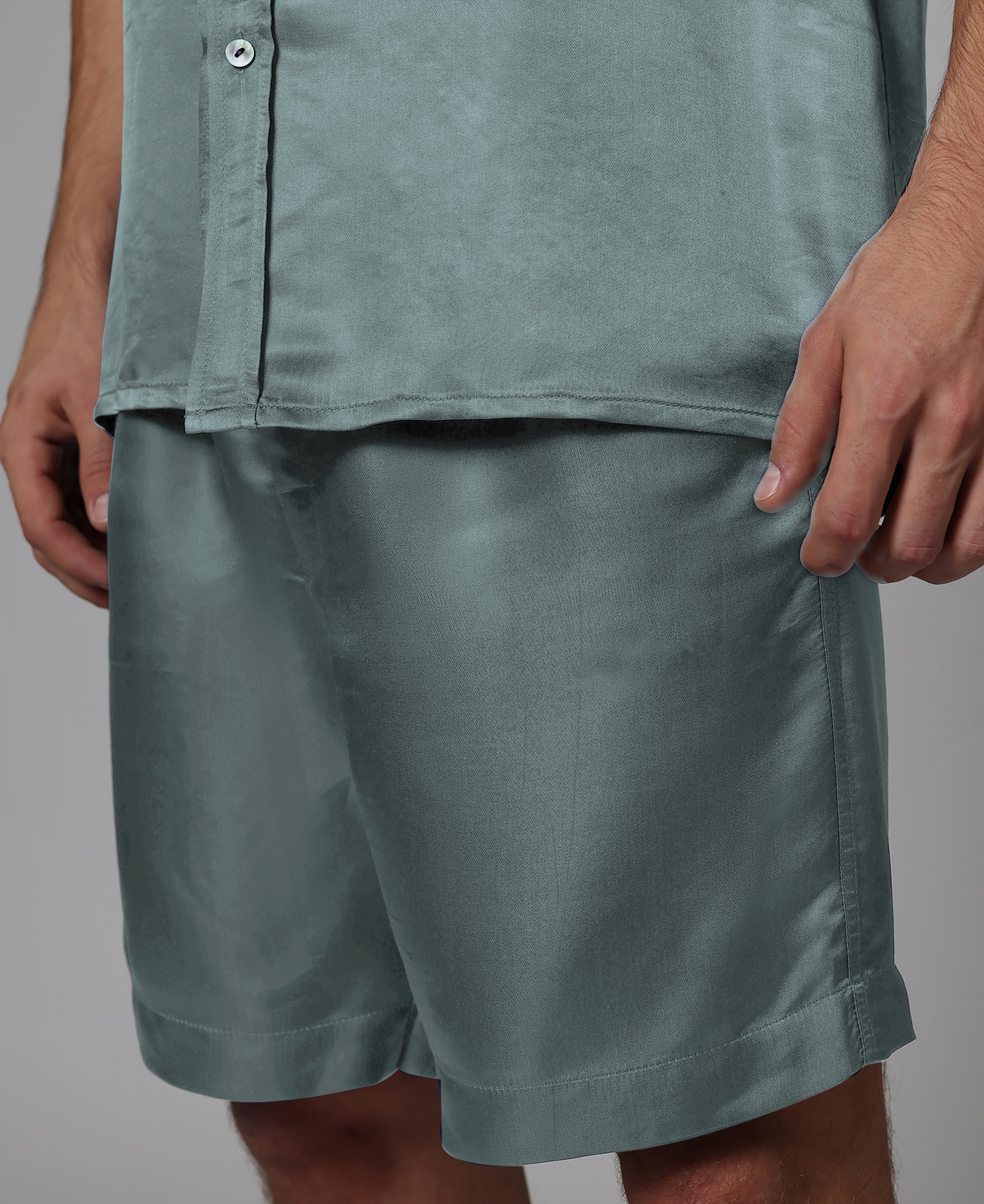
Once the silk is woven, it is brought to a small atelier where the garments are made one piece at a time by master artisans. The same artisans who do the cutting also do the stitching and the finishing. French seams throughout. The full production cycle, from the loom to the finished garment, happens within Vietnam. Nothing is shipped overseas for finishing. The garment that arrives in the customer's box is the work of a small number of people in a small number of places, and we know all of them.
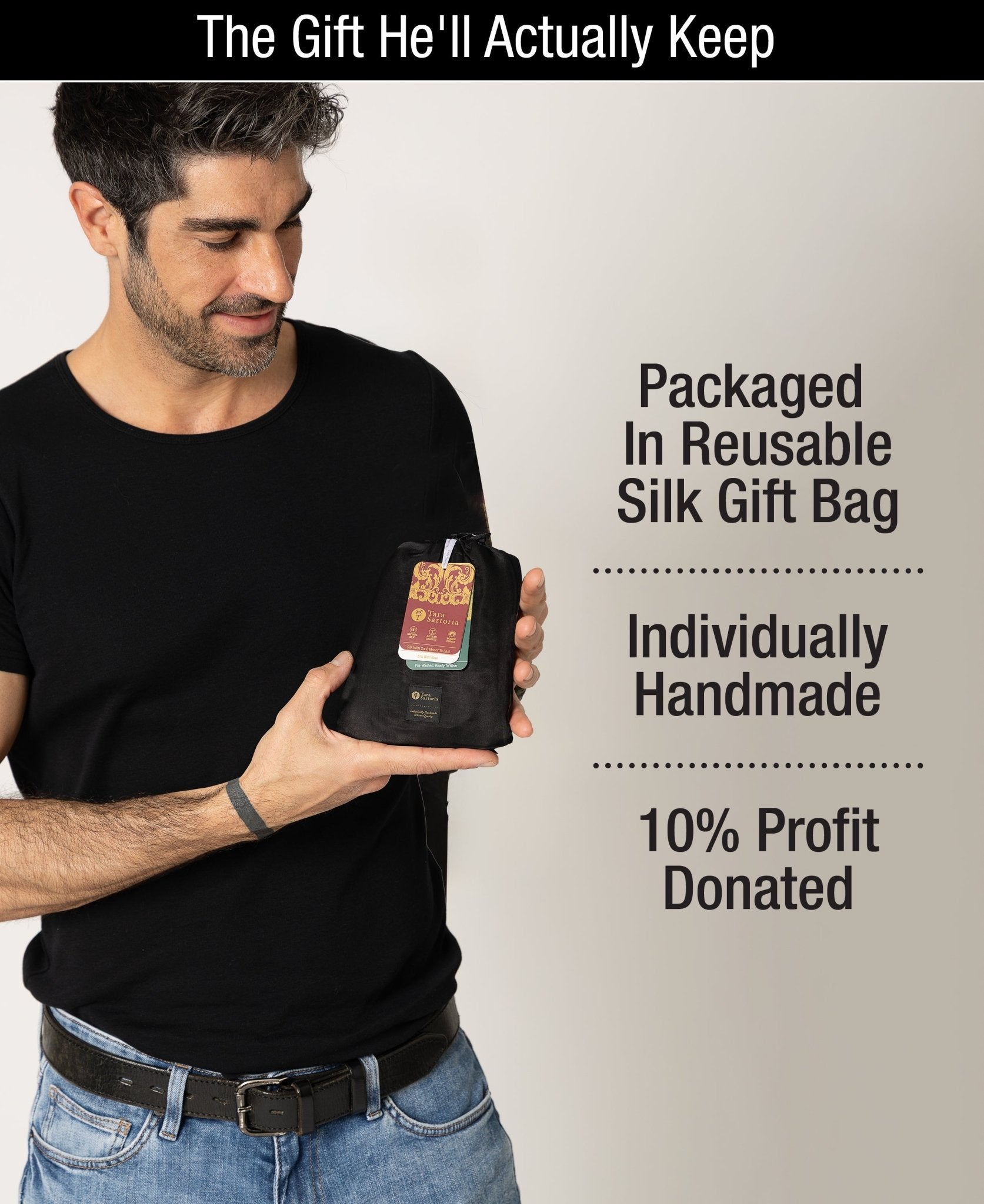
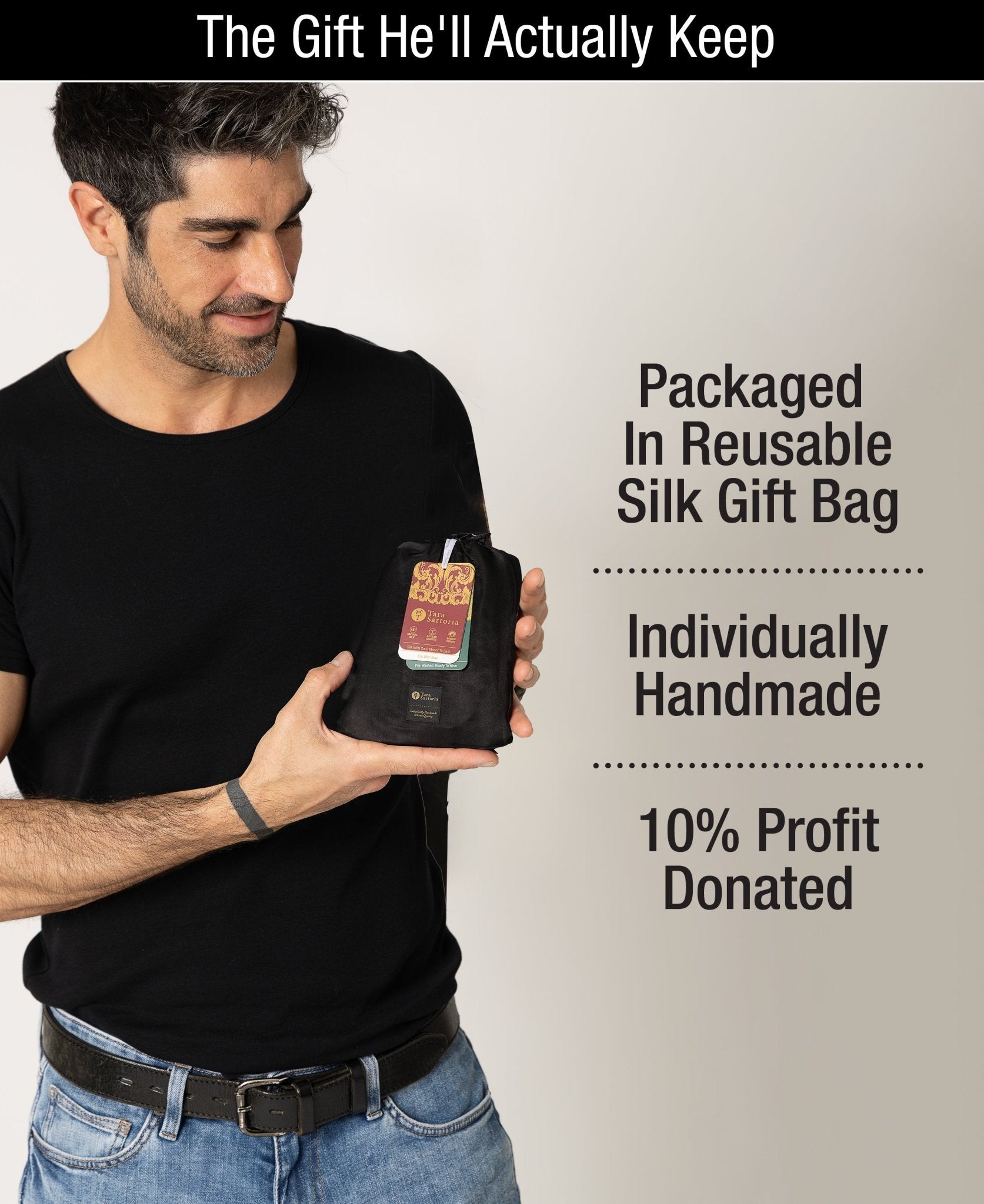
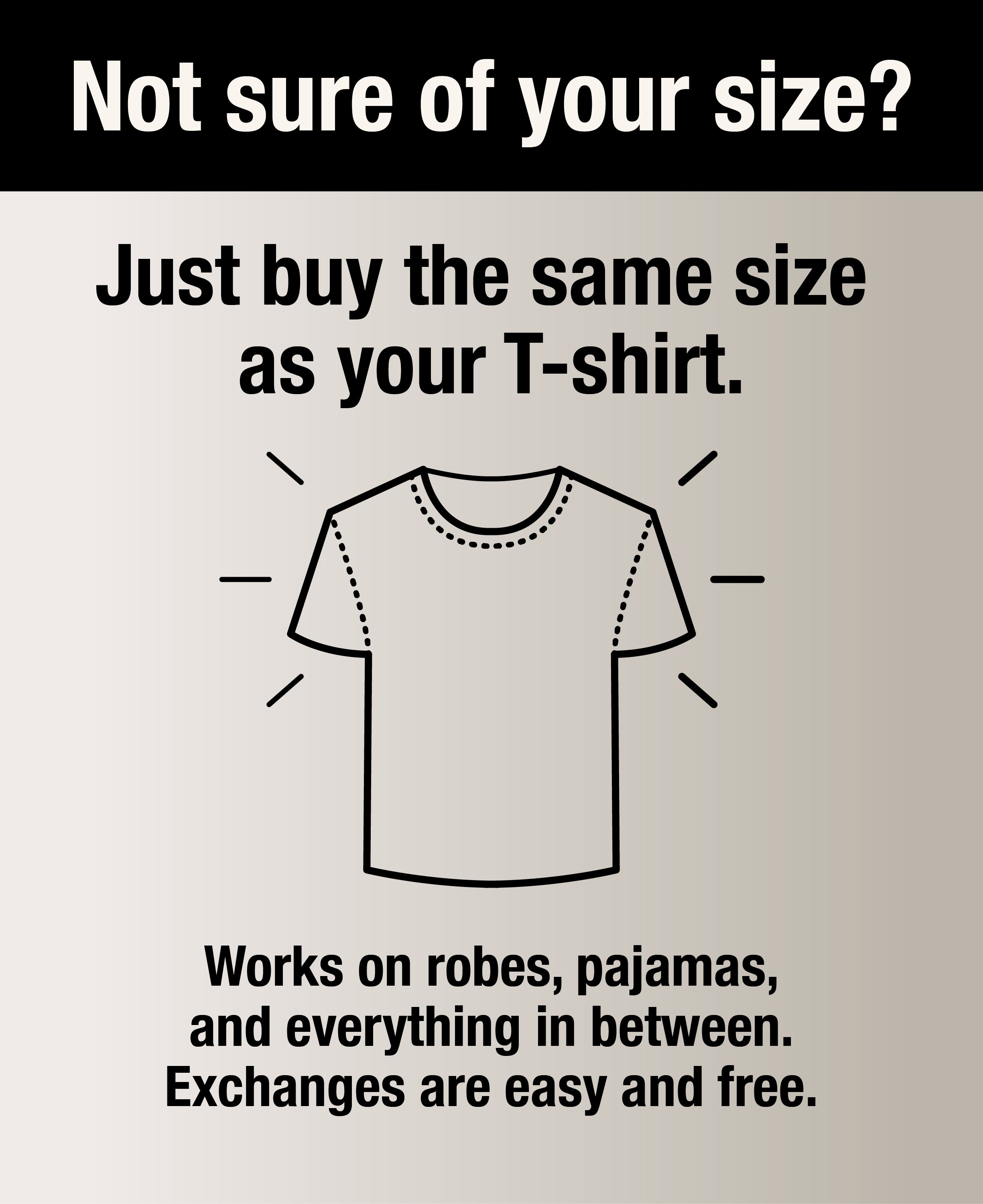
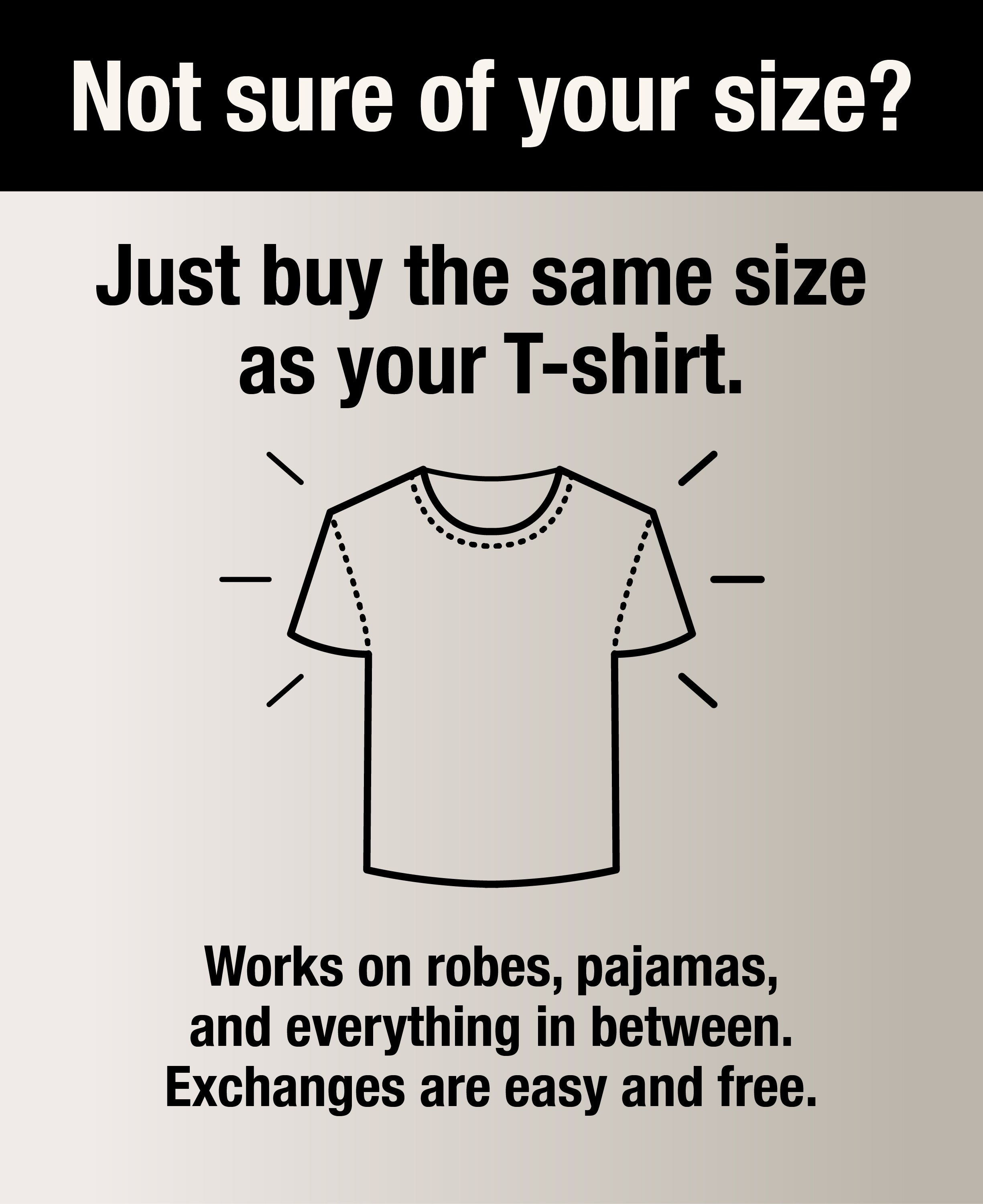
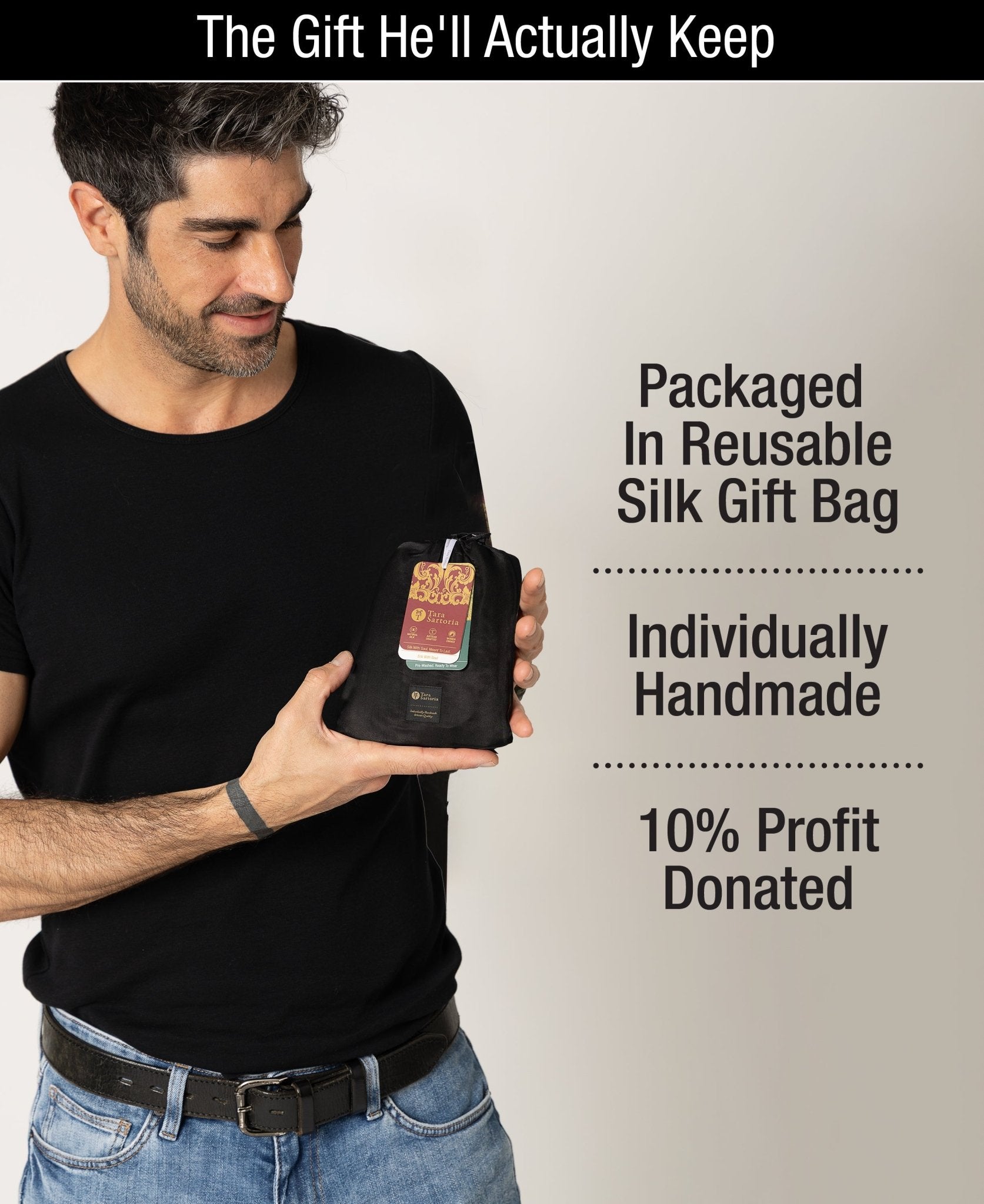
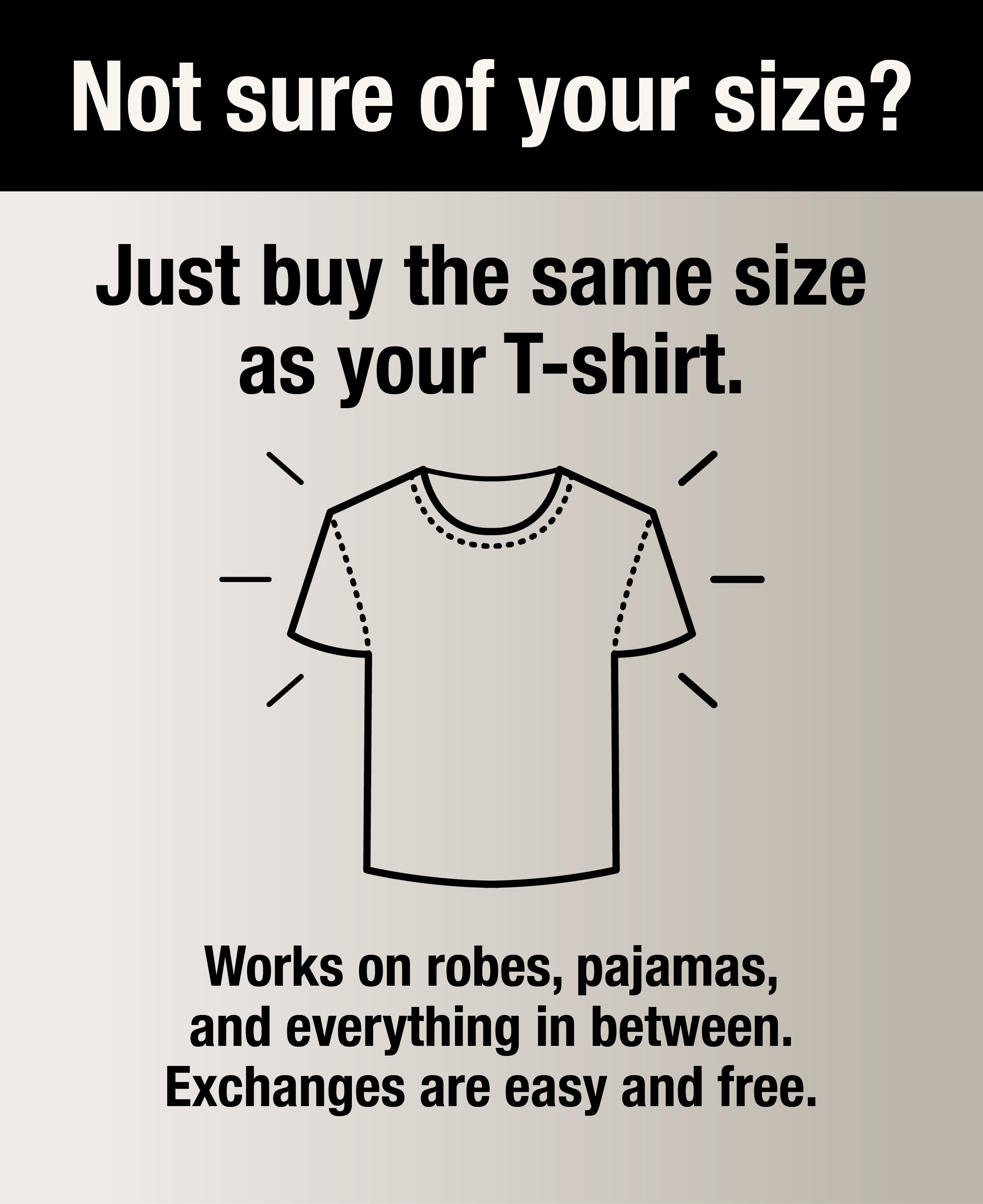
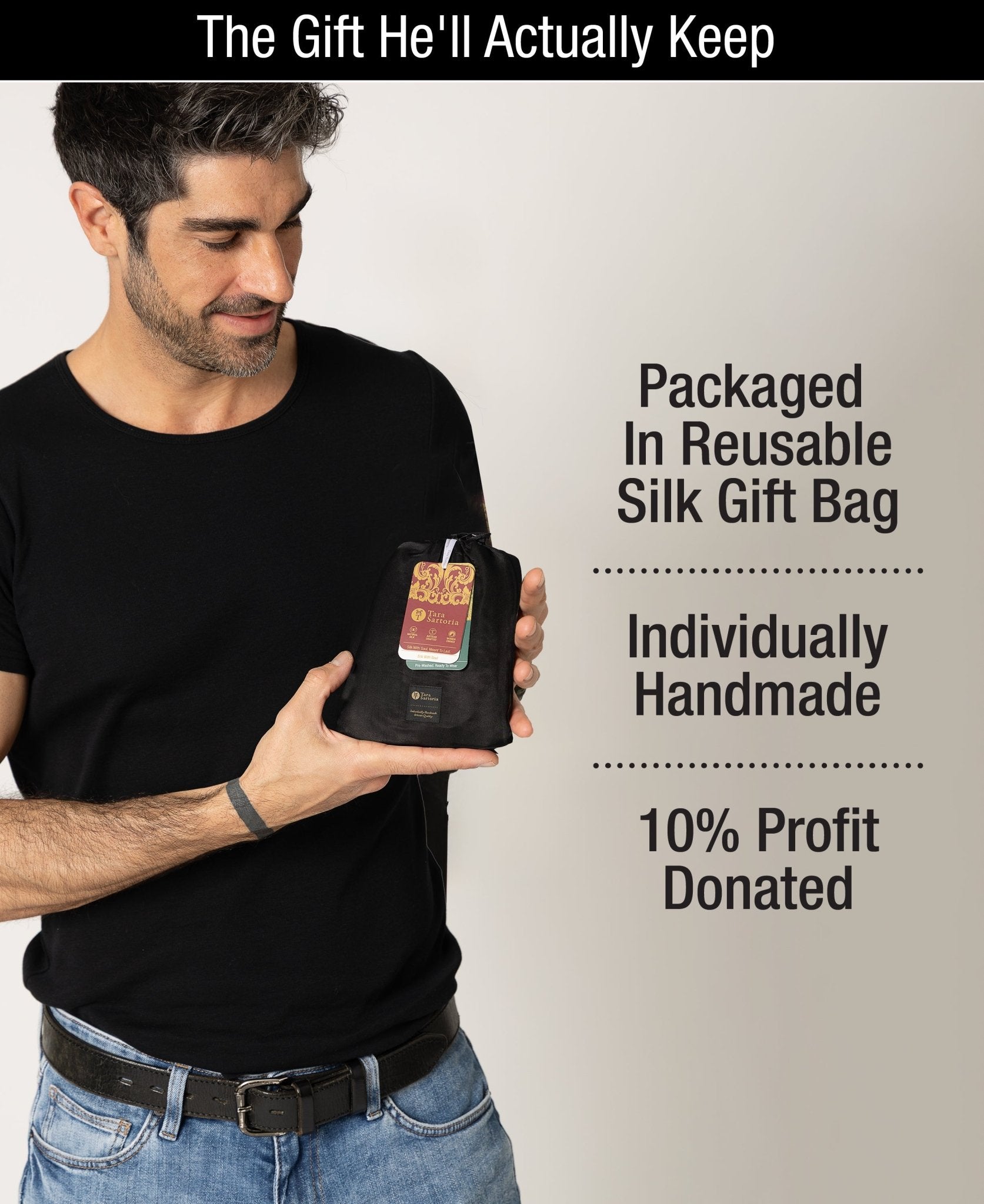
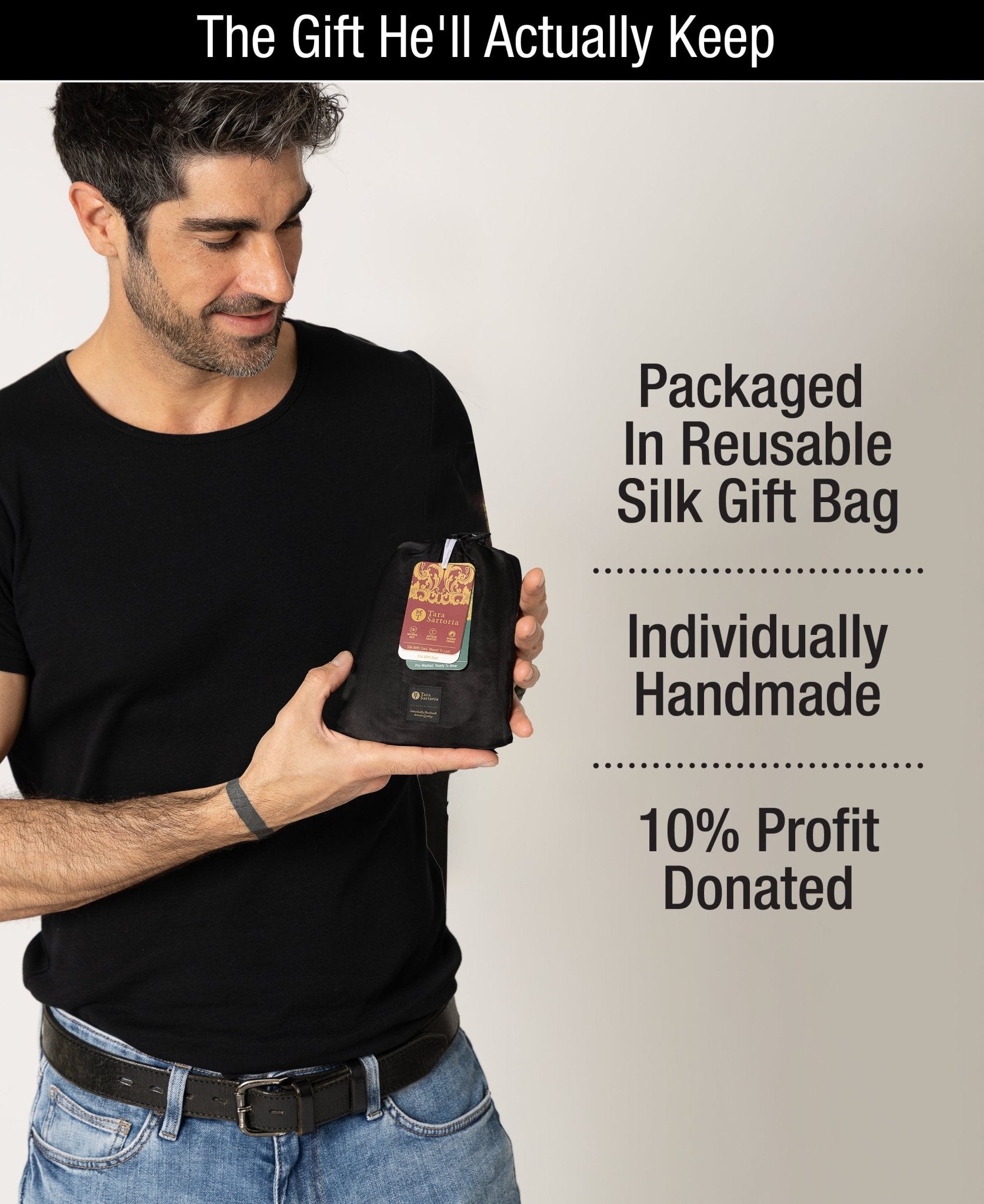
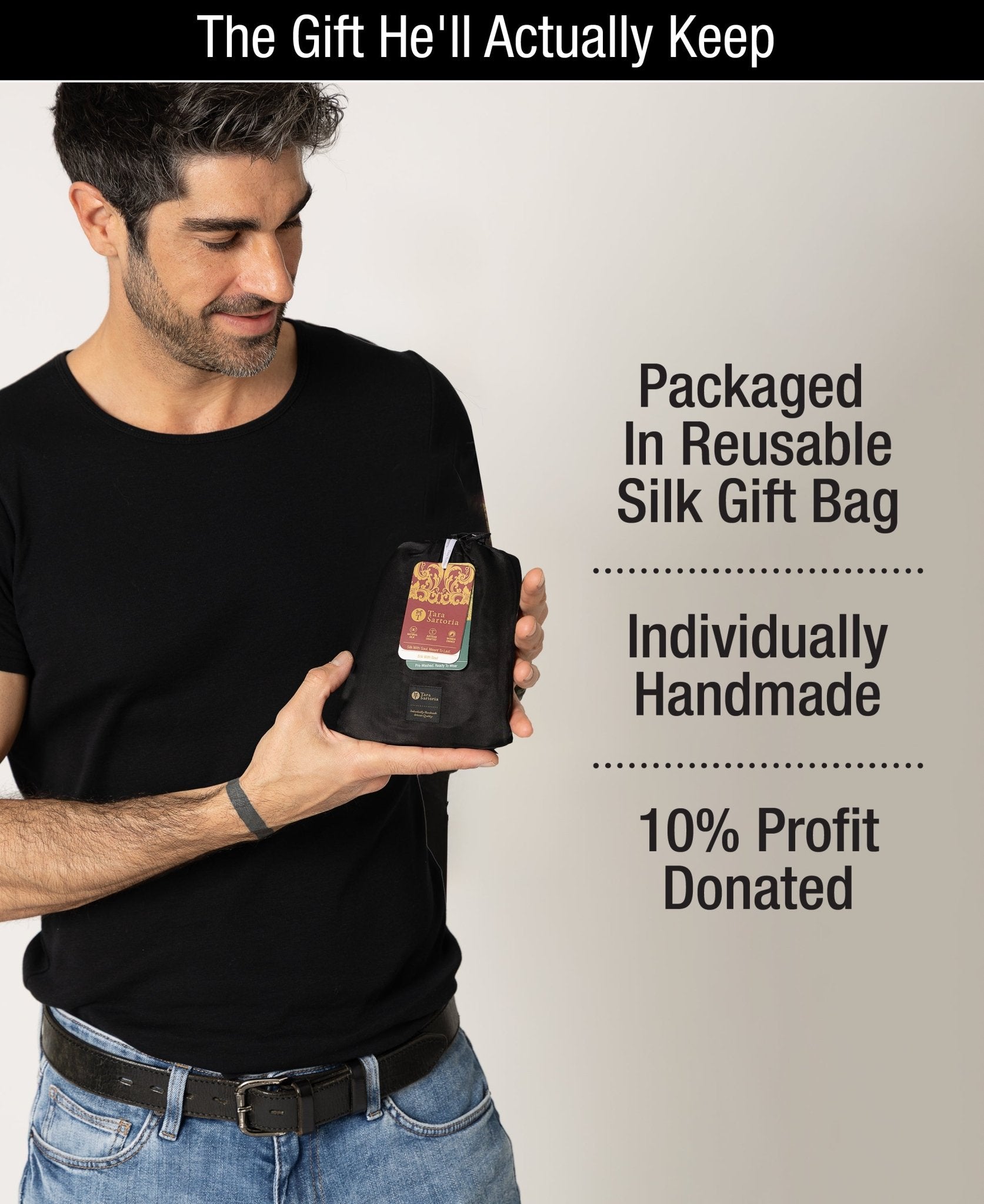
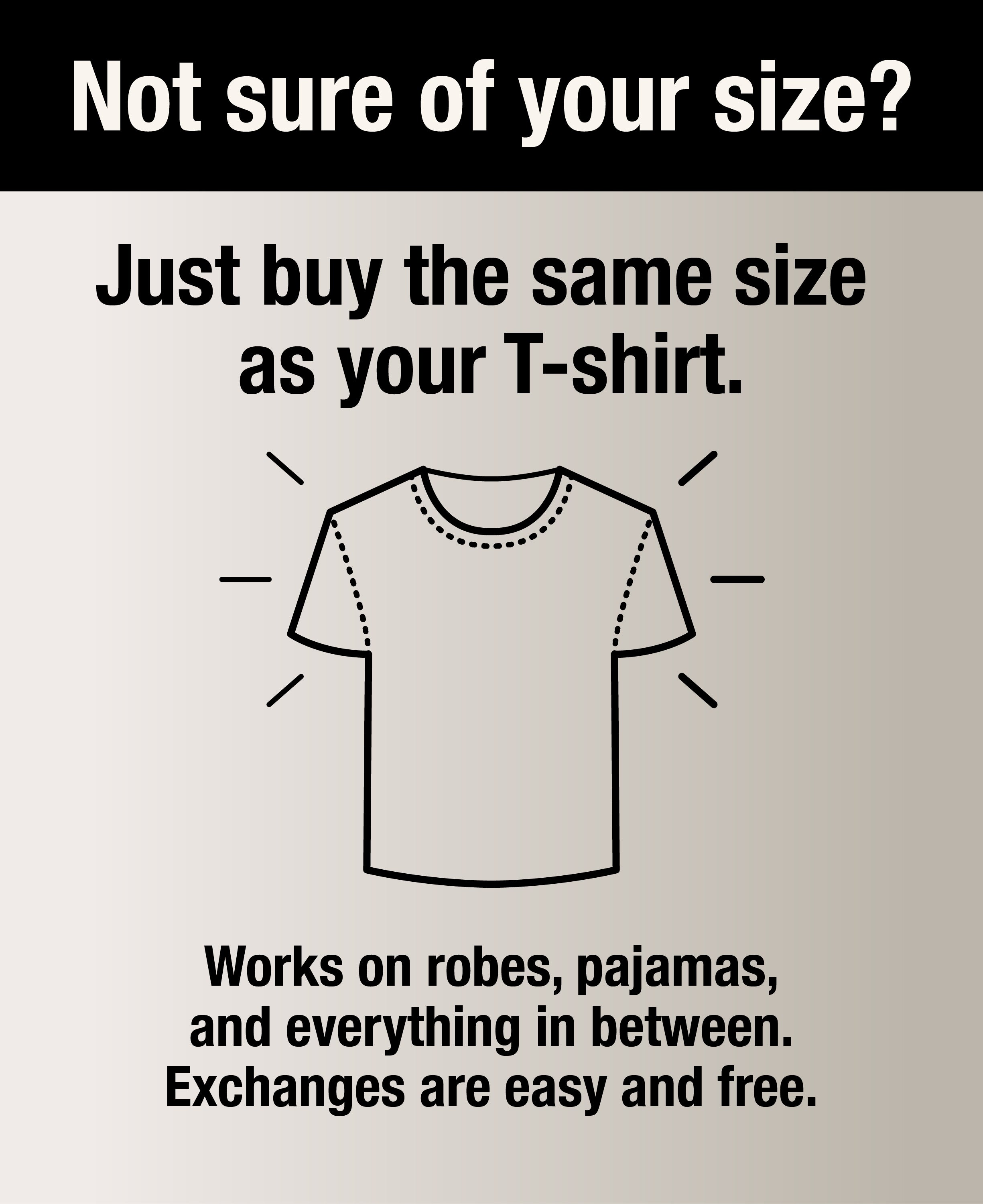
Sizes run XS to 4XL as standard, with custom sizing available when needed. Machine washable on a delicate cycle. Every order ships in a silk pouch with a handwritten note.
10% of profits fund women's education and entrepreneurship.
Why This Matters for the Customer
The customer often asks why the silk should come from Vietnam rather than somewhere closer or somewhere with a better-known luxury reputation. The honest answer is that the silk could be woven elsewhere. There are silk industries in China, in India, in Italy, in Thailand. Each produces silk. None produces silk the way the heritage-loom villages in Vietnam do. The thread is different. The loom is different. The skill is different. The fabric carries the difference into the garment.
The other honest answer is that this is the silk I know. I grew up close to one of these villages. The silk my grandmother kept came from a loom like the looms our silk comes from. I have spent enough time with the weavers to know what their fabric does and what it does not do. I would not be able to make the same claim about silk woven elsewhere, because I do not have the same relationship with the producers. The trust is local. The supply chain is short. The fabric is honest because the people behind it are people we know.
This matters for the customer because it is the only honest version of the supply chain story you can hear from a brand. Most brands cannot tell you who wove the silk, what village it came from, or who finished the seams. We can. The pieces in our collection are not anonymous luxury silk. They have a specific origin and a specific history, and that history is part of what the customer is buying.


















The Takeaway
Vietnam's historic silk villages are small, family-based silk-producing communities in northern Vietnam with continuous traditions going back roughly a thousand years. They produce dense mulberry silk on heritage looms that most of the modern luxury silk industry quietly relies on, even if most brands will not name them. Our silk is woven in these villages, by people whose grandparents wove silk in the same villages.
The villages are the source. Everything that arrives in the customer's box began there. See the collection when you are ready.
Frequently Asked Questions
Where are Vietnam's historic silk villages?
Mostly in the Red River Delta of northern Vietnam, within a few hours of Hanoi. Van Phuc, in the Ha Dong district outside Hanoi, is the most well known, dating to the eleventh century. There are dozens of smaller villages around it, plus significant sericulture regions in the central highlands around Lam Dong province. The northern villages are the older and more famous of the two regions, and the source of our silk.
What makes silk from Vietnam's historic villages different?
Three things. The silkworm strain produces a longer, finer thread than industrial silk. The heritage looms run slower and produce denser, more stable fabric. The weavers have decades of experience with the same looms. A 27 momme silk woven in these villages has a different hand from a 27 momme silk woven elsewhere, and the difference shows up in the drape, the durability, and the way the fabric ages.
Are all Tara Sartoria pieces made from village silk?
Yes. Every piece in the collection, from boxers to robes to pillowcases, is made from 27 momme mulberry silk woven on heritage looms in Vietnam's historic silk villages, then made one piece at a time by master artisans in a small atelier in Vietnam. The full production cycle, from the loom to the finished garment, happens within Vietnam. Nothing is shipped overseas for finishing.
Why don't more brands name these villages?
For several reasons. The supply is small and brands protect their sources. Some brands do not want their customers to know the silk was woven in Vietnam rather than the brand's home country. Some brands buy the silk and then misrepresent the construction as happening elsewhere. The villages are the source for far more brands than the customer realizes, even though the customer rarely finds out.
Can you visit Vietnam's silk villages?
Some of them, yes. Van Phuc has become a small tourist destination and welcomes visitors, with workshops and showrooms open to the public. Most of the smaller villages are not set up for tourism and are not particularly interested in becoming so. If you visit Hanoi, Van Phuc is the easiest way to see a heritage loom in operation. Other villages are private working communities.
