


Silk for Psoriasis:
Can Fabric Choice Reduce Flare-Ups?
By Tara Nguyen, Ph.D., Founder and Creative Director, Tara Sartoria
Fabric does not cure psoriasis. Nothing in this post replaces medical advice from a dermatologist. But there is genuine evidence that fabric choice, specifically the friction, breathability, and moisture management properties of what touches your skin for hours every day, can influence the frequency and severity of flare-ups.
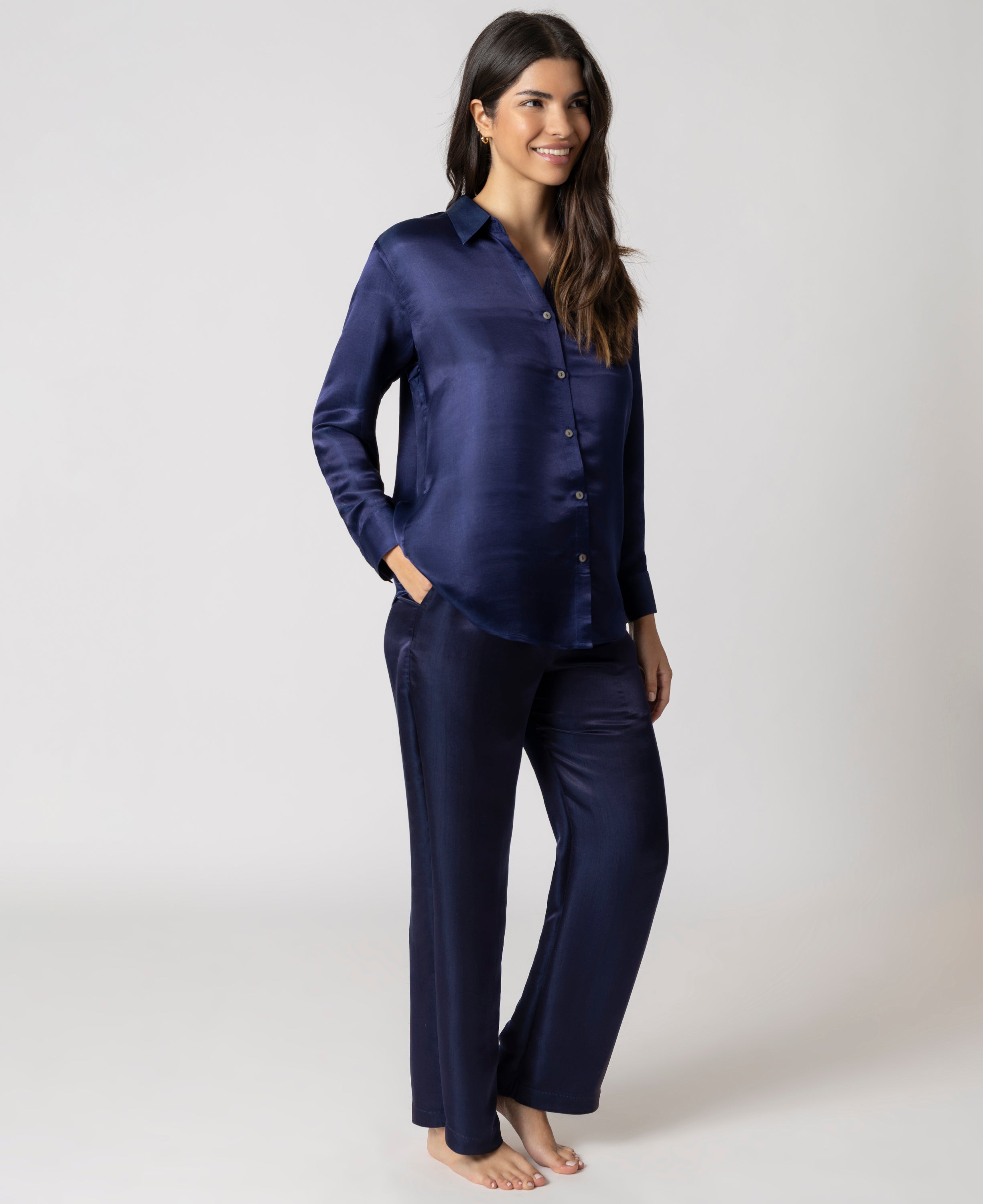
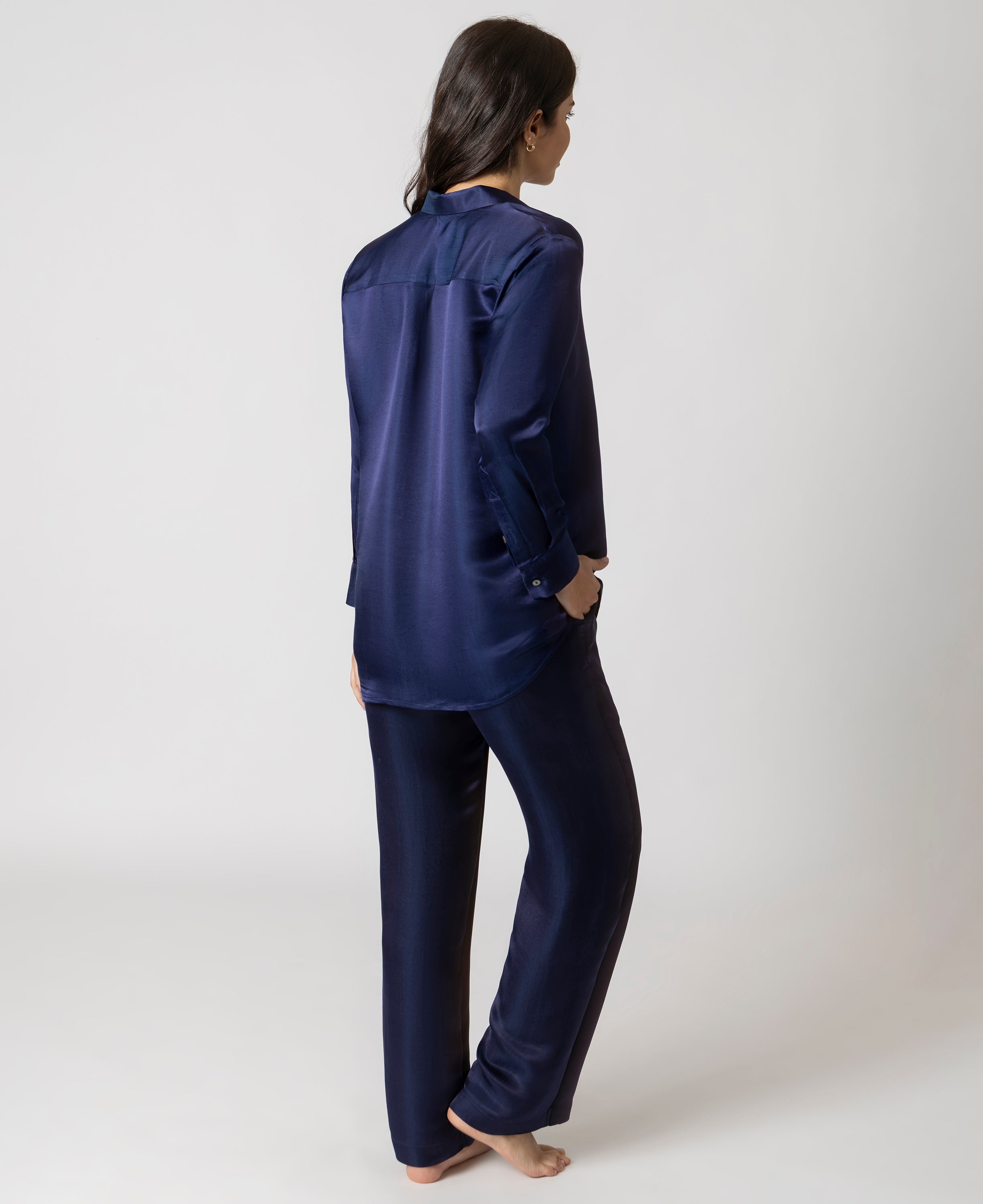
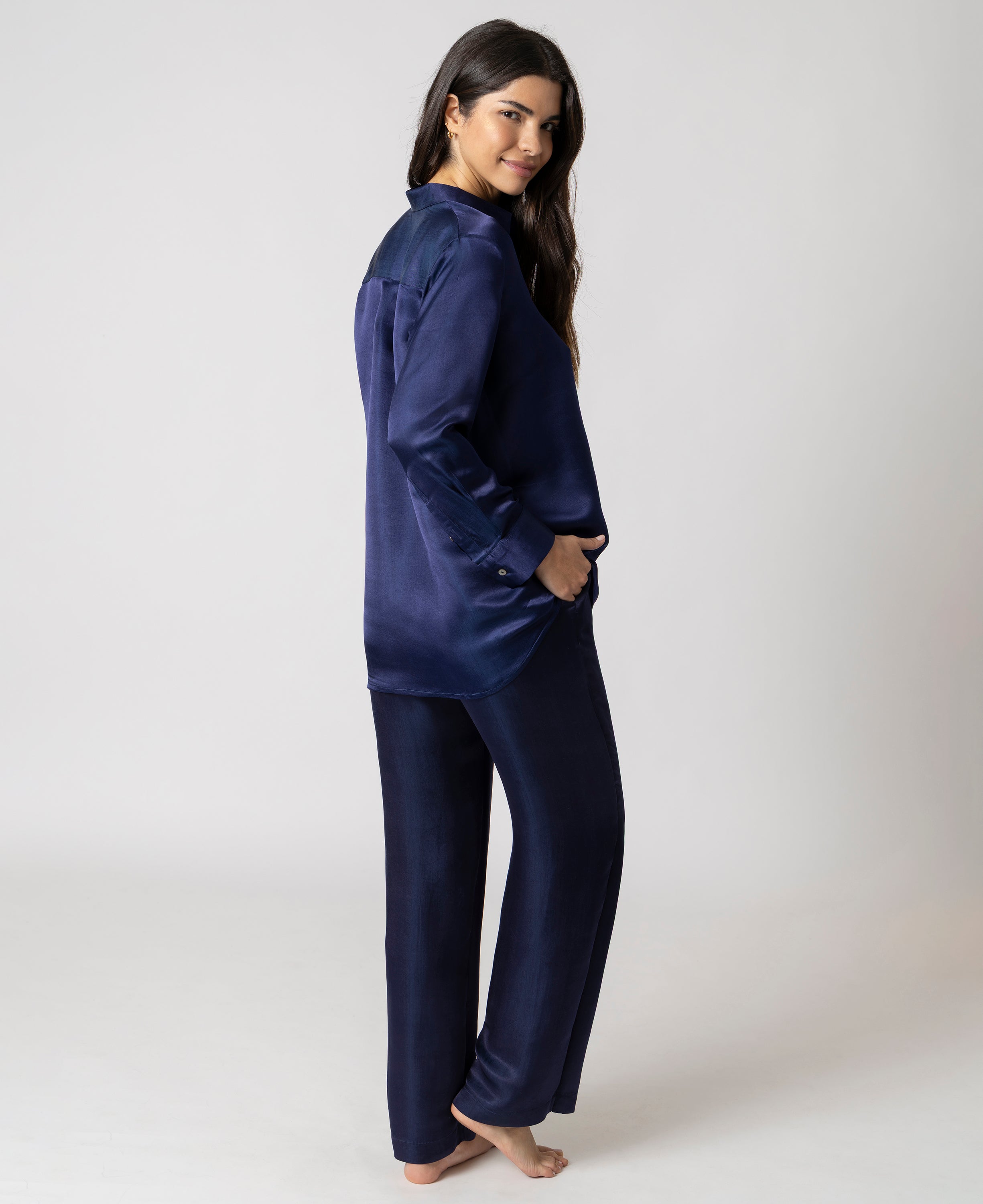
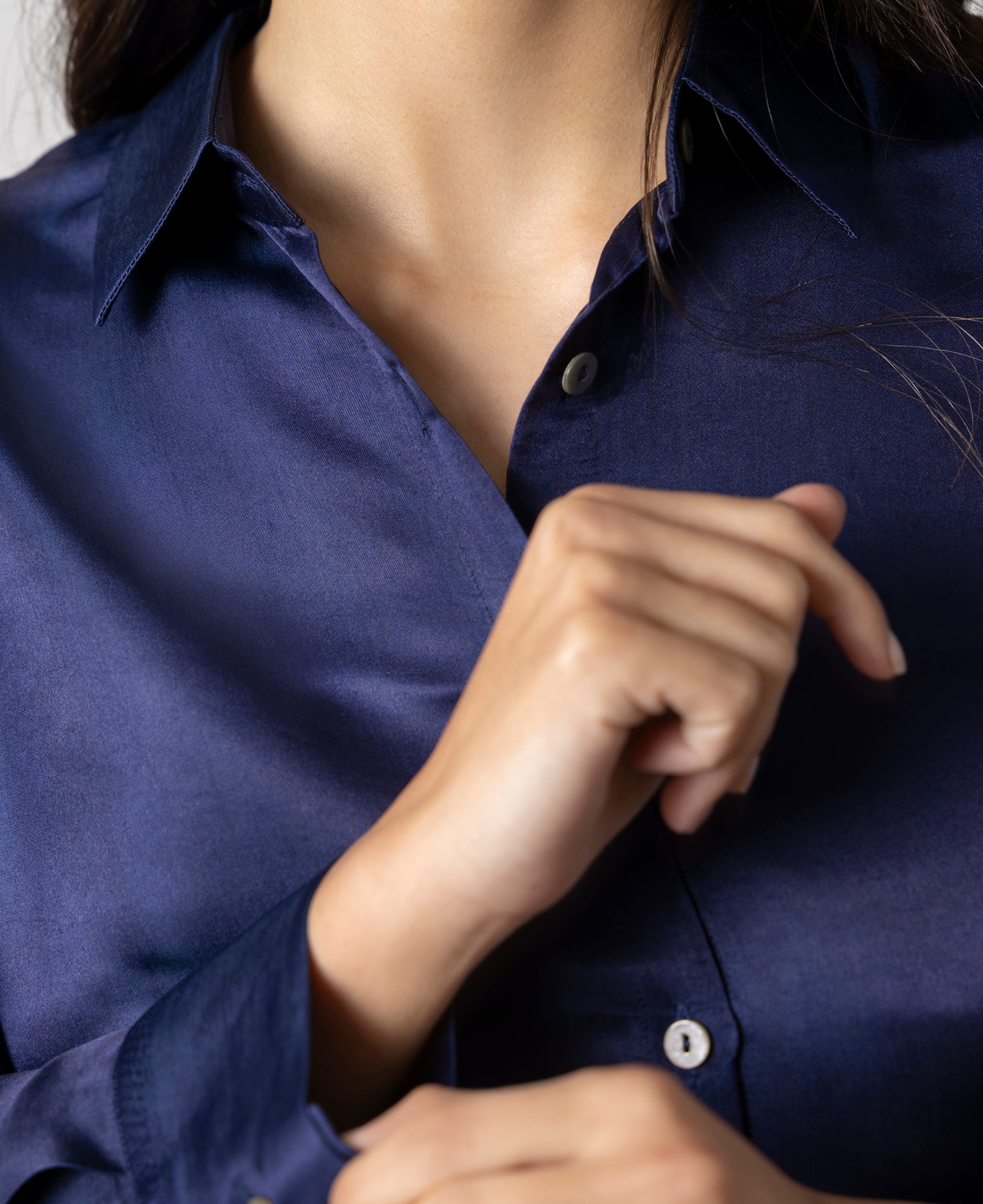
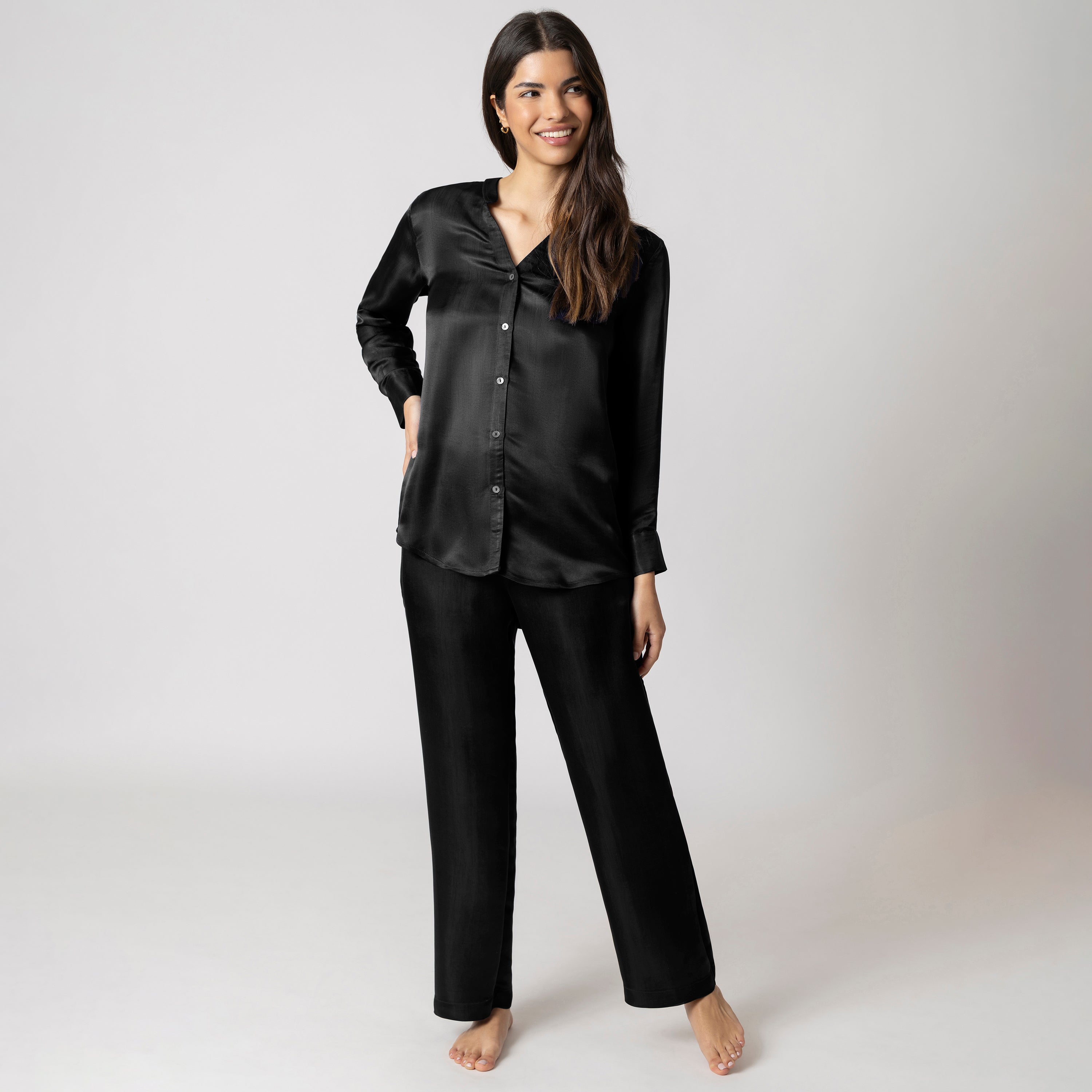
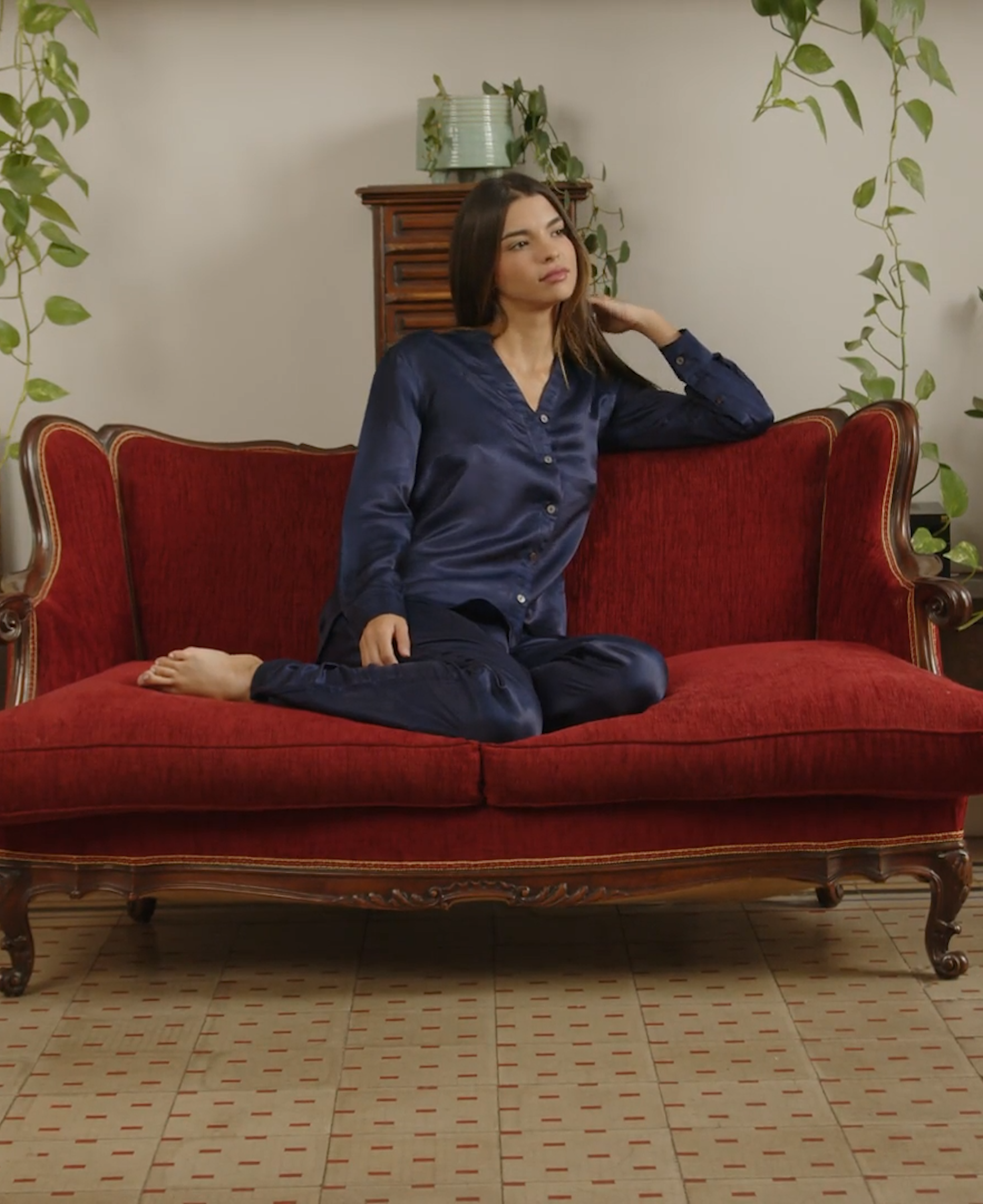
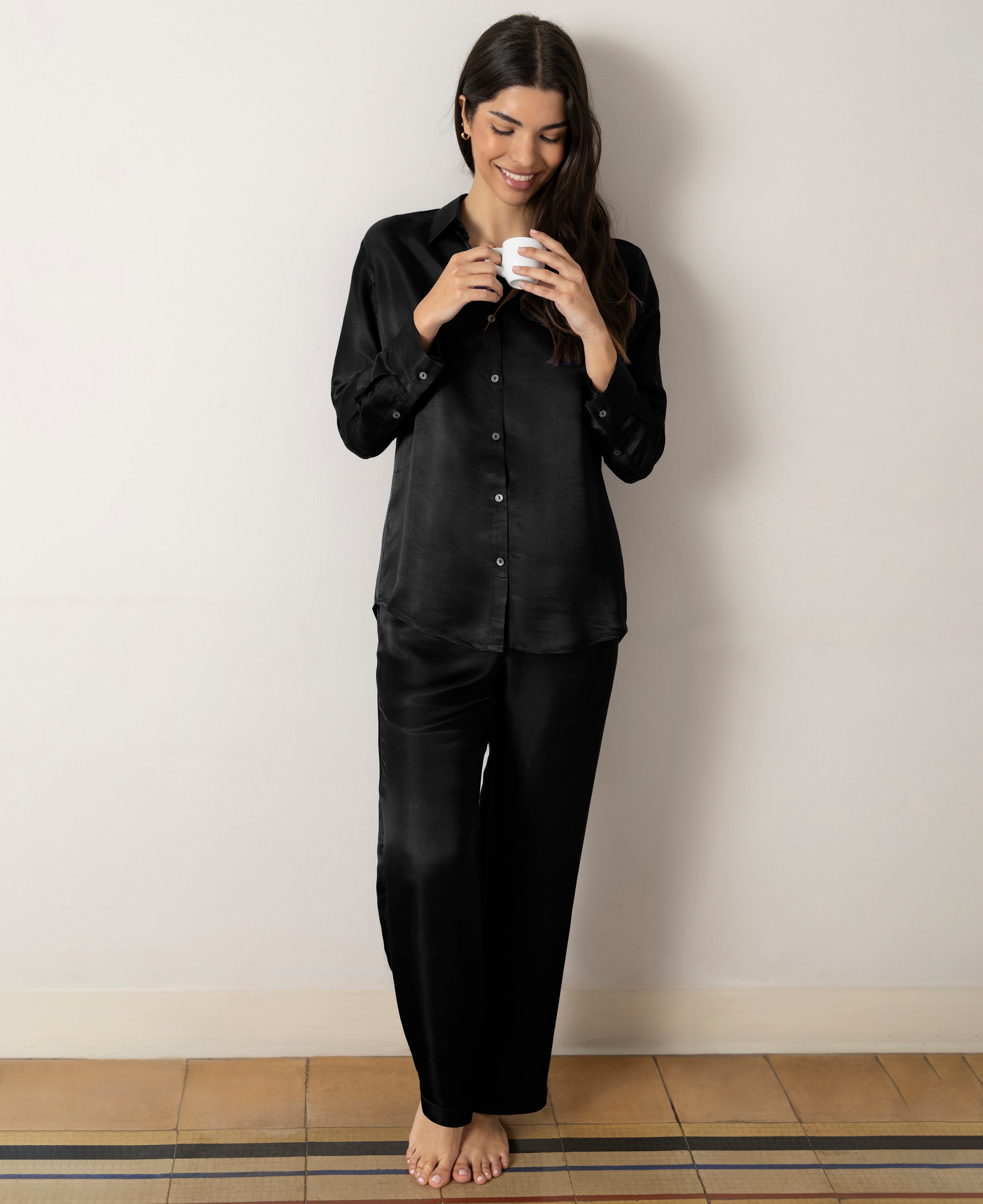
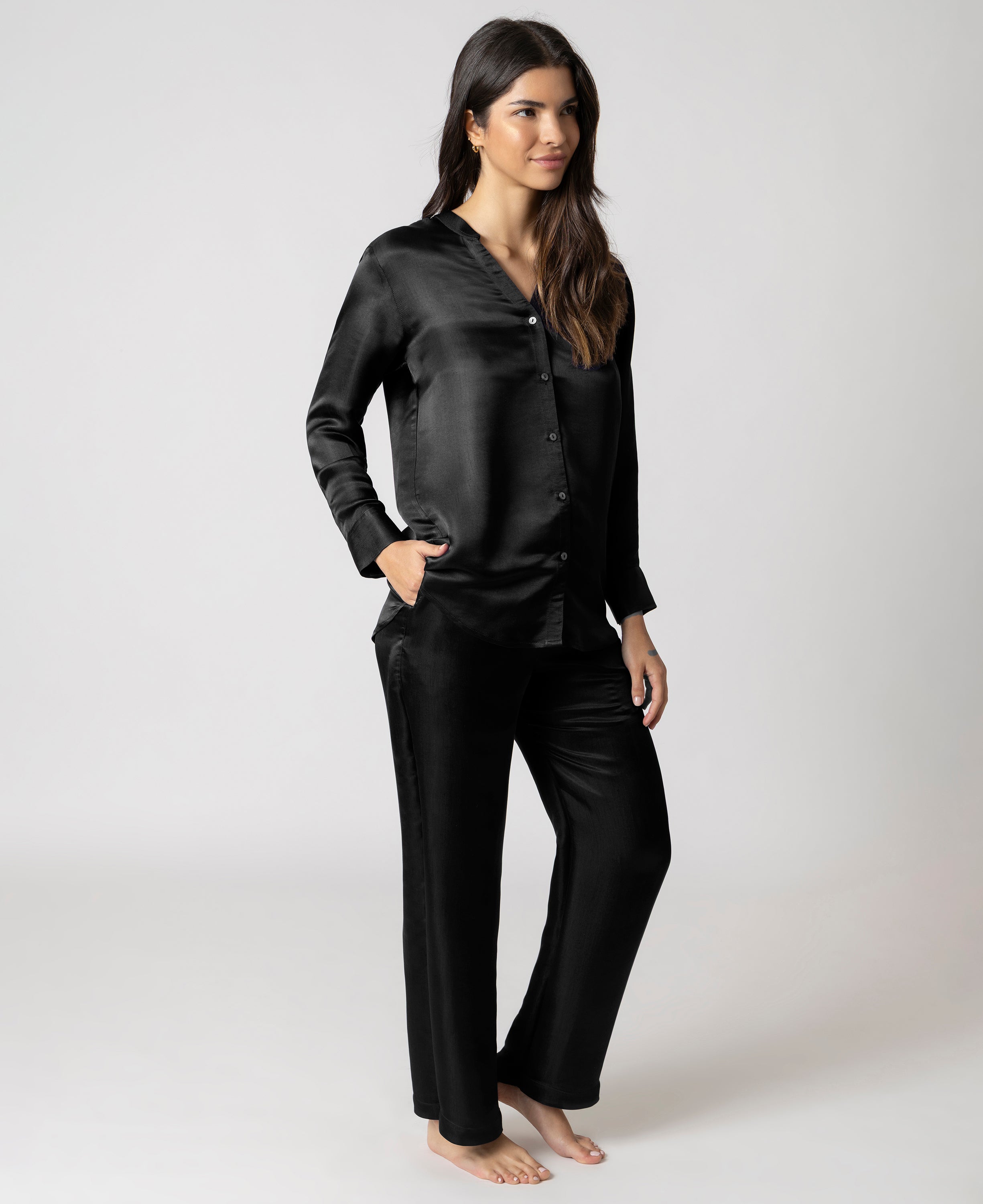
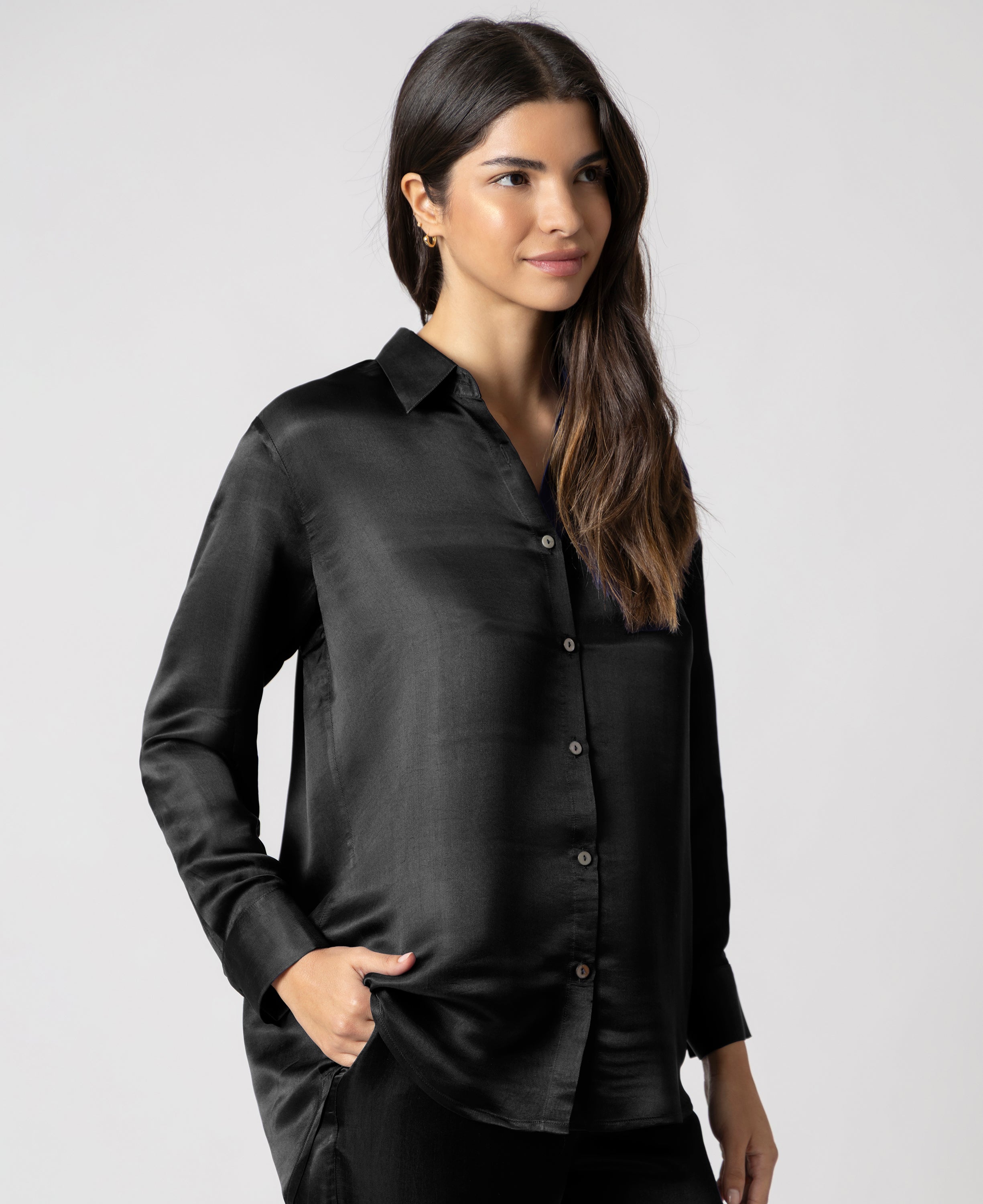
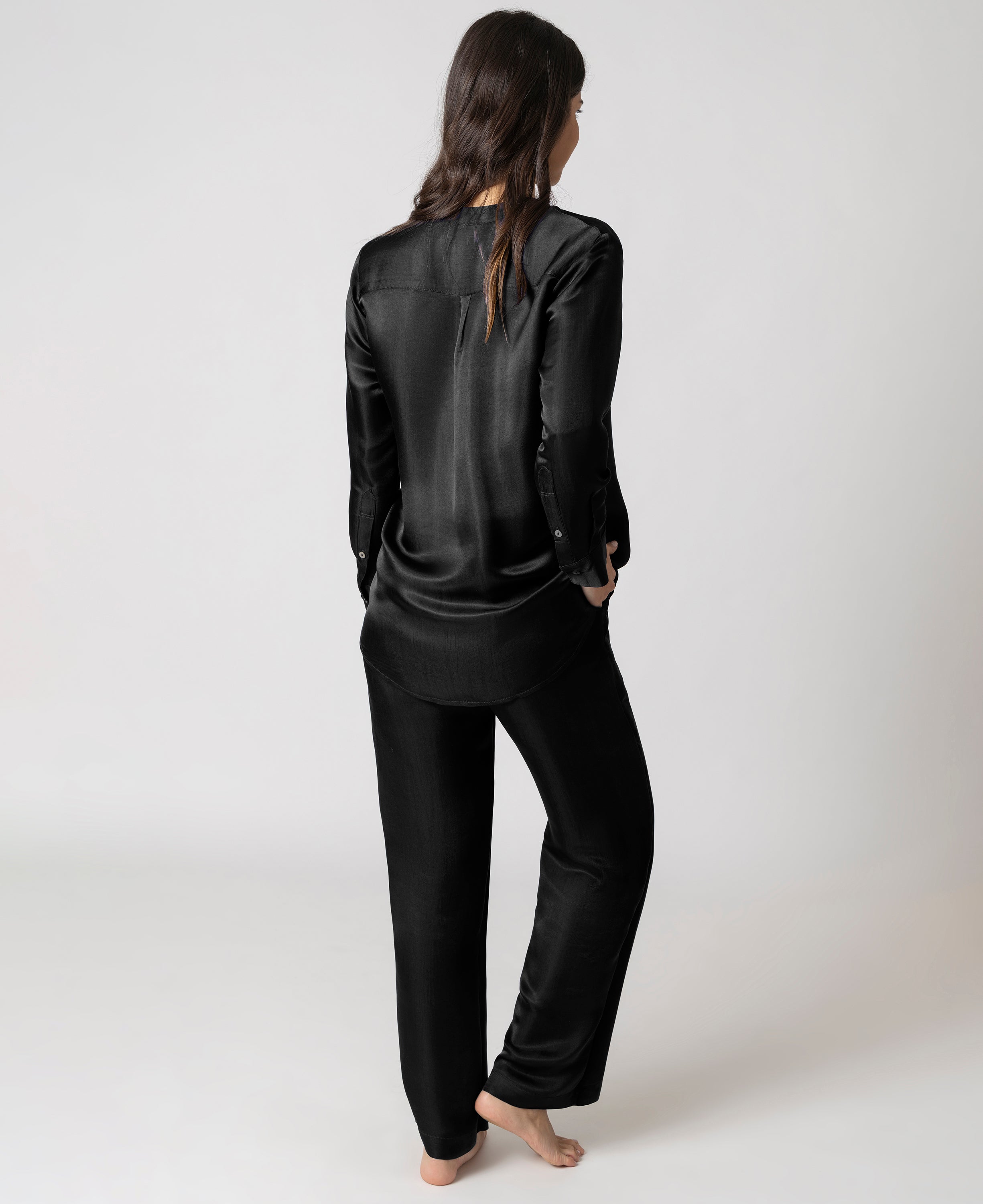
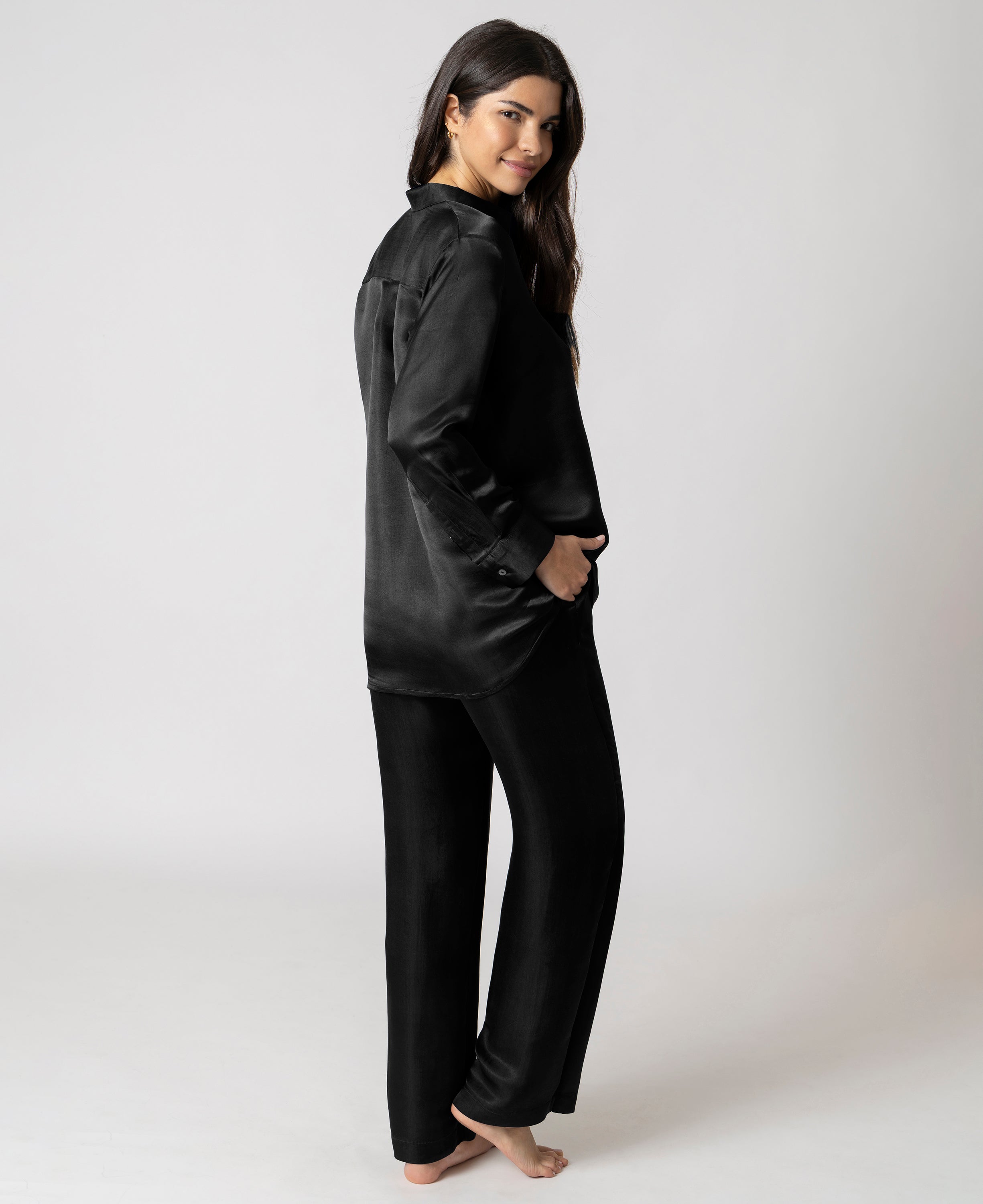
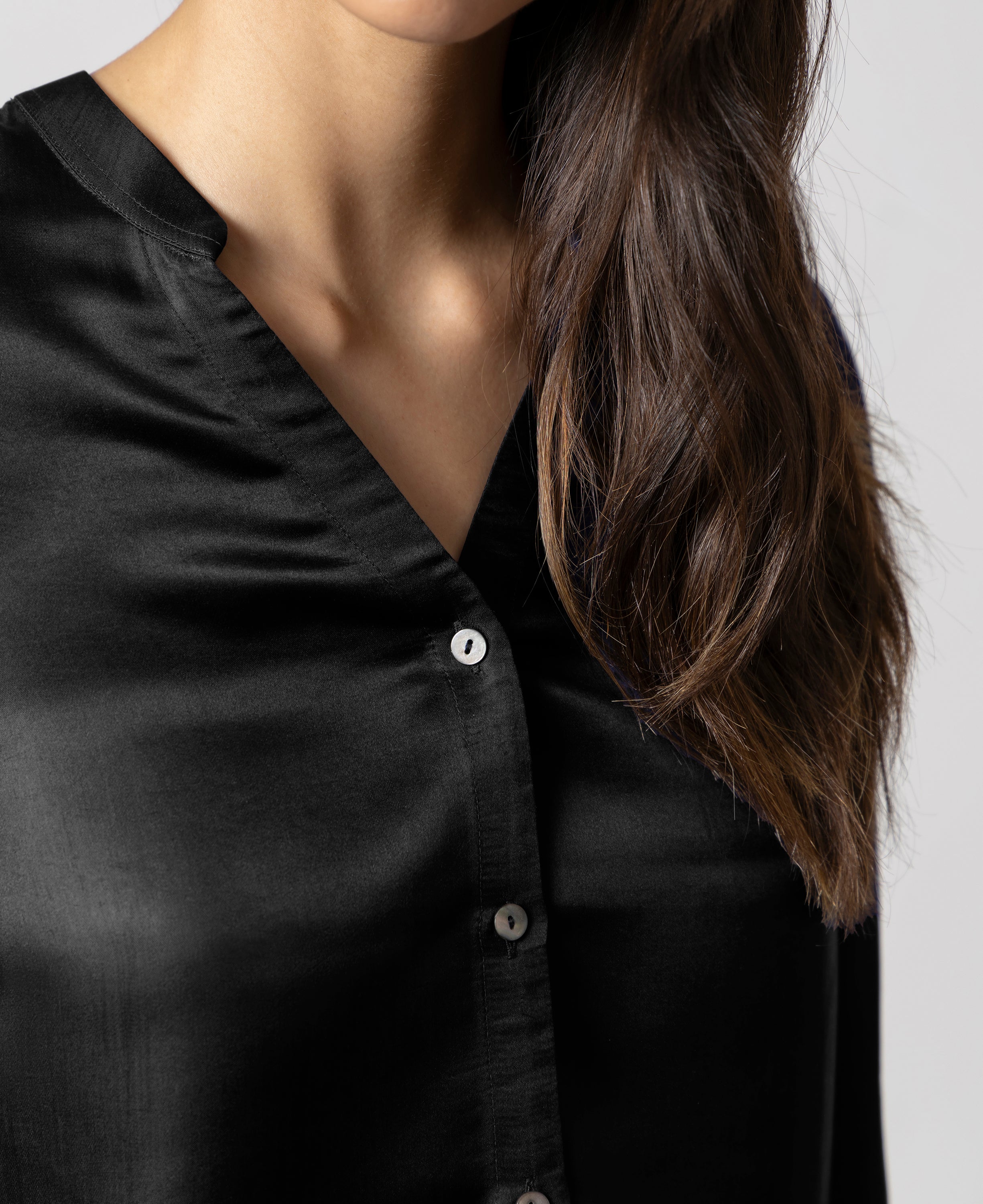
Tara Sartoria makes 27 momme mulberry silk sleepwear and loungewear. We've heard from customers with psoriasis who report meaningful differences. Here is what research says and what it doesn't.













What Psoriasis Is
Psoriasis is a chronic autoimmune condition that causes skin cells to reproduce roughly ten times faster than normal. The result: raised, red, scaly patches called plaques that can be itchy, painful, or both. It affects approximately 2-3 percent of the global population.
The condition isn't caused by fabric. It's caused by immune system dysfunction. But external factors called triggers can worsen existing psoriasis or precipitate flare-ups. Among the most documented triggers is mechanical irritation of the skin, including friction from clothing and bedding.
This is where fabric choice enters the conversation. Not as treatment but as an environmental factor that can either exacerbate or reduce irritation.






The Koebner Phenomenon: Why Friction Matters
The Koebner phenomenon, also called the isomorphic response, is a well-documented dermatological observation. Psoriatic plaques frequently develop at sites of skin trauma, including friction. First described in 1877, it occurs in approximately 25-75 percent of psoriasis patients. The wide range reflects variation in study methodologies.
The practical implication: fabric that creates friction against skin can trigger new plaques at the contact point or worsen existing ones. This is particularly relevant for areas where clothing fits closely, sleepwear that contacts skin for 6-8 hours nightly, and undergarments.
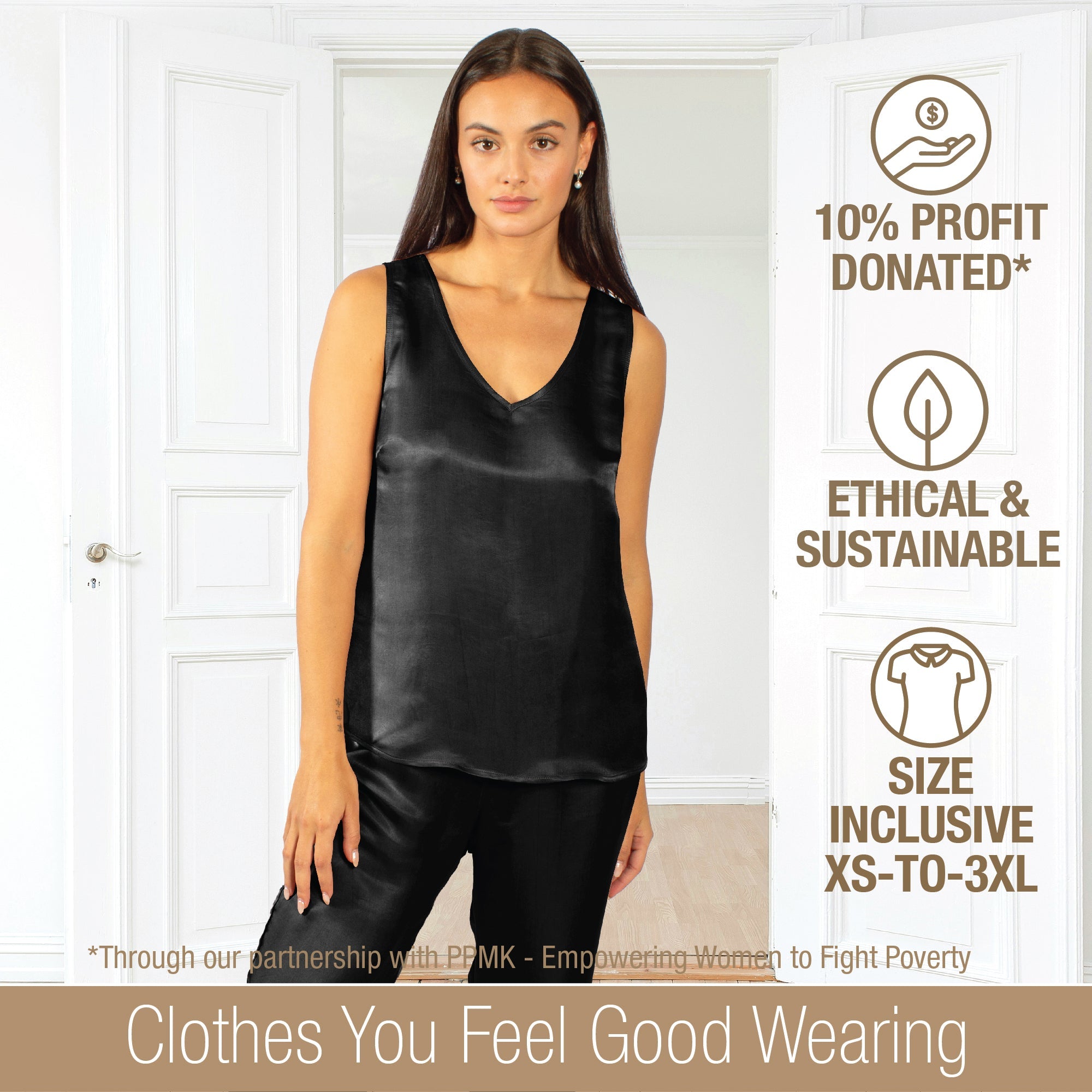
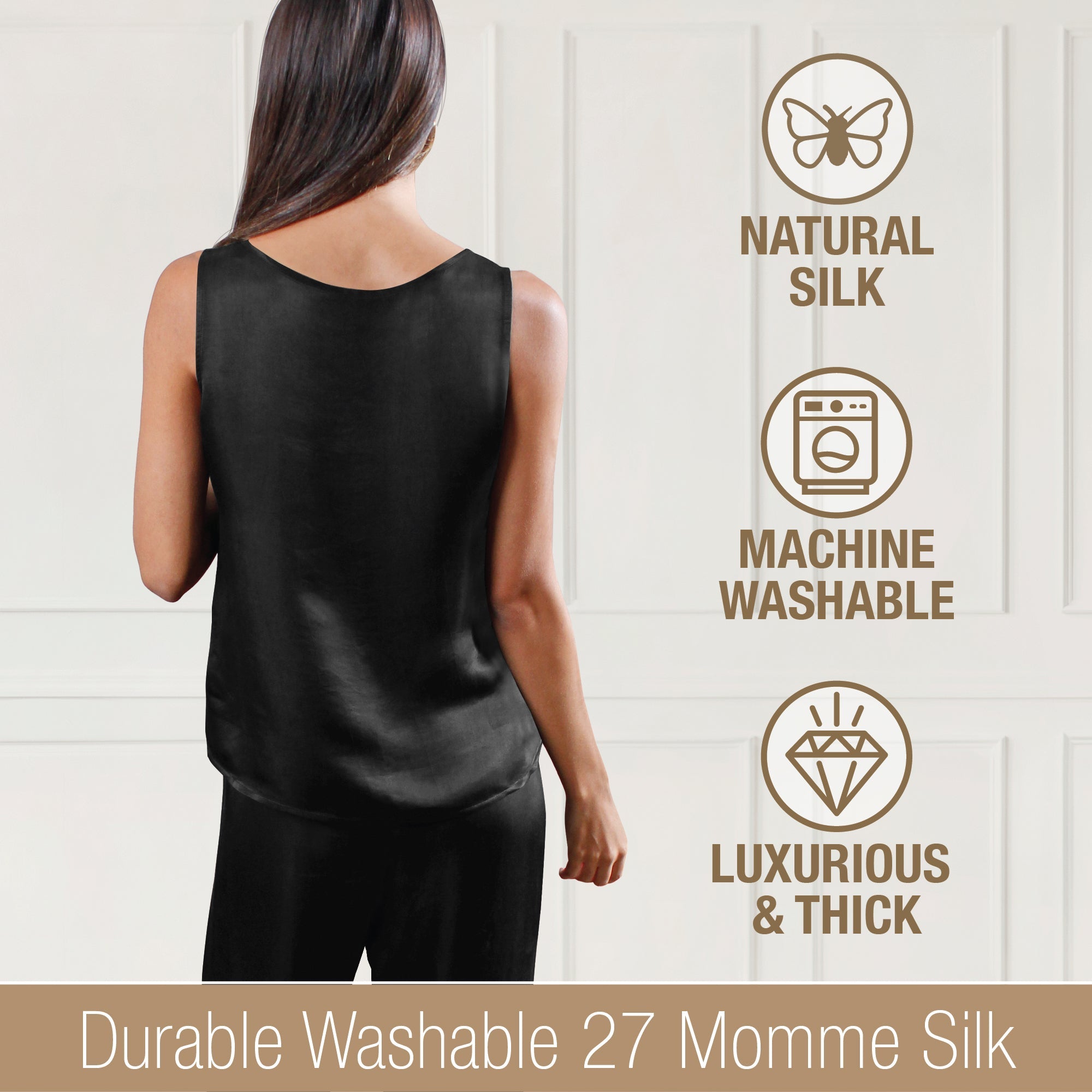
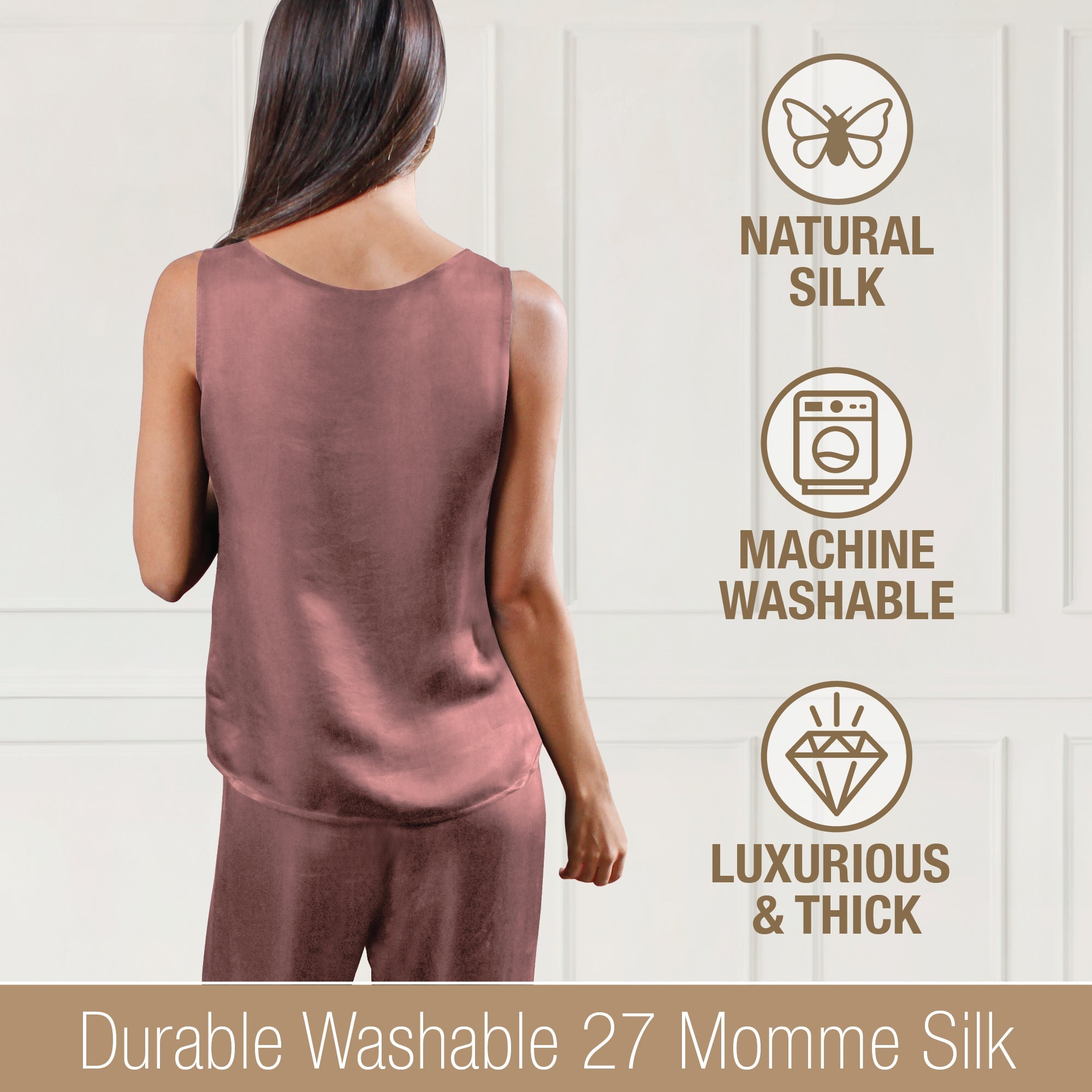
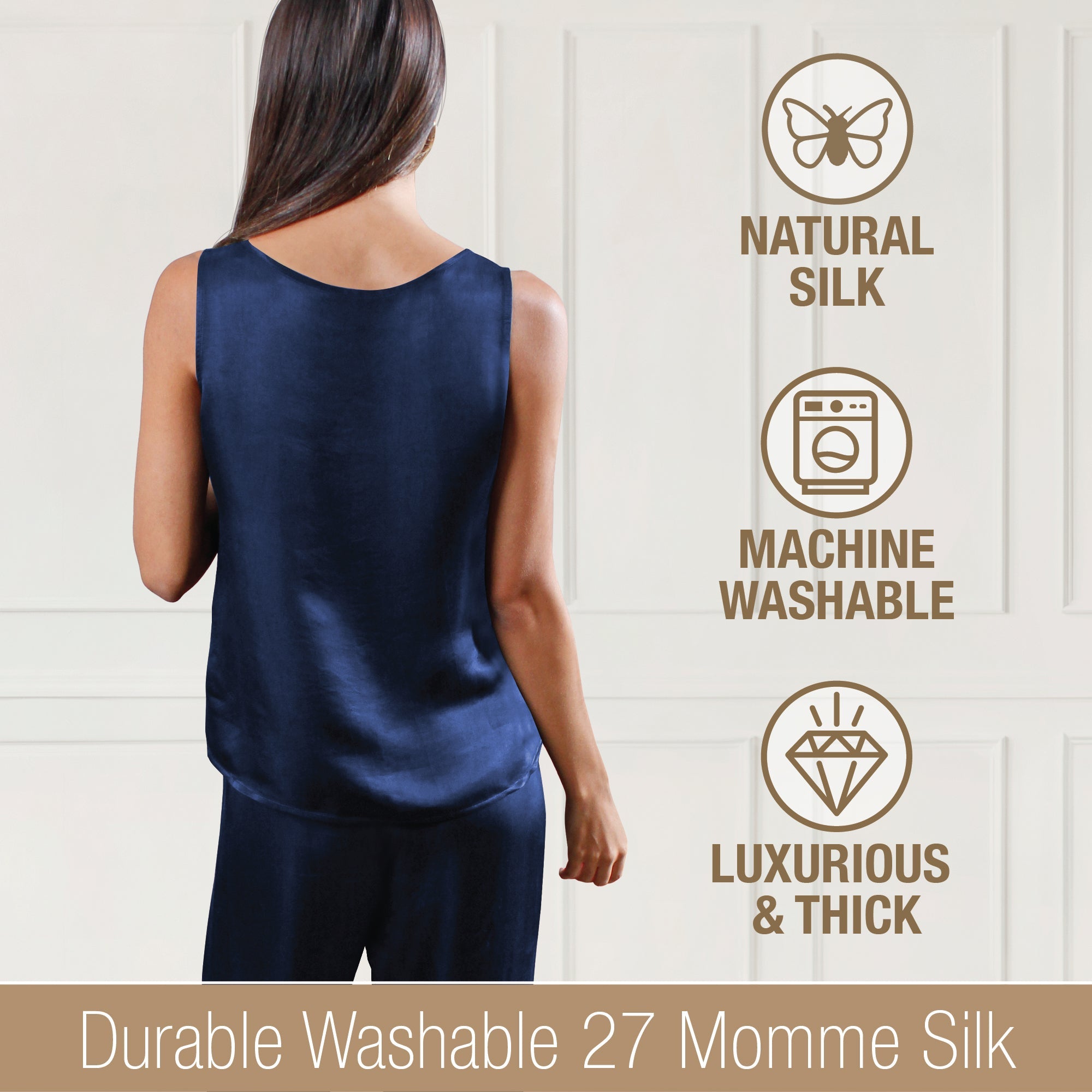
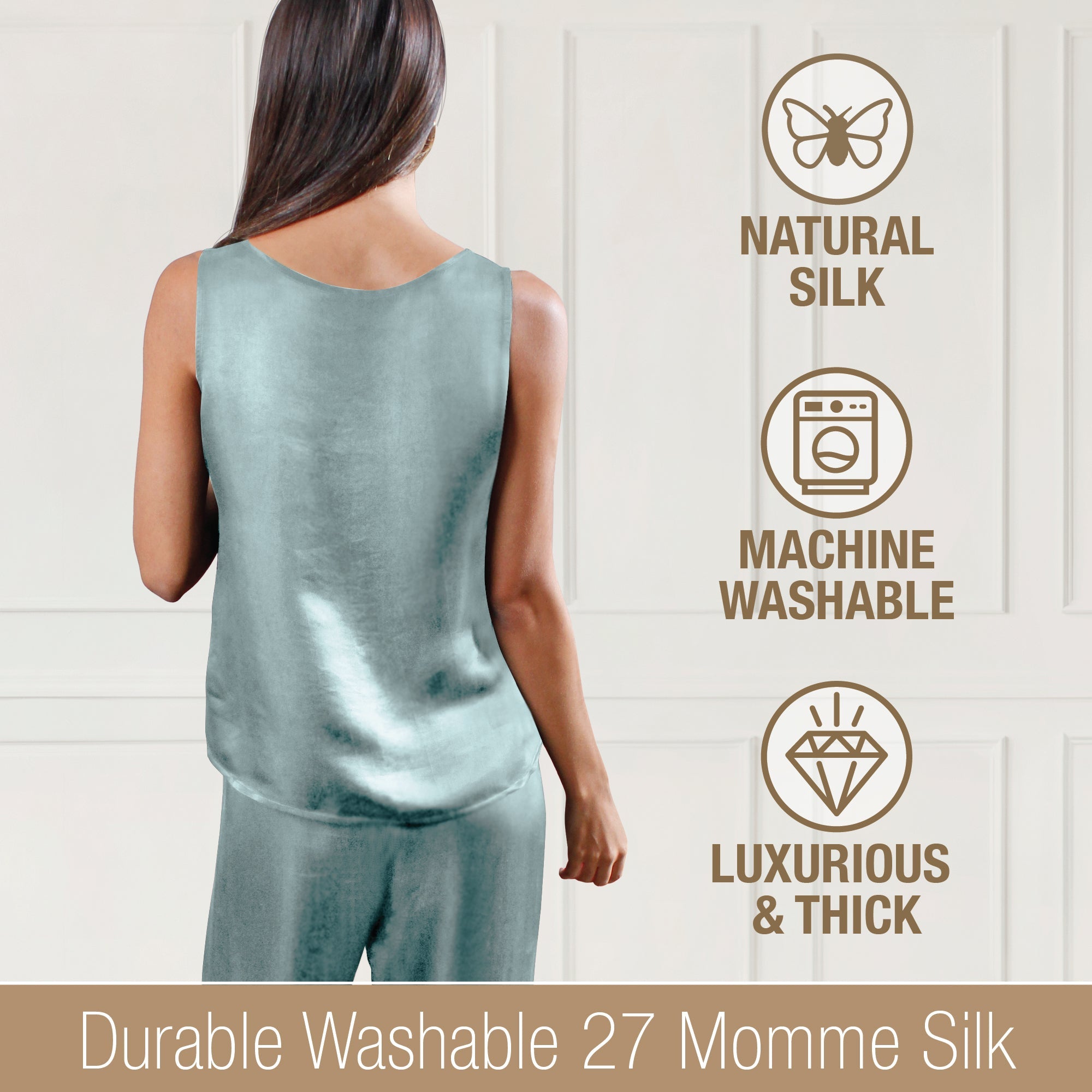
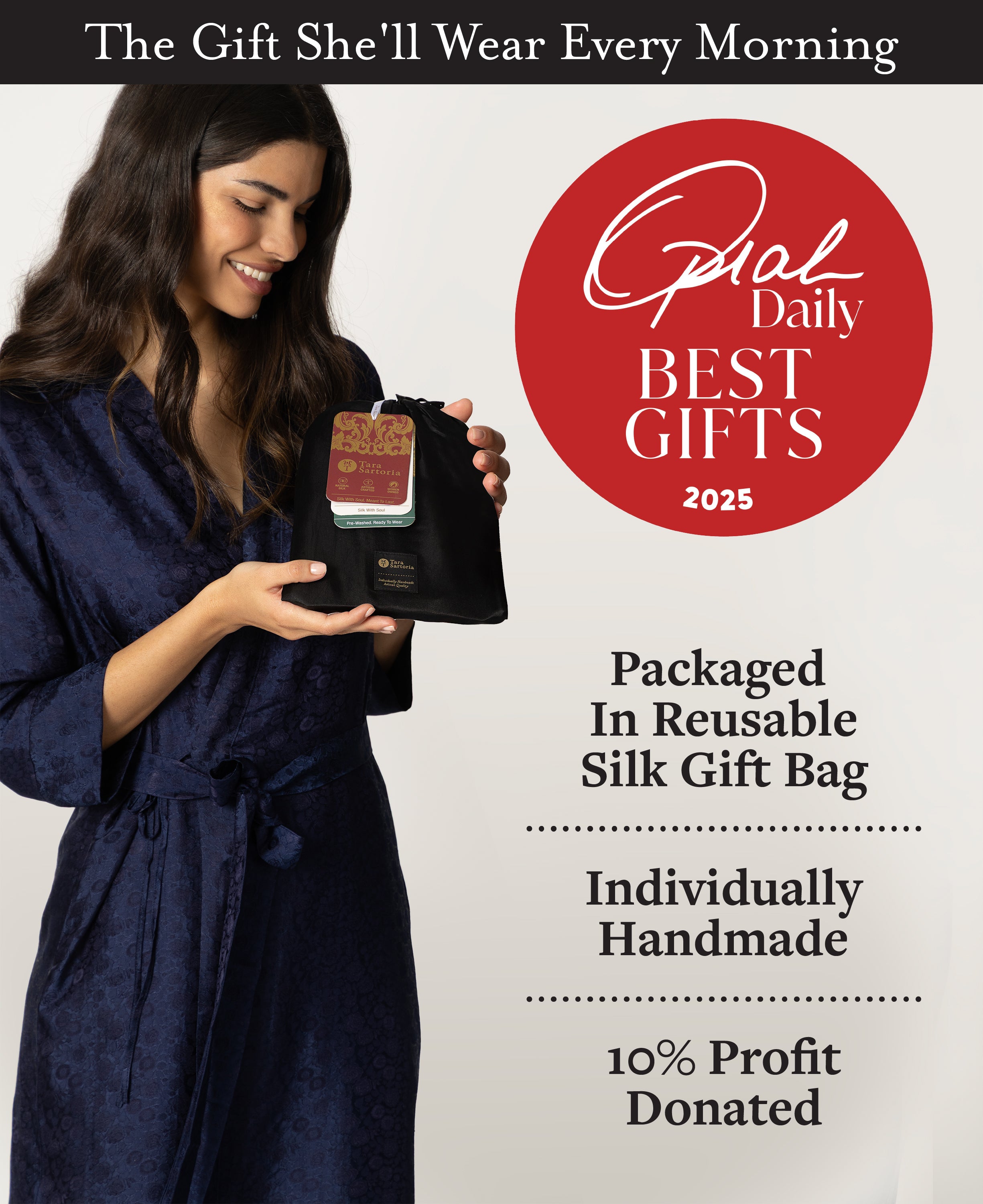
Silk has lower friction against skin than any common textile. Cotton produces significantly more friction. Those numbers translate to measurable difference in mechanical irritation during sleep, when you move against bedding and sleepwear 30-70 times per night.




What the Research Shows
Several studies have examined the relationship between fabric and skin conditions:
A study published in the British Journal of Dermatology found that silk fabric reduced the severity of atopic dermatitis (eczema) in children compared to cotton. While psoriasis and eczema are different conditions with different mechanisms, both are exacerbated by skin friction and irritation.
Research from the University of Nottingham's Center of Evidence Based Dermatology investigated therapeutic silk garments and found that participants wearing silk-based clothing reported reduced itching and improved skin comfort. The researchers attributed this partly to silk's smooth surface and partly to its thermoregulation properties.
Research on fabric properties and skin sensitivity has confirmed that silk produces significantly less mechanical irritation against skin than cotton, polyester, or wool.
No study has demonstrated that silk can prevent or cure psoriasis. The evidence supports a more modest and honest claim: that silk's low-friction, breathable, thermoregulating properties create a less irritating environment for skin that is already susceptible to inflammation.




The Temperature and Moisture Factor
Psoriasis flare-ups are frequently triggered by temperature extremes and by sweating. Hot, sweaty skin produces an inflammatory response that can activate or worsen plaques.
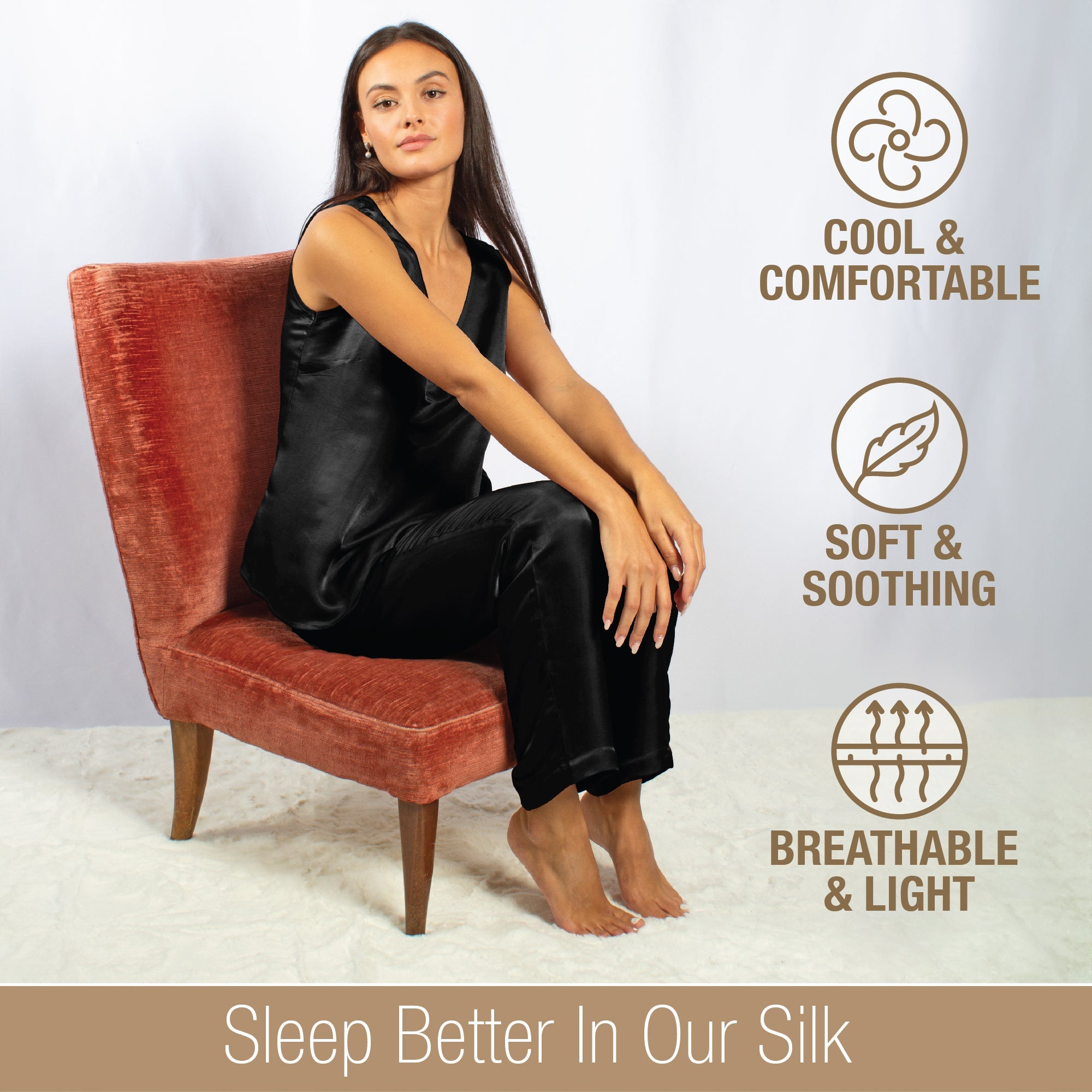
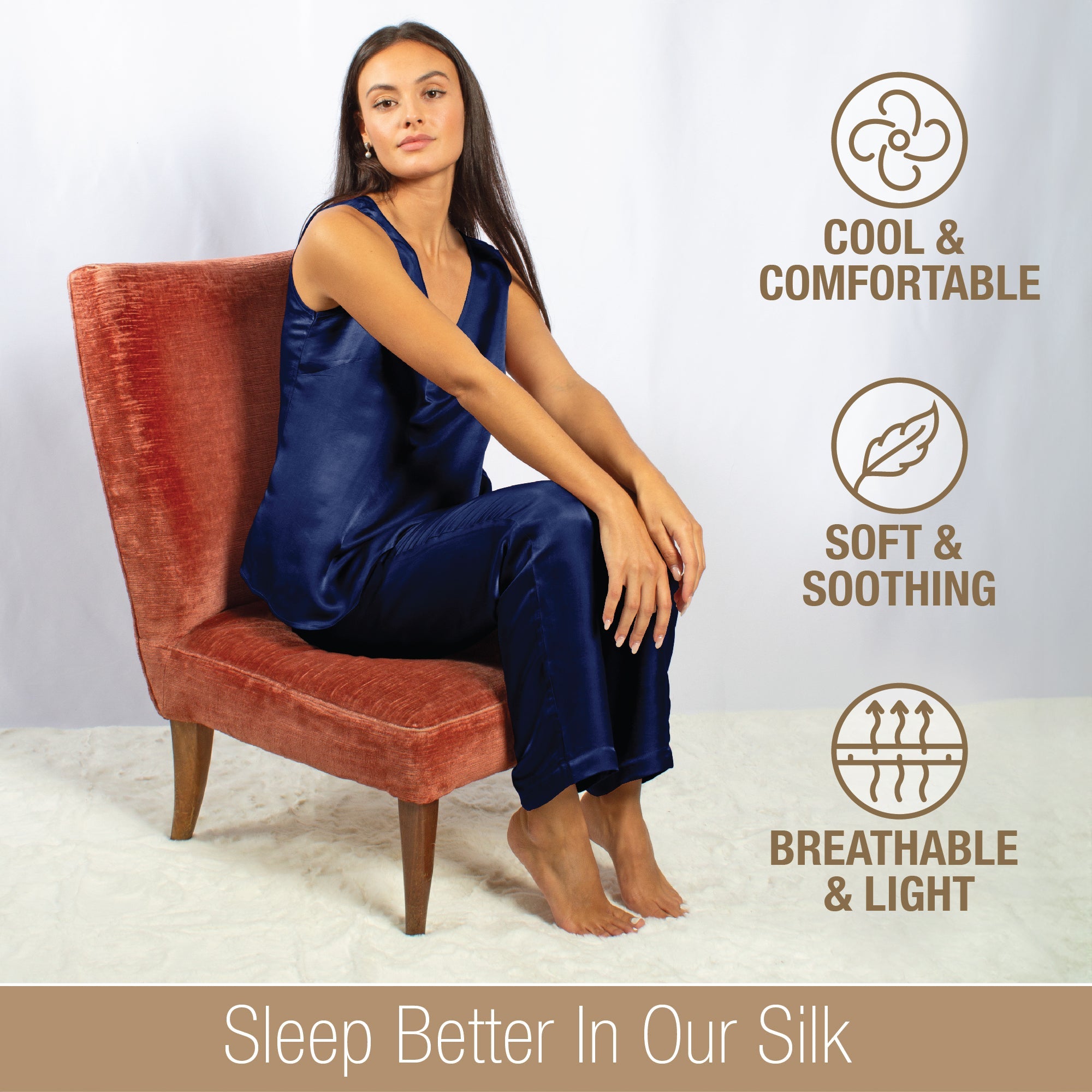
Silk's thermoregulation properties are relevant here. Unlike cotton, which absorbs moisture and holds it against the skin, creating a damp warm environment, silk wicks moisture vapor away from the skin's surface. Unlike polyester, which traps heat and causes overheating during sleep, silk allows heat to dissipate through its natural protein fiber structure.
At 27 momme weight, the fabric is dense enough to provide insulation without trapping heat. The practical result: more stable skin temperature overnight, with less sweating and less of the damp-skin-on-fabric irritation cycle that triggers inflammation.
Breathability and the Bacterial Environment
Psoriatic skin is more vulnerable to secondary bacterial infection, particularly Staphylococcus aureus, which can colonize plaques and worsen the condition. Fabric that stays damp creates an environment conducive to bacterial growth. The combination of moisture, warmth, and a textured fabric surface creates ideal conditions for bacterial colonization.
Silk has documented antimicrobial properties. The sericin protein on silk fiber has been shown to inhibit bacterial growth. While most finished silk has the sericin removed during processing, the smooth, non-absorbent fiber structure itself creates a less hospitable environment for bacteria than the rough, moisture-retaining structure of cotton fiber.
This matters practically because psoriatic skin that remains damp overnight (due to cotton's moisture absorption) is more prone to infection and irritation. Silk wicks moisture away, keeping skin dry and less prone to bacterial overgrowth. The difference is not dramatic, but for people managing psoriasis, incremental improvements in skin environment accumulate into measurable quality-of-life differences.
 Shop Artisan Silk Kimono Robes, Short
What Silk Cannot Do for Psoriasis
Transparency matters. Let's be clear about limits:
Silk cannot stop the immune response that causes psoriatic cell proliferation. That requires medical treatment, whether topical corticosteroids, biologics, phototherapy, or other prescribed therapies.
Silk cannot prevent all Koebner phenomenon responses. Even the lowest-friction fabric still creates some mechanical contact with skin.
Silk is not a medical device. It is a textile with properties that happen to align with what dermatological research recommends for sensitive, inflammation-prone skin.
Individual responses vary. Some psoriasis patients report significant improvement in comfort with silk sleepwear. Others notice little difference. The severity and type of psoriasis, the body areas affected, and individual skin sensitivity all influence whether fabric change produces noticeable benefit.
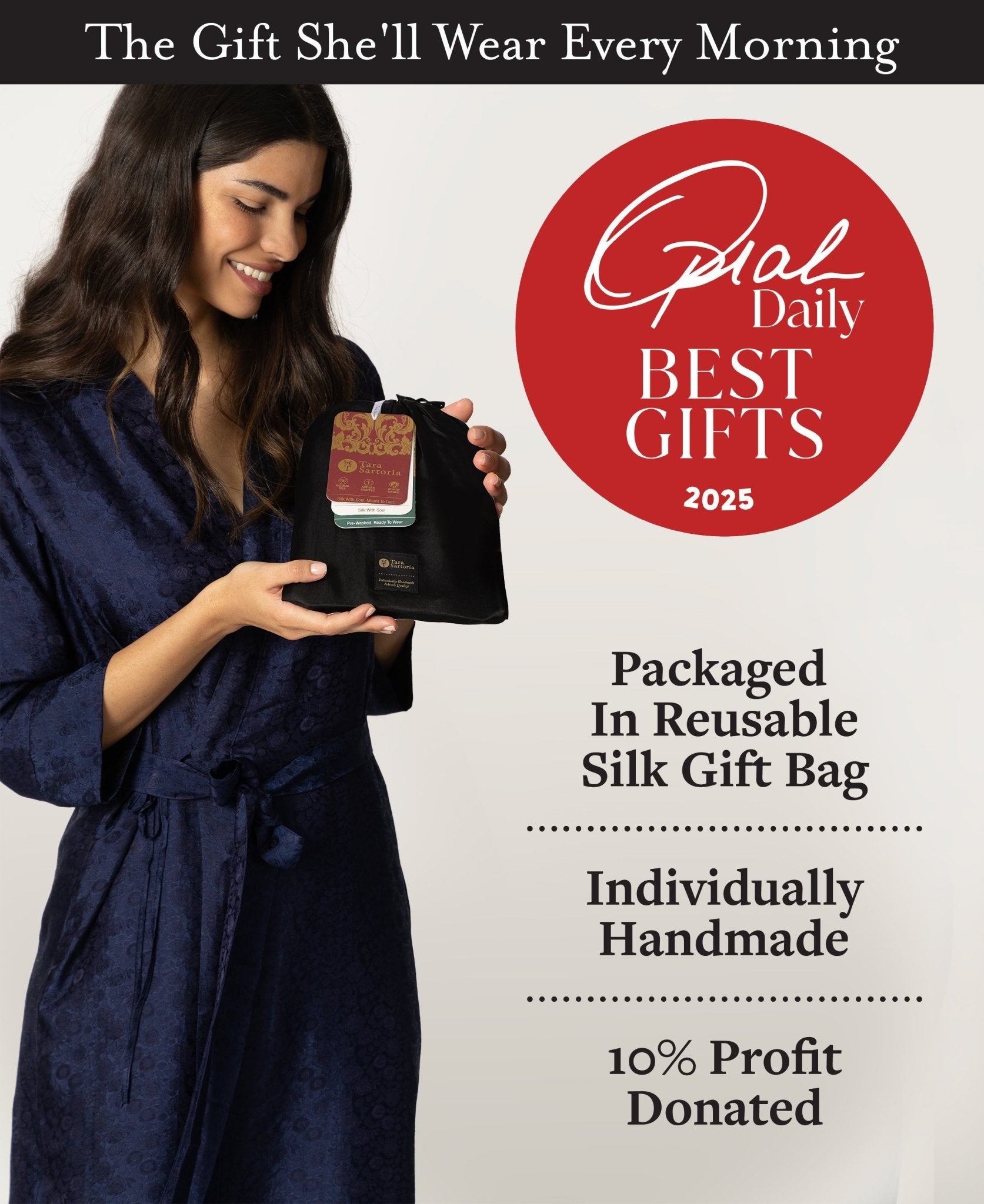
 Shop Artisan Long Silk Kimono Robe Jacquard And Nightgown Set
Practical Fabric Recommendations for Psoriasis Patients
Based on the evidence, here are practical guidelines for people managing psoriasis:
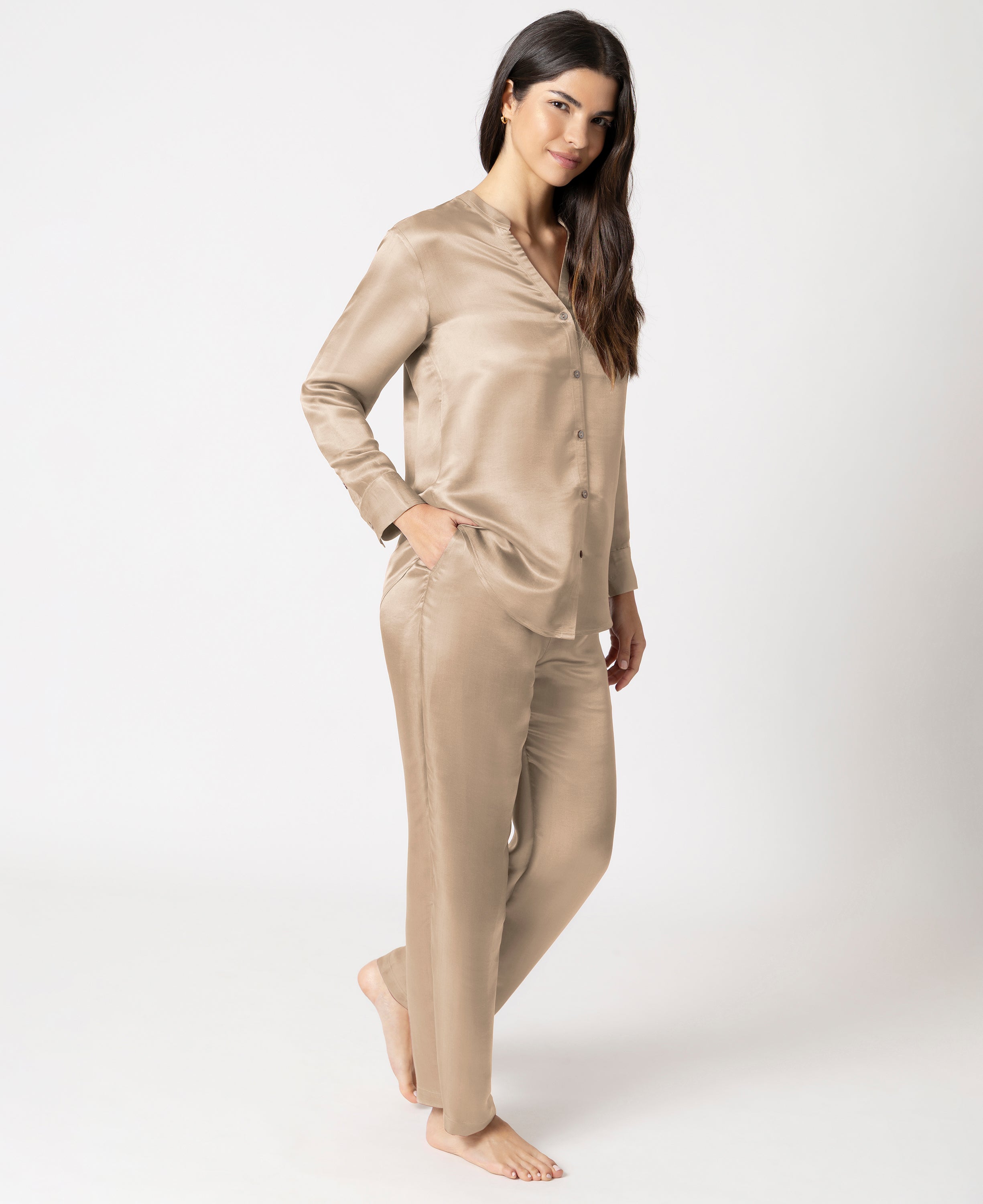
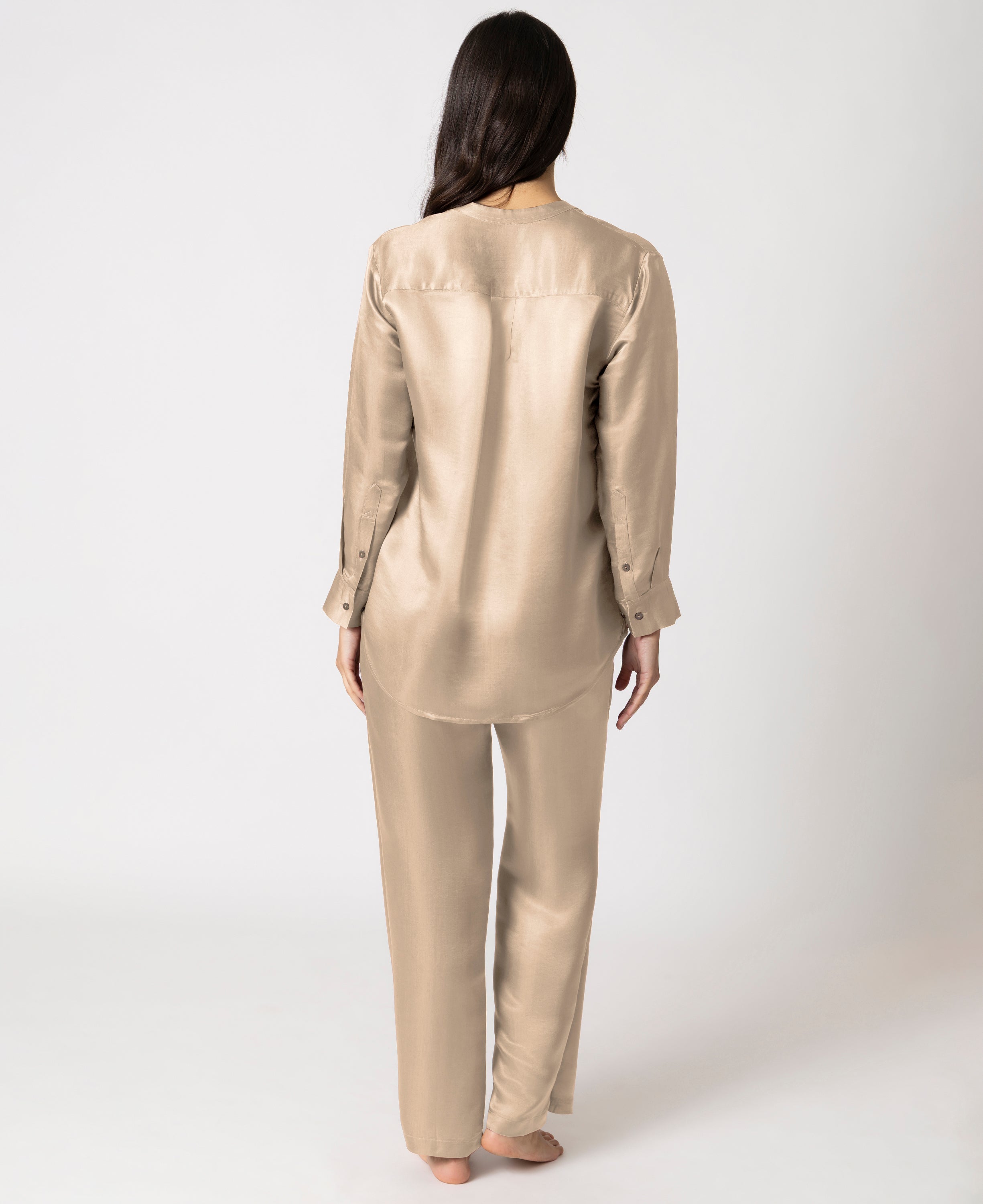
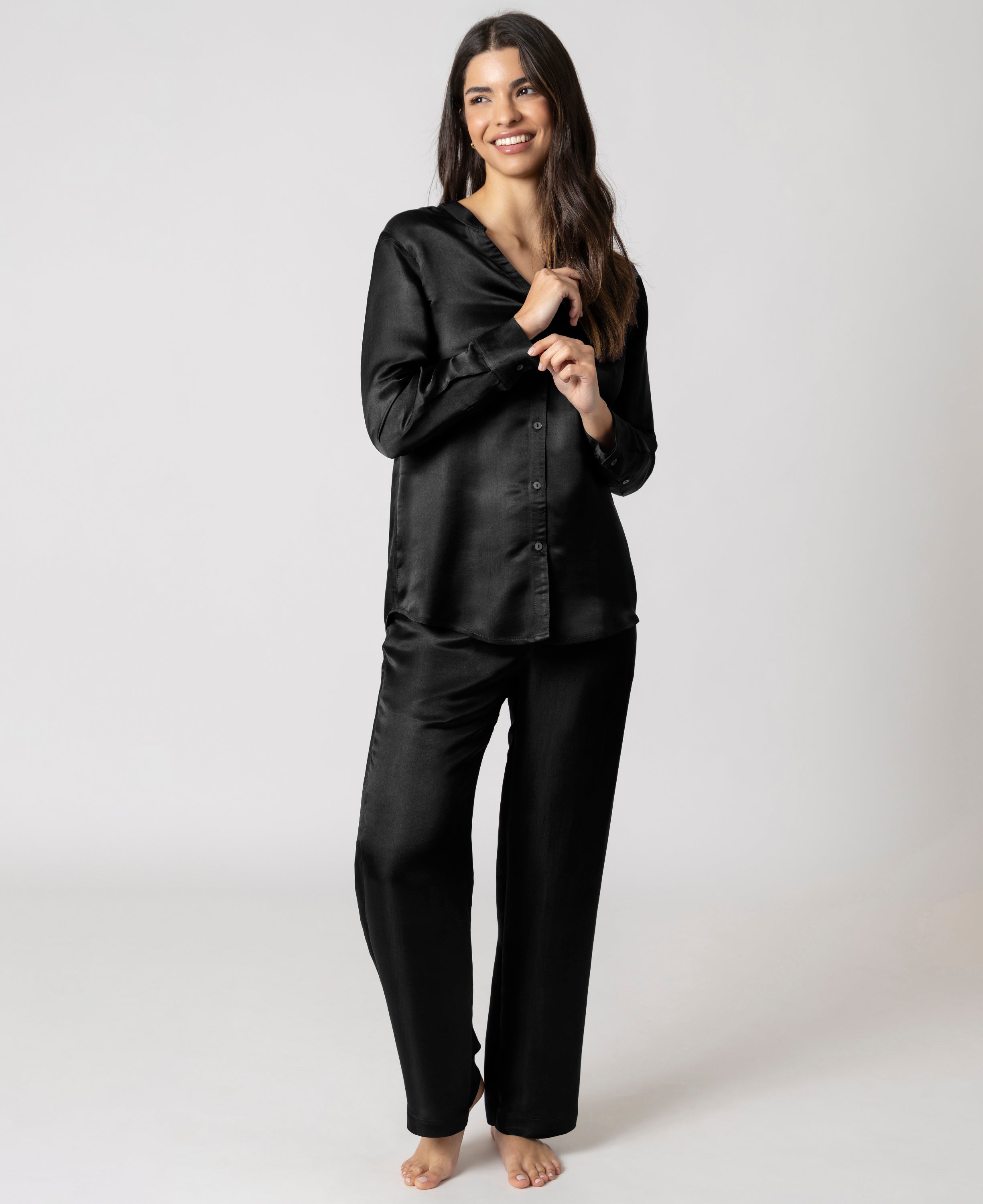
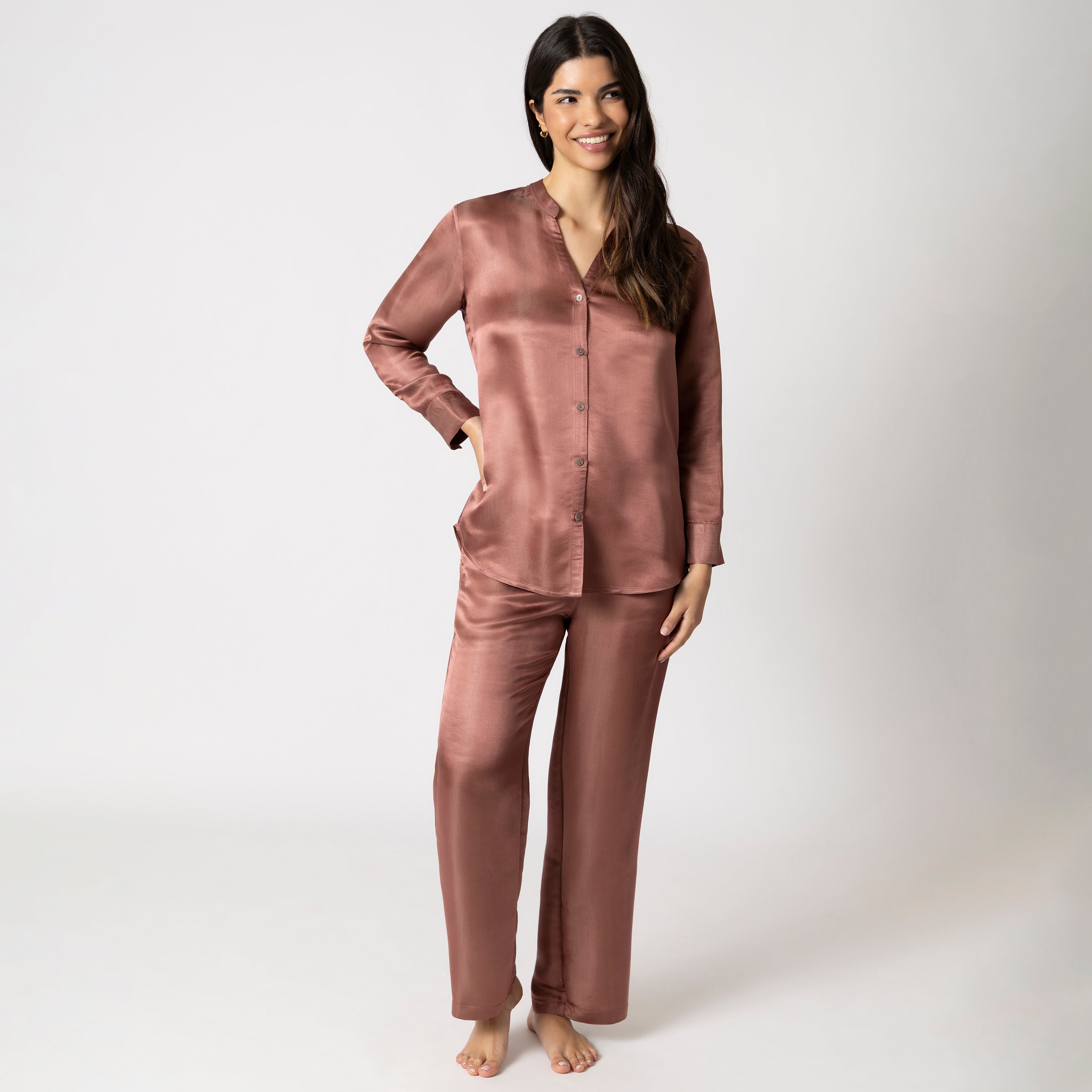
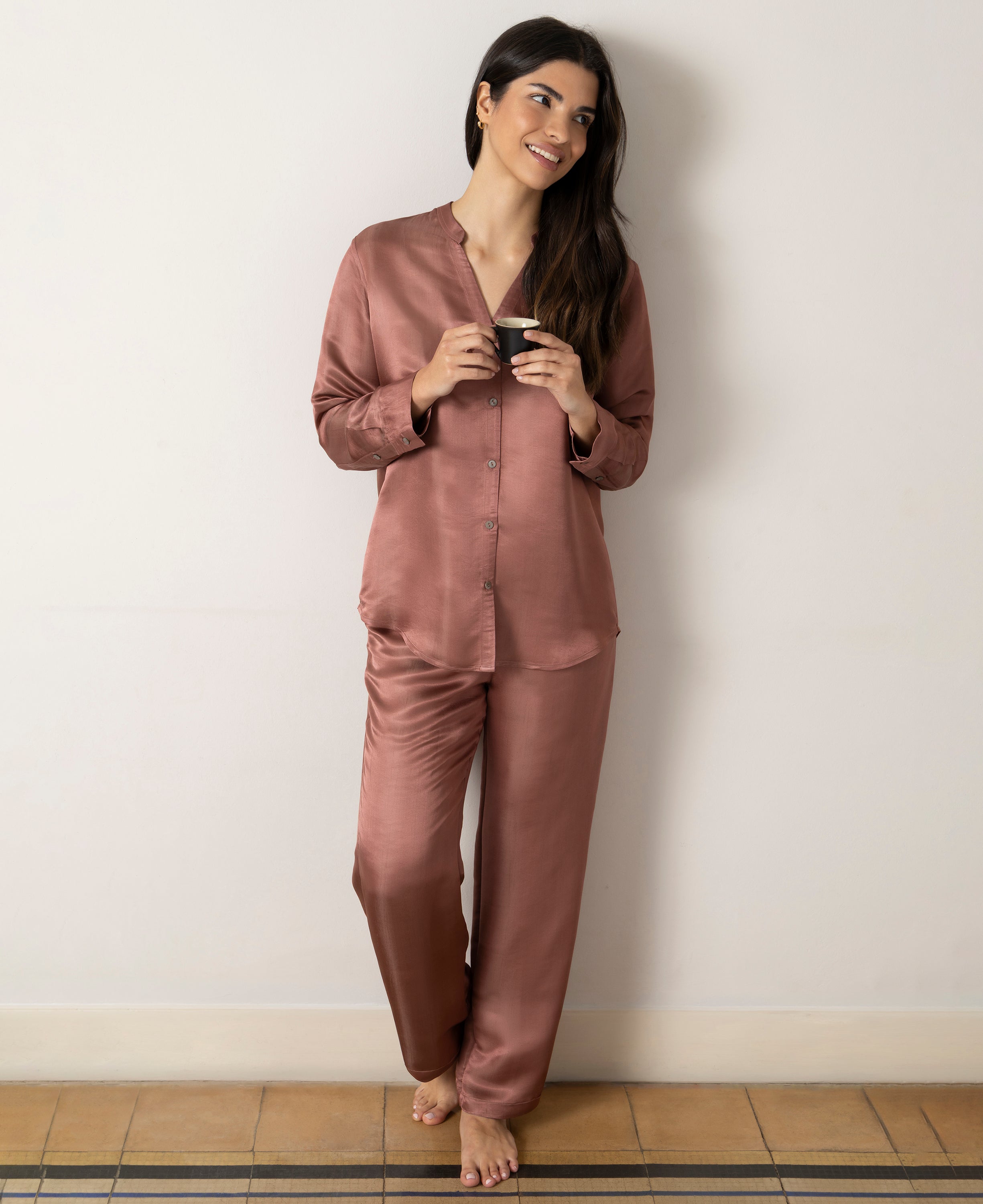
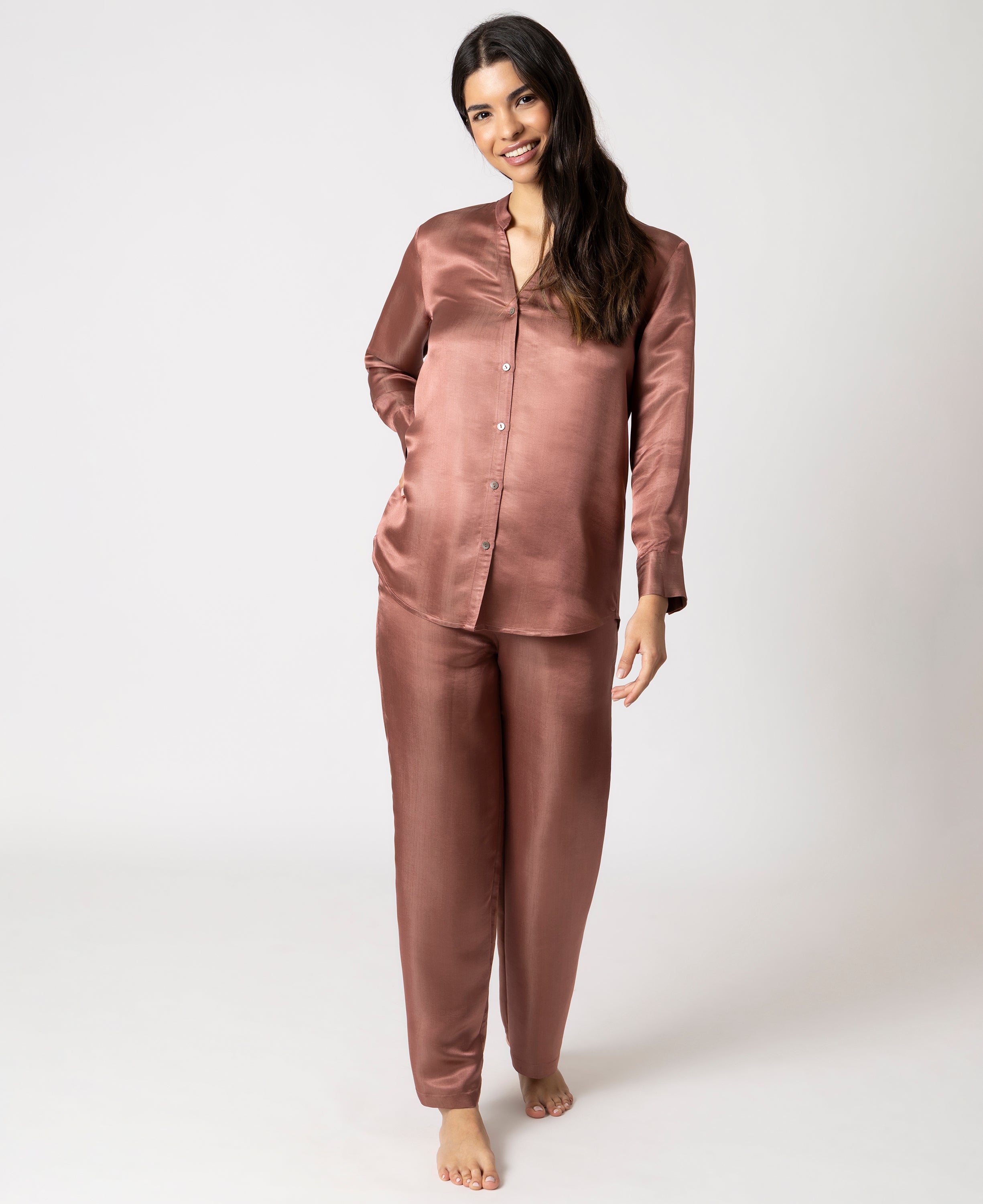
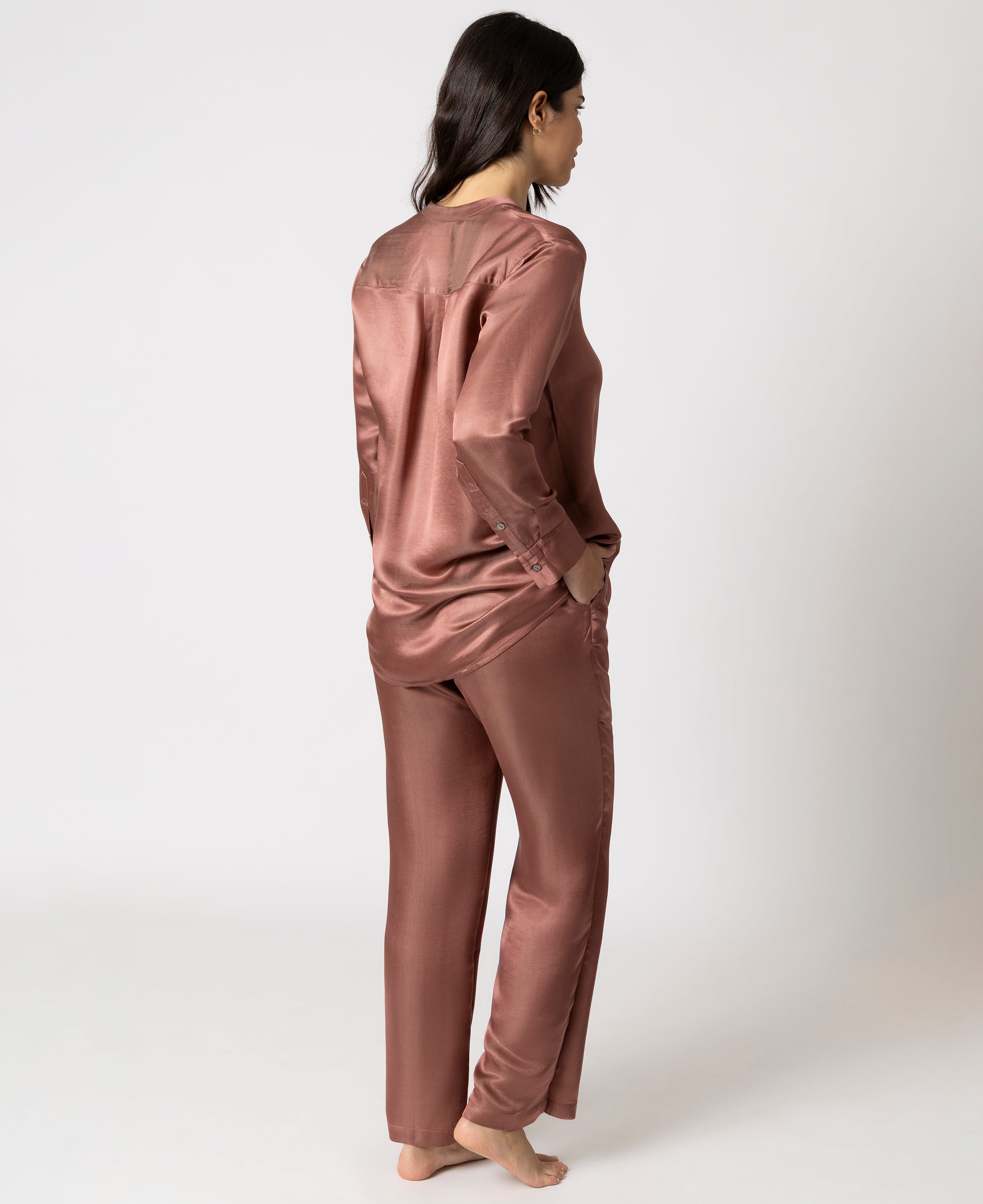
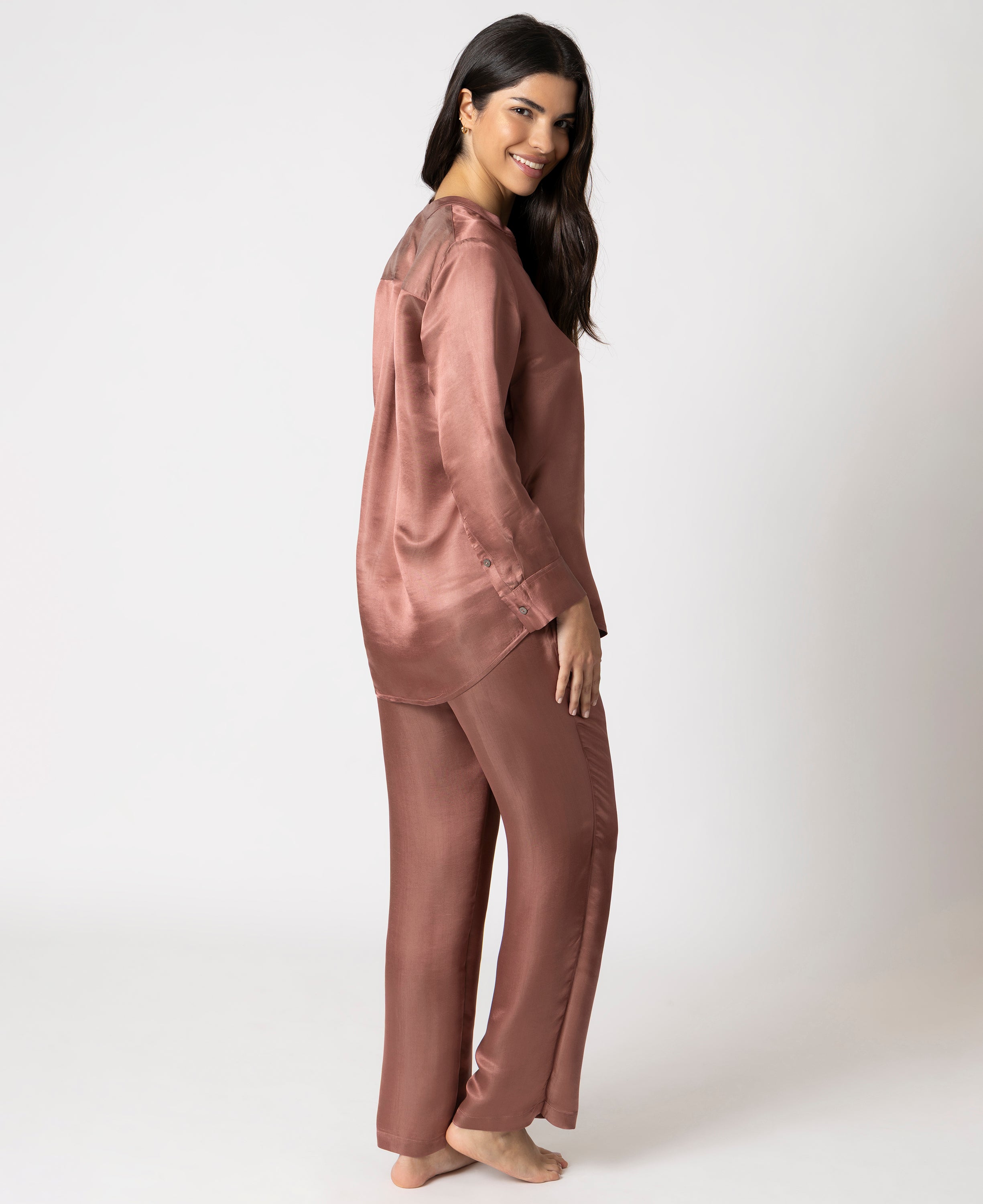
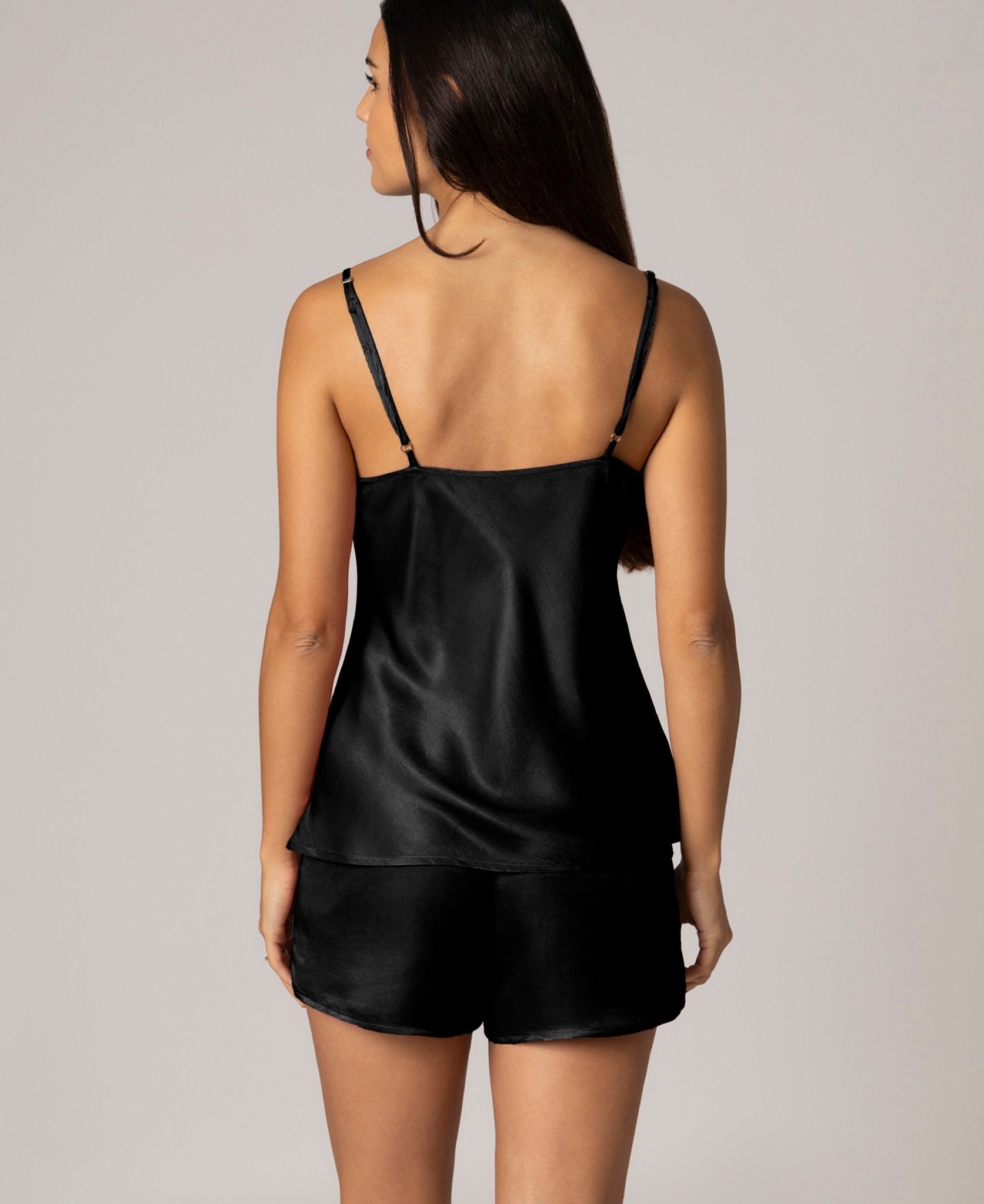
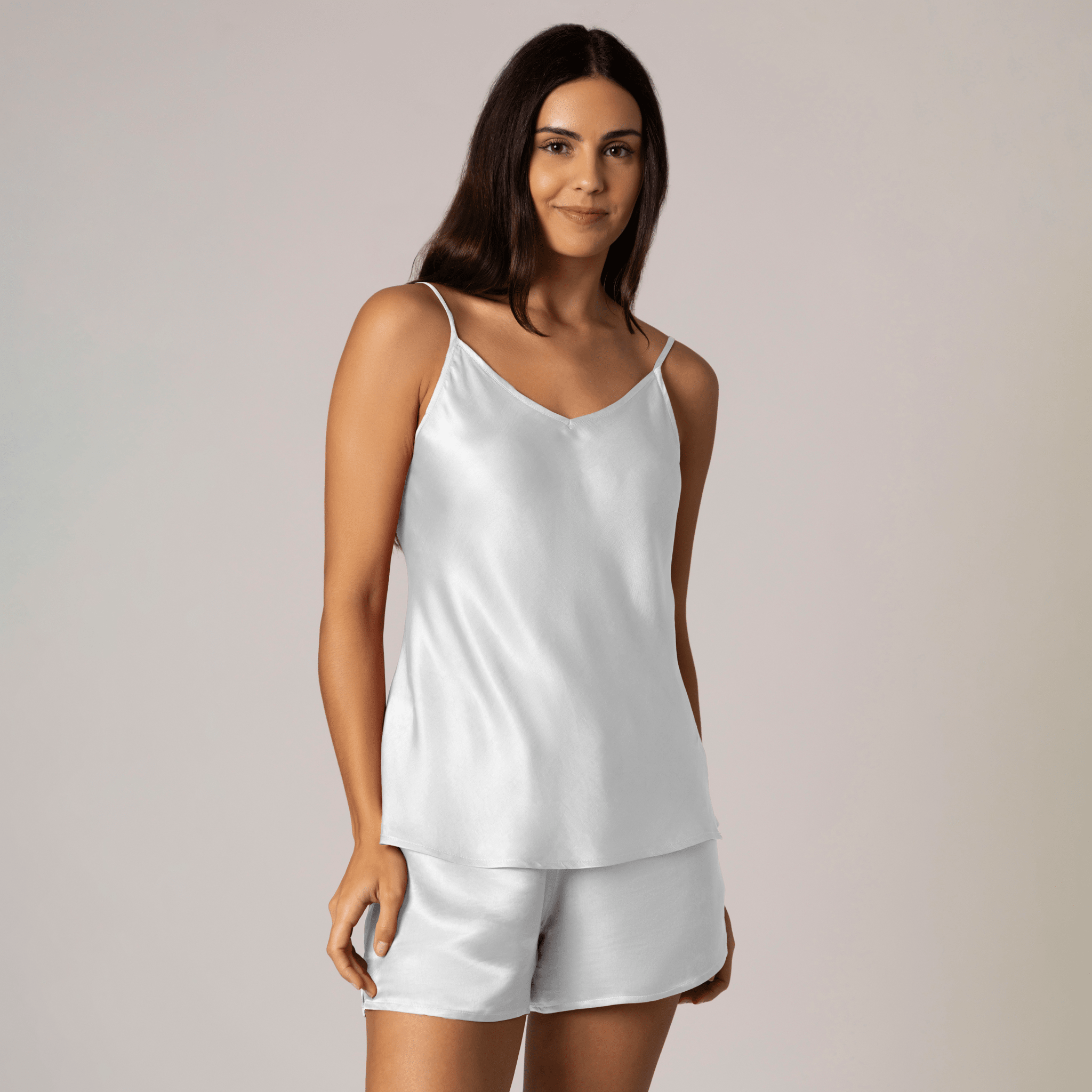
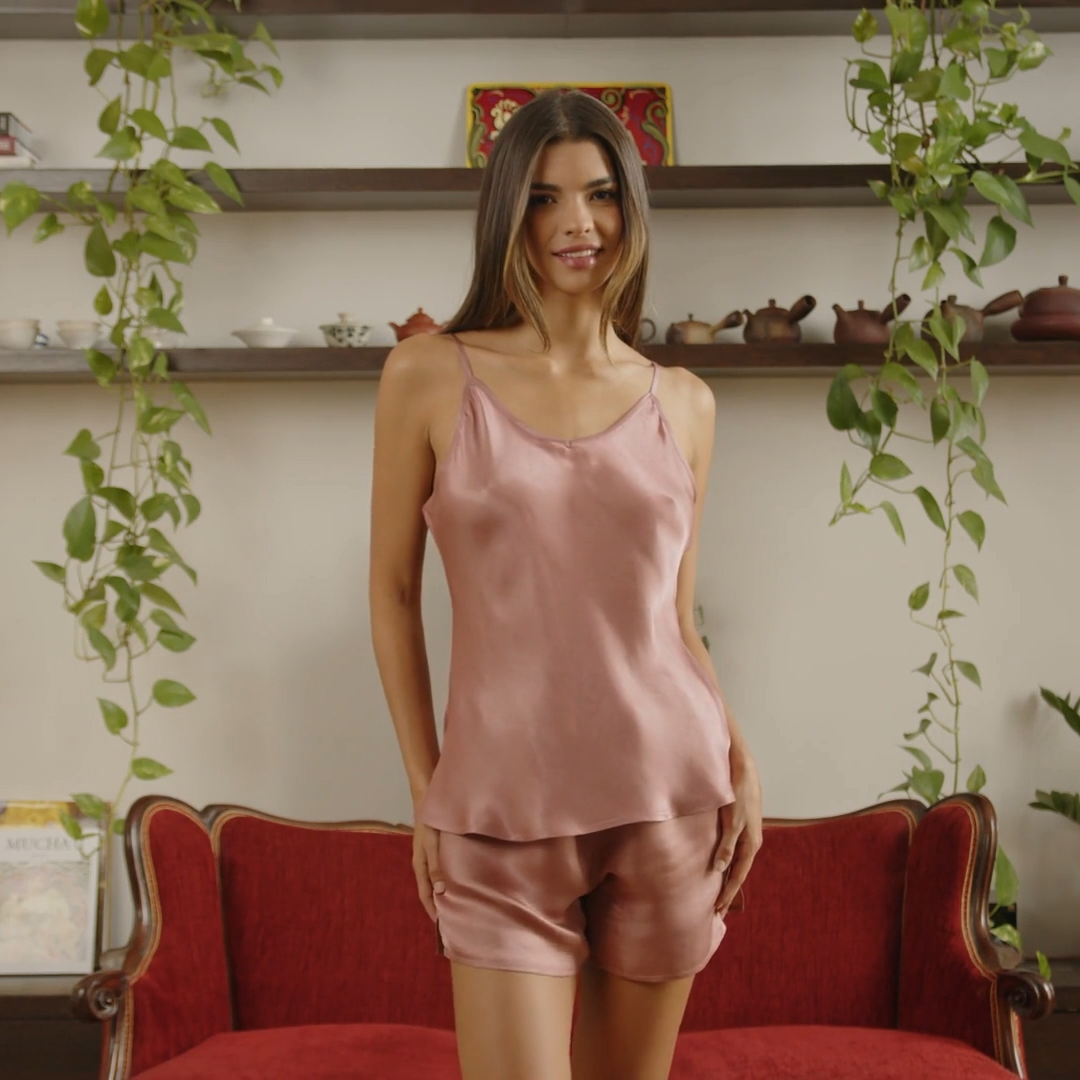
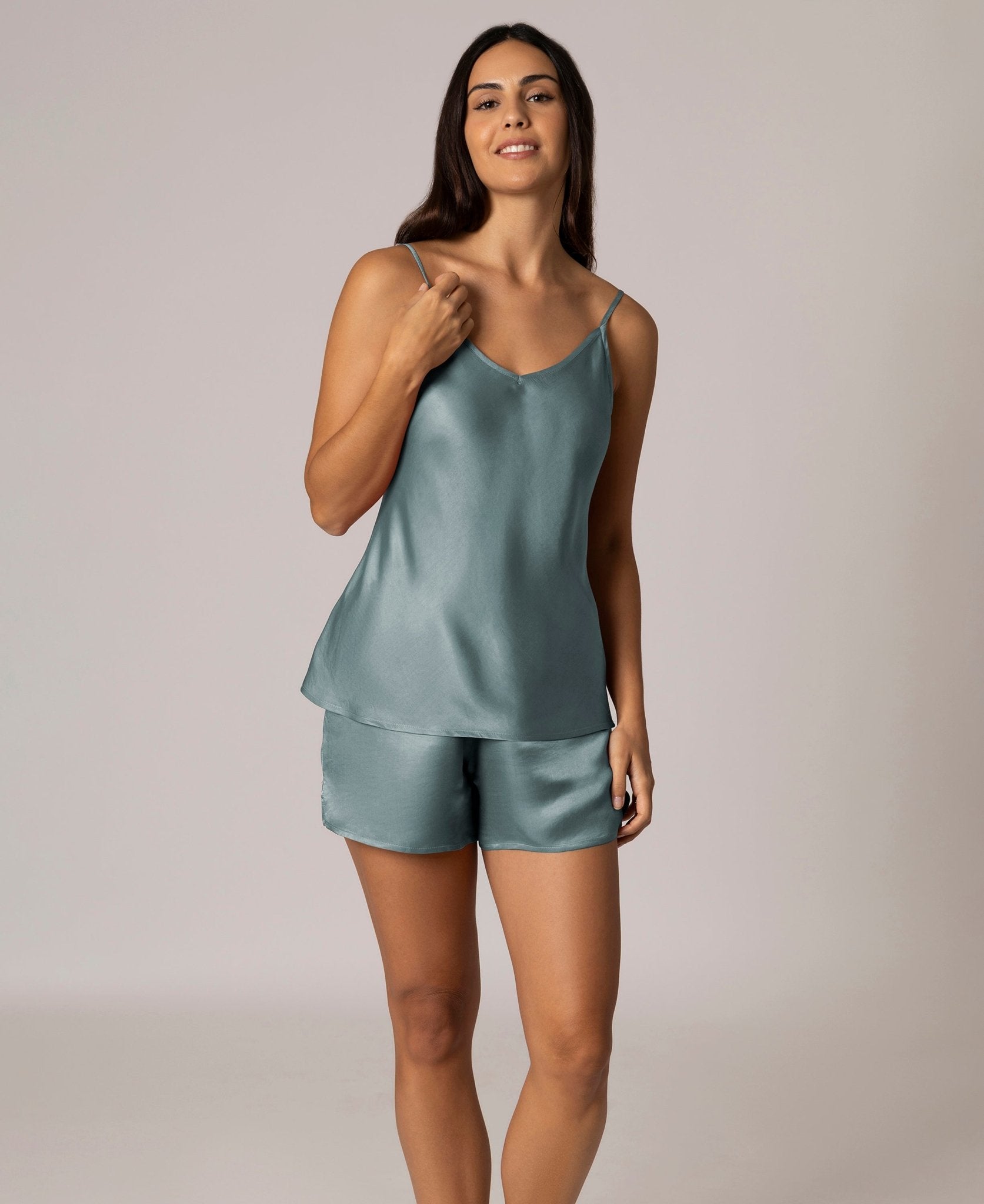
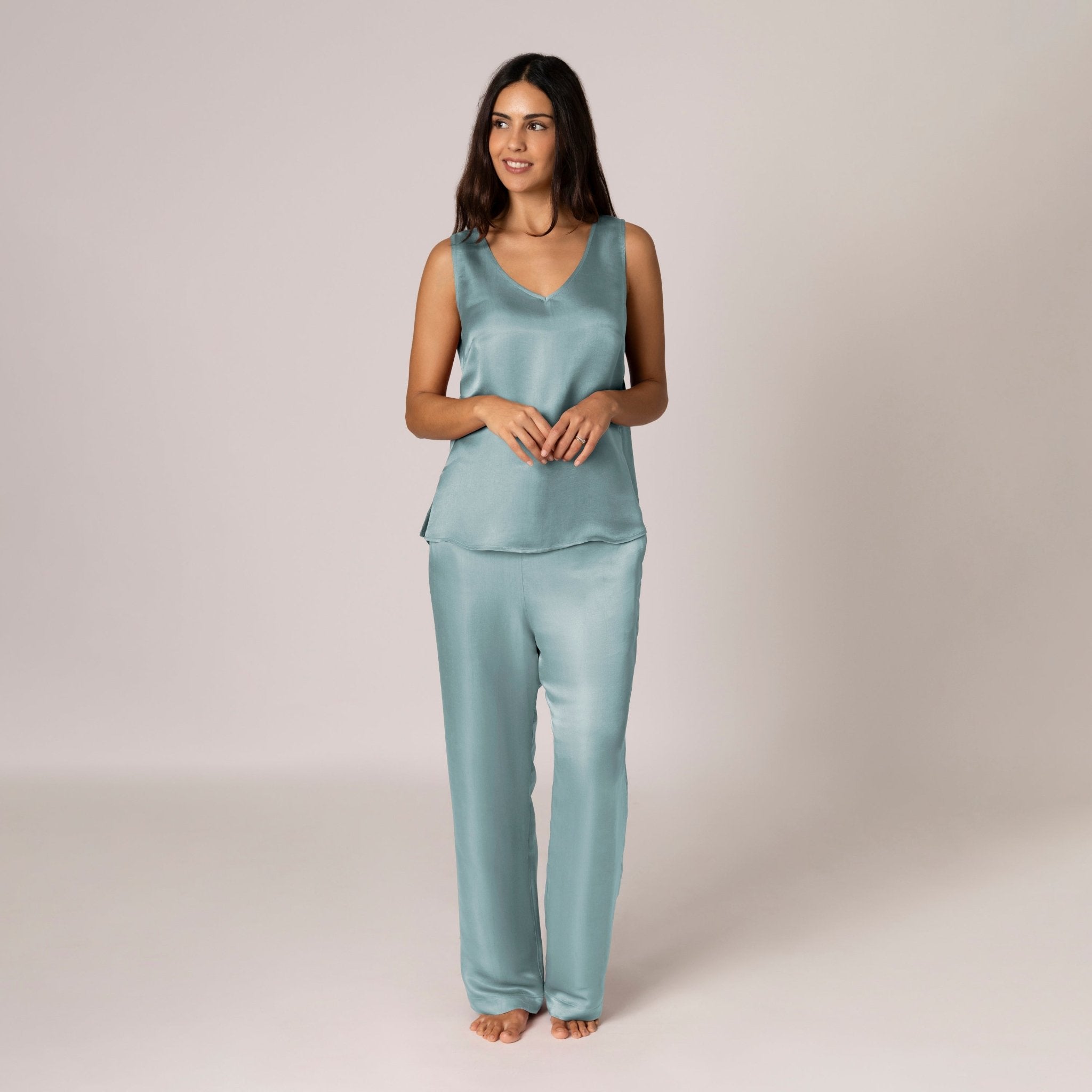
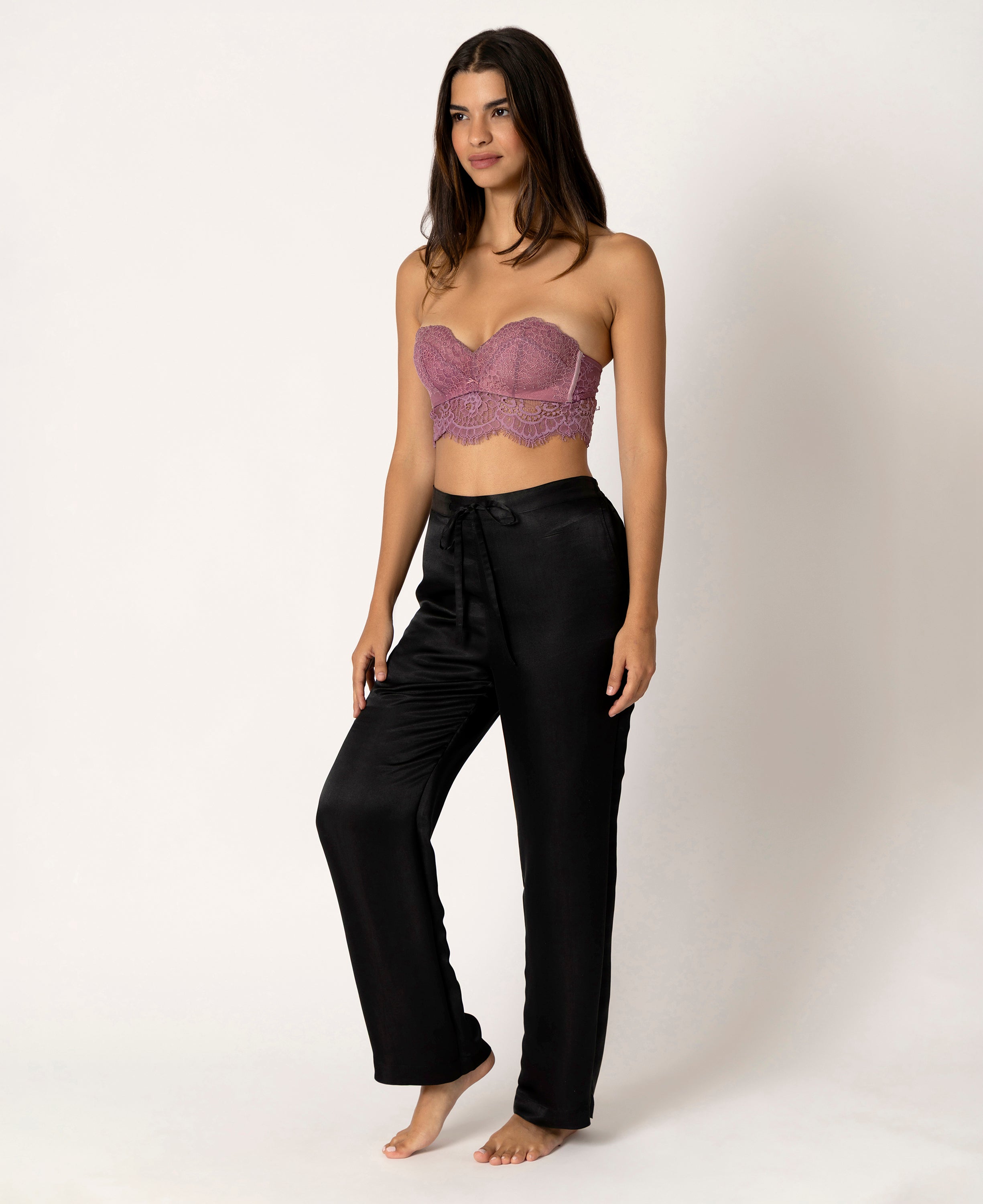
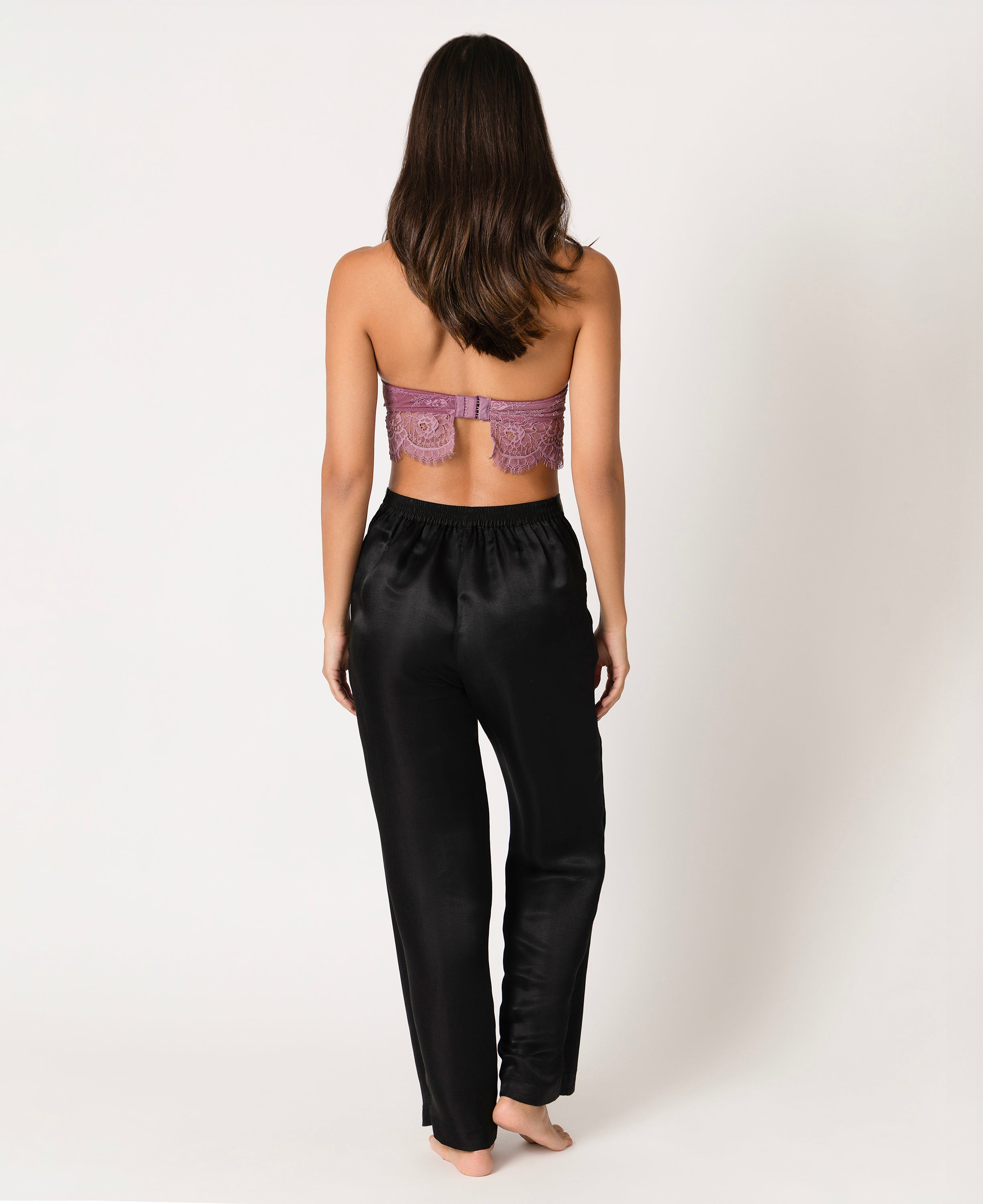
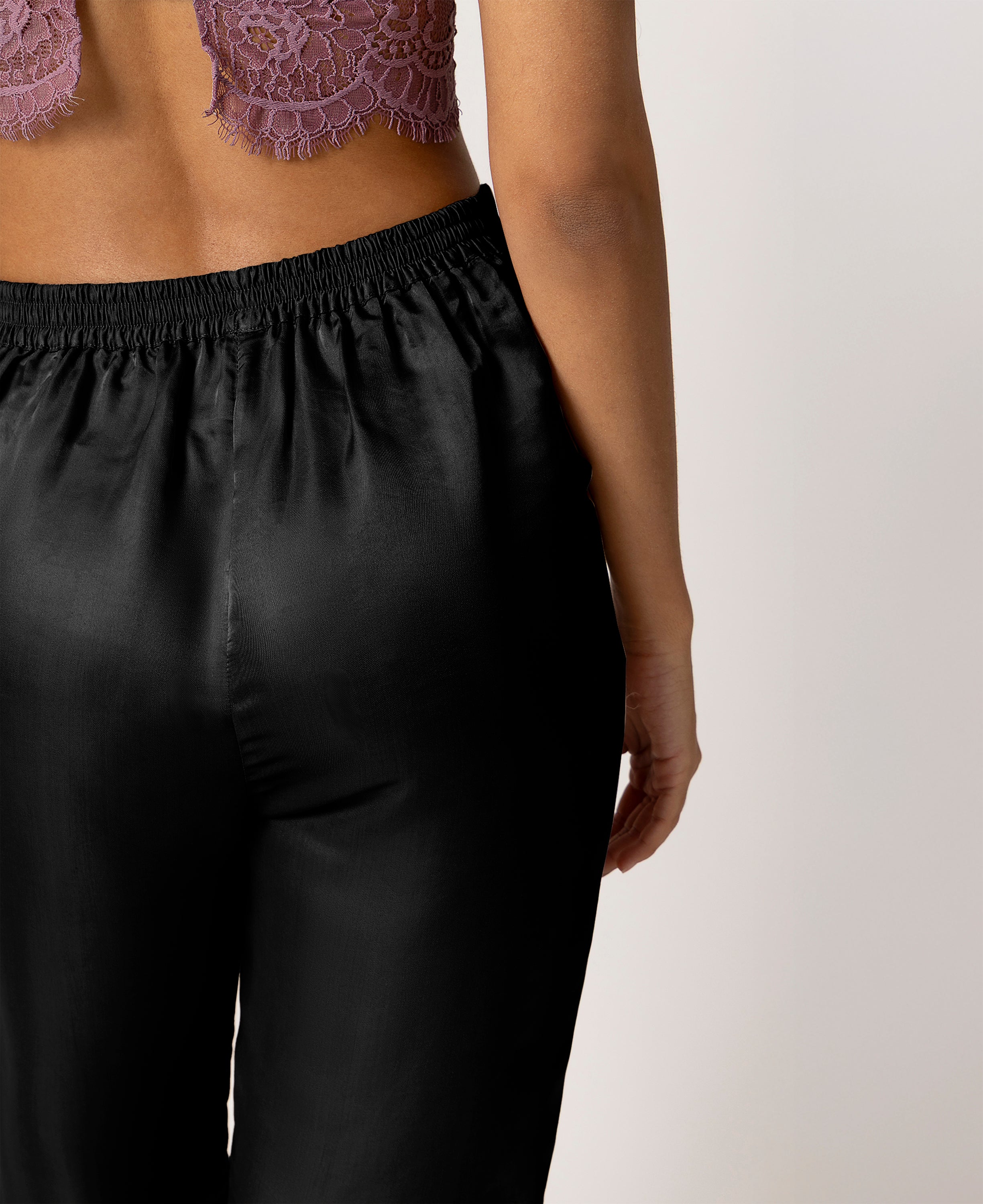
For sleepwear: Silk is the optimal choice based on its low surface friction, breathability, and temperature regulation properties. At 27 momme, the weight is sufficient for year-round comfort without overheating. Loose-fitting pajamas reduce friction further. Avoid tight elastic waistbands or cuffs over psoriatic plaques.
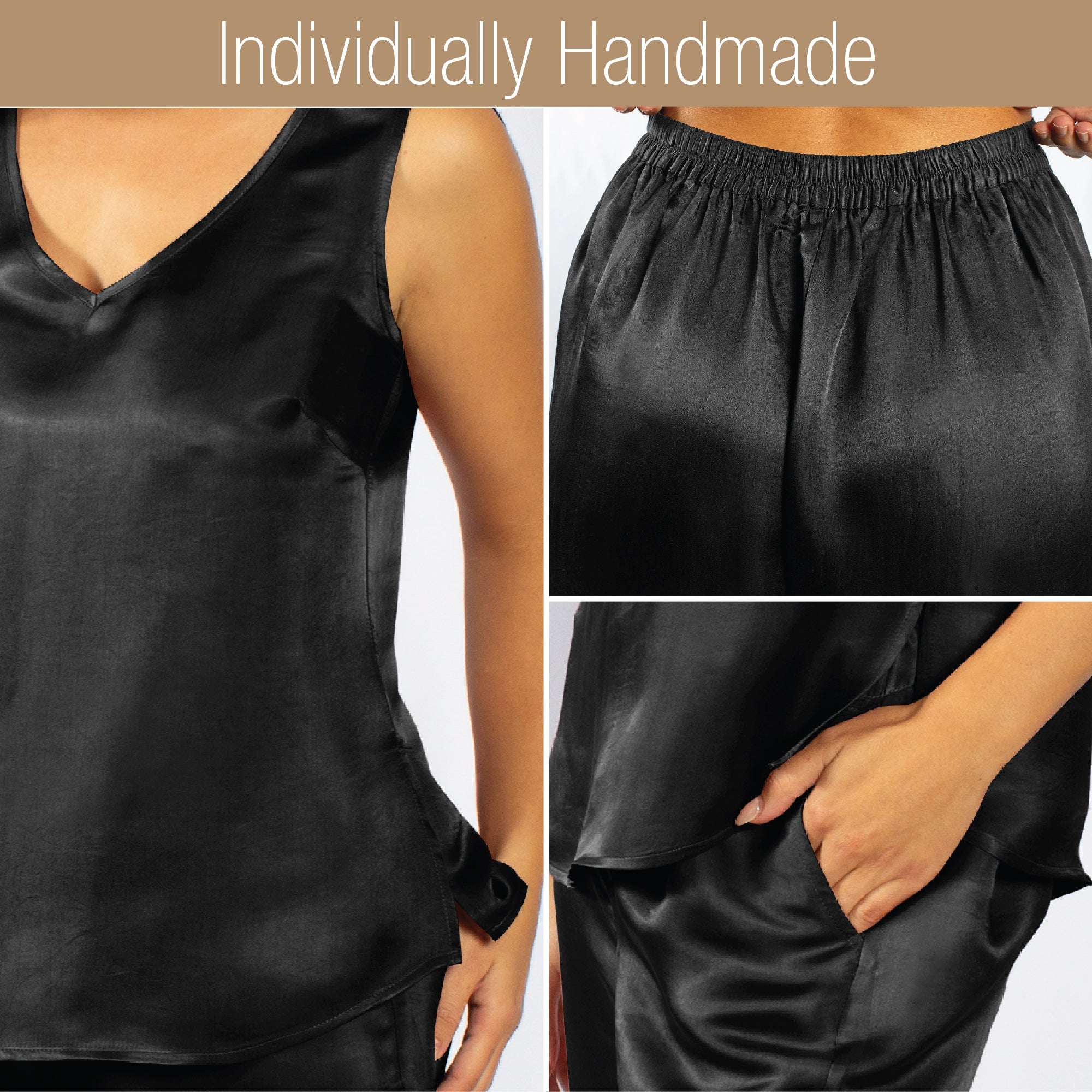
For undergarments: Silk boxers at 27 momme create less friction than cotton against the groin, inner thigh, and waistband areas, all common psoriasis sites. The French seam construction is relevant here. Enclosed seams create a smoother internal surface than overlocked seams.
For facial and scalp psoriasis: Silk's low-friction surface reduces mechanical irritation against the face and scalp during the 30 to 70 positional movements per night. The smooth fiber structure also reduces hair breakage, which can be a concern for scalp psoriasis patients using topical treatments.
For robes and loungewear: If you spend significant time at home in a robe, silk provides all-day comfort without the overheating that terry cloth or fleece robes cause. Overheating and sweating are documented psoriasis triggers.
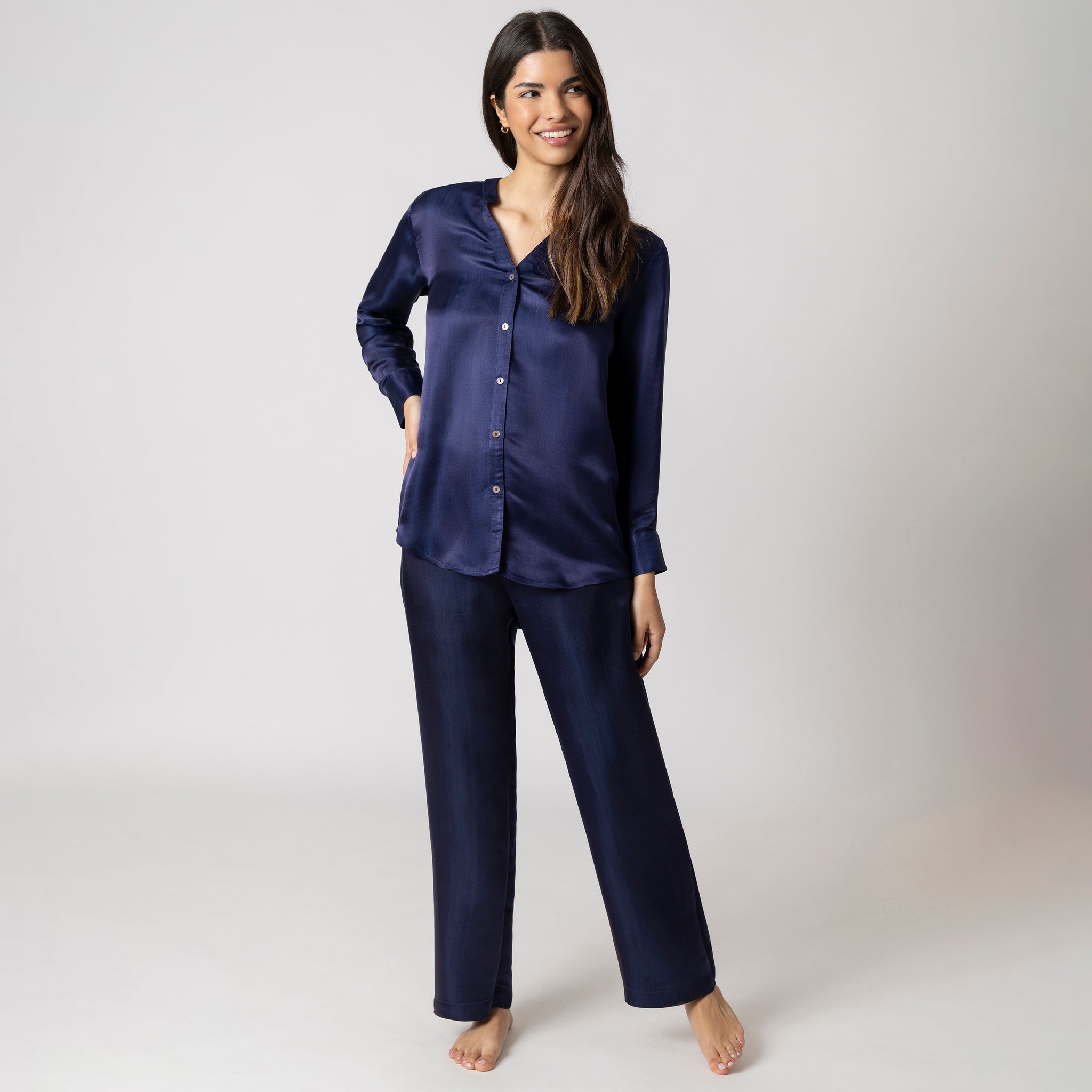
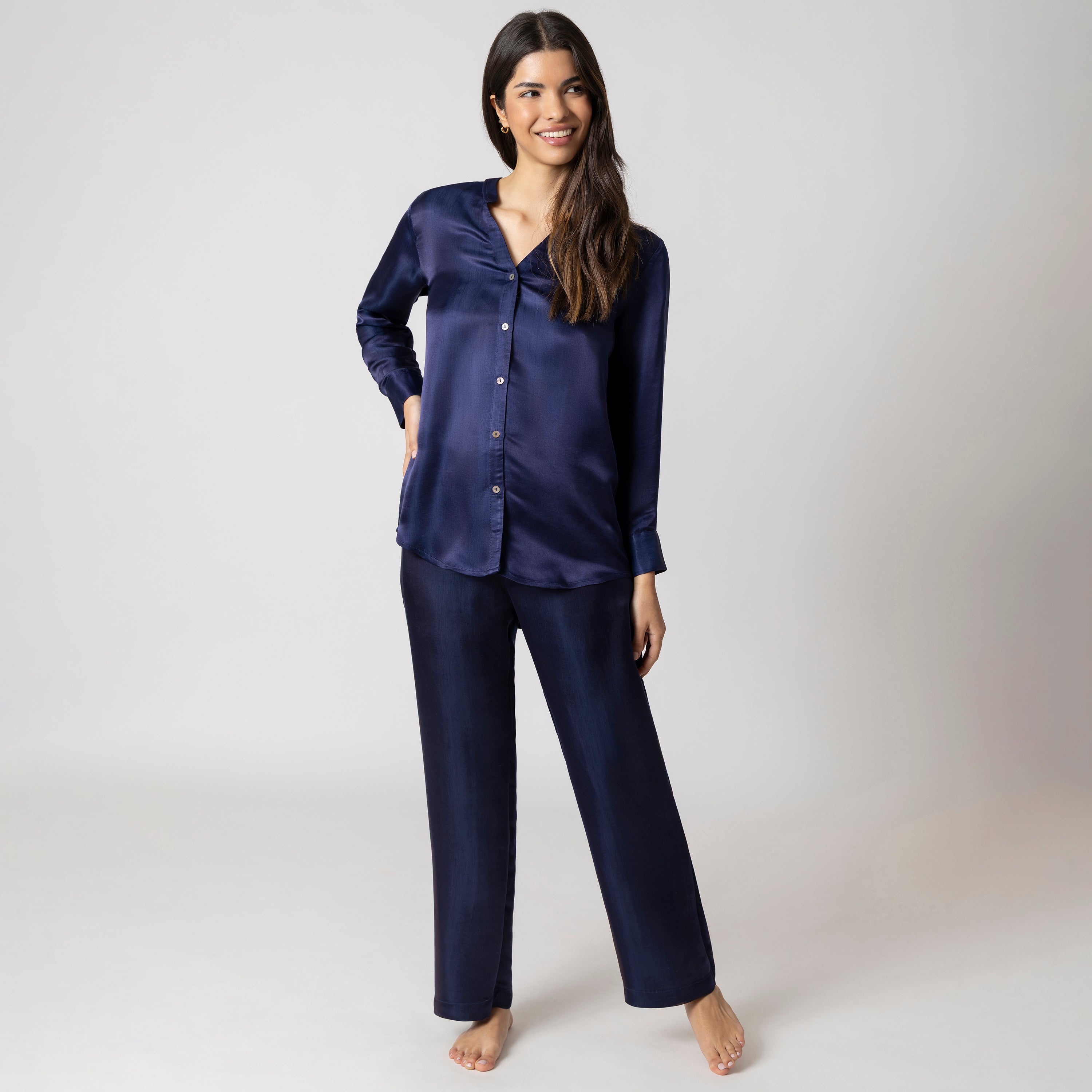
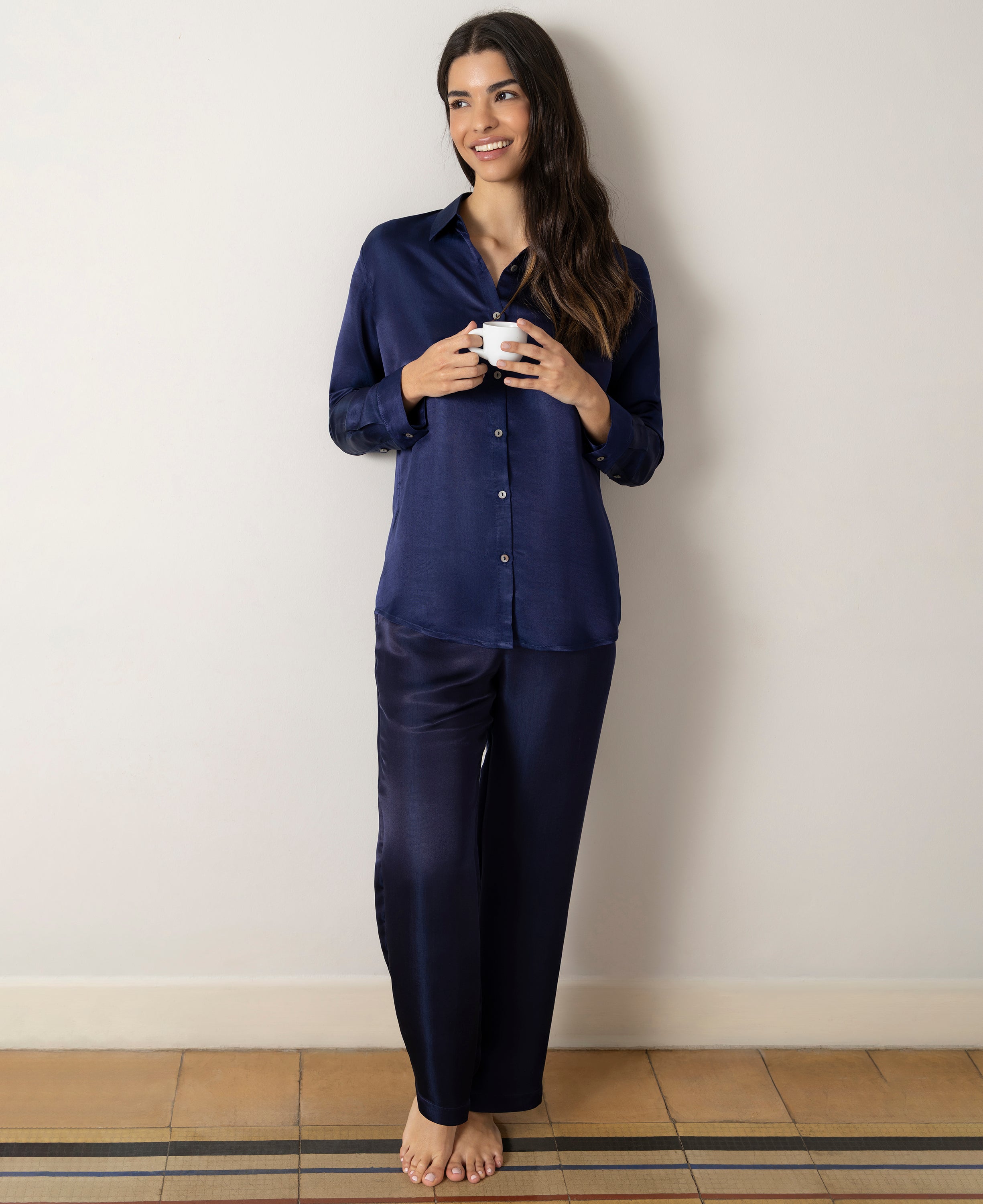
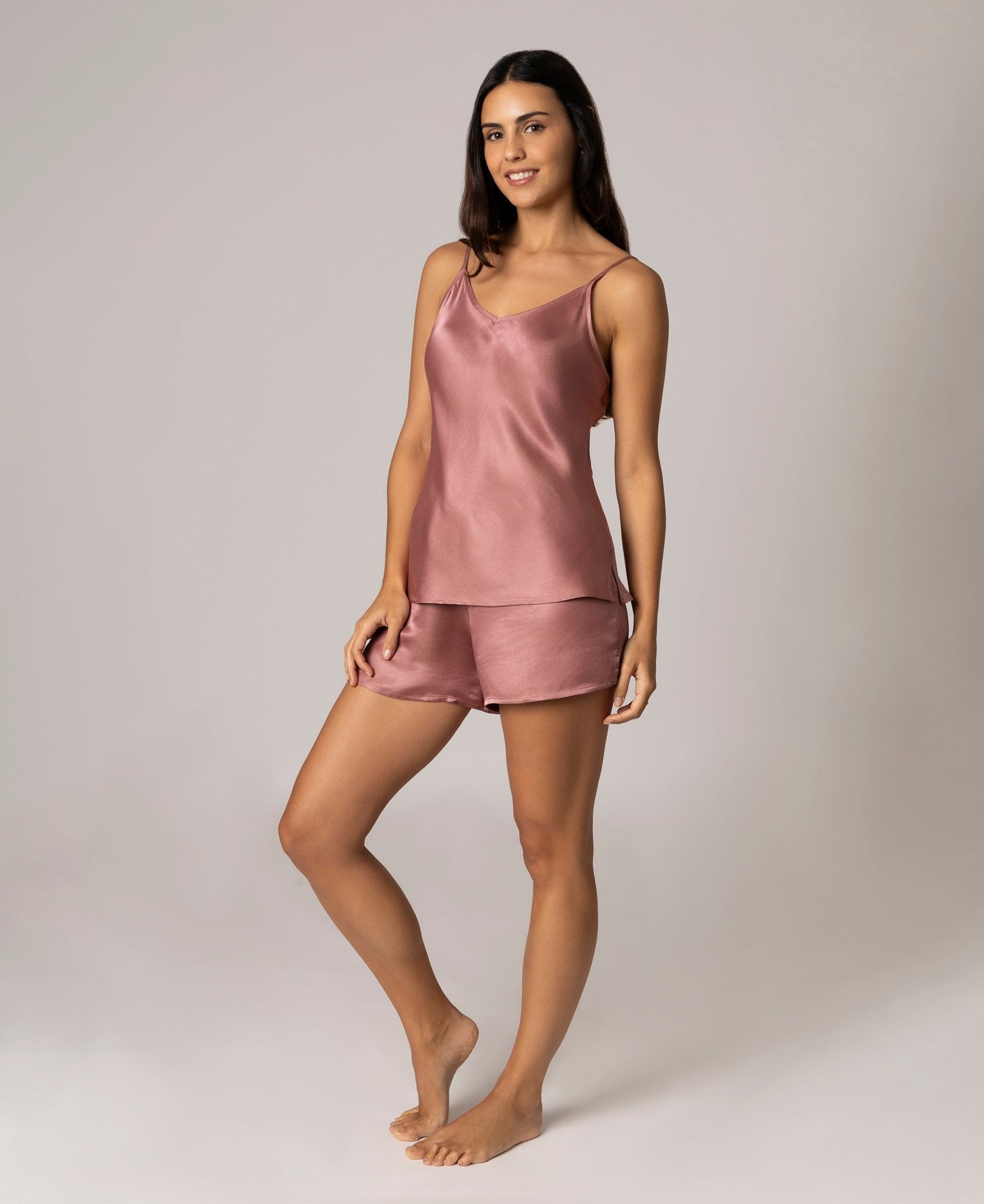
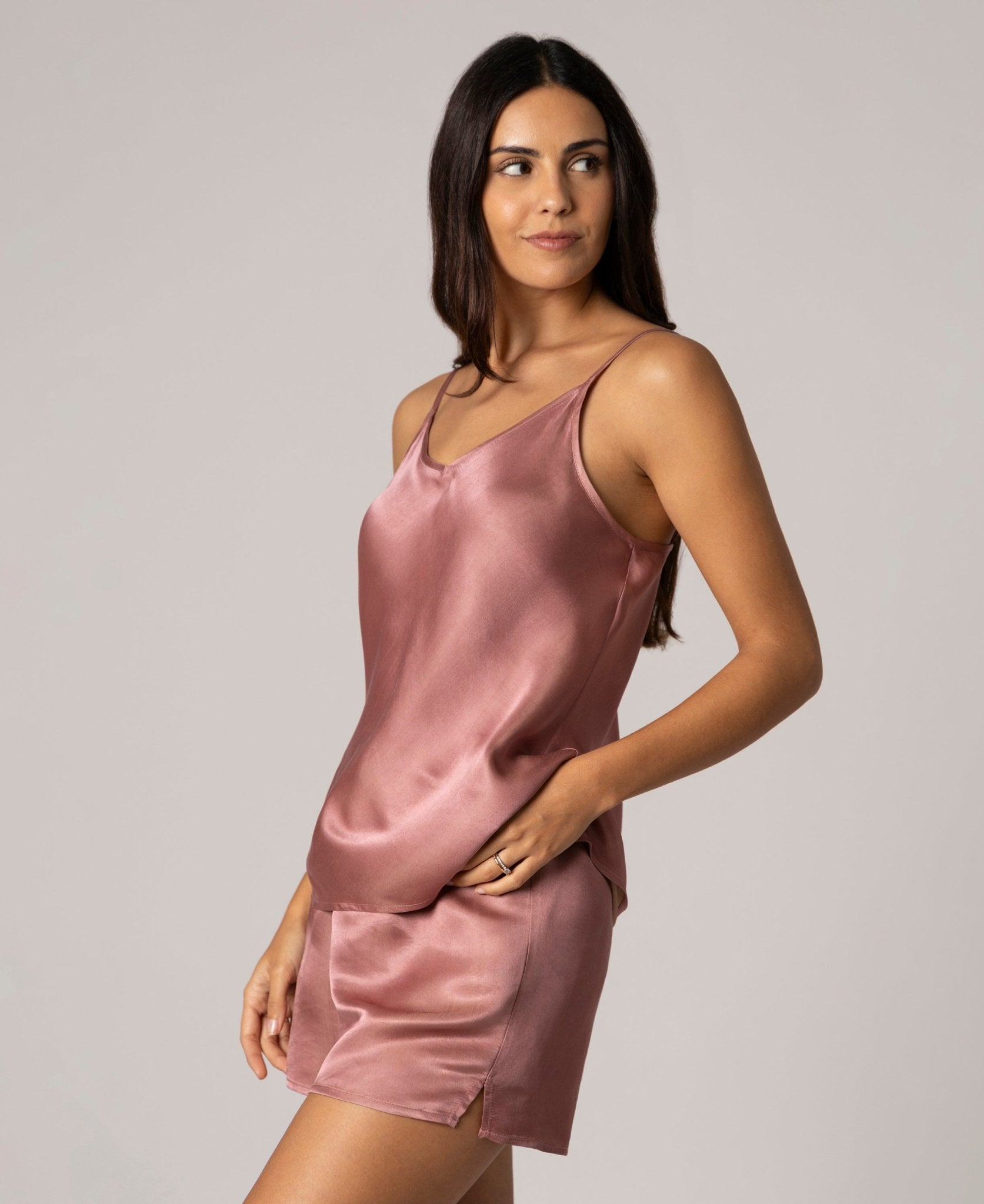
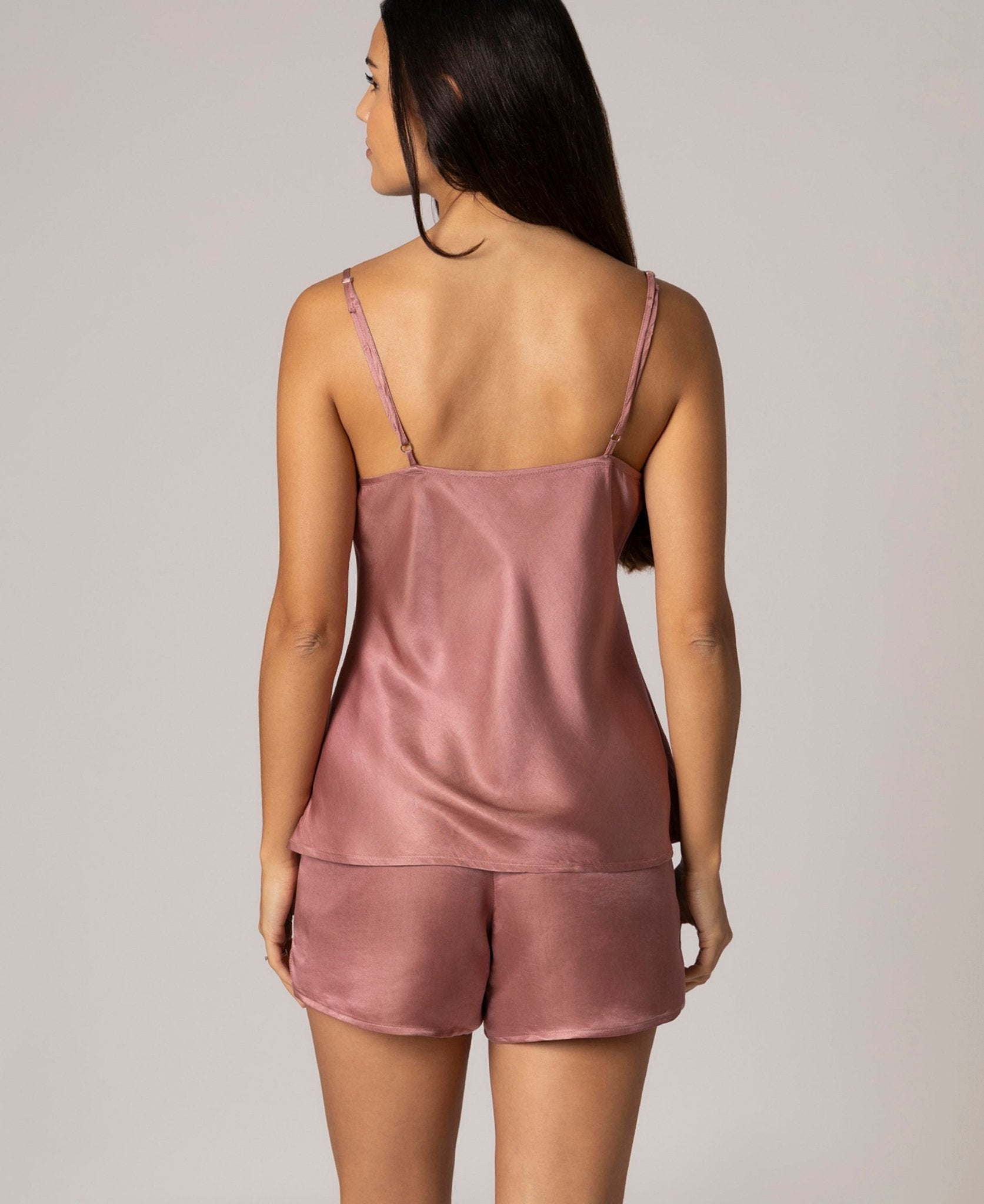
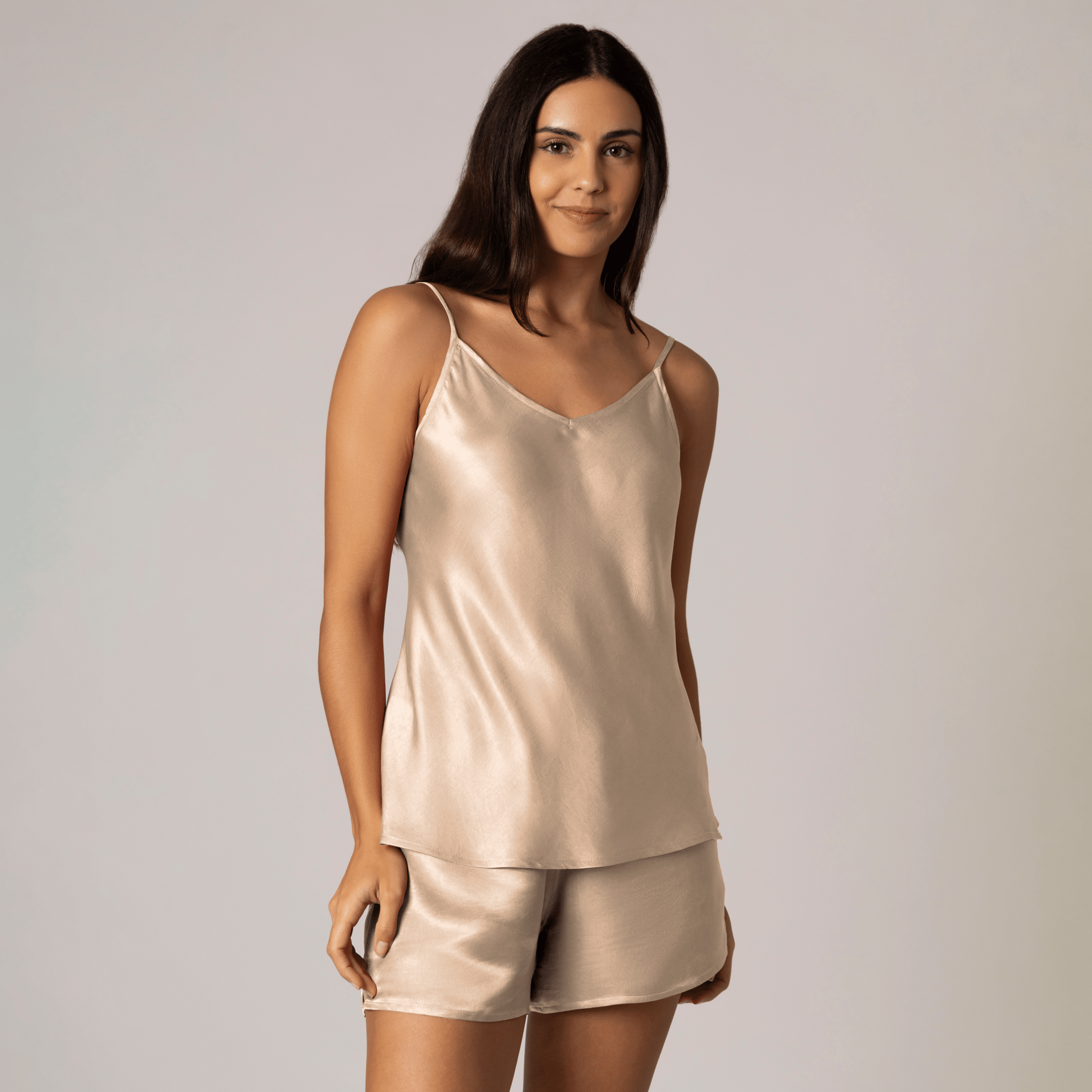
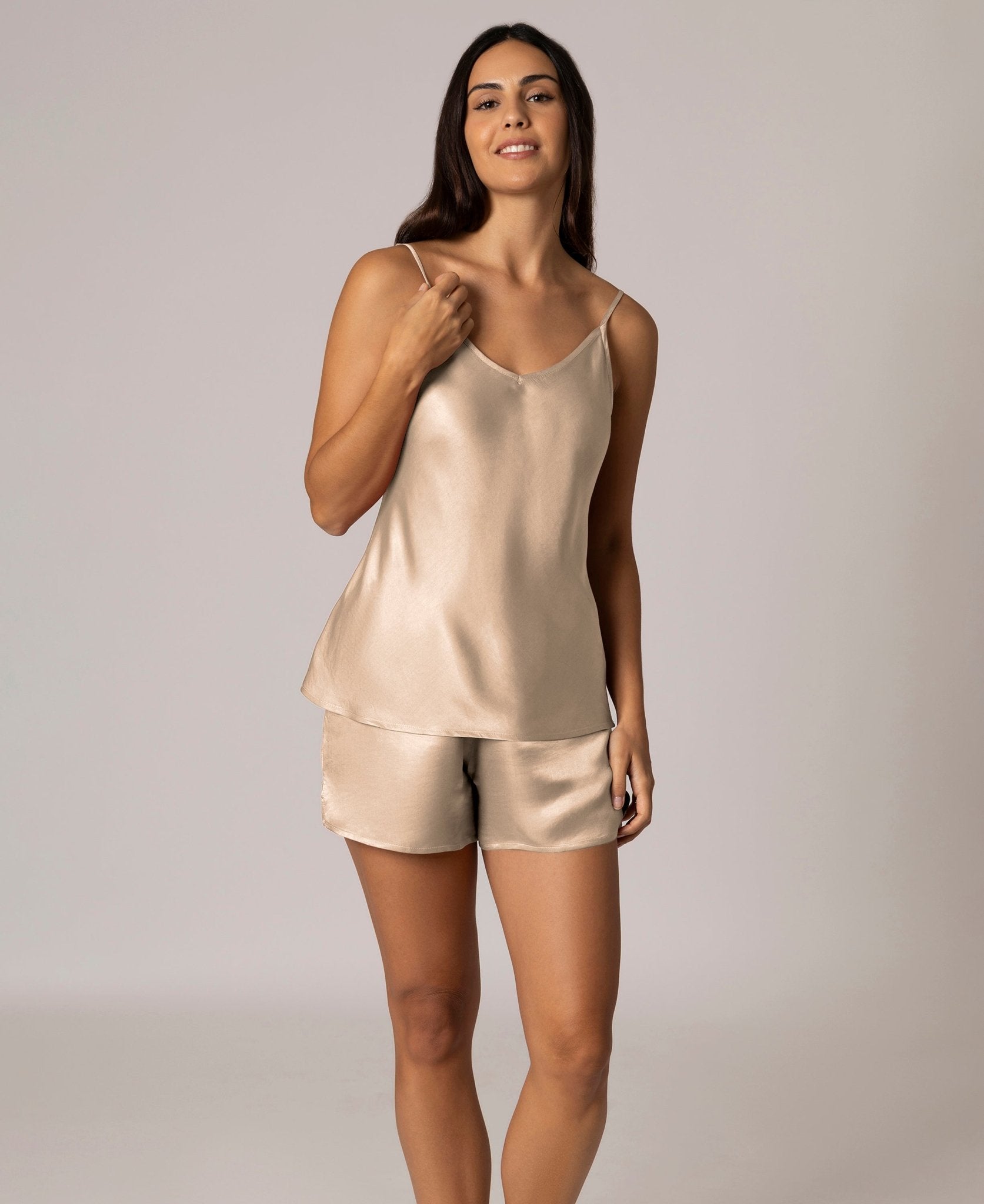
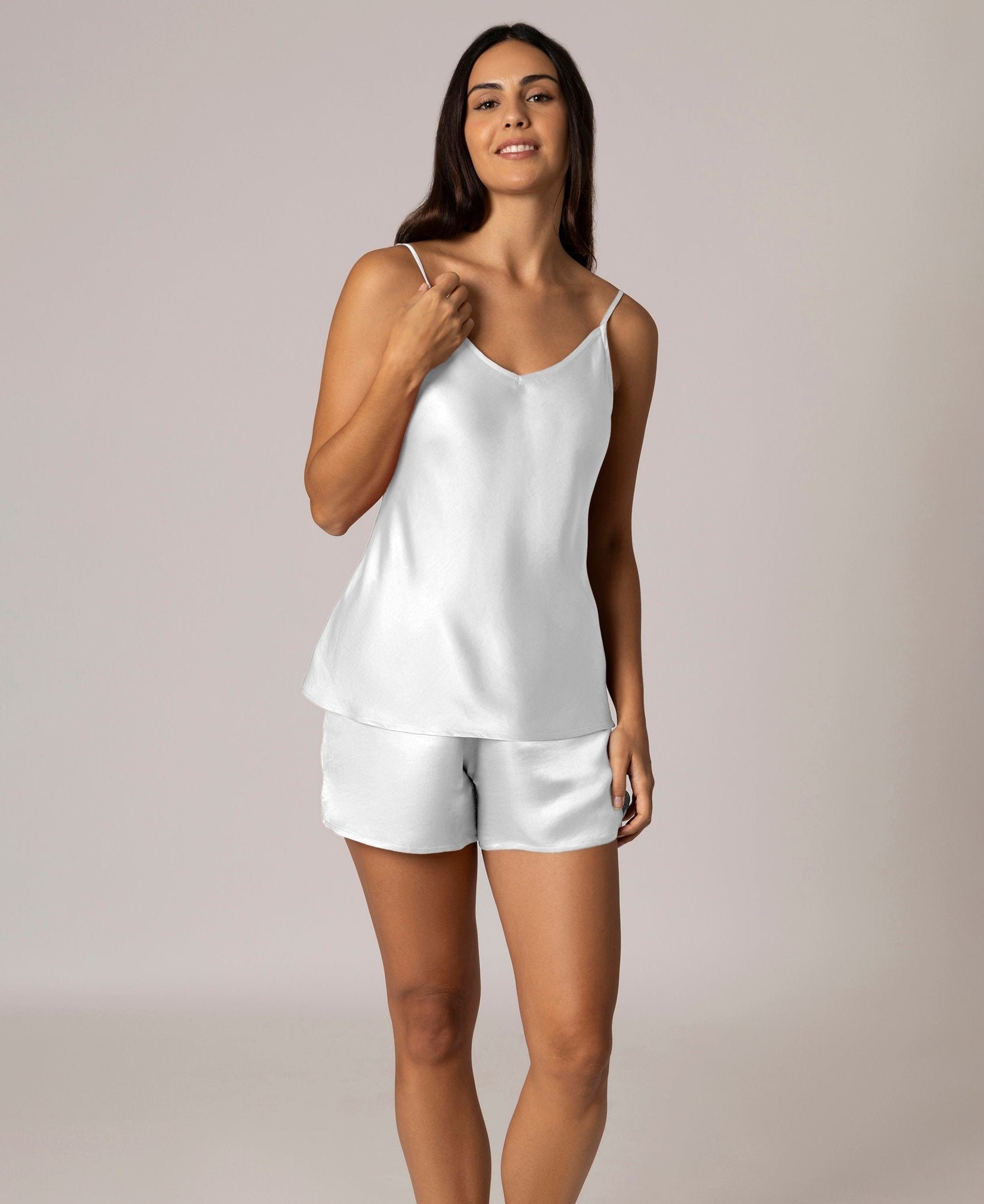
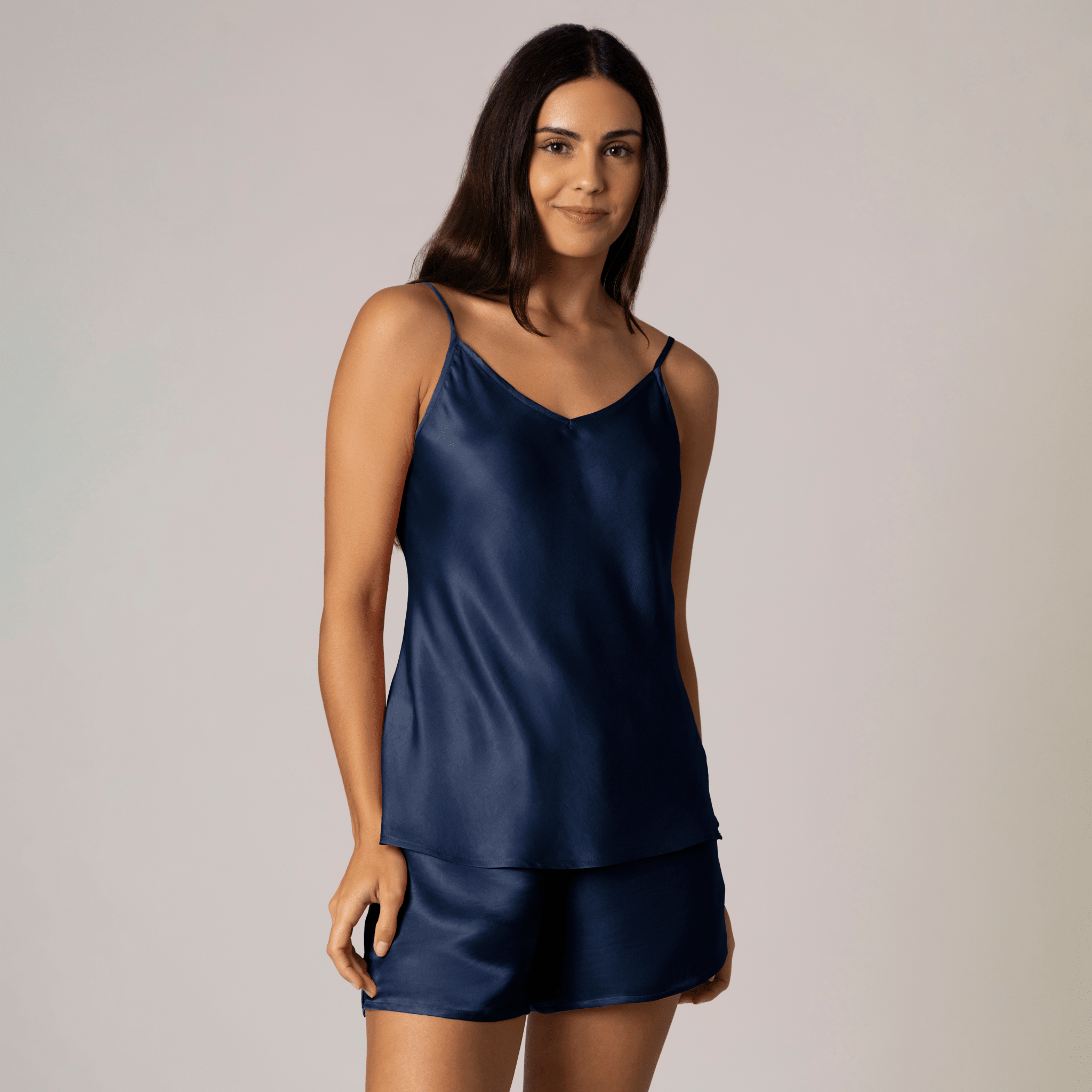
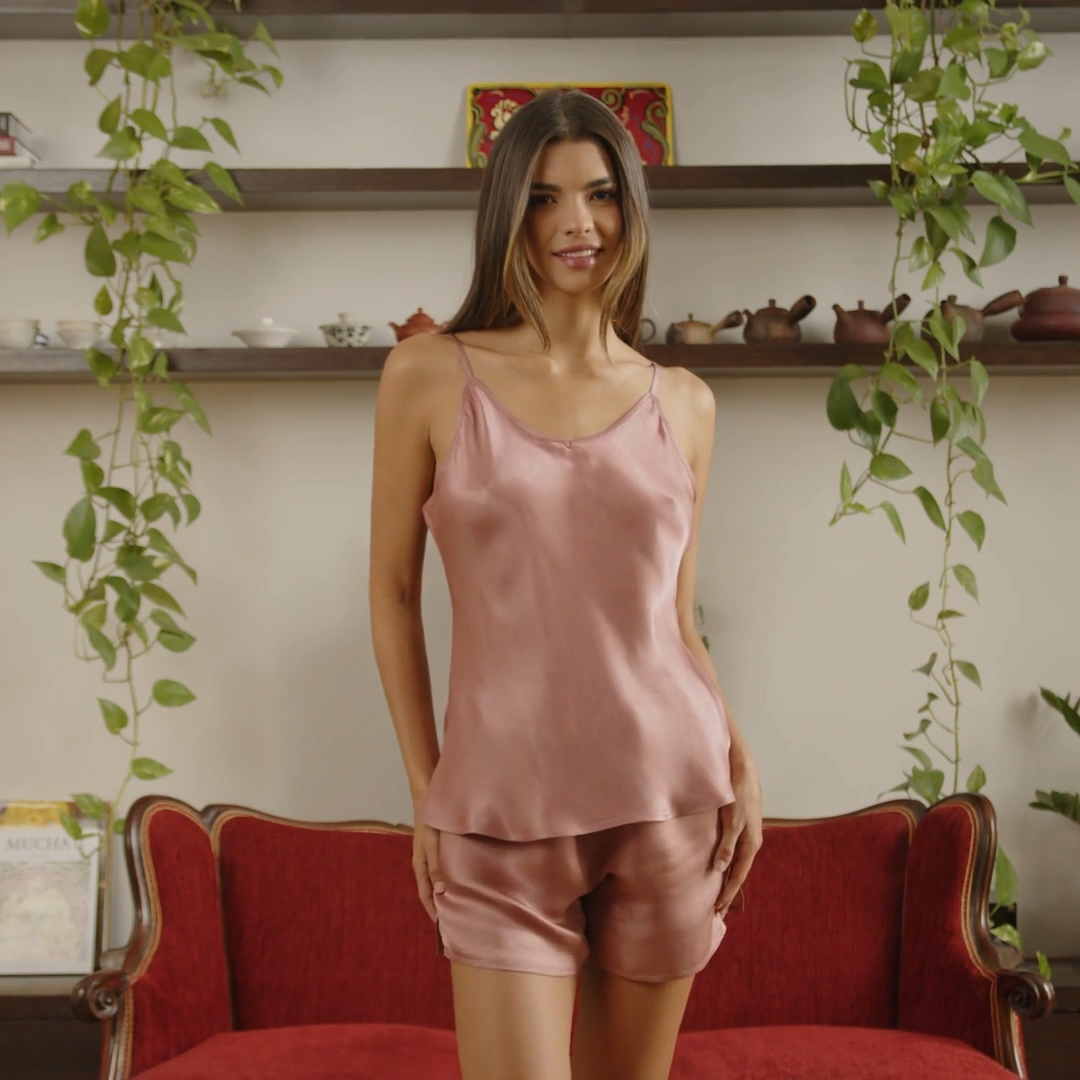
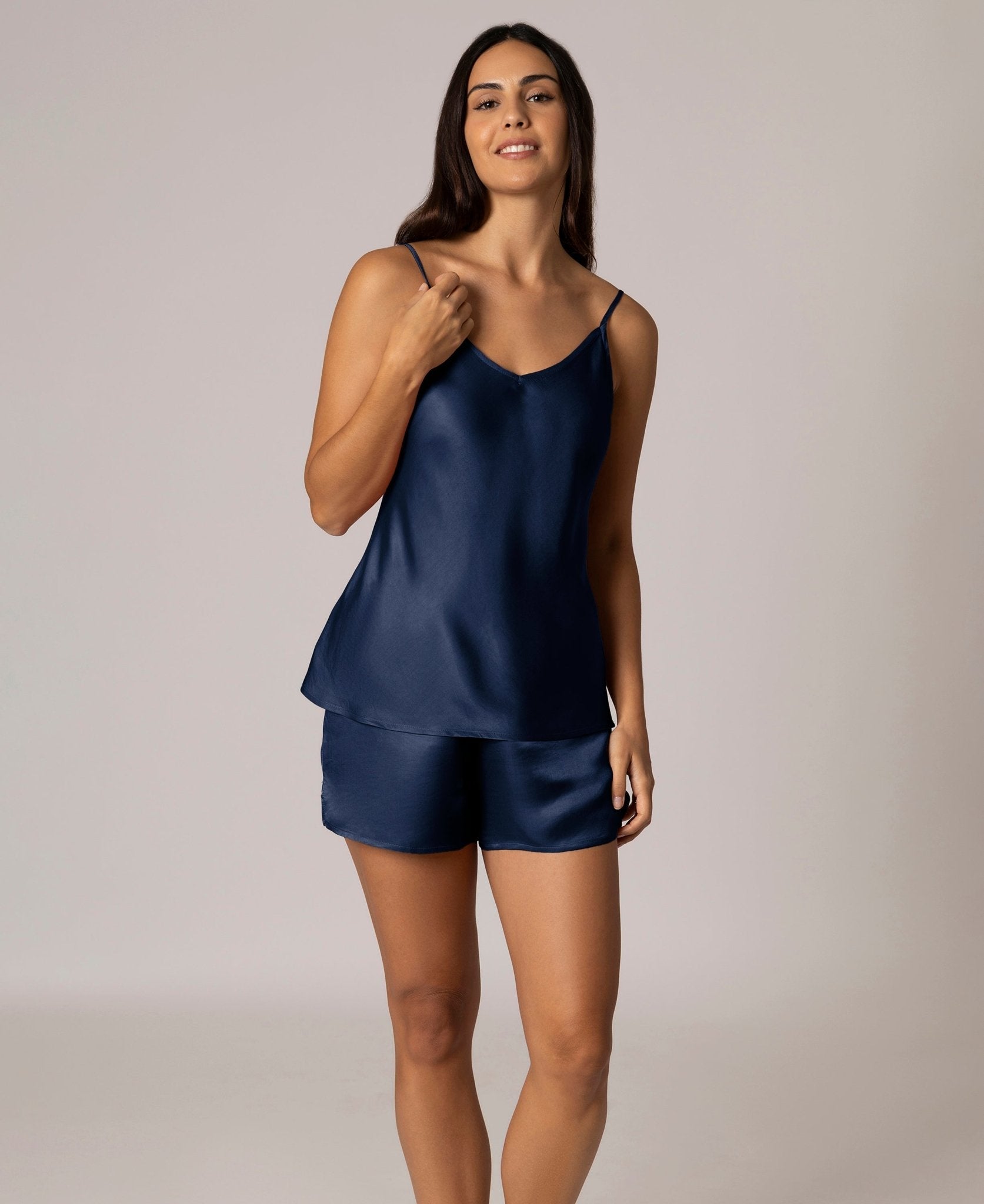
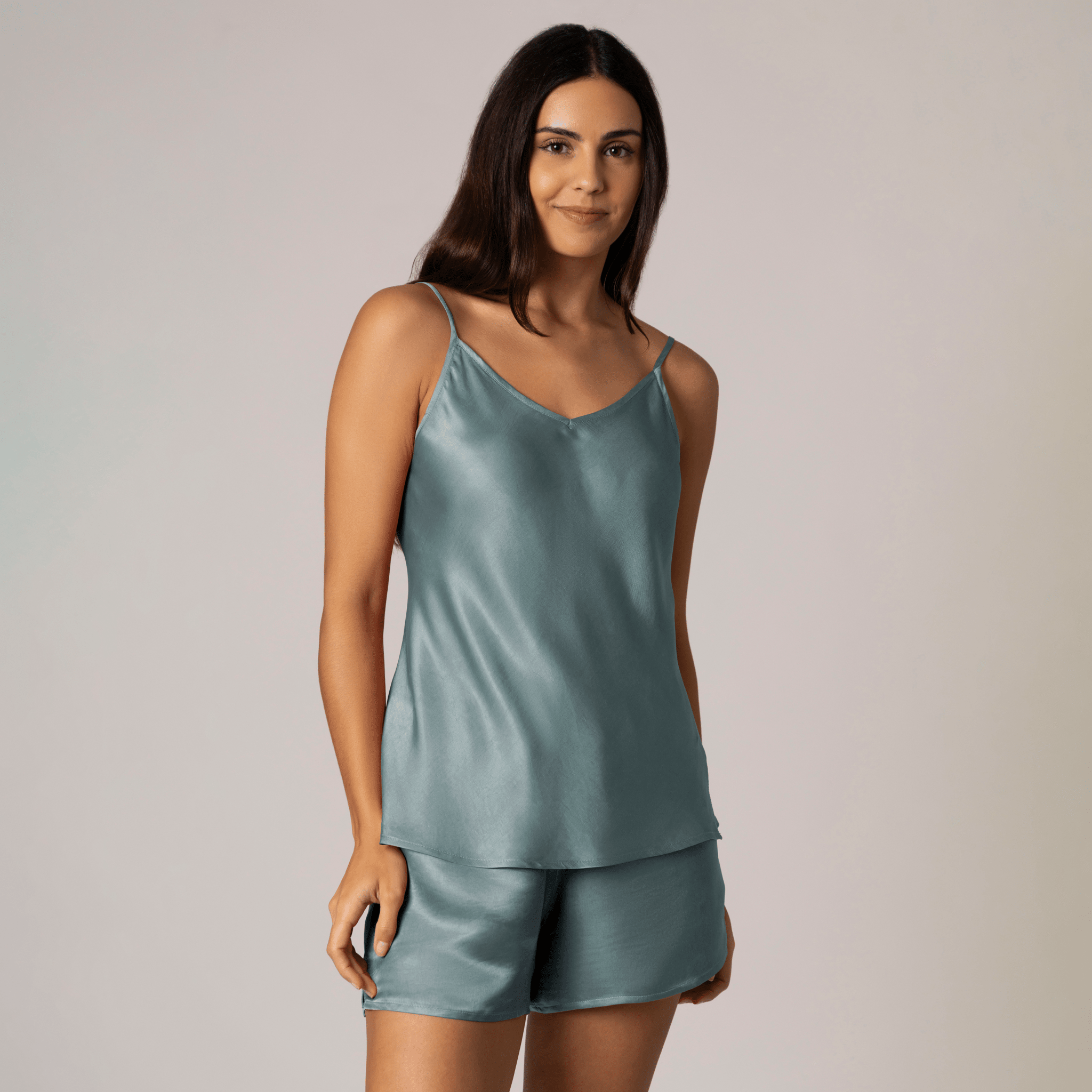
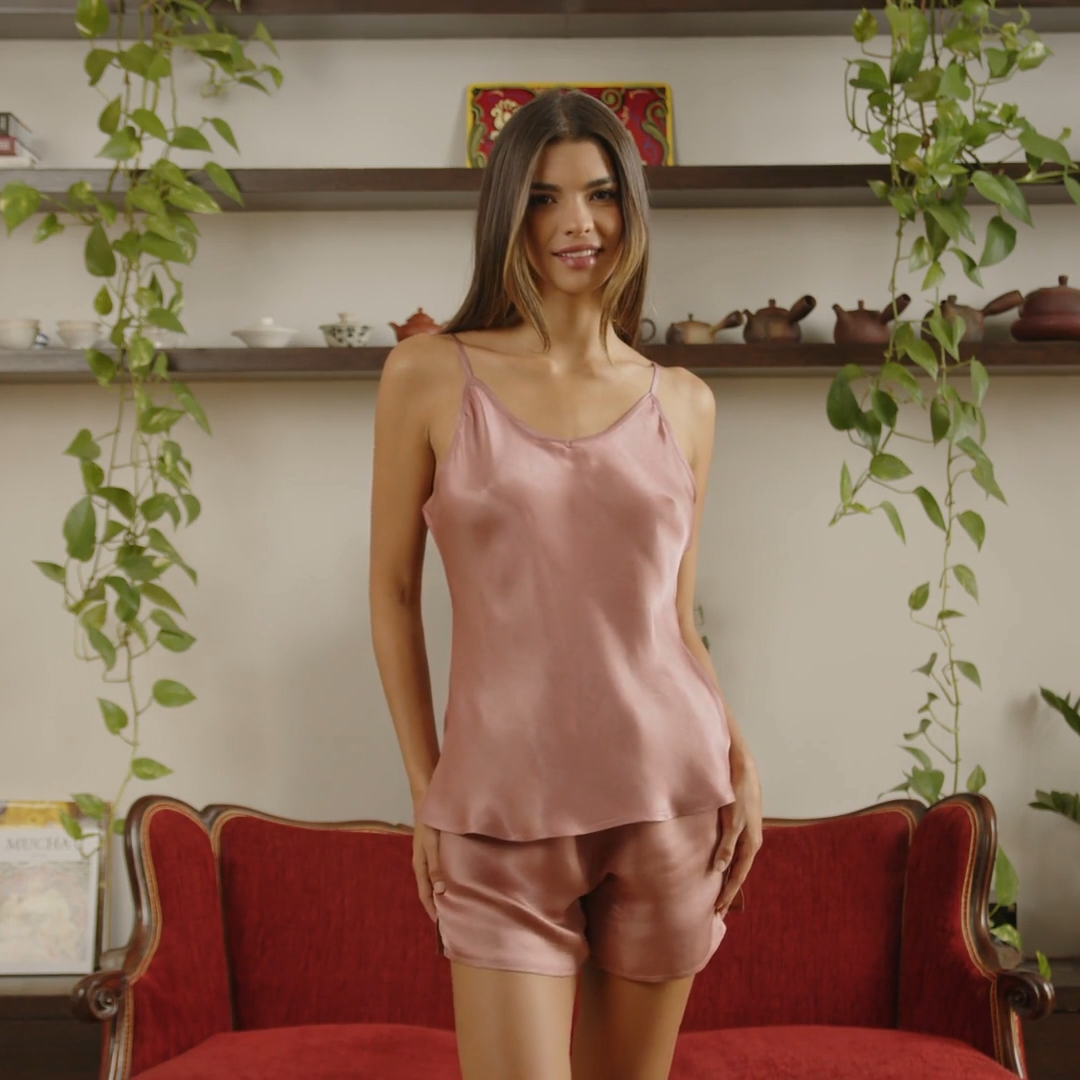
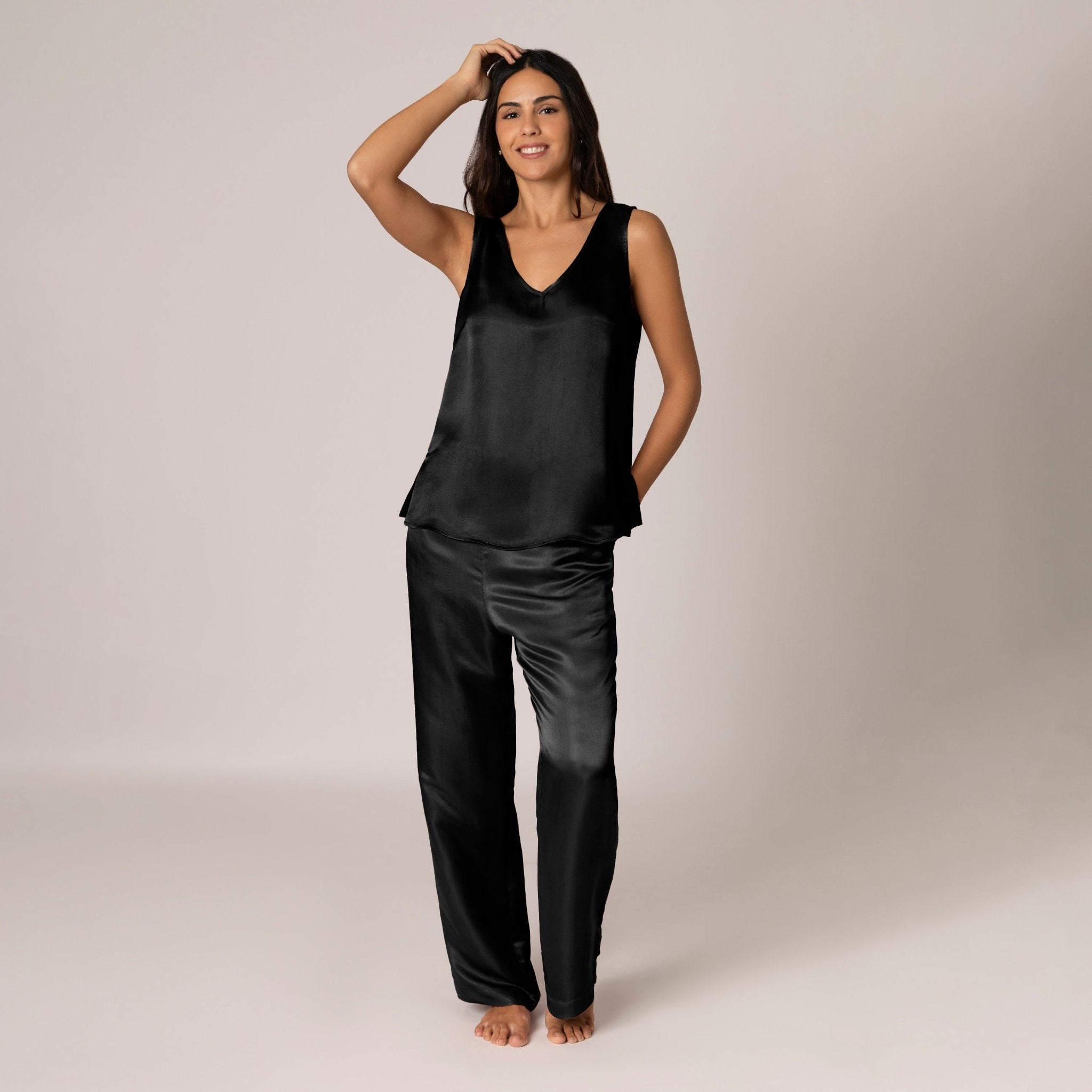
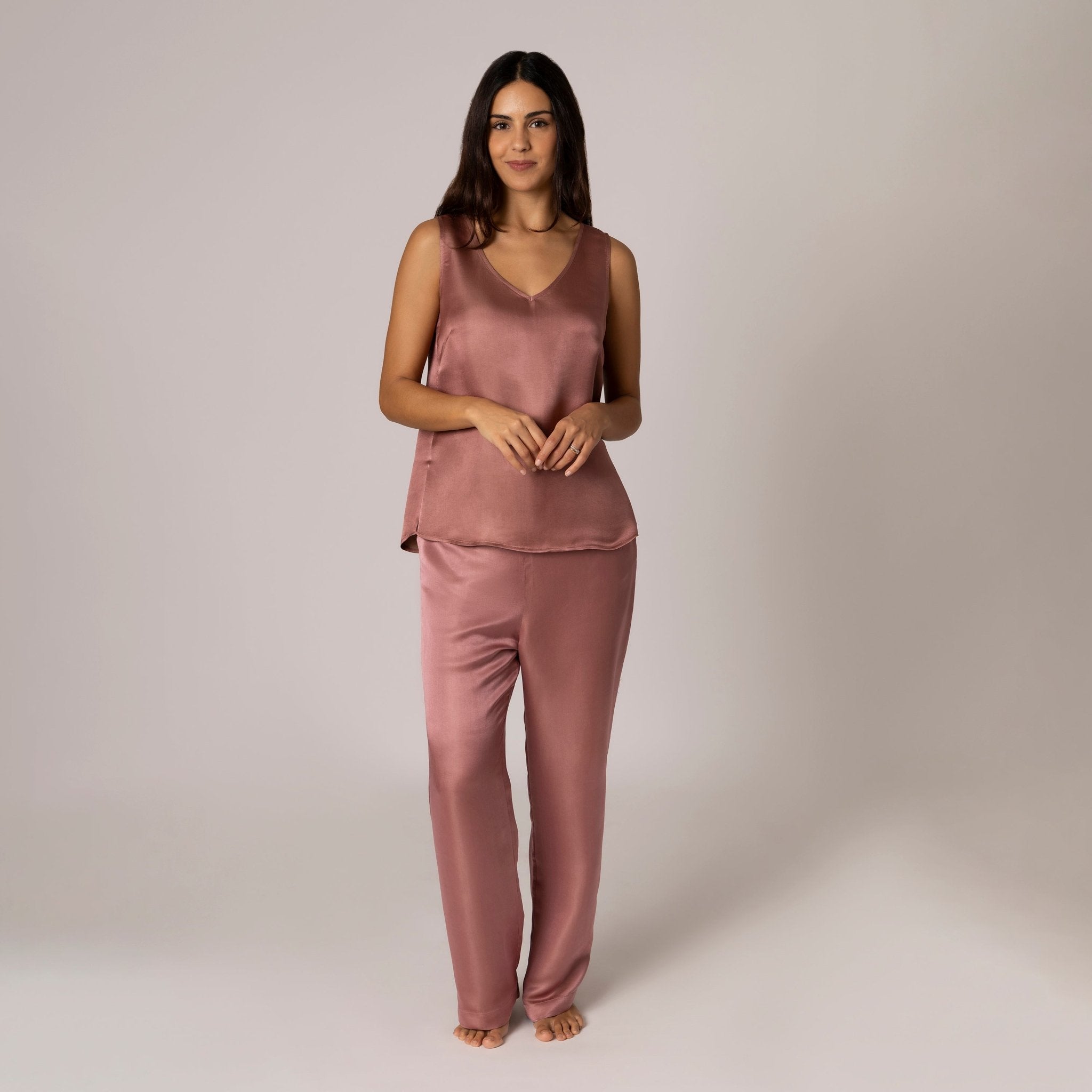
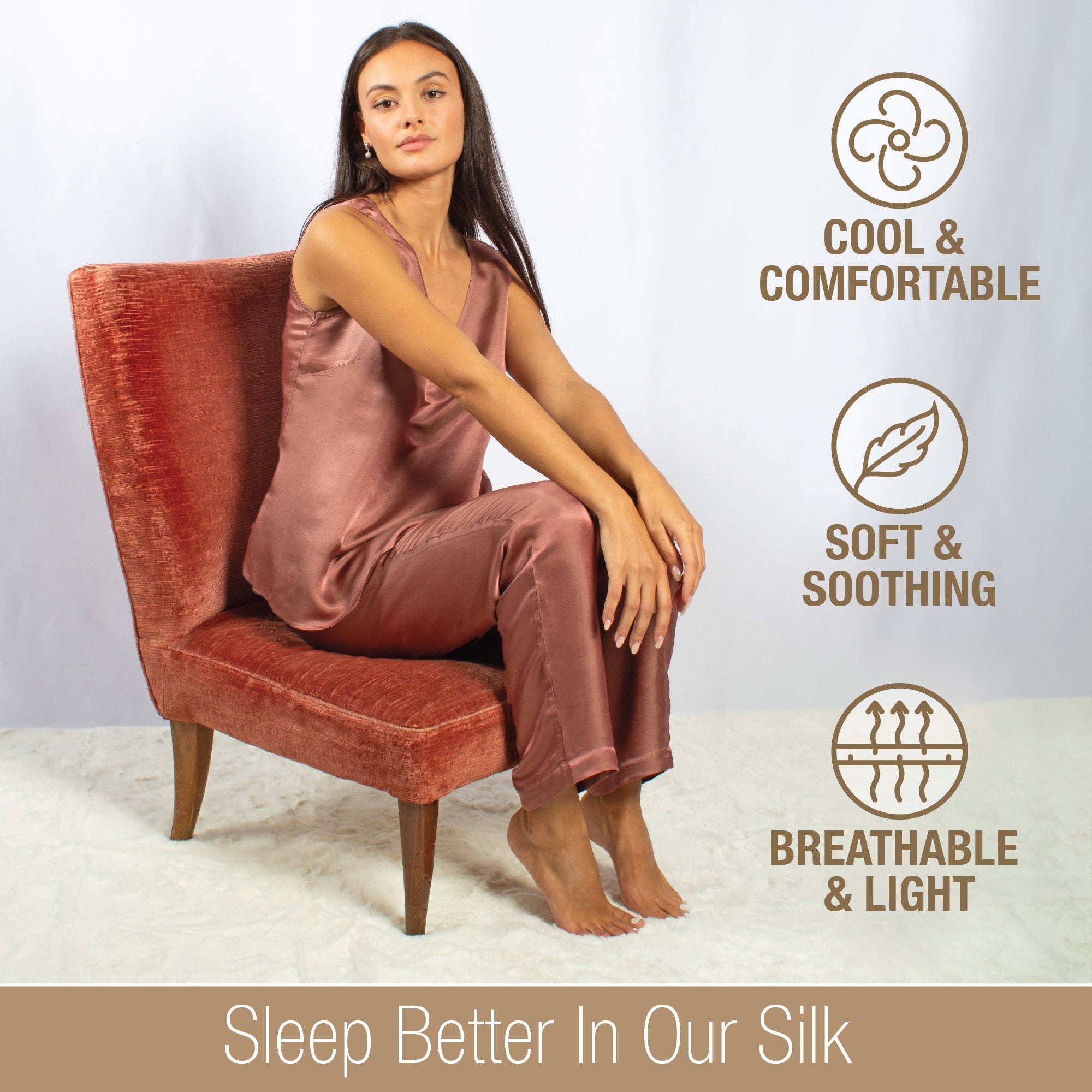
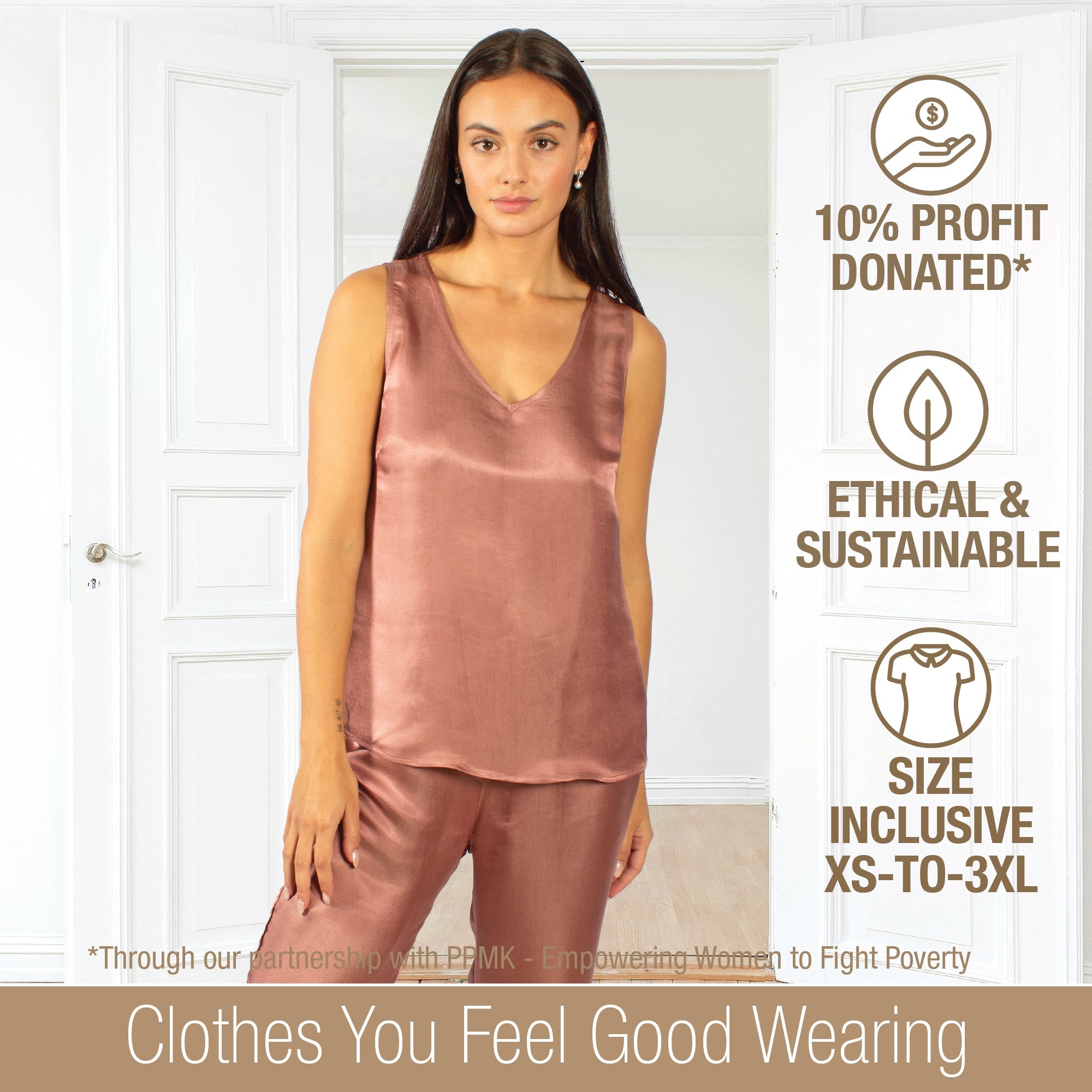
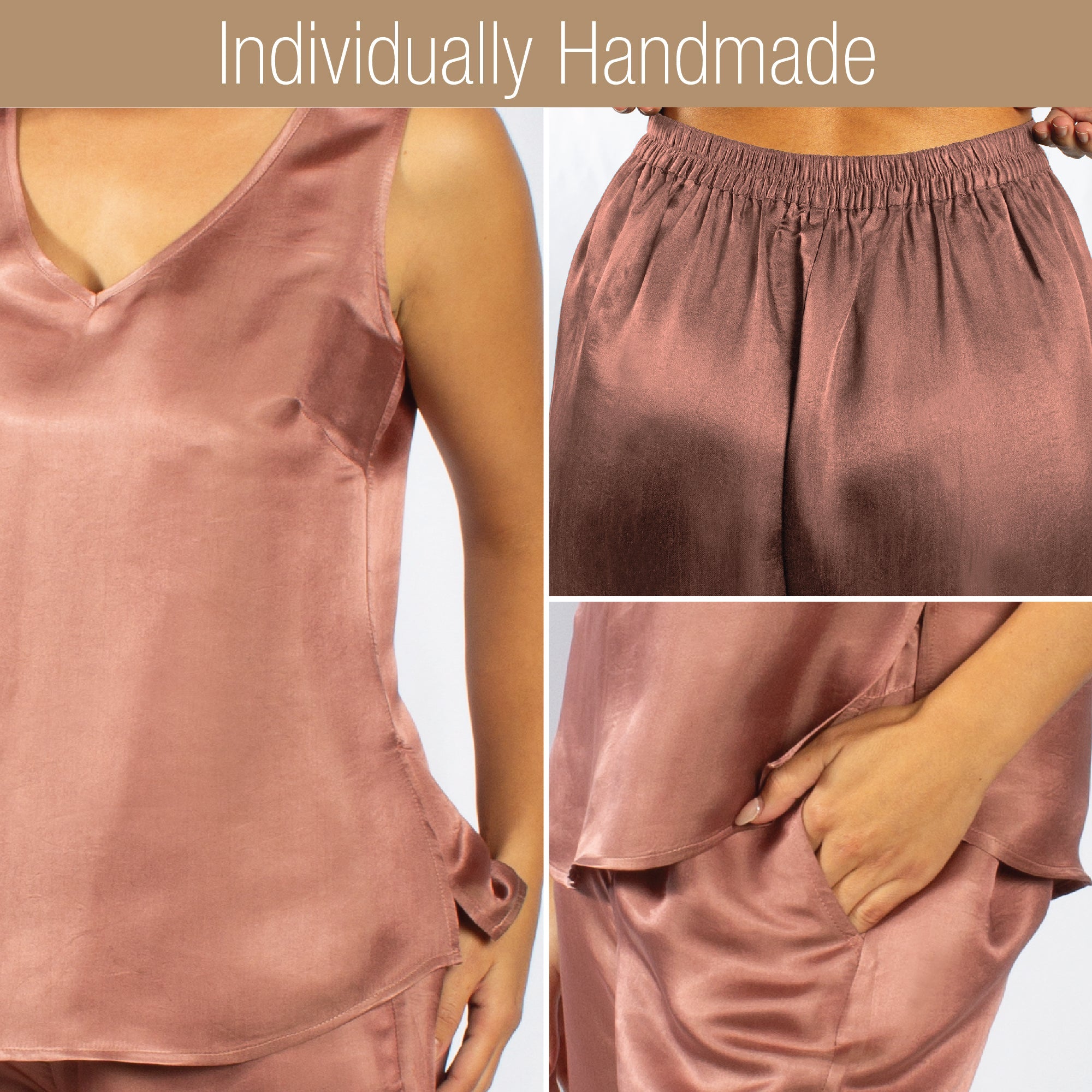
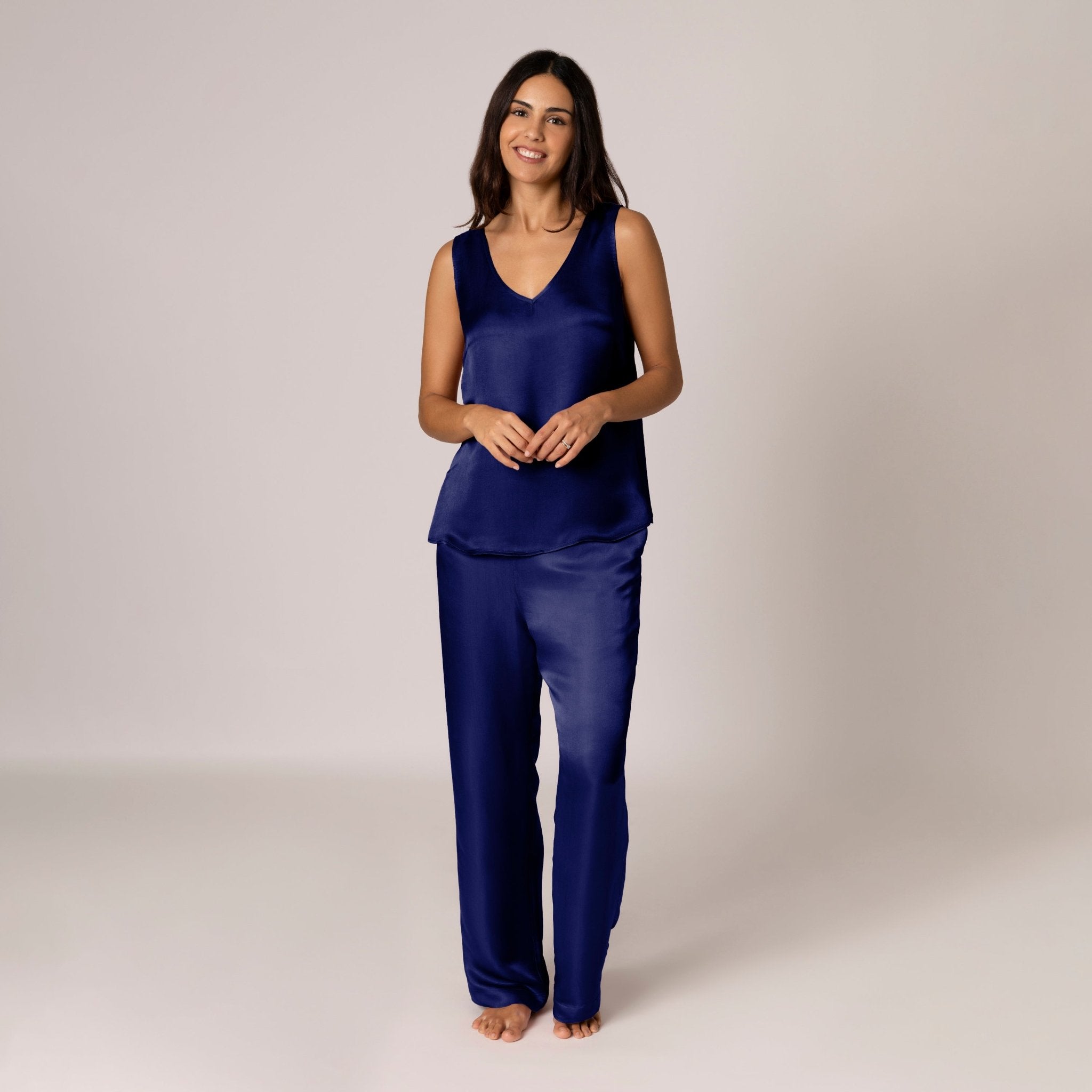
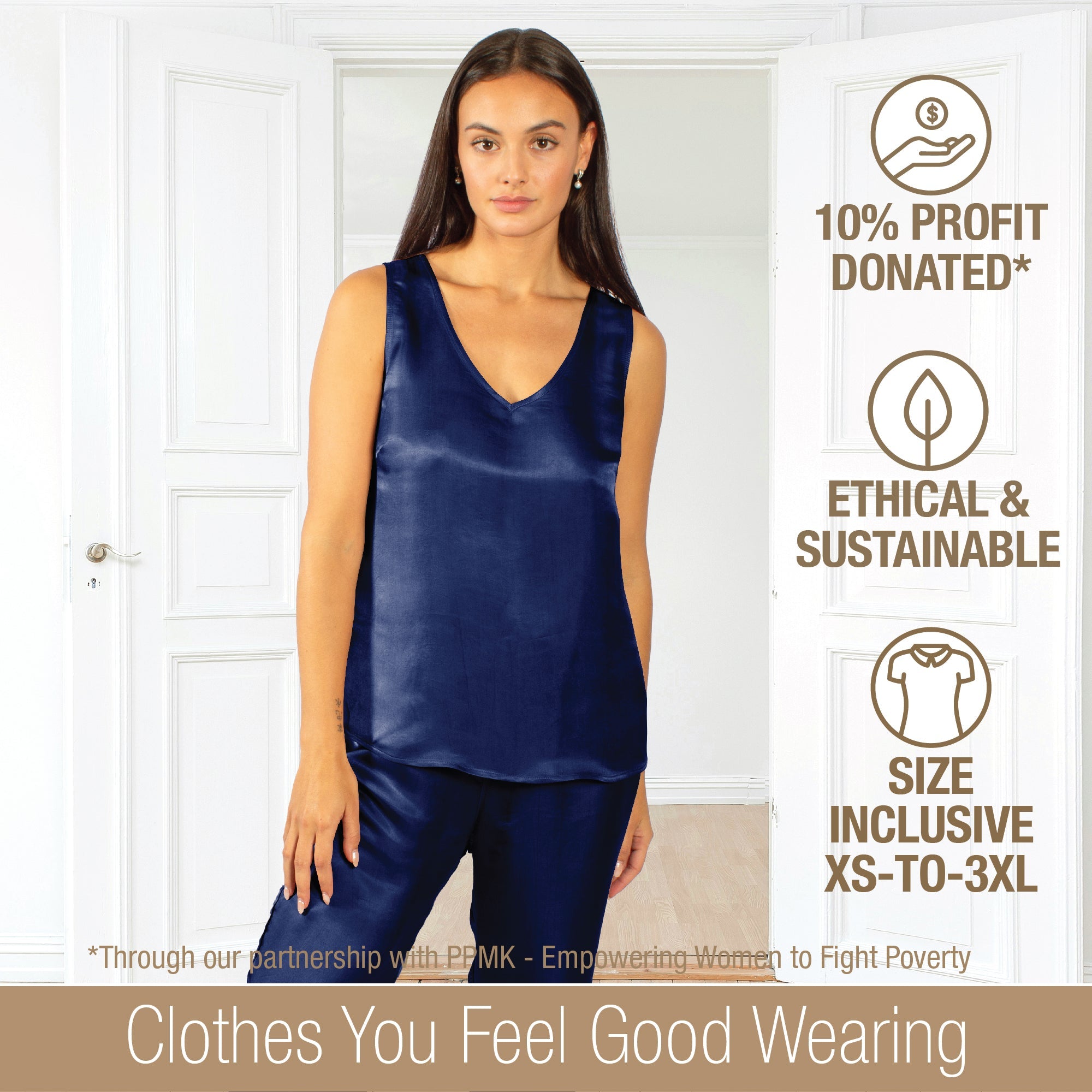
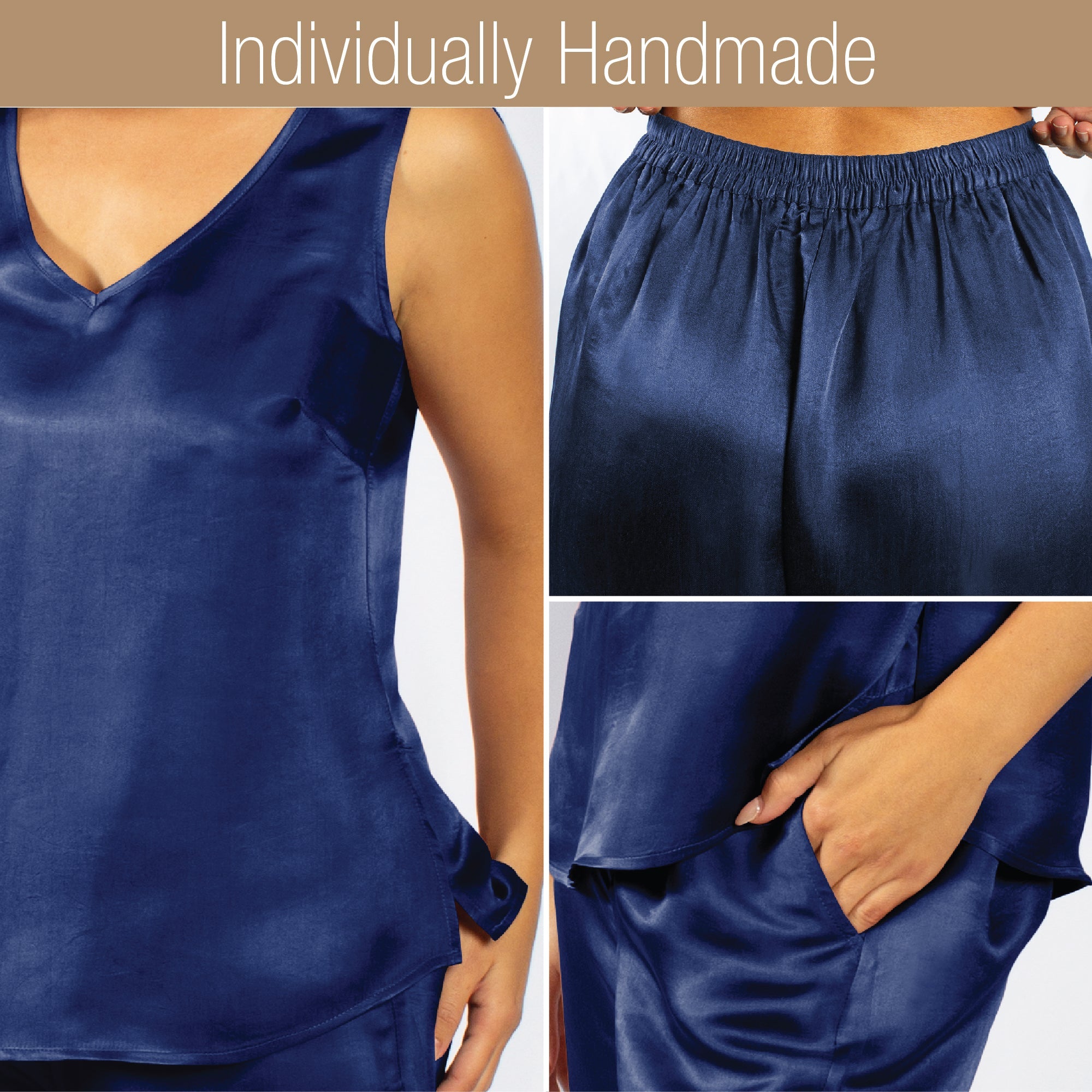
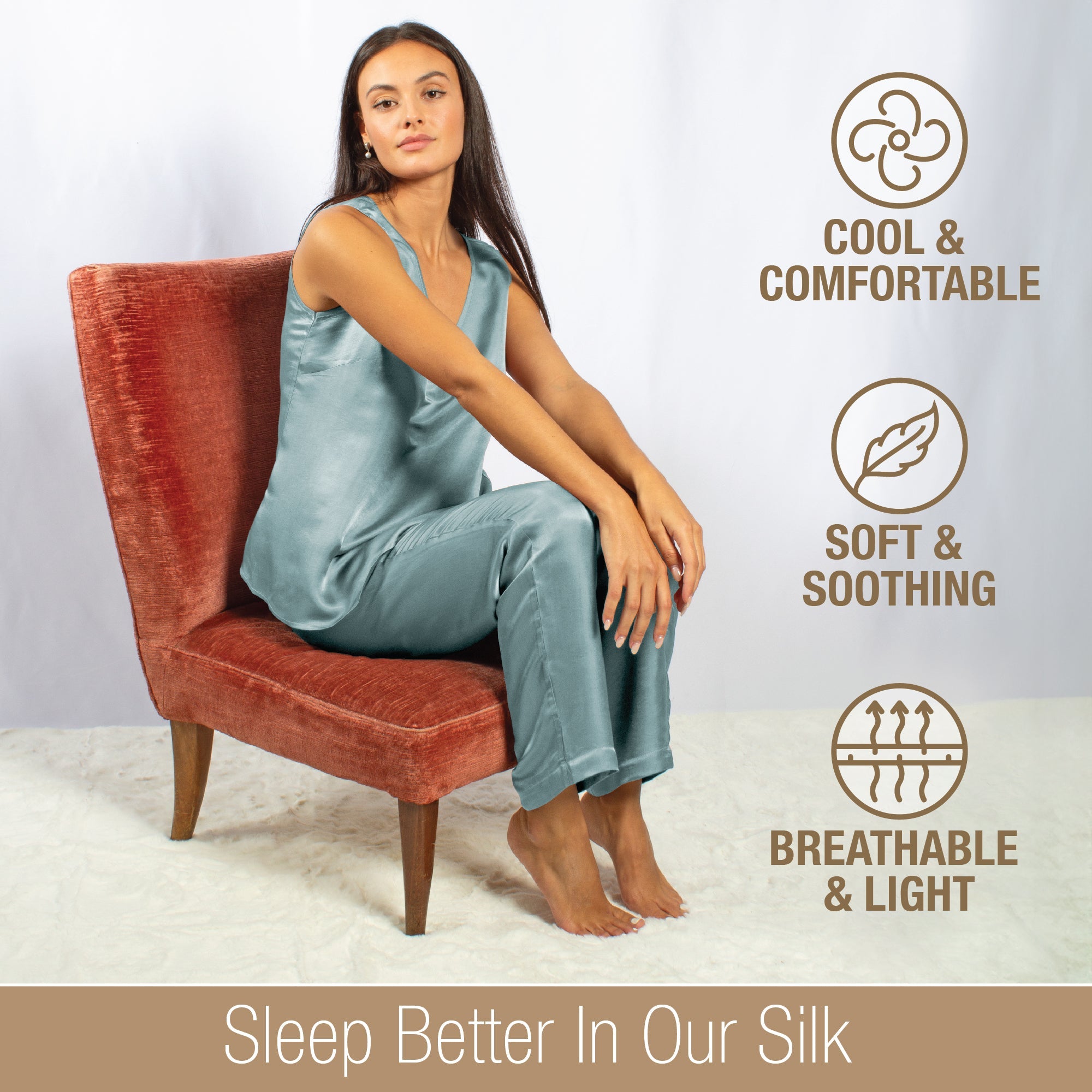
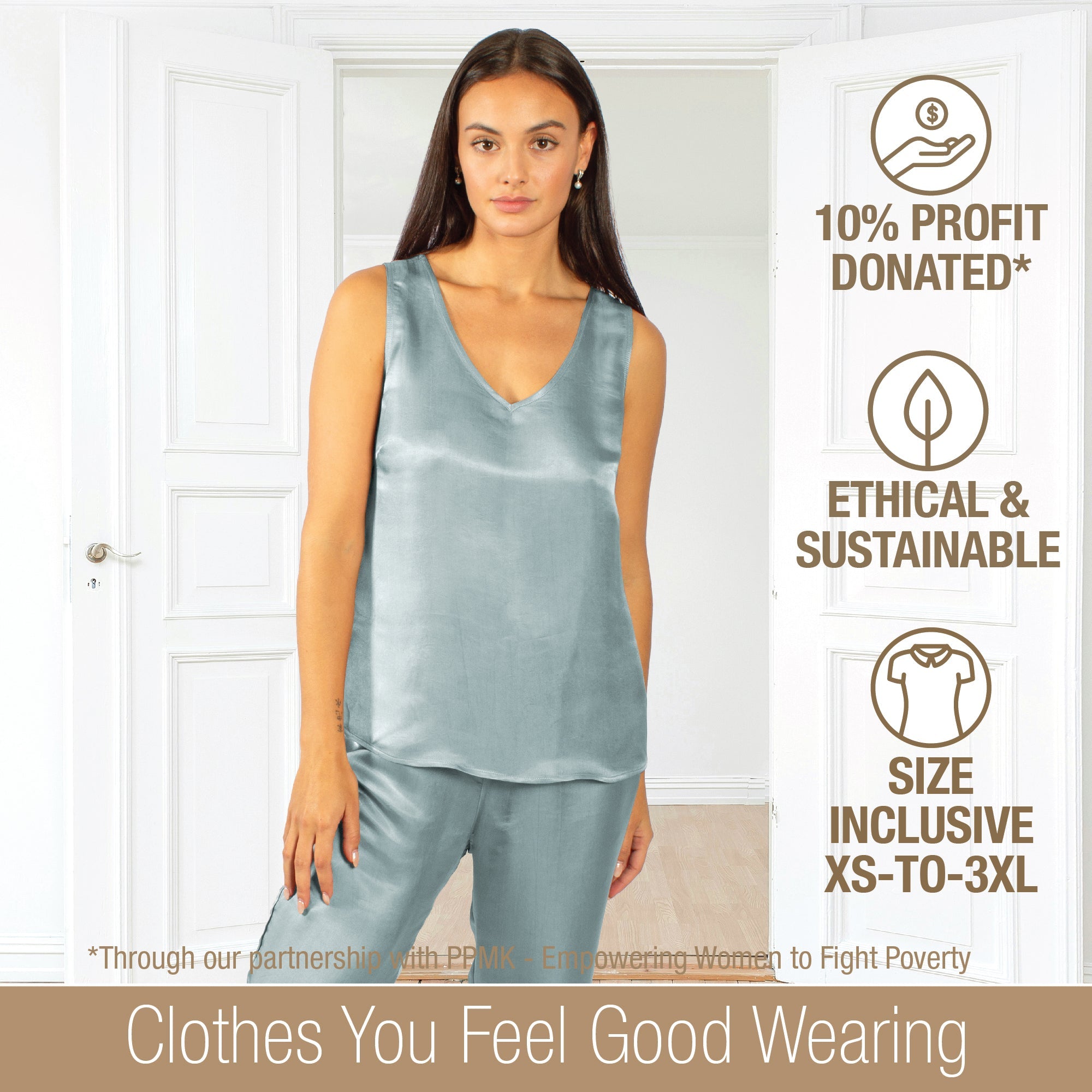
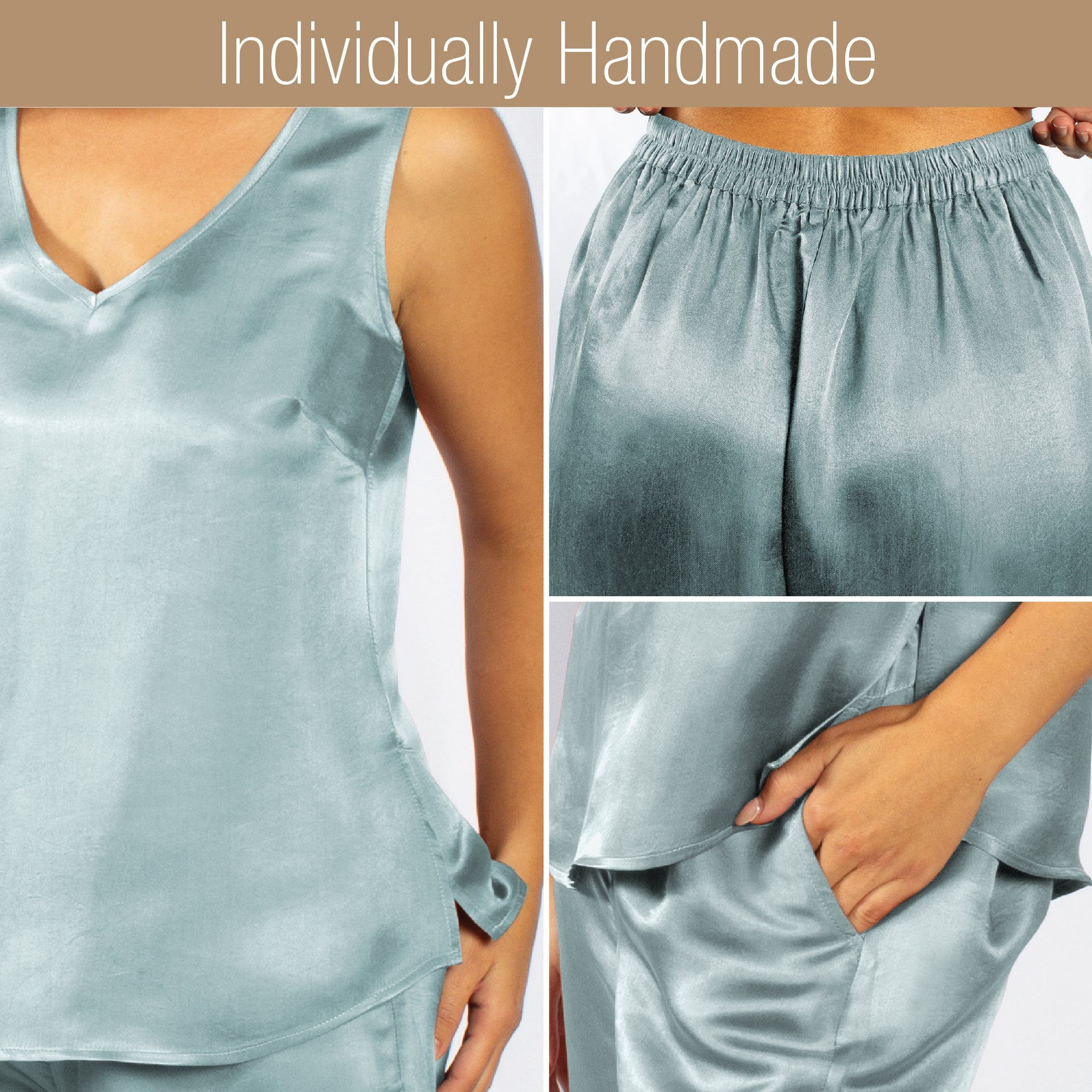
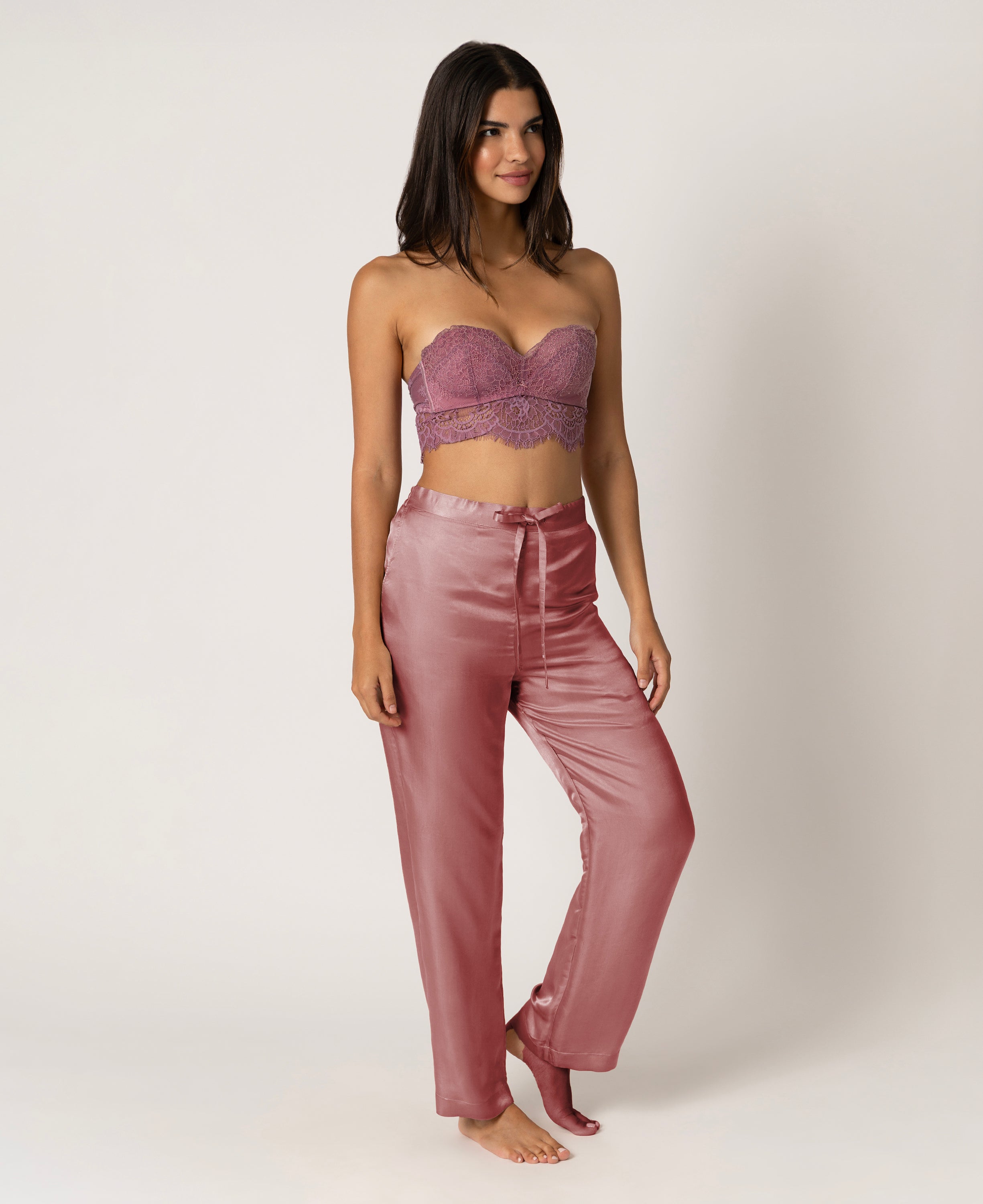
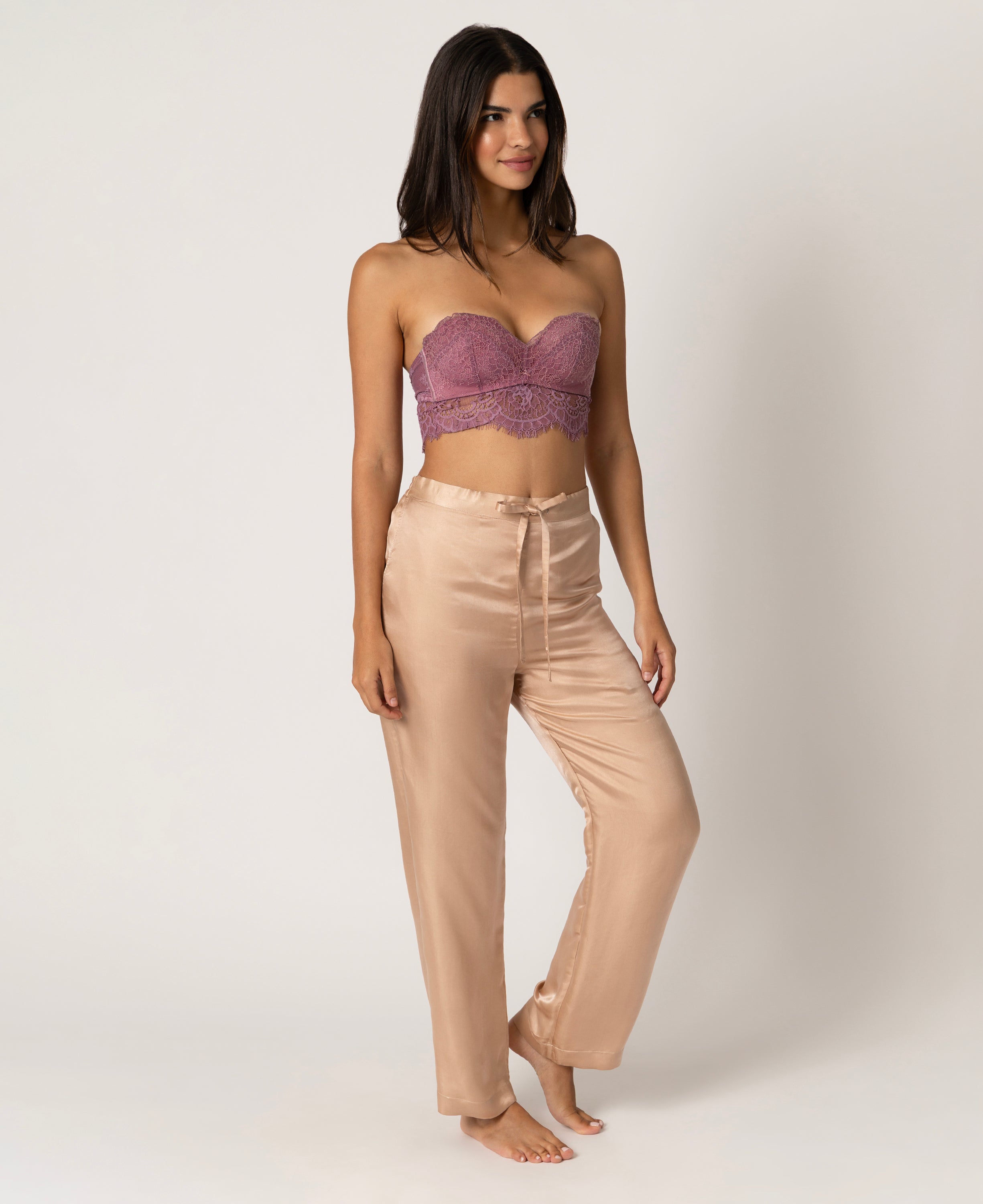
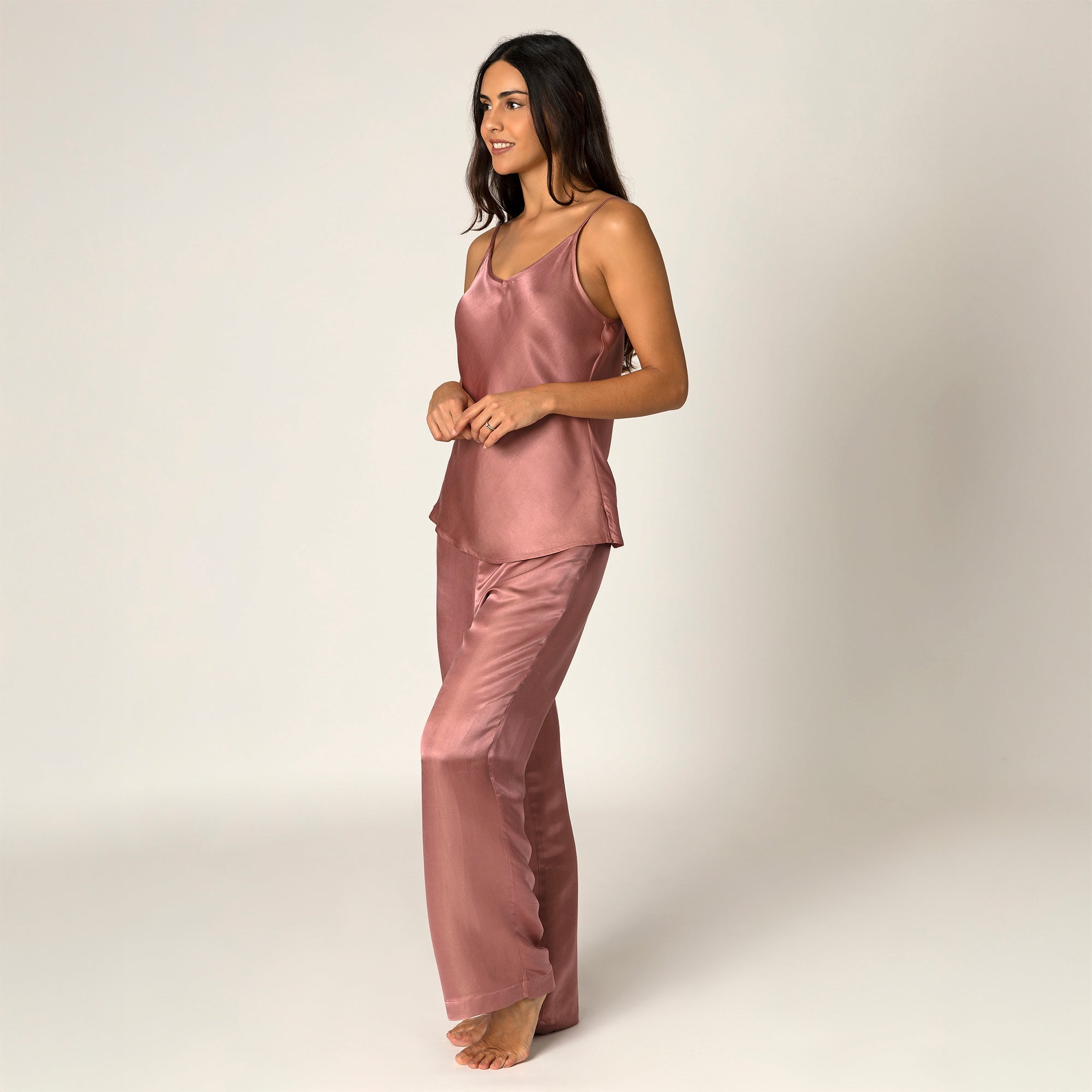
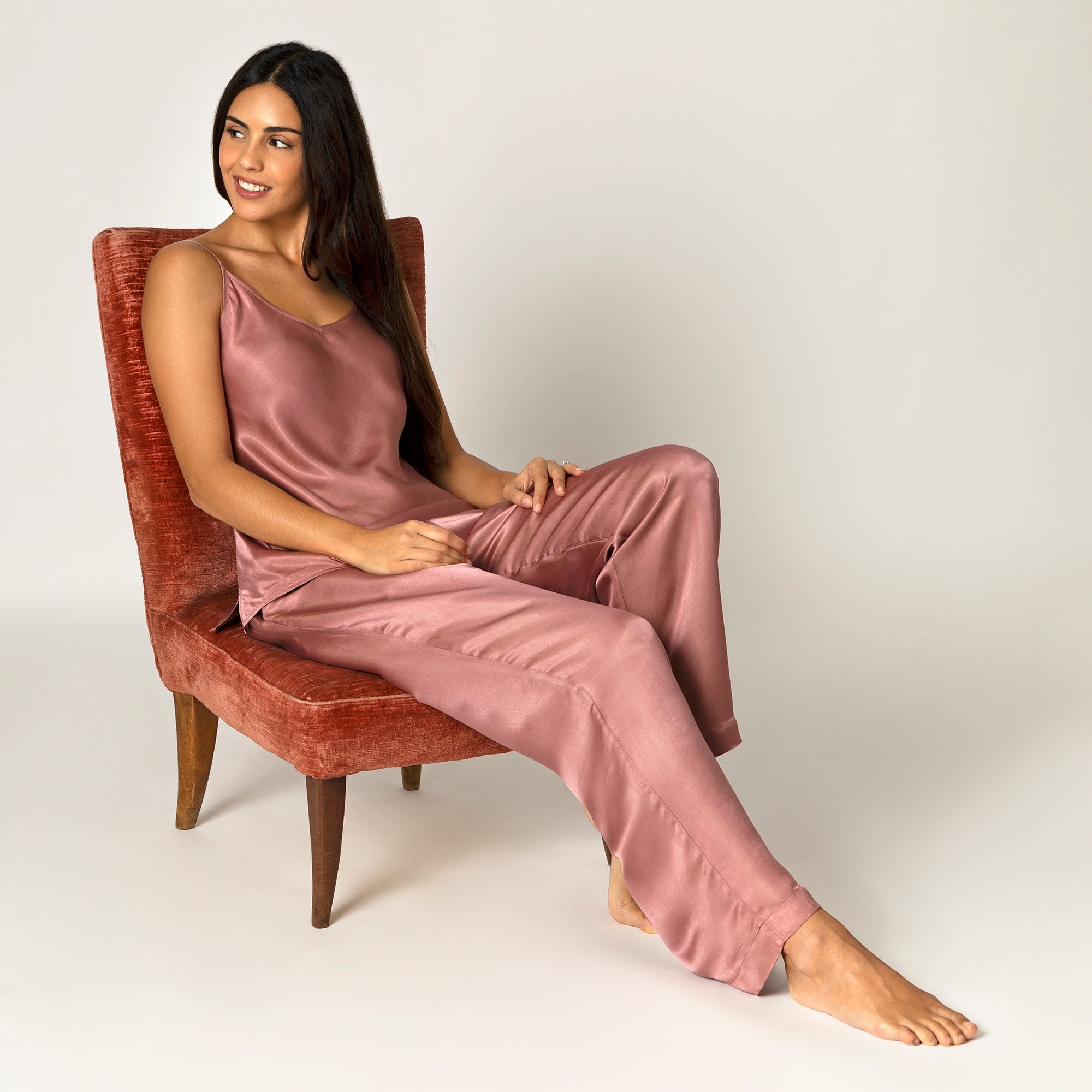
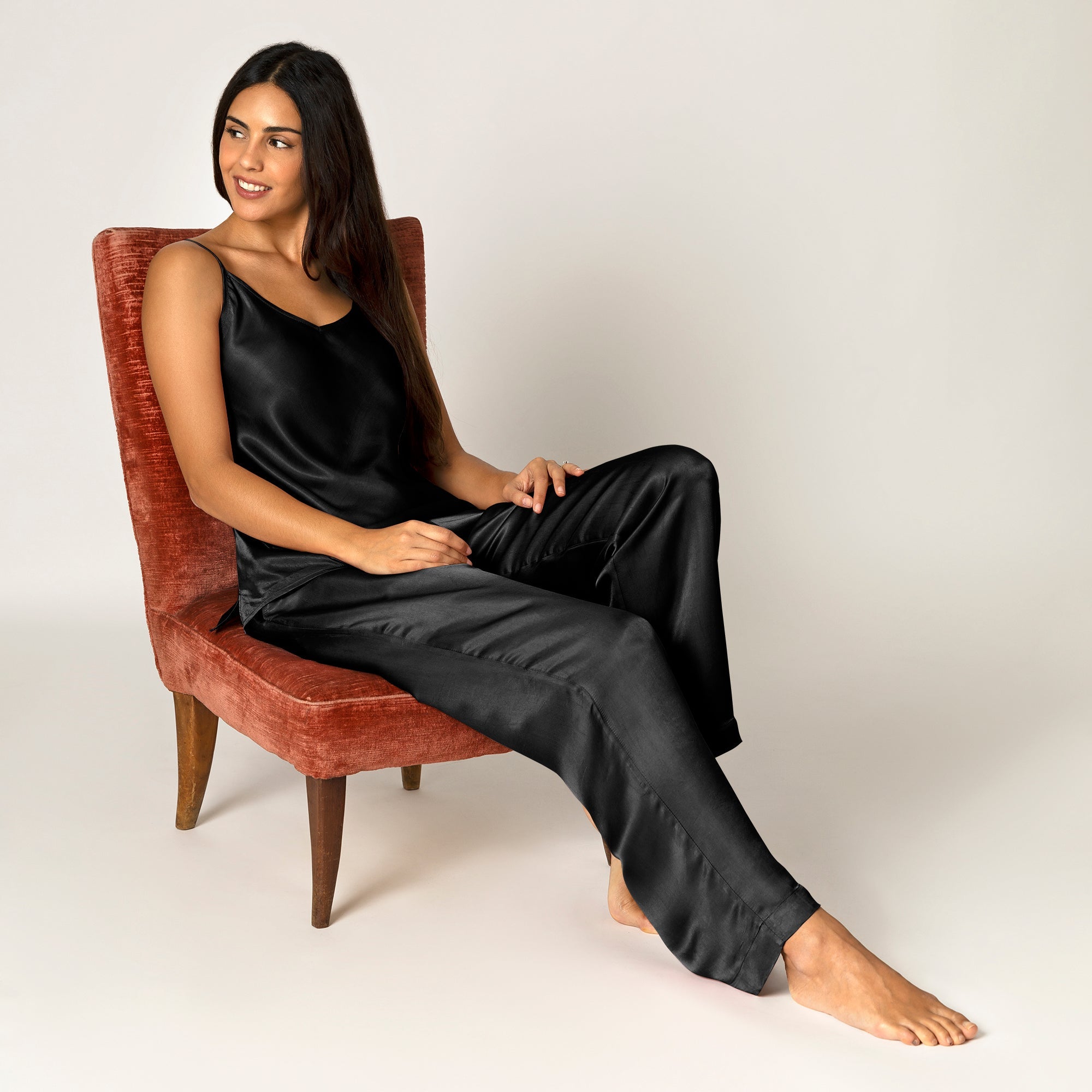
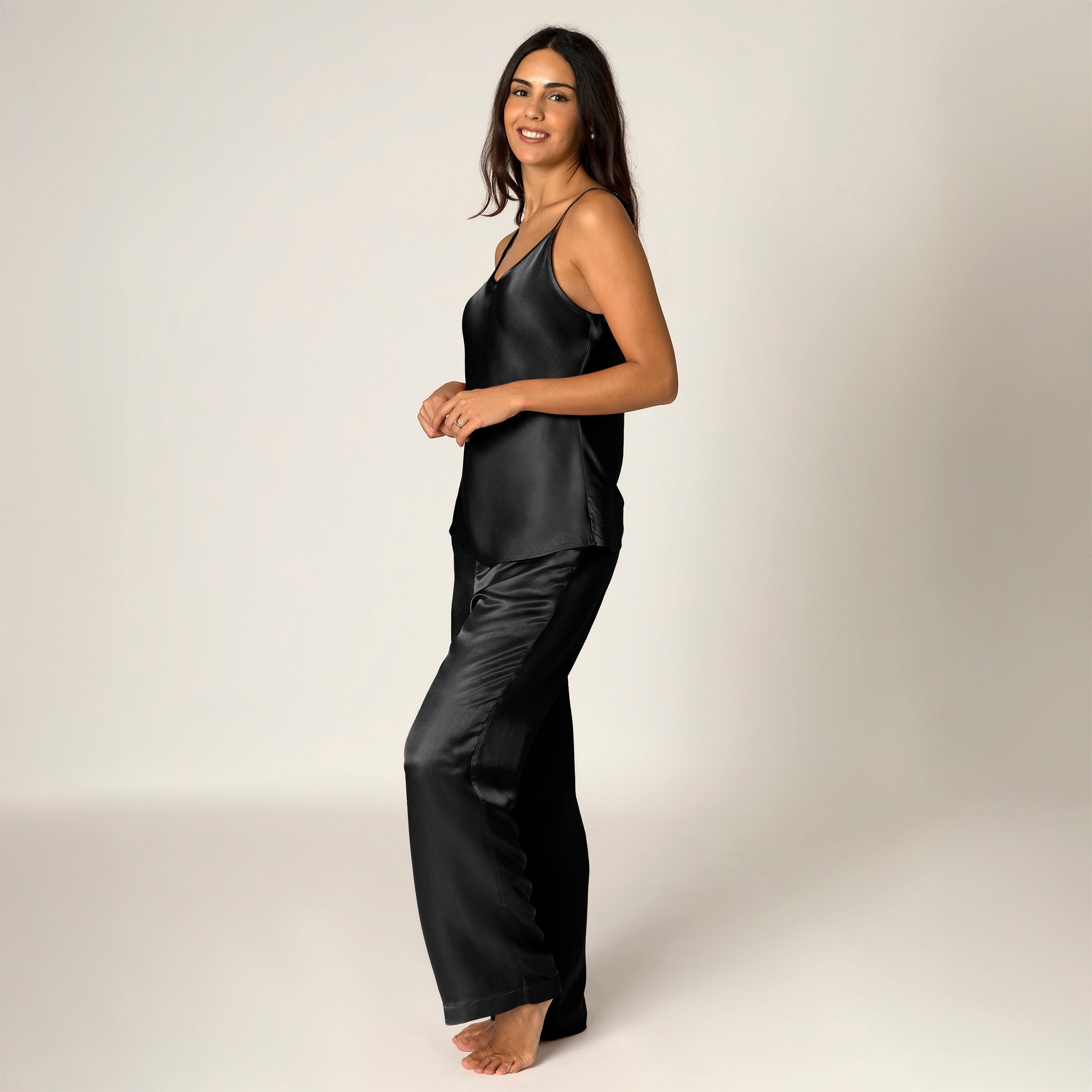
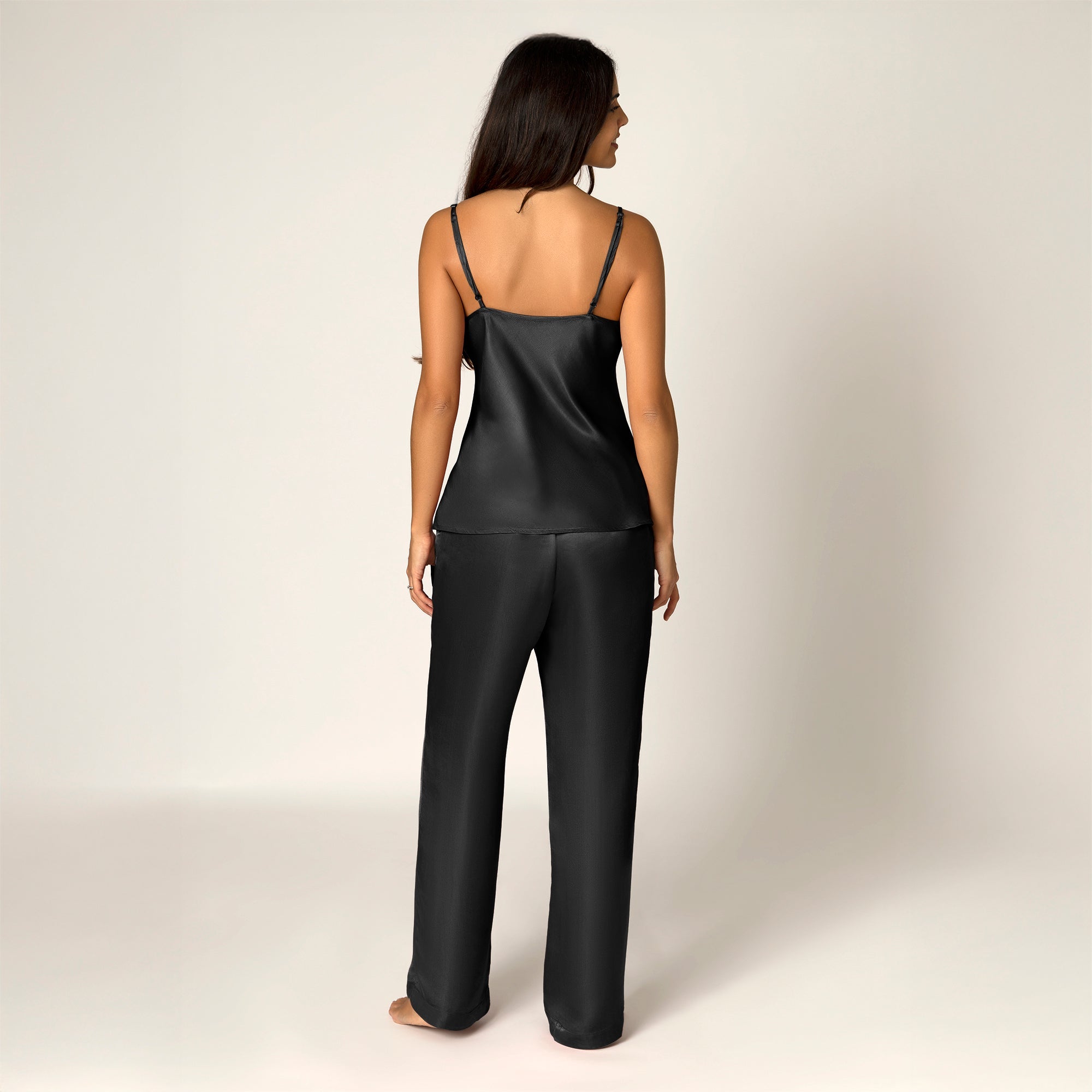
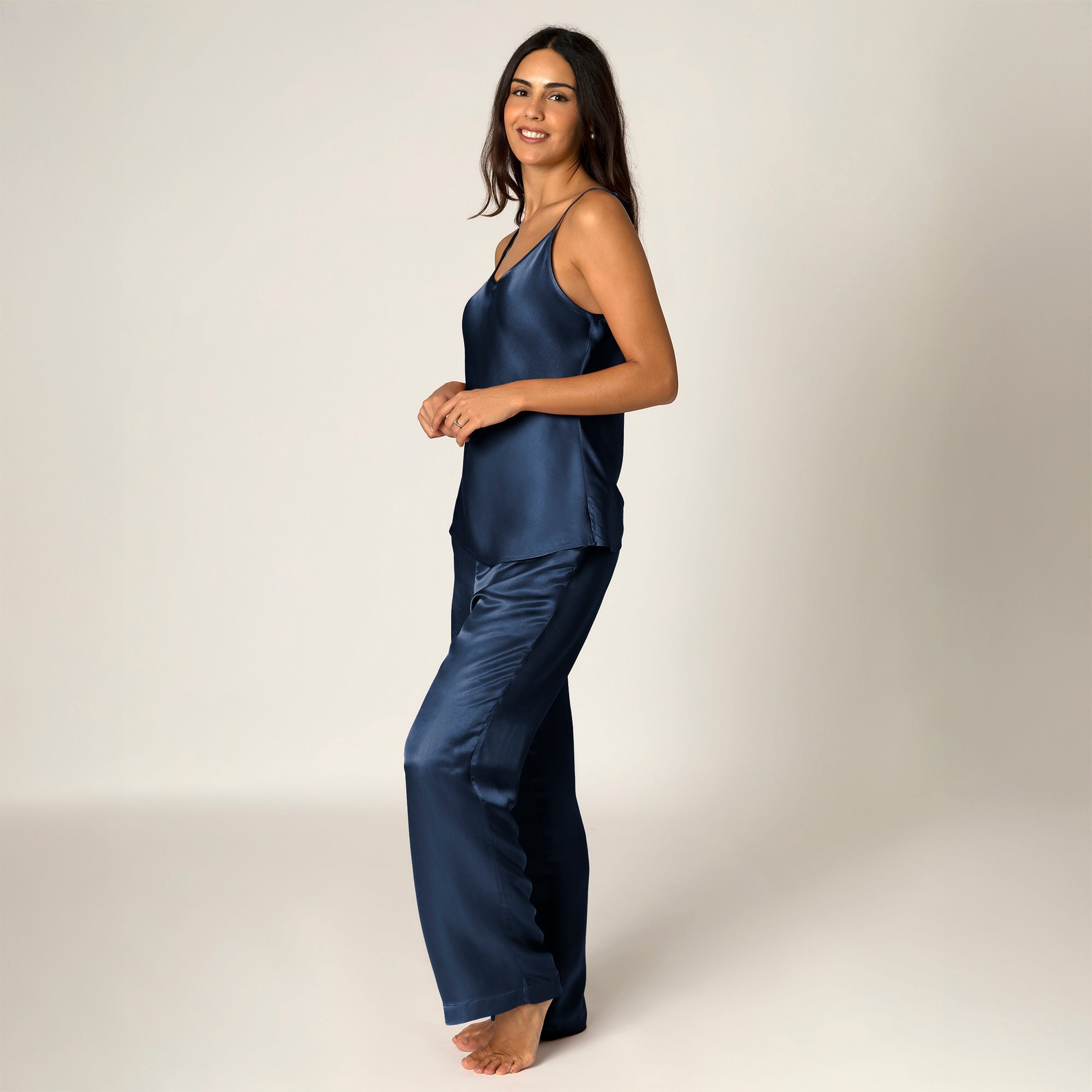
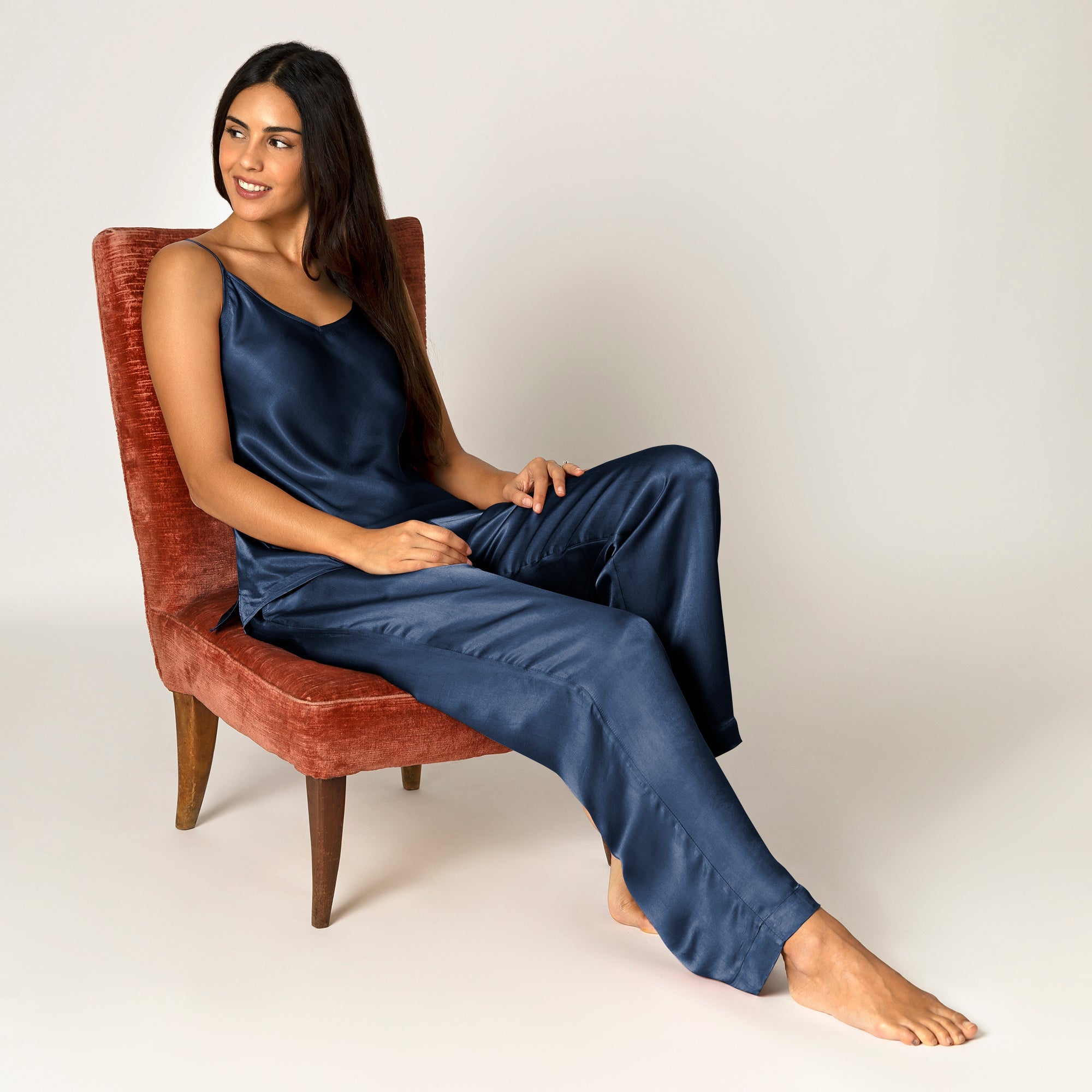
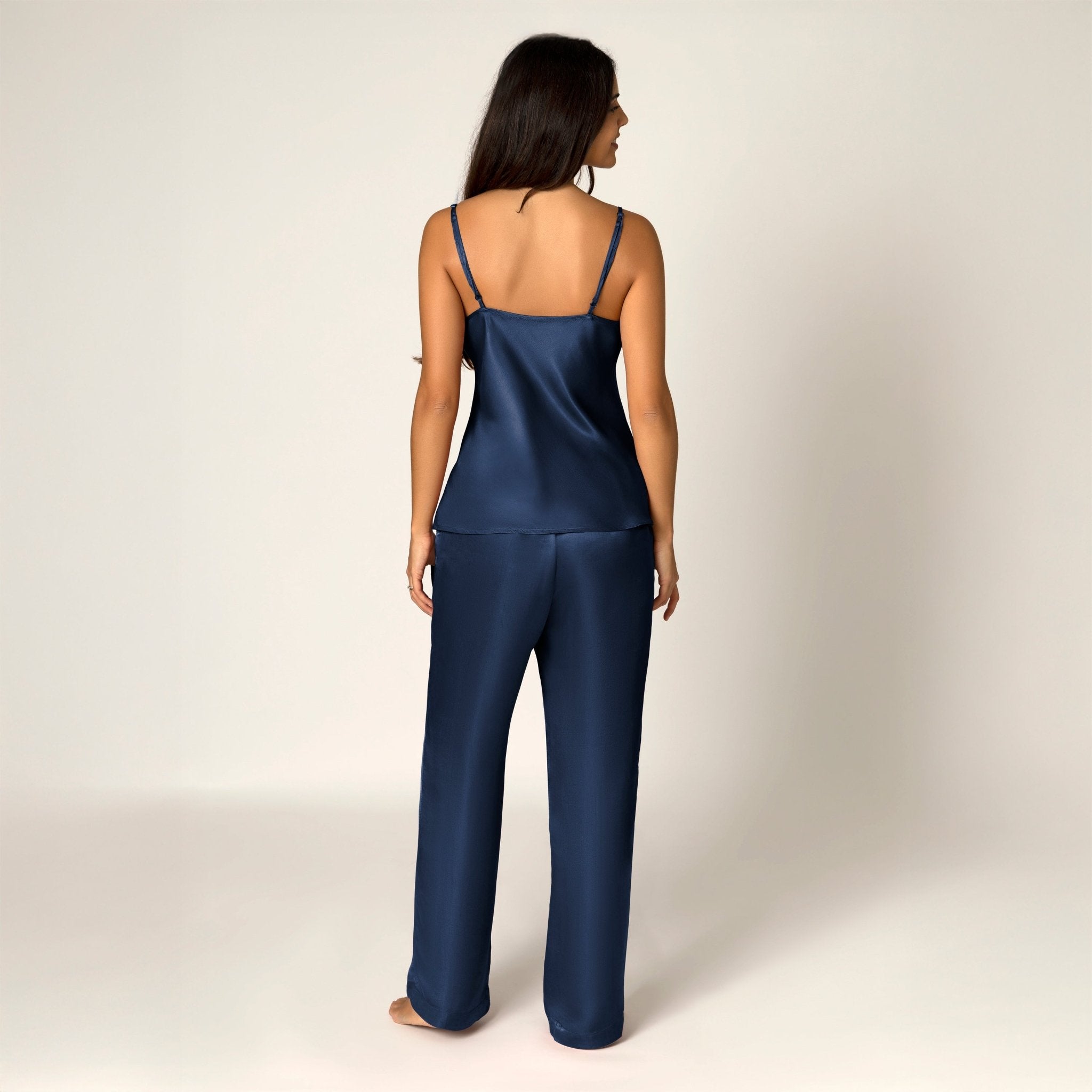
 Shop Artisan Silk Pajamas, Tank Pants Set
Fabric Care Guidelines for Psoriasis Patients
If you have psoriasis and are switching to silk:
Wash before first wear to remove any residual processing chemicals. Machine wash at 30 degrees, gentle cycle.
Use fragrance-free, pH-neutral detergent. Fragrances and high-pH detergents can irritate psoriatic skin independently of the fabric.
Do not use fabric softener. It coats the silk fibers and reduces the natural breathability and moisture-wicking properties that benefit sensitive skin.
Wash regularly. Even though silk resists bacterial growth better than cotton, regular washing removes accumulated skin cells, topical medication residue, and other potential irritants.
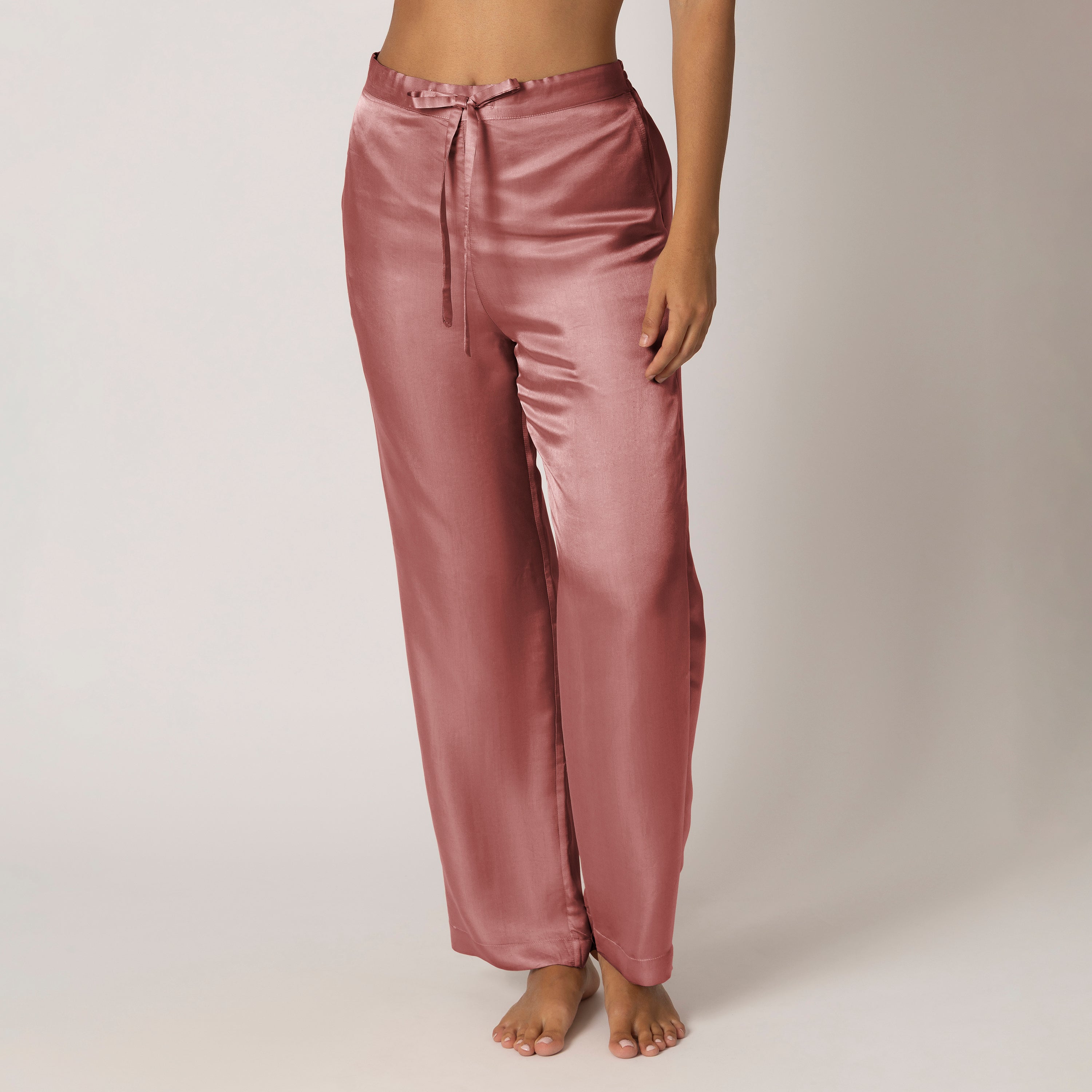
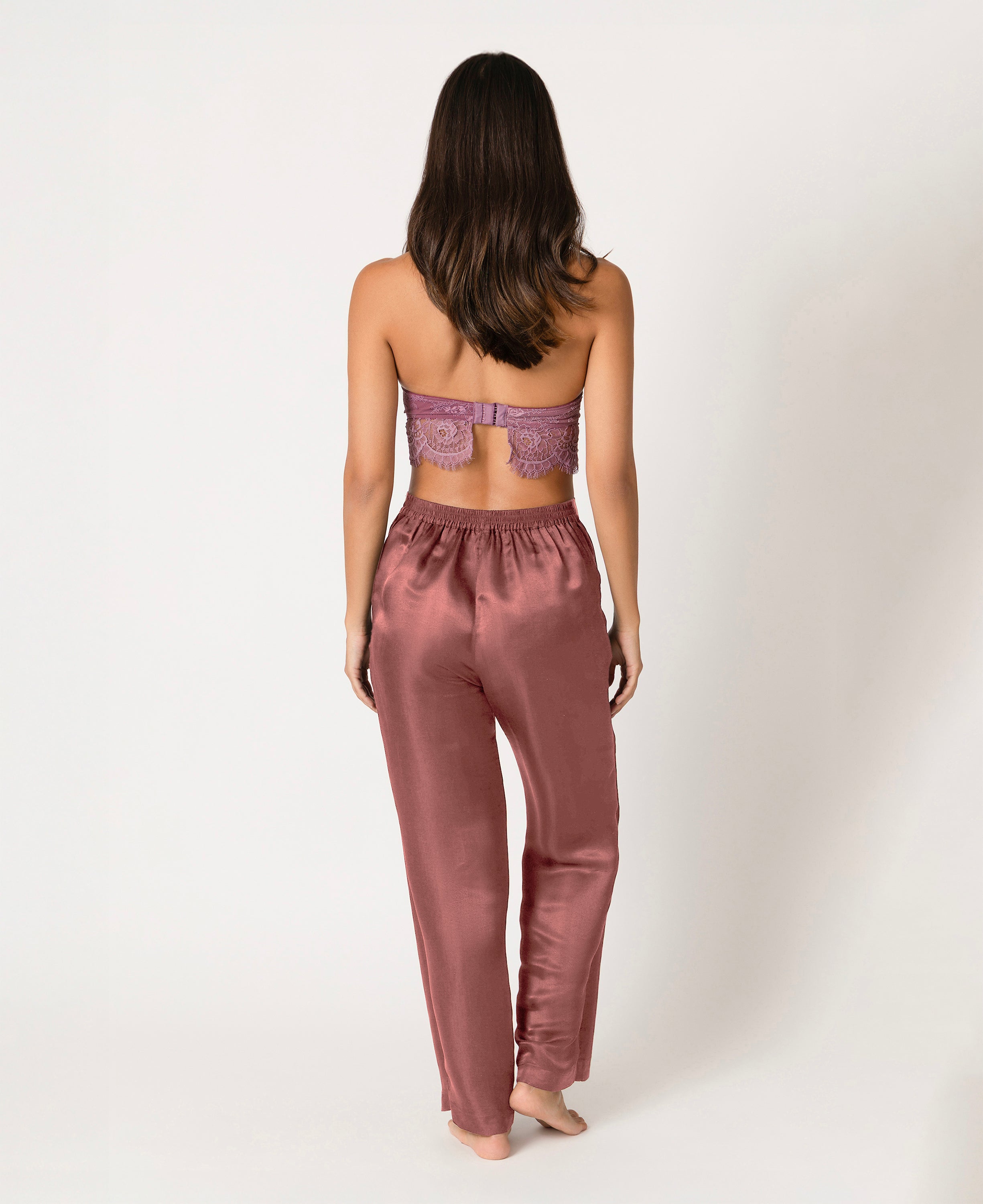
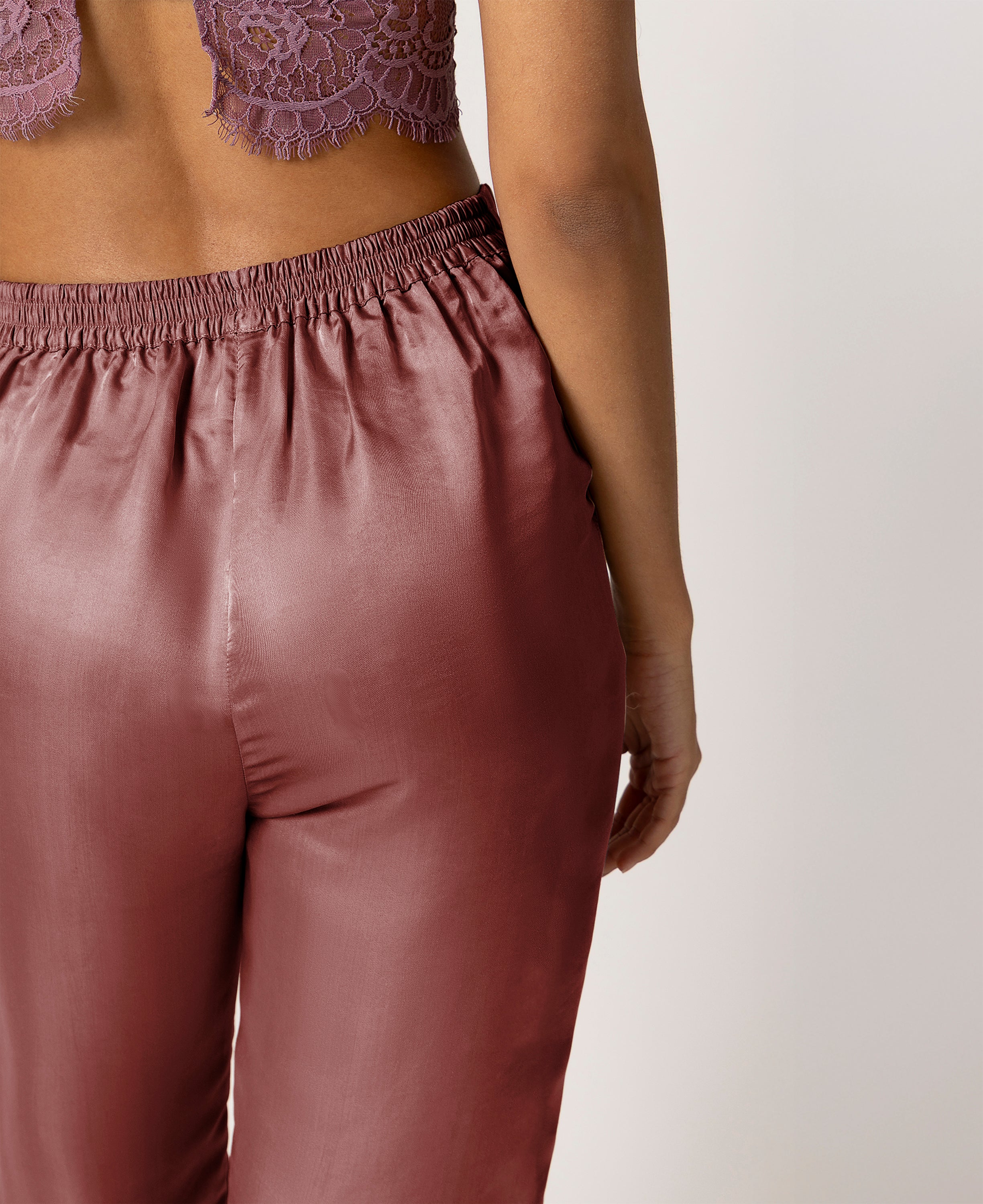
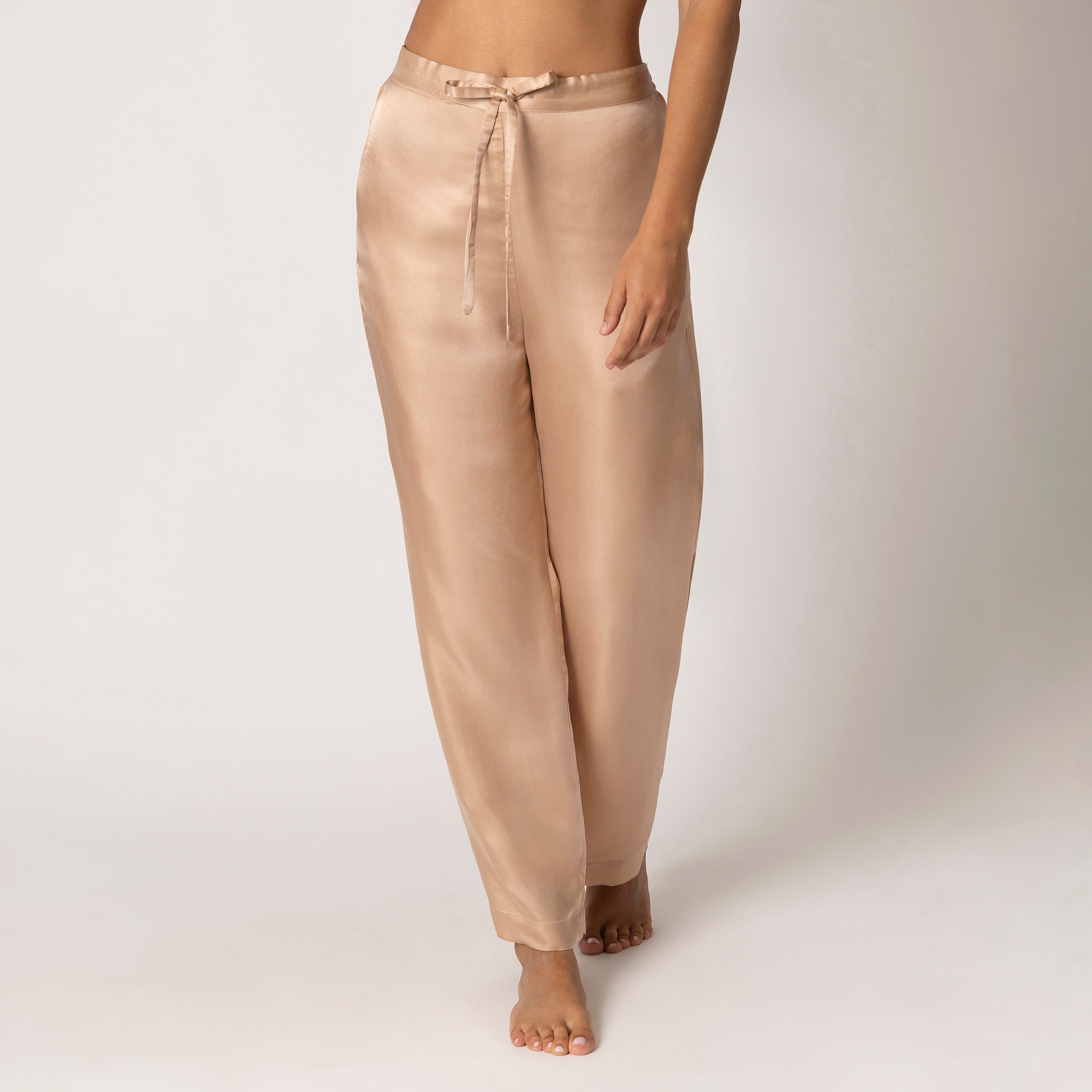
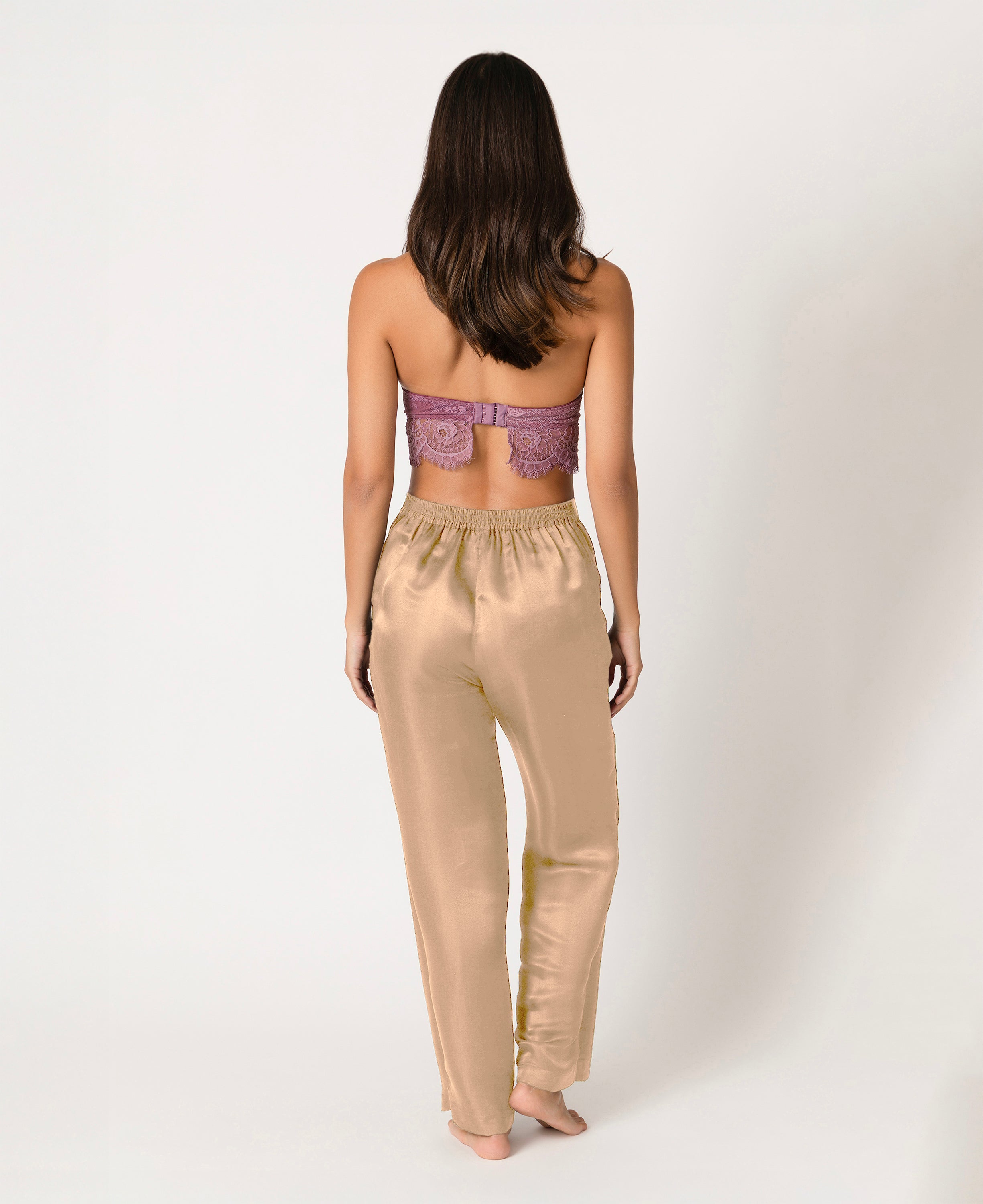
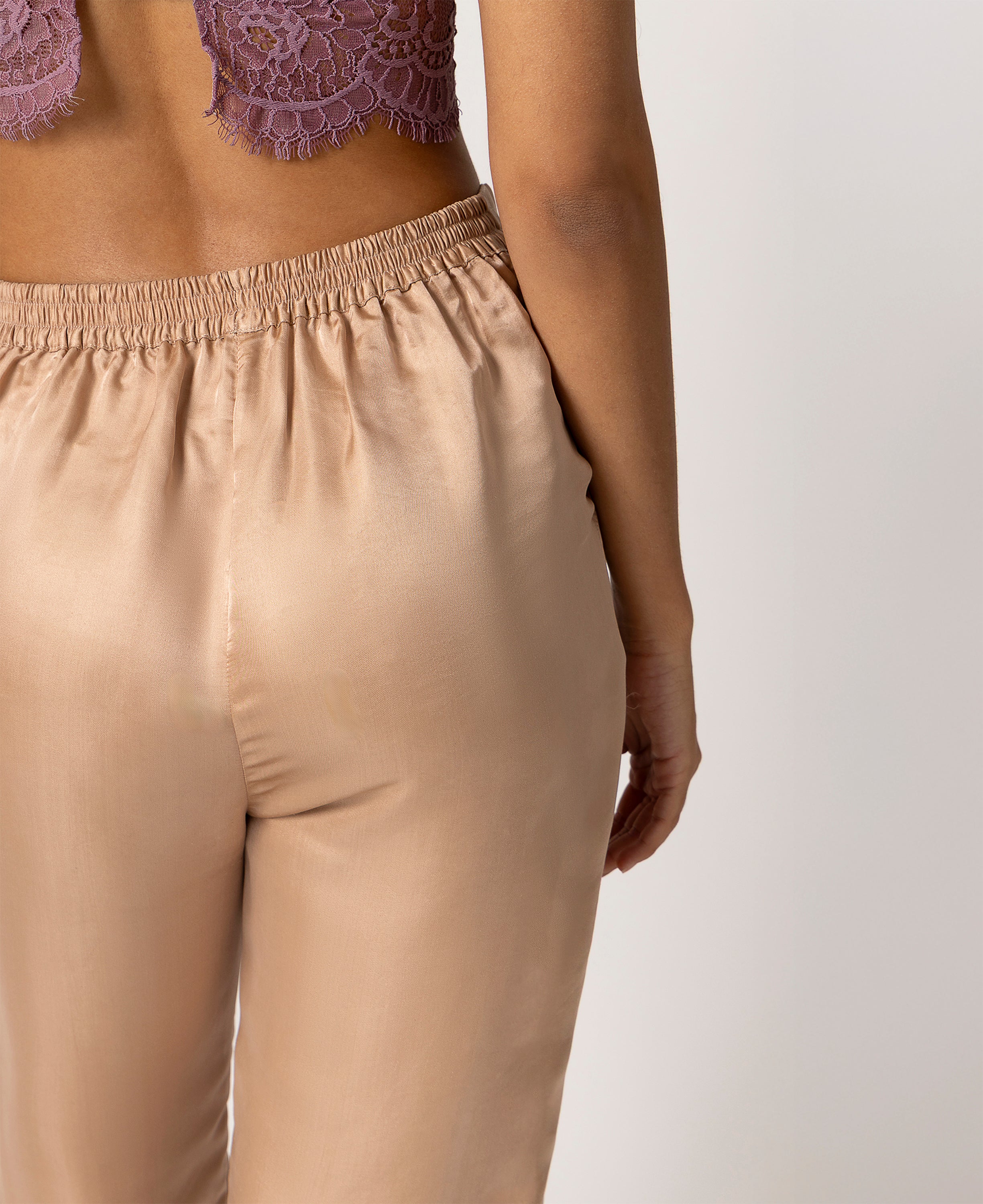
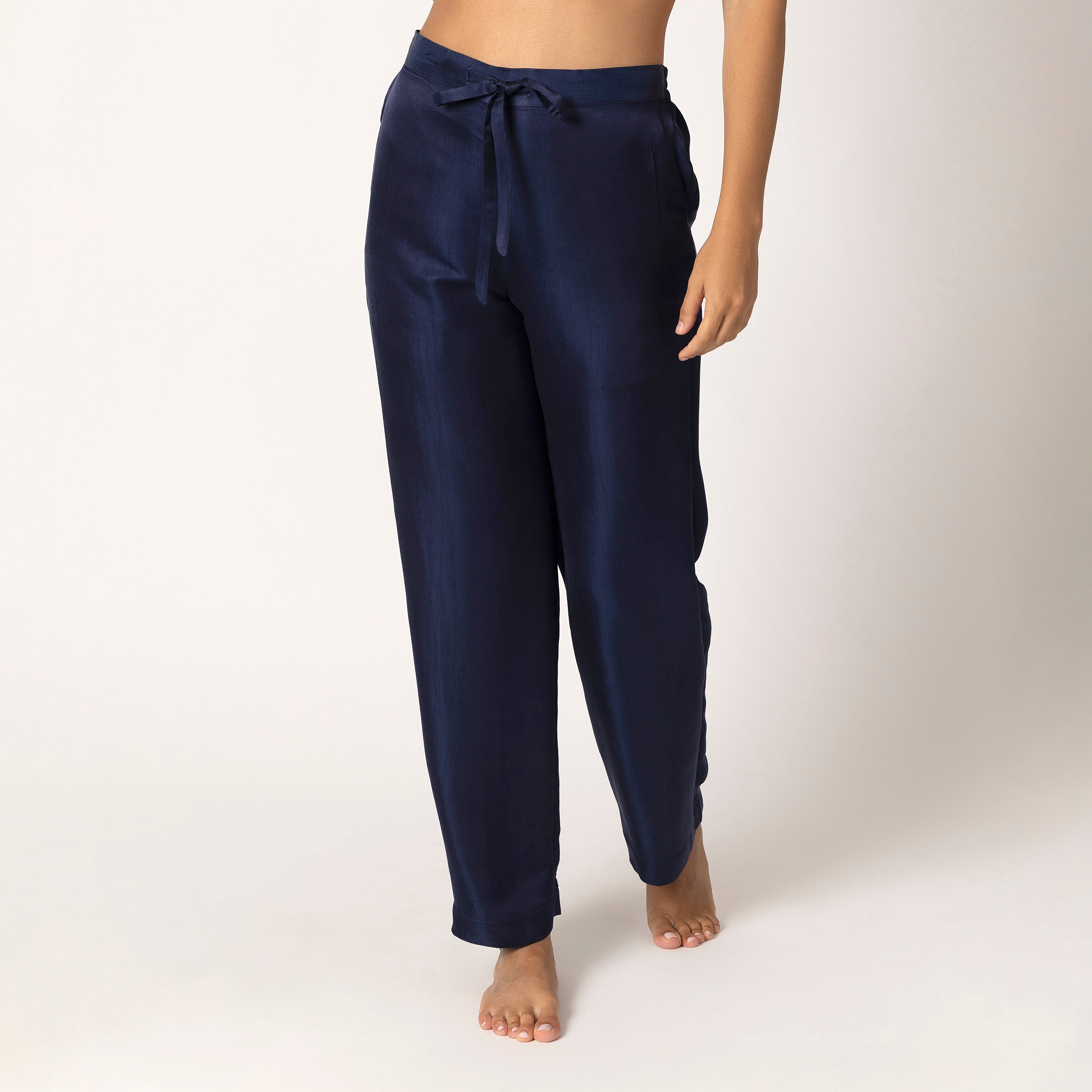
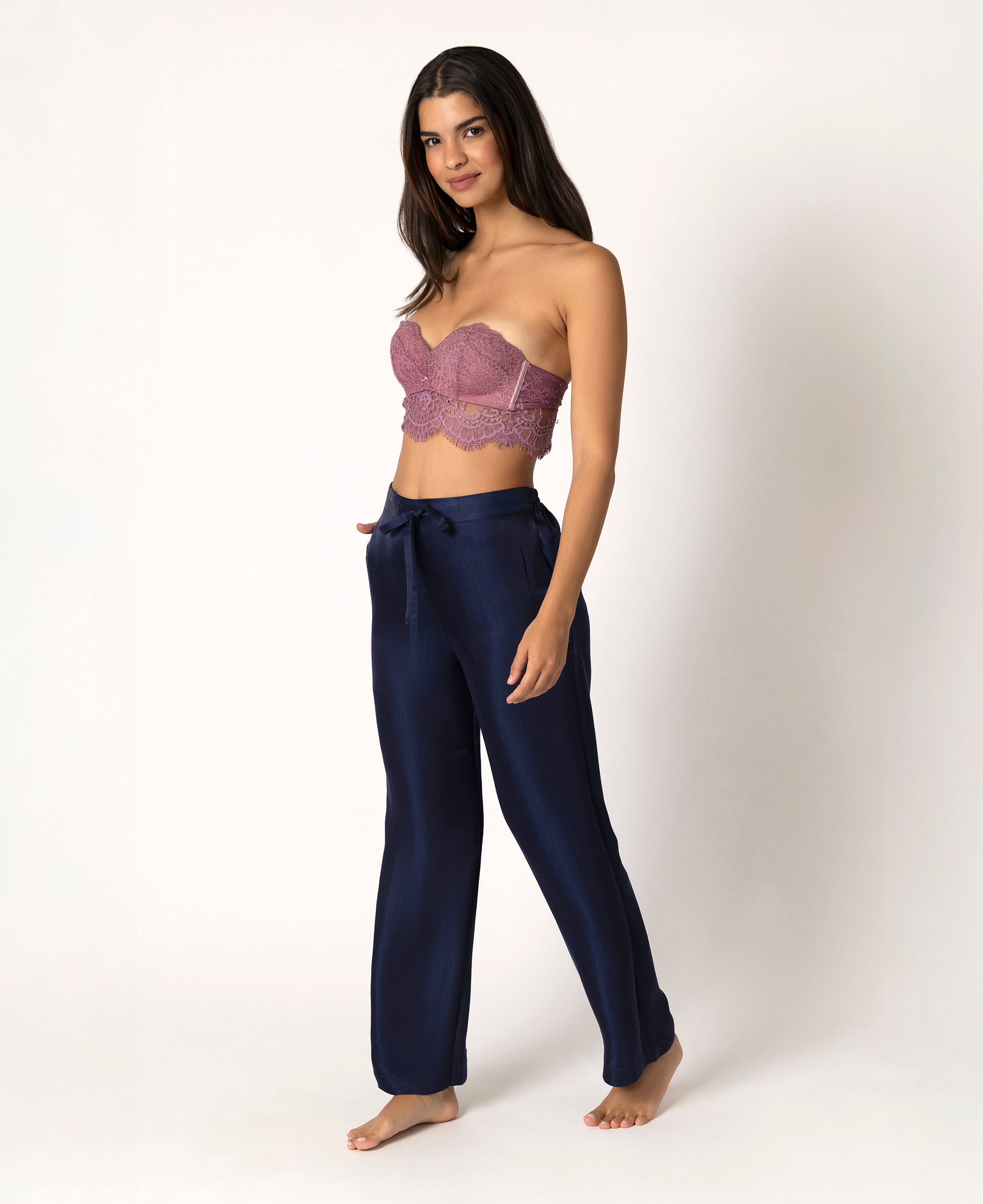
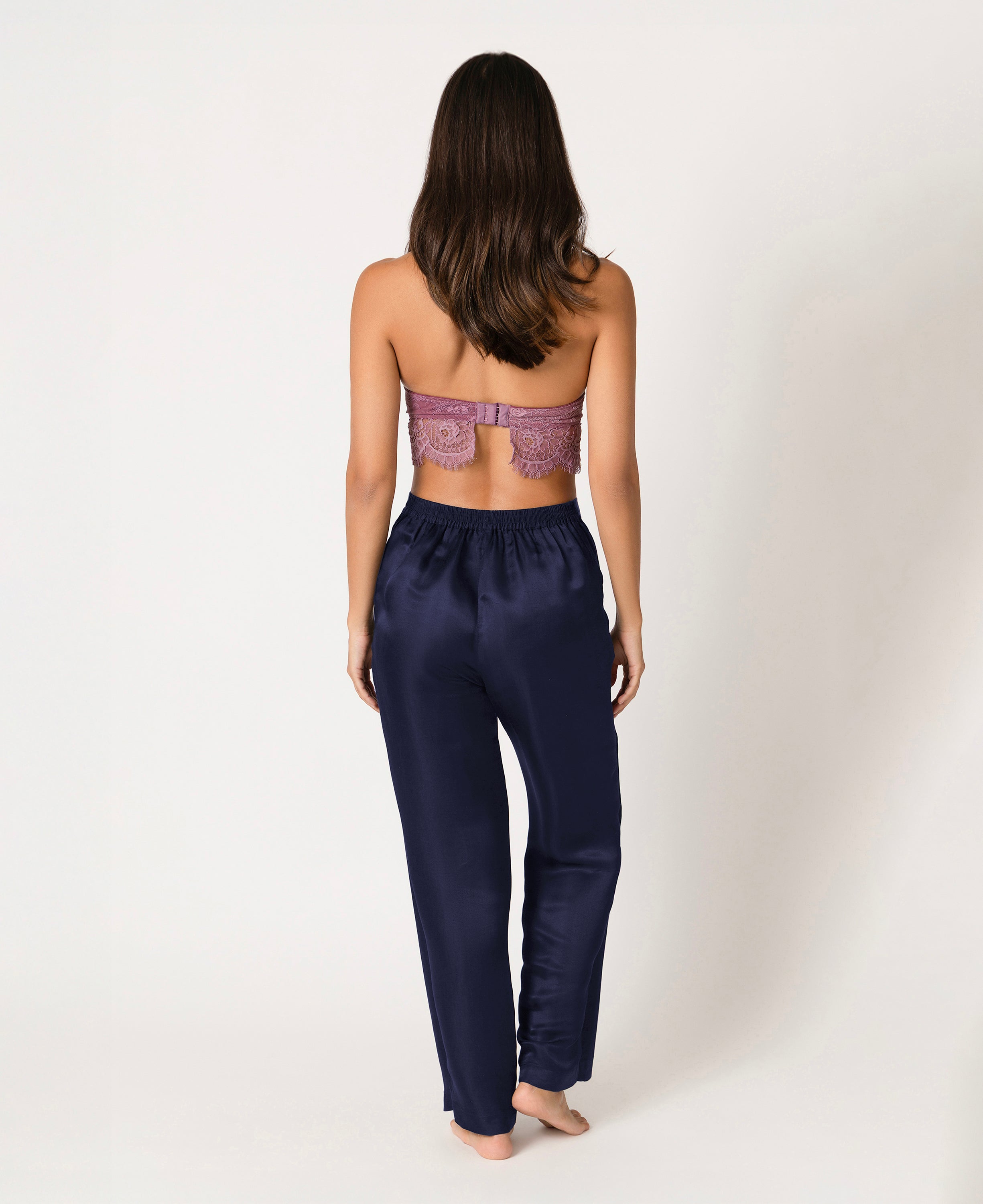
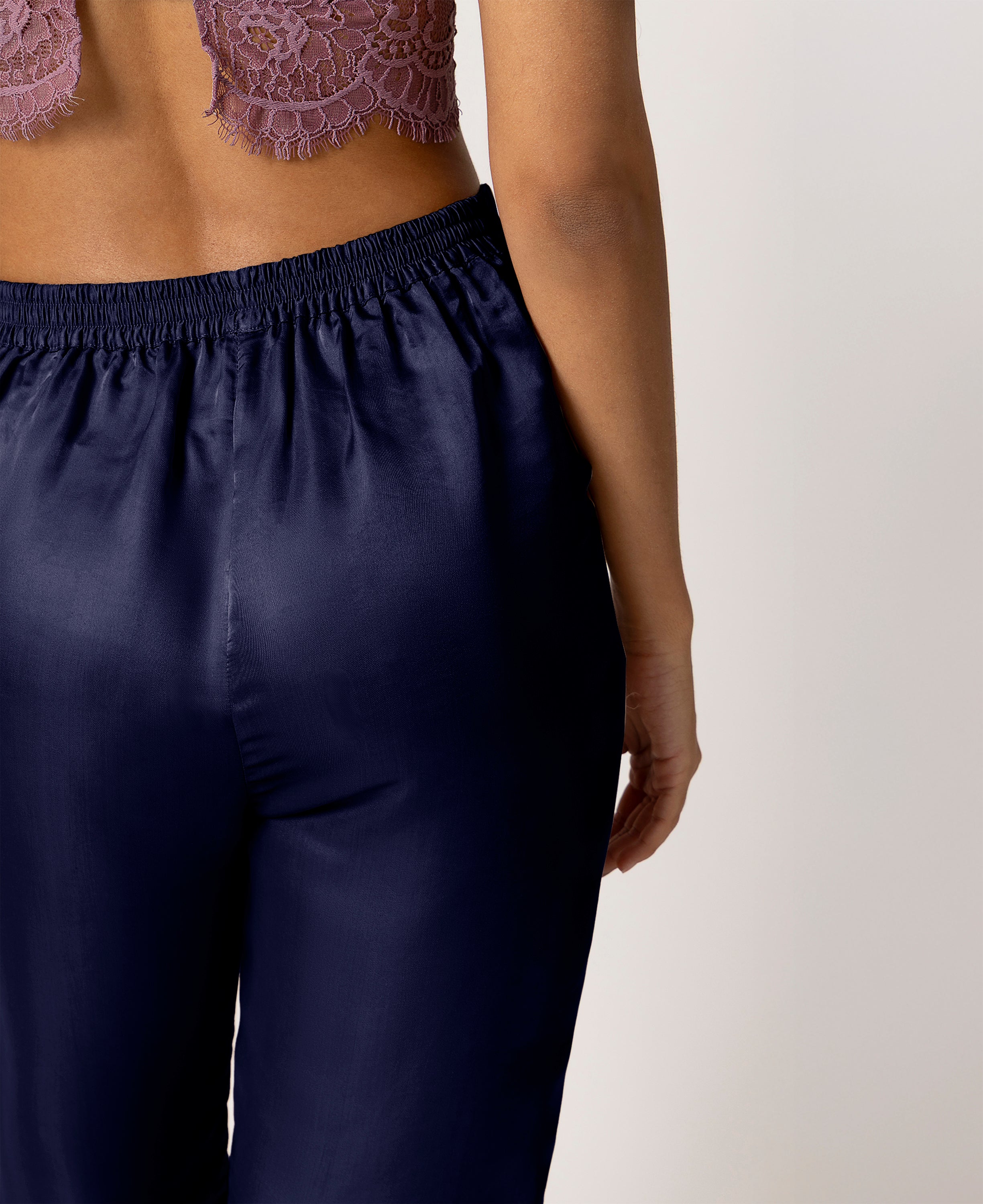
 Shop Artisan Silk Pajama Pants
Real-World Adaptation: The Transition Process
If you have psoriasis and are switching from cotton to silk, expect a transition period. Your skin has adapted to cotton's friction patterns and moisture absorption. Moving to silk changes those parameters suddenly.
Some people report that the initial transition is uncomfortable because the different friction feels unfamiliar. Your skin may react with minor irritation or flare-up as it adjusts to the new fabric. This typically resolves within 2-3 weeks as your skin acclimate to reduced friction and different moisture management.
During the transition period, continue your normal dermatological treatment. Don't assume that initial discomfort means silk isn't working. Give your skin time to adjust. If irritation persists beyond three weeks, return to cotton and discuss the experience with your dermatologist. Not every person's skin responds the same way, and that's not a failure of silk. It's a signal that your particular skin chemistry may need a different approach.
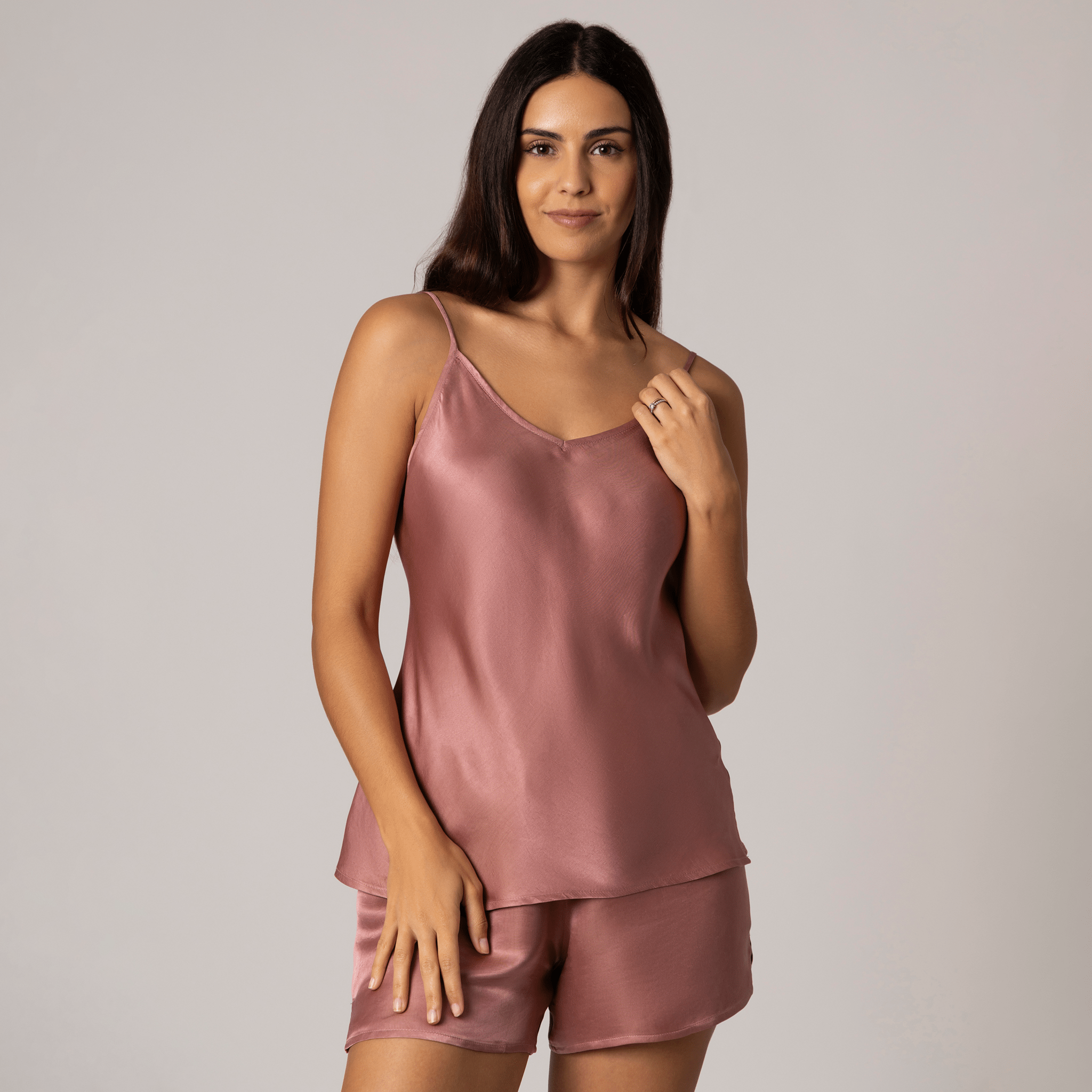
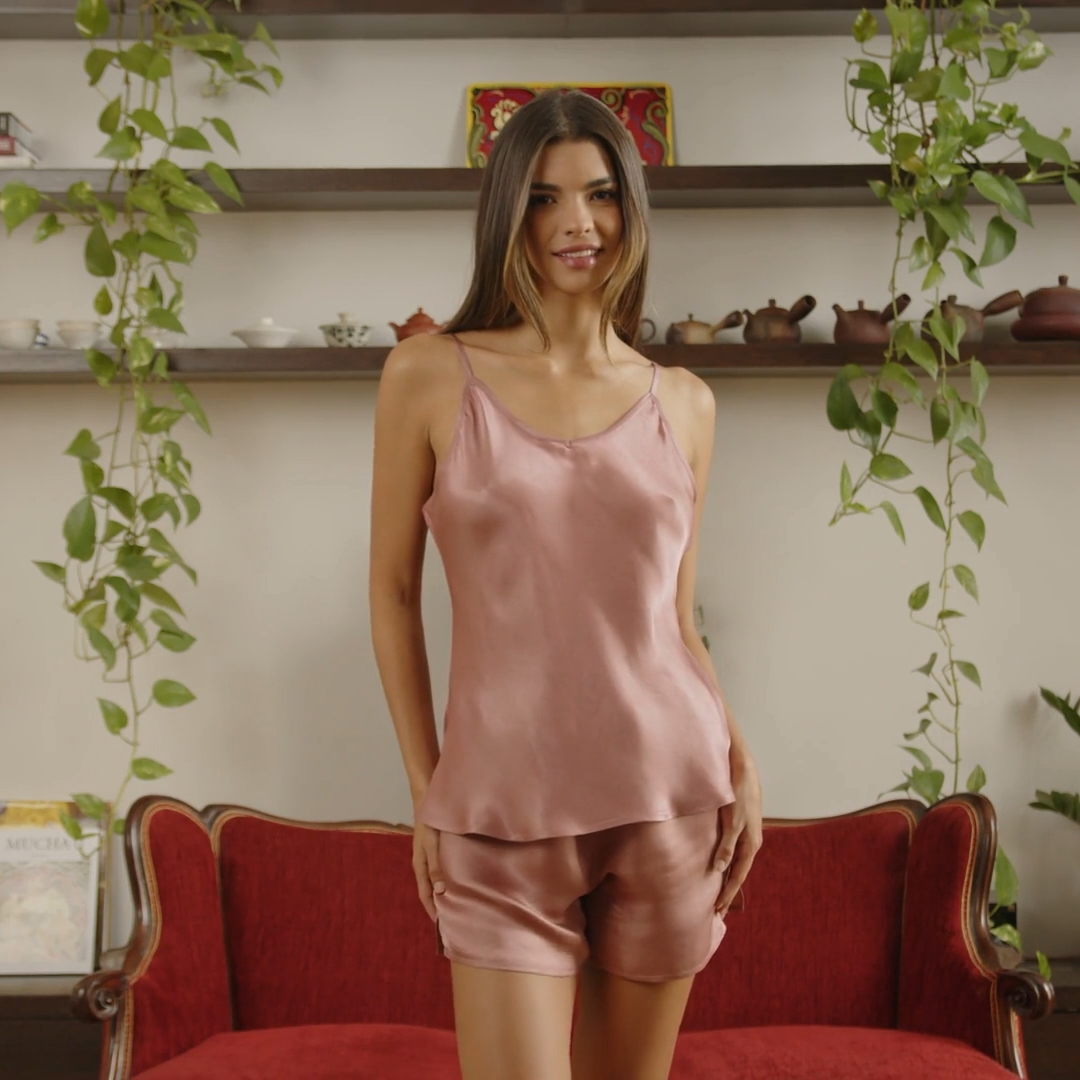
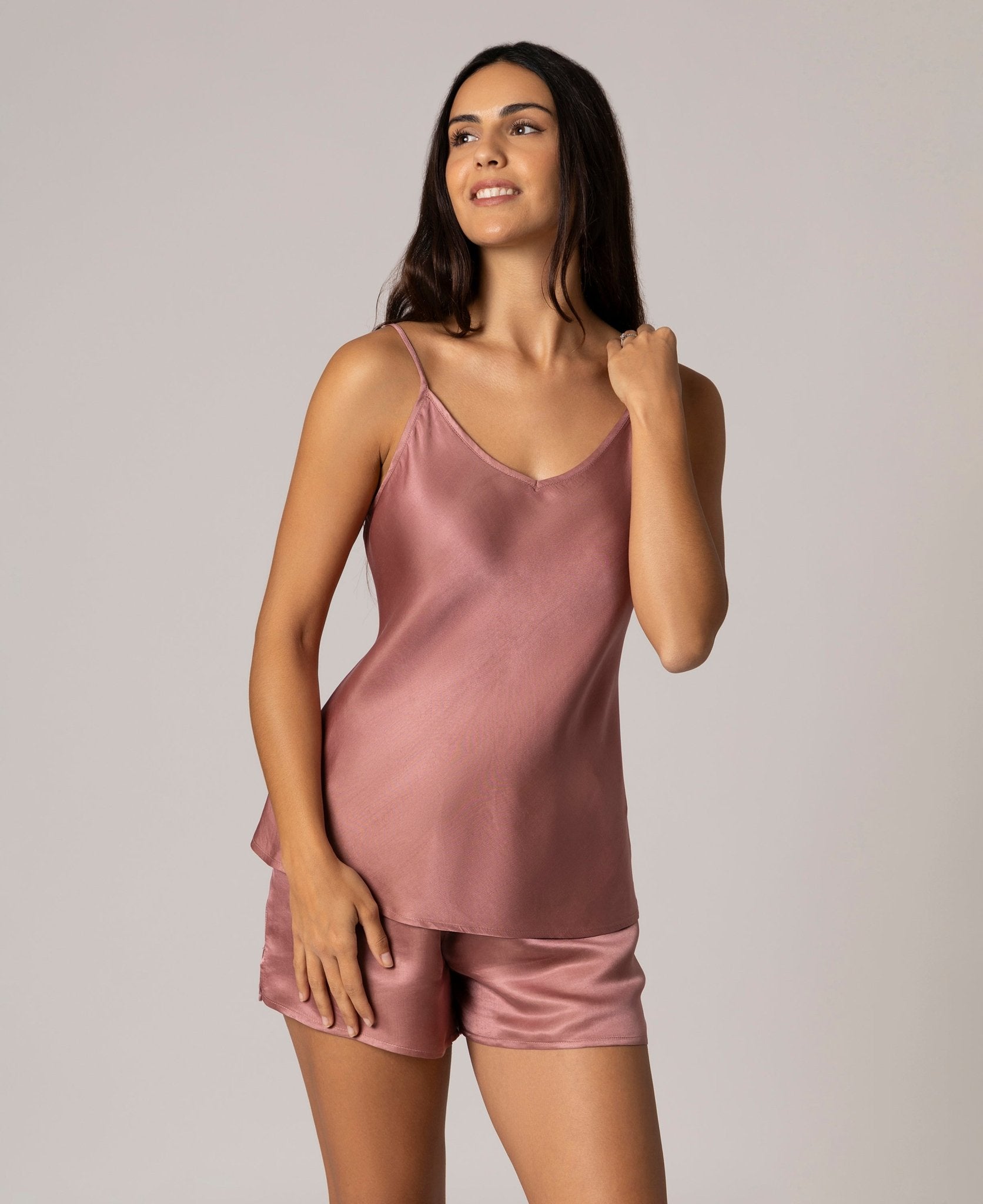
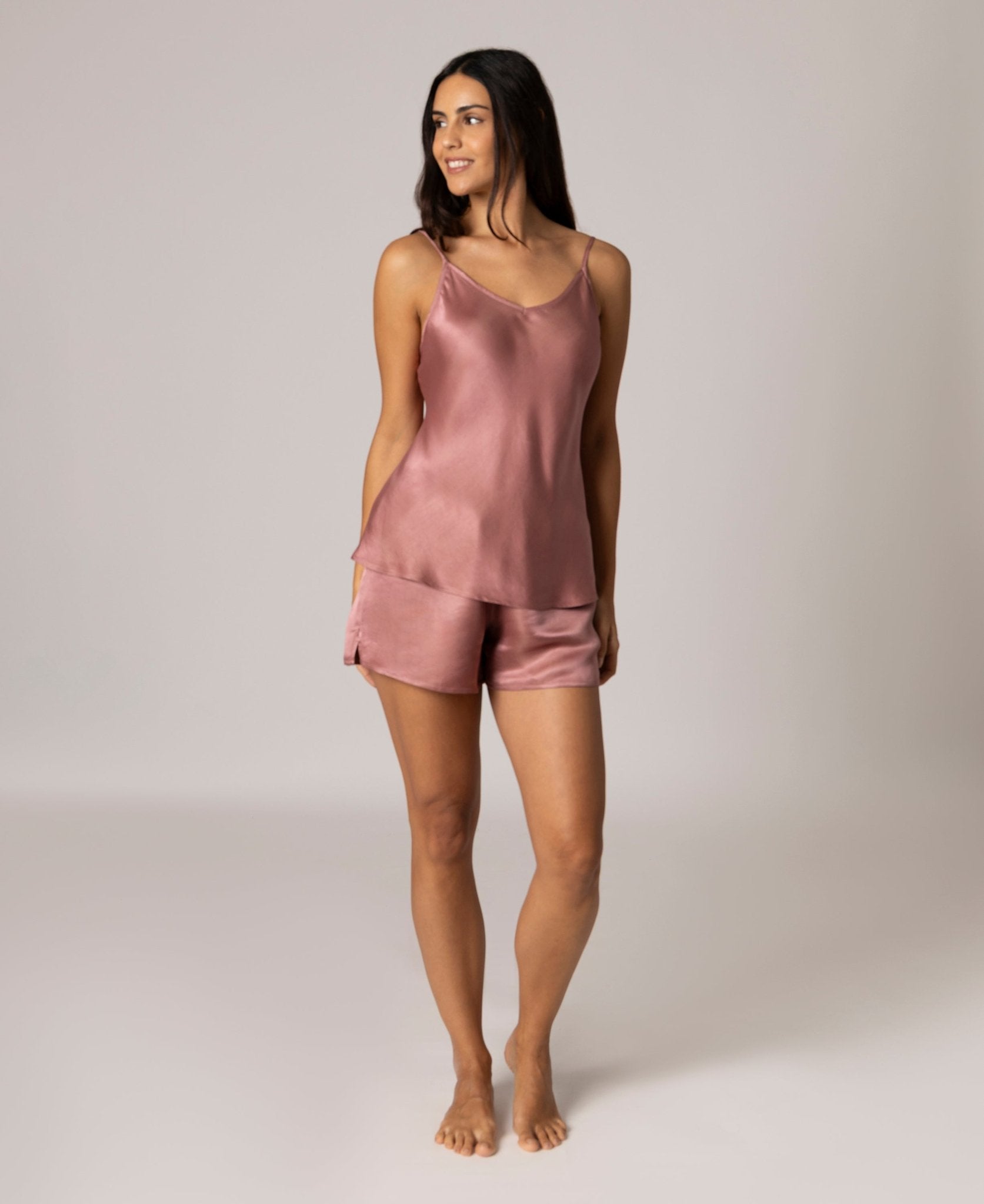
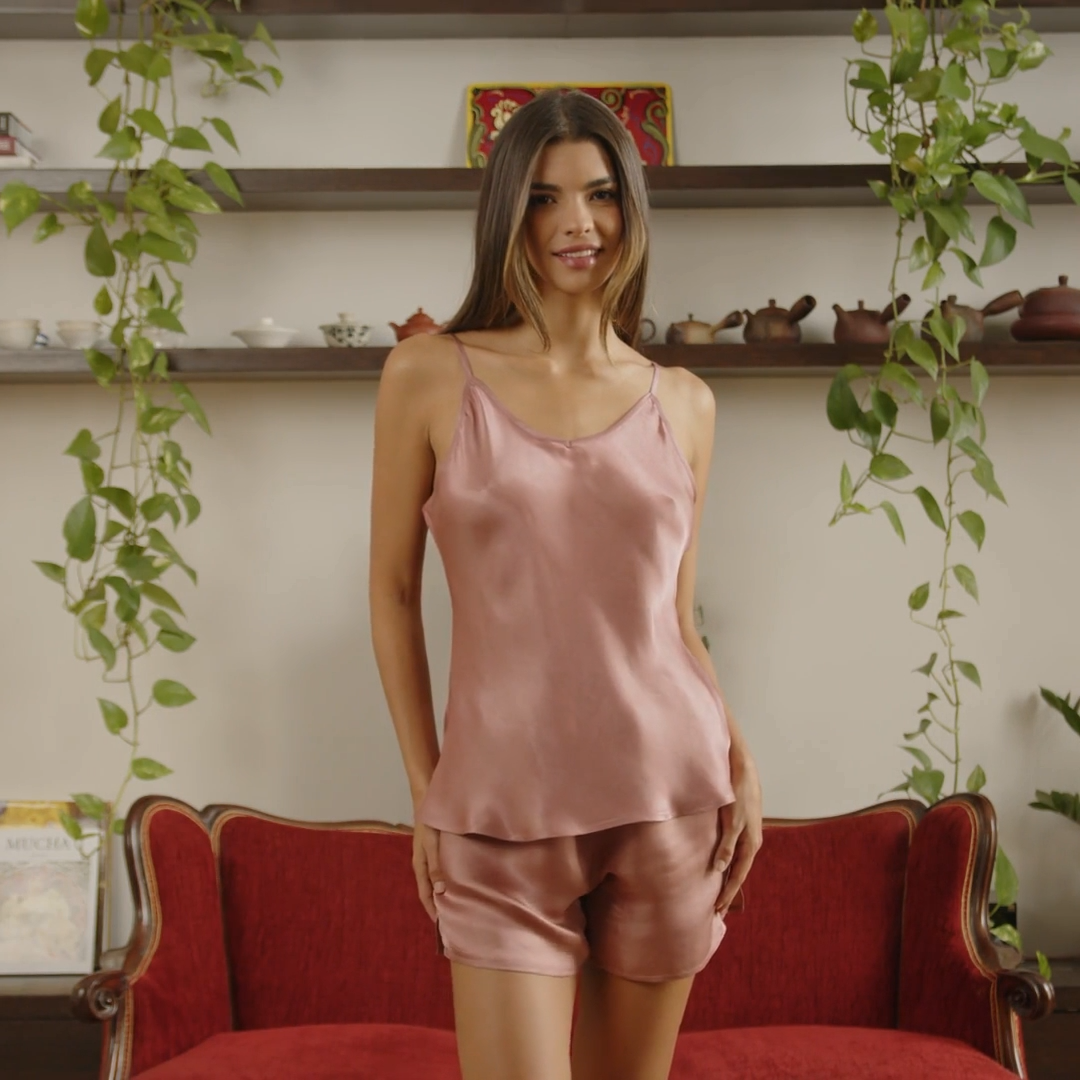
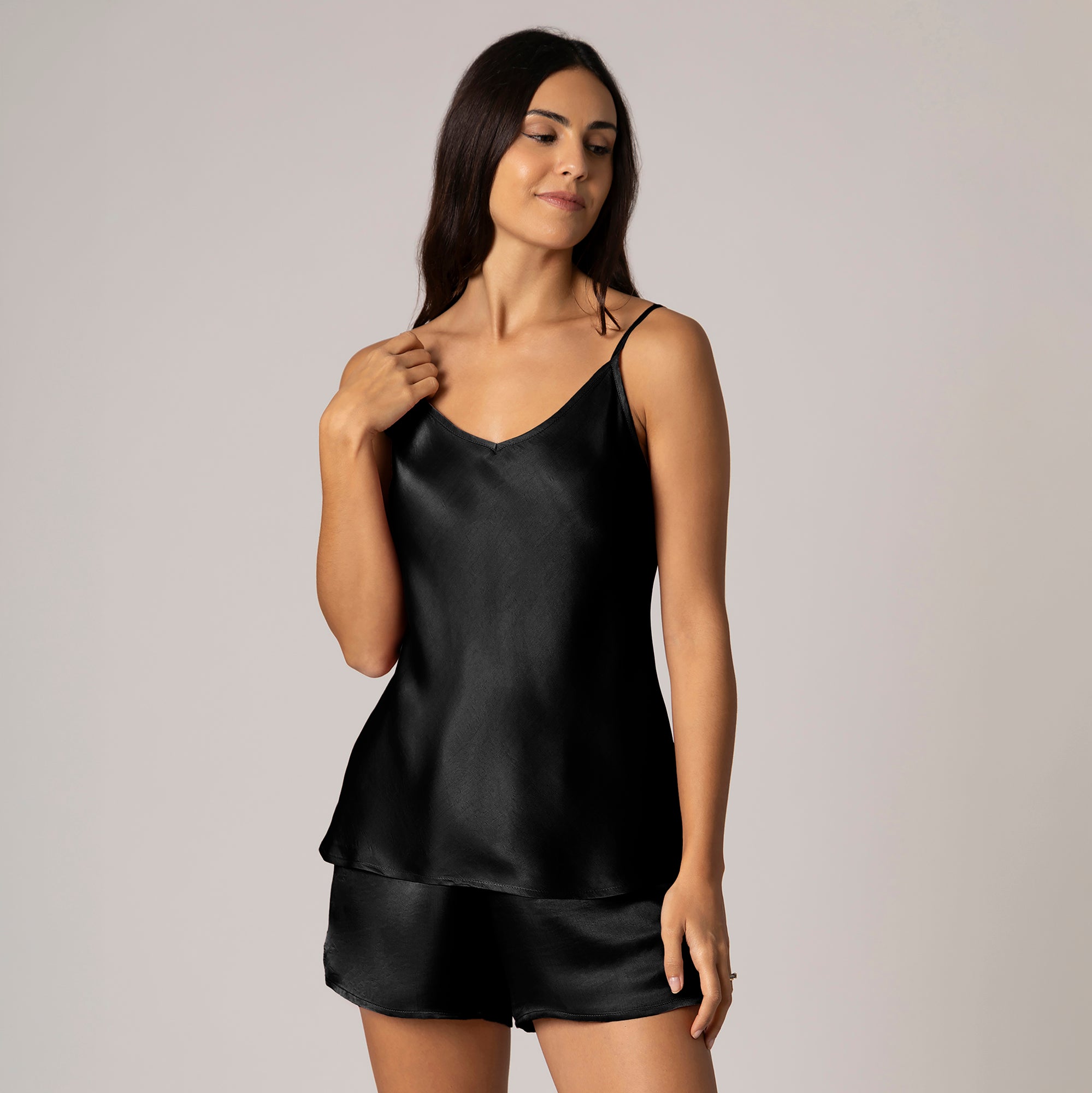
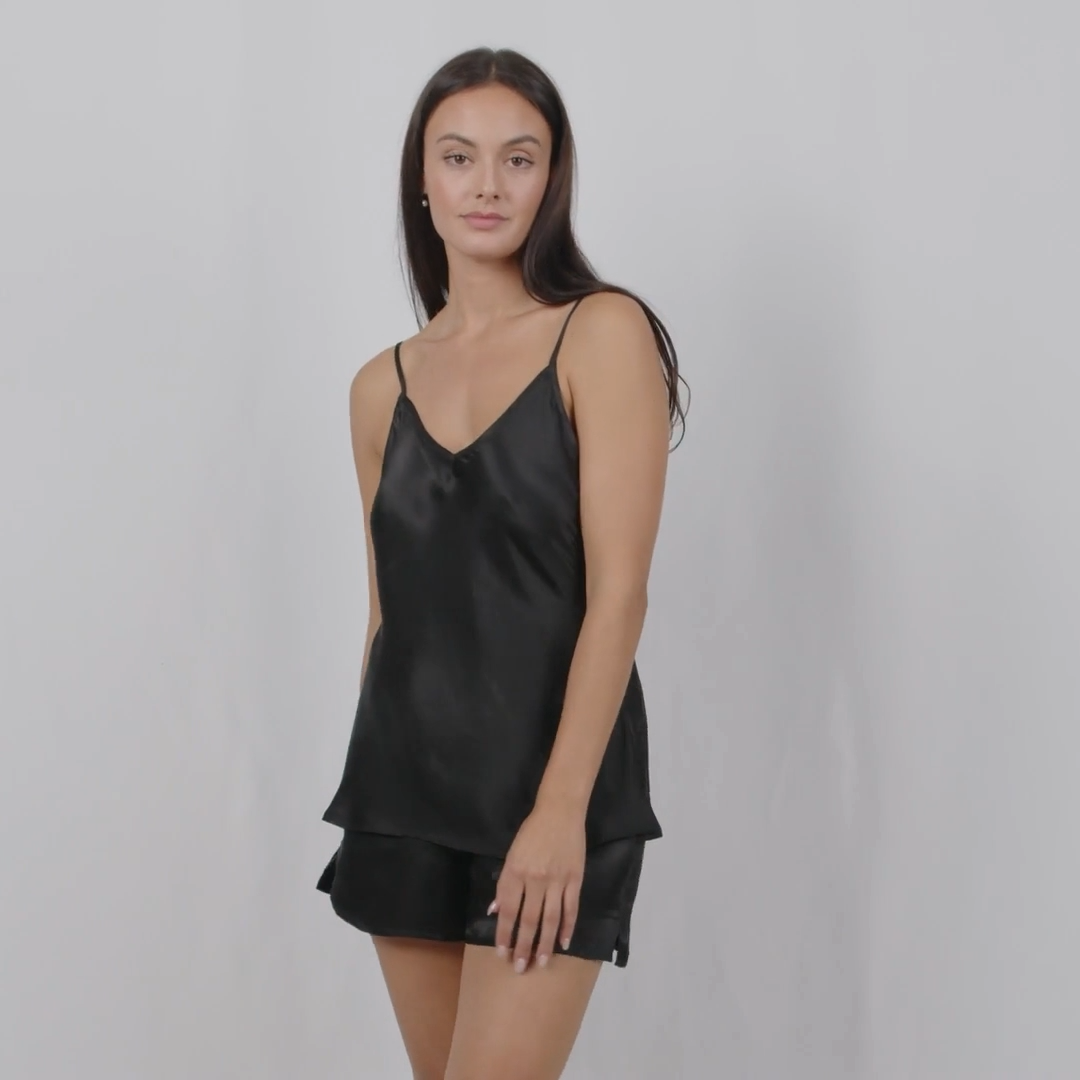
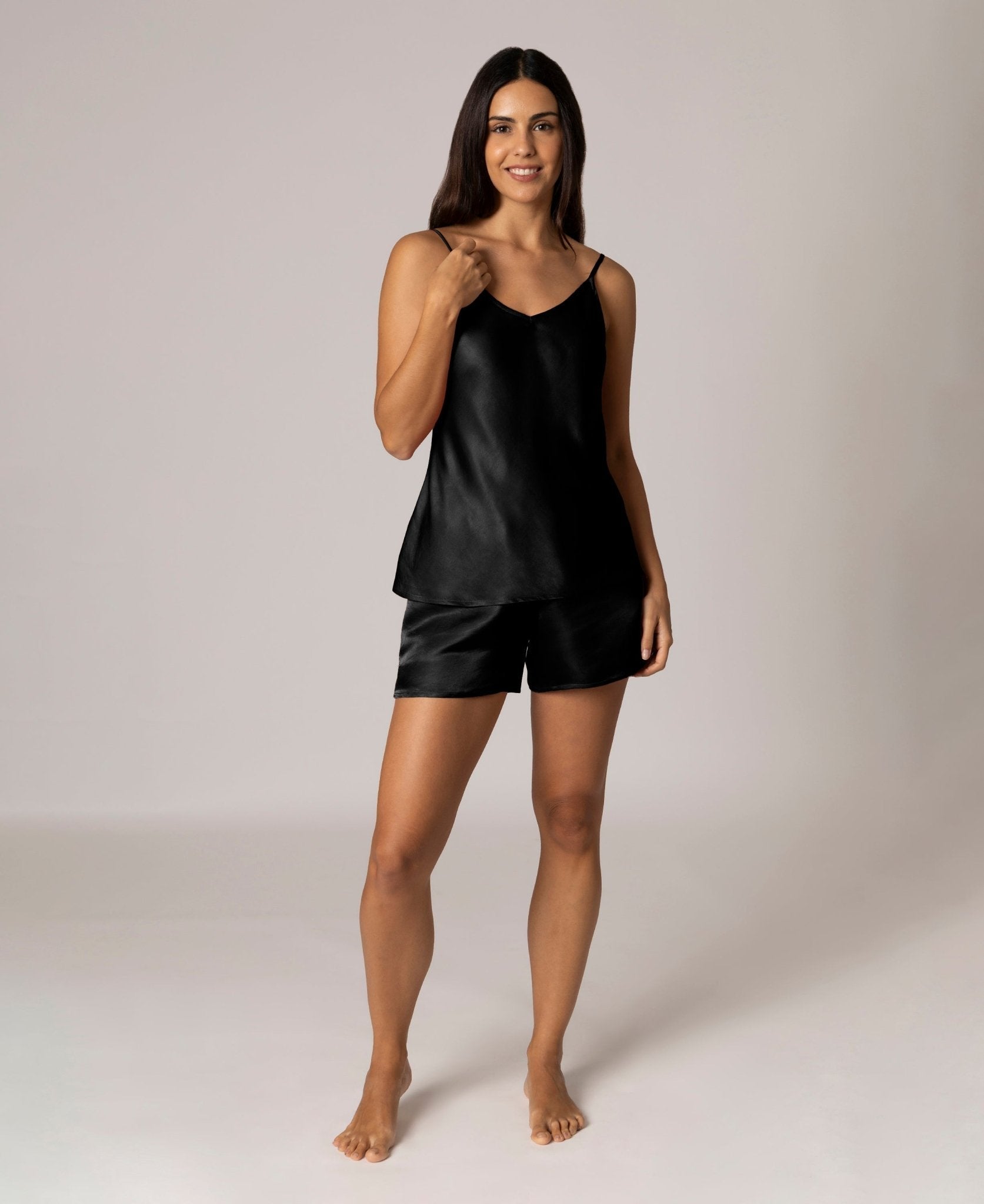
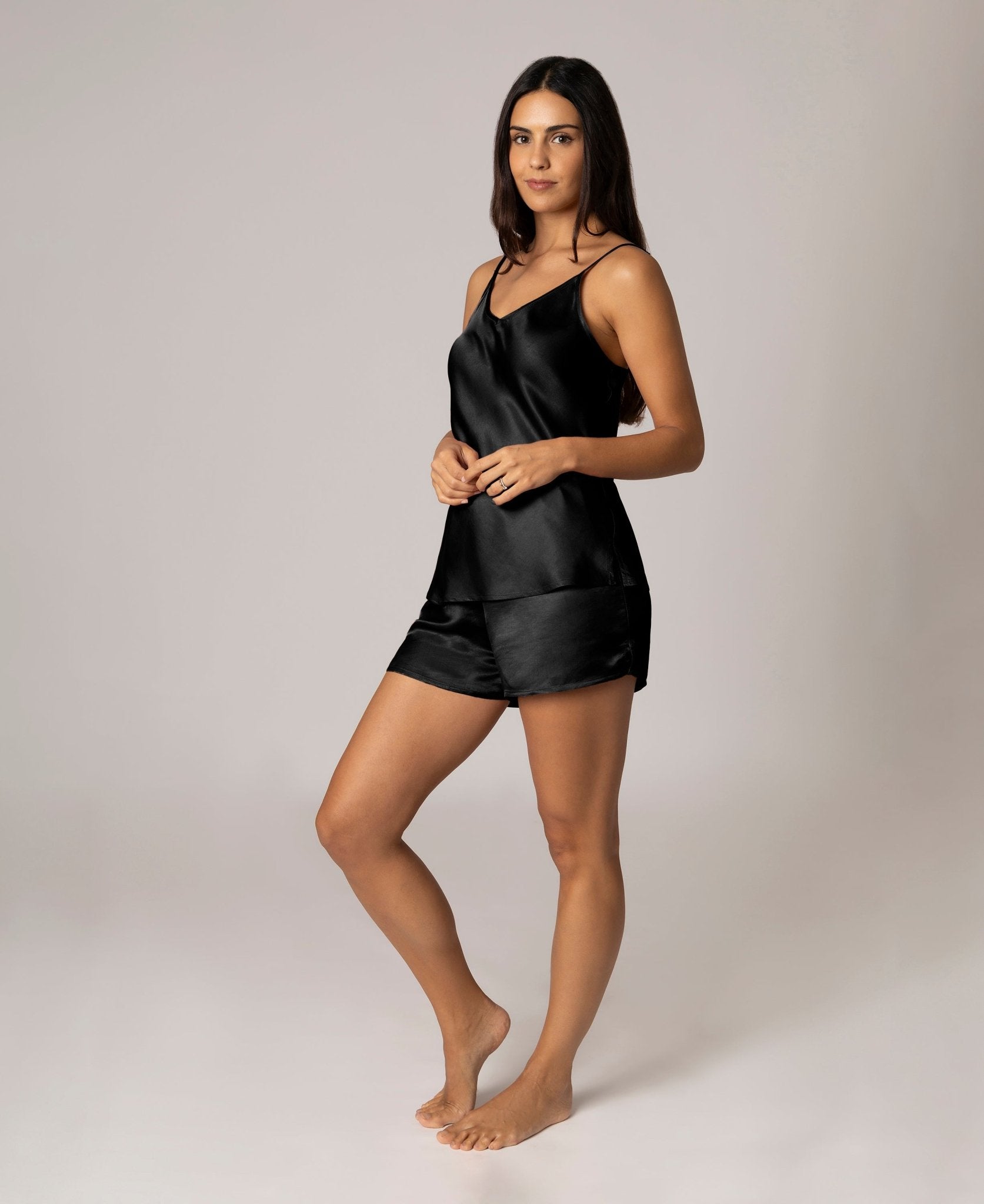
 Artisan Silk Pajamas, Cami Pants Set
Having the Conversation with Your Dermatologist
If you're considering silk sleepwear as part of your psoriasis management, bring it up with your dermatologist. Specifically, ask about the Koebner phenomenon and whether reducing fabric friction is relevant to your particular psoriasis presentation. Ask about temperature triggers and whether thermoregulating sleepwear might reduce nighttime flare-ups.
Your dermatologist can provide personalized advice that accounts for your specific psoriasis type, severity, affected areas, and current treatment regimen. Fabric choice is one variable in a complex management picture. It works best when integrated with, not substituted for, medical treatment.
You might also ask your dermatologist about the specific benefits of 27 momme weight versus lighter silks, whether loose-fitting is preferable to fitted, and whether silk sleepwear would be beneficial for your particular situation. A dermatologist familiar with your case is the best advisor on how fabric modifications might help you specifically.
This research-backed approach to fabric choice translates into practical products. Silk pajamas and boxers are among the most direct ways to reduce mechanical irritation across the body's most sensitive contact zones during the 8+ hours you're sleeping or resting in them. Every element (27 momme weight, French seams, and thermoregulation) contributes to creating a less irritating environment for psoriasis-prone skin.
 Shop Artisan Silk Pajamas, Band Collar
Summary
Silk doesn't cure psoriasis. It creates a less irritating environment for skin that is already prone to inflammation. The evidence supports this modestly. Research shows silk's low friction, moisture management, and temperature regulation reduce skin irritation compared to cotton.
For people managing psoriasis, especially those experiencing the Koebner phenomenon, these properties matter. They may not eliminate flare-ups, but they may reduce their frequency or severity. That reduction, for people living with psoriasis daily, is meaningful. Combined with proper medical treatment, dermatological care, and your dermatologist's specific guidance for your situation, silk becomes one tool among many in comprehensive psoriasis management.
 Shop Artisan Silk Pajamas, Cami Boxers Set
Frequently Asked Questions
Does silk cure psoriasis?
No. Silk is a textile, not a medical treatment. There is evidence that silk's low-friction, thermoregulating properties can reduce skin irritation and may decrease the frequency or severity of flare-ups in some patients, but it does not address the underlying immune dysfunction that causes psoriasis.
Is silk better than cotton for psoriasis?
Based on available research, yes. Silk produces significantly less mechanical friction against skin than cotton. Silk also manages moisture better than cotton, which absorbs and holds moisture against the skin, creating dampness. Both factors are relevant for psoriasis management.
What momme weight is best for psoriasis?
Heavier weights (22+ momme) are preferable because the denser fabric drapes more smoothly against skin with less shifting and bunching. At 27 momme, the fabric has enough weight to stay in place during sleep rather than riding up and creating friction.
Can silk help with scalp psoriasis?
Silk's low-friction surface reduces mechanical irritation against the scalp during sleep. This may benefit scalp psoriasis patients, particularly those experiencing the Koebner phenomenon. The smooth fiber structure also reduces hair breakage, which can be beneficial for patients using topical scalp treatments.
Should I avoid all cotton if I have psoriasis?
Not necessarily. Loose-fitting, soft cotton in low-friction areas may be perfectly comfortable. The greatest benefit from switching to silk is in areas of close body contact: sleepwear and undergarments, where fabric friction is highest and most sustained.
Can psoriasis patients use fragrant detergents?
Most dermatologists recommend against it. Fragrances can irritate psoriatic skin independently of the fabric. Use fragrance-free, pH-neutral detergents specifically.
How often should I wash silk if I have psoriasis?
Regular washing is recommended to remove accumulated skin cells, topical medication residue, and other irritants. Even though silk resists bacterial growth better than cotton, weekly washing or more frequent washing if you use topical treatments is appropriate.
Will switching to silk eliminate my psoriasis flare-ups?
Probably not eliminate, but may reduce. Silk creates a less irritating environment. For some people, that reduction is significant. For others, it's minimal. Individual response varies based on psoriasis severity, type, and affected body areas.
