


Silk for Eczema: What the Research Actually Shows
By Tara Nguyen, Ph.D., Founder and Creative Director, Tara Sartoria
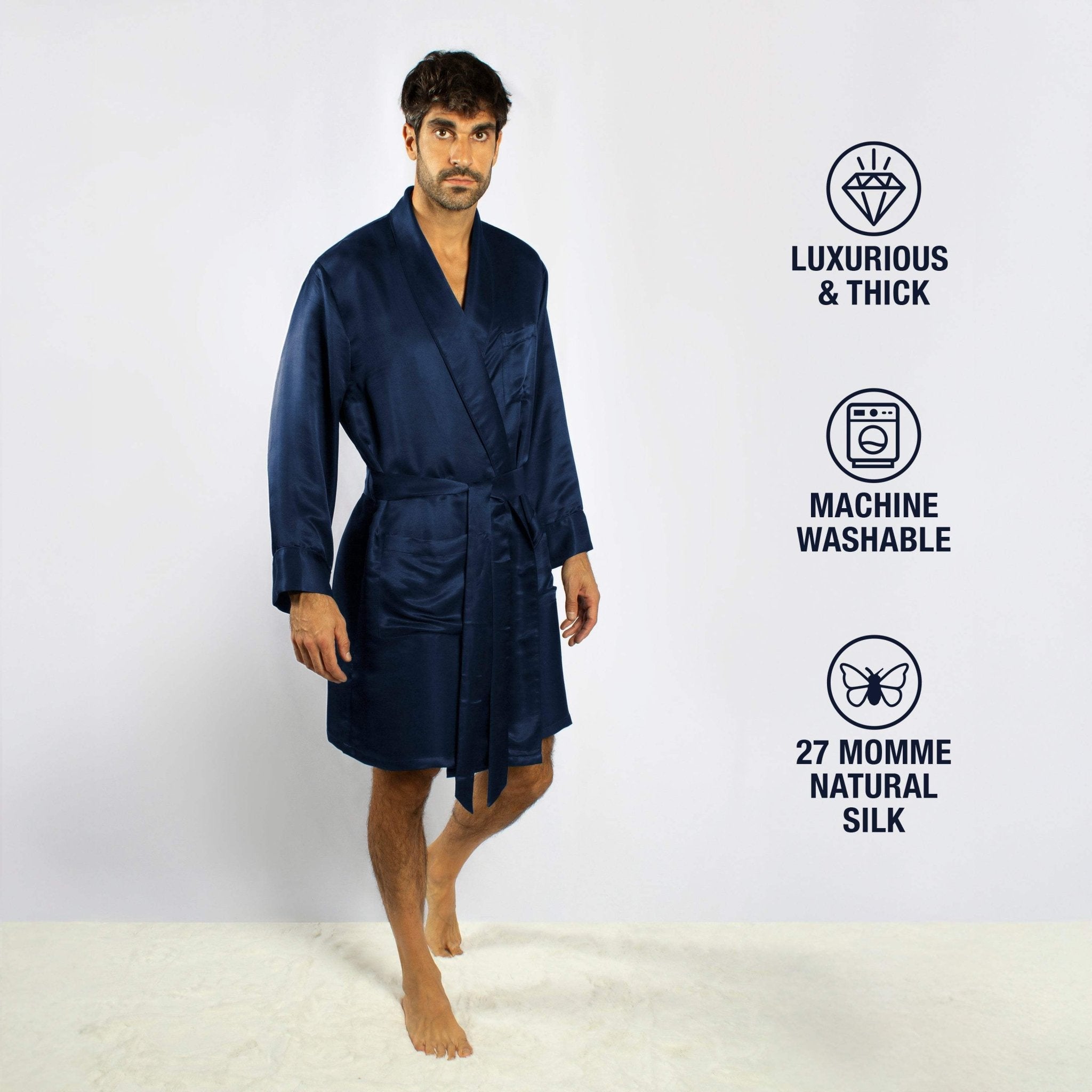
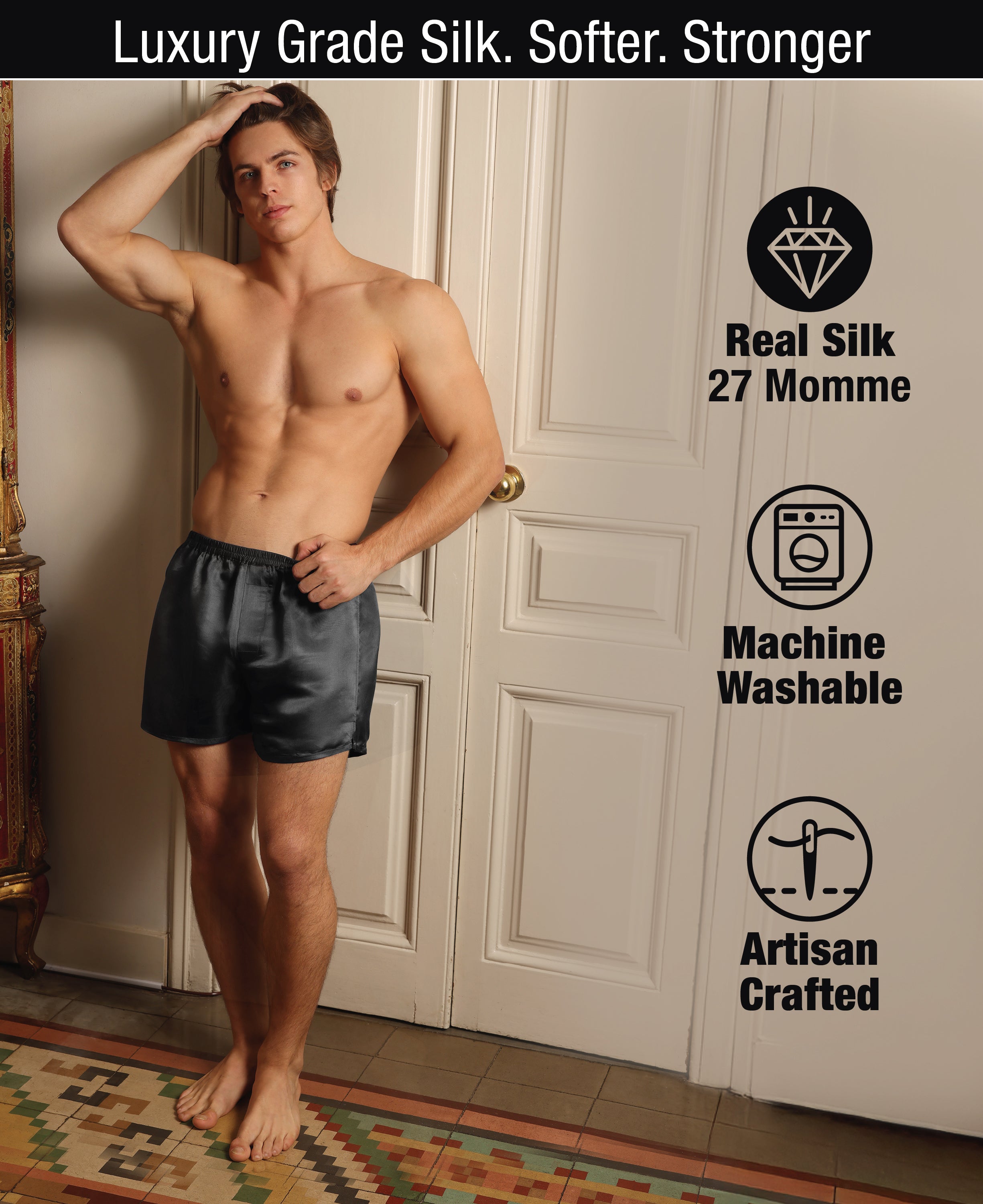
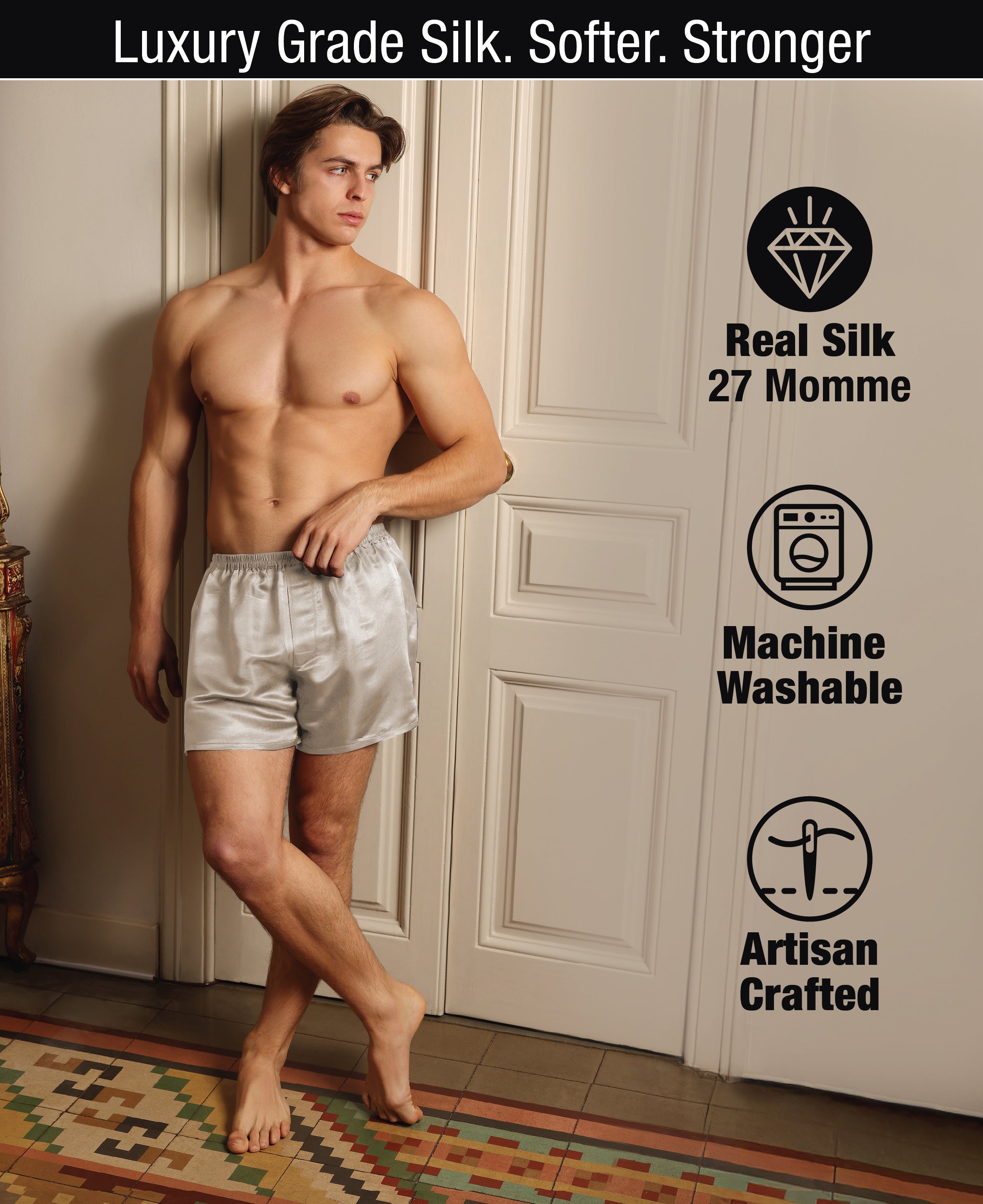
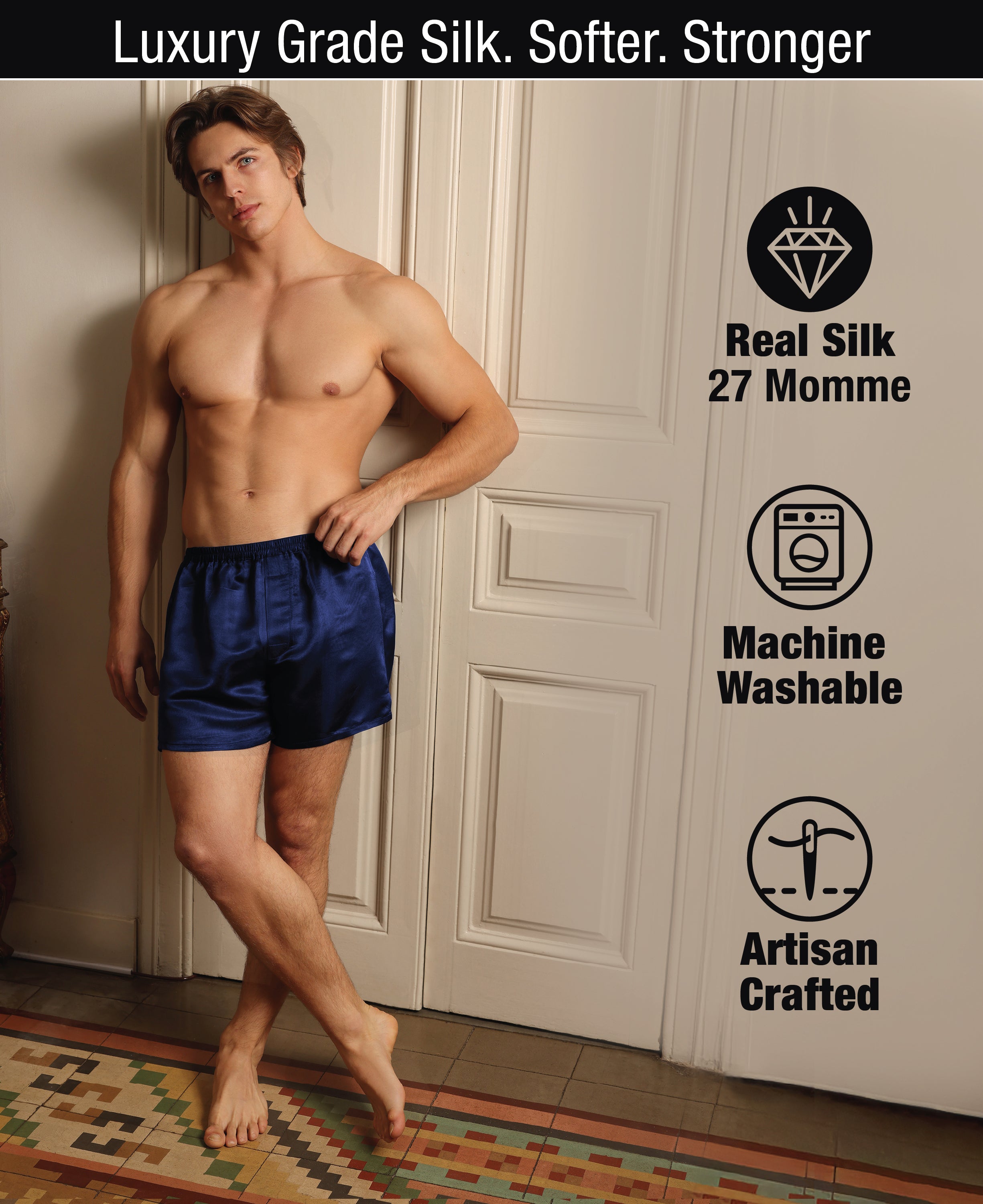
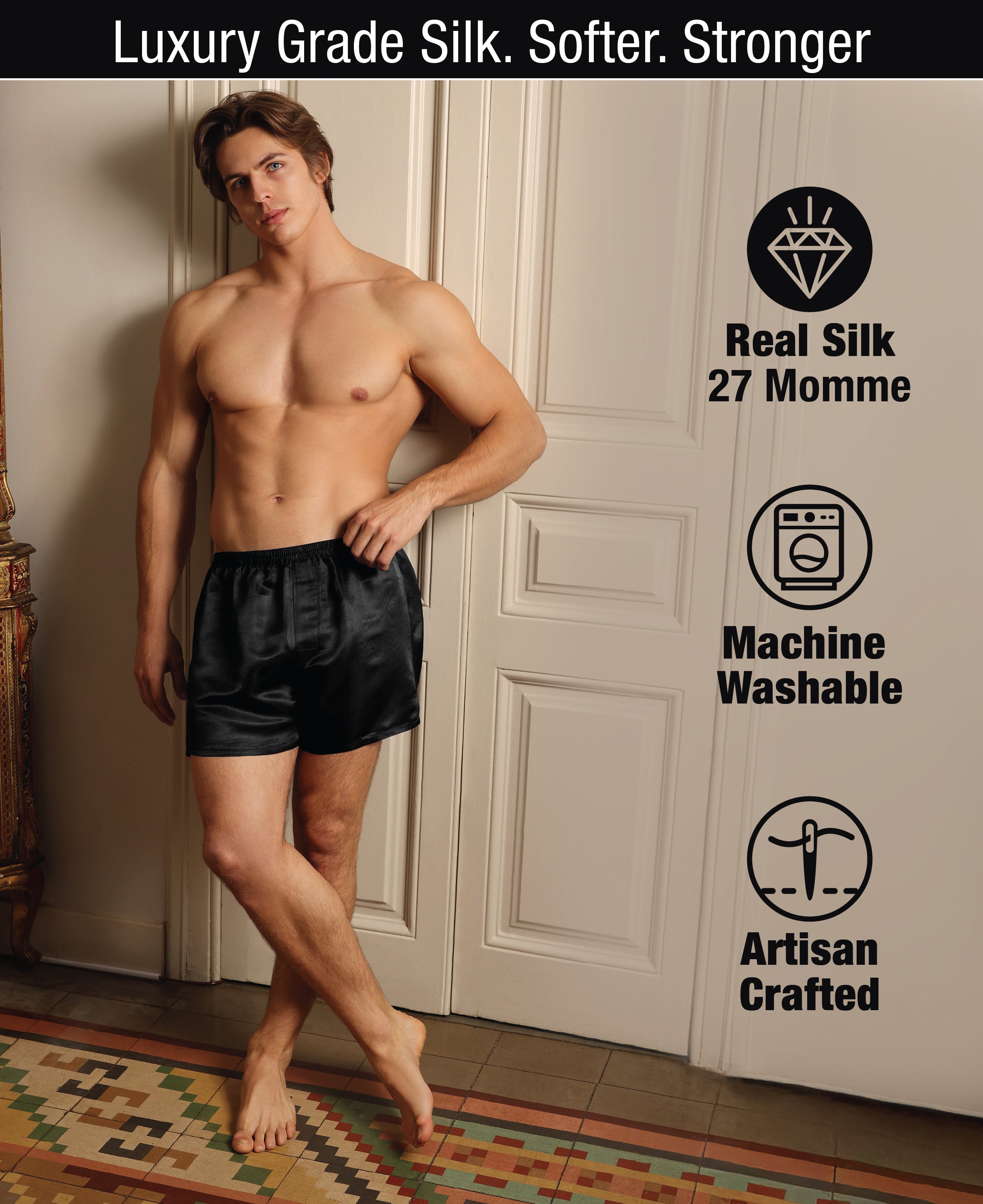
Eczema (atopic dermatitis) affects approximately 10% of adults and up to 20% of children worldwide. It is a chronic inflammatory condition characterized by dry, itchy, irritated skin that flares and subsides unpredictably. Tara Sartoria makes 27 momme mulberry silk sleepwear and loungewear, and we have received consistent feedback from eczema patients who report improvement in nighttime symptoms.
Here is what the peer-reviewed research says, what it does not say, and what you should know before changing your sleepwear based on a skin condition.
Why Fabric Matters to Eczema-Prone Skin
Eczema-affected skin has a compromised barrier function. The stratum corneum (the outermost skin layer) in eczema patients has reduced levels of ceramides, natural moisturising factors, and filaggrin protein, making it more vulnerable to external irritants. Substances and stimuli that healthy skin tolerates without reaction can provoke inflammatory responses in eczema-affected skin.
Fabric is one such stimulus. For 6 to 8 hours per night, your sleepwear and bedding are in continuous contact with your skin. The mechanical properties of that fabric, specifically friction, texture, and moisture management, directly affect the barrier-compromised skin underneath.
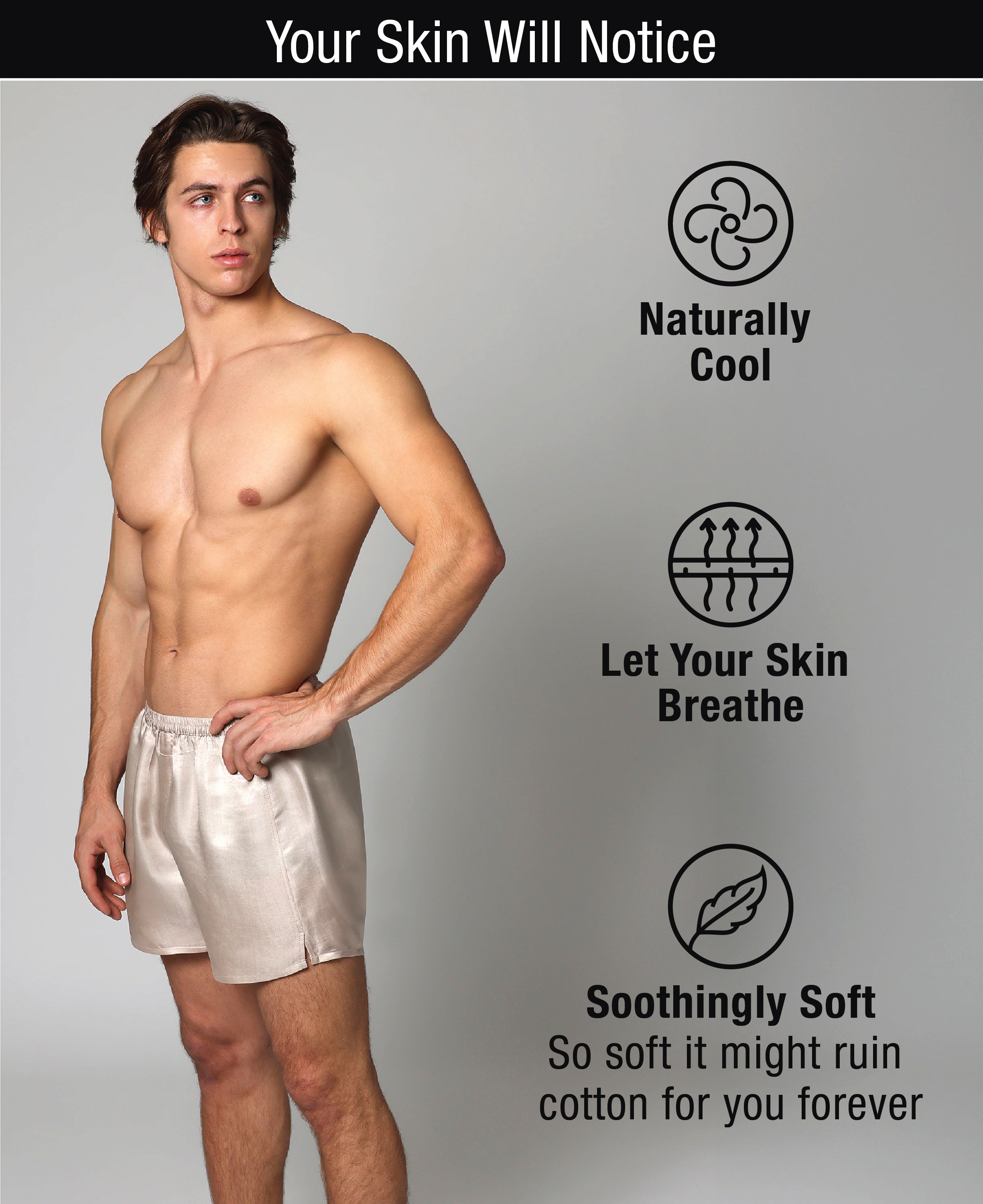
Three fabric properties are particularly relevant to eczema: friction (which triggers the itch-scratch cycle), moisture management (which affects bacterial environment and skin hydration), and temperature regulation (because overheating is a well-documented eczema trigger).
















Friction: The Itch-Scratch Cycle
Mechanical friction triggers the itch-scratch cycle in eczema patients. The fabric rubs against skin during sleep movements (30 to 70 positional changes per night), and each friction event can provoke itching, which leads to scratching, which damages the already compromised skin barrier further. This is a measurable, reproducible problem: silk produces significantly lower friction against skin than any commonly used textile.
Silk's protein fiber structure creates less friction against skin than cotton's cellulose fibers or polyester's synthetic surface. The practical implication: during the 30 to 70 positional movements you make during a night's sleep, silk generates less mechanical irritation per movement. Over an eight-hour sleep period, the cumulative difference in skin irritation is substantial.
For eczema patients, this is directly relevant to the itch-scratch cycle. Less mechanical friction means fewer itch signals, which means less scratching, which means less barrier damage, which means less inflammation. Our guide to momme weight and silk density explains why fabric weight affects how much the garment shifts against skin during sleep.




Temperature Stability and Eczema
Heat is one of the most consistent eczema triggers. Research shows that elevations in skin temperature of as little as 2 degrees Celsius can trigger itching in eczema patients.
During sleep, temperature management is largely determined by sleepwear and bedding. Cotton absorbs perspiration and holds it against the skin, initially warming (through insulation of the damp layer) and then cooling (through evaporation), creating temperature oscillations that can trigger itch responses. Polyester traps heat entirely, creating a warm, humid microclimate.
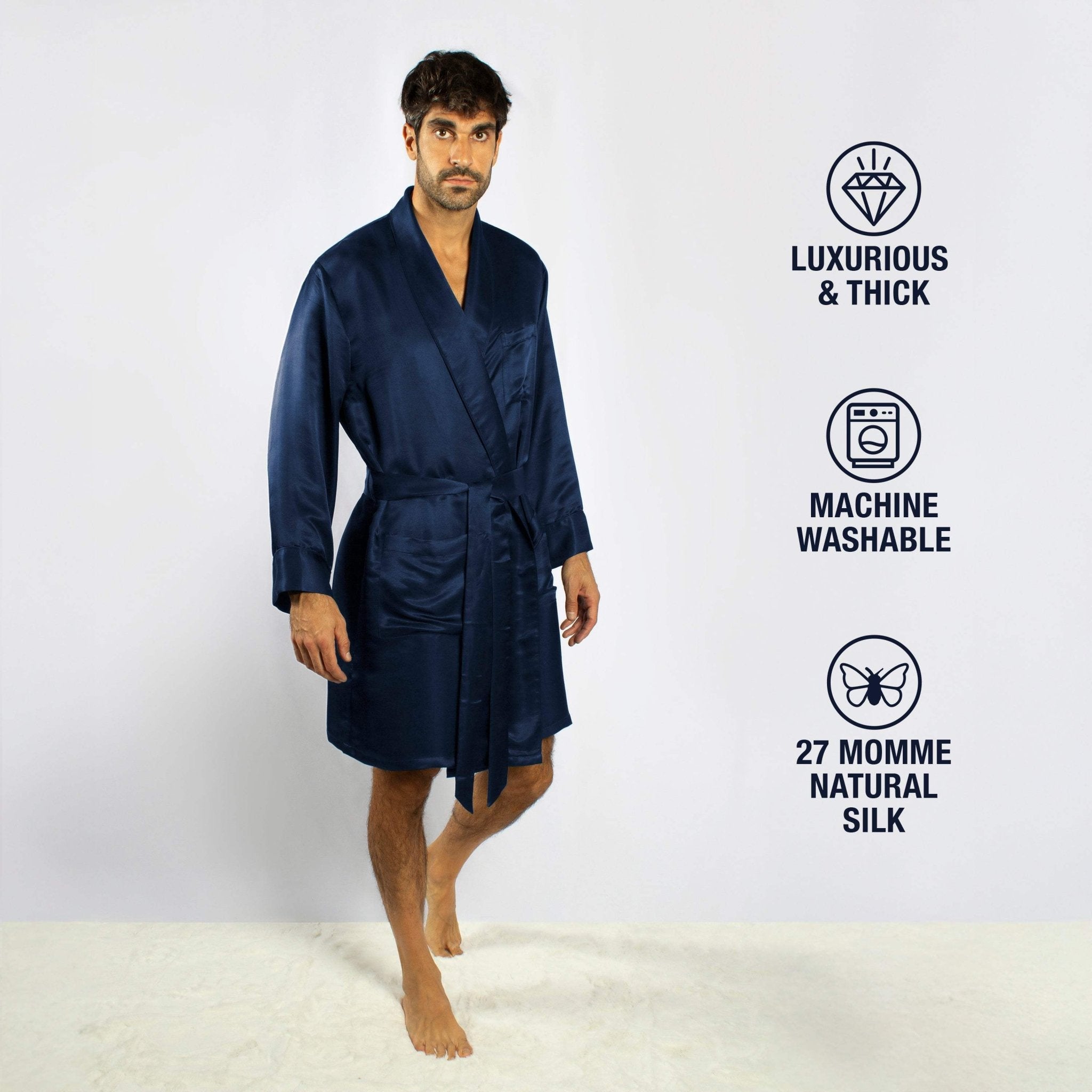
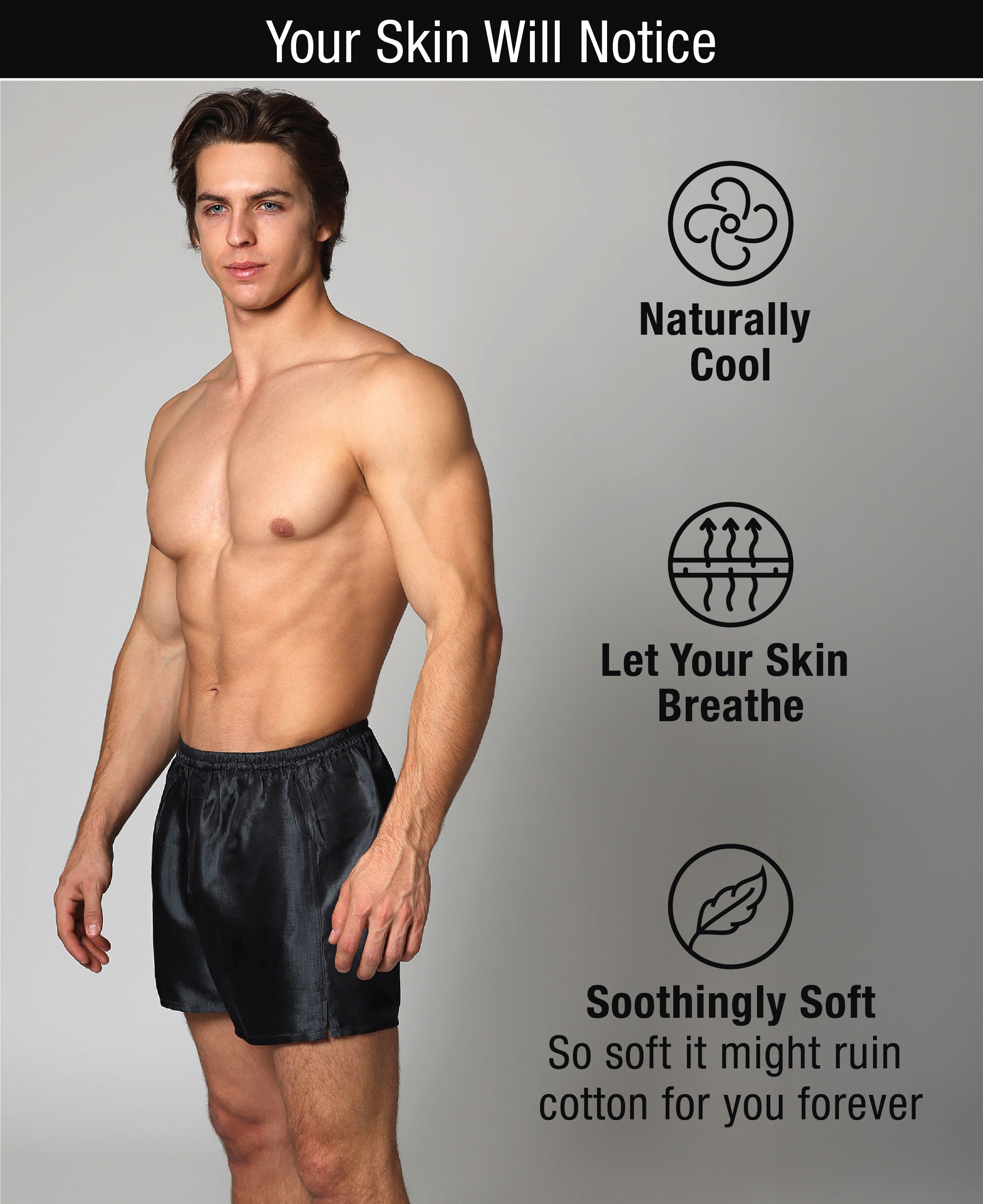
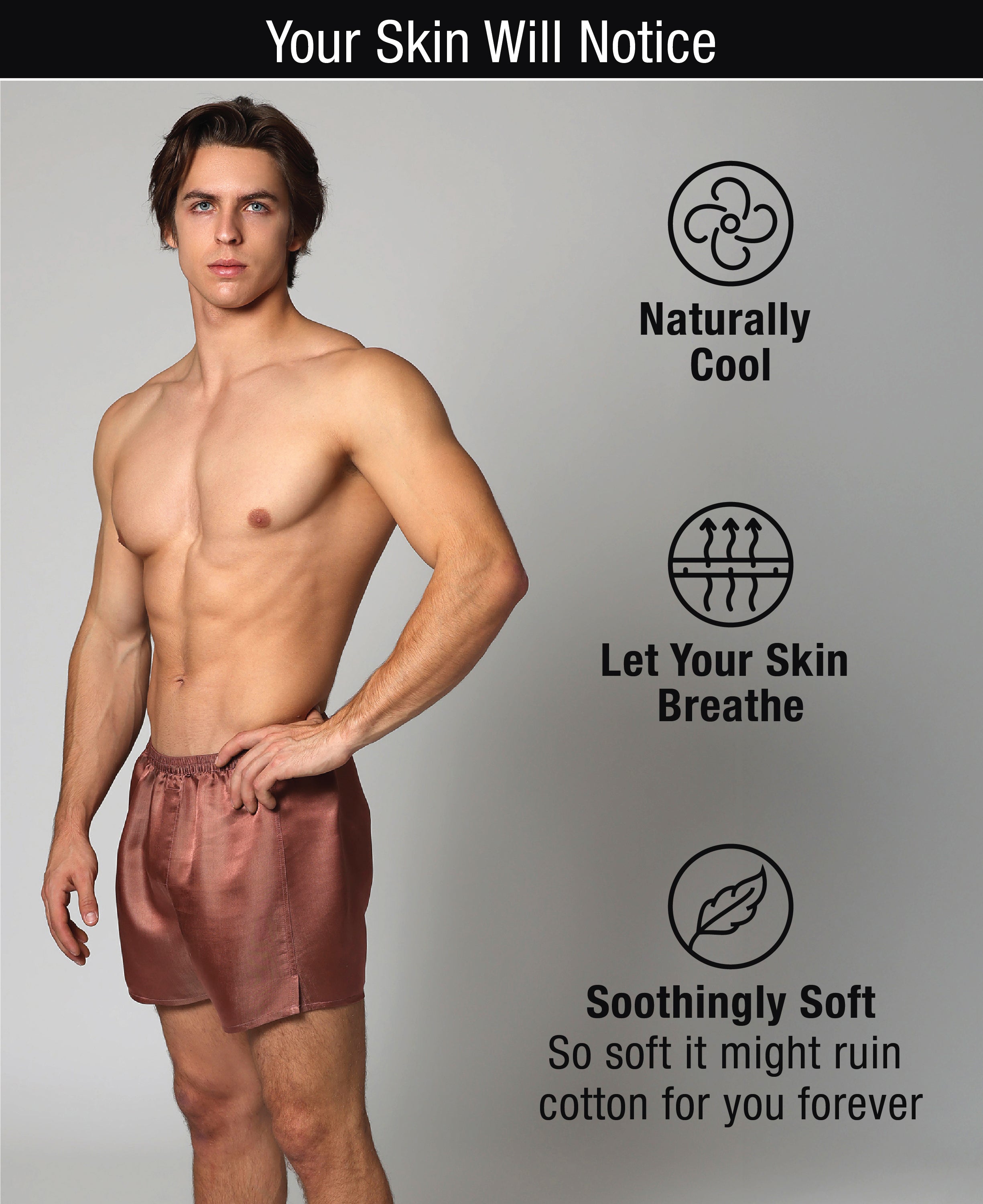
Silk allows heat to dissipate through its fiber structure while maintaining a stable insulating layer. At 27 momme, the density is sufficient to prevent temperature drops that occur with lighter fabrics, while still releasing excess heat to prevent overheating. The result is a more stable skin temperature throughout the night.
For eczema patients, temperature stability is therapeutic. Fewer temperature fluctuations mean fewer triggers for the itch-scratch cycle. Our piece on how silk pajamas regulate temperature covers the thermoregulation mechanism in detail.

Moisture Management and Bacterial Environment
Eczema-affected skin loses transepidermal water at a higher rate than healthy skin. Fabric that absorbs this moisture and holds it against the skin creates a damp microclimate that promotes bacterial colonisation (particularly Staphylococcus aureus, which worsens eczema) and irritates already dry skin when the moisture evaporates.
Staphylococcus aureus colonises the skin of approximately 90% of eczema patients, compared to roughly 5% of the general population. These bacteria worsen eczema through the production of superantigens that trigger immune responses and through direct barrier damage.
Fabric that stays damp creates conditions conducive to bacterial growth. Cotton sleepwear, which absorbs moisture and dries slowly, can become a reservoir for bacteria that are then held in continuous contact with eczema-affected skin overnight. This damp environment is particularly problematic for eczema patients whose compromised skin barrier is already vulnerable to infection.
Silk's moisture management properties reduce this risk substantially. Because silk does not absorb liquid moisture in the way cotton does, the fabric surface remains drier, creating a less hospitable environment for bacterial colonisation. The perspiration your body produces during sleep moves through the silk fiber and evaporates from the external surface rather than being trapped against your skin. This is not merely a comfort advantage; it is a measurable reduction in the conditions that promote bacterial proliferation and worsen eczema symptoms.
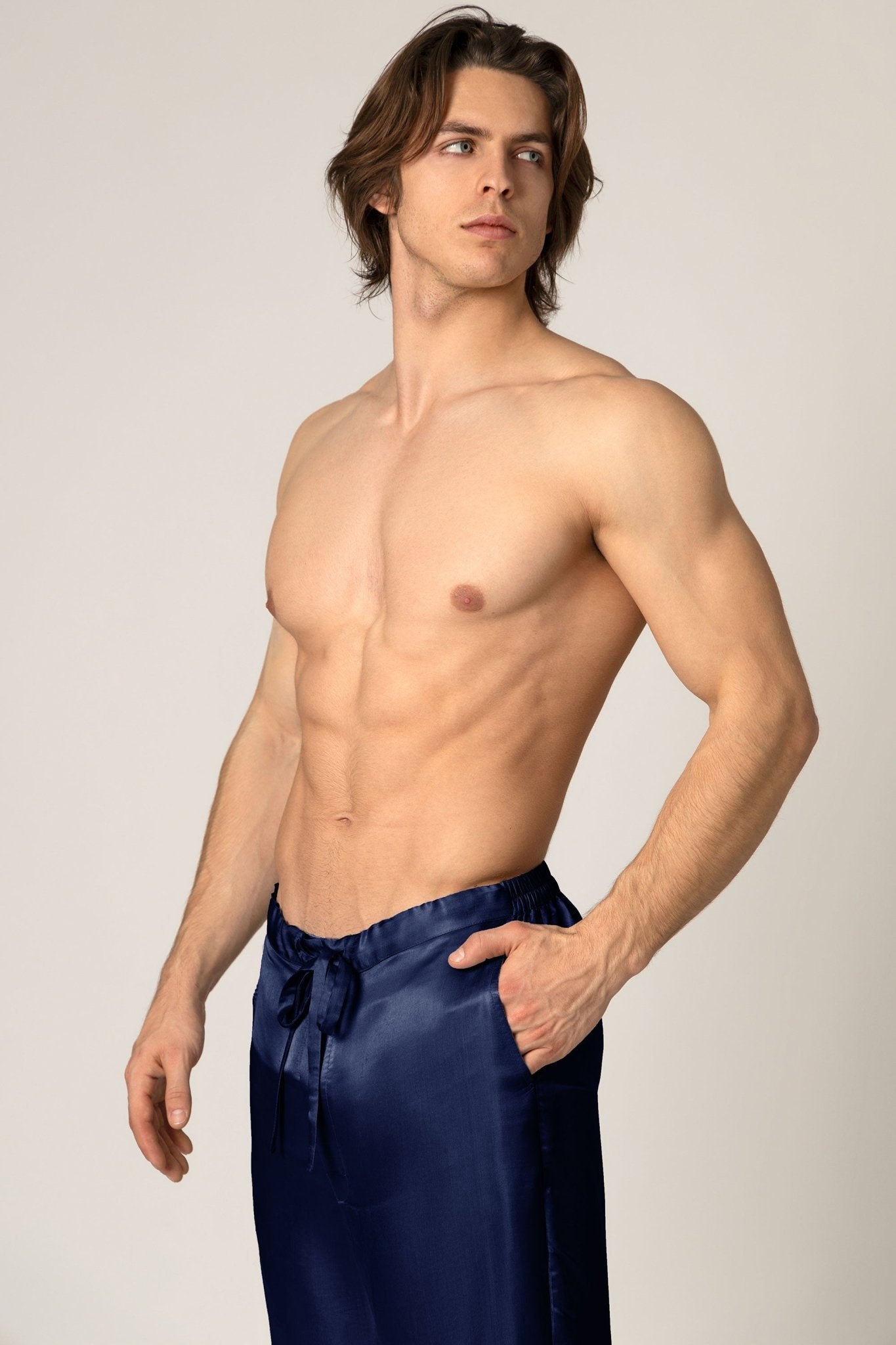
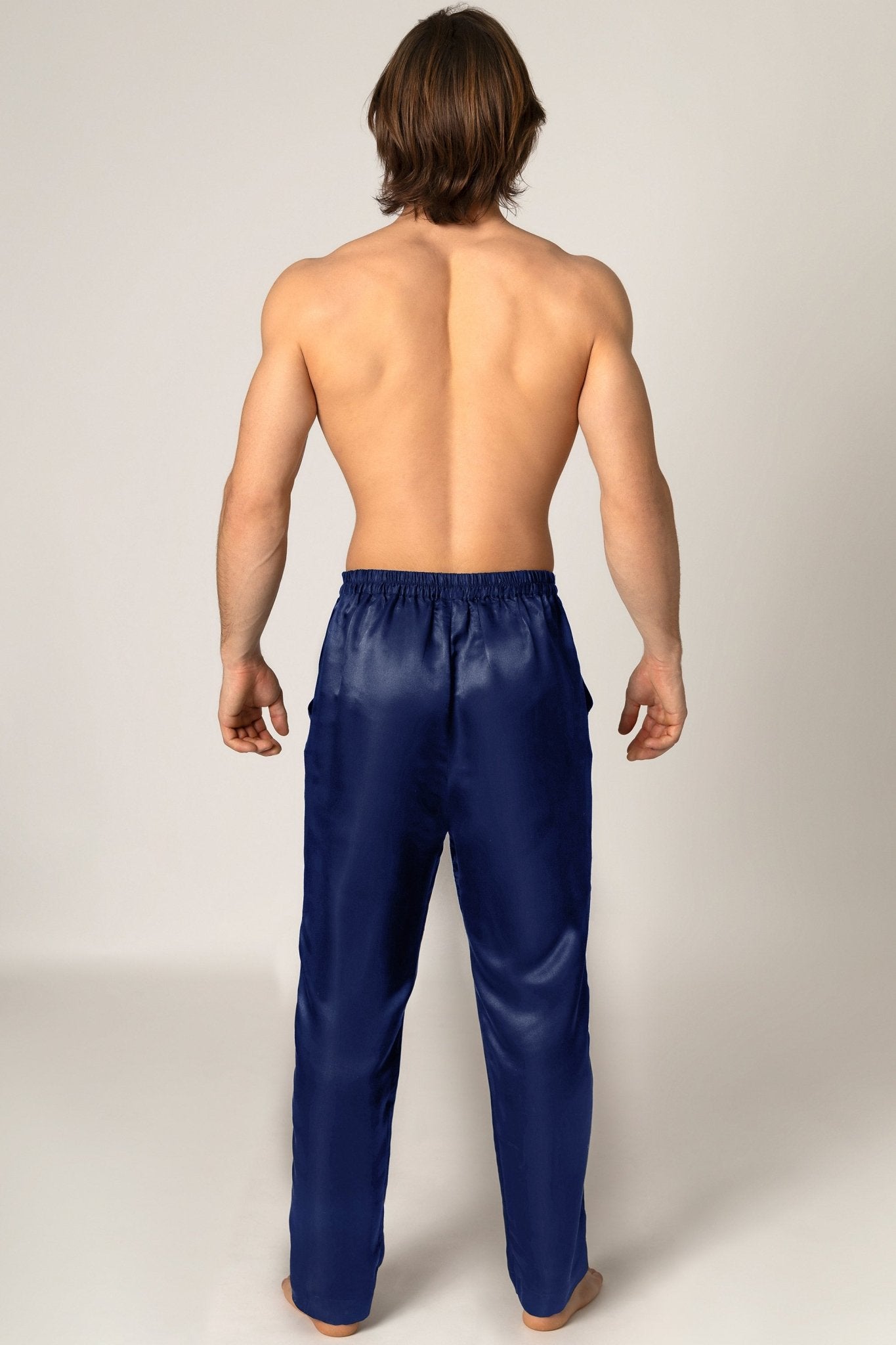
The Research on Silk and Eczema
Several peer-reviewed studies have examined silk's effect on atopic dermatitis. A landmark study published in the British Journal of Dermatology (the CLOTHES trial) investigated the use of silk garments in children with eczema. The multi-center randomised controlled trial enrolled 300 children and measured eczema severity over 6 months.
The study found that children wearing silk garments showed improvement in eczema severity scores compared to standard care alone. Improvements appeared within 4 to 6 weeks and sustained throughout the study period, demonstrating that the benefit was not a novelty effect but a genuine reduction in disease severity.
Research published in Dermatology and Therapy examined silk fabric's properties in relation to atopic dermatitis management and concluded that silk's low friction, temperature regulation, and breathability created a "mechanically favorable" environment for eczema-prone skin. The researchers noted that the combination of properties (not any single property alone) was responsible for the therapeutic effect.
A systematic review examining the evidence for therapeutic textiles in eczema management identified silk as having the strongest evidence base among fabric interventions, though researchers noted that larger studies with longer follow-up periods would strengthen the evidence further. This is important context: silk is not a cure, but among fabric-based approaches, it has the most robust research support.
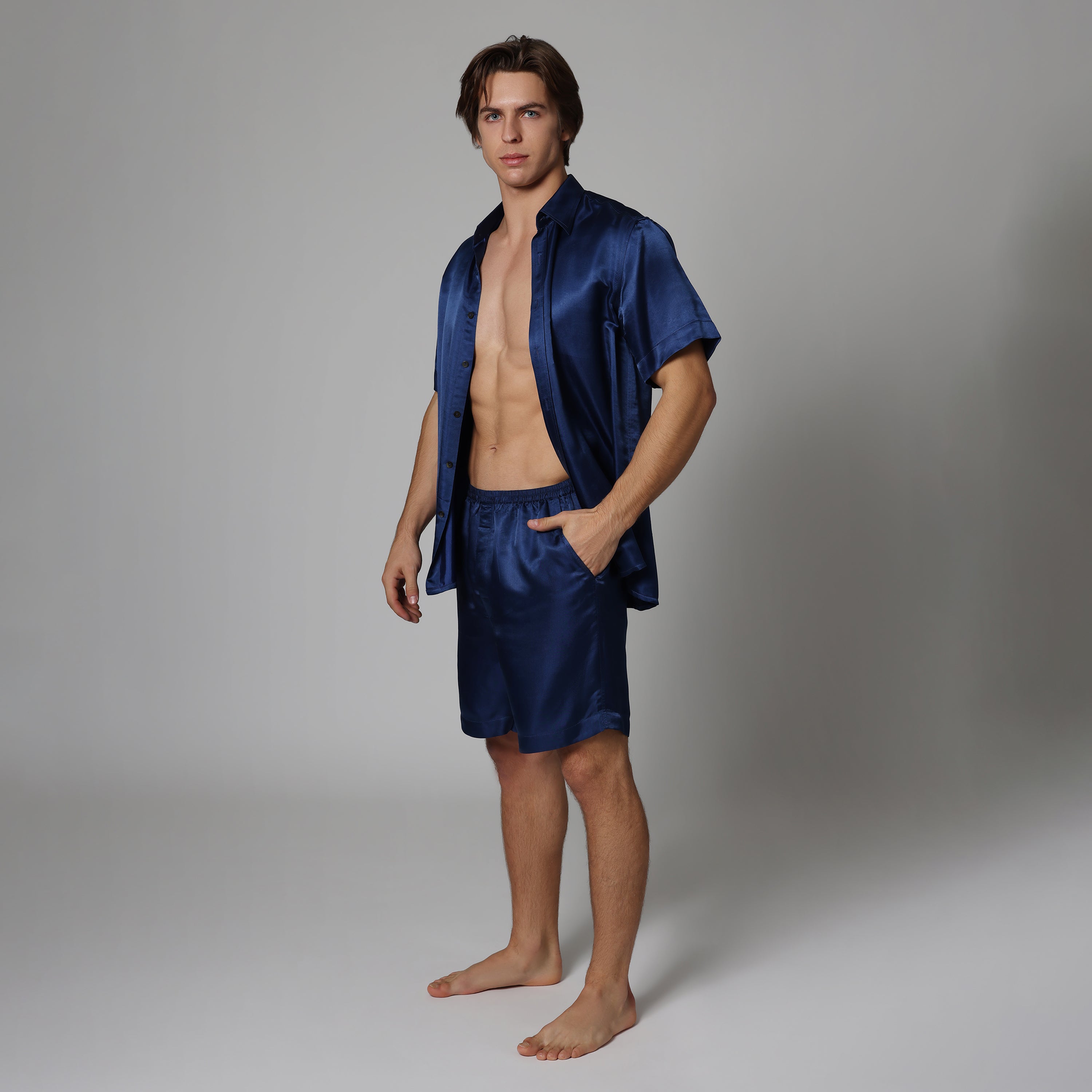
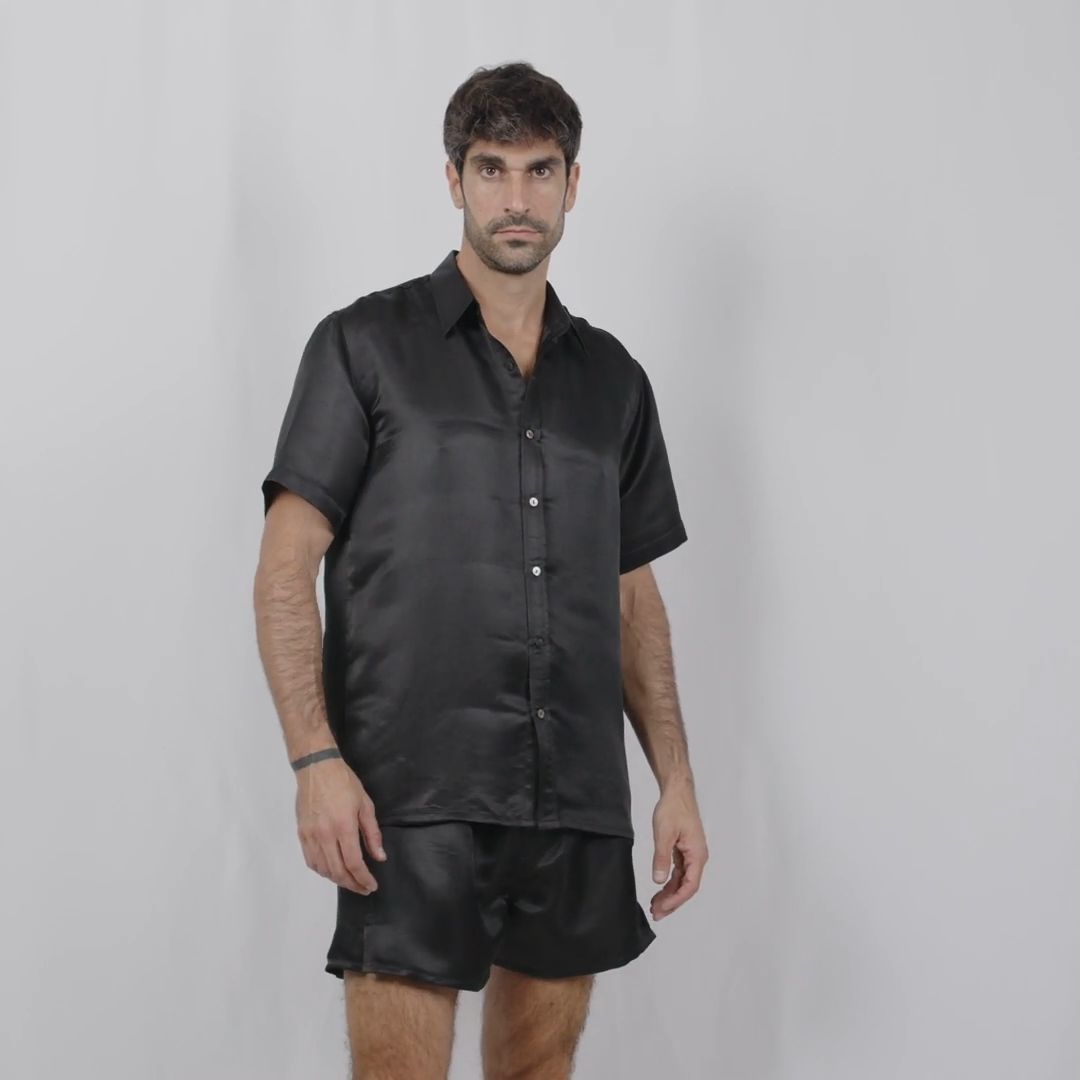
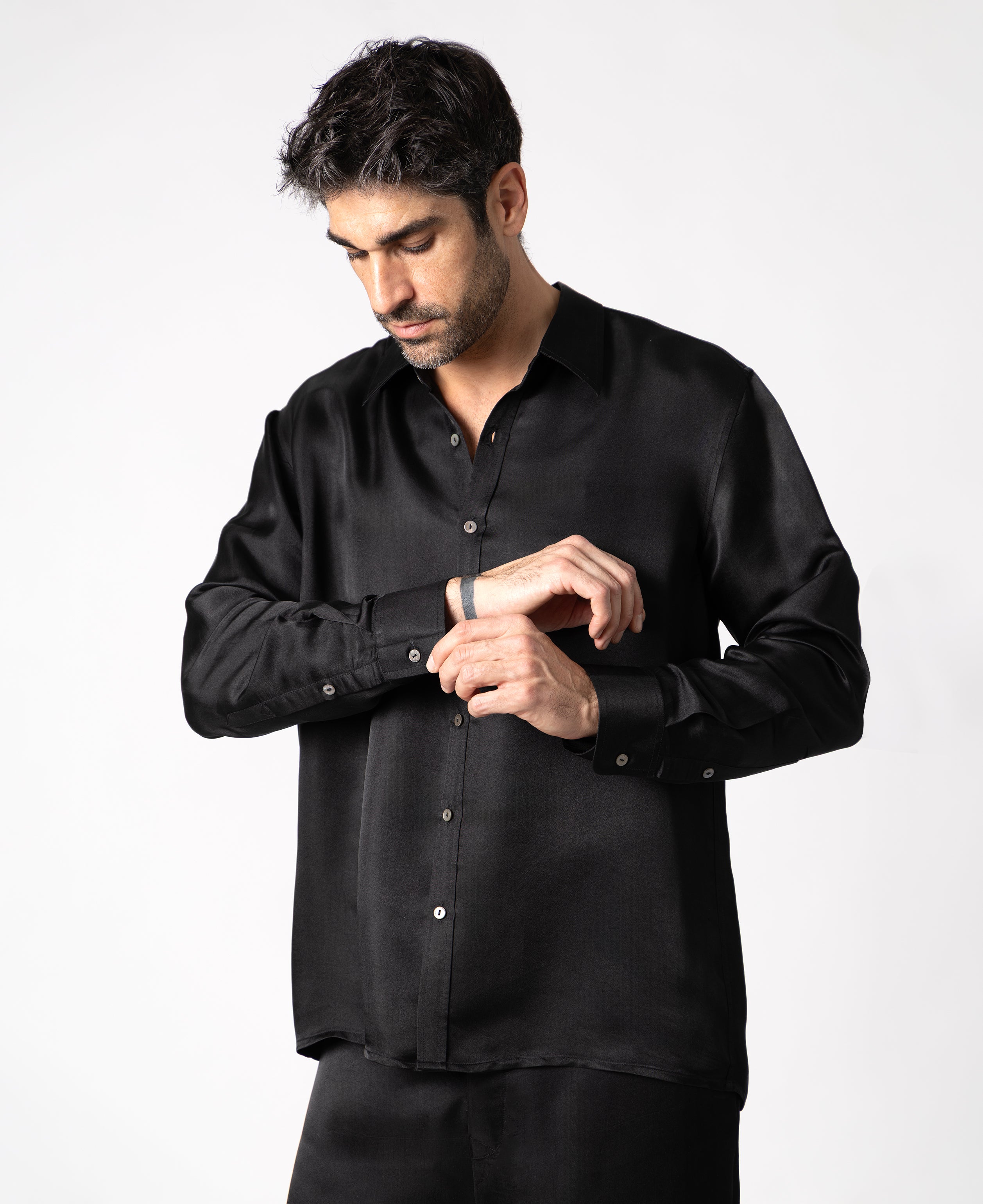
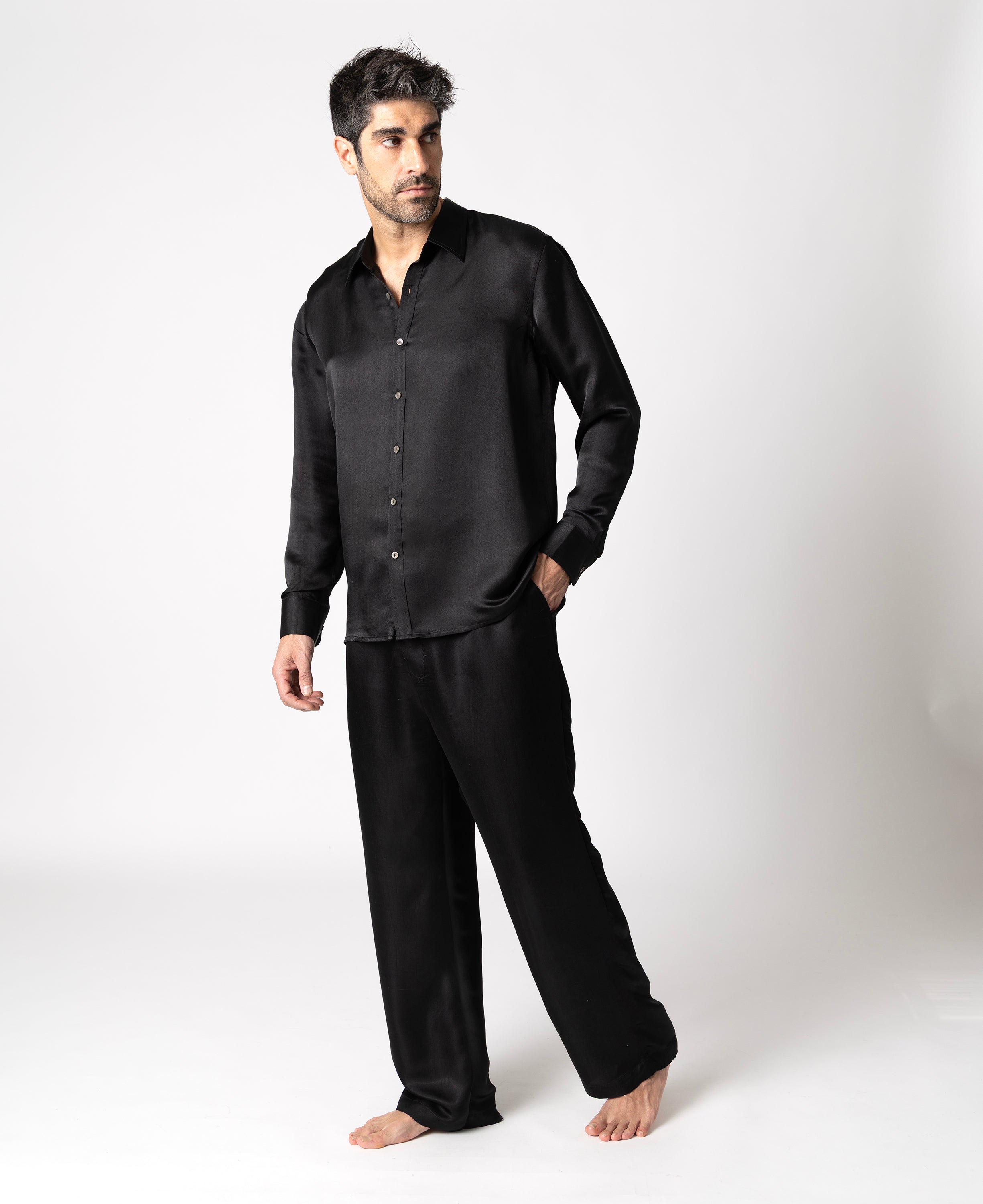
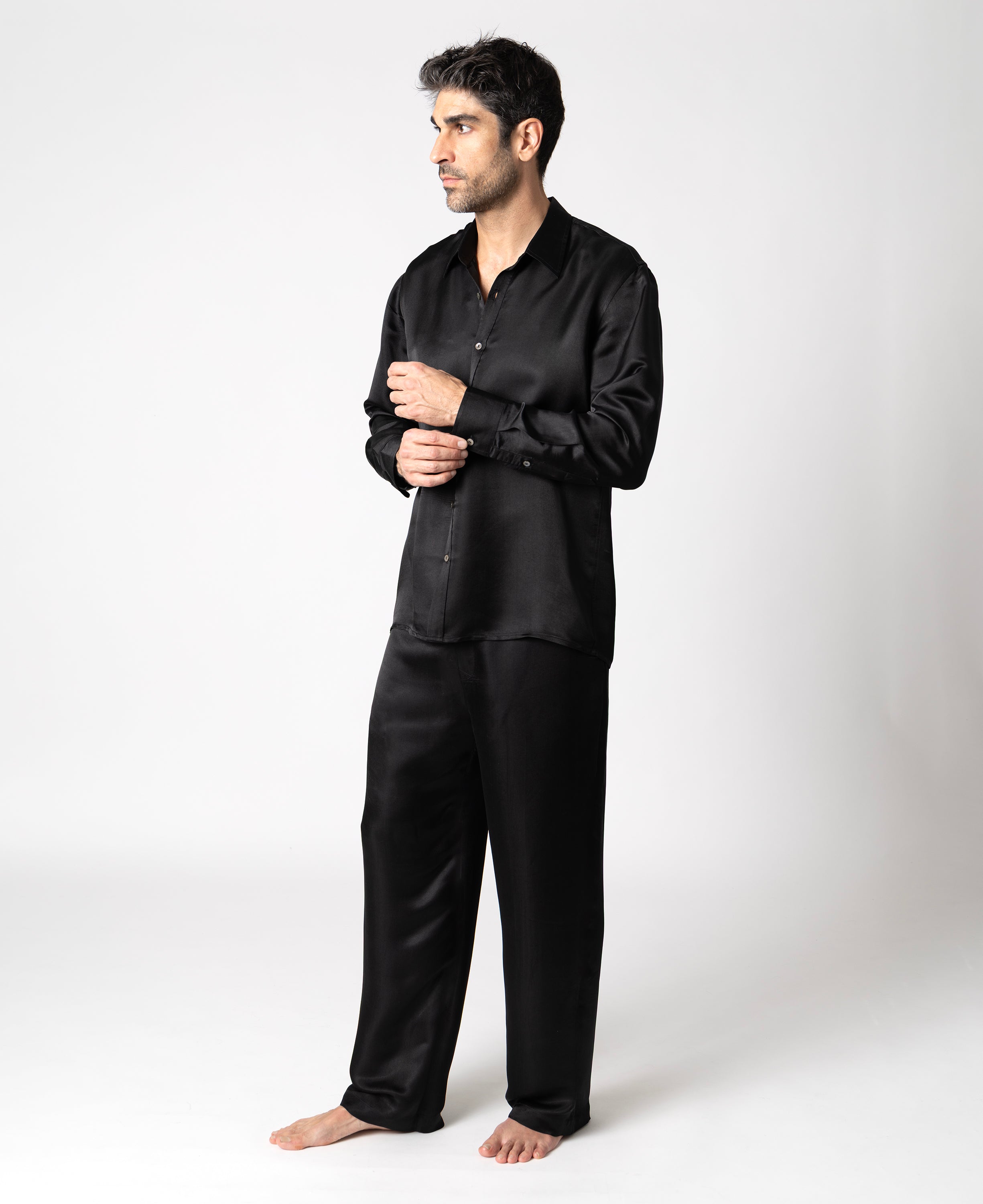
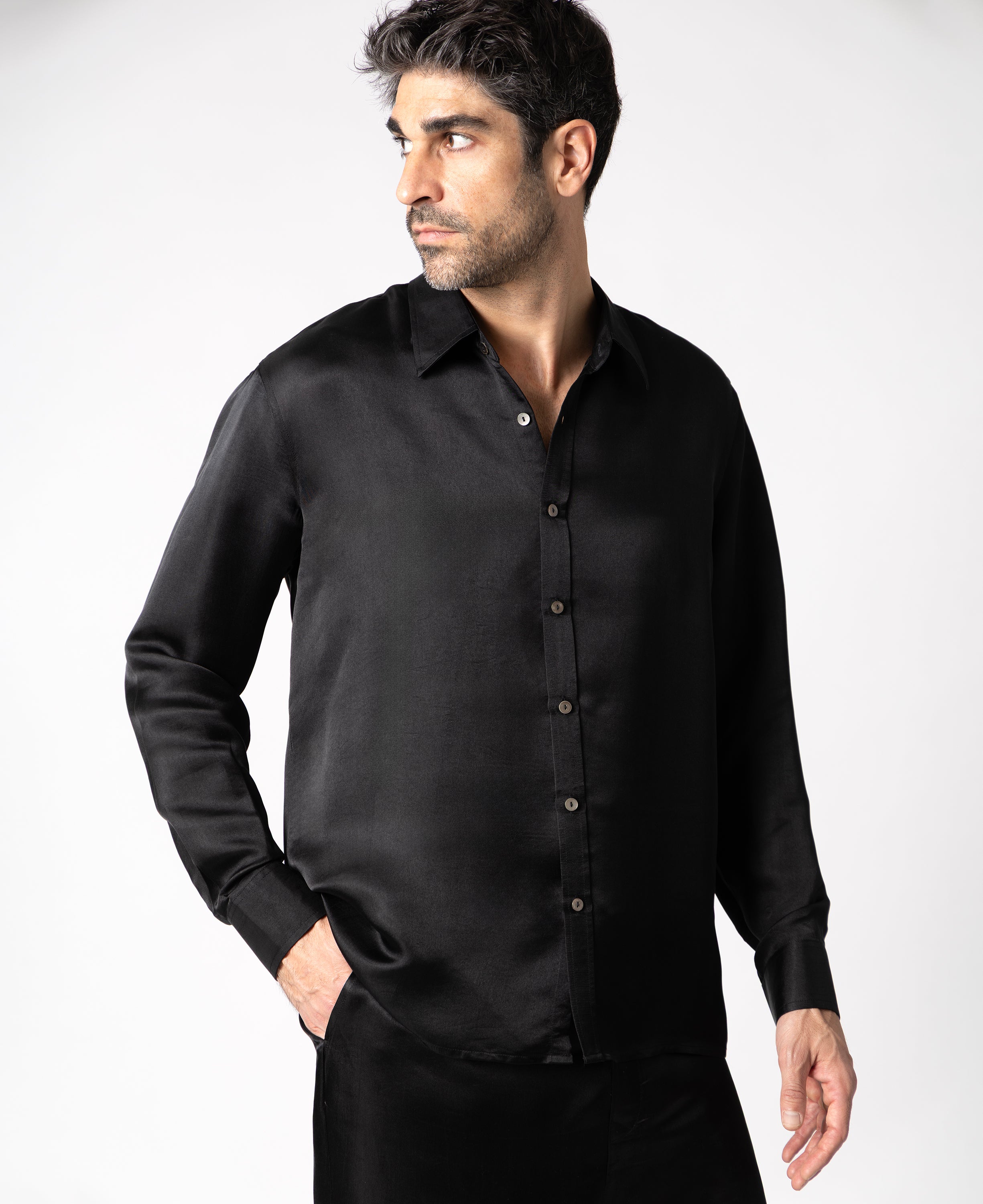
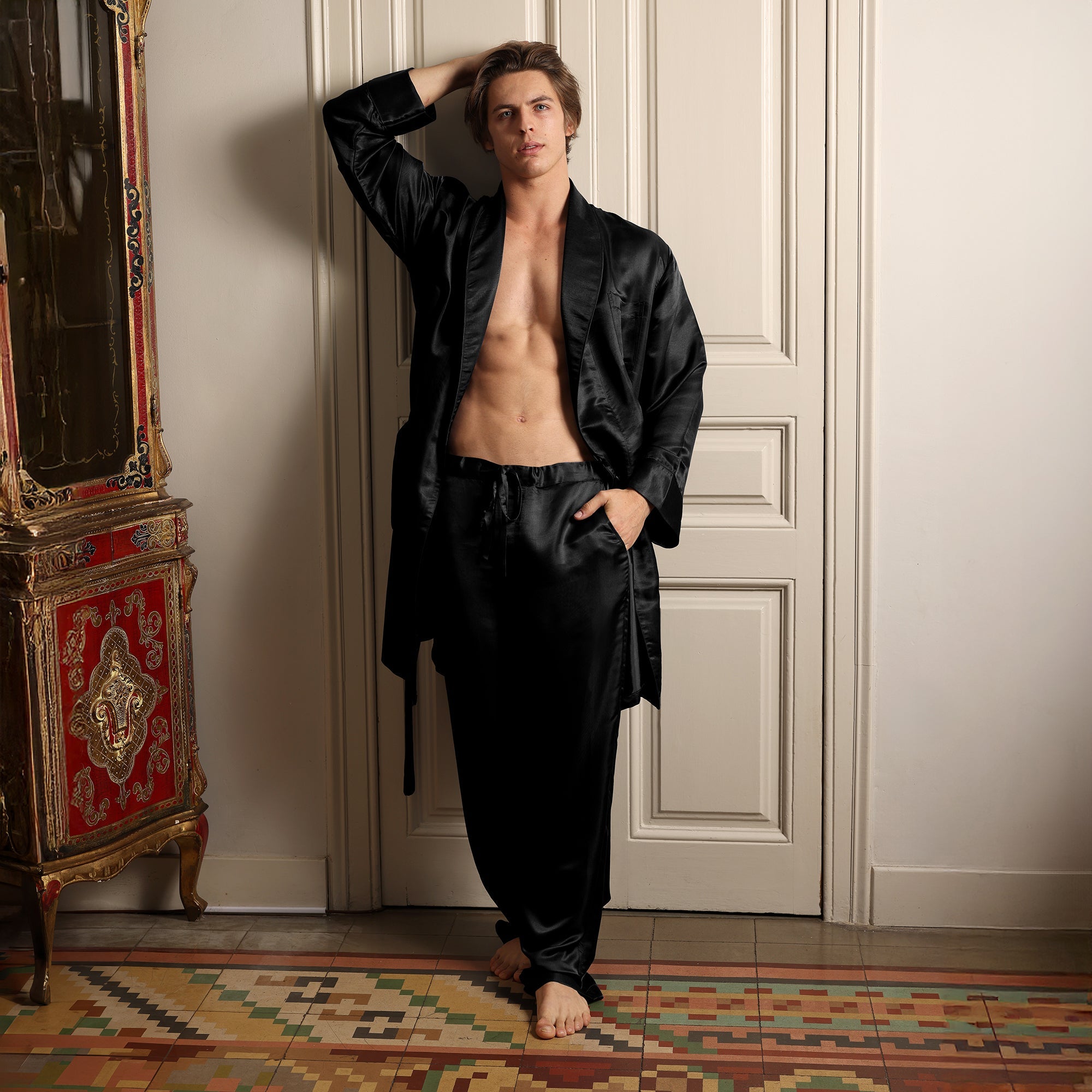
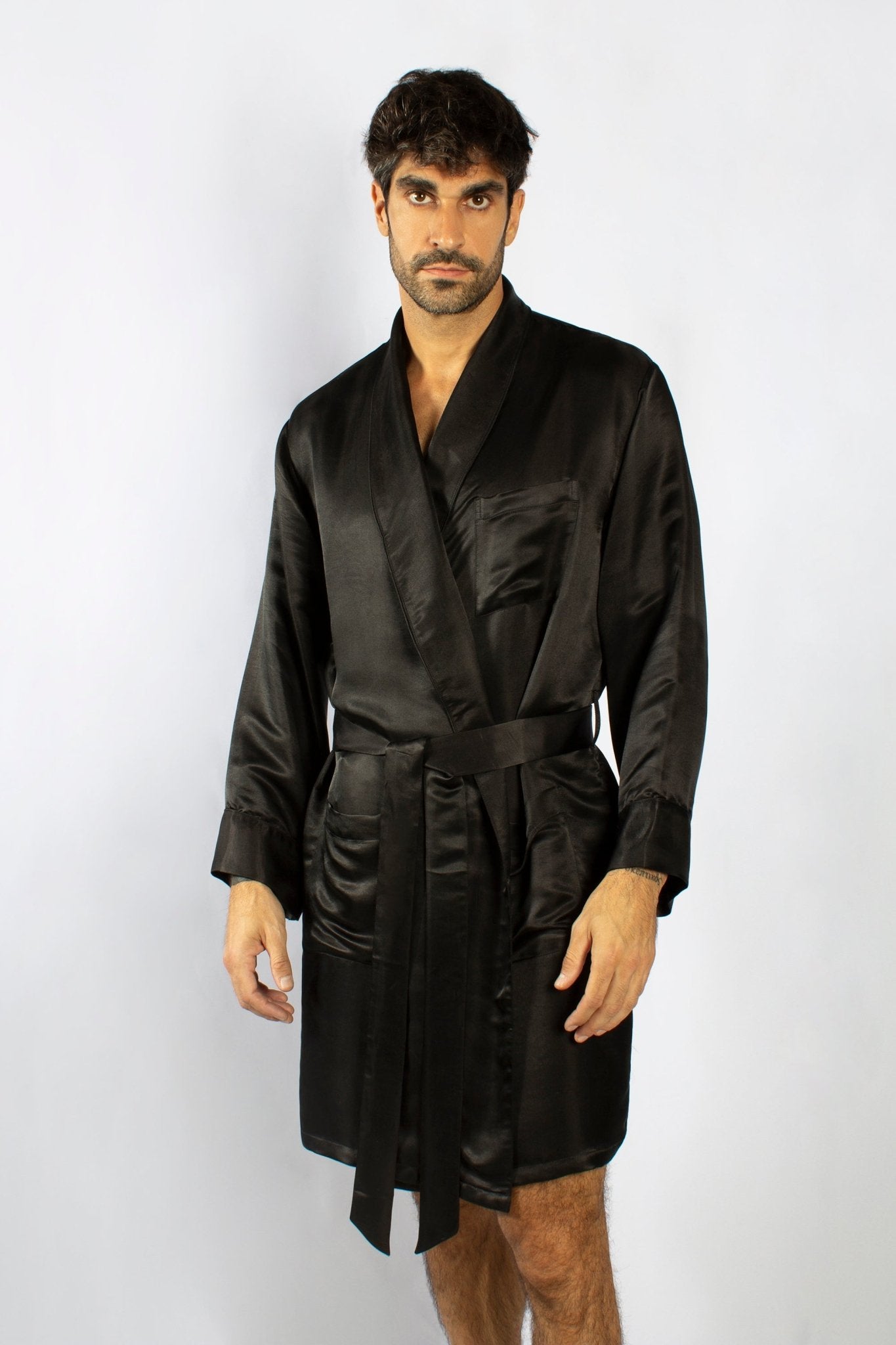
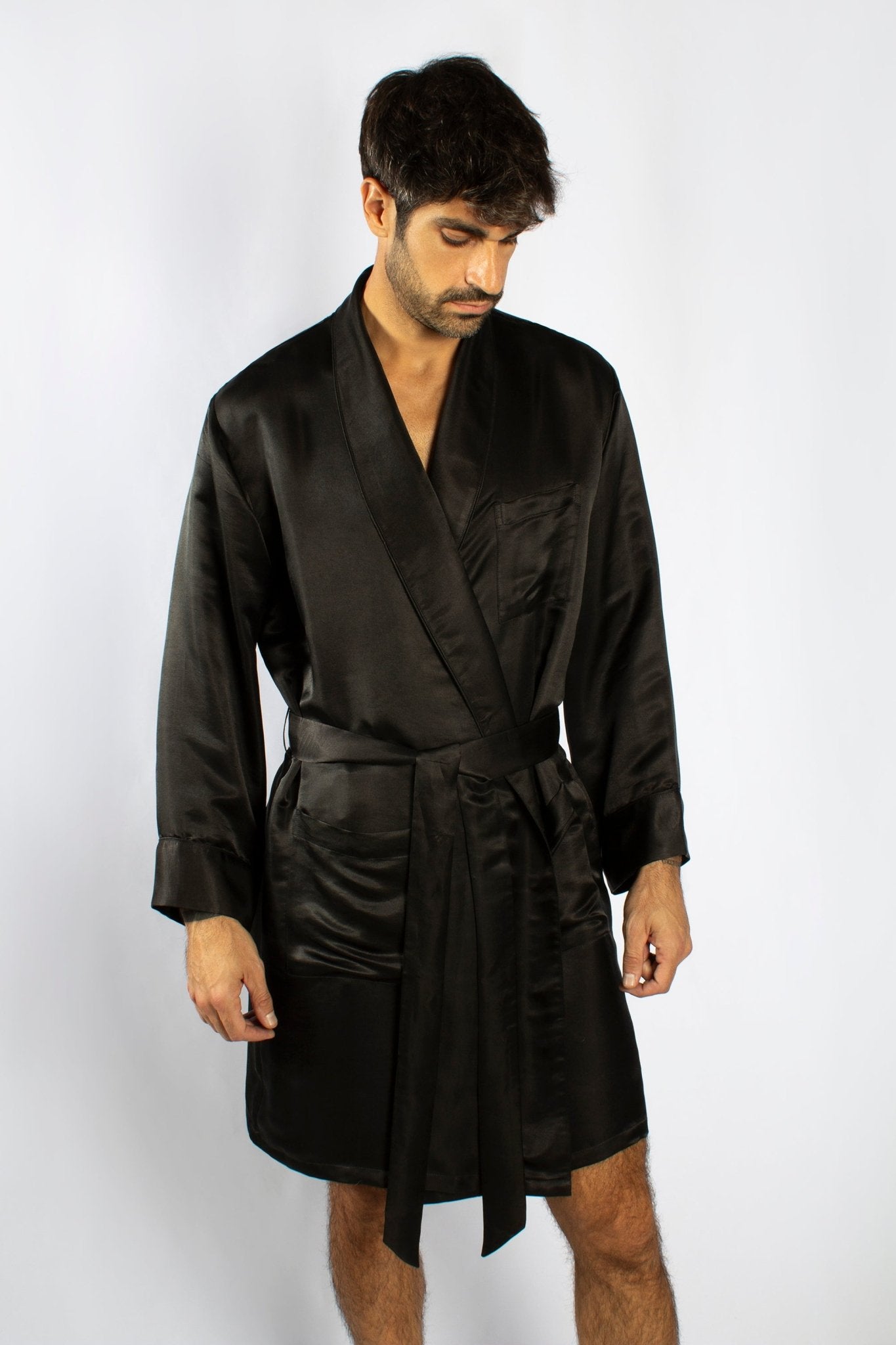
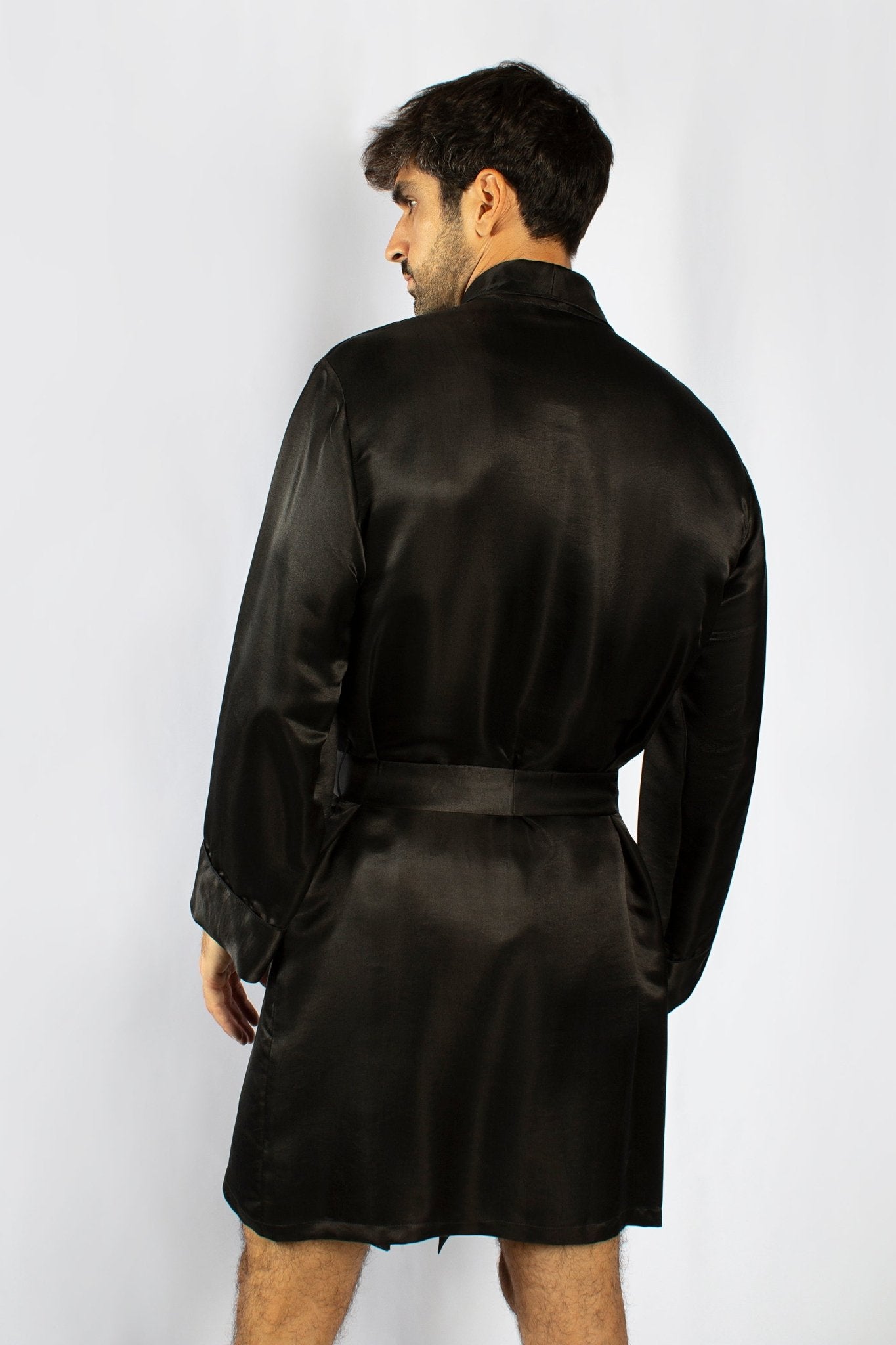
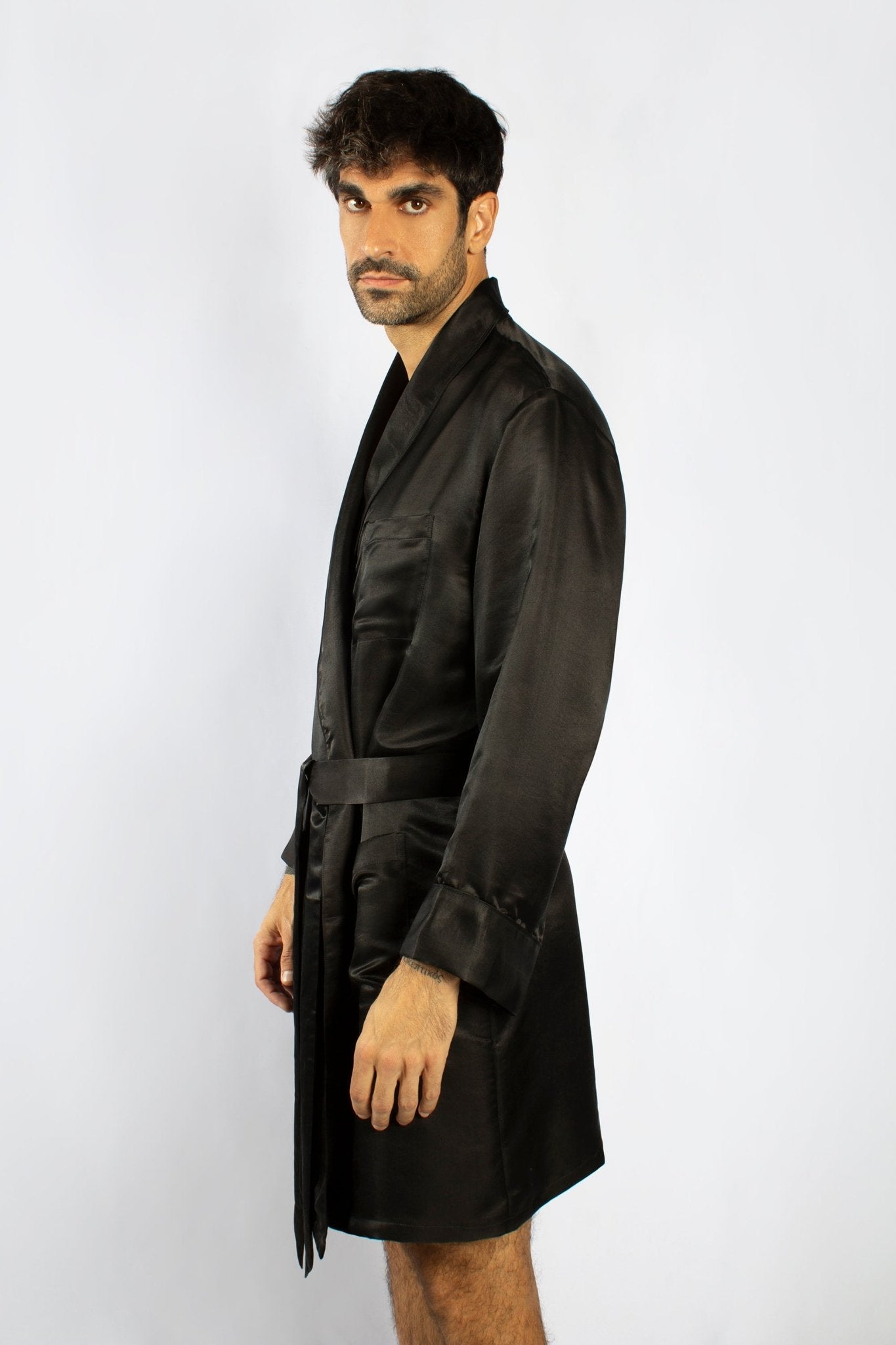
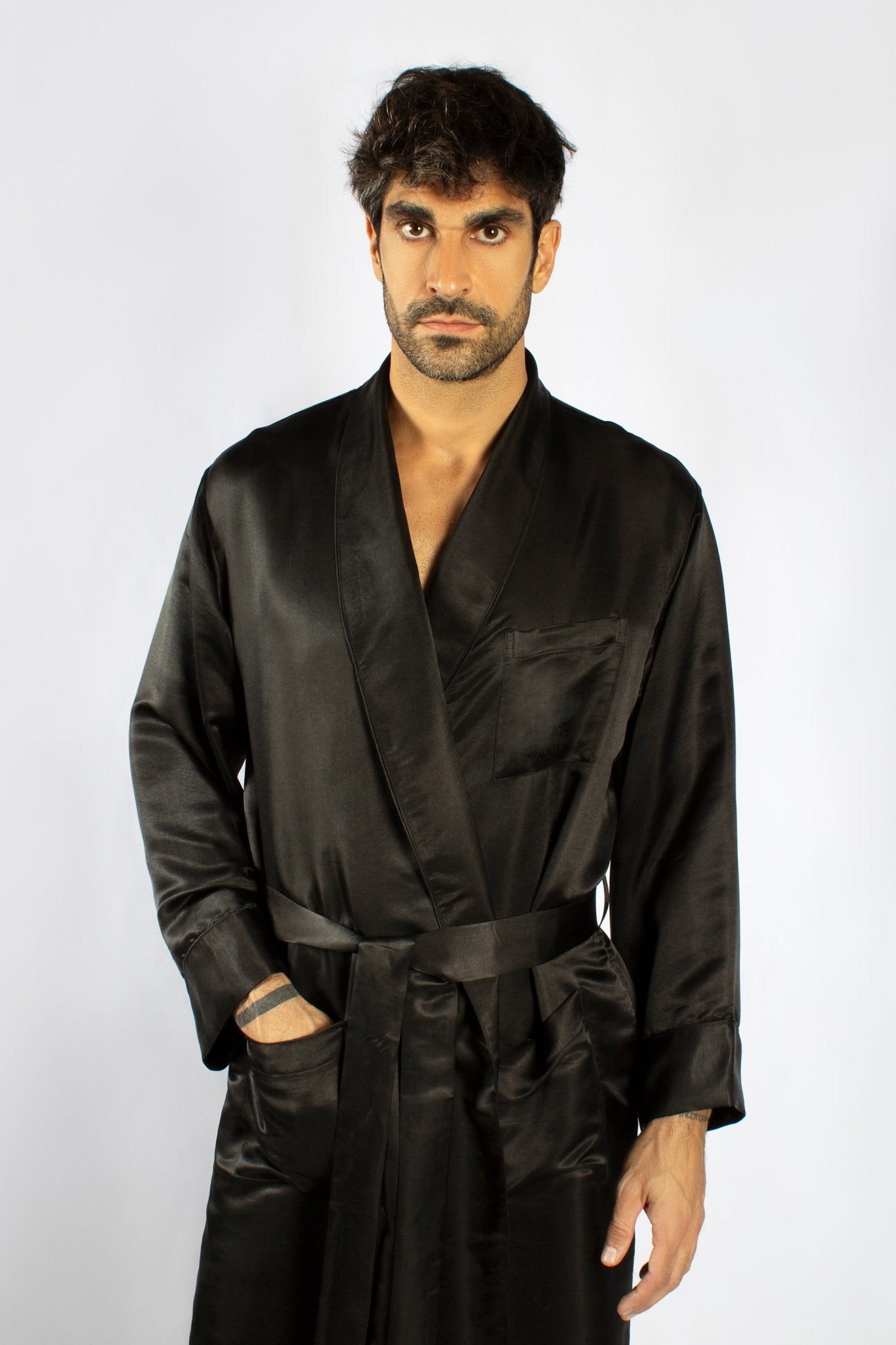
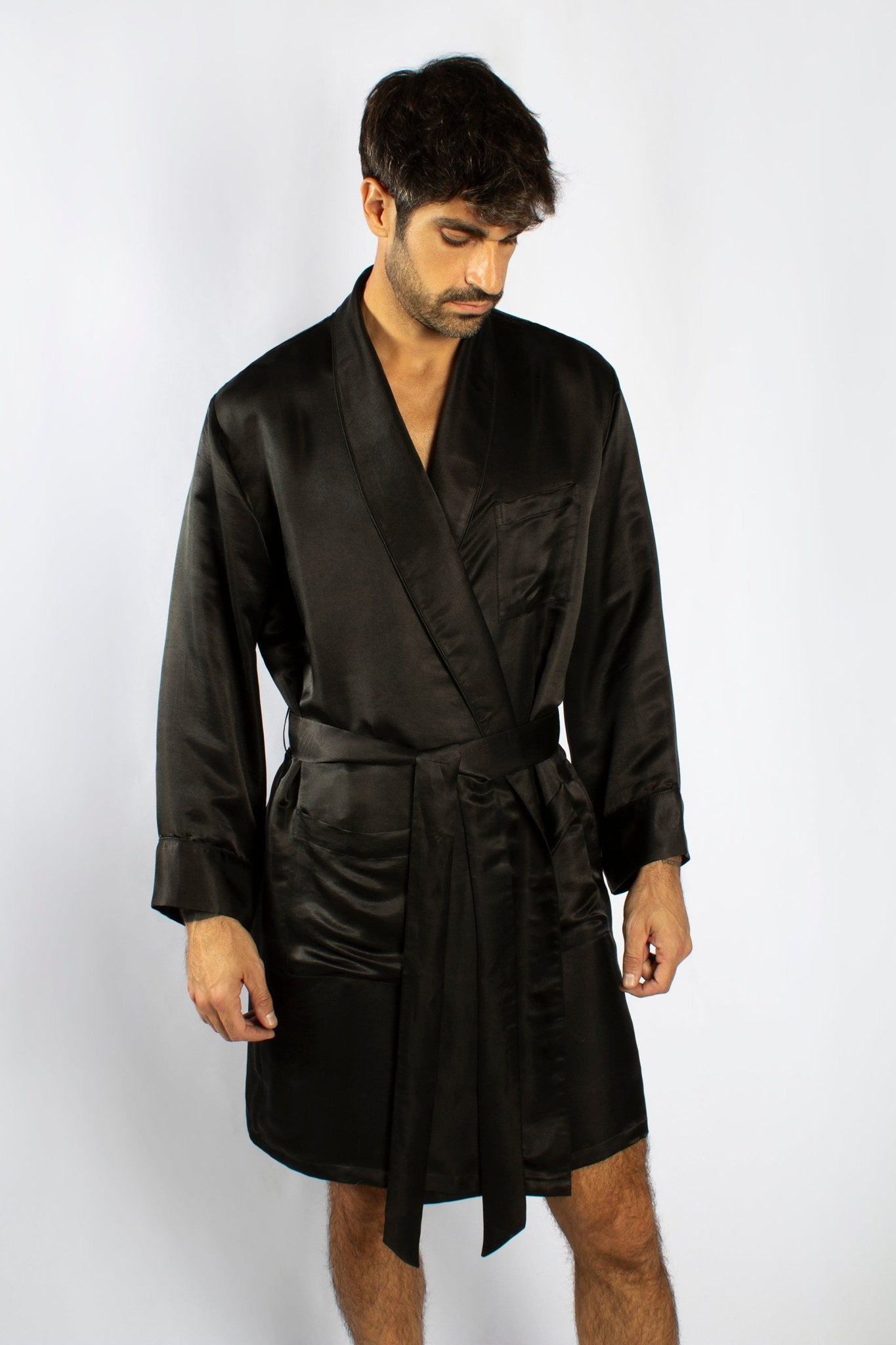
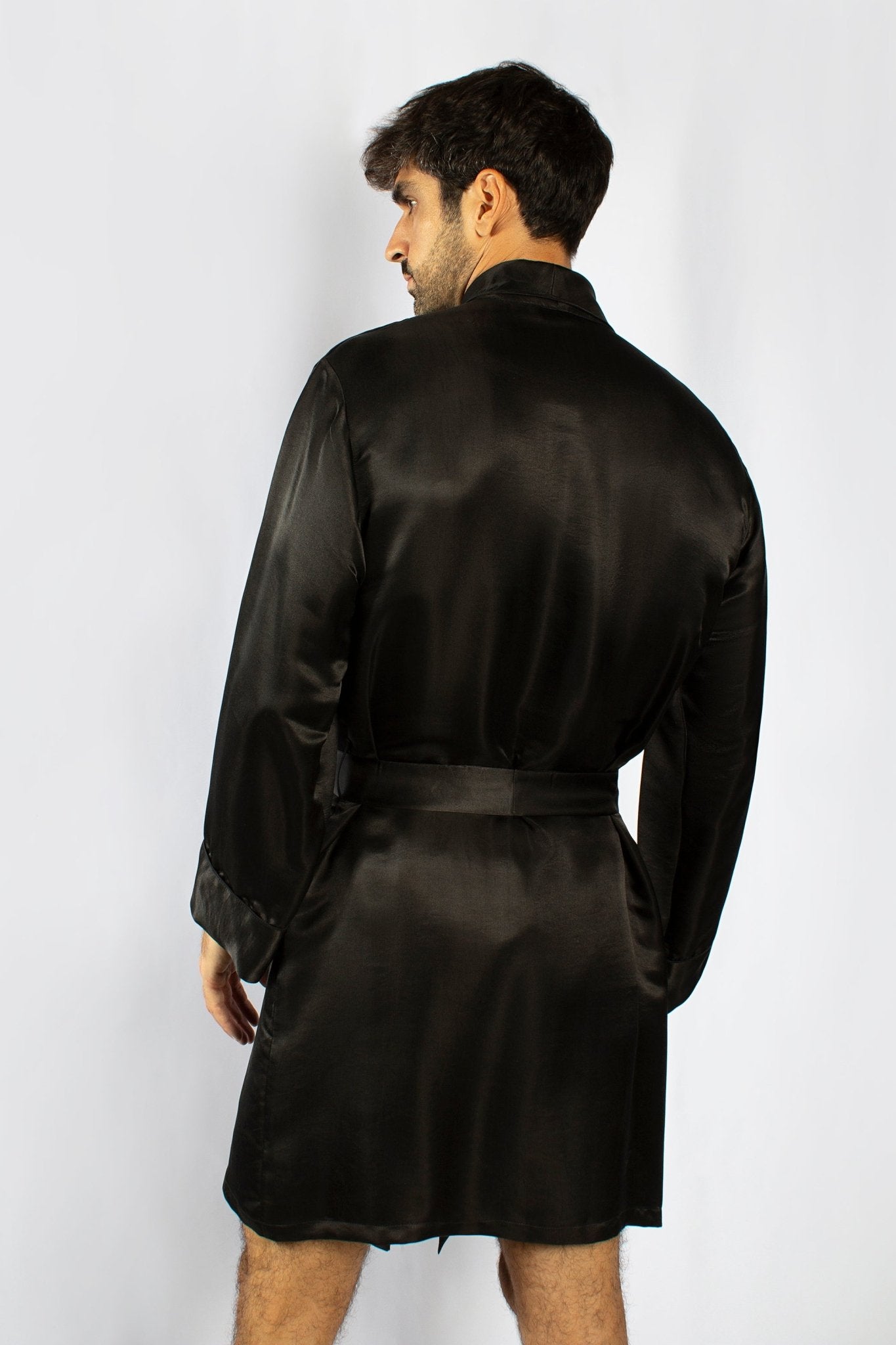
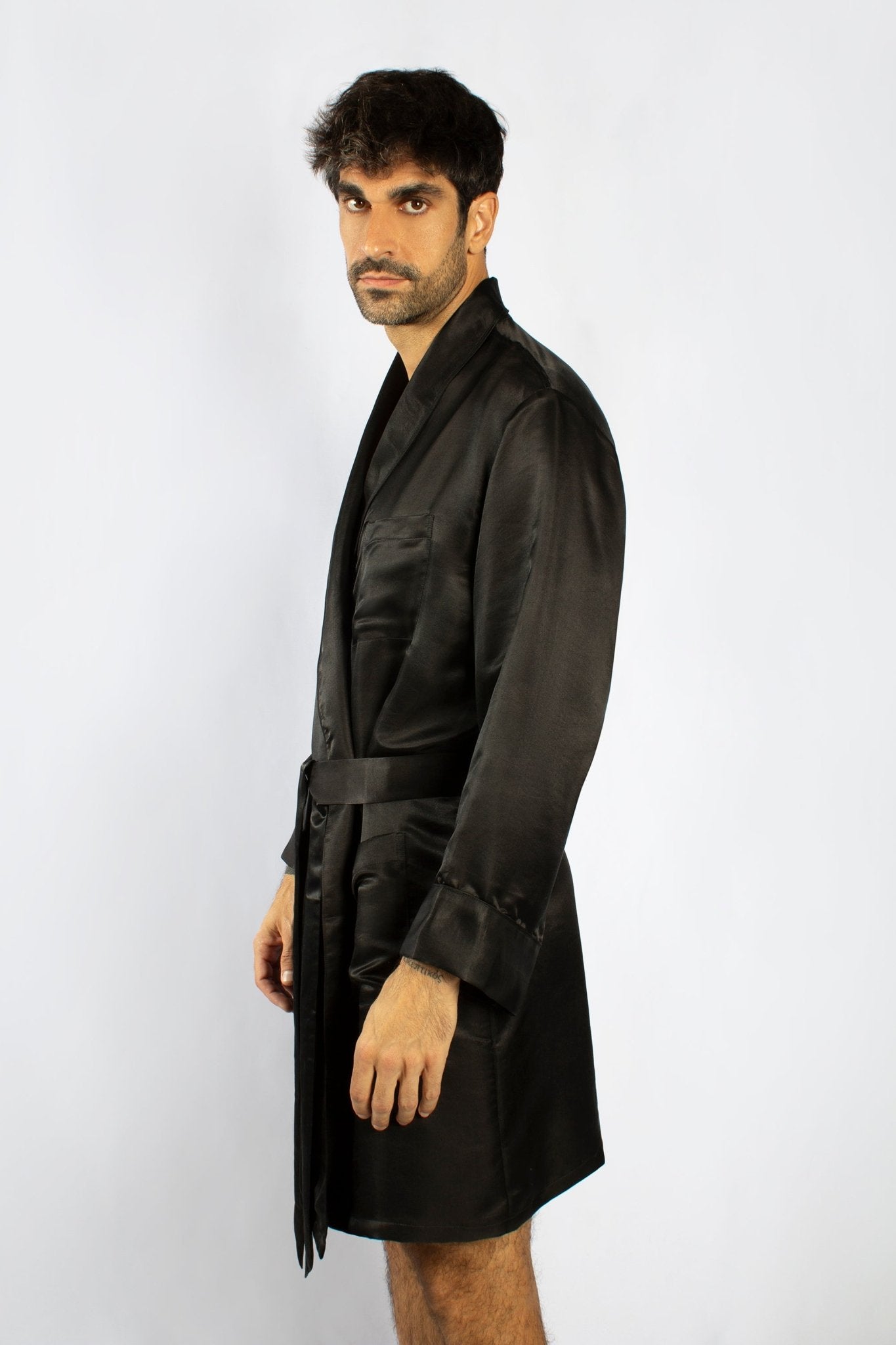
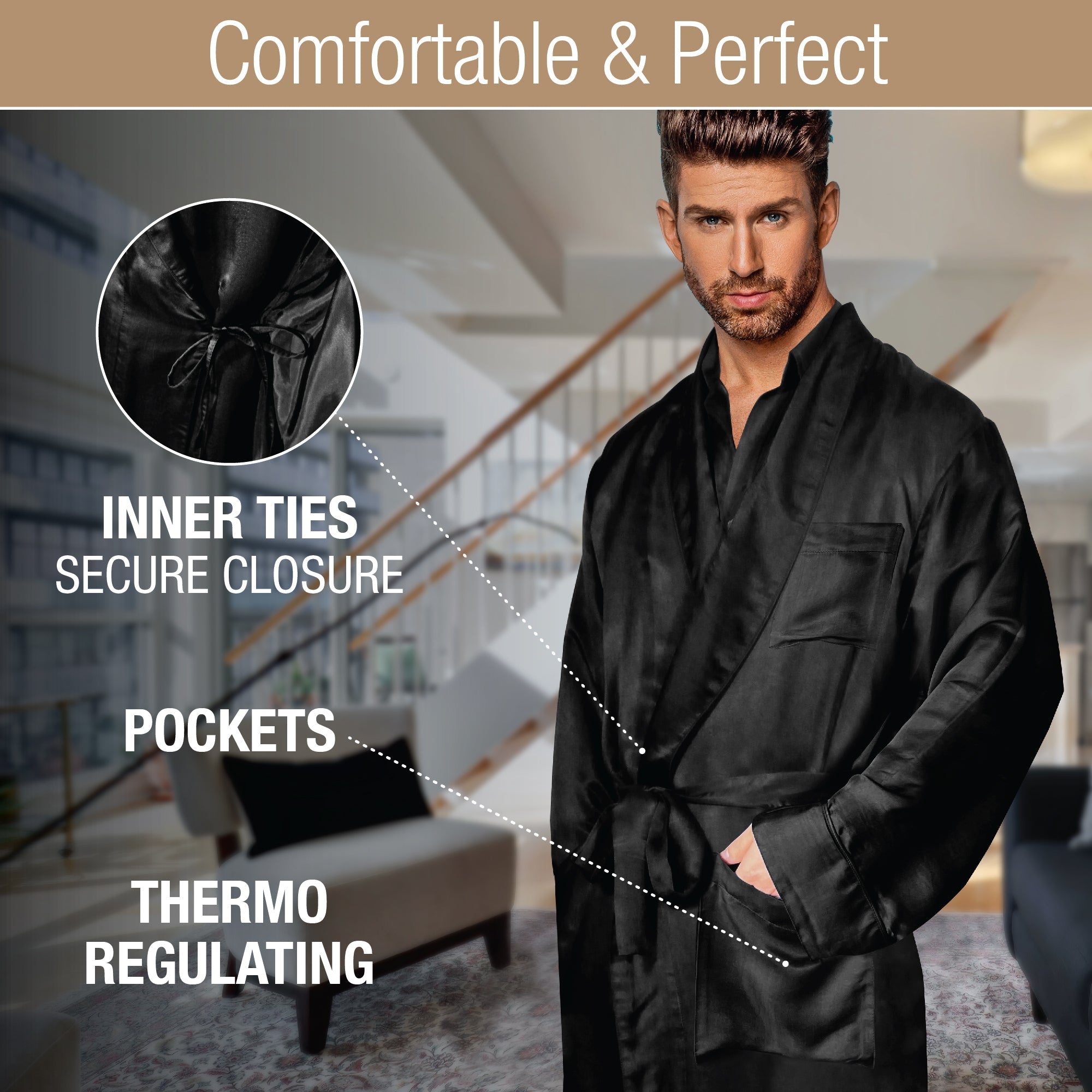
No study has claimed that silk cures eczema or replaces medical treatment. The evidence supports silk as an adjunct, a complementary measure that reduces mechanical irritation while medical treatments address the underlying inflammatory process. The research tells us that silk addresses a specific problem (fabric friction) in a specific context (nighttime sleep) without pretending to solve the broader disease. Browse our men's silk pajamas if you are ready to make the change.
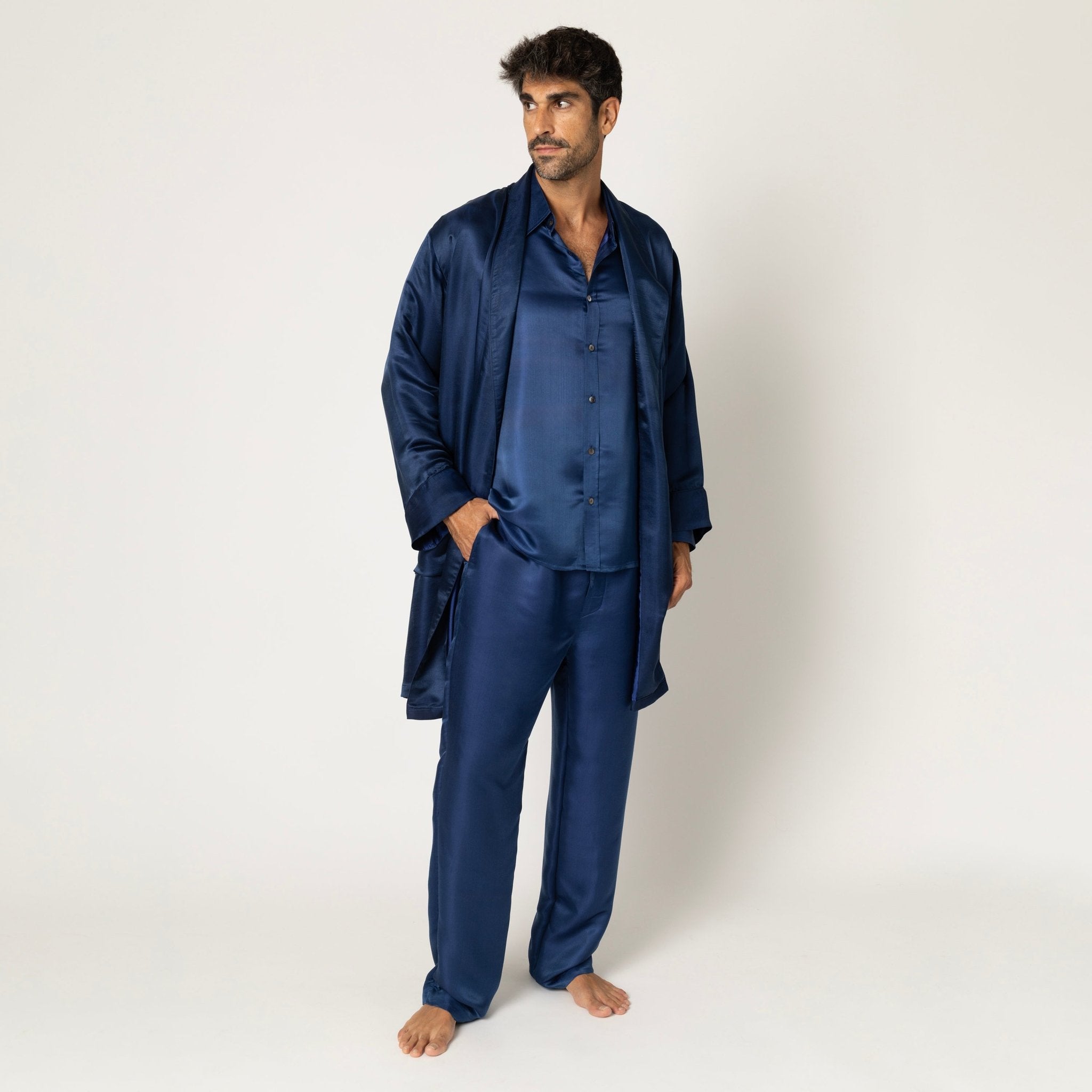
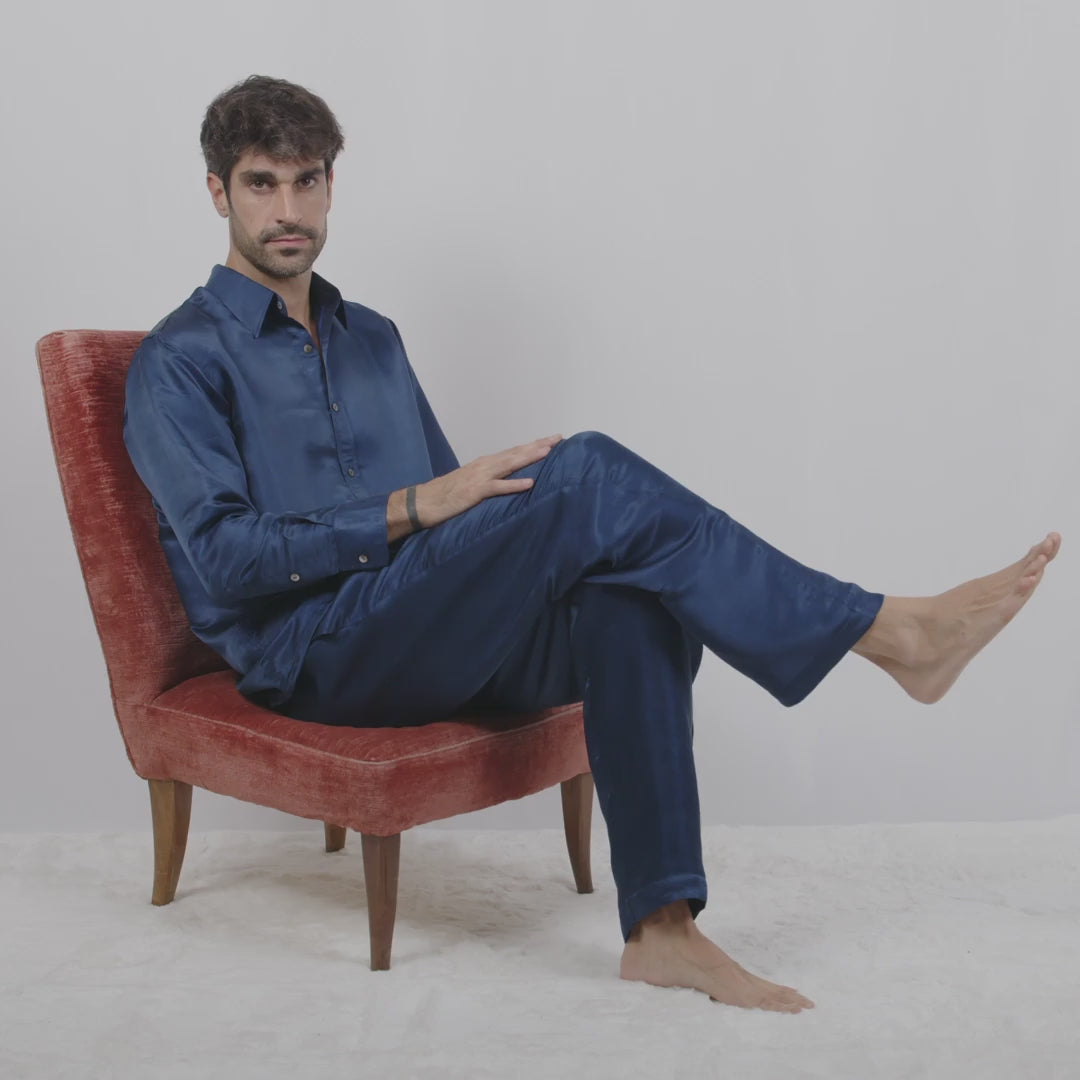
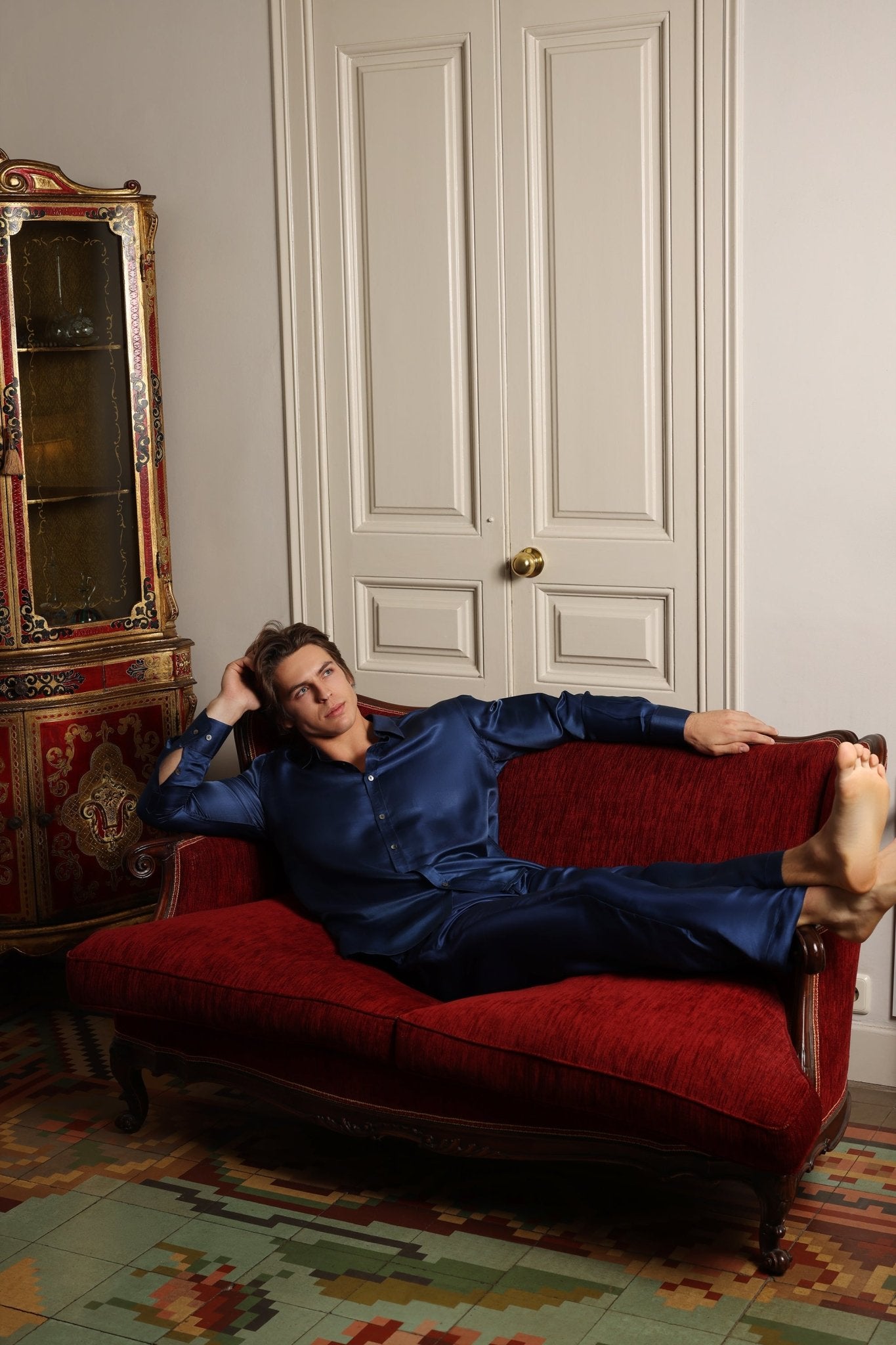


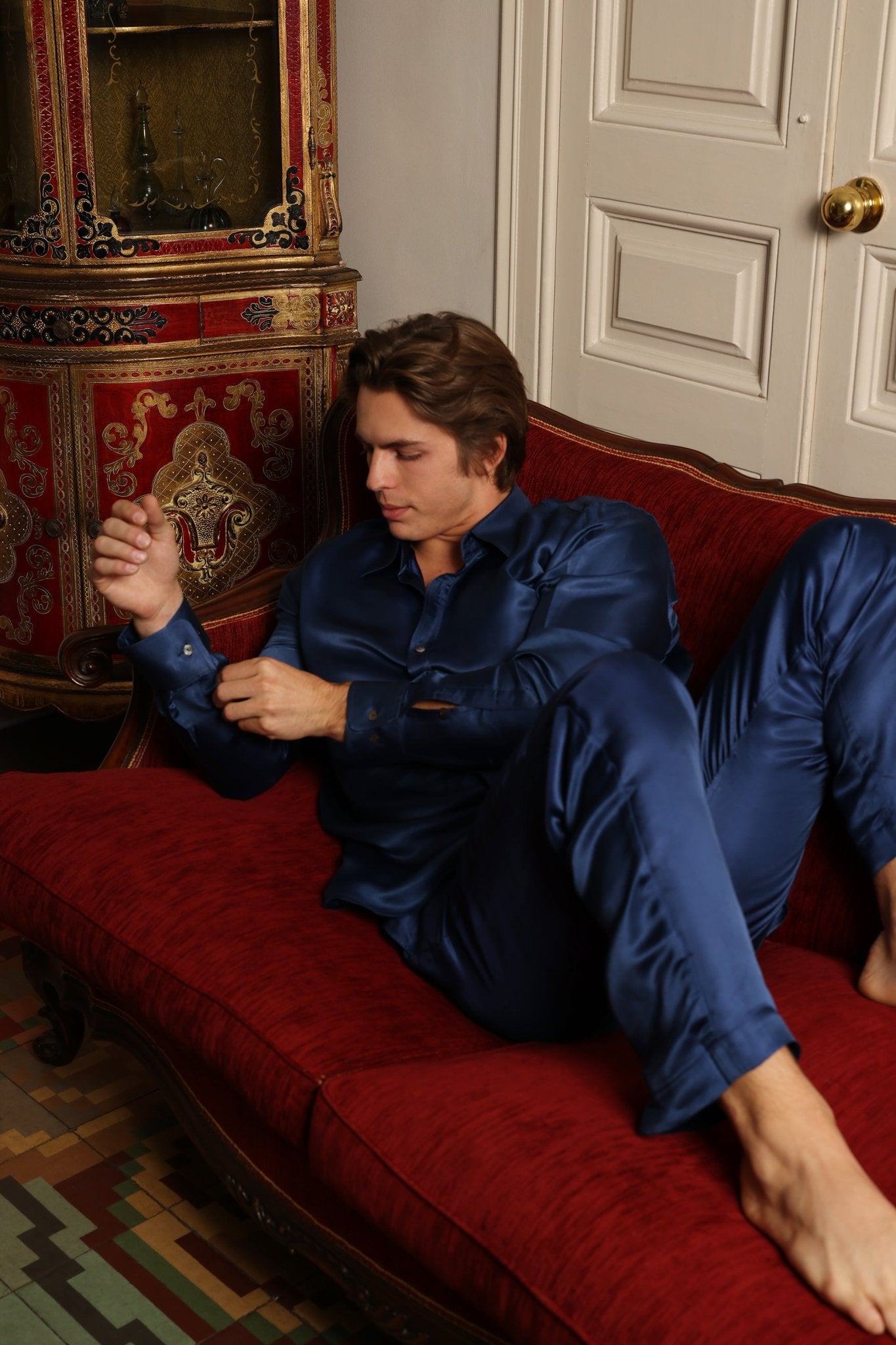


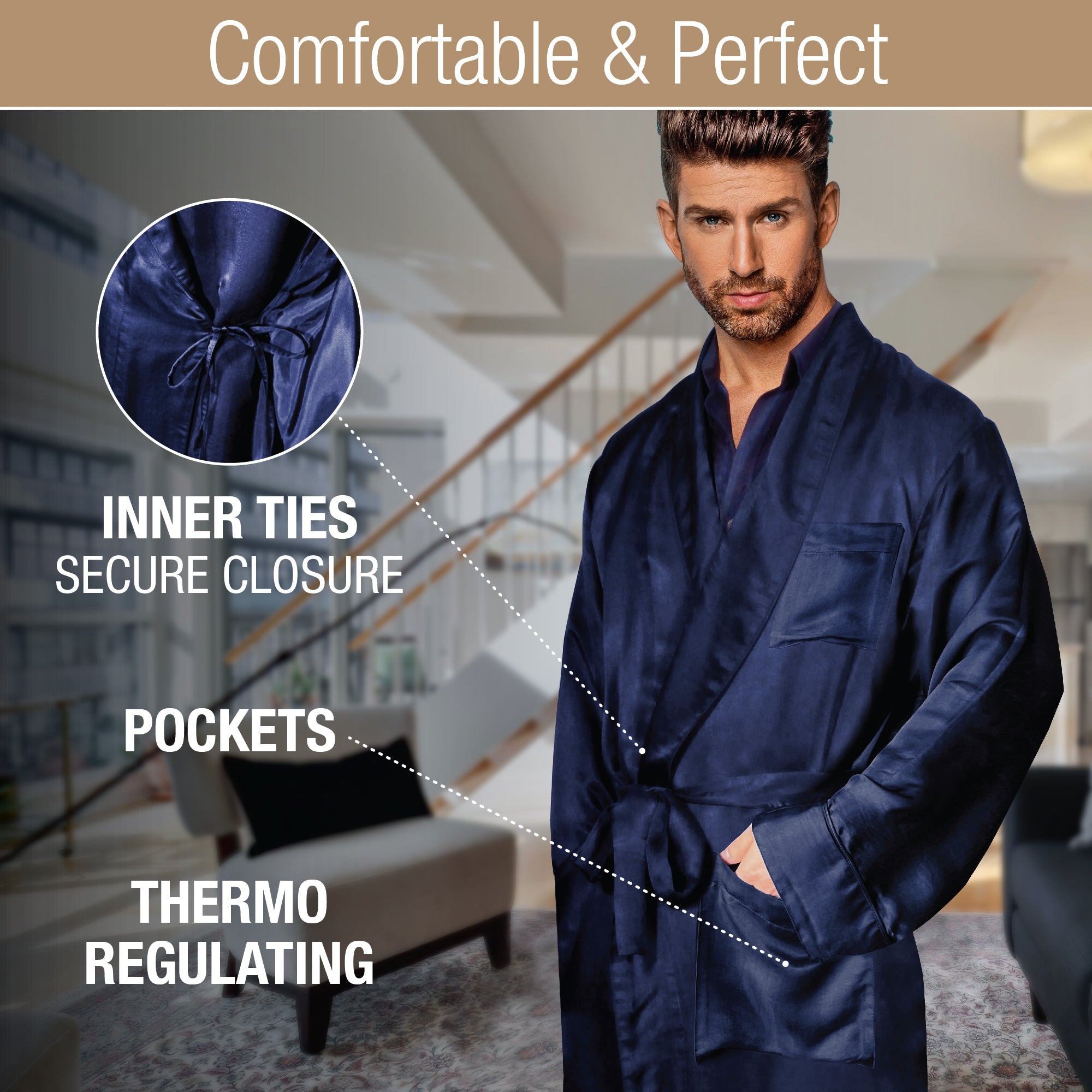
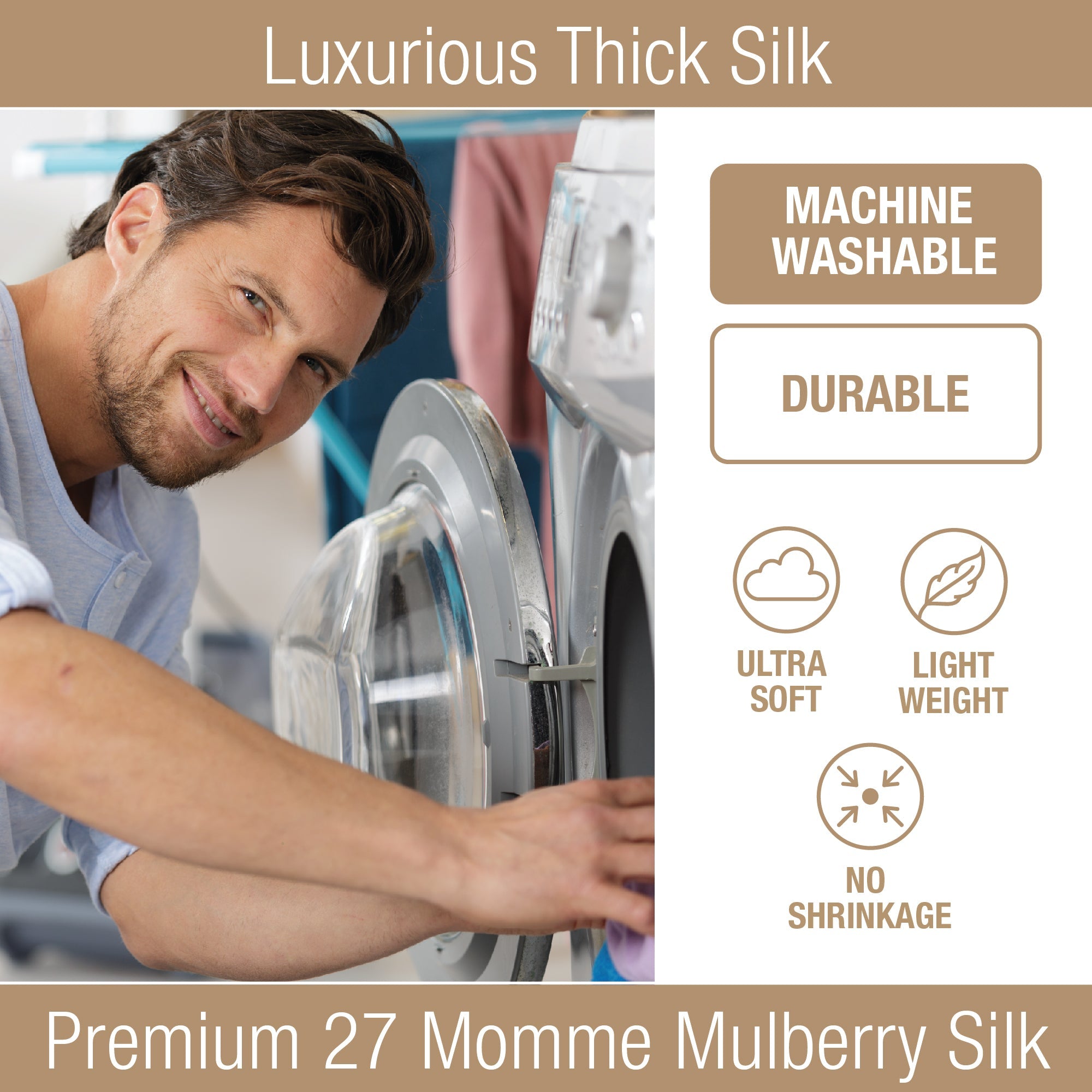
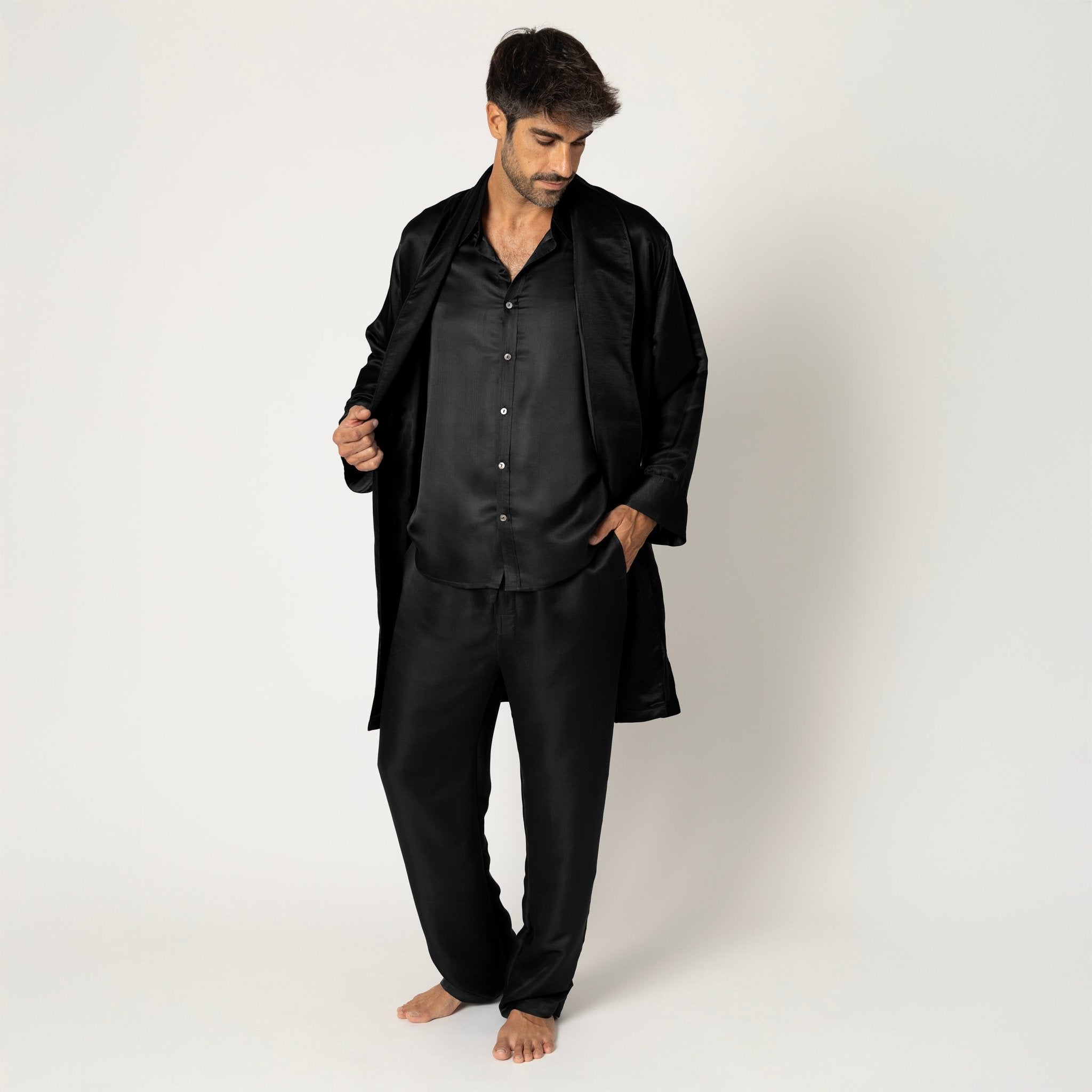

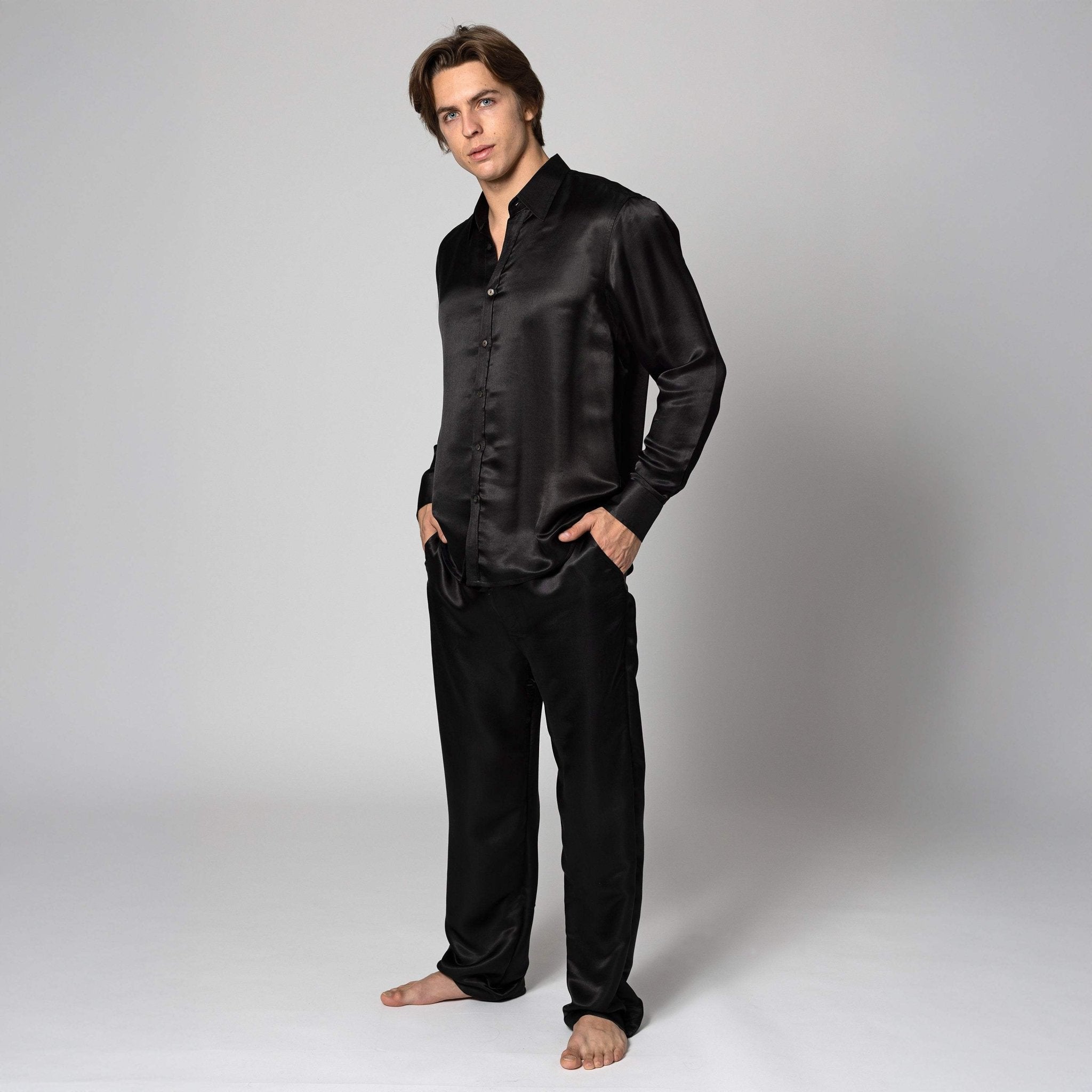
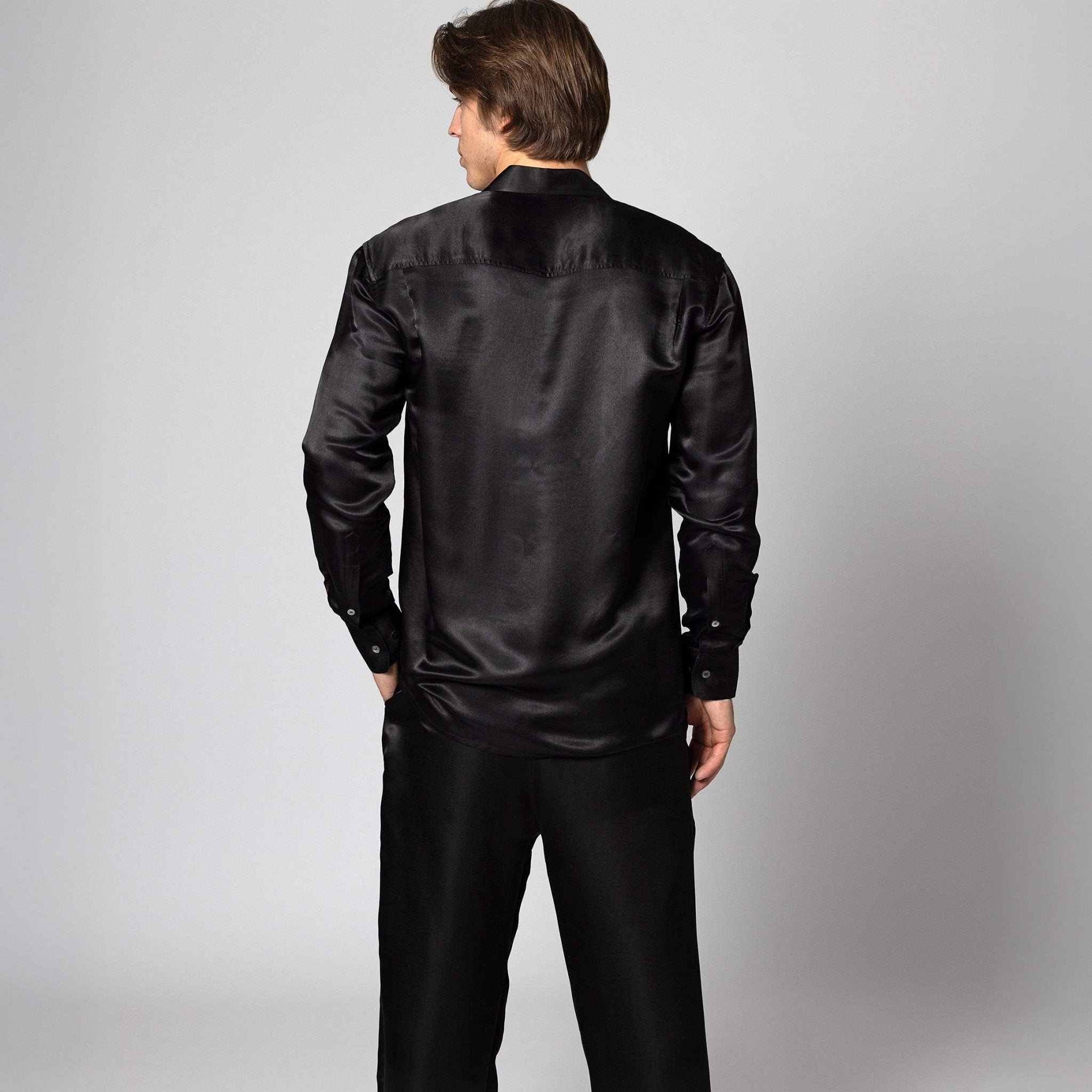
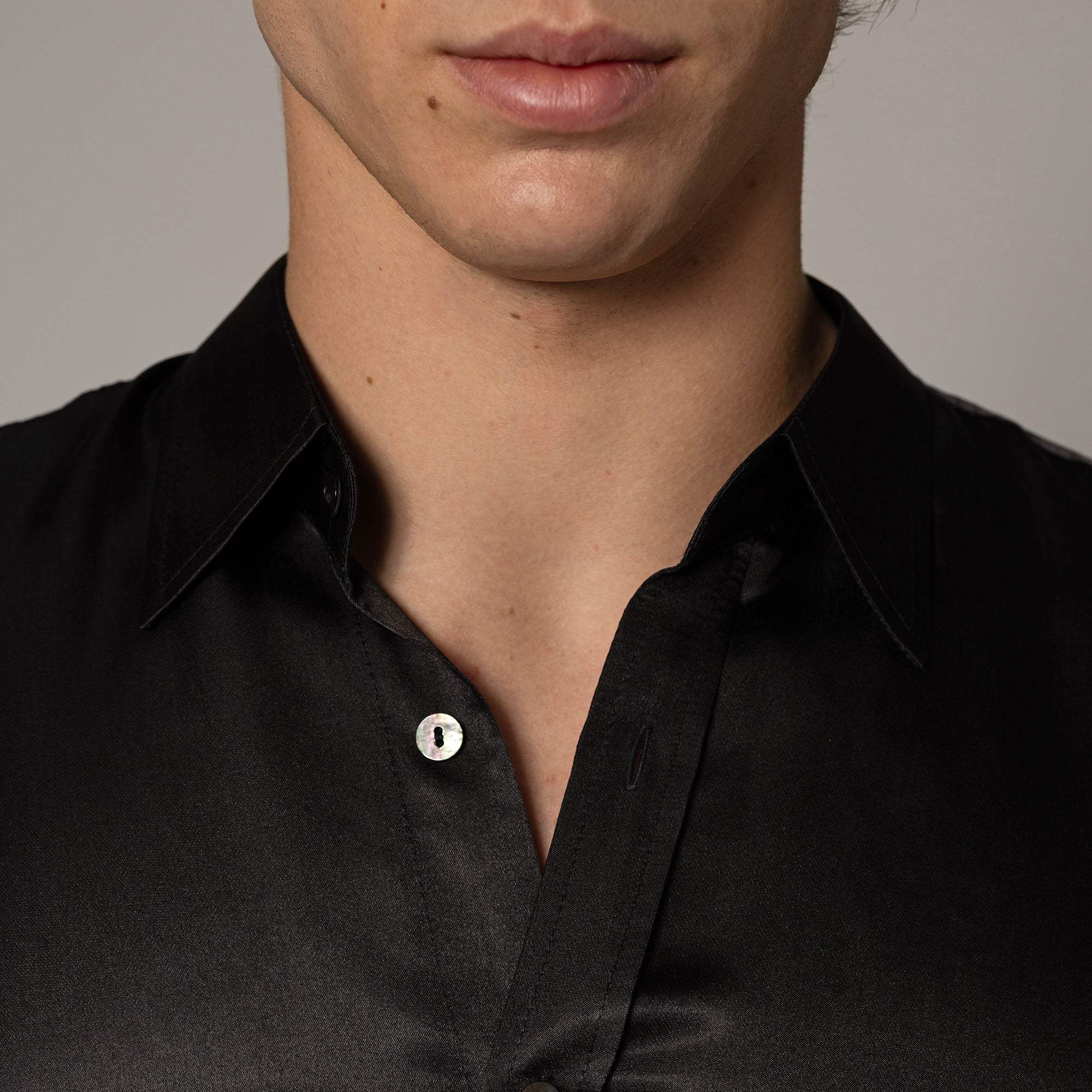
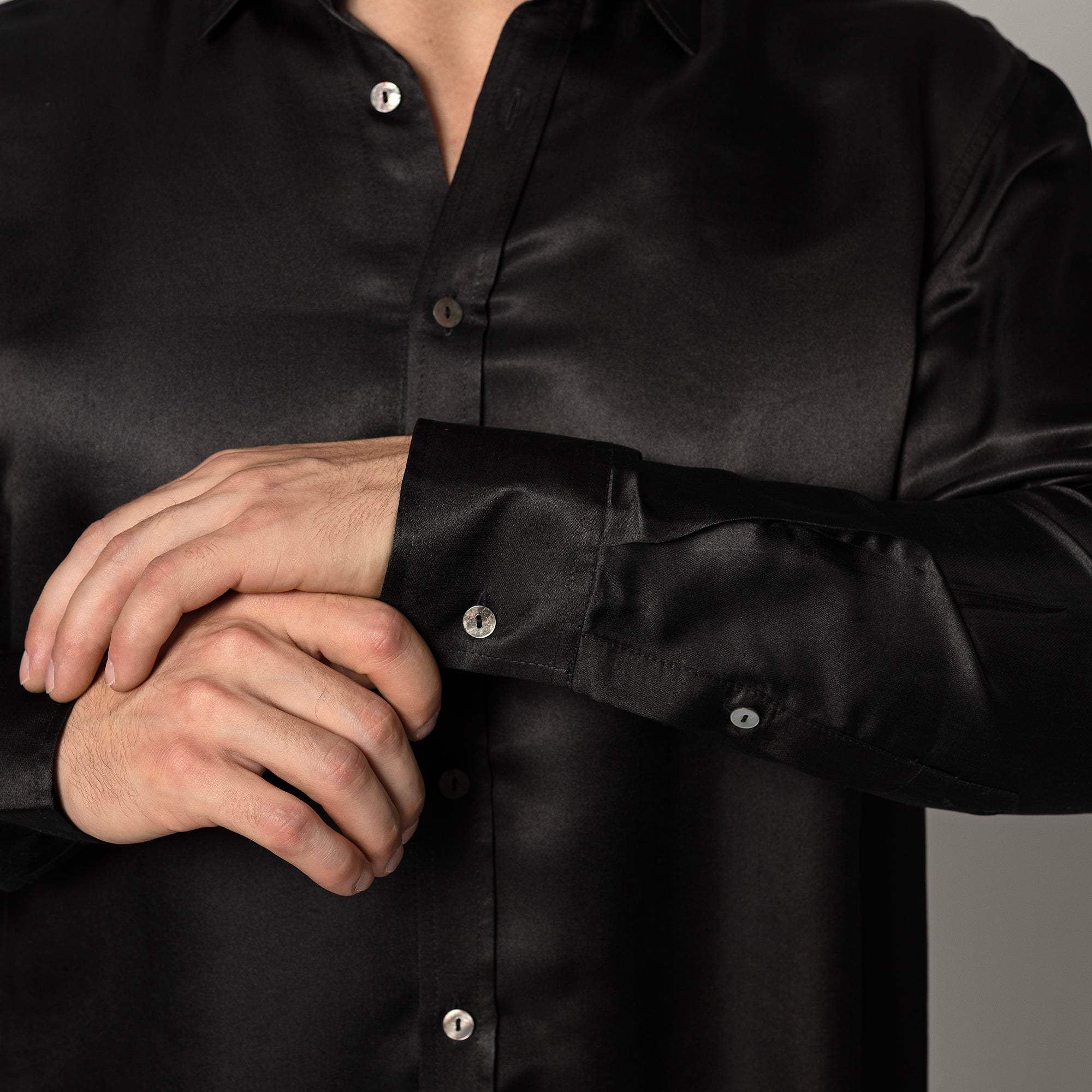
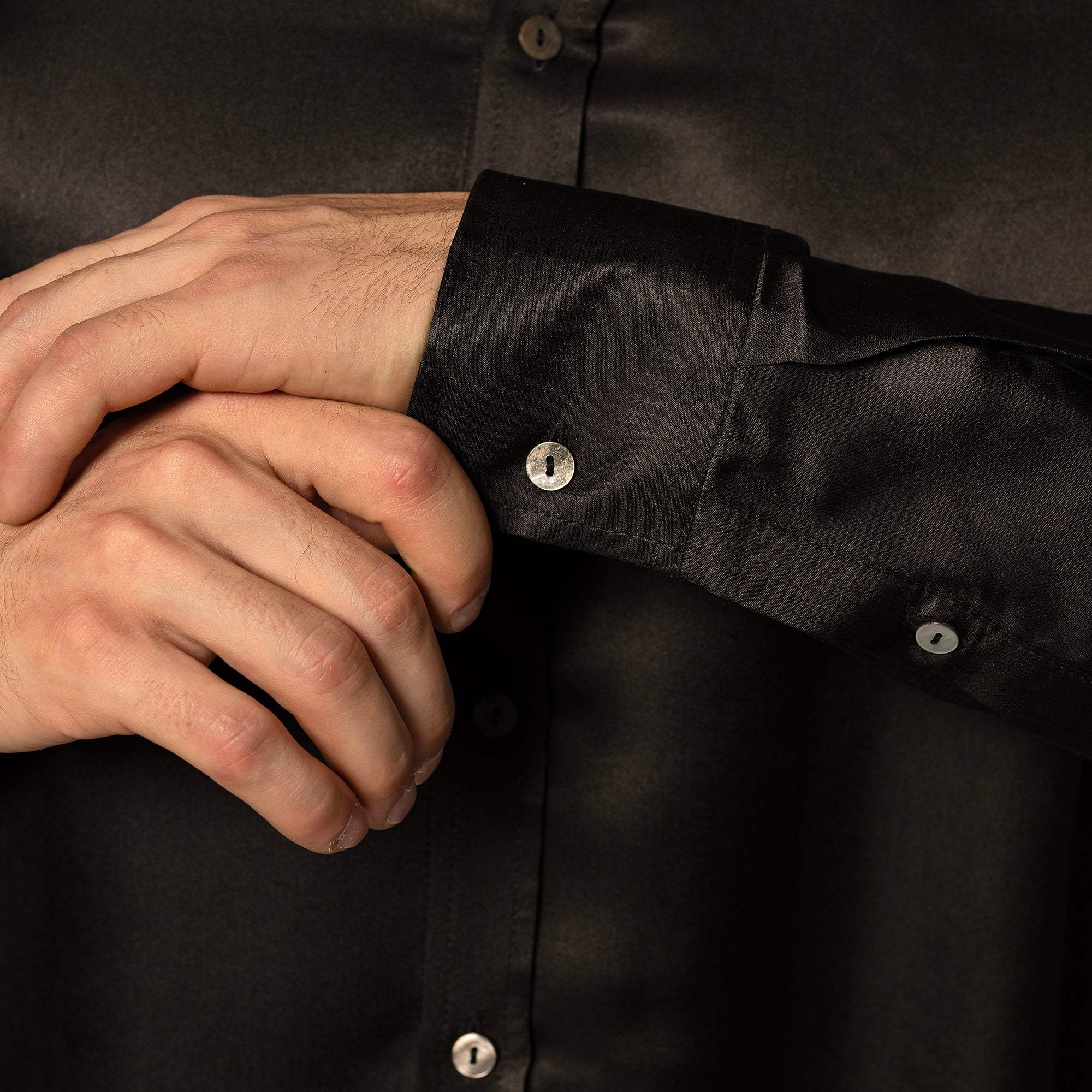
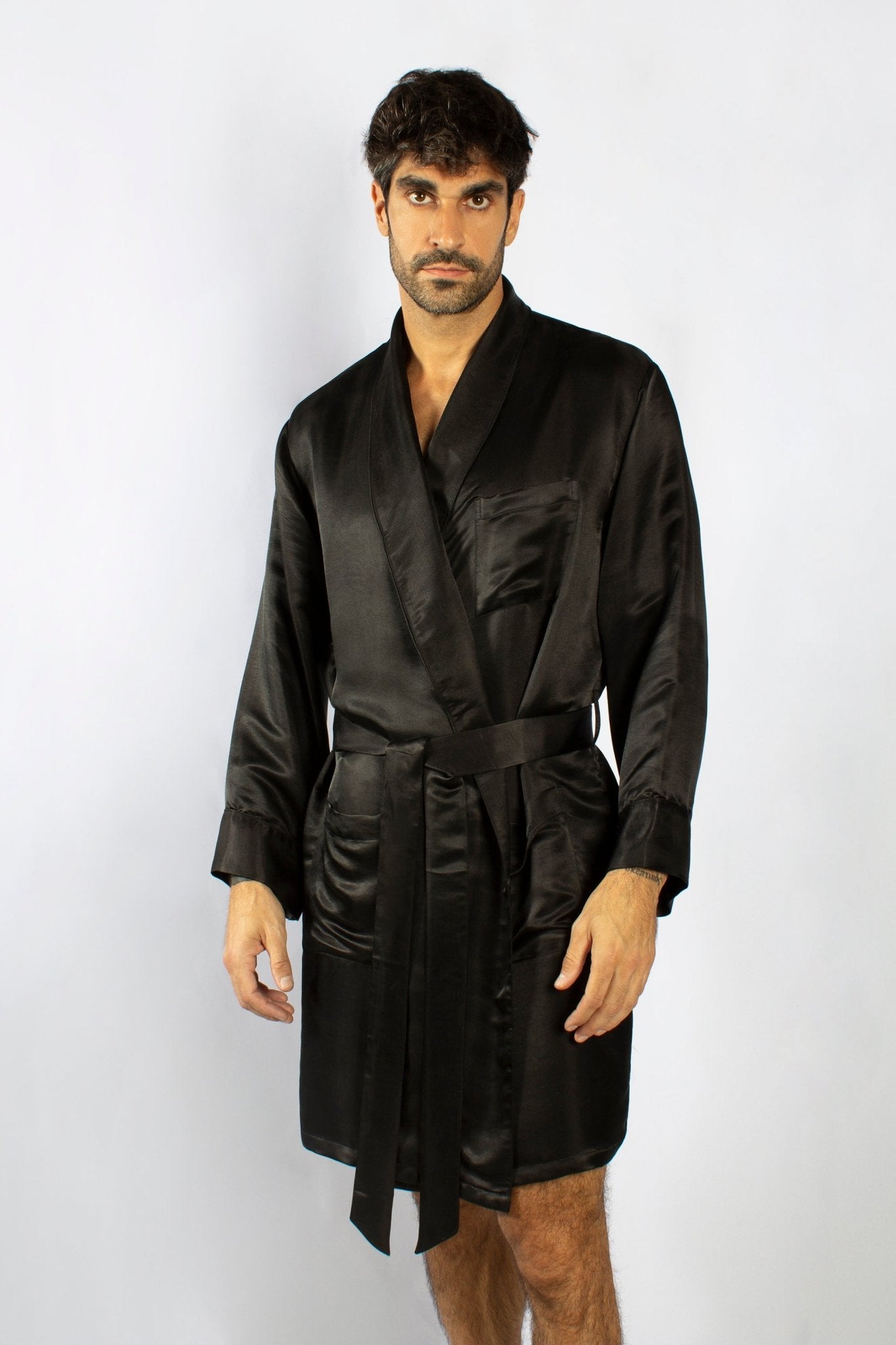
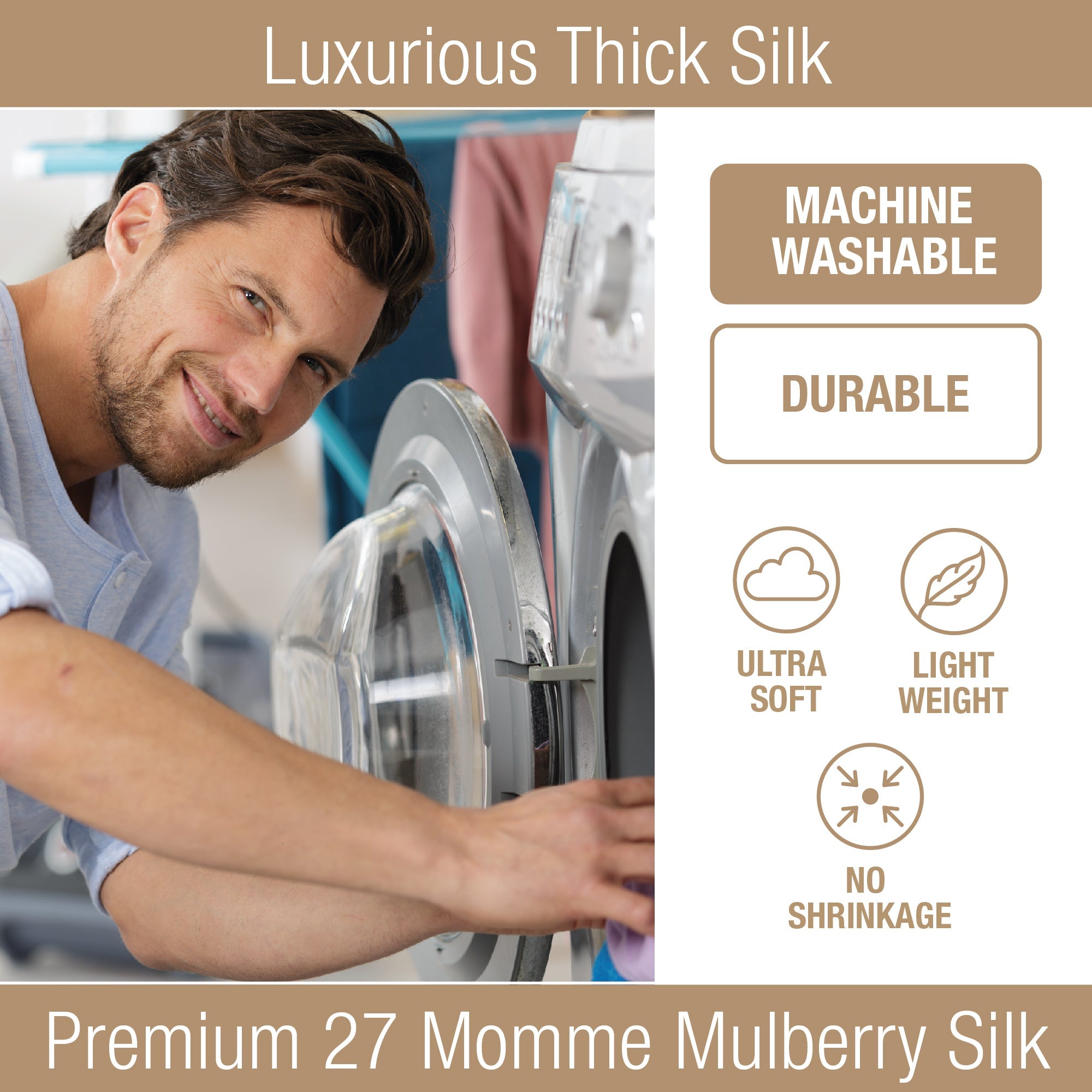
What 27 Momme Offers Specifically for Eczema
For eczema patients, the momme weight of silk matters beyond general quality considerations.
Stability against skin:
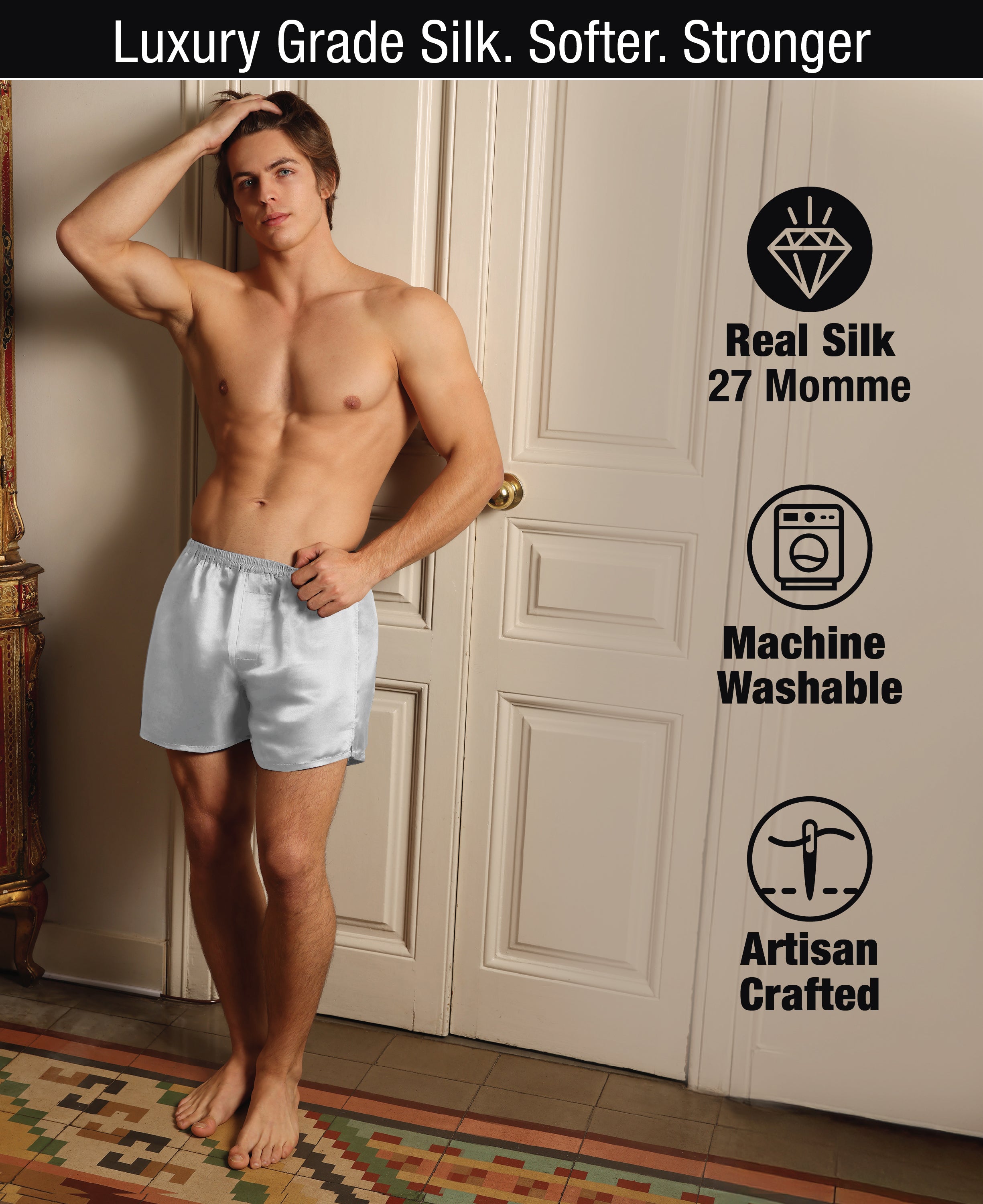
Lighter silks (19 momme and below) shift and bunch during sleep because they lack the weight to hold position. Shifting fabric creates friction. At 27 momme, the fabric's weight keeps it in place, reducing the friction events that trigger itching.
Seam comfort:
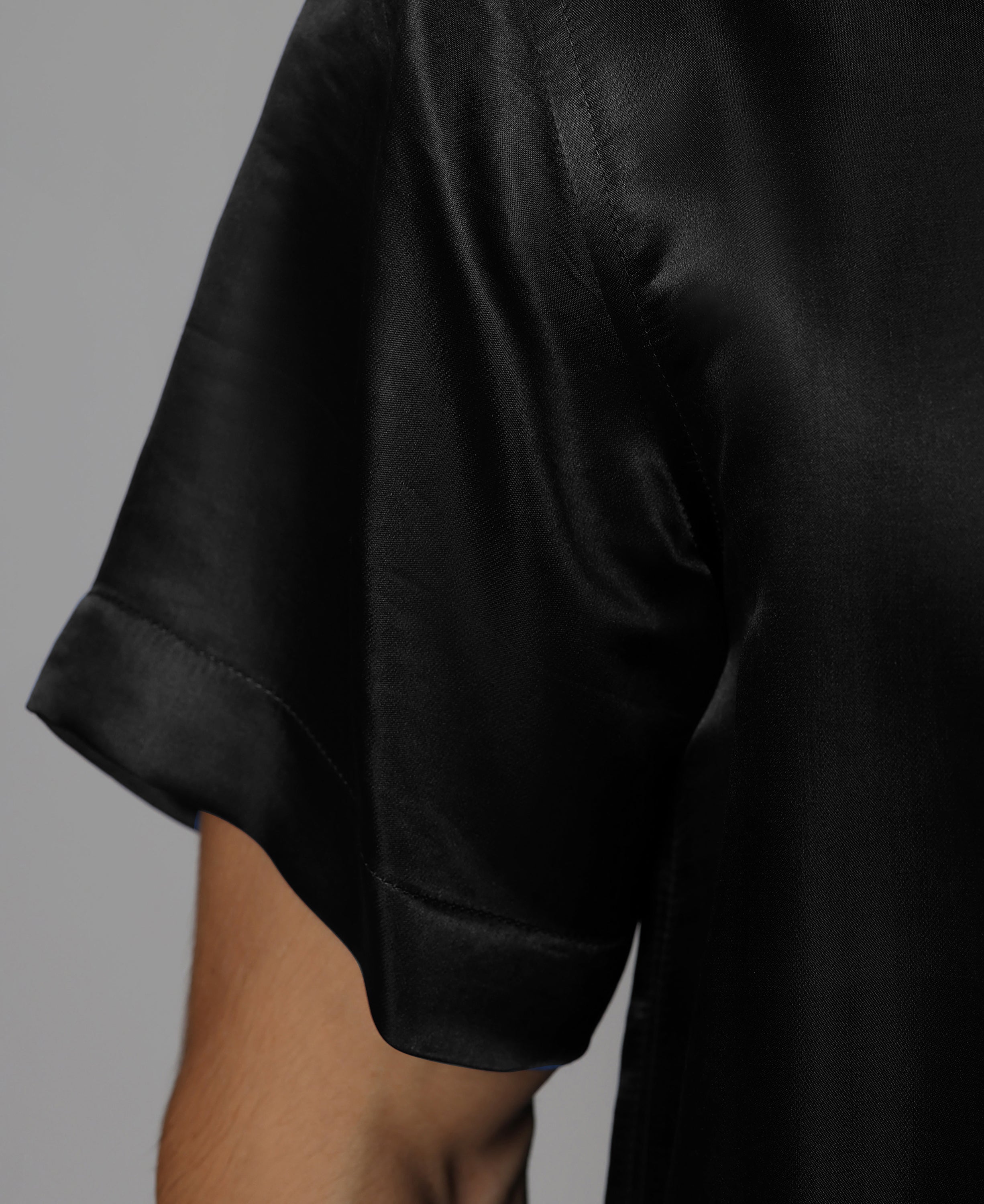
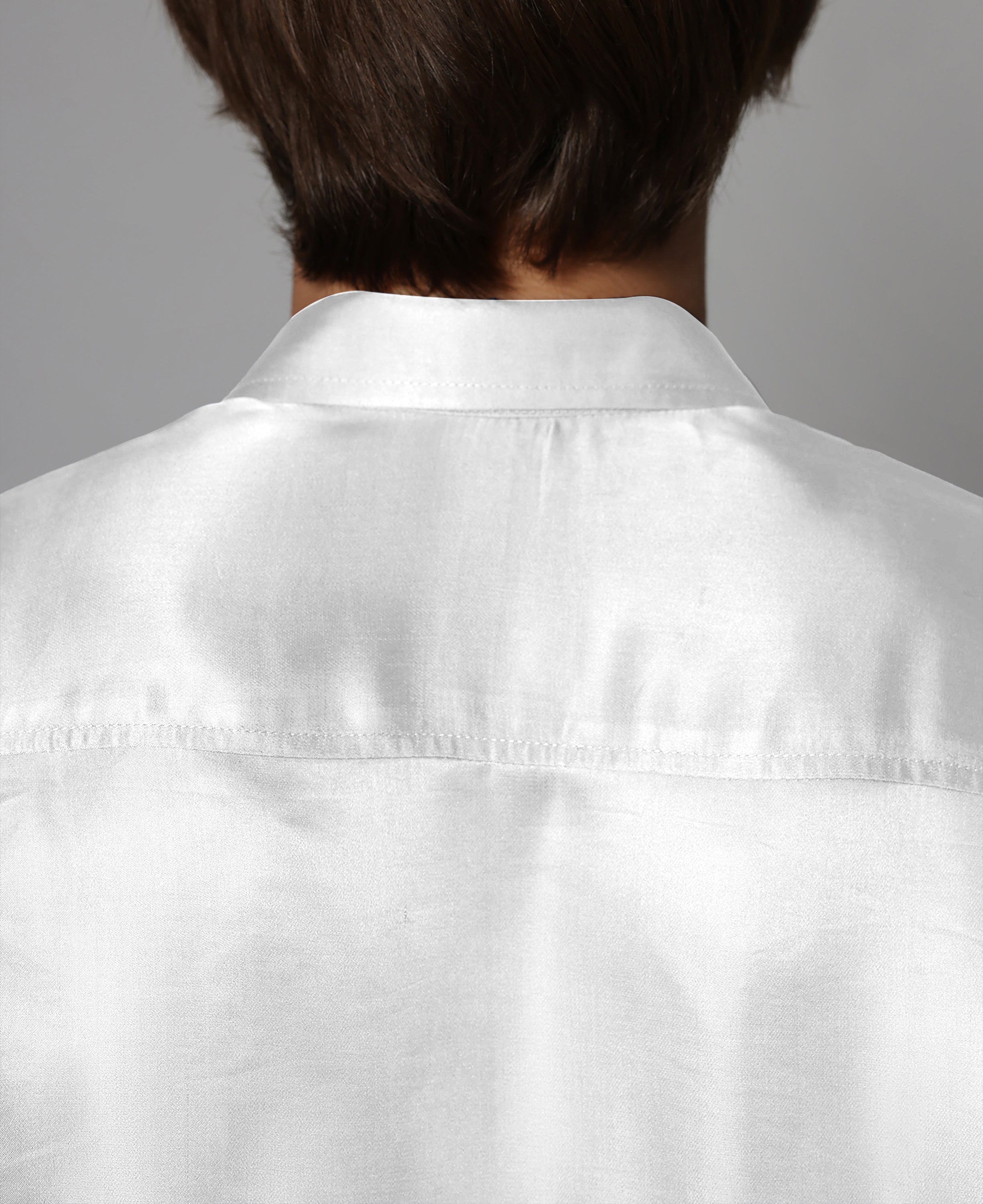
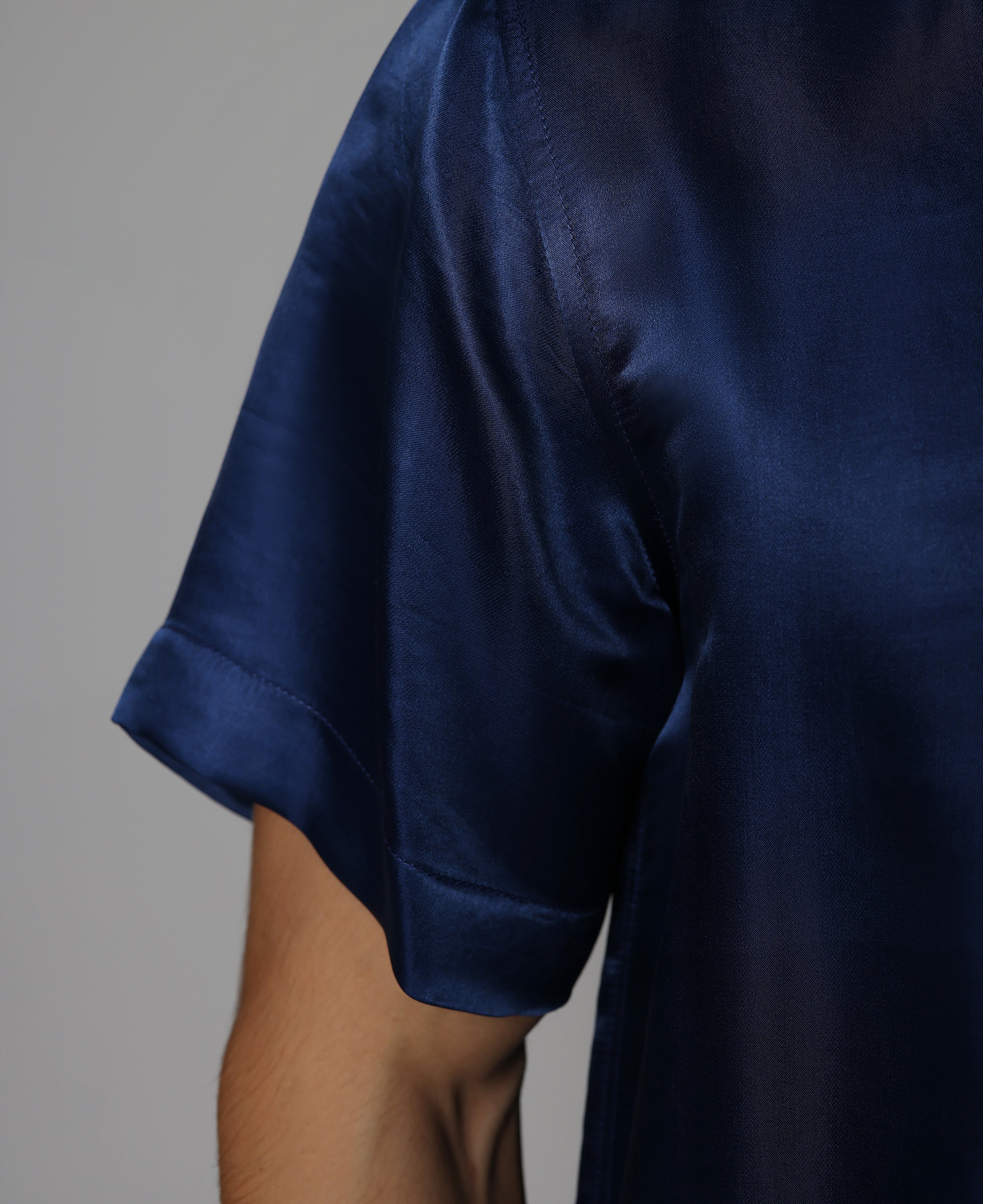
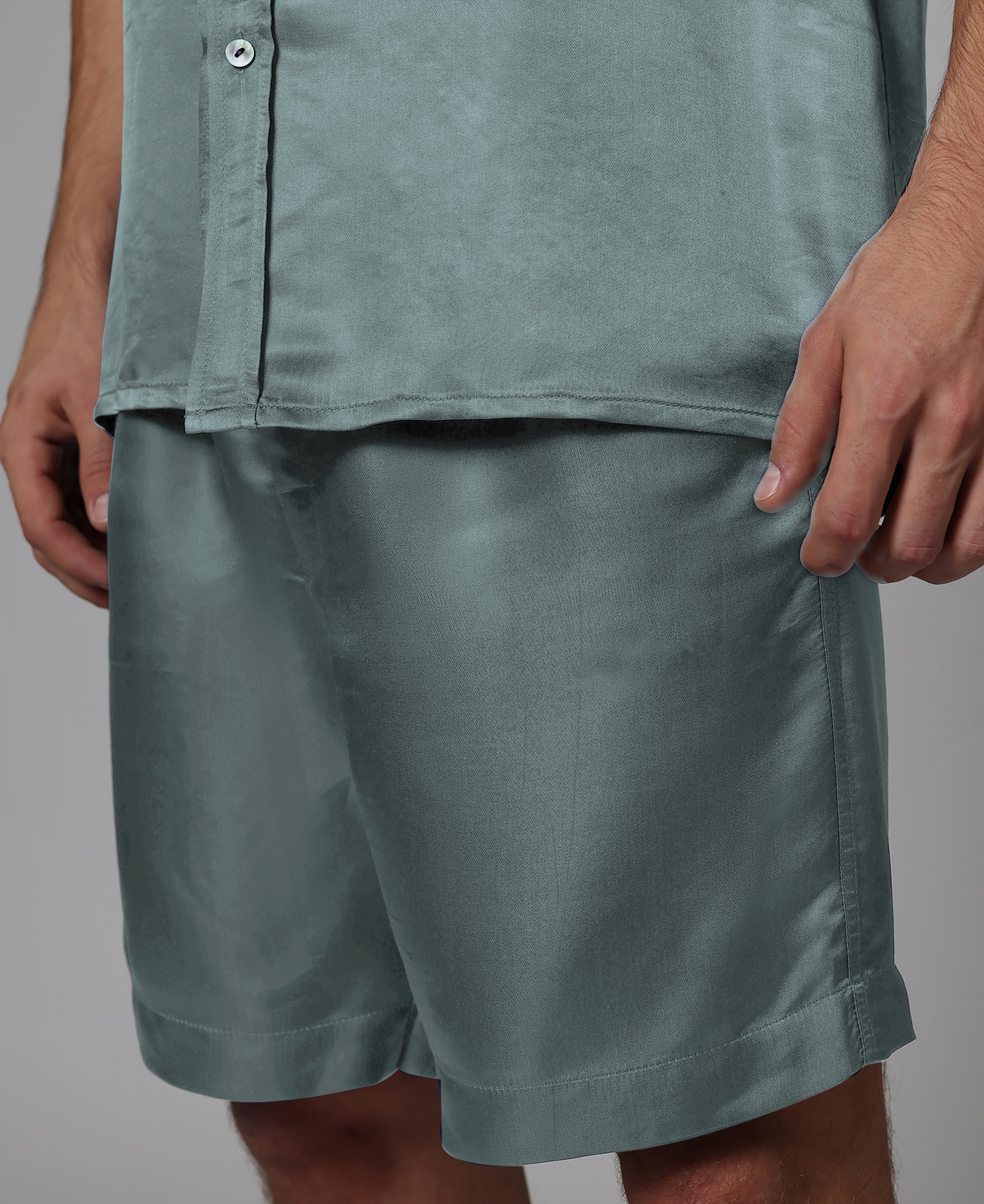
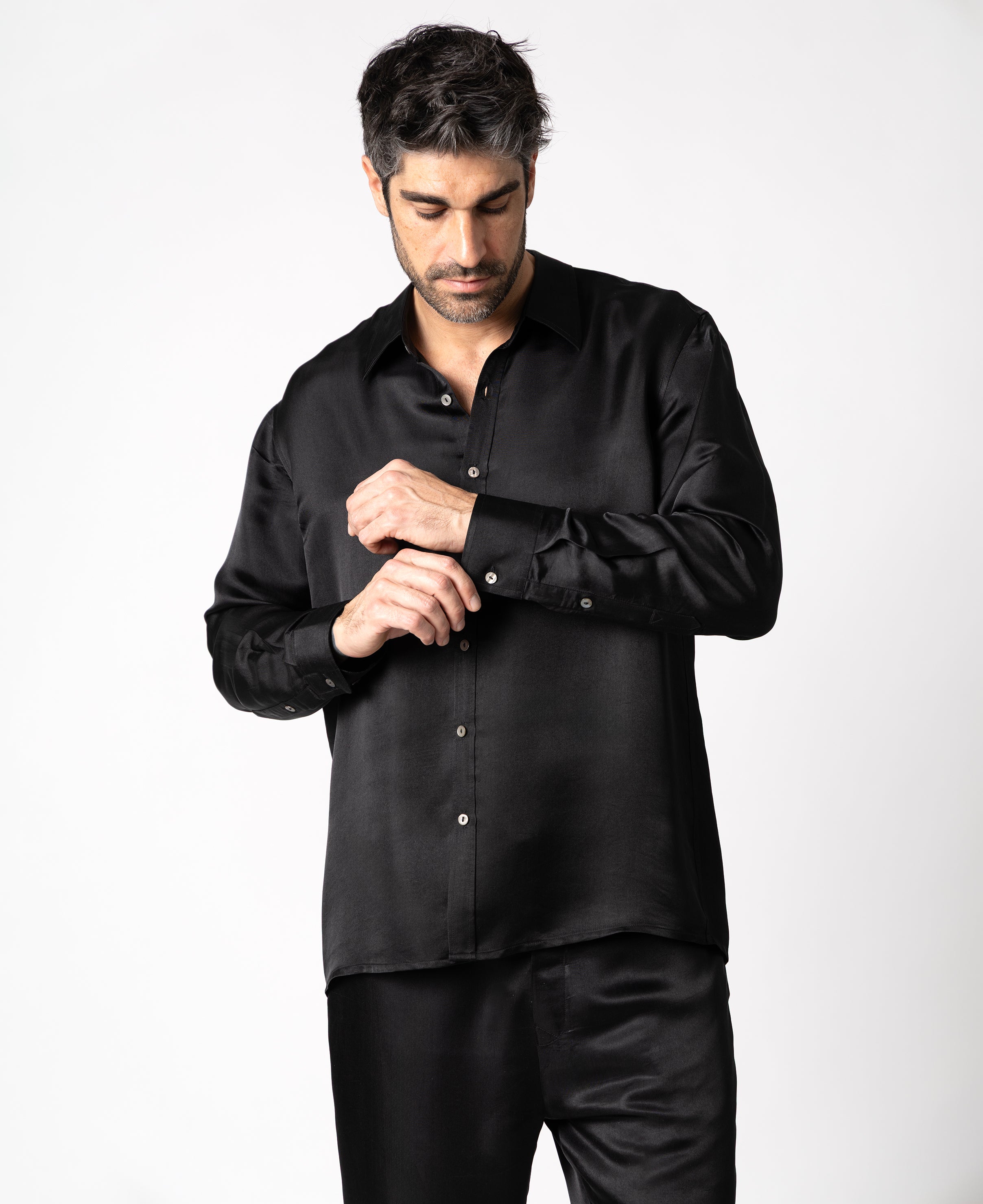
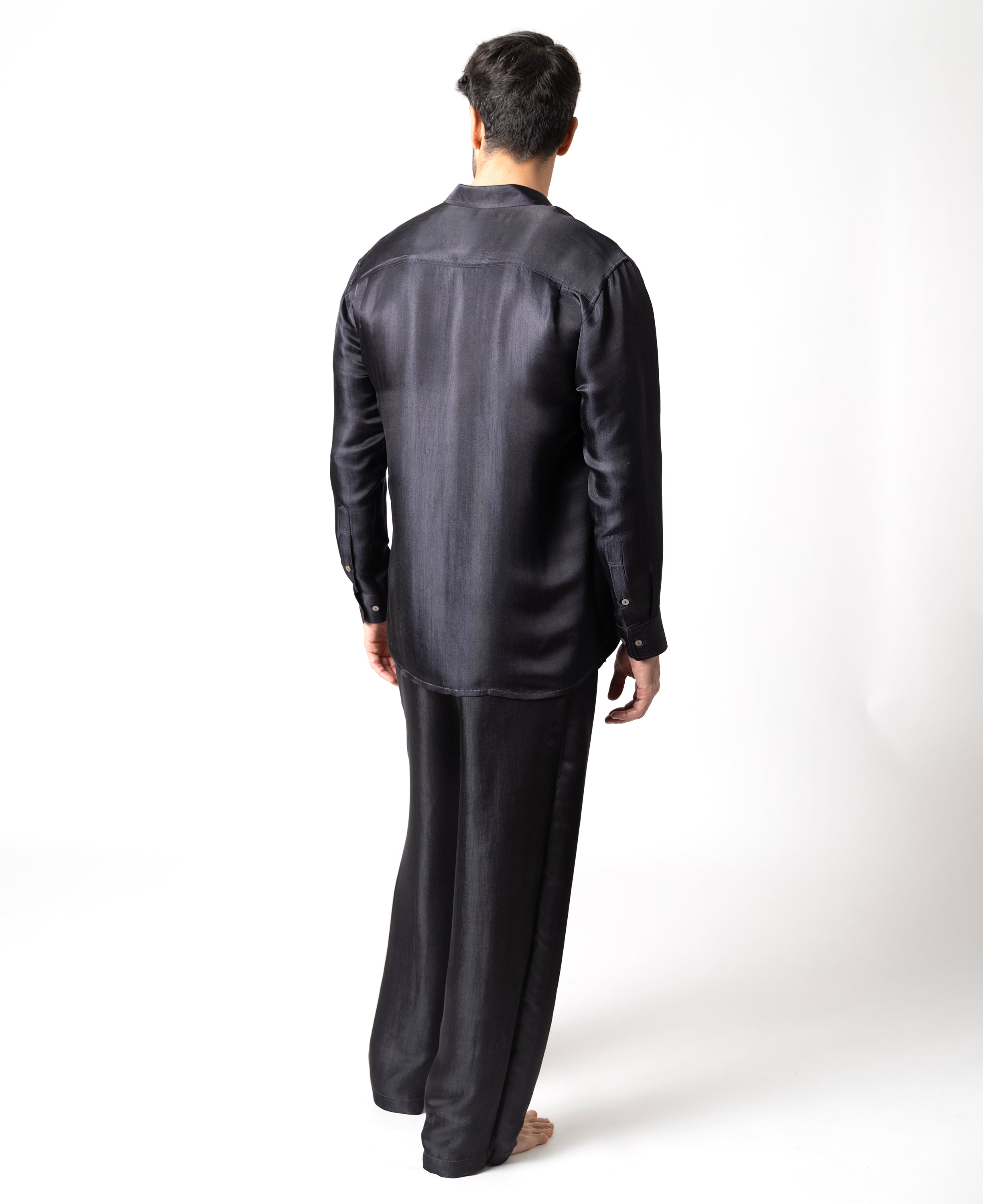
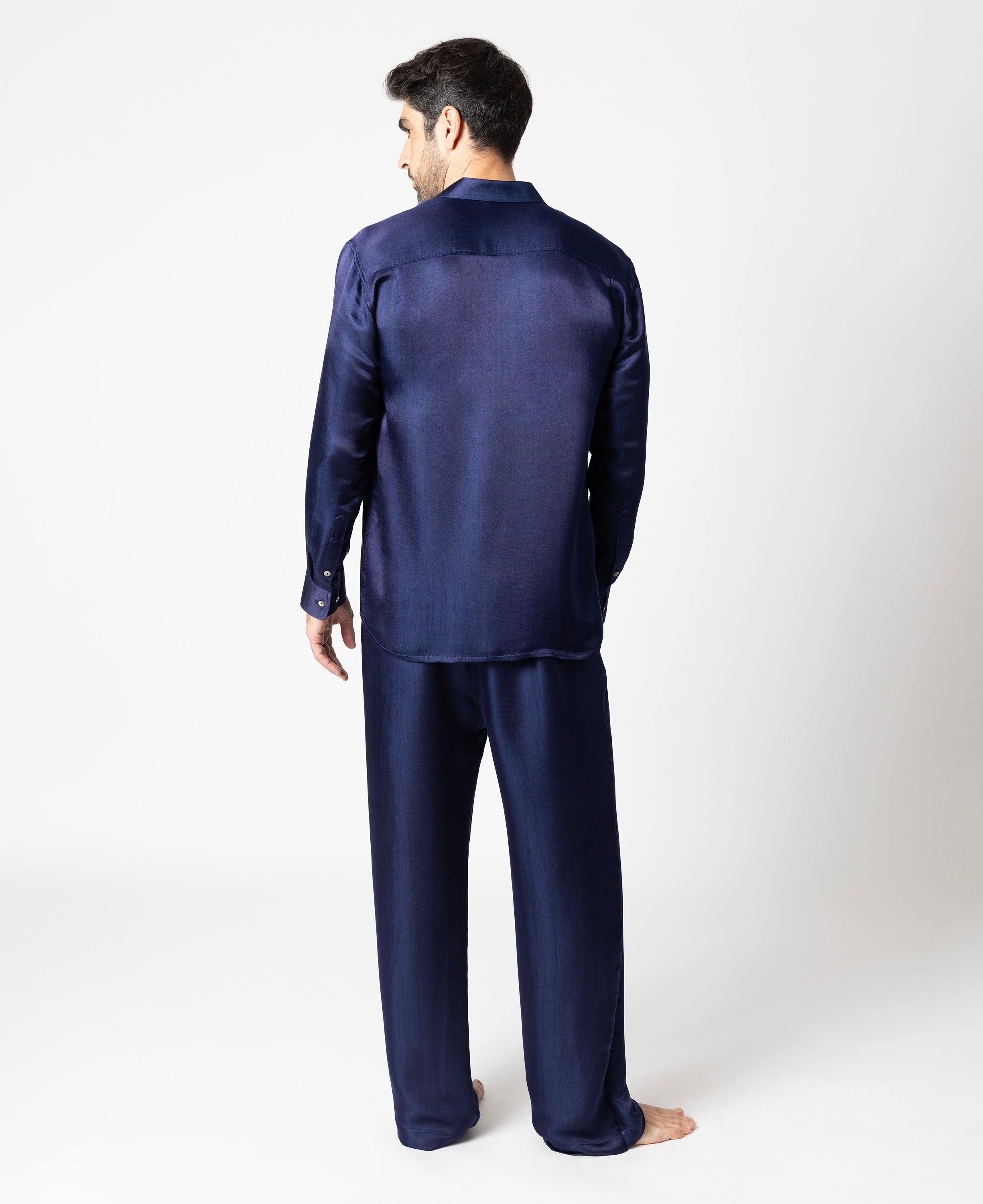
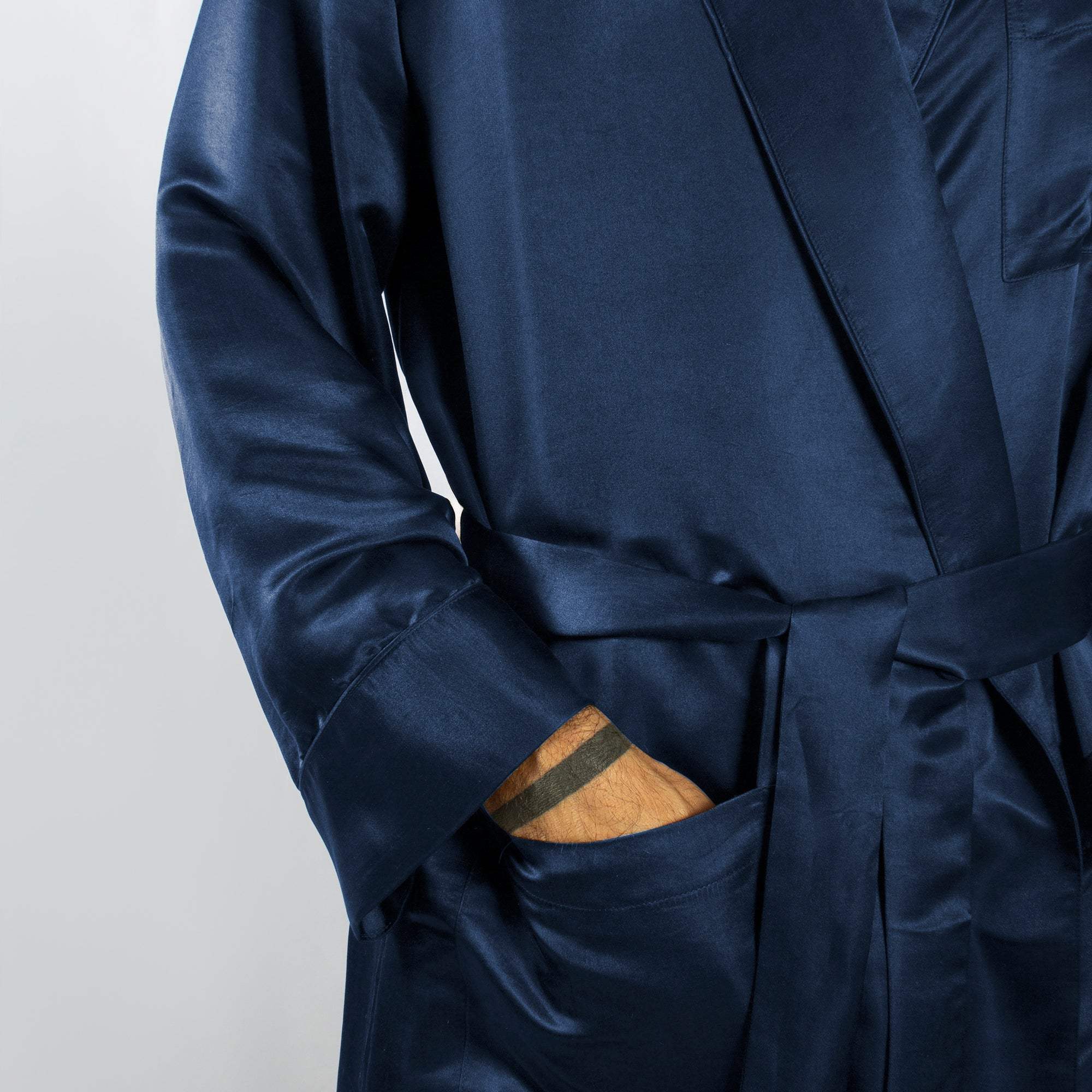
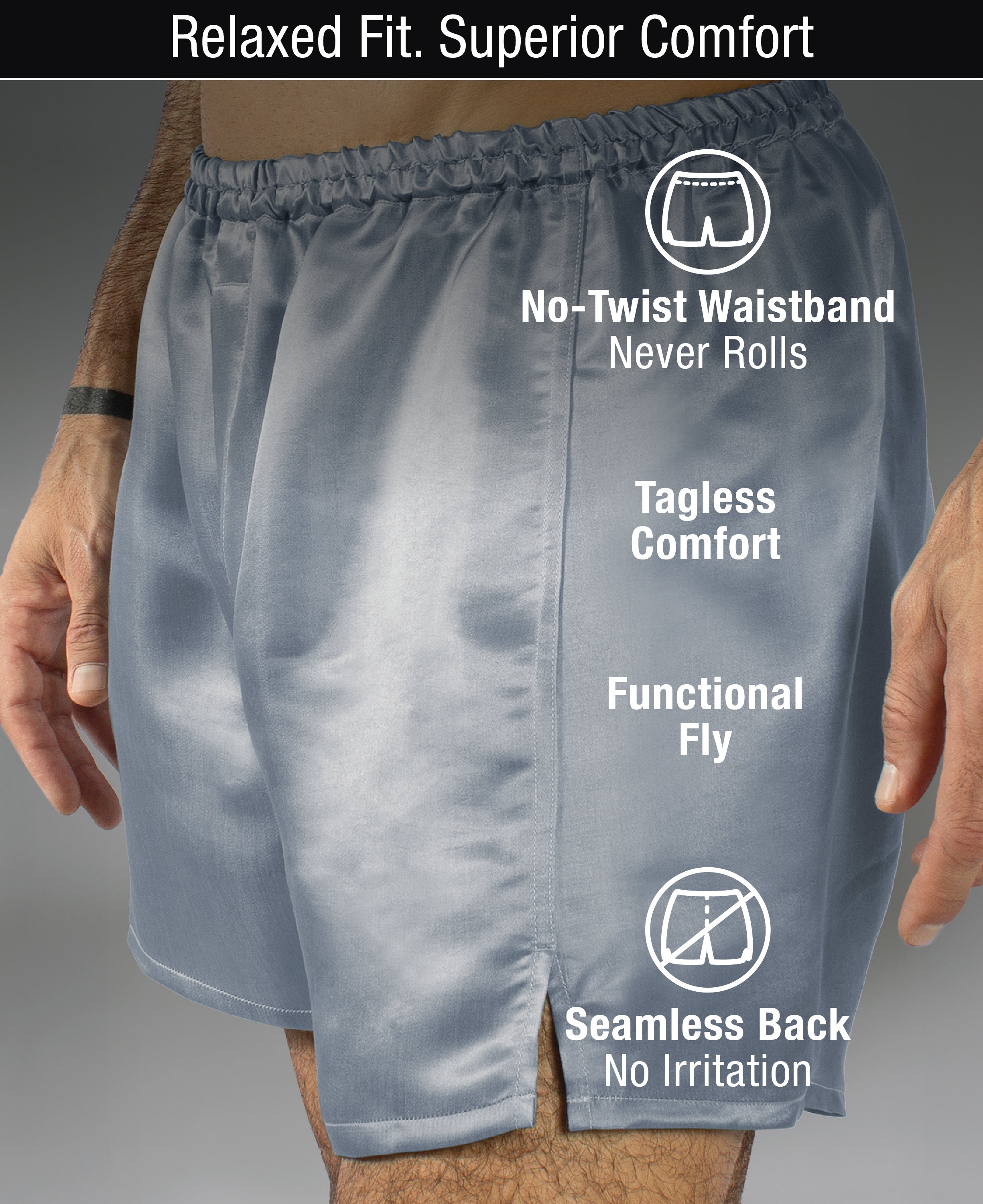
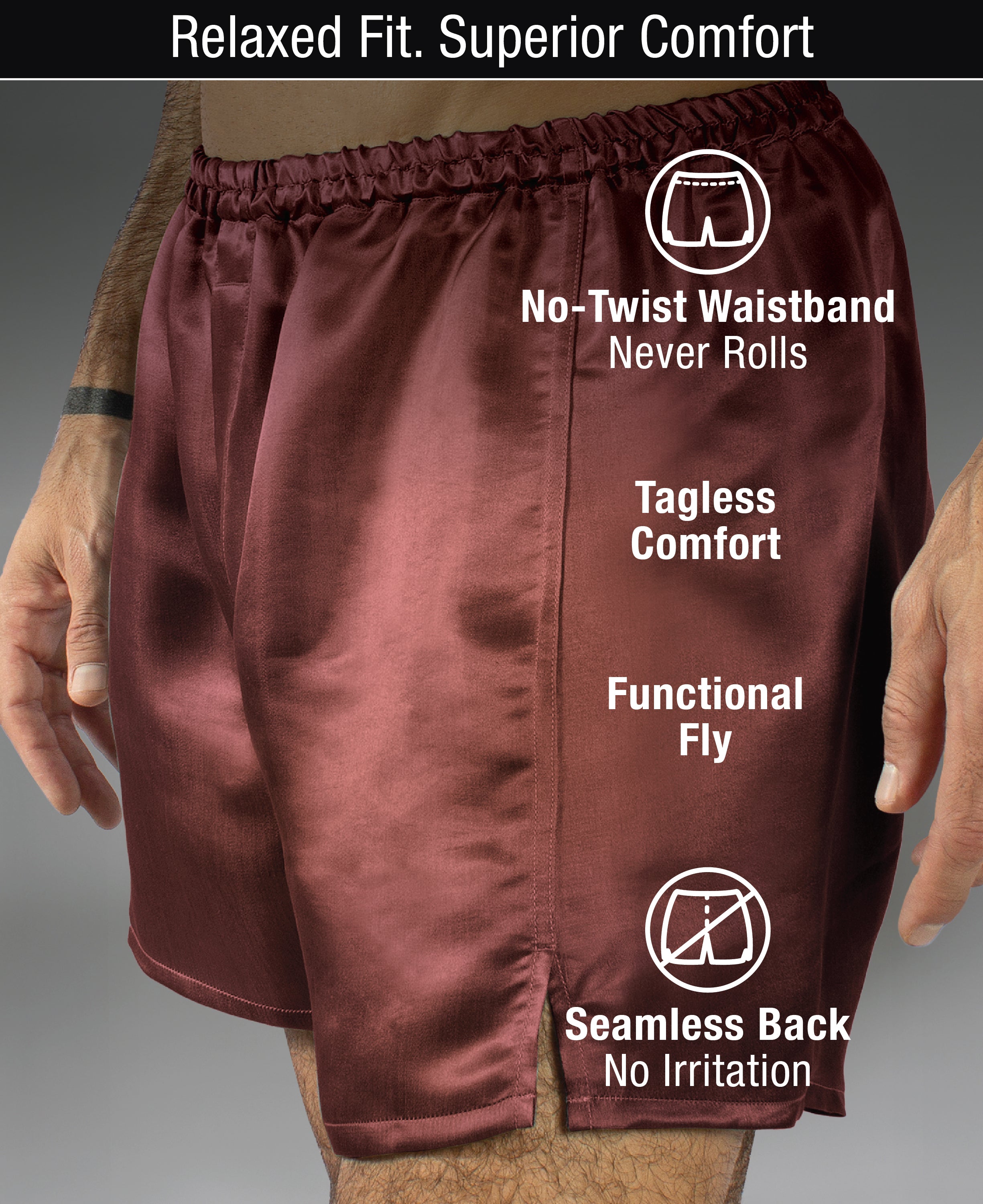
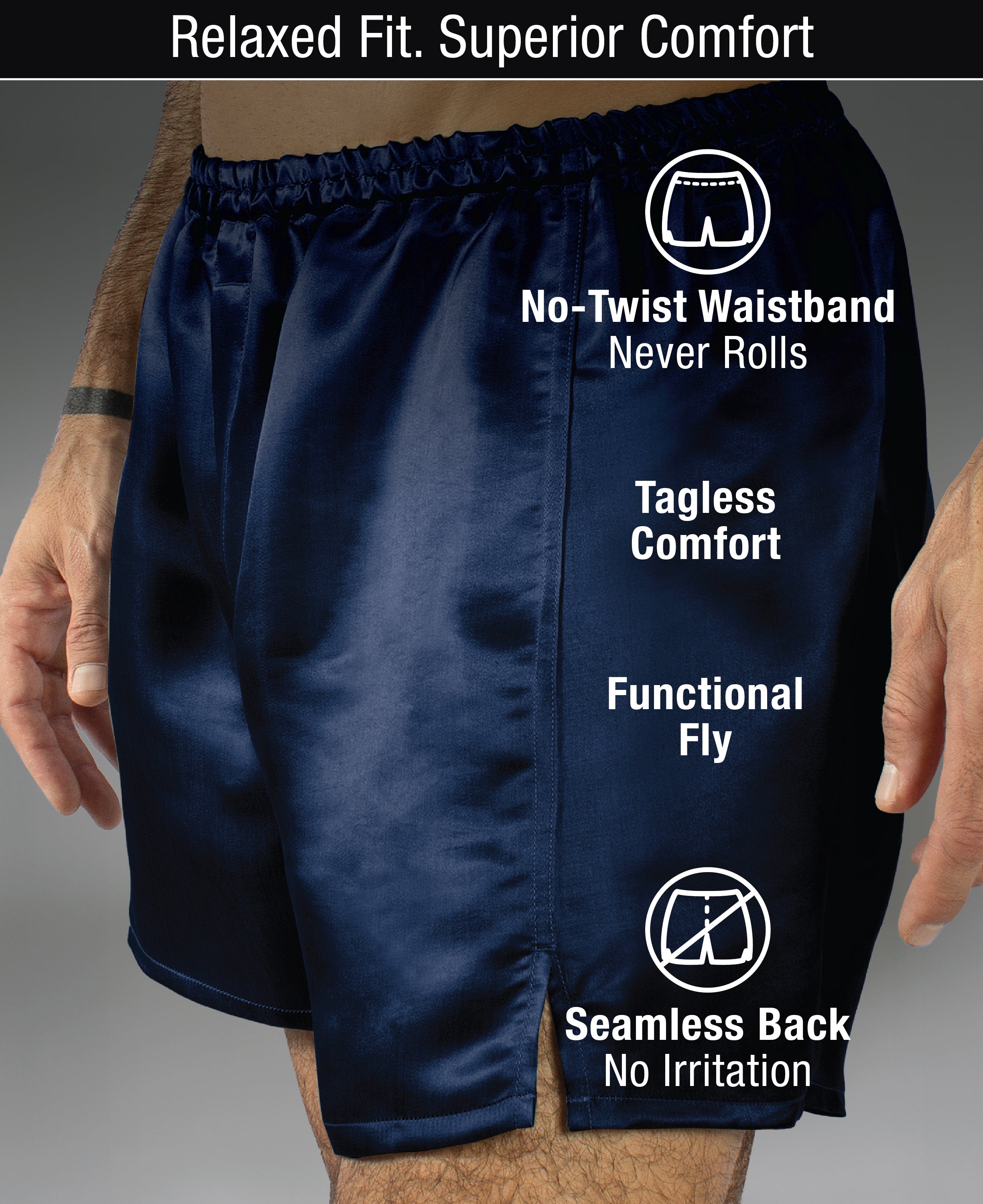
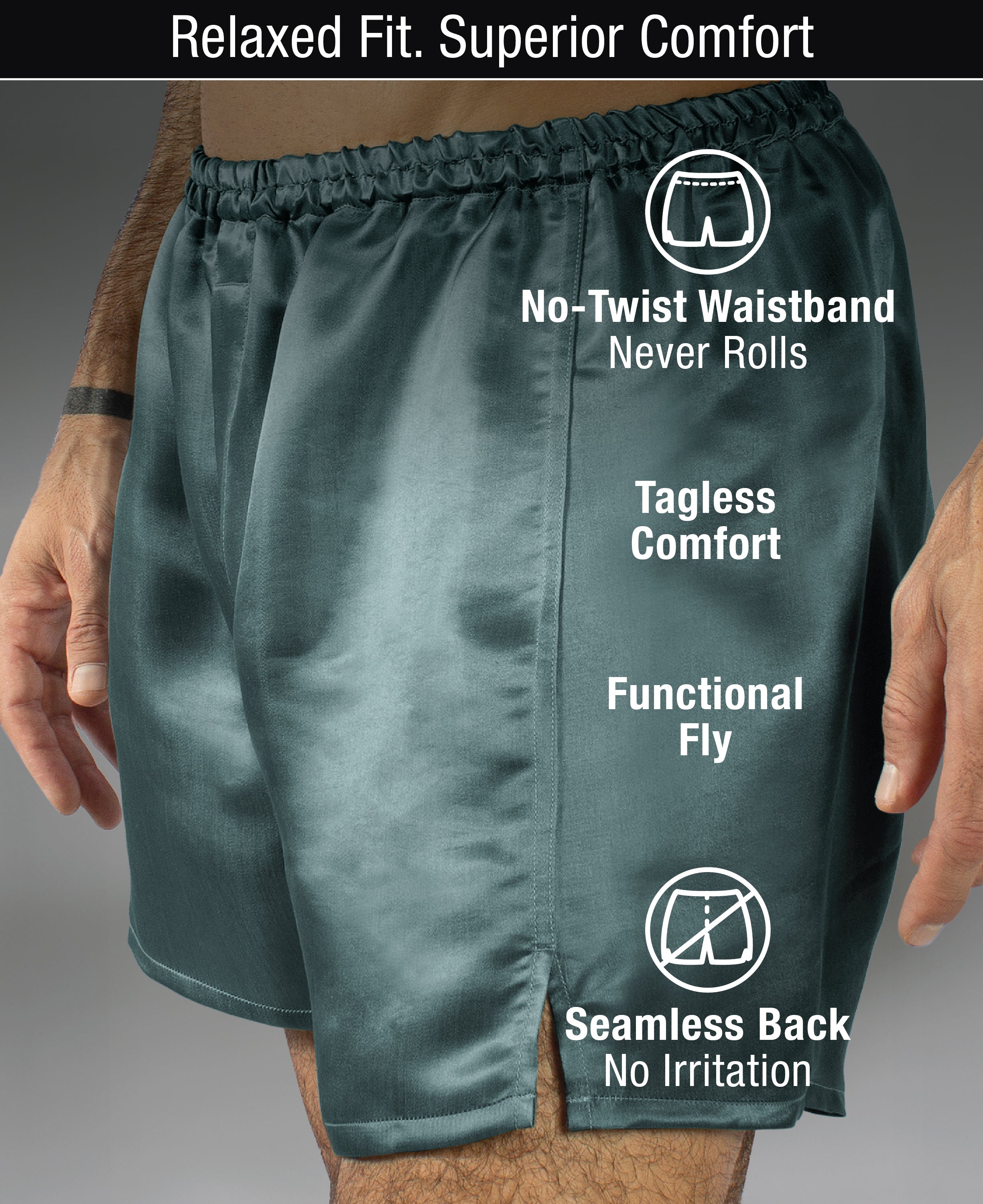
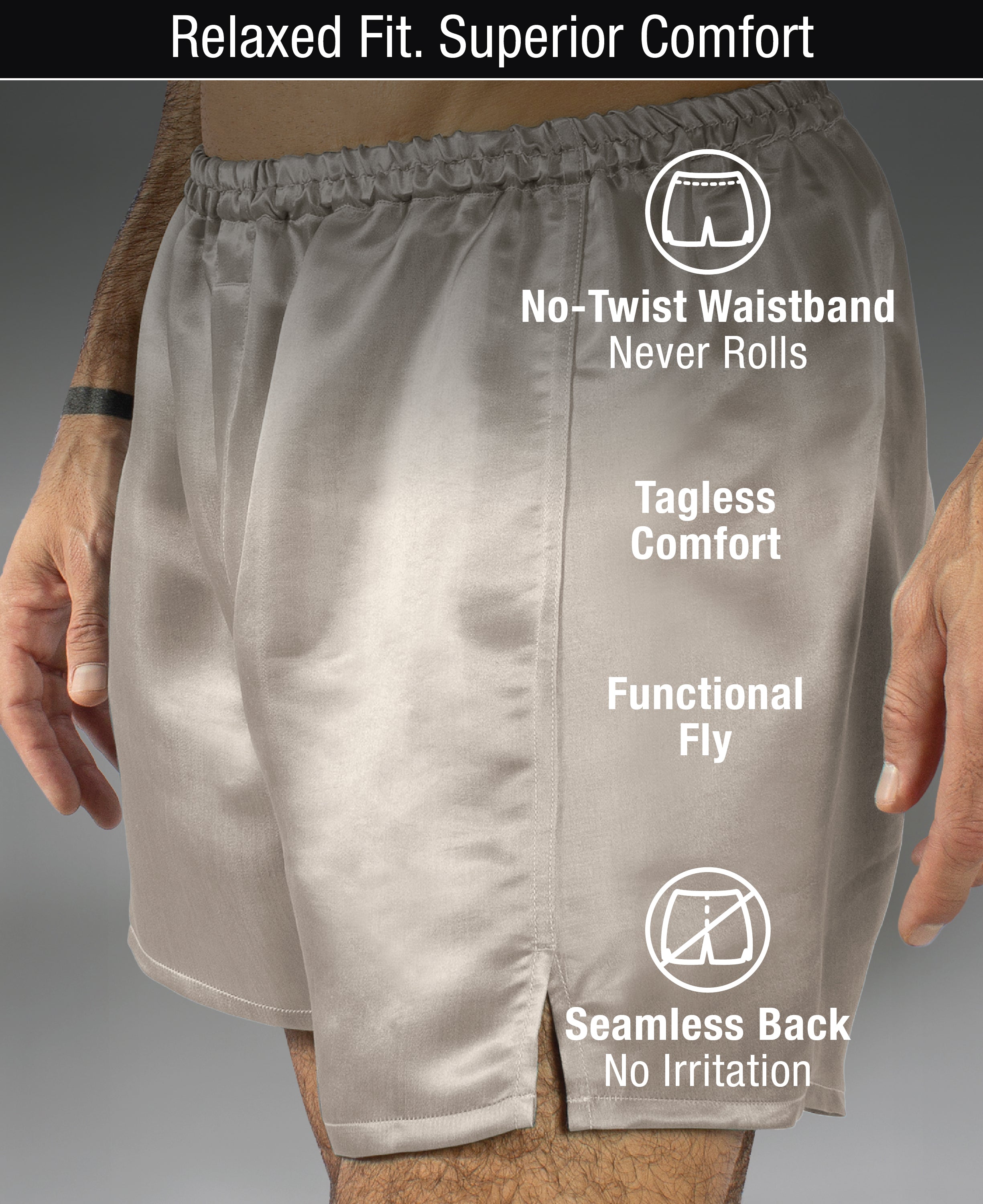
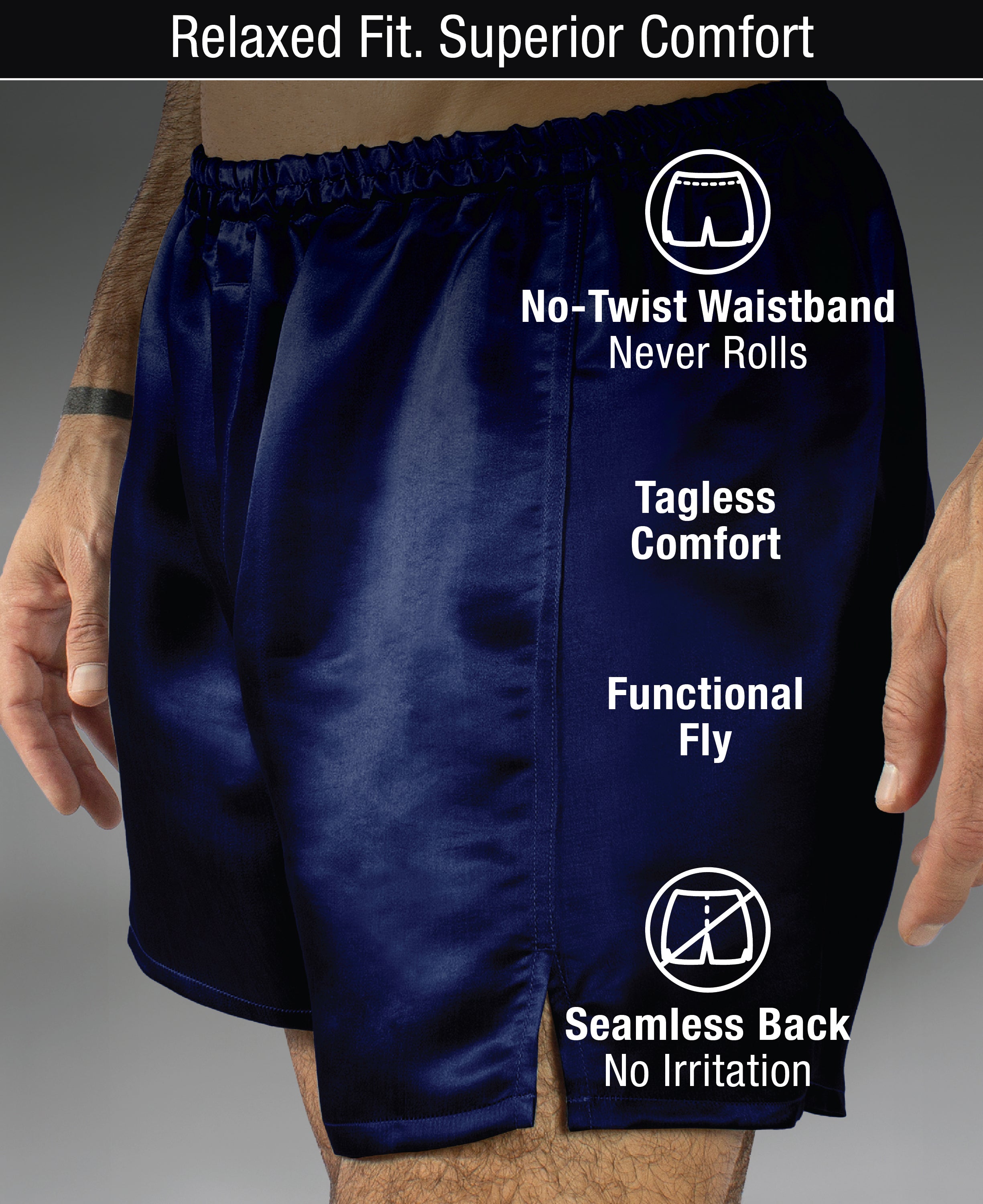
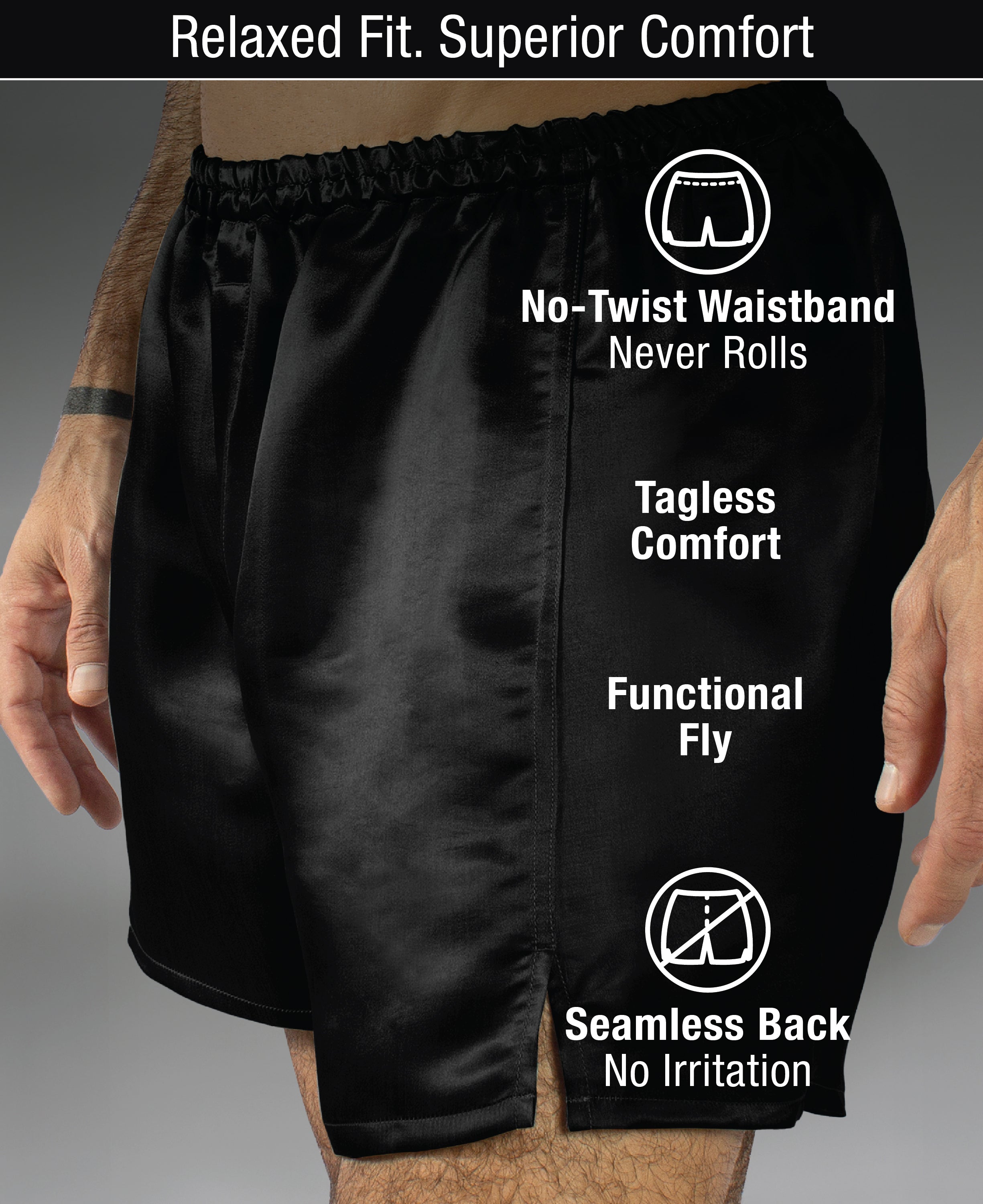
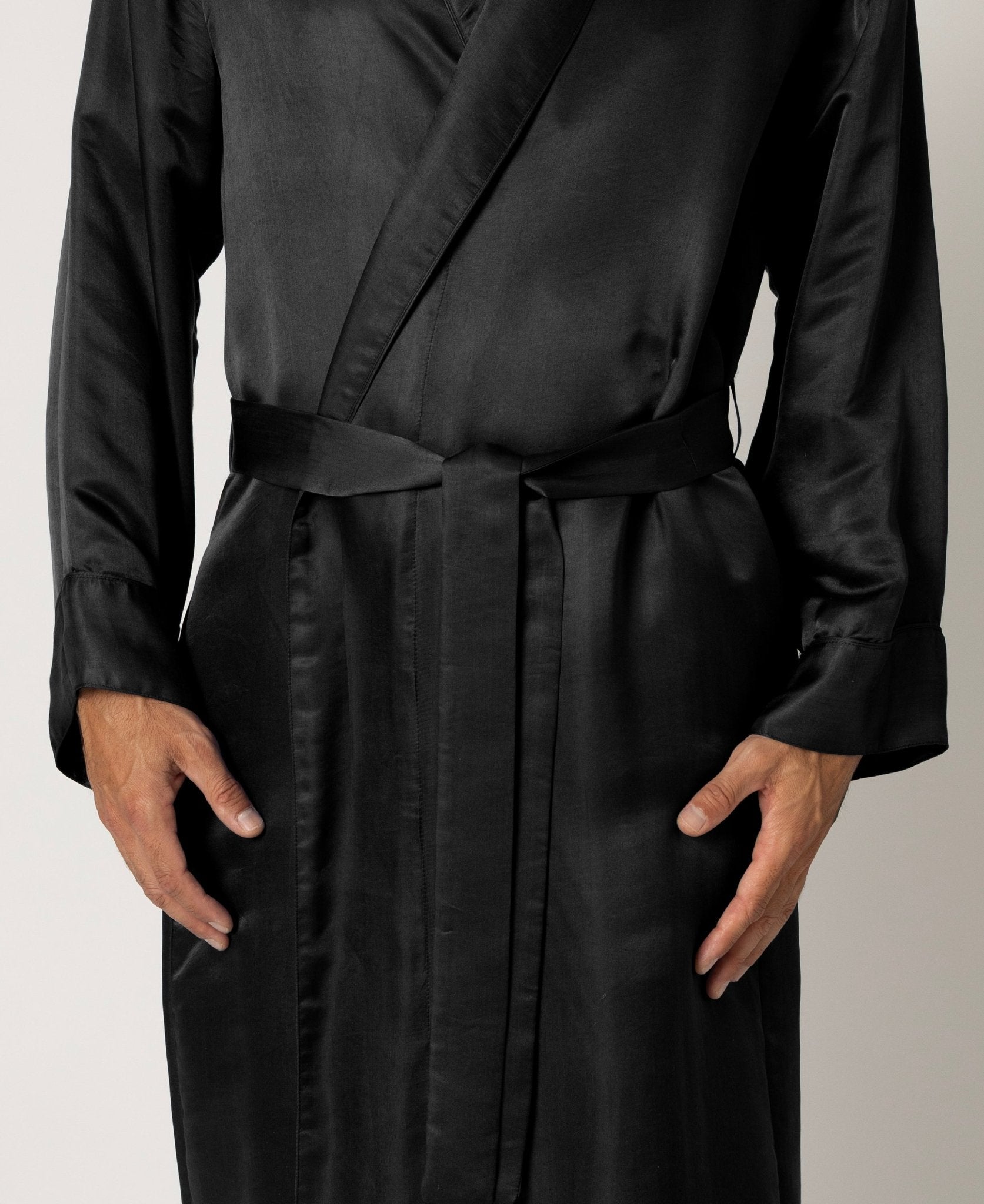
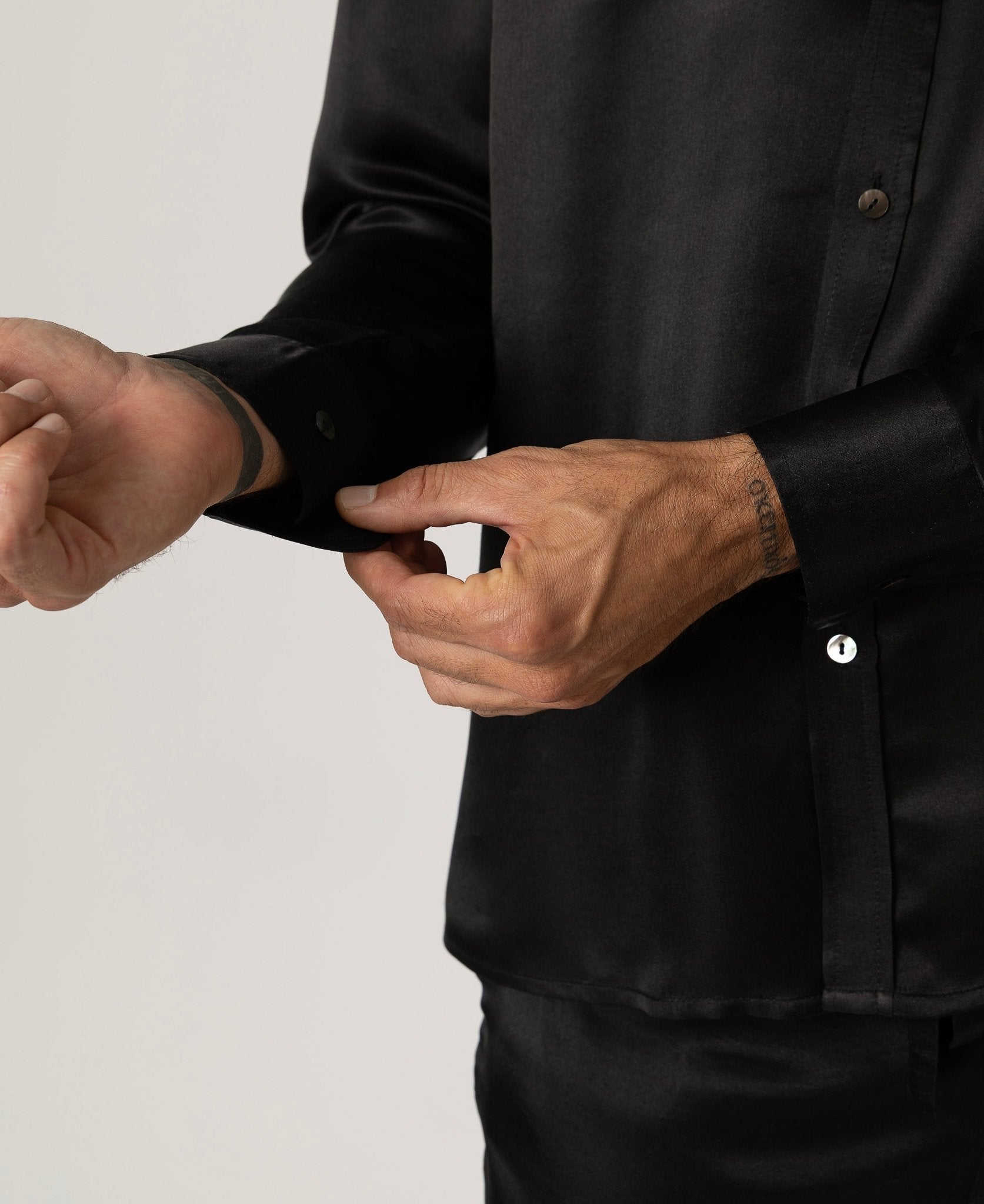
Tara Sartoria's French seam construction creates a smooth interior surface with no exposed edges. For eczema patients, seam ridges pressing against affected skin can be acutely irritating. French seams eliminate this stimulus entirely.
Opacity and coverage:
Higher momme weight means the fabric is fully opaque, which is relevant for eczema patients who may apply emollients or topical treatments before bed and prefer coverage. The fabric does not become transparent when a moisturizer makes contact with it.
Practical Recommendations for Eczema Management
For nighttime eczema:
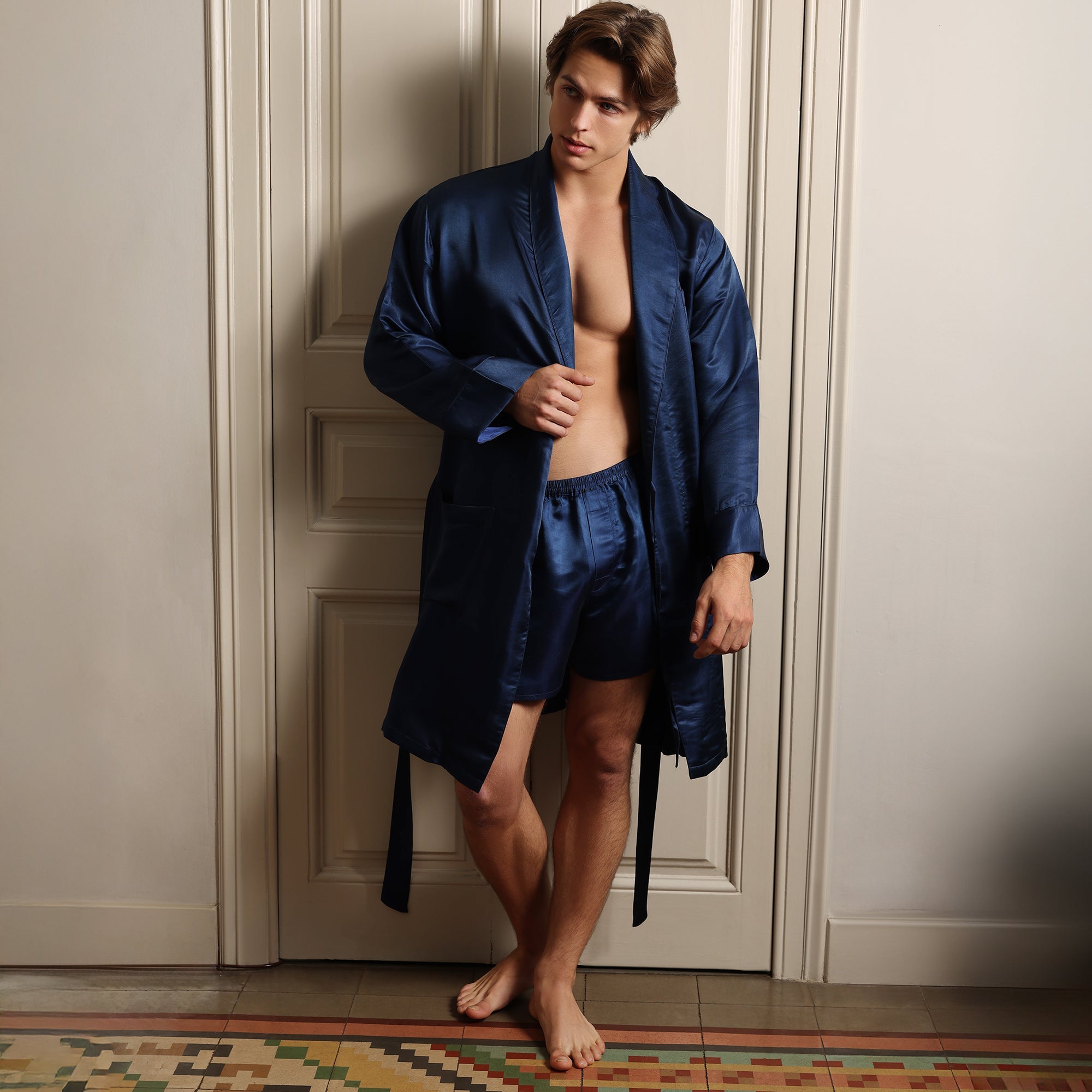
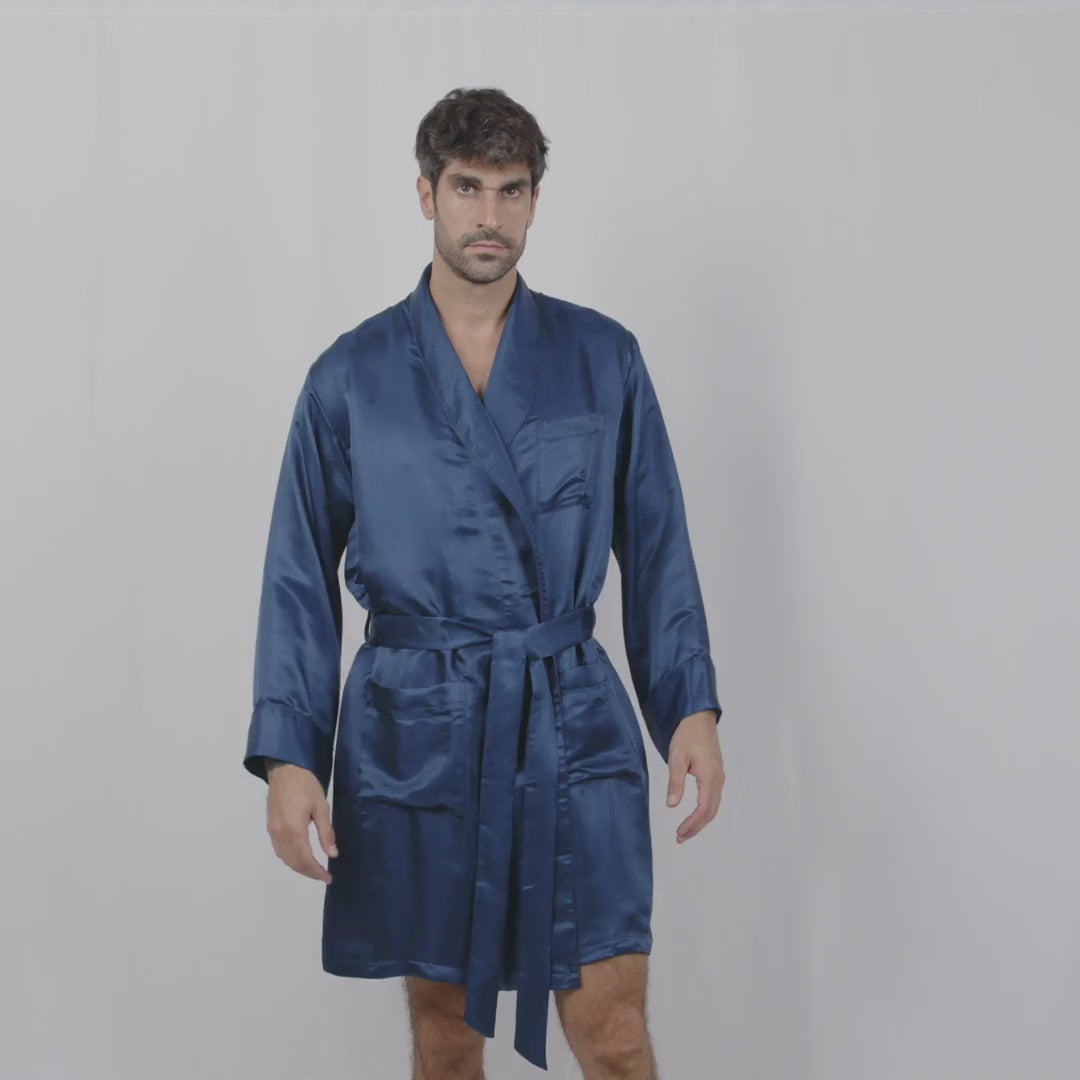
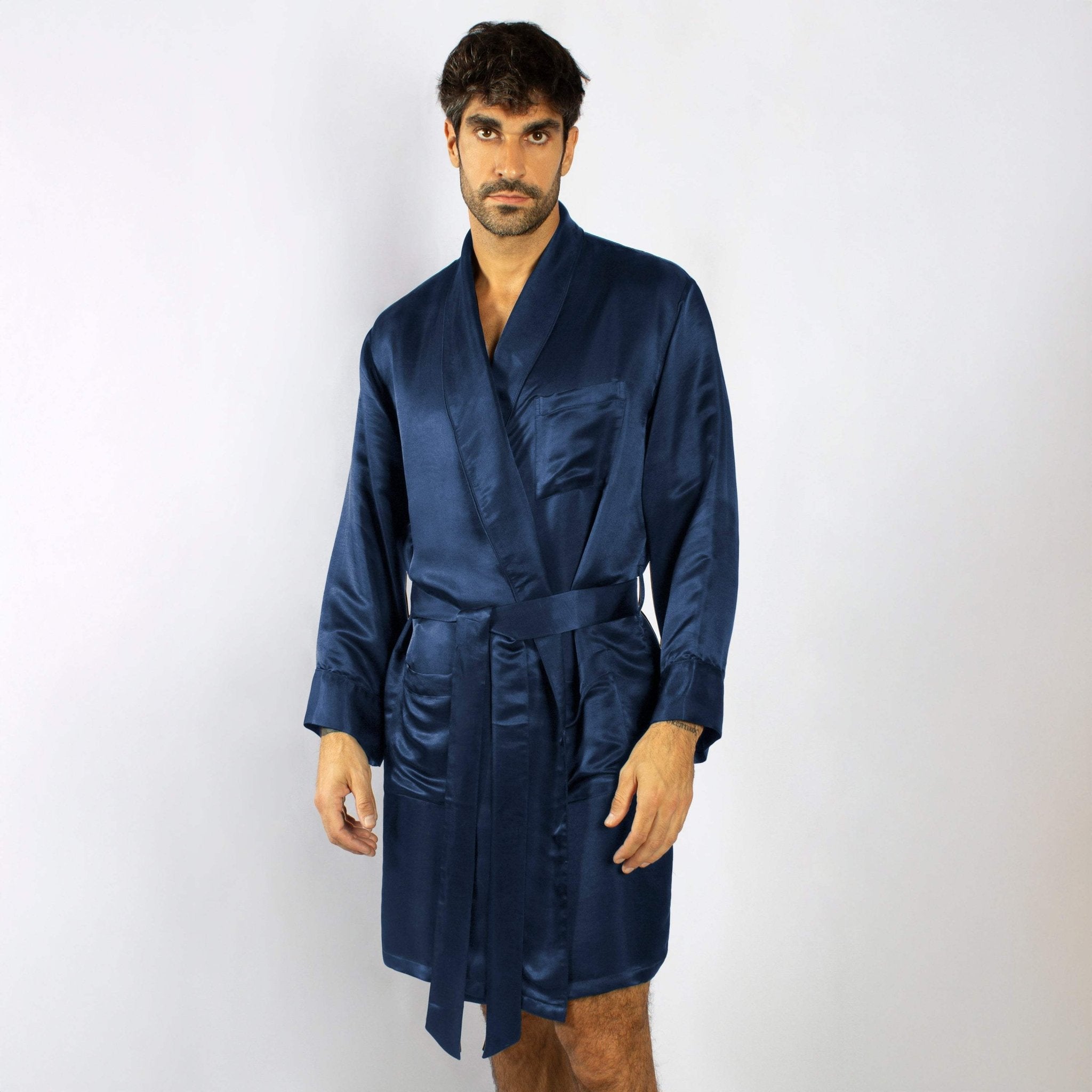
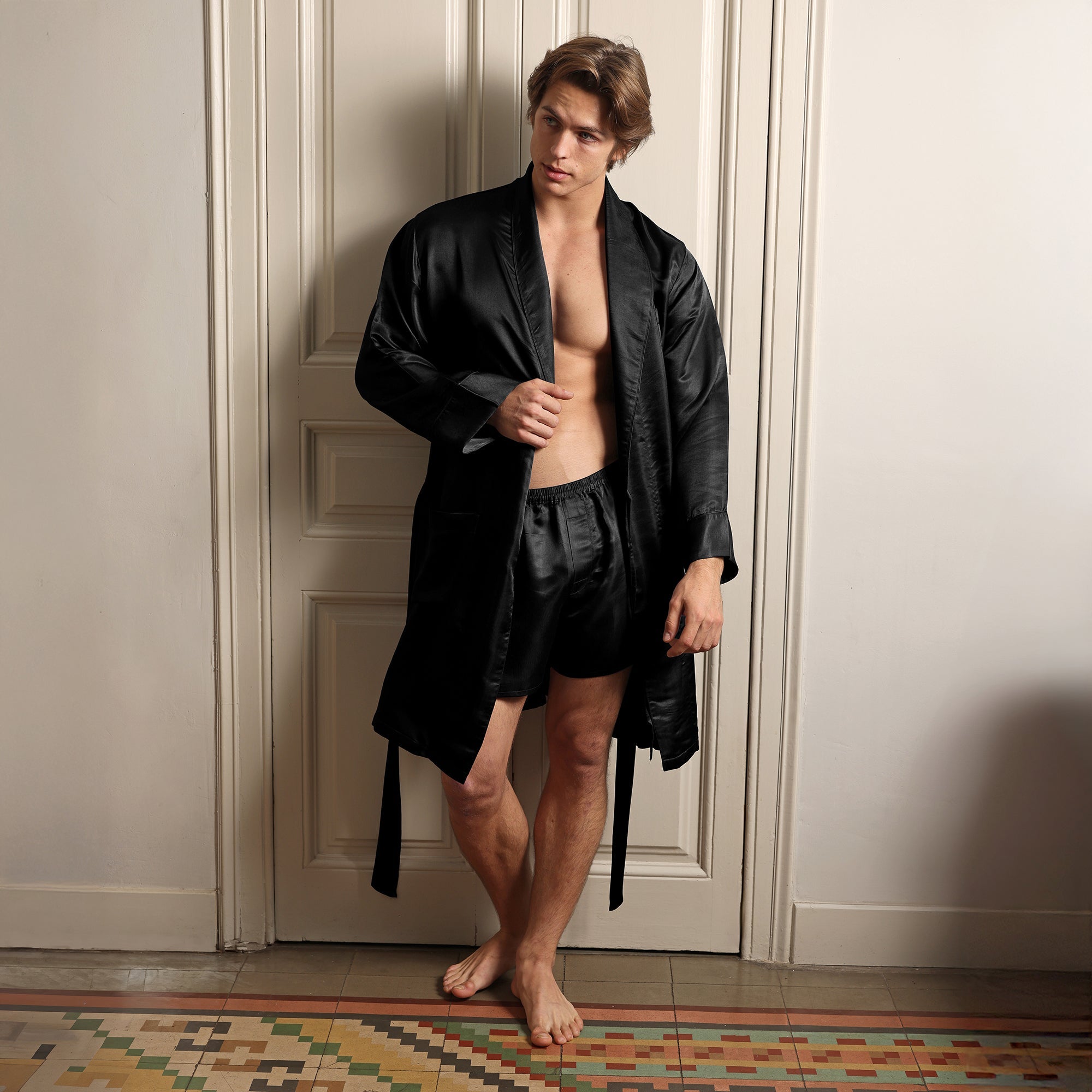
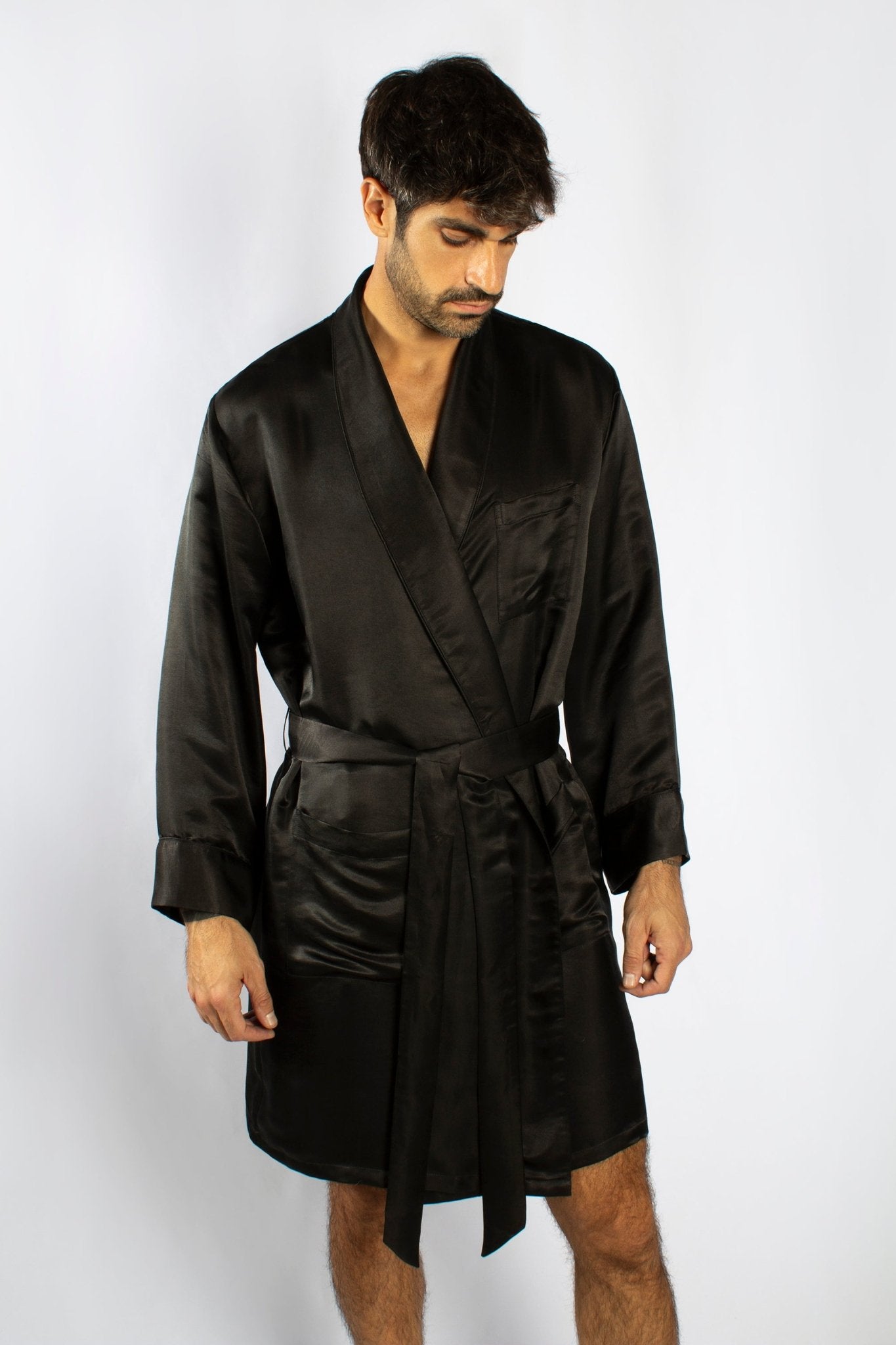
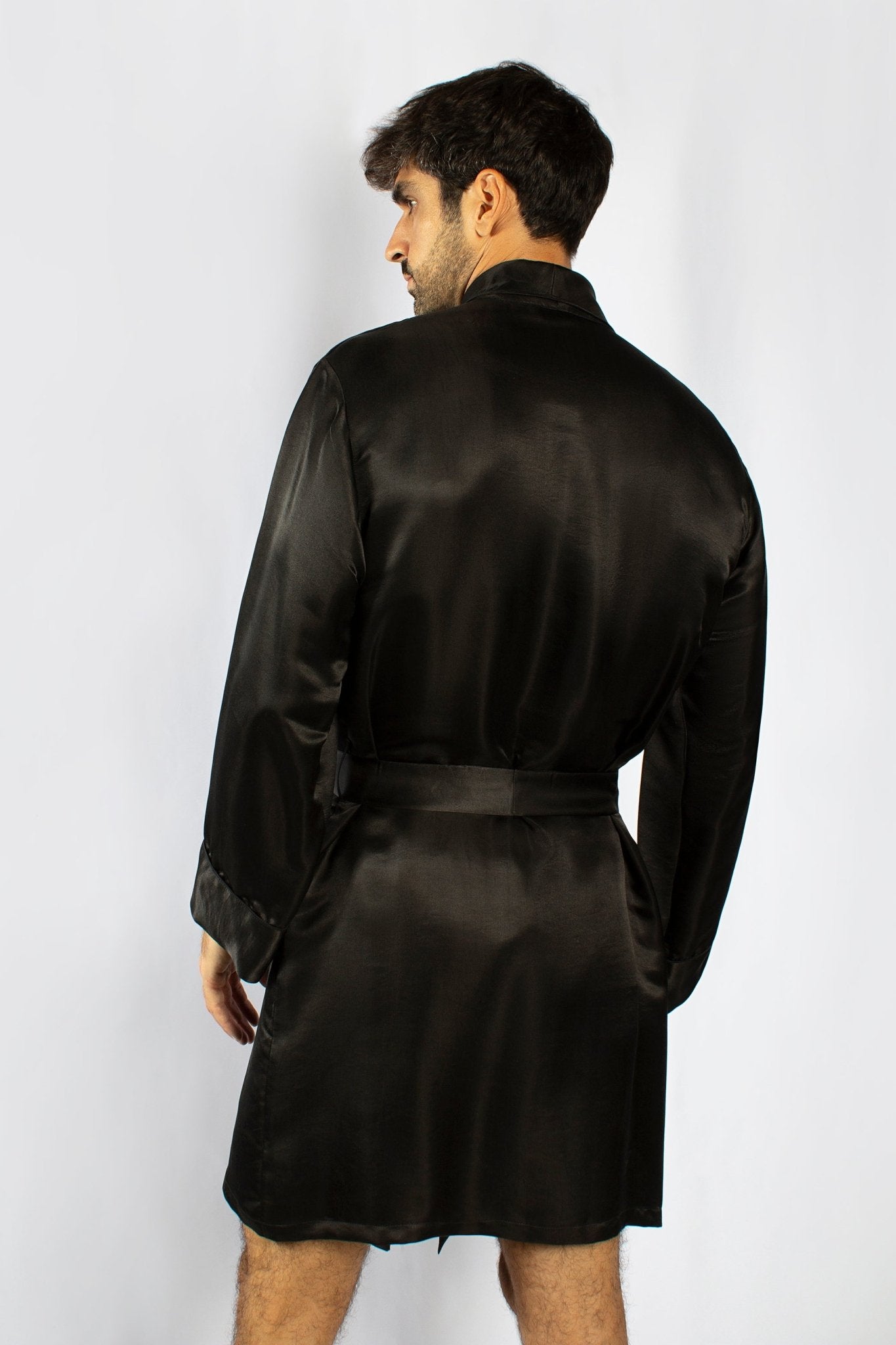
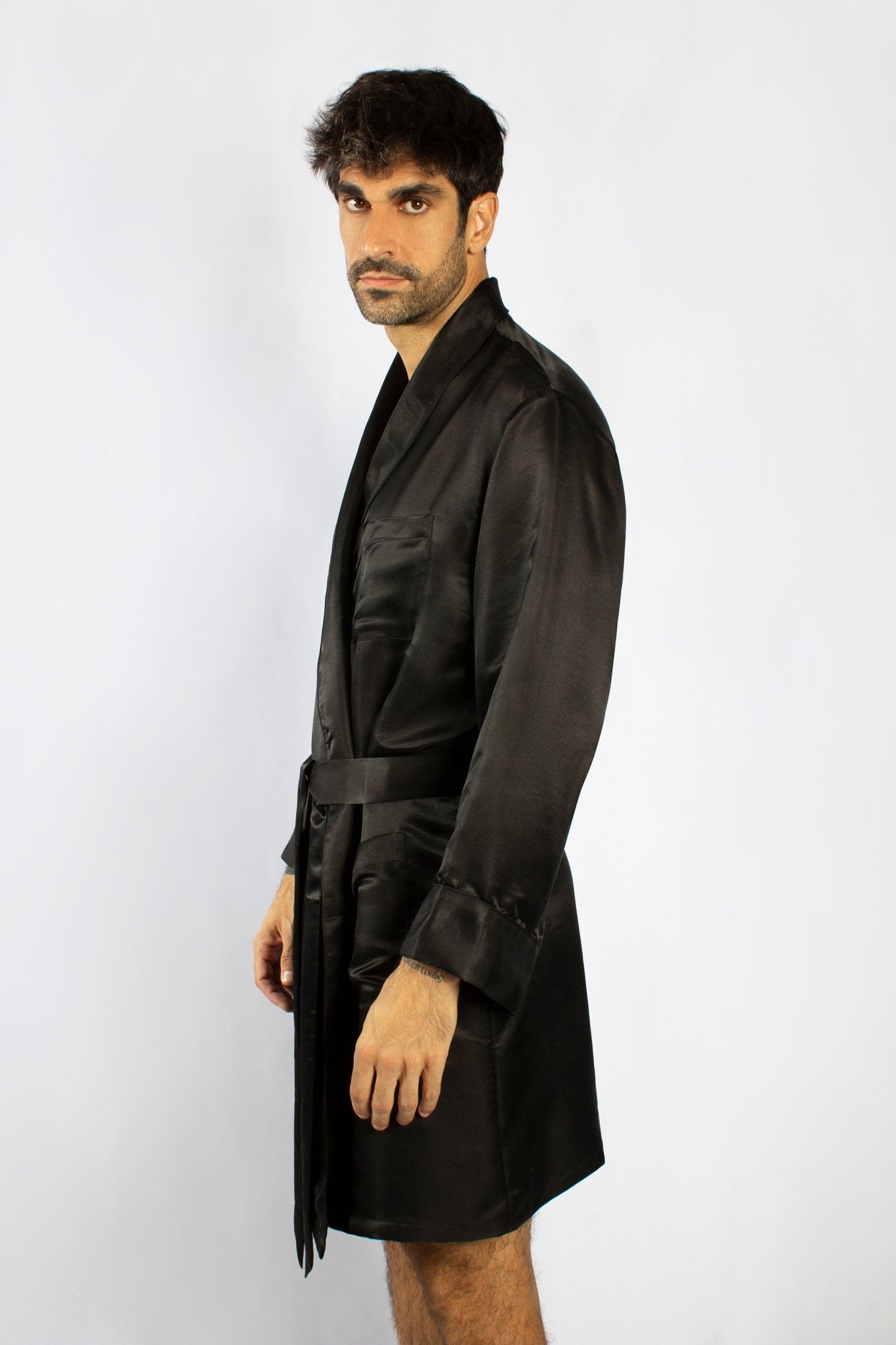
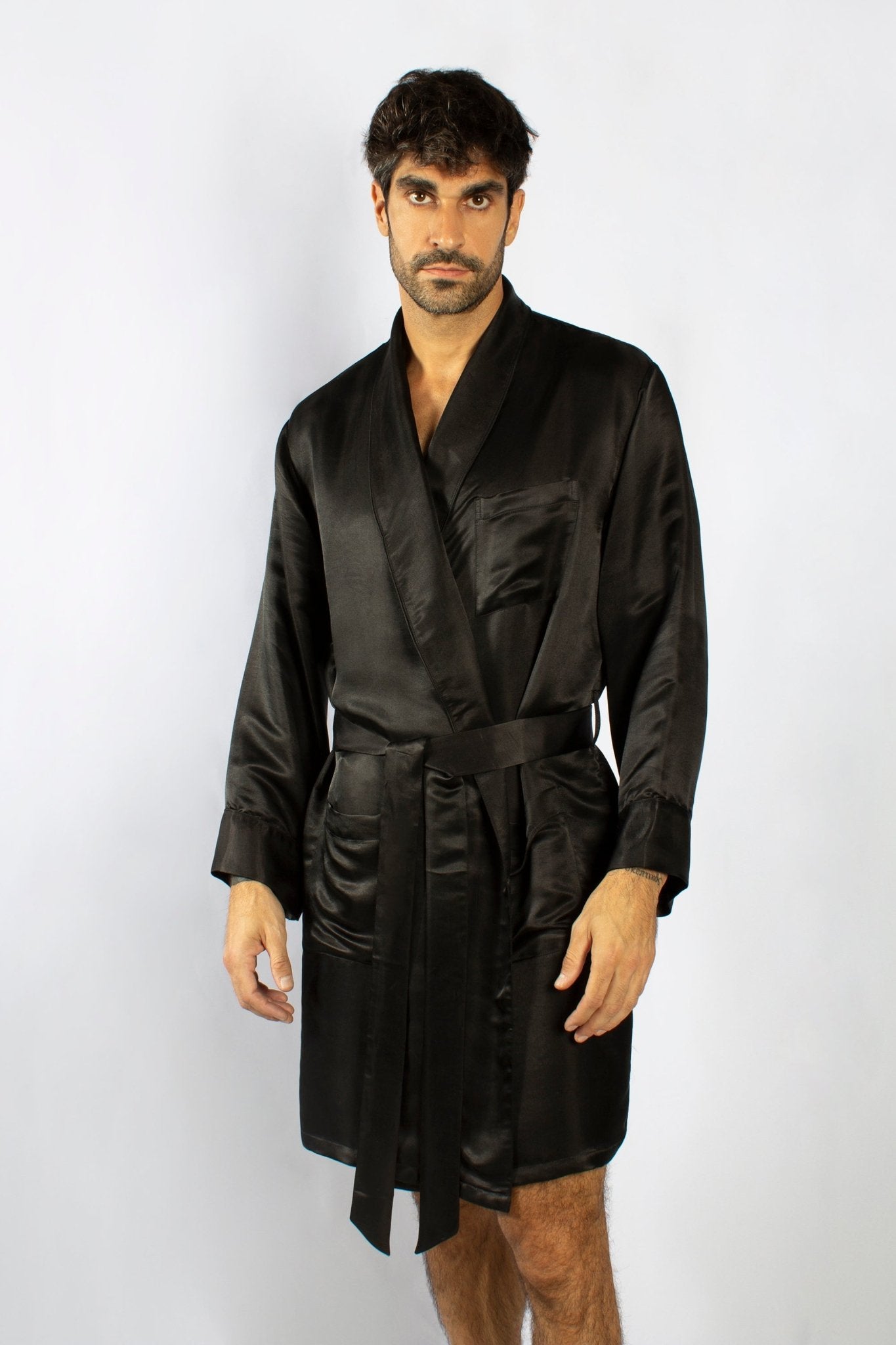
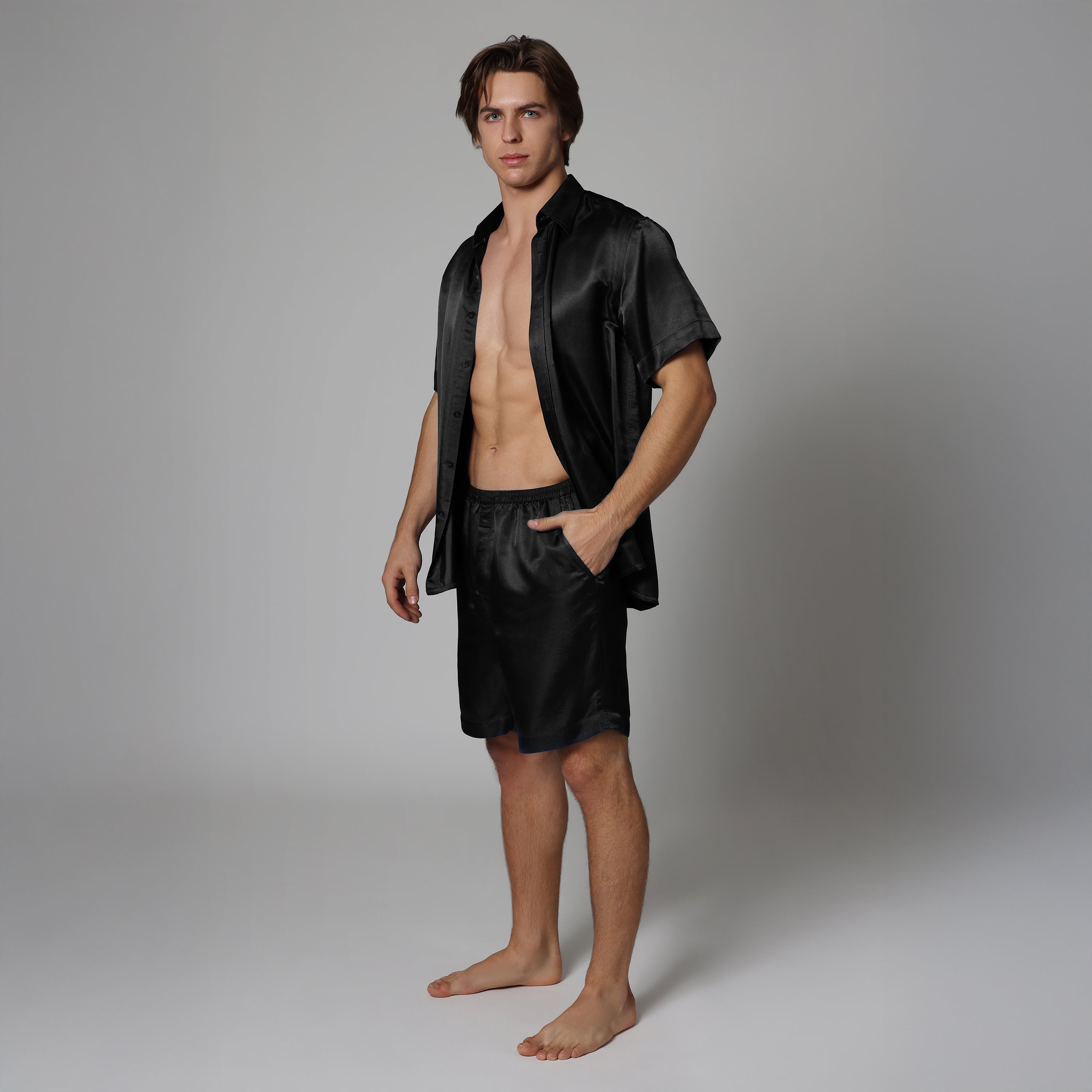
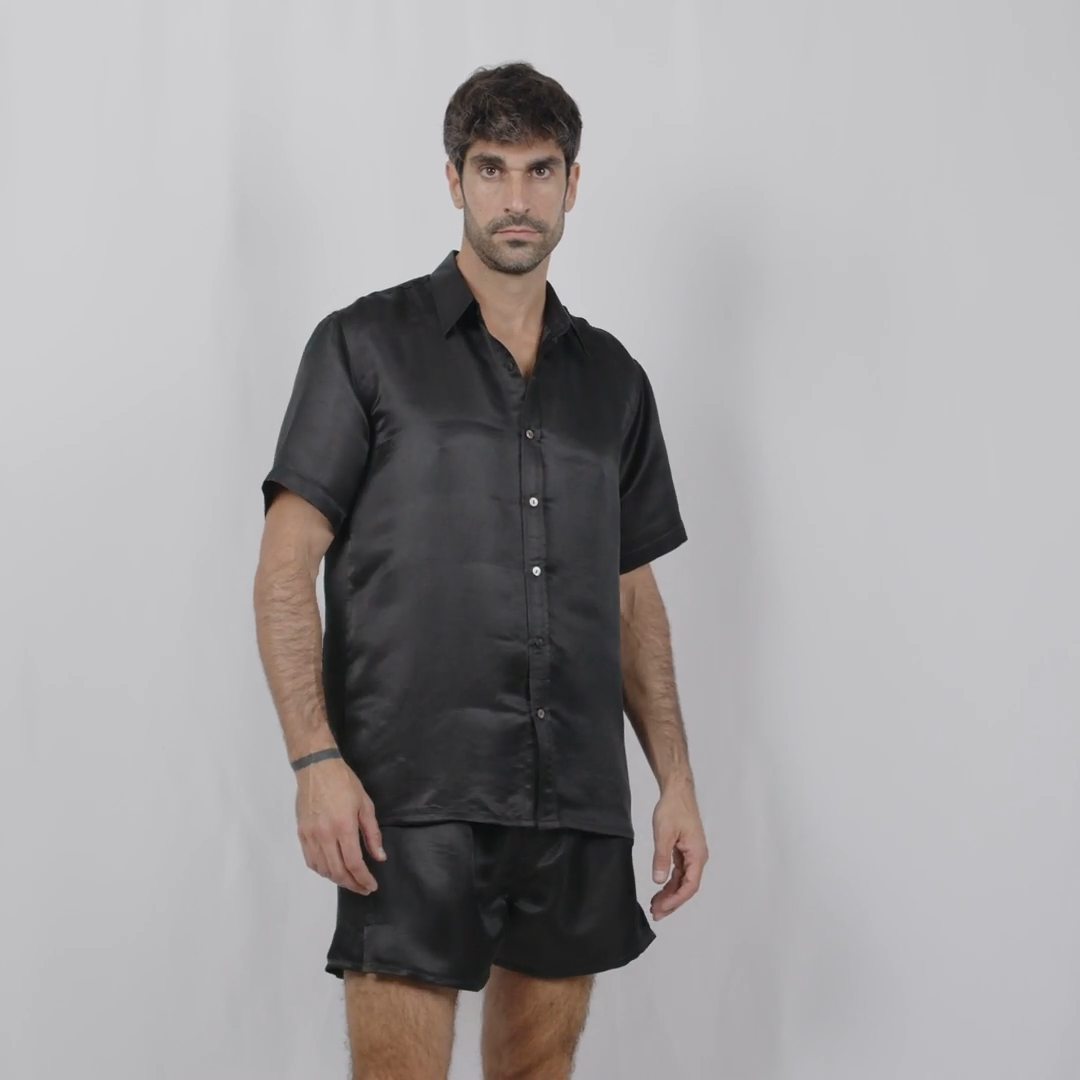
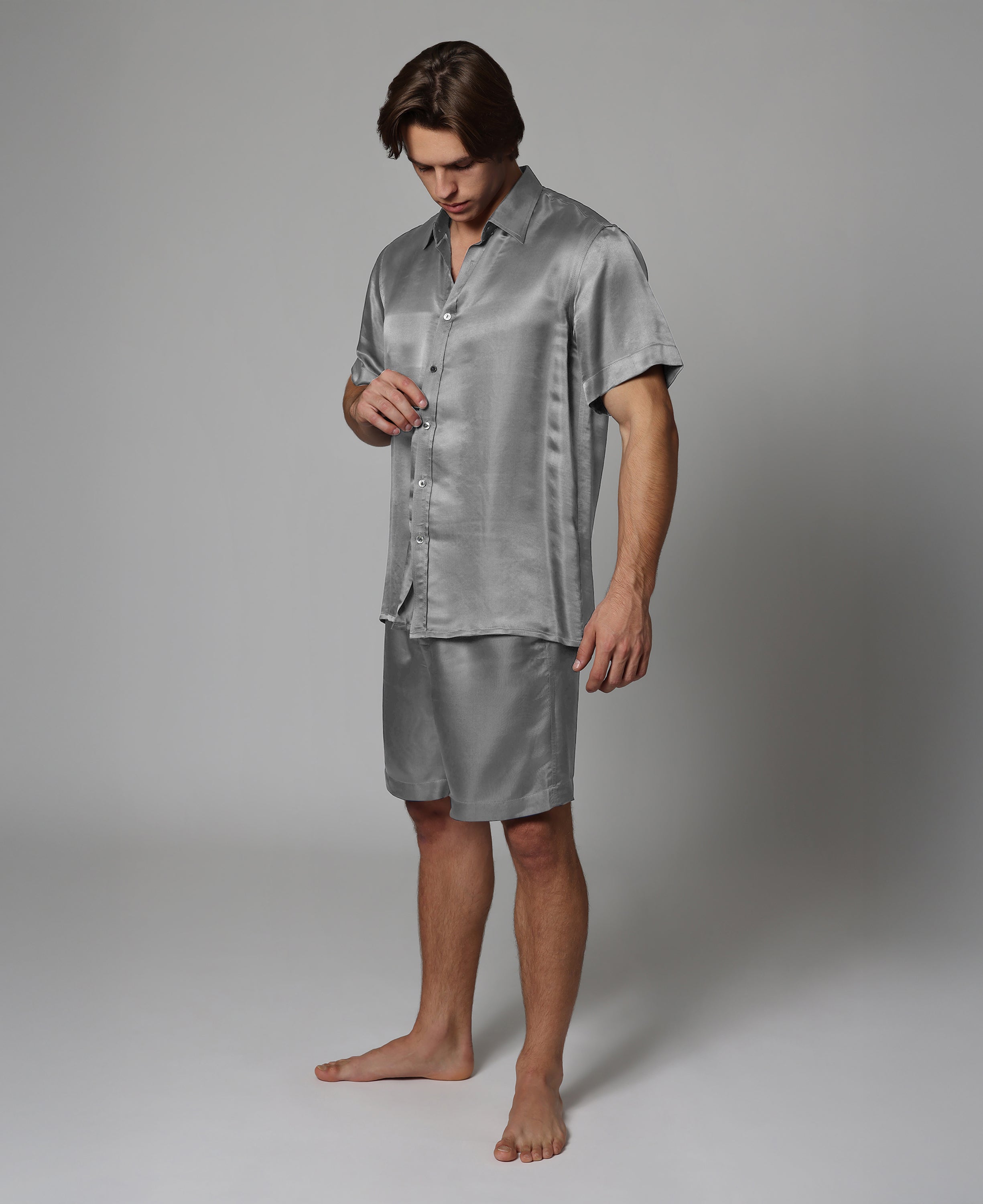
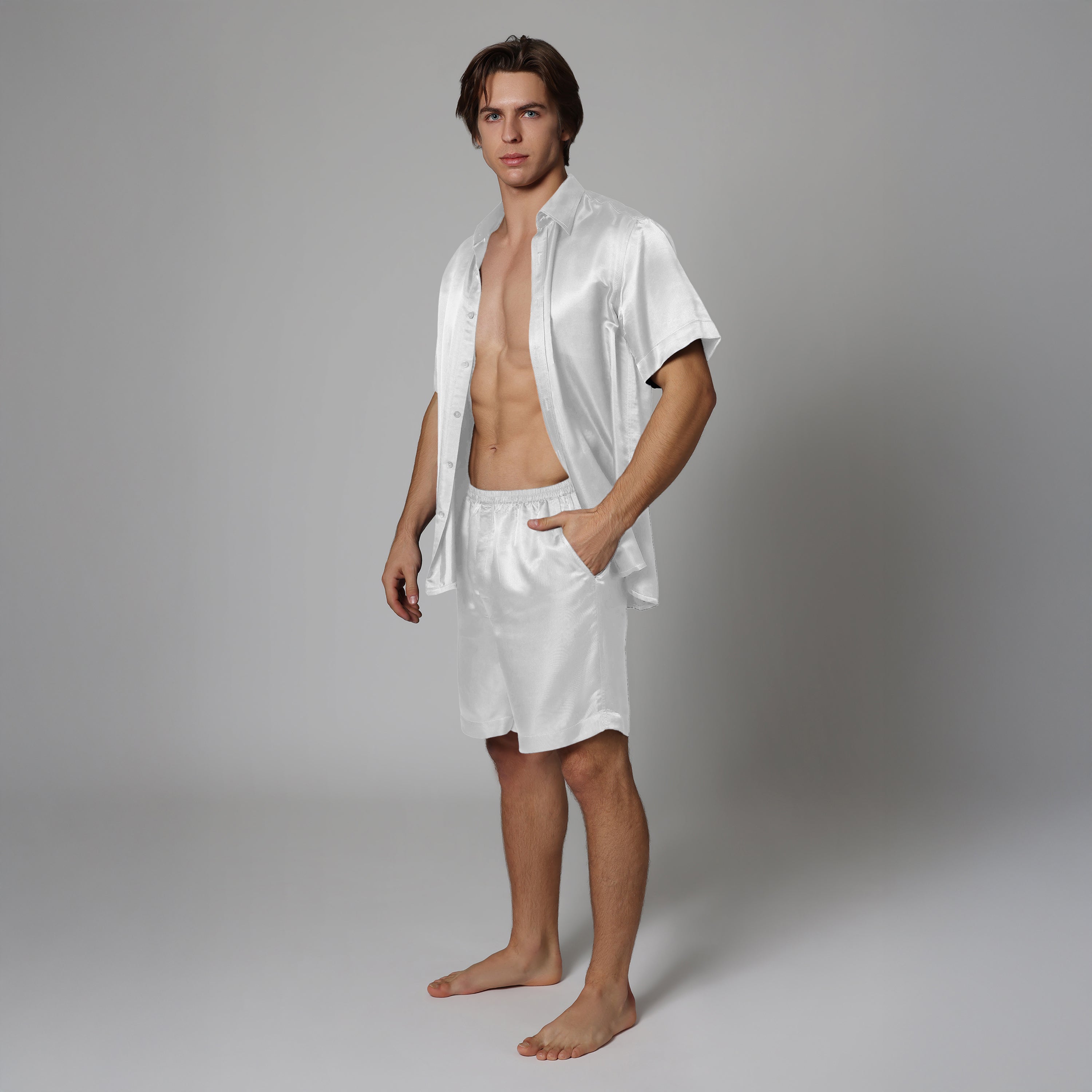
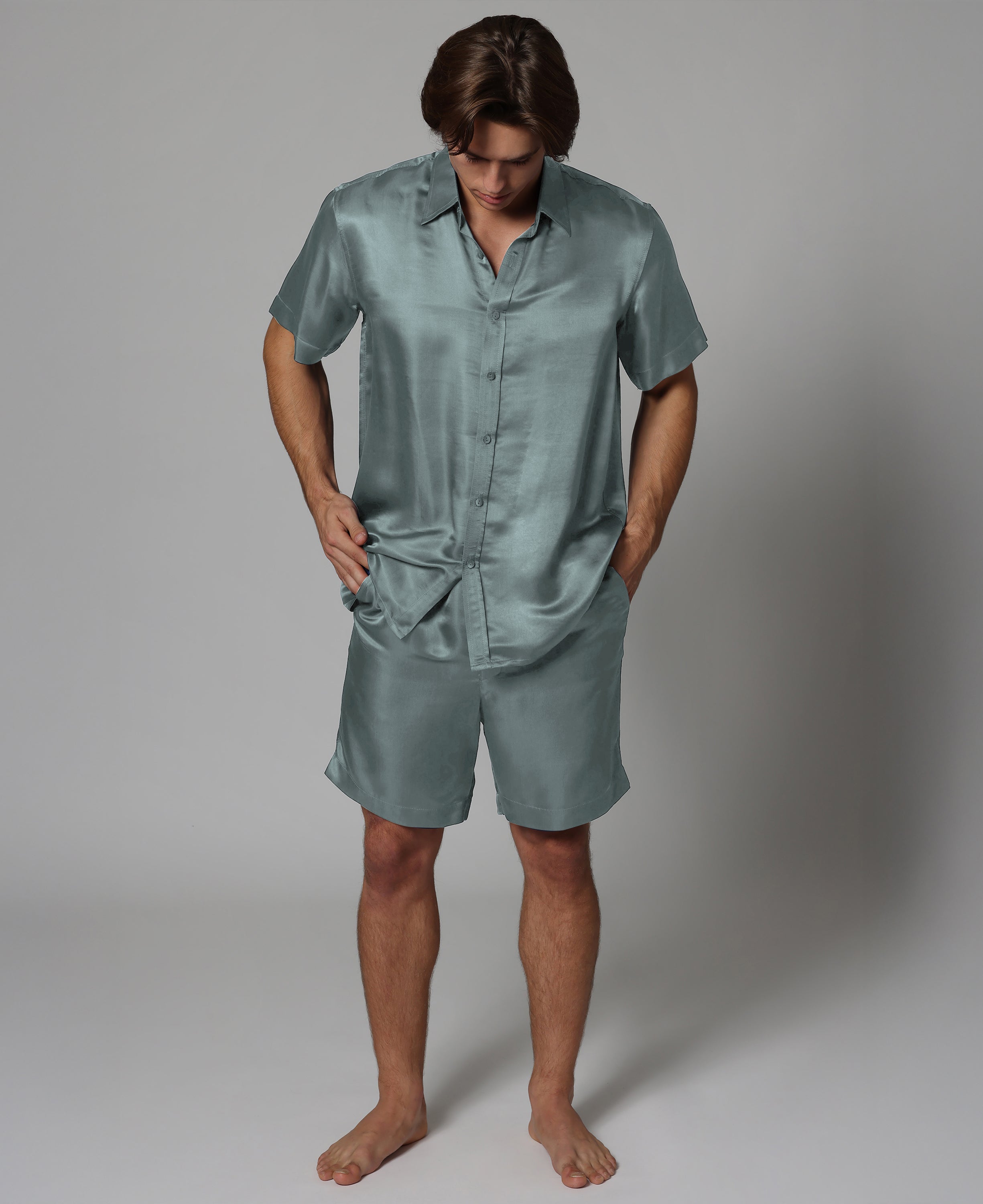
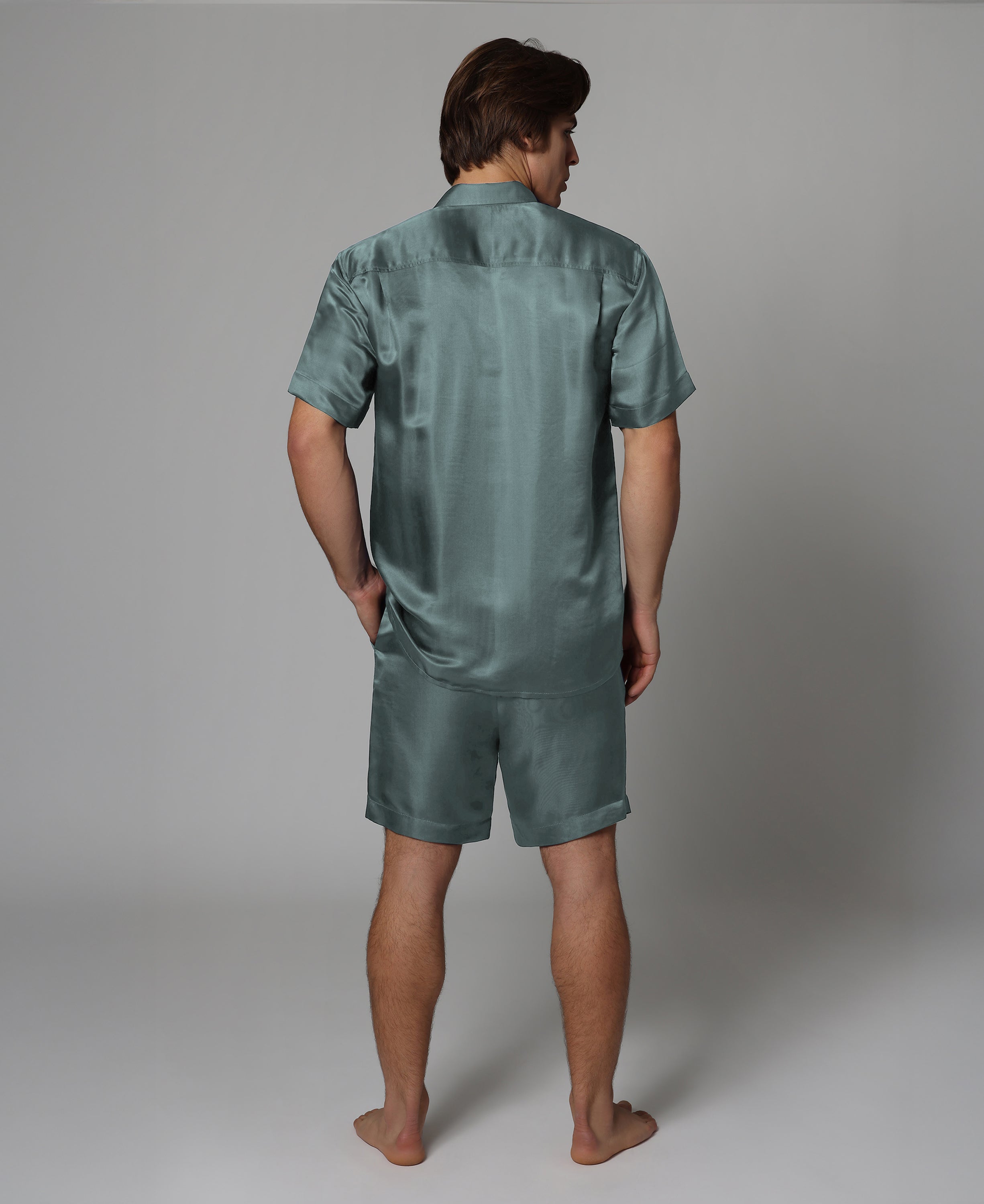
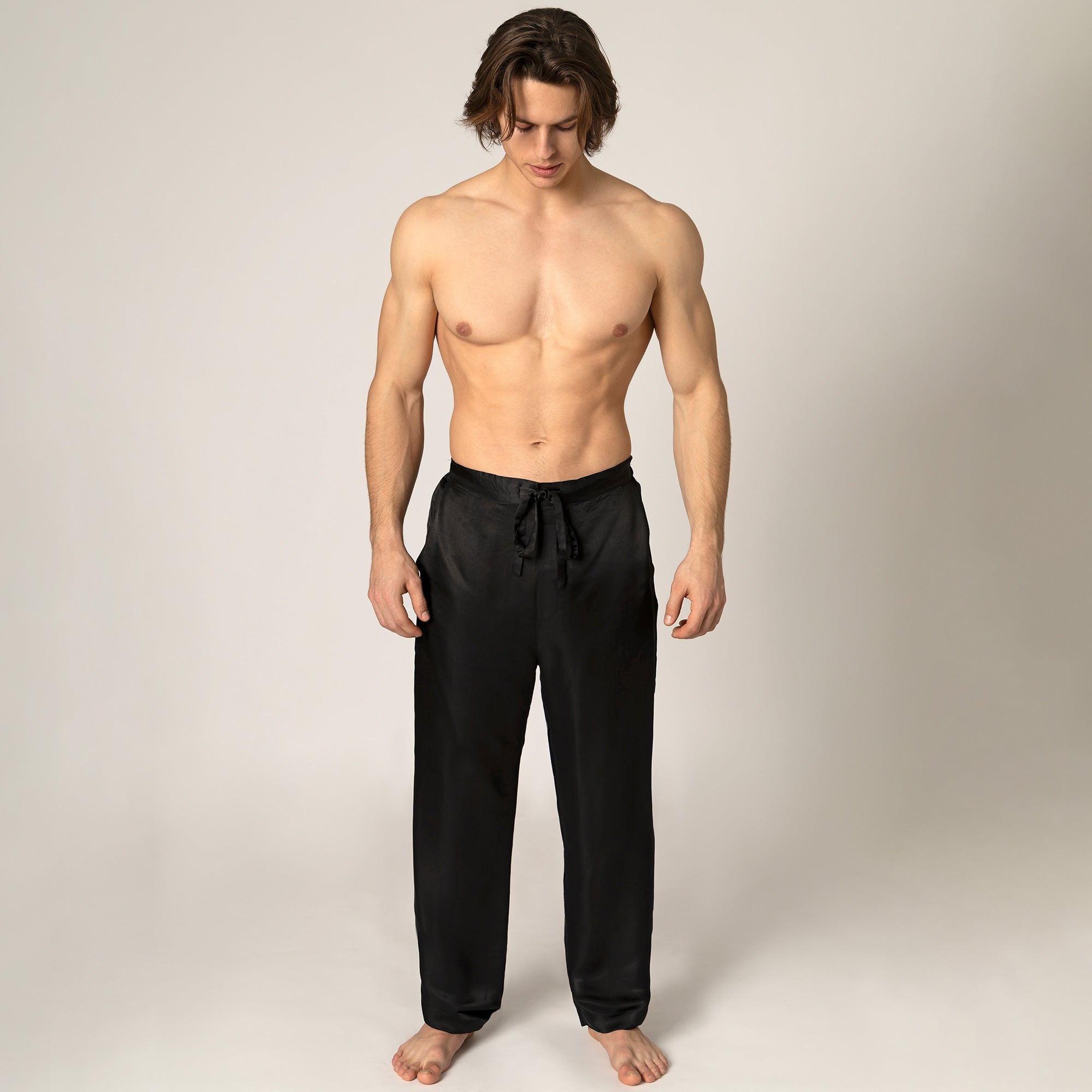
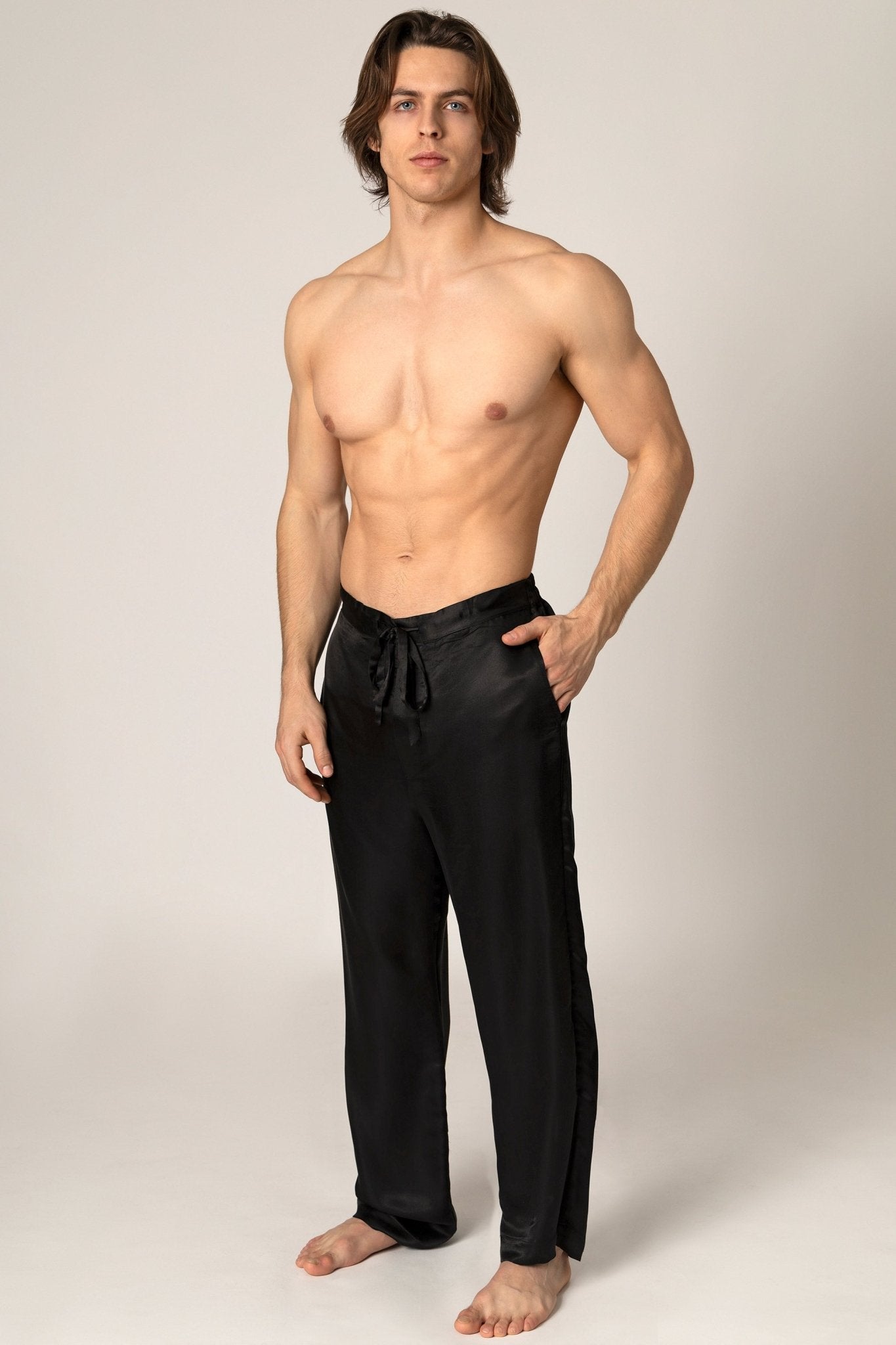
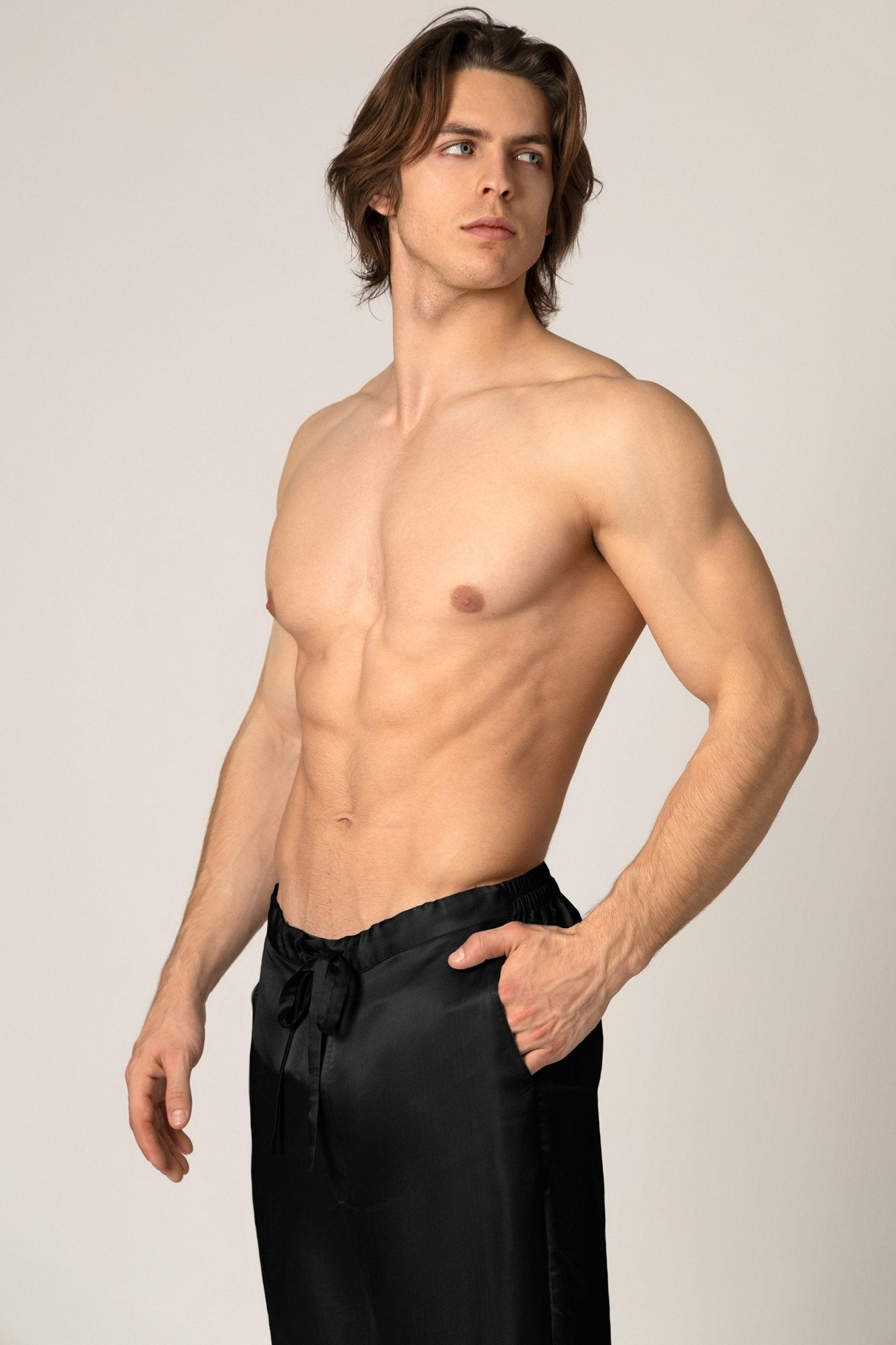
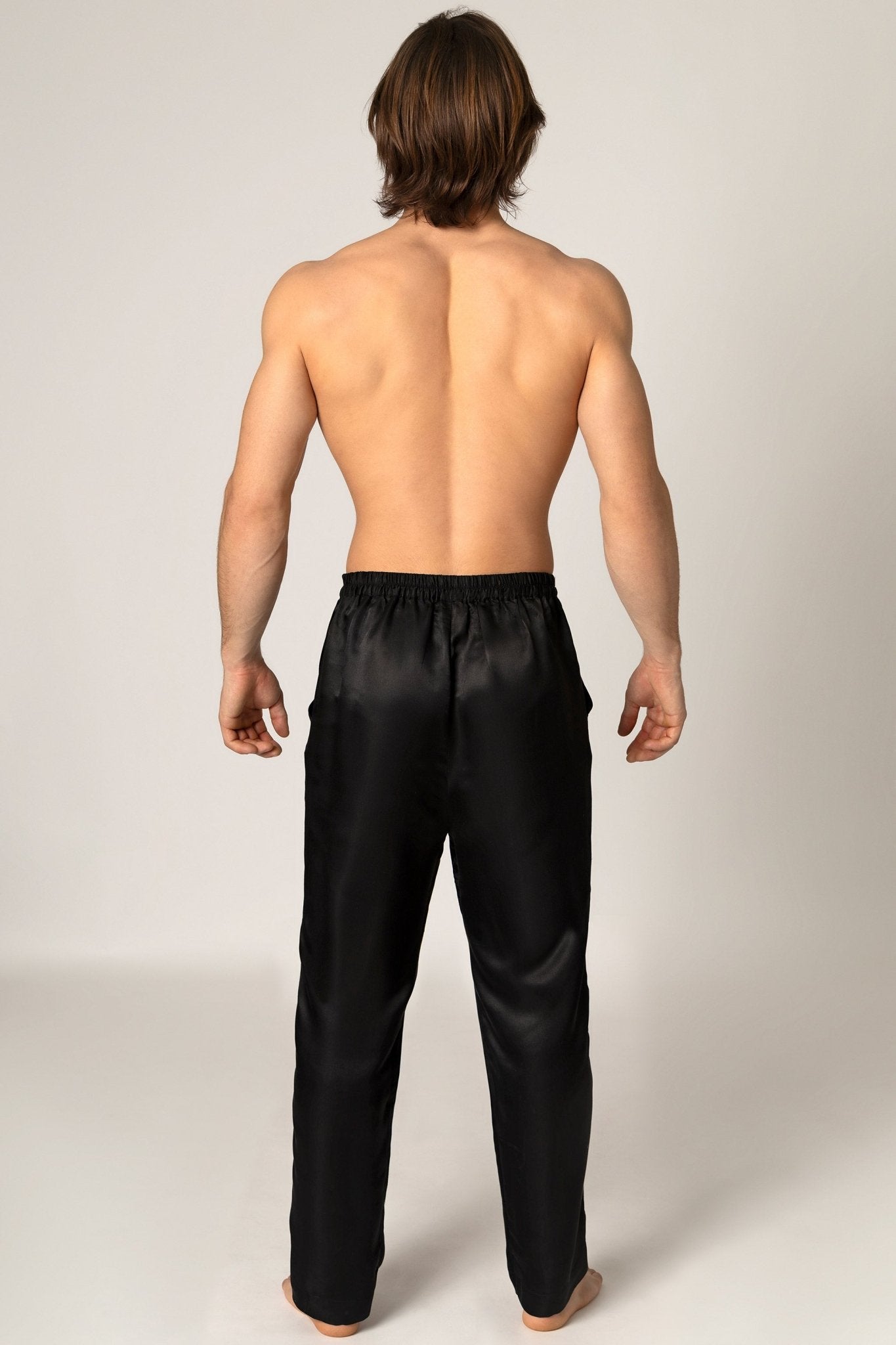
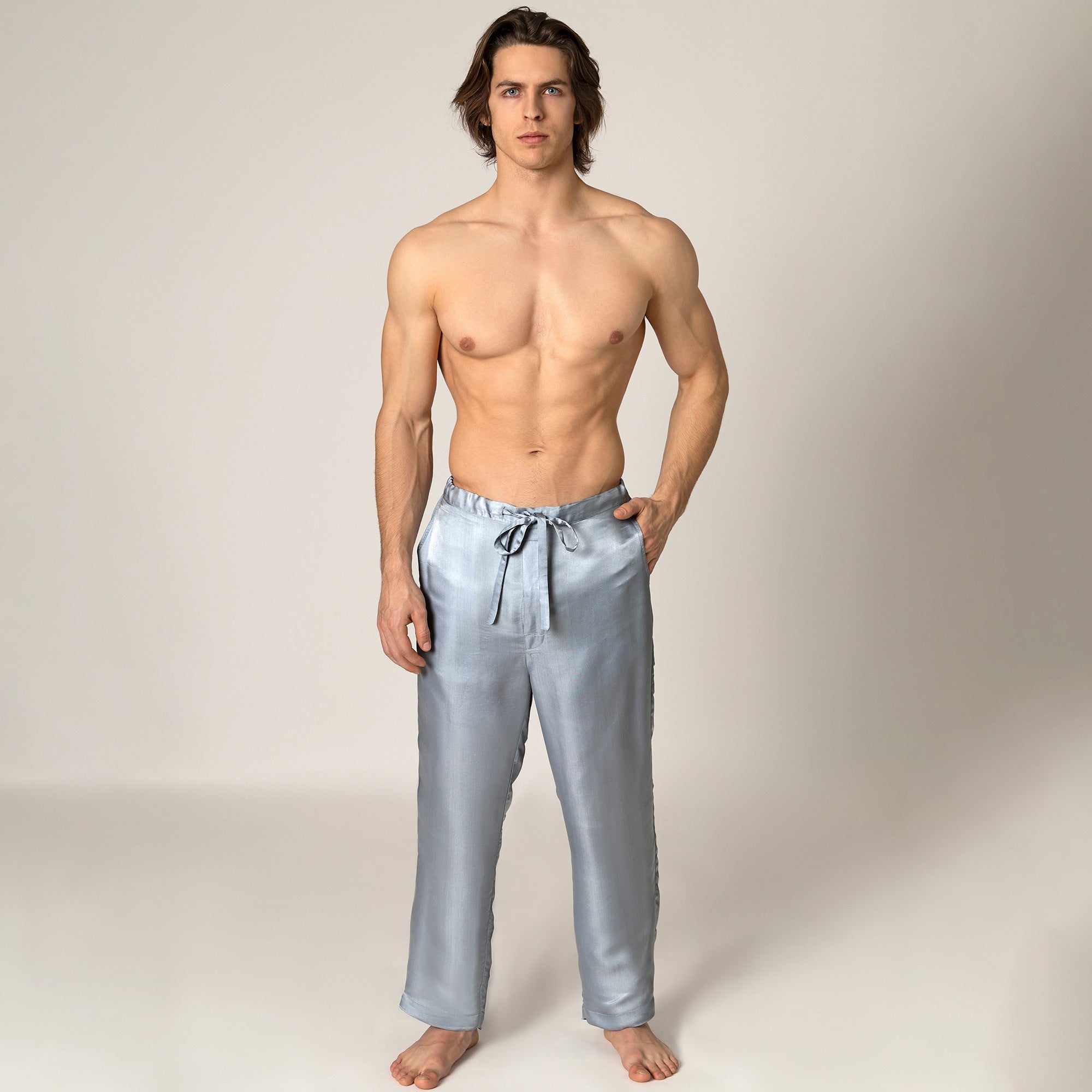
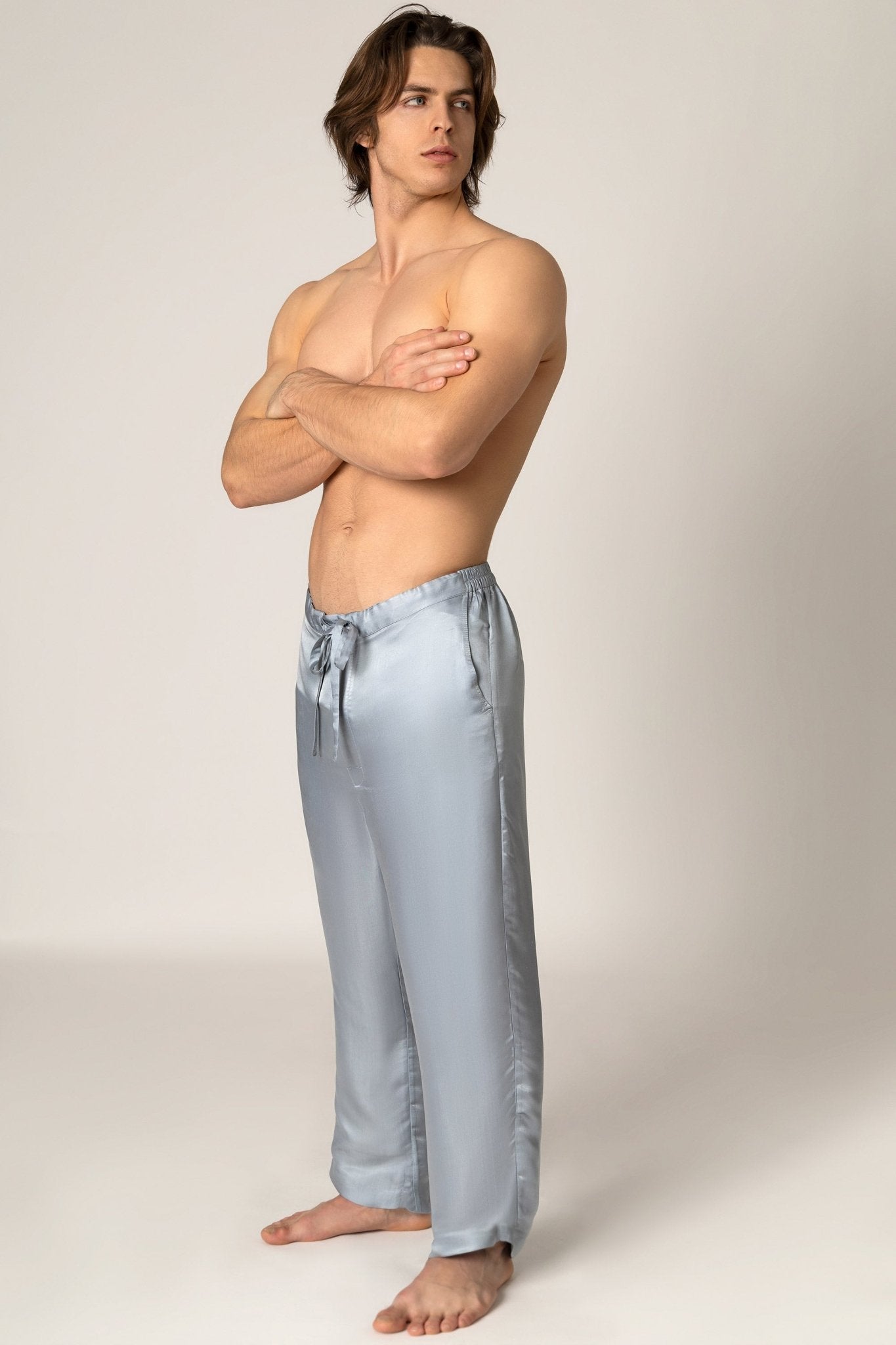
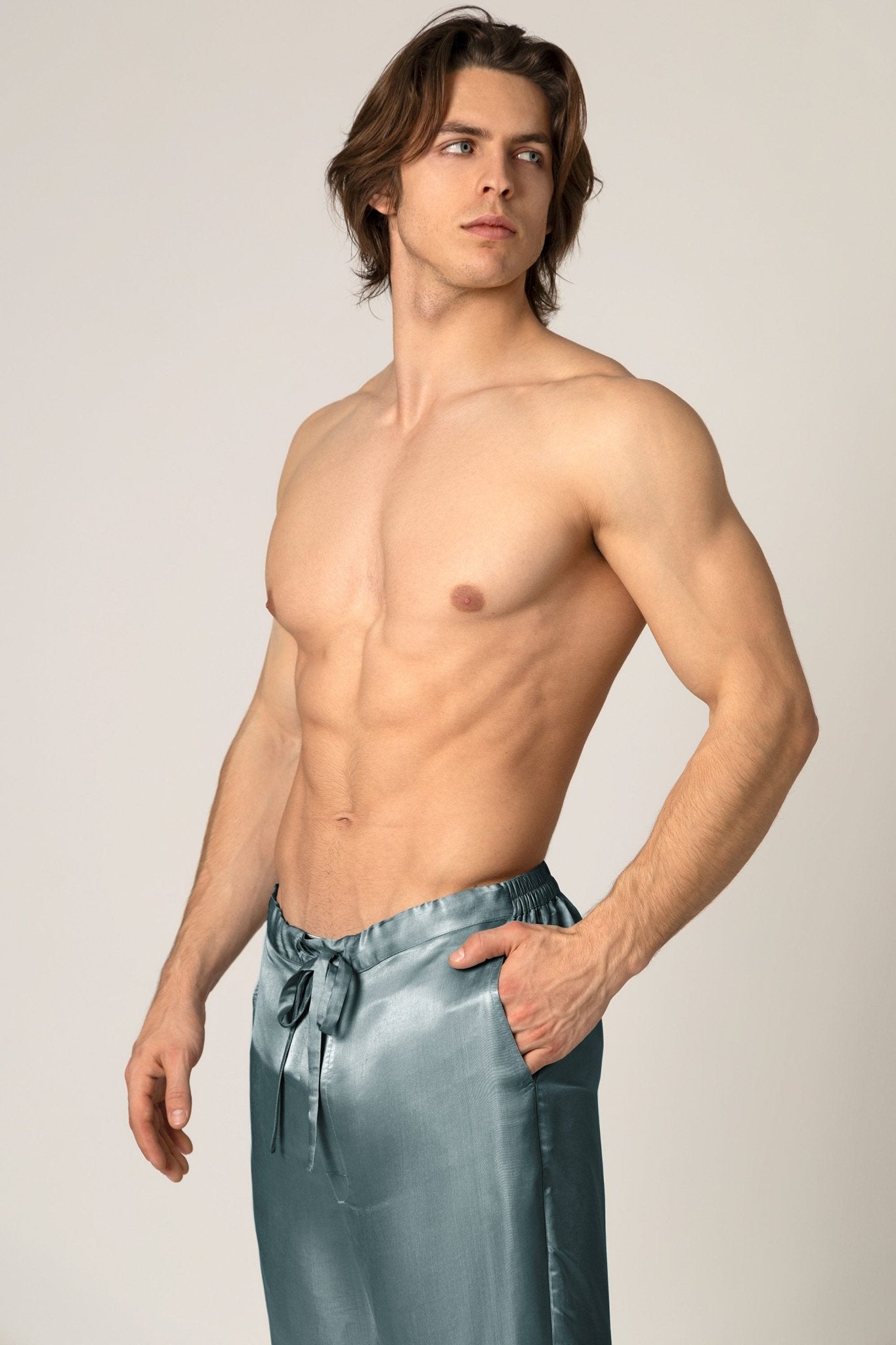
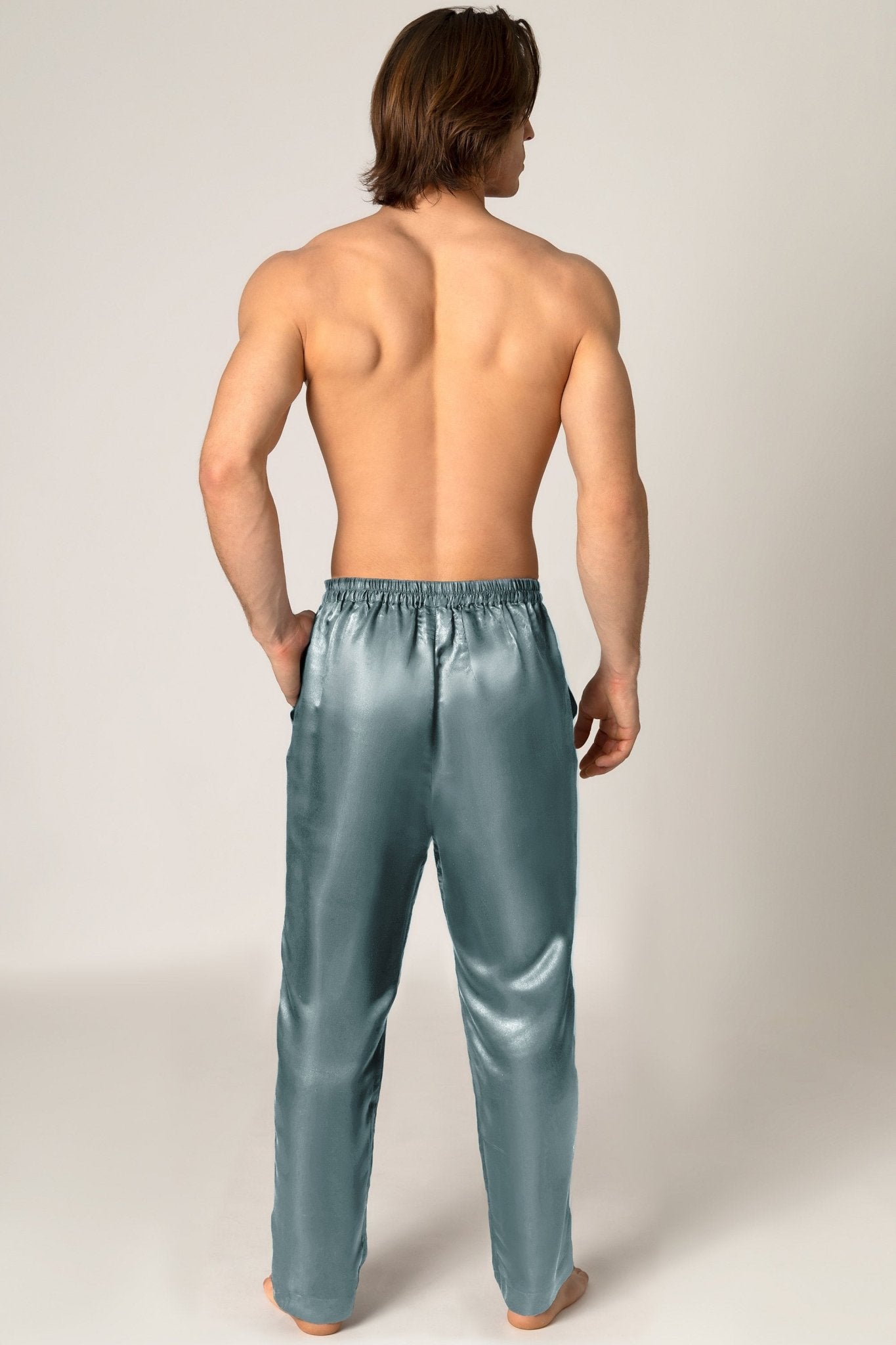
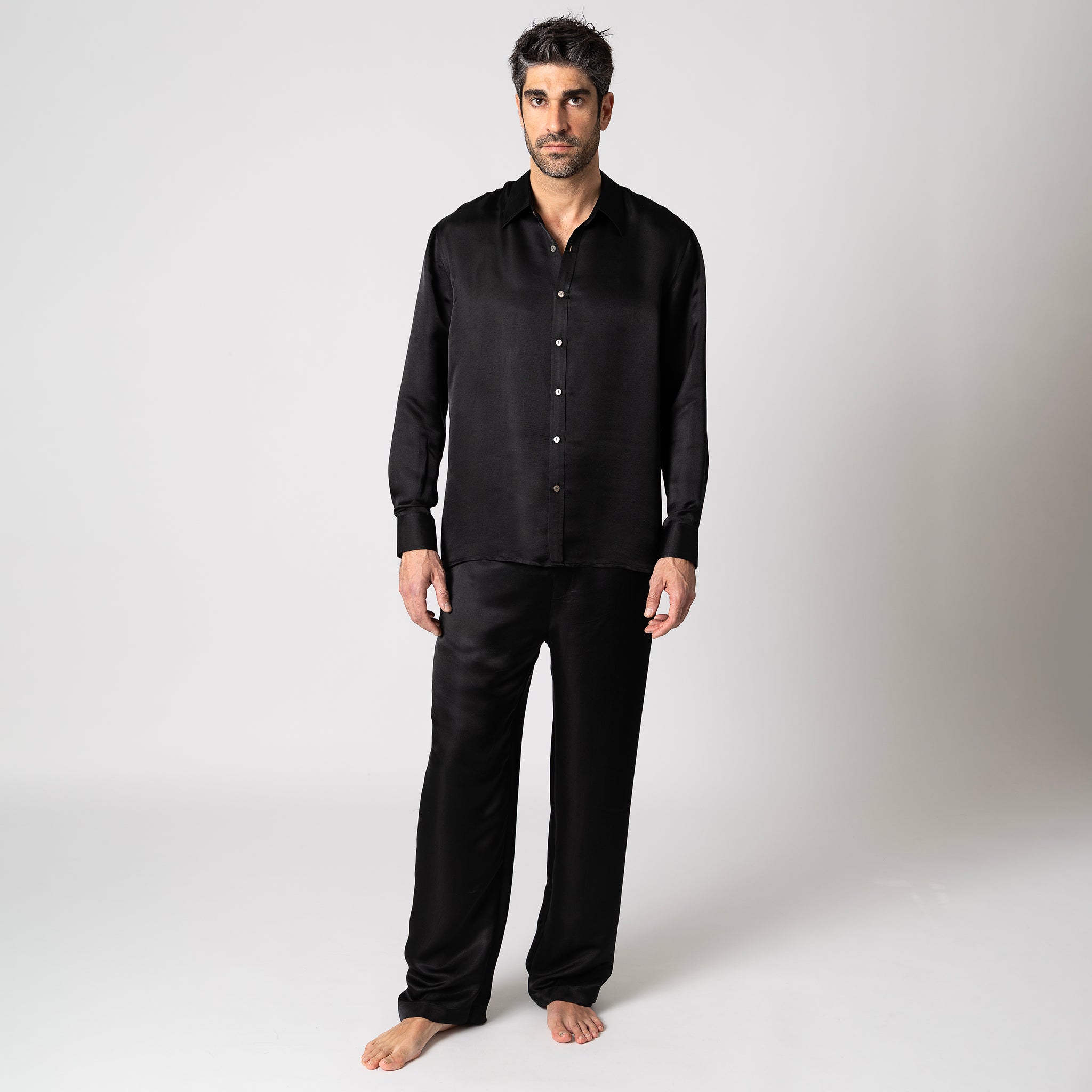
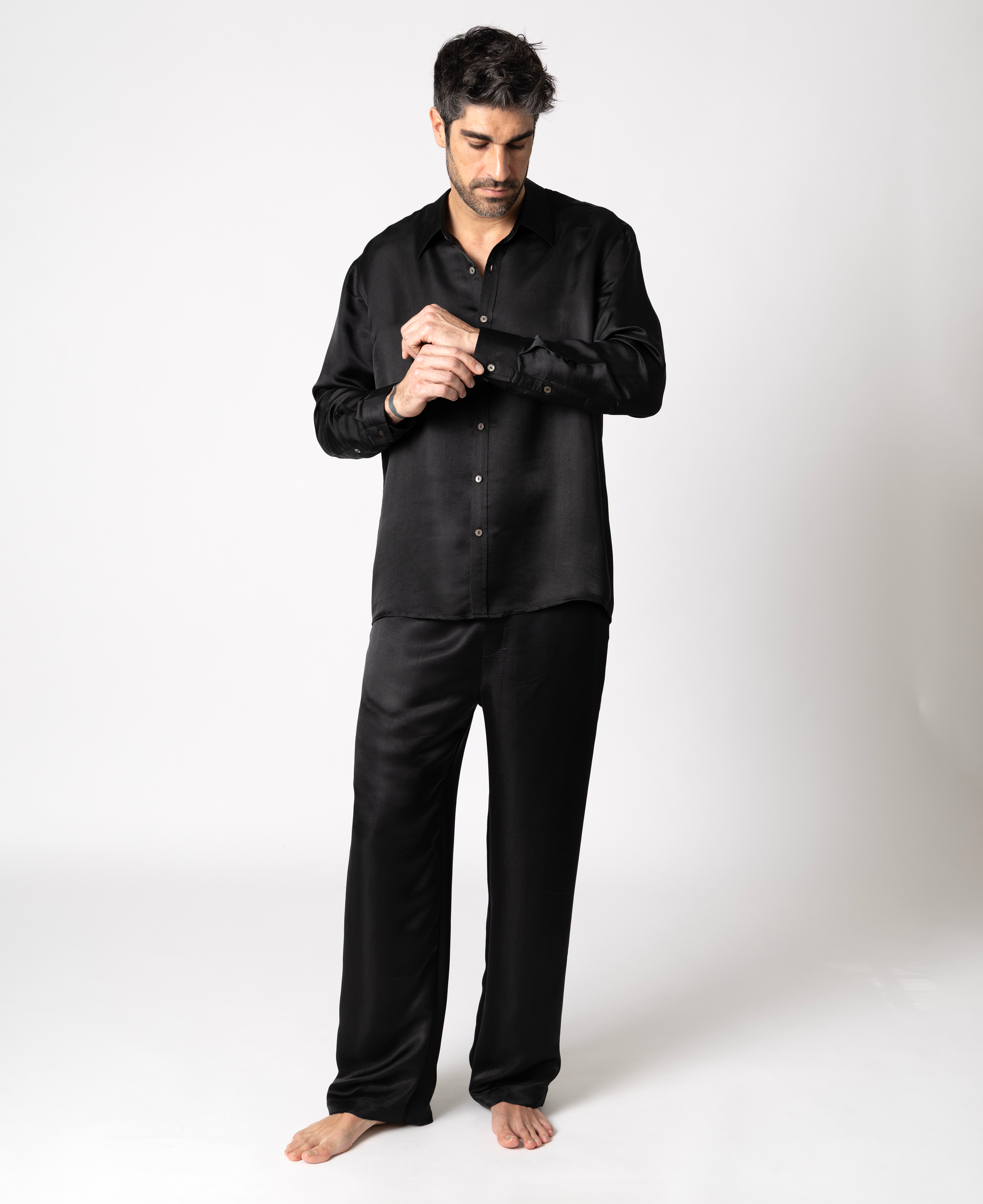
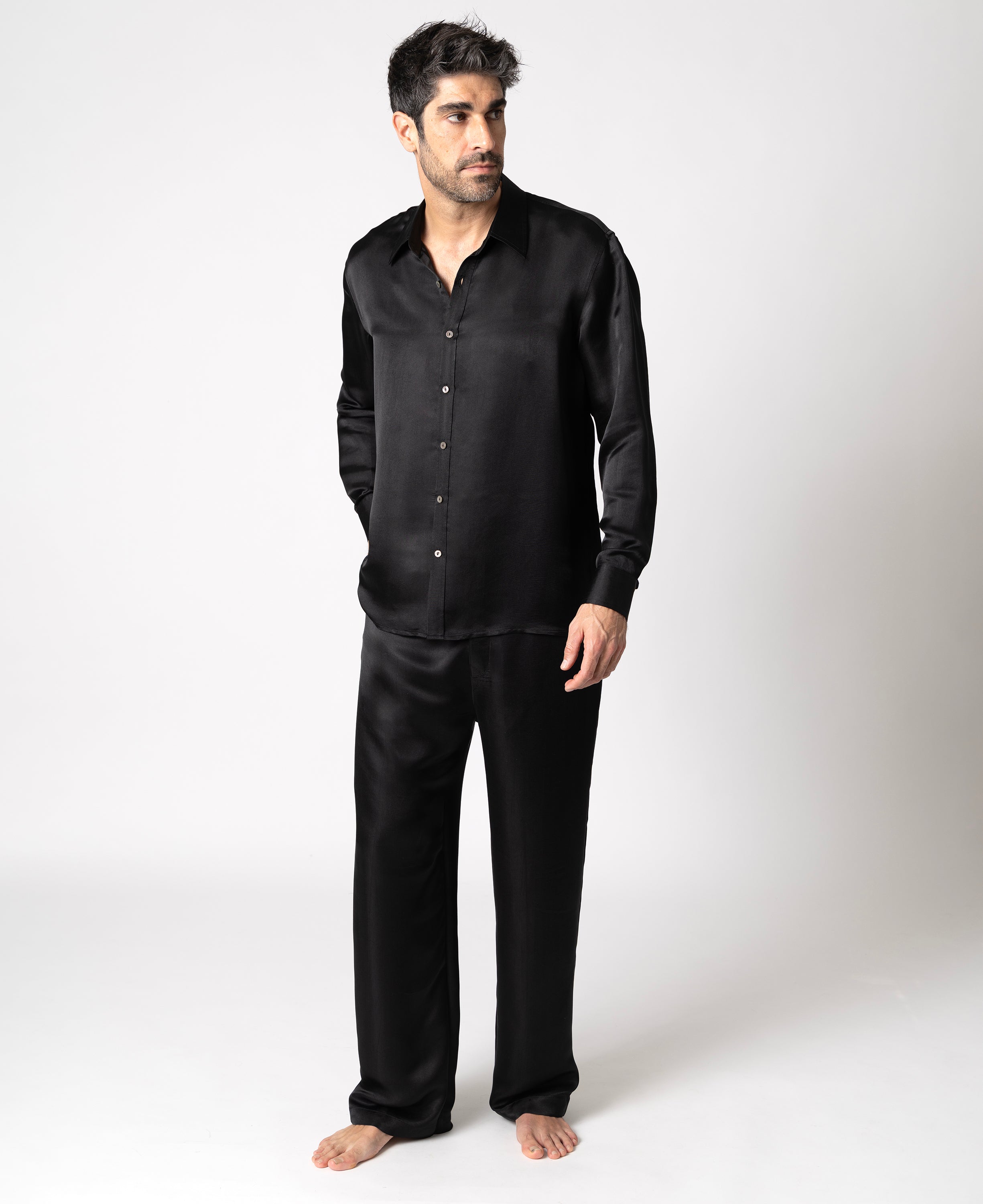
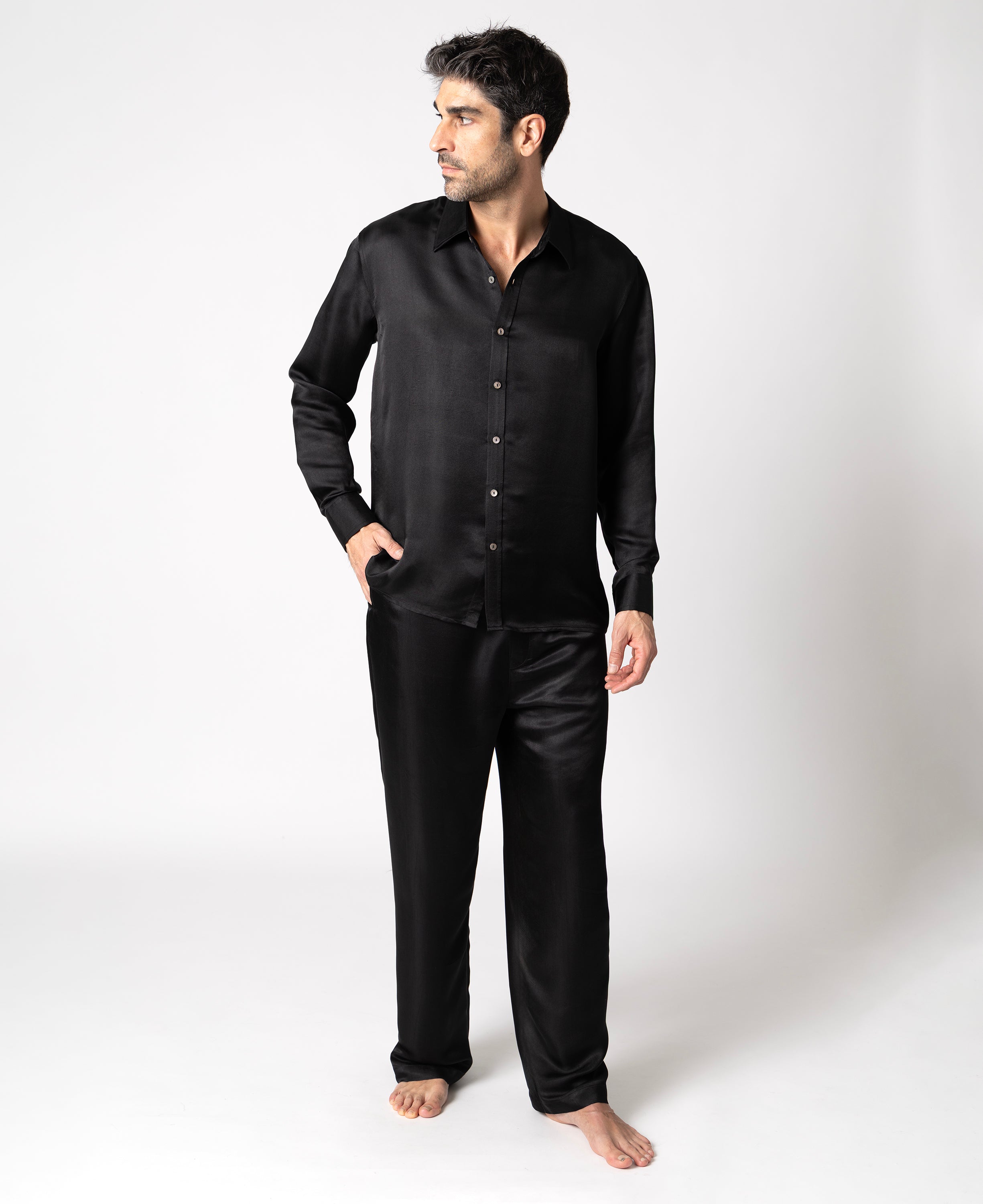
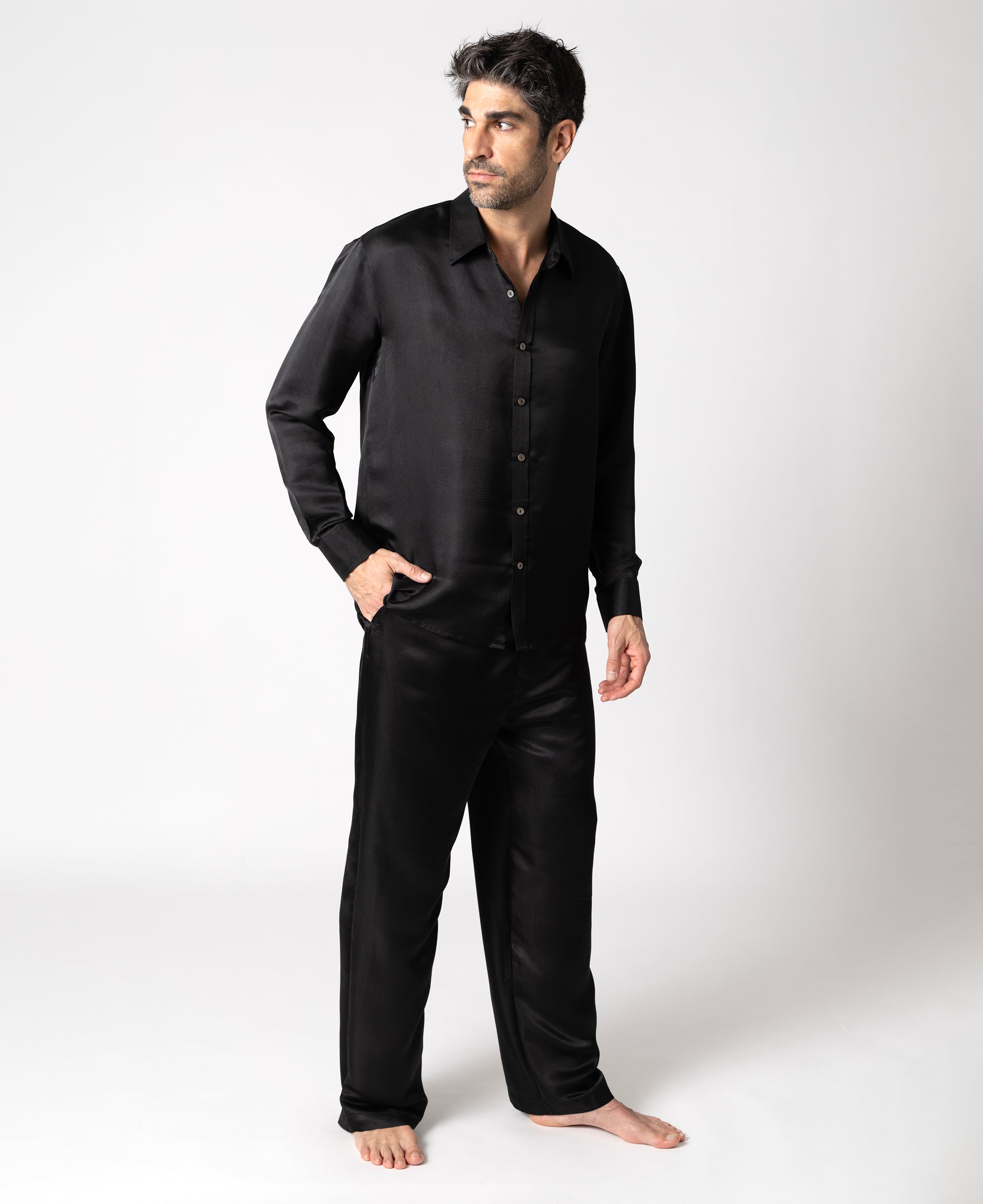
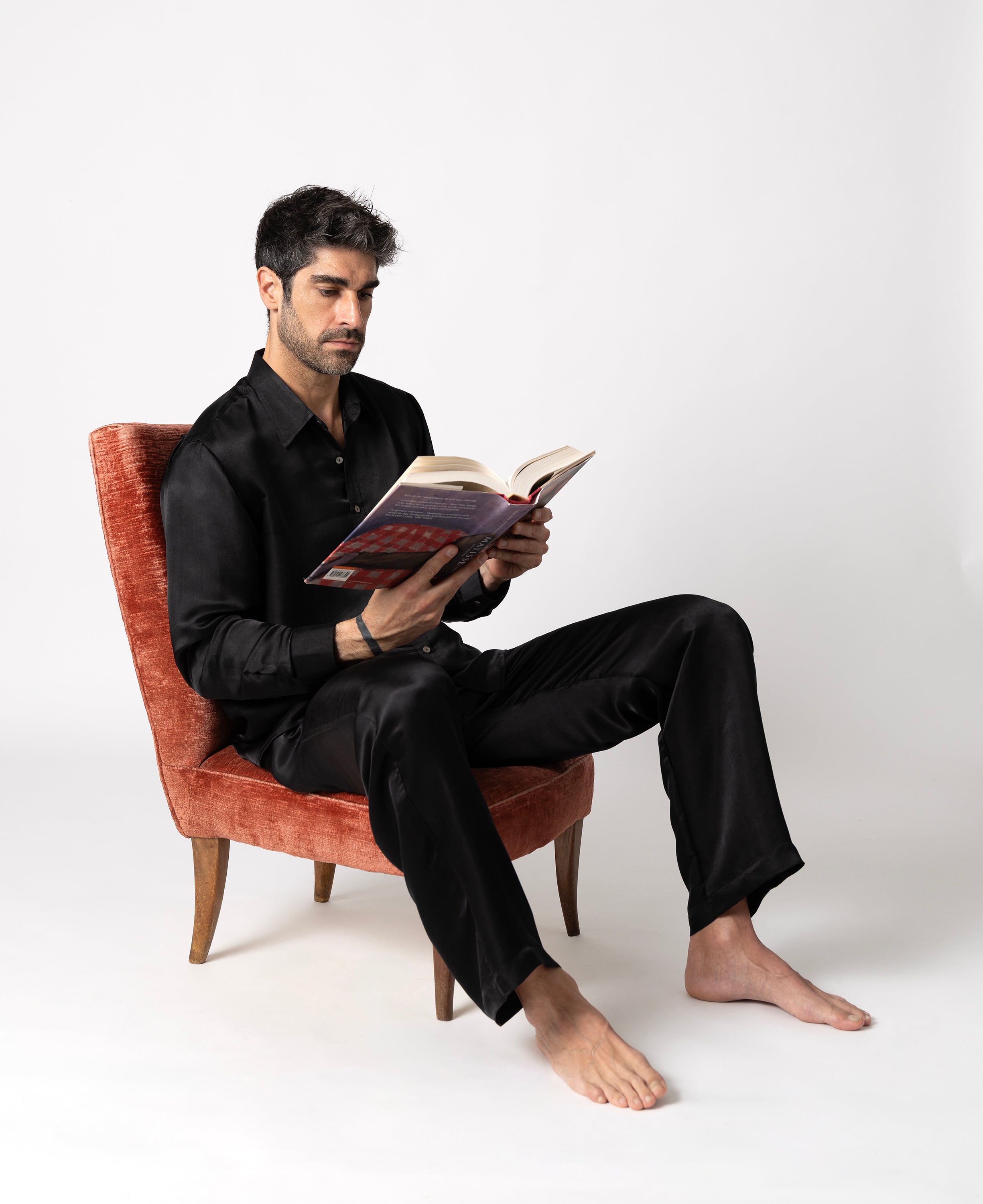
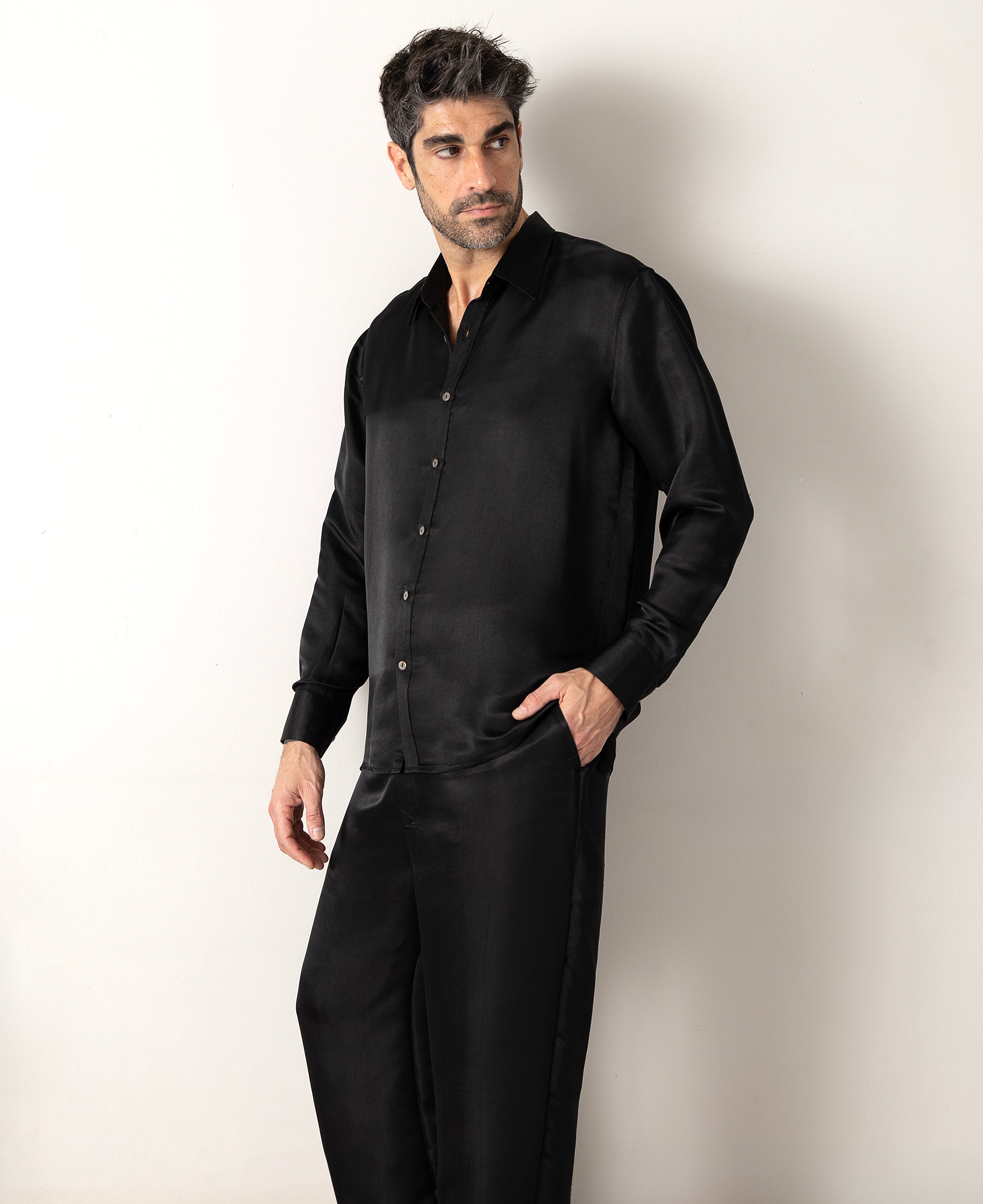
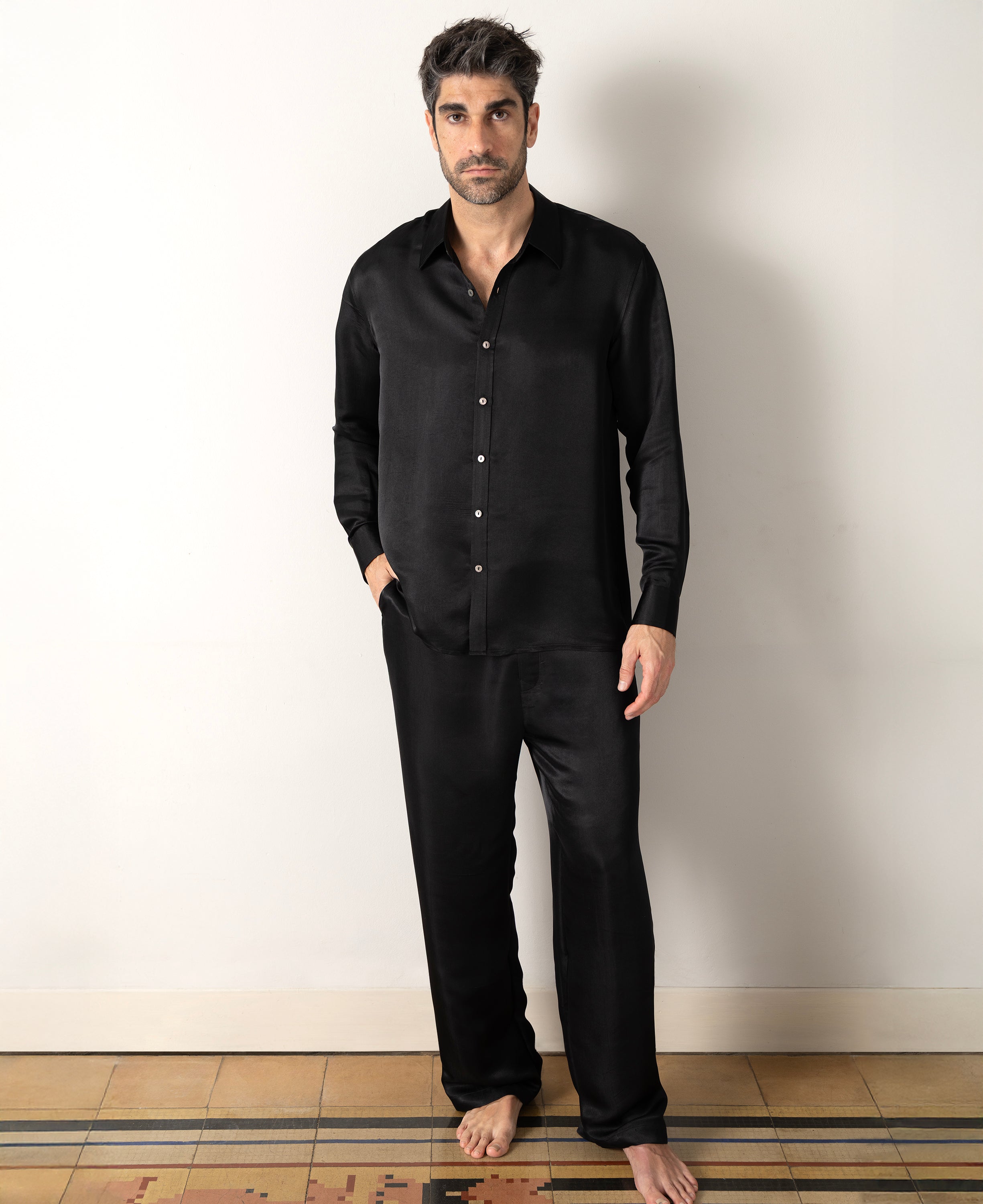
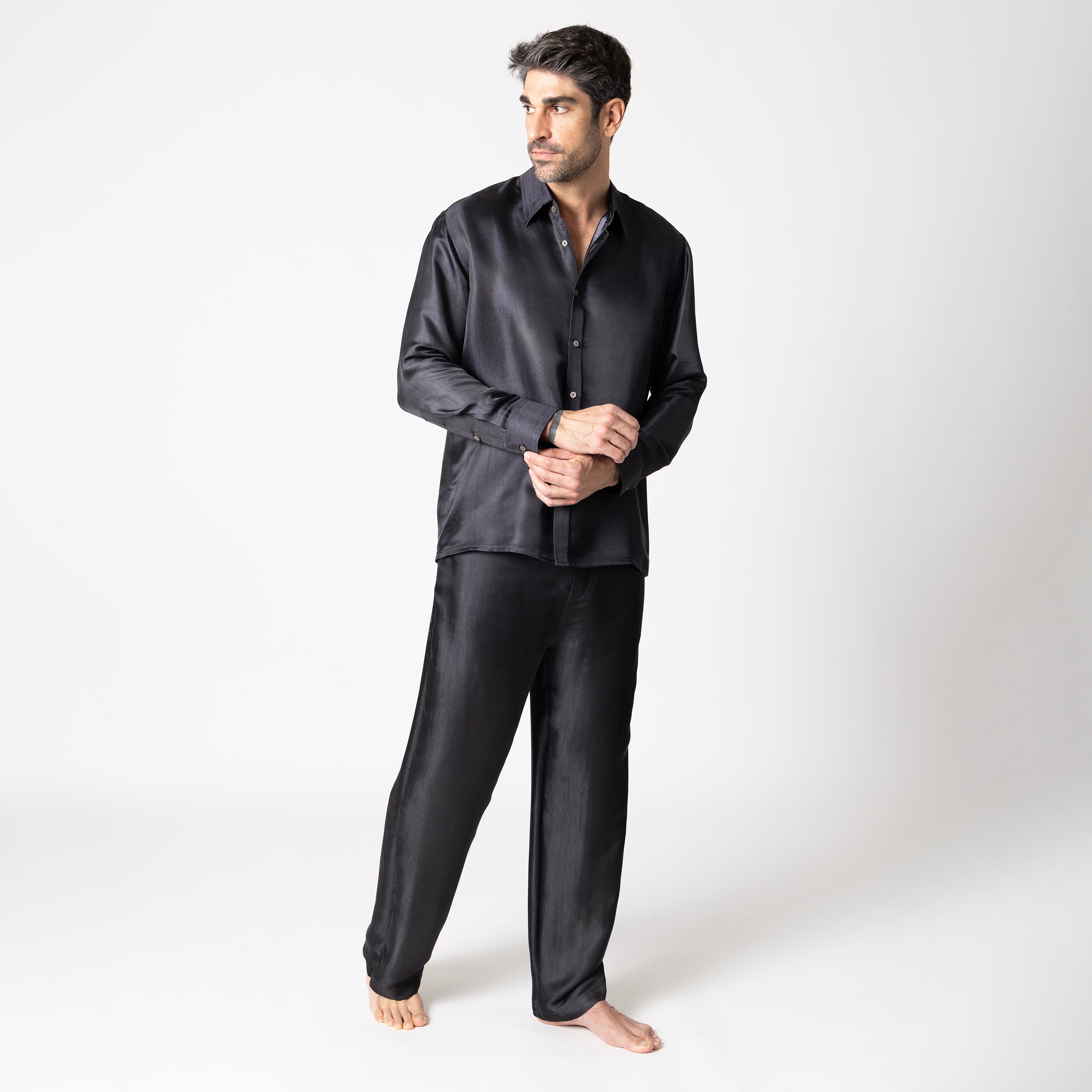
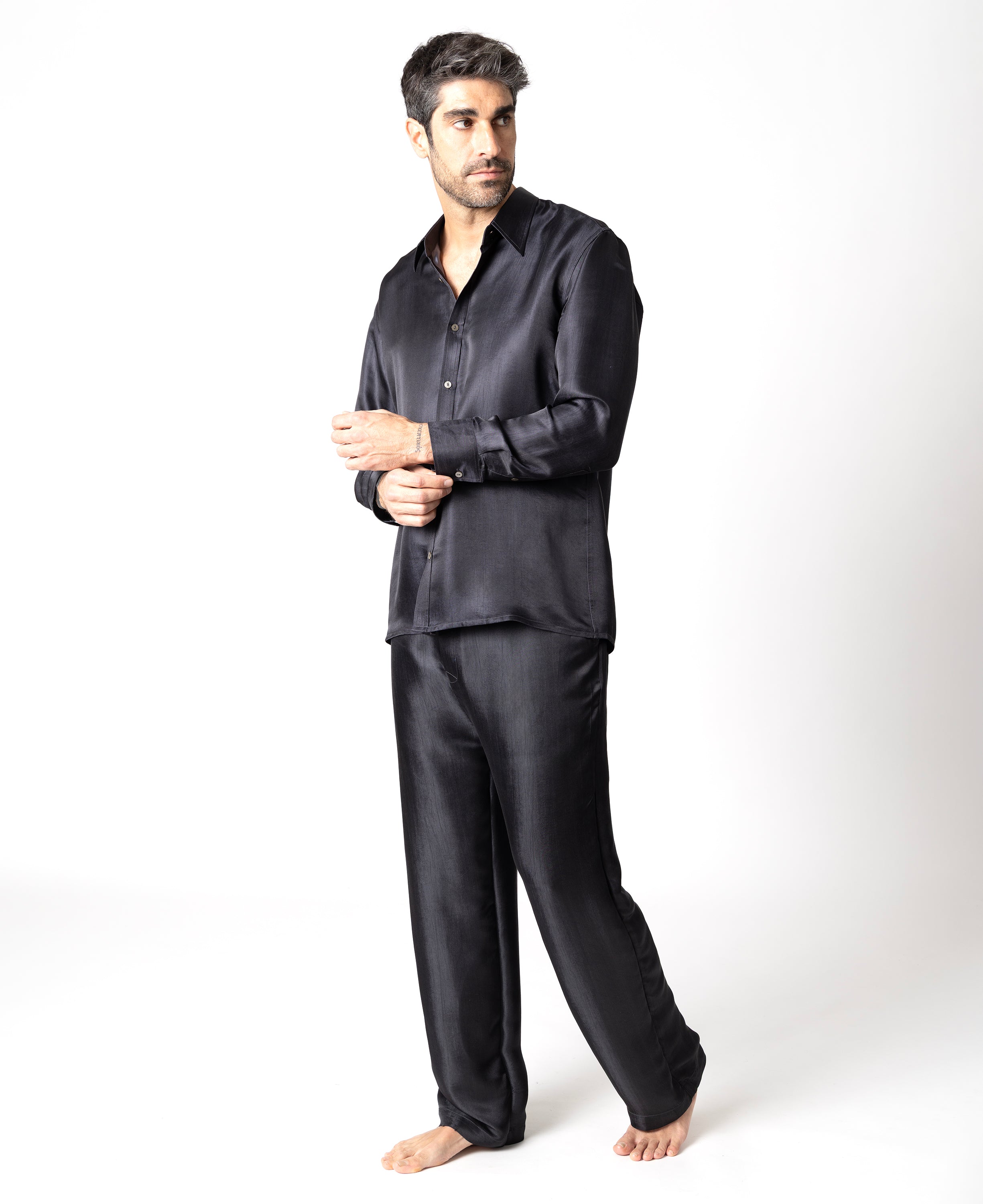
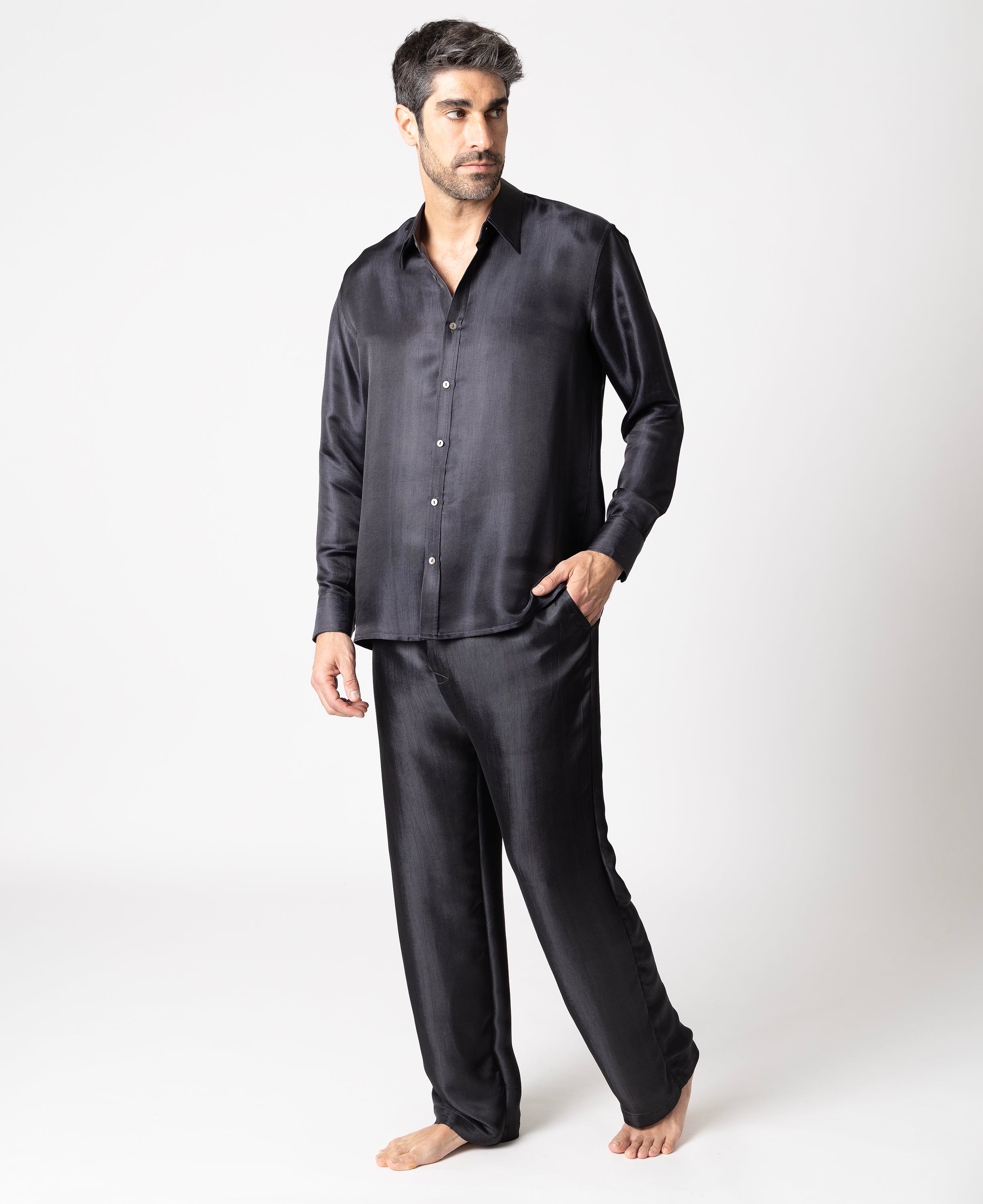
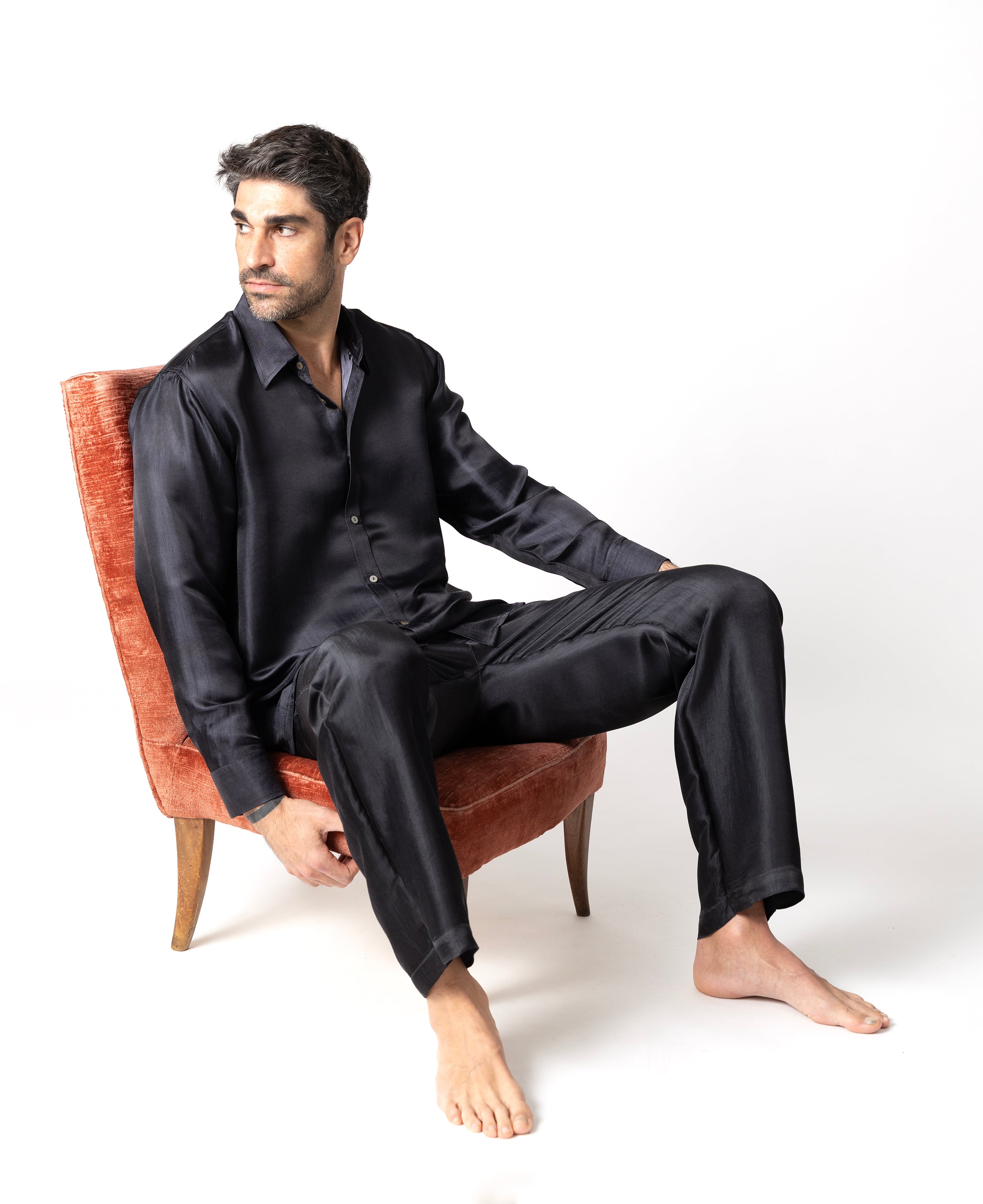
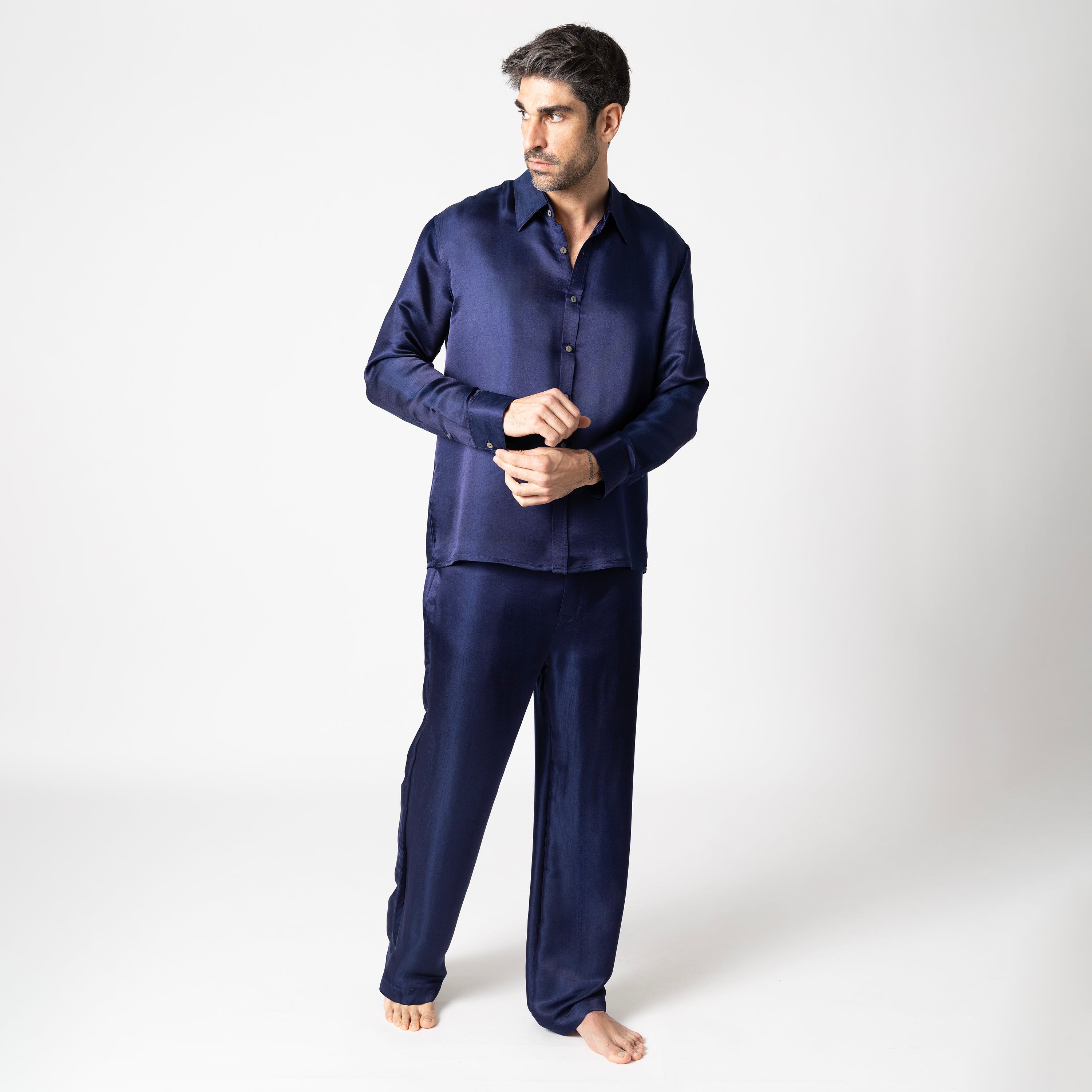
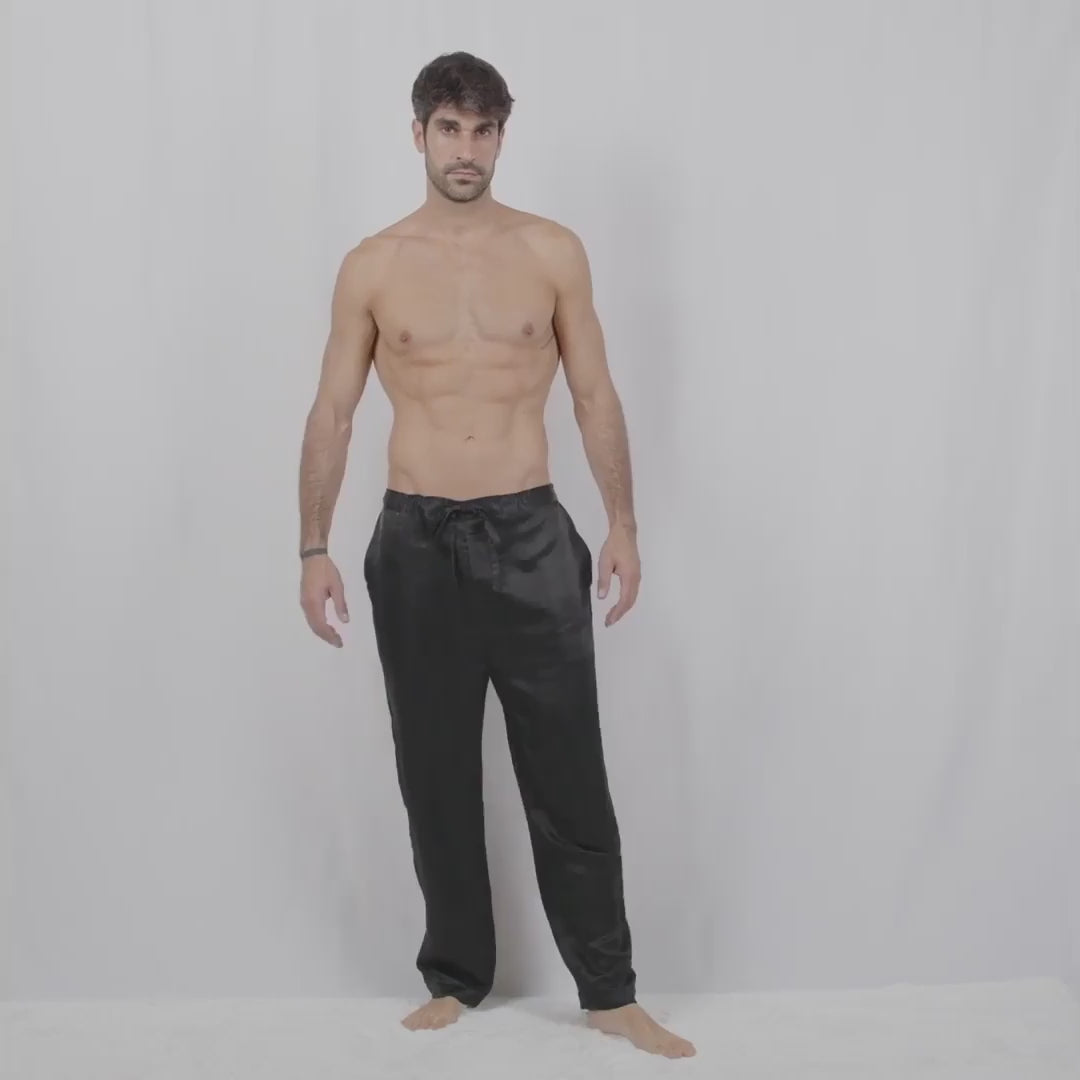
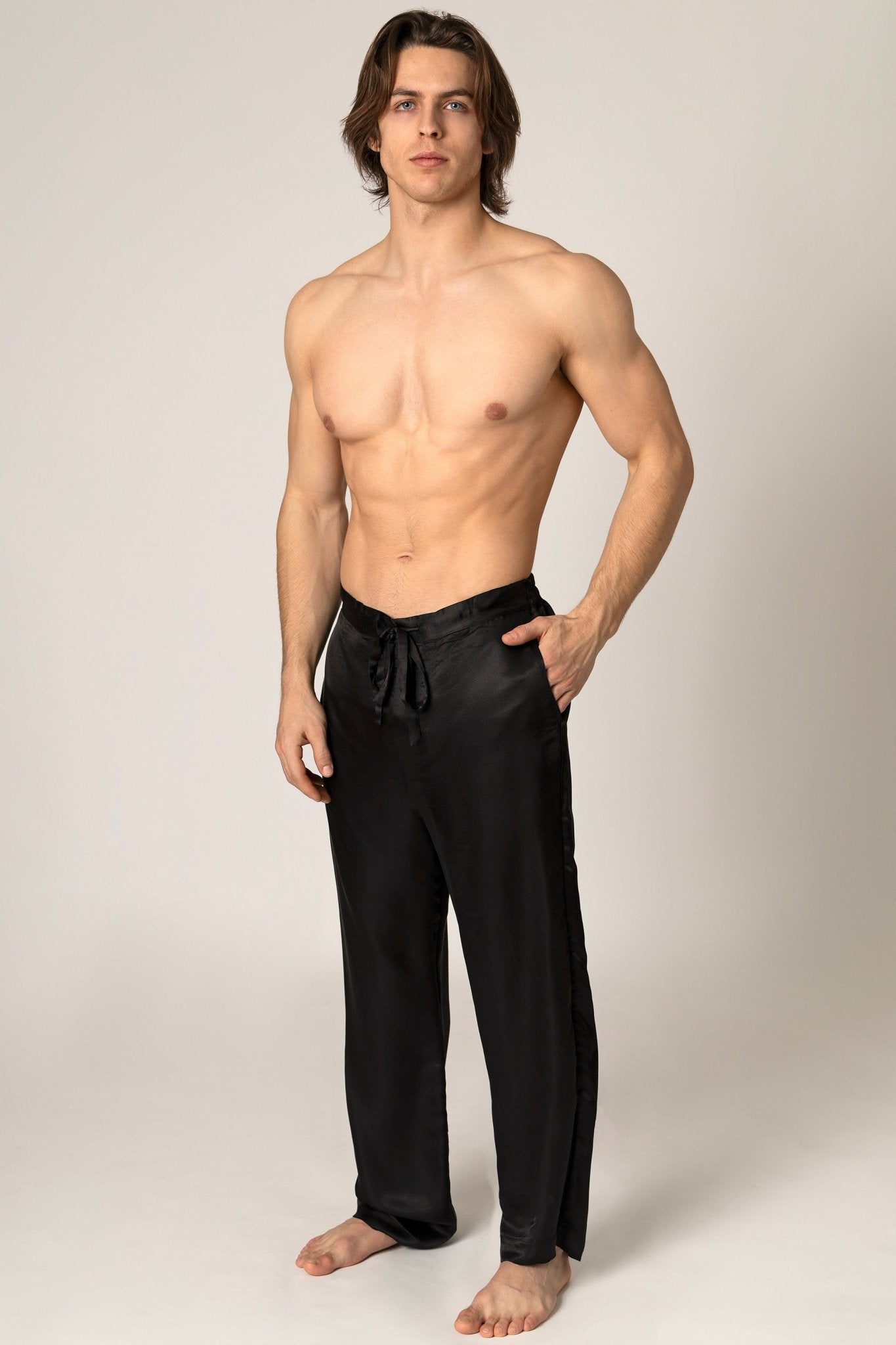
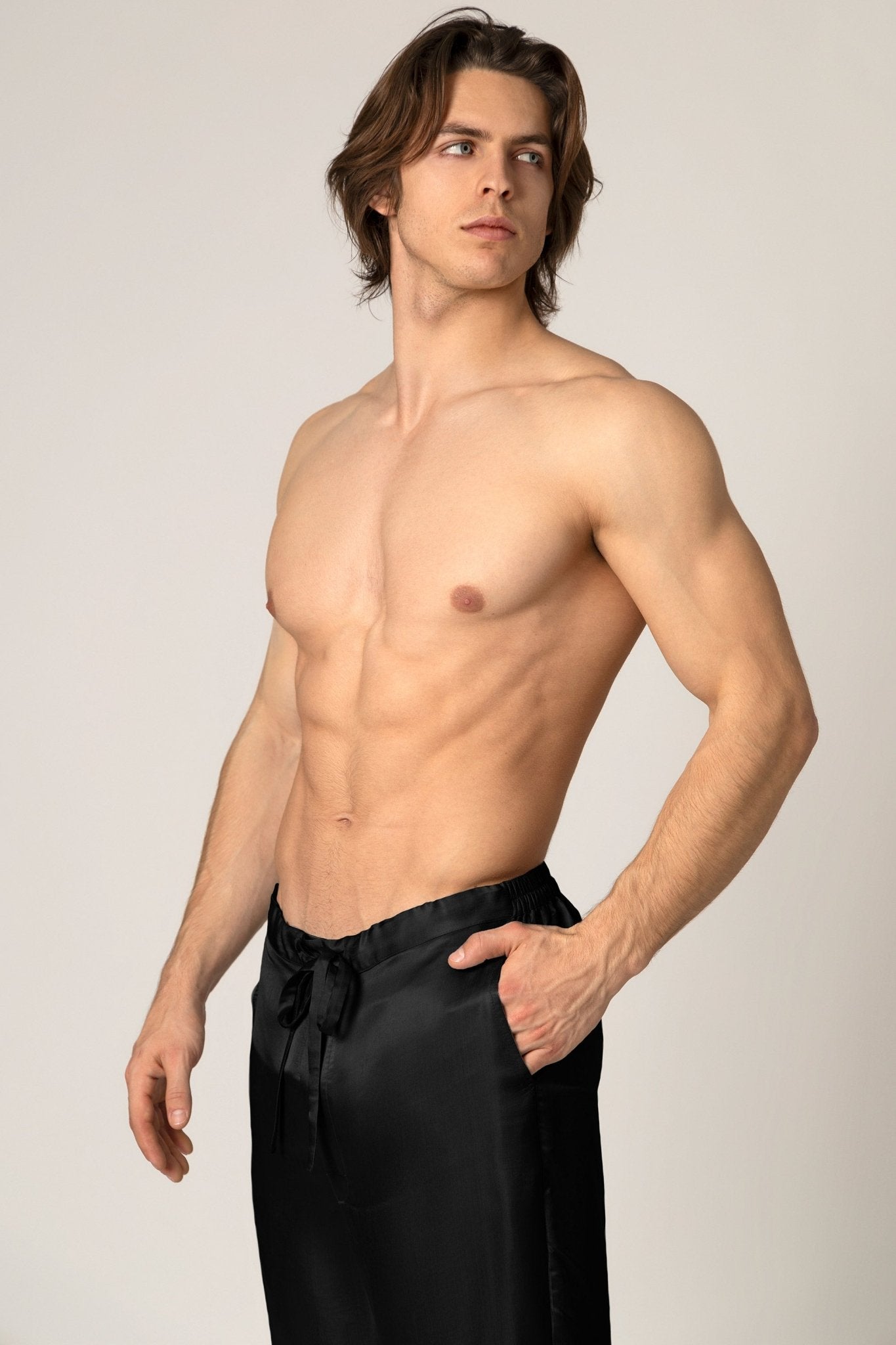
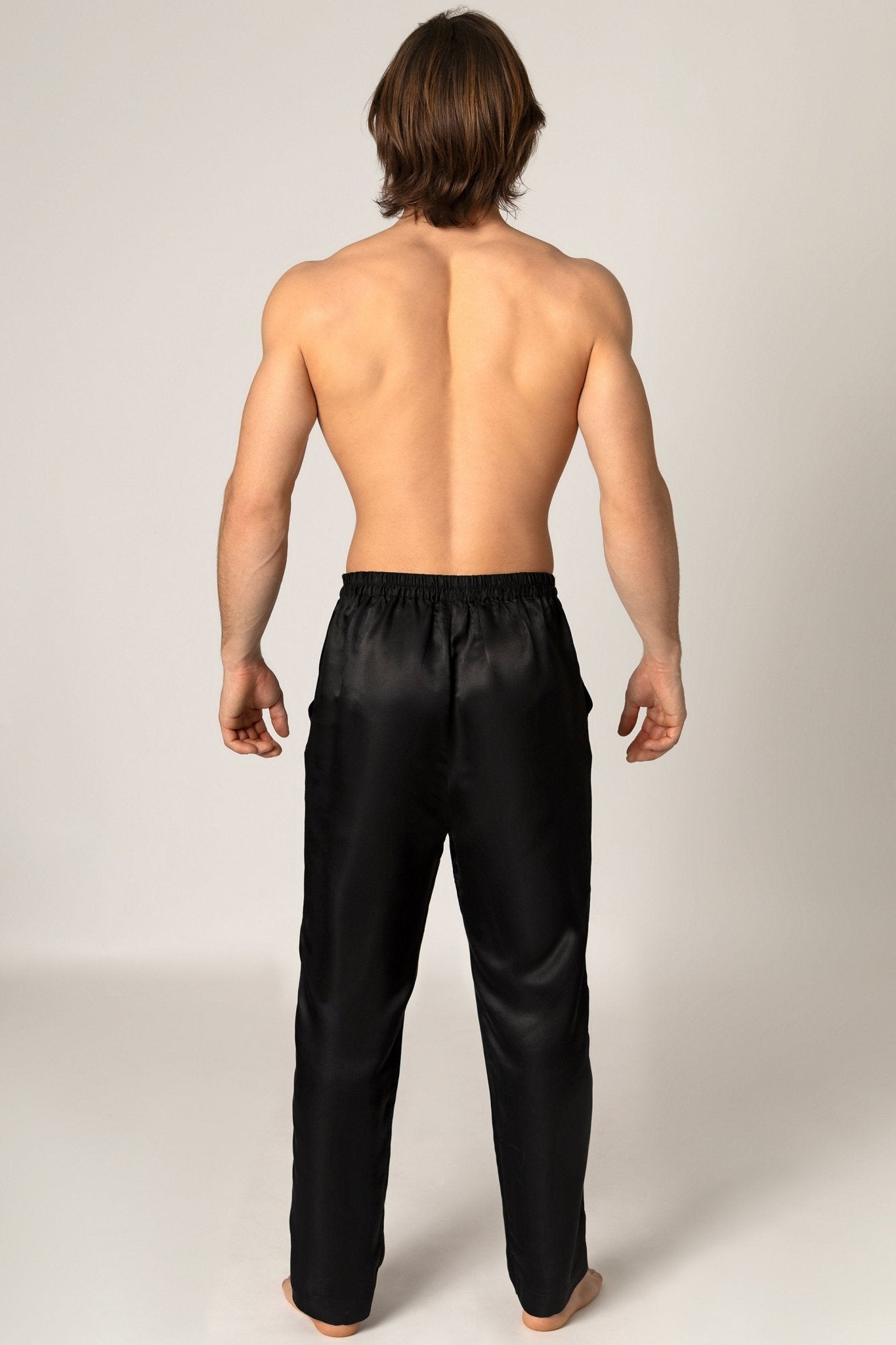
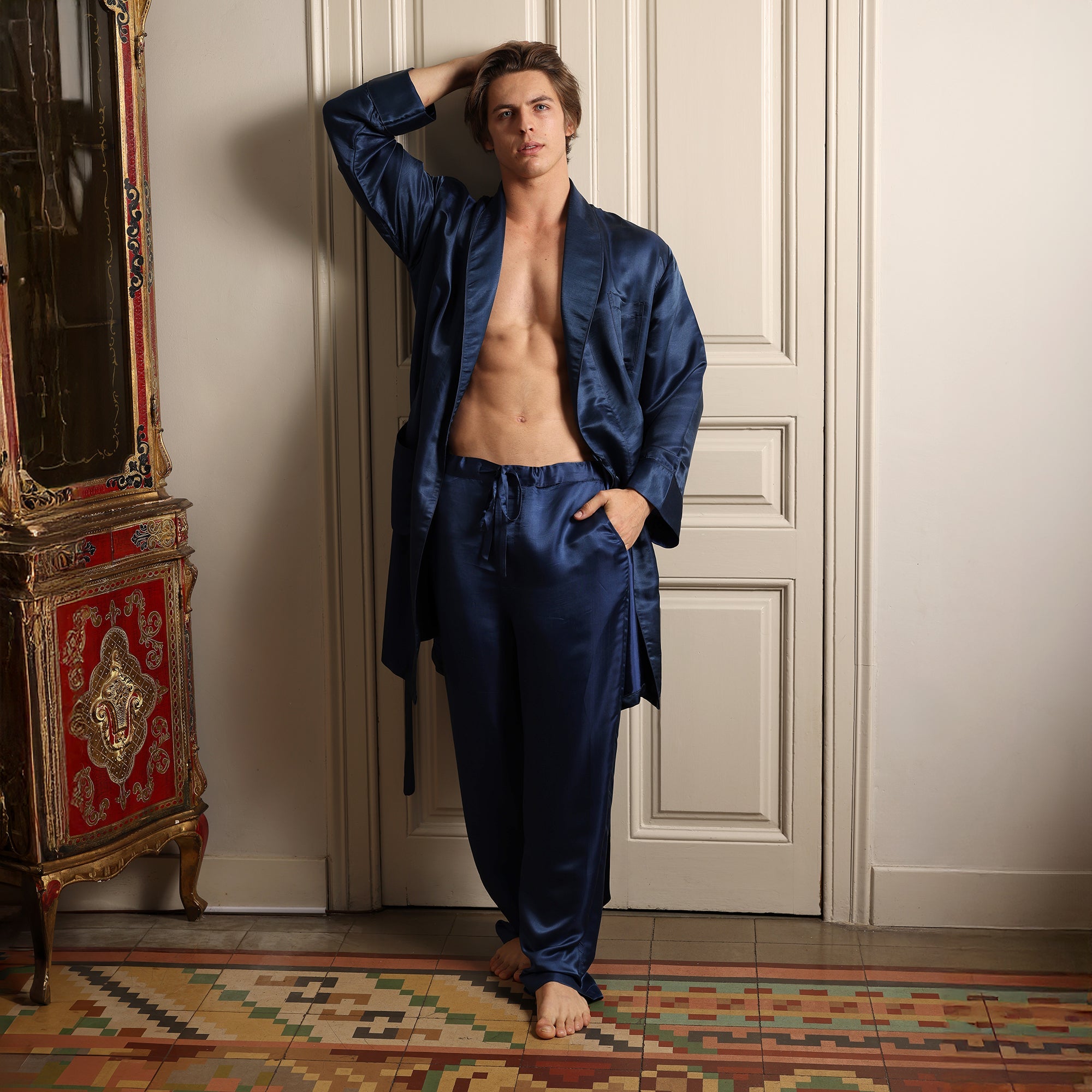
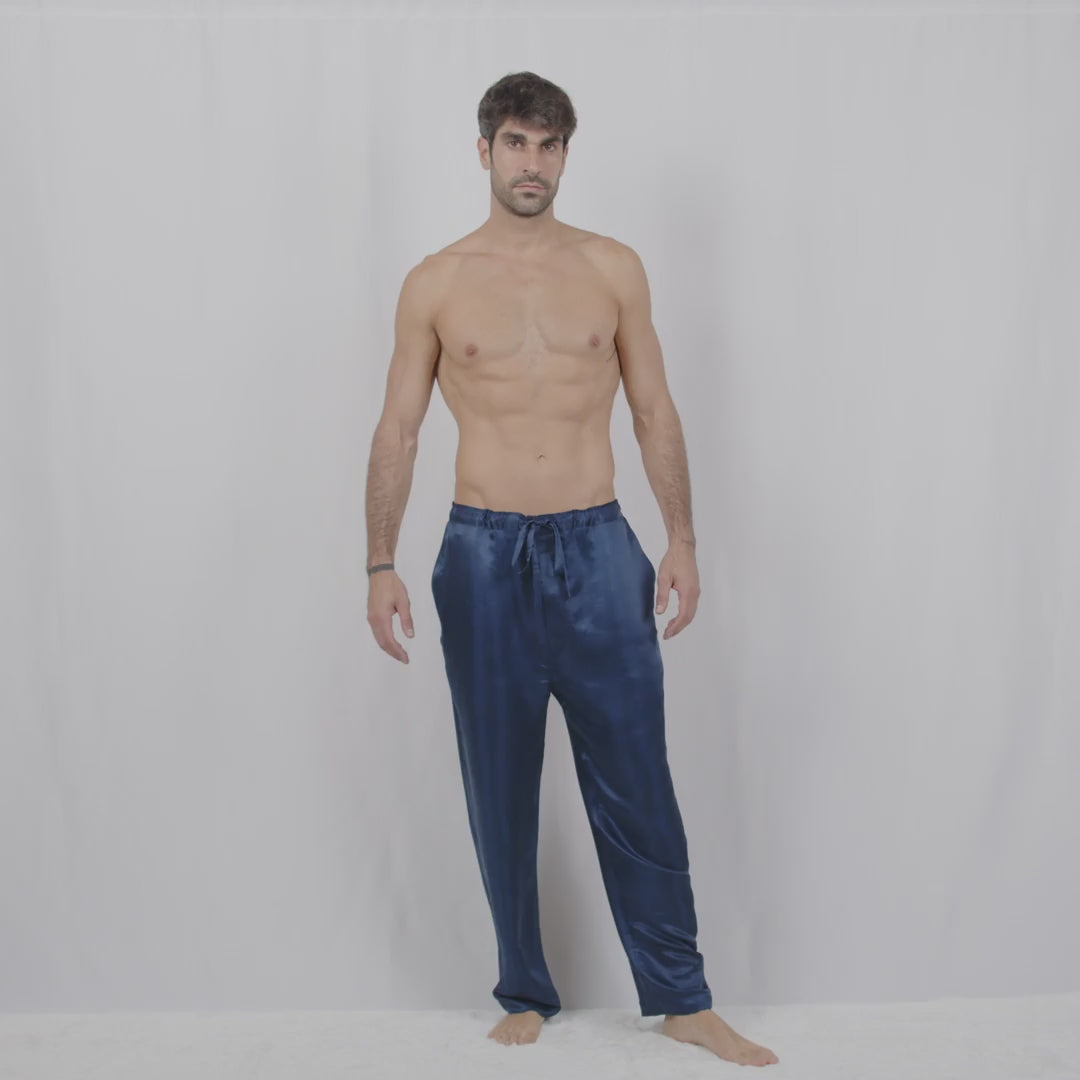
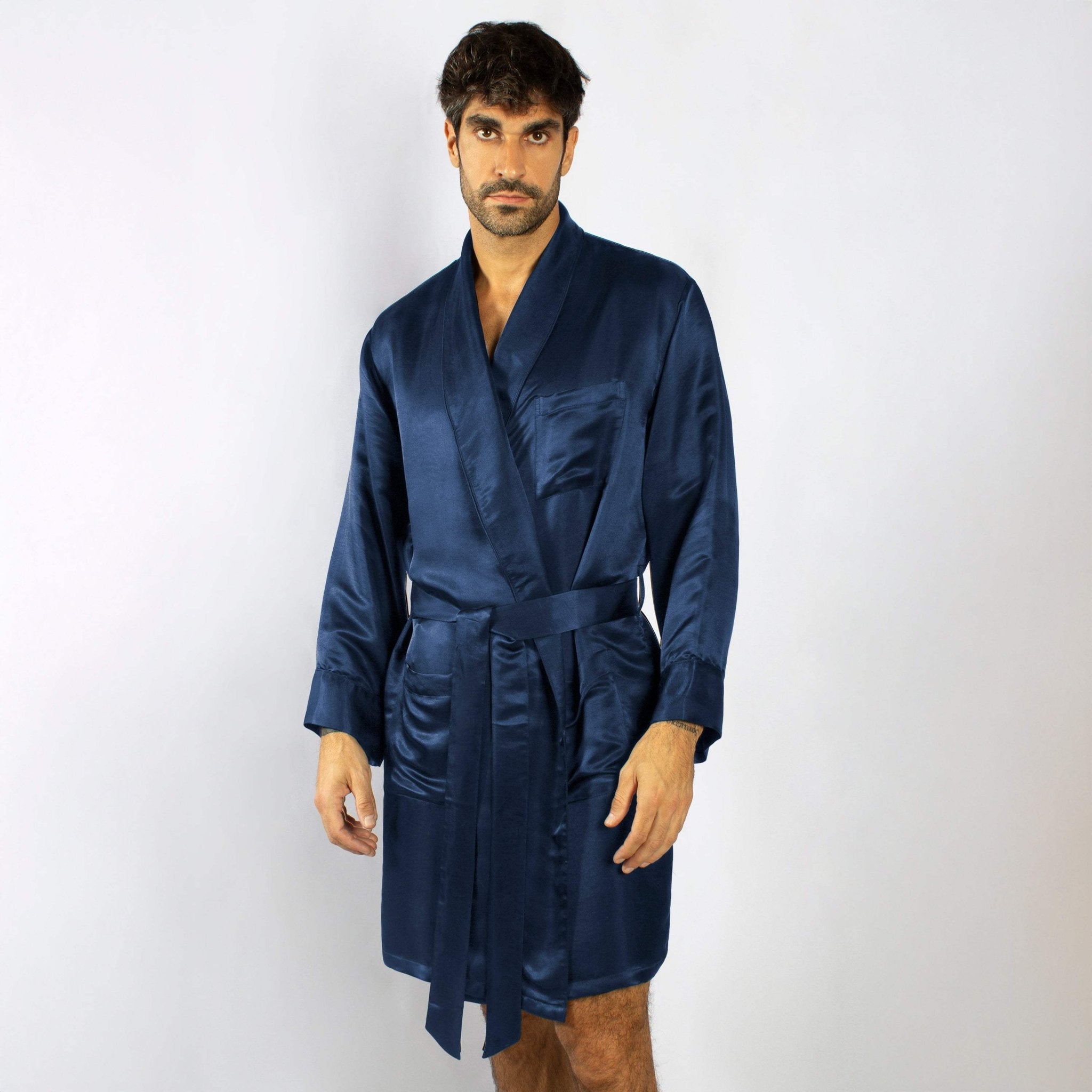
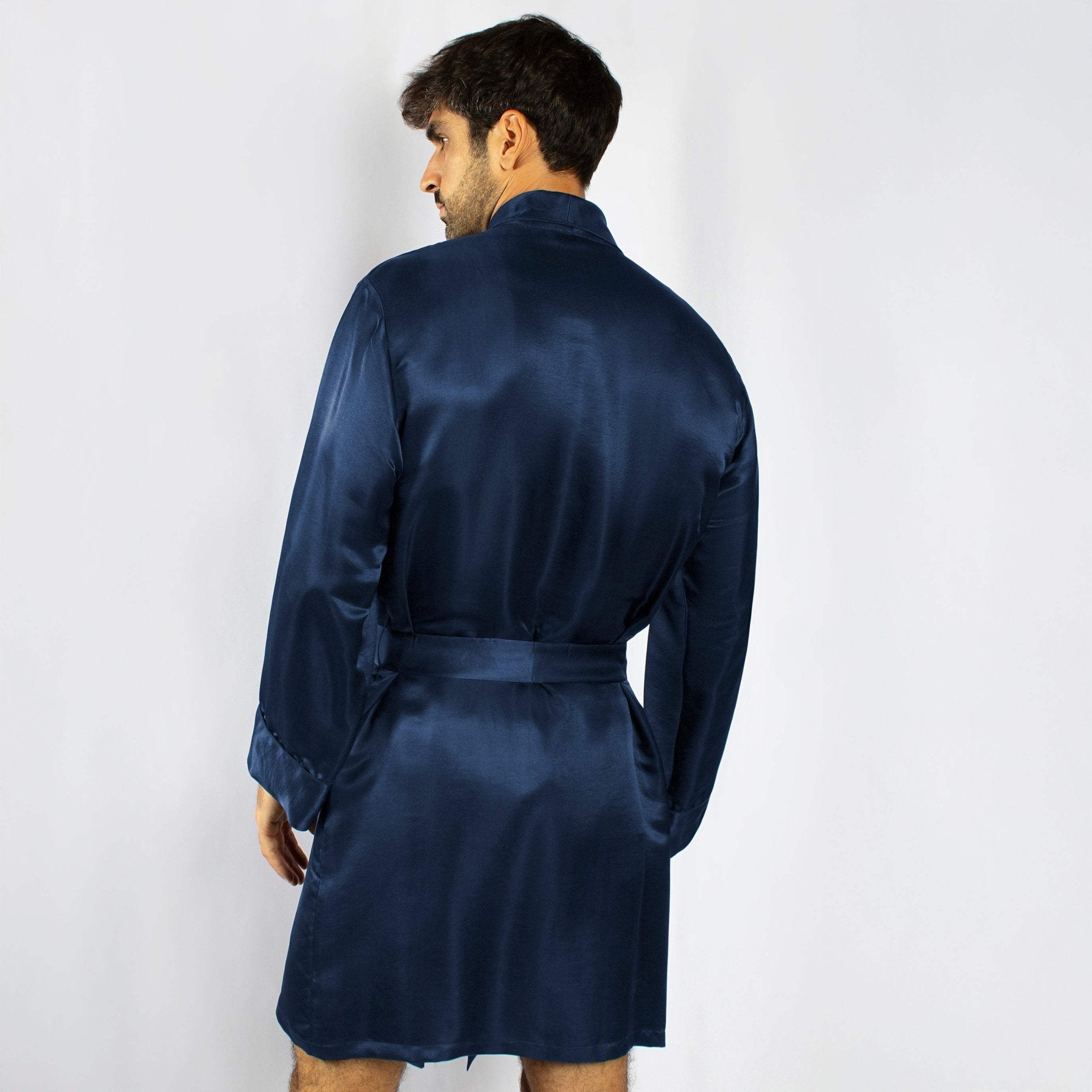
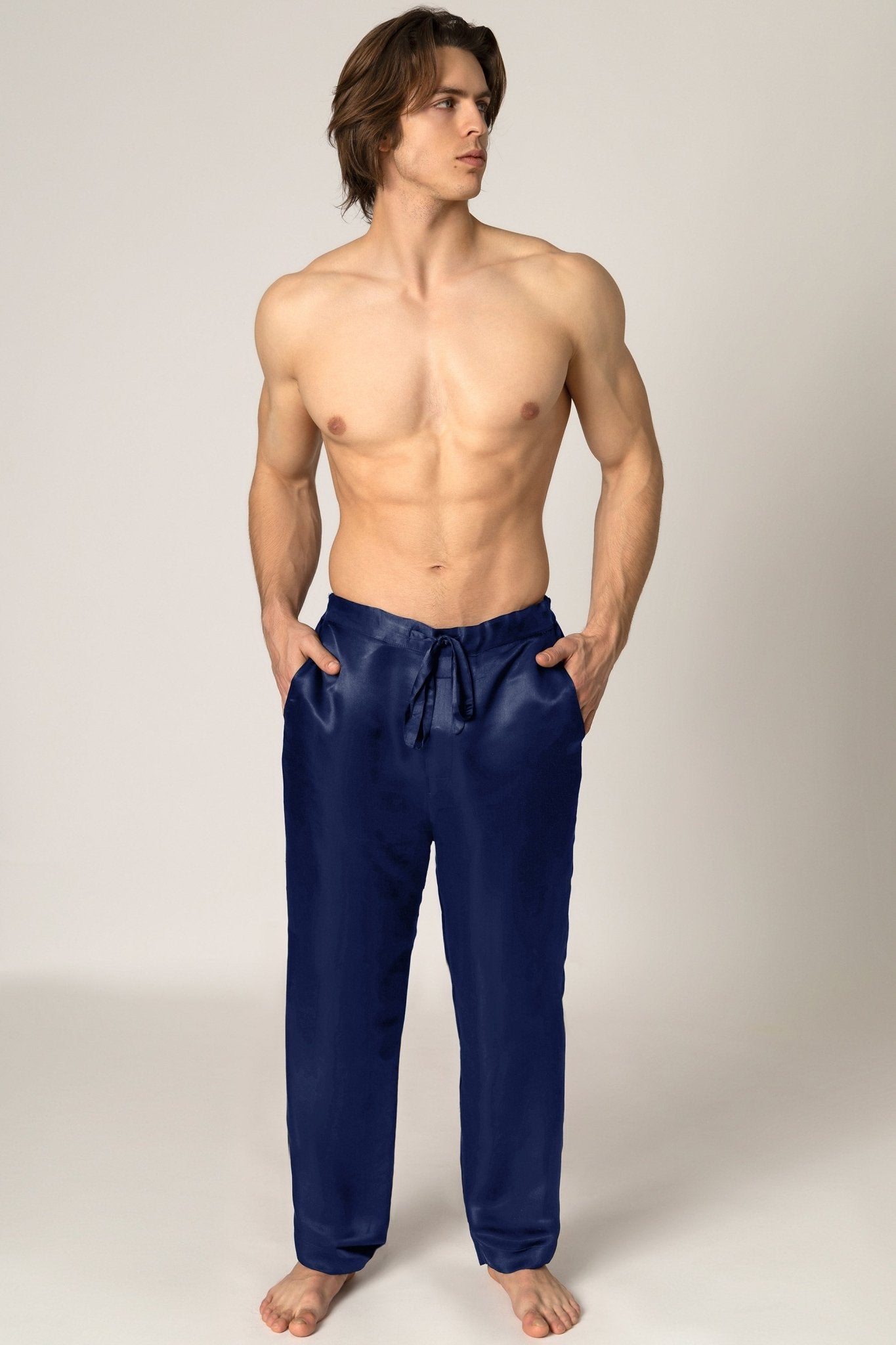
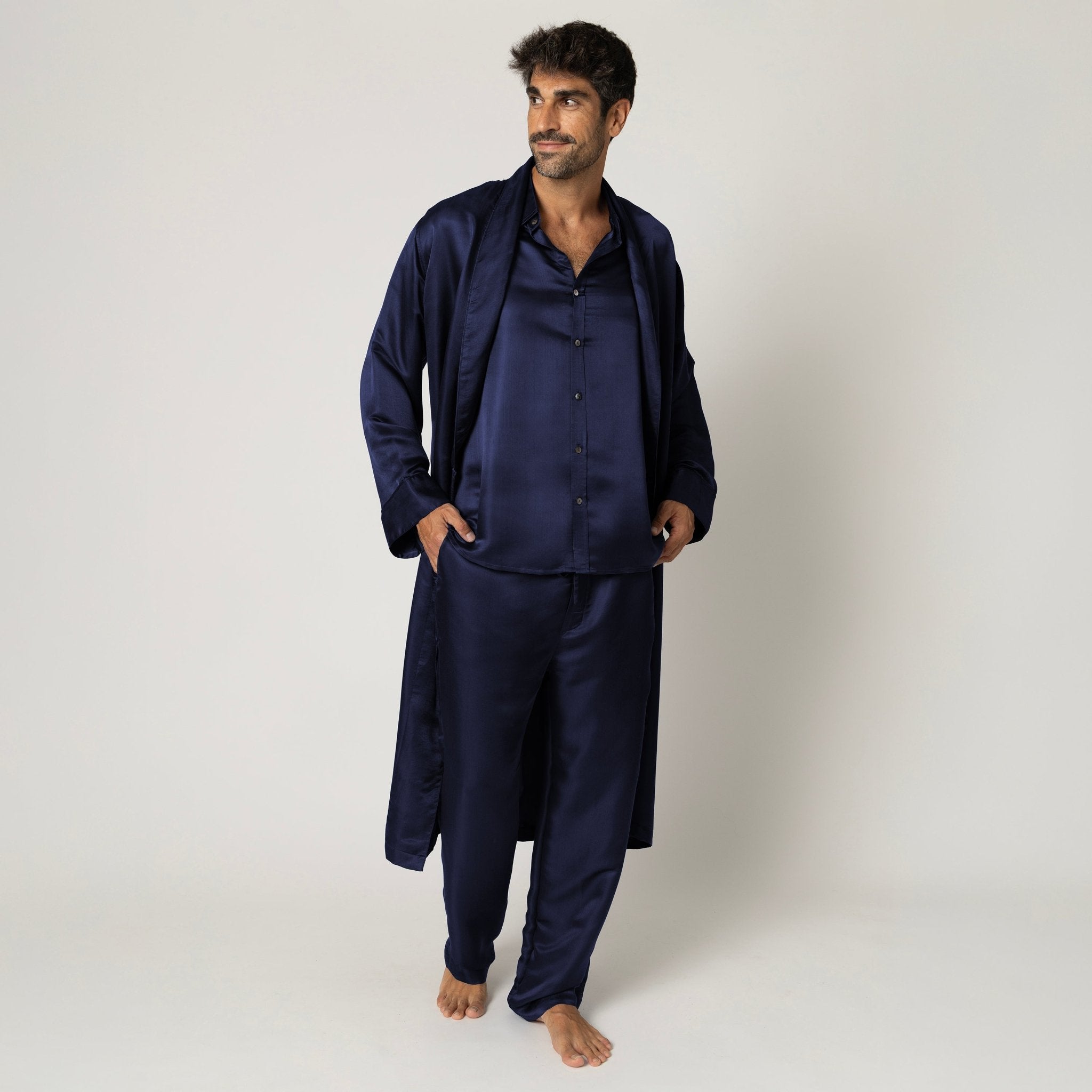
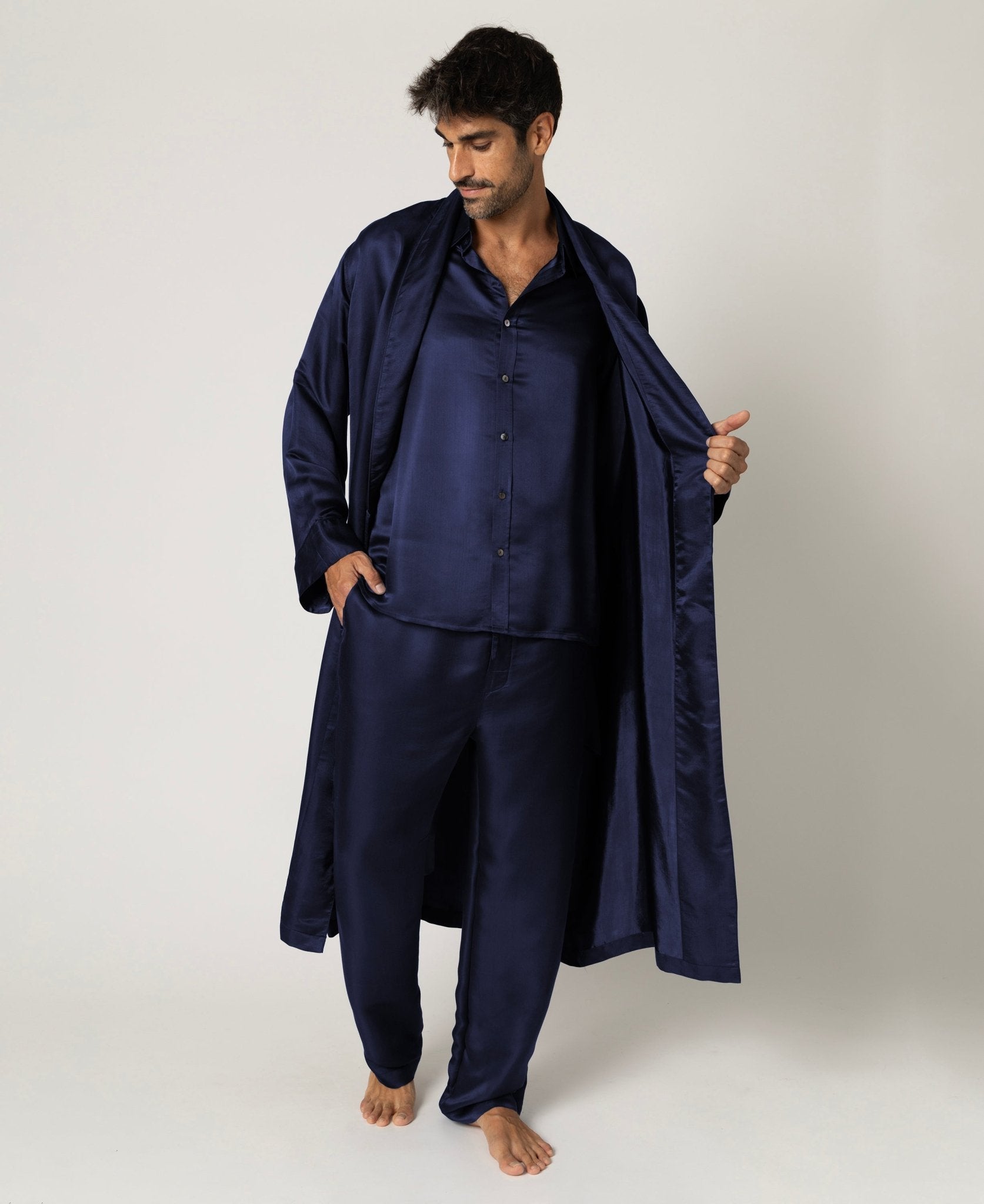
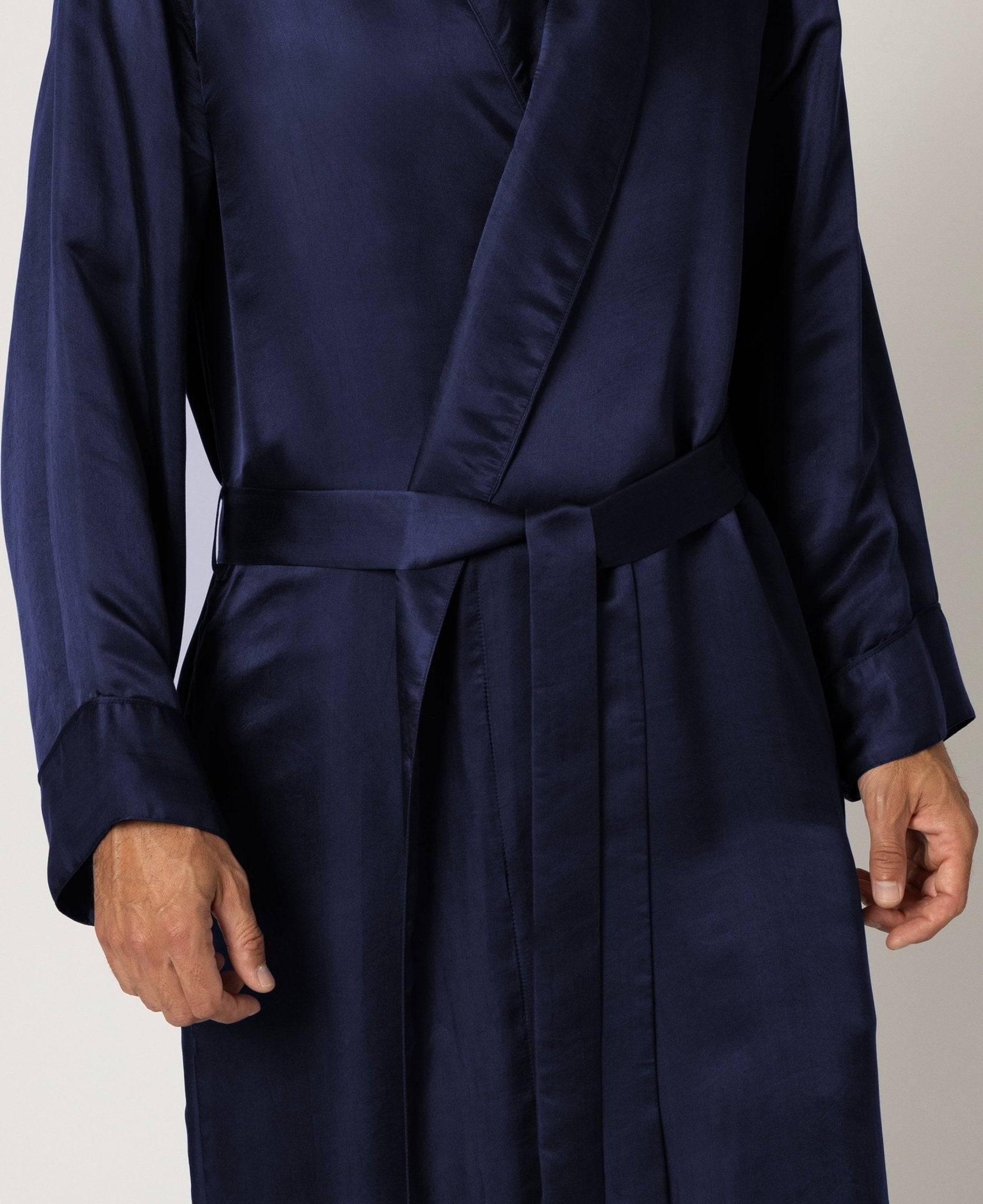
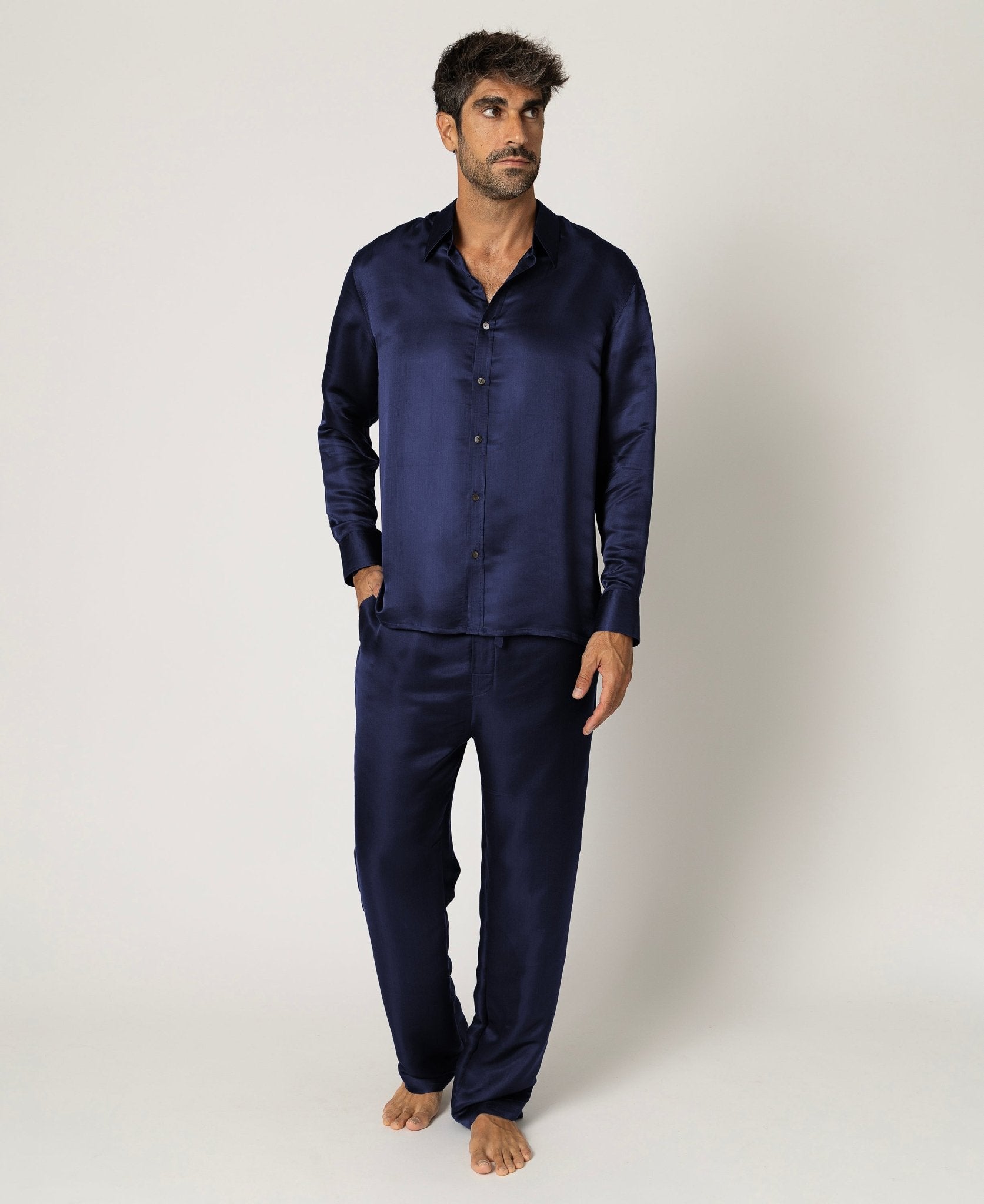
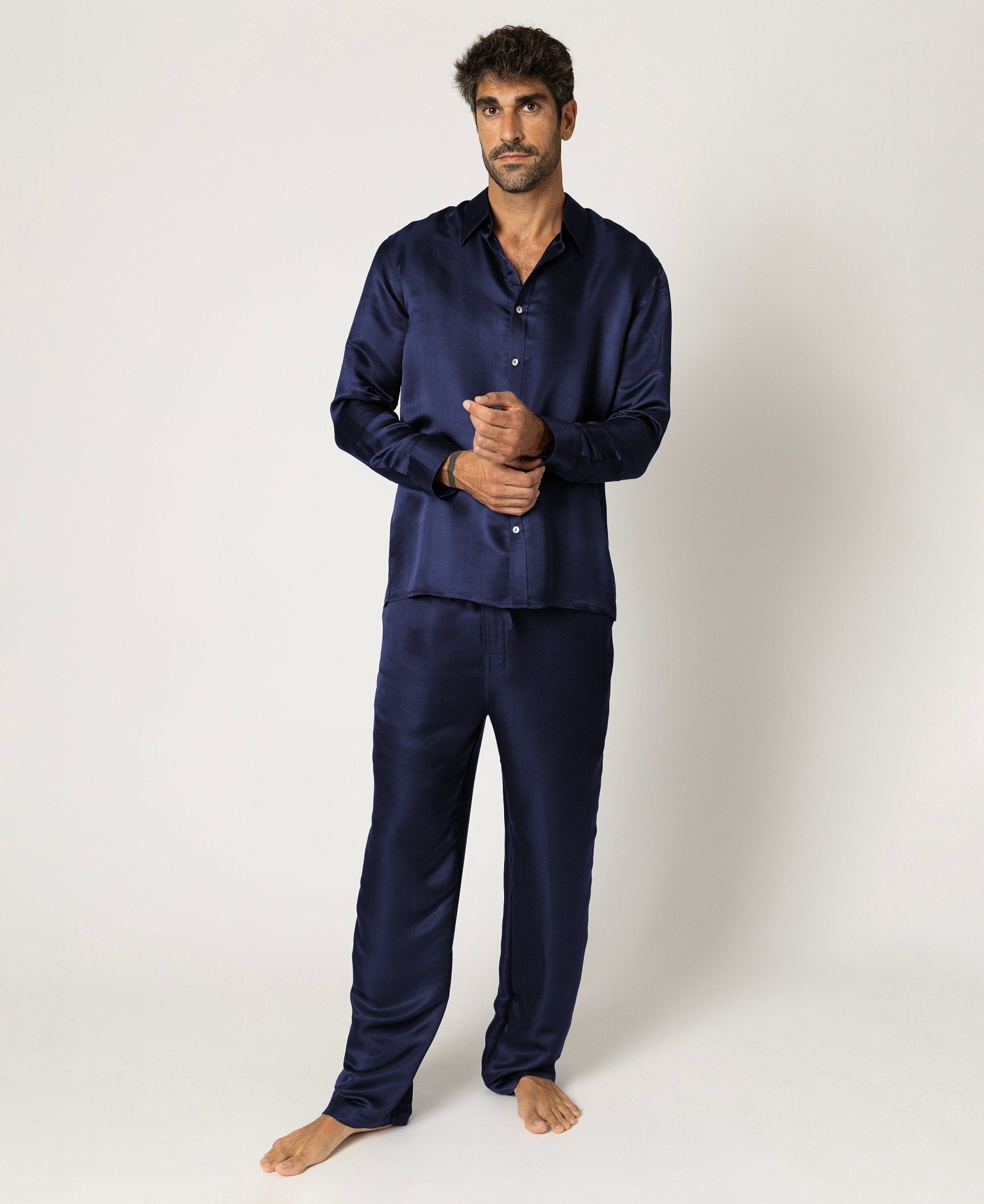
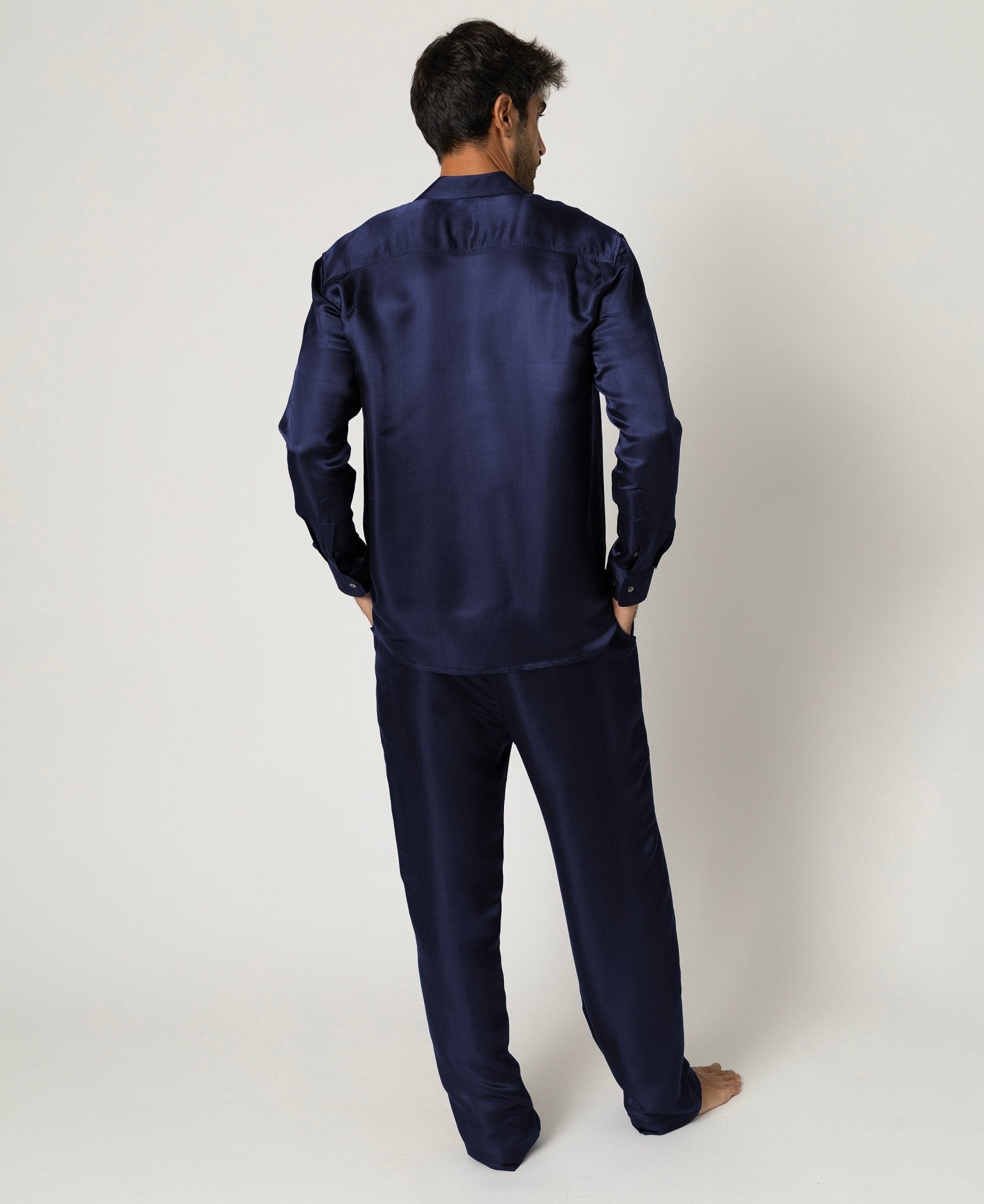
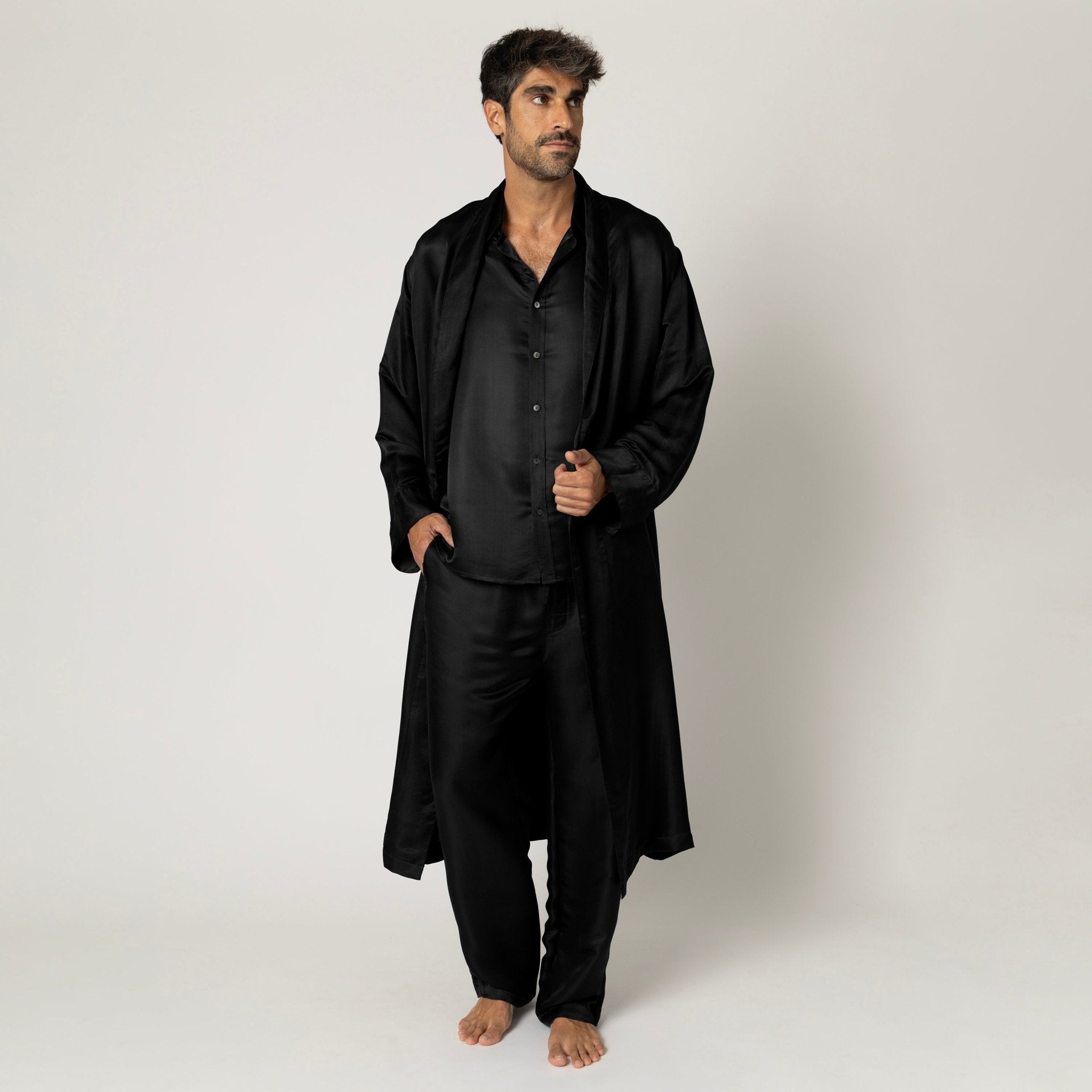
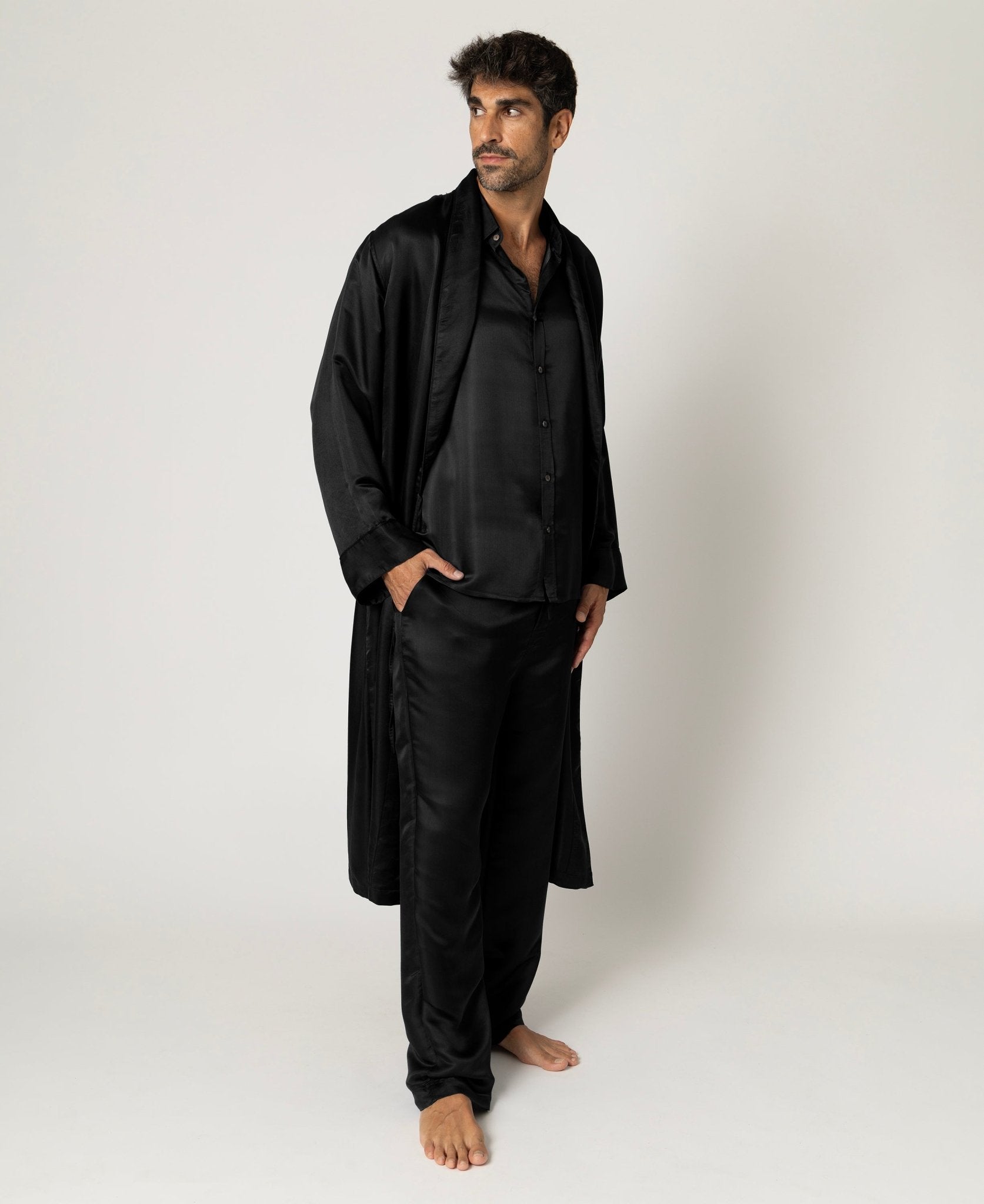
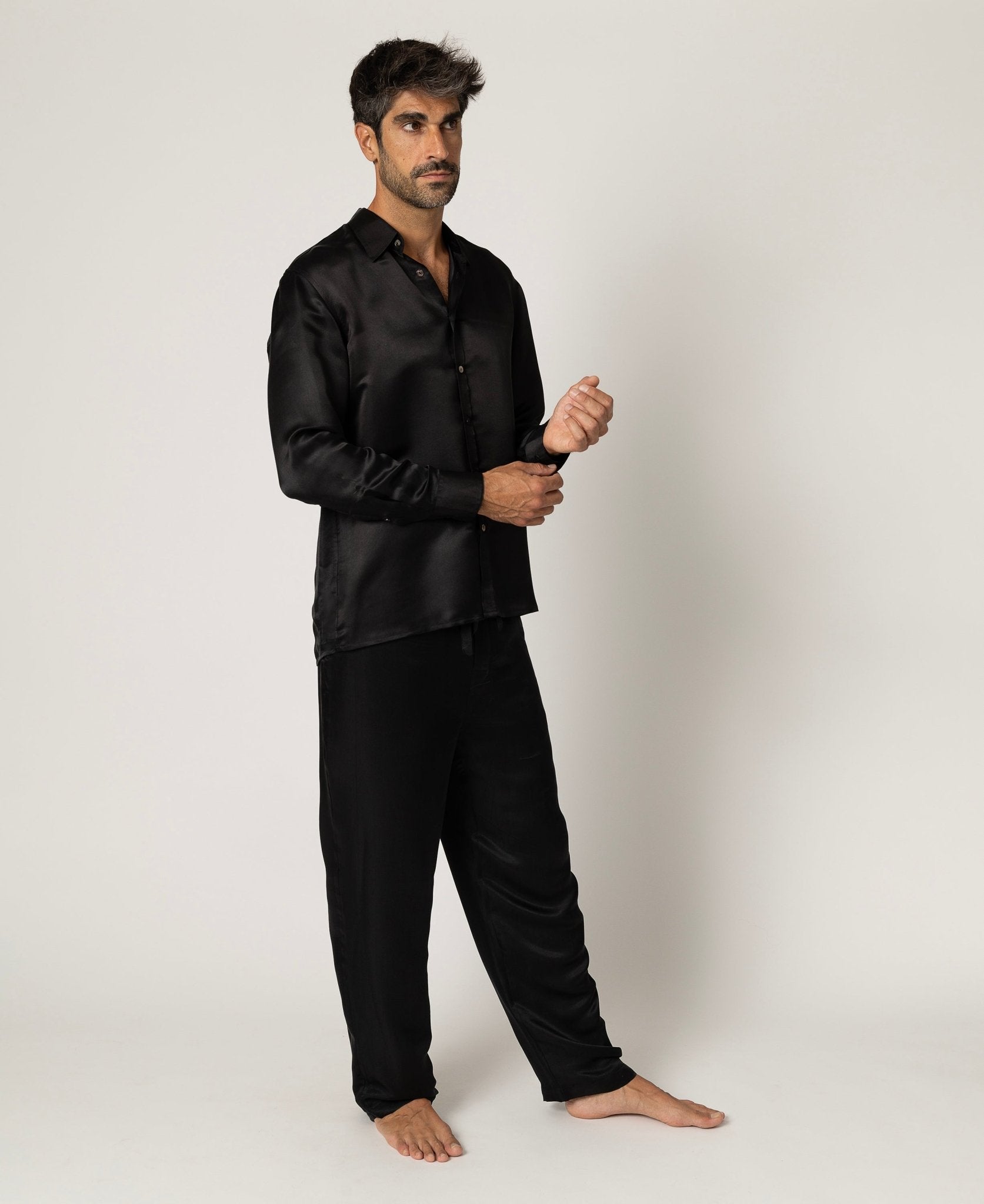
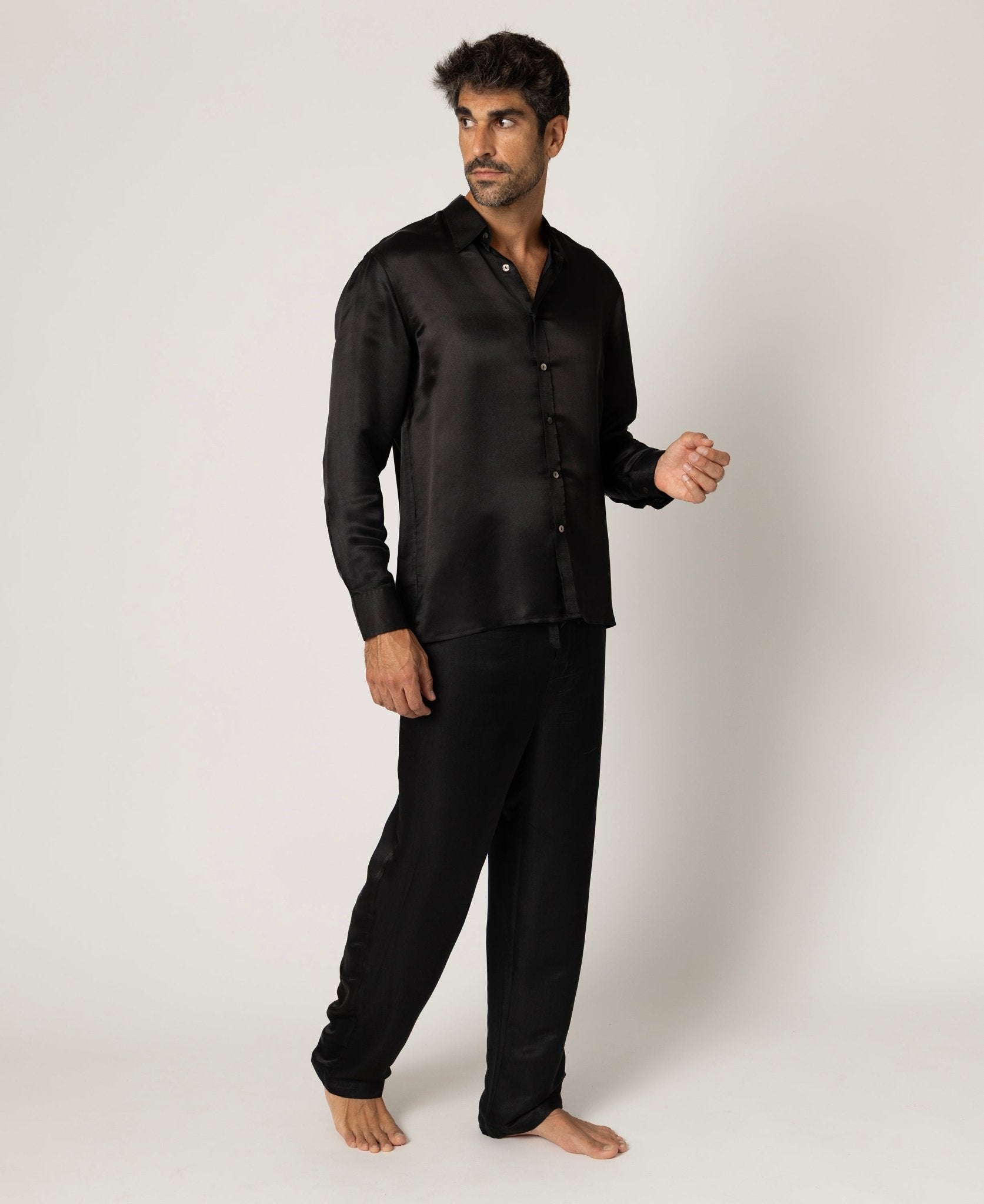
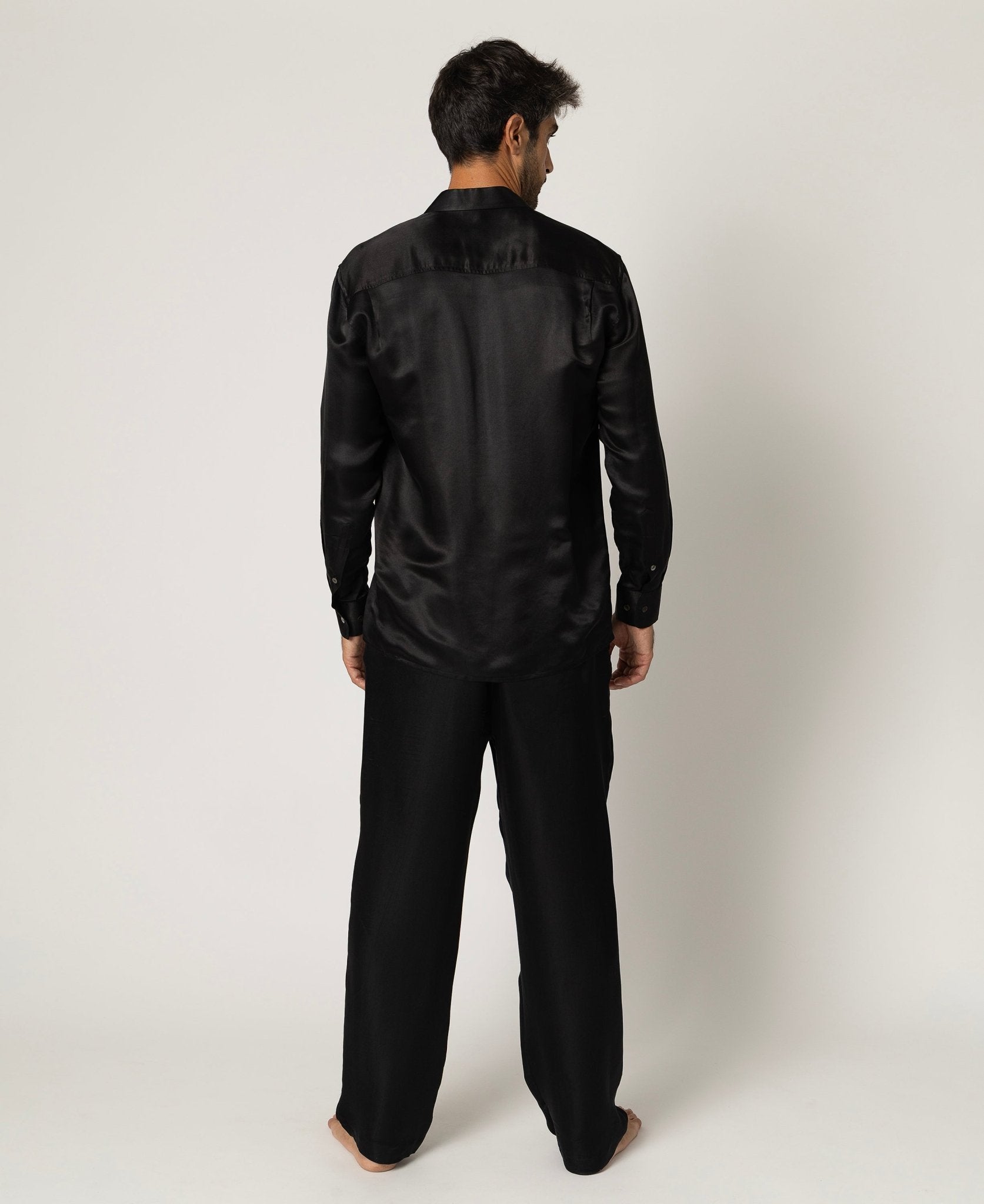
Silk pajamas that cover the most commonly affected areas (arms, legs, torso) provide the broadest friction reduction. Loose-fitting garments create a slight air gap between fabric and skin, further reducing contact friction.
For hand and wrist eczema:
Silk's smooth surface reduces friction against hands and wrists during sleep. It also reduces the absorption of emollients and moisturizers from the skin, keeping more of the product where it belongs.
For generalized body eczema:
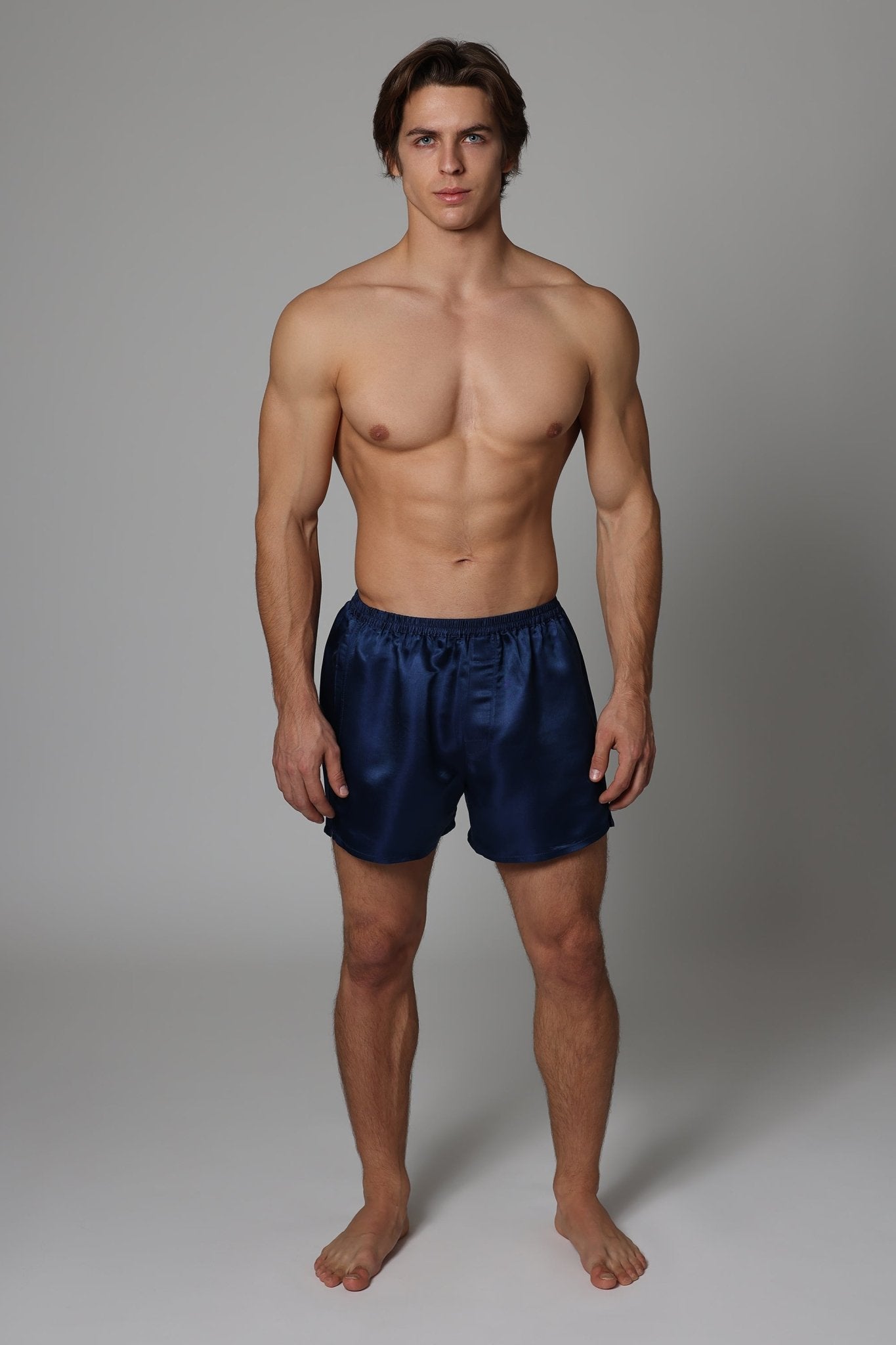
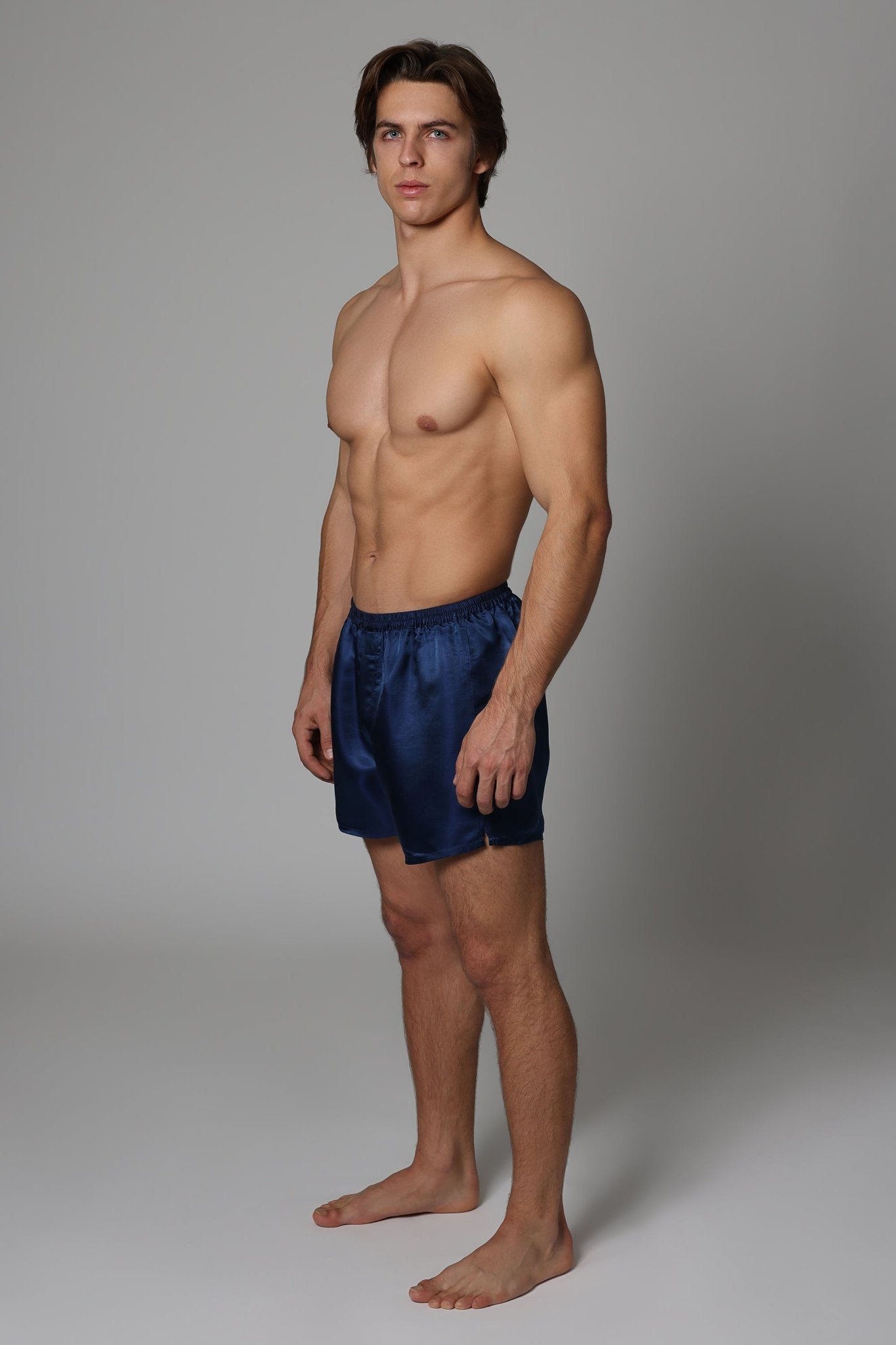
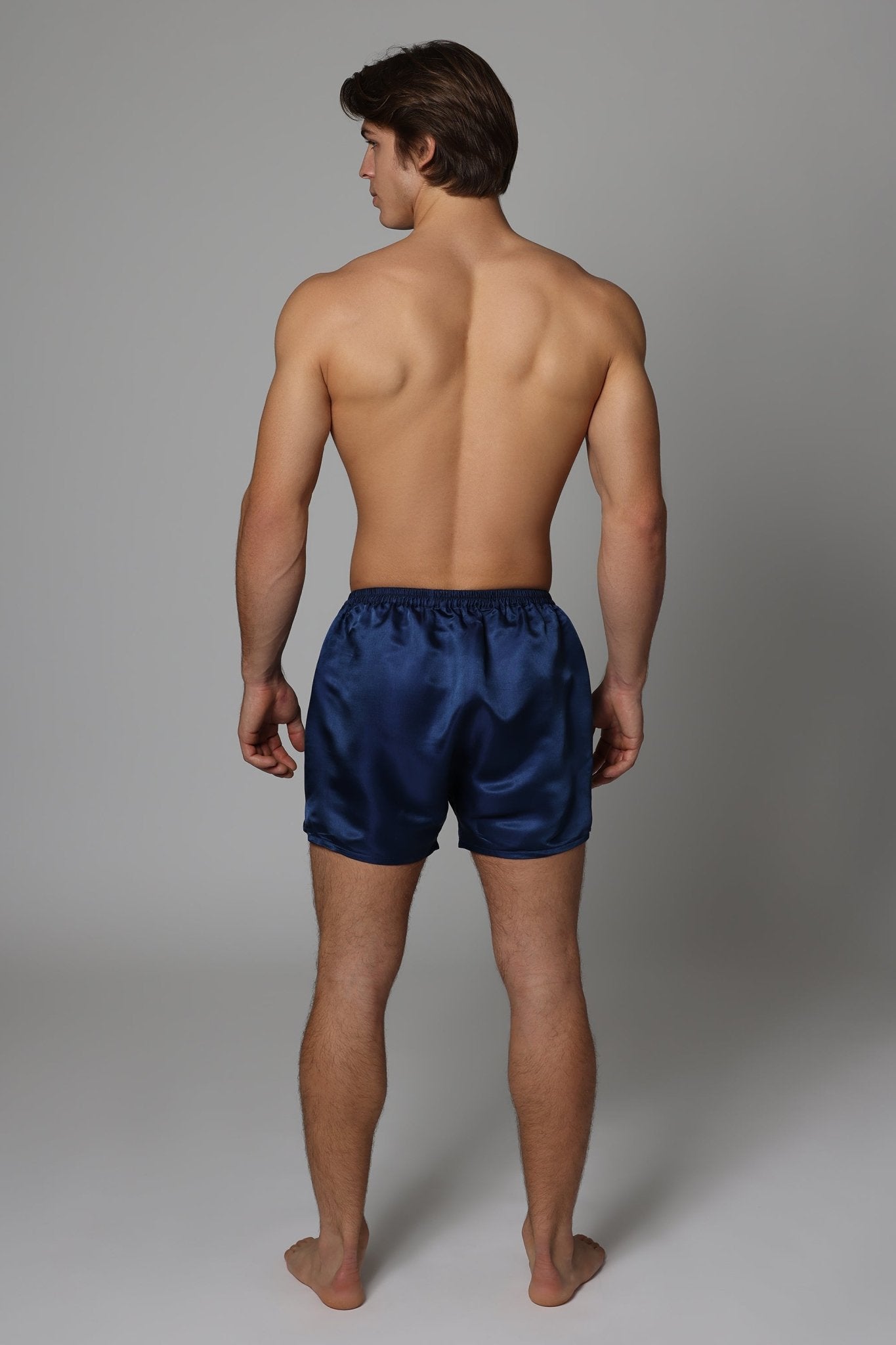
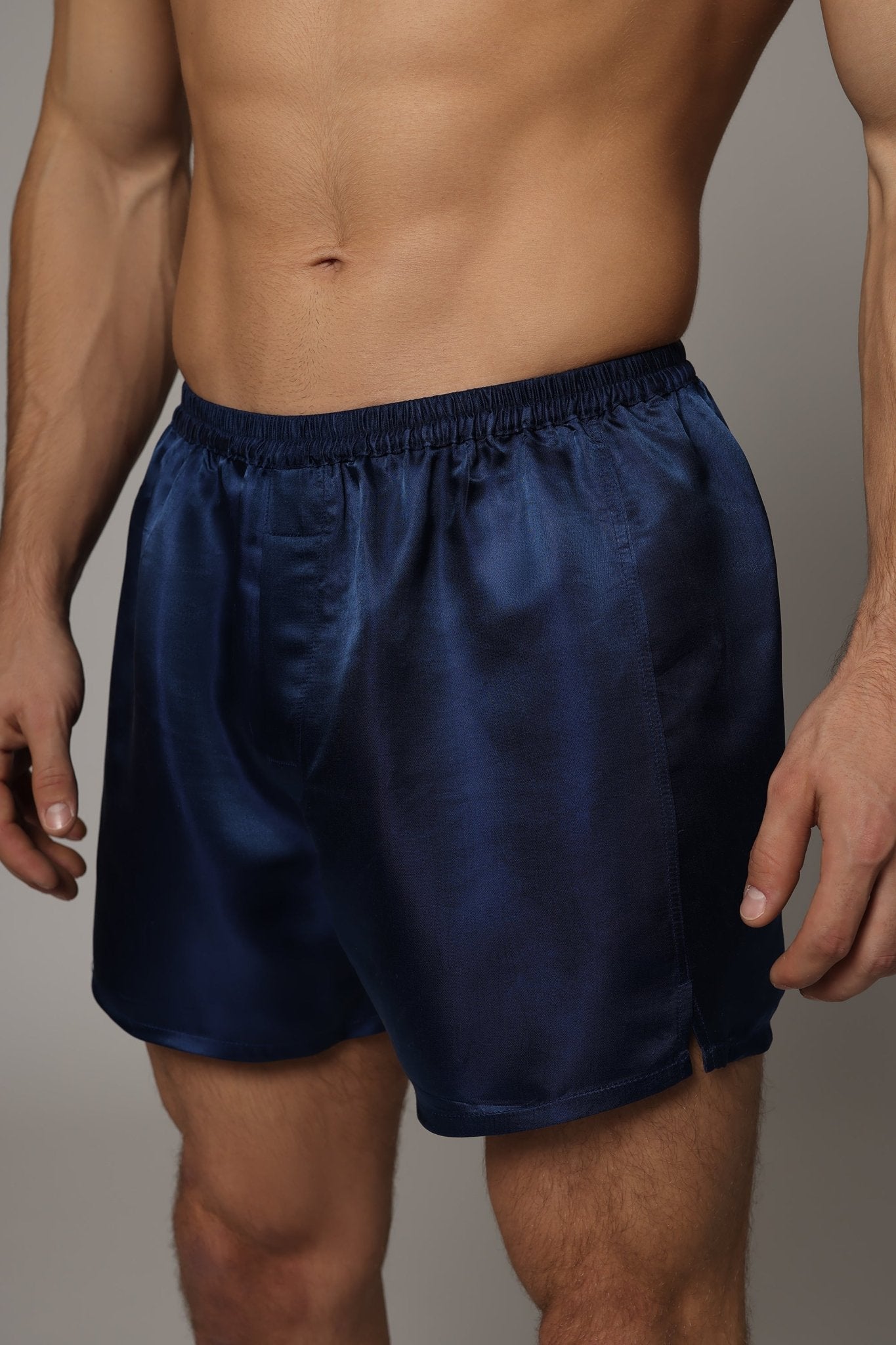
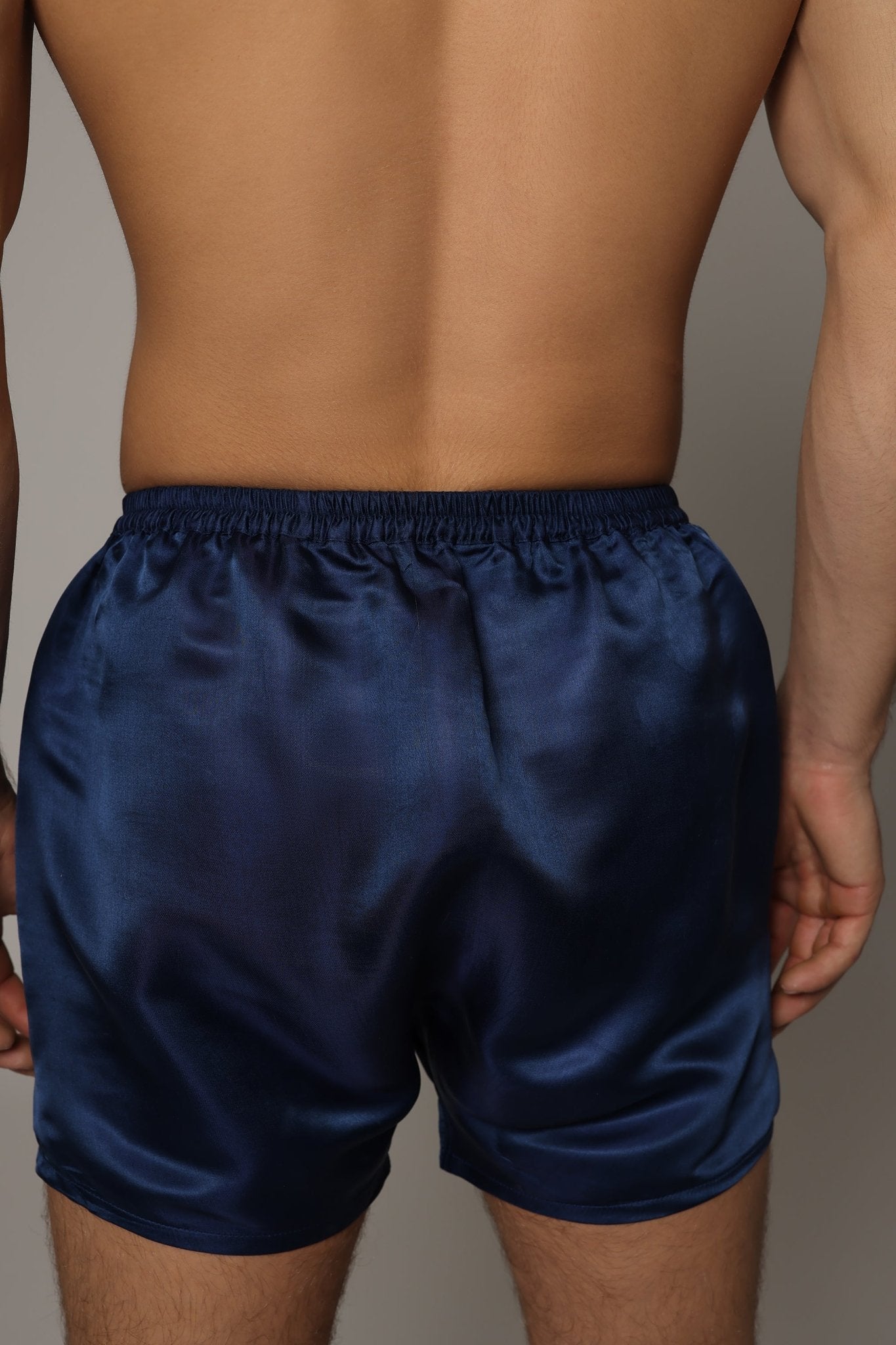
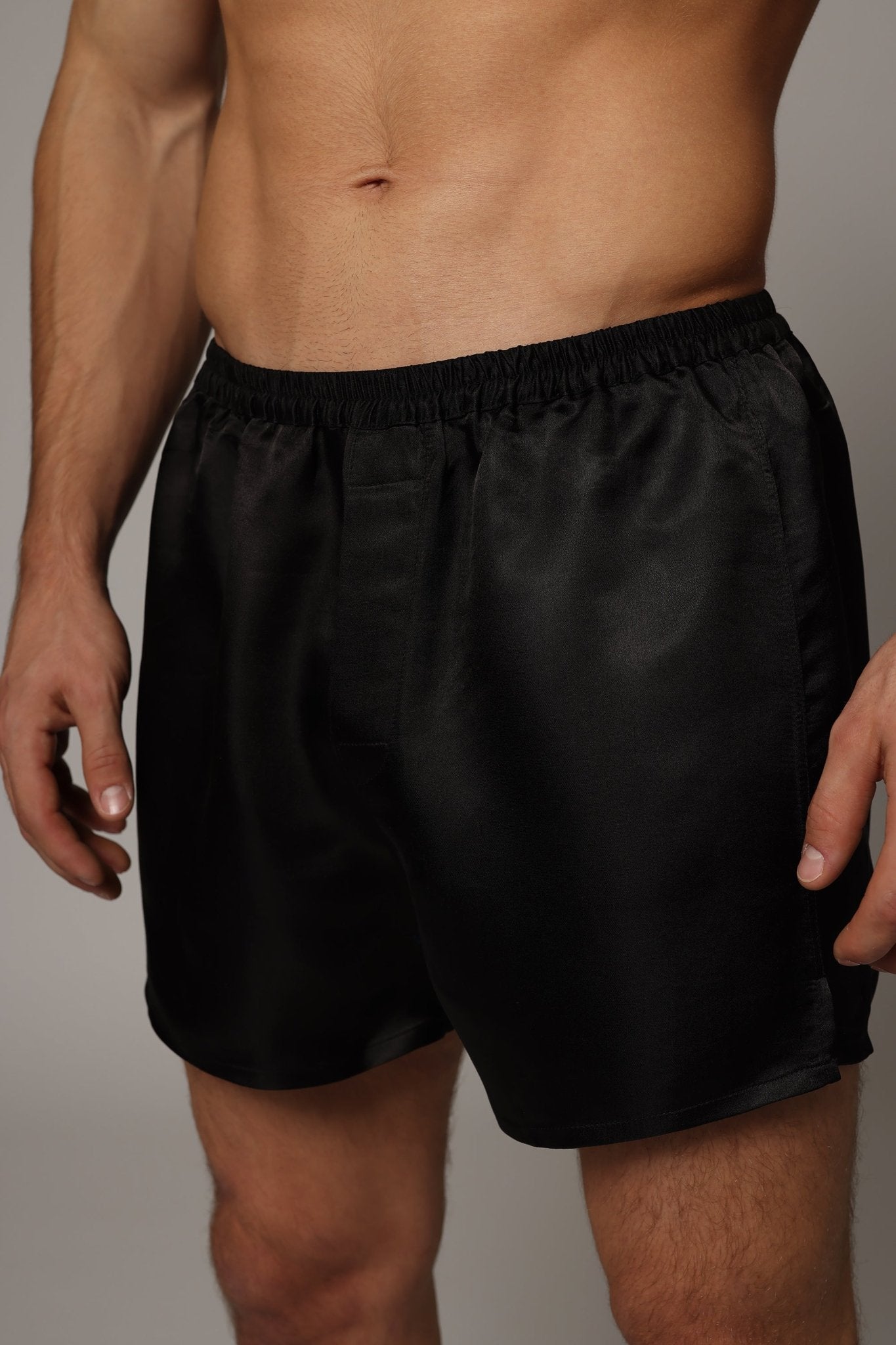
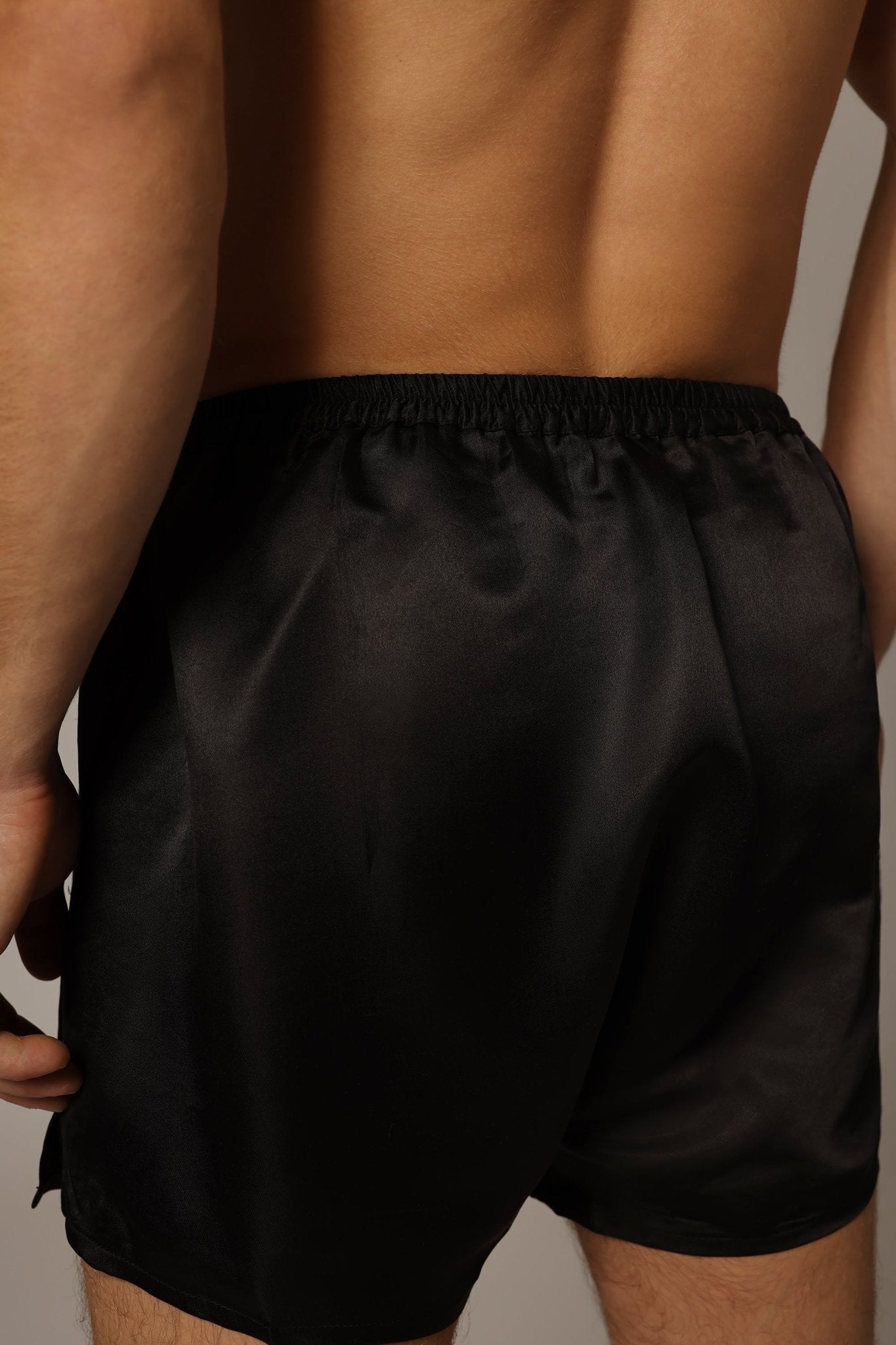
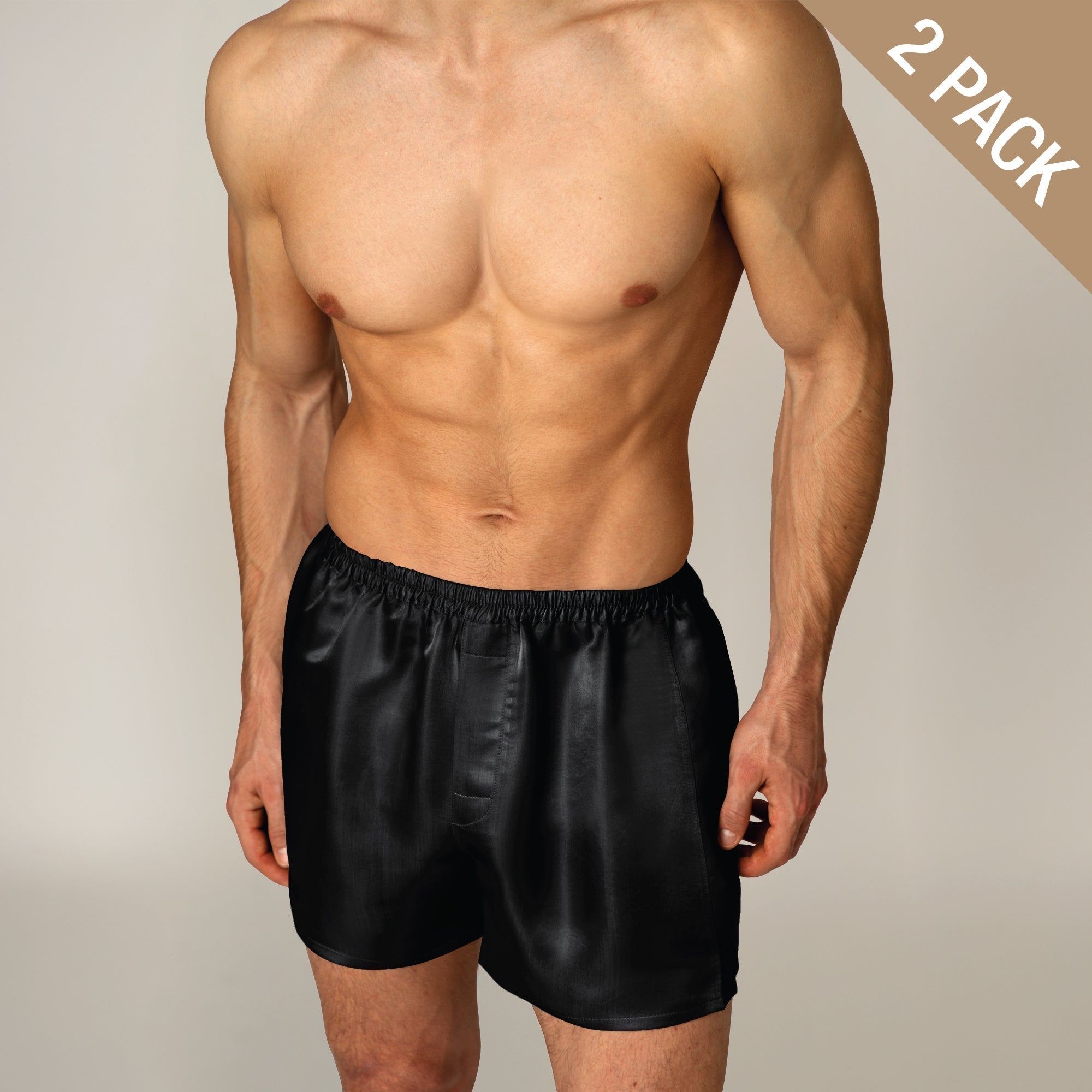
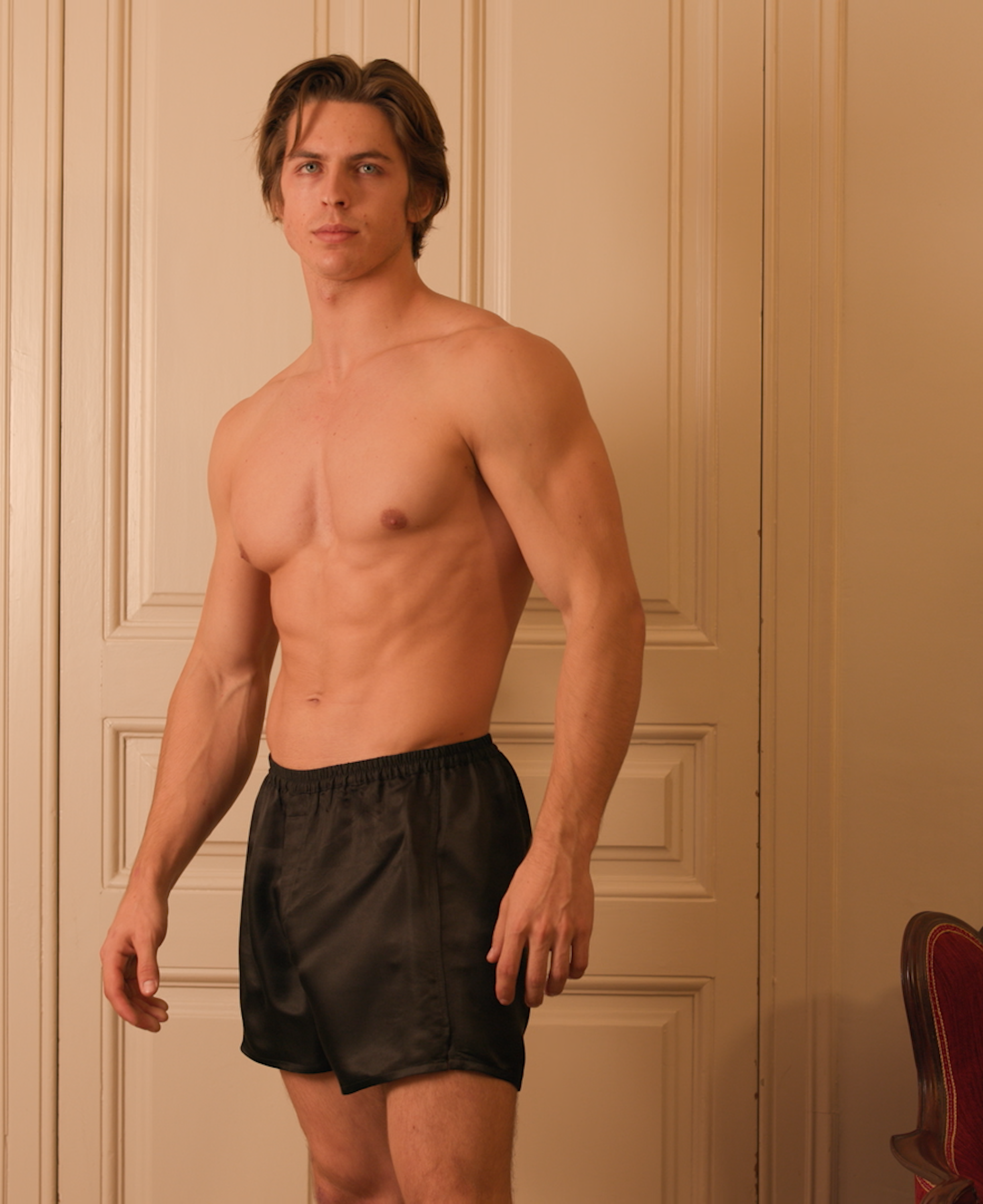
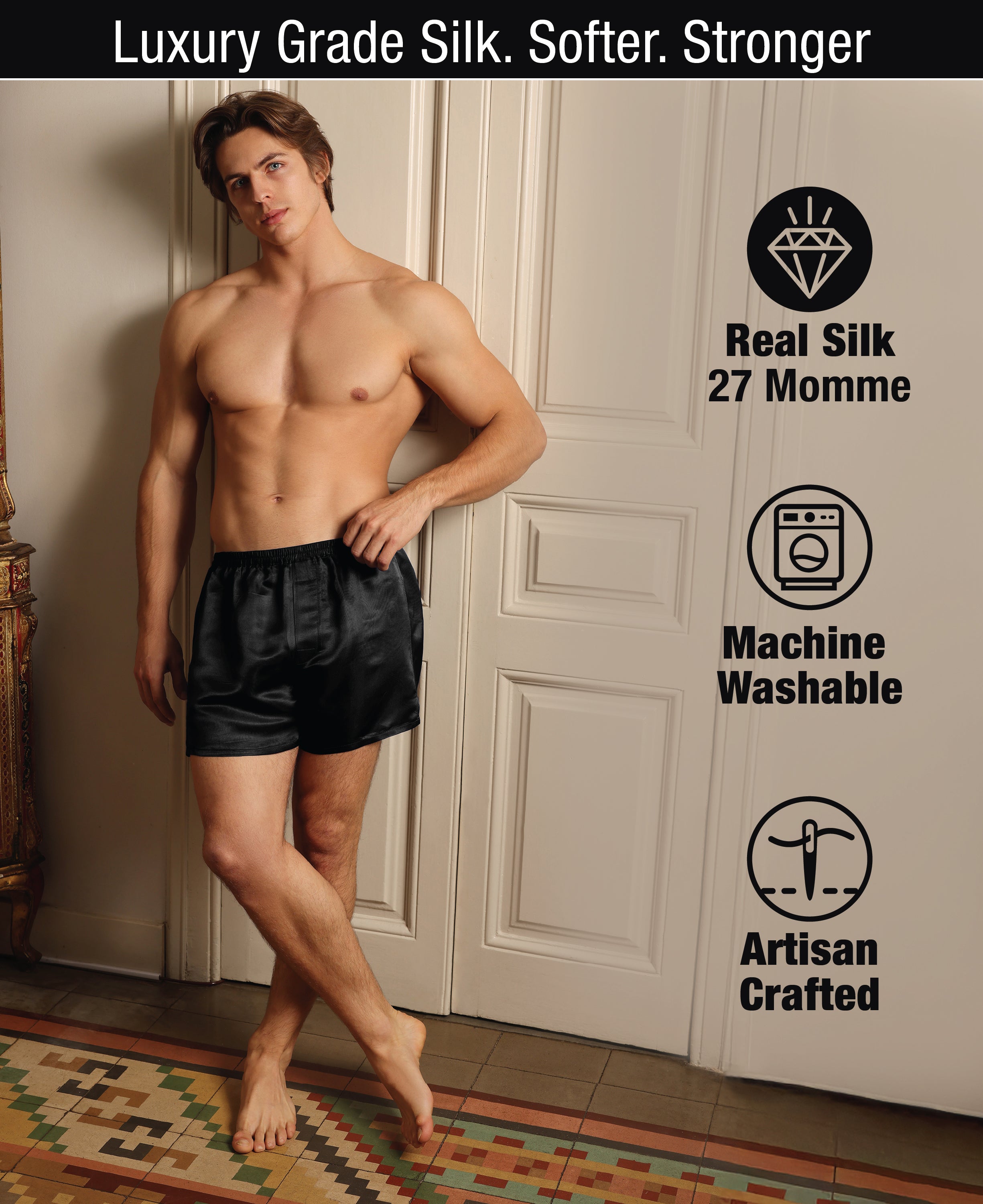
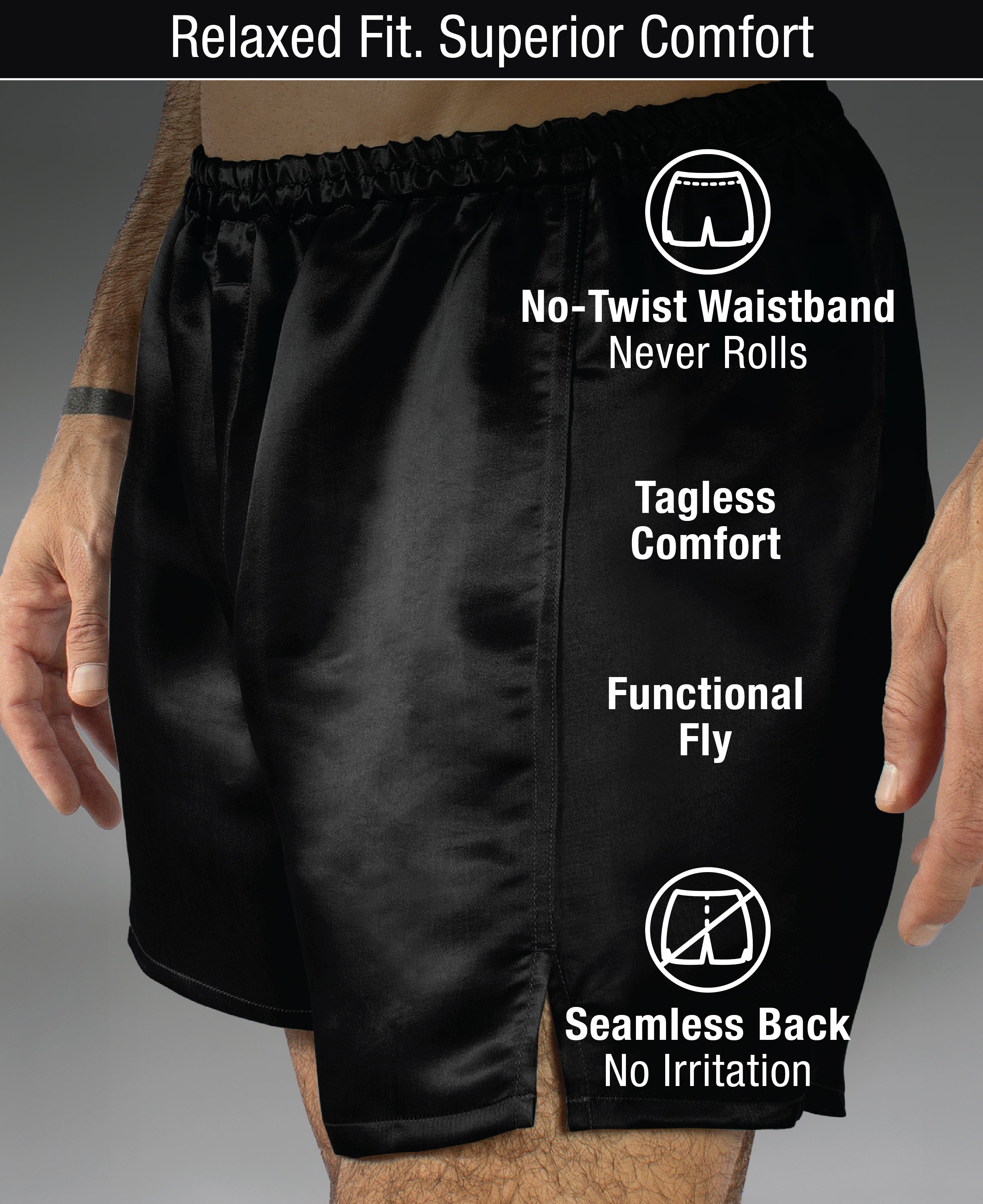
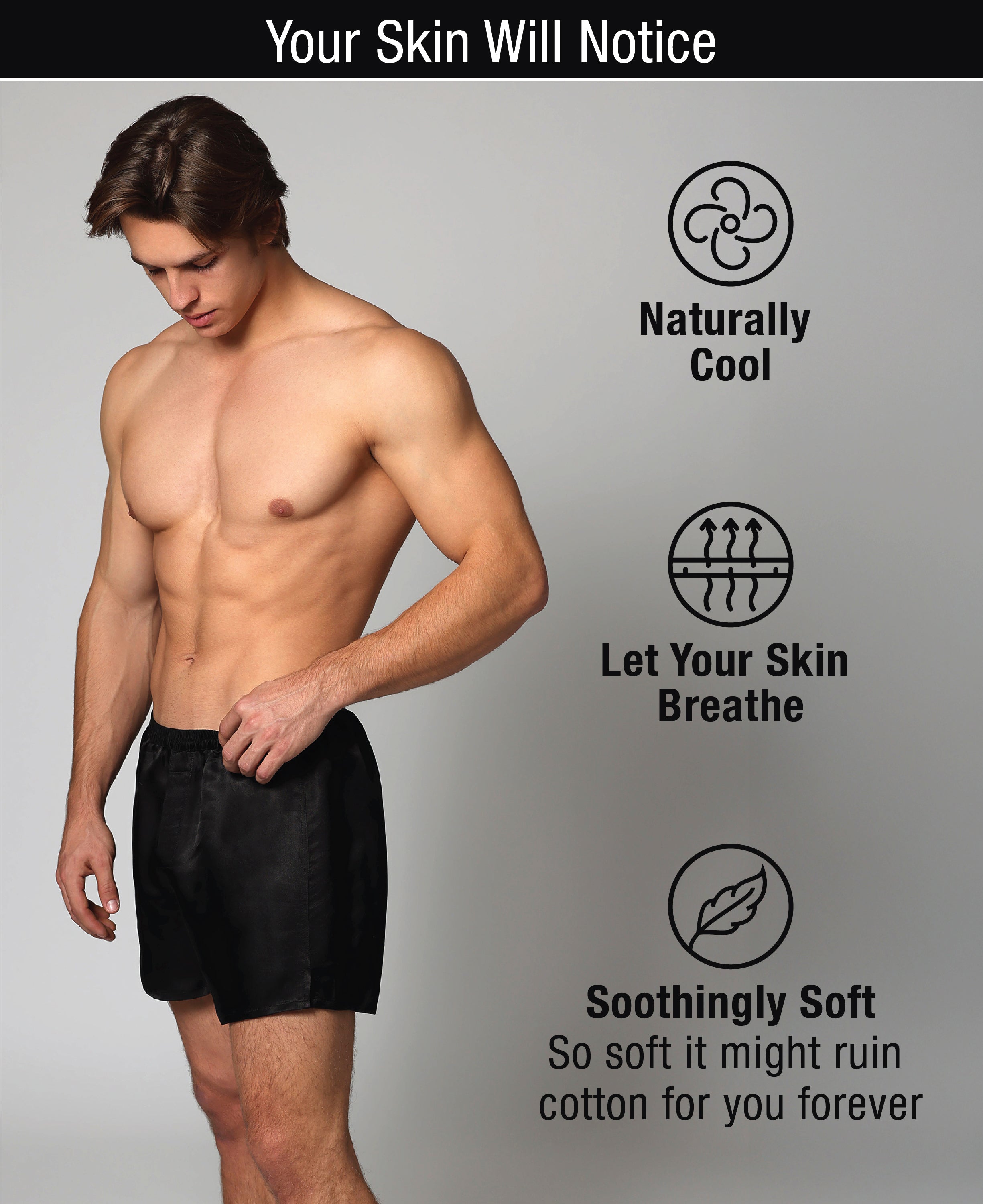
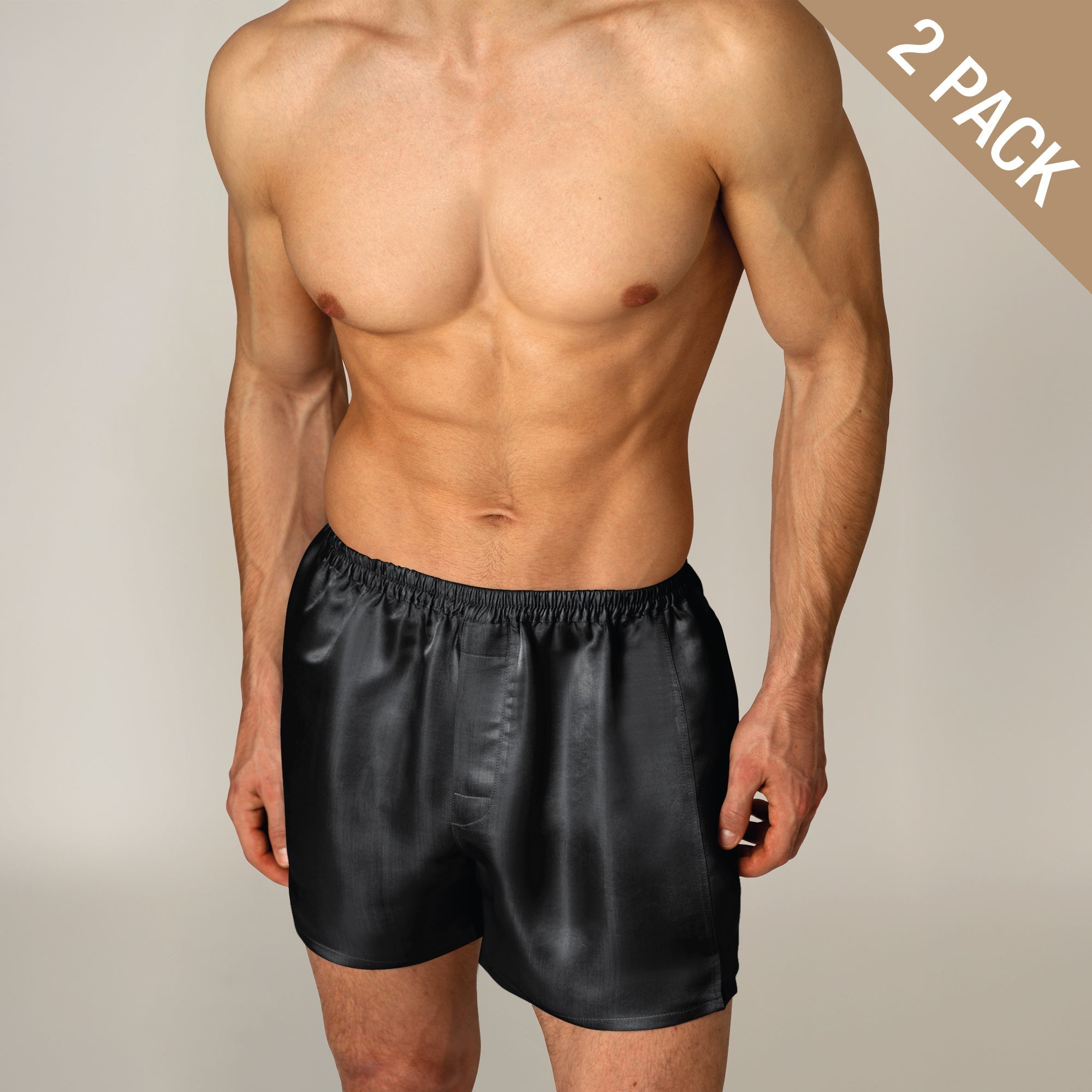
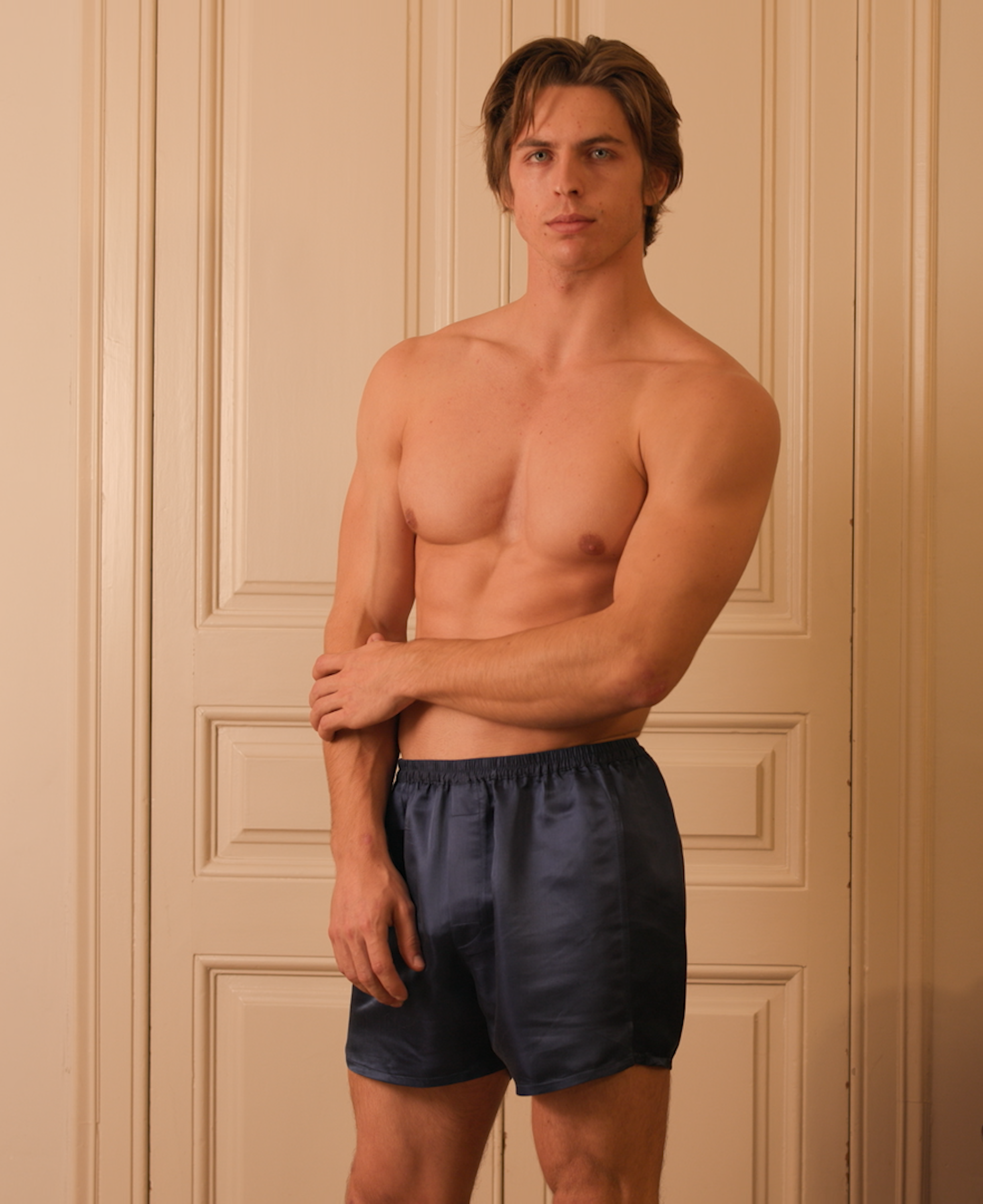
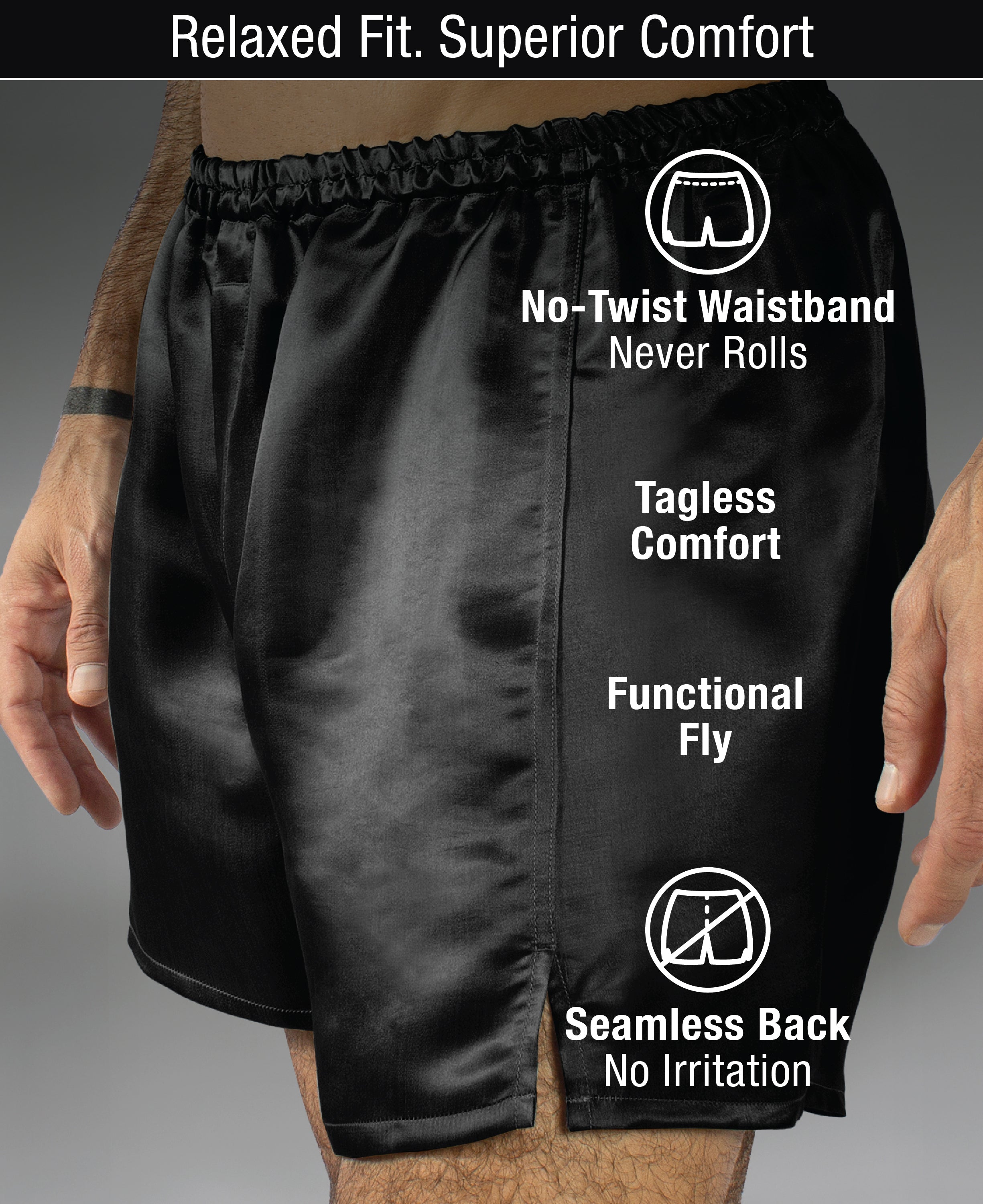
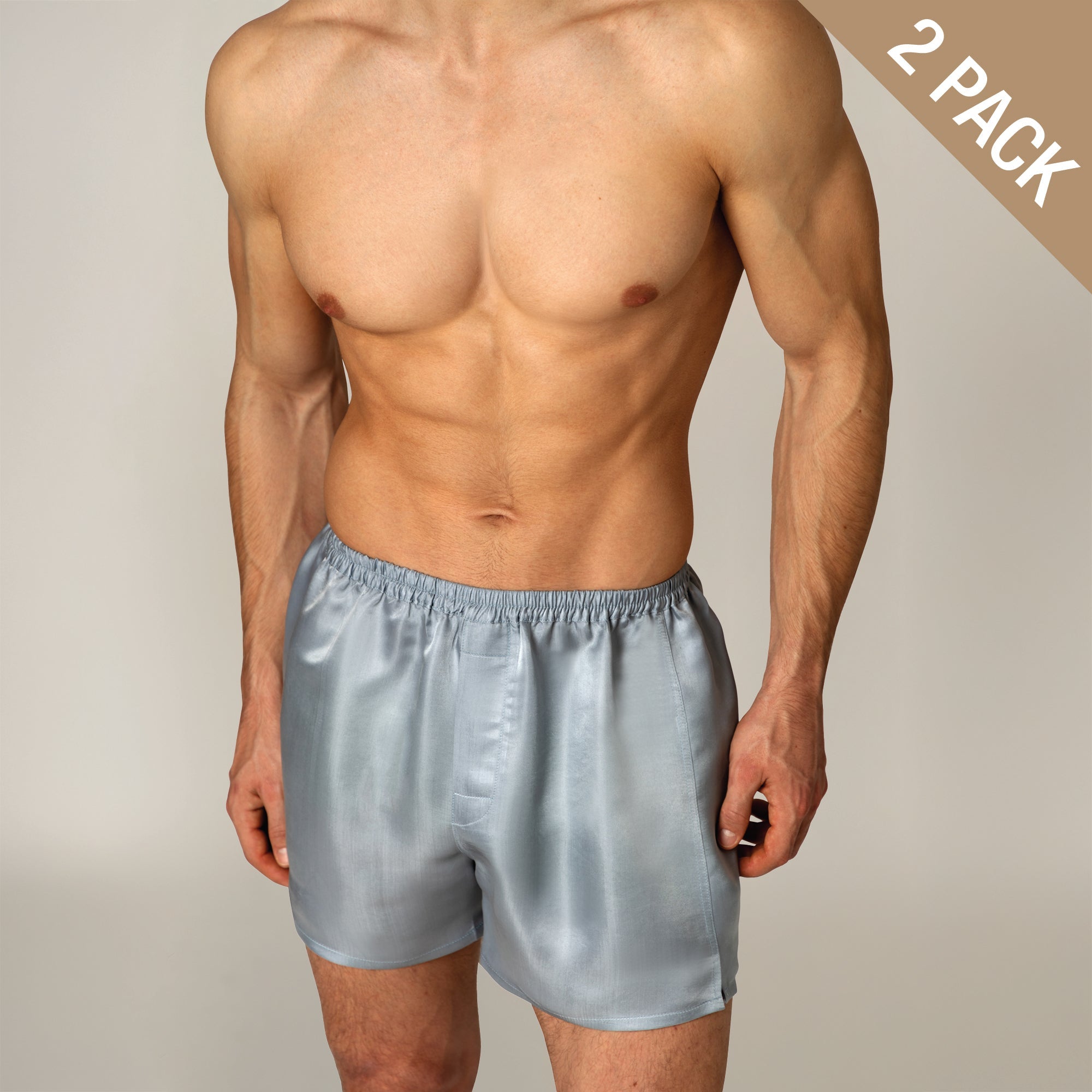
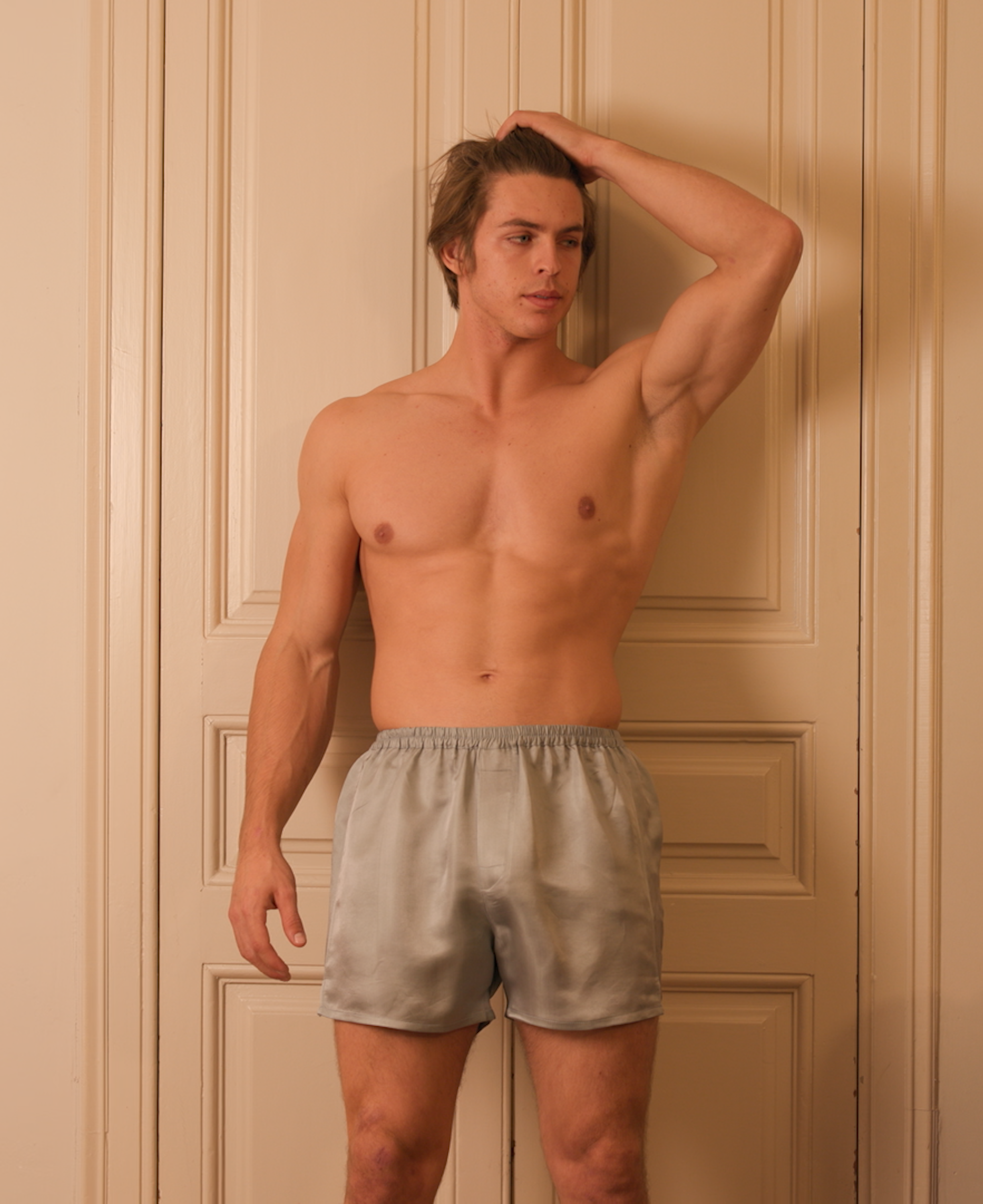
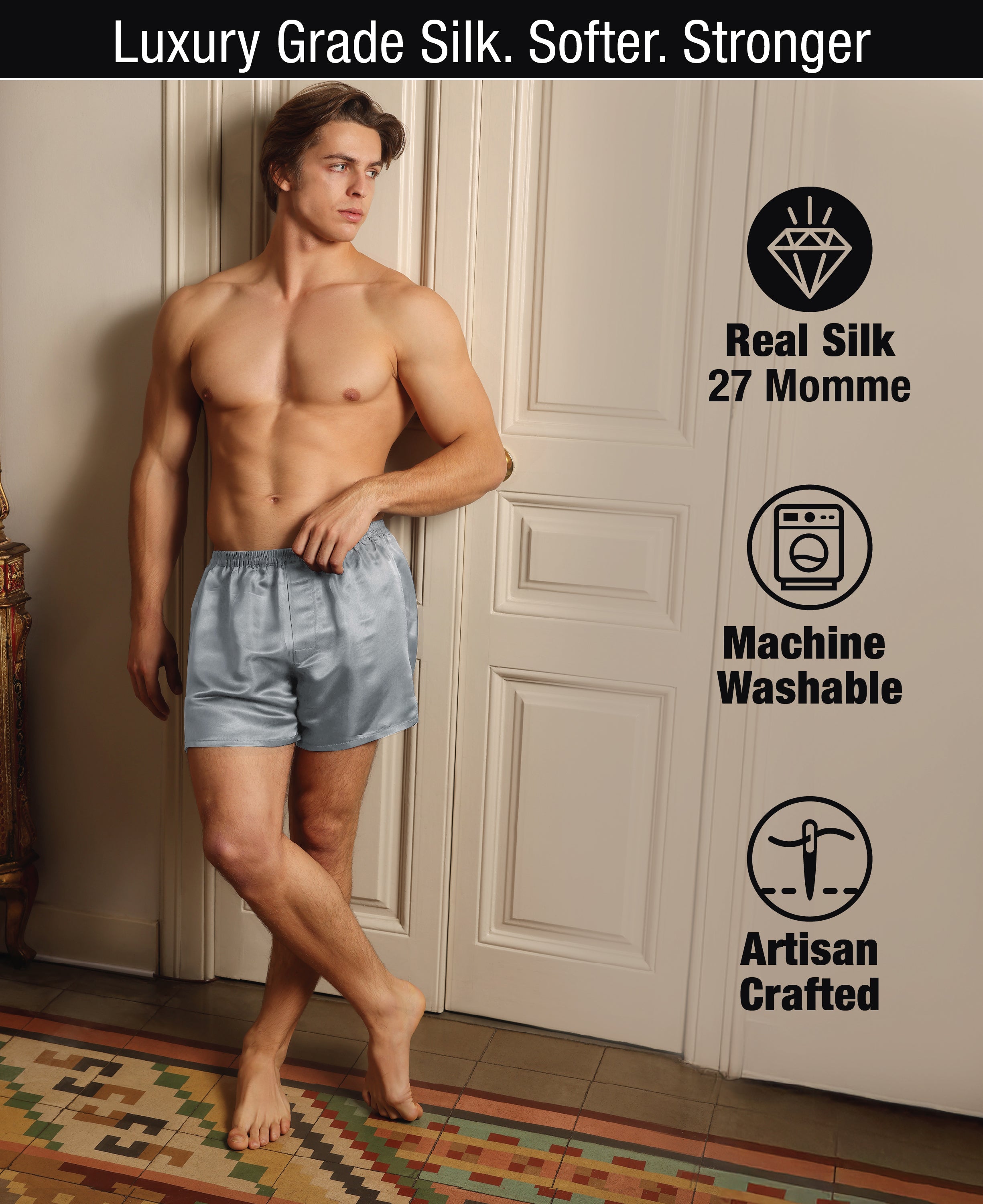
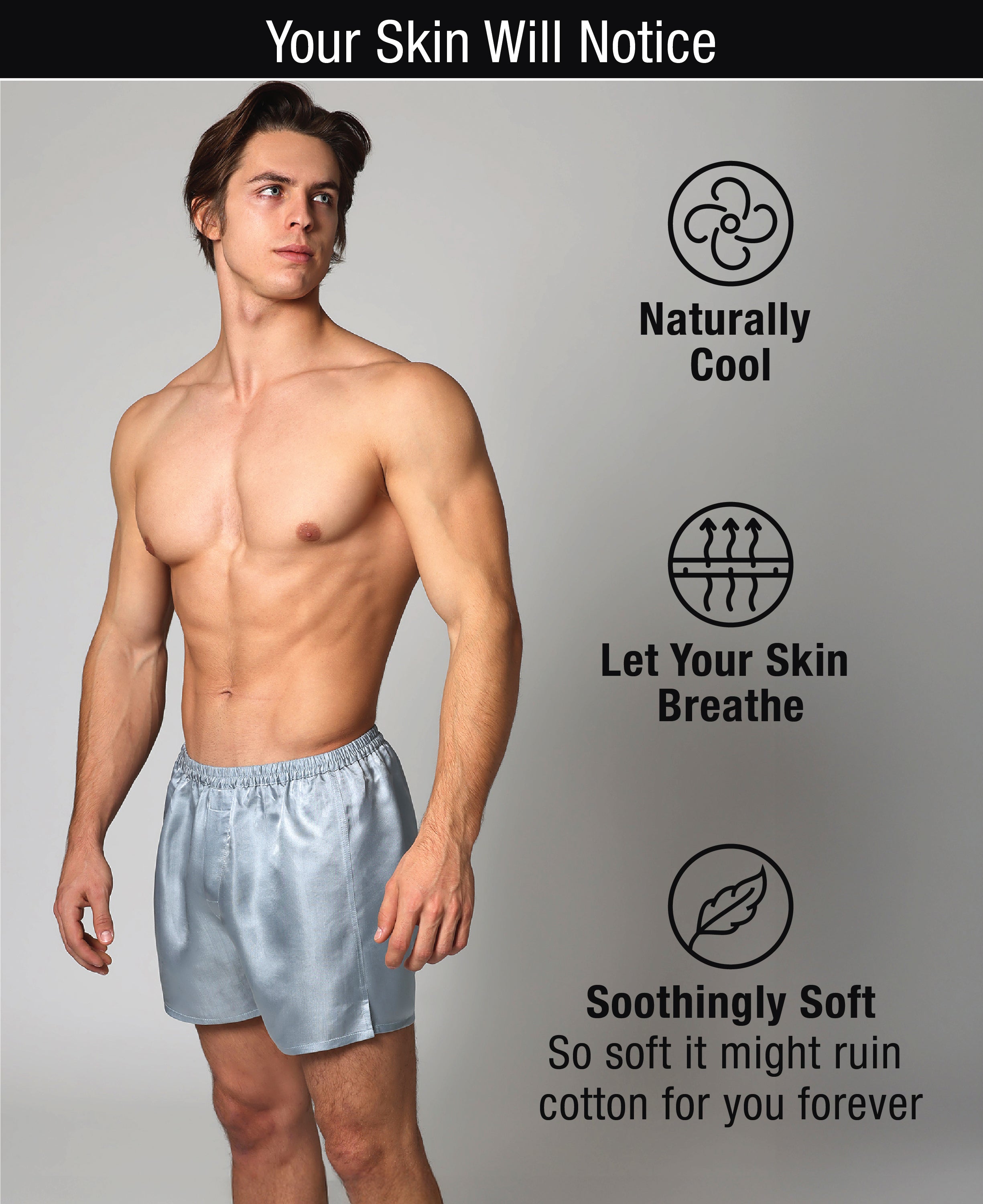
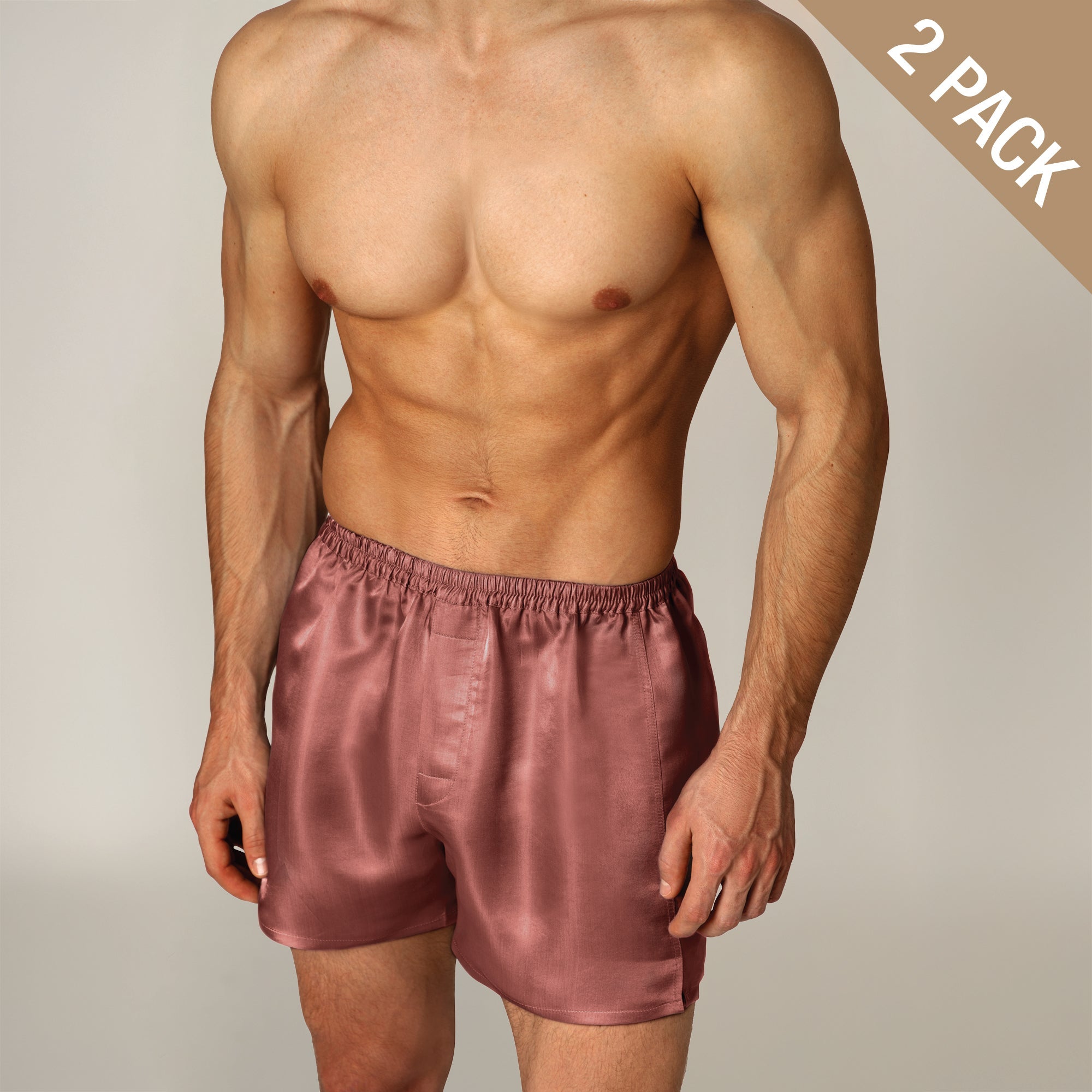
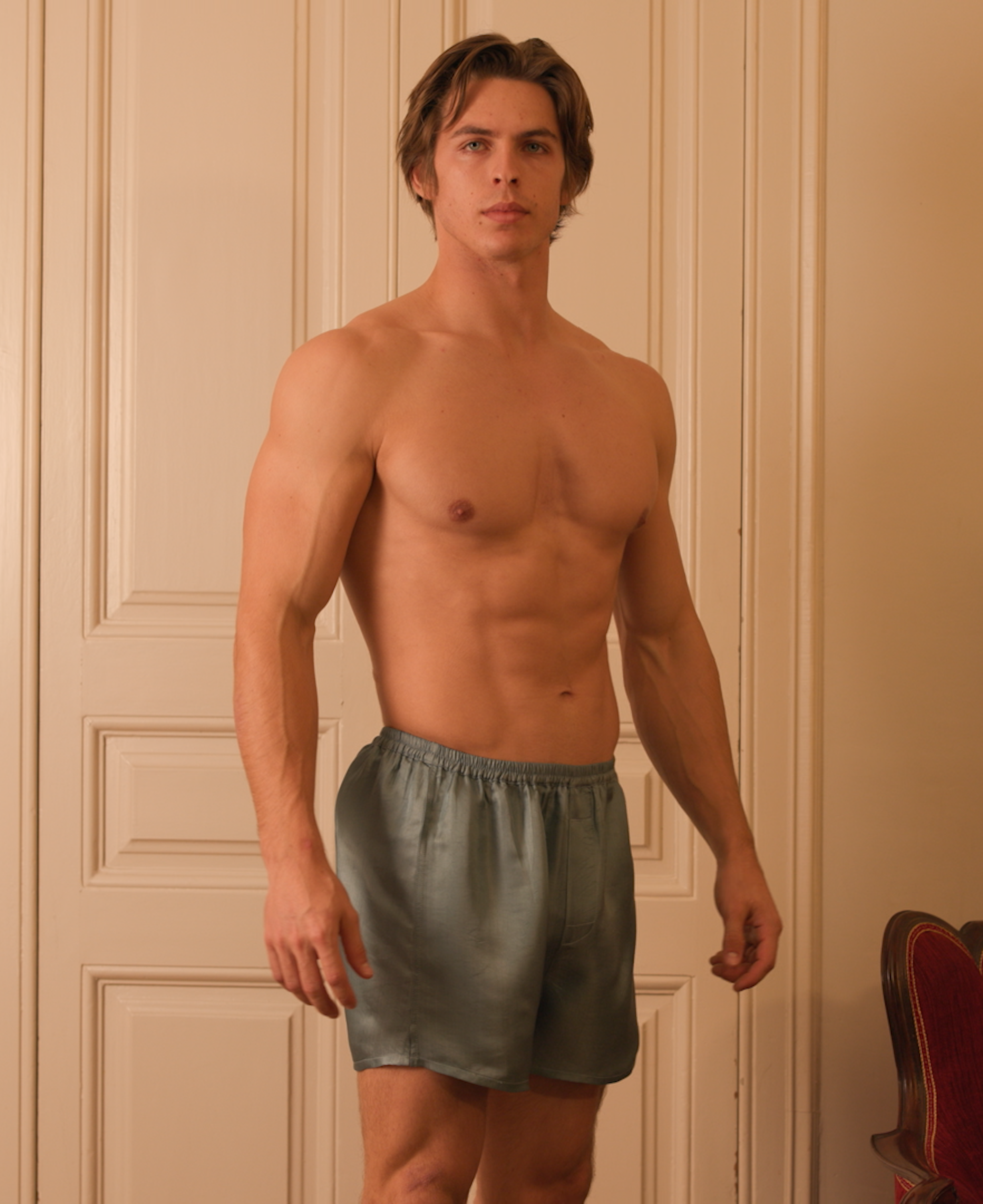
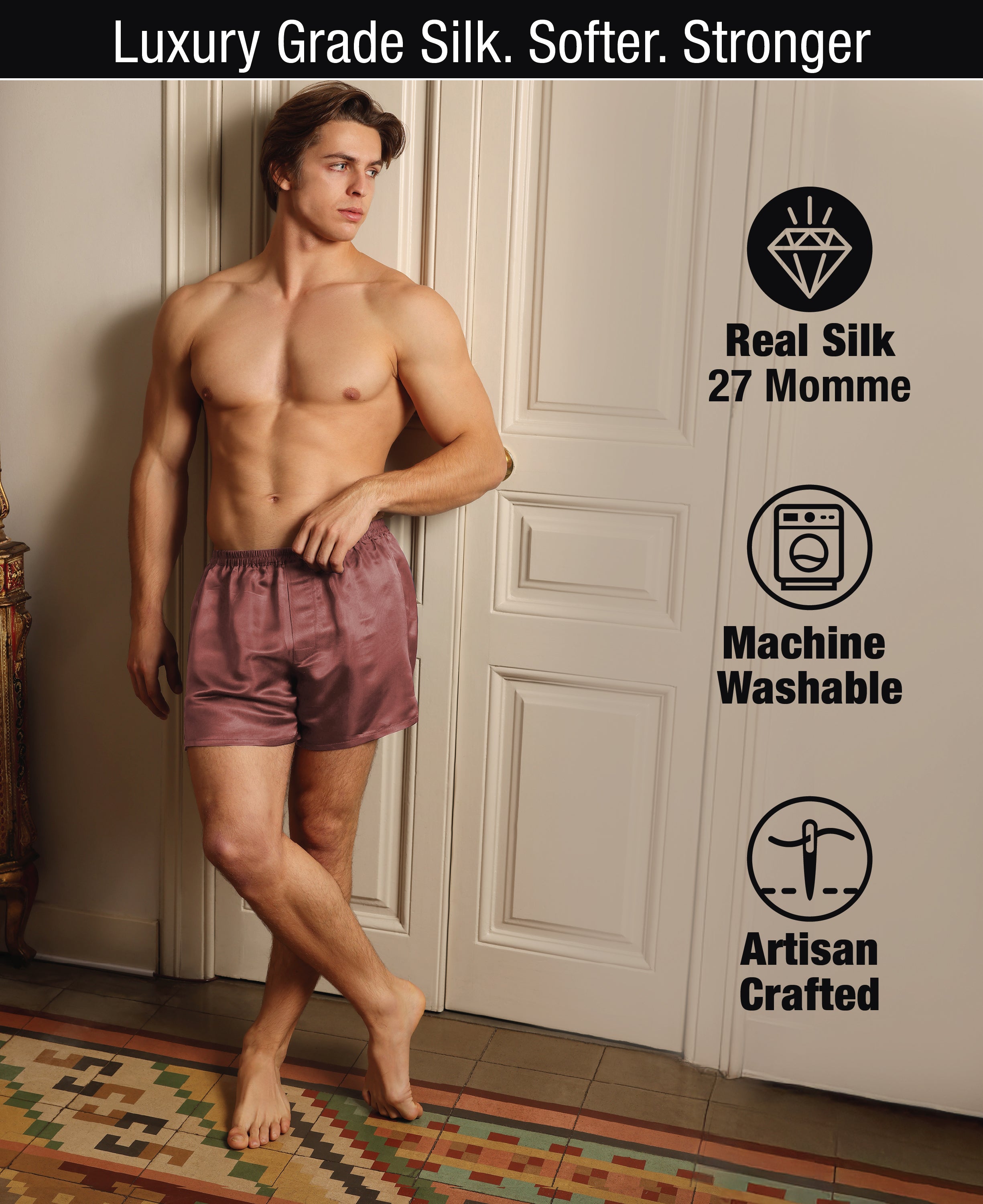
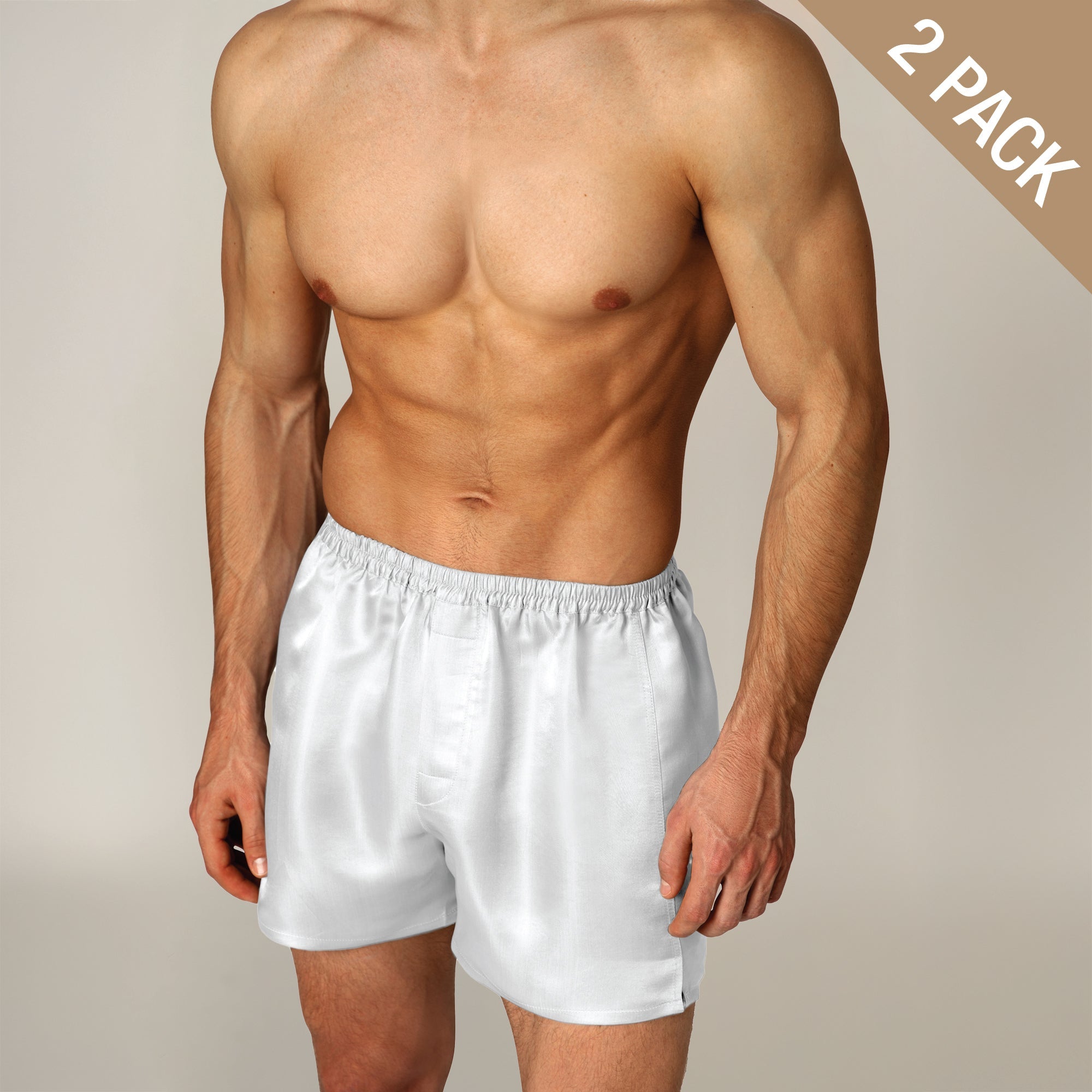
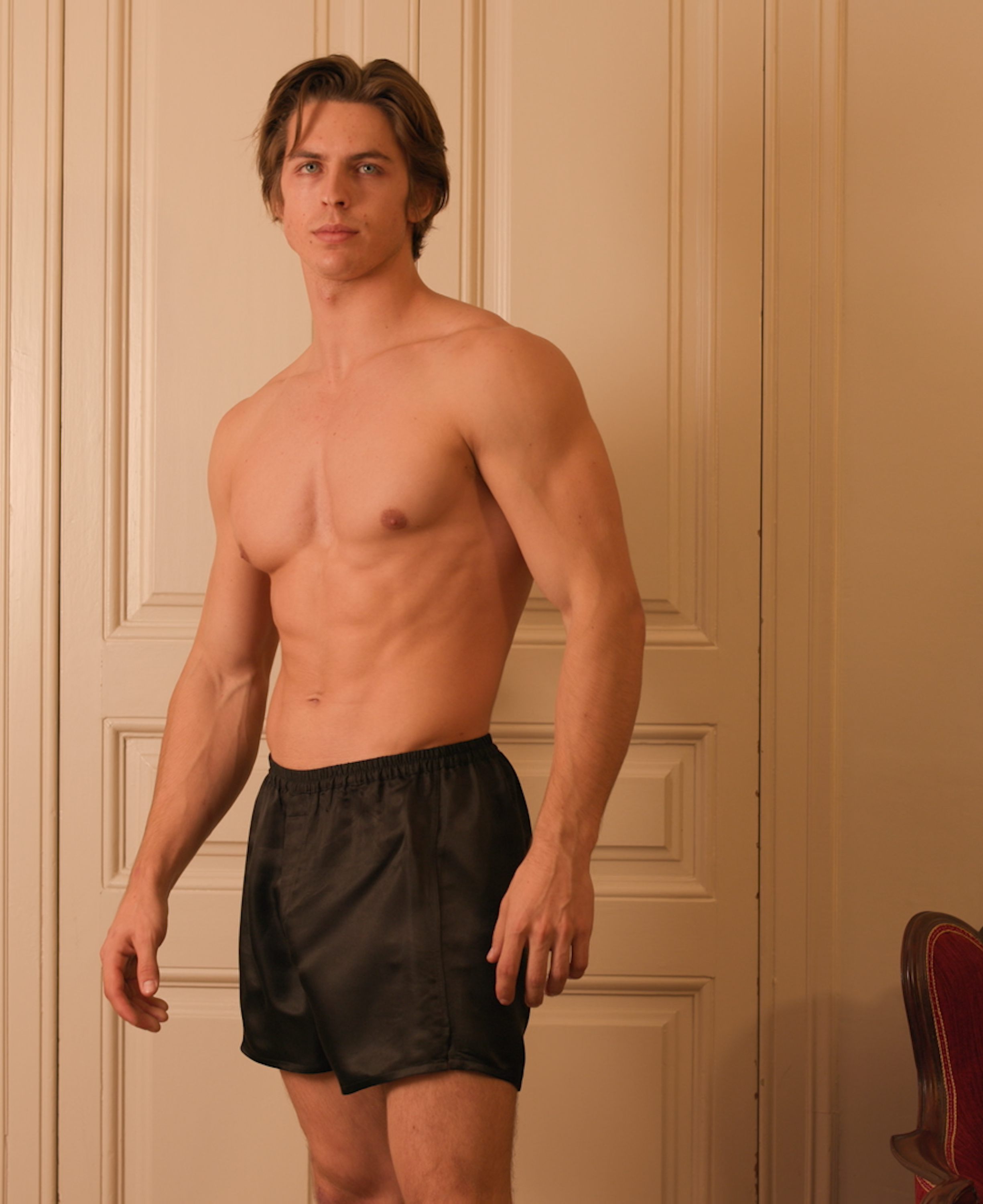
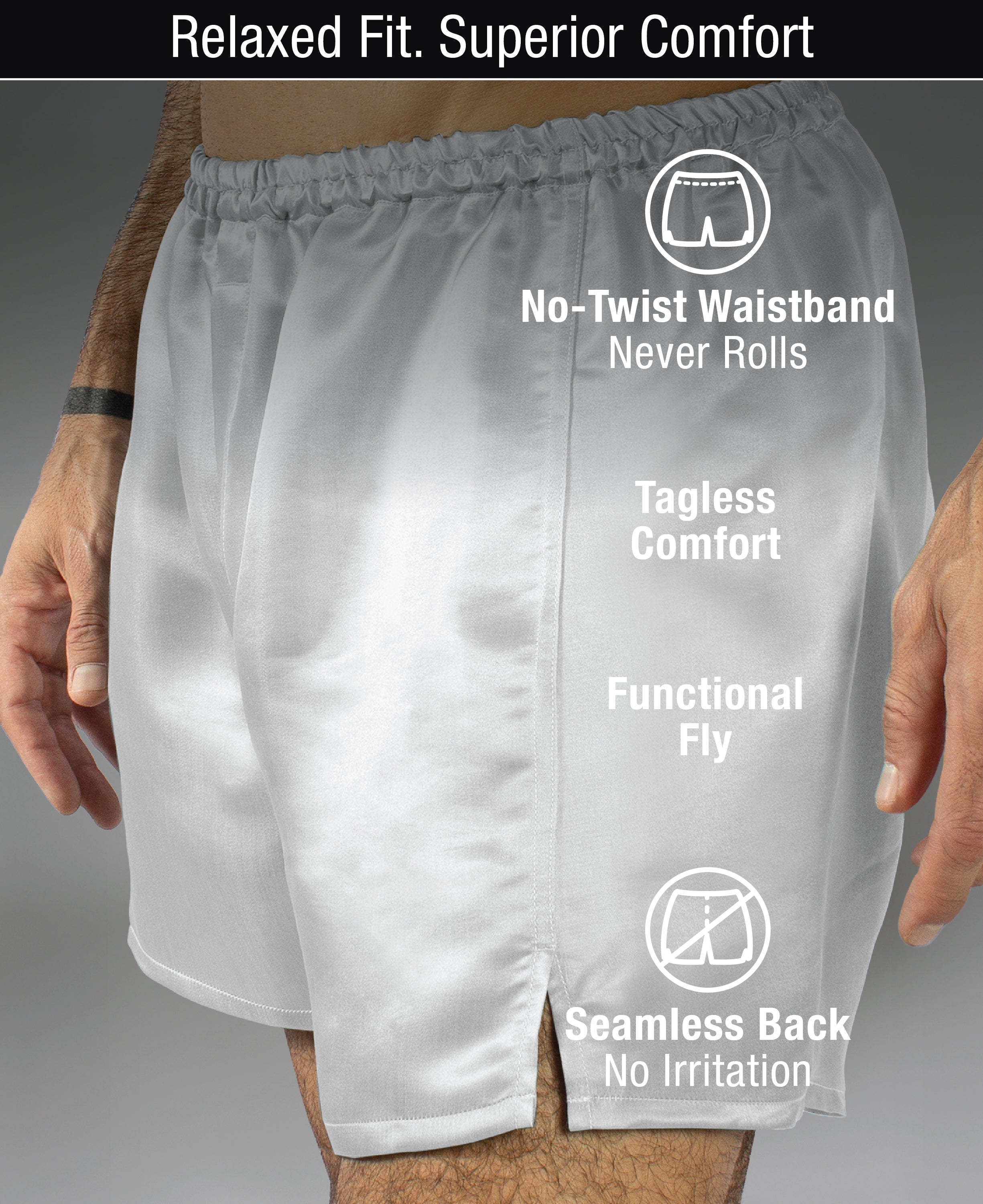
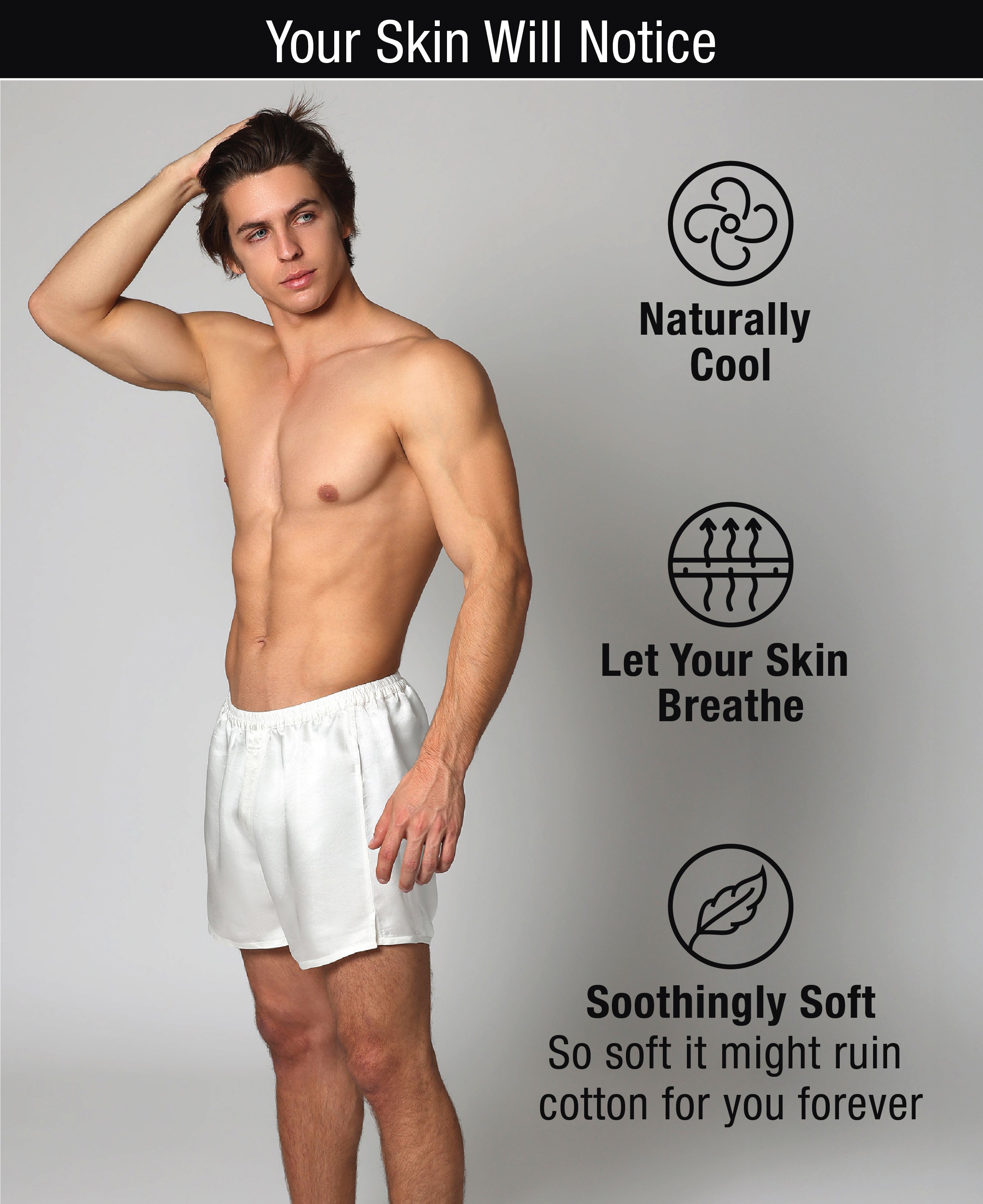
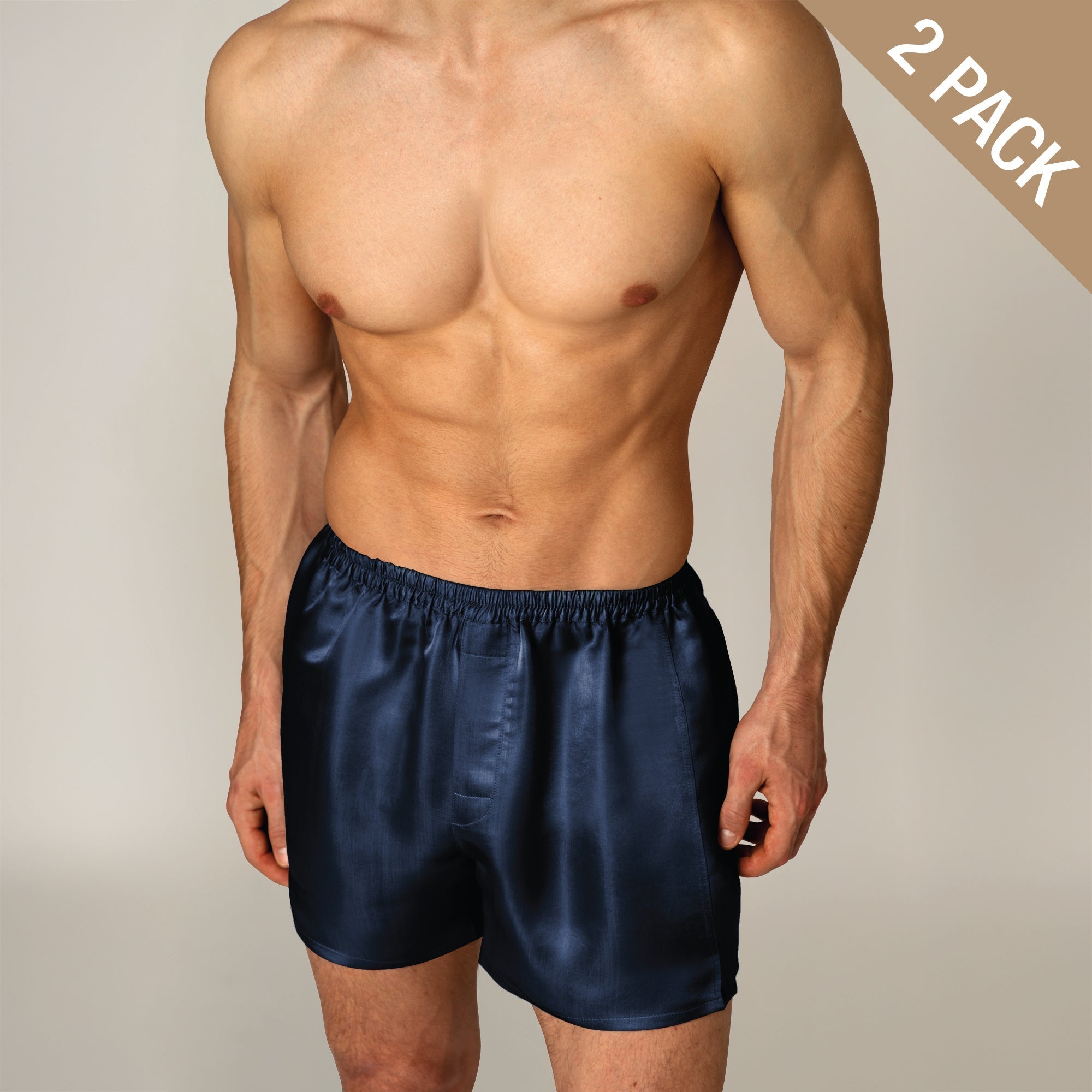
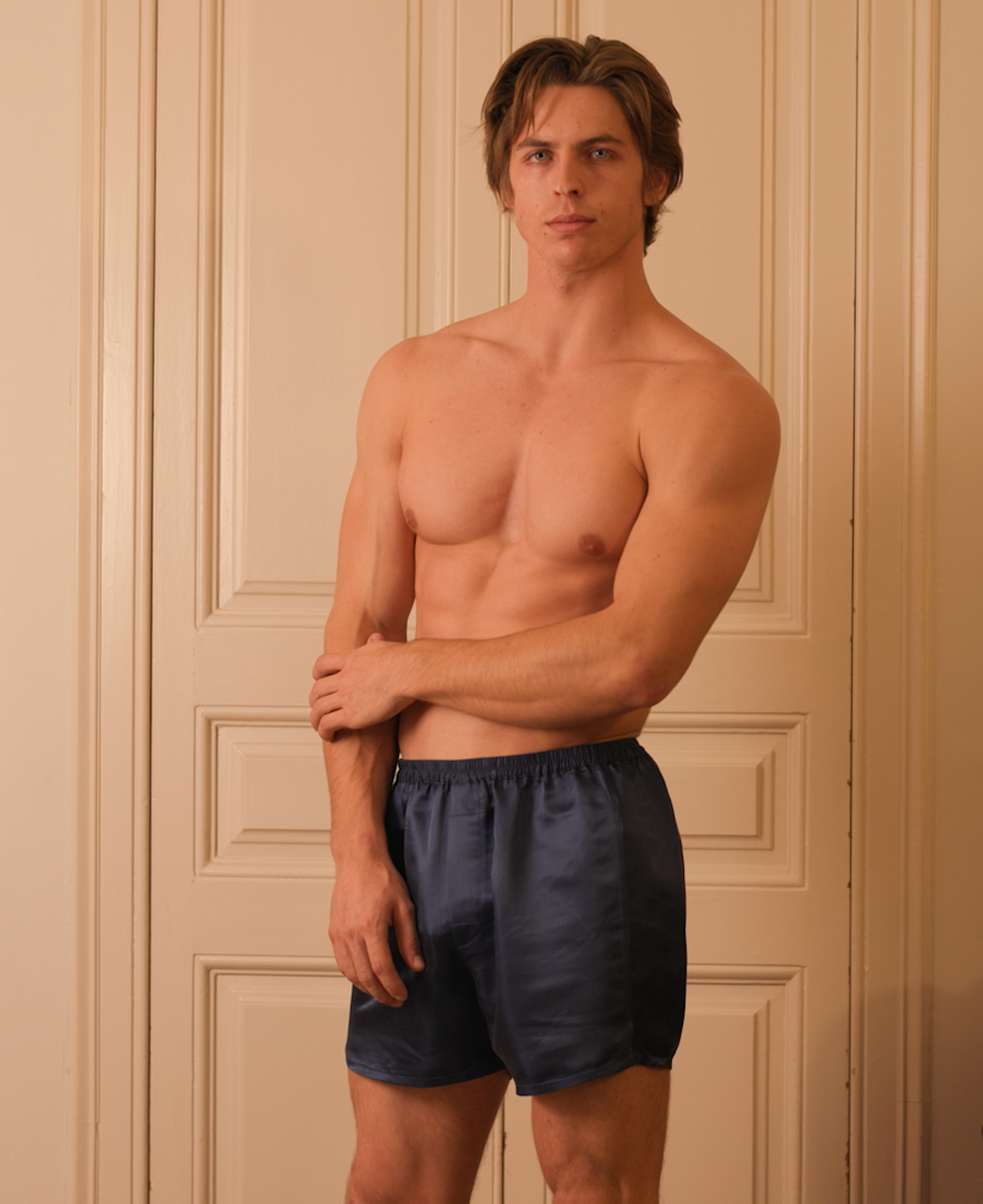
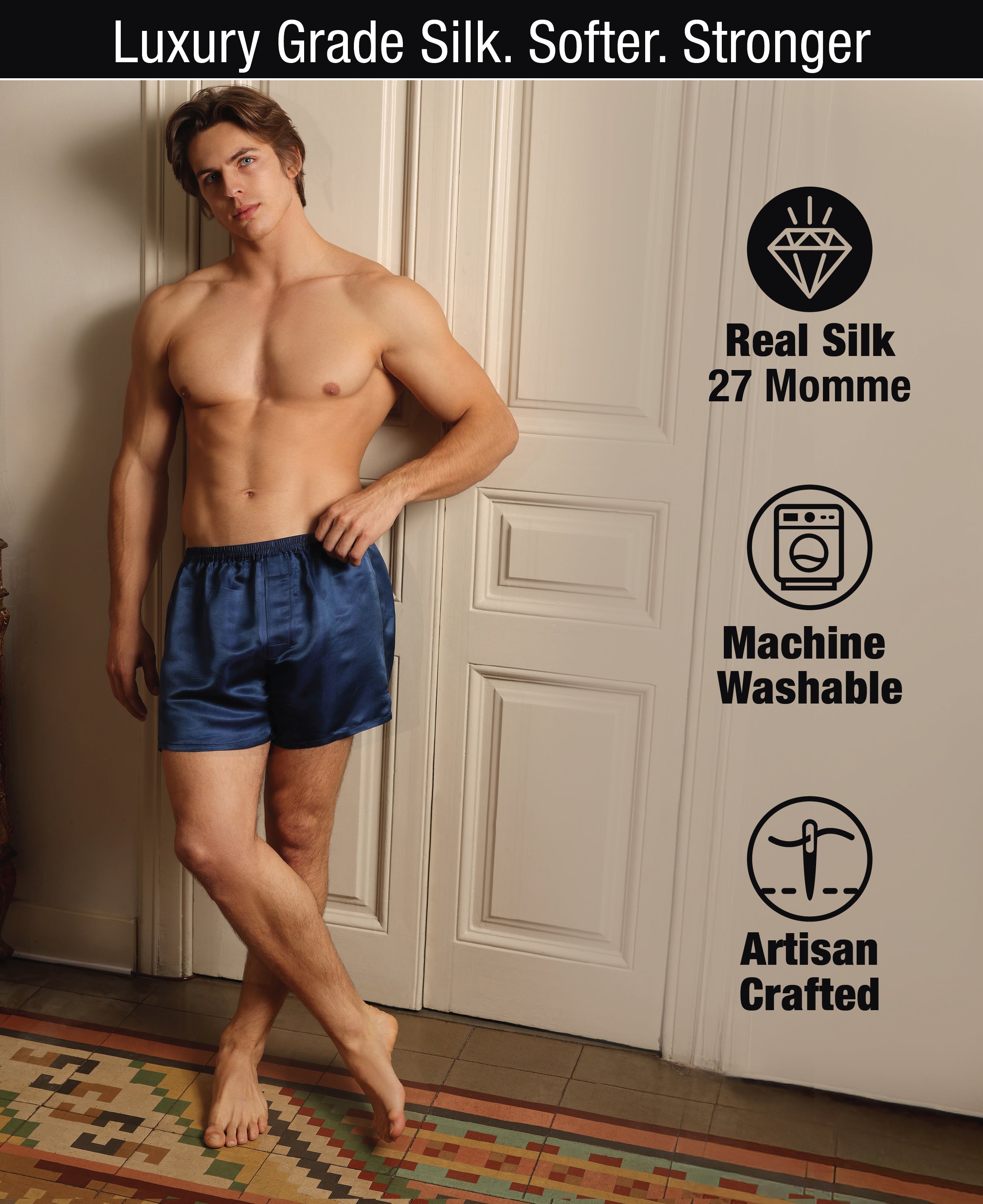
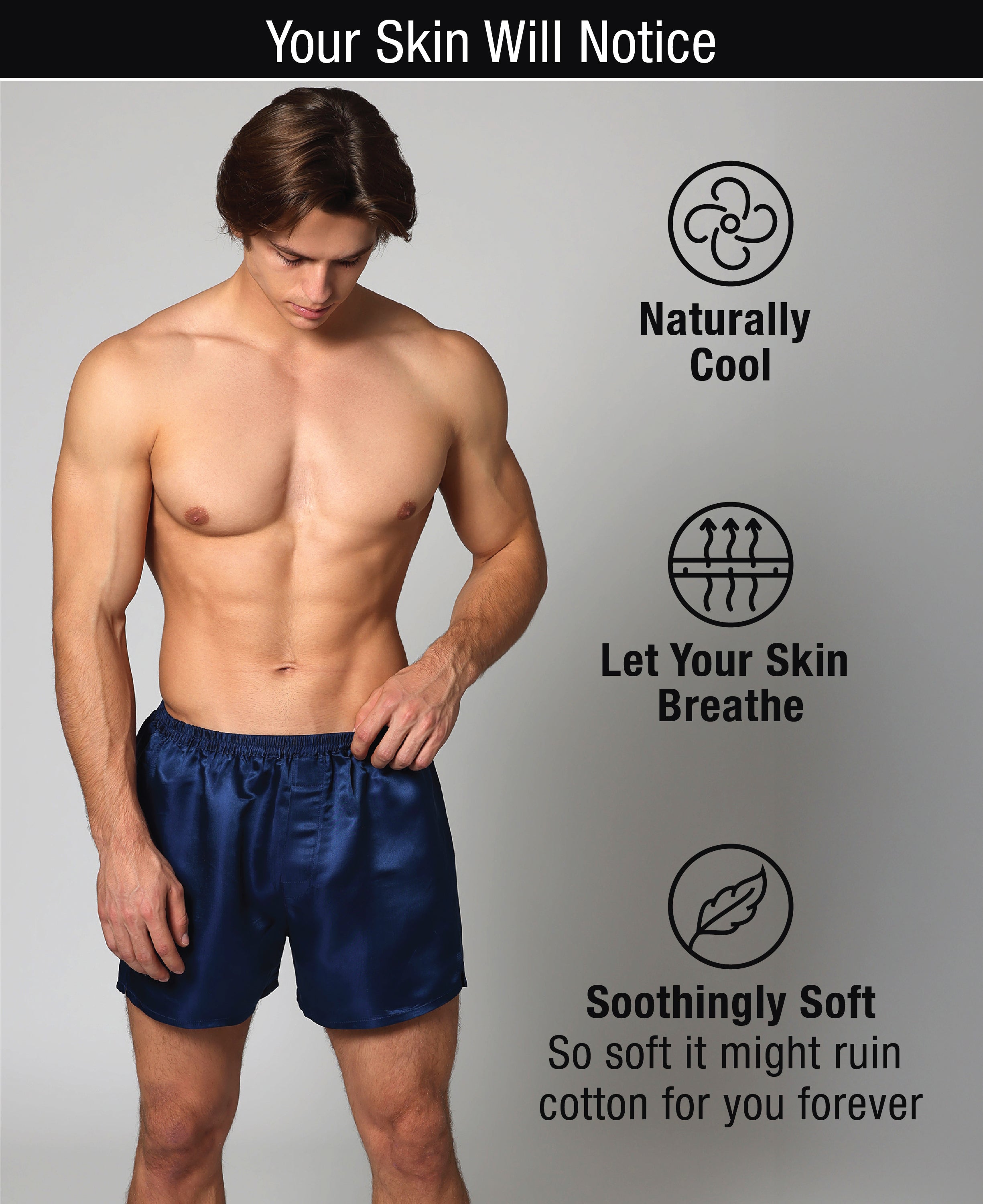
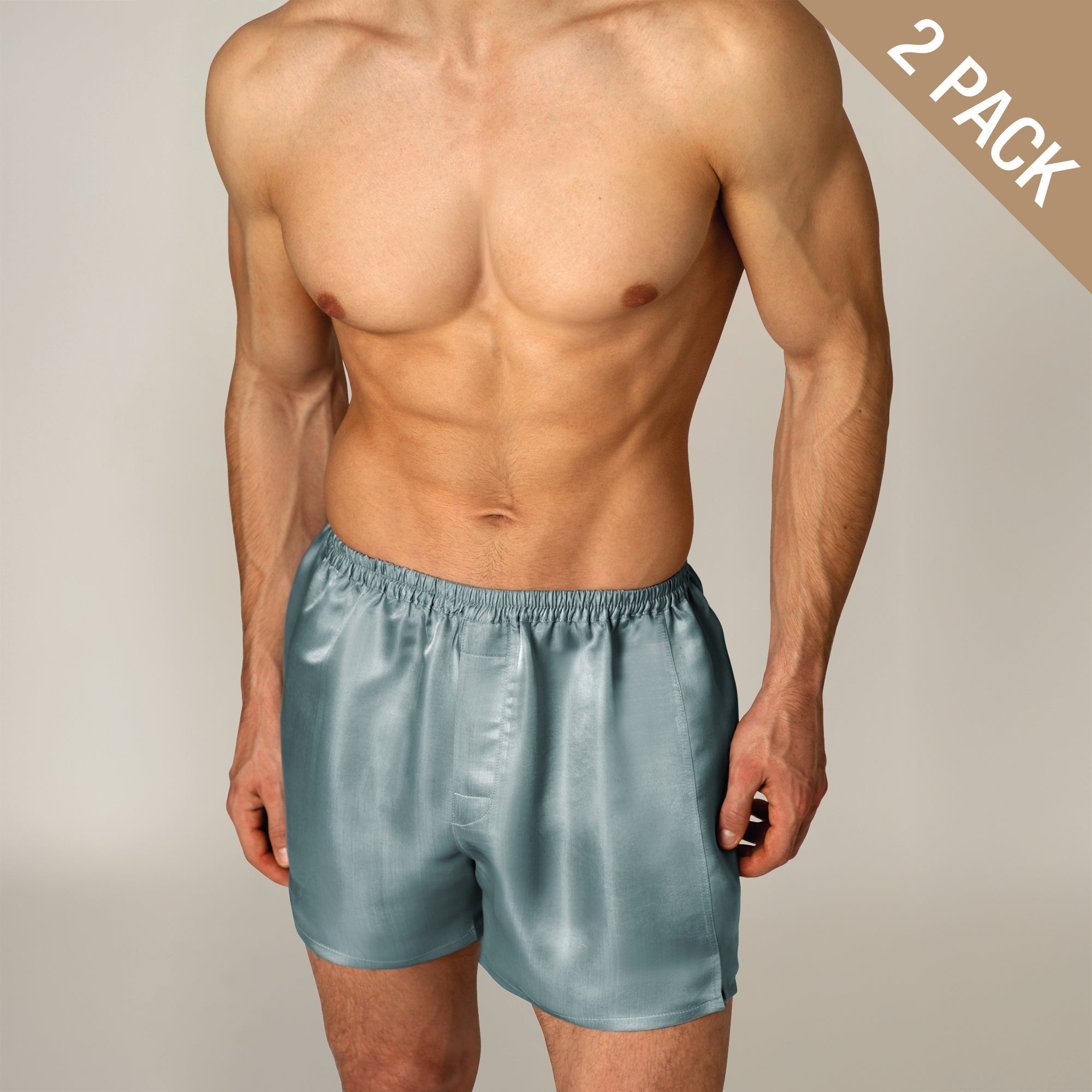
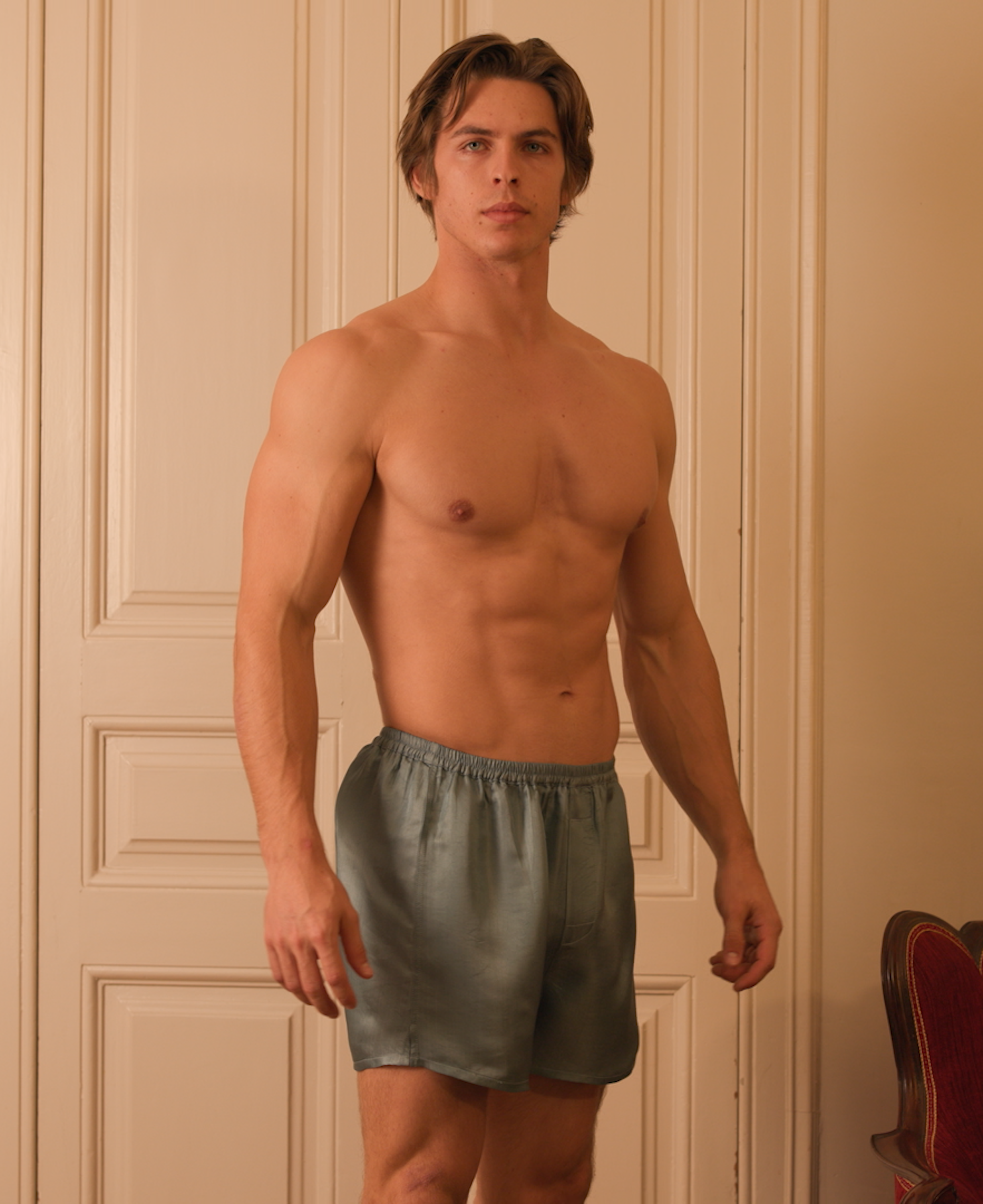
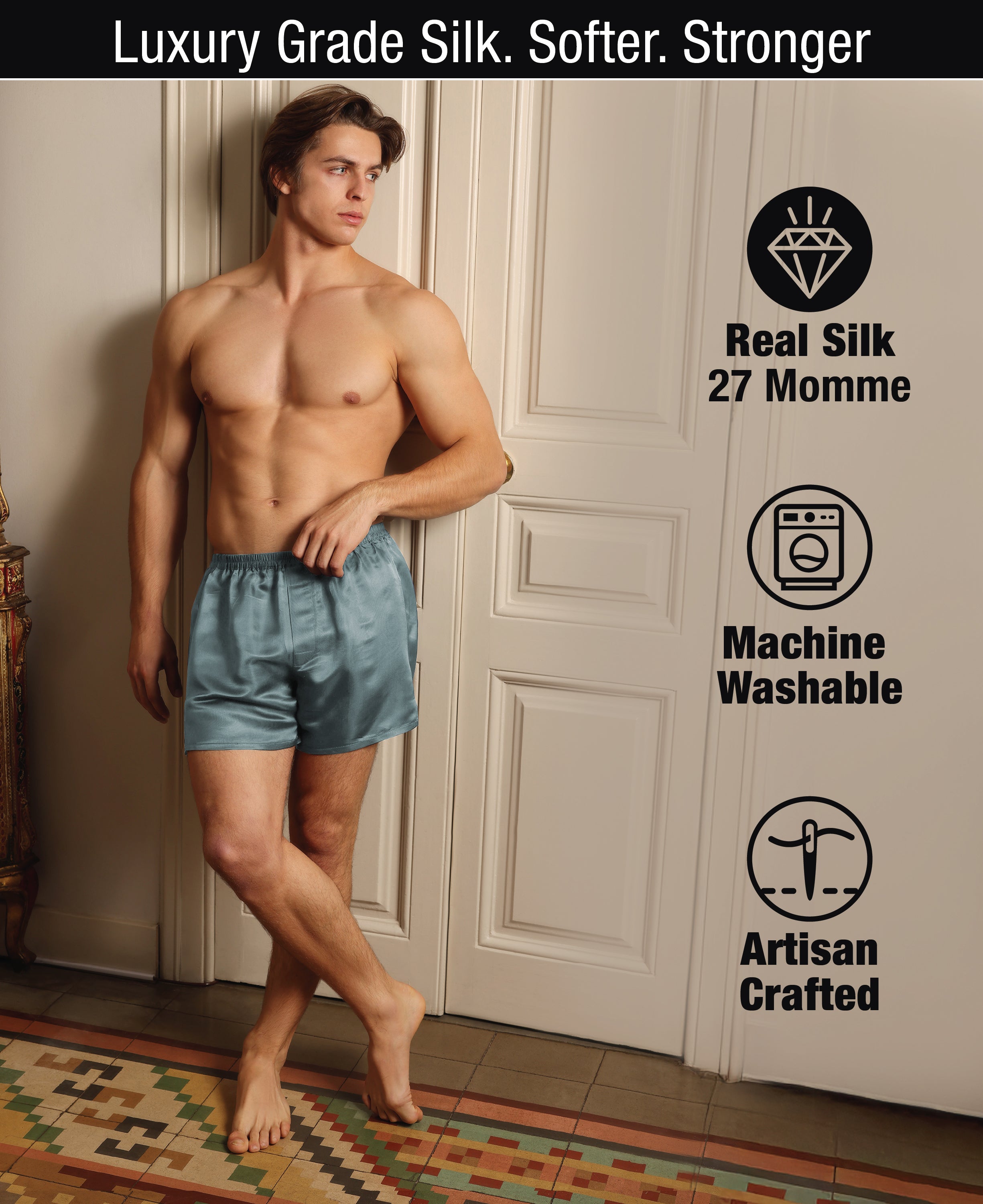
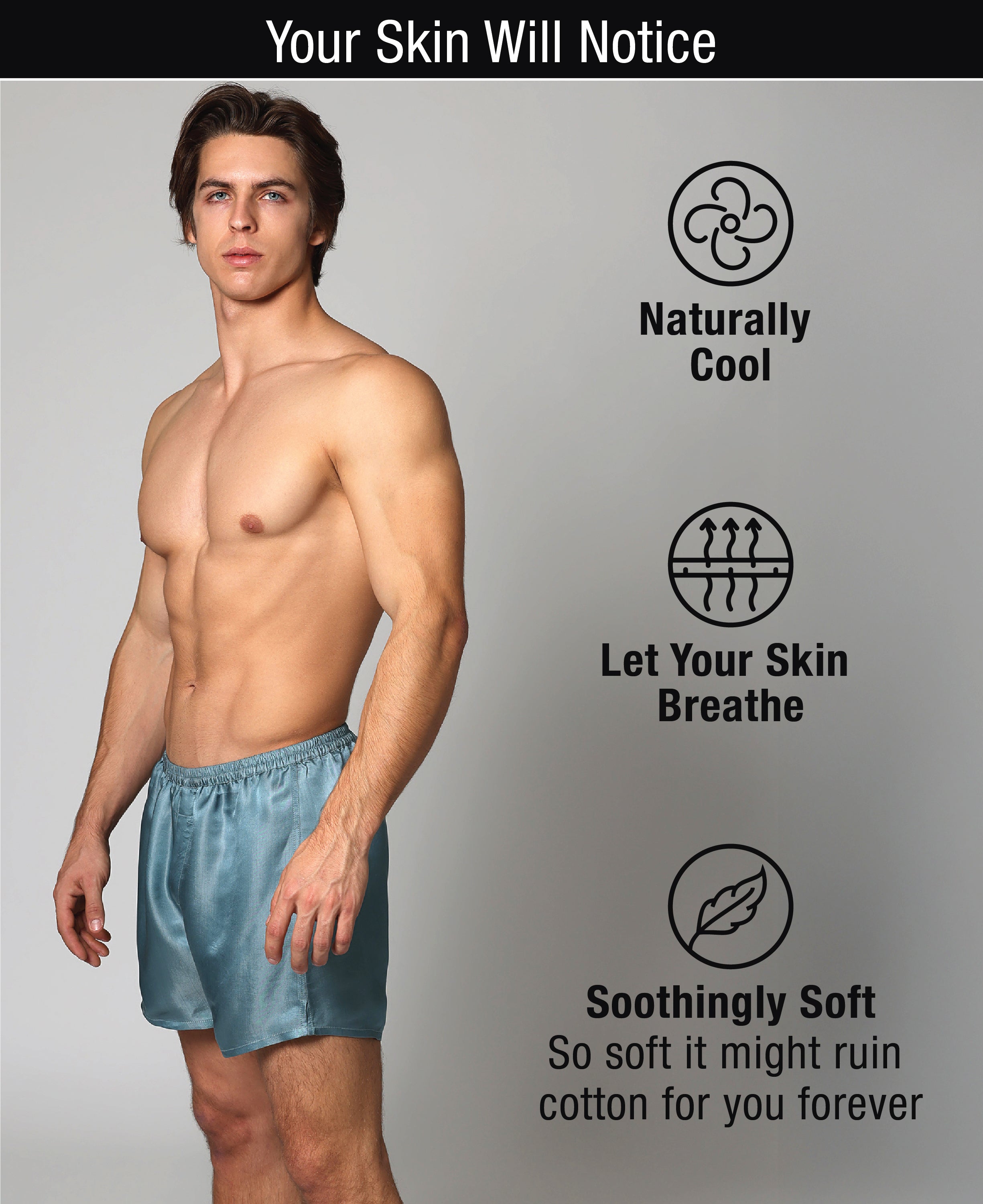
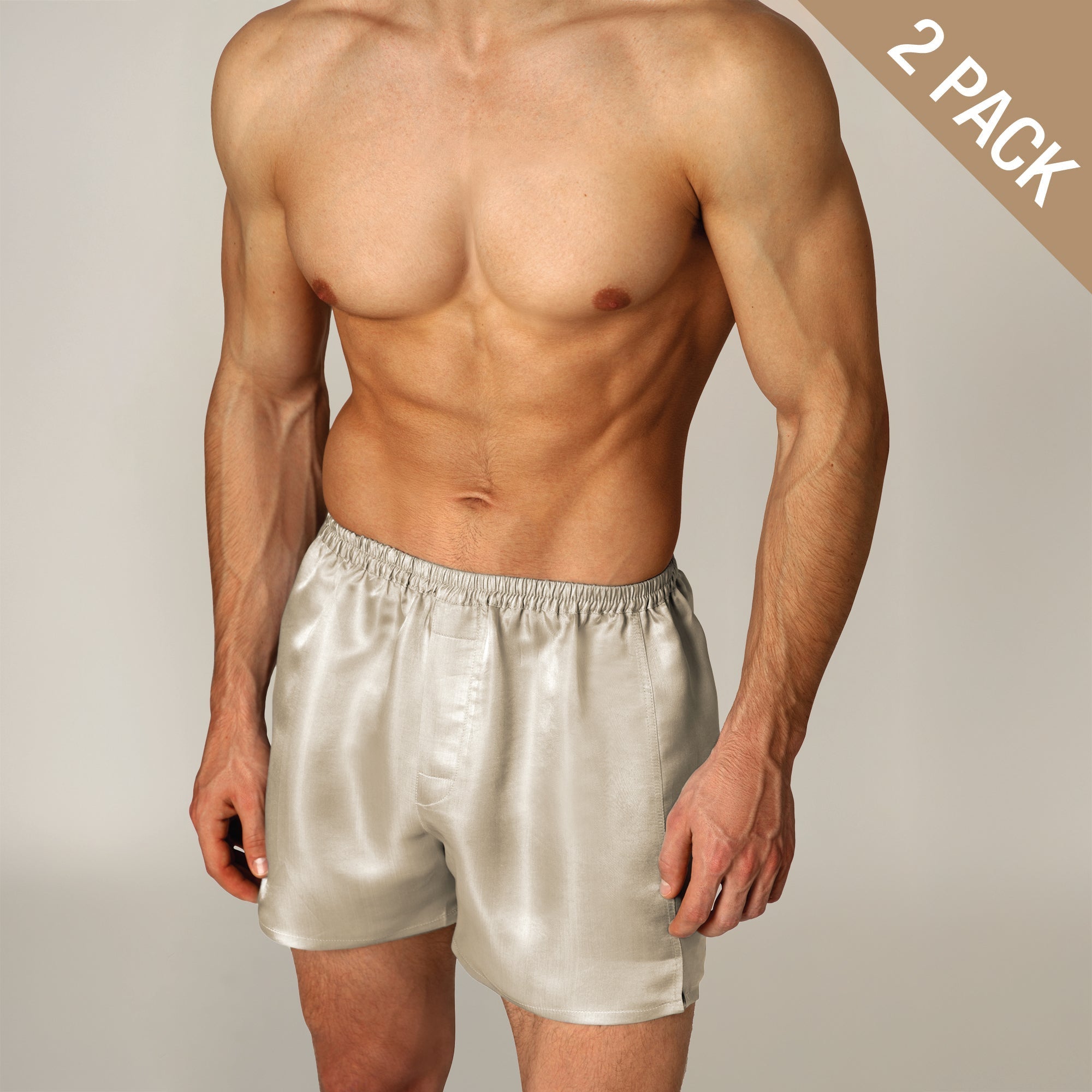
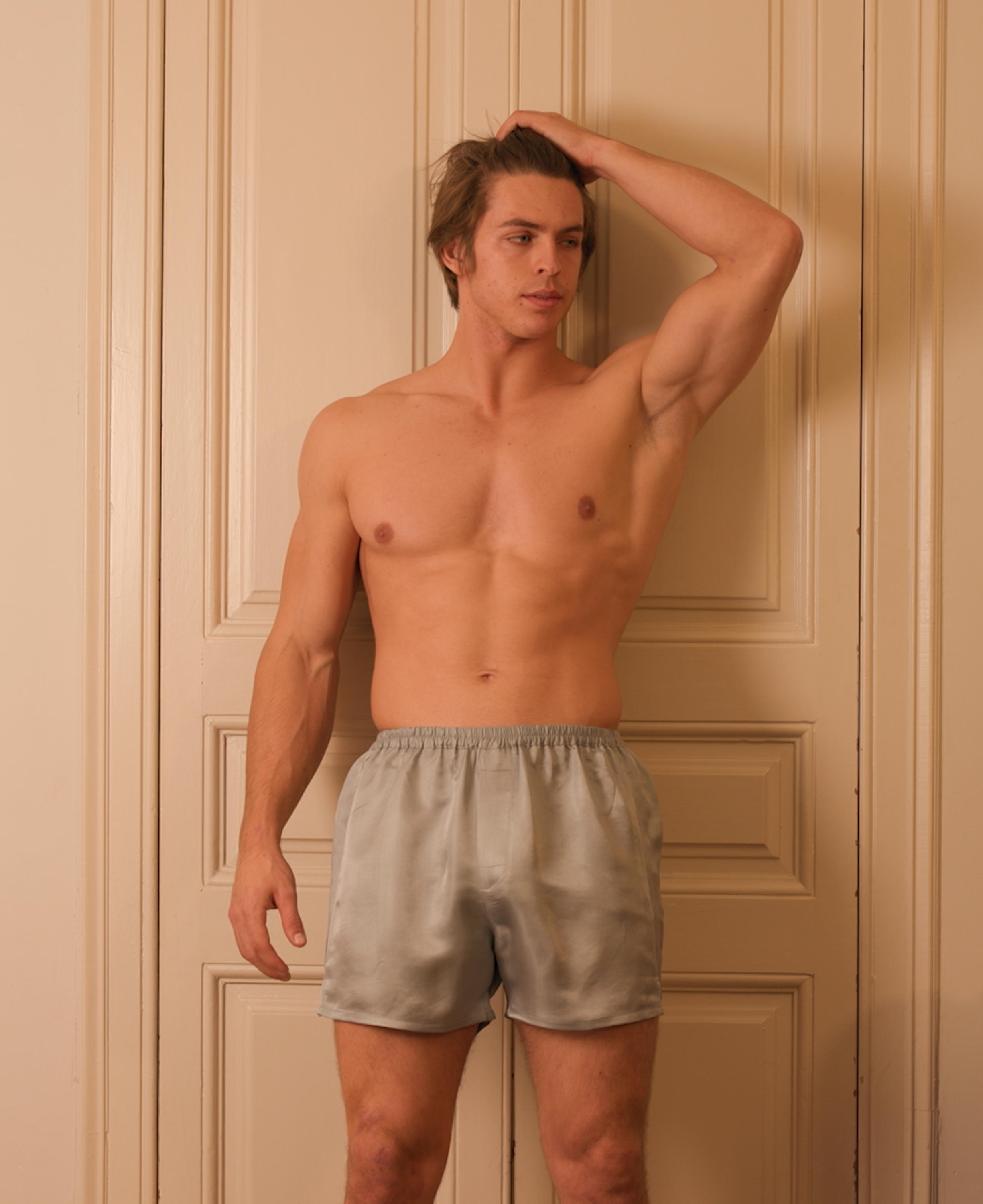
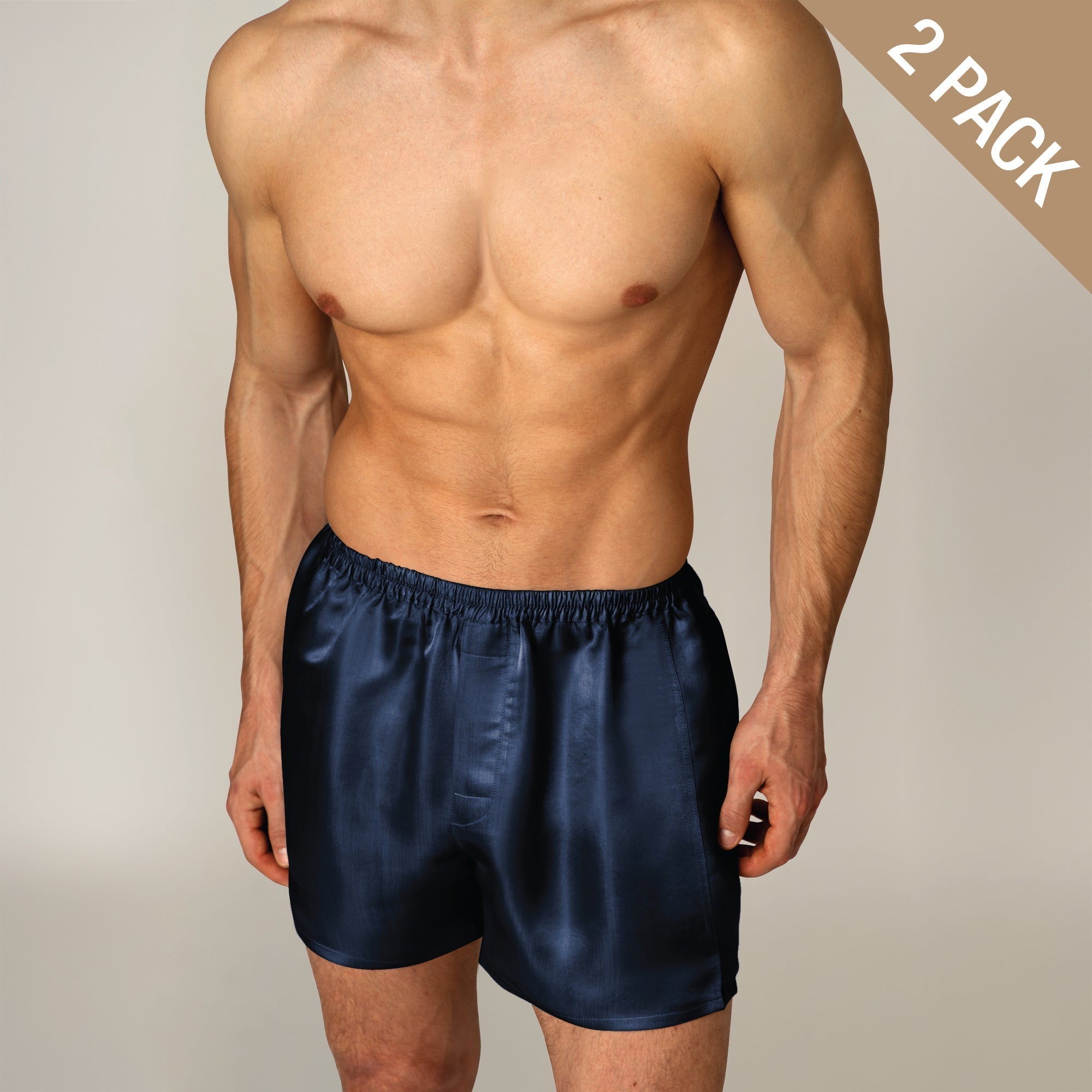
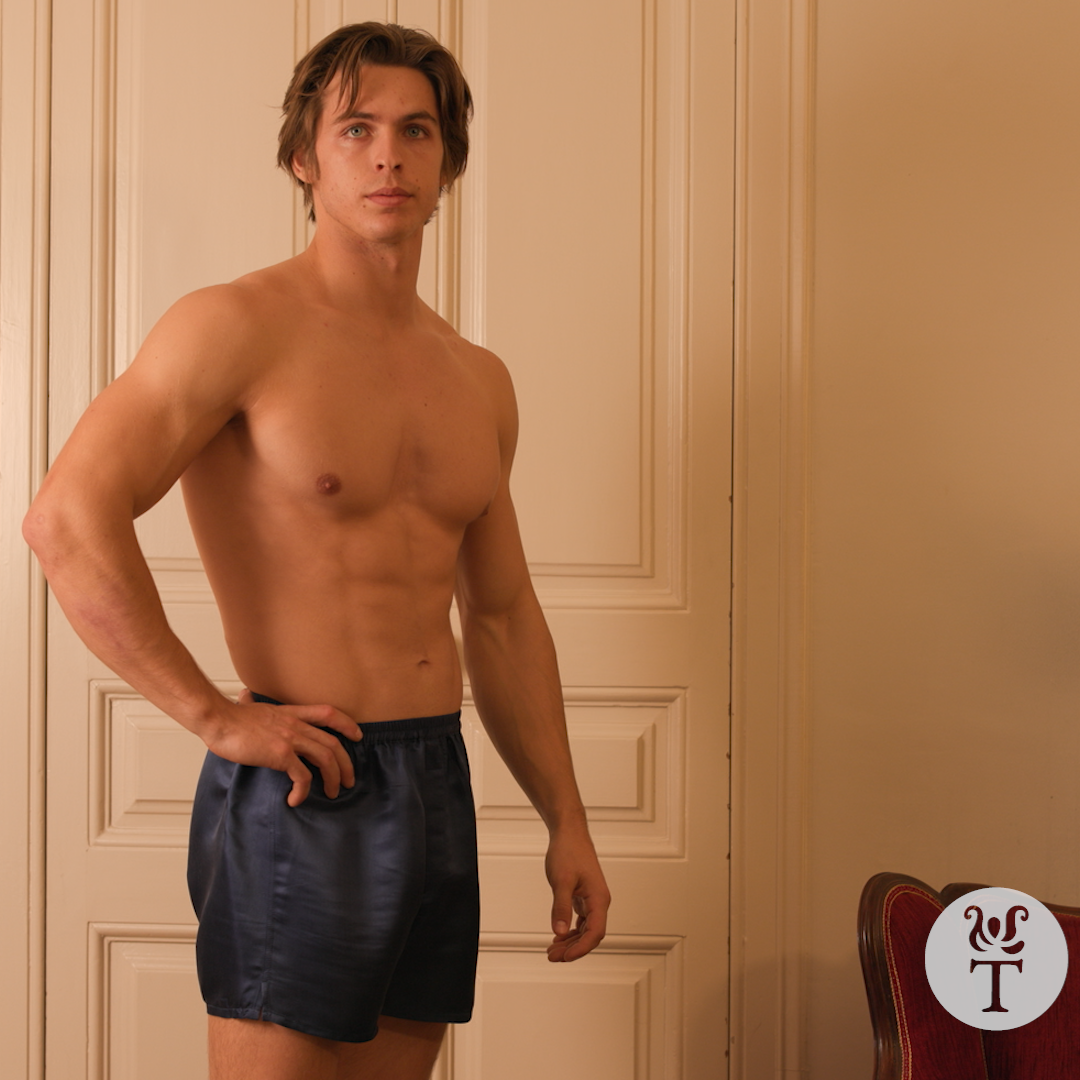
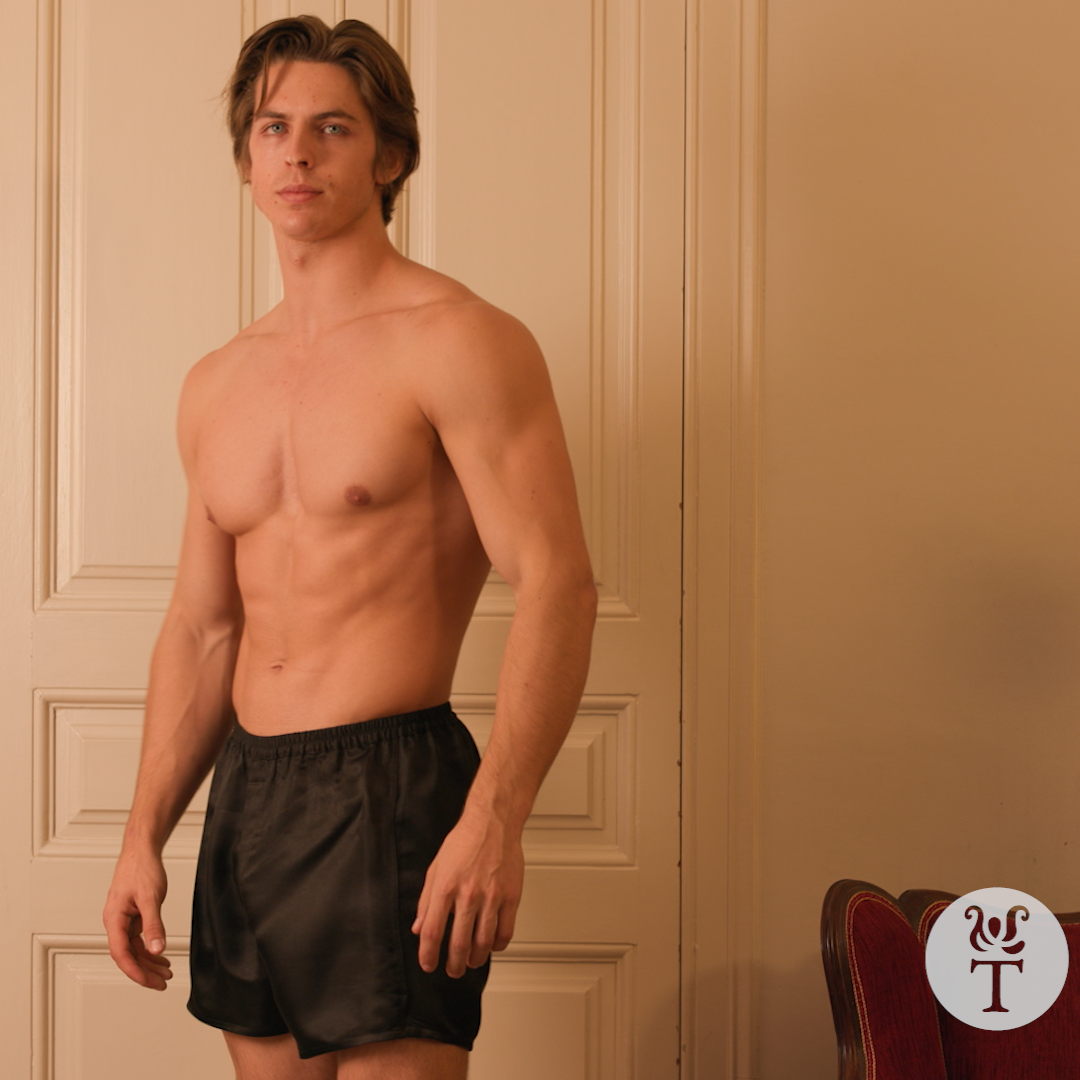
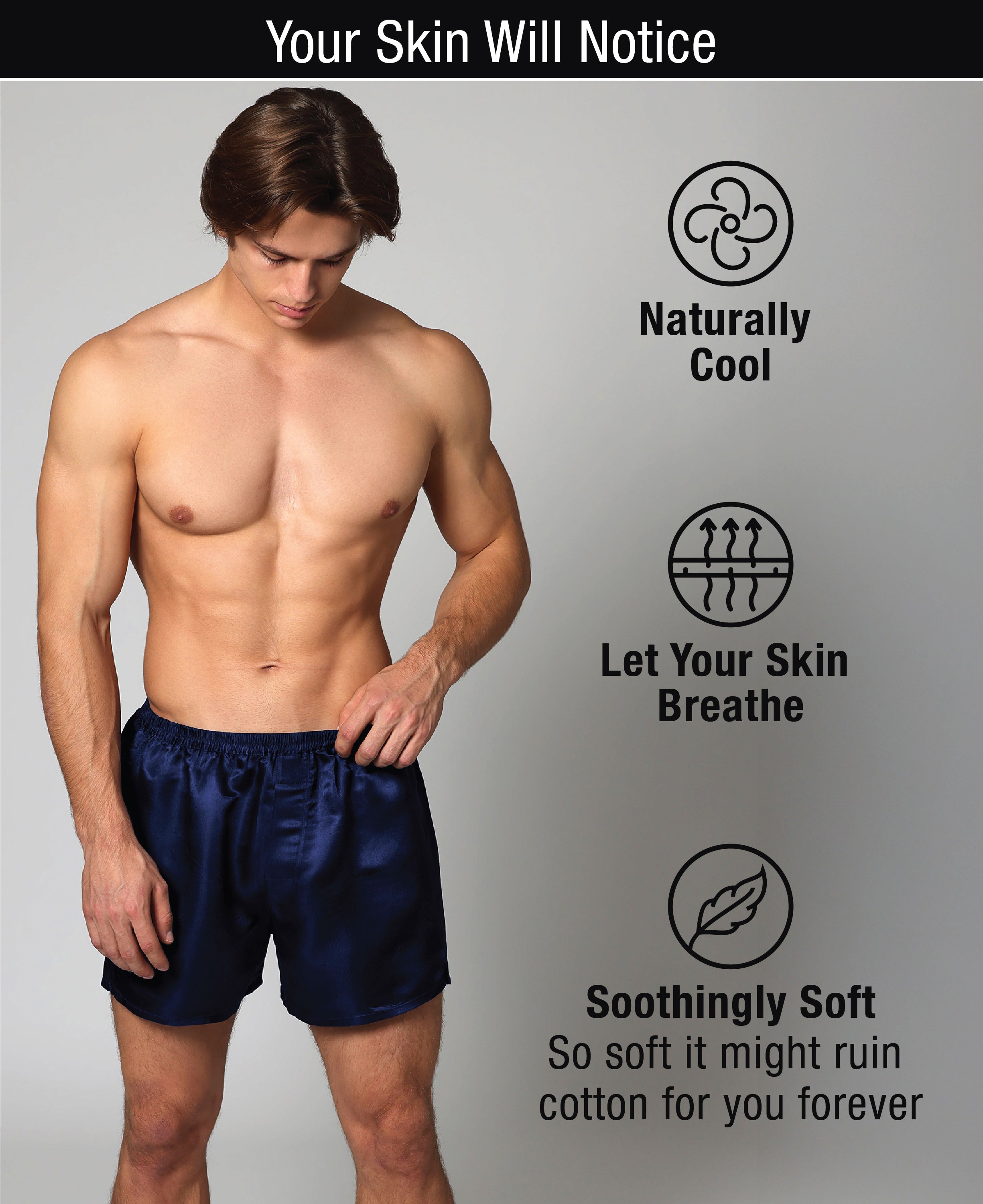
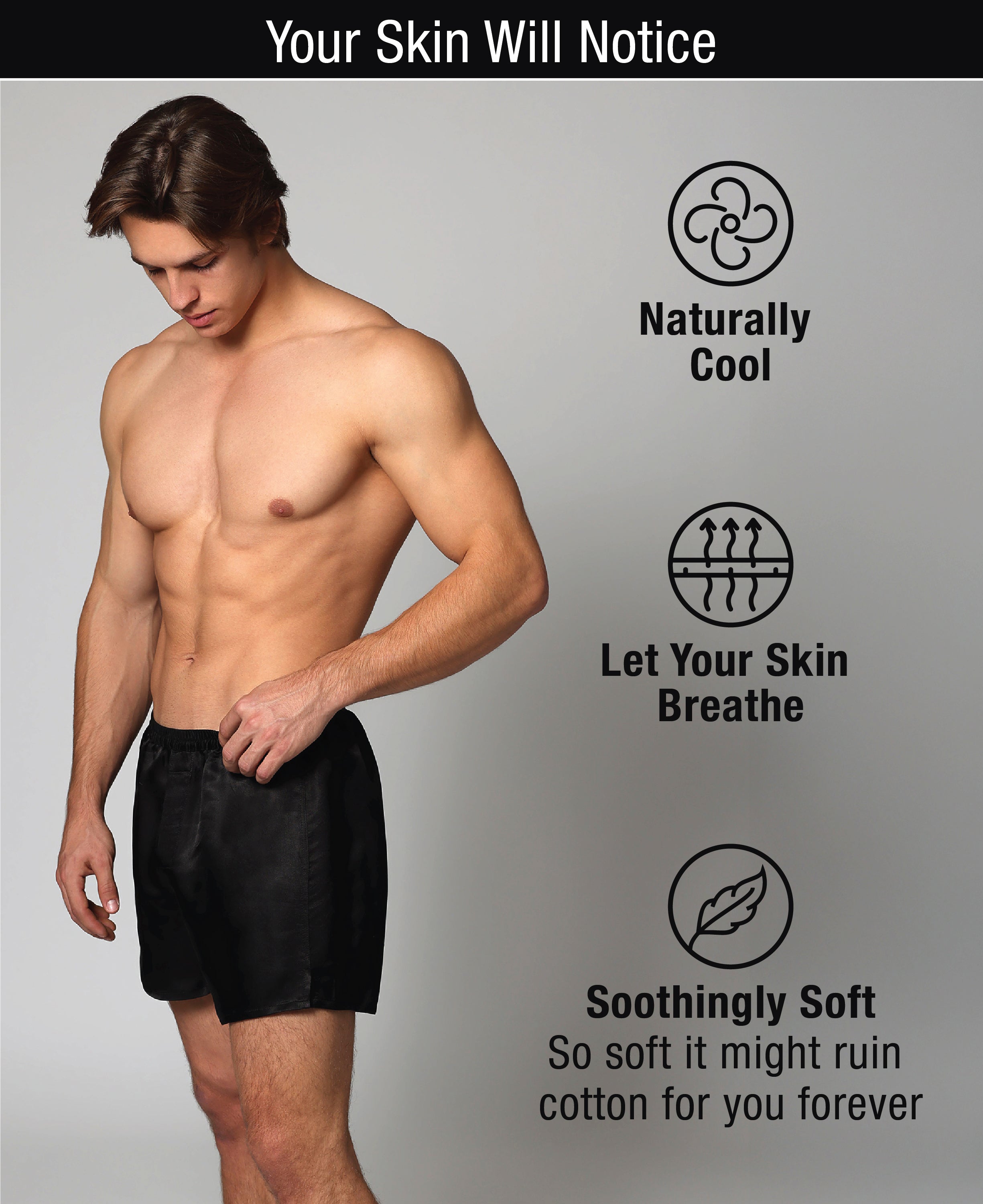
Silk boxers reduce friction in the groin and inner thigh area, where eczema flare-ups are common but rarely discussed. The same low-friction principle applies everywhere skin meets fabric, including our men's silk boxers for groin and inner thigh eczema.
For facial eczema:
Silk reduces friction against facial skin during the positional changes of sleep. Our cost-per-wear analysis shows why the investment makes practical sense over time.
For children:
The CLOTHES trial specifically studied children, and the results were positive. Children with eczema move more during sleep than adults, generating more friction events. Silk sleepwear reduces the irritation from each event.
Care Instructions for Eczema Patients Using Silk
If you have eczema and are using silk sleepwear therapeutically:
Wash before first wear:
Remove any residual processing chemicals. Machine wash at 30 degrees, gentle cycle.
Use fragrance-free, hypoallergenic detergent:
Fragrance chemicals are common eczema triggers independent of fabric choice.
Do not use fabric softener:
It coats the silk fibers, reducing breathability and potentially introducing irritant chemicals to the fabric surface.
Wash after every 2 to 3 wears:
Even though silk resists bacterial growth, regular washing removes accumulated skin cells, emollient residue, and environmental dust that can irritate eczema-prone skin.
Apply emollients before wearing silk:
Silk does not absorb topical treatments as readily as cotton, so more product remains on the skin. Apply your prescribed emollients, allow them to absorb for 10 to 15 minutes, then dress in silk sleepwear.
 Shop Men's Silk Pajamas
The Conversation with Your Dermatologist
If you are considering silk sleepwear as part of your eczema management, discuss it with your dermatologist. The relevant questions: Is fabric friction contributing to my flare pattern? Would reducing nighttime mechanical irritation benefit my current treatment plan? Are there areas of my body where friction reduction would have the most impact?
Your dermatologist can integrate fabric choice into your overall management plan. Silk is one variable. It works best when combined with appropriate medical treatment, consistent emollient use, trigger avoidance, and a managed sleep environment. Our silk care guide covers how to wash and maintain silk sleepwear so it stays effective for eczema management.
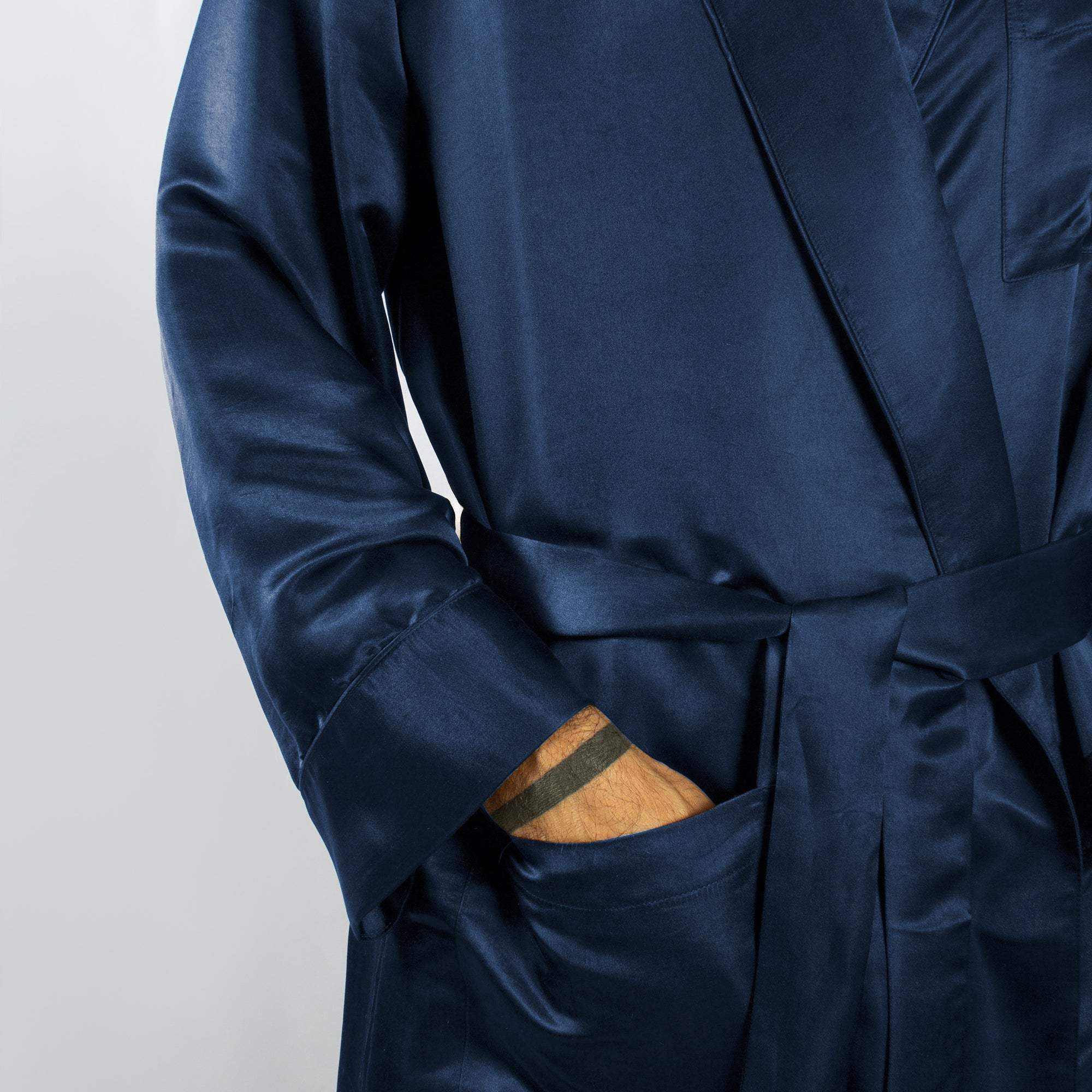
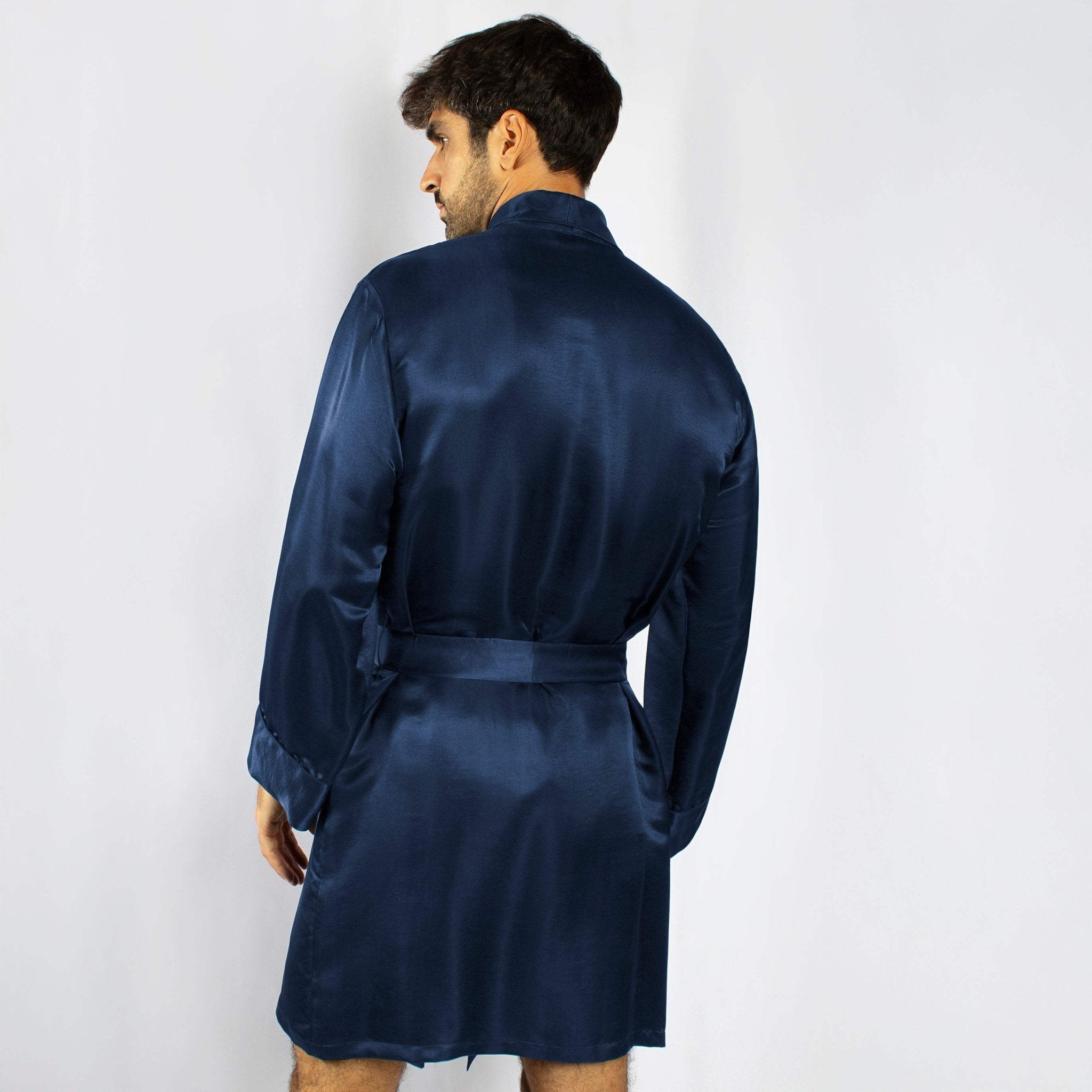
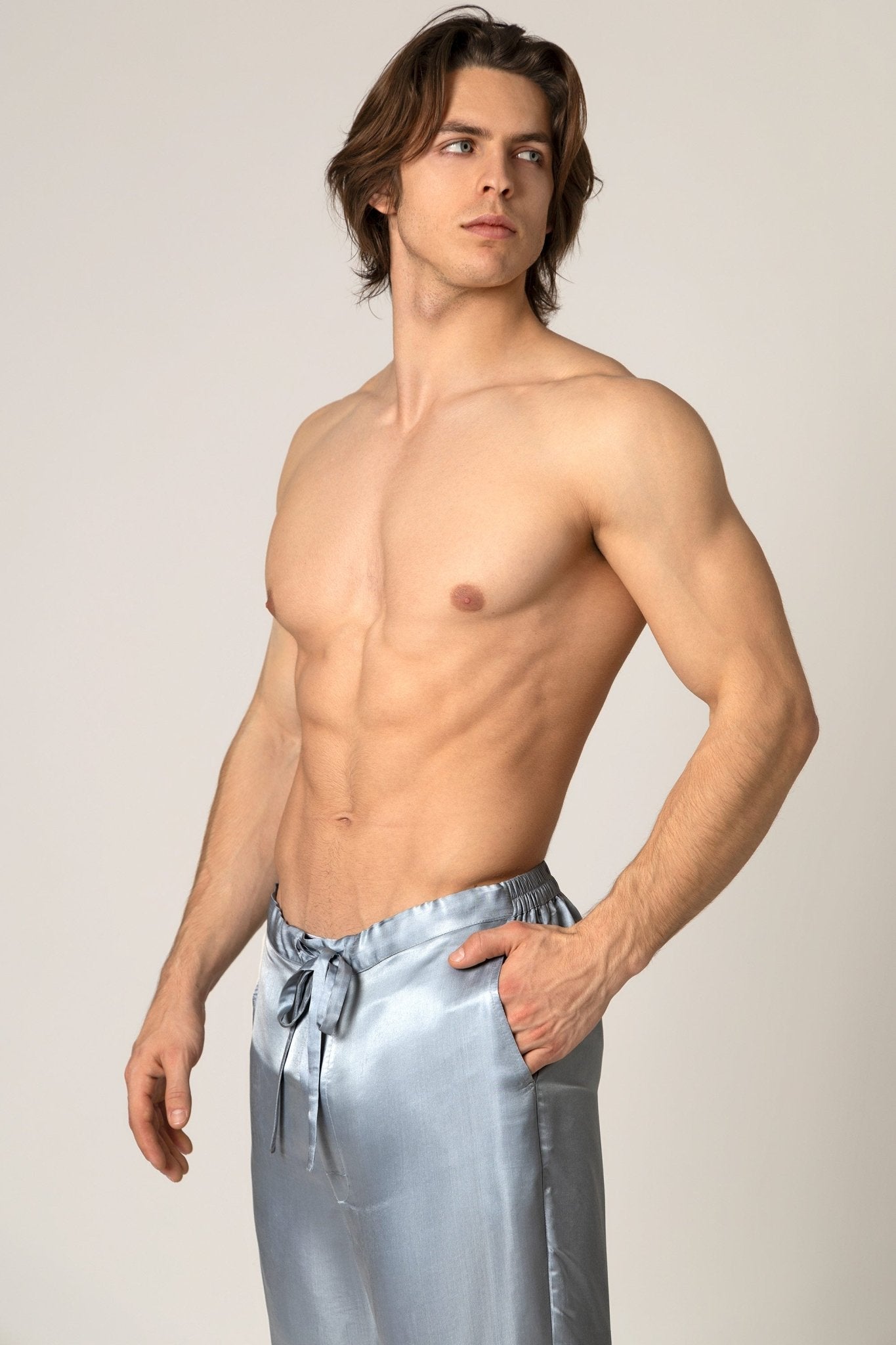
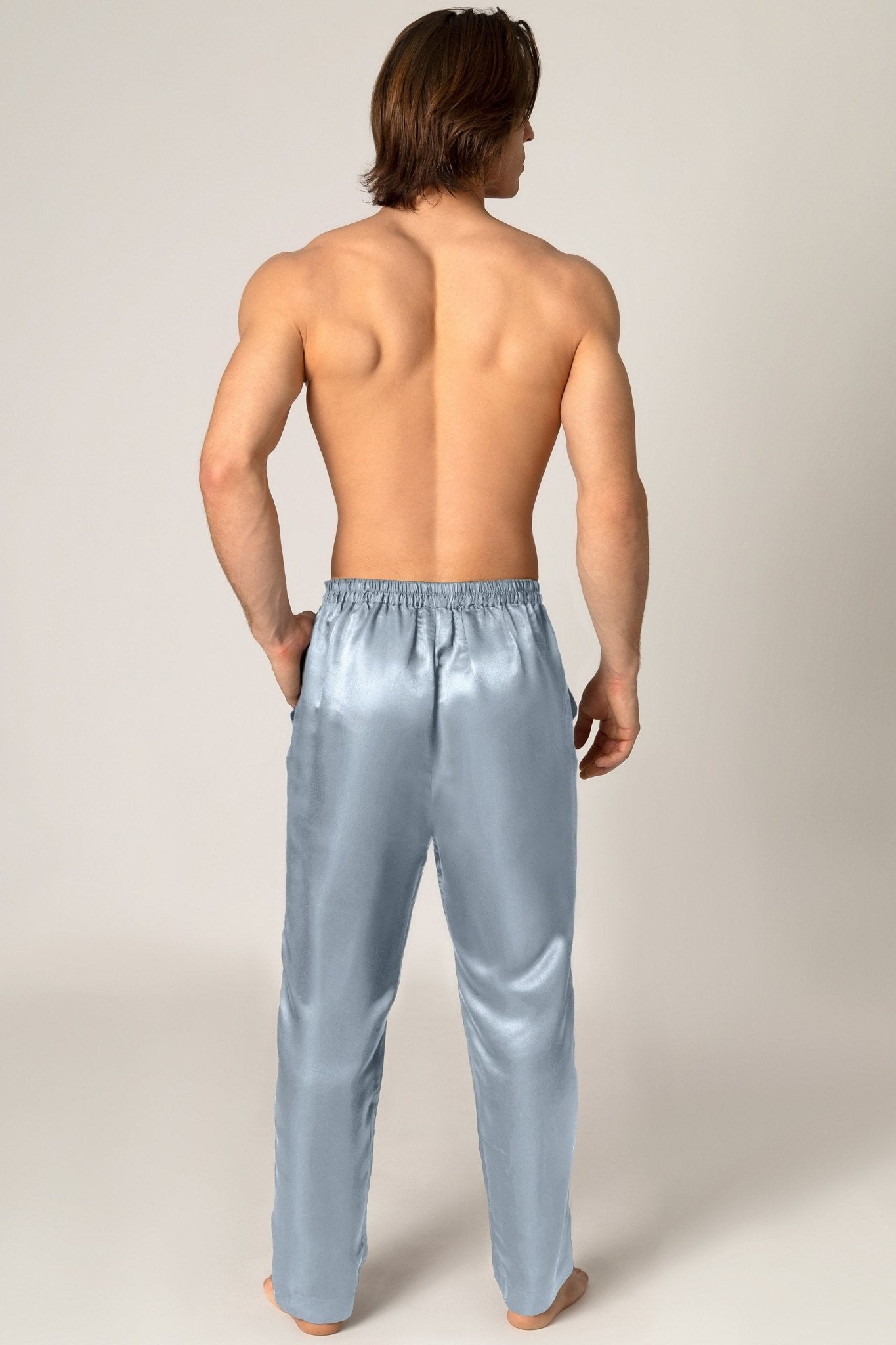
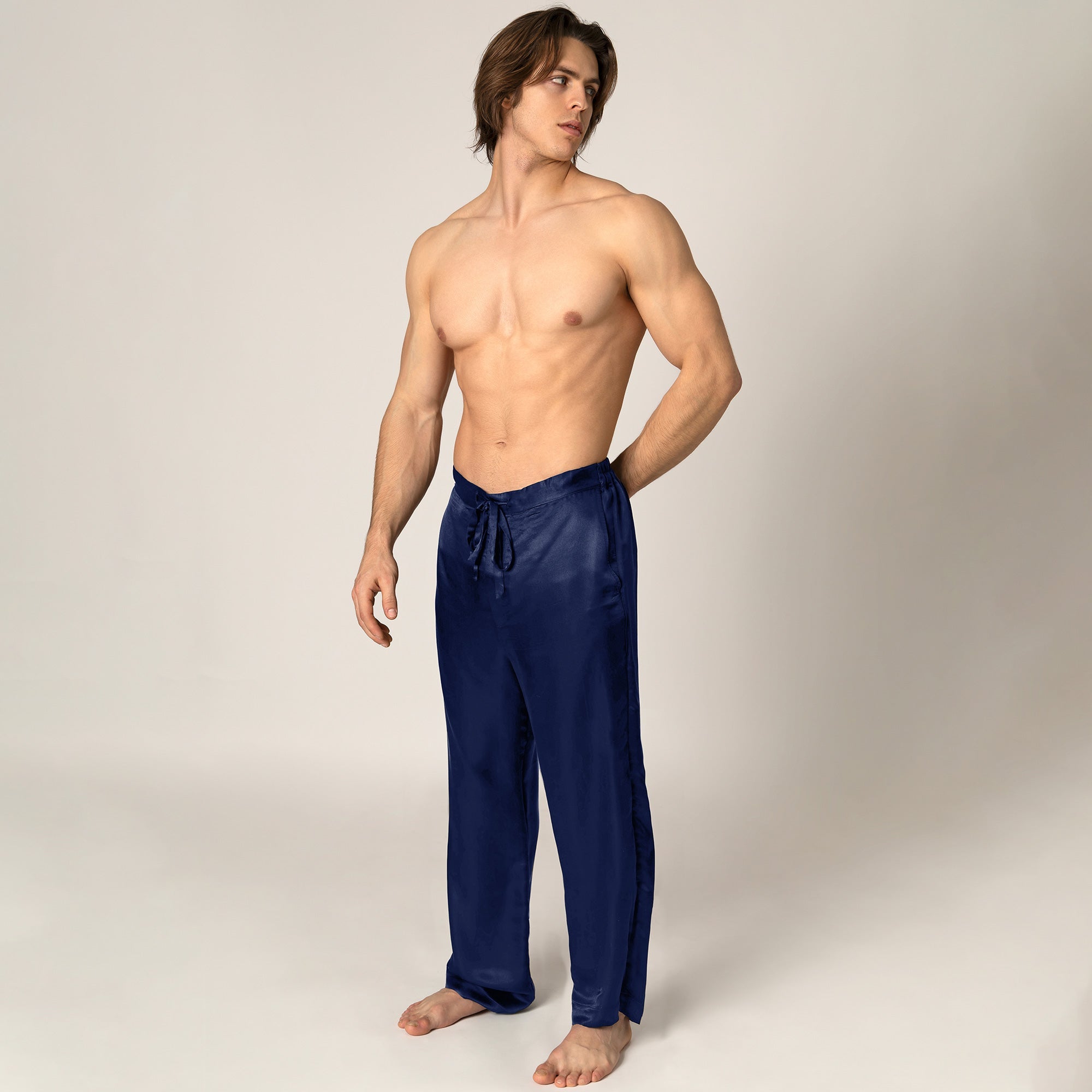
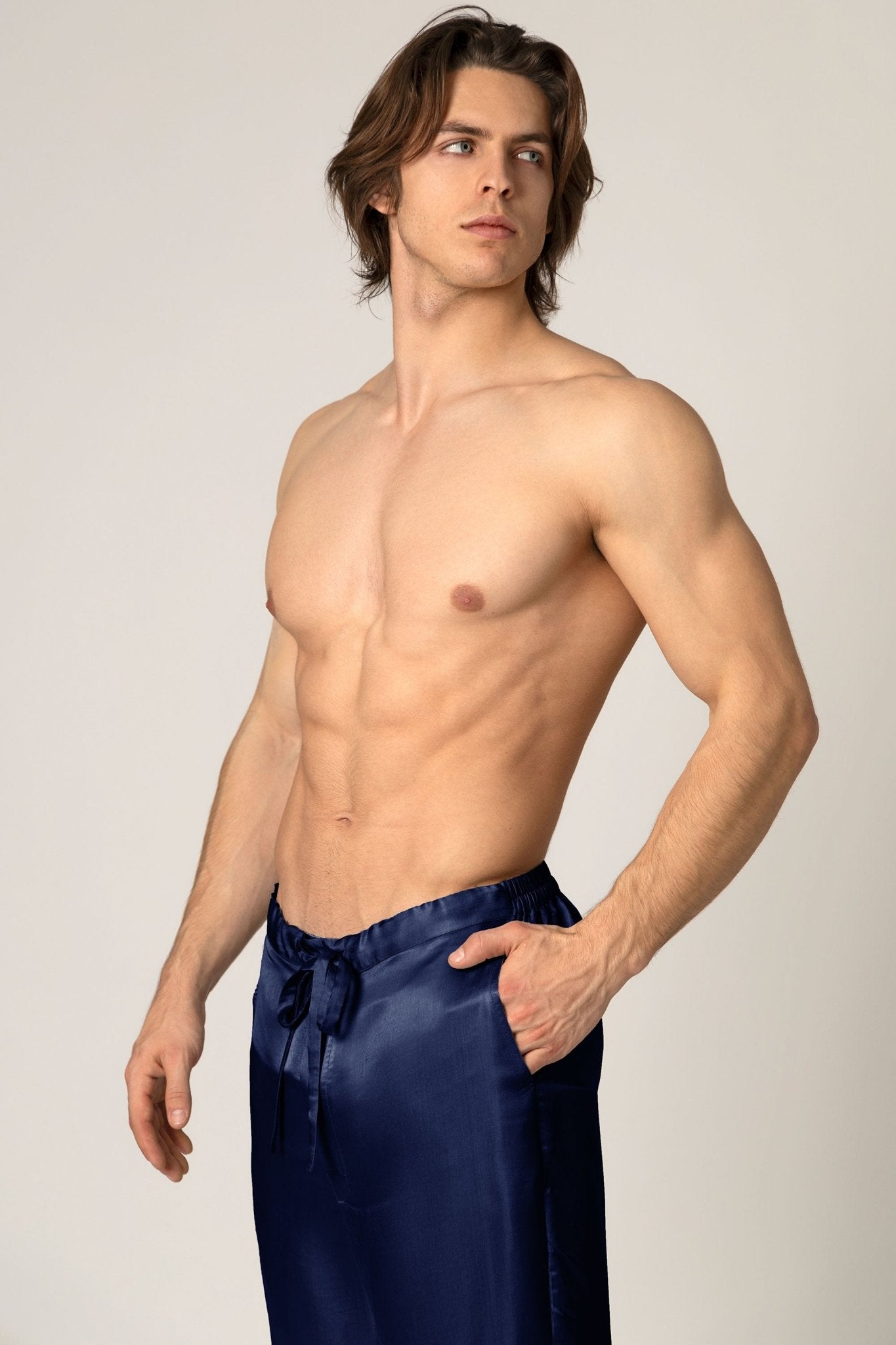
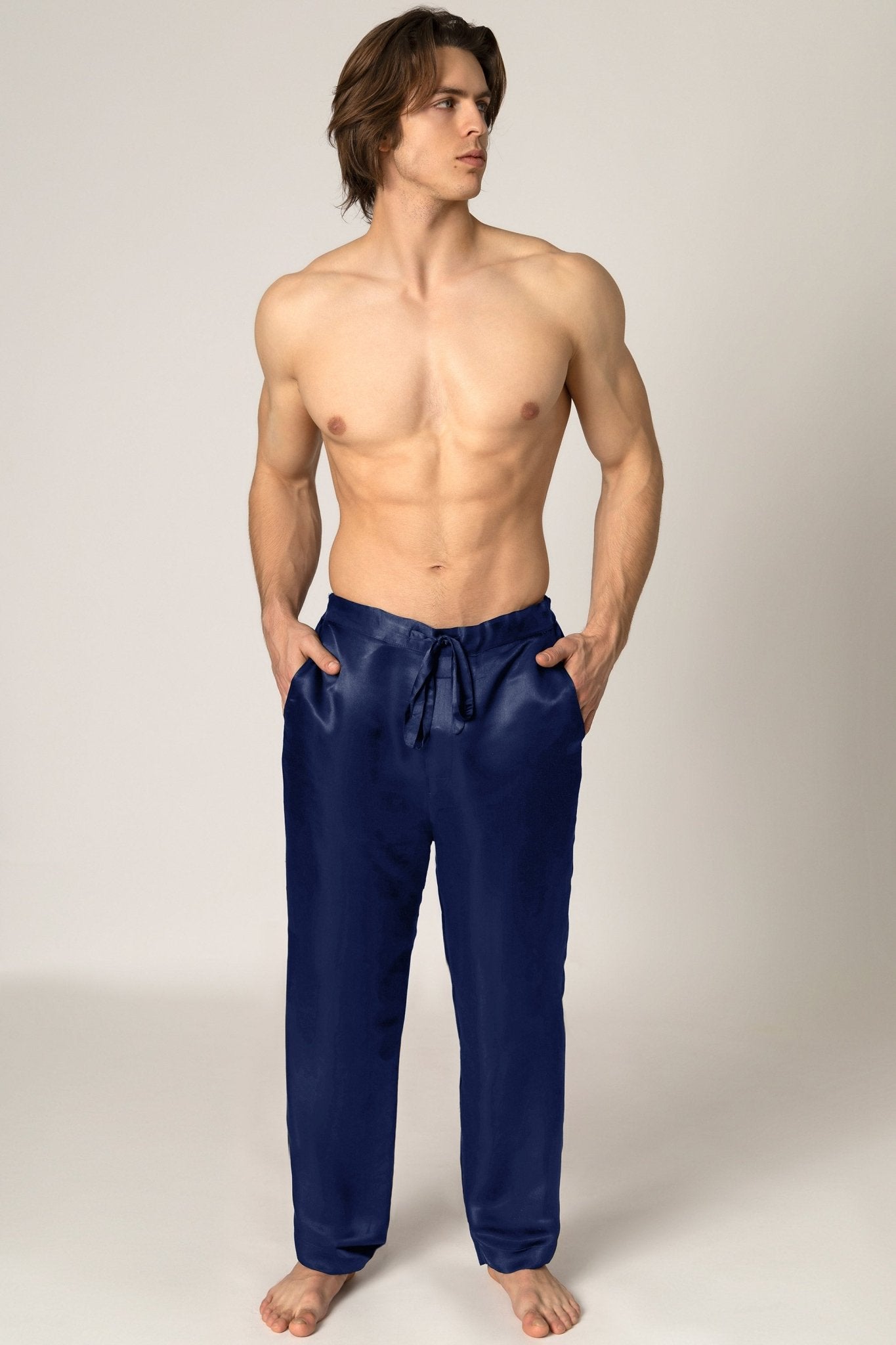
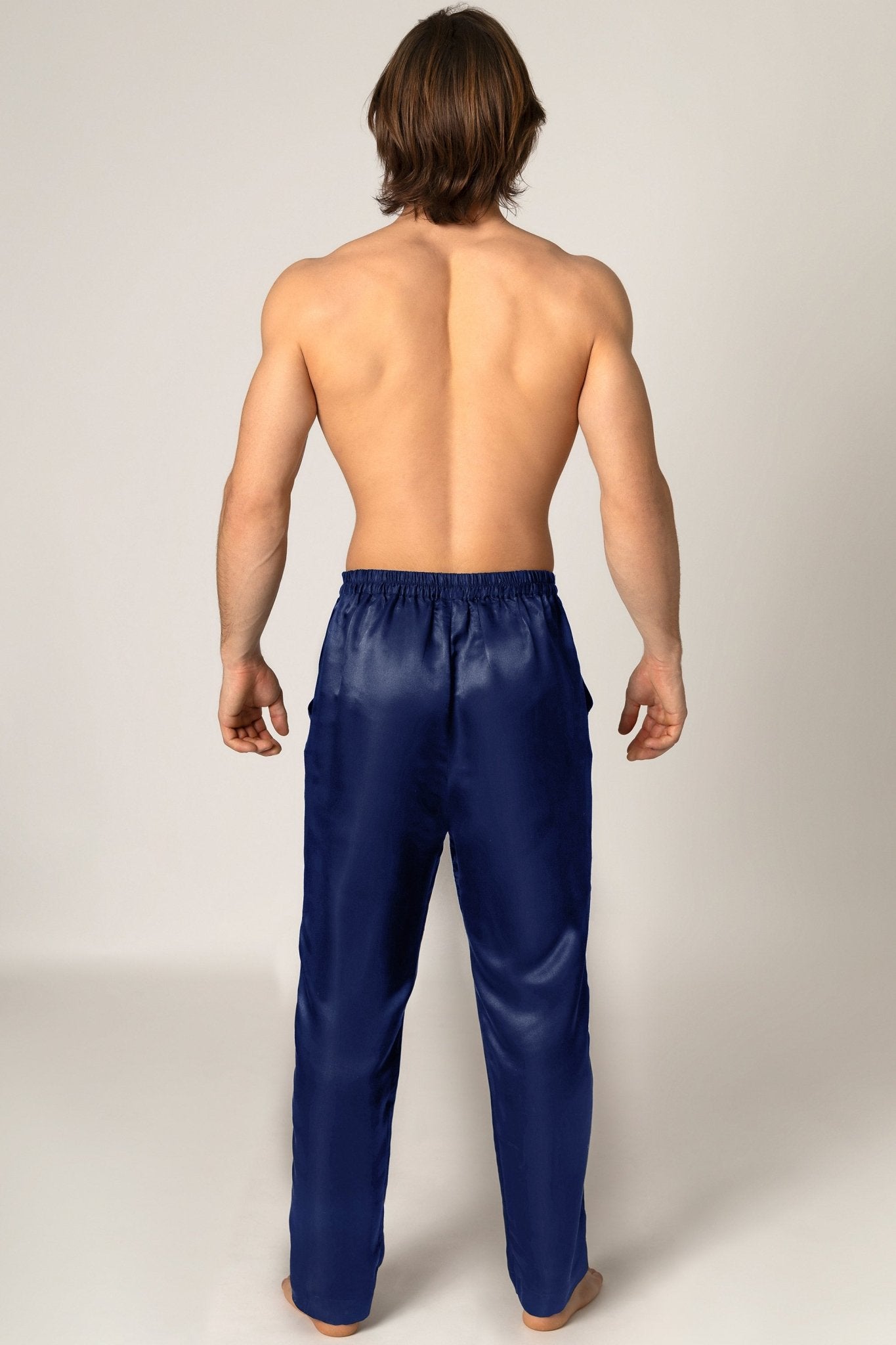
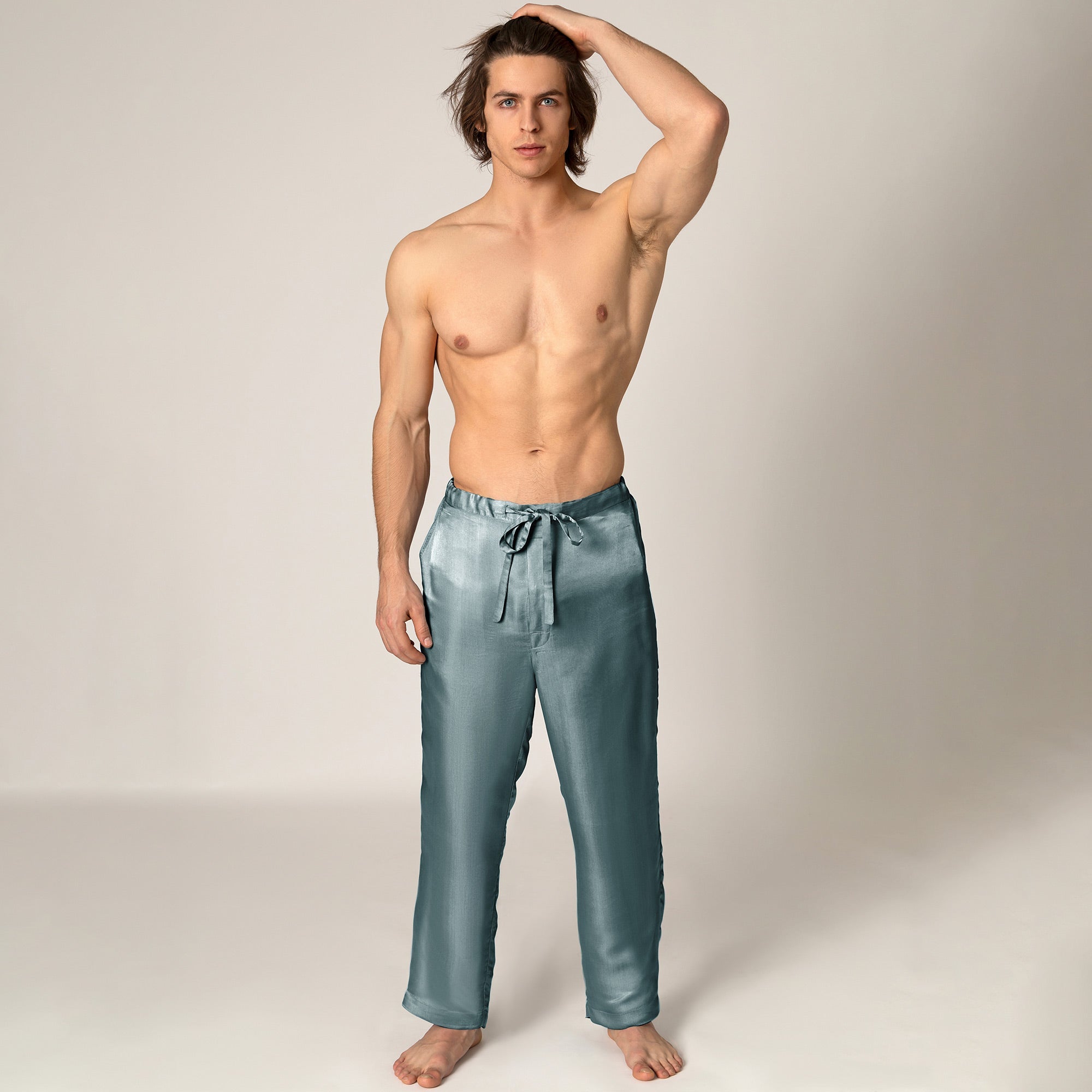
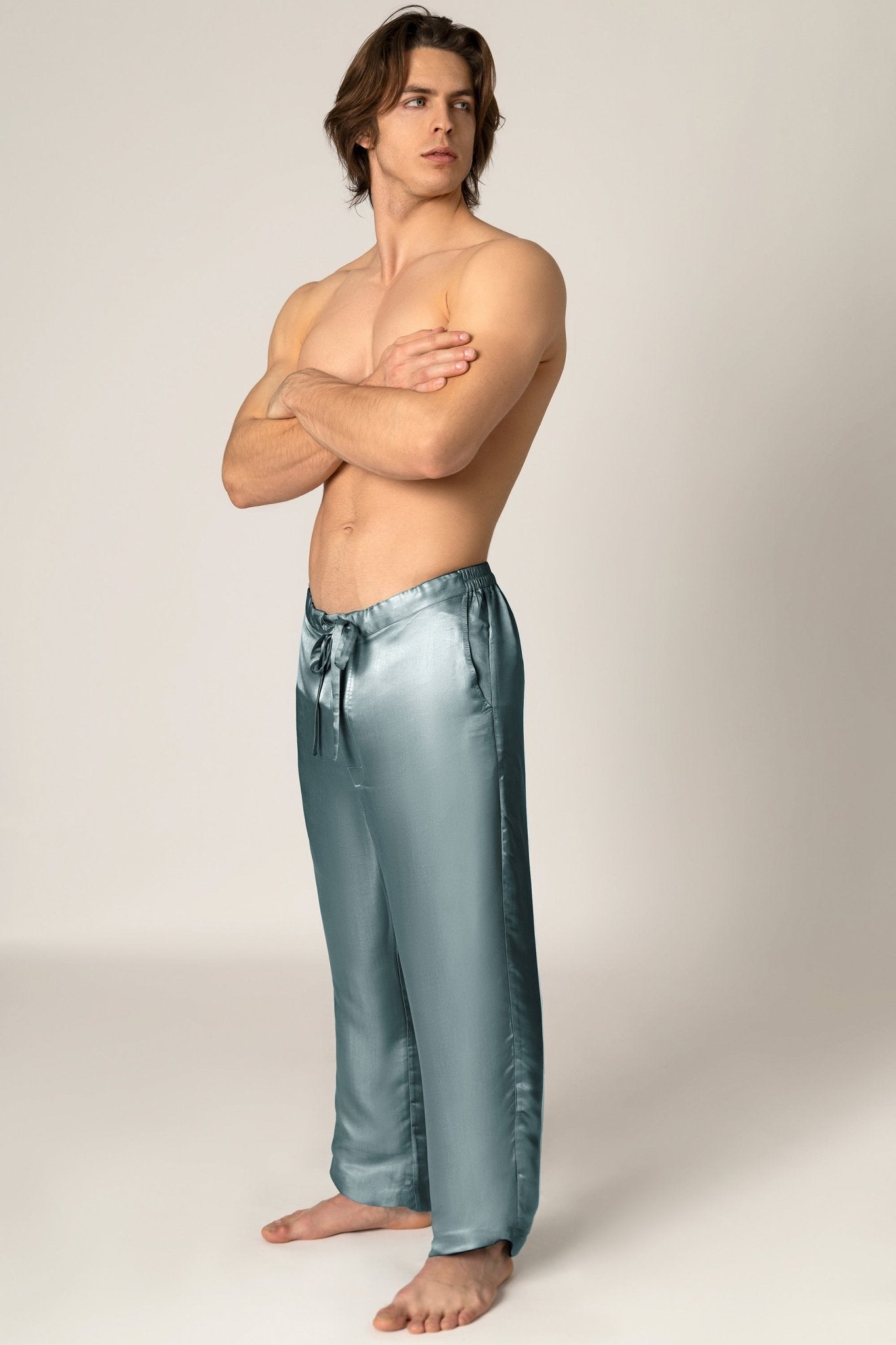
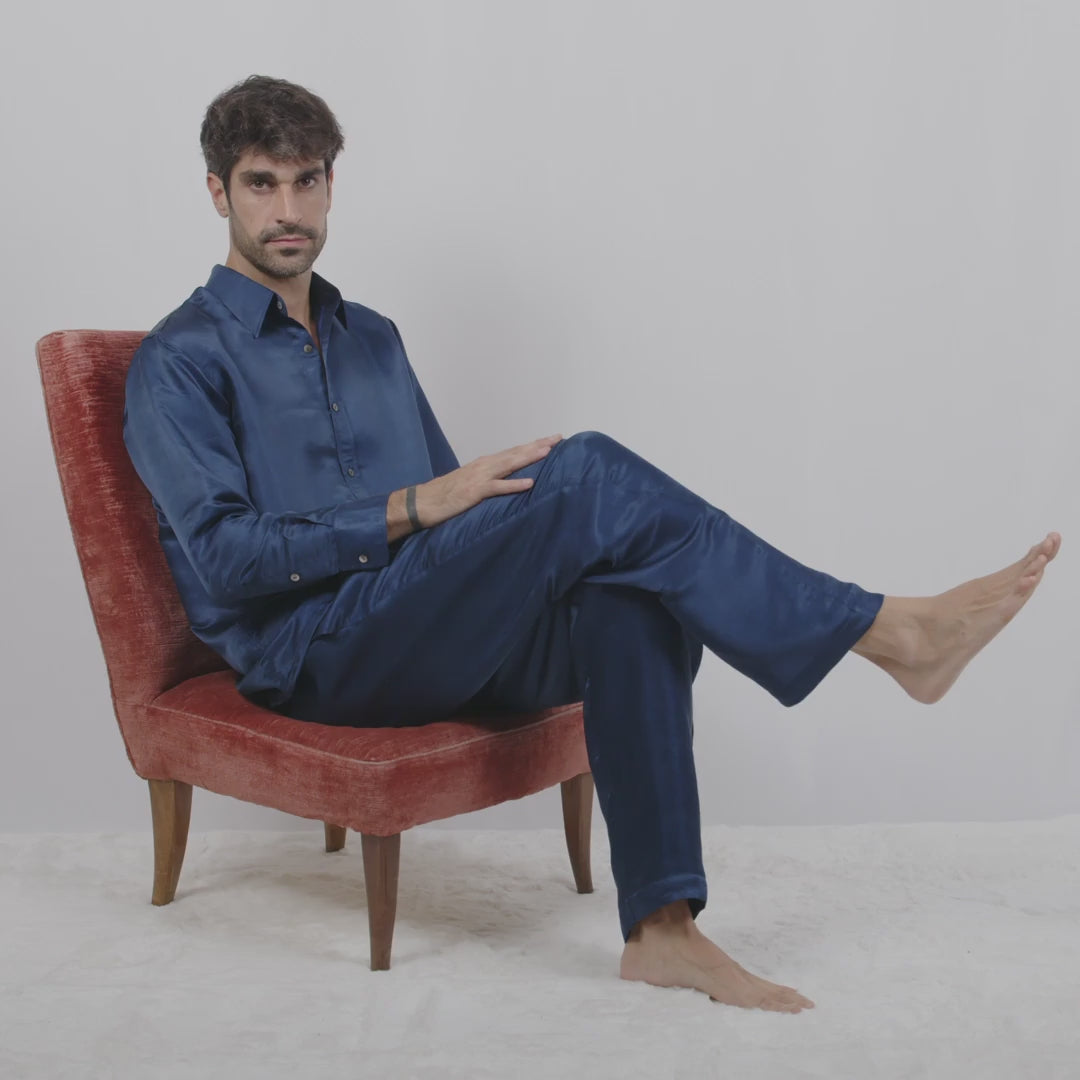
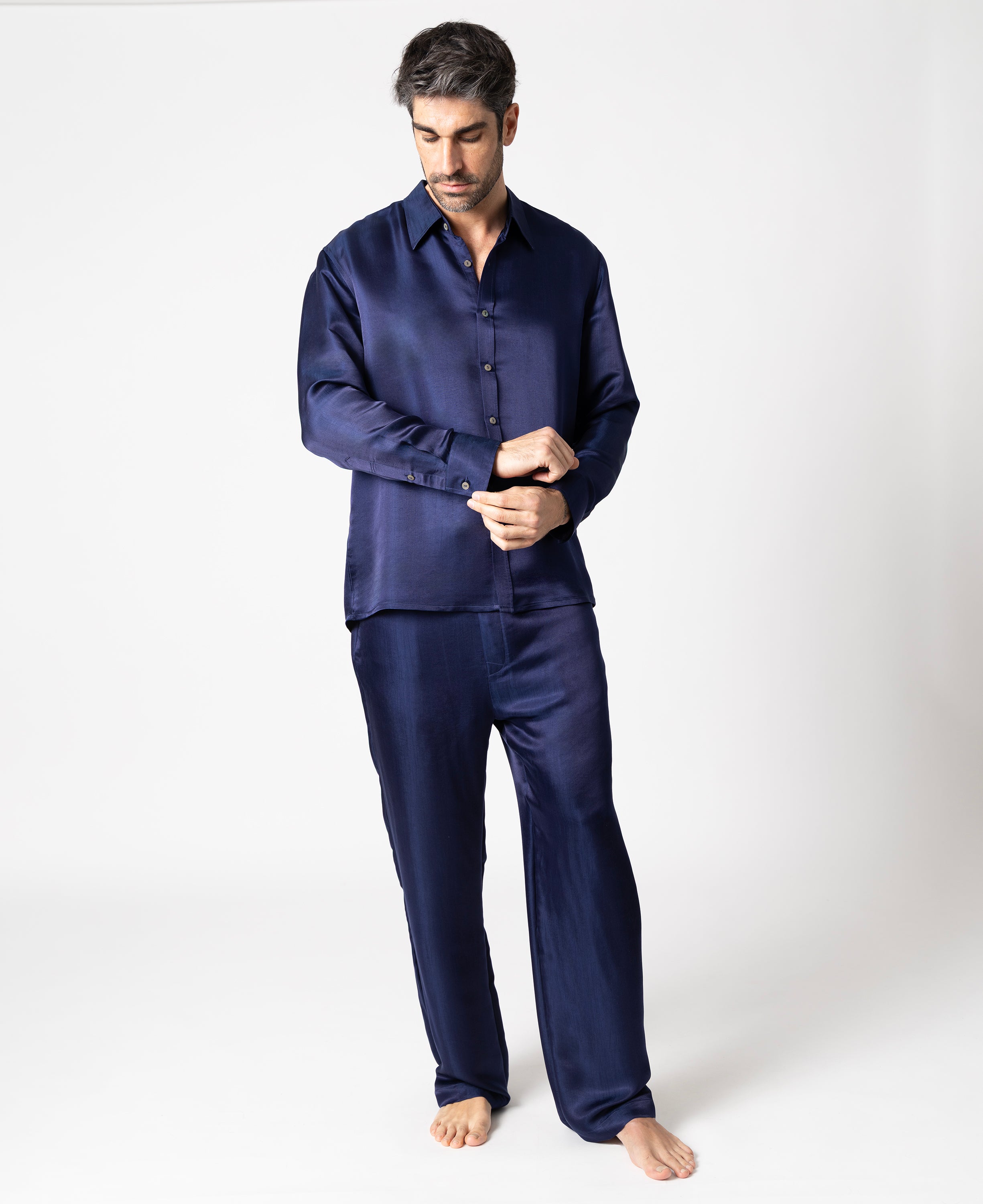
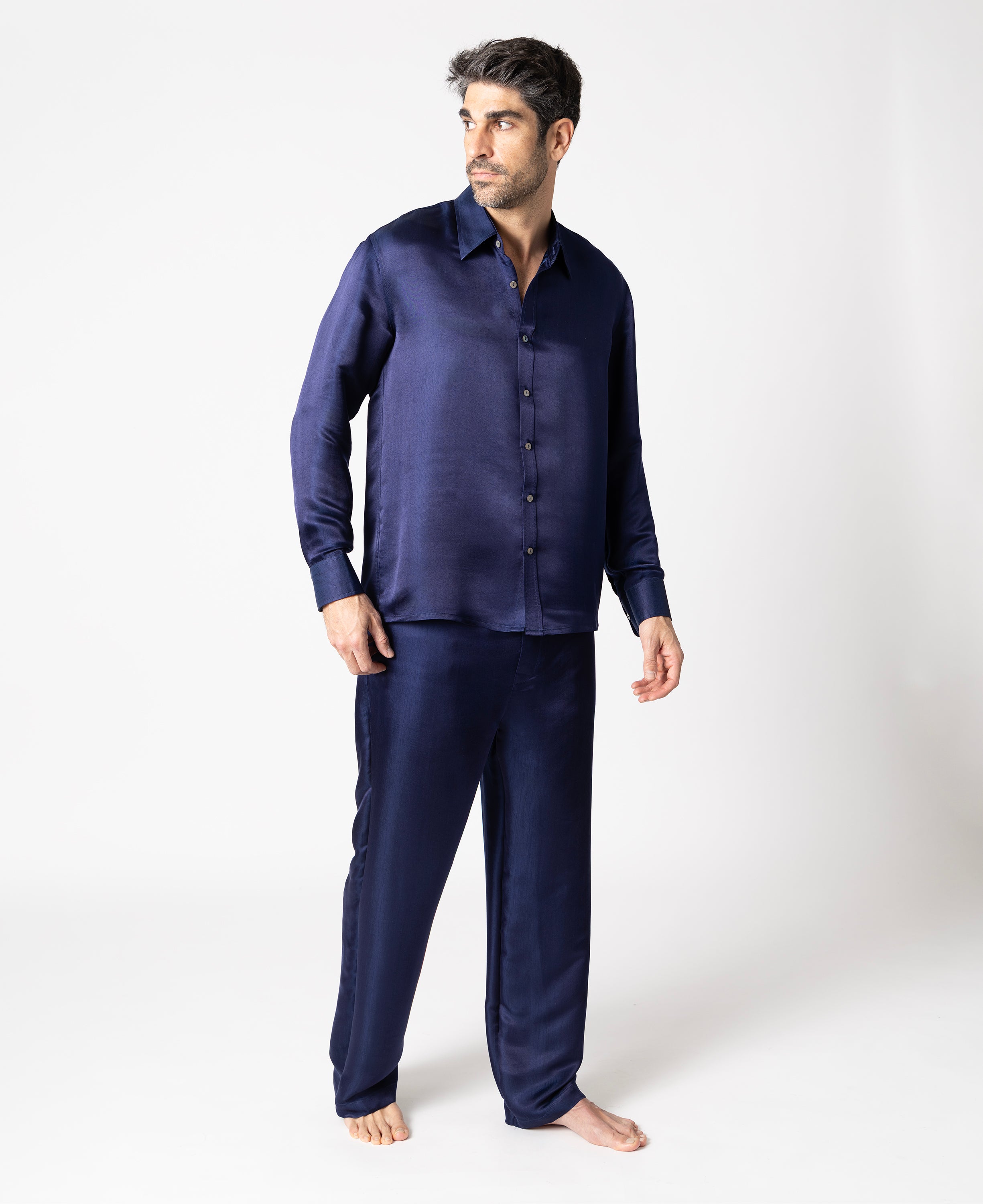
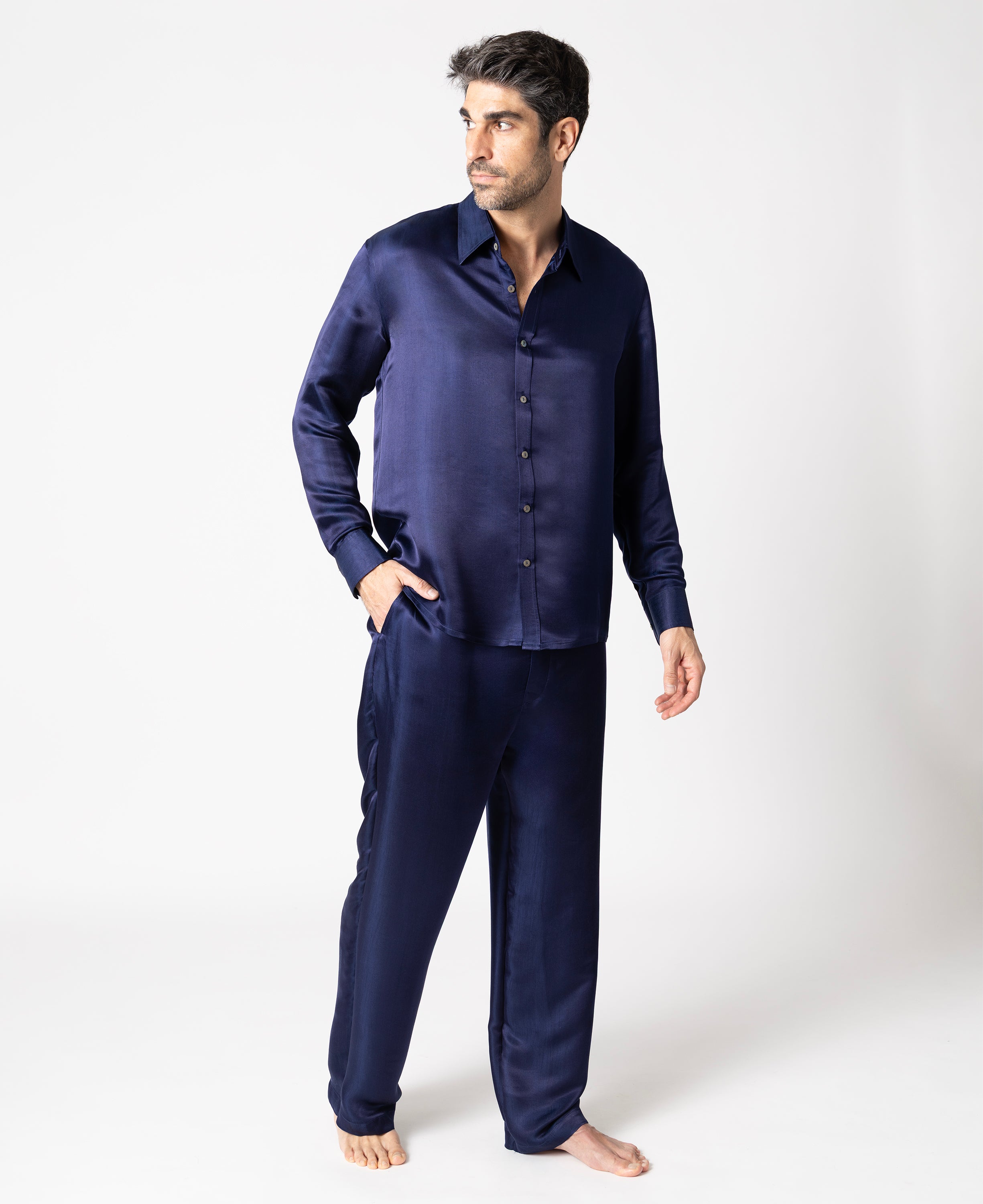
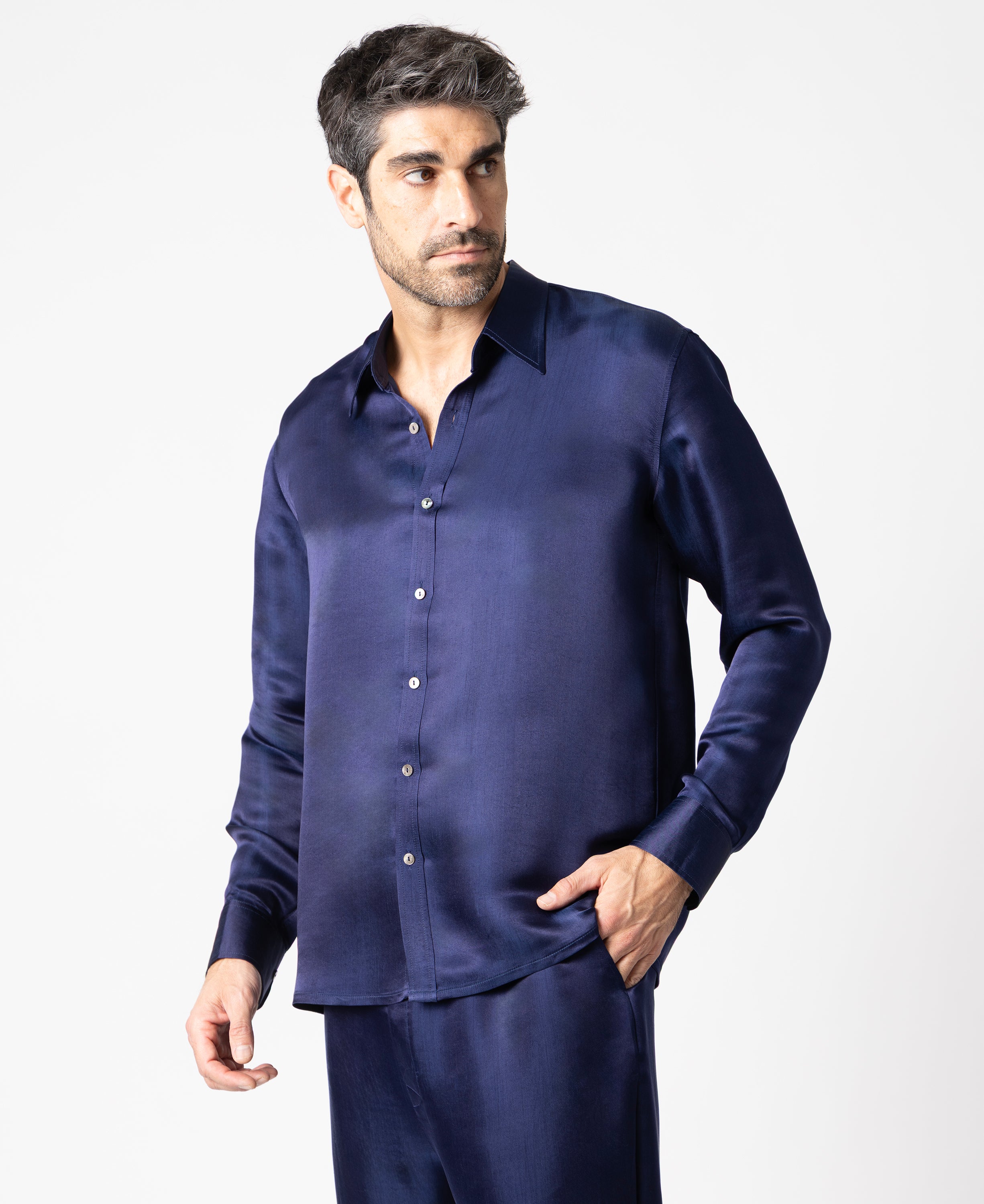
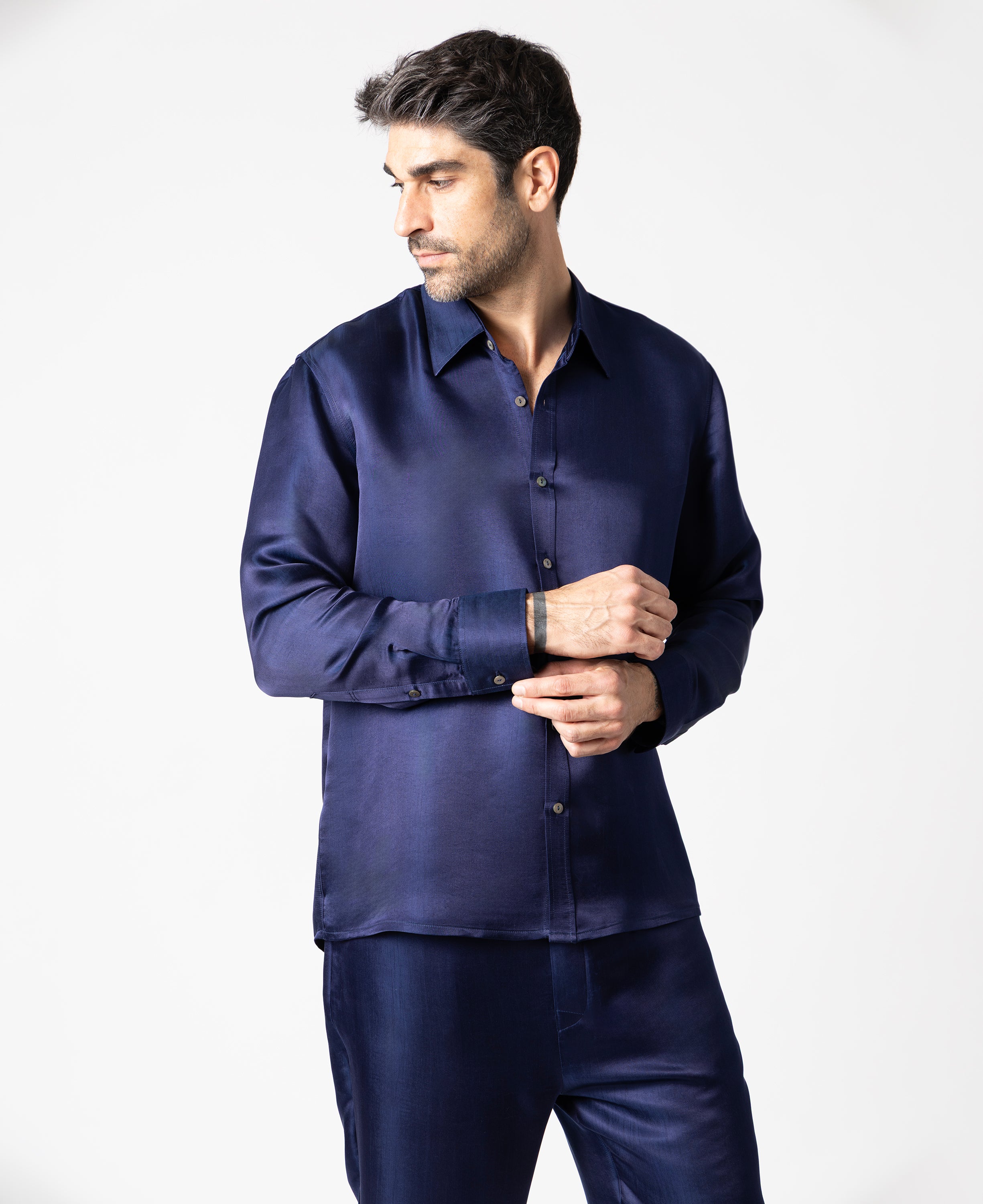
Tara Sartoria's bestselling silk pajamas and boxers are the most practical starting points for eczema management through fabric. Both use the same 27 momme mulberry silk with French seam construction, meaning no exposed edges against sensitive skin. If eczema affects your legs and torso, start with pajamas. If it affects the groin area, start with boxers.
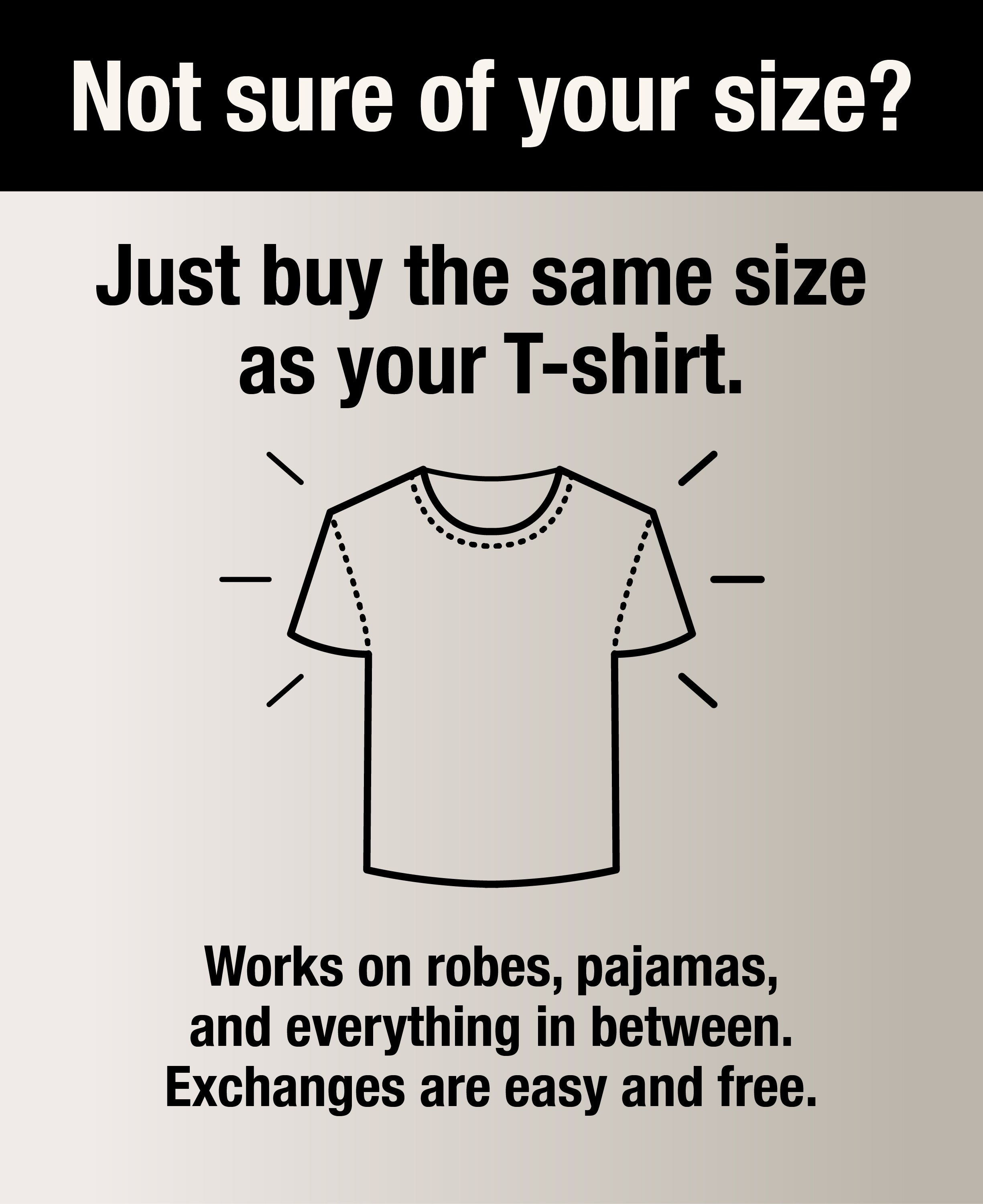
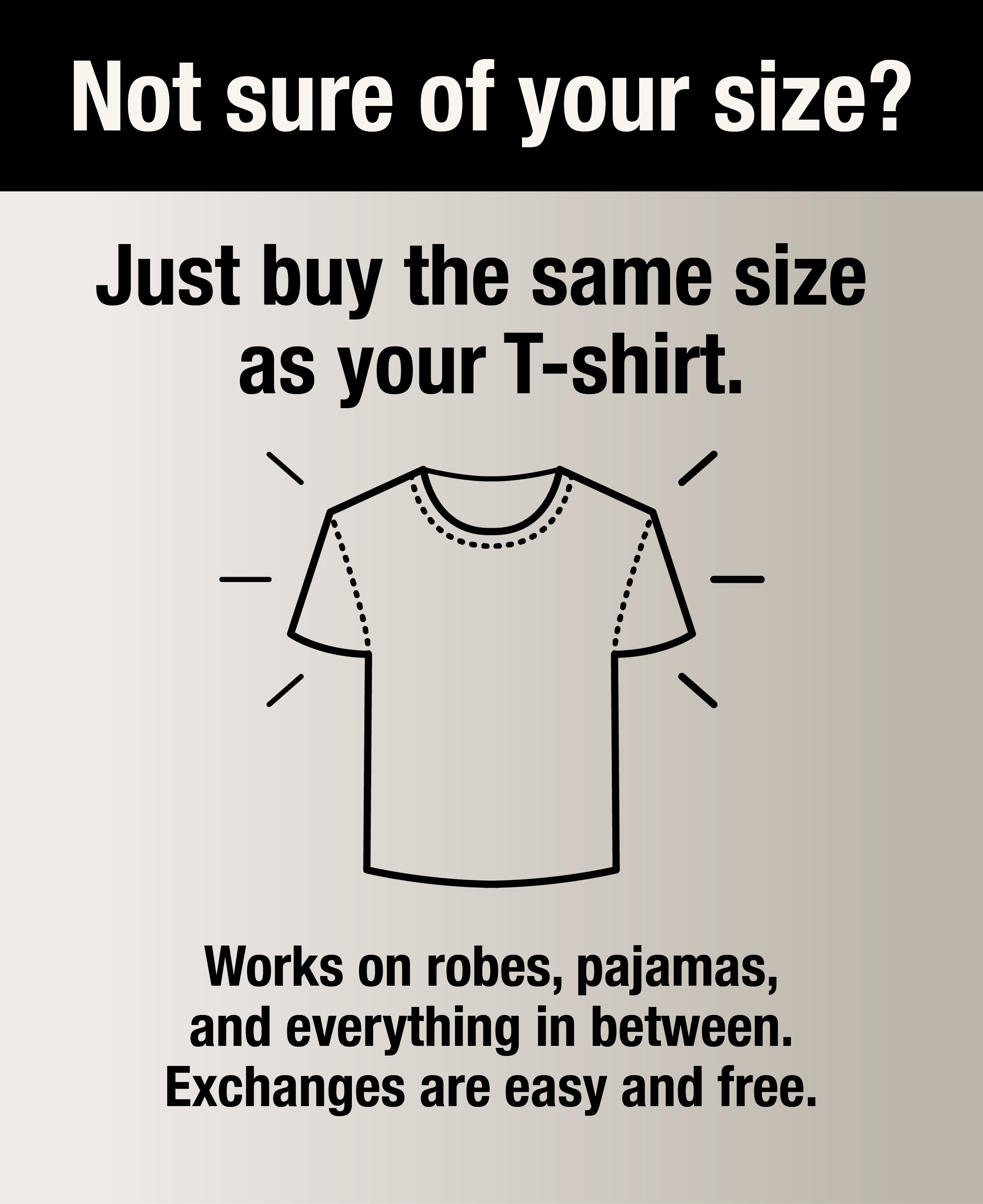
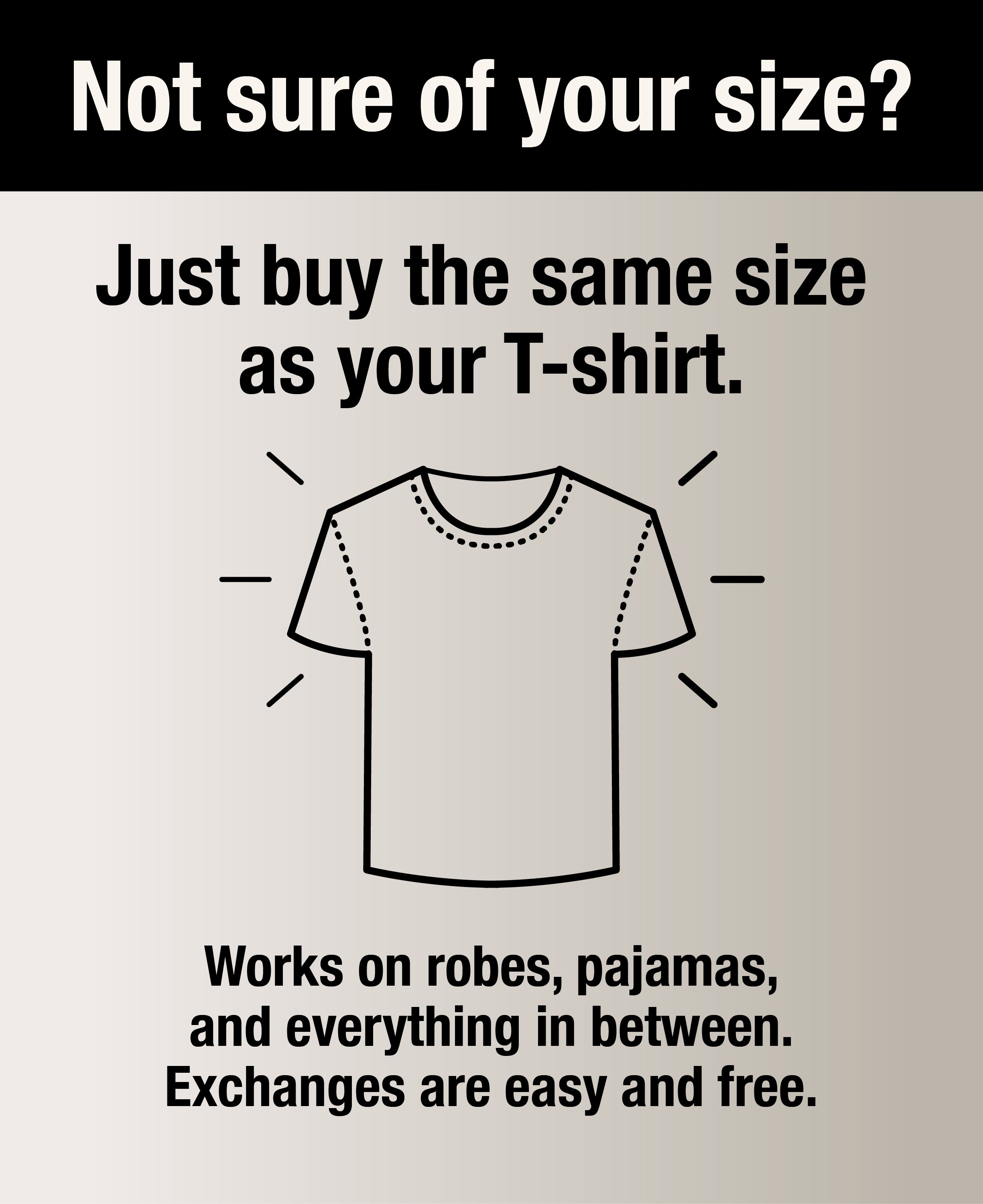
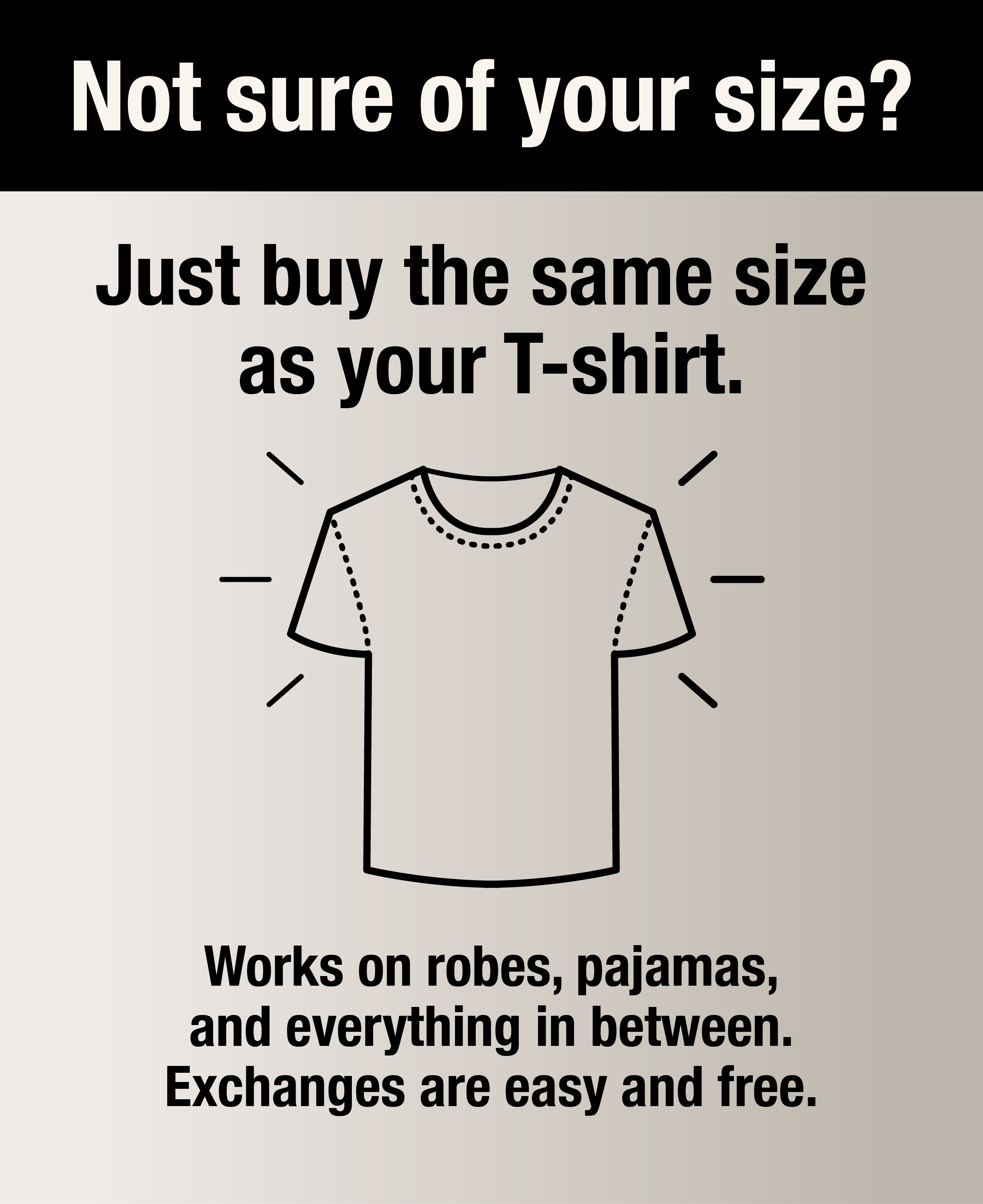
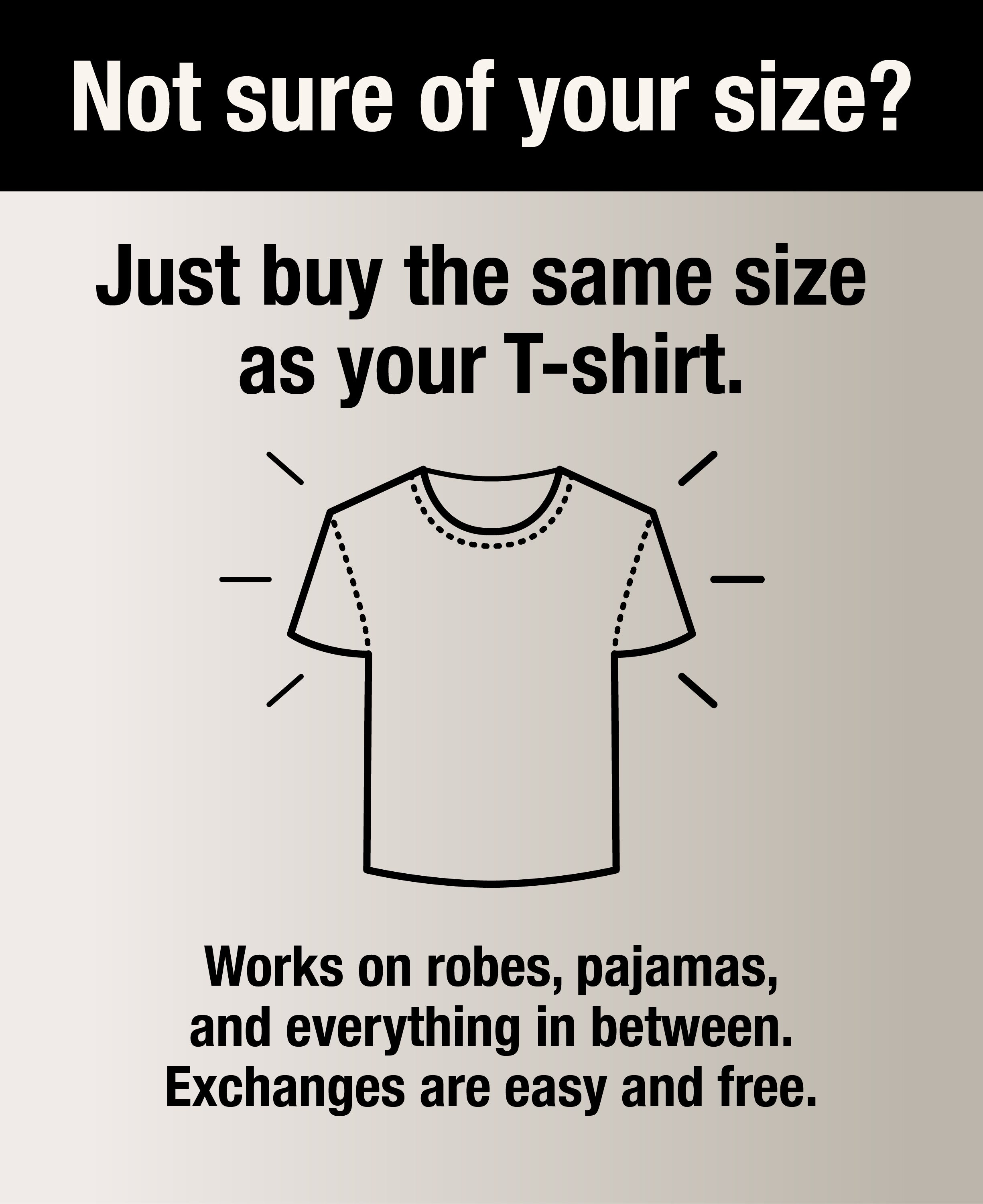
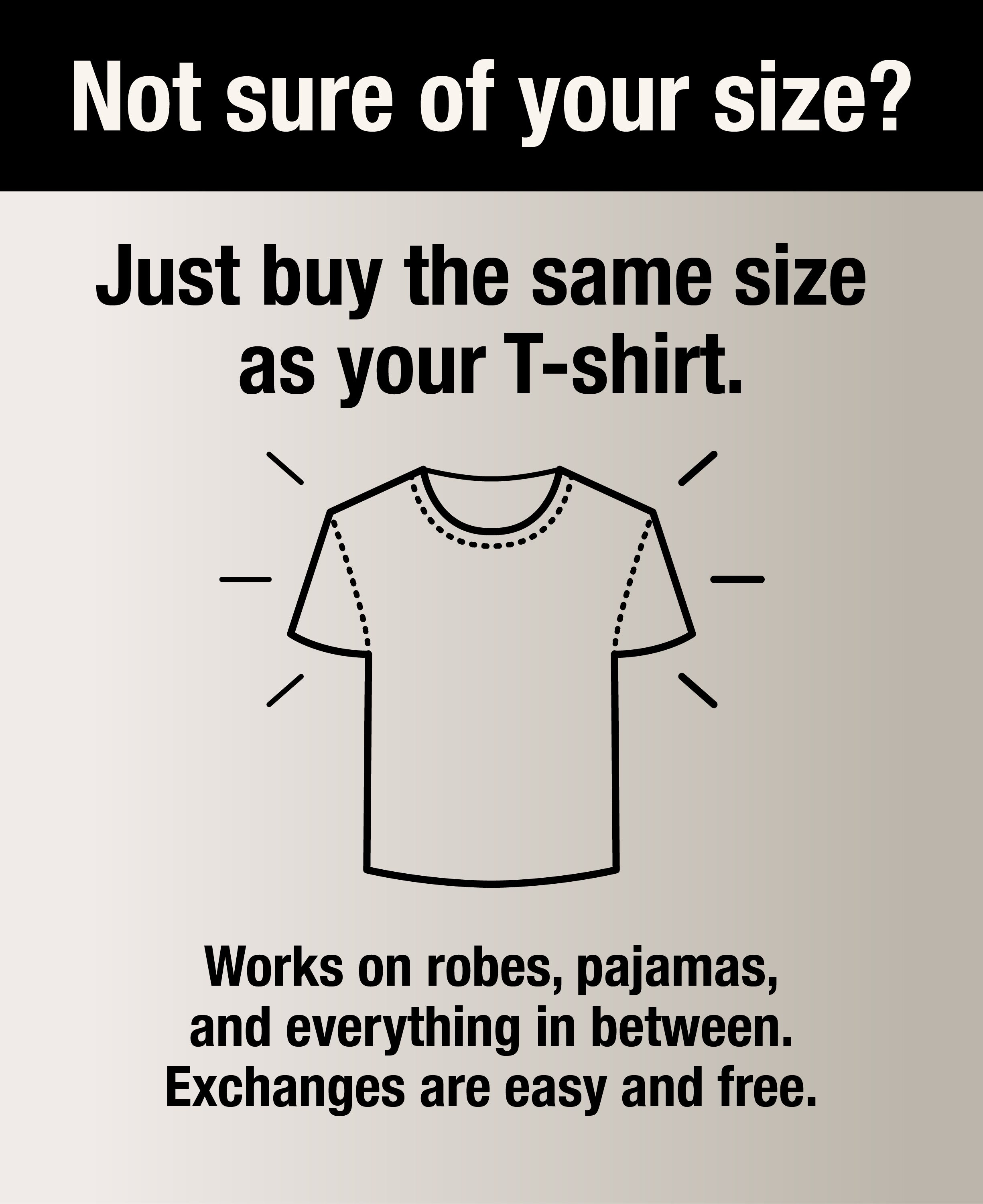
Find your size in men's silk pajamasFrequently Asked Questions
Does silk cure eczema?
No. Eczema is a chronic condition that requires medical management. Silk reduces one external trigger (fabric friction) that can worsen symptoms. It is a complementary measure, not a treatment.
Is silk better than cotton for eczema?
Based on peer-reviewed research, yes. Silk produces significantly less mechanical friction against skin than cotton. Studies including the CLOTHES trial have demonstrated measurable improvements in eczema severity with silk garments.
Can silk irritate eczema?
In rare cases, sensitivity to silk protein (sericin) can cause irritation. Most finished silk has sericin removed during degumming. If you experience irritation from silk, consult your dermatologist. This is uncommon but possible.
What momme weight is best for eczema?
Higher momme weights (22+) are recommended because the heavier fabric stays in place during sleep rather than shifting and creating friction. At 27 momme, the fabric's weight provides maximum positional stability and the denser fiber structure offers better temperature regulation.
How long does it take to see improvement in eczema symptoms?
Most people notice reduced nighttime itching within the first week of using silk sleepwear. Measurable improvement in eczema severity (as measured by objective scores) typically emerges within 4 to 6 weeks, as shown in the CLOTHES trial. Individual results vary based on eczema severity and other management factors.
What silk products help most with eczema?
Silk pajamas provide the broadest coverage for nighttime eczema management, reducing friction across arms, legs, and torso simultaneously. Silk boxers address groin and inner thigh eczema, a common but underreported concern. Start with the product that covers your most affected area.
