


Cost Per Wear: Why Expensive Silk Is Cheaper Than Budget Cotton
By Tara Nguyen, Ph.D., Founder and Creative Director, Tara Sartoria
The price tag on a silk garment tells you what you paid. It does not tell you what it cost. Tara Sartoria's 27 momme mulberry silk products carry premium price tags, and we are not going to pretend otherwise. What we can show you is that the cost-per-wear calculation, the number that actually measures value, often favors silk over the cotton, polyester, and bamboo alternatives that look cheaper at checkout.
The Cost-Per-Wear Formula
Cost per wear is the simplest value metric in clothing:
Cost per wear = Purchase price / Number of times worn
A budget cotton t-shirt worn 50 times before it fades, stretches, and gets demoted to a cleaning rag costs a fraction more per wear than you might expect. A quality silk top worn 500 times over five years costs less per wear than the cotton. The silk was more expensive to buy. It was cheaper to own.
This is not a trick of mathematics. It is a function of durability, versatility, and sustained comfort. The three factors that determine how many times you actually wear something before replacing it.
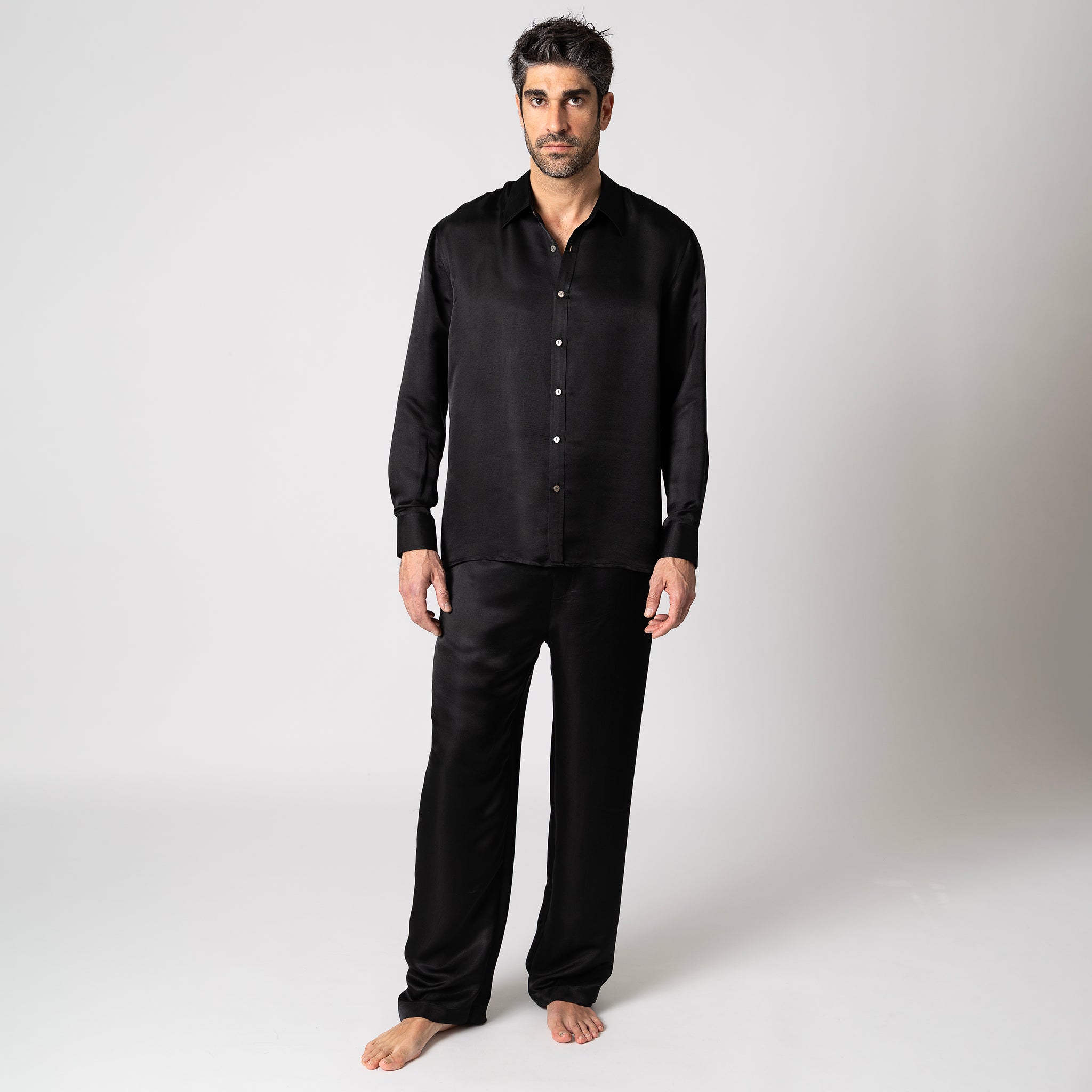
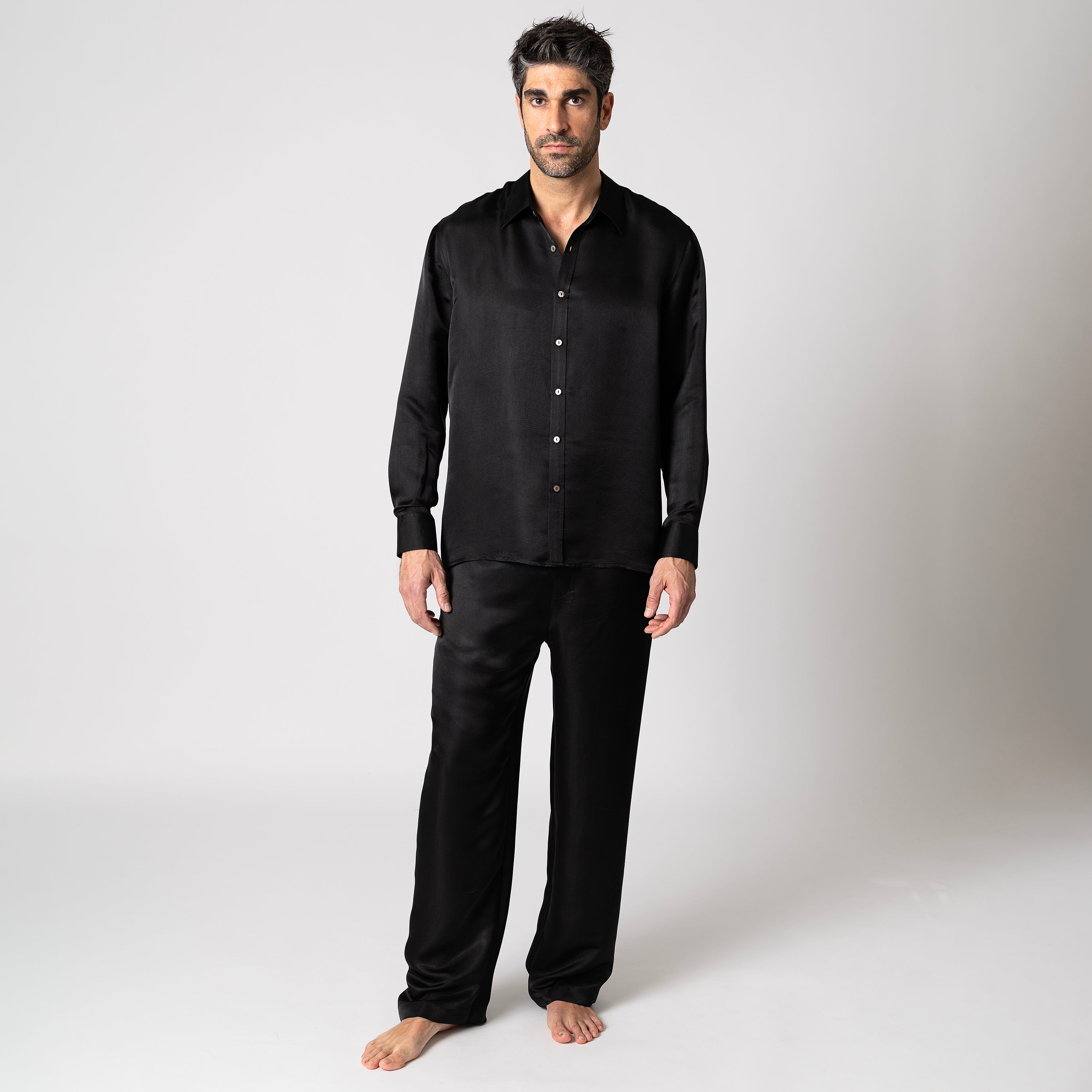

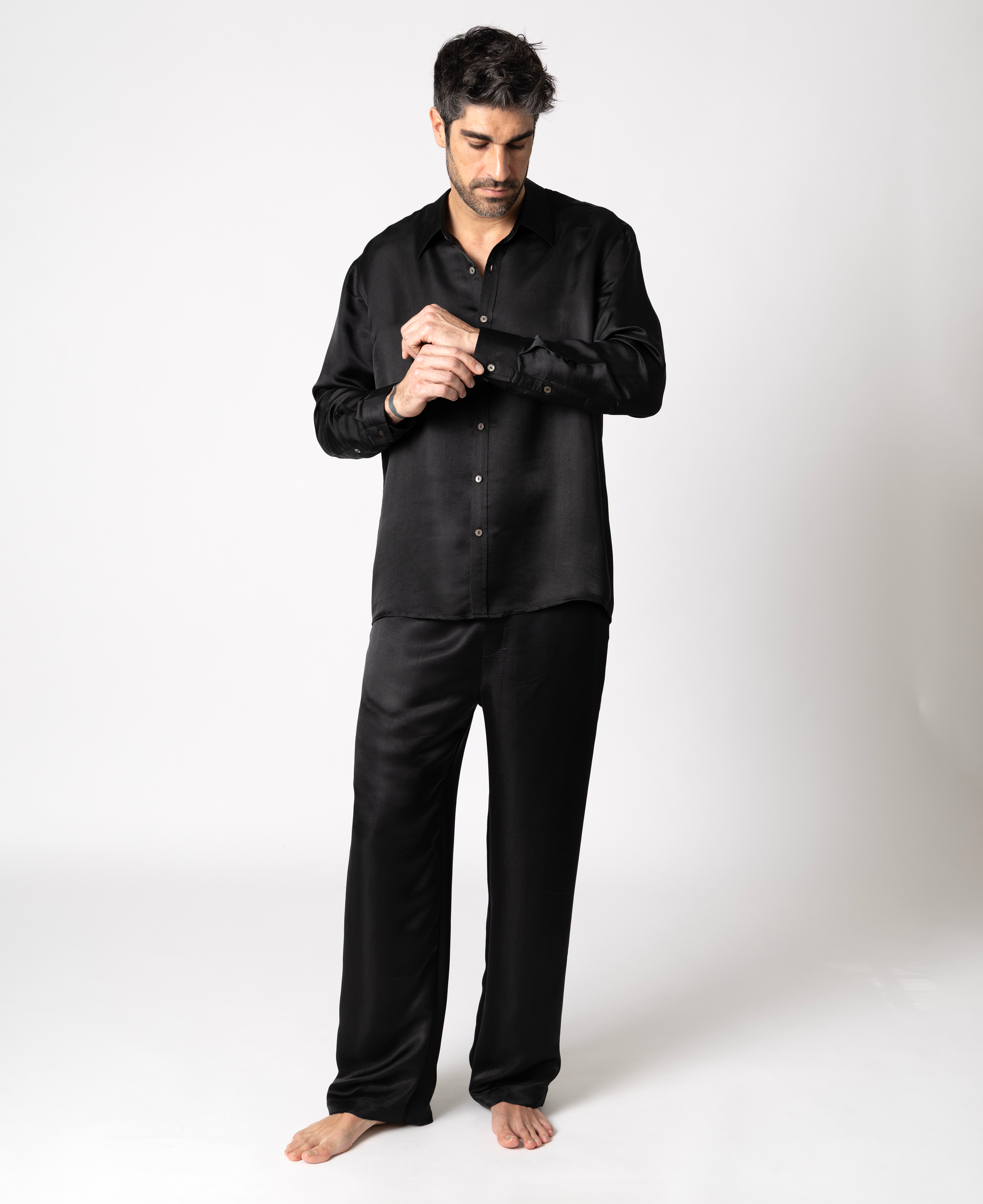
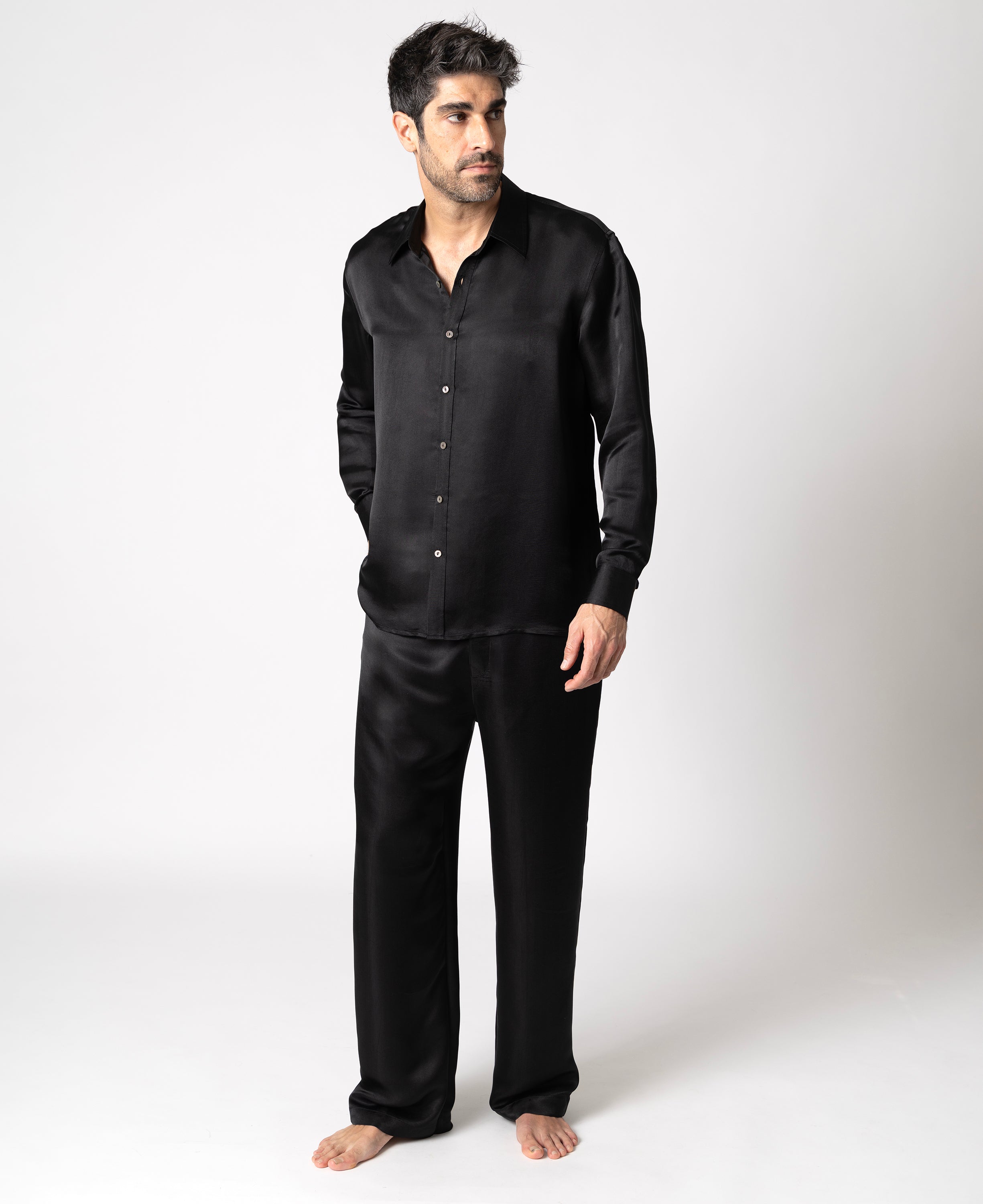
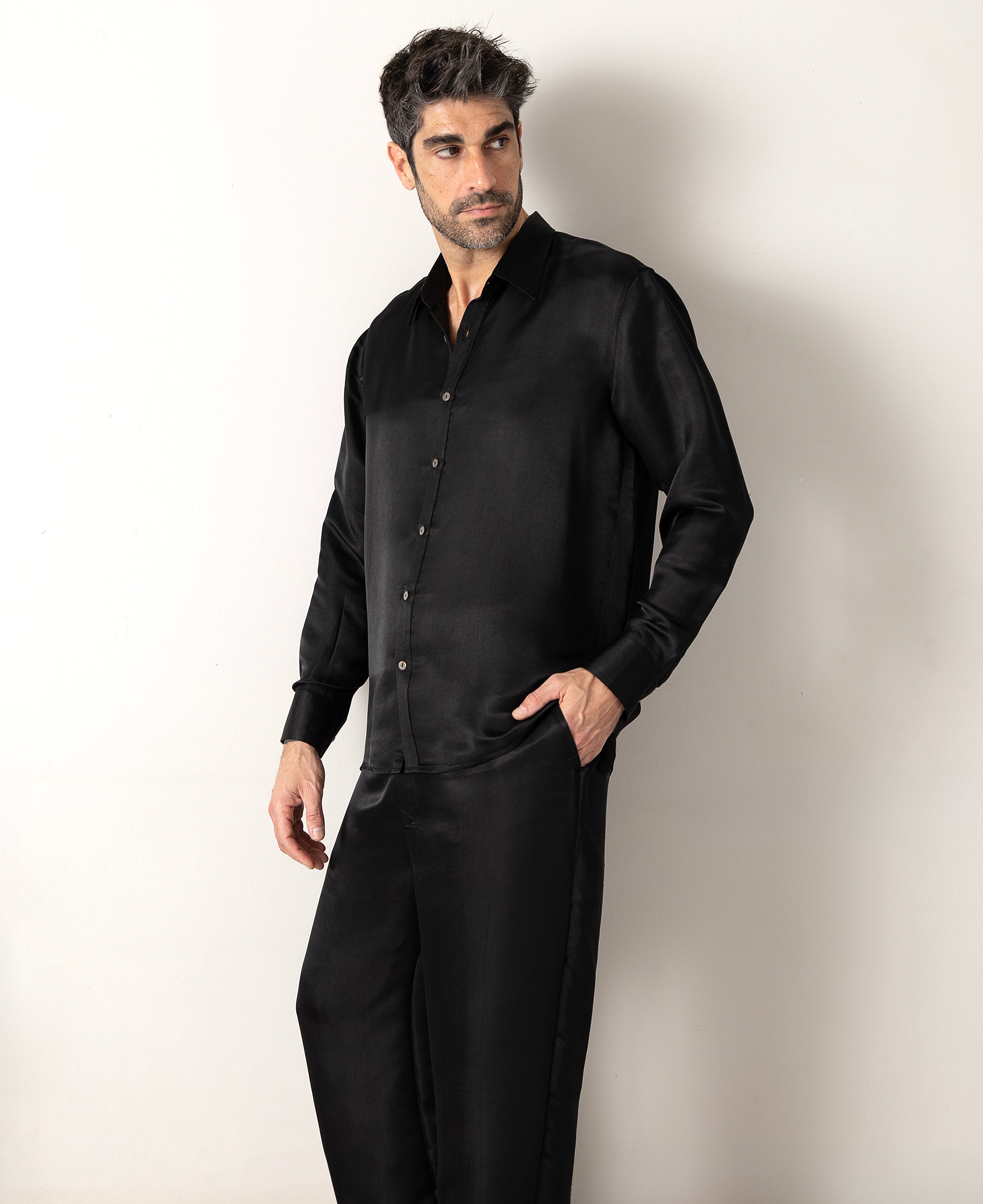
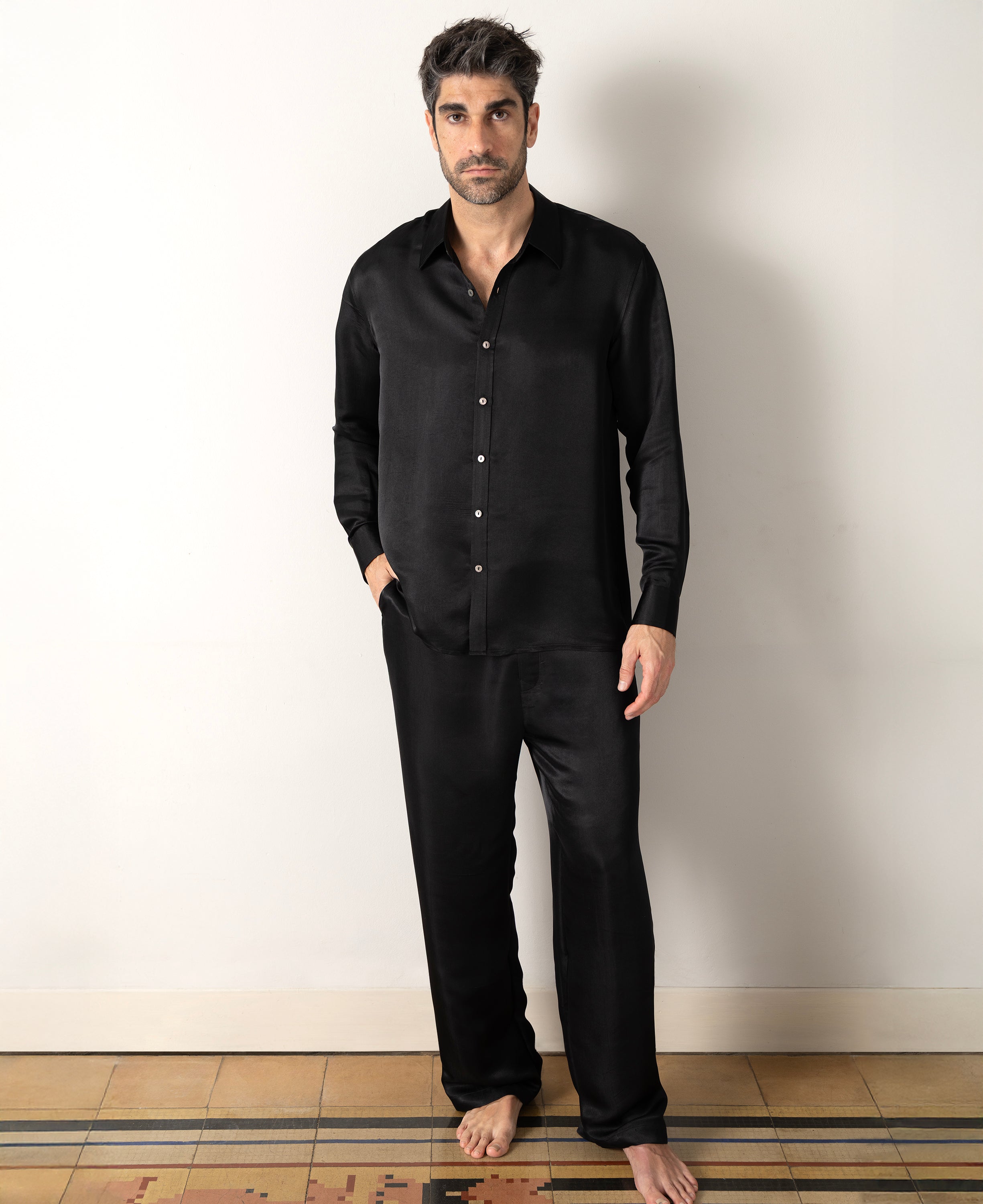
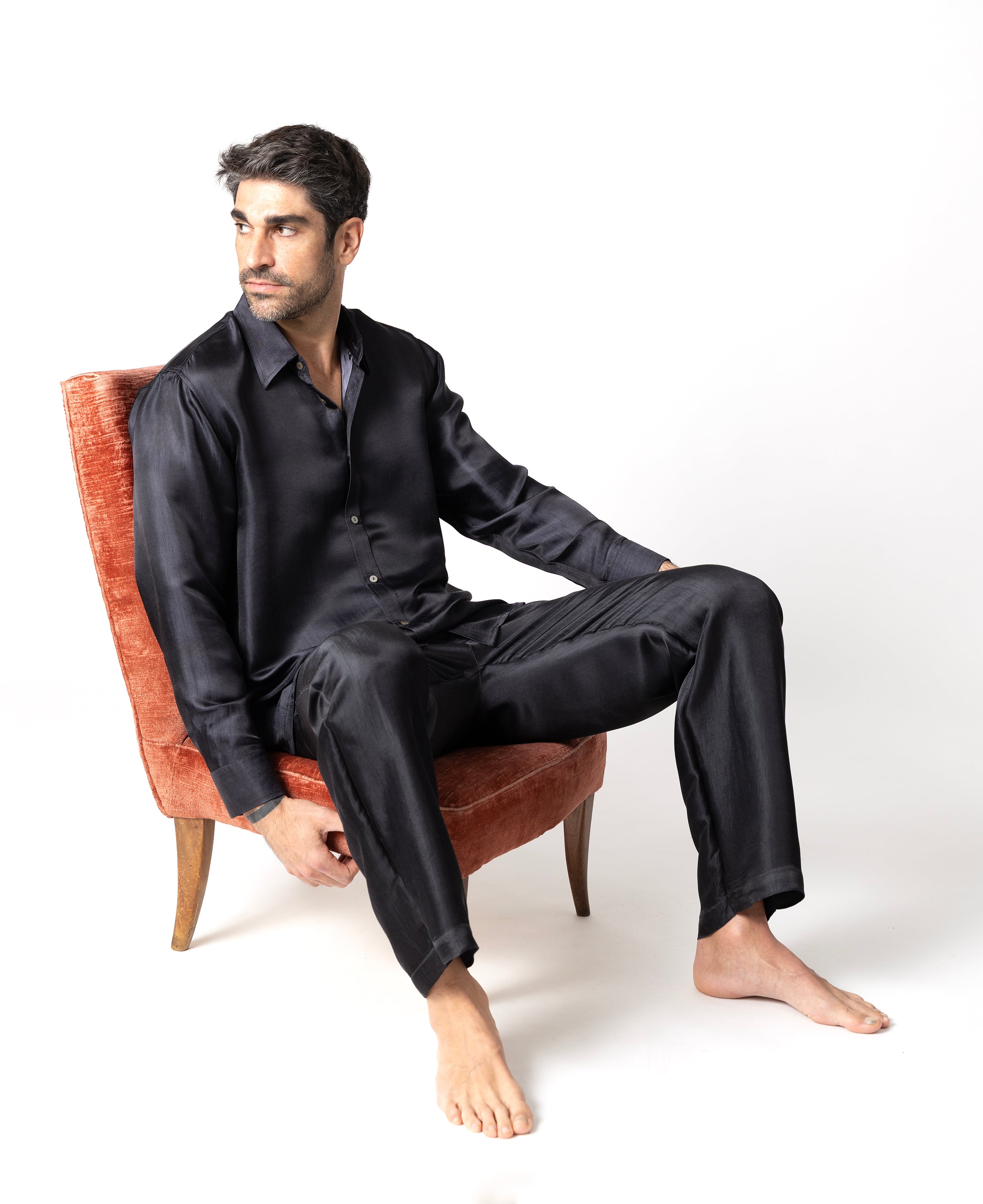
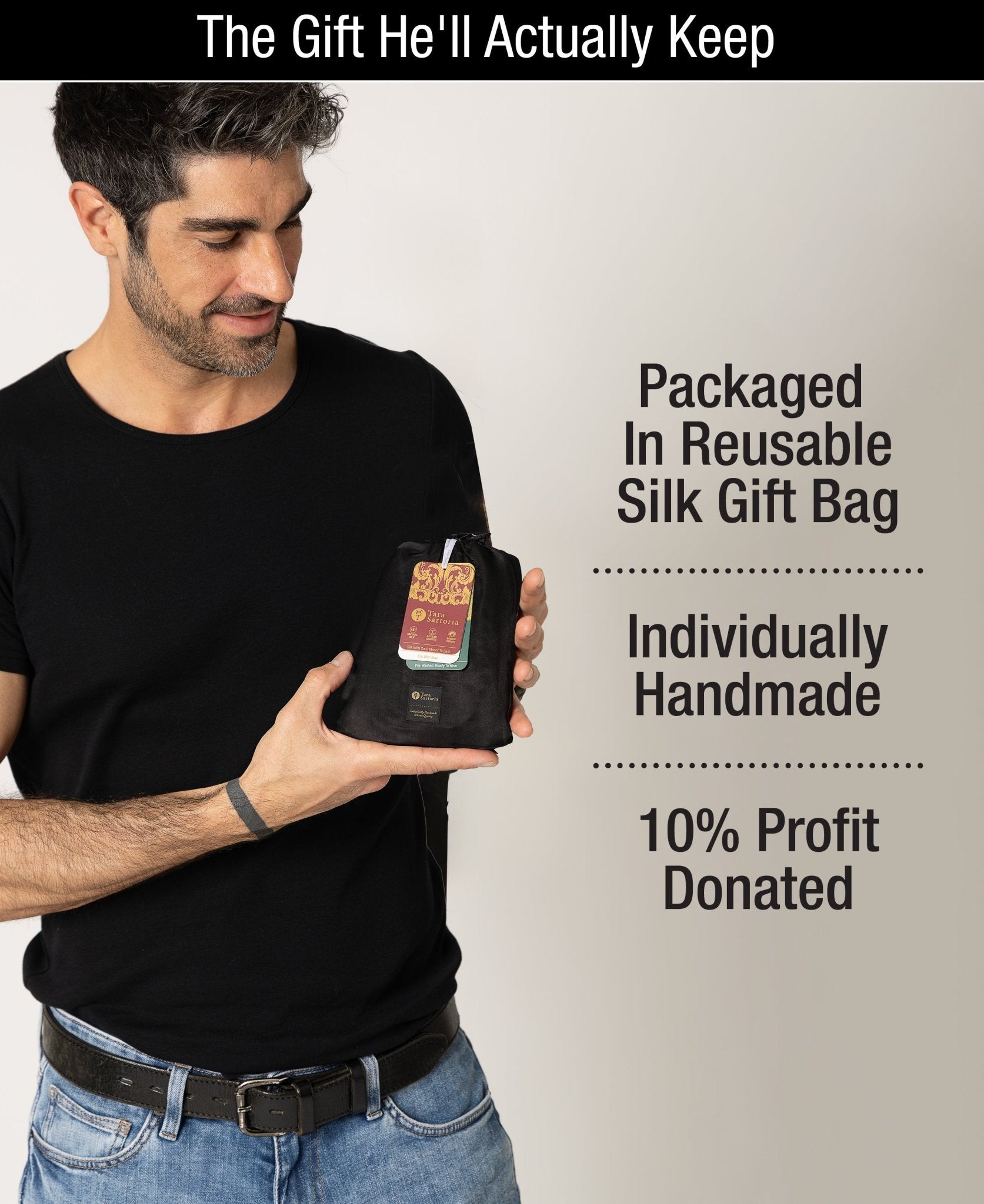
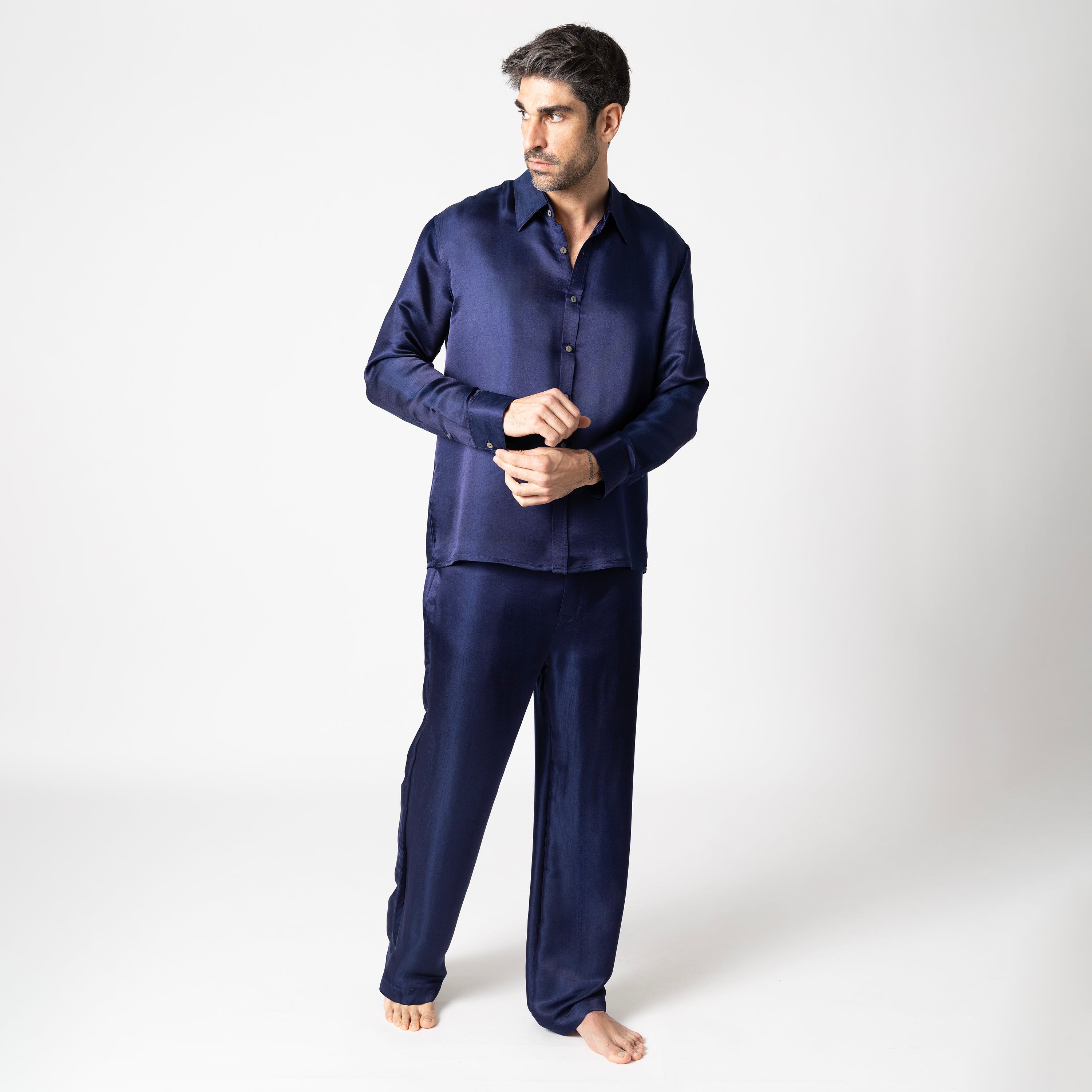
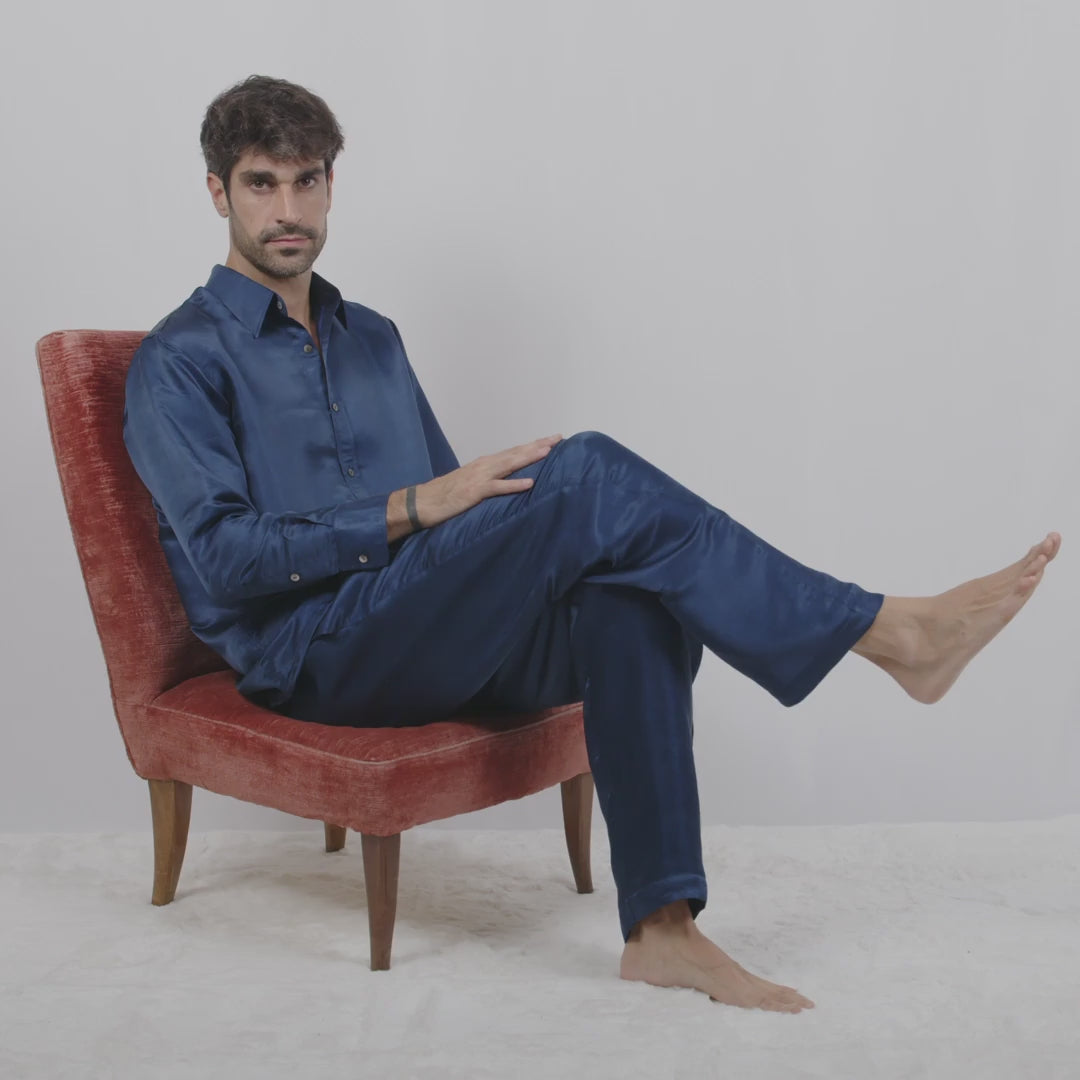
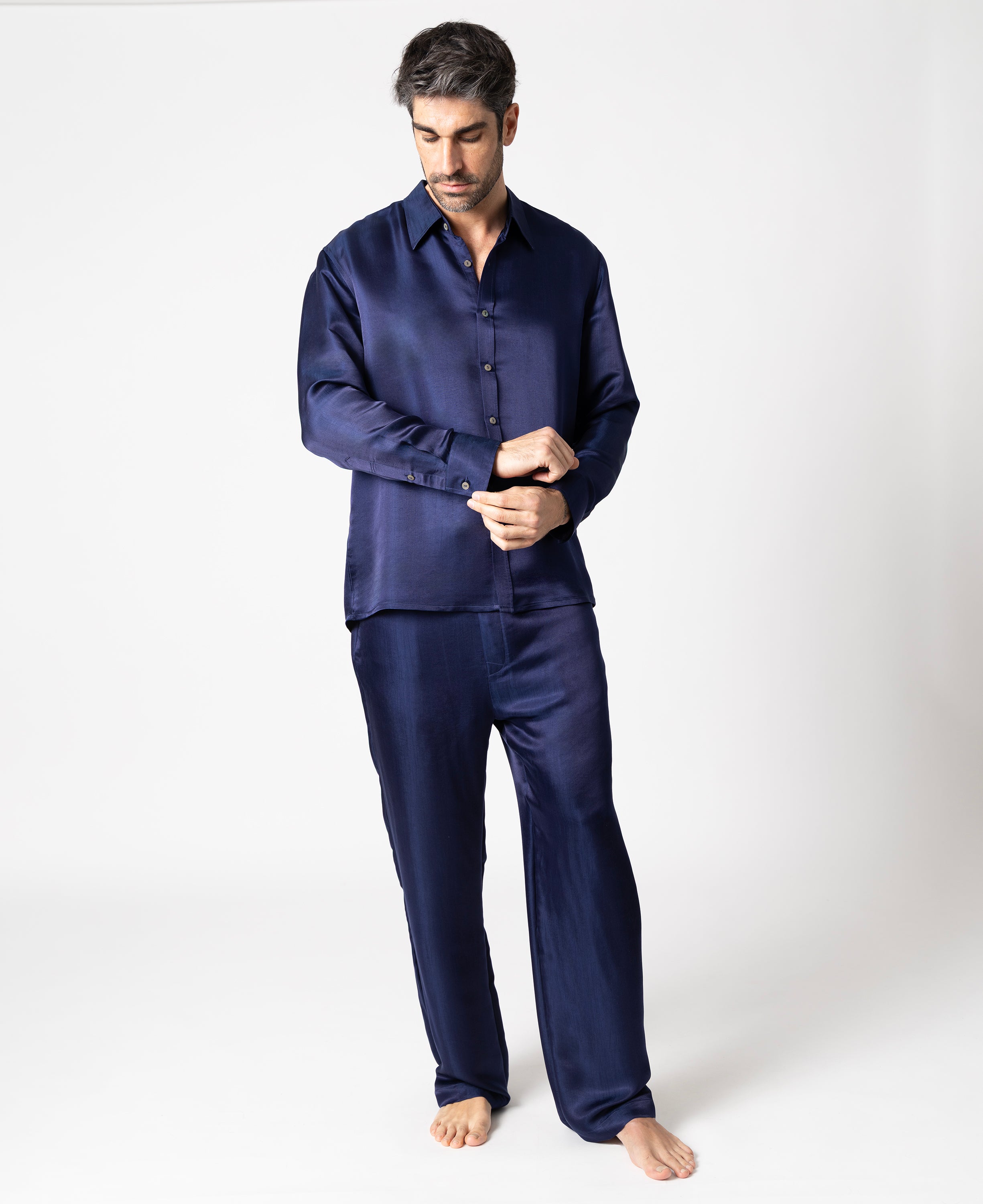
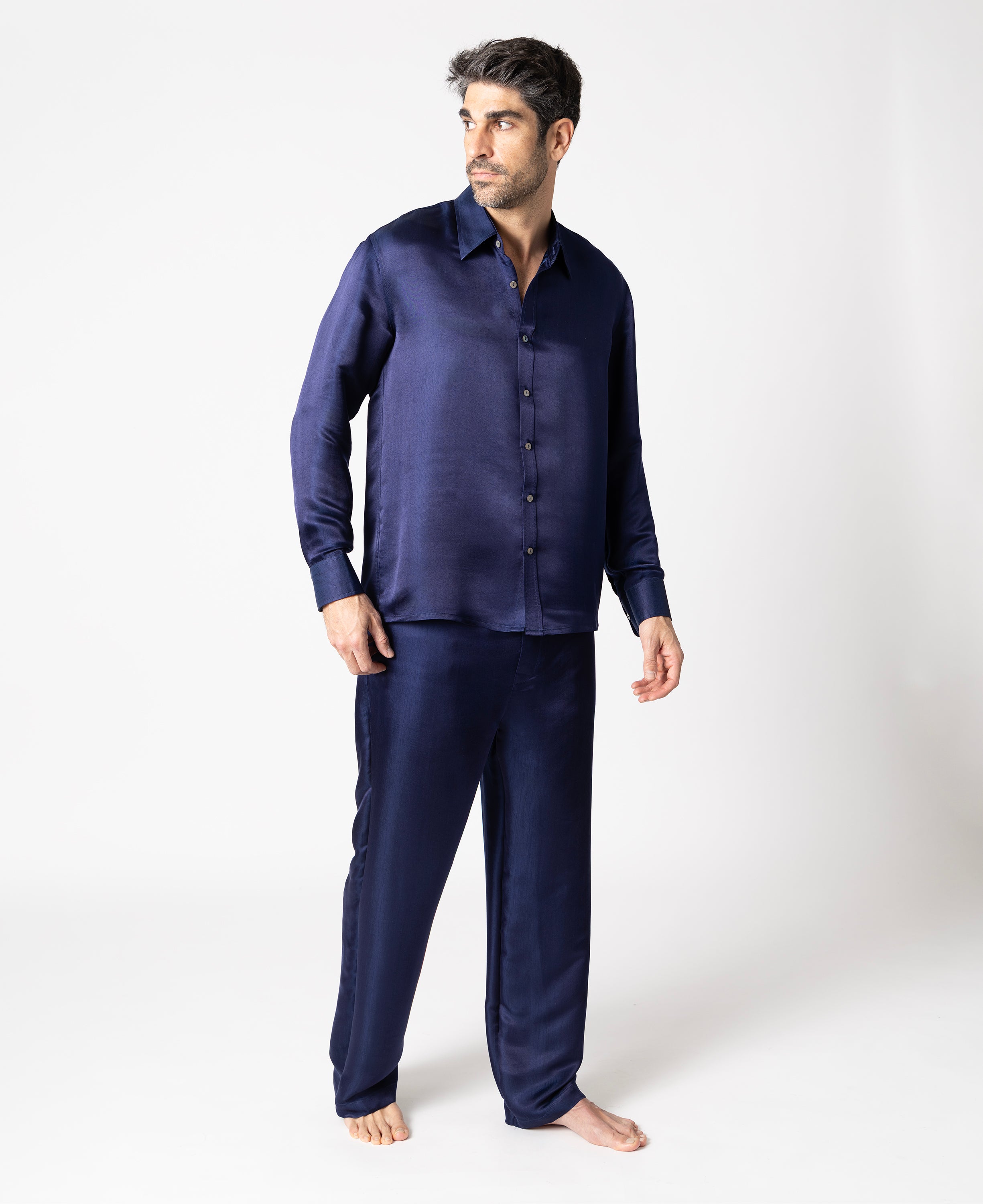
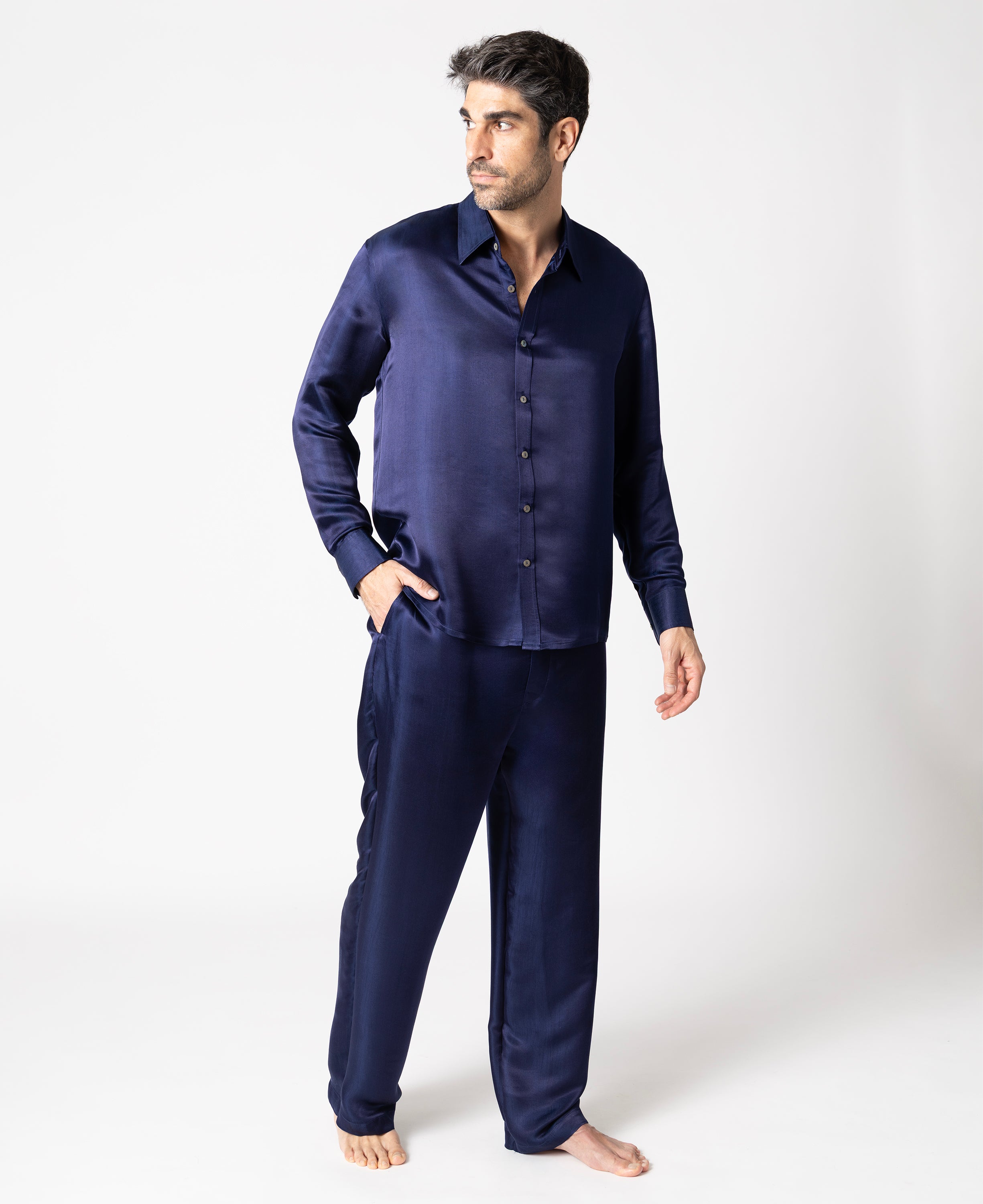
Why Durability Determines Cost Per Wear
Cotton sleepwear lifespan:
1 to 3 years of regular use. Cotton fibers are short-staple cellulose that degrade through washing, friction, and UV exposure. After 50 to 100 wash cycles, cotton sleepwear thins at stress points (elbows, knees, underarms), pills on the surface, and loses shape. The elastic in waistbands stretches permanently. The color fades.
Polyester sleepwear lifespan:
2 to 4 years. Polyester is more durable than cotton but degrades through pilling and the loss of its surface finish. The fabric starts smooth and gradually becomes rougher and less comfortable.
Bamboo viscose sleepwear lifespan:
2 to 3 years. The regenerated cellulose fiber pills more readily than cotton and loses its soft hand feel relatively quickly.
27 momme silk sleepwear lifespan with French seams:
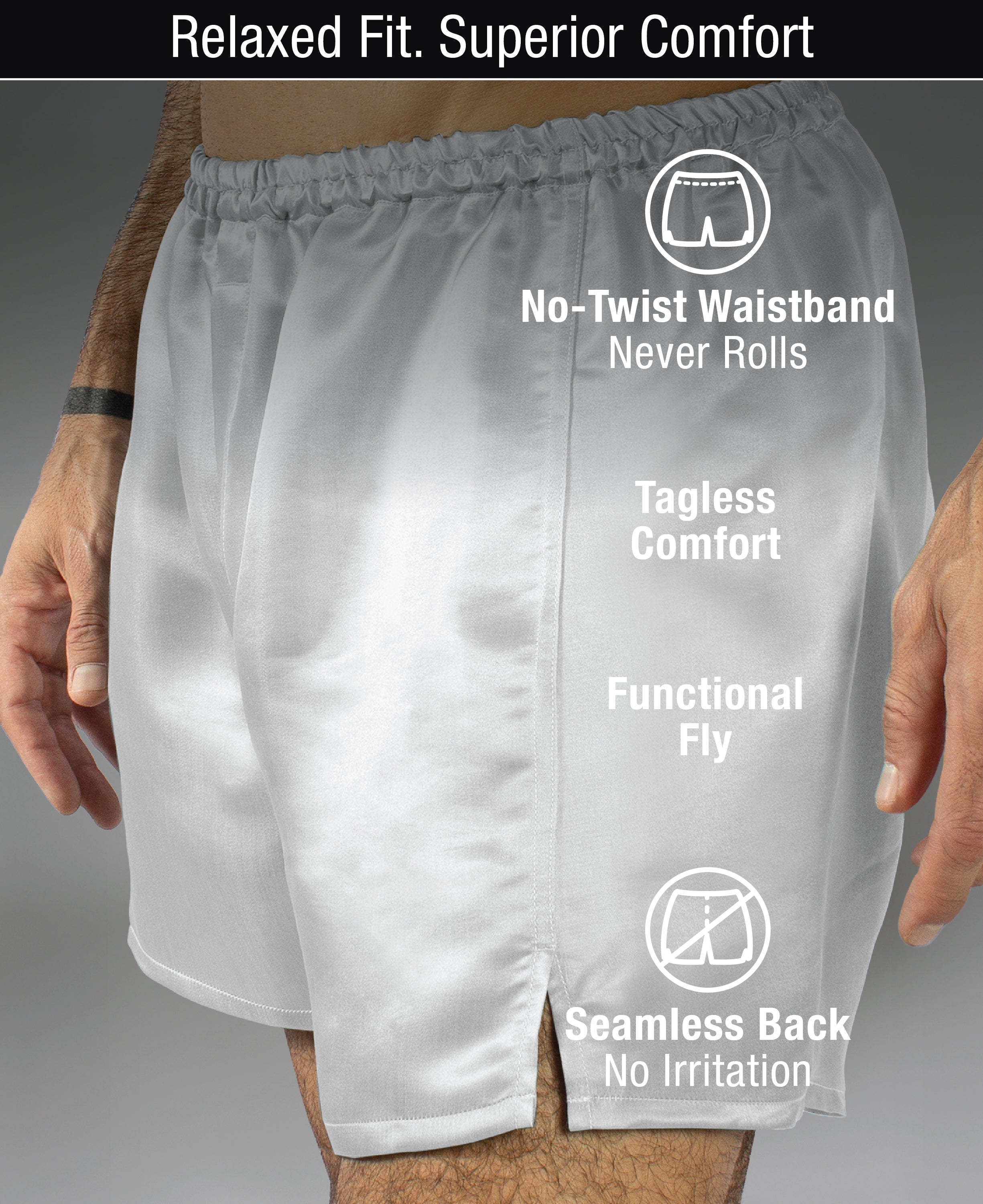
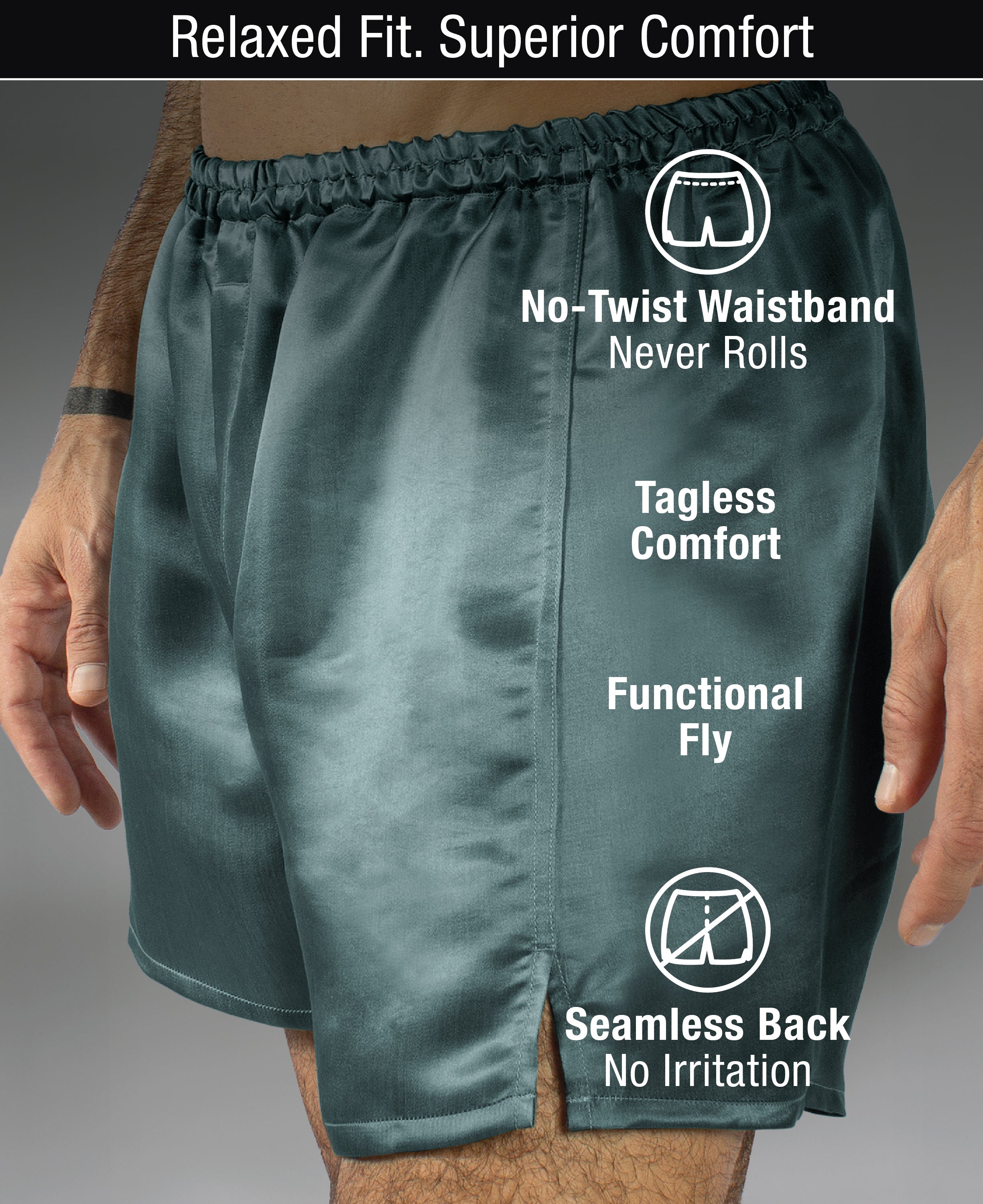
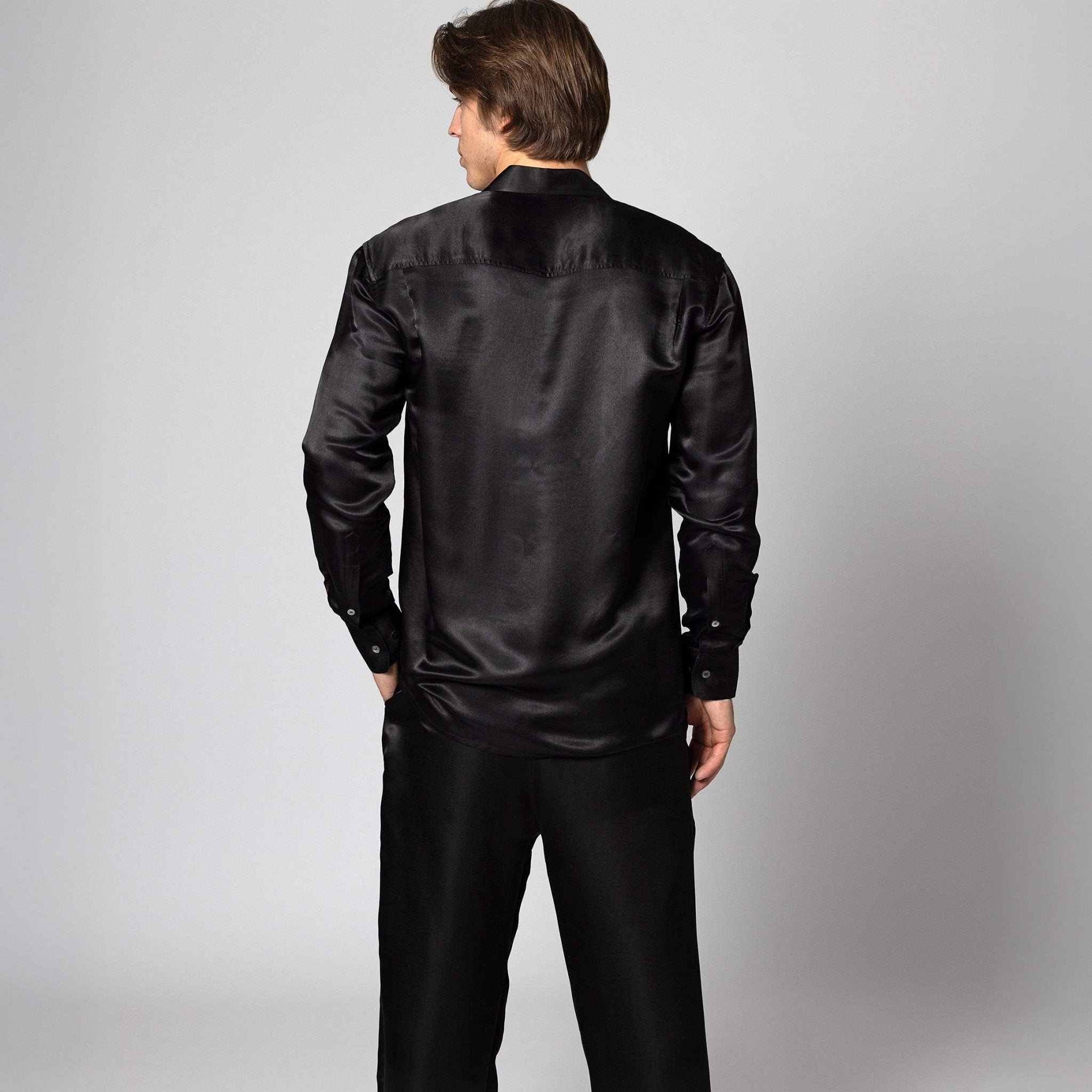
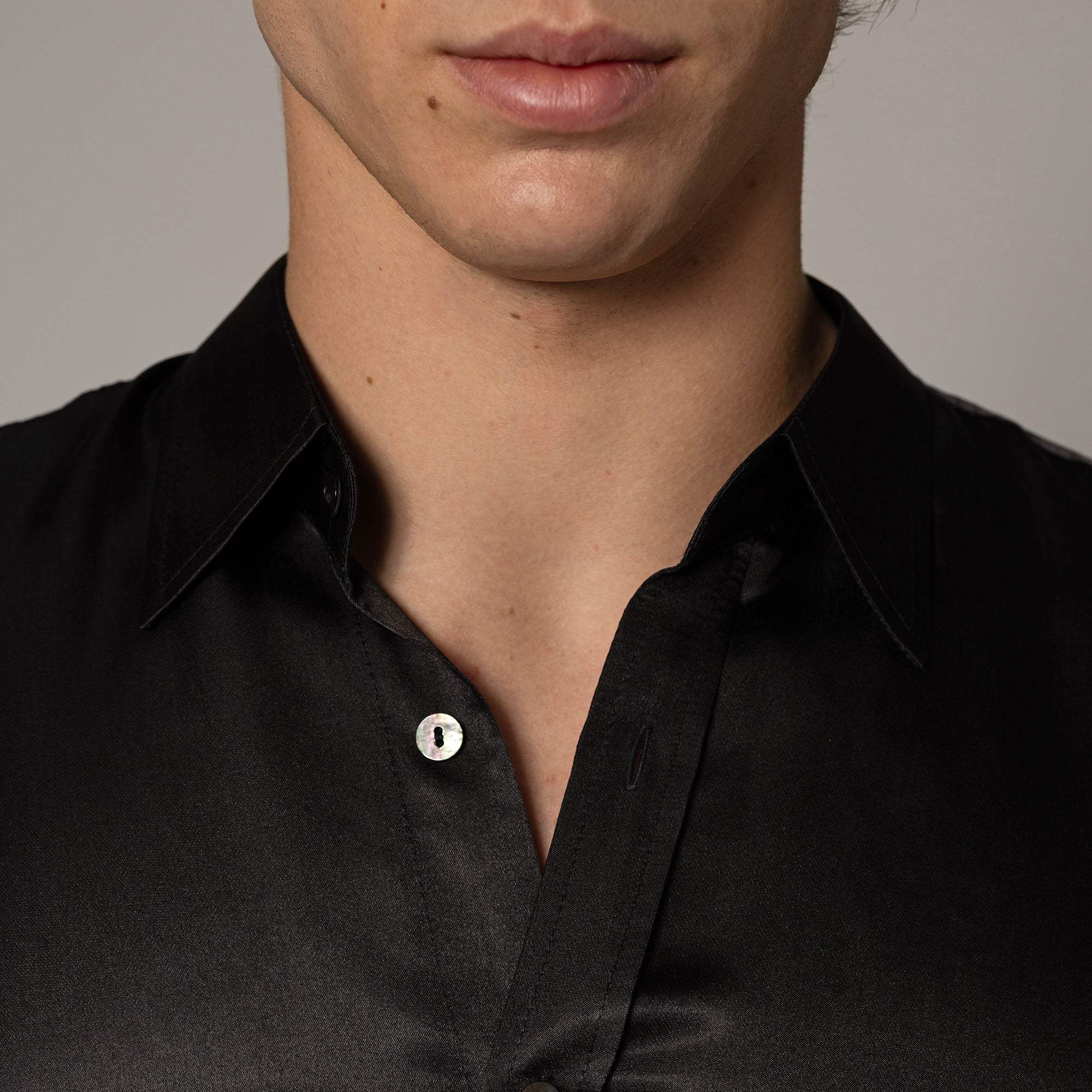
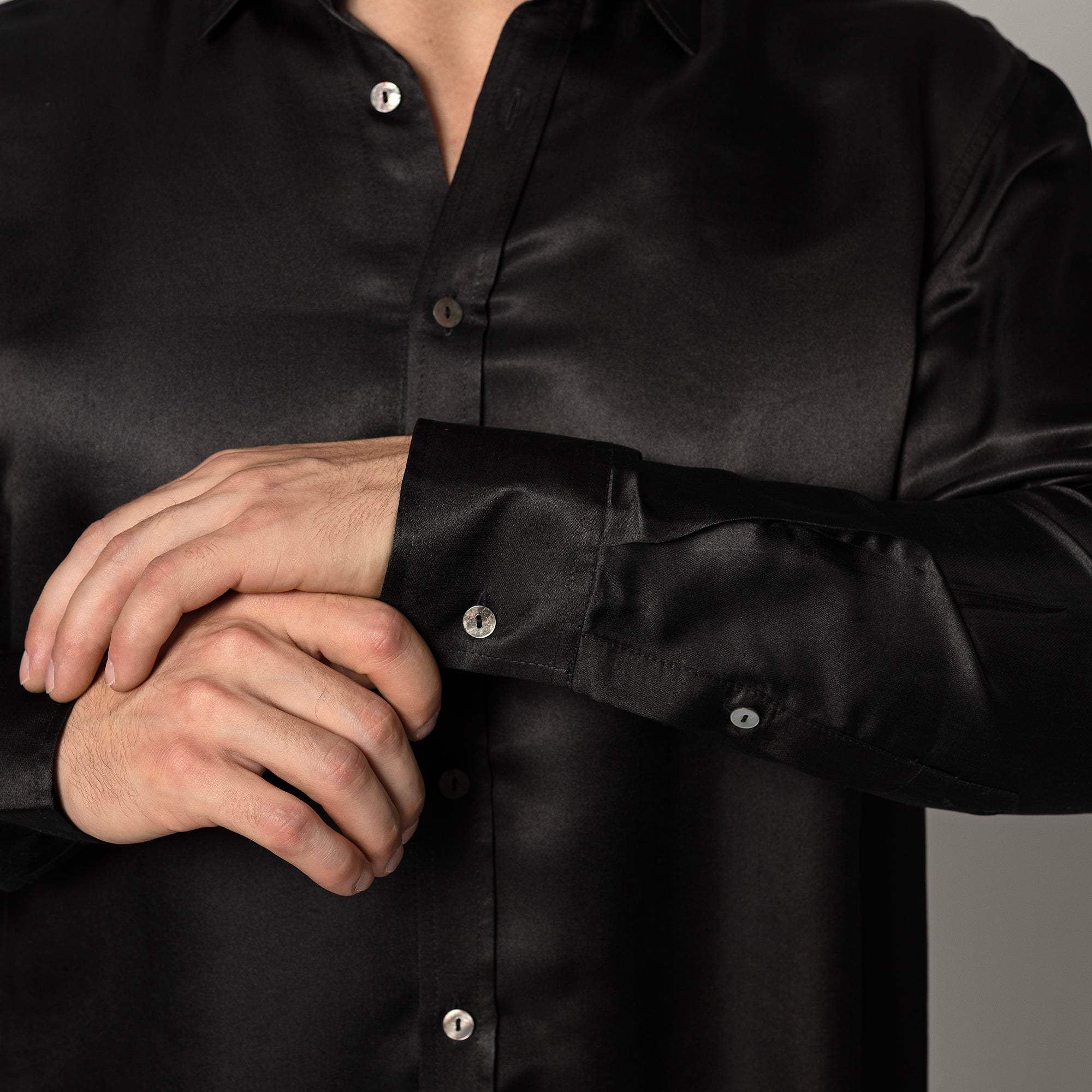
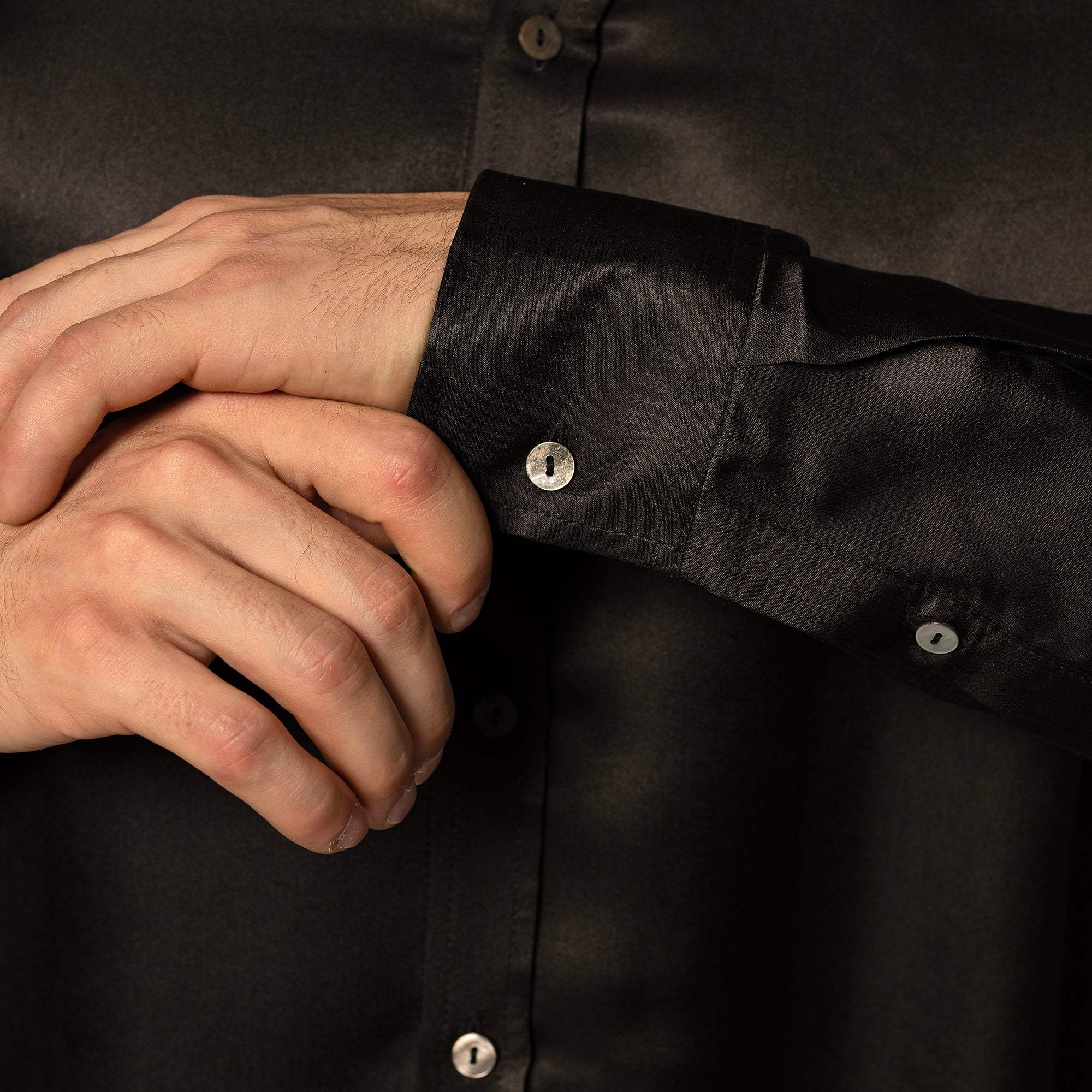
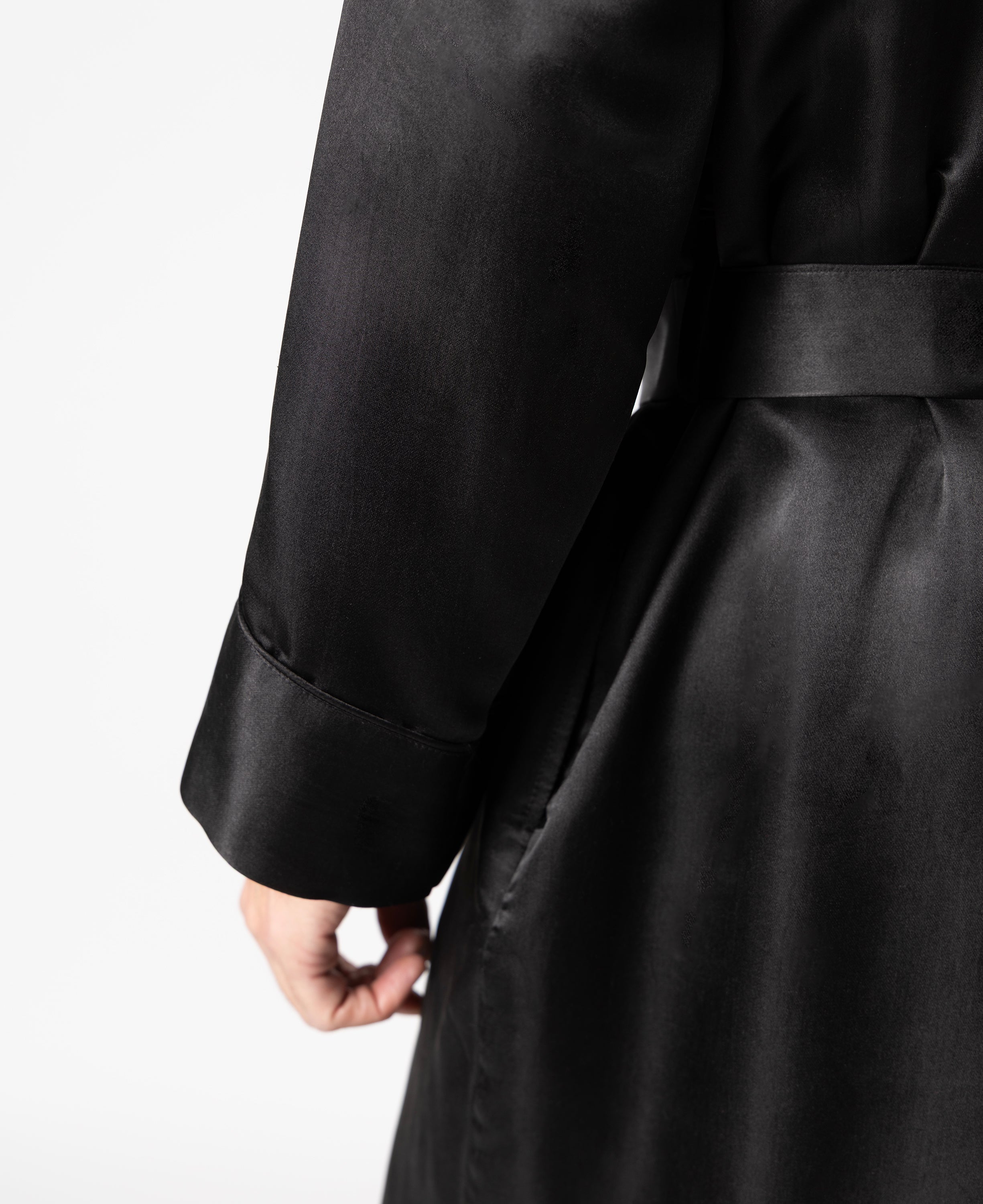
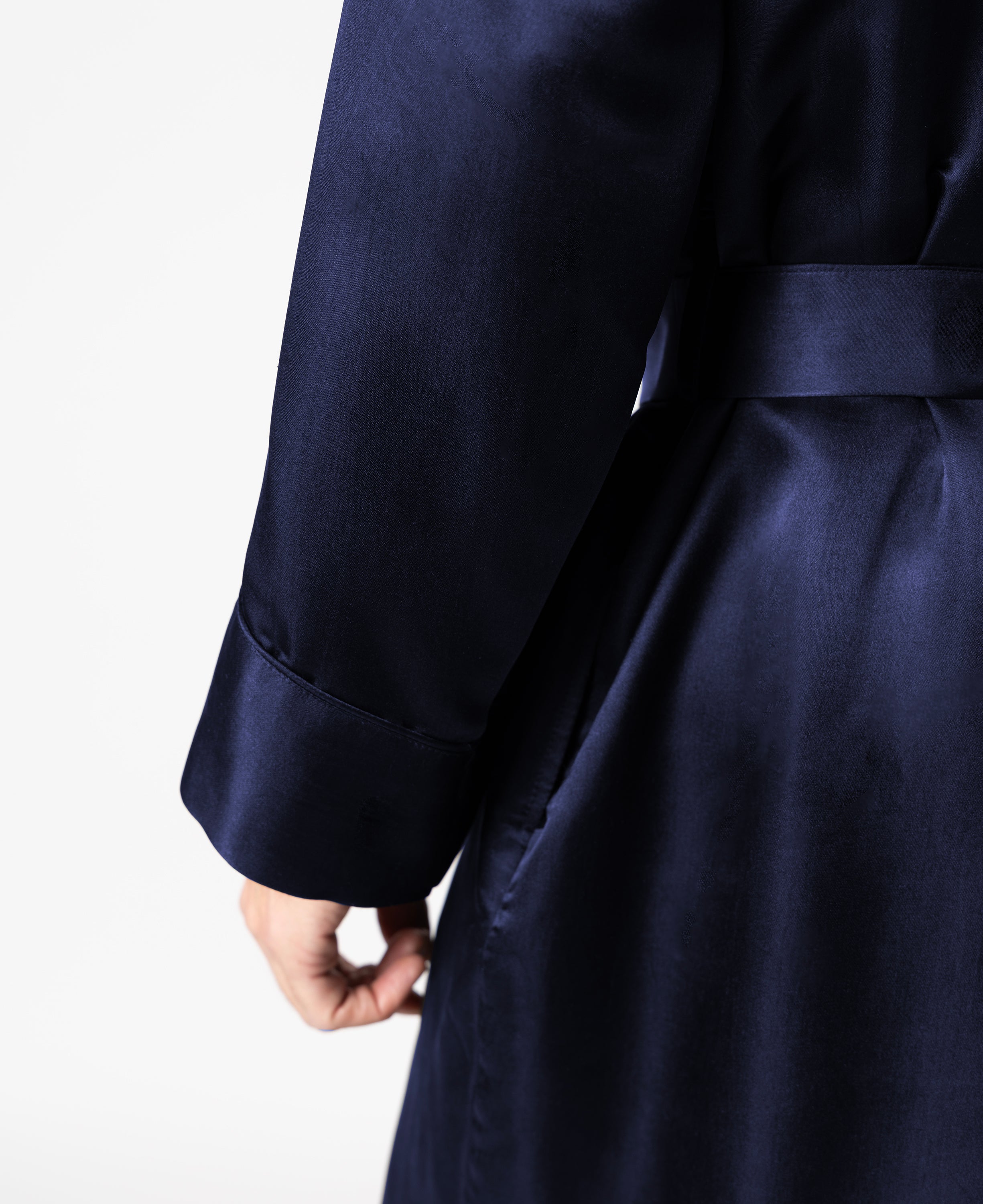
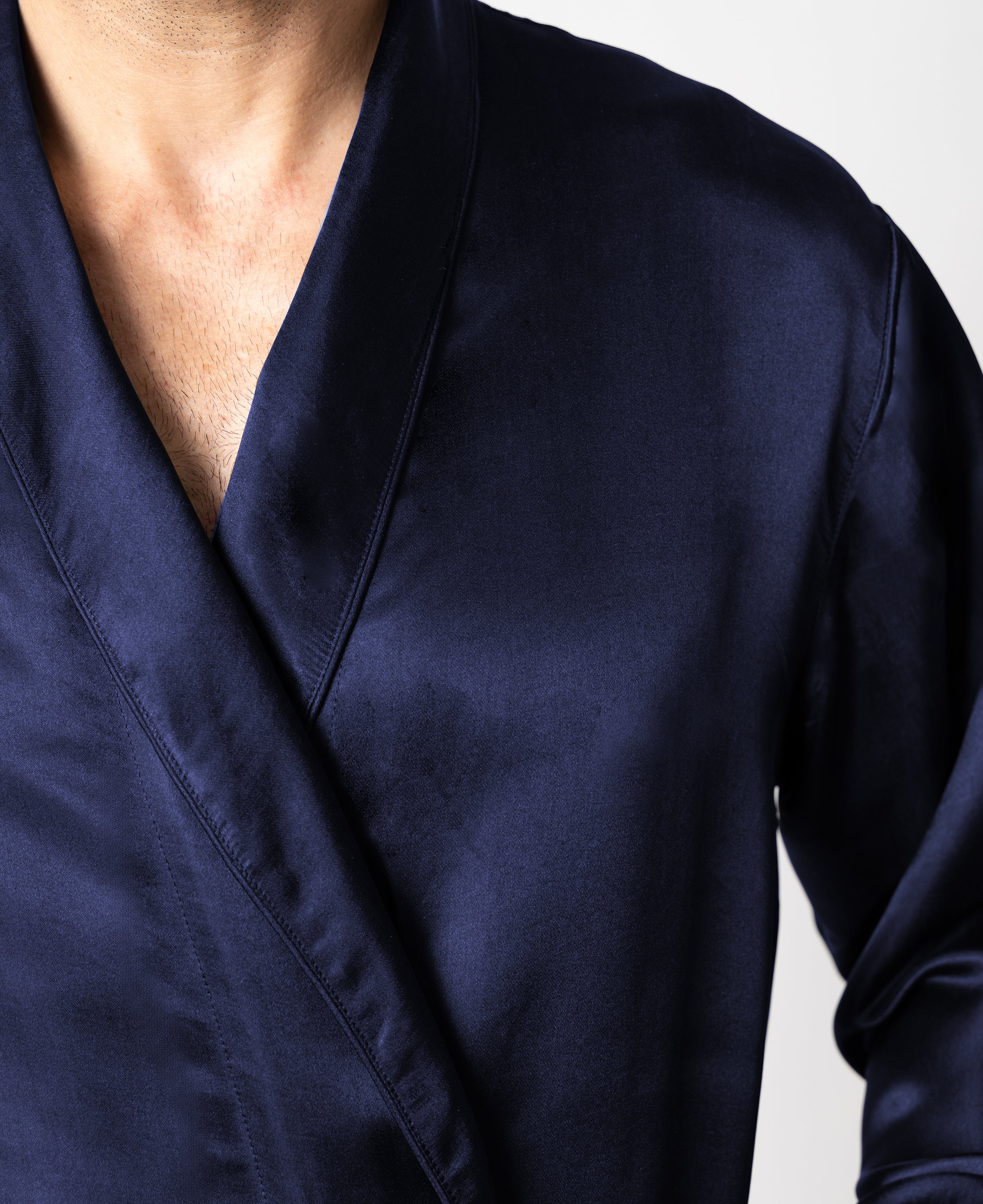
Approximately 5 years. Silk is a continuous filament protein fiber, meaning there are no short fiber ends to pill or work loose. The fiber structure softens with age without degrading. French seams, which enclose raw edges, prevent the seam failures that end the life of many overlocked garments.
At 27 momme, the fabric density provides enough structural redundancy that localized wear does not compromise the garment. Our guide to momme weight and silk density explains why fabric weight is the primary driver of longevity.
The lifespan ratio is the foundation of the cost-per-wear advantage.
"Silk is absolutely worth the money. It's not as fragile as I once thought. It's very durable when you care for it properly. Beautiful color and fit."
Jackson M., verified buyer
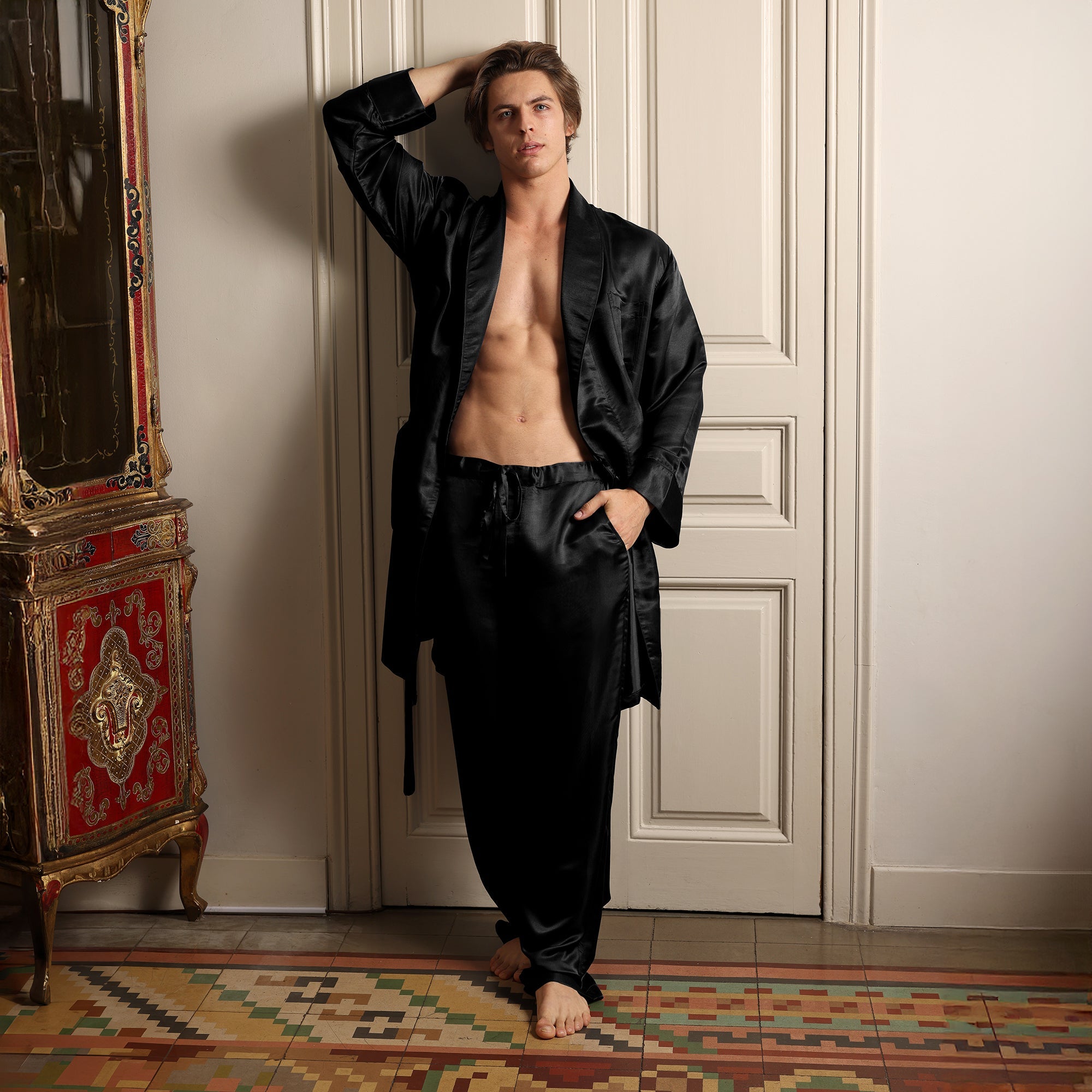
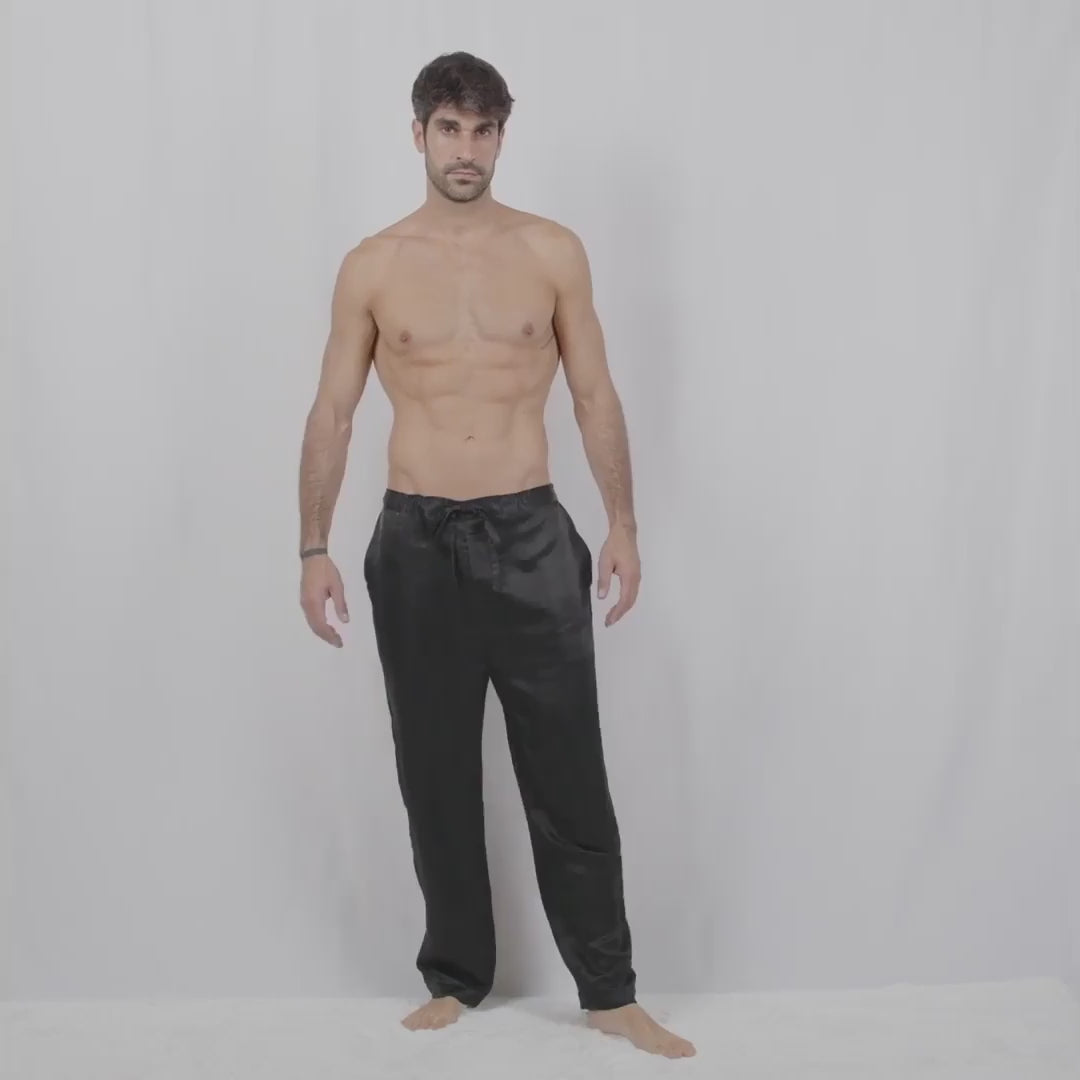
The Numbers: Silk Pajama Set
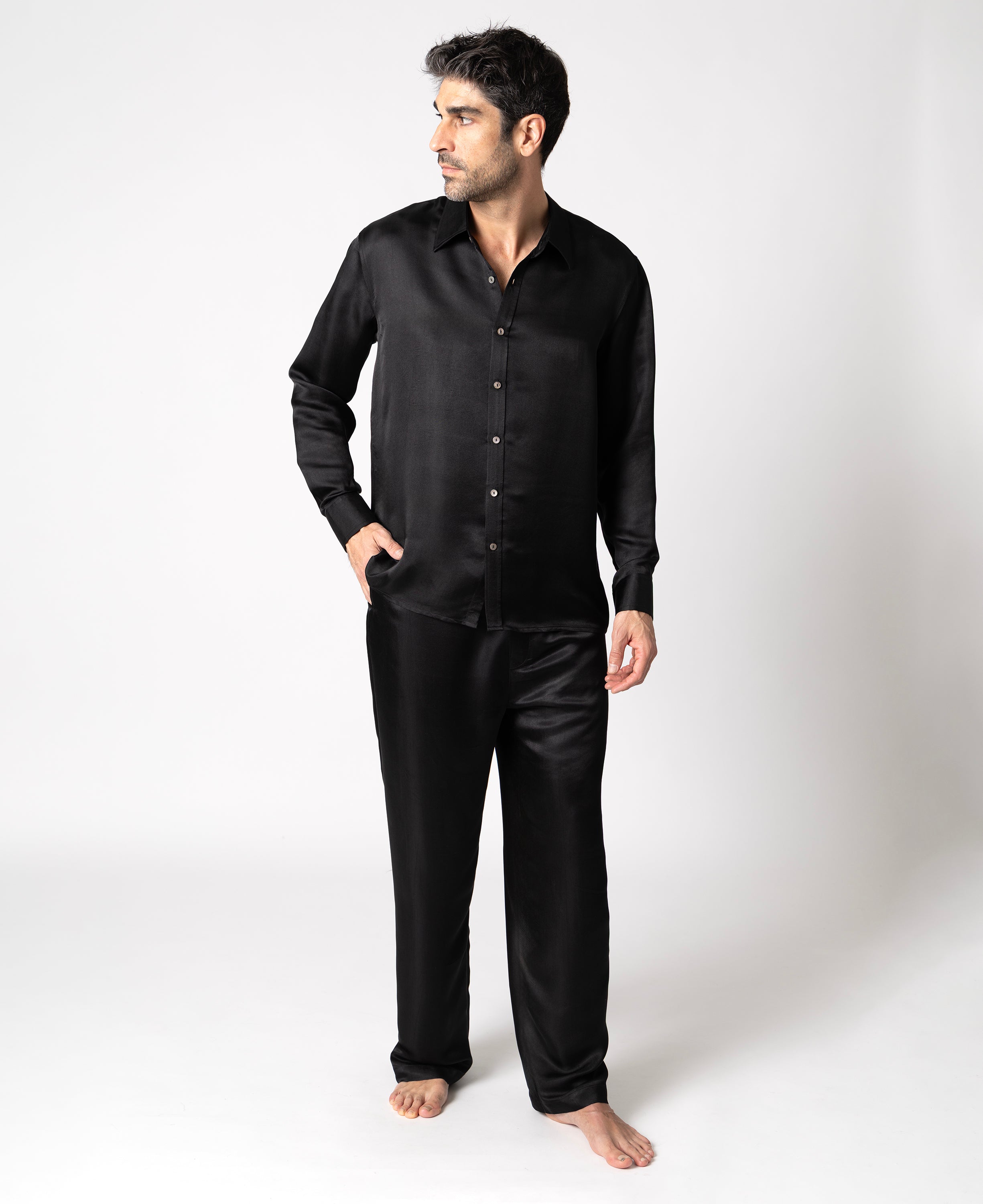
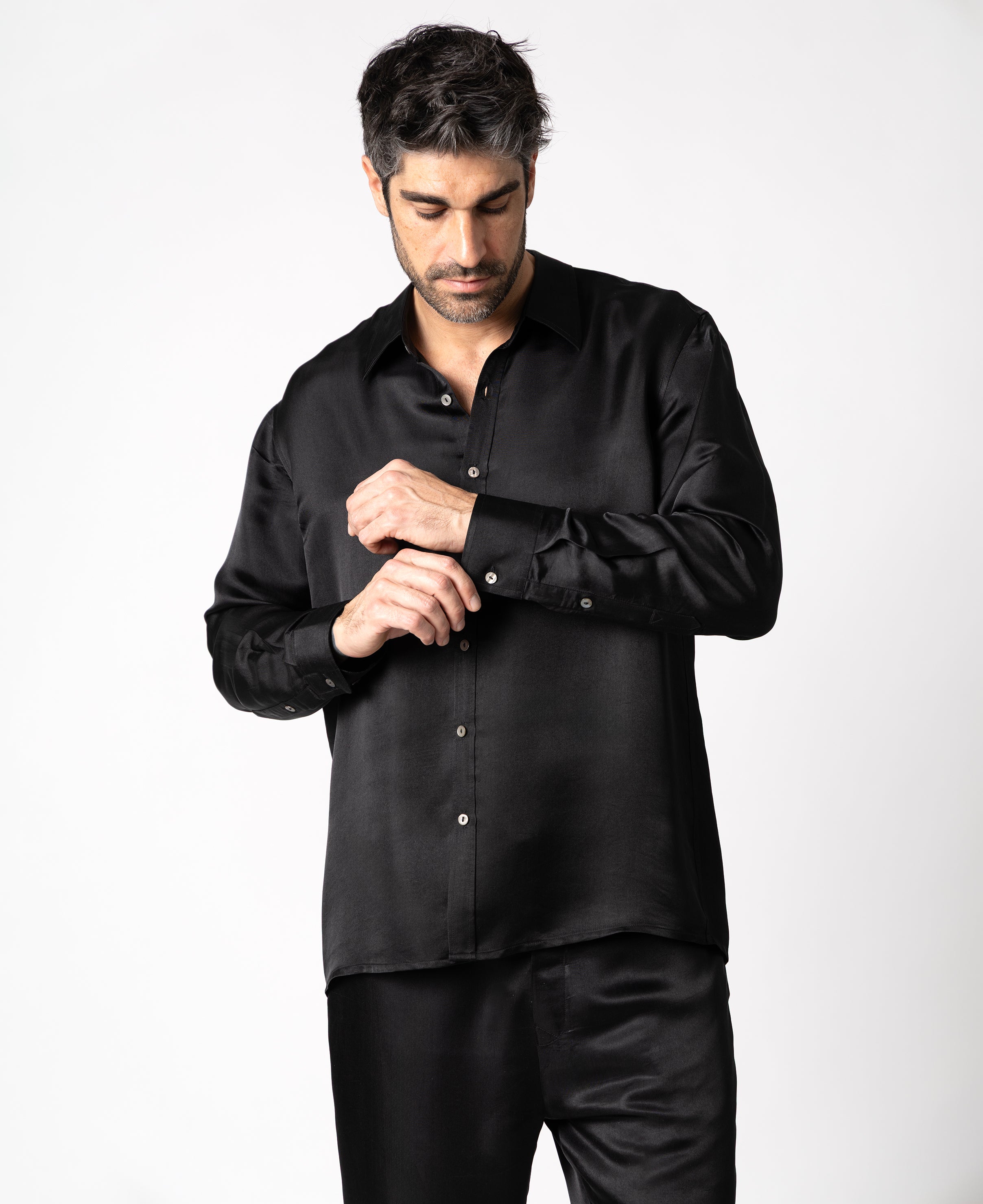
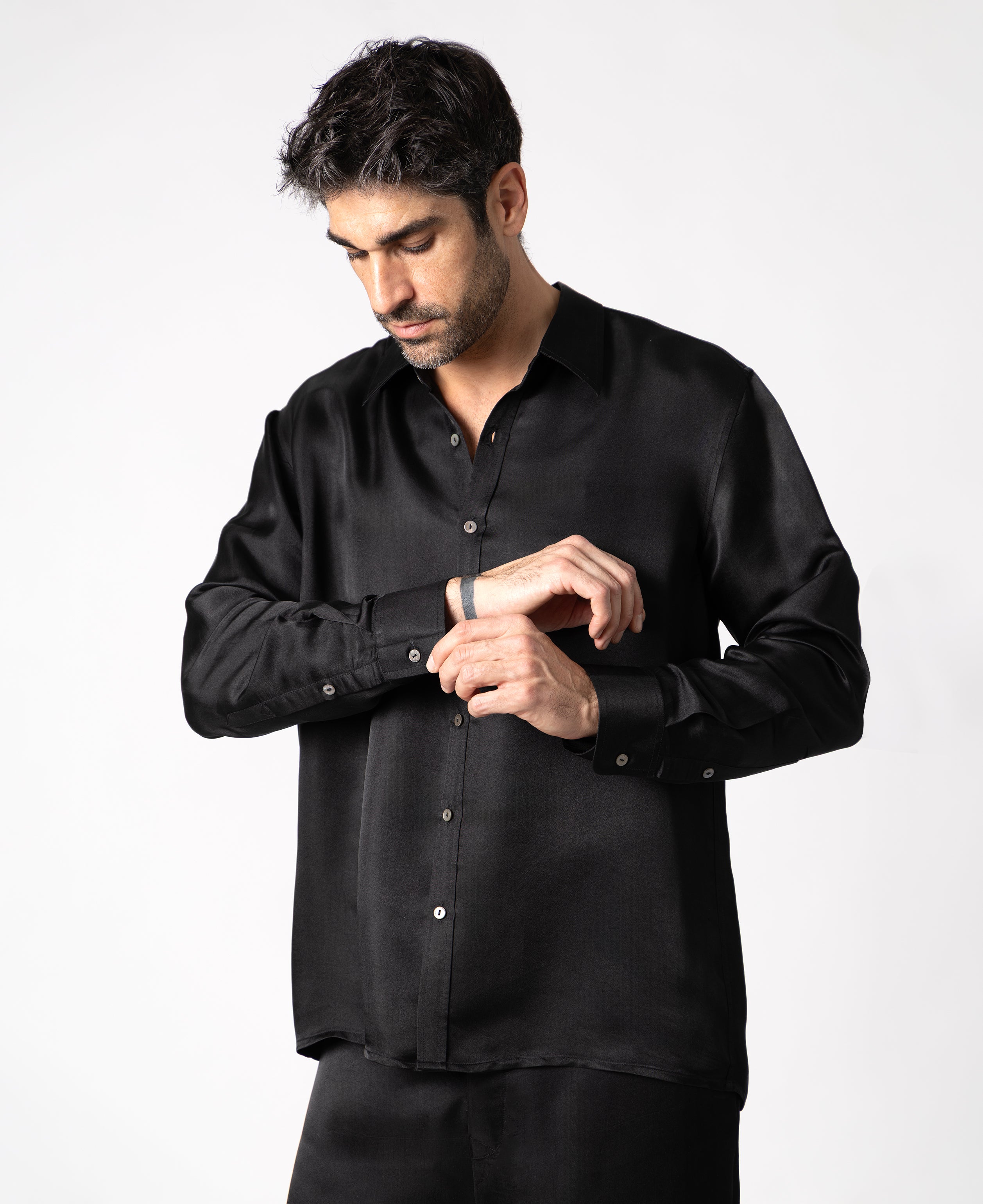
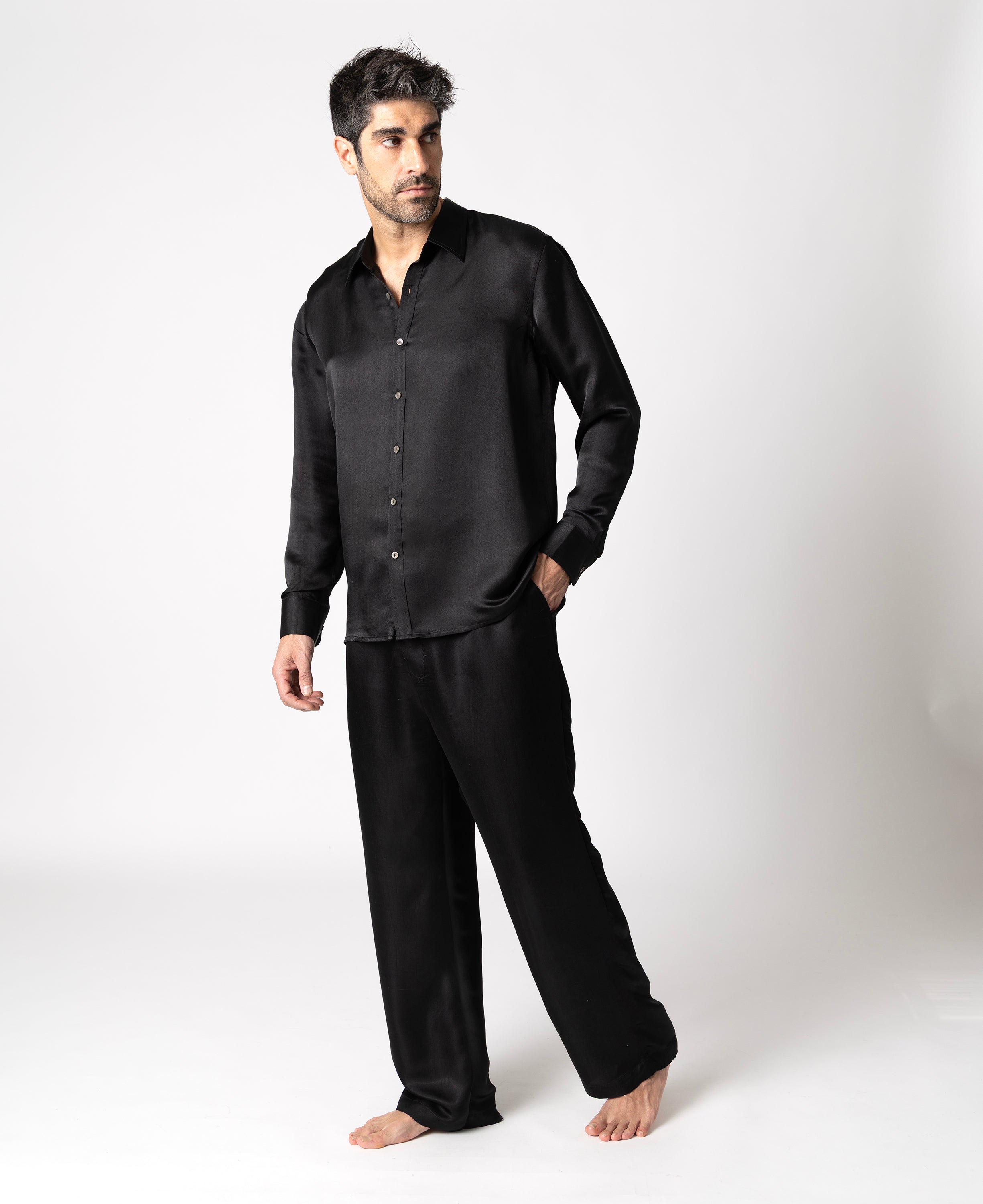
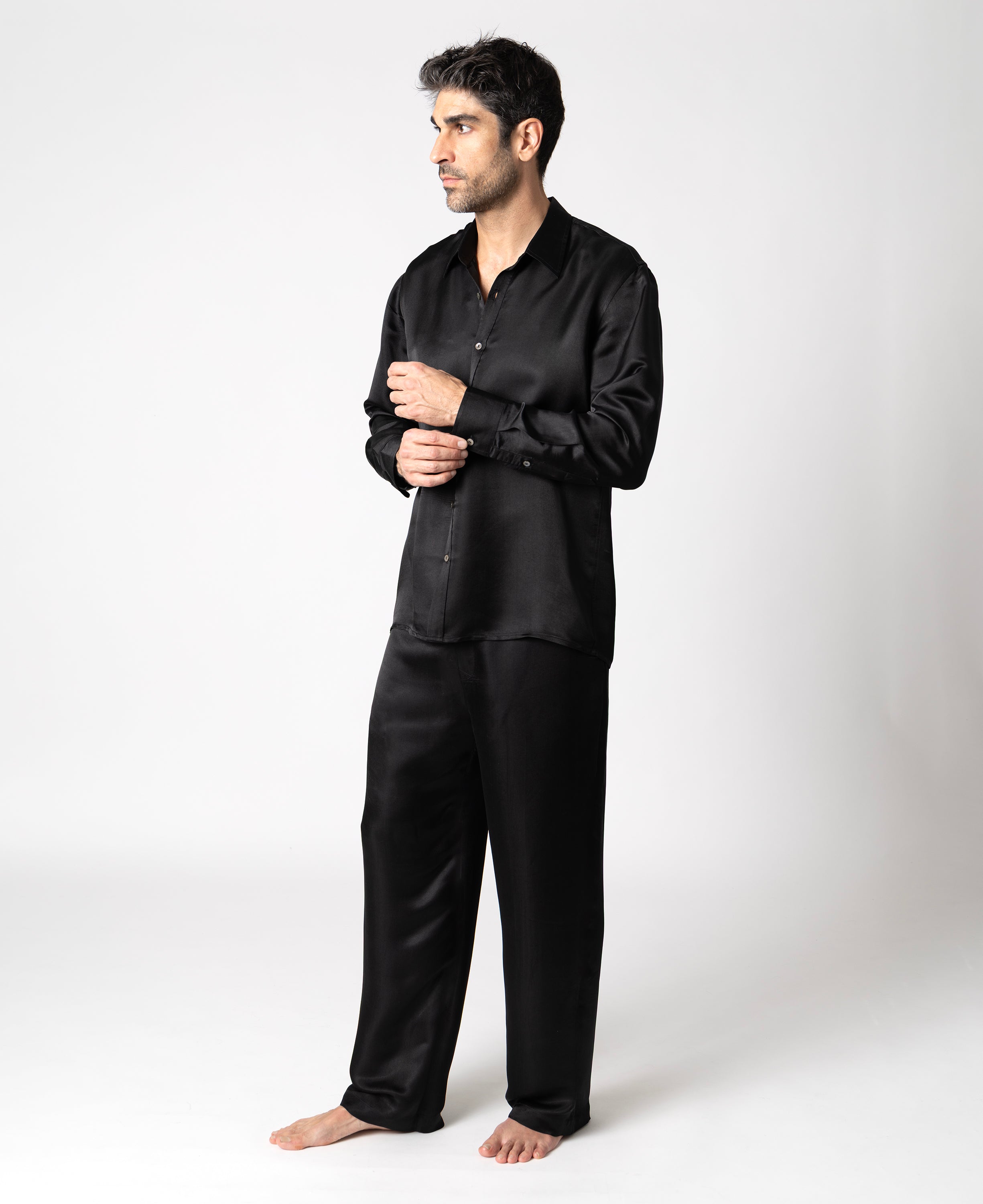
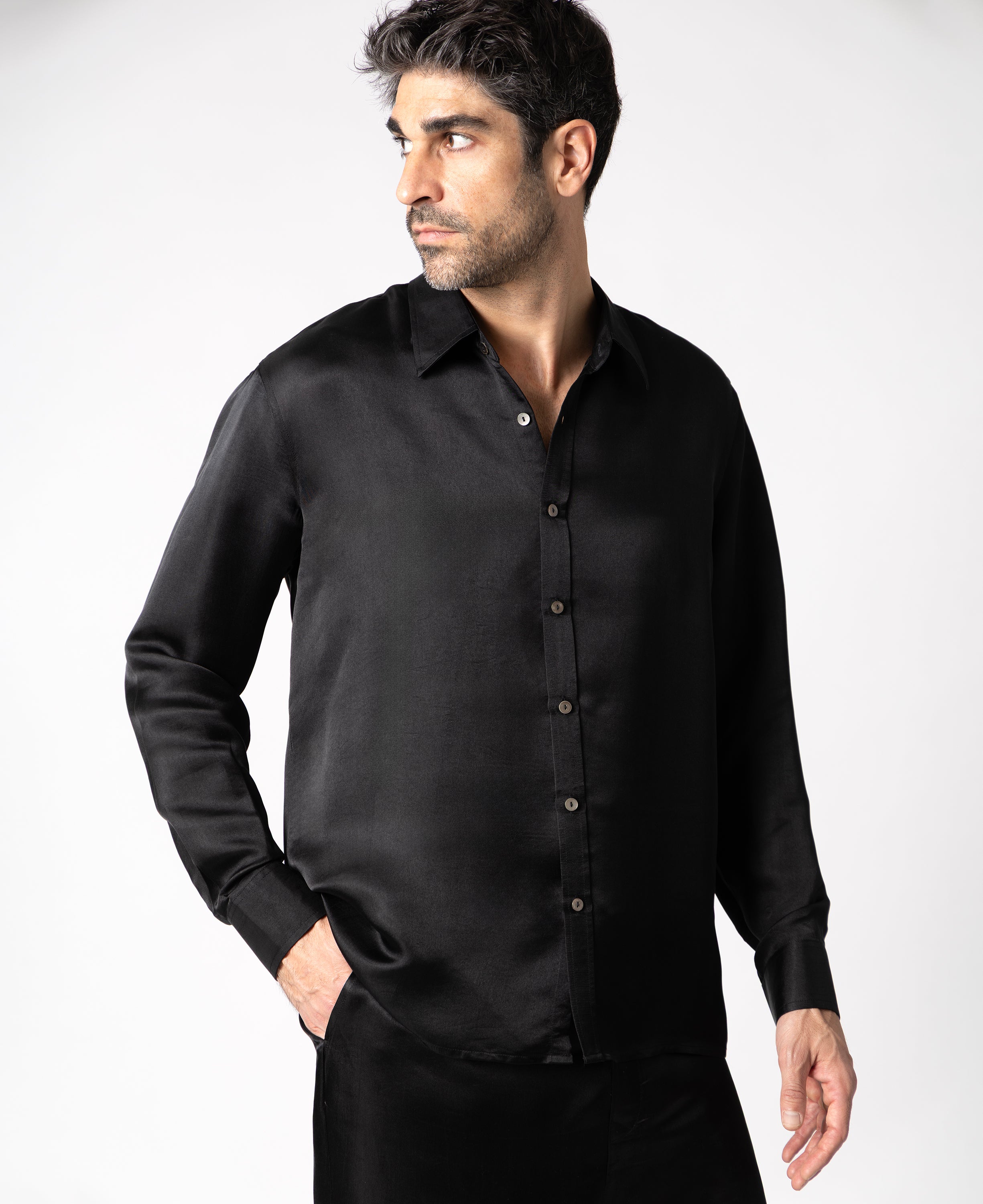
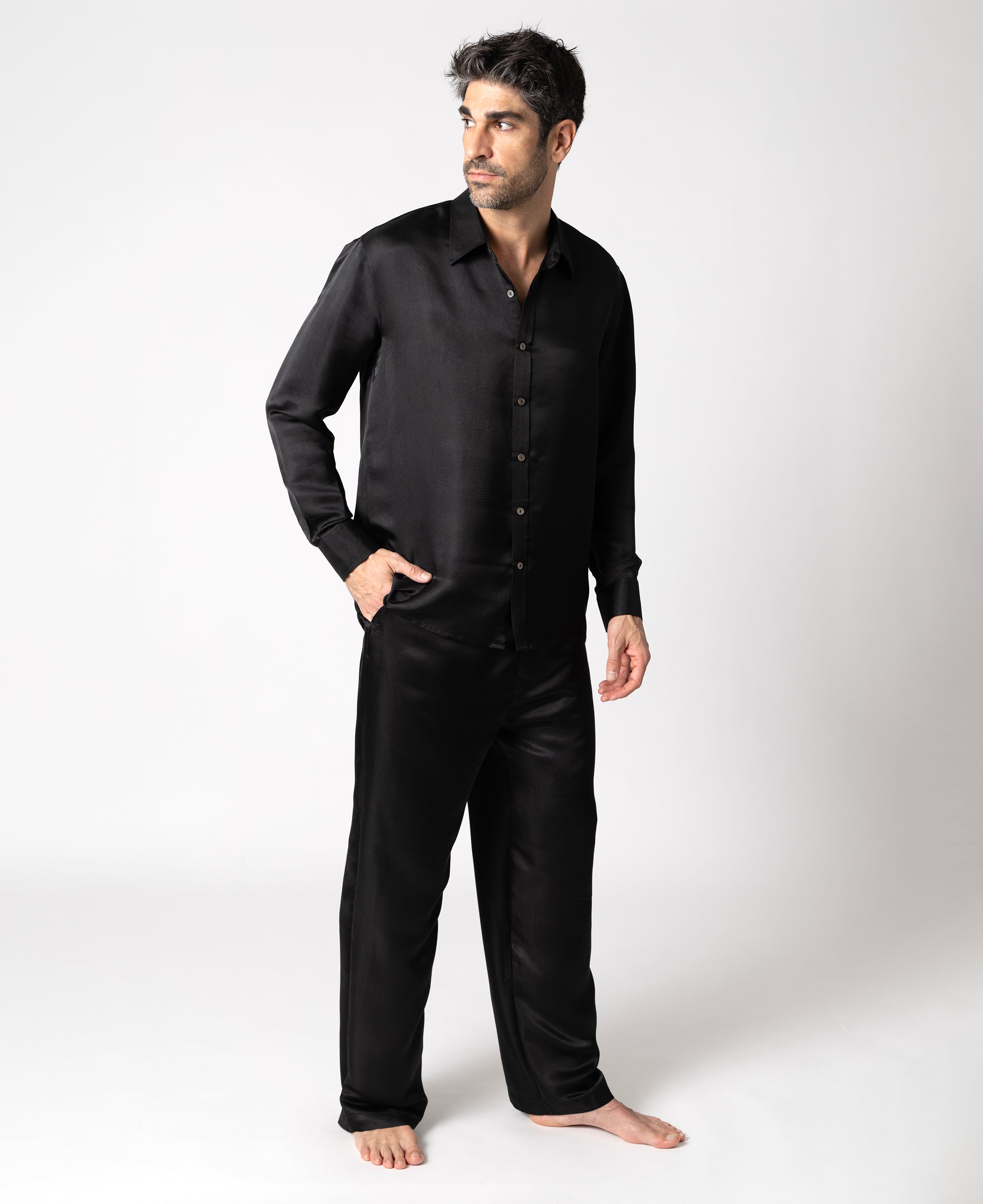
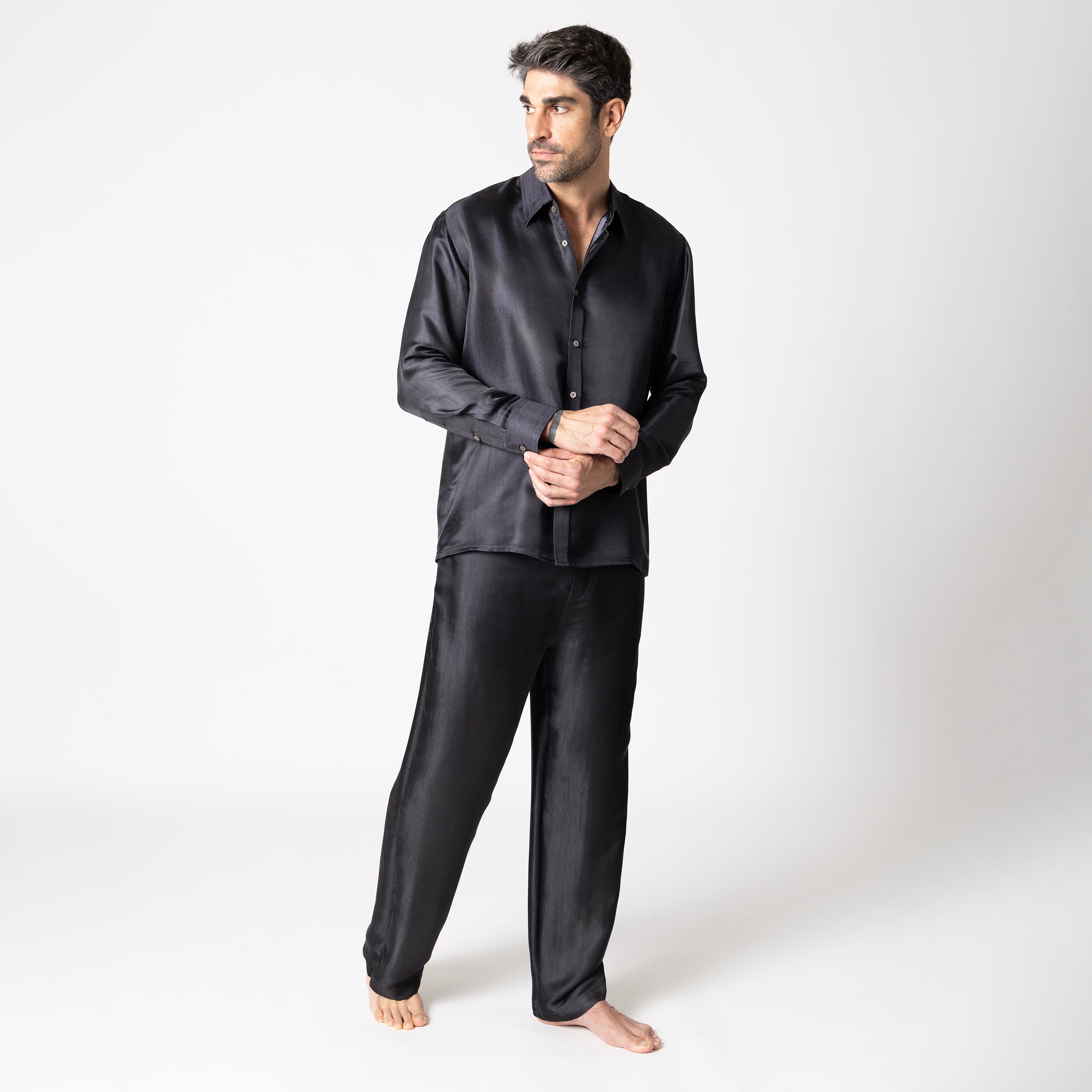
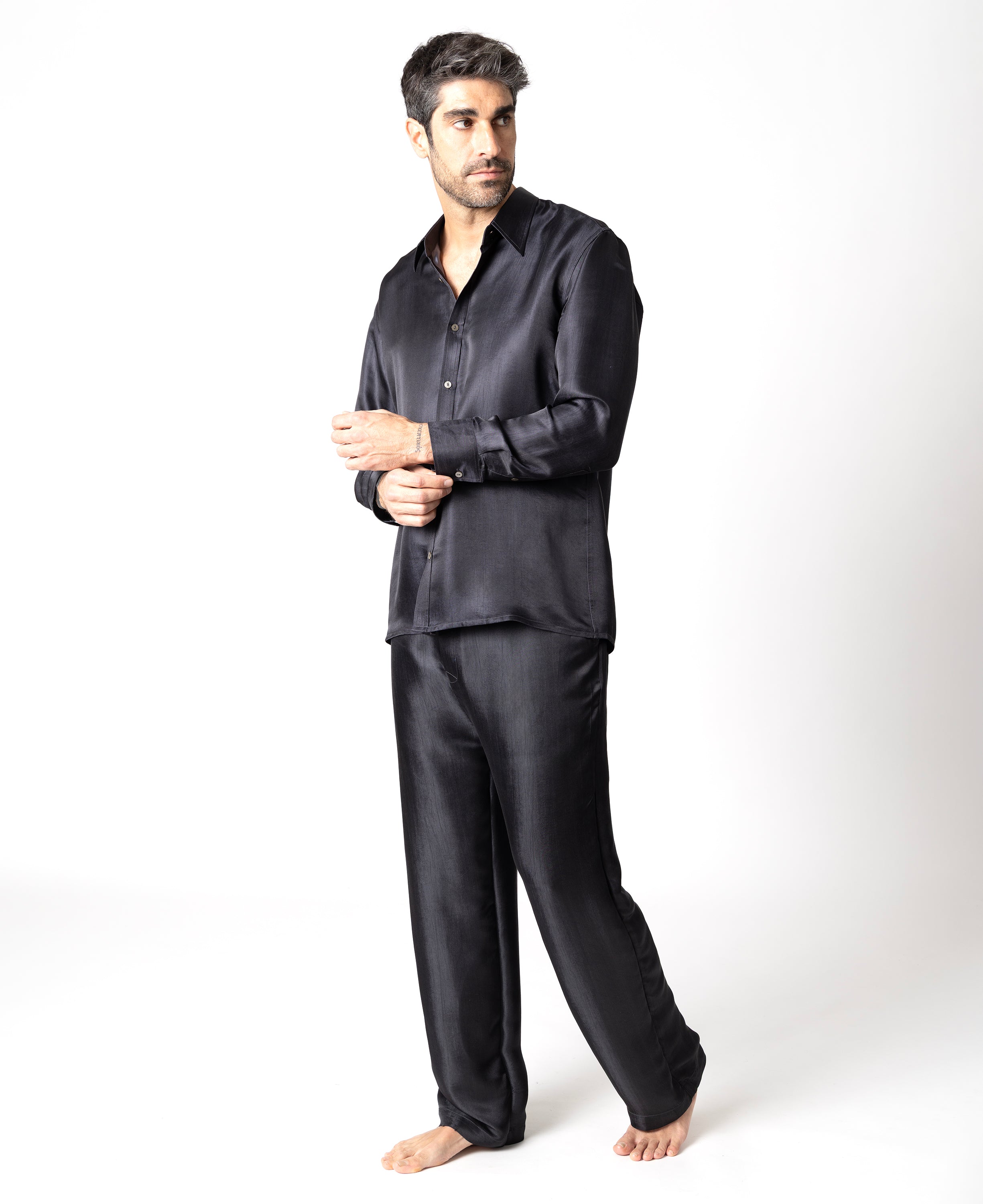
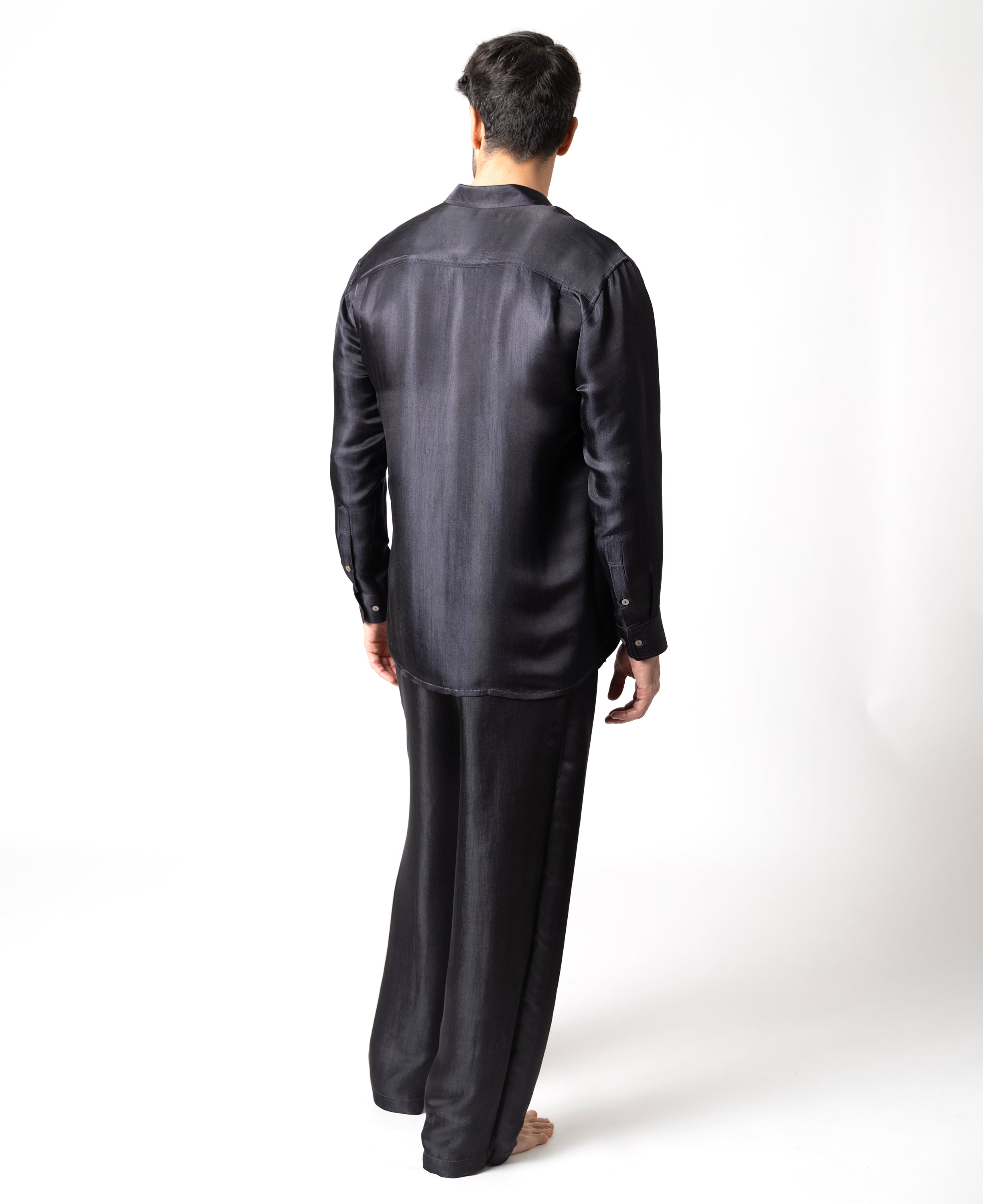
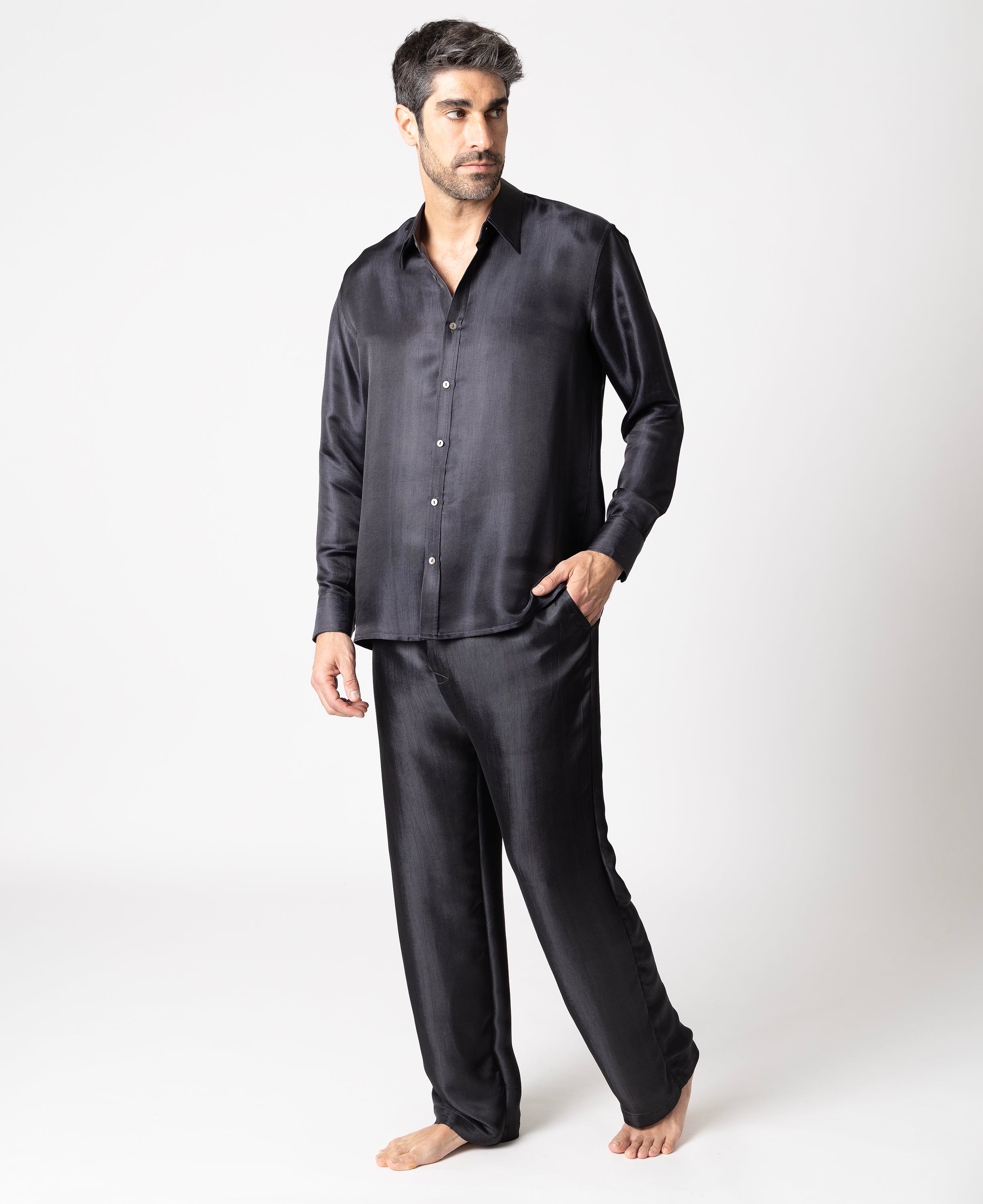
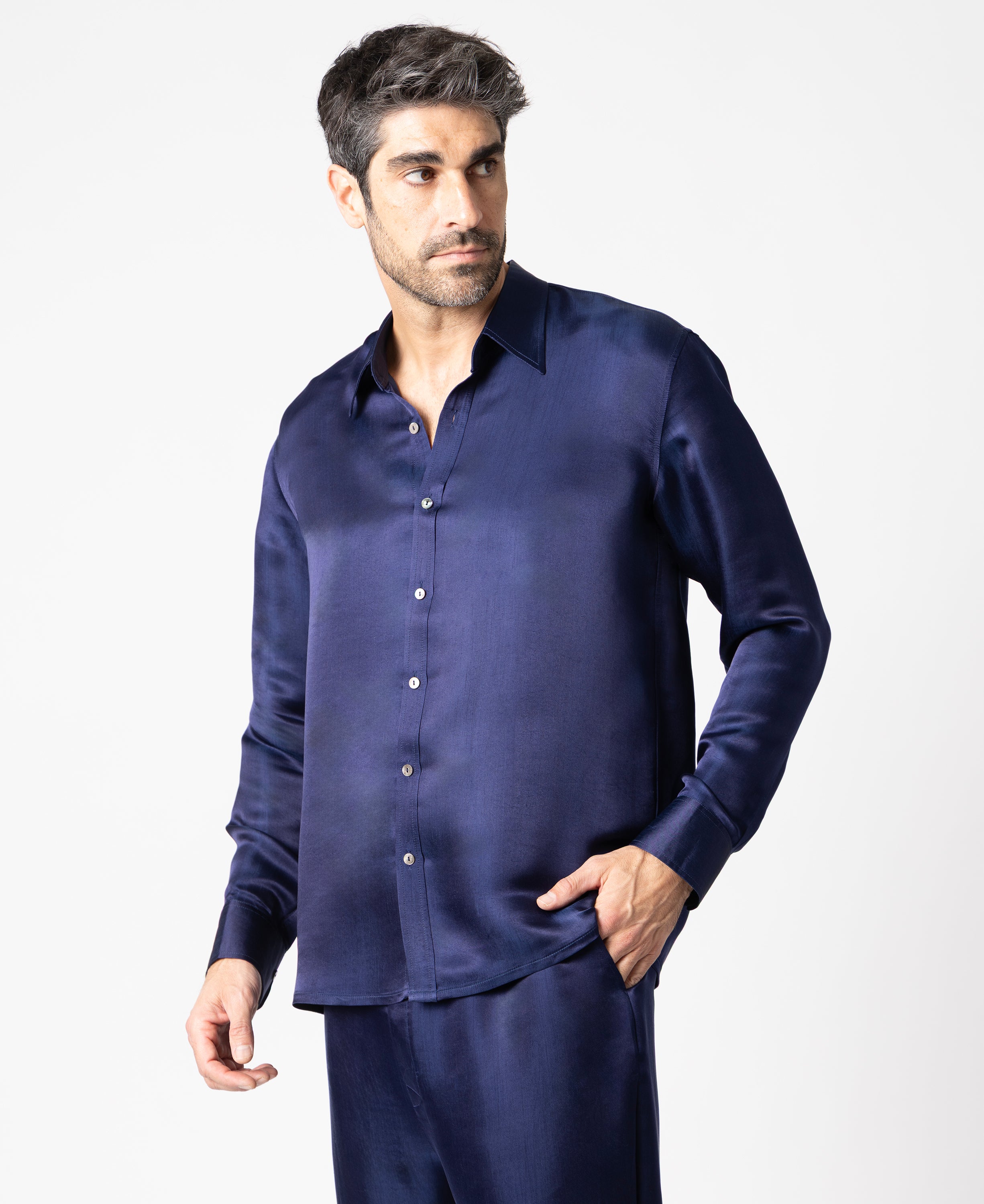
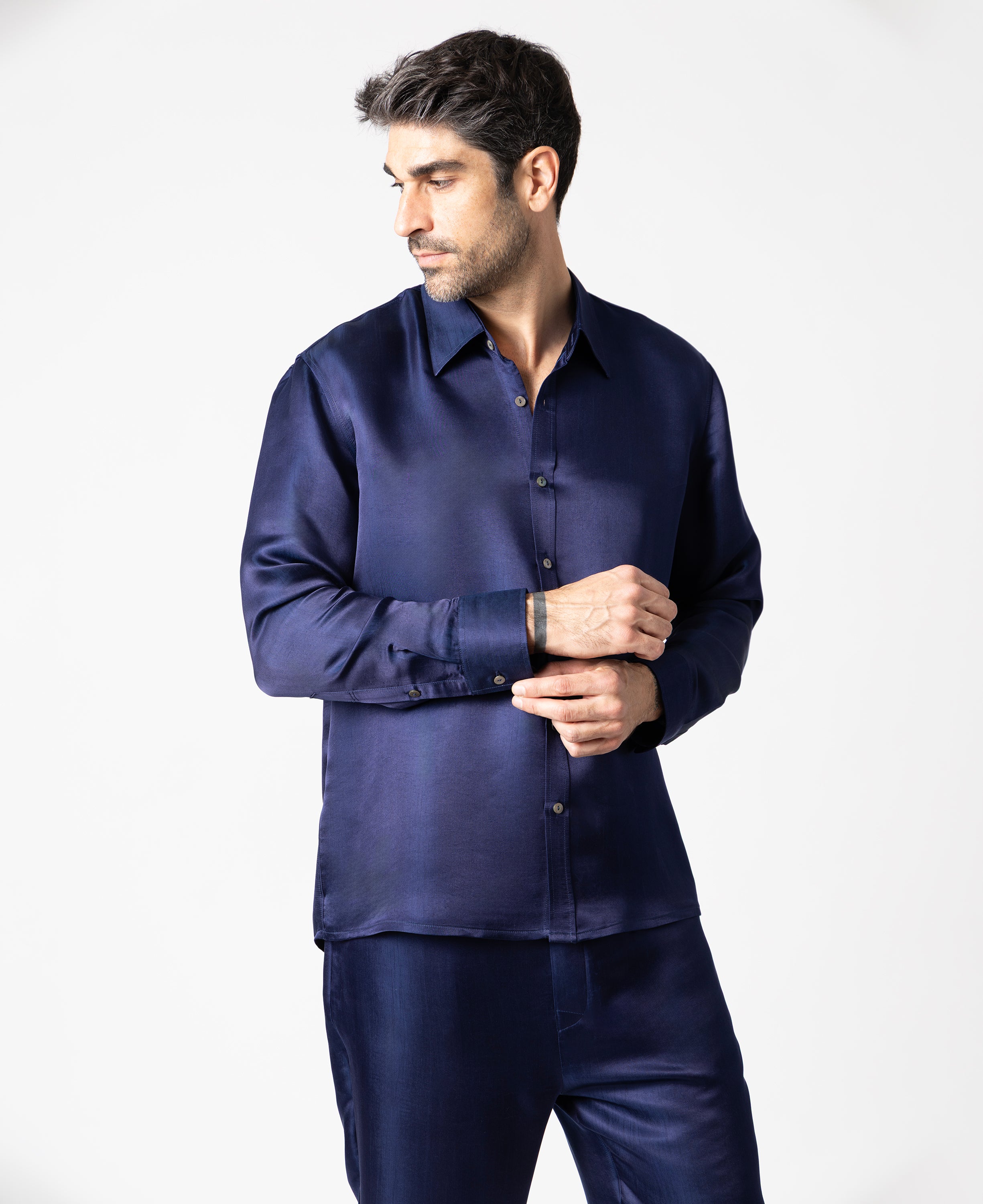
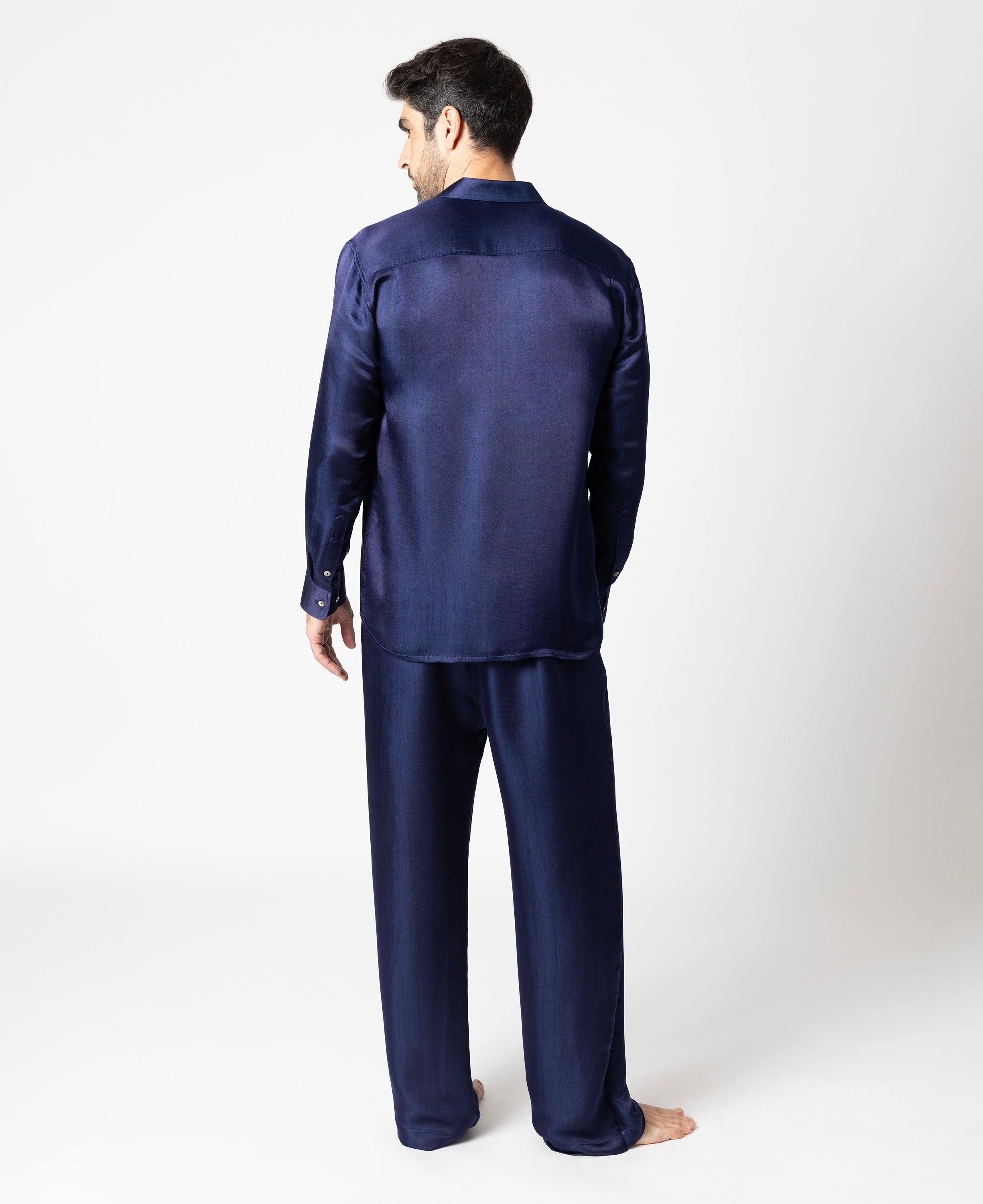
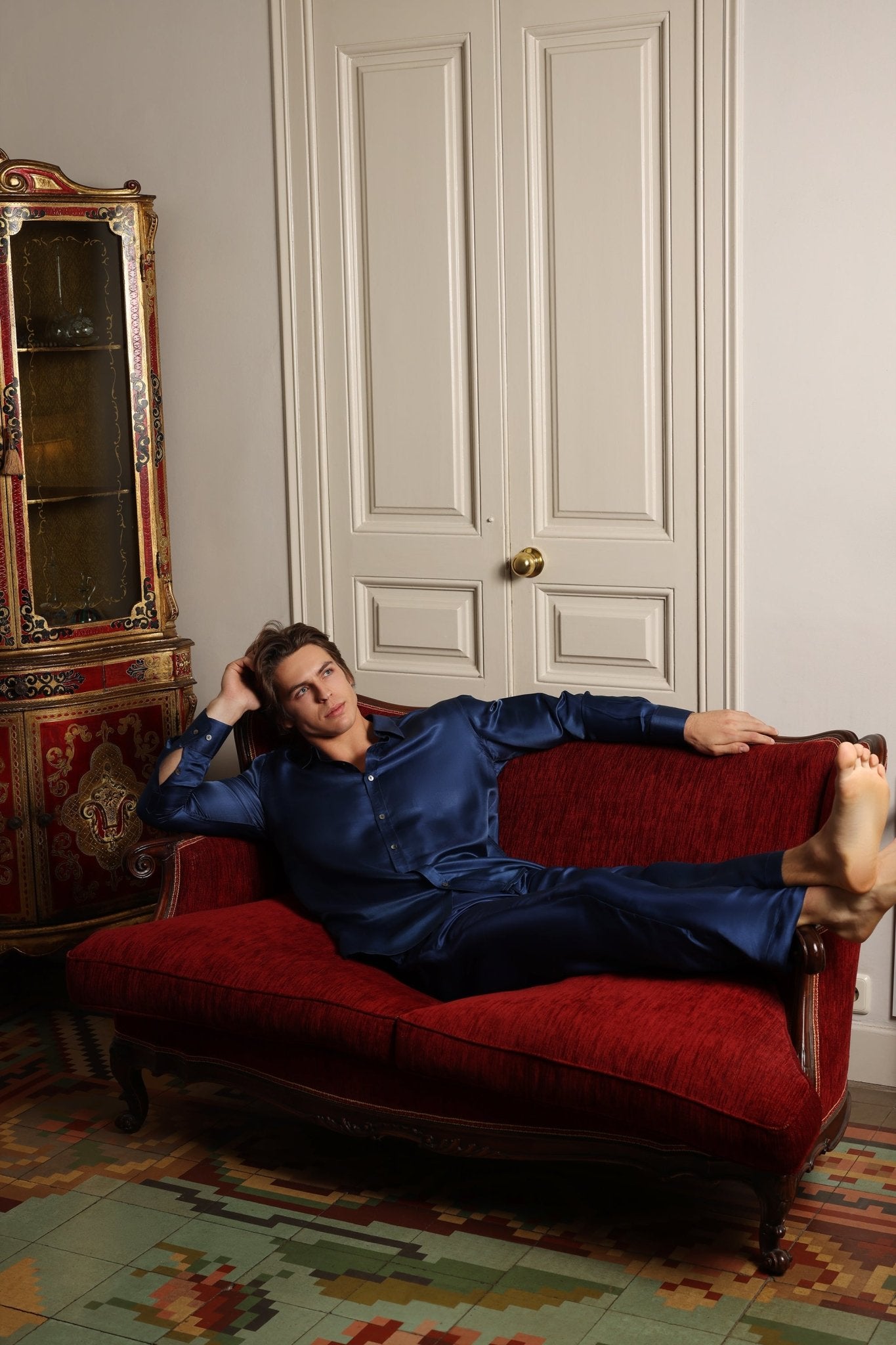
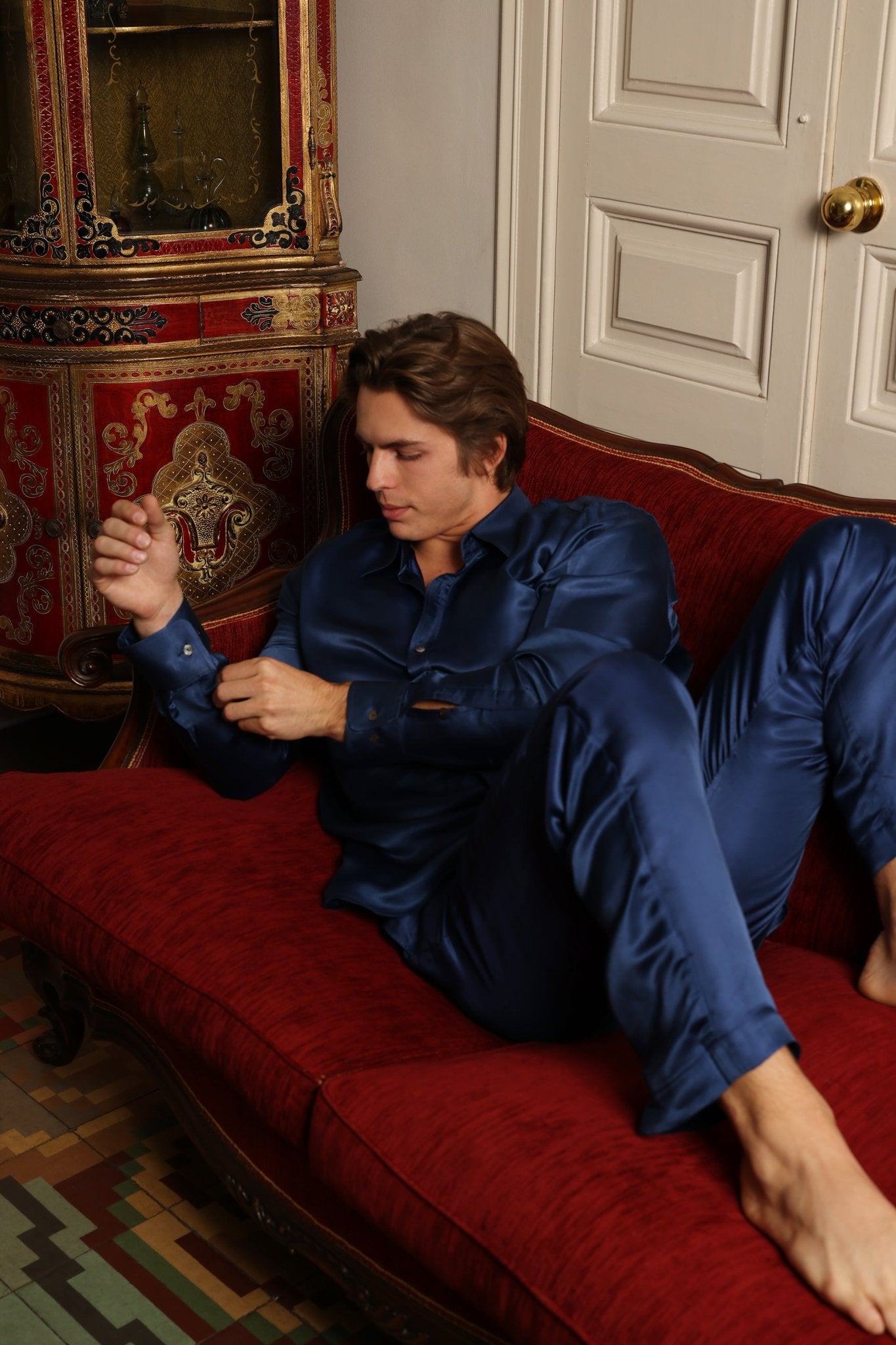
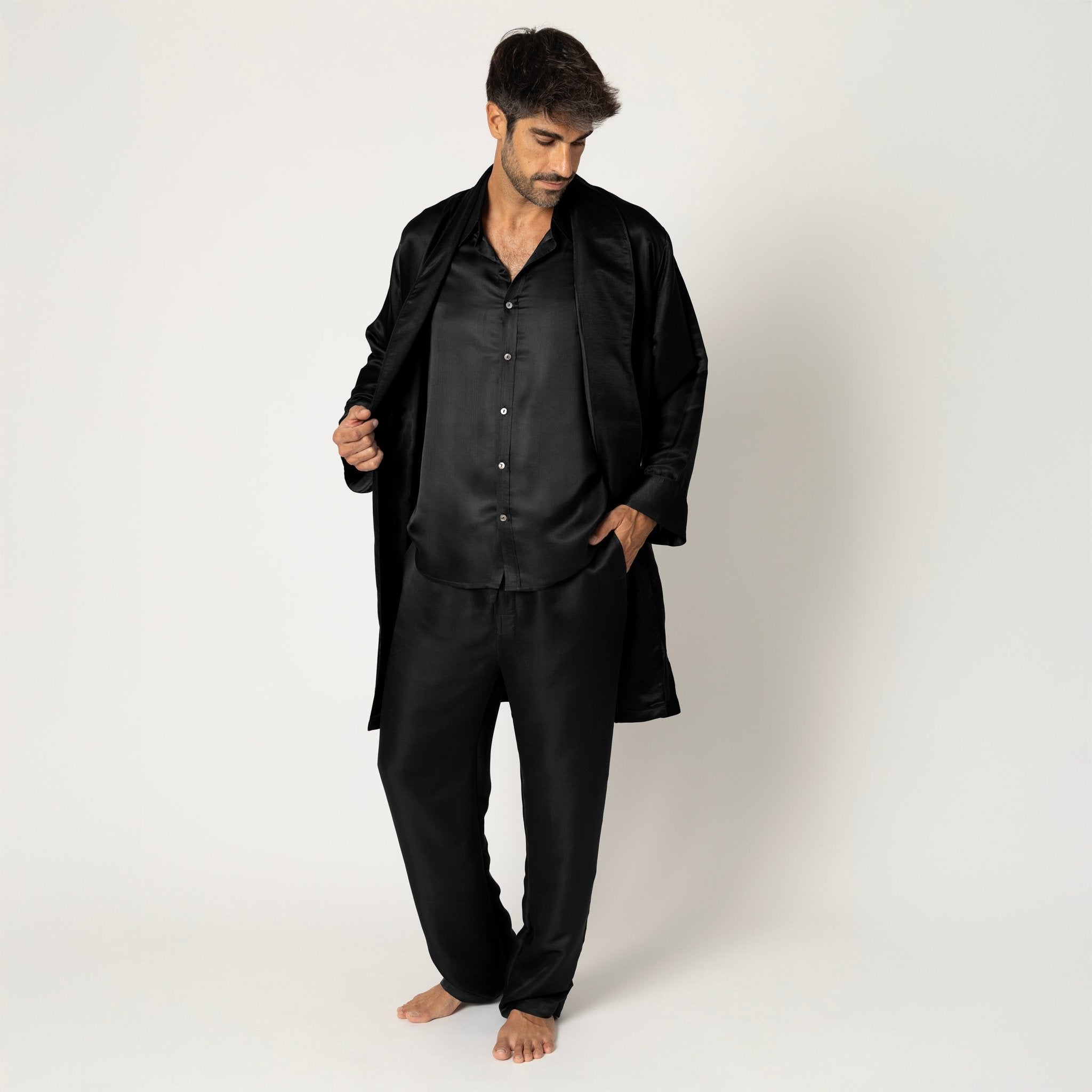
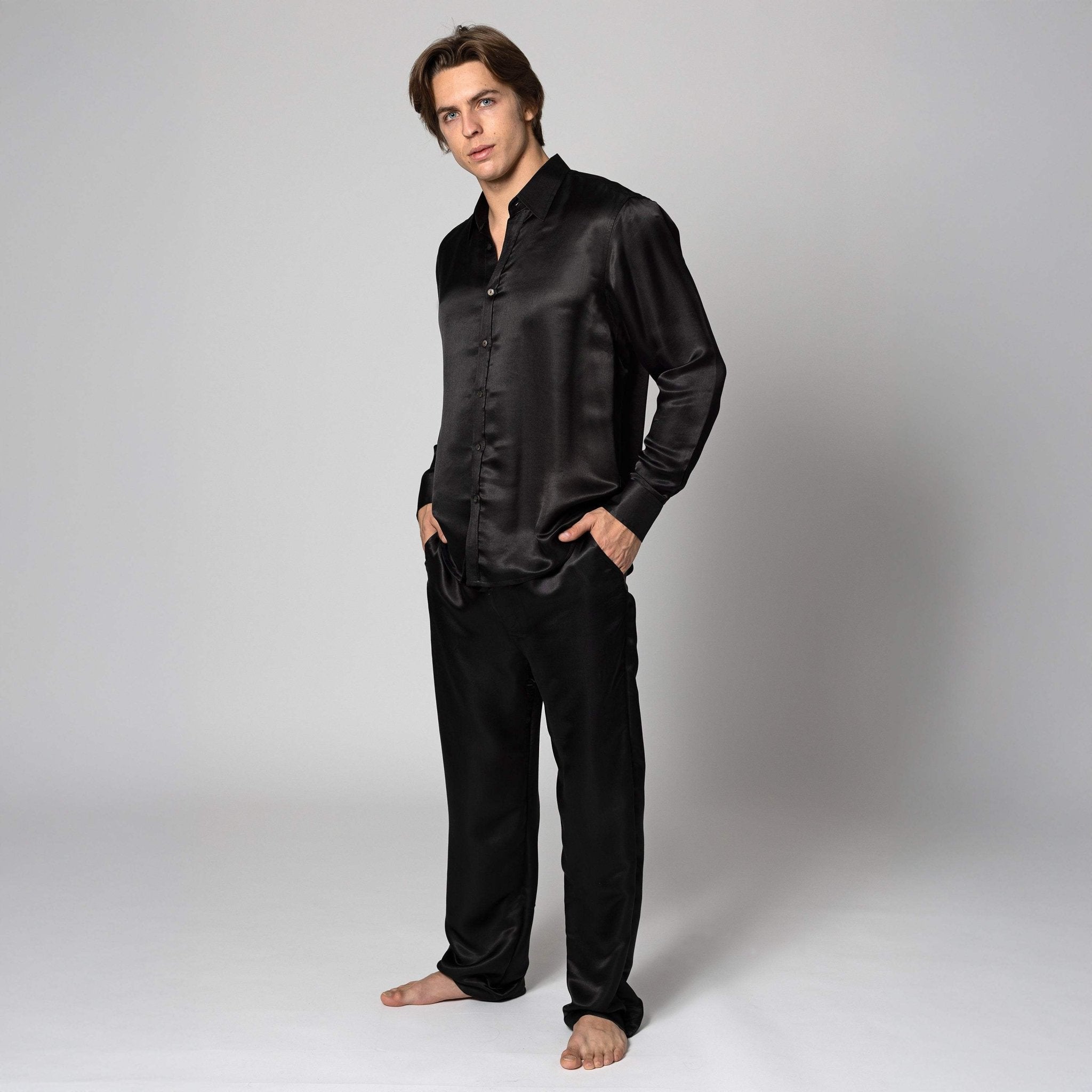
Tara Sartoria 27 momme silk pajama set
Worn every other night (approximately 183 uses per year), lasting 5 years. Total uses: 1,281 Cost per wear: less than a fraction of a dollar per use over a seven-year lifespan
Premium cotton pajama set
Worn every other night, lasting 2.5 years.
Total uses: 457
Cost per wear: ranges lower per wear but requires replacement cycles
At first glance, cotton wins on per-wear cost in the short term. But you will need to buy three cotton sets over the same seven-year period to maintain the same rotation. The silk set, purchased once, costs less than the total spend on replacing cotton multiple times over the same period.
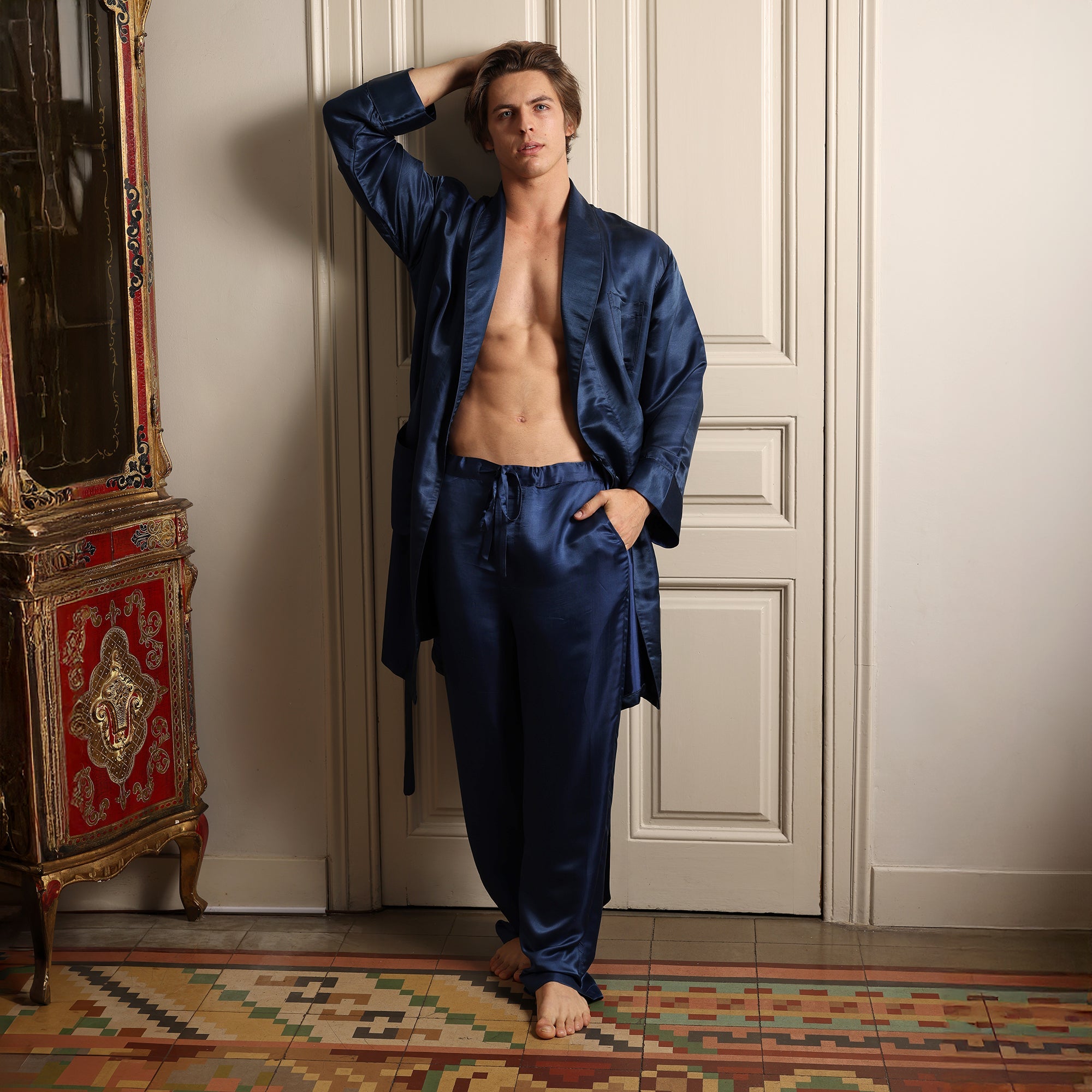
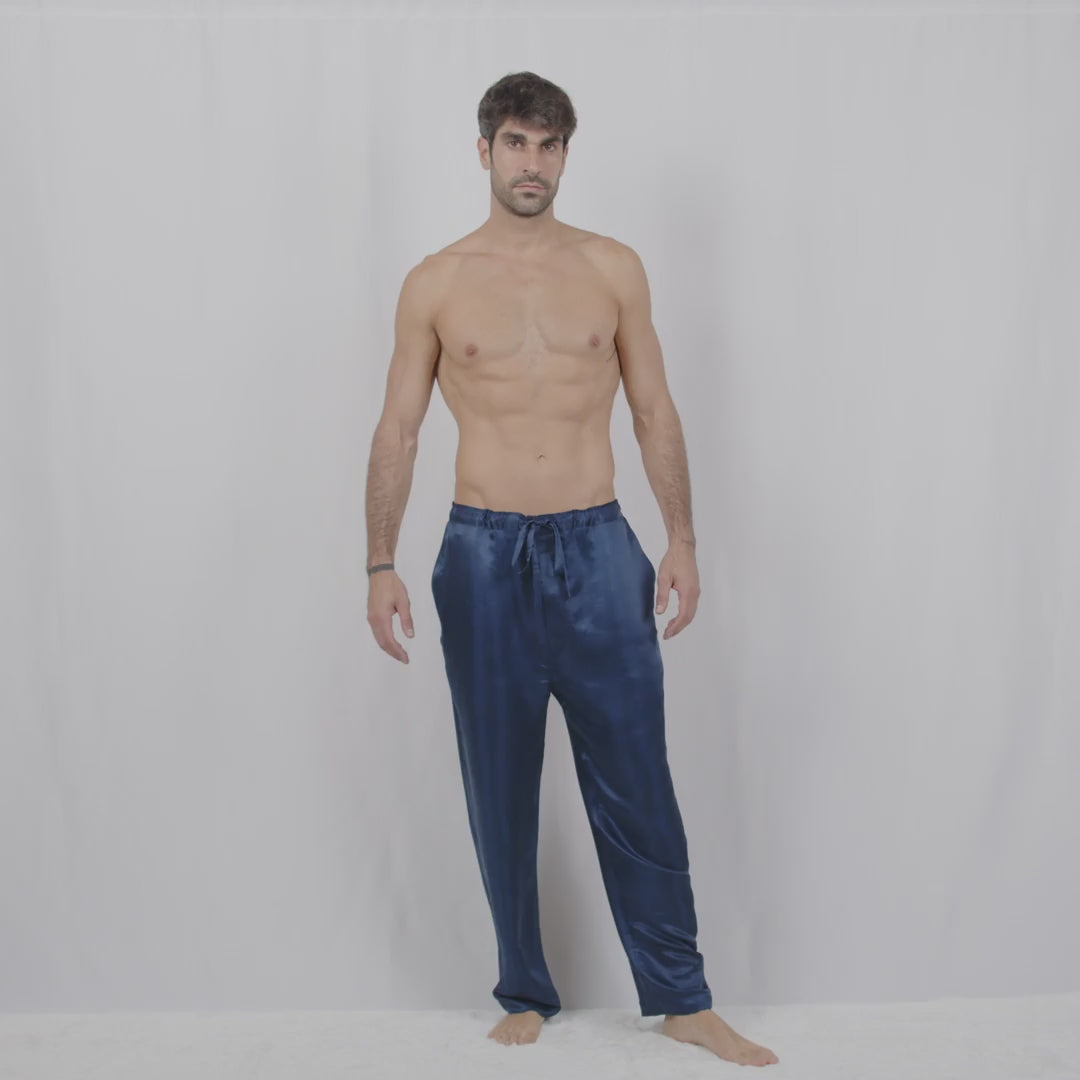
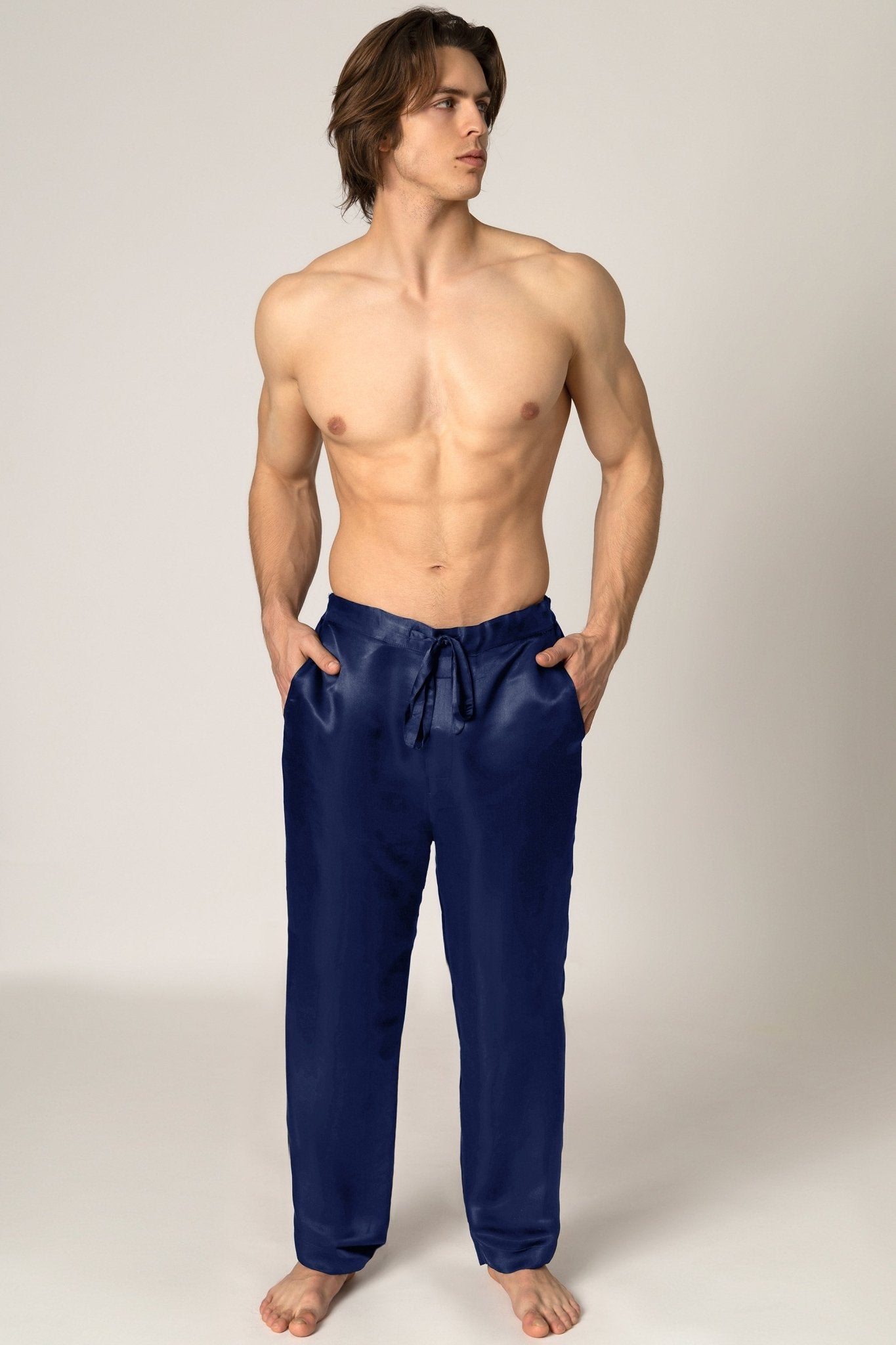
The silk pajama set is a one-time purchase that lasts for years. The cotton rotation requires multiple replacements. The difference compounds over time, roughly equivalent to a few dollars per month, for seven years of fundamentally different wearing experience. That is the premium for silk's thermoregulation, low friction, antimicrobial properties, and the fact that the garment improves with age rather than deteriorating. See current pricing at Tara Sartoria for exact calculations.
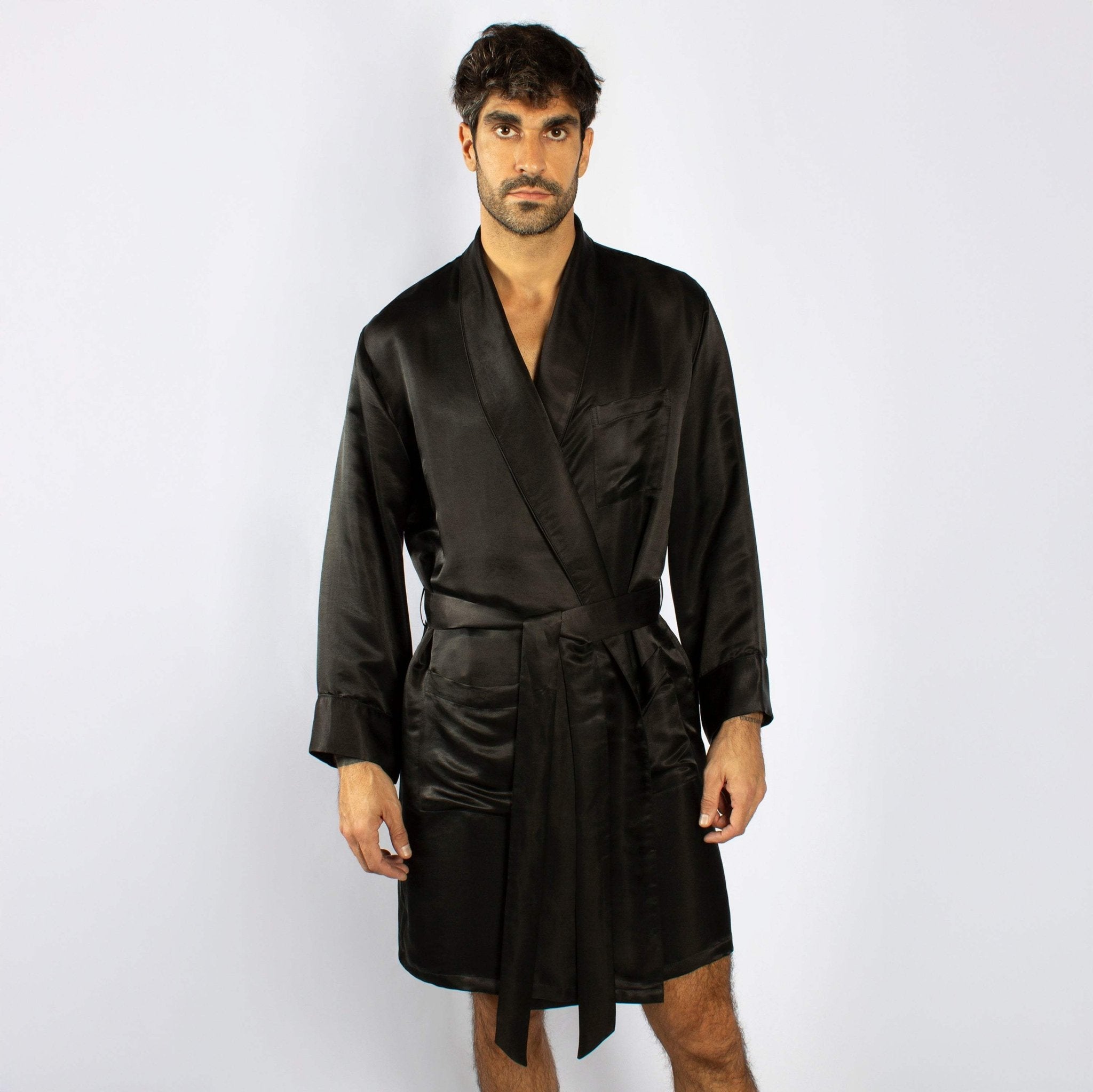
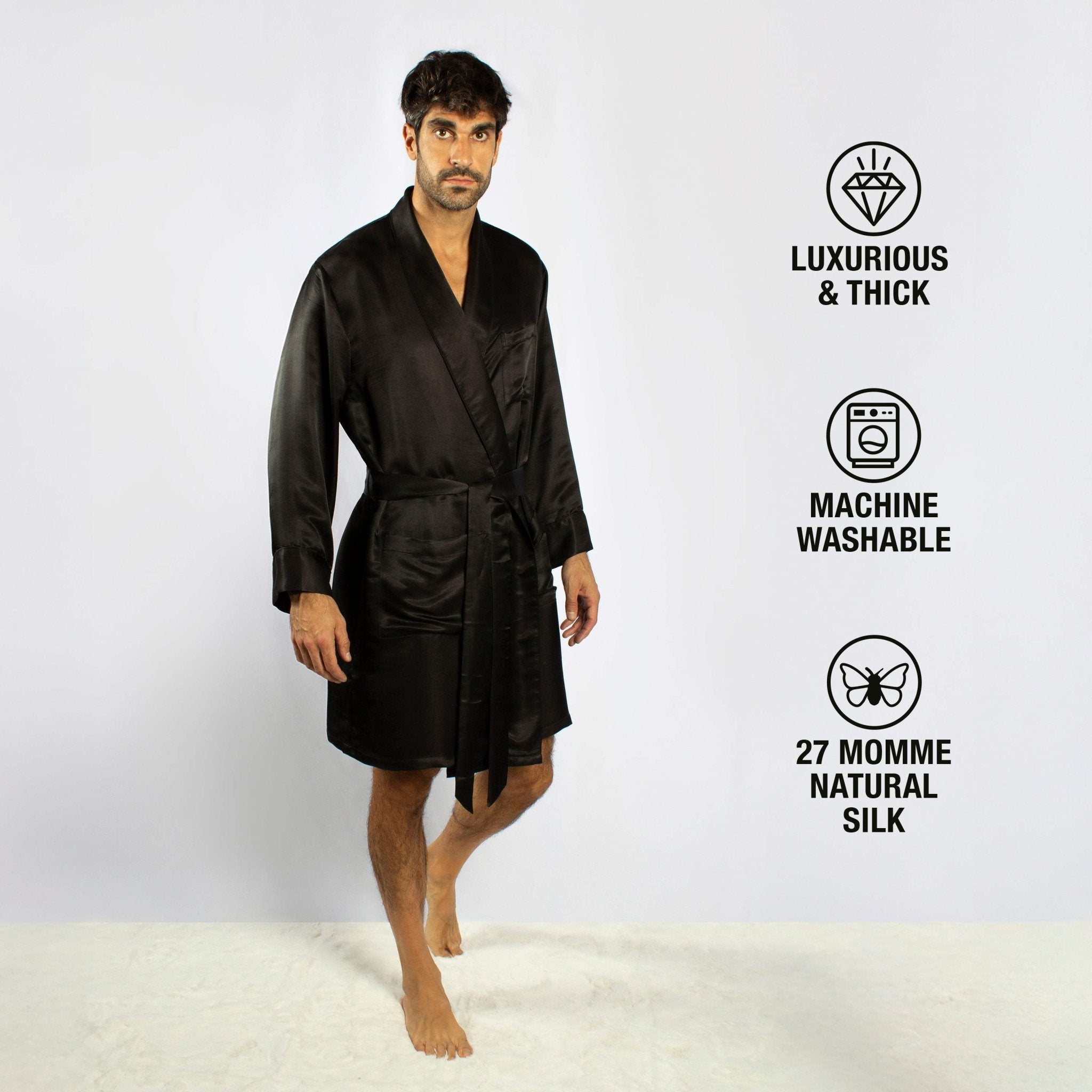
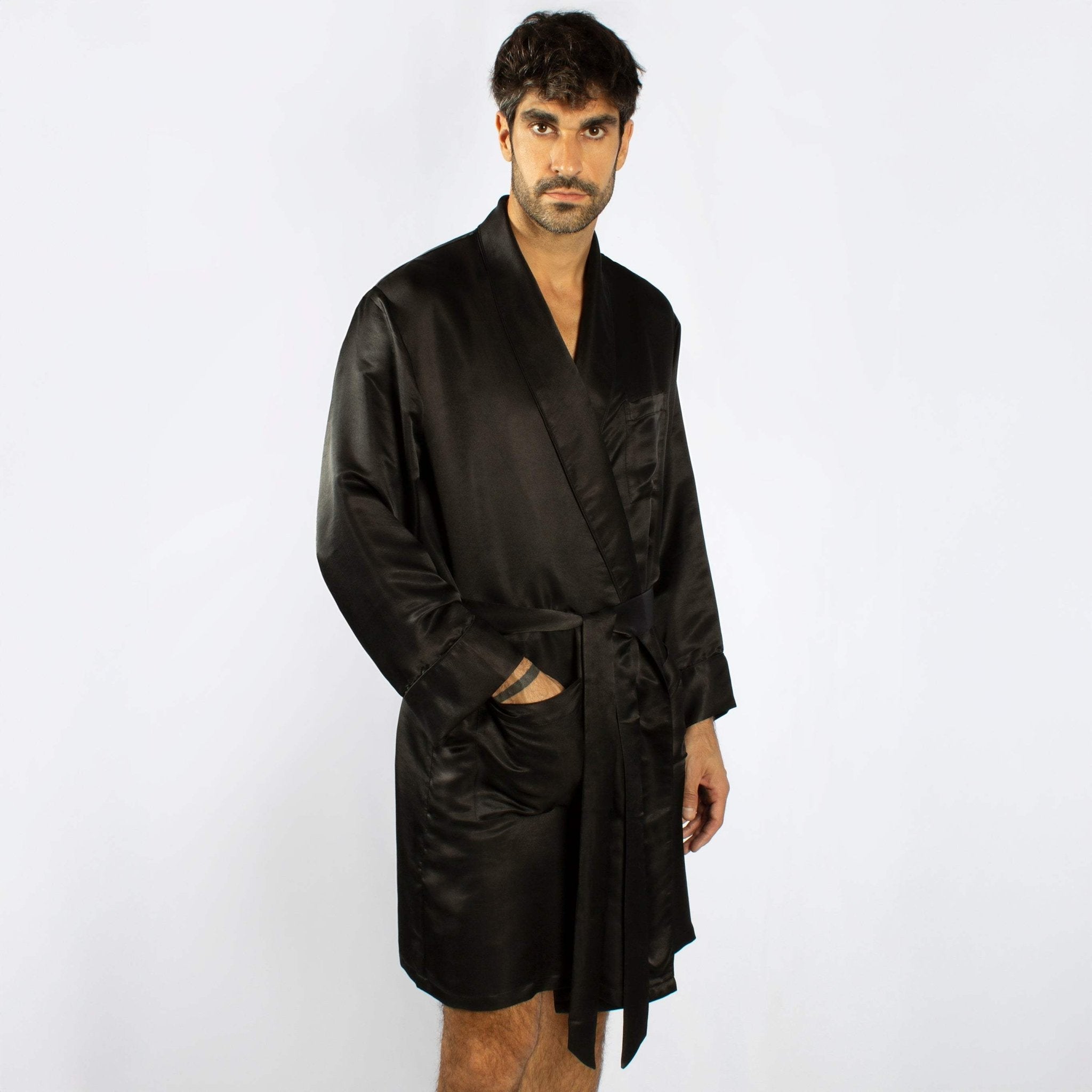
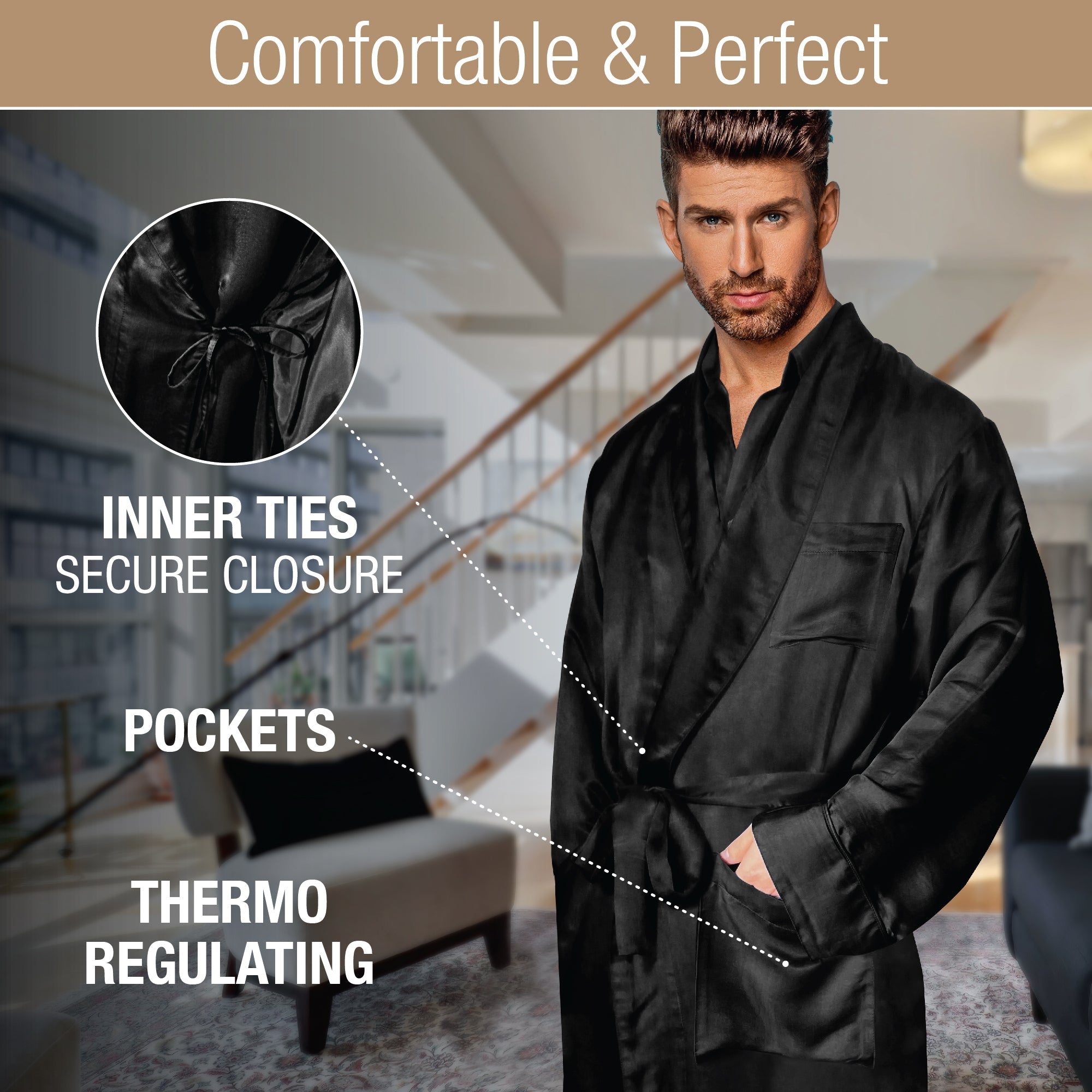
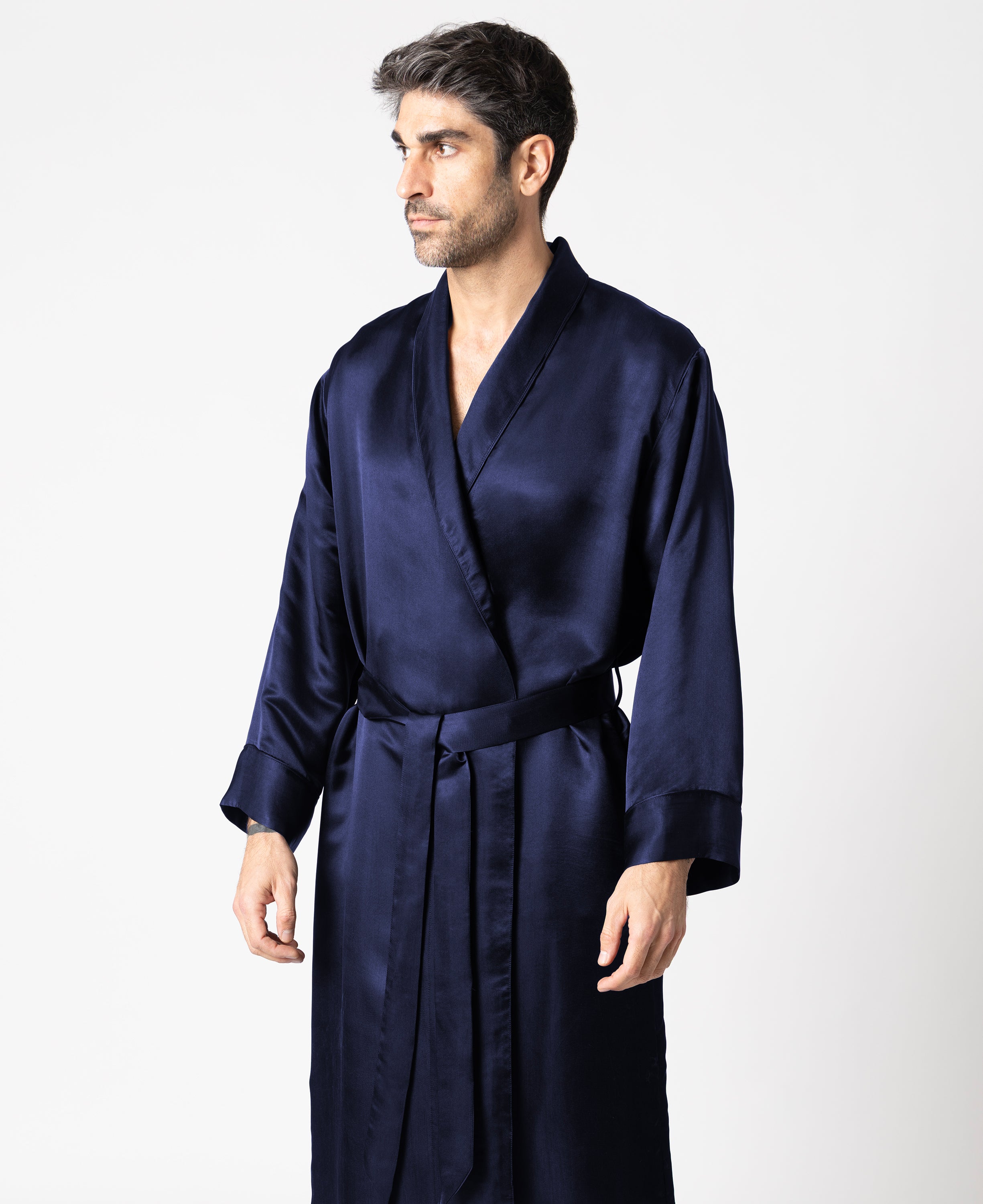
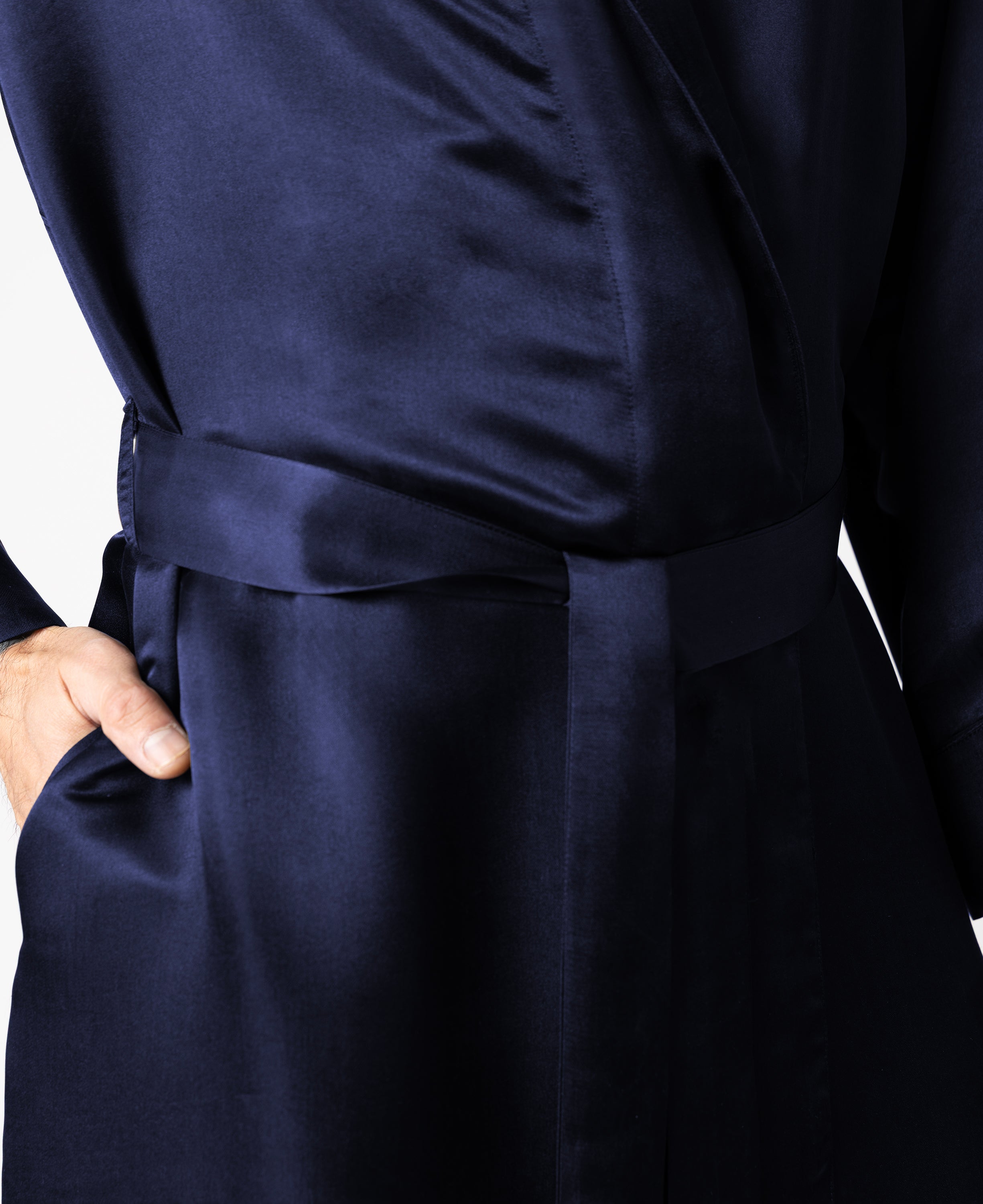
The Numbers: Silk Robe
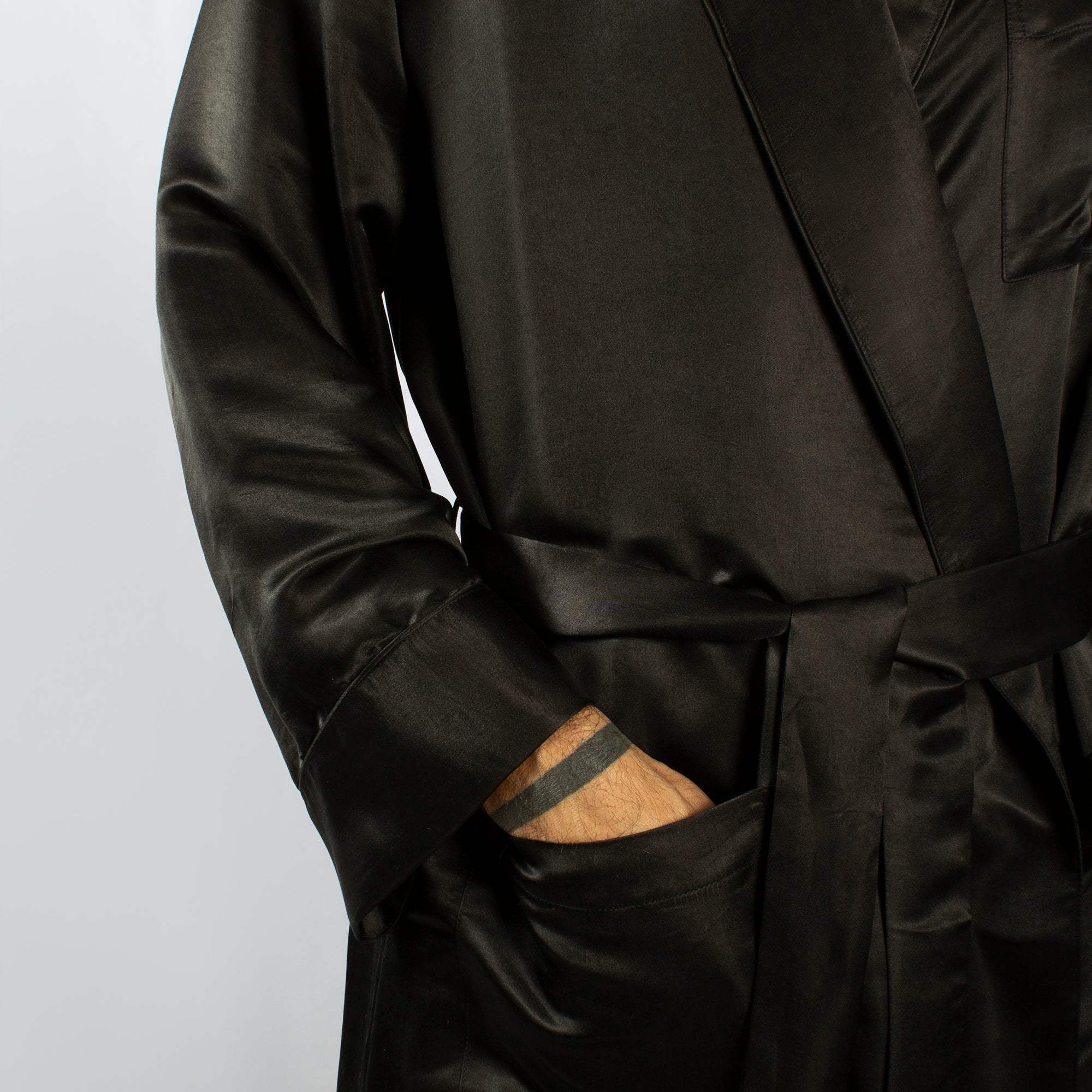
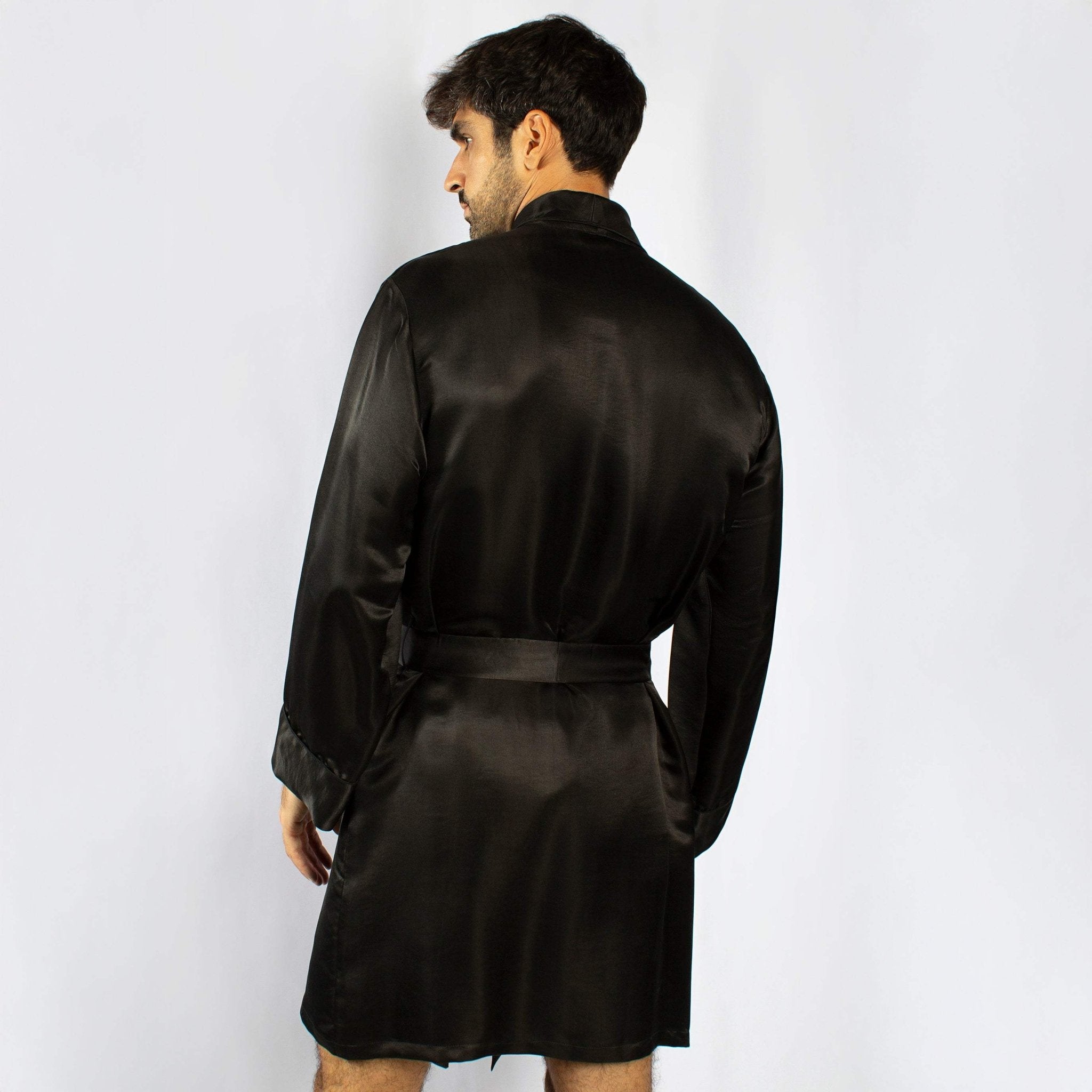
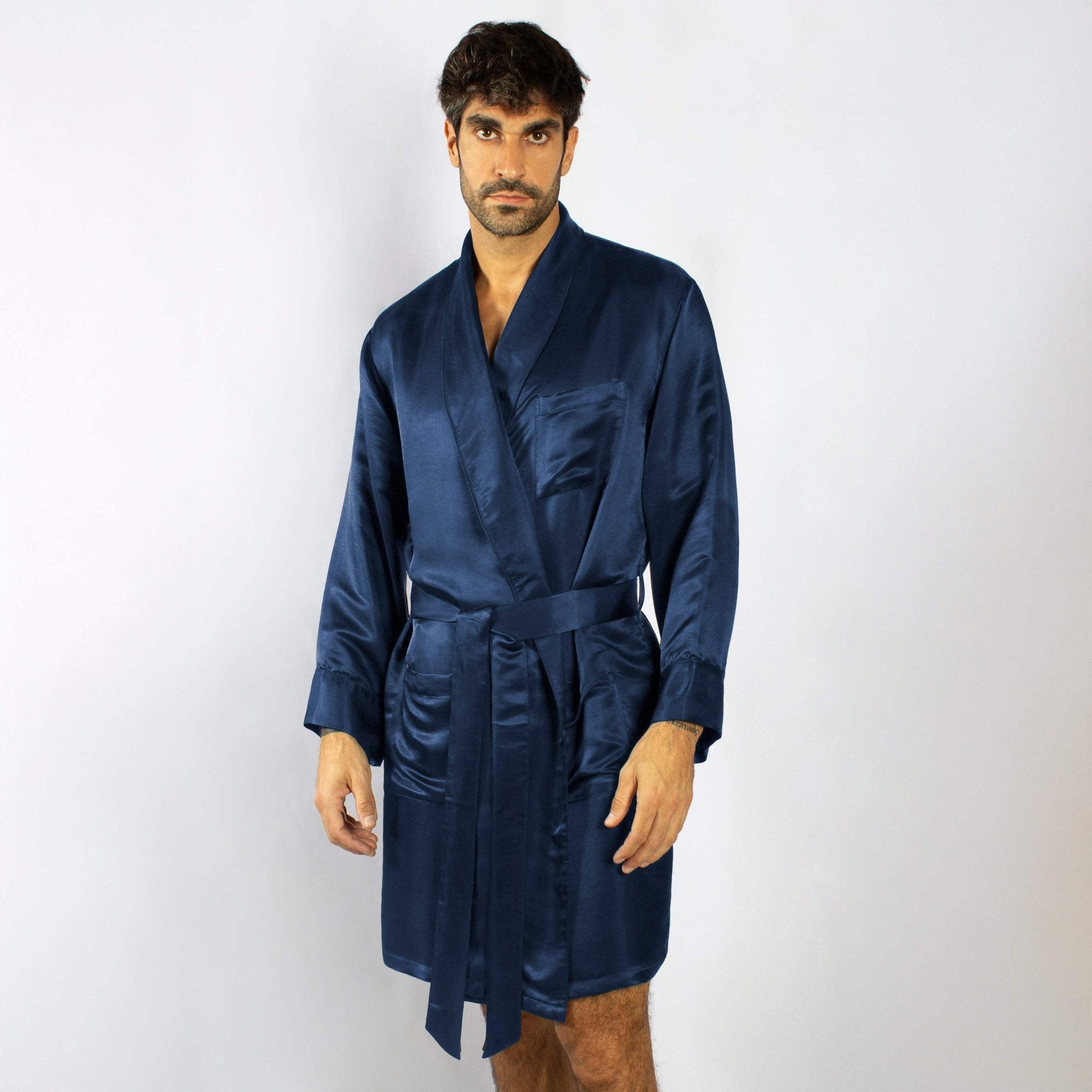
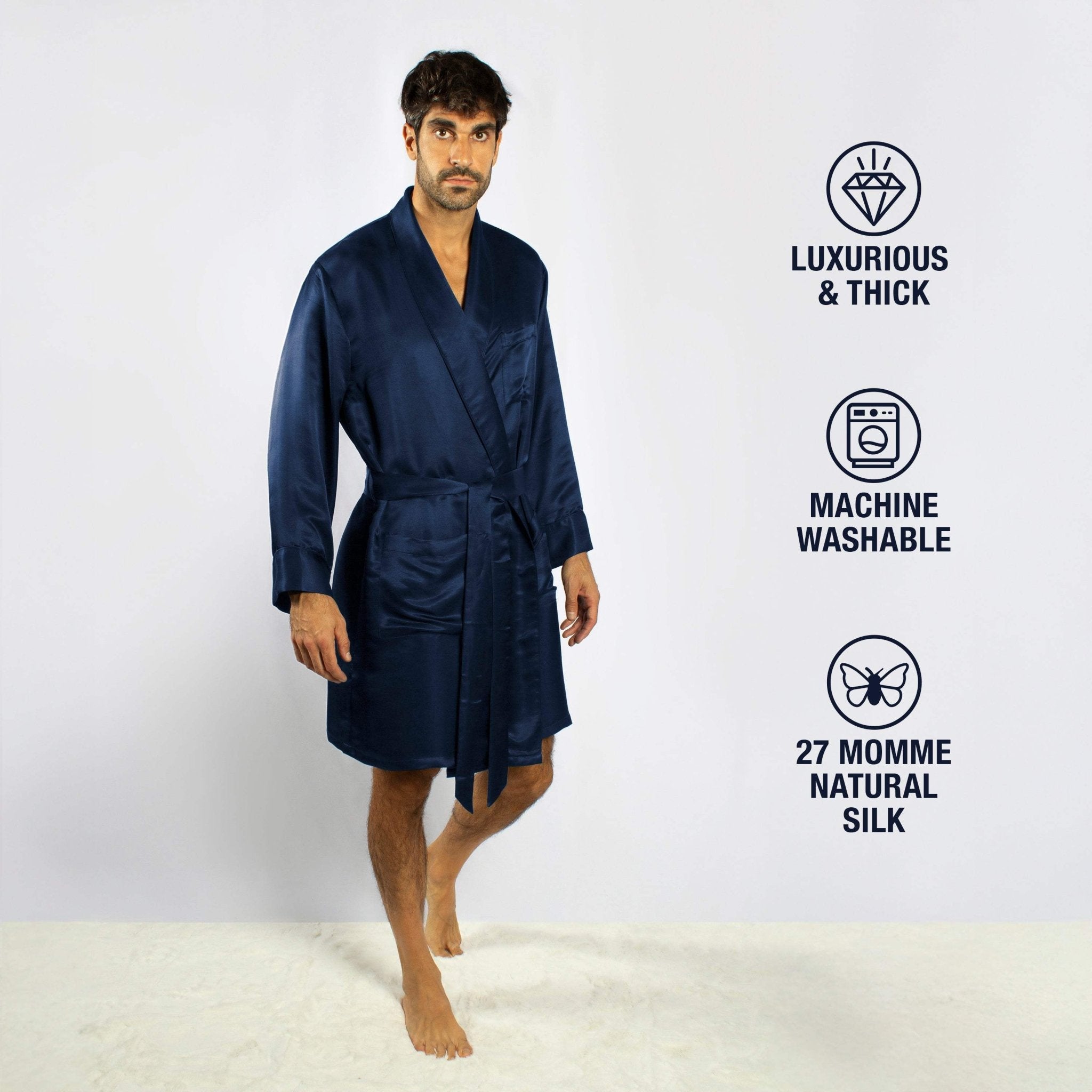
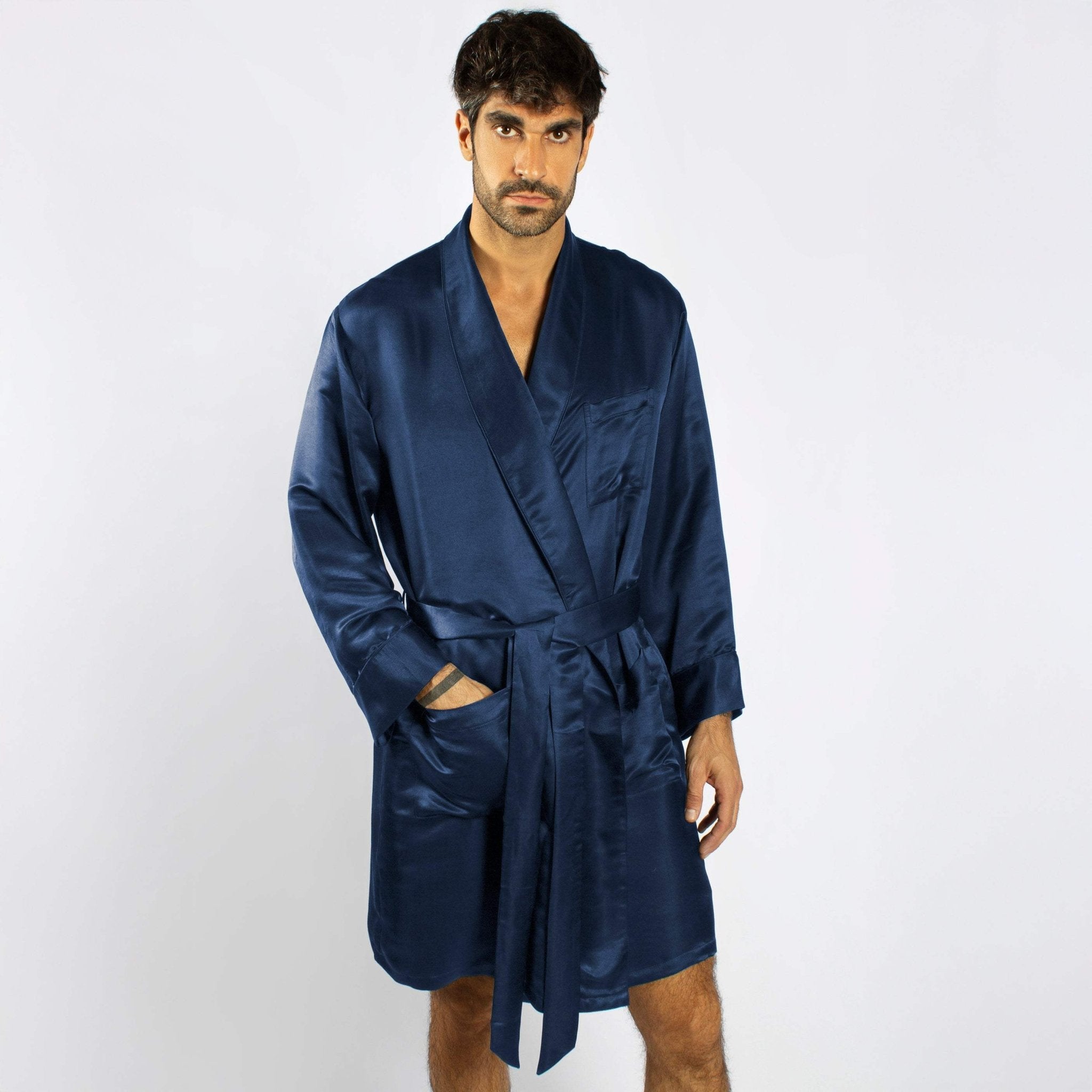
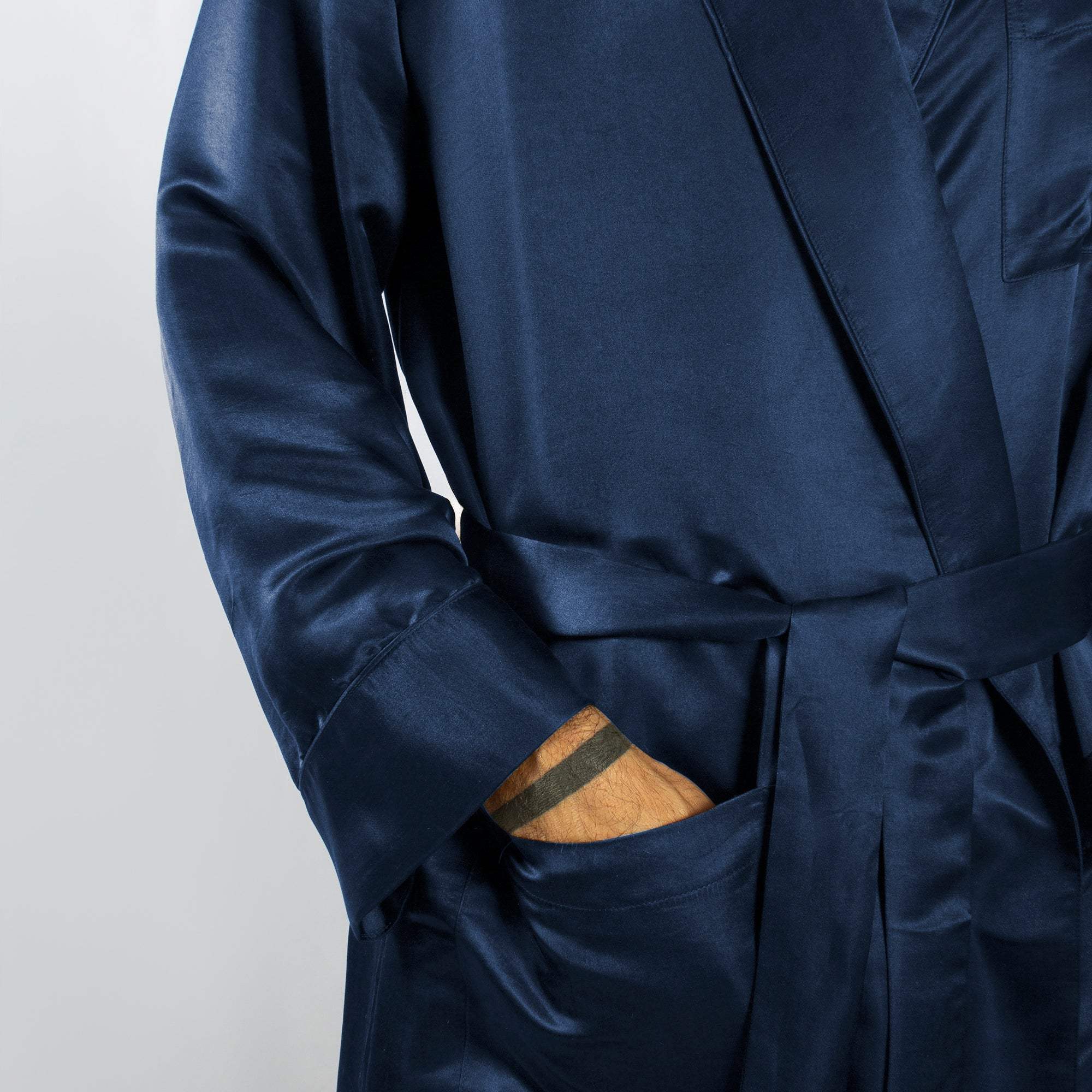
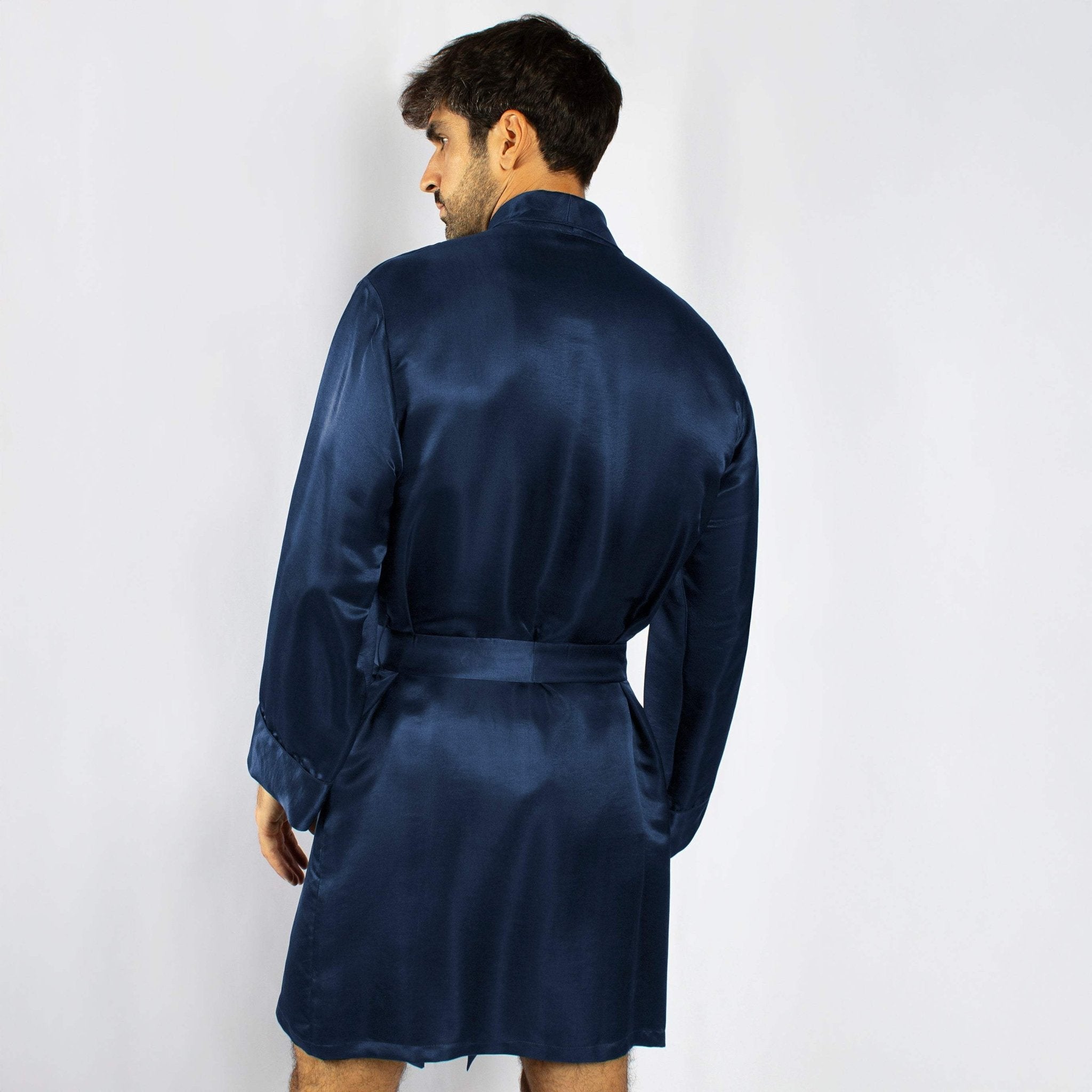
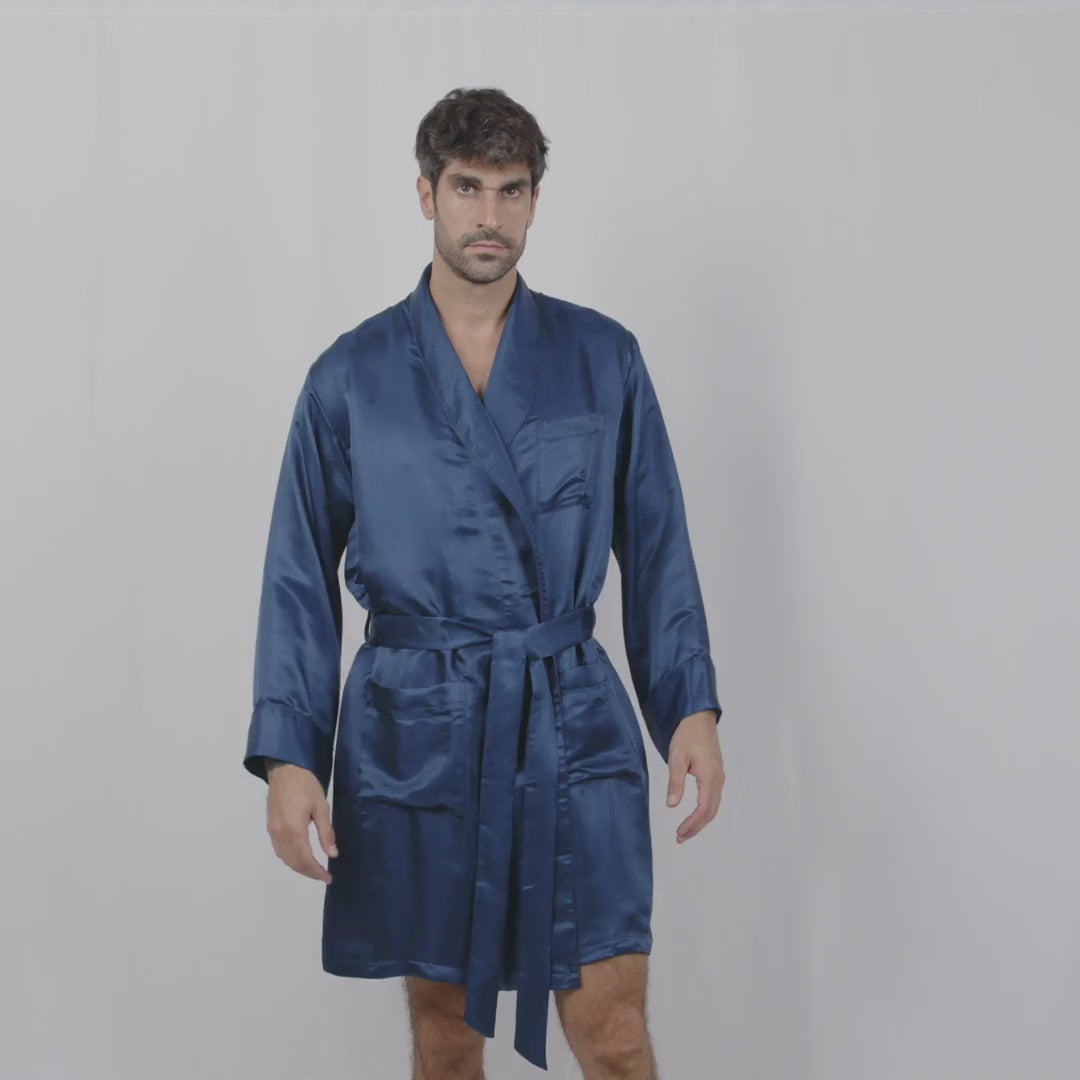
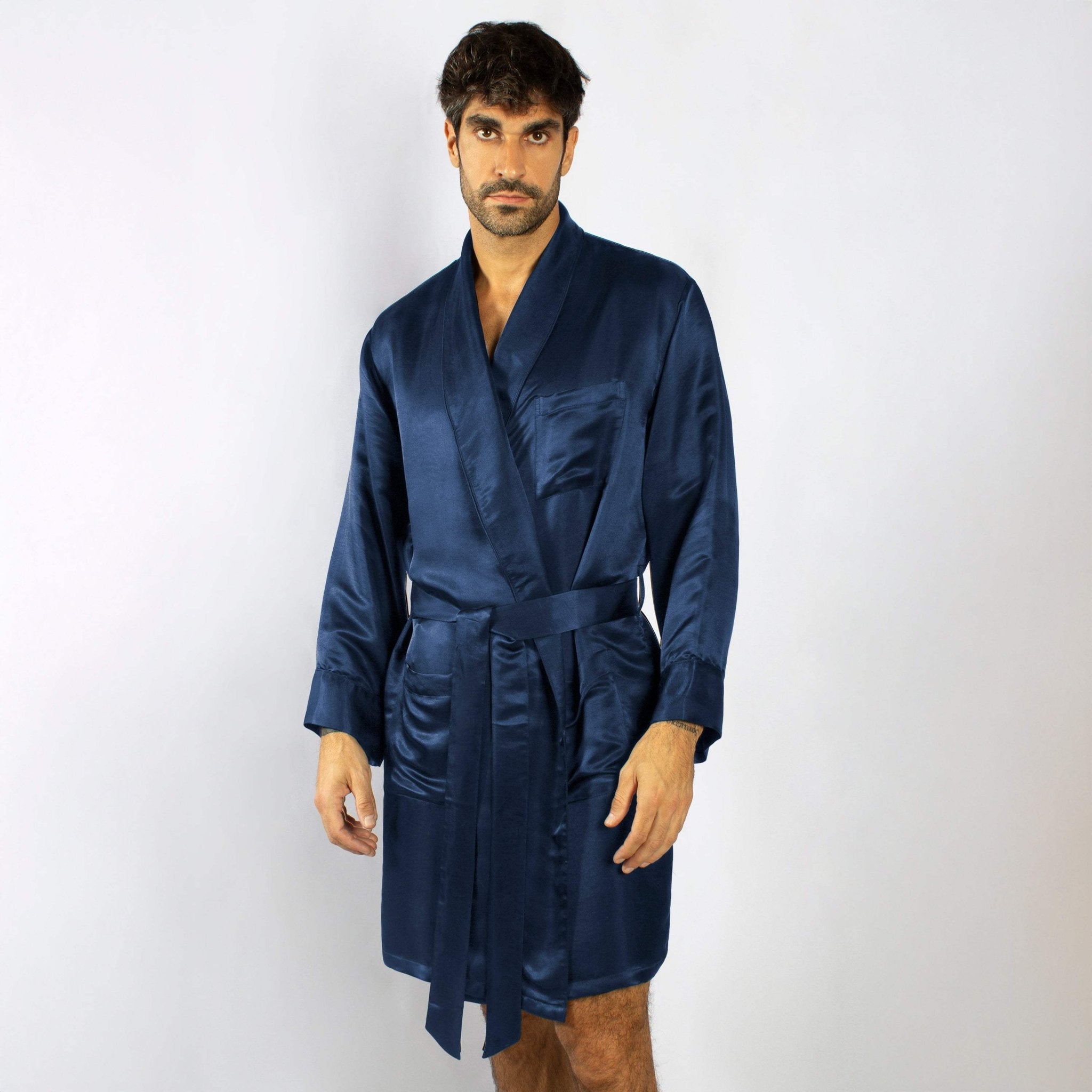
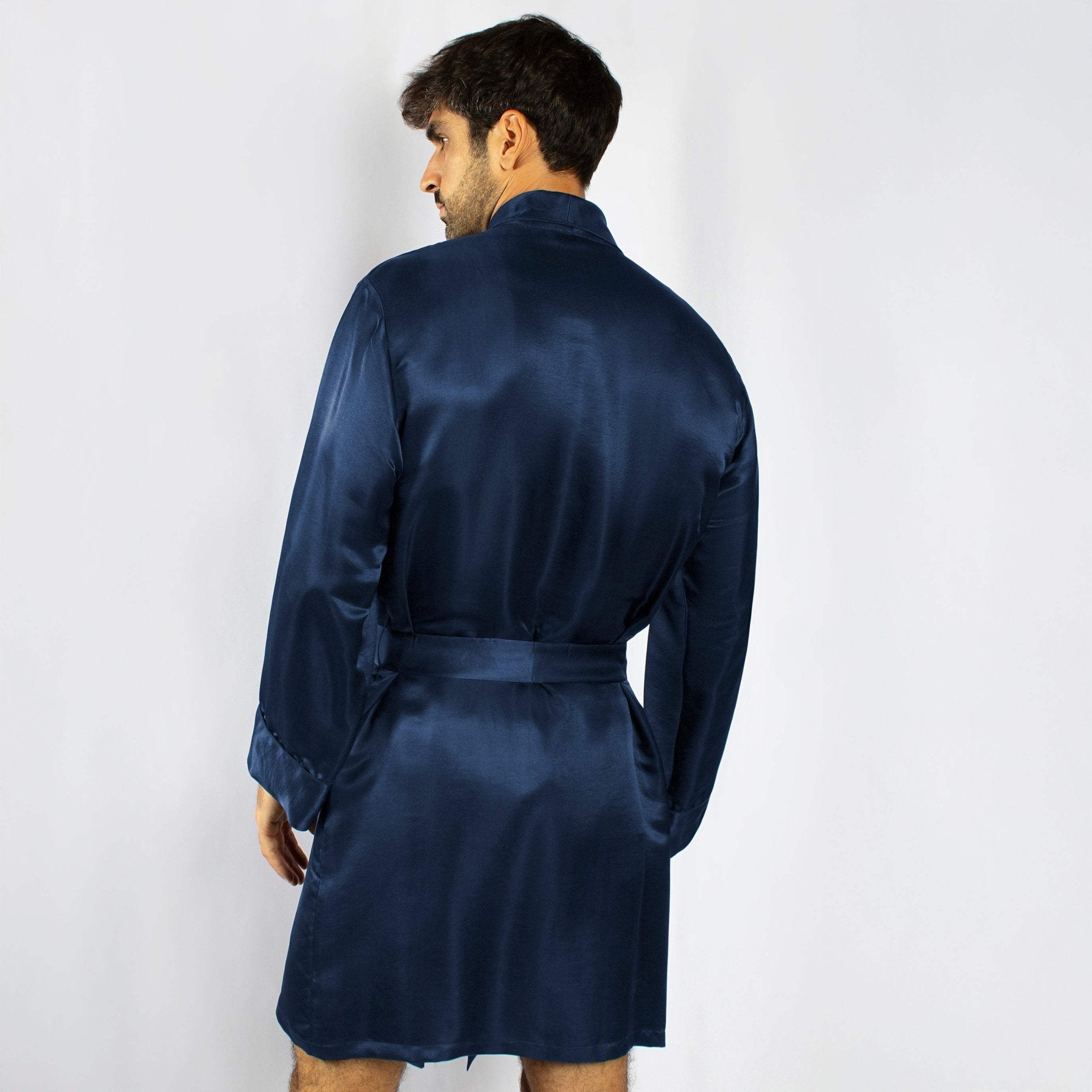
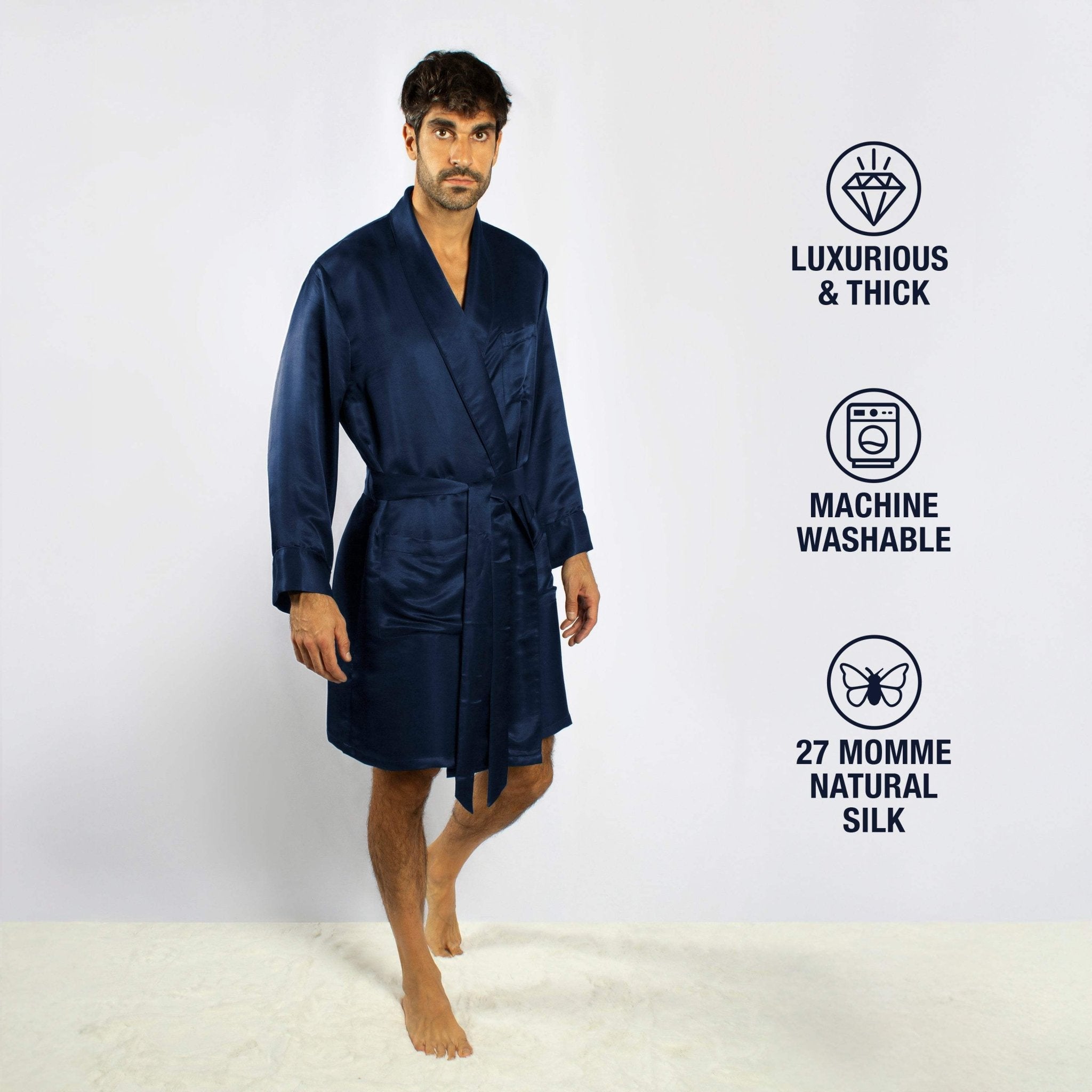
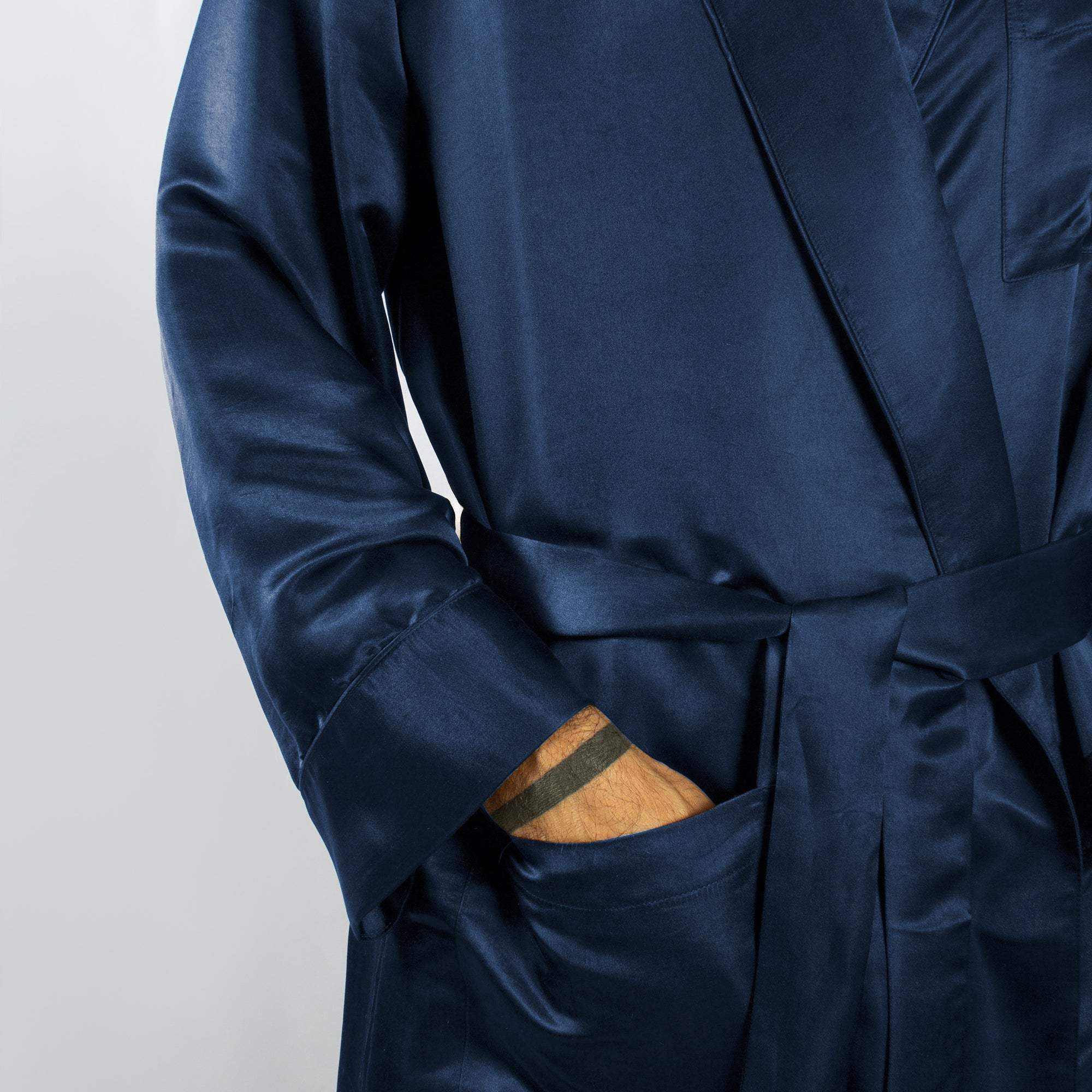
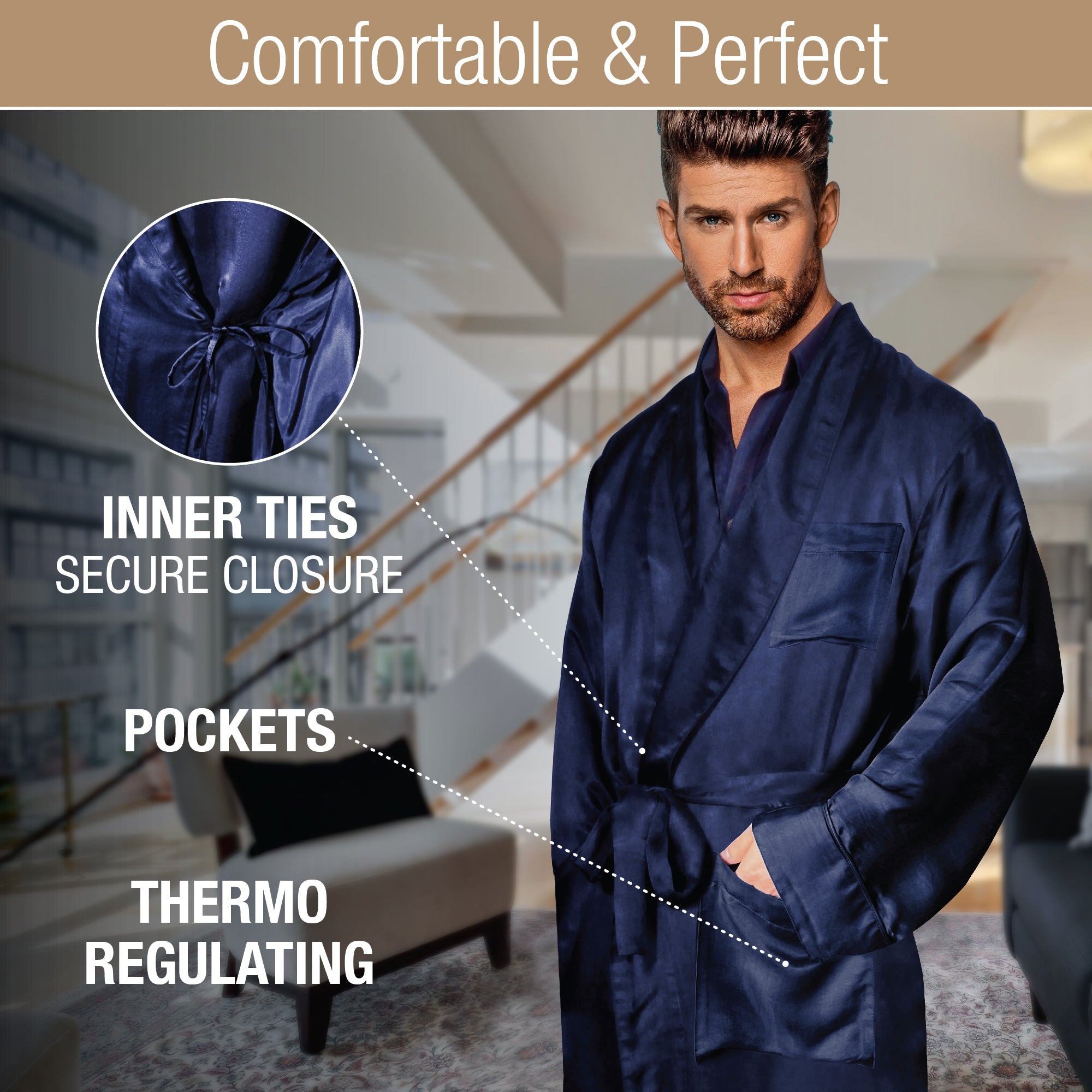
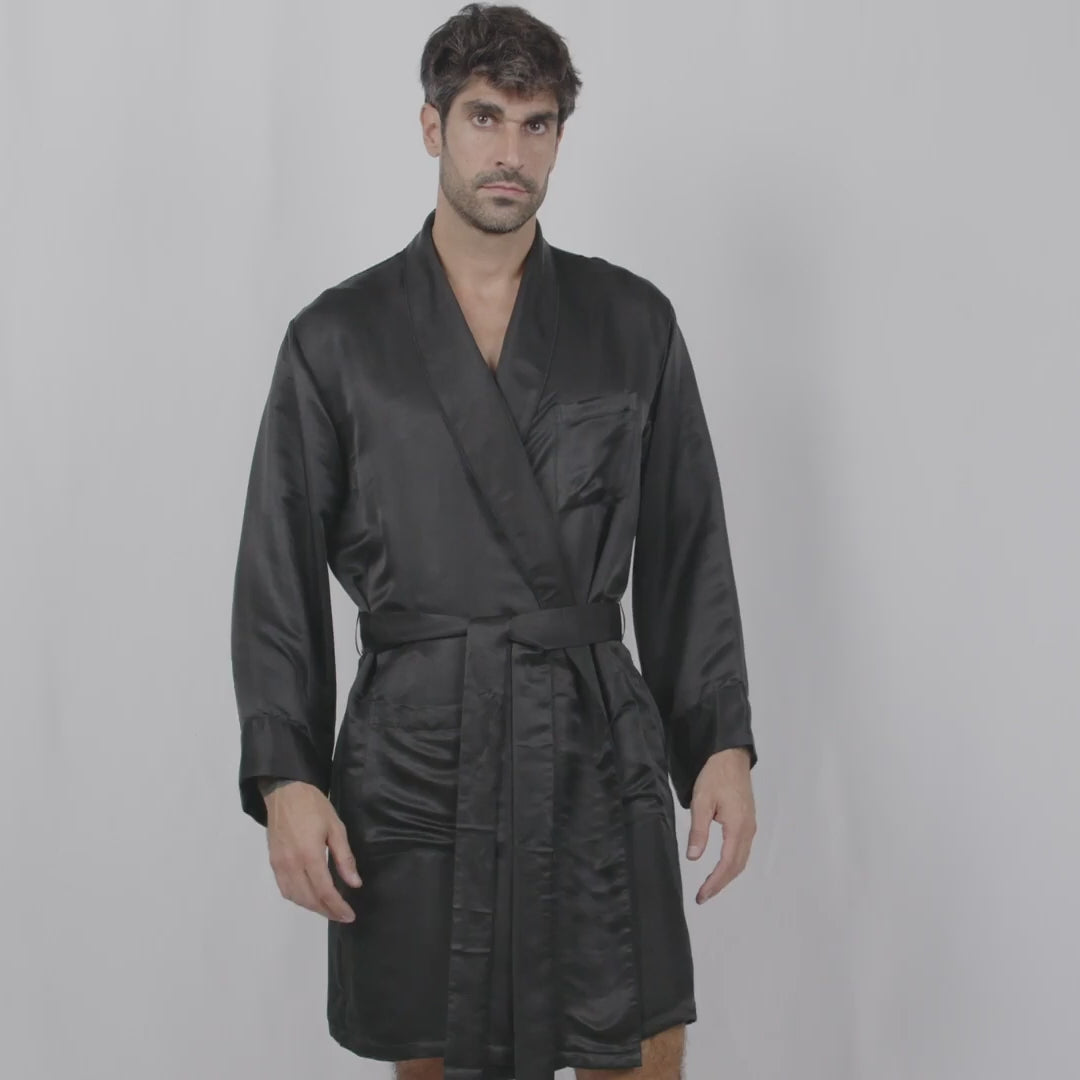
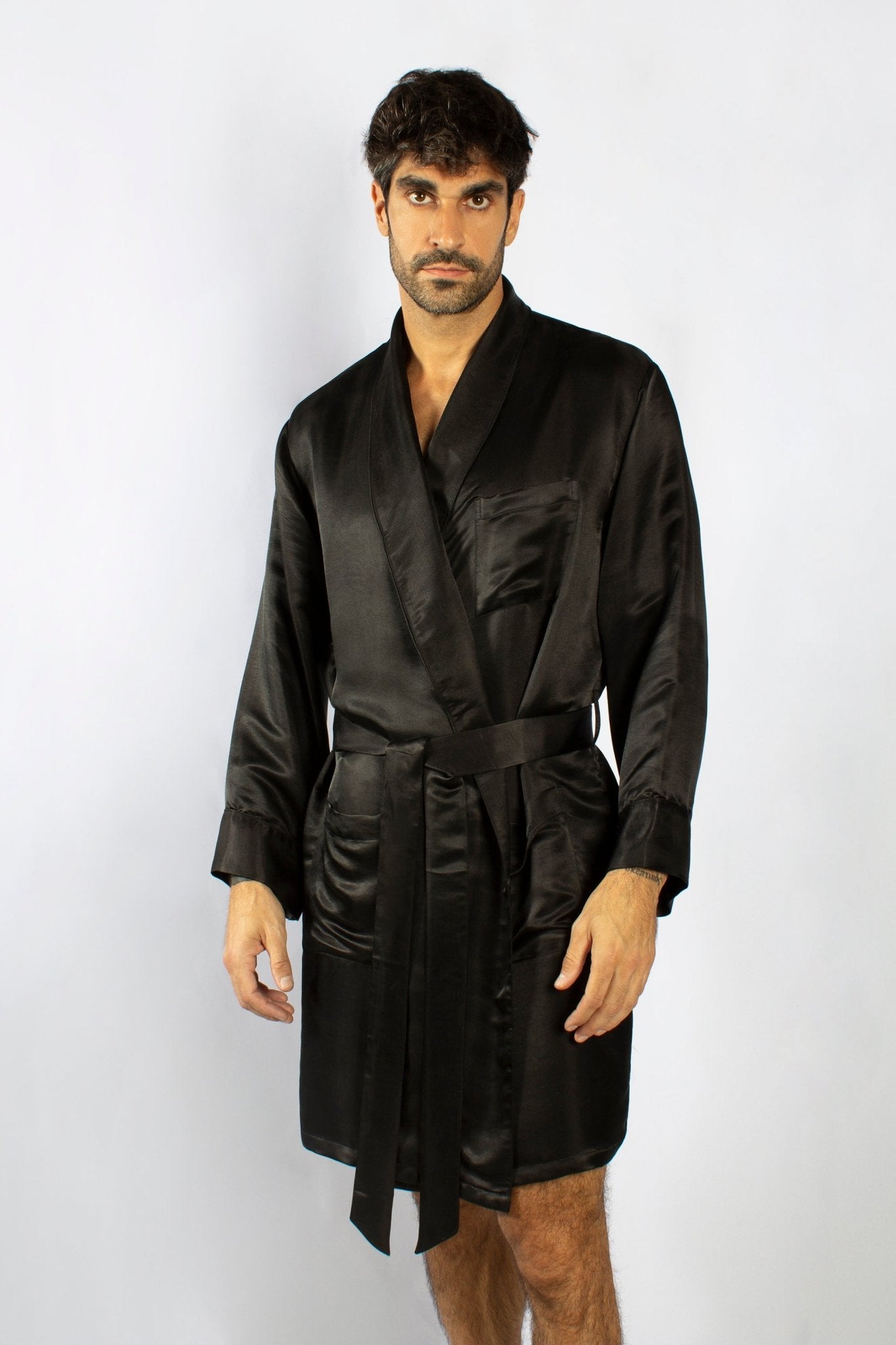
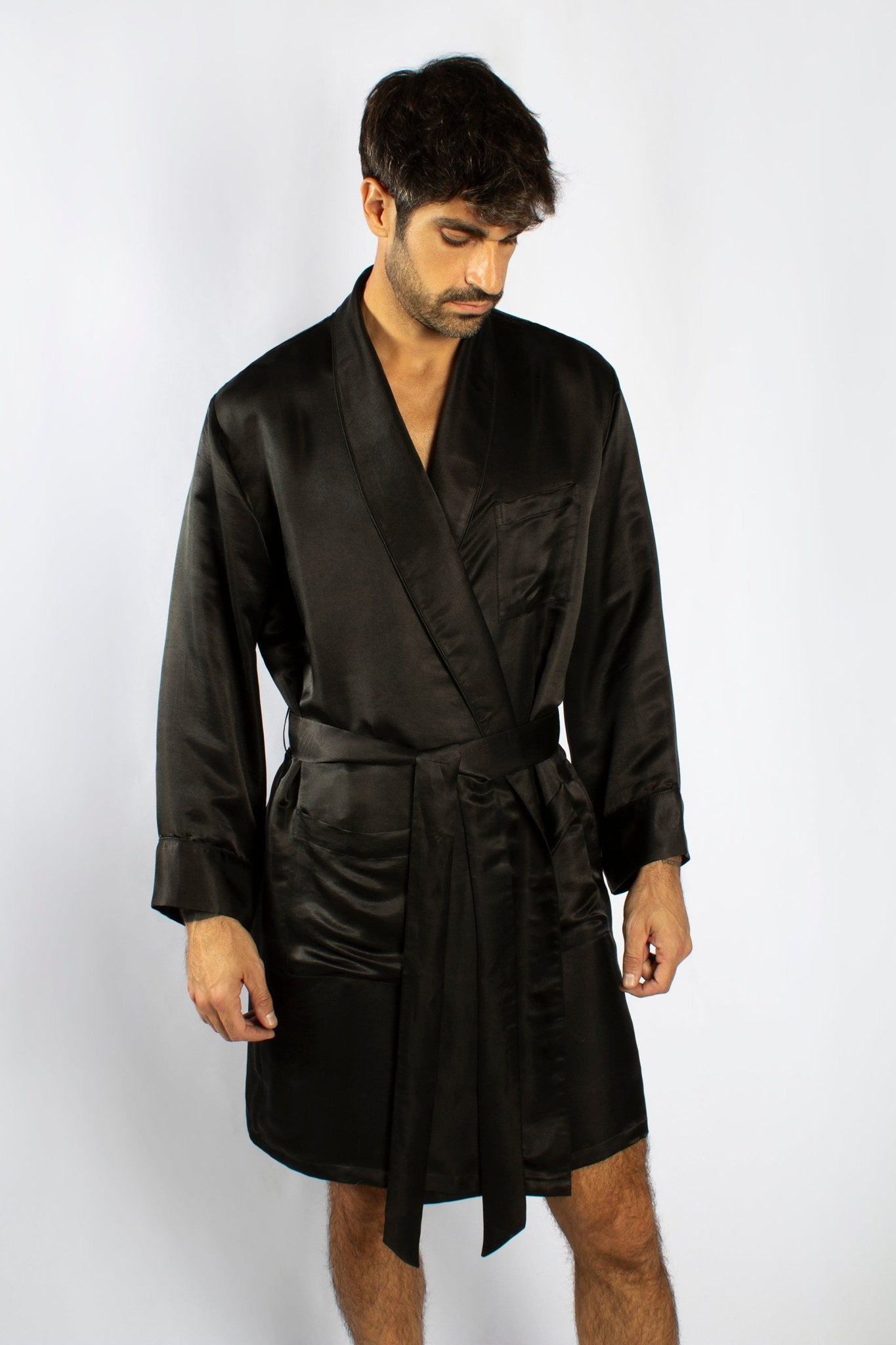
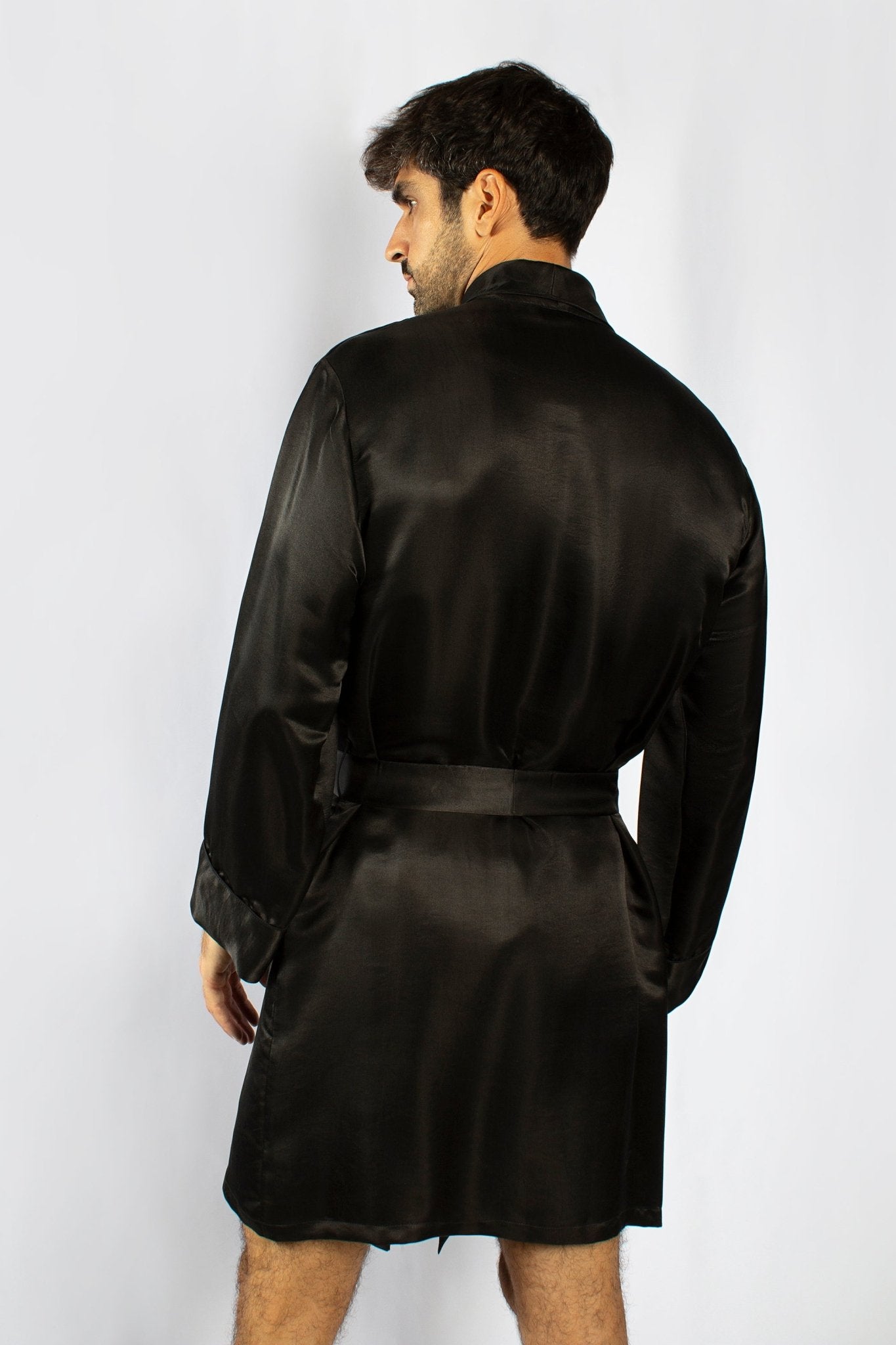
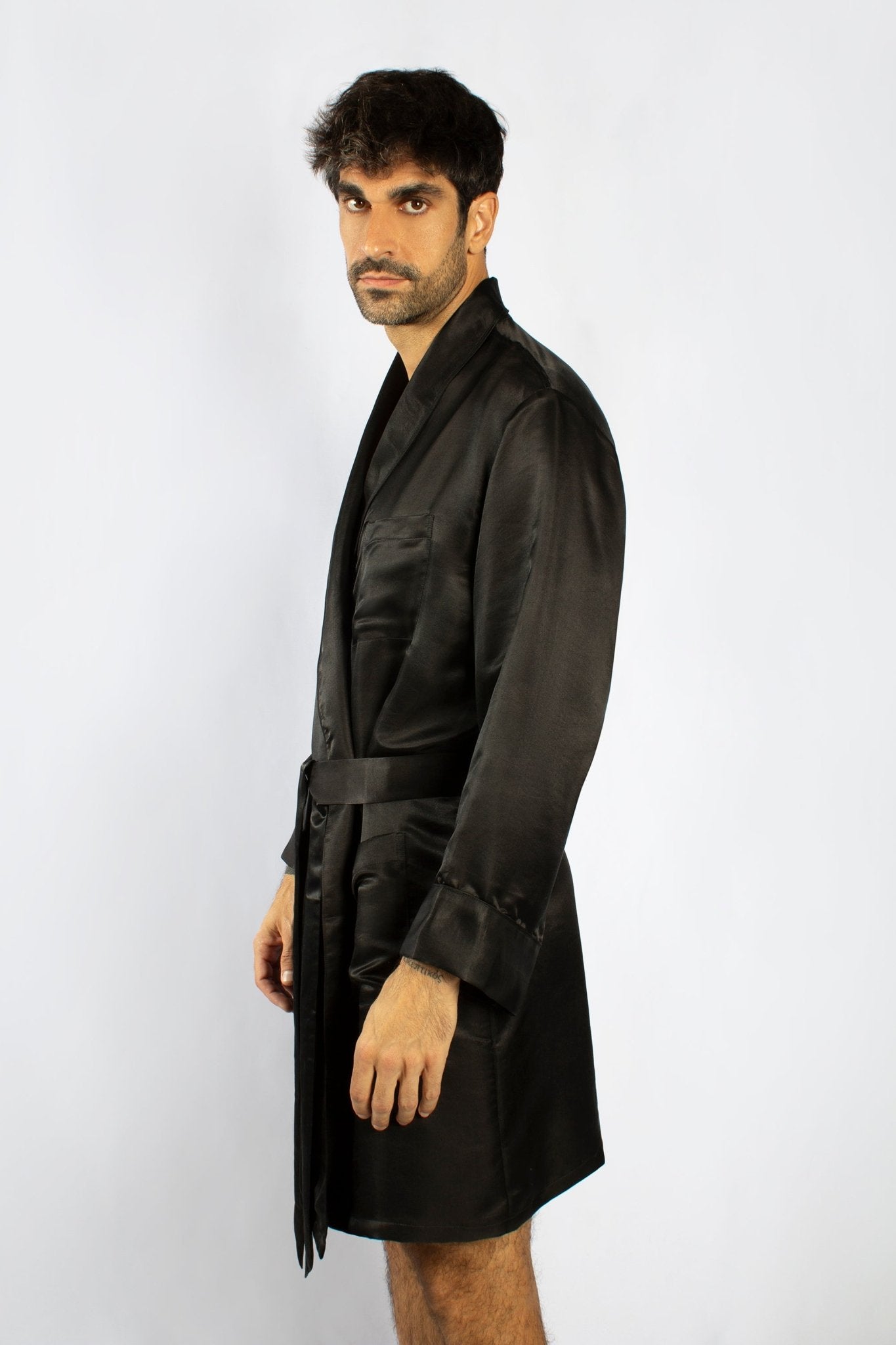
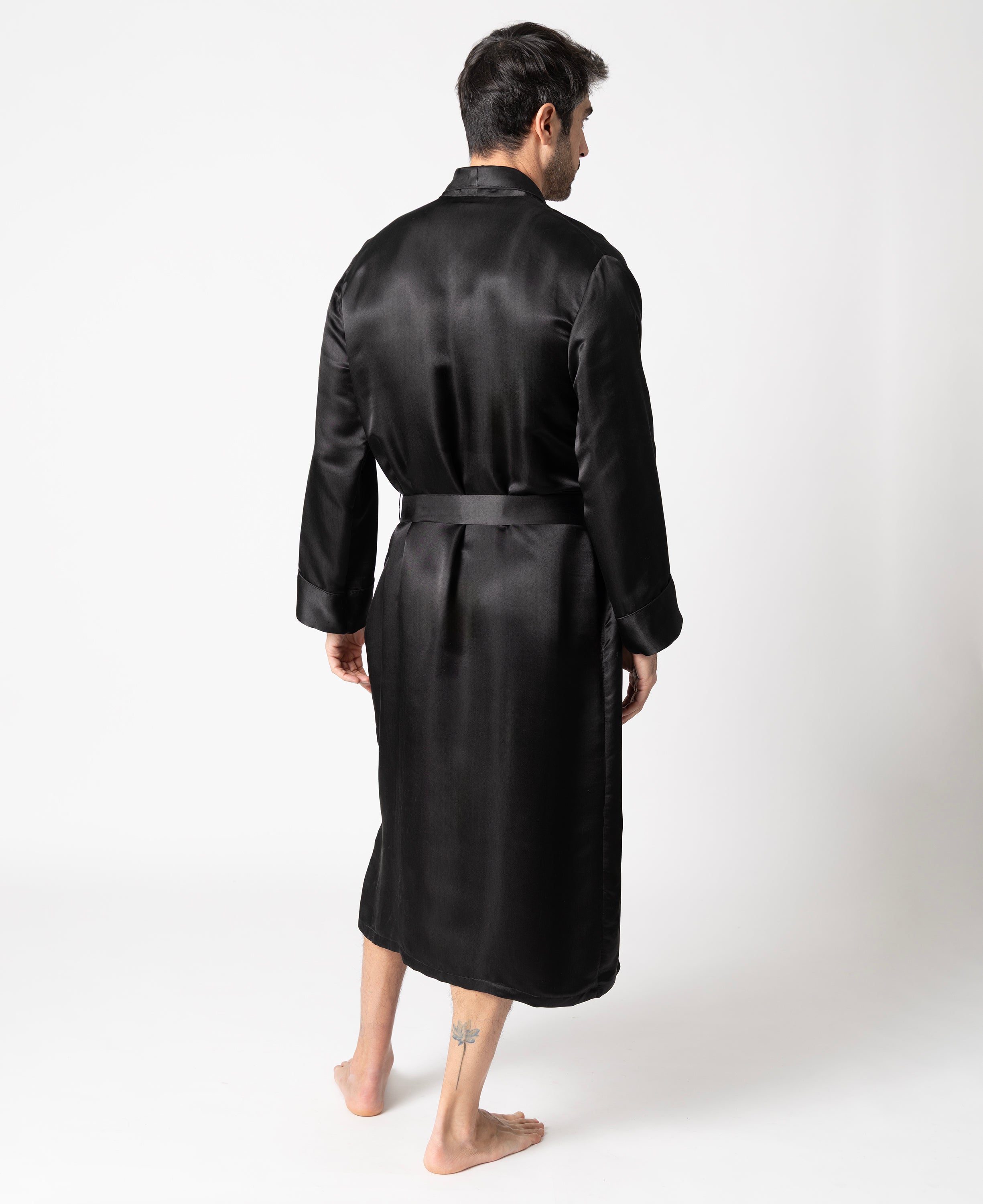
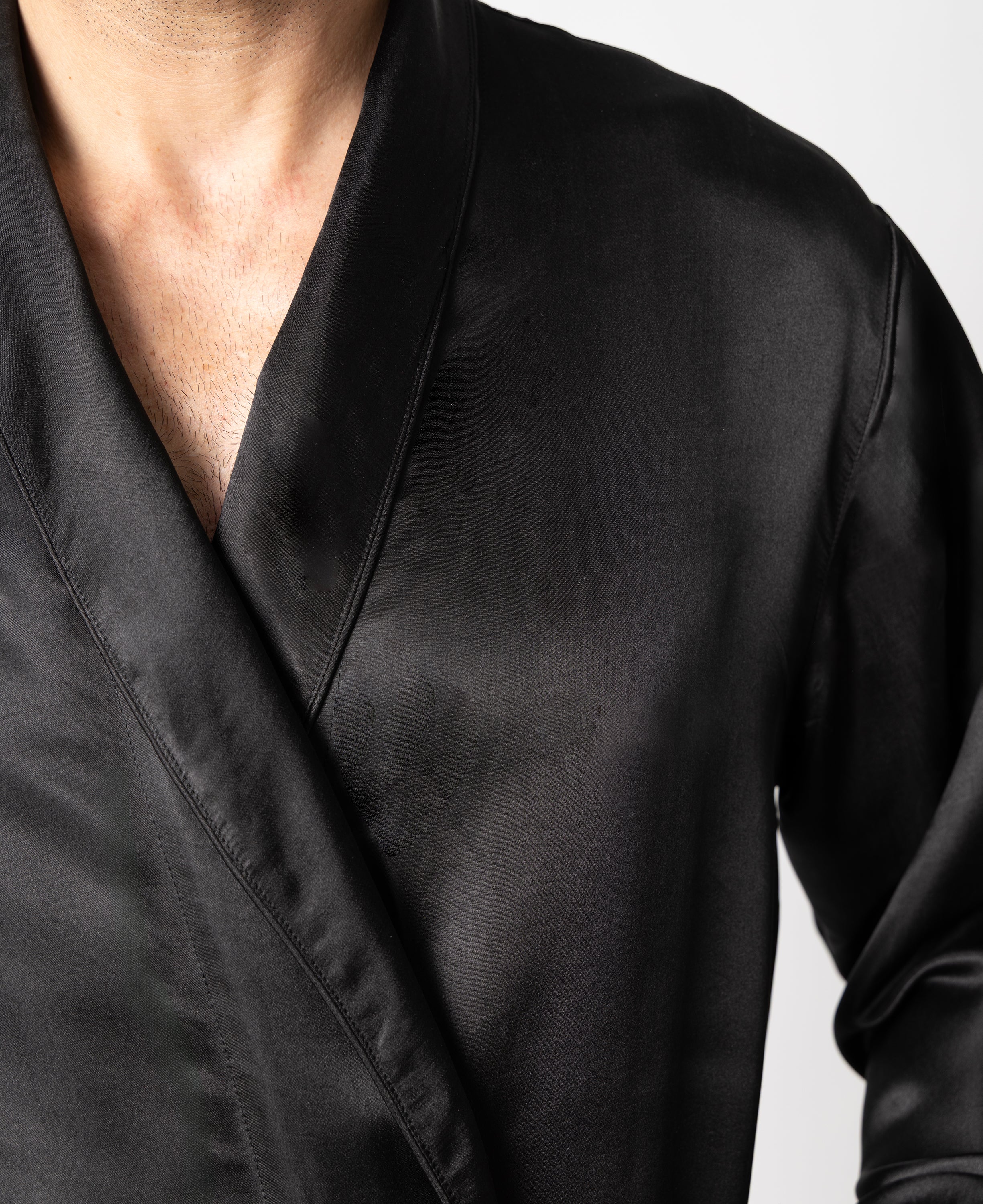
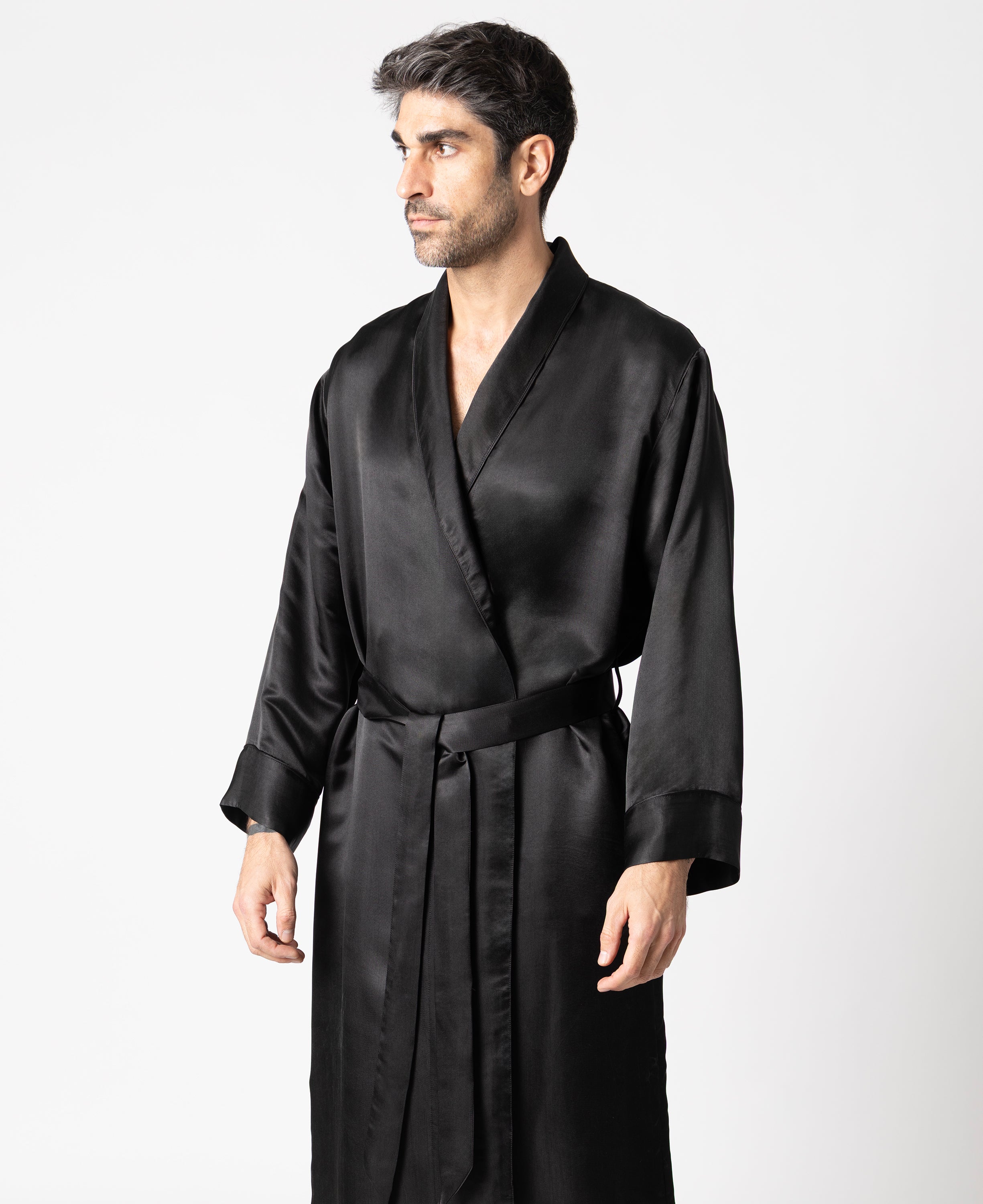
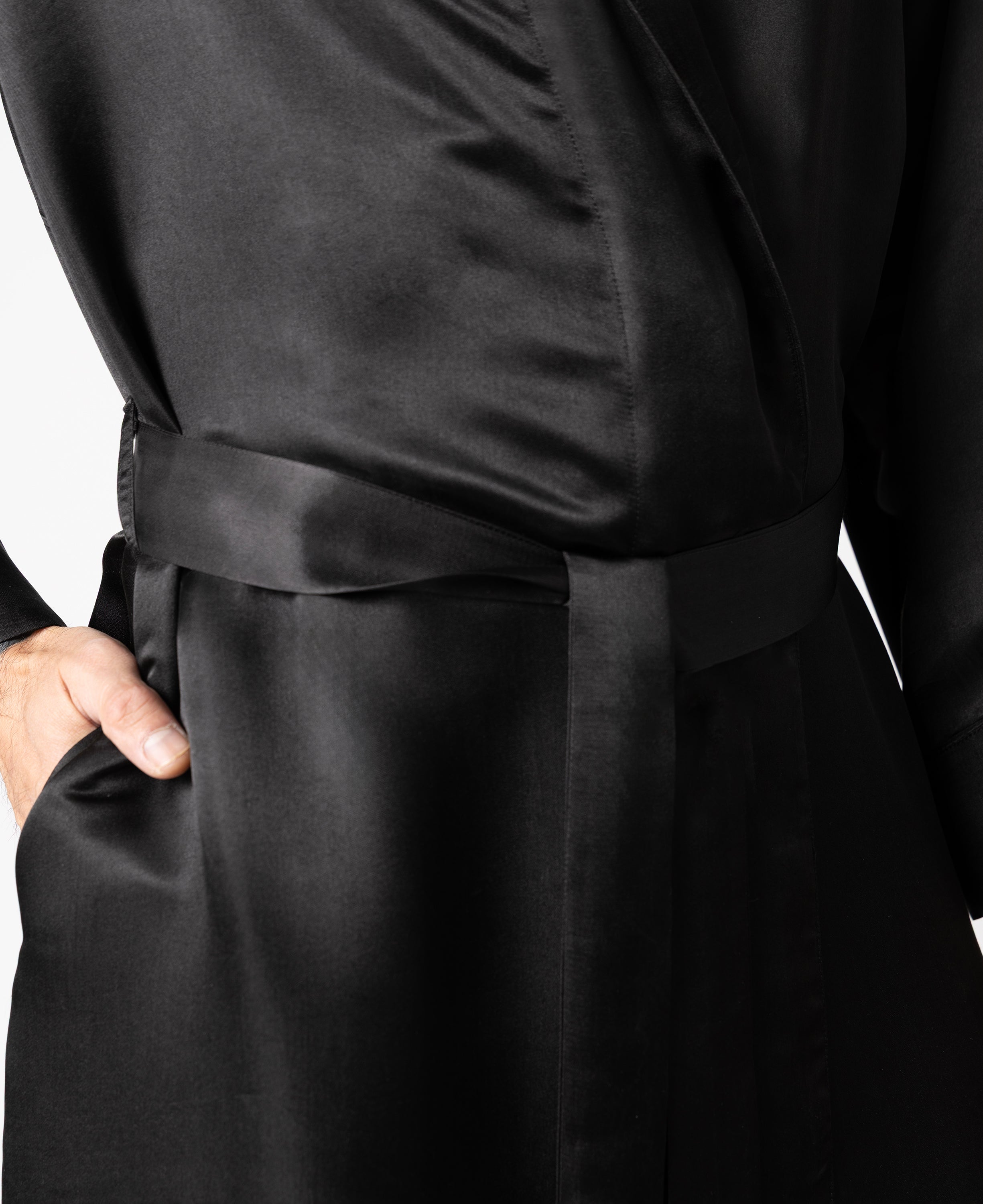
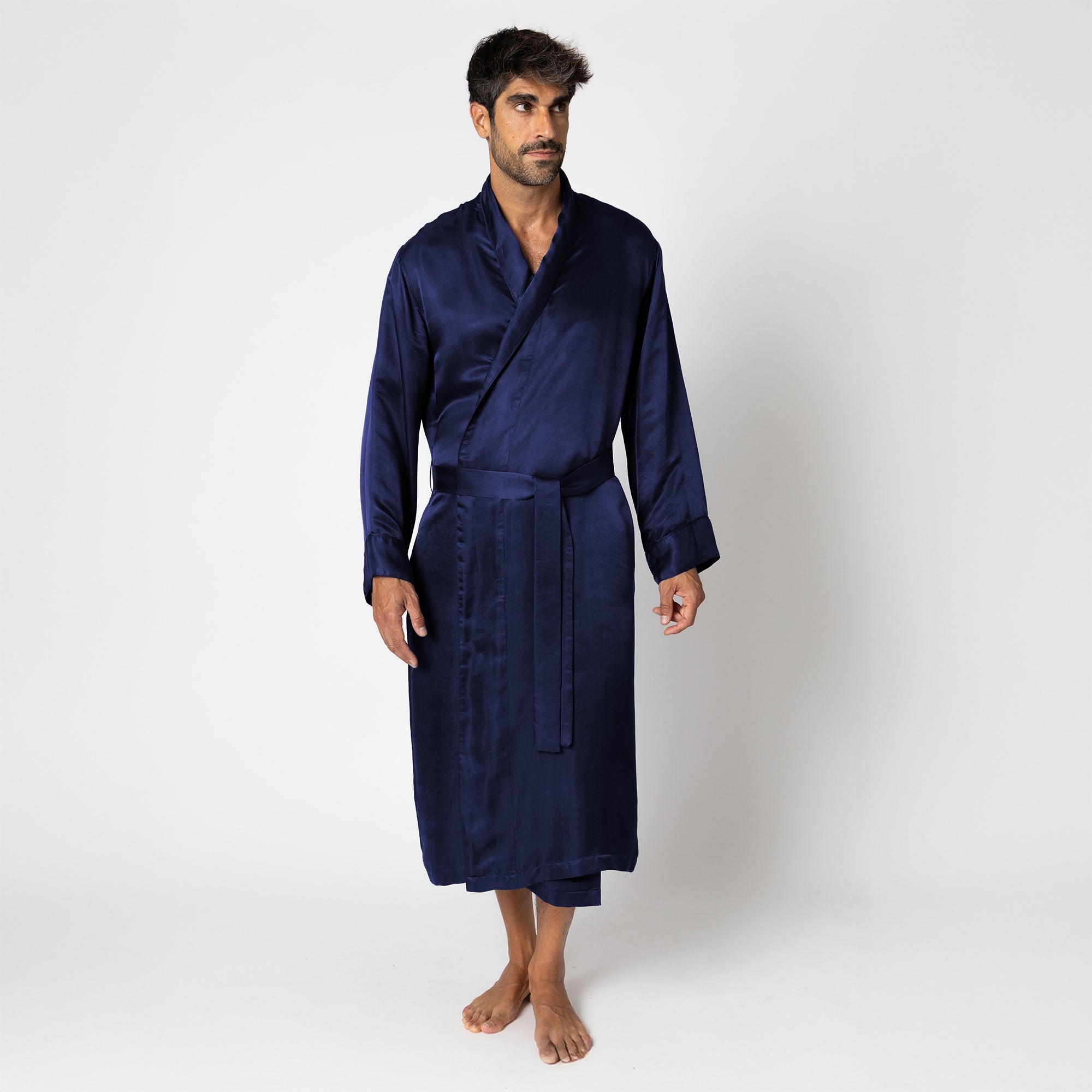
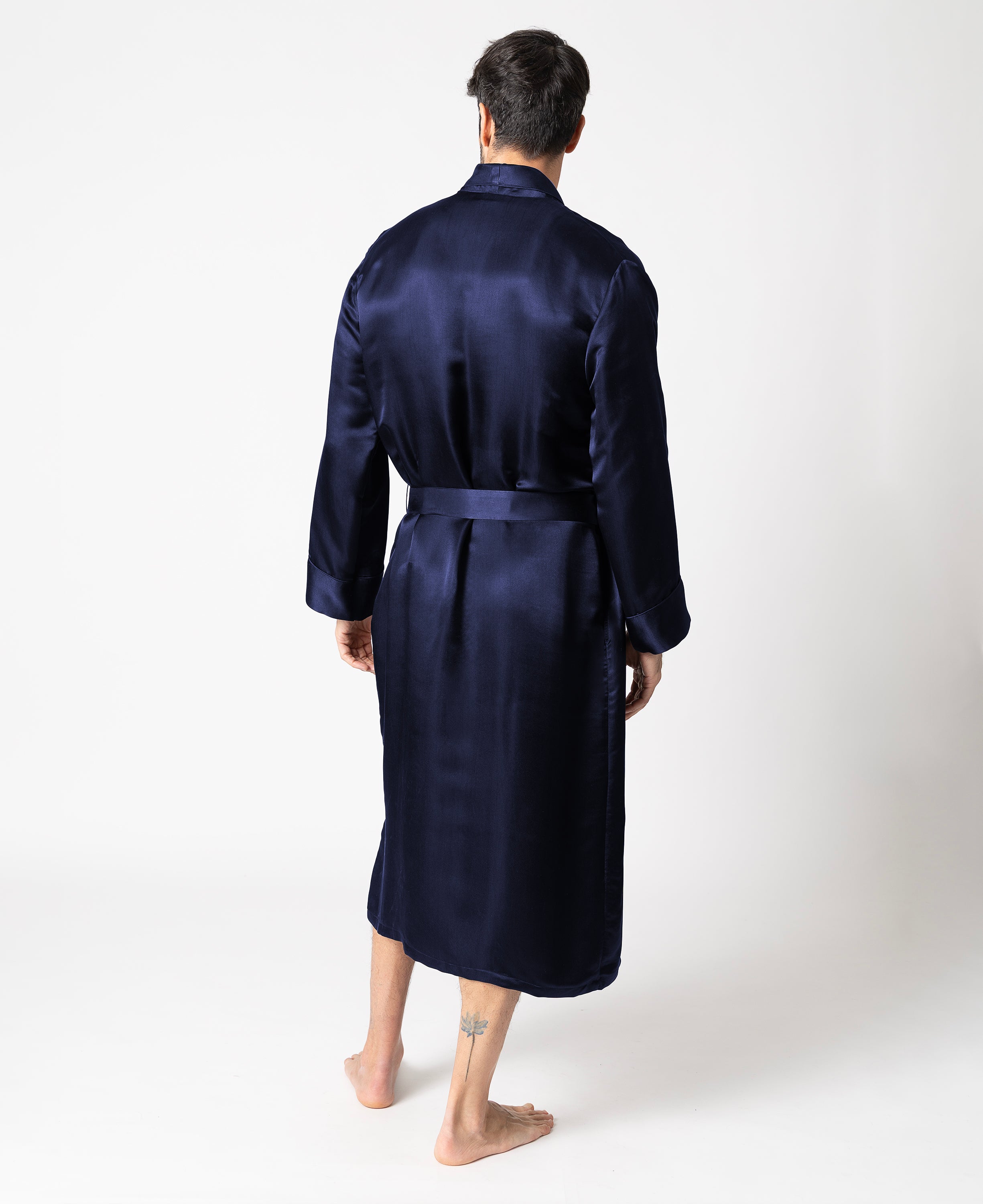
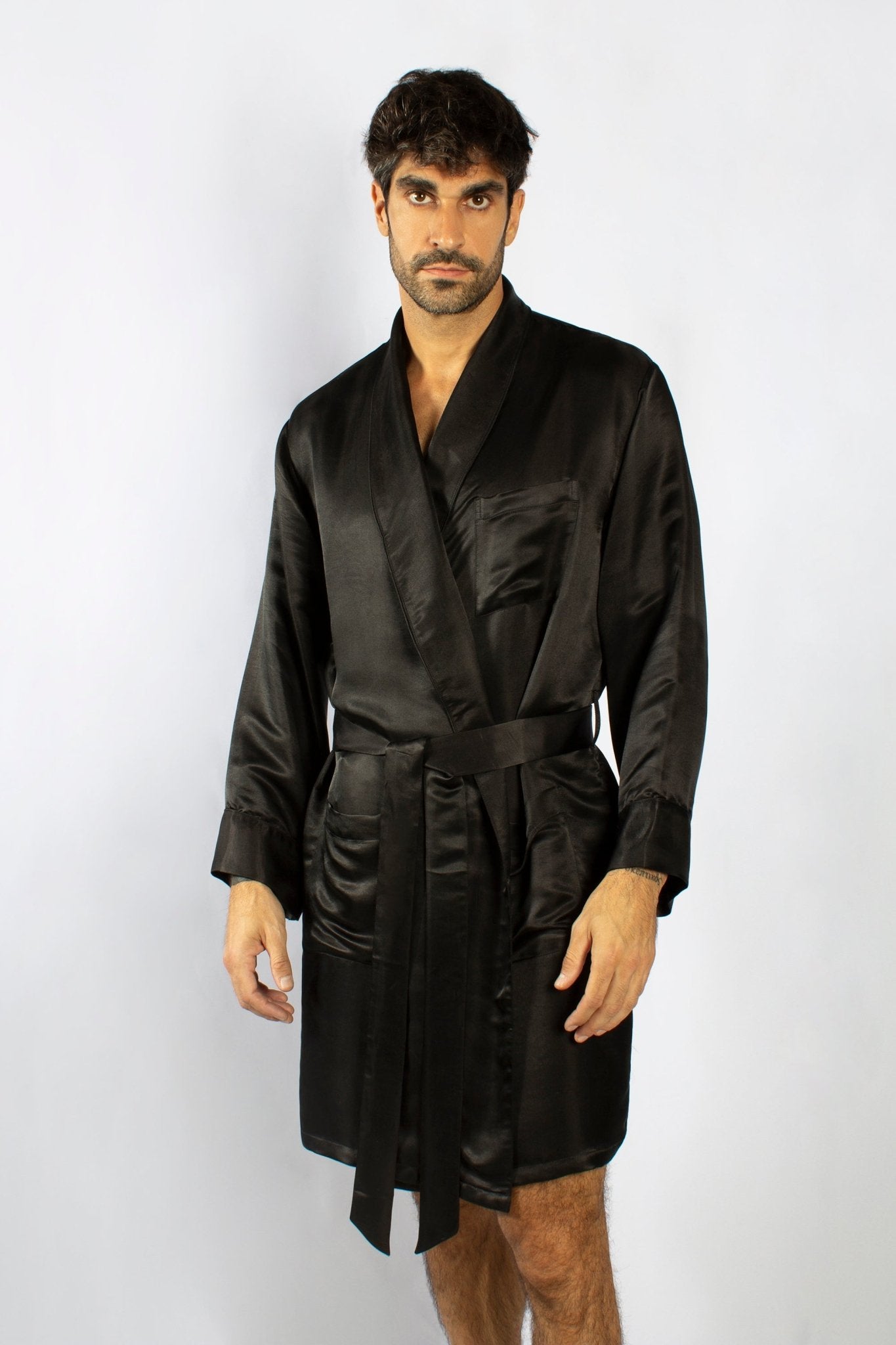
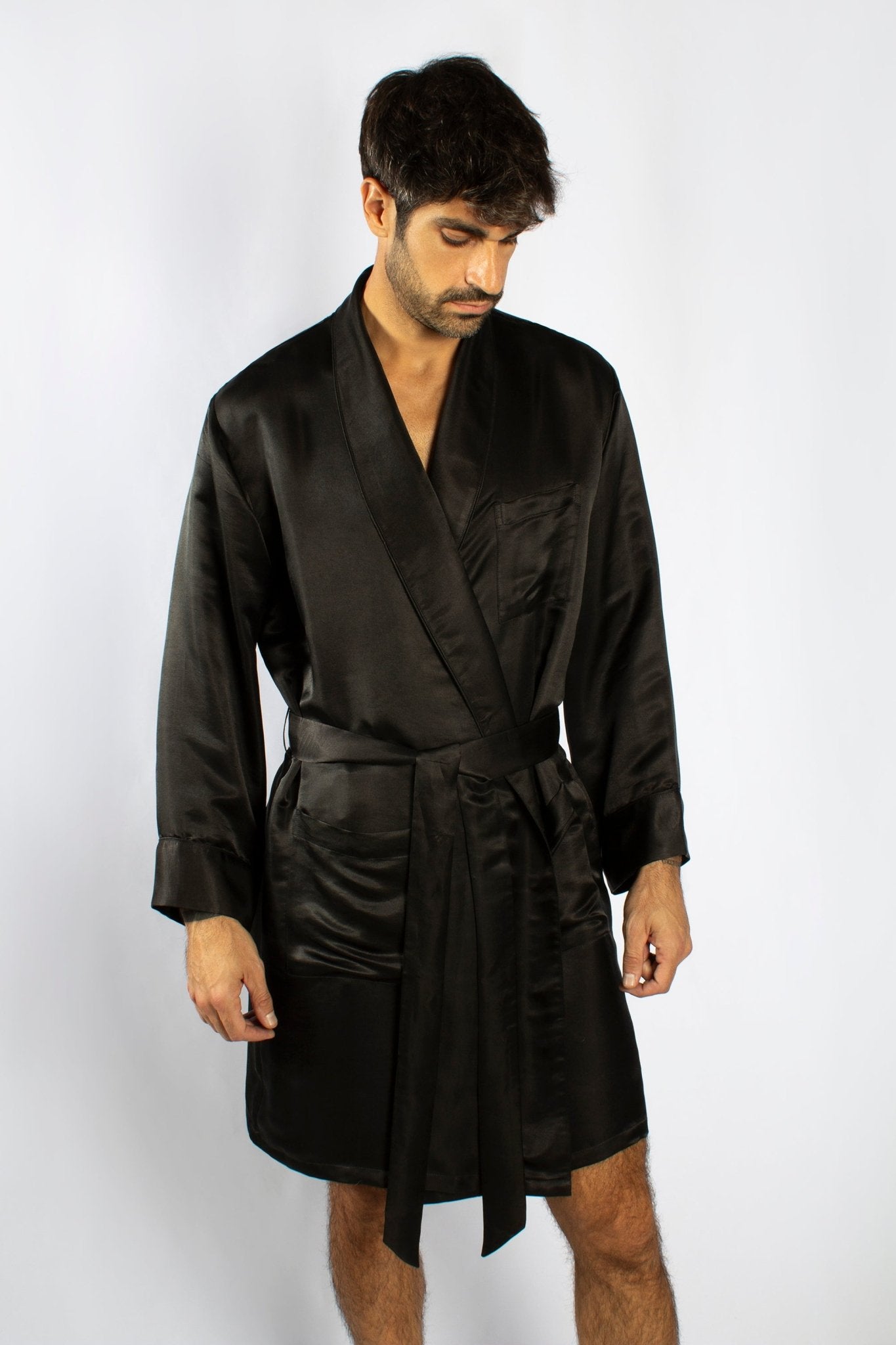
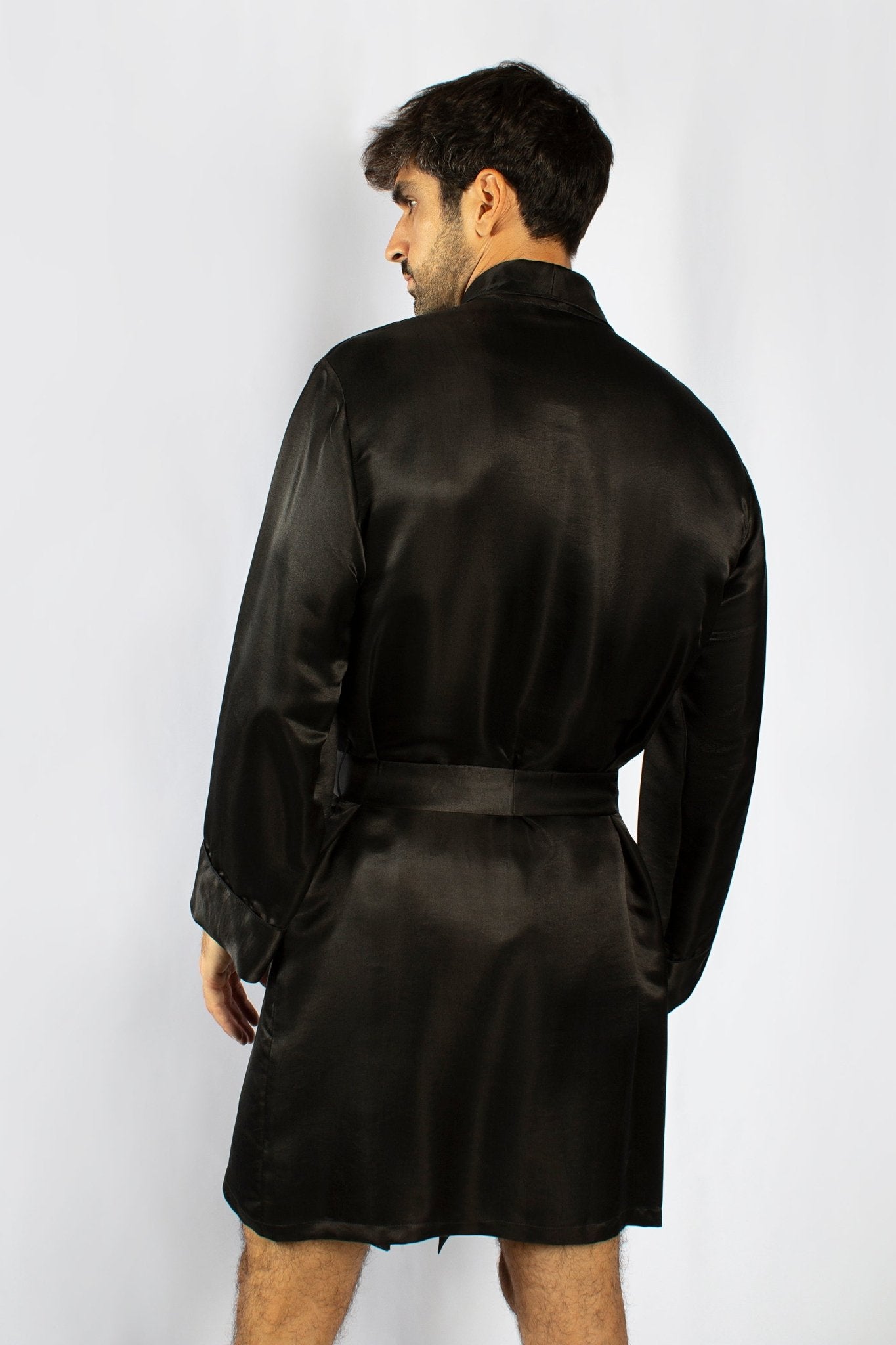
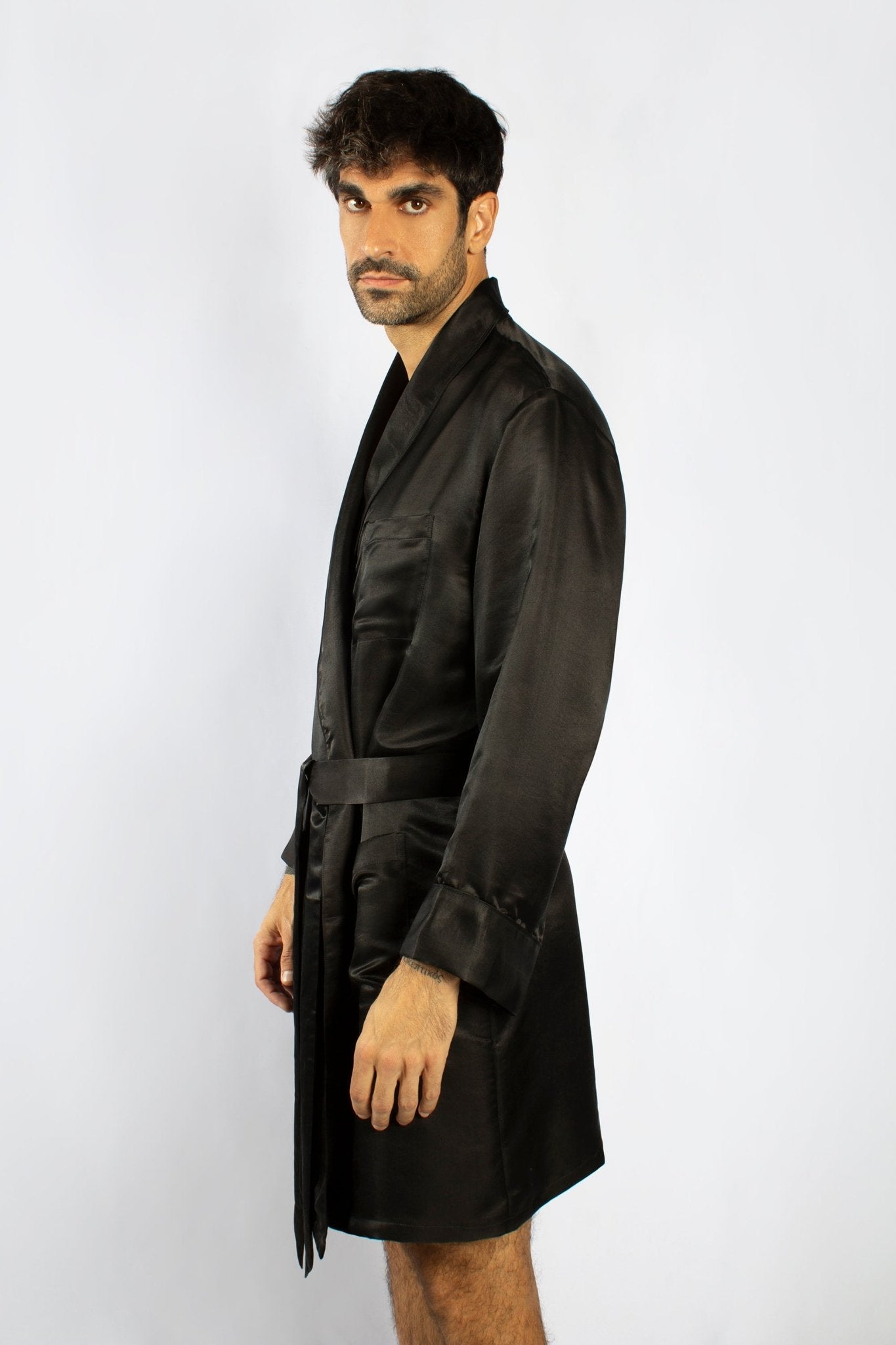
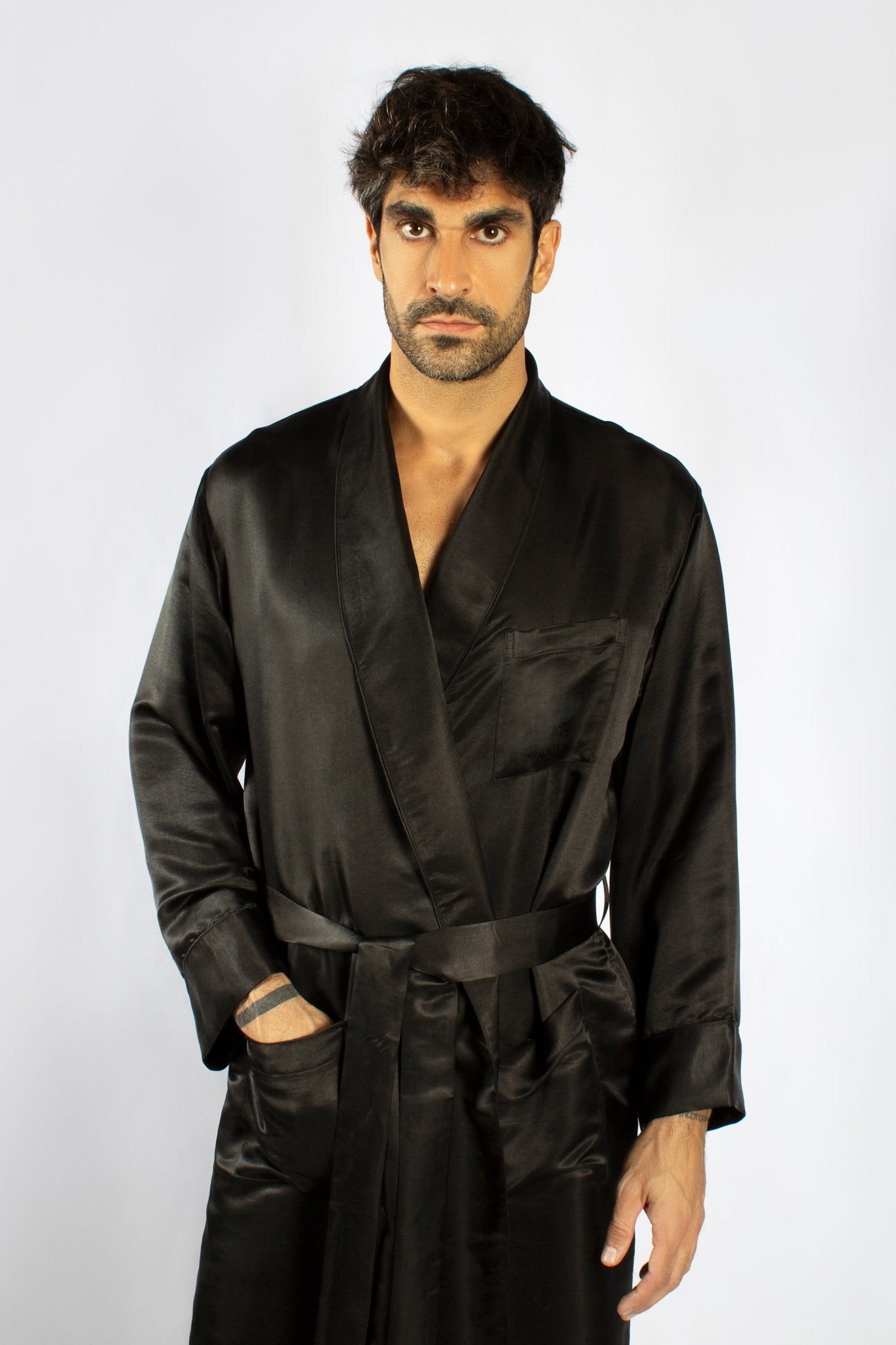
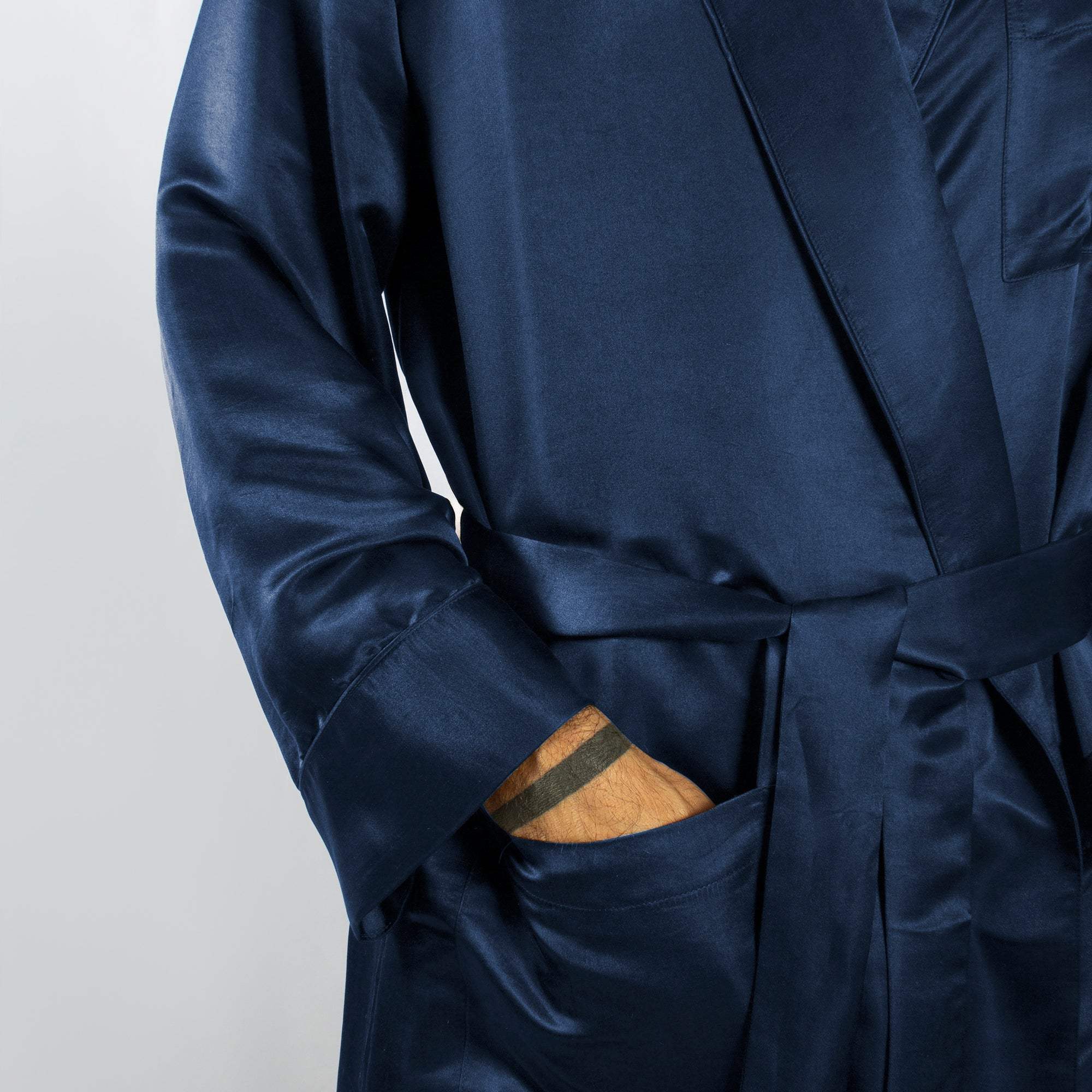
Tara Sartoria 27 momme silk robe
Worn daily for morning and evening use, lasting 5 years.
Total uses: 2,920
Cost per wear: less than a quarter per use over an eight-year lifespan
Terry cloth robe
Worn daily, lasting 3 years before the pile flattens and the smell issue becomes permanent.
Total uses: 1,095
Cost per wear: ranges lower per wear but shorter lifespan
Again, the per-wear cost is close. But the silk robe is a year-round garment (thermoregulating) while the terry robe is a seasonal one (too hot in summer). The silk robe works for morning coffee, working from home, evening relaxation, and travel. The terry robe works for post-shower drying.
If you factor in that the terry robe sits unused for 4 to 5 months of the year because it is too hot, and that you need a separate lightweight robe for summer, the total cost of the terry approach increases while the usage count decreases. The math favors silk once you account for practical wear patterns.


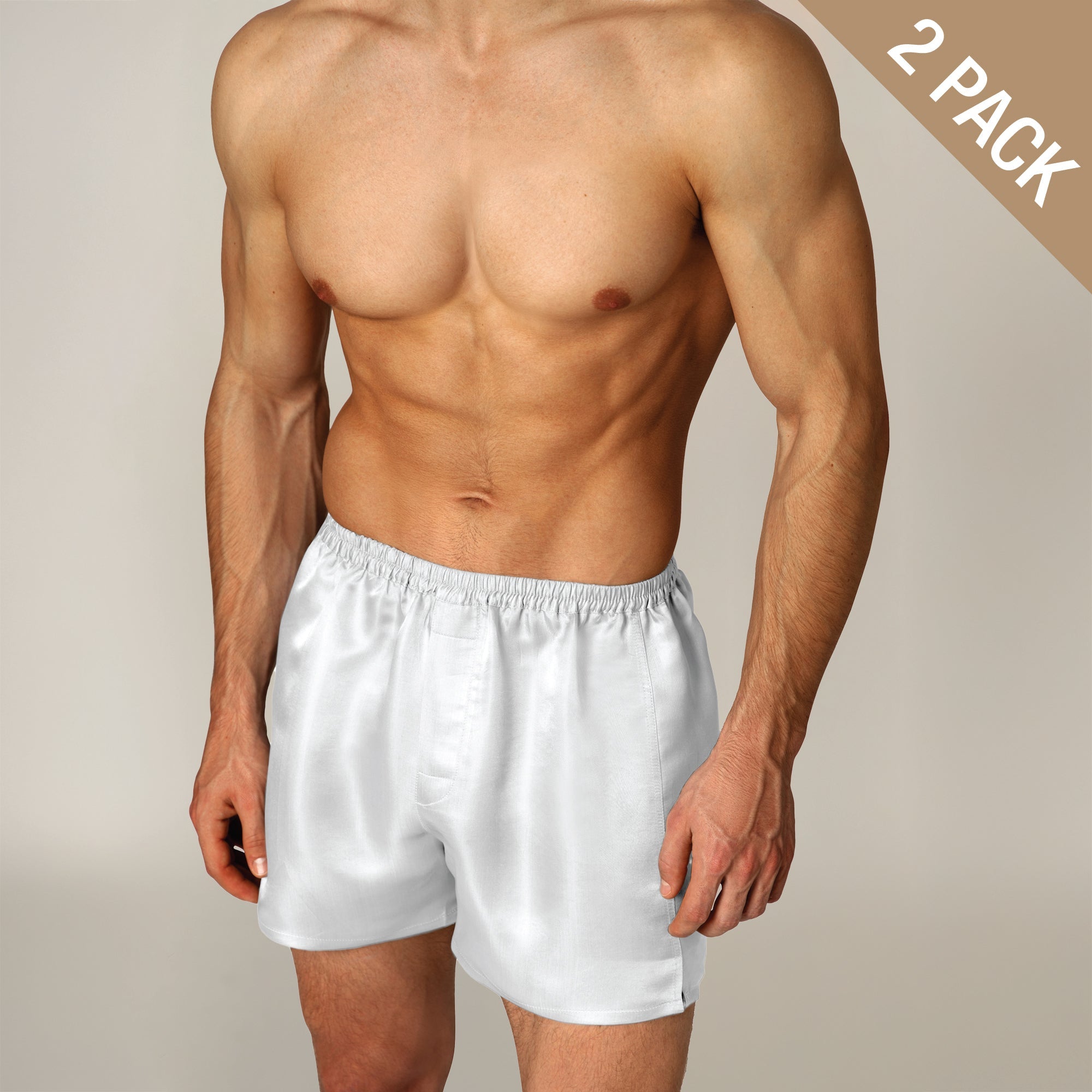
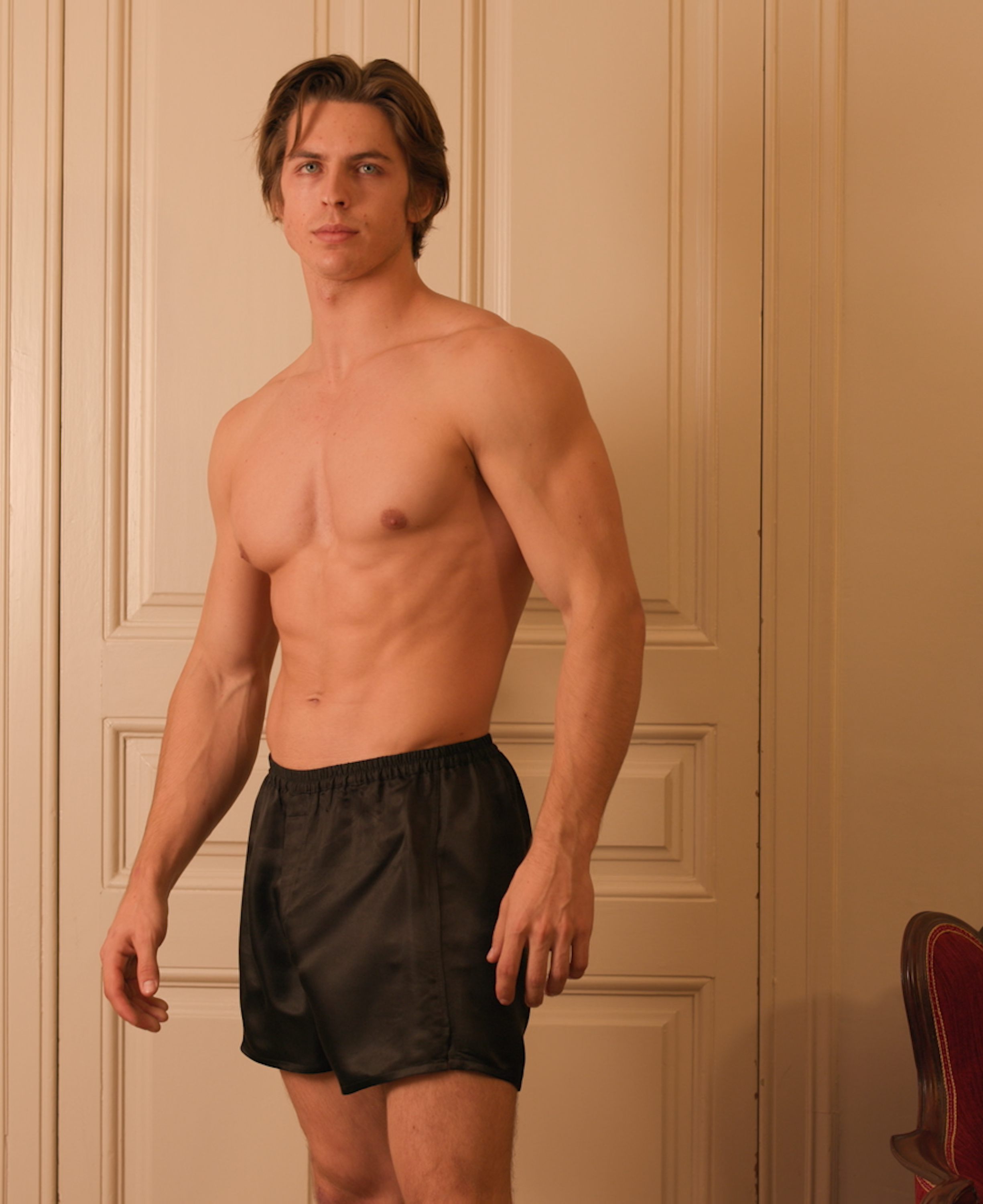
The Numbers: Silk Boxers
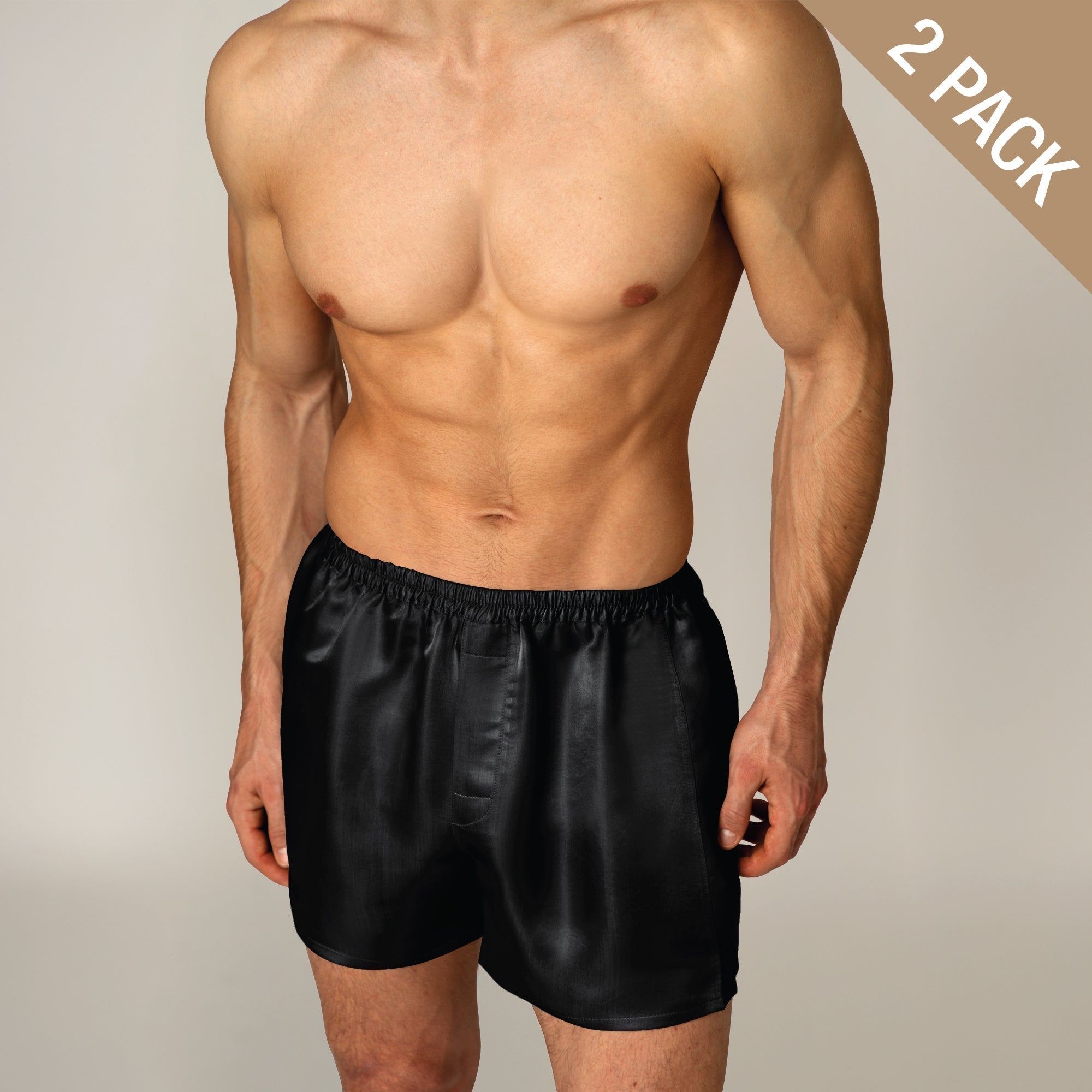
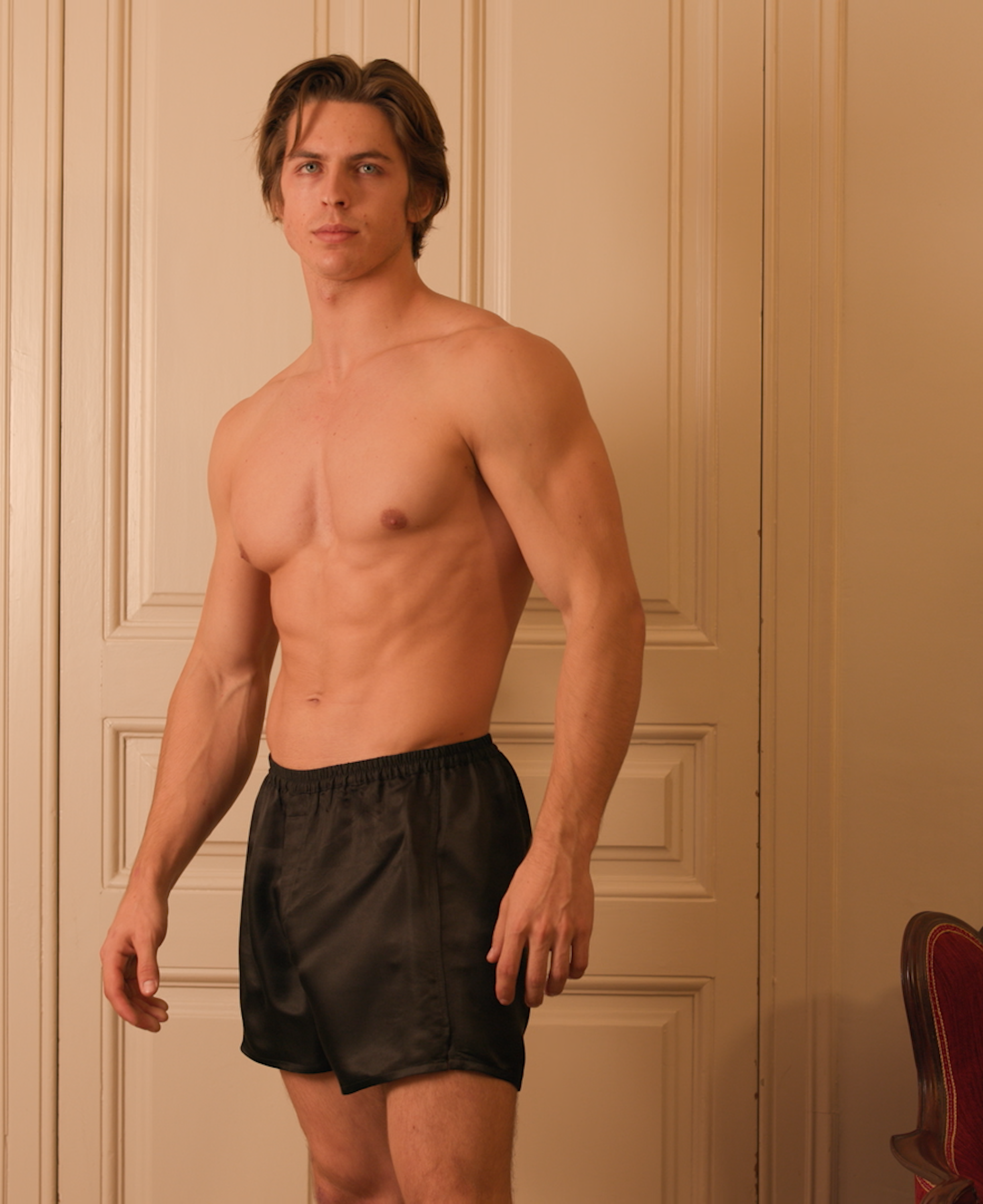
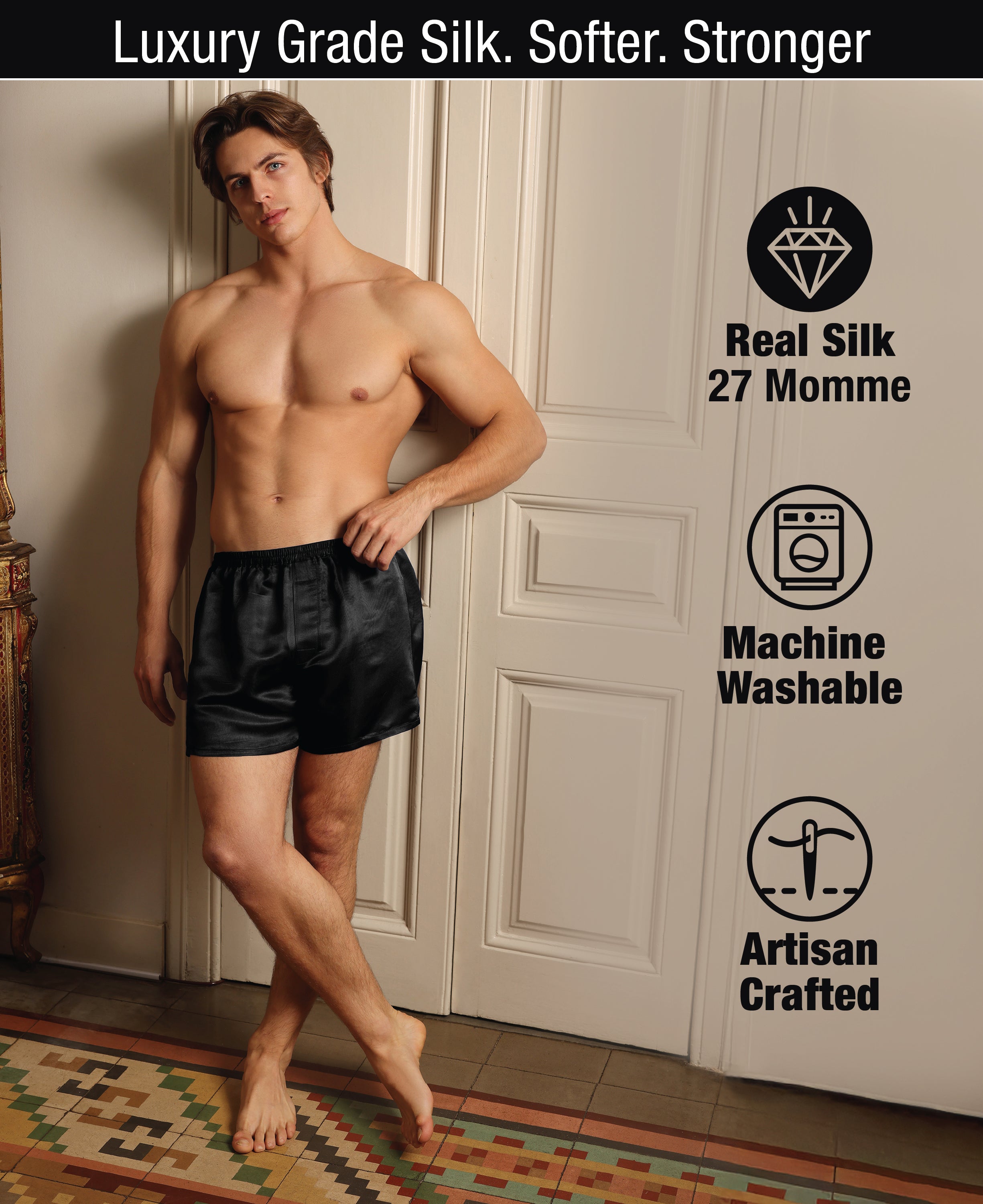
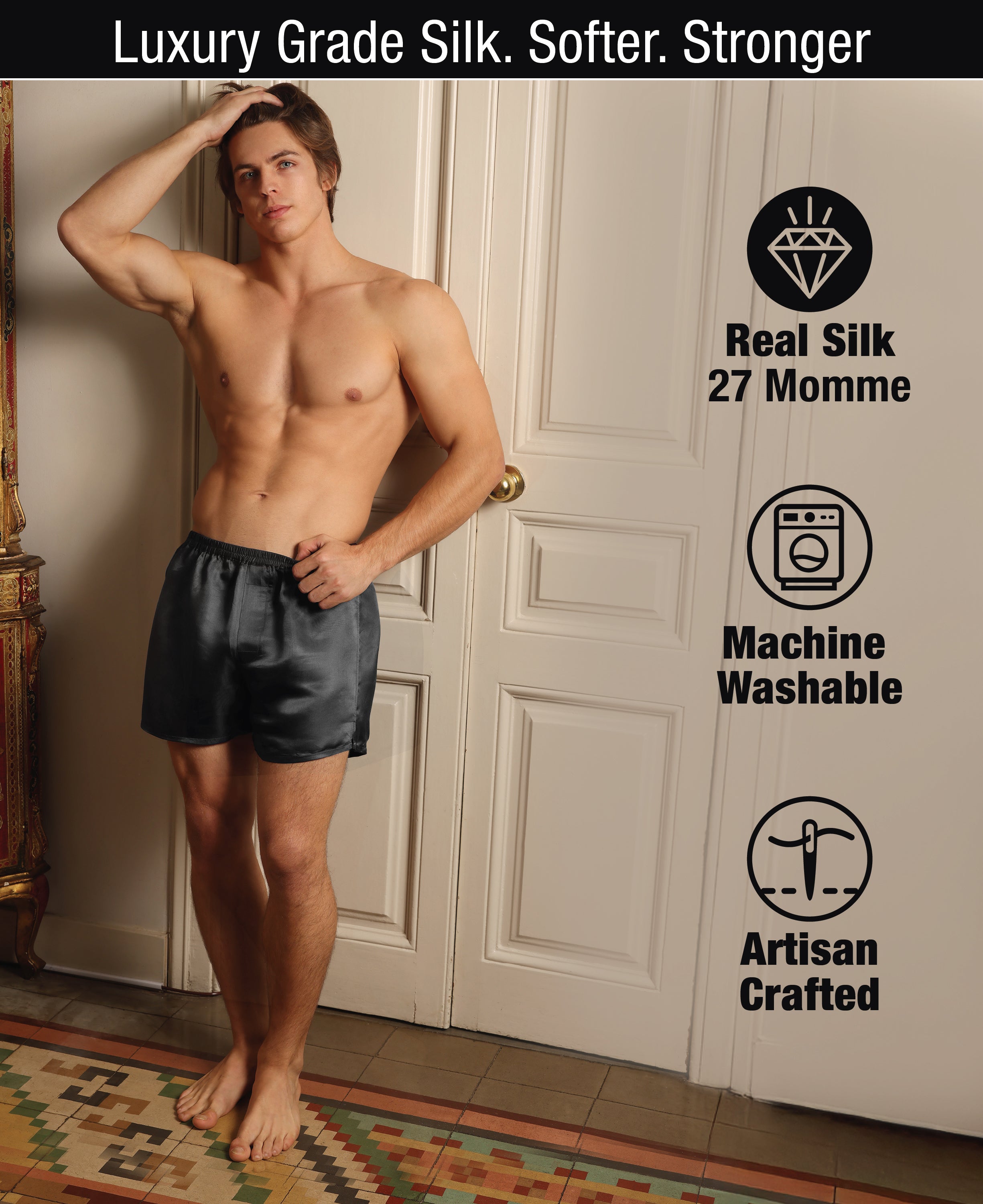
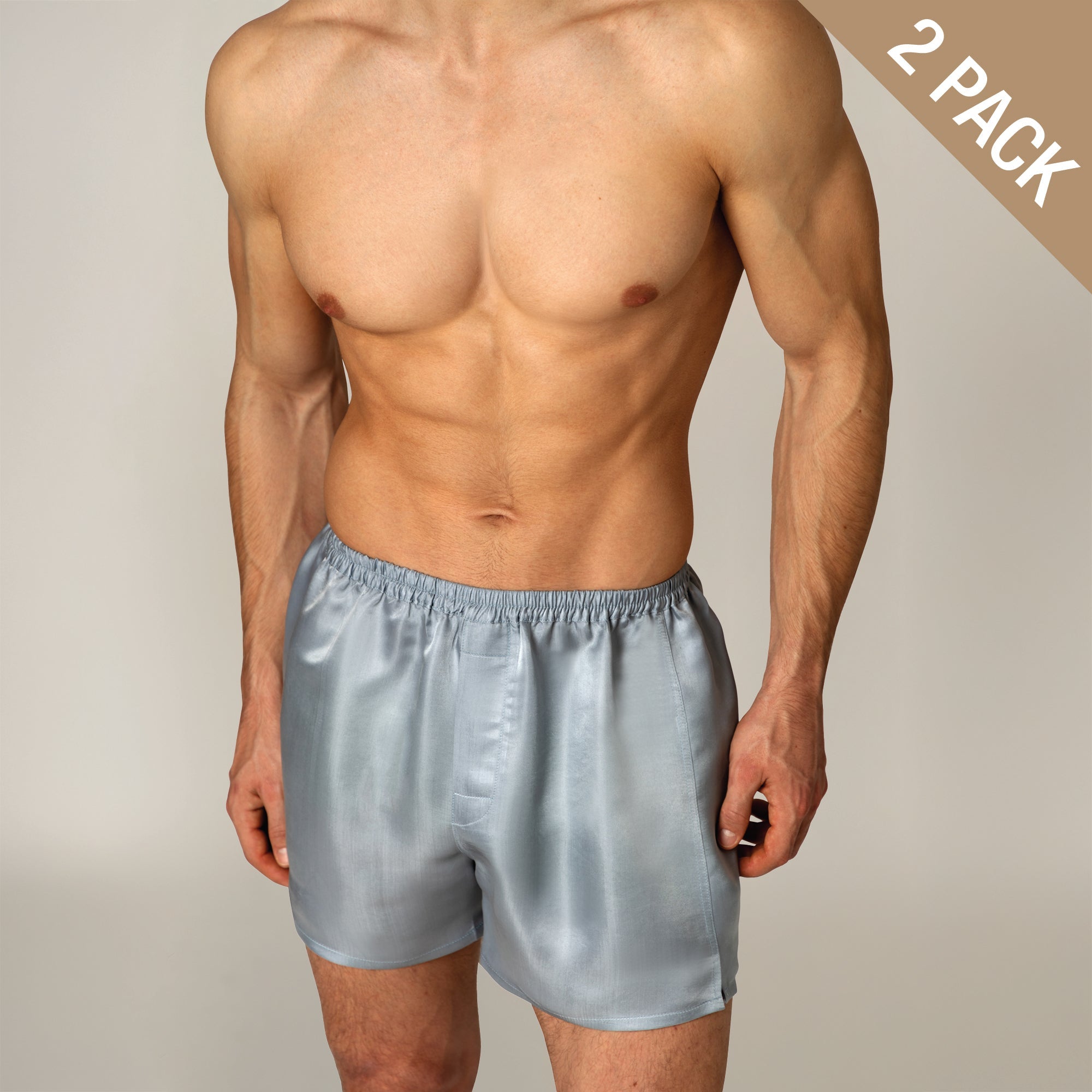
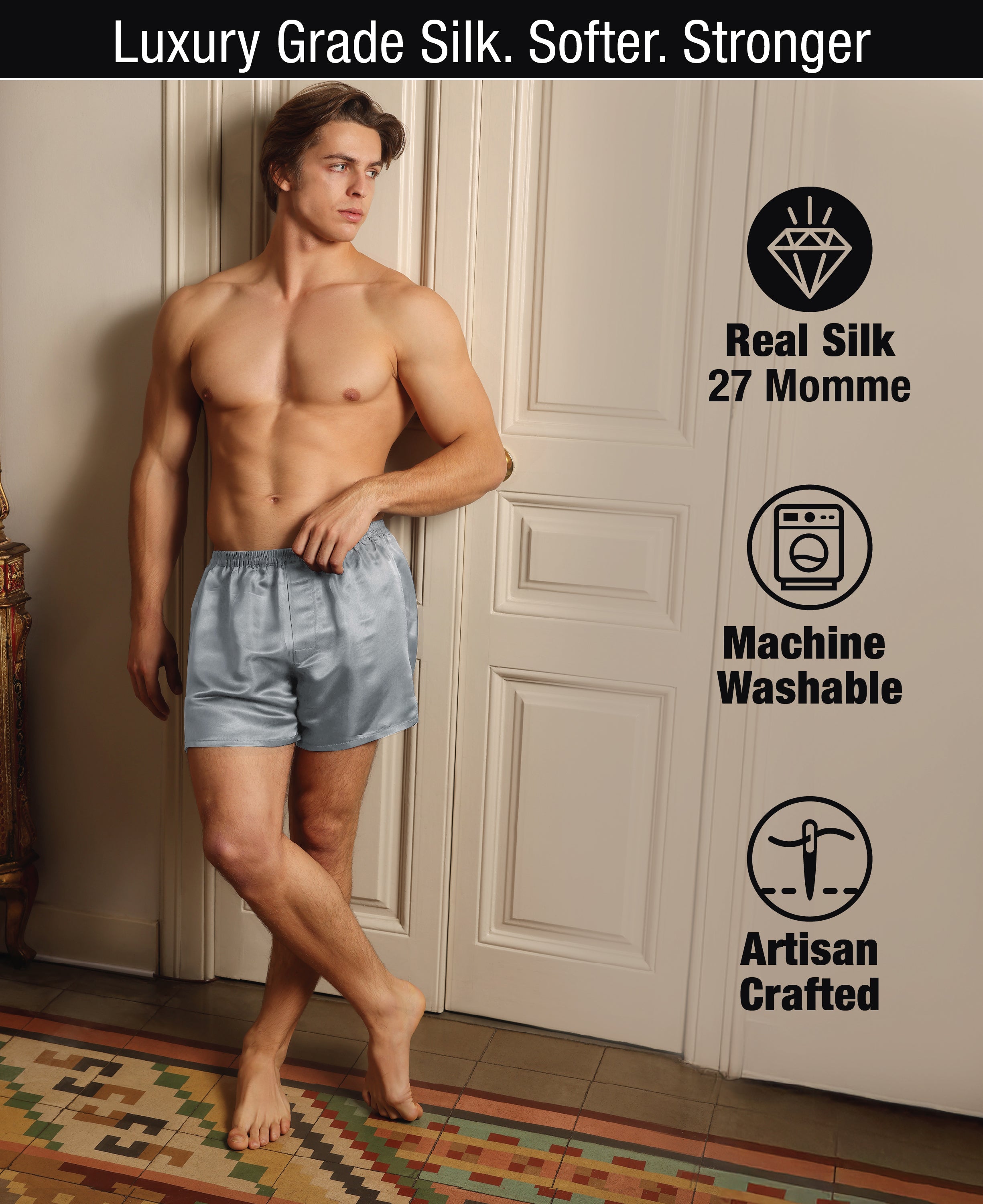
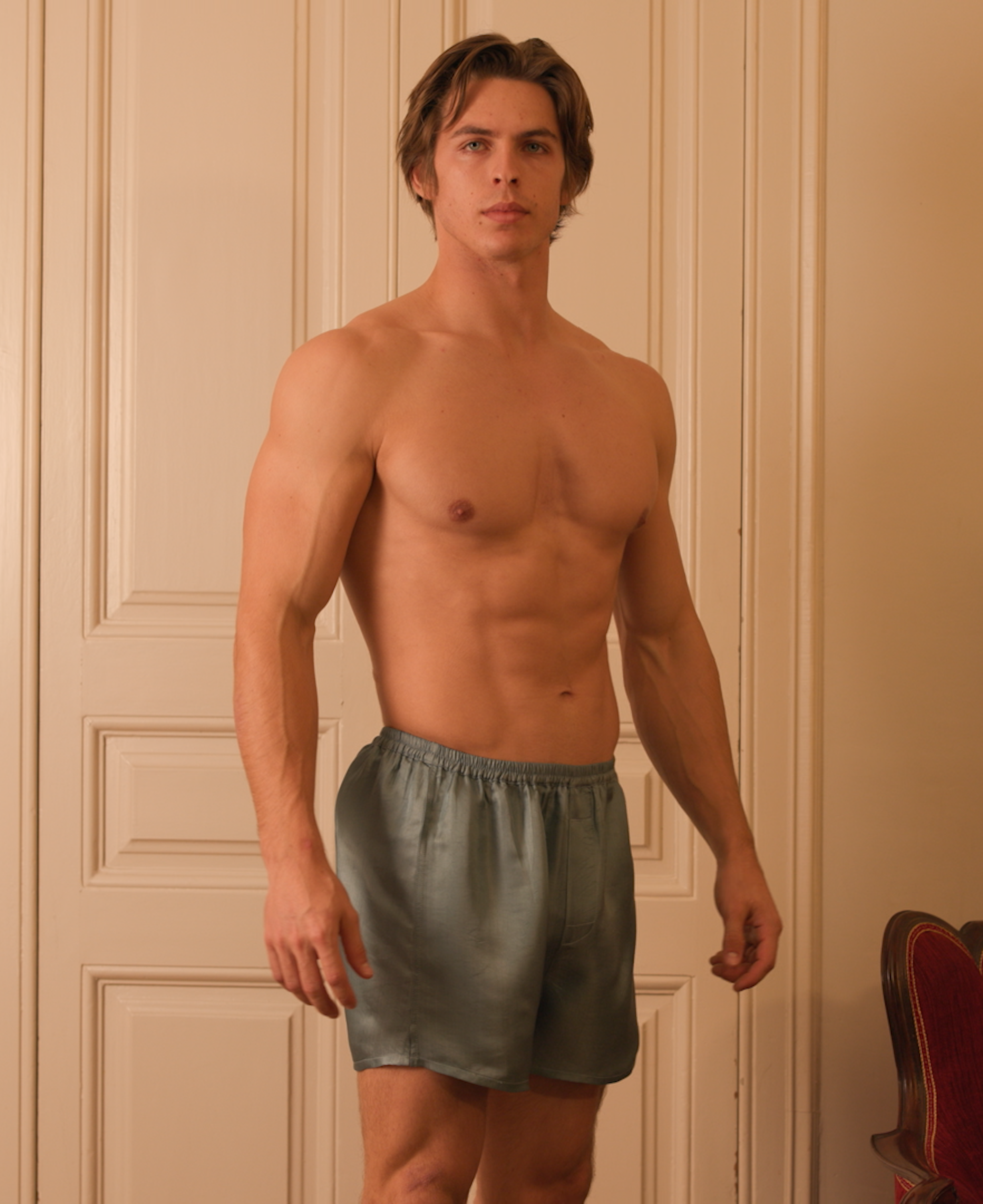
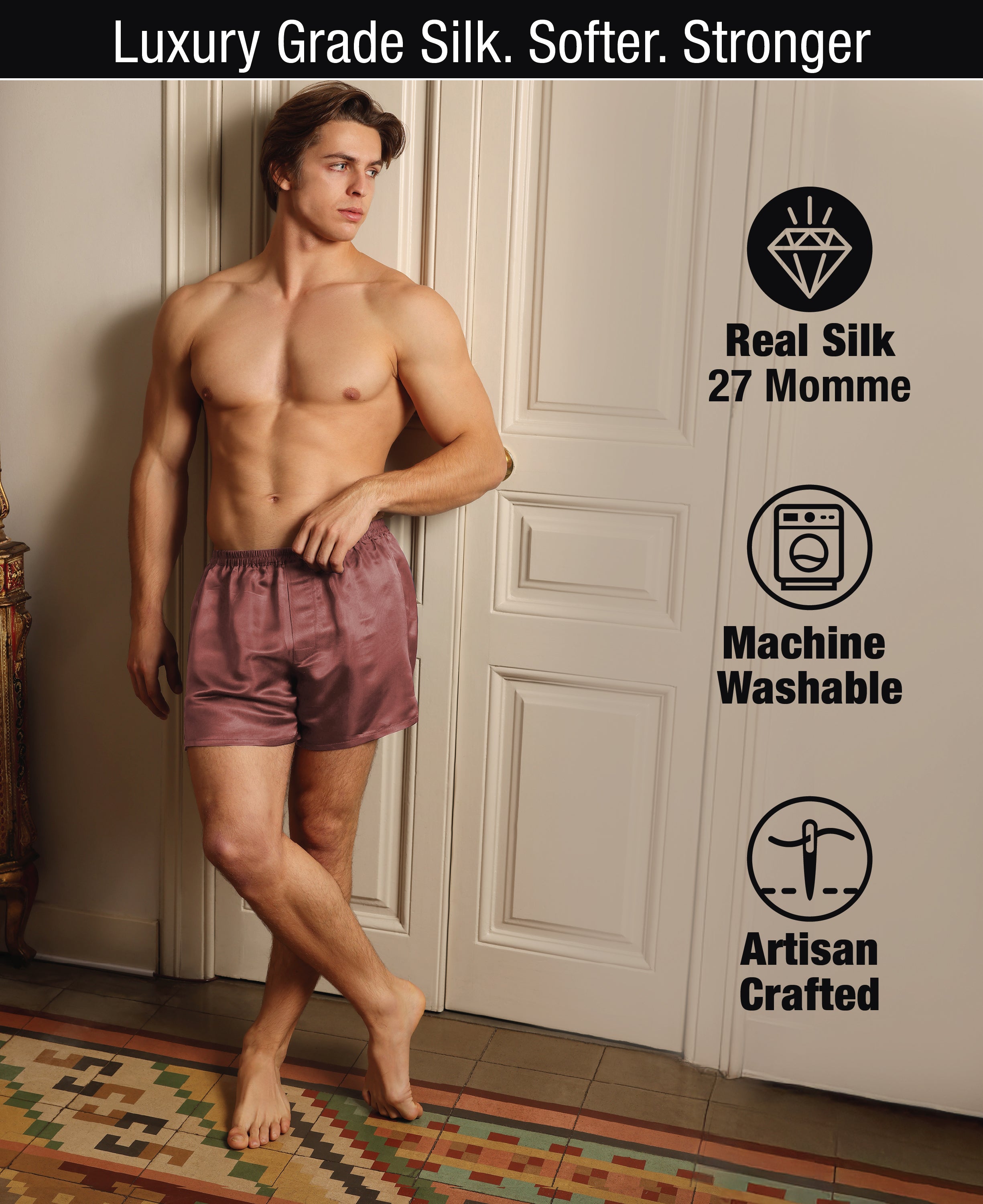
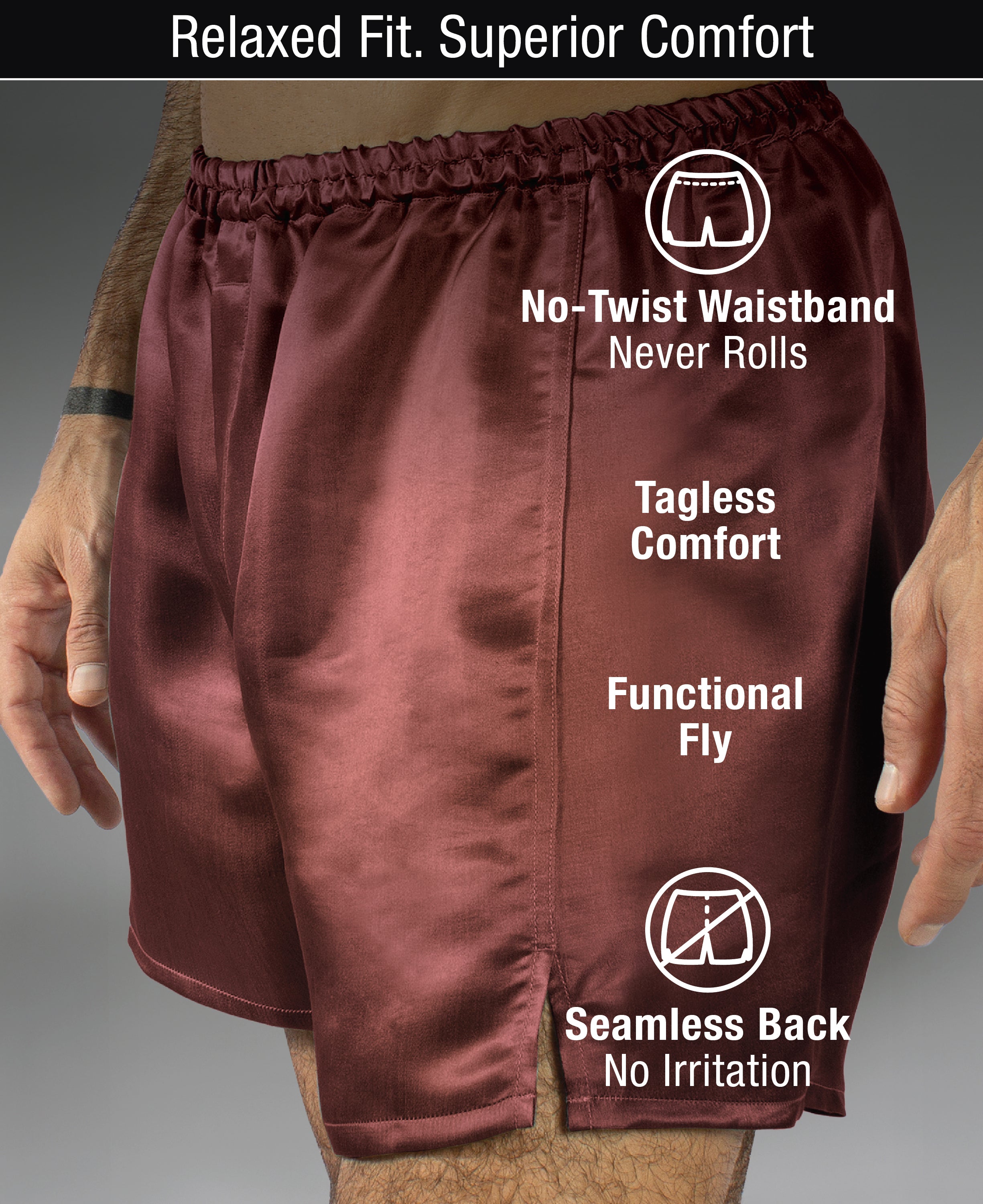
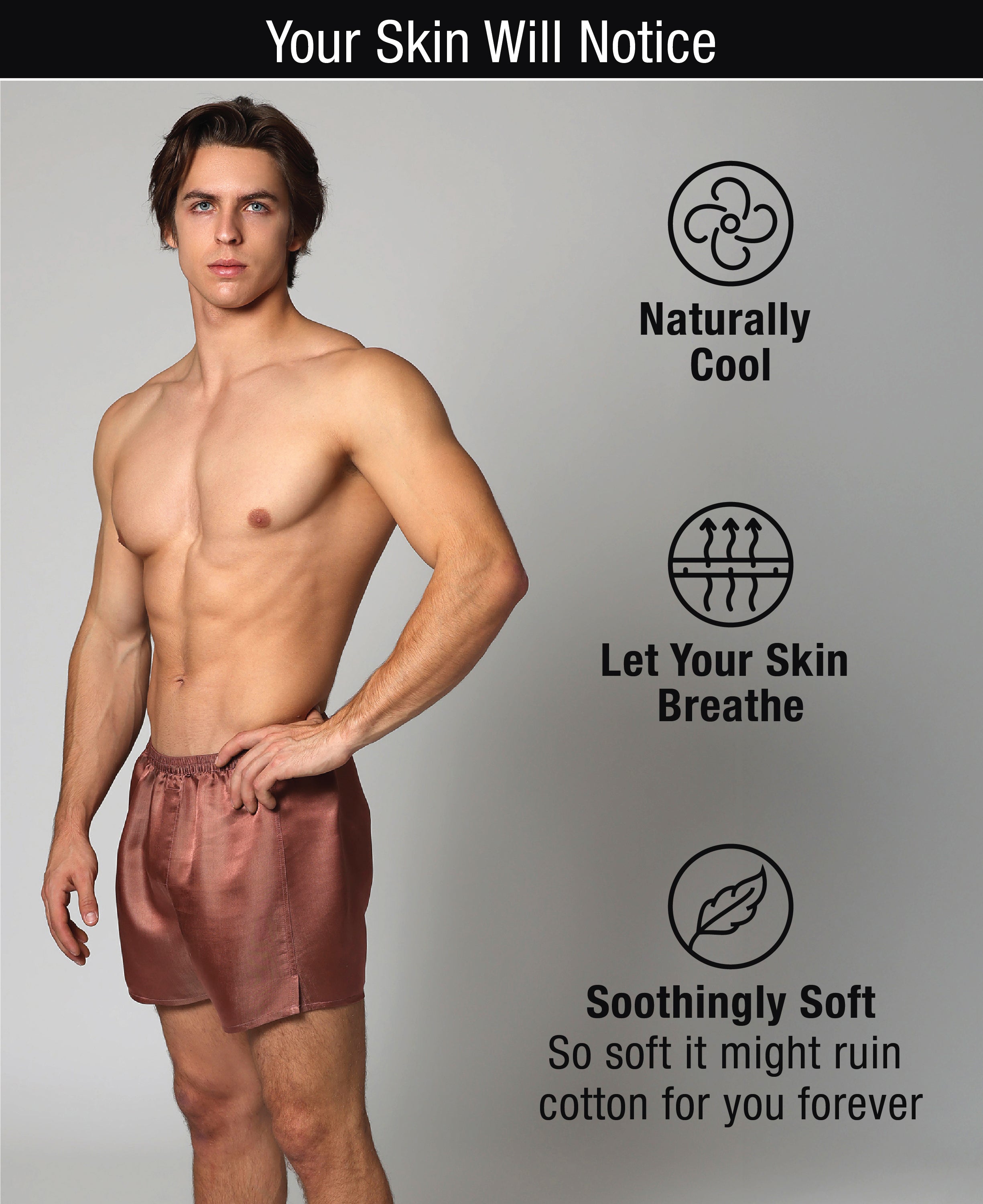
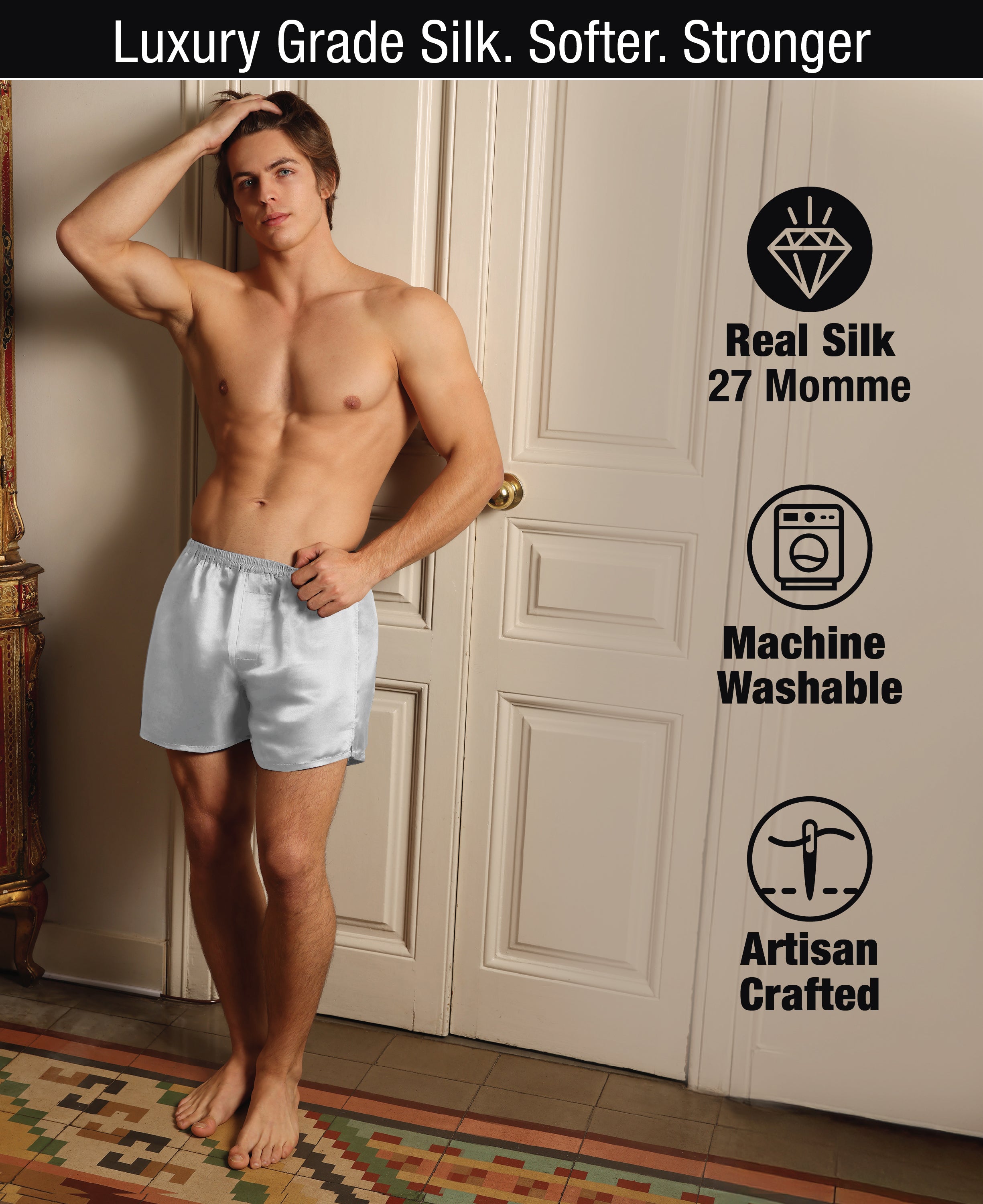
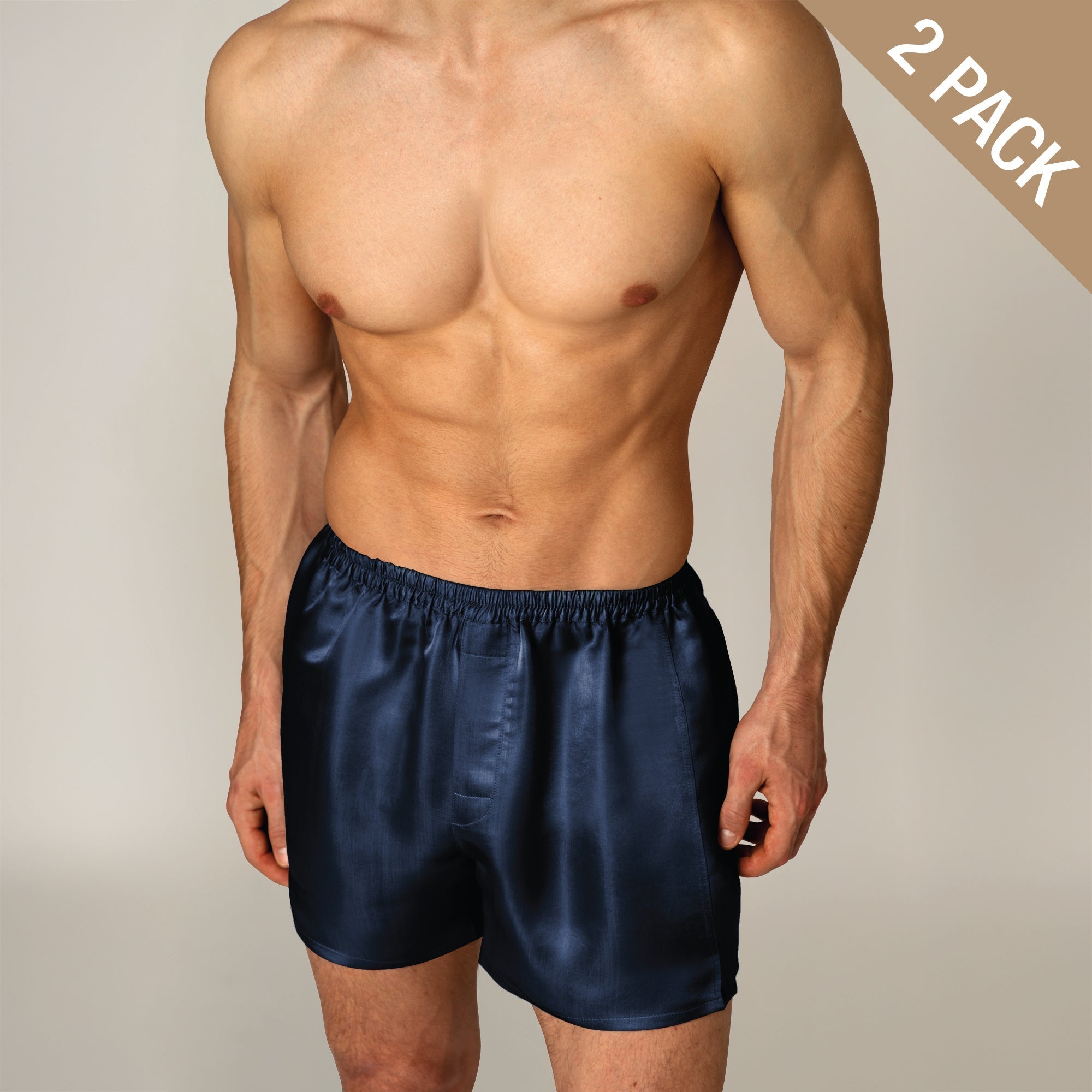
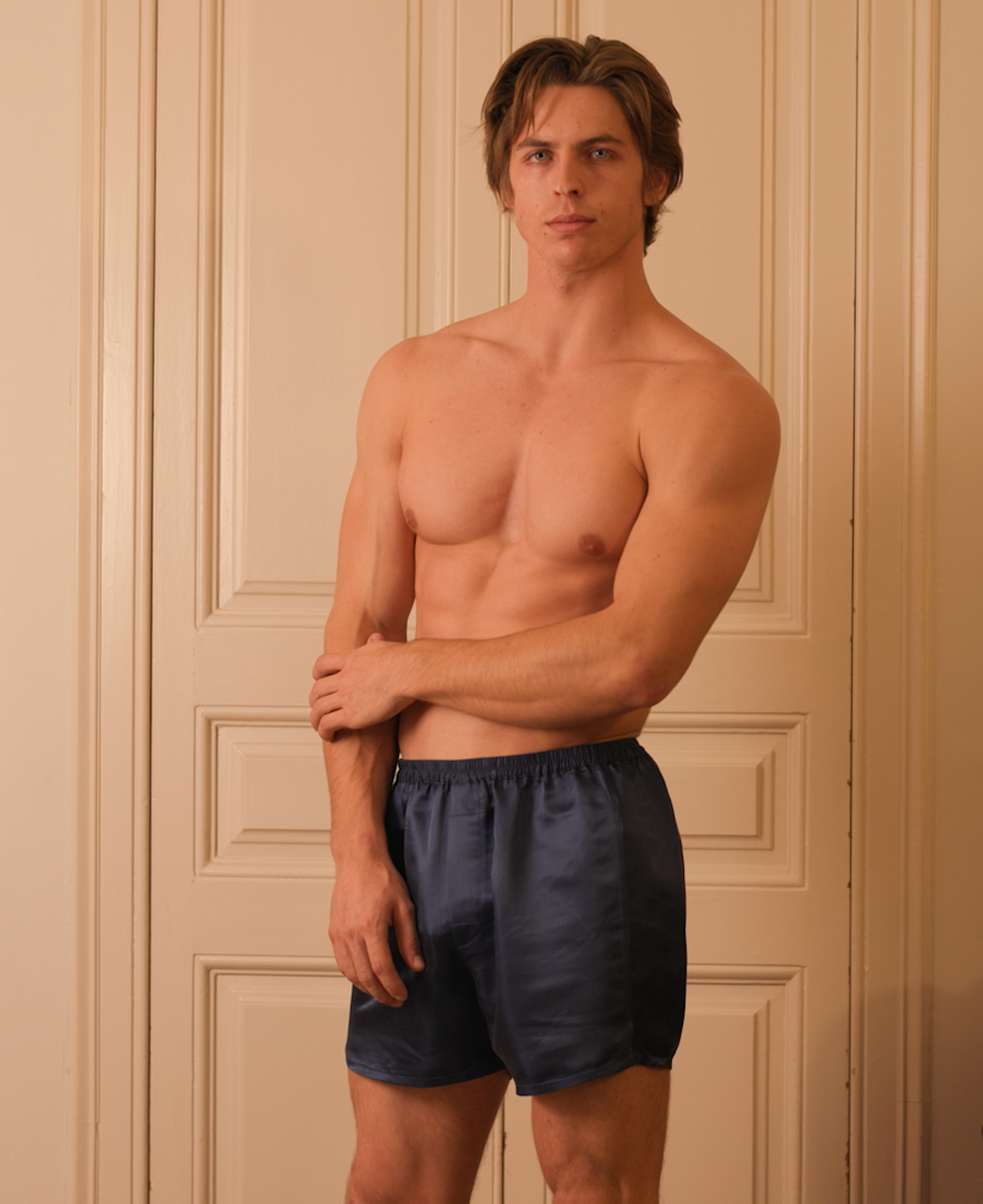
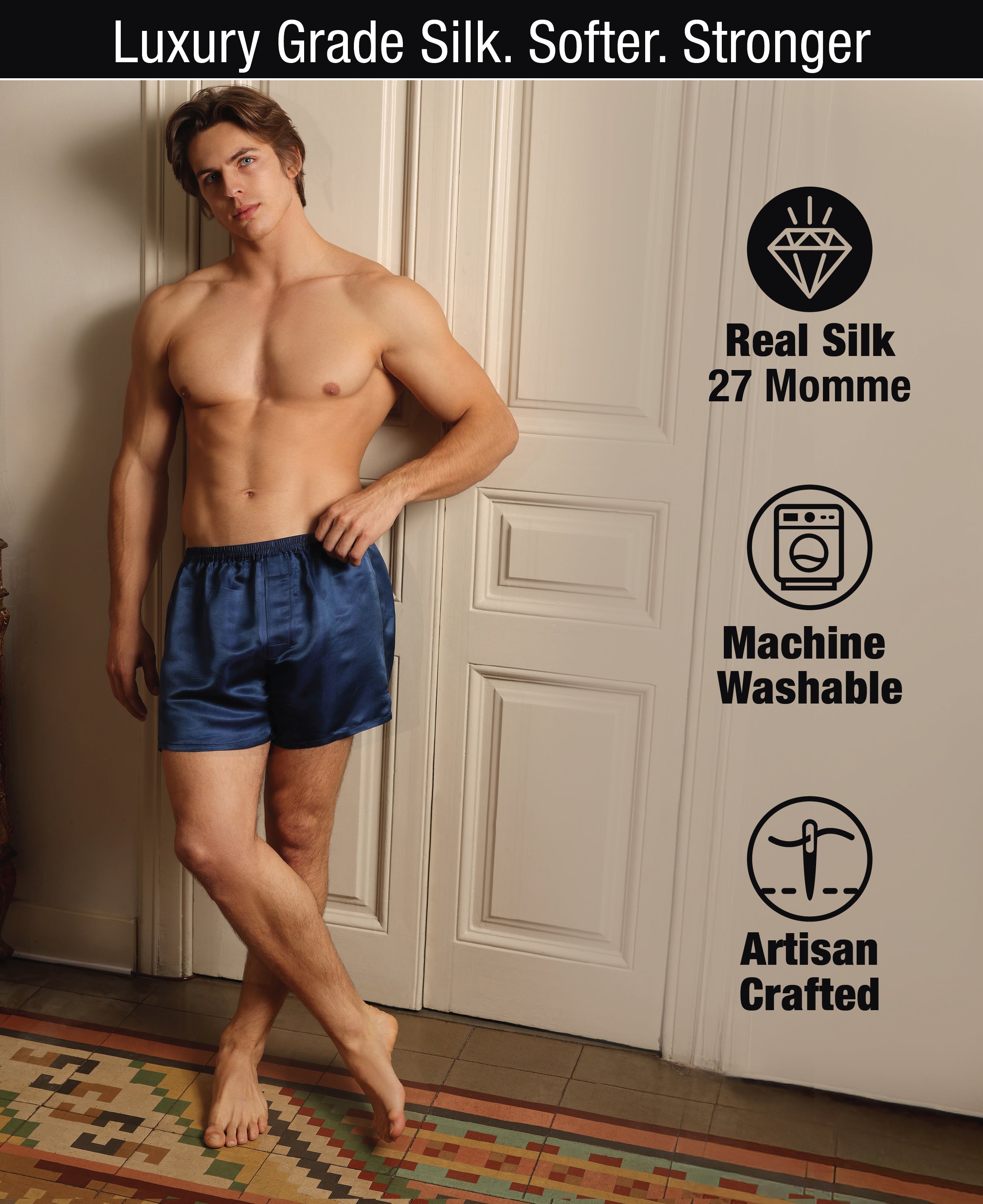
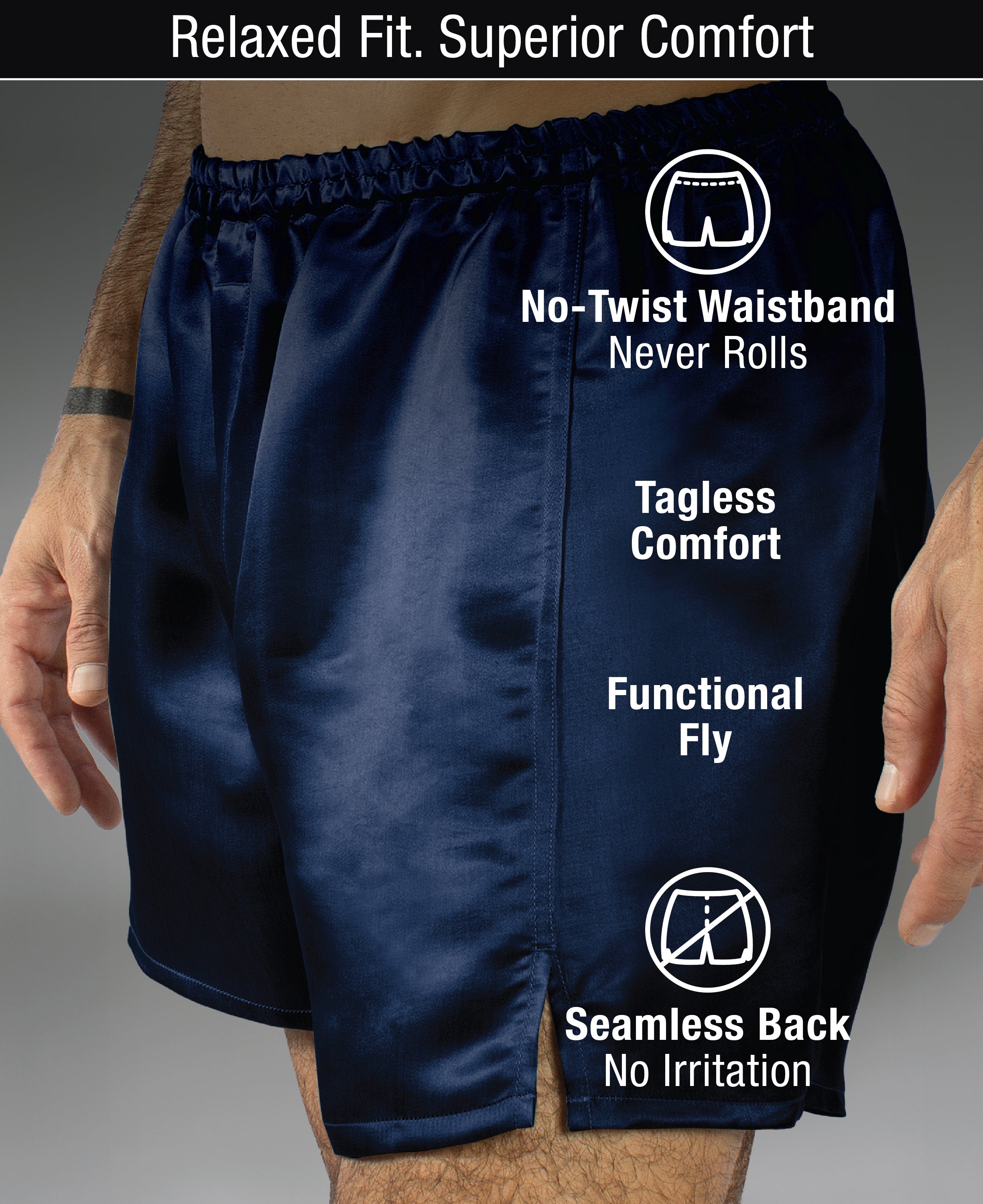
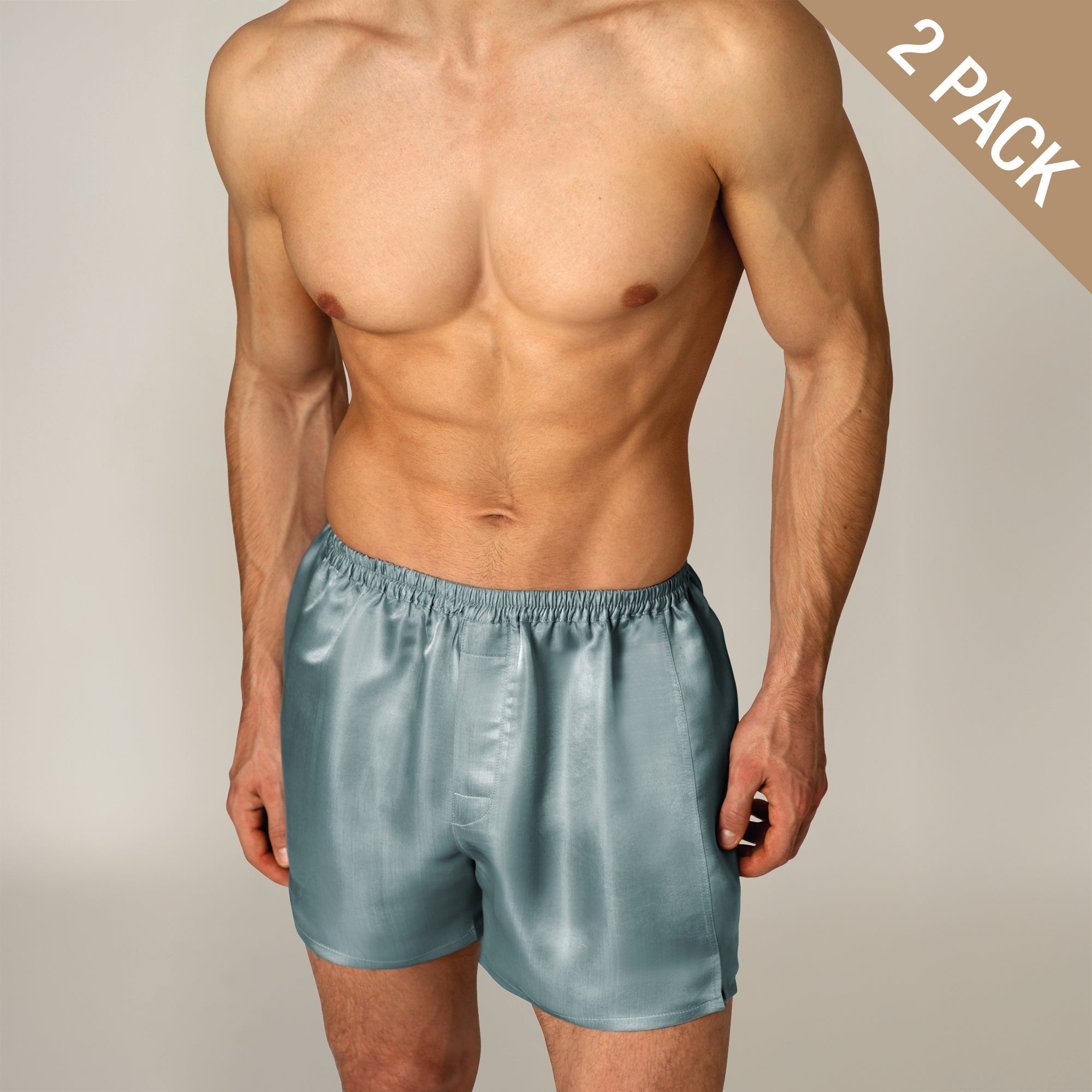
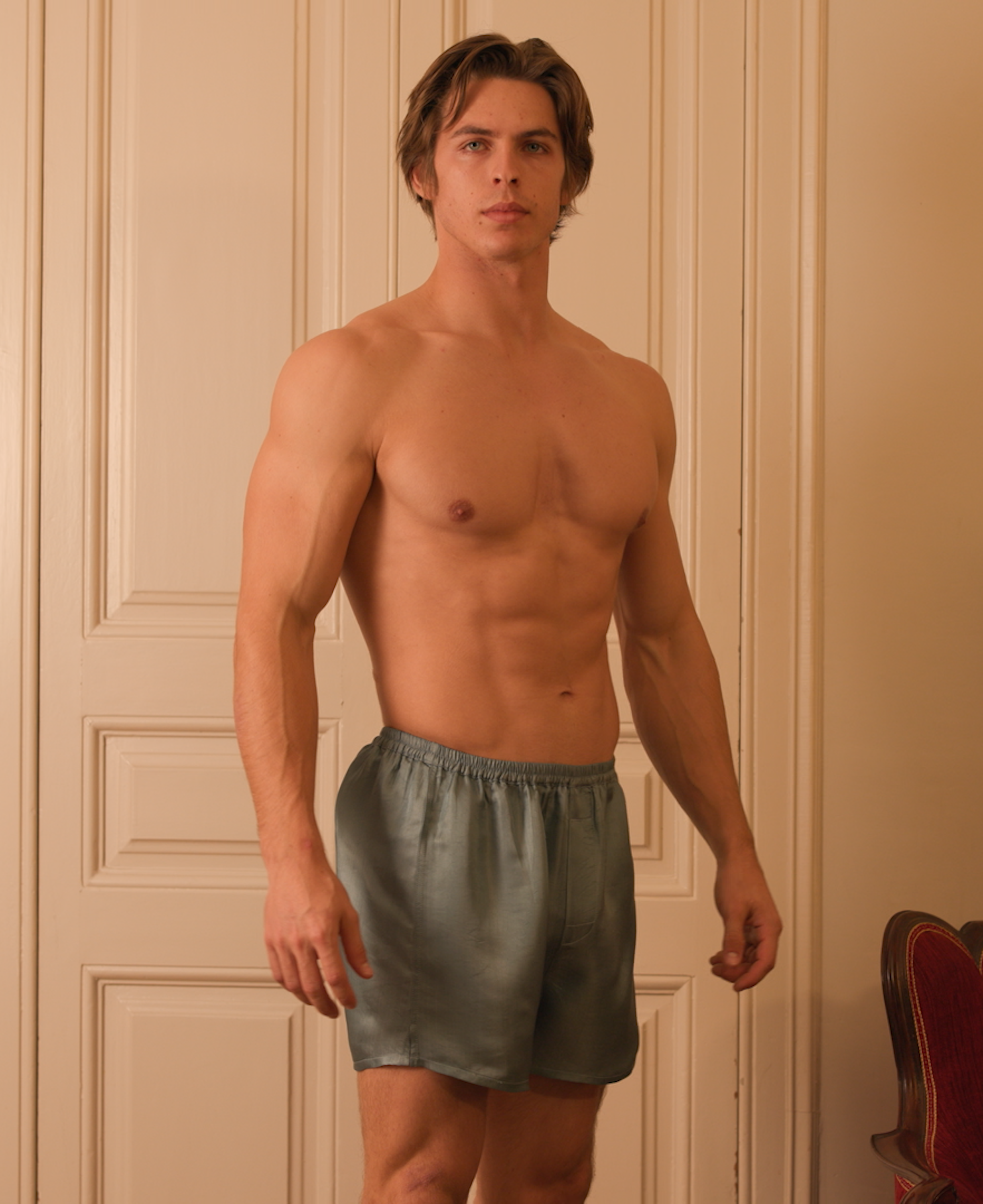
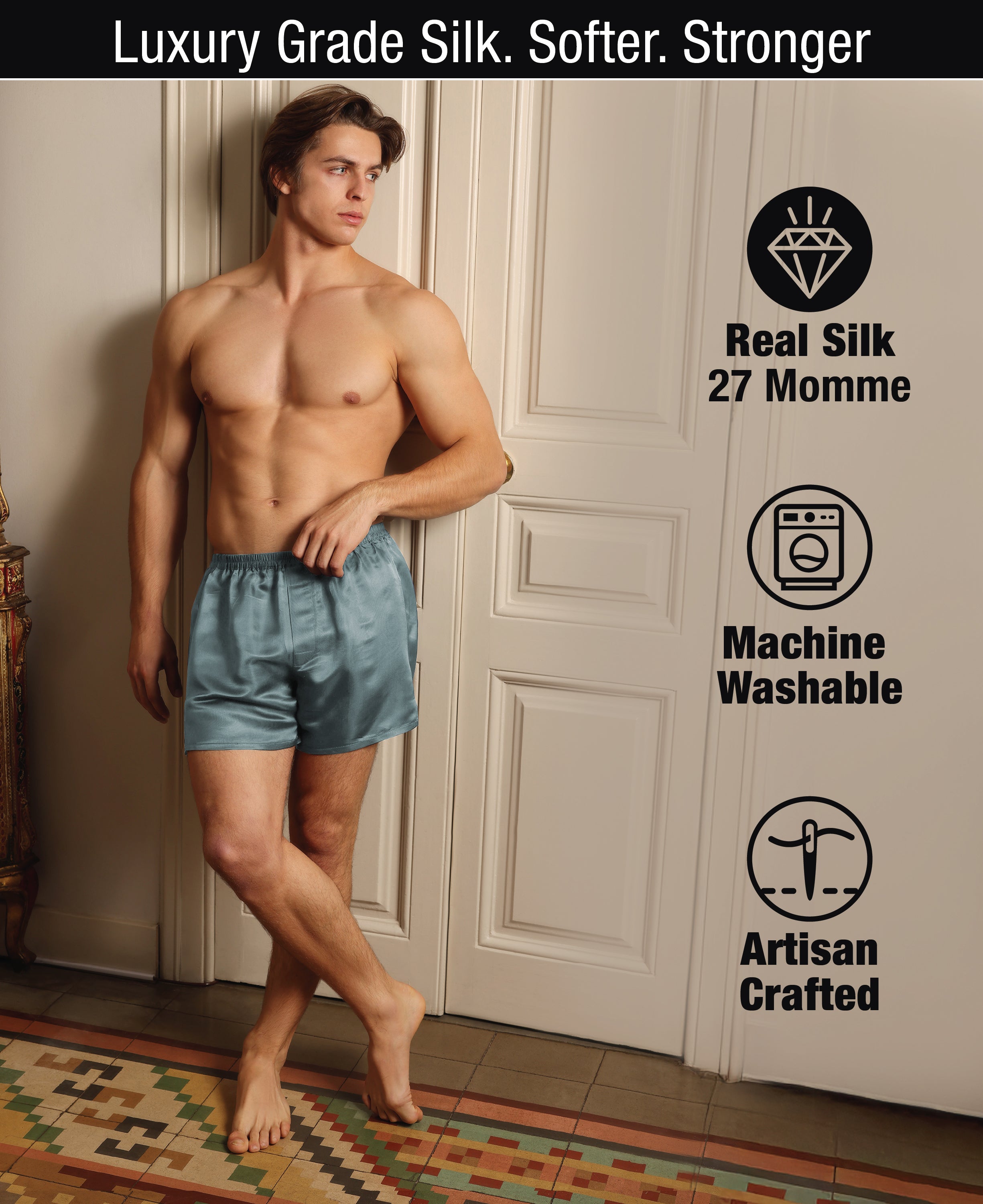
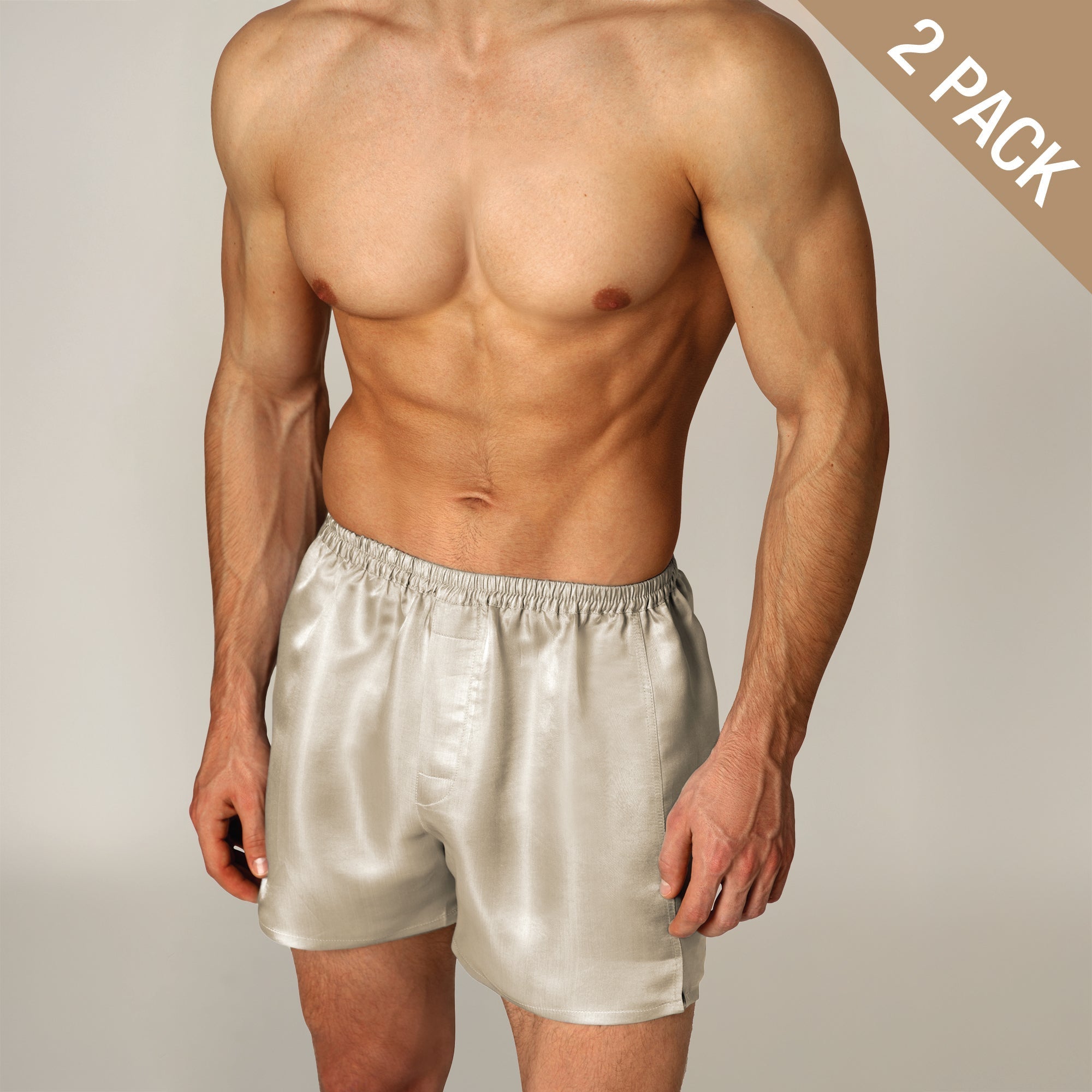
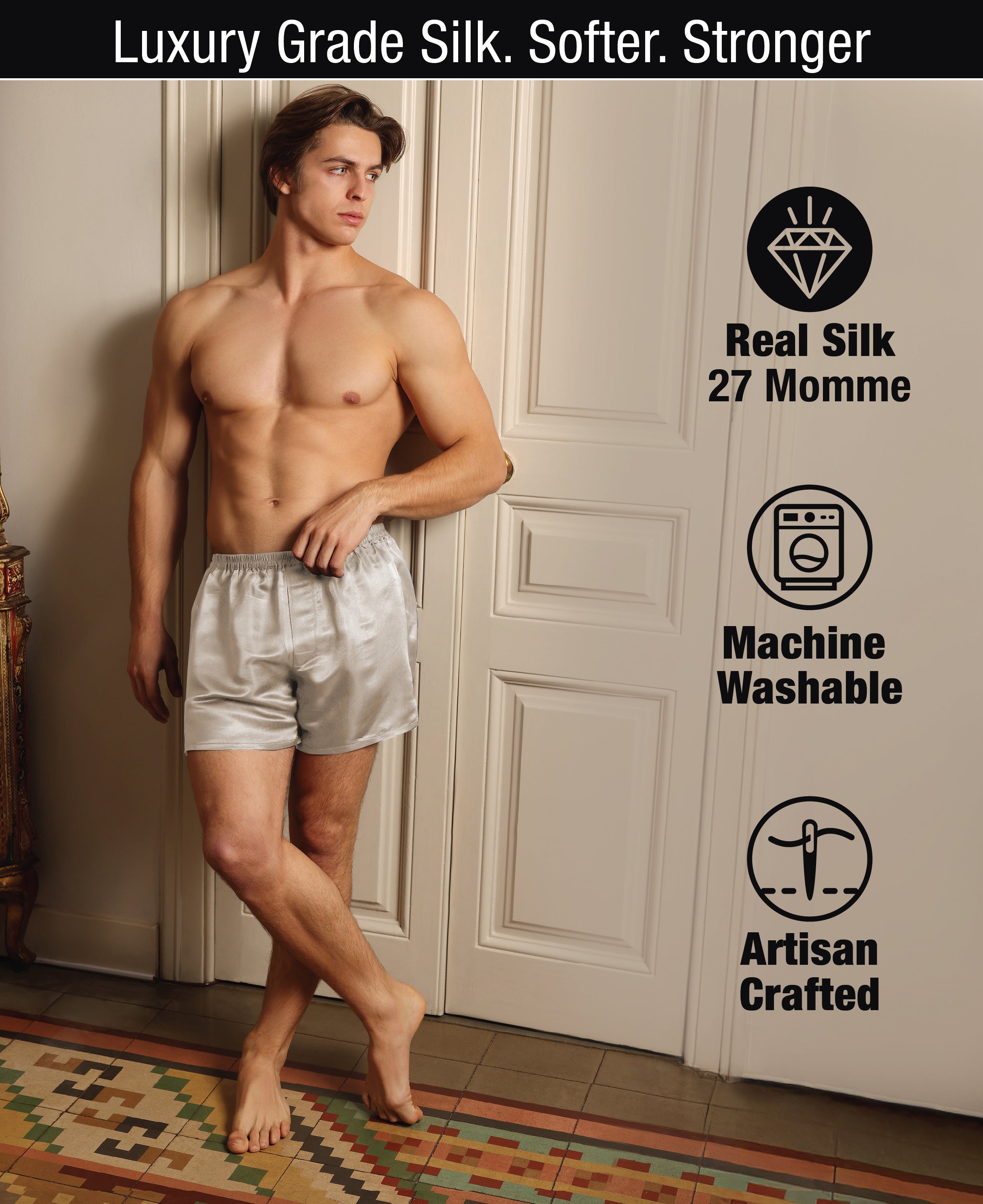
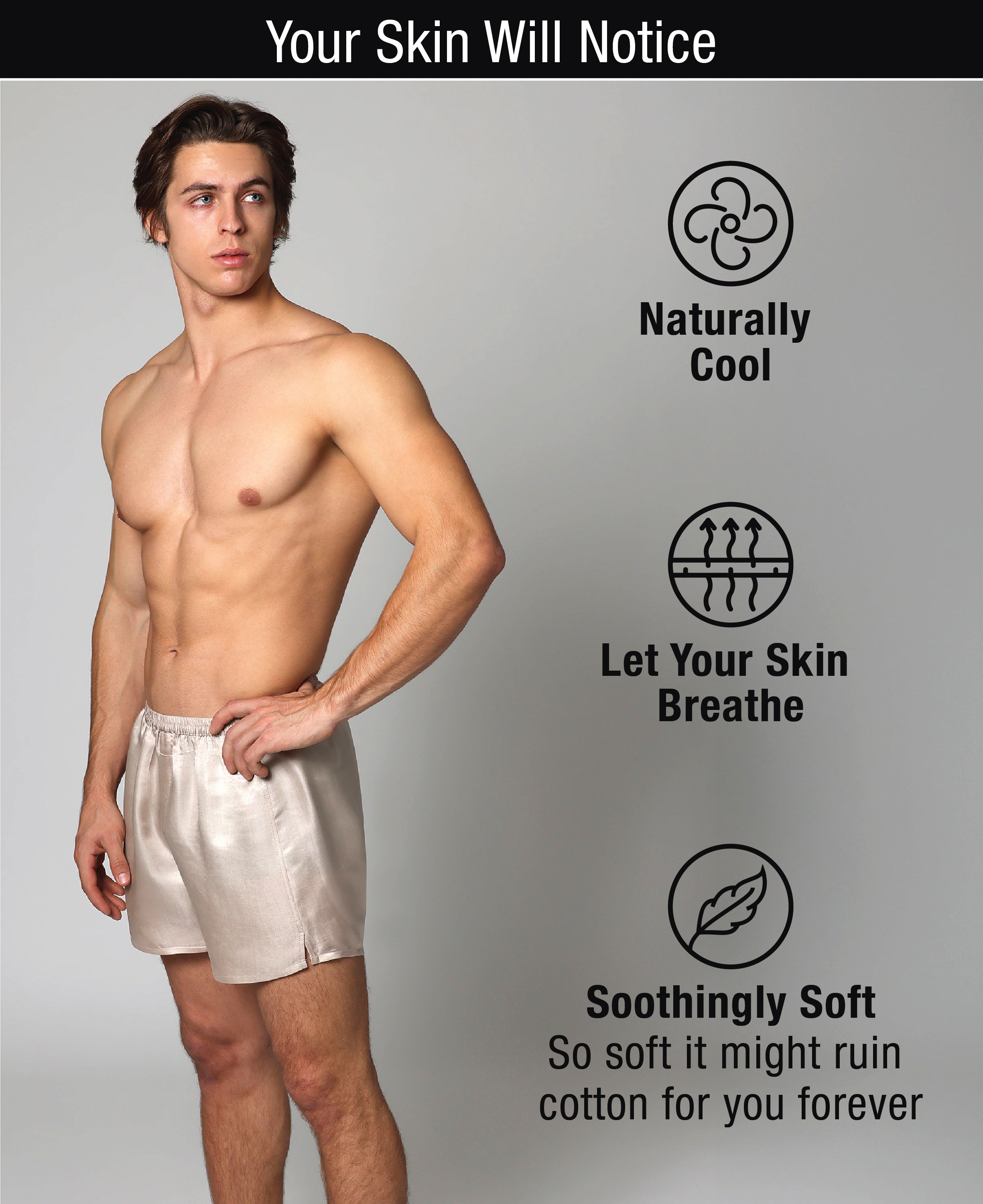
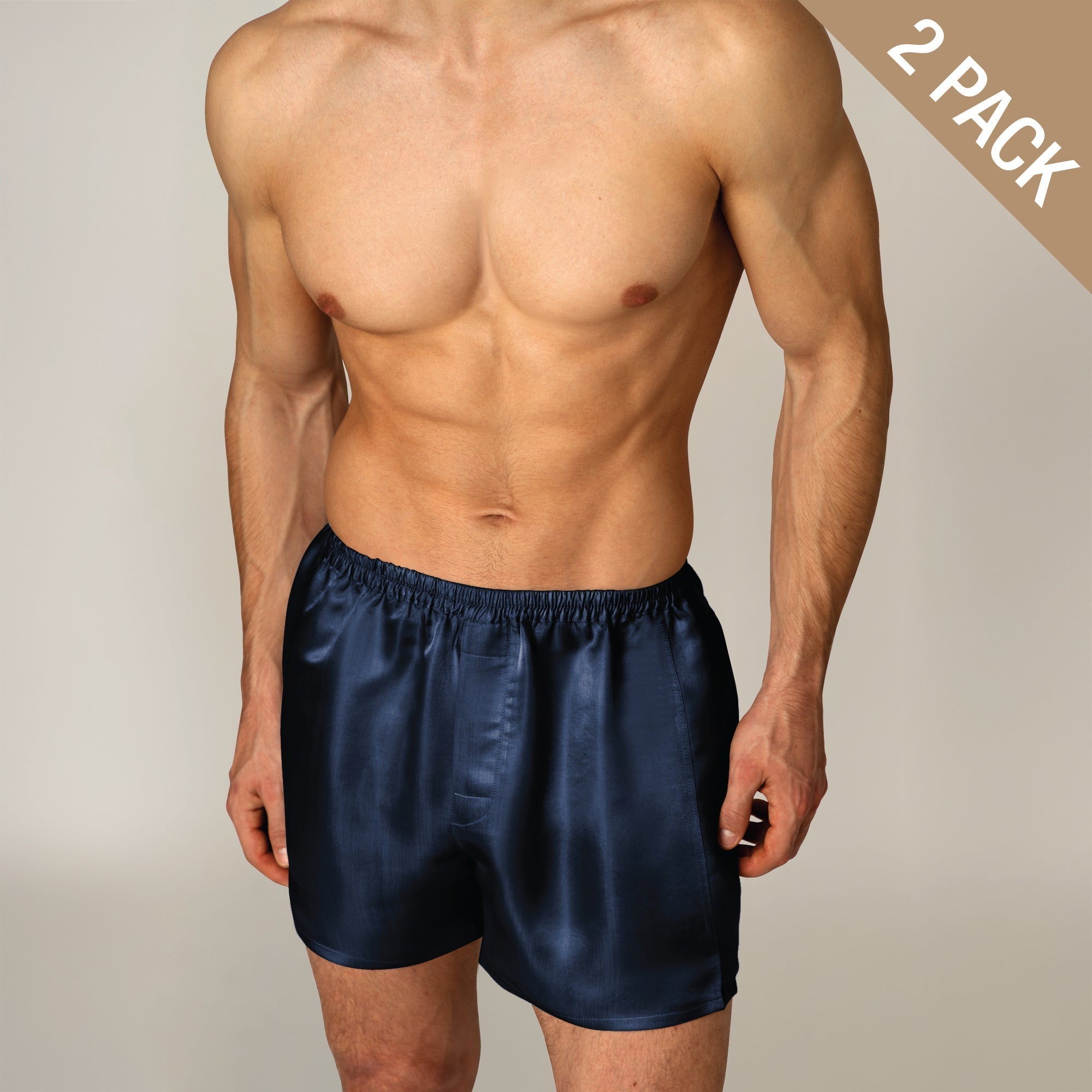
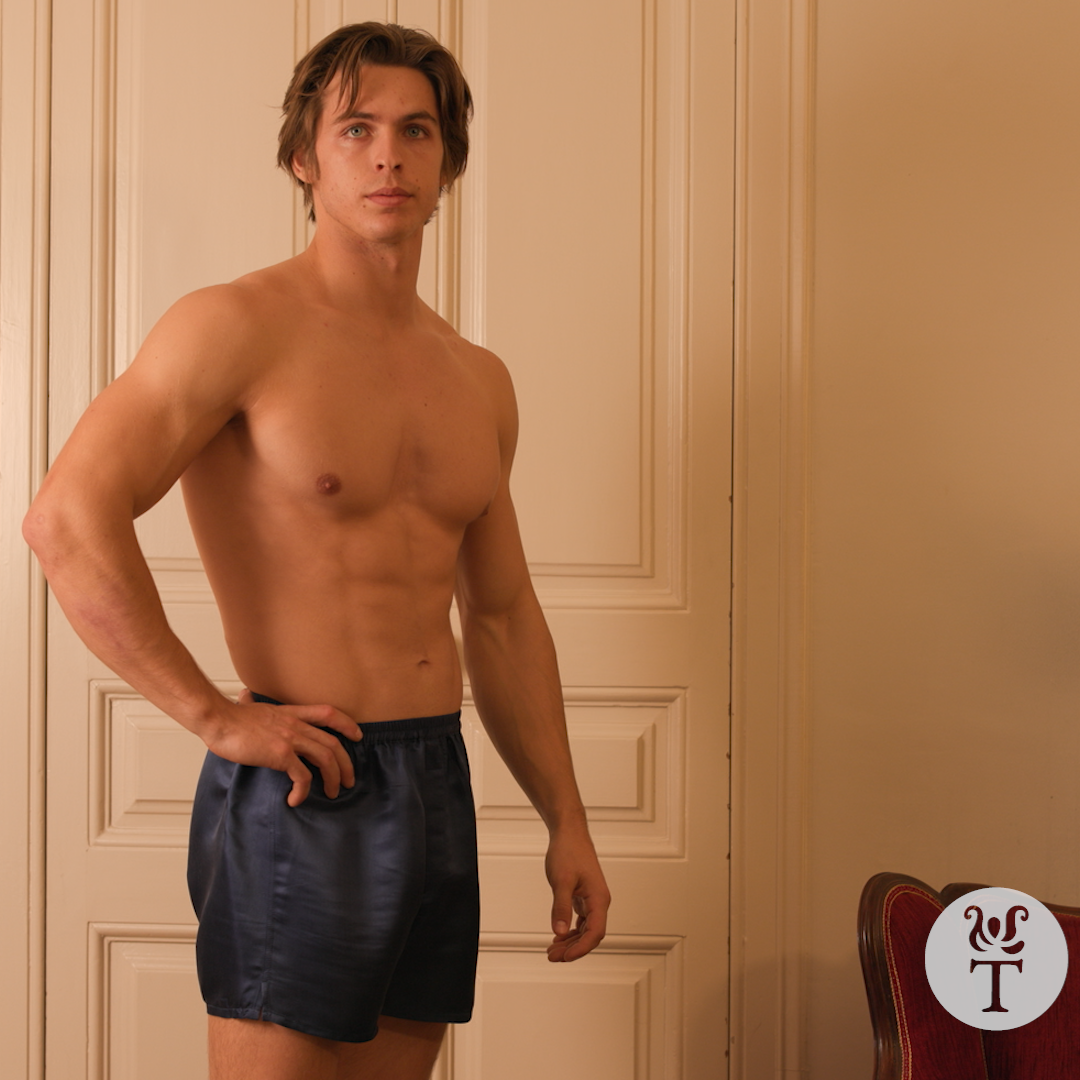
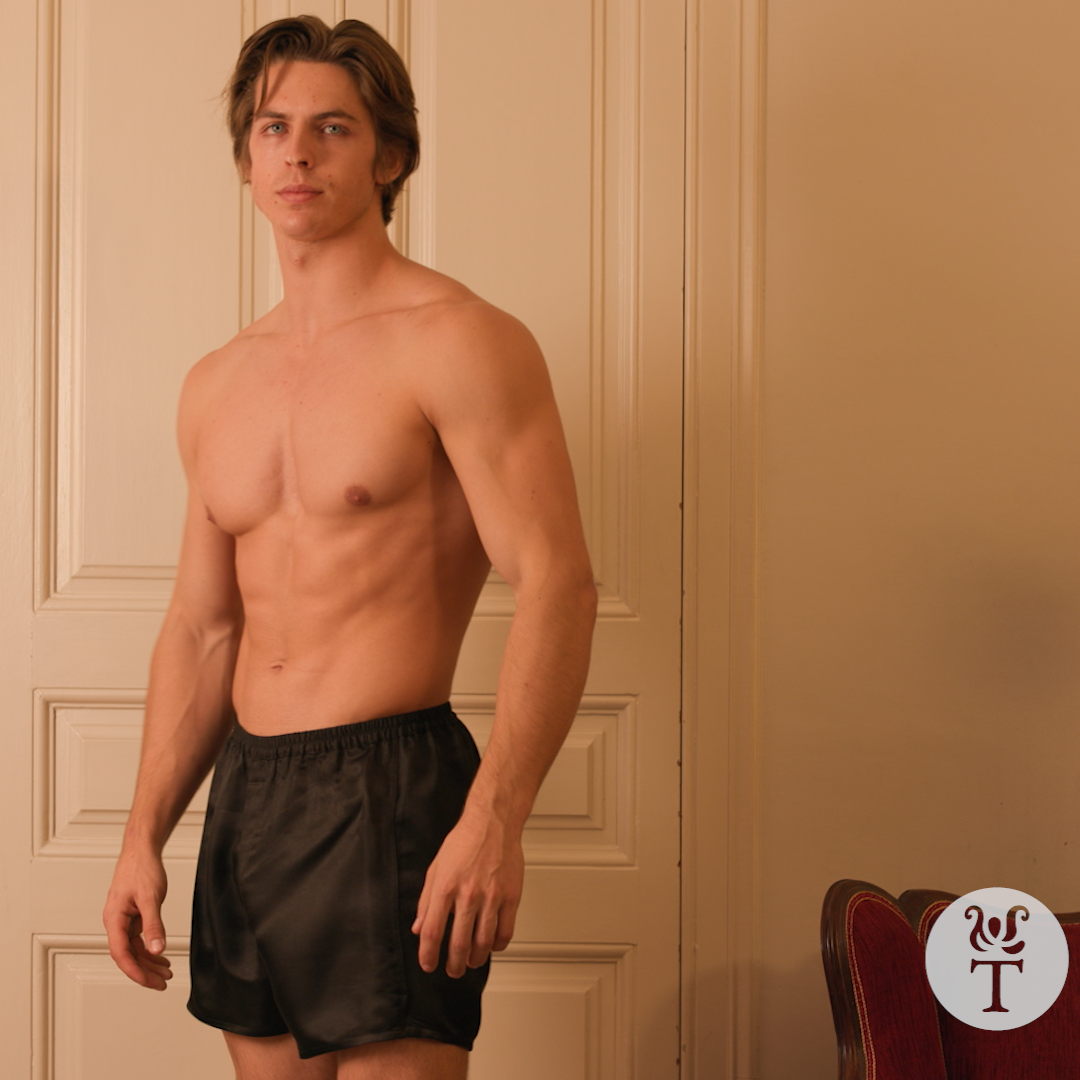
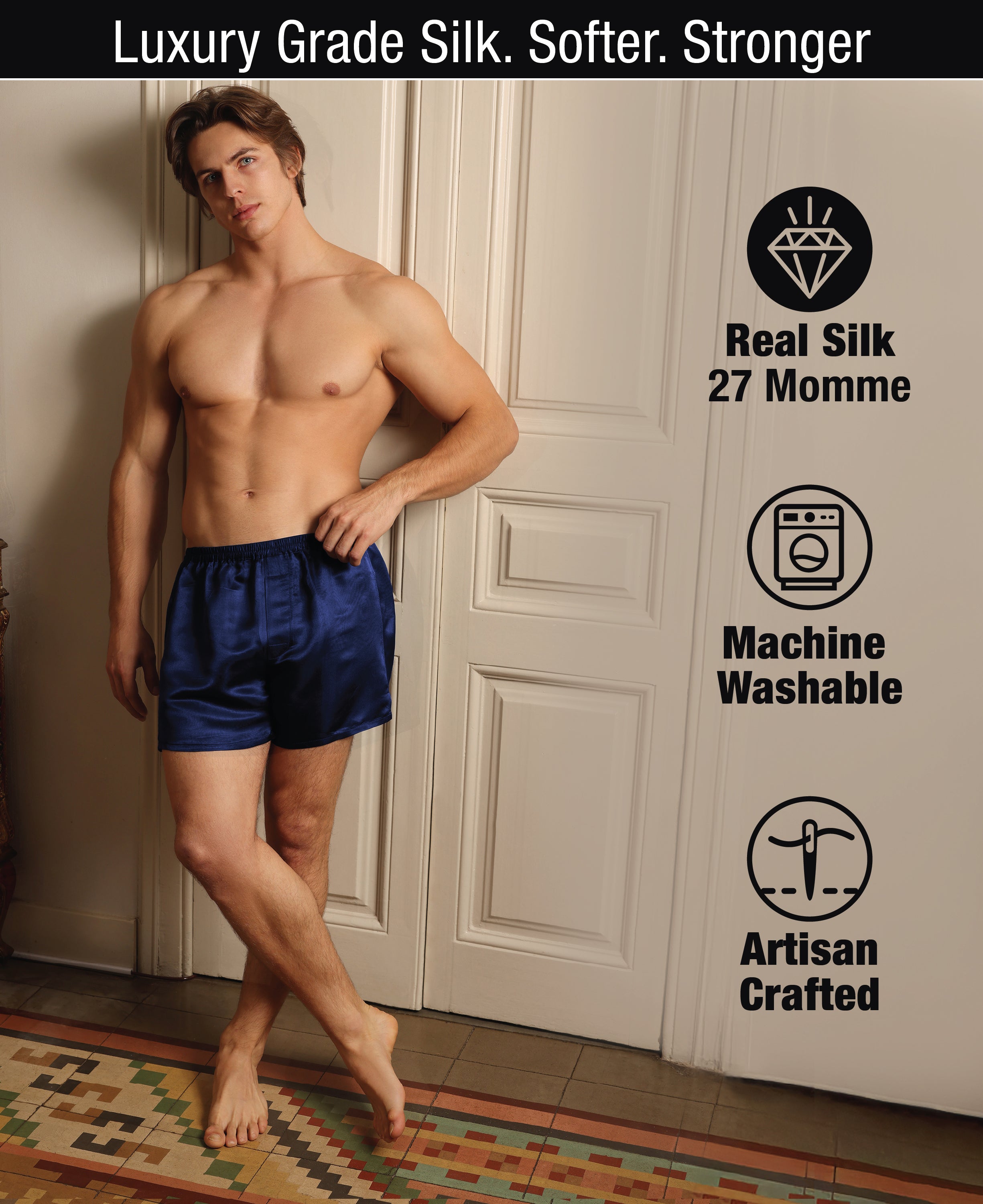
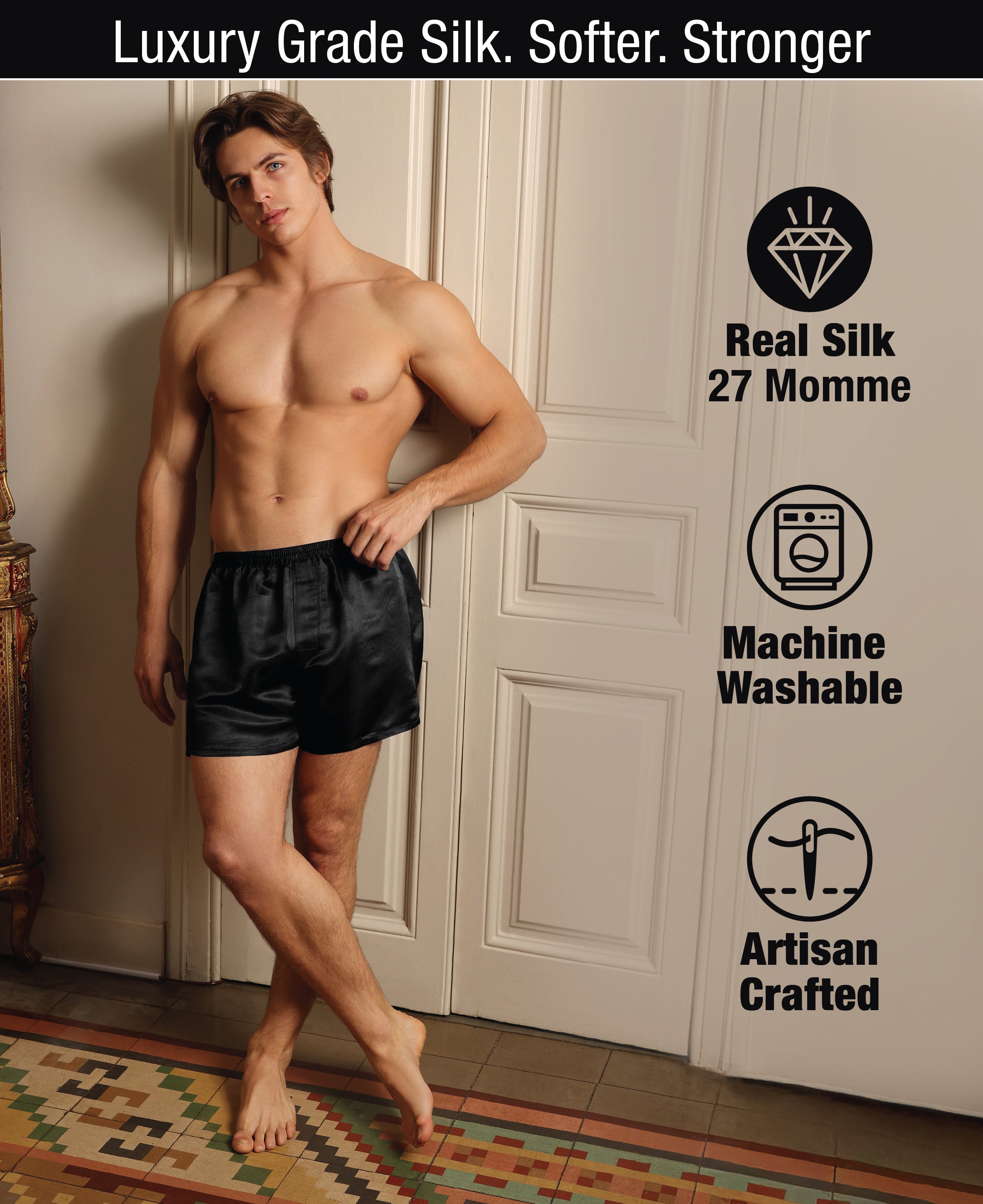
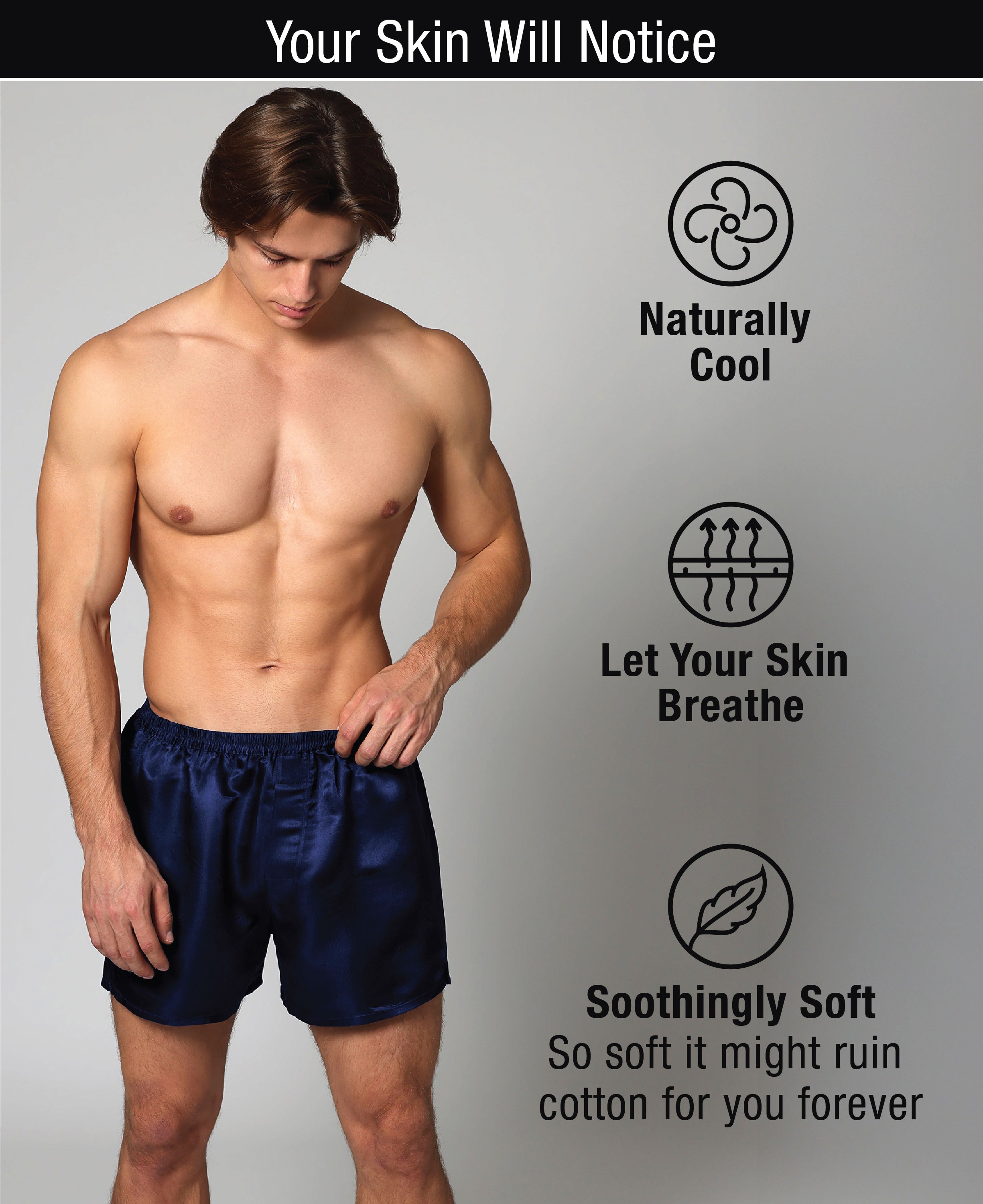
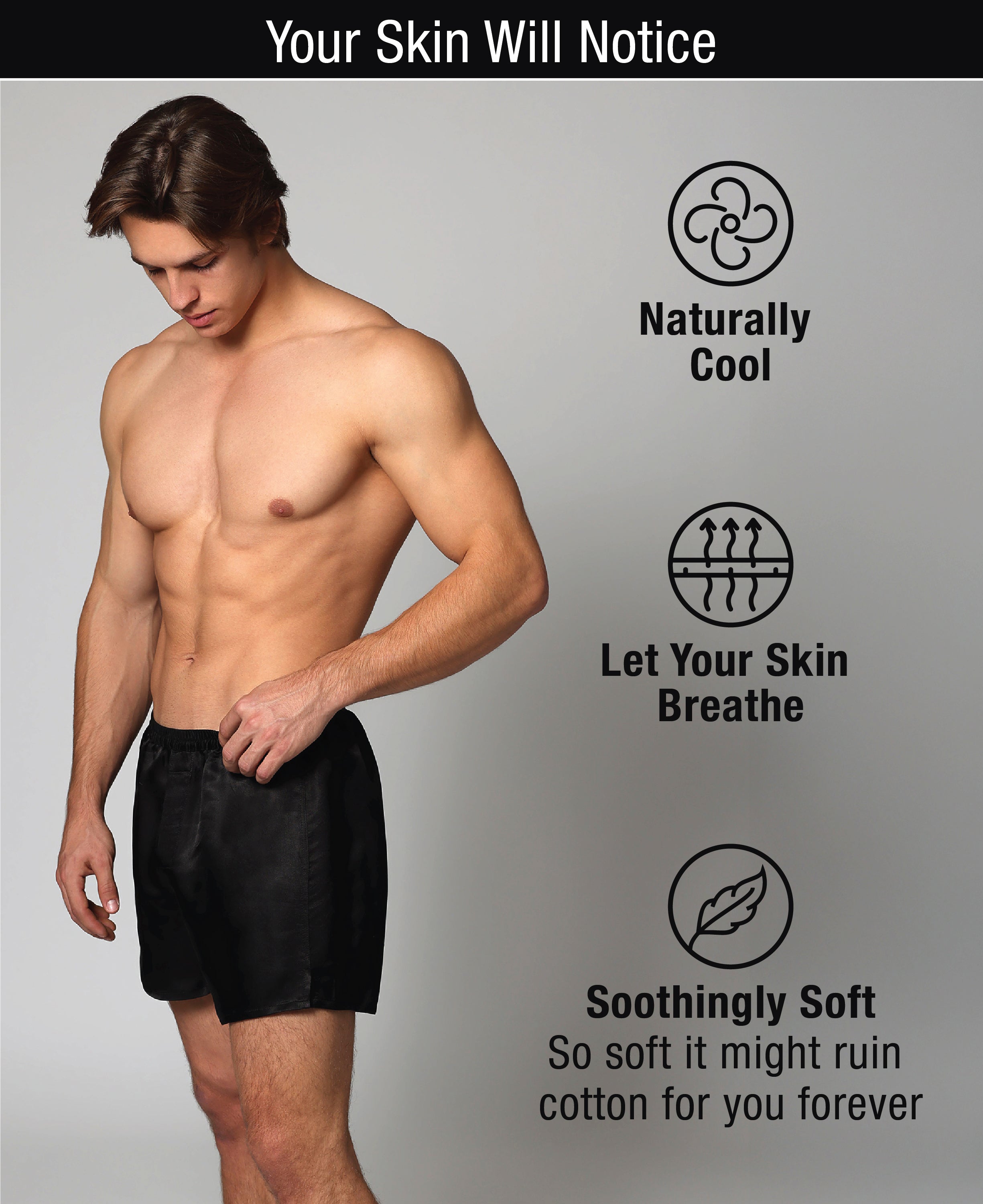
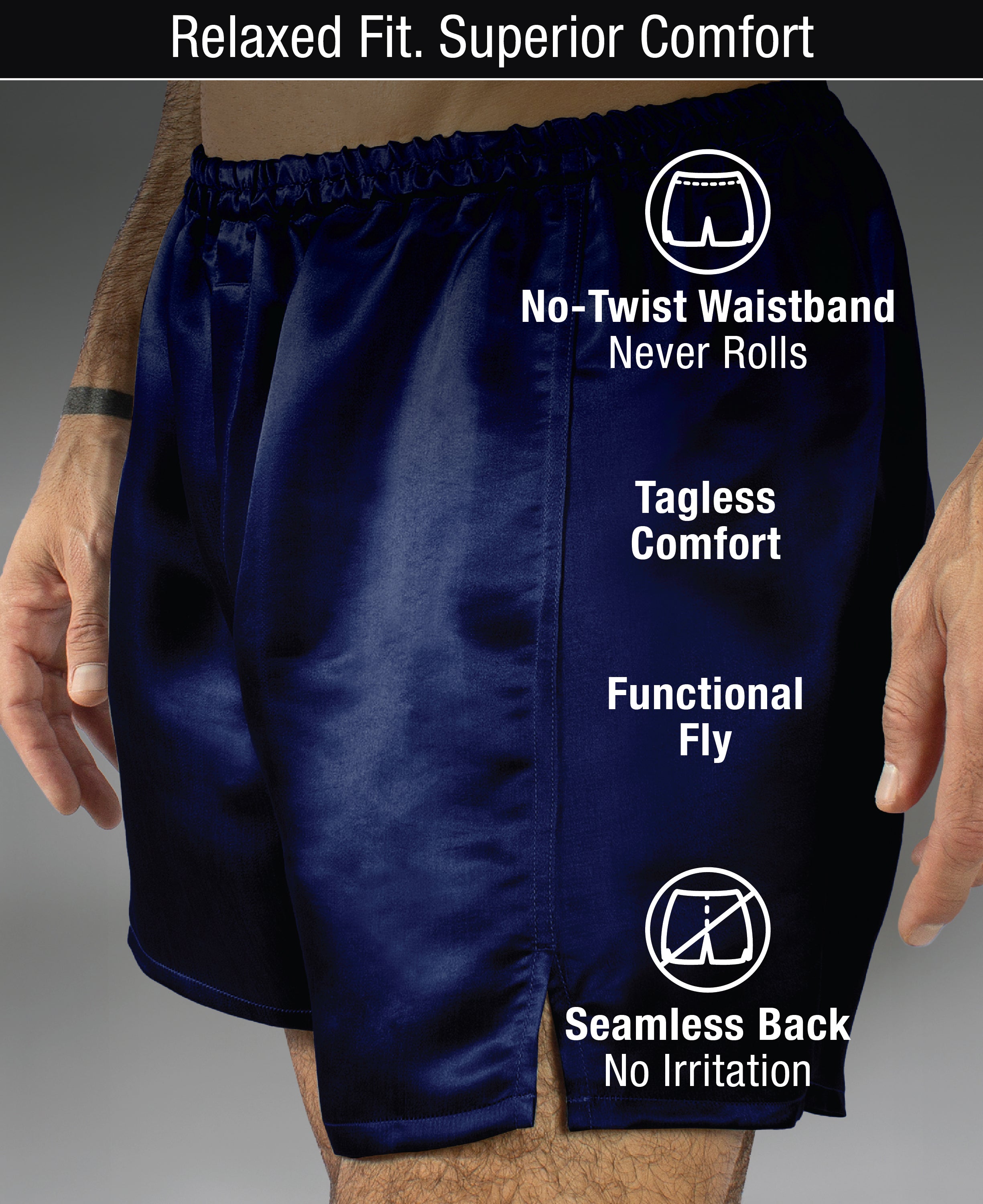
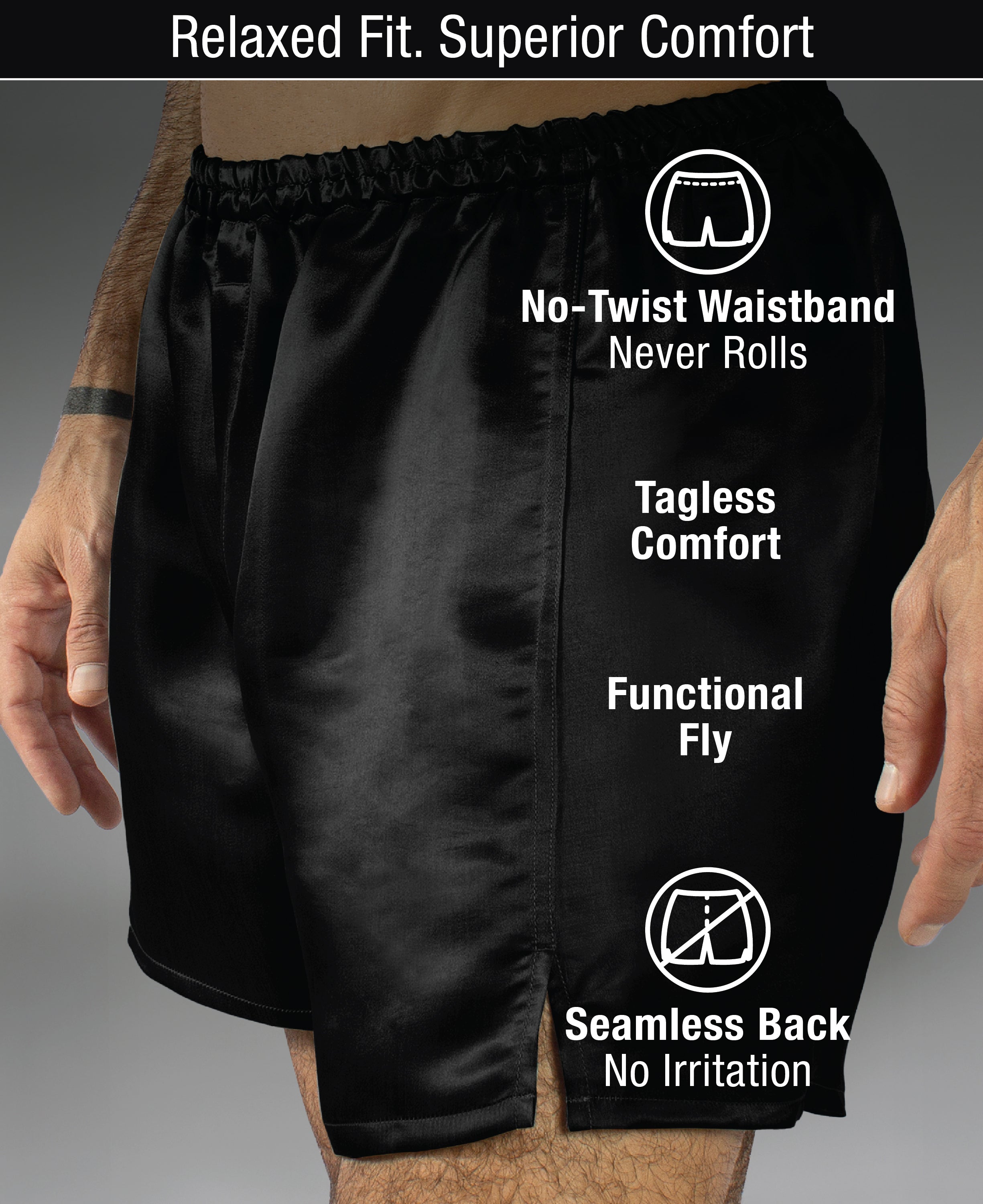
Tara Sartoria 27 momme silk boxers
Worn once per week in rotation with other underwear, lasting 3 years.
Total uses: 156
Cost per wear: translates to less than a dollar per use over a three-year lifespan
Premium cotton boxers
Worn once per week, lasting 1.5 years.
Total uses: 78
Cost per wear: costs less per wear but requires replacement sooner
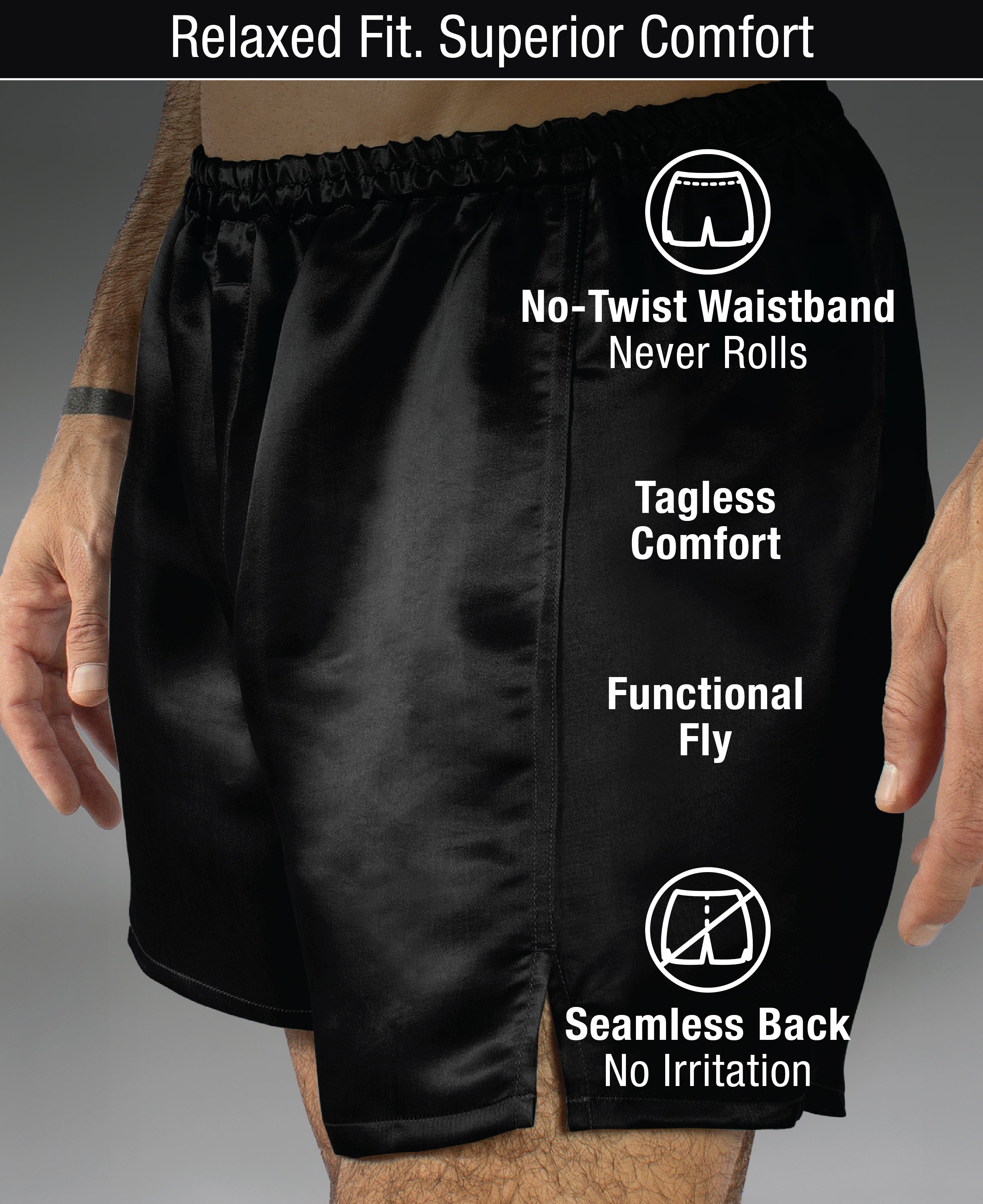
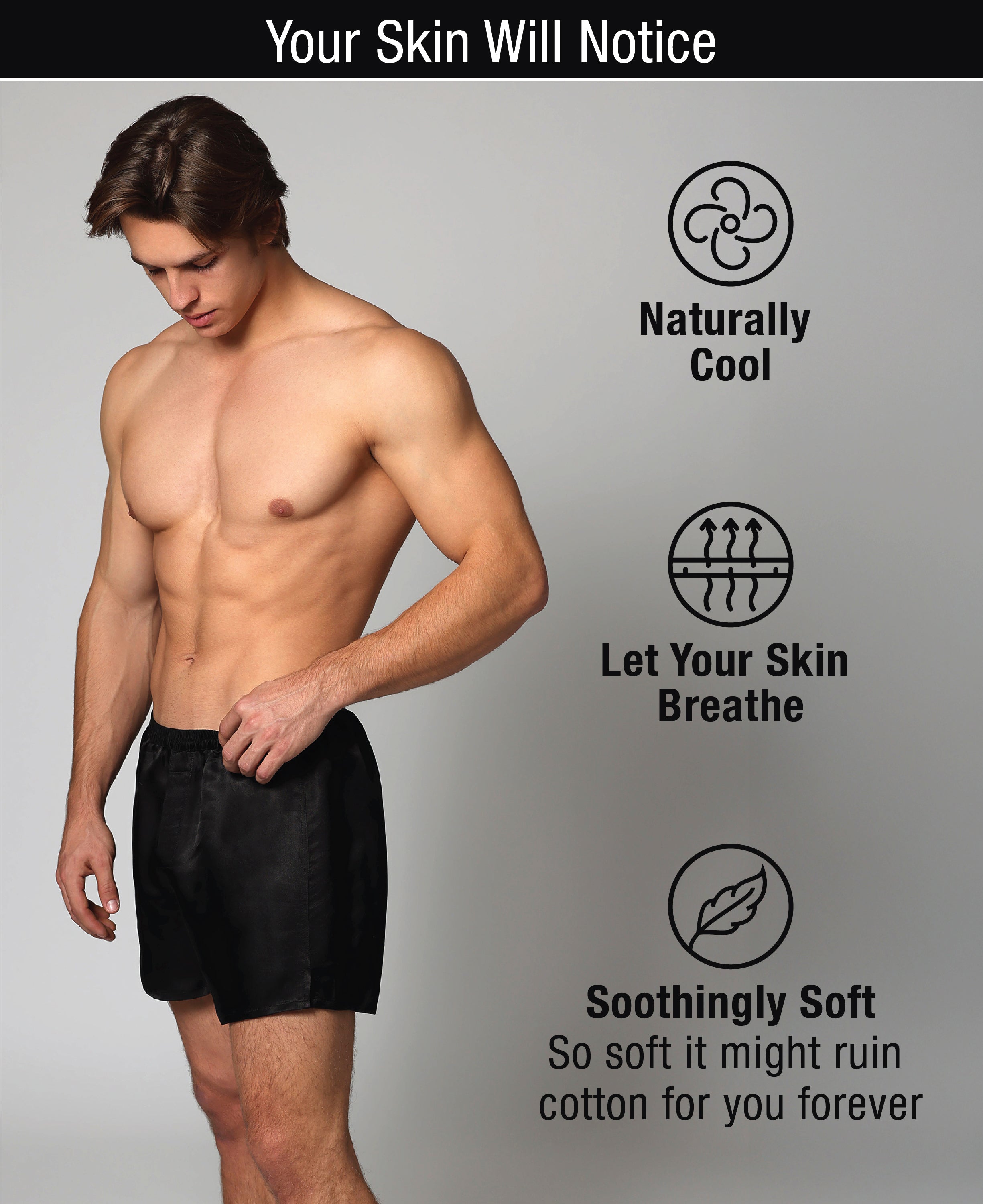
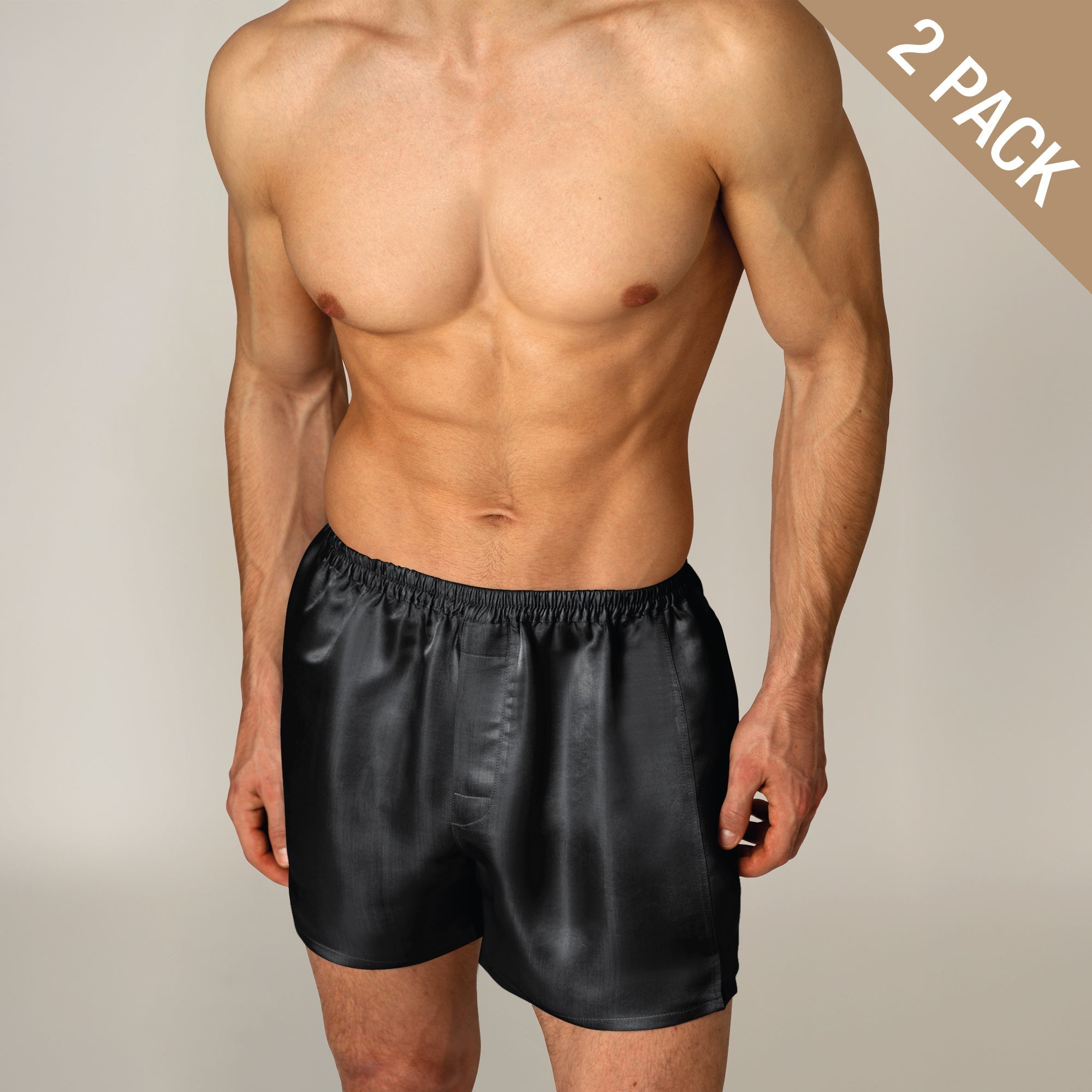
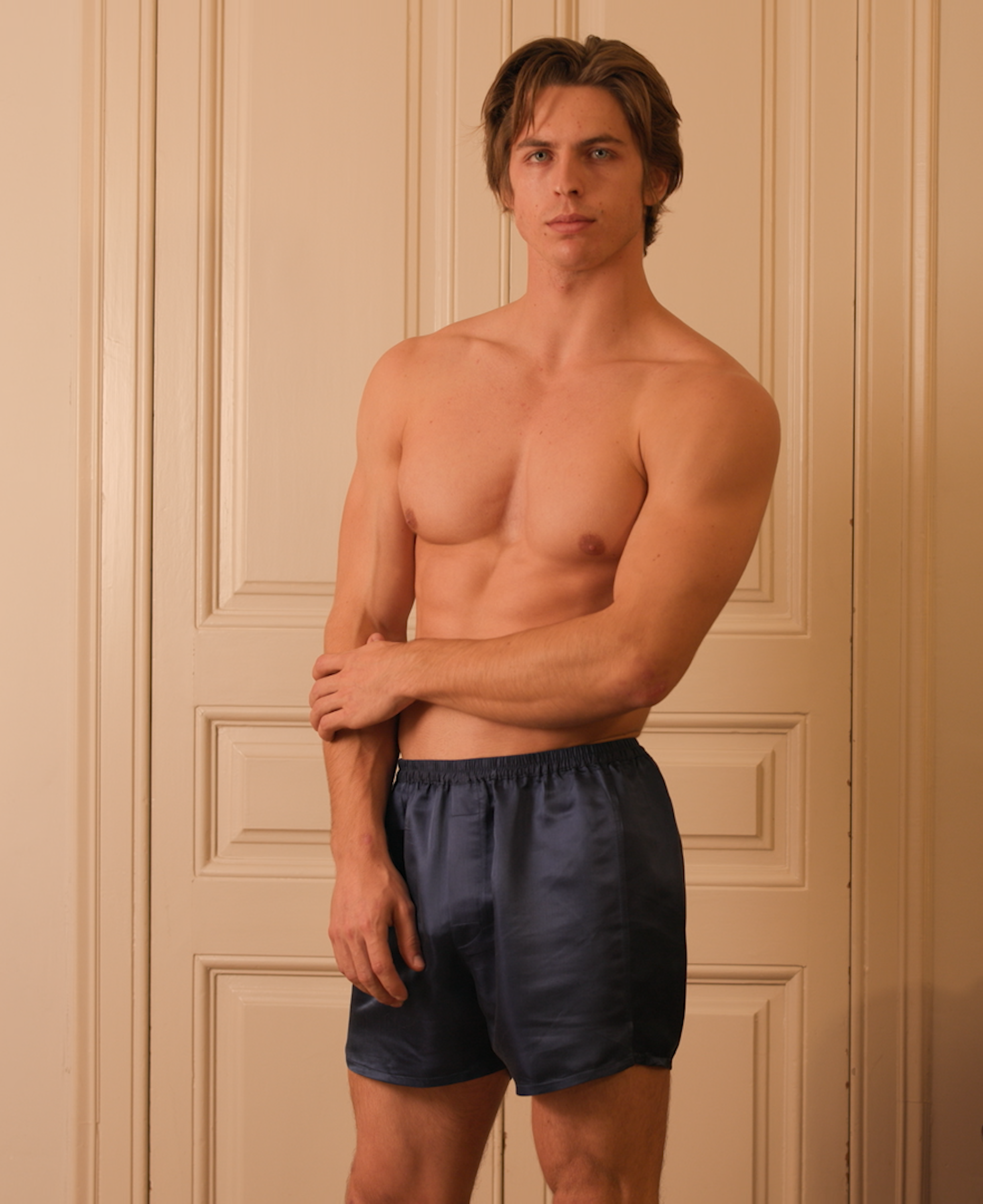
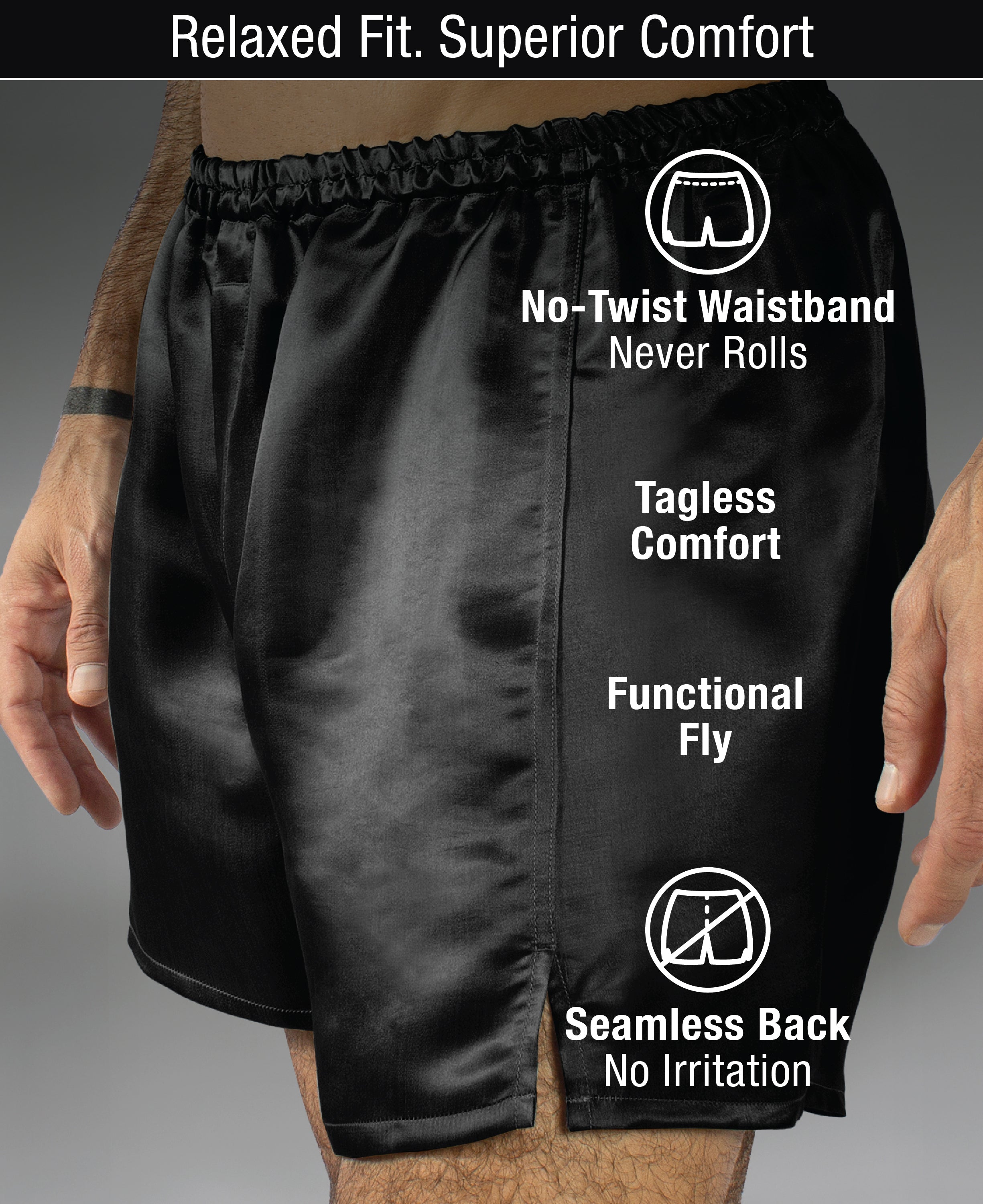
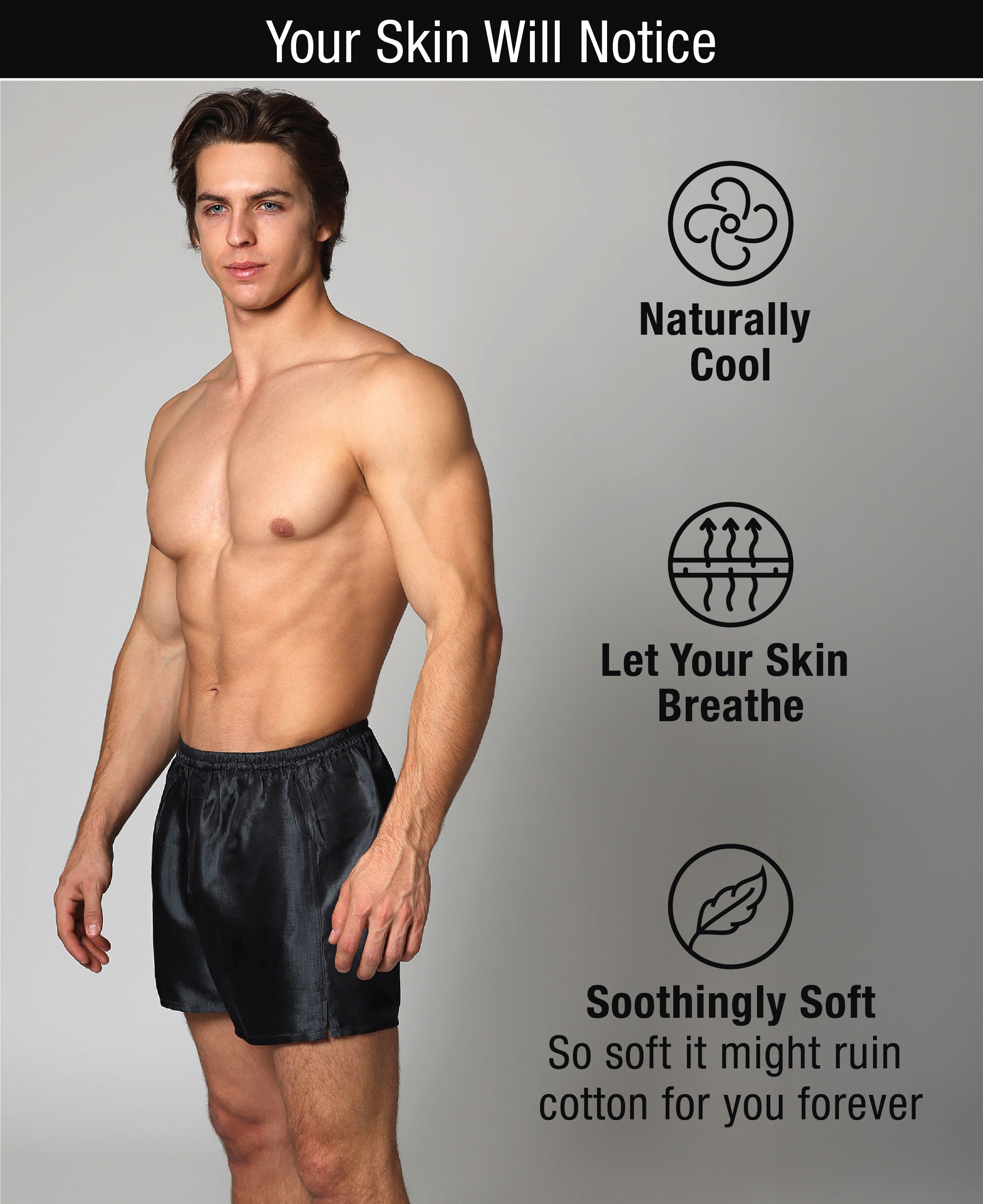
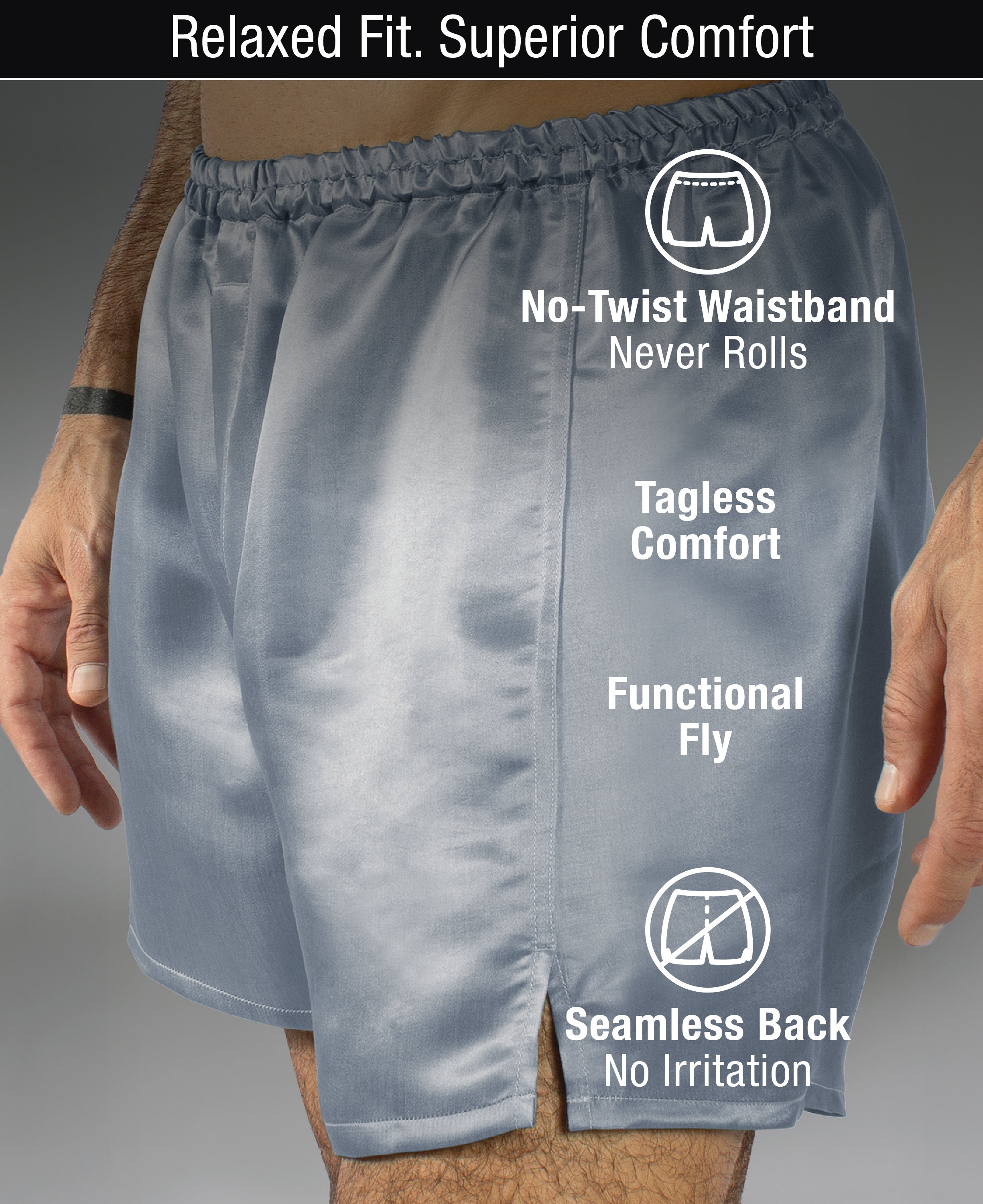
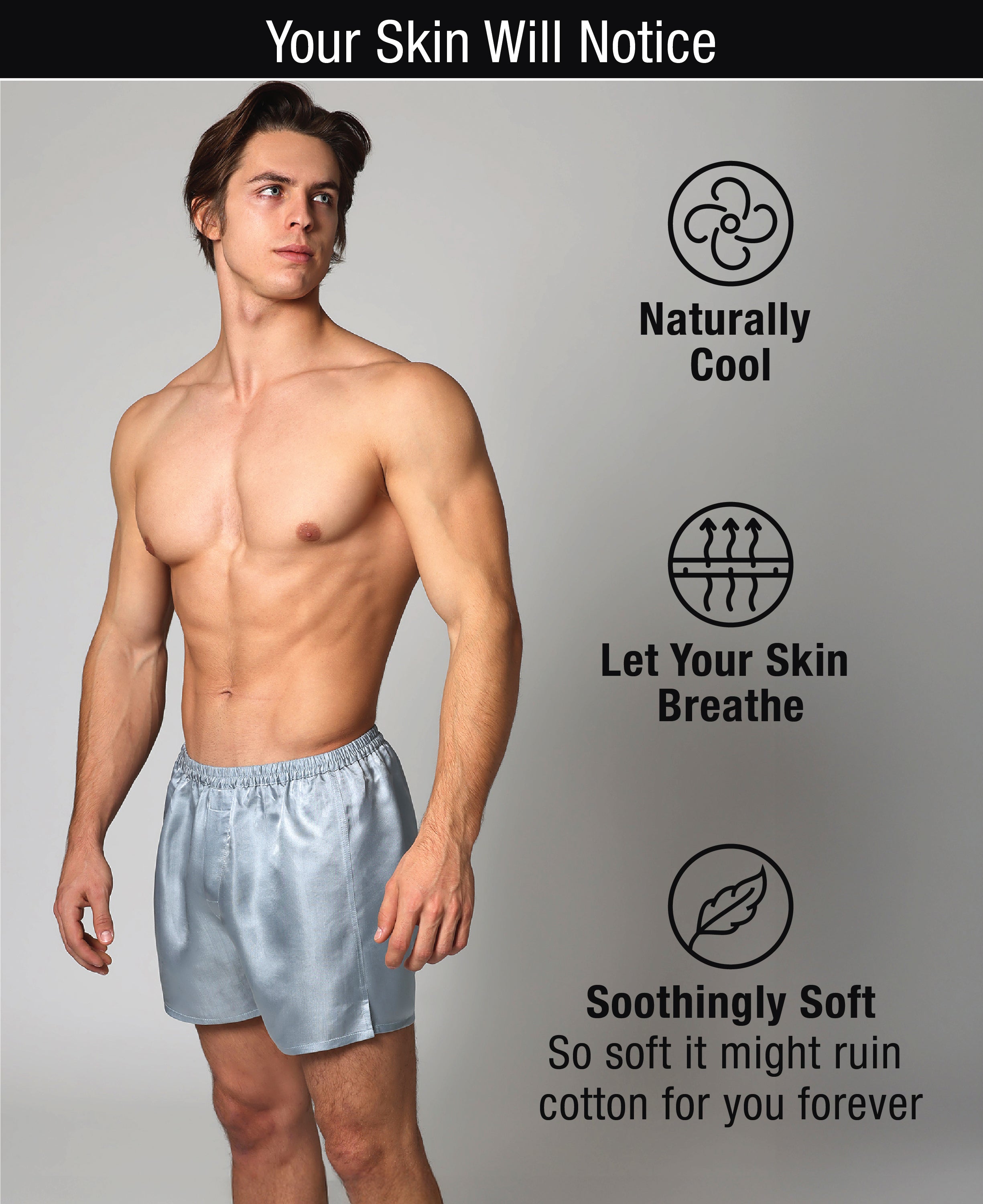
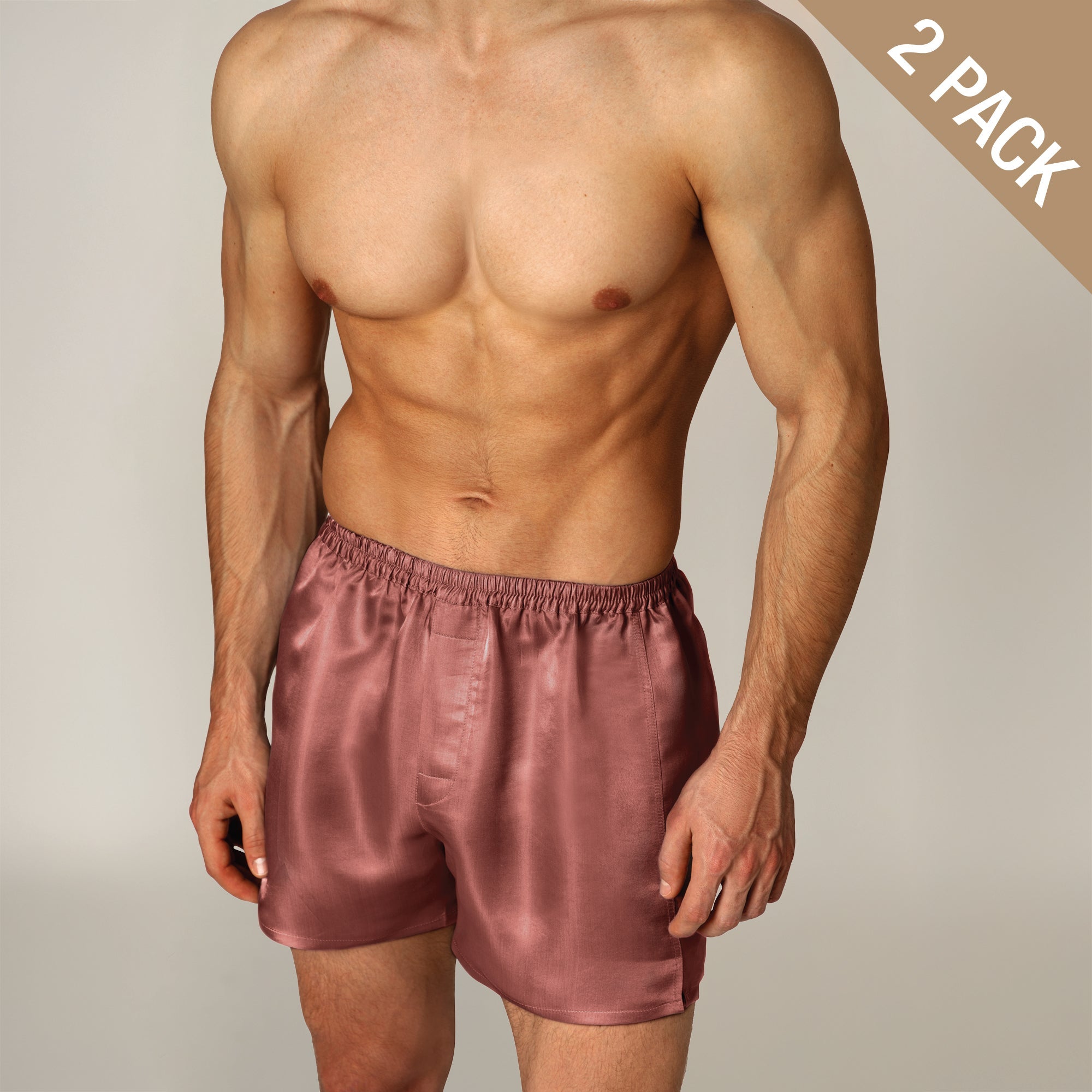
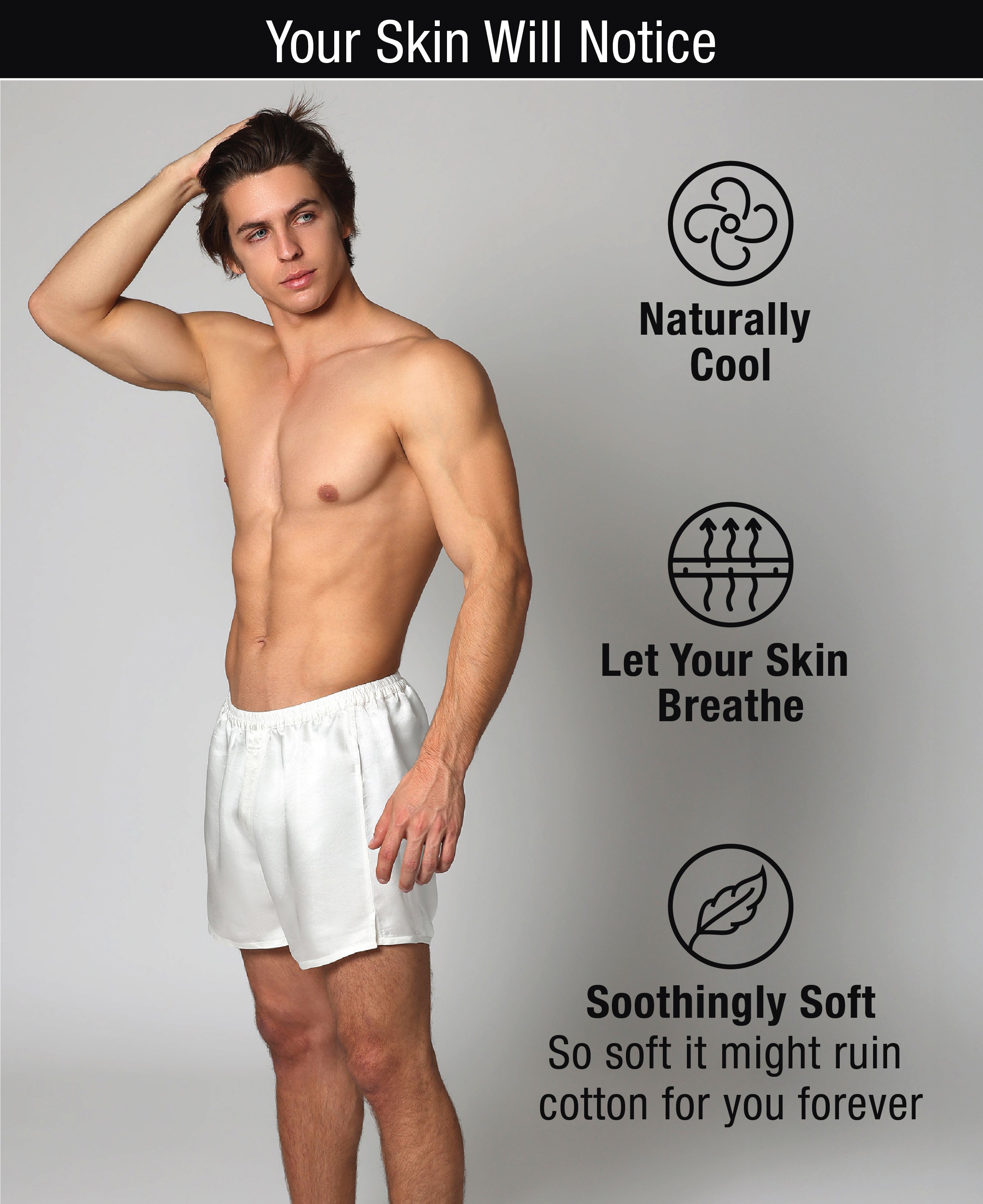
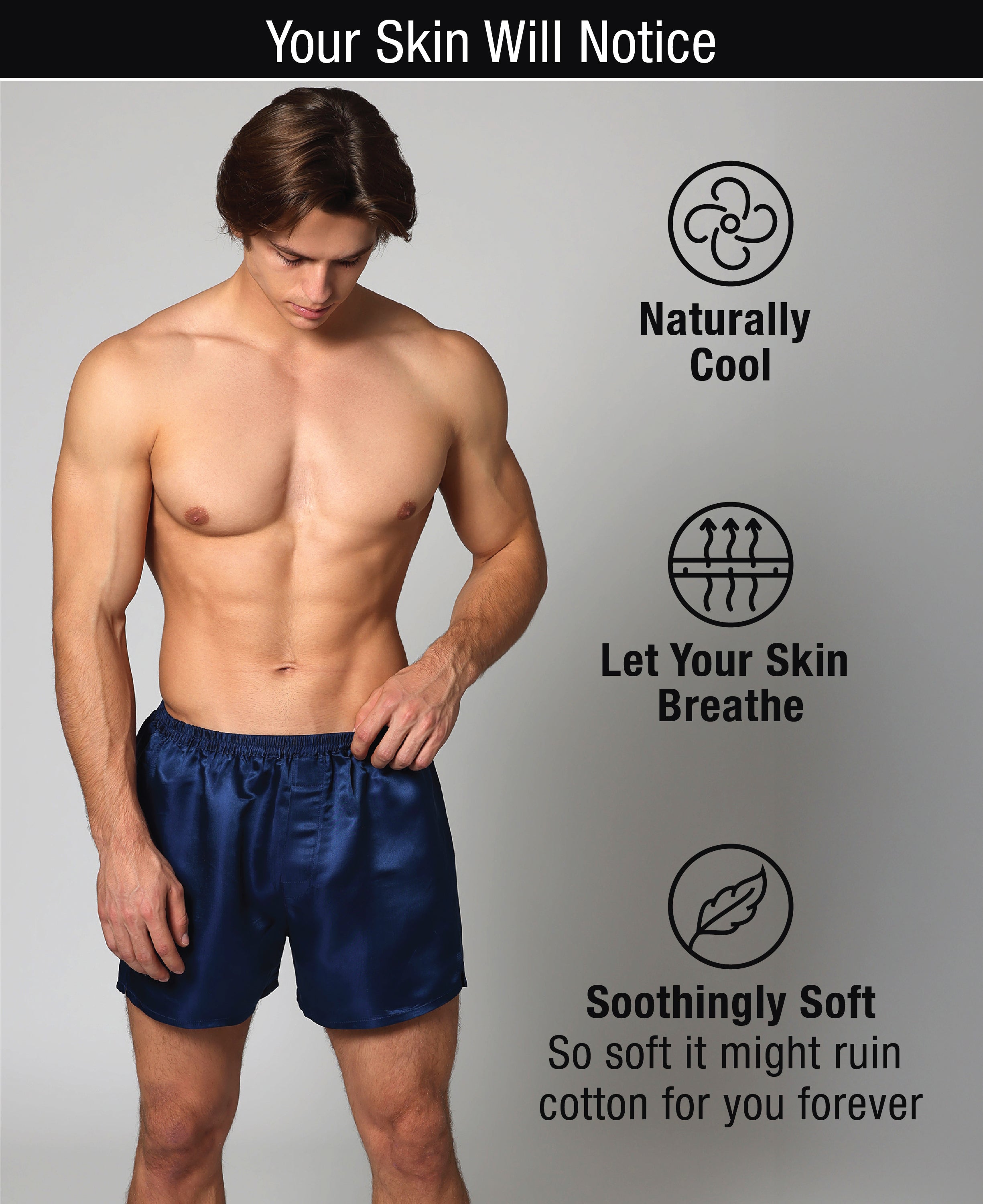
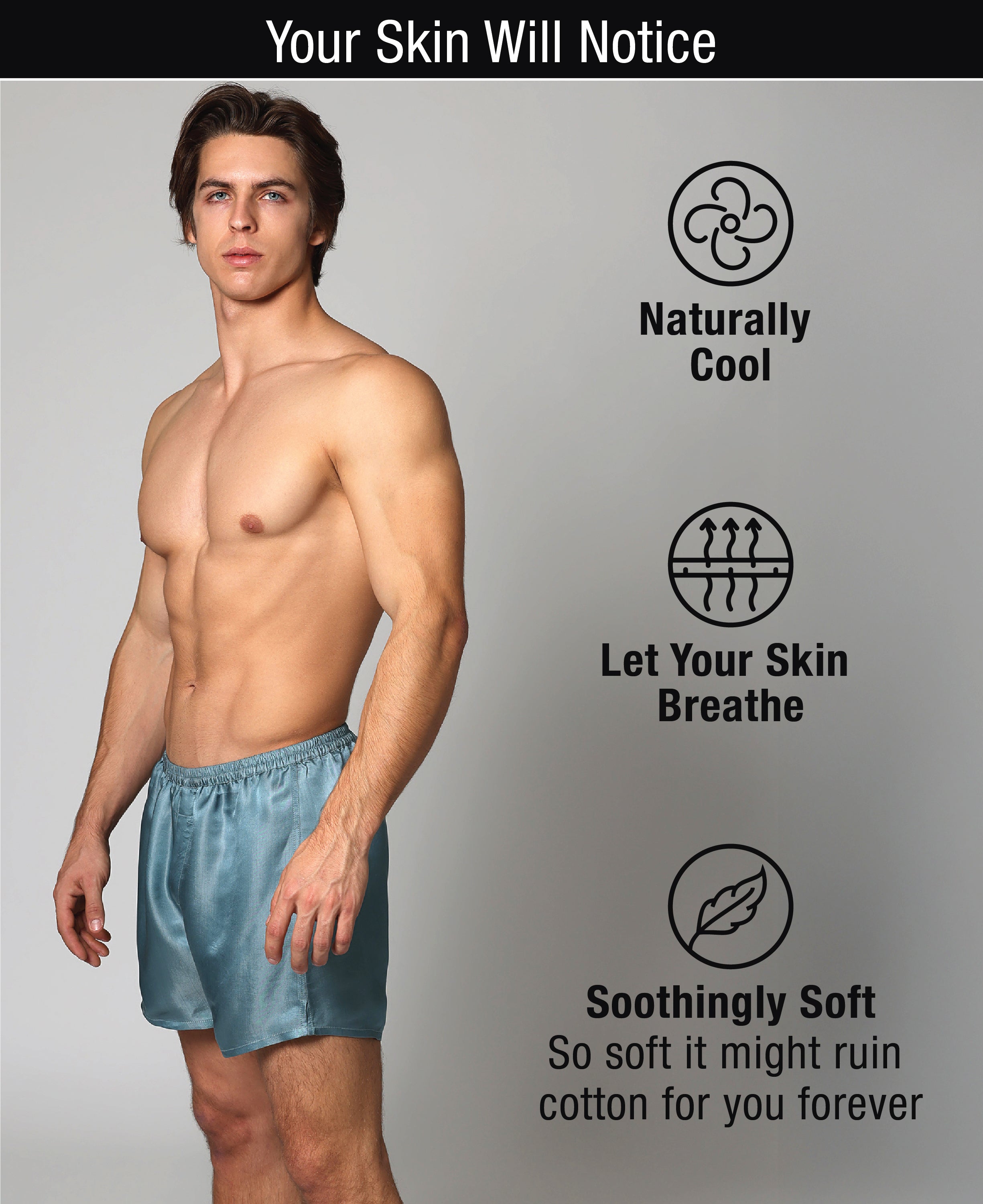
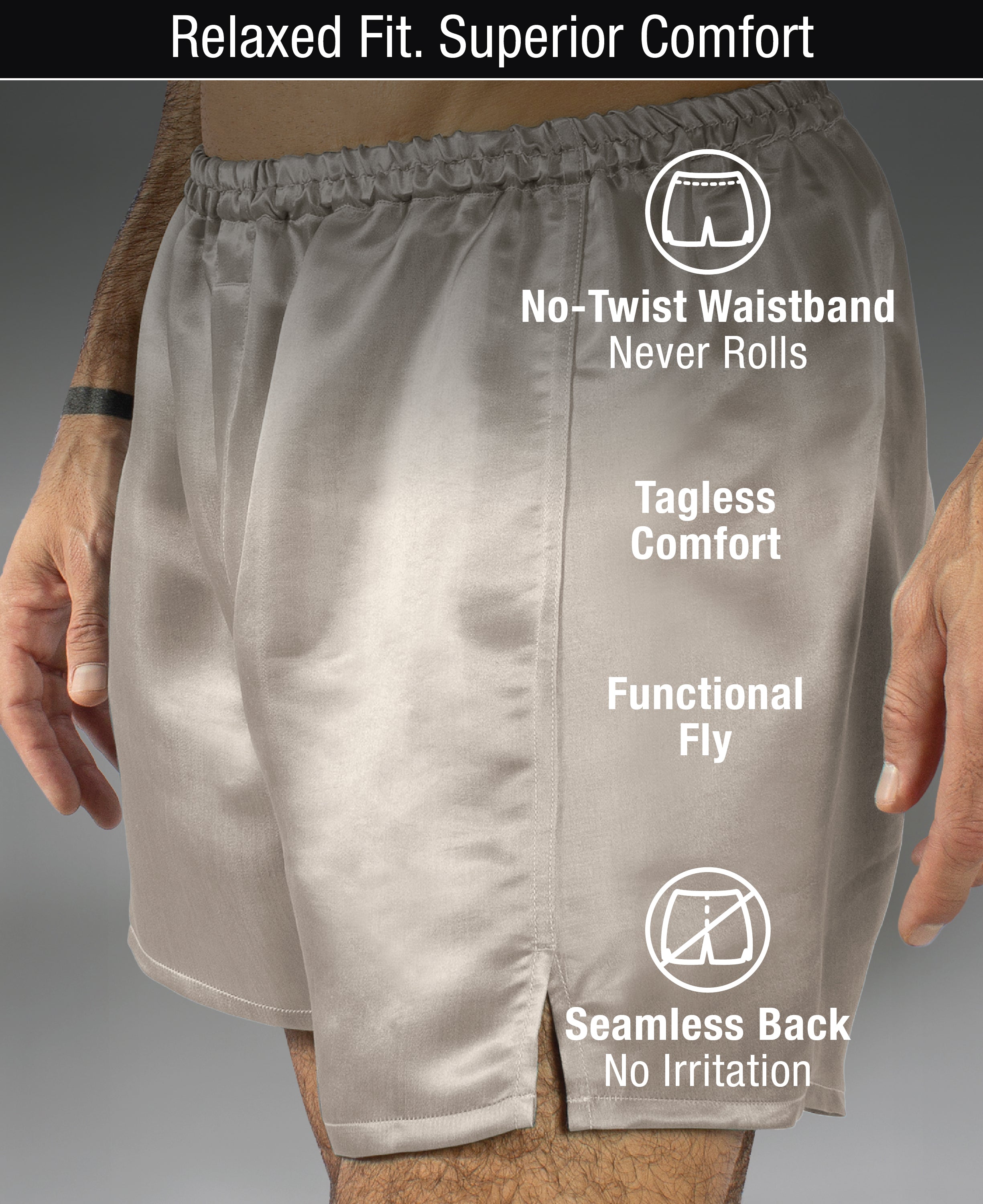
Silk boxers cost more per wear than cotton. The difference is in what each wear delivers: silk produces less friction against skin than cotton. Silk does not pill or thin at the inner thigh. The cost is higher. The comfort and skin health benefits are where the value lies, particularly if you have sensitive skin or eczema. Our piece on silk for eczema covers the research behind those benefits.


What Cost-Per-Wear Analysis Misses
The formula is useful but incomplete. It does not capture:
Escalating comfort:
Cotton and polyester garments get worse over time. They thin, pill, stretch, fade, and develop odours. The wearing experience at month one is the best it will ever be. Silk at 27 momme gets better over time. The fabric softens slightly with each wash while maintaining its structural integrity. The wearing experience at month 36 is better than at month one.
Replacement friction:
Buying a new cotton pajama set every two years is not just a financial cost. It is a time cost (research, order, wait) and an environmental cost (production, shipping, disposal of the old set). Buying once and wearing for a decade eliminates six to eight replacement cycles.
The opportunity cost of discomfort:
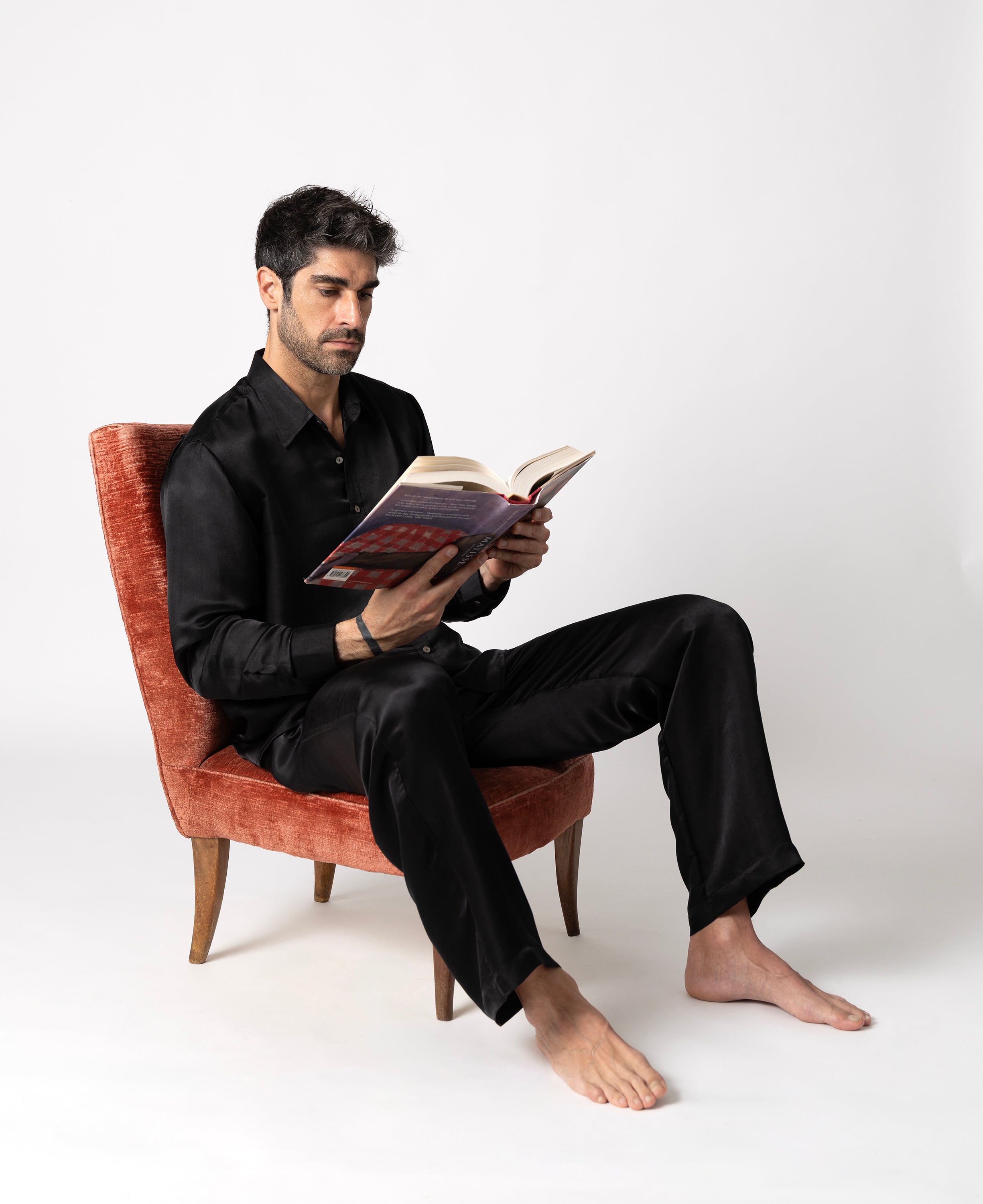
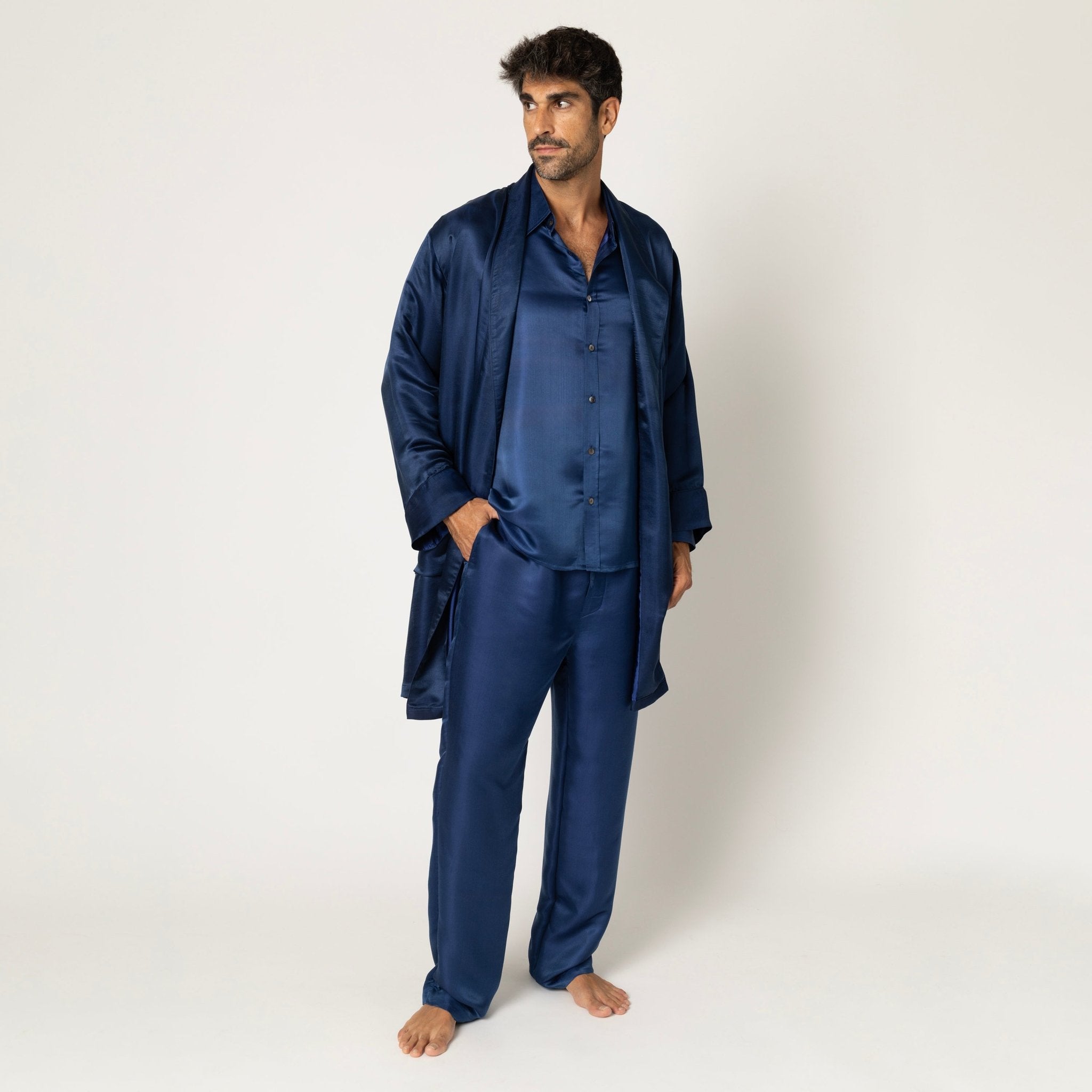
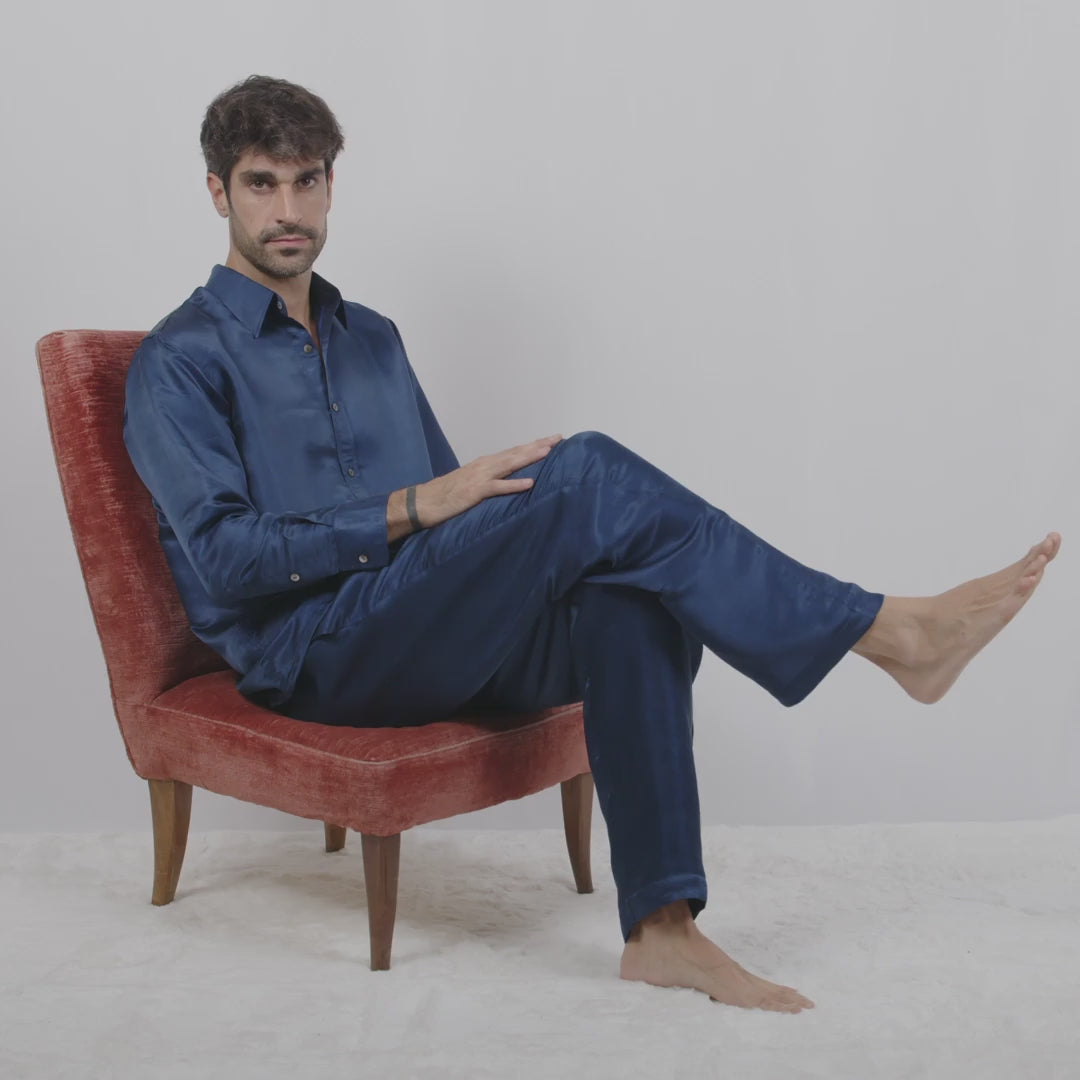
Bad sleepwear affects sleep quality. Sleep quality affects everything else. If a quality silk pajama set improves your sleep by even a marginal amount (which the thermoregulation and friction data suggest it should), the downstream value of that improvement, in energy, focus, health, and mood, exceeds the price difference. See our guide to the best silk pajamas for men if you are choosing where to start.
No study has claimed that silk cures eczema or replaces medical treatment. The evidence supports silk as an adjunct, a complementary measure that reduces mechanical irritation while medical treatments address the underlying inflammatory process. The research tells us that silk addresses a specific problem (fabric friction) in a specific context (nighttime sleep) without pretending to solve the broader disease. Browse our men's silk pajamas if you are ready to make the change.







The Anchoring Problem
The reason premium silk feels expensive is that we anchor the price against budget cotton. A quality silk pajama set sounds extravagant when compared to a budget cotton set. But we do not apply the same logic to other categories.
A premium pair of running shoes that lasts significantly longer is not considered extravagant compared to a budget pair that requires replacement sooner. A quality mattress used for 10 years is considered a reasonable investment in sleep quality. A premium set of pajamas used for approximately 5 years, worn for the same 8 hours per night as the mattress, somehow triggers a different mental calculation.
This is what behavioral economists call "the wrong comparison set." We evaluate pajamas against other pajamas, which puts them in the "commodity" mental category. If we evaluated pajamas against "things that affect 8 hours of my daily experience," they would sit alongside mattresses, pillows, and bedroom climate control, and the investment logic would feel intuitive rather than extravagant.
Consider the hours invested: a quality mattress that lasts 10 years provides approximately 29,200 hours of use. A silk pajama set lasting 5 years provides approximately 14,600 hours of use. The pajamas are actually cheaper per hour of use while delivering comparable impact on sleep quality. Yet the price anchors we set in our heads make one feel extravagant and the other feel responsible, even when the math favors the pajamas.

When Silk Is Not the Right Choice
Transparency requires acknowledging the scenarios where the cost-per-wear calculation does not favor silk:
If you will not wear it:
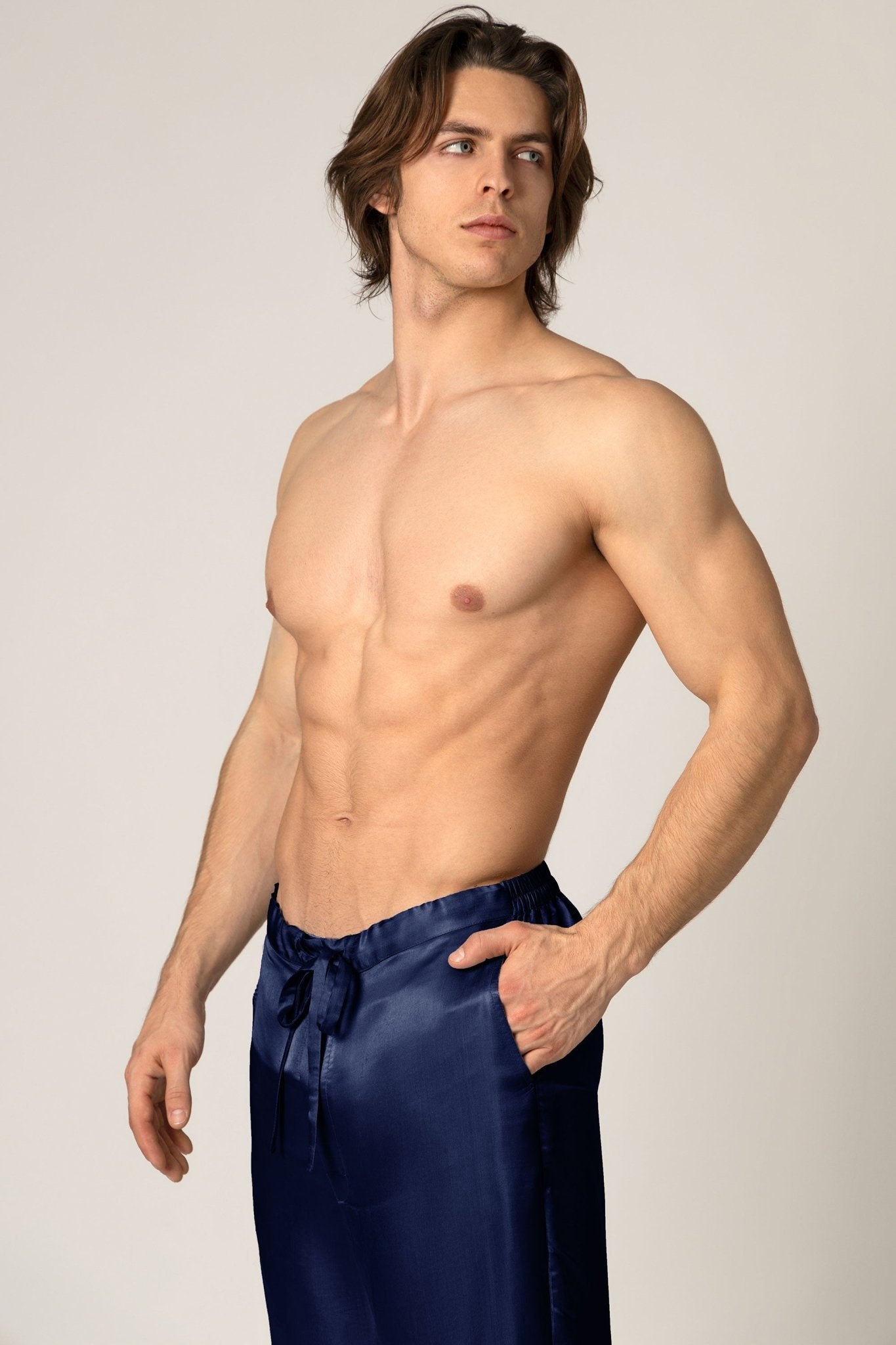
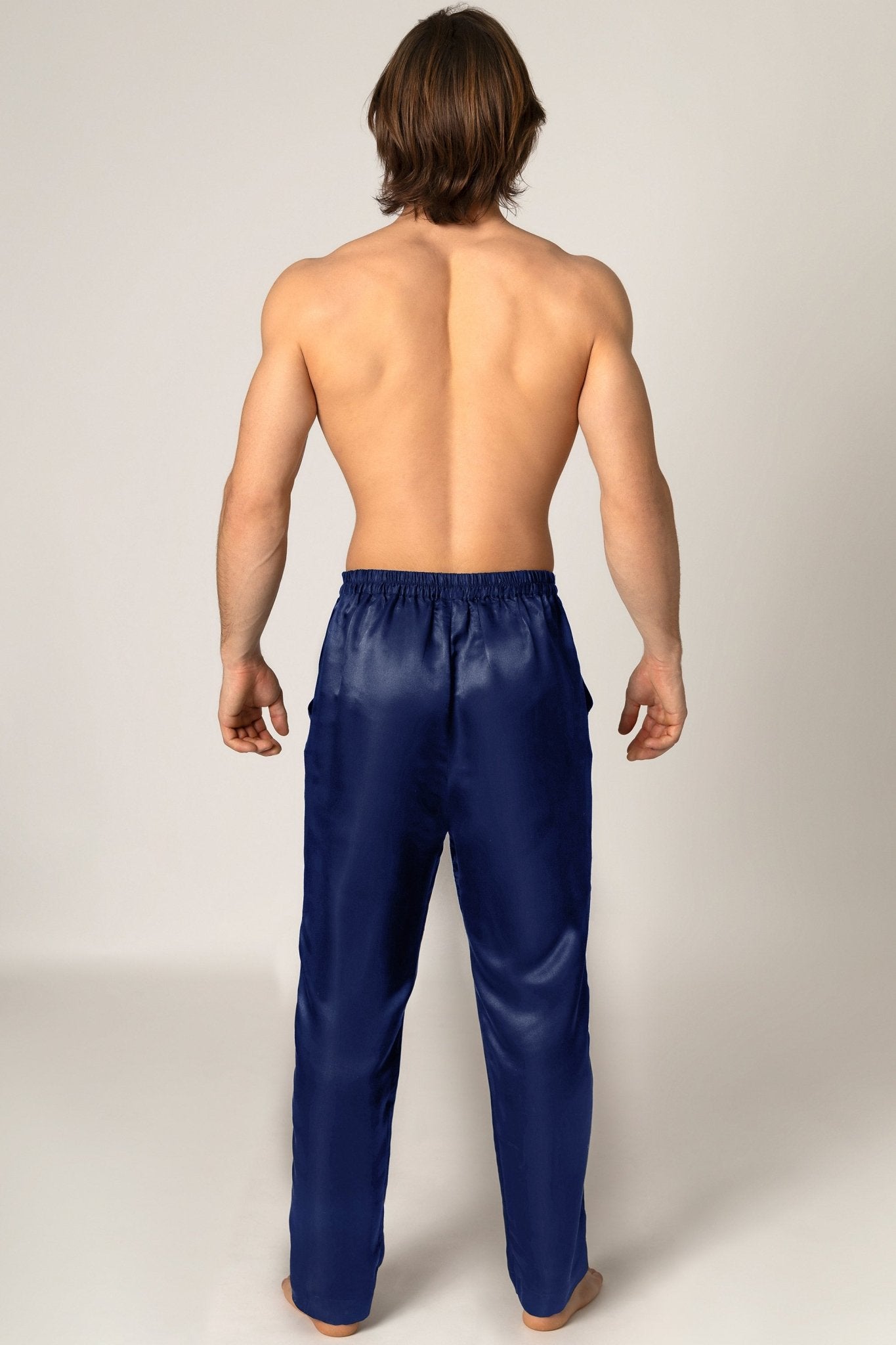
A silk pajama set that stays in the drawer because you feel self-conscious or cannot be bothered with the care instructions has an infinite cost per wear. If you suspect this is you, start with our men's silk boxers: they integrate into your existing routine with zero lifestyle change.
If you destroy clothing regularly:
If your garments consistently last less than six months regardless of quality, due to occupational hazards, pets, or aggressive laundering, the longevity advantage of silk is negated.
If your budget is genuinely constrained:
Cost-per-wear analysis requires the upfront capital to make the initial purchase. A quality silk pajama set is a better value than buying multiple budget cotton sets over time, but it requires upfront investment. If that capital is needed elsewhere, a more affordable set is the right purchase today.
The Gift Equation
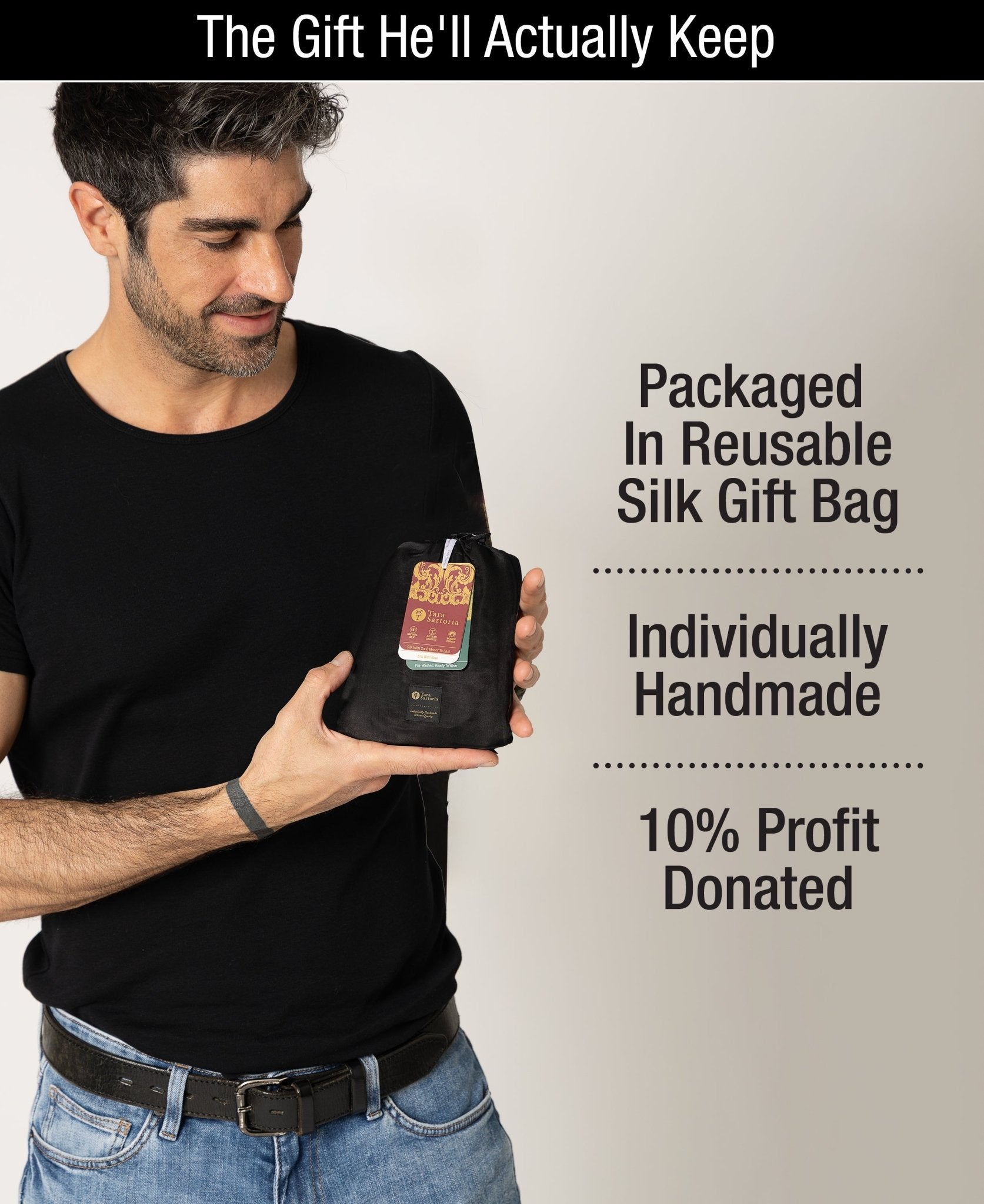
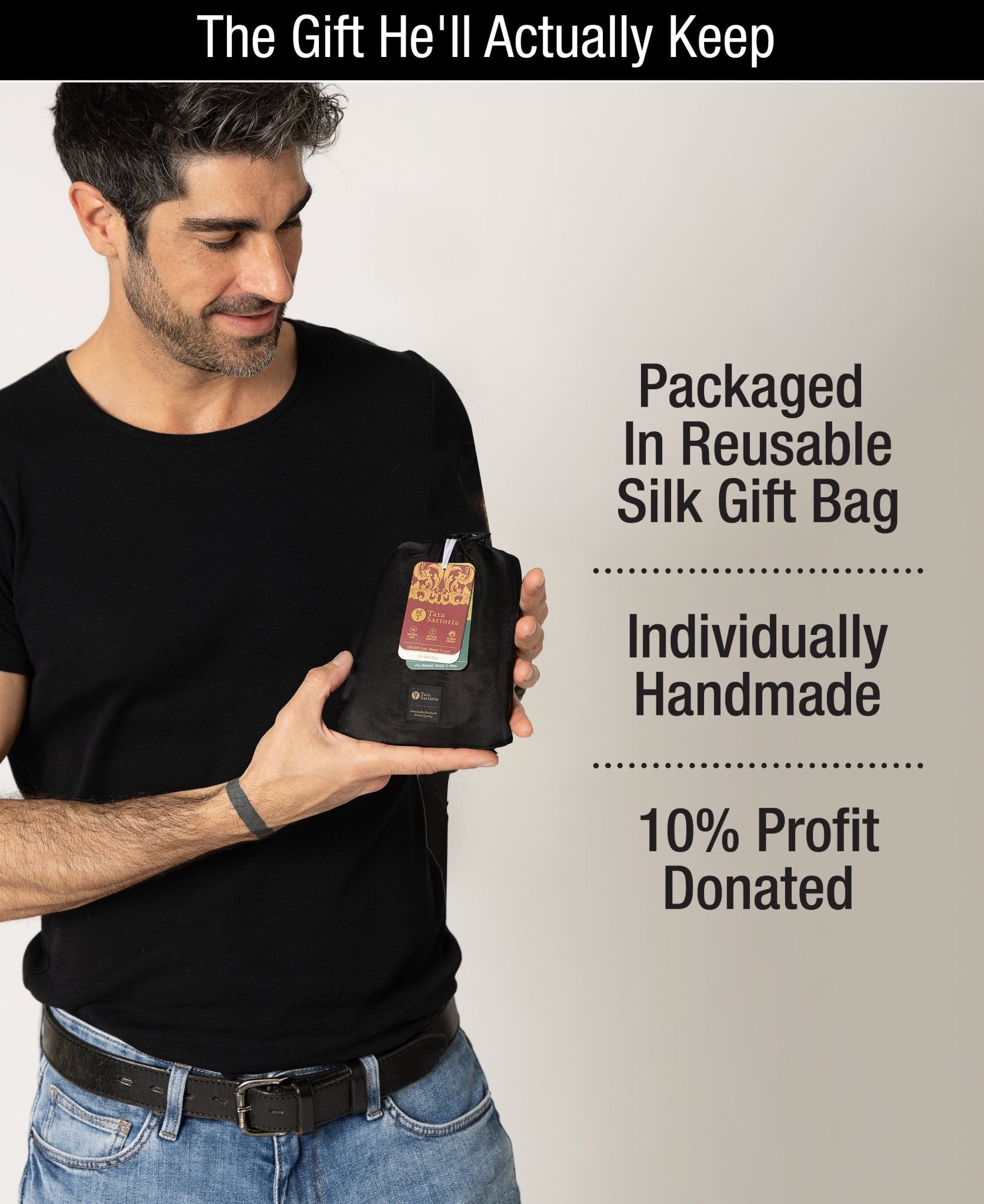
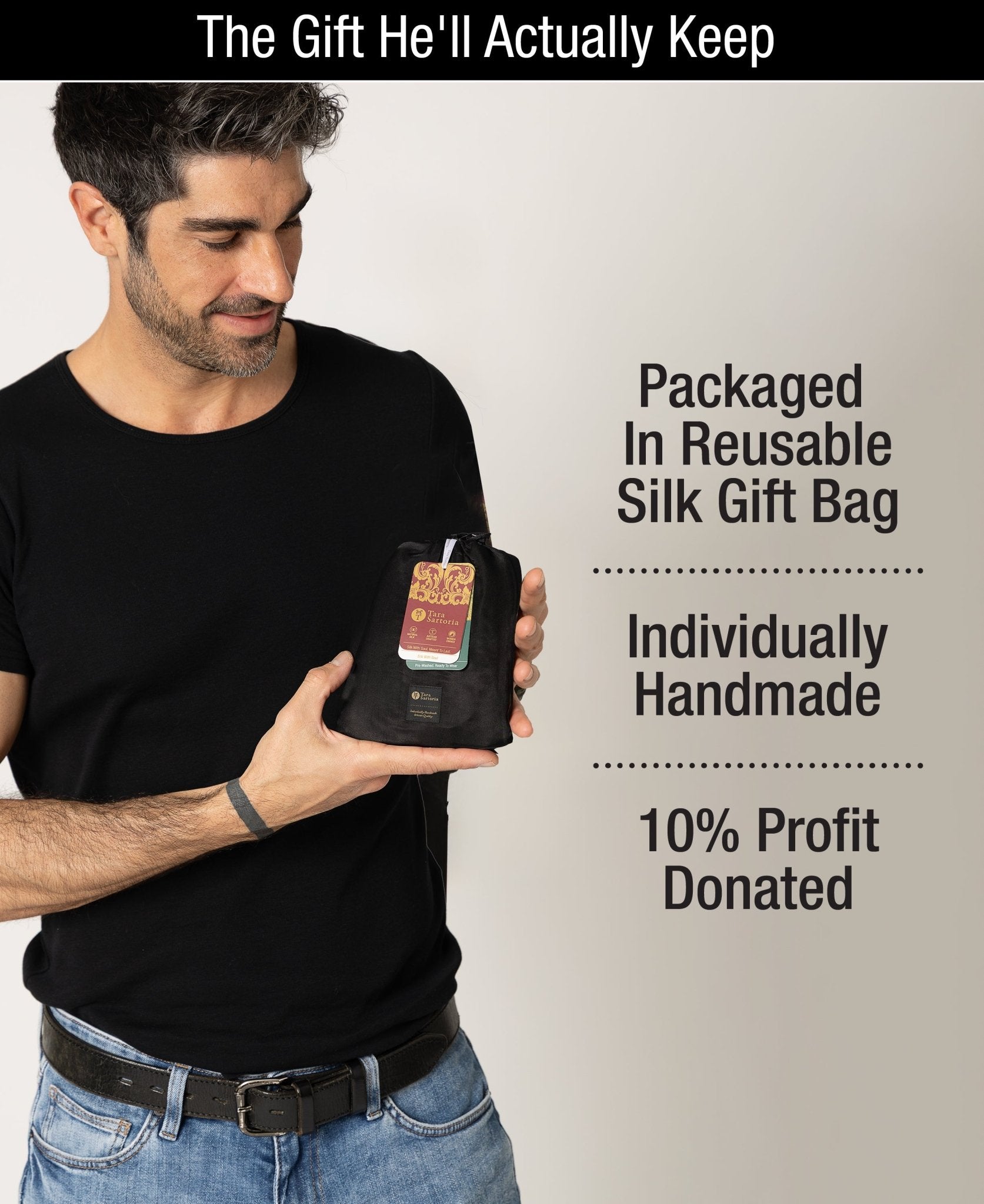
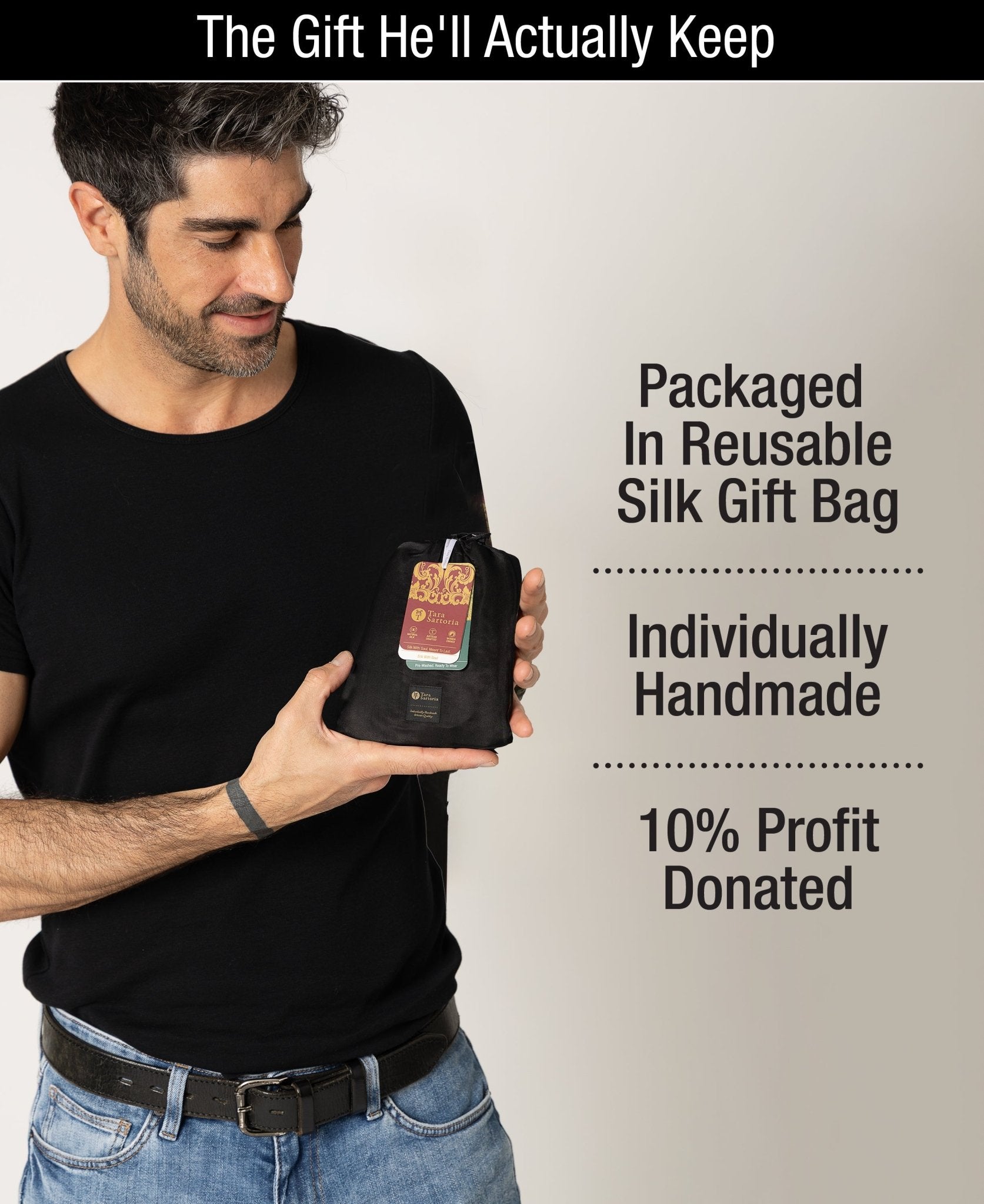
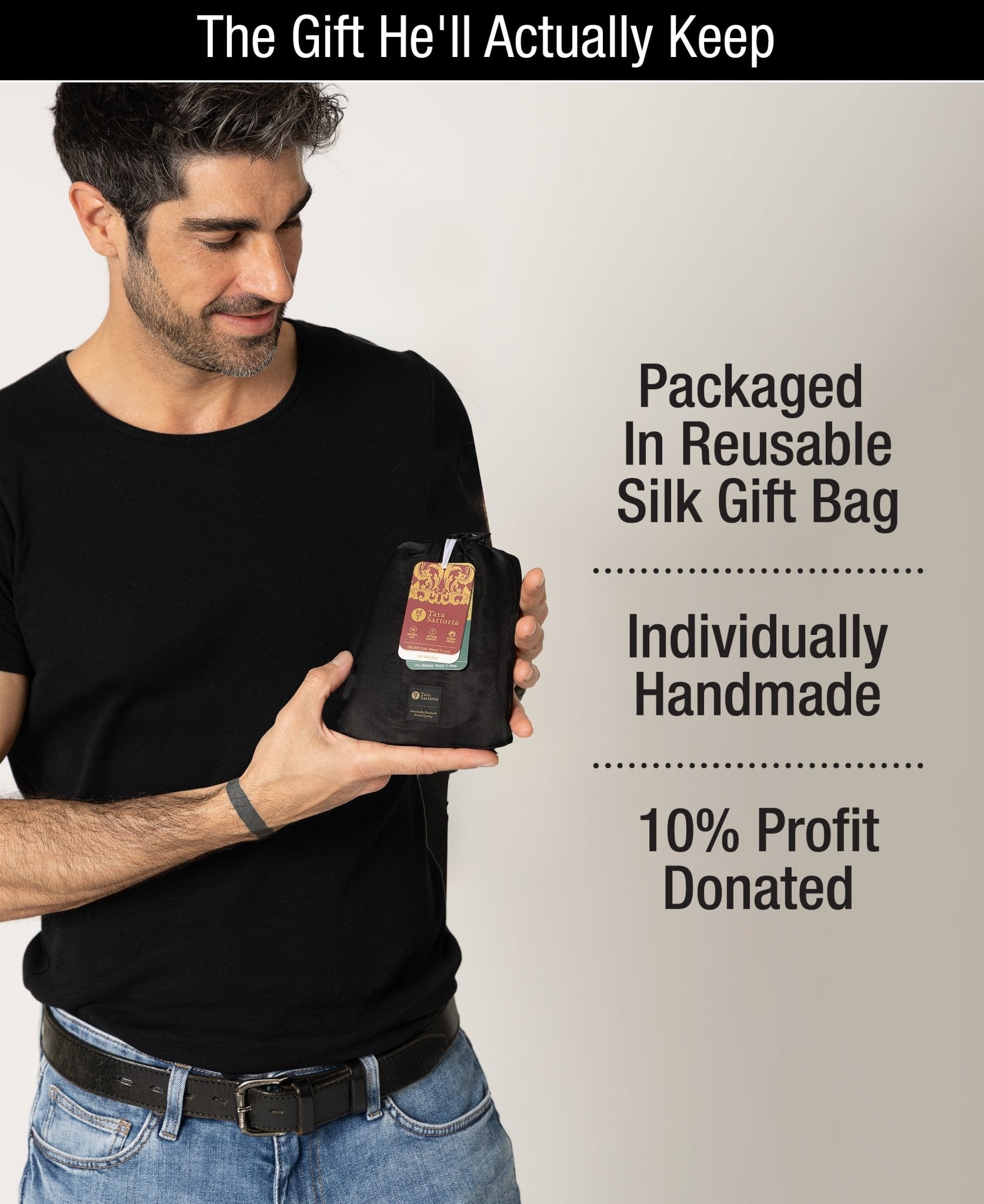
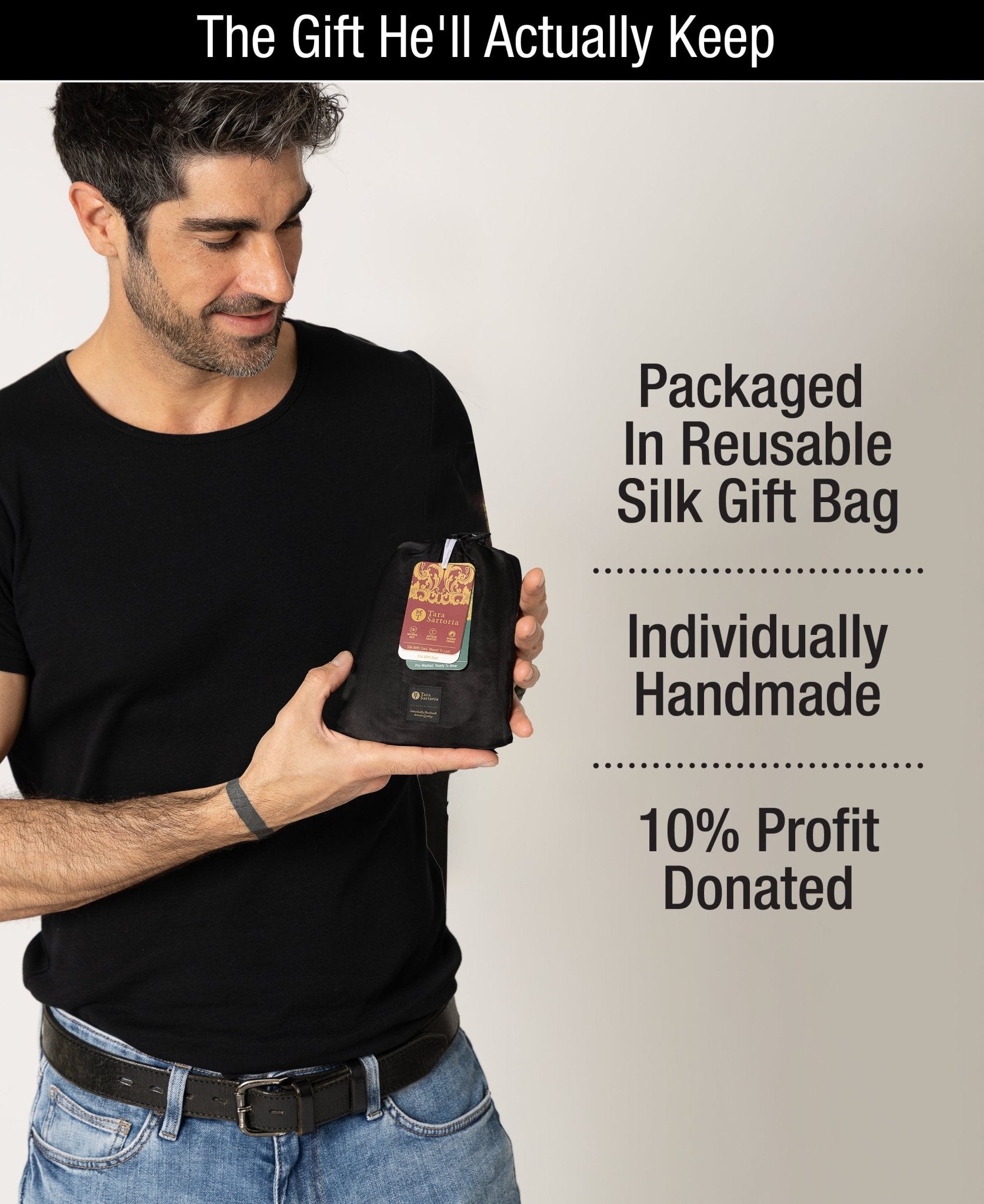
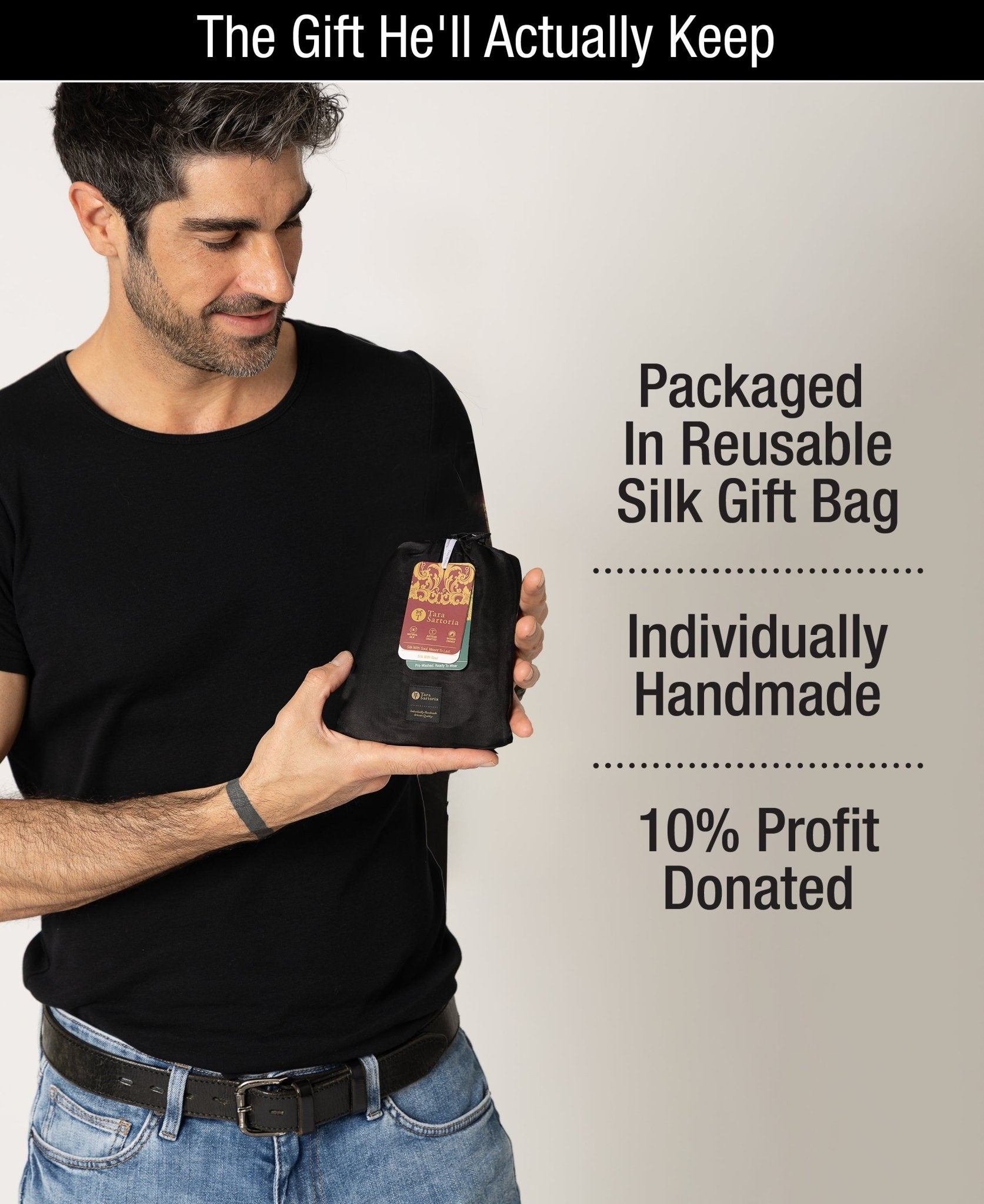
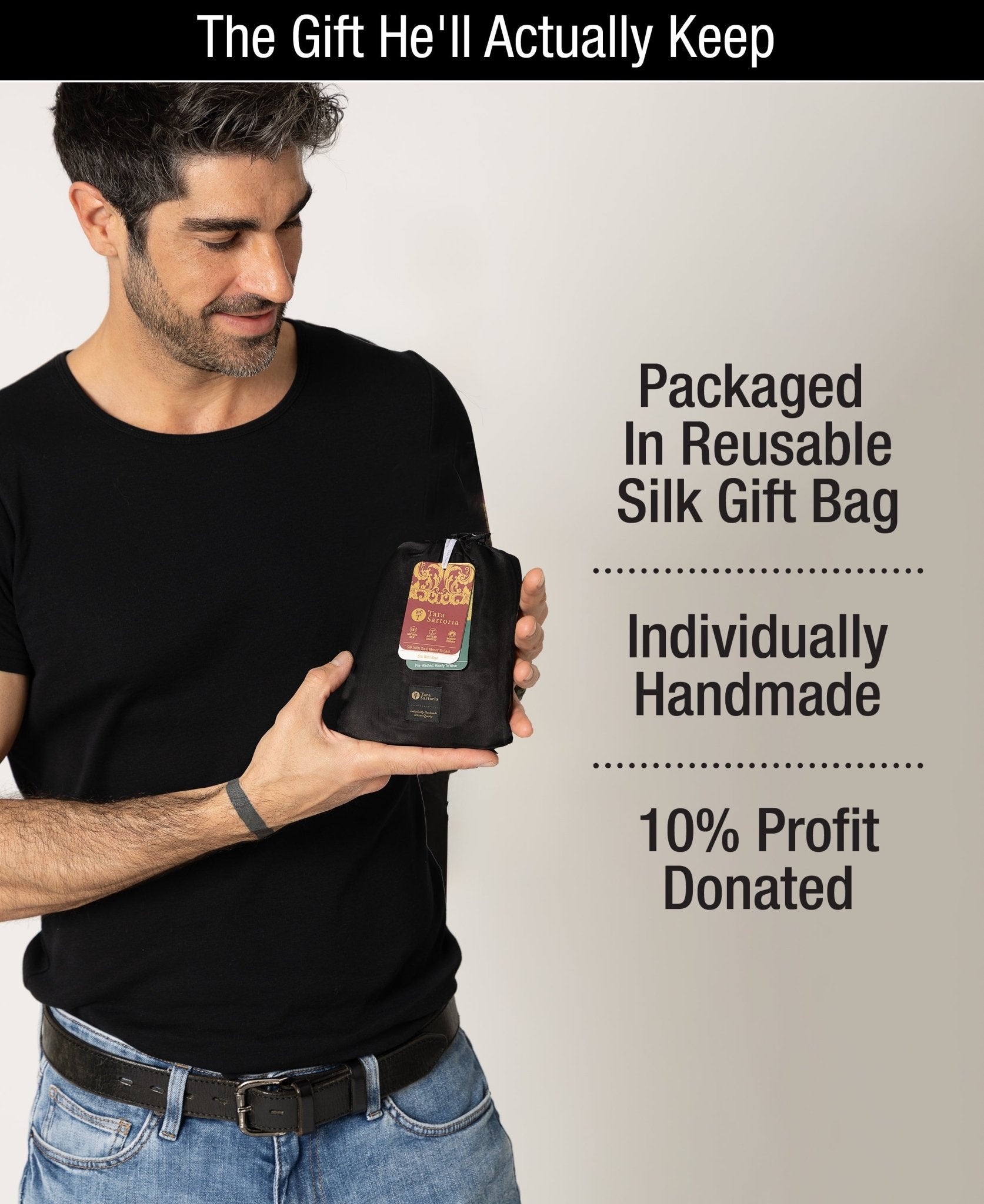
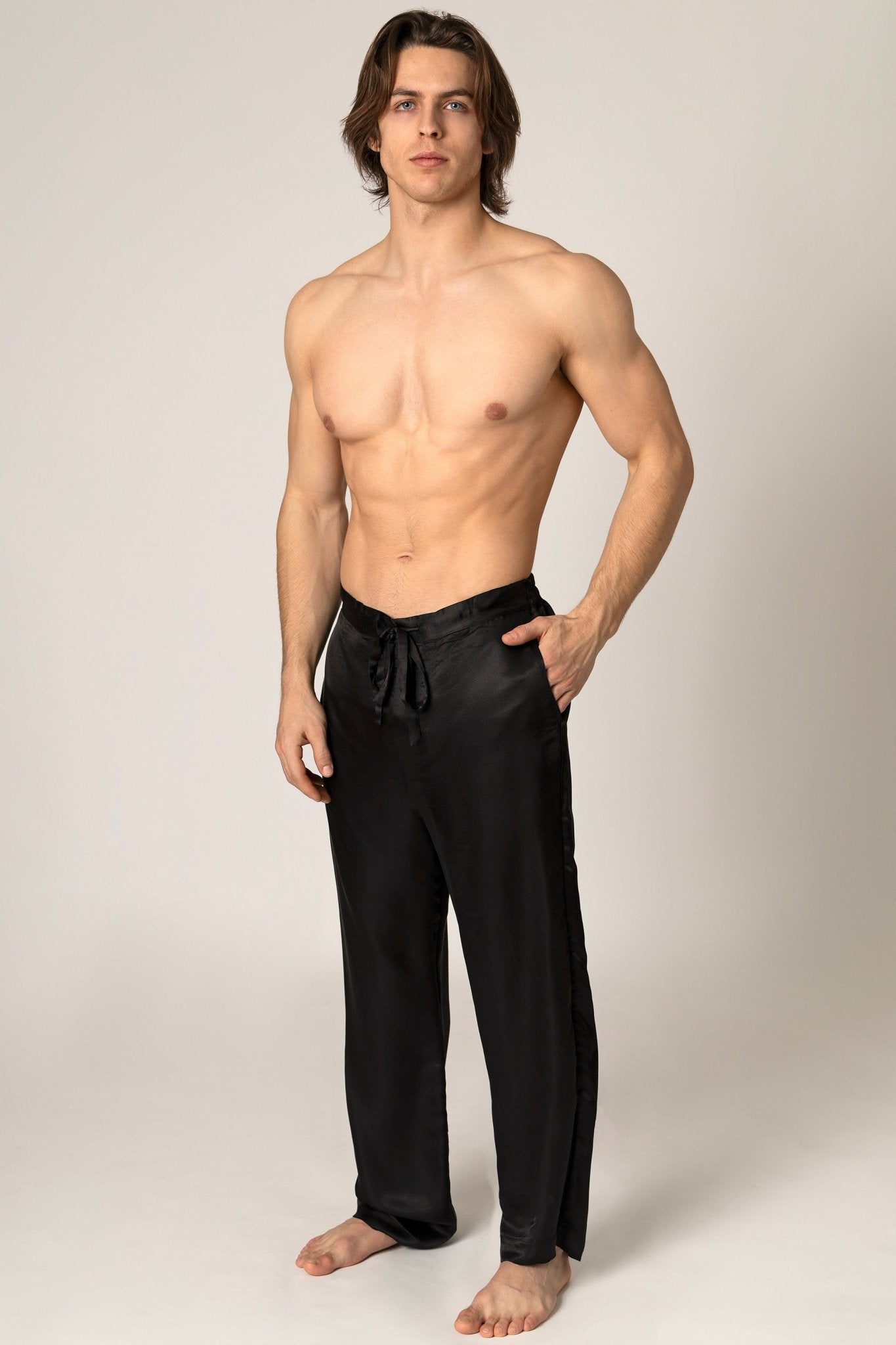
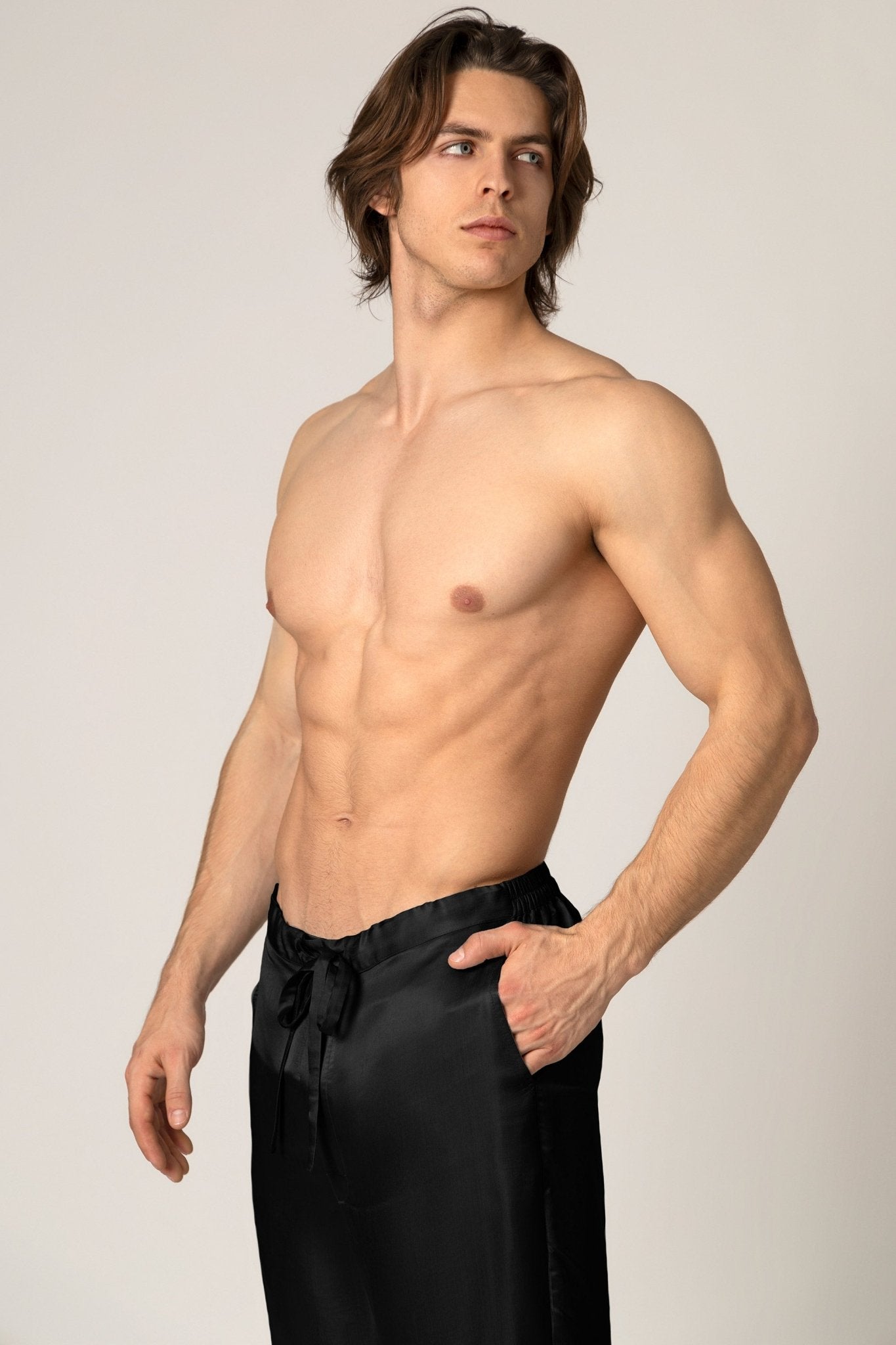
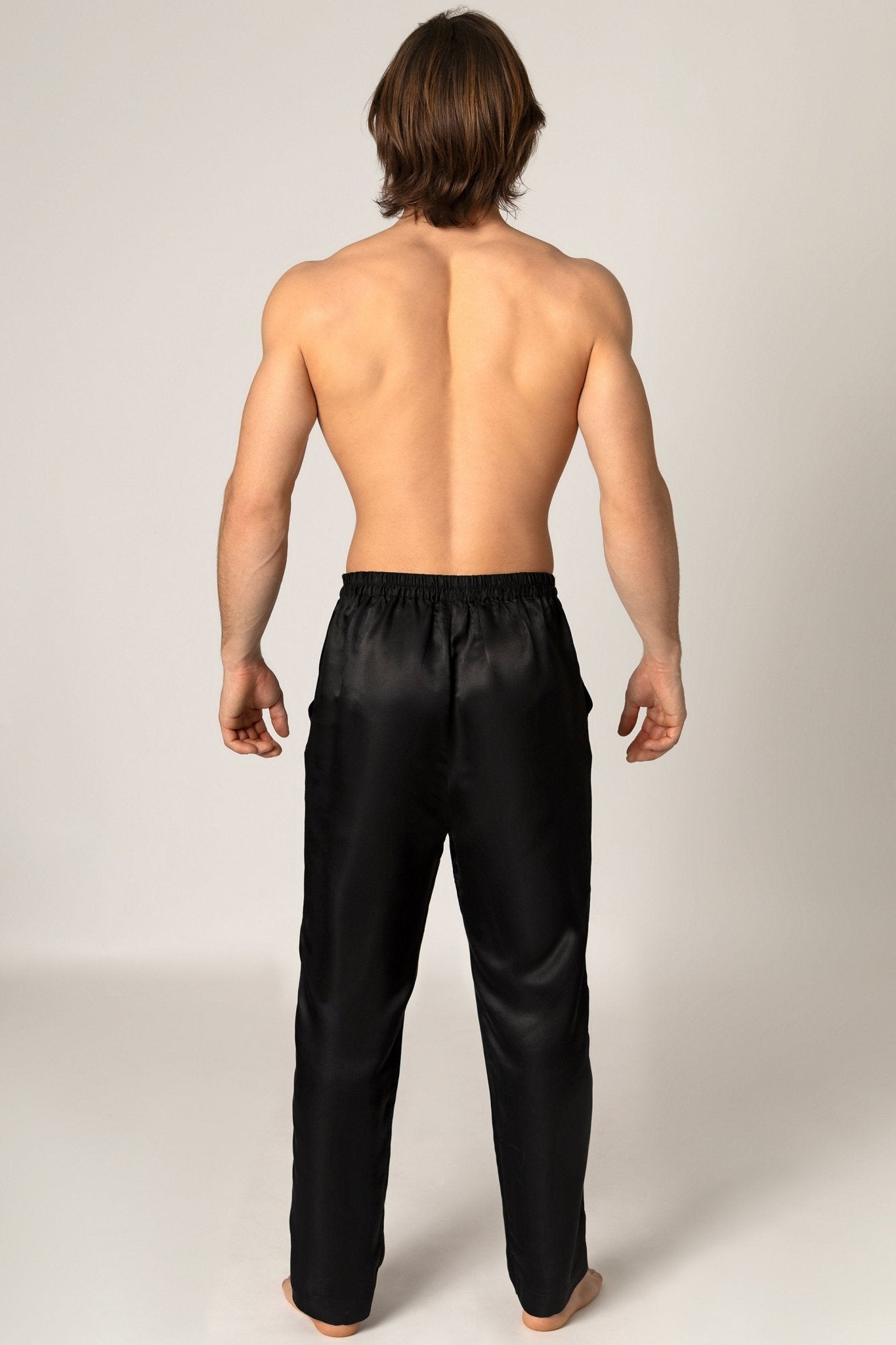
Cost per wear changes the gift calculation too. A pair of silk boxers that lasts three years is a gift that provides three years of daily value. That is three years of someone thinking about you every time they put on a genuinely useful, high-quality object. Compare that to a novelty gift that gets used twice and forgotten. The silk gift provides lasting value, the recipient discovers the difference between quality and budget options through daily wear.
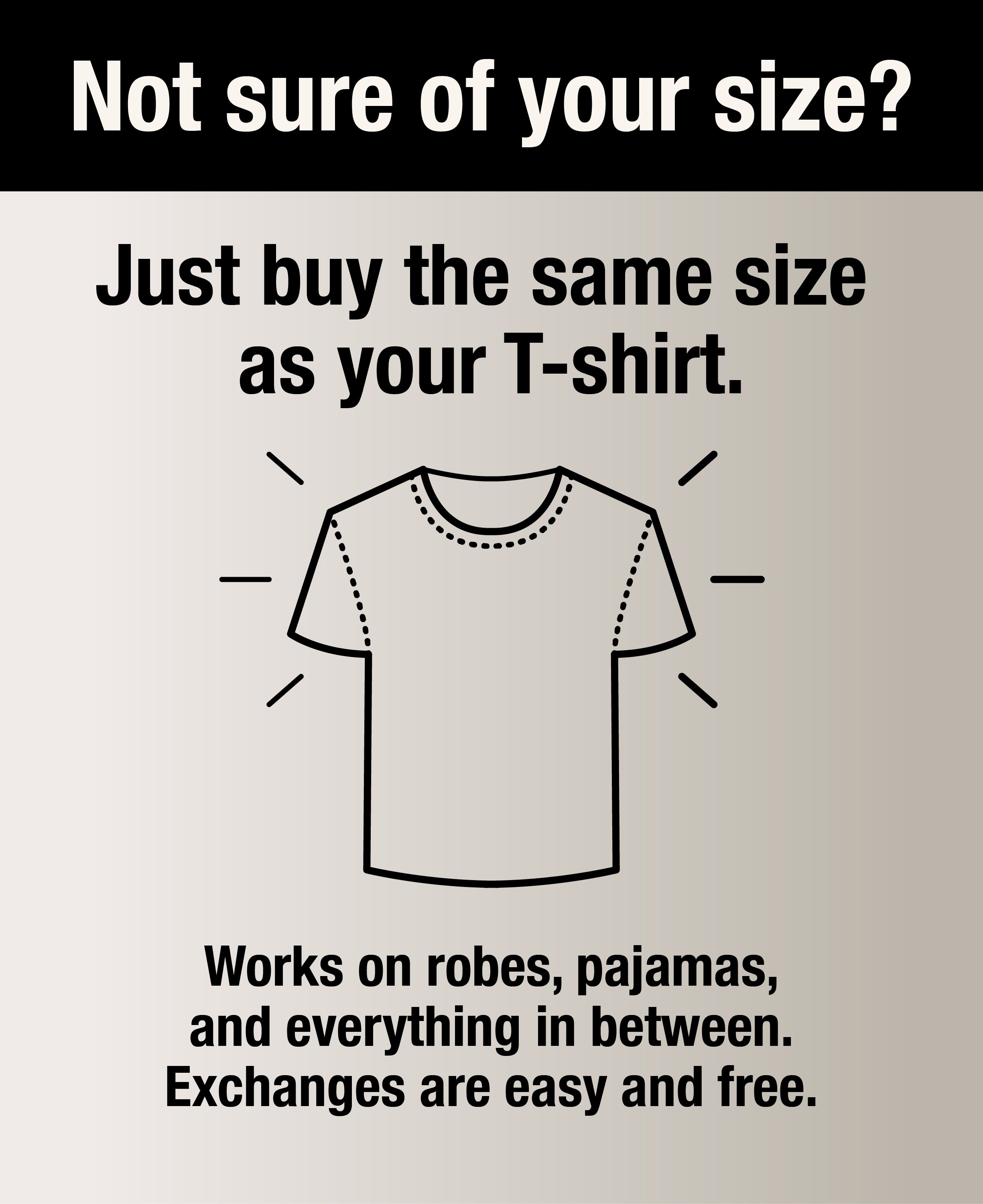
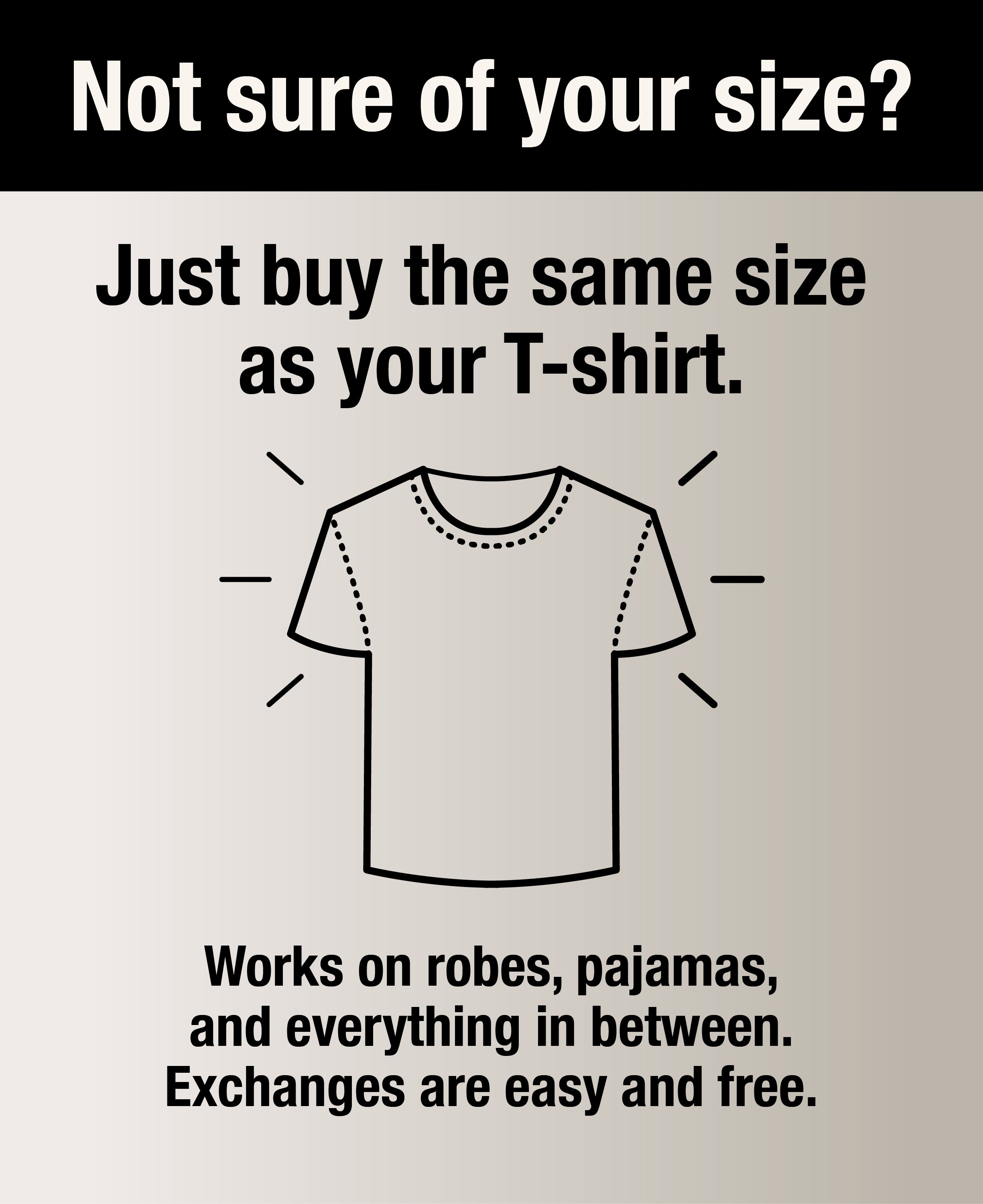
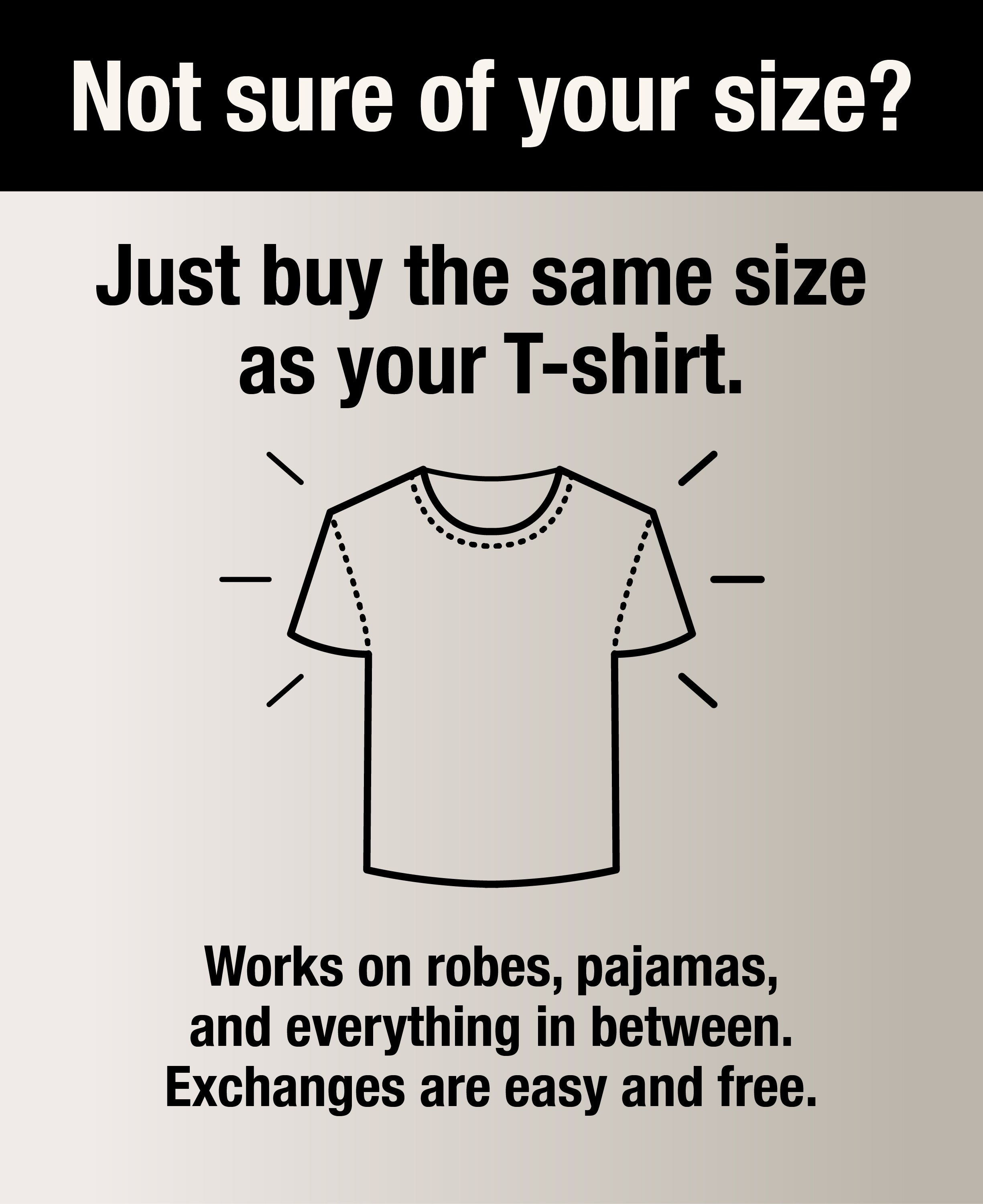
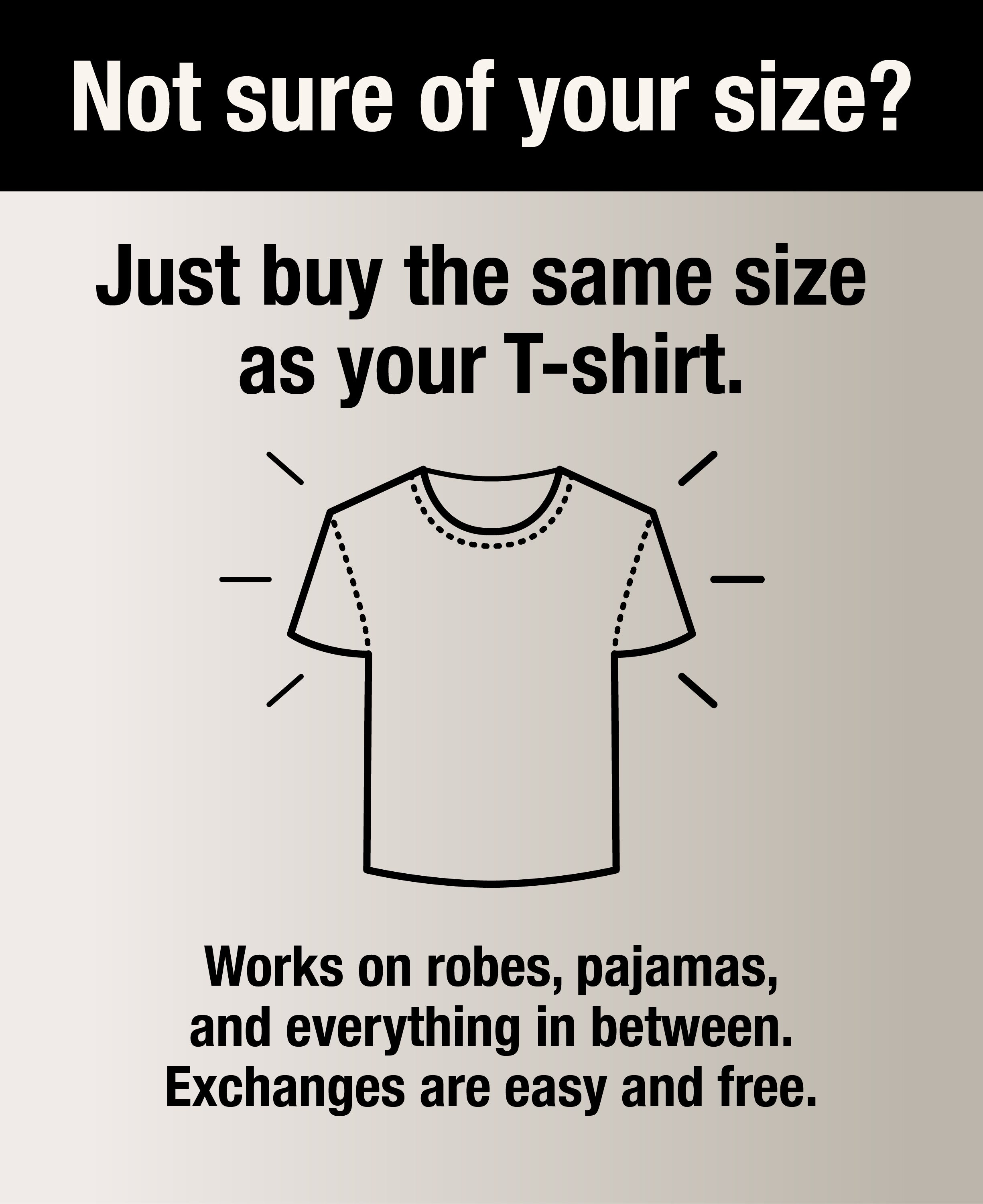
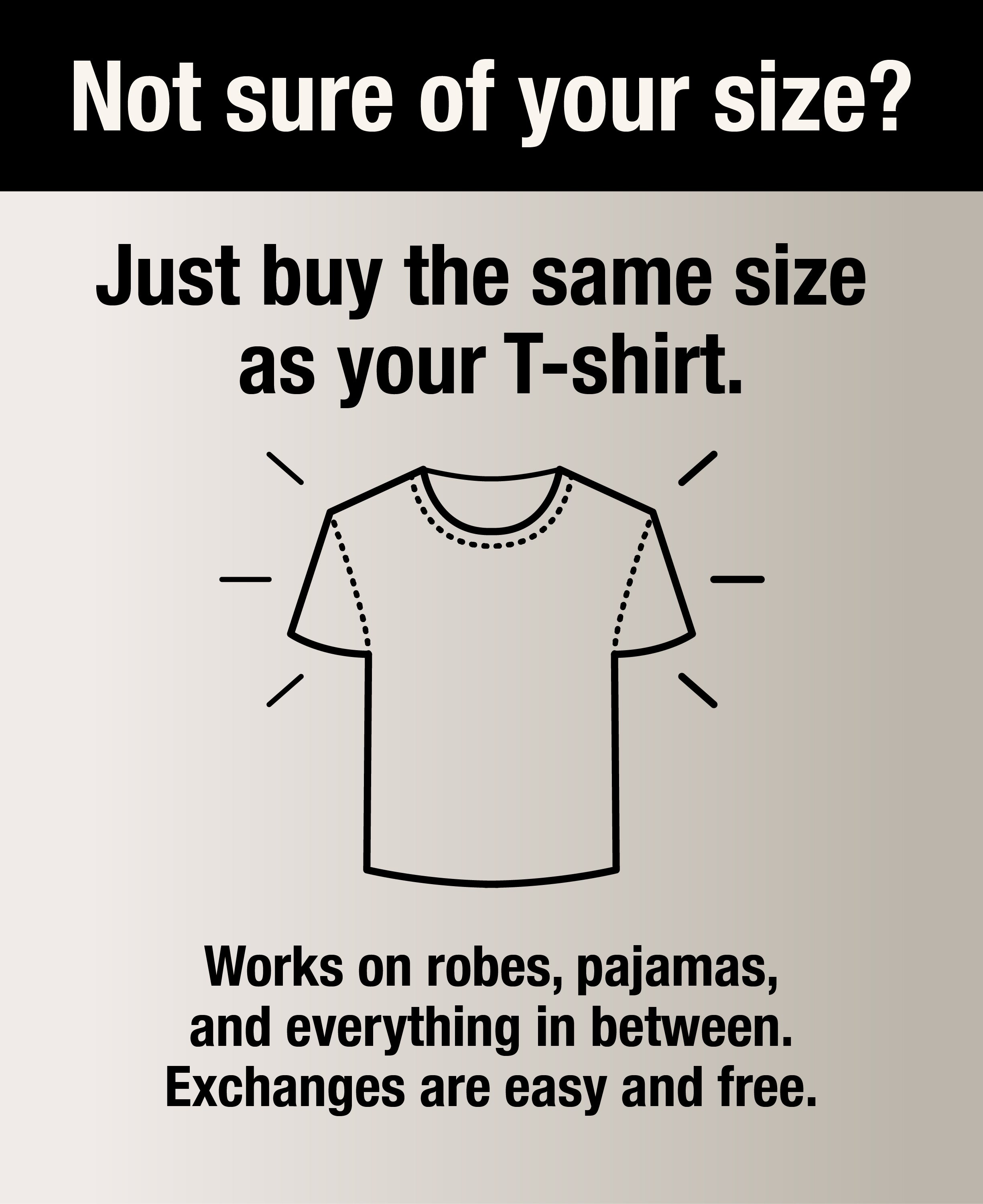
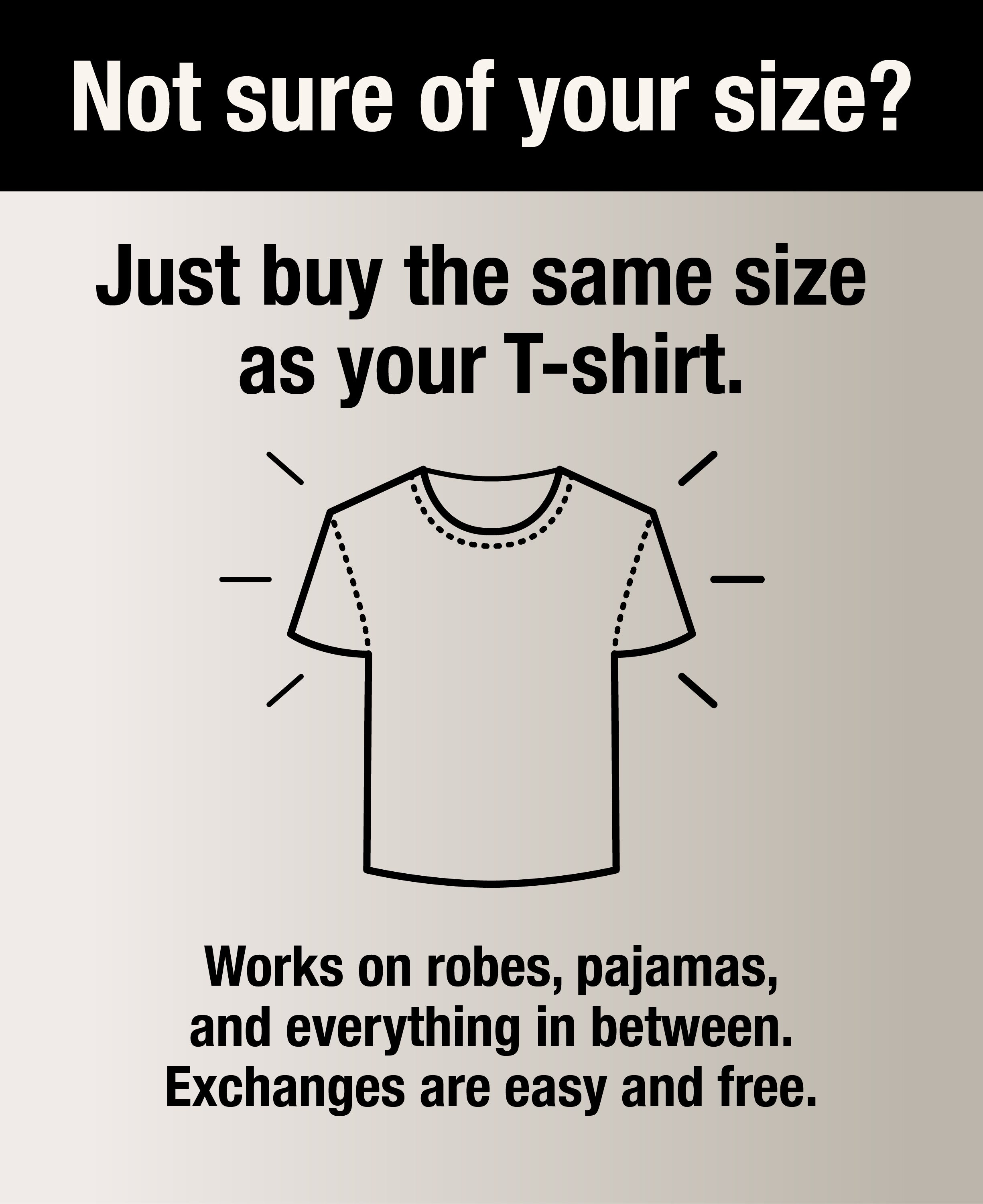
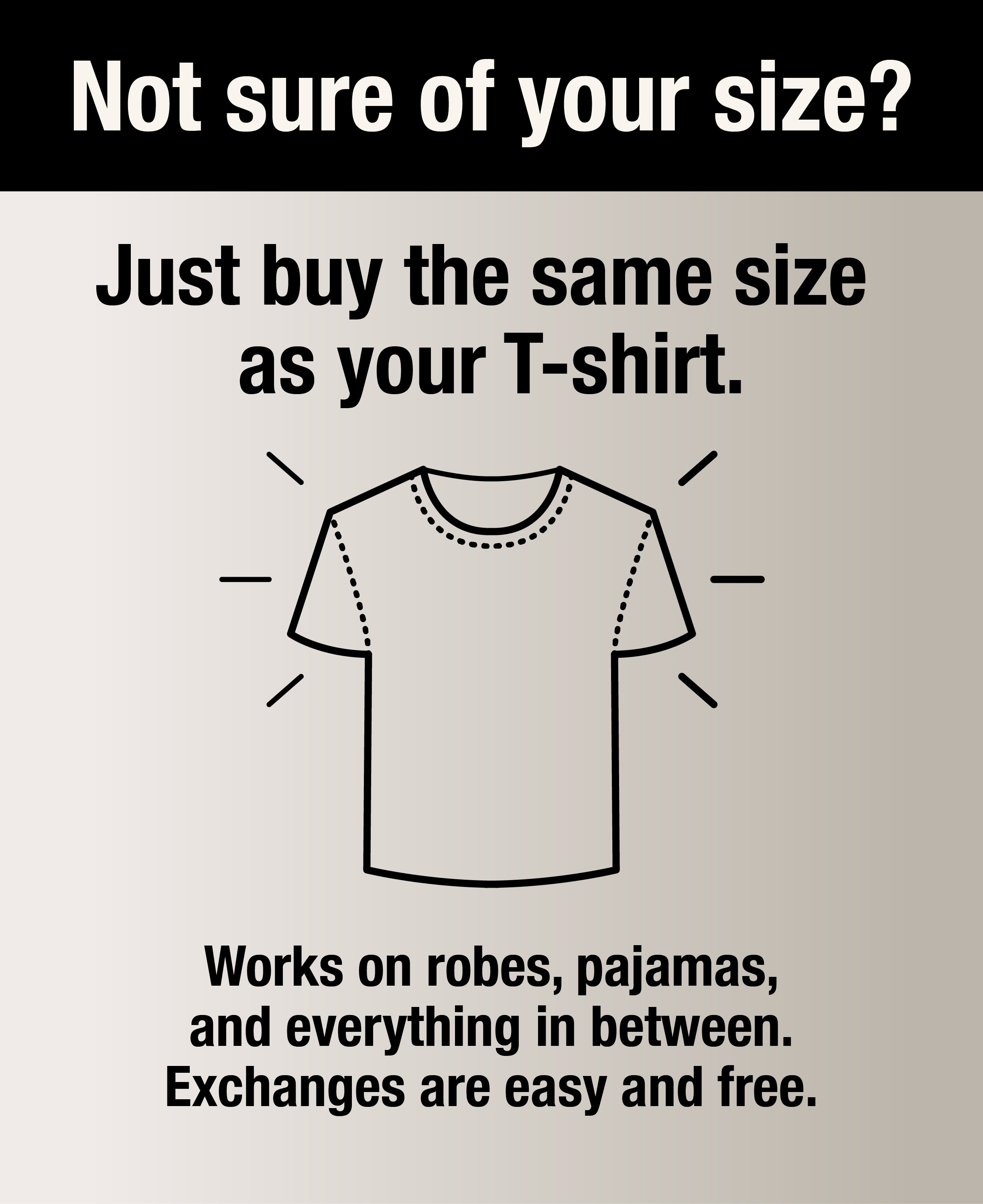
Find your size in men's silk pajamasFrequently Asked Questions
Is silk sleepwear really cheaper than cotton over time?
The total cost over a decade is comparable to slightly higher for silk, but you buy once instead of three to four times. The cost-per-wear figures end up remarkably close, but the wearing experience is substantially different due to silk's thermoregulation, low friction, and improving comfort over time.
How long do Tara Sartoria silk products actually last?
At 27 momme with French seam construction, approximately 5 years of regular use with proper care. The primary determinant of lifespan is care: machine wash at 30 degrees, lay flat to dry, no bleach, no tumble dryer. The fabric softens with age but does not degrade structurally.
Does silk require expensive dry cleaning?
No. Tara Sartoria's 27 momme silk with French seams is machine washable at 30 degrees on a gentle cycle. Use a mild detergent. Lay flat to dry. The care cost is the same as washing any other garment at home.
What is the cost per wear of silk boxers?
Silk boxers at 27 momme last approximately 3 years of daily wear, roughly 1,095 uses. Spread across that lifespan, the cost per wear is remarkably low for a garment that thermoregulates, produces less friction than cotton, and does not pill or thin at the inner thigh. Compare that to cotton boxers replaced every 6 to 12 months.
Is it better to buy one expensive silk item or several cheaper cotton items?
For sleep quality and long-term value, one high-quality silk item outperforms the equivalent spend on multiple cotton items. Start with the item that addresses your primary concern: boxers for daily comfort, pajama pants for temperature regulation, or a robe for your morning routine.
What is the actual price difference between silk and cotton per year?
Using the pajama example: silk spreads its cost over 5 years of nightly use. Cotton requires multiple purchases over the same period. The difference amounts to a few dollars per month for a garment you wear 8 hours per day, a small premium for substantially different performance in thermoregulation, durability, and comfort.
