


Plus-Size Silk Robes: What to Look For
By Tara Nguyen, Ph.D., Founder and Creative Director, Tara Sartoria
A customer wrote to me in our first year of business. She was a size 22, she said, and she had not owned a real silk robe in her adult life because every brand she had tried stopped at L or sold an "extended size" that was the same cut graded up with no consideration of how it would actually sit on her body. The seams pulled. The sash sat in the wrong place. The shoulders were too narrow.
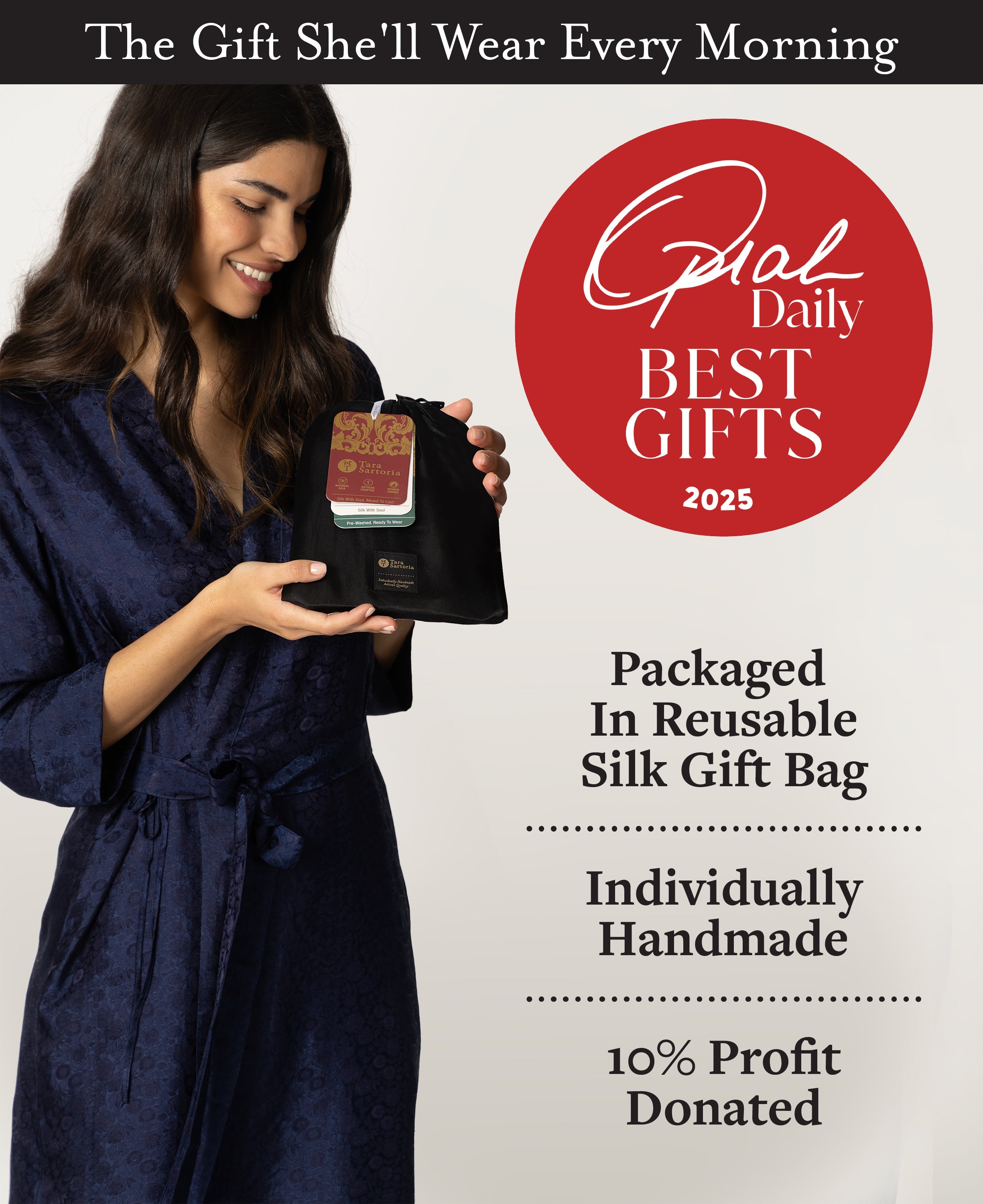
She asked if our 4XL would be different. I sent her one, asked her to send it back if it was not, and told her she would not owe anything. She kept it. Six months later she ordered the long robe in a second color. That email is still on my desk. It is the reason we make XS to 4XL as standard, not as an extended-size afterthought.
A Short Answer for the Person Skimming
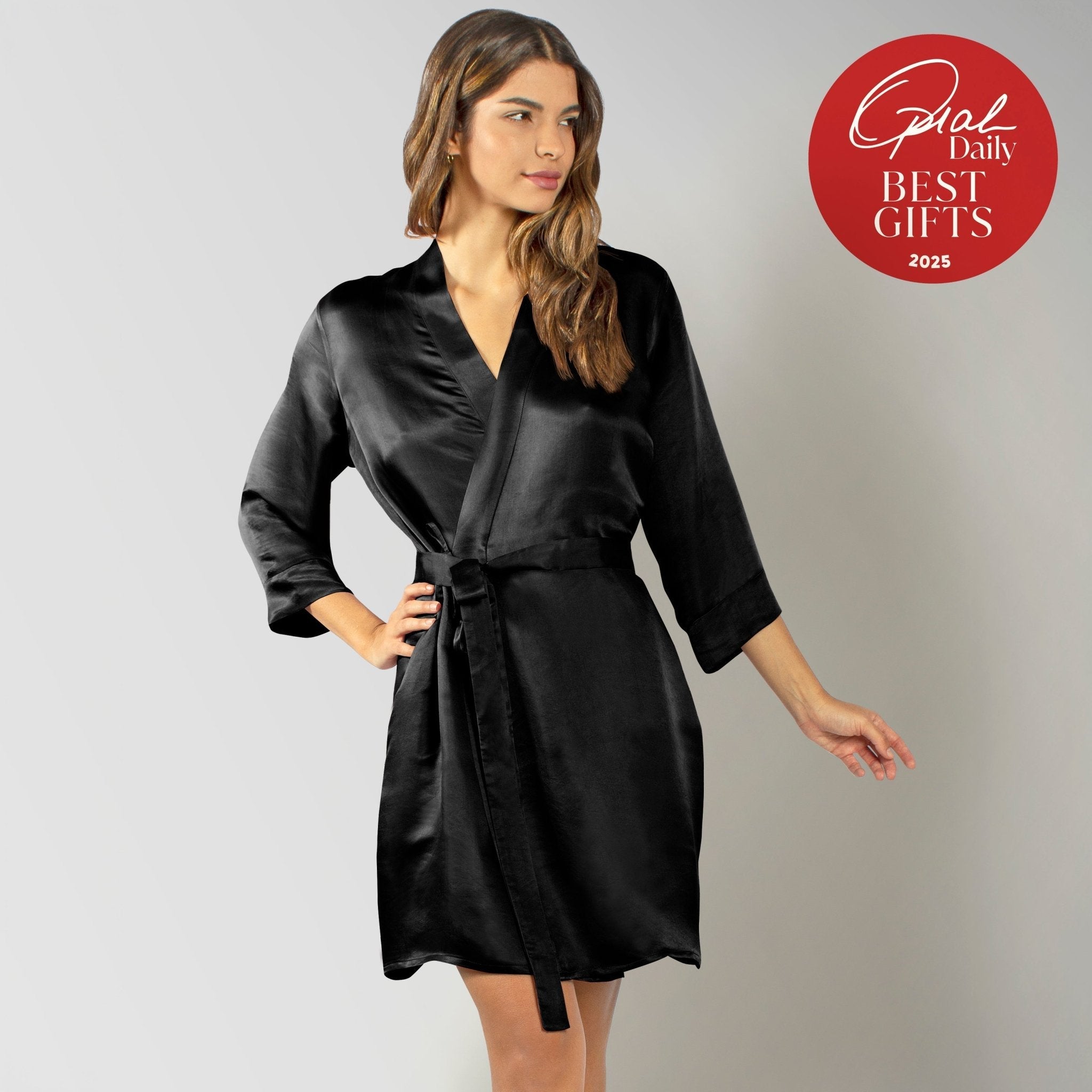
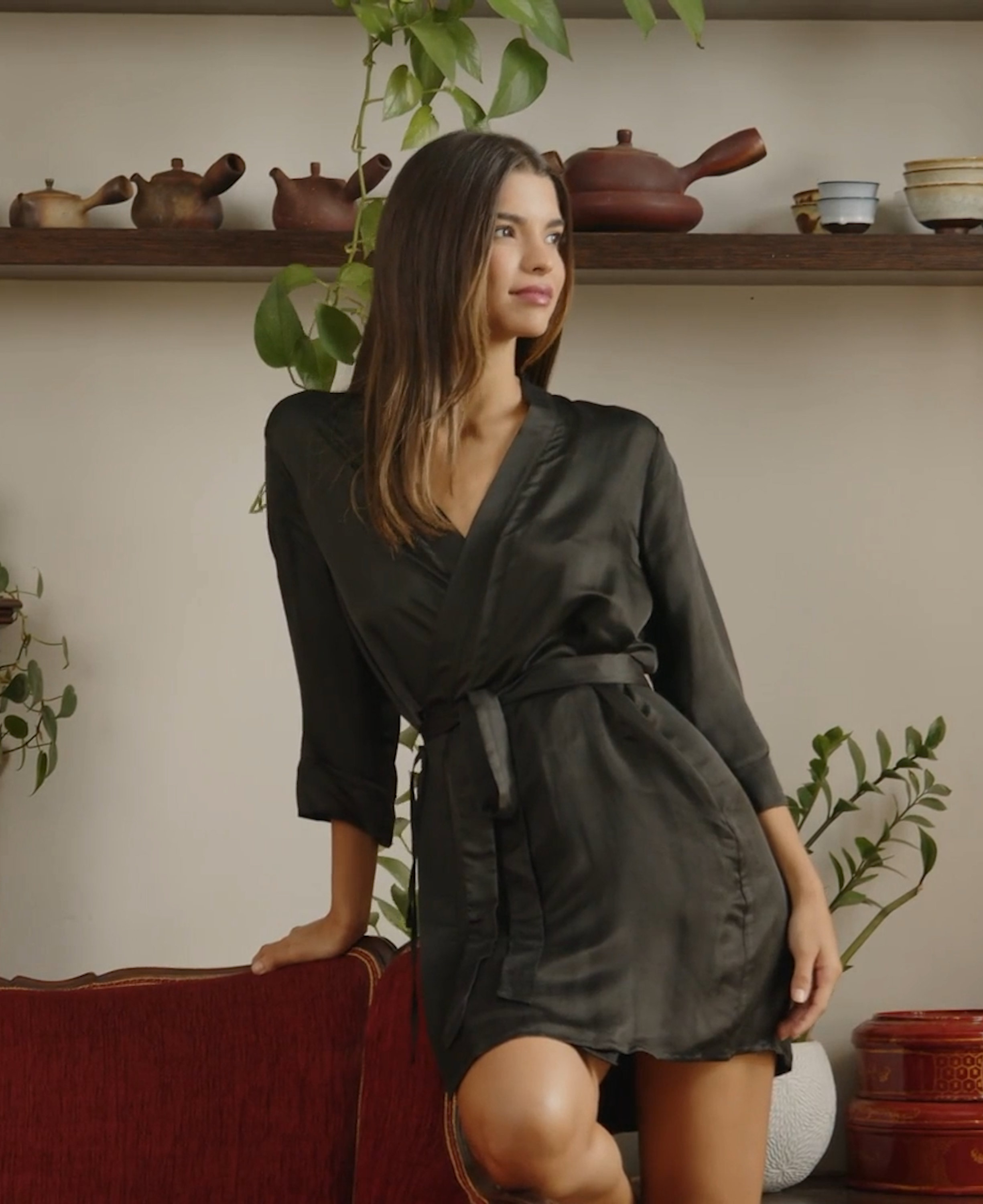
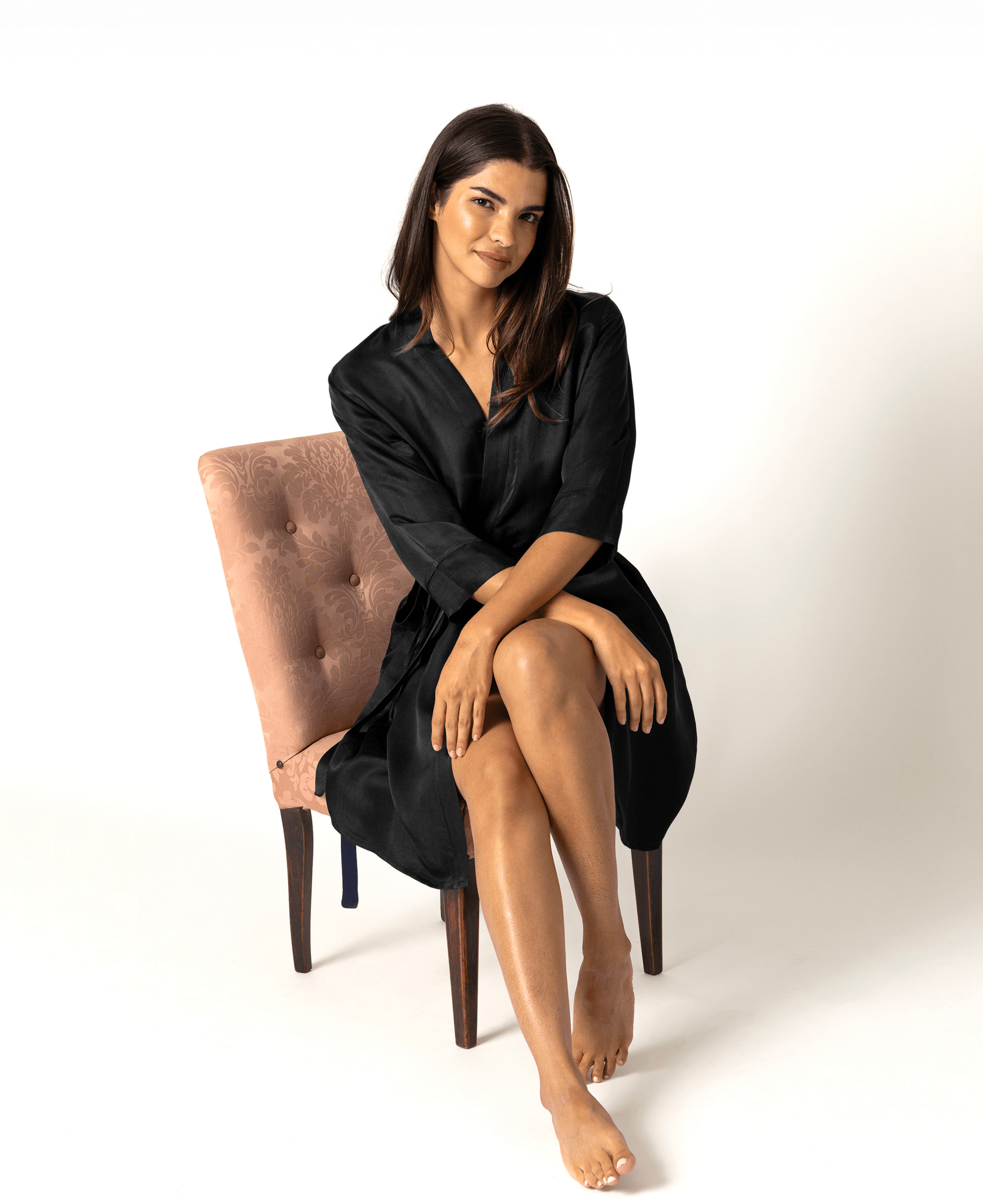
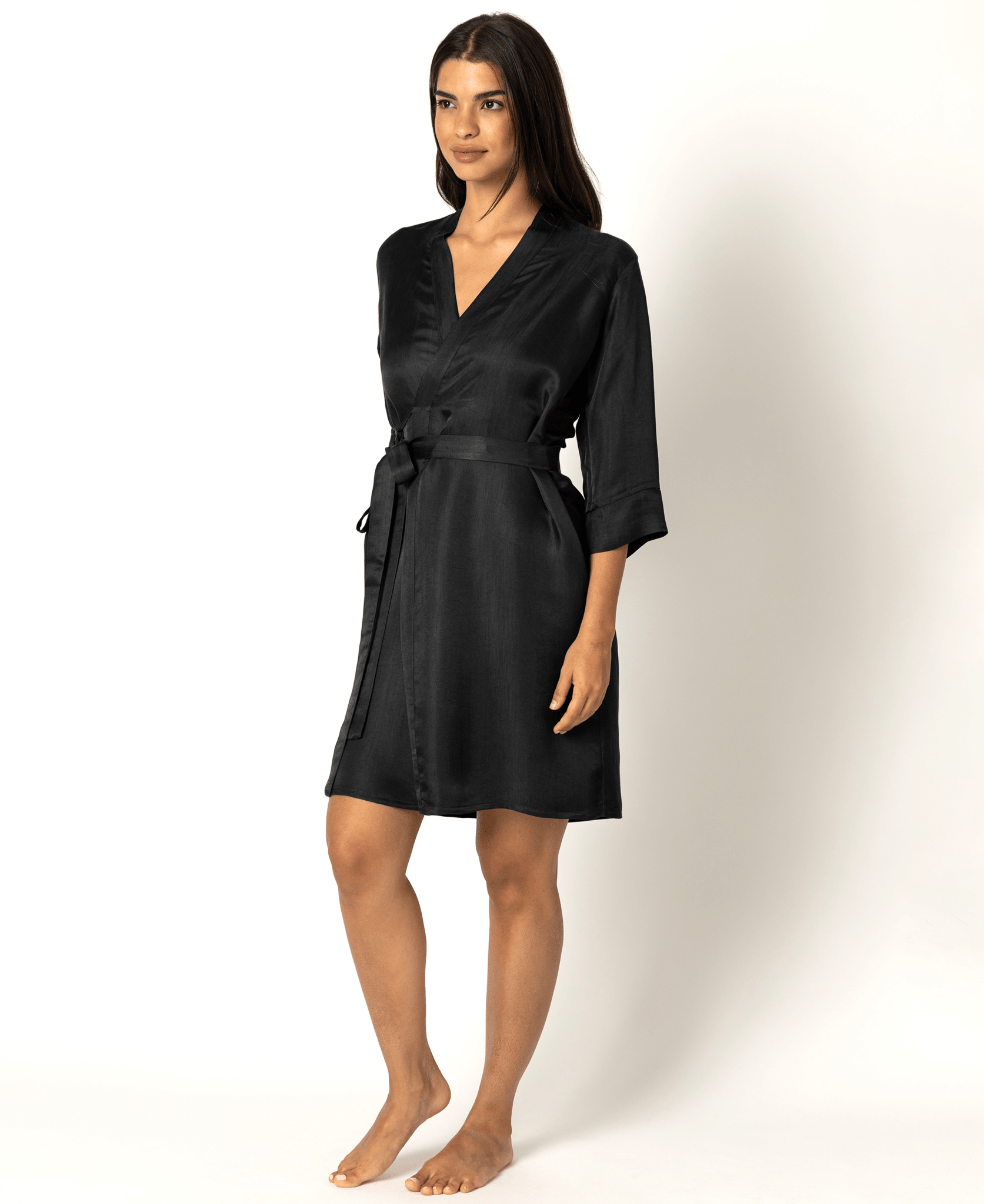
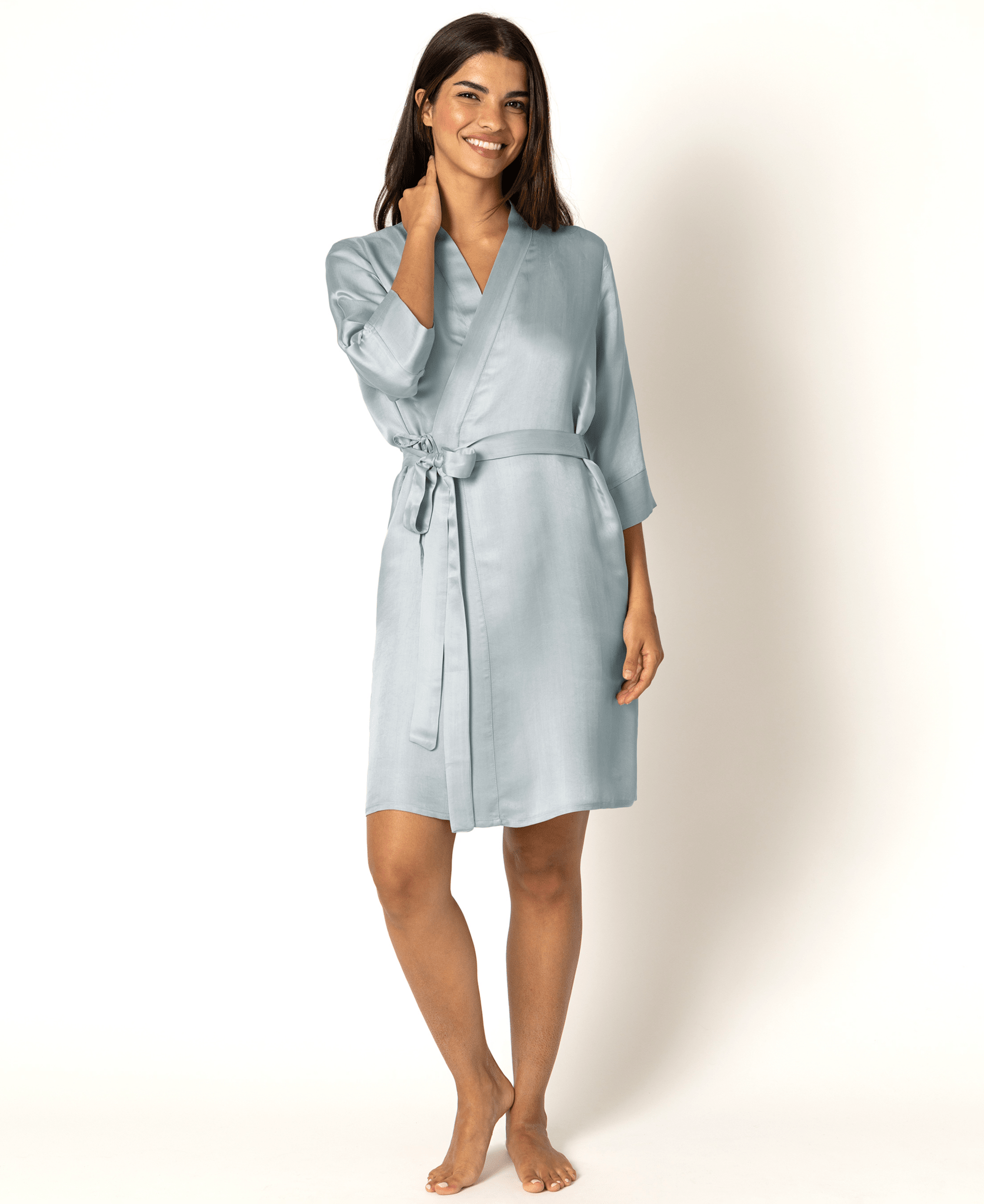
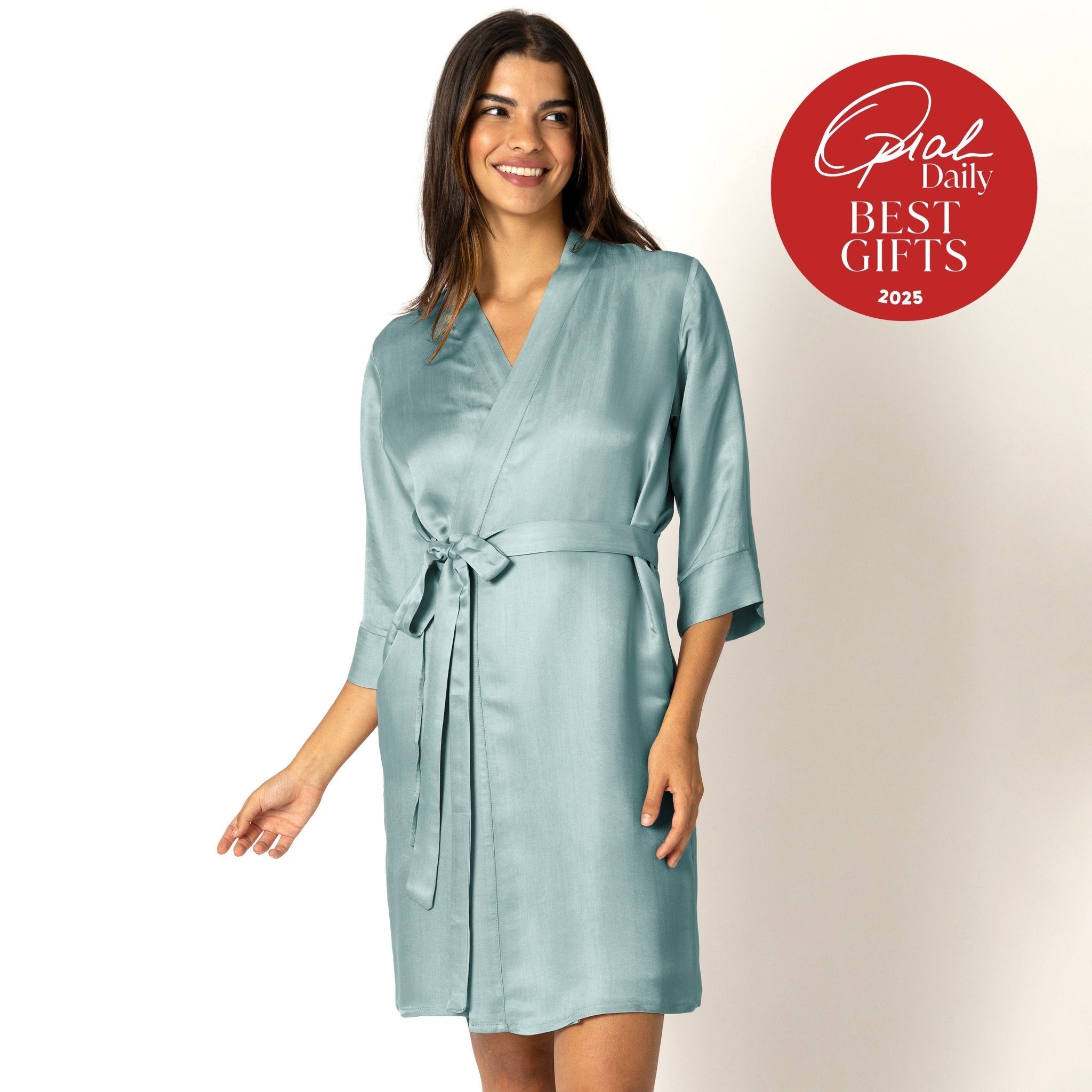
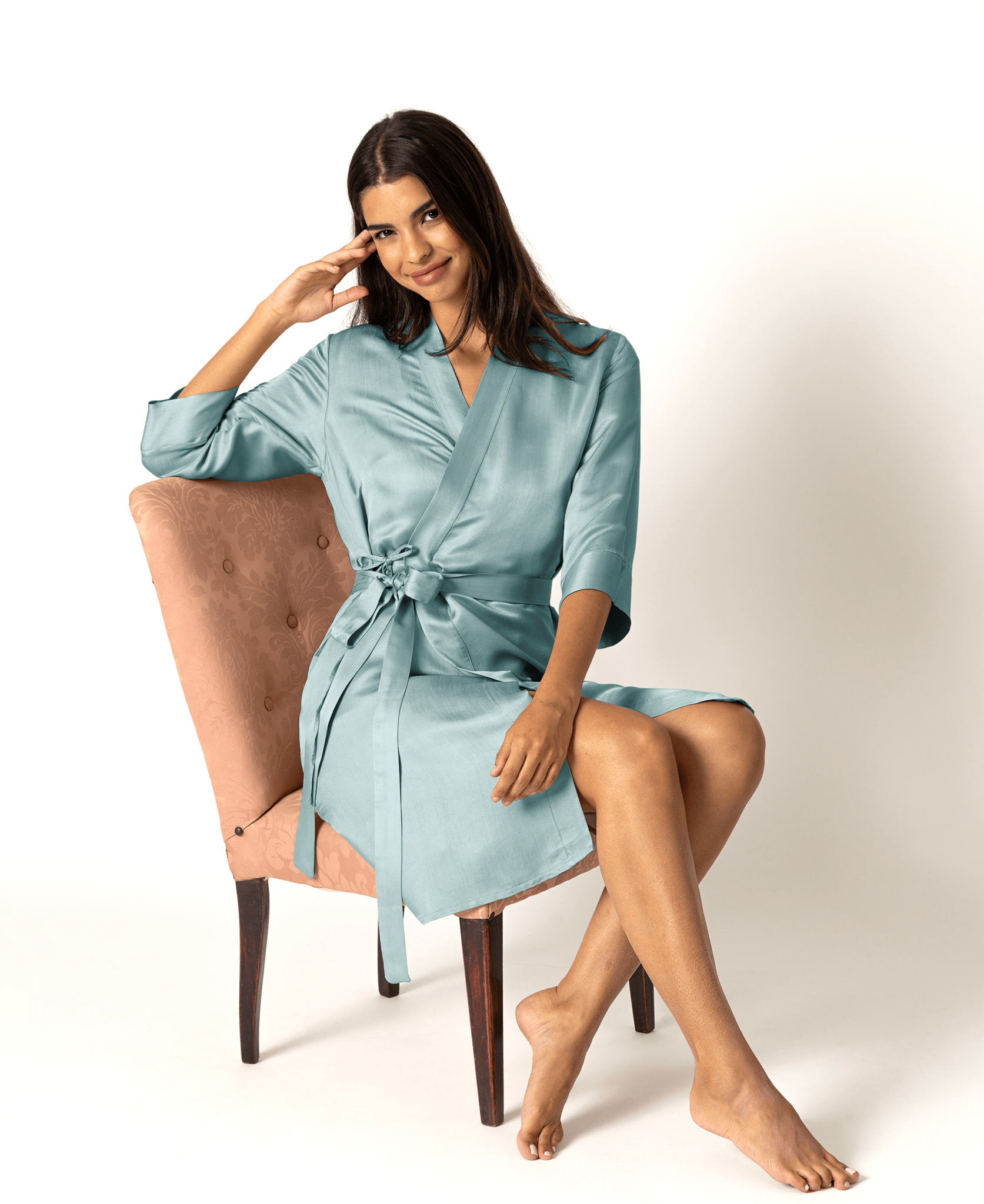
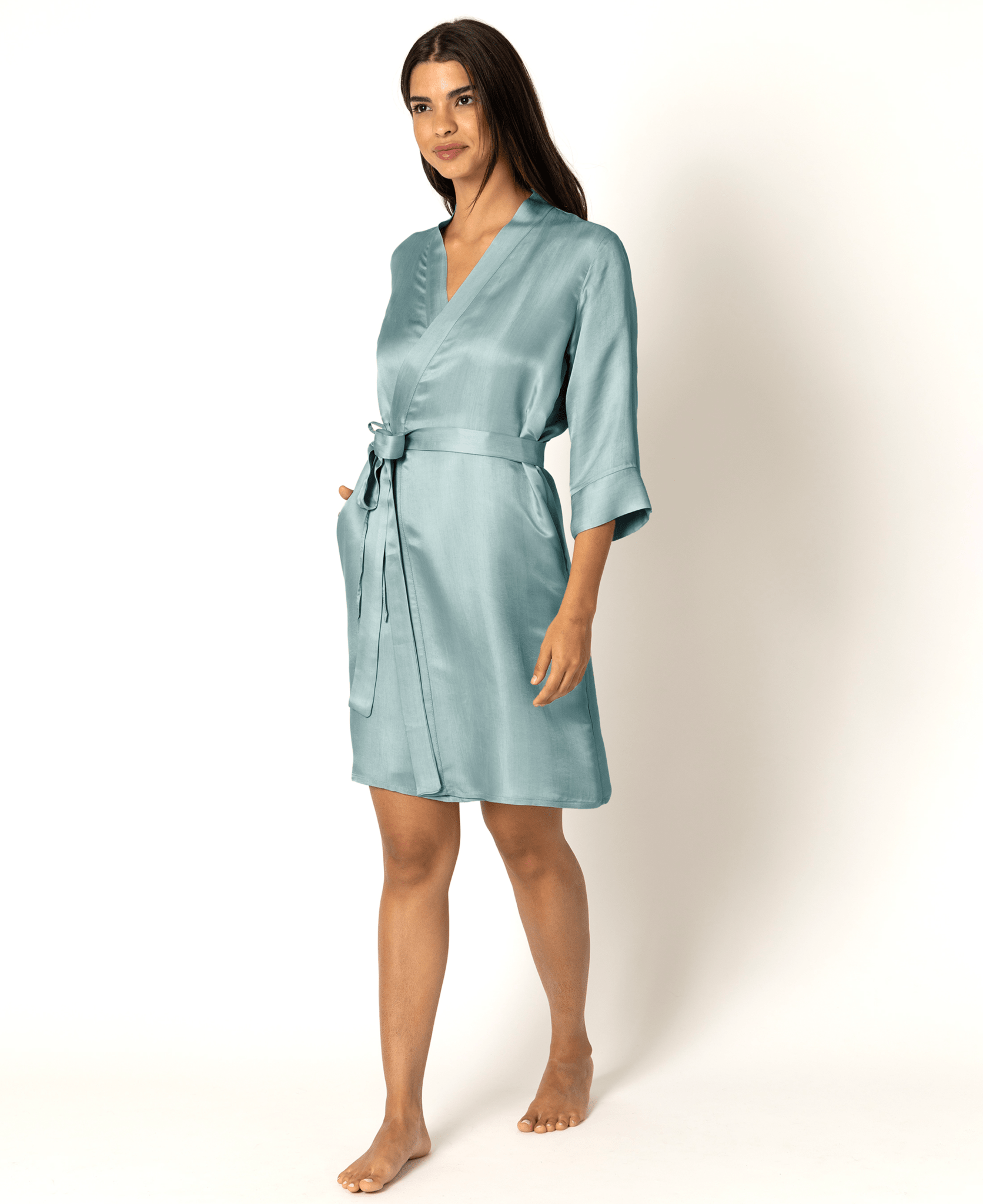
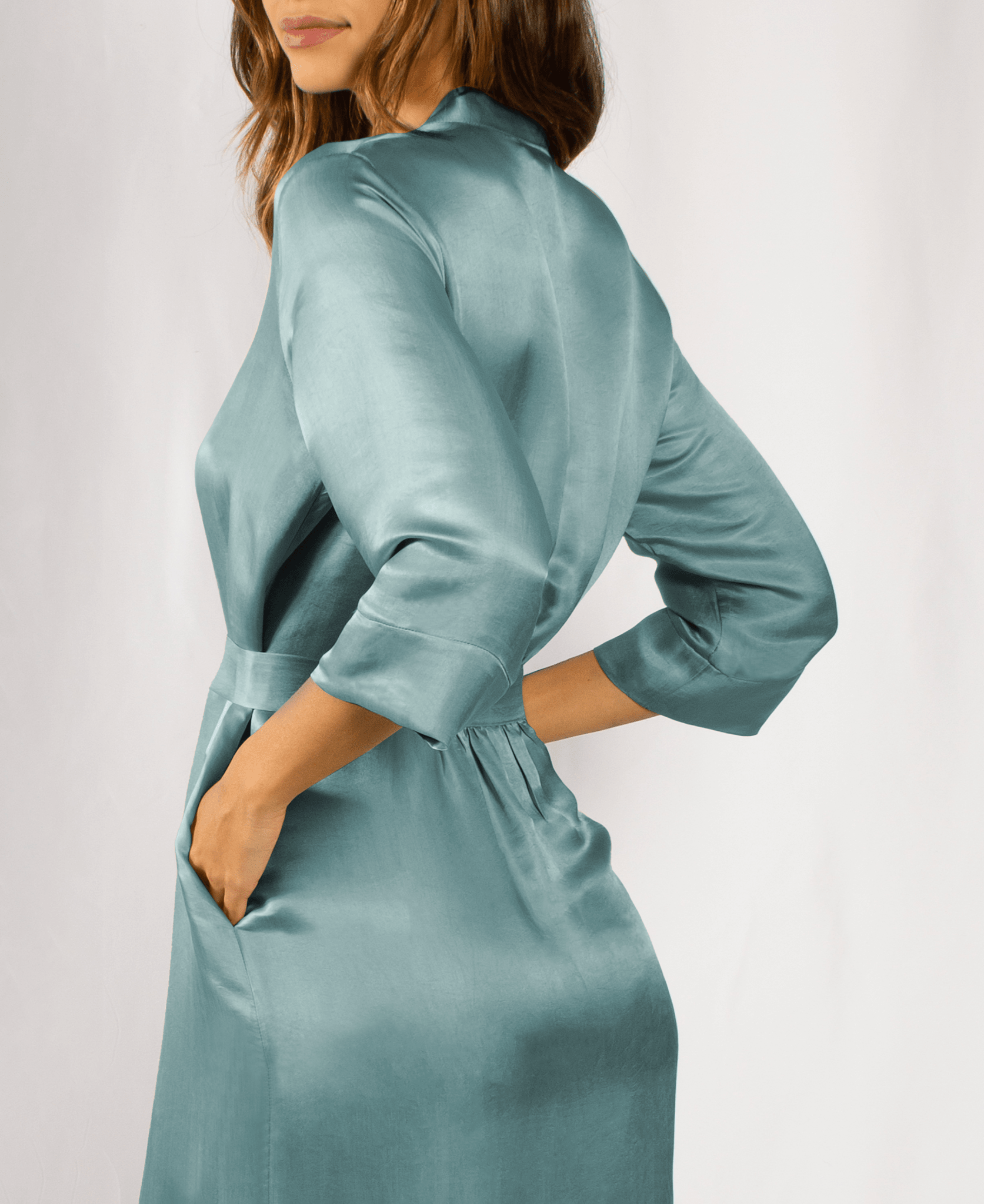
A plus-size silk robe should be made from the same fabric and the same construction as the smaller sizes, not from a thinner or cheaper silk priced down to feel inclusive. Look for 27 momme mulberry silk or denser, French seams enclosed on both sides, full sash length, a shoulder cut designed for the size rather than graded up, and a length that falls at least below the knee for a long robe.
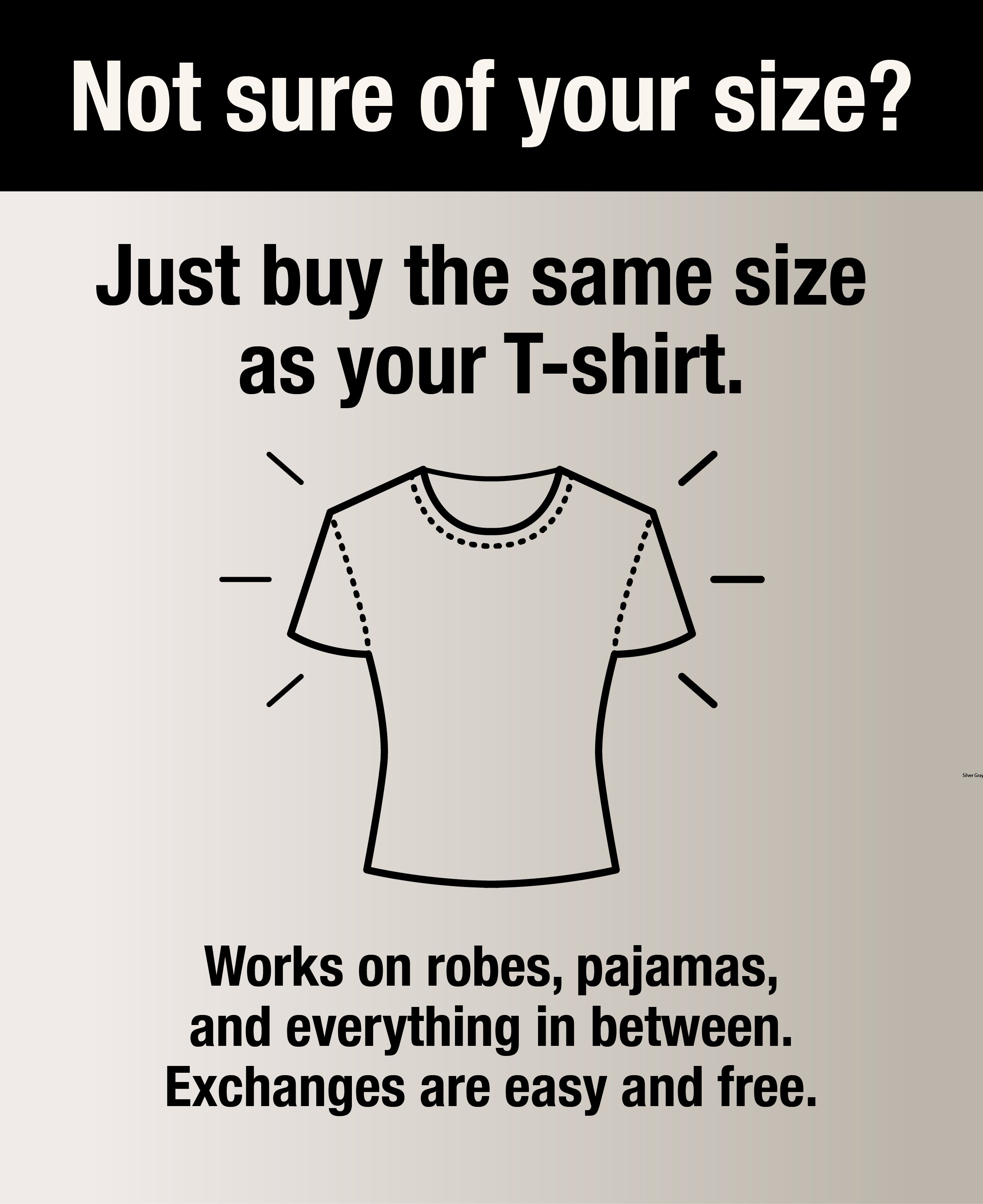
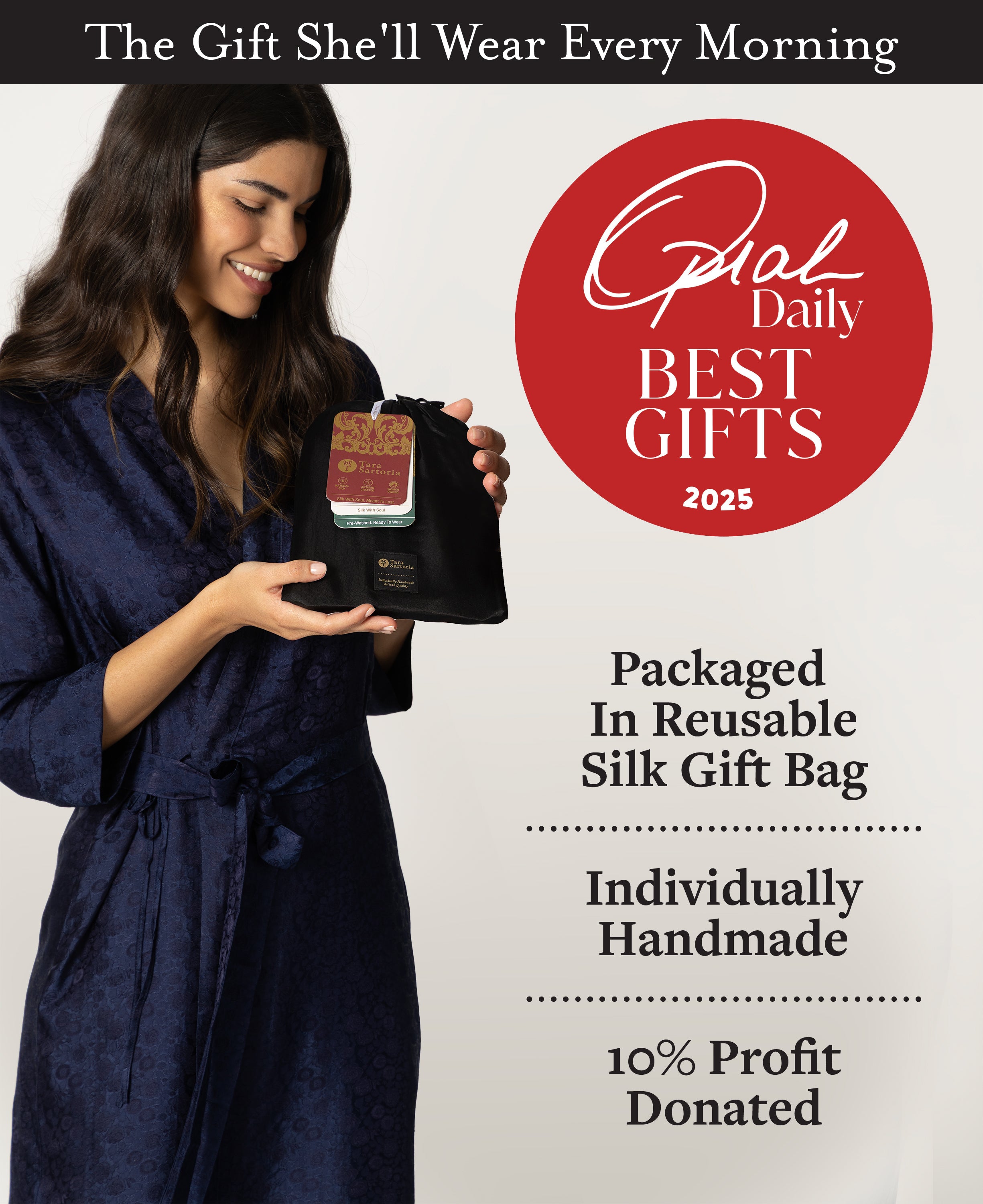
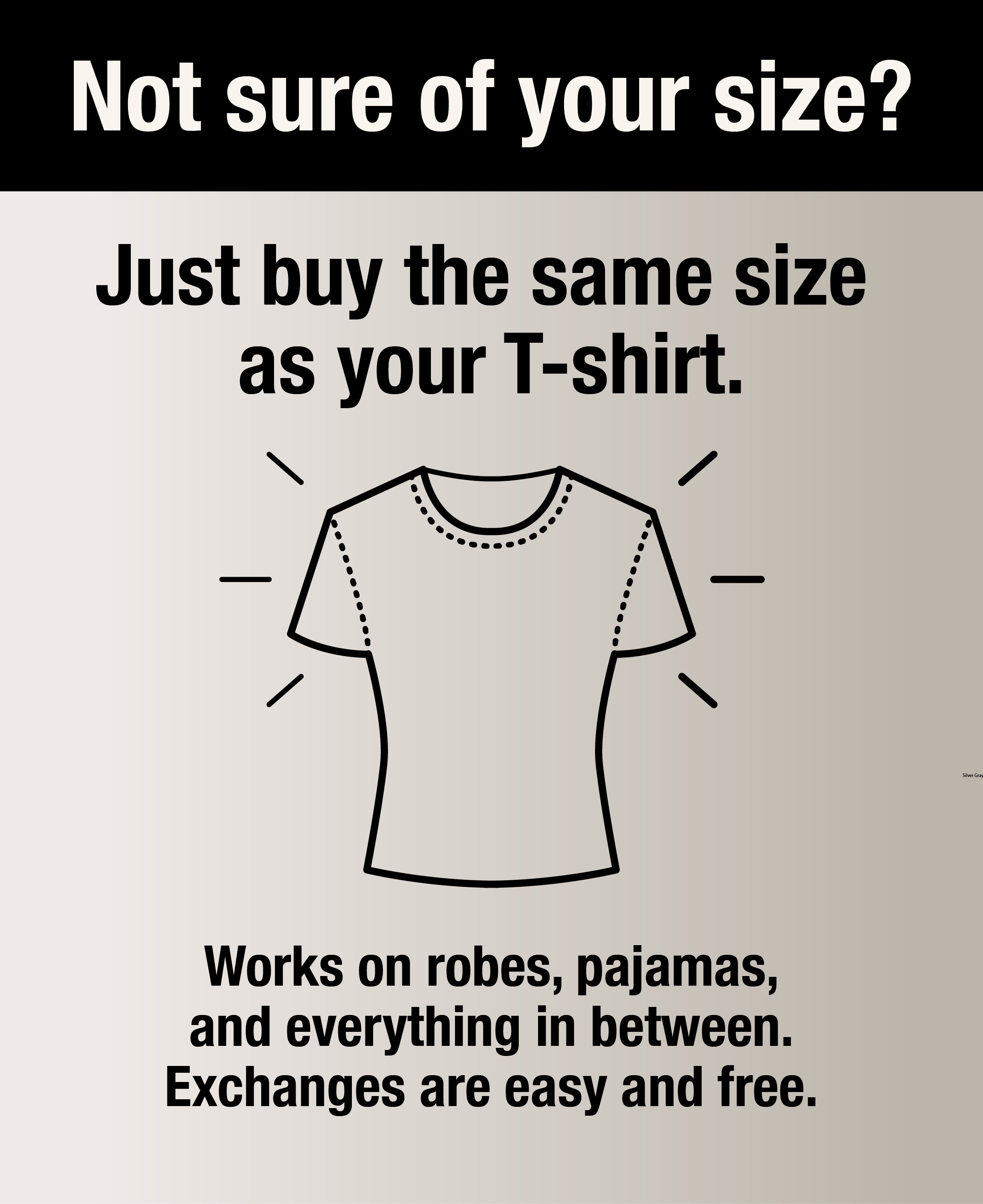
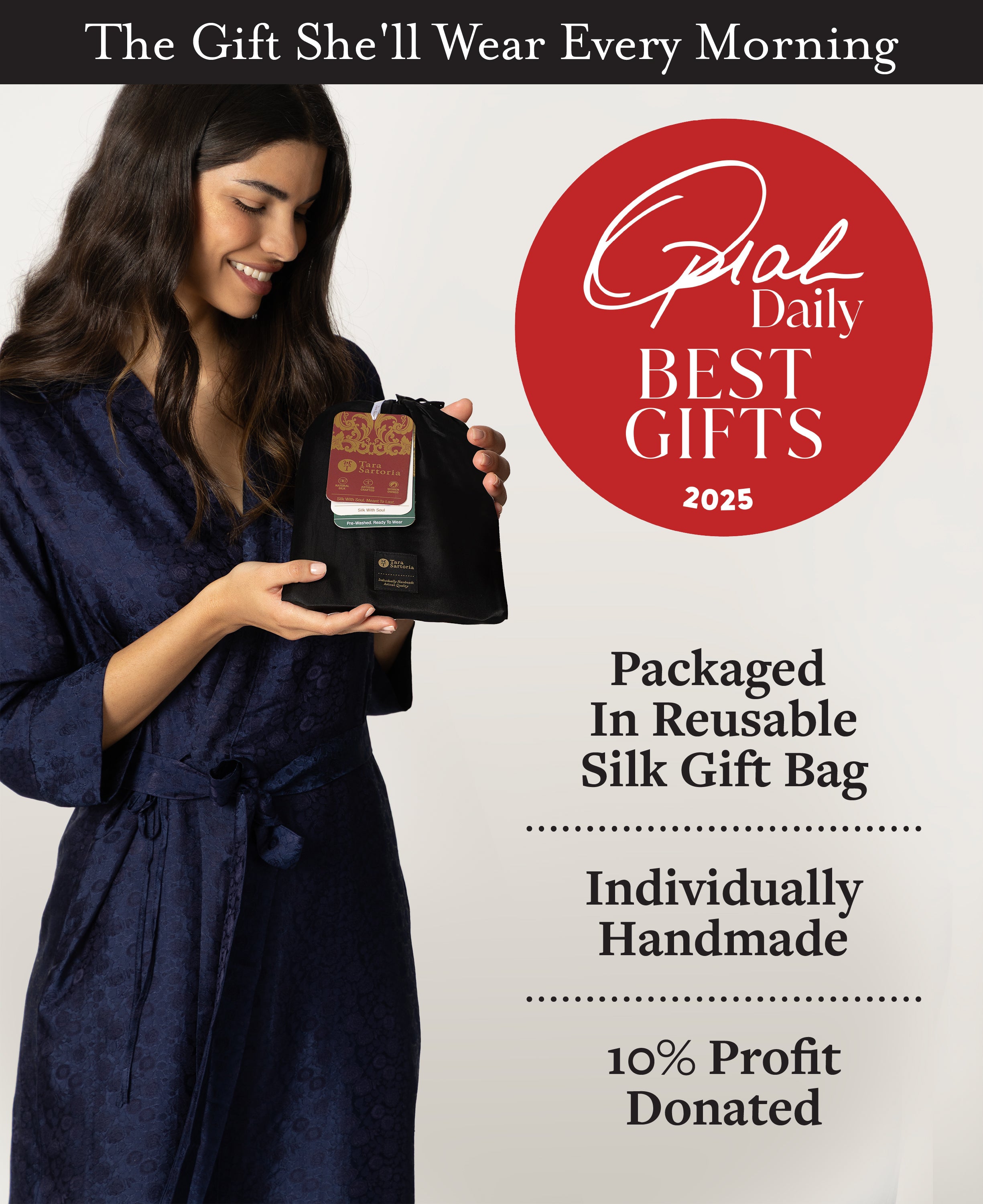
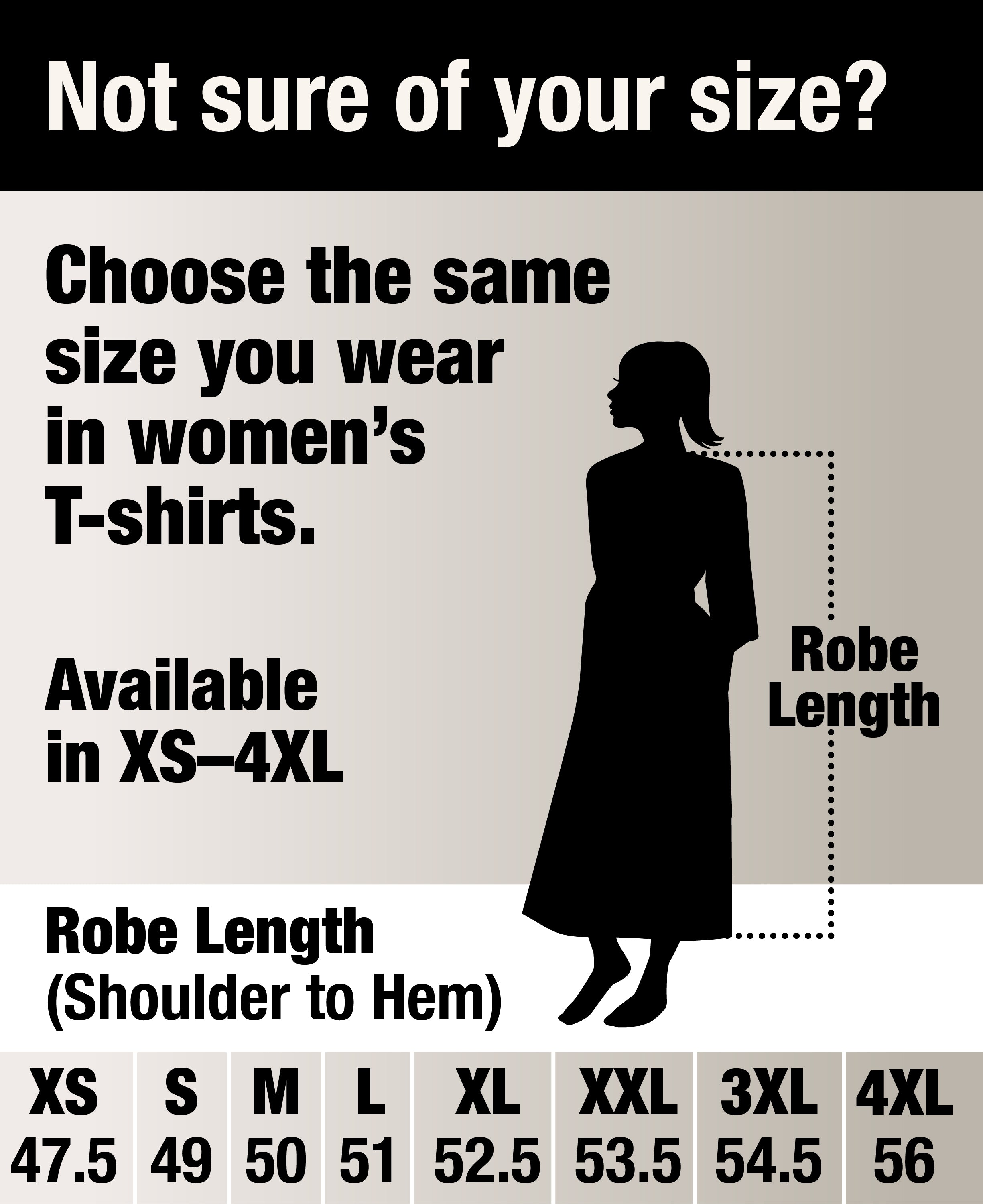
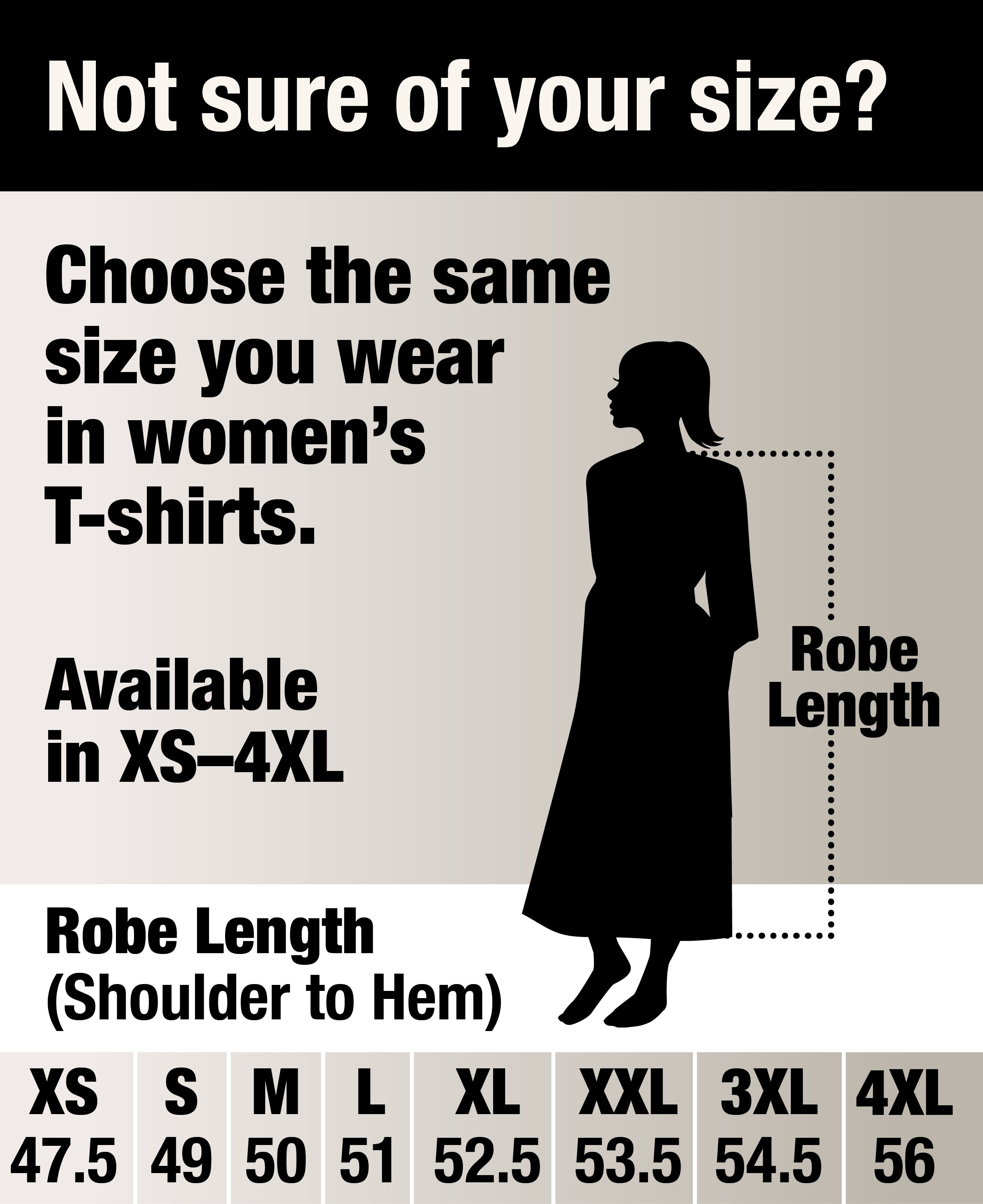
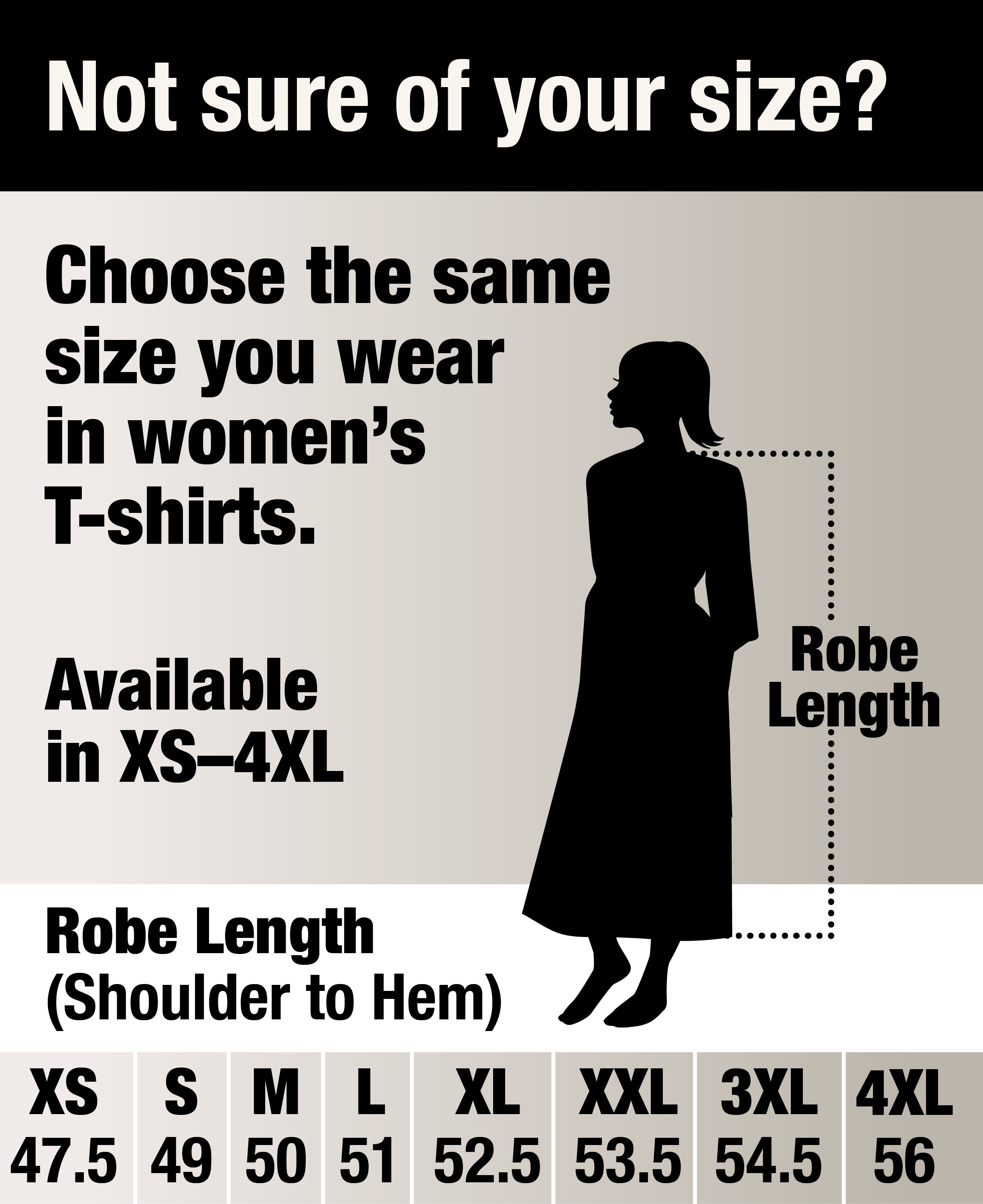
At Tara Sartoria, sizes run XS to 4XL as standard, with custom sizing available when needed for a small fee, all made one piece at a time by master artisans in Vietnam's historic silk villages. Machine washable. Free returns and exchanges, 30 days.








Why Most Luxury Silk Brands Stop at XL
This is the question I get asked most often by plus-size customers, and the answer is depressing and structural rather than aesthetic. Most luxury silk brands are built on standardized production runs. A run of 200 robes is the unit. The unit costs the same whether the robe is XS or 4XL because the labor and the line are organized around the unit. Adding XXL, 3XL, and 4XL means more SKUs, more fabric, more sample fittings, and more inventory risk. The standardized model treats the extra sizes as a cost rather than as part of the business. So they get cut.
This is not a moral position any brand will admit to. The line they give the customer is that the silk does not work at larger sizes, which is not true, or that the patterns do not scale, which is also not true. The truth is that the inclusive sizes are inconvenient inside the production model the brand chose. A different production model produces a different answer. One-piece-at-a-time production, where one artisan cuts and sews each robe individually, treats every size as one robe rather than one SKU in a standardized run. The cost of making a 4XL is similar to the cost of making an S. The production model decides what is possible.
I do not say this to shame the other brands. I say it because the question of whether a brand makes plus-size silk well is a question about how the brand is built, not a question about whether the brand cares. A brand built on standardized runs will struggle to make inclusive sizing work, no matter how good the marketing copy. A brand built on one-piece-at-a-time production will do it almost as a side effect of the production model.
What an Extended Size Usually Is, and Why It Often Fails
When a brand does add XXL or 3XL, the most common method is to take the L or XL pattern and grade it up. The pattern is enlarged proportionally and the same garment is cut in a bigger size. This sounds reasonable. It is also why most plus-size silk robes from mainstream luxury brands sit wrong on the body.
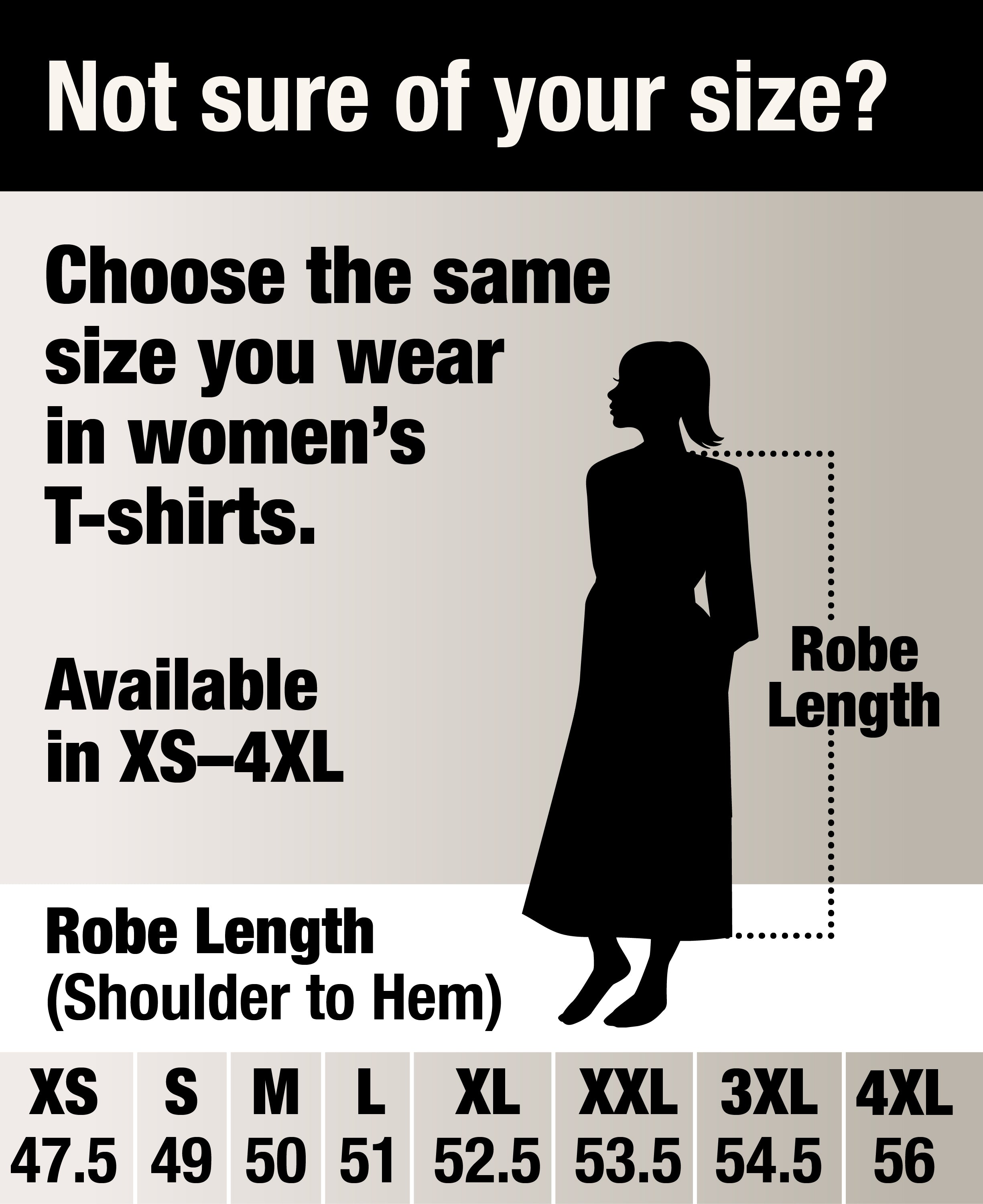
A larger body is not a smaller body scaled up. The shoulder slope, the chest depth, the hip-to-waist ratio, and the length-to-width relationship all change at larger sizes in ways a proportional grade does not capture. The result is a robe with shoulders that are too narrow, a chest that pulls, a sash that sits in the wrong place, and a length that becomes shorter relative to the body than it was meant to be. The robe is technically the recipient's size. The robe also does not fit.
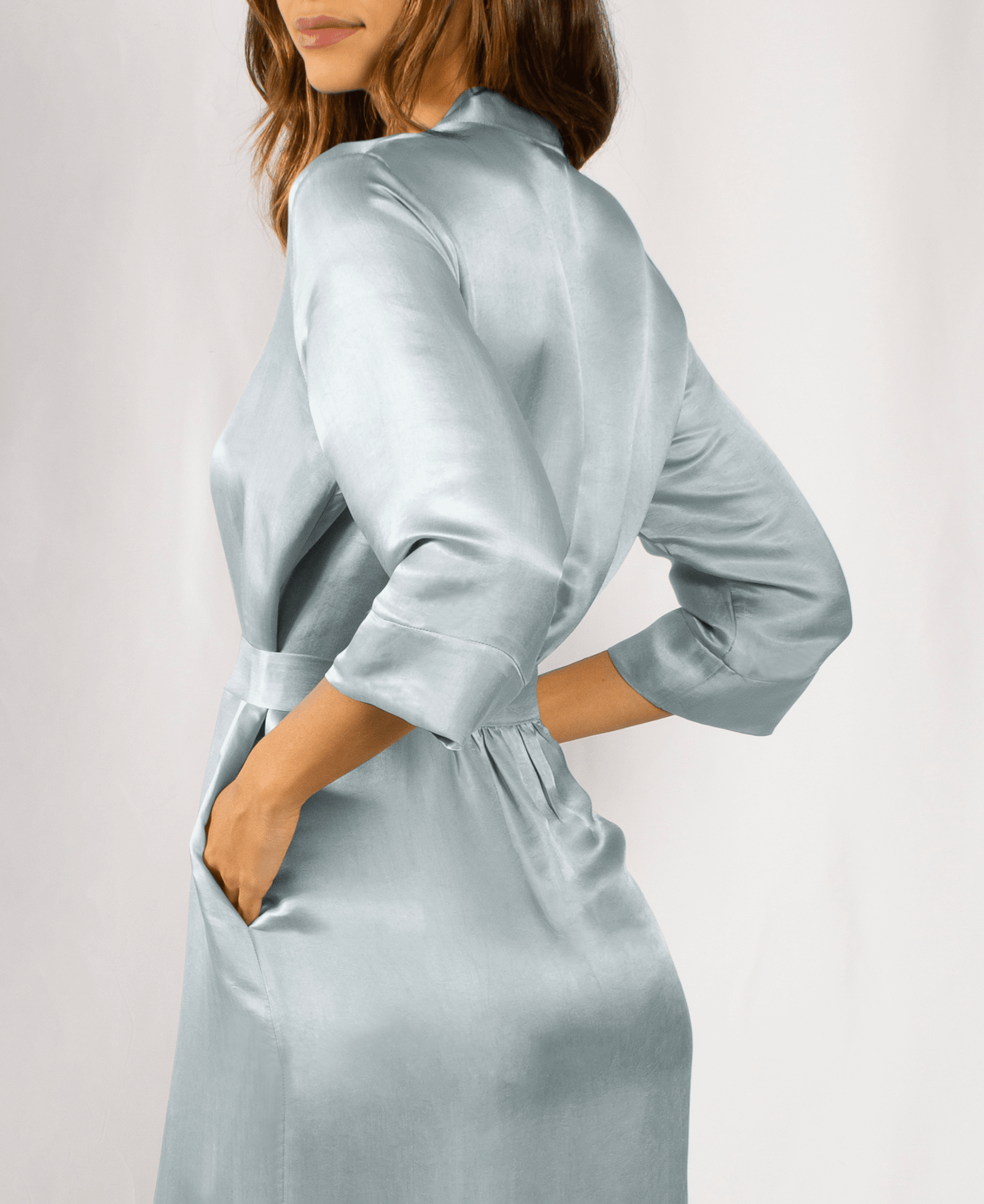
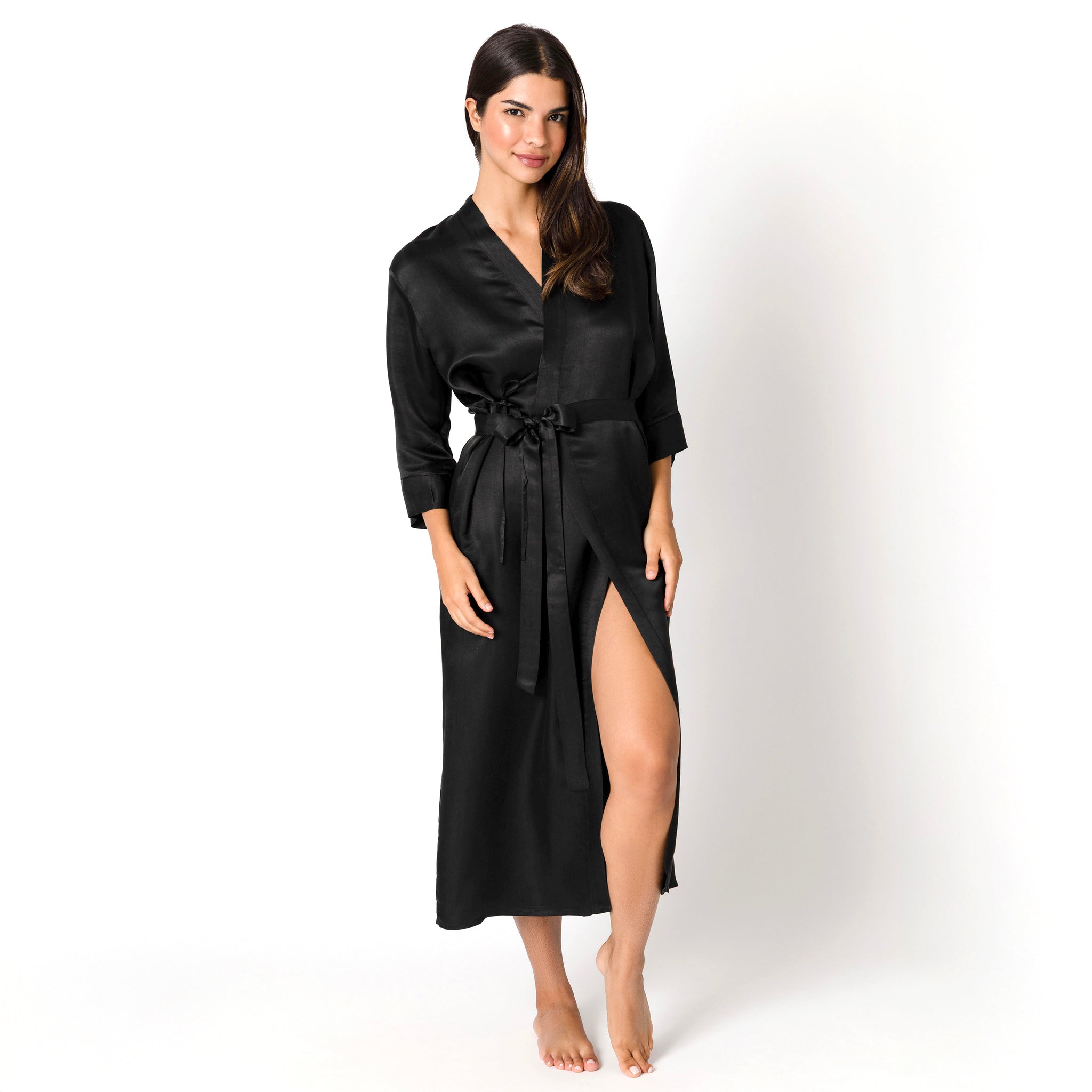
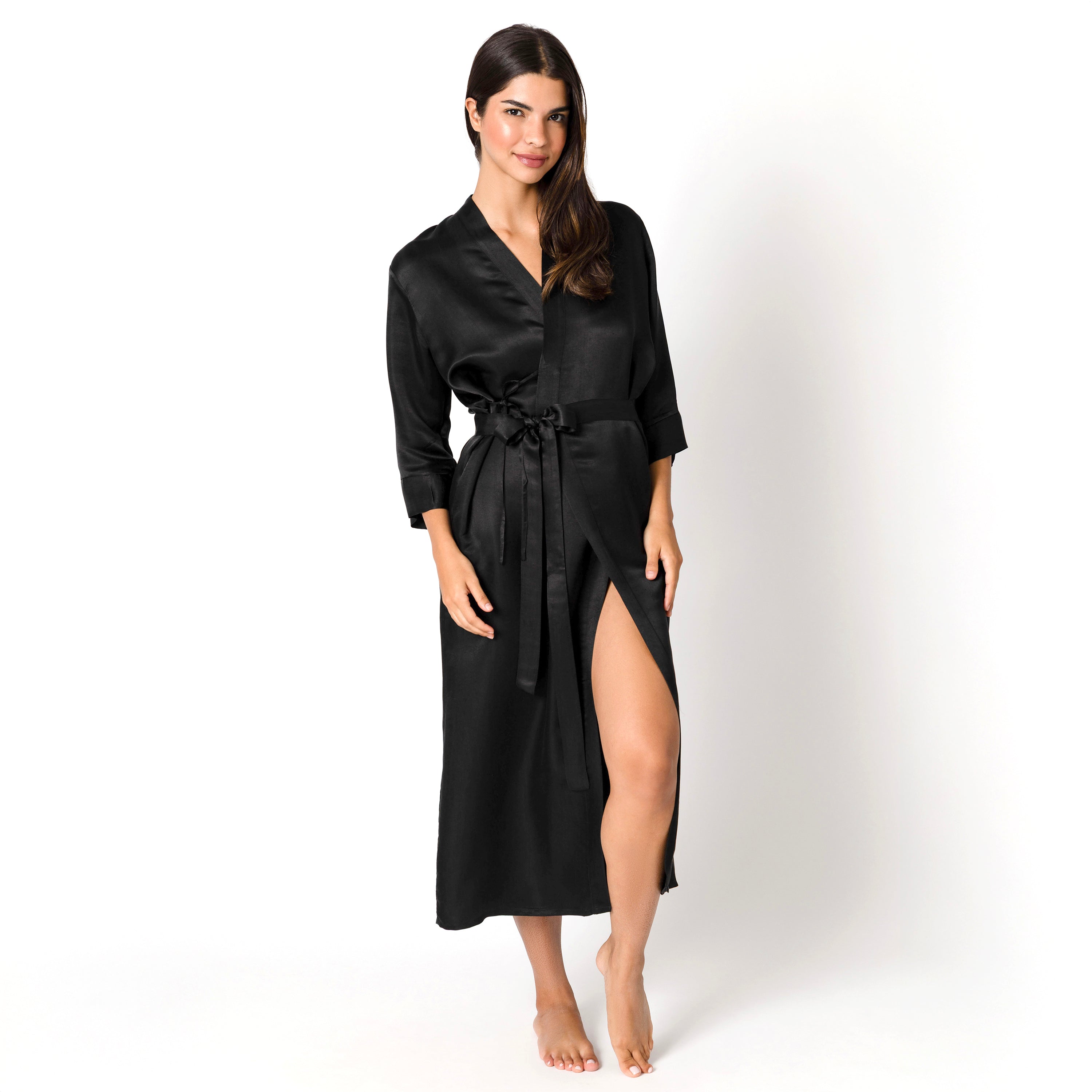
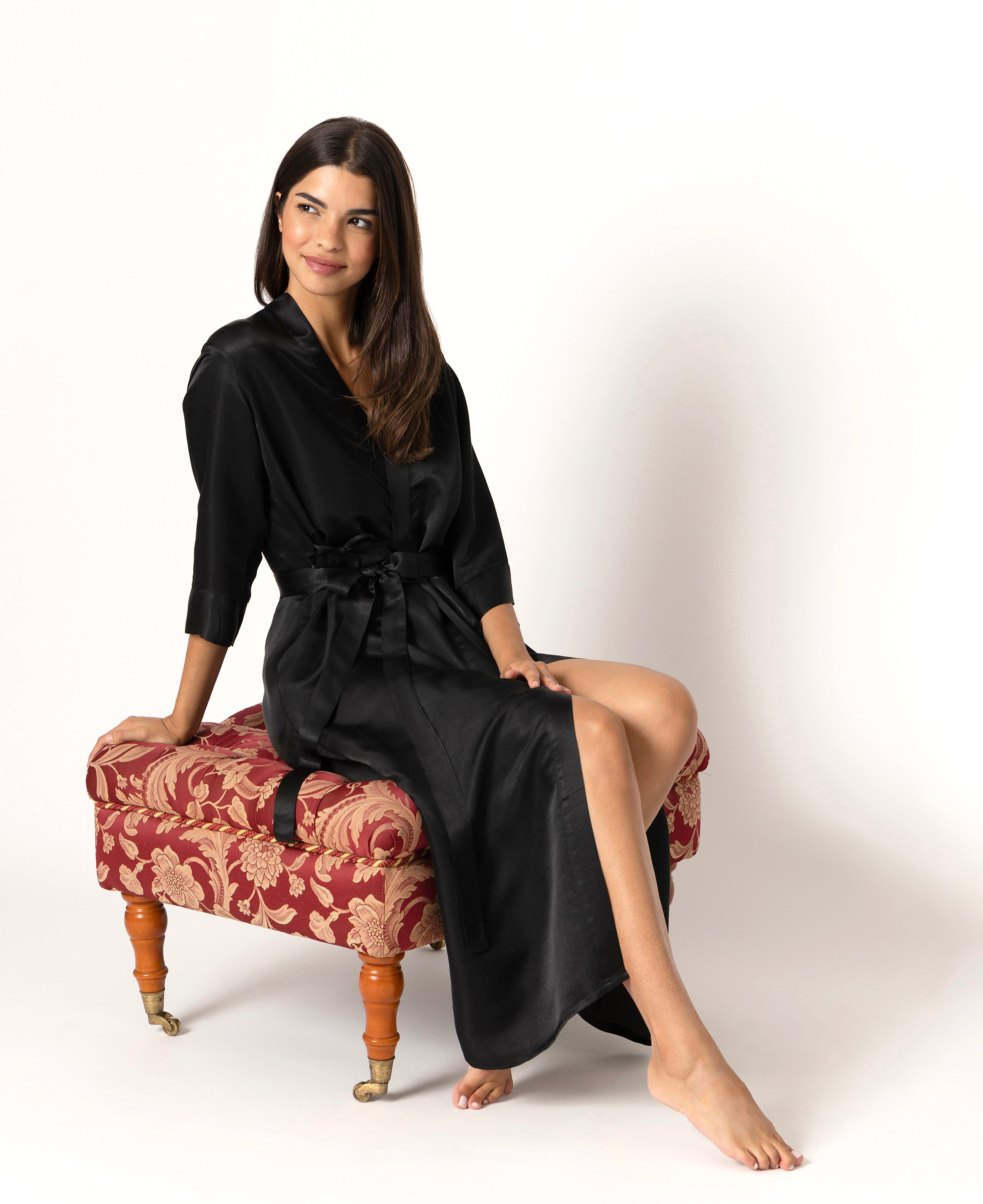
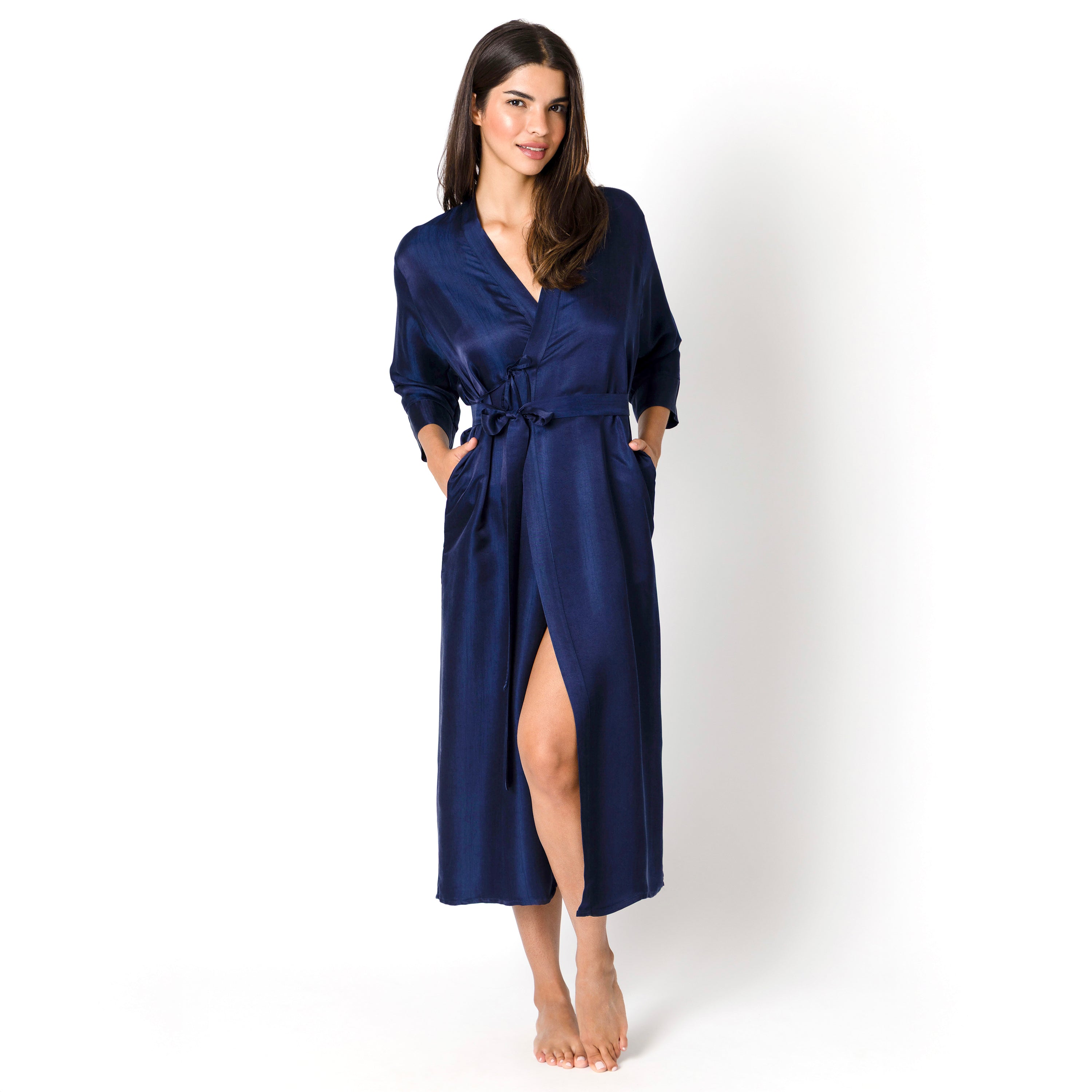
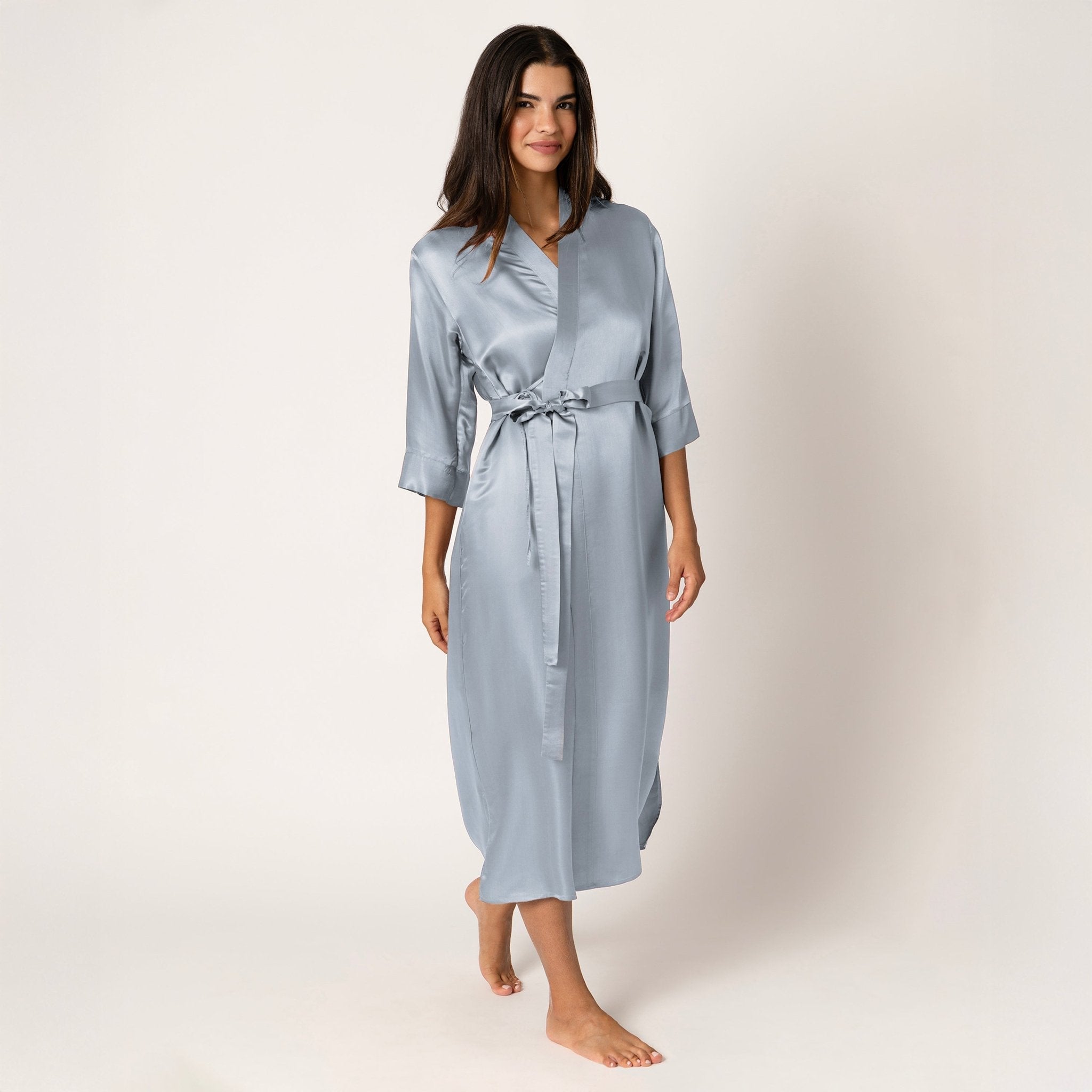
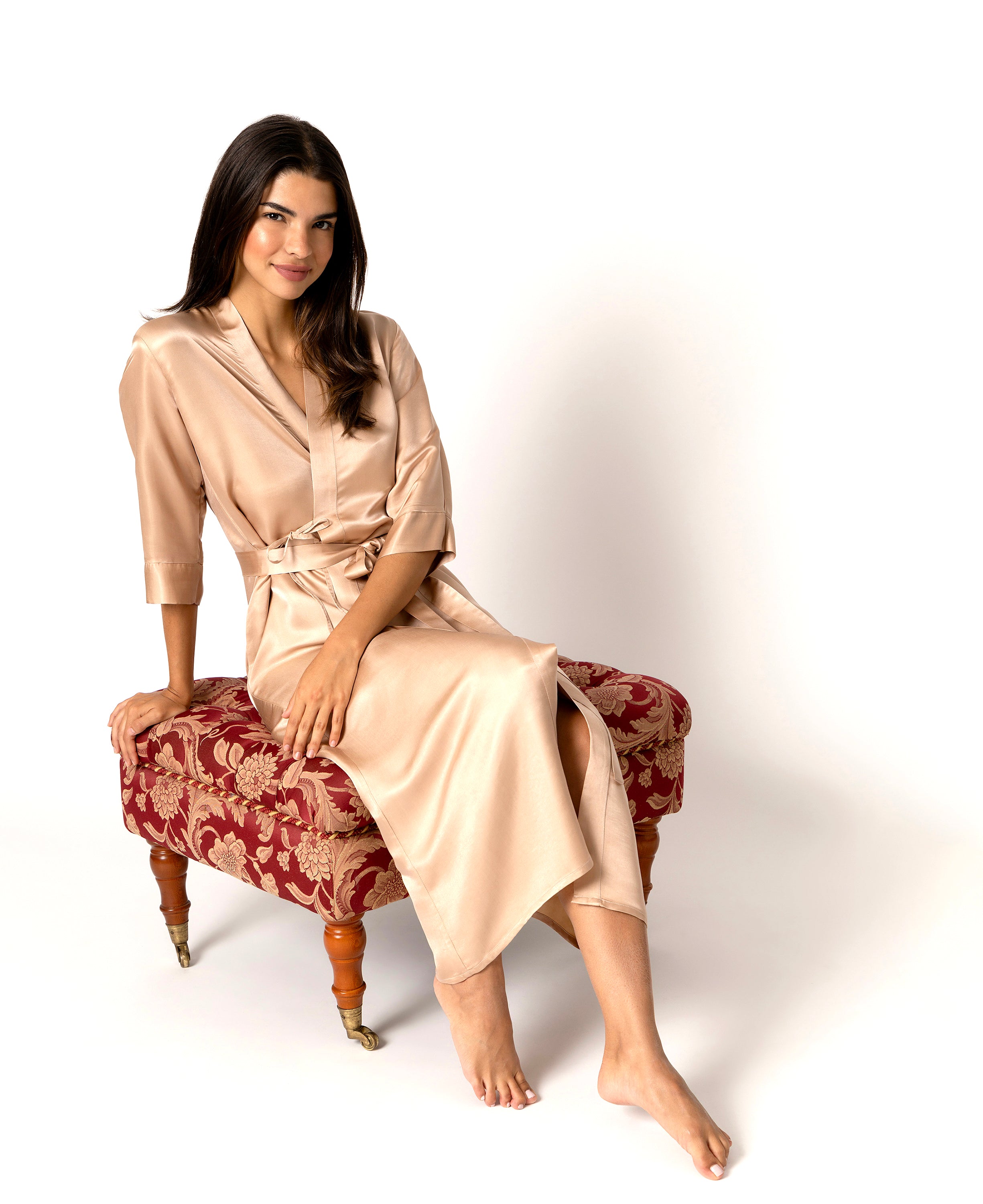
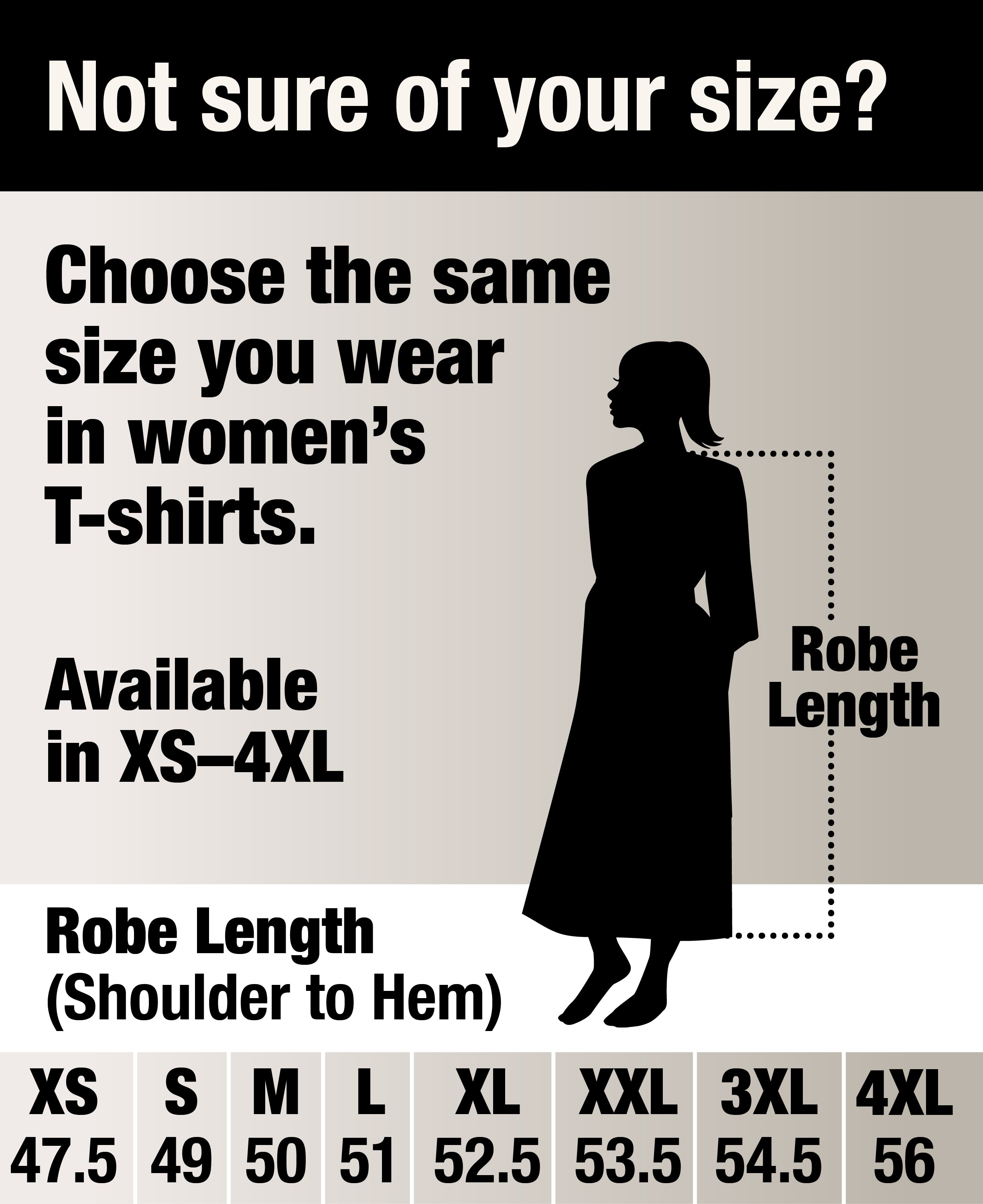
A robe designed for a larger size, on the other hand, accounts for these differences from the start. The shoulder is cut wider where it needs to be. The drape allows for the chest to sit naturally. The sash is long enough to wrap properly. The length is calibrated so the robe still falls below the knee on a taller plus-size body. This is the difference between a robe in a size and a robe designed for a body.




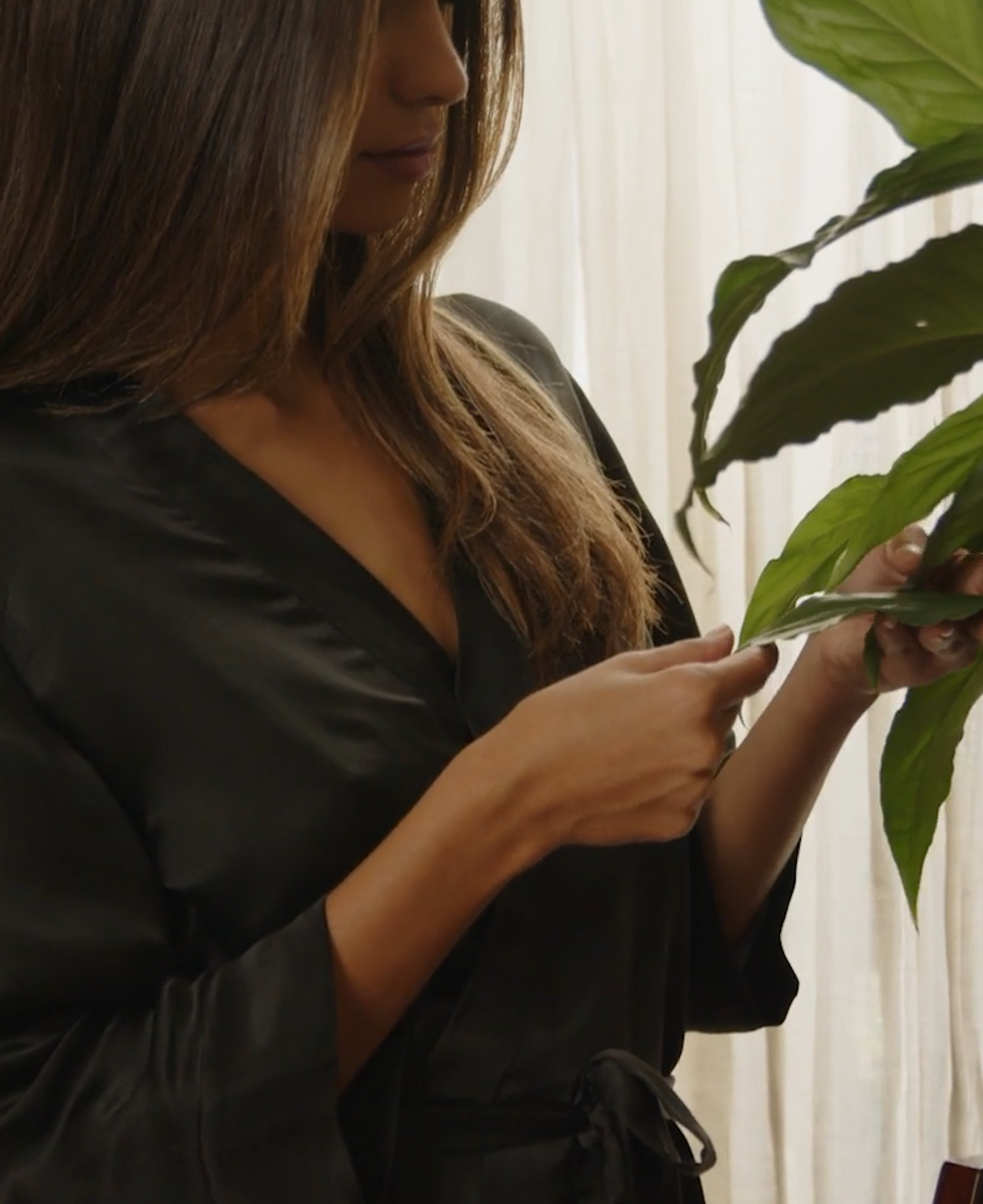
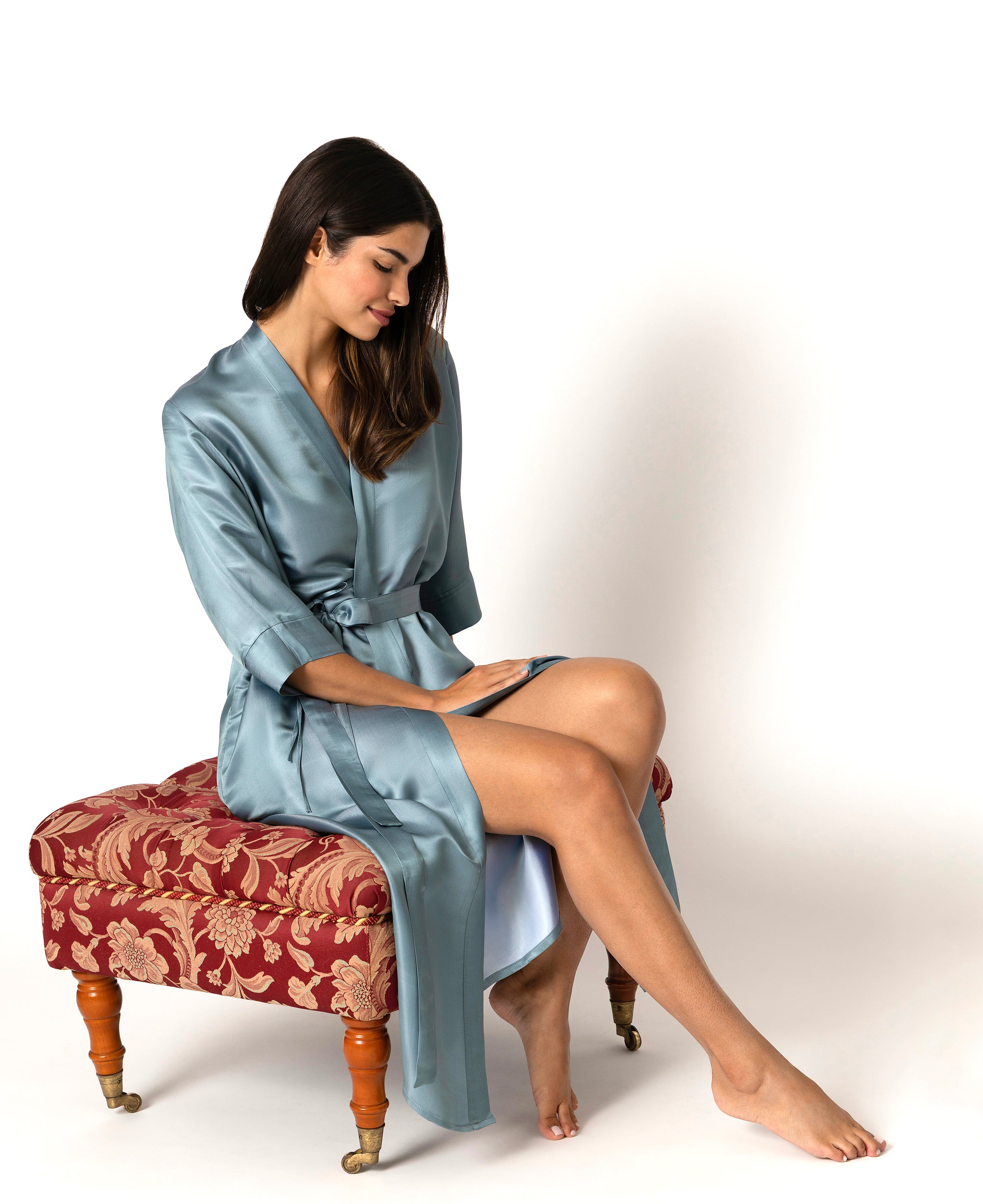
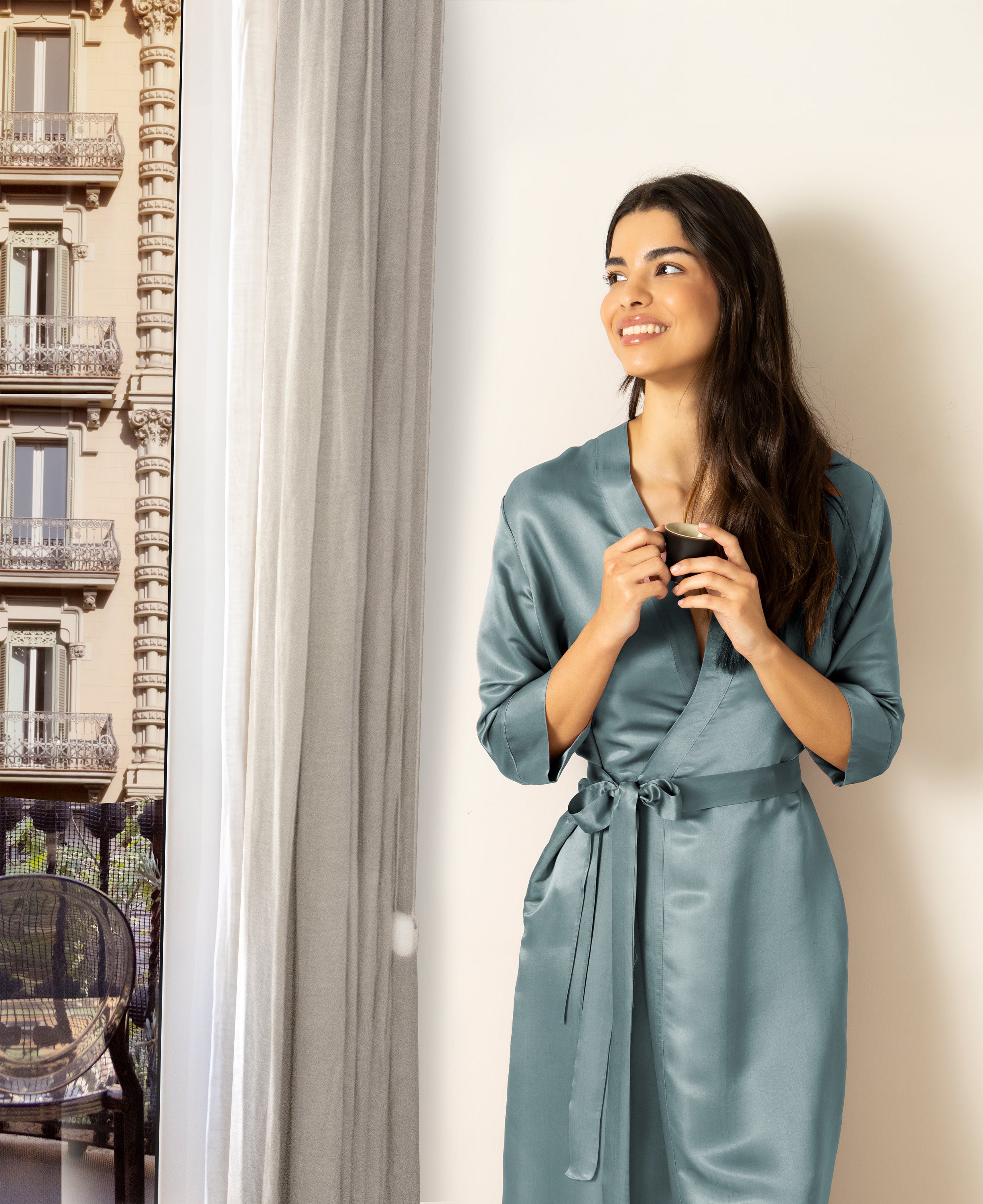
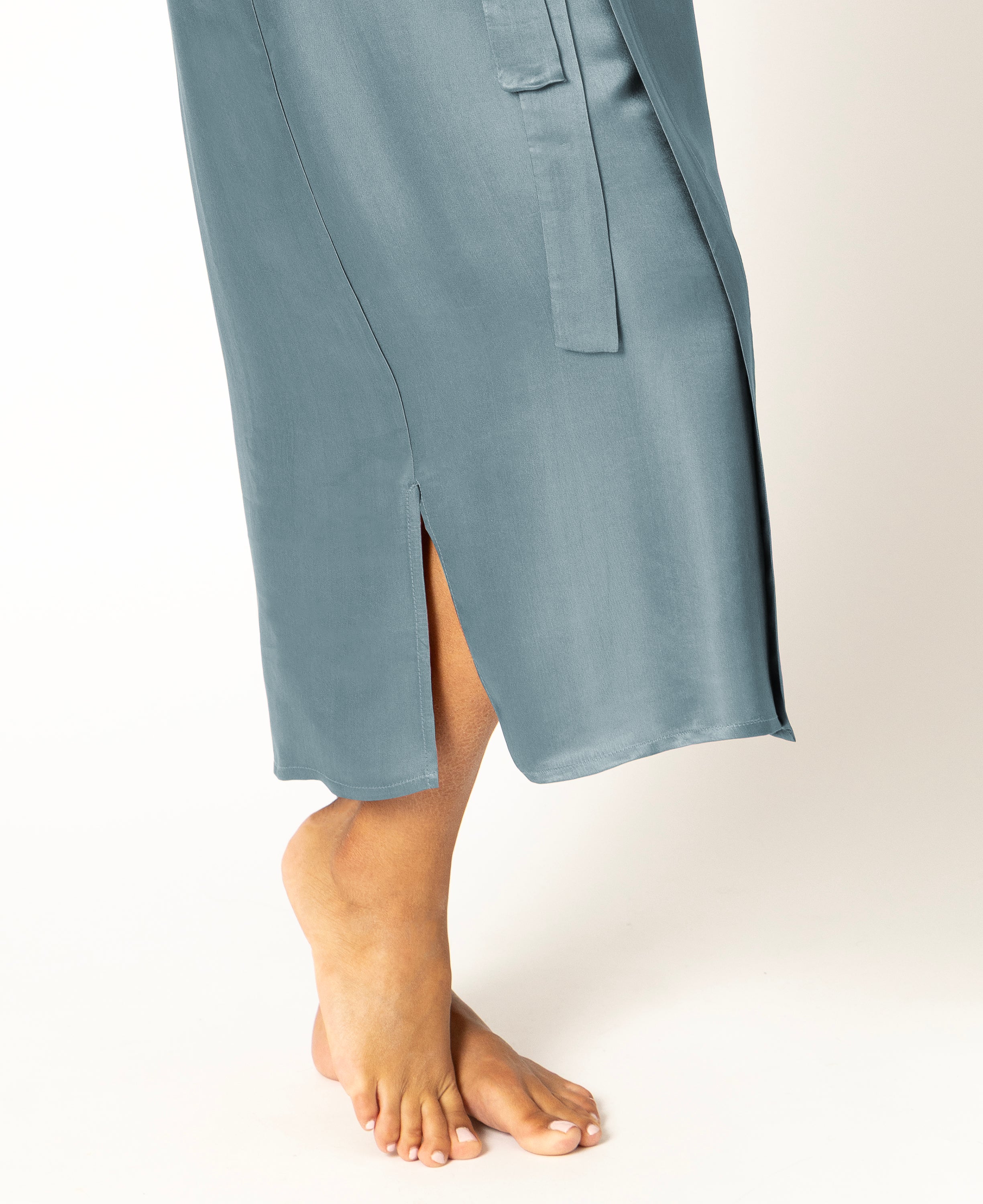


What to Look For in a Plus-Size Silk Robe
Six things to ask of a plus-size silk robe before you buy it. None of these require you to handle the robe in person.
The same fabric across all sizes. A real plus-size silk robe is made from the same silk as the smallest size. If the brand uses a thinner silk for the larger sizes to reduce material cost, the robe will not last and will not drape correctly. Tara Sartoria uses 27 momme mulberry silk across the full XS to 4XL range.
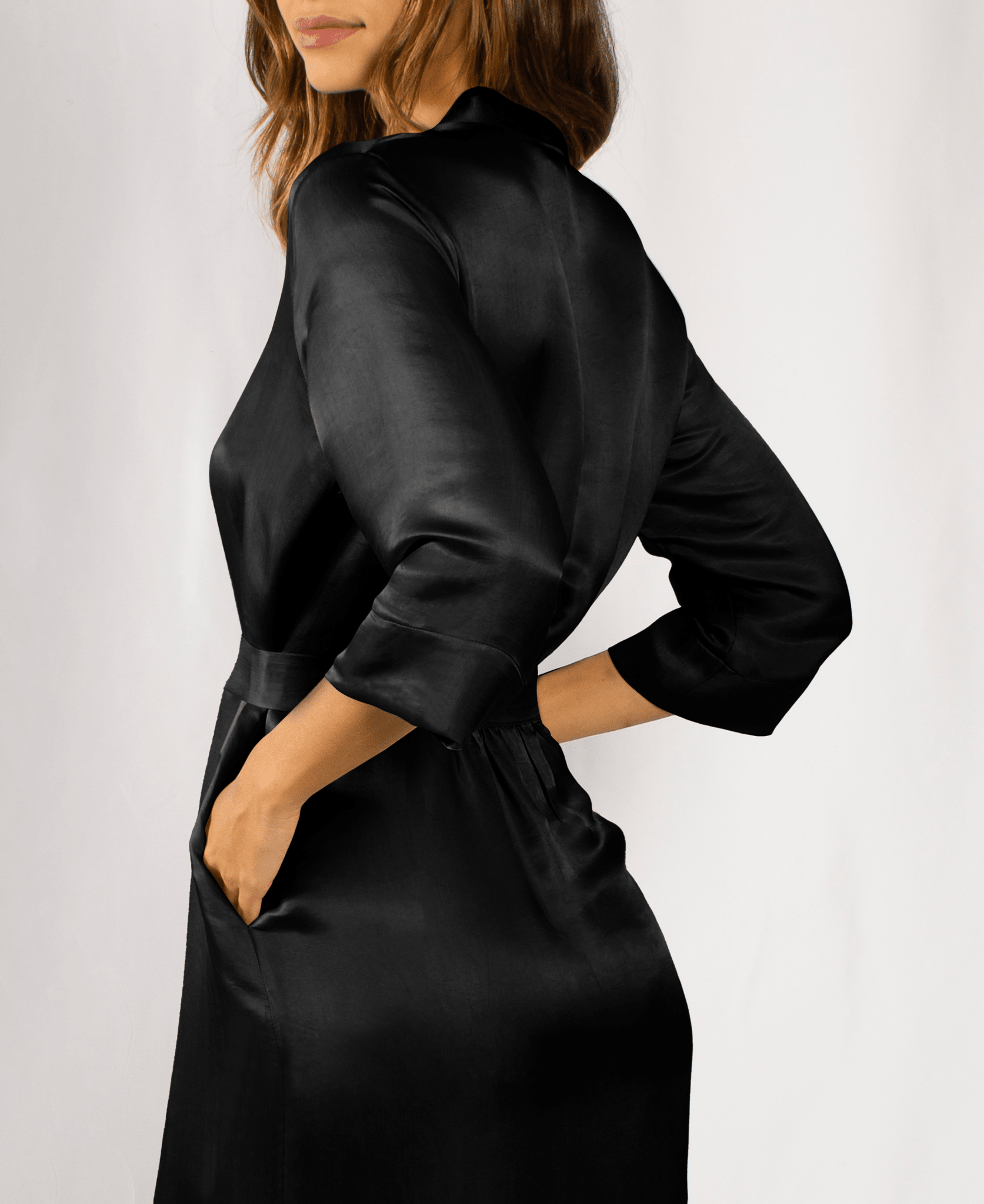
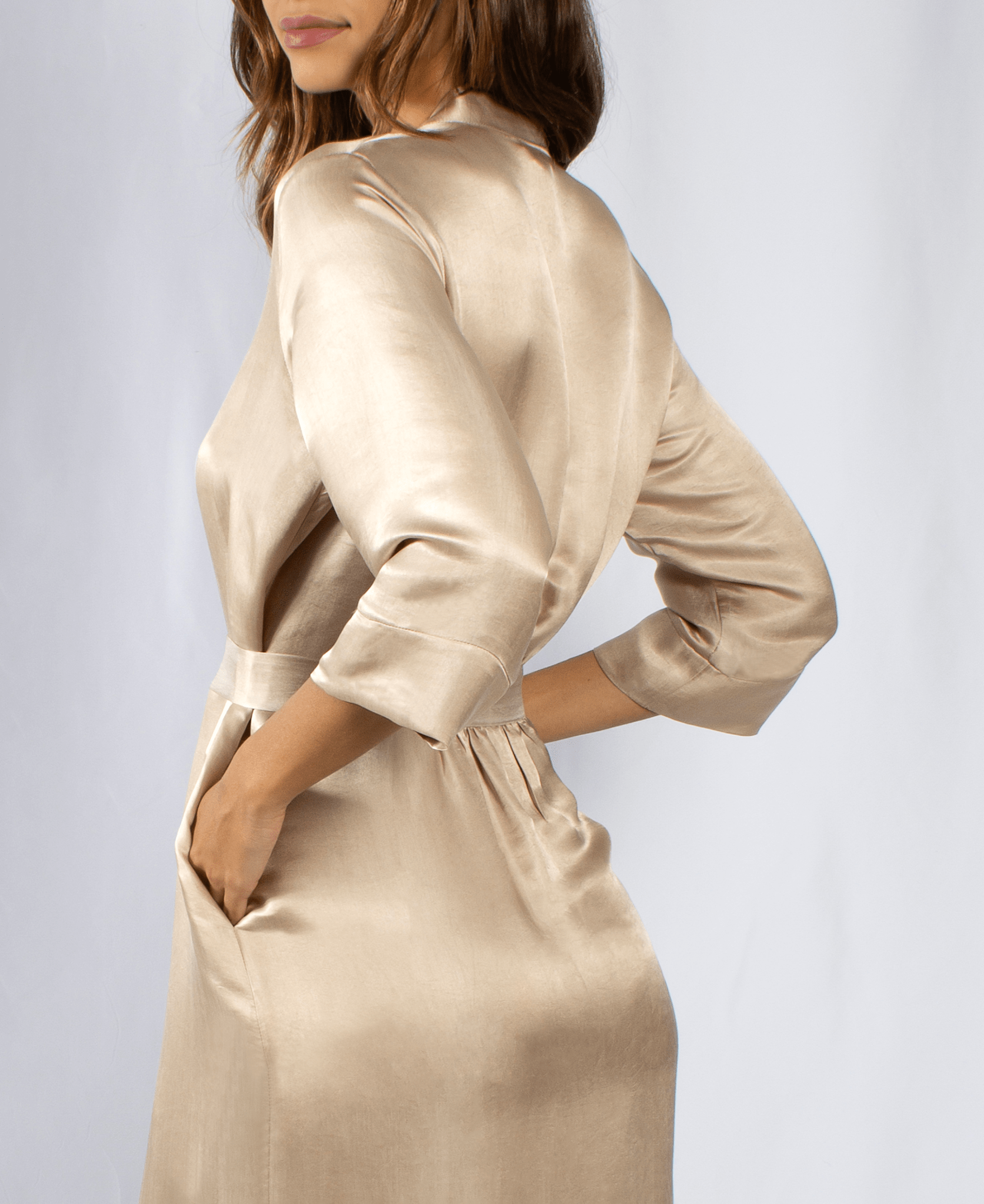
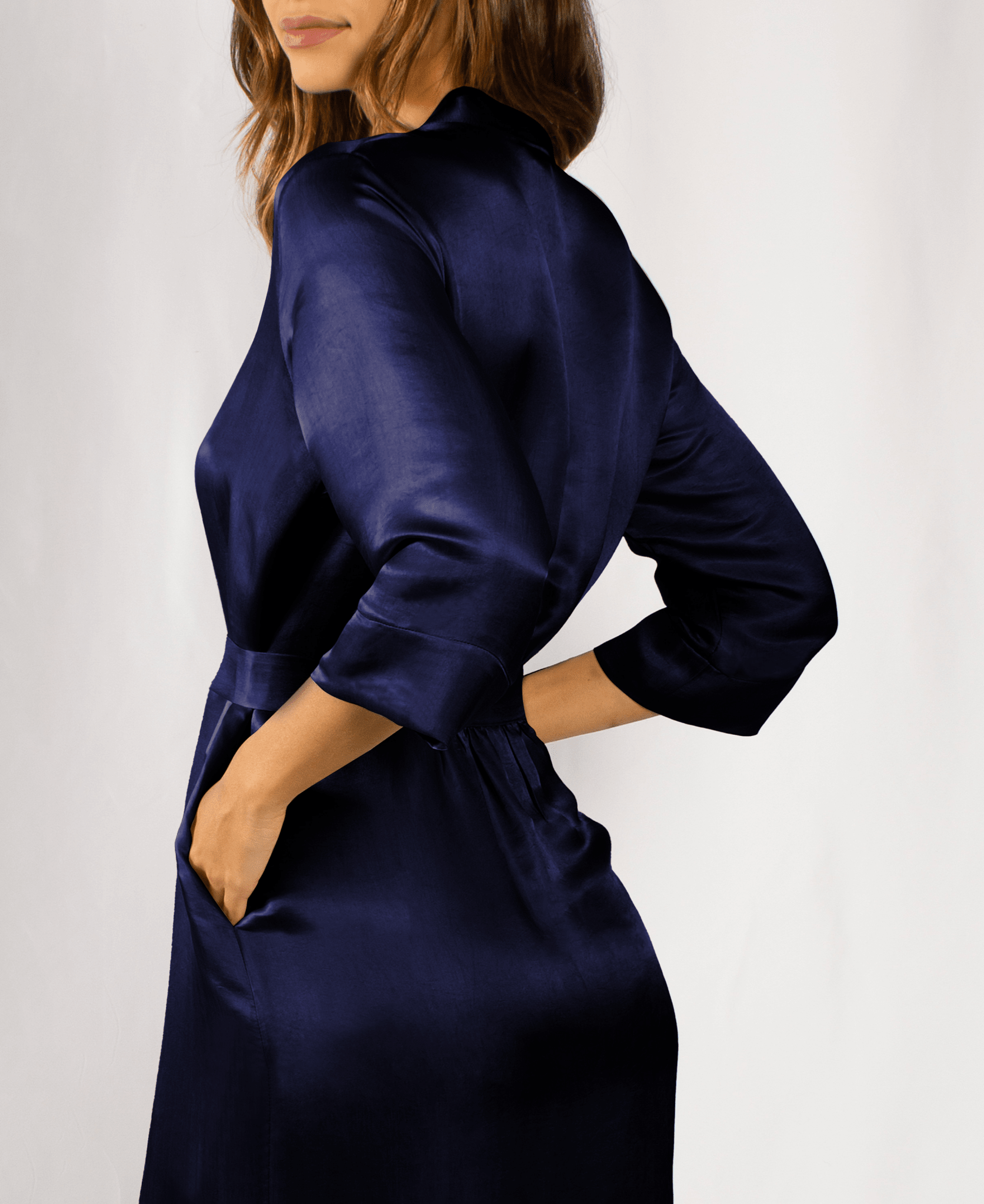
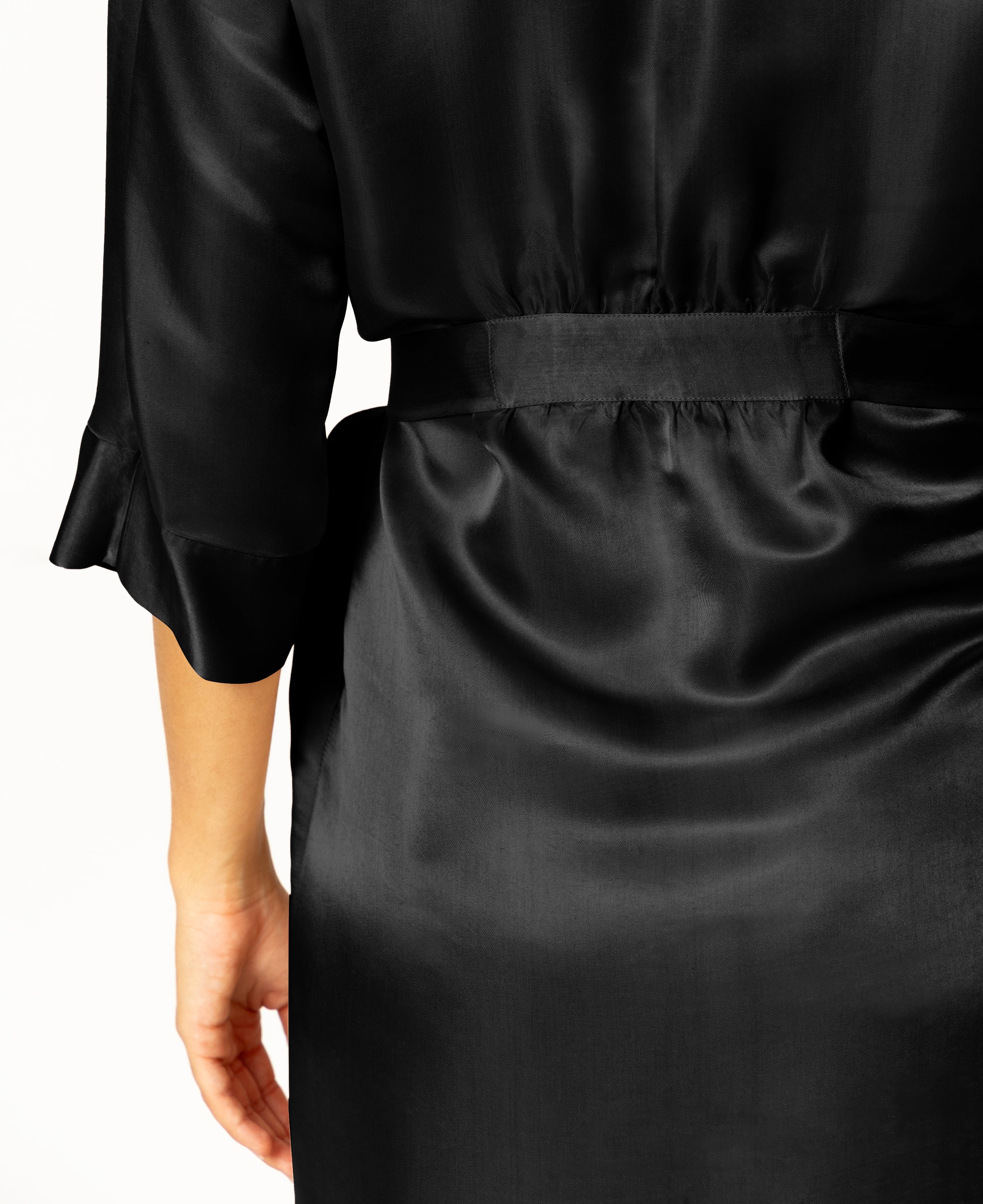
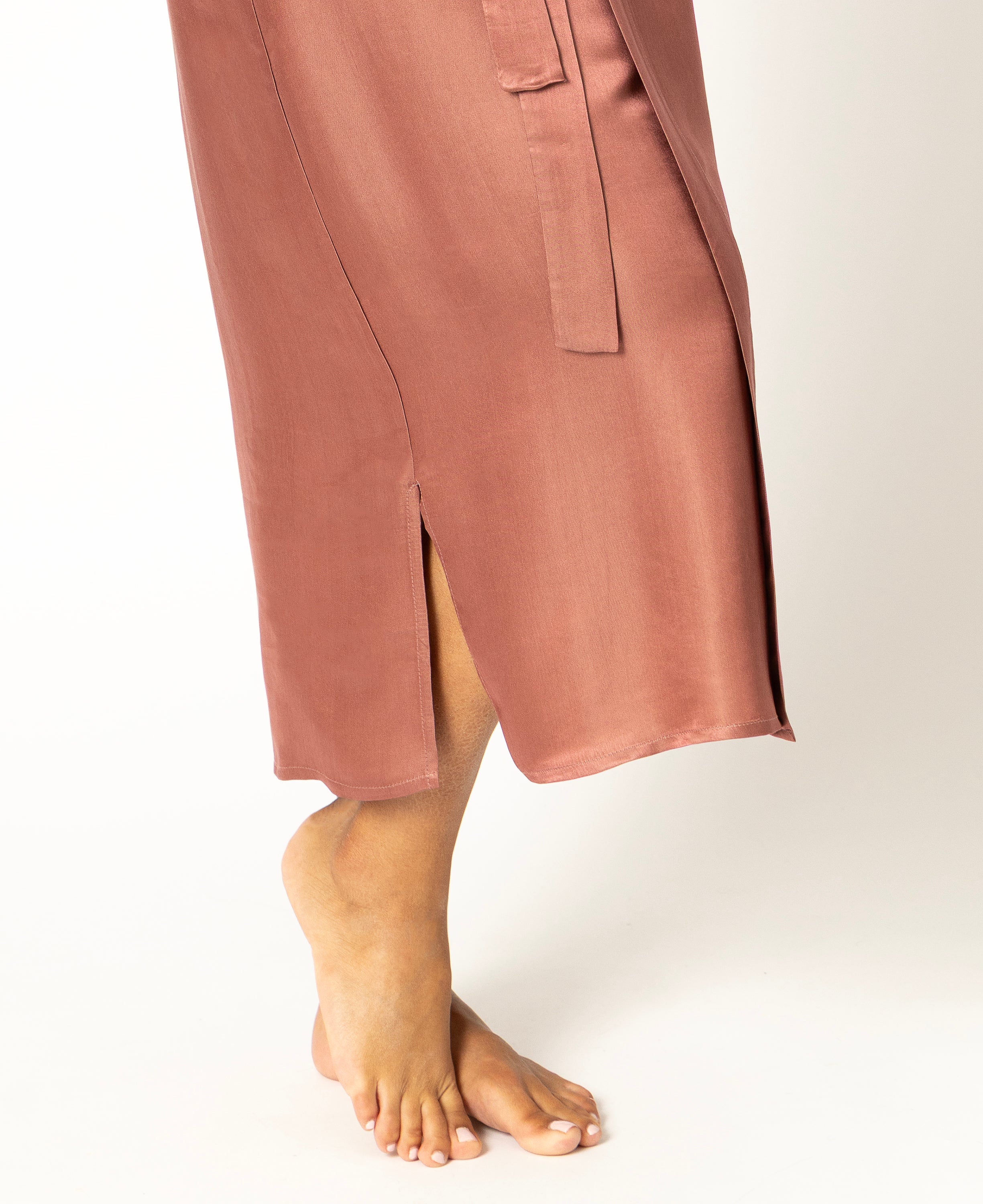
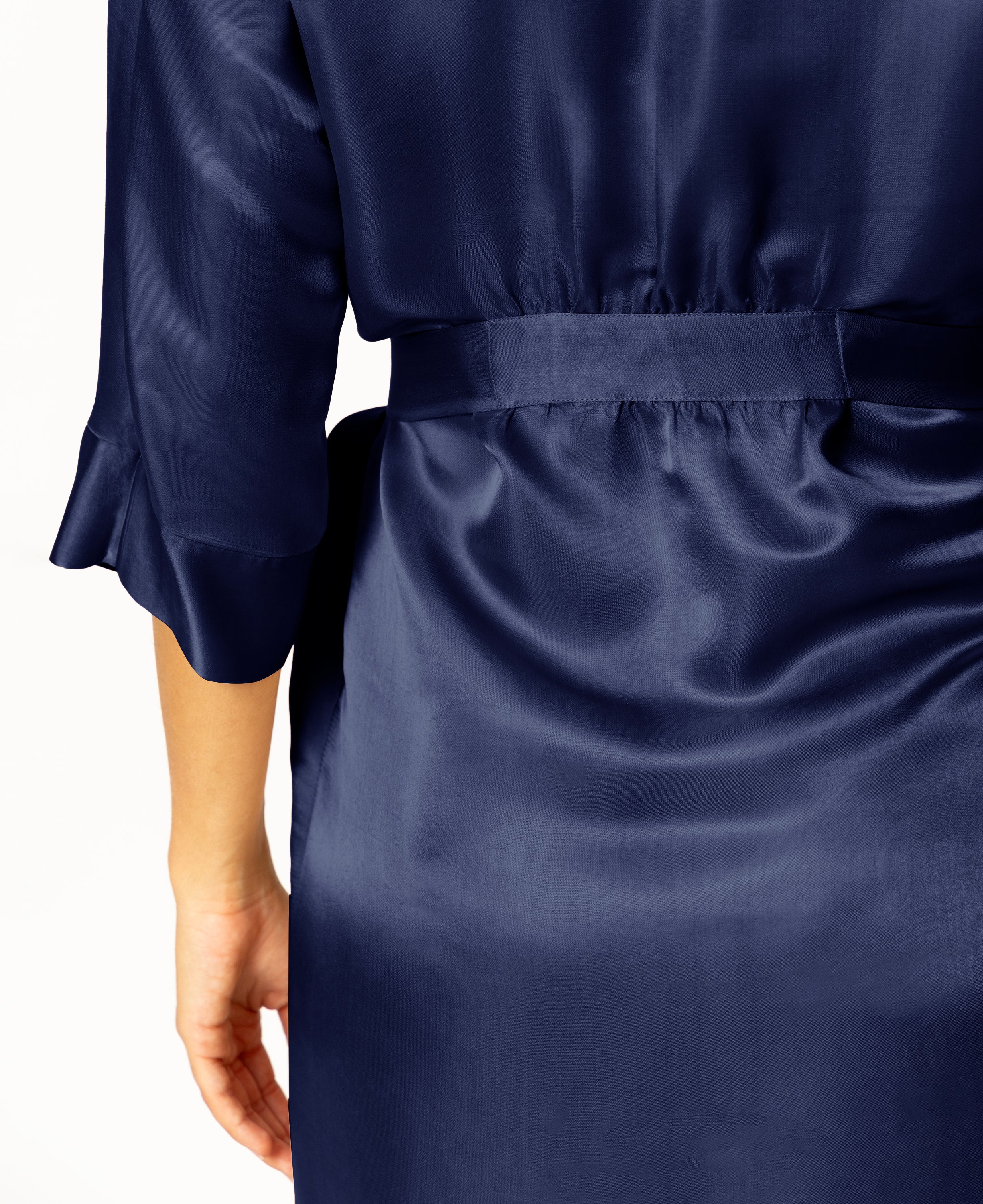
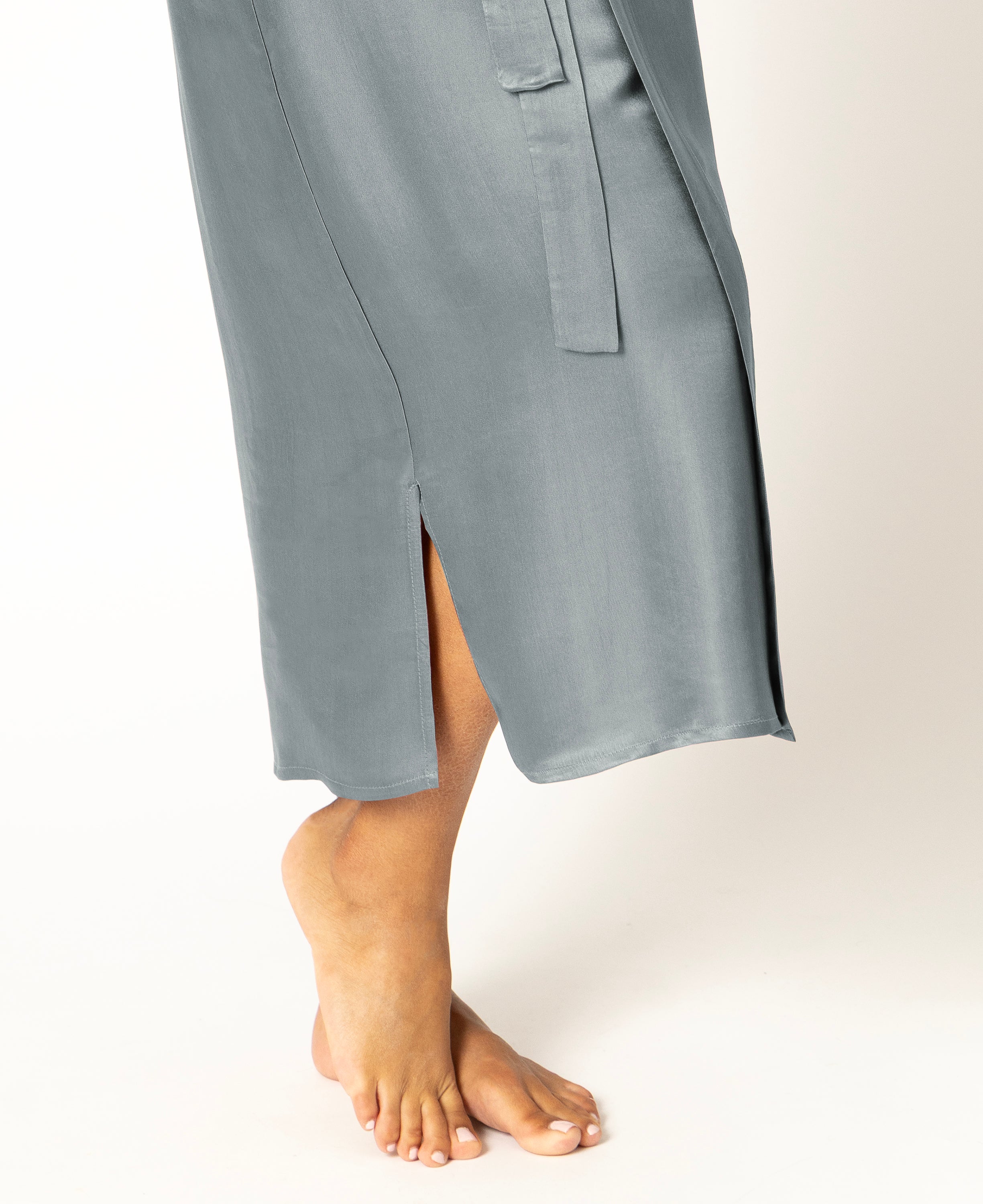
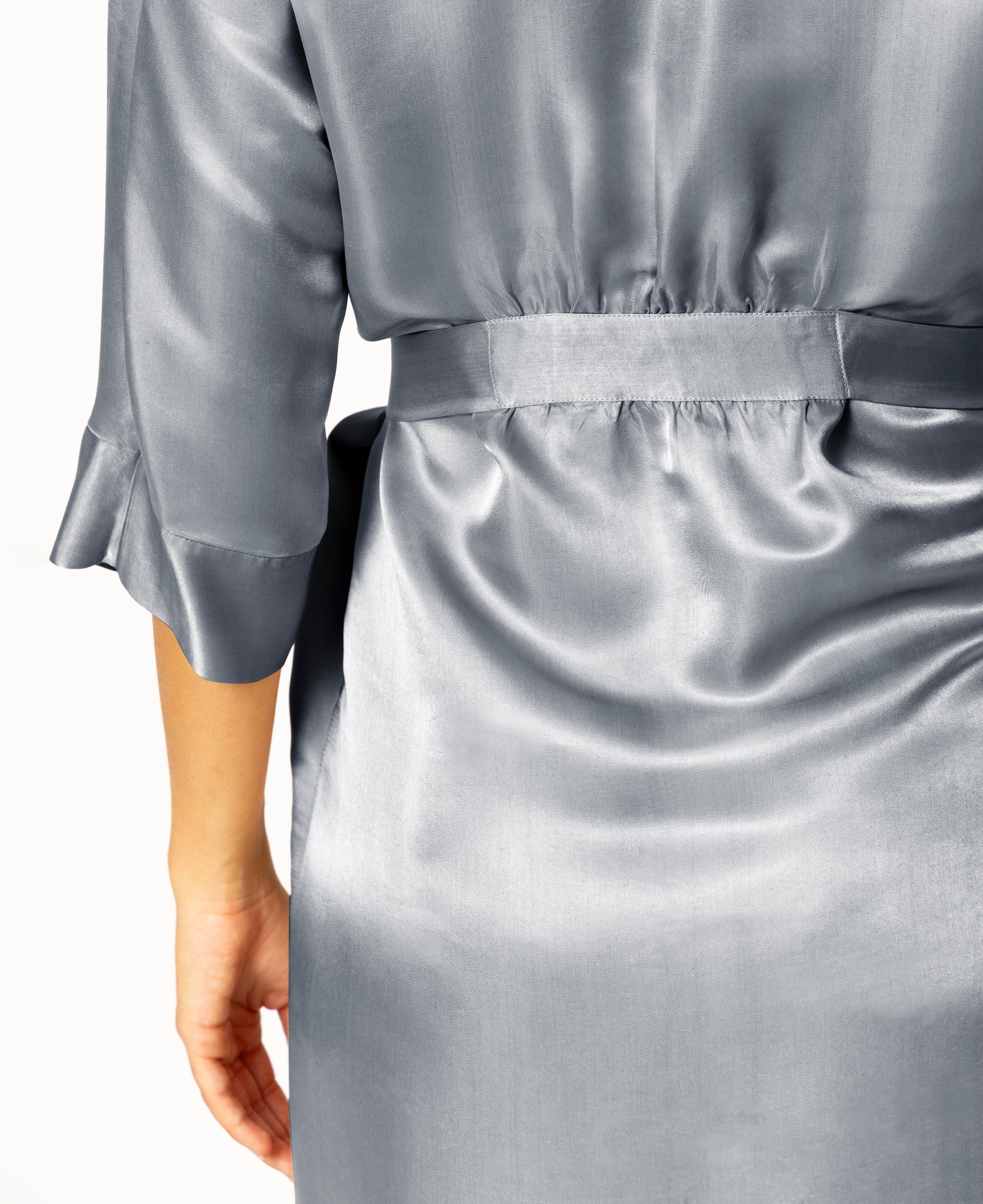
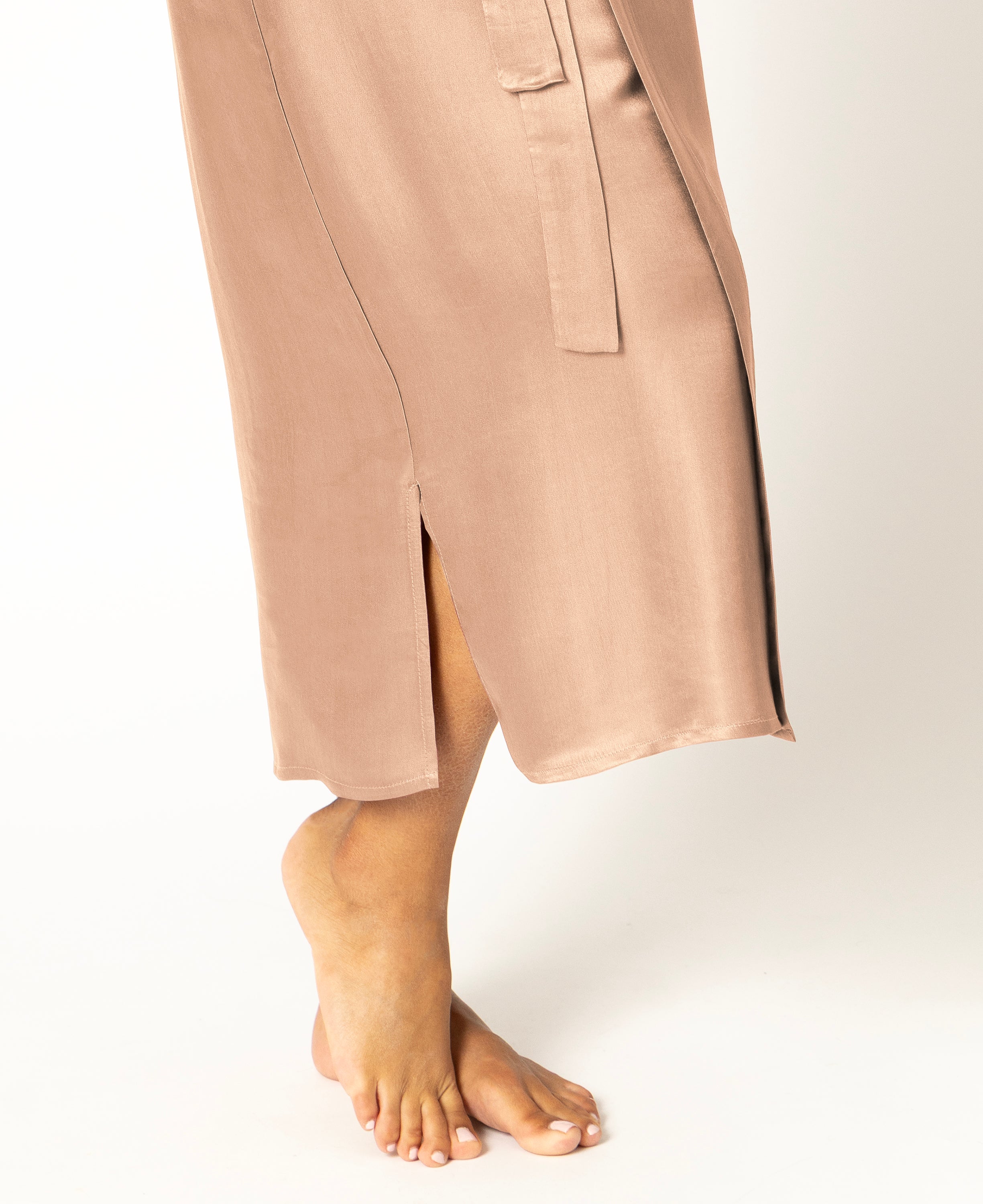
The same seam construction across all sizes. French seams enclosed on both sides last. Serged seams begin to fray in year one. The construction should not change at larger sizes. Ours does not.
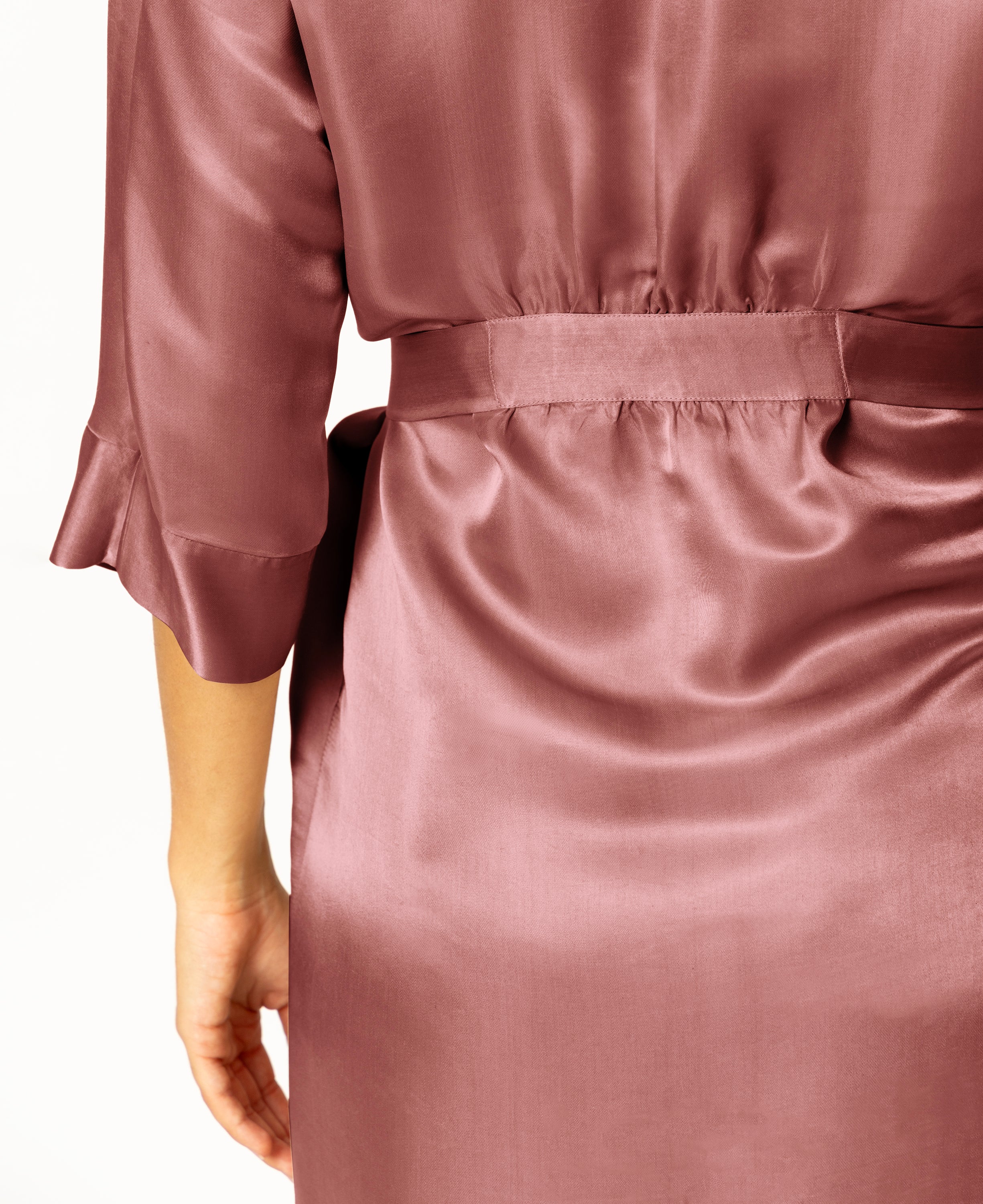
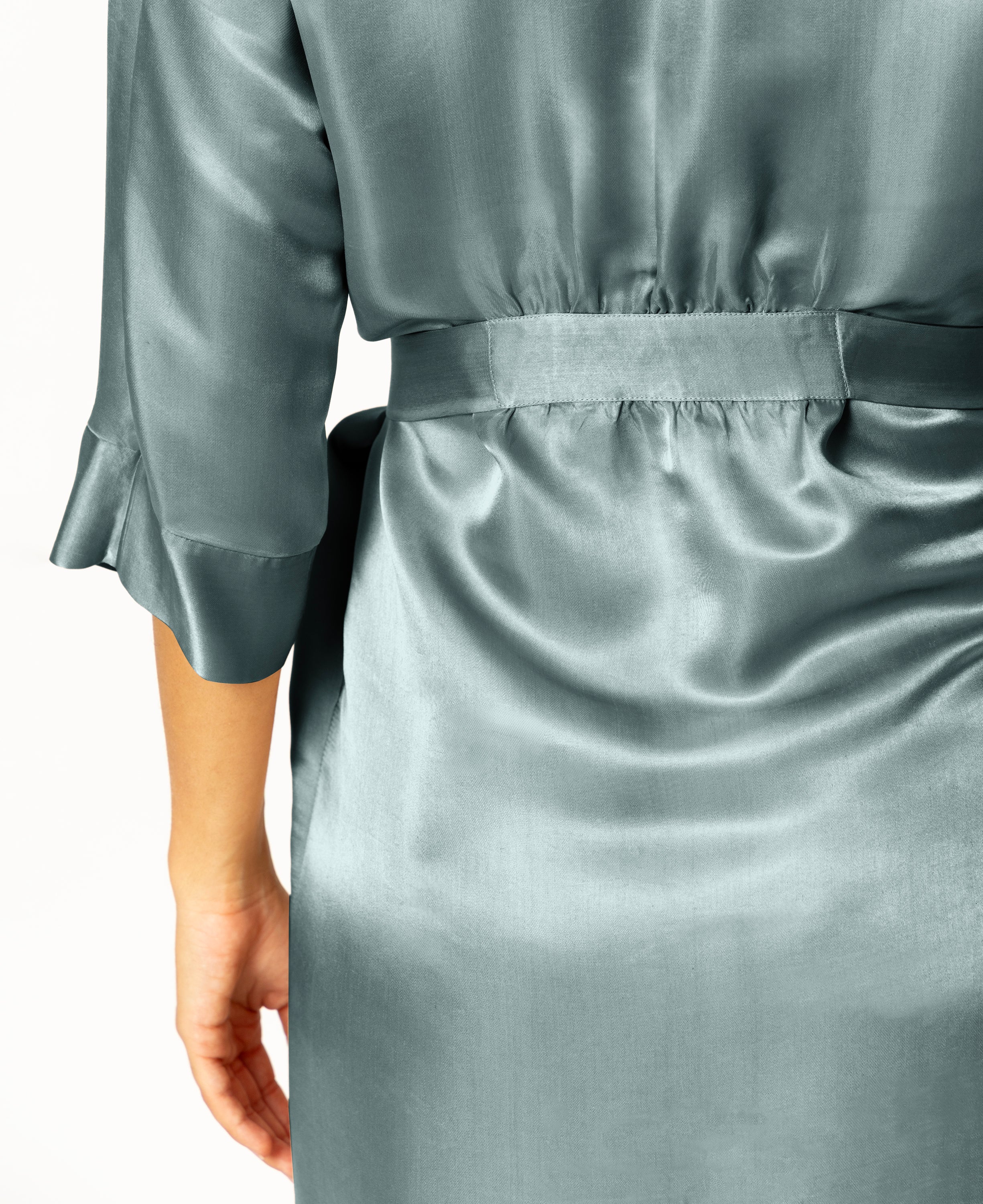
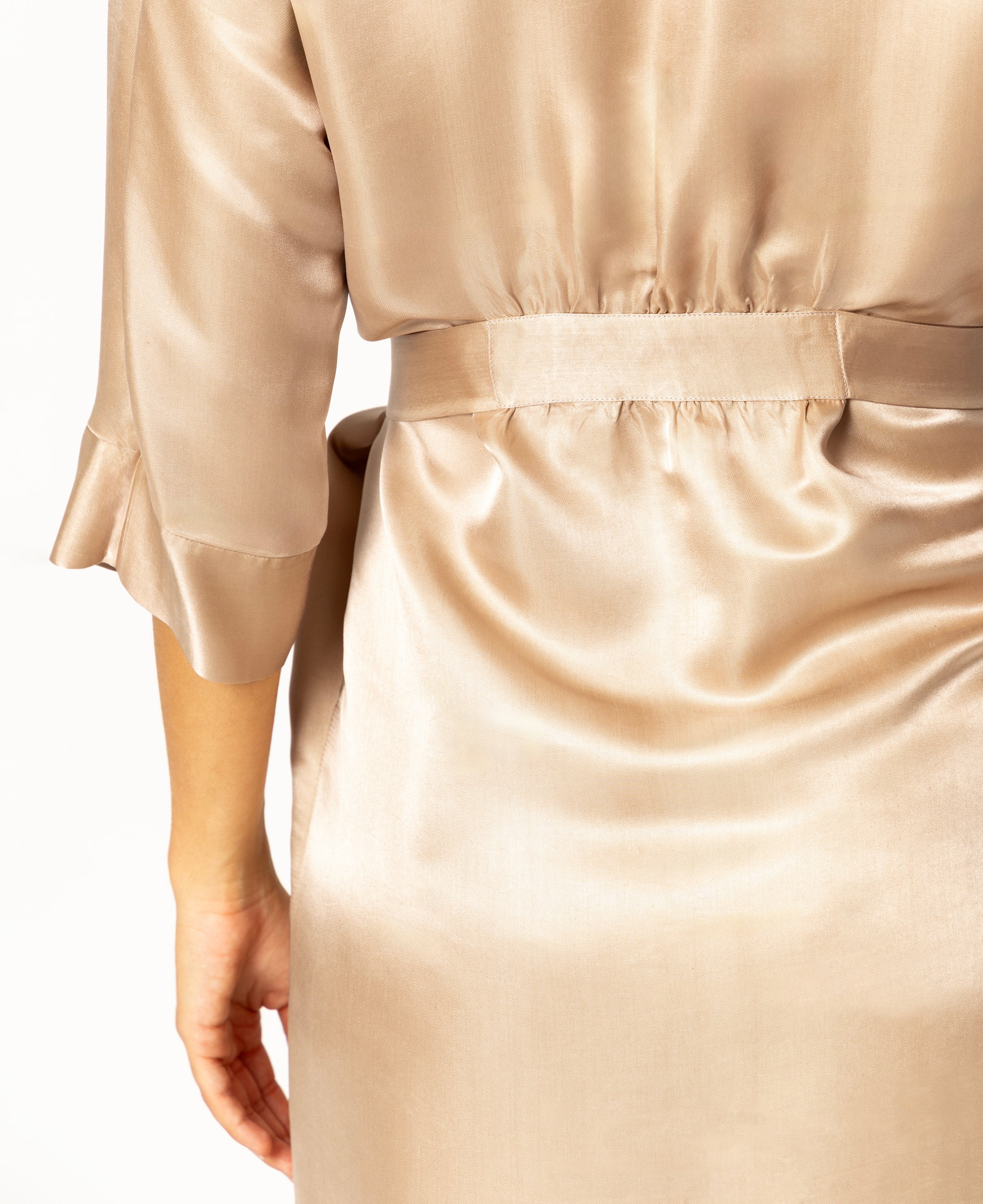
A sash long enough to wrap properly. A sash that is barely long enough at L will not be long enough at 3XL. The right brand will lengthen the sash at larger sizes so the wrap is generous. If the sash sits at the front rather than around the back, the robe was graded without sash adjustment.
A shoulder cut designed for the size. The shoulders should sit lightly on the body, not pull at the back. If the robe pulls when you put your hands at your sides, the shoulders are too narrow.
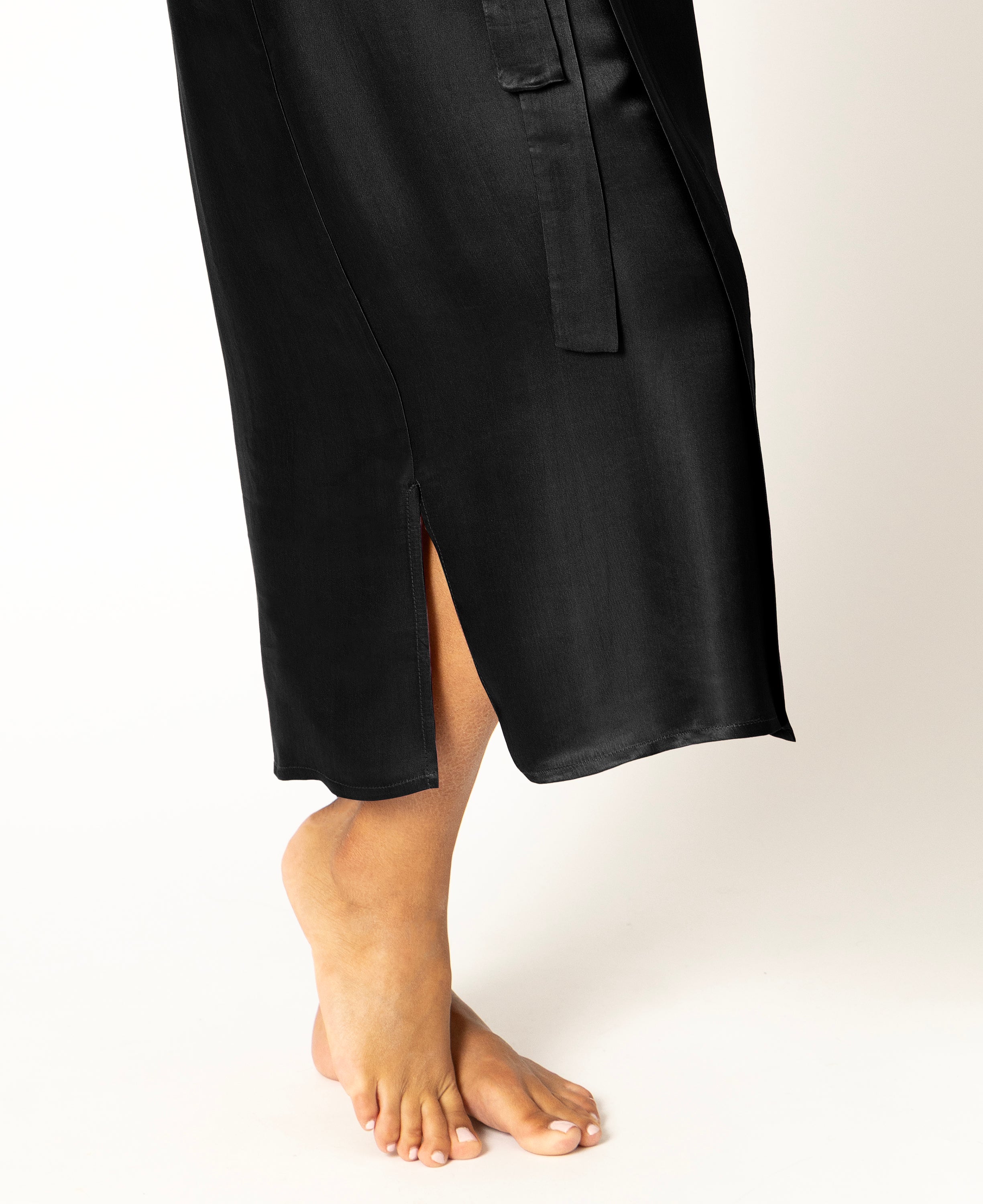
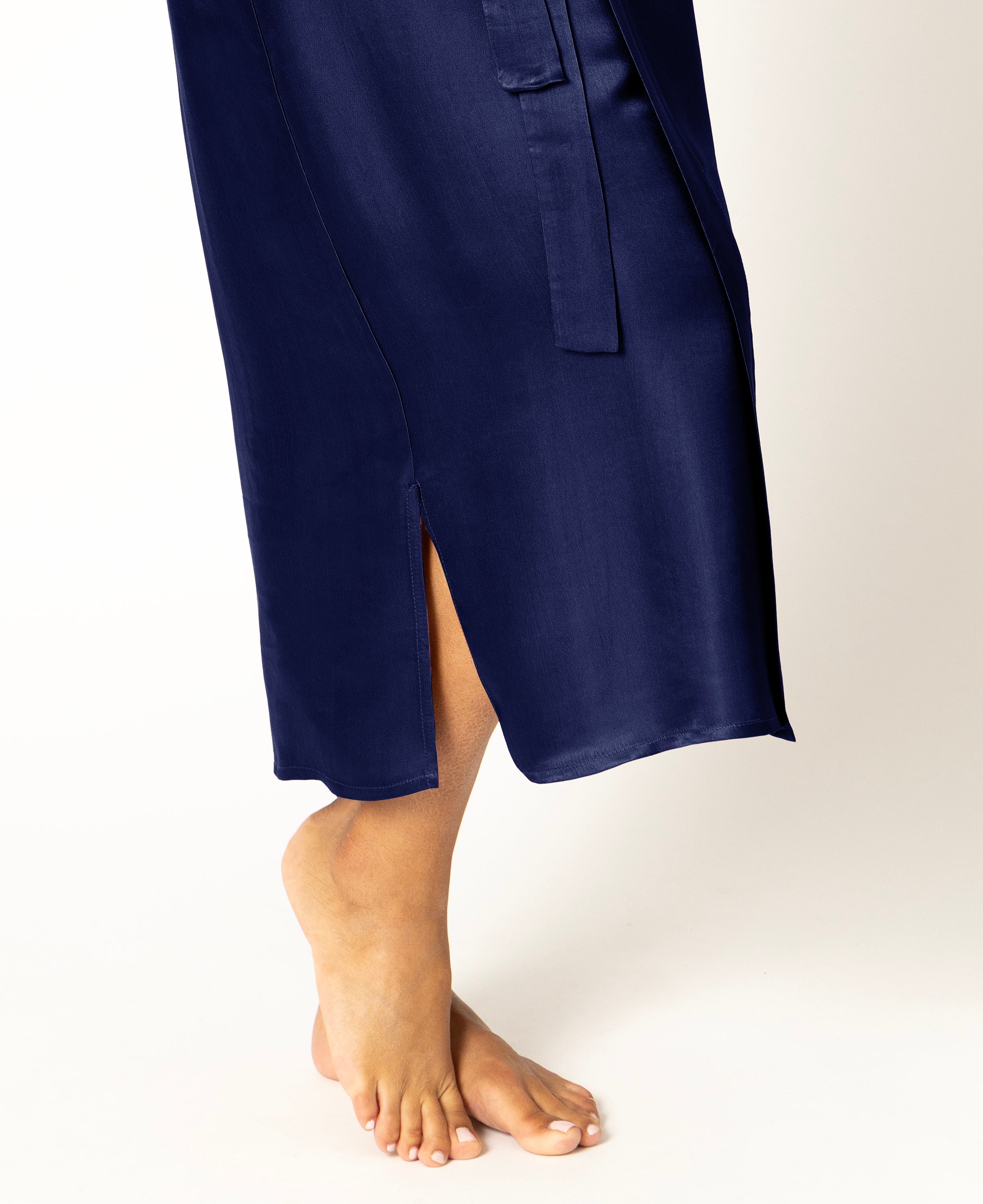
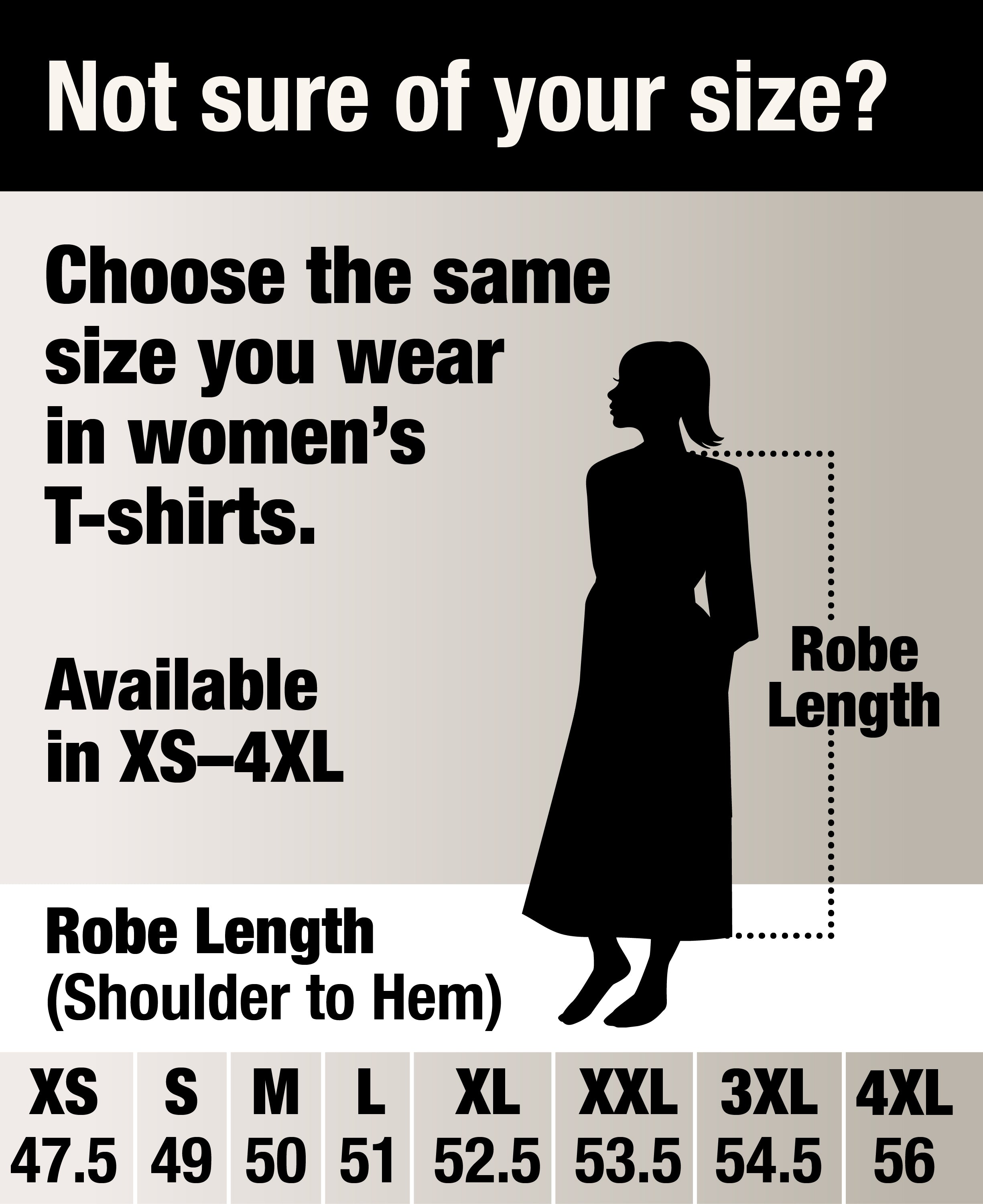
A length that falls below the knee for a long robe. The grade should adjust so the long robe is still a long robe at a 3XL. Many extended-size robes lose length relative to the body and become short robes by accident.
Machine washable on a delicate cycle. A plus-size silk robe that requires dry cleaning is a plus-size silk robe that will not be worn often. The fabric should be substantial enough to survive the wash.
How Our Robes Fit at Plus Sizes
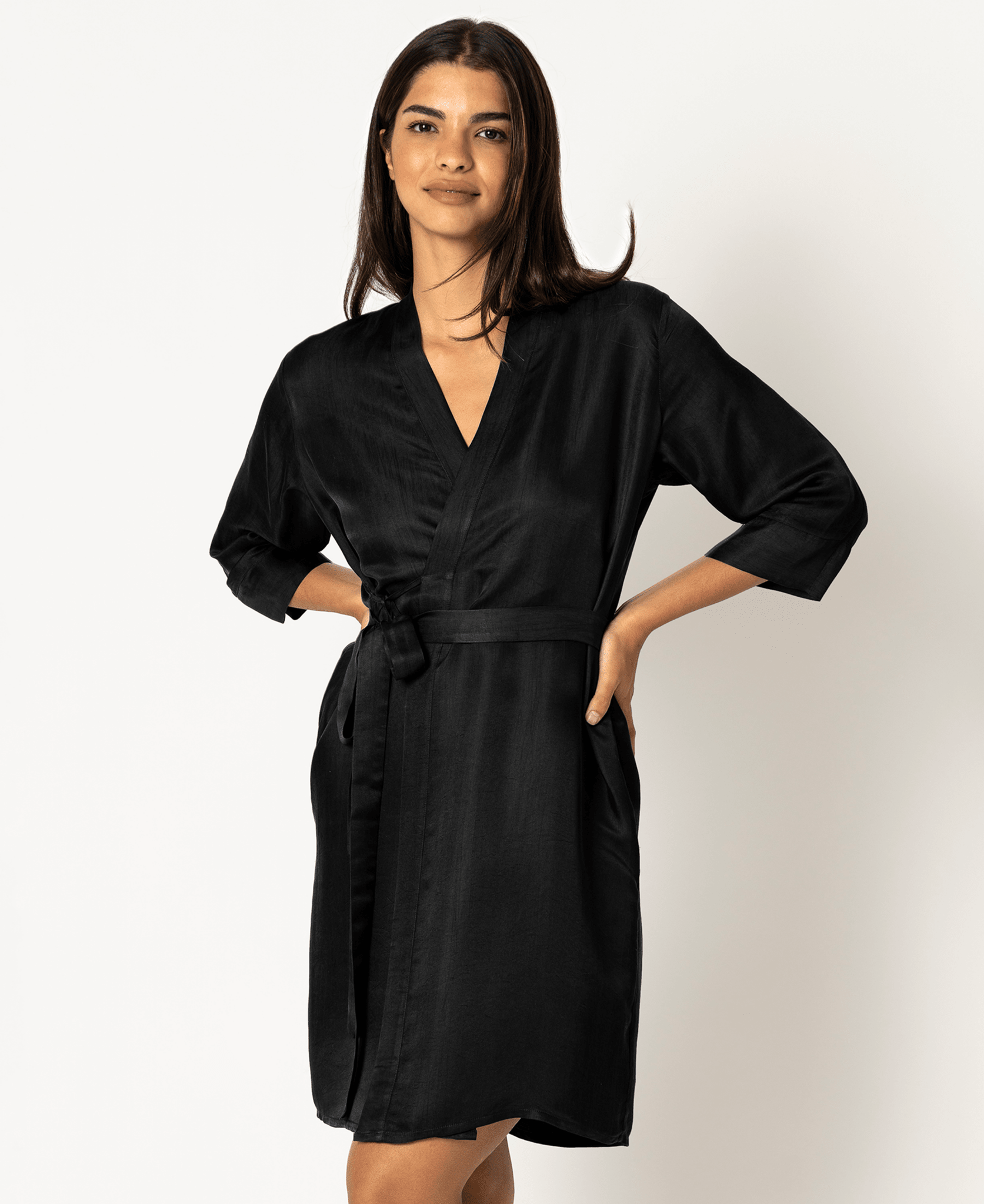
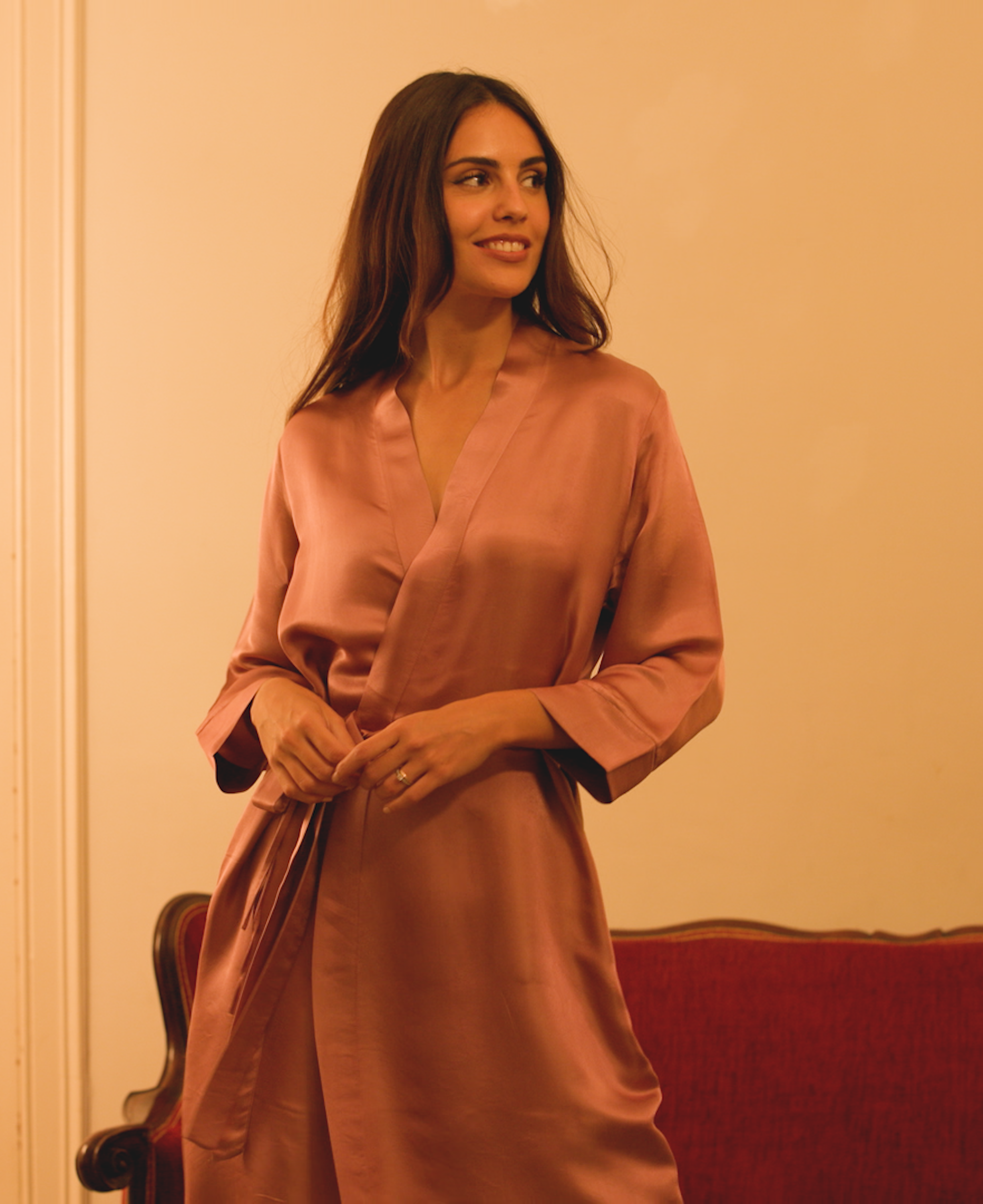
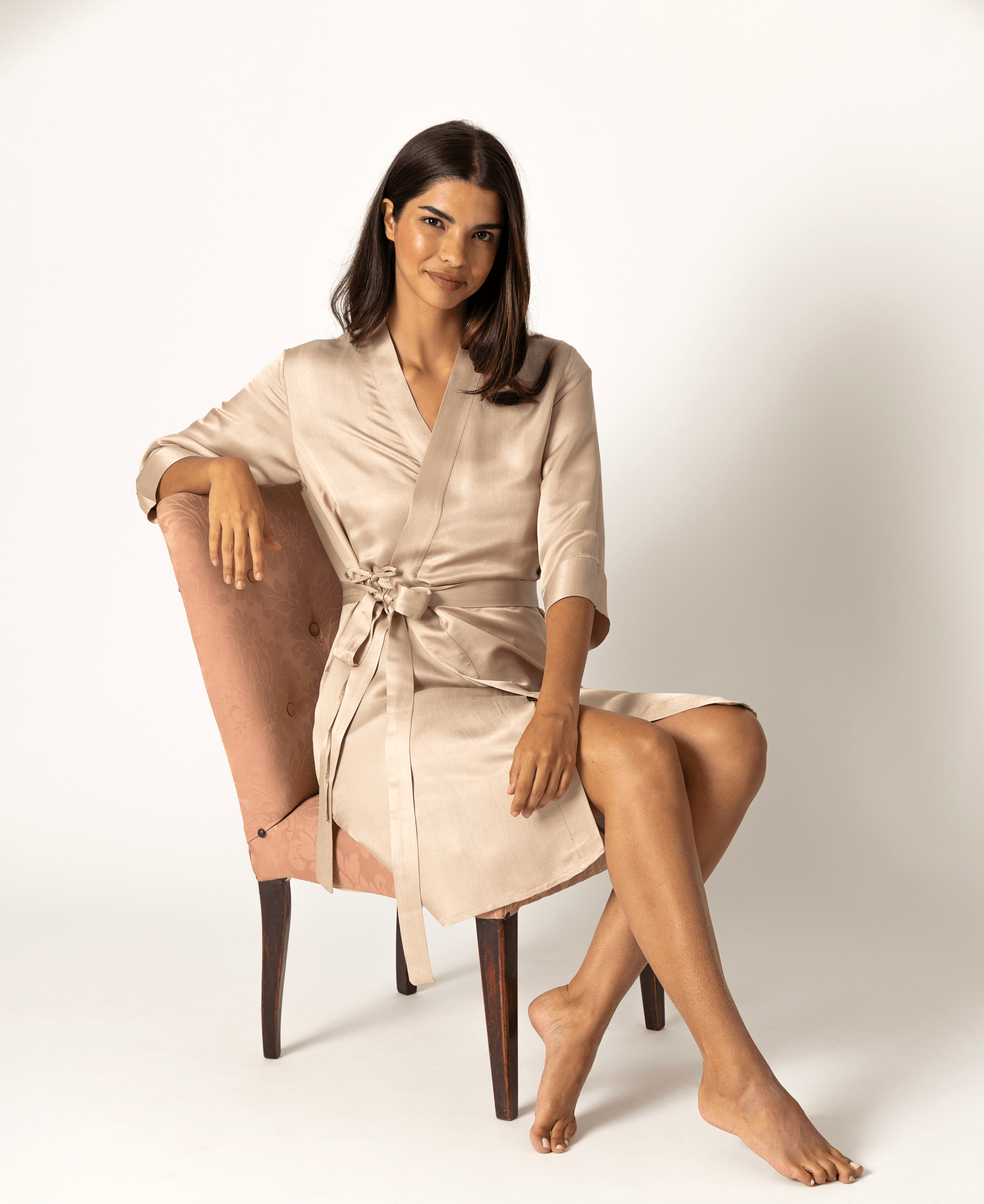
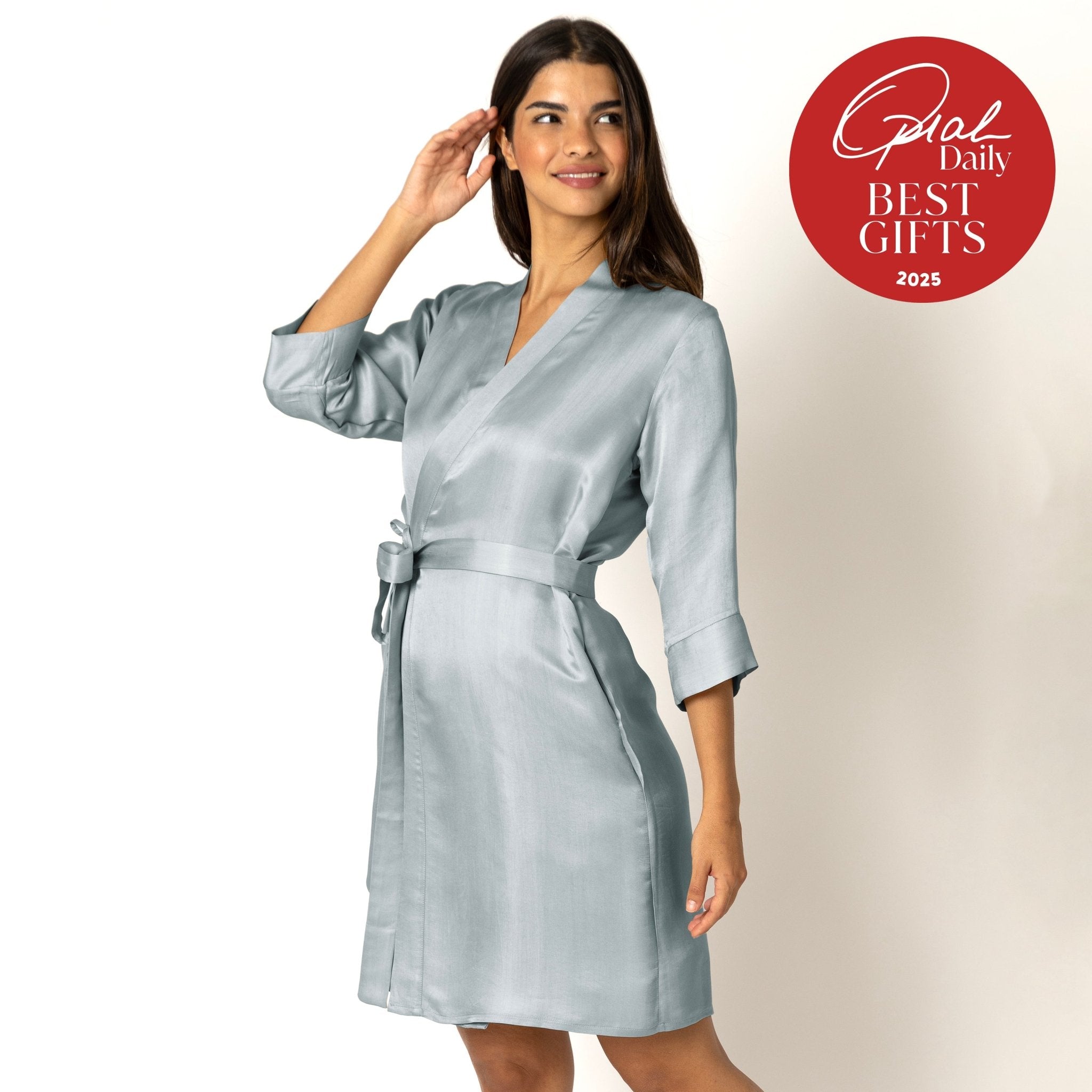
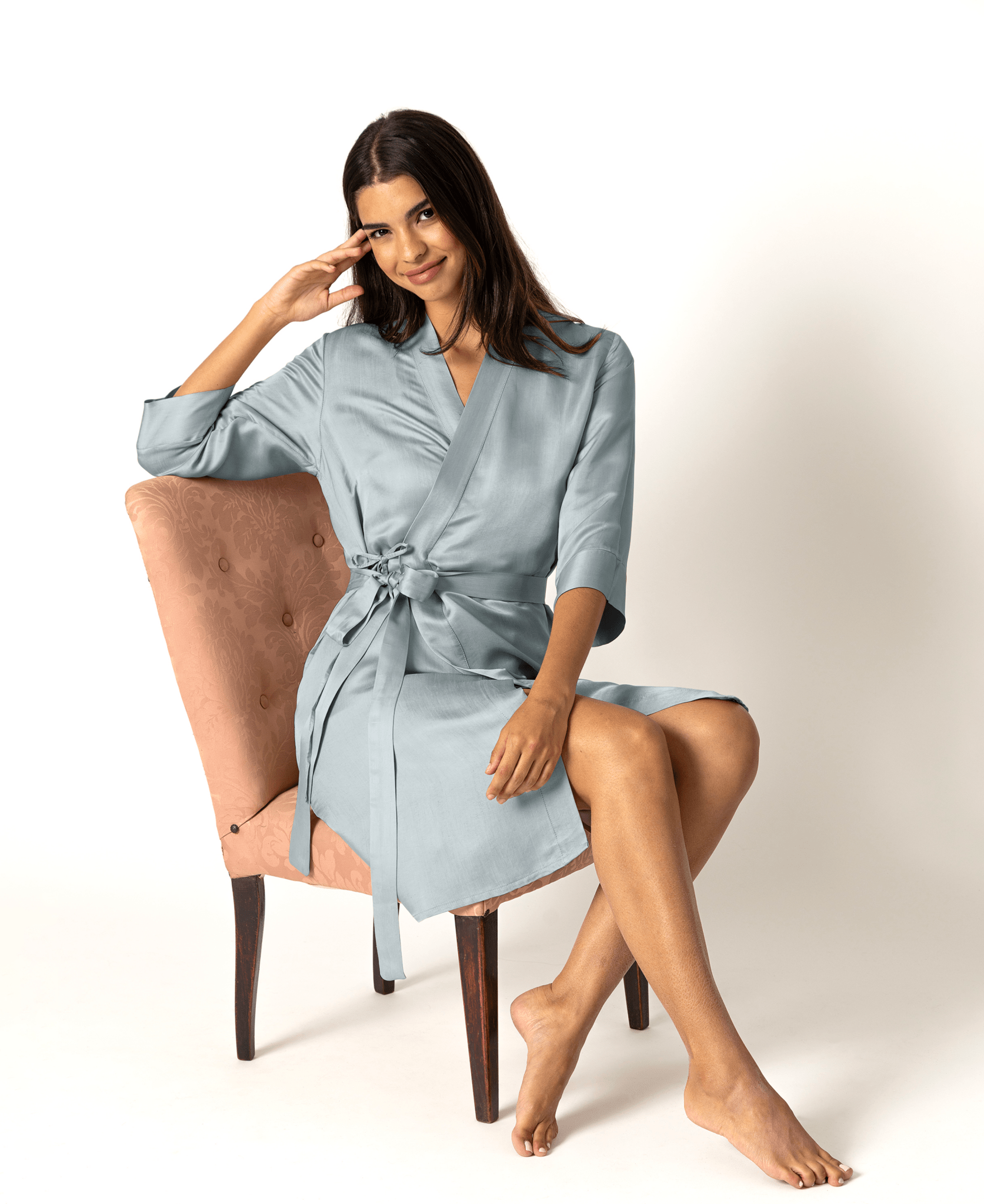
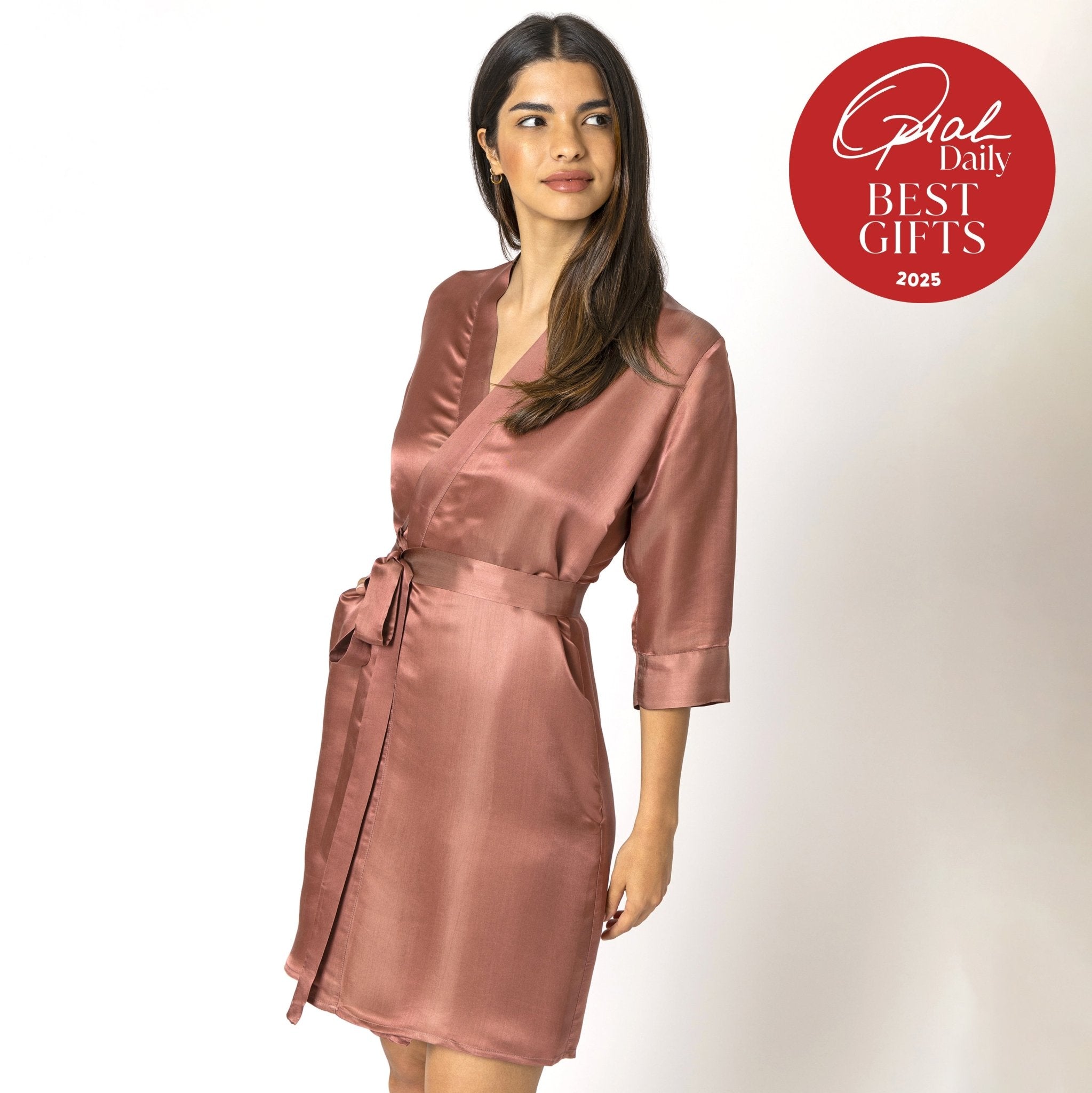
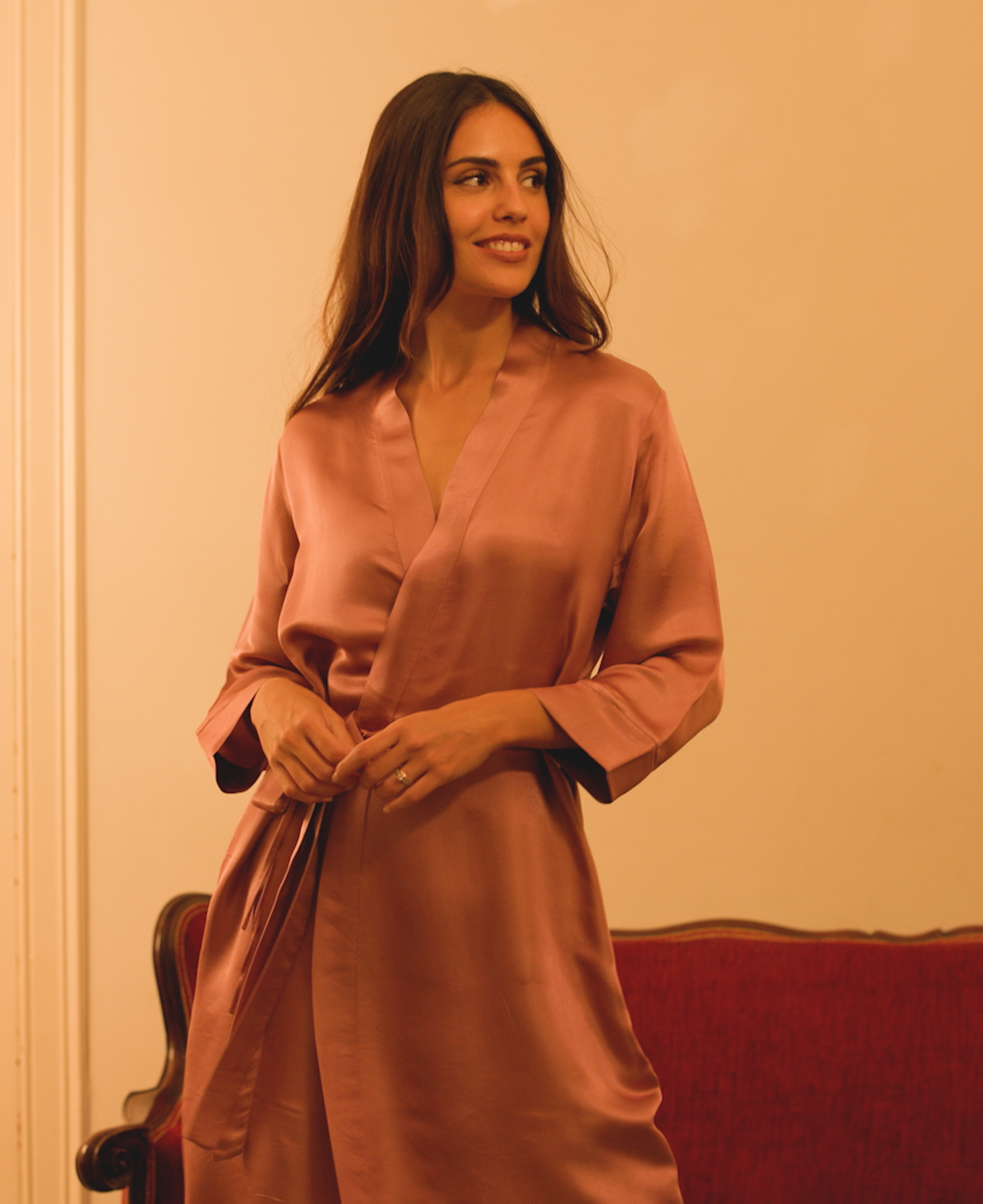
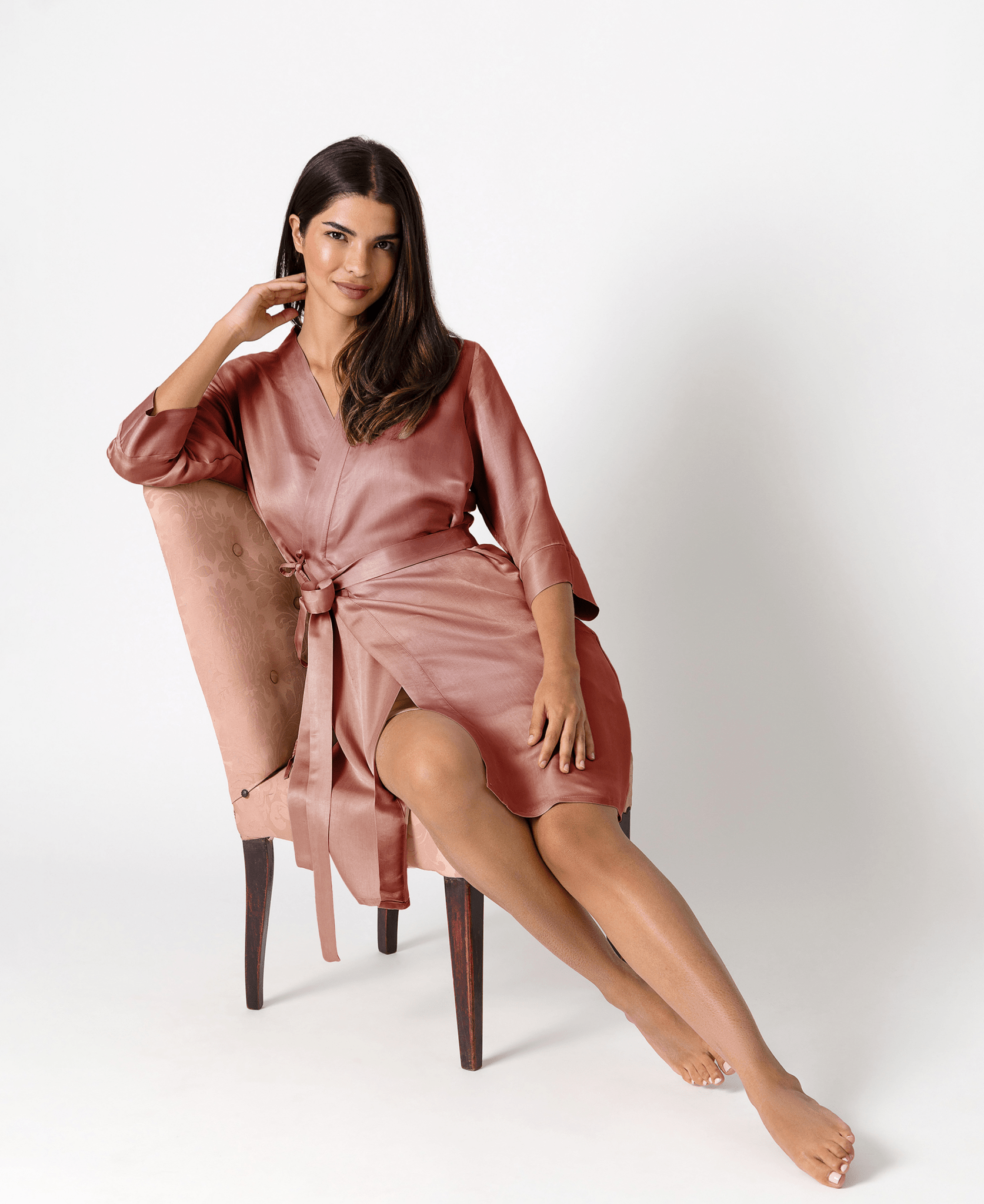
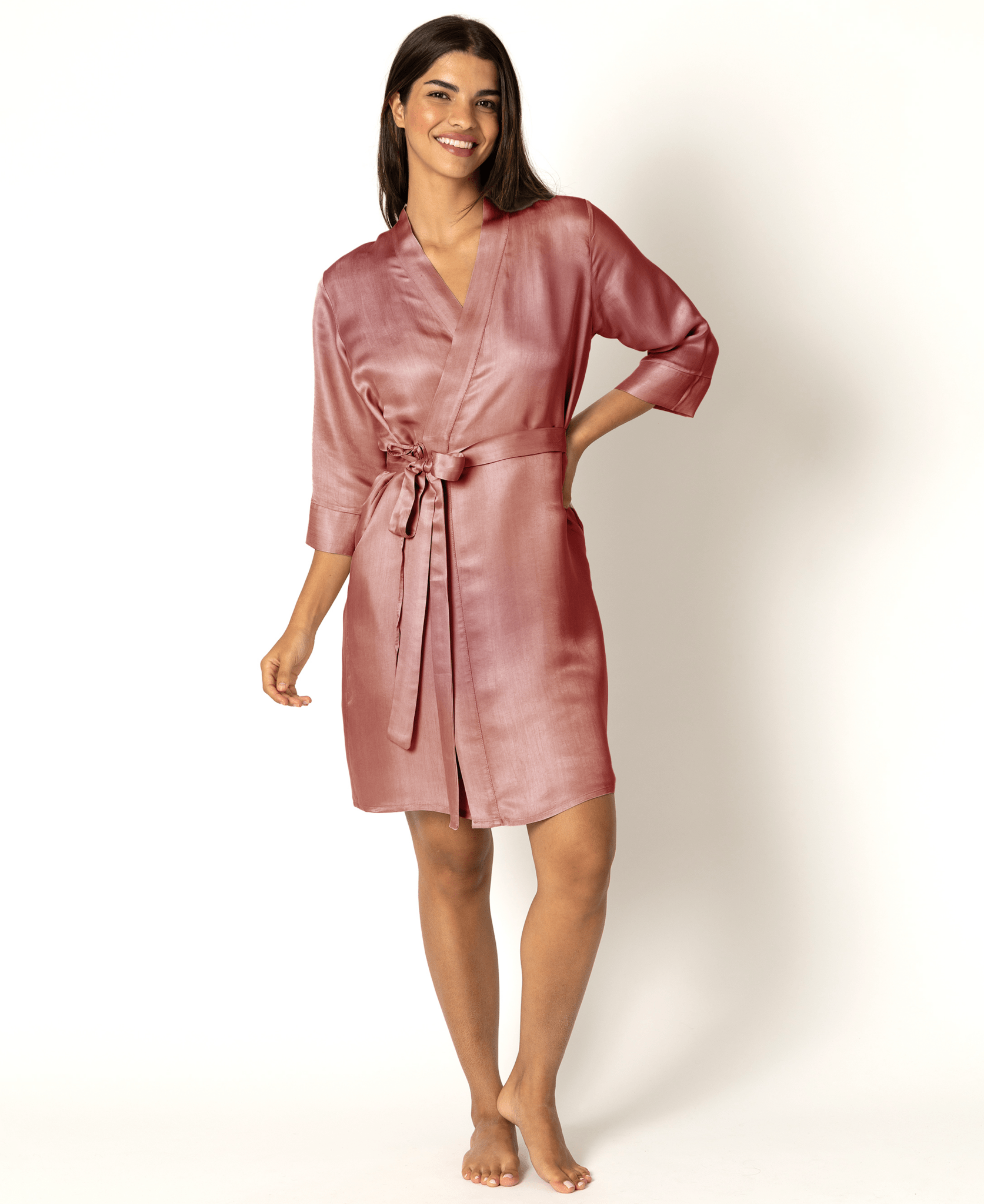
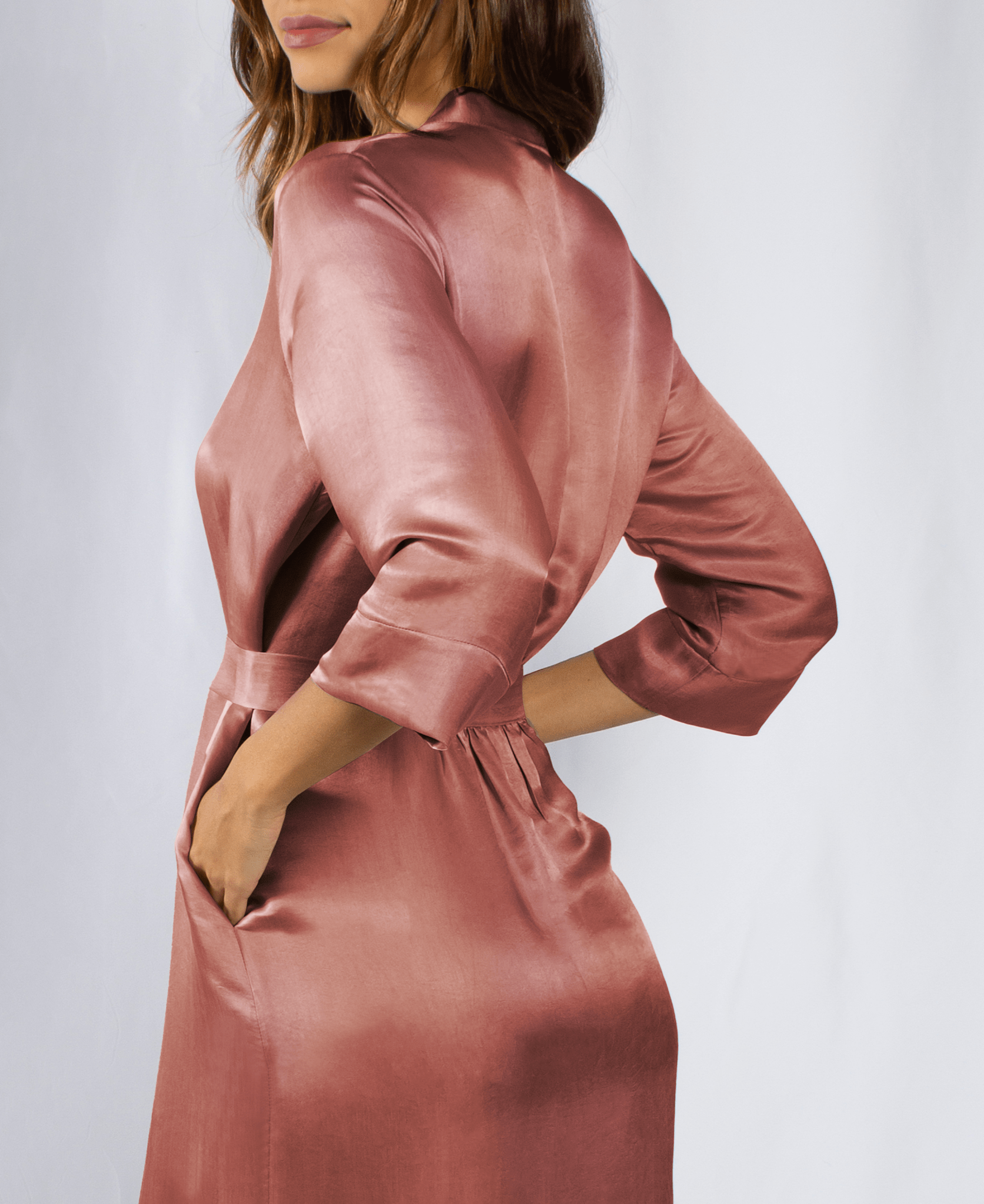
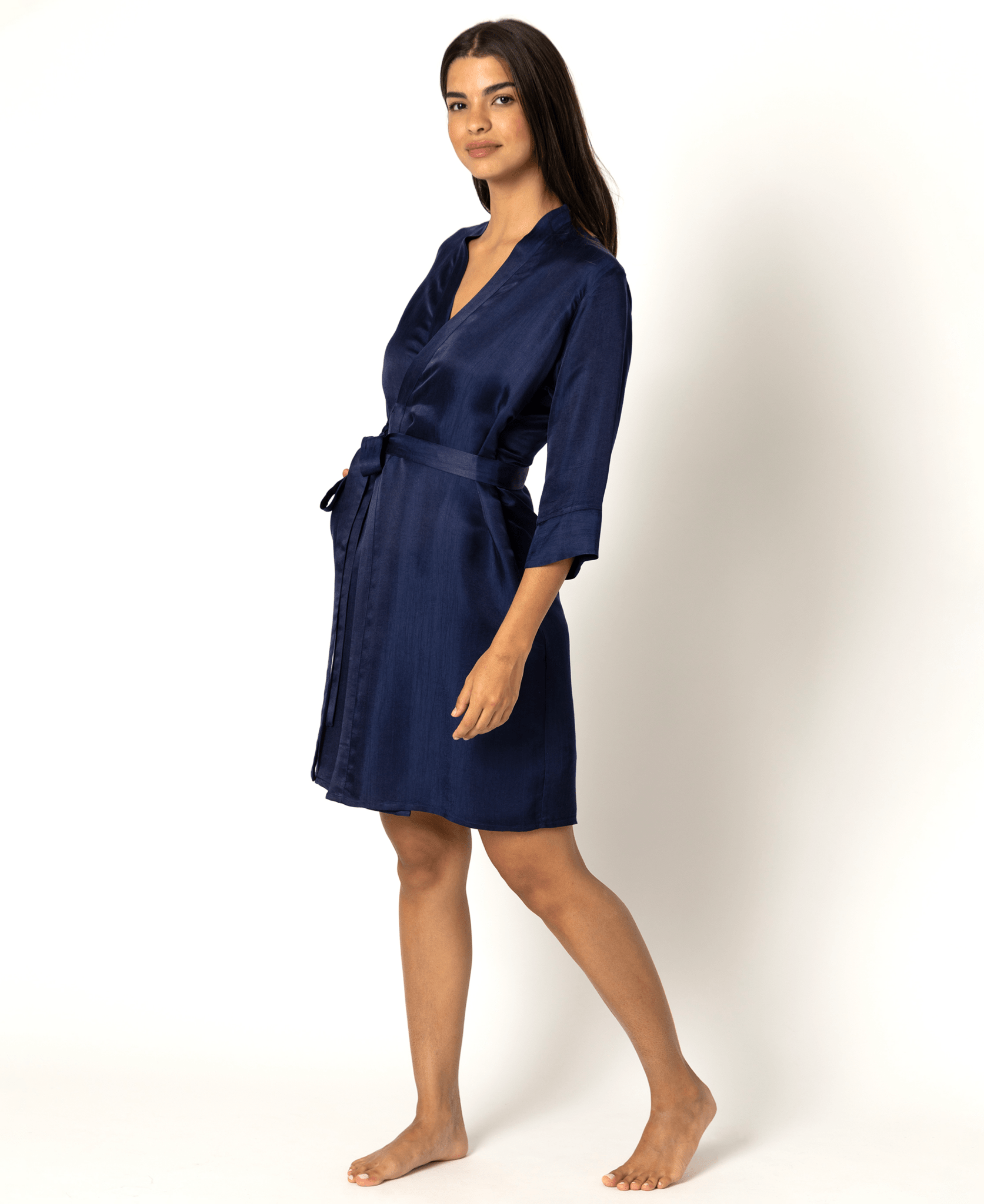
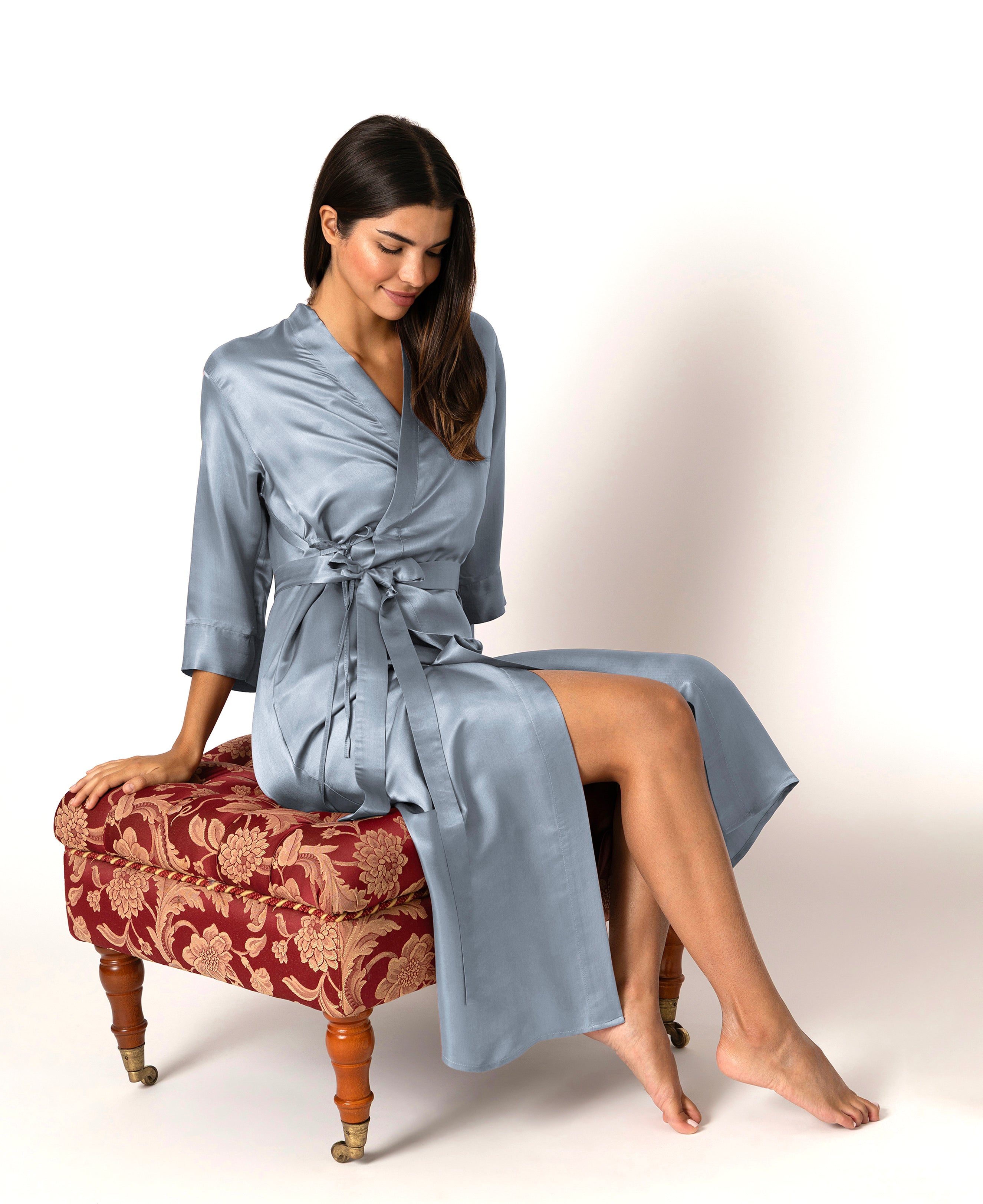
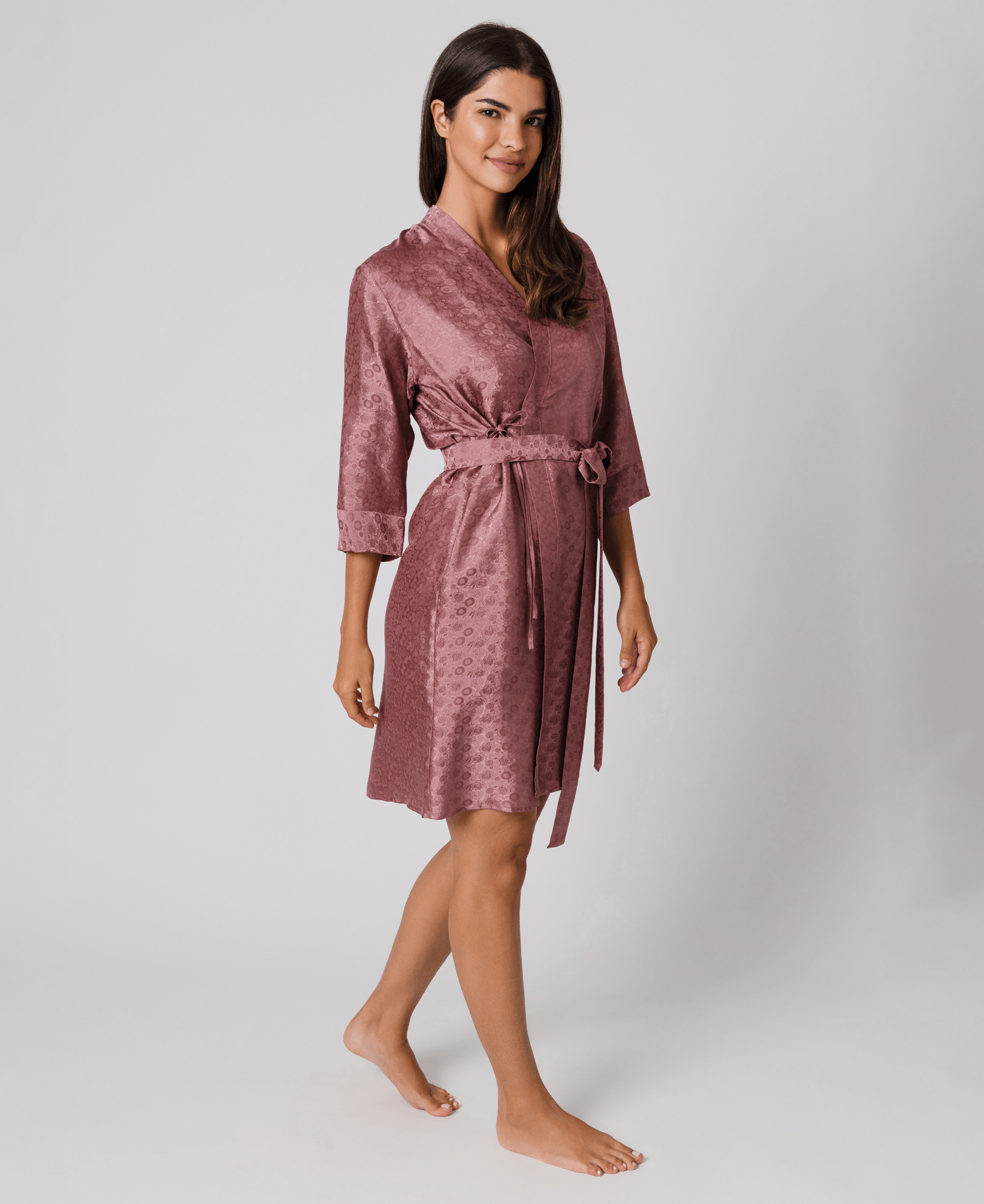
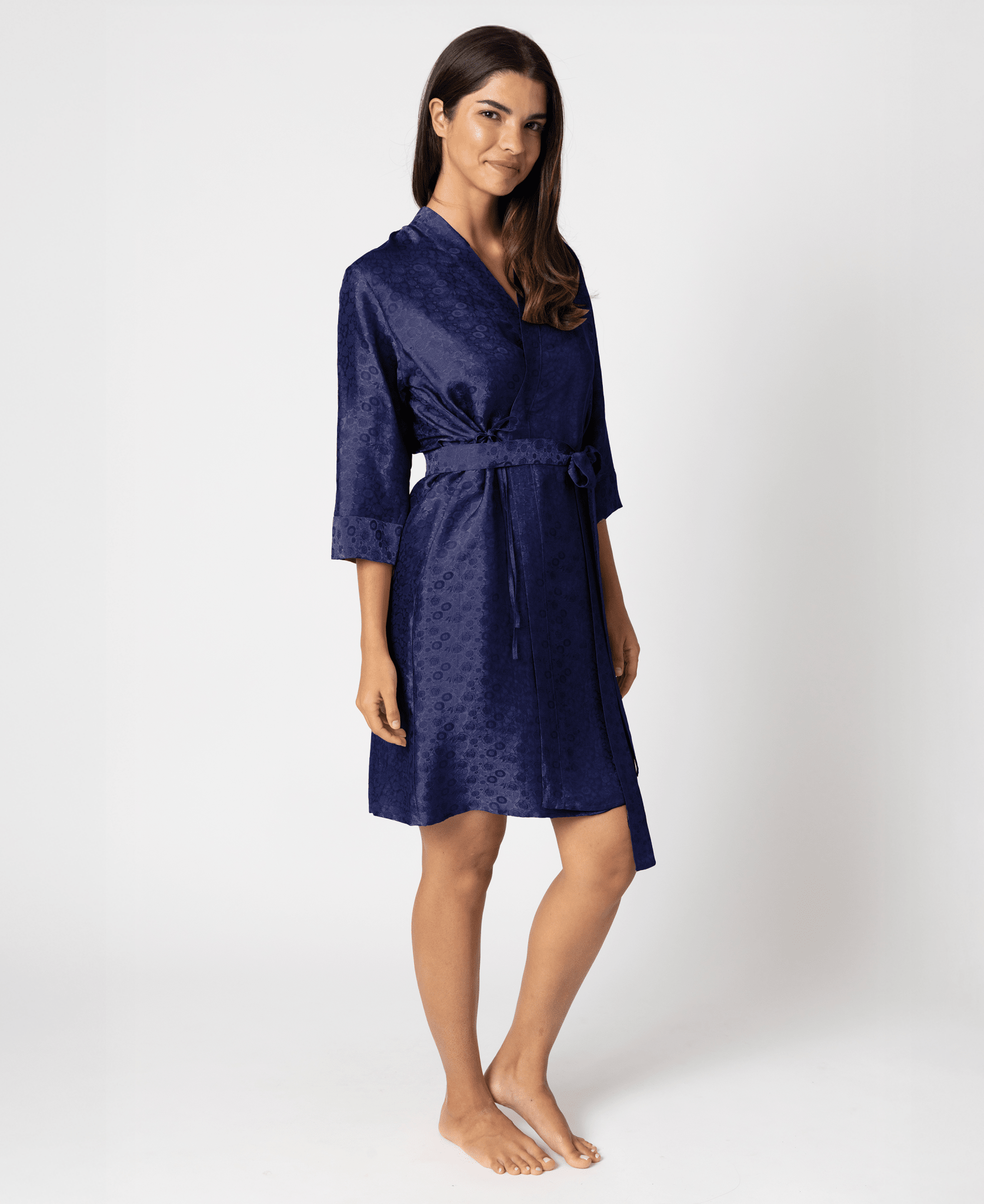
Our robes are cut to fit a real body at every size. The XS and the 4XL are the same one-piece-at-a-time production, the same 27 momme mulberry silk, the same French seam construction. The cut adjusts where the body requires it. The sash lengthens. The shoulder cut widens where needed. The length stays consistent relative to the body, so the long robe is still a long robe at a 3XL.
The fabric does not change at larger sizes. This is the most common failure point on extended-size silk and we will not make that compromise. The silk you receive at 4XL is the same silk you receive at S, woven on the same heritage looms, cut from the same bolts, sewn by the same master artisans. The piece is one of ours, not a different piece priced as if it were.
If the standard XS to 4XL range does not fit, custom sizing is available when needed for a small additional fee. This is the same one-piece-at-a-time process. We measure where the standard cut needs to adjust and the artisan makes the robe to those measurements. The fabric and the construction are the same.





What to Choose, by Body Type and Lifestyle
The Tara Sartoria robe collection works at every size, and the decision is the same one we recommend for any body. The question is who the robe is for.
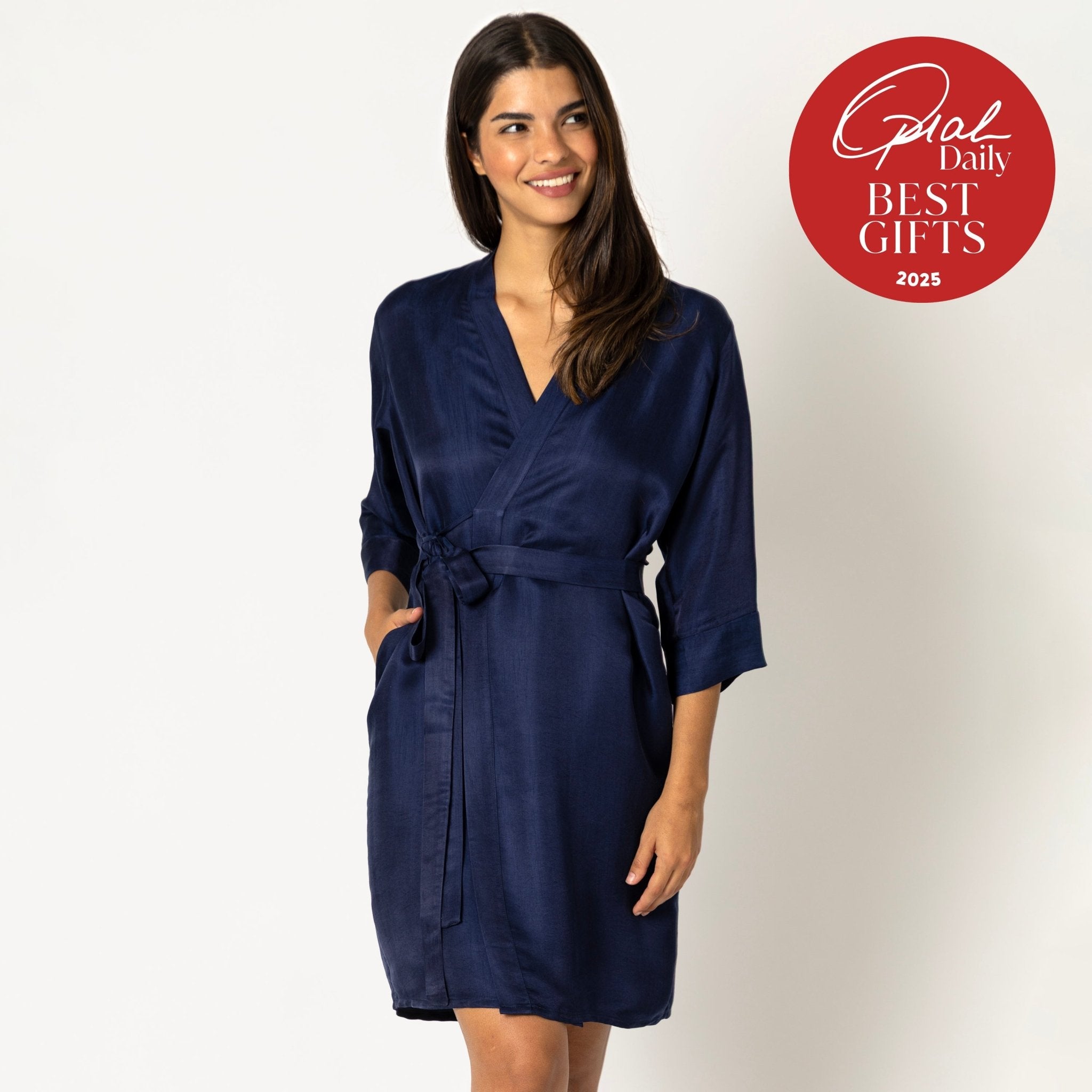
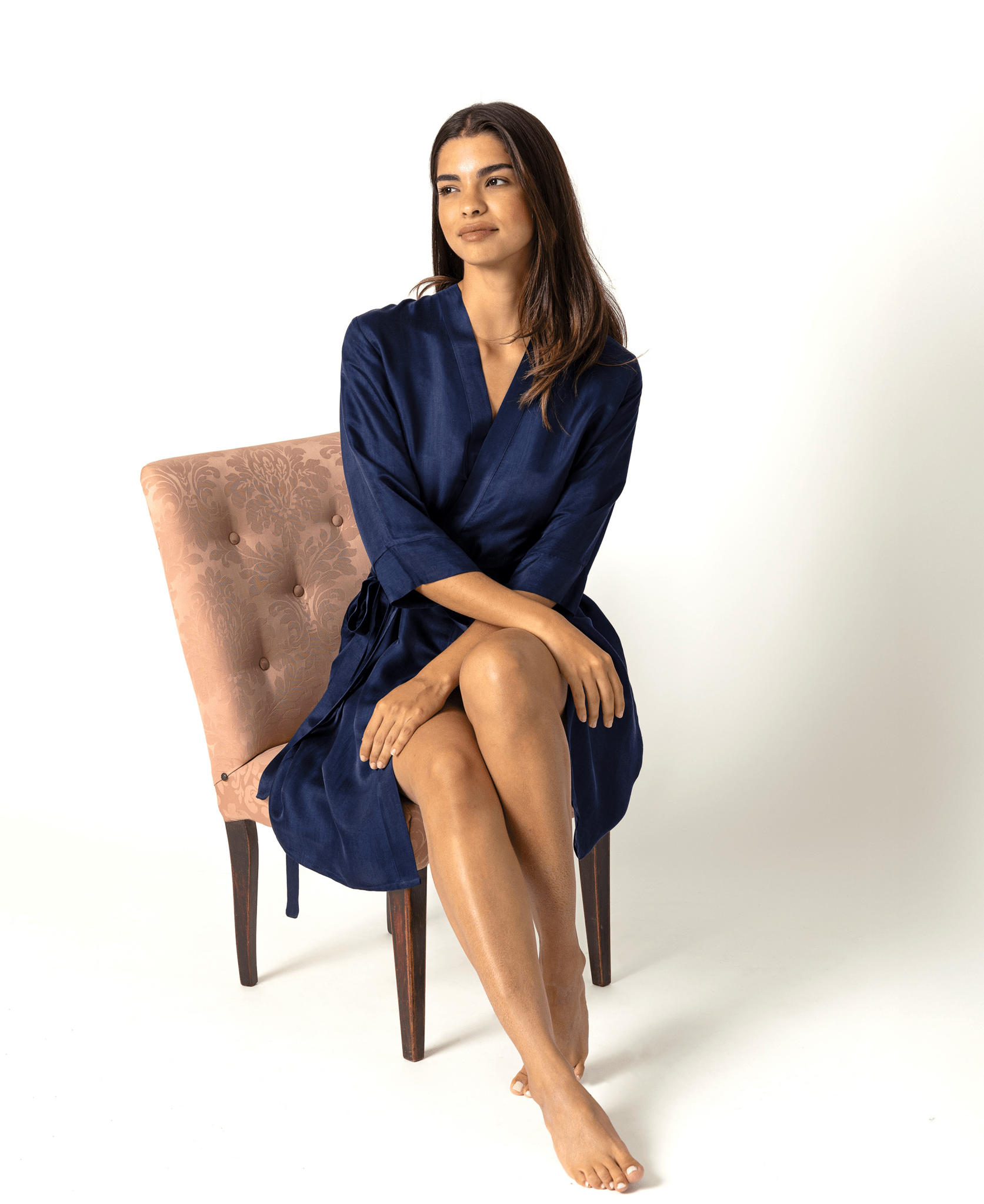
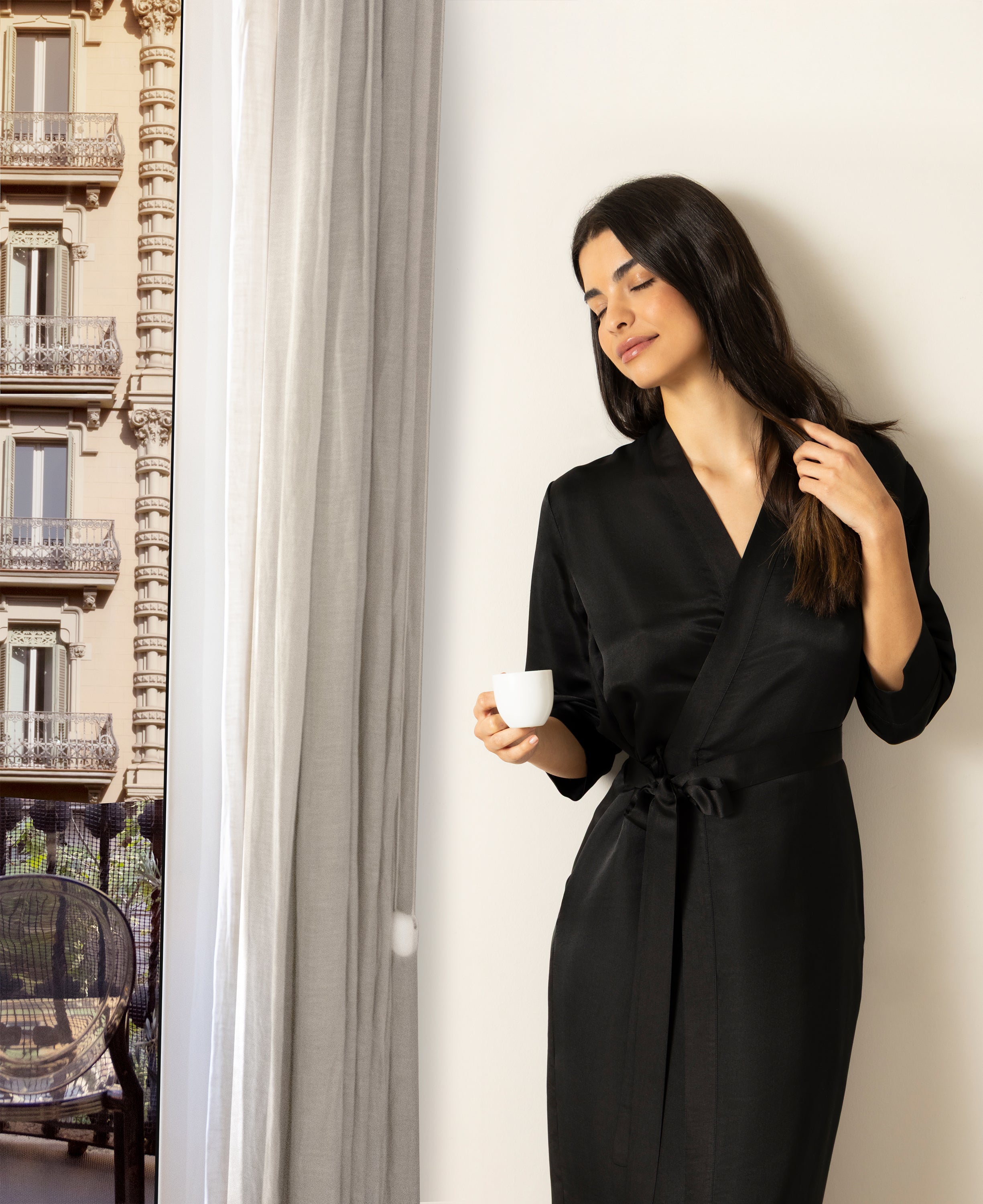
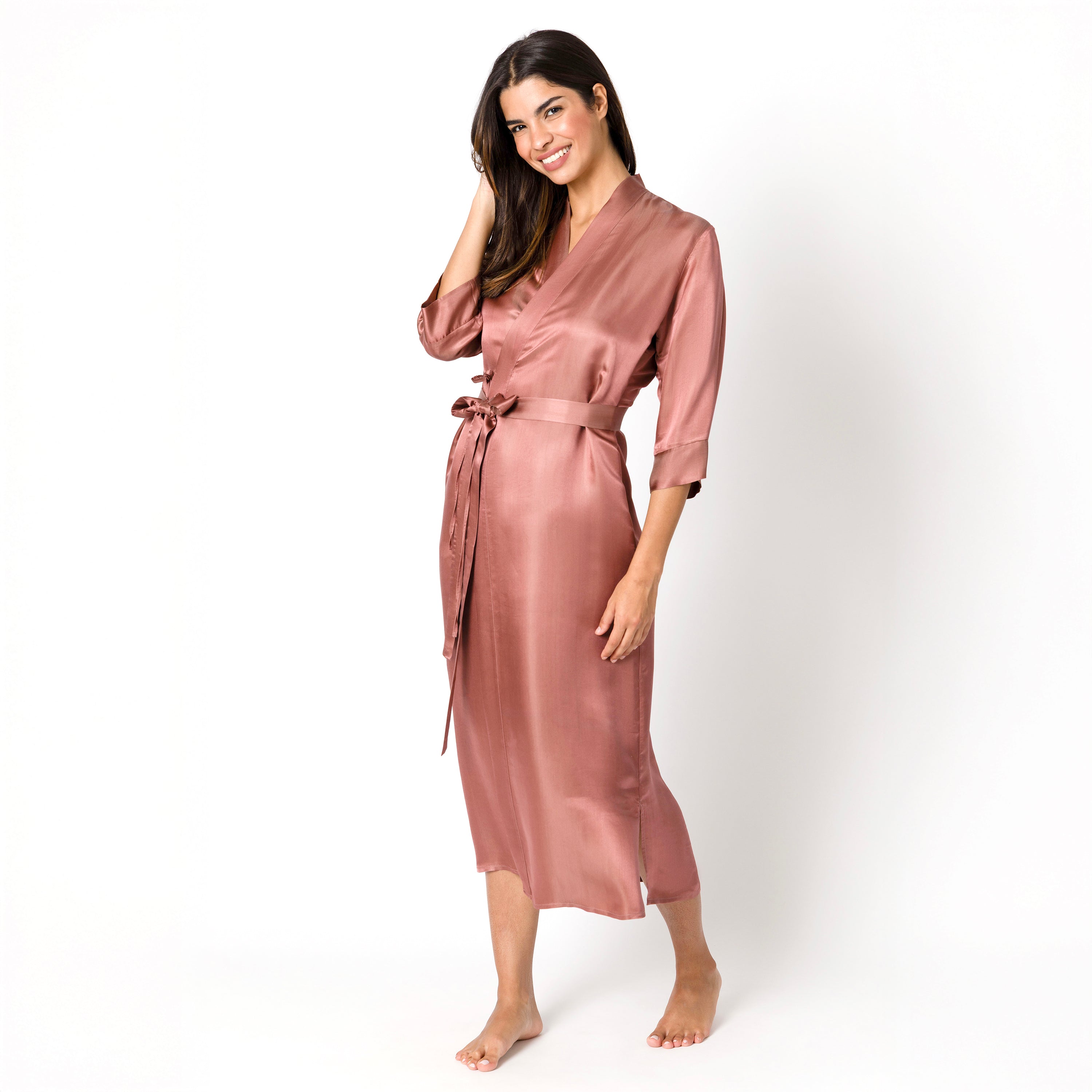
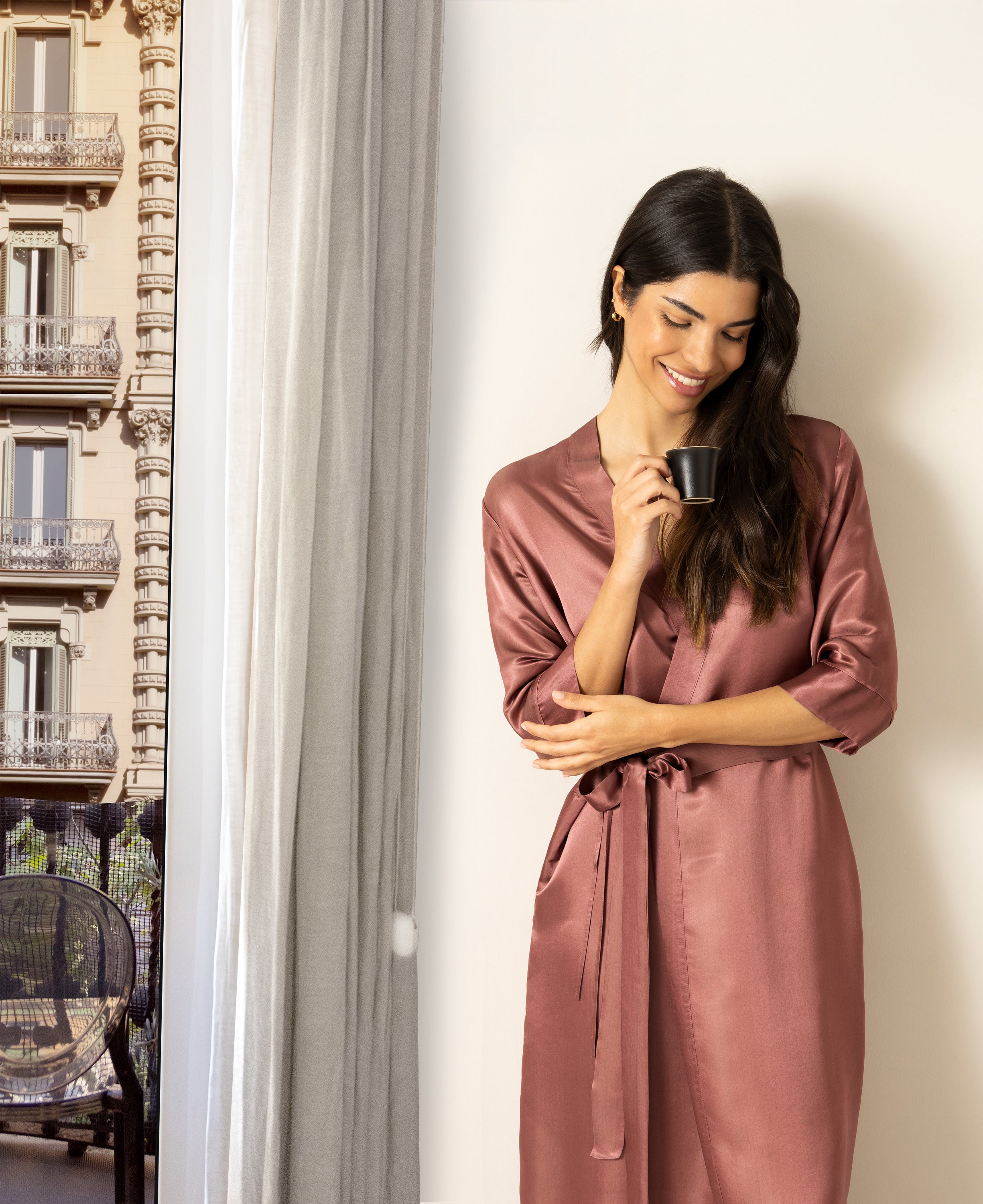
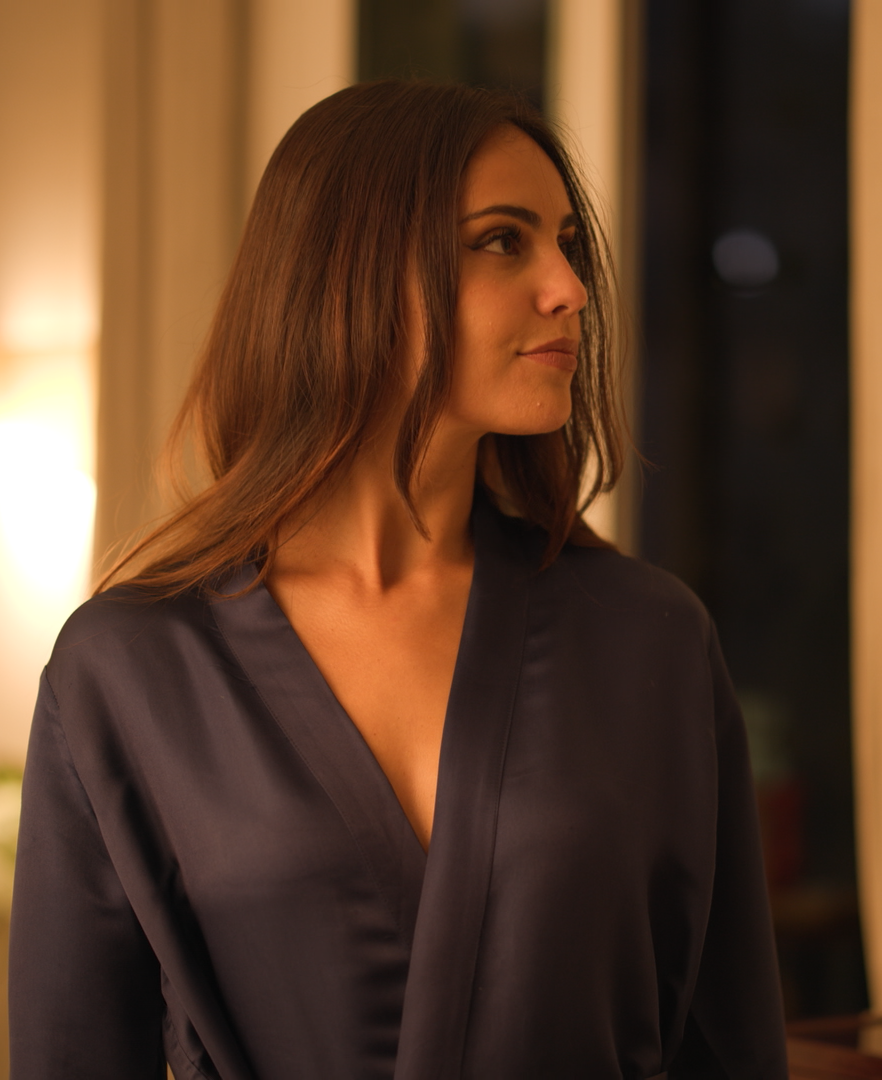
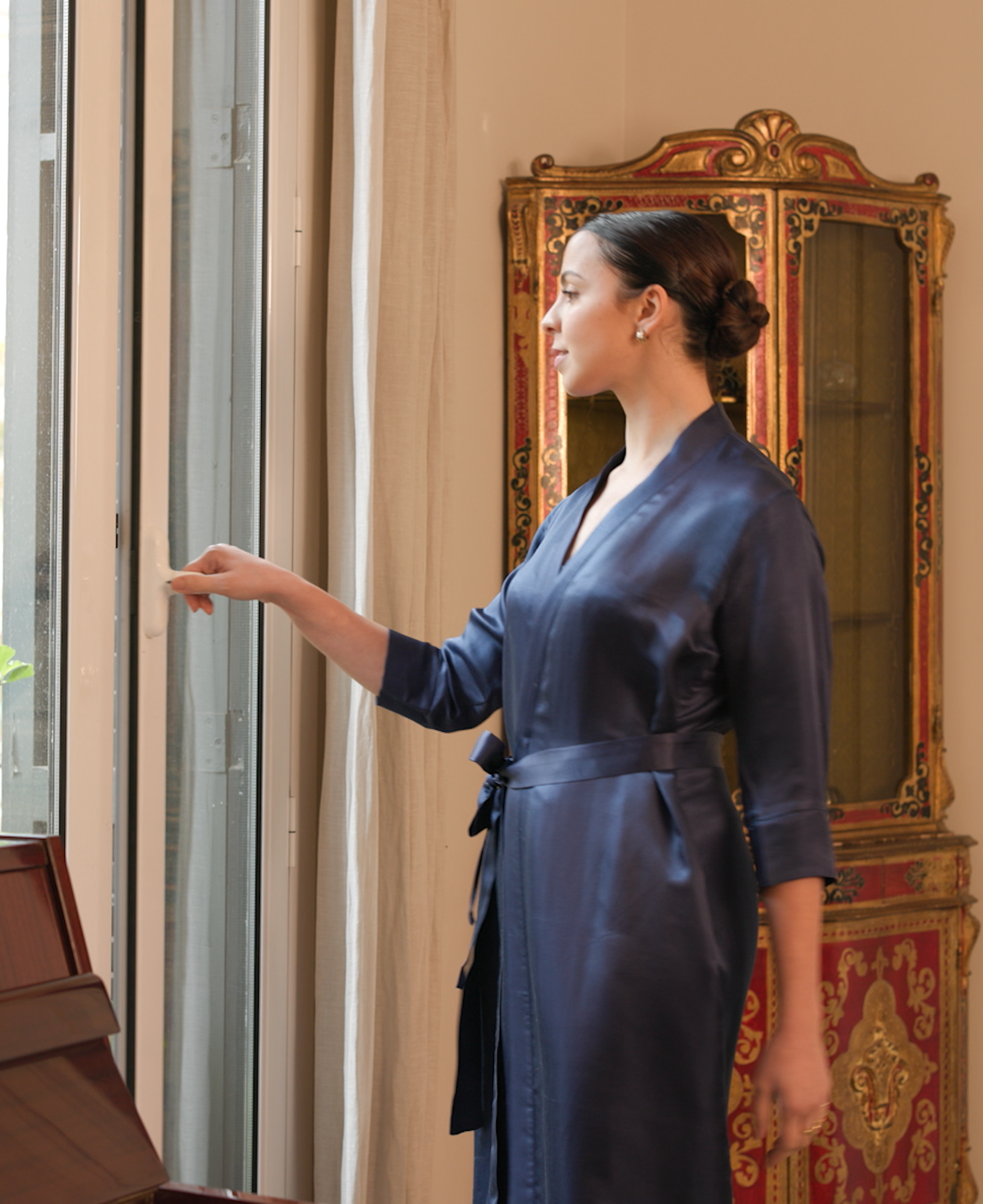
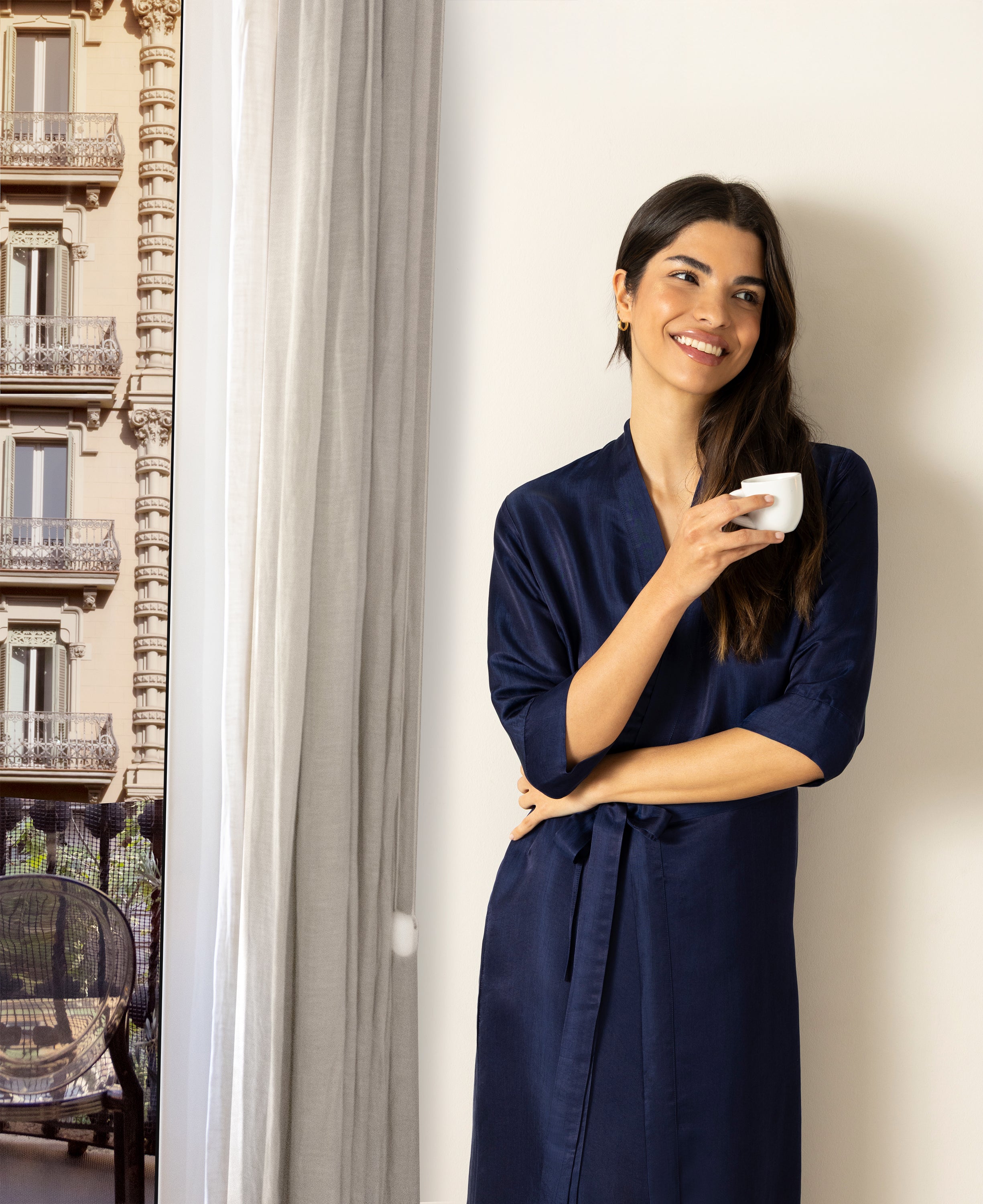
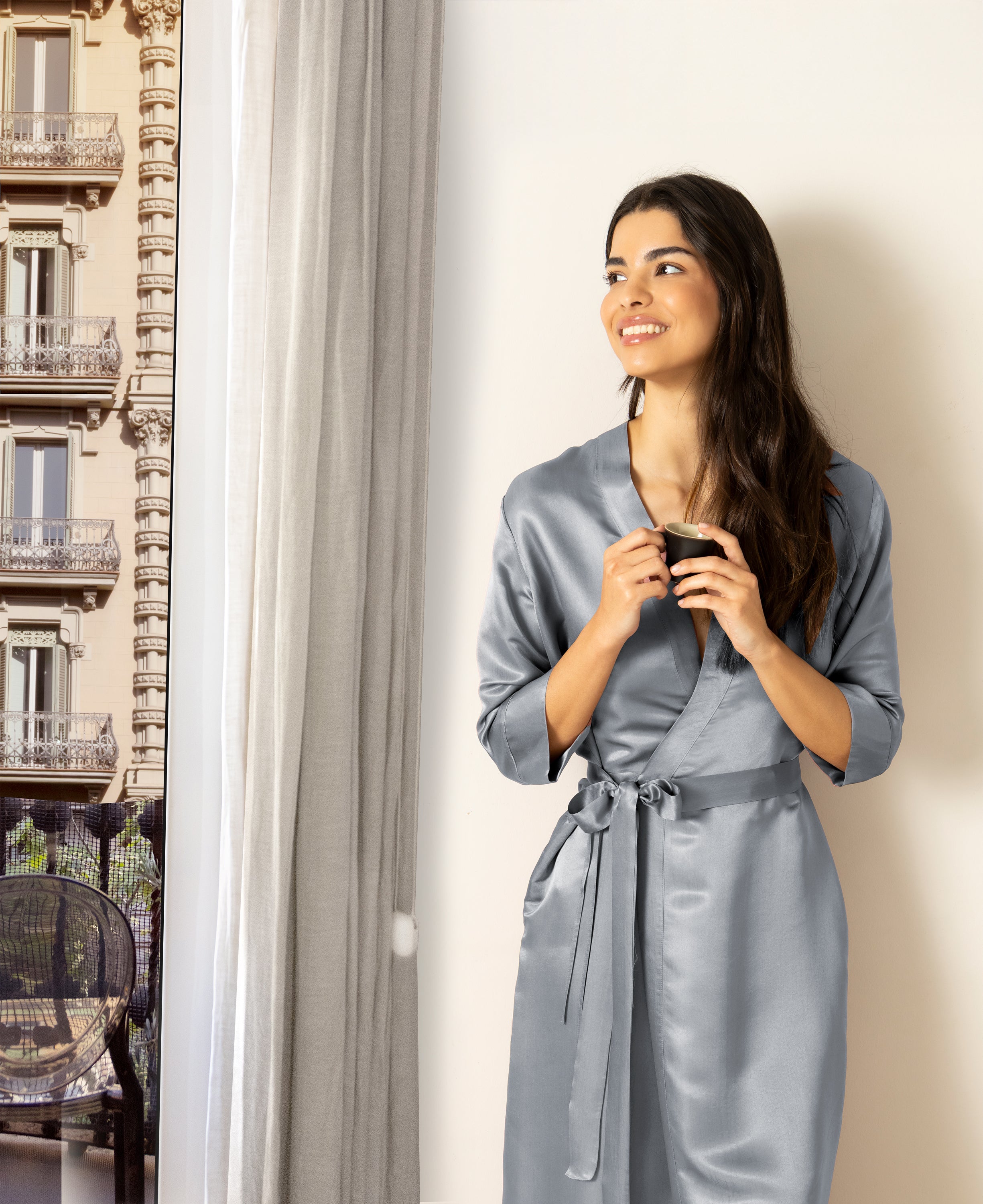
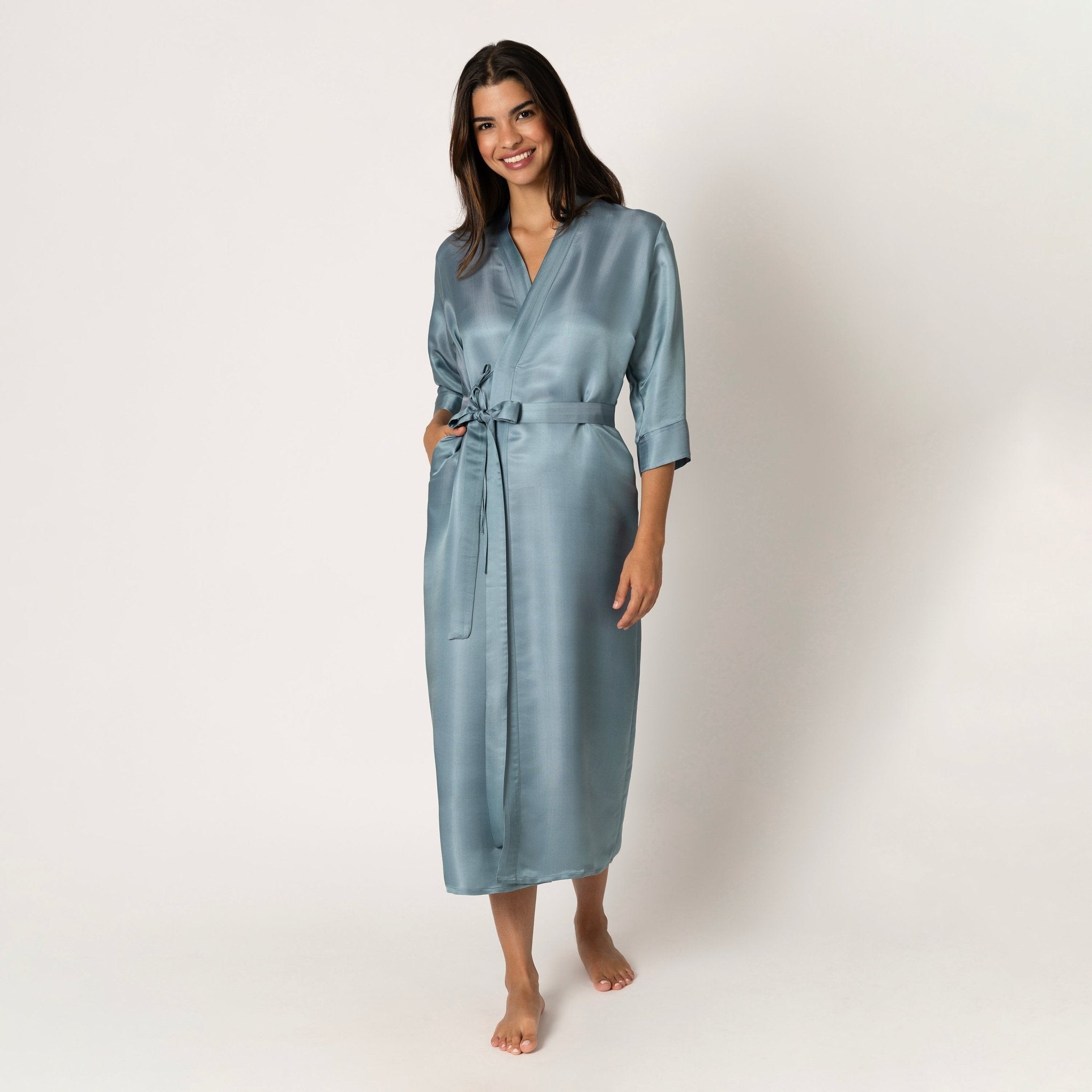
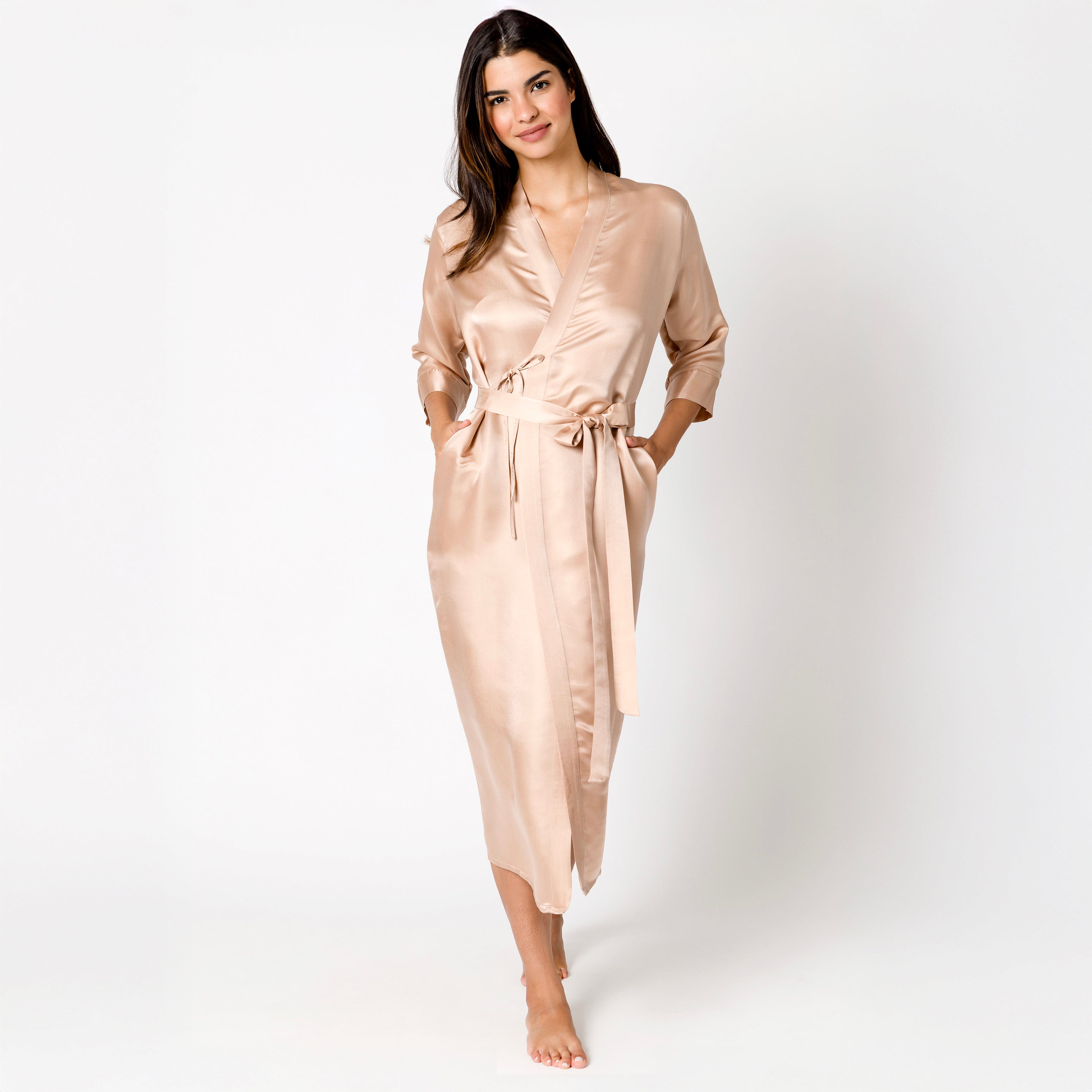
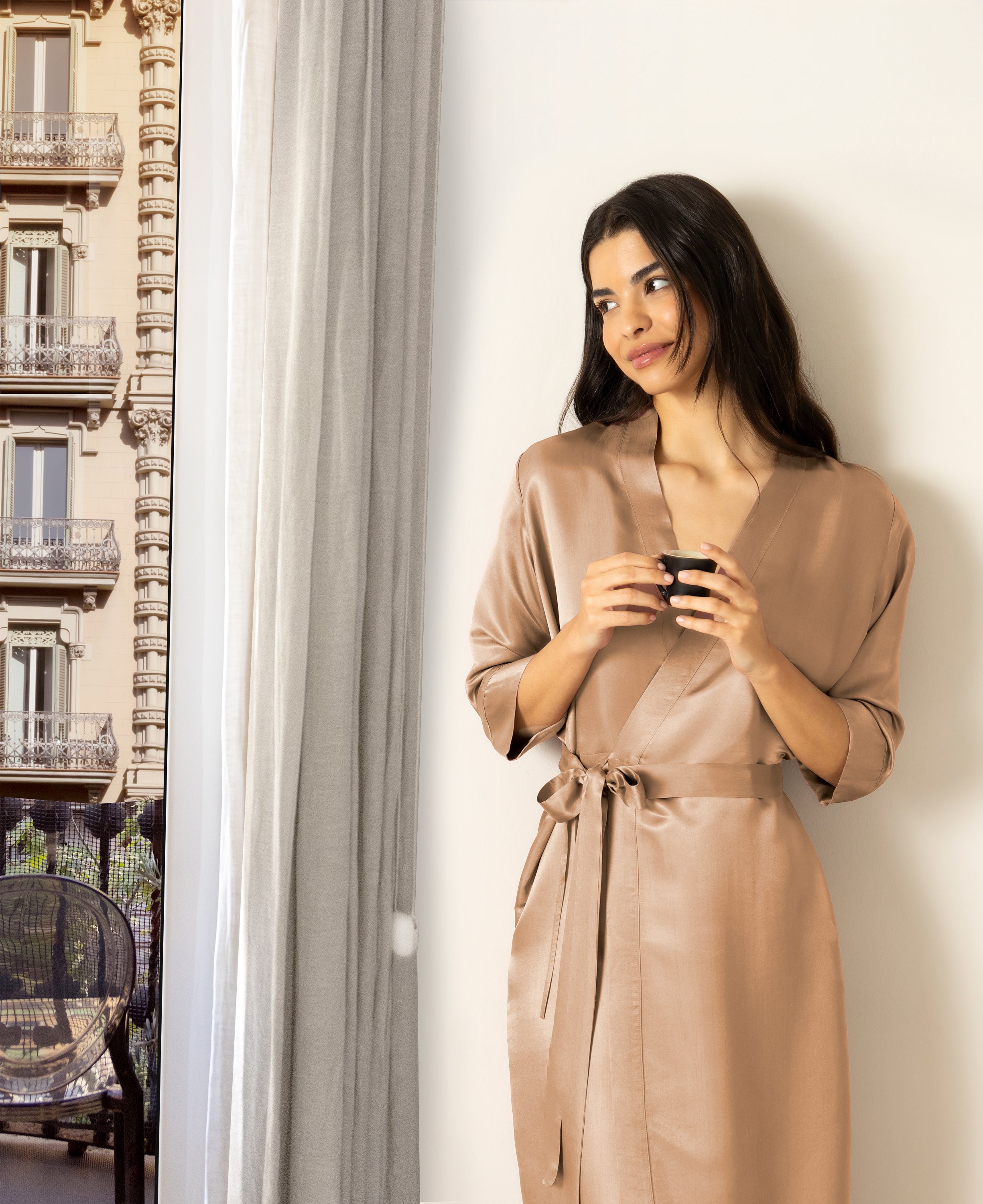
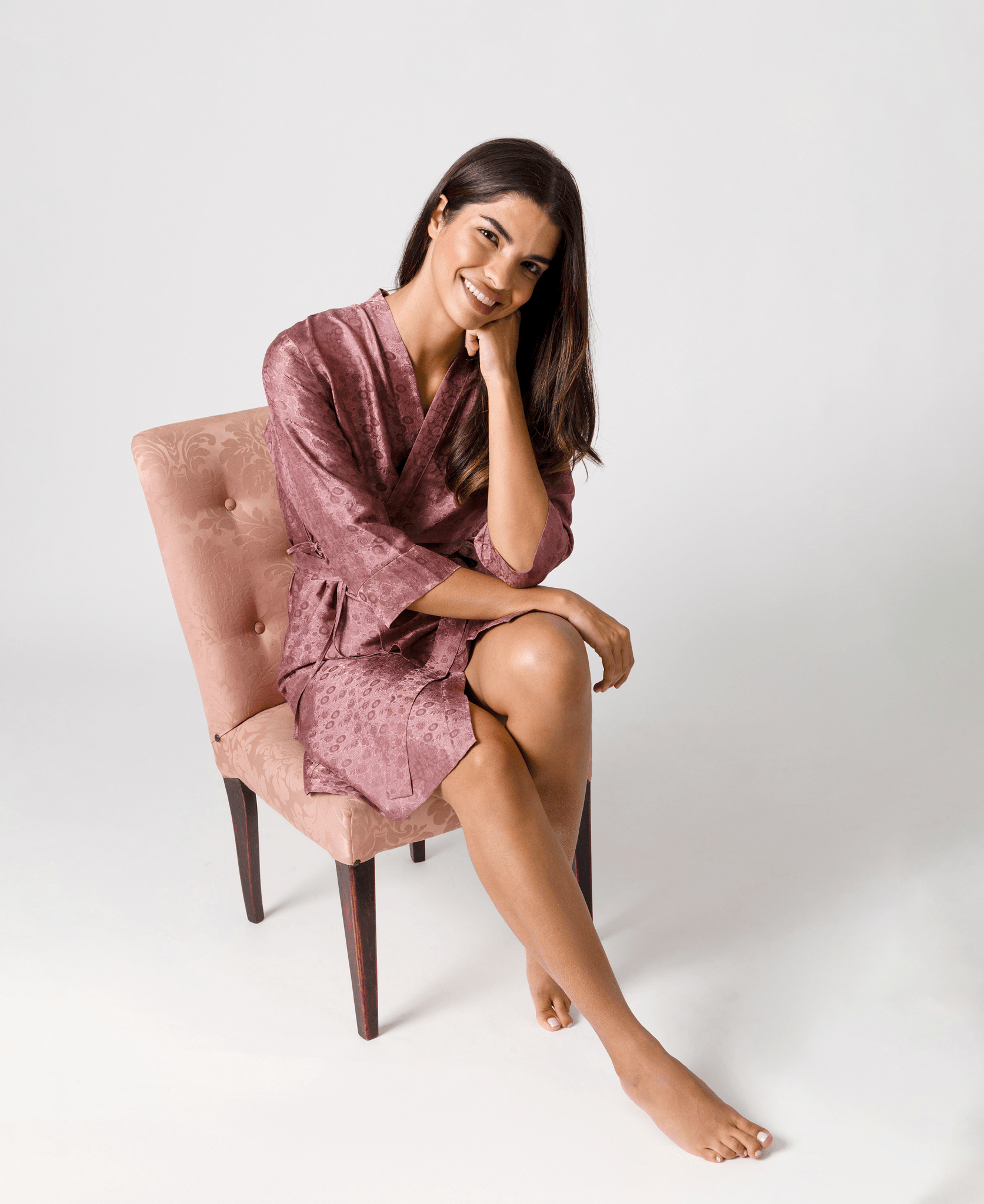
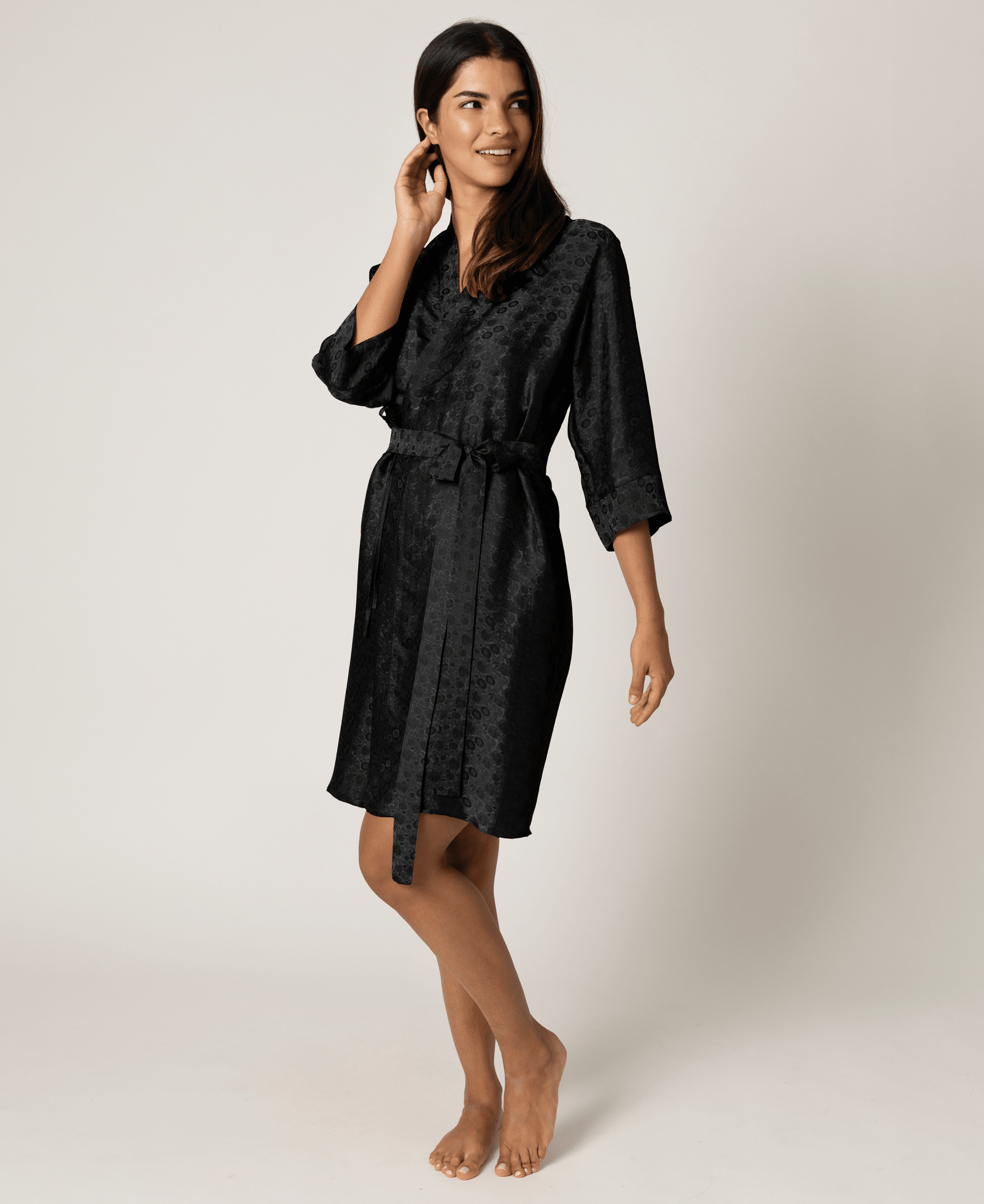
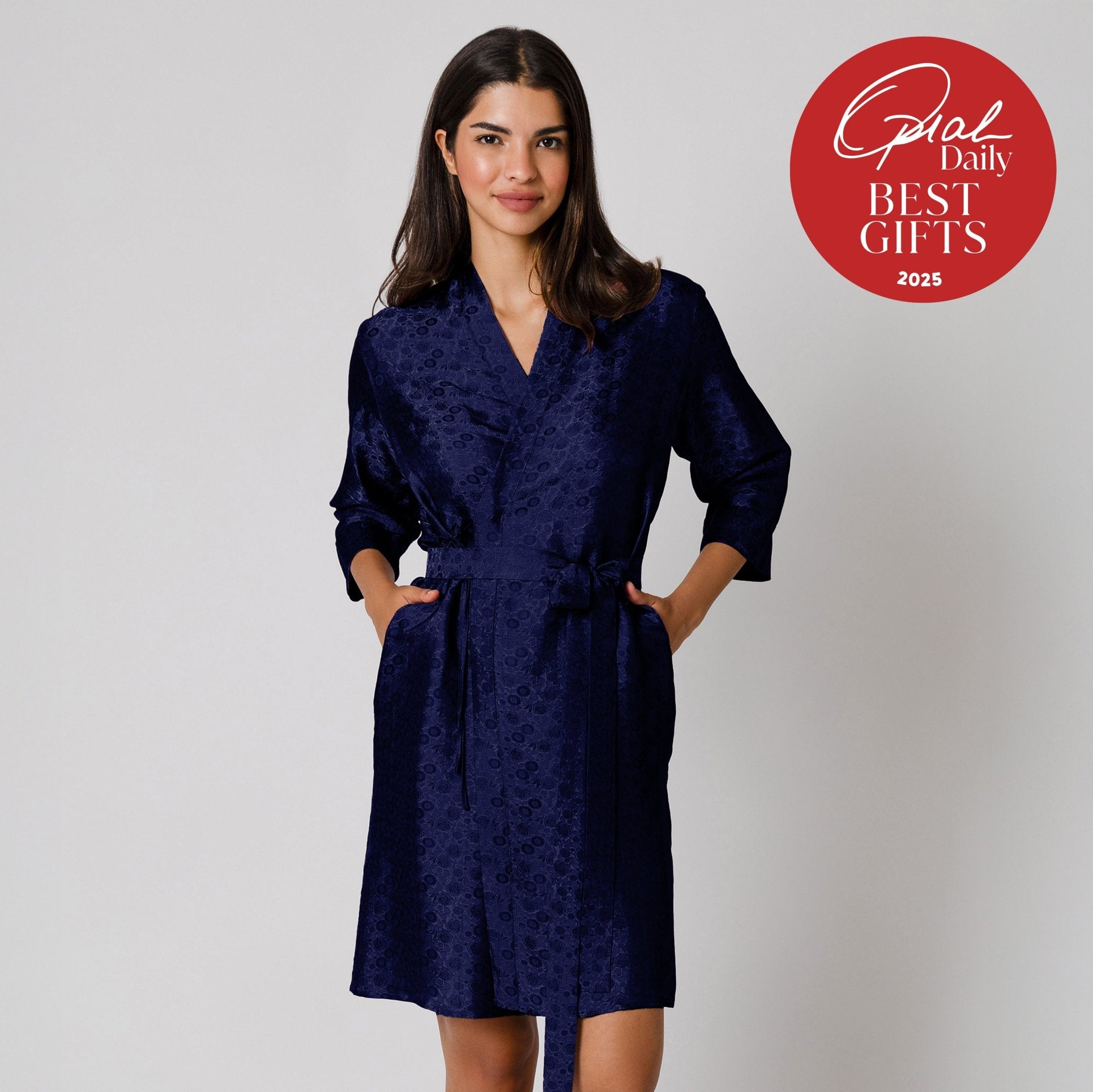
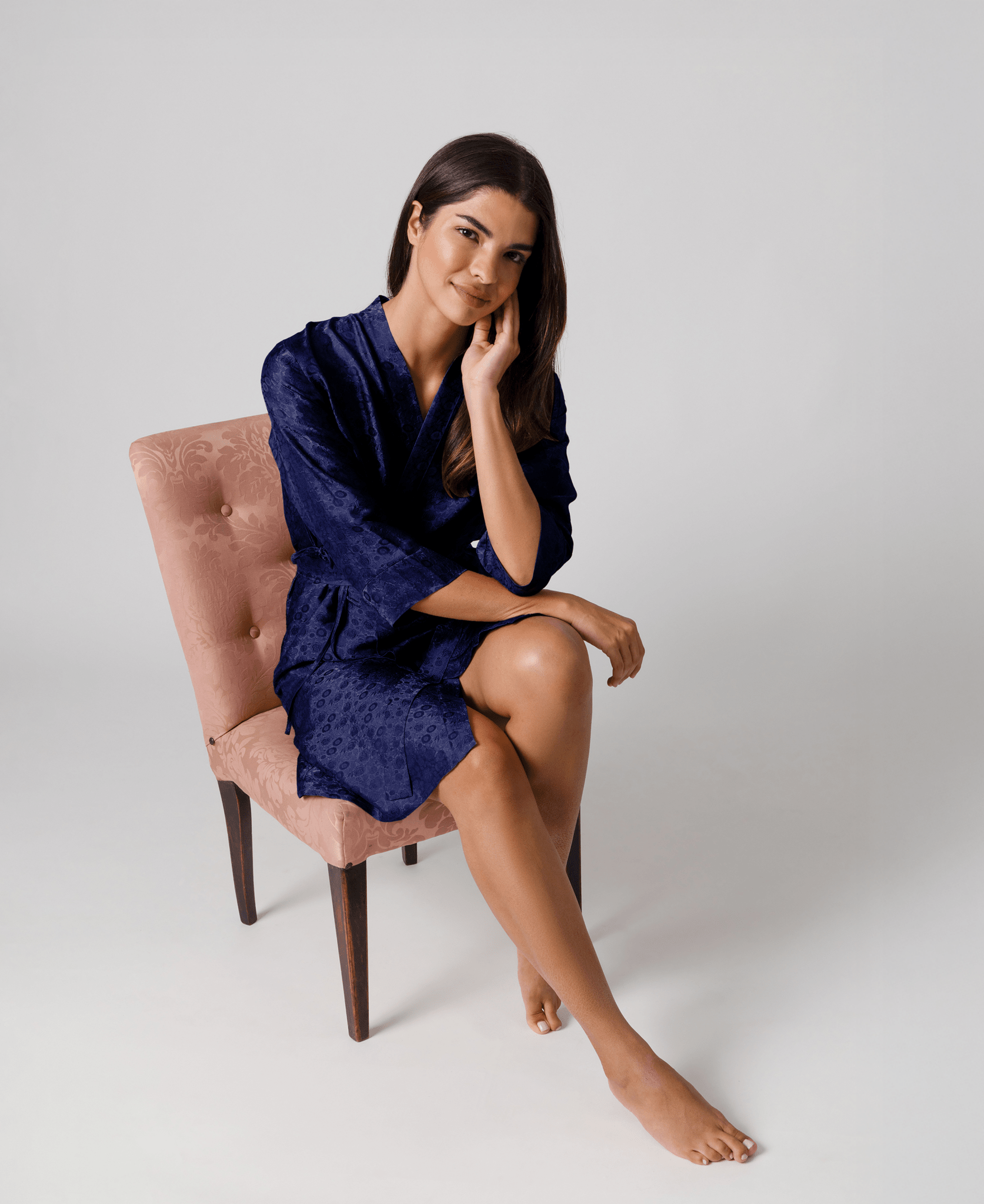
For everyday wear at home, plus-size body, you want a piece that lives on a hook by the bed. Long classic silk robe in charcoal, deep navy, or ivory. The most-worn piece in the collection across all sizes. The drape works at every size because the cut adjusts. The robe goes on with the coffee.
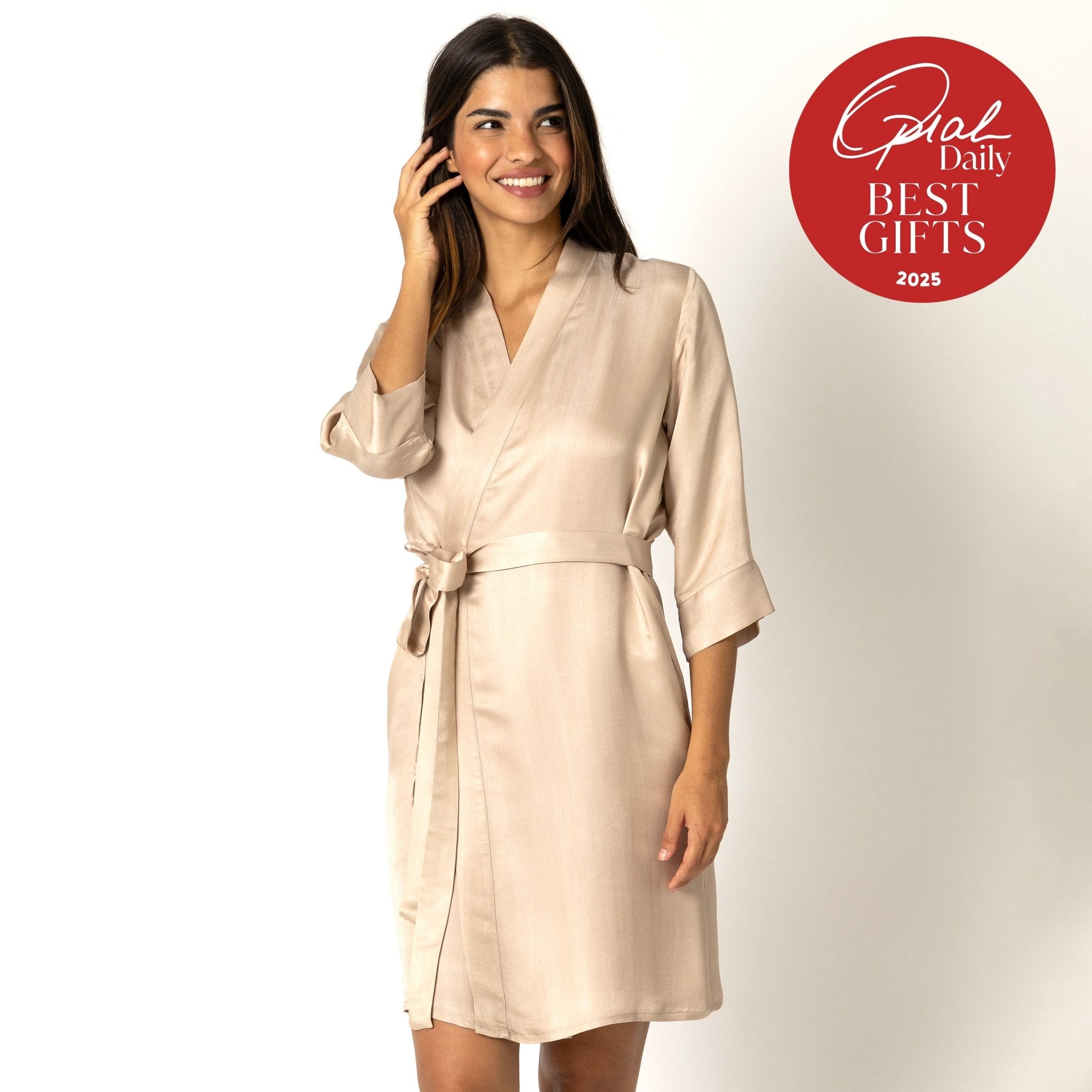
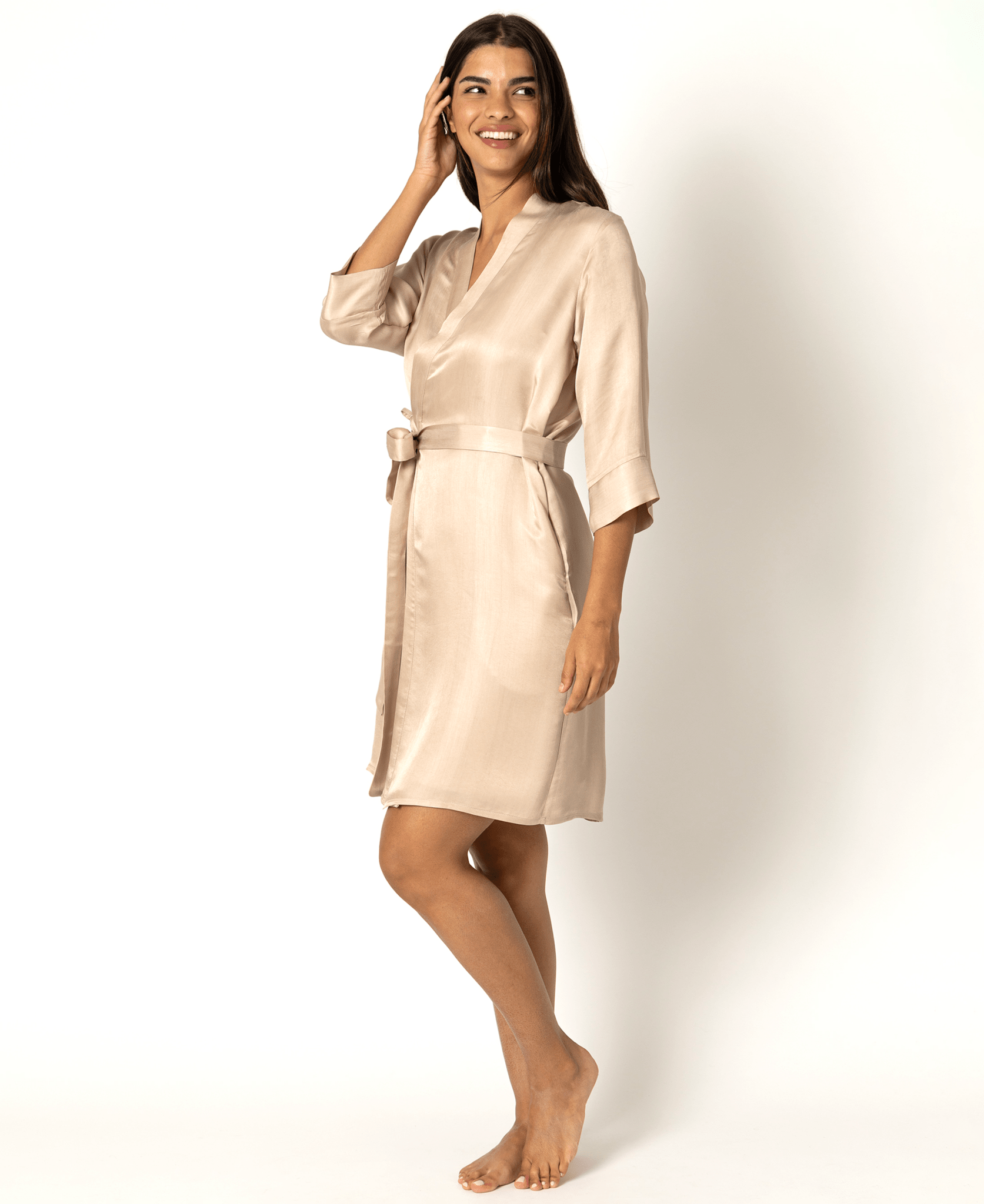
For warm climates or for a smaller body type within the plus-size range. Short silk robe. Falls to the upper thigh. Lighter, less material against the body, more breathable. A useful choice if a long robe feels overwhelming or if the climate makes a long robe impractical.
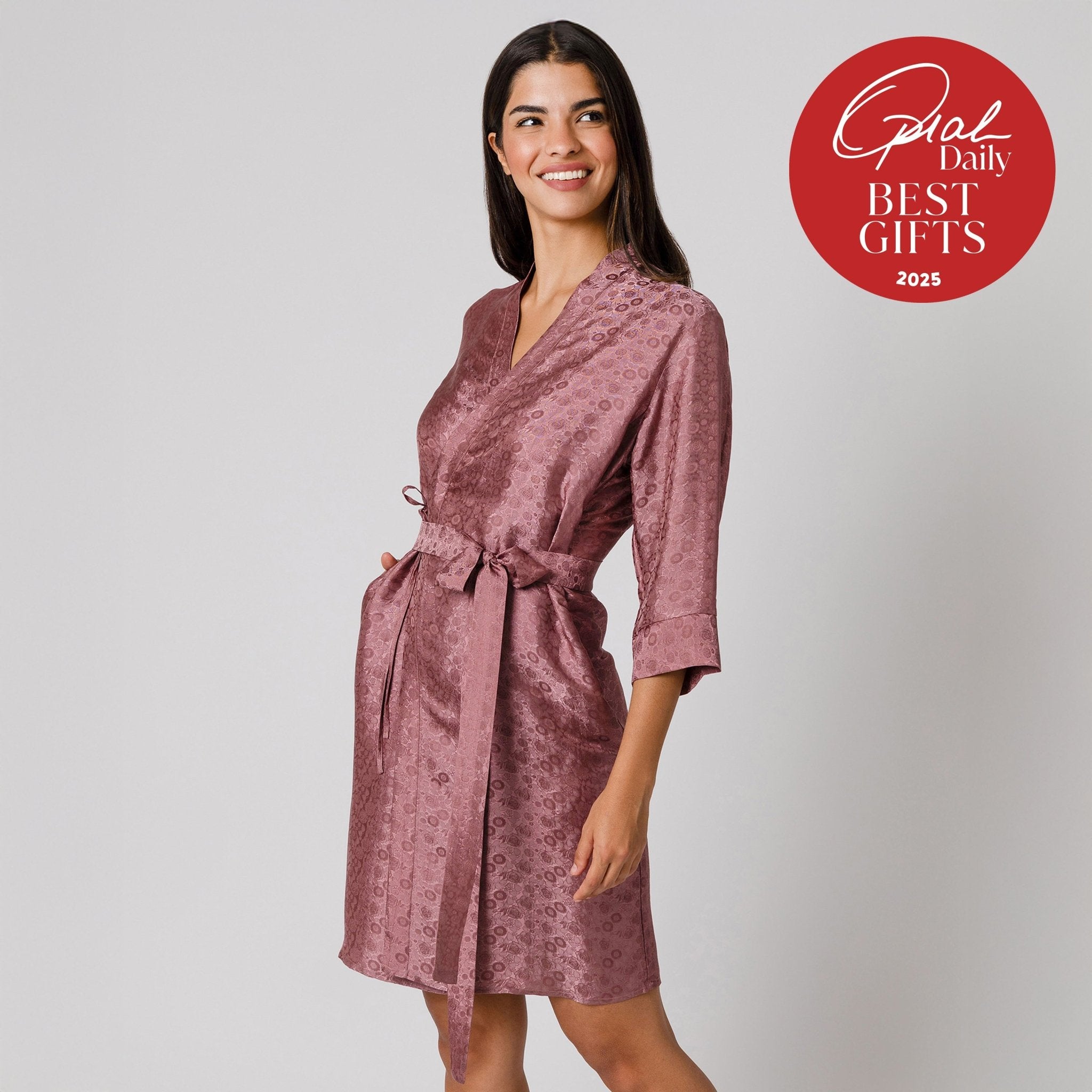
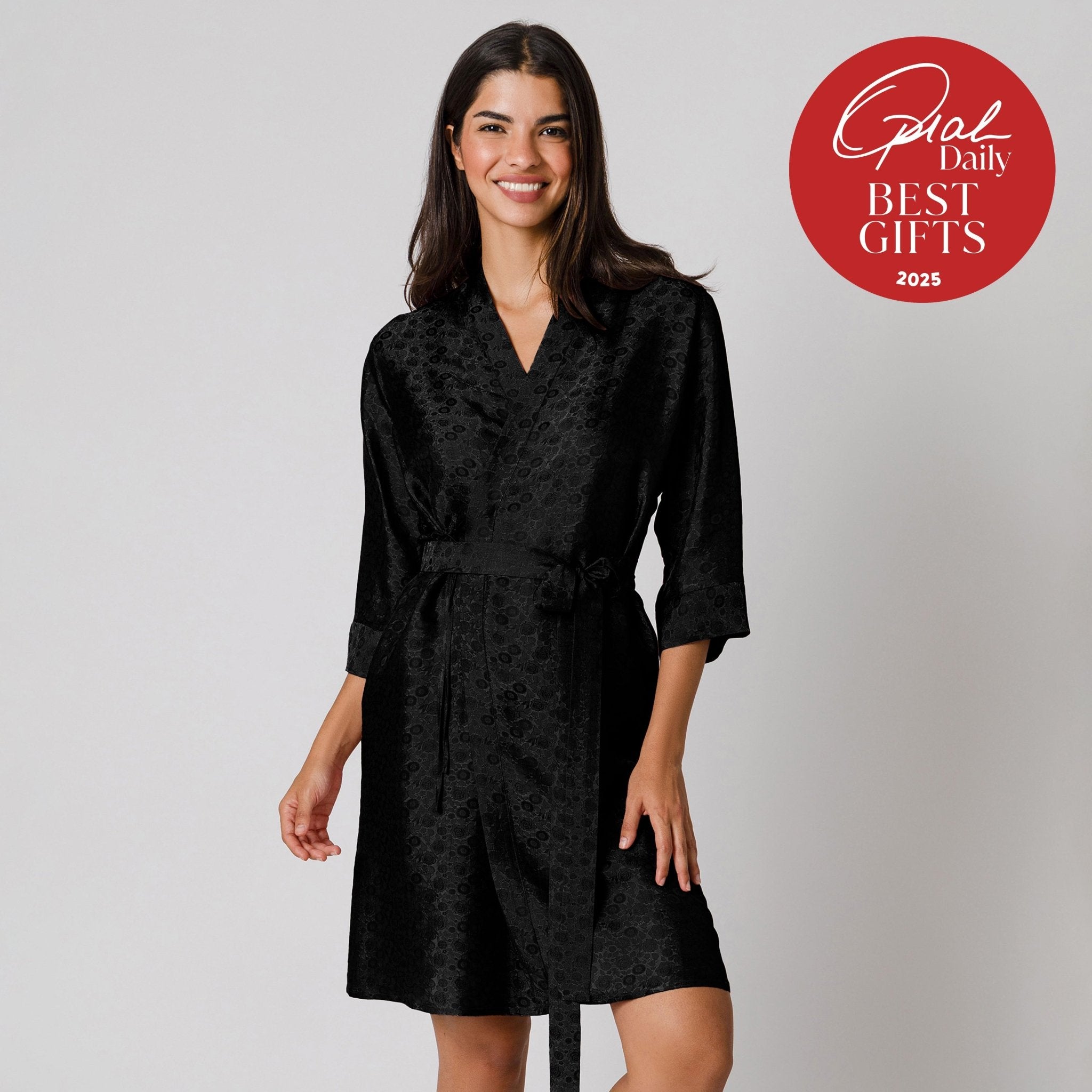
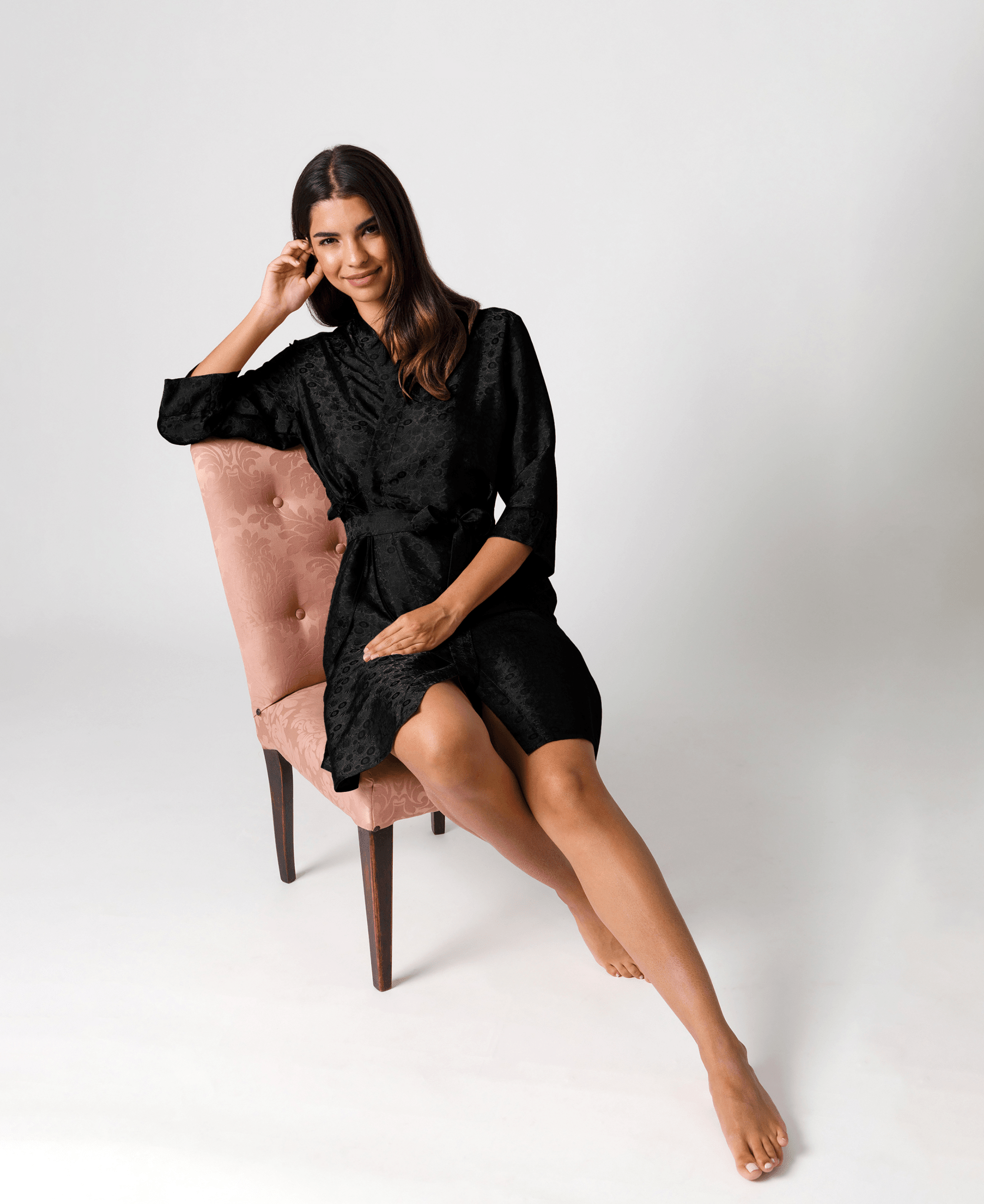
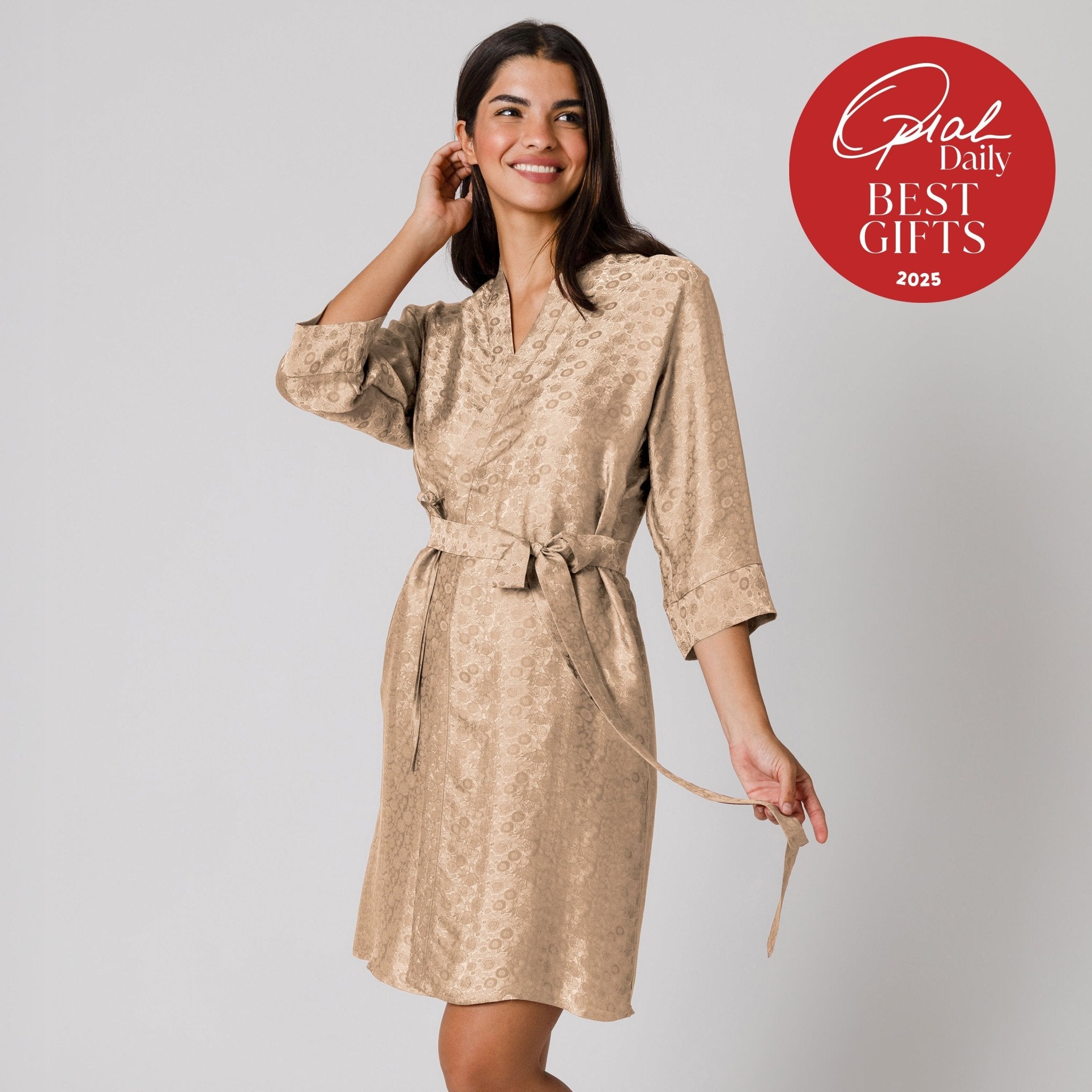
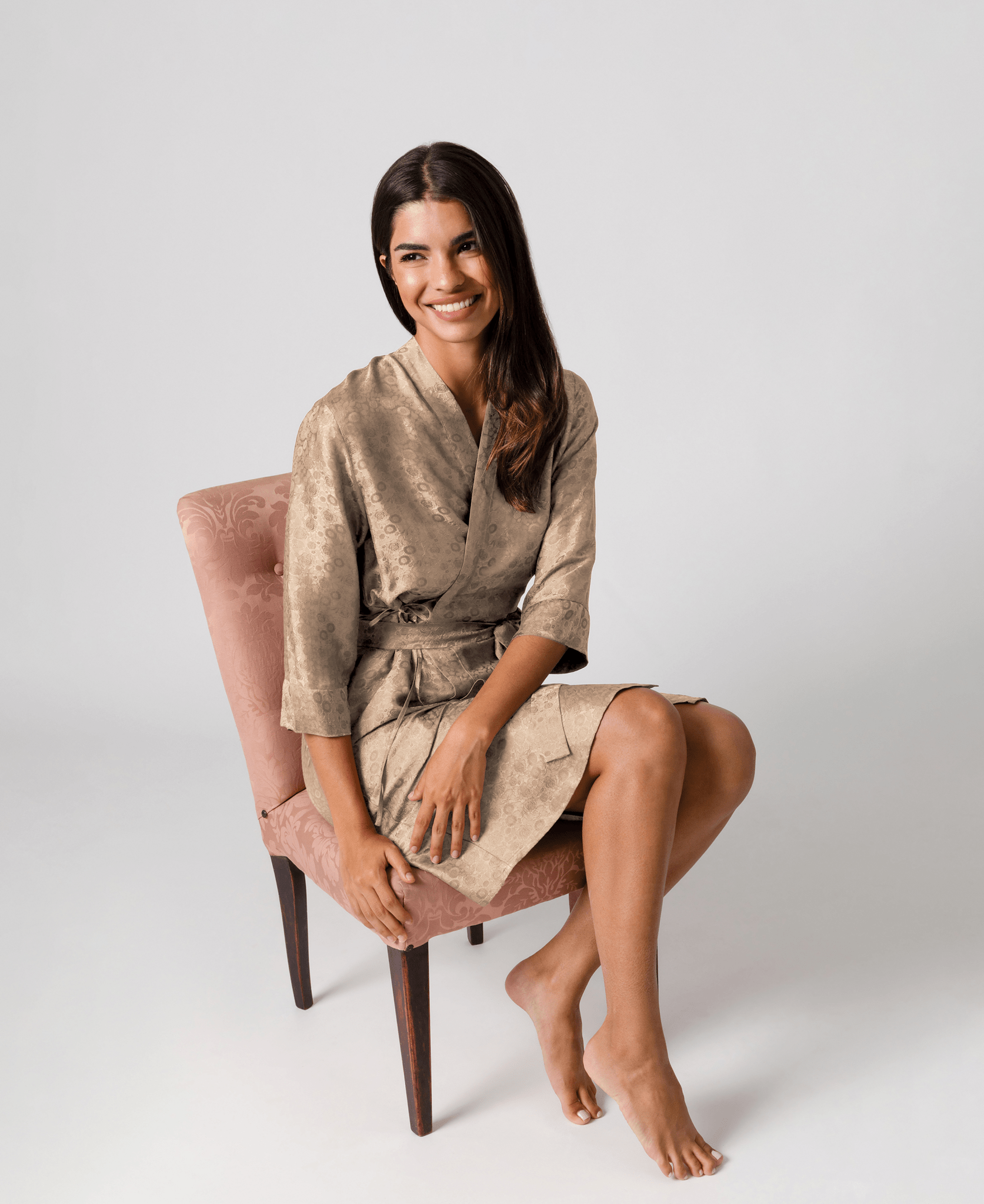
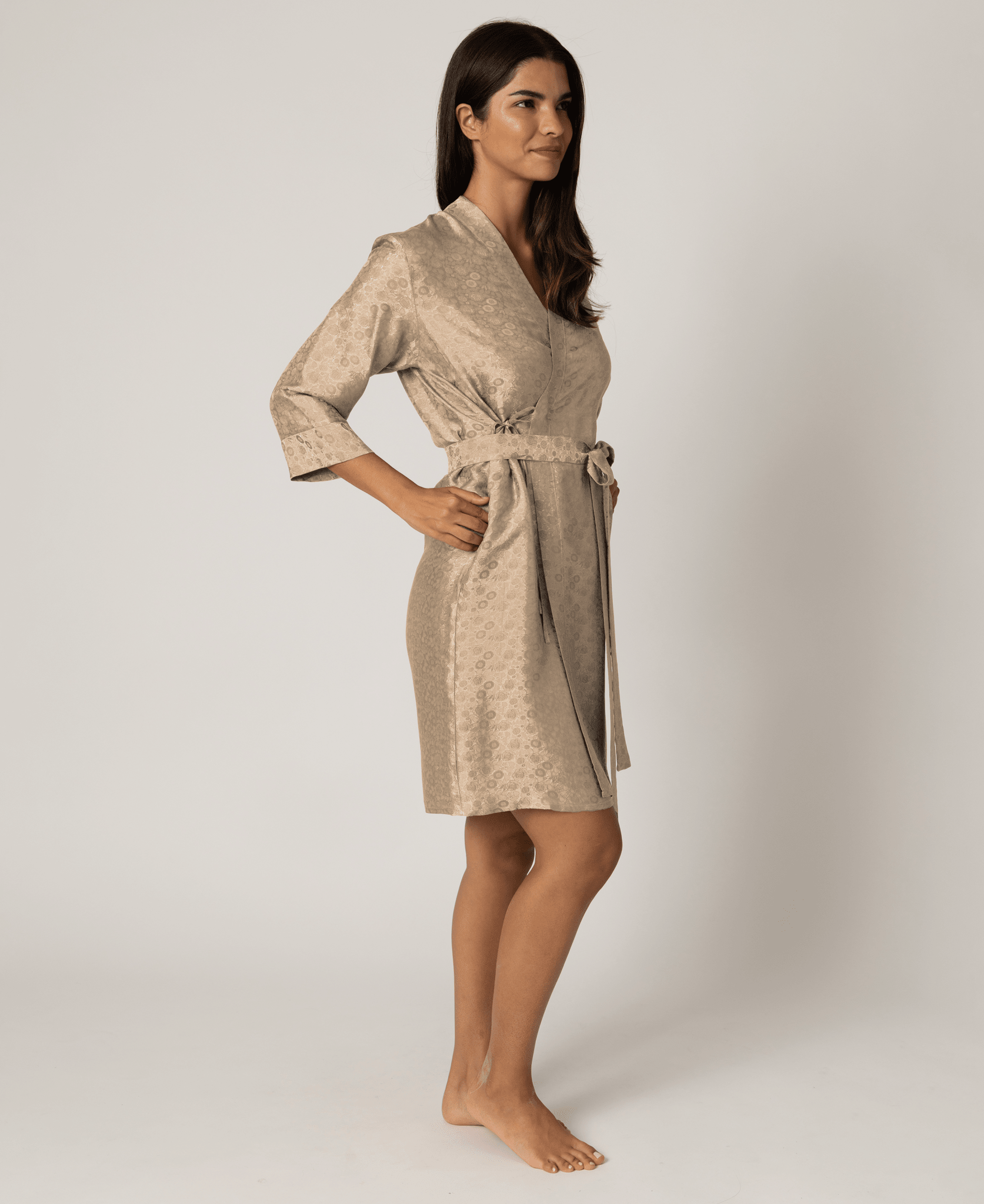
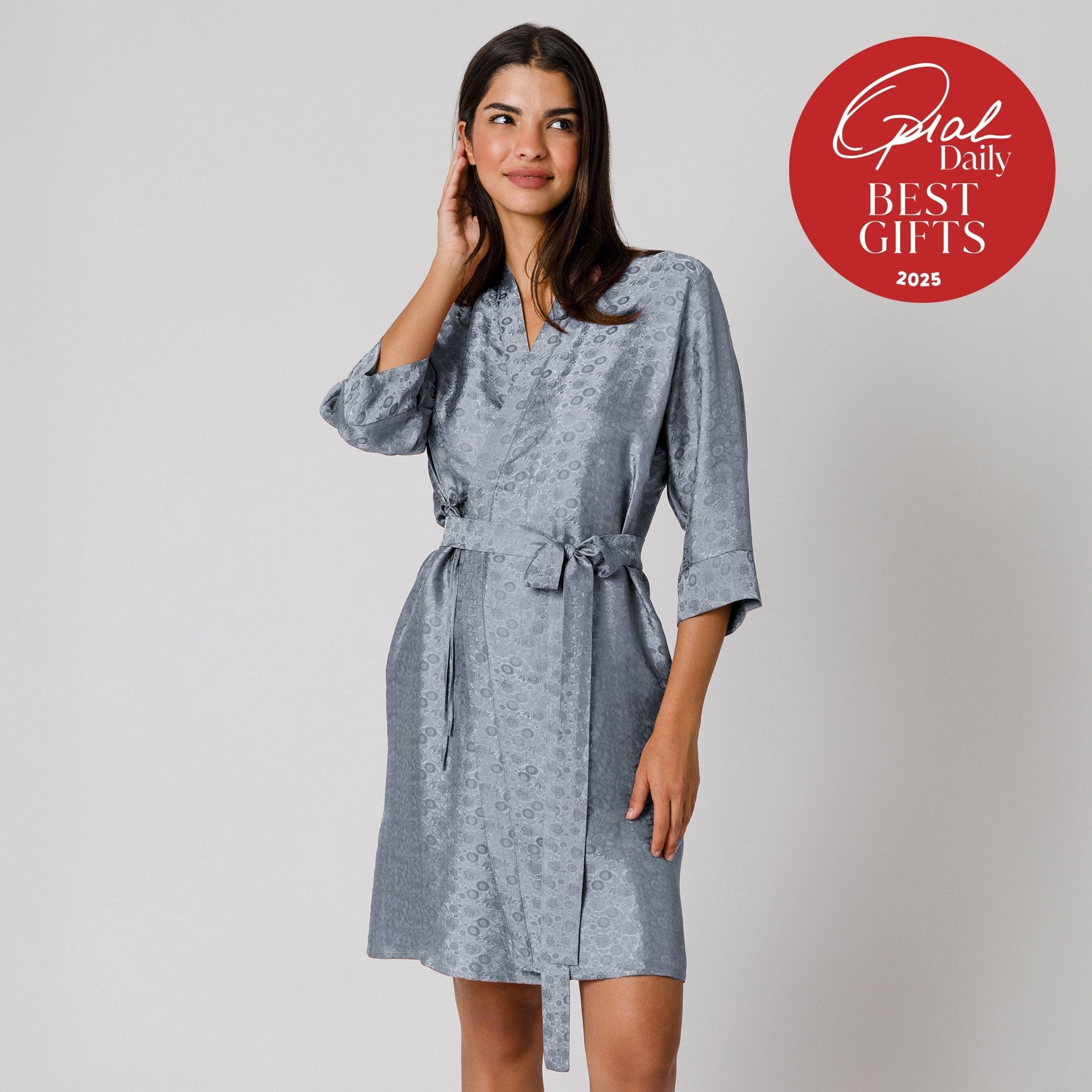
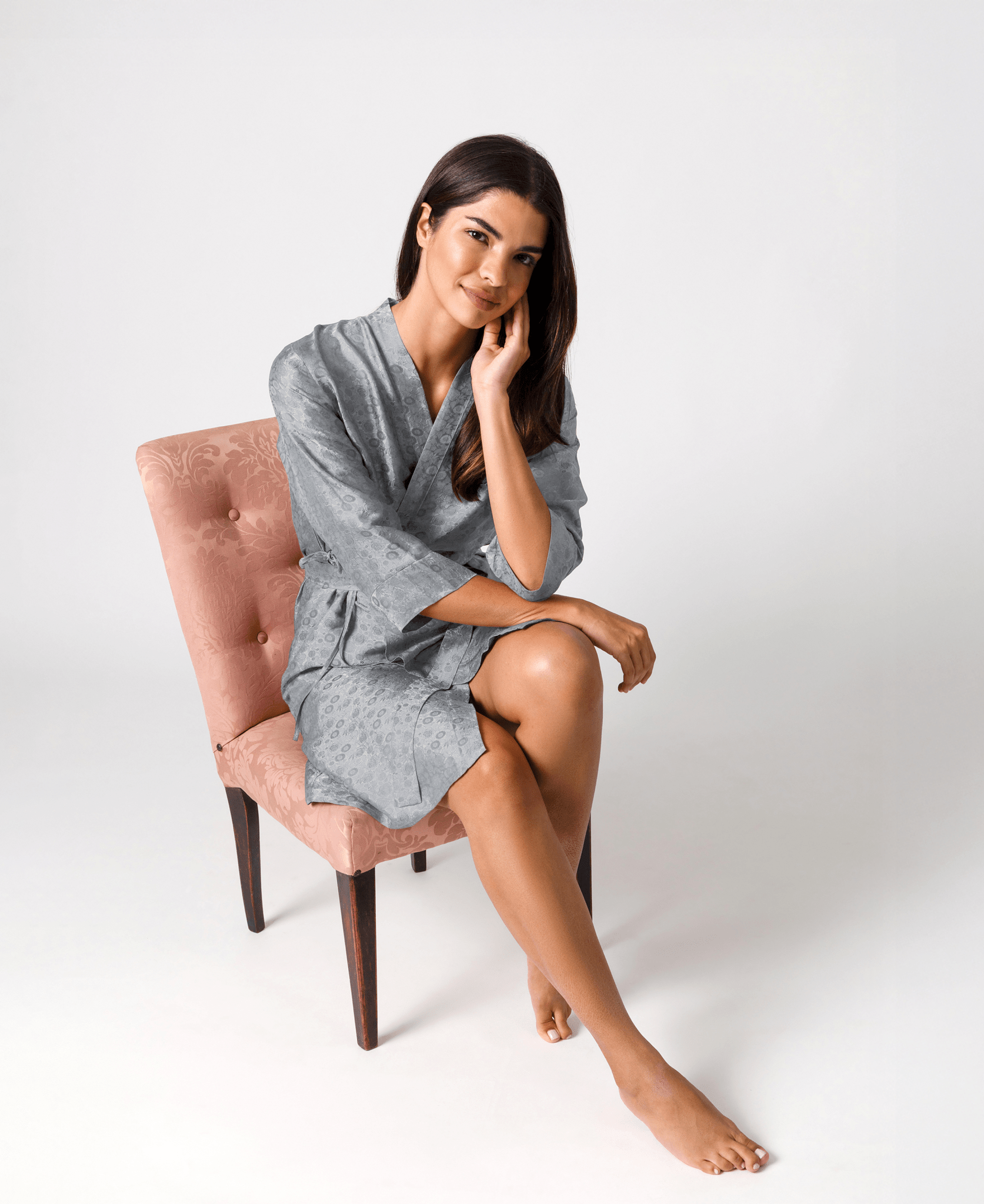
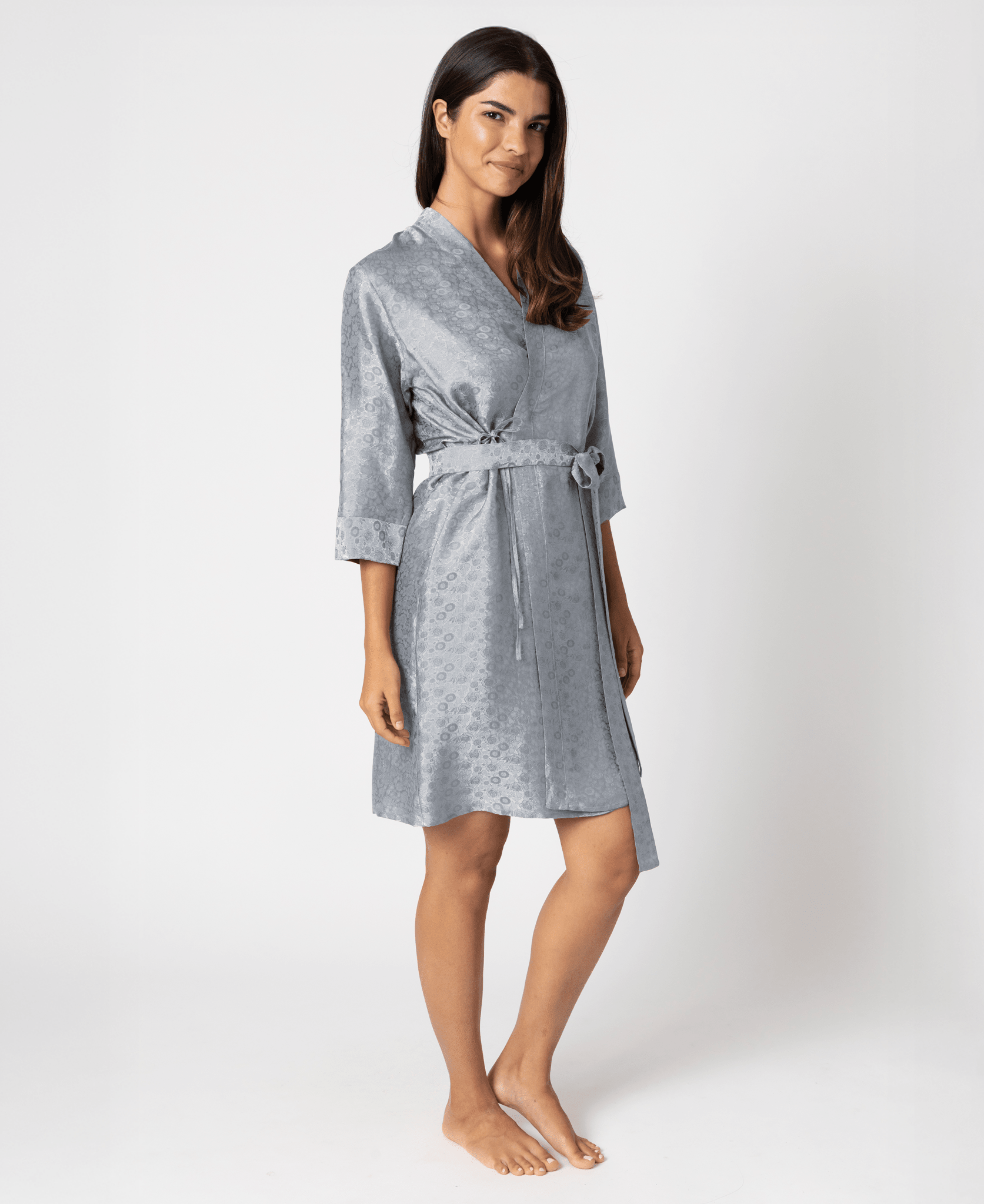
For a more distinctive piece, plus-size body, when you already own a long robe. Kimono robe in jacquard. The patterned cut works particularly well at larger sizes because the print and the drape are calibrated to flatter rather than overwhelm.
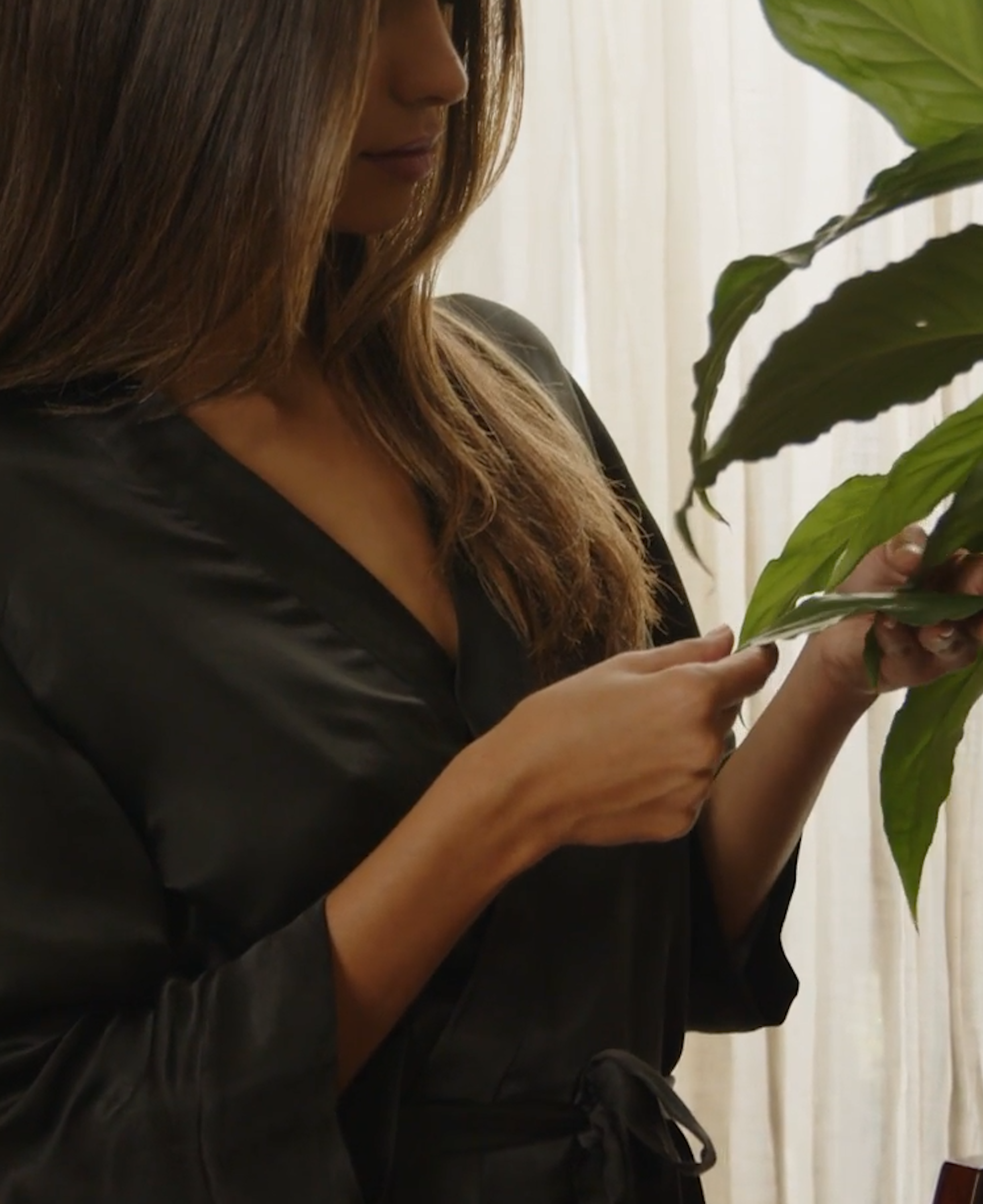
For sensitive skin, recovery, or postpartum. Long robe in a soft color. Real silk against tender skin is the kind of small daily comfort that becomes outsized in a difficult year. The machine-washability matters more here than usual.
For a first plus-size silk robe. Long classic robe in a restrained color, the larger of two sizes if you are between them. The first plus-size silk robe should be the easiest one to wear, not the most distinctive. The distinctive pieces come later.
The Takeaway
The best silk robes for women are dense enough to drape, sewn with French seams, made one piece at a time, and built to be washed at home. The long classic is the safest first silk purchase. The jacquard kimono is the most useful second. The short robe is the right travel piece and the right warm-climate everyday.
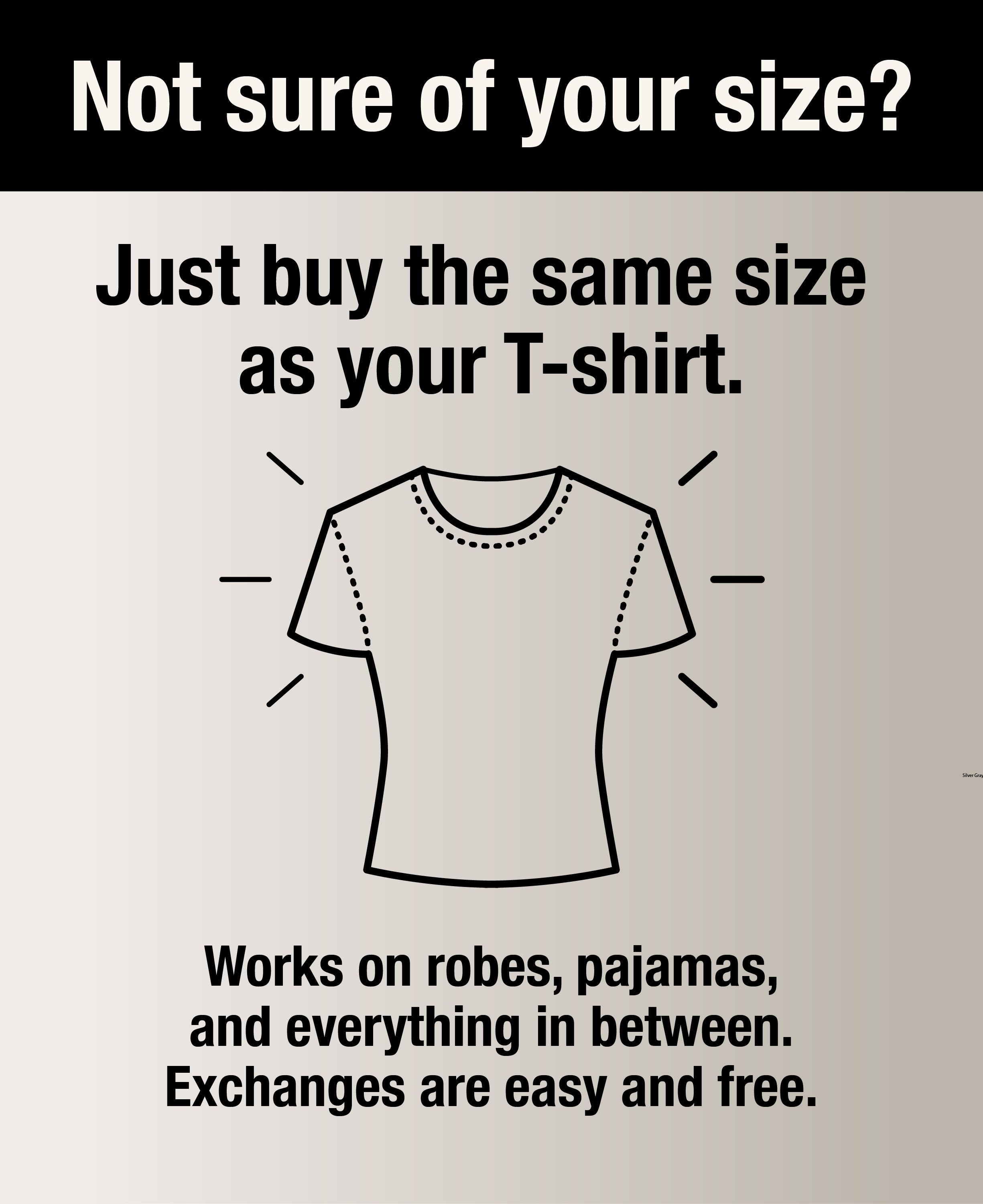
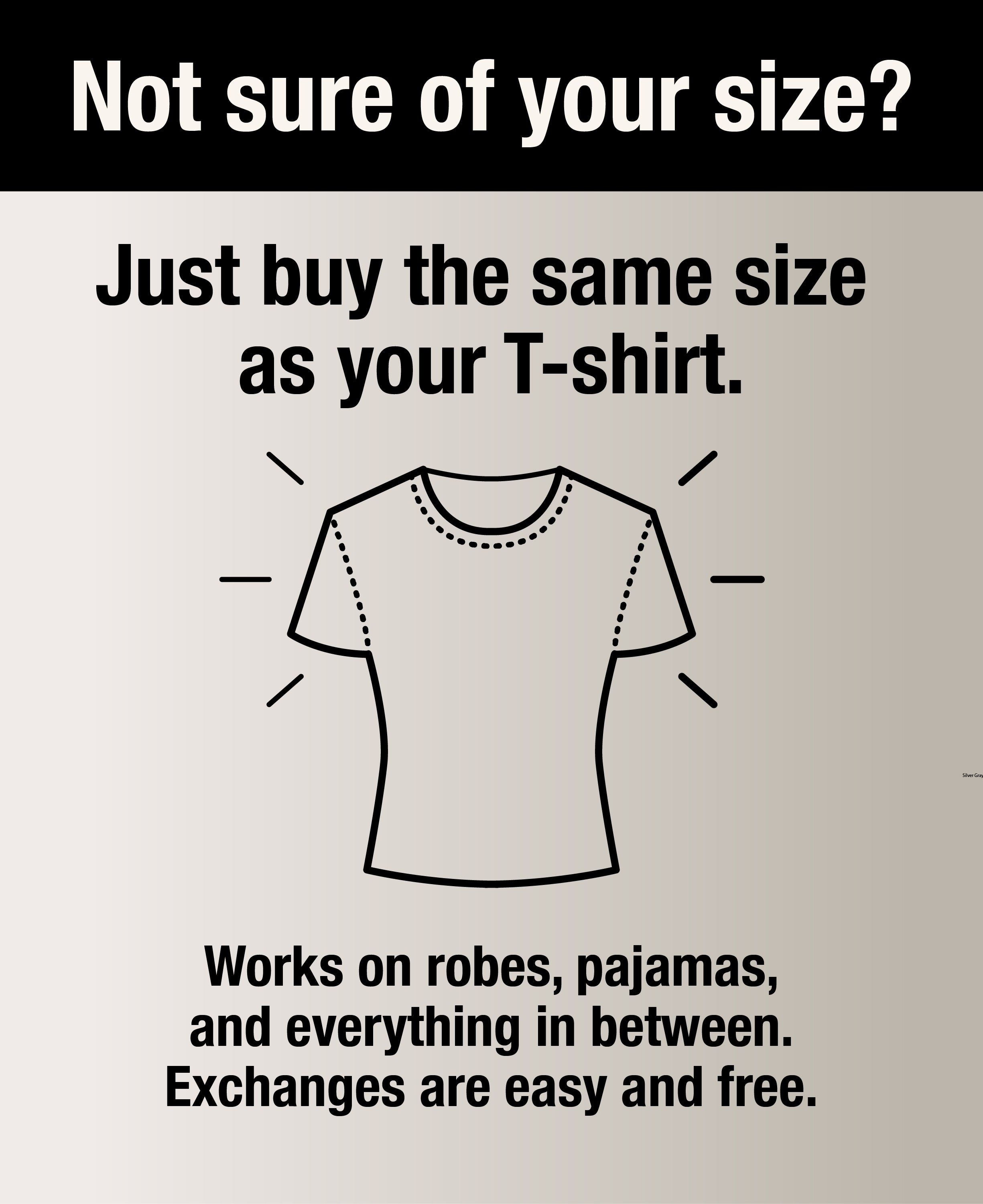
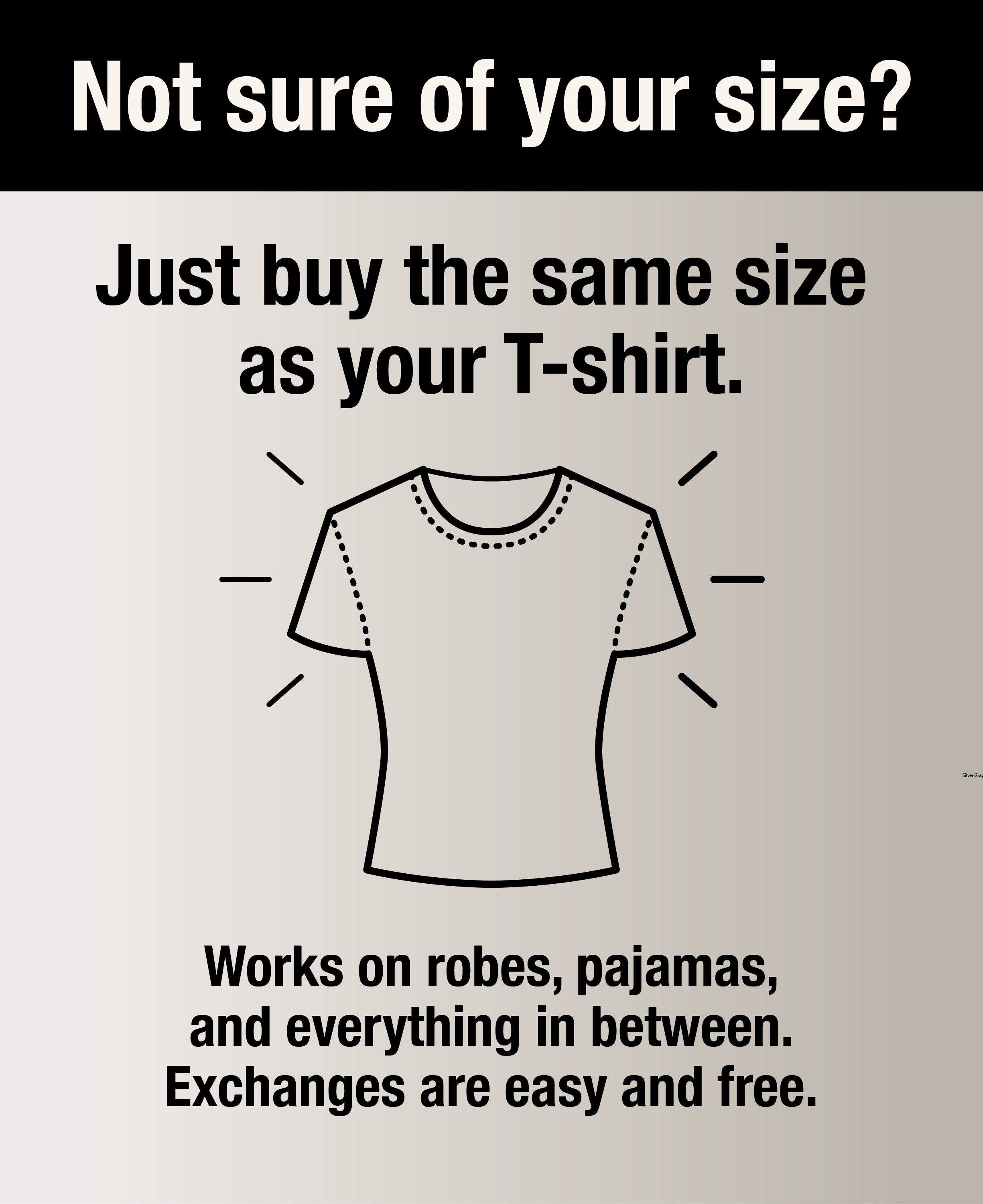
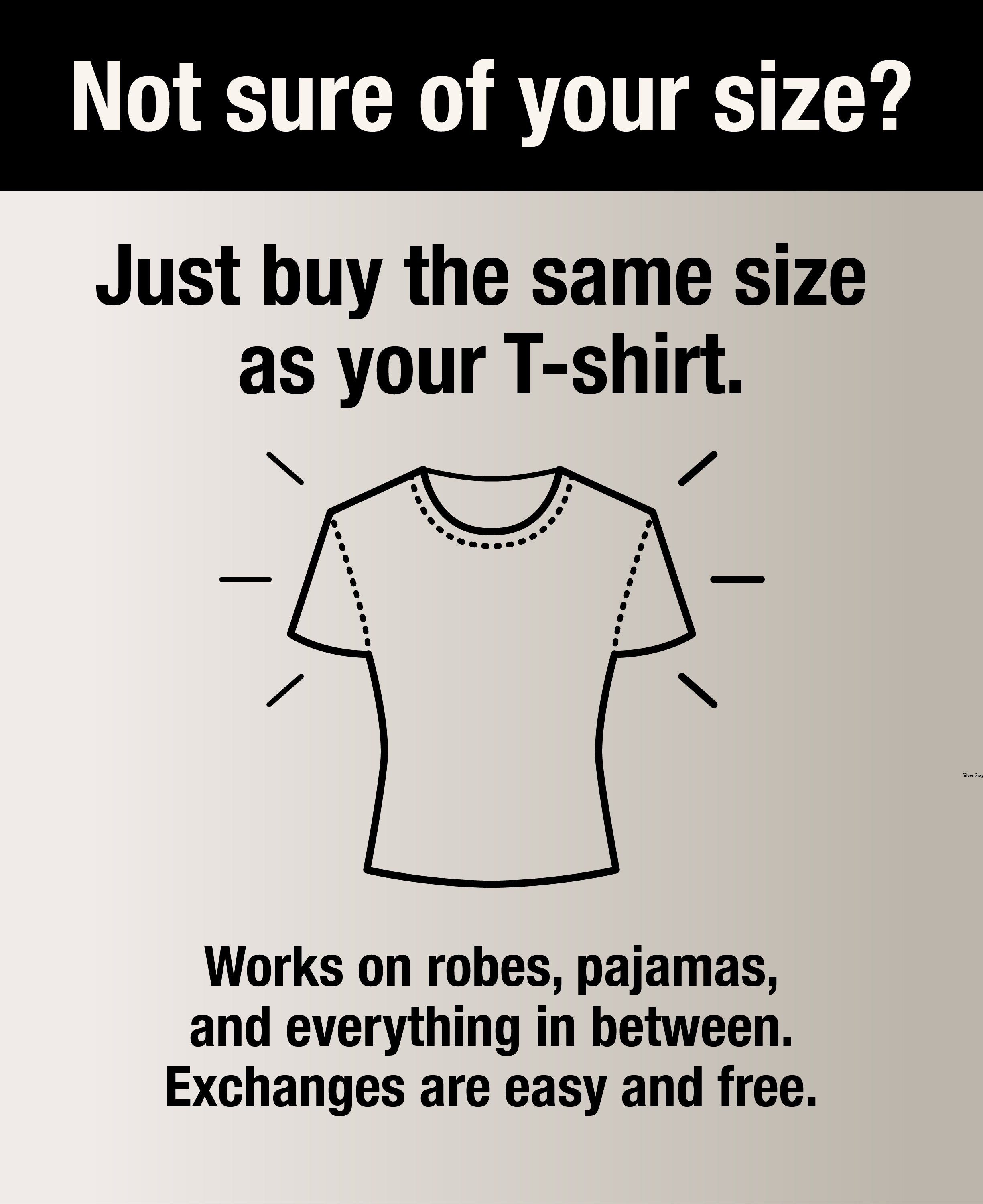
Find your size when you are ready.
Frequently Asked Questions
What is the best silk robe for women in 2026?
For a first silk robe, the long classic robe in the heavier mulberry silk weight (27 momme), in charcoal, deep navy, or ivory. The cut is the most forgiving, the silhouette flatters most bodies, and the silk weight is dense enough to drape correctly and last through hundreds of washes. The Tara Sartoria long classic robe is the most-purchased first silk robe in the women's collection, and the one with the lowest return rate.
How much should a good silk robe cost?
A real silk robe made in heavy mulberry silk with French seam construction typically costs between $250 and $400. Below $150, you are almost certainly looking at satin polyester misrepresented as silk, or at very thin silk that will not survive a year. Above $600, you are usually paying for marketing rather than construction. The middle range is where the math actually works for the customer.
Are silk robes worth the price?
Yes, when the construction is real. A $300 silk robe worn for ten years is $30 a year. A $90 satin polyester robe replaced annually is $90 a year. The cost-per-wear math favors the silk robe by a wide margin, and the silk robe also feels like silk every day, which the cheaper option does not. The question is not really about price. It is about which robe is in your closet at the end of the decade.
Are silk robes hot or cold to wear?
Mulberry silk is what is called a thermoregulating fiber, which means it feels cool against warm skin and warm against cool skin. The robe holds the body's own warmth on cool mornings without feeling heavy, and releases heat on warm days without feeling hot. This is one of the reasons silk robes have stayed in use for centuries even before the marketing language existed to describe what they were doing.
Can I machine wash a silk robe?
Yes, if the silk is heavy enough and the seams are properly constructed. Tara Sartoria silk robes are machine washable on a delicate cycle at 30 degrees, then laid flat to dry. The heavier weight and the French seam construction are what make this safe. A lighter silk robe with surged seams is often not machine washable, which is one of the reasons we built ours the way we did.
