


How Tara Sartoria Silk Is Made: From Mulberry Leaf to Your Door
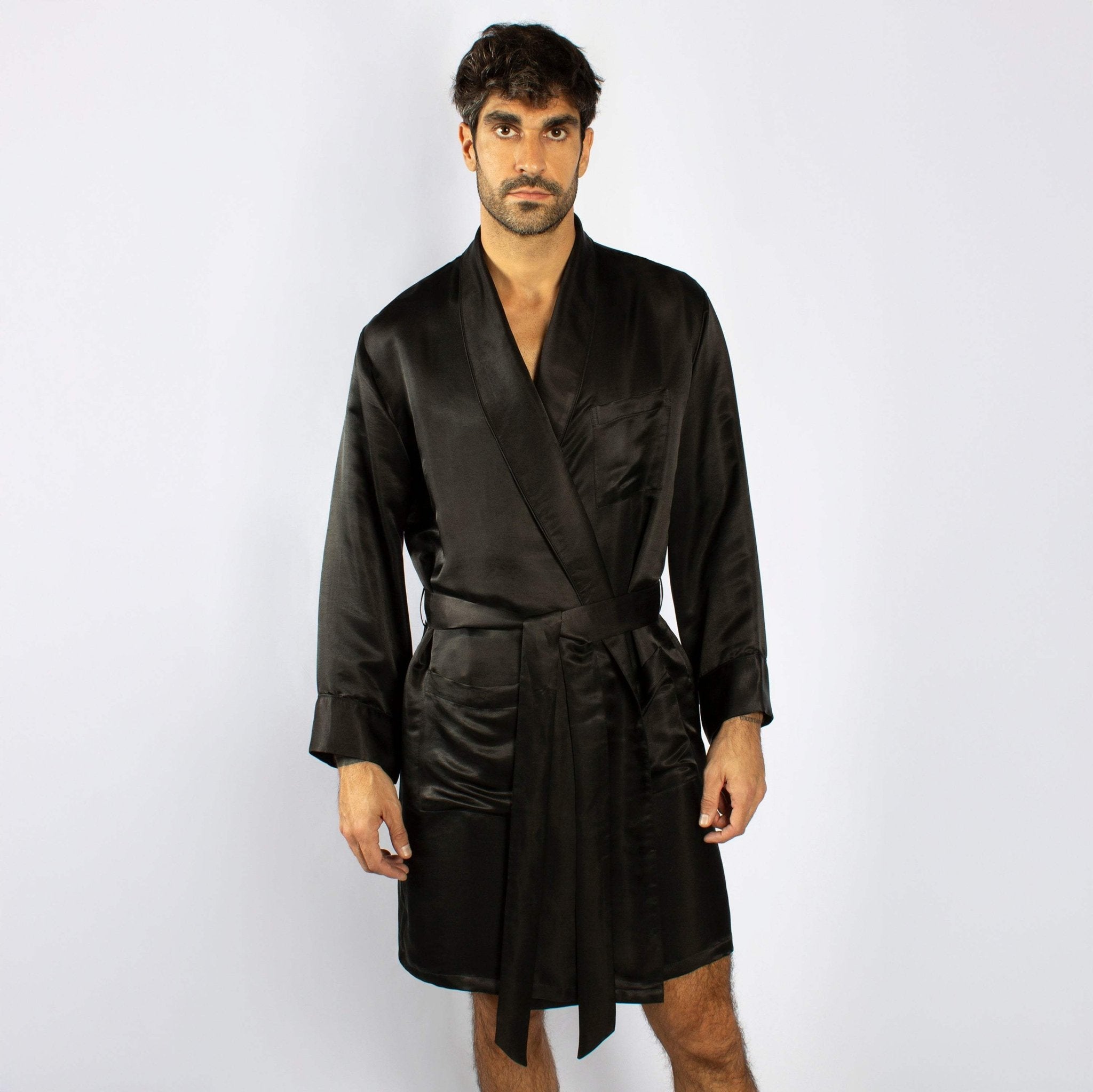
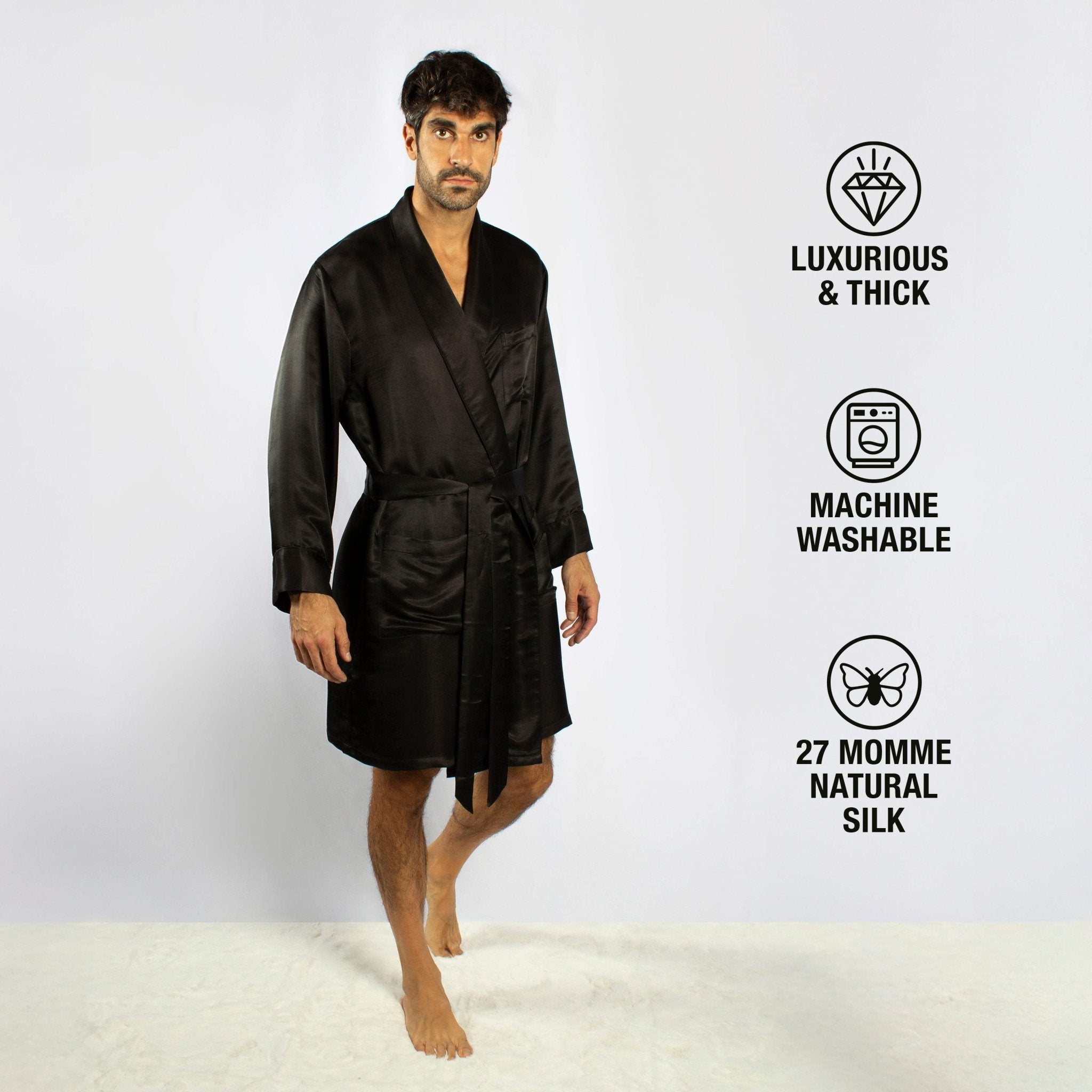
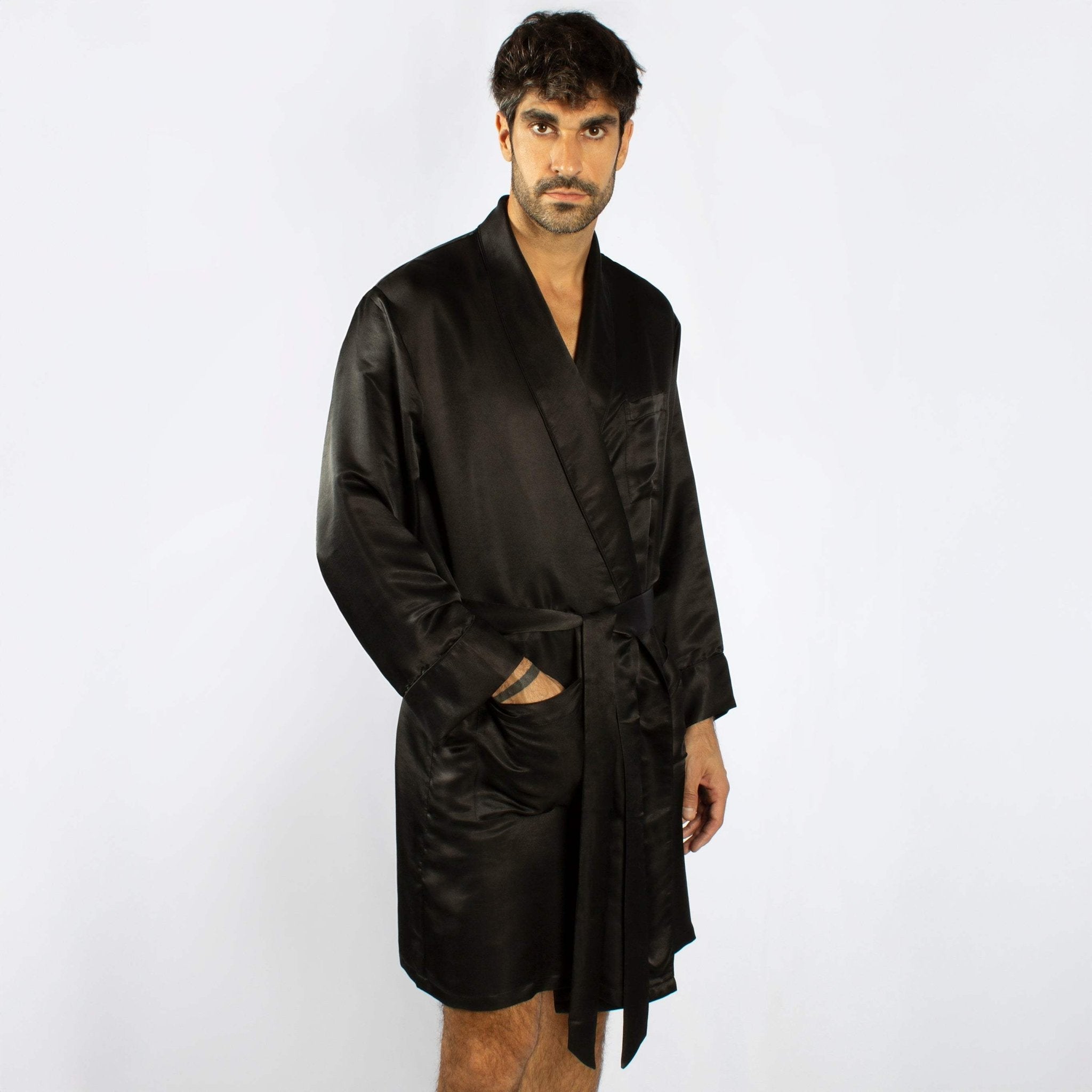
Every Tara Sartoria garment starts as a leaf. Specifically, a mulberry leaf, grown on farms in regions where Bombyx mori silkworms have been cultivated for centuries. The journey from that leaf to a finished 27 momme silk kimono robe involves roughly 3,000 silkworm cocoons, multiple processing stages, and the hands of artisan craftspeople in Vietnam's historic silk villages. This is how it works, and why each step matters for the thing that eventually touches your skin.




Stage 1: Mulberry and Silkworm Diet
Silk quality begins with what the silkworm eats. Bombyx mori silkworms fed exclusively on mulberry leaves produce the longest, most uniform filaments, which is why mulberry silk is the quality standard for fine silk textiles. Silkworms fed on other vegetation produce shorter, less consistent fibers that result in lower-grade fabric.
The mulberry trees are cultivated specifically for this purpose. They're pruned to encourage leaf growth, and the leaves are harvested at specific maturity stages because leaf quality directly affects filament quality. A silkworm fed on young, tender mulberry leaves produces finer, smoother silk than one fed on older, tougher leaves. This is not metaphor. This is material cause and effect.
Stage 2: The Silkworm Cocoon
Each Bombyx mori silkworm spins a single continuous filament of silk to create its cocoon, a process that takes approximately three days. A single cocoon filament can be 300 to 900 meters long. The filament is a protein fiber called fibroin, coated in a gummy substance called sericin that holds the cocoon together.
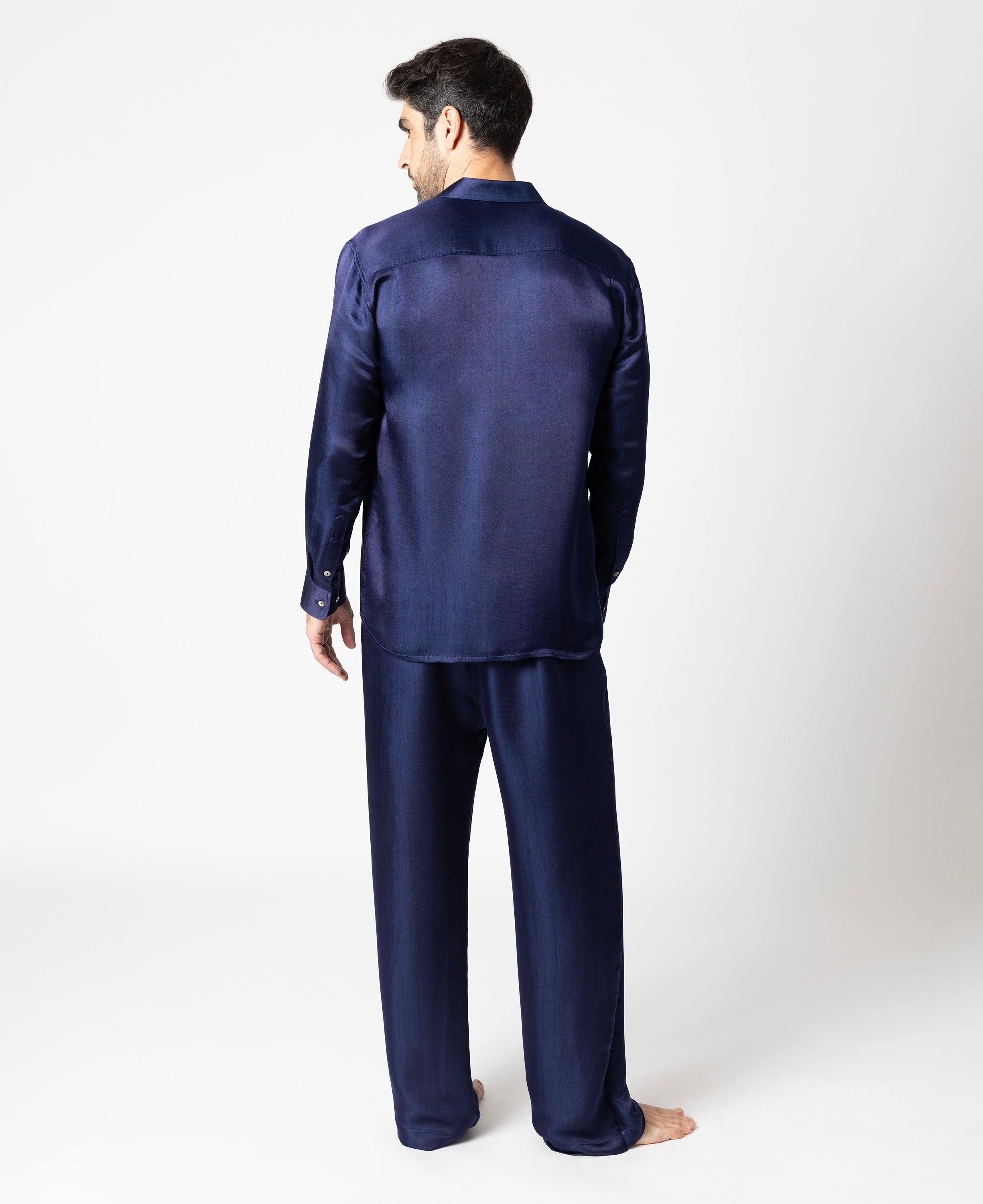
It takes approximately 2,500 to 3,000 cocoons to produce one pound of raw silk. For a 27 momme silk pajama set, that translates to a significant number of cocoons, because higher momme weight means more silk fiber per square metre of finished fabric.


Stage 3: Reeling and Throwing
Once harvested, cocoons are sorted by quality. The highest-grade cocoons (Tara Sartoria specifies quality equivalent to Grade 6A) have the most uniform filaments with the fewest natural defects.
The cocoons are softened in hot water to dissolve the sericin enough to find the filament end. Multiple filaments are then reeled together onto a bobbin to create a single thread of raw silk. The number of filaments twisted together determines the thickness and strength of the thread.
This raw silk thread then goes through "throwing," a twisting process that prepares it for weaving. The direction and tightness of the twist affects the finished fabric's texture and drape. The silk type Tara Sartoria uses requires a specific throwing preparation that creates its characteristic smooth, lustrous surface. [INTERNAL LINK: silk-types-explained]


Stage 4: Weaving and Momme Density
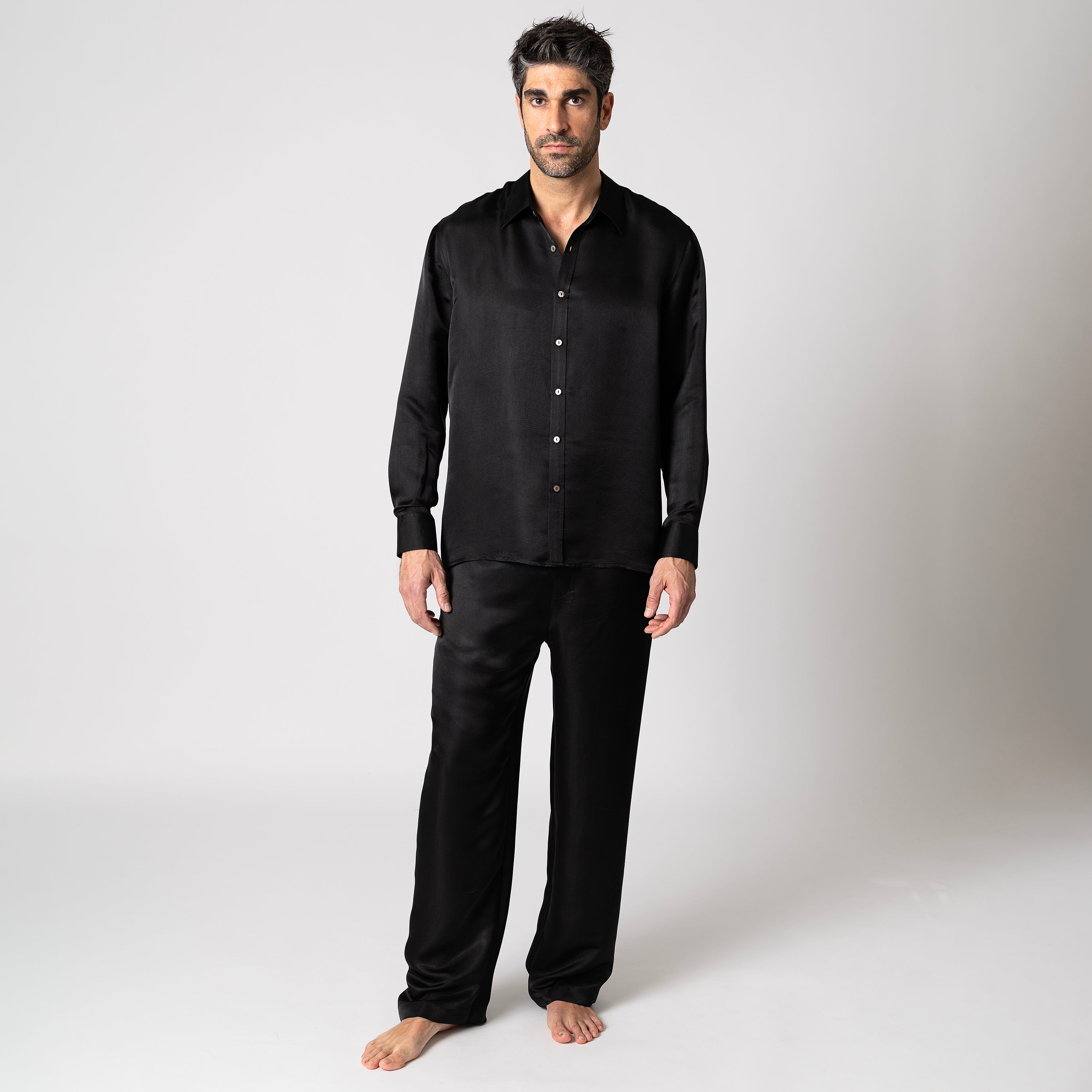
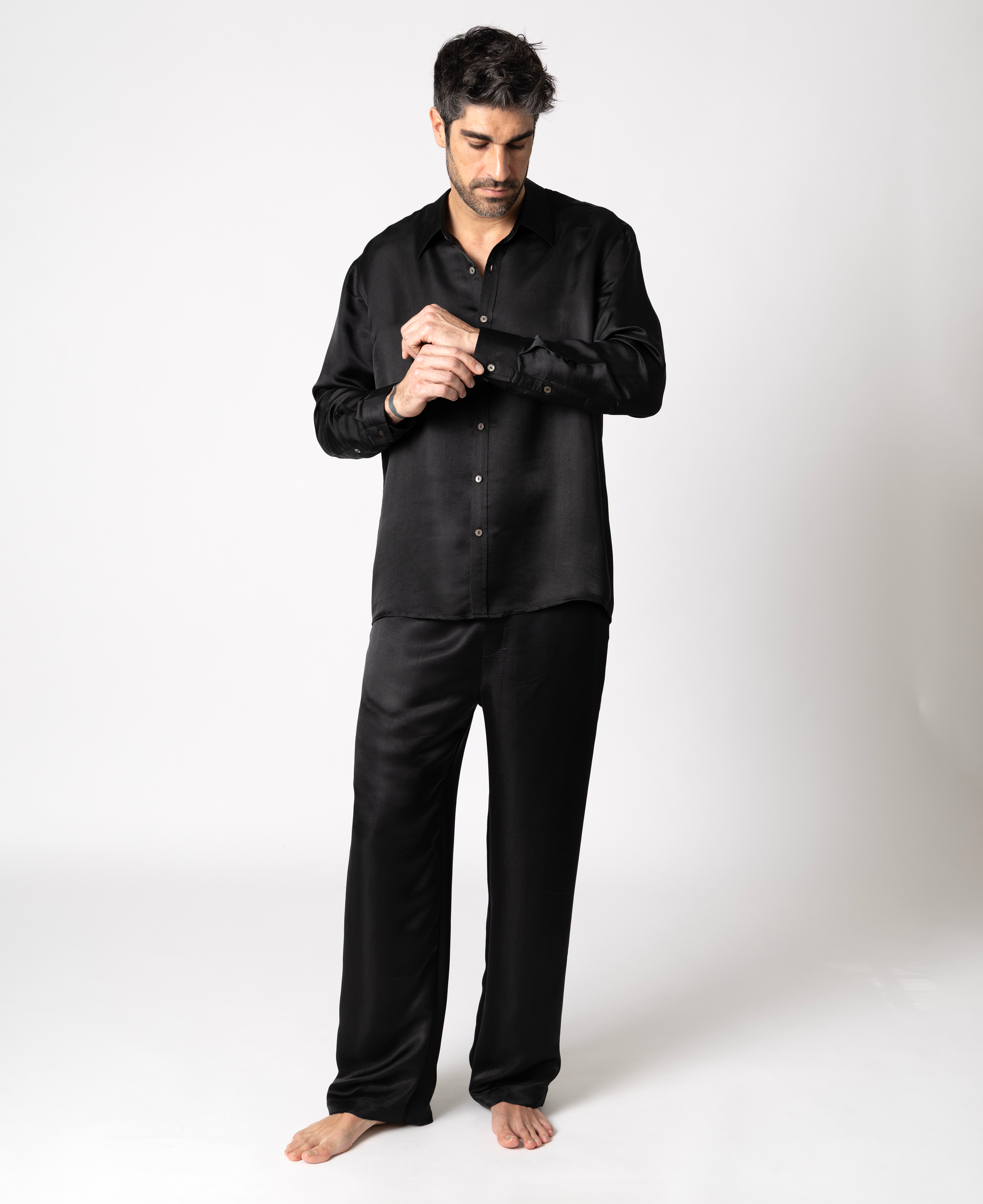
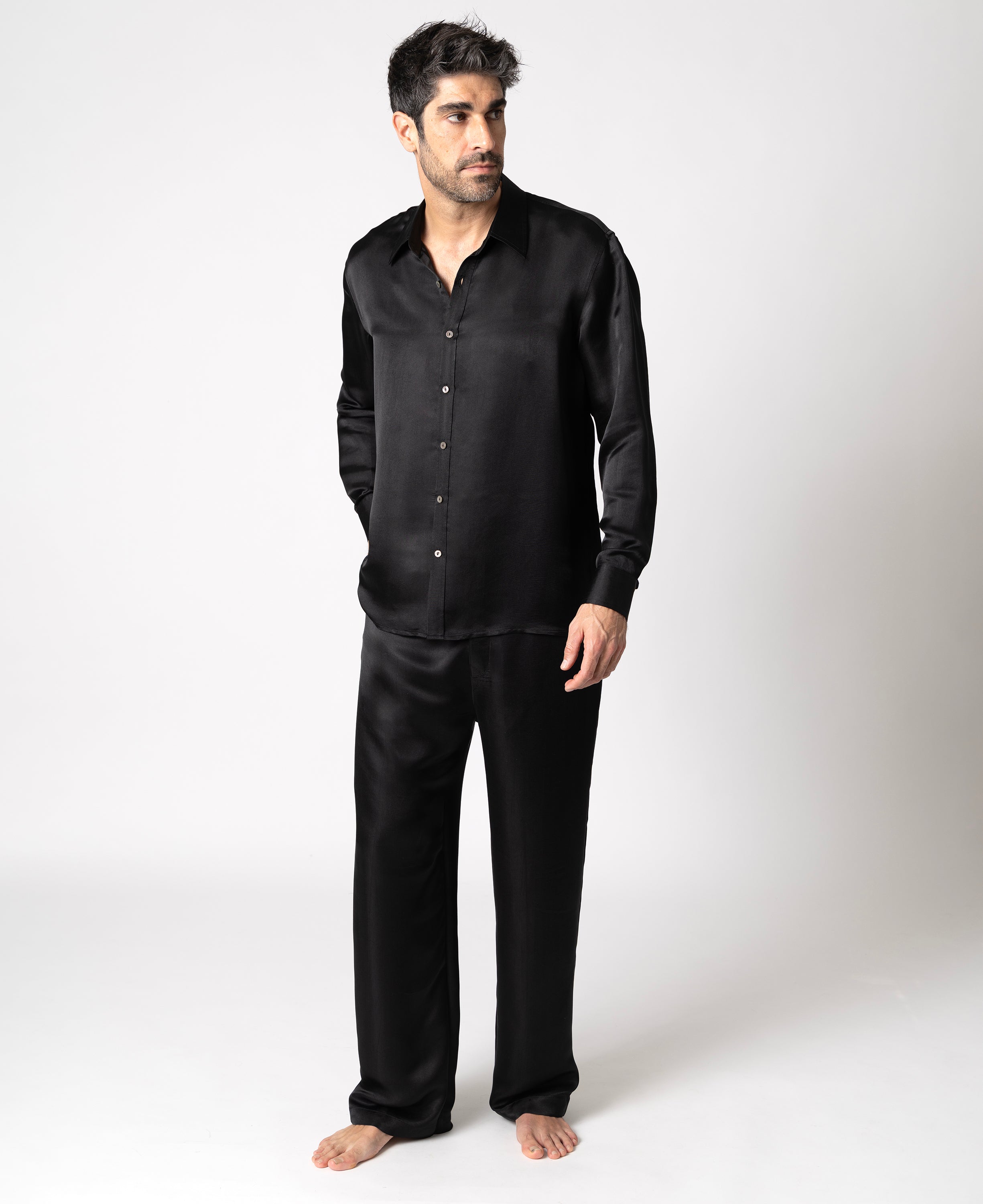
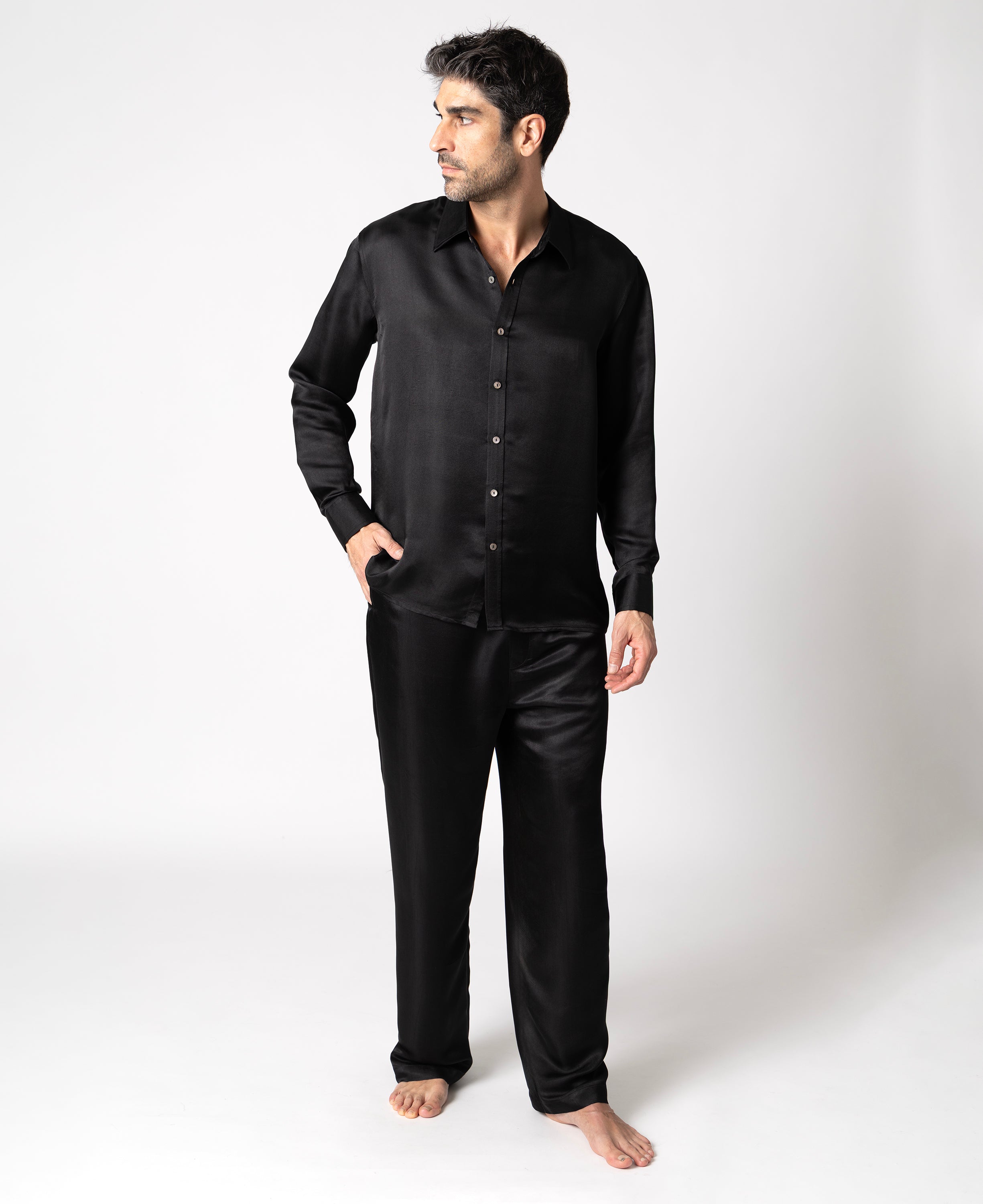
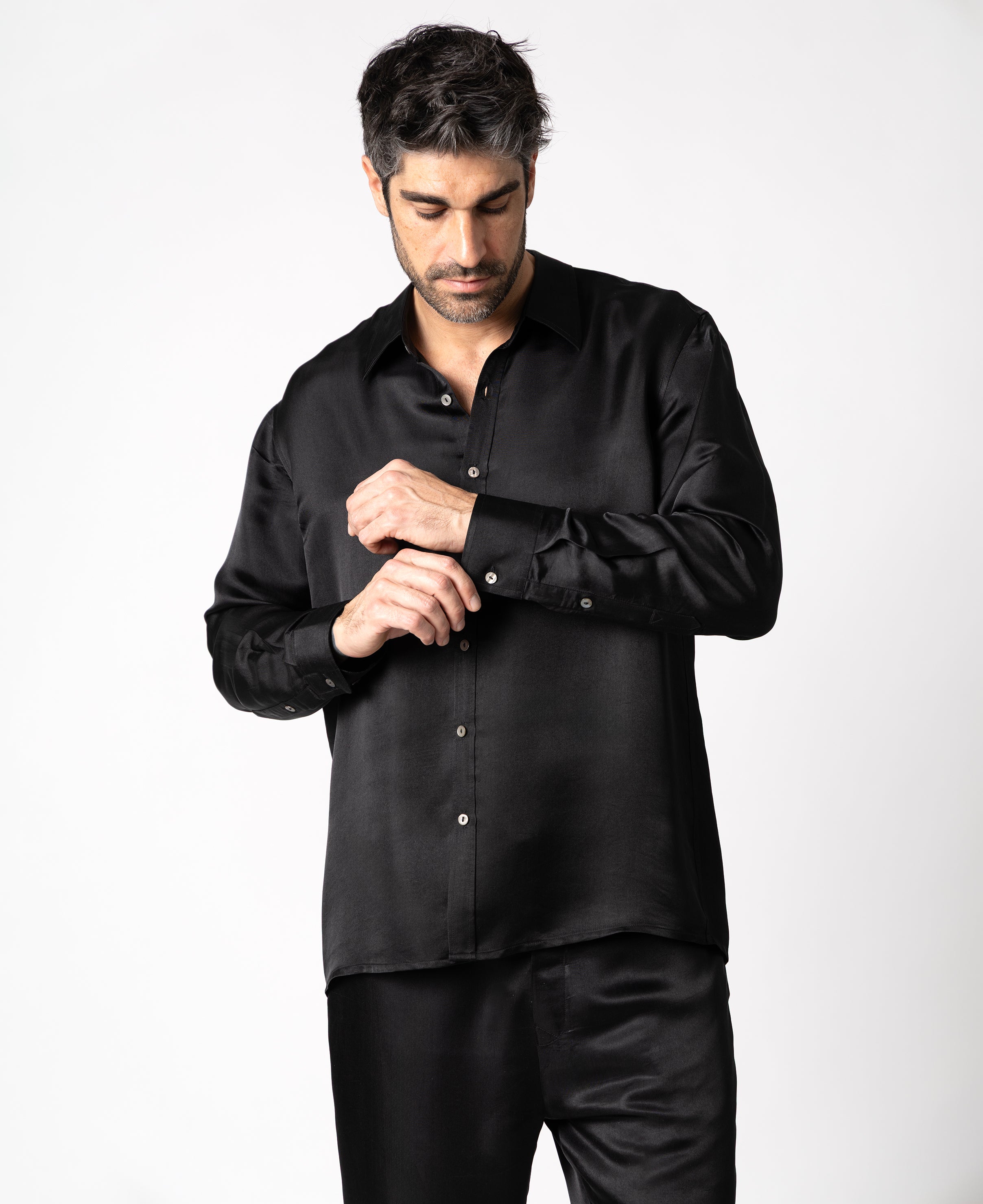
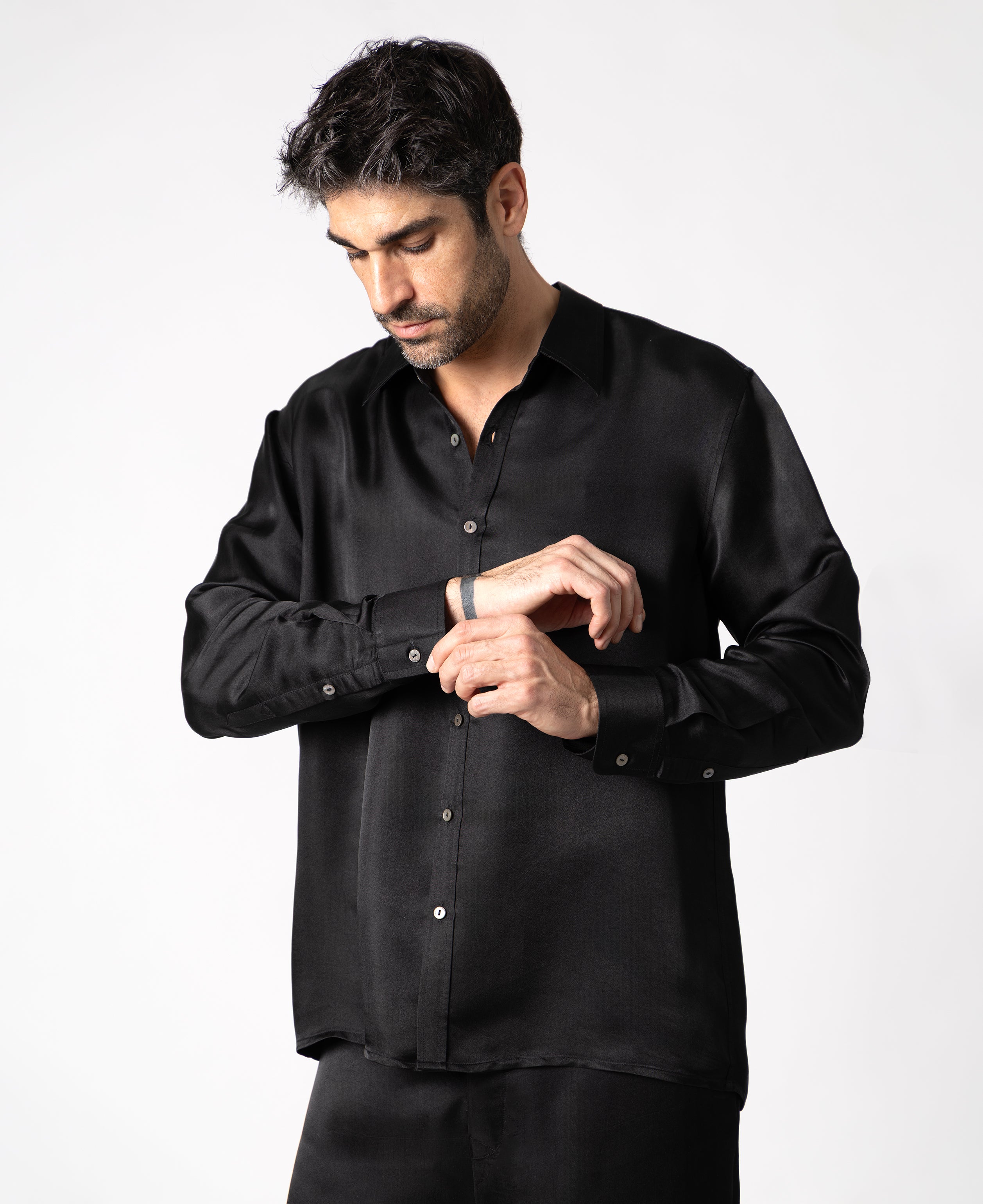
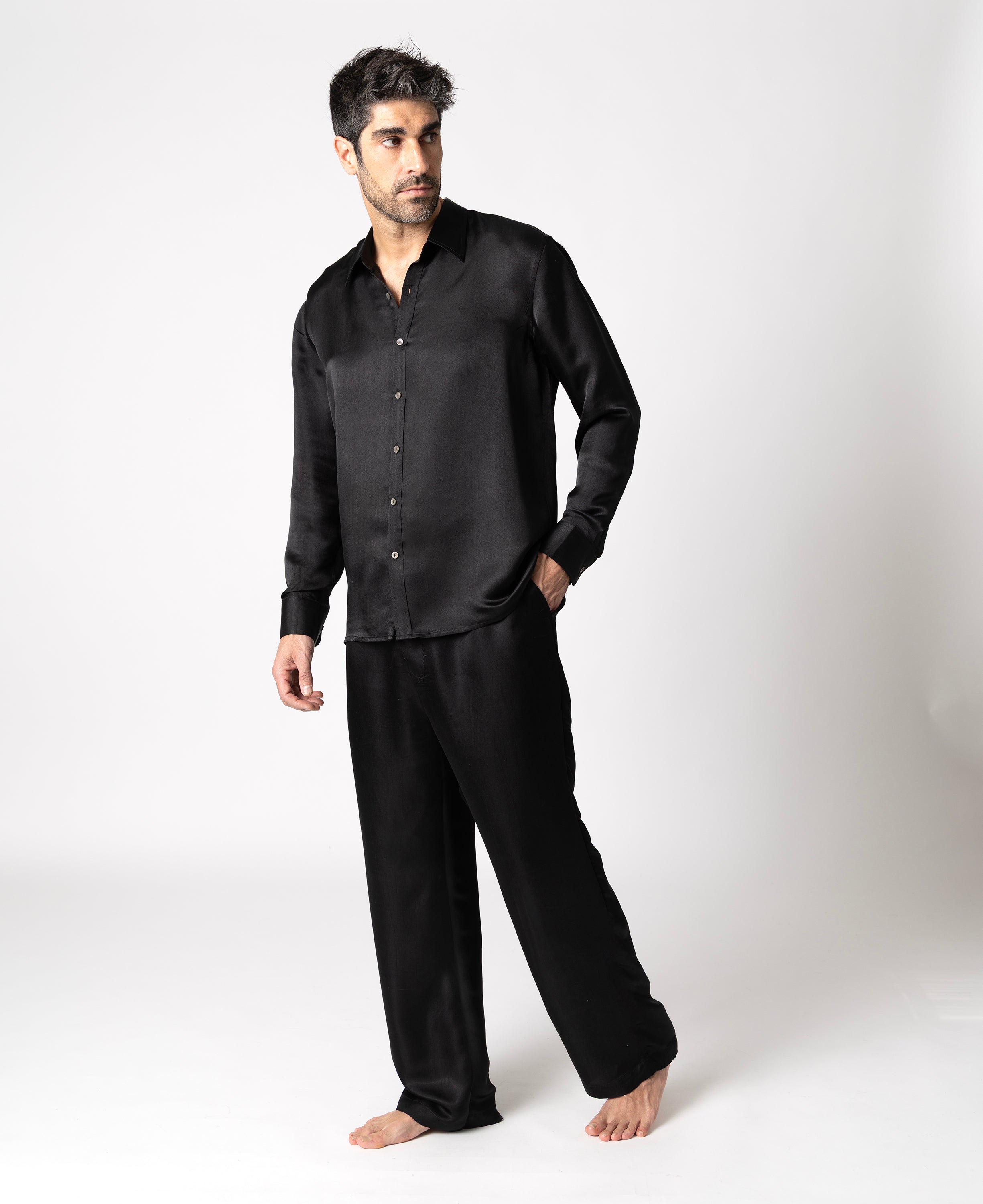
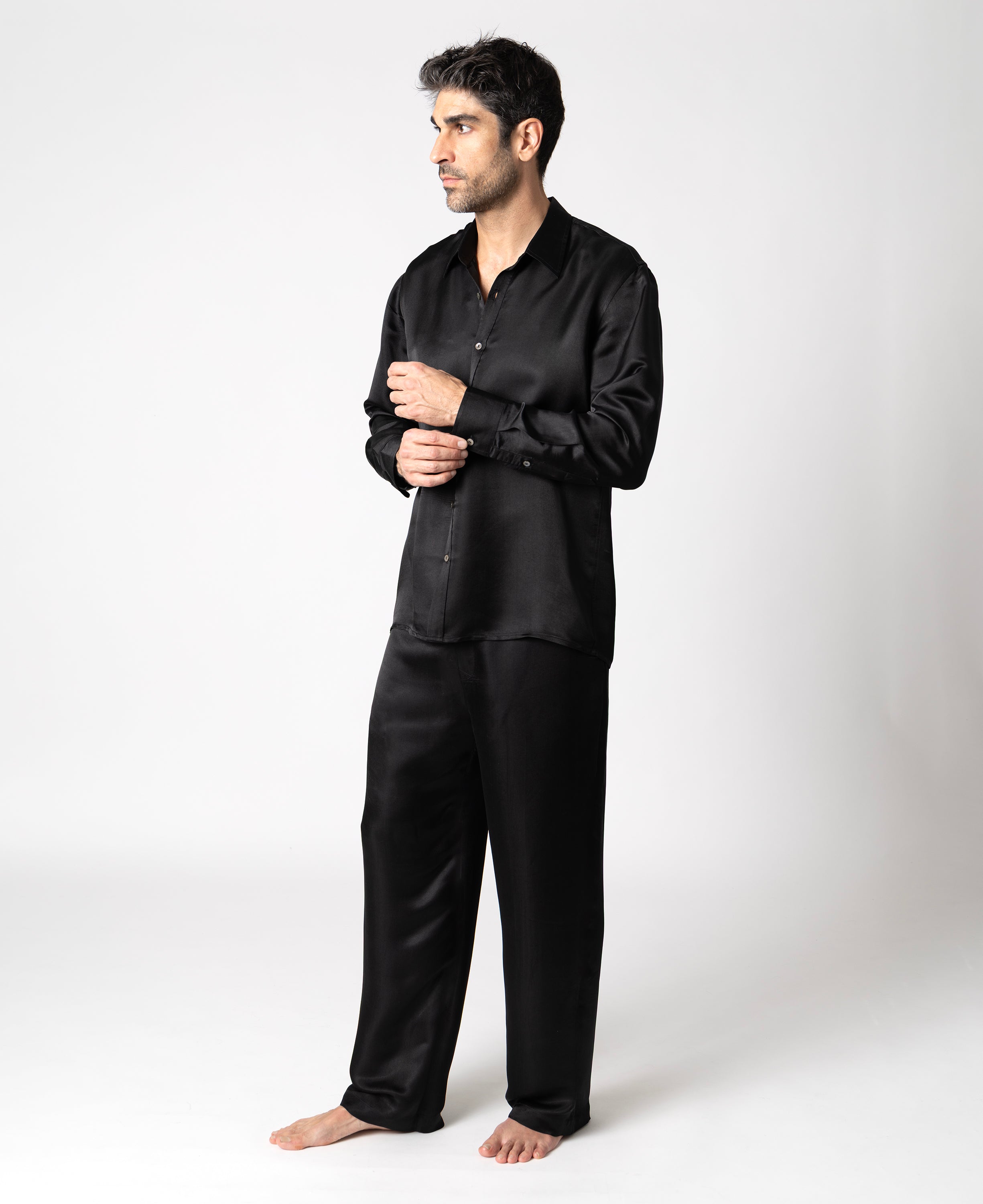
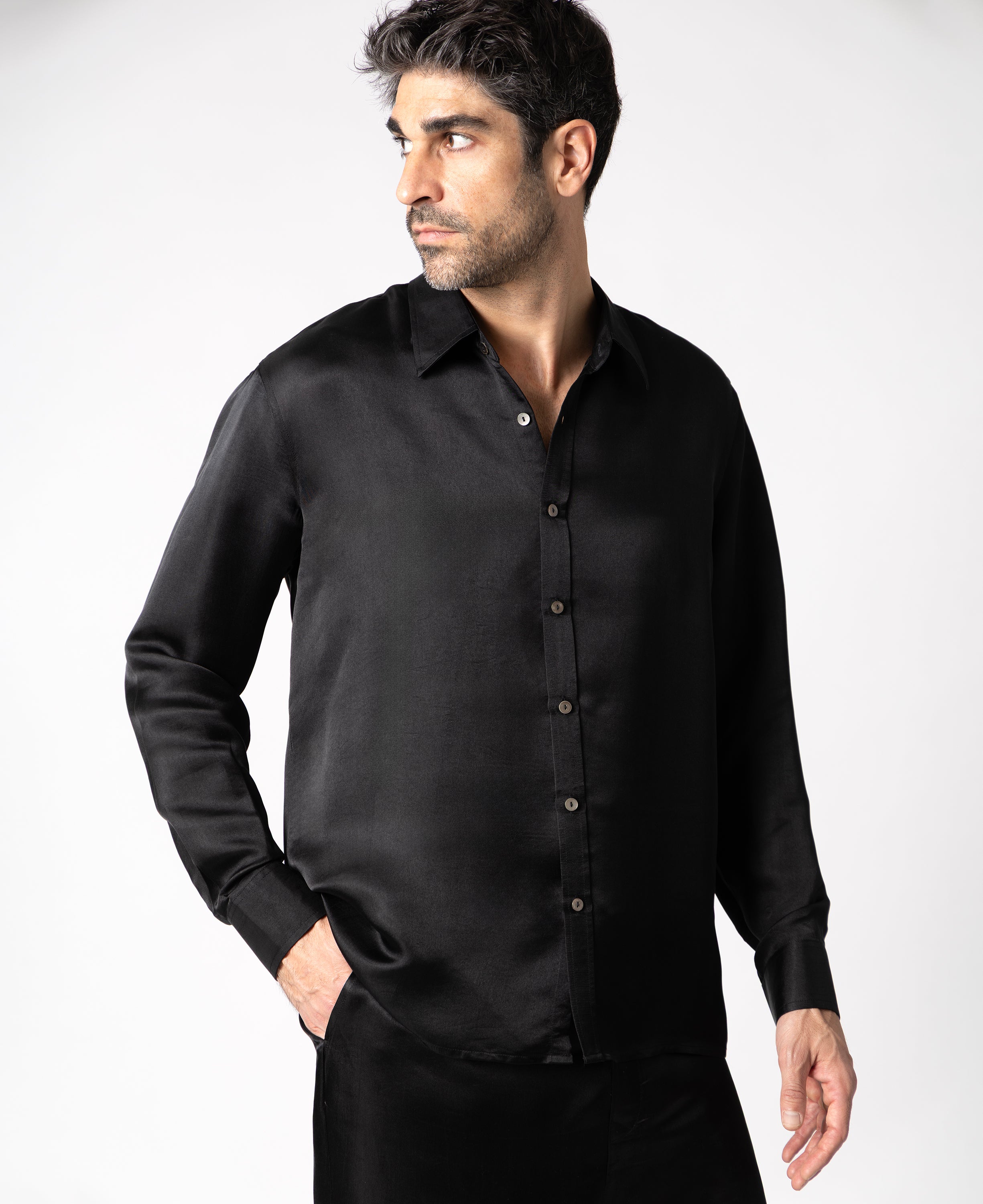
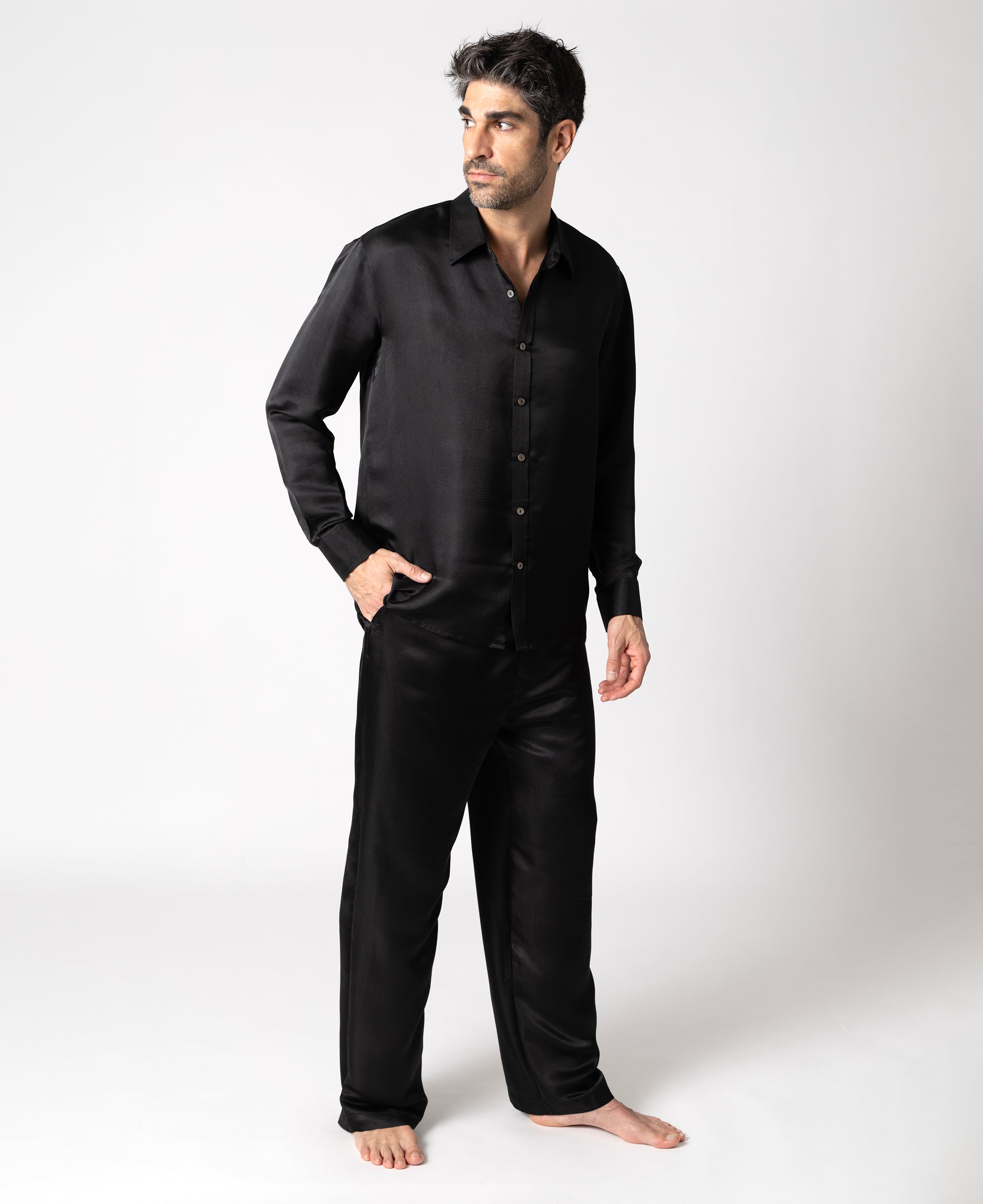
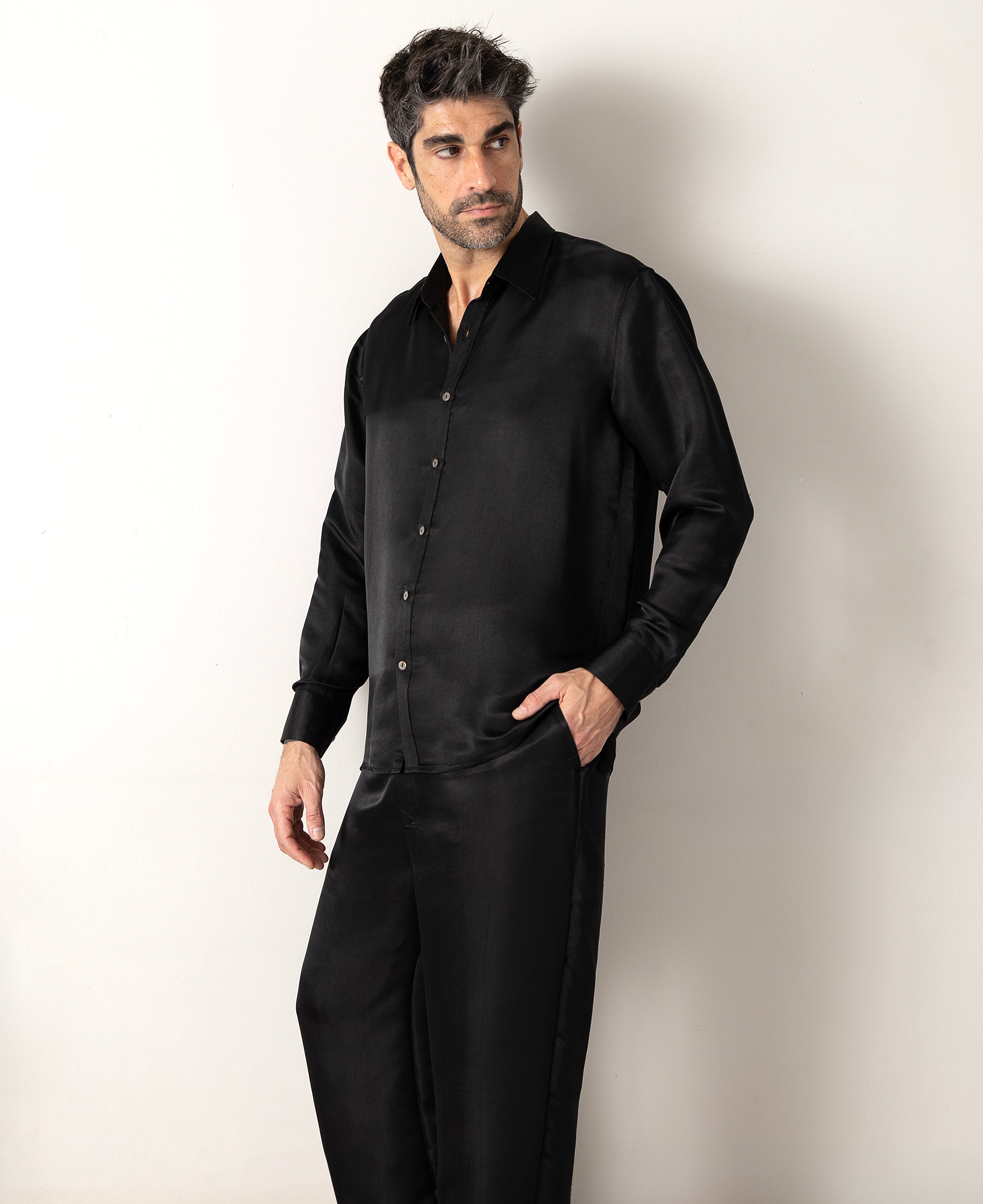
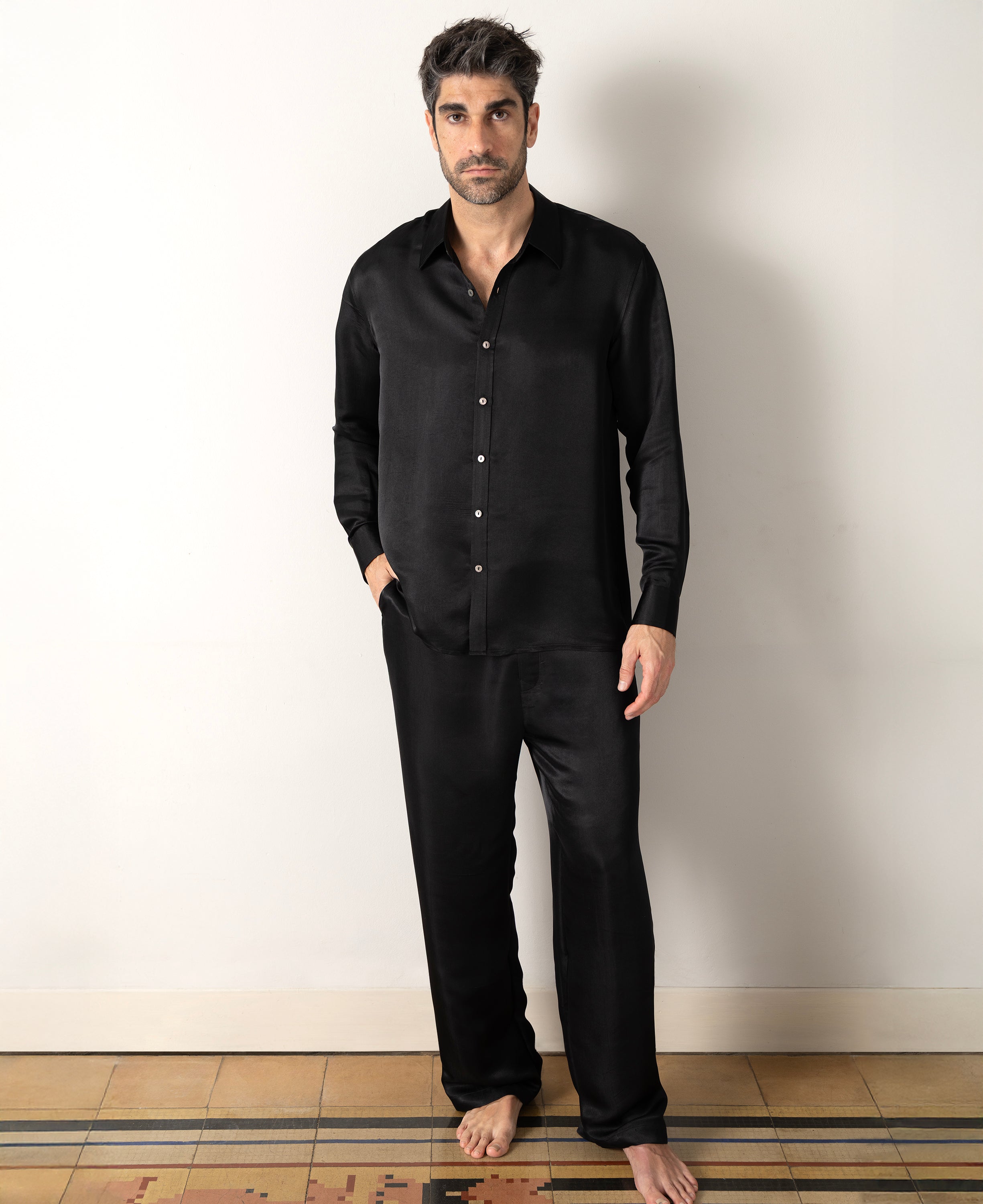
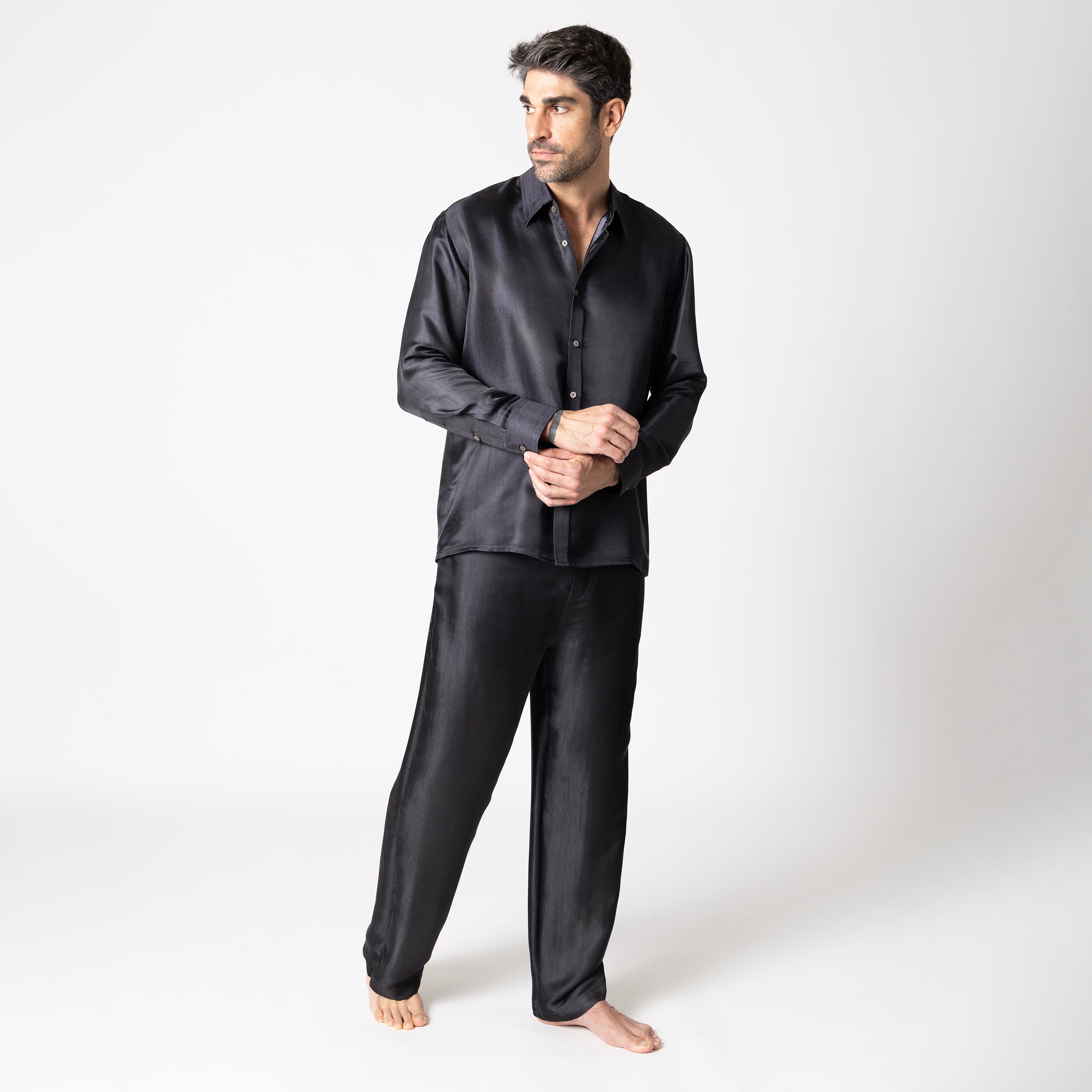
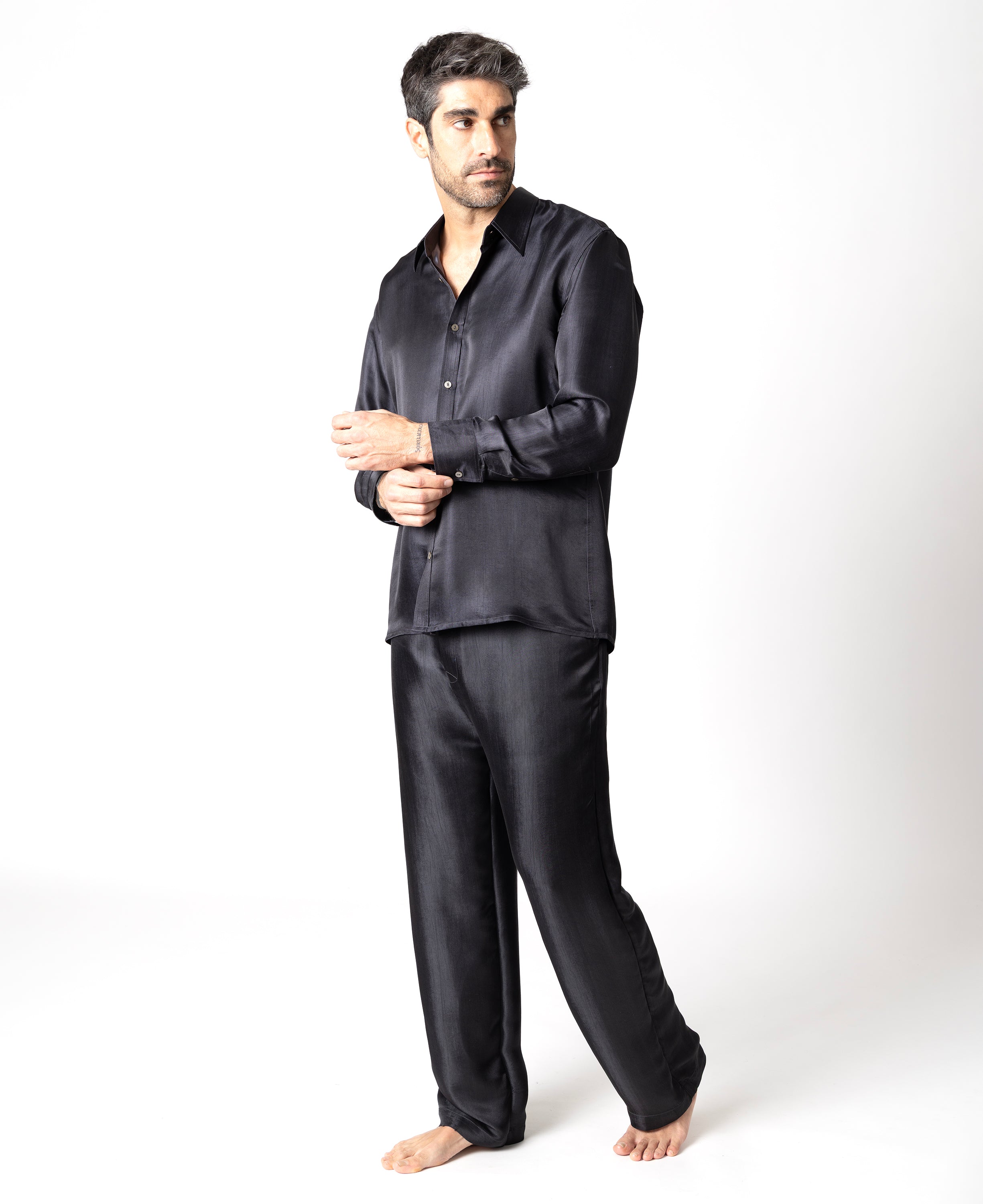
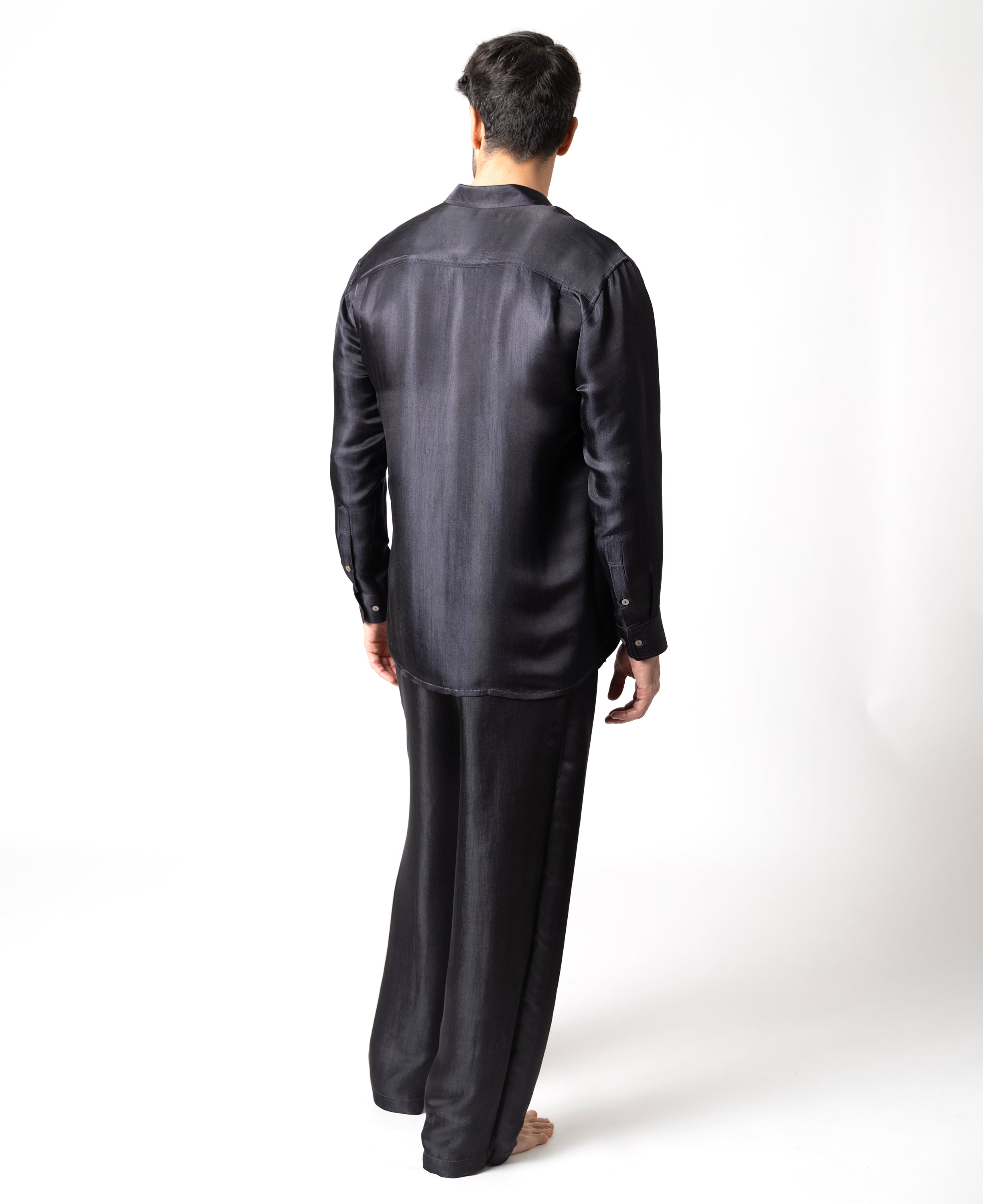
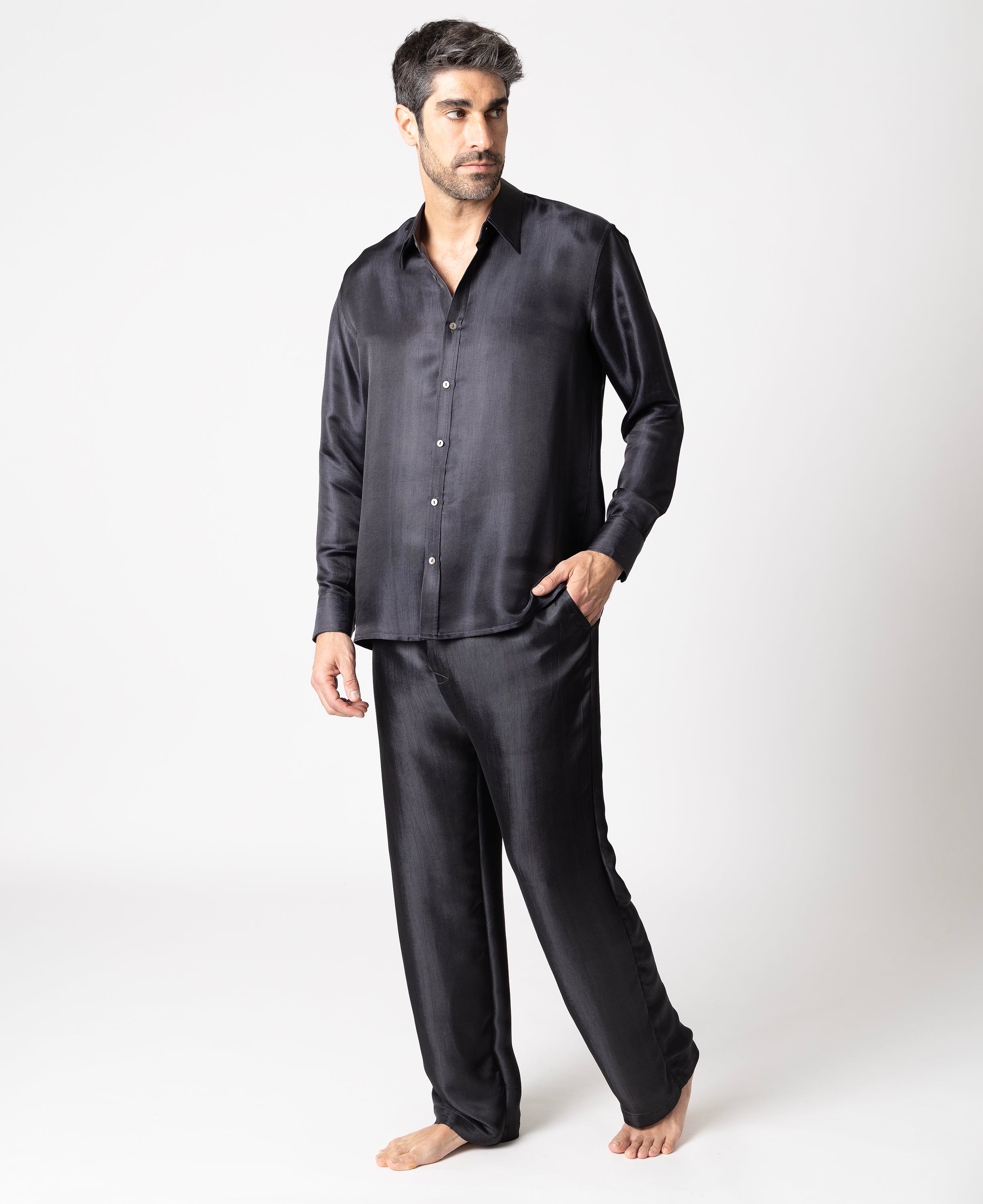
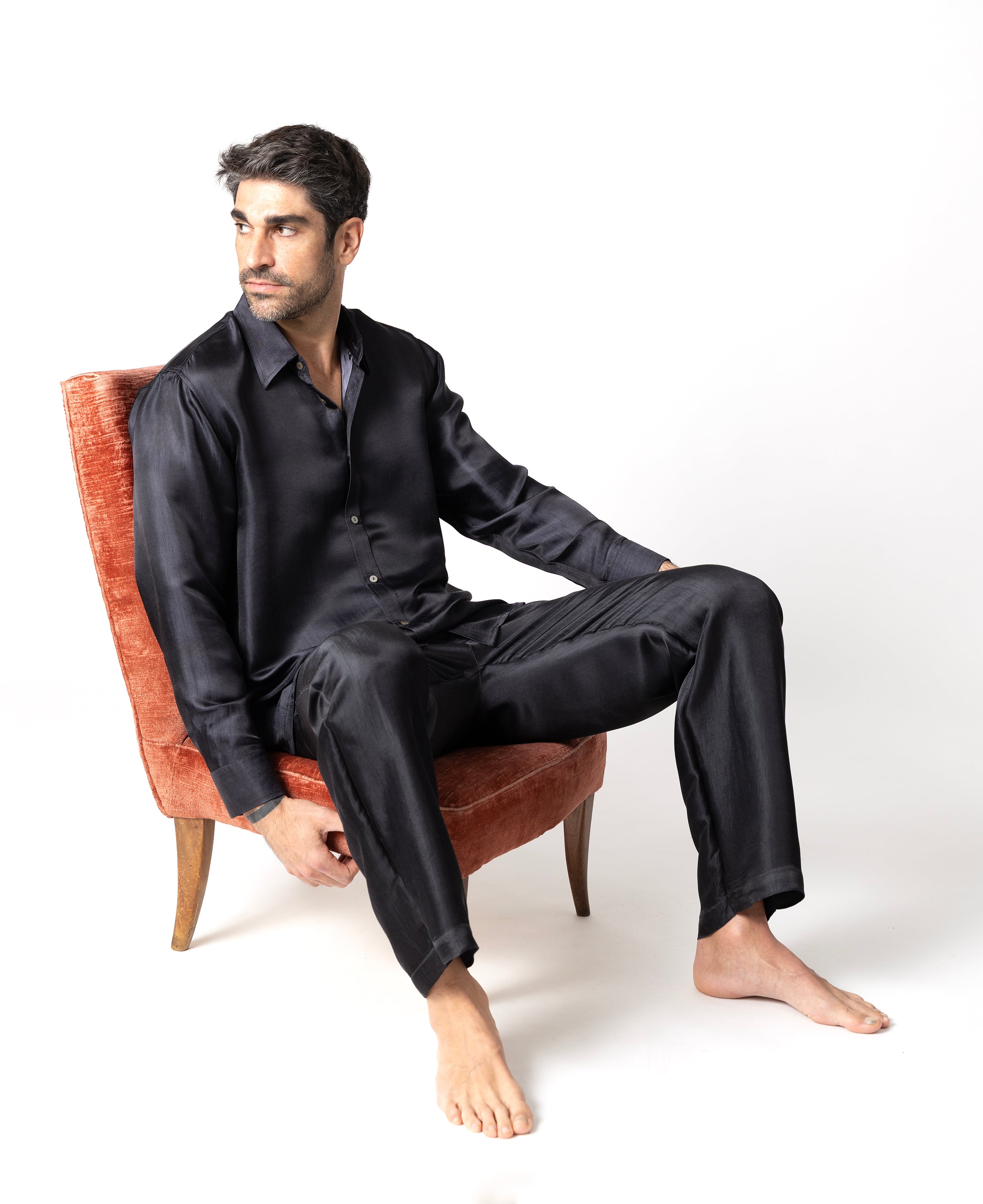
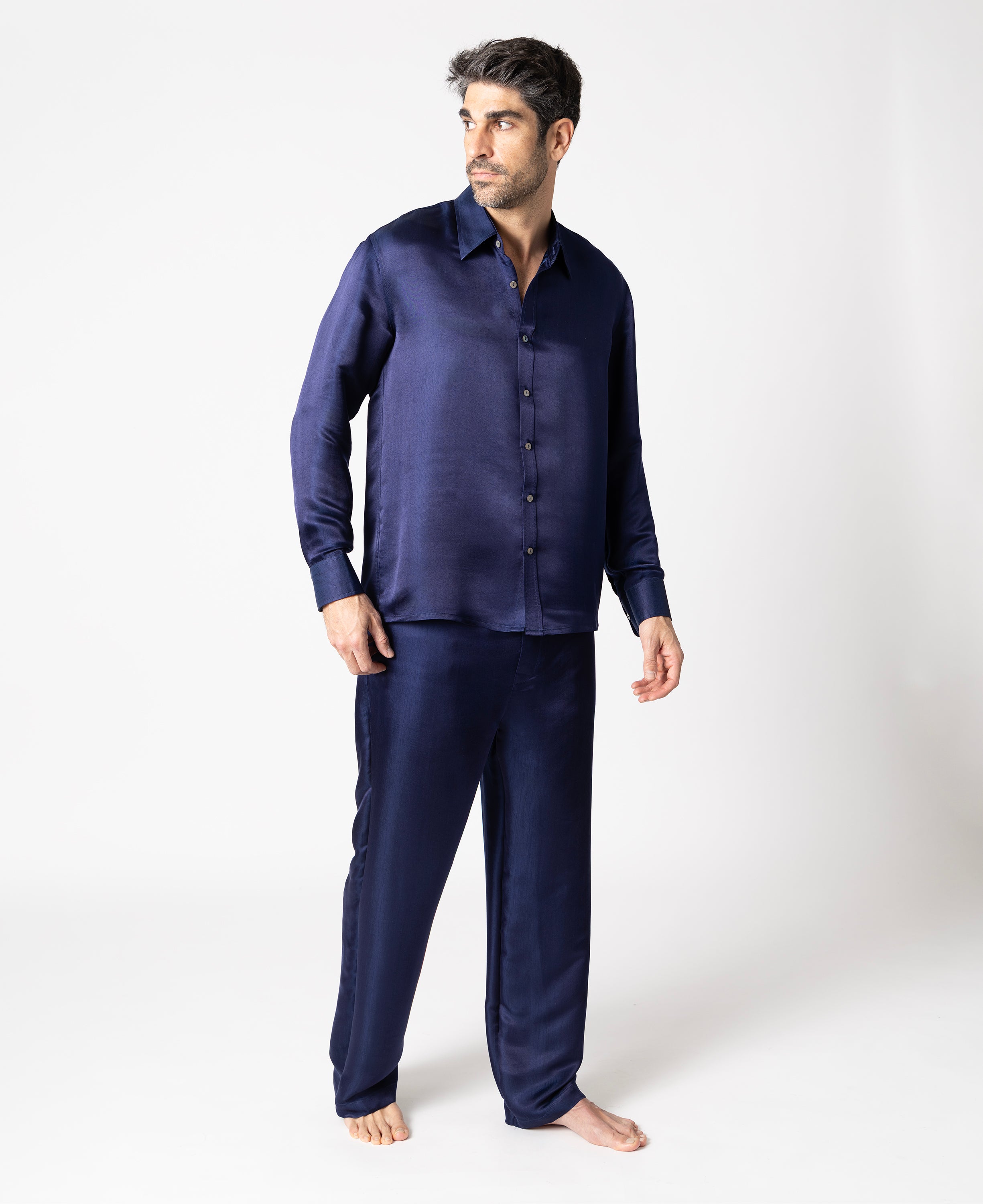
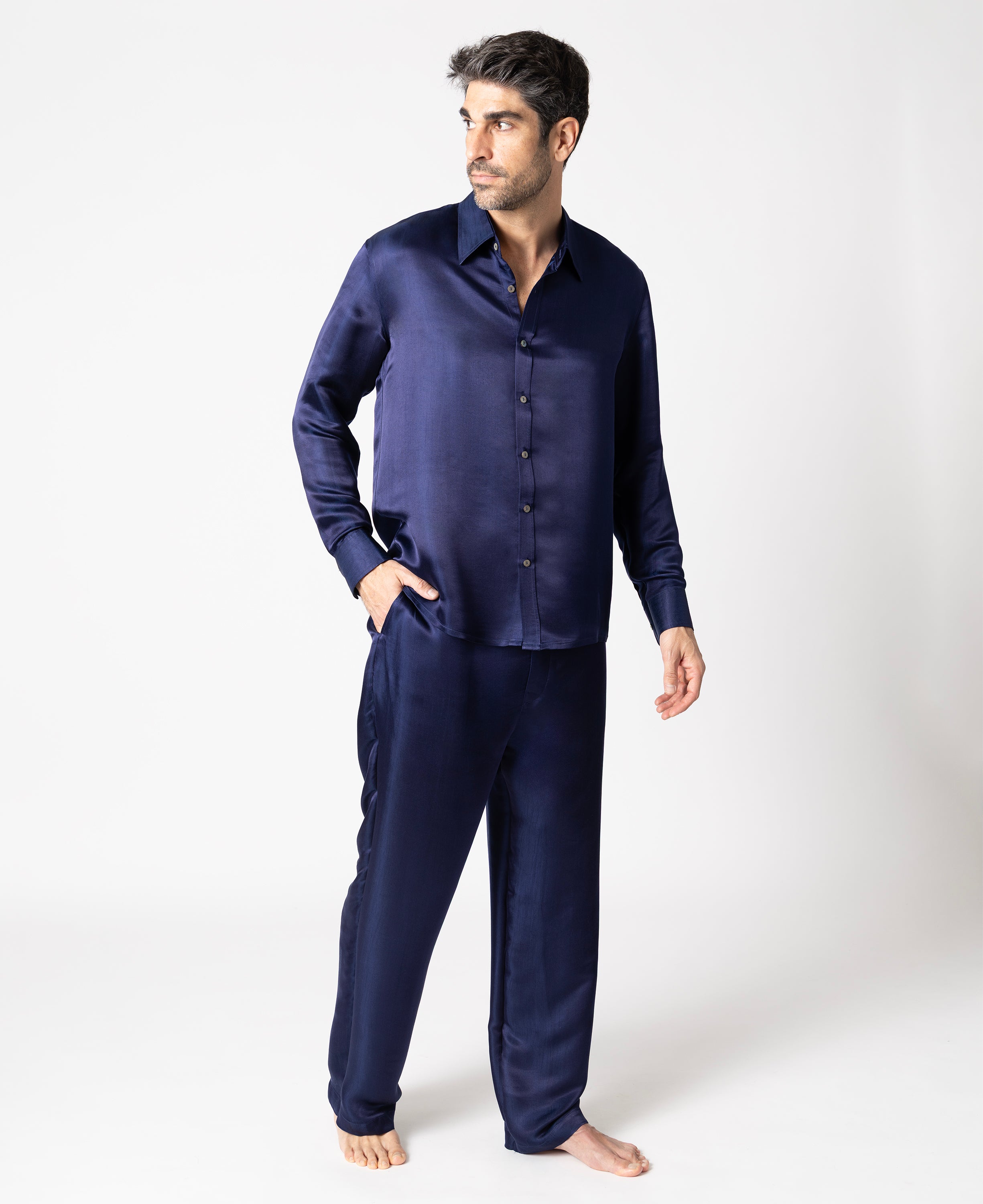
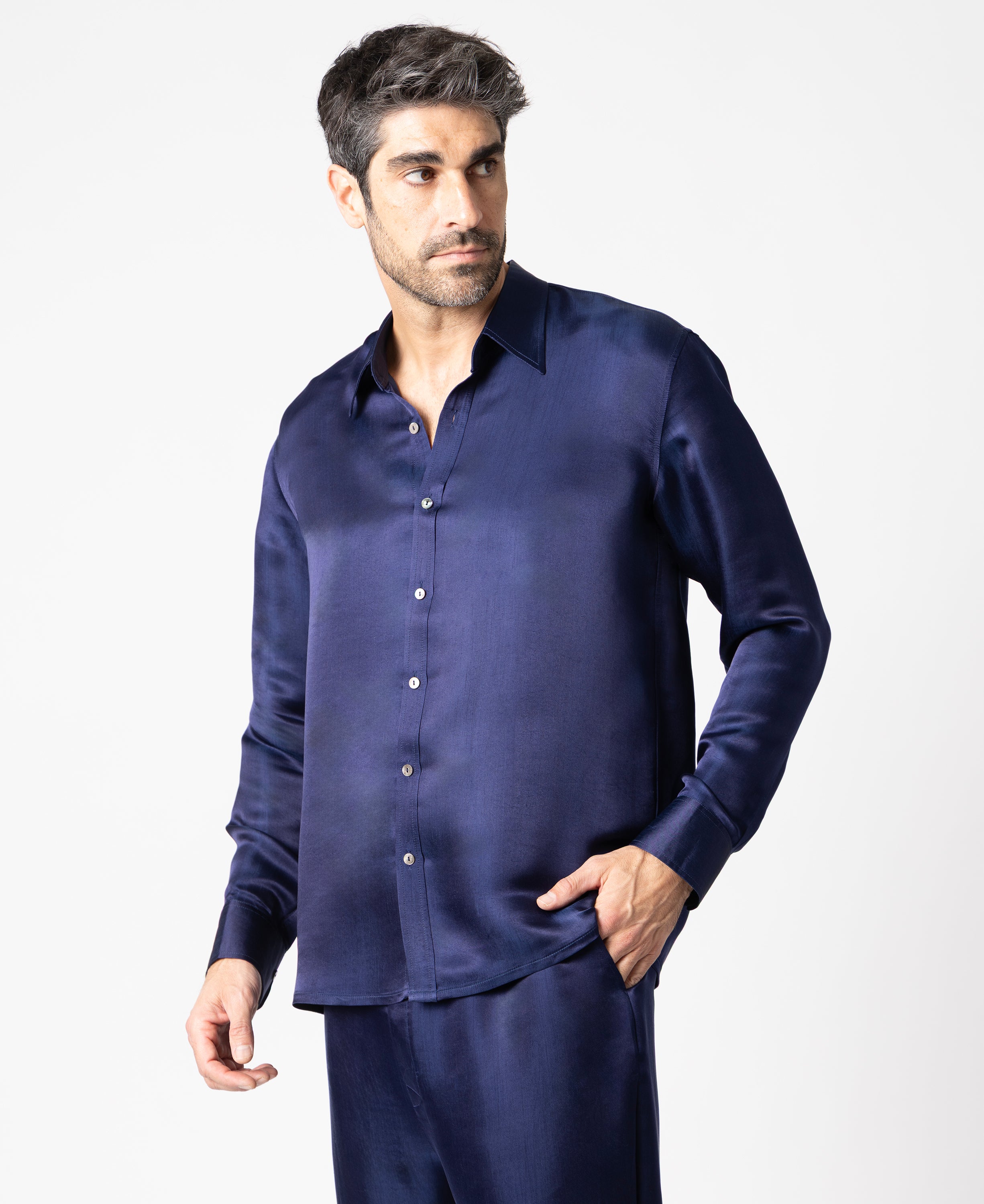
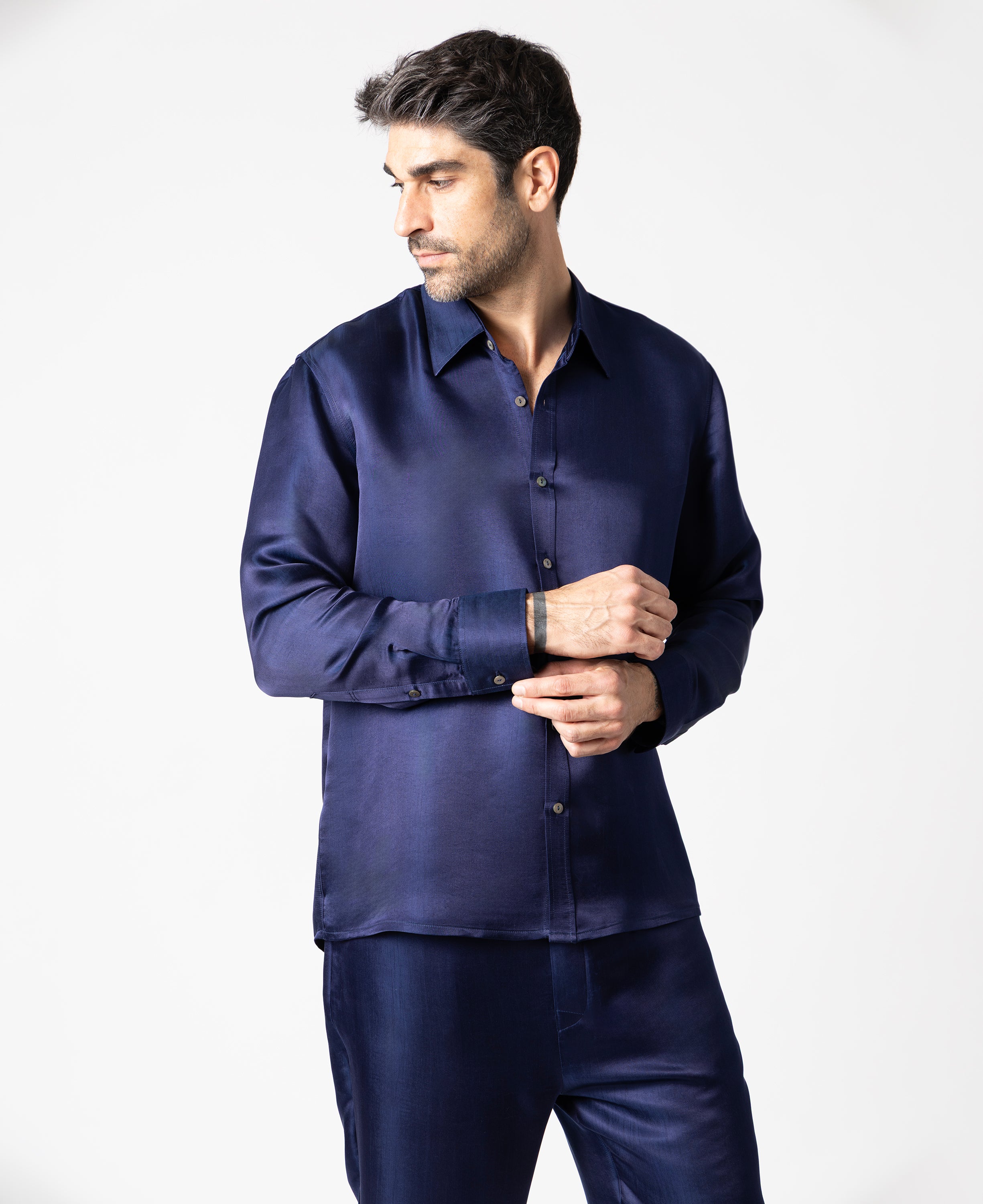
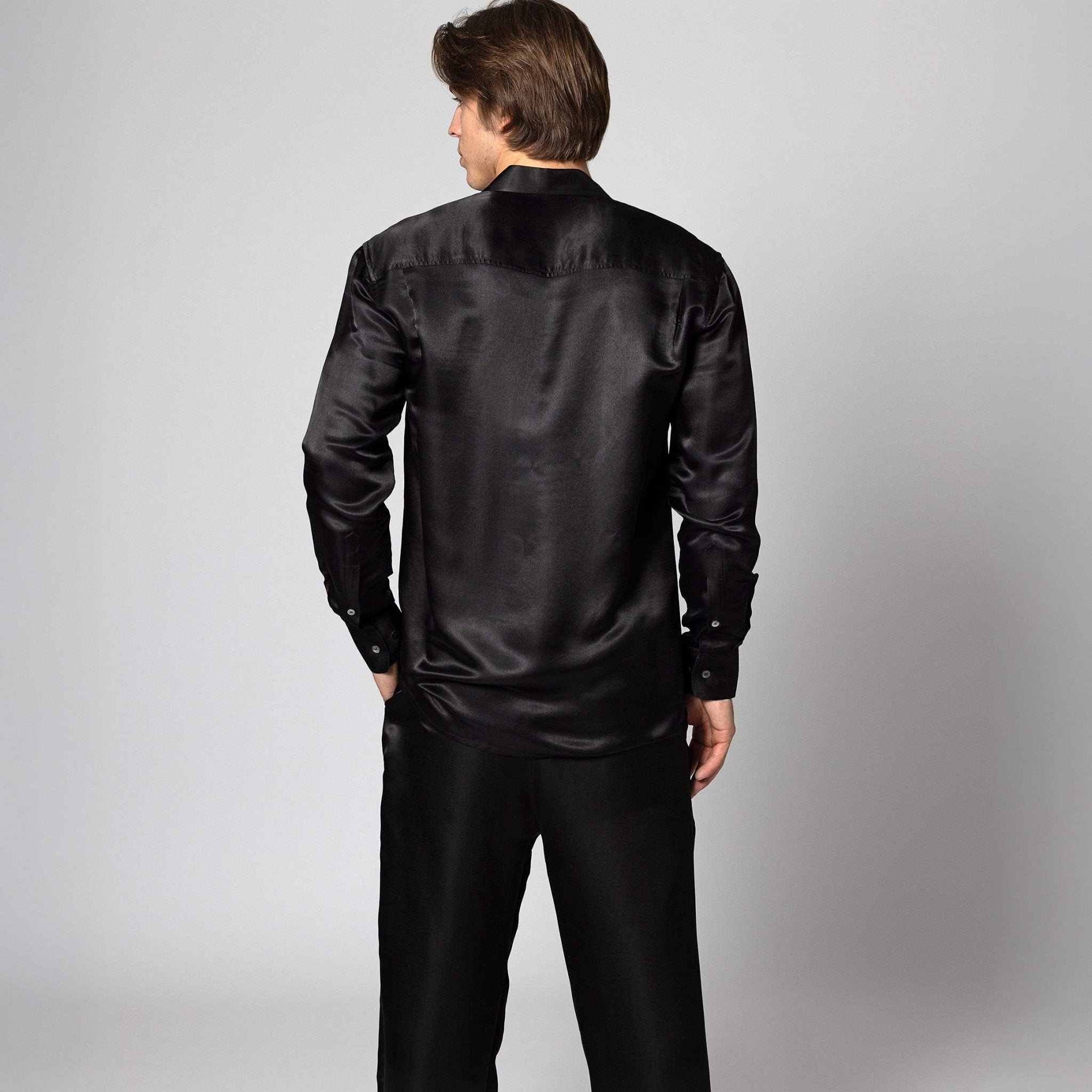
The silk Tara Sartoria uses has a smooth, lustrous face and a matte back. This gives it the characteristic drape and shine associated with fine silk.
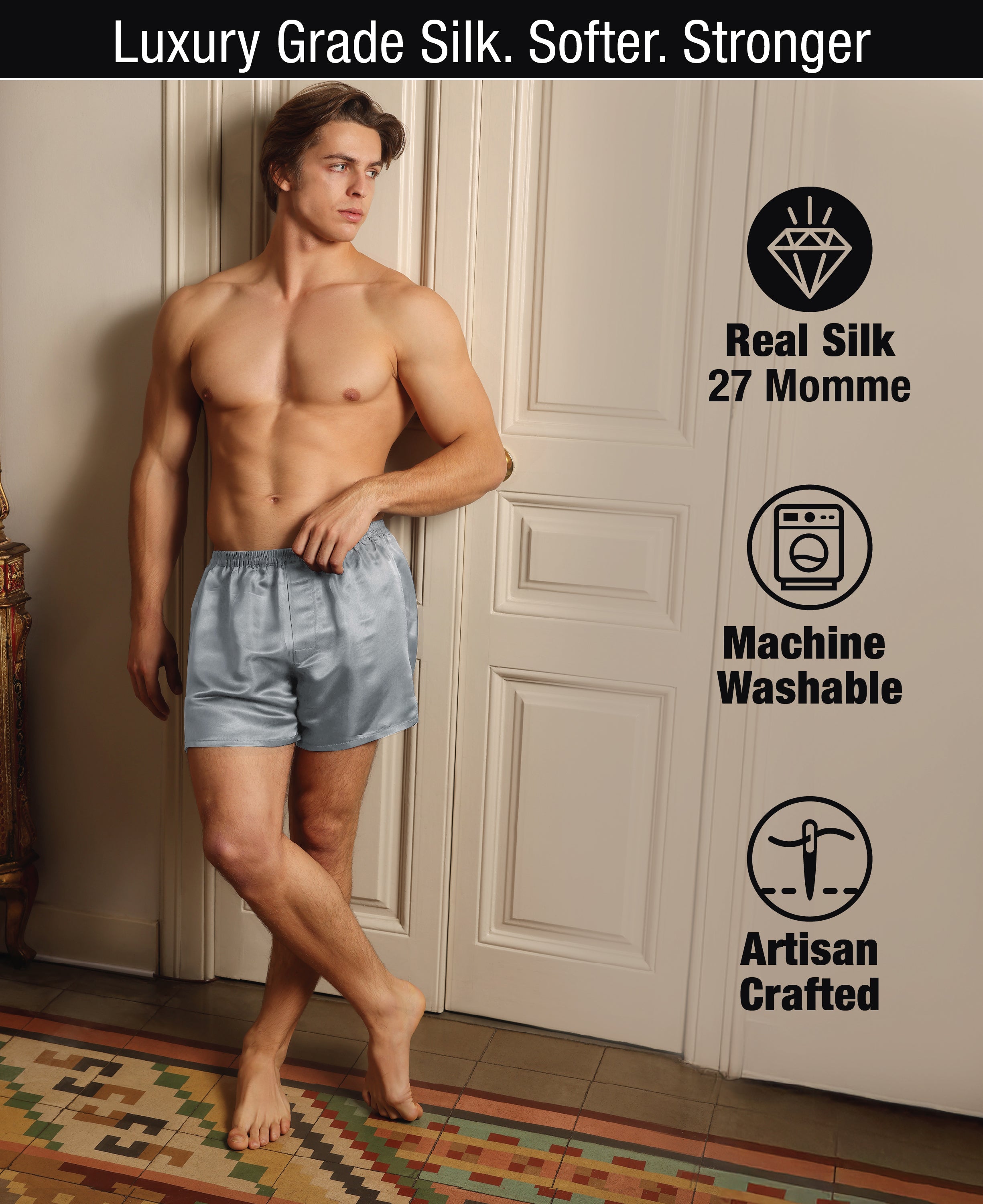
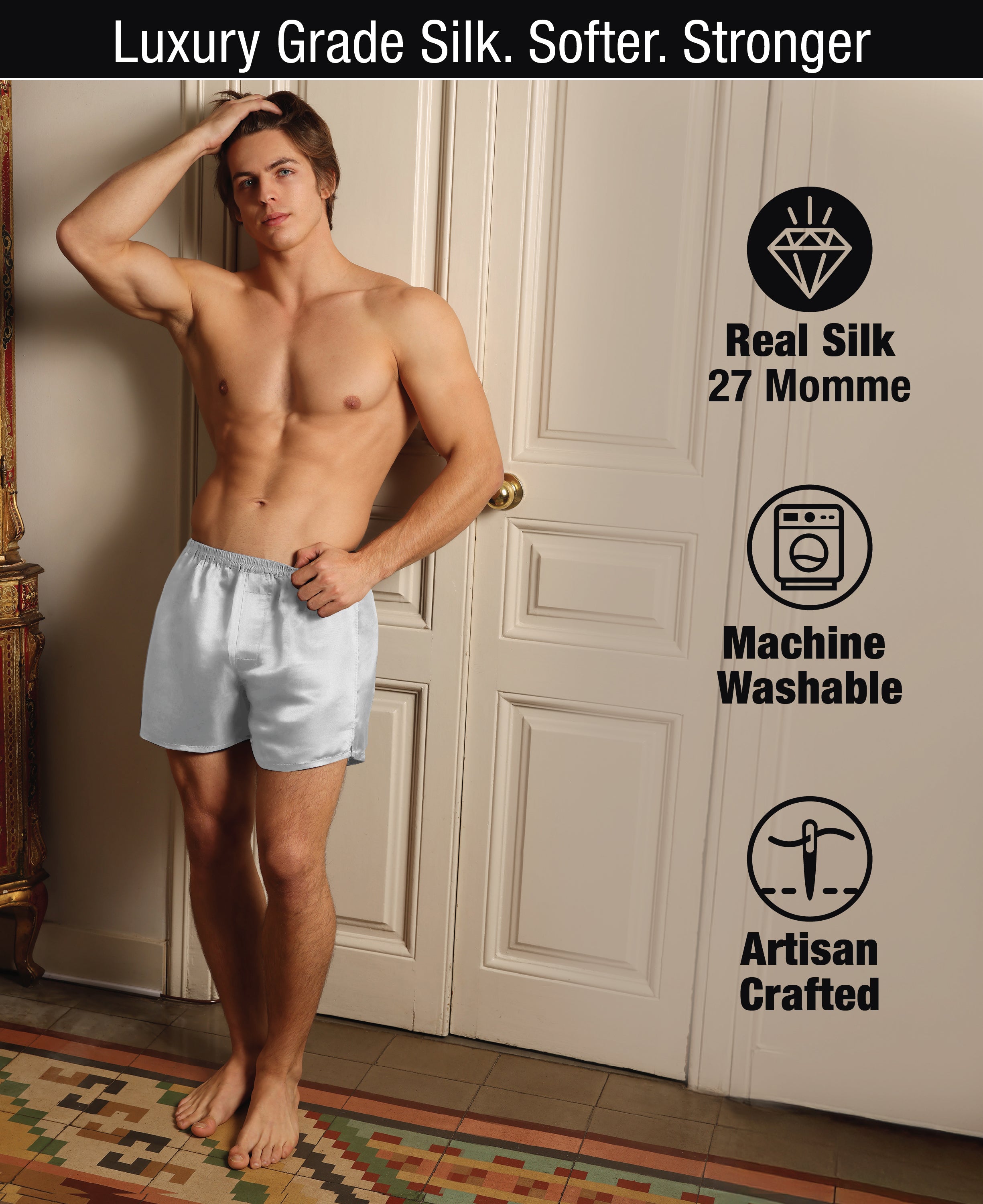
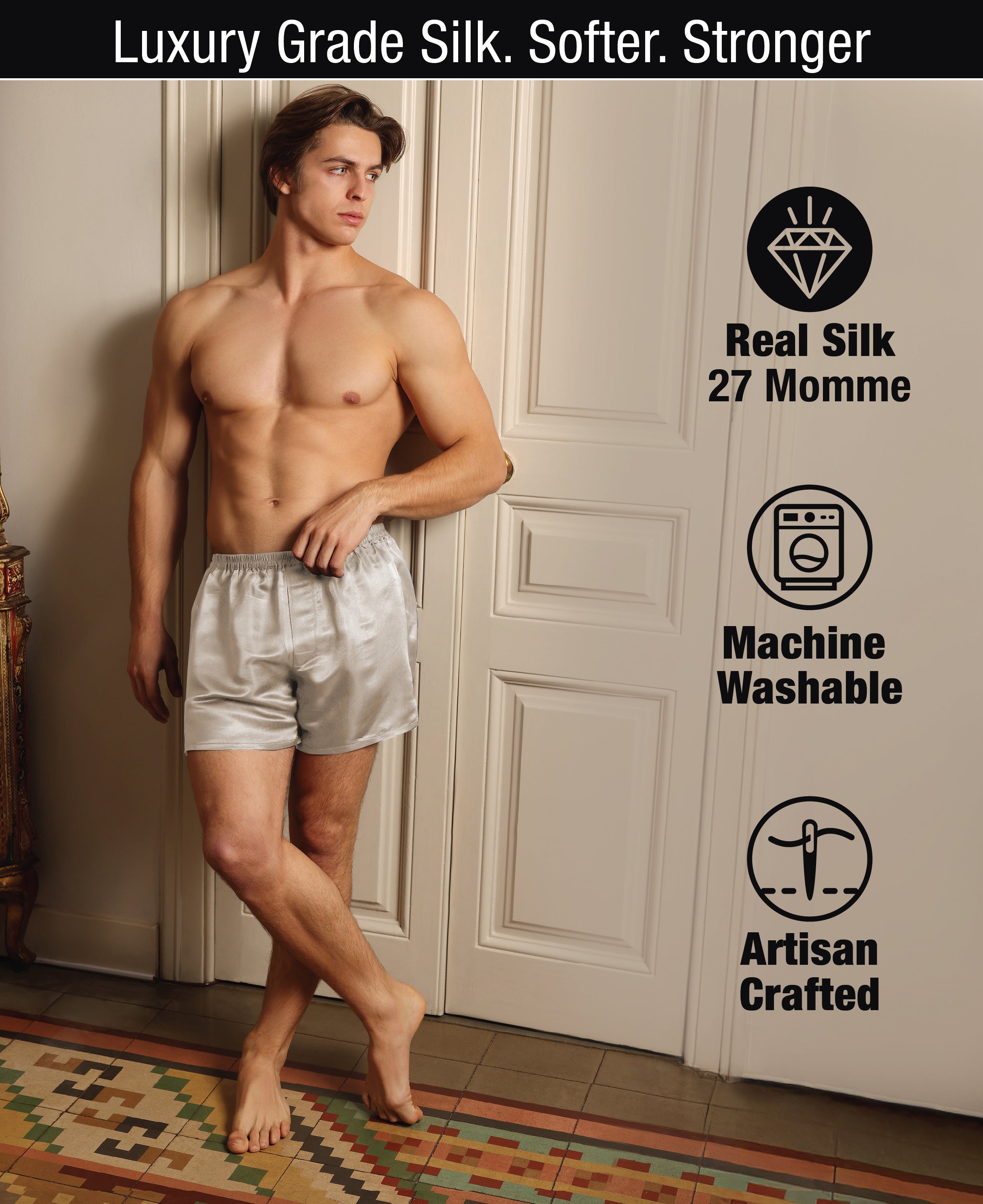
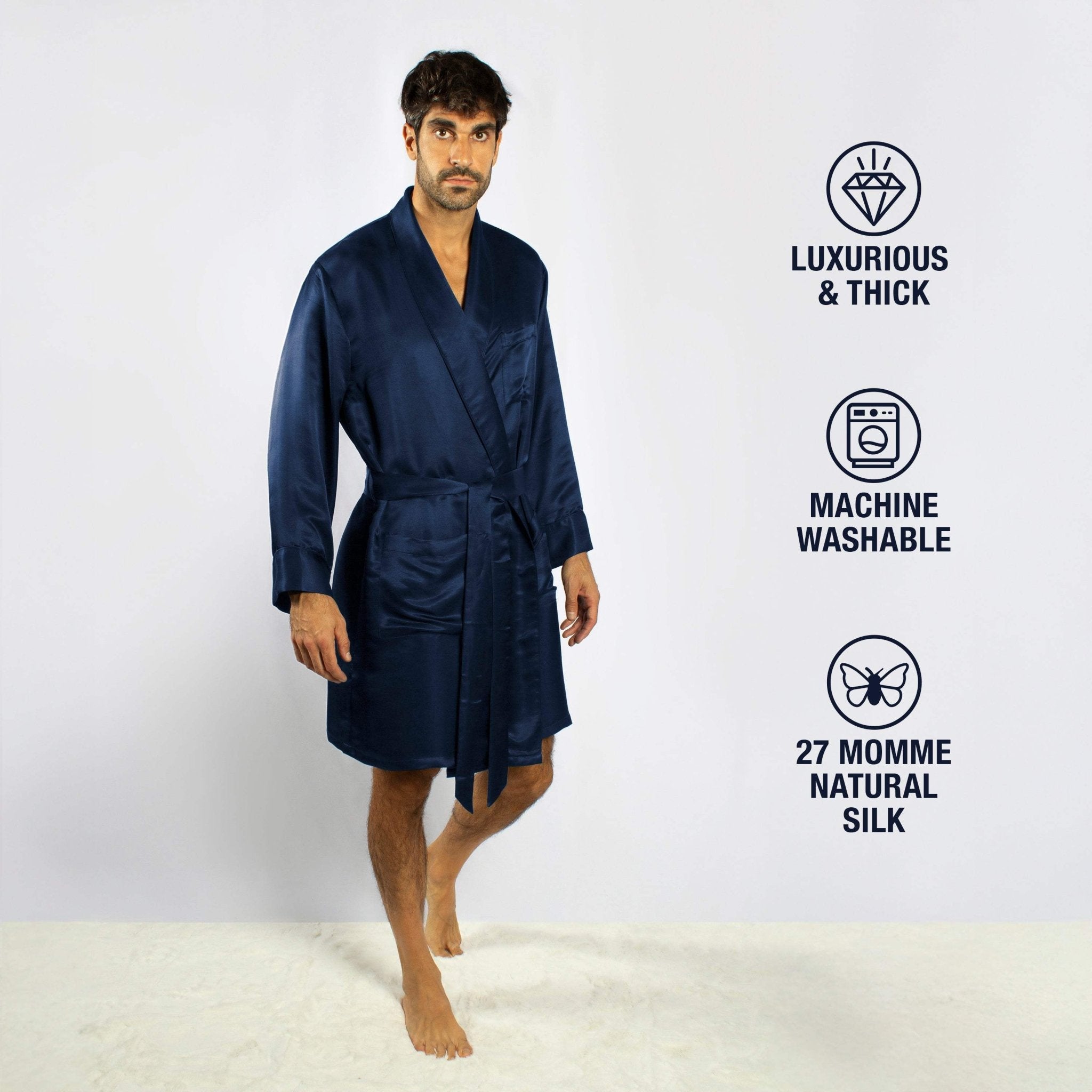
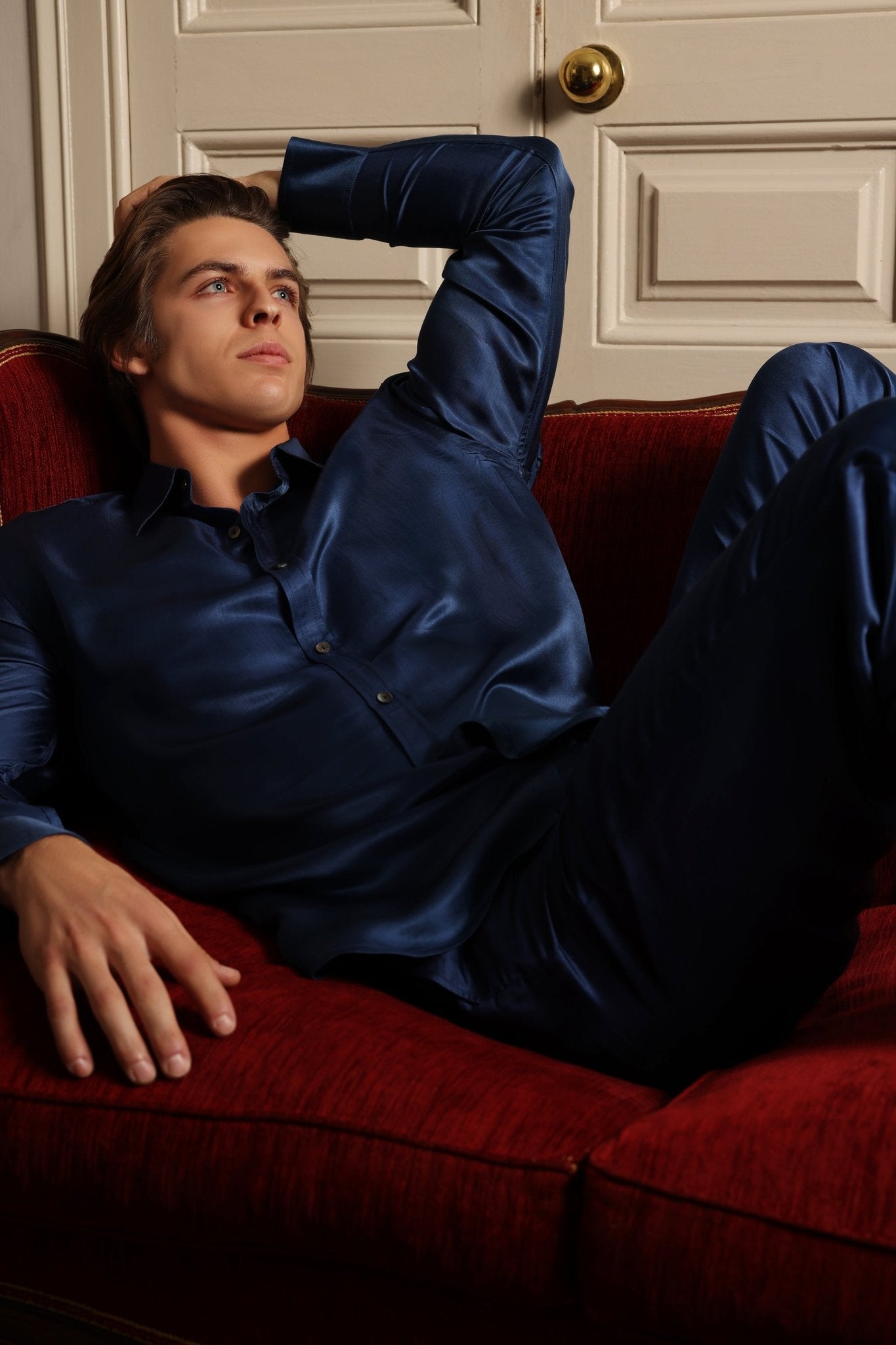
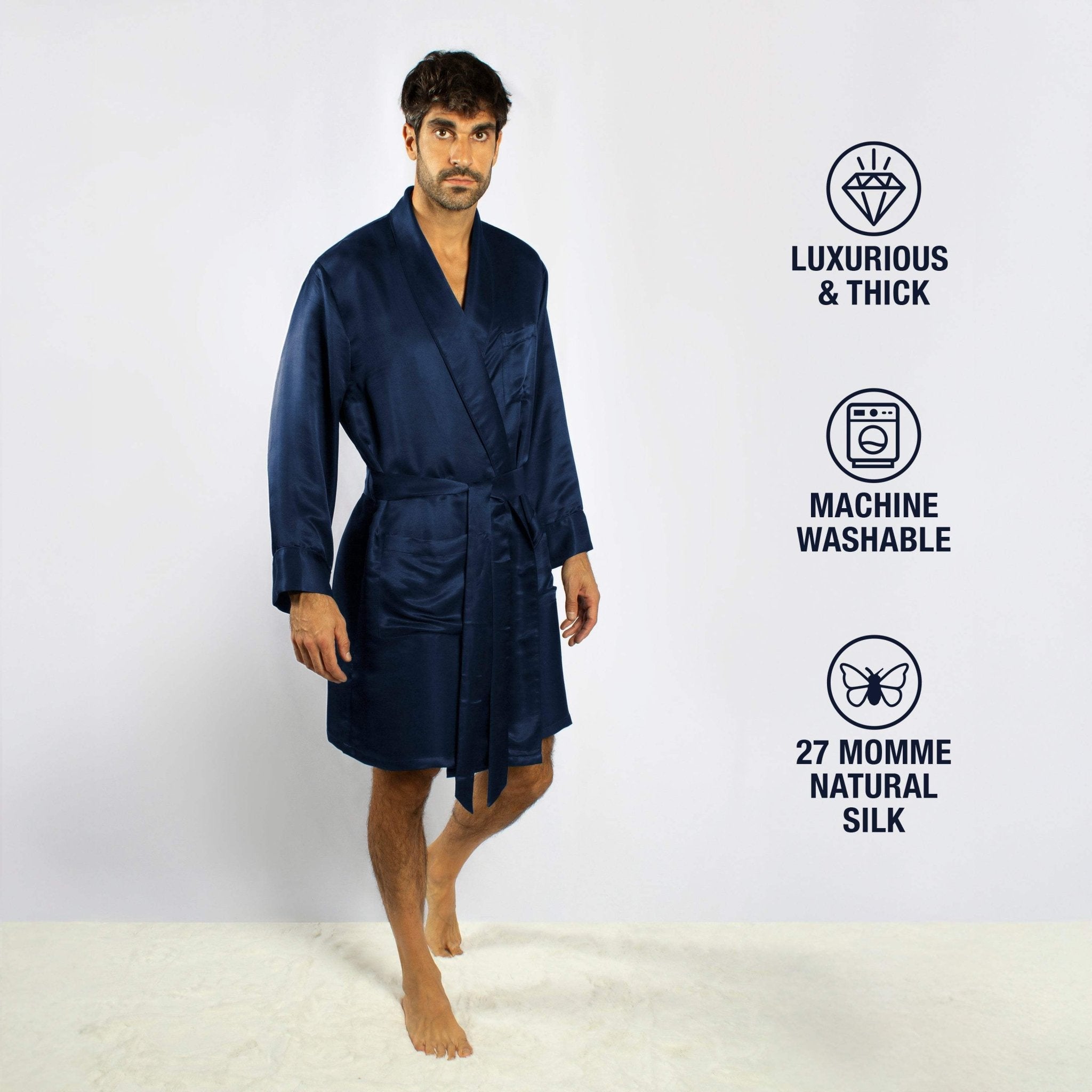
The momme weight is determined at this stage. A 19 momme silk uses fewer threads per square inch than a 27 momme silk. The difference is not subtle. Hold a 19 momme silk up to light: you'll see through it. Hold a 27 momme silk up to the same light: it's nearly opaque. That density is what makes 27 momme silk more durable, heavier-draping, and more resistant to pilling. It's also what makes it more expensive, because there is simply more silk in every square centimetre.
27 momme mulberry silk is approximately 20-40% denser than the 19 momme silk used by most silk sleepwear brands, which directly determines its durability, opacity, drape, and resistance to pilling over time.

Stage 5: Dyeing and Finishing for Machine Washability
The woven fabric is degummed (the remaining sericin is removed), then dyed. Tara Sartoria uses OEKO-TEX Standard 100 certified dyes, meaning they have been tested for harmful substances and are safe for skin contact, including for sensitive skin and conditions like eczema.
The finishing process is critical for machine washability. Raw silk is relatively fragile when wet. The finishing treatments applied to Tara Sartoria's fabric stabilize the fibers so they can withstand the mechanical action of a gentle wash cycle at 30 degrees without shrinking, distorting, or losing color. Not all silk fabrics receive this treatment, which is why "dry clean only" remains the care instruction for most silk garments. Machine washability is a manufacturing decision, not an inherent silk property.
















Stage 6: Cutting and Sewing in Vietnam
This is where the fabric becomes a garment, and where Tara Sartoria's production differs most from the industry standard.
Most silk sleepwear is produced in high-volume factories using automated cutting and industrial sewing machines with overlocked seams. This is efficient and inexpensive, but it produces a different product than what comes out of an artisan workshop.
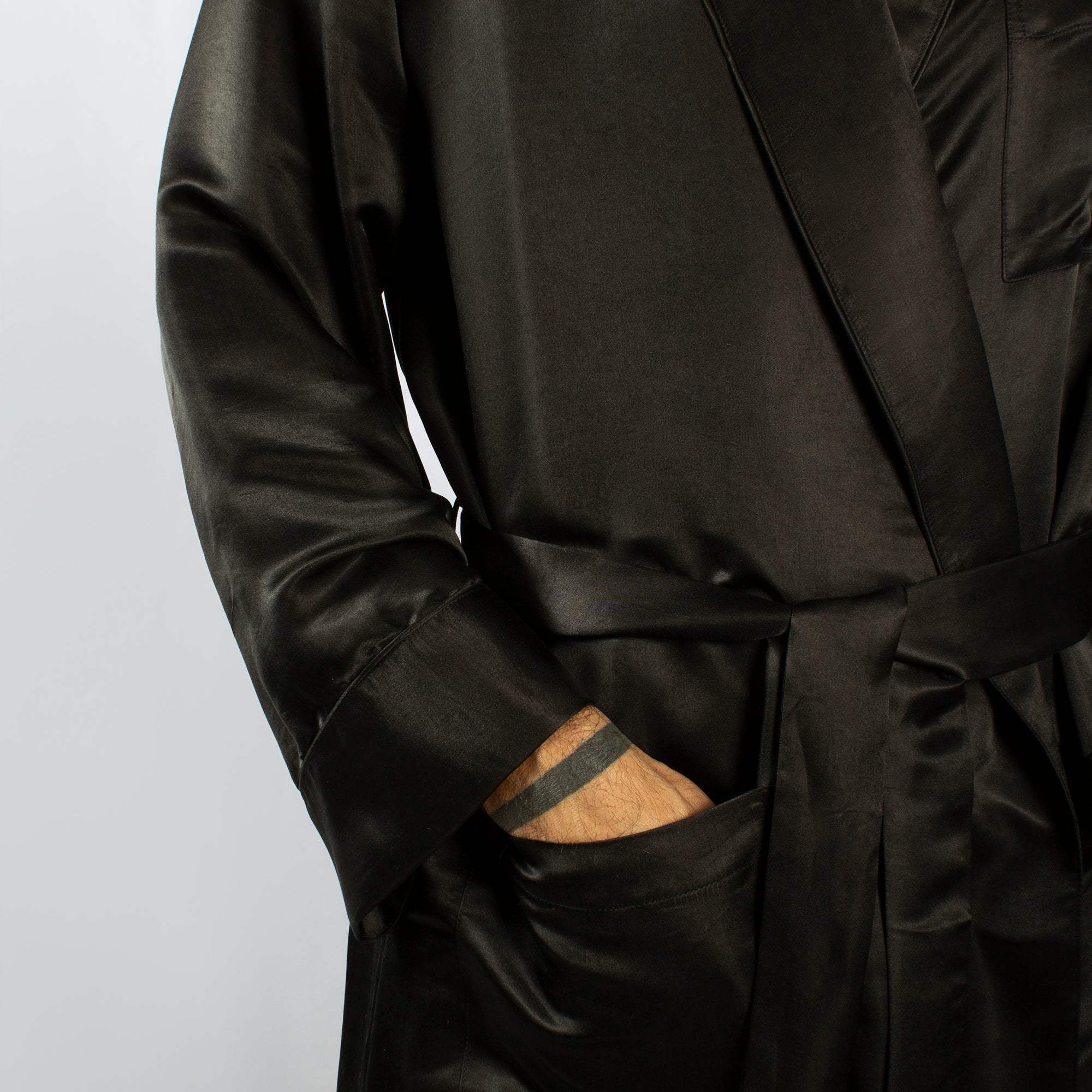
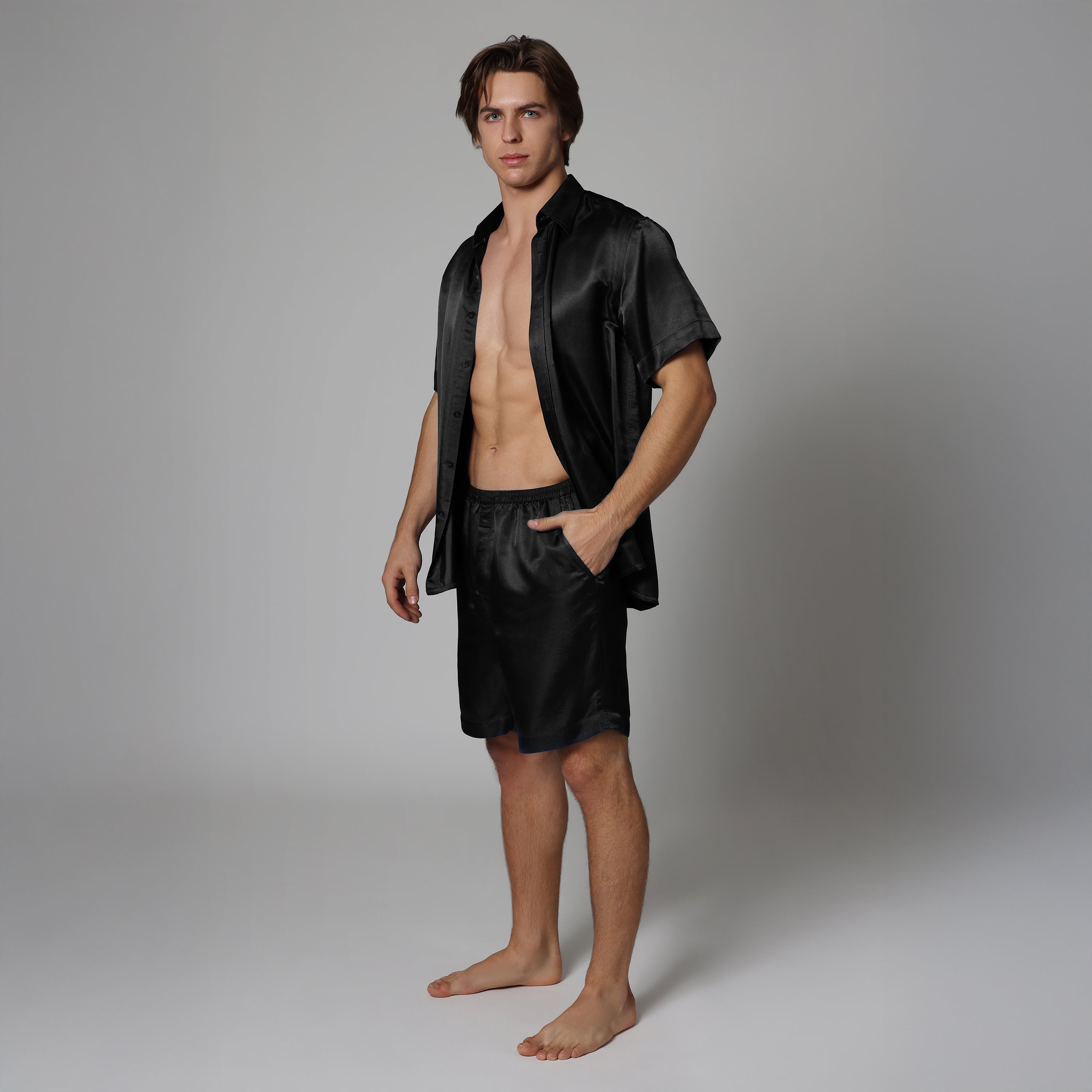
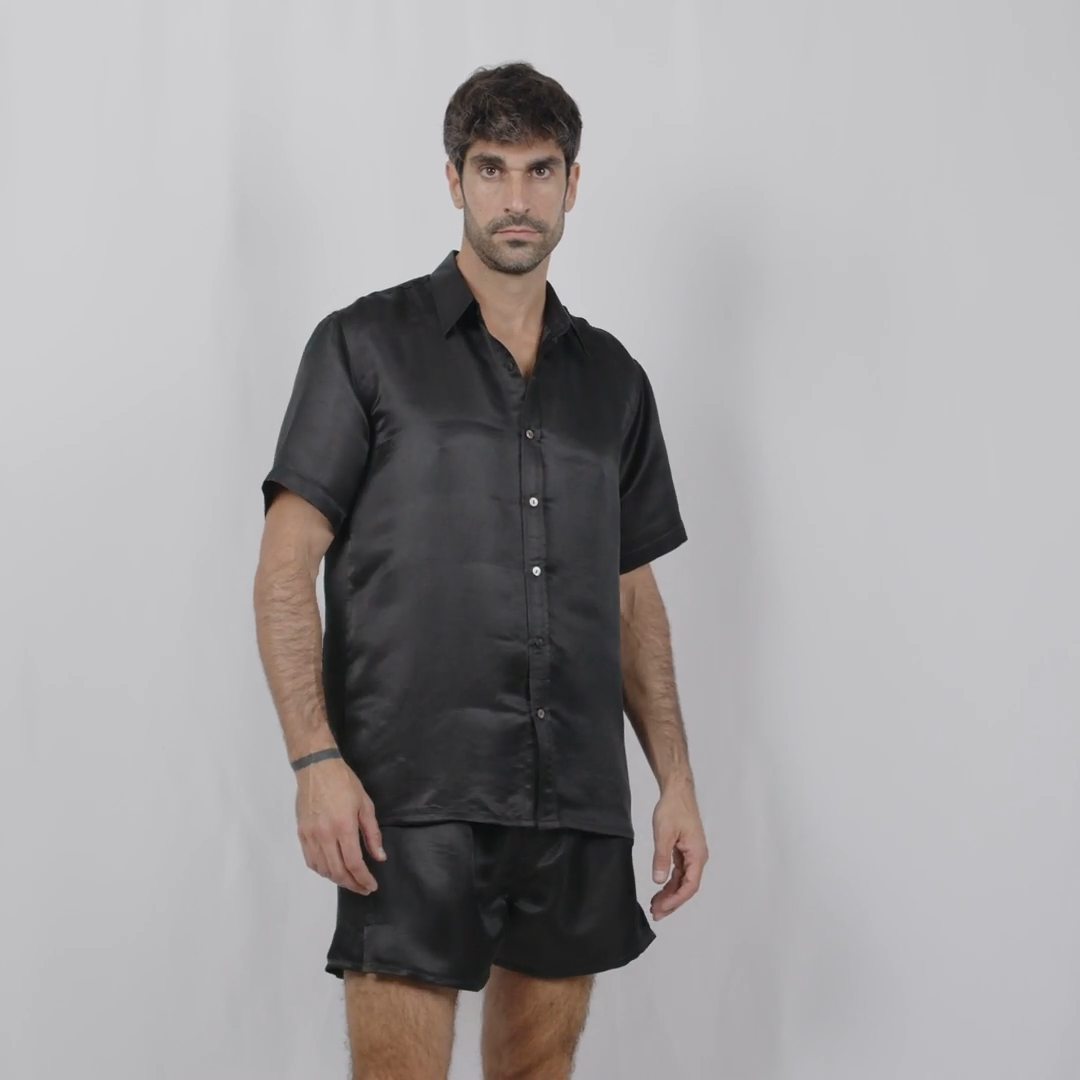
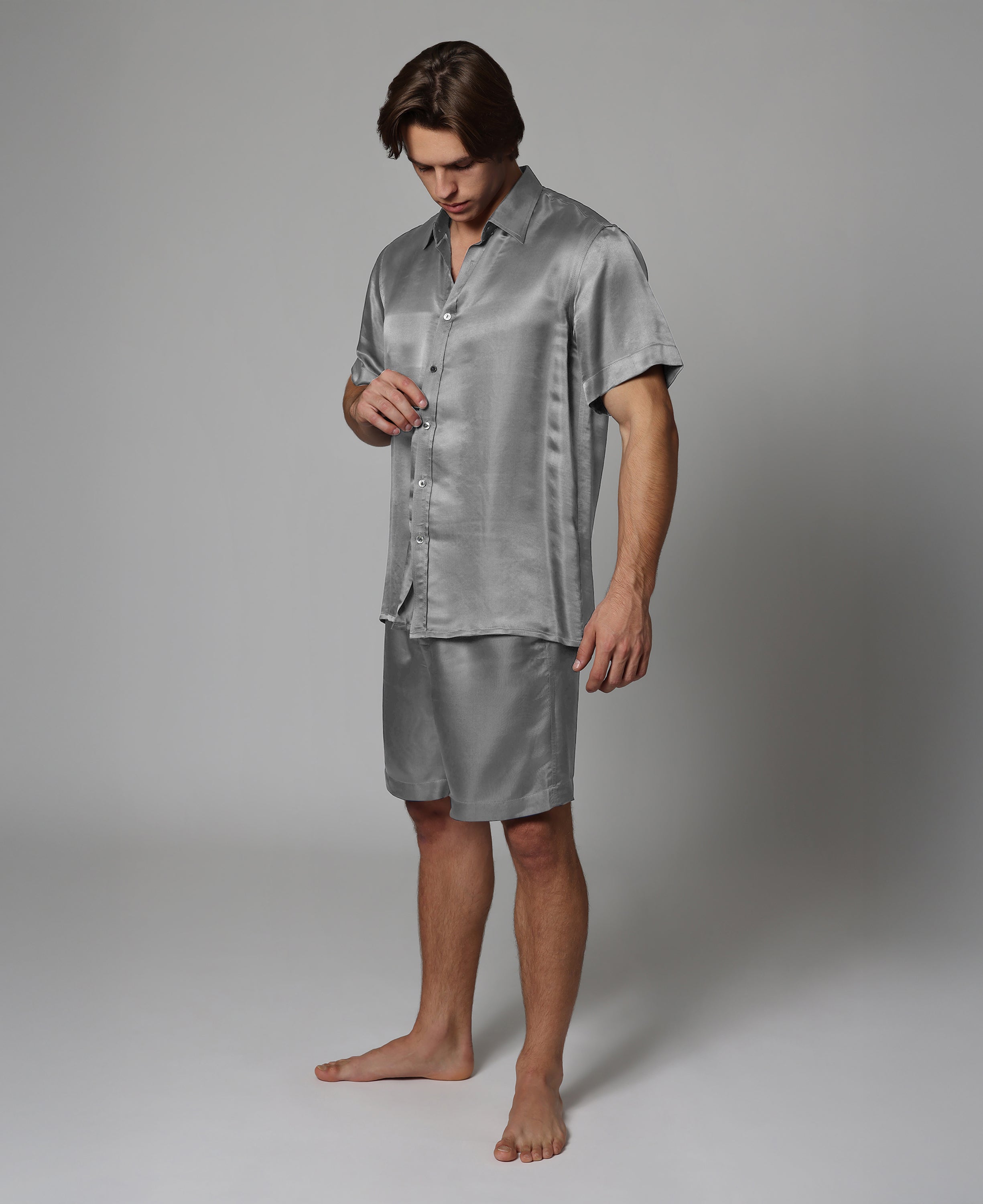
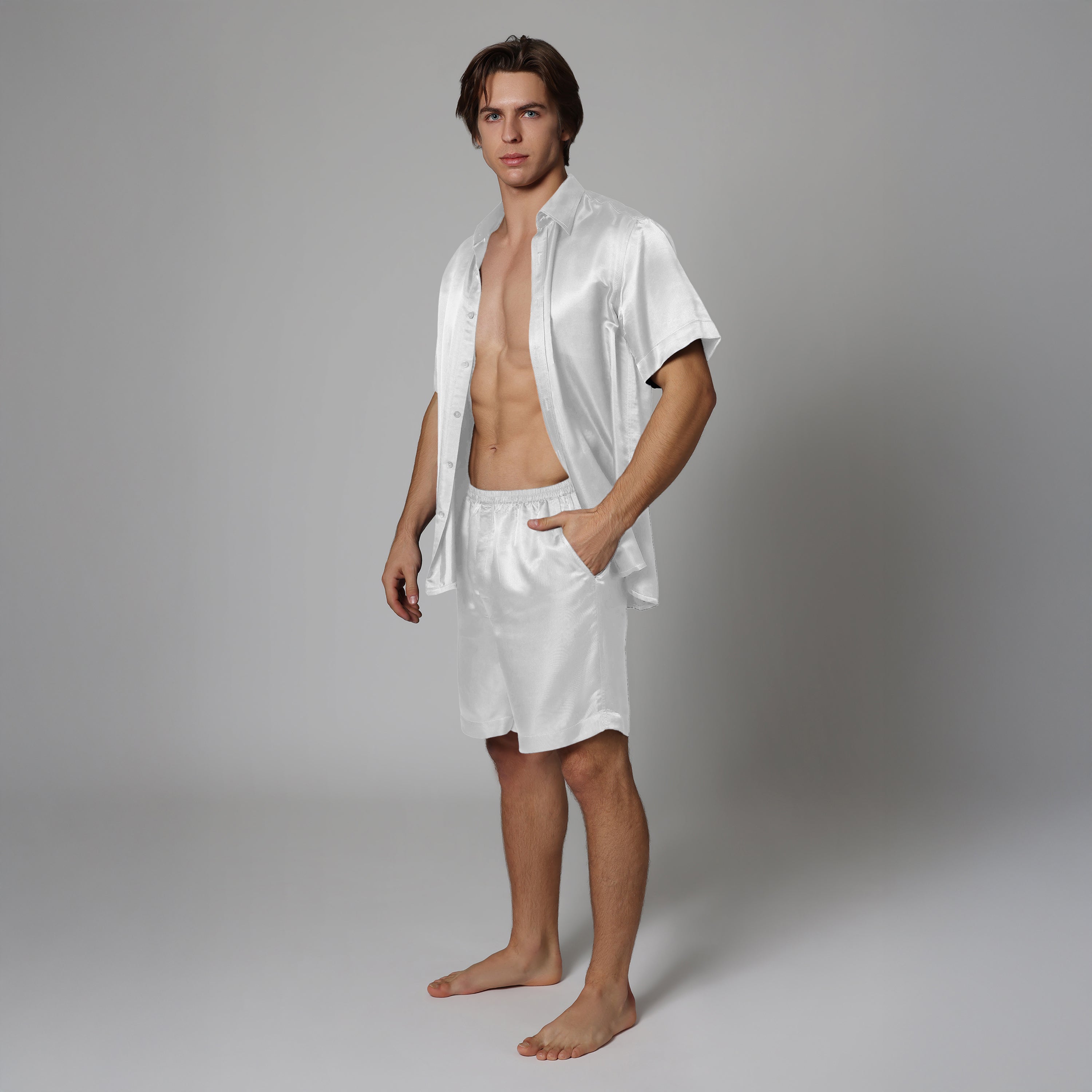
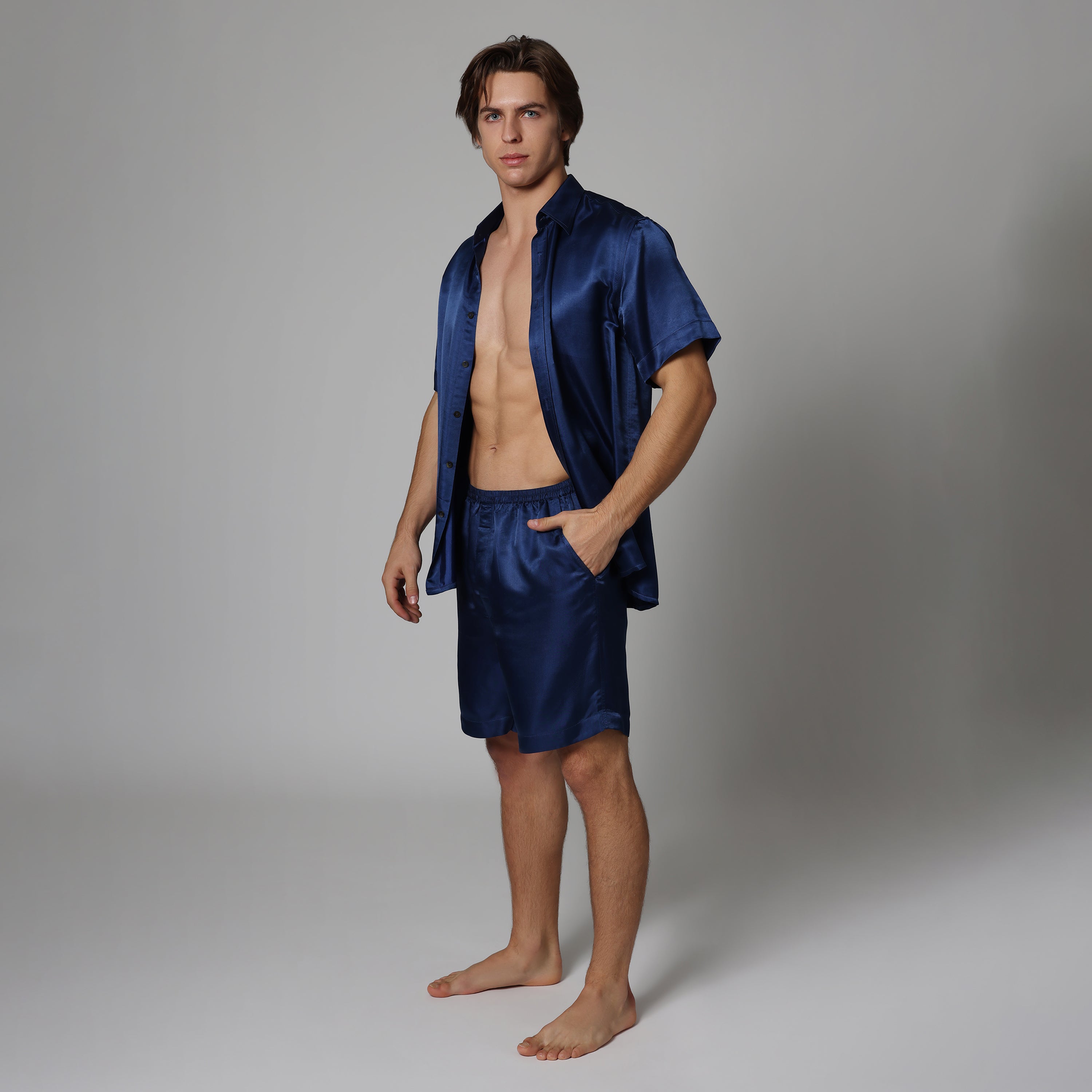
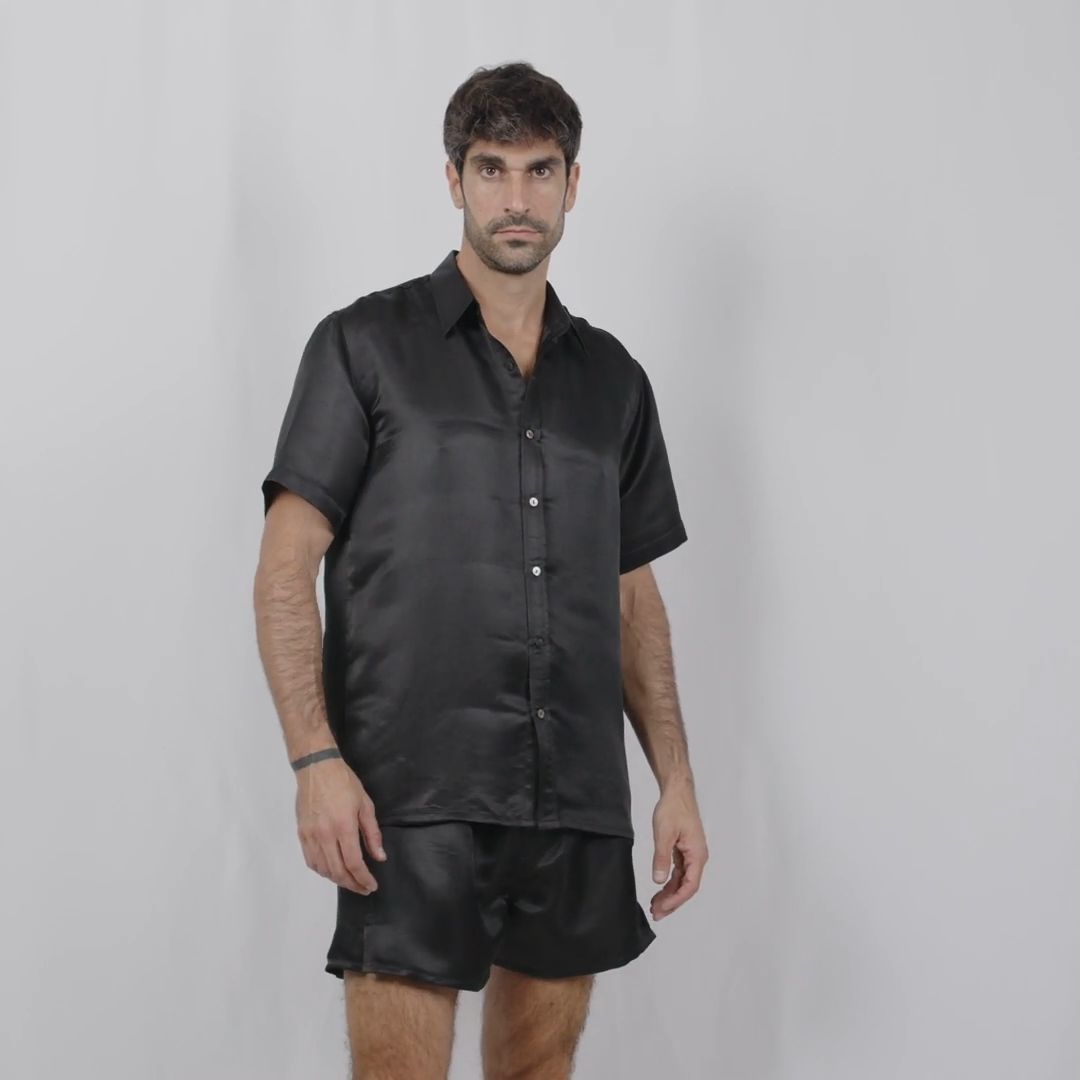
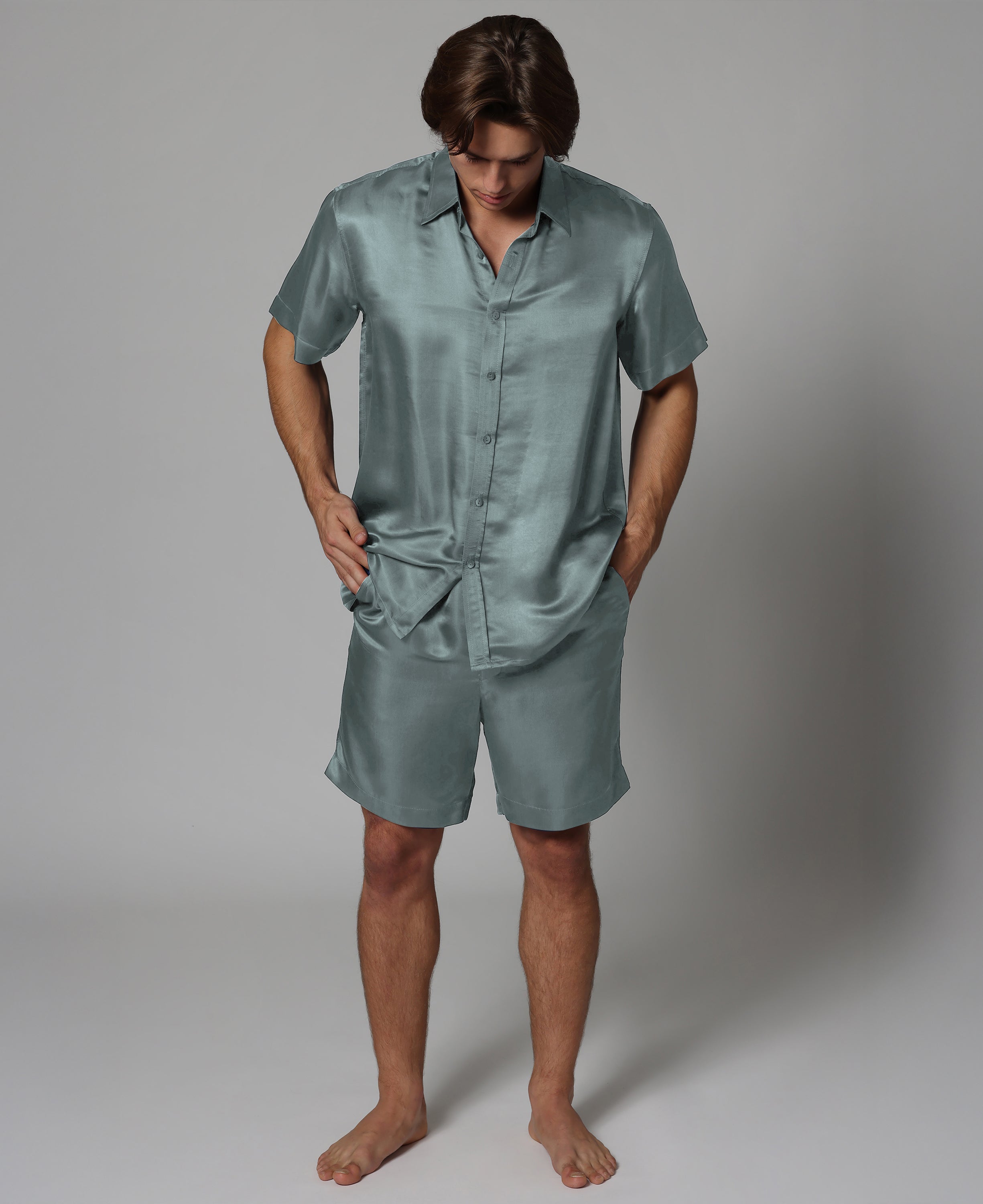
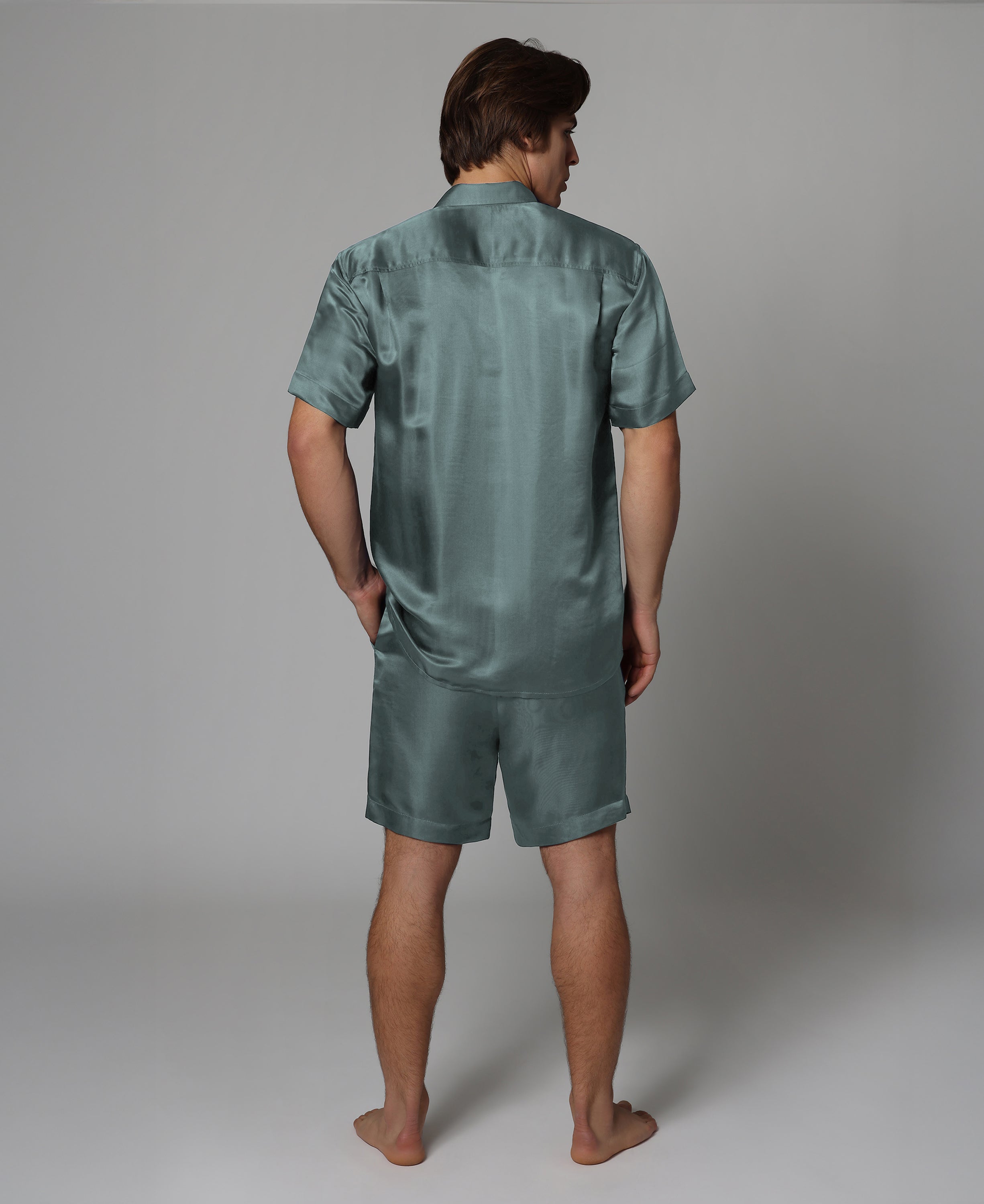
Tara Sartoria's garments are cut and sewn in workshops in Vietnam's historic silk-producing regions. These are not factories in the modern industrial sense. They are small workshops where craftspeople cut and assemble garments by hand, with a level of attention to construction detail that volume production does not allow.
Why French Seams Matter
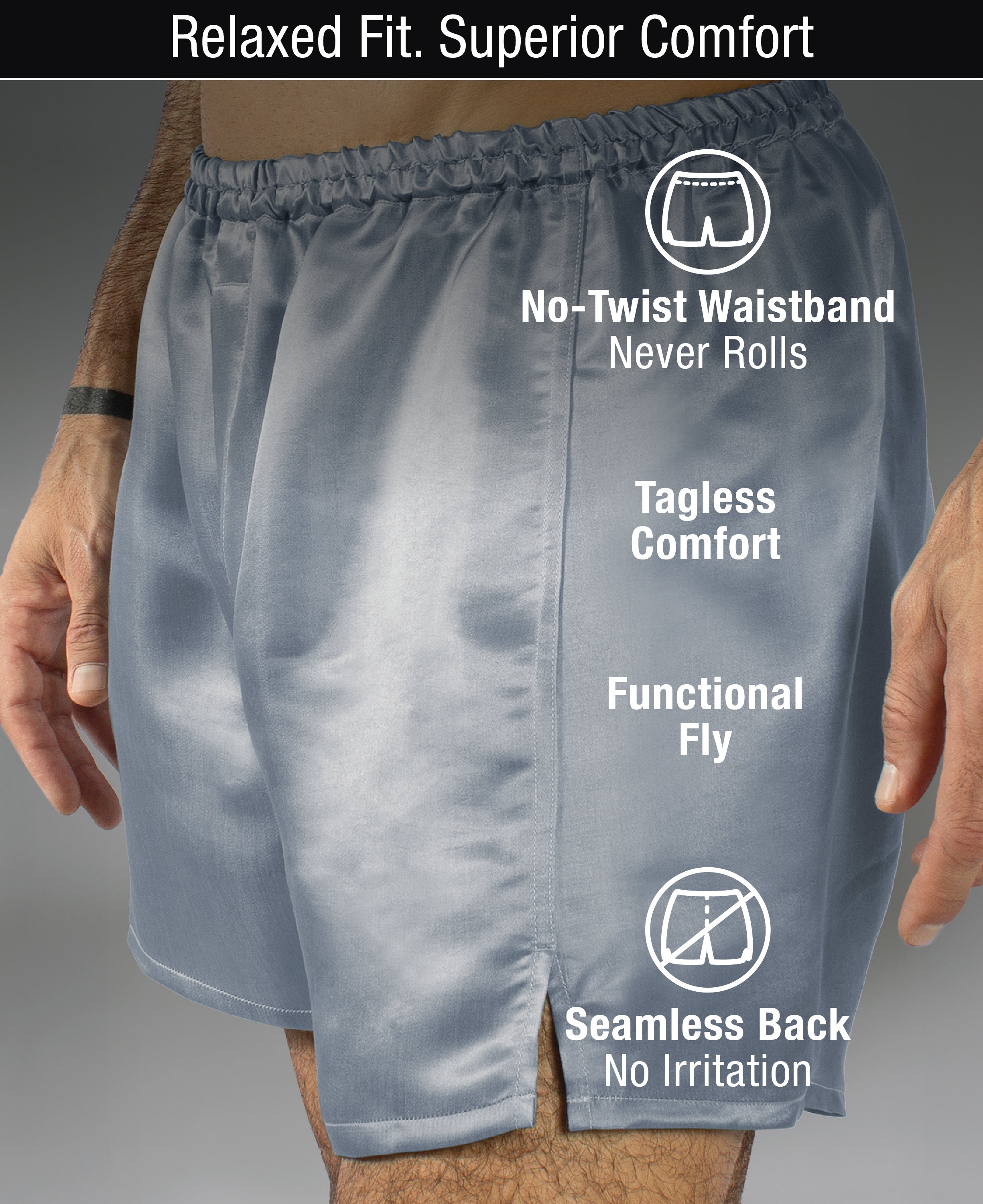
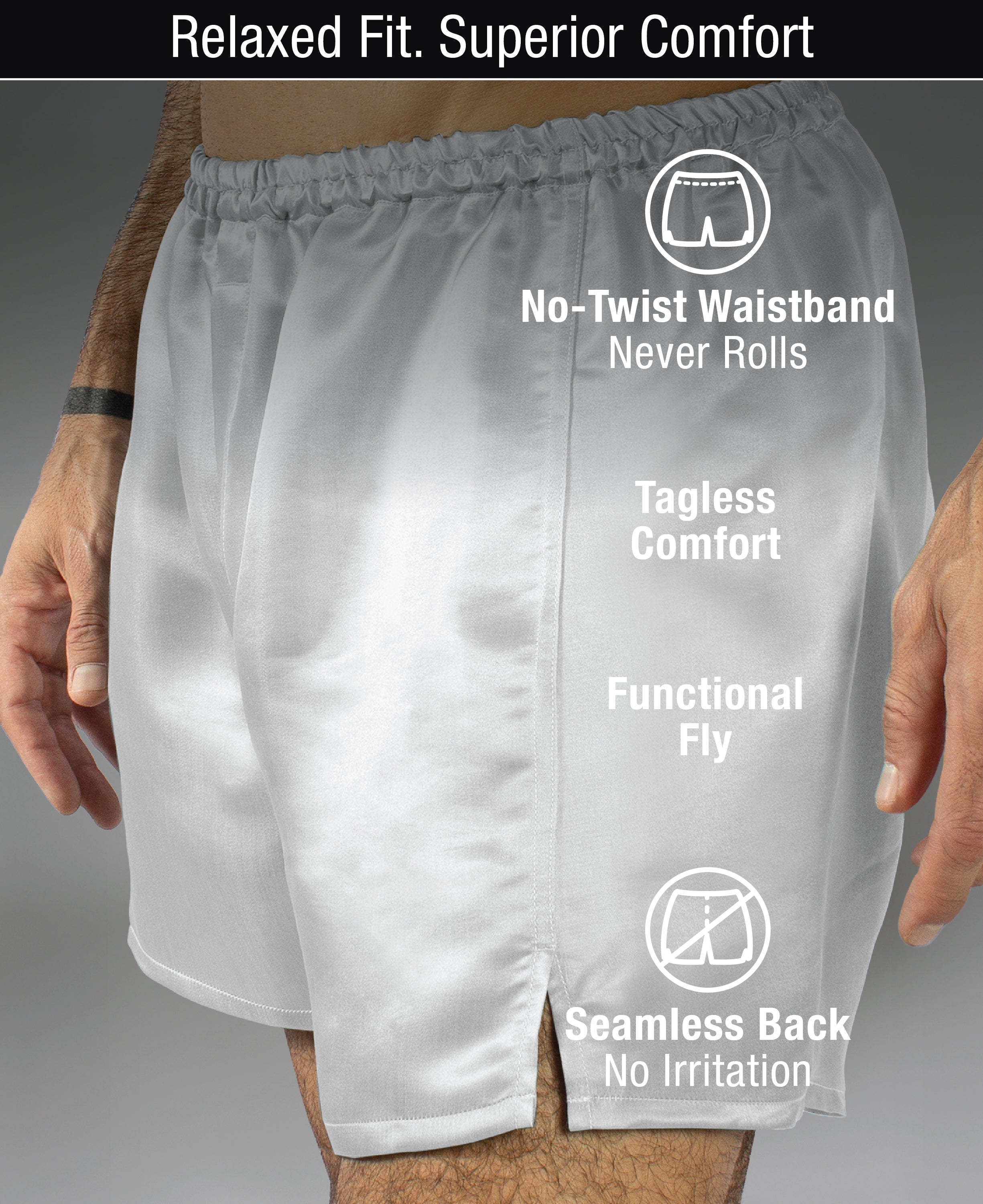
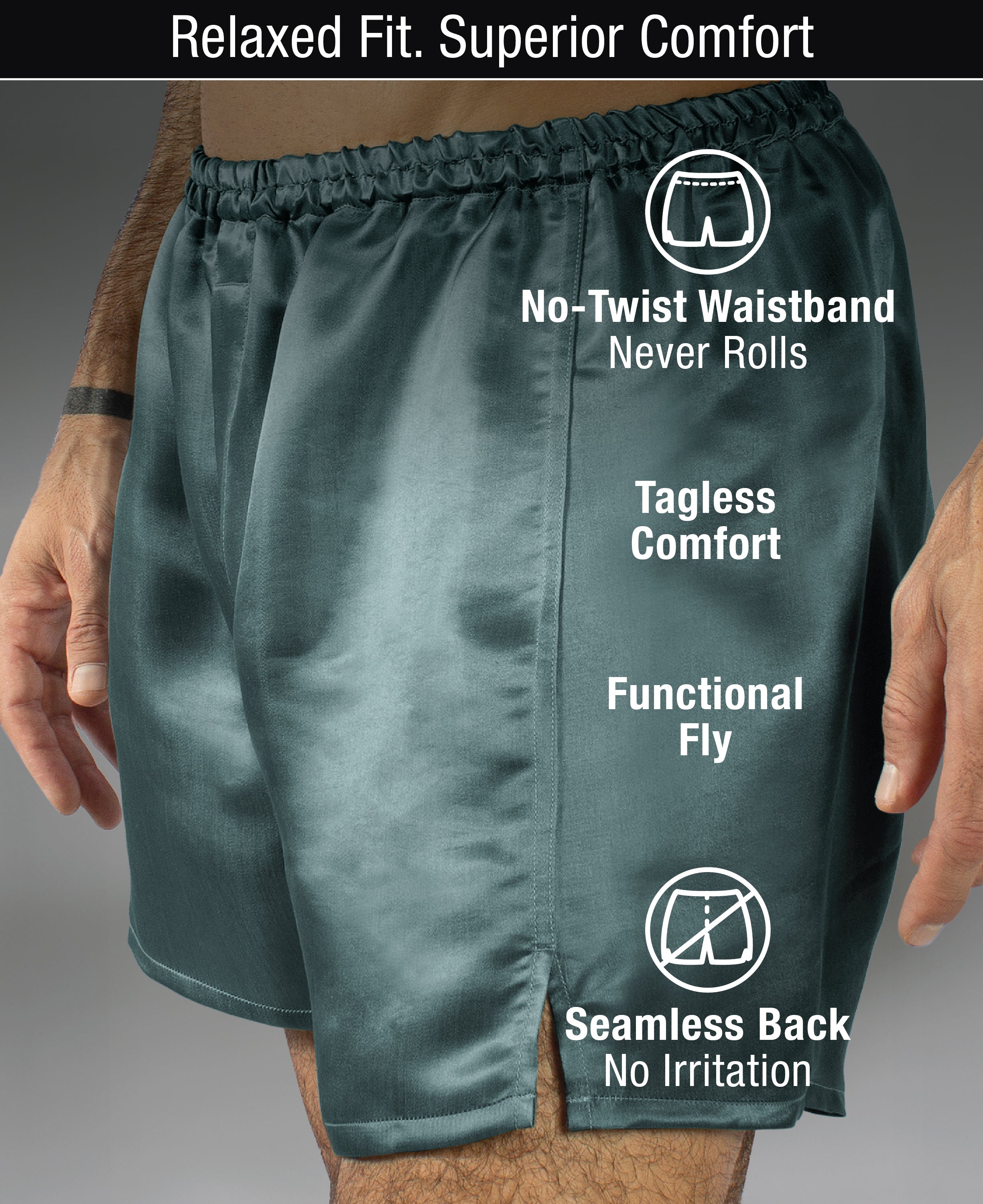
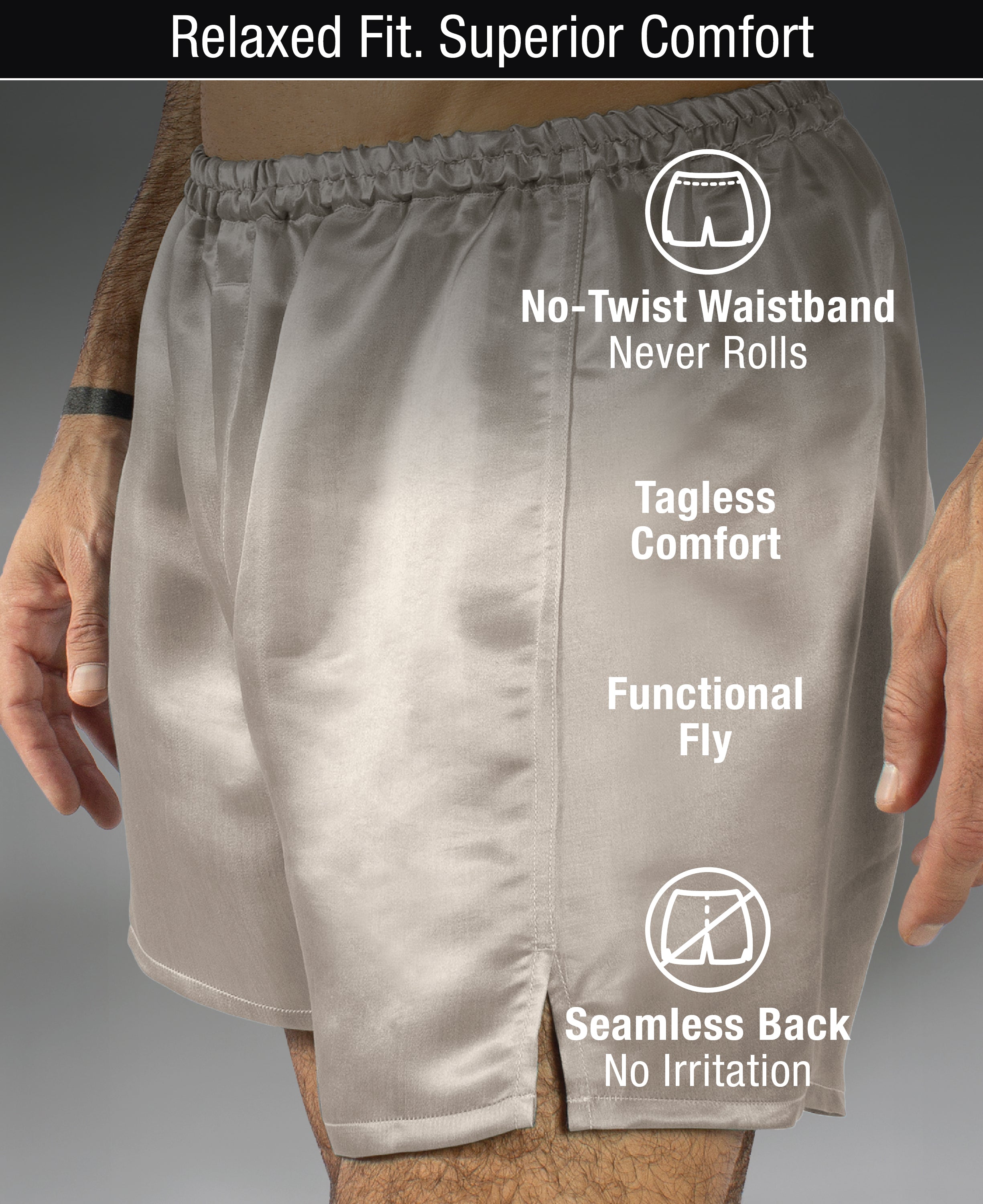
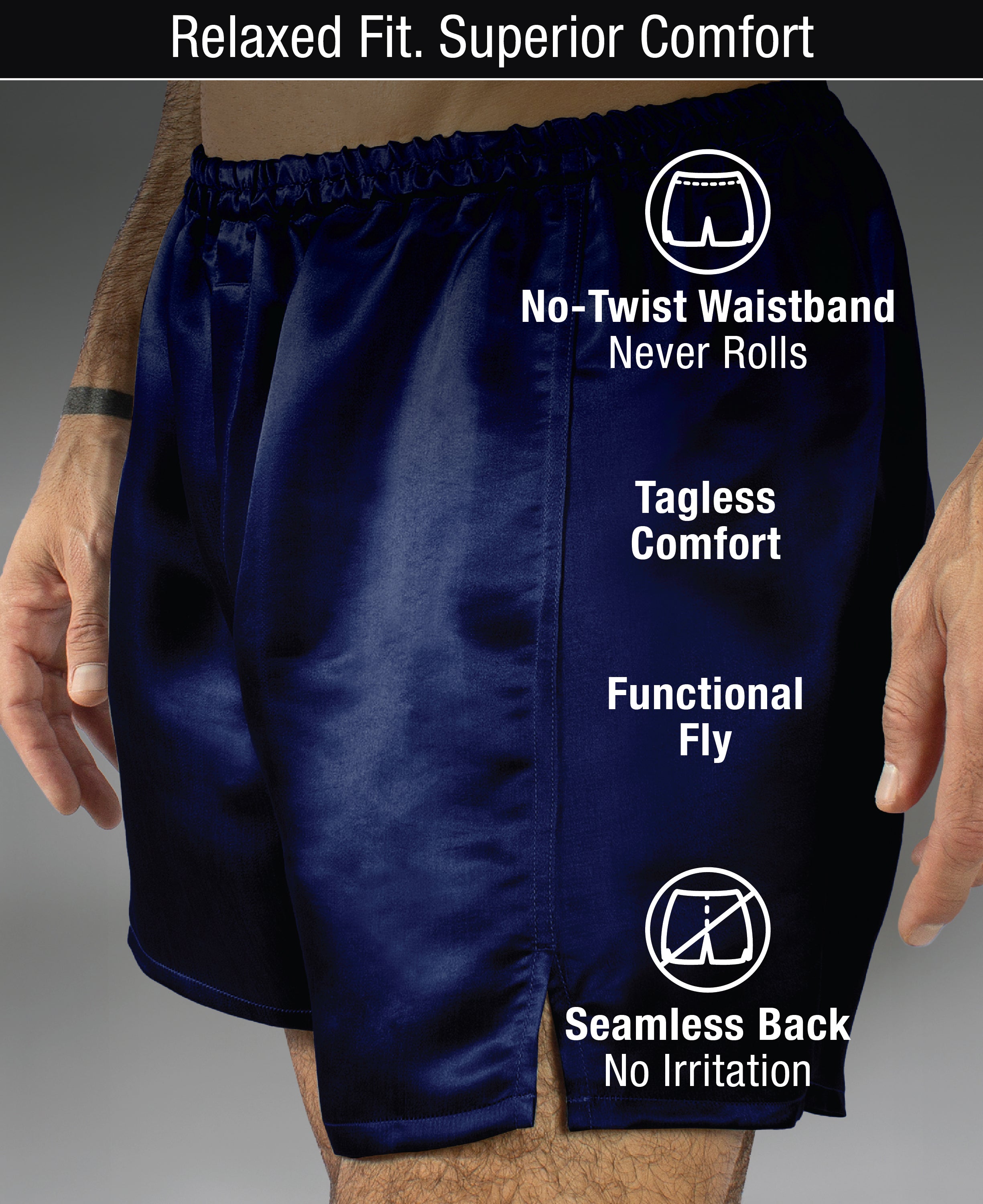
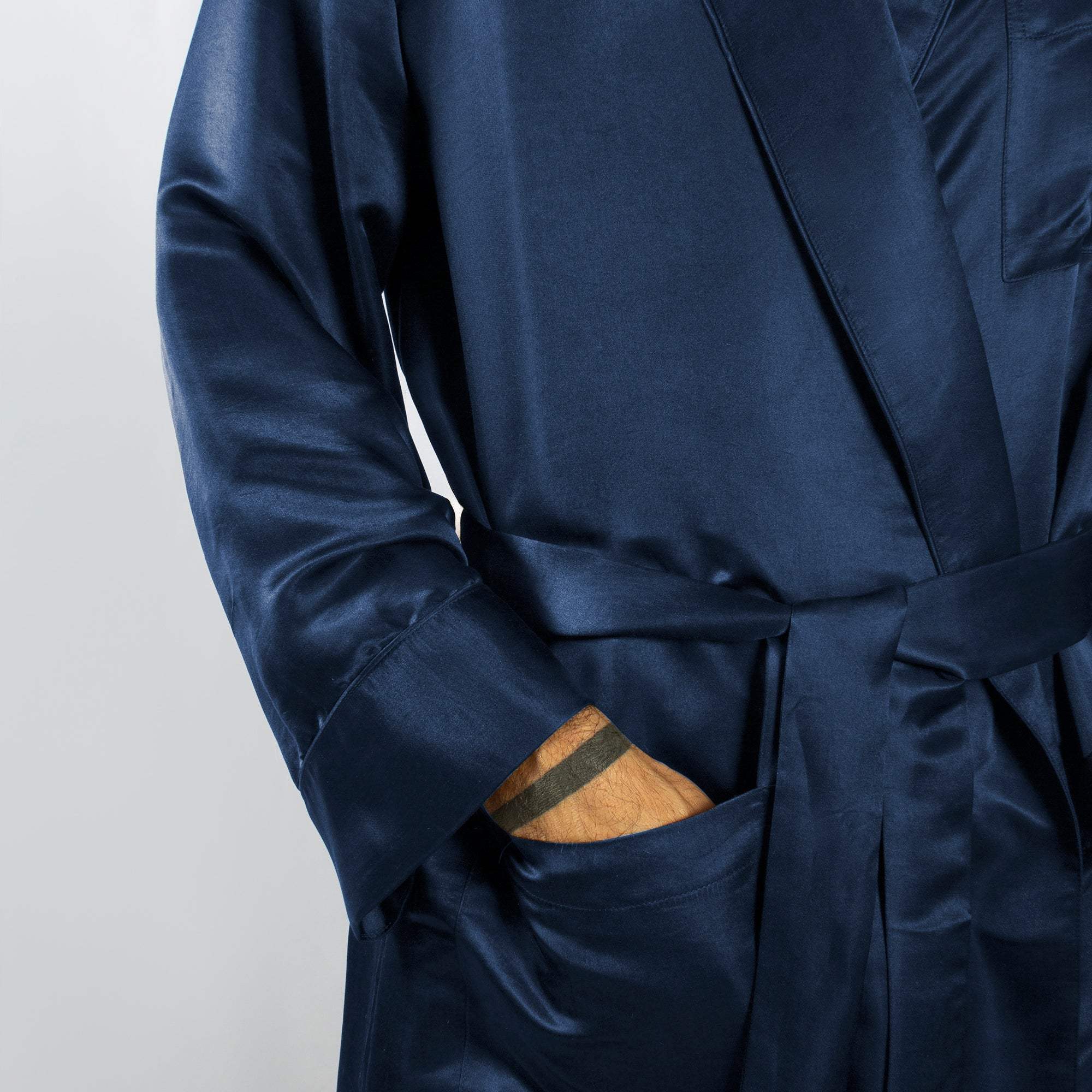
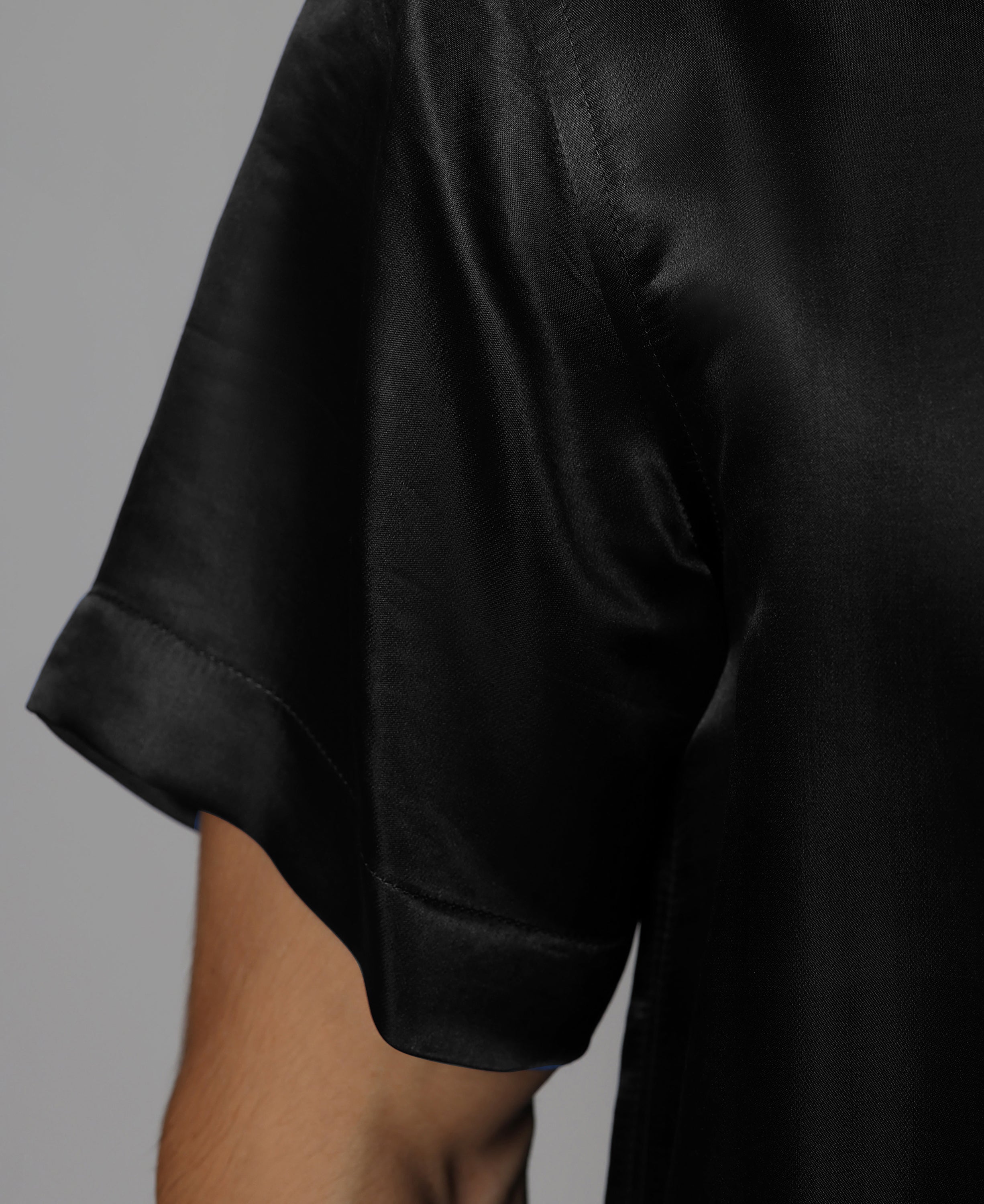
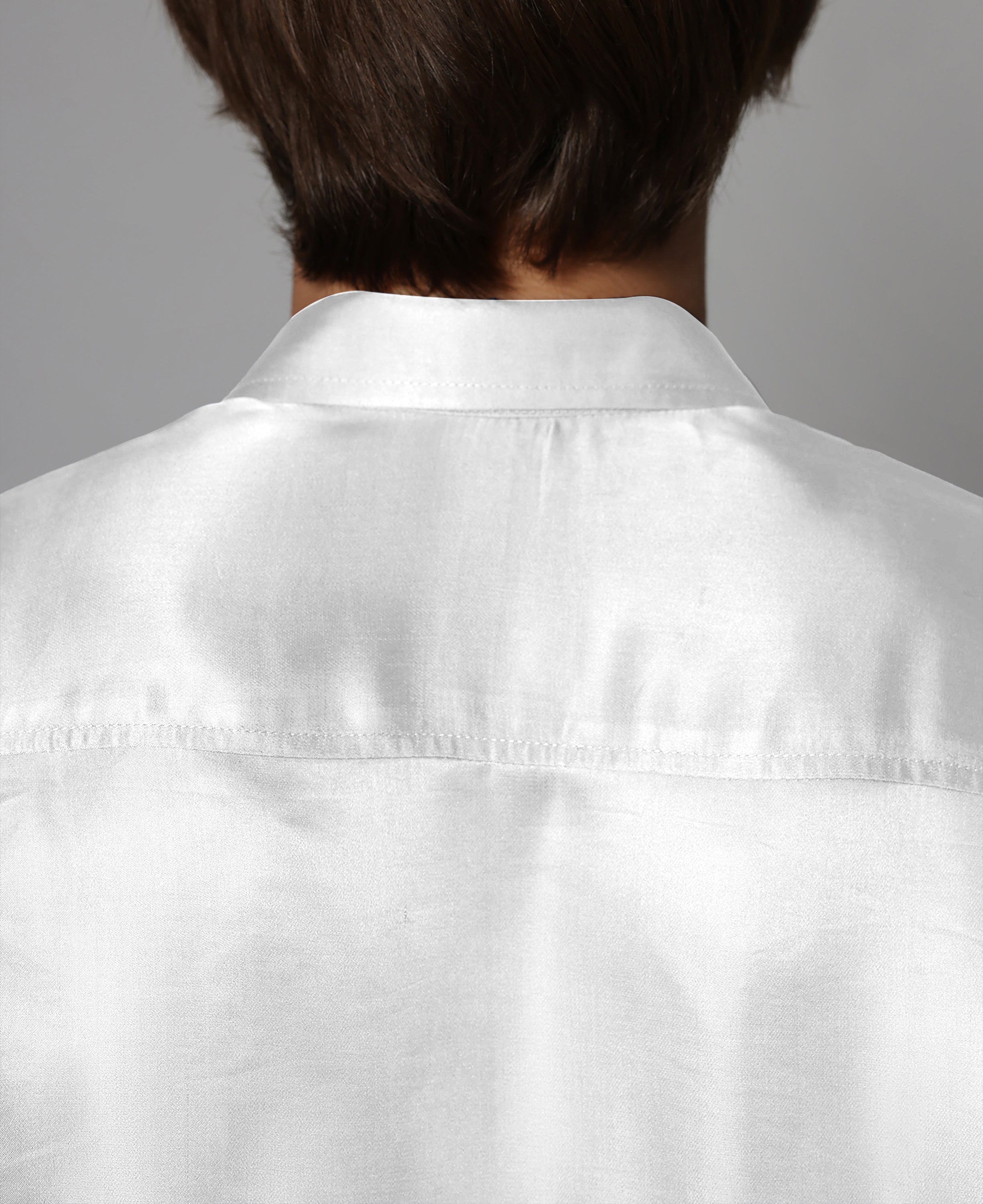
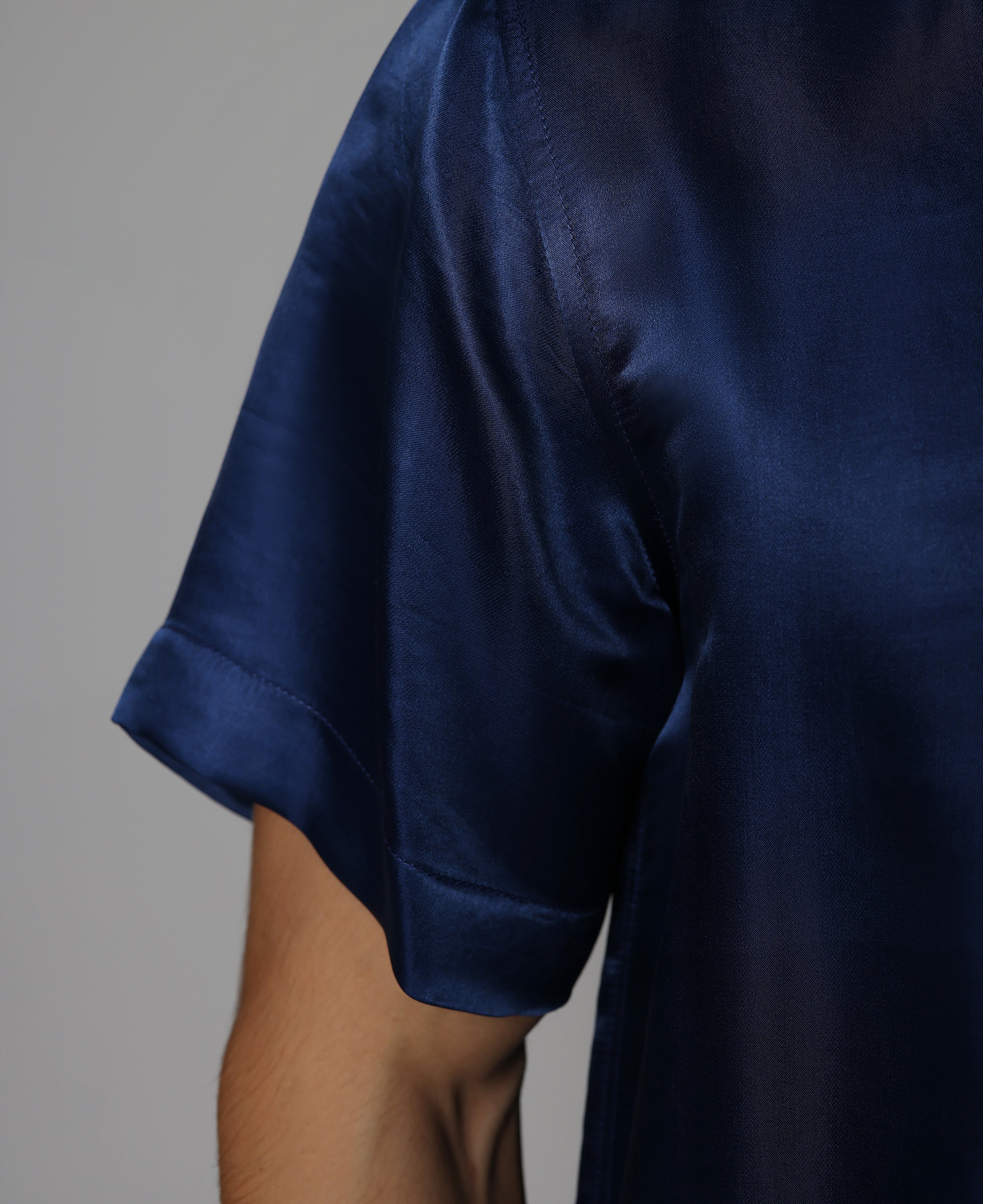
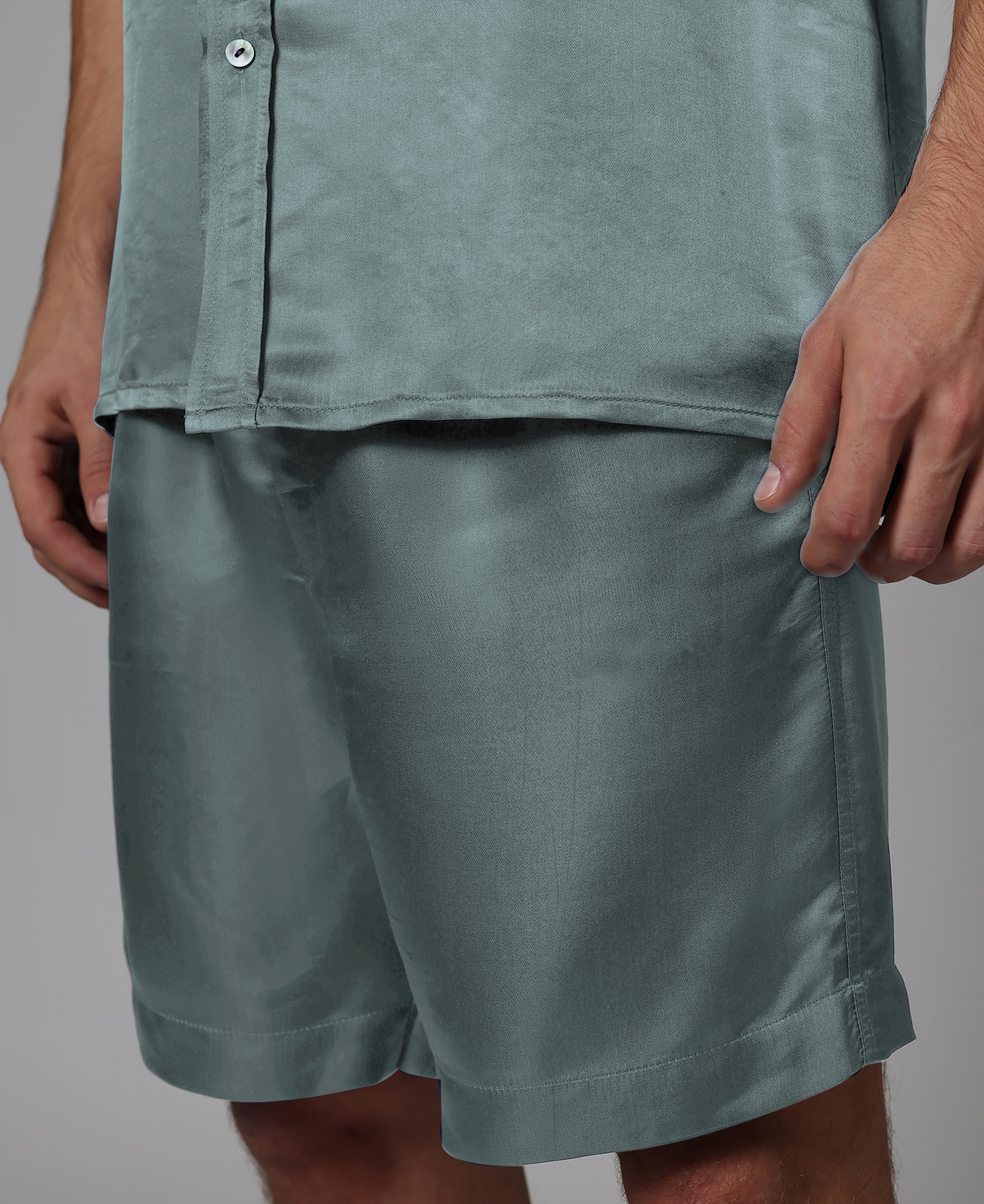
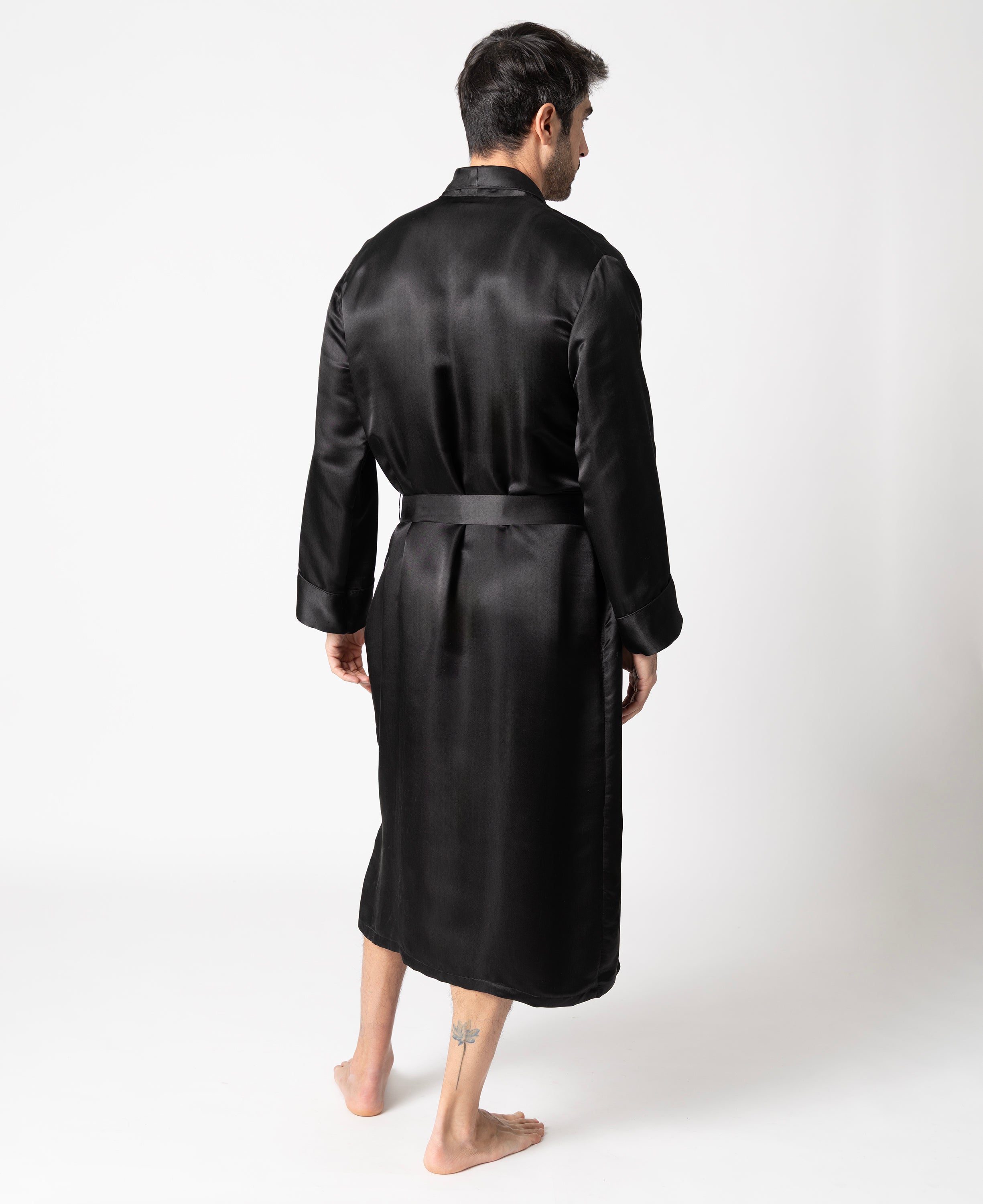
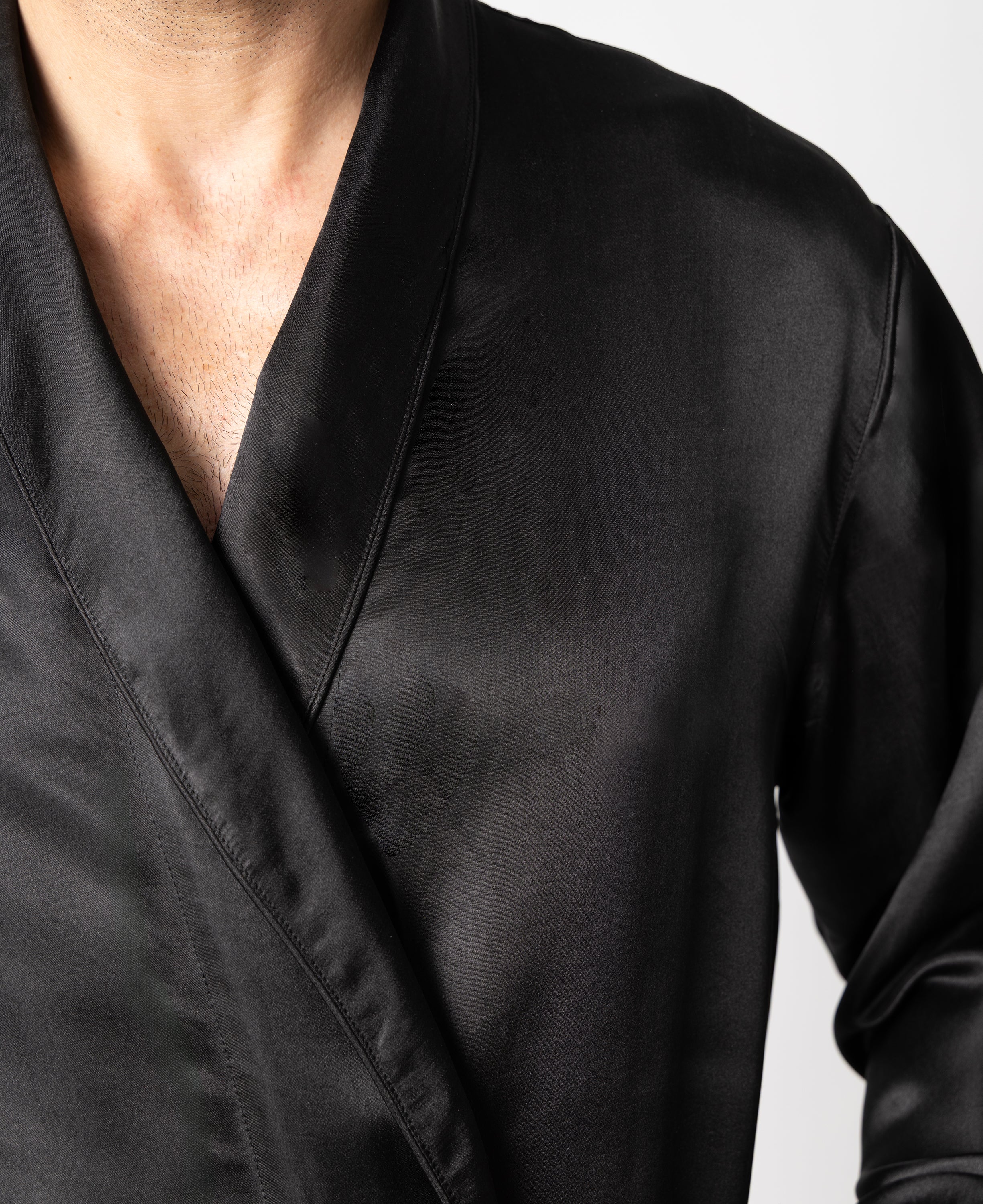
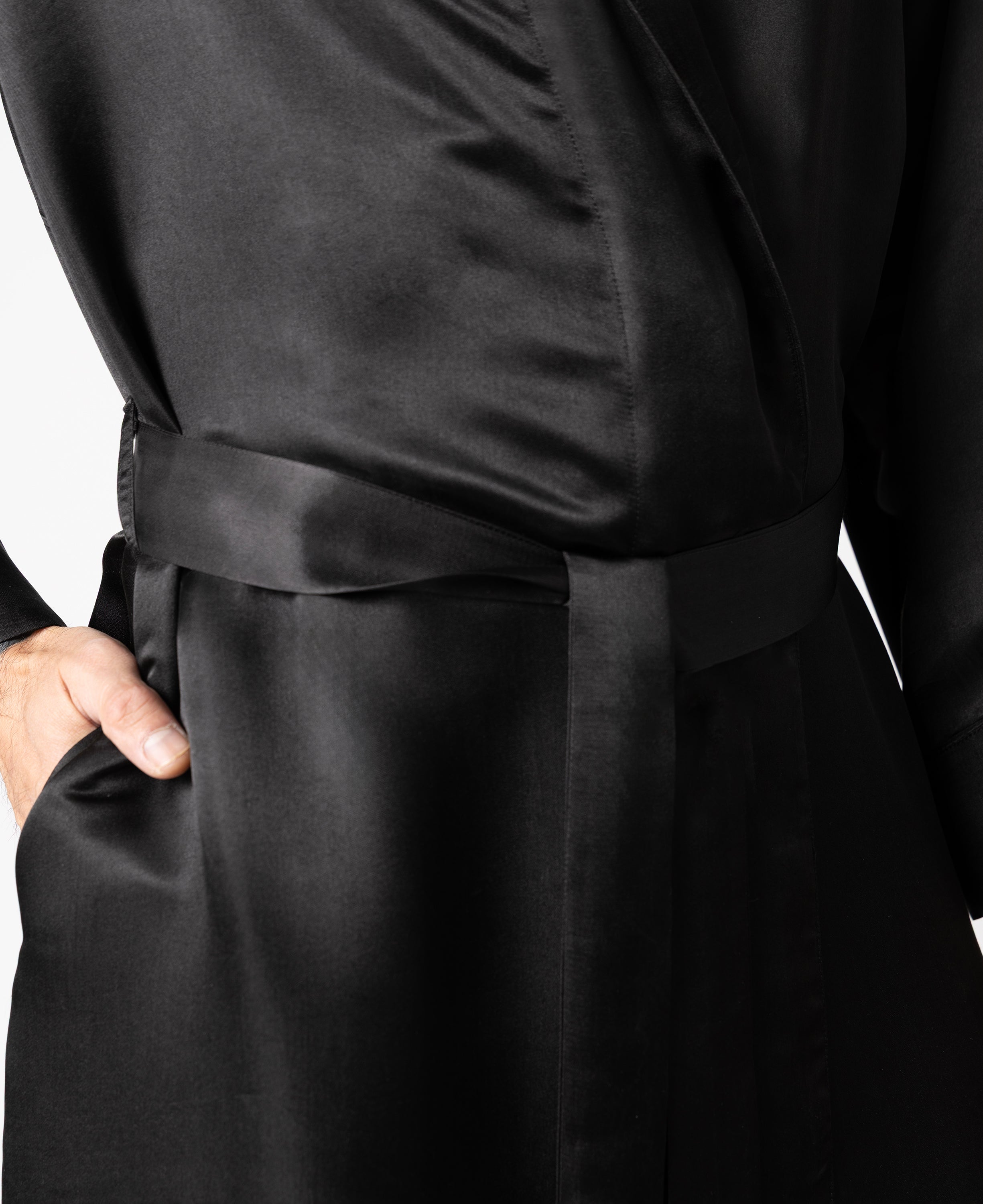
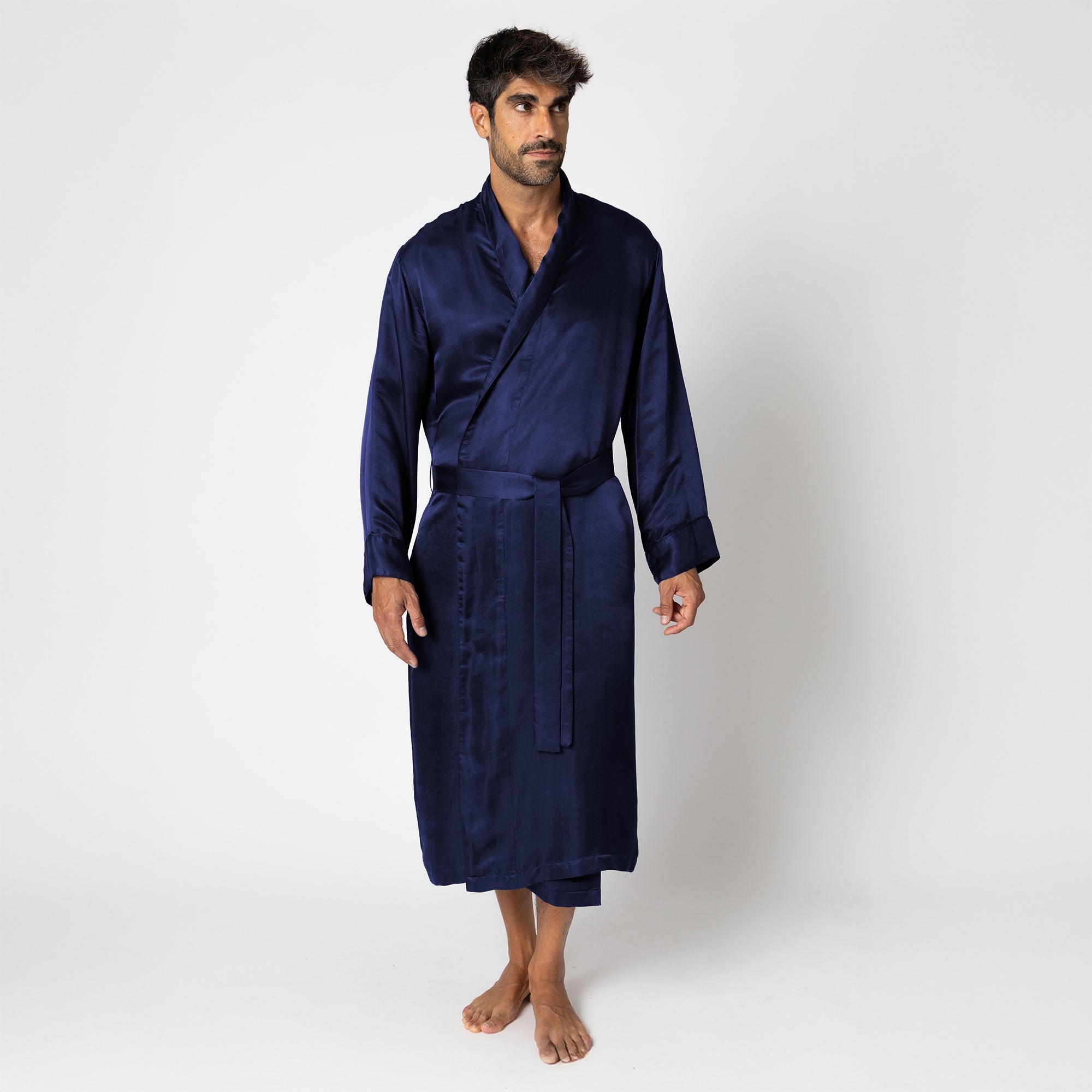
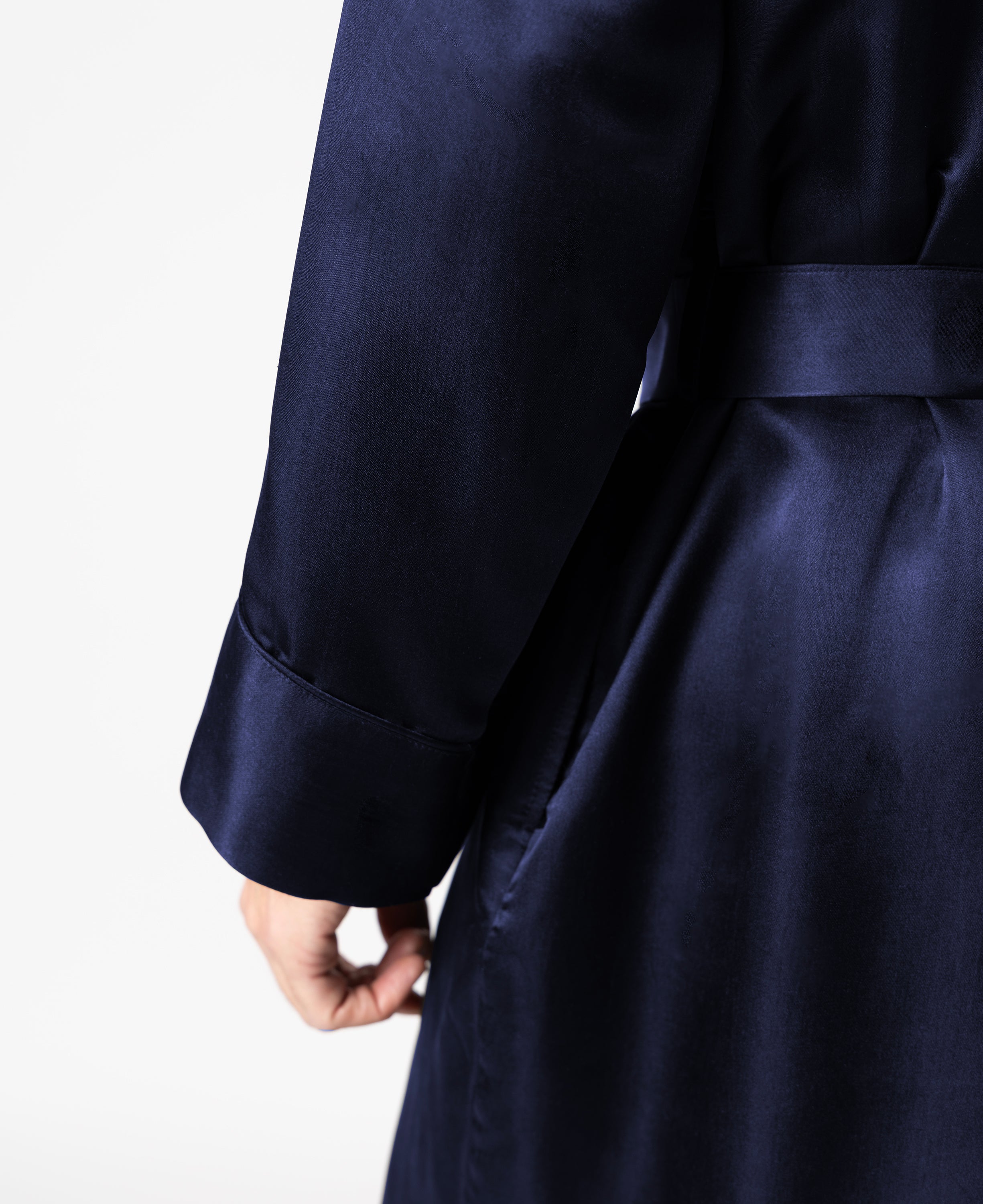
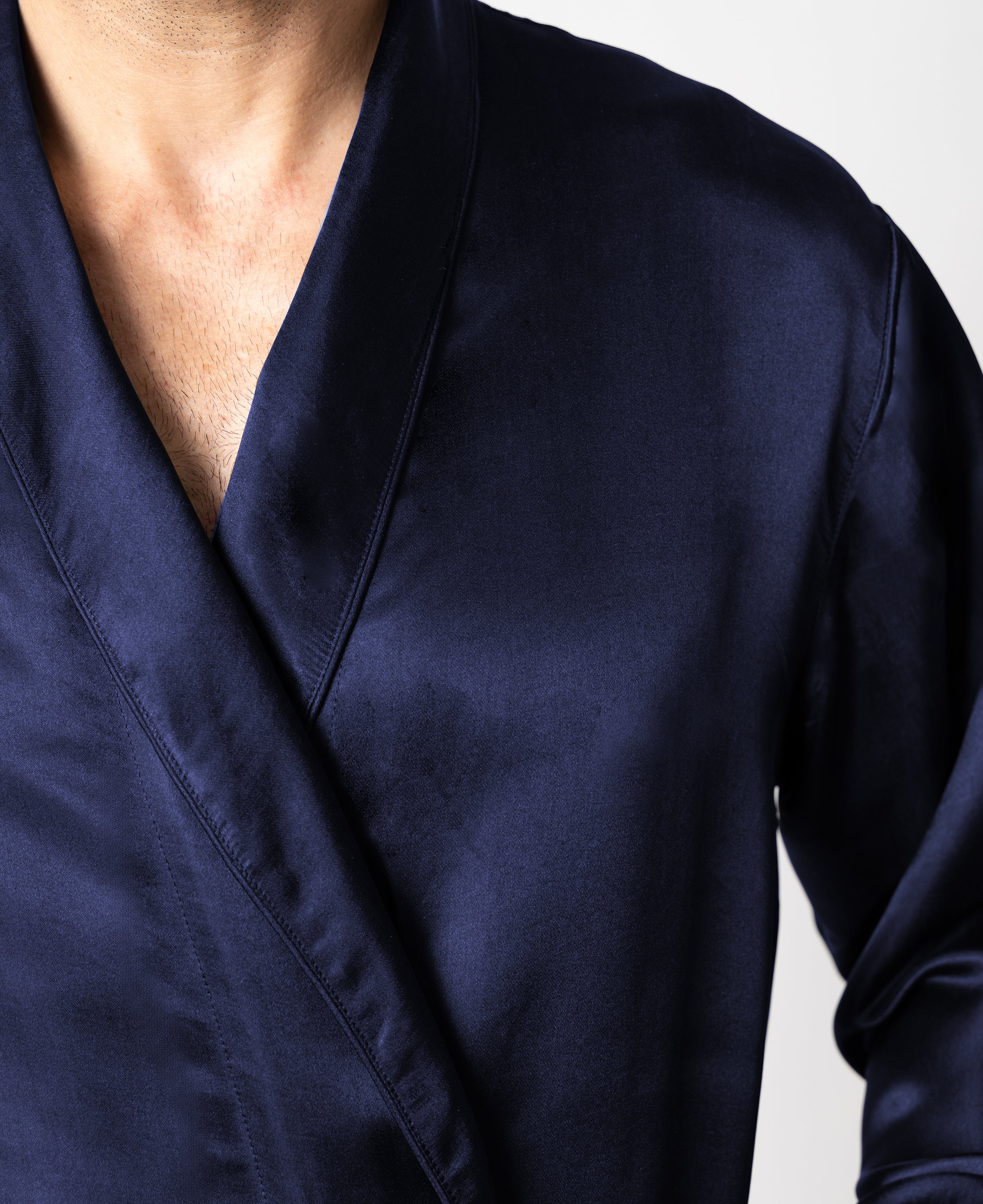
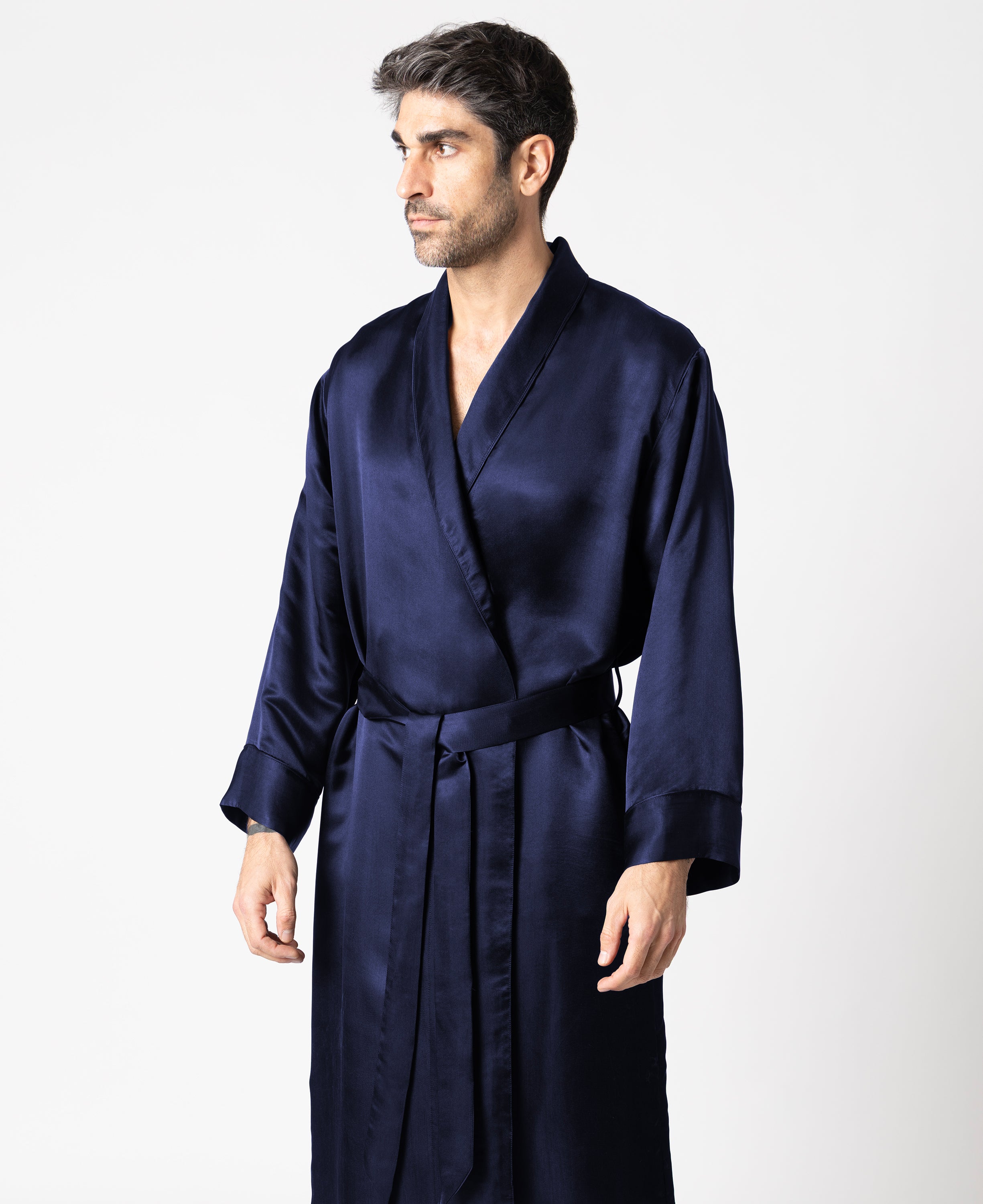
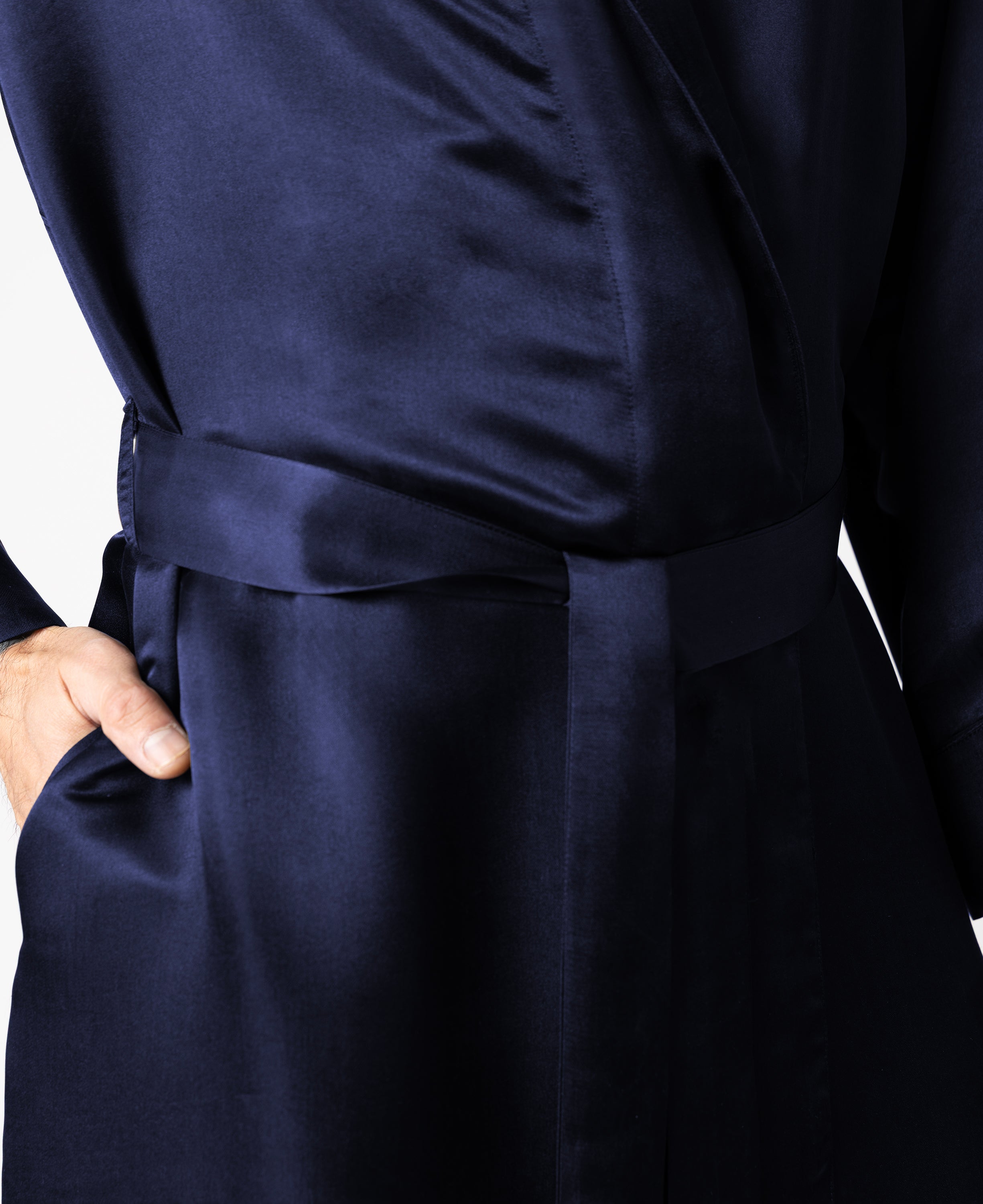
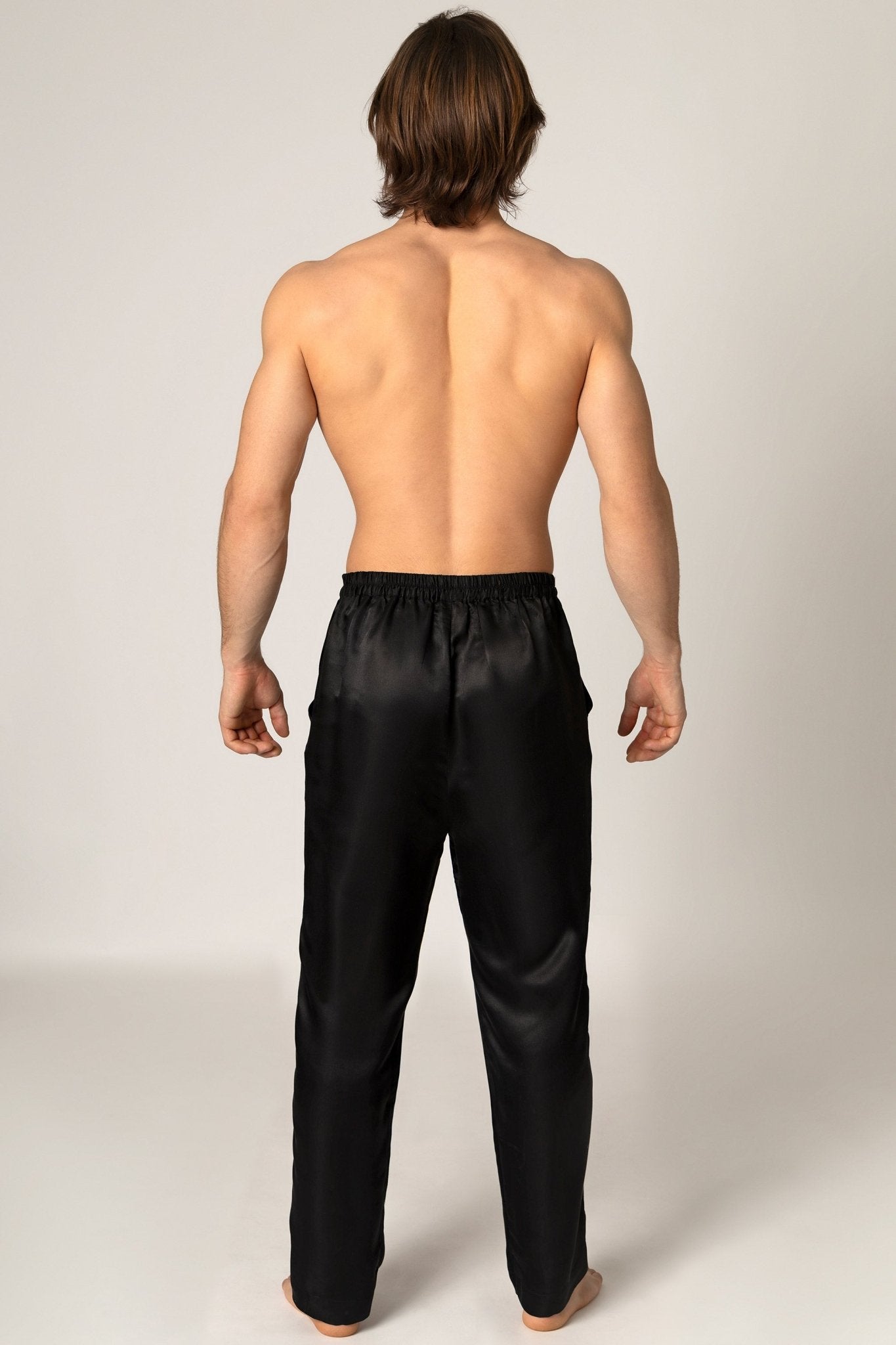
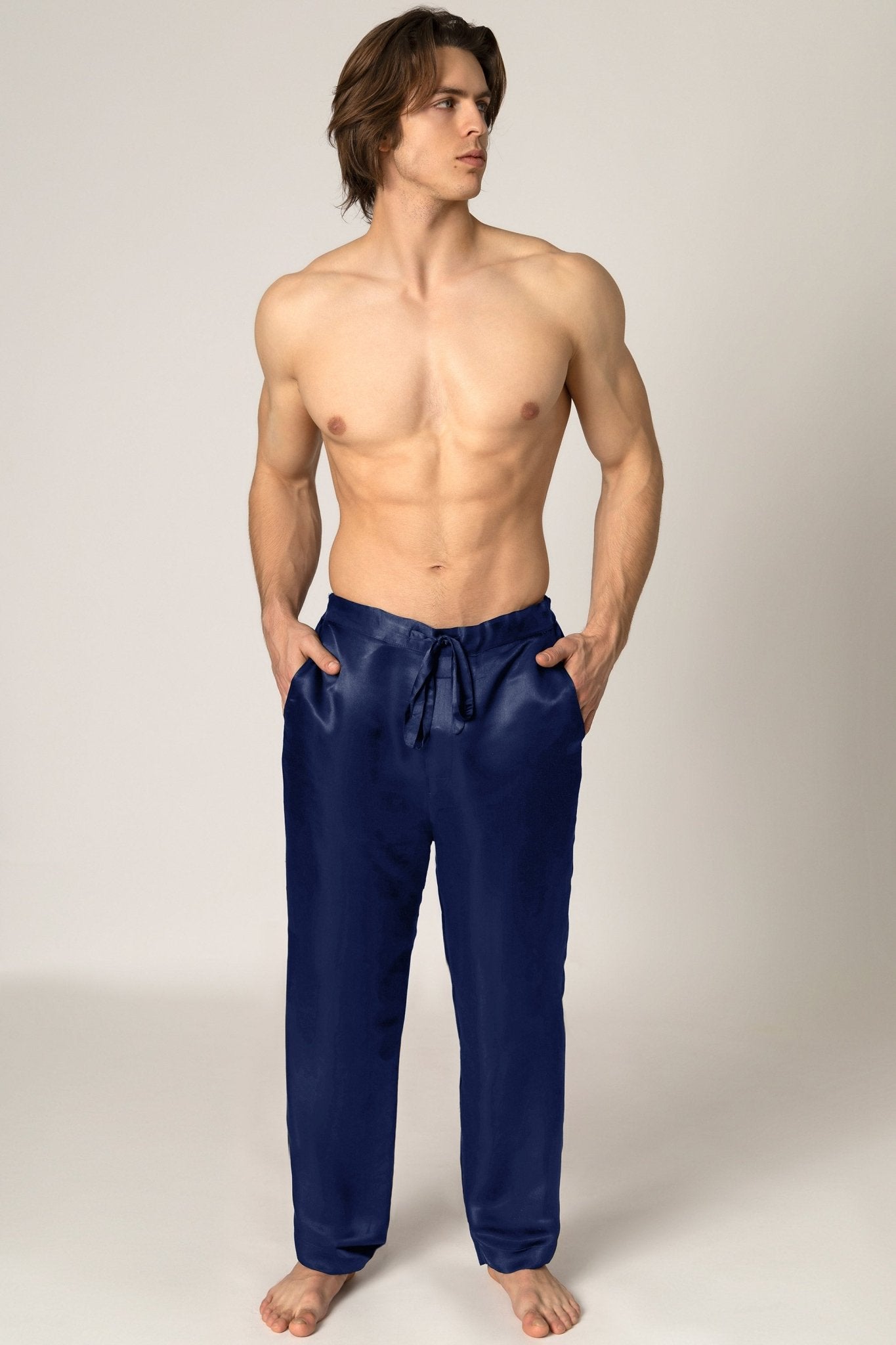
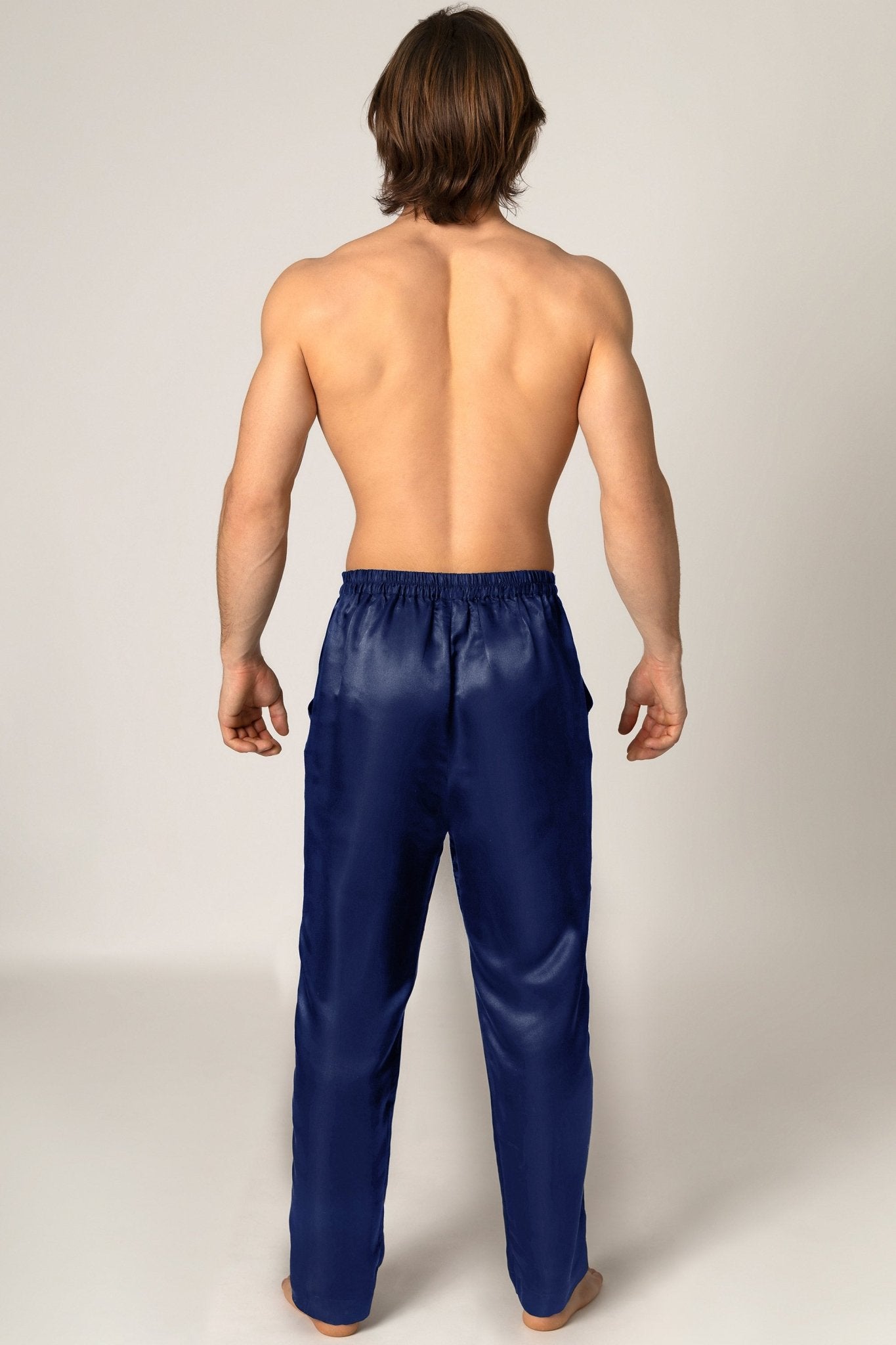
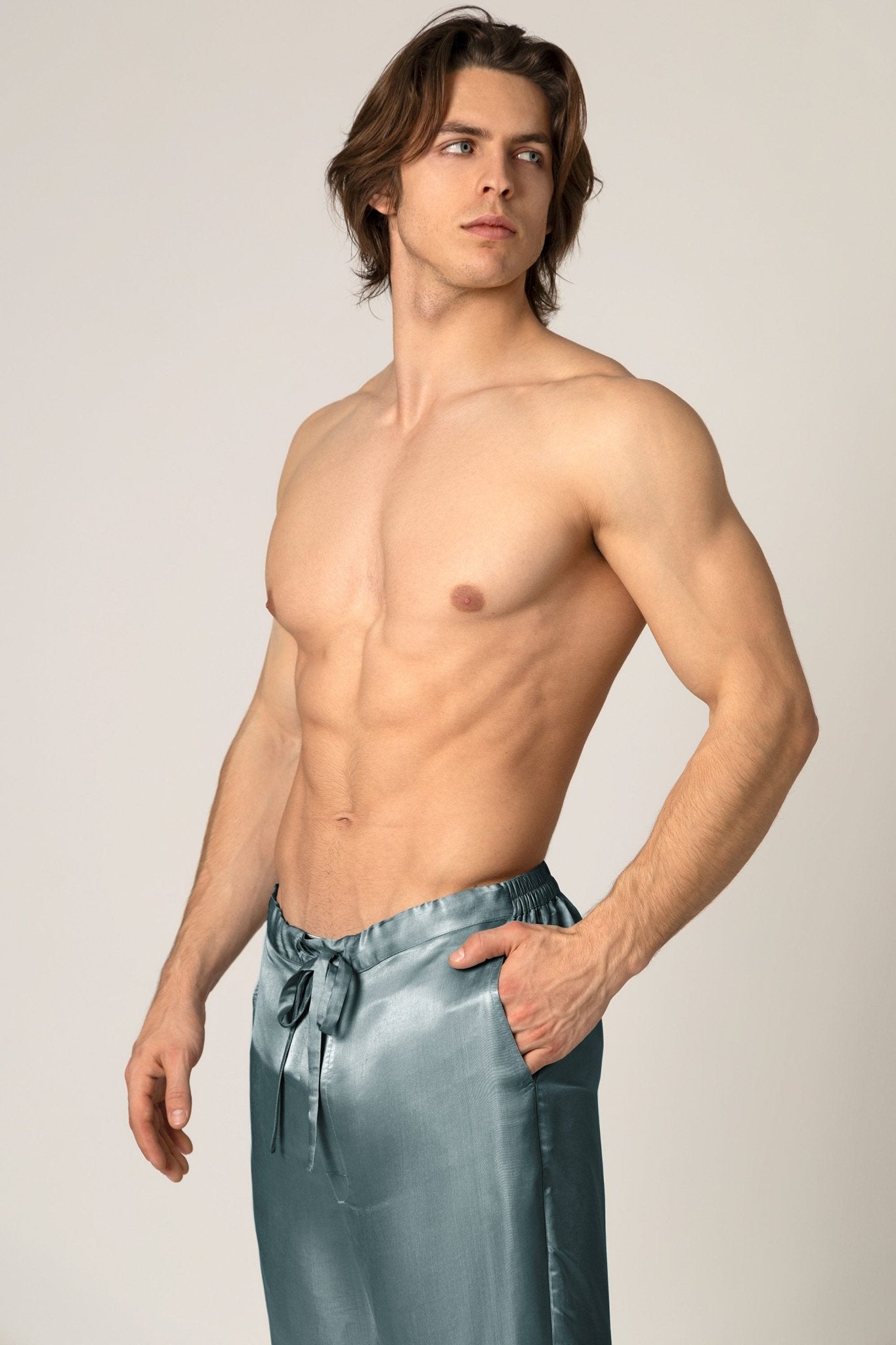
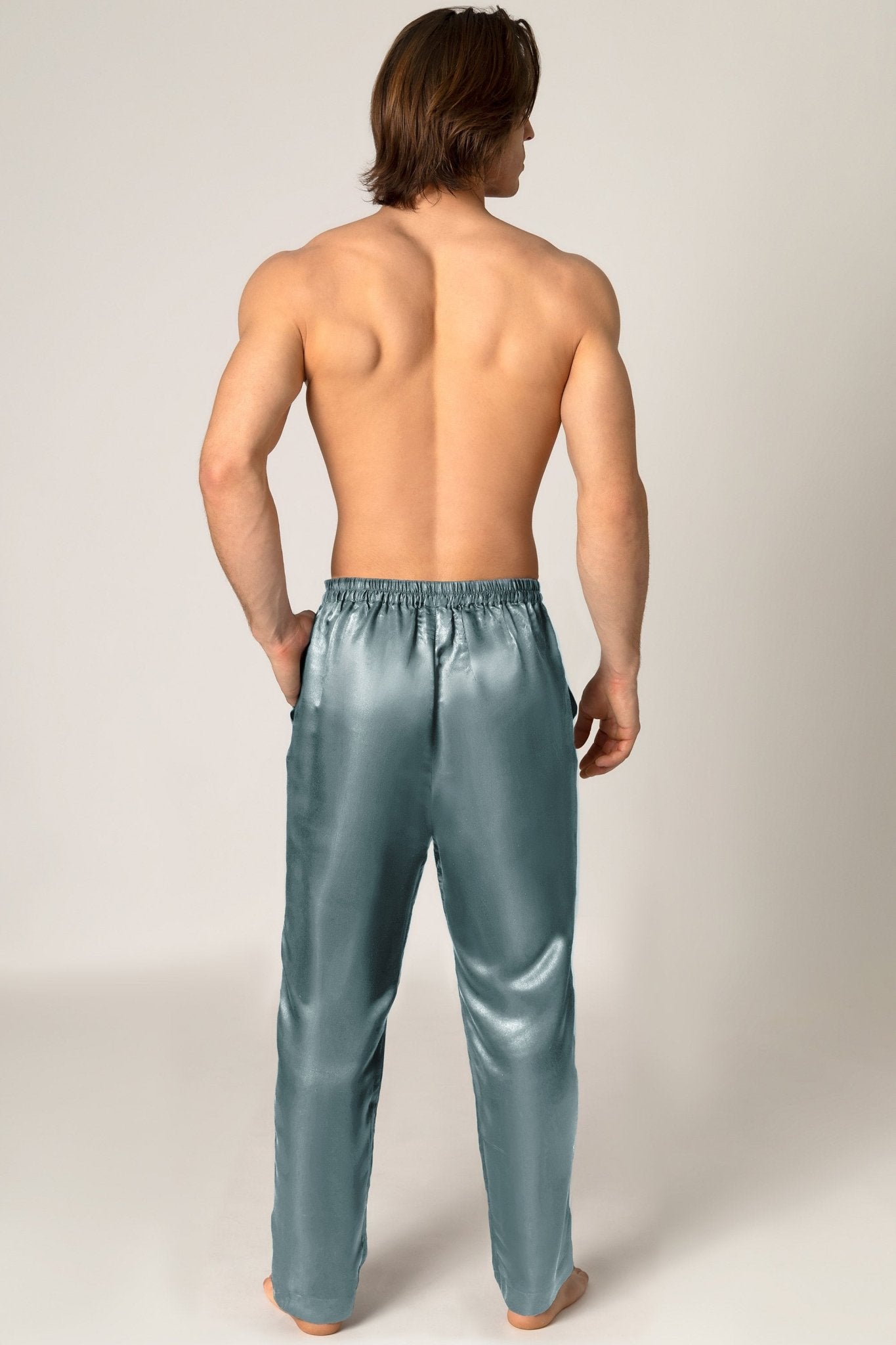
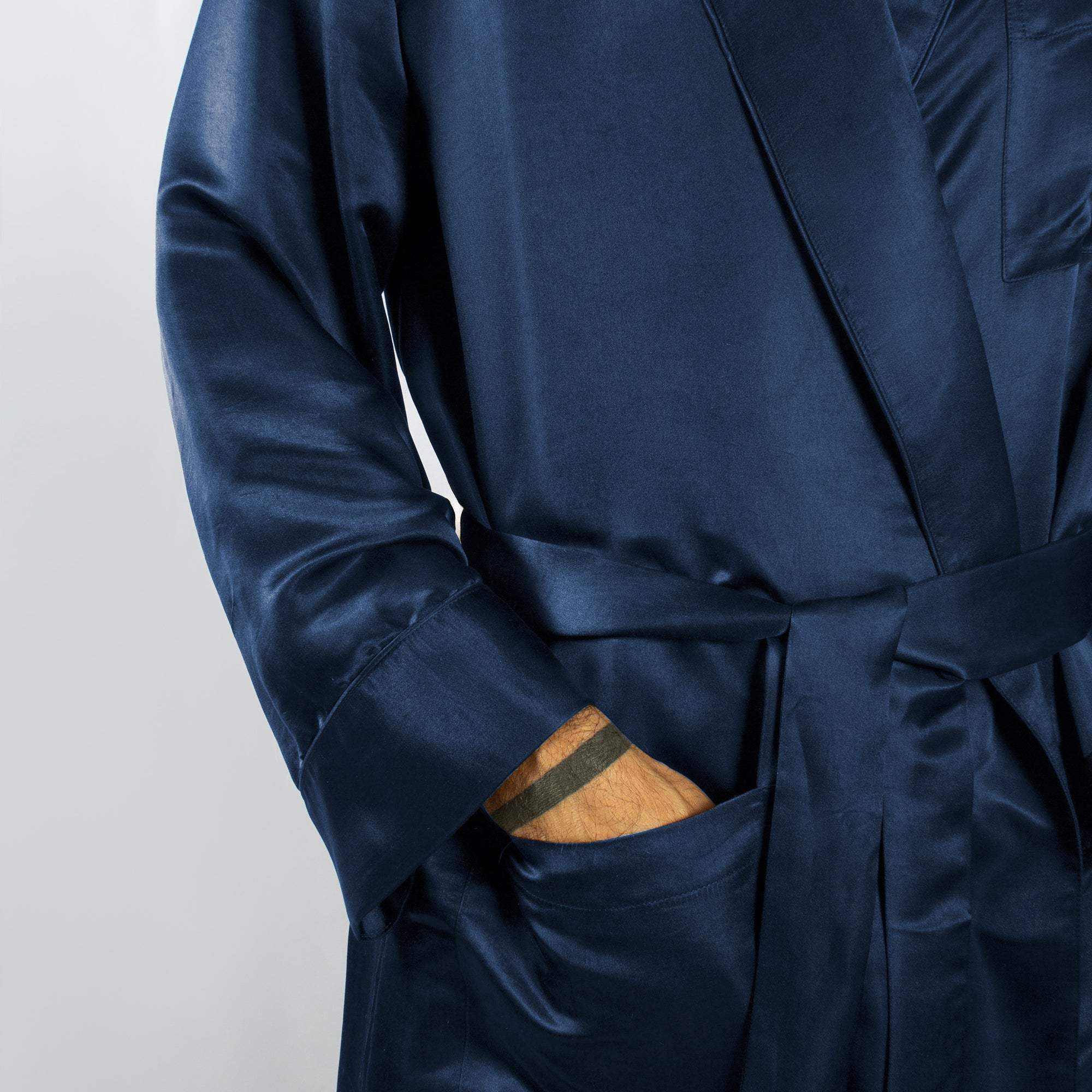
Every seam in a Tara Sartoria garment is a French seam. This is a construction method where the fabric is first sewn wrong sides together, trimmed, then folded and sewn again so the raw edge is completely enclosed inside the seam. The result: no exposed edges that can fray, no rough surfaces that can irritate skin, and a seam that is structurally stronger than a single-pass overlocked seam.
French seams take approximately twice as long to construct as overlocked seams. They also require more fabric per seam (the folding uses additional material) and more skill from the person sewing them. This is why most brands don't use them. The labor and material cost is higher for every single seam in every single garment.

Hand-Finishing for Quality Control
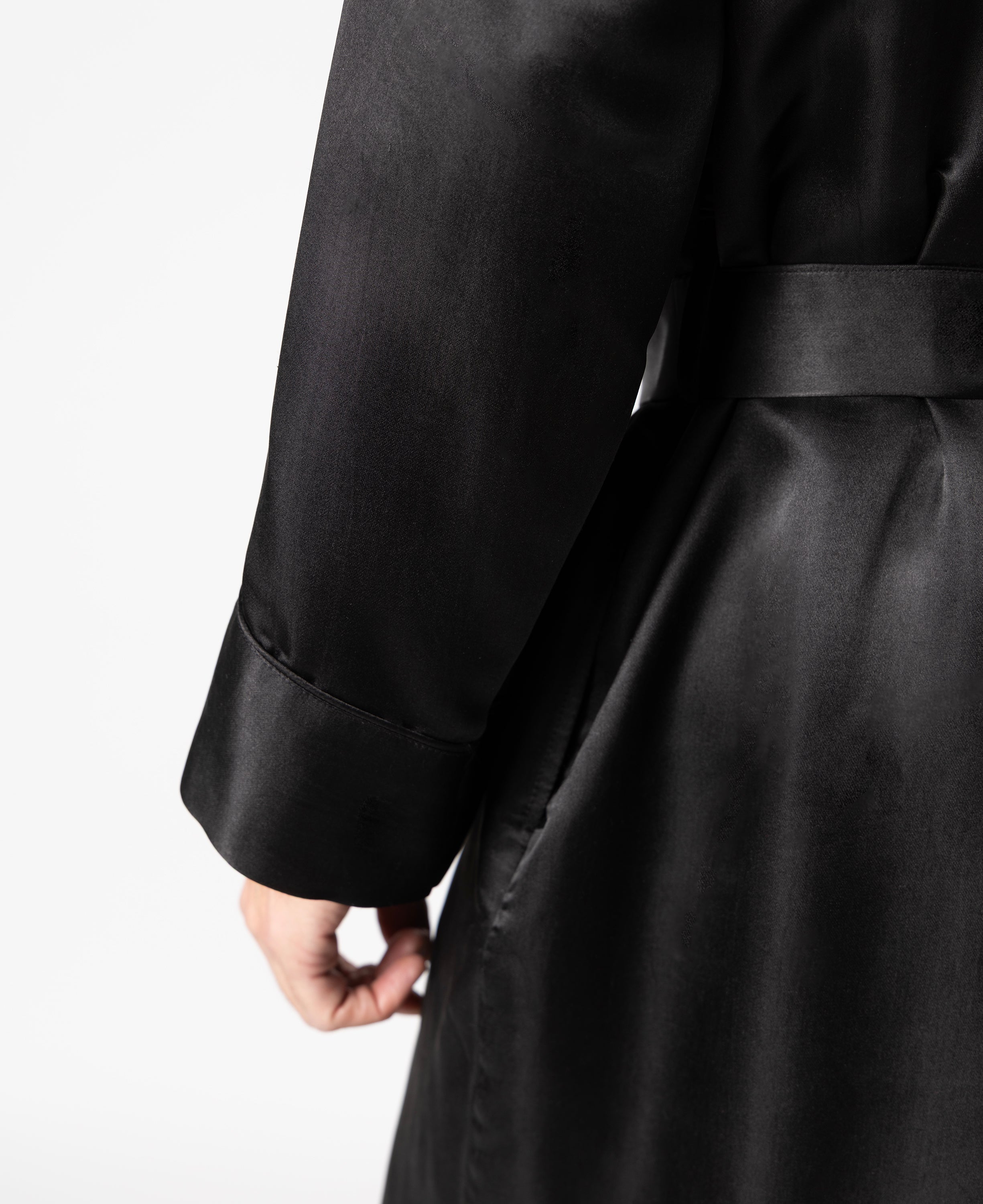
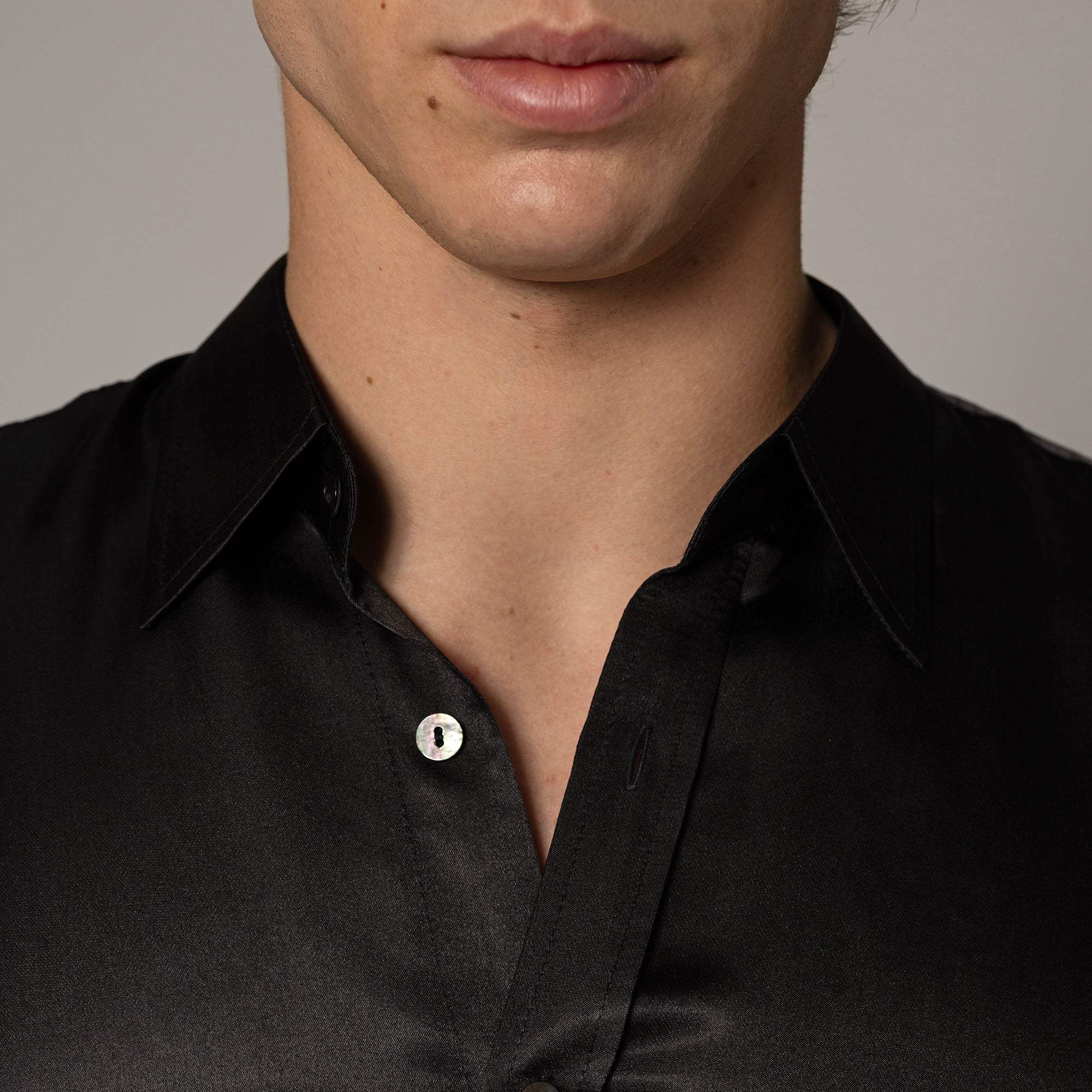
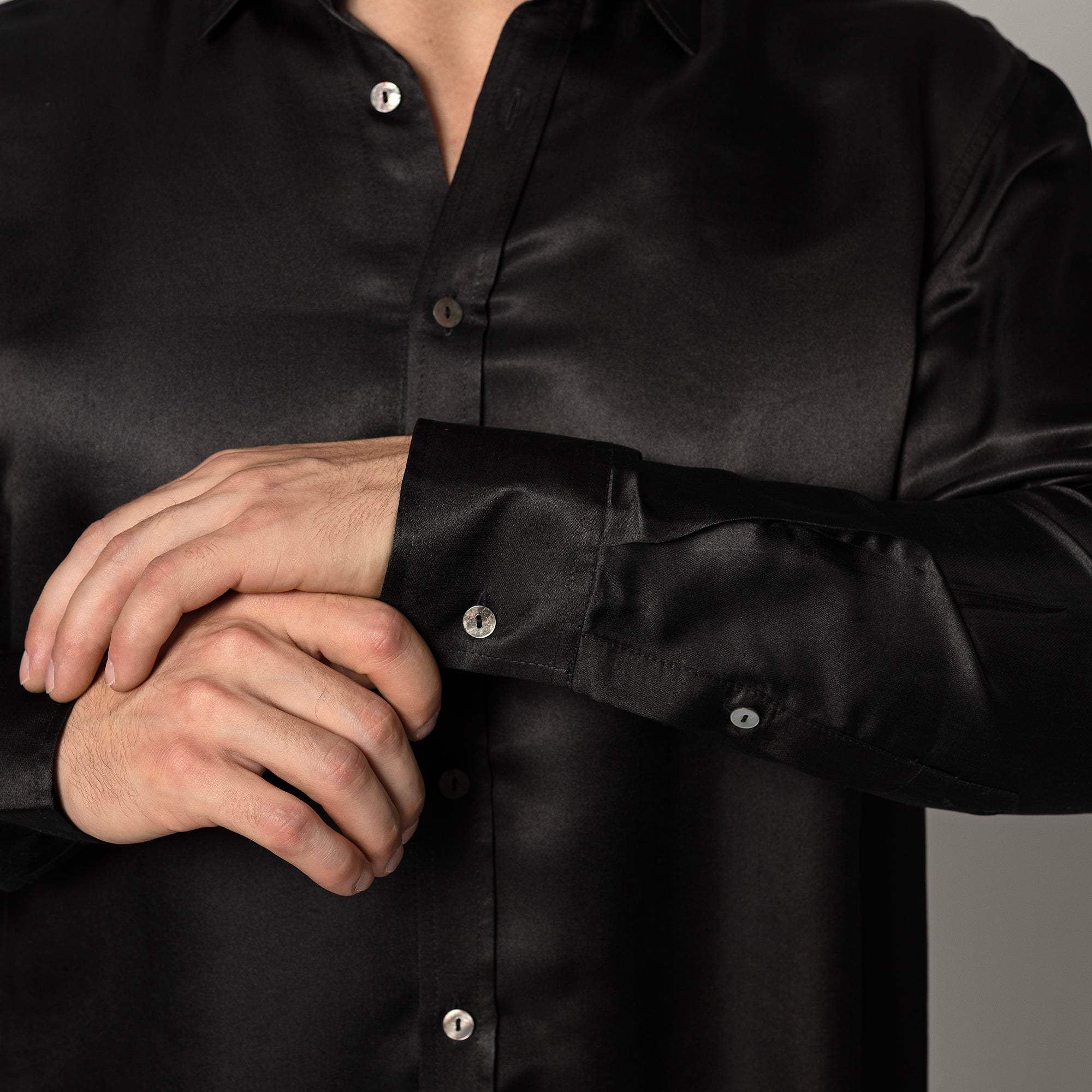
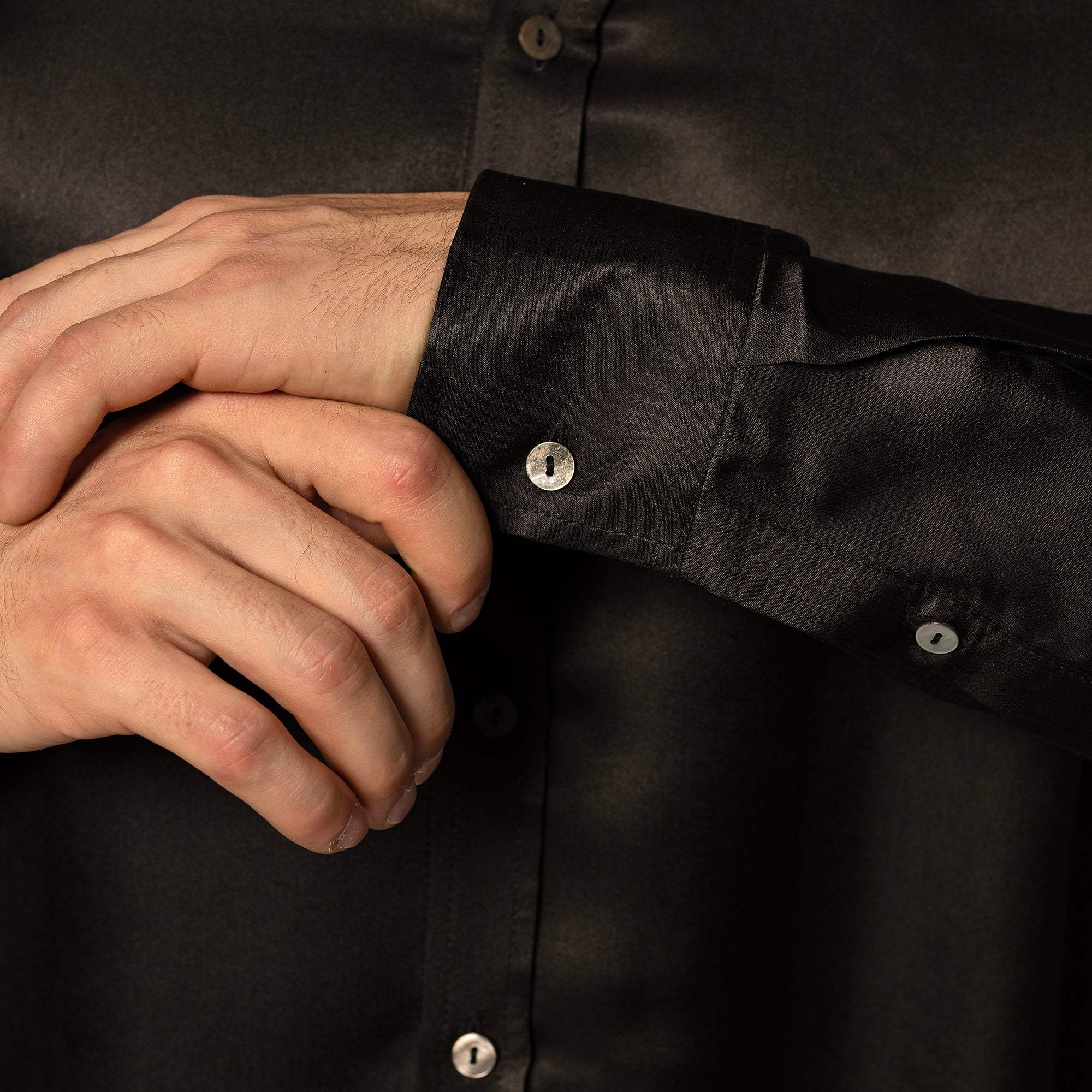
After the seams are sewn, each garment is finished by hand. Buttonholes, hems, and closures are inspected and completed individually. This is the quality control step that catches the things machine inspection misses: a seam that's slightly puckered, a hem that's slightly uneven, a thread that needs trimming.
The Size Range Challenge
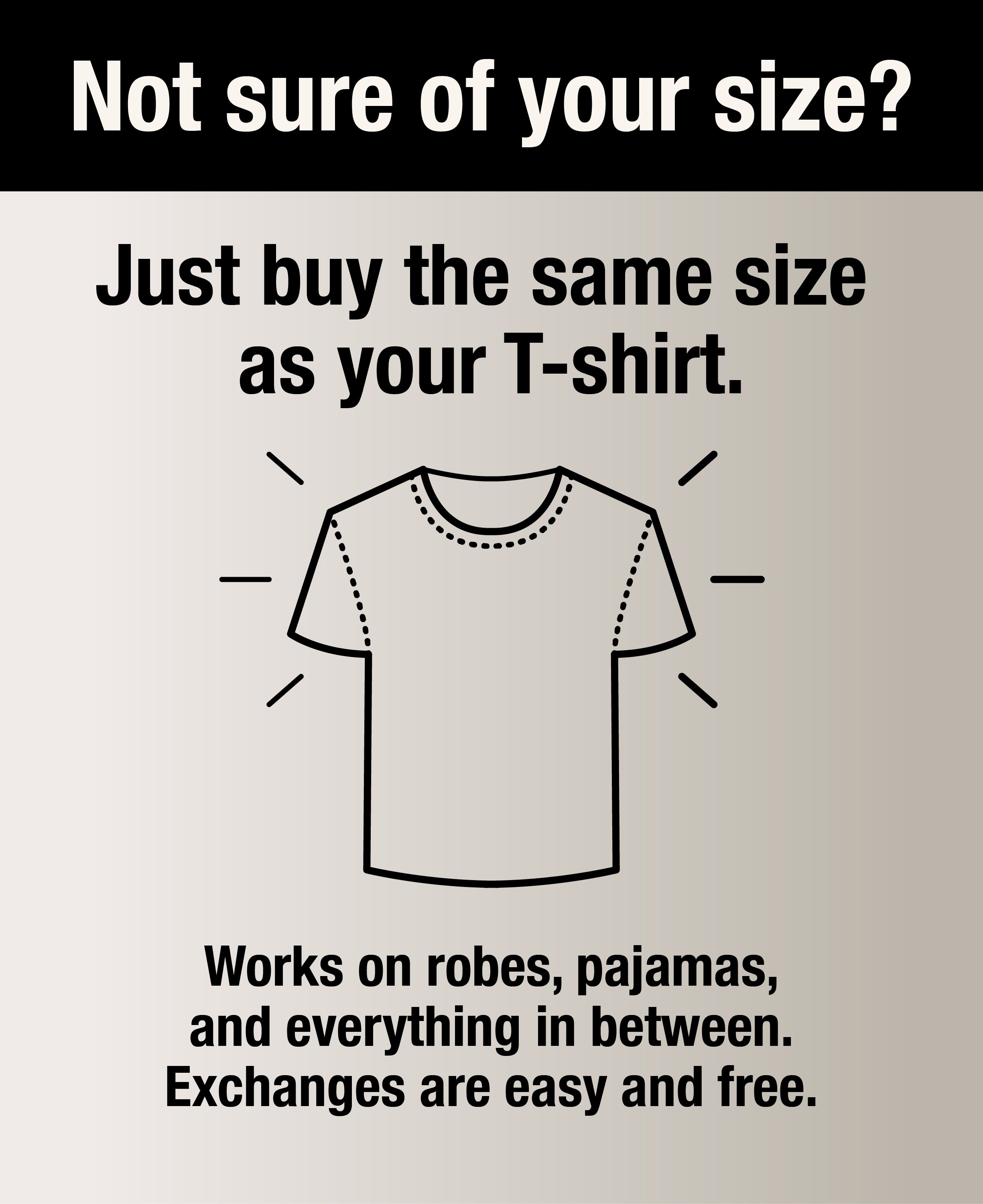
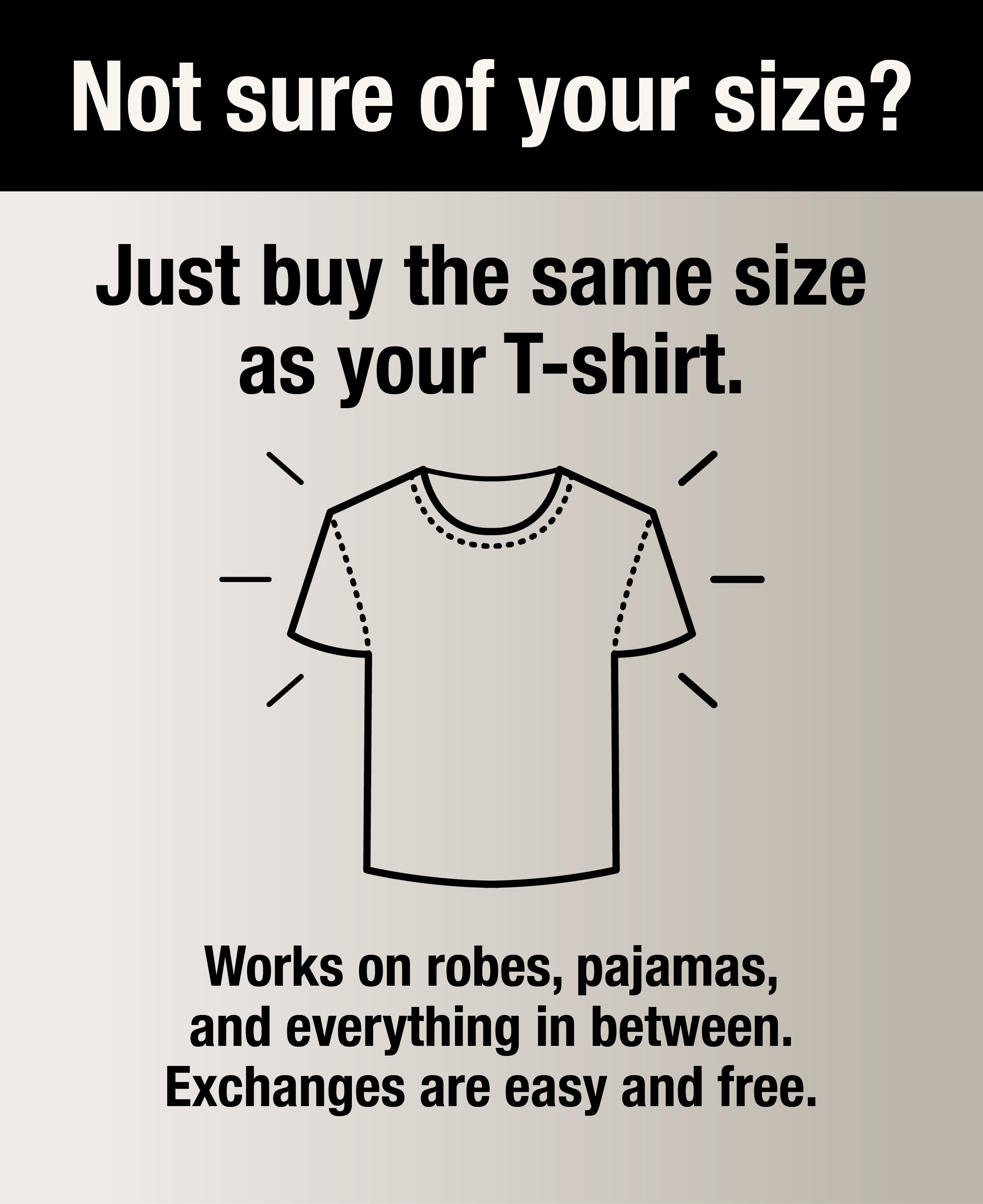
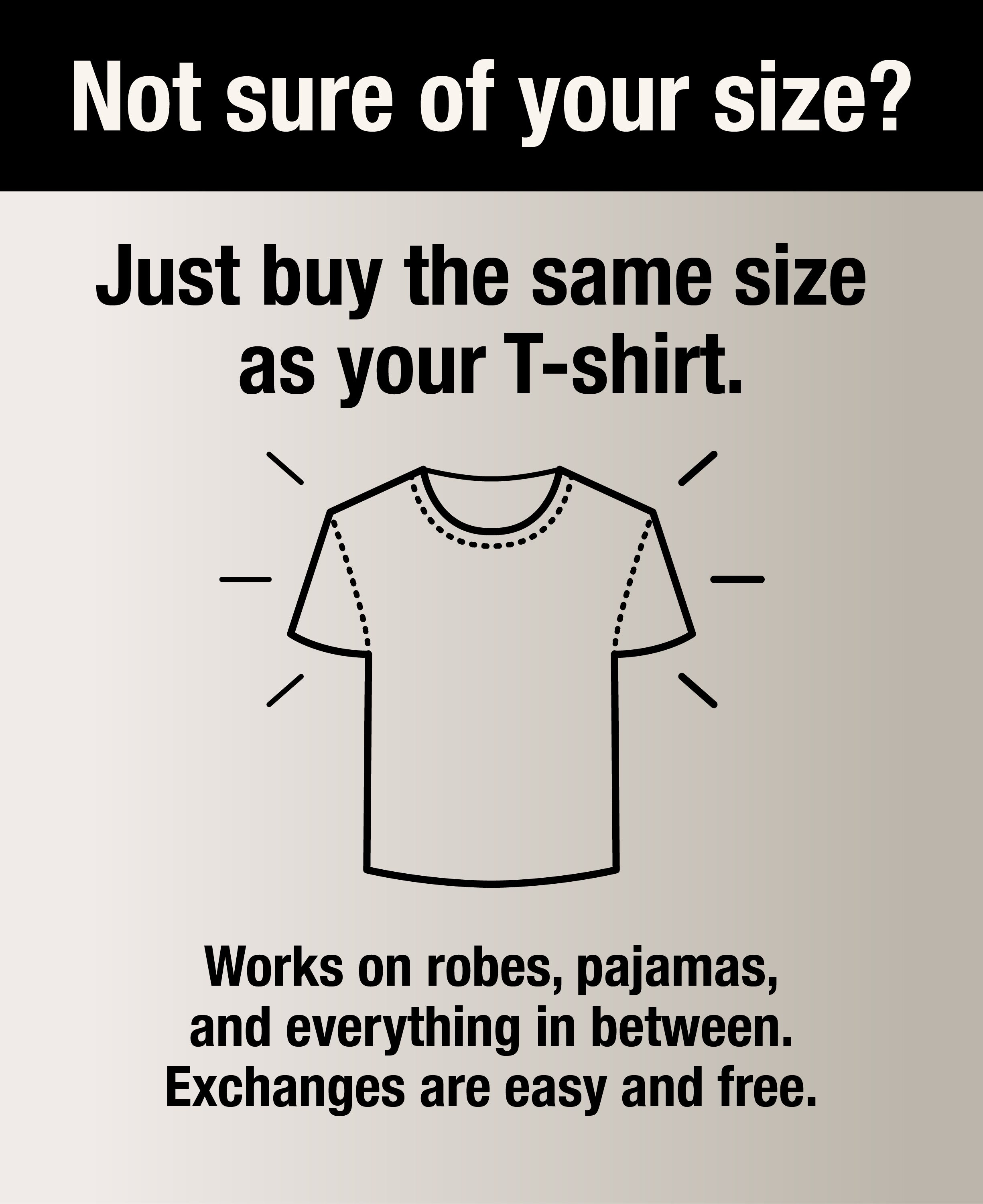
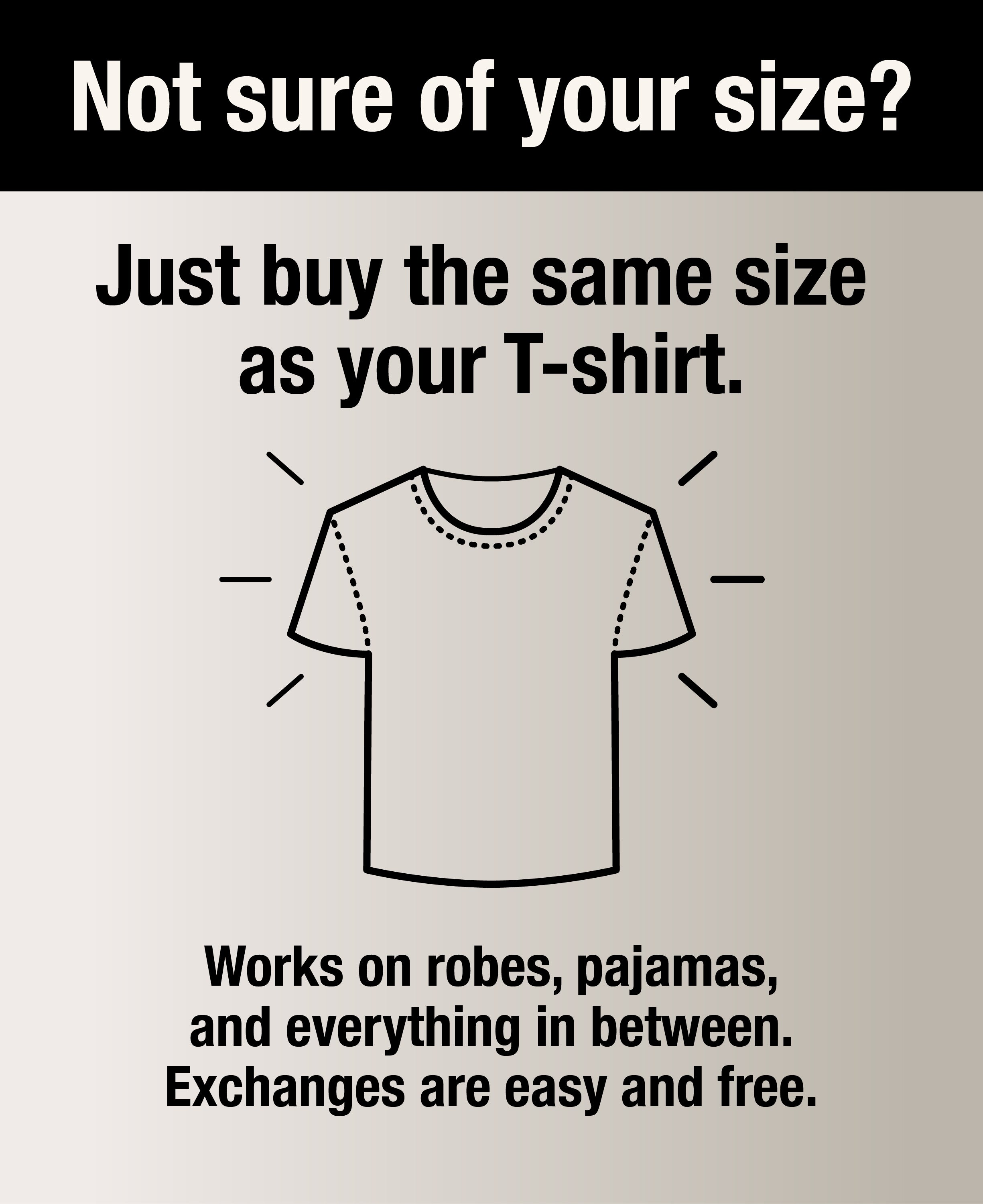
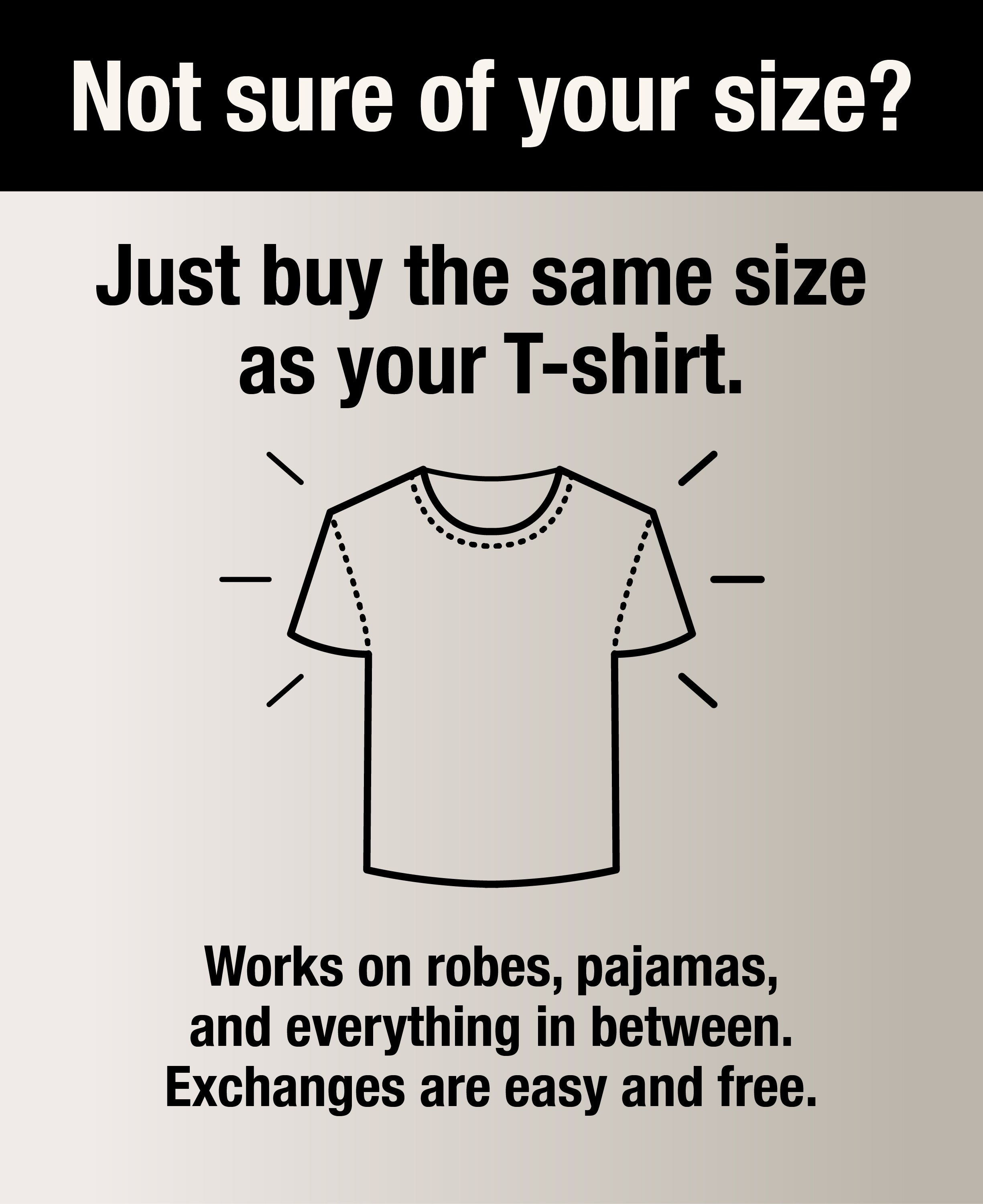
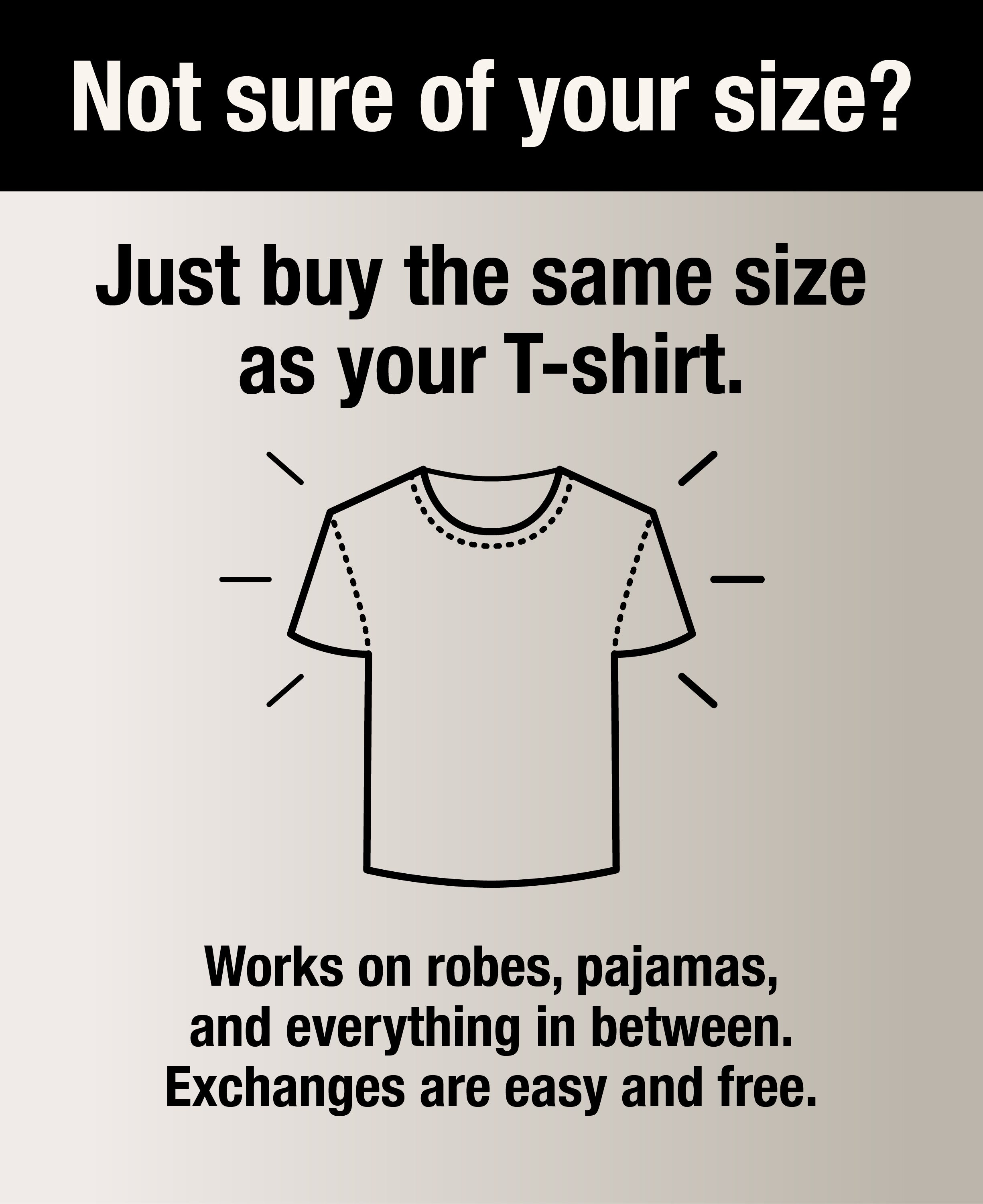
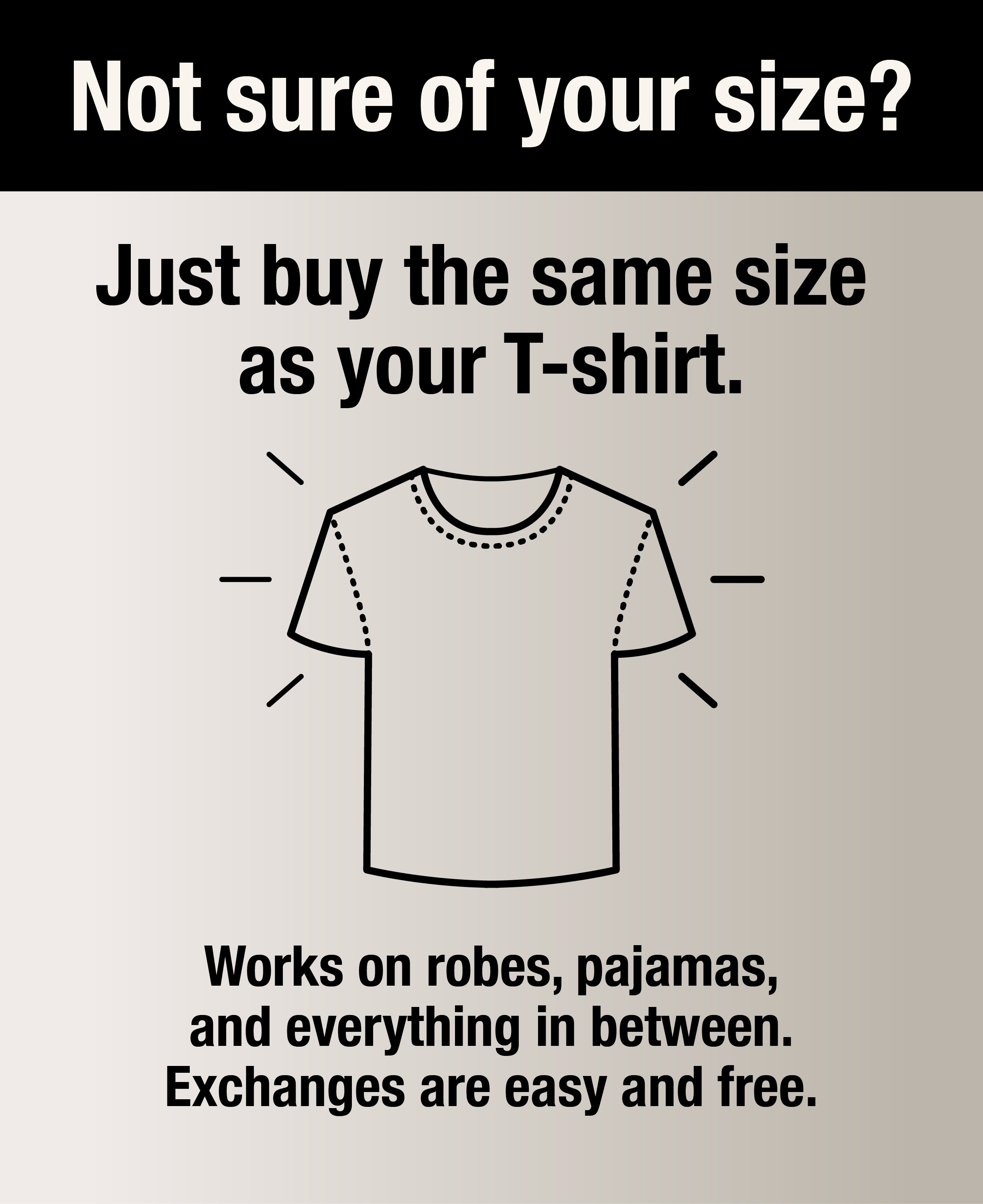
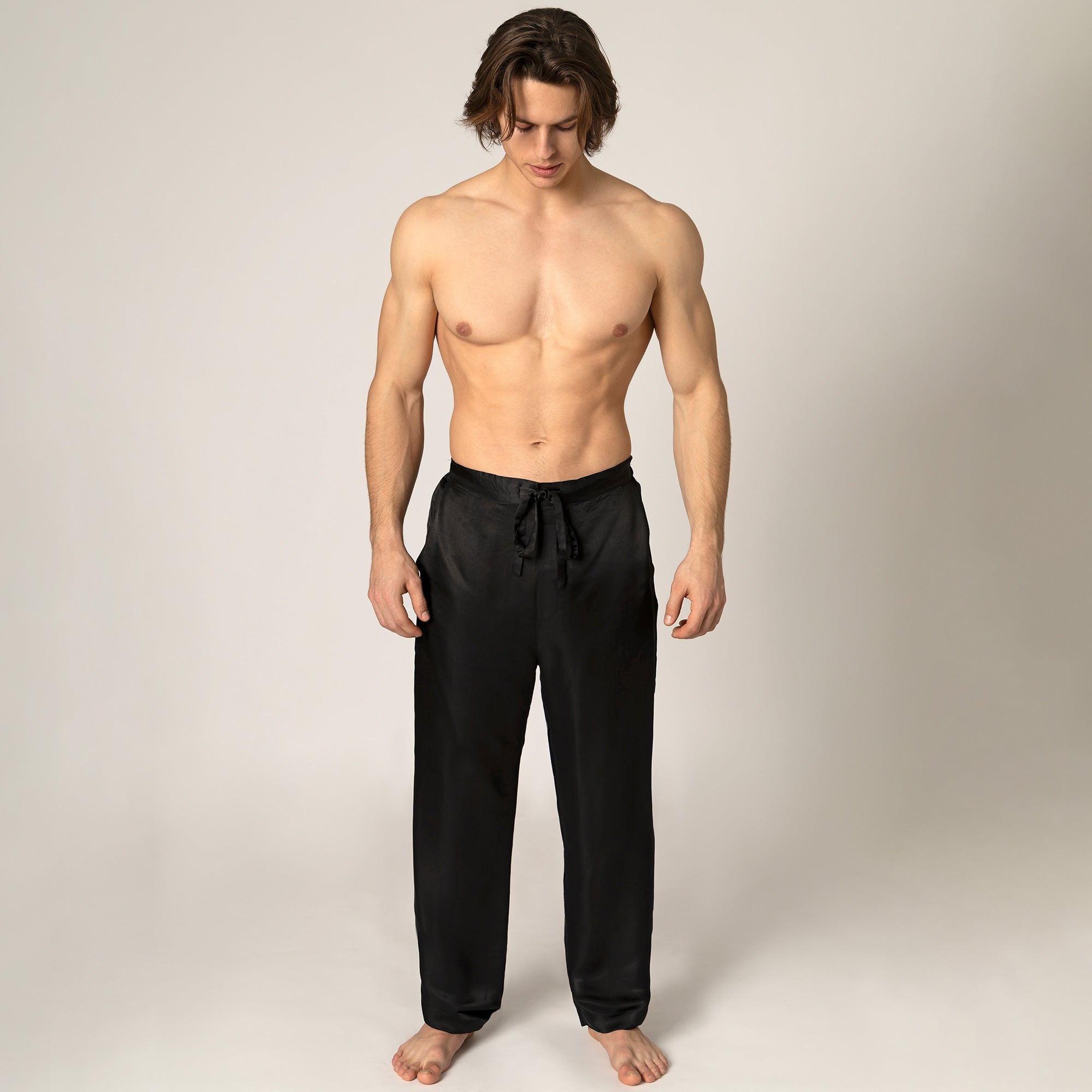
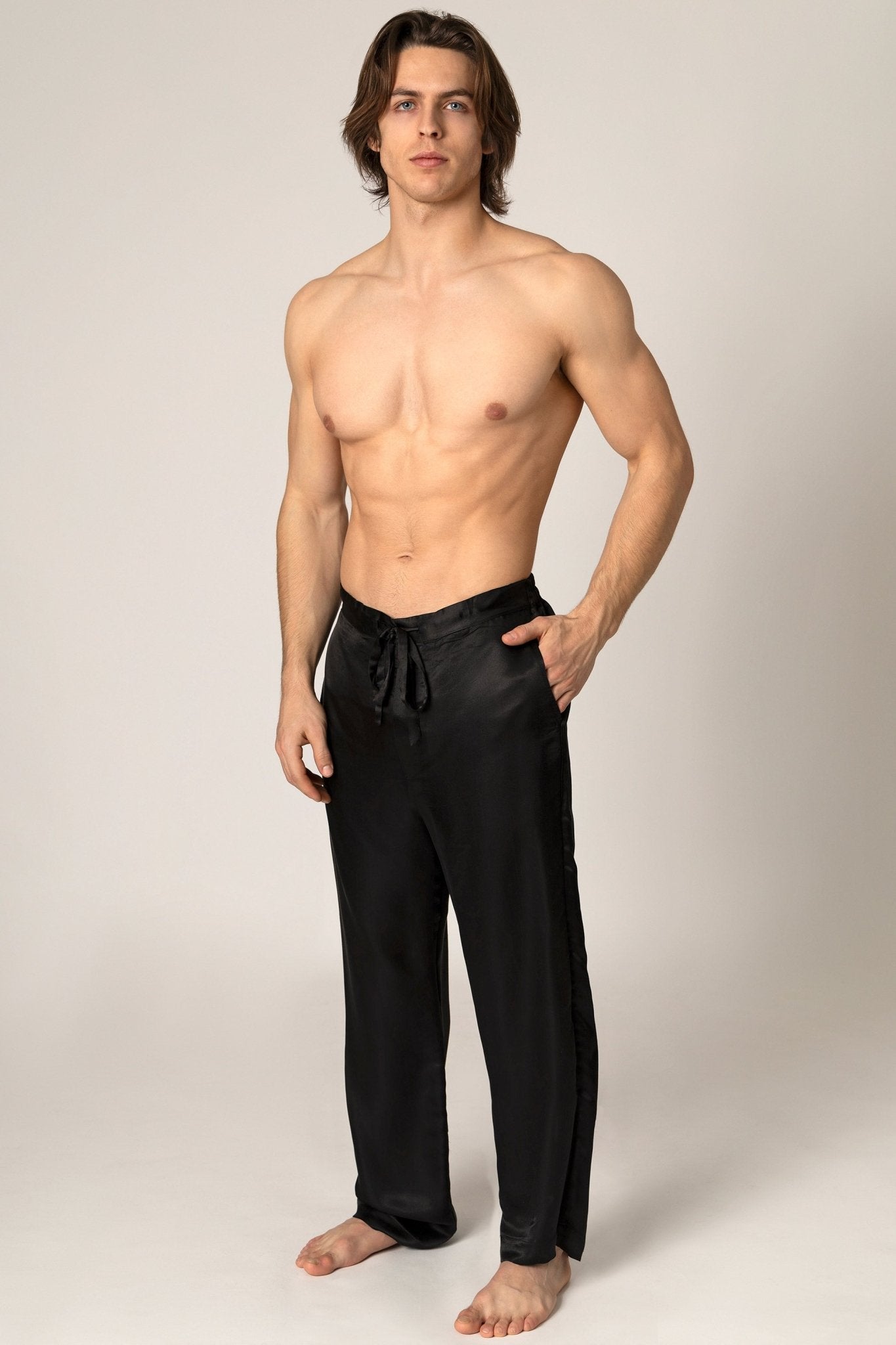
Tara Sartoria offers XS to 4XL in the same 27 momme silk with the same French seam construction. This is not a simple scaling exercise. Each size requires its own pattern, and the proportions change in ways that a simple percentage increase doesn't capture. An XL robe and a 4XL robe are not the same pattern at different scales; they are different patterns engineered for different body proportions. This requires additional pattern-making work and additional inventory of each size, both of which increase production complexity.
We do it because the alternative, stopping the size range at XL and telling a third of potential customers that they don't qualify for quality silk, is not a compromise we're willing to make.




Stage 7: Quality Inspection and Packing
Each finished garment goes through individual inspection before packing. The inspection covers: seam integrity, color consistency, correct sizing, fabric surface quality (no pulls, snags, or weaving defects), and correct labelling.
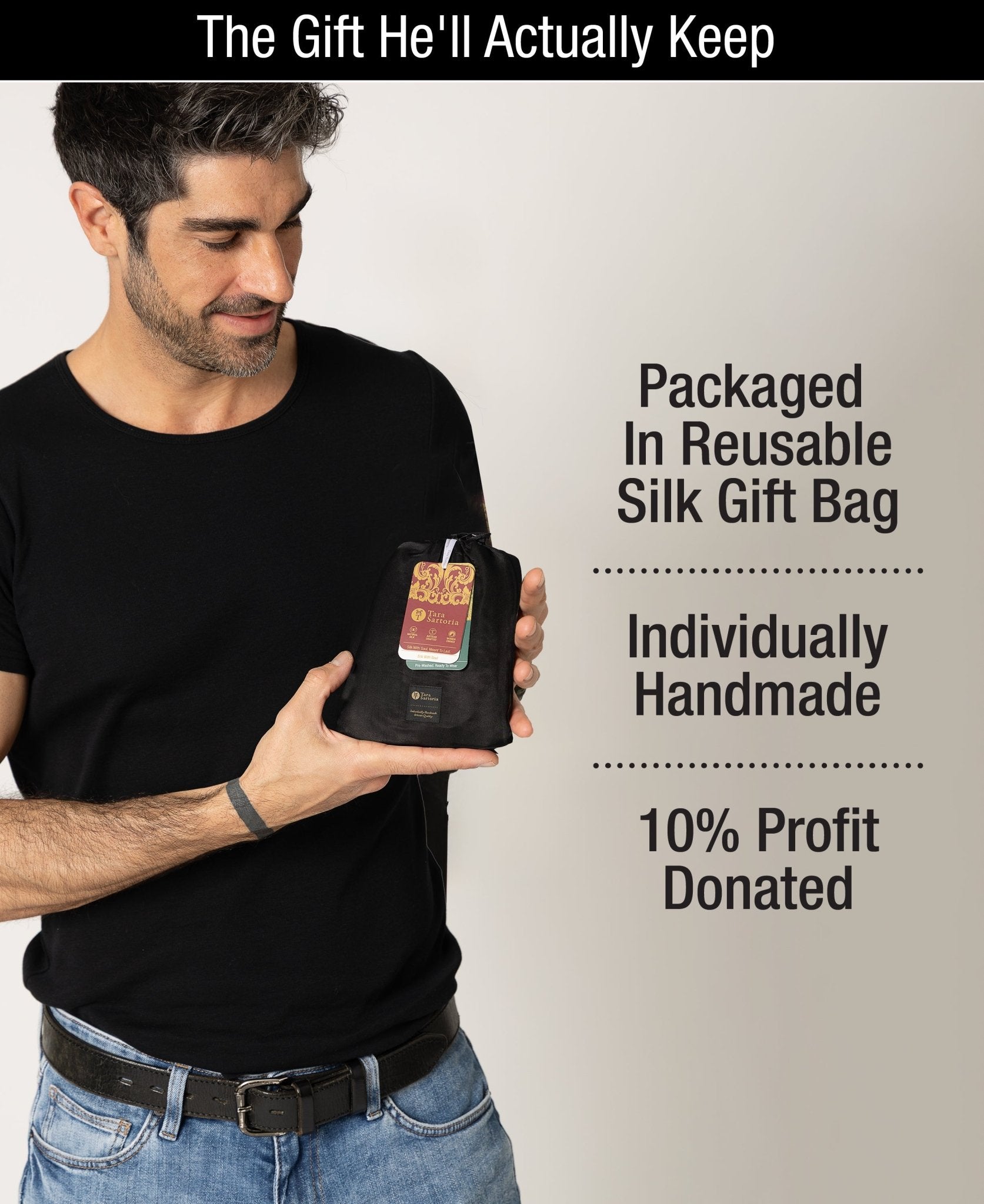
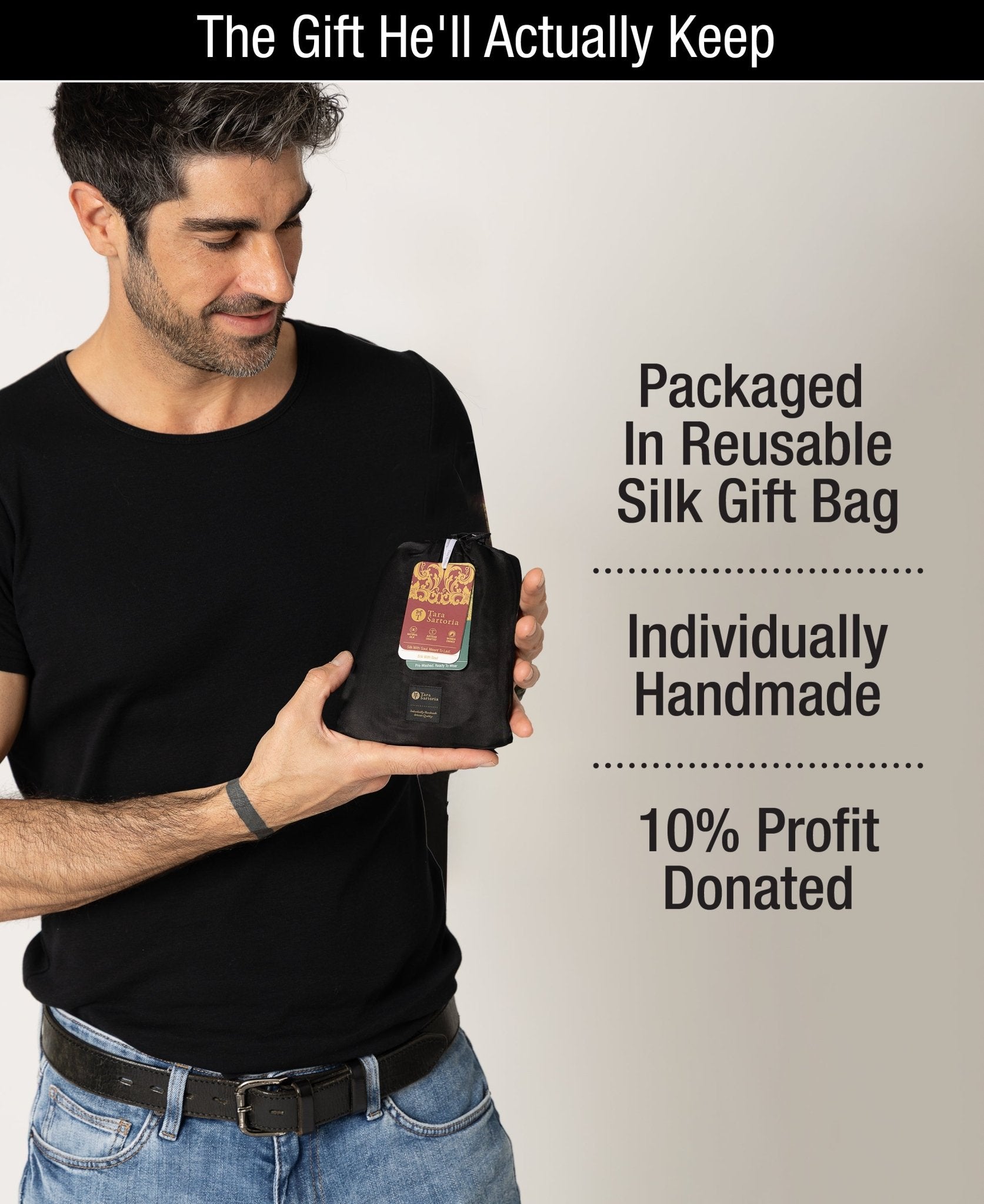
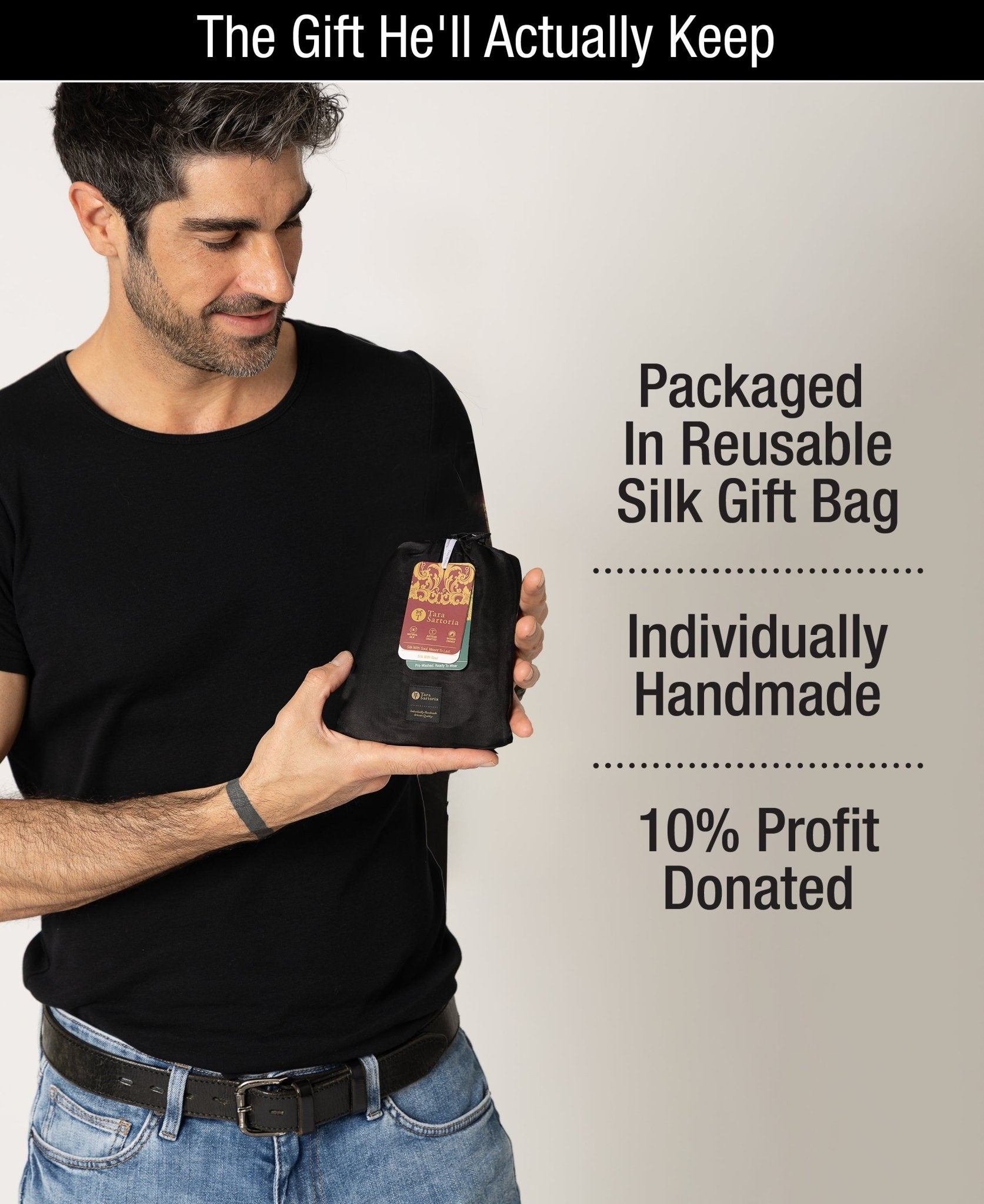
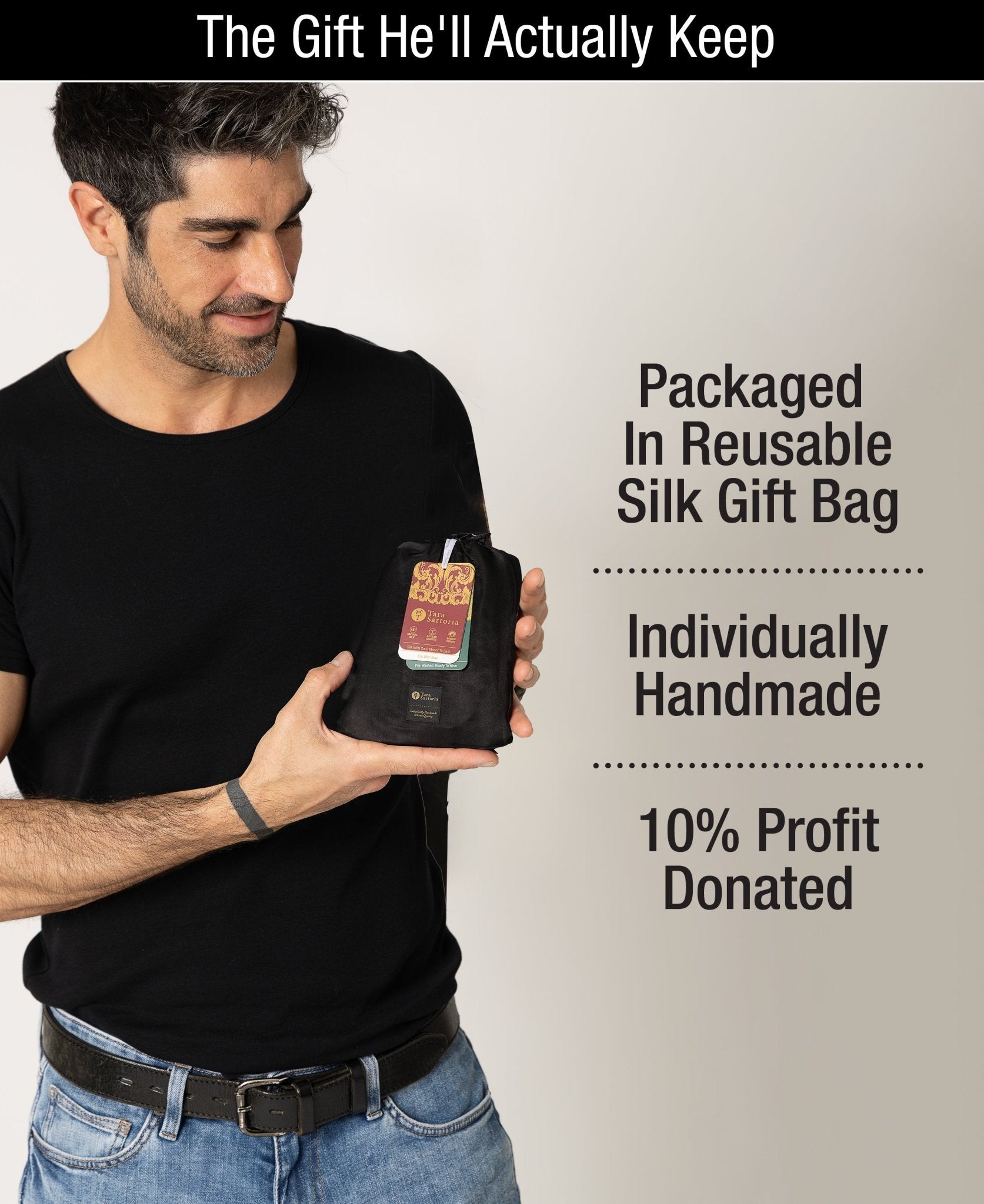
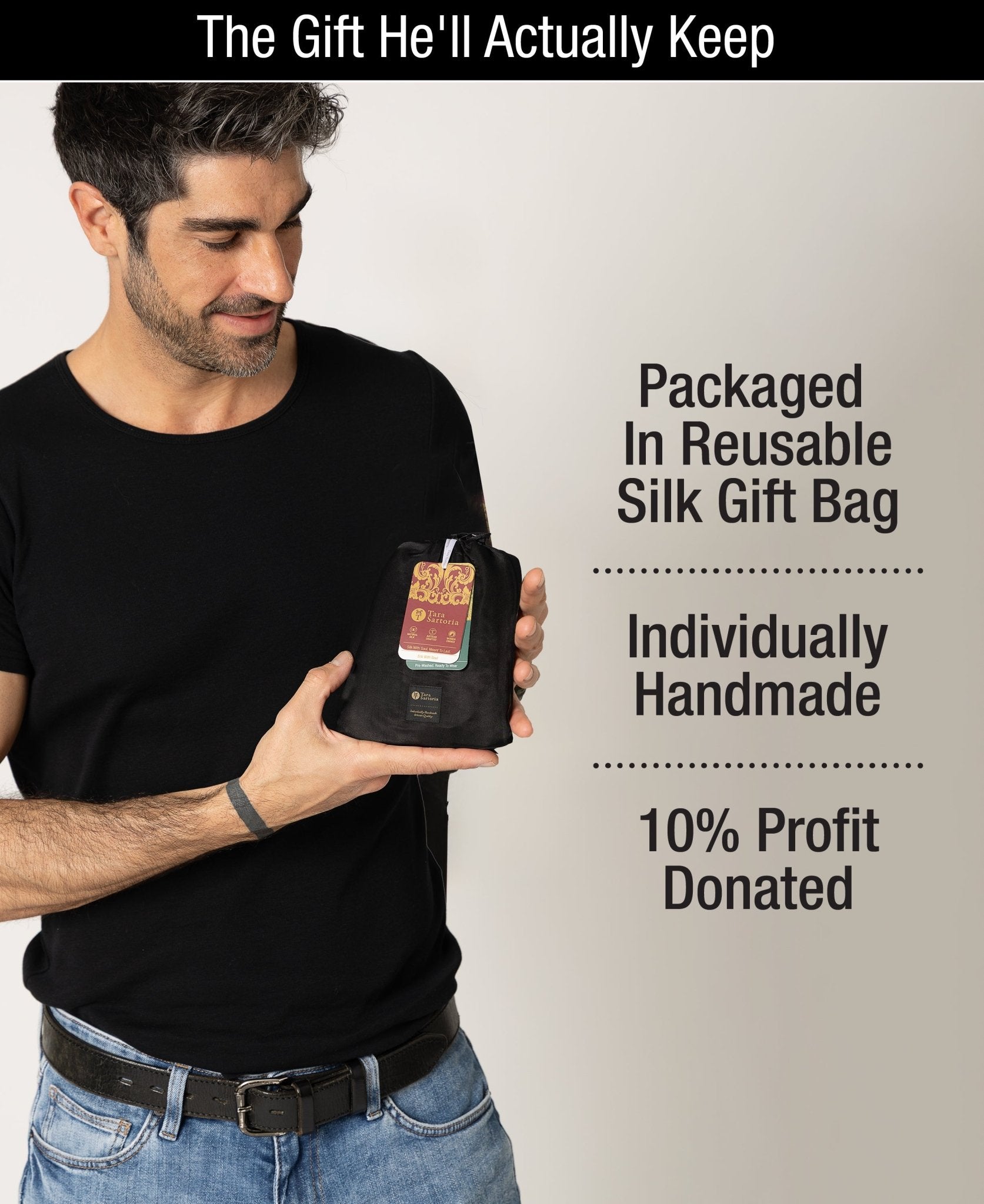
Garments are packed in packaging designed to minimize waste while protecting the silk during transit.
Silk Care GuideWhere the 10% of Profits Goes
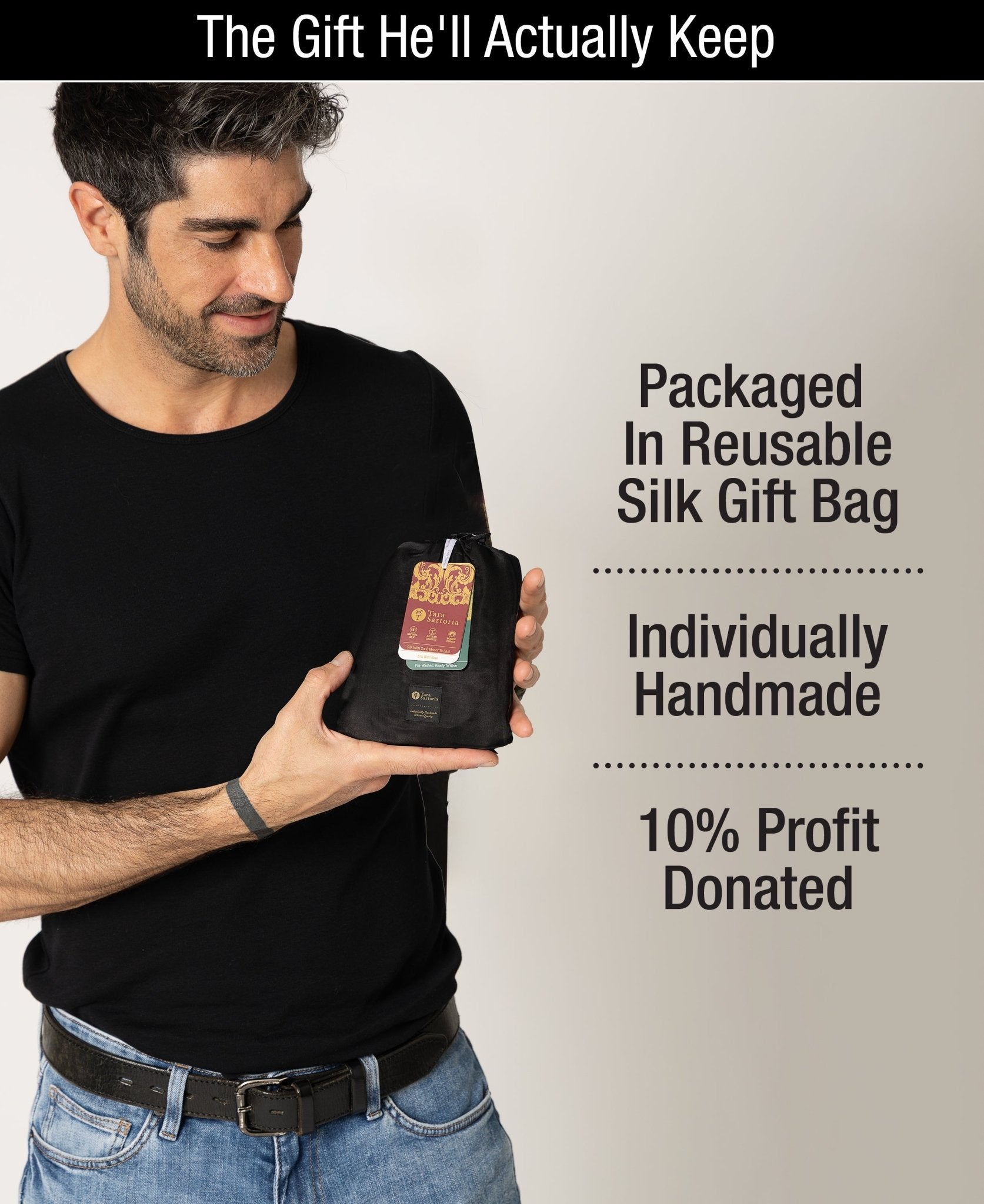
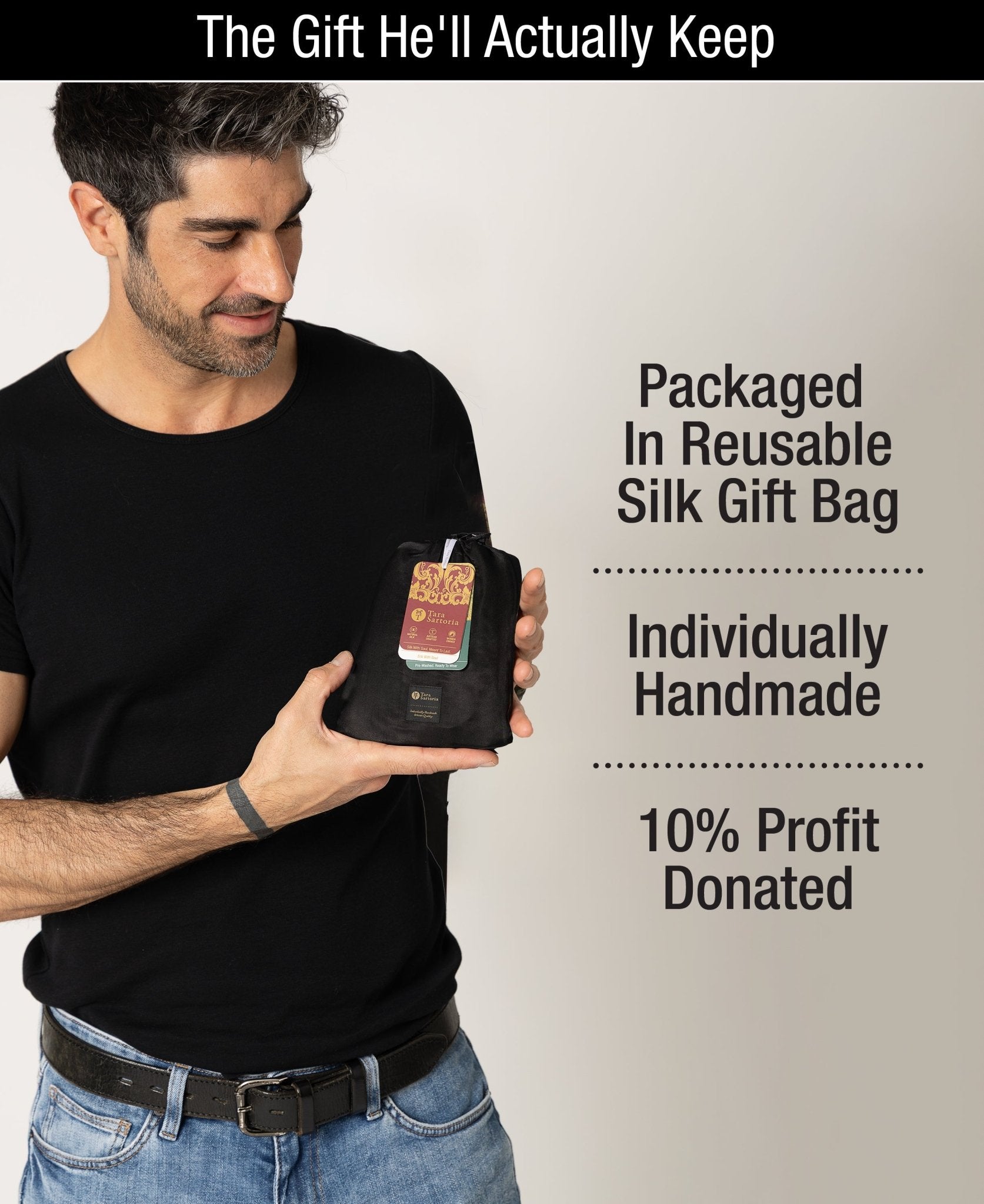
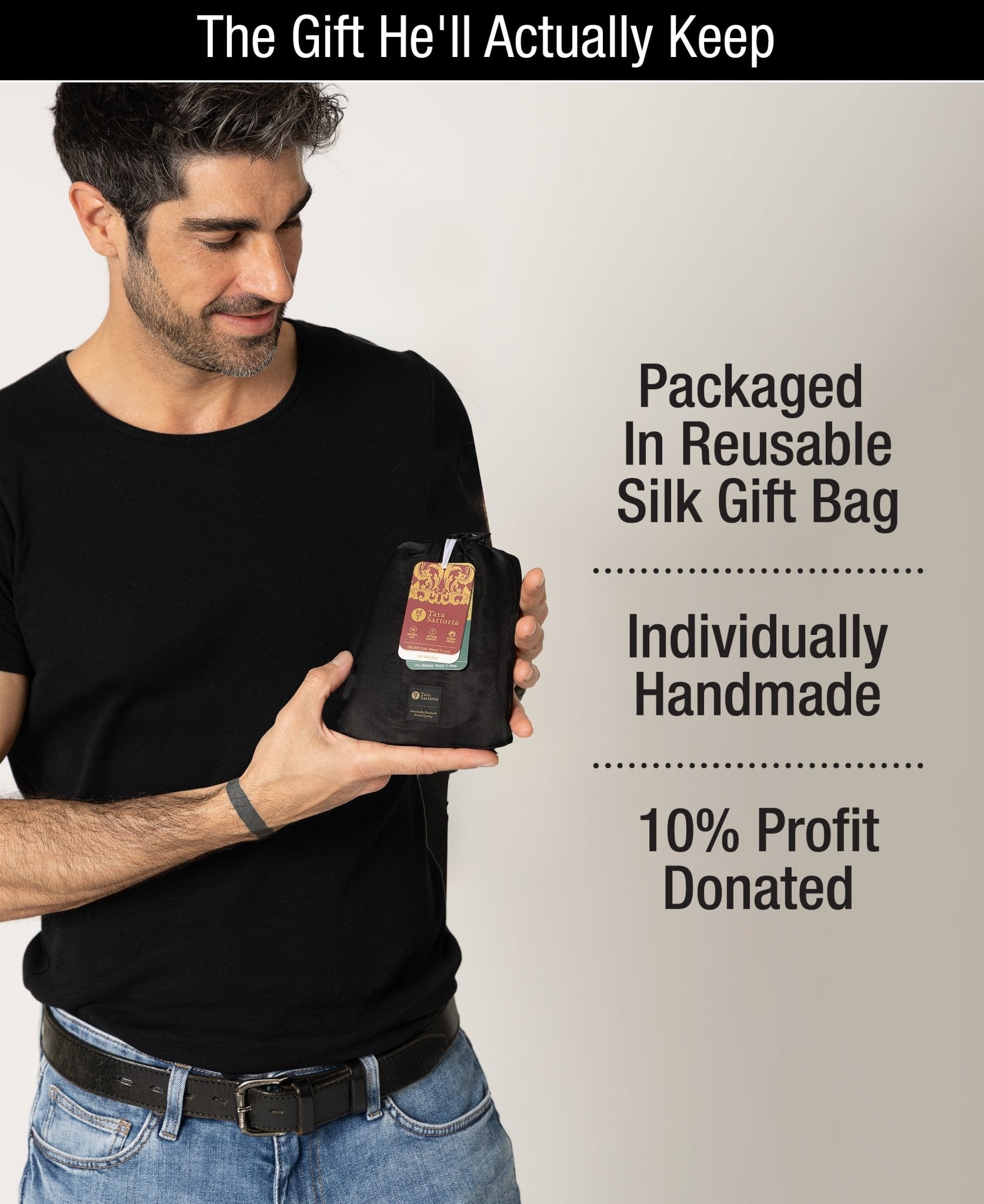
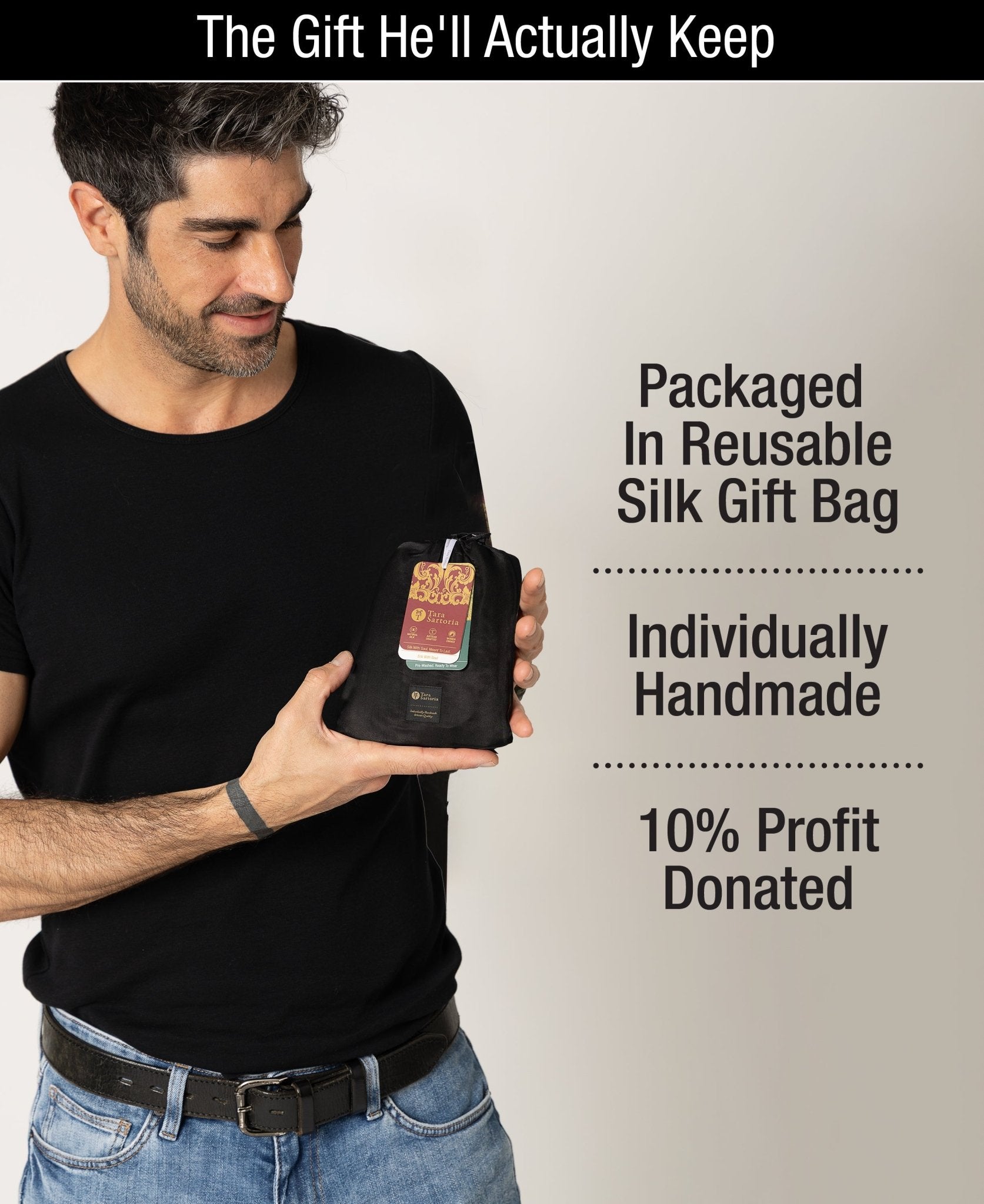
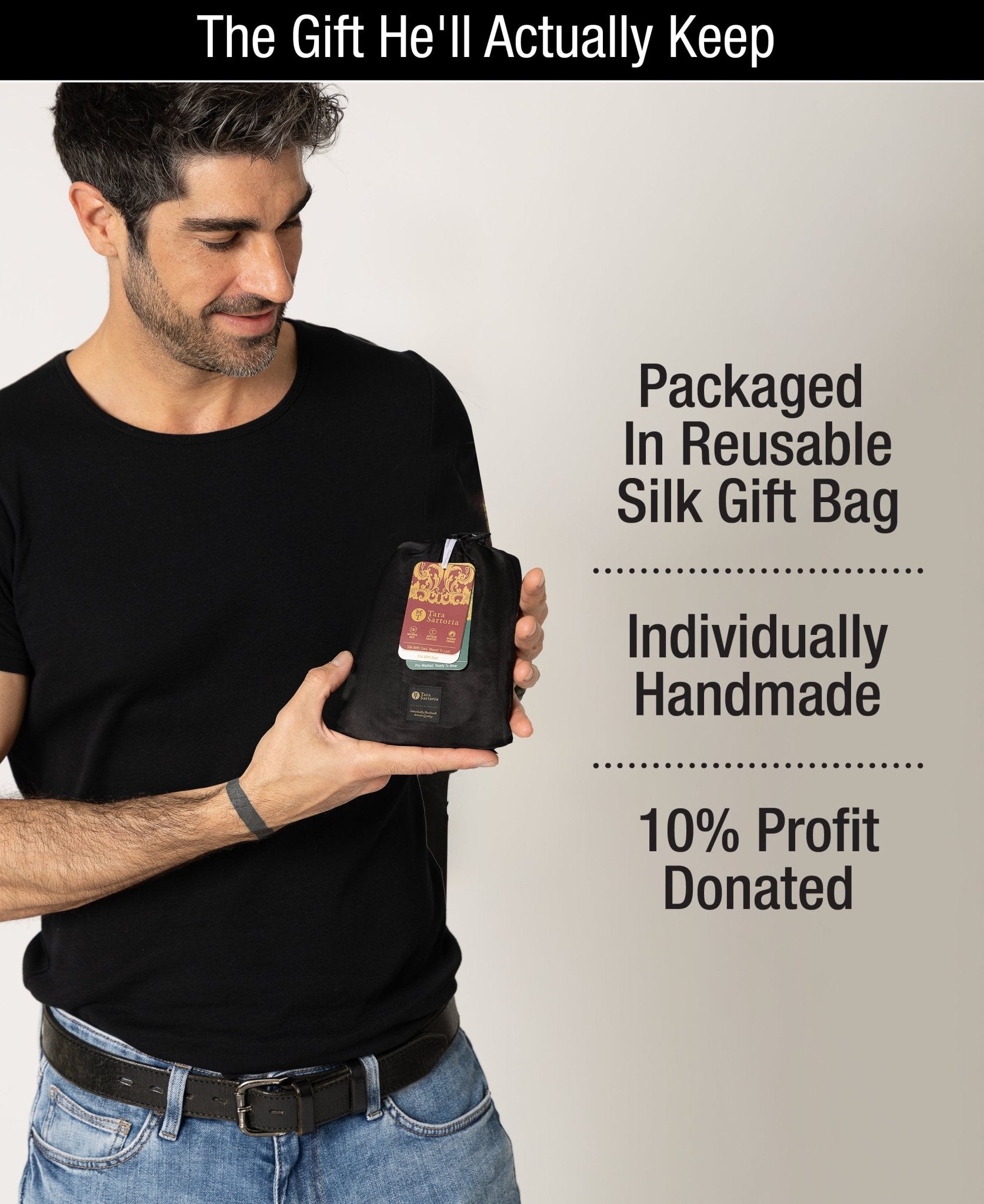
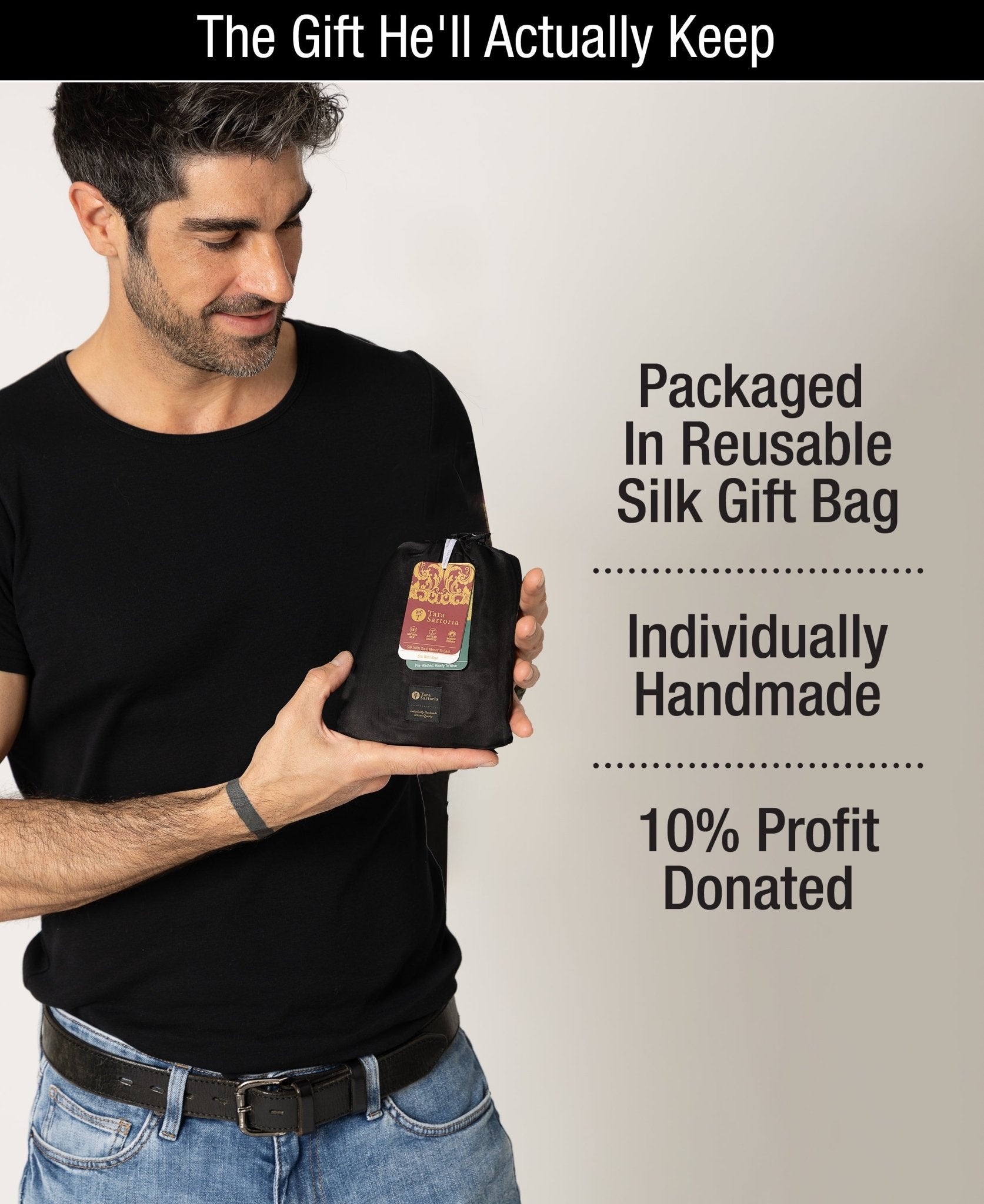
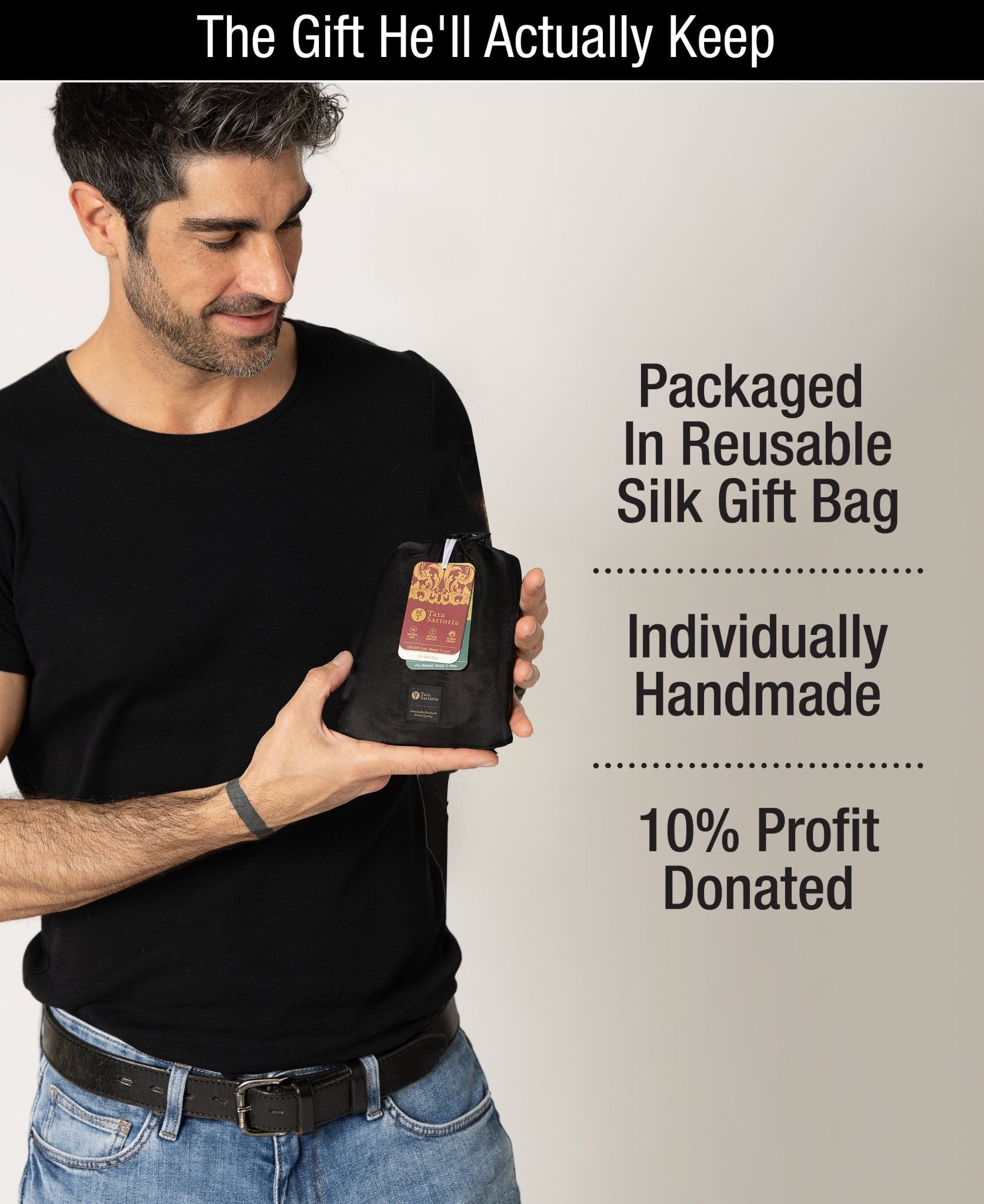
Ten percent of Tara Sartoria's profits are directed to women's education programs in Vietnam. This is not a separate charitable initiative bolted onto the business. It is built into the financial model at the structural level, meaning it is not discretionary and cannot be reduced in lean quarters.
The connection between silk production and women's education is not arbitrary. Vietnam's silk villages have historically employed women in the weaving and finishing stages of production. Investing in education in these communities is an investment in the same ecosystem that produces the fabric. It is supply chain integrity, not philanthropy.
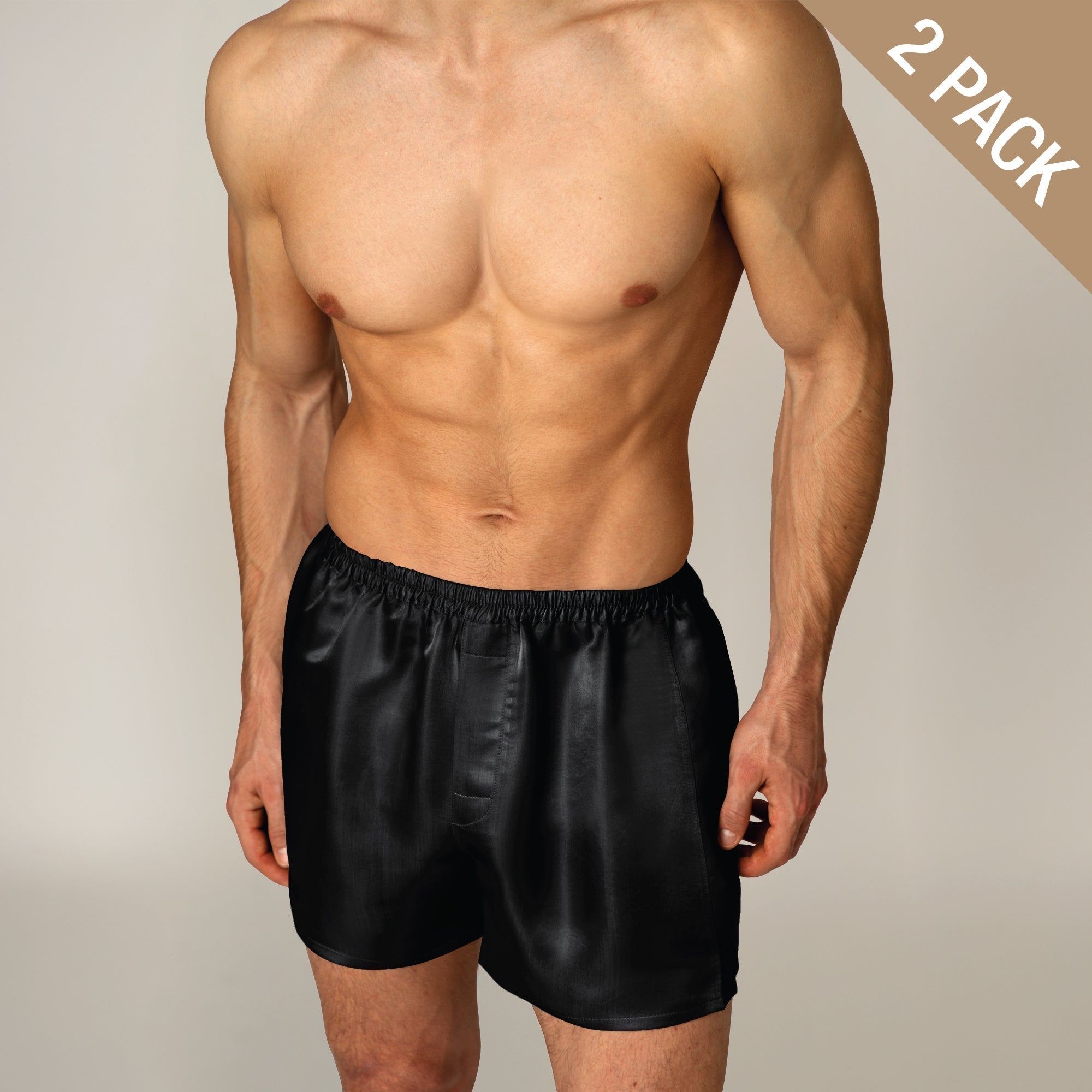
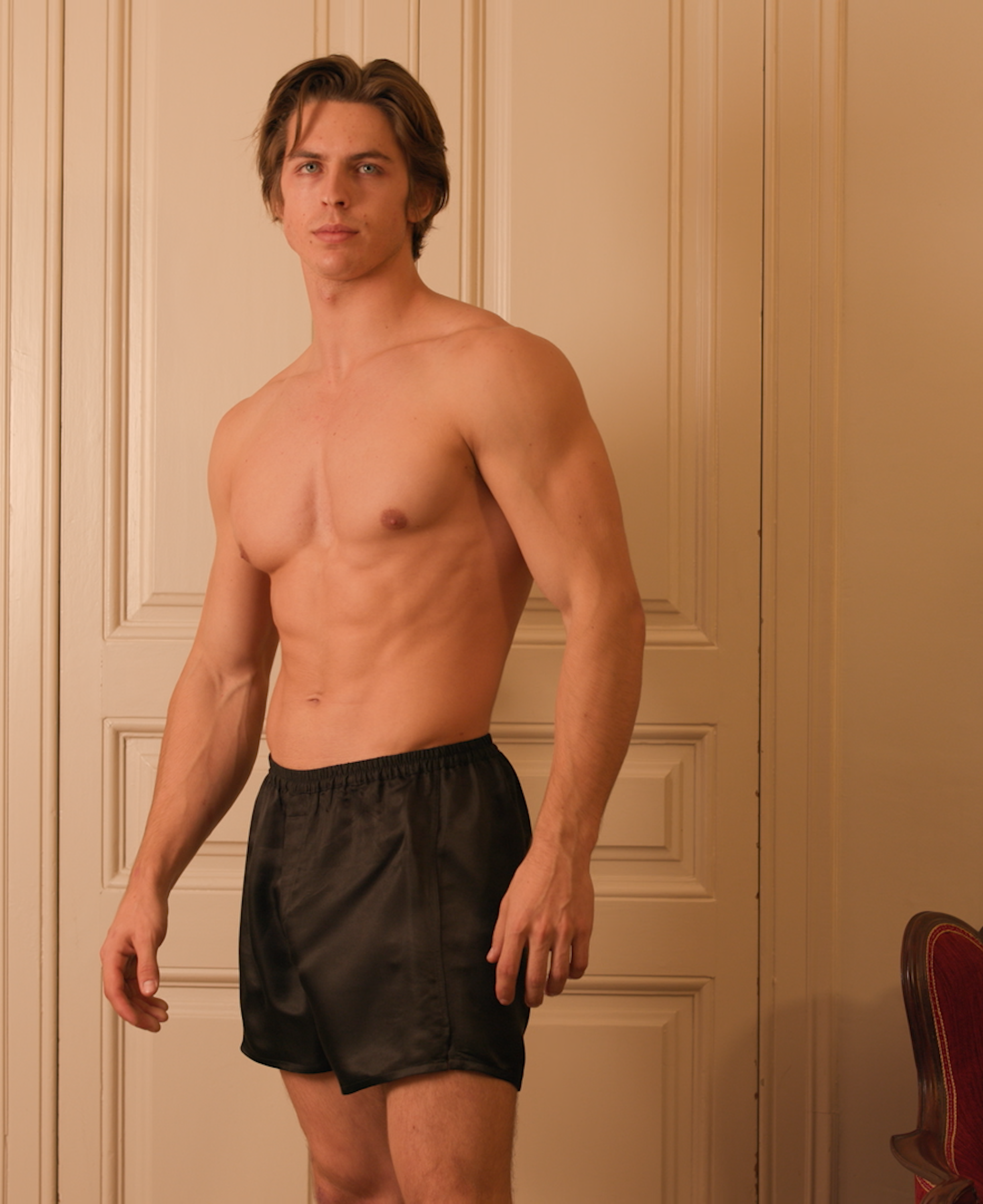
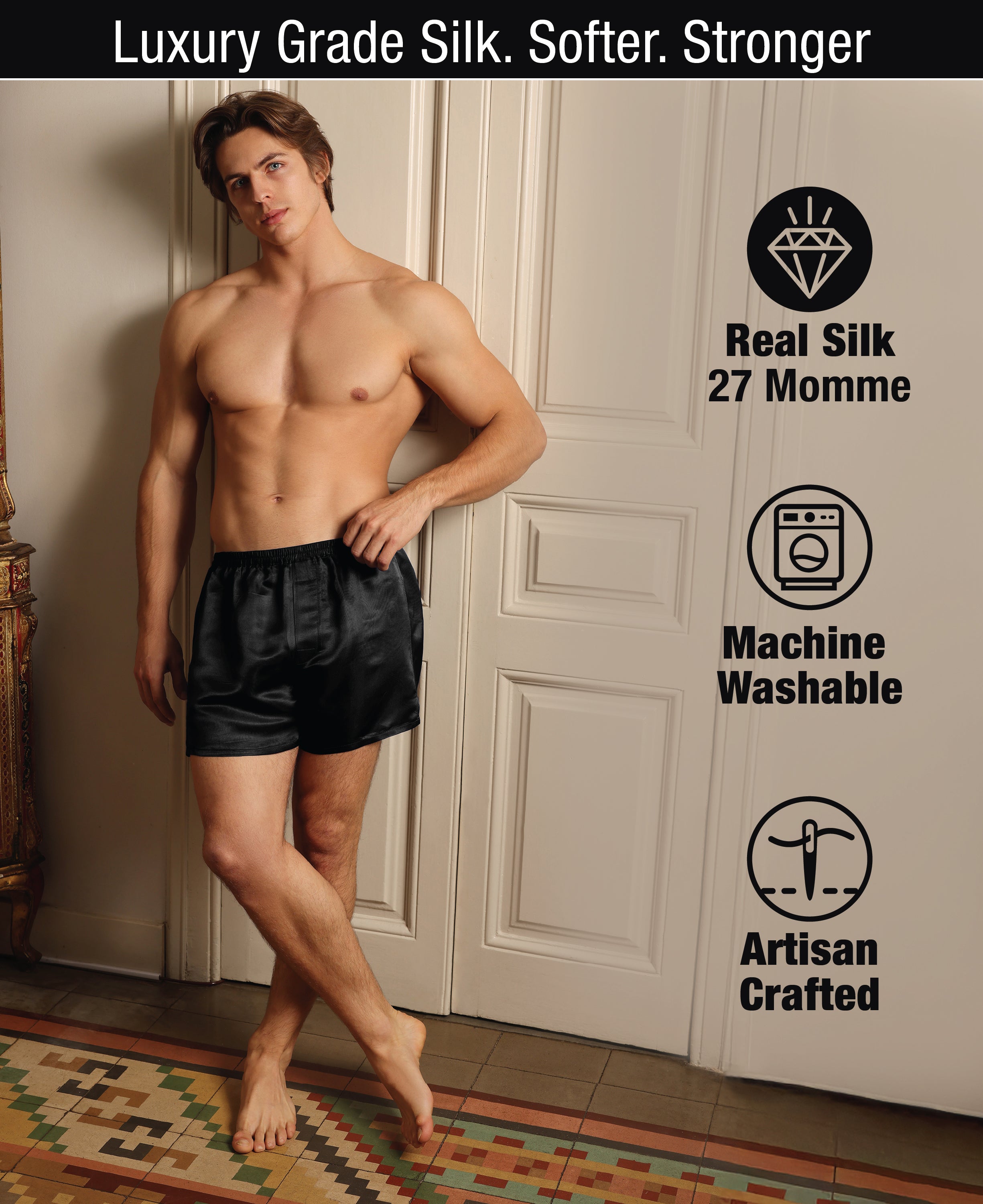
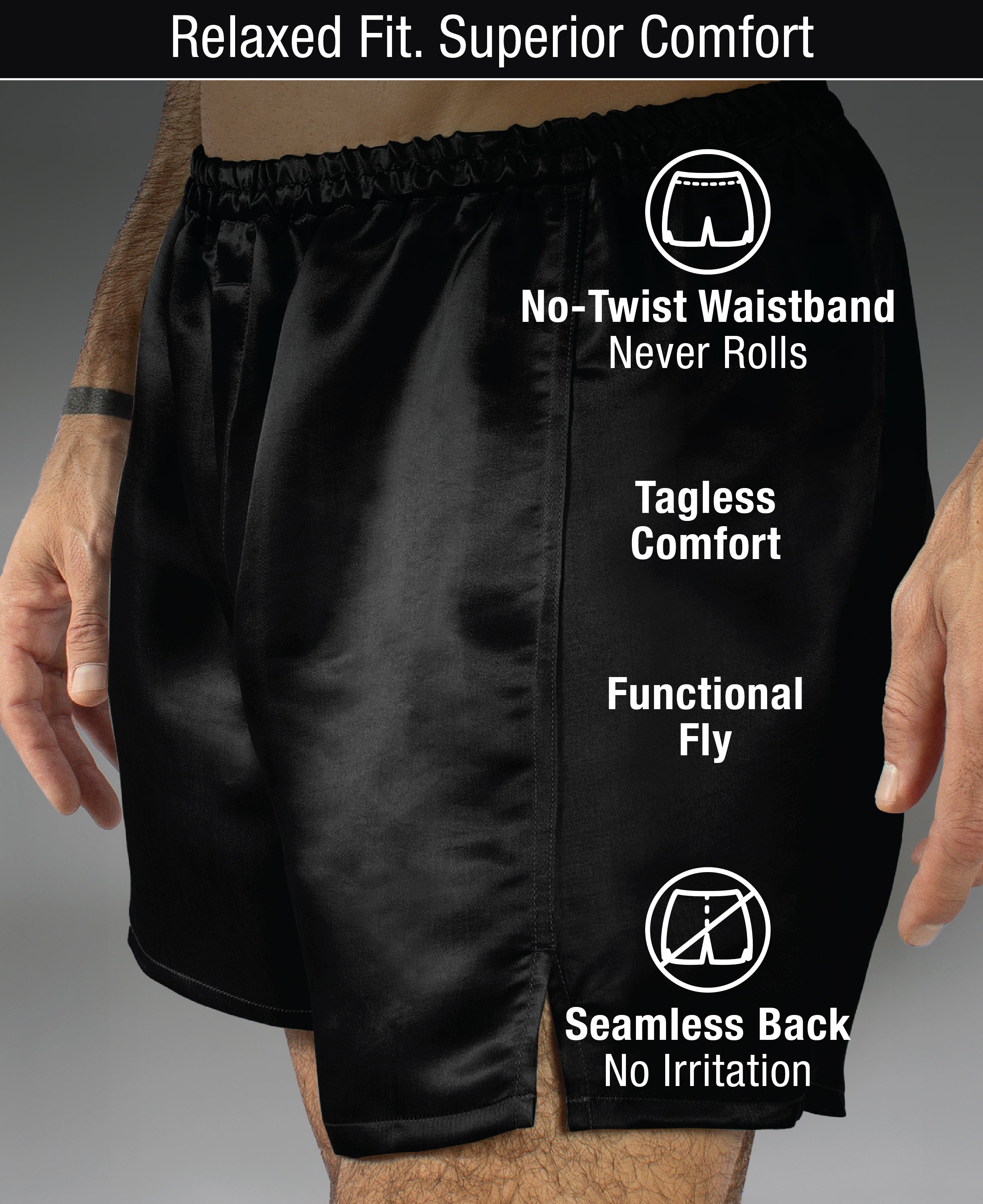
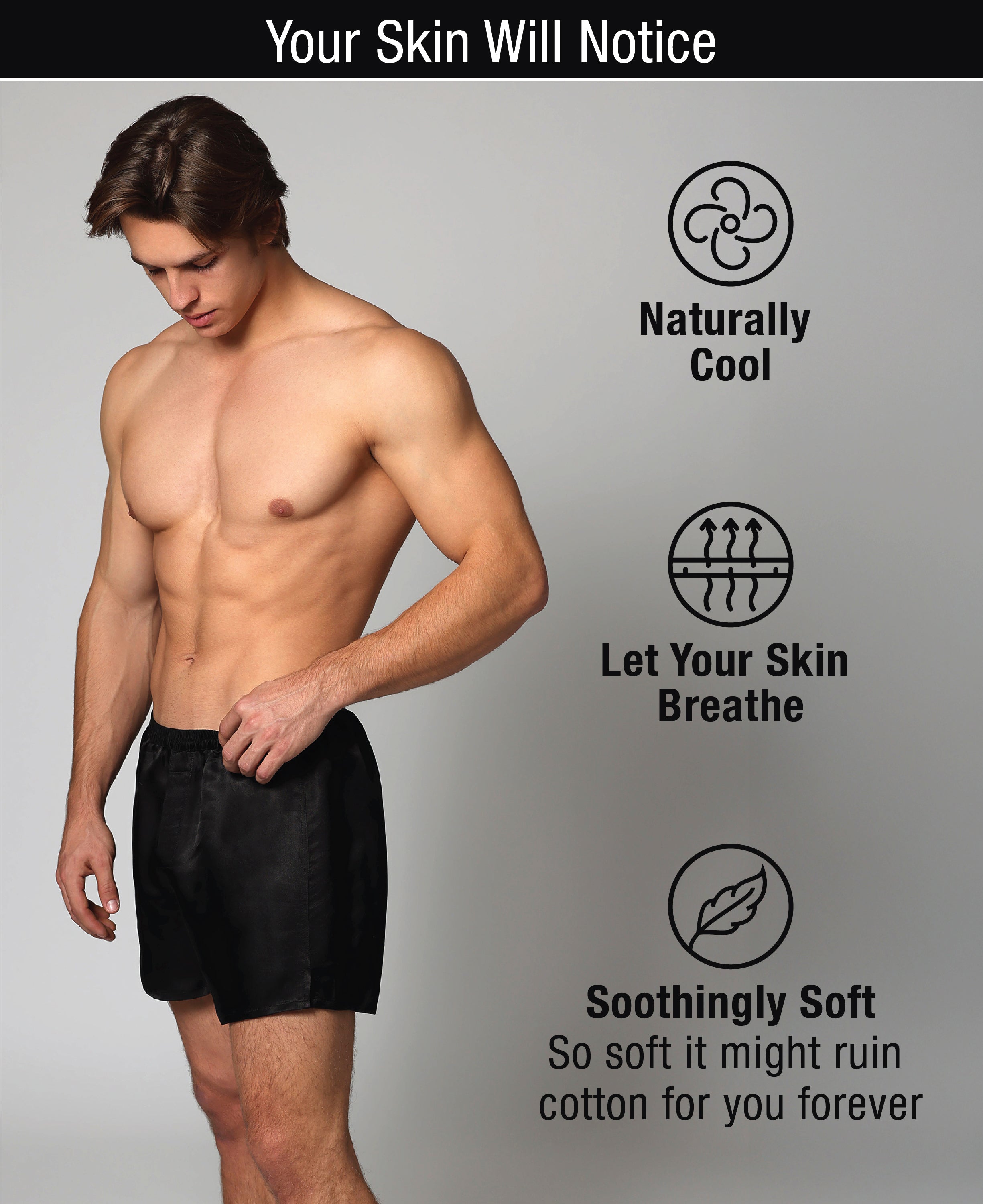
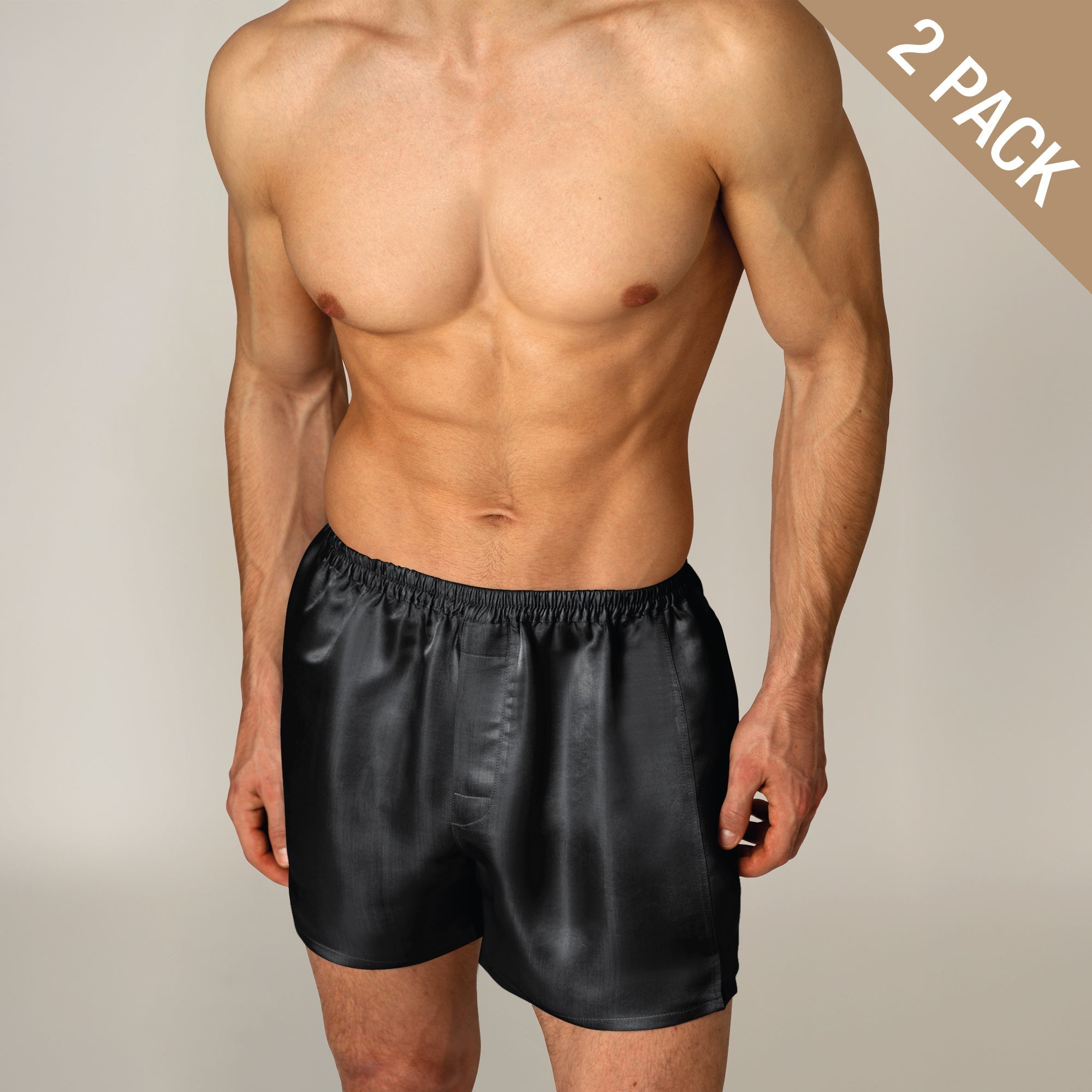
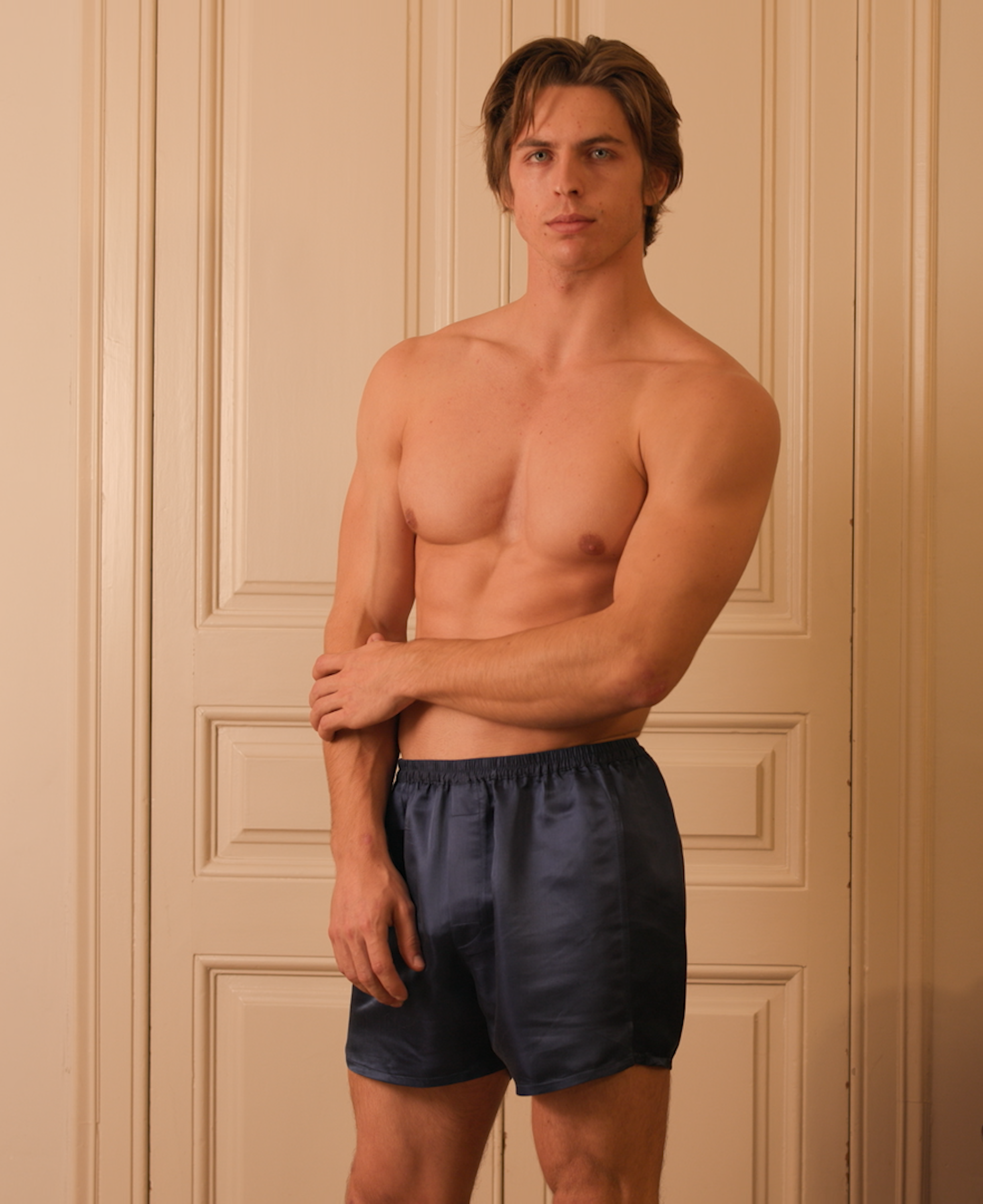
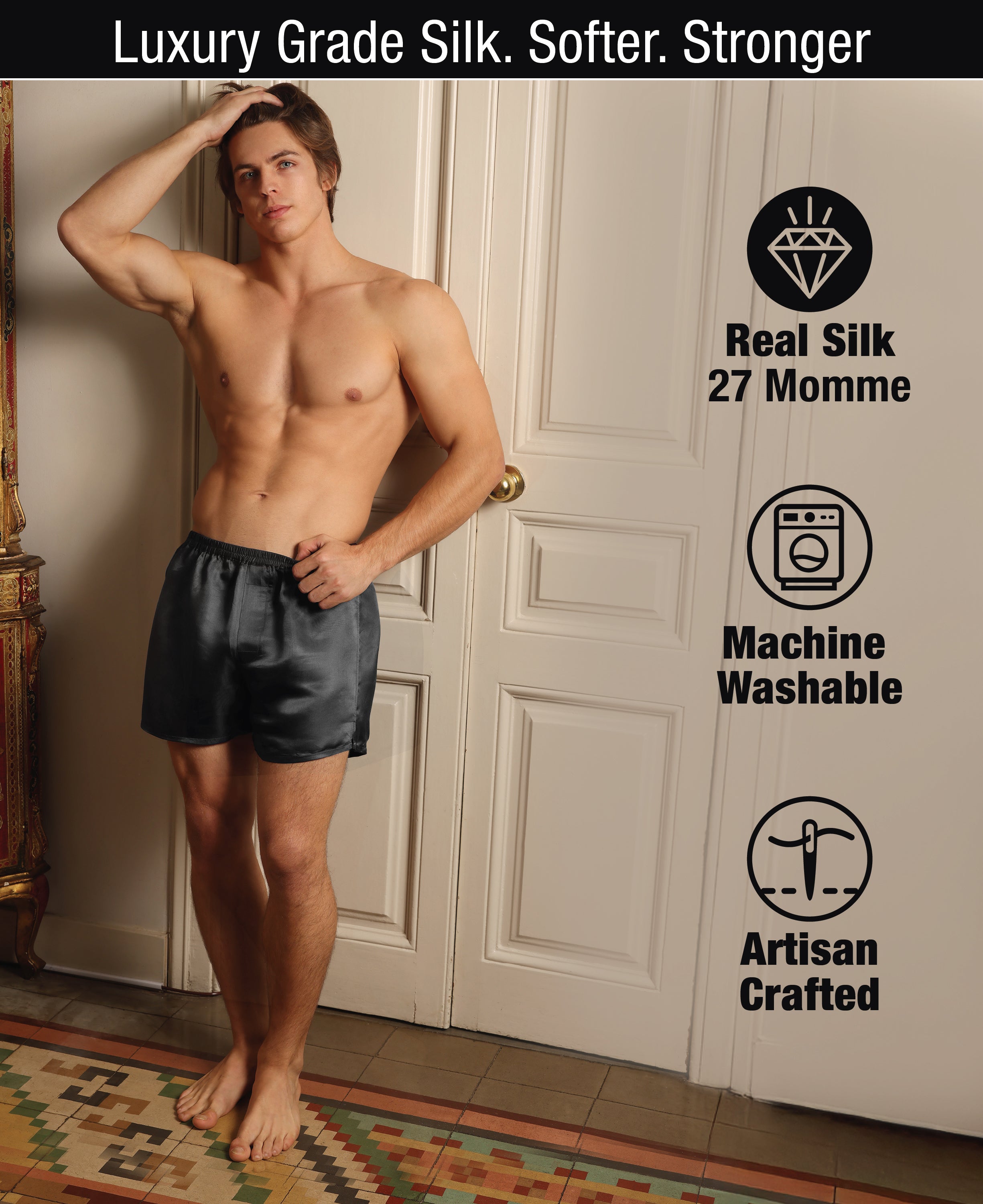
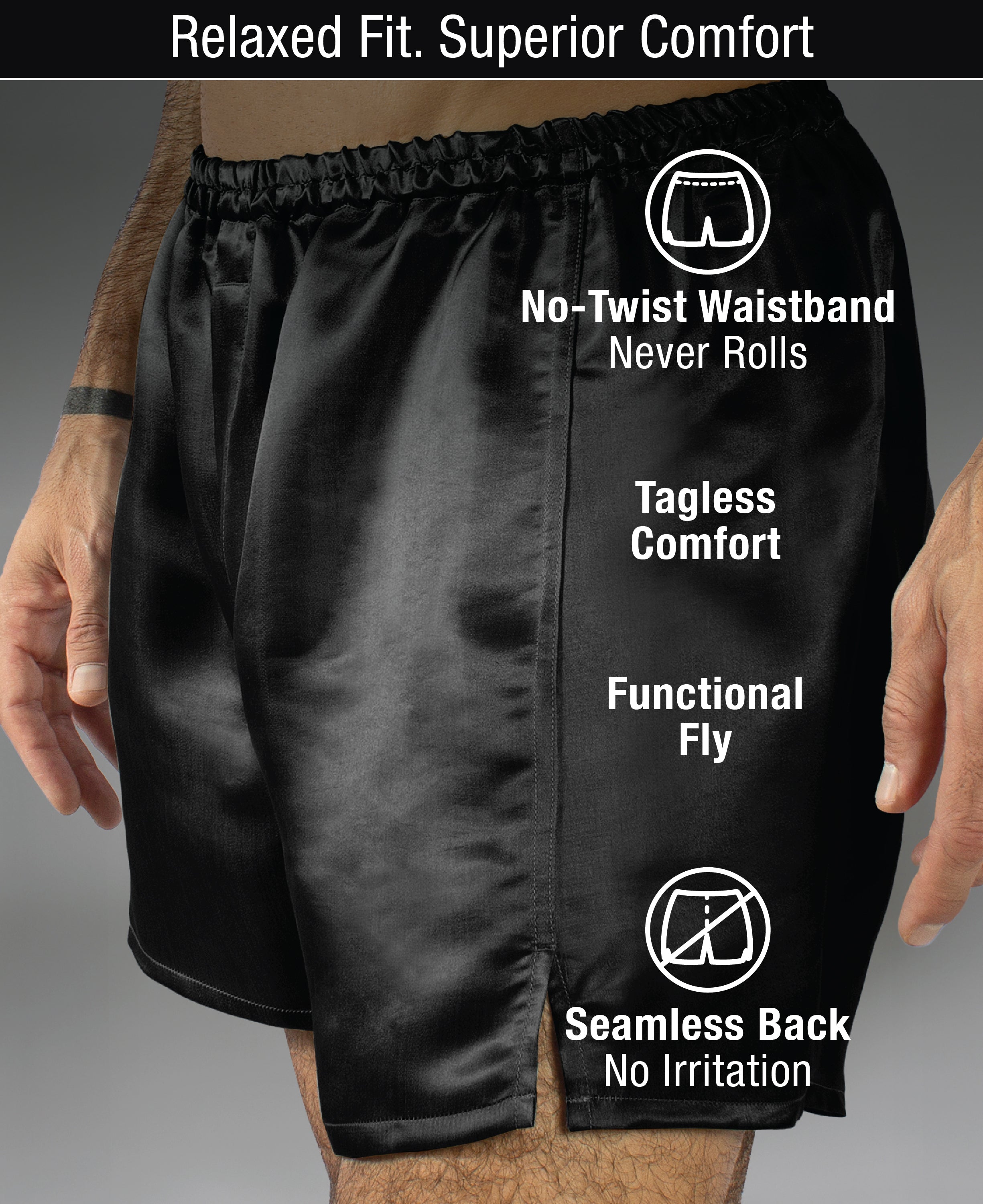
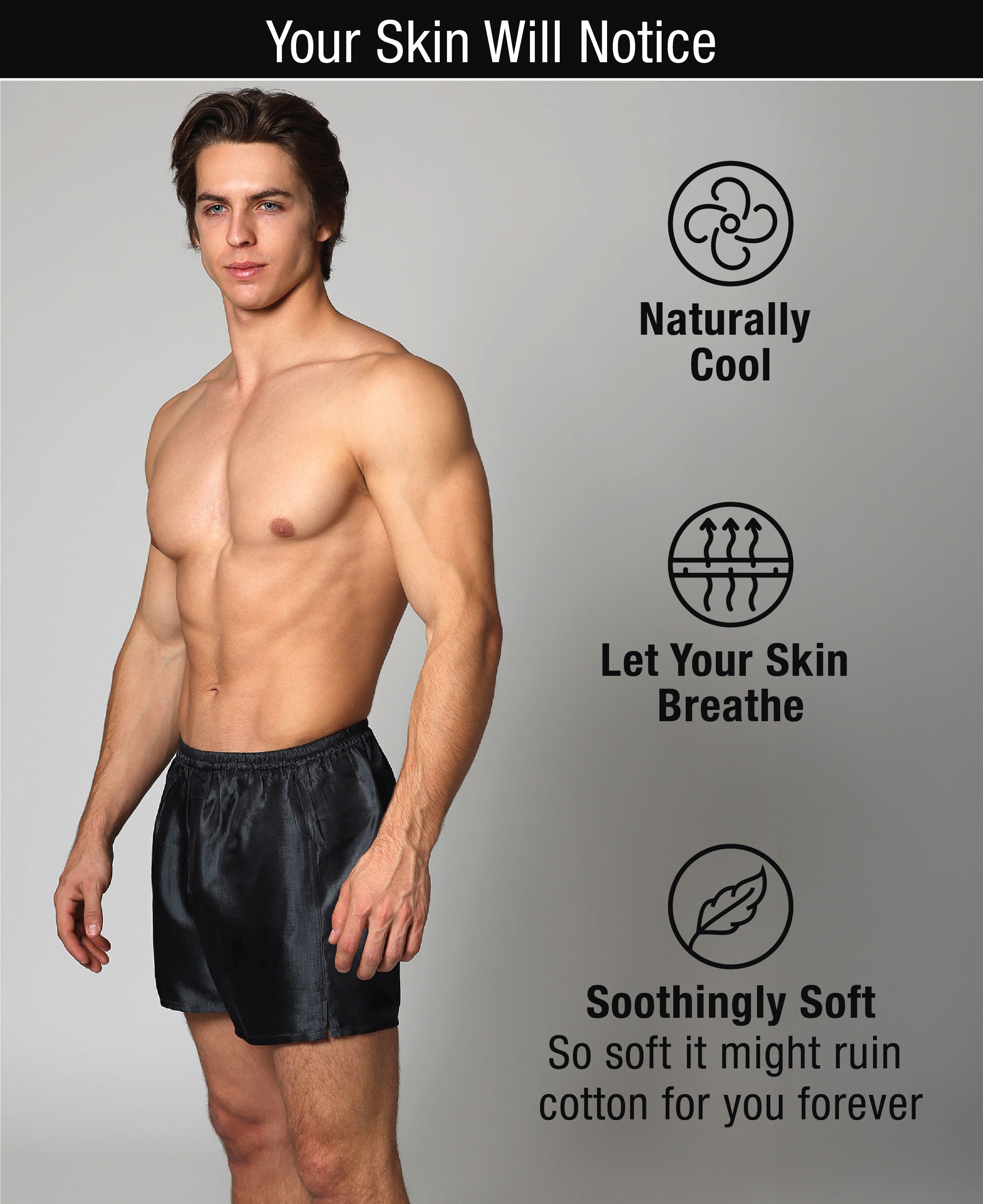
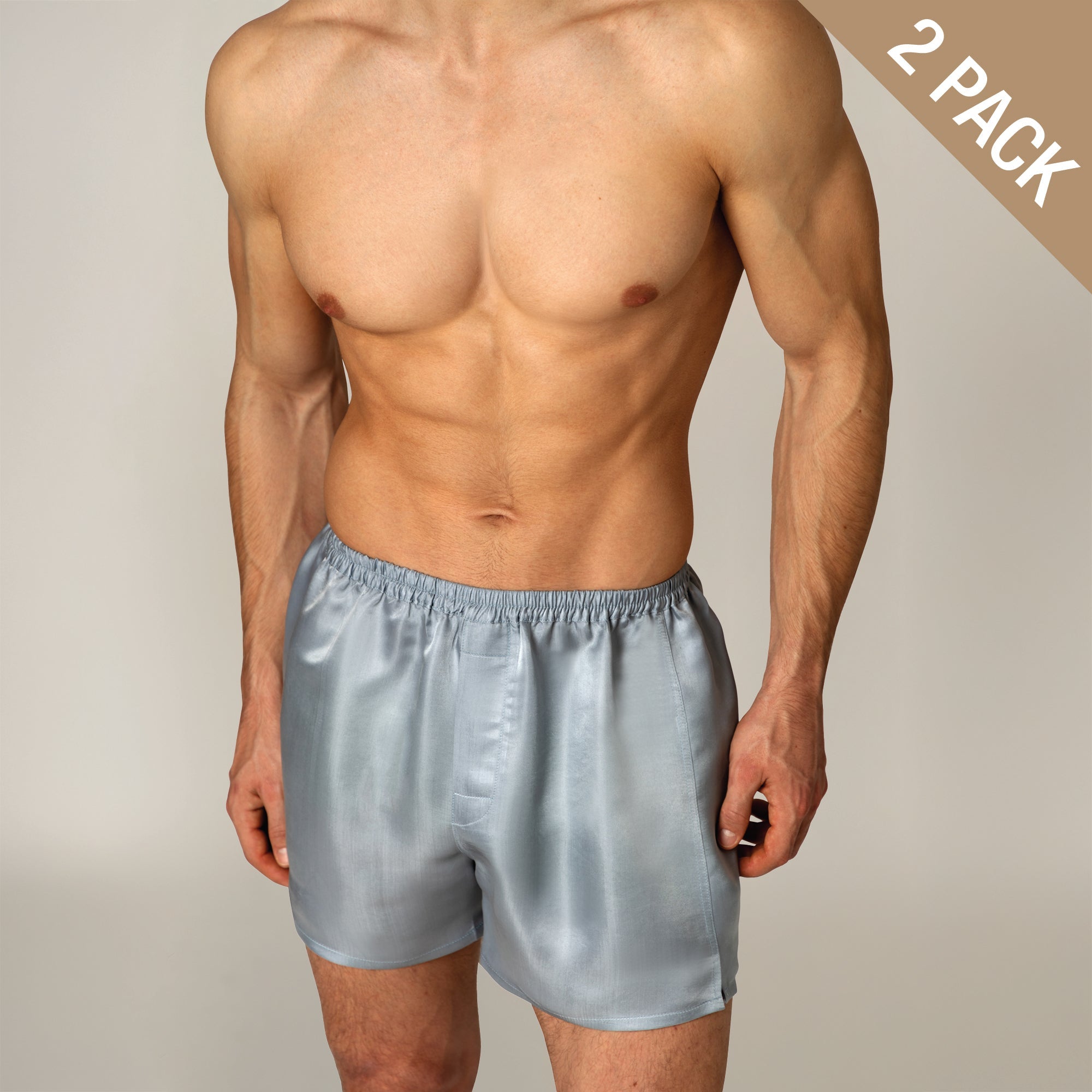
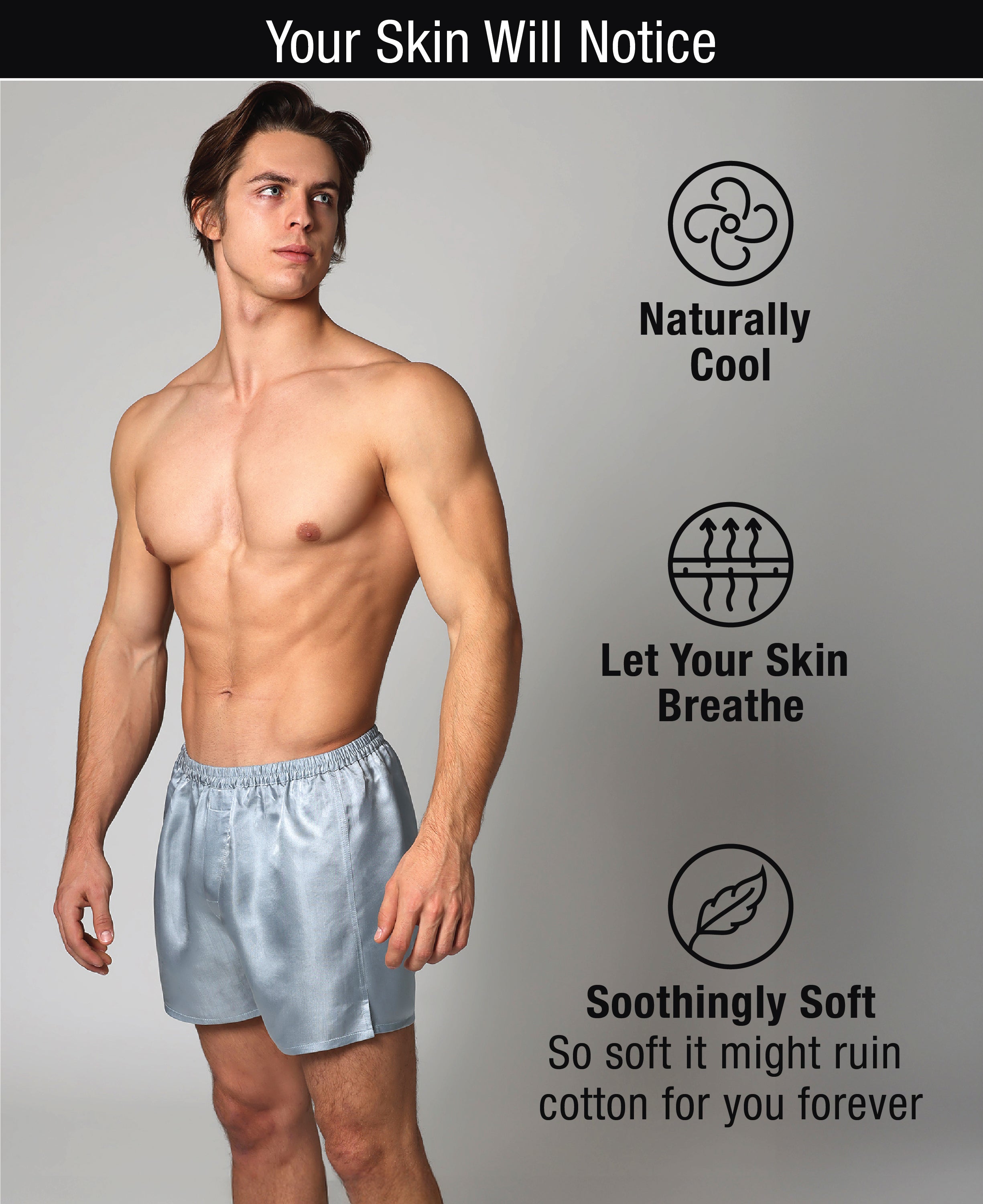
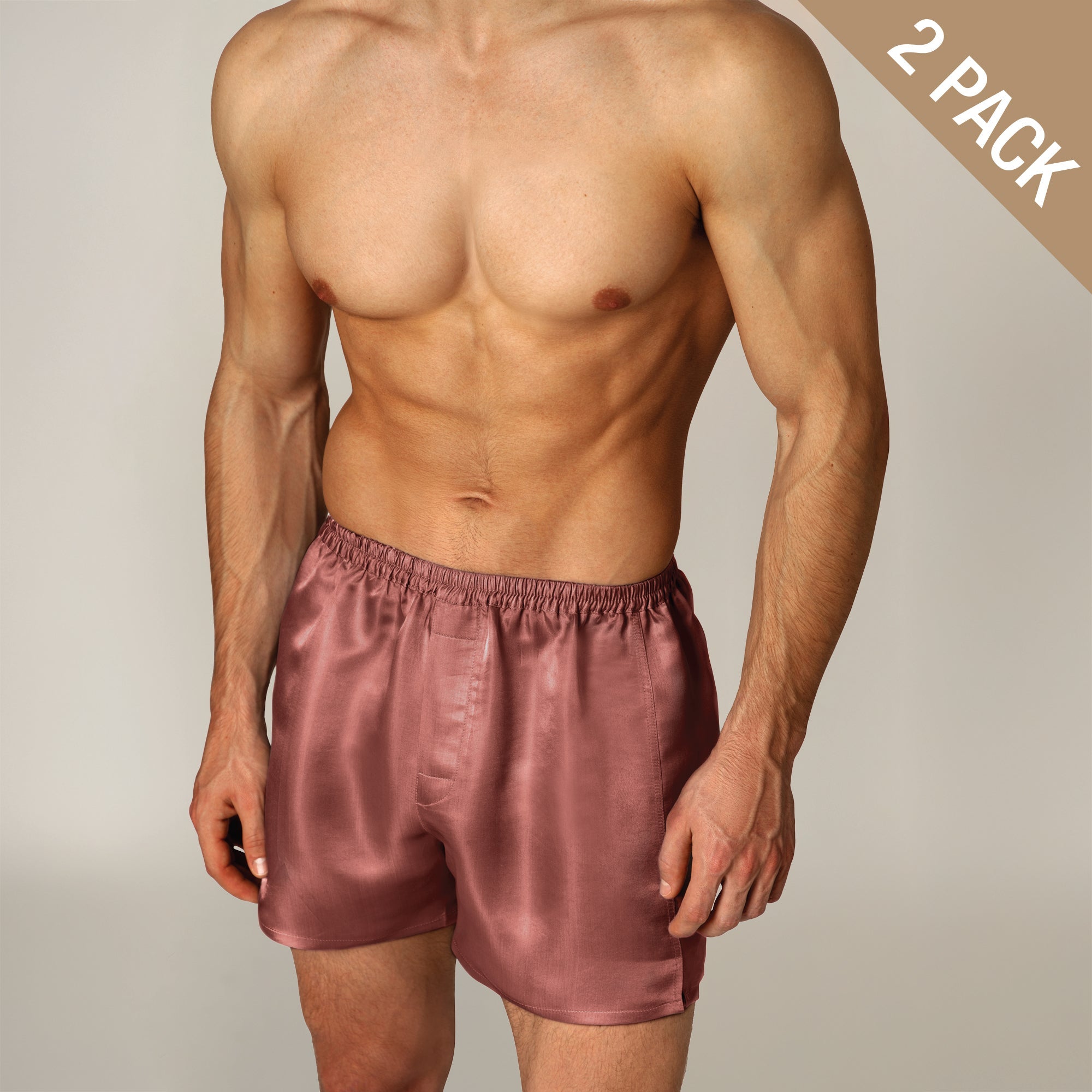
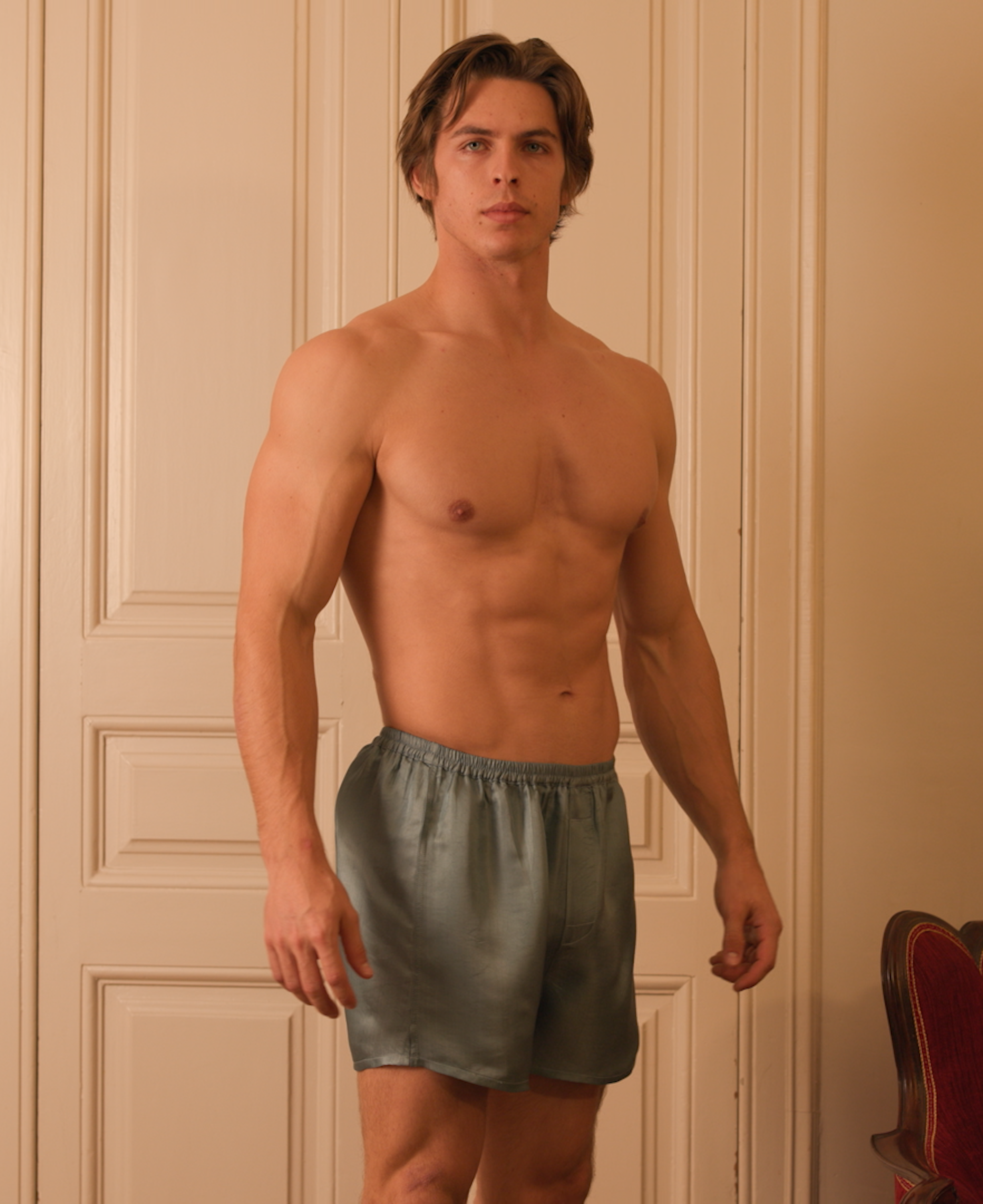
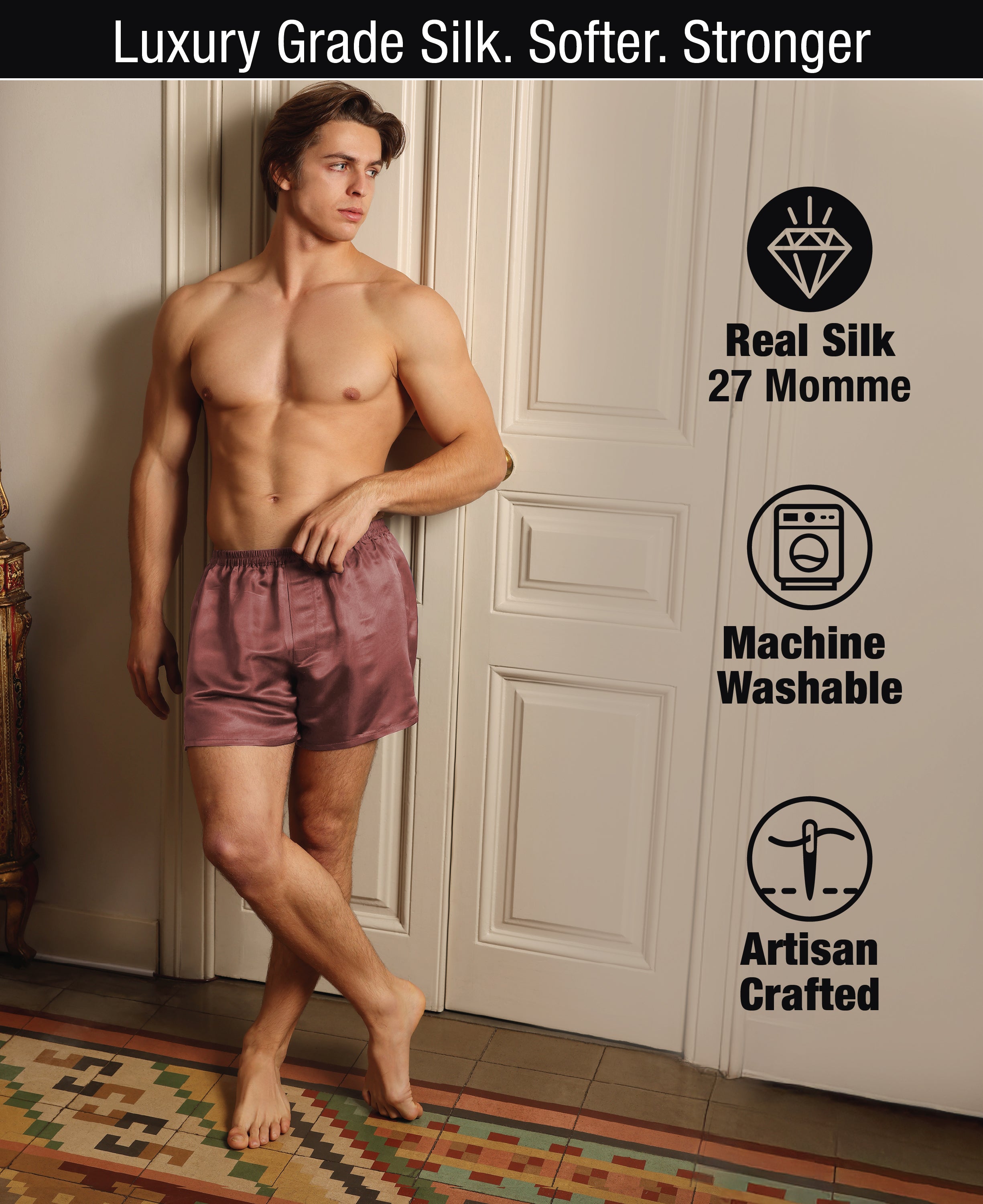
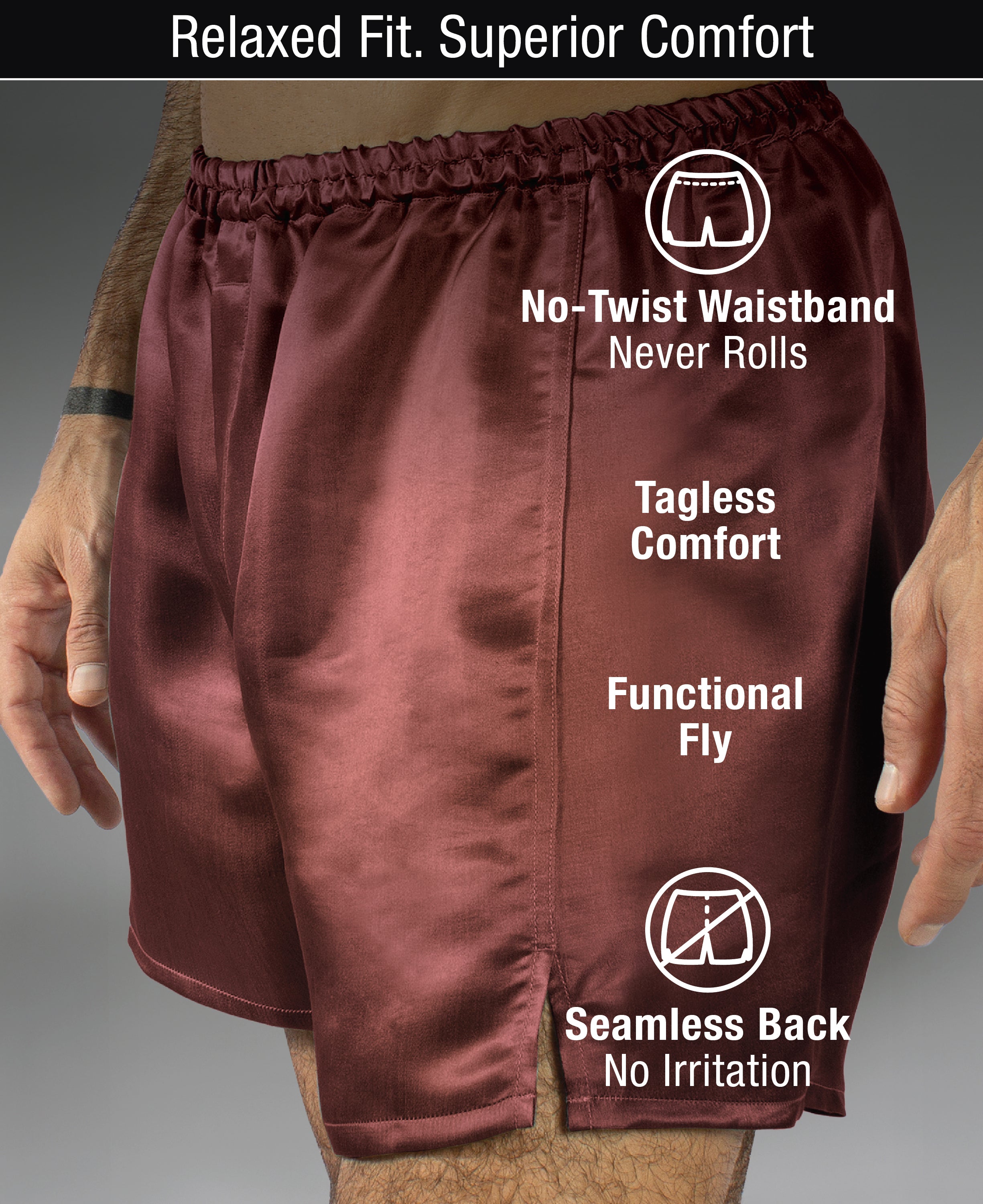
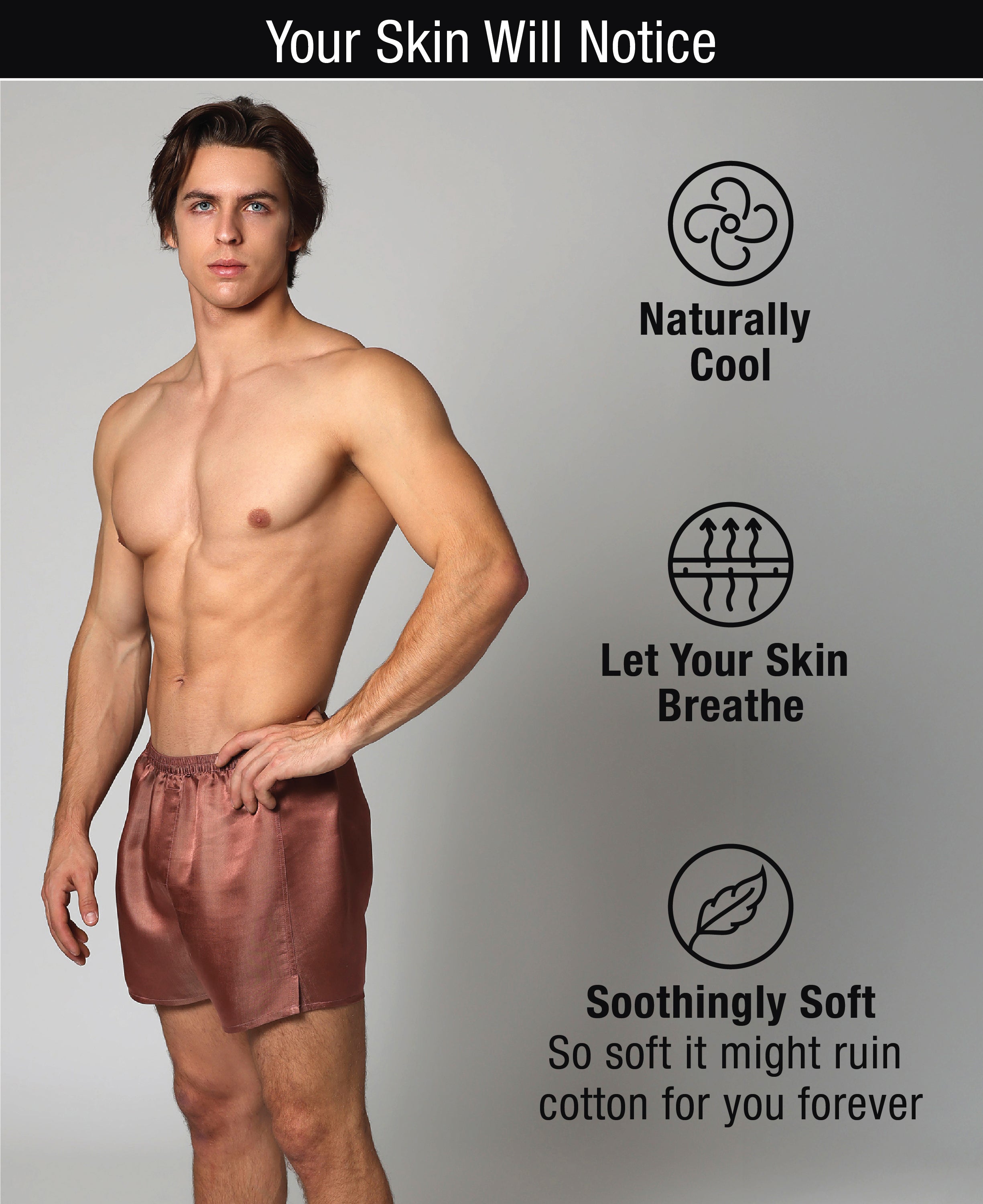
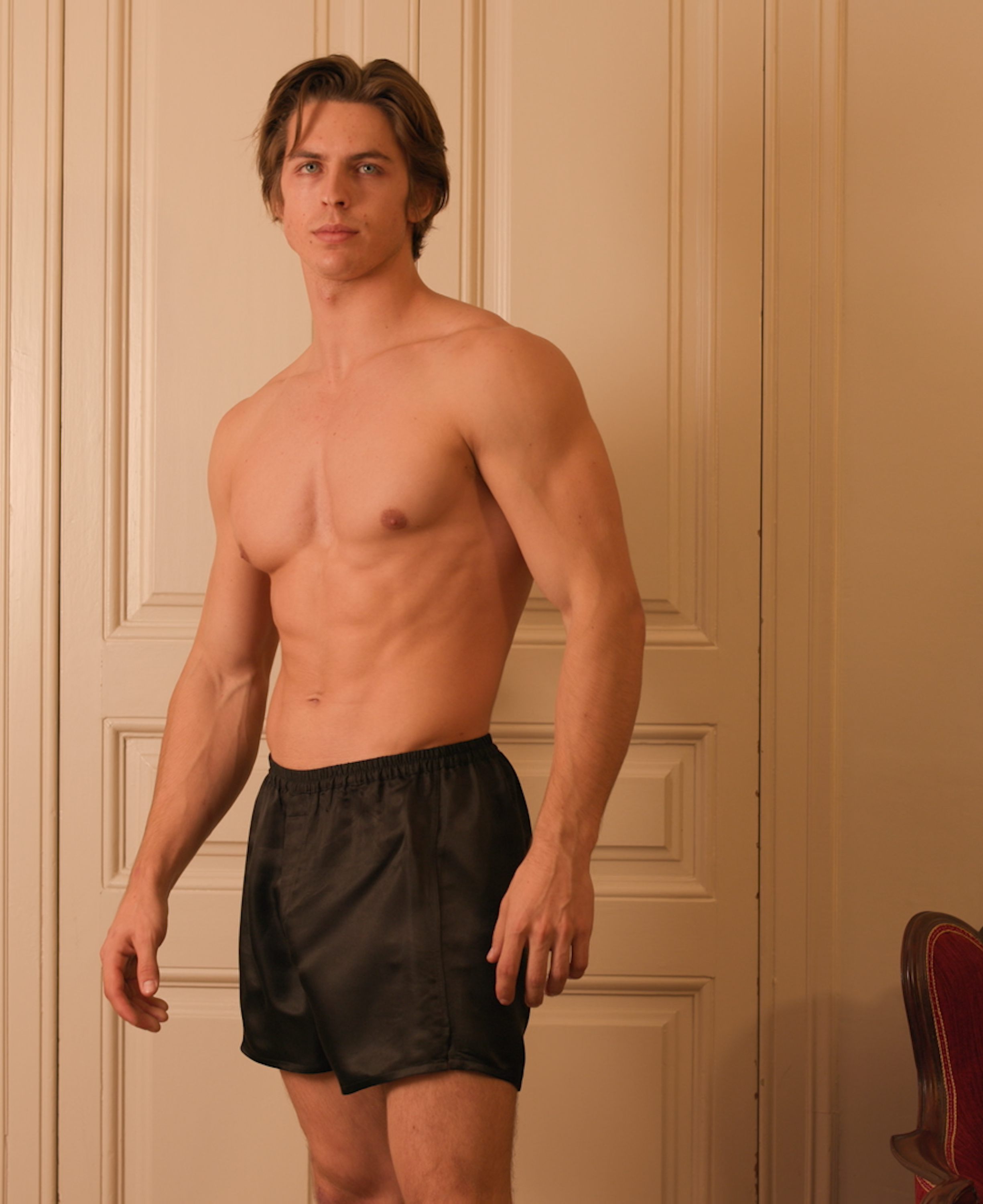
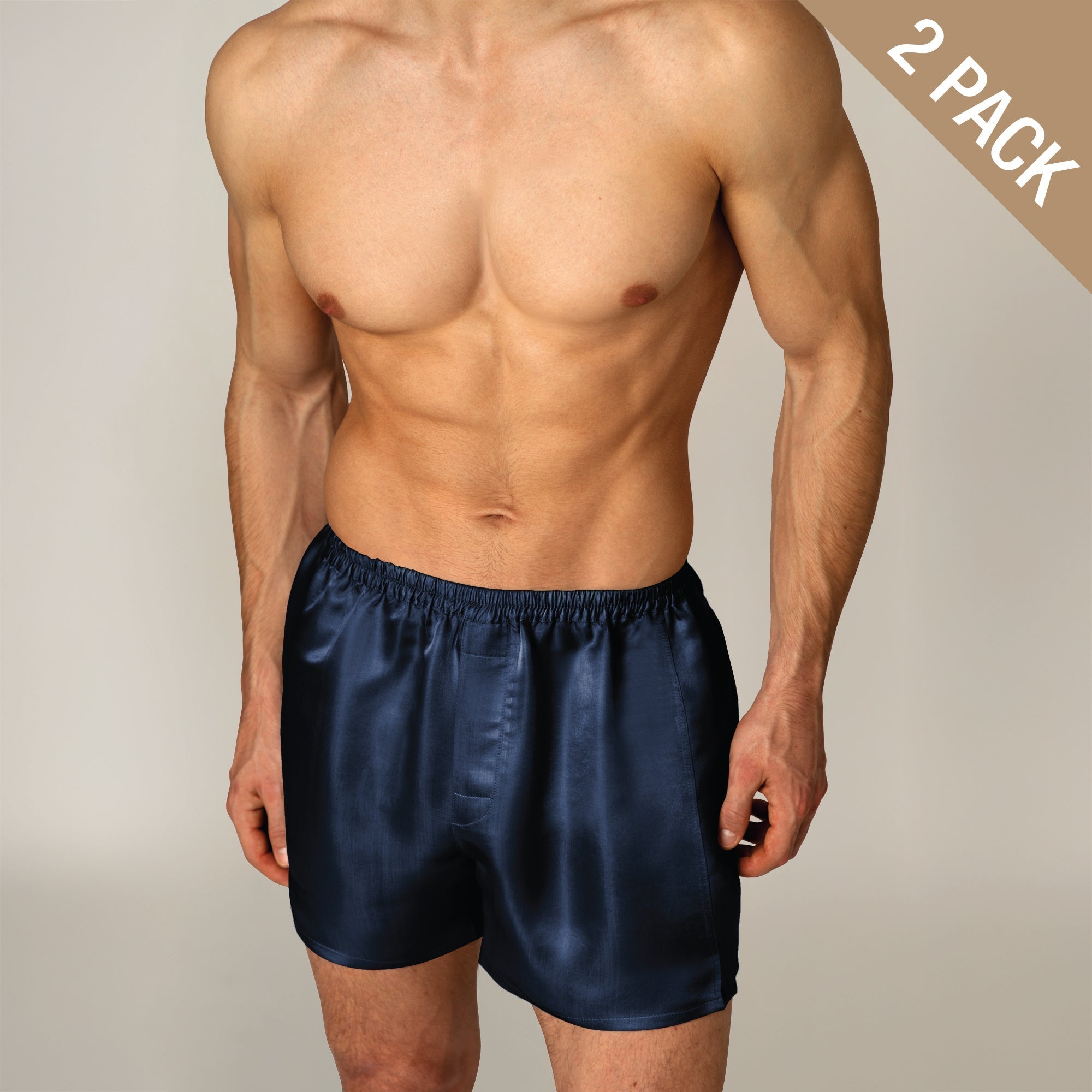
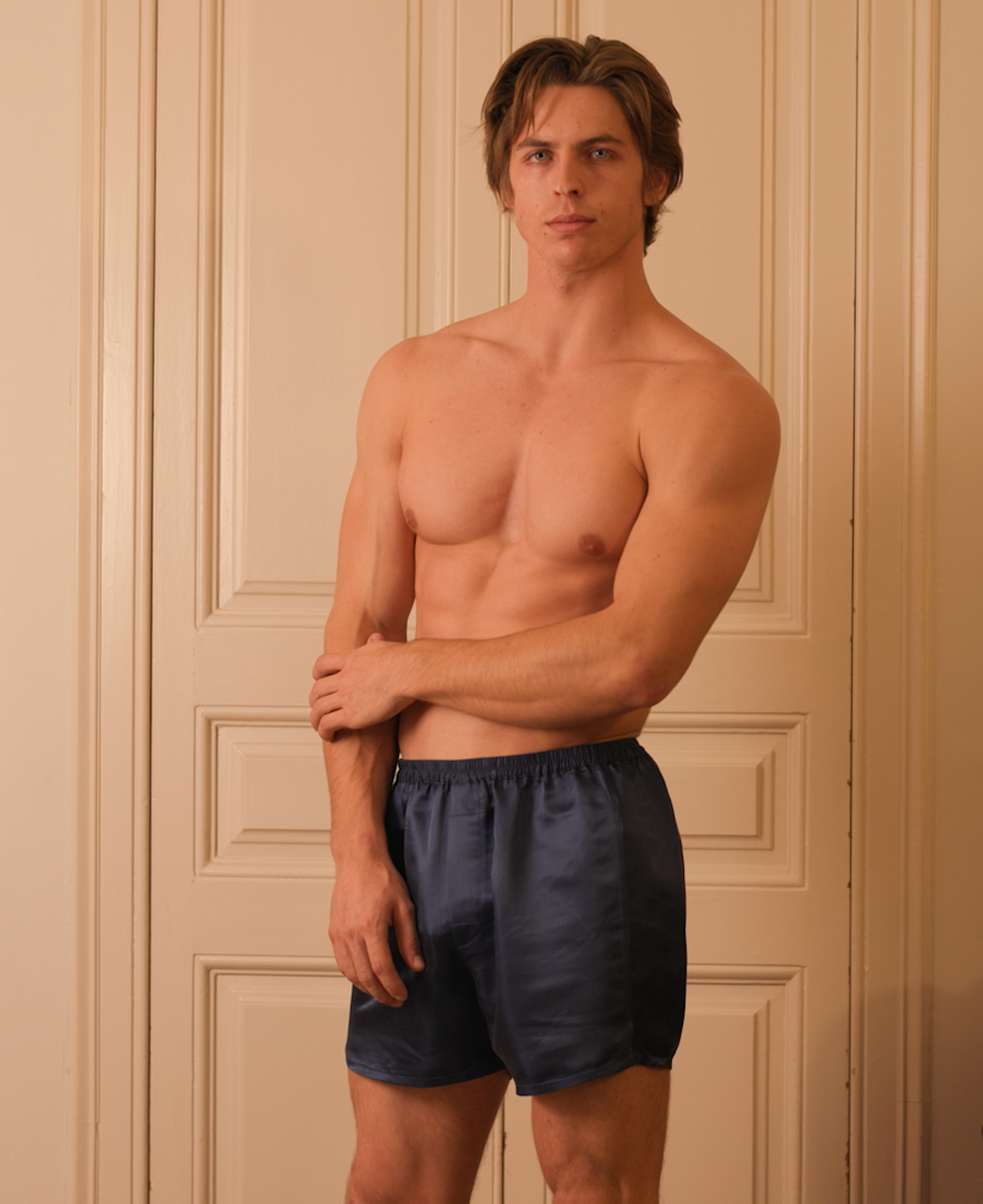
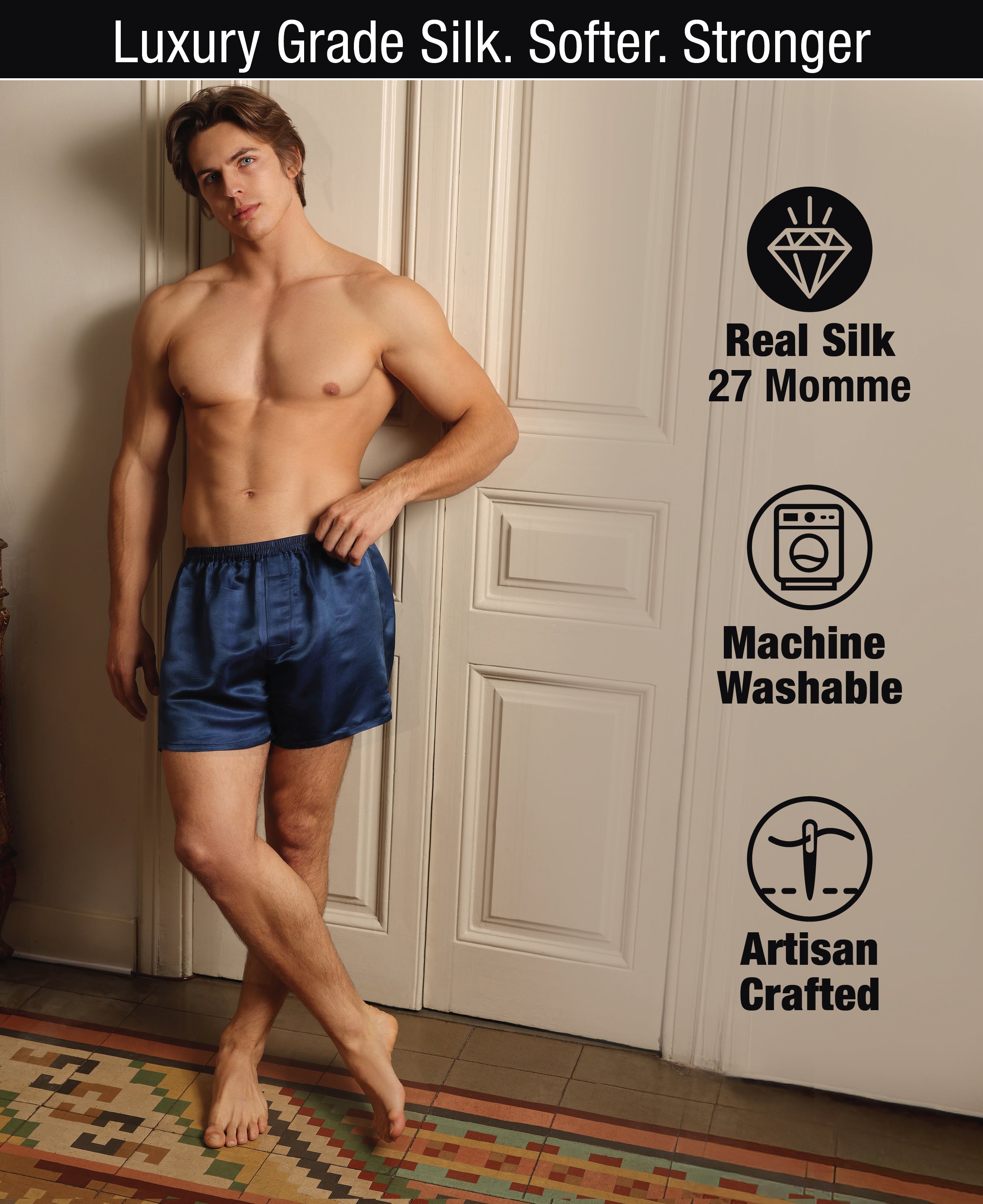
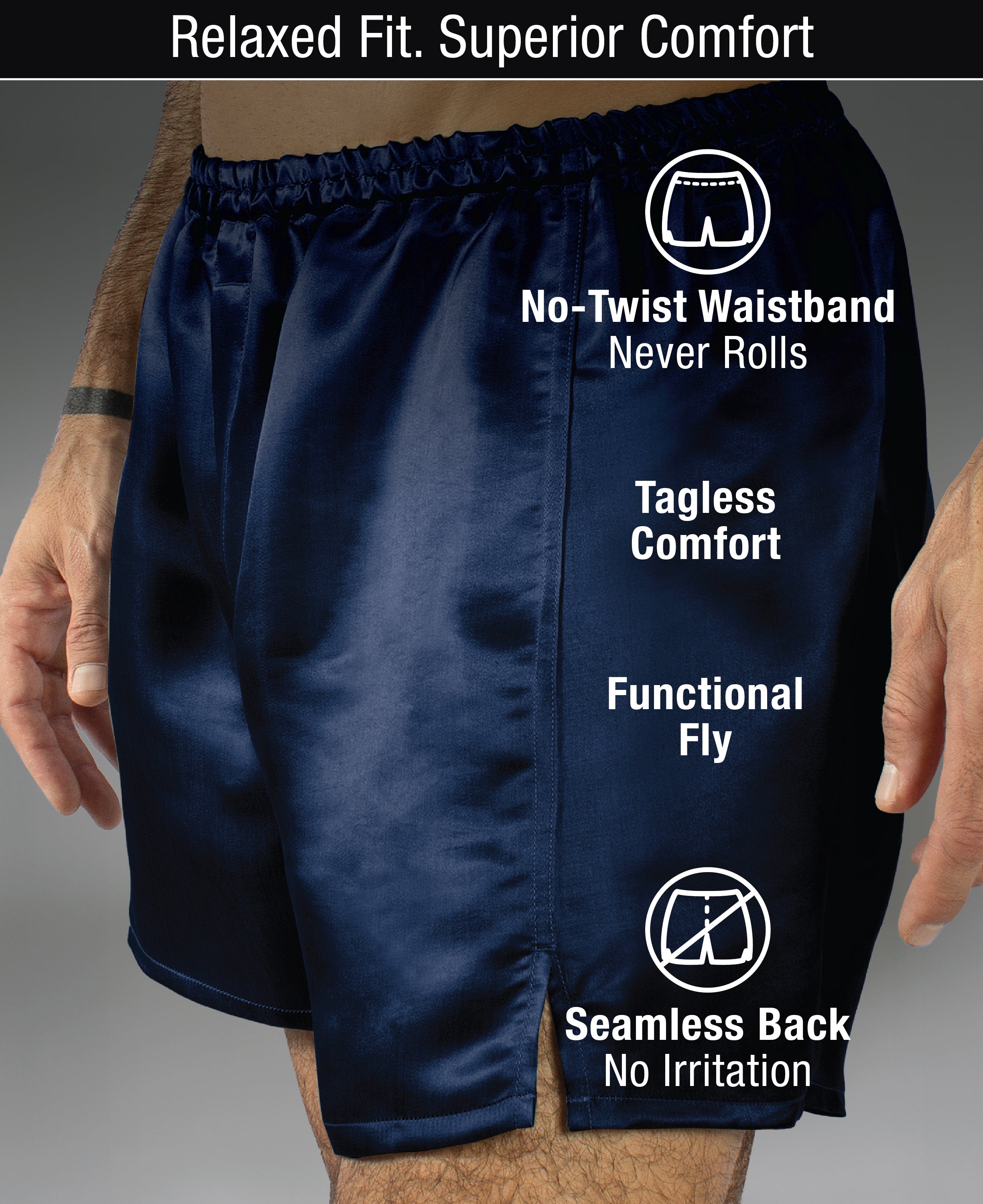
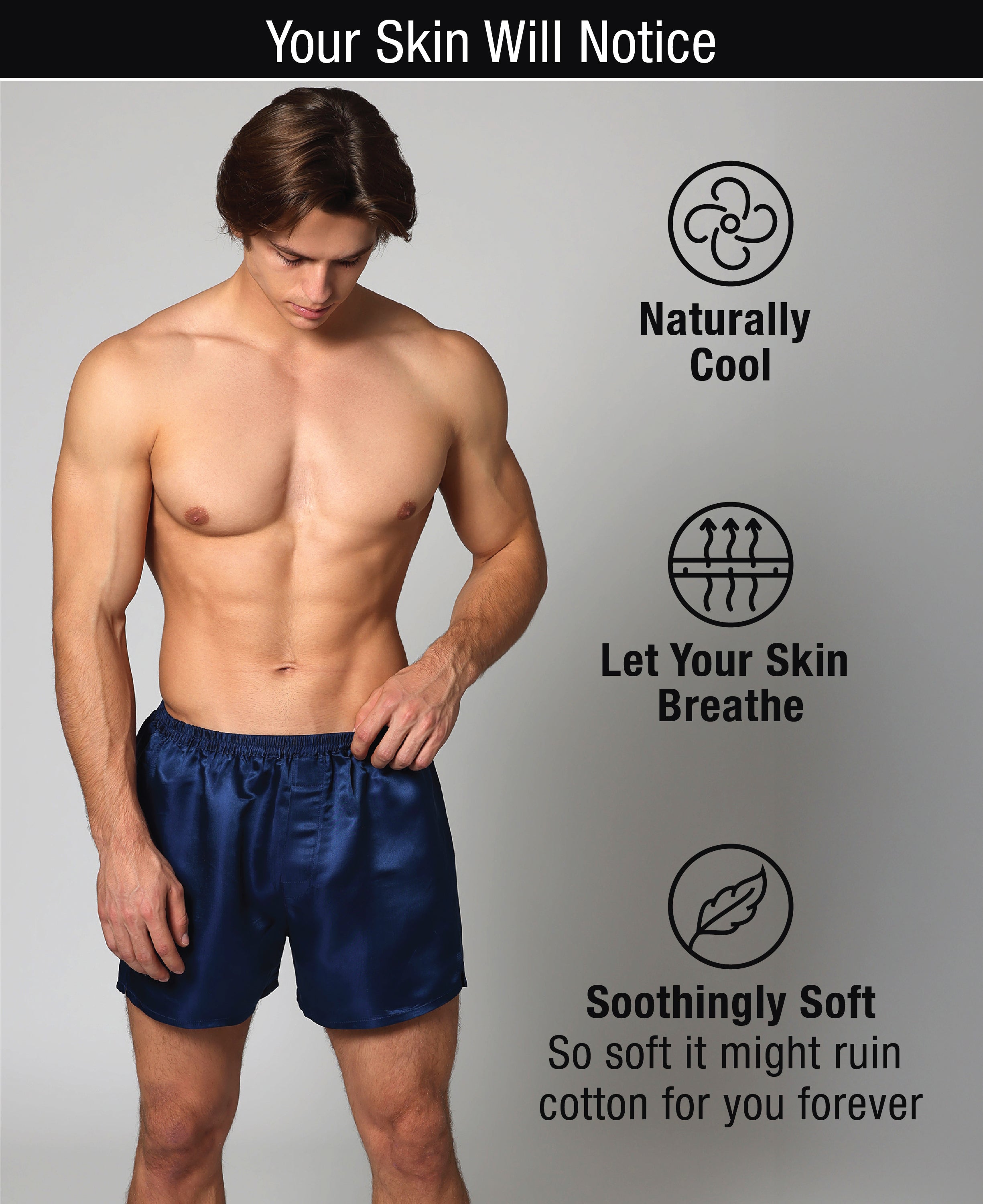
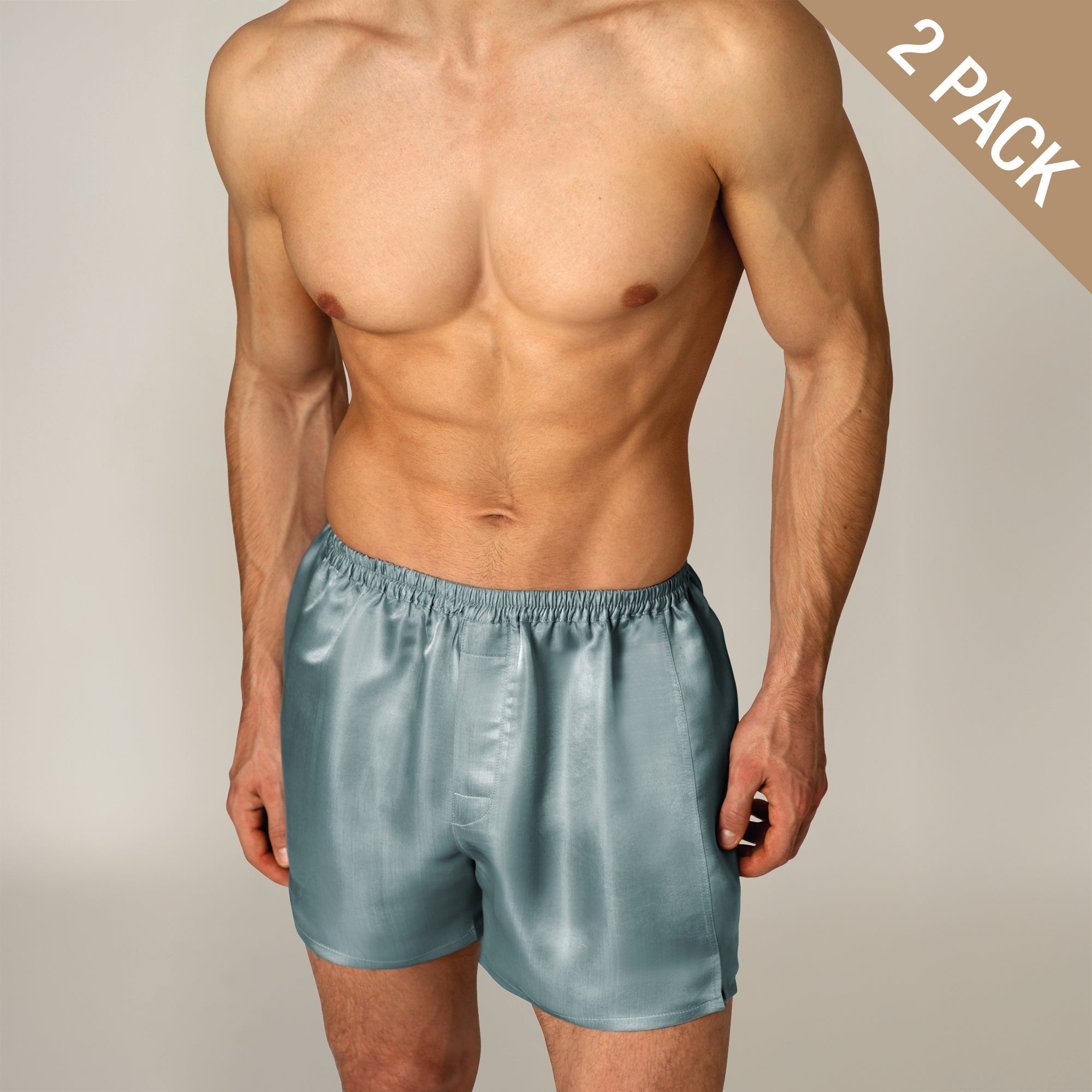
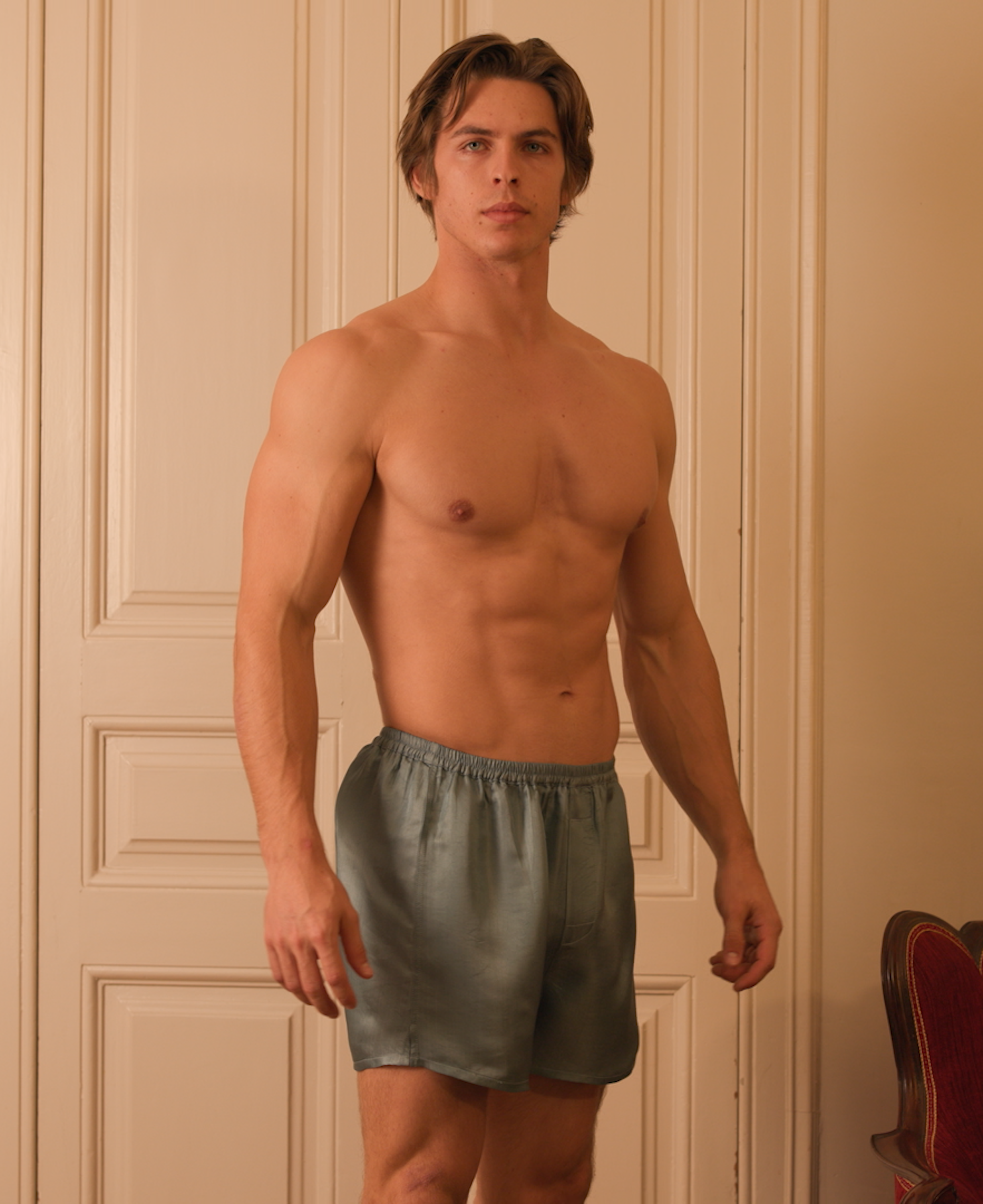
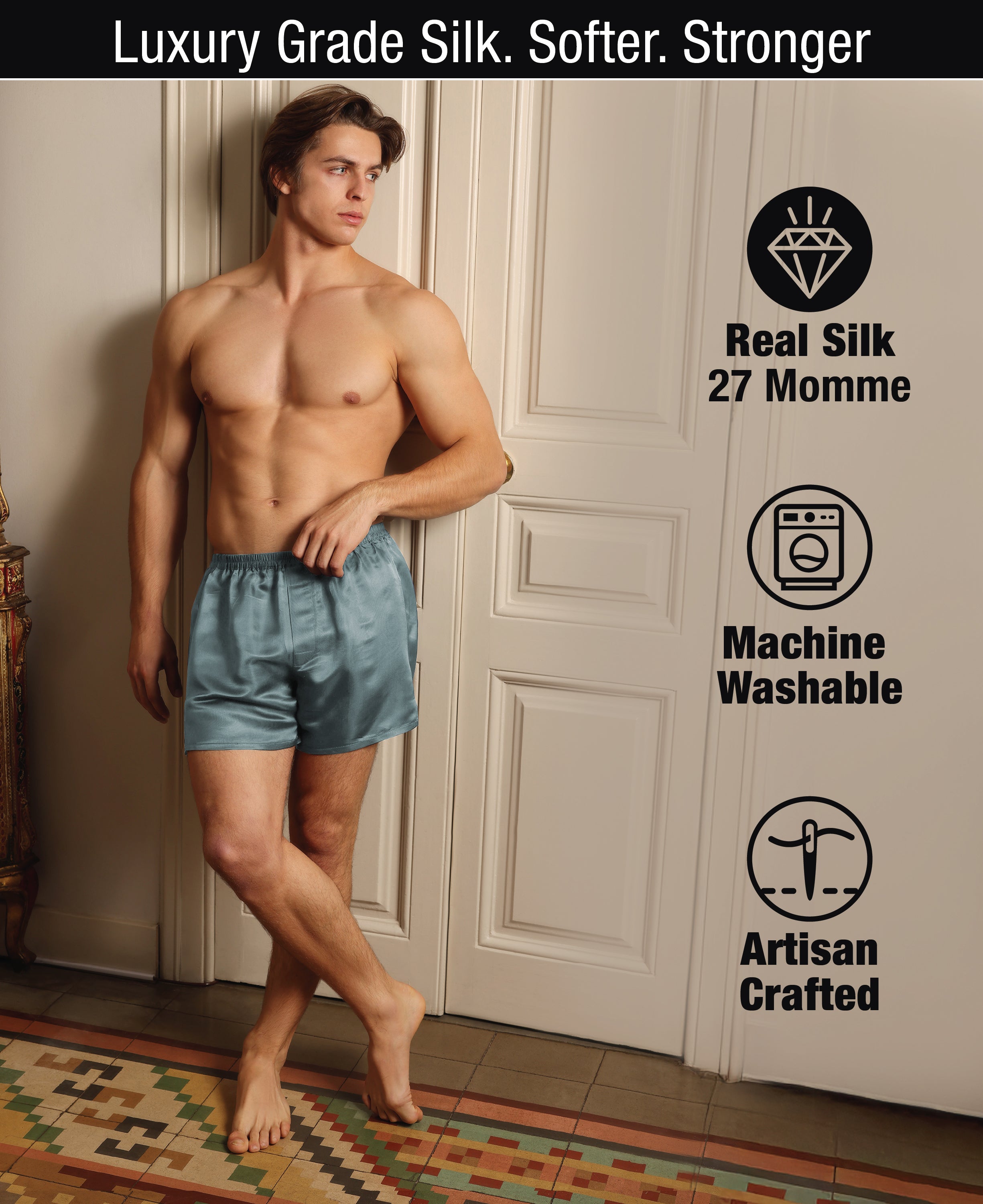
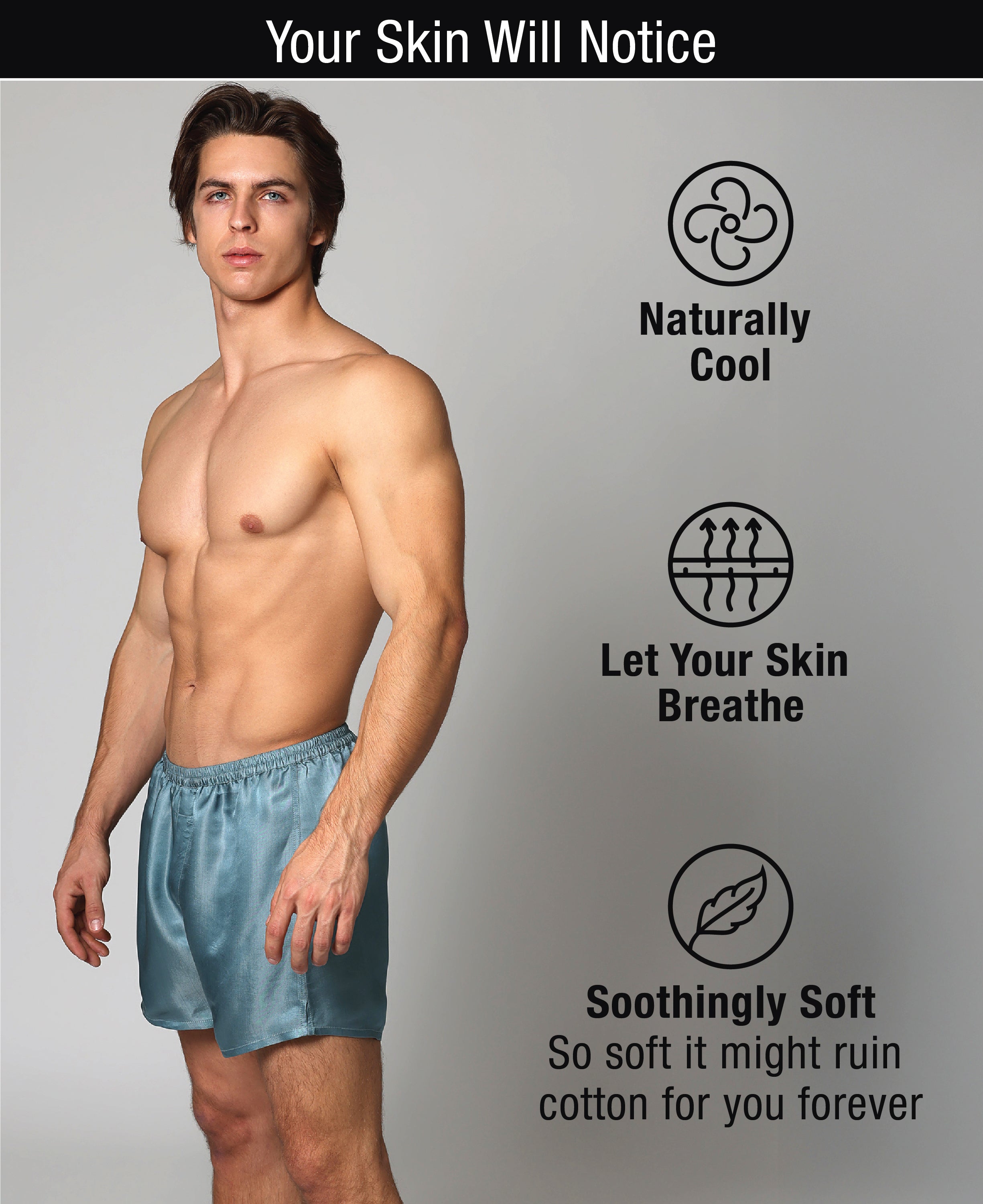
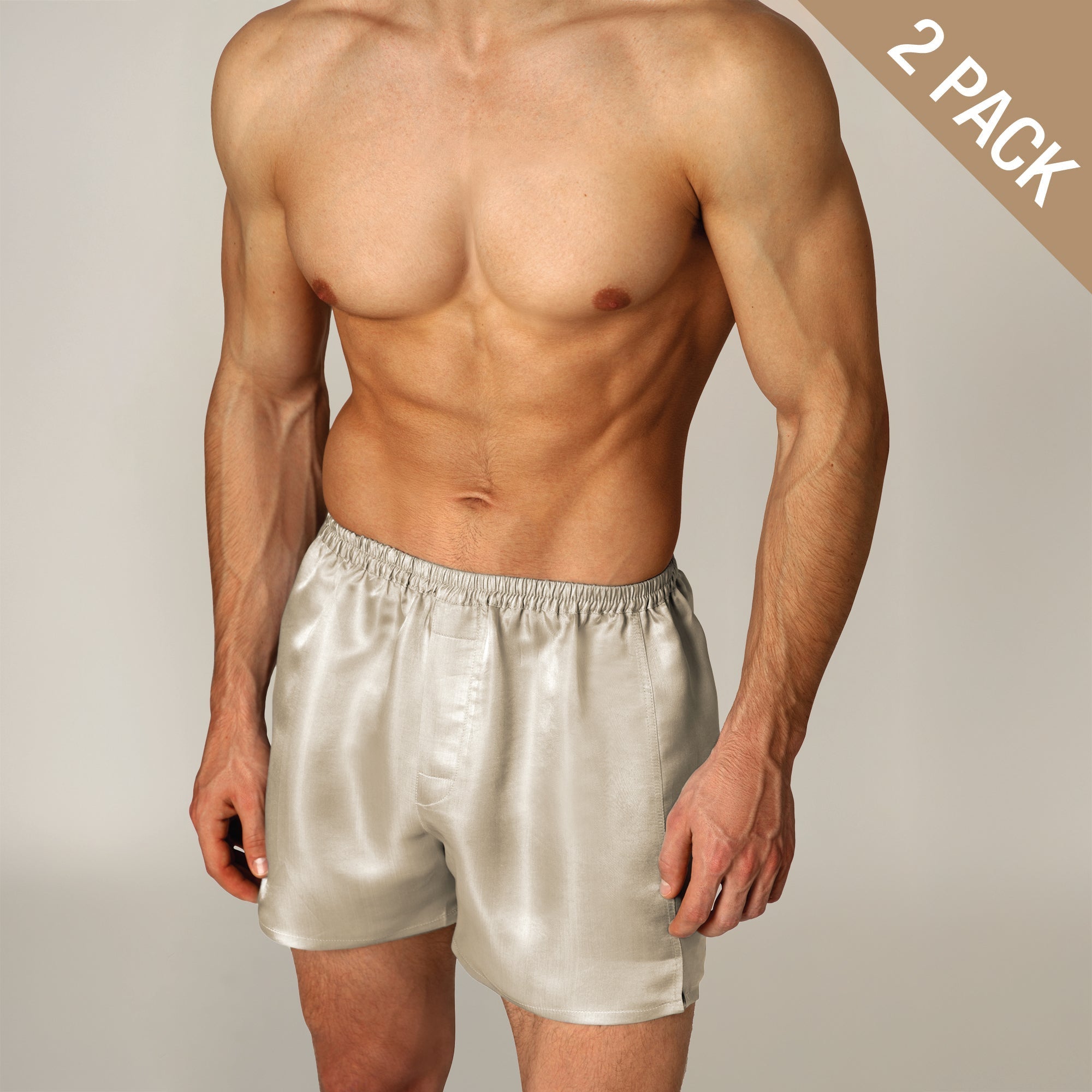
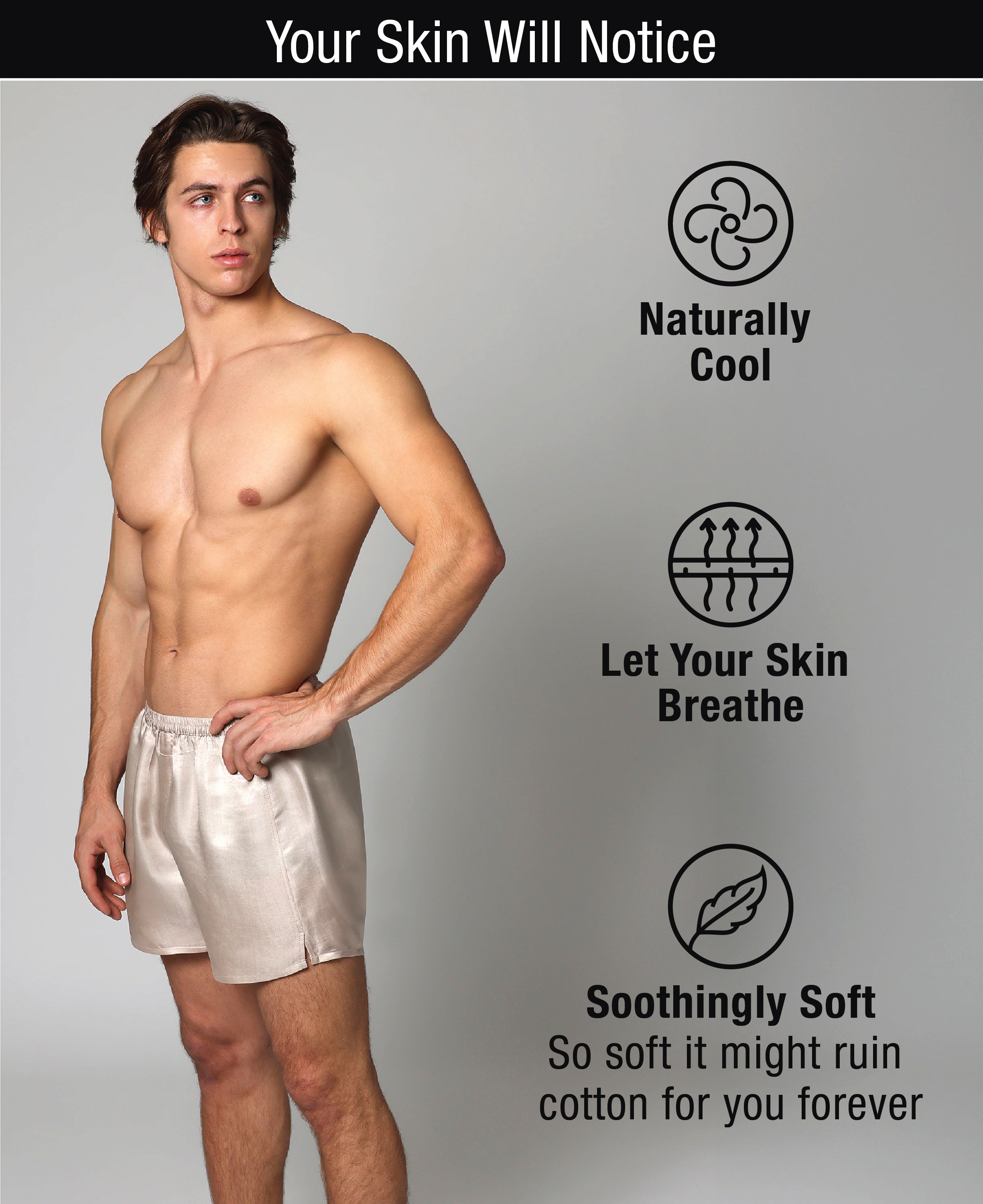
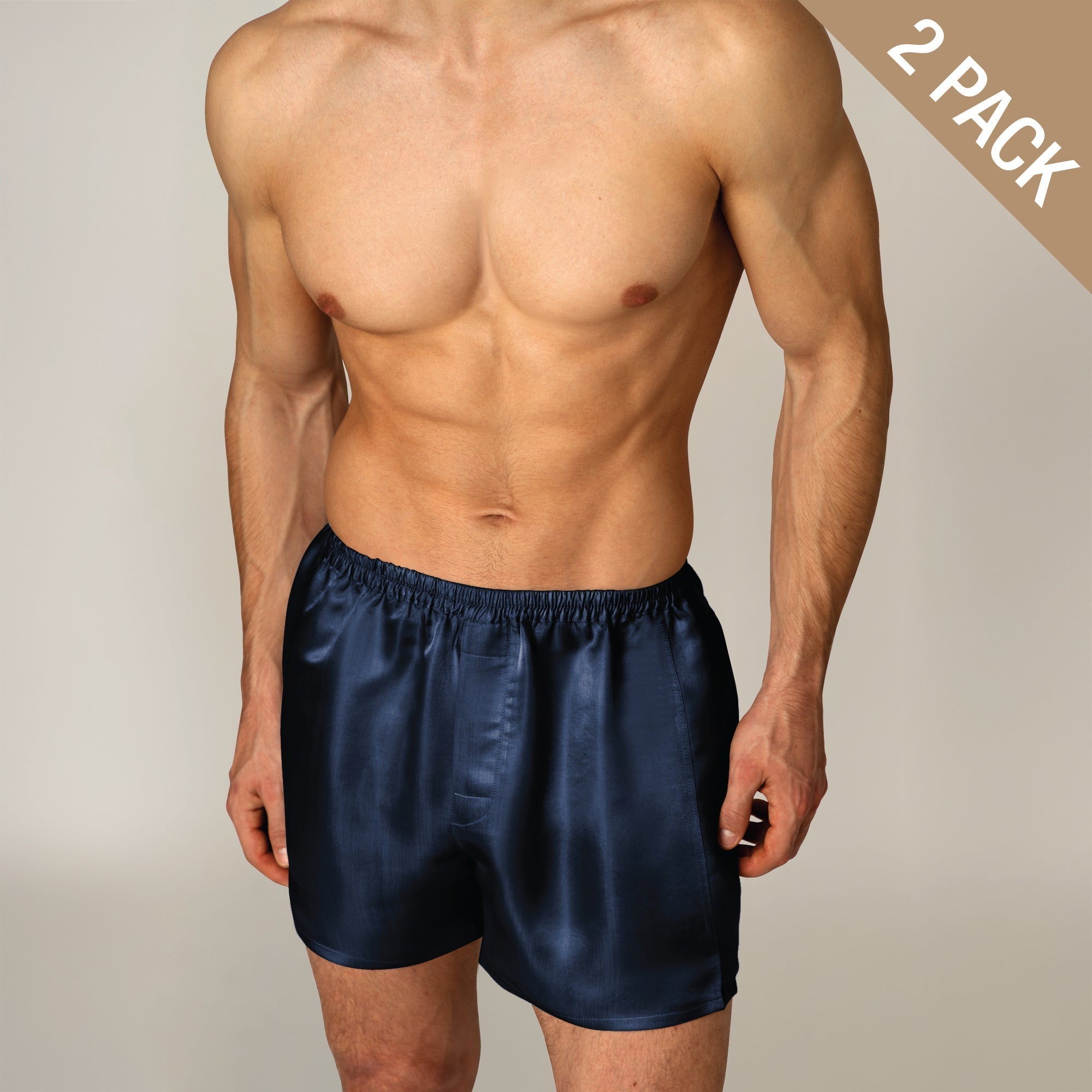
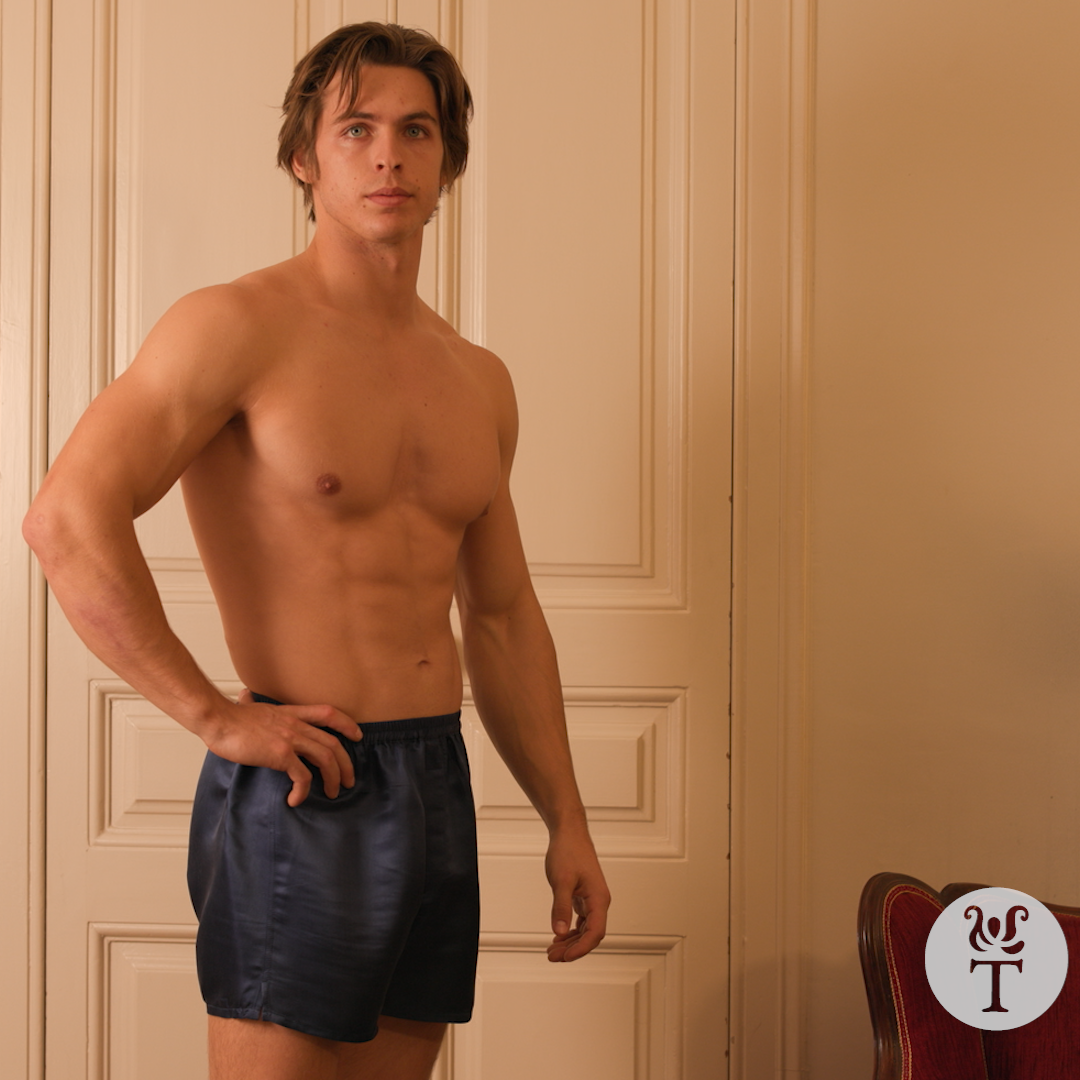
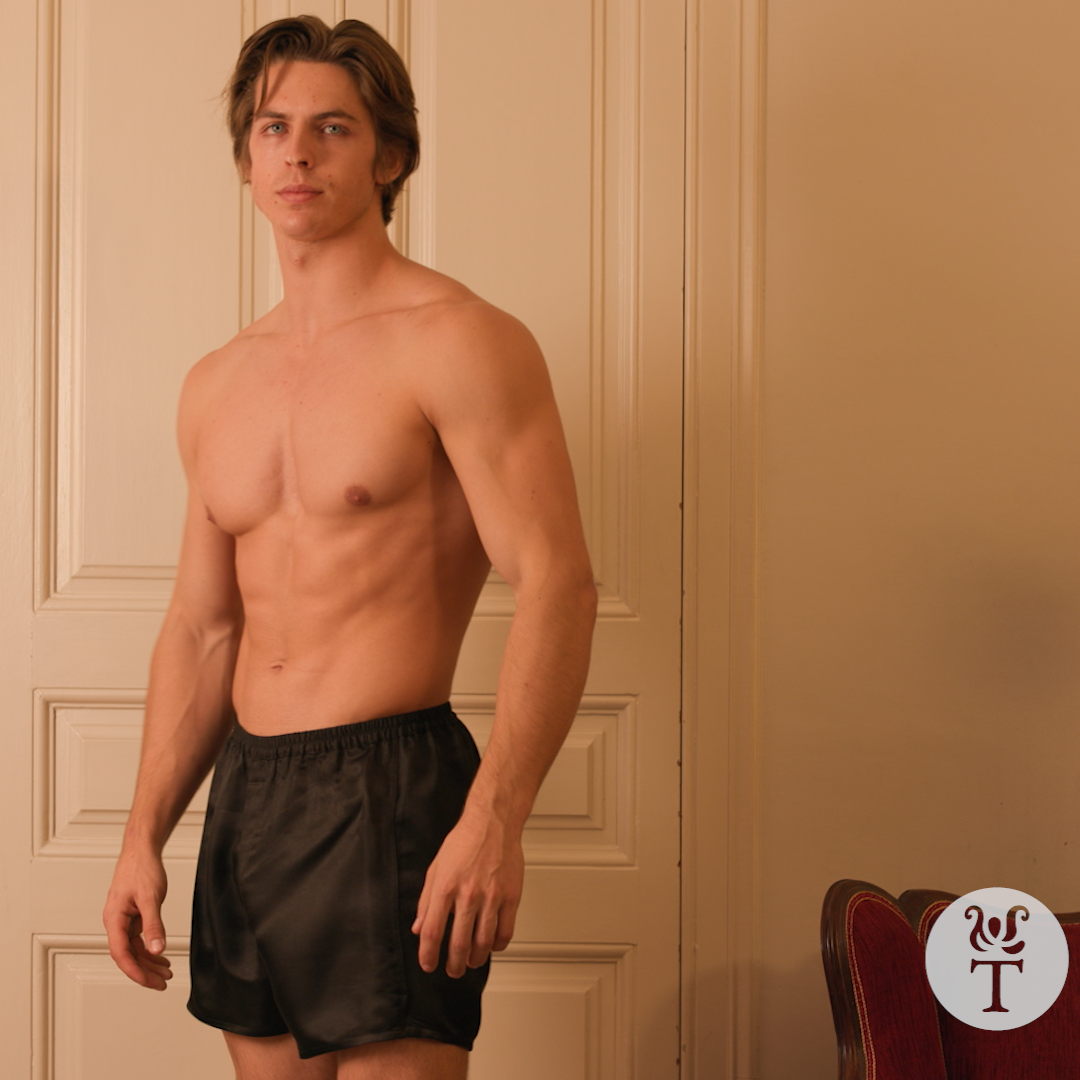
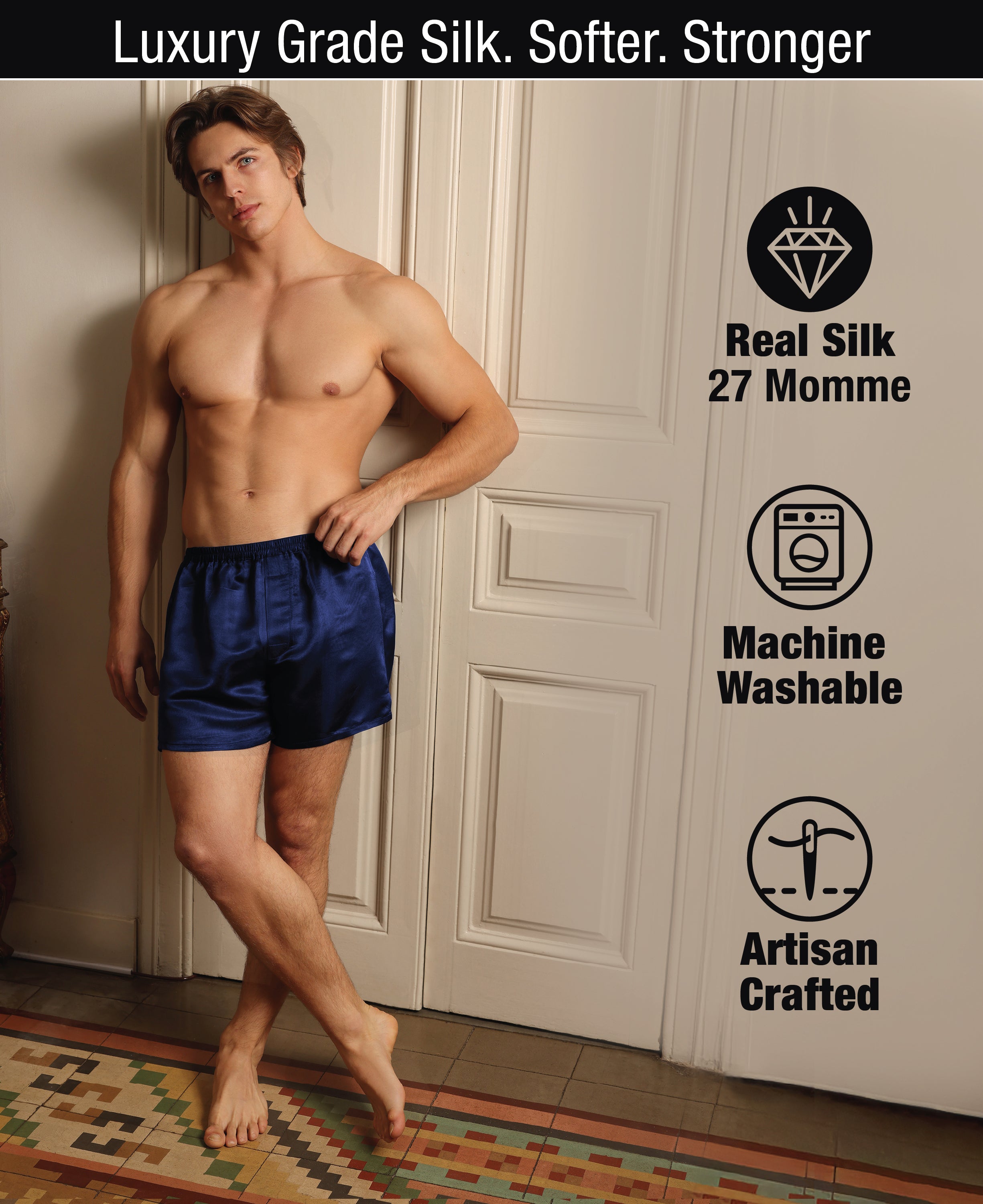
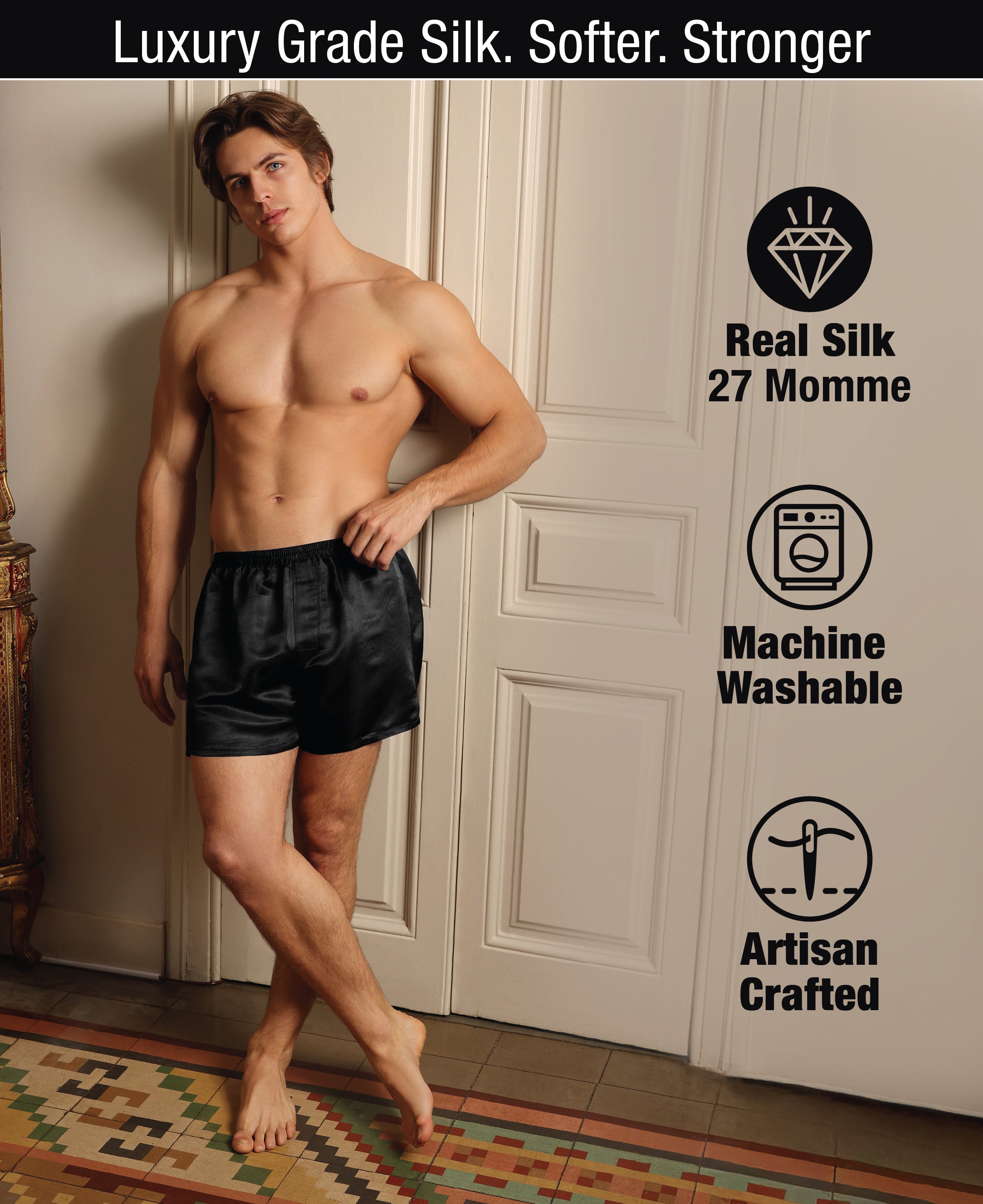
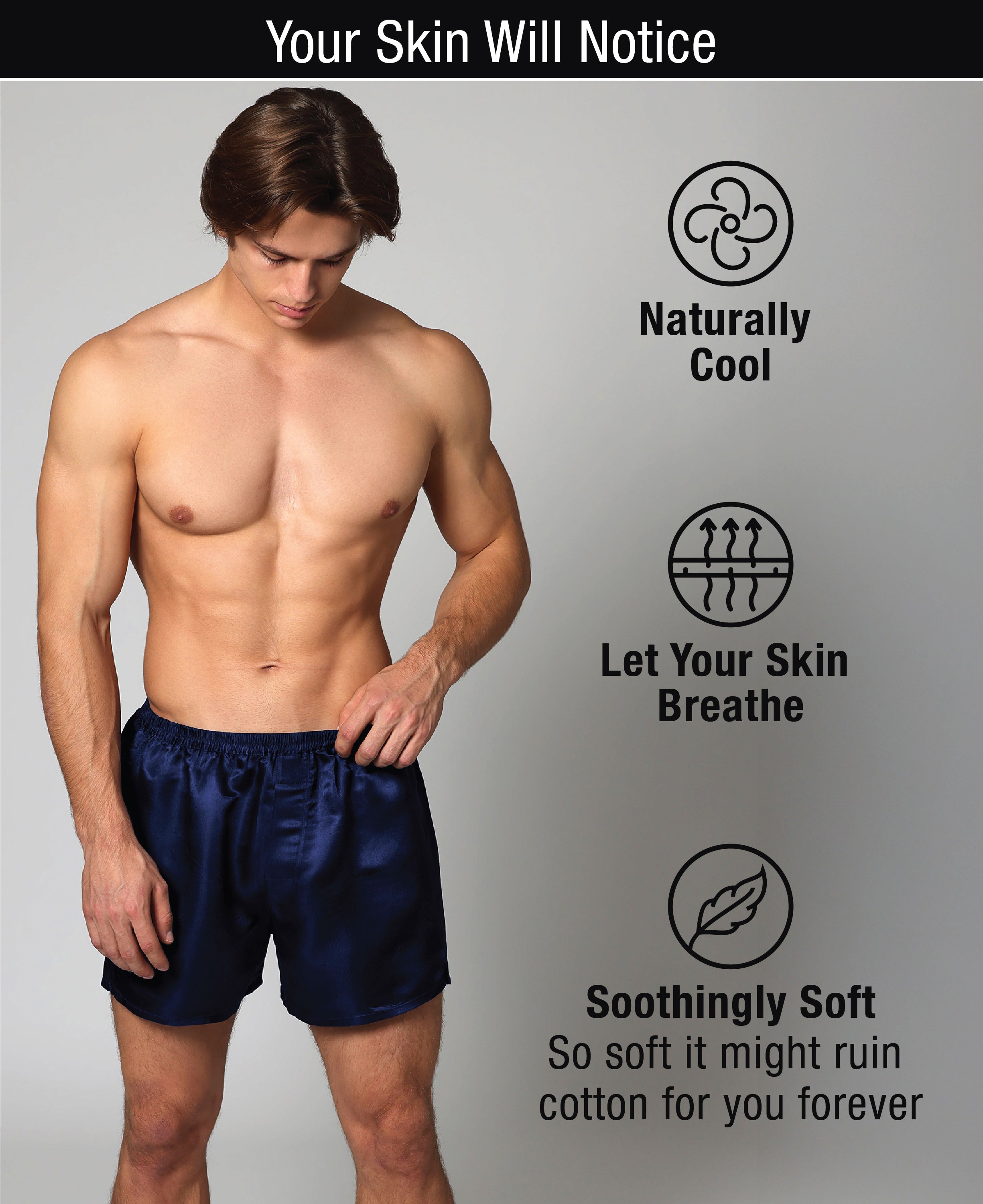
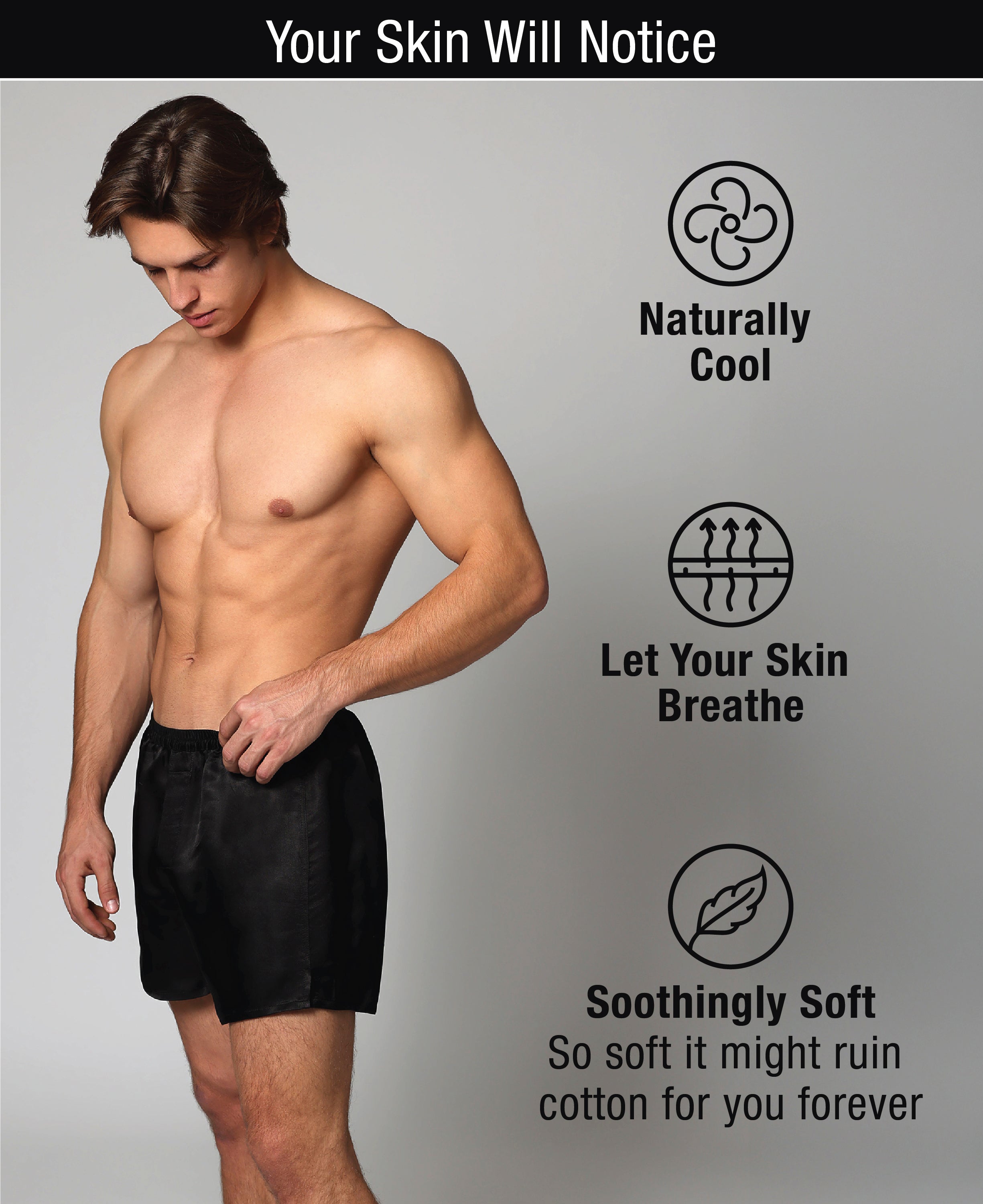
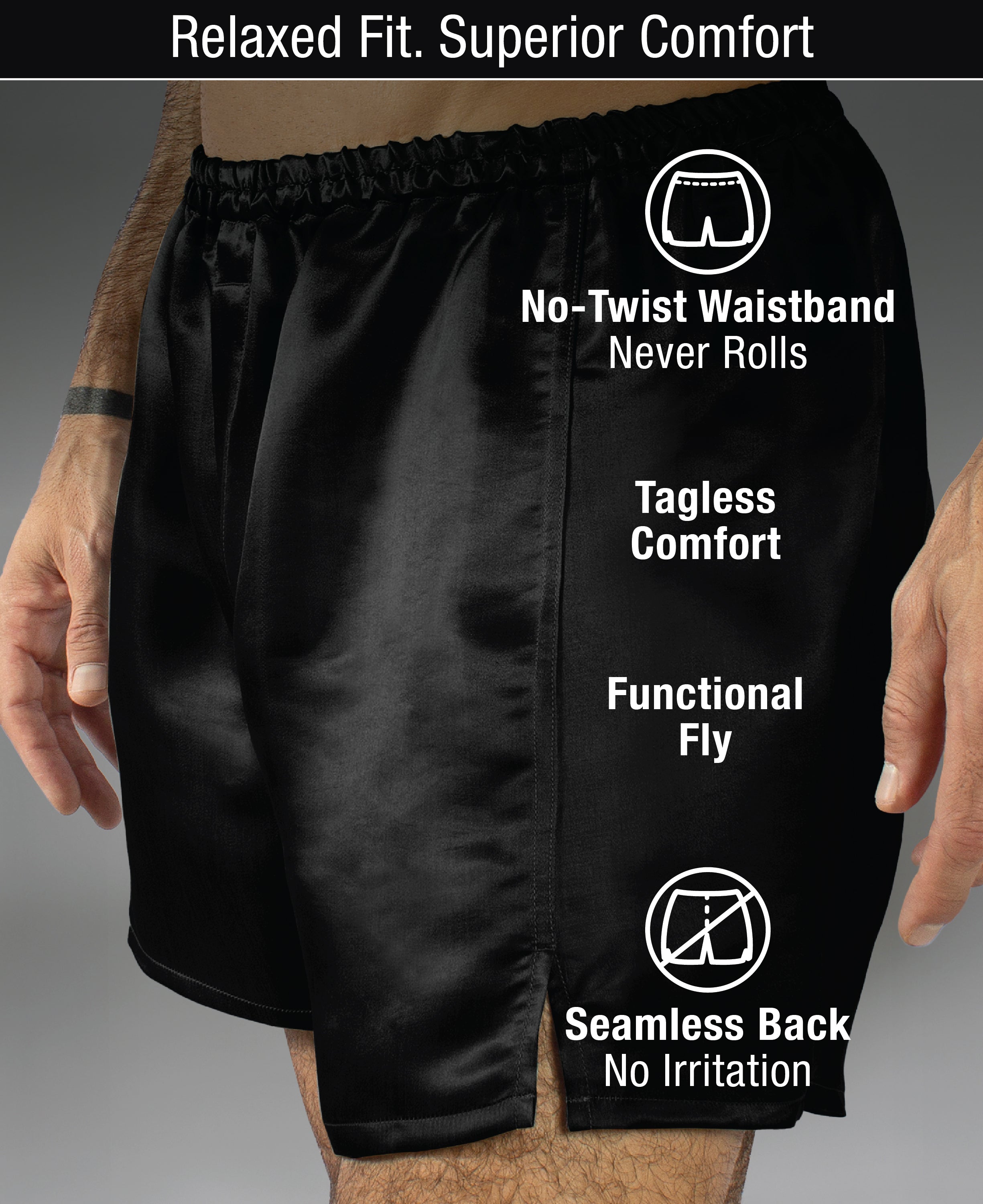
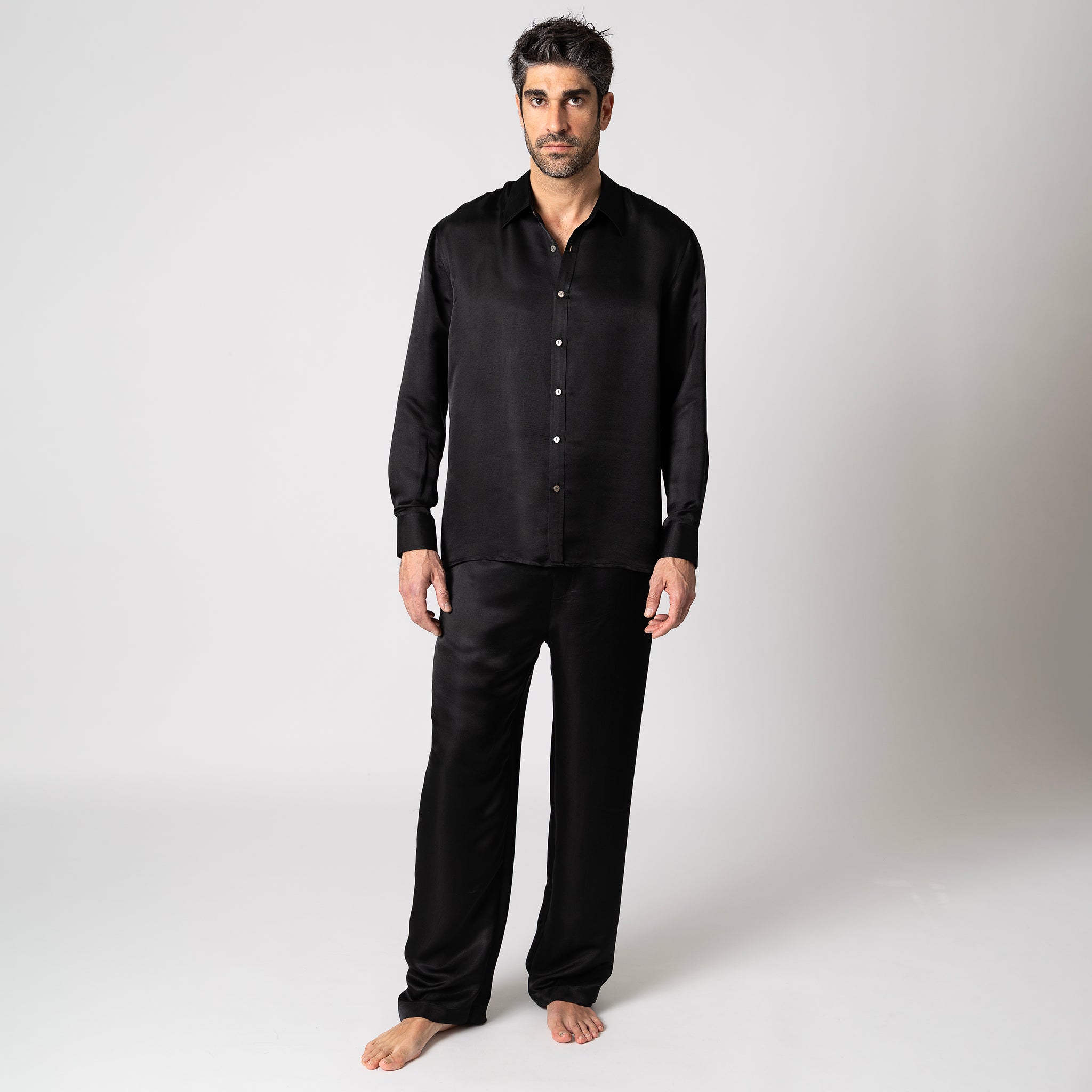
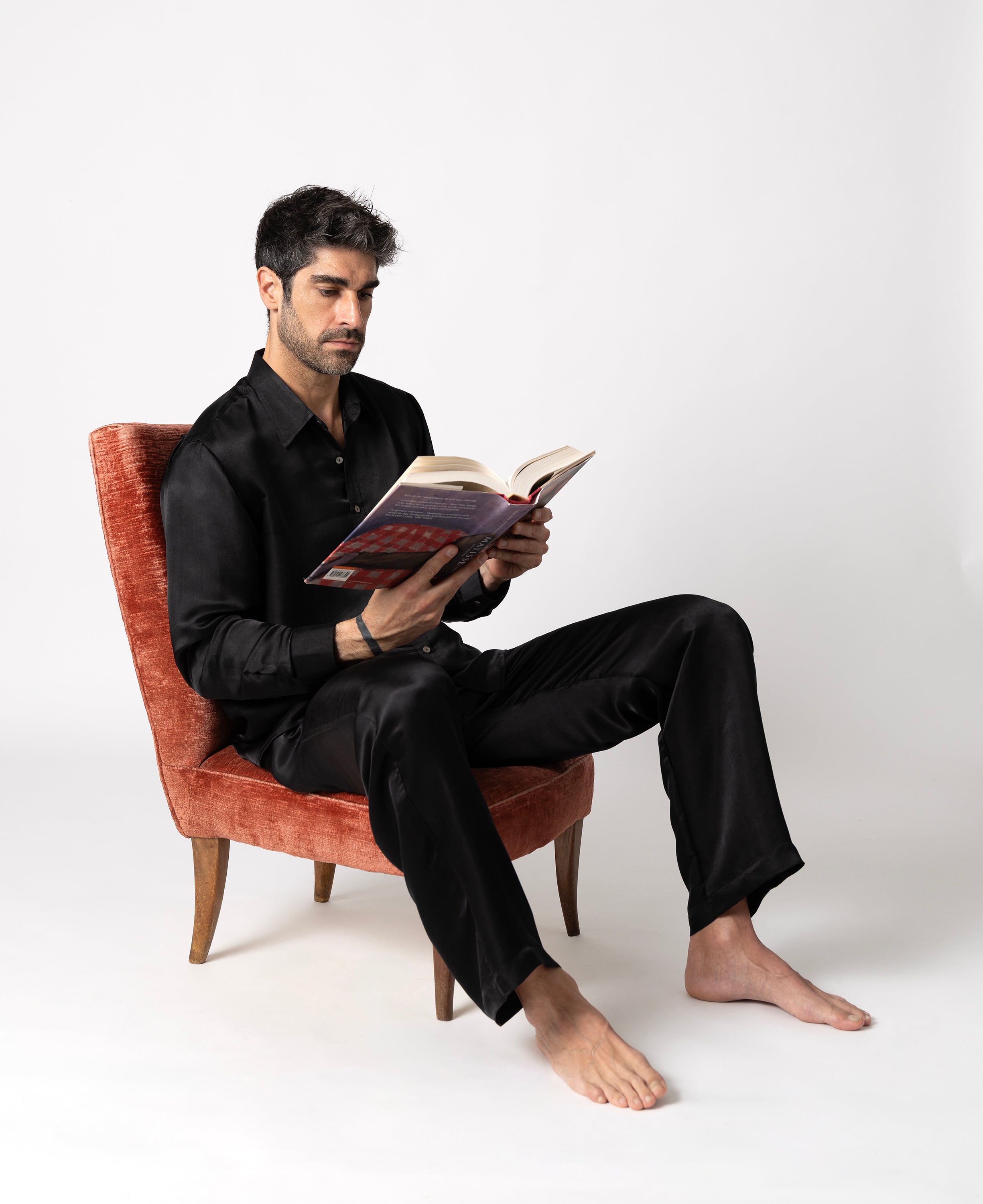
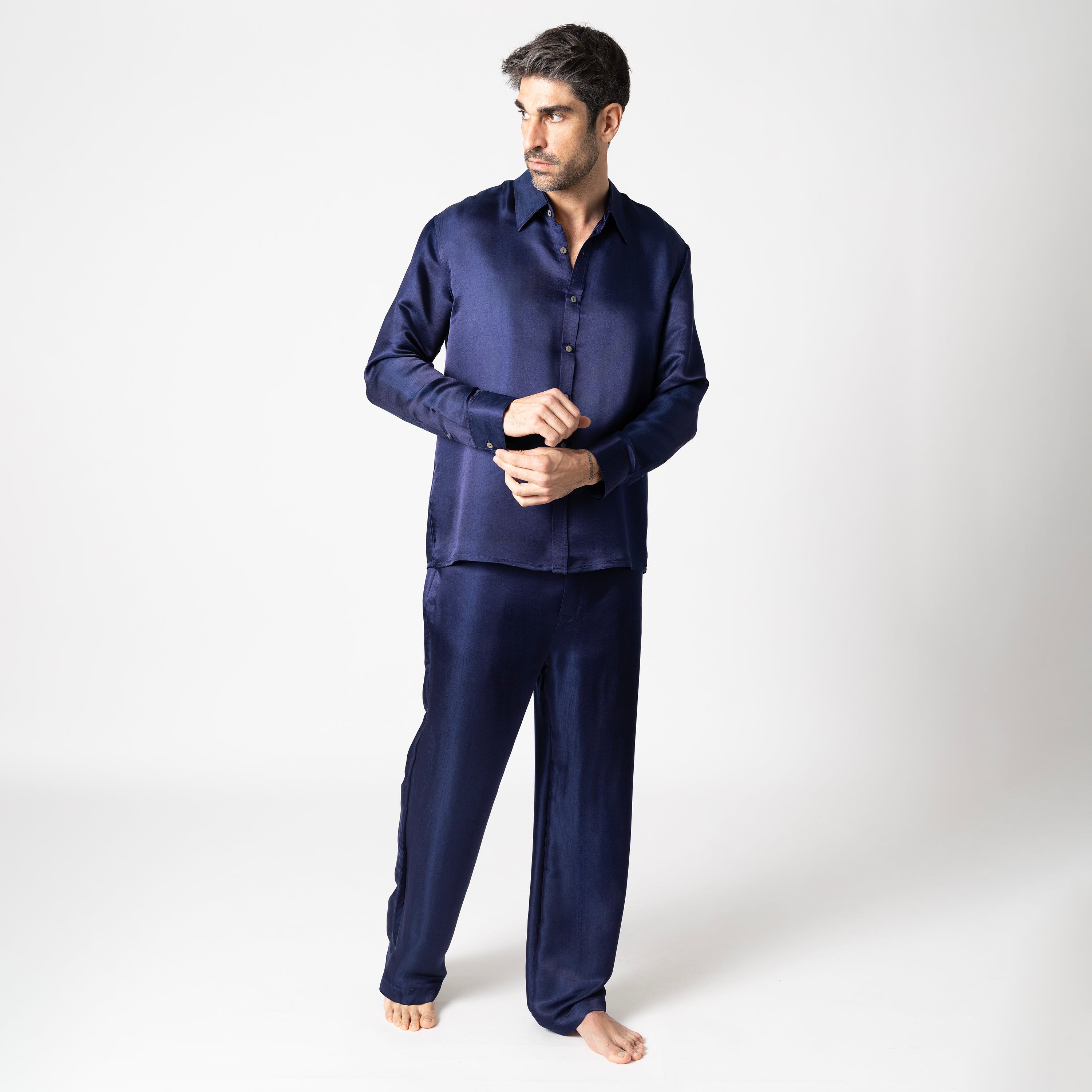
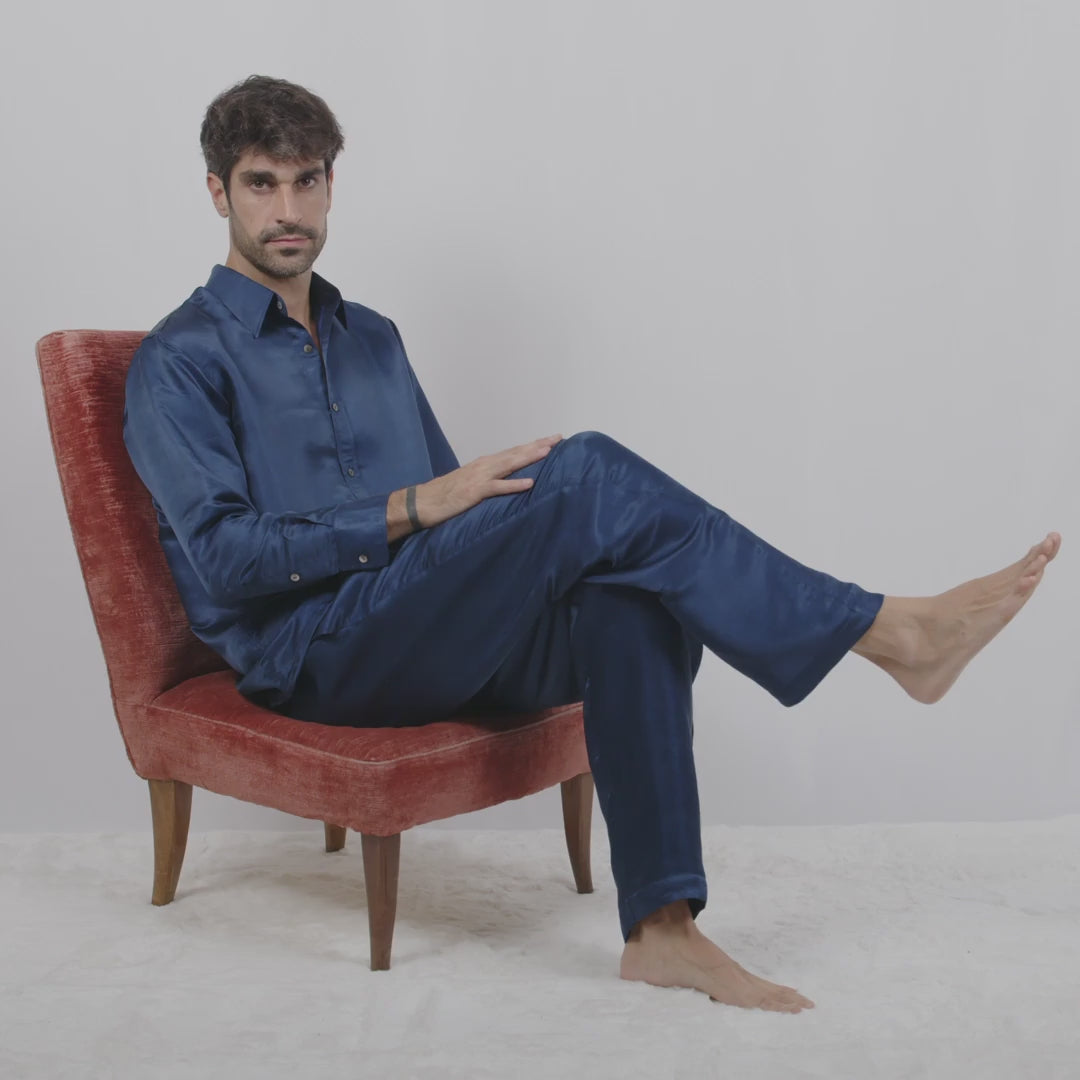
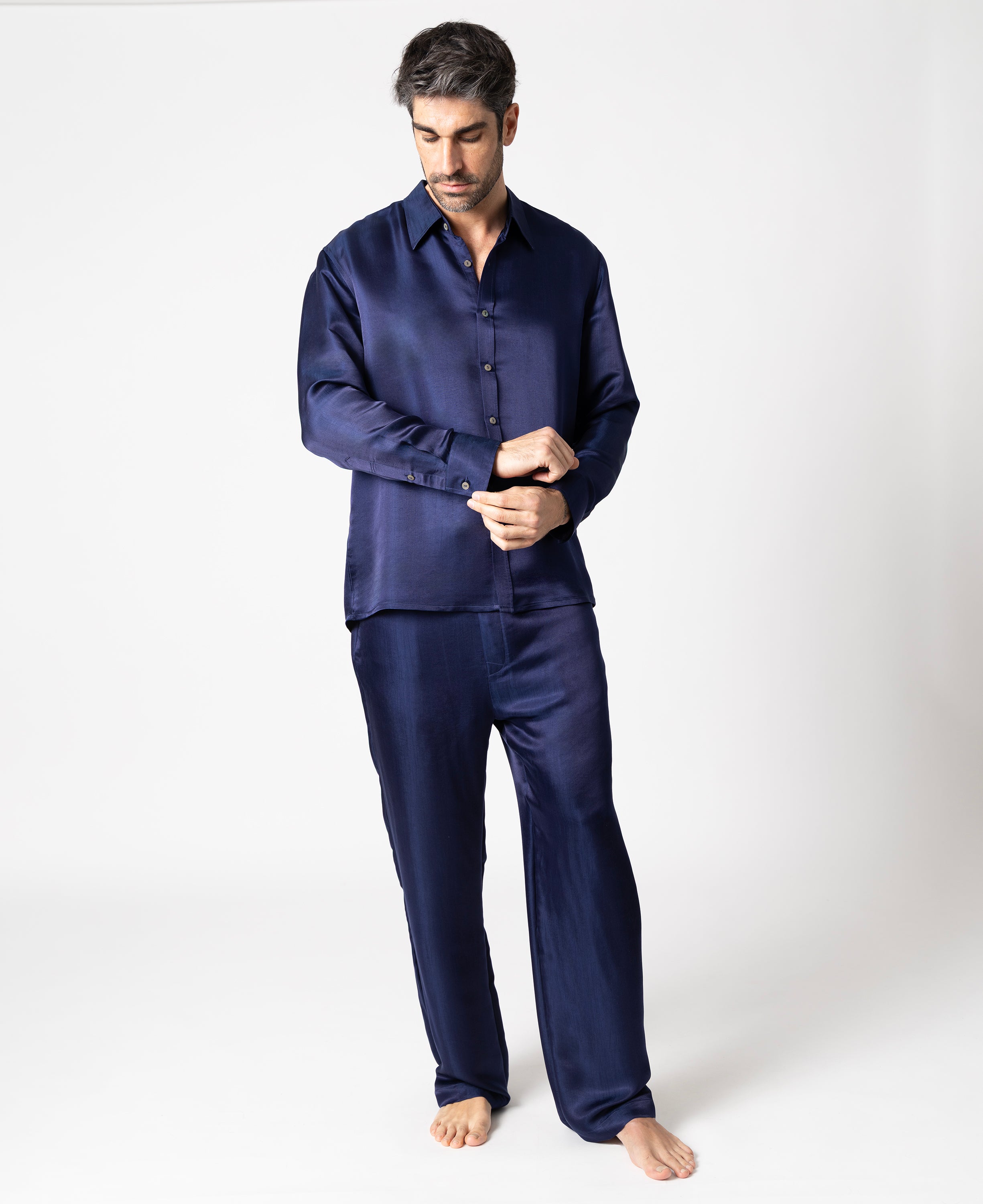
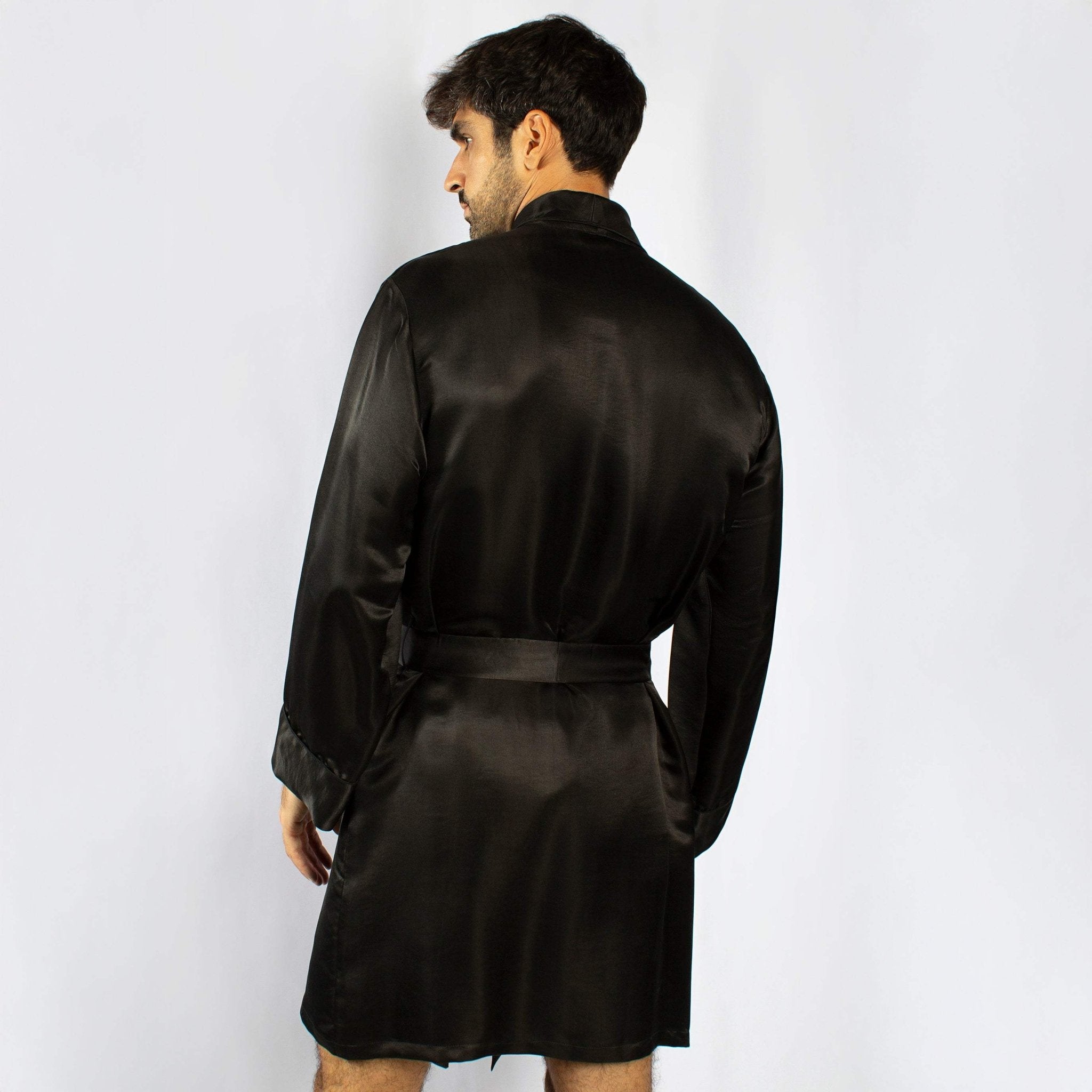
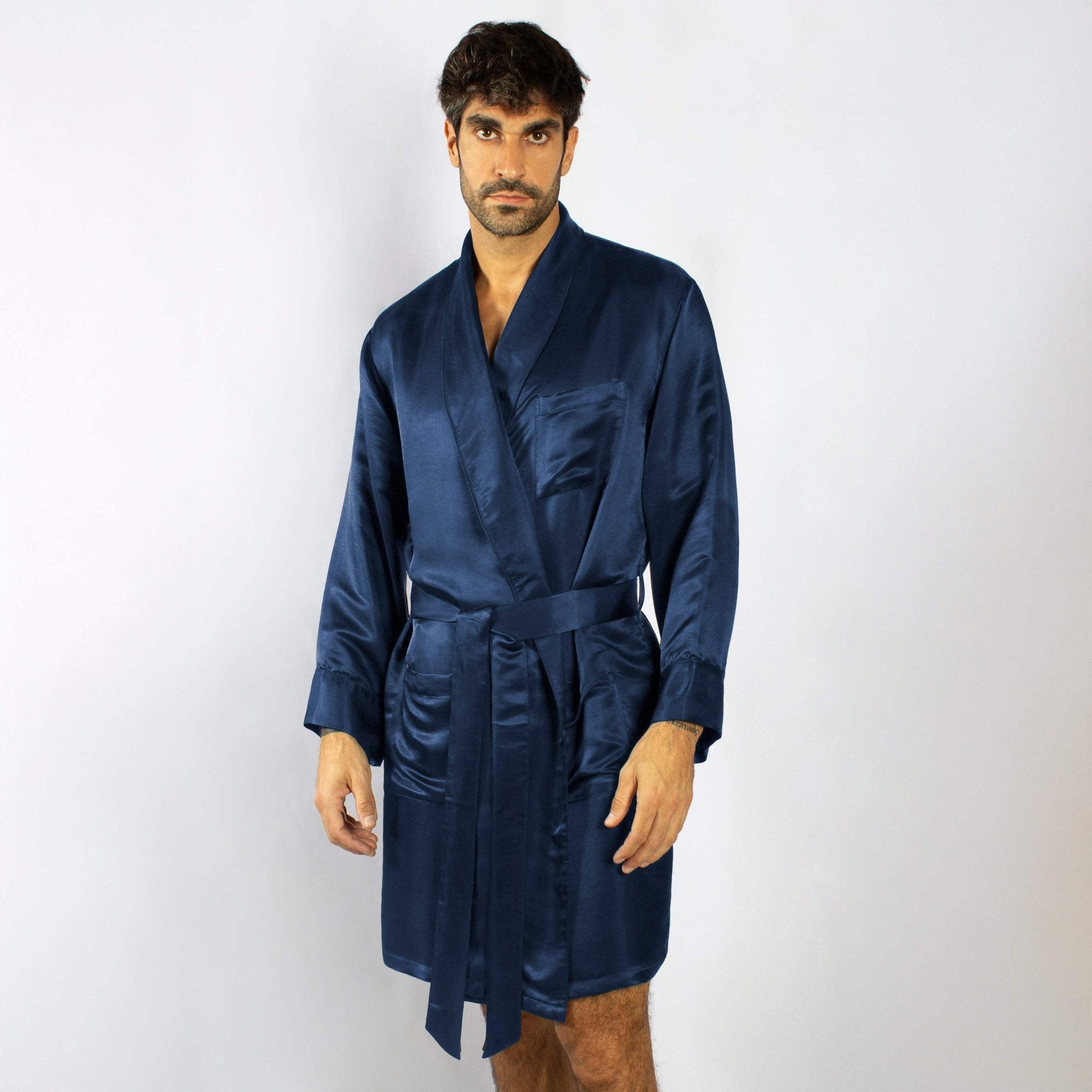
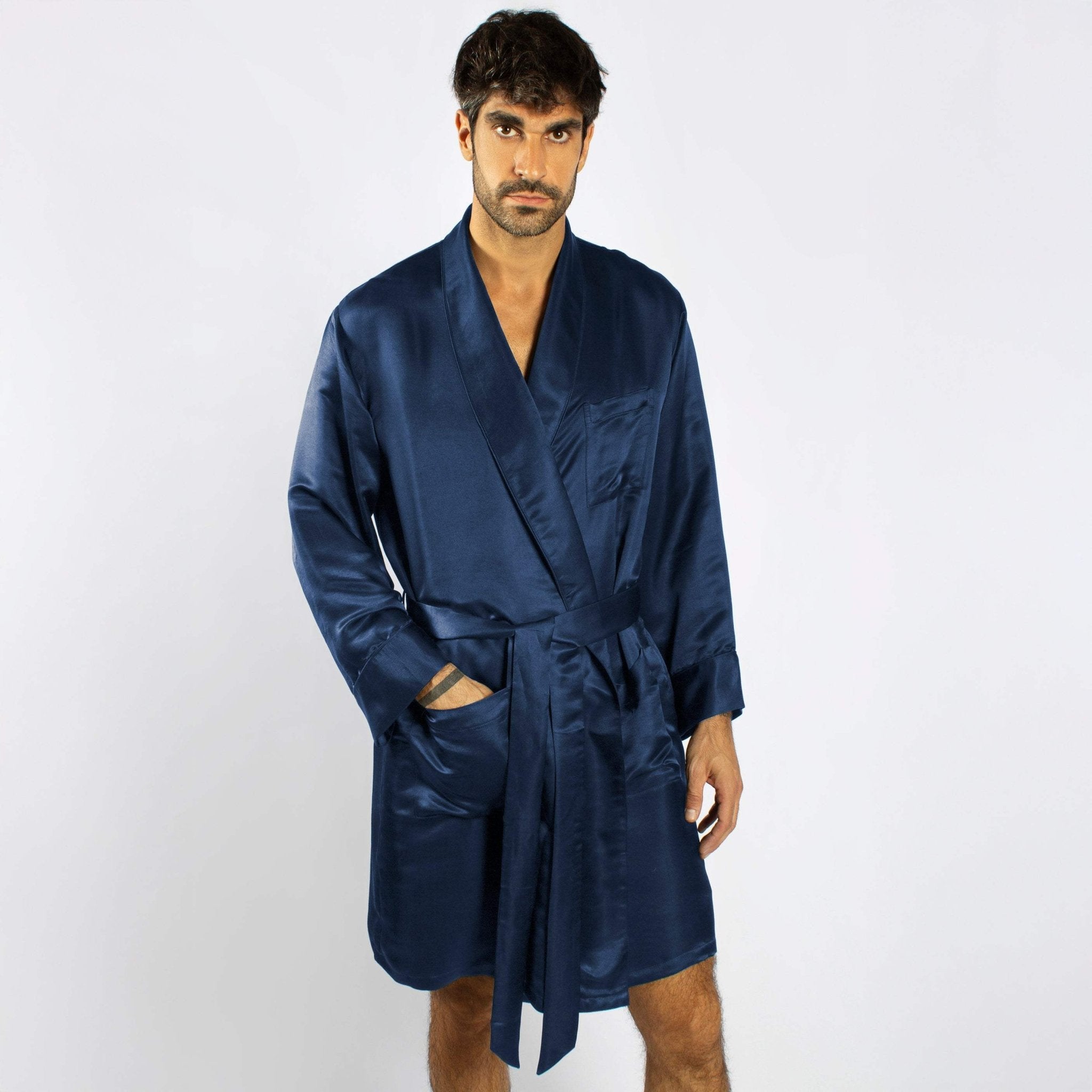
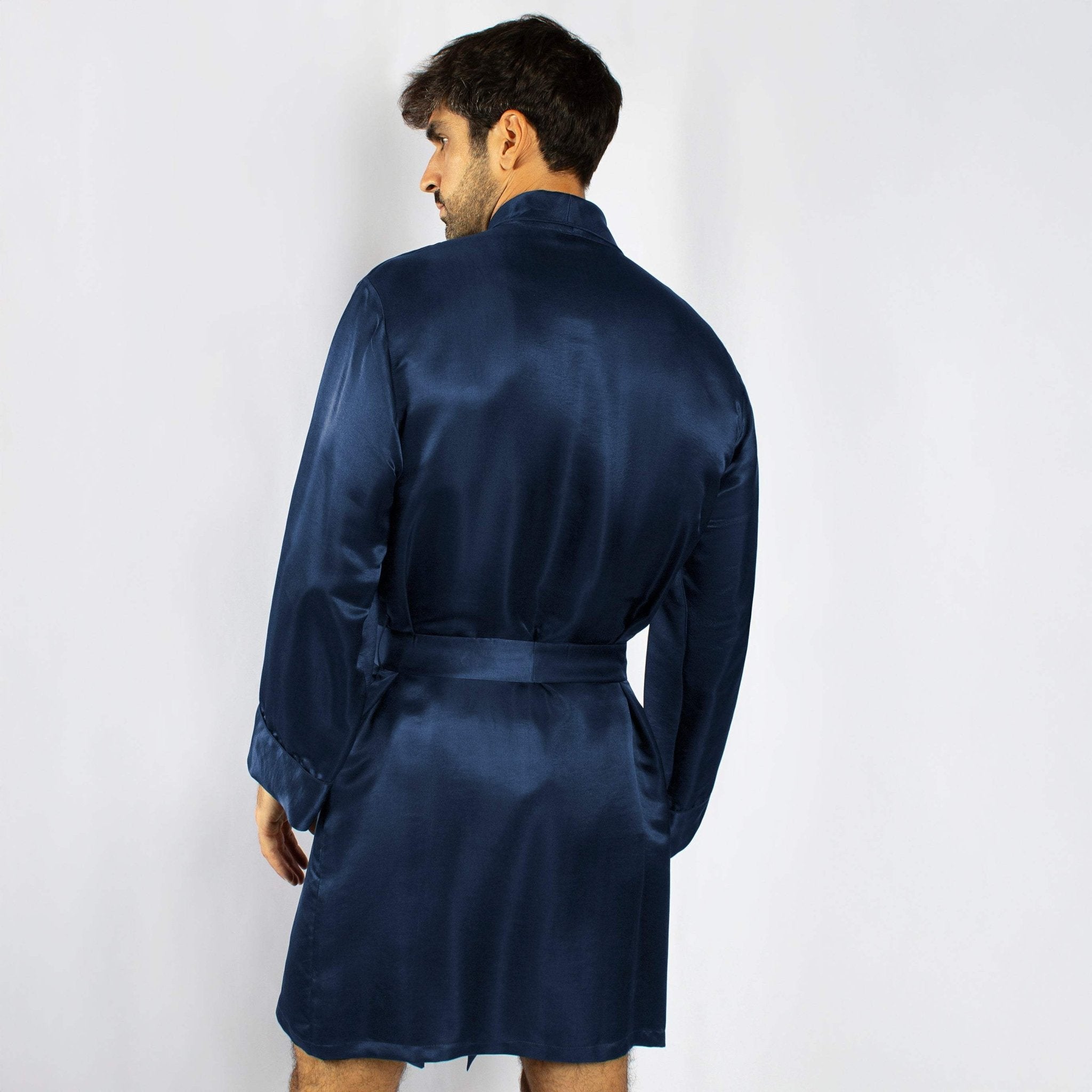
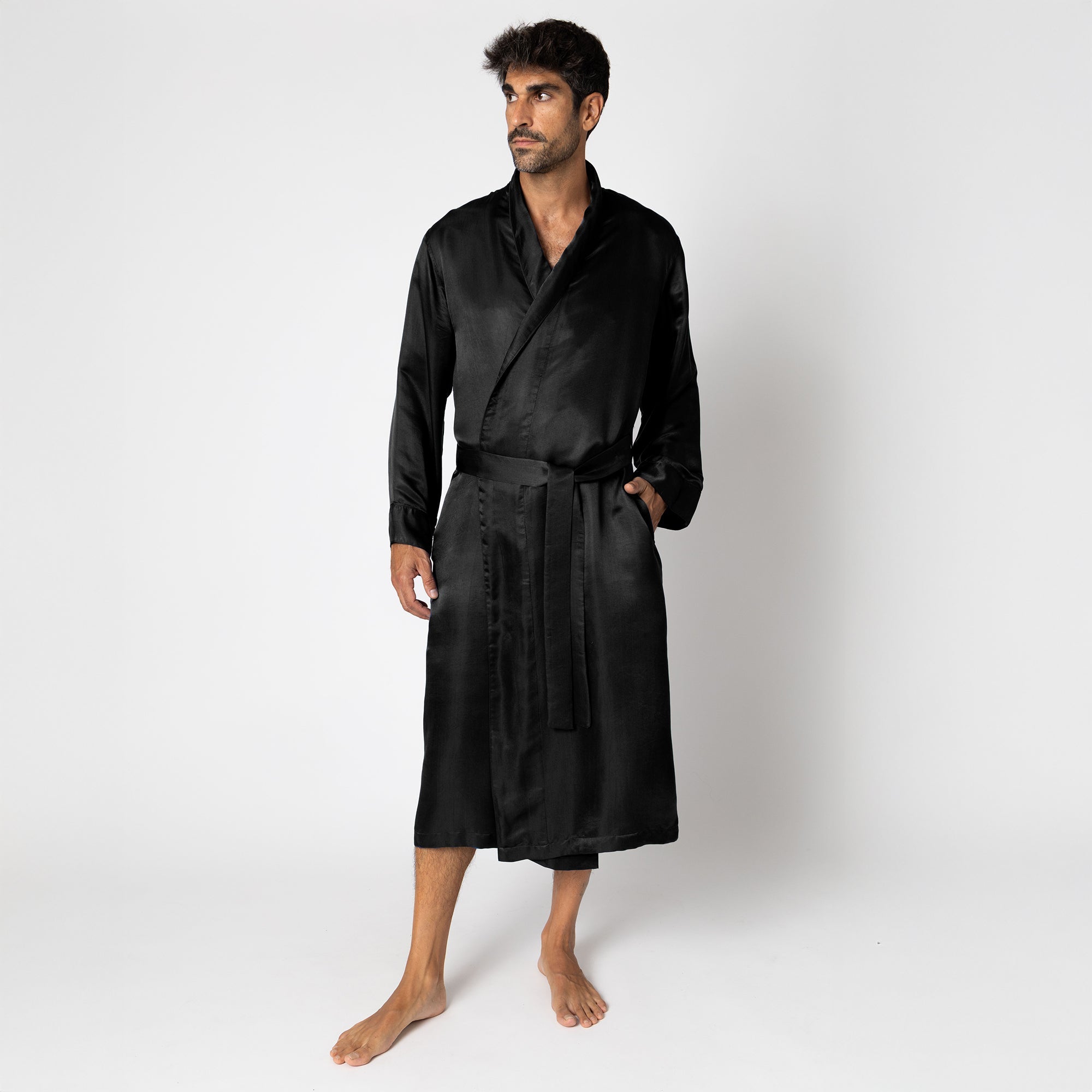
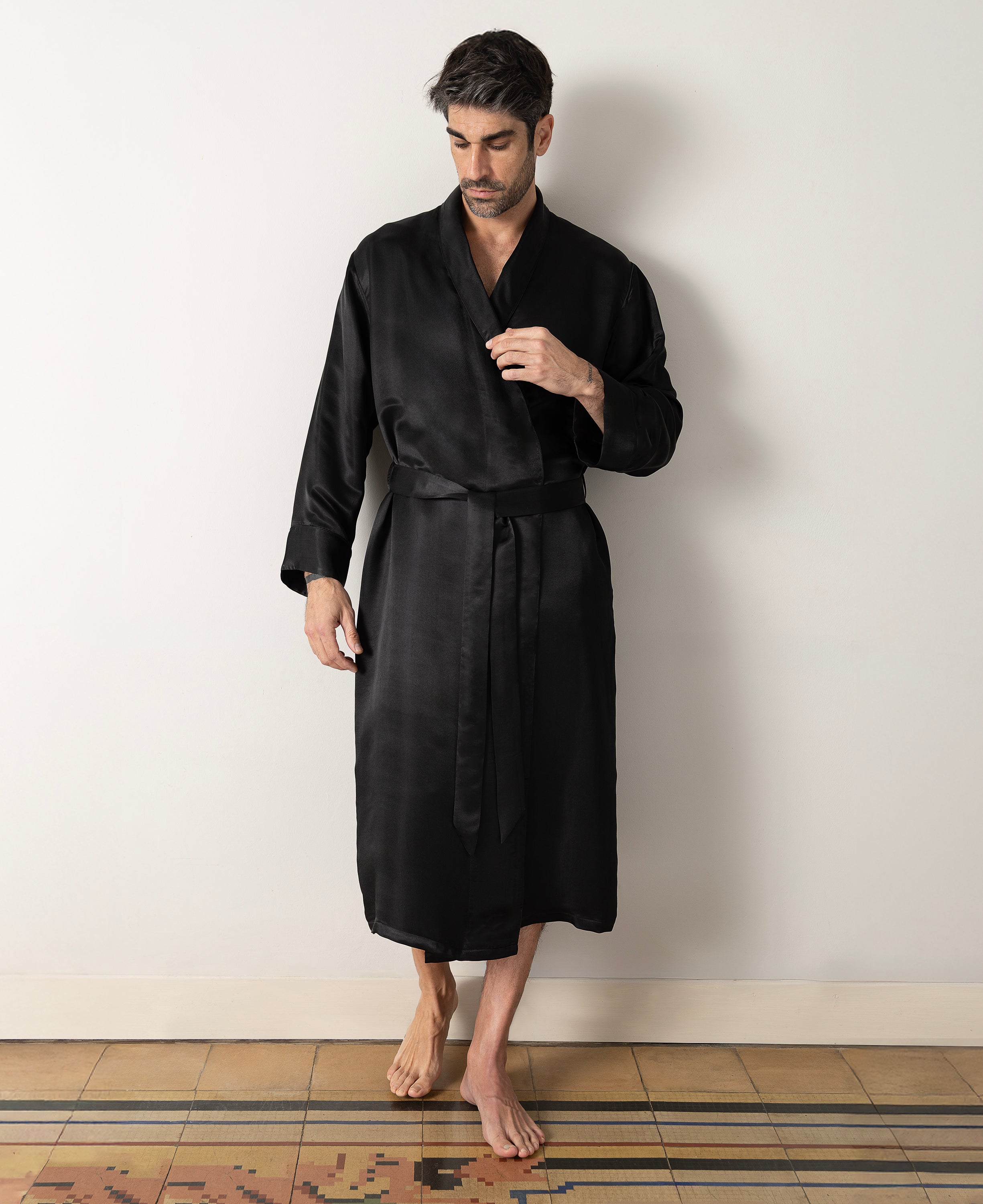
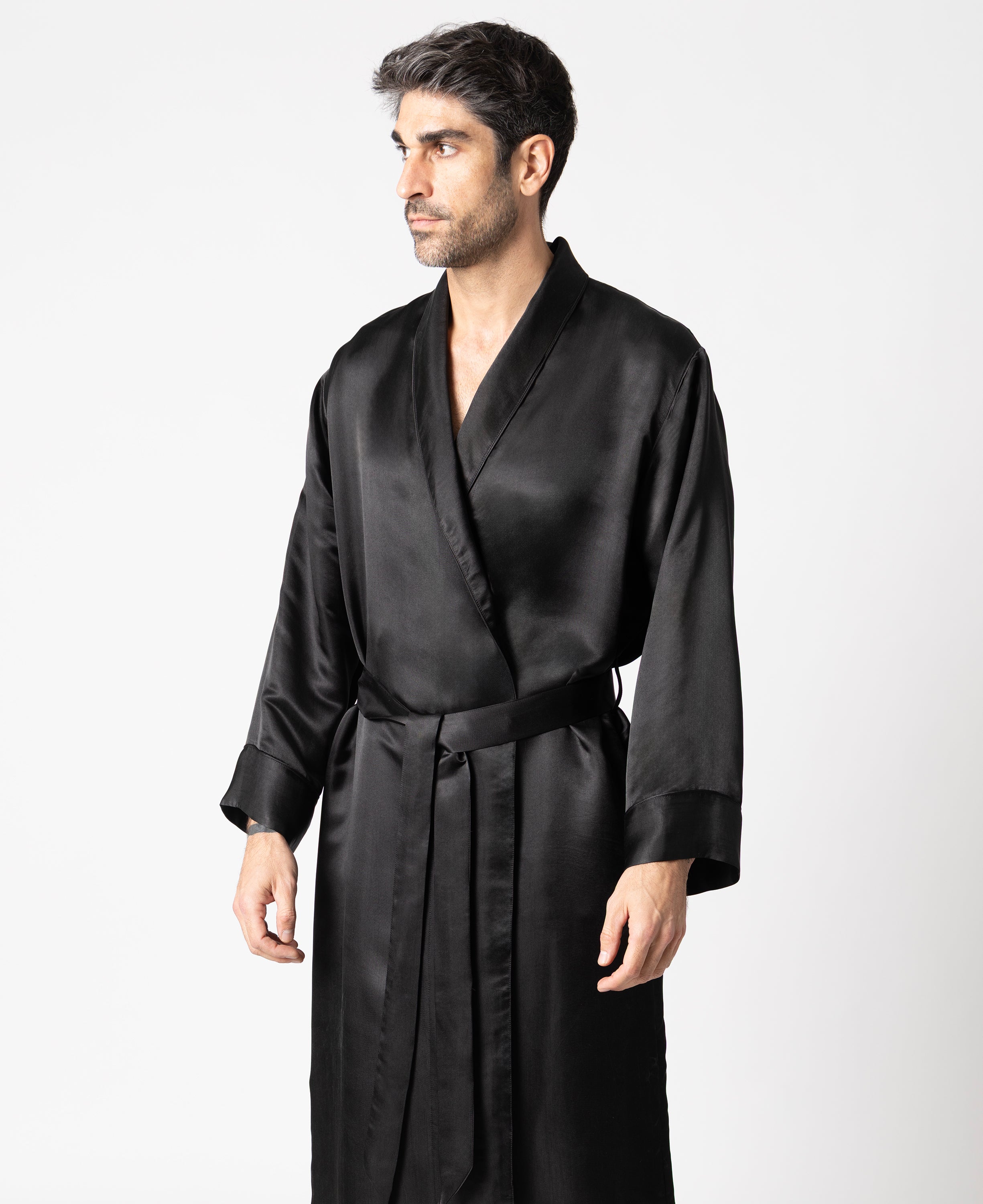
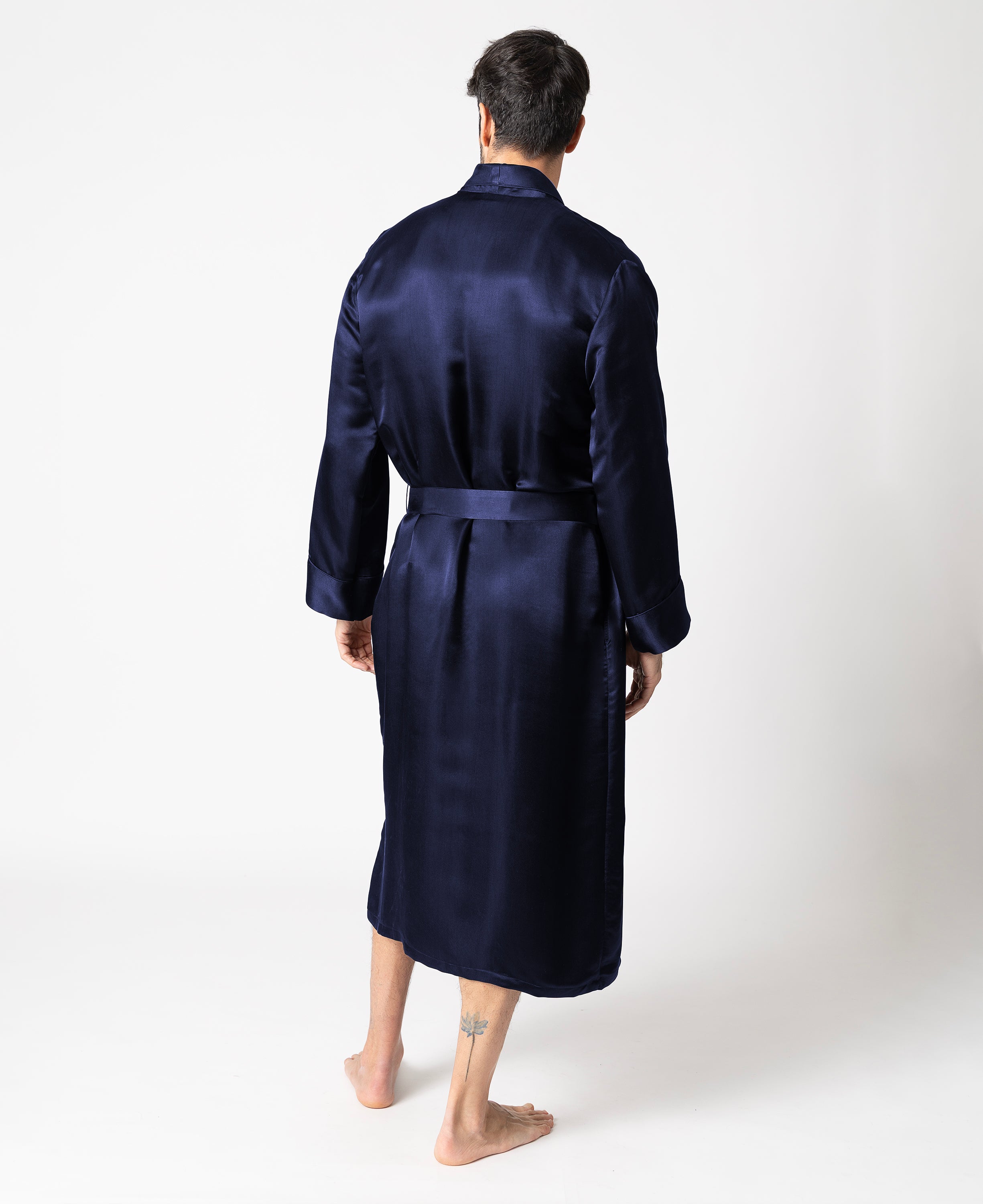
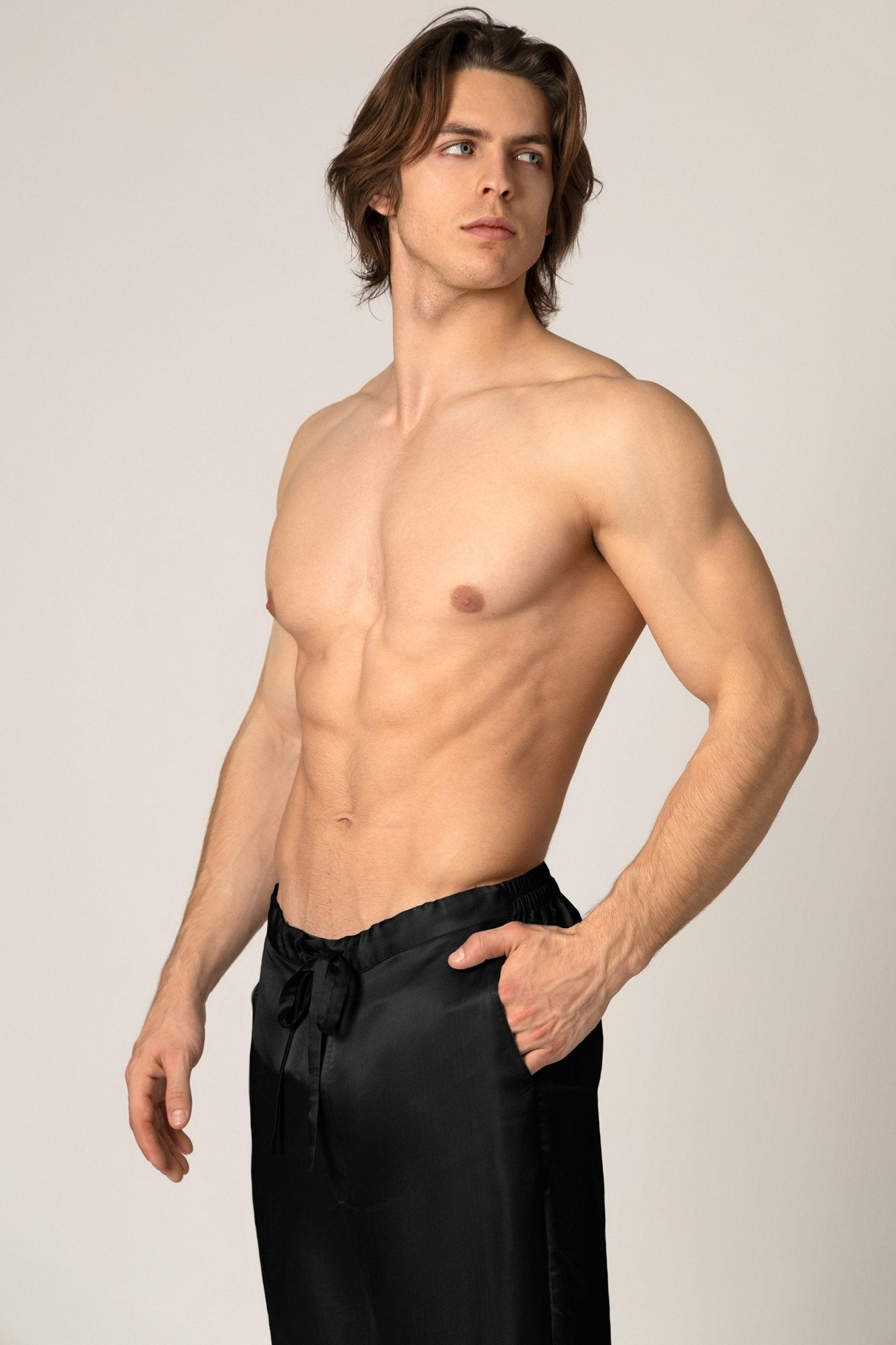
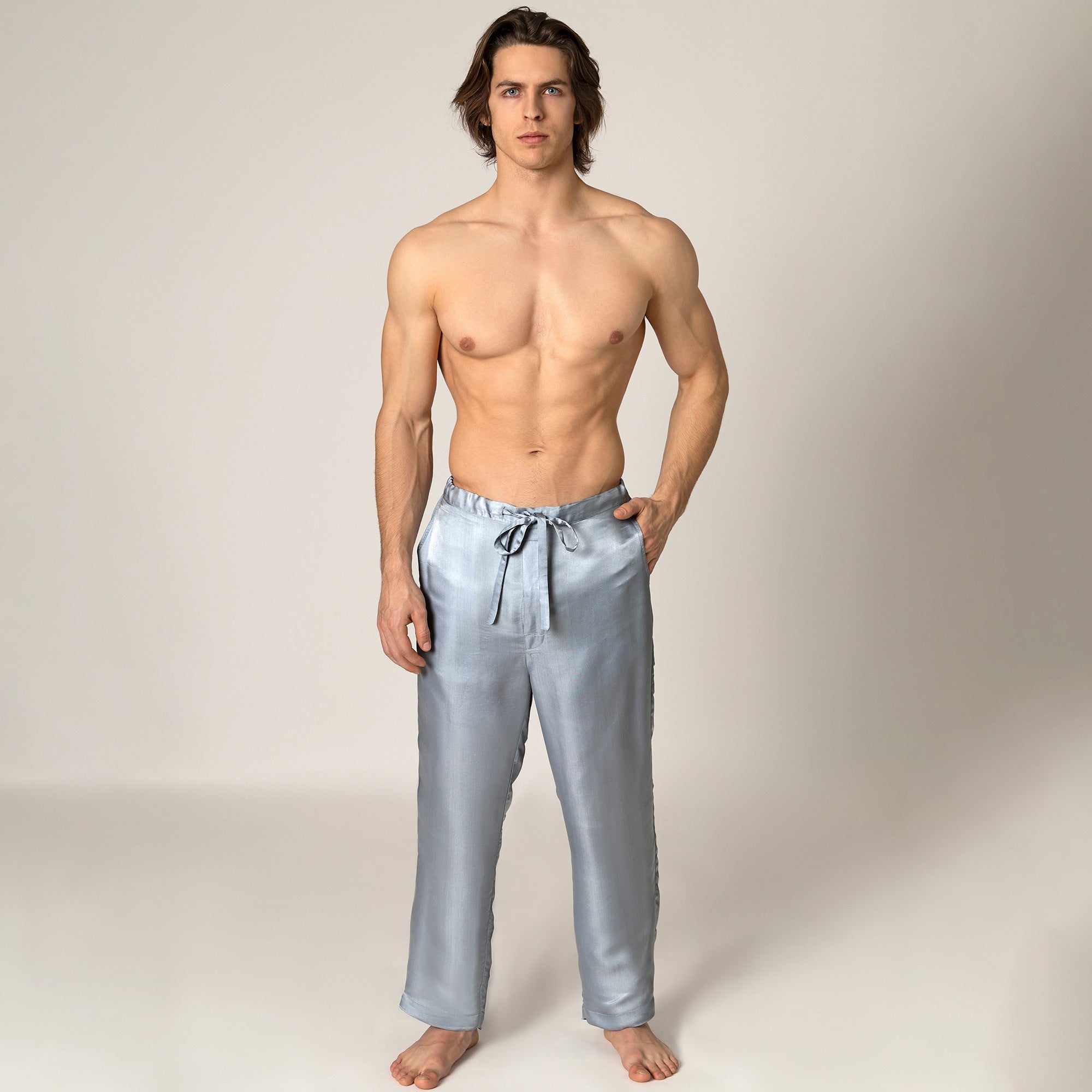
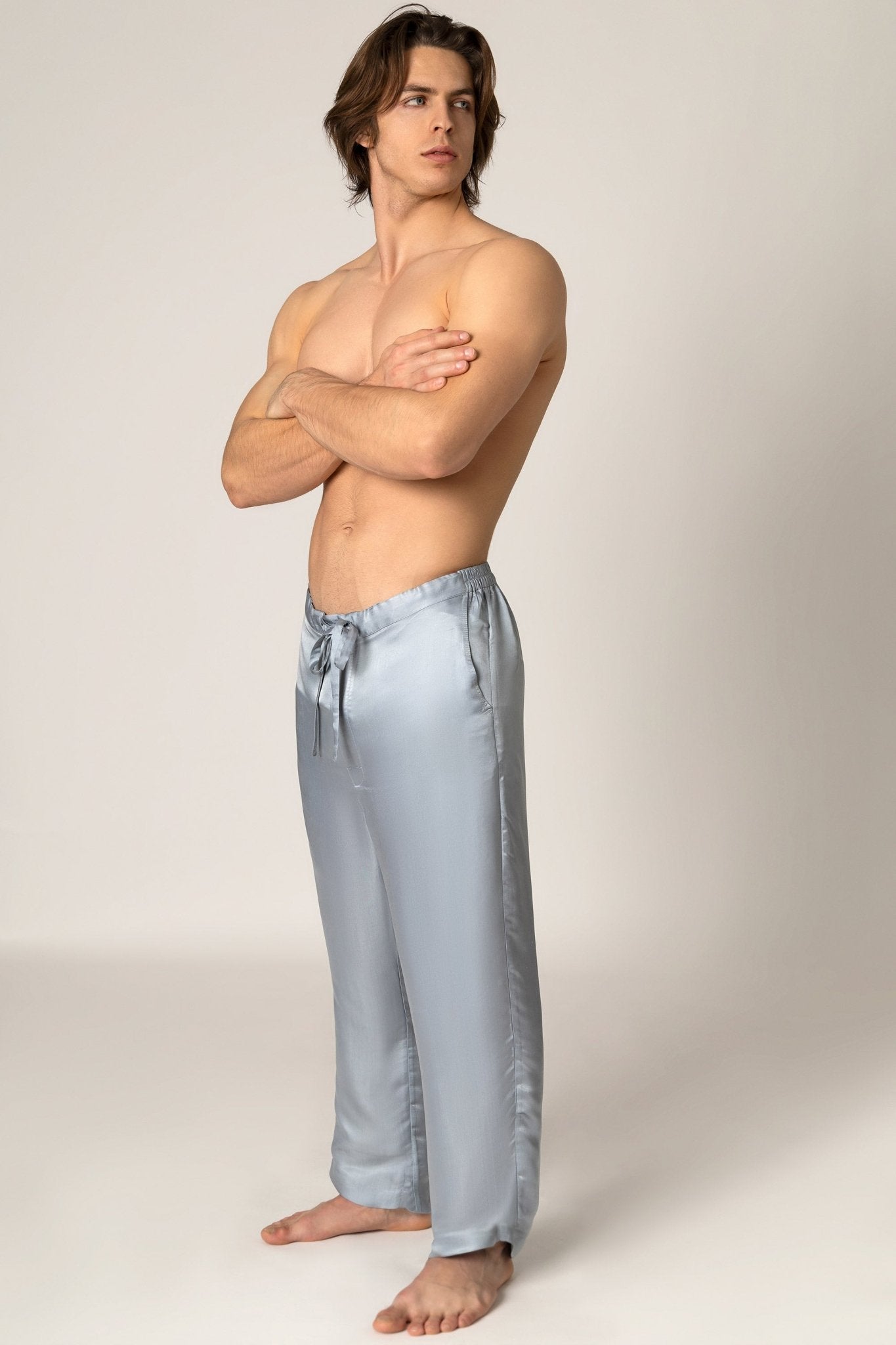
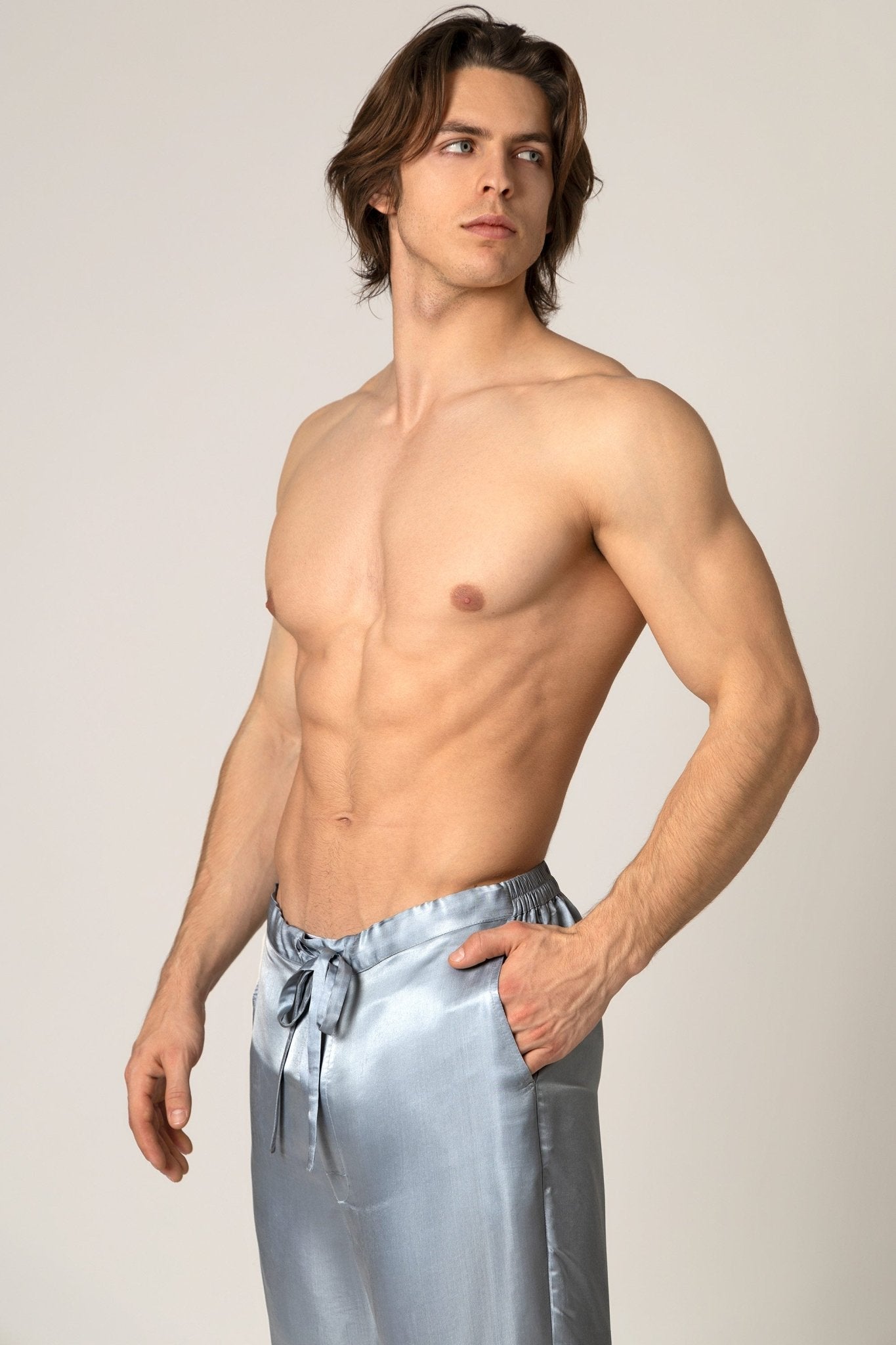
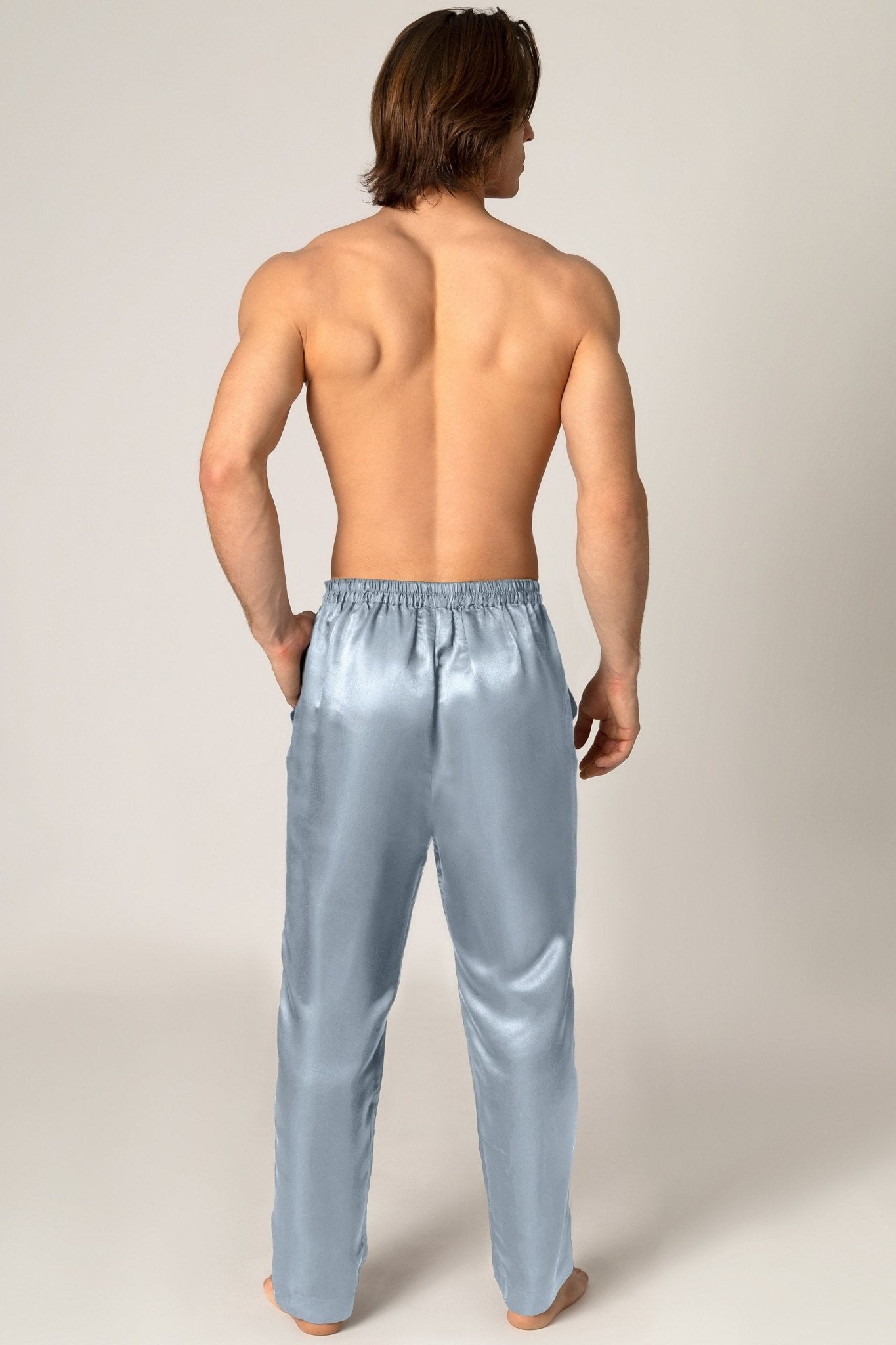
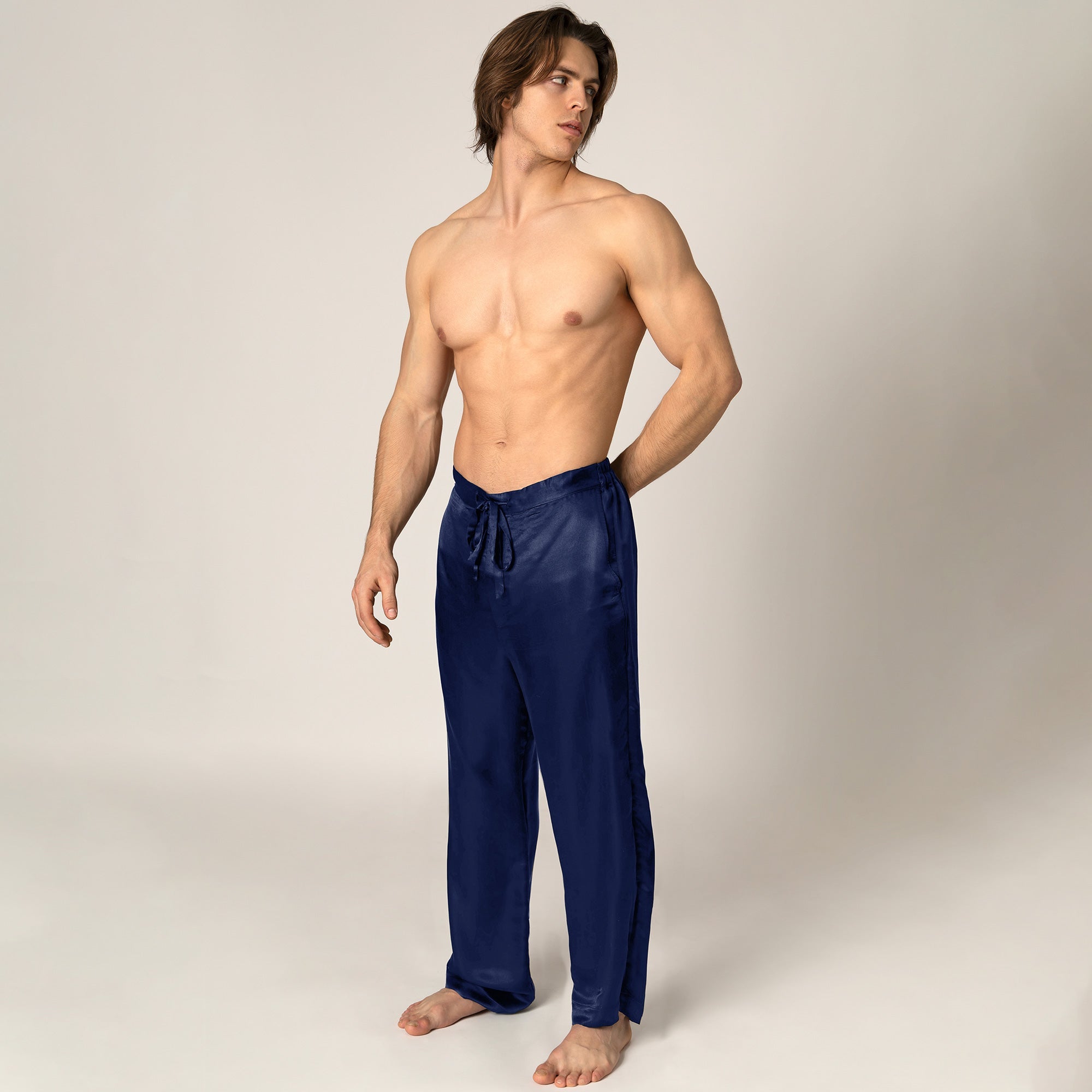
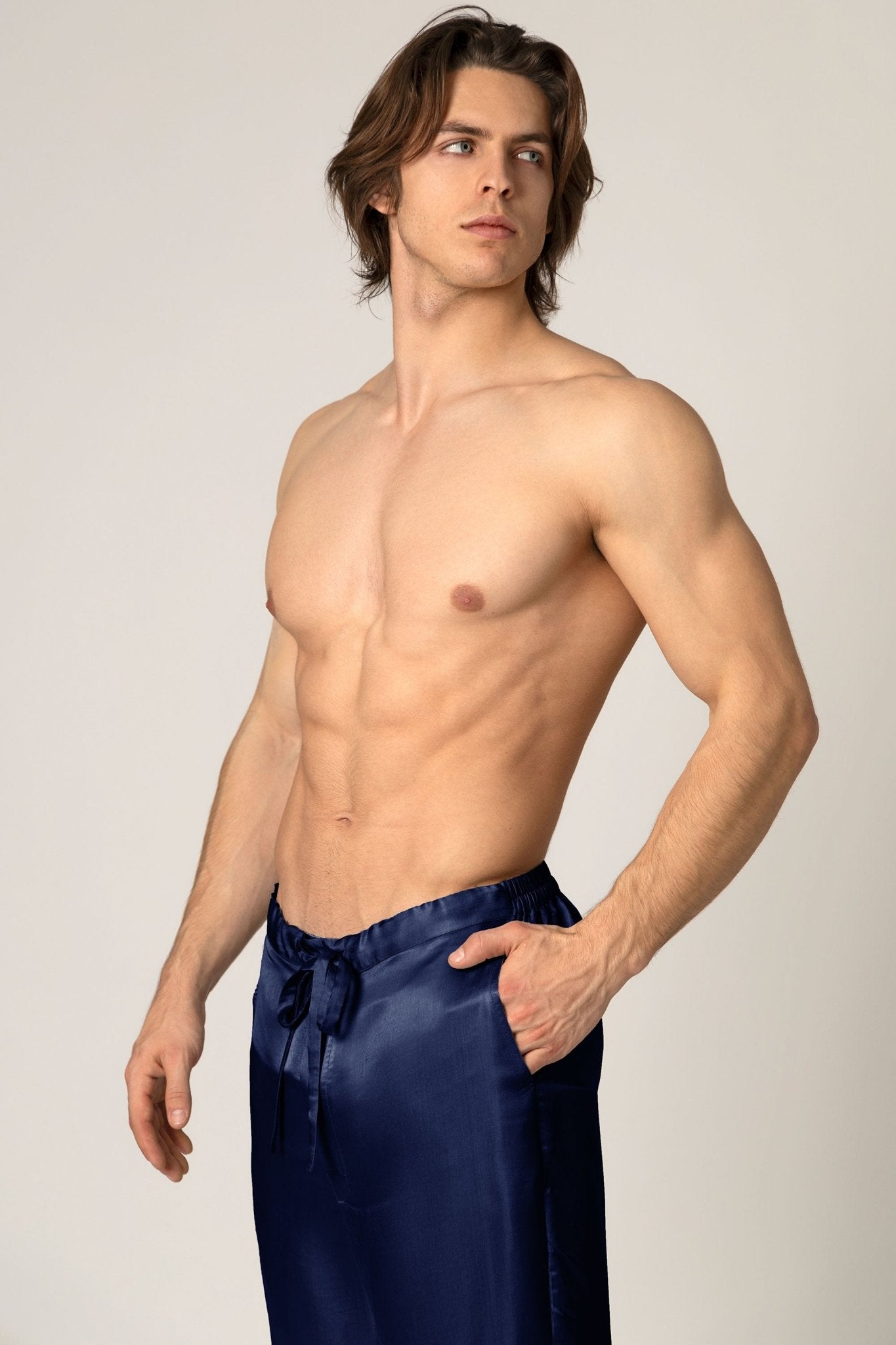
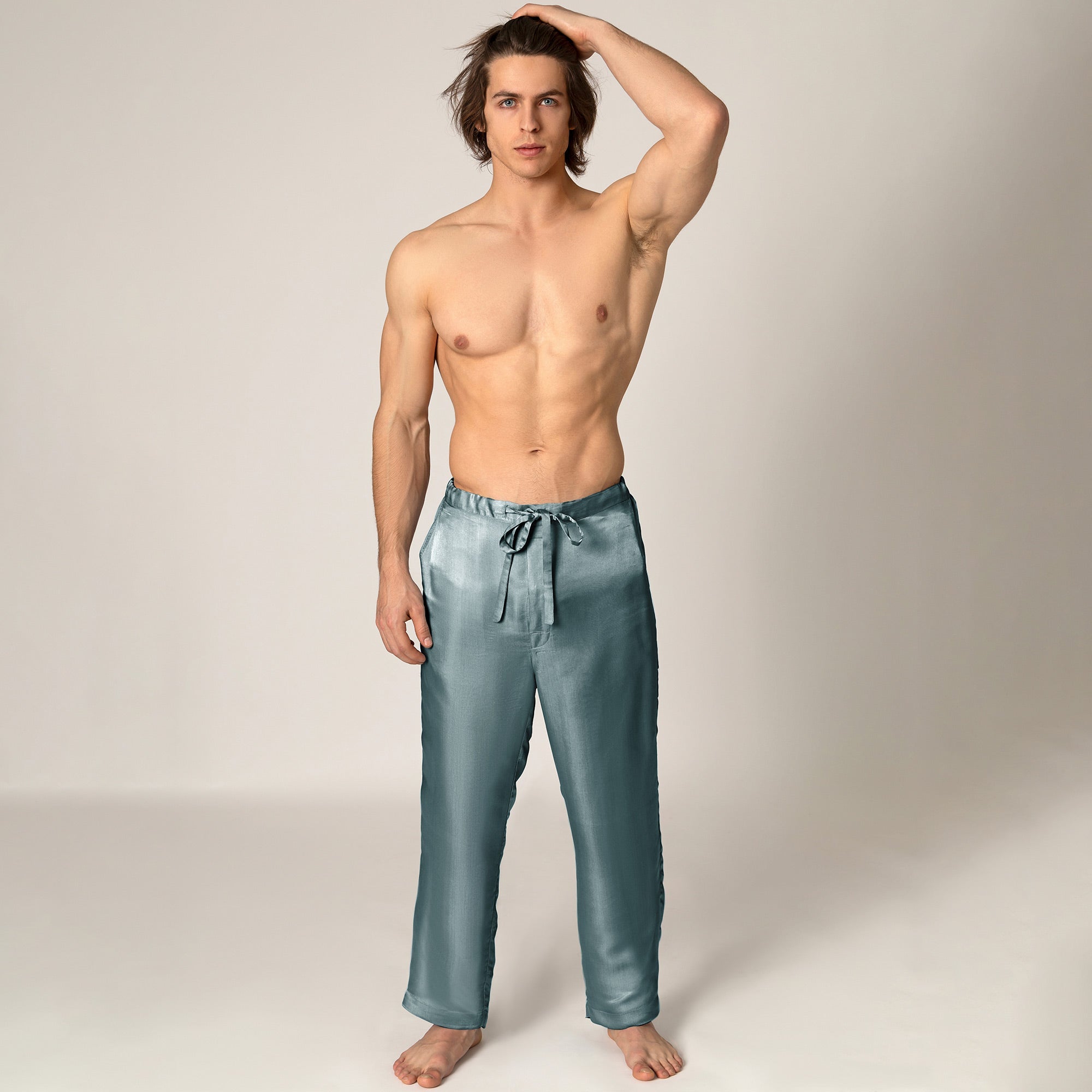
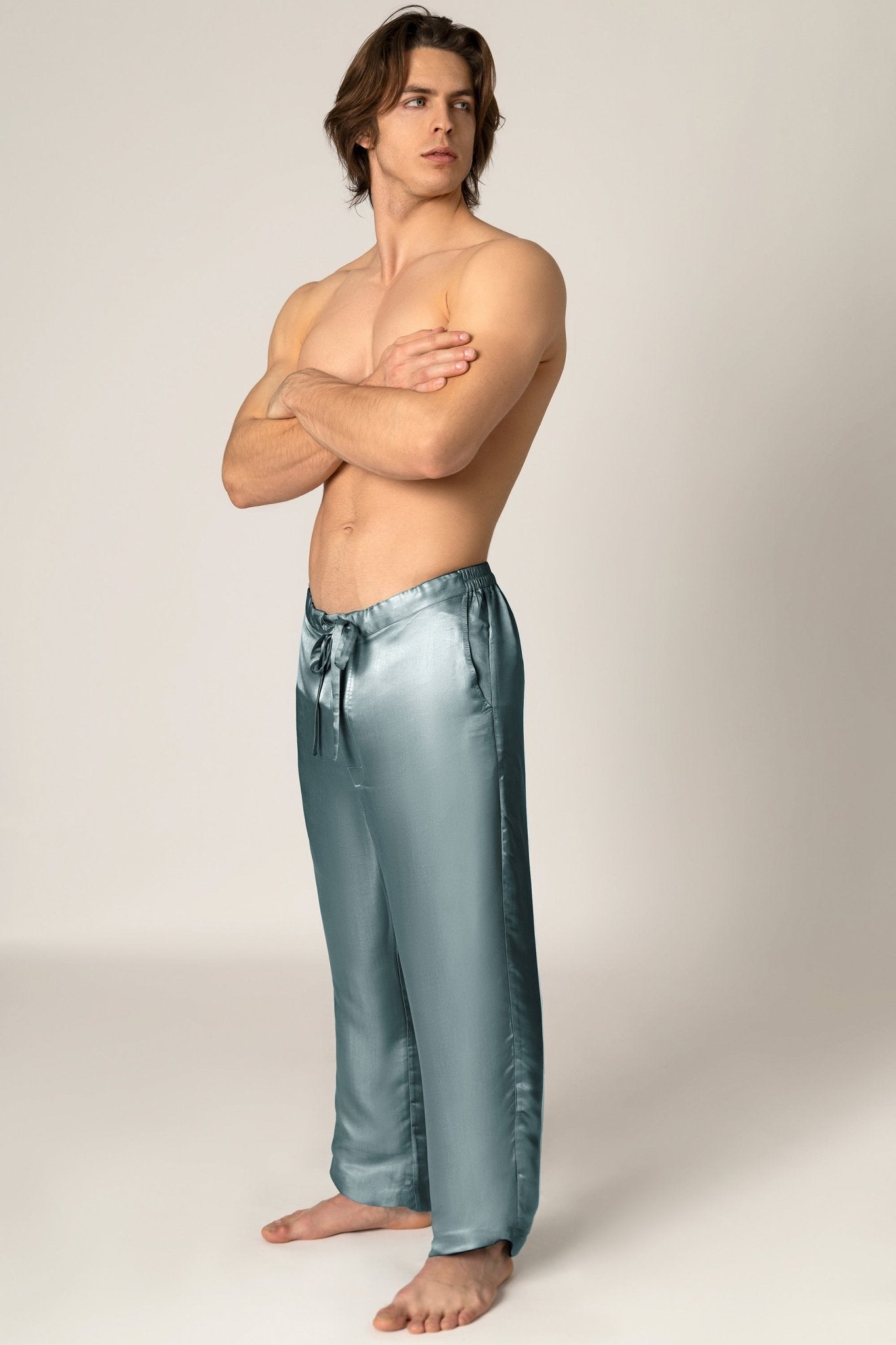
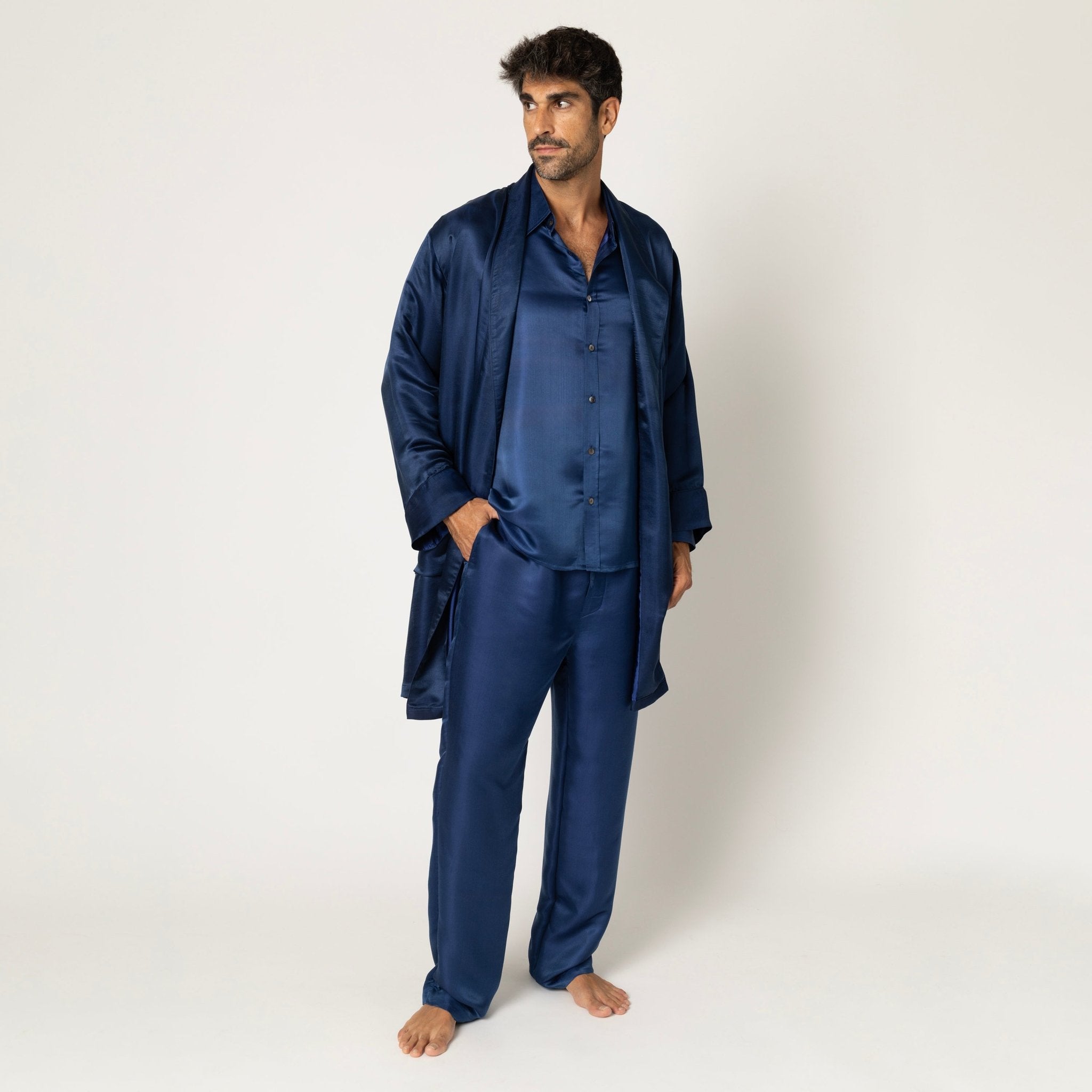
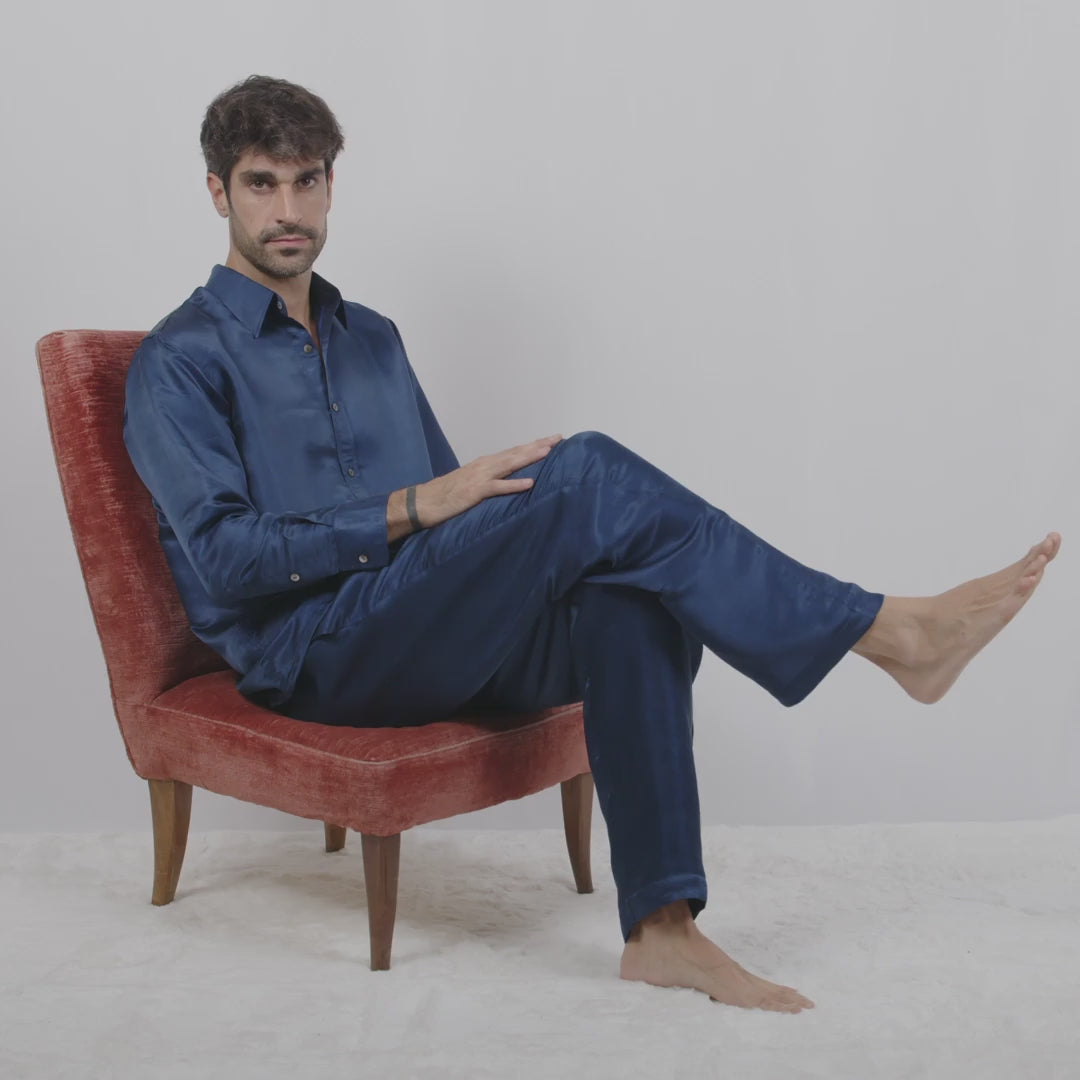
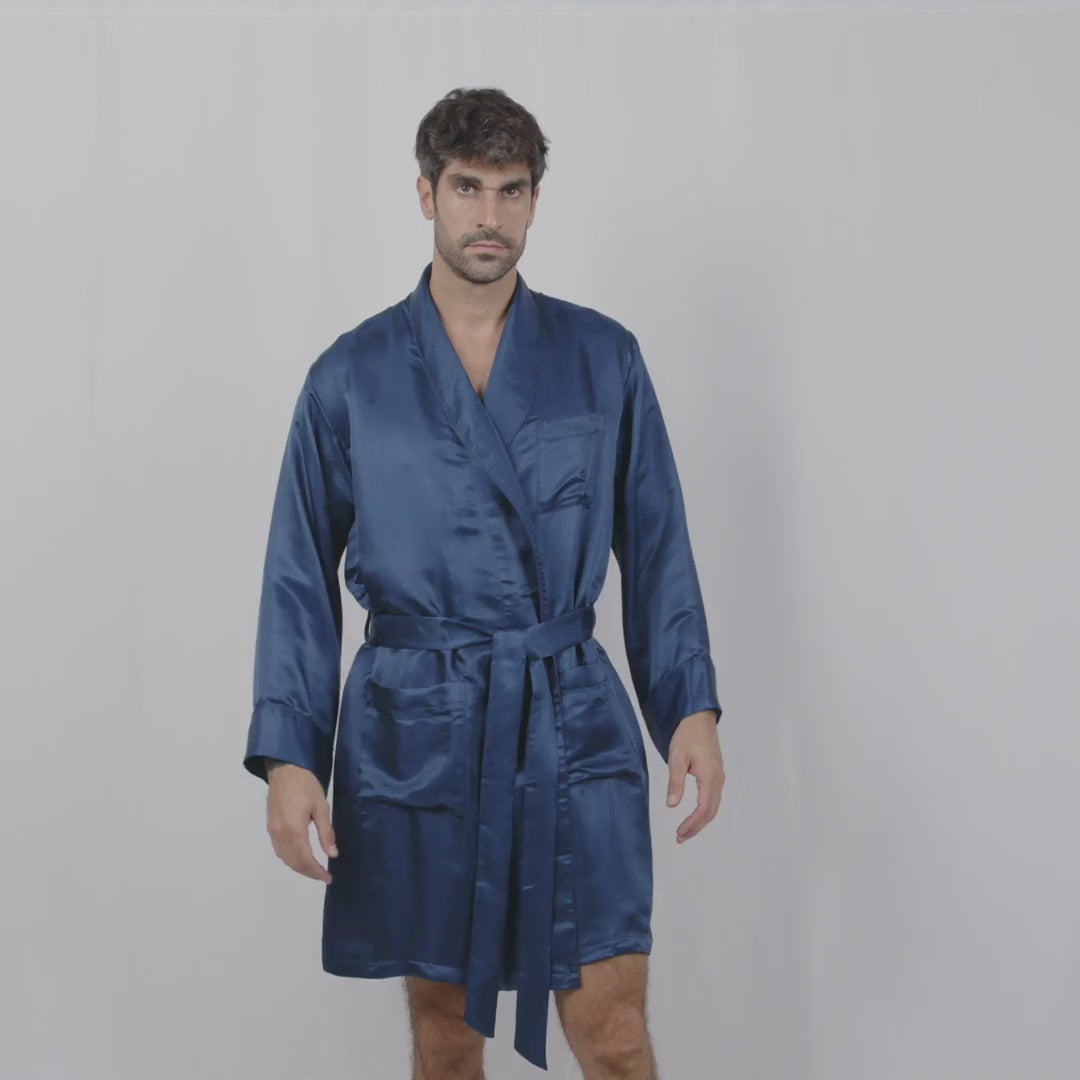
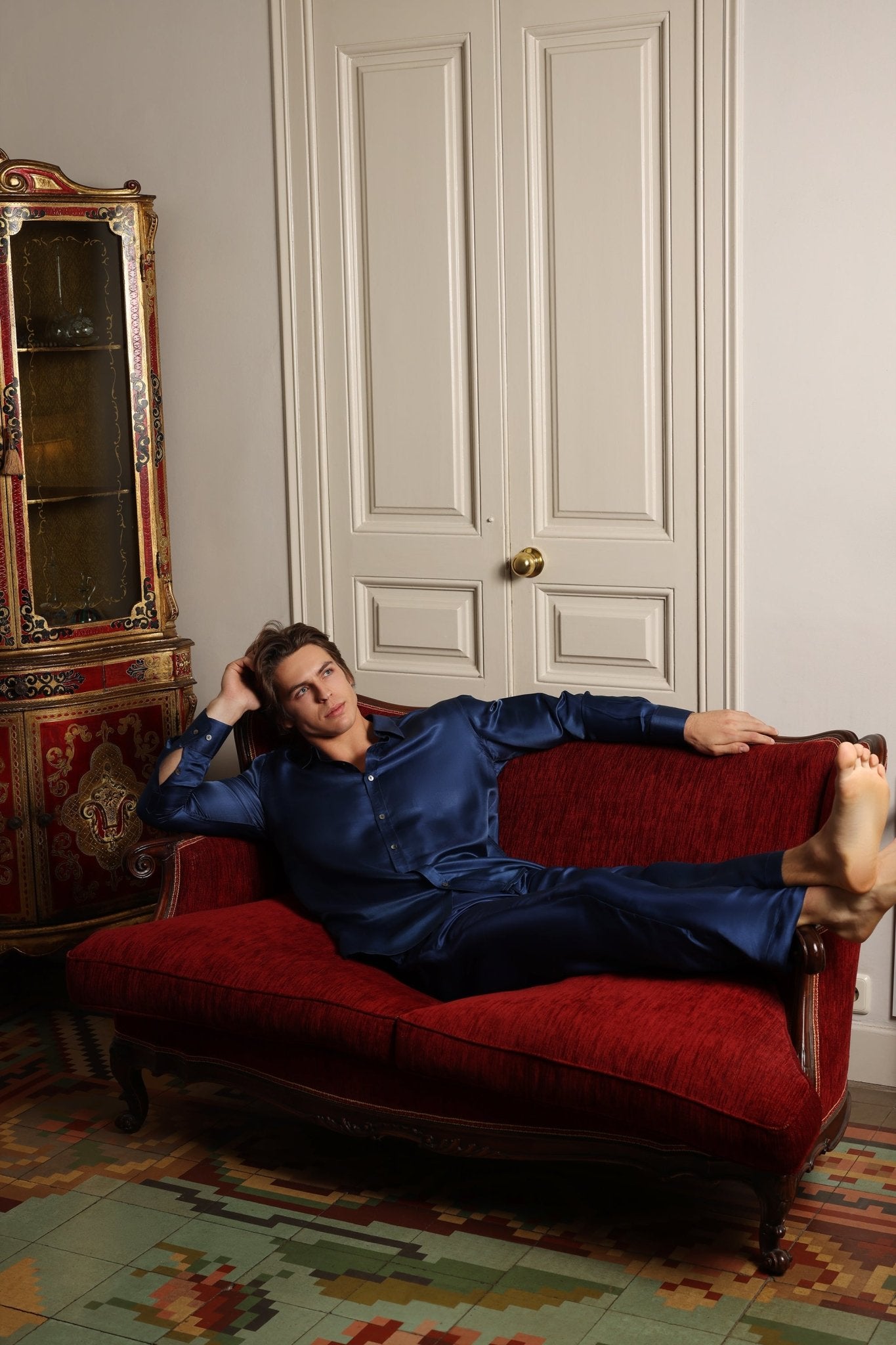
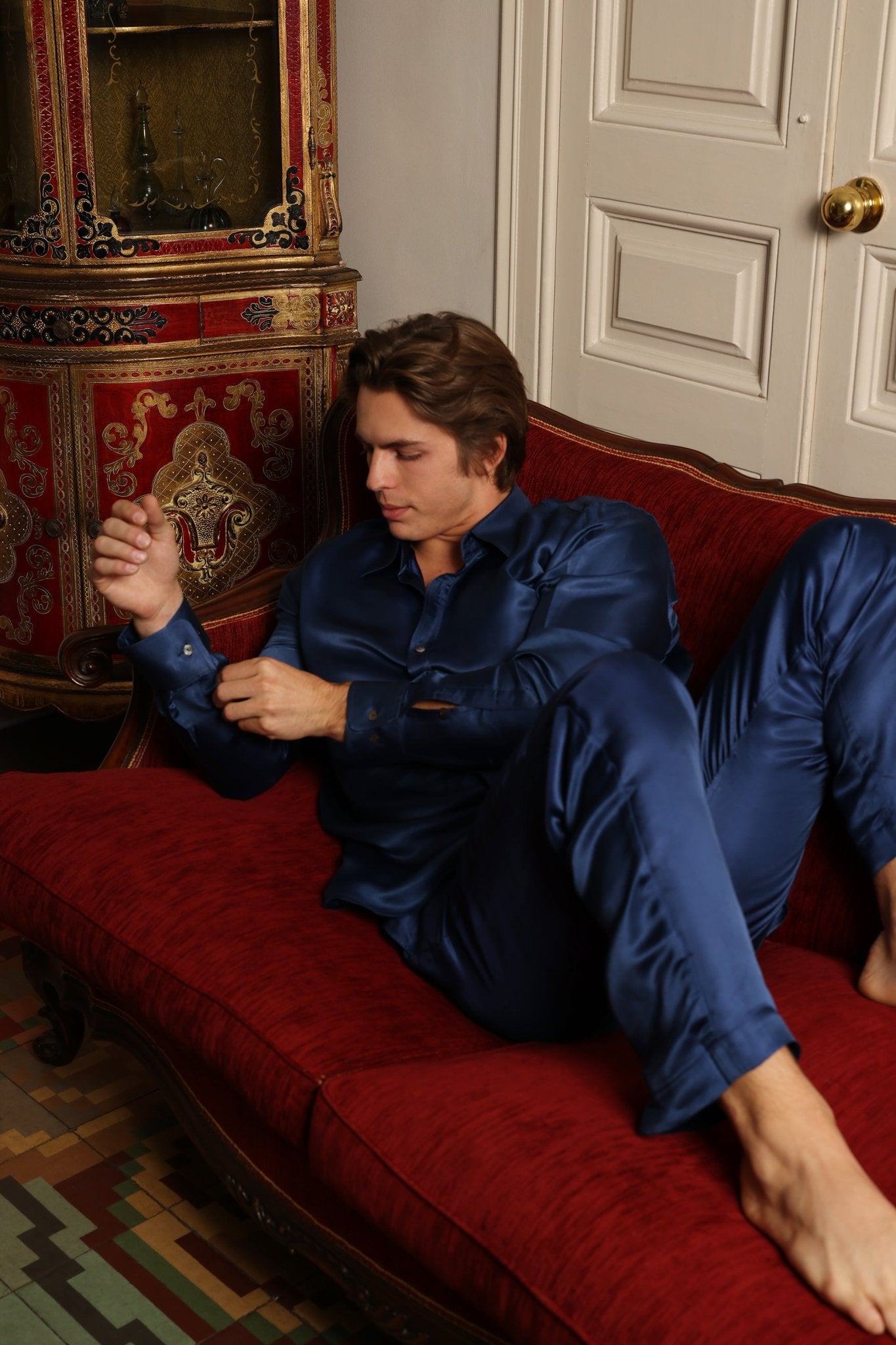
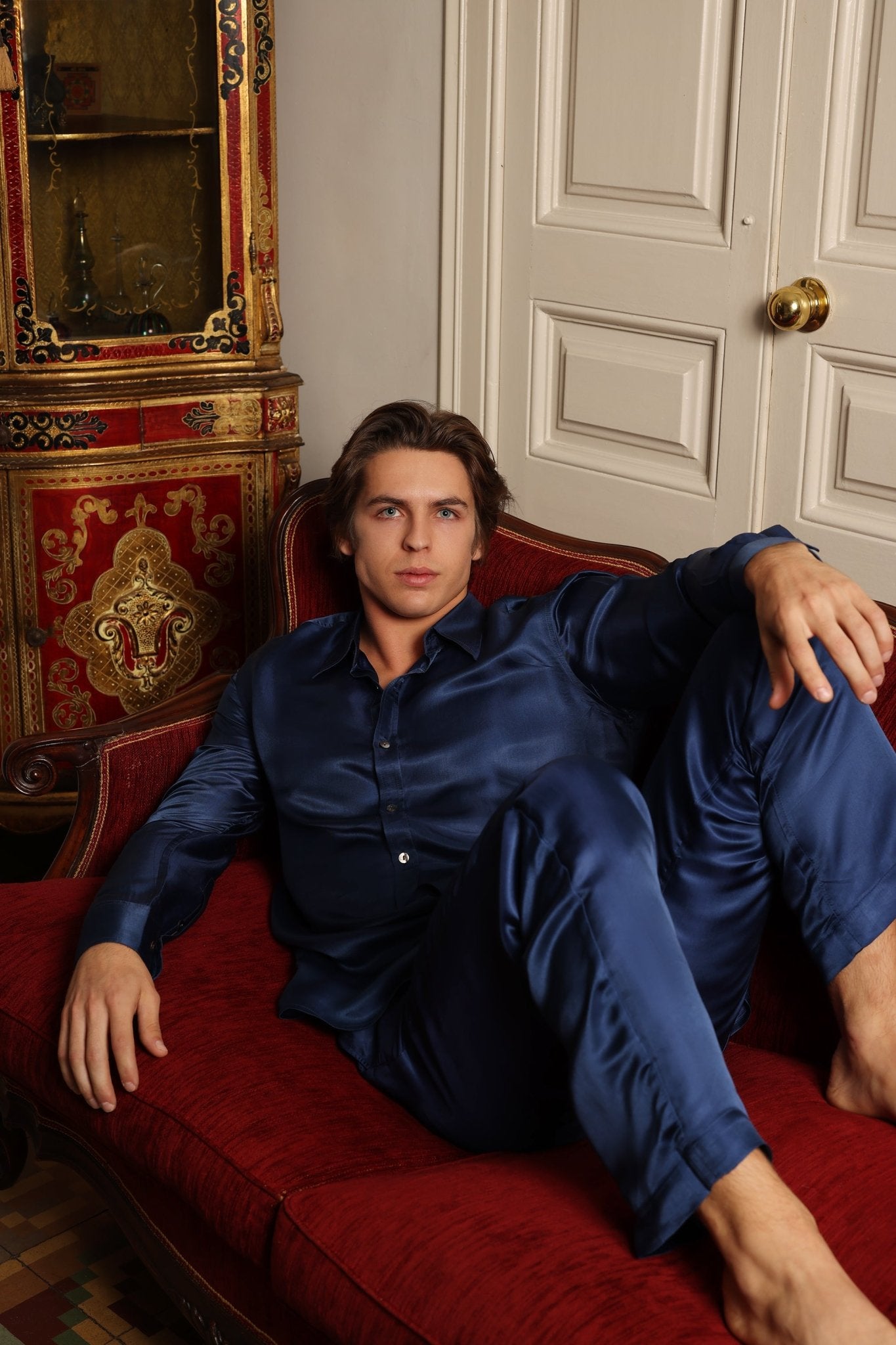
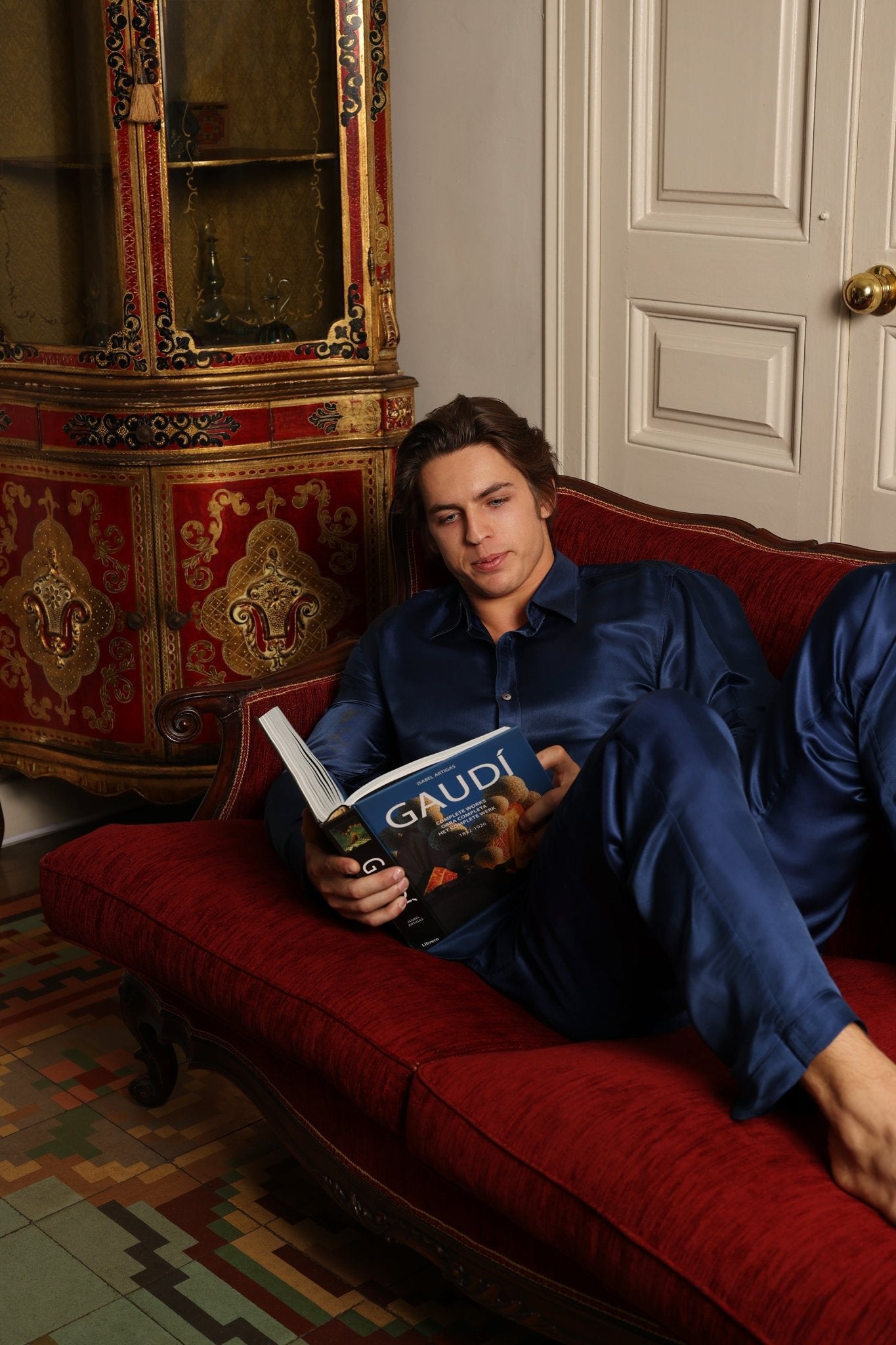
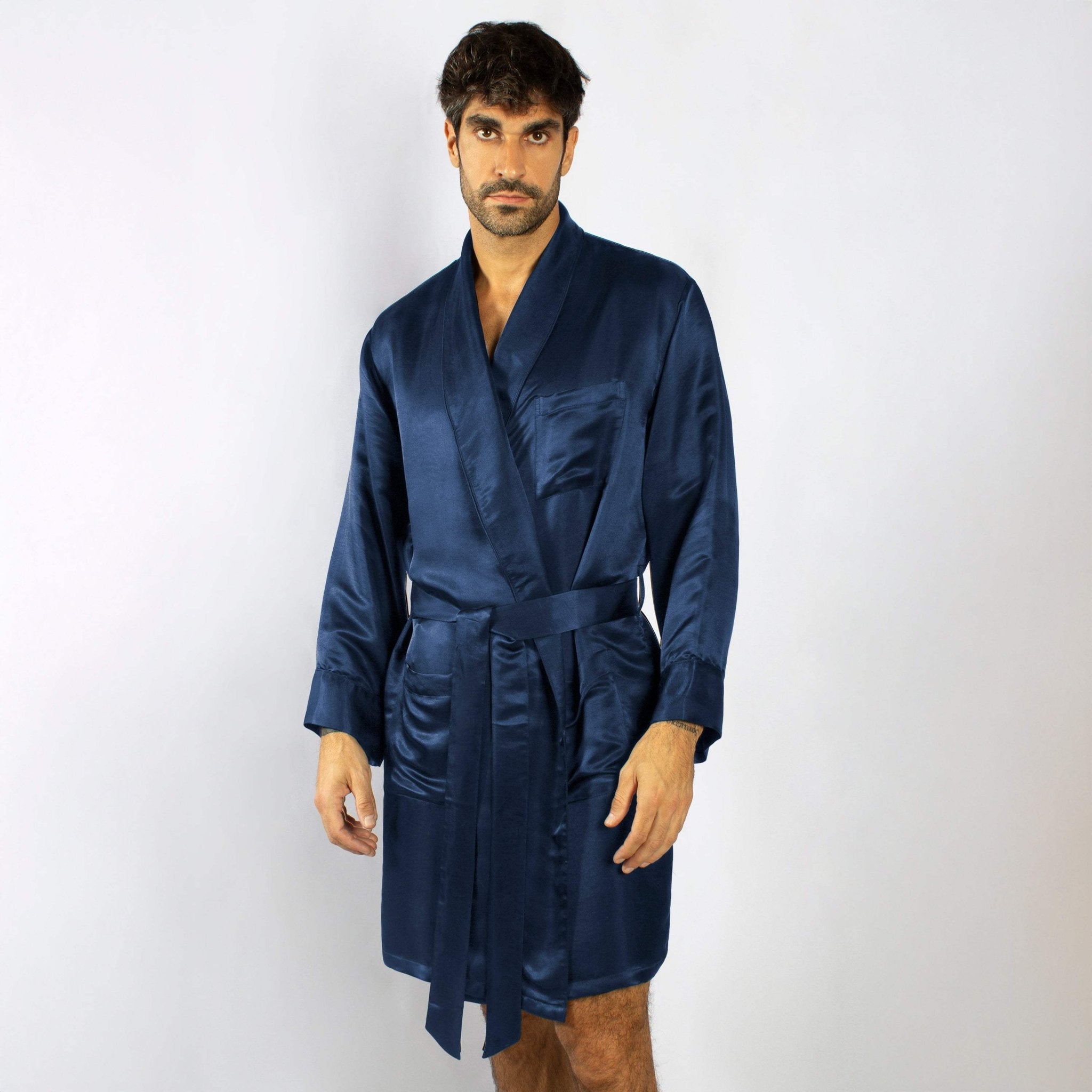
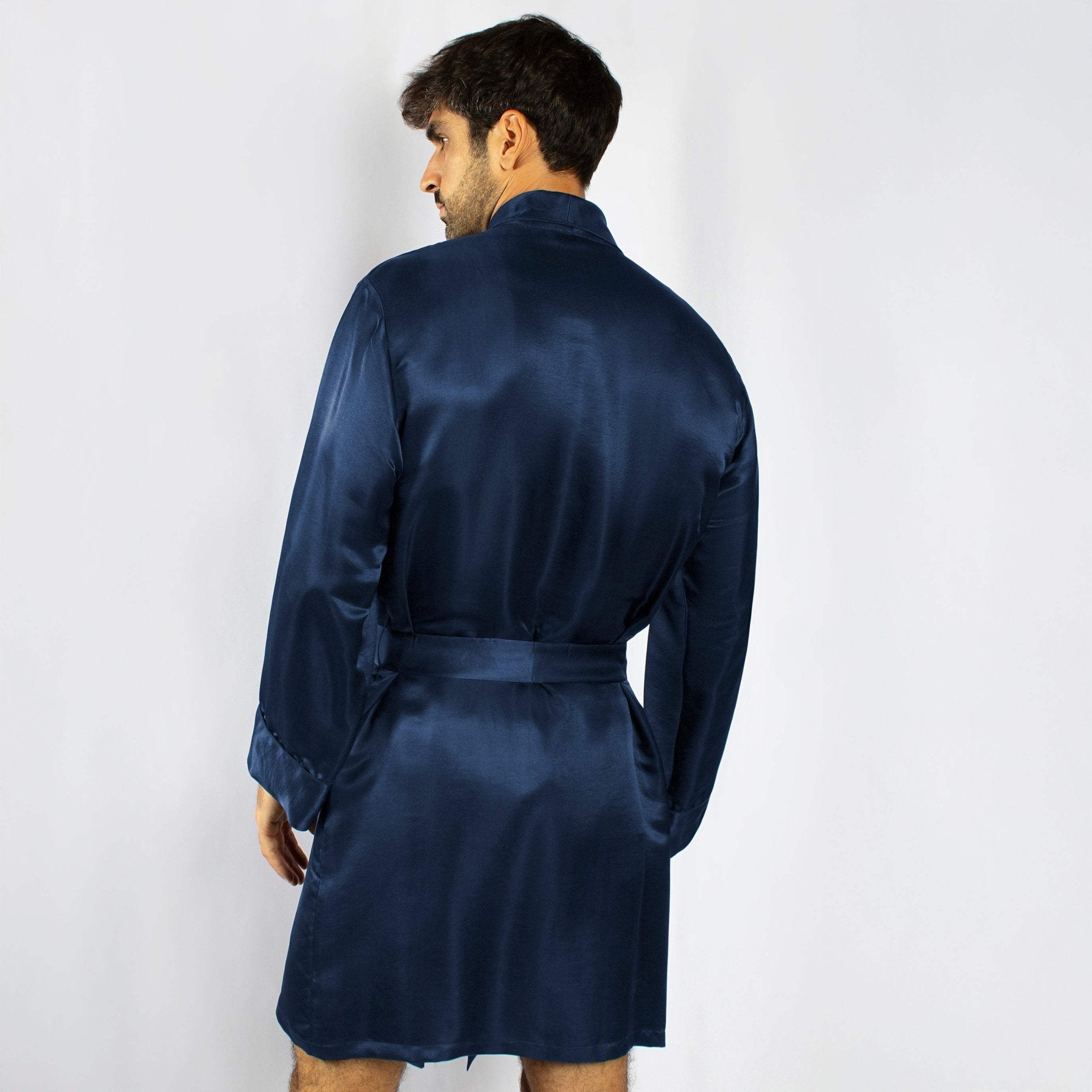
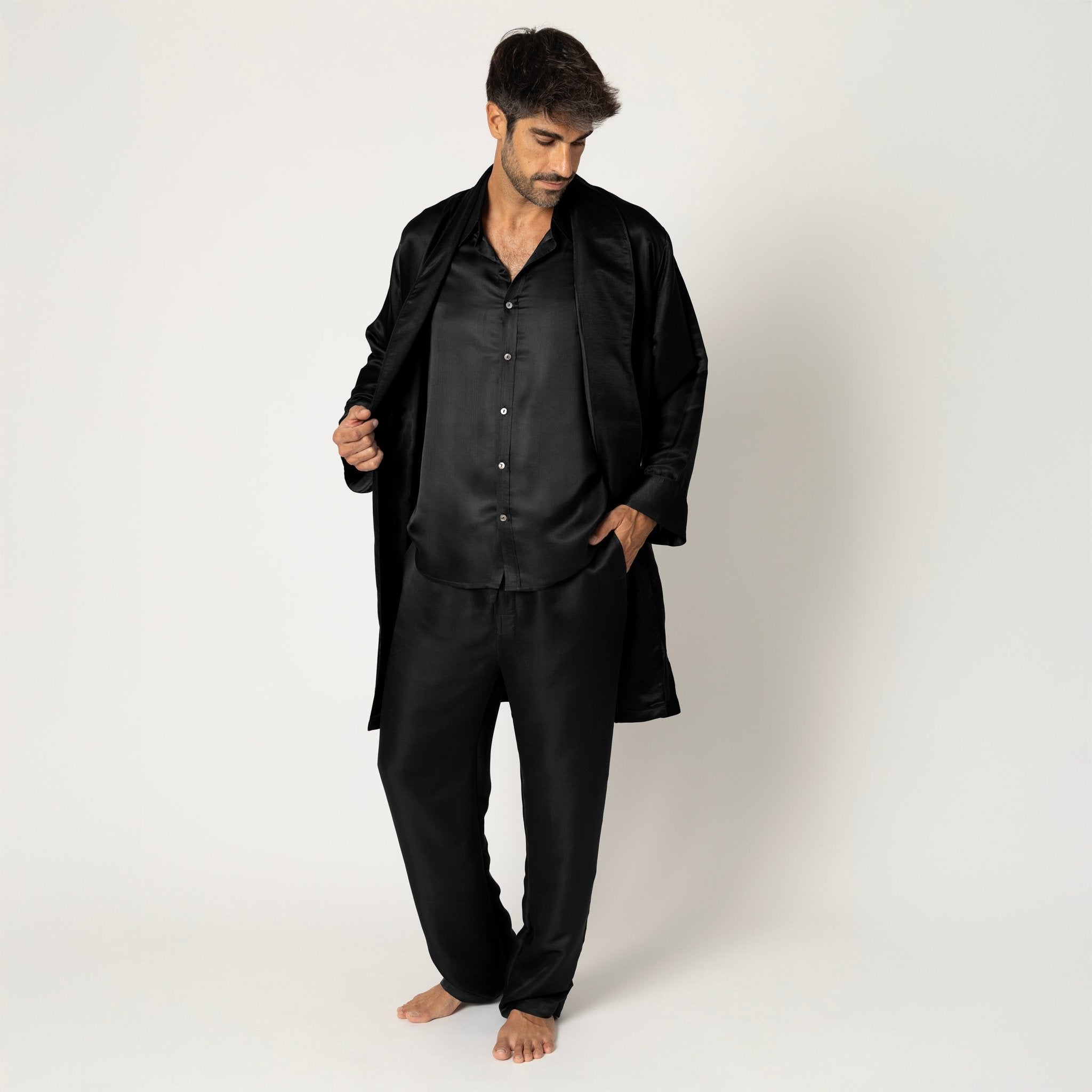
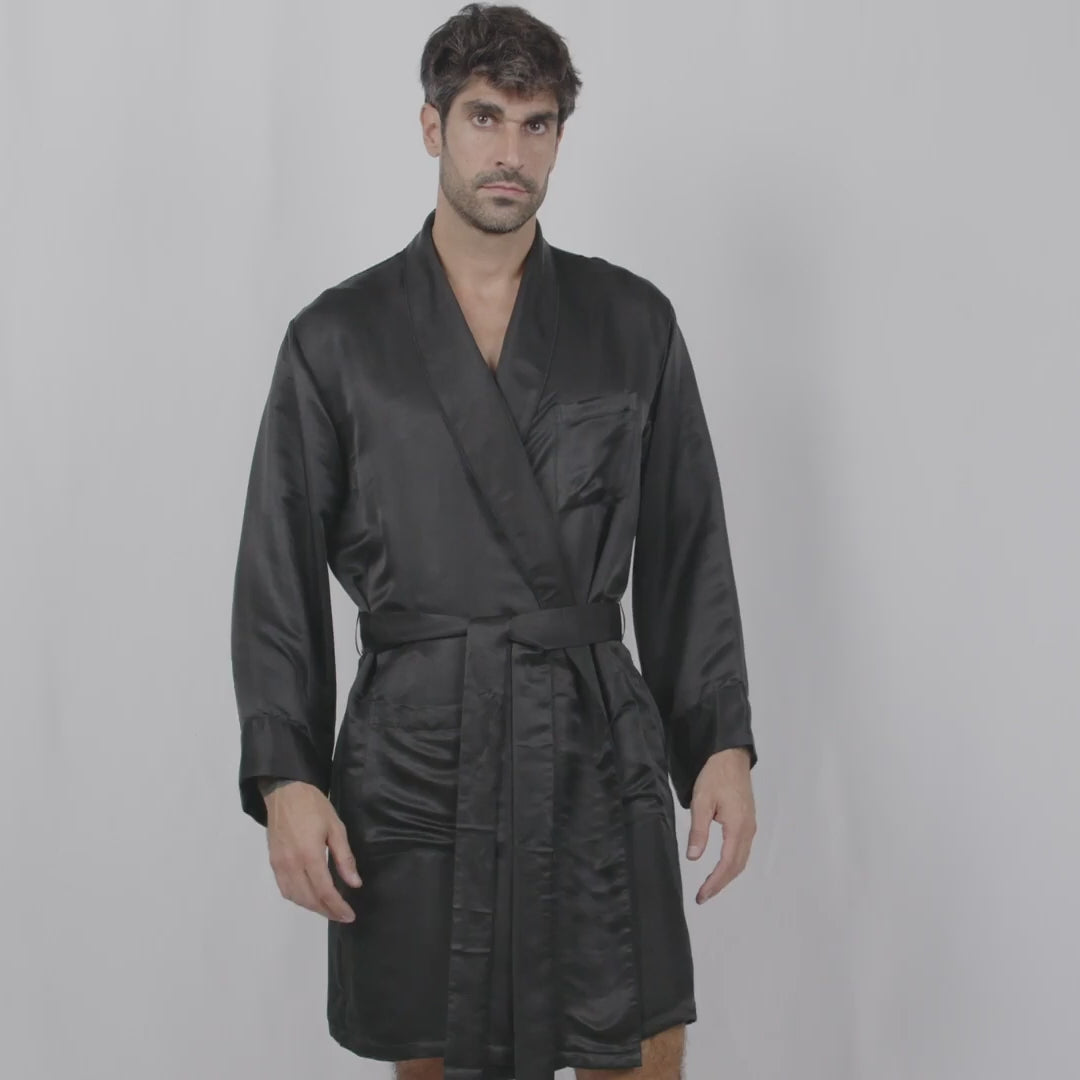
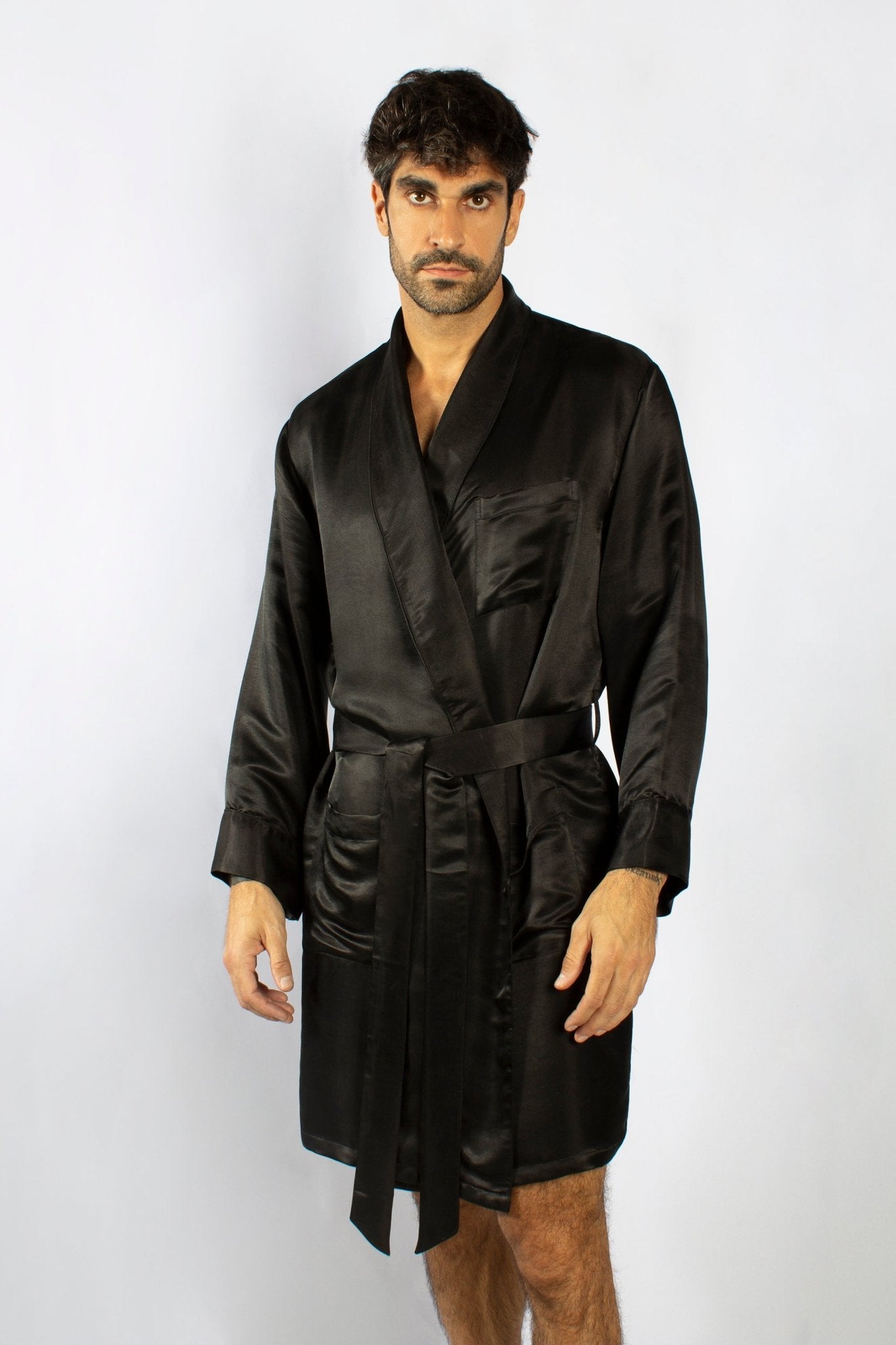
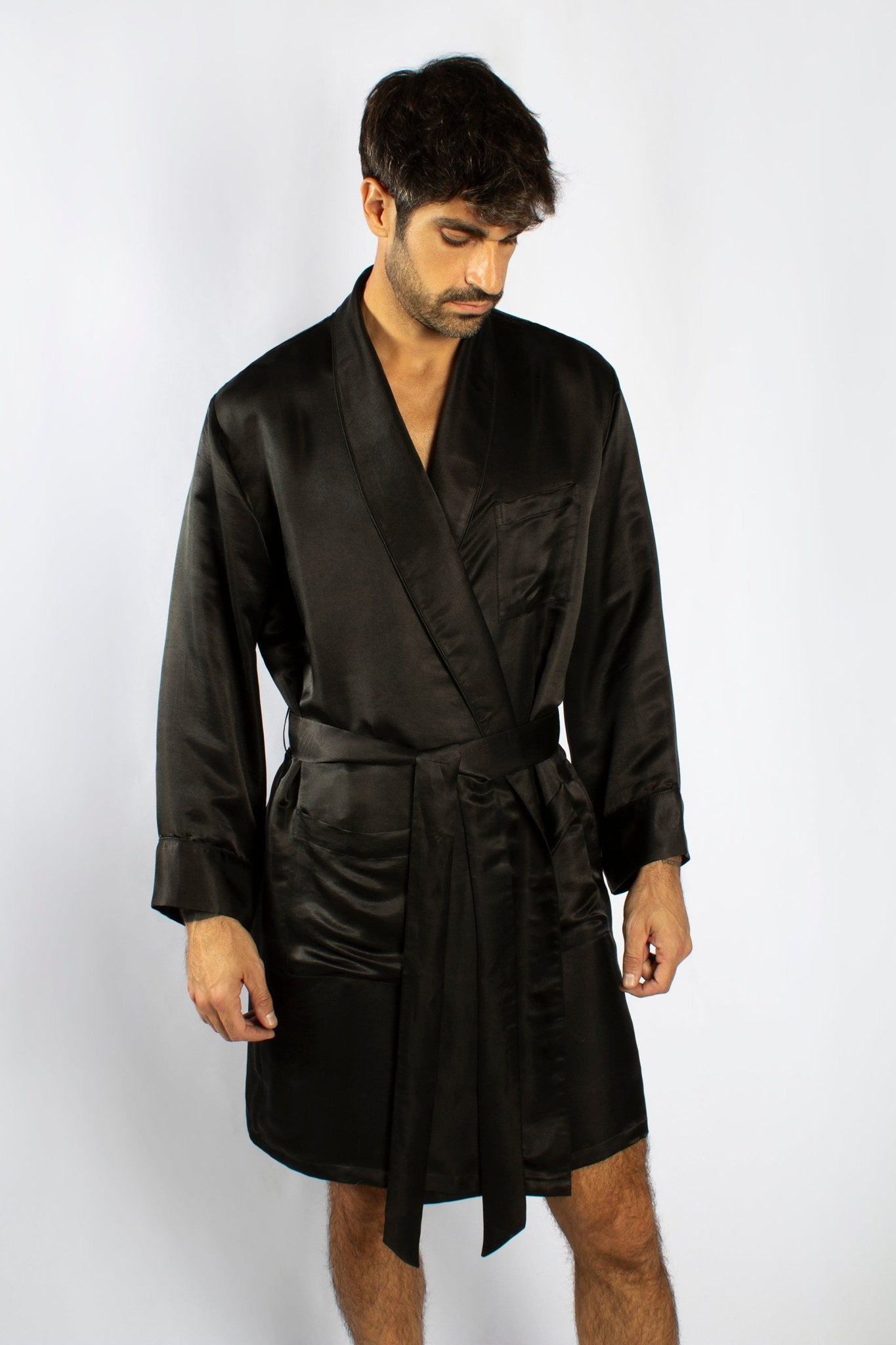
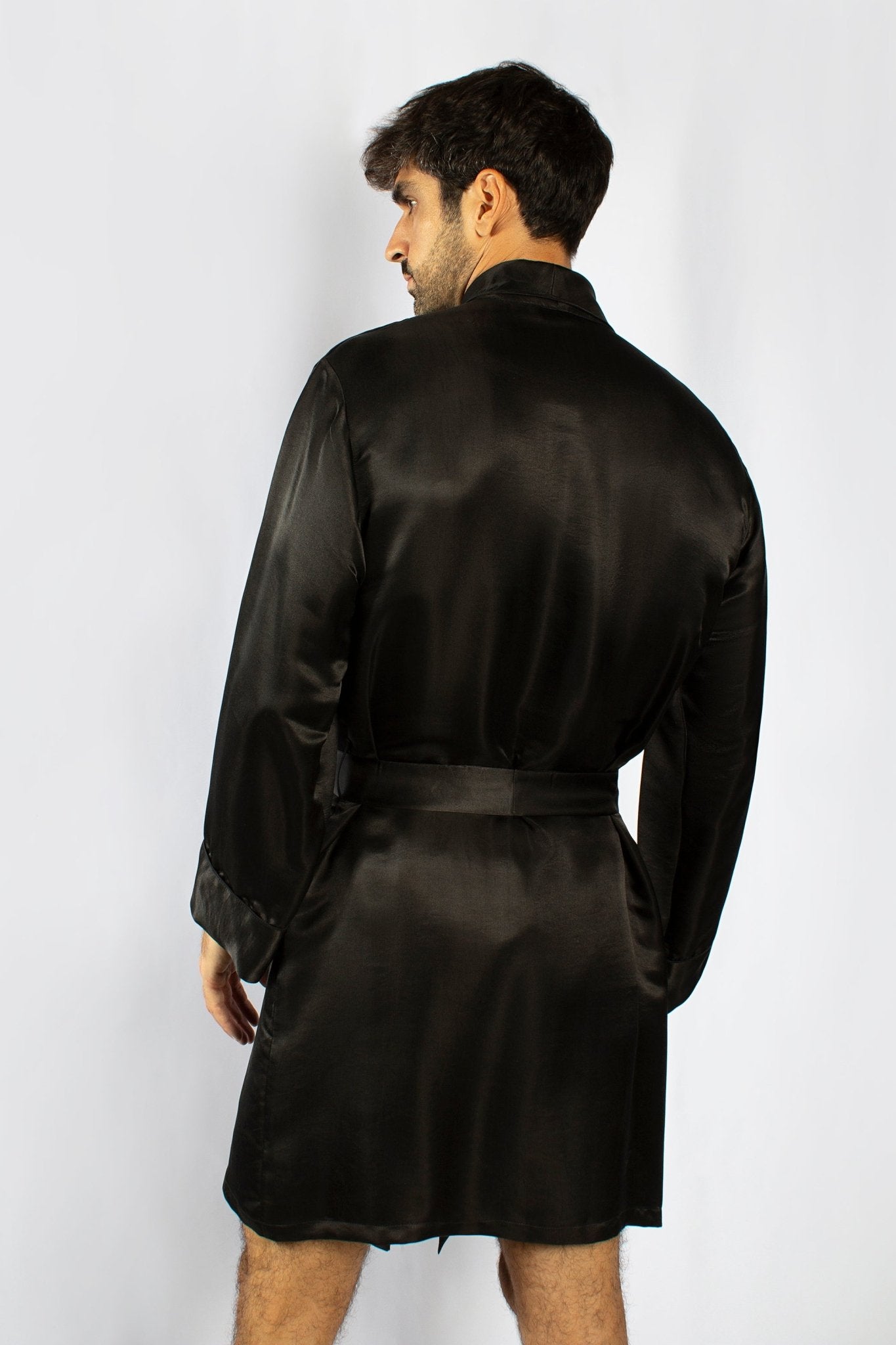
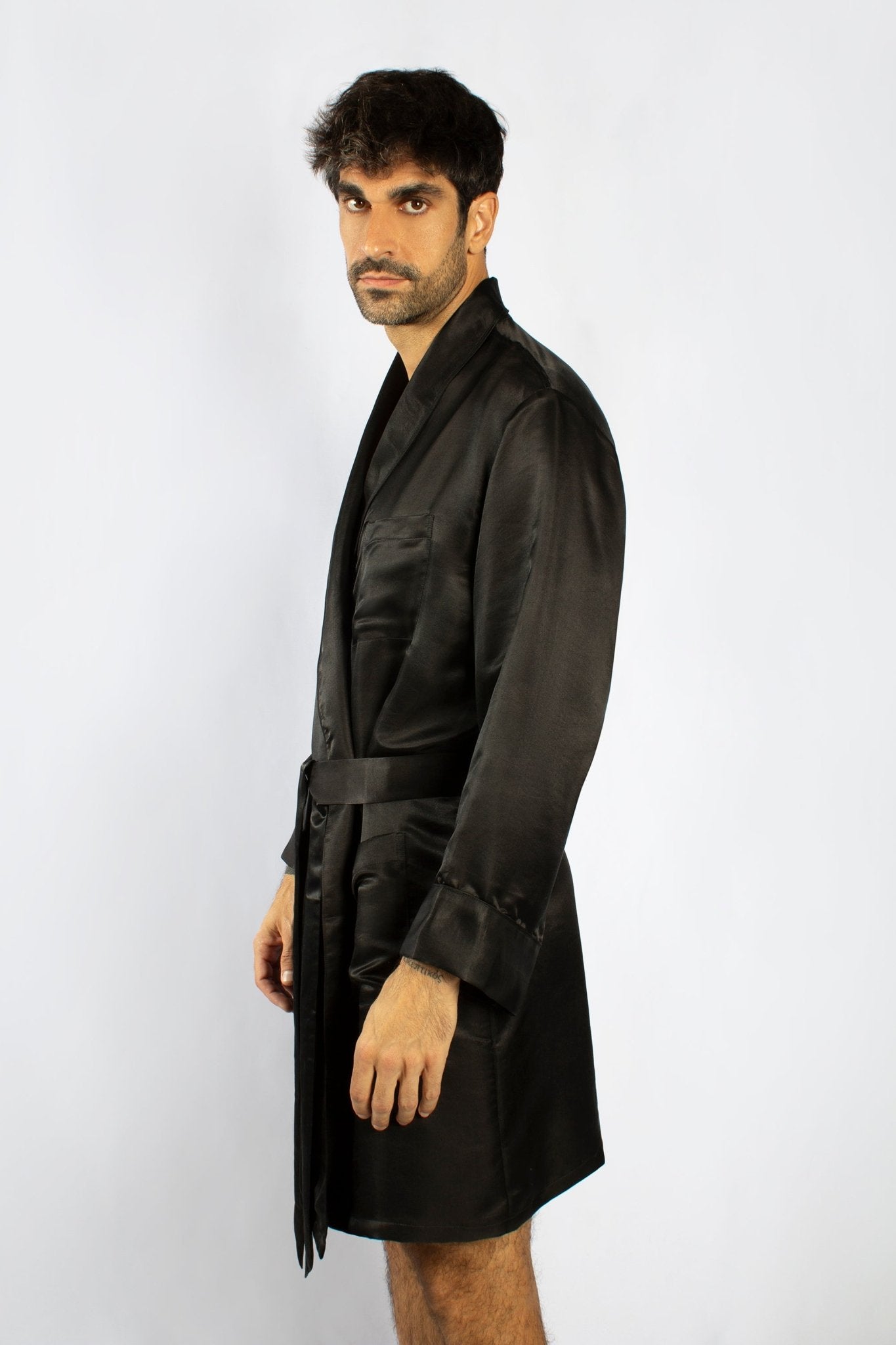
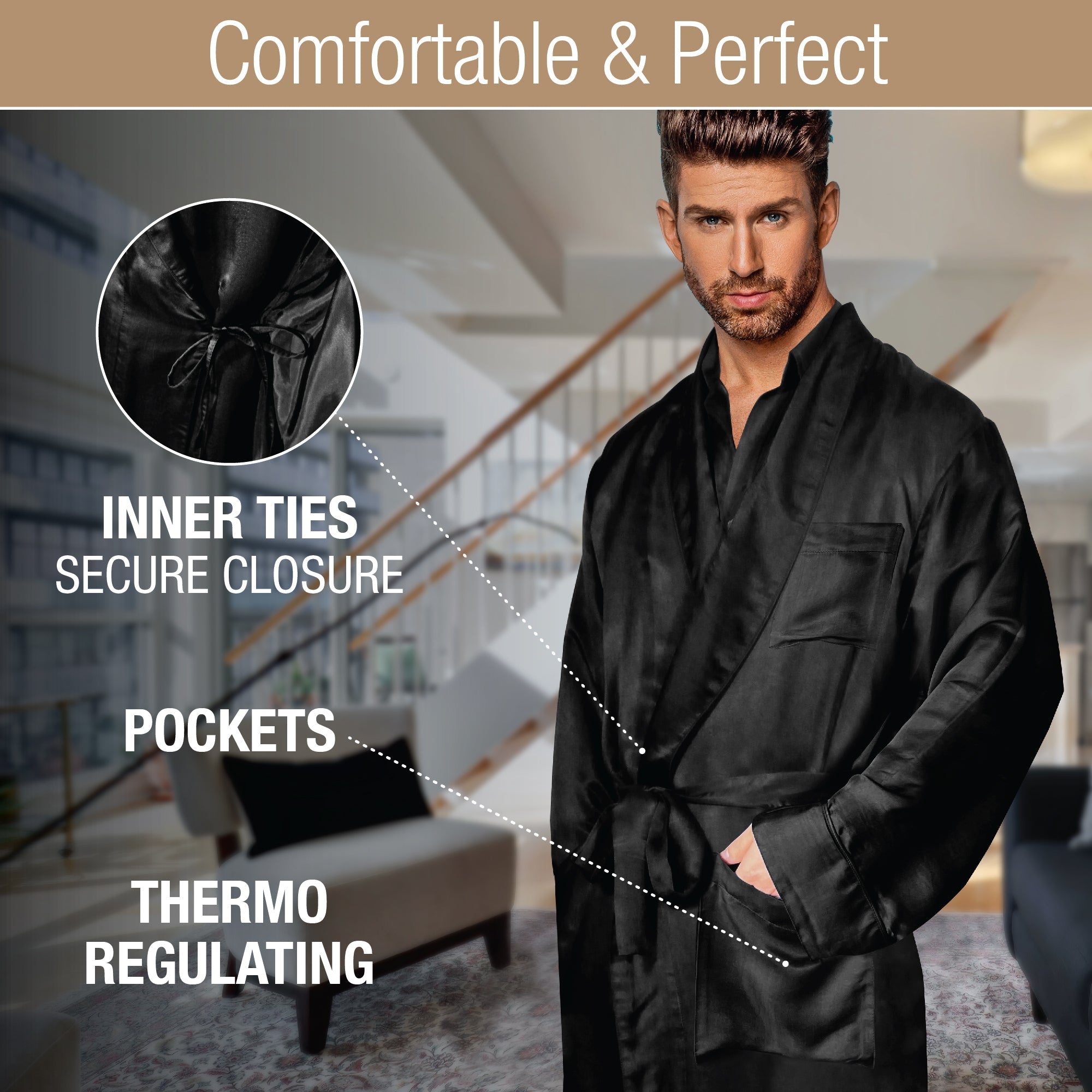
The 27 momme mulberry silk you're wearing, whether as pajamas, robes, or boxers, represents this entire production process. Silk Kimono Robes showcases the range of garments built on this foundation, while Silk Boxers For Men demonstrates how the same artisan construction extends to everyday essentials.
What This Means for the Product in Your Hands
Every production decision described above has a direct, measurable consequence for the product you receive.
- Mulberry-fed silkworms produce longer filaments, which means smoother, more lustrous fabric with fewer slubs (small bumps).
- Highest-grade cocoons (equivalent to Grade 6A) mean more uniform thread, which means more consistent color and texture across the finished garment.
- 27 momme weave density means 20-40% more silk fiber per square centimetre, which means the fabric is heavier, more opaque, more durable, and less prone to pilling.
- OEKO-TEX certified dyeing means the dyes are tested safe for prolonged skin contact, which matters when you're wearing the fabric for eight hours every night.
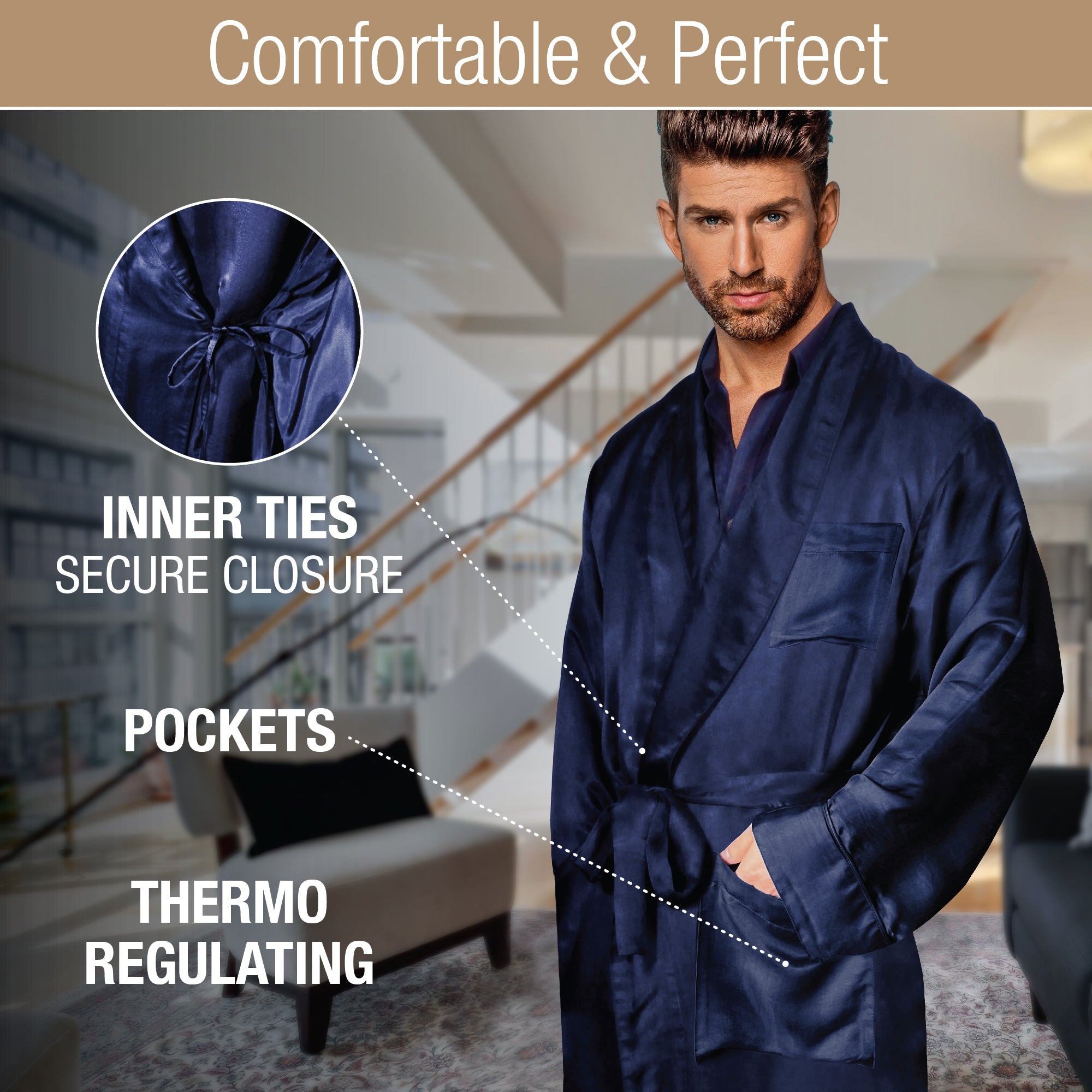
- Machine-washable finishing means you can wash your silk at 30 degrees in a gentle cycle, lay it flat to dry, and wear it again. No dry cleaning fees. No friction.
- French seams mean no raw edges inside the garment. Smoother against skin. Stronger over time. Won't fray after repeated washing.
- Artisan construction means each garment was handled individually, not pulled off a production line. The practical result: more consistent quality and fewer defects.
- XS to 4XL means the same product is available to more bodies. Same silk. Same construction. Same care.
This is what "artisan crafted in Vietnam's silk villages" means when you break it down to each material and construction decision. It is not a marketing phrase. It is a description of a production process that produces a measurably different product.



Frequently Asked Questions
How many silkworms does it take to make a silk garment?
Approximately 2,500 to 3,000 silkworm cocoons are required to produce one pound of raw silk. A silk pajama set at 27 momme weight uses more silk fiber per square metre than a lower-momme garment, so the cocoon count per garment is proportionally higher.
What makes mulberry silk different from other silk types?
Mulberry silk comes from Bombyx mori silkworms fed exclusively on mulberry leaves. This diet produces the longest, most uniform silk filaments available, resulting in smoother, more lustrous, and stronger fabric. Other silk types (tussah, eri, muga) come from different silkworm species with different diets, producing shorter, less uniform filaments with a different texture.
What is the characteristic look of Tara Sartoria silk?
The silk Tara Sartoria uses creates a smooth, lustrous face and matte back of fine silk. At 27 momme density, silk provides the ideal balance of drape, opacity, and durability for sleepwear and loungewear. The smooth surface also means lower friction against skin, which benefits people with sensitive skin conditions.
Is Tara Sartoria's silk production ethical?
Tara Sartoria uses conventional silk production (not peace silk), which we disclose transparently. The silk is produced in artisan workshops in Vietnam, not high-volume factories, with fair labor practices. Ten percent of profits are directed to women's education programs in the silk-producing communities. Fabrics are OEKO-TEX Standard 100 certified for safety.
Why can't all silk be machine washable?
Machine washability in silk depends on three factors: fabric weight (heavier silks are more resilient when wet), seam construction (French seams withstand mechanical agitation better than overlocked seams), and finishing treatments (specific processes stabilize the fibers for washing). Most silk garments use lighter-weight silk with overlocked seams and no wash-specific finishing, which is why they require dry cleaning or hand washing.
Where exactly is Tara Sartoria silk made?
Tara Sartoria's garments are cut and sewn in artisan workshops in Vietnam's historic silk-producing regions. Vietnam has a centuries-long tradition of silk weaving and garment construction. The workshops are small-scale operations where craftspeople handle garments individually, rather than high-volume factories with automated production lines.
Explore silk pajamas and see the craftsmanship that goes into every garment.