


What Makes a Silk Robe Worth the Price?
By Tara Nguyen, Ph.D., Founder and Creative Director, Tara Sartoria
A customer once emailed me asking why our long robe was $320 when she could buy something called a silk robe at a department store for $89. It was a fair question. The honest answer took me about four paragraphs to write, and most of it was not about silk. It was about how the $89 robe is built, who is sewing it, what is happening to the fabric on its third wash, and what she would actually own after a year.
I tell this story because the price question is almost never the price question. It is the value question, and value is not visible until you have worn the thing for a while.
A Short Answer for the Person Skimming
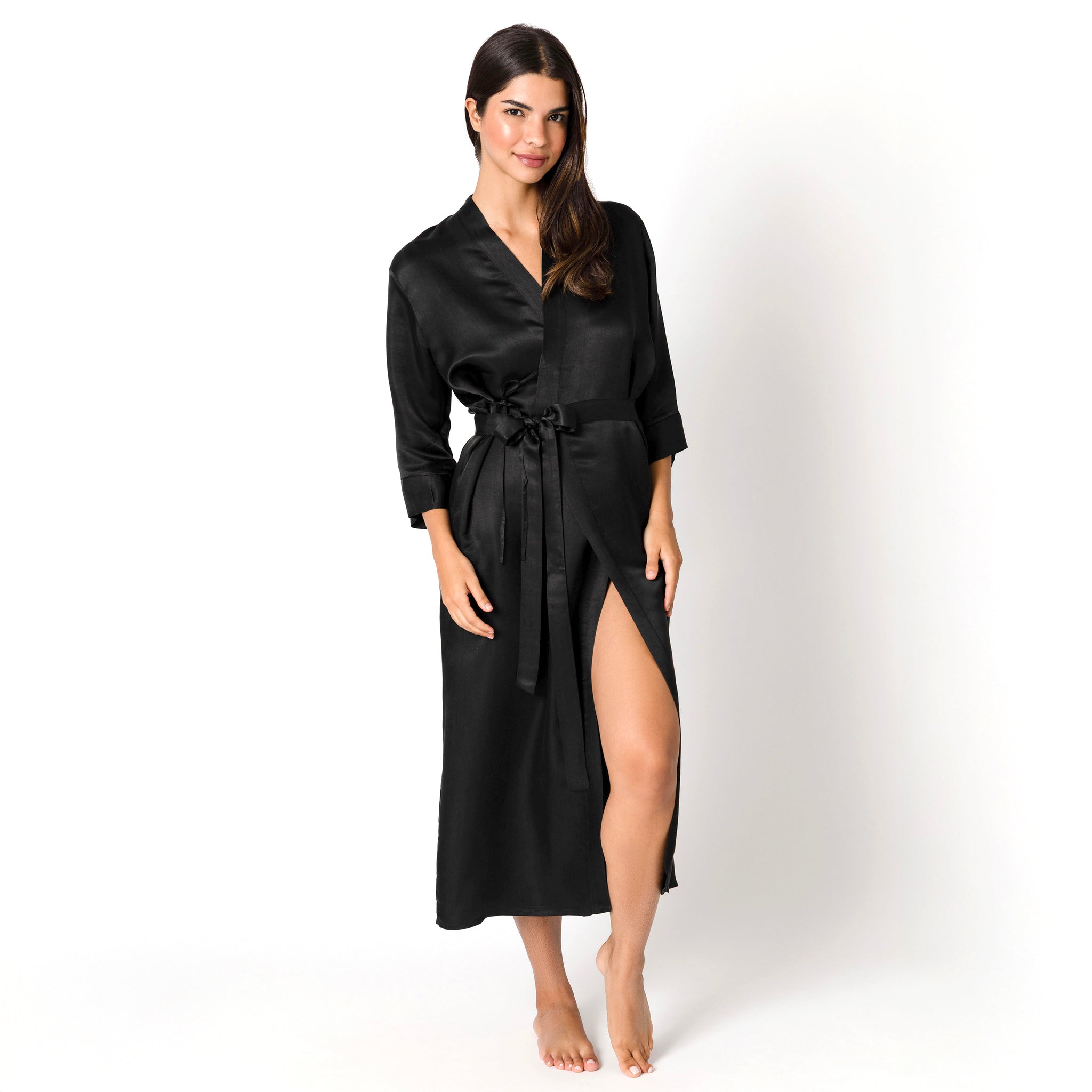
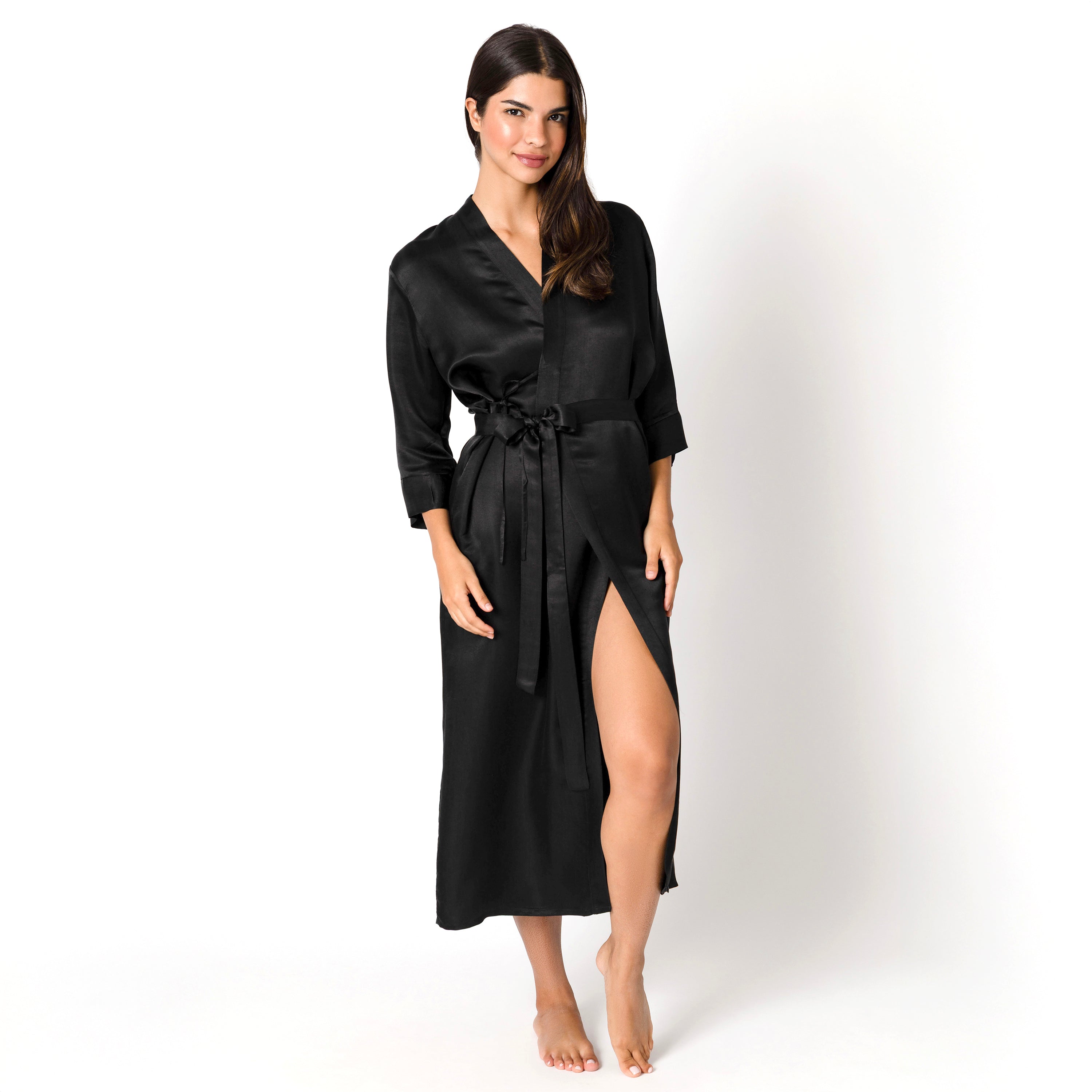
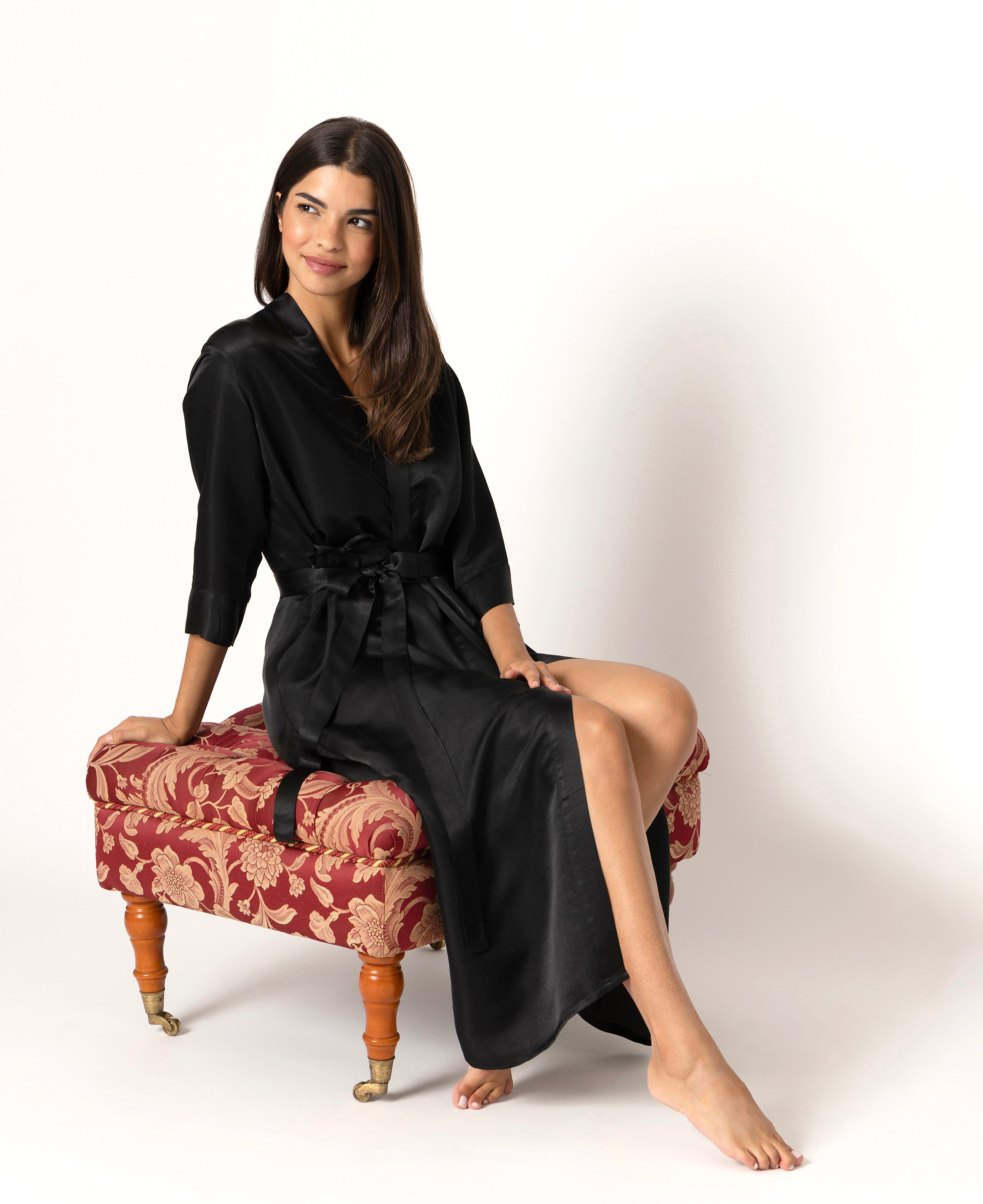
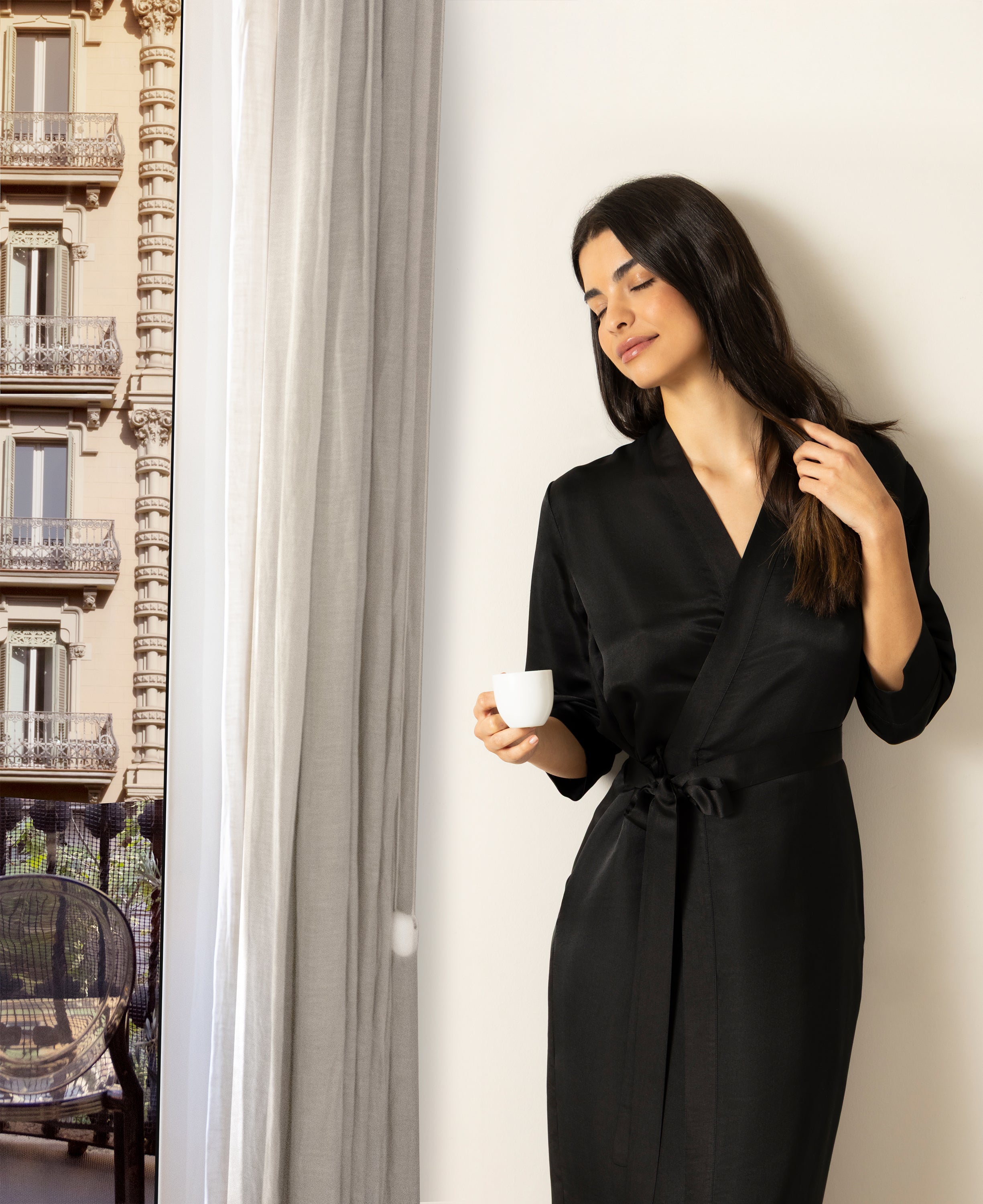
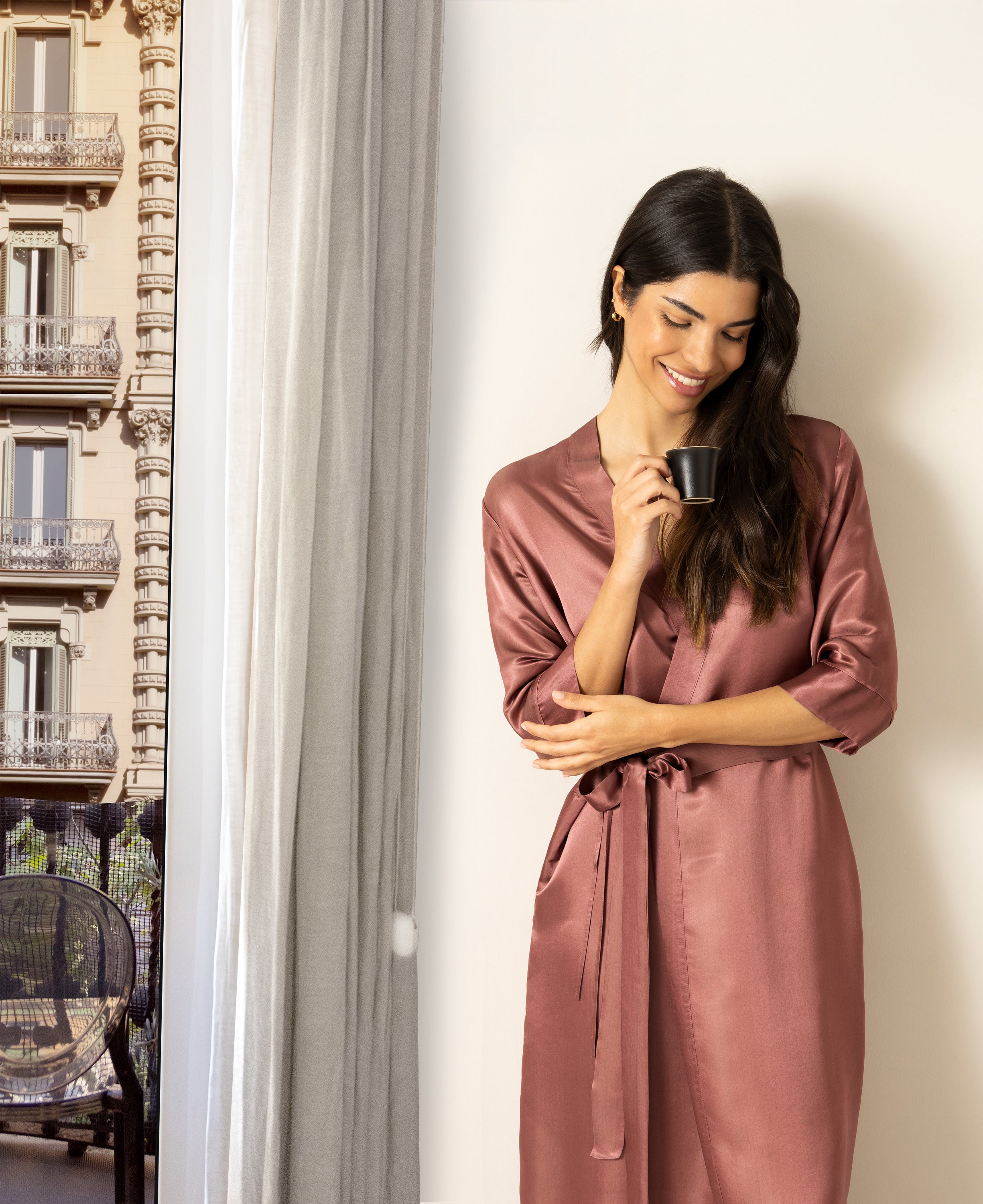
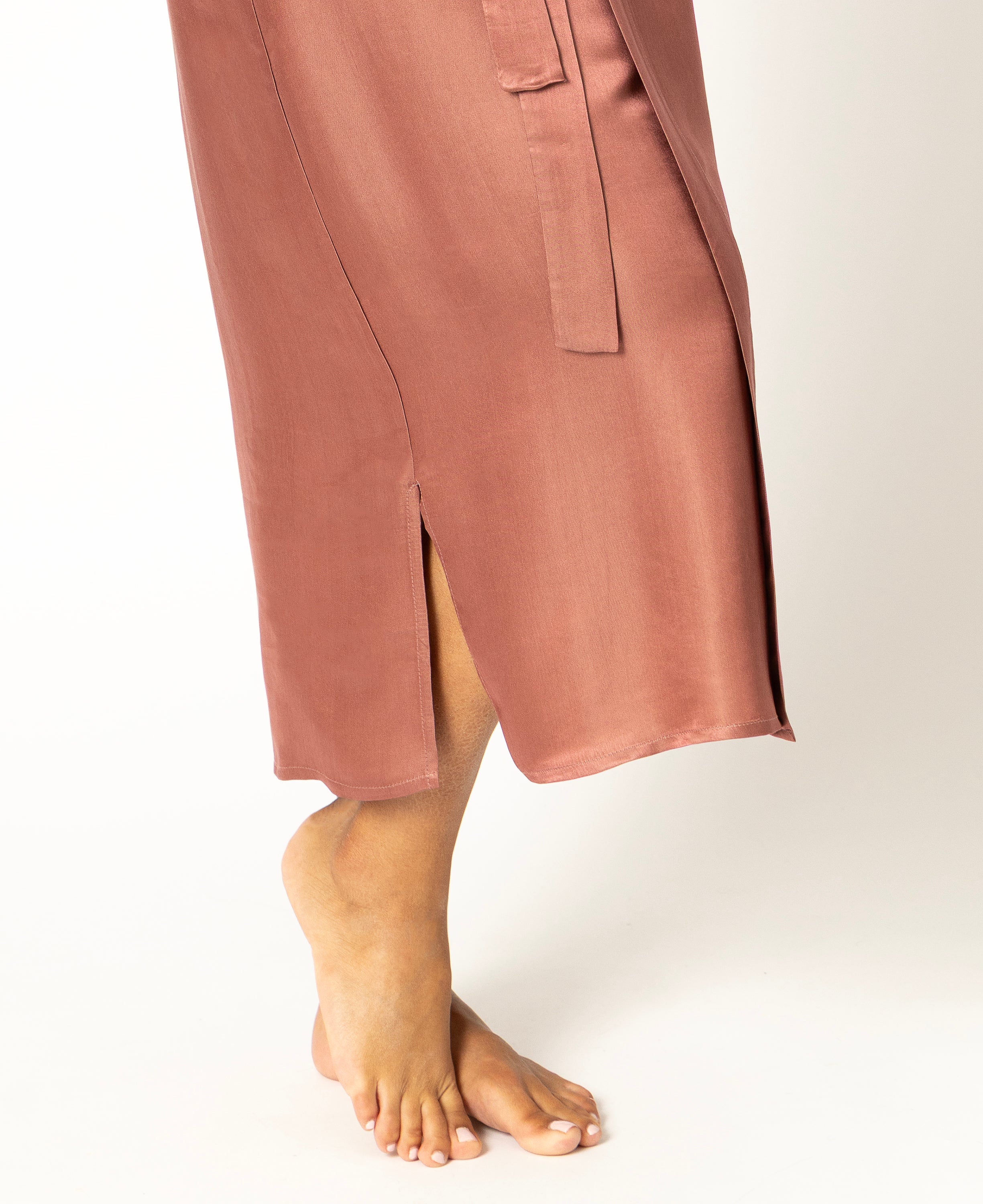
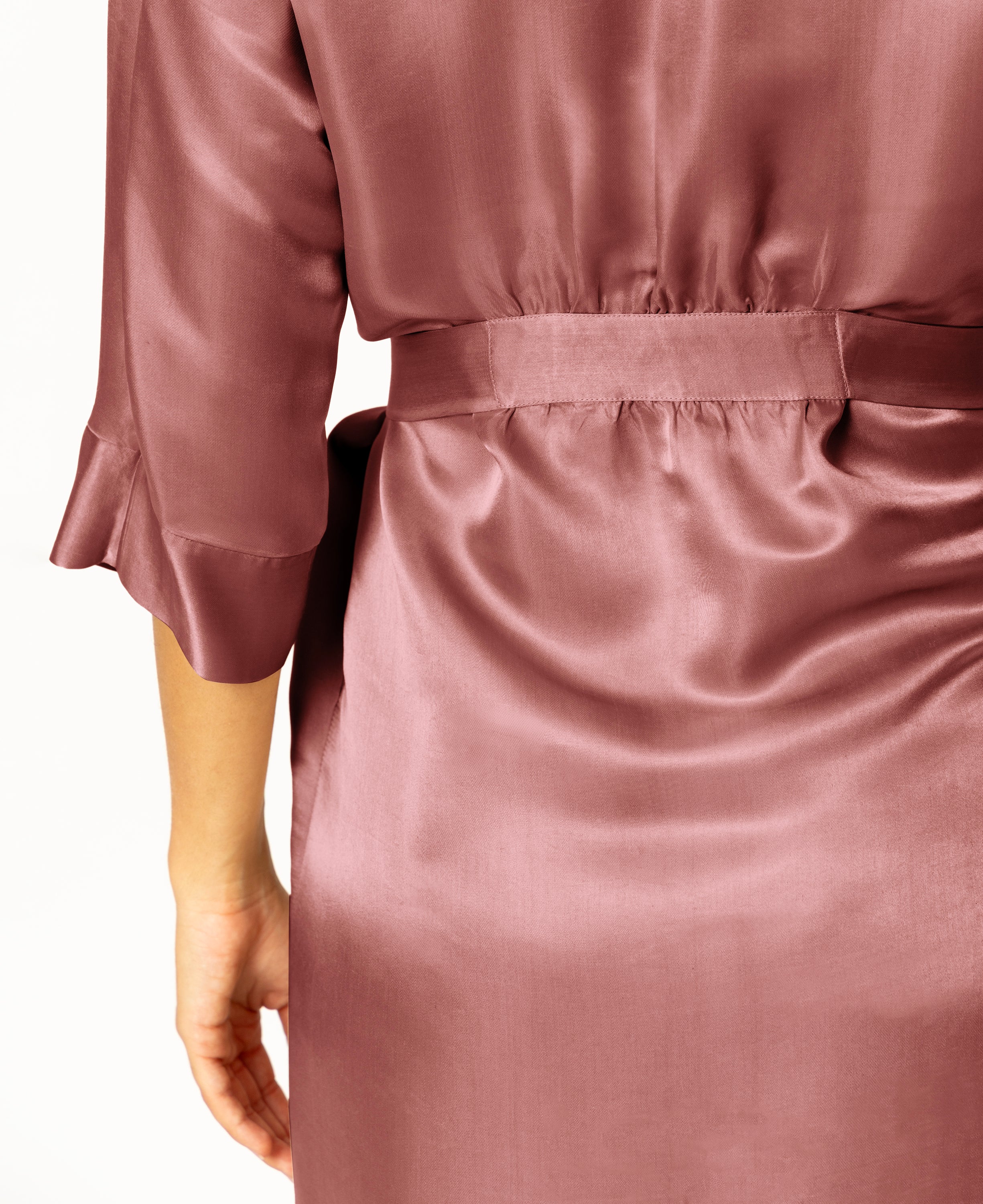
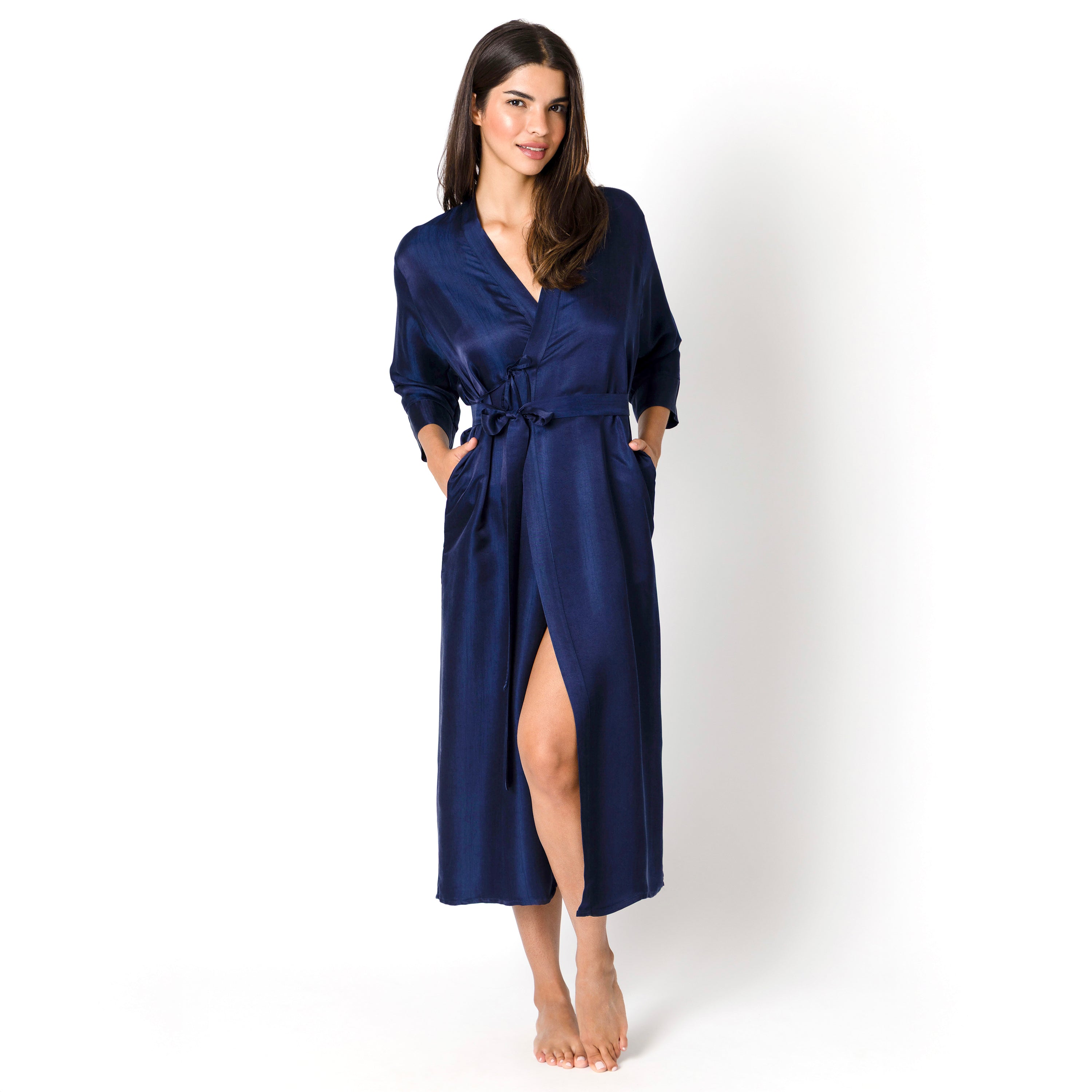
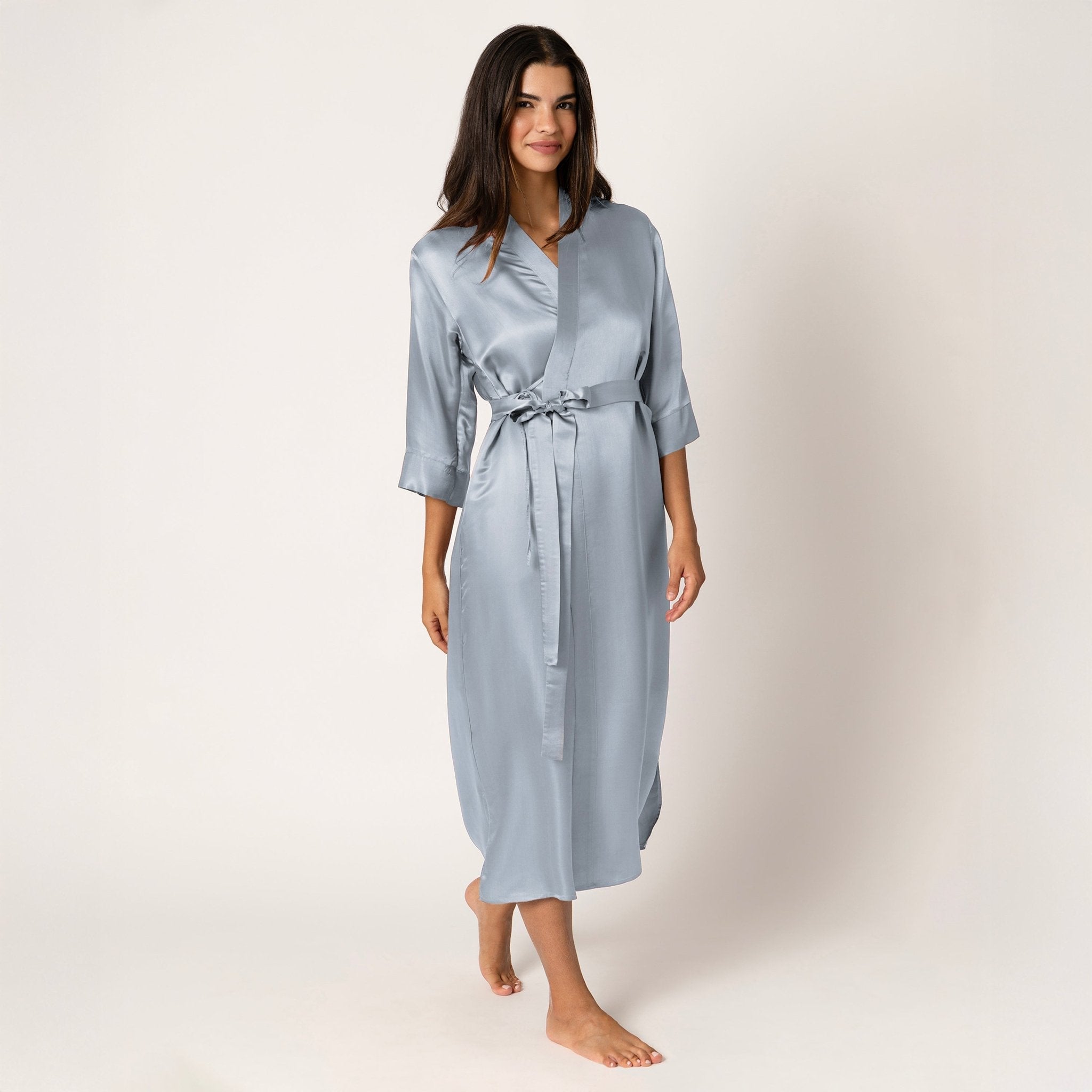
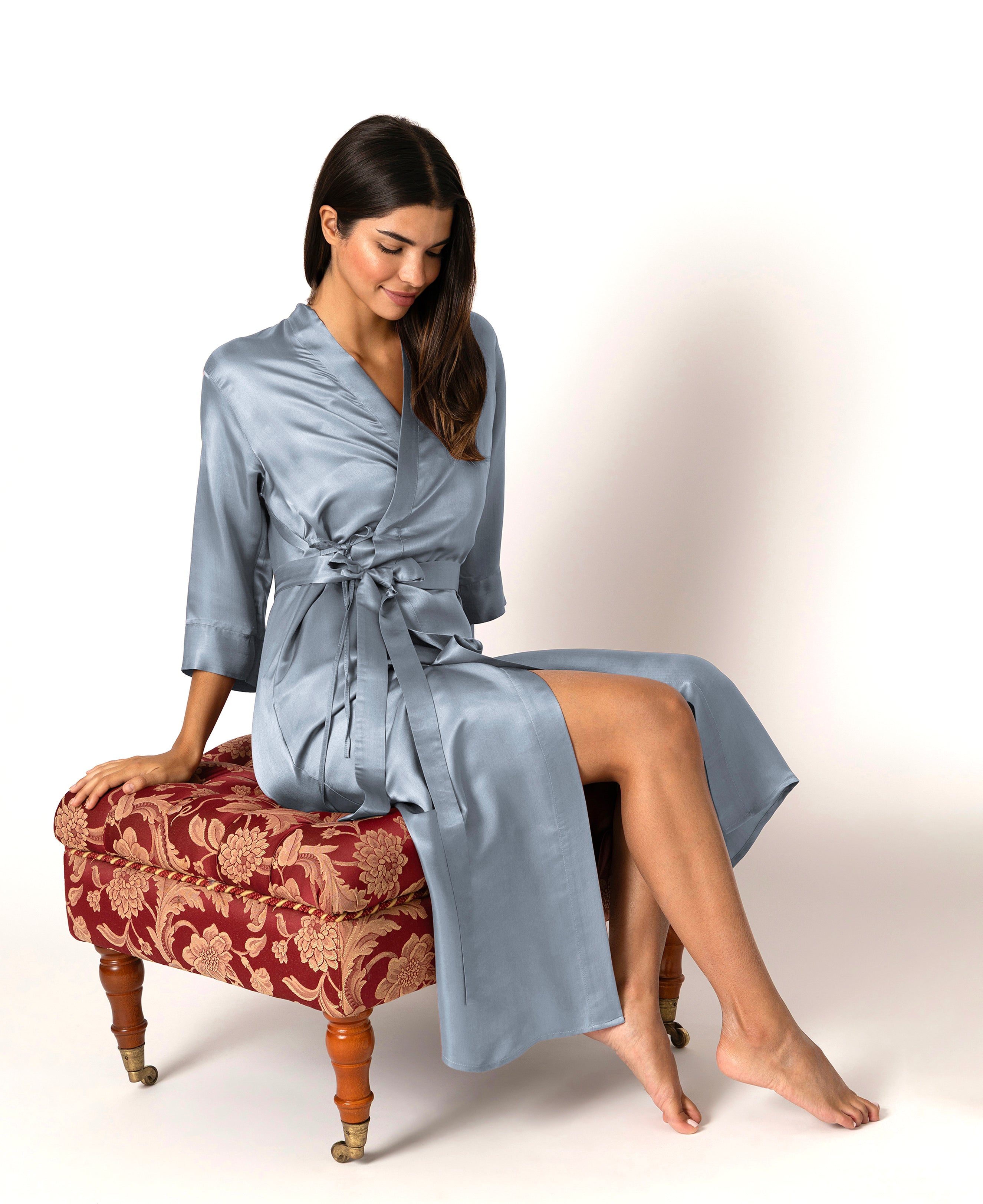
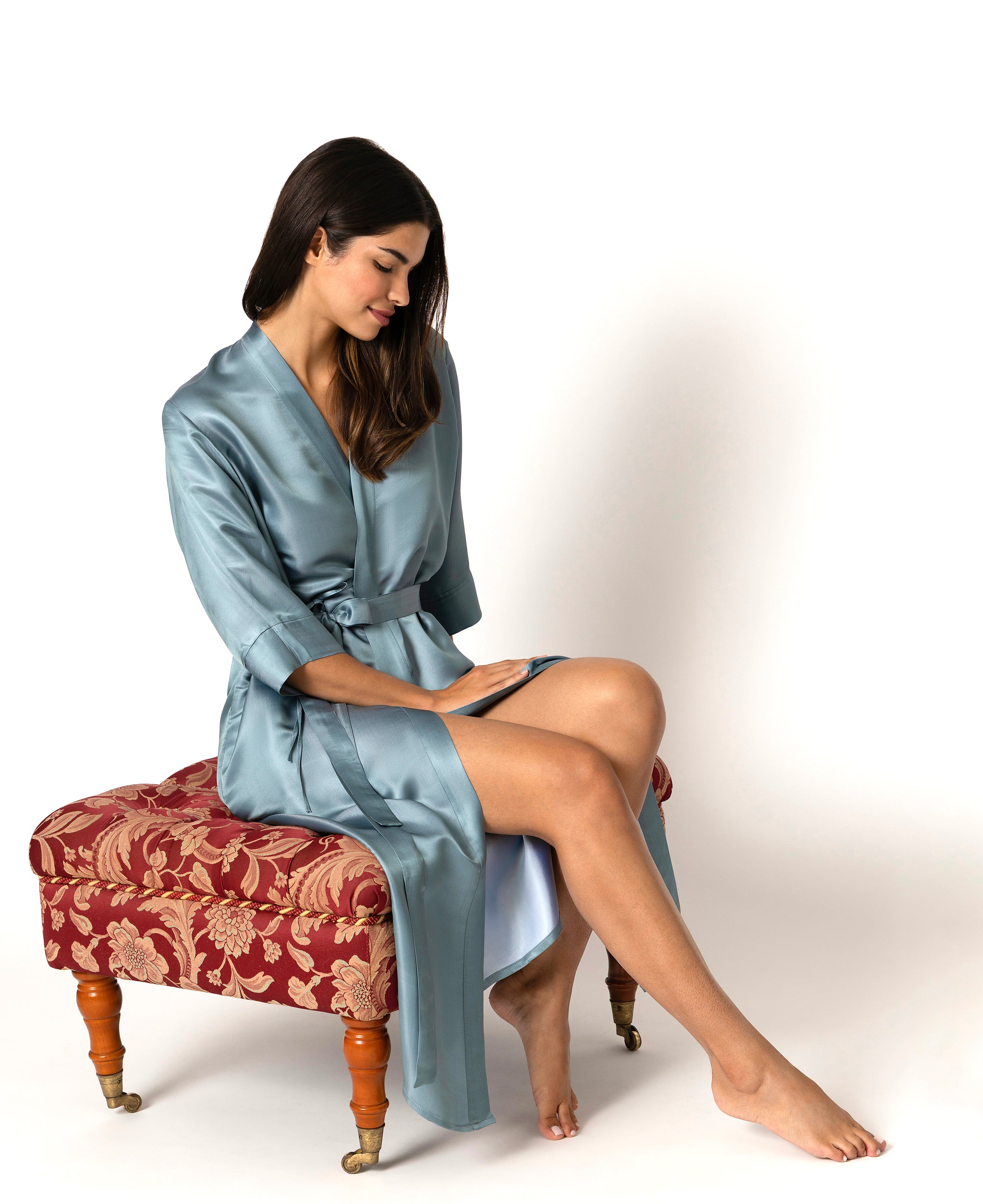
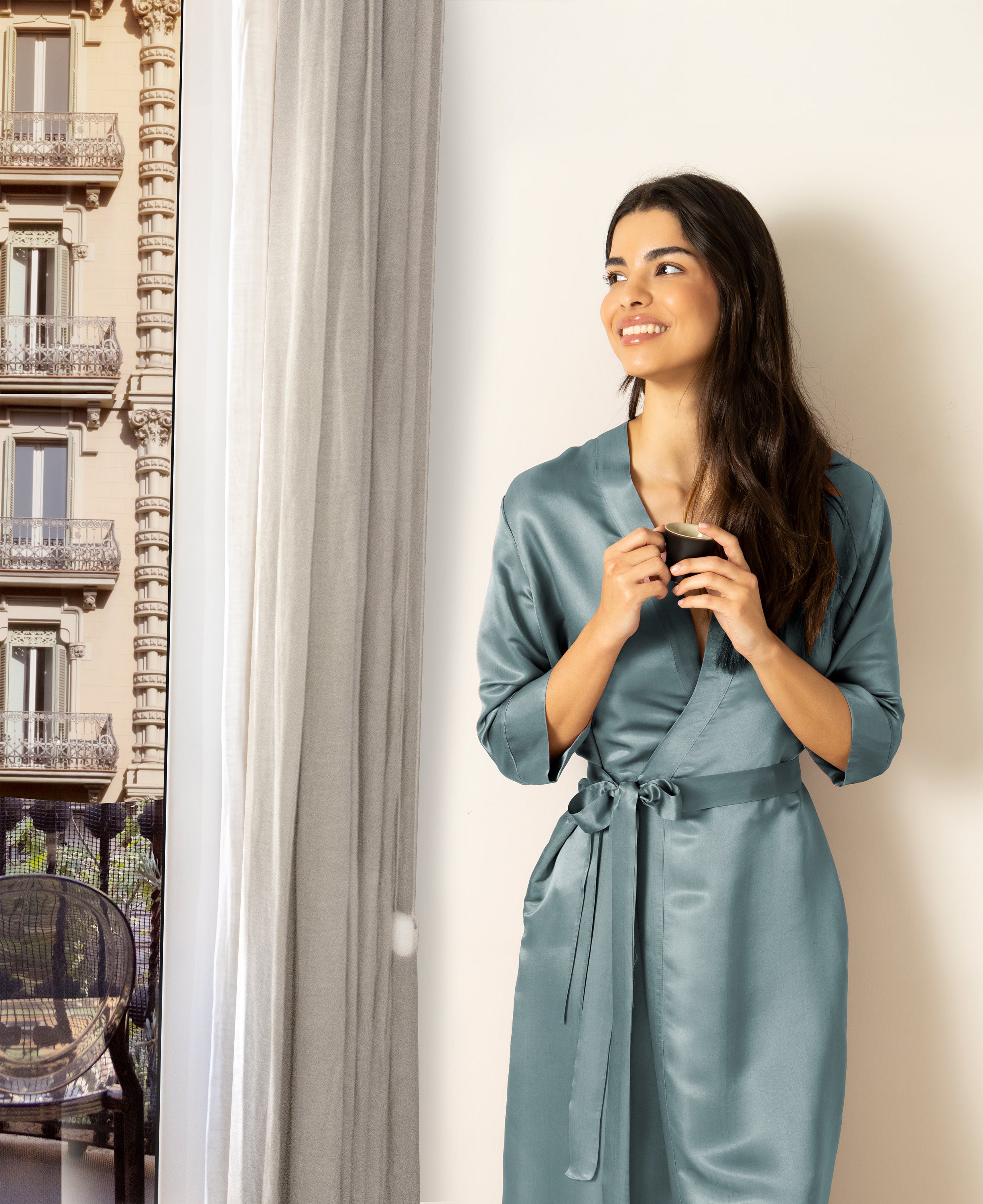
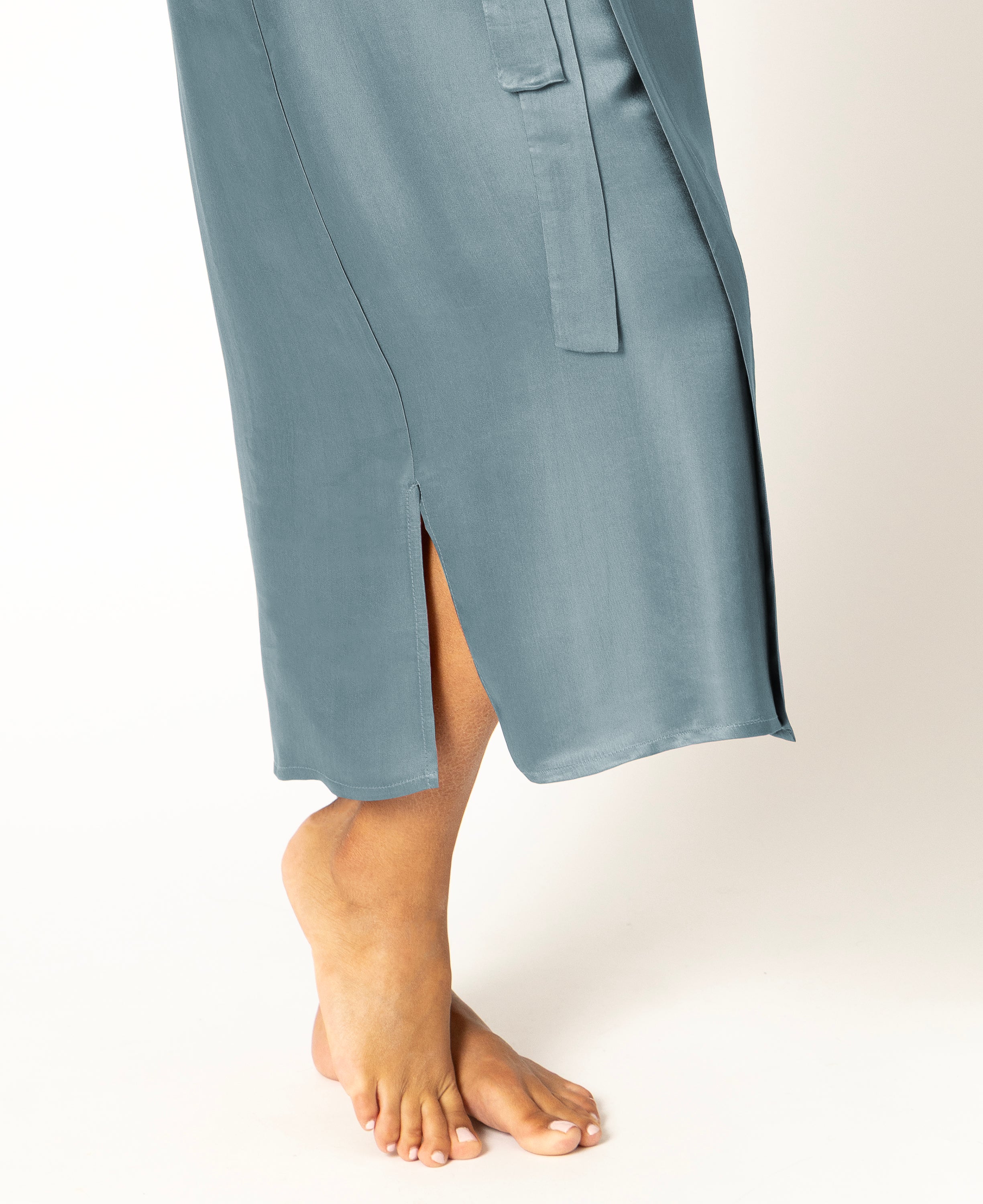
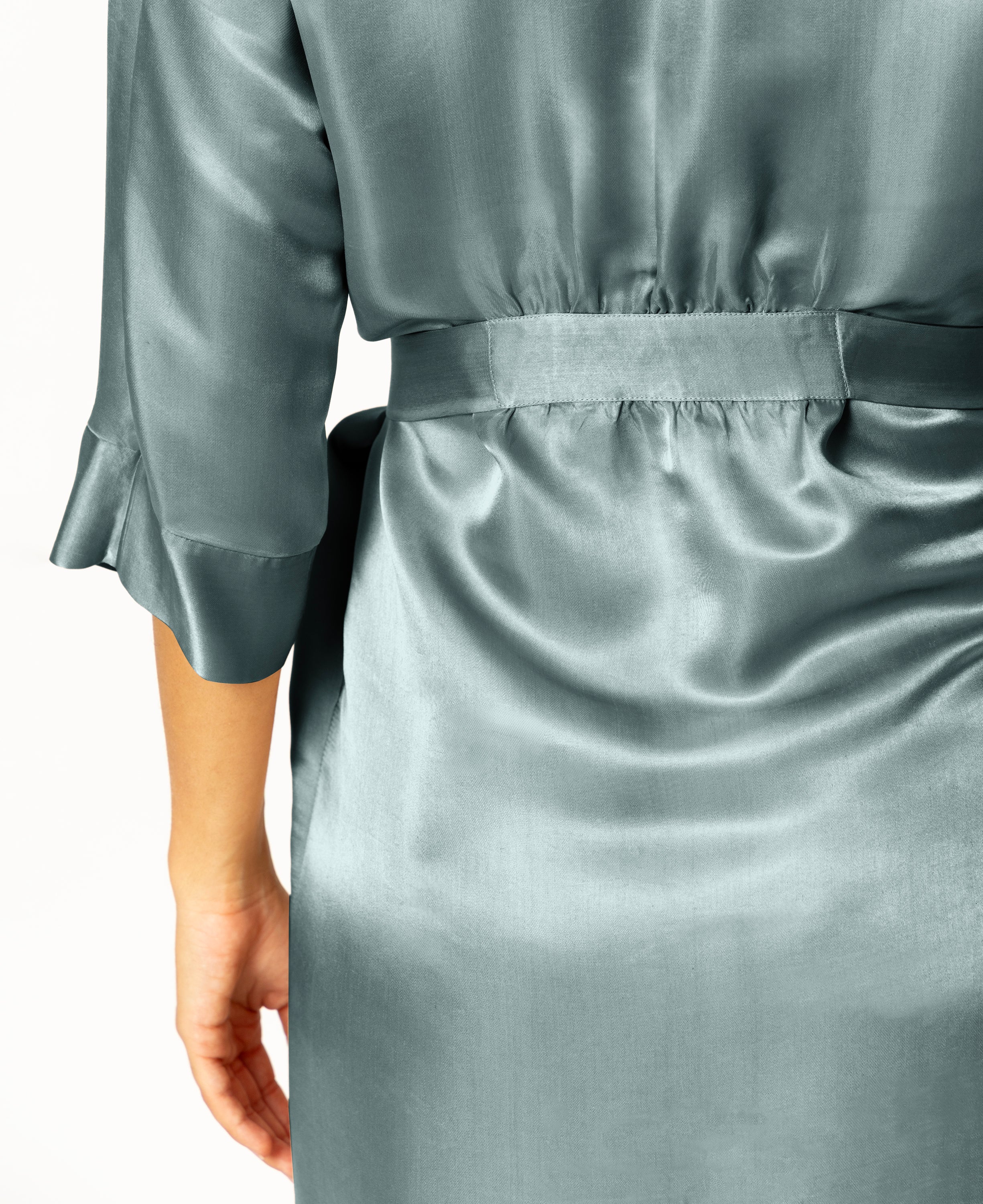
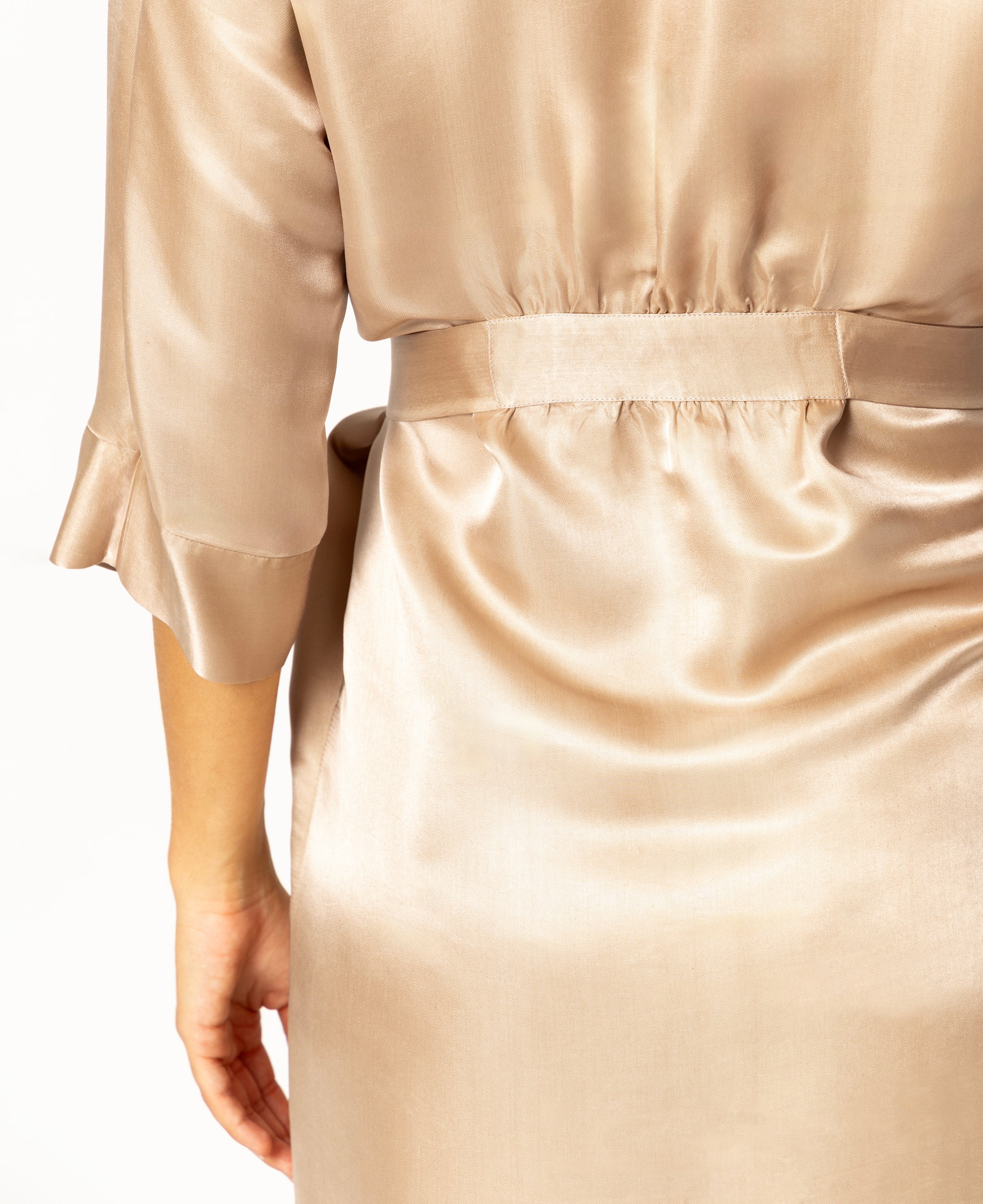
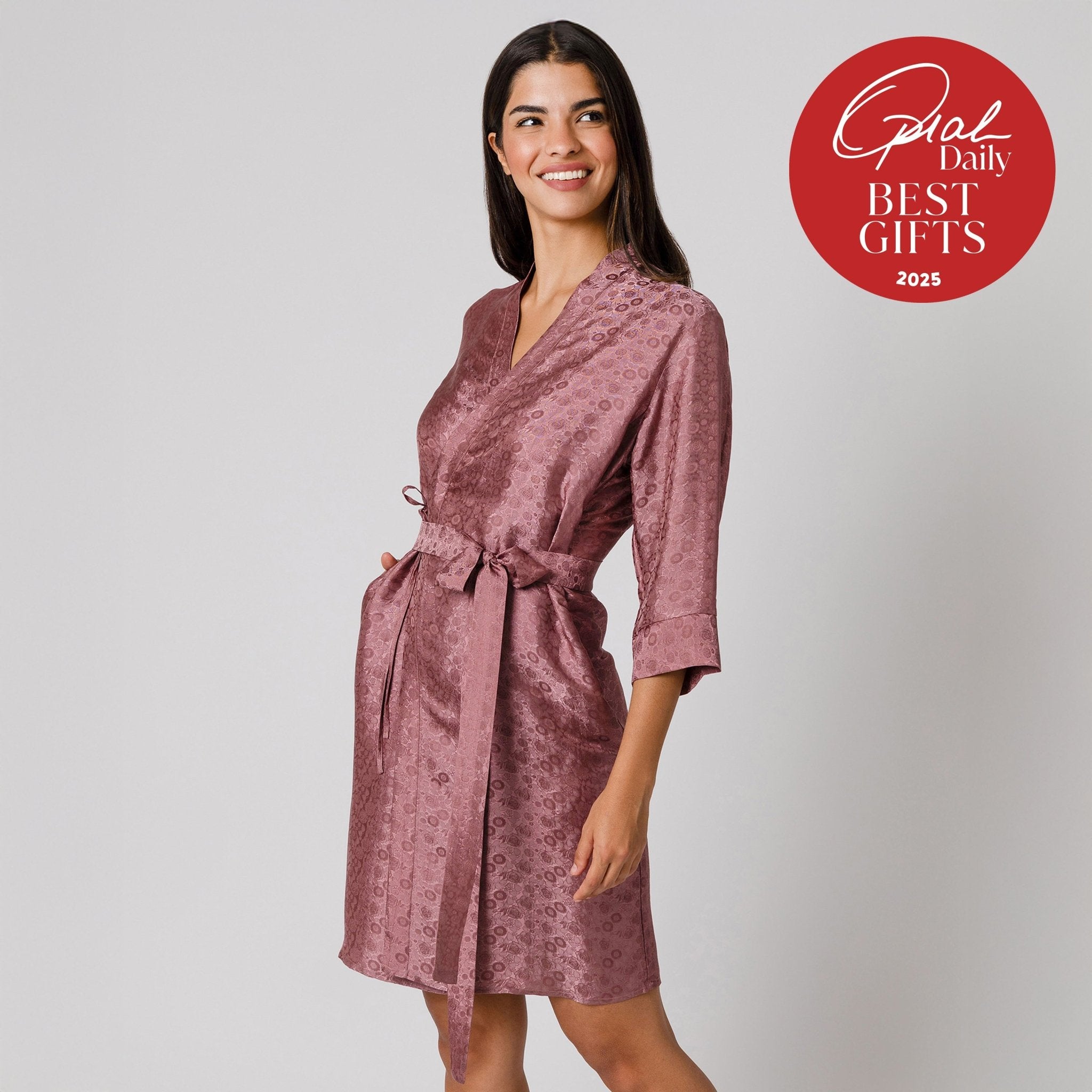
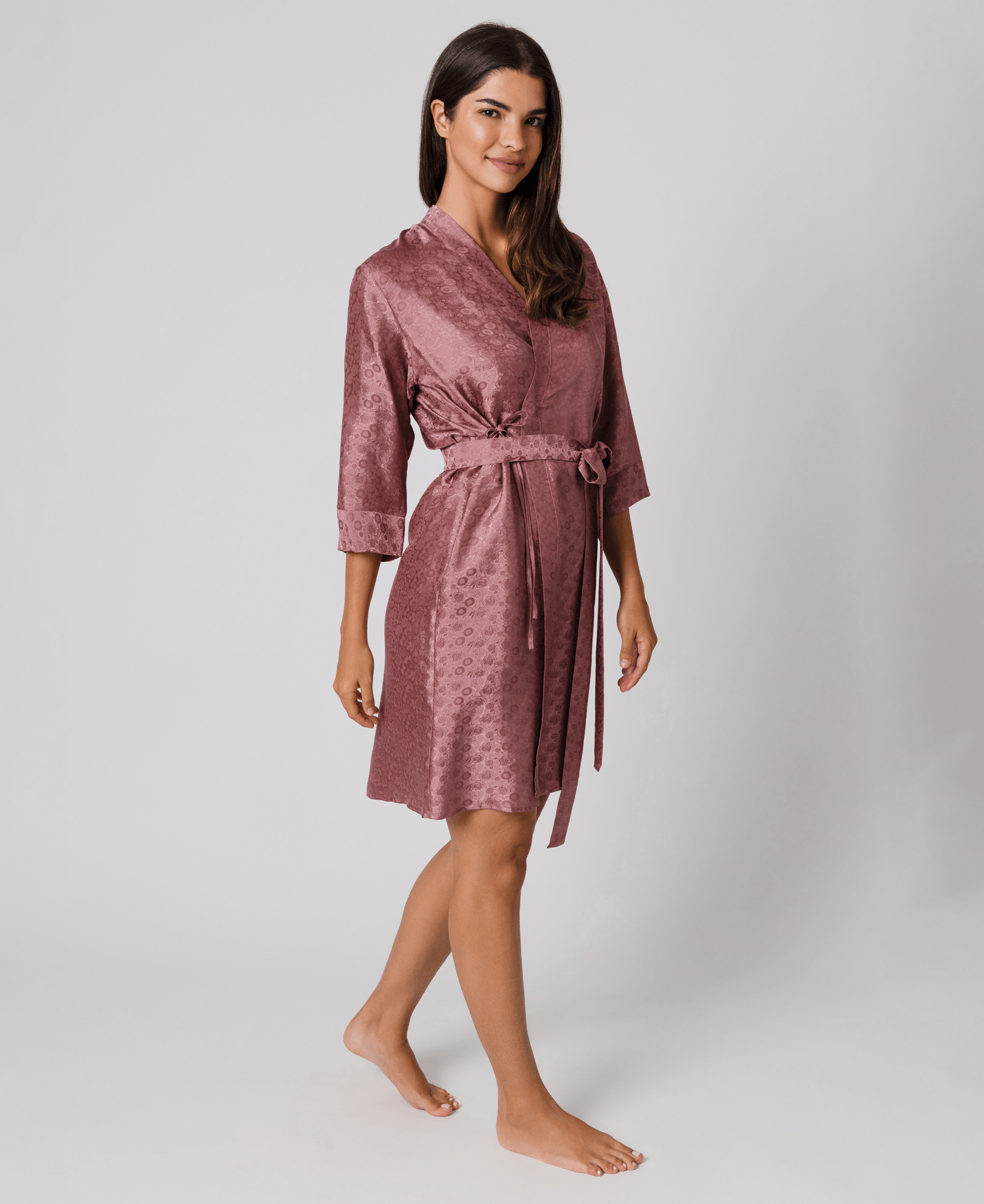
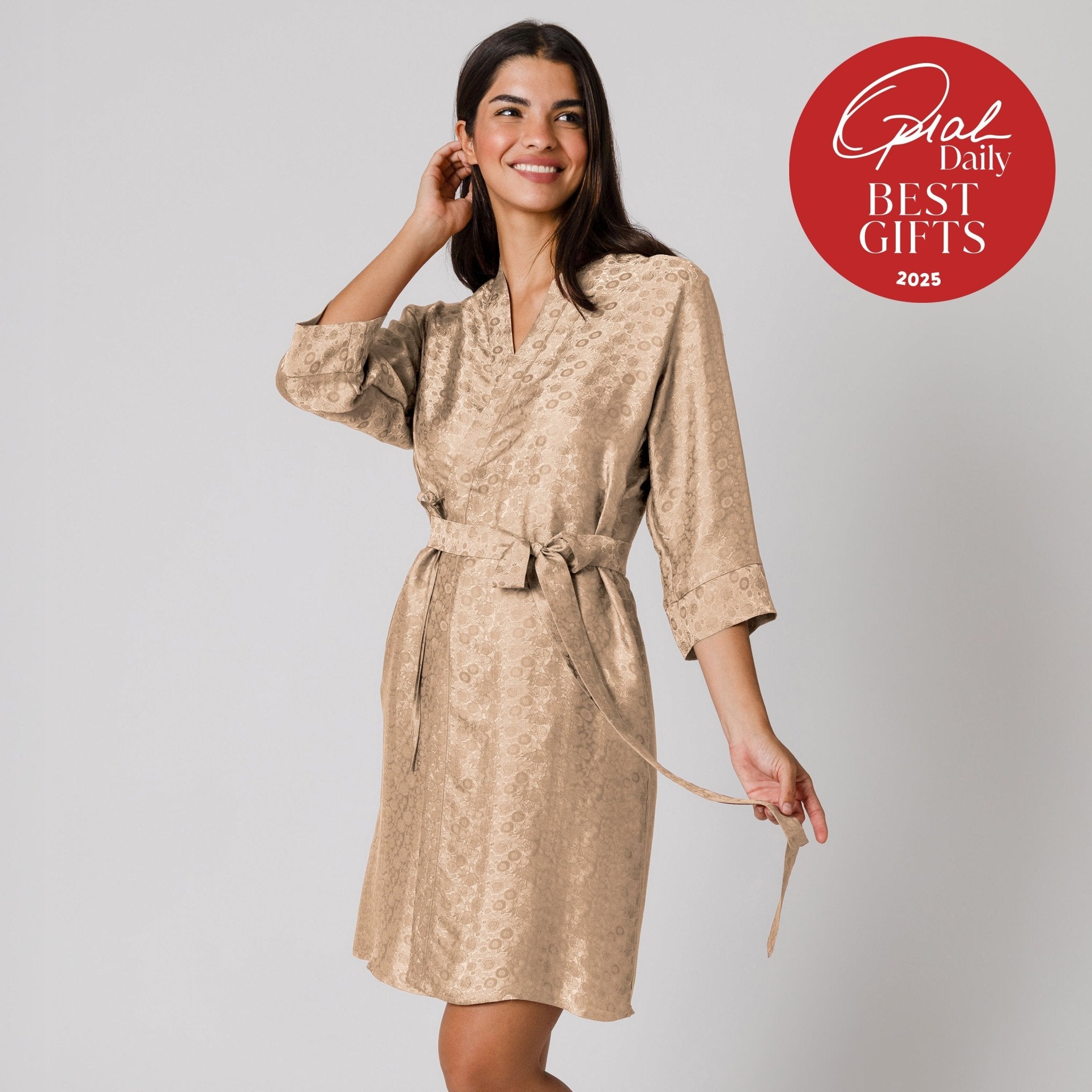
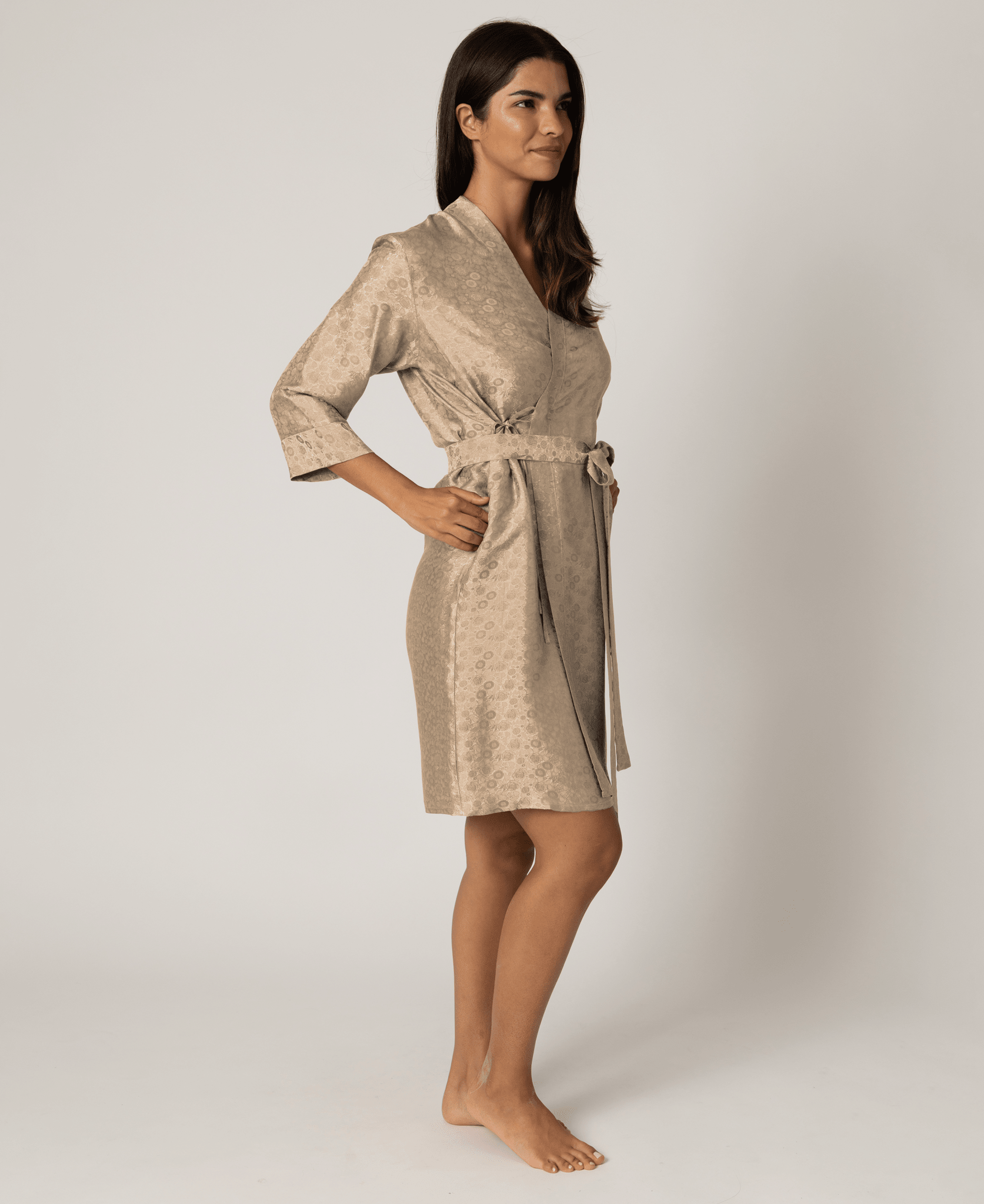
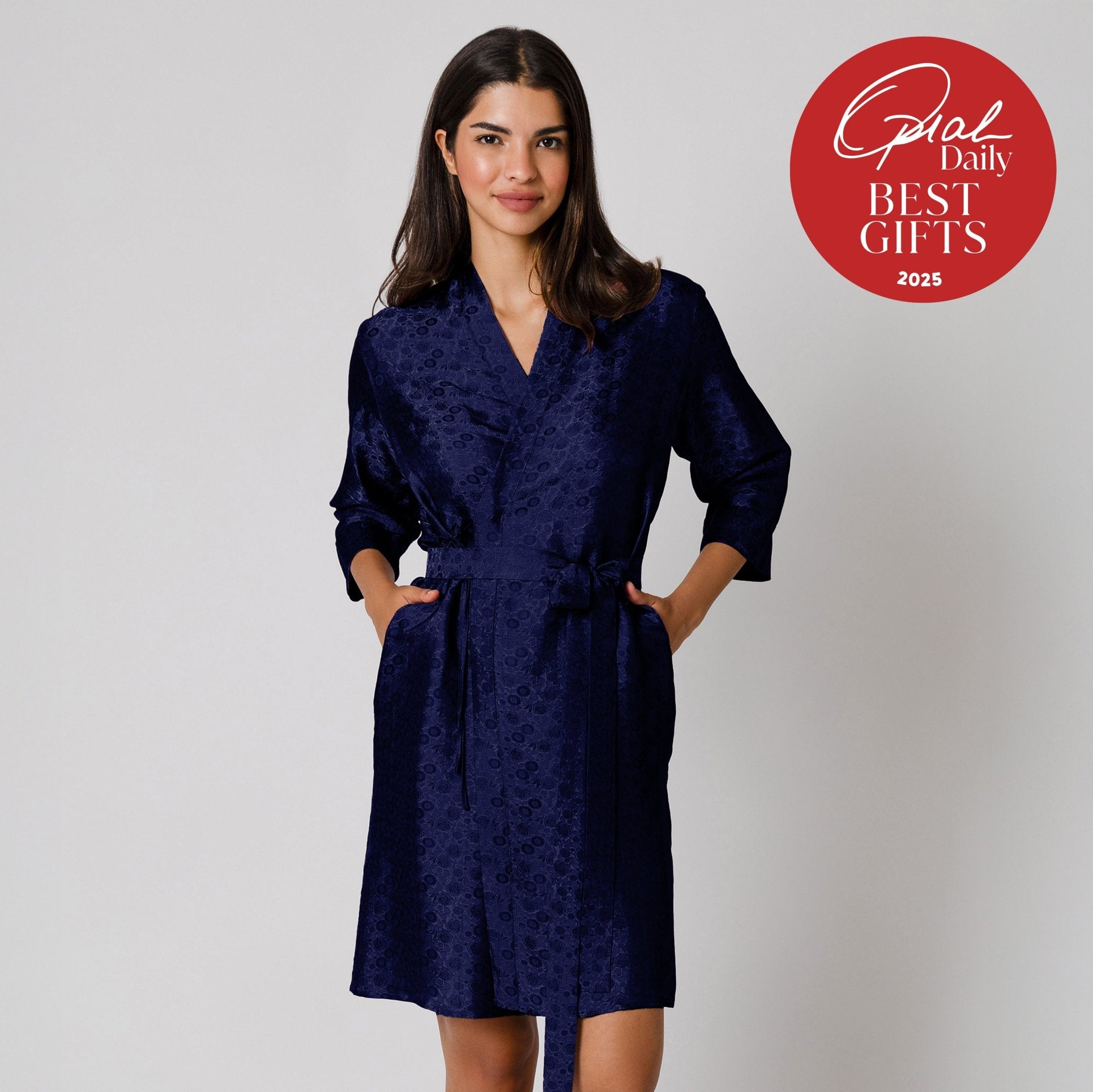
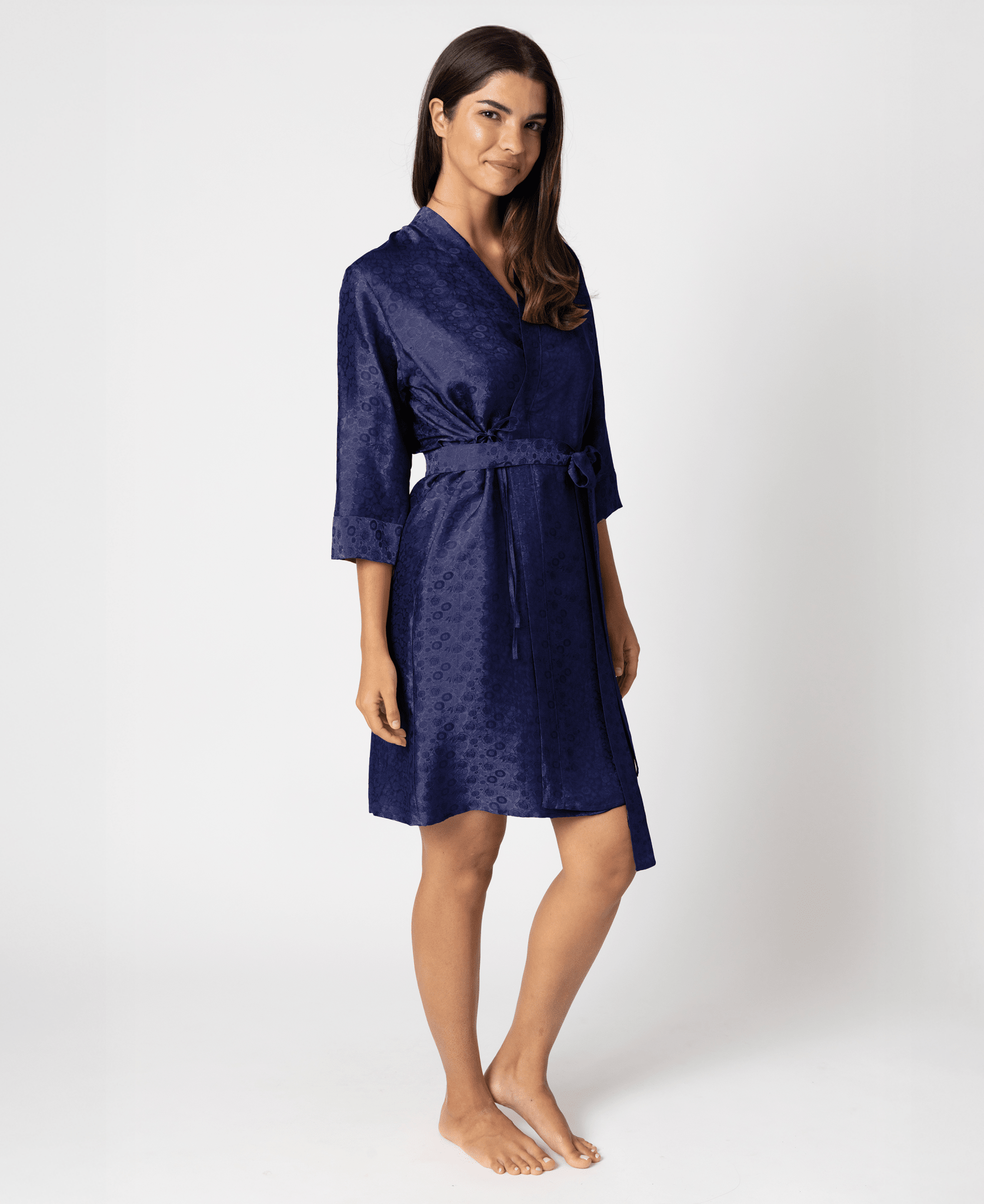
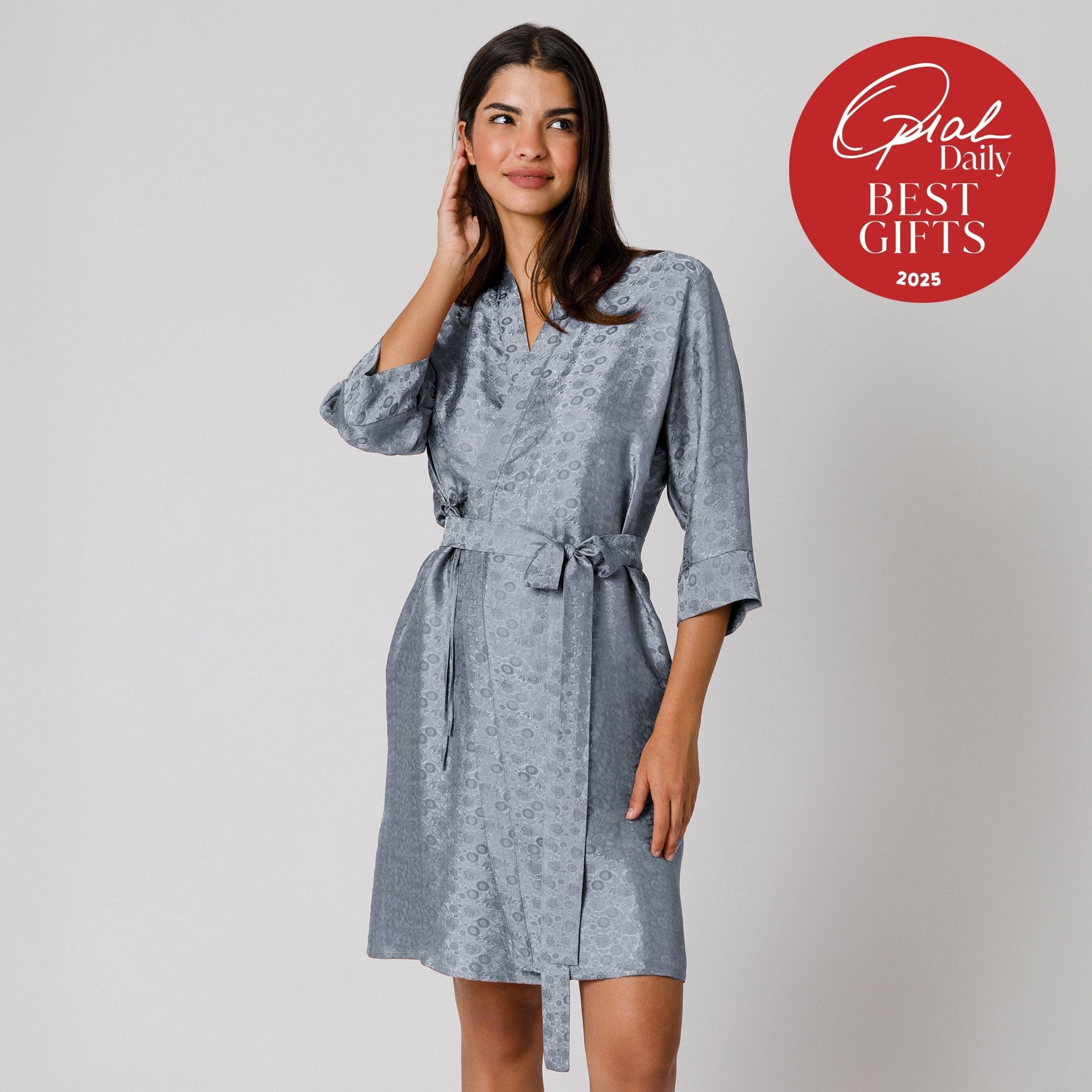
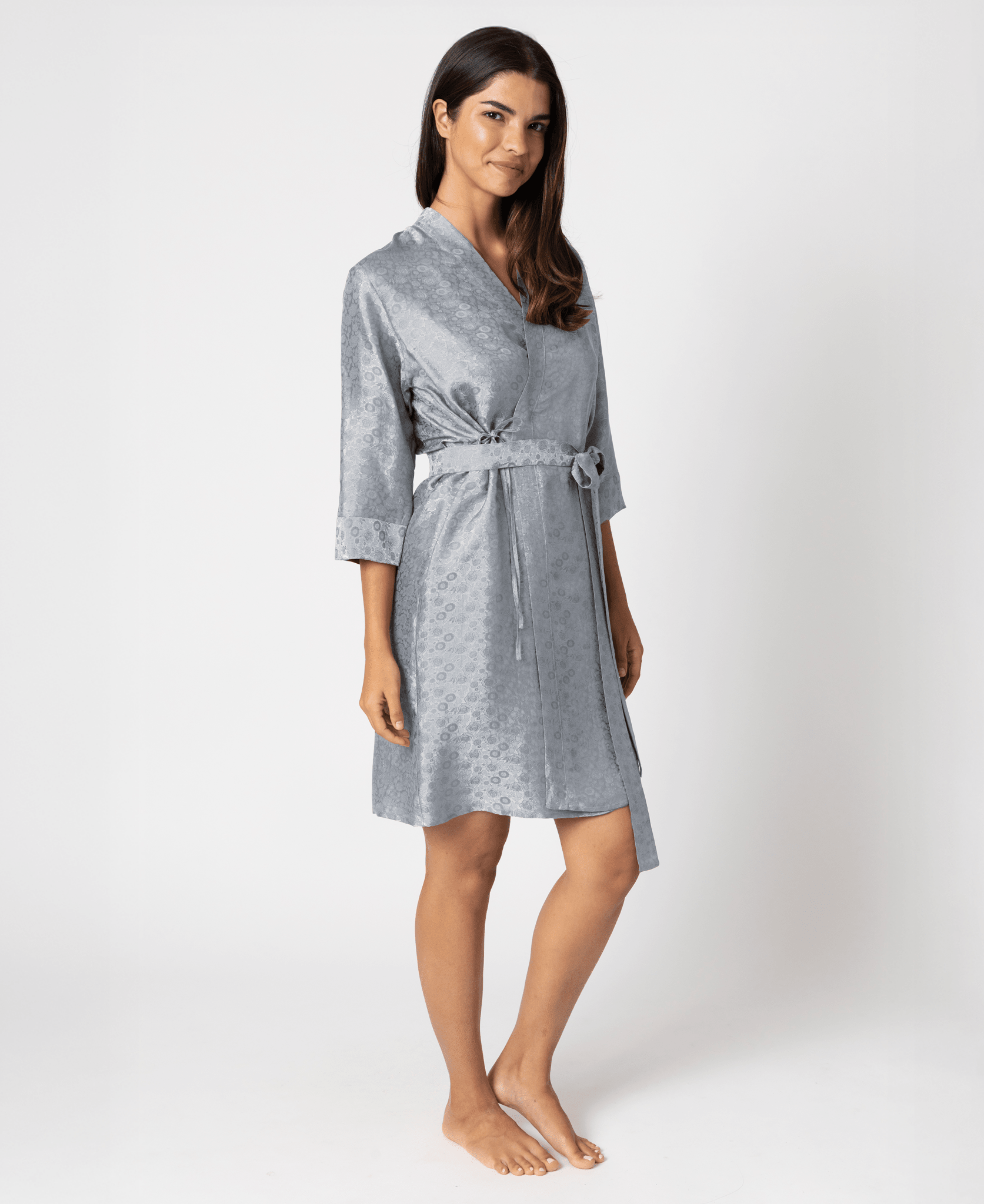
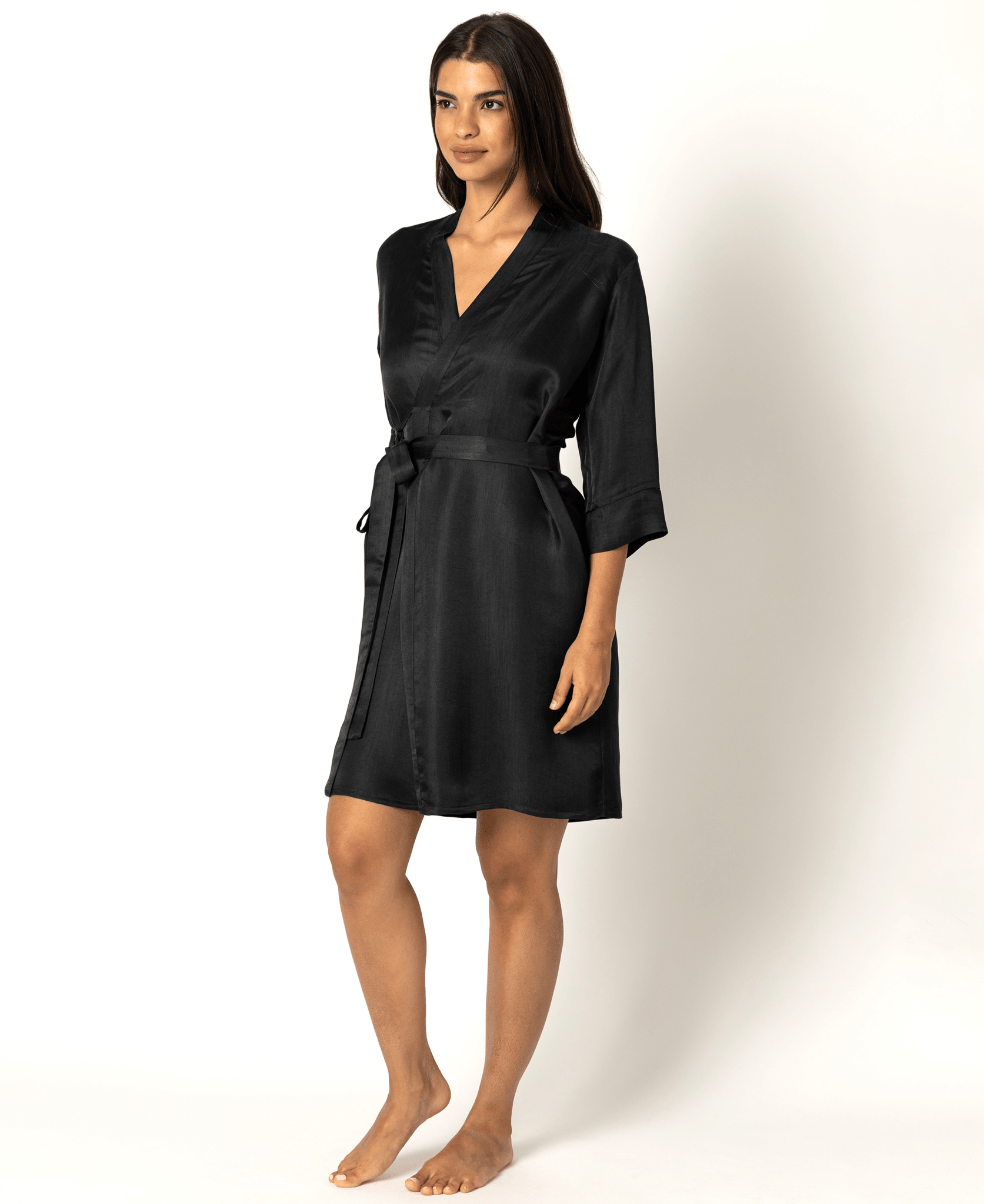
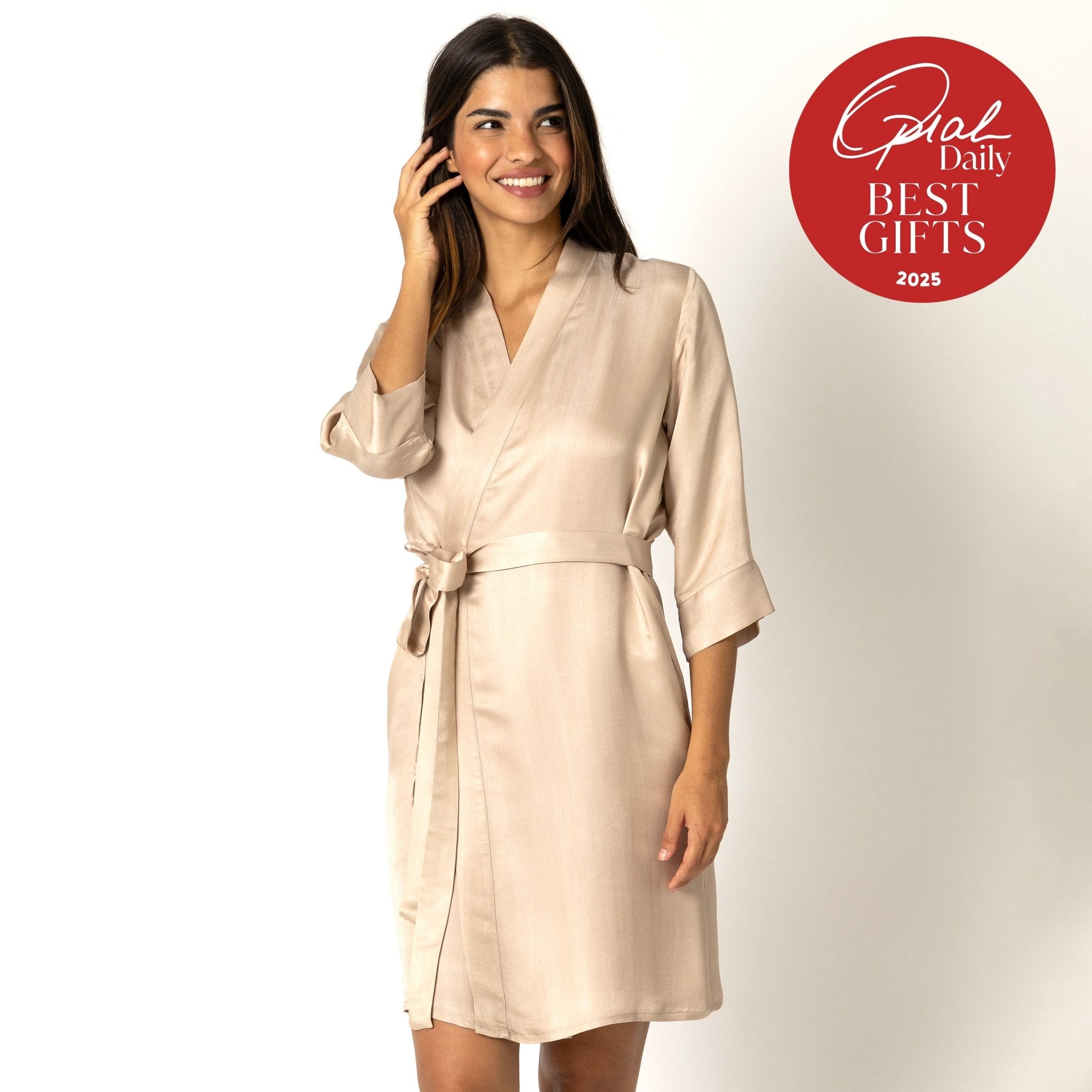
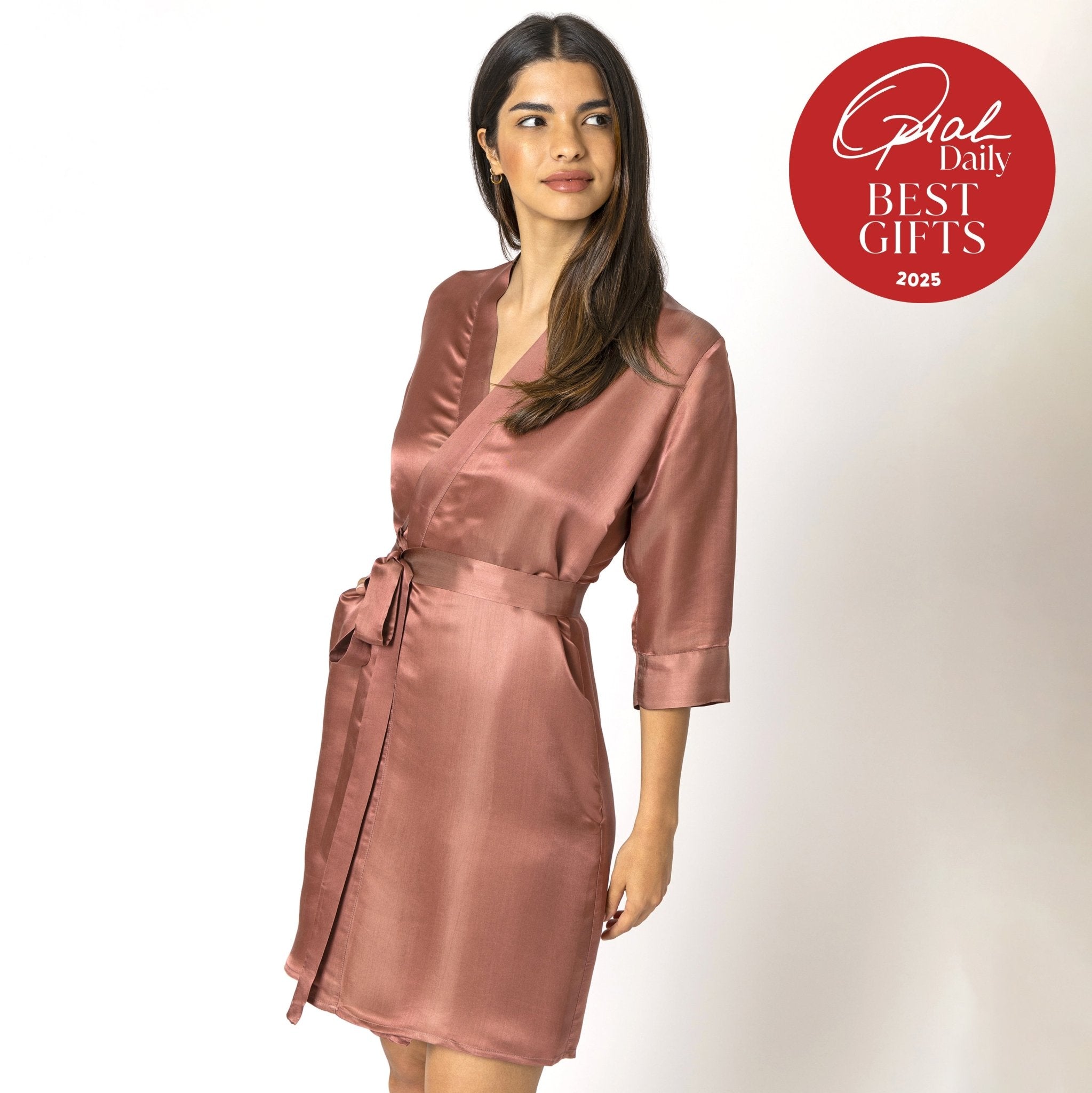
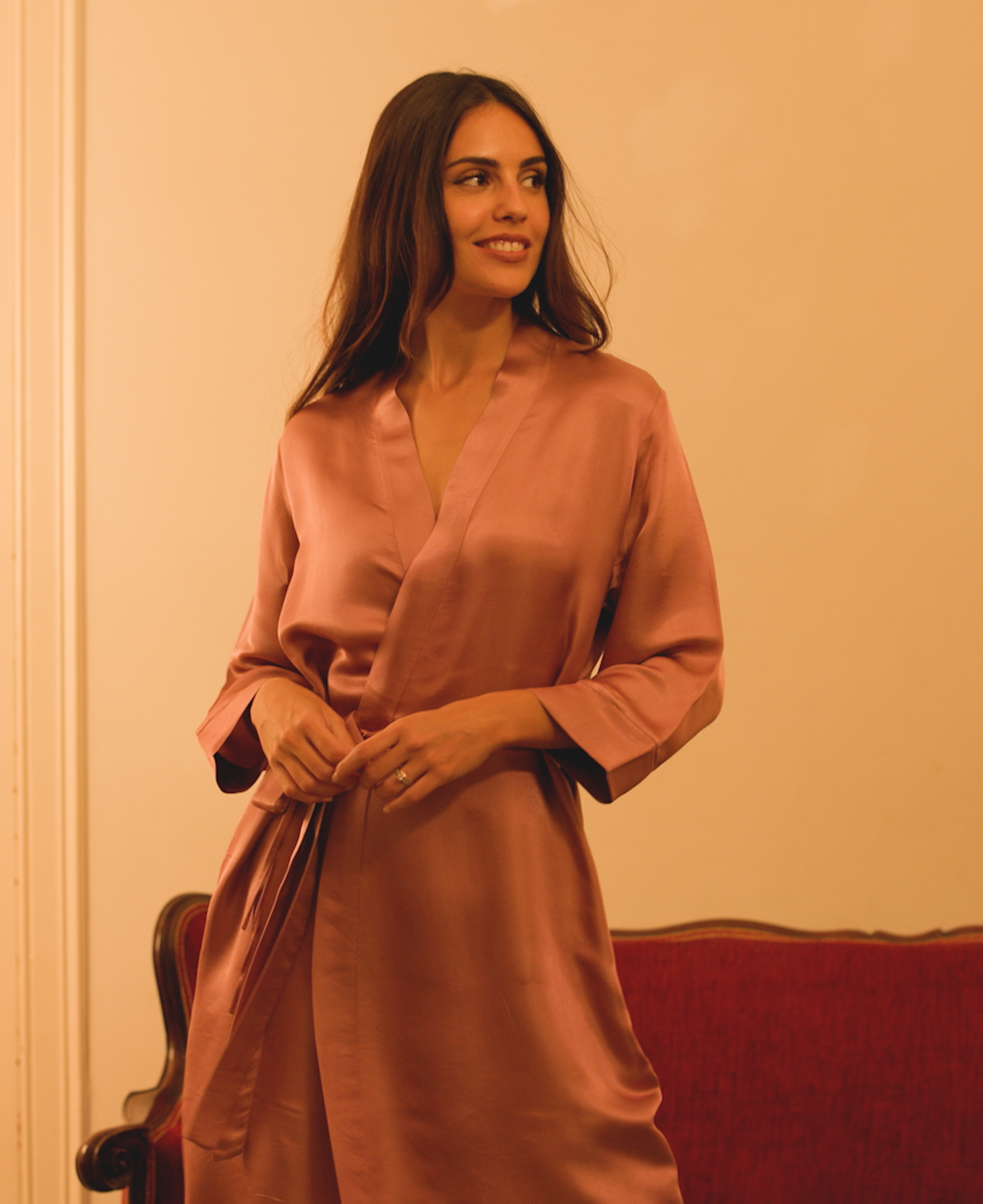
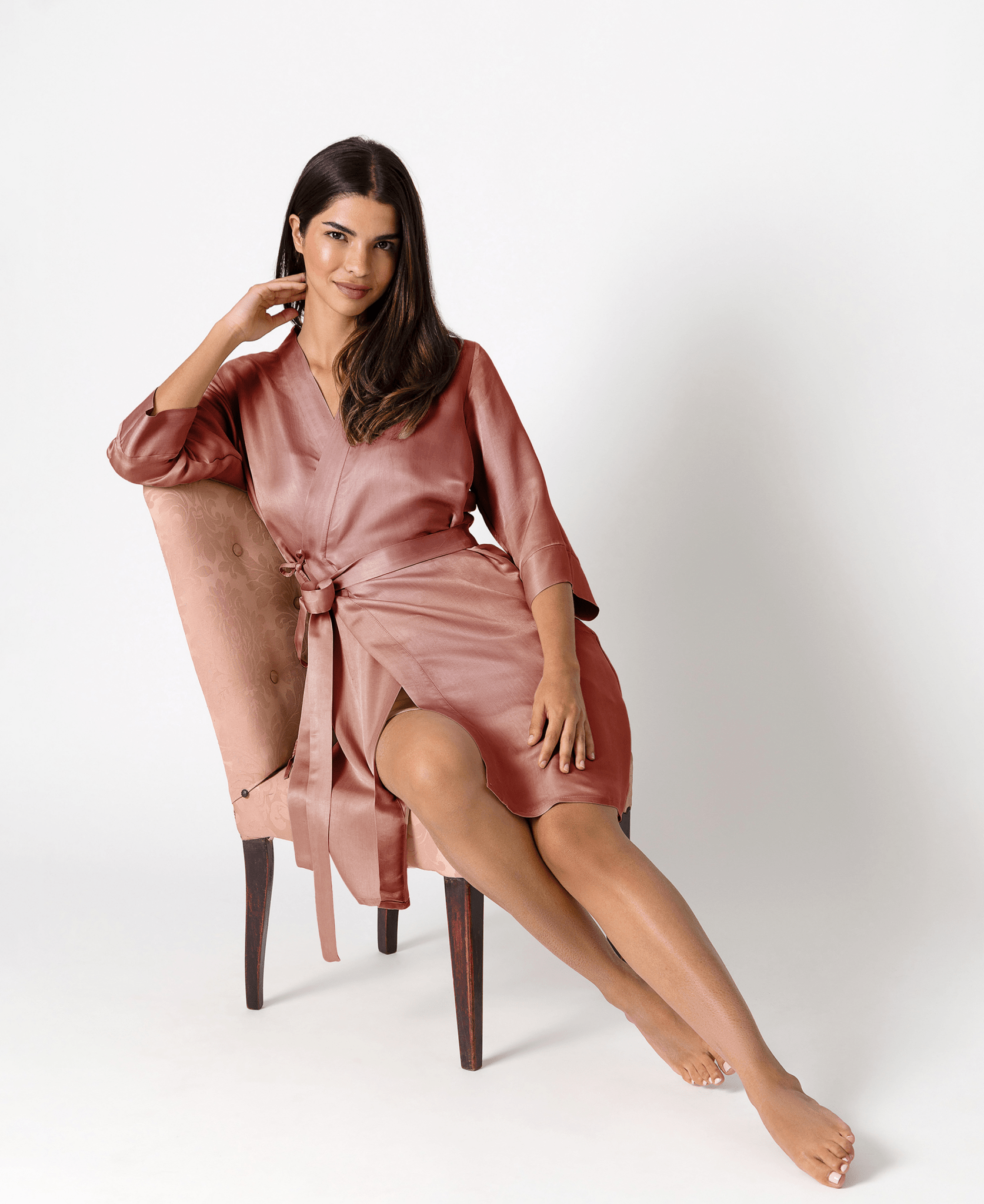
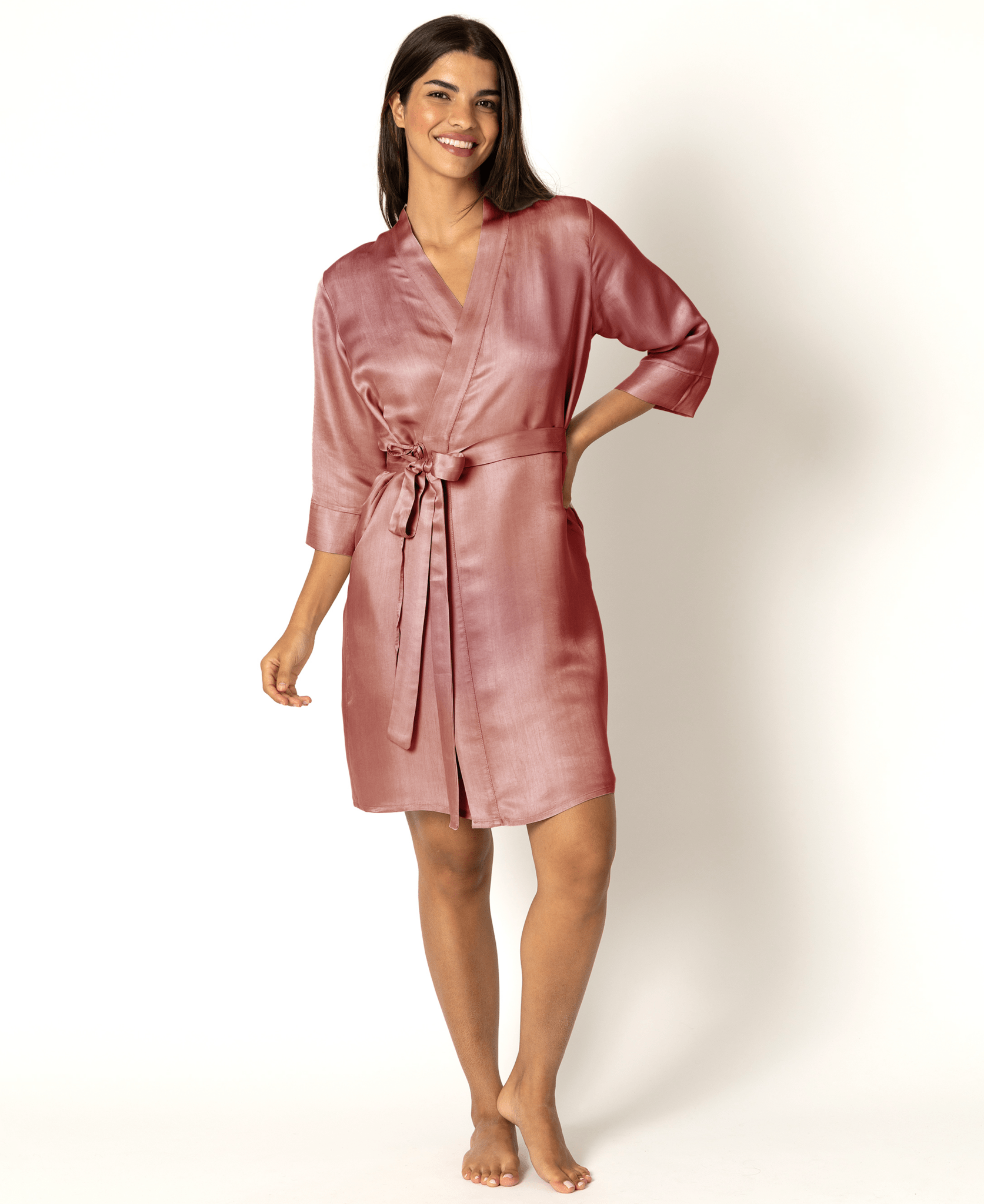
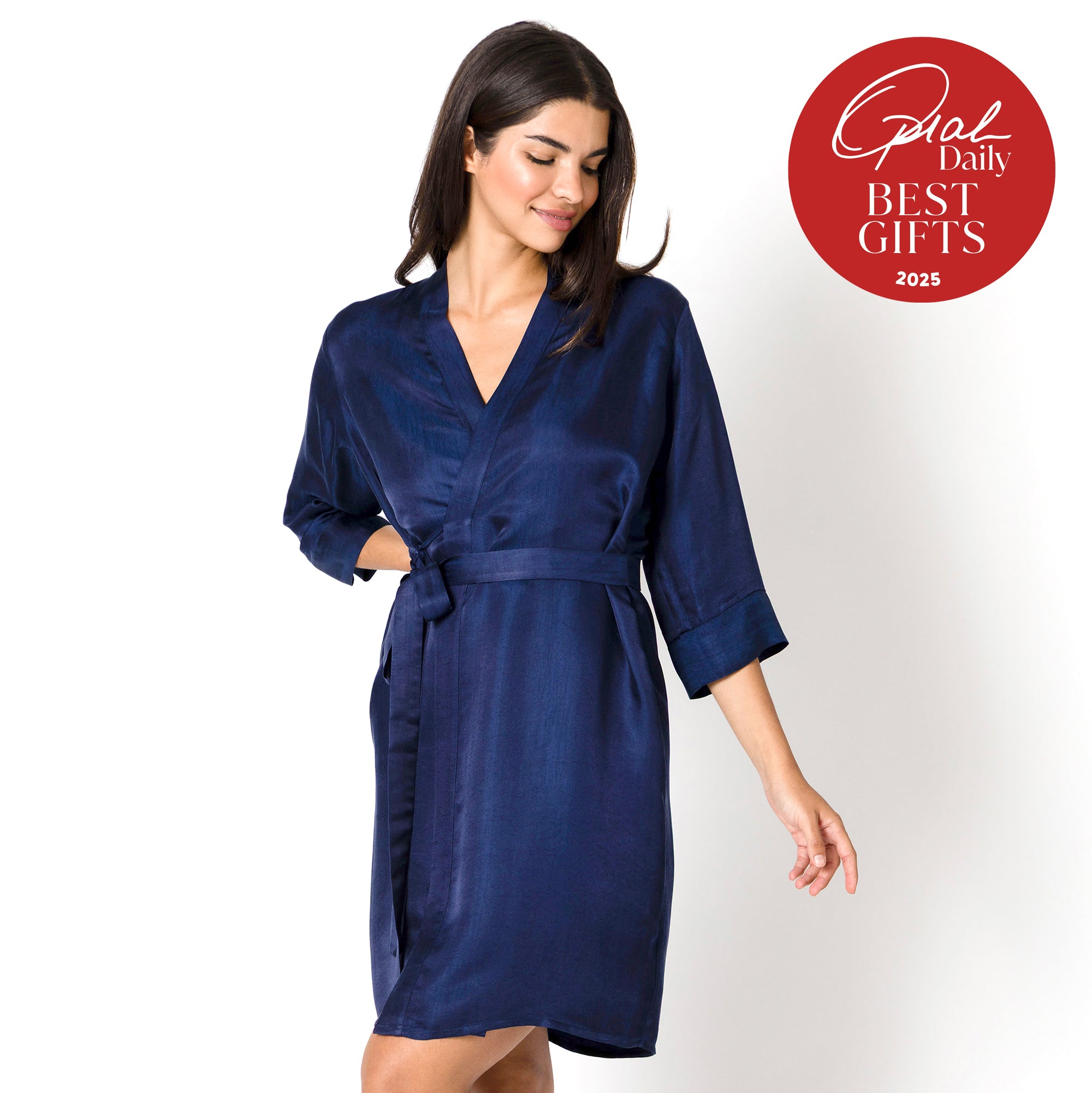
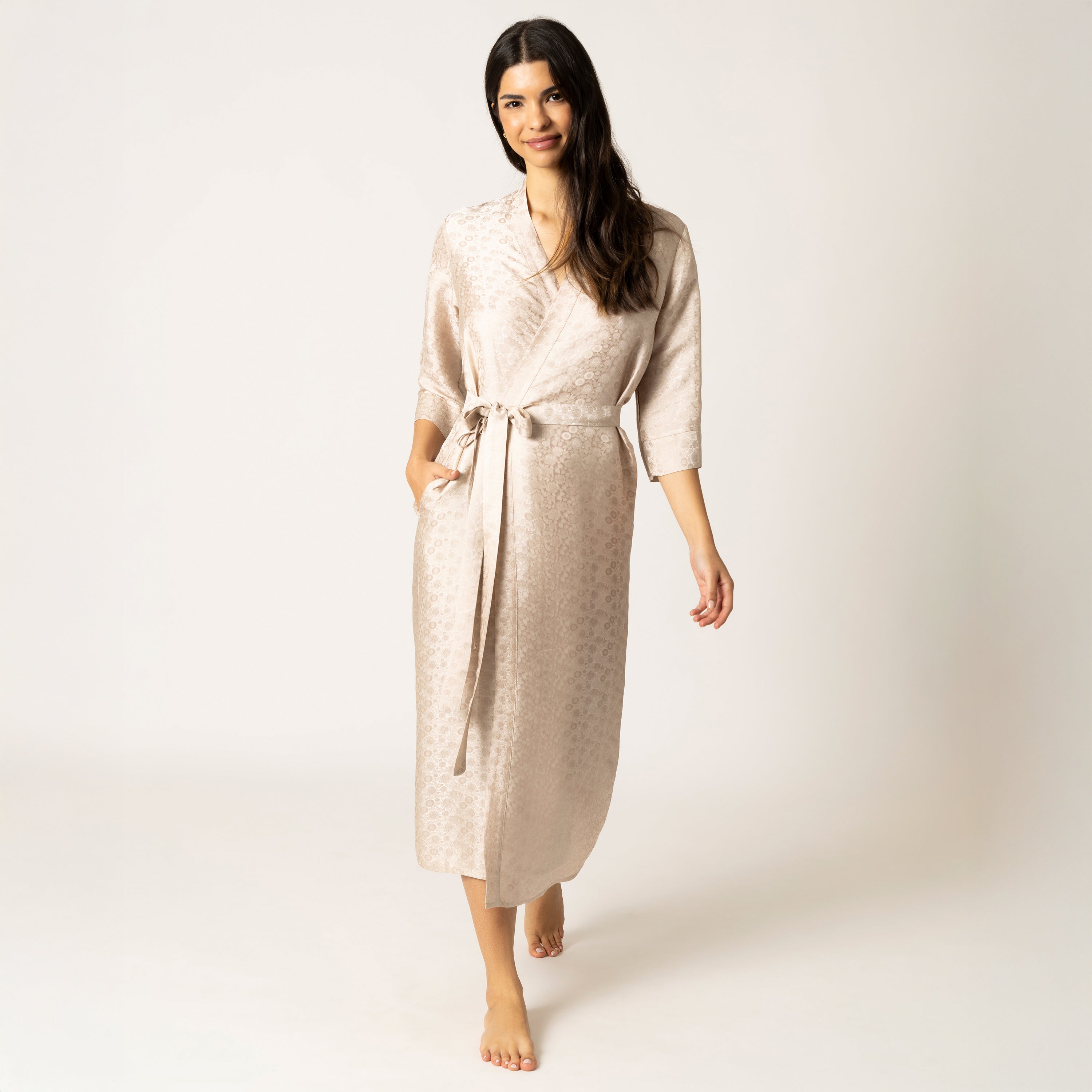
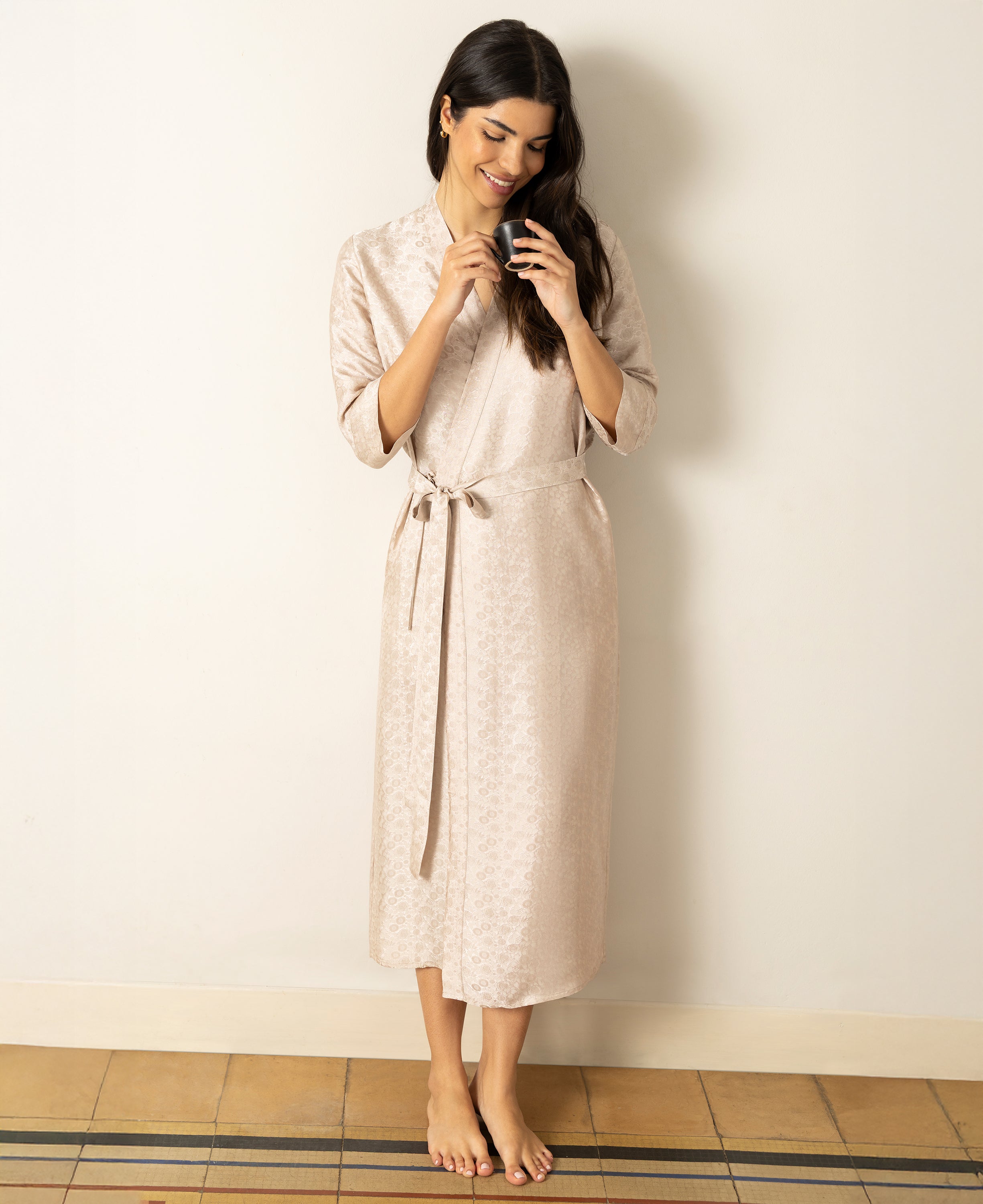
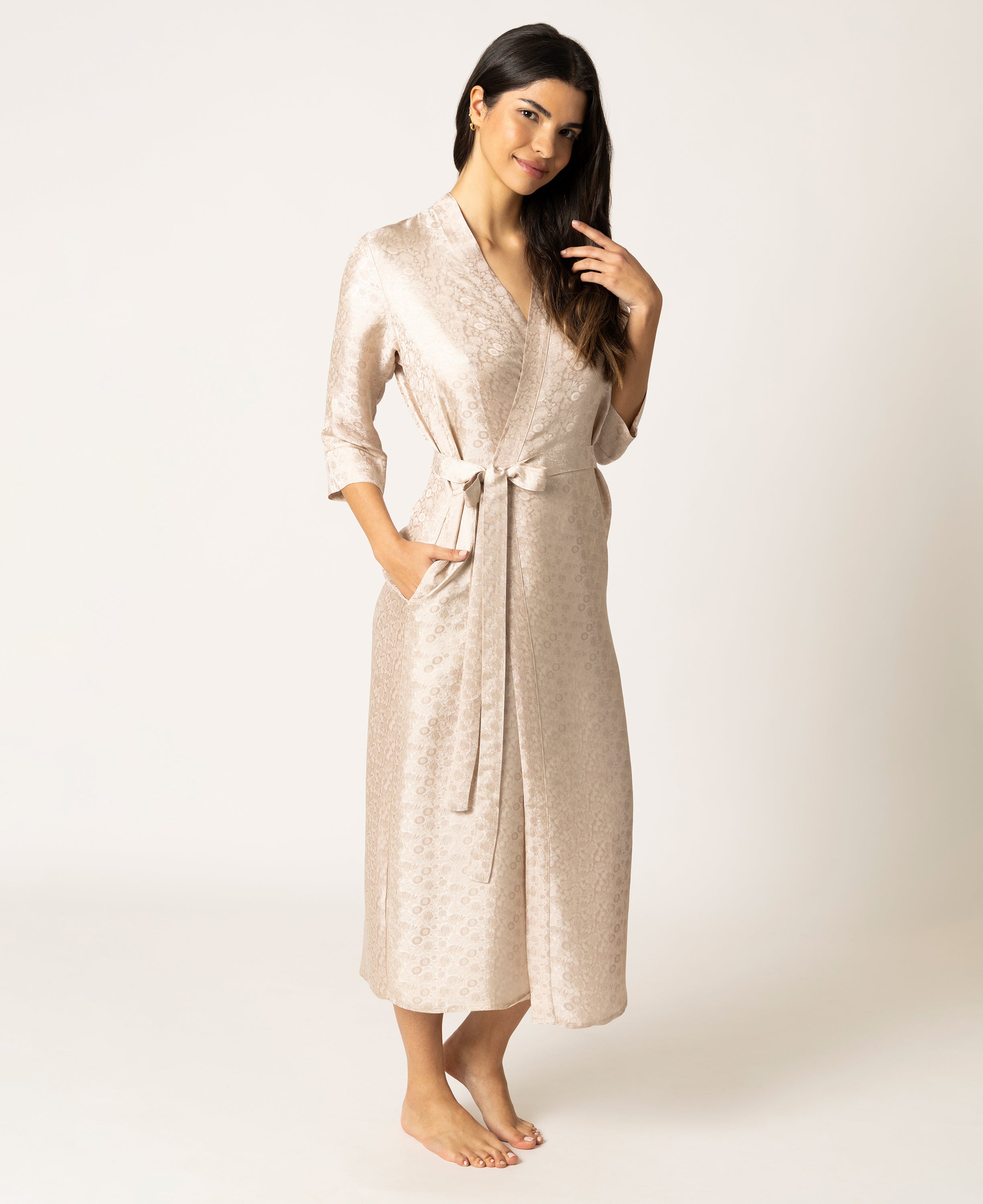
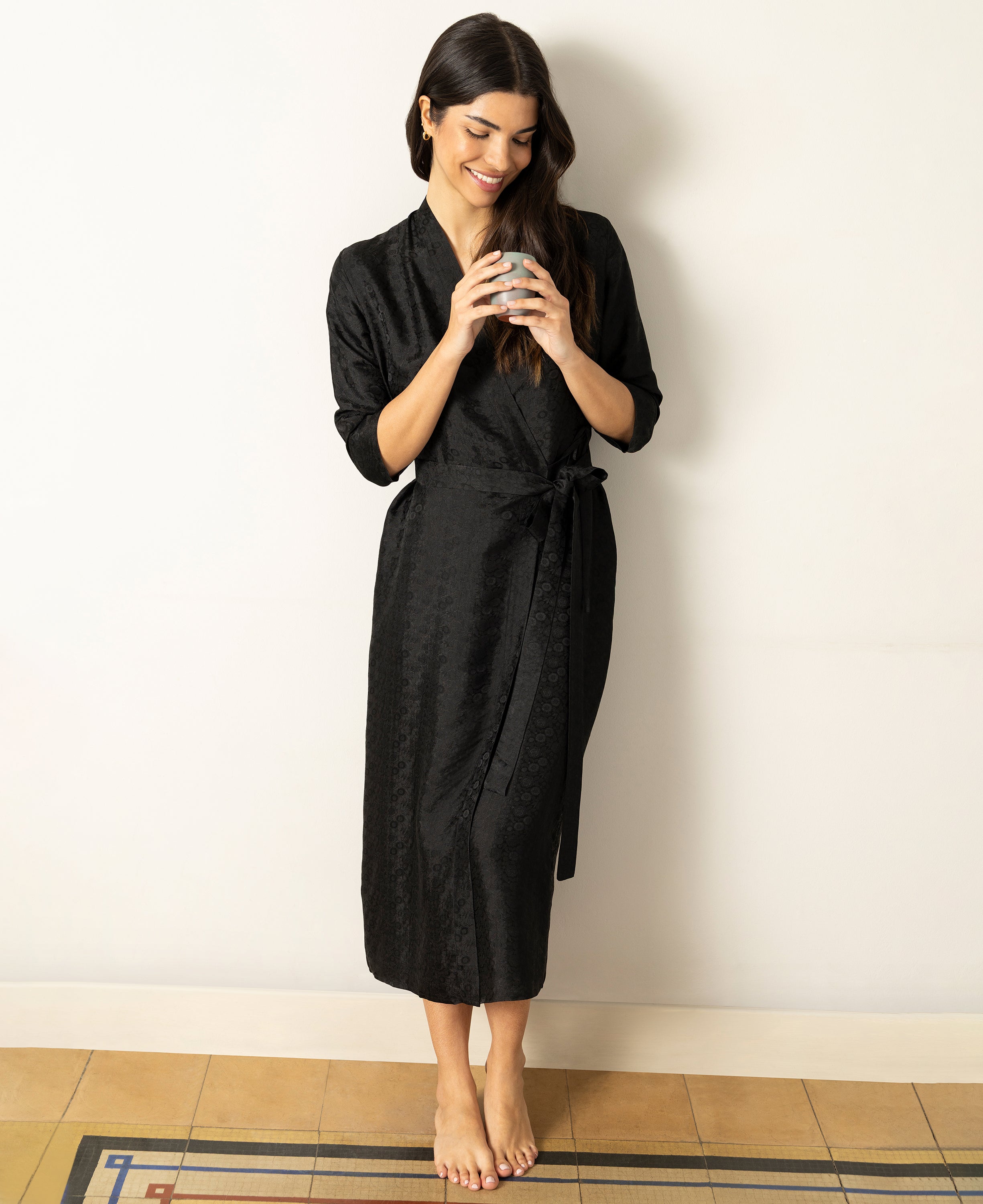
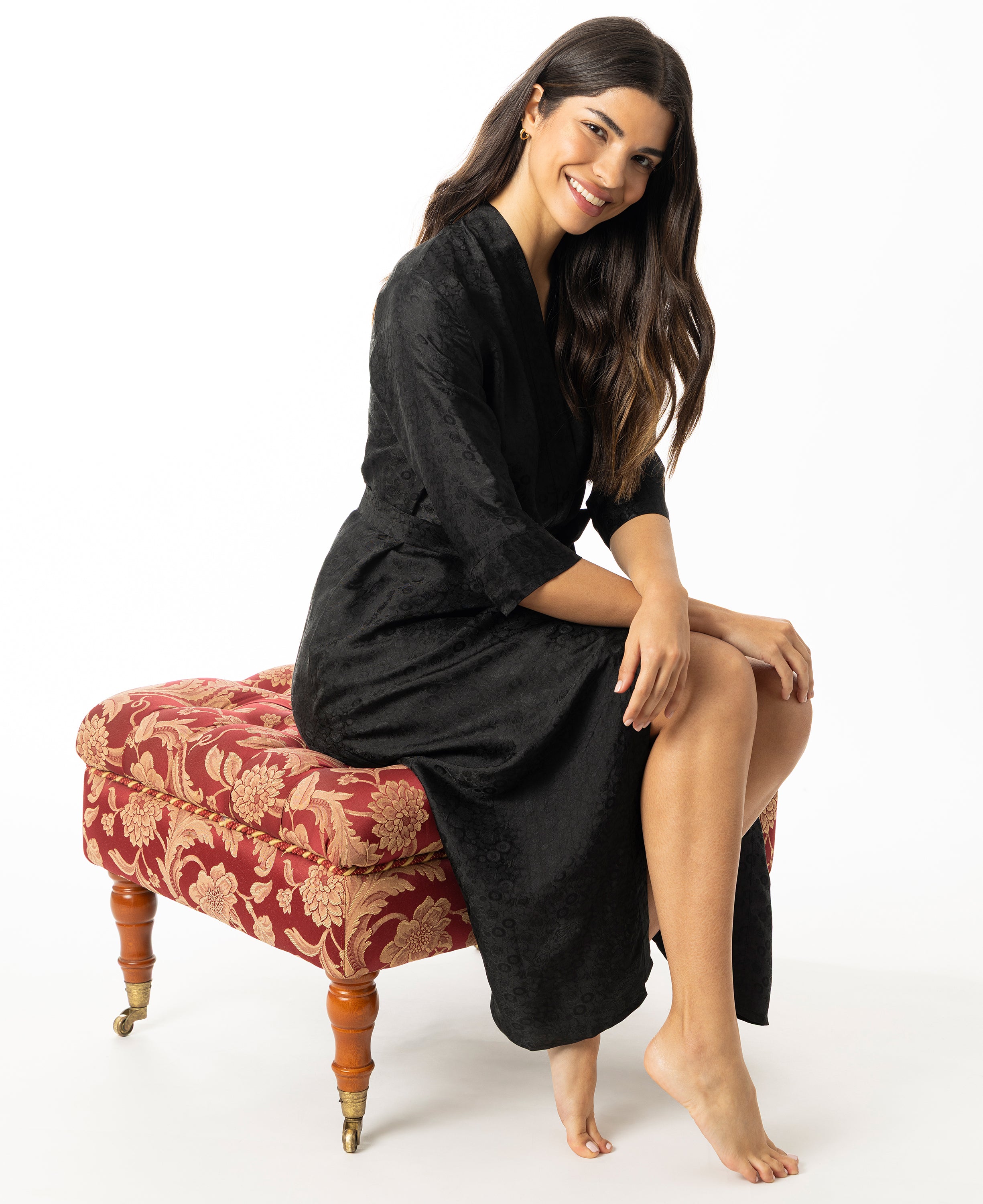
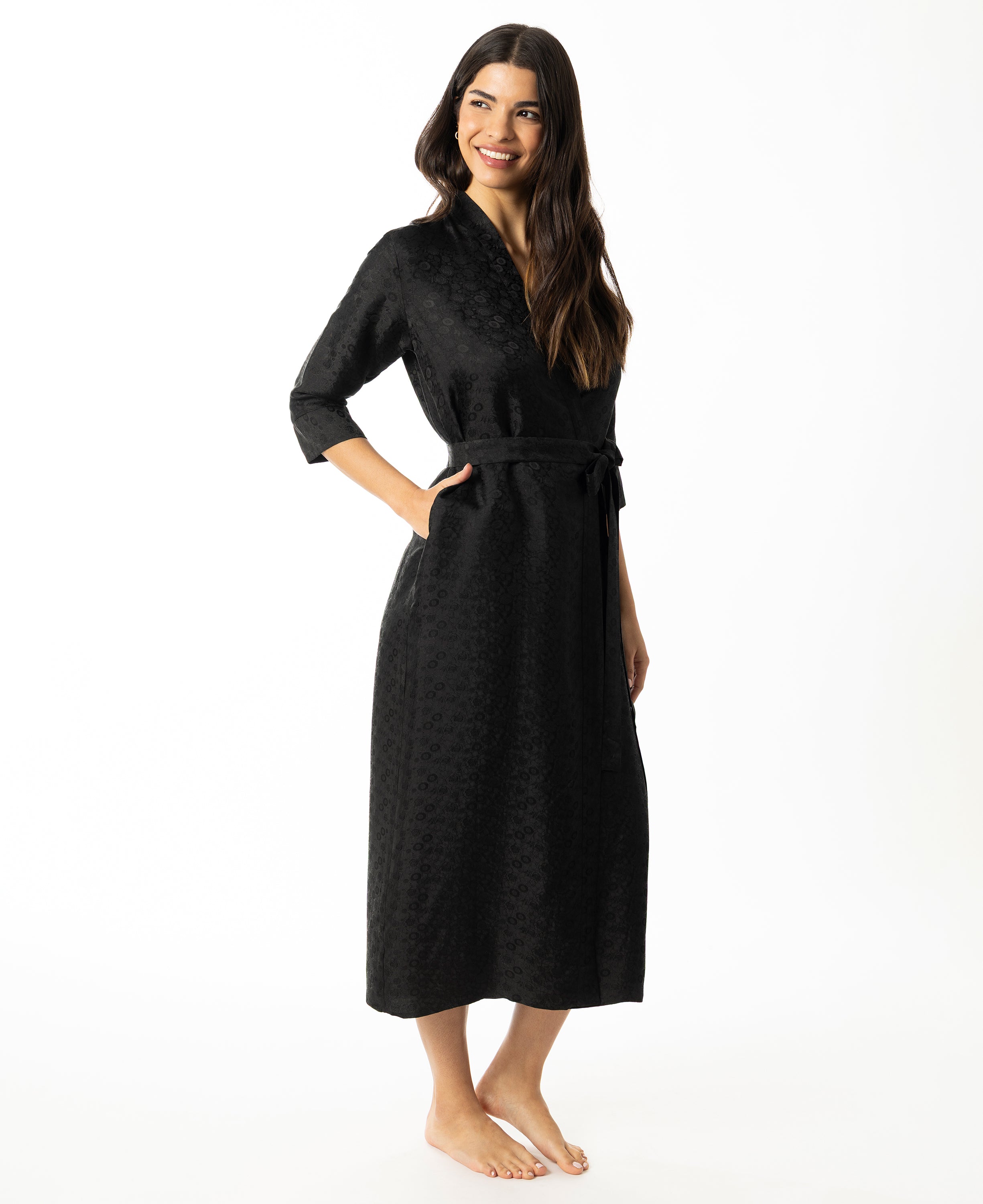
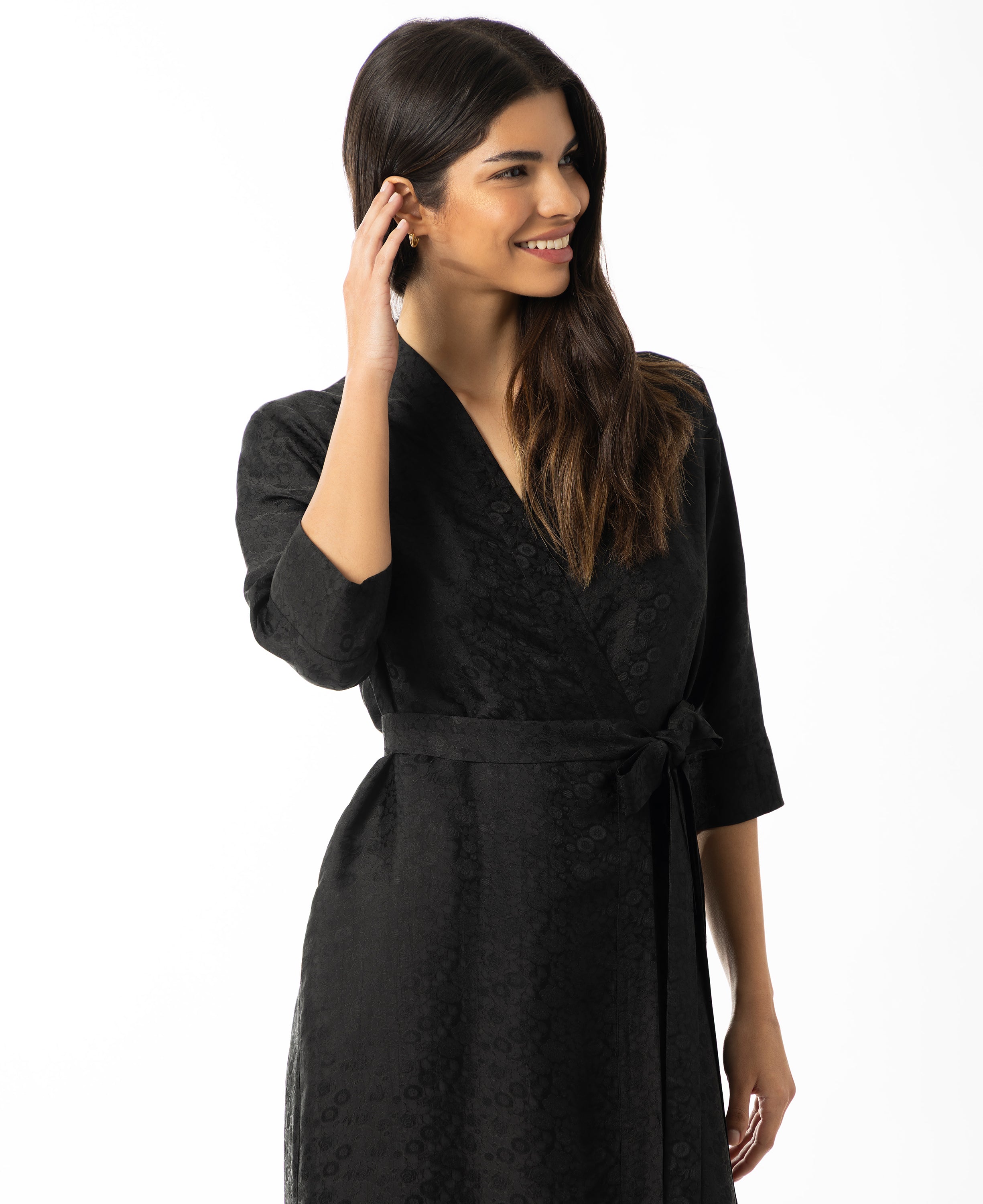
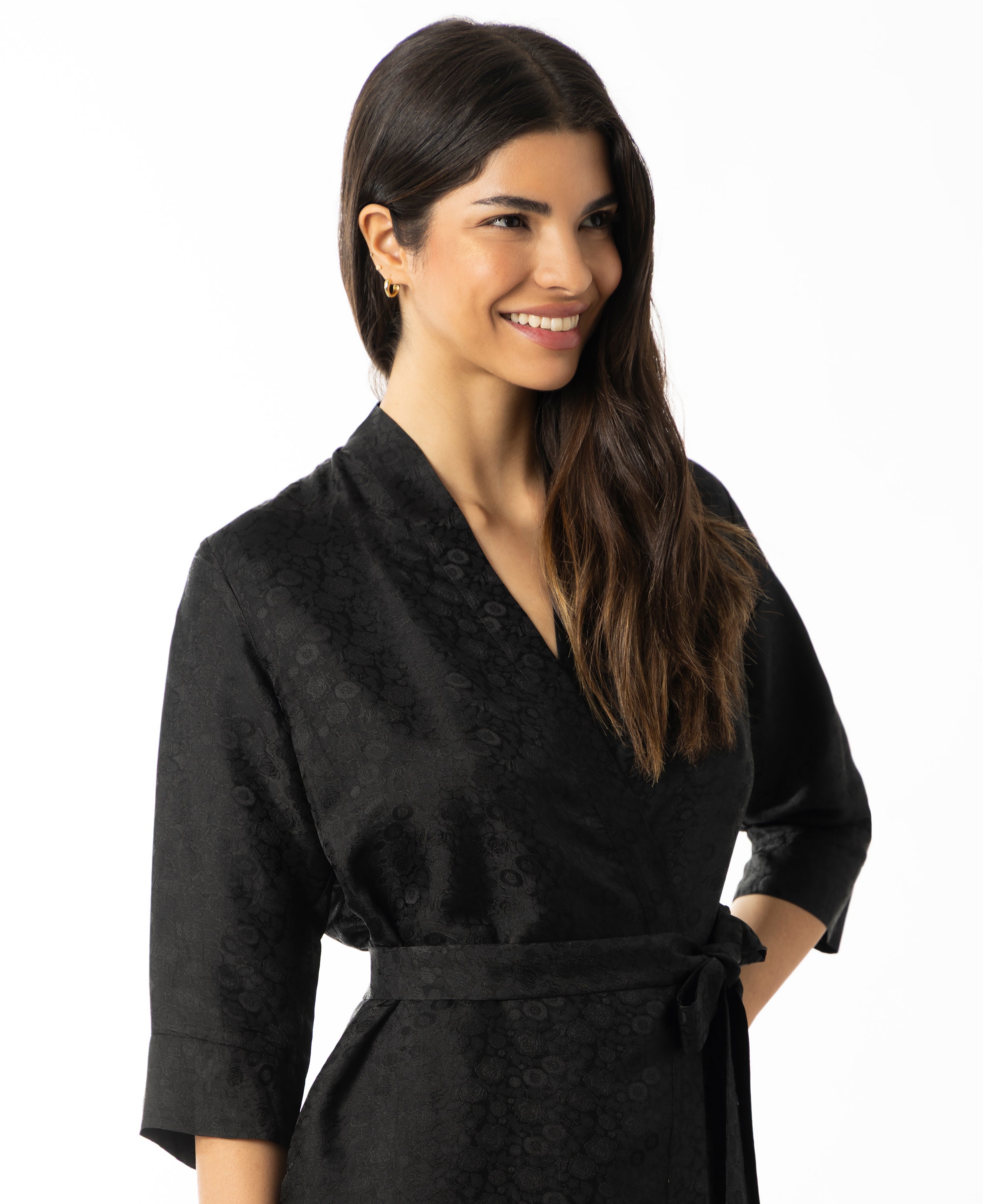
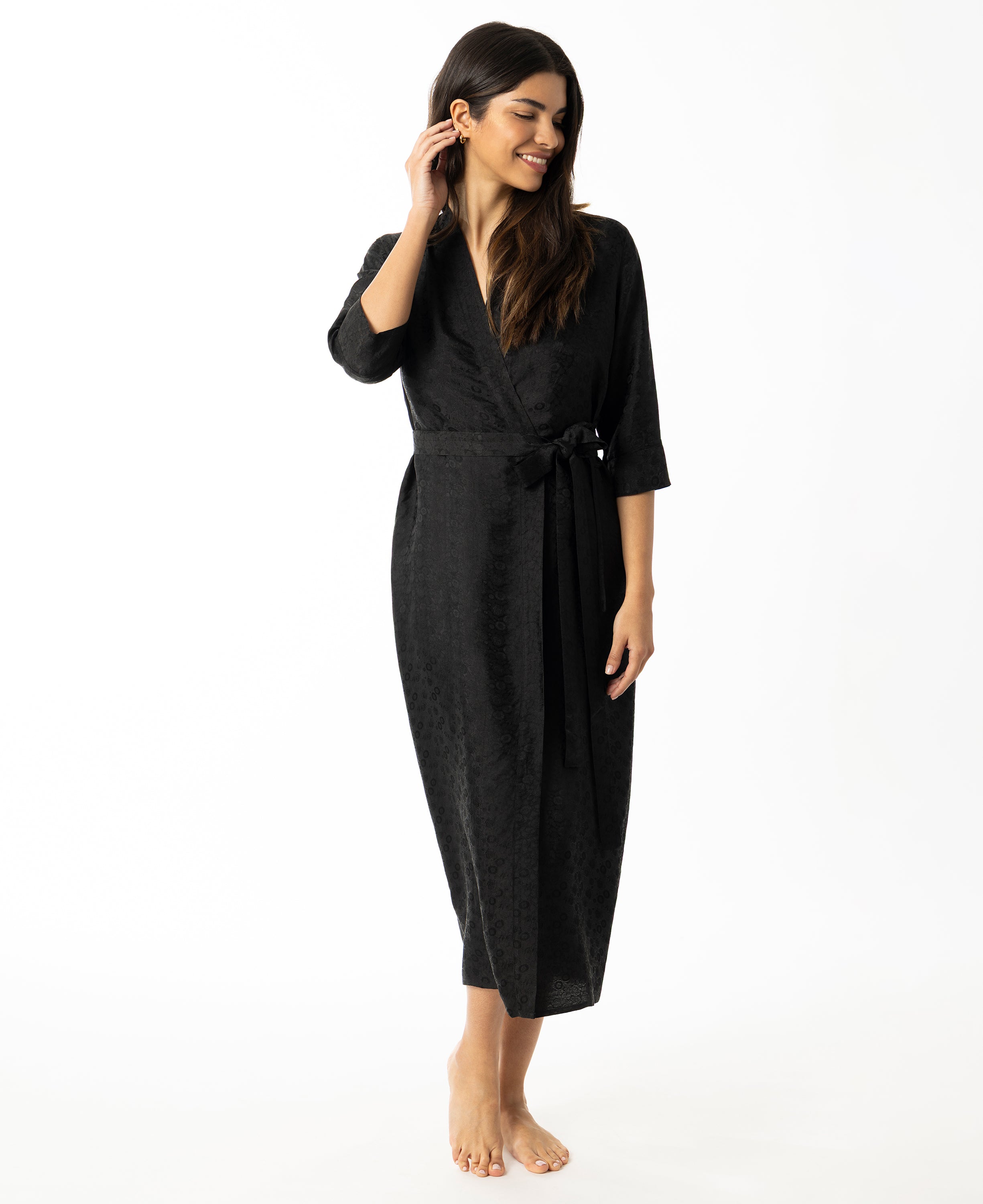
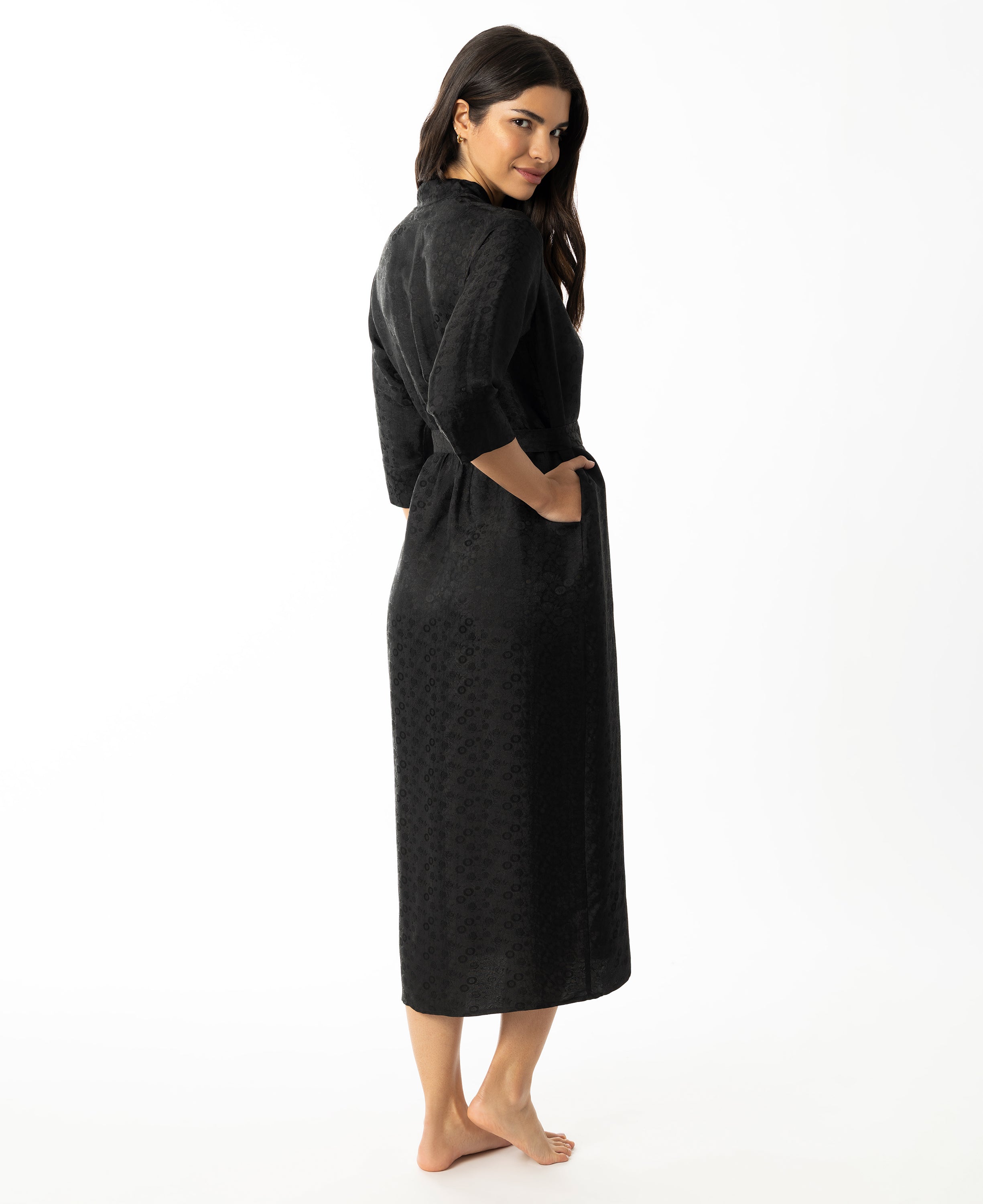
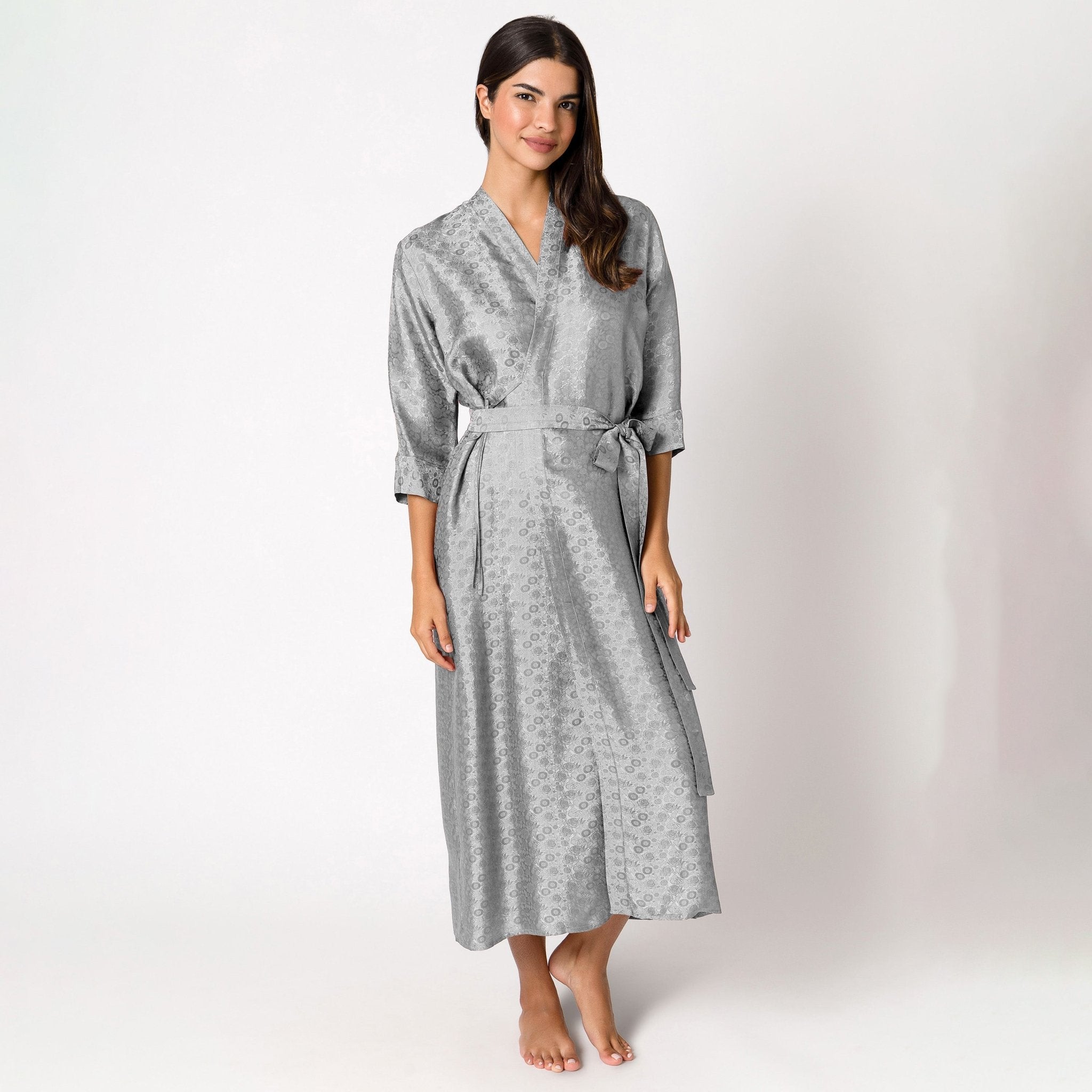
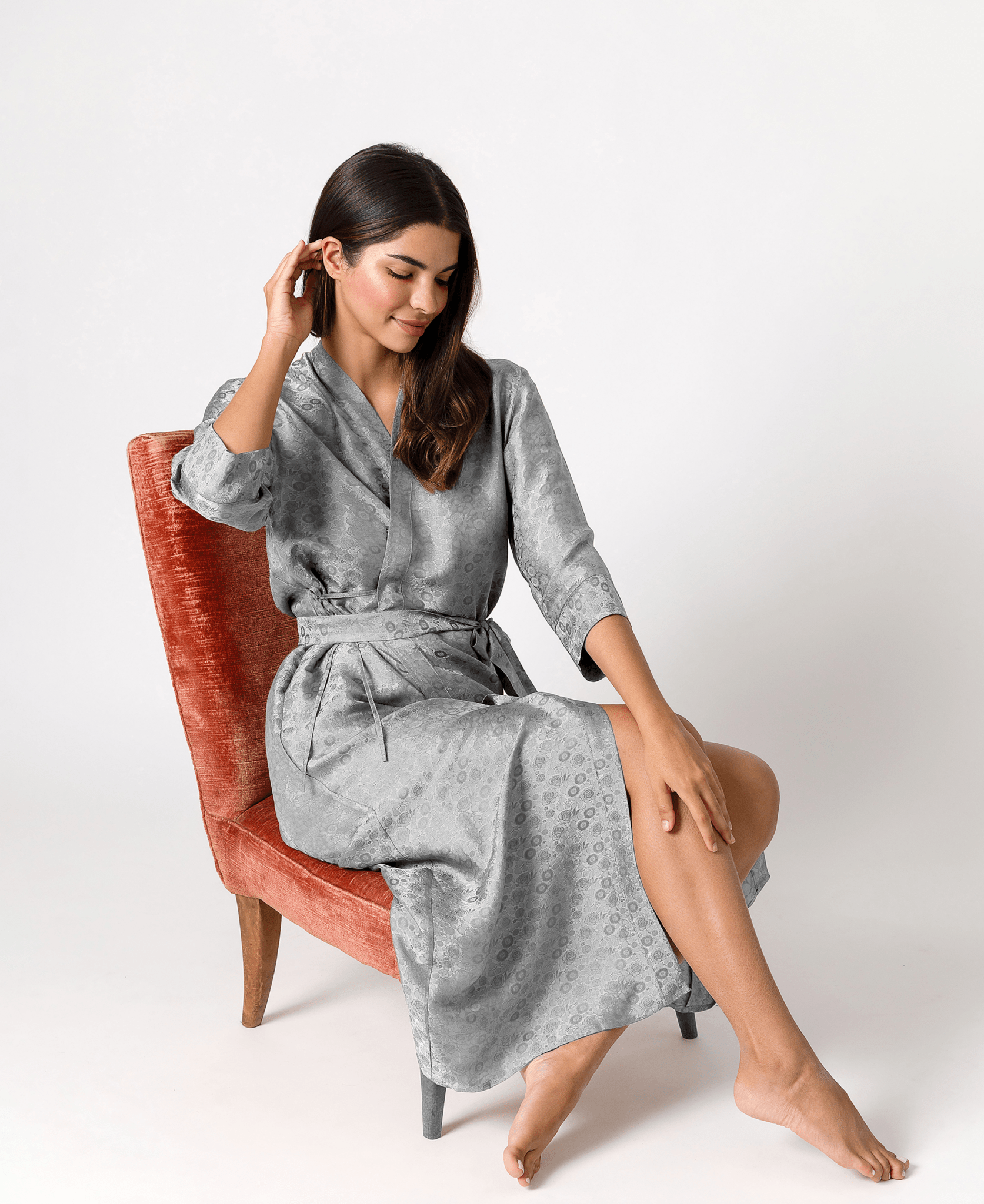
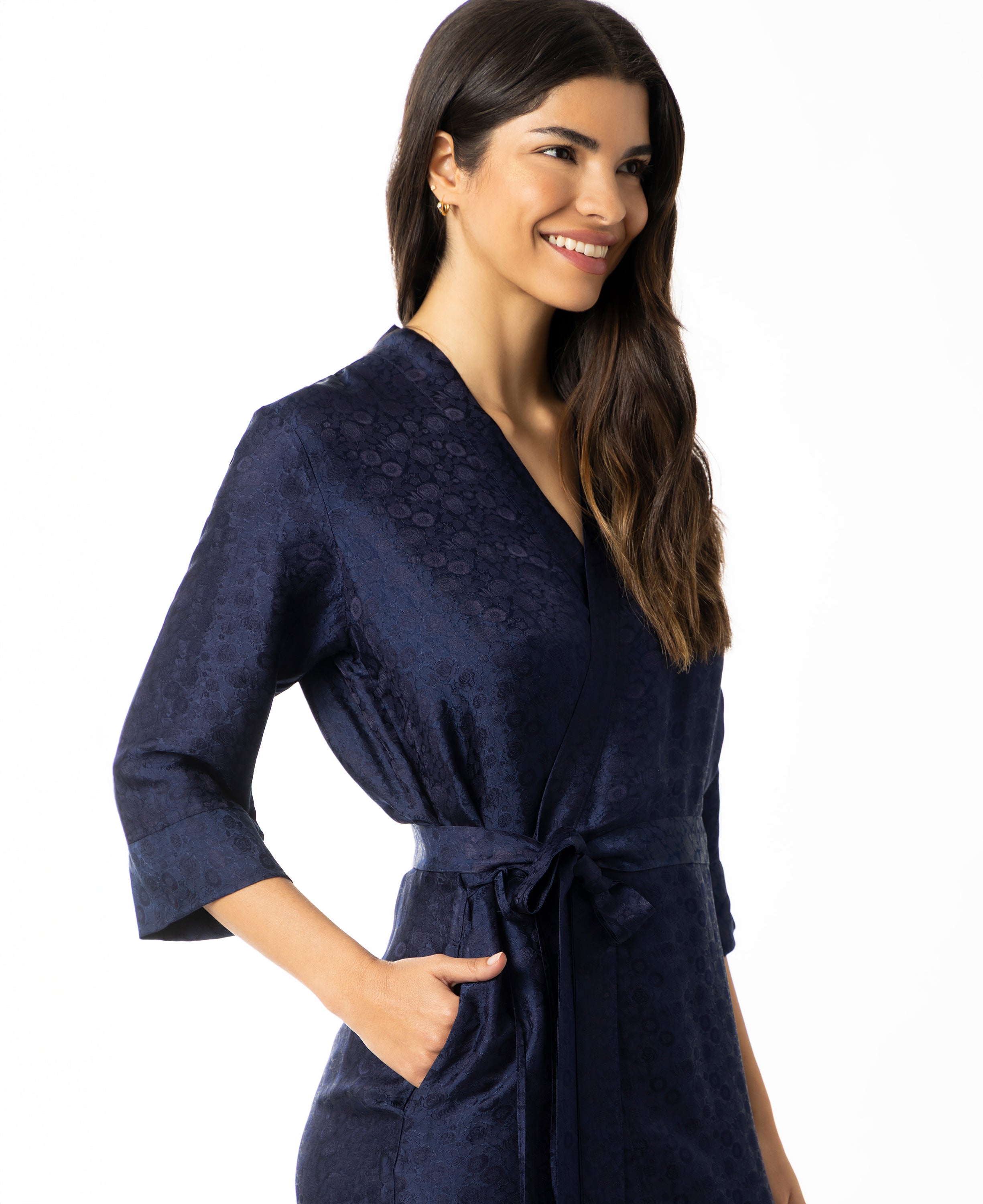
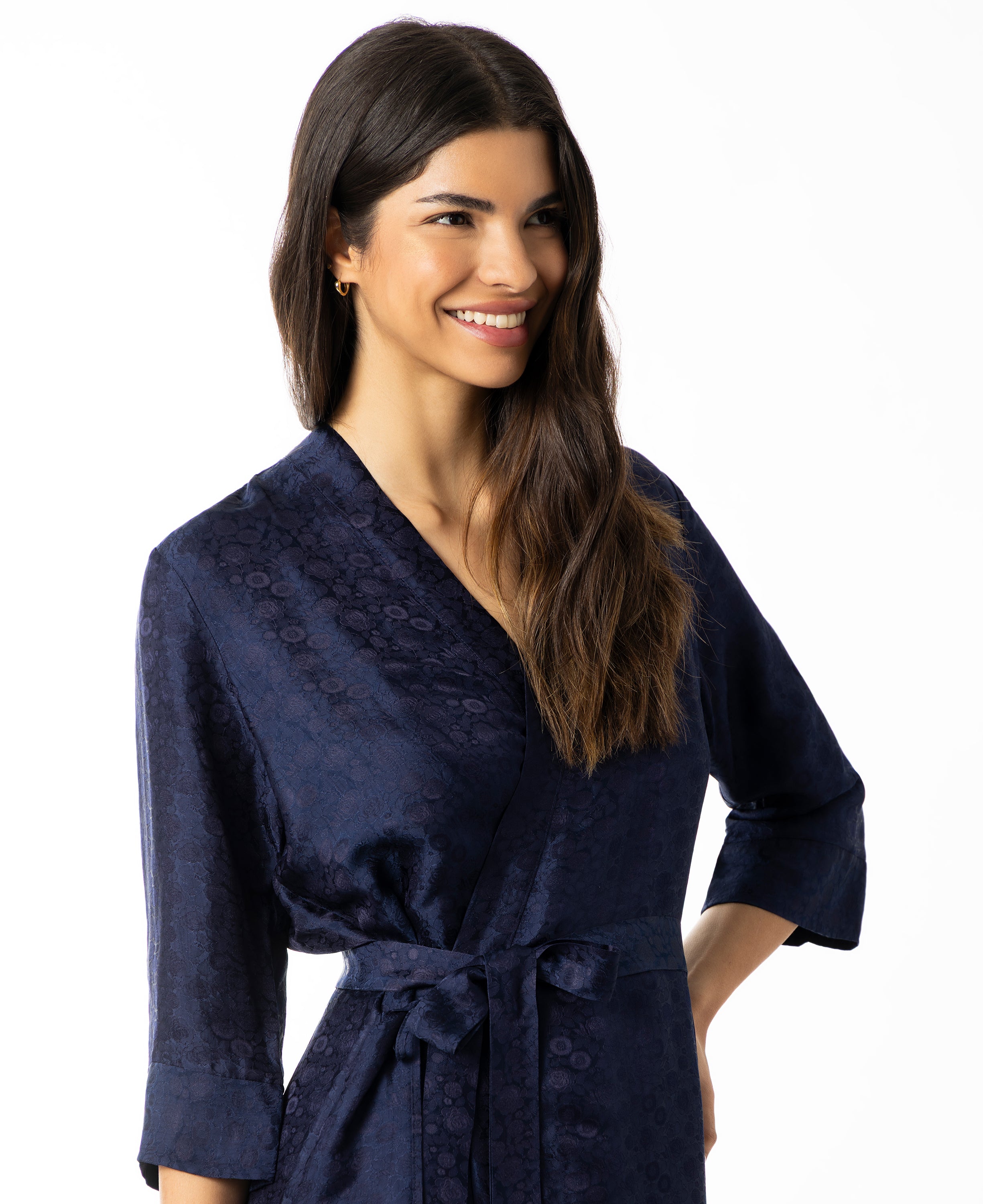
A silk robe is worth the price when three things are true. The silk is dense enough to last, the construction is built to outlive the fabric, and the production model is slow enough that one person is responsible for the whole garment. At Tara Sartoria, that means 27 momme mulberry silk woven on heritage looms, French seams enclosed on both sides, and each robe made one piece at a time by master artisans in Vietnam's historic silk villages.
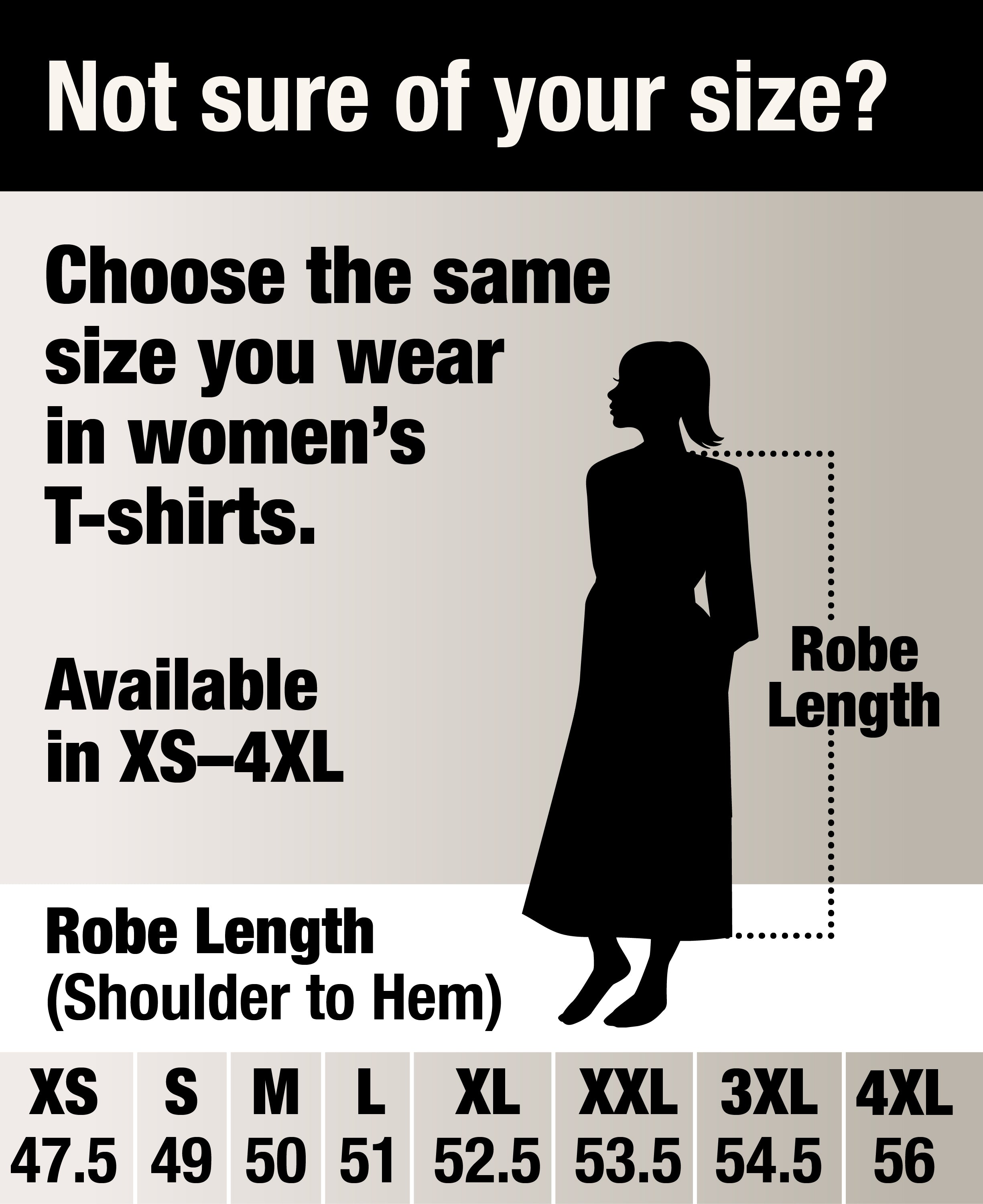
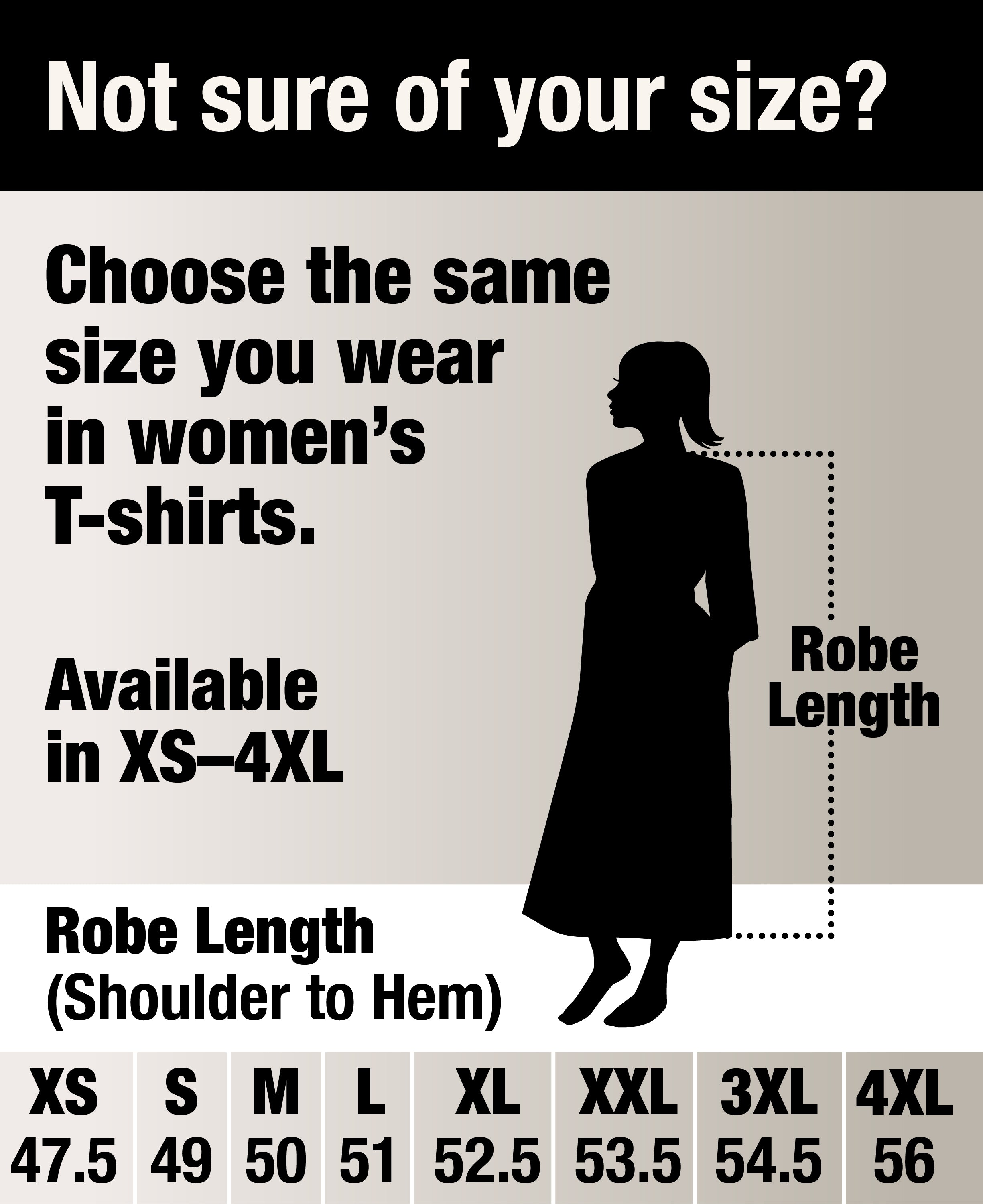
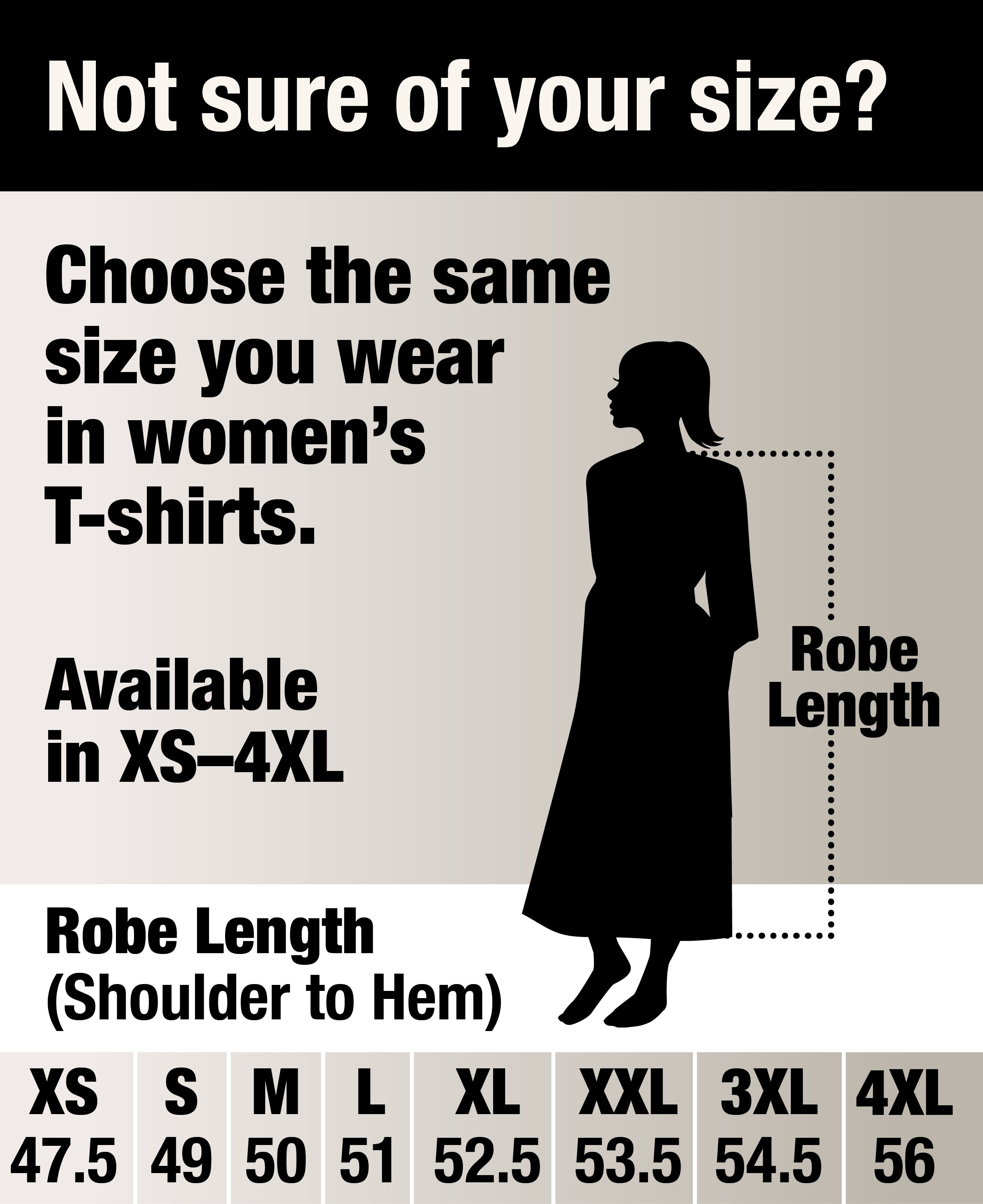
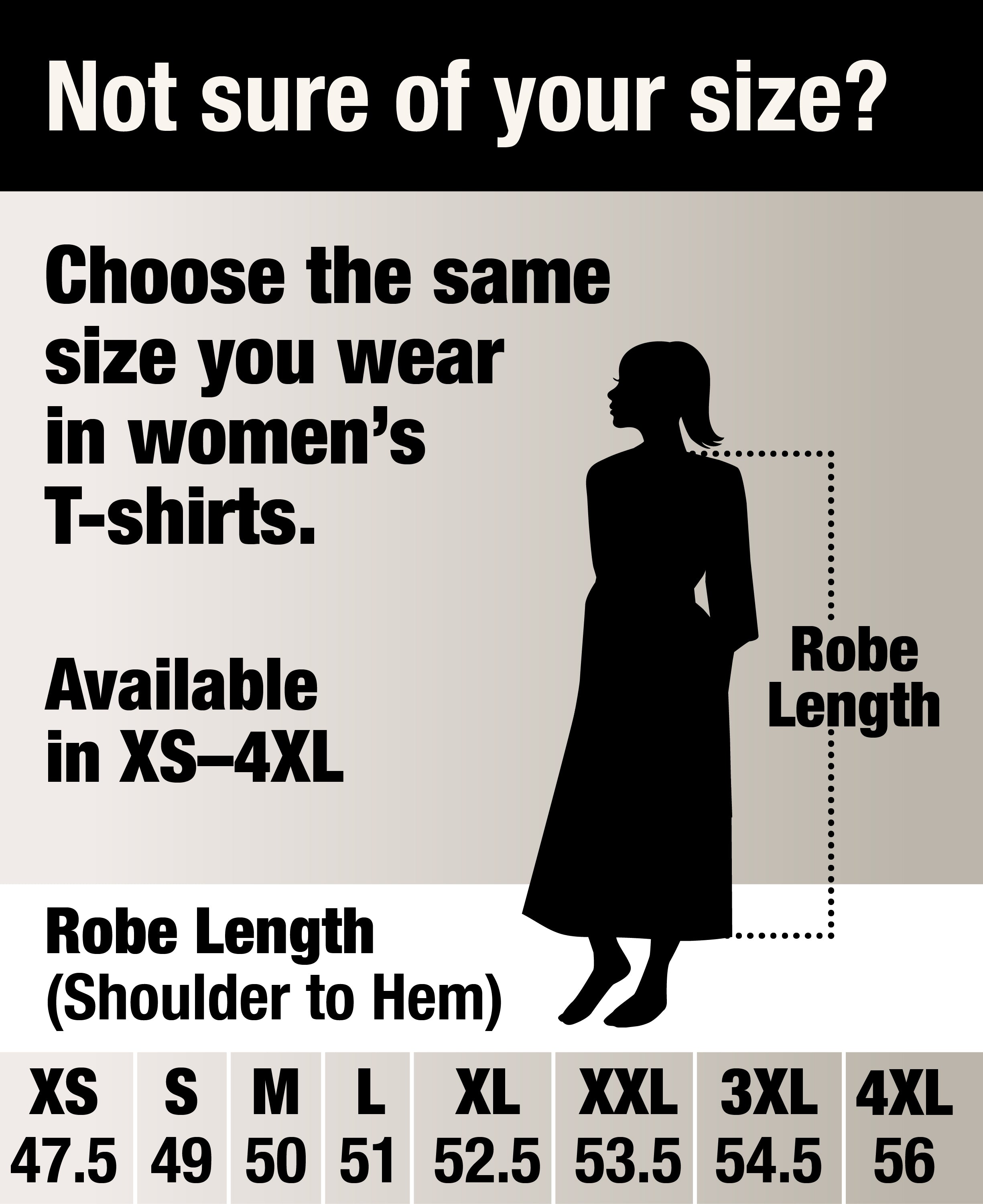
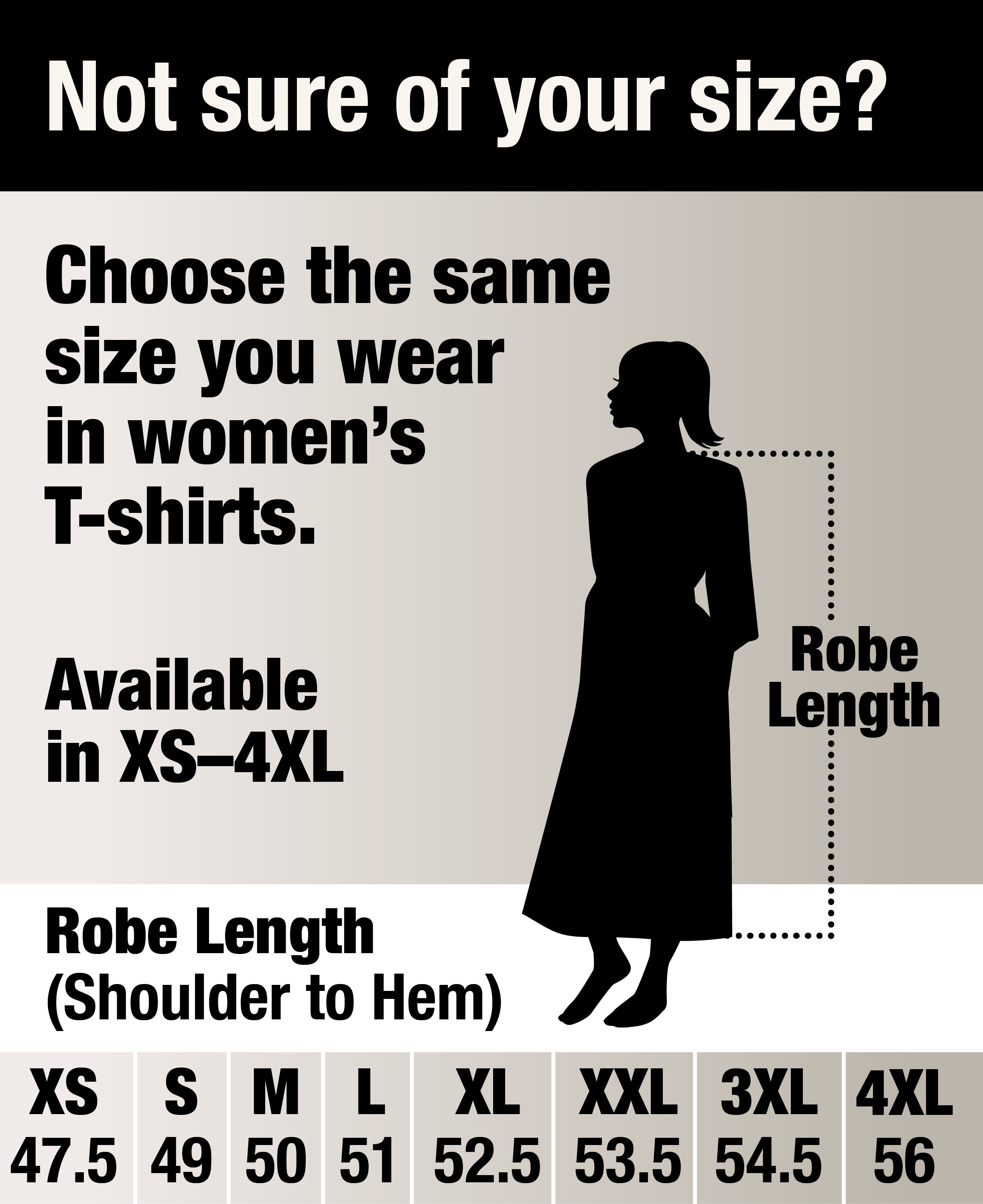
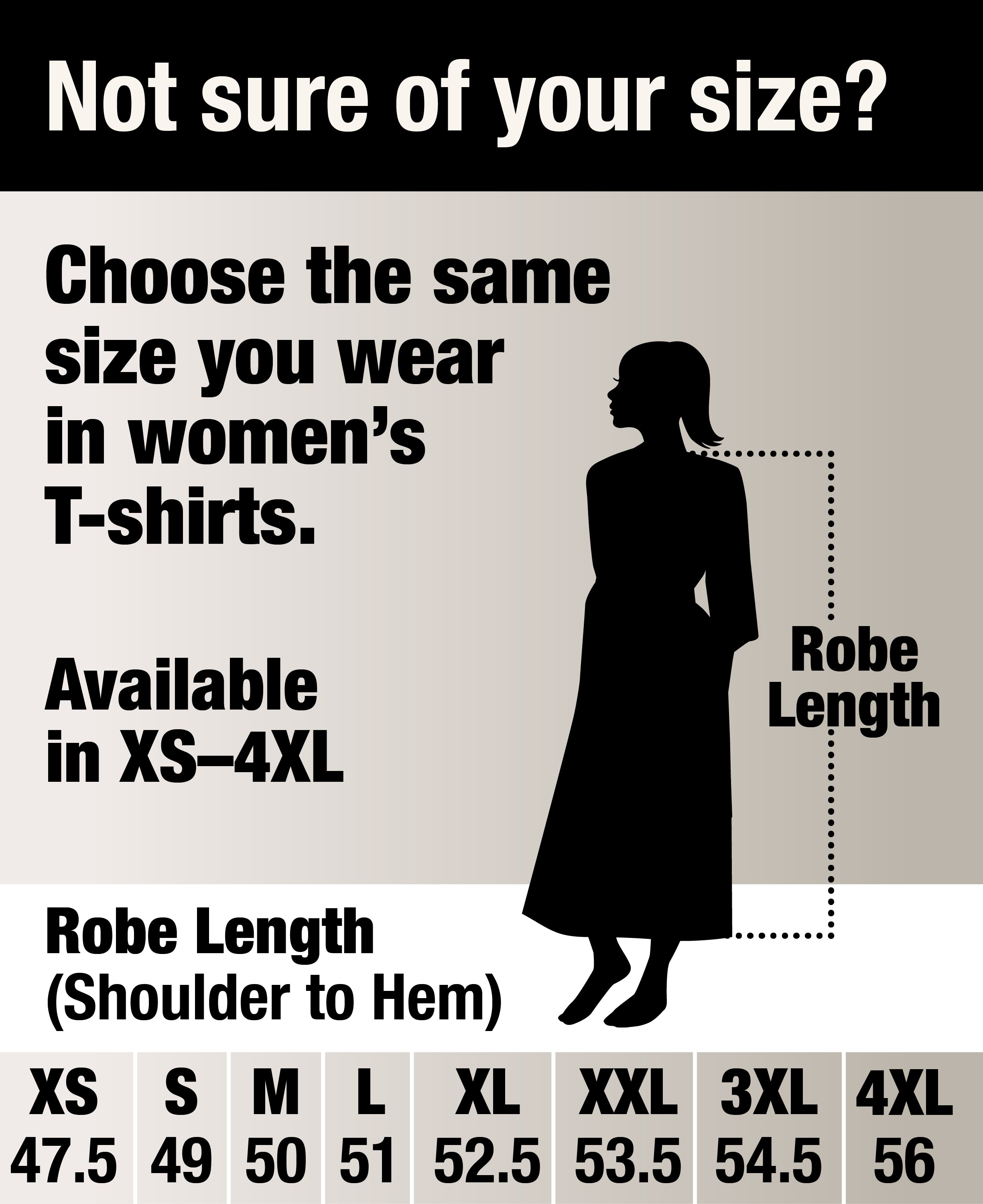
Machine washable. Sized XS to 4XL, custom sizing available when needed. The robe is meant to last eight to ten years of regular wear. The price difference between a real silk robe and a cheap one disappears inside the first replacement cycle.

















What You Are Actually Paying For
The retail price of a silk robe is mostly four things stacked on top of the fabric cost. The labor that built the garment, the construction method that holds the garment together, the production model that decides how the labor is organized, and the small slice of brand and operating cost that sits on top. The fabric itself, the silk, is usually the smallest line item. This surprises most customers. It also explains why two silk robes that look similar on the rack can cost $89 and $389 and be honestly priced at both ends.
A $89 silk robe at a department store is almost never actually silk. The fabric is most often satin polyester, sometimes labeled as silk on the front of the box and as polyester in the care tag. If the fabric is real silk, it is the lightest possible weight, which is around 12 to 14 momme, and it has been woven in volume on industrial looms. The garment has been cut from a stack, sewn on a production line where each person handles one operation, and finished with serged seams that begin to fray inside the first year. The robe is correctly priced for what it is.
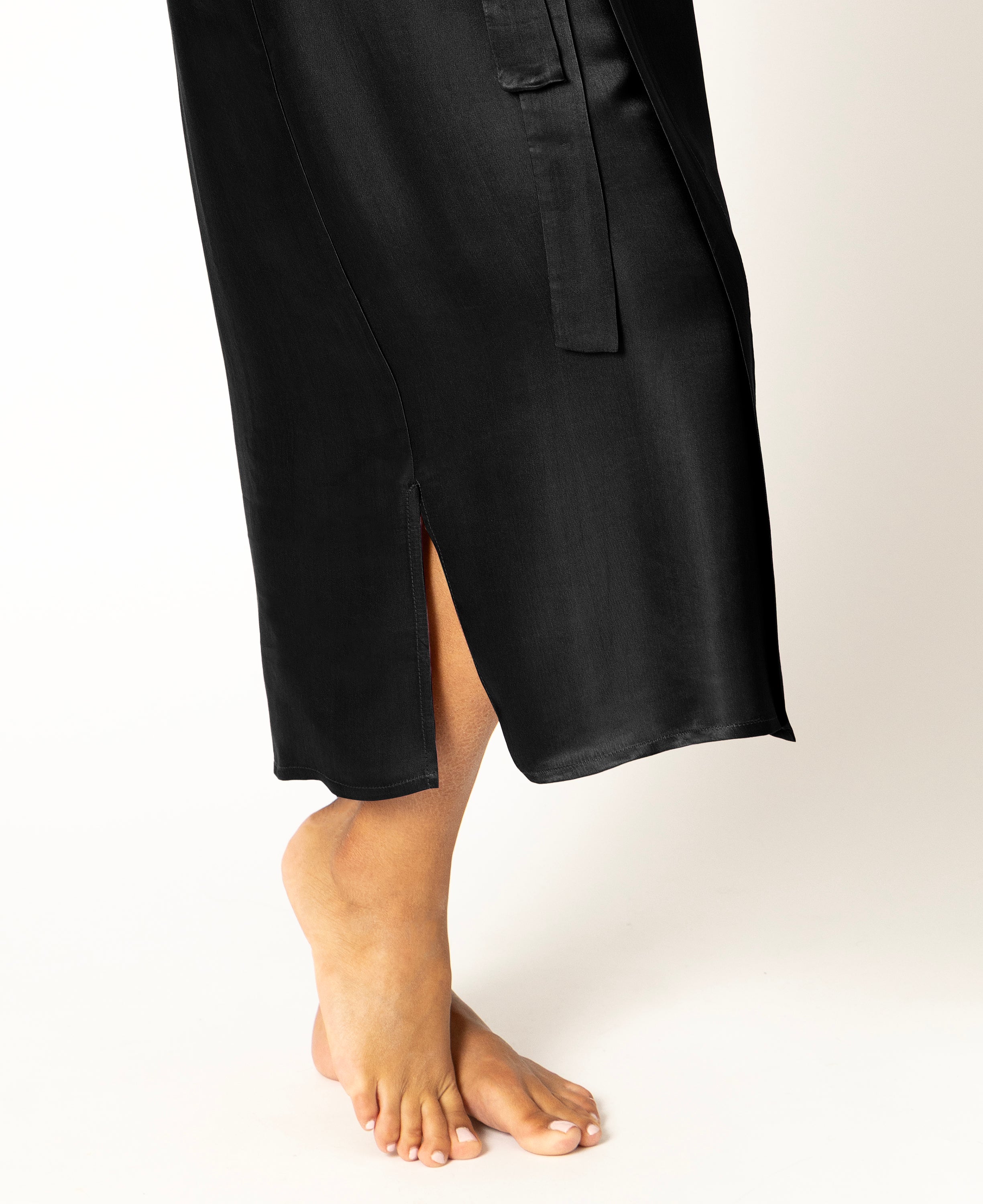
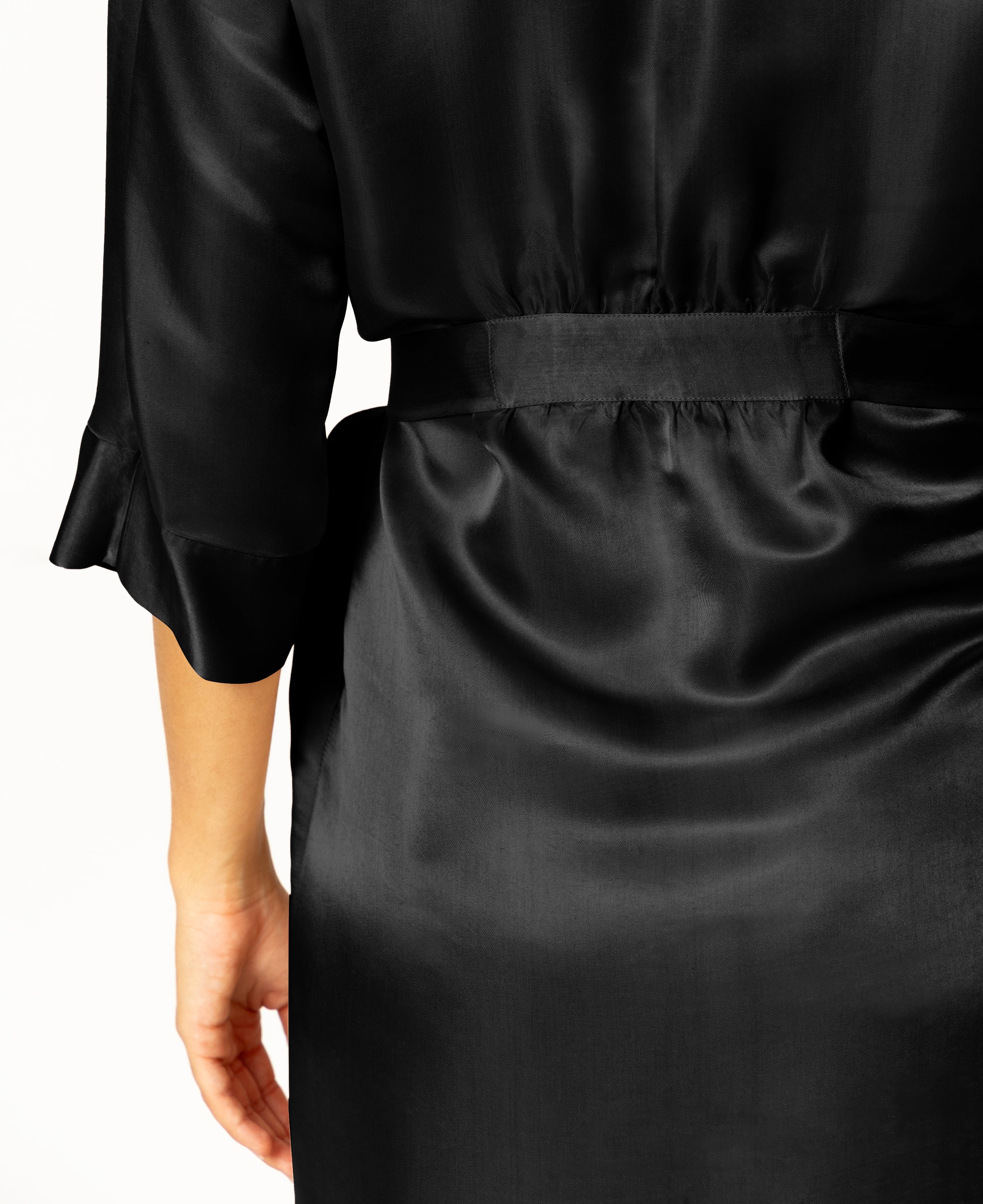
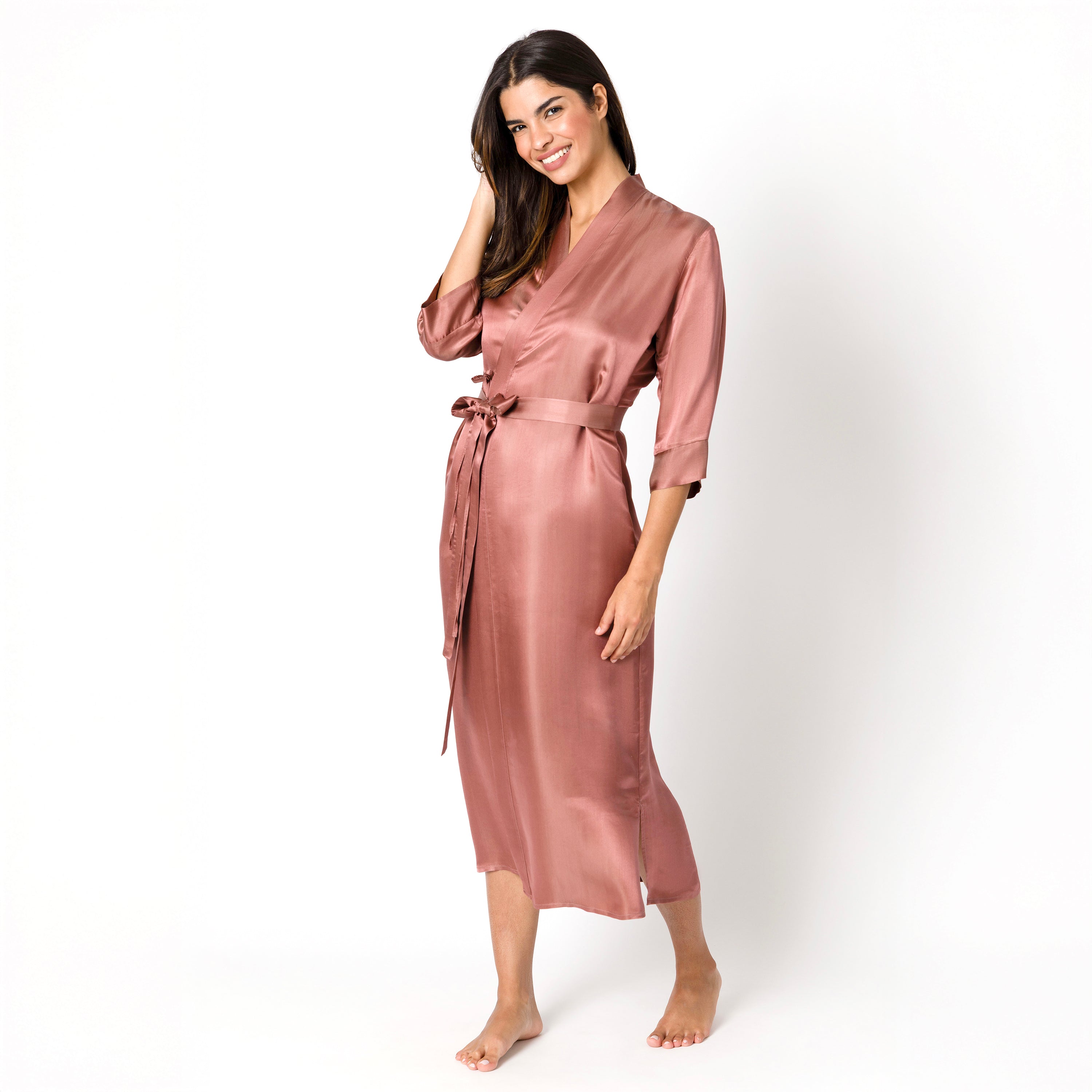
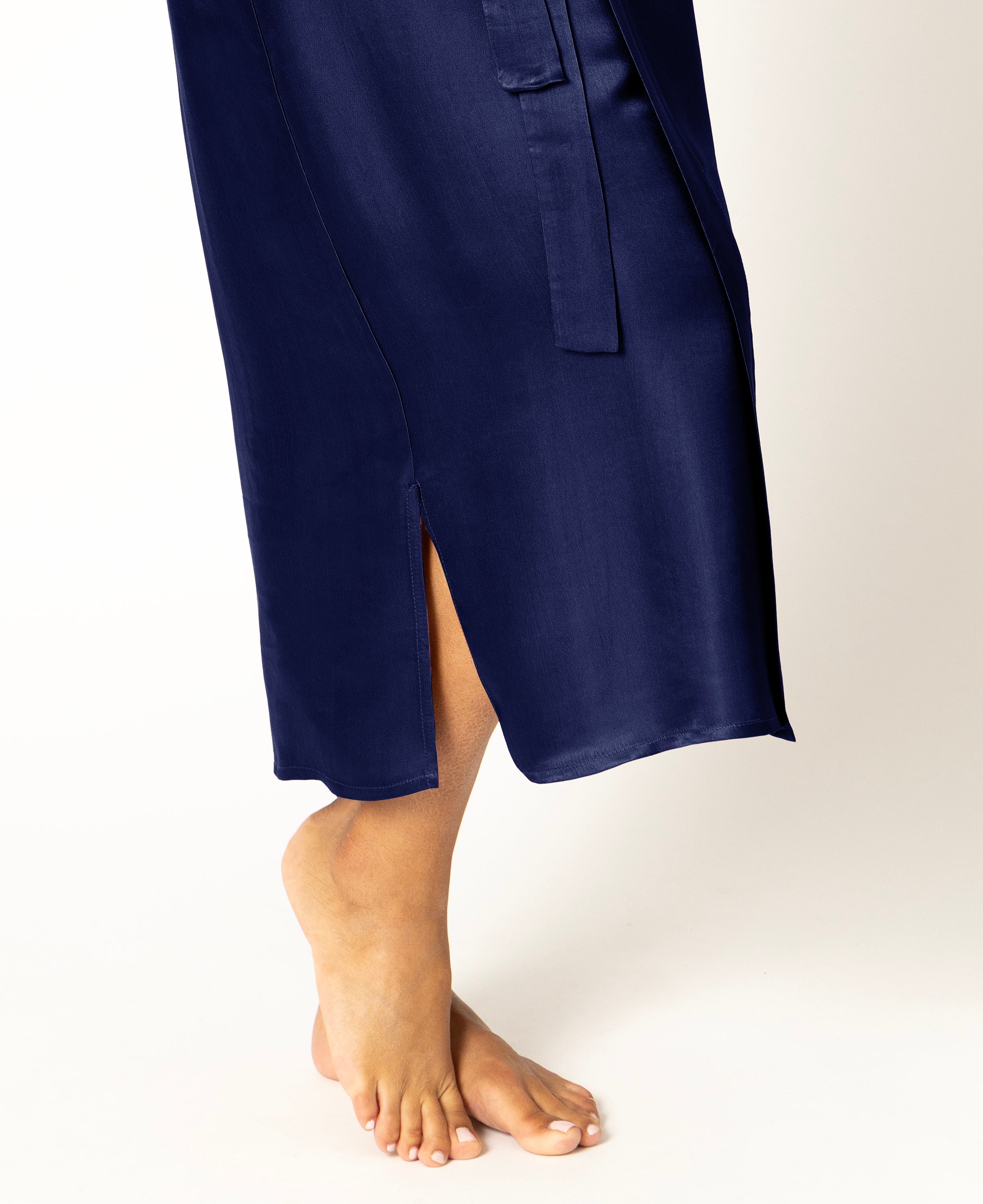
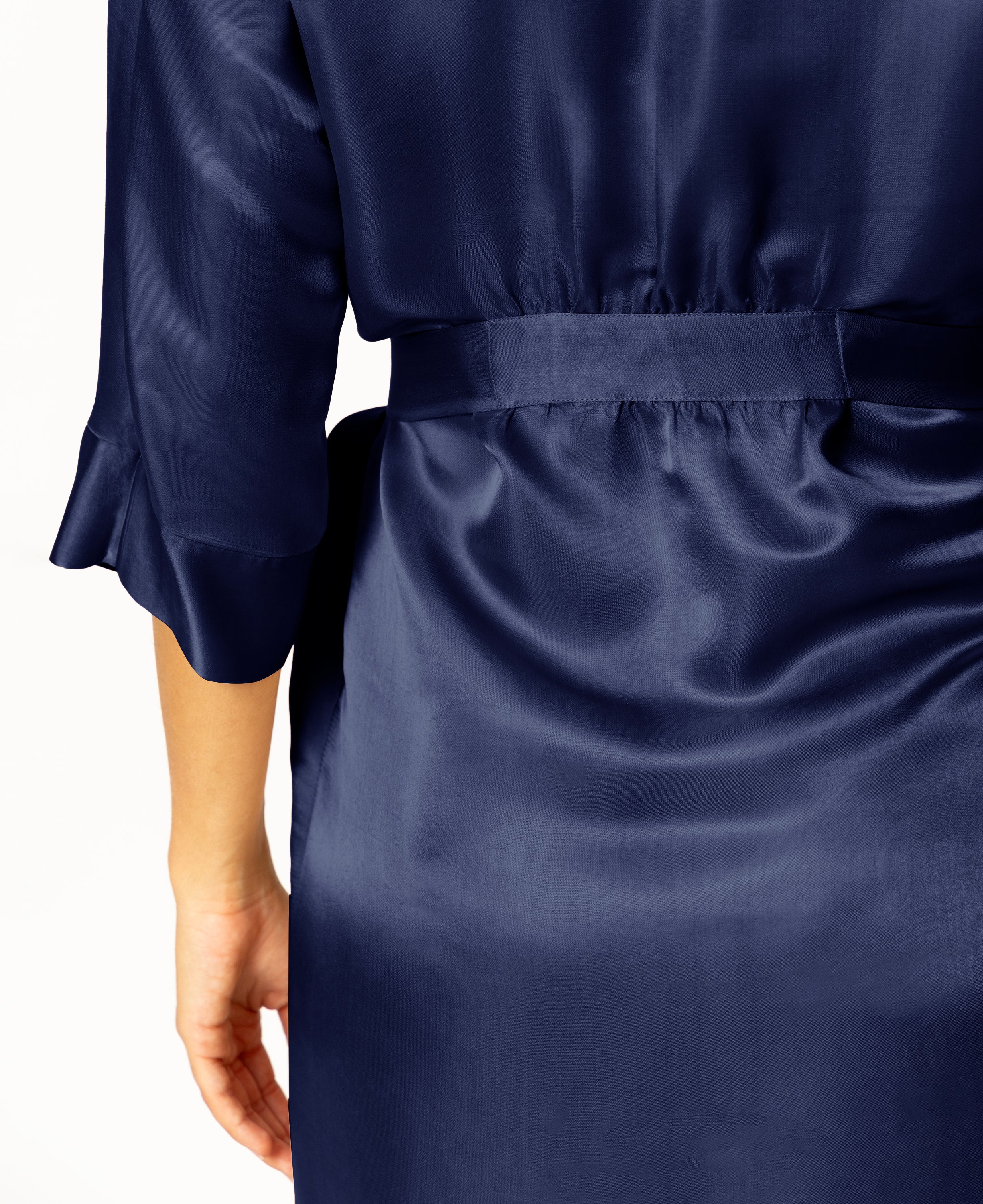
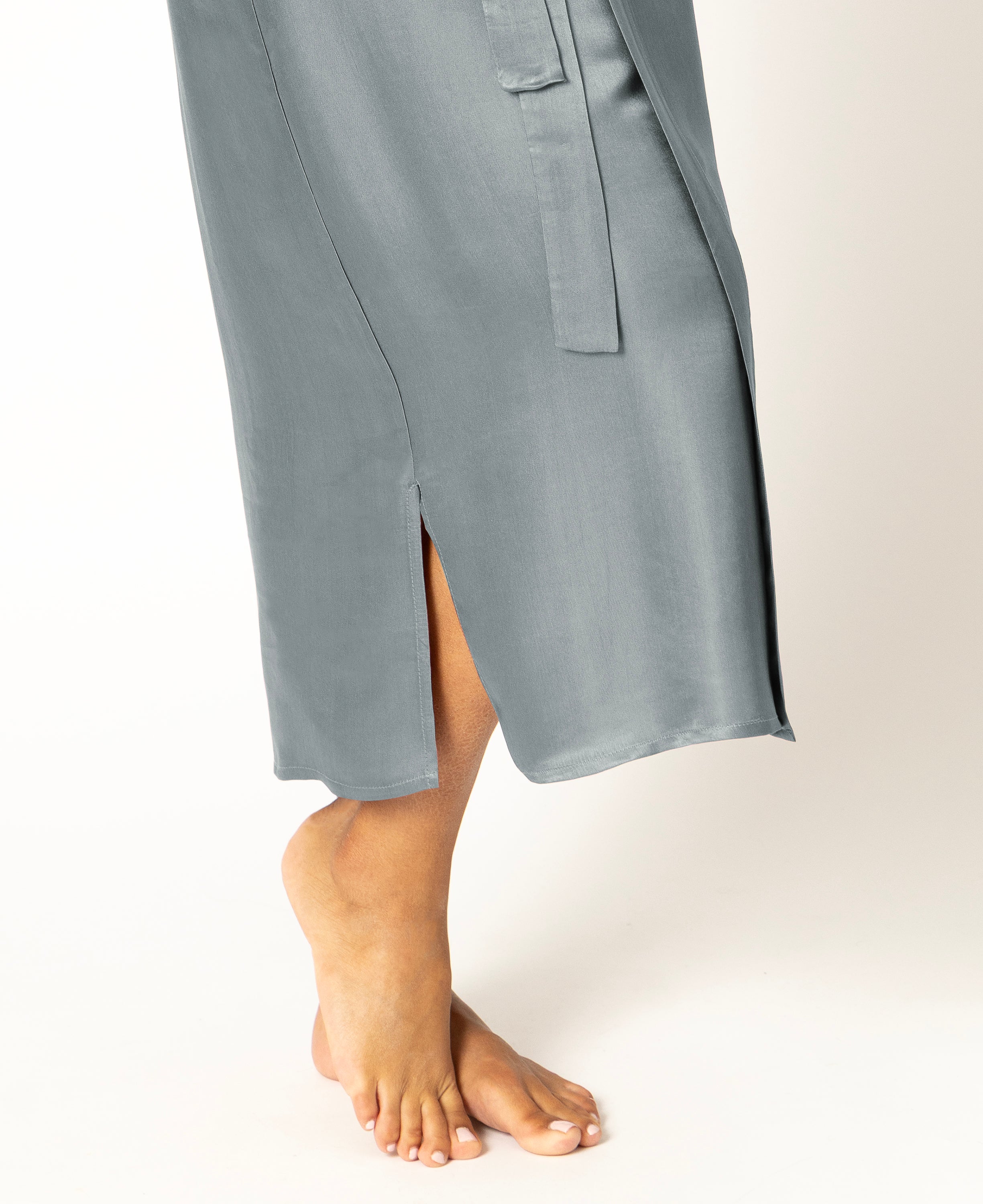
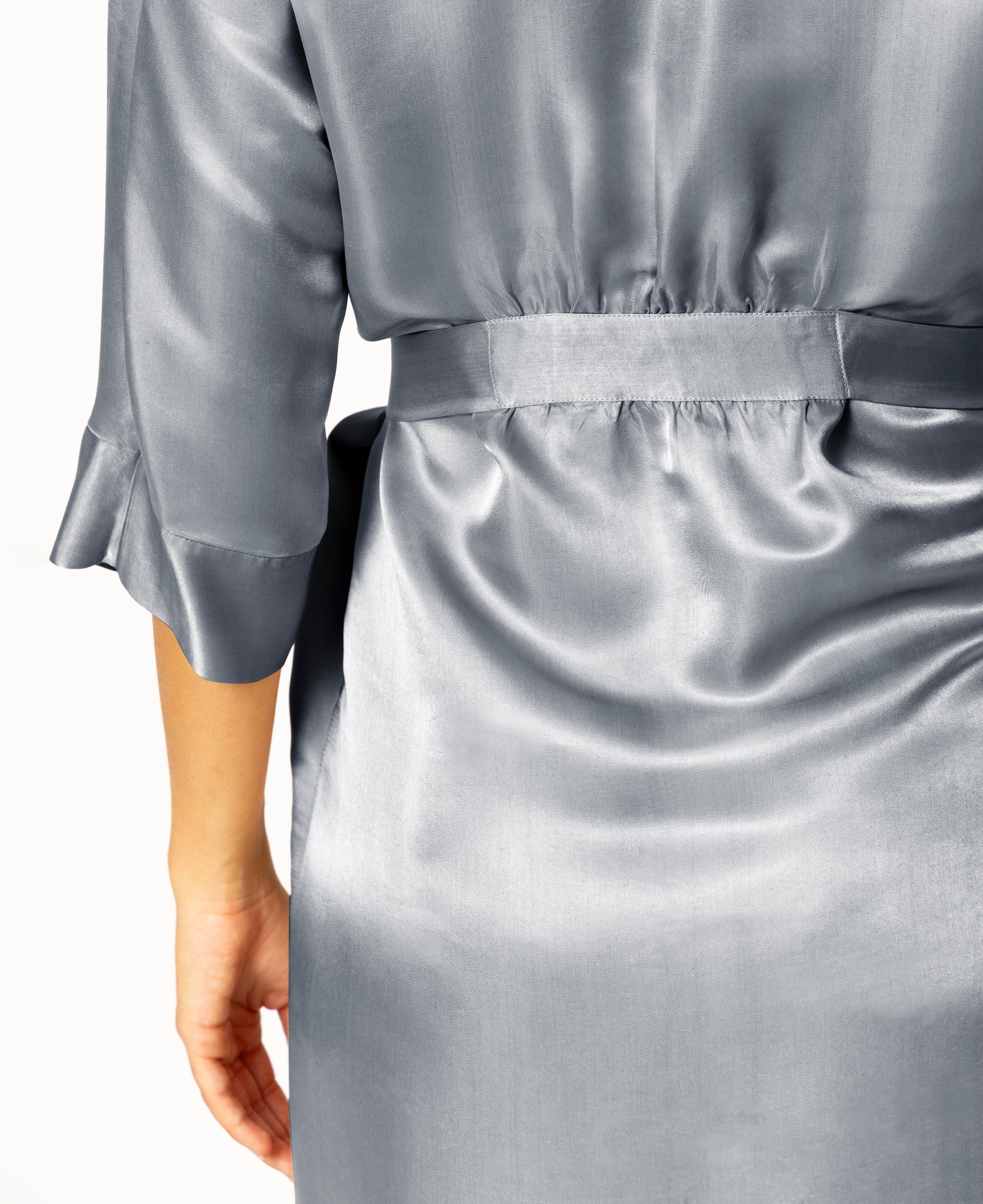
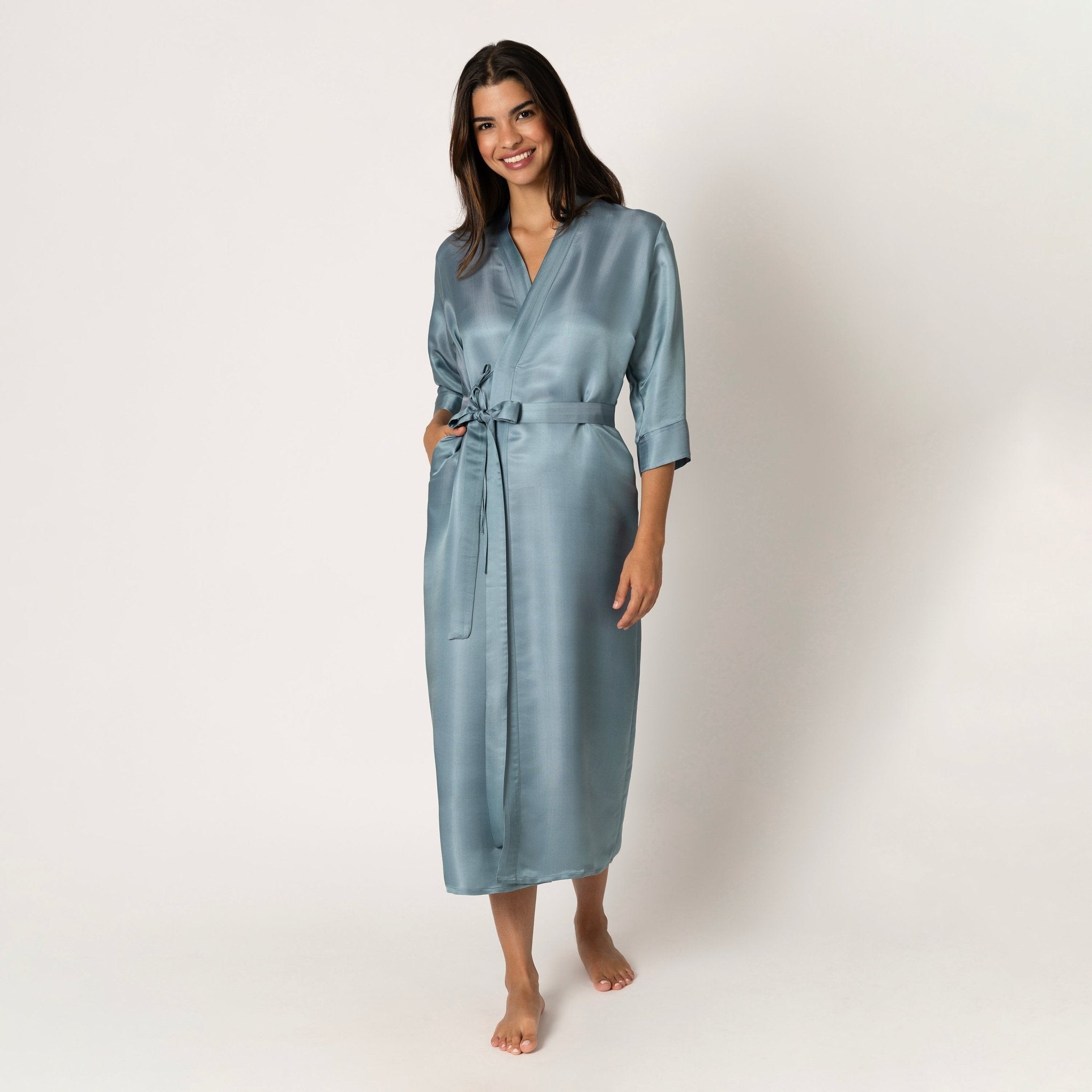
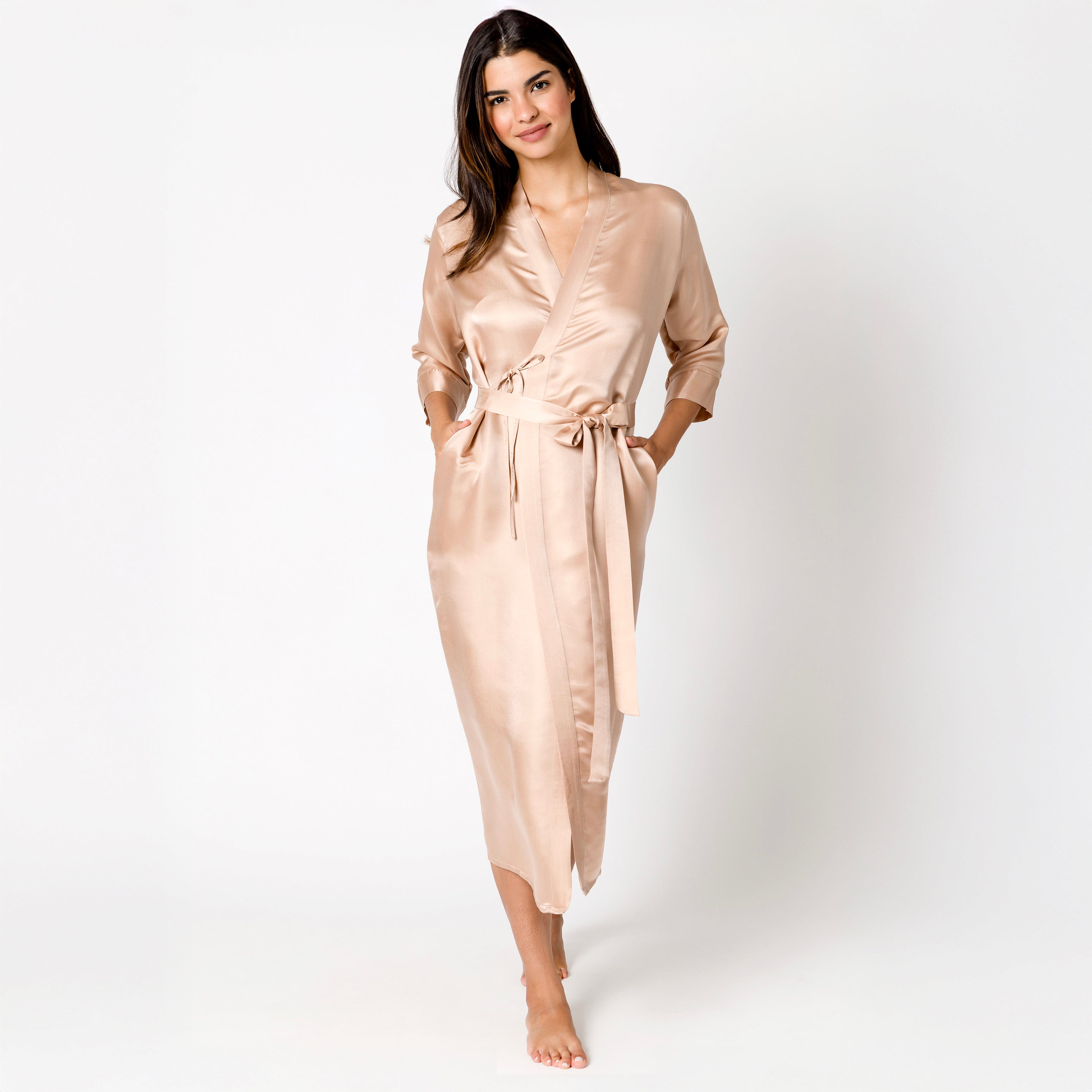
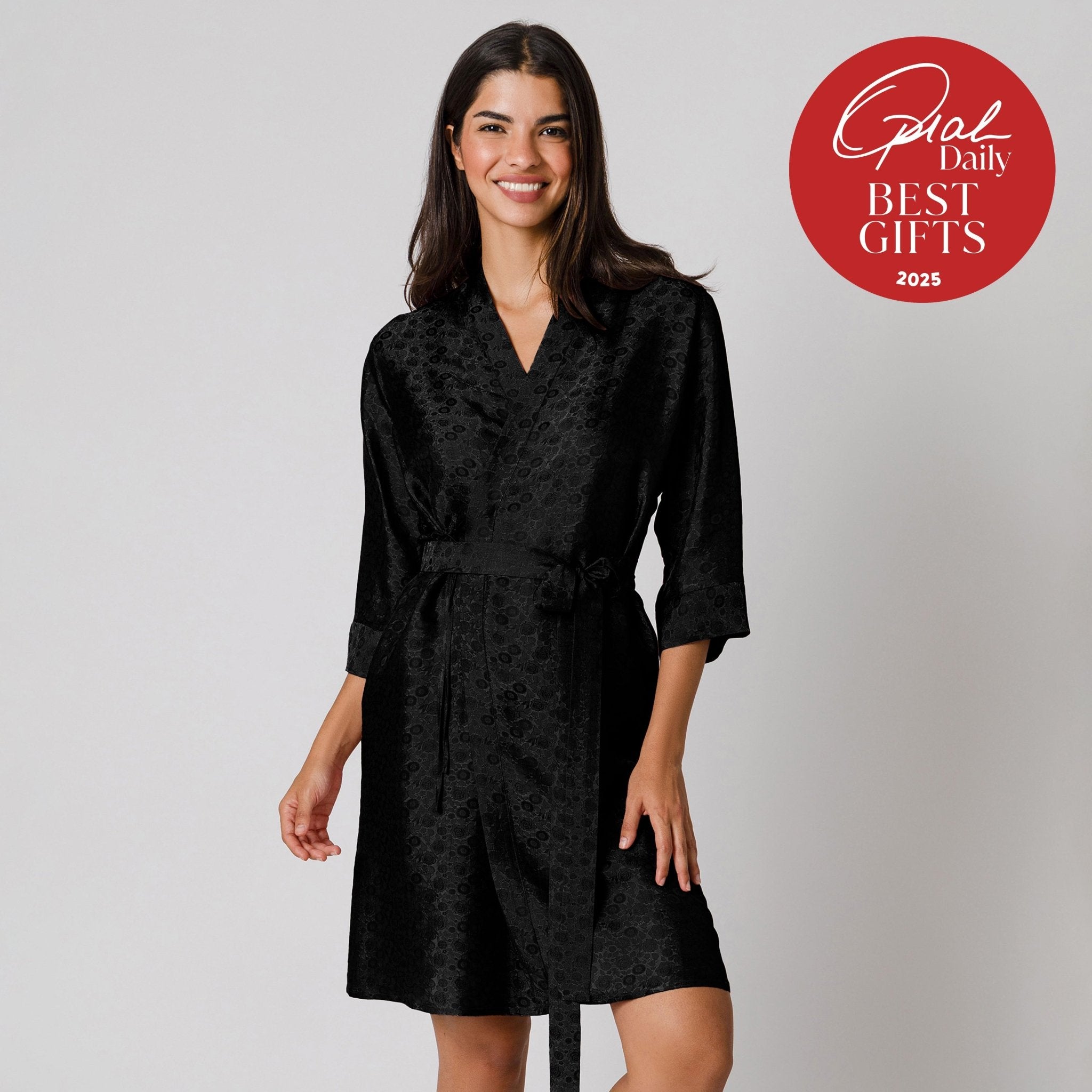
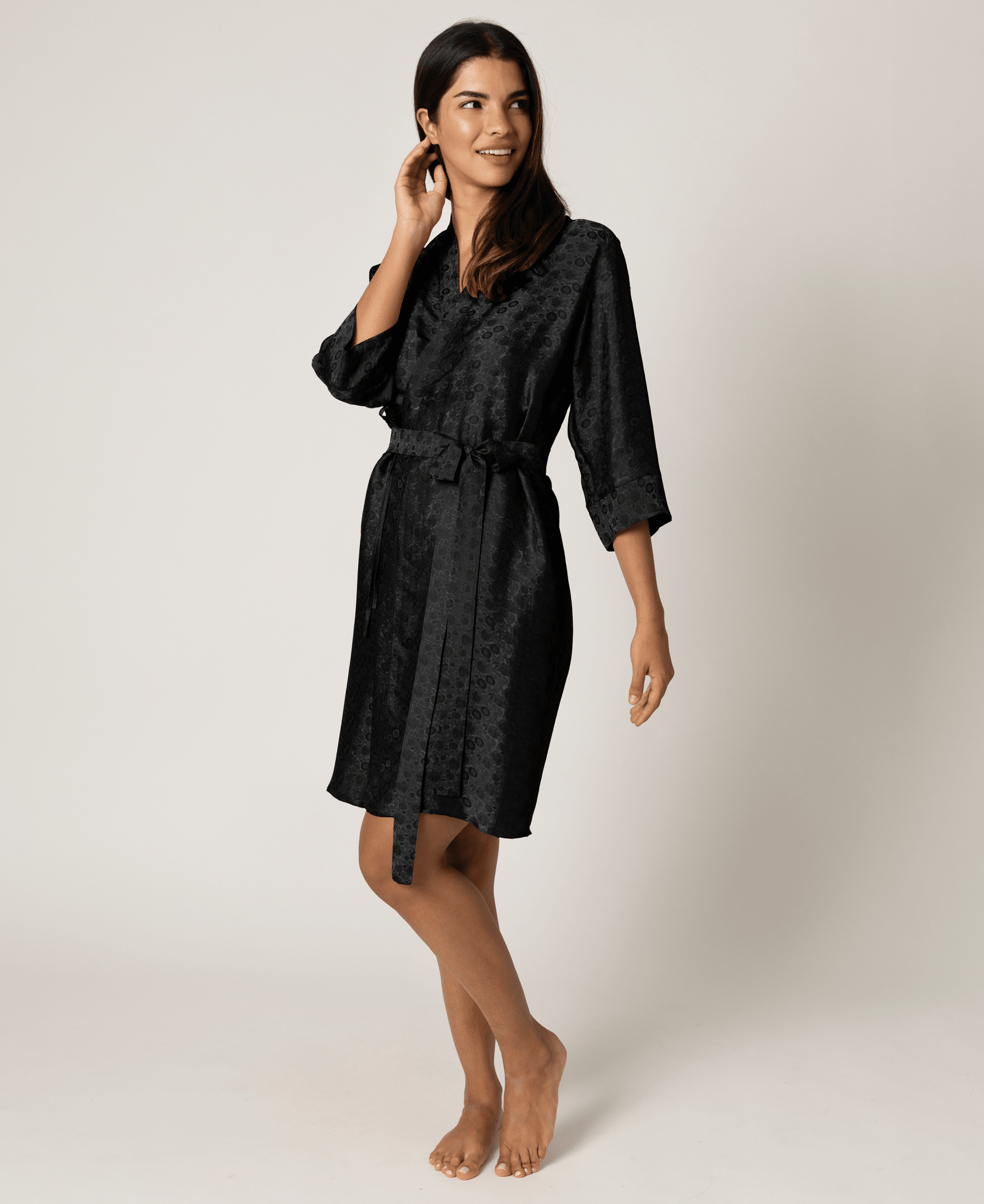
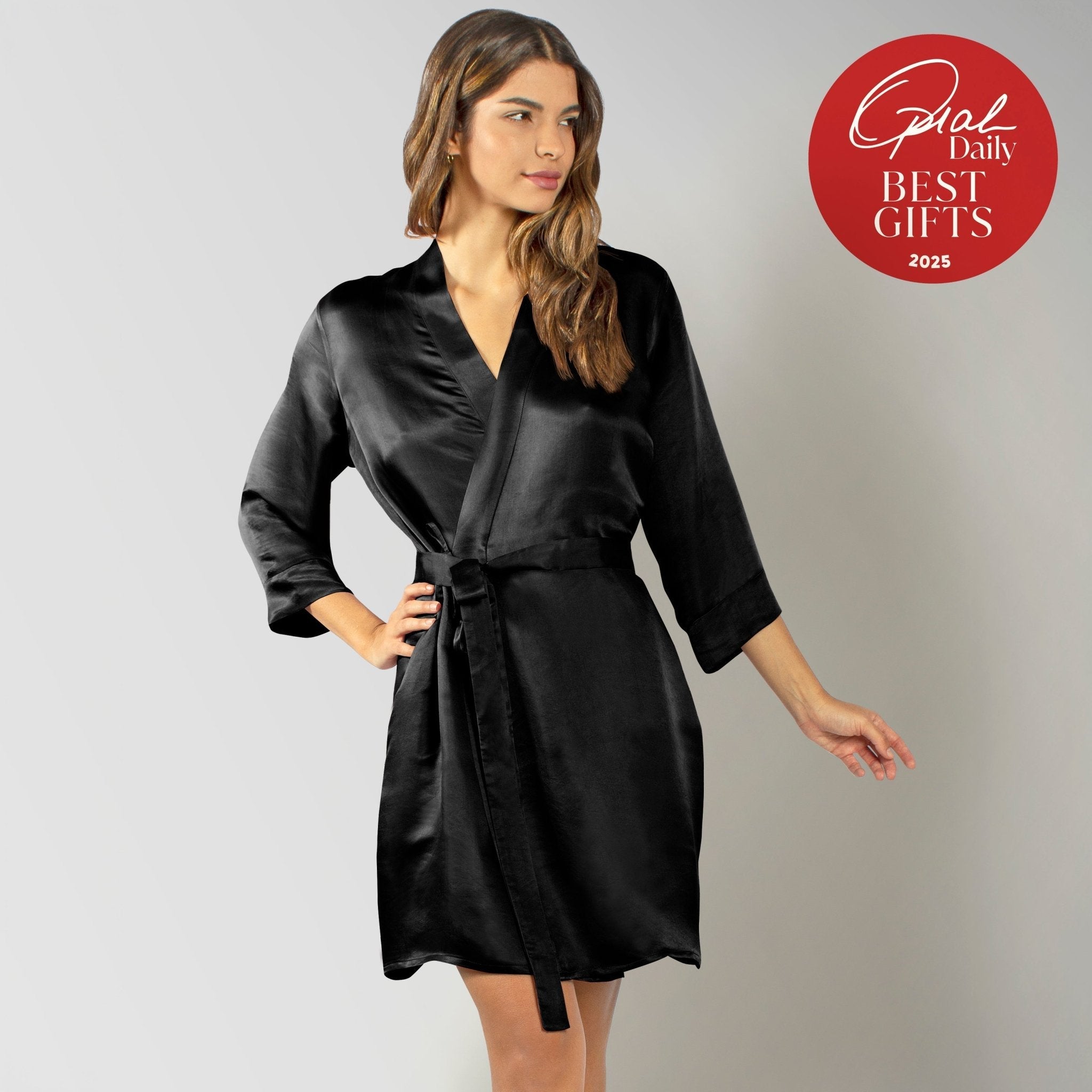
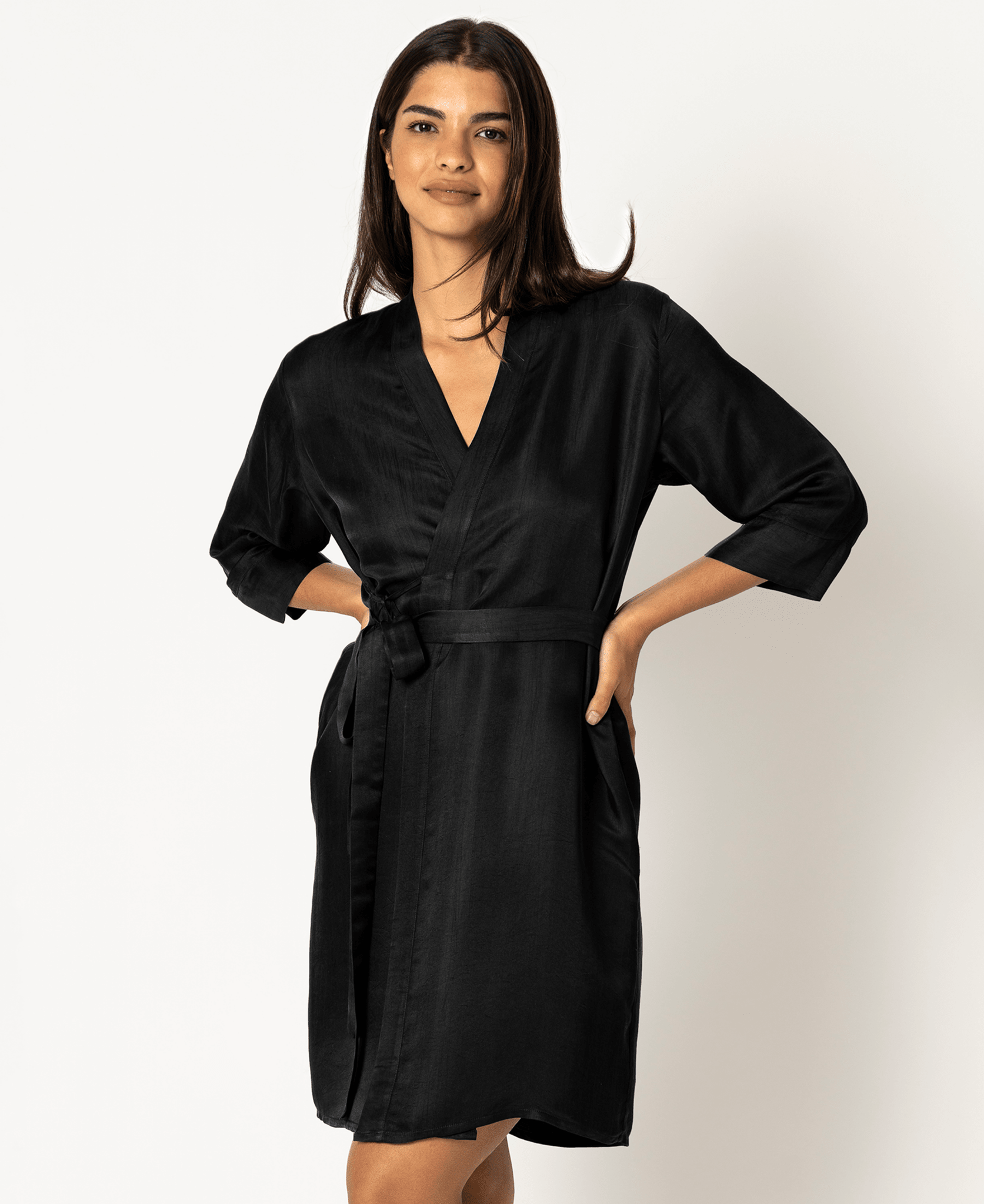
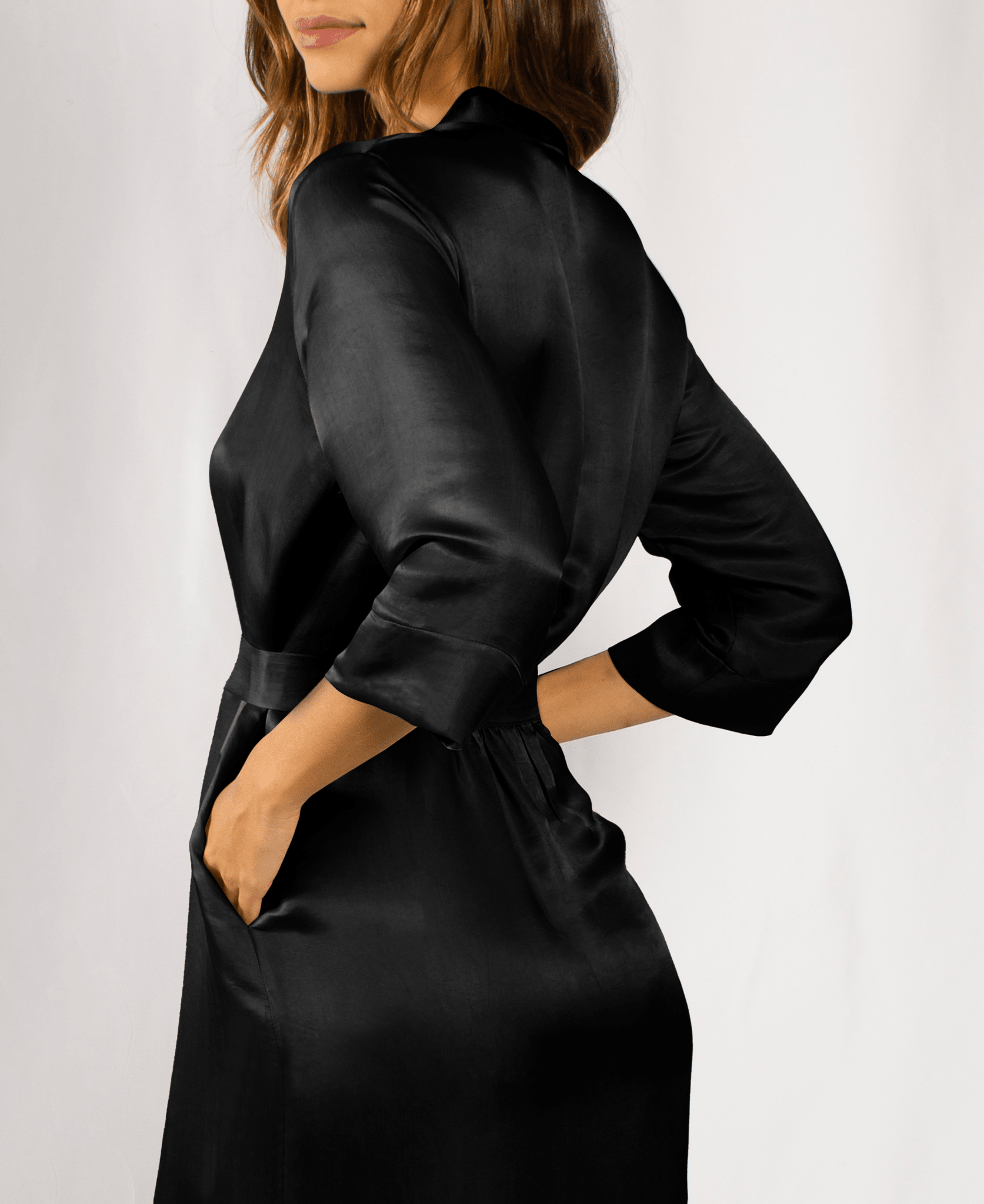
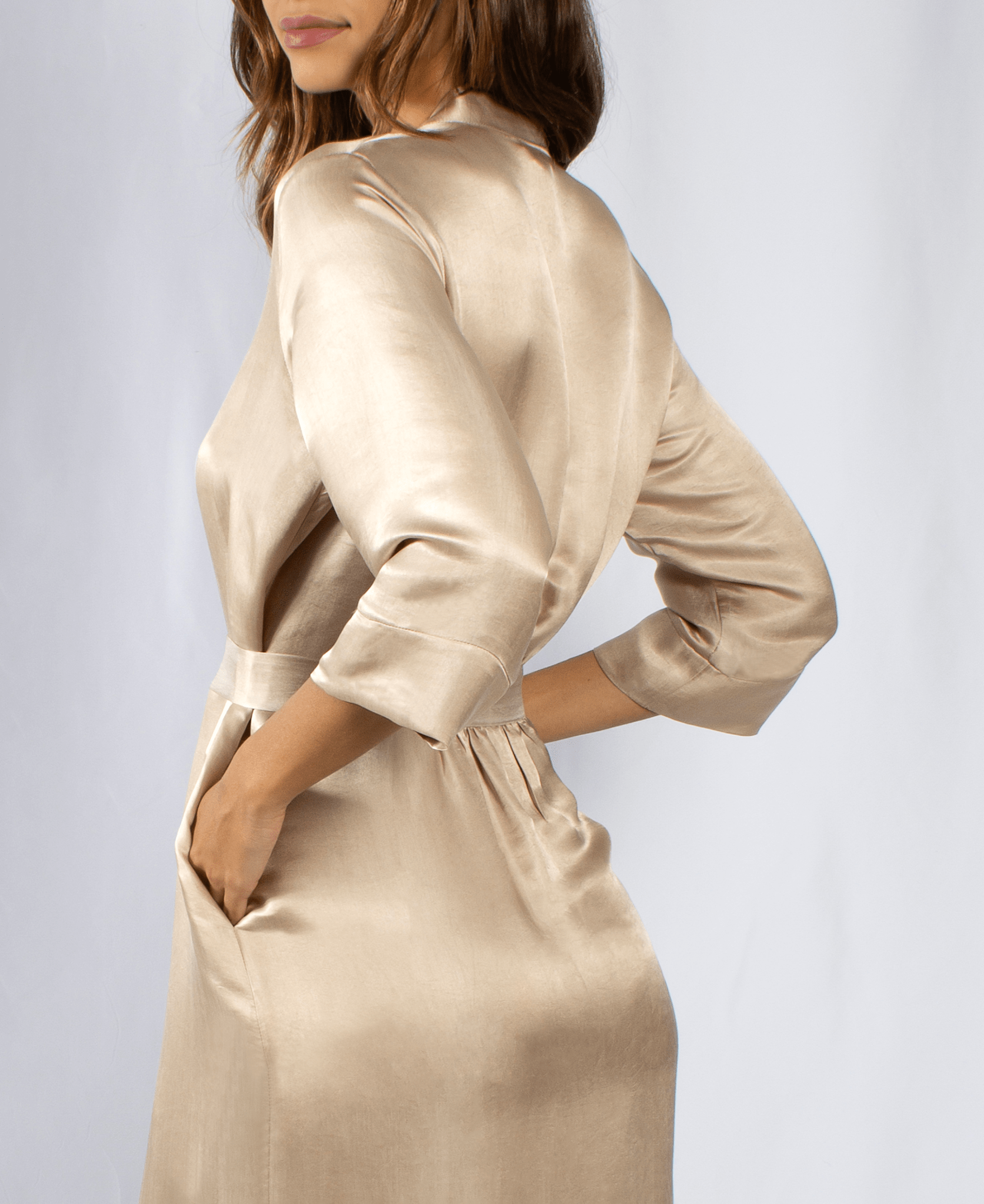
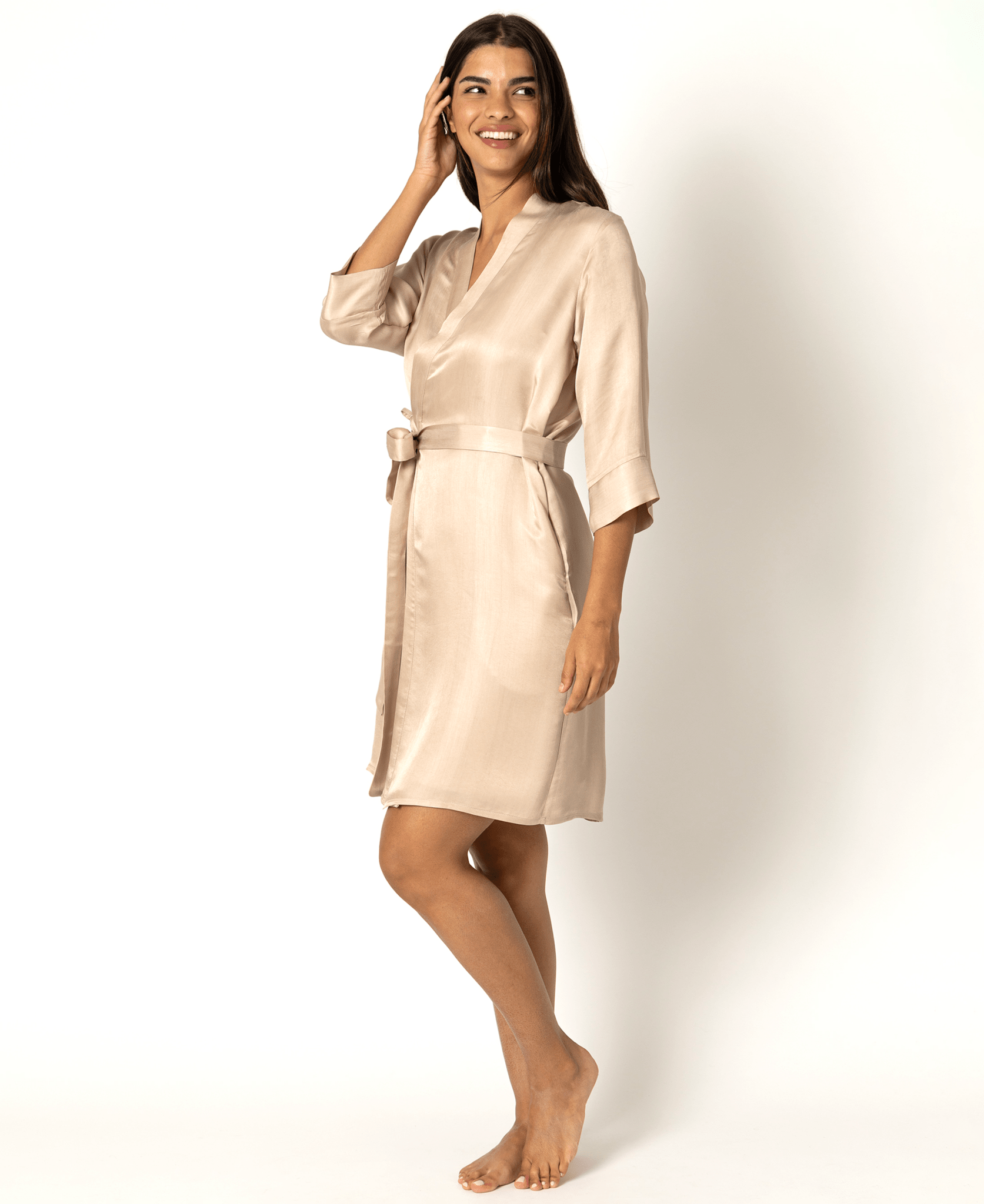
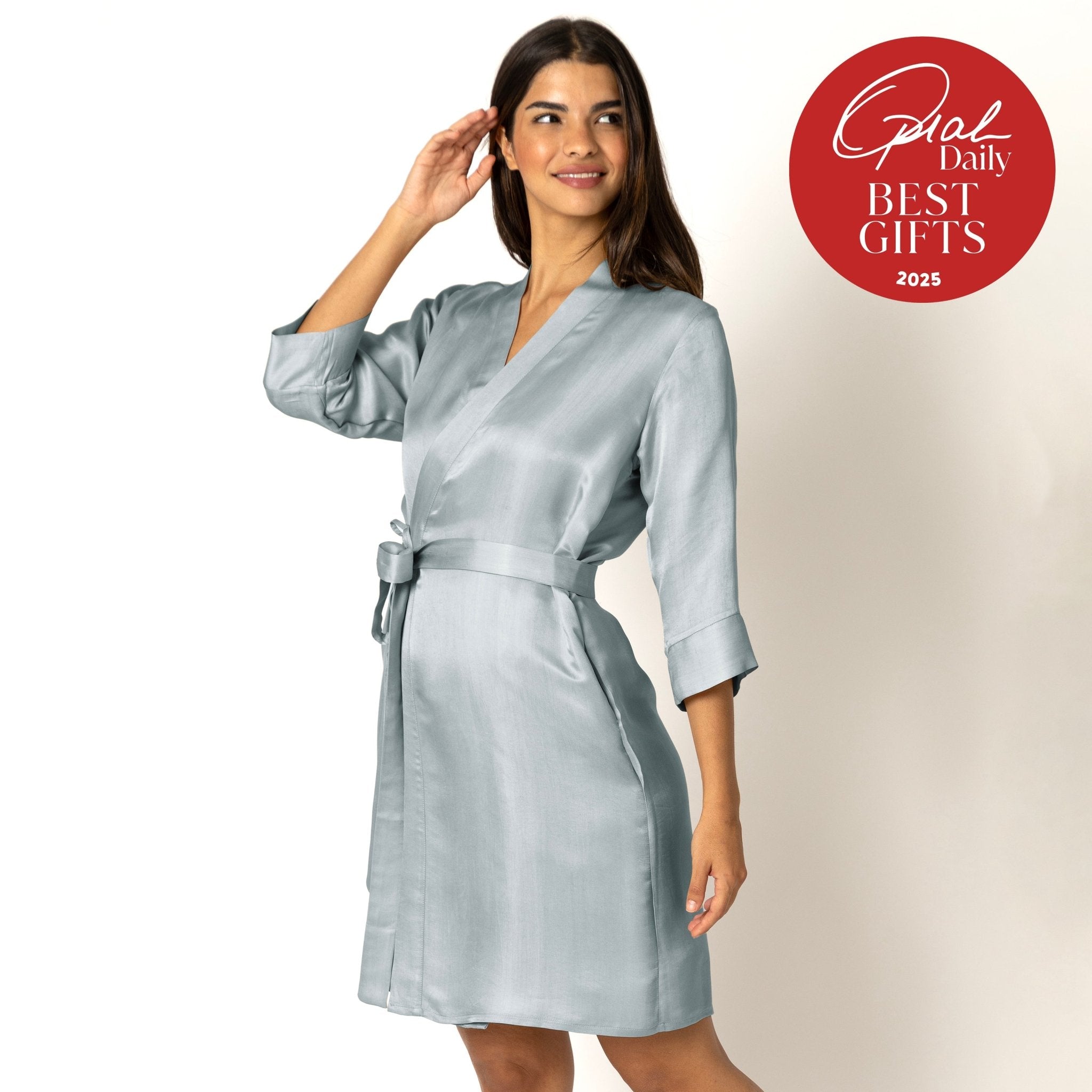
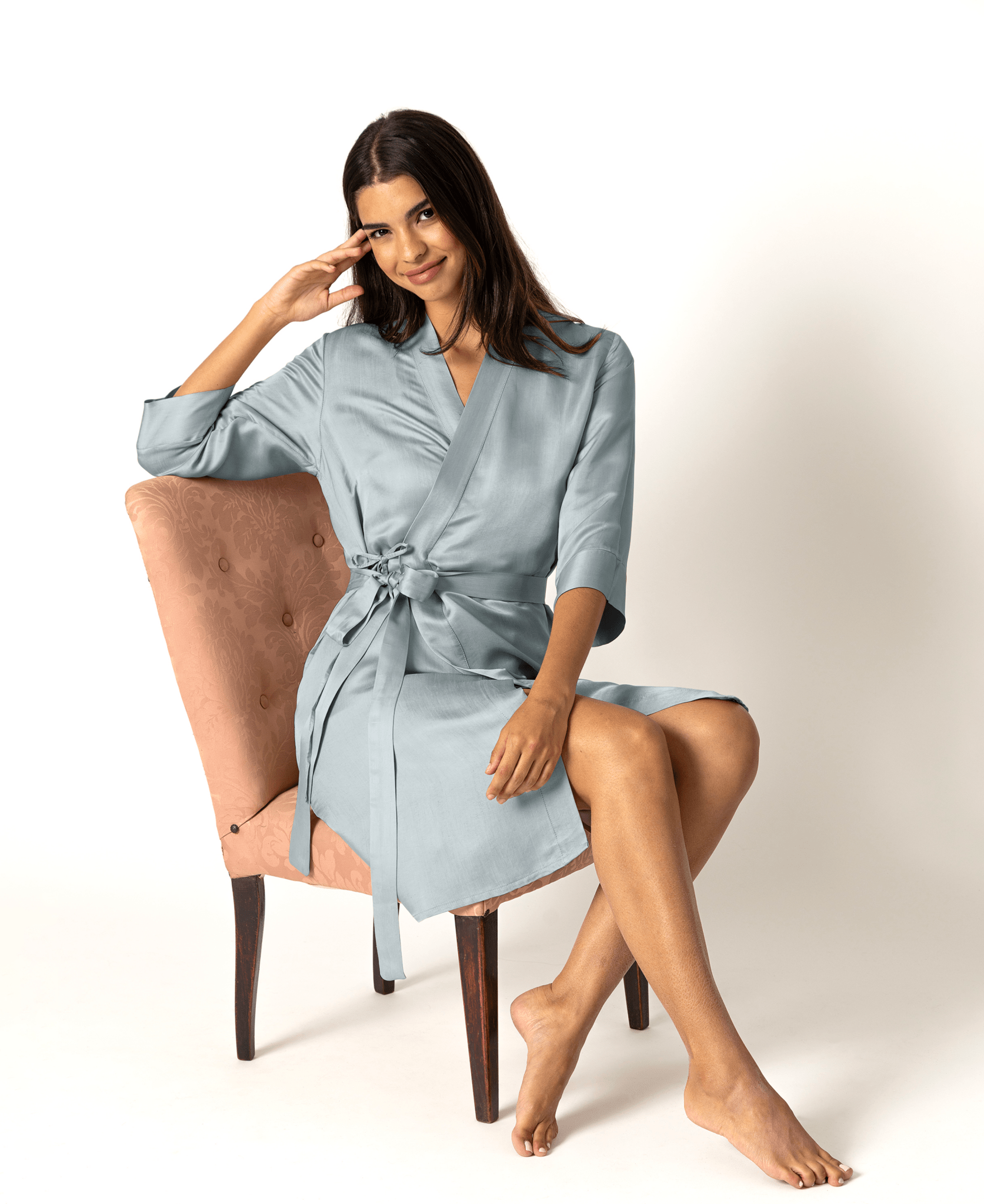
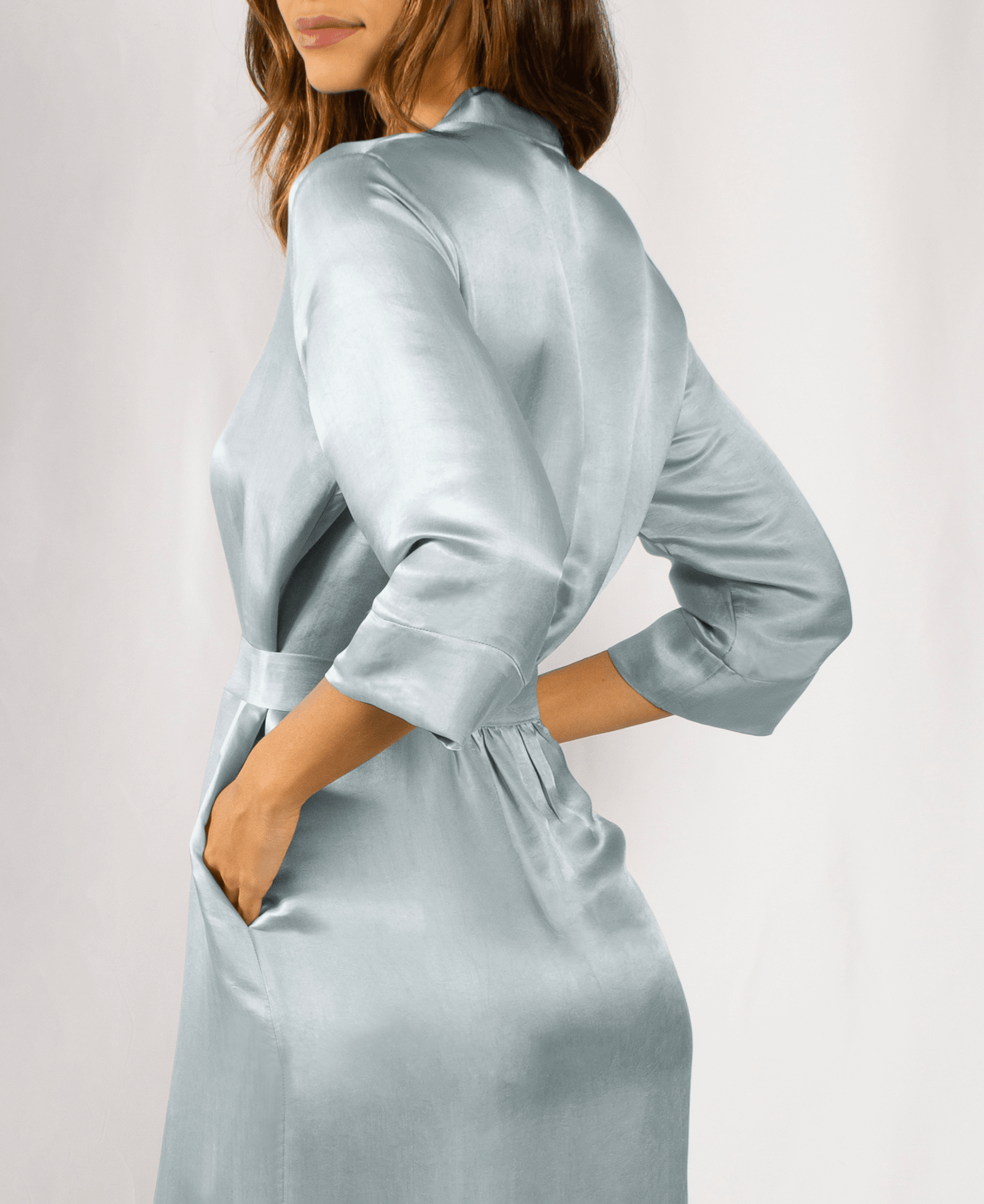
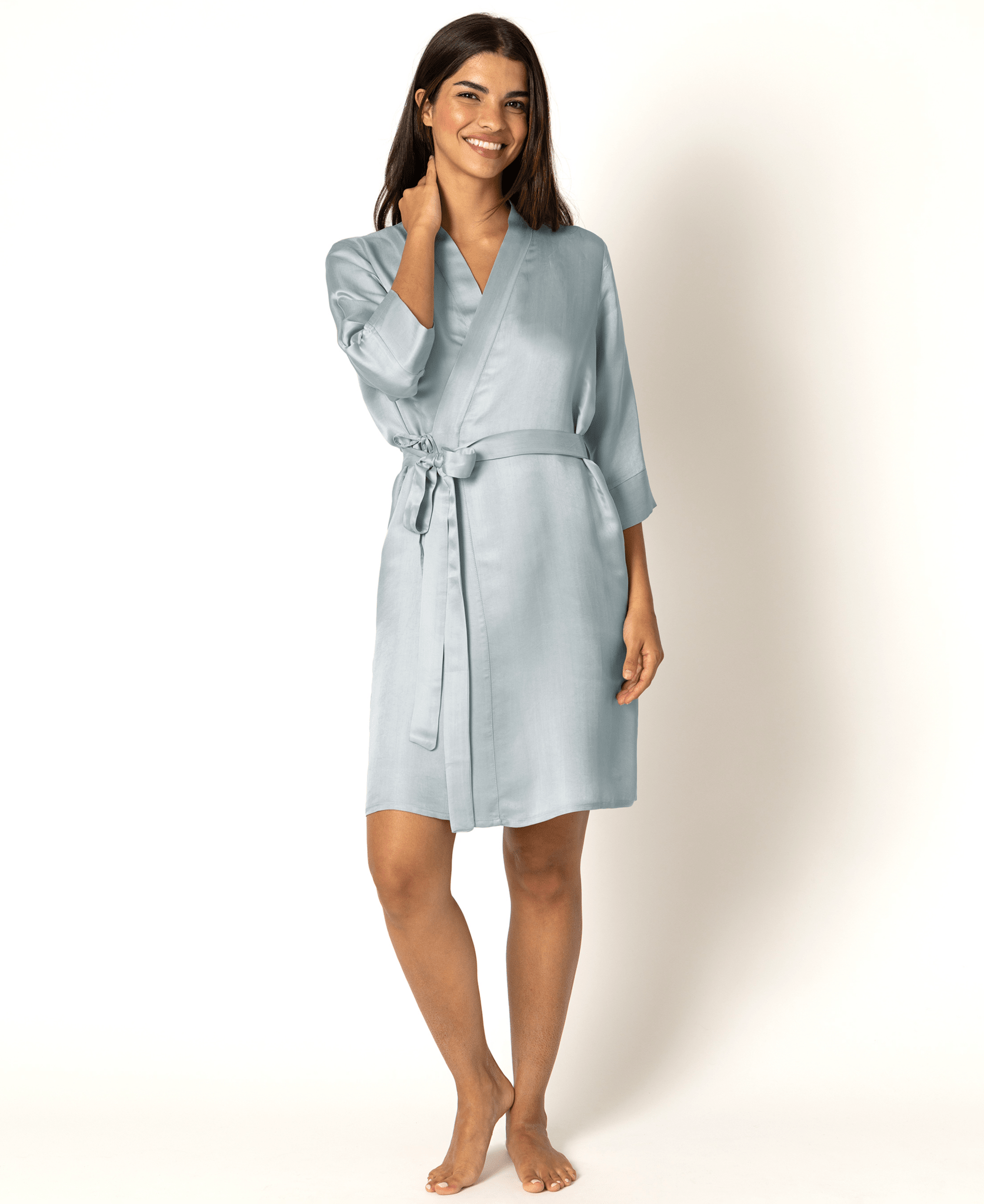
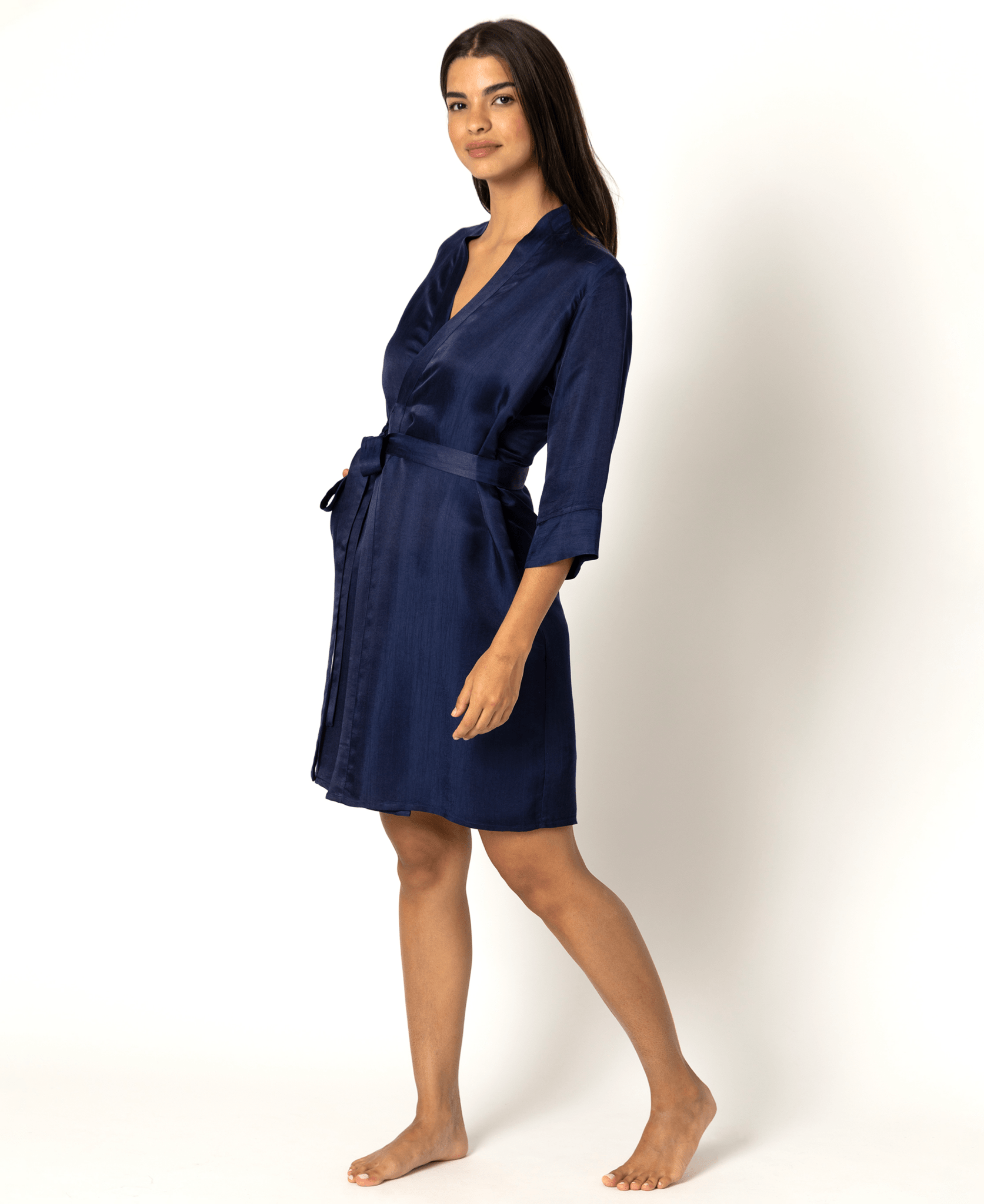
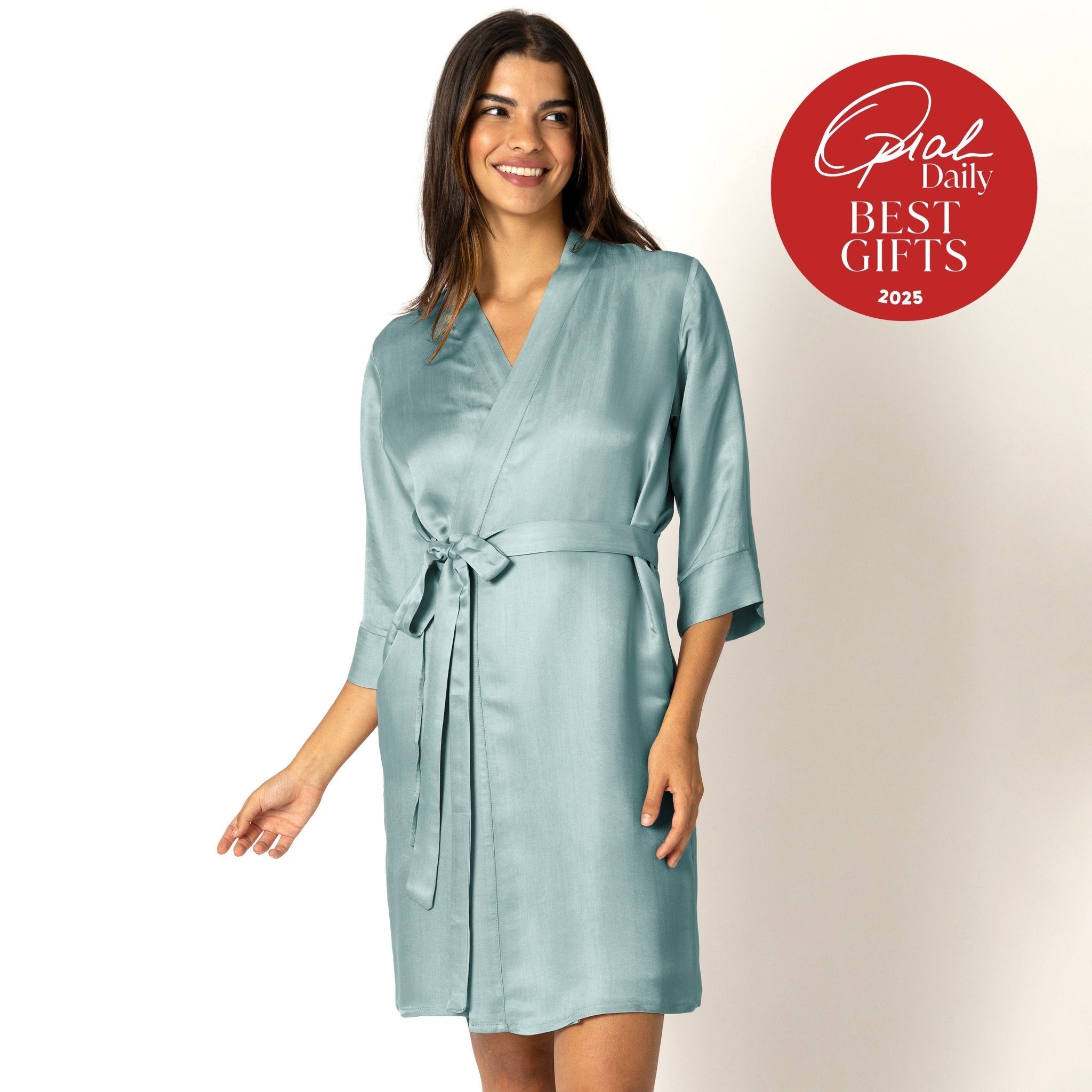
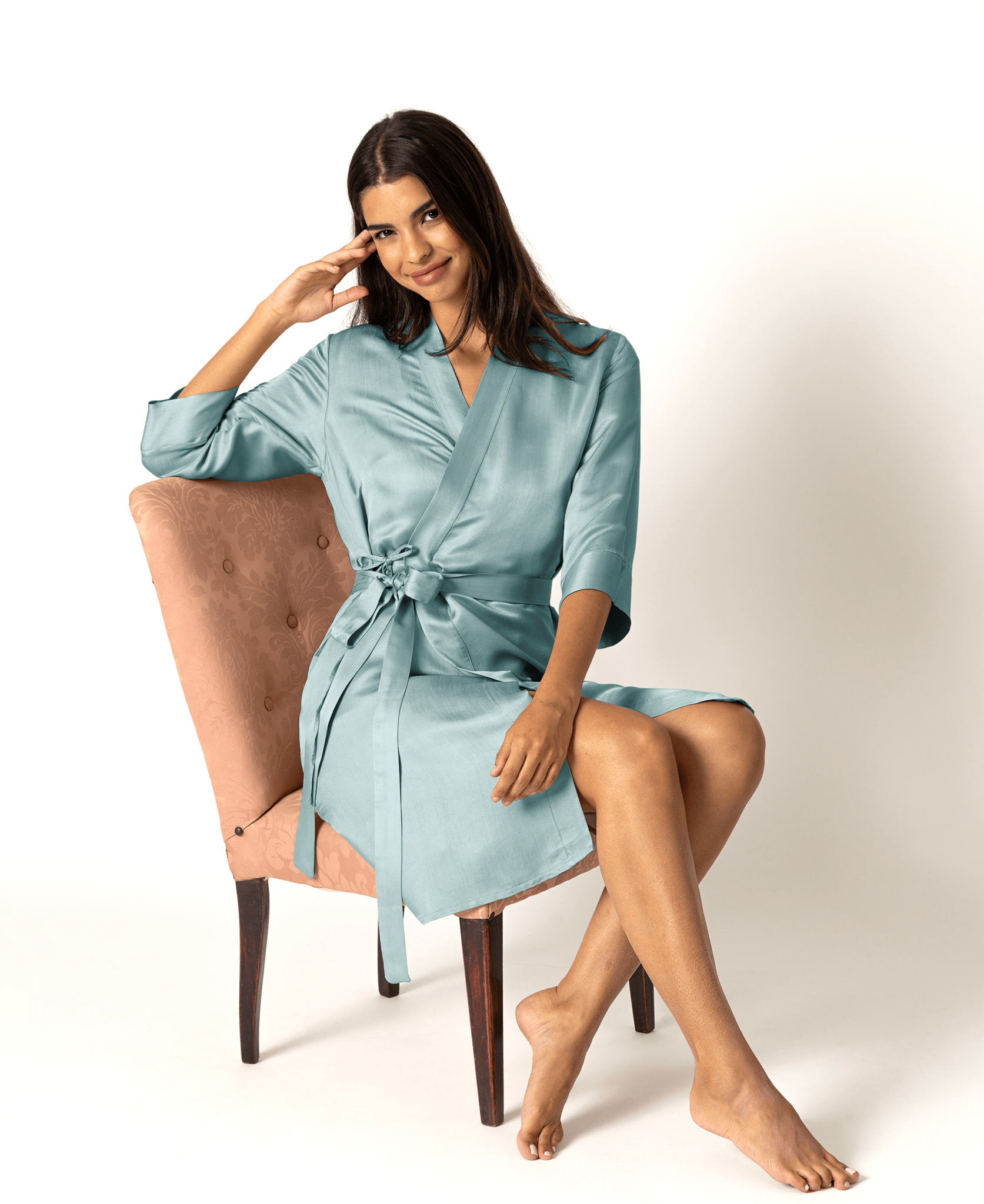
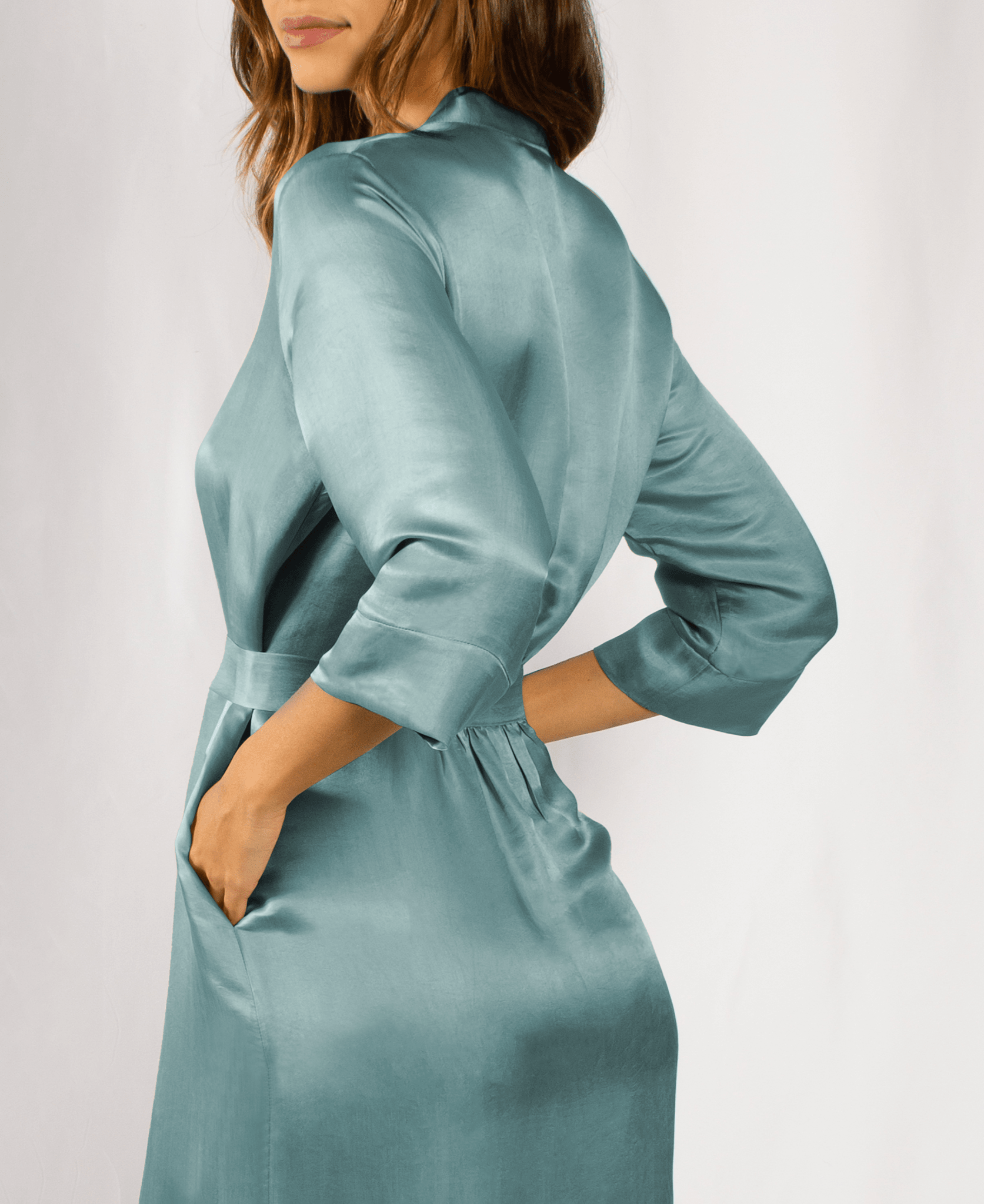
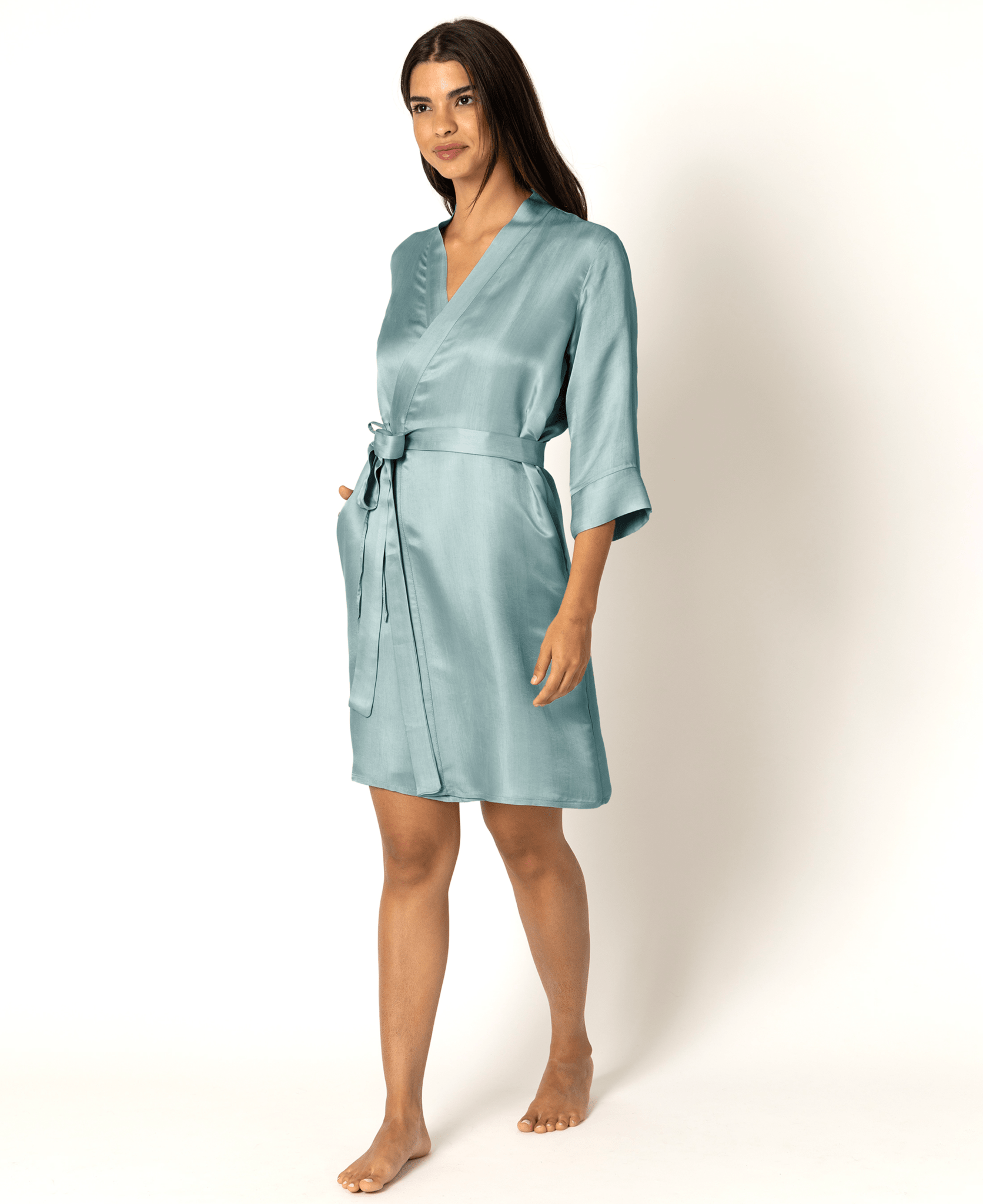
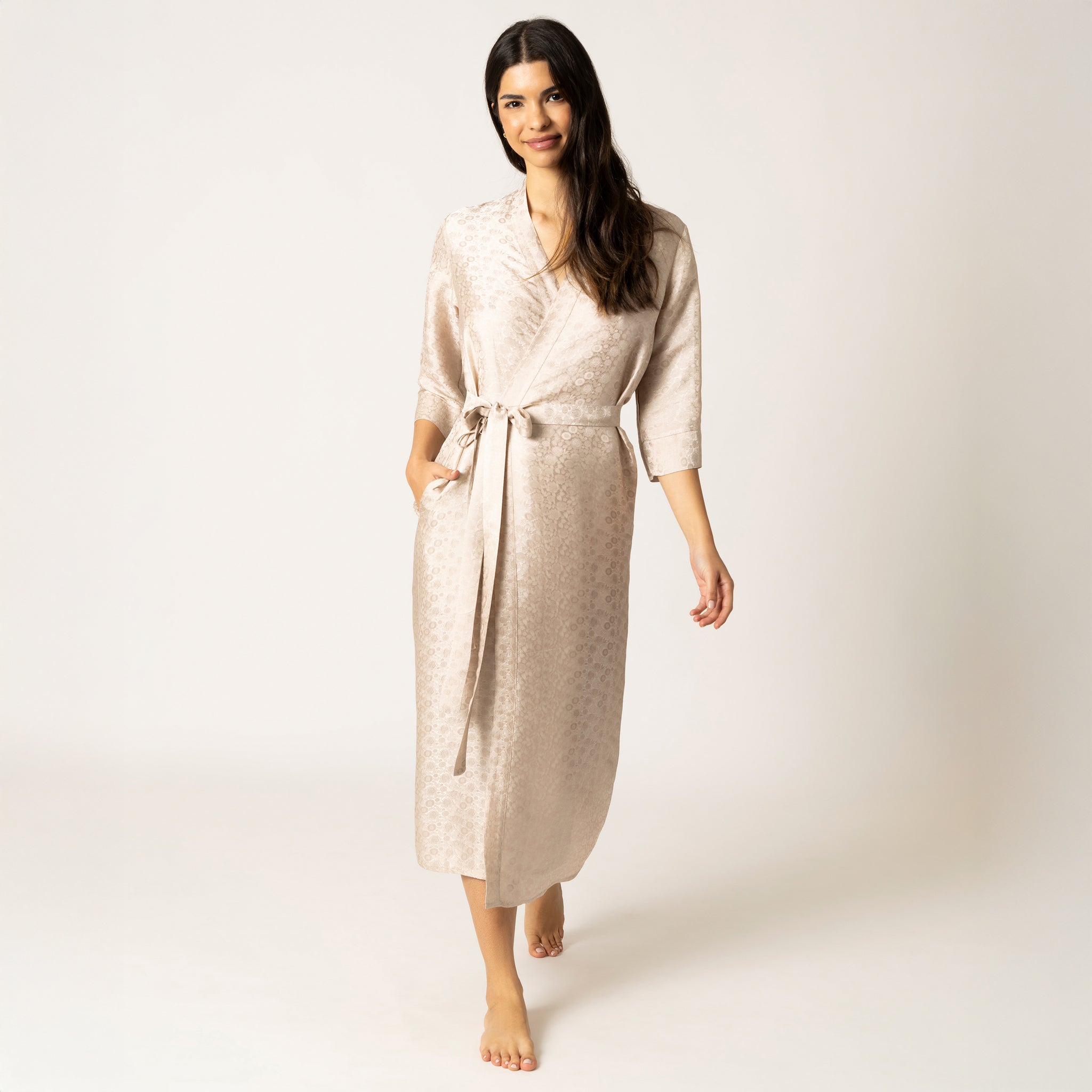
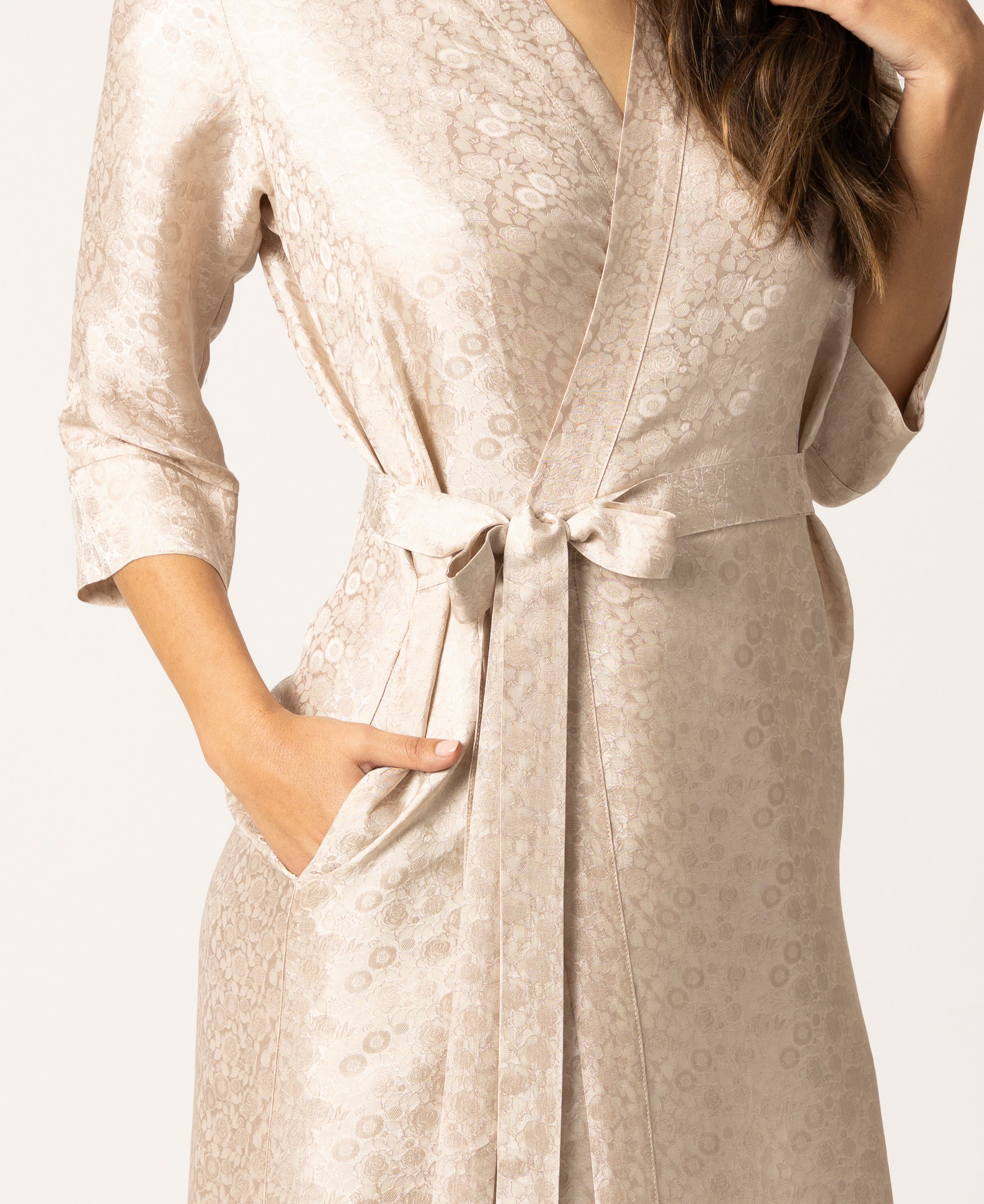
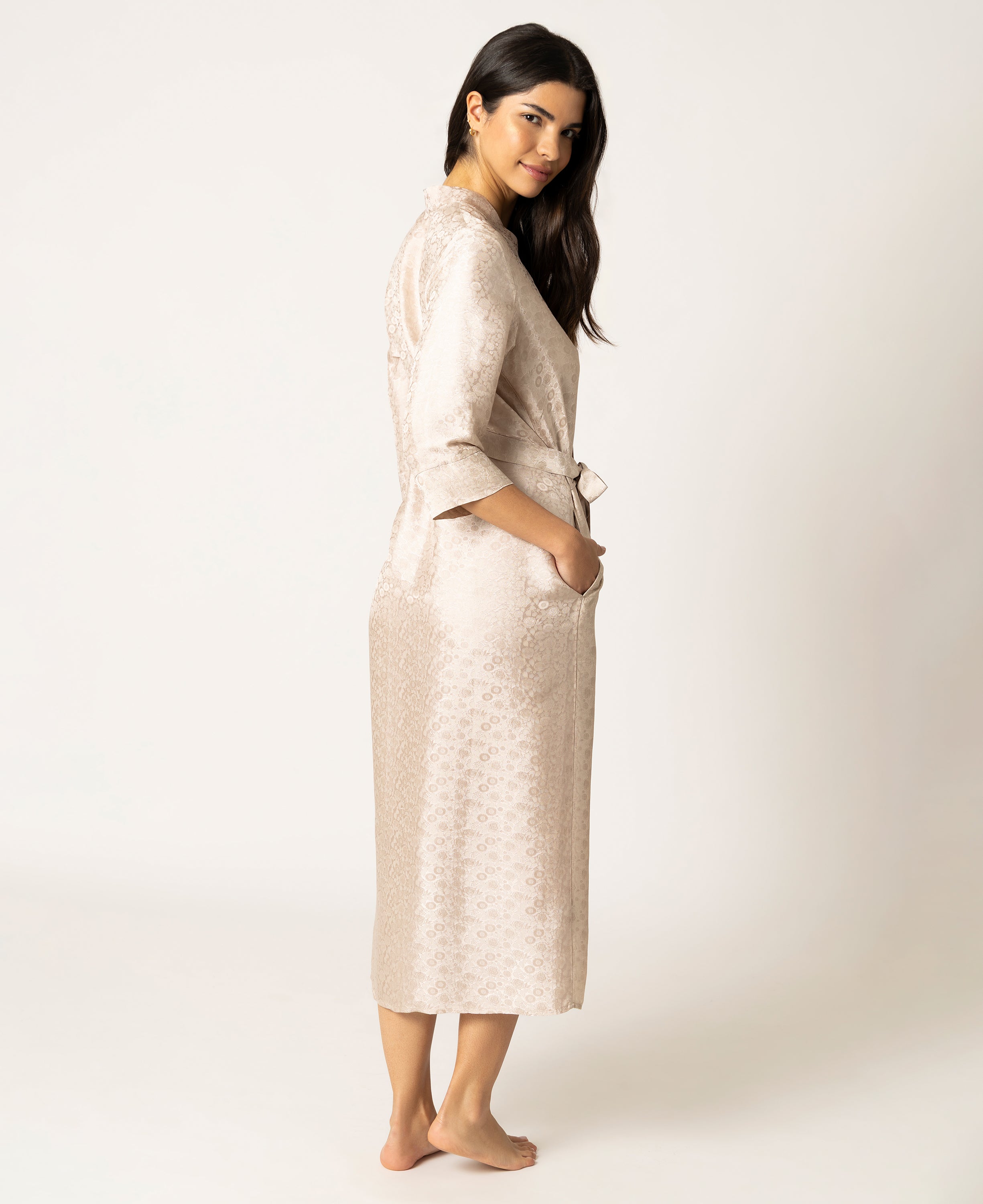
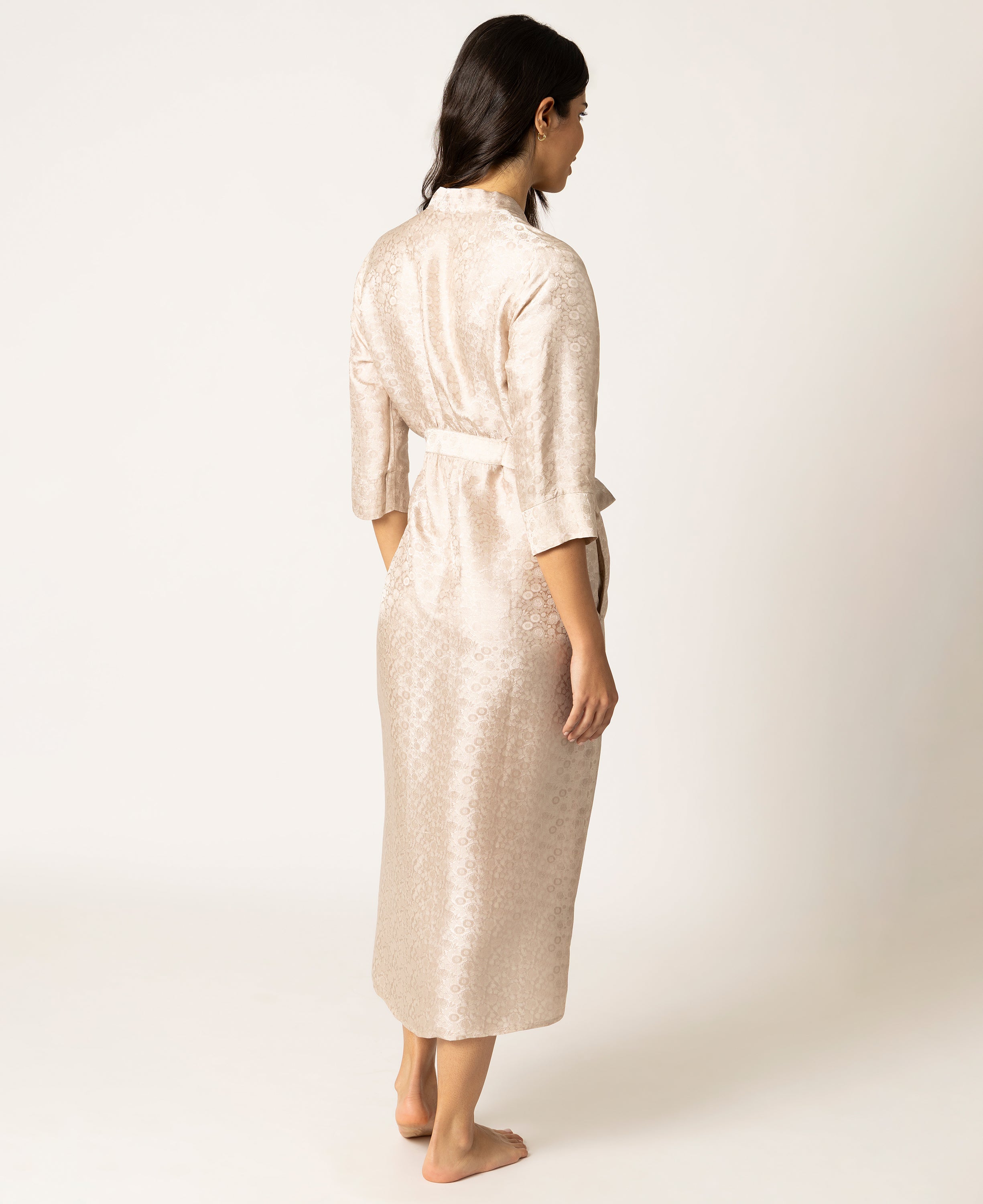
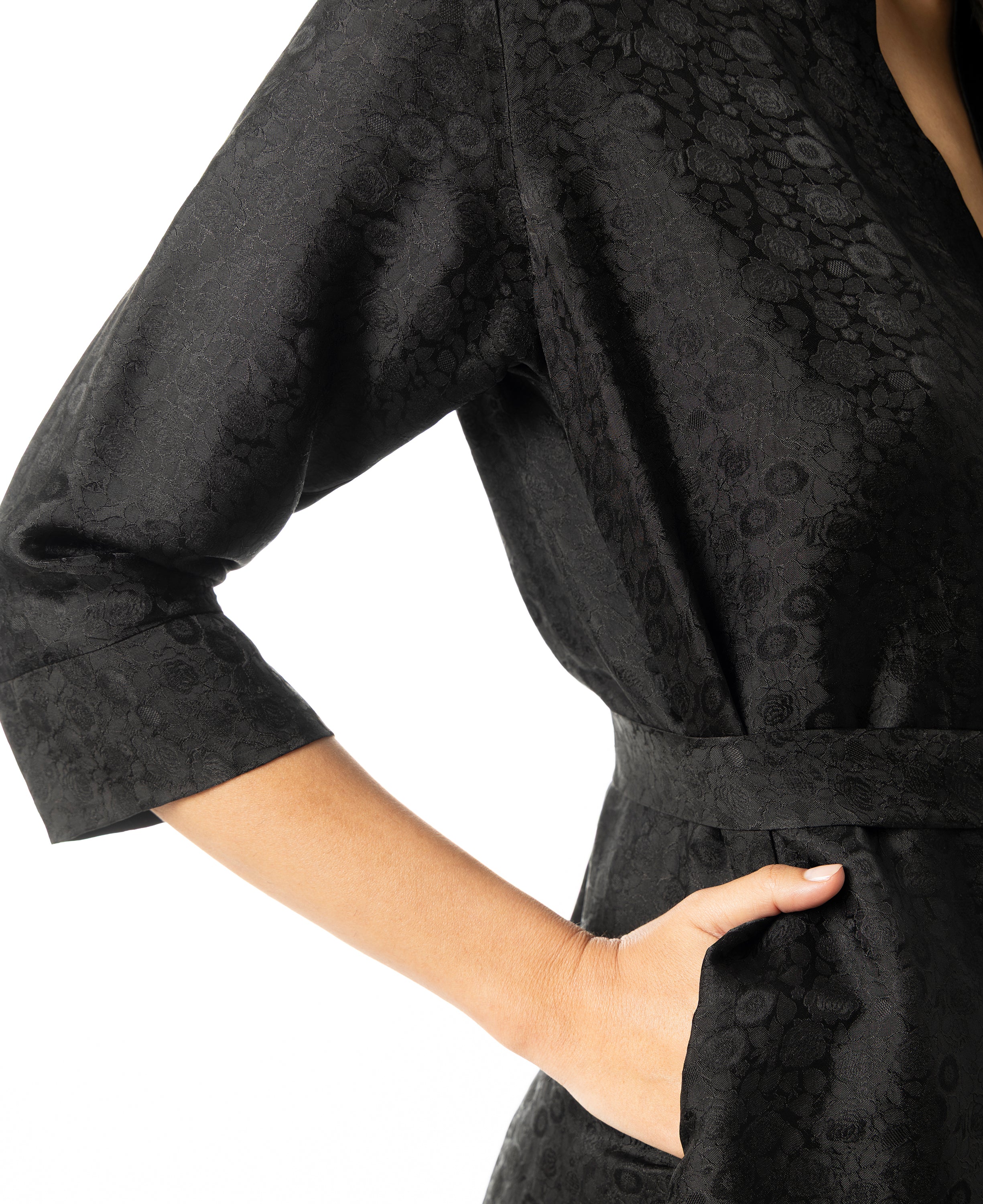
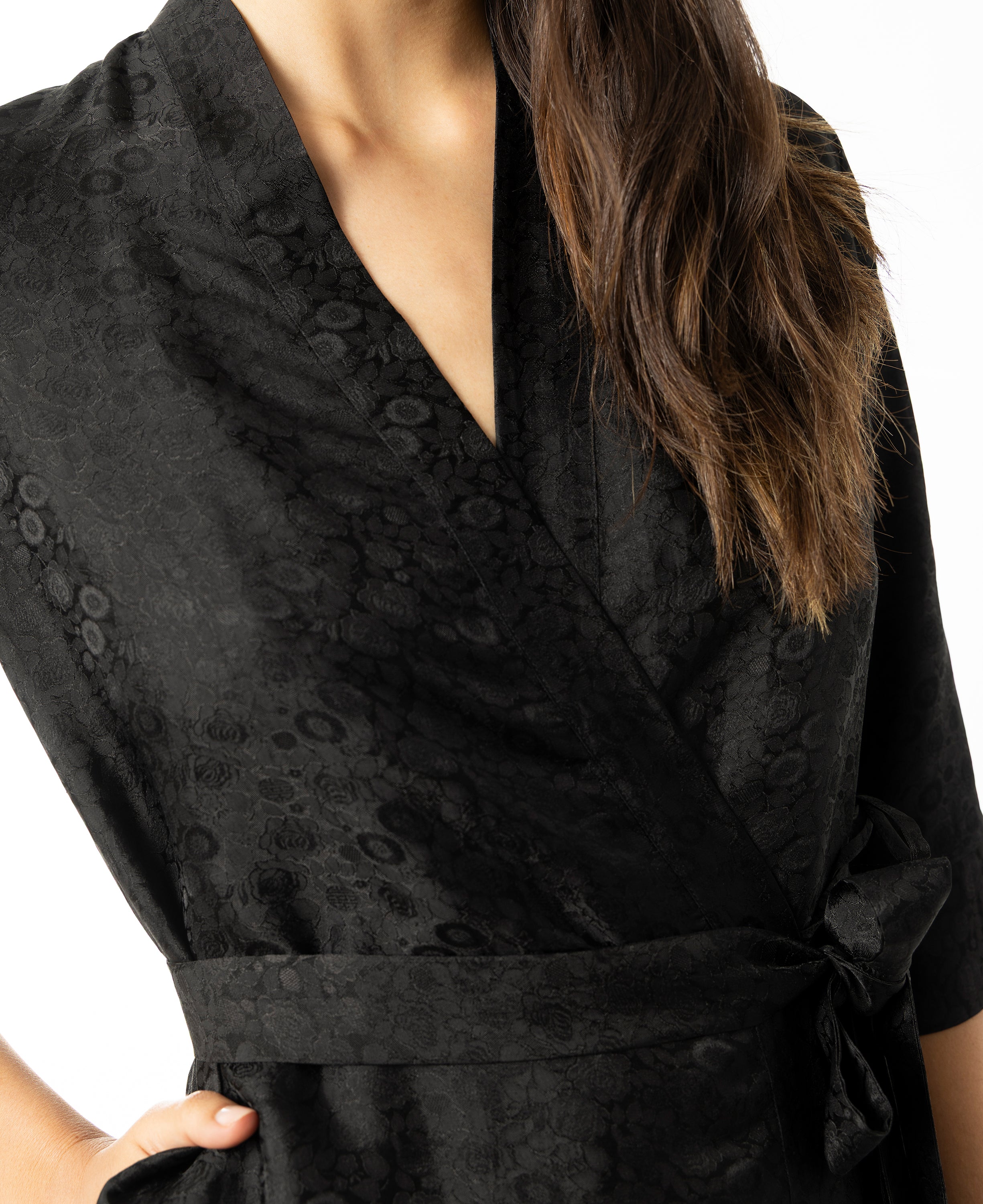
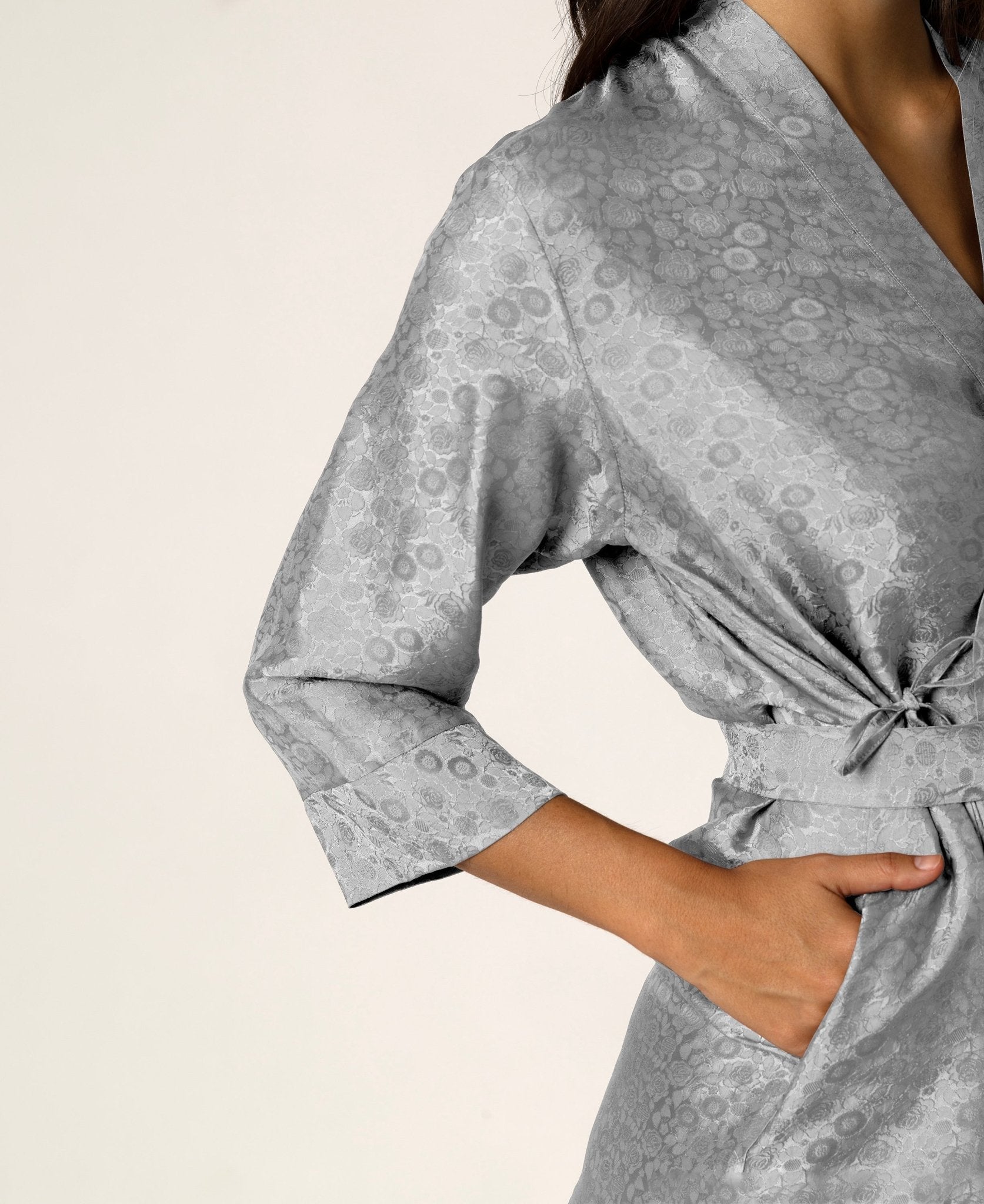
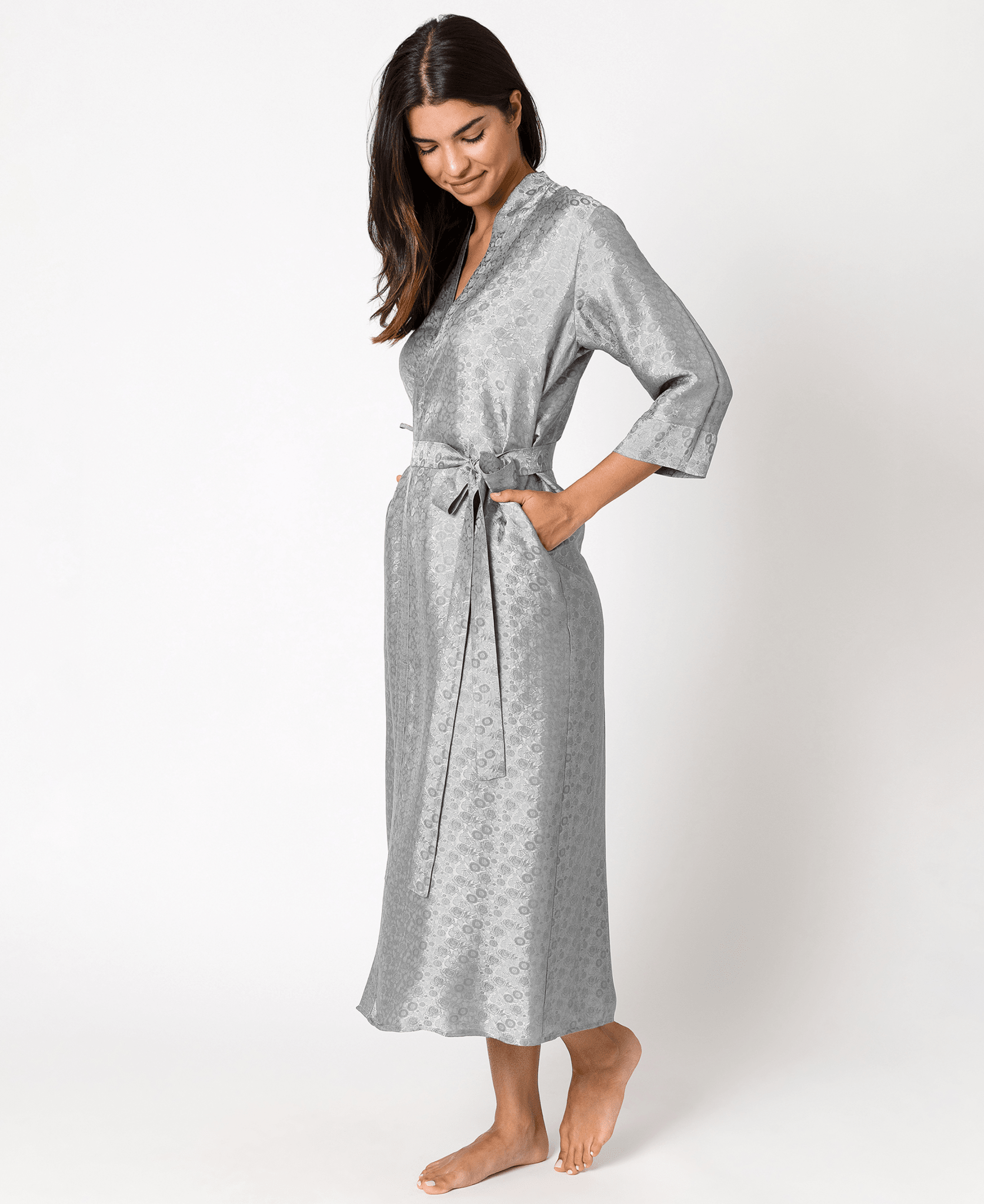
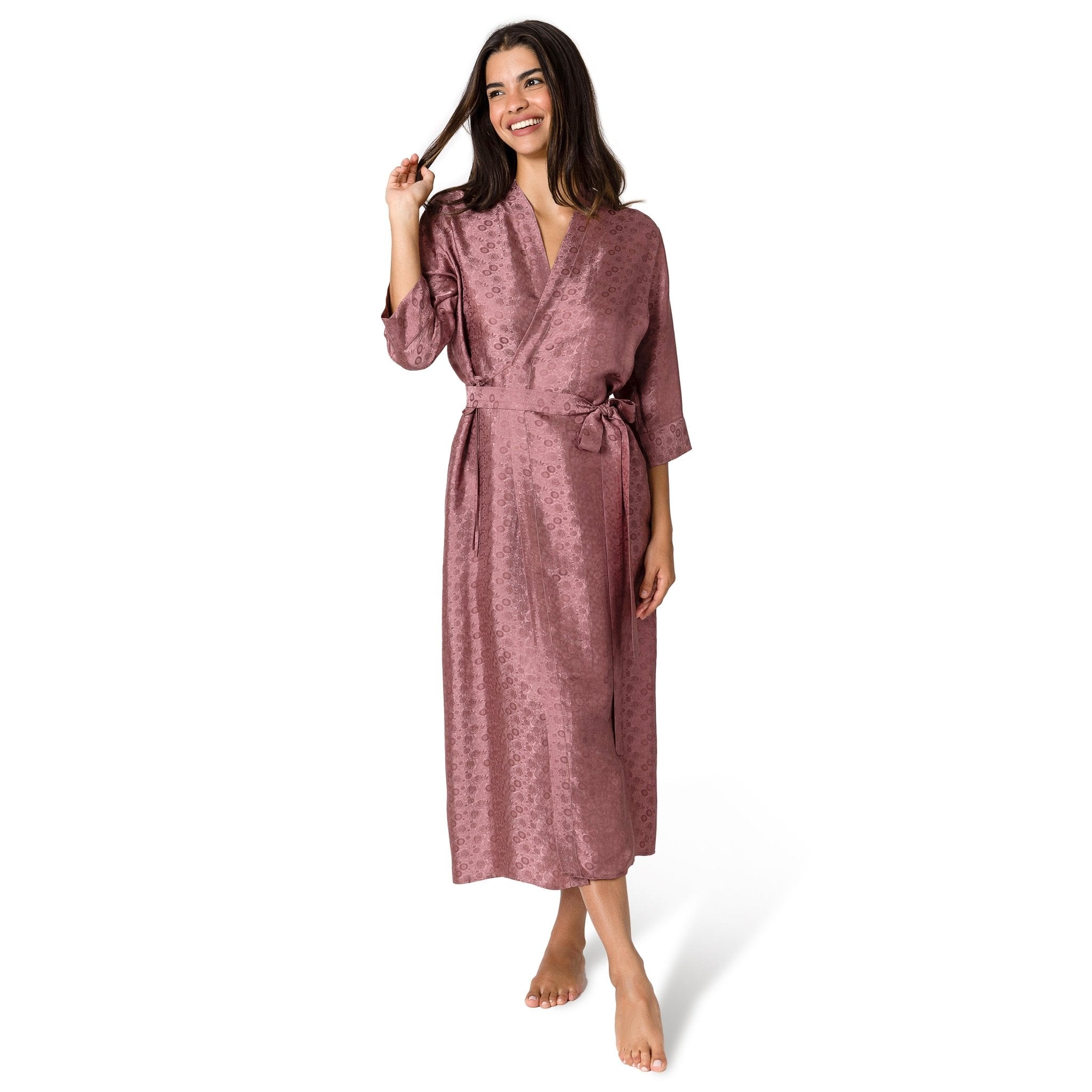
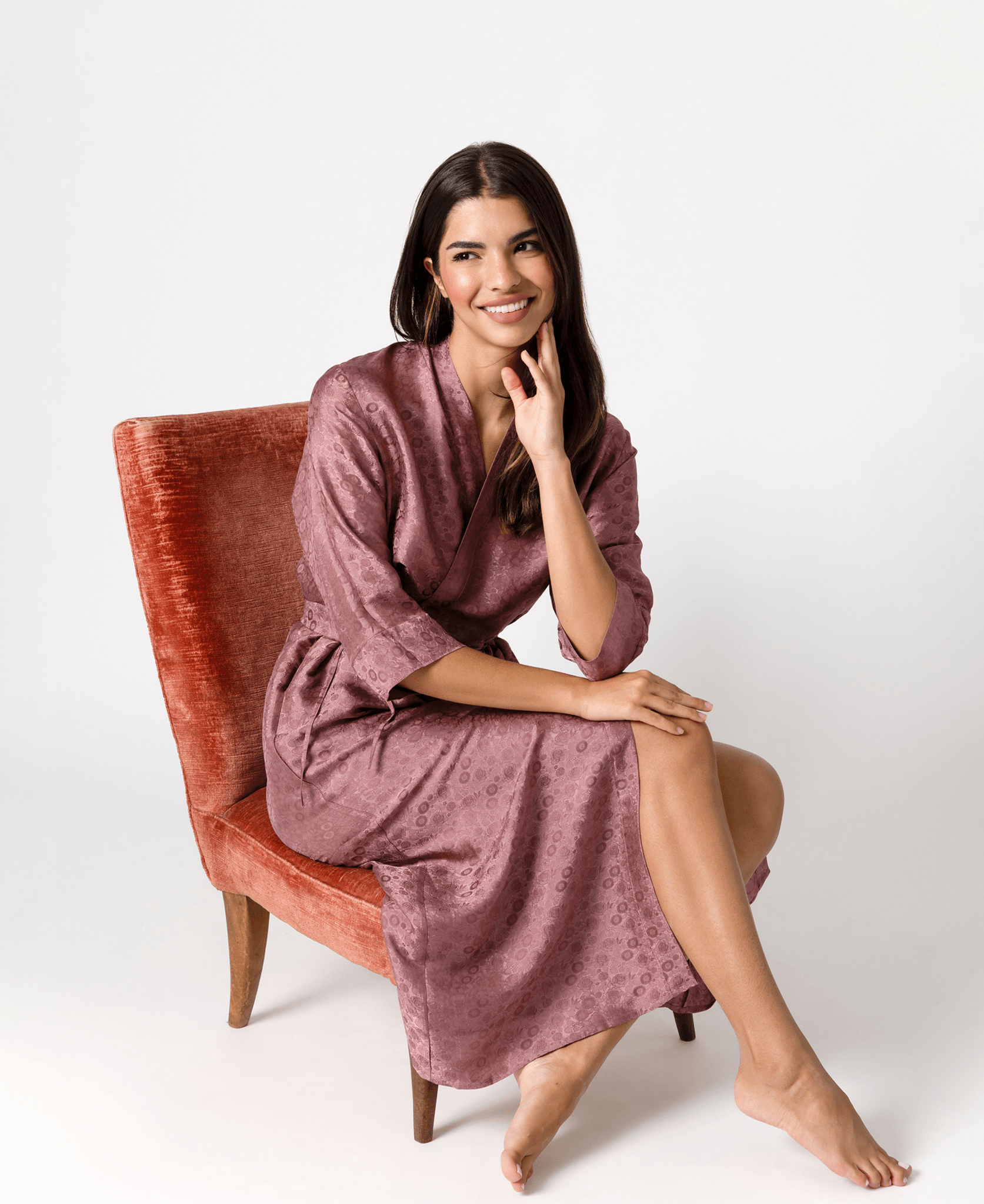
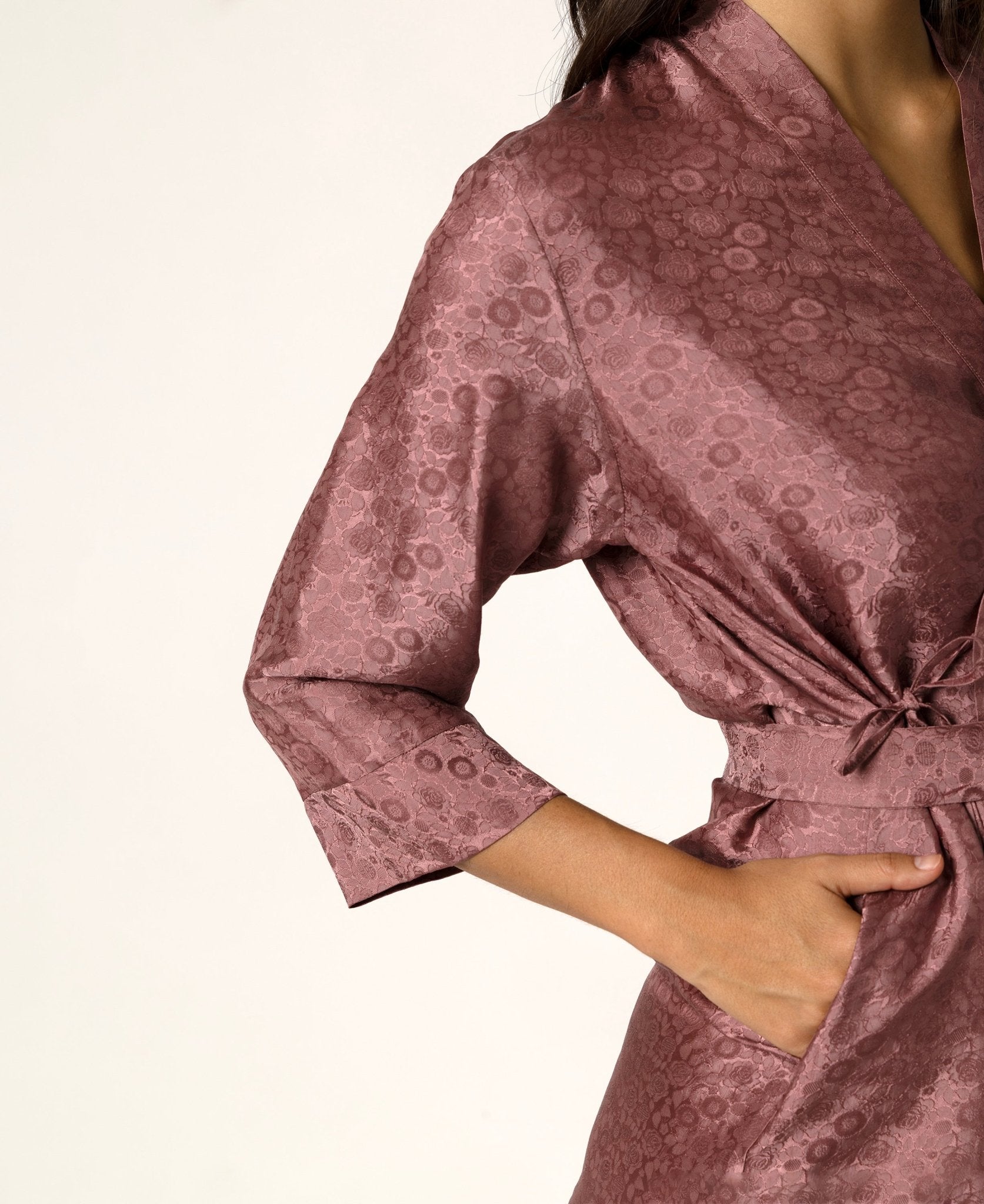
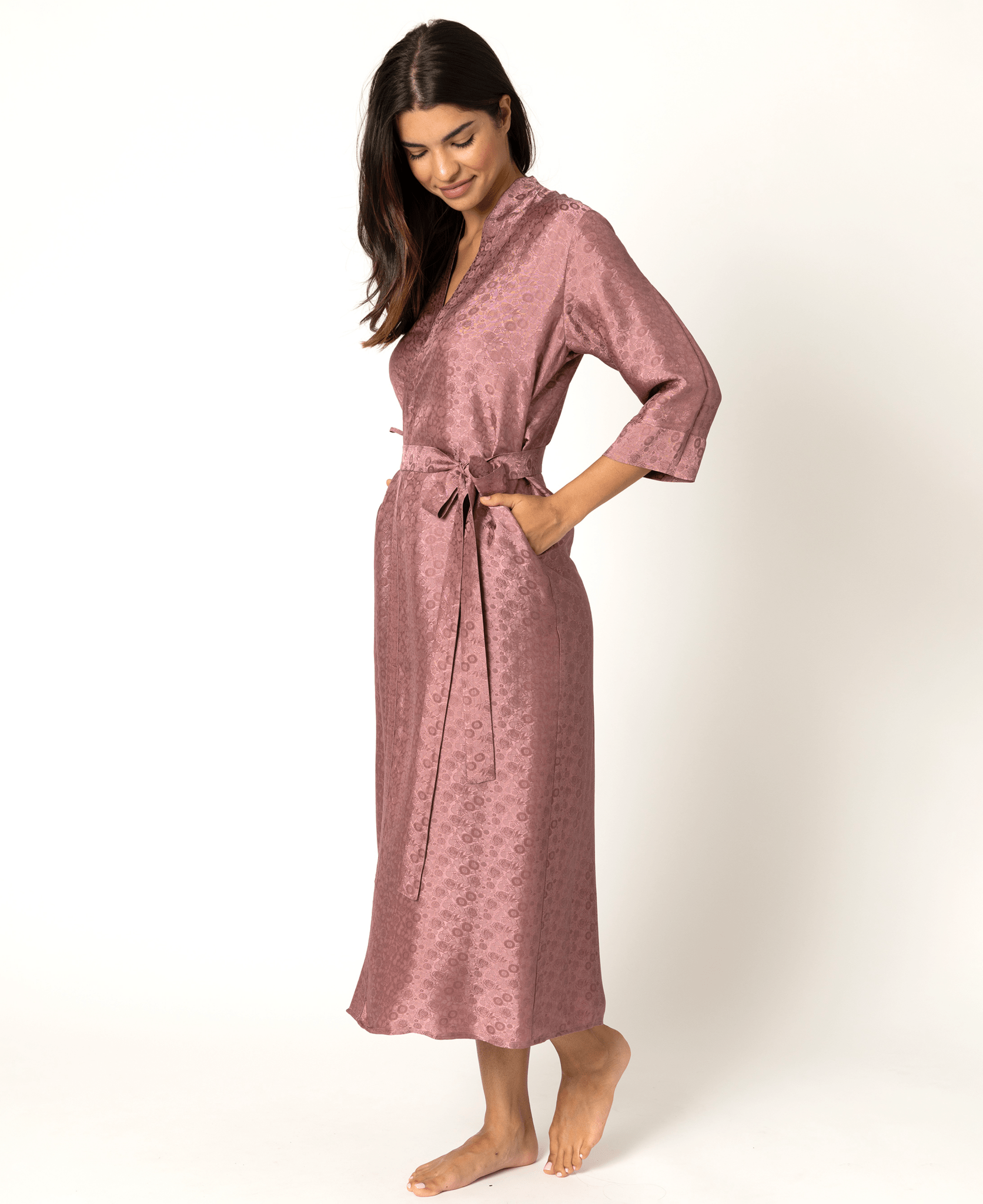
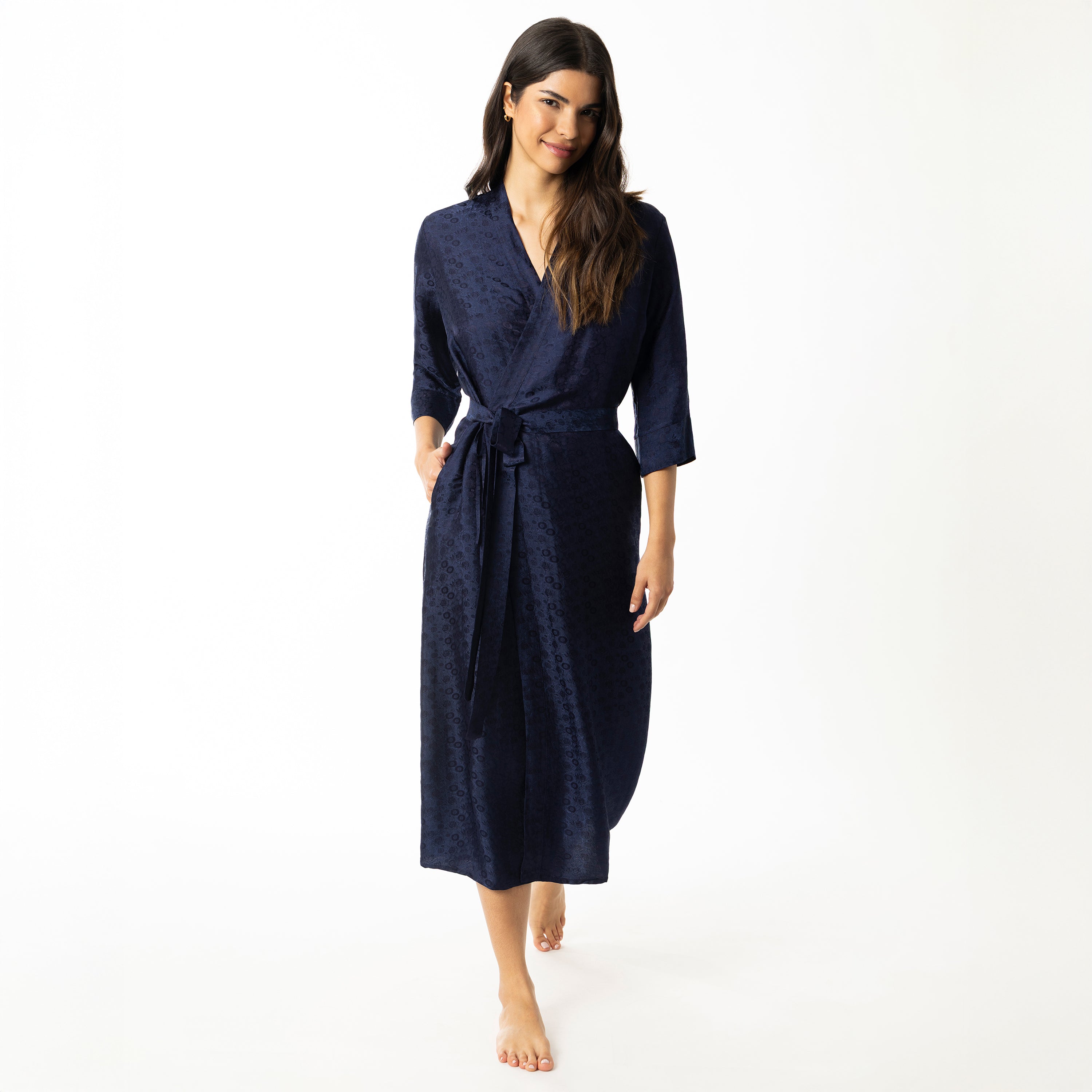
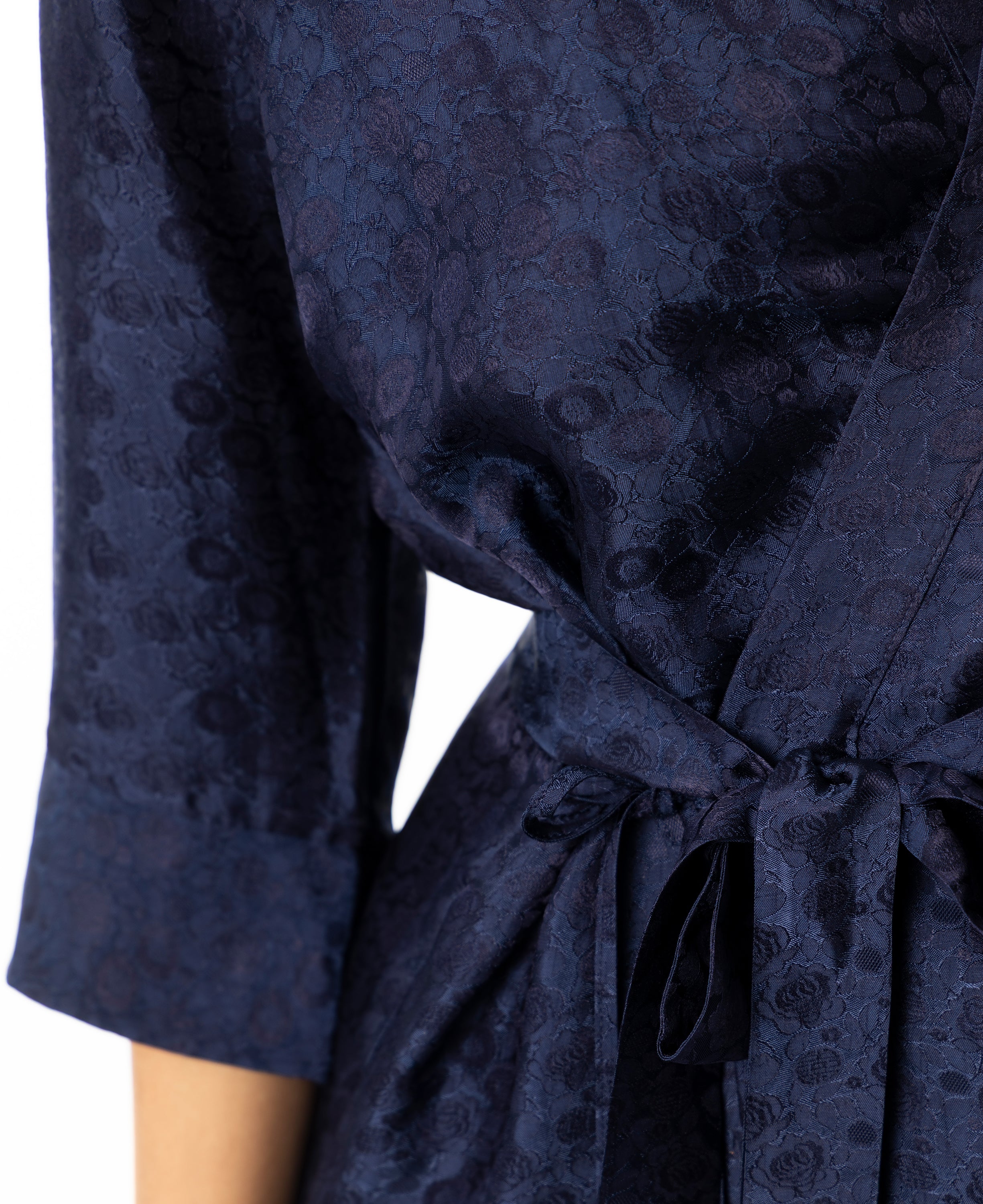
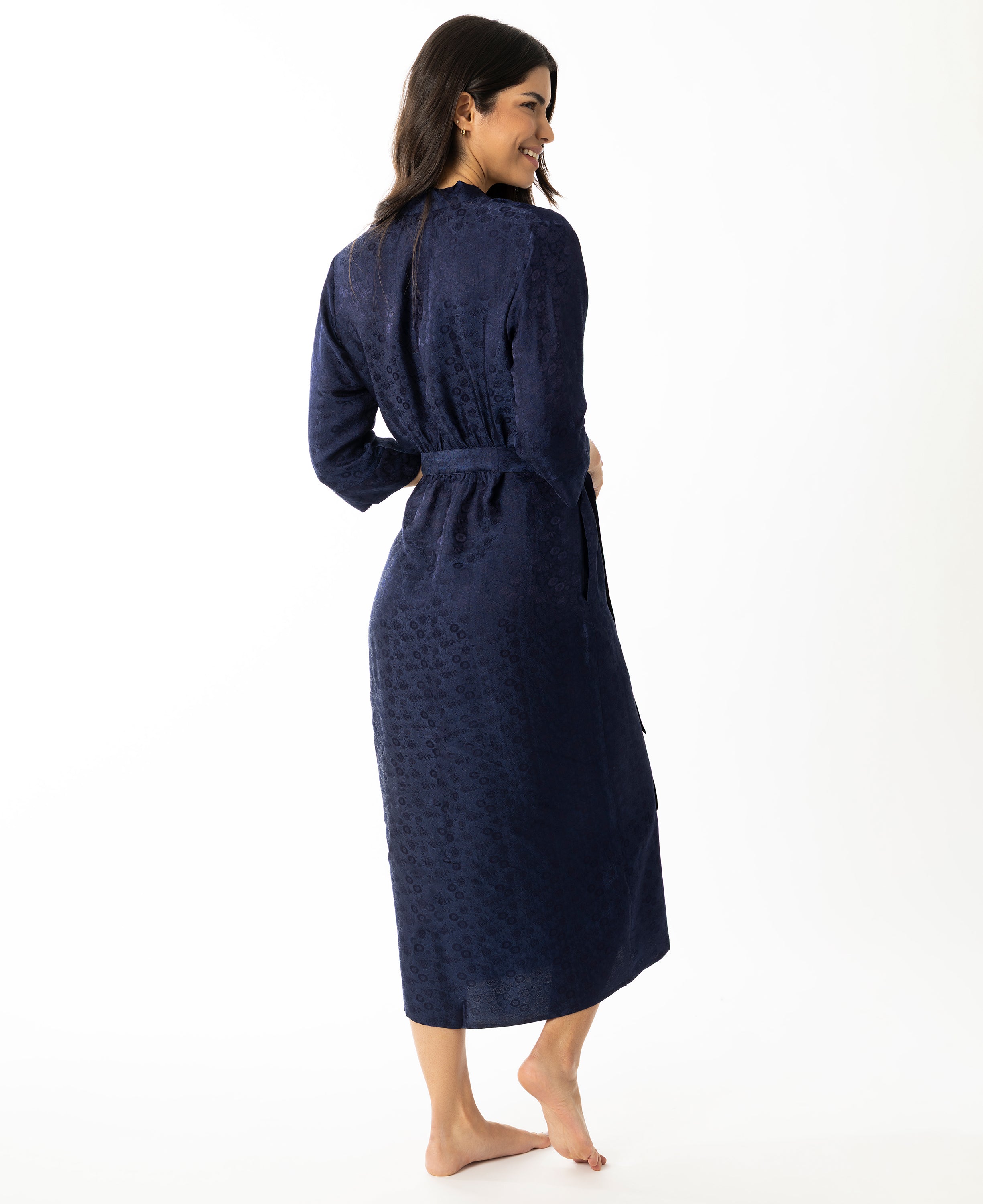
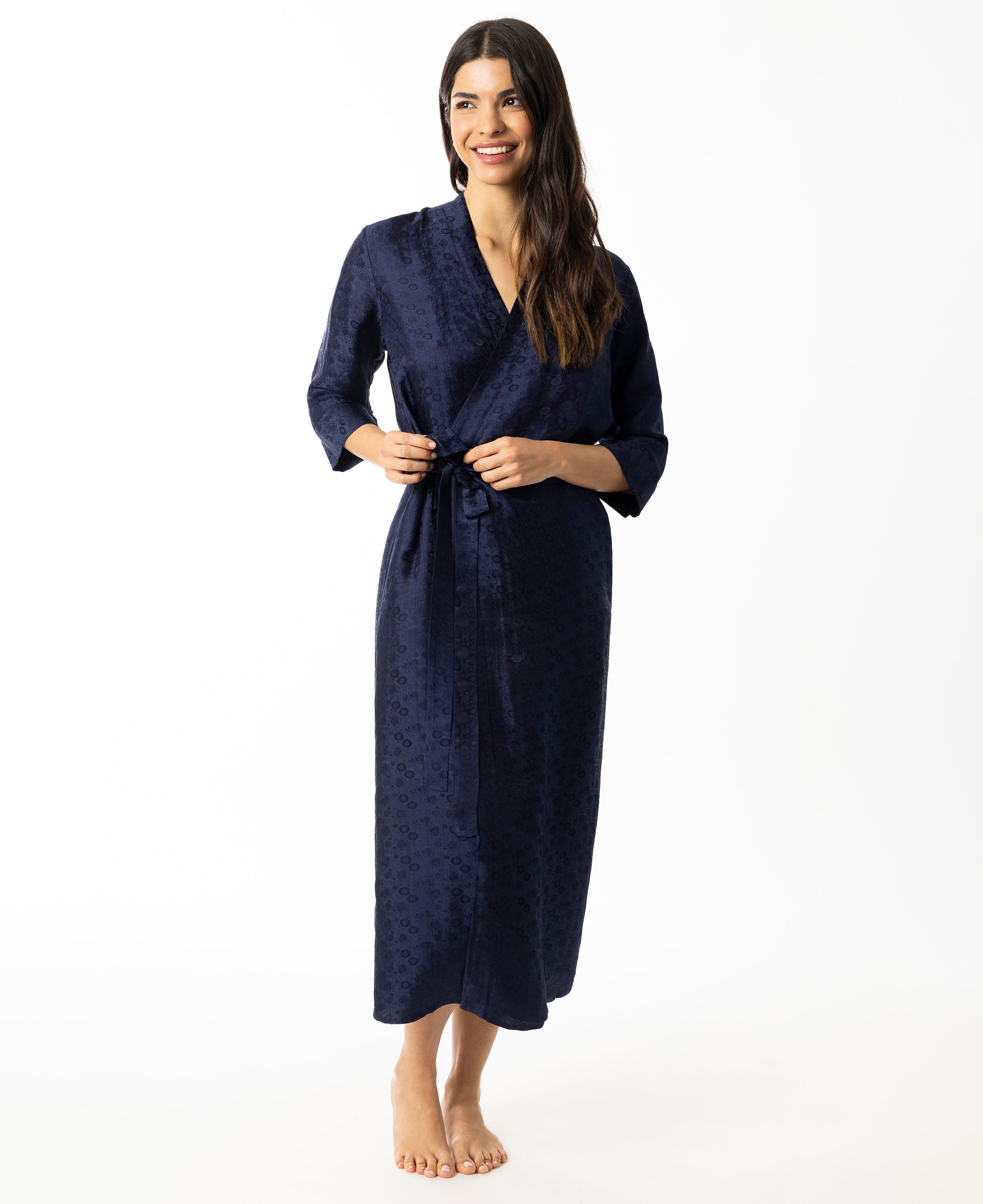
A $320 silk robe at Tara Sartoria is something else. The fabric is 27 momme mulberry silk, which is denser than the silk most luxury brands use. The robe is cut from a single layer of fabric, not a stack. One master artisan sews it from start to finish. The seams are French seams, fully enclosed on both sides, which takes roughly four times longer than serged seams. The garment is inspected, pressed, and folded by the same hands that made it. The robe is also correctly priced for what it is.
The two robes look similar in a photograph. They are not the same garment. They will not have the same life.
The Fabric: Why 27 Momme Matters Without Becoming a Sermon
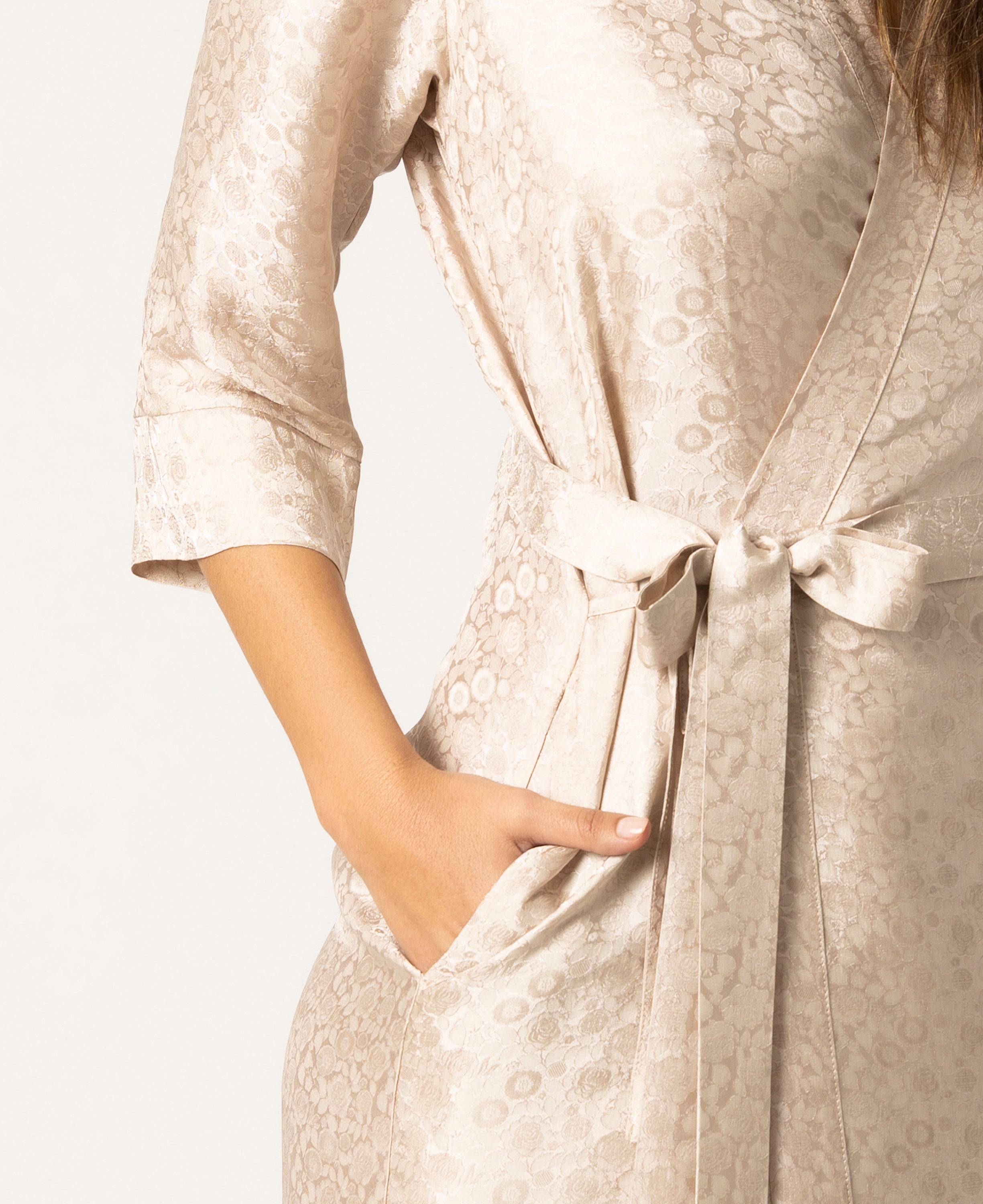
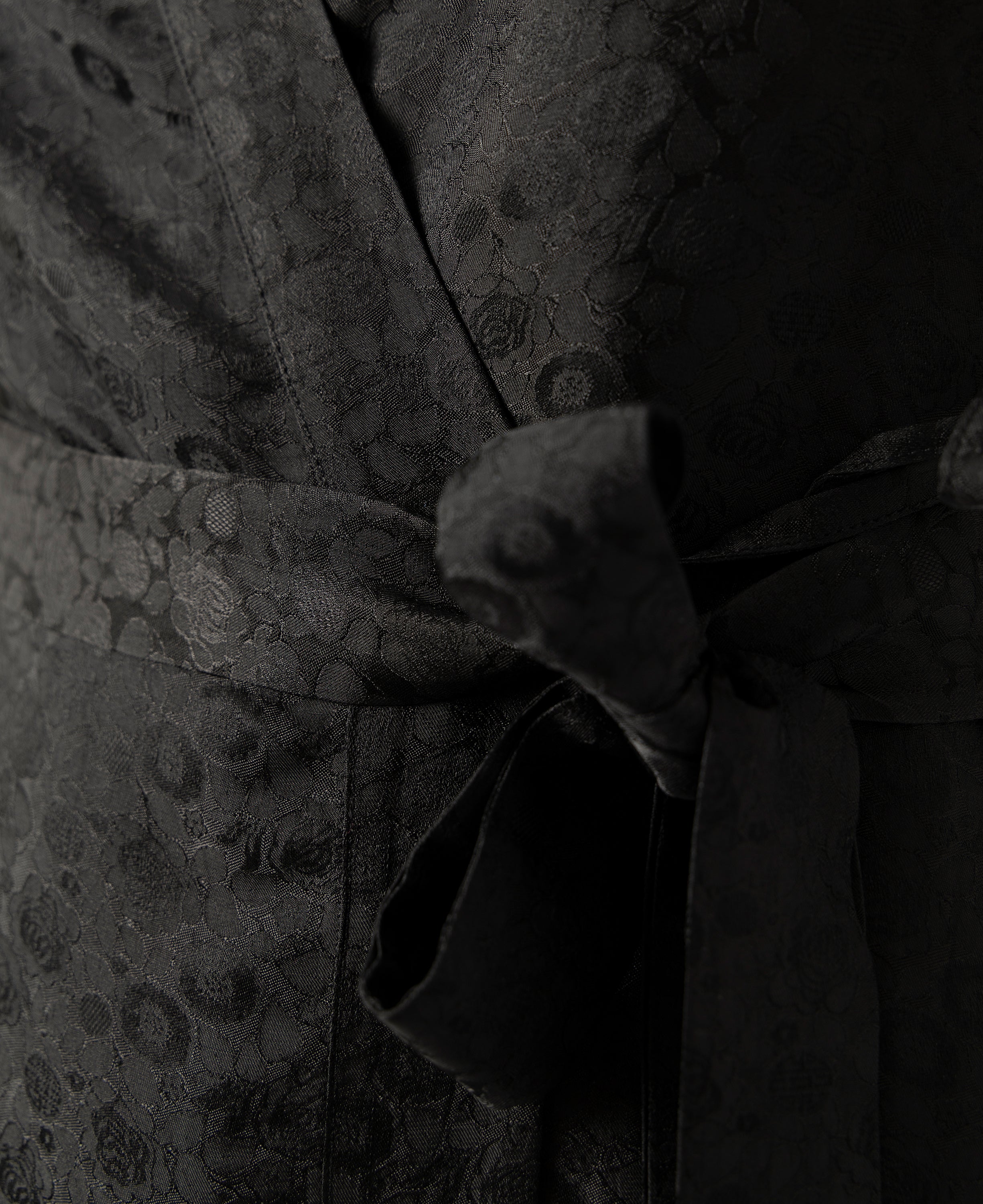
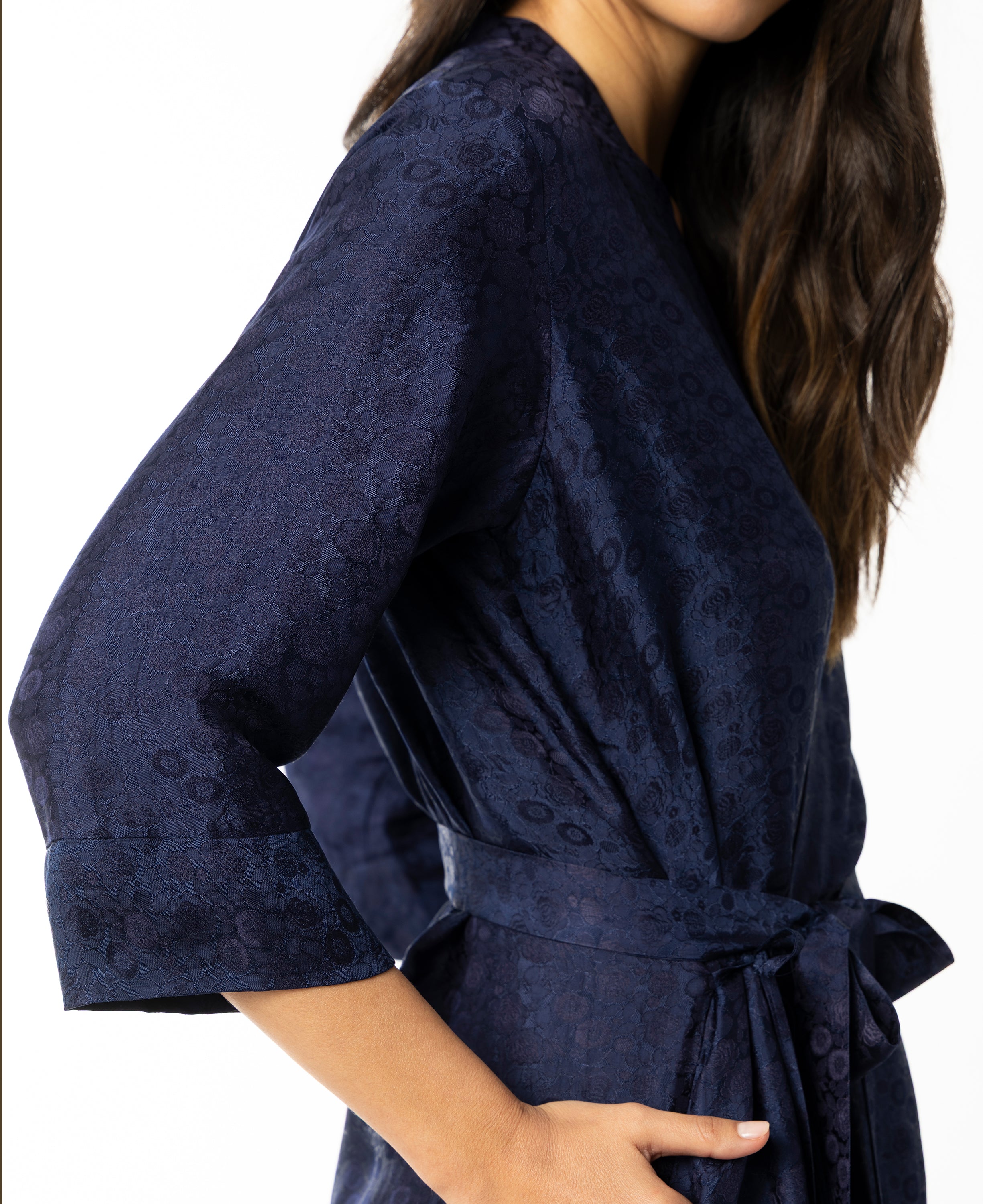
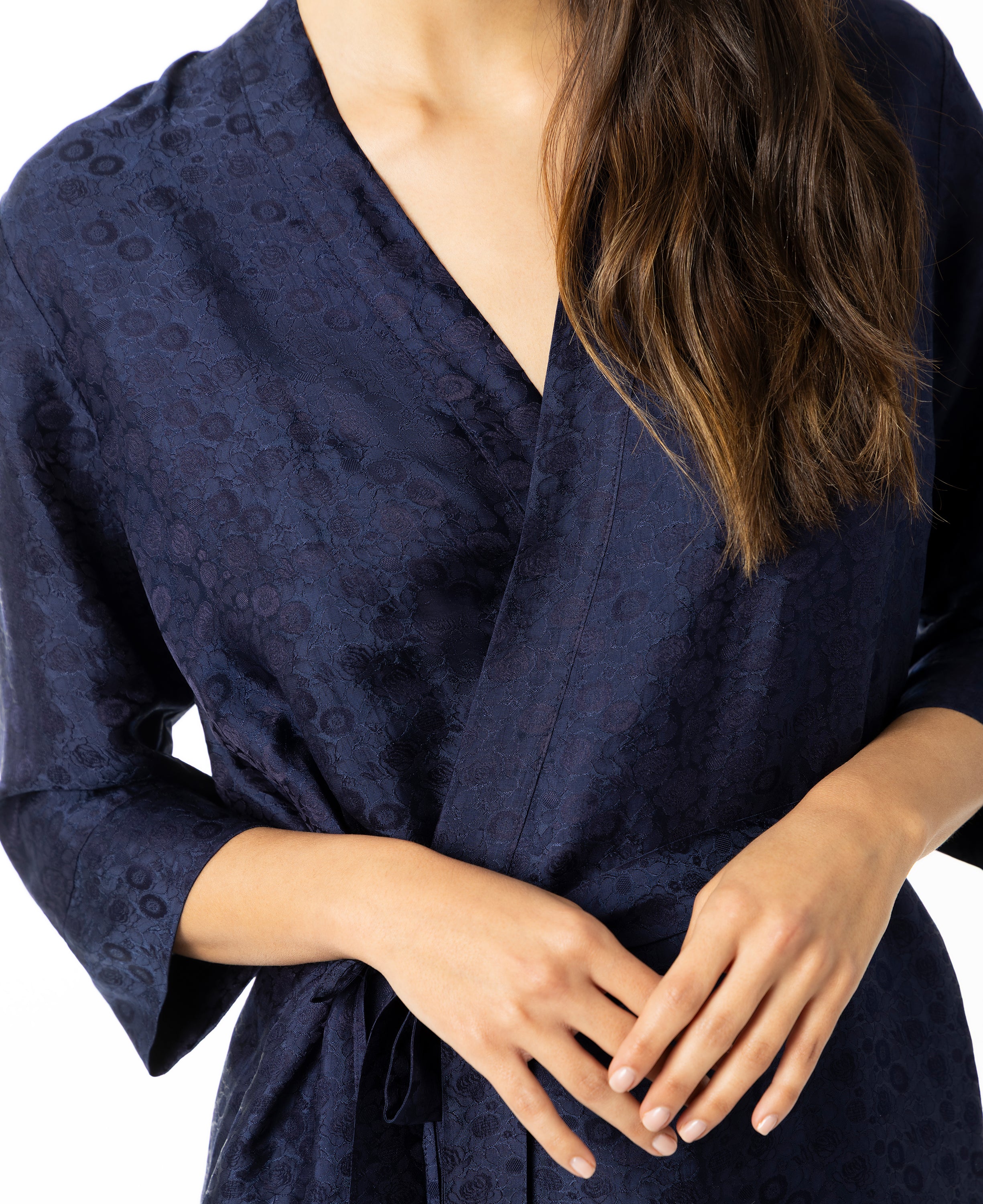
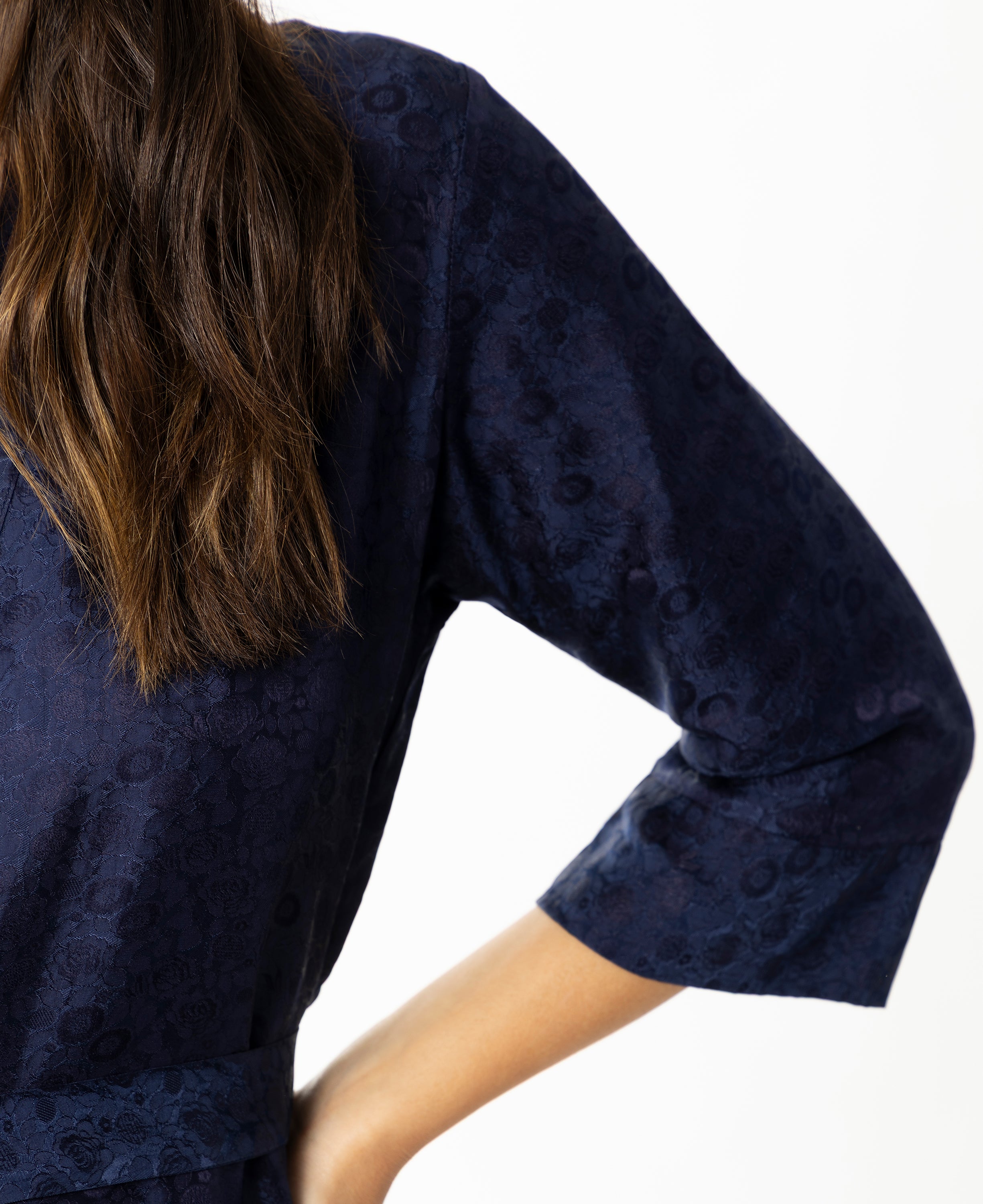
Momme is the unit silk people use to measure weight. The industry standard for what gets sold as luxury silk is 19 to 22 momme. We use 27 momme mulberry silk. This is denser, which means more silk threads per square inch, which means more substantial drape, more resistance to abrasion, slower wear at the seams, and a longer useful life.
I do not want to spend the whole post inside a technical detail. The reason 27 momme matters is practical rather than poetic. A heavier silk holds its shape on the body and resists the kind of thinning that happens to lighter silk after a year of wear. A robe in 22 momme silk loses substance gradually as the fabric thins from washing and friction. A robe in 27 momme silk loses substance more slowly. You can feel this when you lift a robe off a hanger.
The other thing the density buys is durability through washing. Most silk robes on the market specify dry cleaning because their fabric will not survive the wash. Ours will, because the silk has enough body to withstand the agitation. This is not a small detail. A robe that can be machine washed is a robe that gets worn. A robe that has to be dry cleaned is a robe that gets folded into a drawer for the third dry cleaning trip that never happens.















The Seams: The Detail Most Buyers Miss
If you flip a $89 robe inside out, you will see serged seams. A serged seam is a row of overlock stitches over the raw edge of the fabric. The construction is fast, cheap, and the standard for mass-market garments. It is also the place a silk robe fails first. Serged seams begin to fray in year one and start to come apart in year two. The fabric around the seam thins faster than the rest of the garment because the construction is fighting the fabric rather than supporting it.
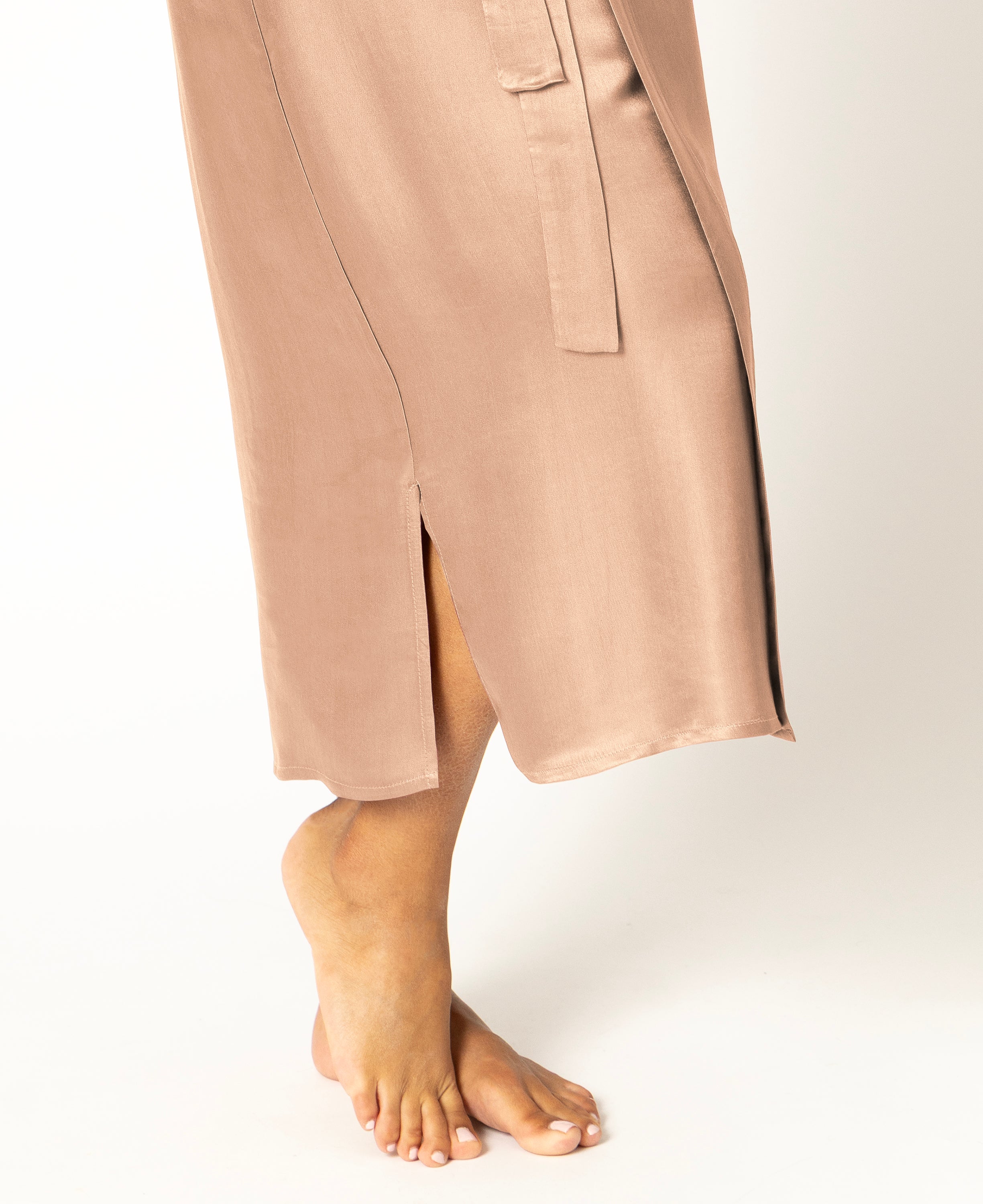
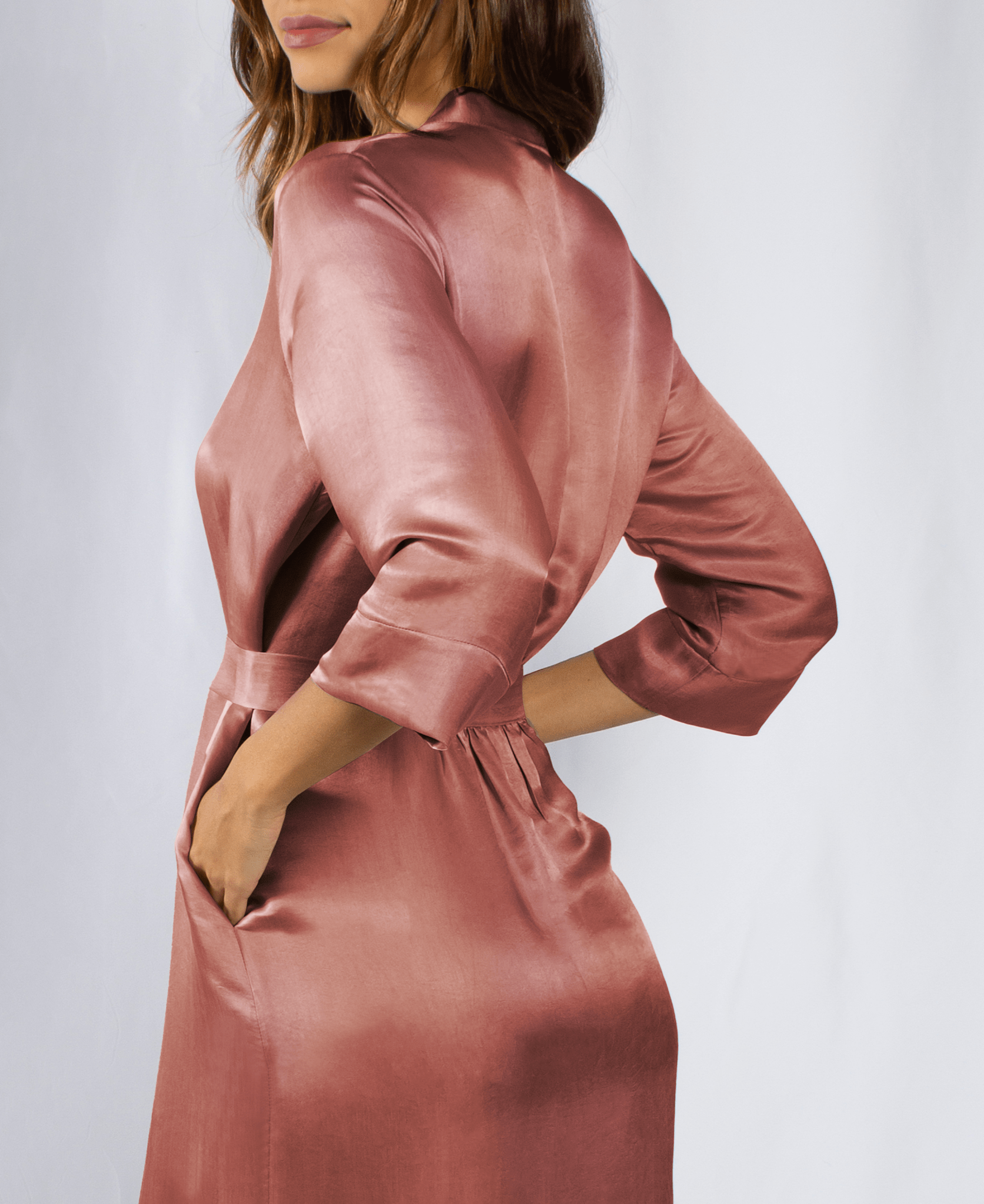
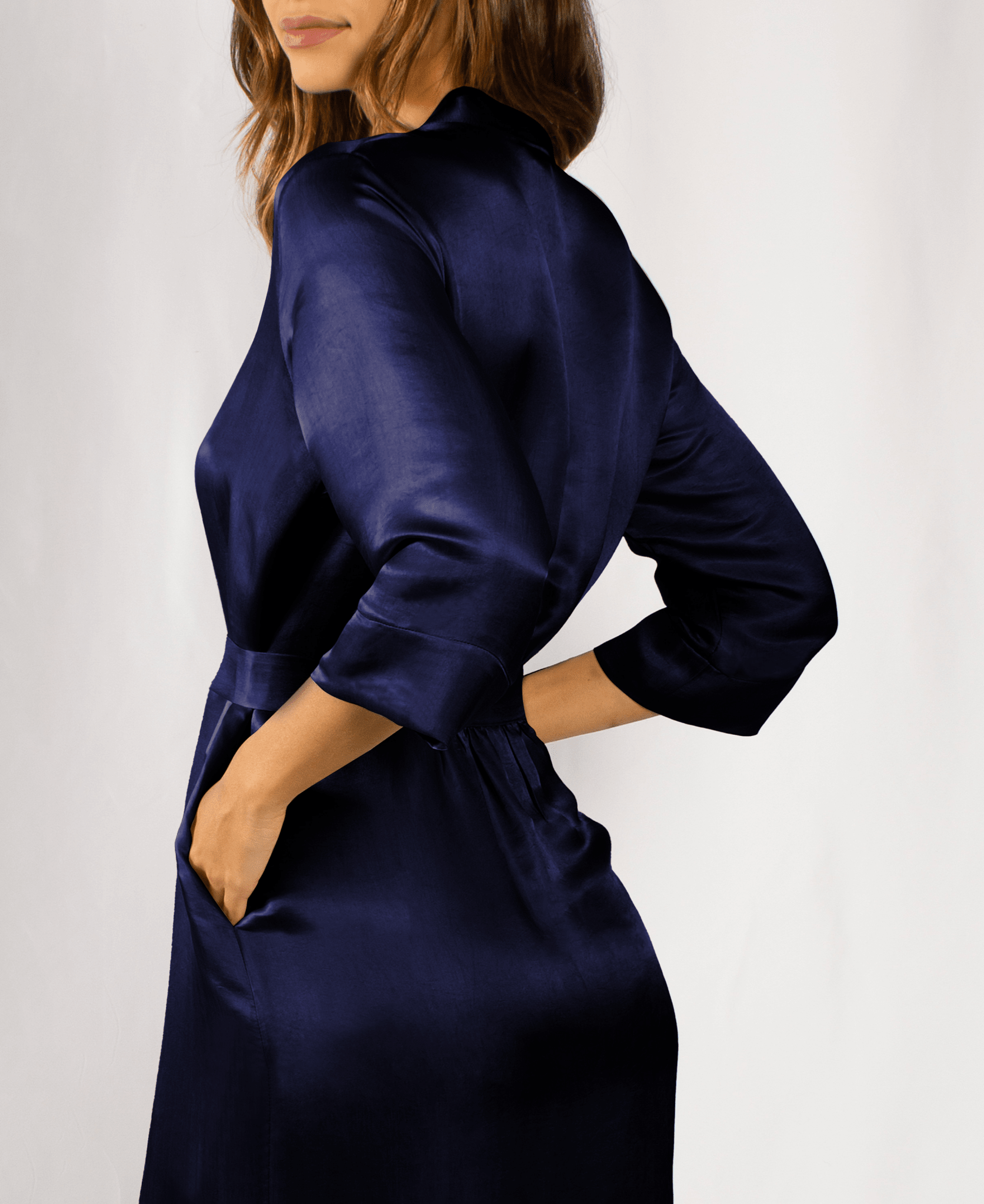
If you flip a Tara Sartoria robe inside out, you will see French seams. A French seam is folded inward twice and stitched, which encloses the raw edge of the fabric so there is no fray point. The construction takes roughly four times longer to sew. It is also stronger than the silk on both sides of it, which means the fabric tends to wear before the seam does, rather than the other way around.
This is the detail that decides whether a silk robe is still a real garment in year five. The fabric does the work of looking right. The seams do the work of holding the fabric together. A silk robe with bad seams will look correct for a year and then come apart. A silk robe with French seams will keep going long after the silk has softened into the way the body wears it.
The Production Model: Why One Person Per Robe Costs More
A factory silk robe is built on a production line. Forty robes are cut at once from a tall stack of fabric. Different stations handle collars, sleeves, sashes, and hems. The person who started the robe is not the person who finishes it. Nobody is responsible for the whole garment. The labor is split across the smallest possible operations, which is the cheapest way to organize sewing.
A Tara Sartoria robe is built one piece at a time. One master artisan cuts the fabric from a single layer, sews the robe from start to finish, finishes the seams, presses the garment, folds it, and packs it into the silk pouch it ships in. The labor for one robe is roughly four to seven times the labor for a factory robe. This is the biggest single line item in the price of a real silk robe, and it is the line item buyers most often underestimate.
What you are buying with the slow labor is two things. The first is quality control, because the person whose work is visible on every seam is the person who has to put their name on the finished robe. The second is the kind of attention that allows two robes from the same fabric to be cut slightly differently because the silk asked for it. This sounds romantic. It is also functional. A garment made by one person across all stages is the garment that holds together because nobody passed the problem along.















The Cost-Per-Wear Math
The fairest way to price a silk robe is over its useful life. A $89 polyester robe lasts perhaps a year. A $250 thin silk robe lasts perhaps two. A $320 to $380 robe made the way ours is made lasts eight to ten years of regular wear. The math is straightforward.
| Robe | Price | Useful Life | Cost Per Year |
|---|---|---|---|
| Department store satin polyester | $89 | 1 year | $89 |
| Thin 19 momme silk, factory production | $250 | 2 years | $125 |
| 27 momme silk, French seams, made one piece at a time | $320 | 8 years | $40 |
The robe that looks the most expensive on the price tag is the cheapest robe to own. This is the part the price-tag conversation hides. A buyer who replaces a cheaper robe every year does not save money. They spend the same money for less garment, more often, with more dressers full of pieces that did not last.
The robes we made in 2020 are still in customer wardrobes. I have photographs of them. They look the way they looked on the day they shipped. This is the proof that matters more than any technical specification.
What a Real Silk Robe Should Do for You
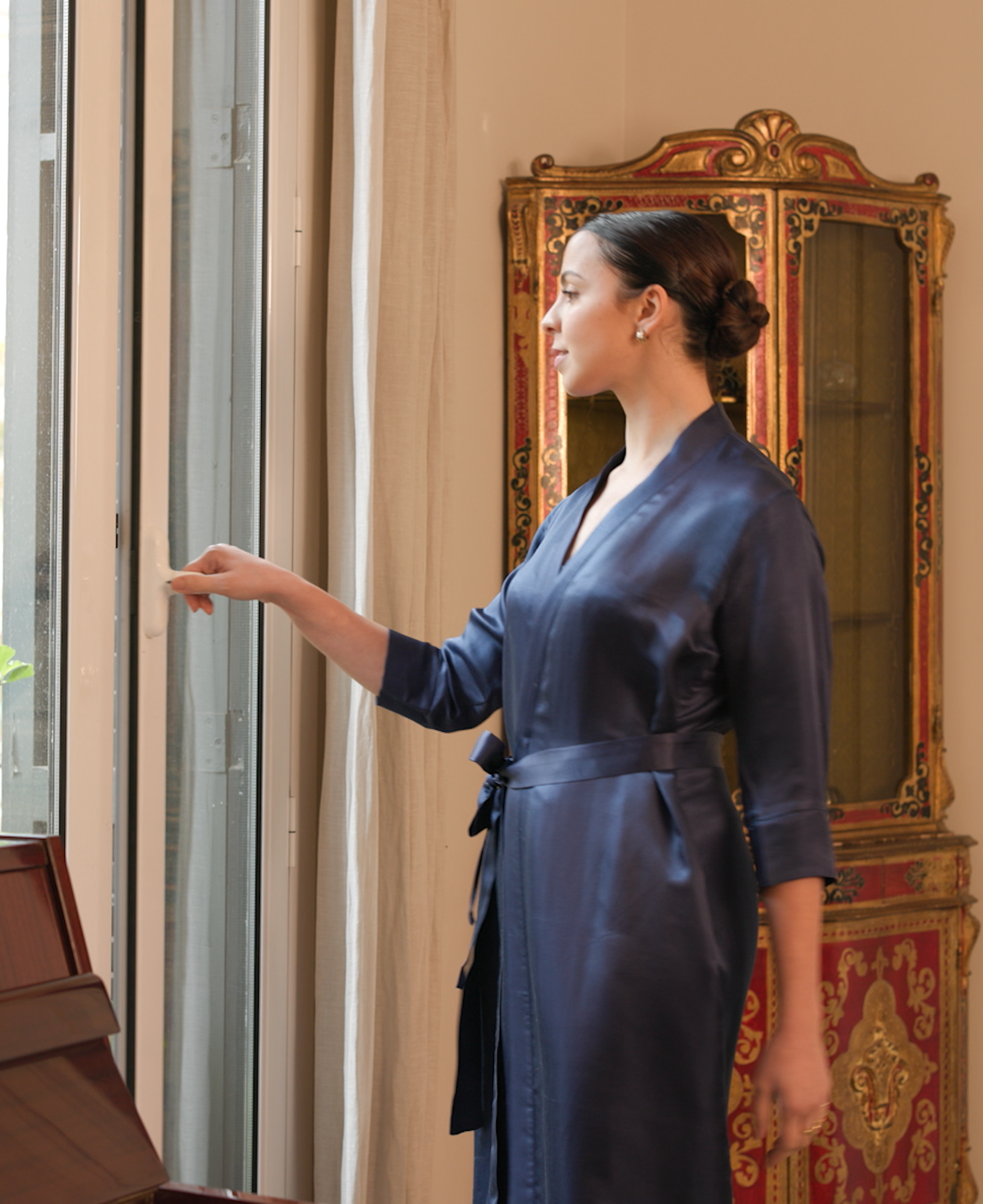
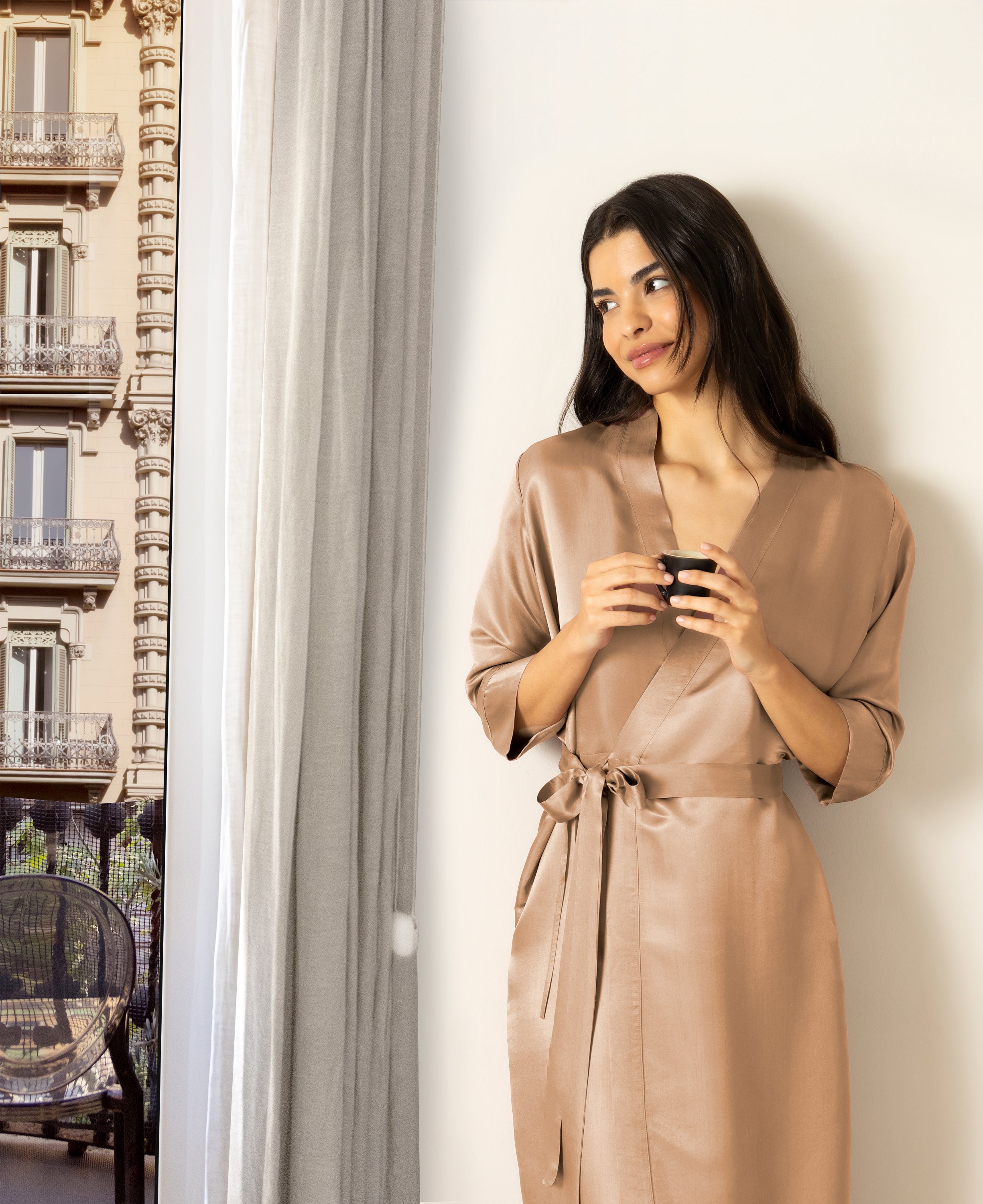
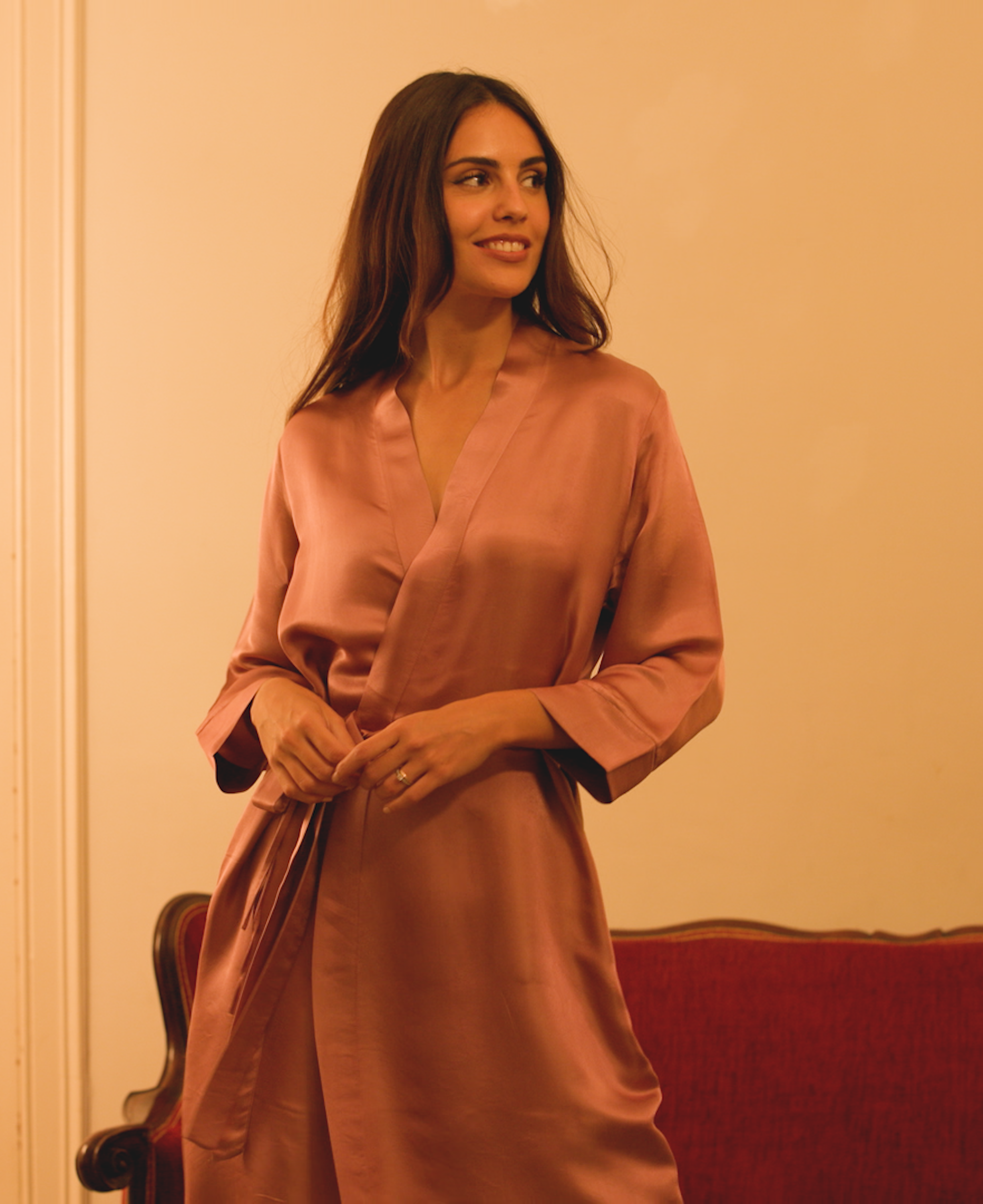
A real silk robe should sit comfortably across both shoulders and stay there. It should fall straight from the shoulder with weight that feels like a garment rather than a curtain. It should warm without sweating. It should cool without chilling. It should go into the washing machine on the delicate cycle and come out the same robe.
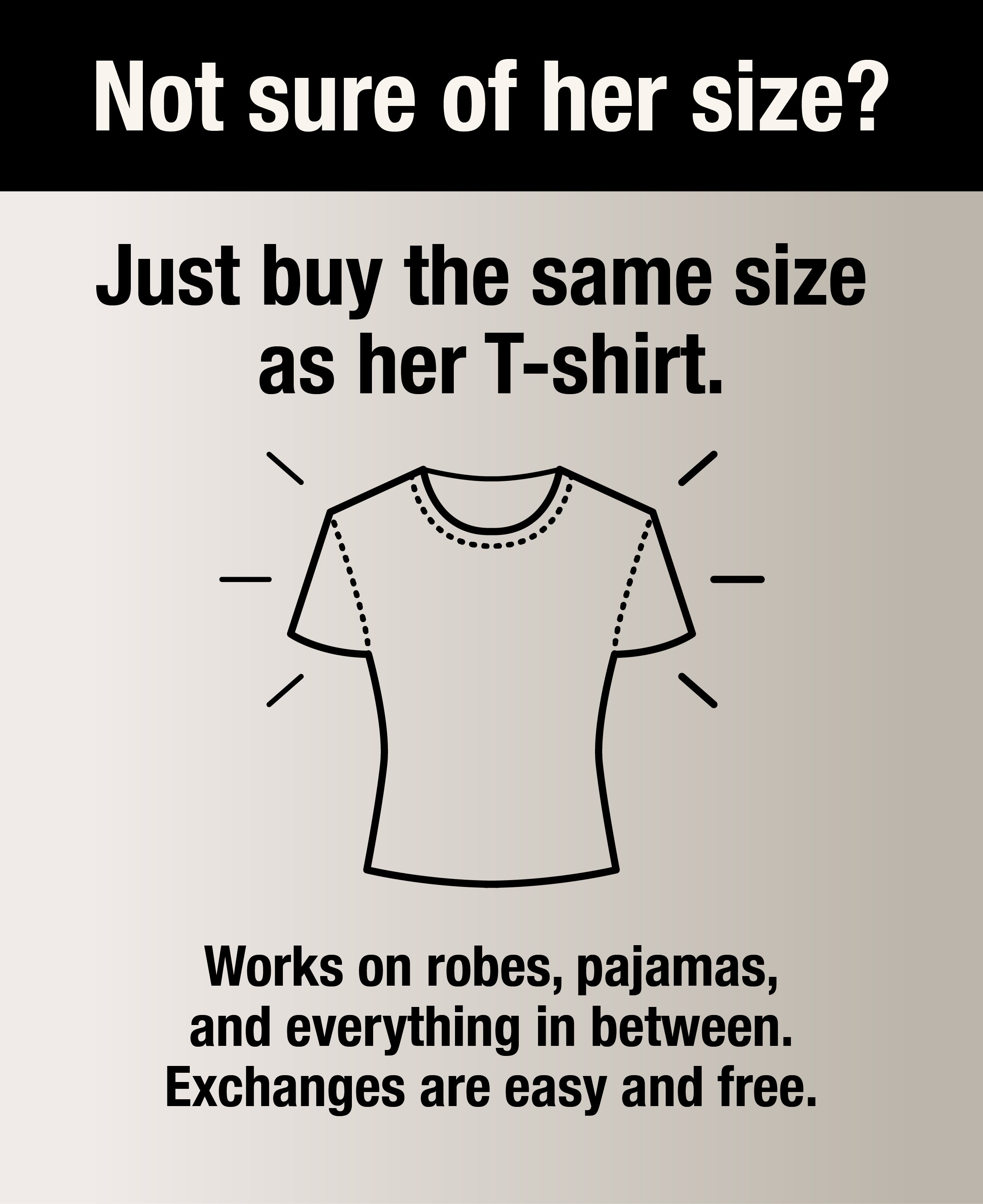
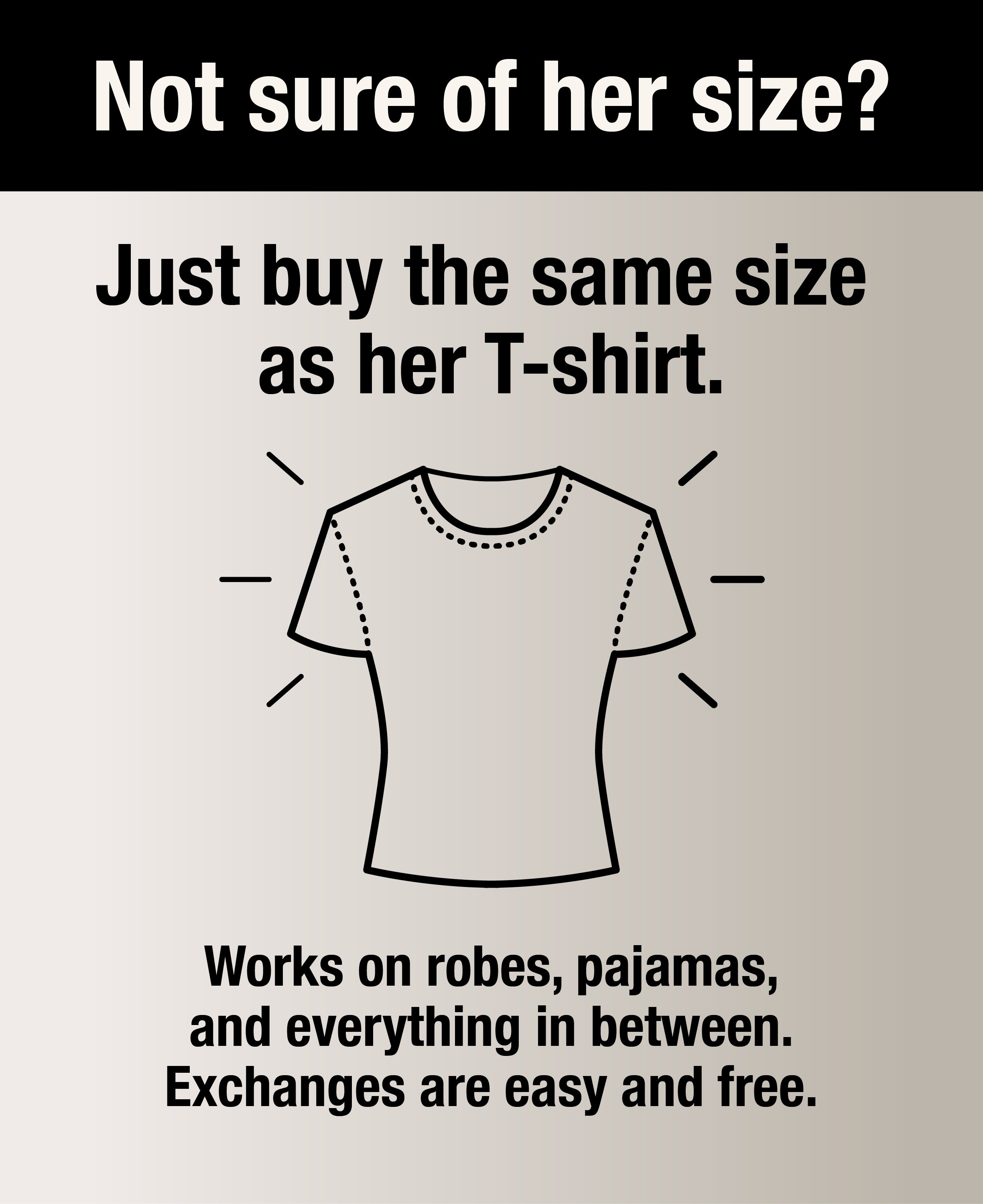
It should feel correct on a recipient who is XS and a recipient who is 4XL because the construction is the same at every size and the fabric is the same at every size. It should be wearable on a Tuesday morning and a Sunday afternoon and the first night of a hotel stay and the fifth year after you bought it. None of this is a marketing claim. This is the floor for what a silk robe should do for the price you pay.
A robe that does all of this is worth the price. A robe that does not is not, regardless of what the tag says.












How to Tell a Robe Is Worth the Price Before You Buy It
A few quick questions to ask of any silk robe before you buy it. None of these require you to handle the robe first. They are the questions a brand should answer cleanly on the product page.
What is the momme weight?
A brand that does not state the momme weight is a brand selling a silk weight that does not flatter the listing. Below 19 momme is too thin for a robe meant to last. 22 momme is the industry minimum for what is sold as luxury silk. 27 momme is what we use.
What kind of seams?
French seams, fully enclosed, last. Serged seams do not. If the listing does not say, the seams are serged.
Is it cut and sewn one piece at a time, or stacked?
A brand that names artisans, villages, and looms is making silk one piece at a time. A brand that does not is using factory production.
Is it machine washable?
A silk robe that cannot go in the washing machine on the delicate cycle is a silk robe that will spend most of its life in a drawer.
What size range?
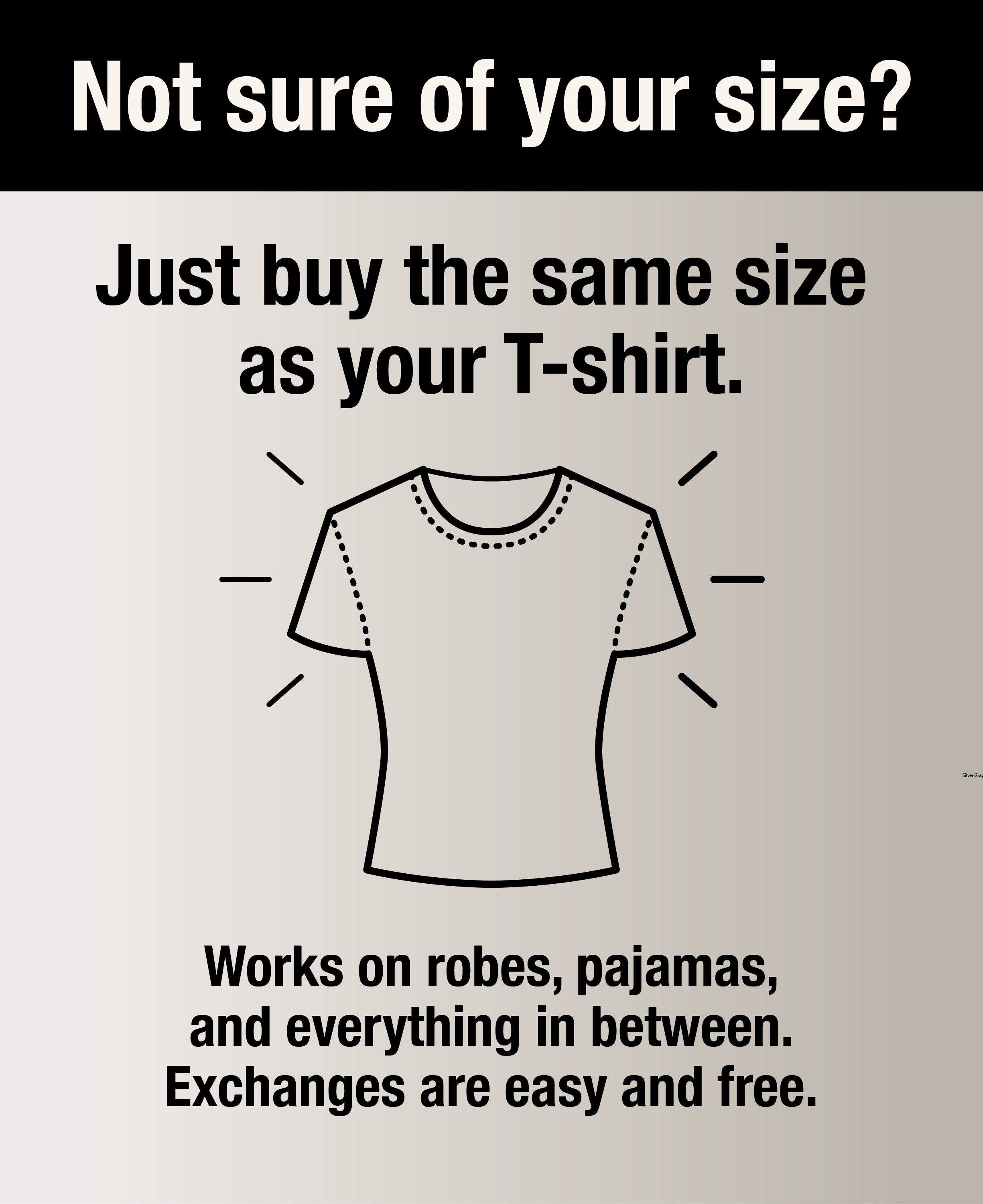
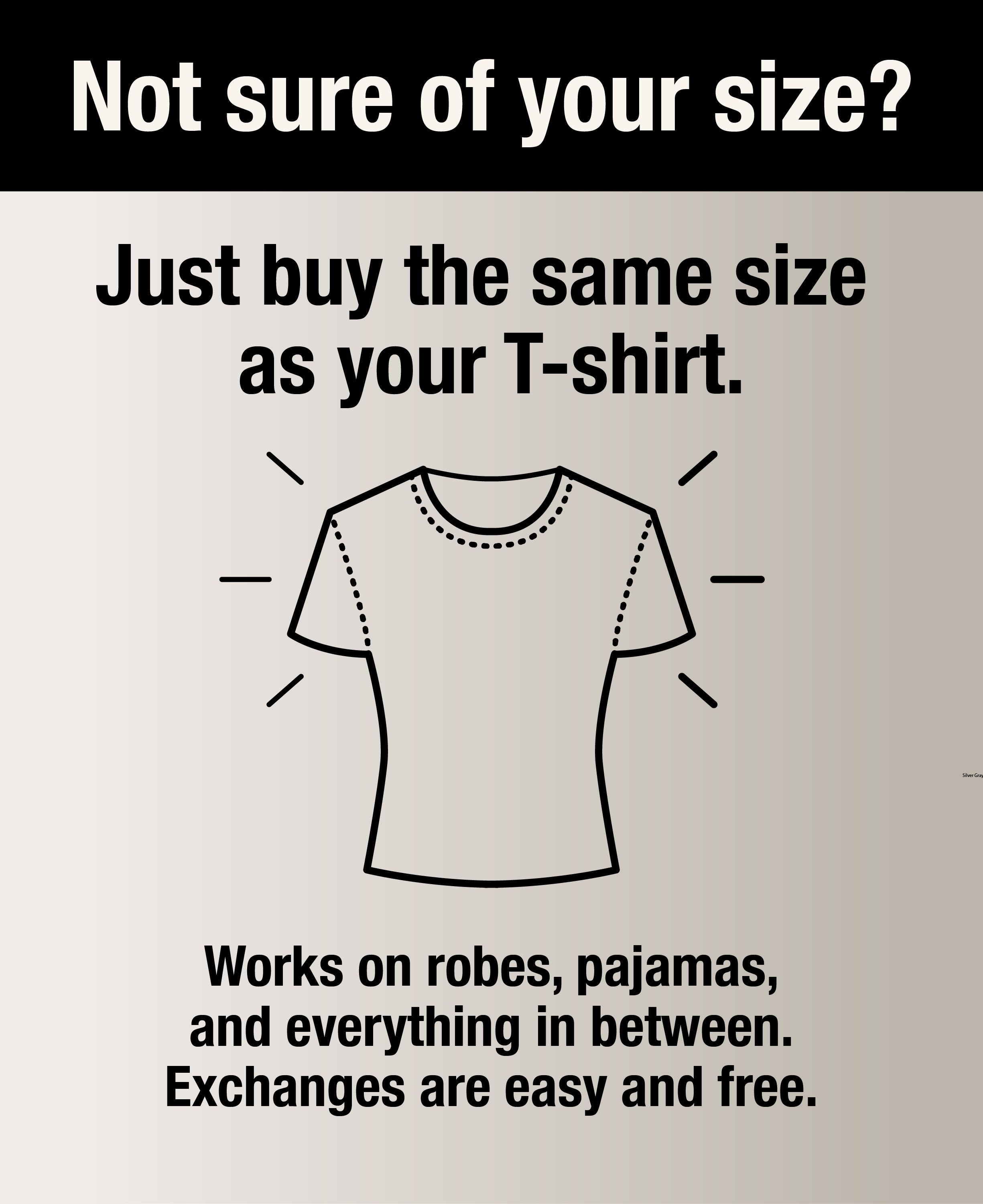
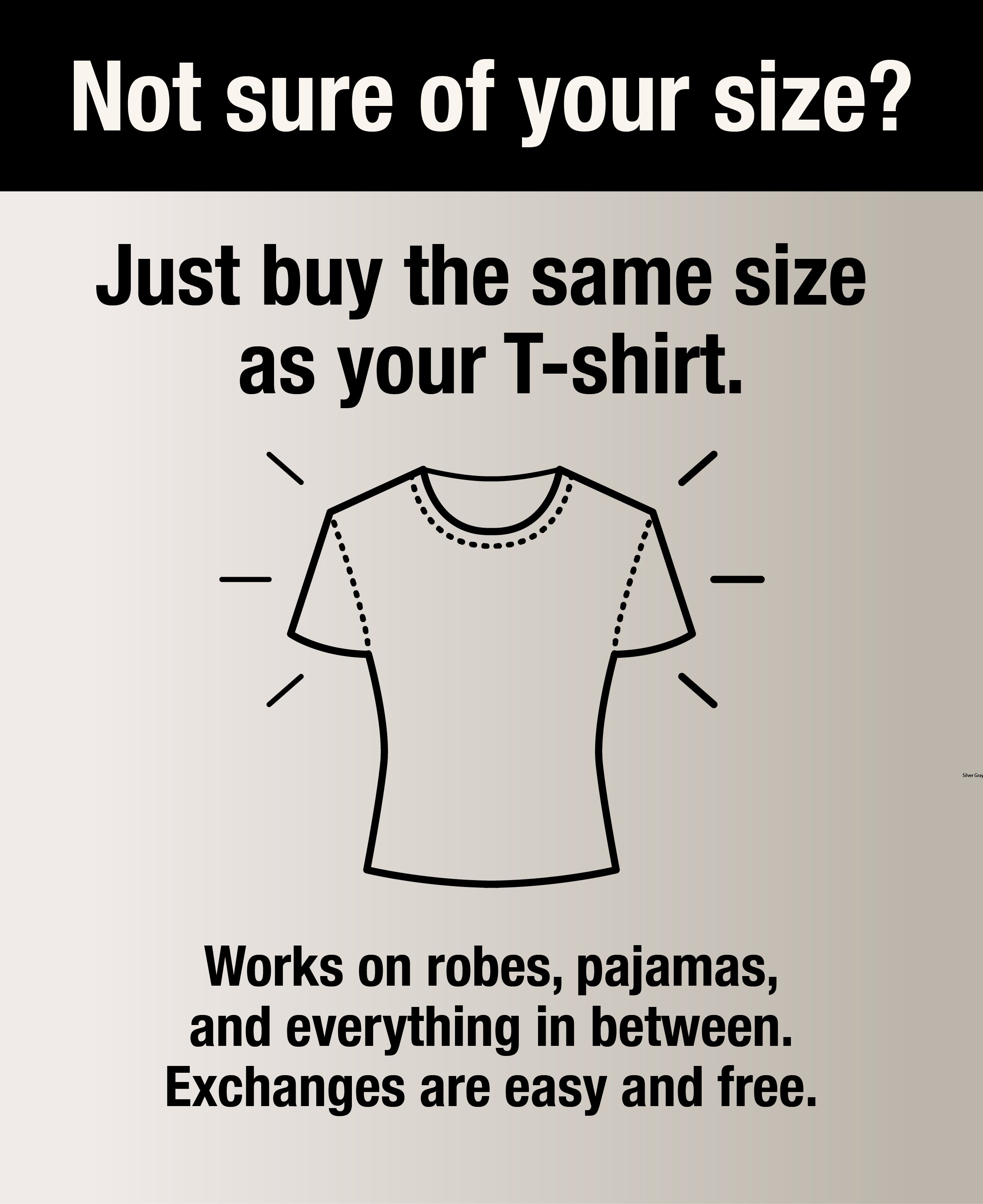
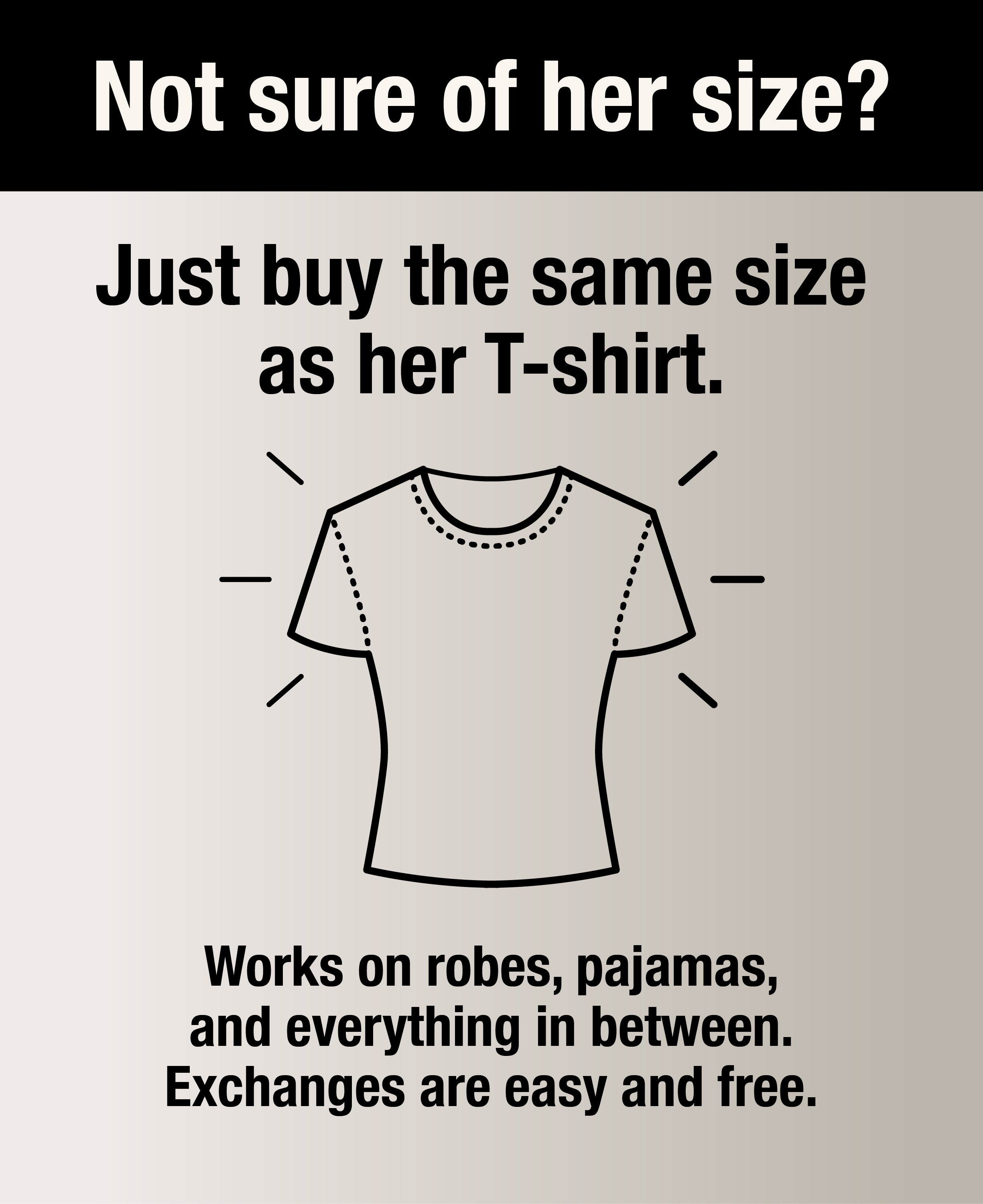
A brand that stops at XL is not making silk for the full range of bodies. We make XS to 4XL as standard, with custom sizing available when needed.
A brand that can answer all five of these honestly is making silk worth the price. A brand that can answer none is selling polyester with a silk label.
How Our Robes Are Made
Every Tara Sartoria robe is made one piece at a time by master artisans in Vietnam's historic silk villages. The silk is 27 momme mulberry, woven on heritage looms, denser than the silk most luxury brands use, finished with French seams that are fully enclosed on both sides. Sizes run XS to 4XL as standard, with custom sizing available when needed. Every robe is machine washable on a delicate cycle. 10% of profits fund women's education and entrepreneurship.
This is the answer to my customer's email about why our long robe was $320. The price is what it costs to make a robe correctly. The value is what shows up at year five.
The Takeaway
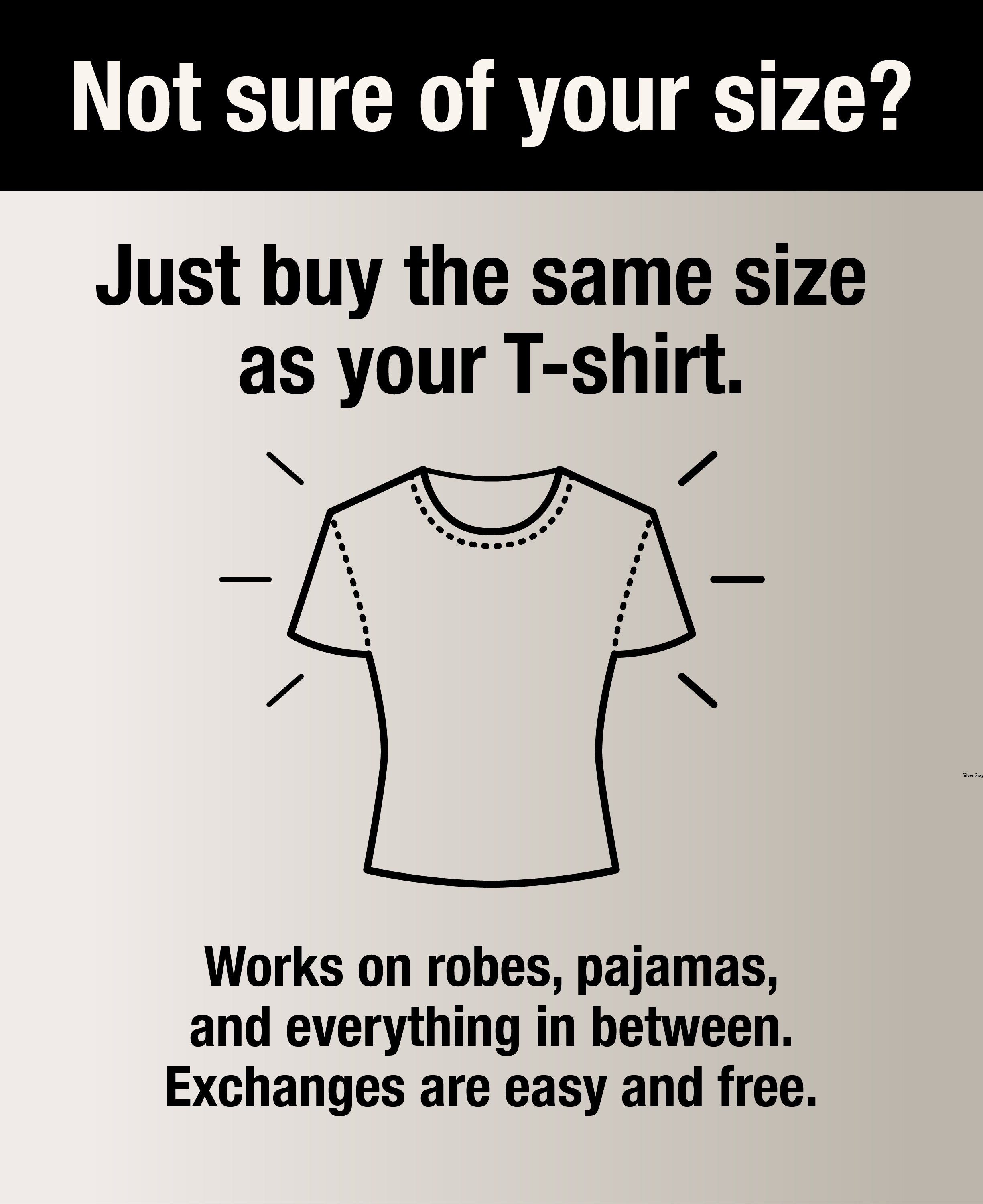
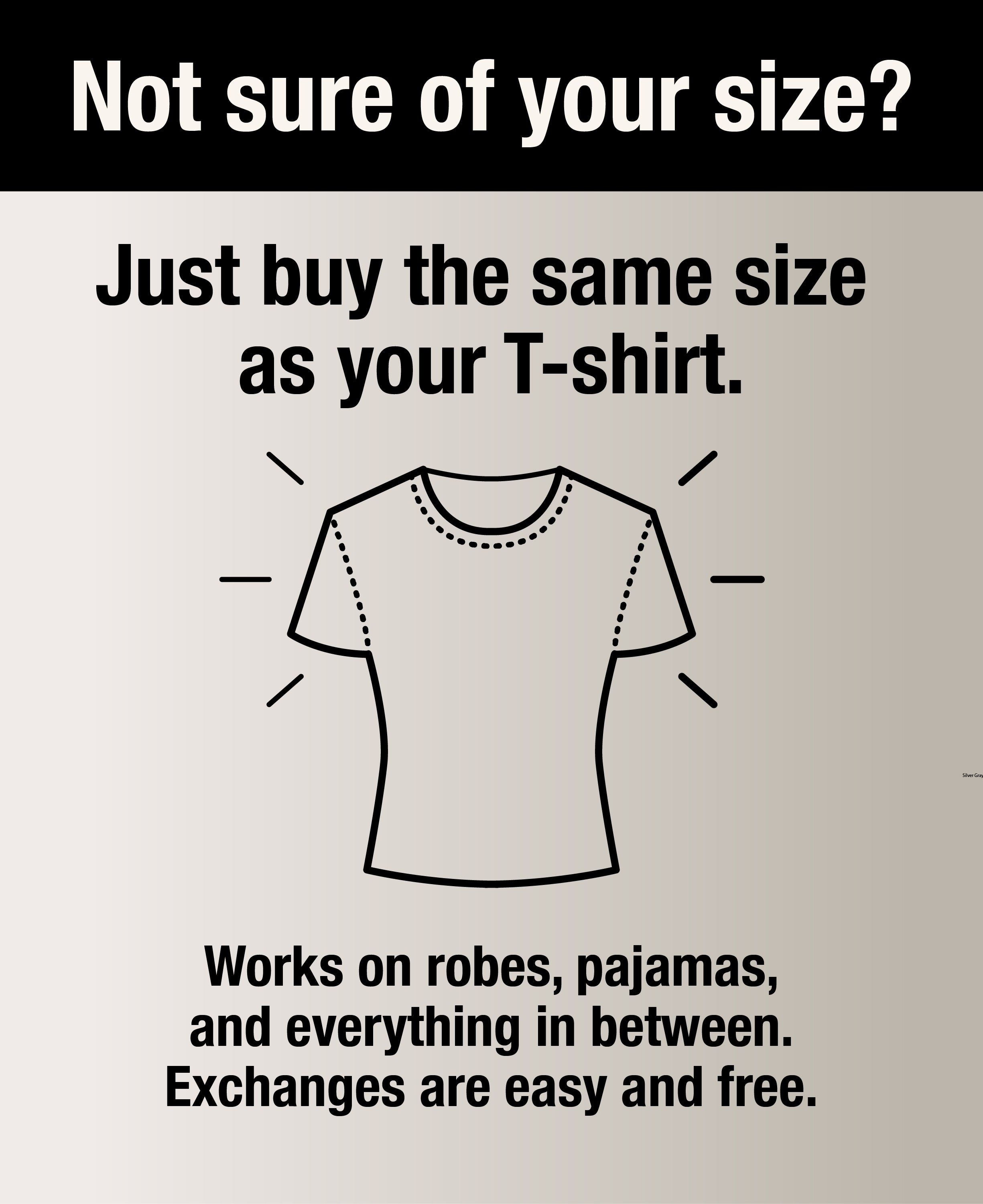
A silk robe is worth the price when the silk is dense, the seams are French, the production is one piece at a time, and the robe is machine washable. Everything else is marketing. The cost-per-wear math favors the more expensive robe within the first replacement cycle. The robes we made in 2020 are still in rotation. The robe you choose today should still be in rotation in 2034. Find your size when you are ready.
Frequently Asked Questions
Why does a silk robe cost more than a cotton one?
The fabric is a smaller part of the price than most buyers think. The bigger cost is labor and construction. A real silk robe is built from denser silk, finished with French seams that take roughly four times longer to sew than serged seams, and made one piece at a time by a single artisan from start to finish. A cotton robe is built on a production line. The labor difference is the biggest single line item in the price gap, and it is what makes a silk robe last eight to ten years instead of one.
What momme weight should a silk robe be?
A silk robe should be at least 22 momme, which is the industry minimum for what is sold as luxury silk. Tara Sartoria robes are 27 momme mulberry silk, which is denser than most luxury silk and produces the substantial drape that makes a robe sit correctly on the body. Below 19 momme, the fabric is too thin to hold its shape and will not survive regular washing. The momme weight should be stated openly on the product page. If it is not, it is usually thinner than the brand wants you to notice.
How long should a real silk robe last?
A silk robe made from 27 momme mulberry silk, finished with French seams, and constructed one piece at a time, with machine washing on the delicate cycle, typically lasts eight to ten years of regular wear. The fabric softens slightly over time, which most owners describe as an improvement. The seams outlast the fabric because they are stronger than the silk they hold together. Tara Sartoria has customers wearing robes from 2020 who report no measurable change in drape or seam integrity.
What is a French seam, and why does it matter for a silk robe?
A French seam is a seam folded inward twice and stitched, so the raw edge of the fabric is fully enclosed on both sides. It takes roughly four times longer to sew than a serged seam and is stronger than the silk on either side of it. The reason it matters for a silk robe is durability. Most silk robes fail at the seams first, with fray and thinning starting in the first year of regular wear. A French seam removes that failure point. Tara Sartoria robes use French seams throughout.
Is a $300 silk robe really worth it over a $90 silk robe?
Yes, when the cost is measured over the life of the garment. A $90 robe at a department store is almost always satin polyester or very thin silk that will not survive a year of regular wear. A $300 robe made from 27 momme silk with French seams, machine washable, made one piece at a time, lasts eight years. The cost per year of wear is roughly $90 for the cheaper robe and roughly $40 for the more expensive one. The buyer who replaces a cheaper robe every year does not save money. They spend more money for less garment, more often.
