


Machine Washable Silk: What It Actually Means and How to Verify It
By Tara Nguyen, Ph.D., Founder and Creative Director, Tara Sartoria
My grandmother washed her silk by hand every week, in a basin, through Hanoi summers that did not forgive anything synthetic. Those pieces lasted decades. So when I see a silk garment sold with a label that says dry clean only, my first thought is not that silk is delicate. My first thought is that somebody made that silk too thin to survive water.
Silk should not spend more time at the dry cleaner than on the person who owns it. The phrase machine washable silk has become a category of its own, which tells you something strange happened: washability, the most ordinary quality a garment can have, became a feature worth advertising.
Why Dry Clean Only Became the Default
Dry clean only is rarely a statement about silk. It is a statement about a particular garment, and often a statement about a legal department. A care label is the manufacturer's promise about what the garment can survive, and the cheapest way to never break that promise is to promise nothing. If the silk is thin, if the seams are serged in a hurry, if the dye was fixed at speed, water will find every one of those decisions in a single wash cycle. The label is protecting the garment from discovery.
This is why the dry clean label clusters at the low end of silk quality, not the high end. Thin silk, the 16 to 19 momme fabric that dominates the market, loses tensile strength when wet and recovers it as it dries. Handled roughly in that window, it can stretch at the seams or lose its surface luster. A manufacturer who knows the garment was made quickly has every incentive to route it away from your washing machine.
Silk made densely and sewn properly does not need that protection. Weavers in Vietnam's silk villages have washed silk in water for as long as silk has existed there. The fiber itself is not the problem. The economics of fast production are the problem.
What Lets a Silk Garment Survive a Washing Machine
Three things decide whether silk comes out of a machine looking the way it went in. None of them is luck.
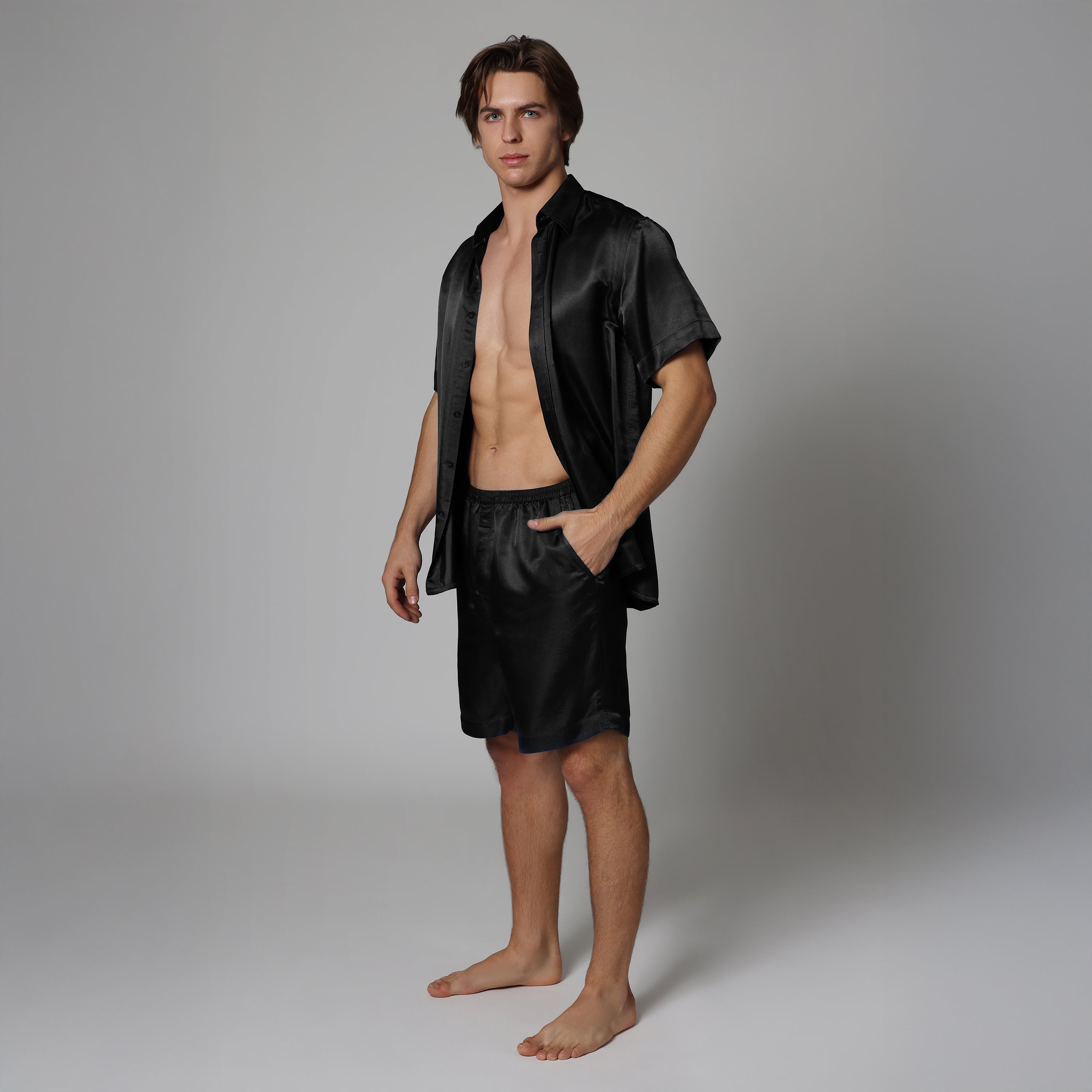
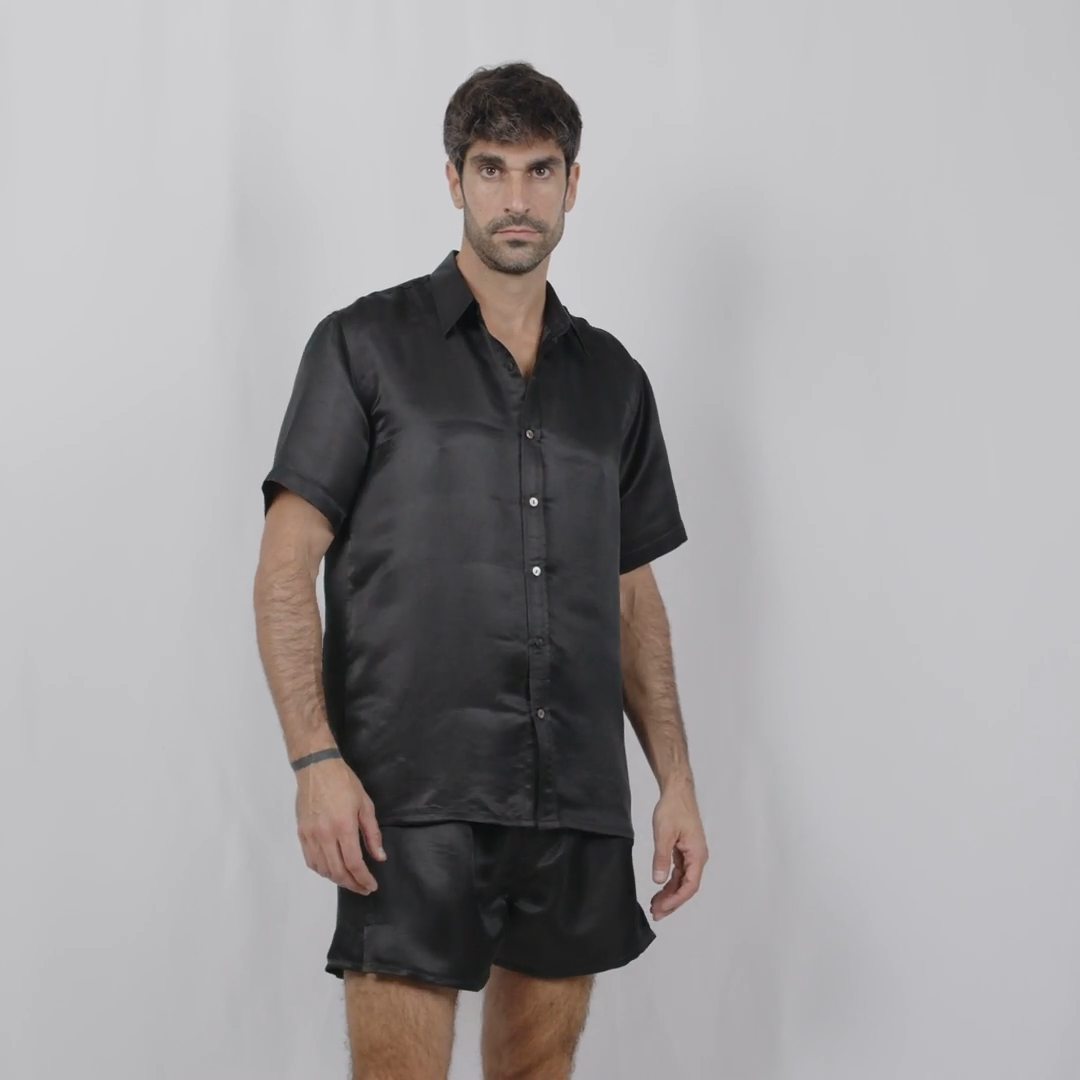
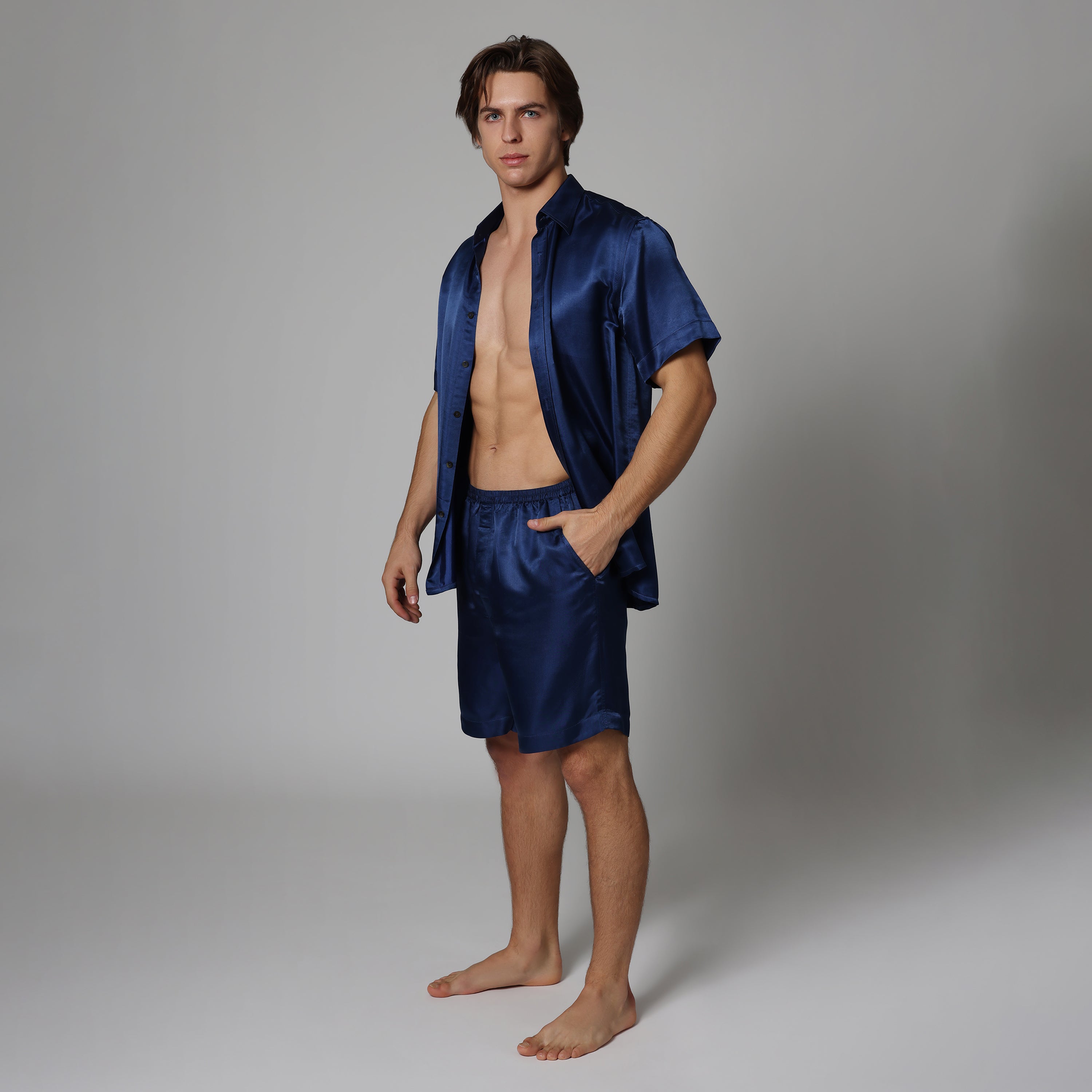
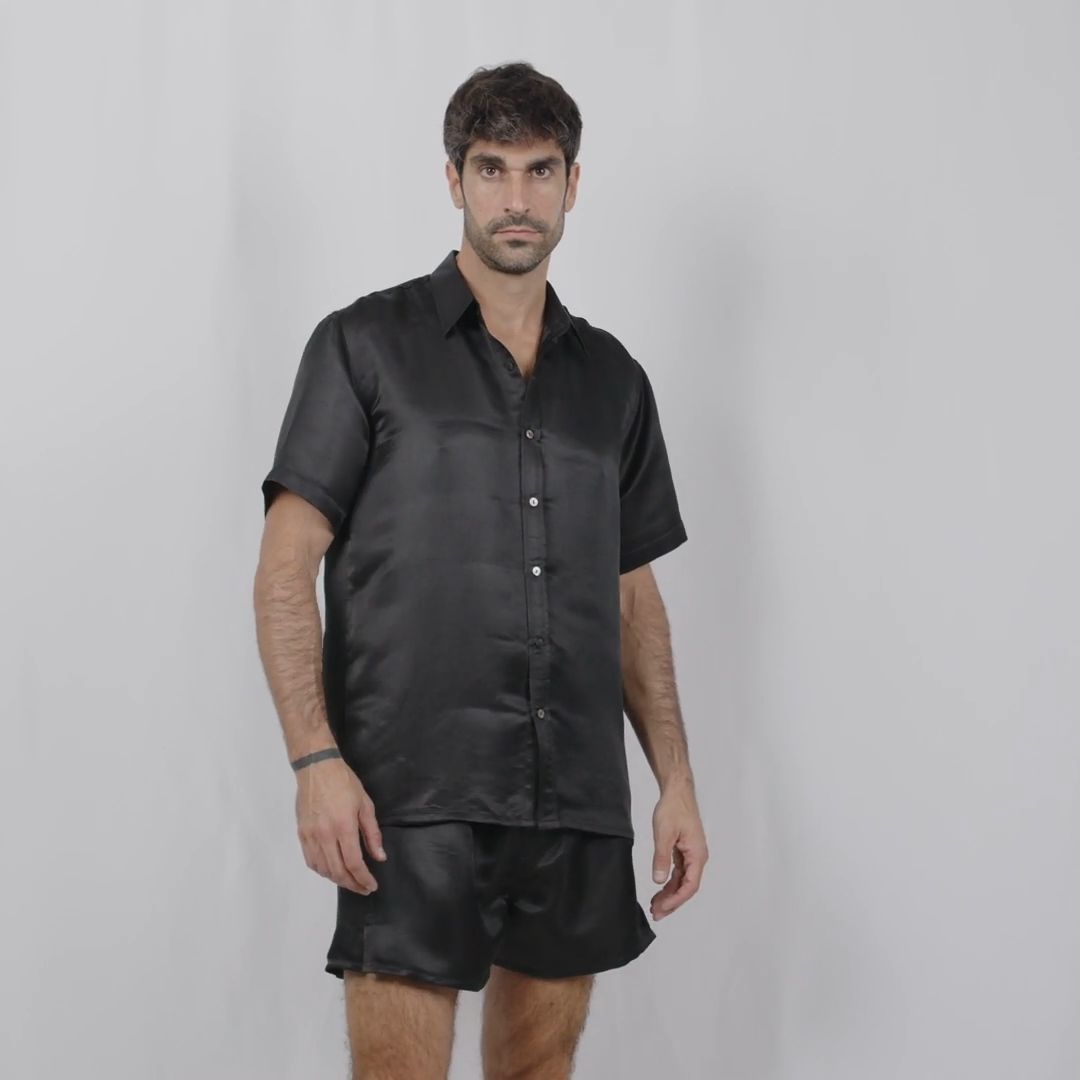
The first is density. Momme is the weight measure for silk fabric, and most silk sleepwear on the market sits between 19 and 22 momme. Below that range, the weave is loose enough that agitation pulls threads out of alignment, which the eye reads as dullness and bagging. Our silk is woven on heritage looms at 27 momme, noticeably denser than the industry standard, and that density is most of what makes machine washing uneventful. A dense weave holds its geometry. A loose one negotiates with every wash.
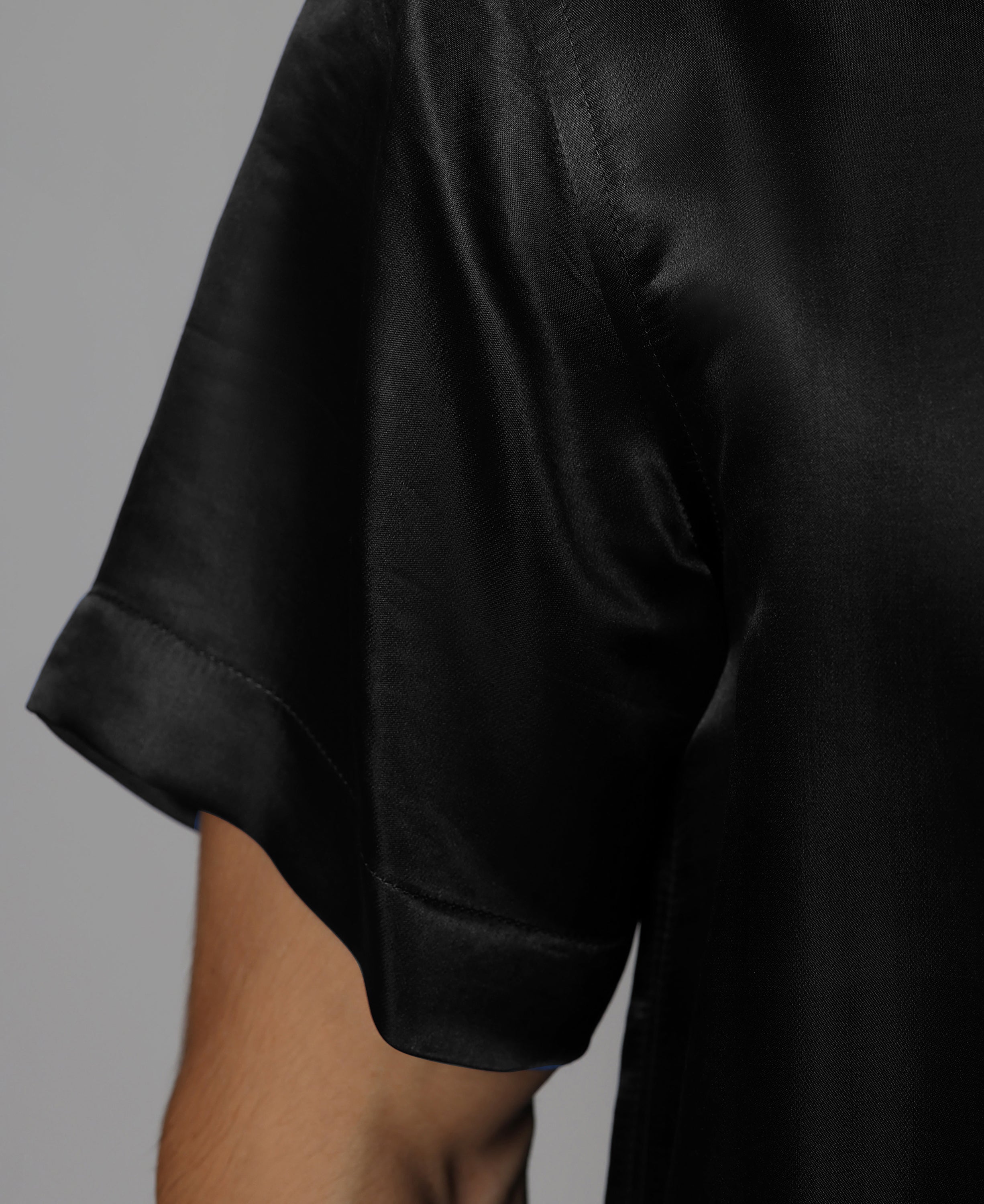
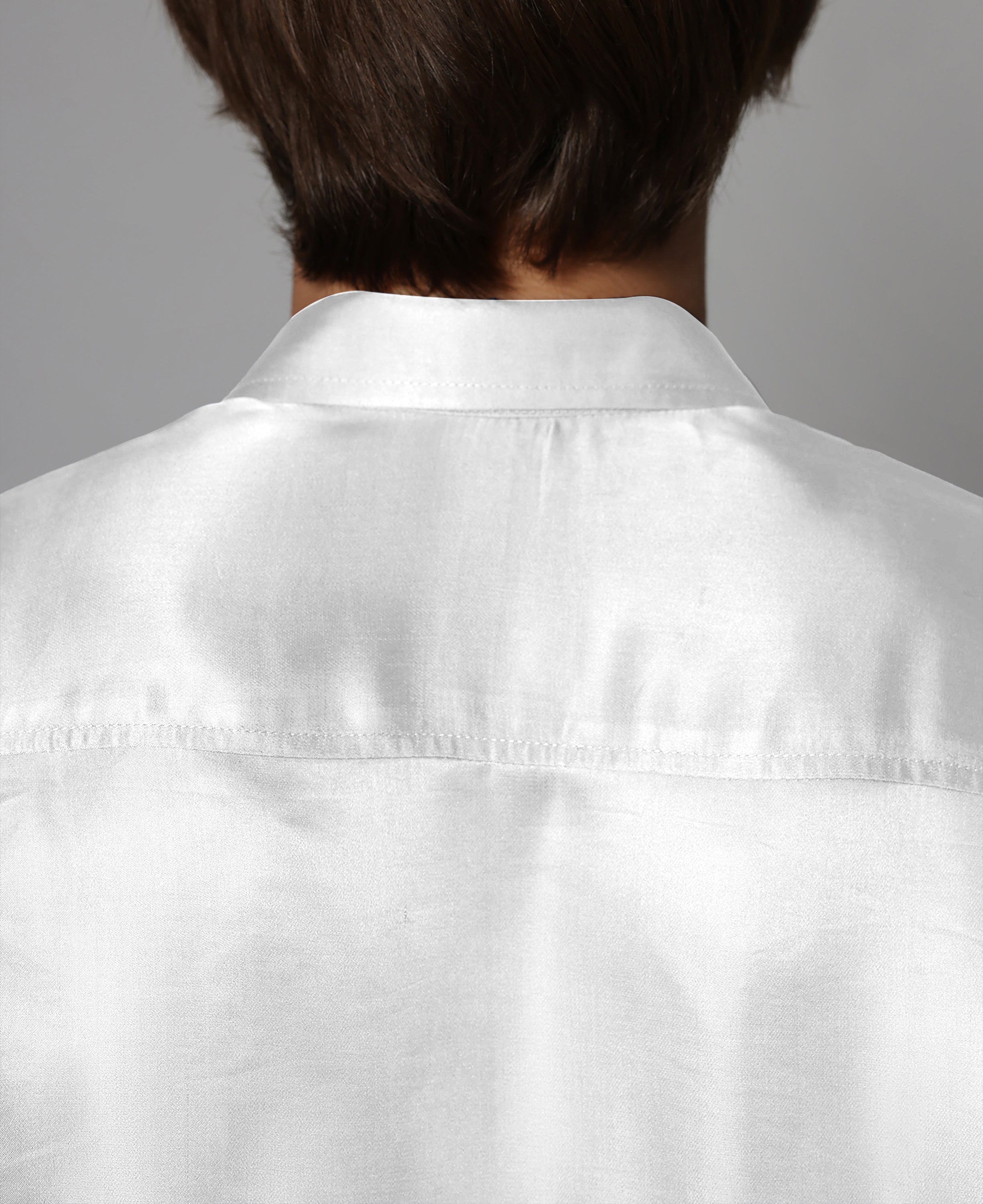
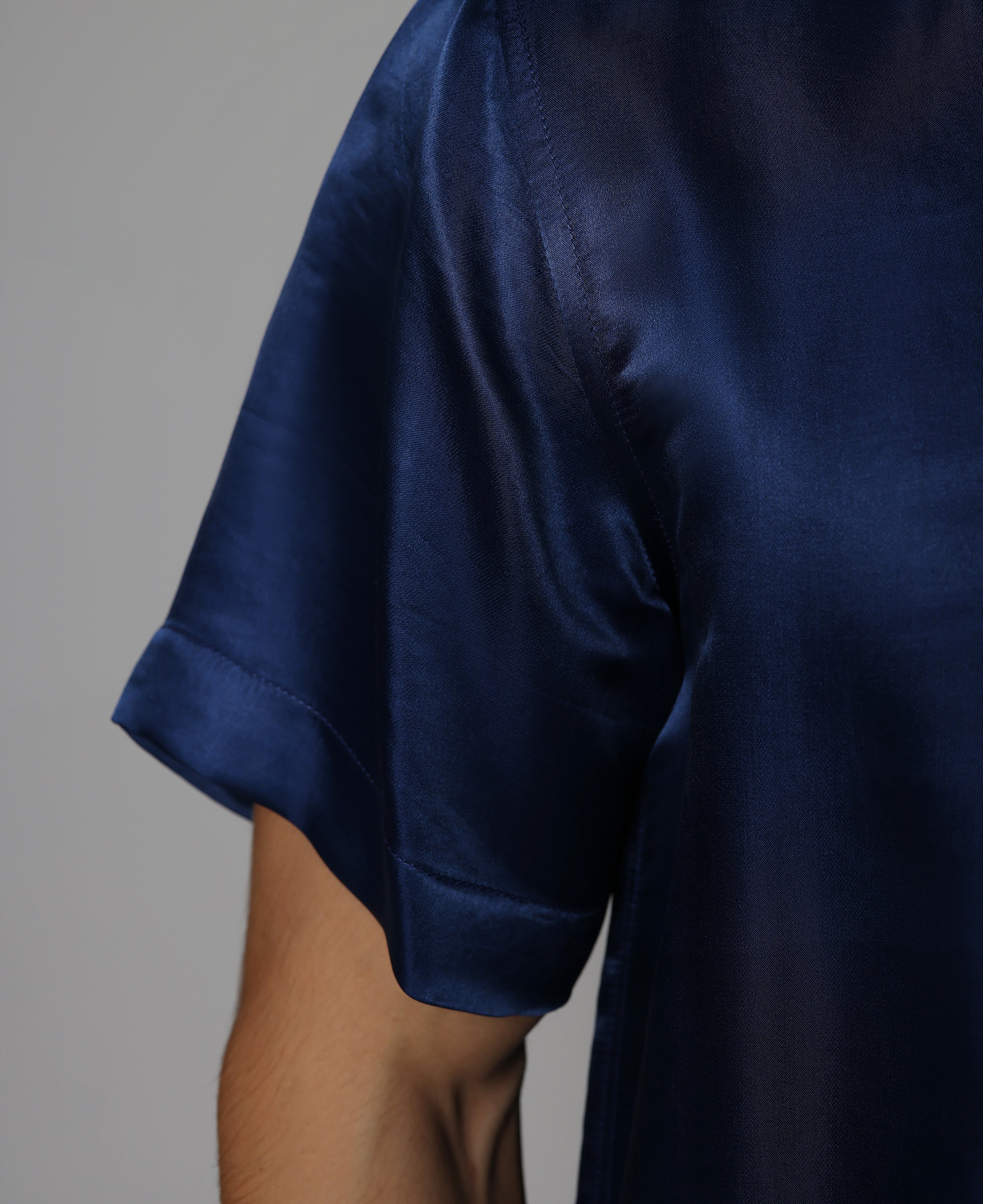
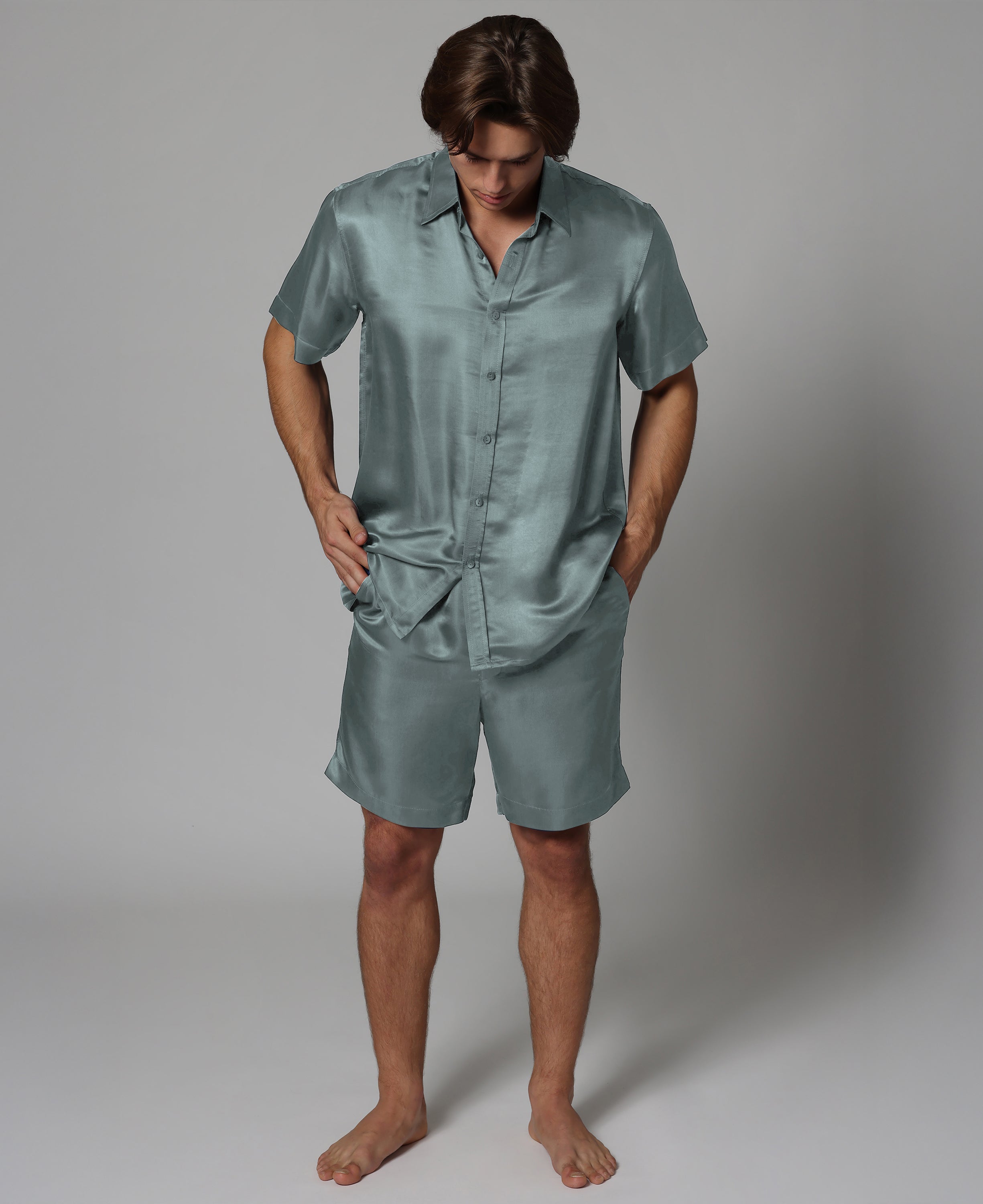
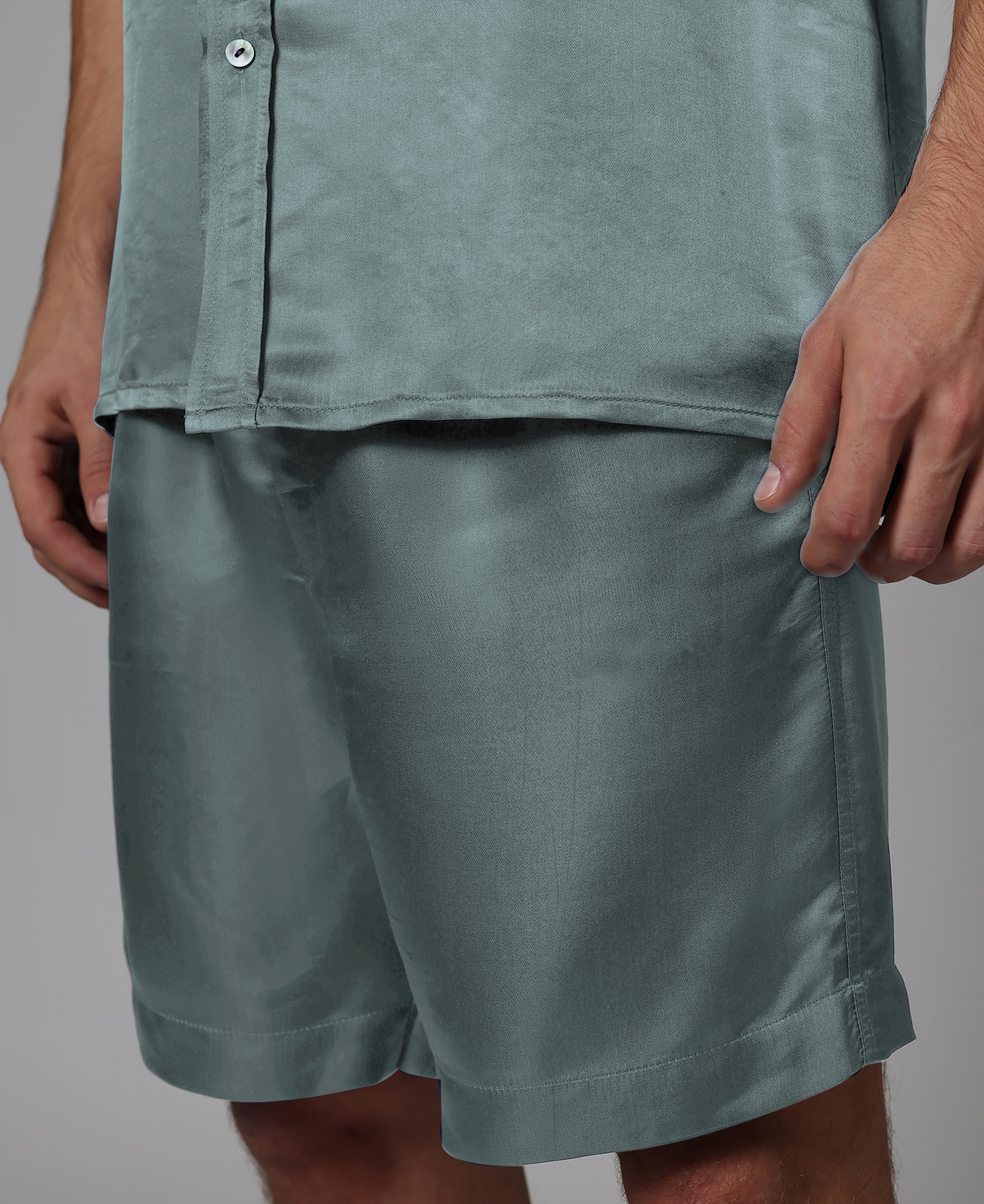
The second is the seams. A serged seam leaves raw fabric edges trimmed and overlocked inside the garment, and raw silk edges fray a little more with every wash until the seam puckers. A French seam folds the raw edges inward and encloses them completely, so there is nothing exposed for the machine to work on. Turn a garment inside out before you buy it. The inside tells you more than the label does.
The third is the dye work. Silk dyed and fixed slowly holds its color in cool water. Silk dyed at production-line speed bleeds, which is why some brands instruct you to wash their silk separately forever. A garment that cannot share a delicate cycle with its own kind is telling you how it was made.




















How to Verify a Machine Washable Claim Before You Buy
The phrase machine washable now appears on plenty of products that are not silk at all. Polyester satin is machine washable in the way that all plastic is machine washable, and a large share of what is sold online as washable silk is exactly that. So verification has two layers: is it silk, and will it survive the machine.
I run the same checks whenever I shop another brand, partly from curiosity and partly because I like knowing what we are up against. Ask for the momme weight; a brand that knows its fabric states the number, and a listing that says silky or satin without the word mulberry is answering the question by avoiding it.
Ask what the seams are. Read the care instructions and notice whether they are specific (water temperature, cycle, drying method) or vague (gentle care recommended). Specificity is confidence. A brand that tells you exactly how to wash the garment has tested what happens when you do.
Price is the final check, and the least popular one. Real mulberry silk at 22 momme or above cannot be woven, sewn, and sold for $40. If the price looks impossible, the fabric is the explanation.
How We Wash Ours
The instructions for every Tara Sartoria piece are the same, and they are short. Machine wash on a delicate cycle at 30 degrees. Lay flat to dry, out of direct sun. That is the whole ritual. No dry cleaner, no special detergent ceremony, no hand-wringing in the original sense of the term.
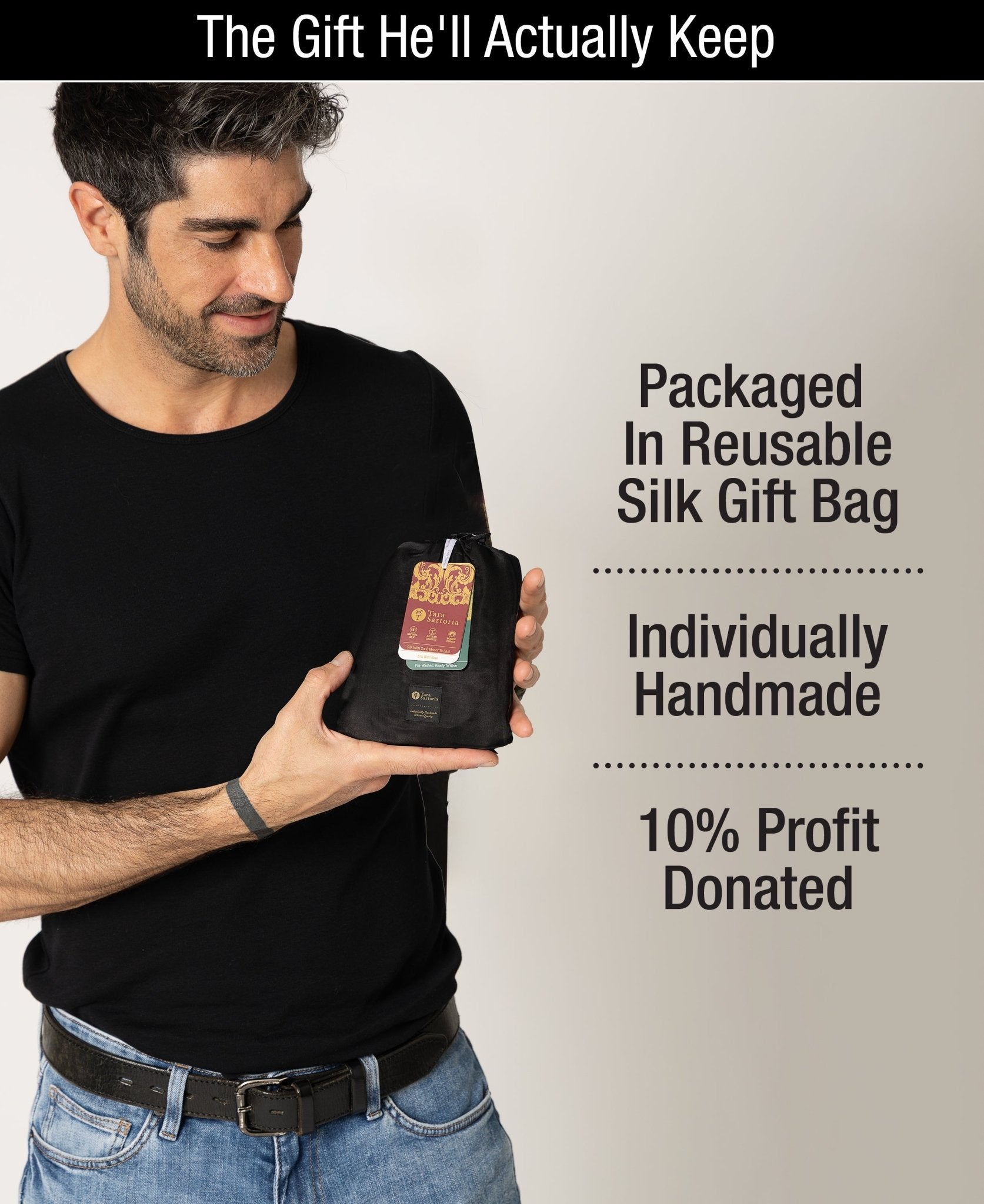
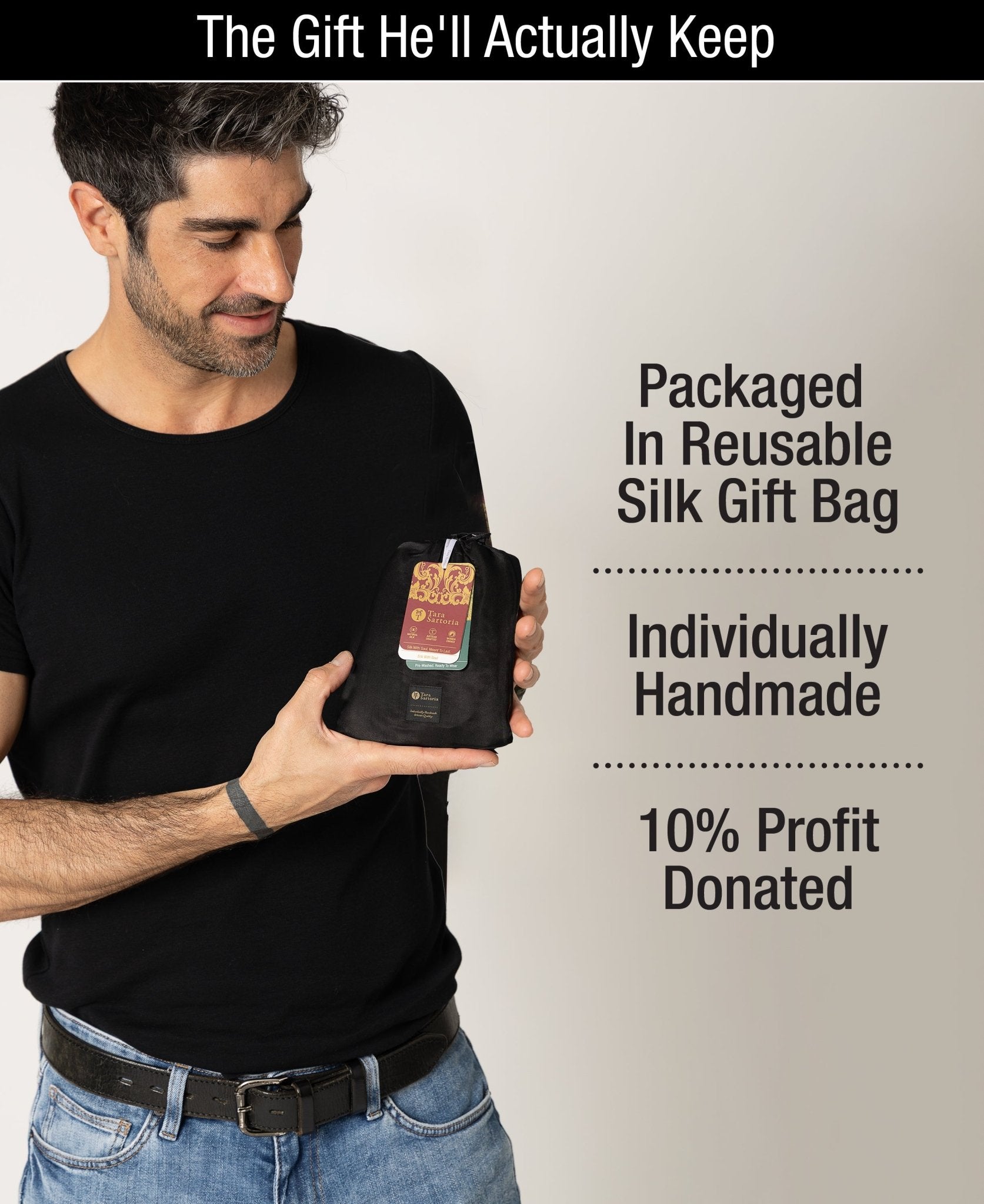
We can keep the instructions short because the durability was decided long before the garment reached the machine: on the loom, where the density is set, and at the sewing table, where one artisan finishes every seam as a French seam. Each piece is made one piece at a time, and the artisan who made it washes silk at home the same way you will. The care label is not a warning. It is a description of normal life.
A note on what the first wash feels like, because customers ask: nothing happens. The silk comes out feeling like itself. Over many washes it softens slightly where it touches the body, the way good fabric does, while the drape and the seams stay where they were. If a stain needs attention before a full wash, treat it promptly and gently.

Long Silk Robe

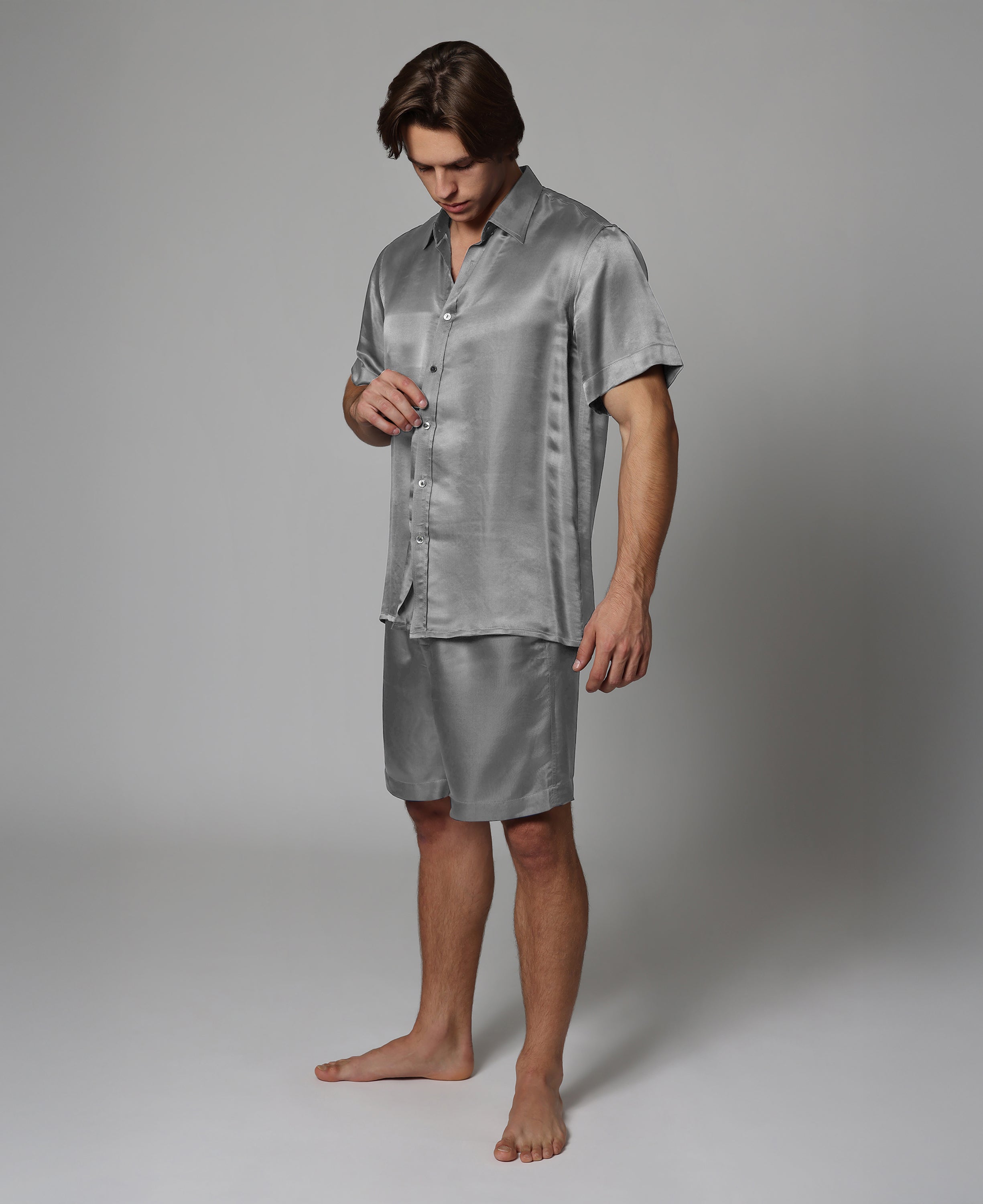
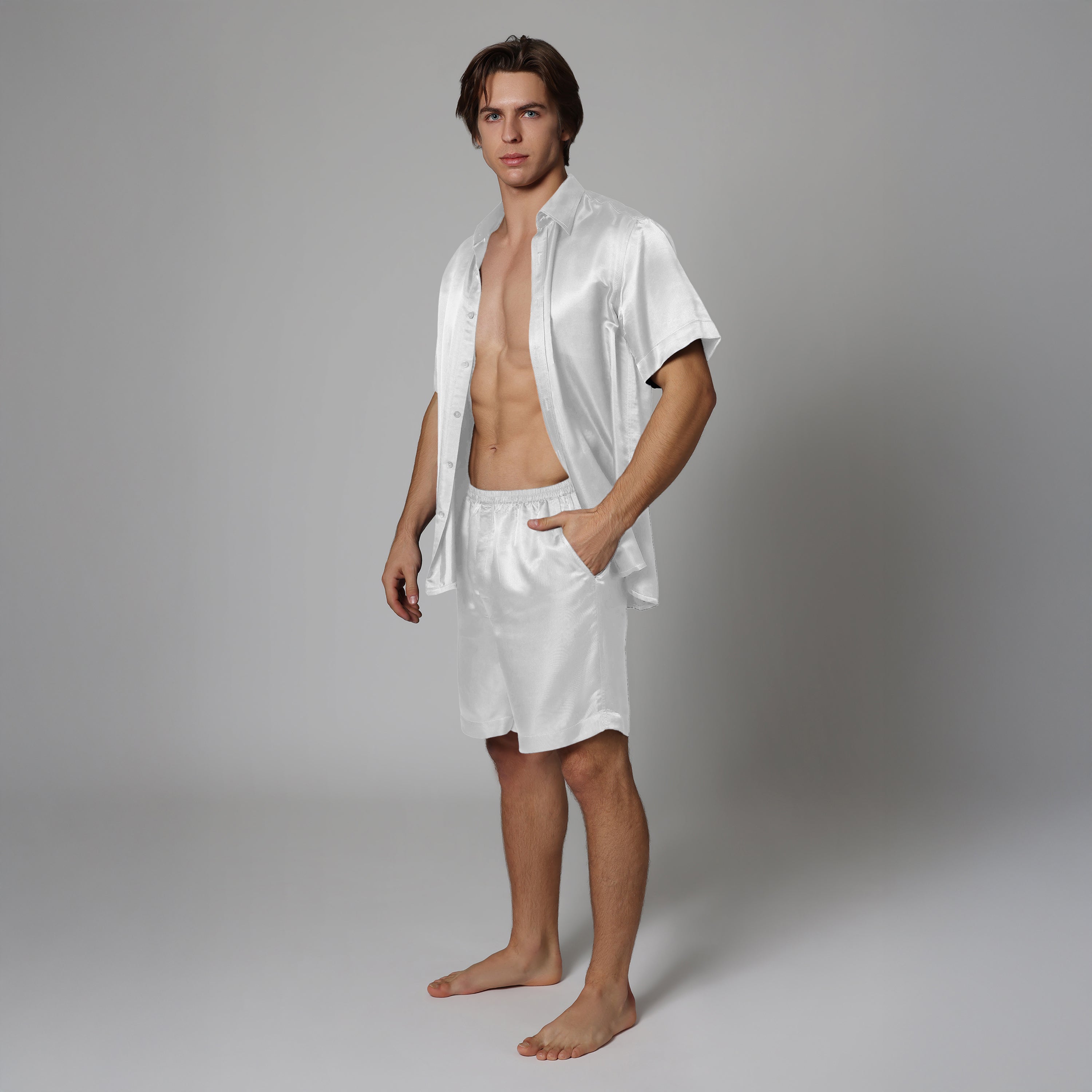
Classic Silk Pajama Set

2-Pack Silk Boxers
Where the Money Goes When Silk Is Washable
The practical case for washable silk is arithmetic. Dry cleaning a pajama set costs somewhere between $10 and $20 per visit in most US cities, and a set worn weekly needs cleaning at least monthly. Over five years that is several hundred dollars spent maintaining a garment, which quietly doubles the price of cheap silk and makes a mockery of the word affordable on the label. A machine washable set costs a scoop of gentle detergent and thirty minutes of delicate cycle.
There is a quieter cost too. Garments that are inconvenient to clean get worn less. The robe that needs a dry cleaner becomes the robe for special occasions, then the robe in the drawer, then the robe you forgot you owned. We do not make silk to sit in drawers. A garment you can wash on a Sunday evening is a garment you will actually wear on Monday, and the cost per wear falls with every ordinary morning it gets used.
The Takeaway
Machine washable silk is not a special variety of silk and not a marketing invention. It is what silk becomes when it is woven densely enough and sewn carefully enough that water is a non-event. The verification is in your hands before you buy: ask the momme weight, turn the garment inside out, read the care label for specifics, and be suspicious of any silk price that looks like a misprint.
Wash it at 30 degrees on a delicate cycle, lay it flat to dry, and let the garment do what it was built to do, which is show up in your ordinary week for years. If you would rather start with a piece that has already passed every test in this article, see the collection if you would rather compare first.
Frequently Asked Questions
Where can I find machine washable silk sleepwear?
Look for sleepwear in real mulberry silk with a stated momme weight of 22 or higher, French seam construction, and care instructions that name a water temperature and cycle. Tara Sartoria makes machine washable silk pajamas, robes, boxers, and nightgowns, made one piece at a time by master artisans in Vietnam's historic silk villages and sized XS to 4XL. Every piece washes on a delicate cycle at 30 degrees and lays flat to dry.
Can you machine wash real silk pajamas?
Yes, if the silk is dense enough and the seams are constructed to survive it. Real silk pajamas at 22 momme or above, finished with enclosed French seams, wash safely on a delicate cycle at 30 degrees in a mesh bag or on their own. Thin silk in the 16 to 19 momme range is riskier in a machine, which is why so much of it carries a dry clean only label. The label describes the garment, not the fiber.
Does machine washing ruin silk over time?
Not when the silk was made for it. Dense silk washed cool on a delicate cycle and dried flat keeps its drape and sheen through years of regular washing. What damages silk is heat, harsh detergent, and agitation working on a loose weave or exposed seam edges. Avoid hot water, skip the dryer, use a gentle detergent, and the wash cycle becomes the least eventful part of the garment's week.
What is the difference between washable silk and regular silk?
Chemically, nothing. Washable silk is a market term, not a fiber type. The difference is construction: density of the weave, quality of the seams, and how the dye was fixed. A brand that calls its silk washable is claiming the garment was built to survive a machine. Some of those claims are backed by dense fabric and French seams. Others are polyester satin borrowing the word silk. The momme number and the fiber content line tell you which one you are holding.
What momme weight should machine washable silk be?
Treat 22 momme as the practical floor for sleepwear that will see a washing machine regularly, and higher as better. The industry standard for silk sleepwear runs 19 to 22 momme. Tara Sartoria silk is woven at 27 momme on heritage looms, denser than the standard, which is the main reason our pieces wash without drama. Below about 19 momme, hand washing is the safer instruction, and the garment's lifespan shortens either way.
