


Ice Cream for Dinner: A Heatwave Survival Plan
By Tara Nguyen, Ph.D., Founder and Creative Director, Tara Sartoria
8 minute ice cream dinner. No regrets.
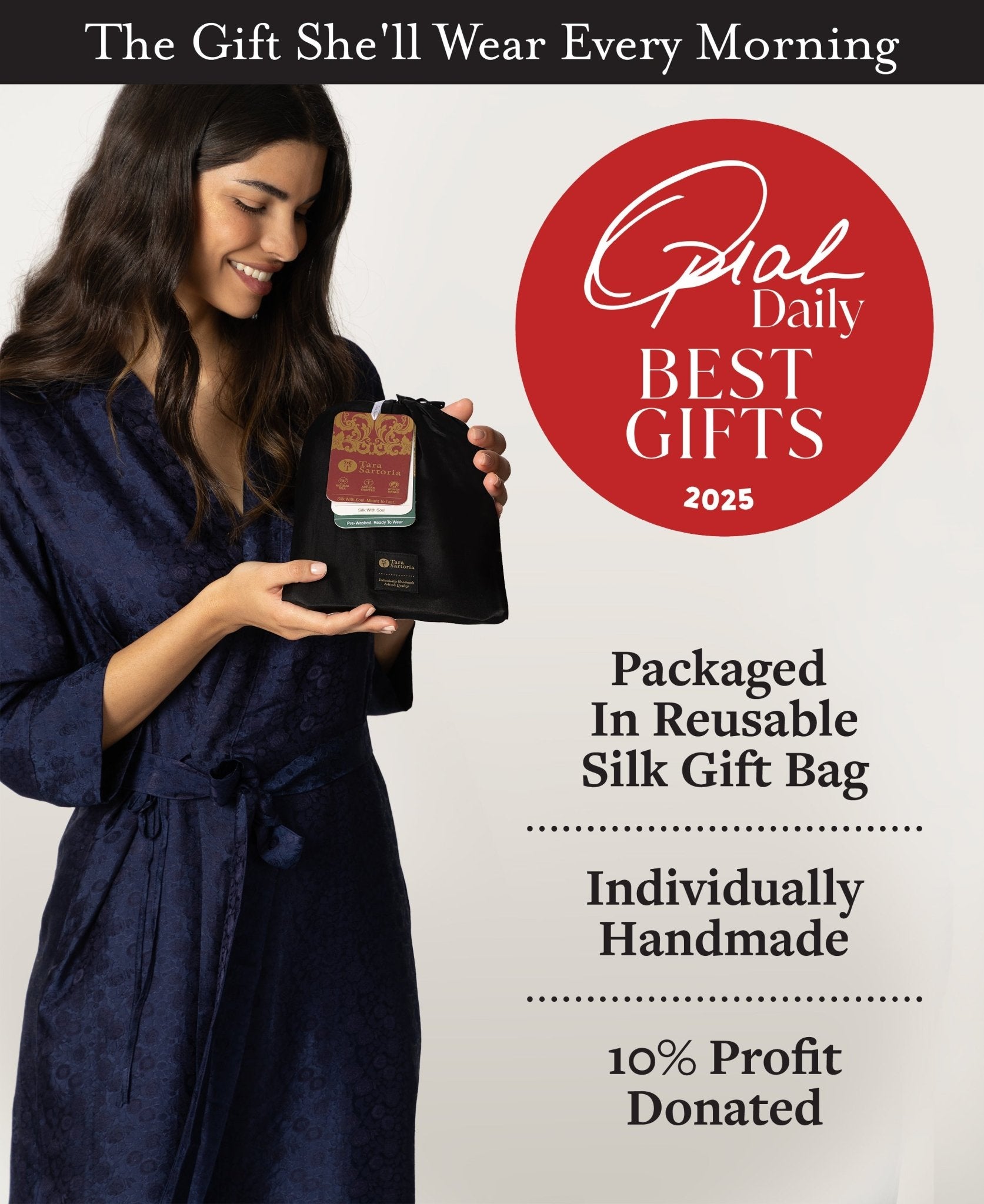
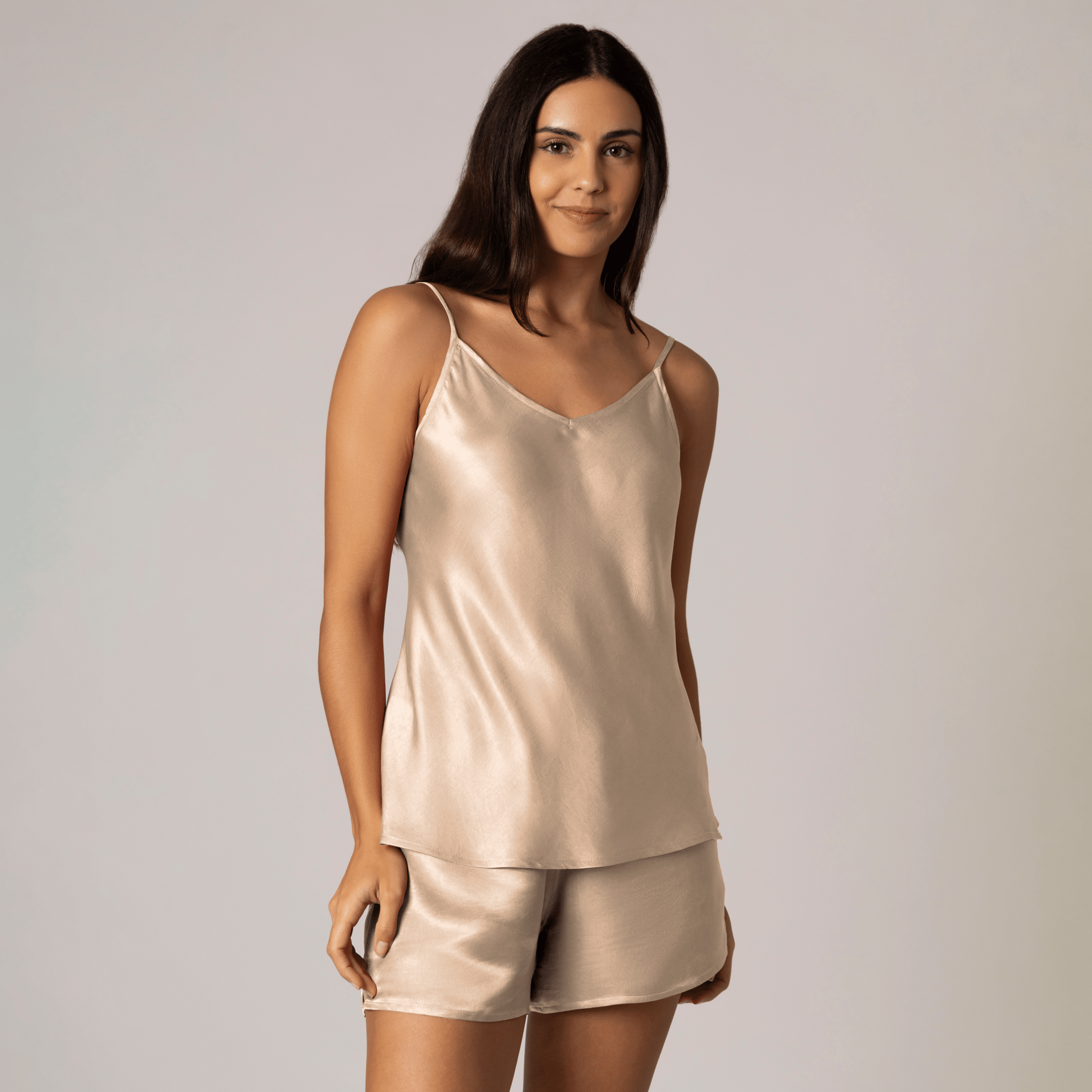
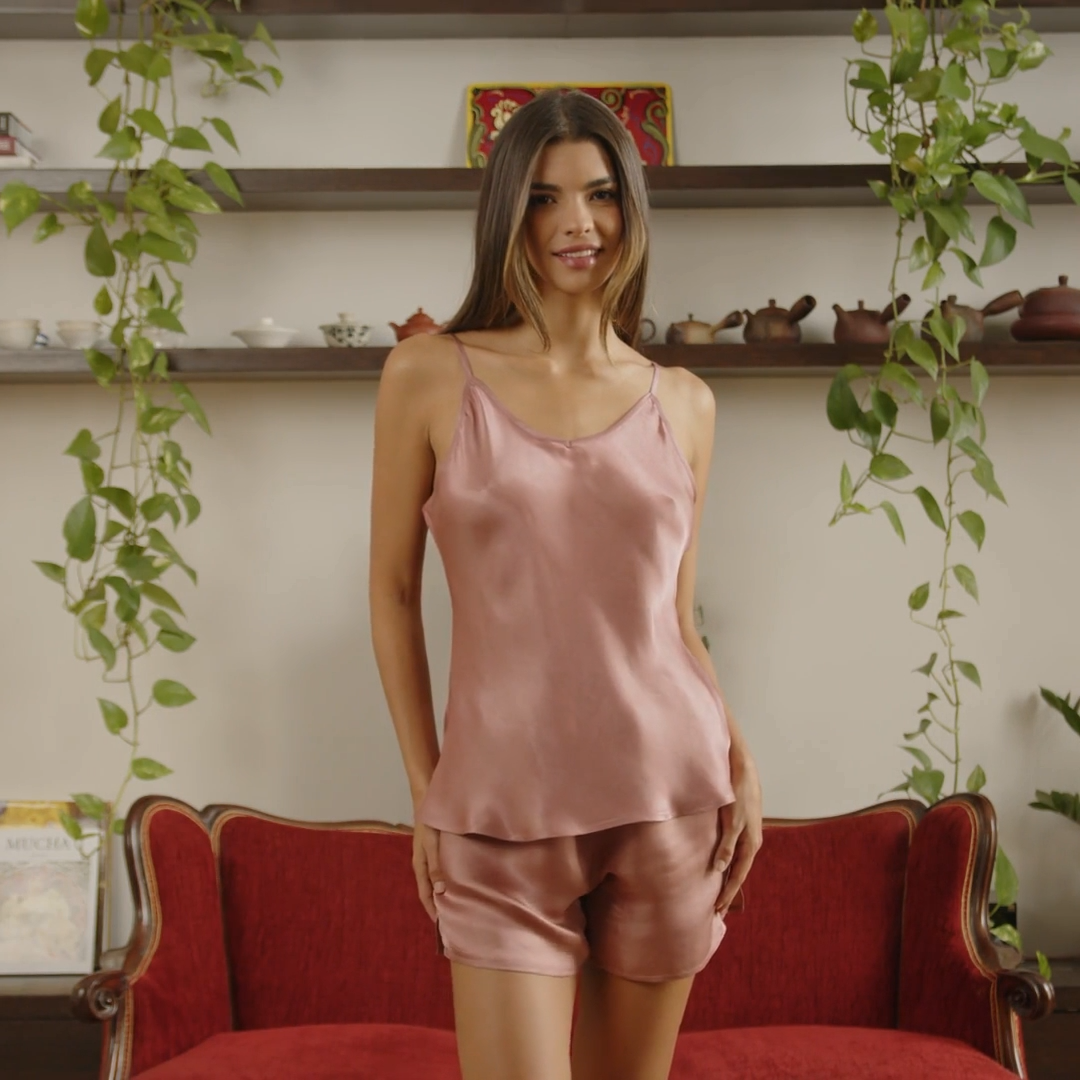
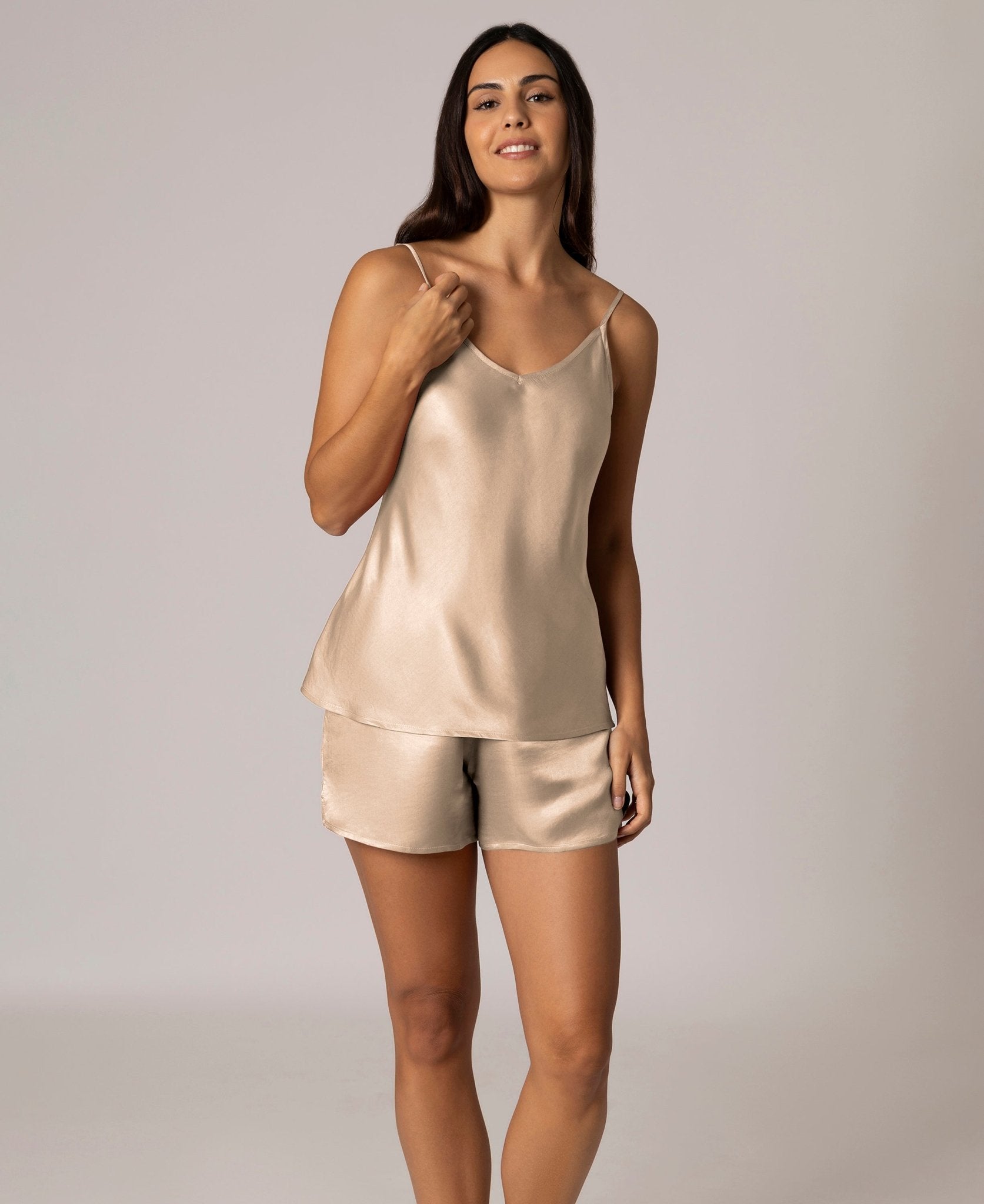
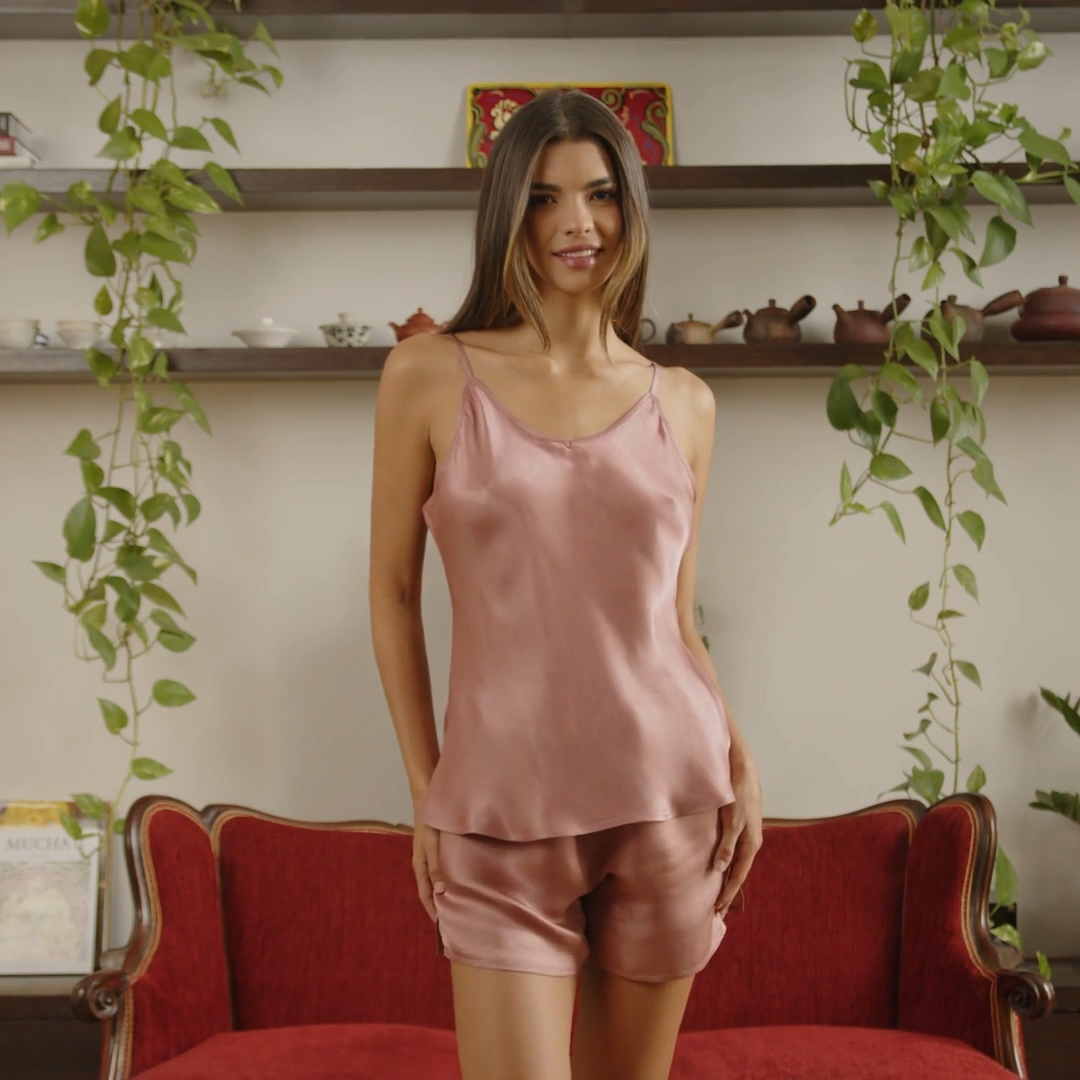
I have apparently reached the stage of adulthood where my ideal summer dinner is ice cream eaten in silk pajamas. During this heatwave I have been making high protein ice cream in a Ninja CREAMi and calling it a meal.
It takes about 5 minutes of actual work, no cooking, and it comes out light and genuinely flavorful with roughly 30 grams of protein per serving, no added sugar, and no lactose.
The recipe is below. No cooking, which is important during a heatweave when cooking a hot meal in a hot apartment raises the indoor temperature exactly when you need it falling.
High Protein Strawberry Ice Cream
Makes 2 servings. About 8 minutes of active time, plus 24 hours of freezing.
Ingredients:
- 1 cup unsweetened almond or soy milk
- 2 tablespoons lactose free plain yogurt
- 1 cup strawberries
- 3 ounces sugar free protein powder
- 2 tablespoons monk fruit and allulose sweetener
Method:
- Combine everything in the CREAMi container and stir until the powder is fully incorporated with no dry pockets.
- Freeze flat for 24 hours or more.
- Process on the ice cream setting for about three minutes. If it comes out crumbly, add a splash of milk and run the re-spin cycle.
Estimated per serving: around 200 calories, 30 to 35 grams of protein, about 3 grams of fat, and 7 to 8 grams of net carbs. Exact numbers will move depending on which milk, yogurt, and protein powder you use, so treat this as a ballpark rather than a lab result.
Strawberry is my current favorite. Coconut, mango, passion fruit, chocolate, vanilla, and nuts all work. Frozen fruit is fine and often better, since it holds more flavor than a strawberry that traveled two thousand miles in July.
Why heat wrecks your sleep, and what the research actually says
Falling asleep is a temperature event. Your core body temperature drops as you move toward sleep onset, and a room that is too warm interferes with that drop. Cleveland Clinic puts the useful bedroom range at 60 to 67 degrees Fahrenheit and notes that anything above 70 is working against you.
The scale of the problem is larger than most people assume. A study published in One Earth analyzed seven million nightly sleep records from more than 47,000 adults across 68 countries. On nights above 86 degrees Fahrenheit, people lost just over 14 minutes of sleep on average. Heat mostly delays when you fall asleep and pulls your wake time earlier, rather than fragmenting the middle of the night. The authors project that by 2099, suboptimal temperatures could cost 50 to 58 hours of sleep per person per year.
A 2024 systematic review in Sleep Medicine Reviews reached a blunter conclusion: higher indoor and outdoor temperatures degrade sleep quality and quantity worldwide, the effect holds across measurement methods, and there is little evidence that people adapt quickly to heat. You do not get used to it. You just get more tired.
The counterintuitive part: take a warm shower, not a cold one
This is the piece that surprises most people. A cold shower feels correct and is largely theater. It cools your skin, your body responds by conserving heat, and twenty minutes later you are warm again.
A warm bath or shower roughly two hours before bed does the opposite. Dr. Brooke Aggarwal of Columbia University explains that warm water increases circulation, which draws heat out of your core and releases it through your skin. Your core temperature then falls further than it otherwise would, and it falls at the moment you want it to.
So the sequence is warm shower, then cool room, then something light to sleep in. In that order.
What silk does, and what it does not do
Here is where a silk brand is supposed to make large claims. I would rather be accurate, because you can tell the difference.
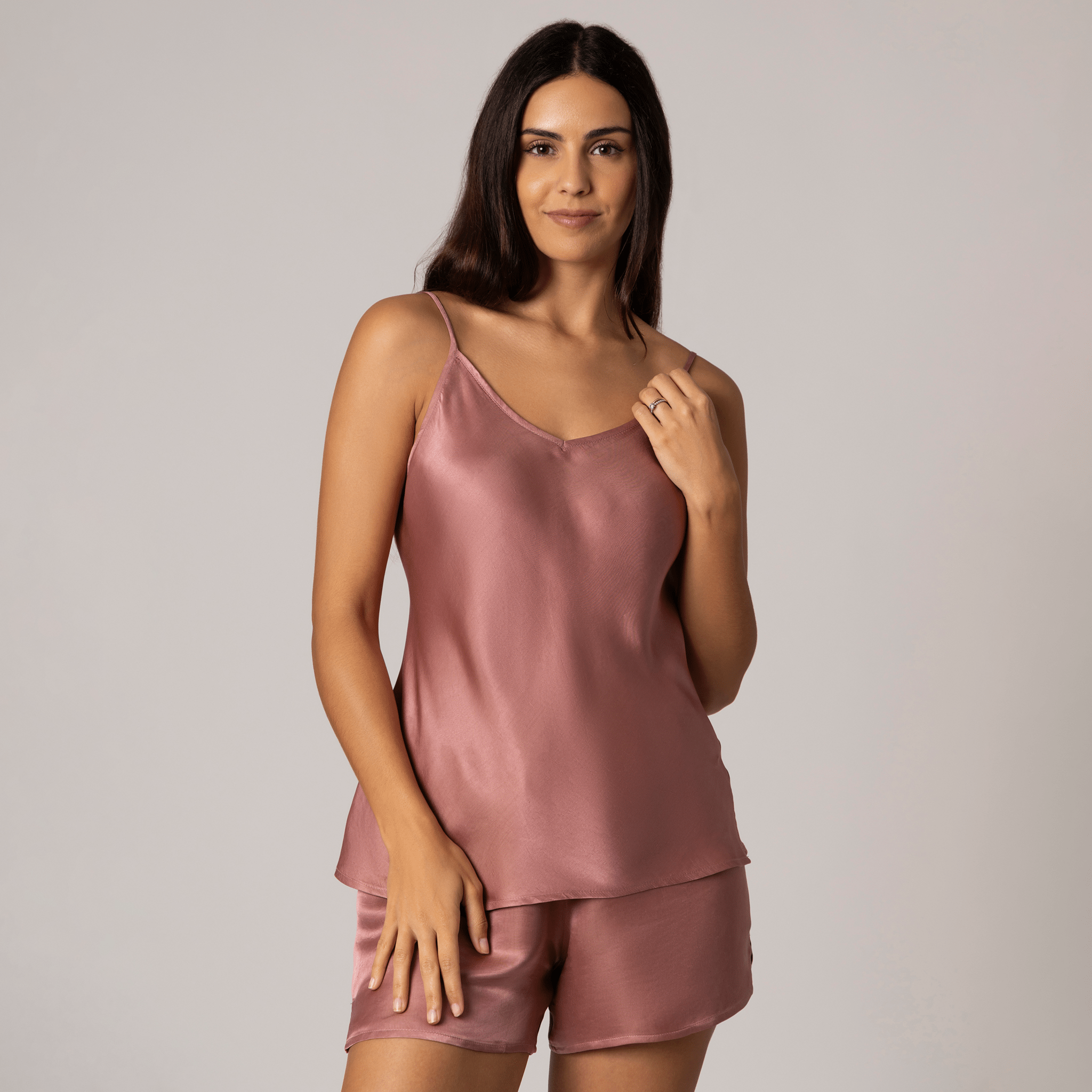
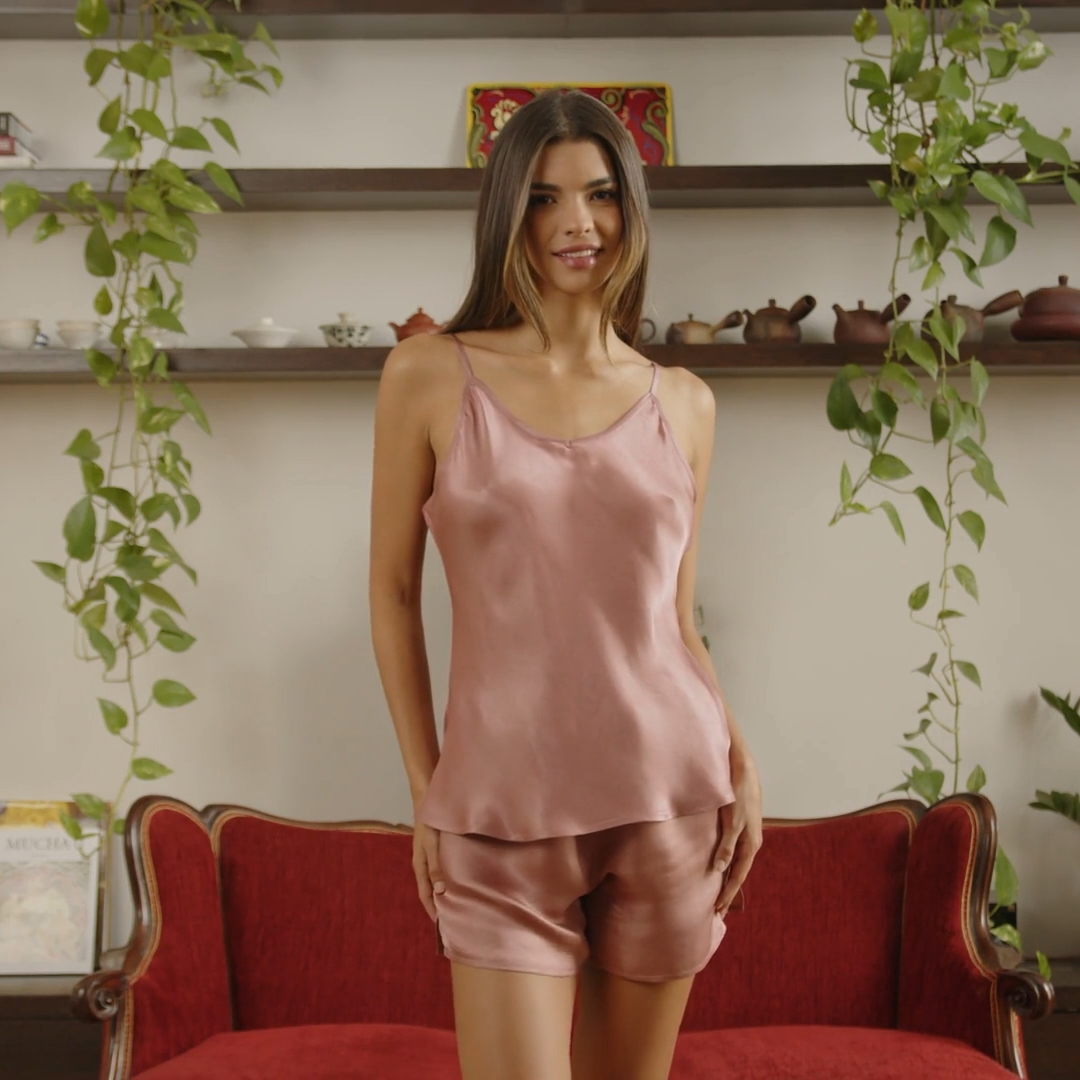
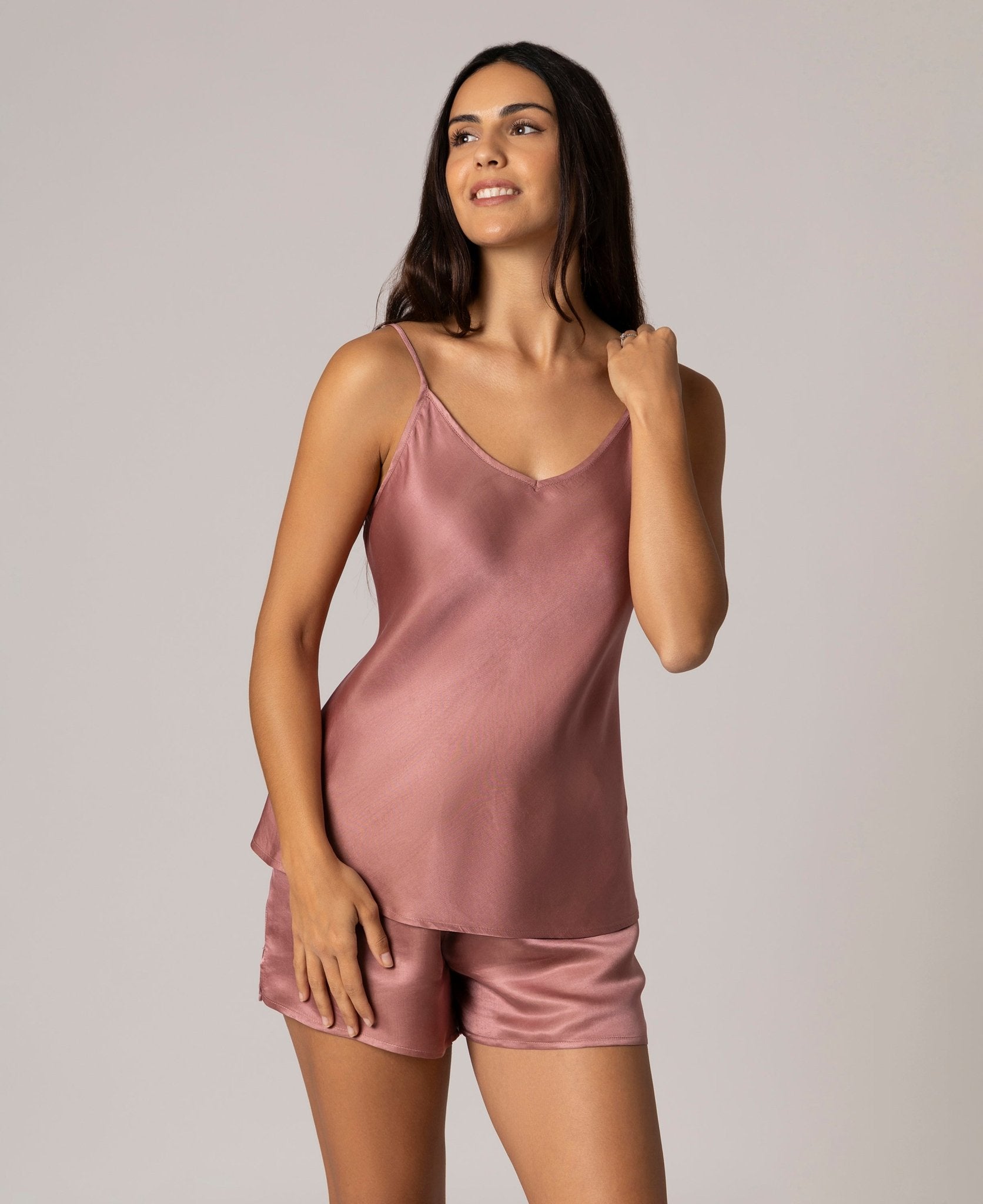
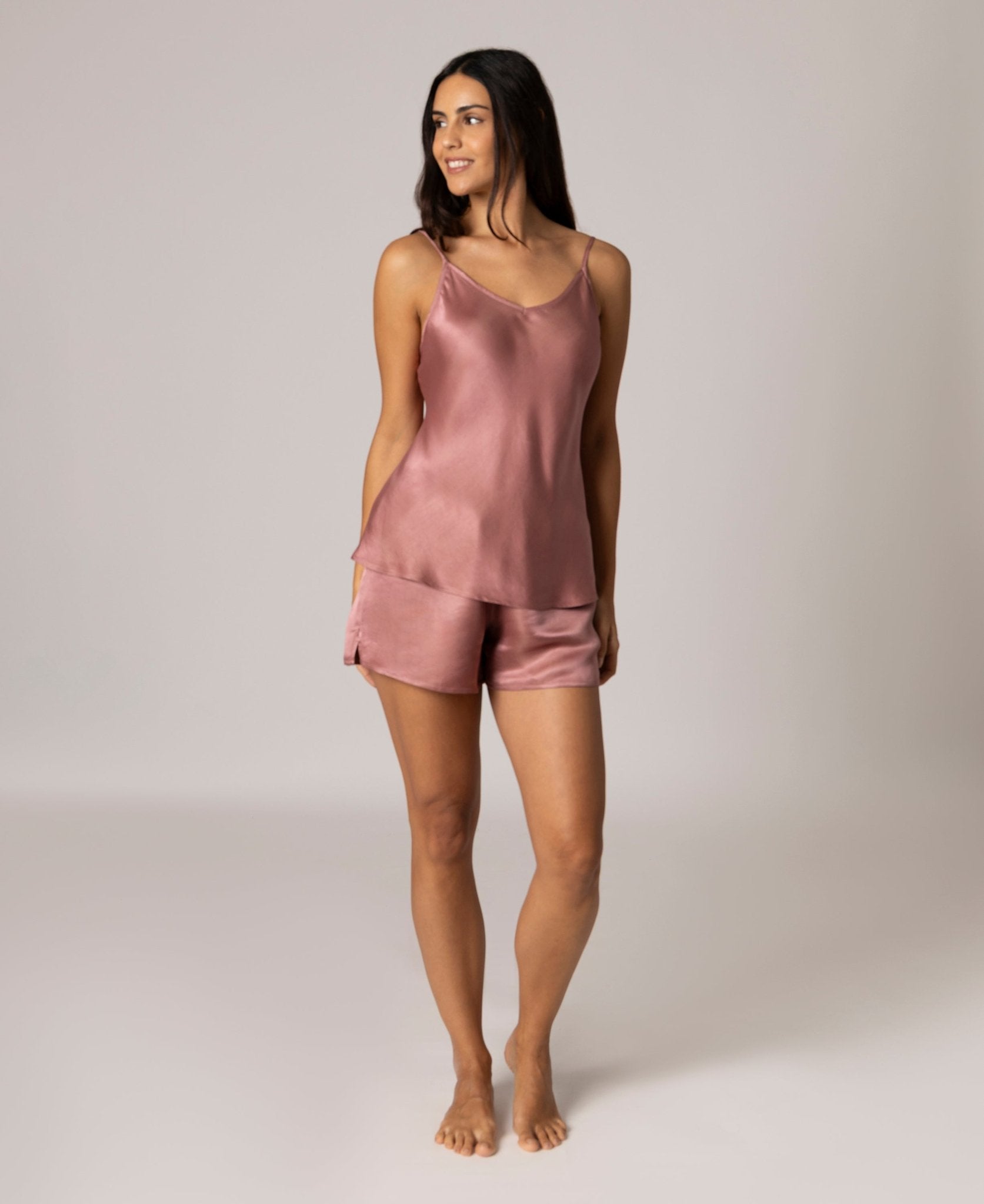
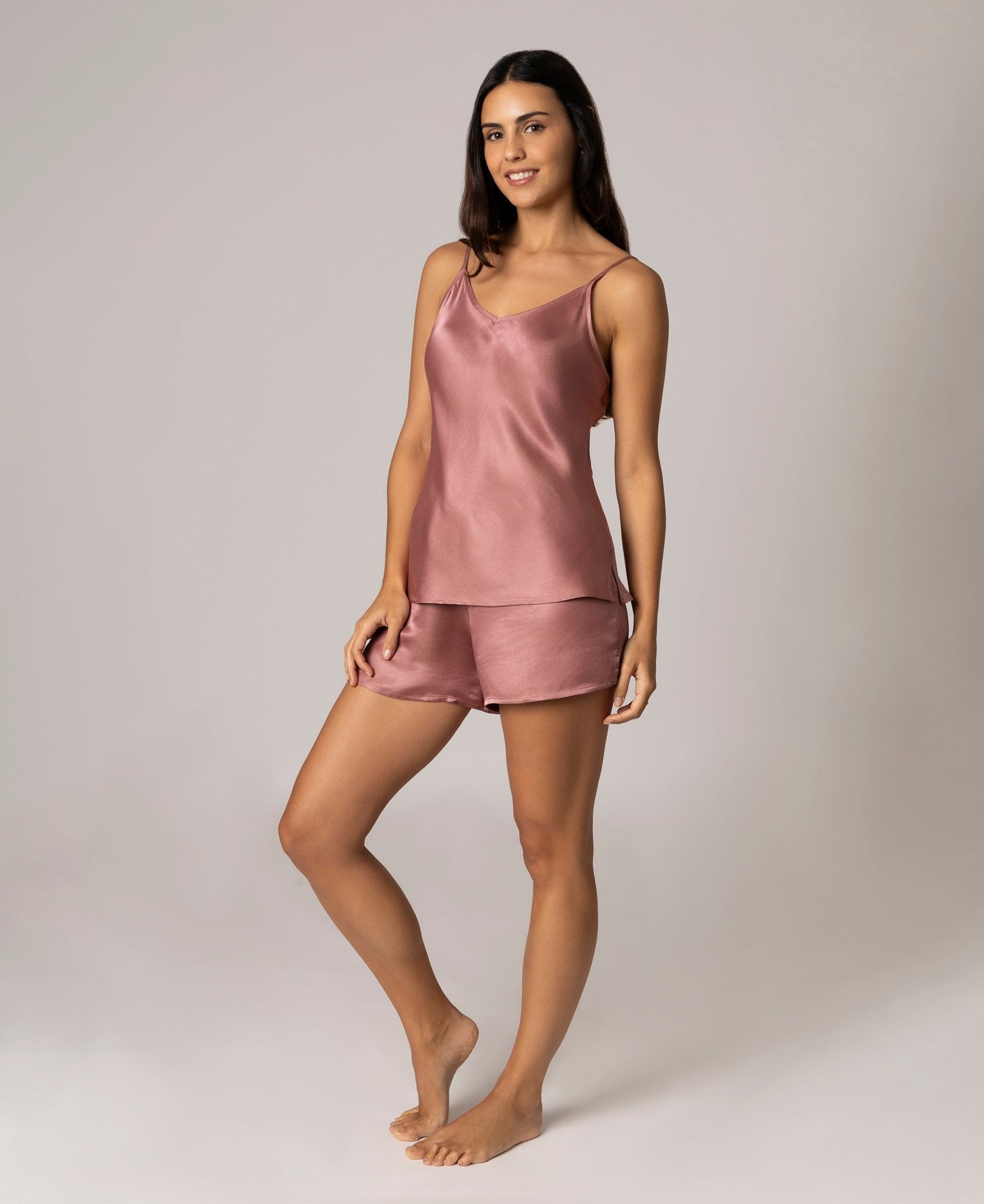
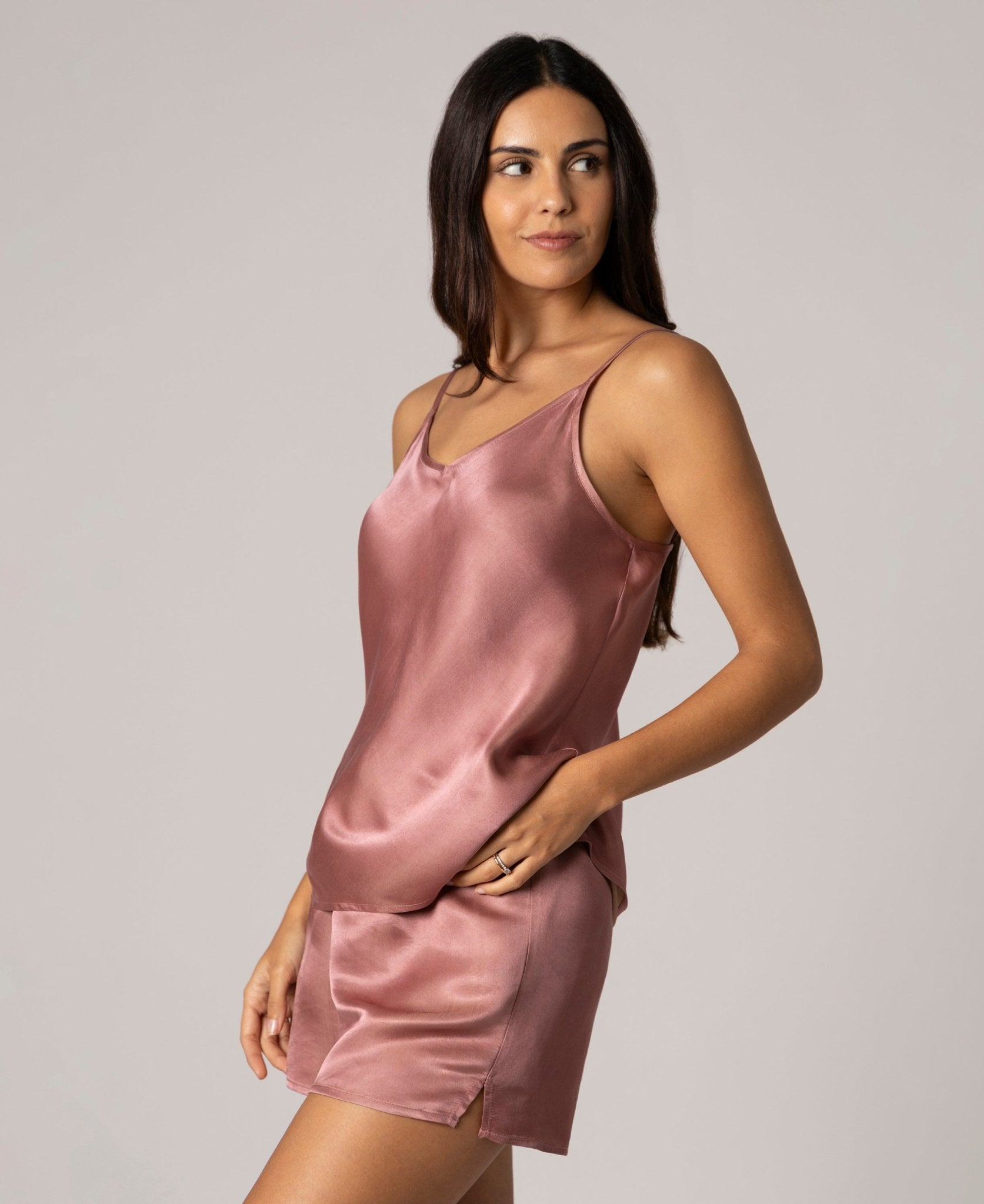
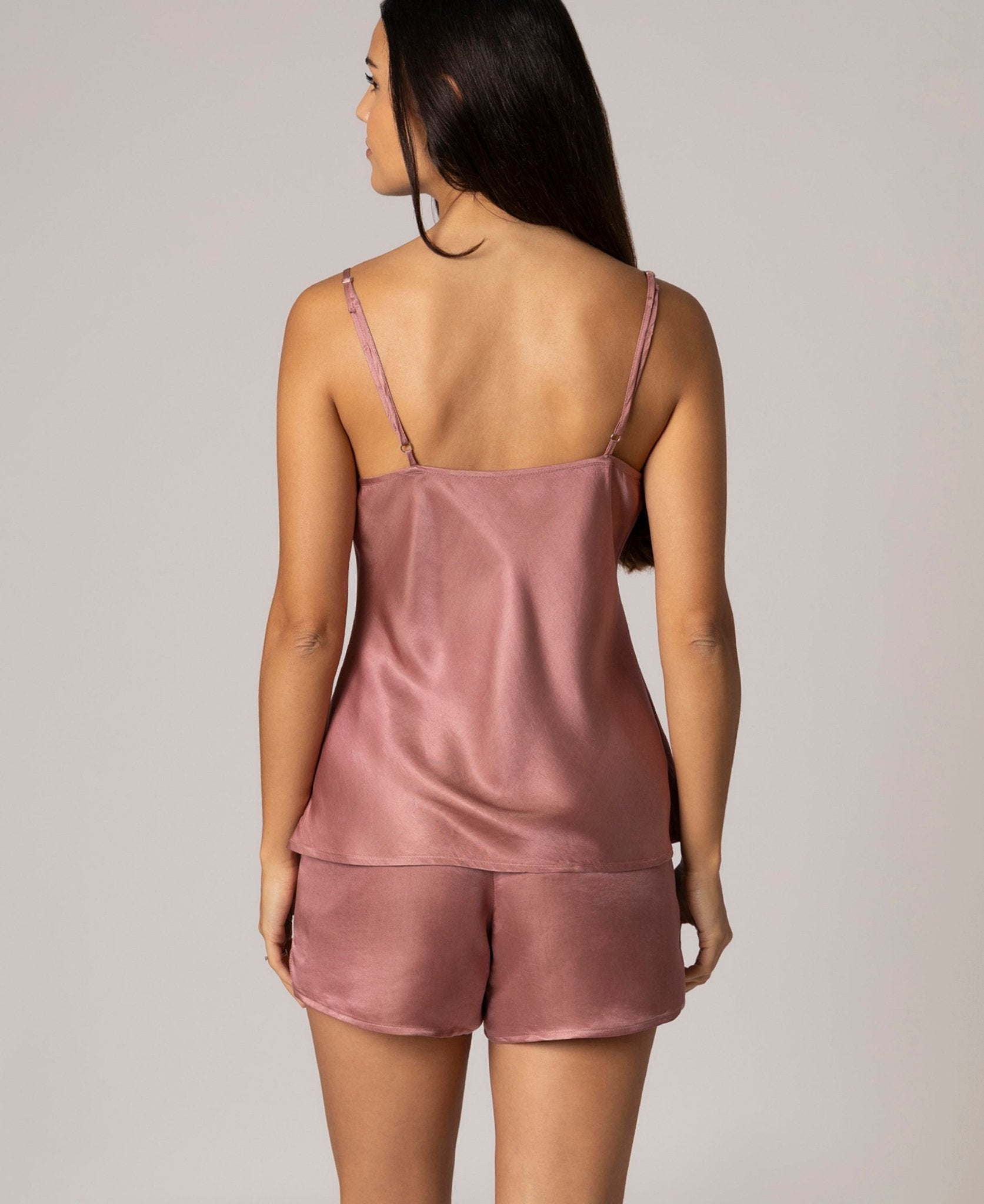
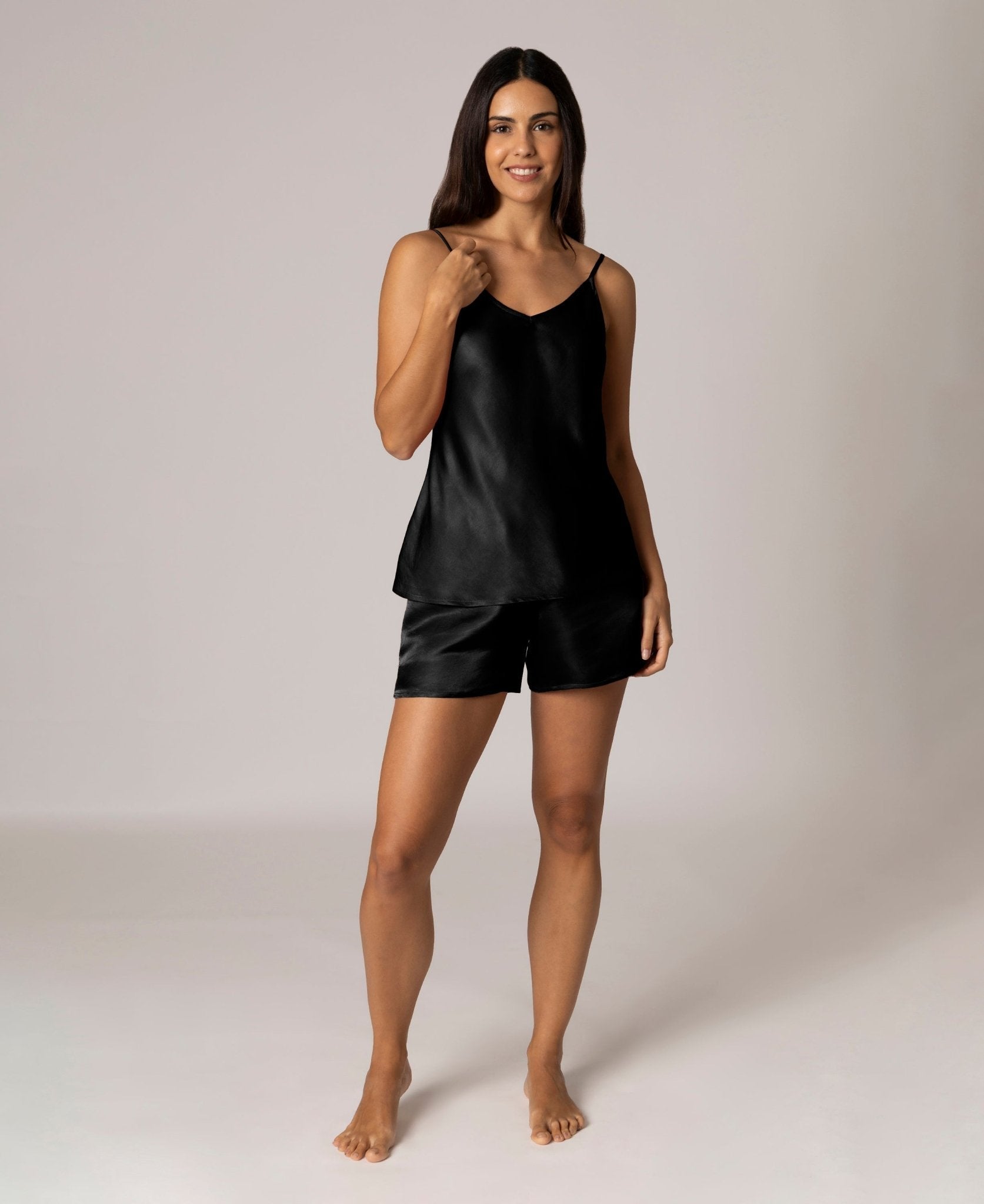
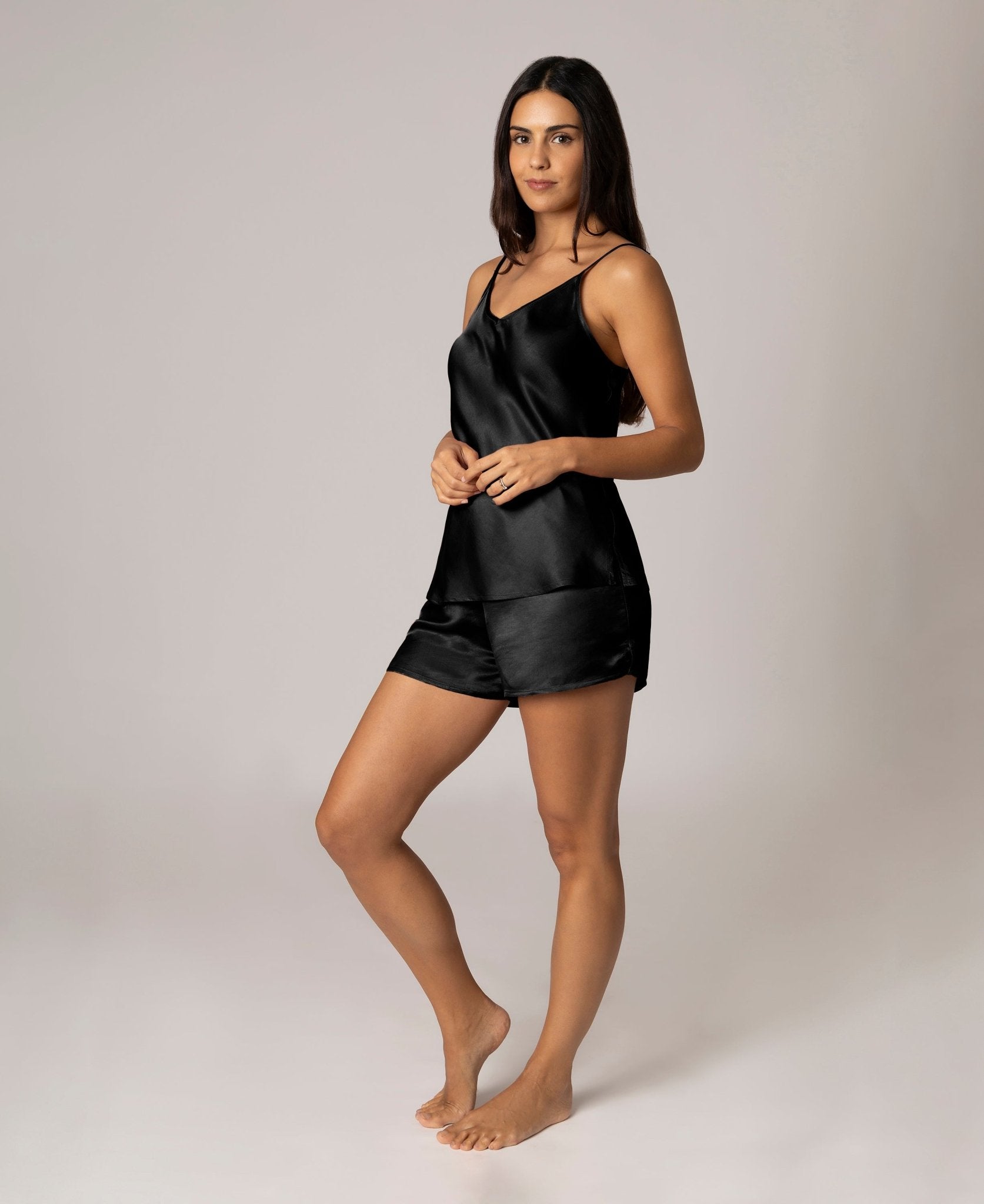
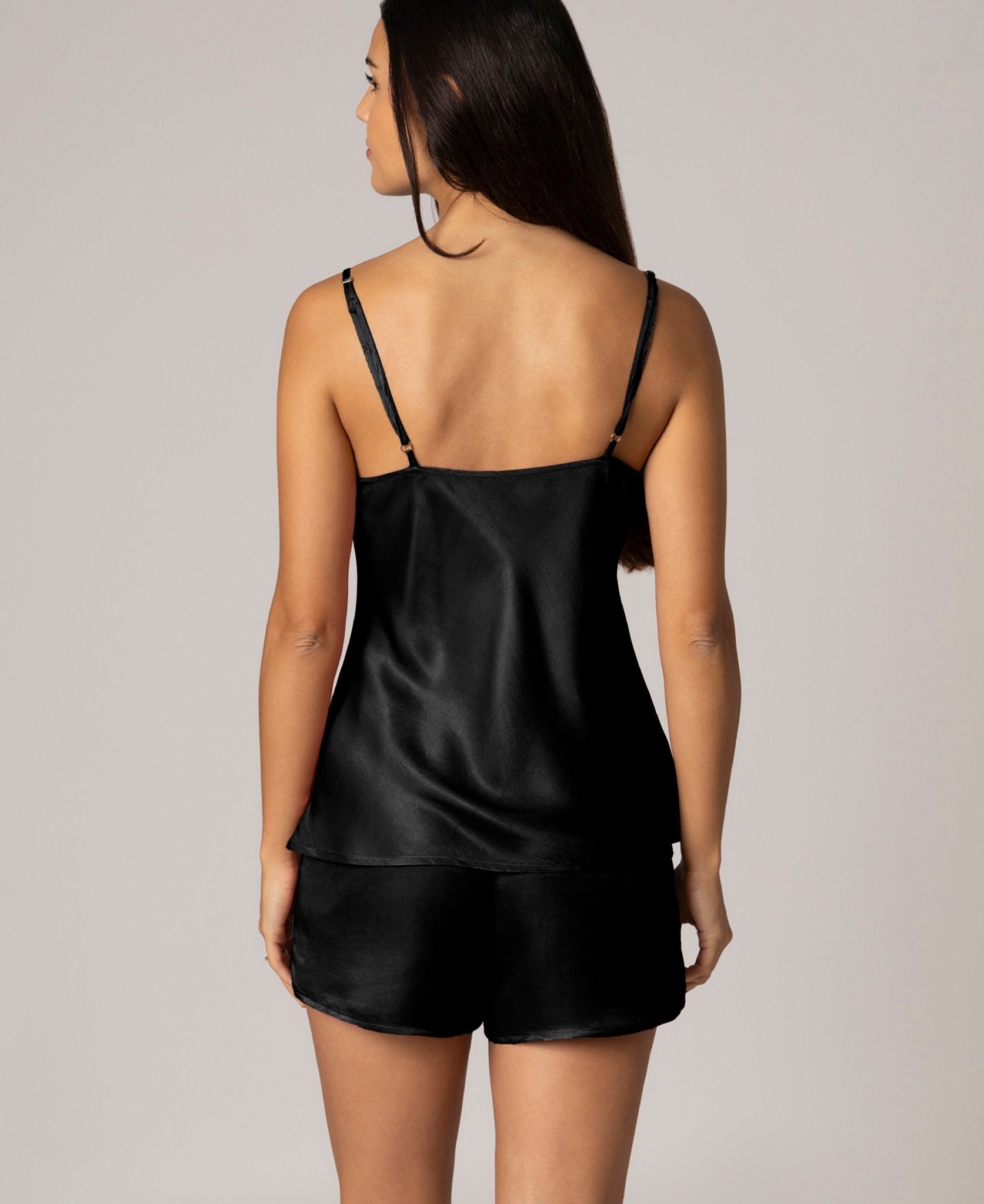
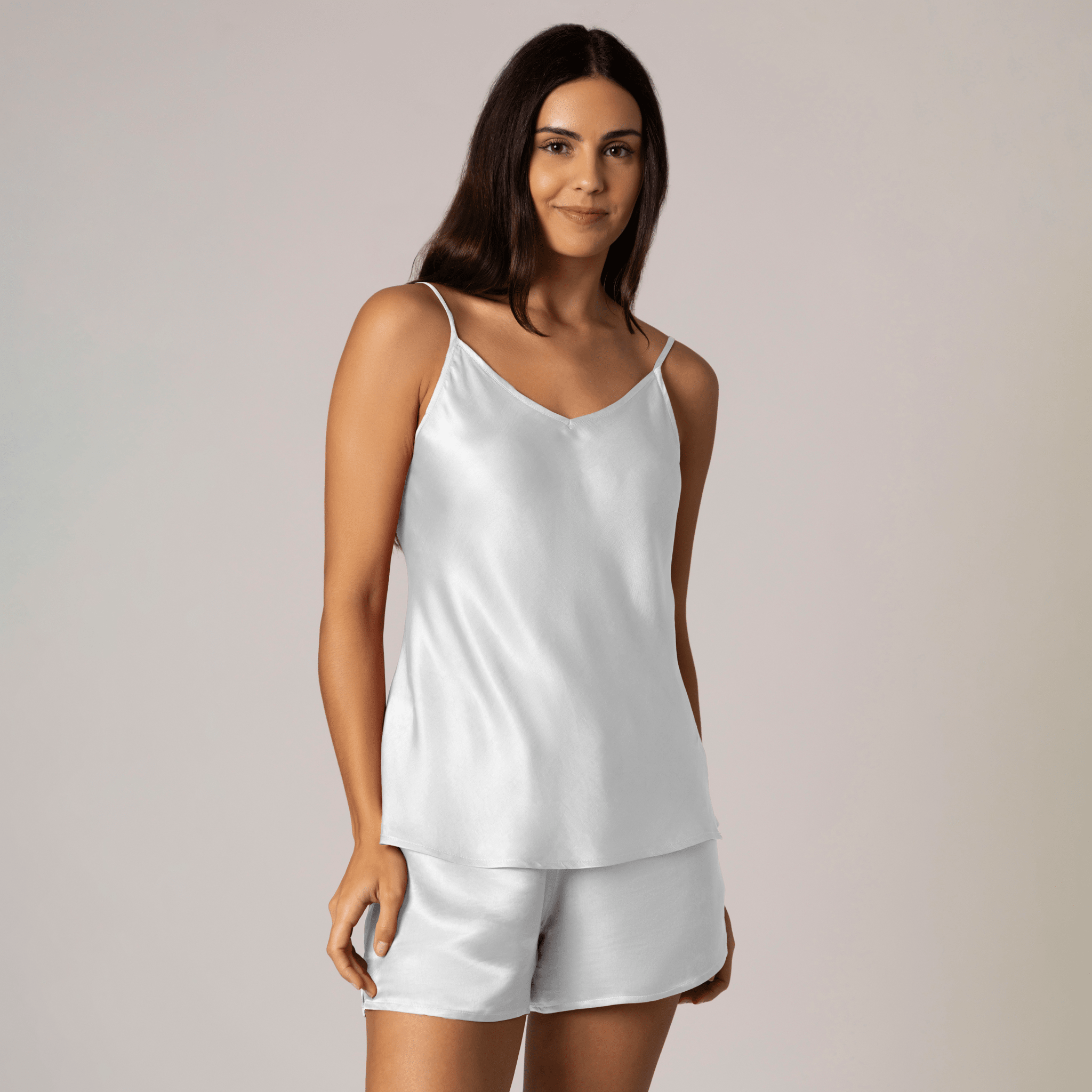
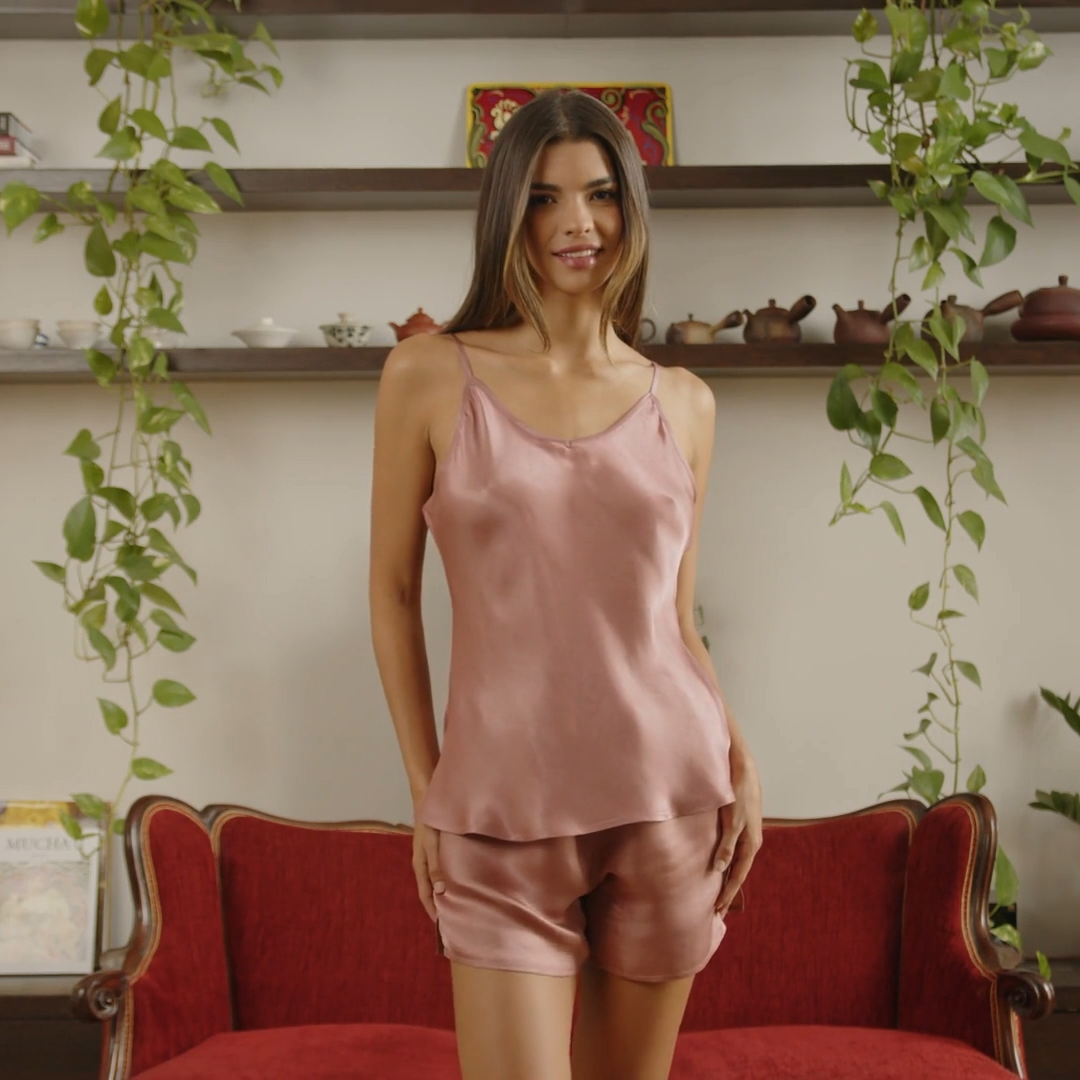
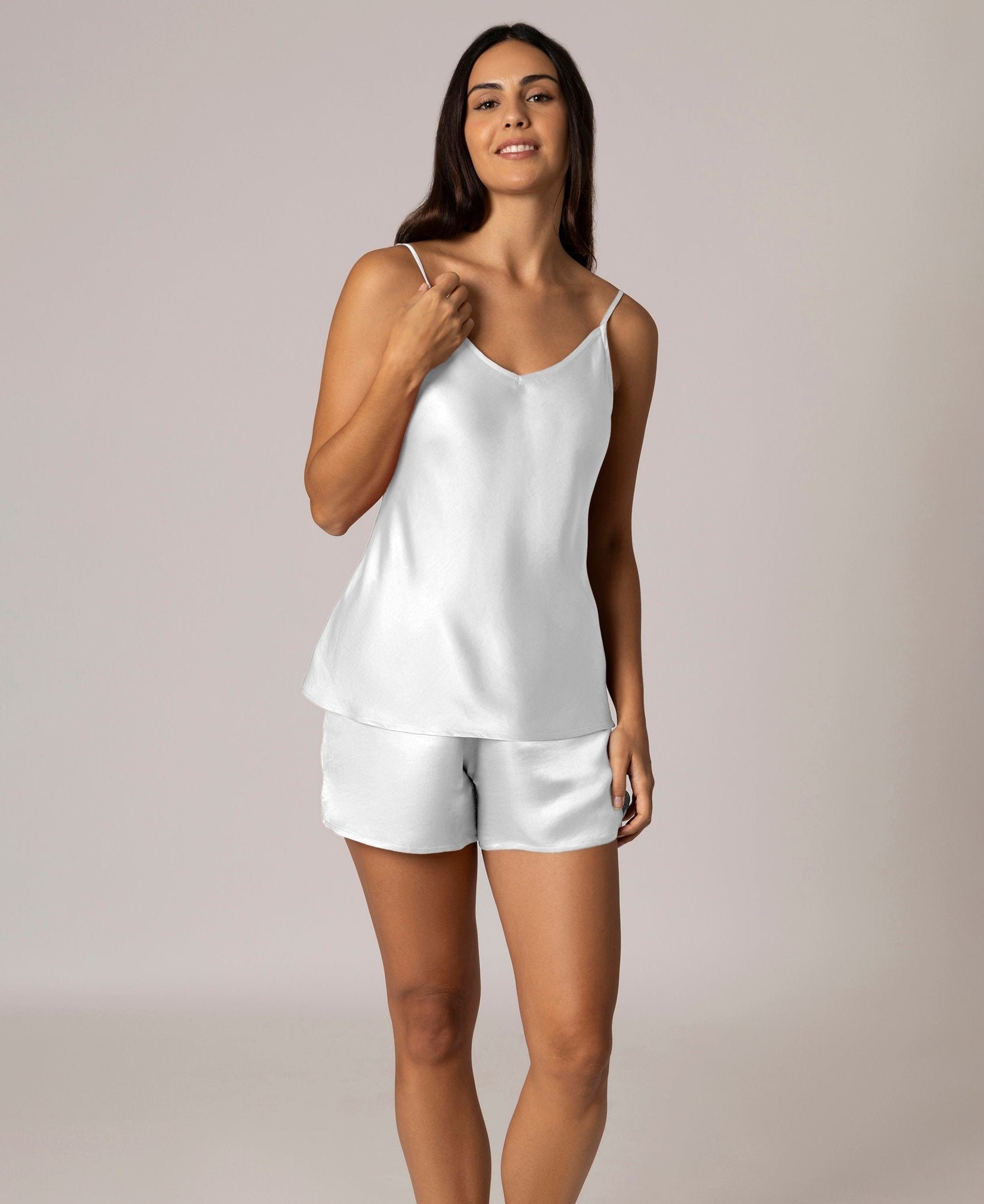
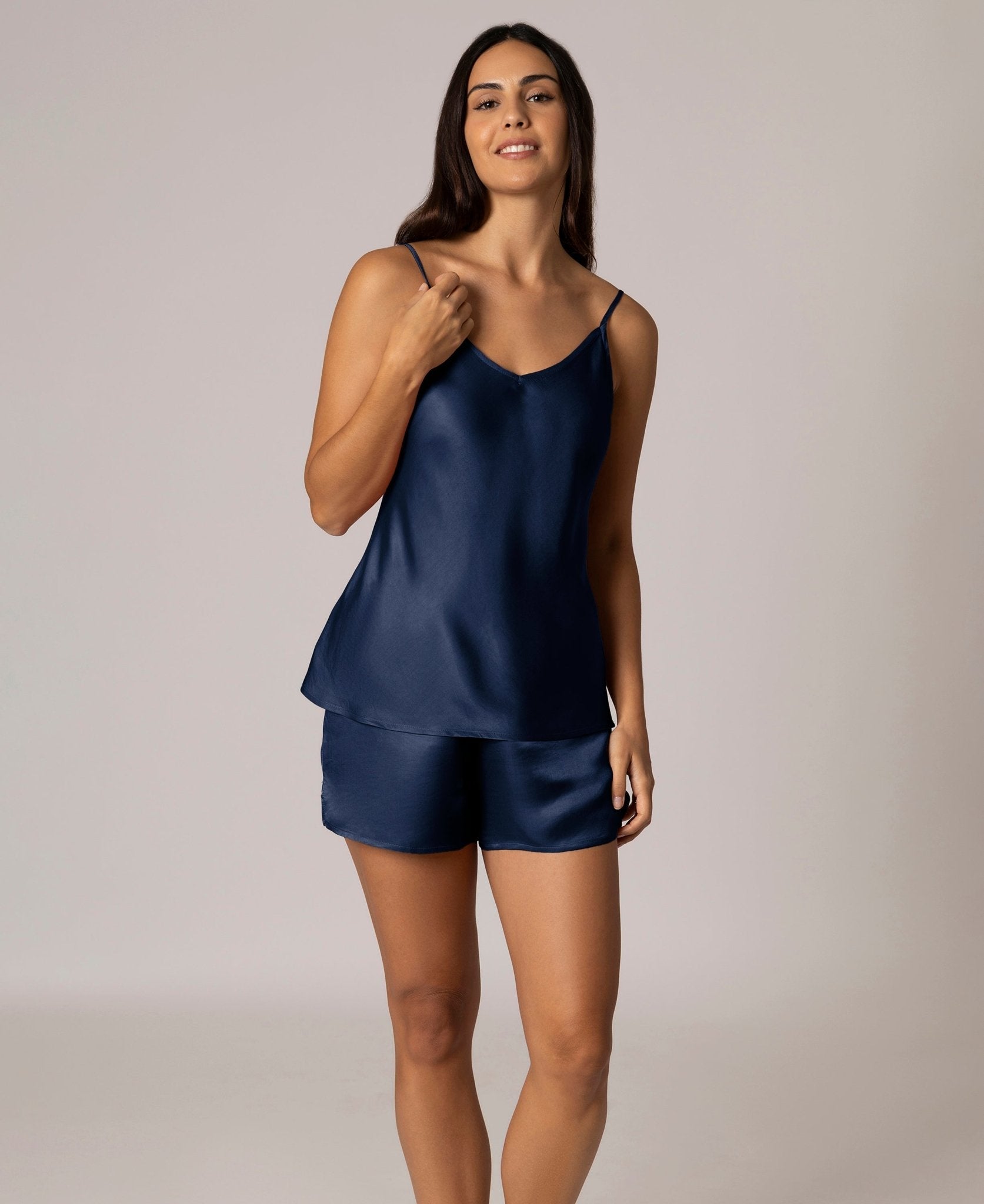
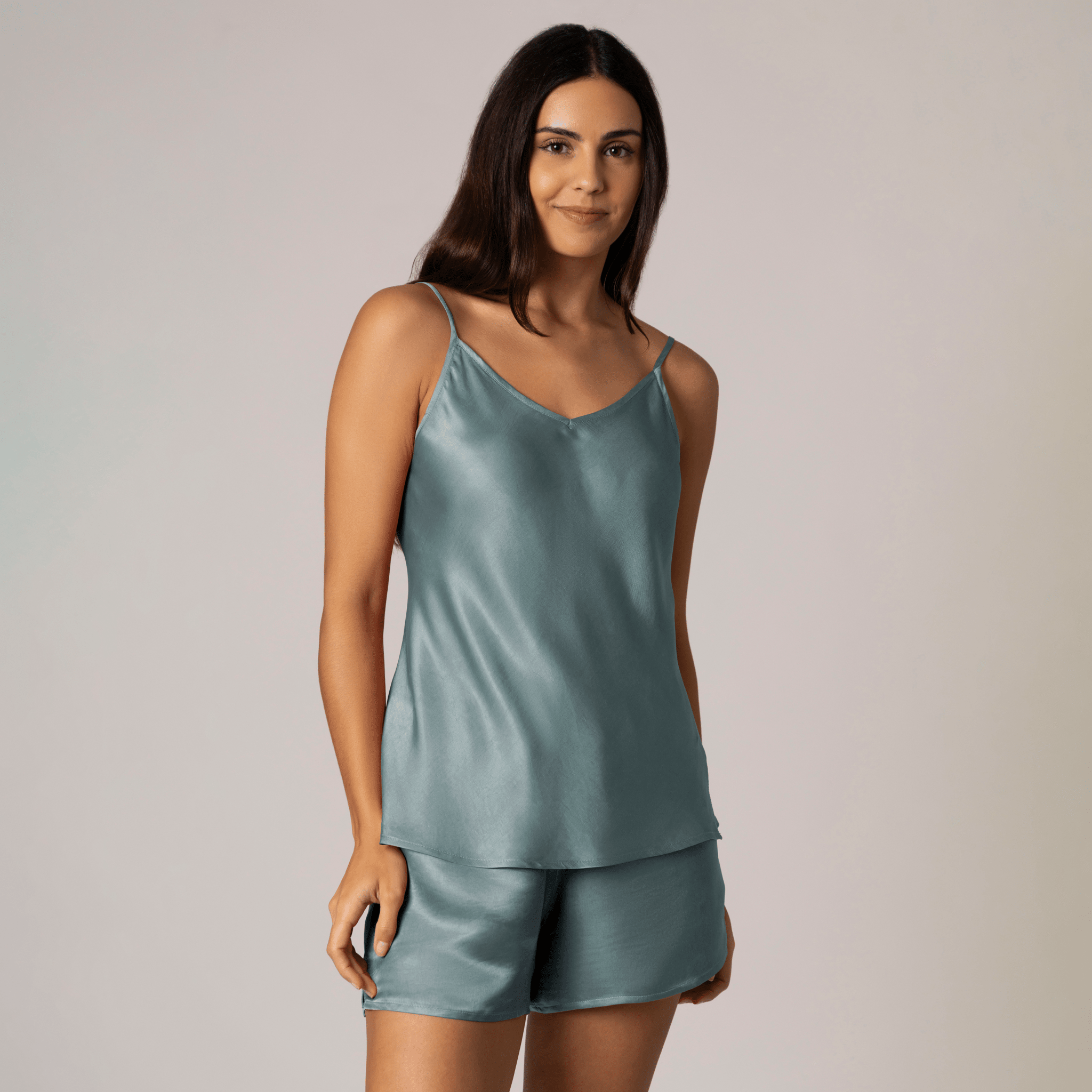
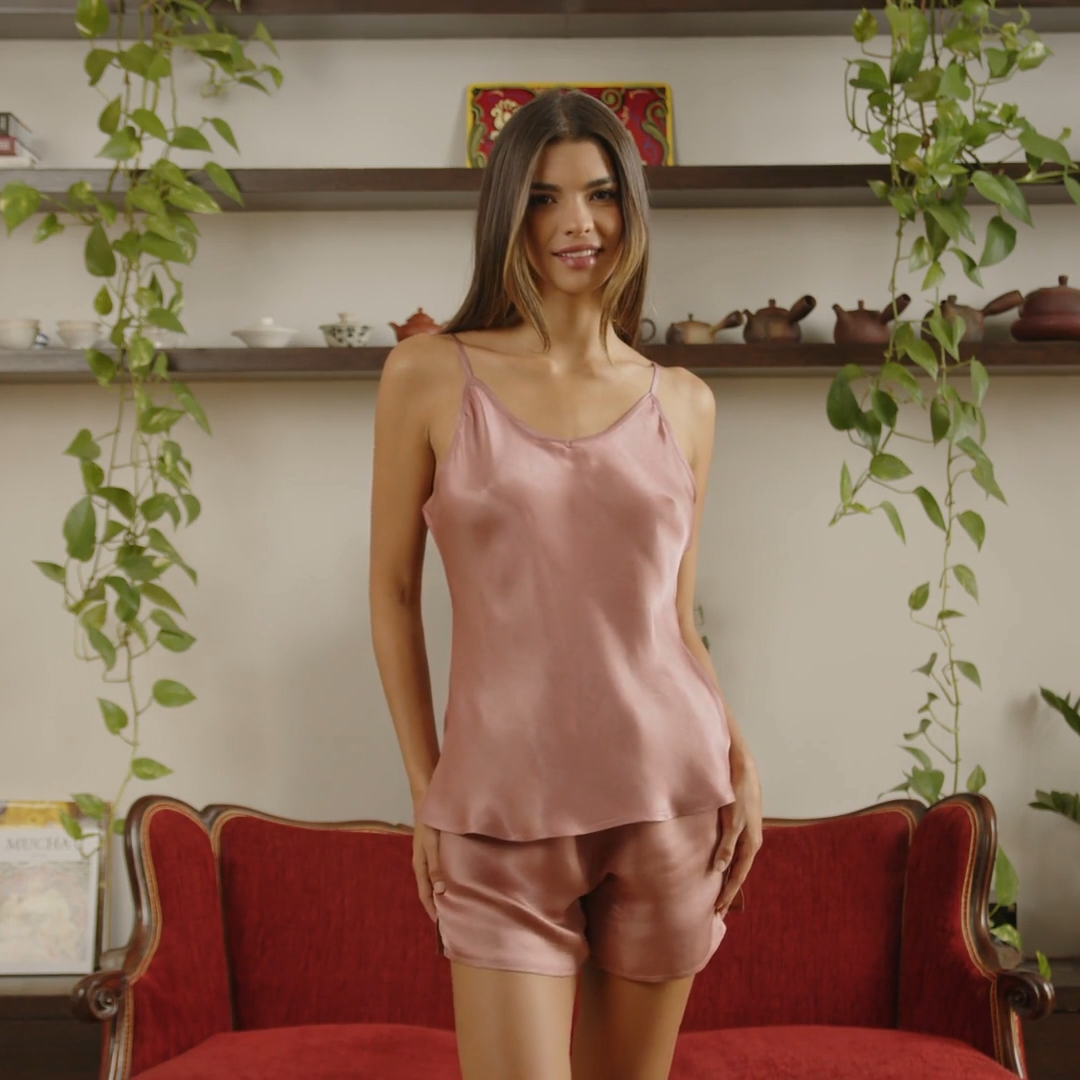
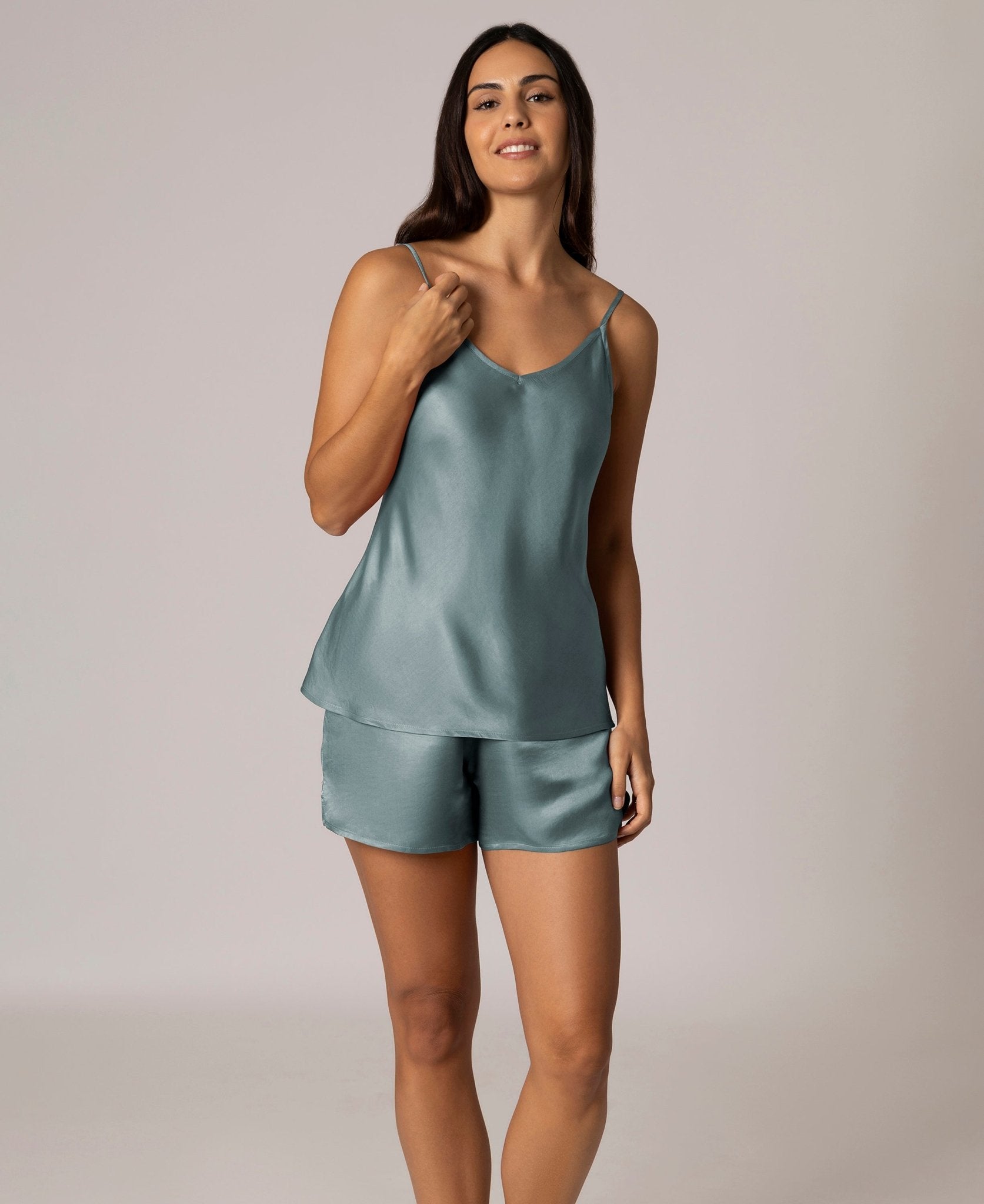
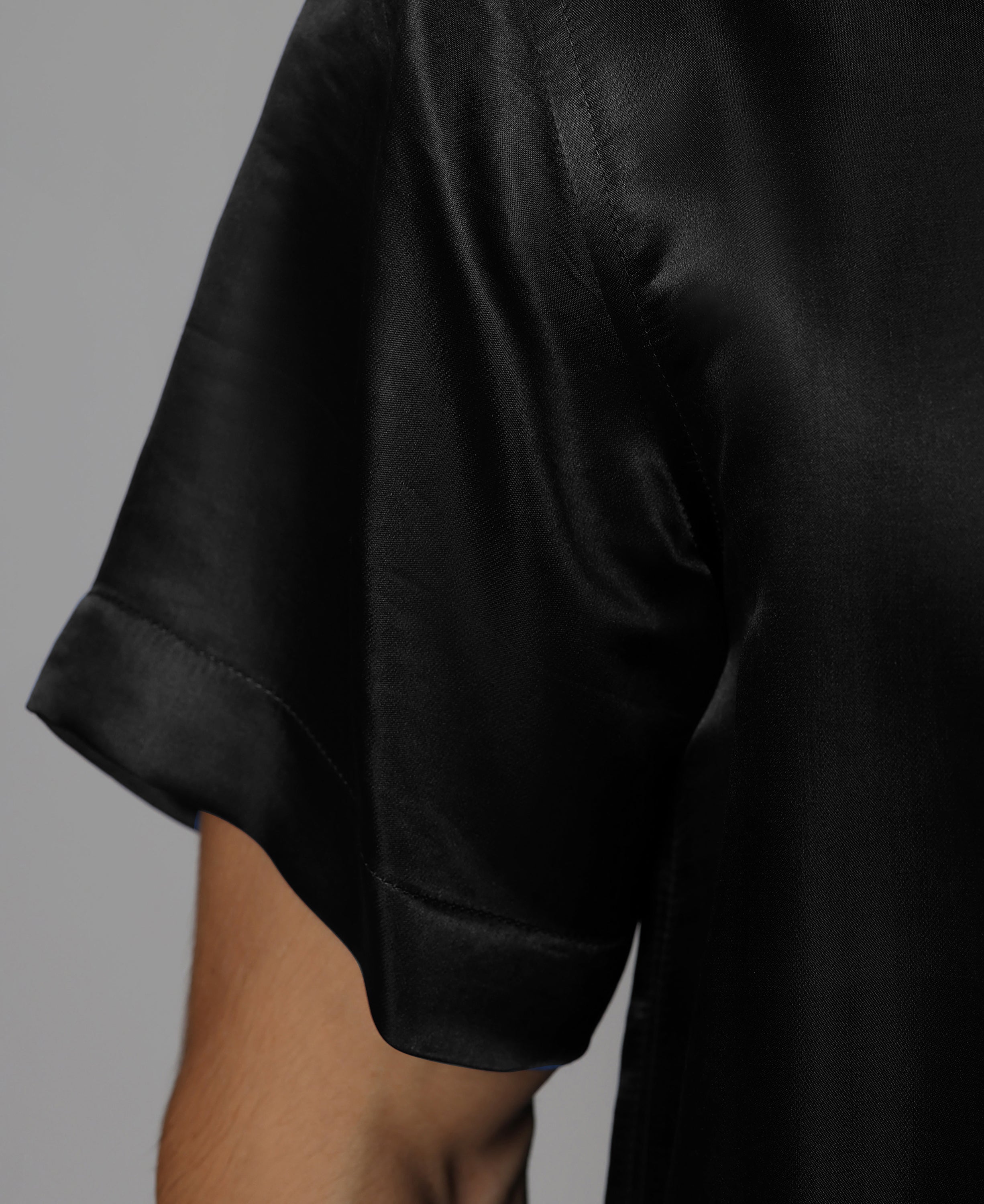
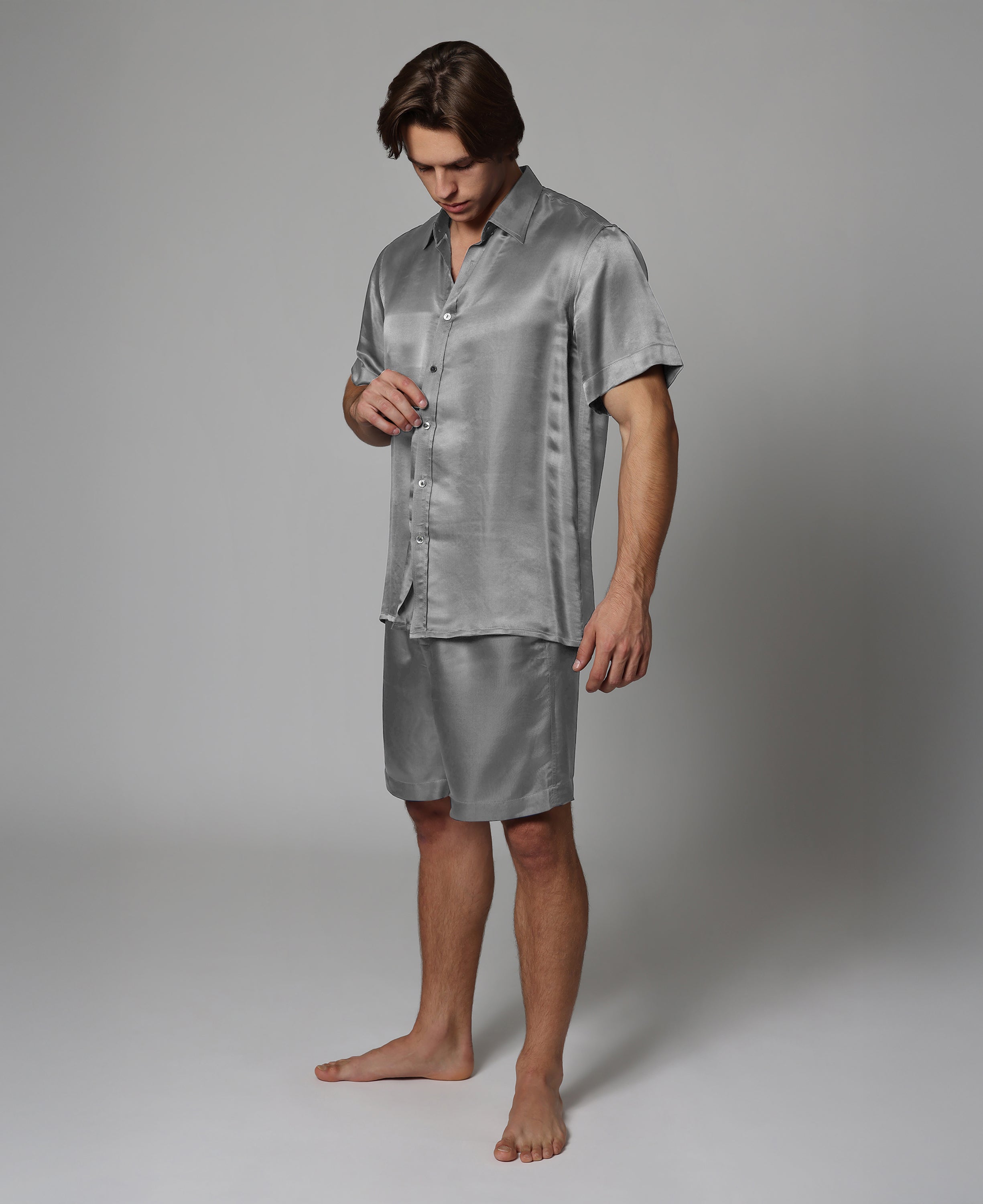
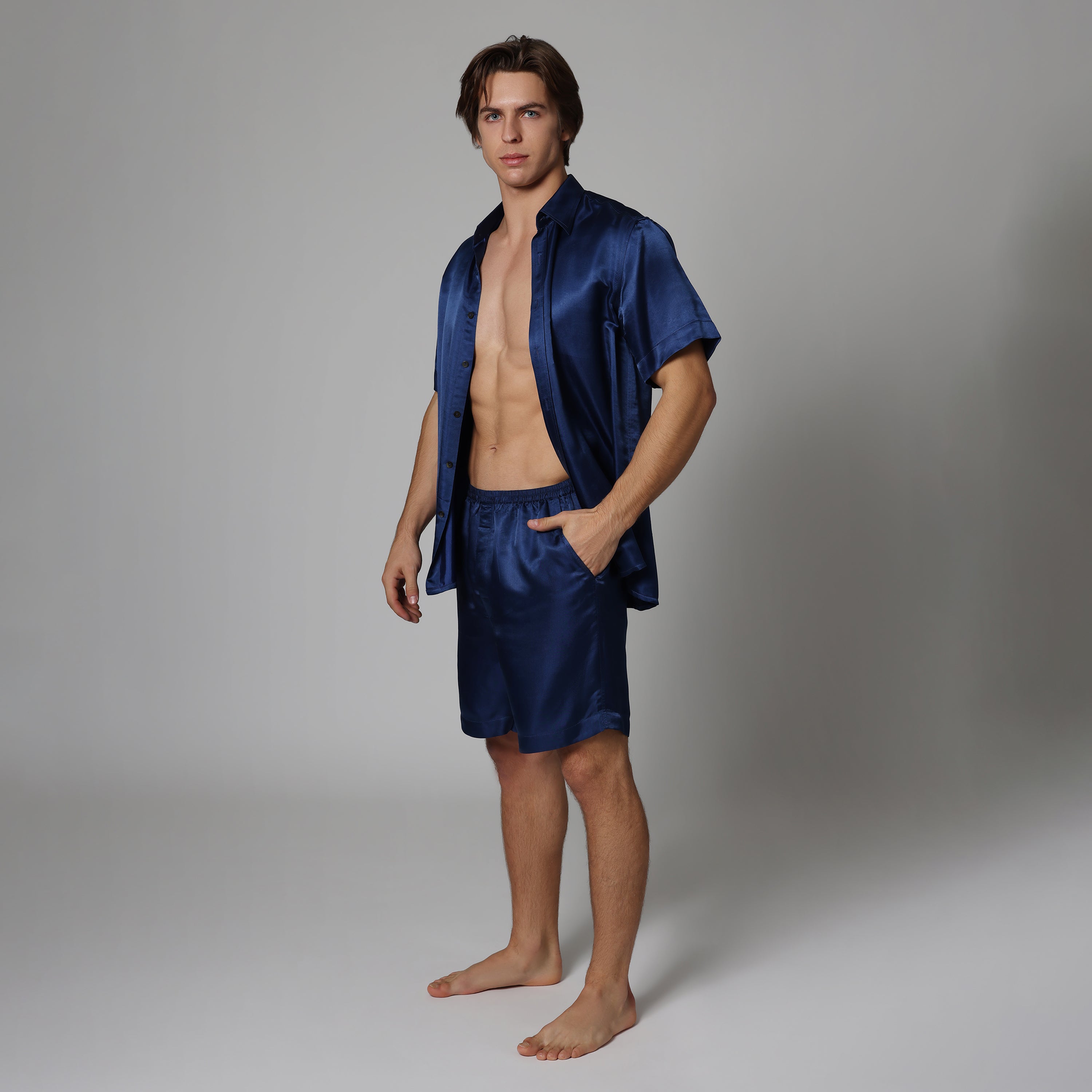
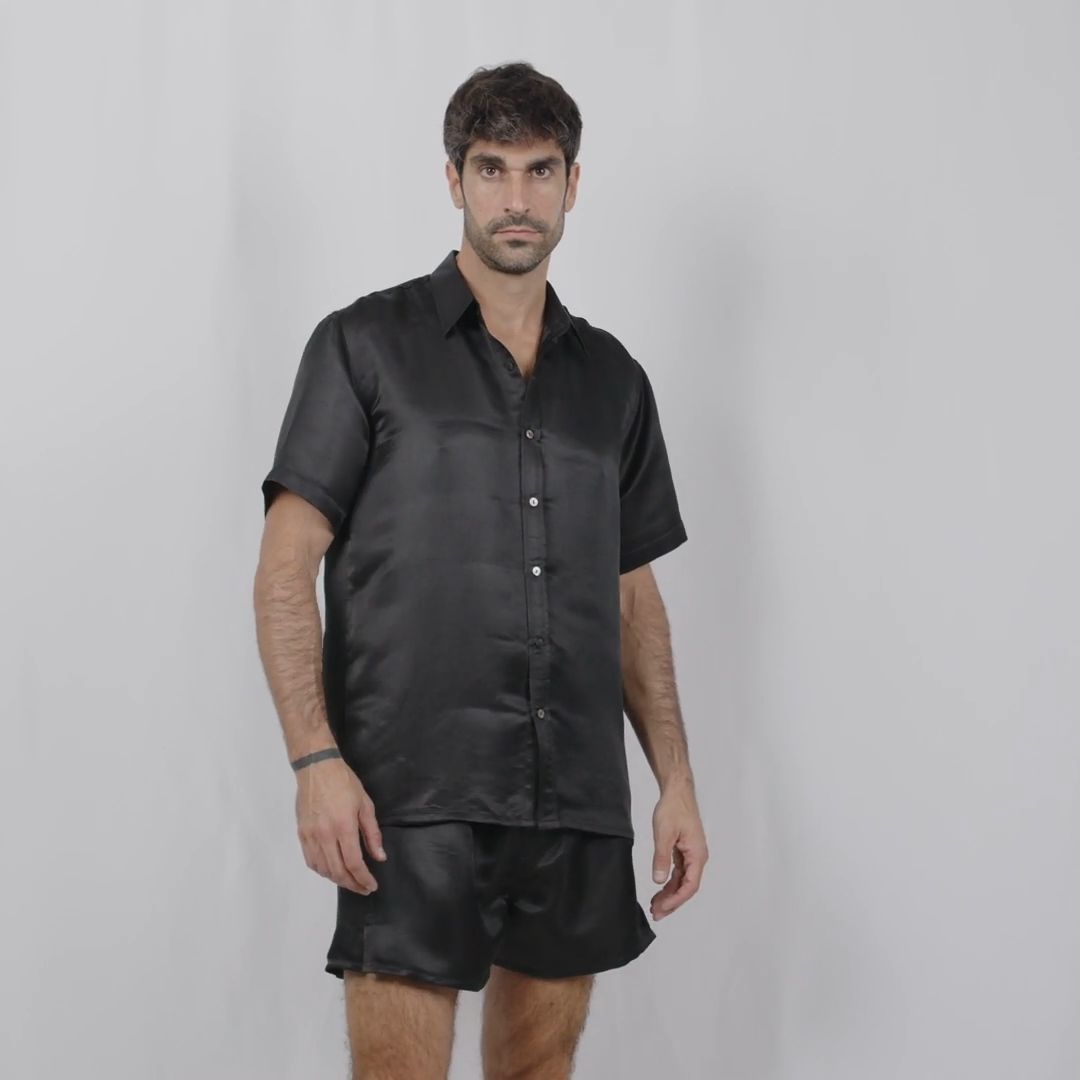
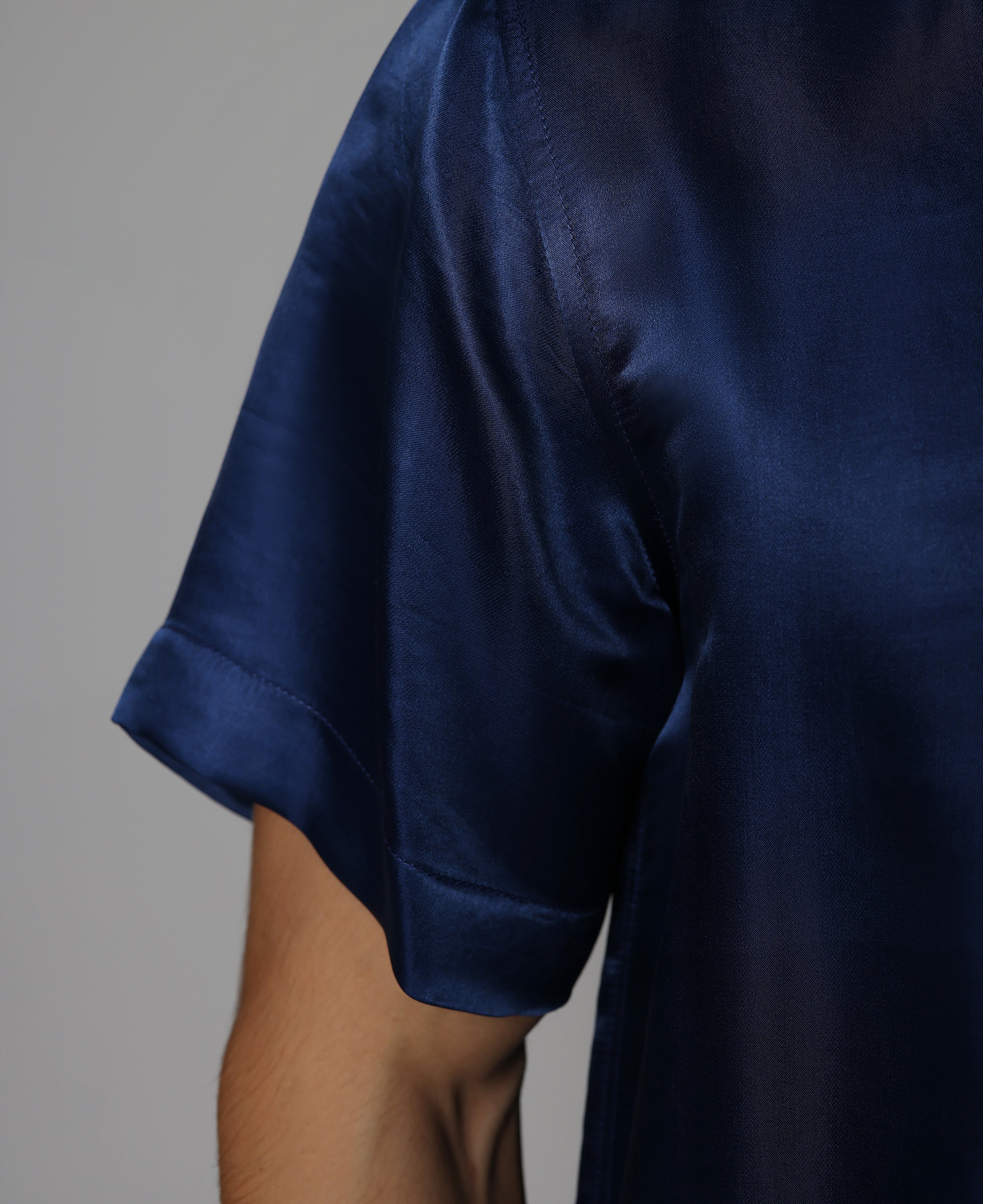
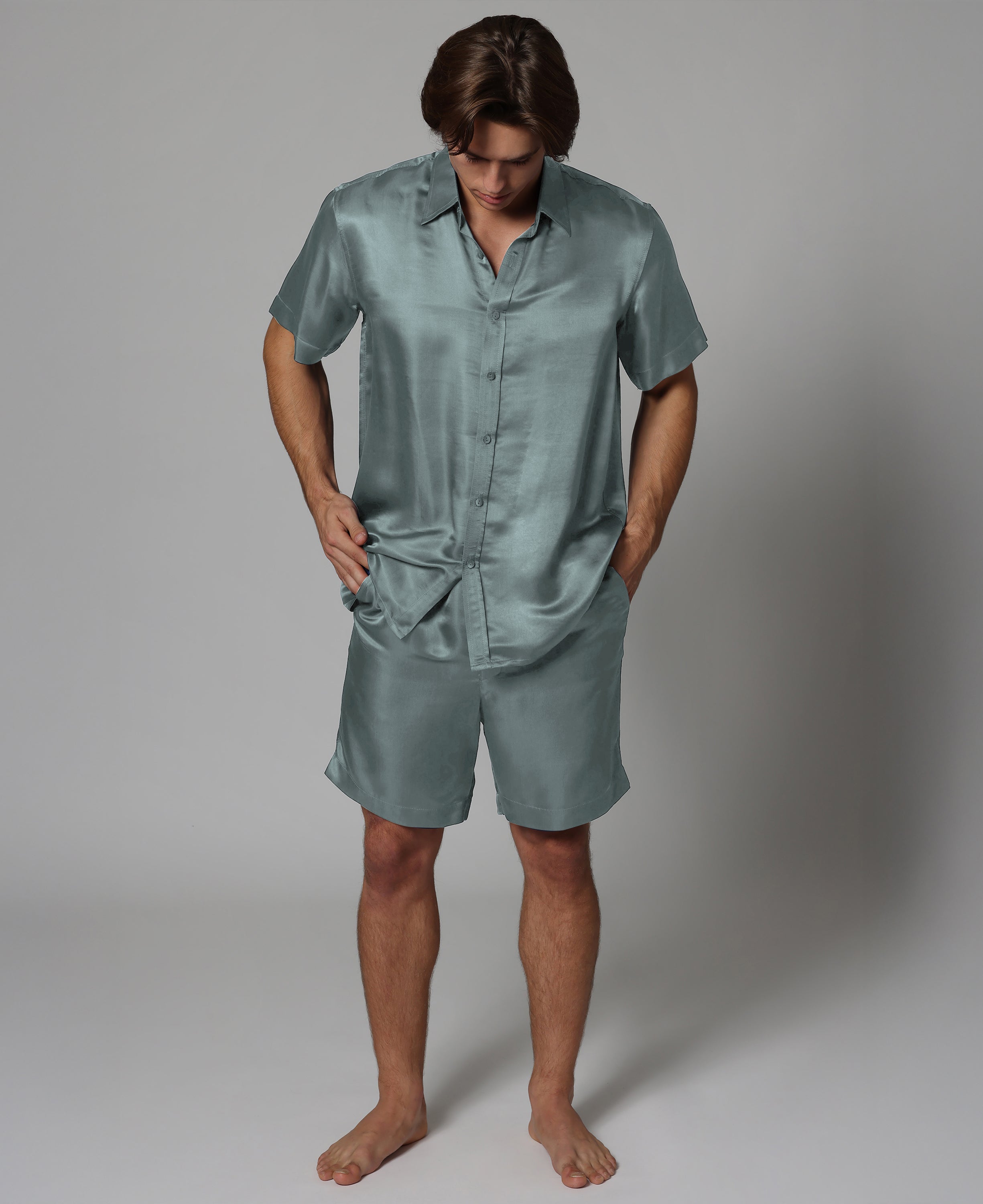
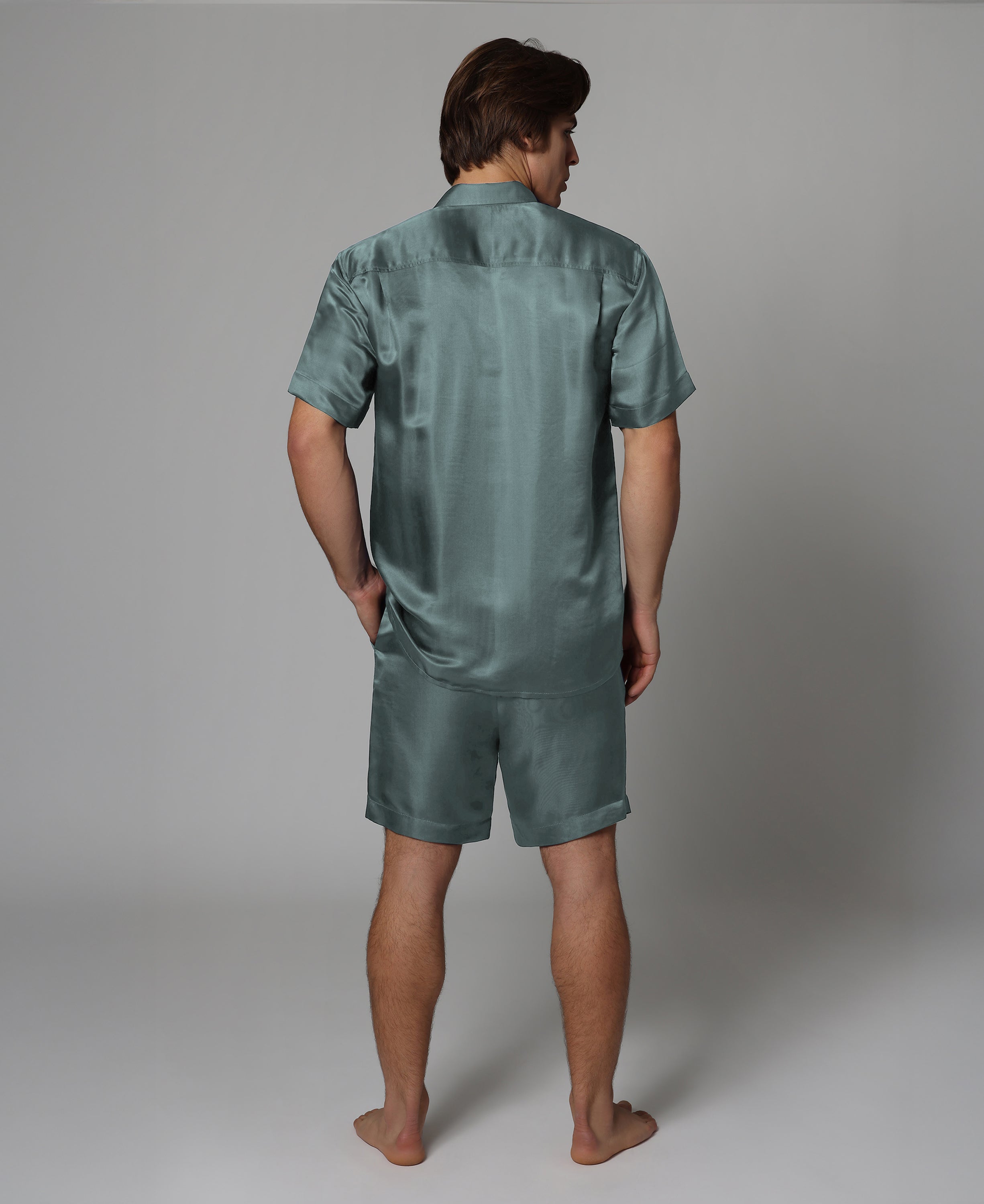
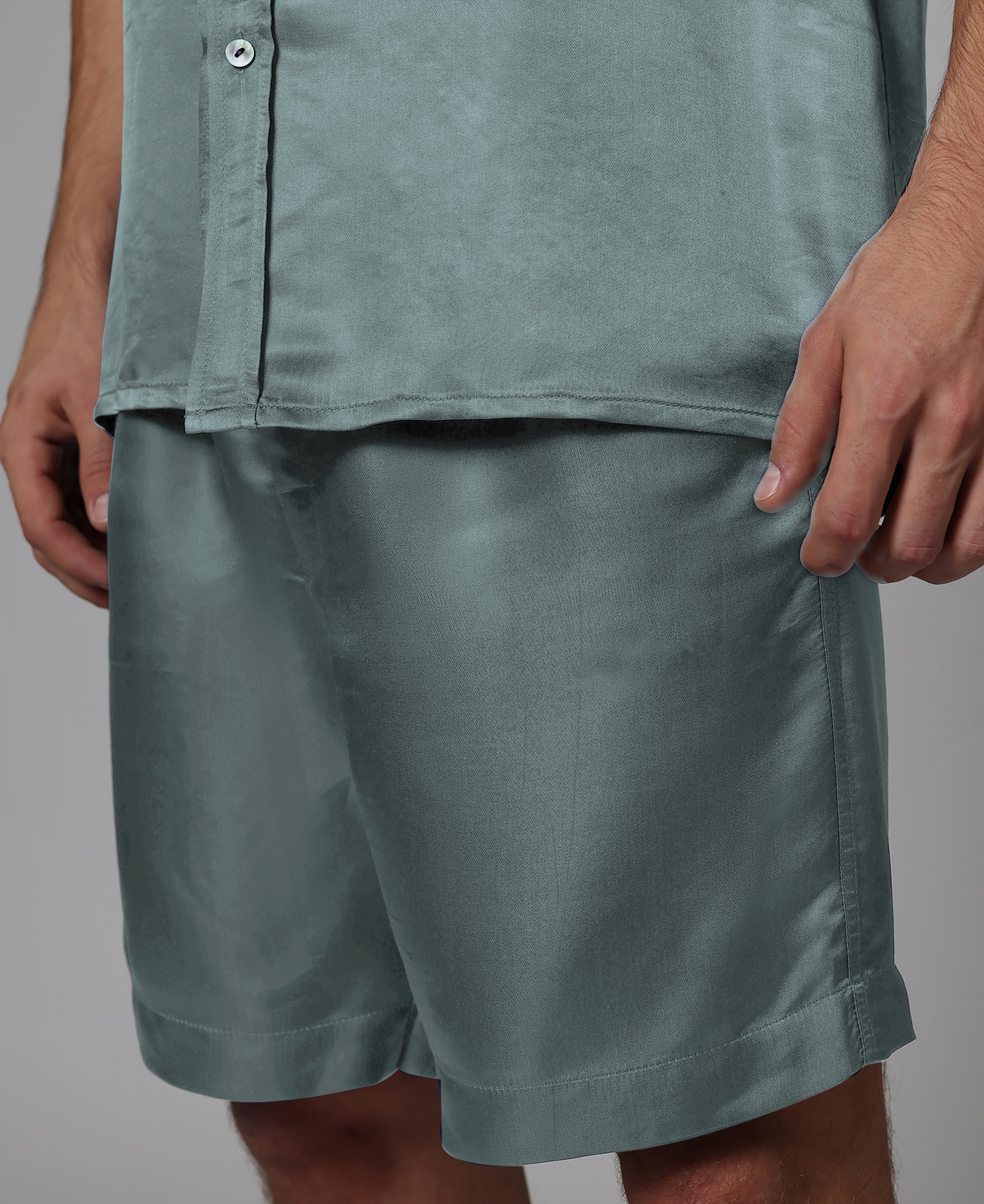
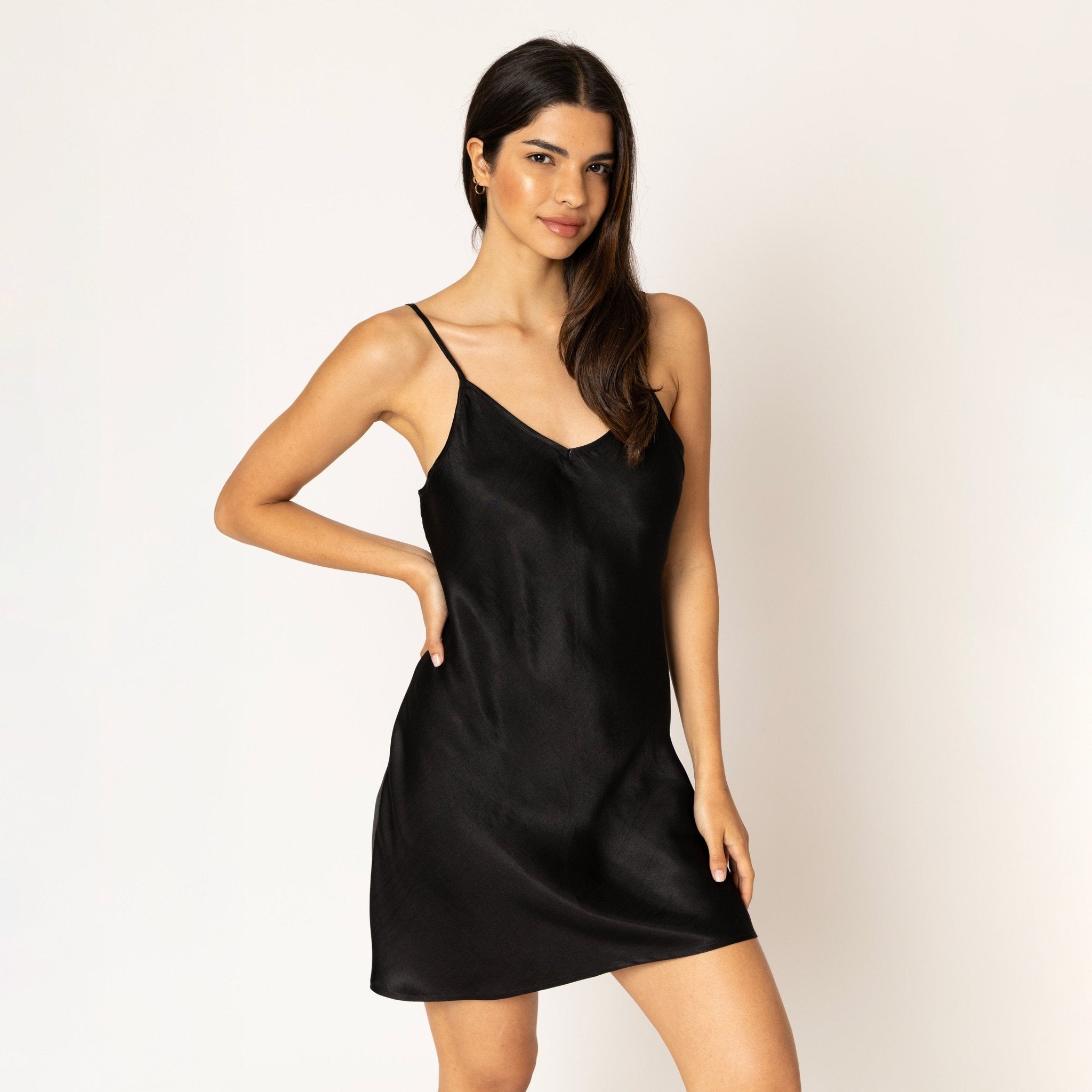
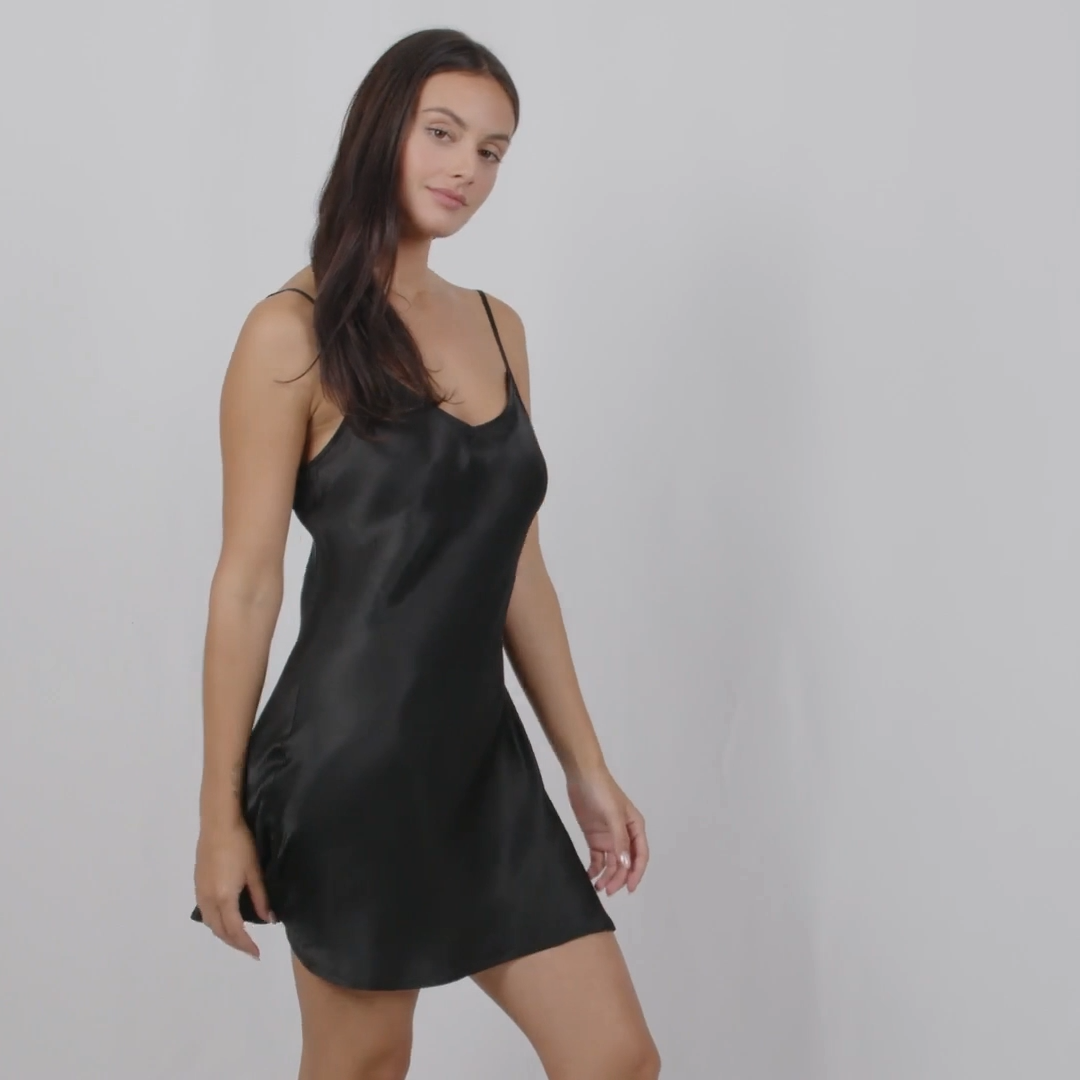
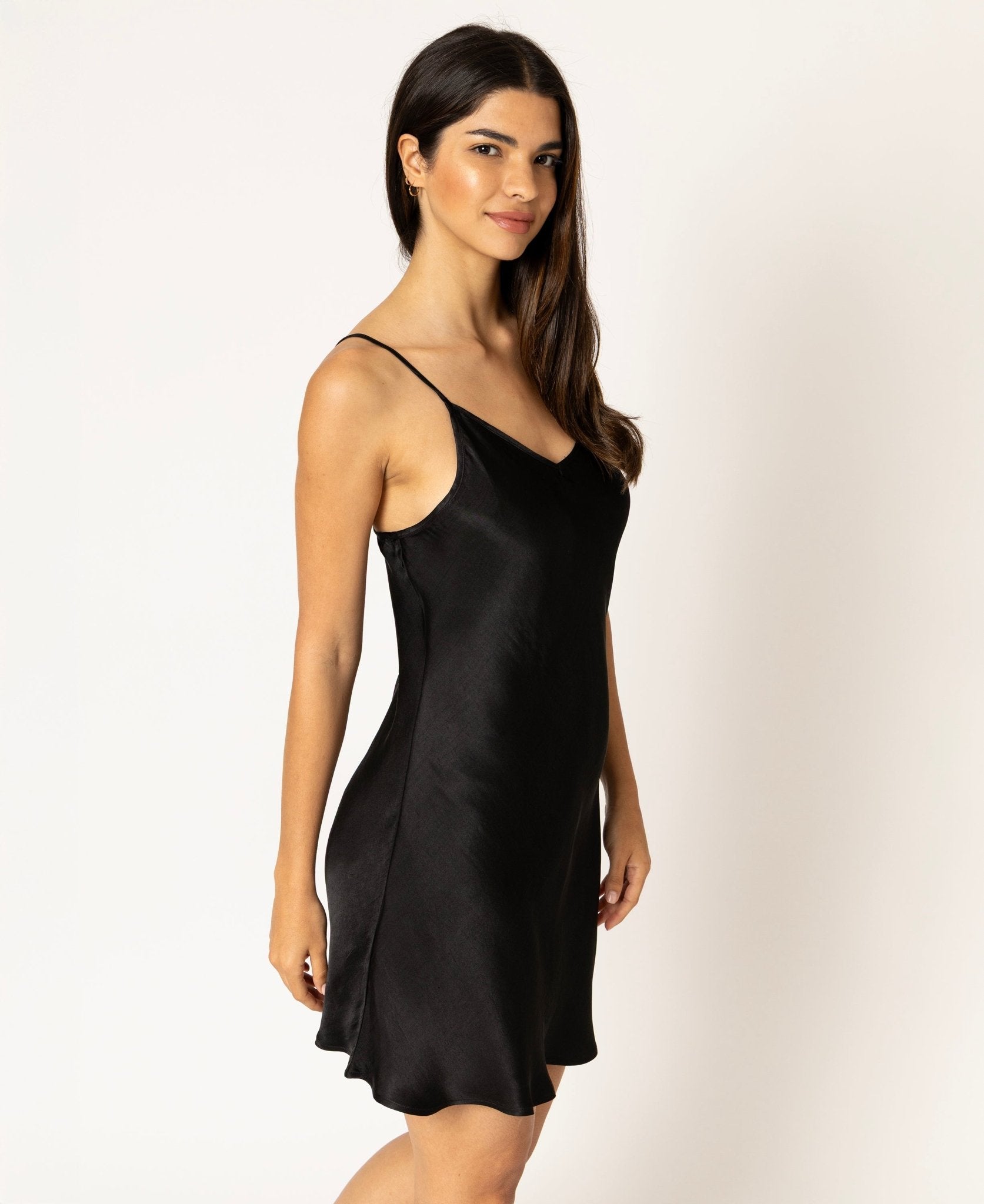
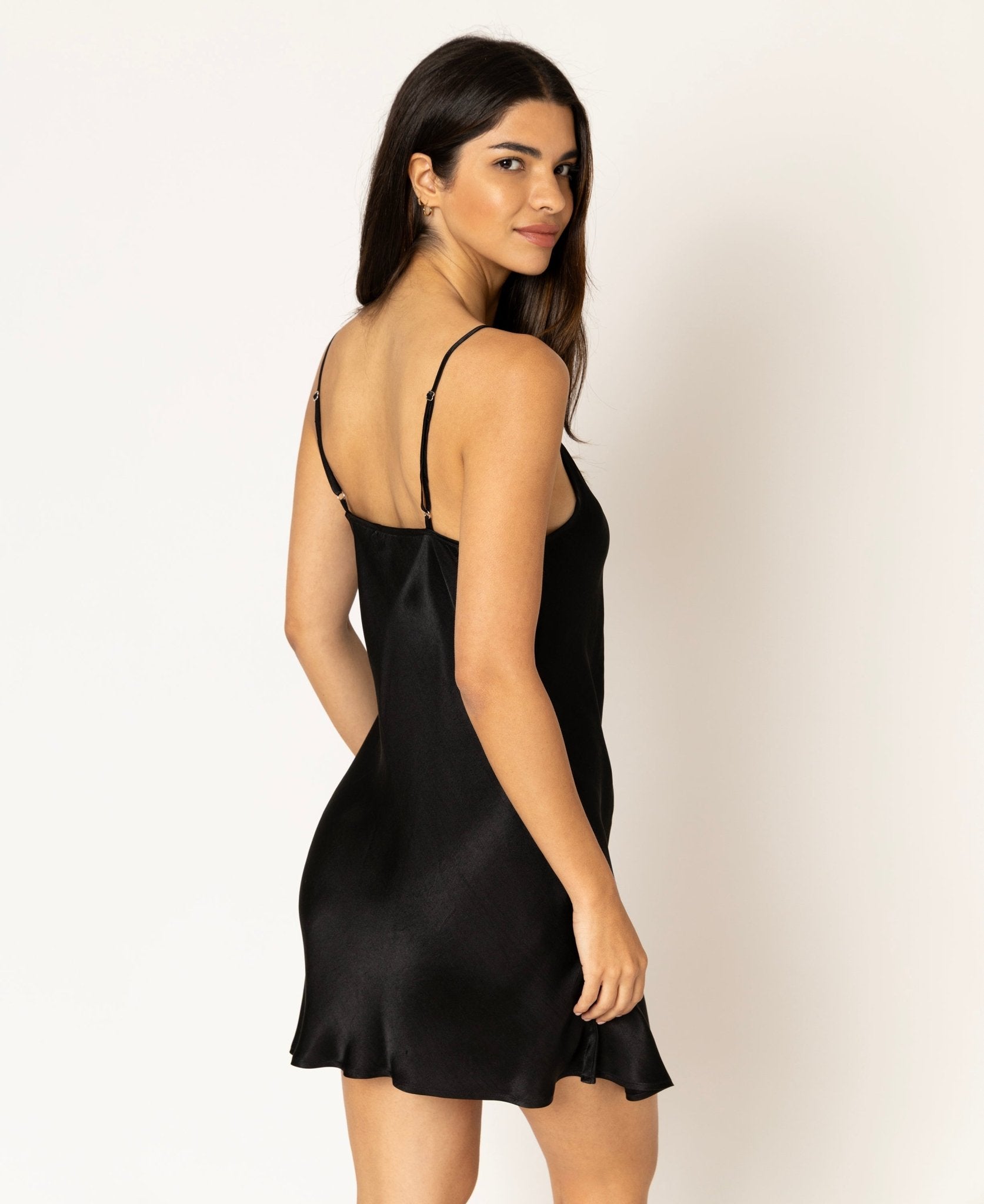
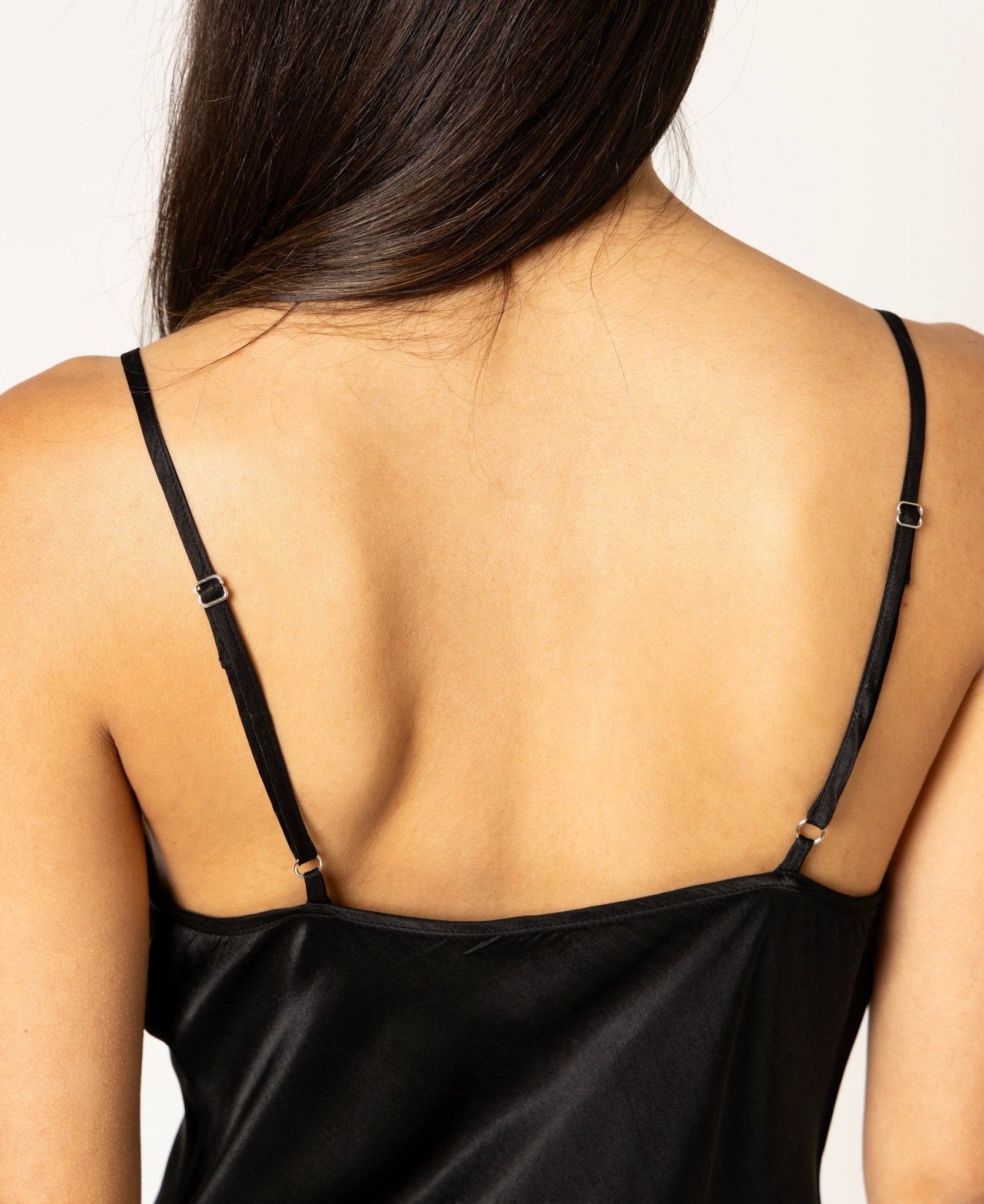
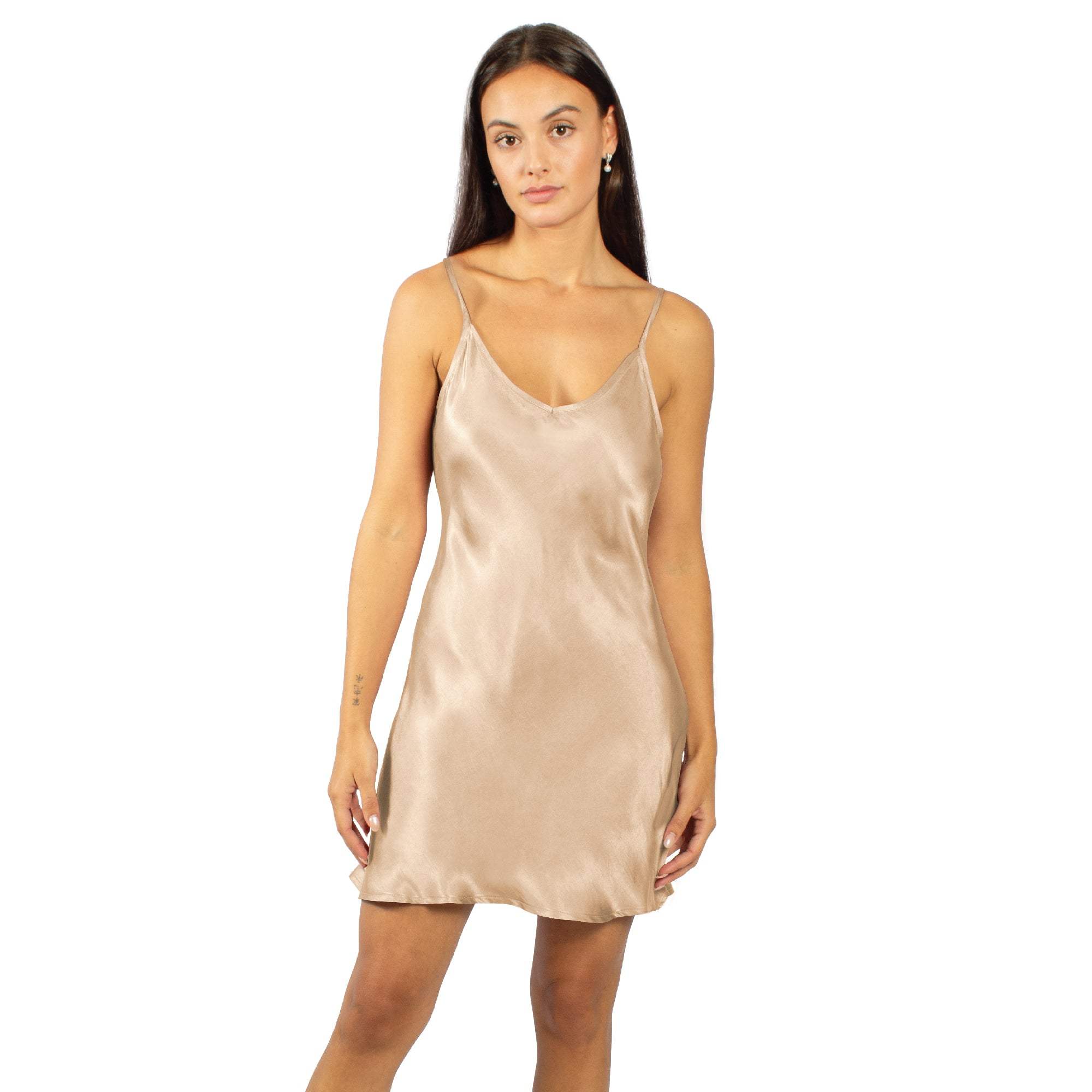
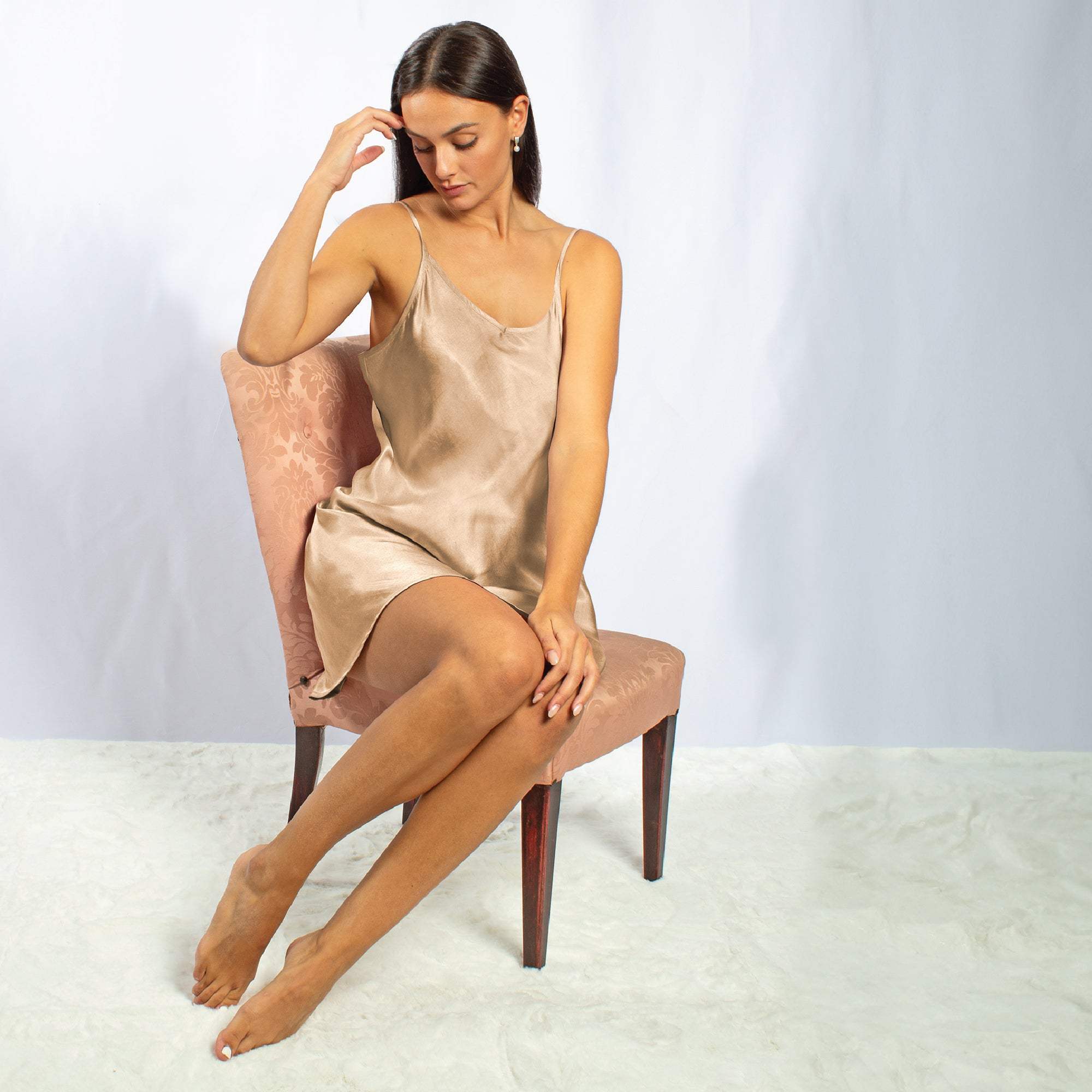
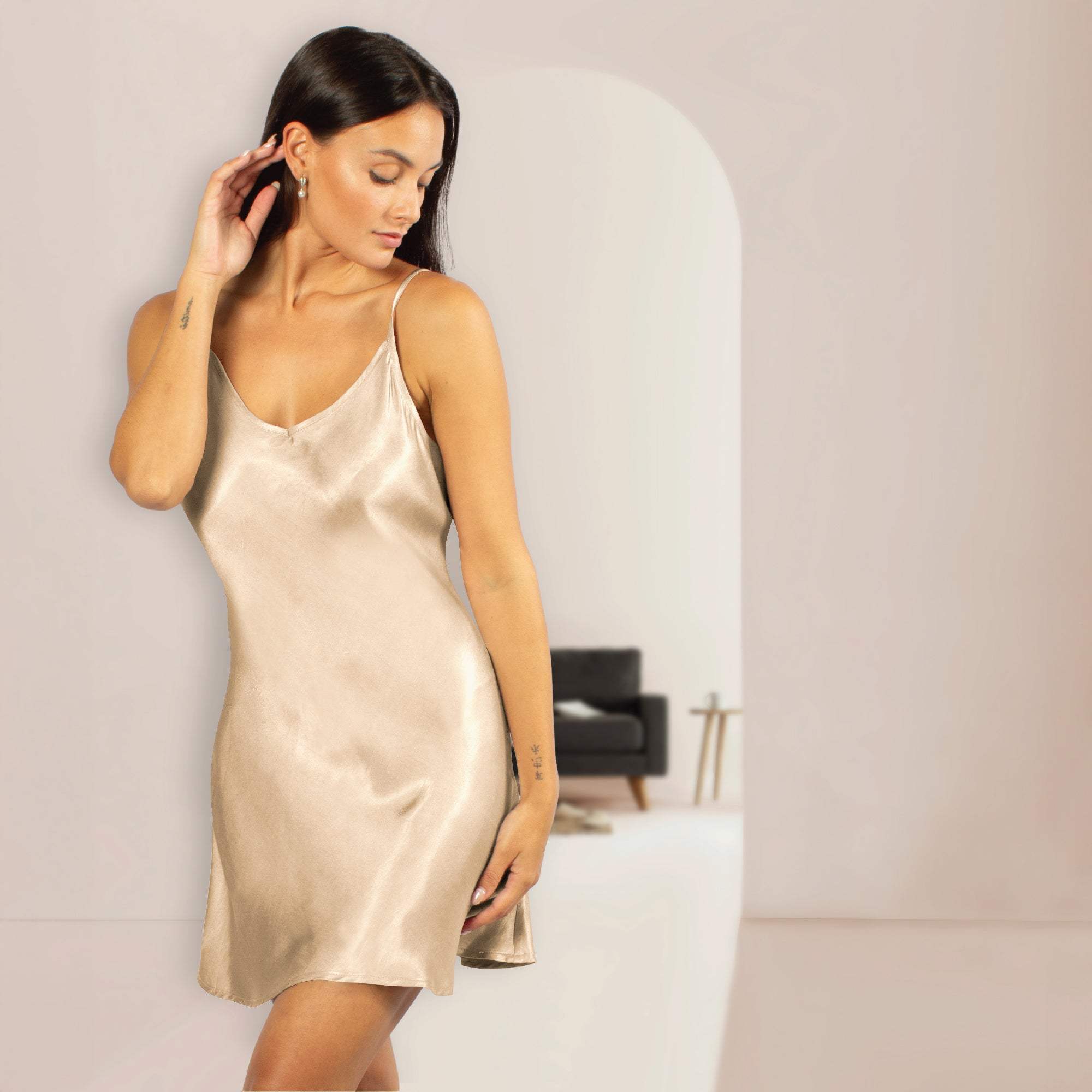
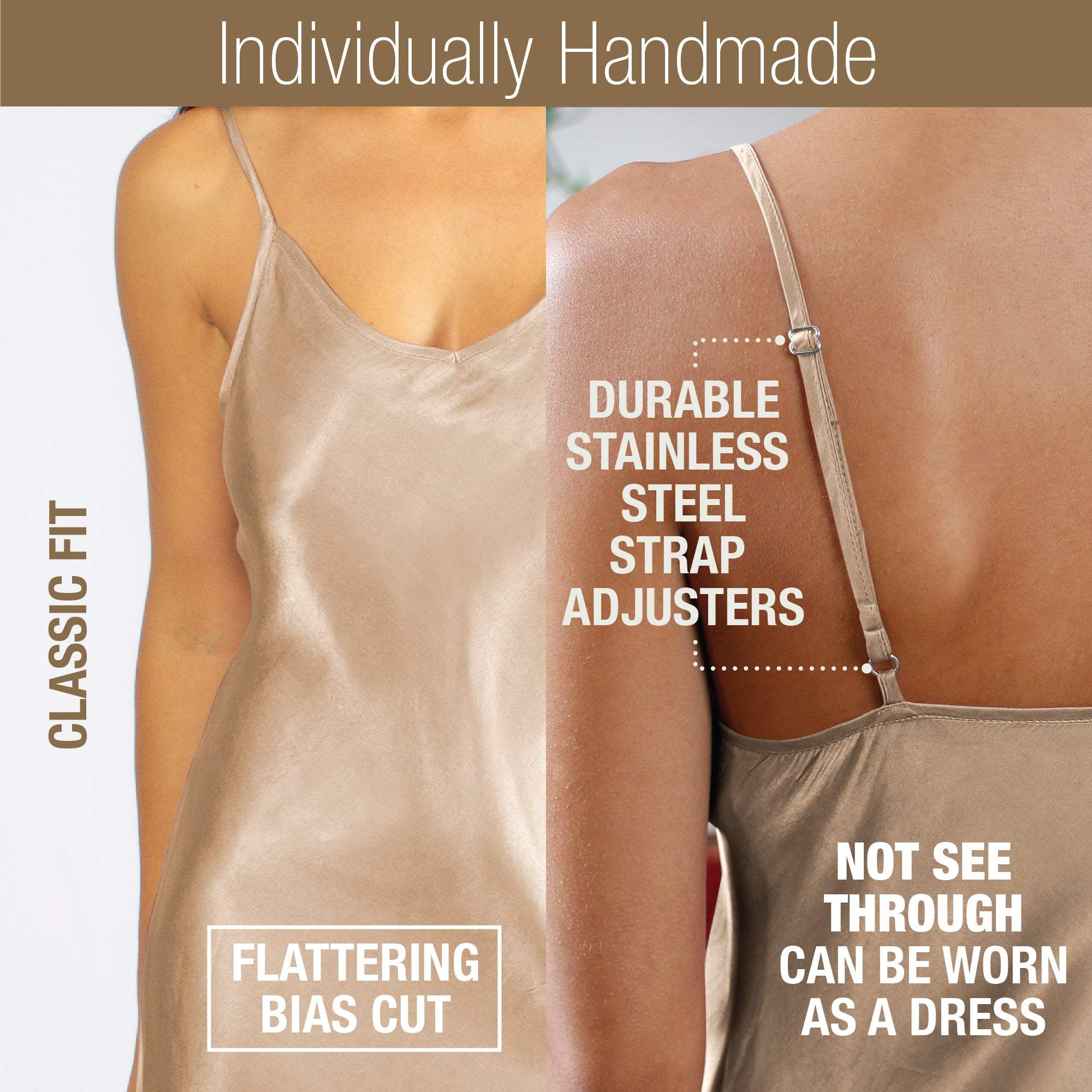
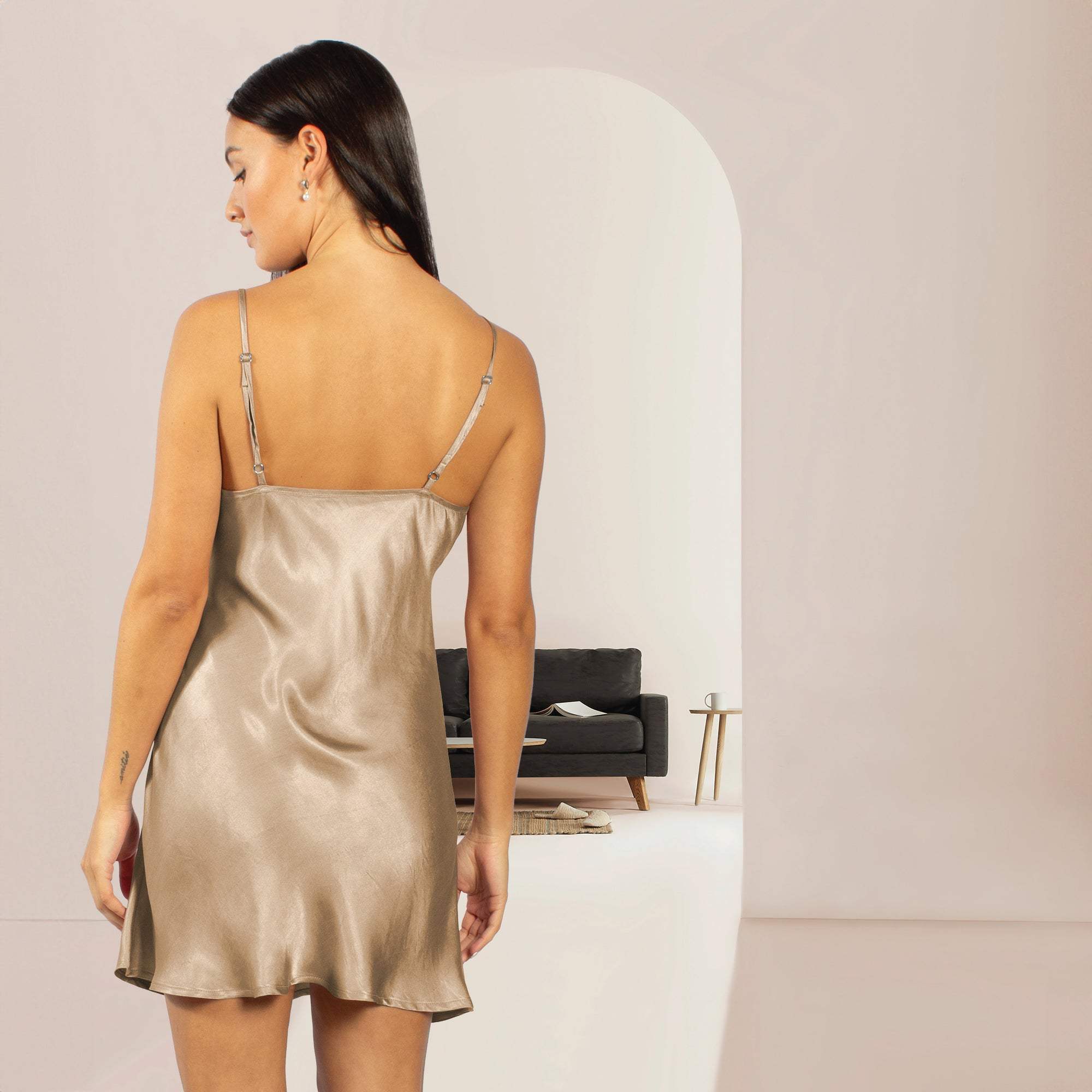
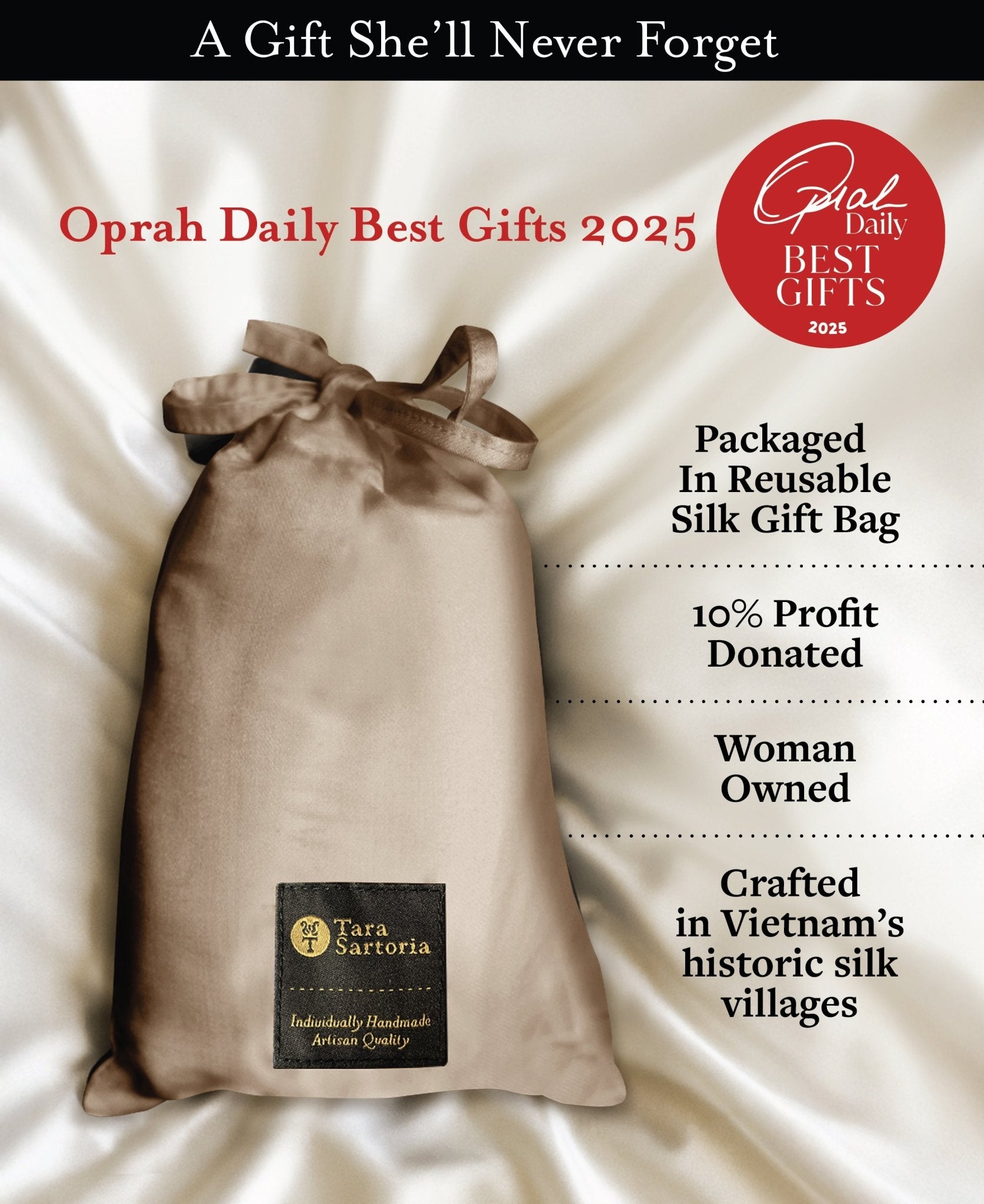
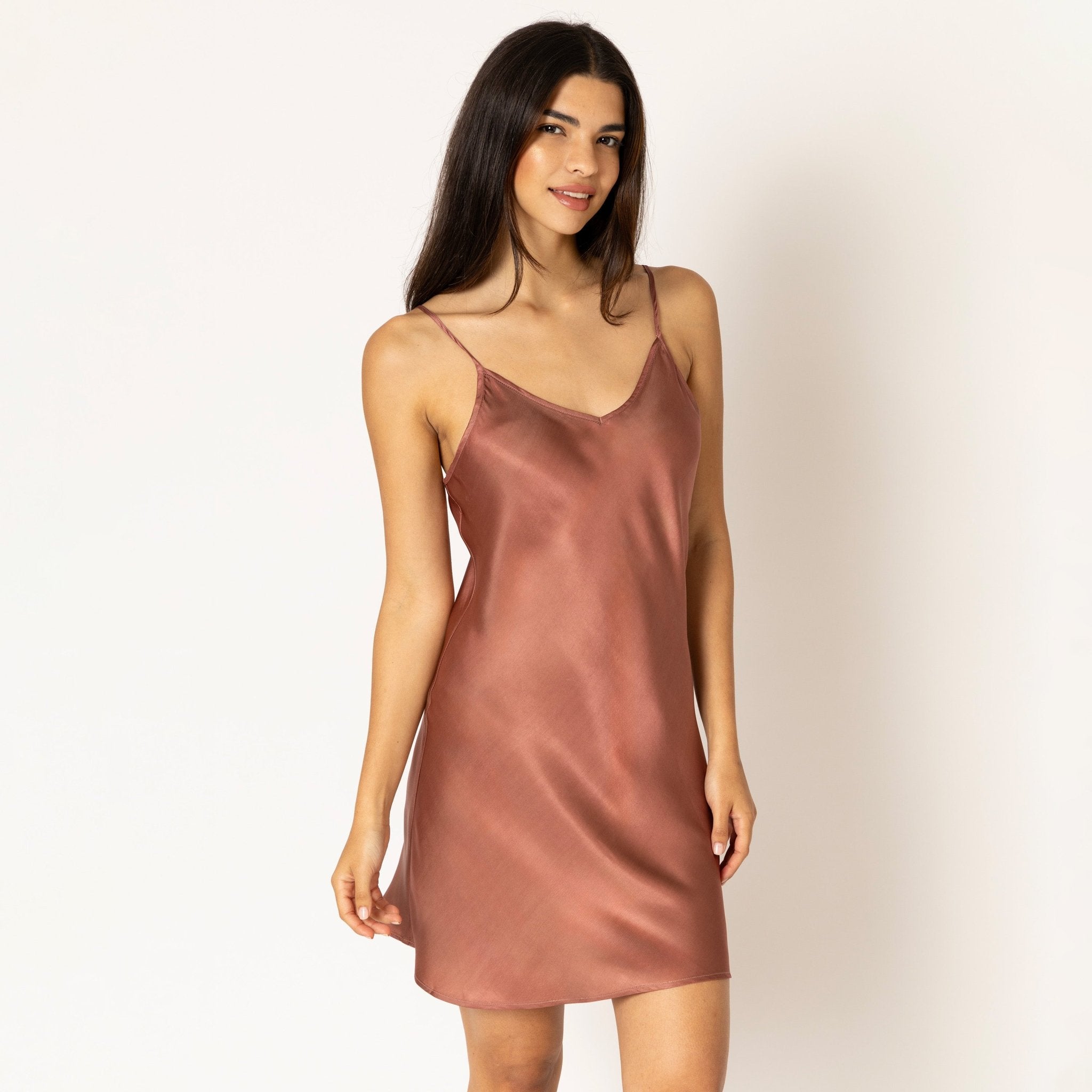
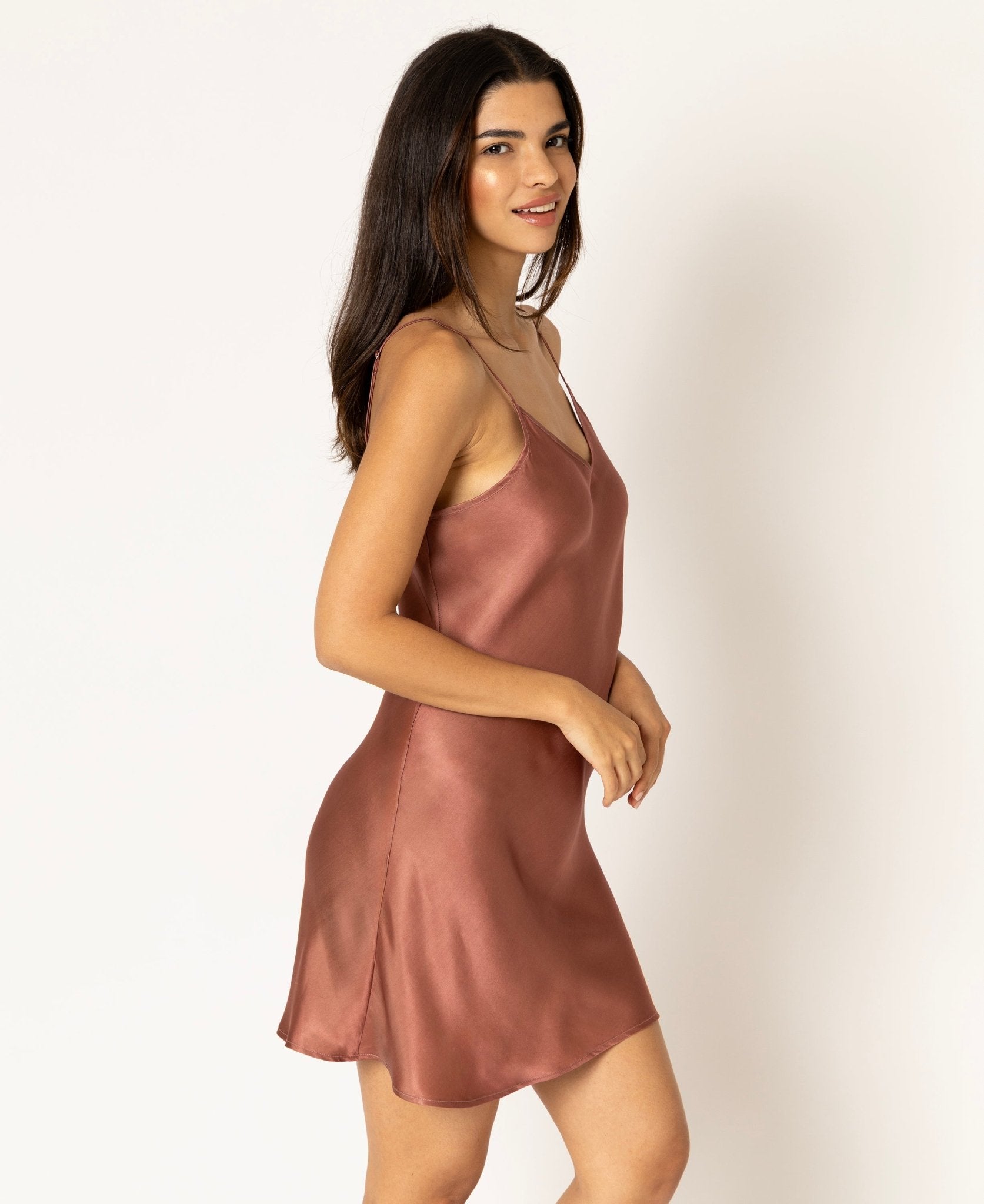
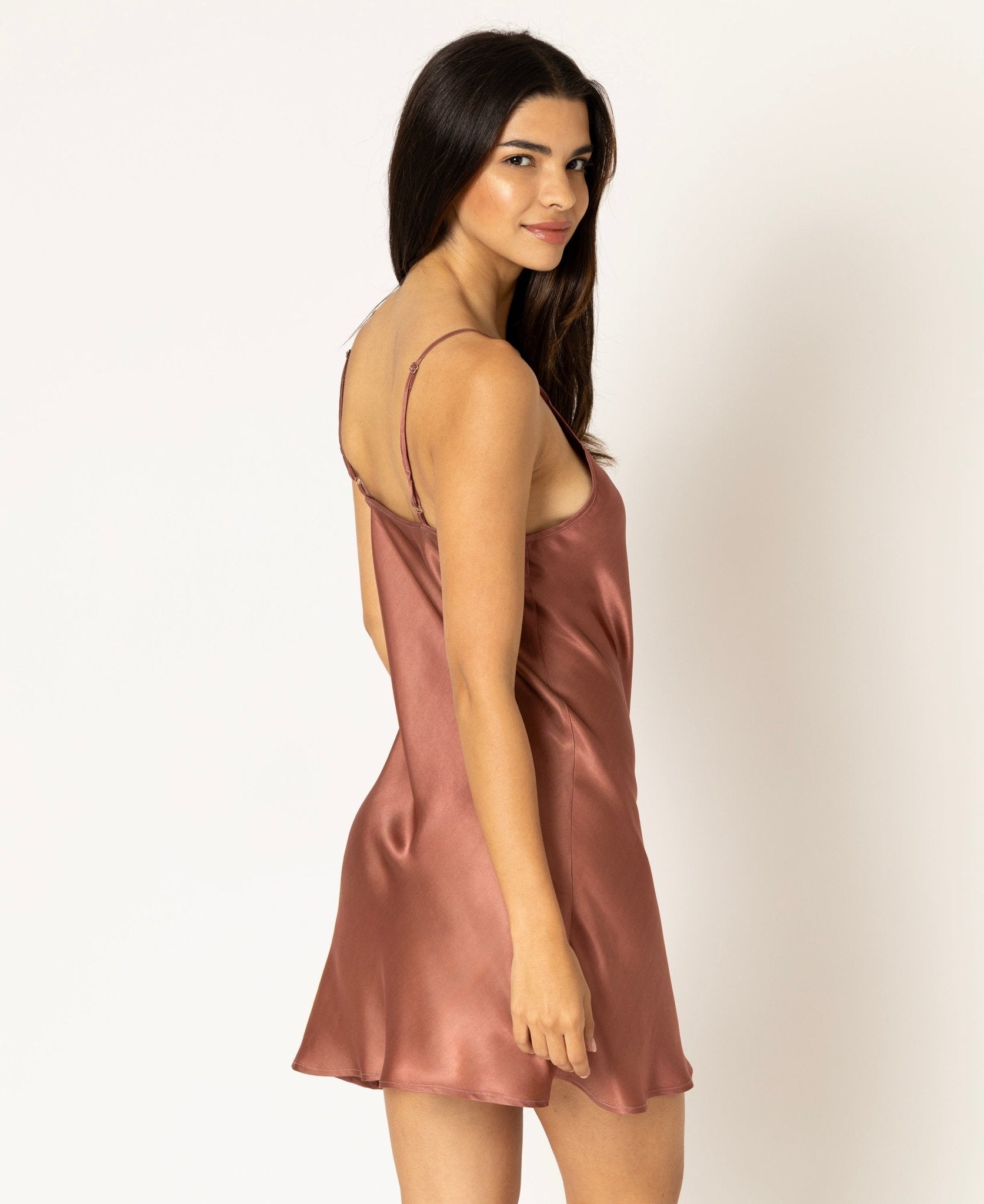
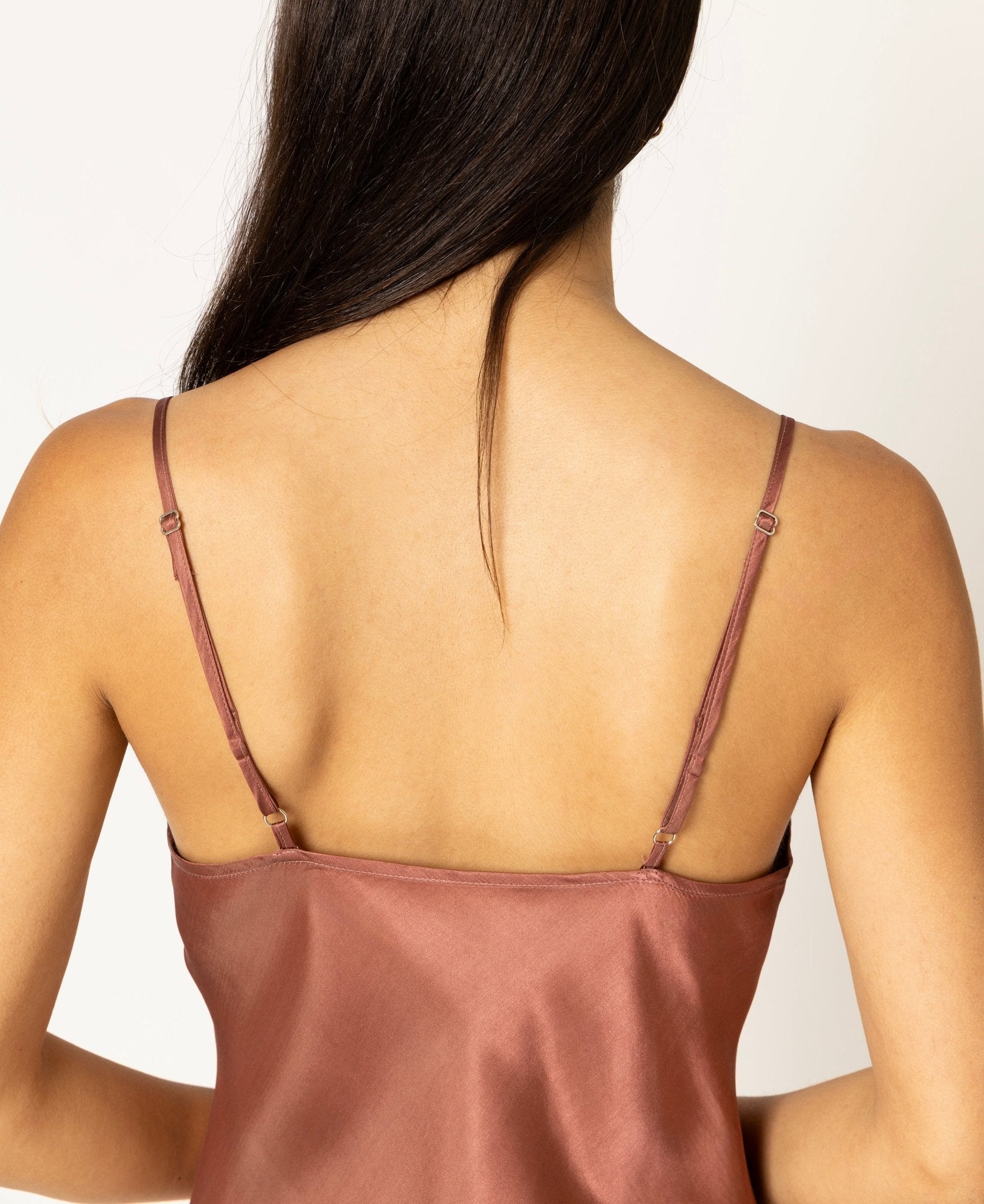
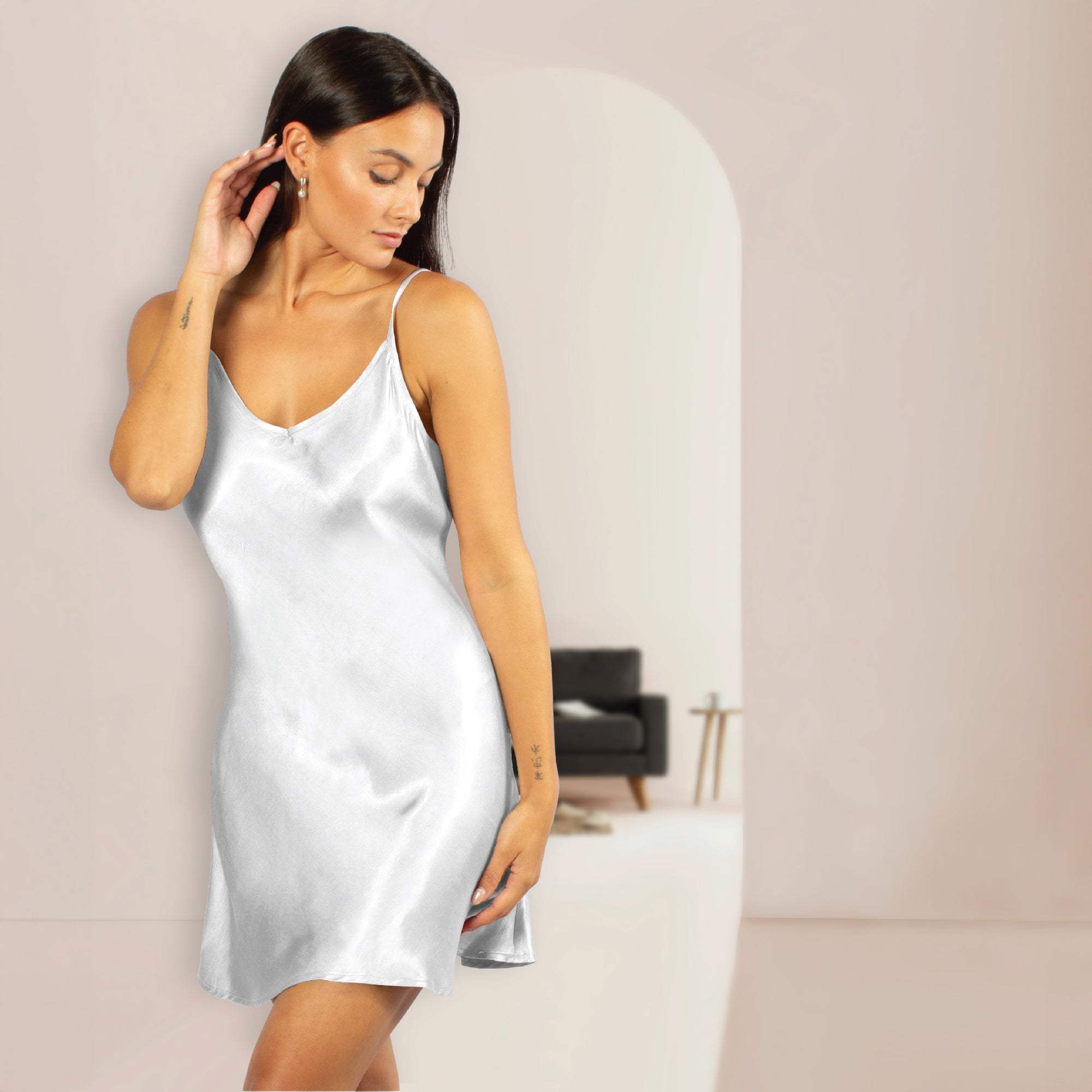
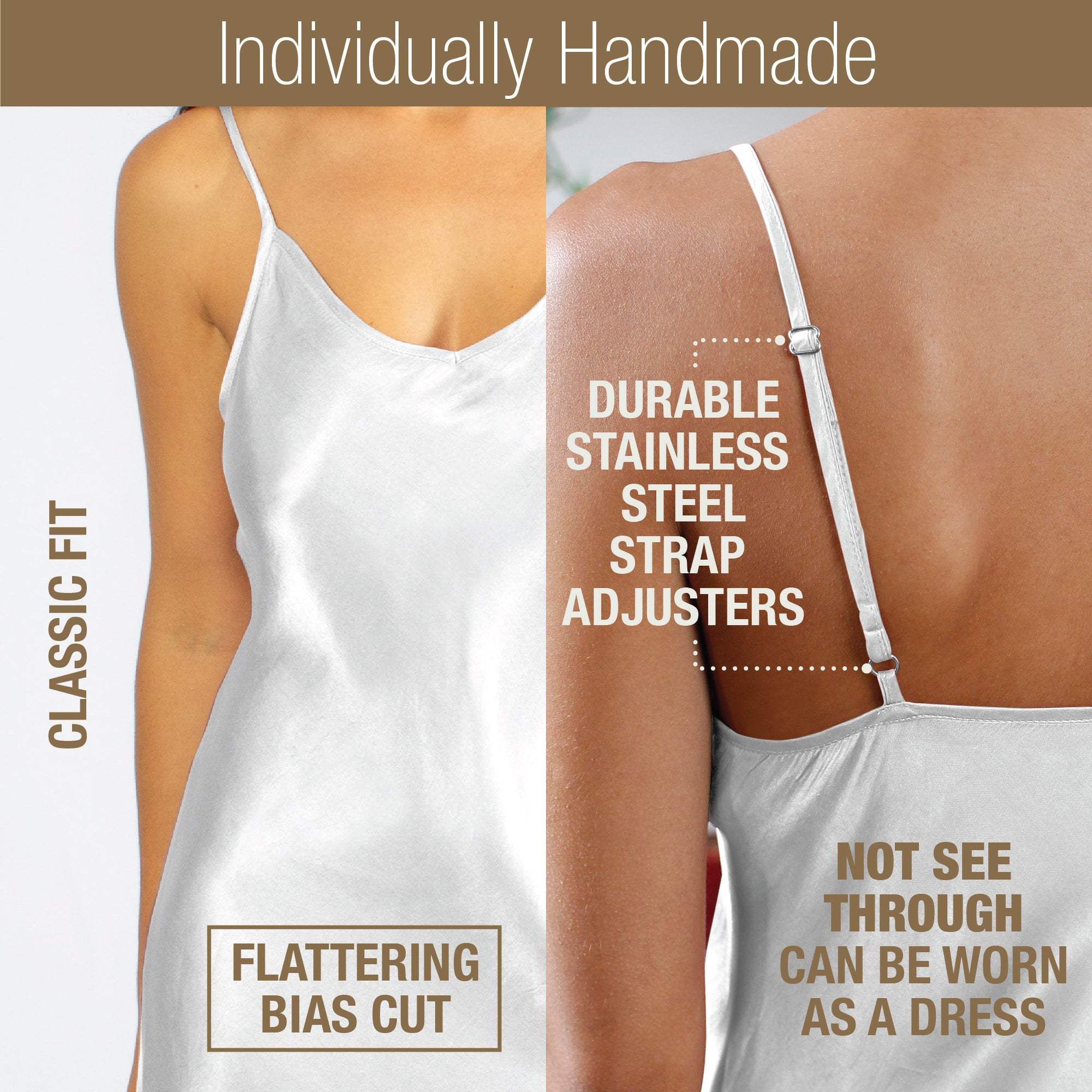
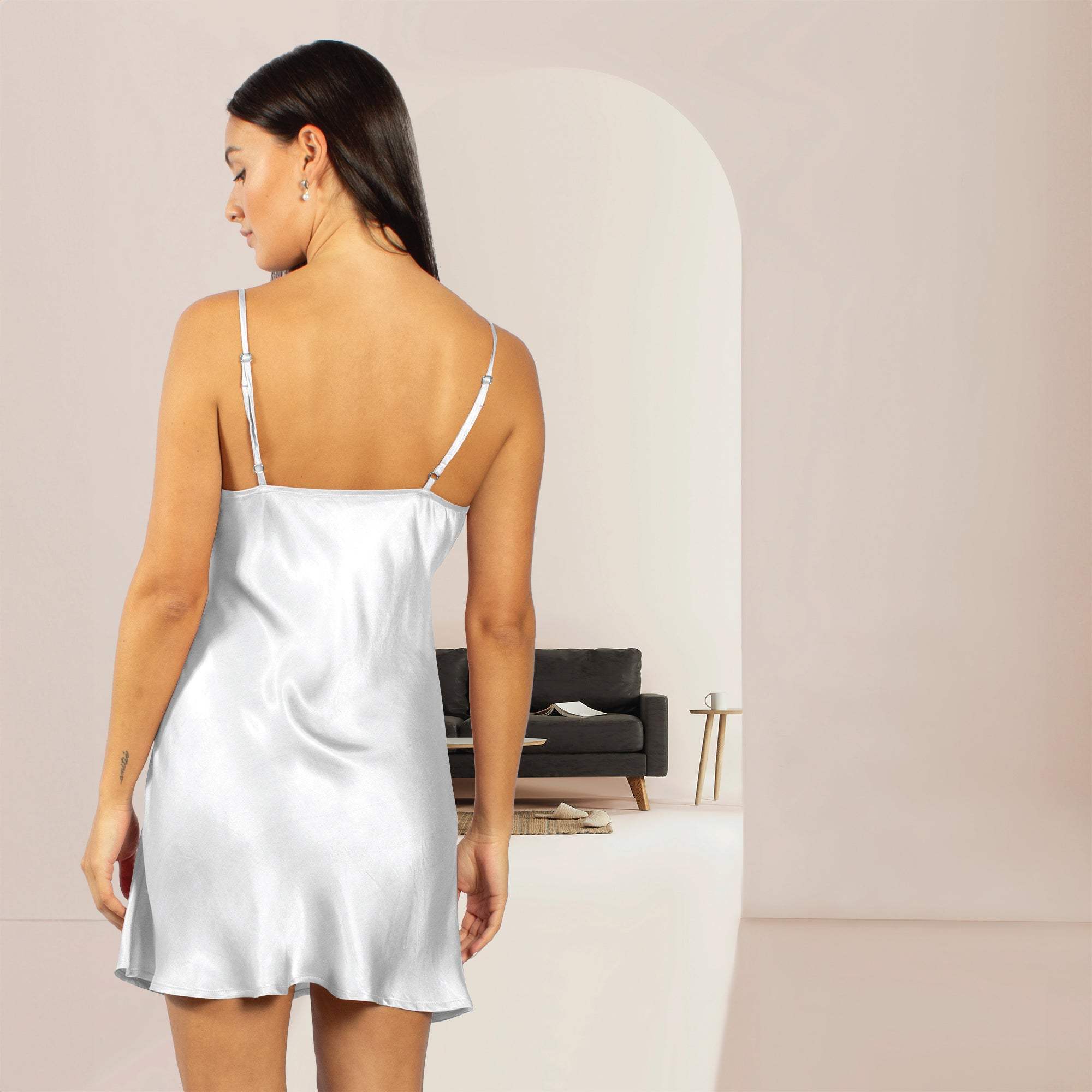
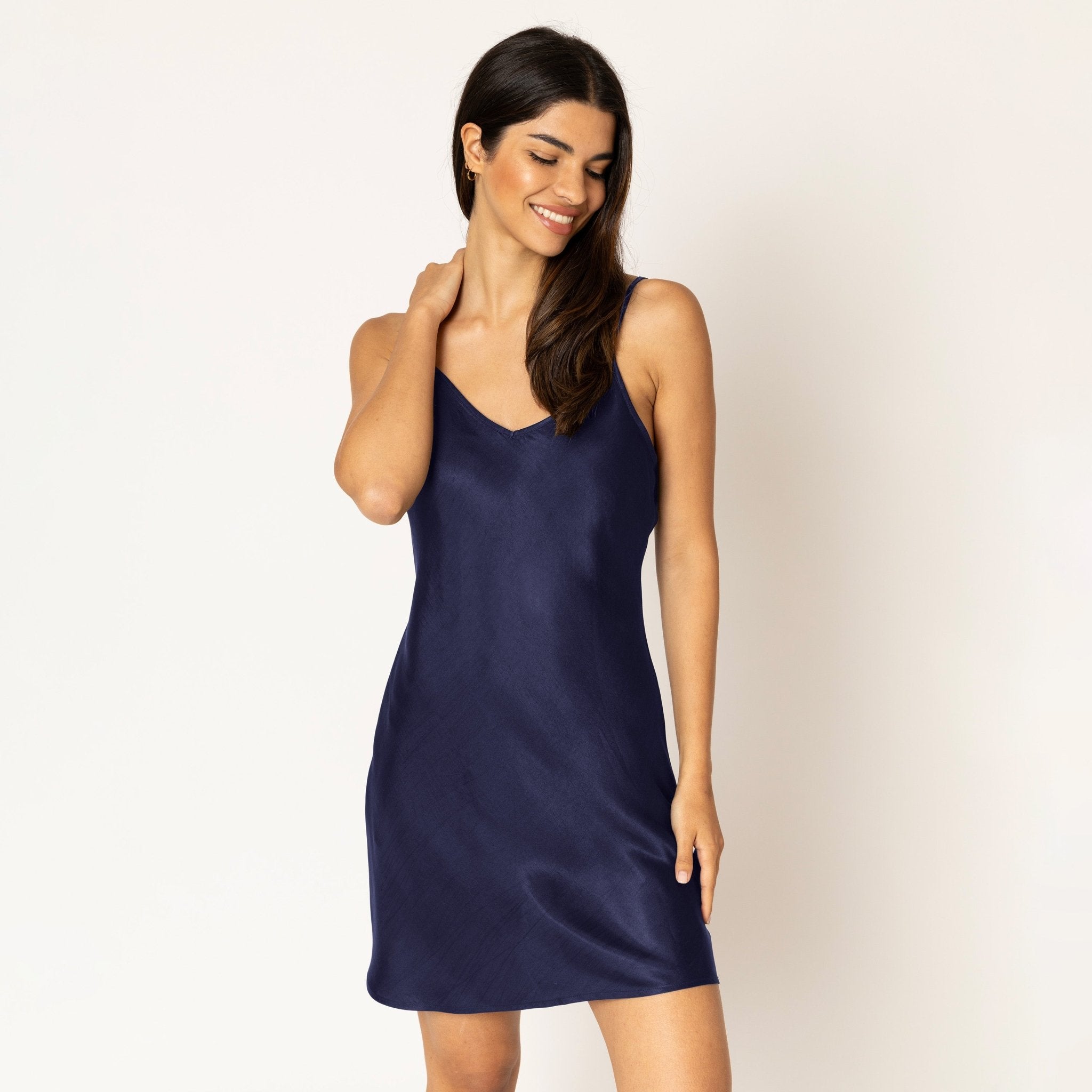
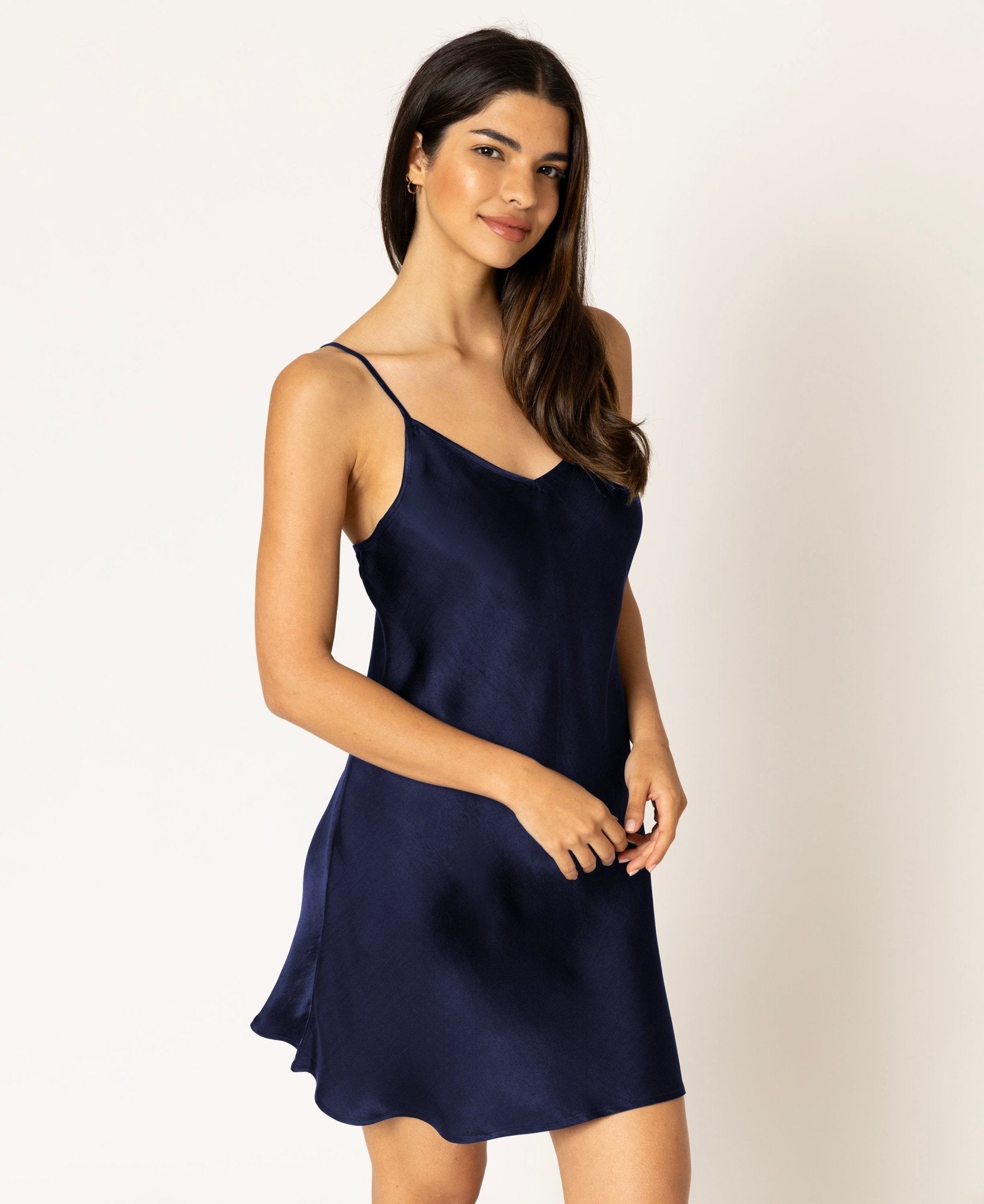
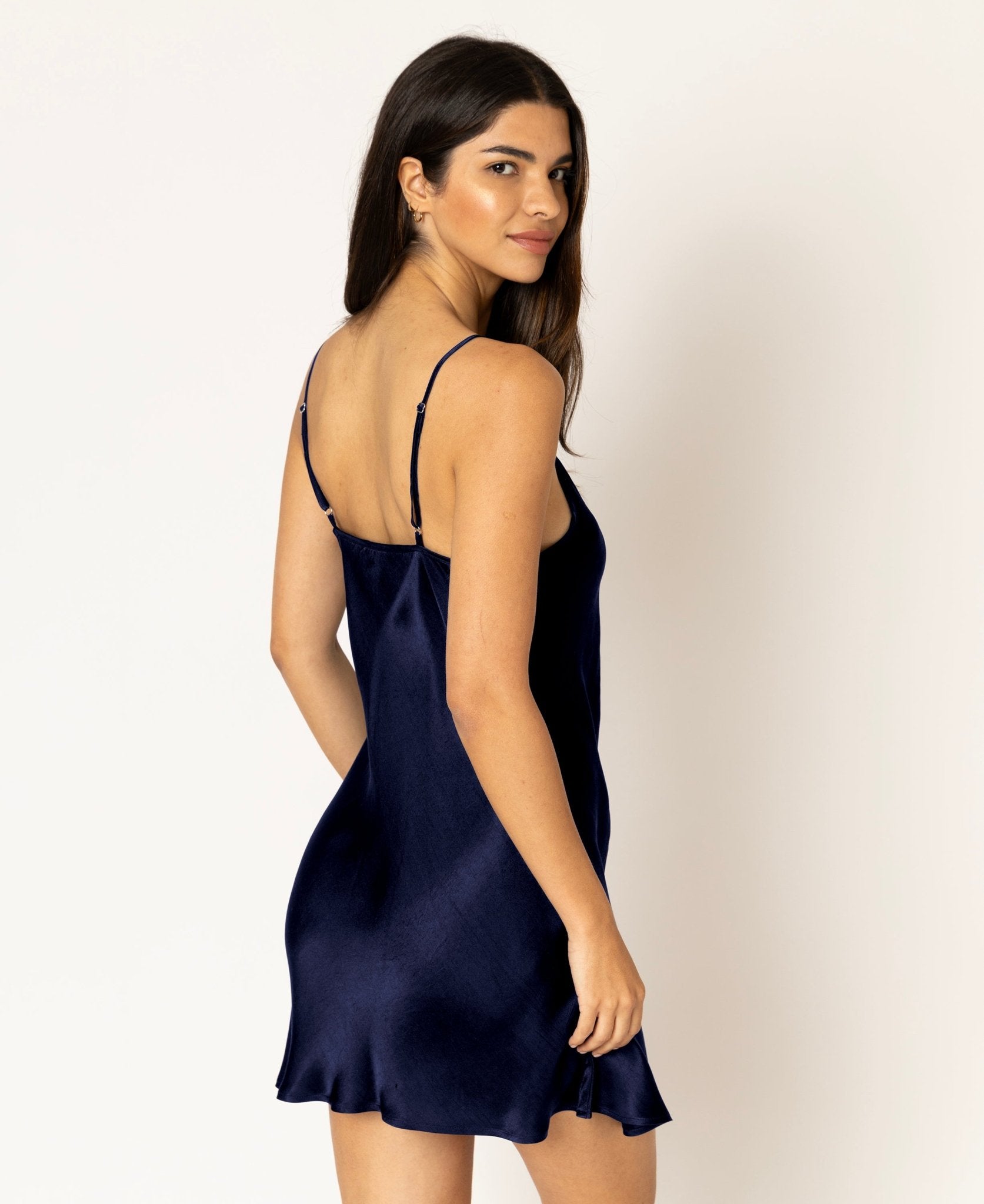
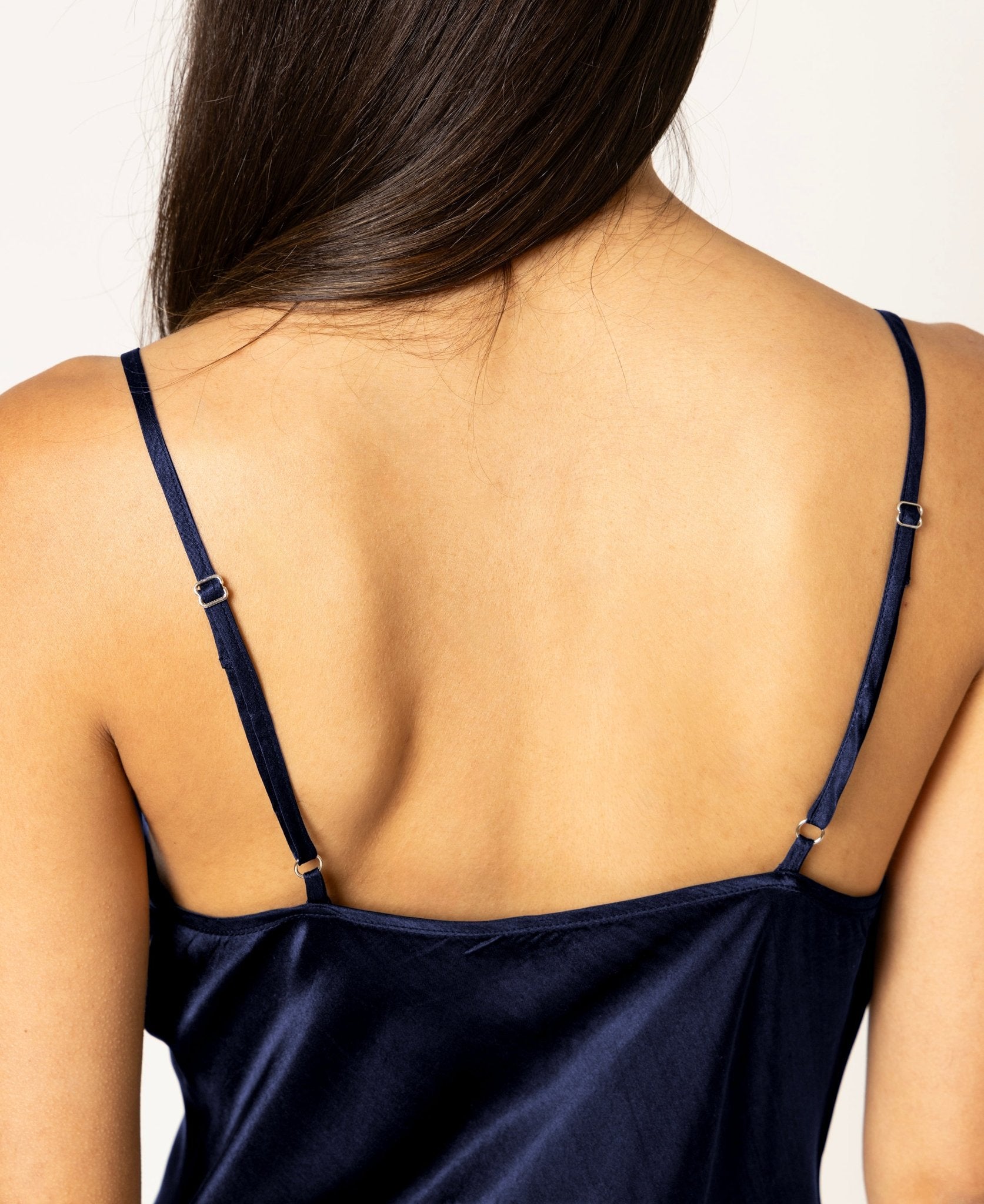
Silk is a protein fiber. It absorbs moisture vapor readily, it stays lighter against skin than a comparable weight of cotton, and it does not cling once it is damp. Our silk is Grade 6A equivalent and significantly denser than the 19 to 22 momme range most of the industry uses, which is why it drapes away from the body rather than sitting on it. The silk itself is woven on traditional looms in Vietnam's historic silk villages, and each garment is then individually crafted by artisans with French seams, so there are no raw edges rubbing against you at three in the morning.

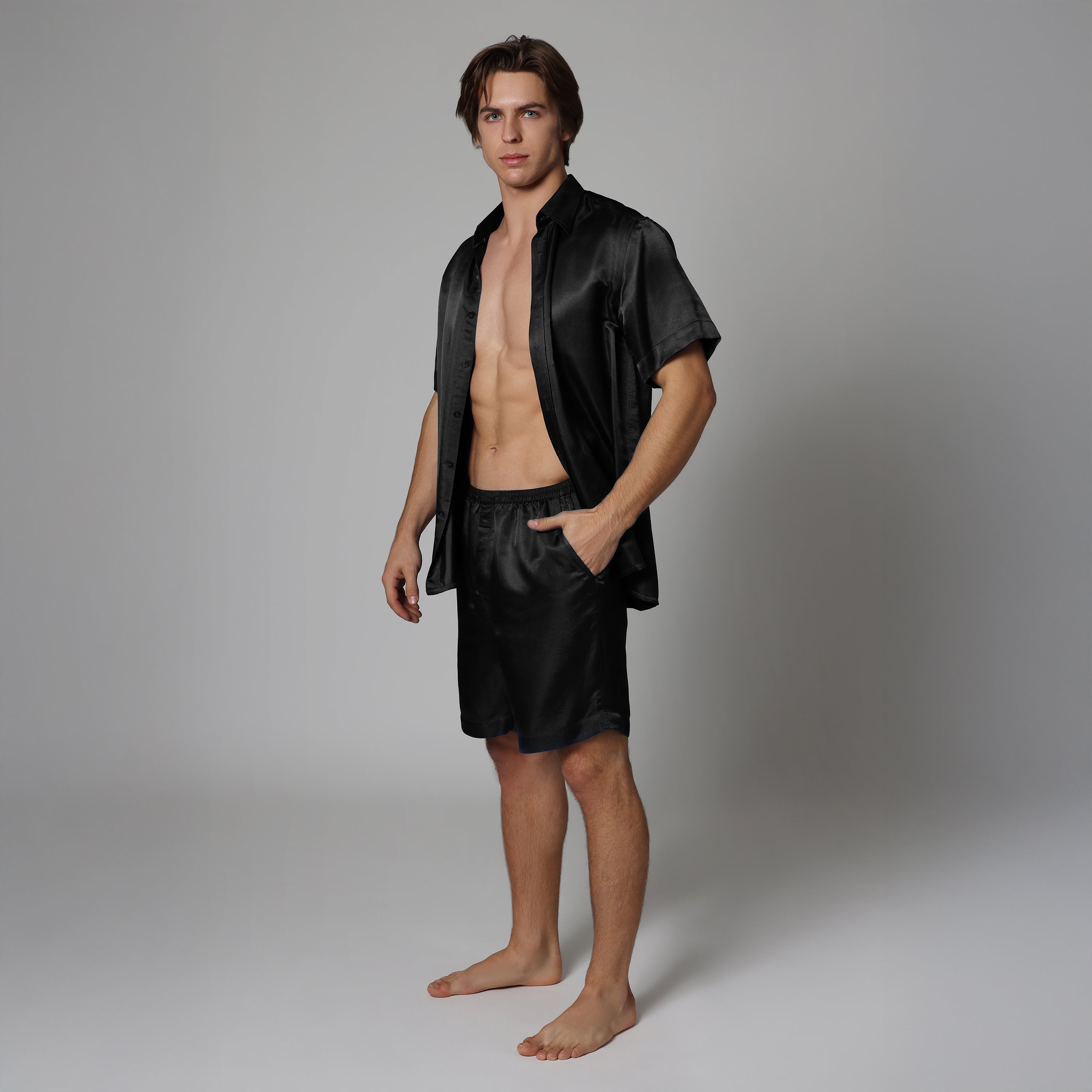
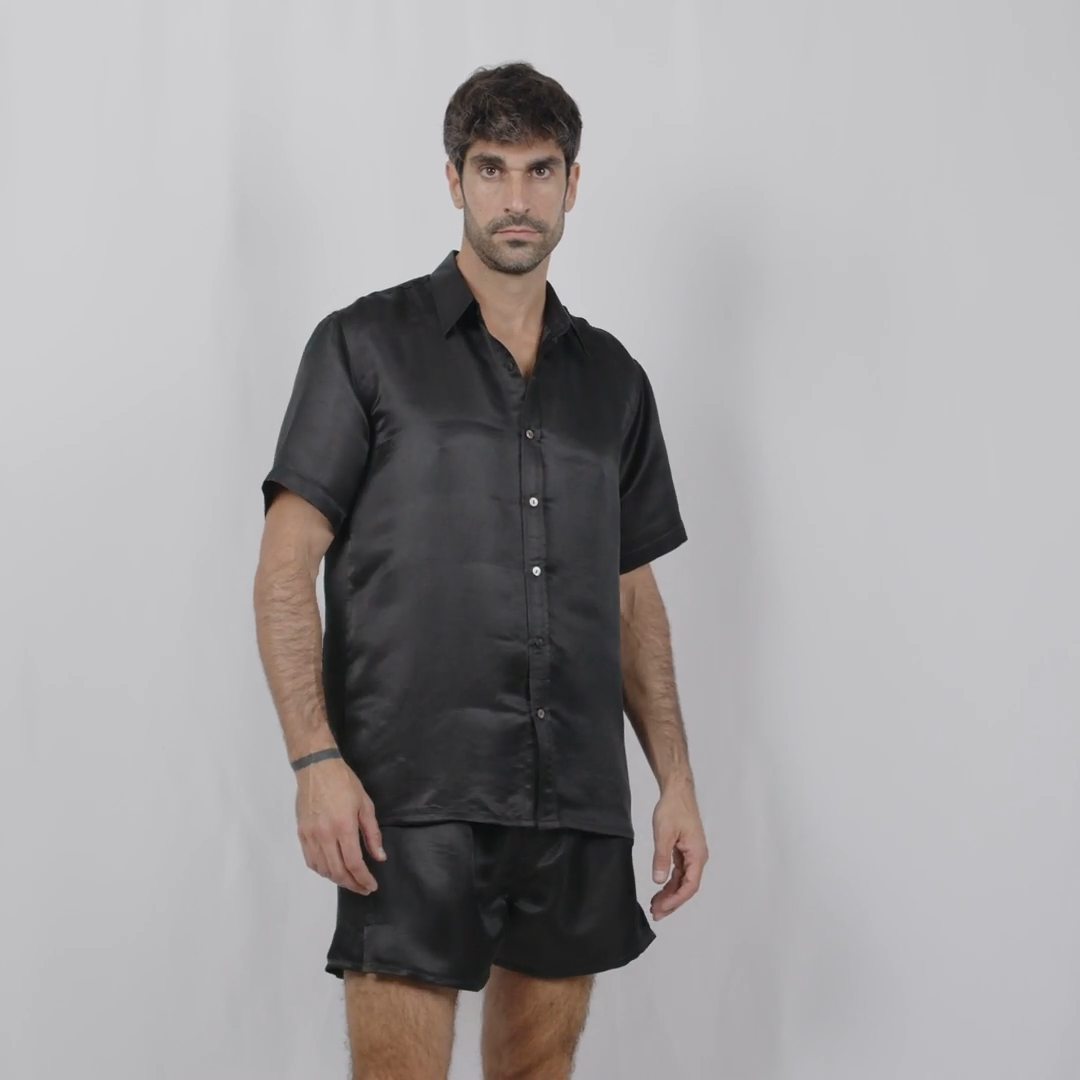








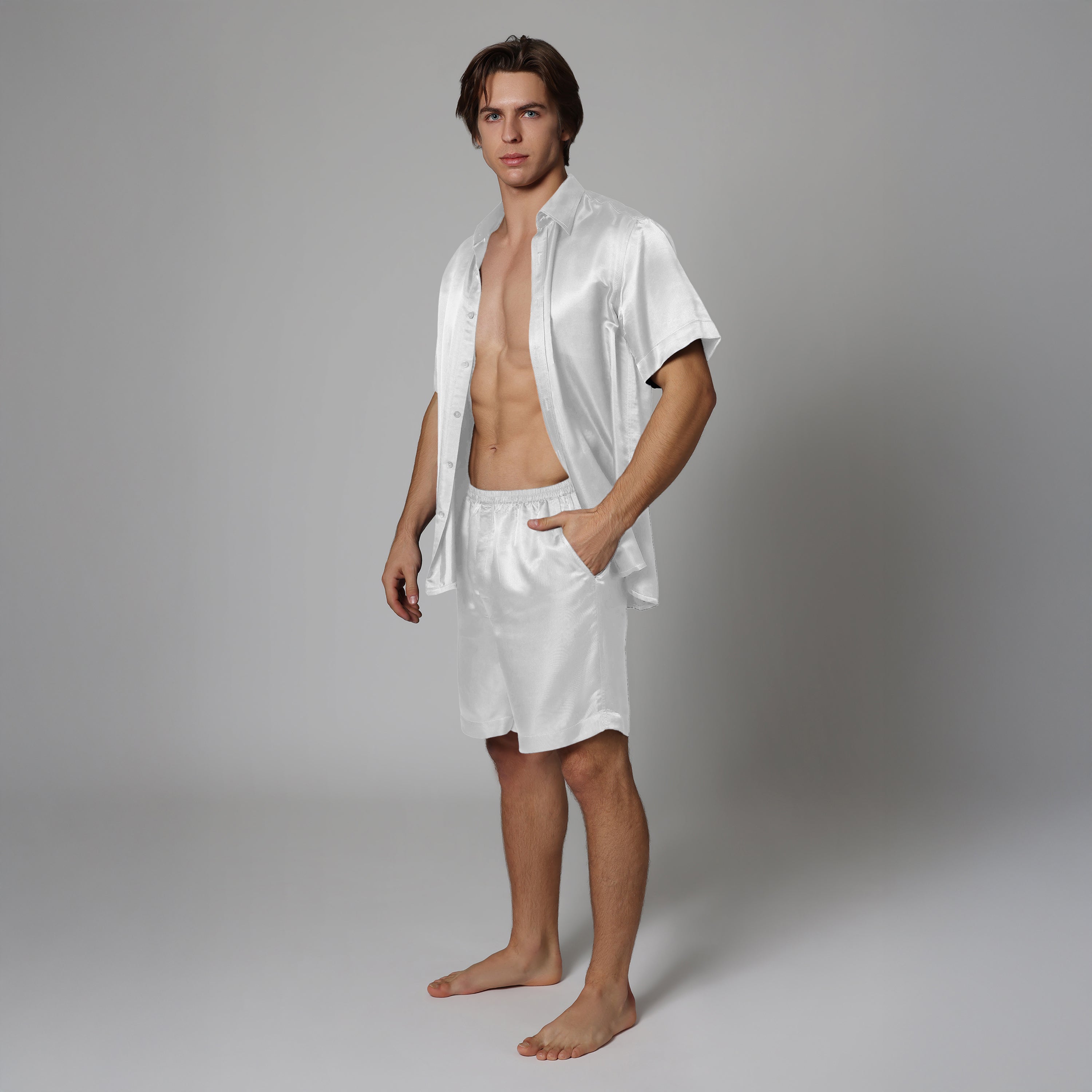


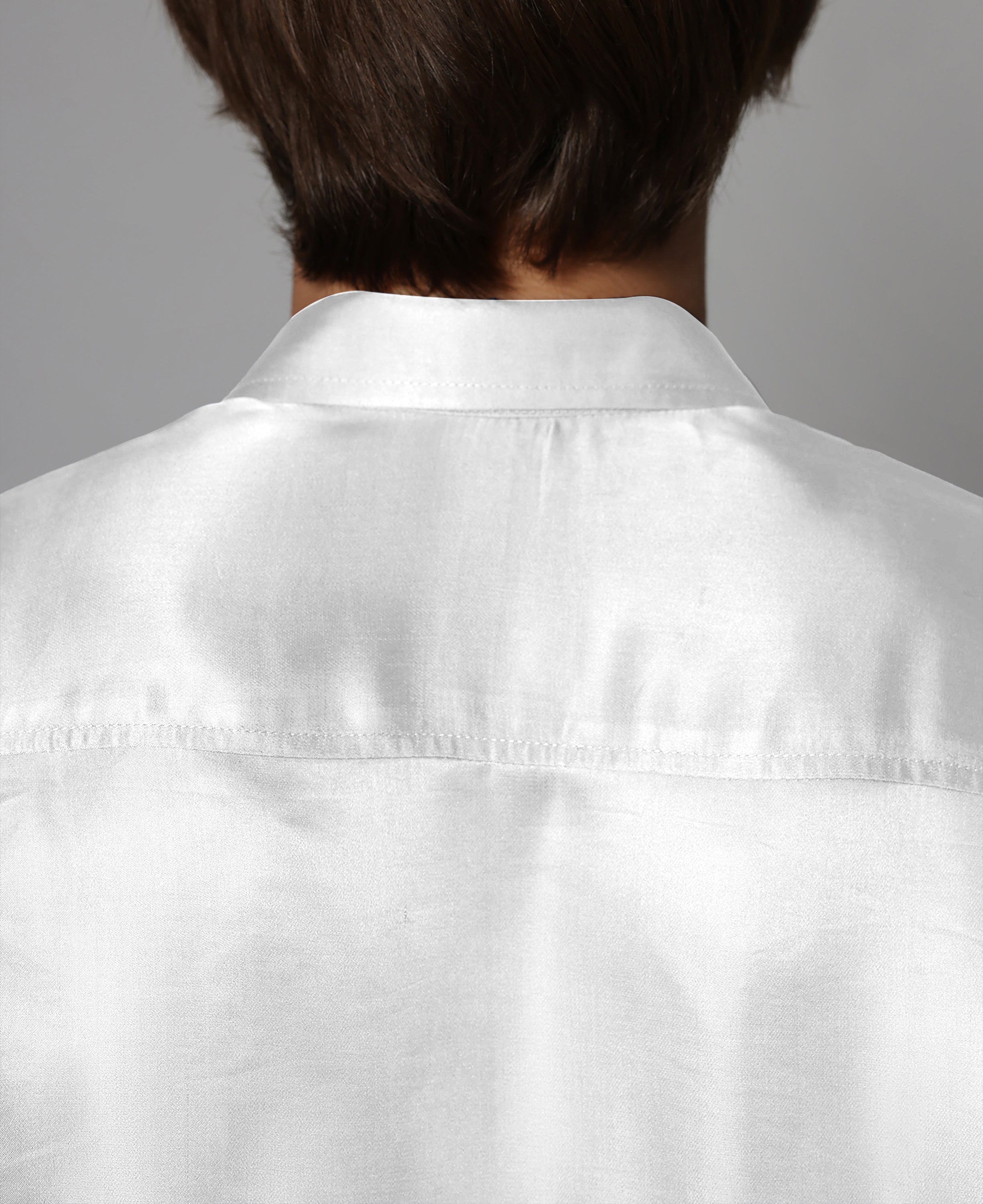









Now the honest part. The direct clinical evidence on sleepwear fabric is thinner than the marketing suggests. The best controlled study I know of, published in Nature and Science of Sleep in 2016, compared merino wool against cotton sleepwear at 17 and 22 degrees Celsius. Wool sleepers fell asleep meaningfully faster, roughly 10 minutes versus 18 at the cooler temperature. That study establishes that what you wear to bed measurably changes how fast you fall asleep. It did not test silk, and it did not test heatwave conditions.
And silk is not a medical device. The CLOTHES trial, a randomized controlled trial of 300 children with moderate to severe atopic eczema, found no evidence of clinical benefit from silk therapeutic garments compared with standard care. If anyone sells you silk as a treatment, be suspicious.
What silk reliably delivers in a heatwave is this: it is light, it dries fast, it does not stick, and it does not trap the heat your body is trying to shed. That is a comfort claim, not a health claim, and it is the one I am willing to defend.
My actual heatwave protocol
- Close the blinds by mid morning. Cooling a room is harder than never letting it heat up.
- Do not cook after 6 pm. This is the entire origin of the ice cream.
- Warm shower about two hours before bed.
- Fan on, aimed to move air across the room rather than directly at the bed.
- Silk pajamas, light sheet, nothing else.
- Ice cream, eaten slowly, with nowhere else to be.
Frequently Asked Questions
What is the best bedroom temperature for sleeping in a heatwave?
Cleveland Clinic recommends 60 to 67 degrees Fahrenheit for adults, and considers anything above 70 too warm for good sleep. If you cannot reach that, the goal shifts to helping your body shed heat: air movement, minimal bedding, and light sleepwear.
Should I take a cold shower before bed in hot weather?
A warm shower about two hours before bed is more effective. Warm water pulls heat from your core to your skin, where it dissipates, so your core temperature falls further afterward. A cold shower cools the surface and triggers heat conservation underneath.
Are silk pajamas good for hot sleepers?
They are a reasonable choice. Silk is light, absorbs moisture vapor, dries quickly, and does not cling when you sweat. It is not magic, and no fabric will make an 85 degree bedroom comfortable. It removes friction rather than solving physics.
Can I make this ice cream without a Ninja CREAMi?
Partly. Blending frozen fruit with protein powder and a little milk in a high powered blender gets you something close to soft serve, eaten immediately. The CREAMi's advantage is that it shaves a solid frozen block into a fine texture, which is difficult to reproduce otherwise. This recipe was written for the CREAMi.
Is this a weight loss recipe?
No. It is a high protein dessert that happens to work as a summer dinner when it is too hot to cook. Nutrition varies with your ingredients, and nothing here is dietary advice.
Do silk pajamas need dry cleaning?
Ours do not. They are machine washable, which was a deliberate design decision. Silk you are afraid to wash is silk you will not wear.
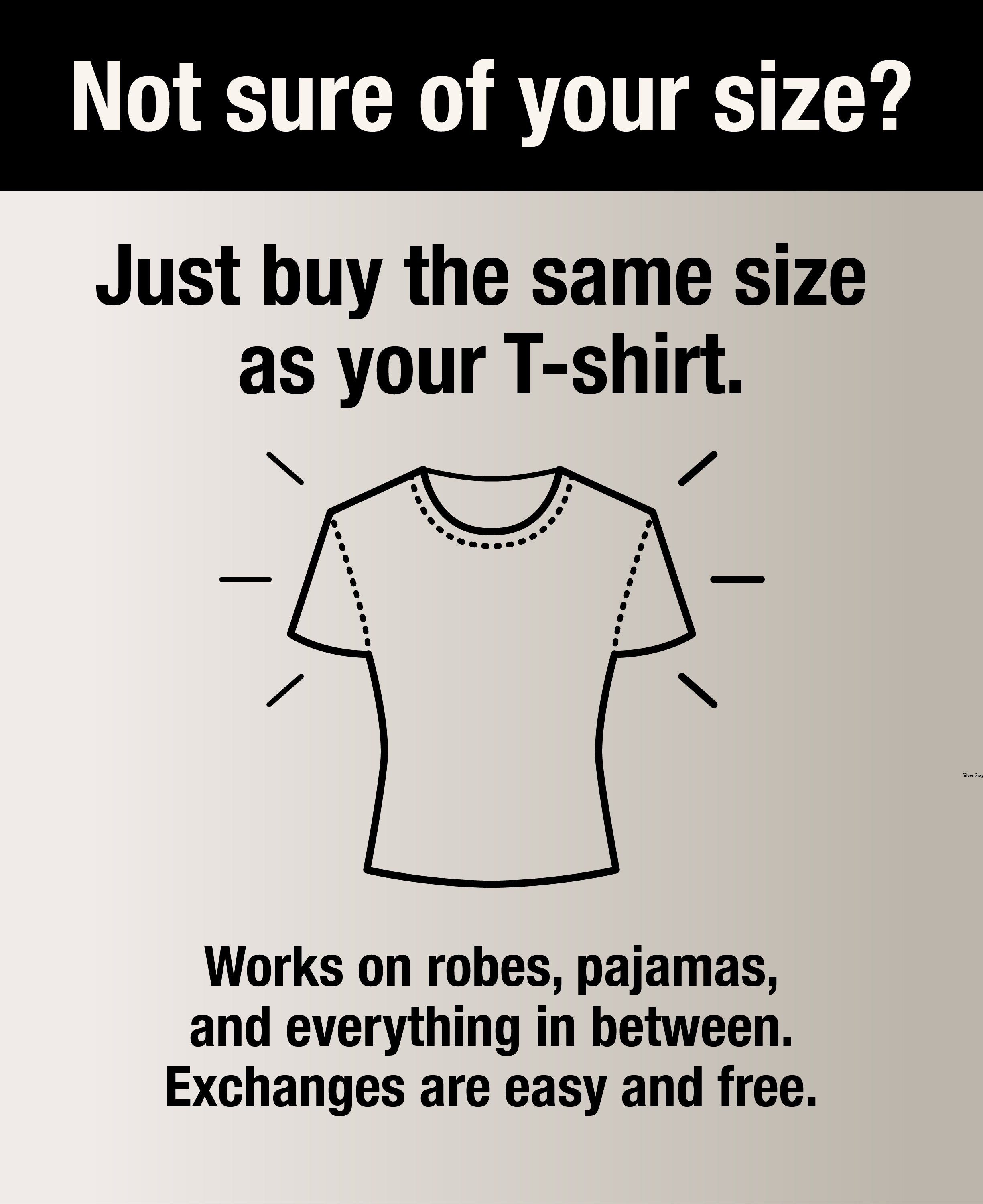
Find your size
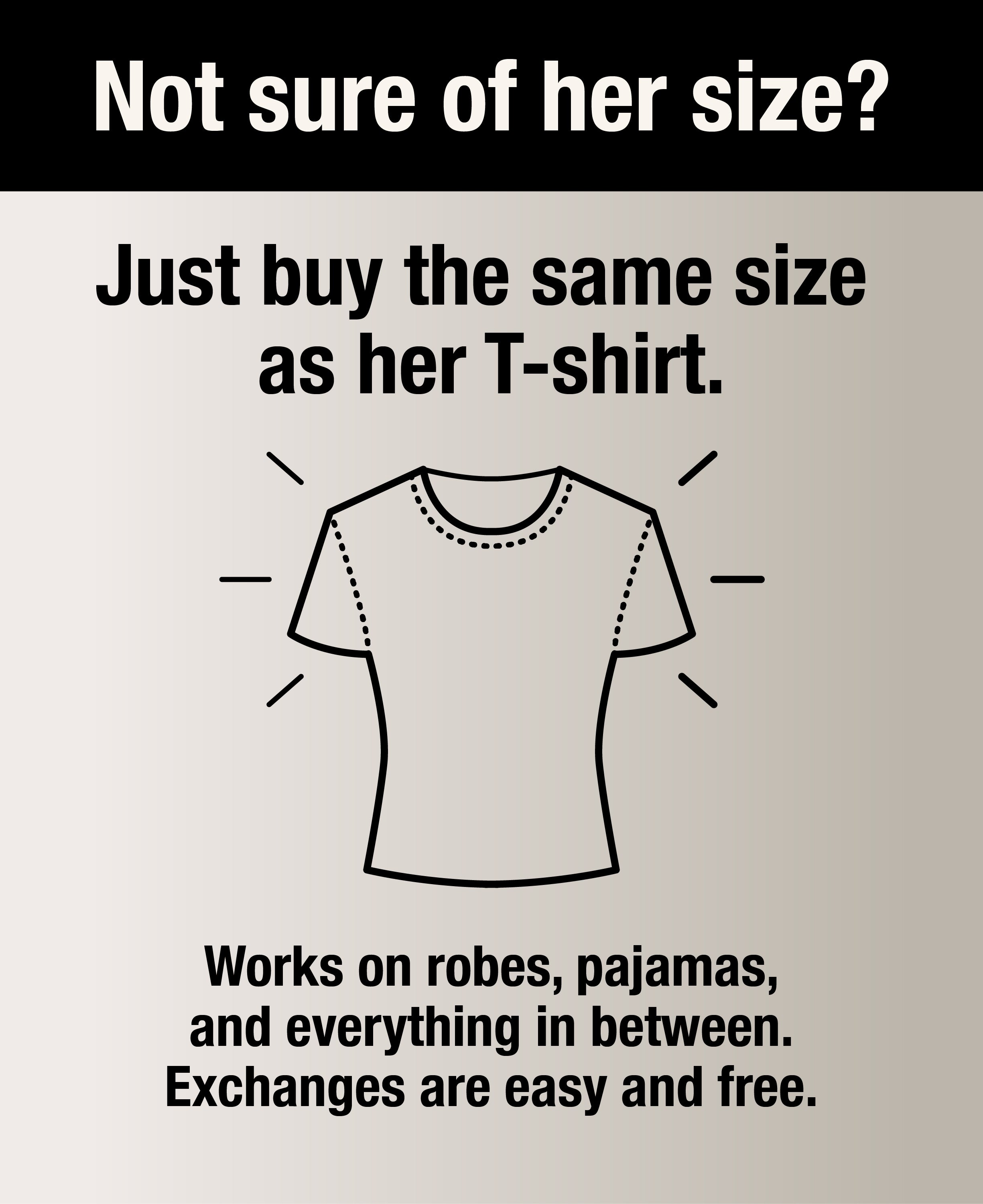
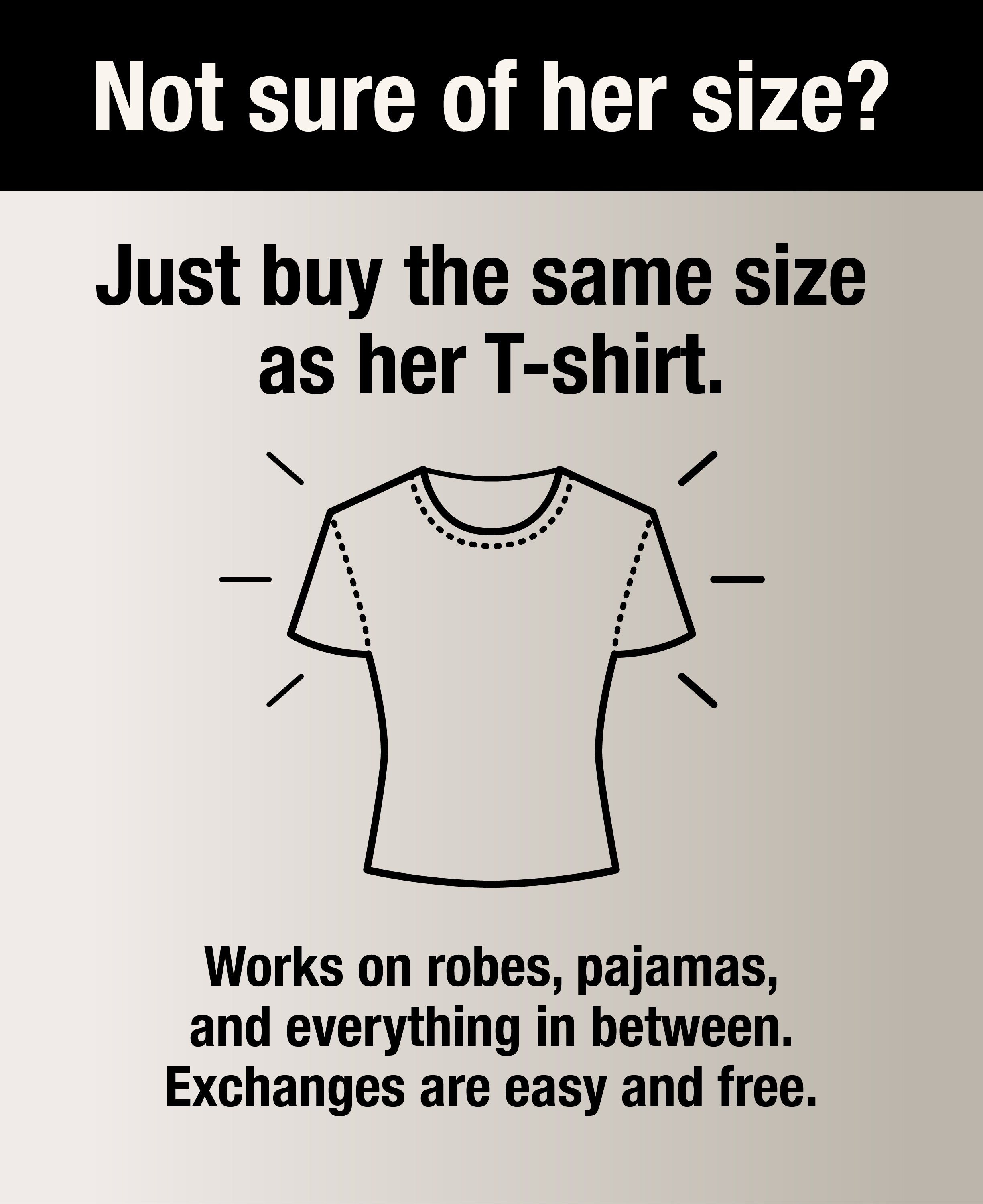
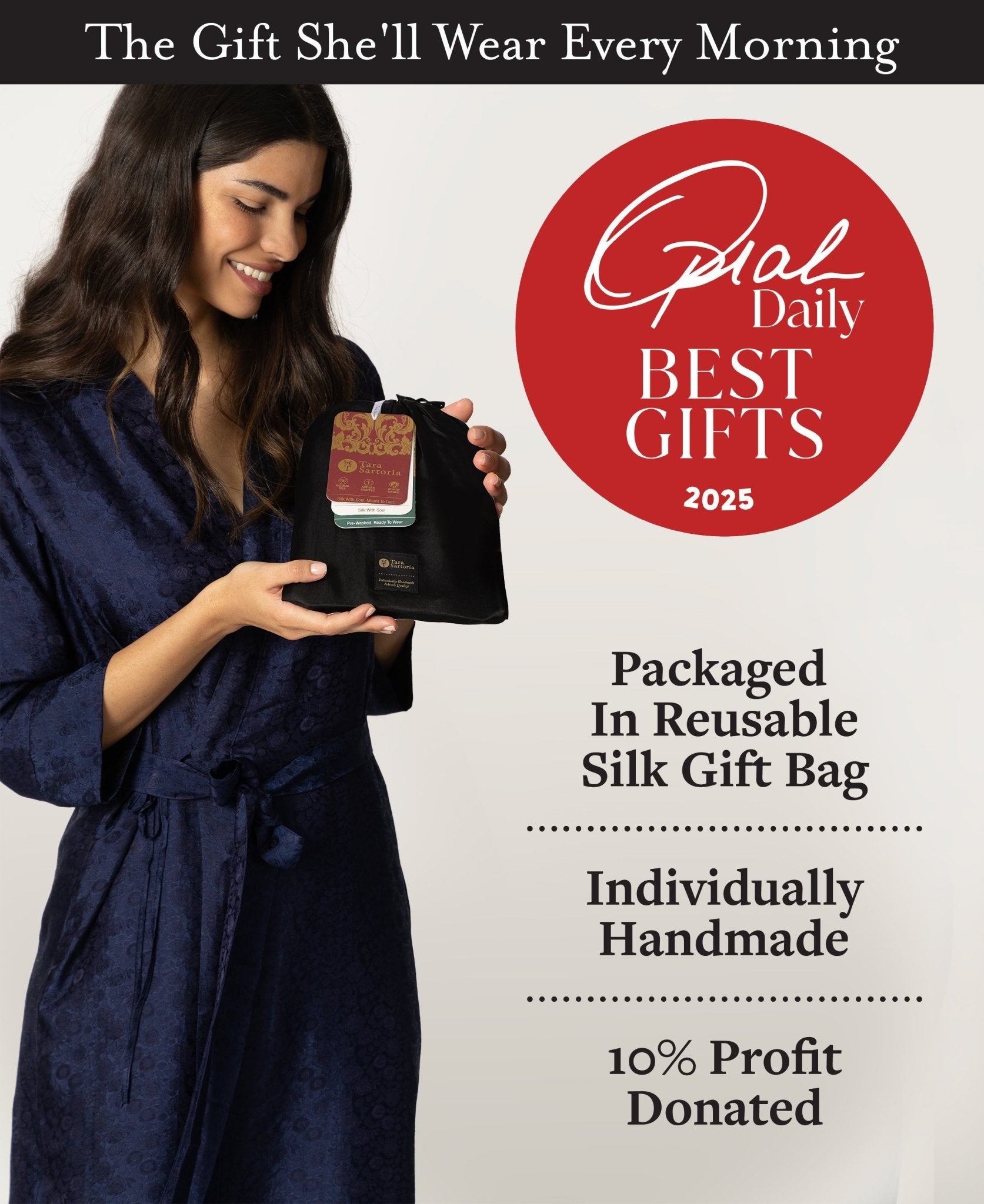
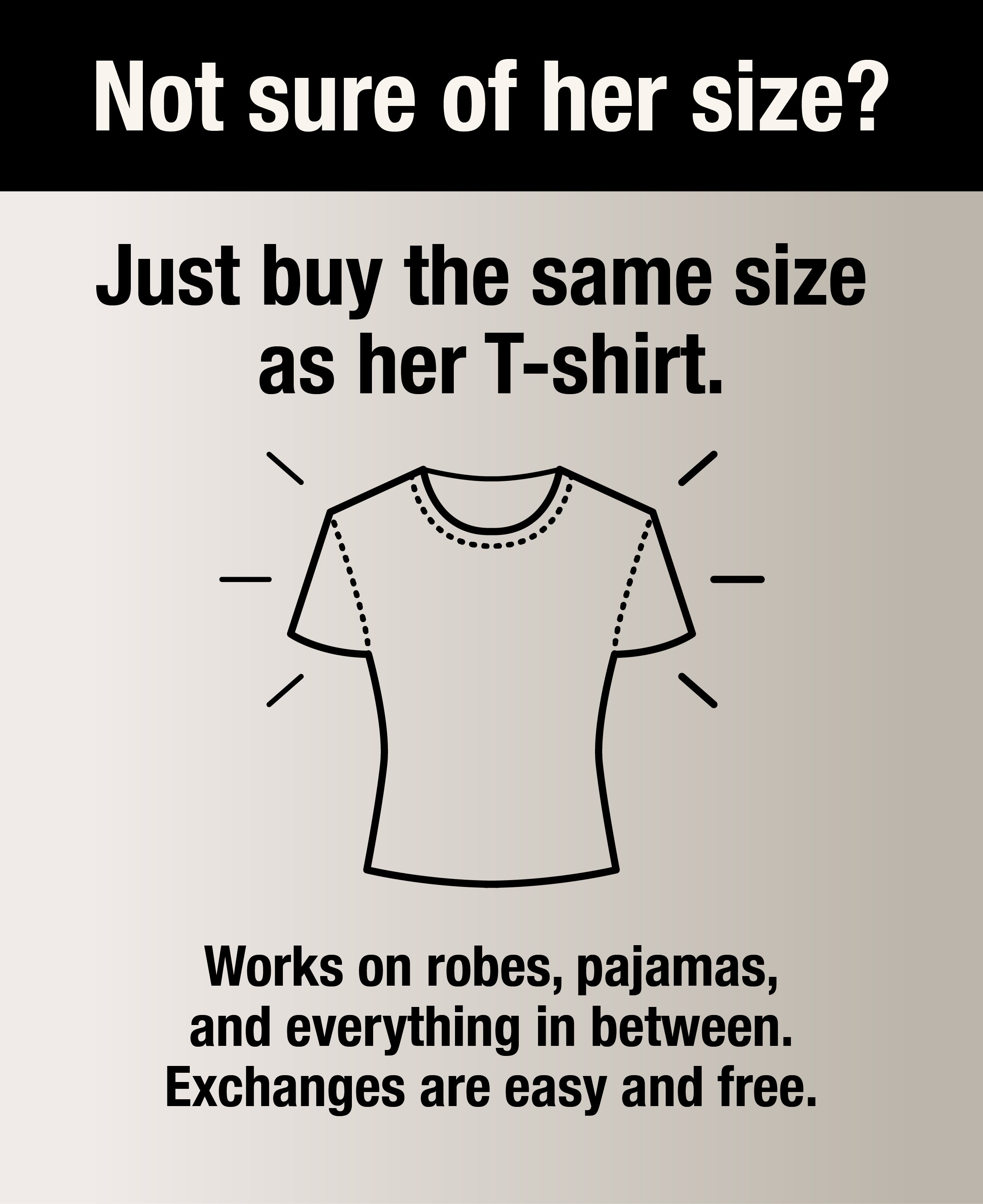
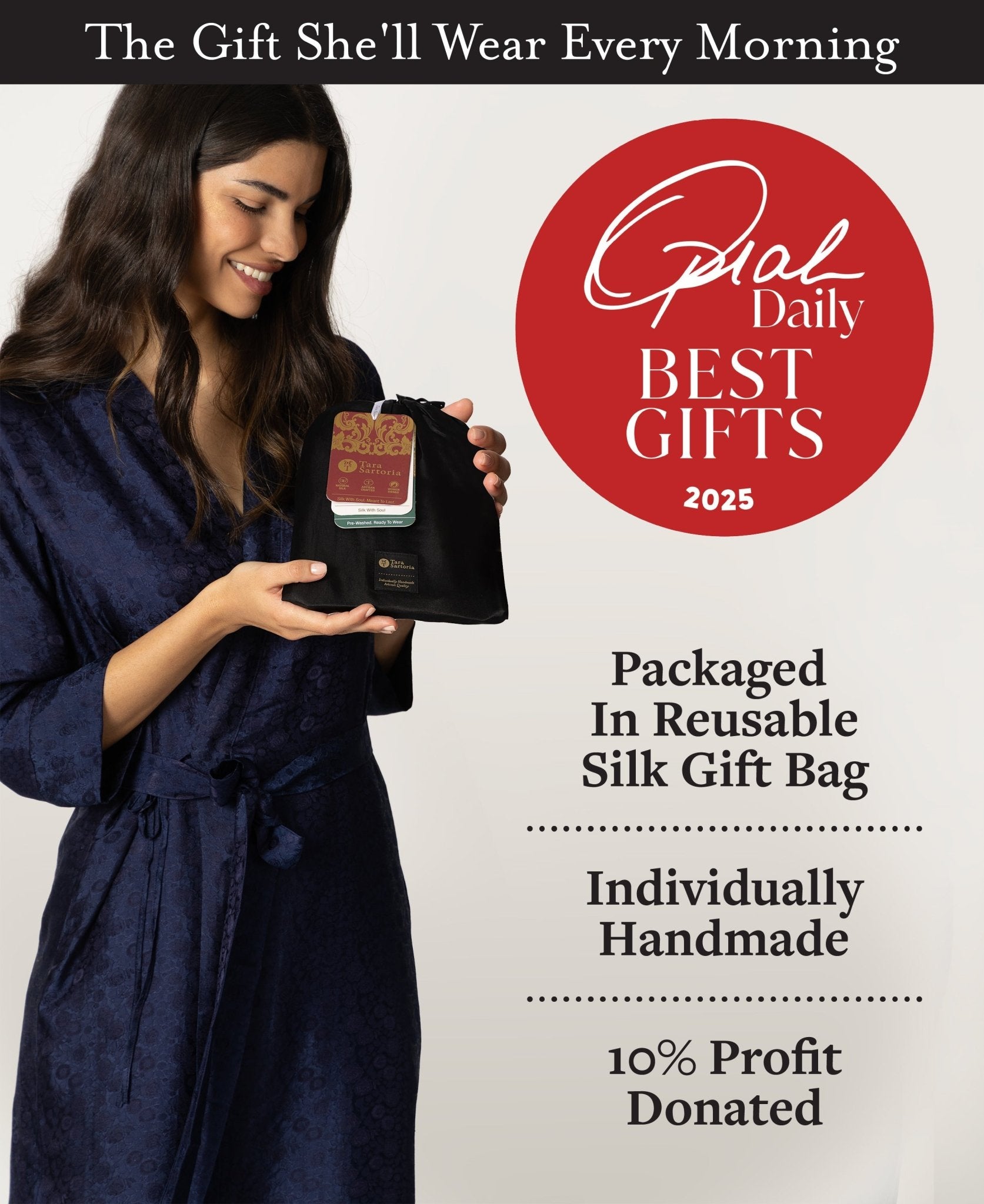
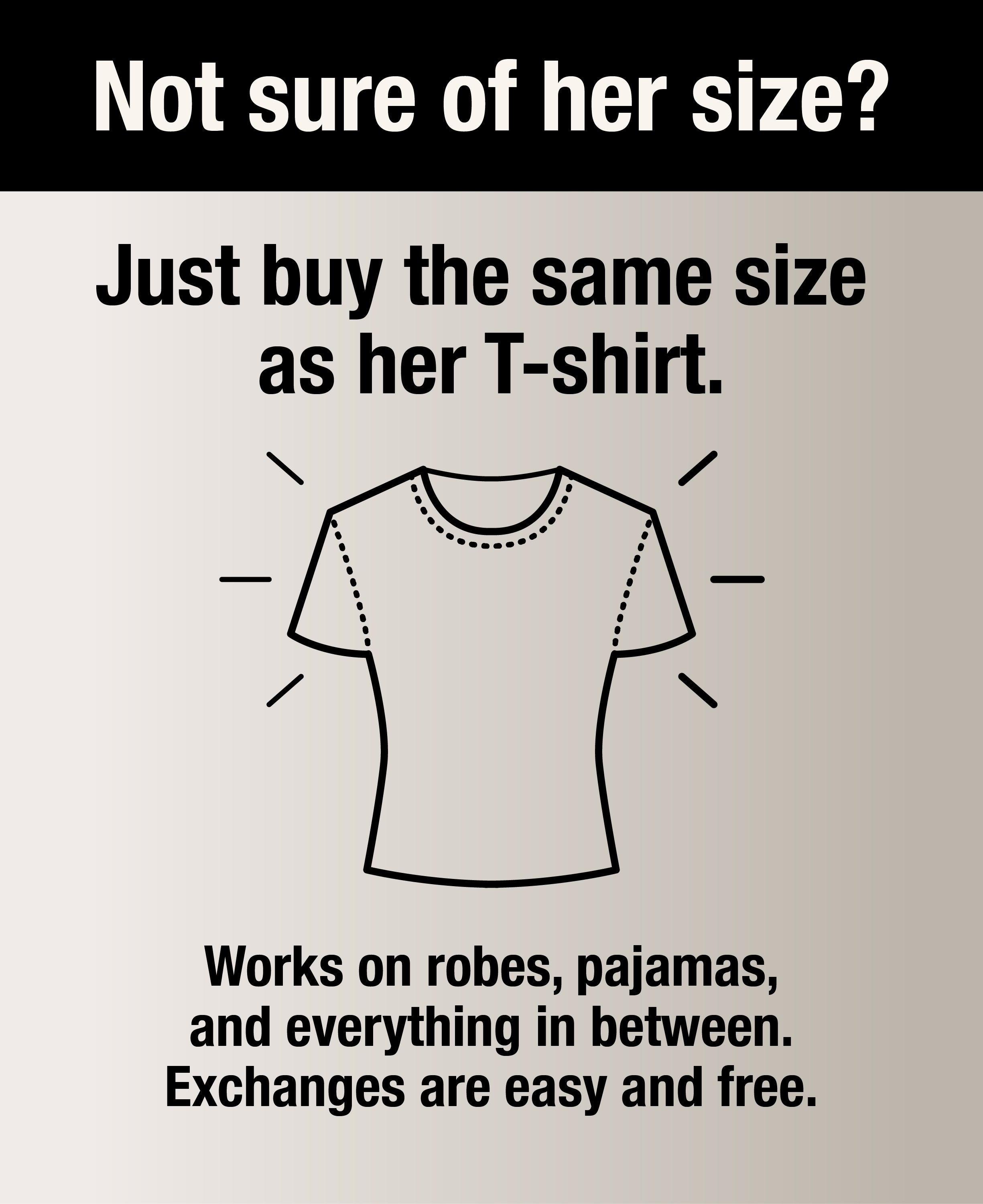
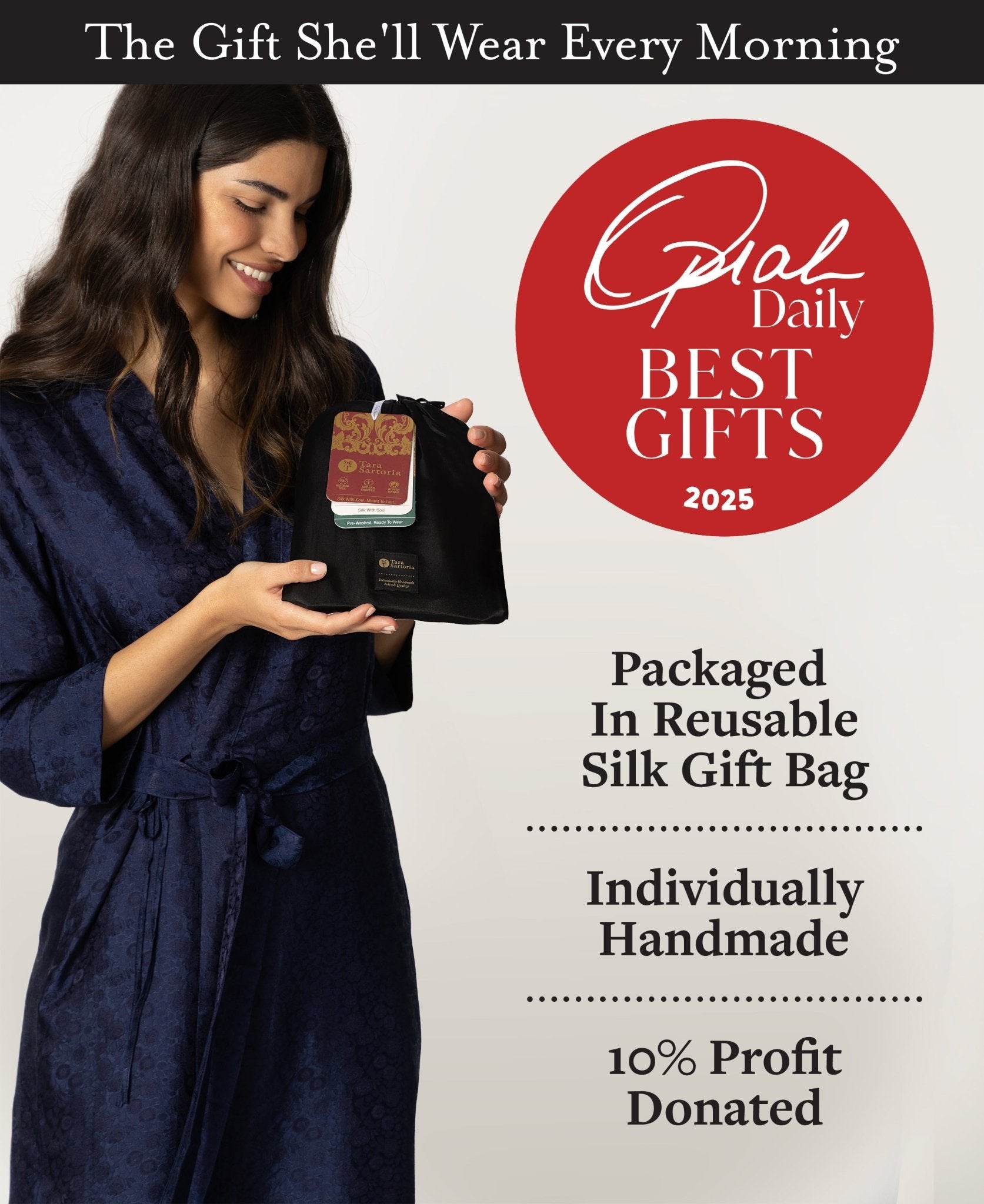
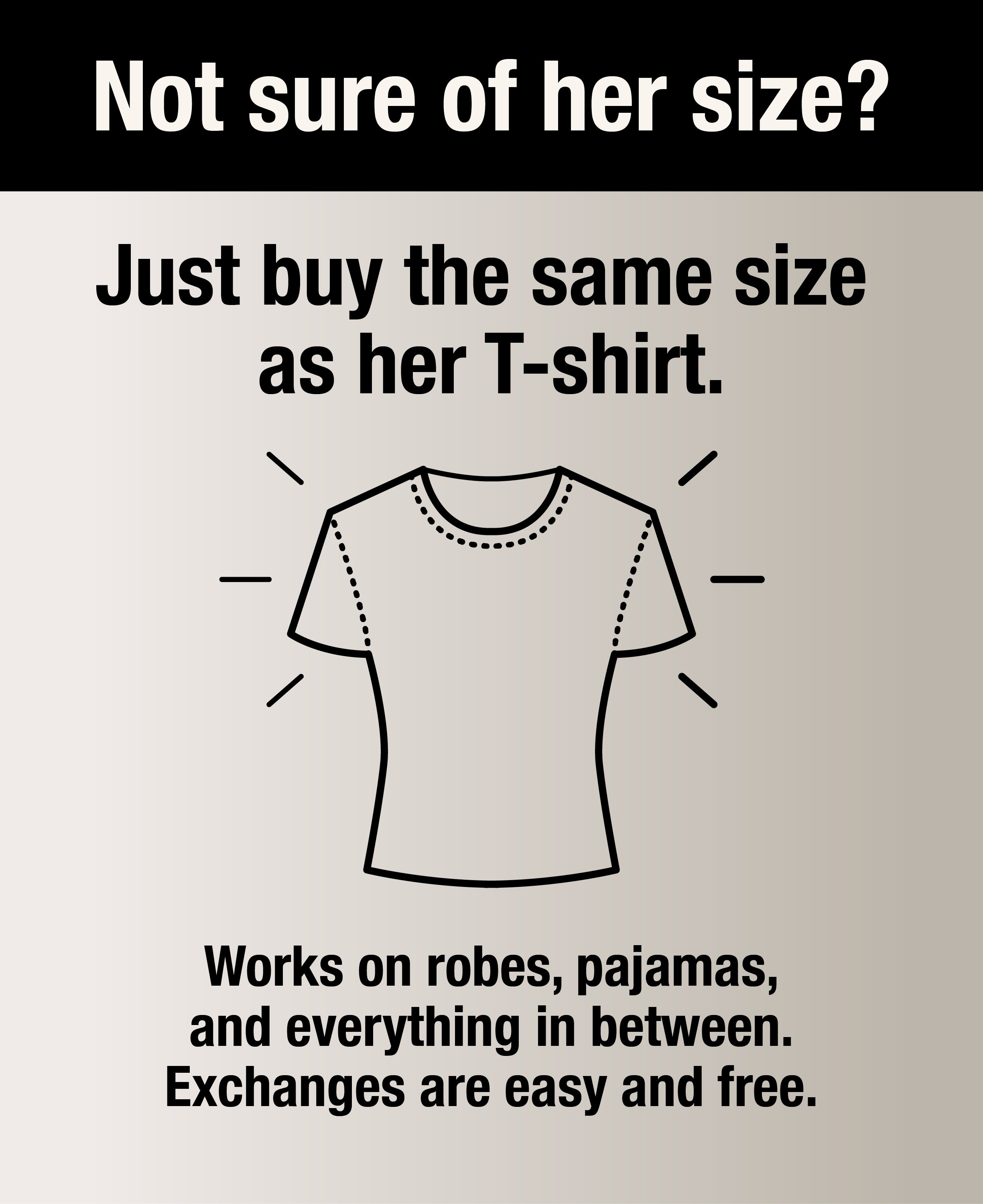
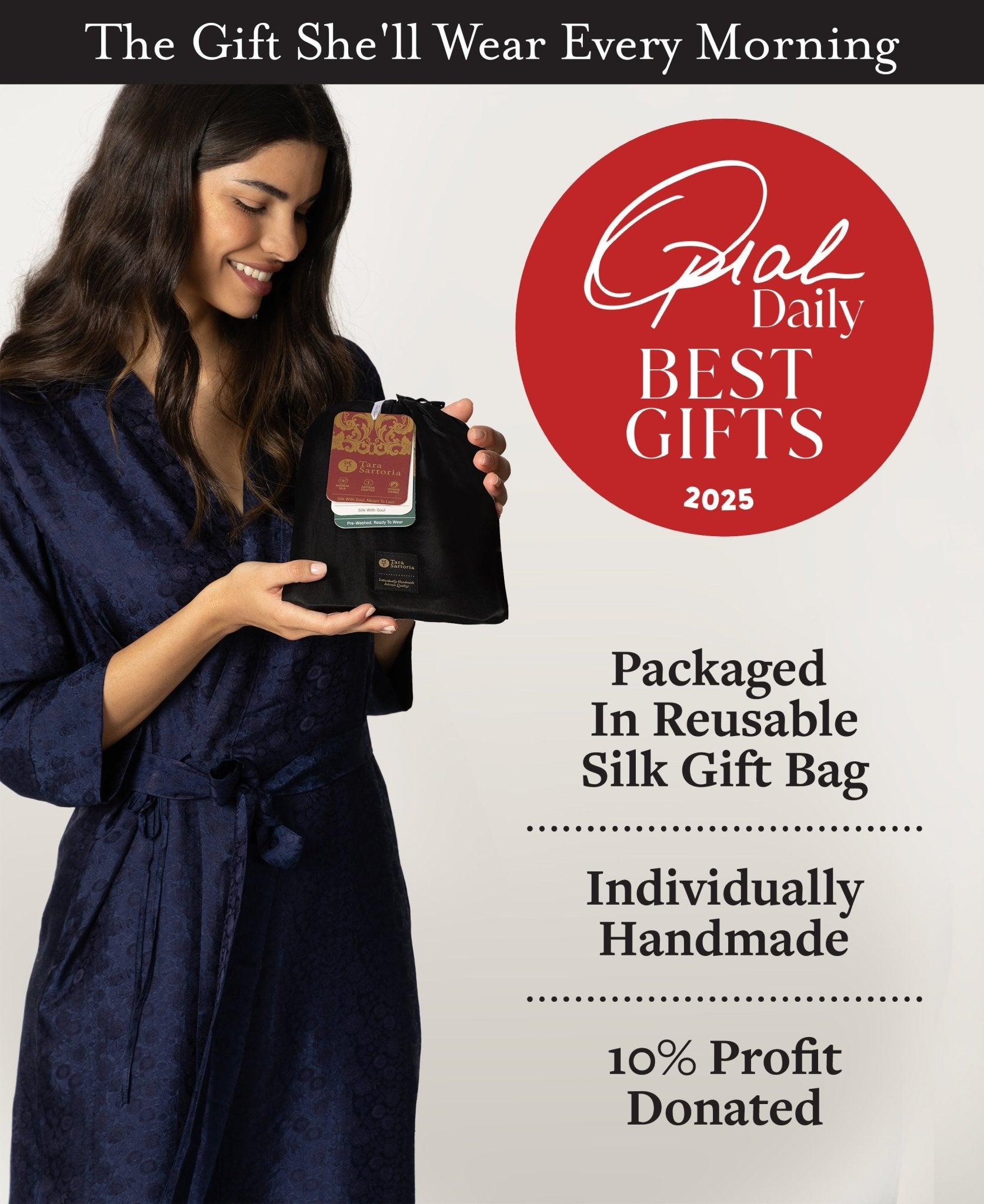
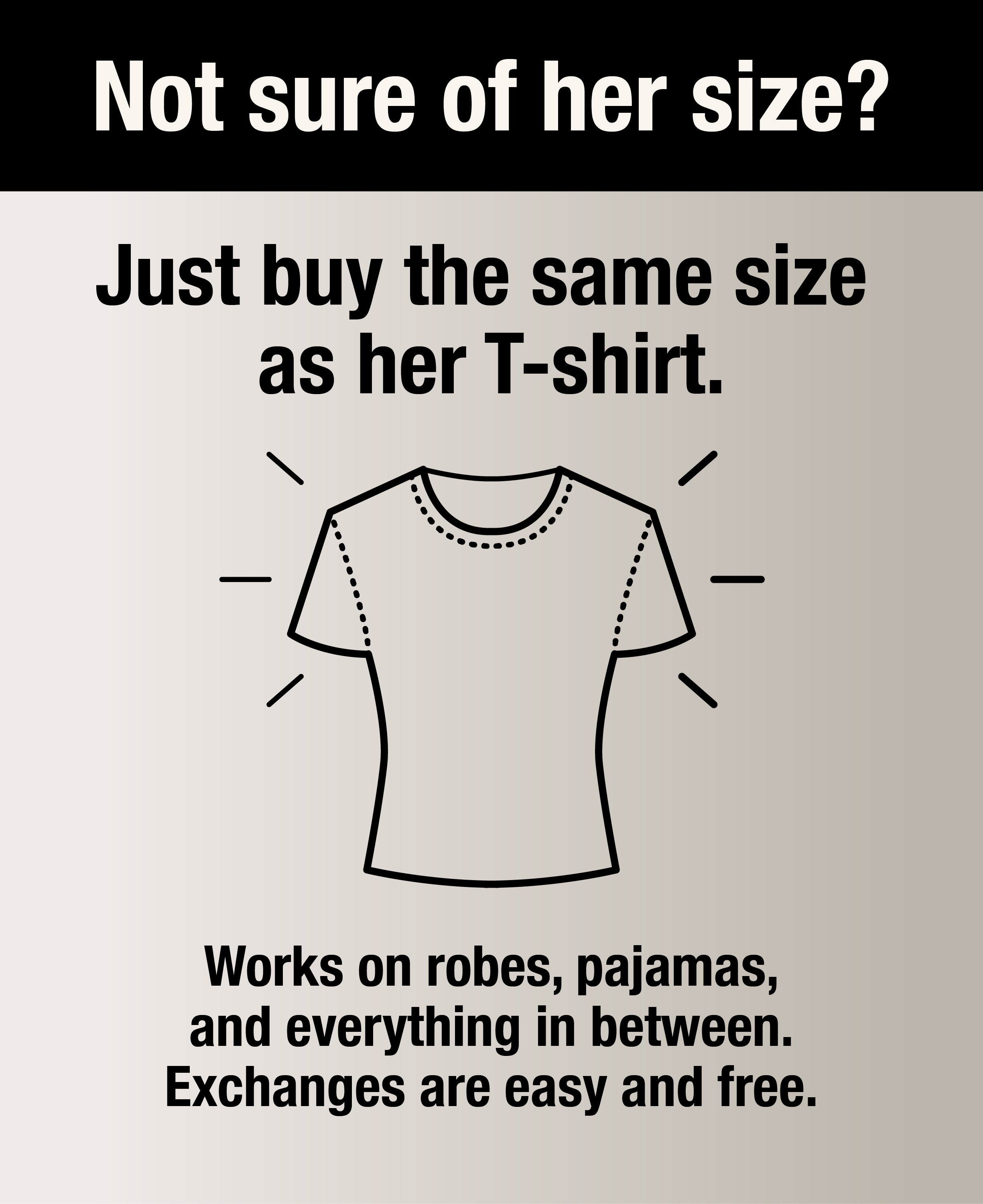
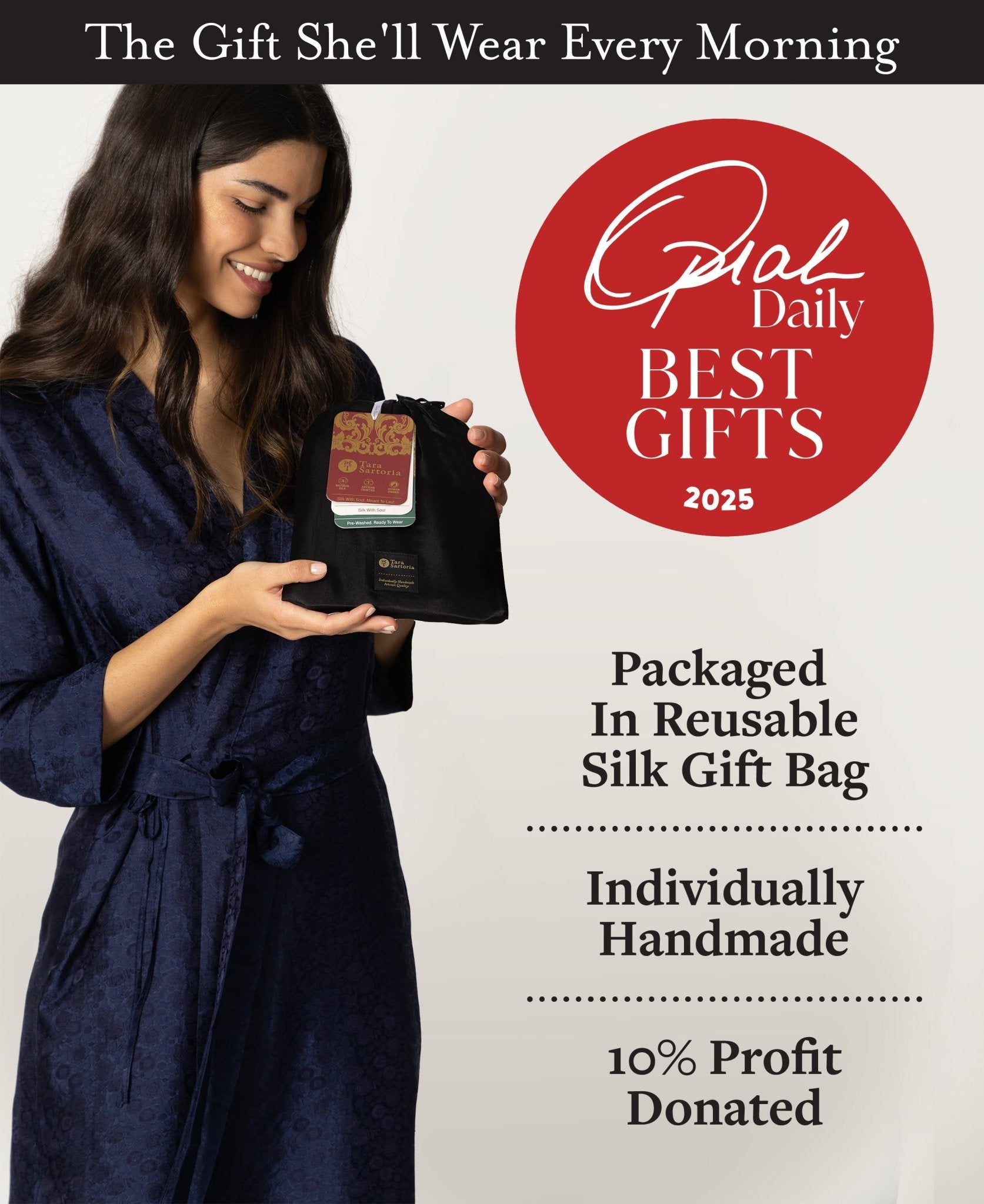
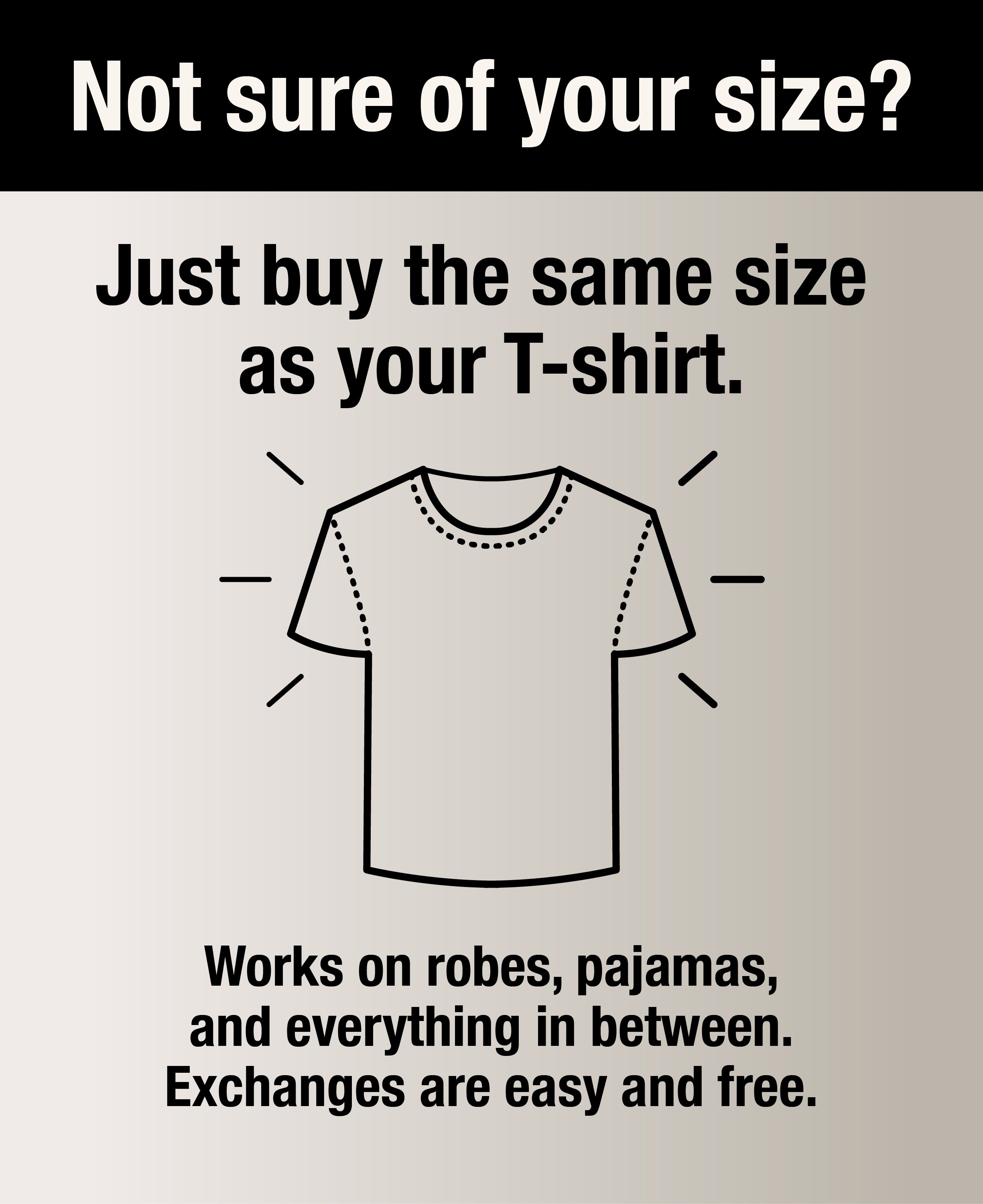
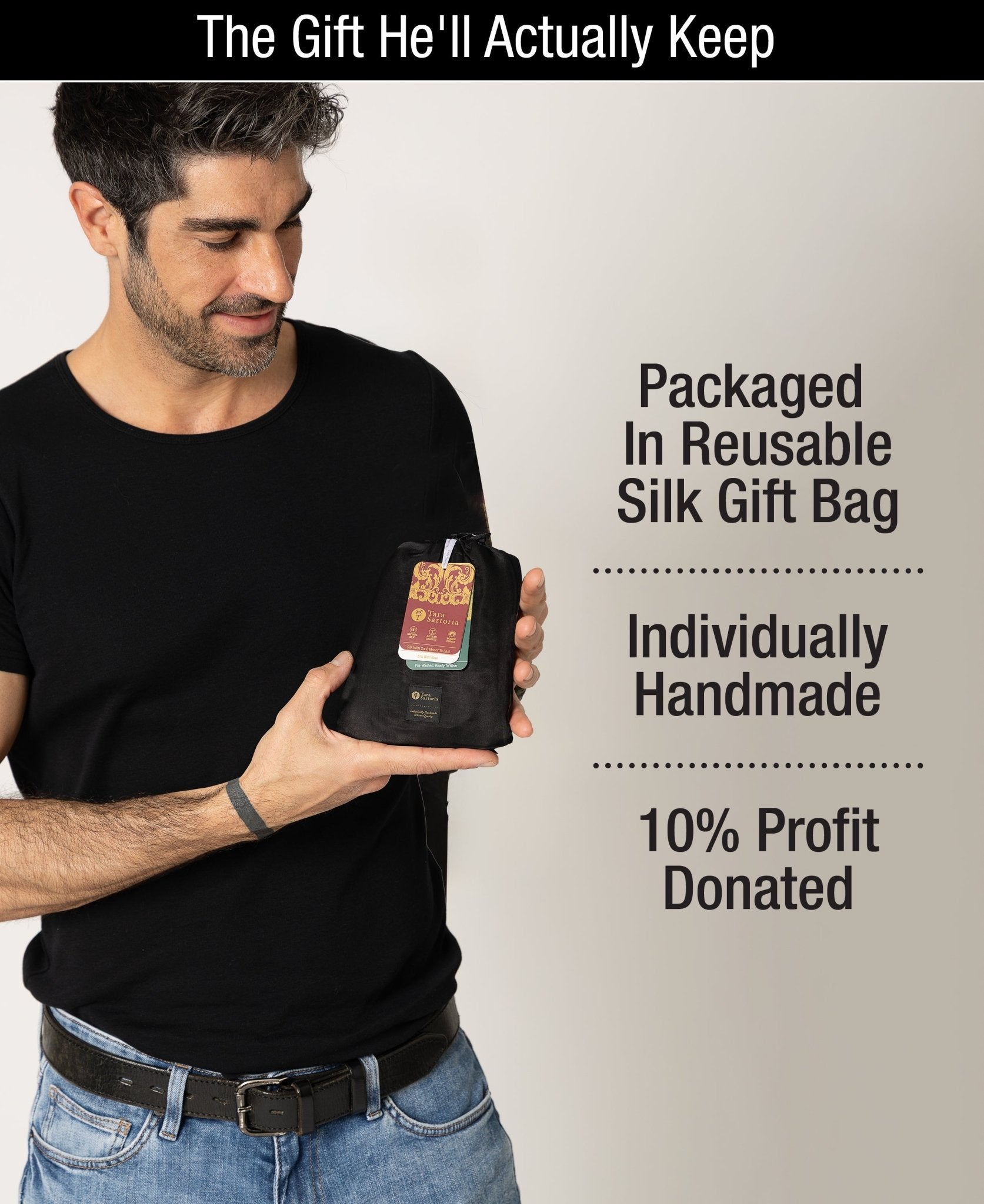
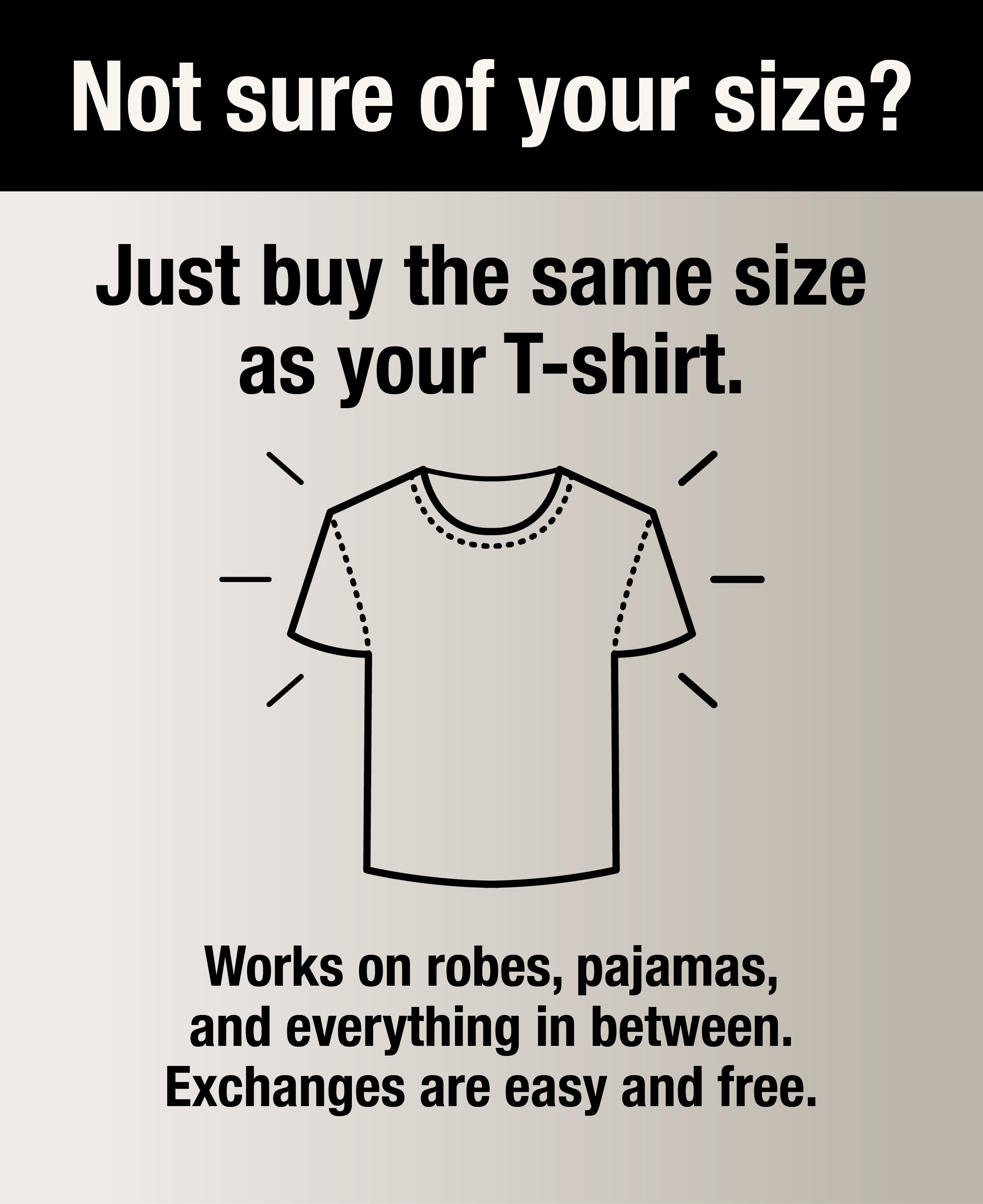
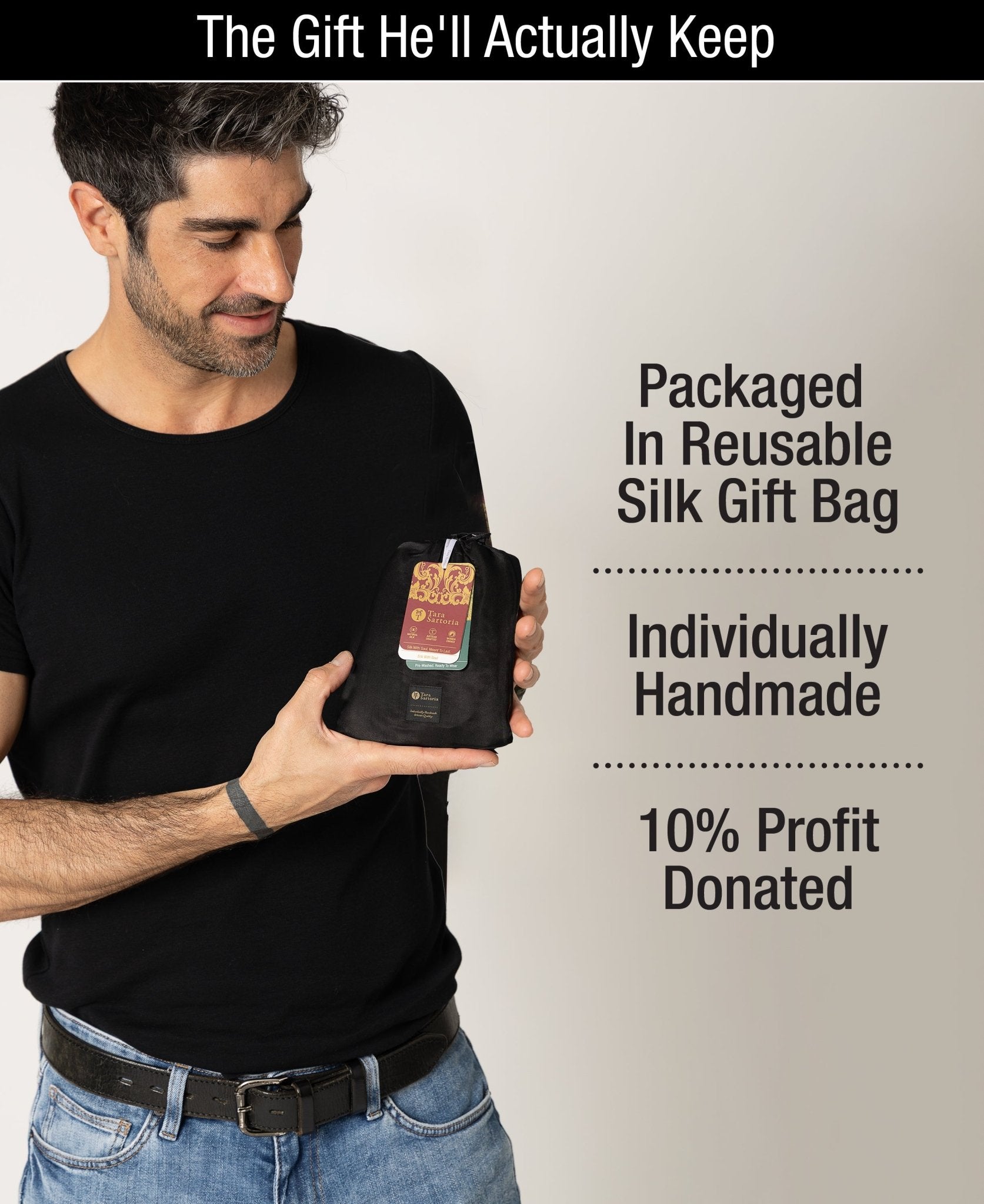
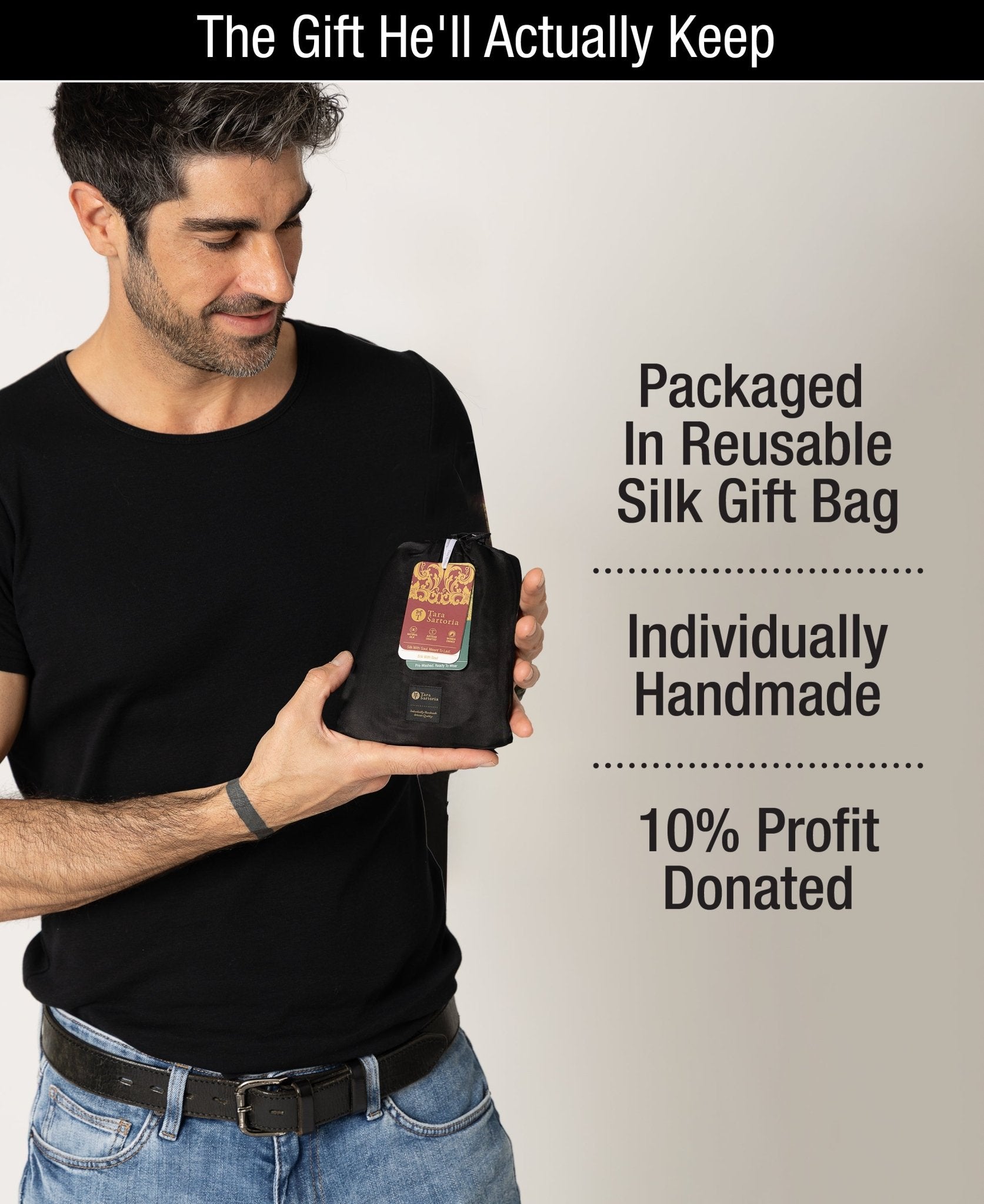
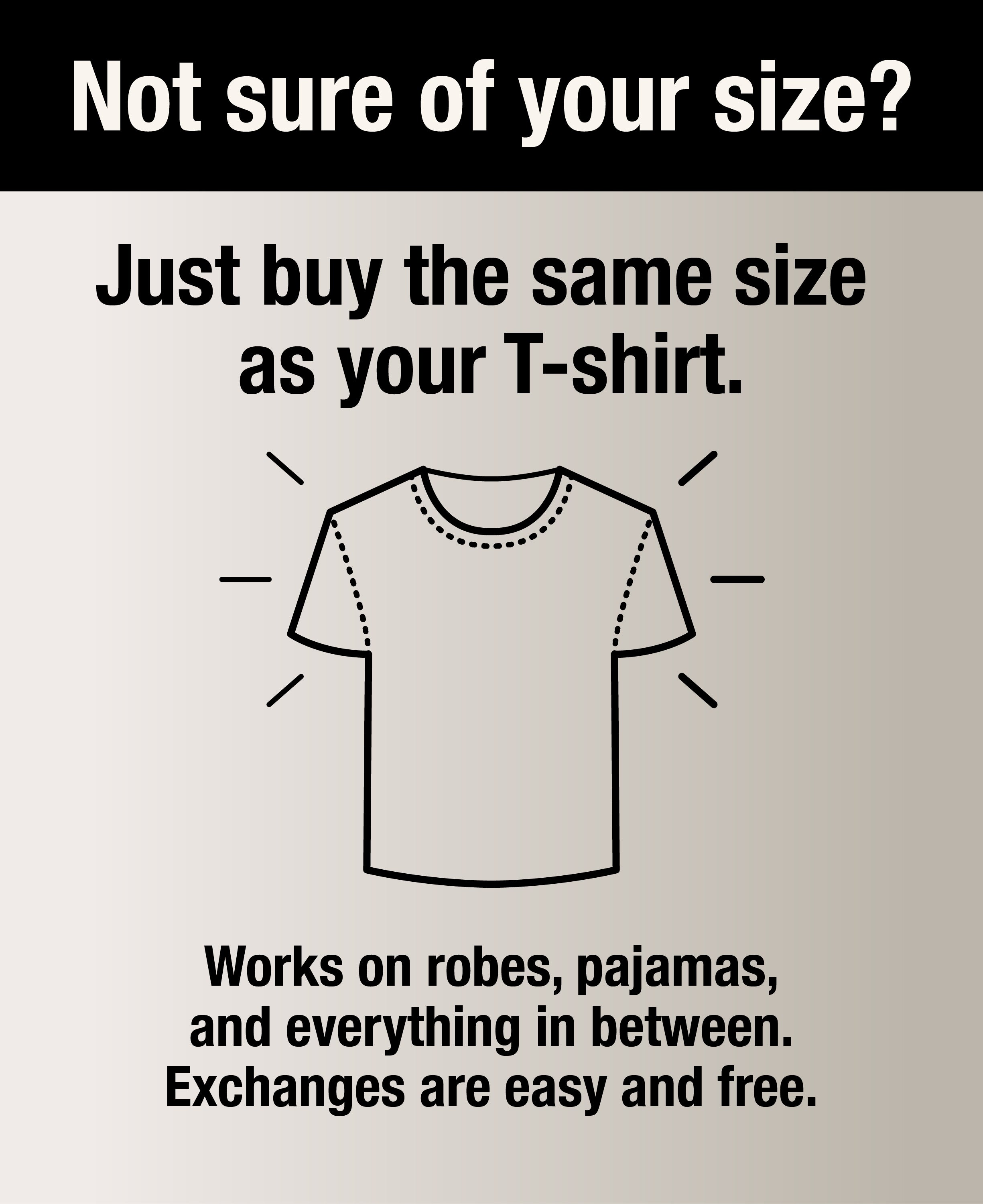
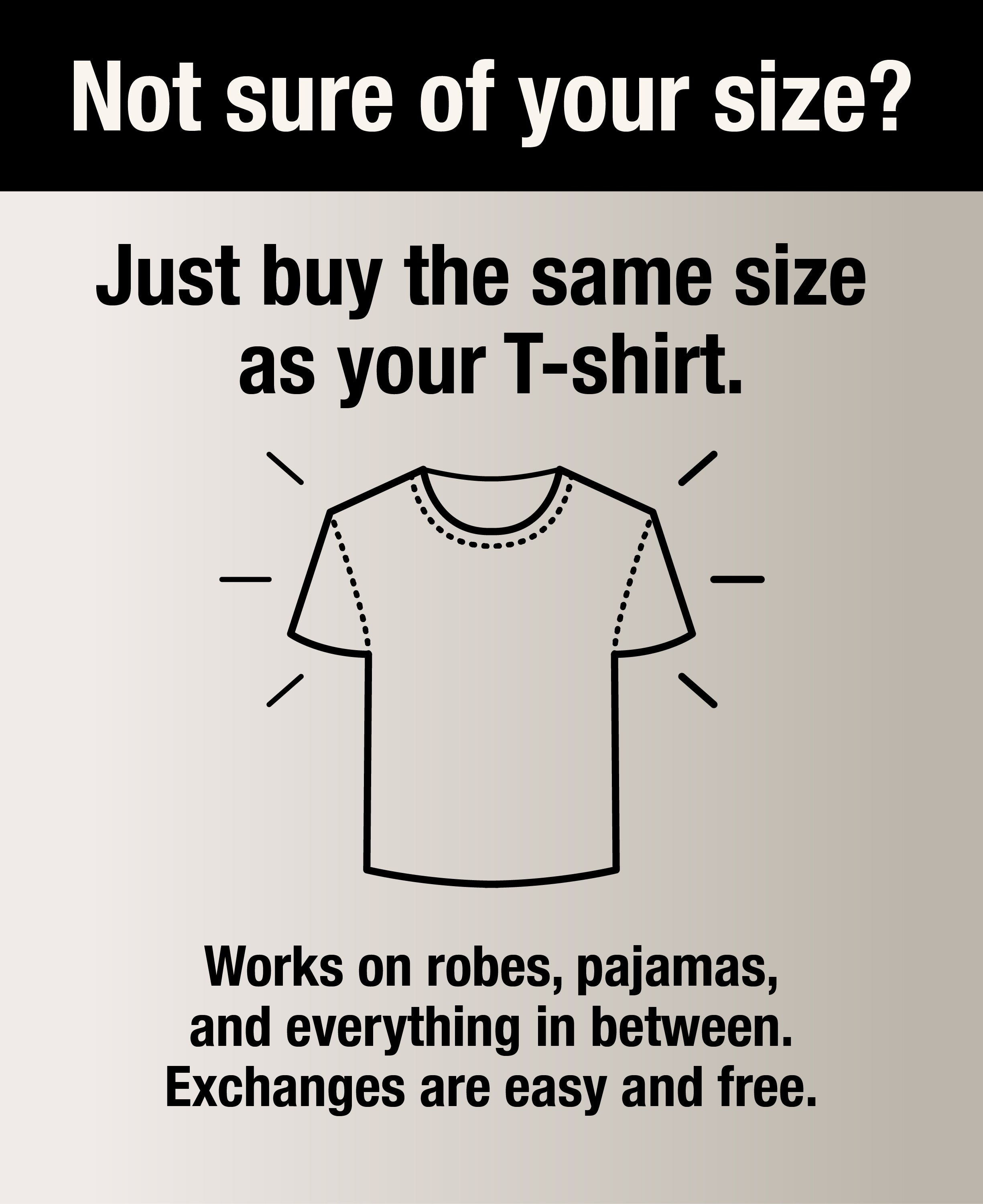
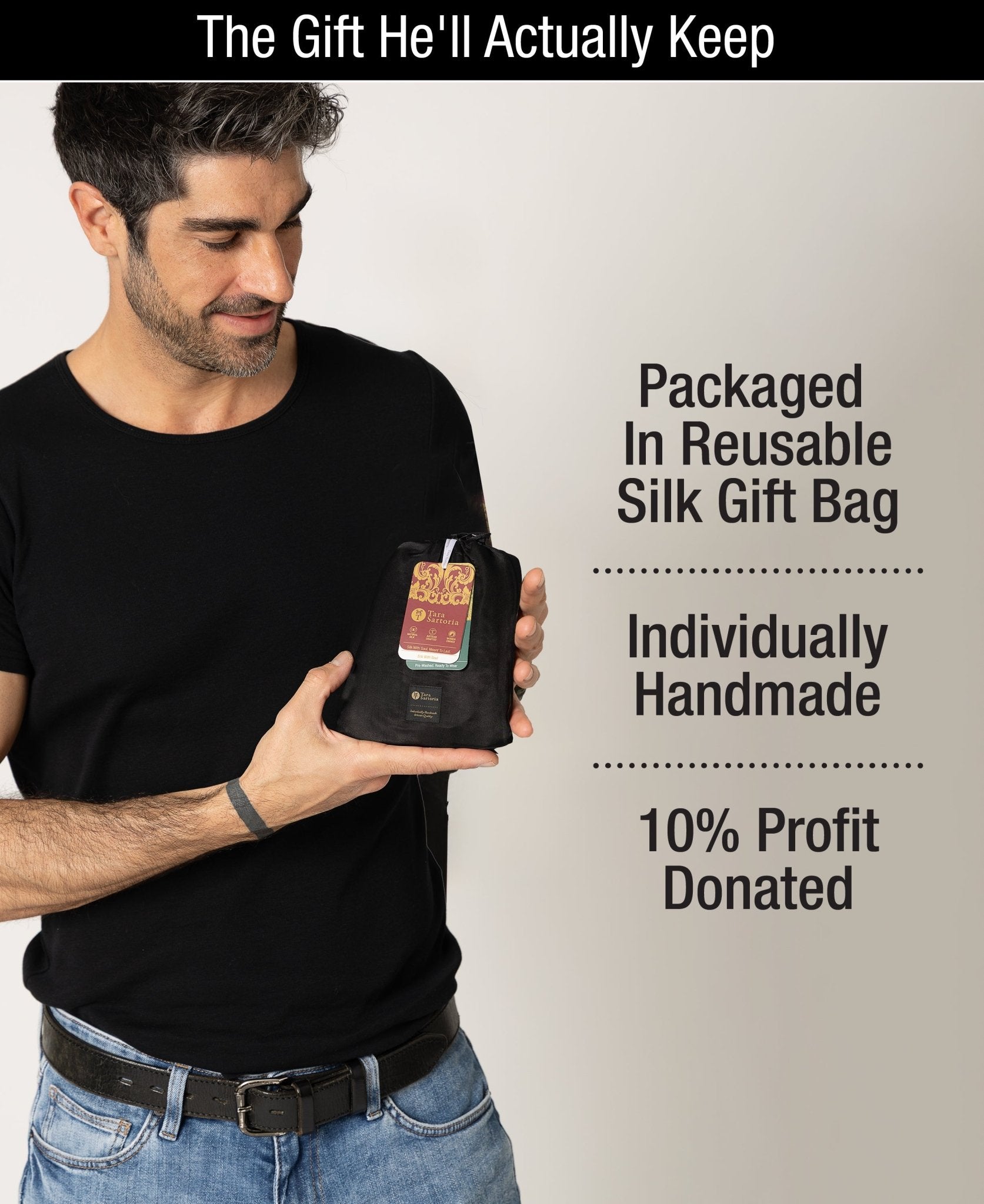
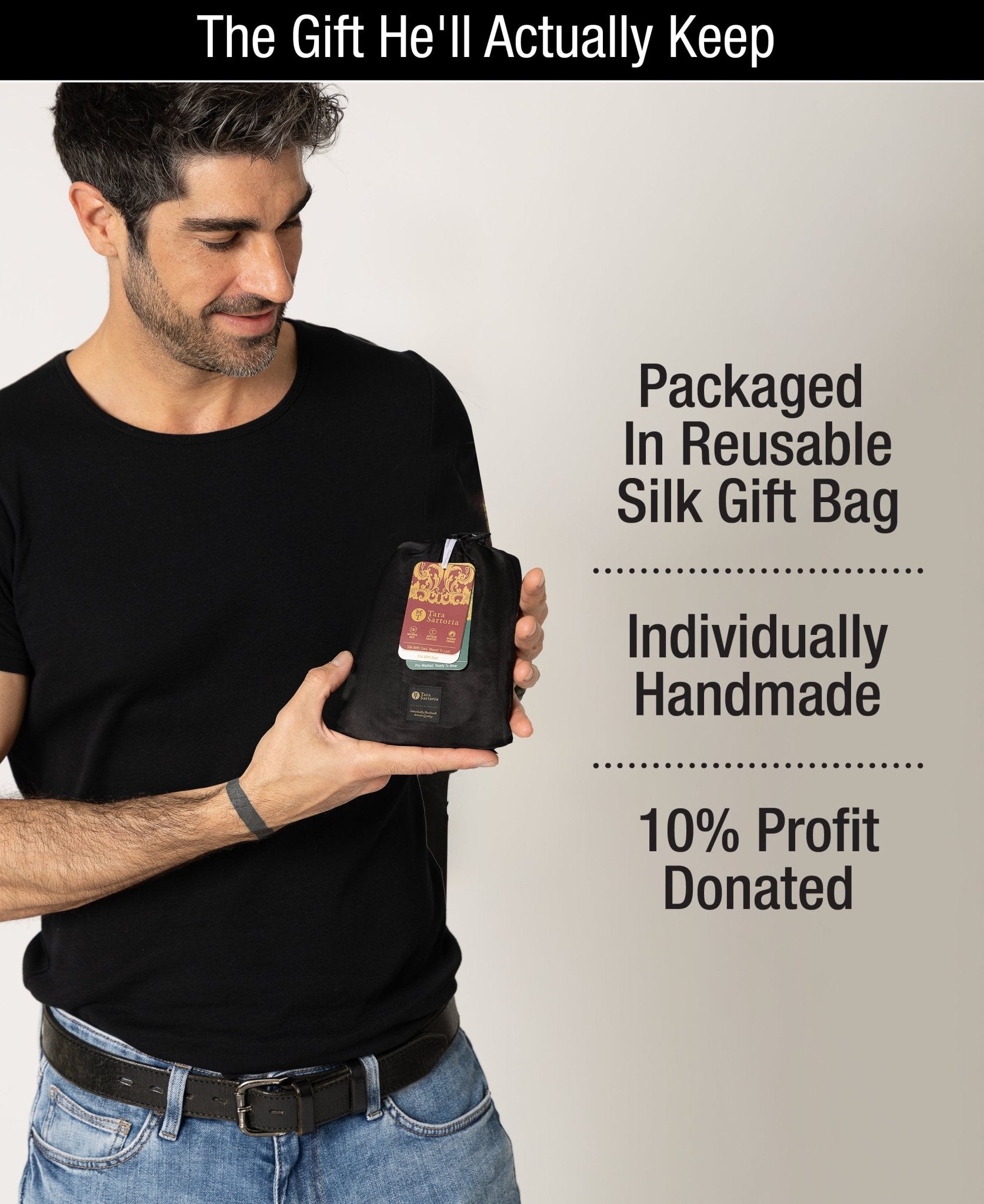
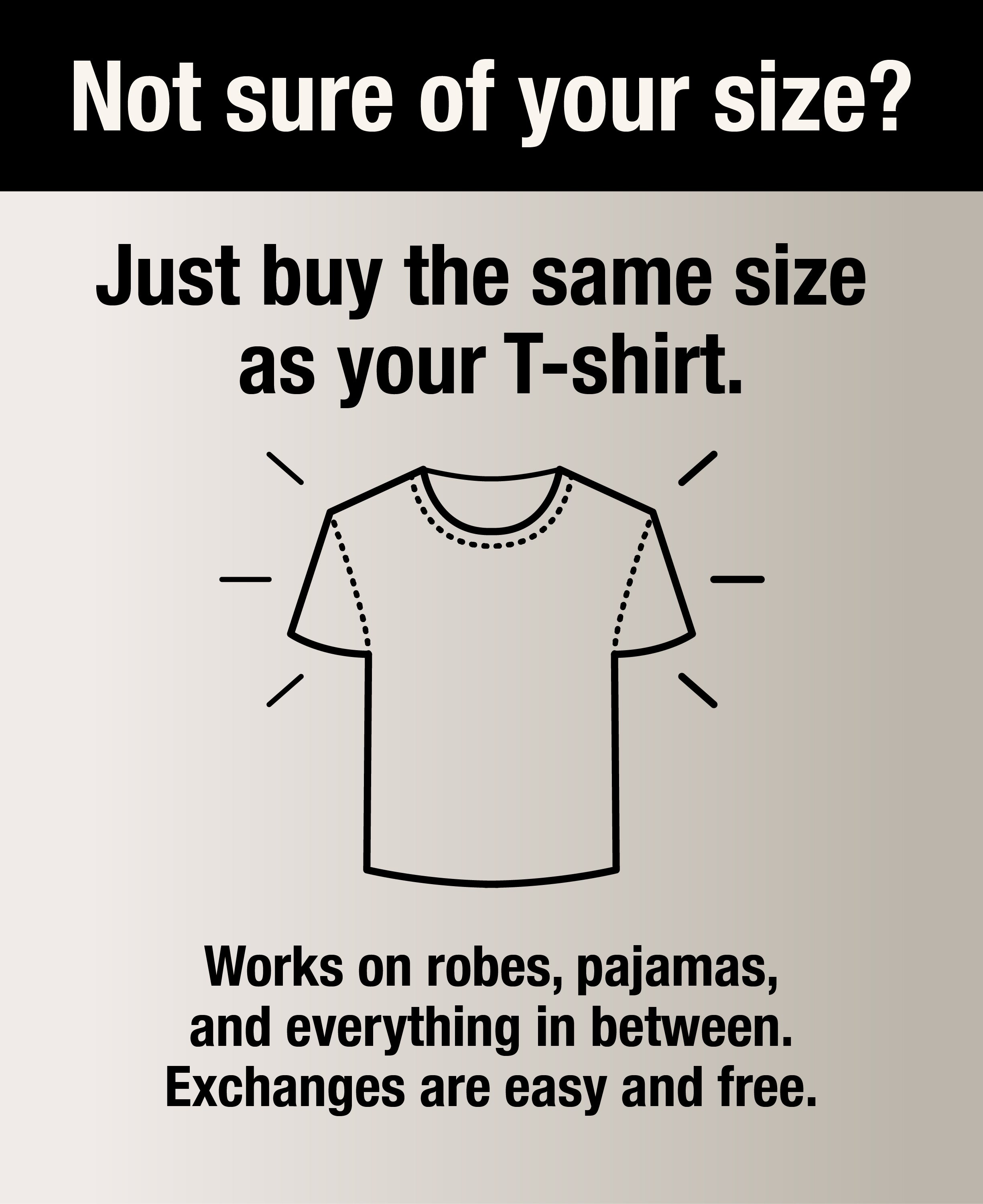
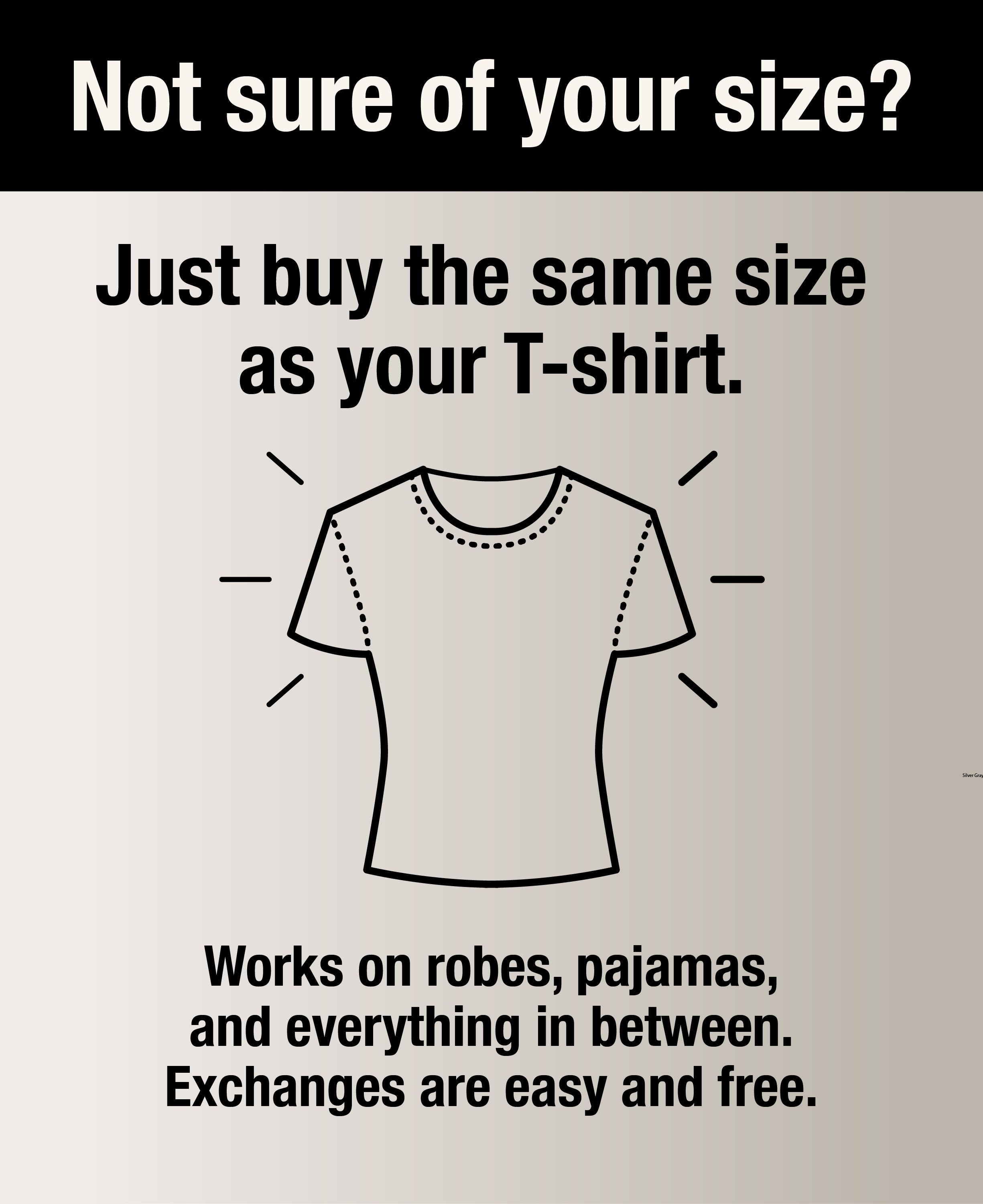
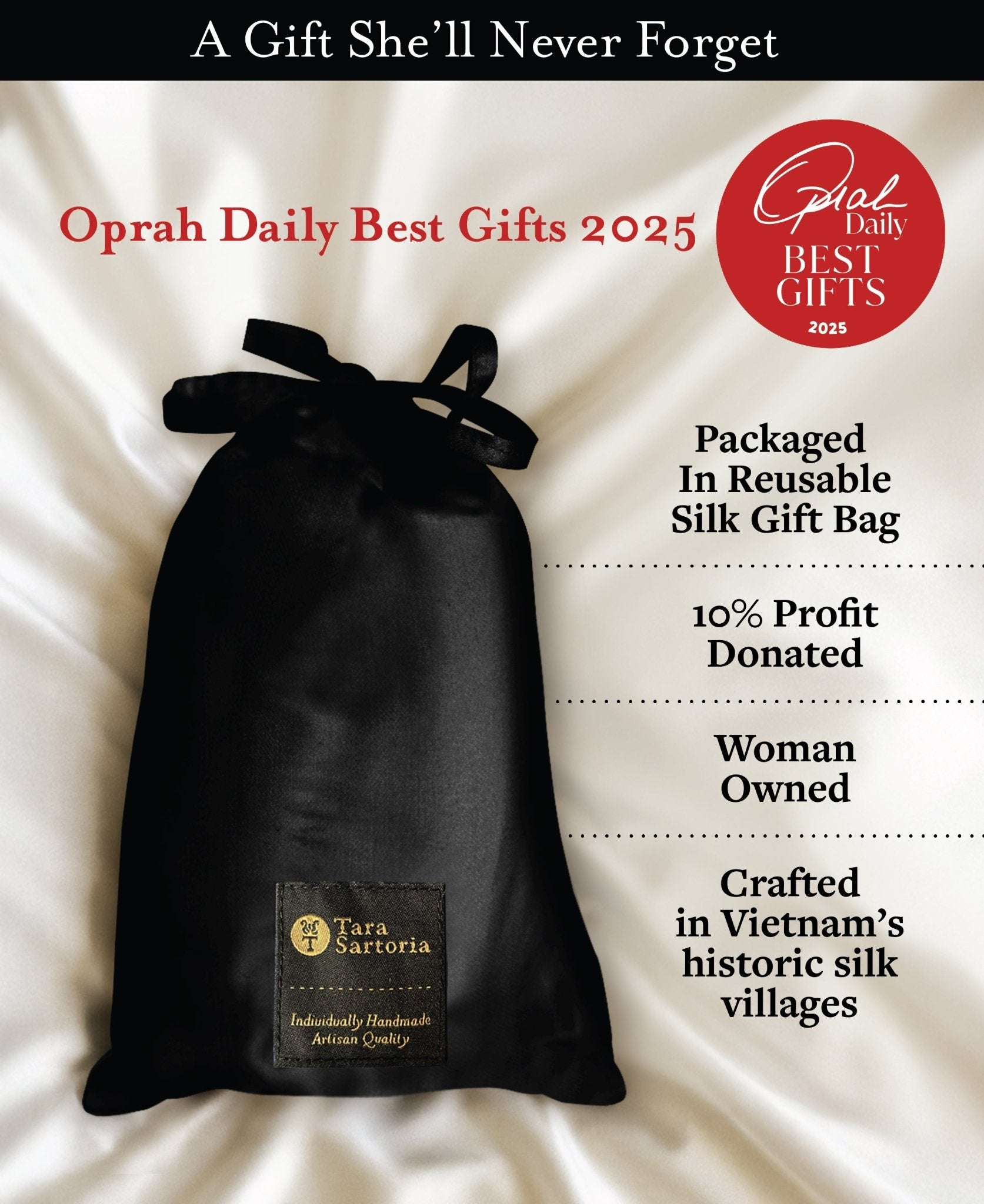
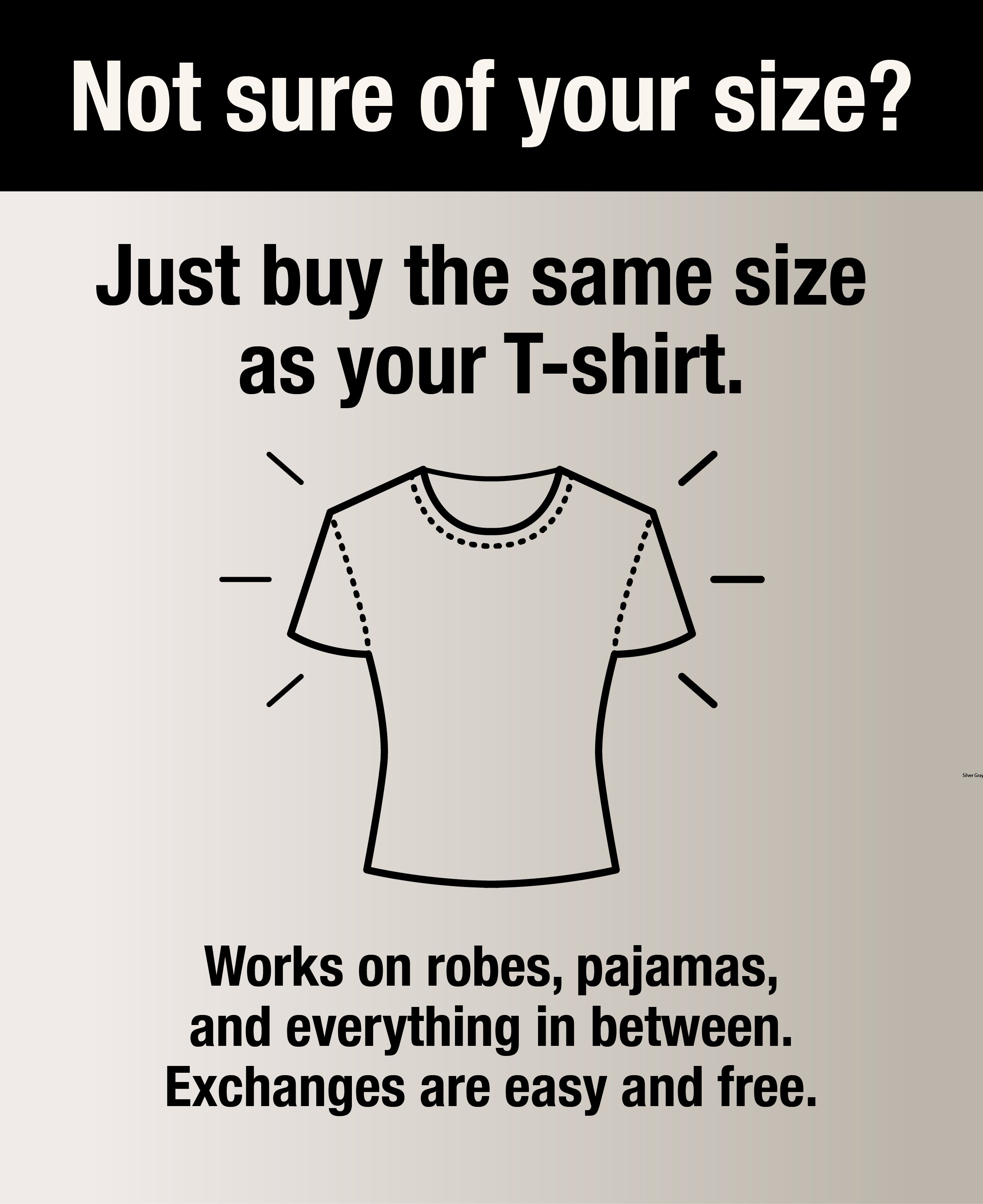
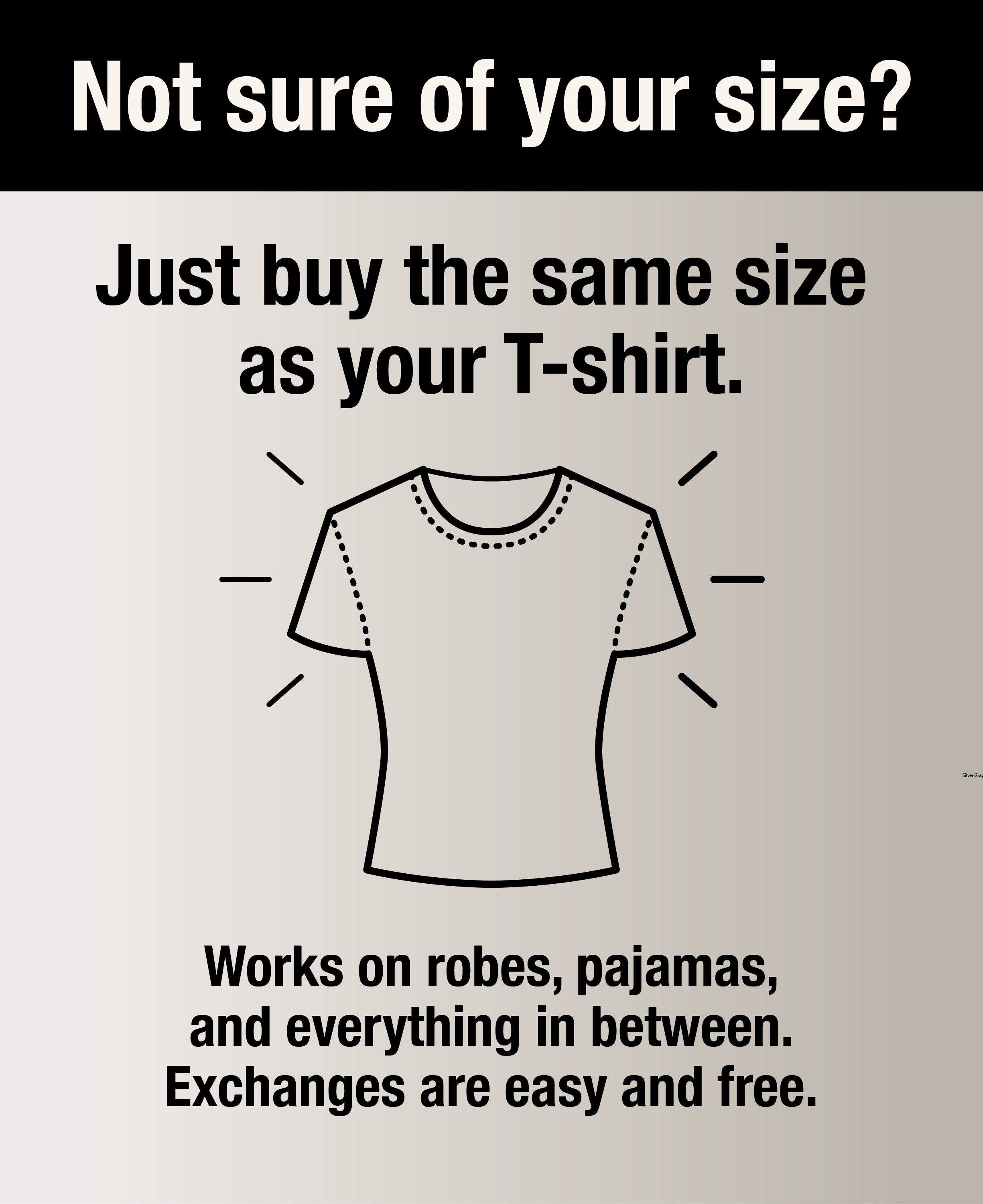
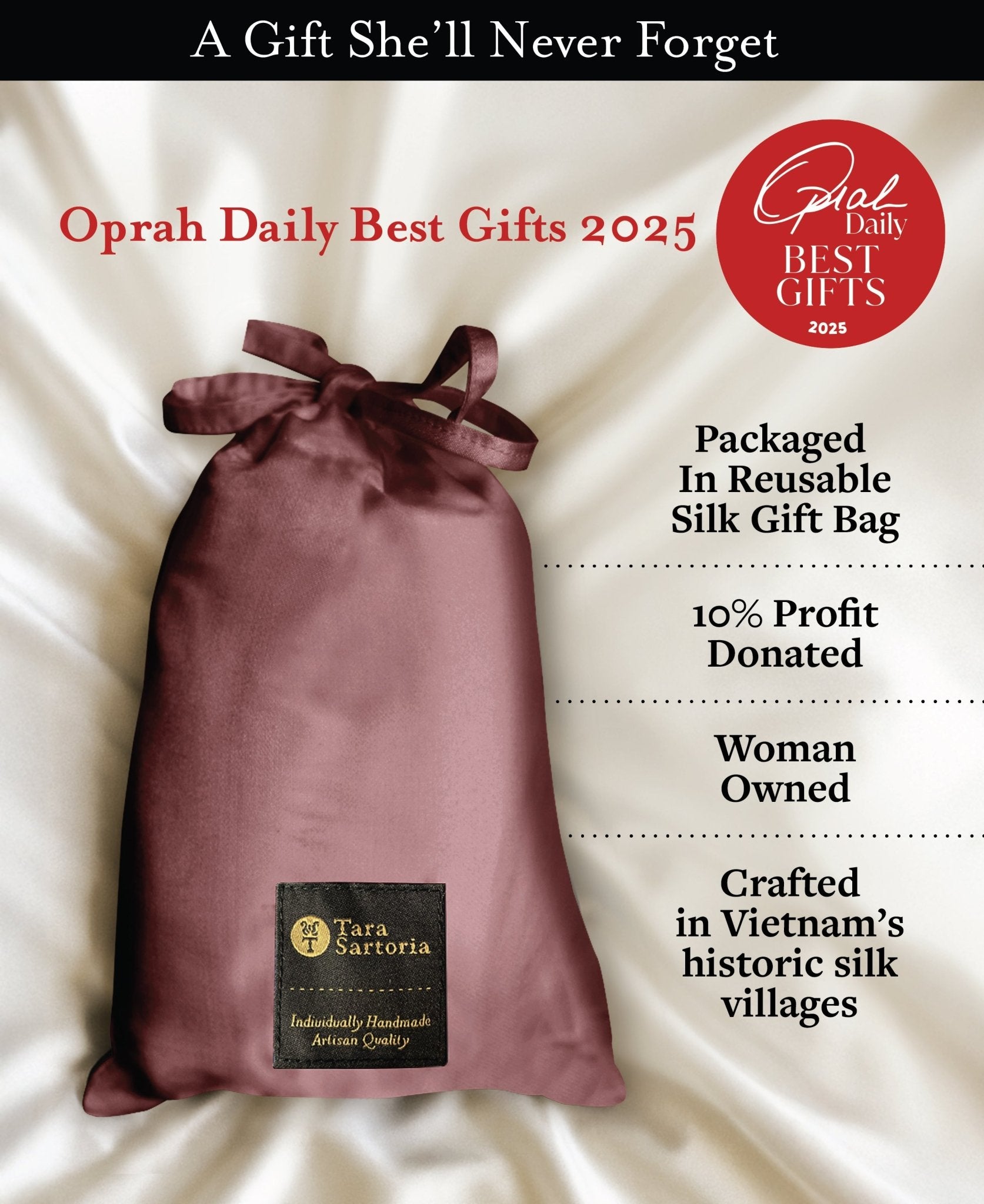
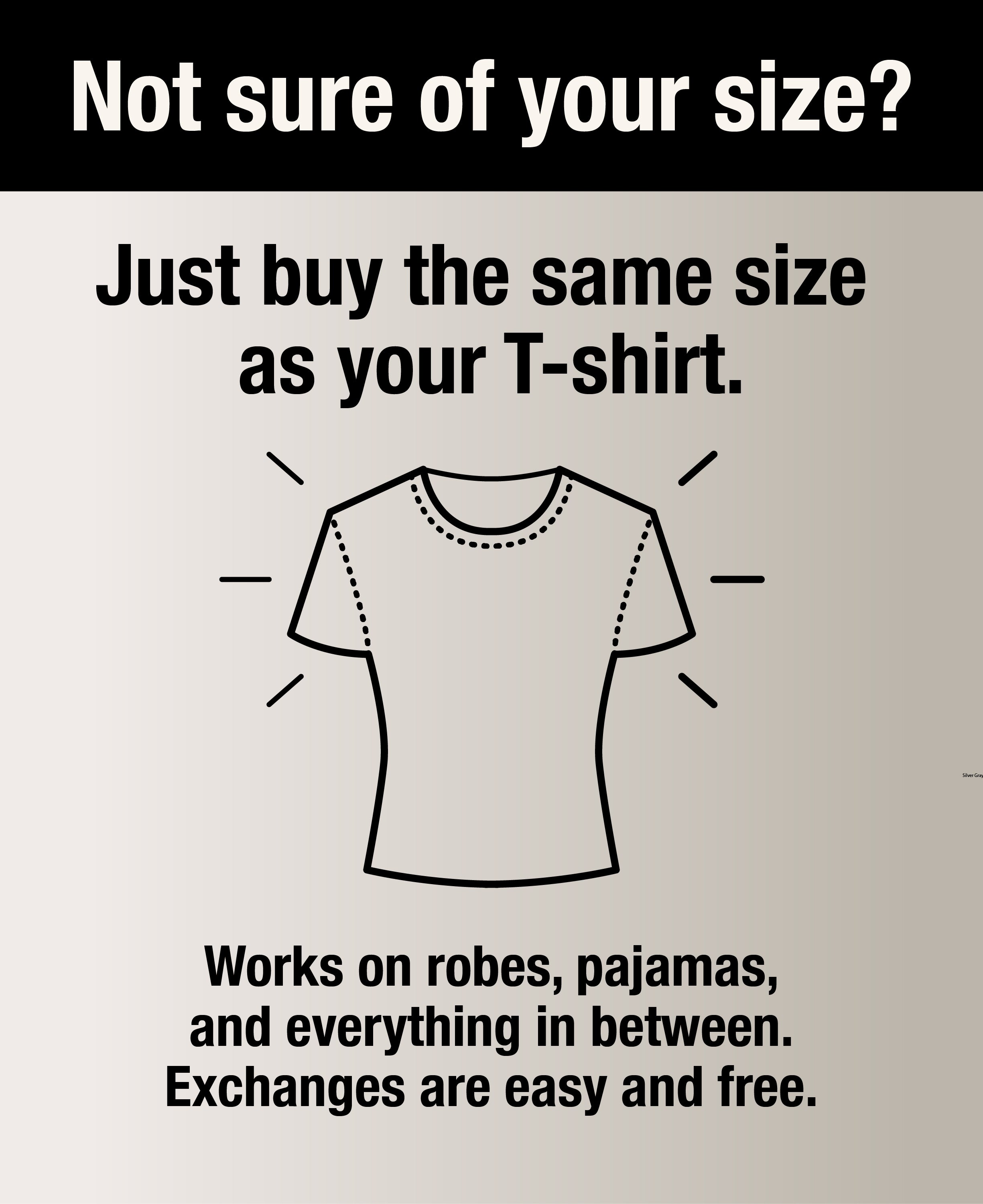
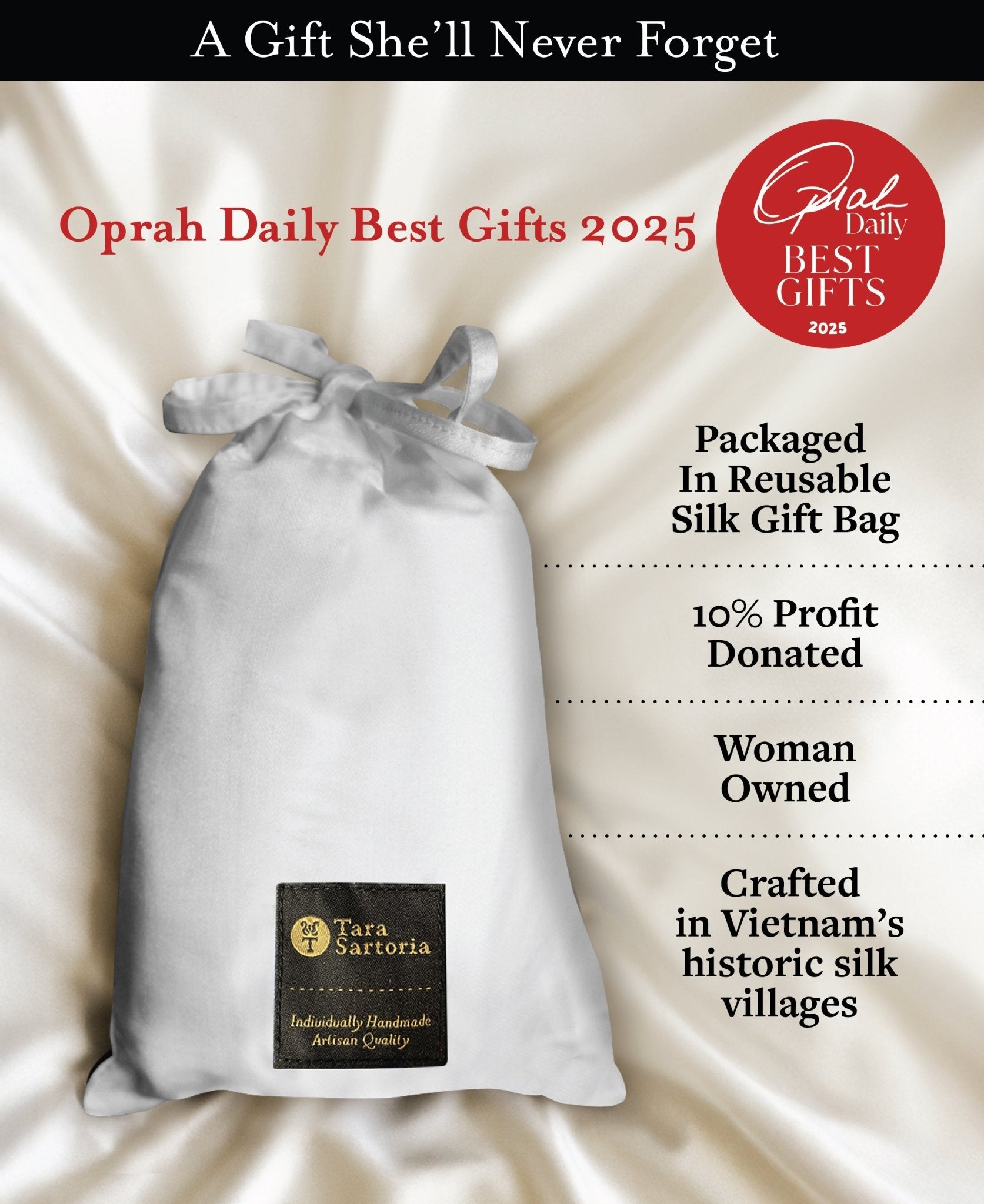
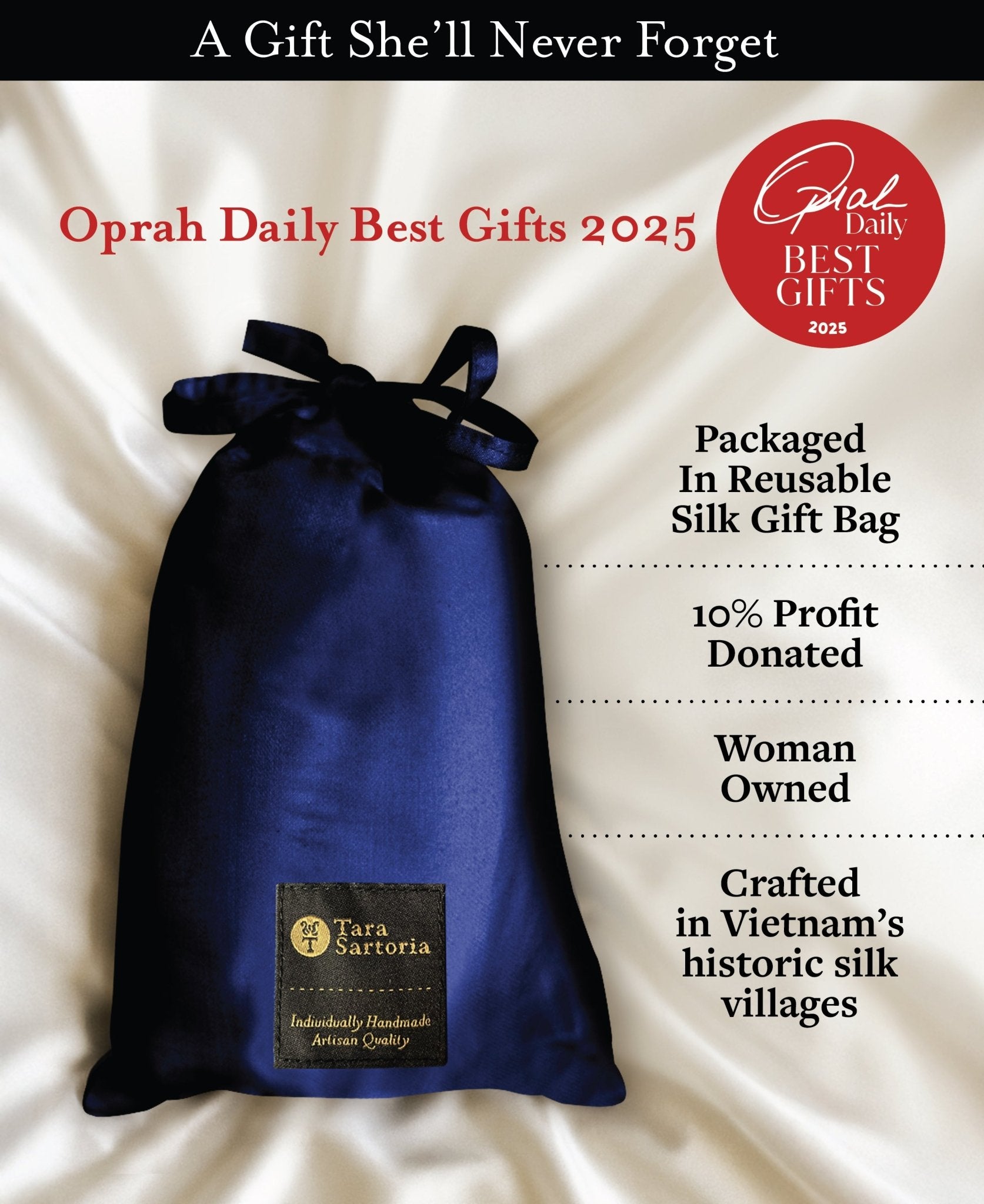
Our silk sleepwear runs XS to 4XL, because a size range that excludes bodies is a design failure rather than a market position. Every order ships in a silk pouch with a handwritten note, free shipping starts at $130, and 10 percent of profits fund women's education and entrepreneurship.
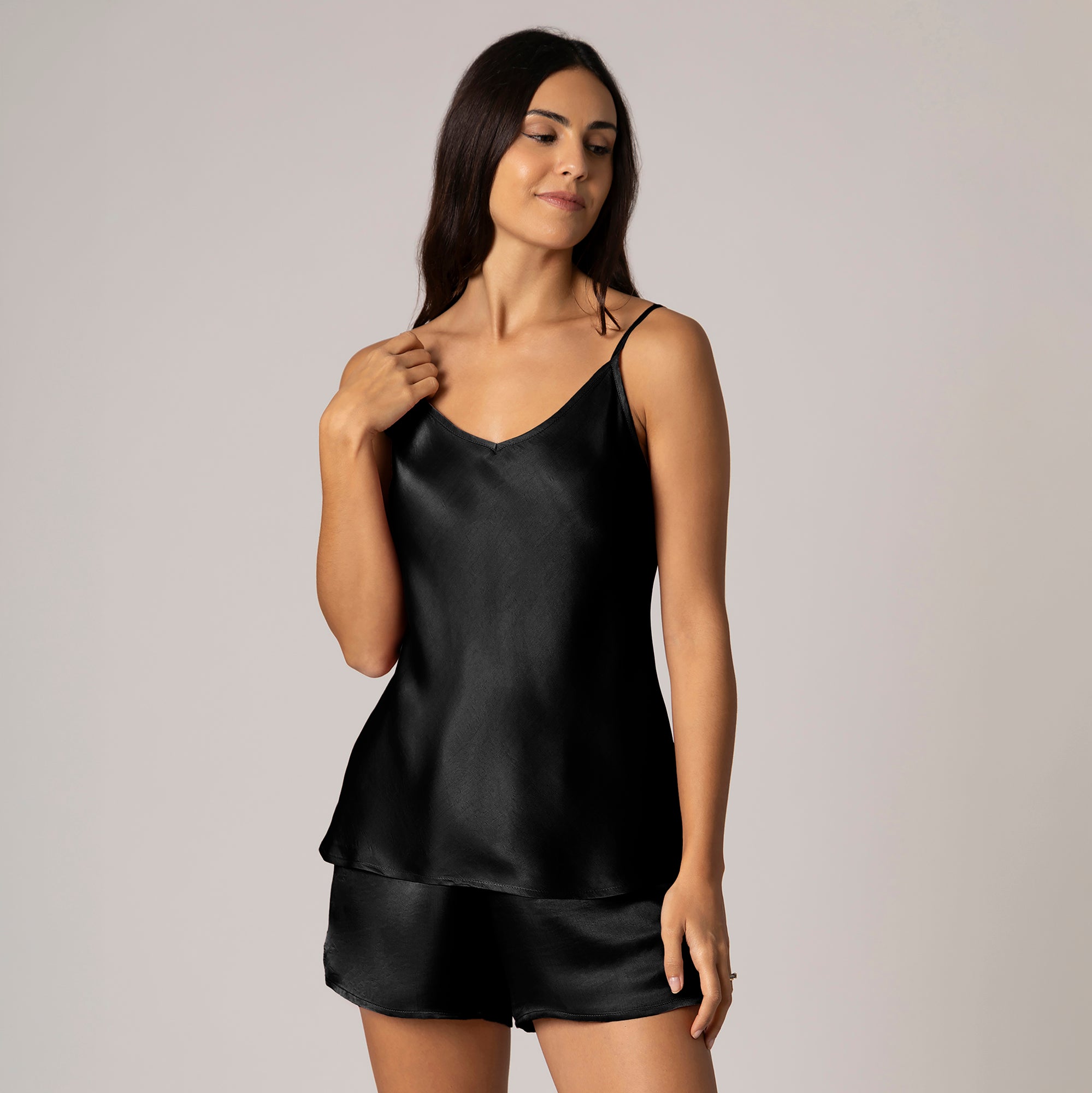
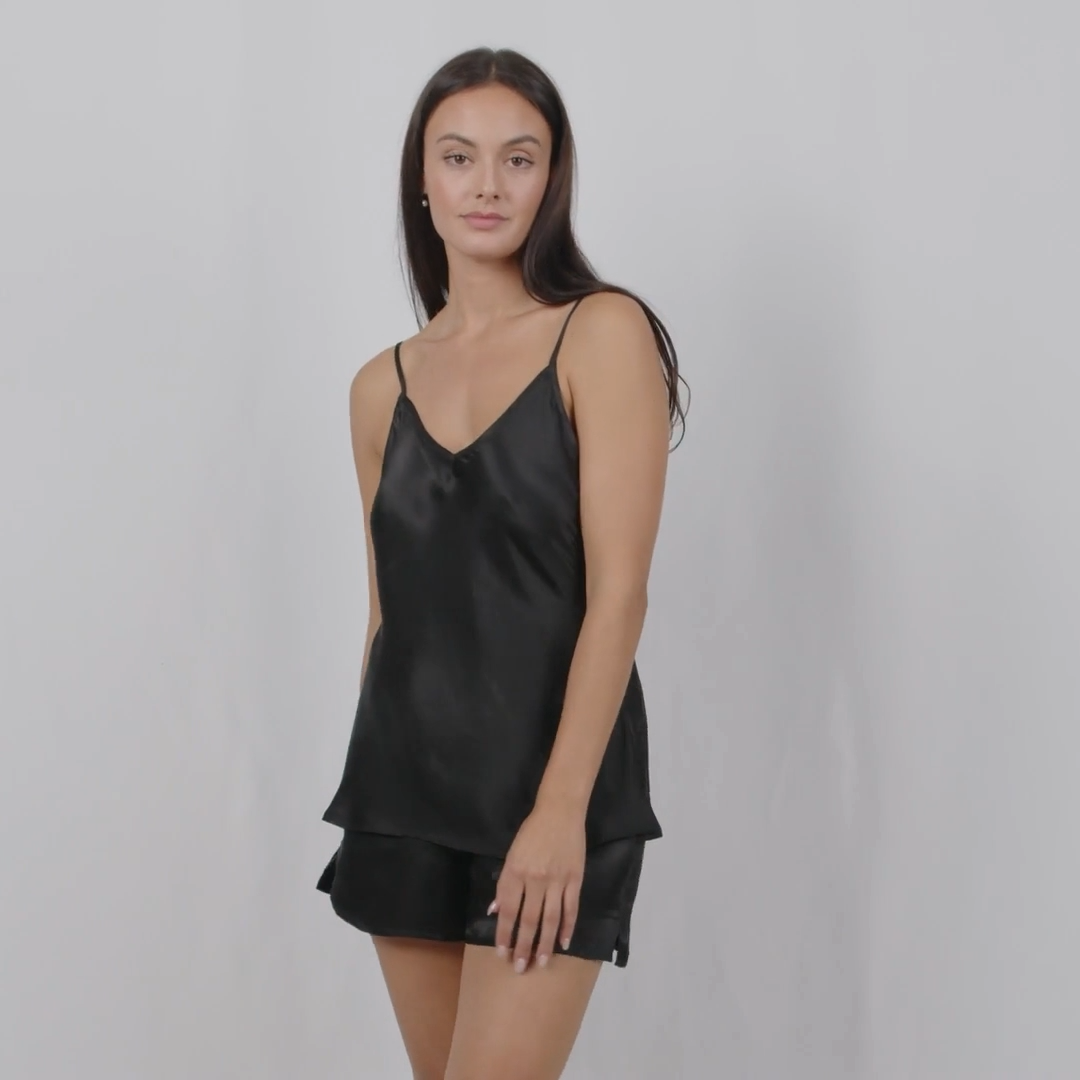
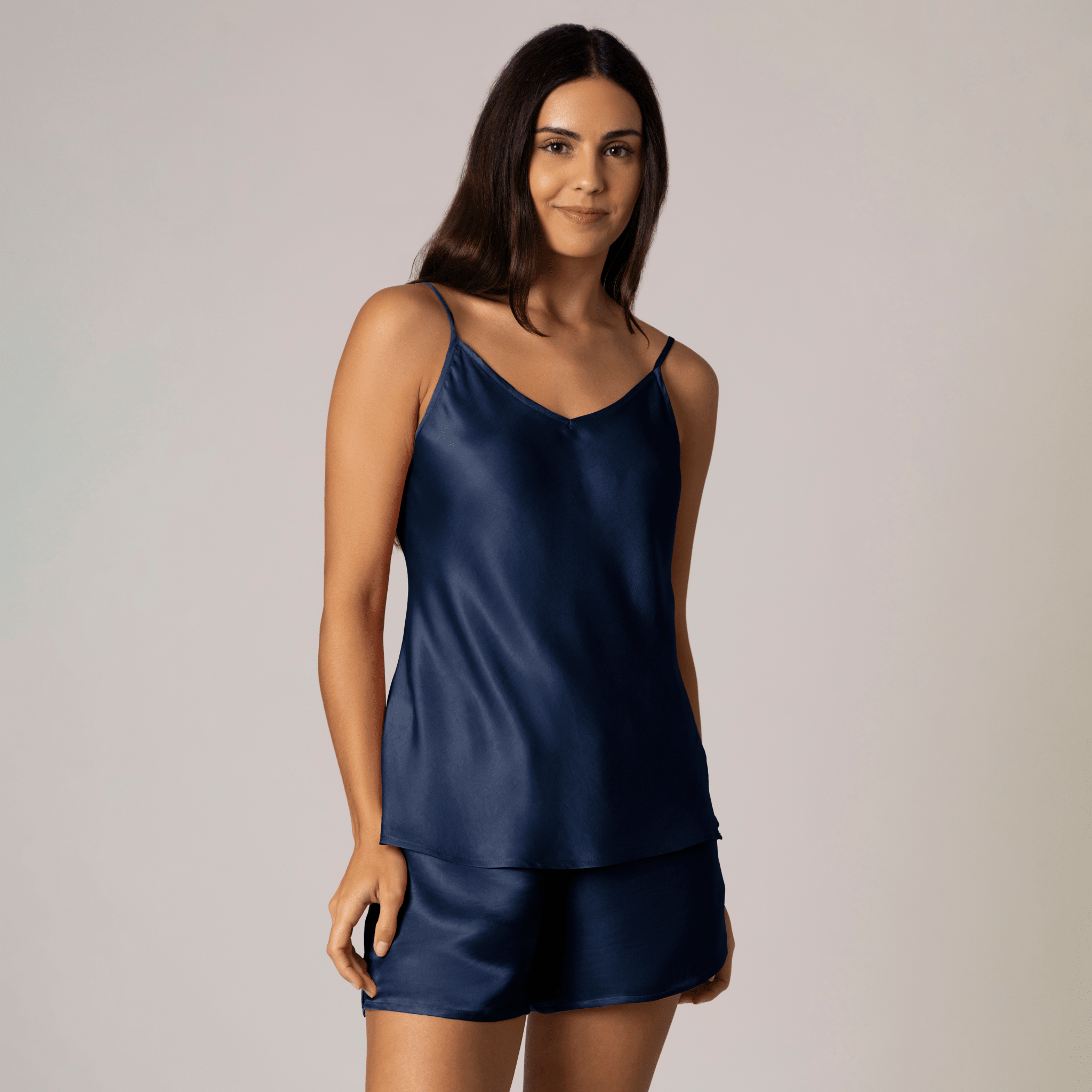
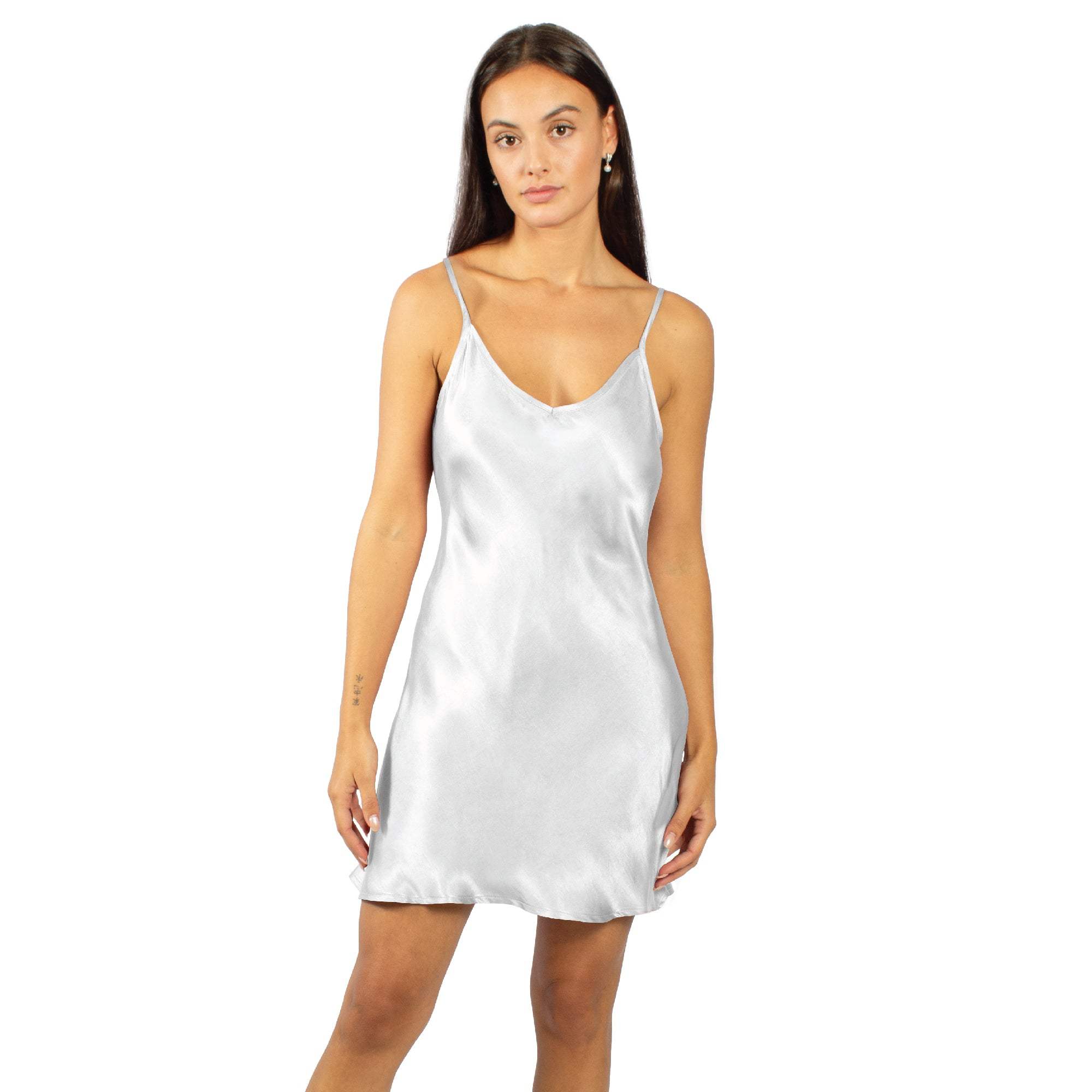
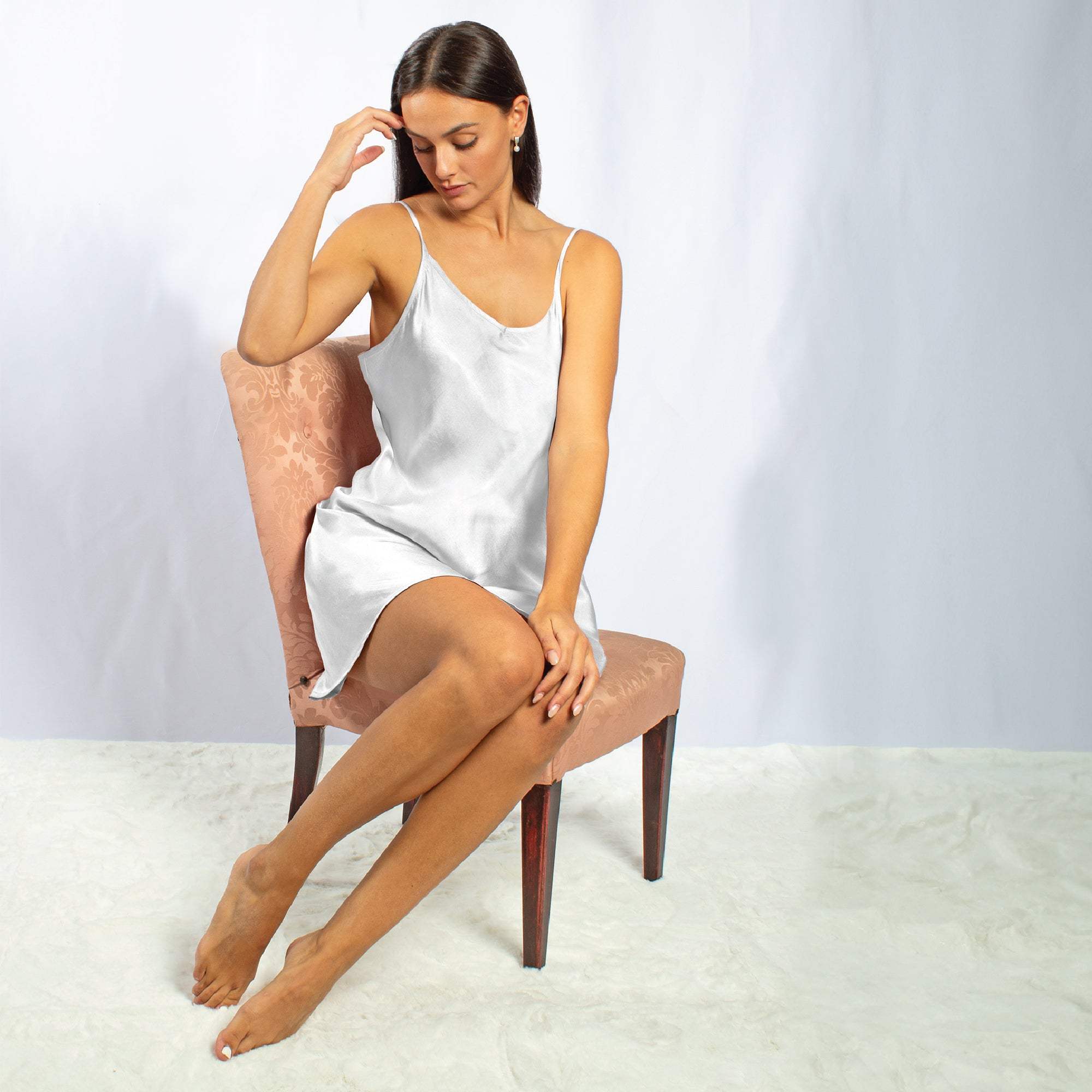
If you are sleeping badly in this heat, start with silk pajamas made for hot sleepers.
Shop the Summer CollectionIf there are two of you and only one of you is the problem, Silk For Two exists for exactly that negotiation. And if you want the longer version of the temperature argument, we wrote it up in how silk thermoregulation actually works.
Shop Silk For TwoWarmly, Tara




Tara Nguyen is the founder of Tara Sartoria. She grew up near a 1,000 year old silk village in Vietnam, holds a PhD in Information Systems from Curtin University in Australia, and held a Newton International Postdoctoral Fellowship jointly awarded by the British Academy and the Royal Society. She has consulted for the United Nations, USAID, and the Asian Development Bank across 23 countries.
This post is not sponsored. The CREAMi was bought with her own money, out of desperation, in August.
Sources
- Cleveland Clinic, "What's the Best Temperature for Sleep?": https://health.clevelandclinic.org/what-is-the-ideal-sleeping-temperature-for-my-bedroom
- Minor K, Bjerre-Nielsen A, Jonasdottir SS, Lehmann S, Obradovich N. "Rising temperatures erode human sleep globally." One Earth, 2022: https://www.cell.com/one-earth/fulltext/S2590-3322(22)00209-3
- University of Copenhagen / ScienceDaily summary of the above: https://www.sciencedaily.com/releases/2022/05/220520132837.htm
- "A systematic review of ambient heat and sleep in a warming climate." Sleep Medicine Reviews, 2024: https://pubmed.ncbi.nlm.nih.gov/38598988/
- American Heart Association News, "Keep your cool and stay healthy with these hot-weather sleep tips," August 2025: https://www.heart.org/en/news/2025/08/19/keep-your-cool-and-stay-healthy-with-these-hot-weather-sleep-tips
- Shin M, Halaki M, Swan P, Ireland A, Chow CM. "The effects of fabric for sleepwear and bedding on sleep at ambient temperatures of 17°C and 22°C." Nature and Science of Sleep, 2016;8:121-131: https://www.dovepress.com/the-effects-of-fabric-for-sleepwear-and-bedding-on-sleep-at-ambient-te-peer-reviewed-fulltext-article-NSS
- Thomas KS, Bradshaw LE, Sach TH, et al. "Randomised controlled trial of silk therapeutic garments for the management of atopic eczema in children: the CLOTHES trial." NIHR Health Technology Assessment, 2017;21(16): https://www.ncbi.nlm.nih.gov/books/NBK425591/ and https://pubmed.ncbi.nlm.nih.gov/28409557/
