


How to Wash Silk Robes
By Tara Nguyen, Ph.D., Founder and Creative Director, Tara Sartoria
My grandmother washed her silk in a basin in the kitchen sink, with cool water and a small amount of mild soap, every Sunday morning. She had been doing it for fifty years by the time I was old enough to watch. The silk lasted longer than most of the cotton in the house. I tell people this because the modern idea that silk requires a dry cleaner is mostly the fault of the silk, not the customer.
Thin, factory-woven silk does not survive a wash. Dense, properly woven silk does. The robe in your closet, if it is real silk made well, can go in your machine on Sunday and be back in the rotation by Monday morning. Here is how, in the order you would actually do it.
A Short Answer for the Person Skimming
Wash a Tara Sartoria silk robe in a mesh laundry bag, on the delicate cycle, in cool water at 30 degrees, with a mild detergent designed for delicates or silk. No bleach. No fabric softener. No hot water. Lay flat to dry, or hang on a padded hanger out of direct sunlight. Steam any wrinkles after drying. The whole process takes about three minutes of active attention.
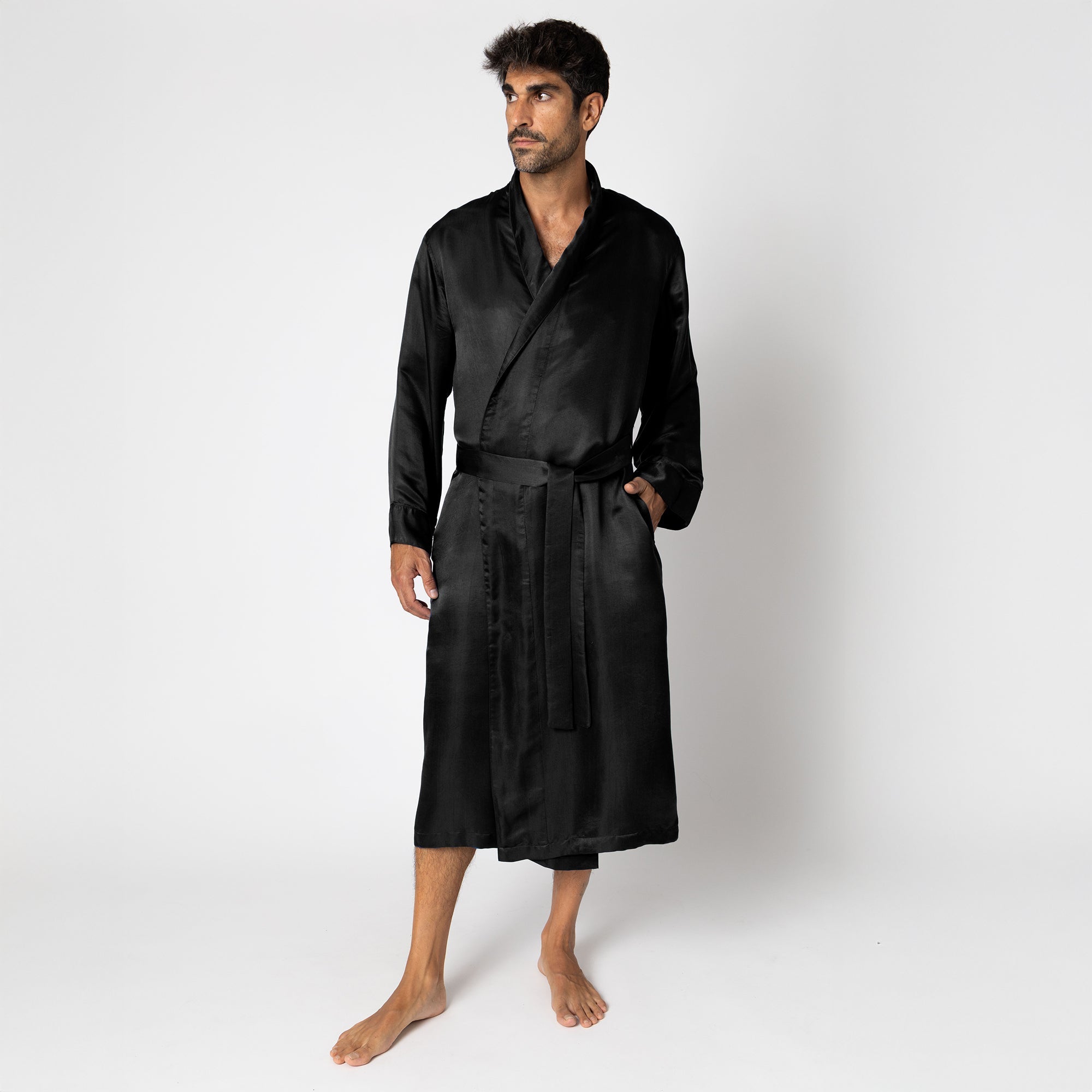
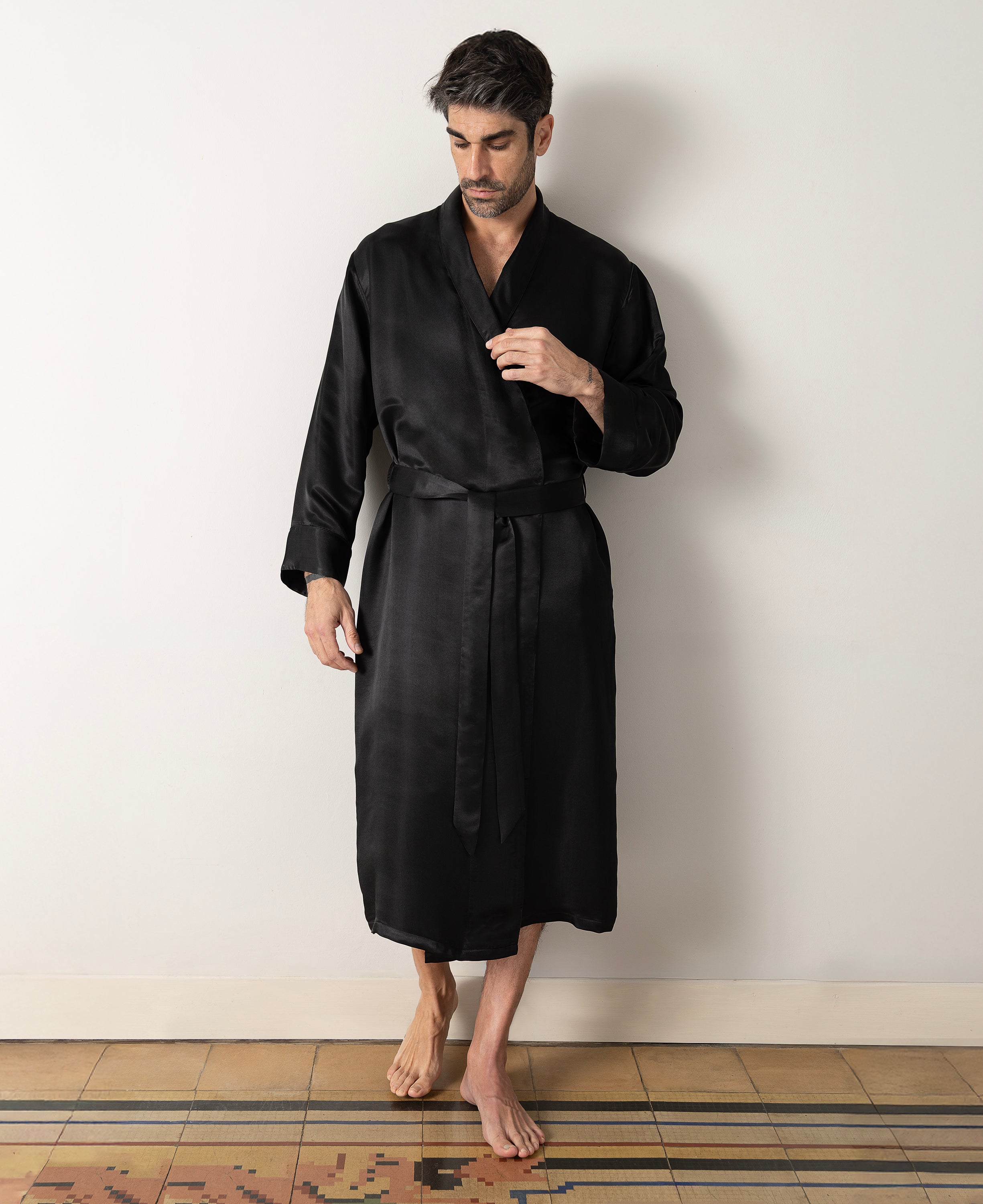
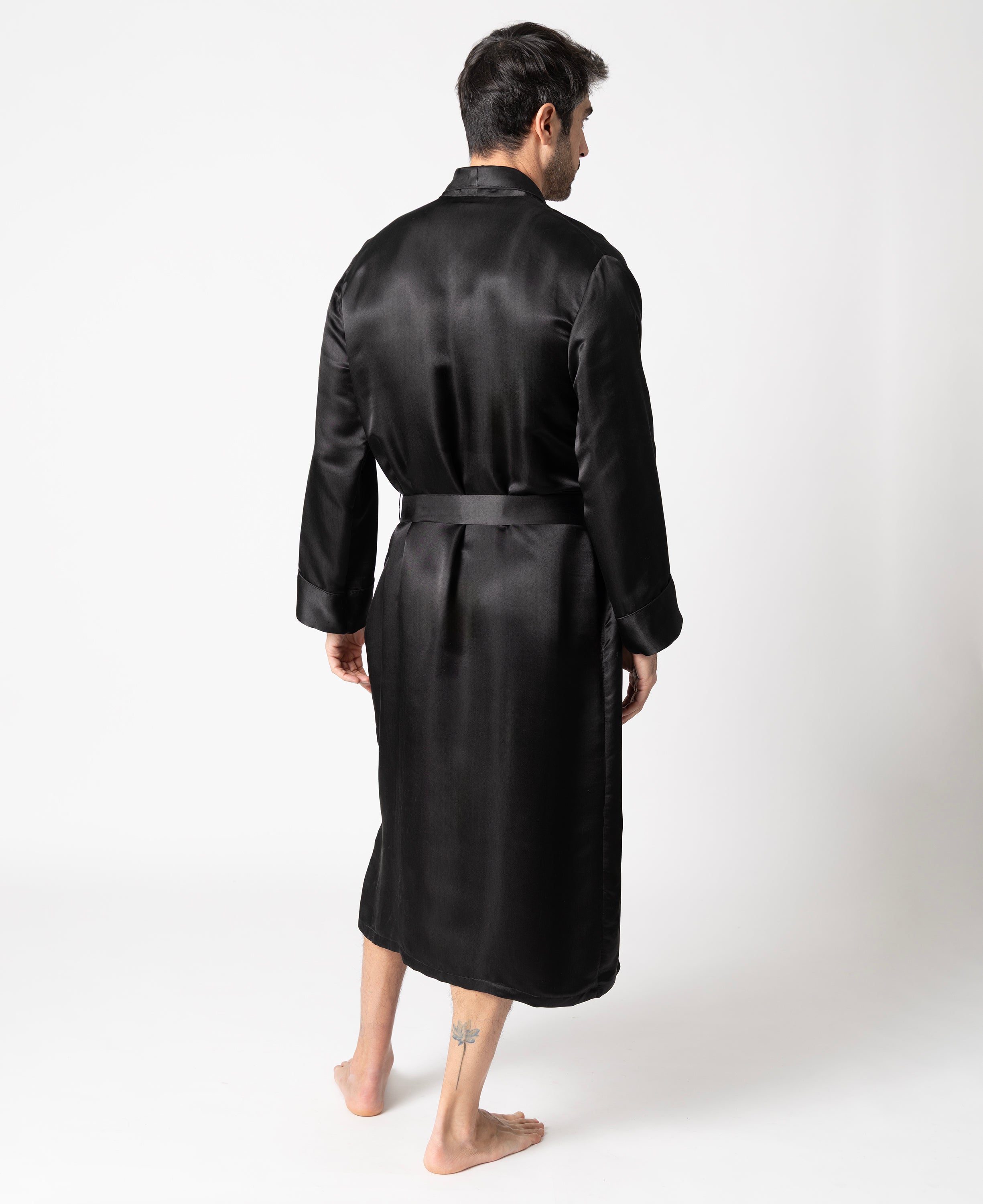
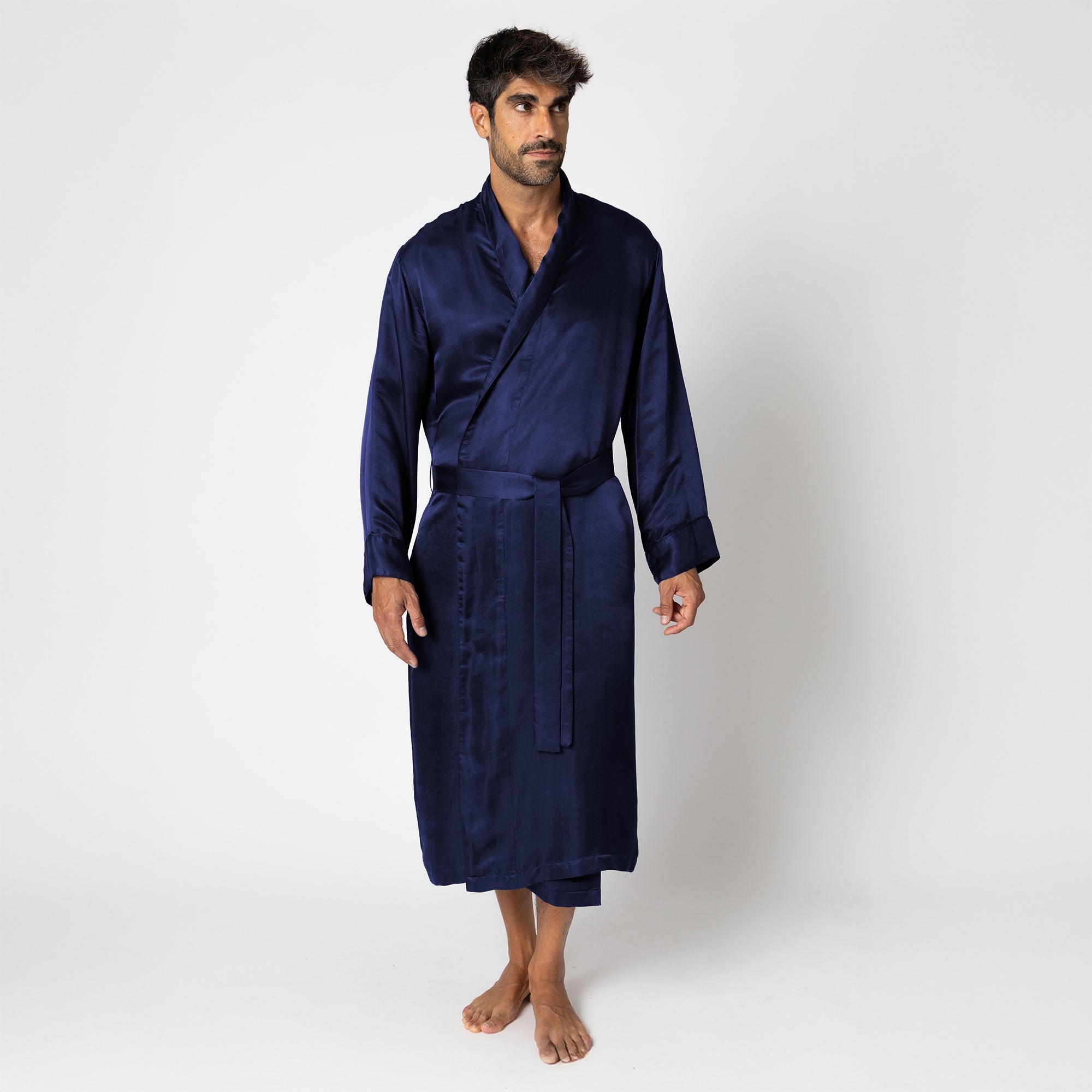
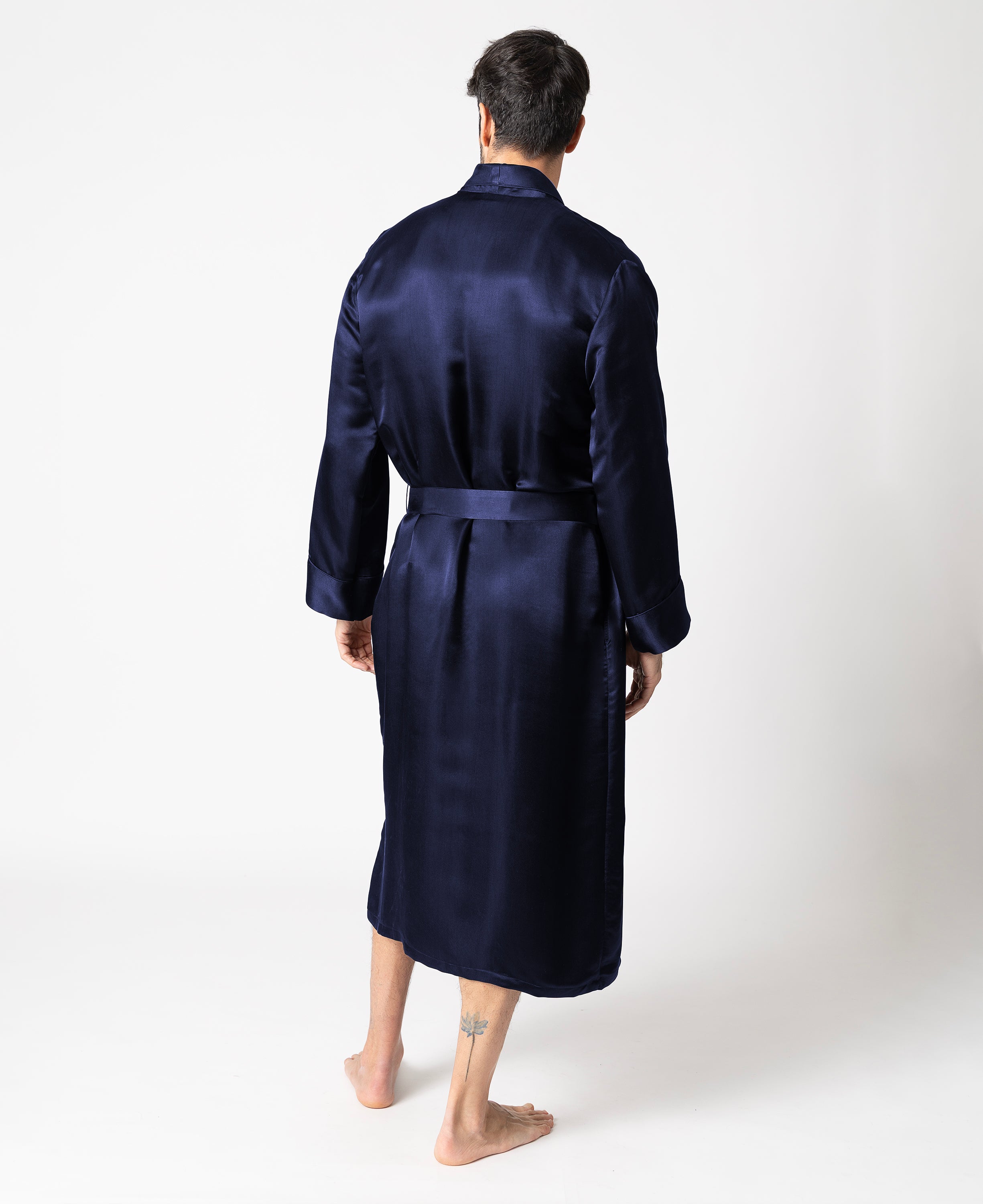
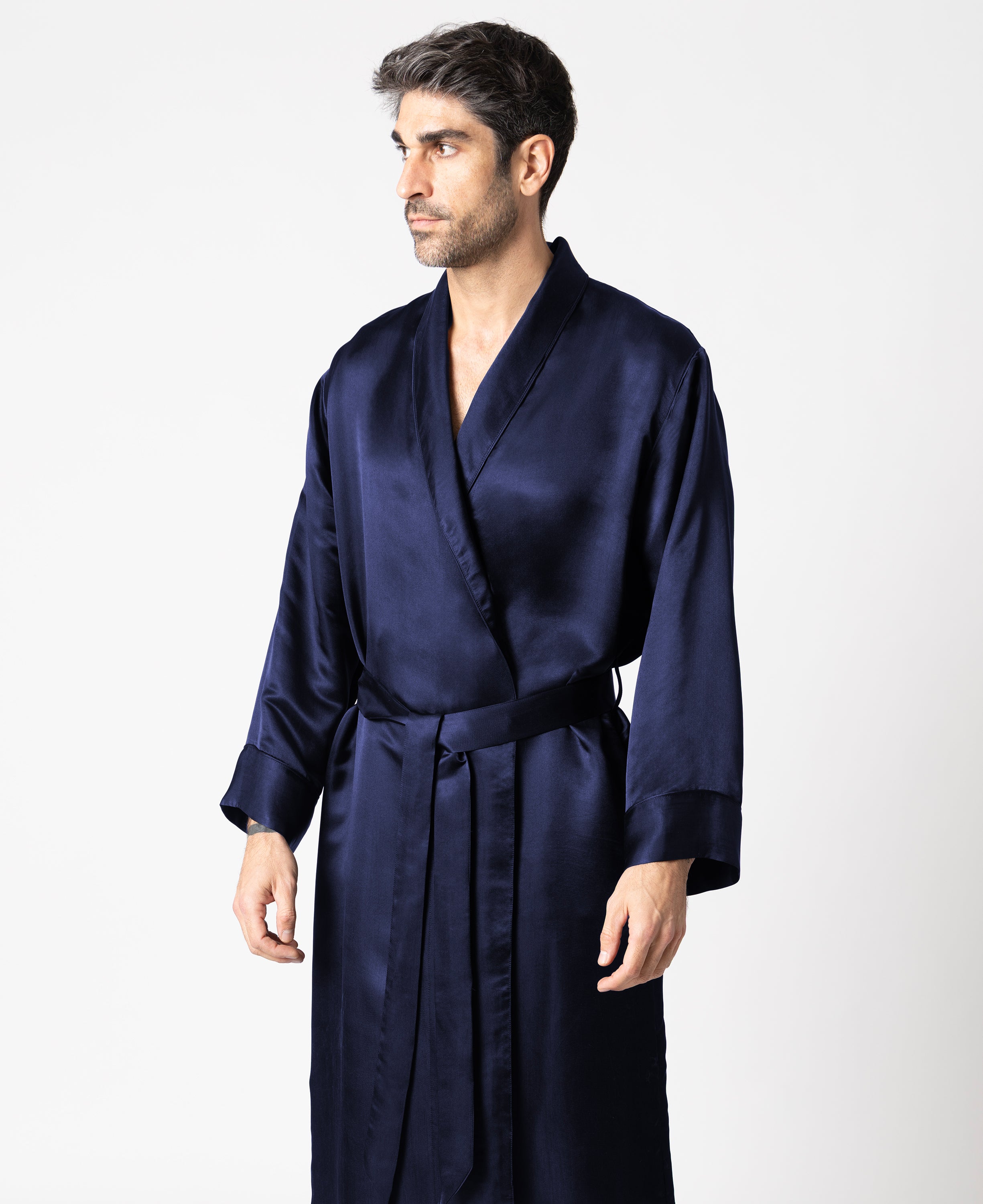
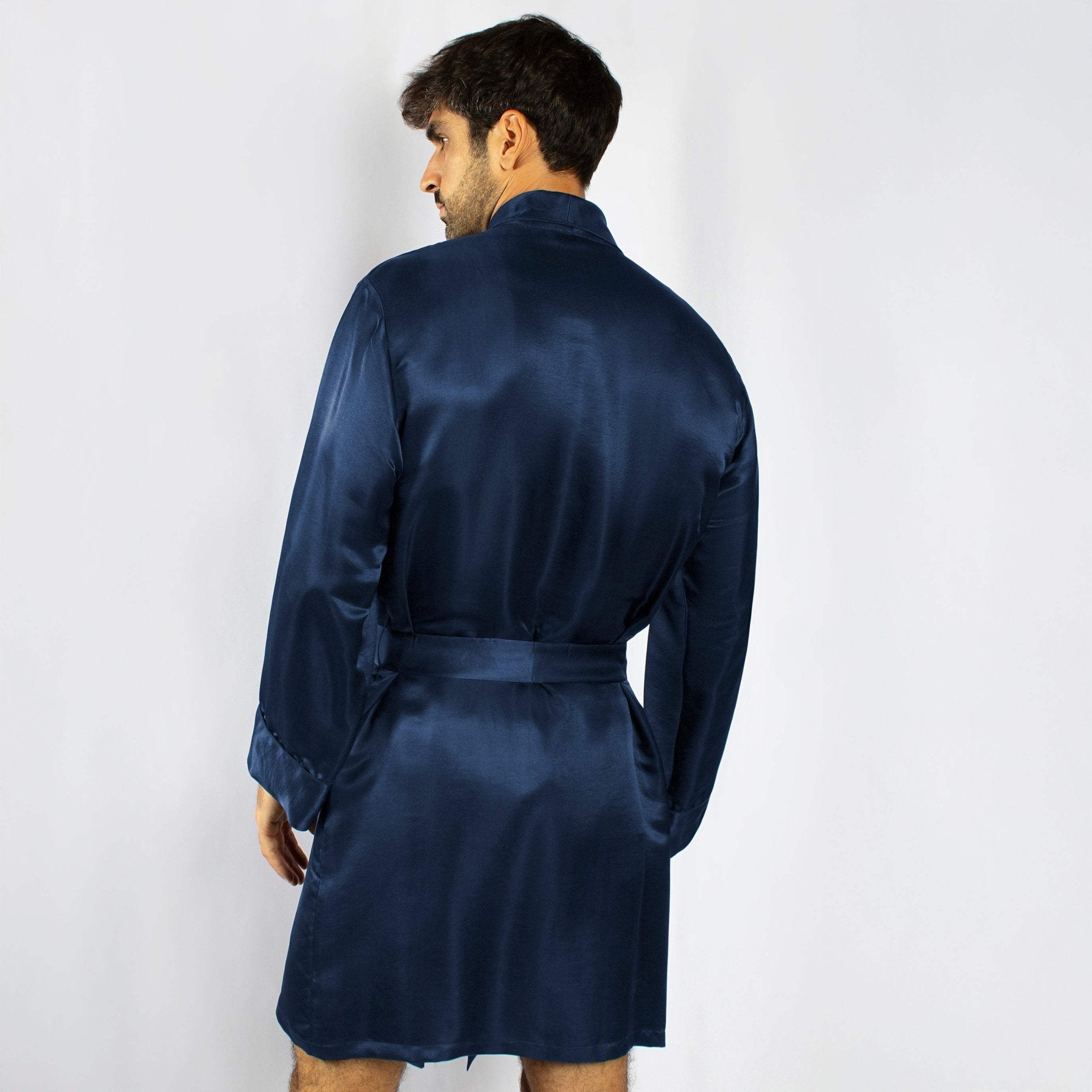
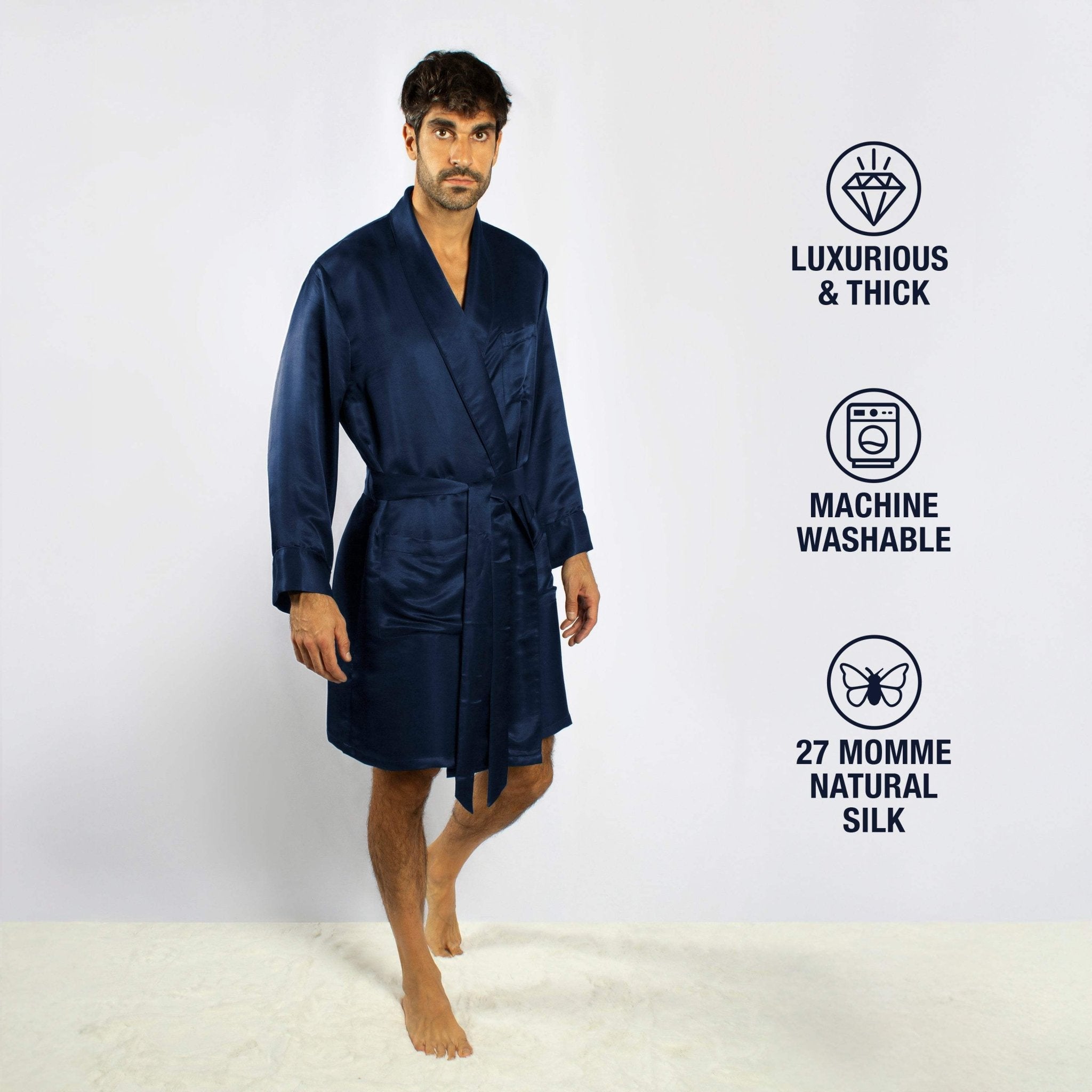
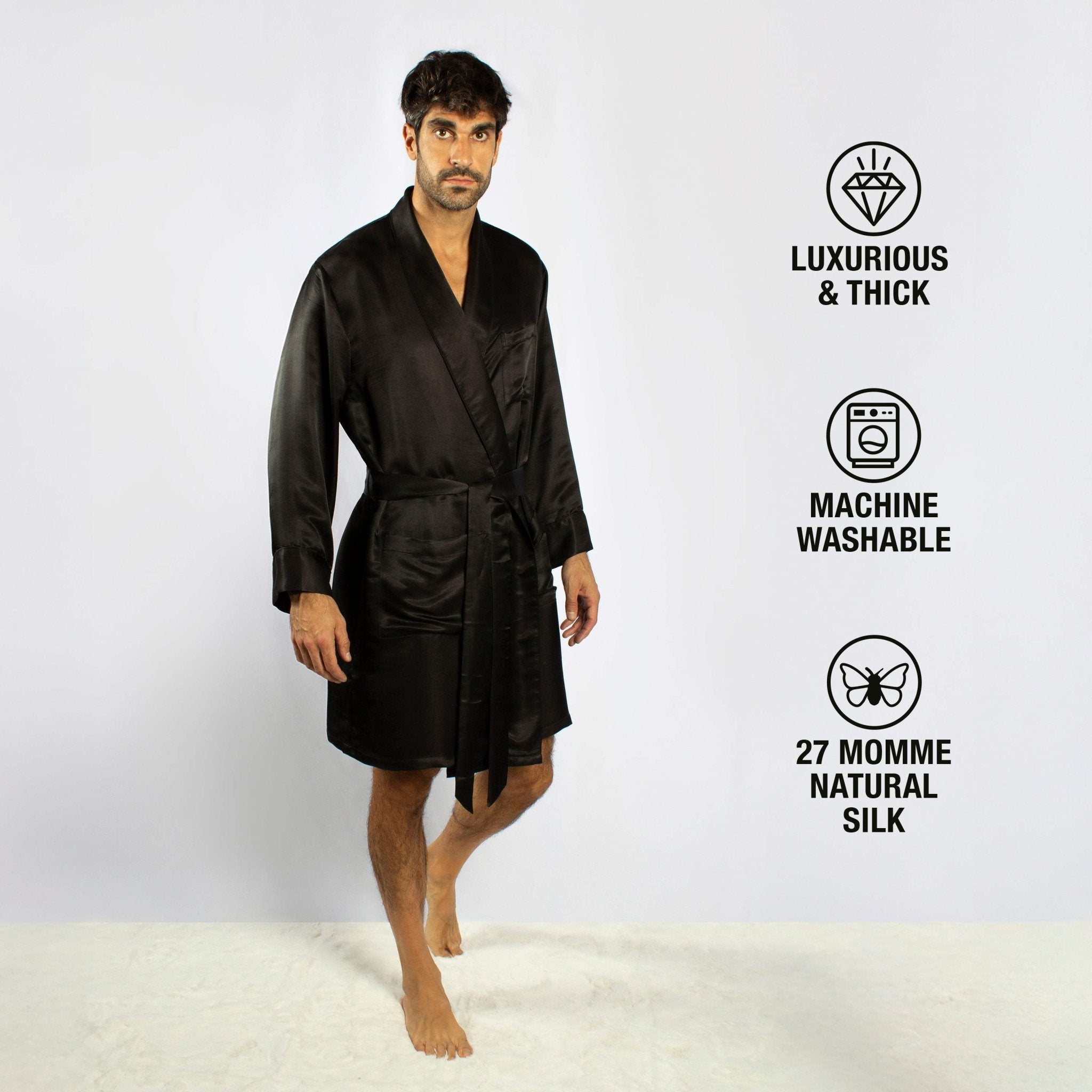
Tara Sartoria robes are made one piece at a time by master artisans in Vietnam's historic silk villages, woven on heritage looms in 27 momme mulberry silk, and finished with French seams. The fabric is built to be washed. The robe should be in the rotation, not at the dry cleaner.
Why "Dry Clean Only" Is Usually the Wrong Answer
The "dry clean only" label on most silk garments is a manufacturer's hedge against thin fabric and weak seams. The label tells you the fabric will not survive a normal wash. It is honest in that respect. It is also a sign that the silk was not made to do the work silk should do.
Real mulberry silk, woven densely enough to behave like a structural fabric rather than a decoration, washes beautifully on a delicate cycle. The fiber itself is naturally strong. The protein structure of silk holds up under repeated wetting and drying for decades, which is why archaeological silk from Han dynasty tombs is still recognizable as silk.
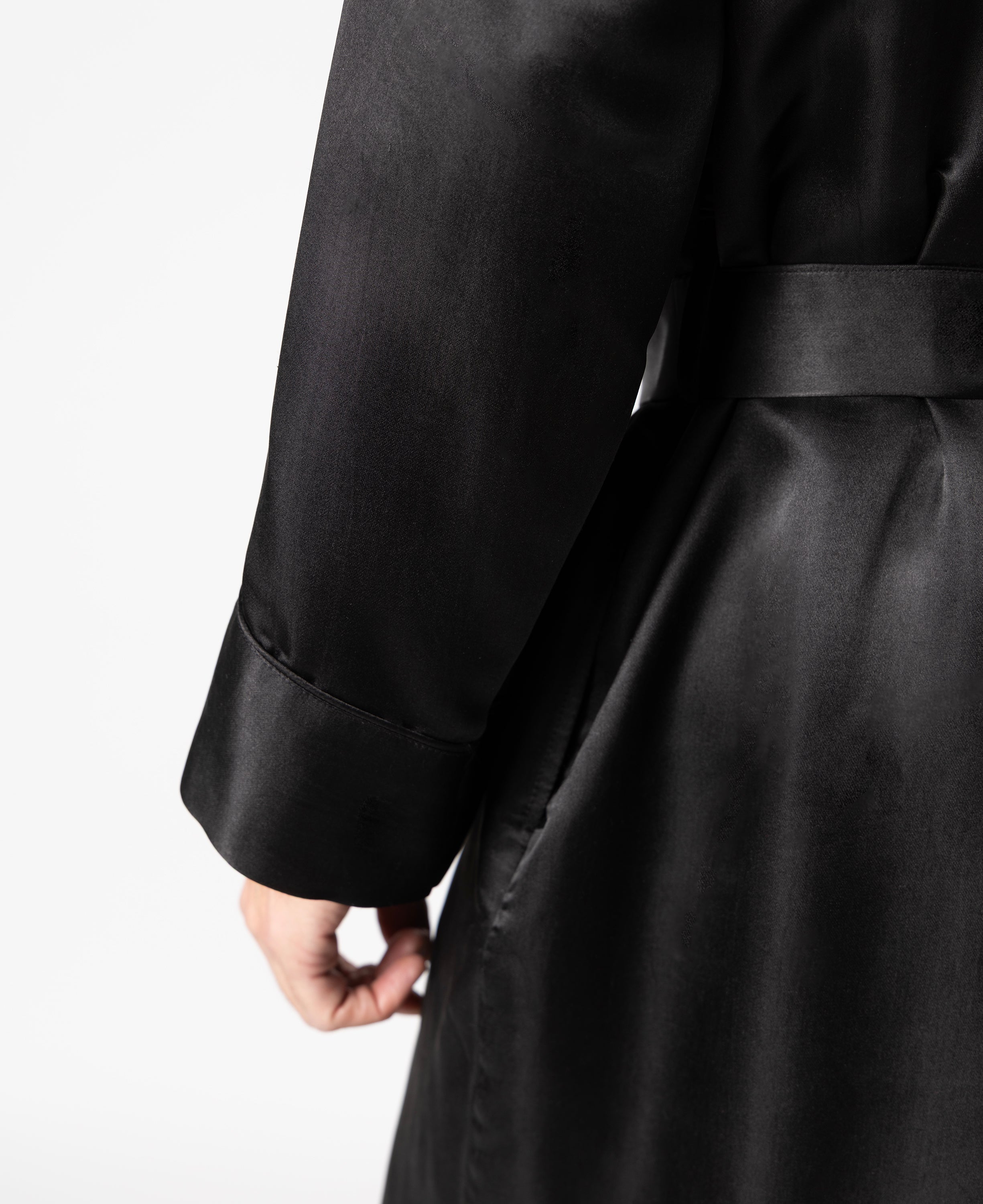
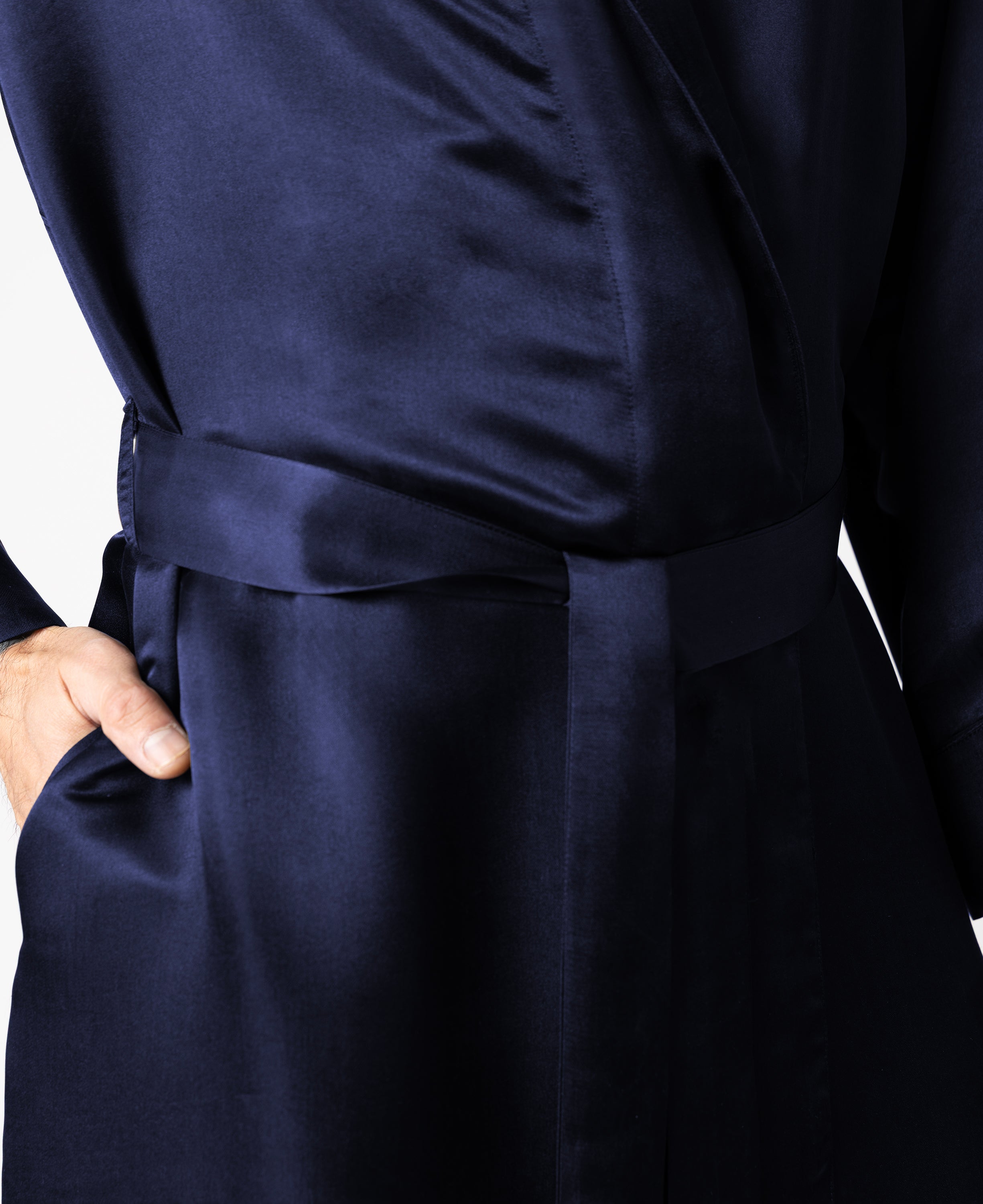
The thing that destroys most modern silk in a wash is the seam construction, not the fiber. A surged seam frays when wet and pulls apart on the spin cycle. A French seam, fully enclosed on both sides, does not.
This is why I can tell customers honestly that our robes are machine washable. The fabric is dense enough to survive the wash and the seams are constructed to outlive the fabric. The dry cleaner is not part of the maintenance plan. It does not need to be.



What You Need Before You Start
A mesh laundry bag. The kind sold for washing delicates, lingerie, or bras. Five or six dollars at any drugstore. The mesh protects the silk from snagging on the agitator and from rubbing against other items in the load.
A mild detergent. Either a detergent specifically labeled for silk or wool, or a general mild detergent without enzymes or brighteners. Skip anything labeled "stain fighter" or "with enzymes." Skip color-safe bleach. Liquid is gentler than powder. About a tablespoon is enough for a single robe.
A washing machine with a delicate or hand-wash cycle. Top-loader or front-loader, both work. The cycle should be cool water with a low-speed spin. If your machine has a separate delicate cycle, use it. If it does not, the gentlest cycle available is fine.
A flat drying surface. A clean towel on a flat surface works. A drying rack with the robe laid flat across the bars also works. Avoid hanging the robe straight from the washing machine, when it is heavy with water, because the weight can stretch the shoulders.
The Wash, Step by Step
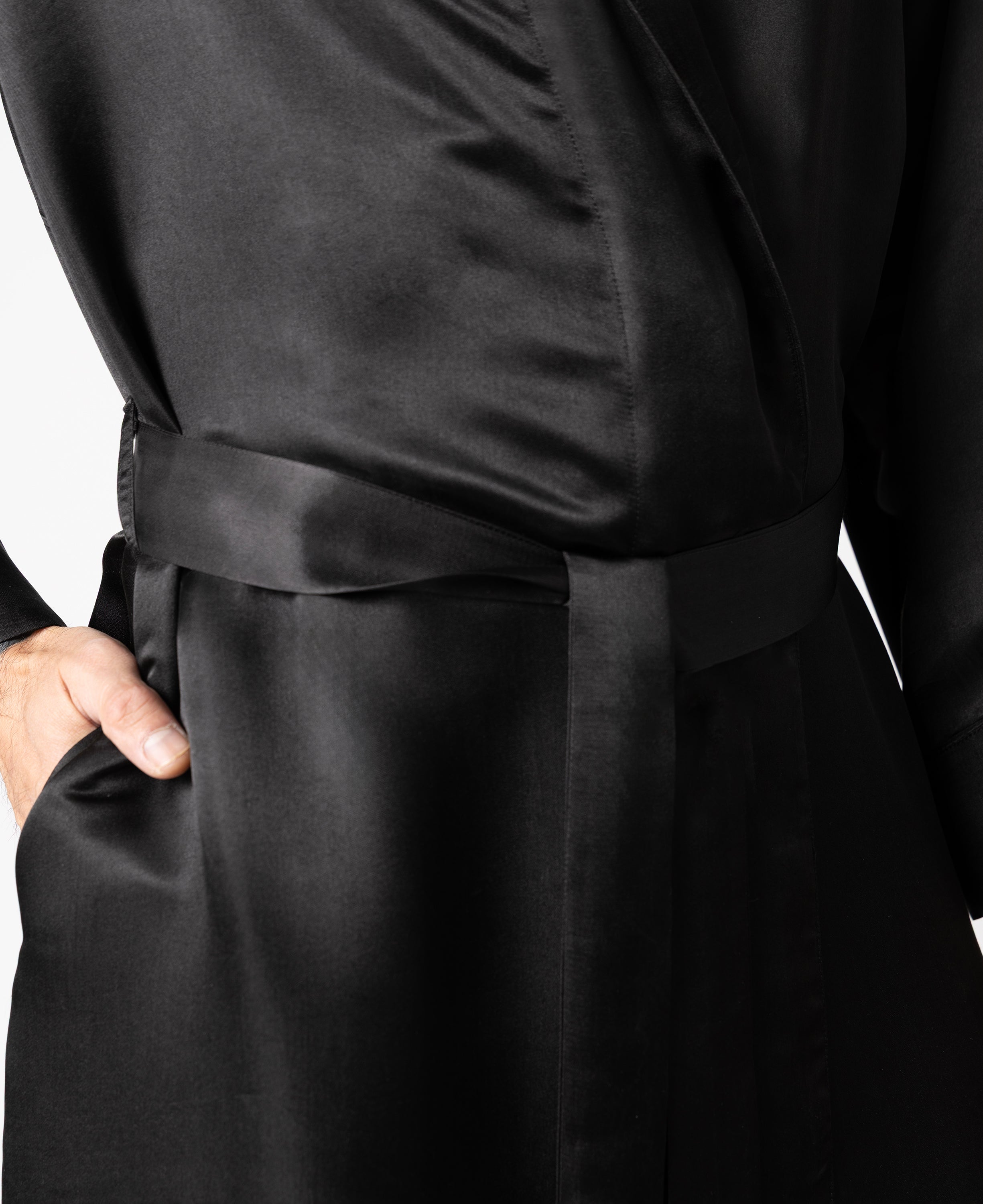
Tie the sash loosely around the robe before putting it in the mesh bag. This keeps the sash from tangling with the body of the robe during the cycle. Place the robe in the mesh bag with no other items. Zip the bag closed.
Place the bag in the washing machine. Add about a tablespoon of mild detergent to the detergent compartment, not directly onto the silk. Set the machine to a delicate or hand-wash cycle, cool water at 30 degrees, with the lowest spin speed available. Start the cycle.
That is the active part. The cycle takes between twenty-five and forty minutes depending on the machine. Most modern washers will run a delicate cycle without supervision.
When the cycle ends, remove the bag from the machine within an hour. Silk should not sit damp for long because it can develop a faint mildew smell that takes a second wash to clear. Open the bag, lift the robe out gently, and shake it once or twice to release the major wrinkles.
Drying Without Damaging the Drape
The drying stage is where most silk damage happens, not the wash itself. Three rules.
Do not put the robe in the dryer on a normal heat setting. Heat above about 40 degrees will weaken the silk fiber over time and degrade the dye. A low-heat tumble for ten minutes to remove the major dampness is fine if you are impatient, but the robe should come out still slightly damp and finish drying flat.
Do not hang the robe straight from the washing machine. The wet silk is heavy and the weight pulls on the shoulders. Over many washes this stretches the shoulder seam, which is the one part of the construction that does not recover. Always pat the robe in a towel first, or lay it flat for the first hour, before hanging.
Do not dry the robe in direct sunlight. Sunlight fades silk dyes more aggressively than almost any other fabric, especially in the deep navies, blacks, and forest greens. A shaded spot, indoors or outdoors, is the right place. If you must dry outside, hang in shade.
The simplest method, and the one I use, is to lay the robe flat on a clean dry towel on a bed or table for about three hours. The robe goes from damp to dry without losing its shape. After three hours it can be moved to a padded hanger in the closet, or steamed and worn the same day.



















Dealing With Wrinkles After the Wash
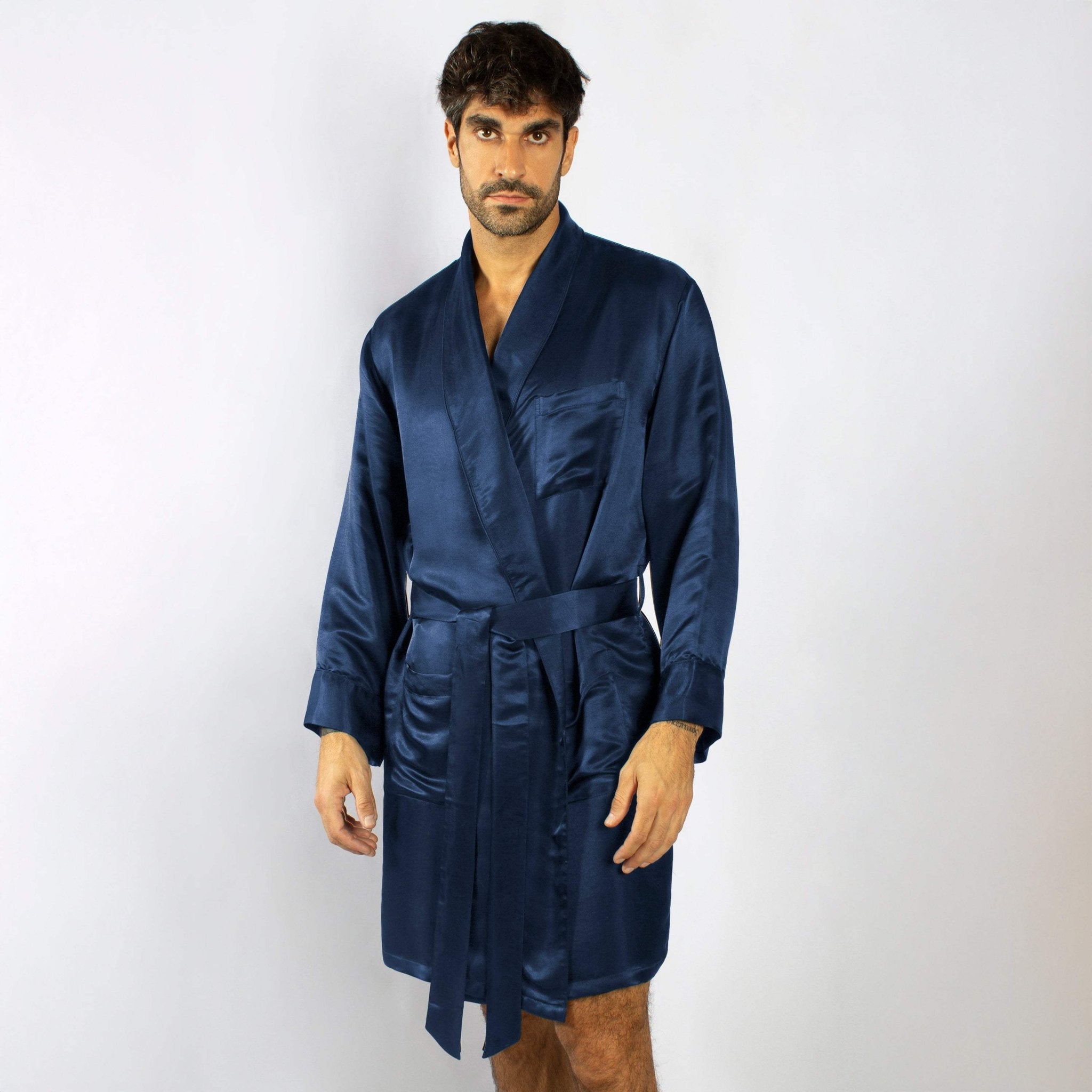
Silk wrinkles less than people expect, especially heavier silk. A 27 momme mulberry silk has enough body to hang most of its own wrinkles out on a padded hanger over a day. If the wrinkles are persistent, a handheld steamer is the right tool. Hold the steamer about six inches from the fabric, work top to bottom, and let the silk hang free as you steam.
A regular iron is fine in a pinch if used on the silk setting, which is the lowest heat setting. Iron the silk while it is still slightly damp from the wash, on the inside of the garment, with a thin cotton cloth between the iron and the silk if your iron tends to run hot. Never iron a dry silk with high heat. The fabric will scorch and the scorch is irreversible.
If you do not own a steamer or an iron and you do not want to buy one, hang the robe in the bathroom while you shower. The steam from a fifteen-minute shower will release most of the wrinkles in a silk robe. This is not a joke. It is what I do when I am traveling.
How Often to Wash
A silk robe worn over pajamas for an hour or two in the morning does not need to be washed often. Every two or three weeks of regular wear, or any time it picks up a stain or a smell, is the right cadence. Silk has natural antimicrobial properties that resist odor better than cotton, which is part of why my grandmother's silk only needed weekly washing despite Hanoi summers.
A silk robe worn directly against the skin, without a layer of pajamas, should be washed more often. Once a week is reasonable. Twice a week in summer is fine. The fabric is built for it.
The robe sash is the part that gets the most wear because it is tied and untied dozens of times a week. Inspect the sash every few months. If it shows wear at the knot point, rotate which end you knot or trim the frayed edge. The body of the robe will usually last much longer than the sash gets visible wear, so do not let a slightly worn sash convince you the robe is failing.
What to Do When Something Goes Wrong
A wine stain. Blot, do not rub. Cold water immediately. A small amount of mild detergent on the stain for about five minutes. Then a normal delicate-cycle wash. Most wine stains come out on the first wash if caught within an hour. After 24 hours, the stain is more stubborn but usually still removable with a second wash.
An oil stain. Cornstarch or talc on the stain for two hours, brushed off, then a normal delicate-cycle wash. The starch absorbs the oil. This works on butter, salad dressing, and most cosmetics.
A coffee or tea stain. Cold water and a mild detergent, the same way as wine. Hot water sets the stain.
Yellowing in storage. Rare, but it happens to silk stored damp or stored in a plastic bag for long periods. A wash with a half tablespoon of white vinegar in the rinse cycle usually restores the color.
A snag. Do not pull. Turn the robe inside out and gently push the snagged thread back through to the inside with a blunt needle. Most snags are repairable in two minutes.
If the problem is bigger than this list, write to me. We have seen most things and can usually help.
How Our Robes Are Built to Be Washed
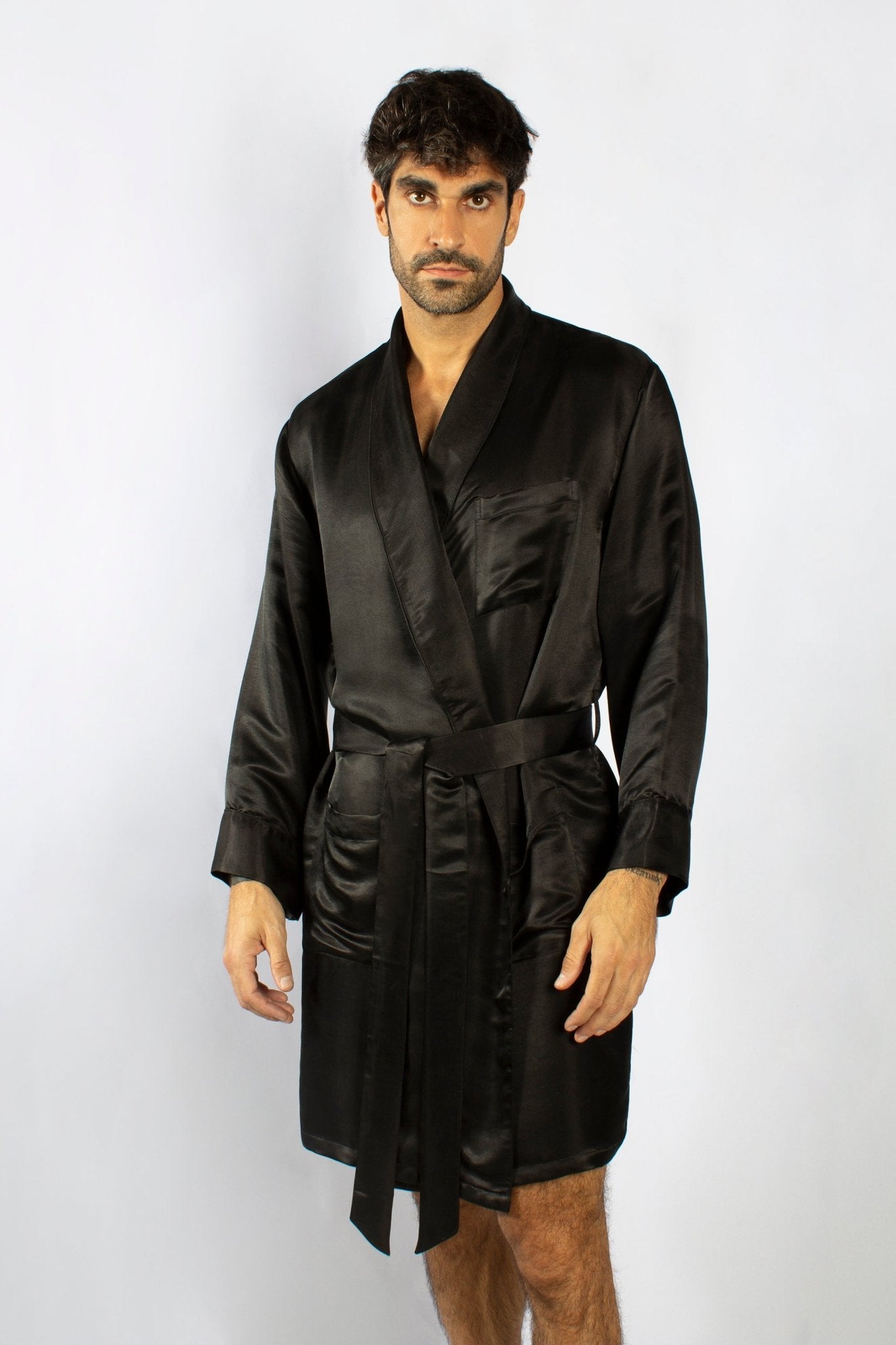
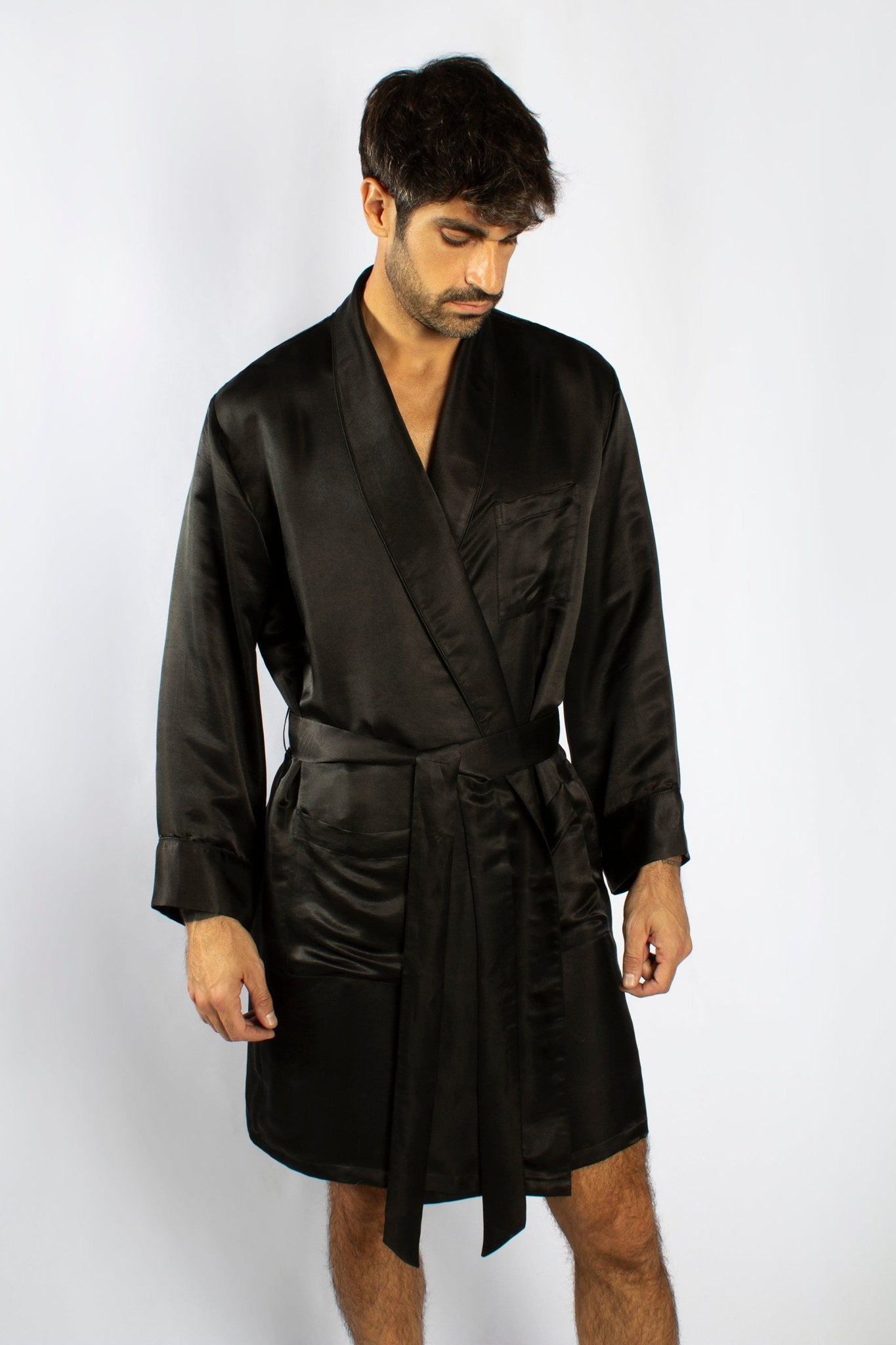
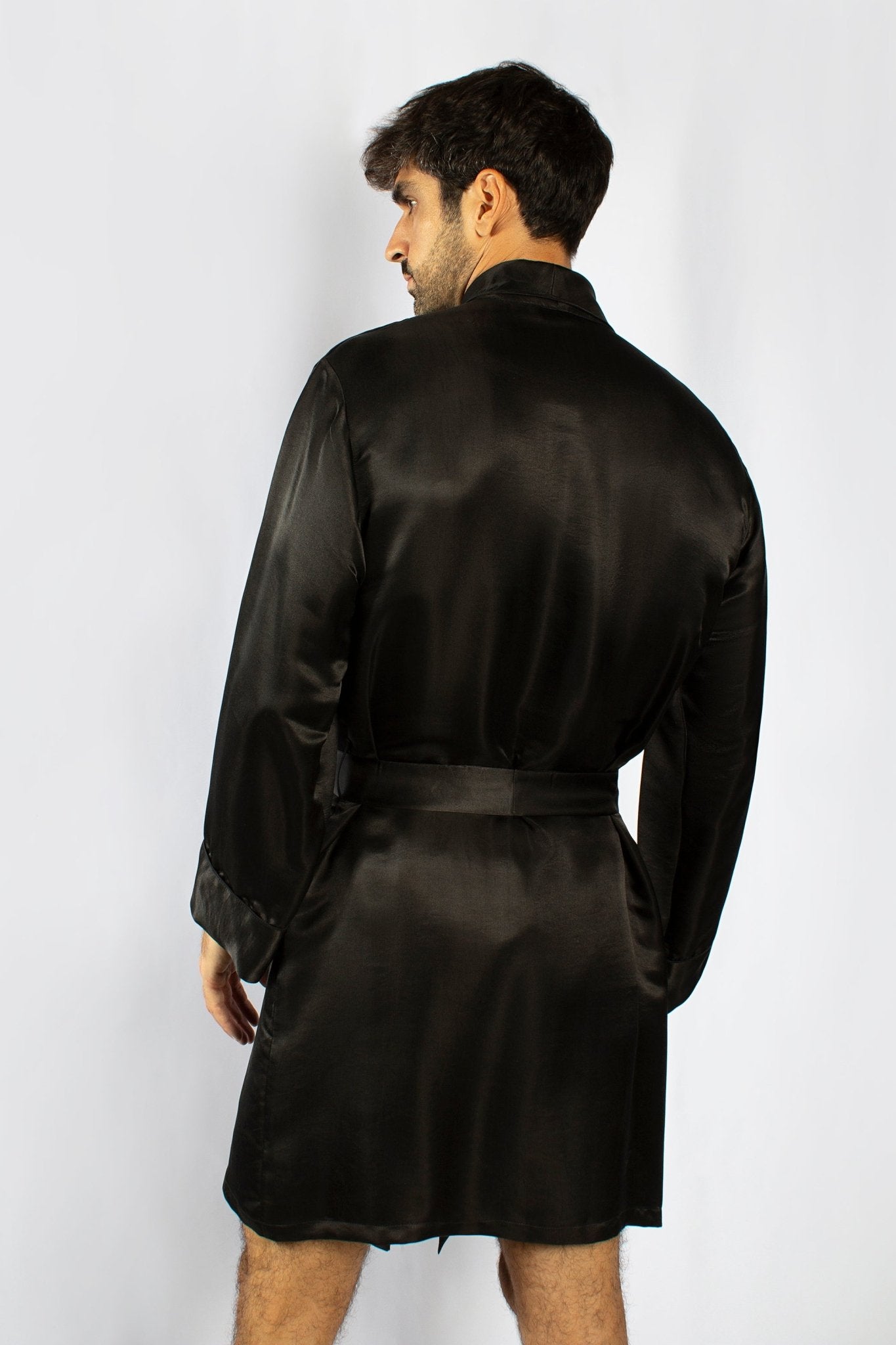
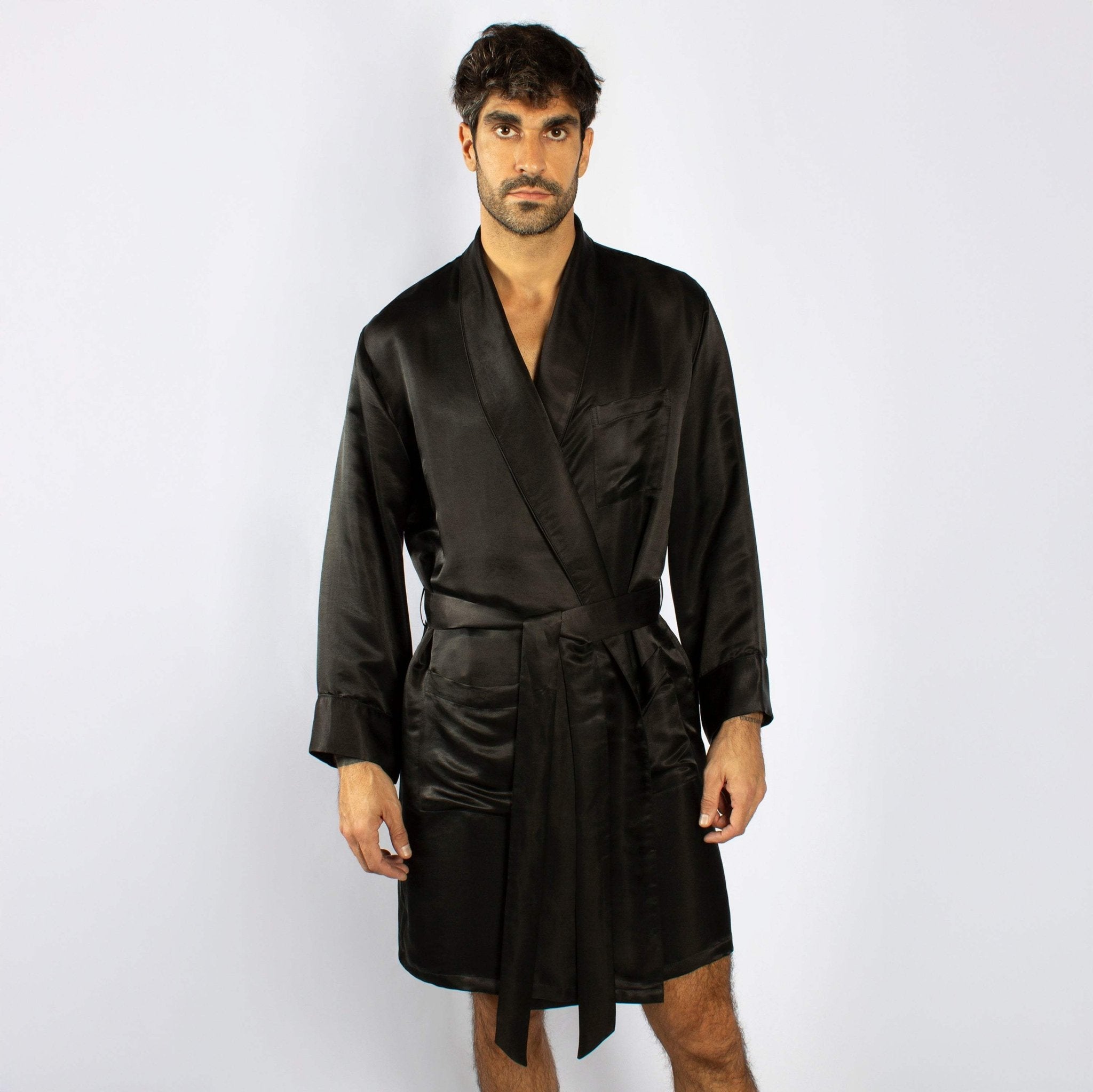
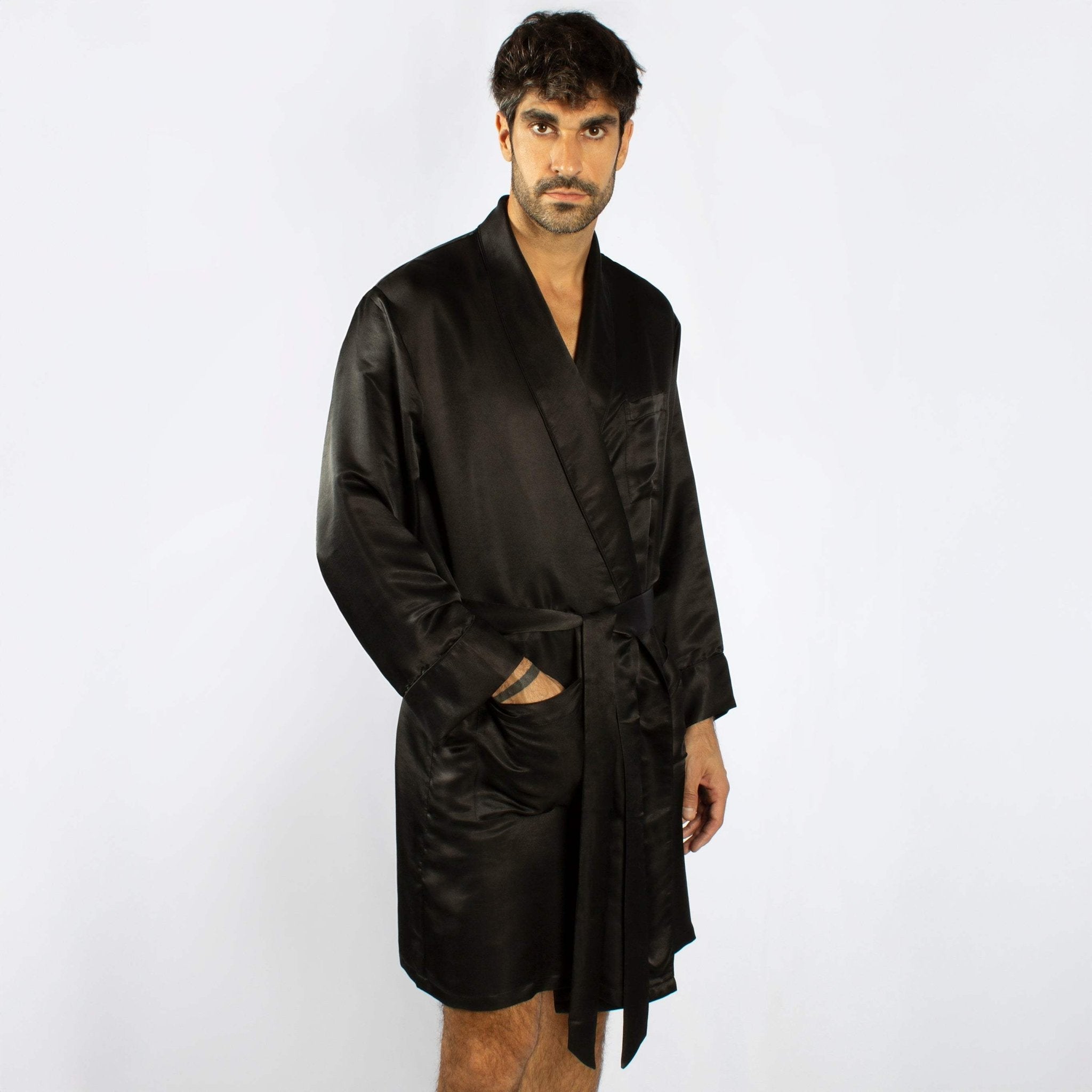
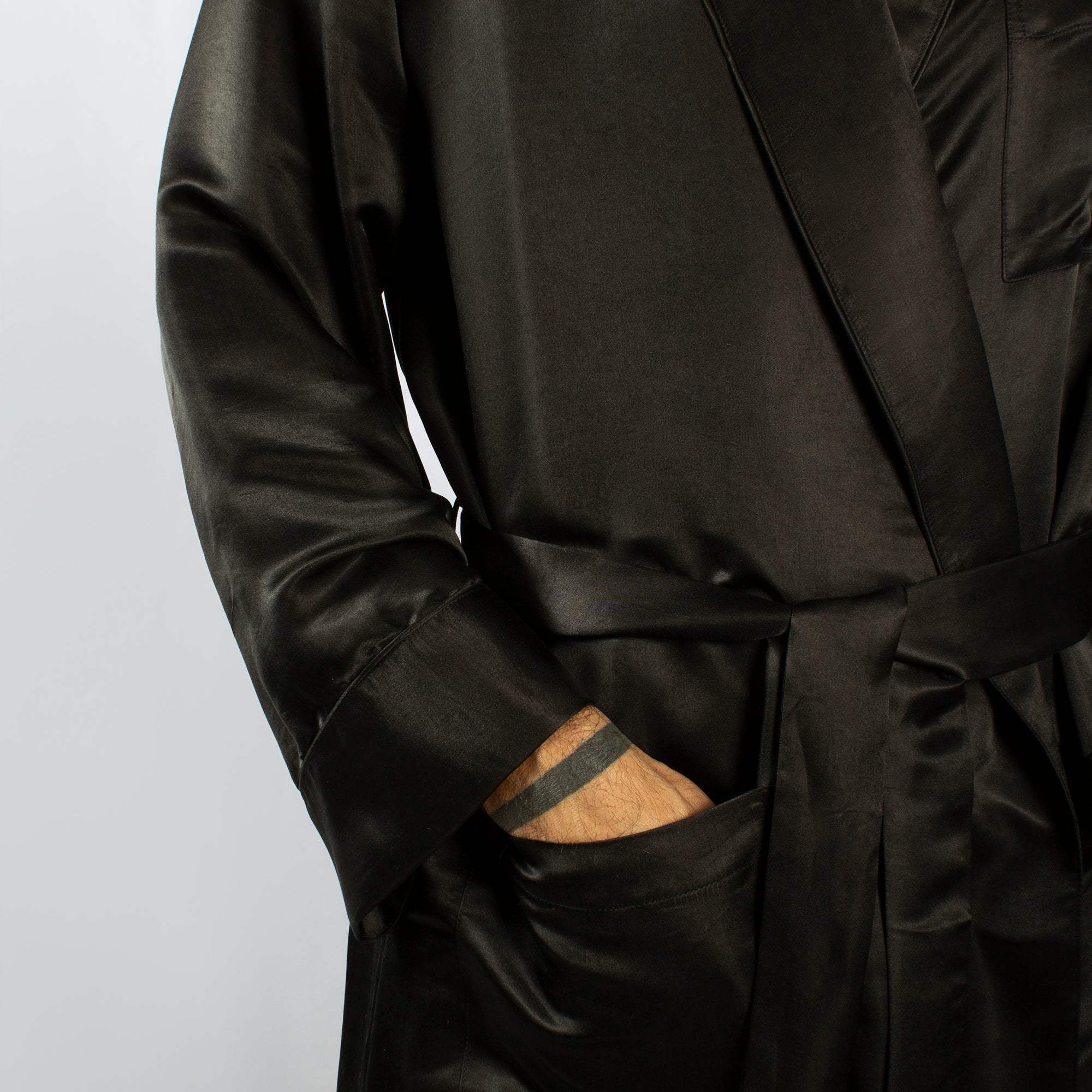
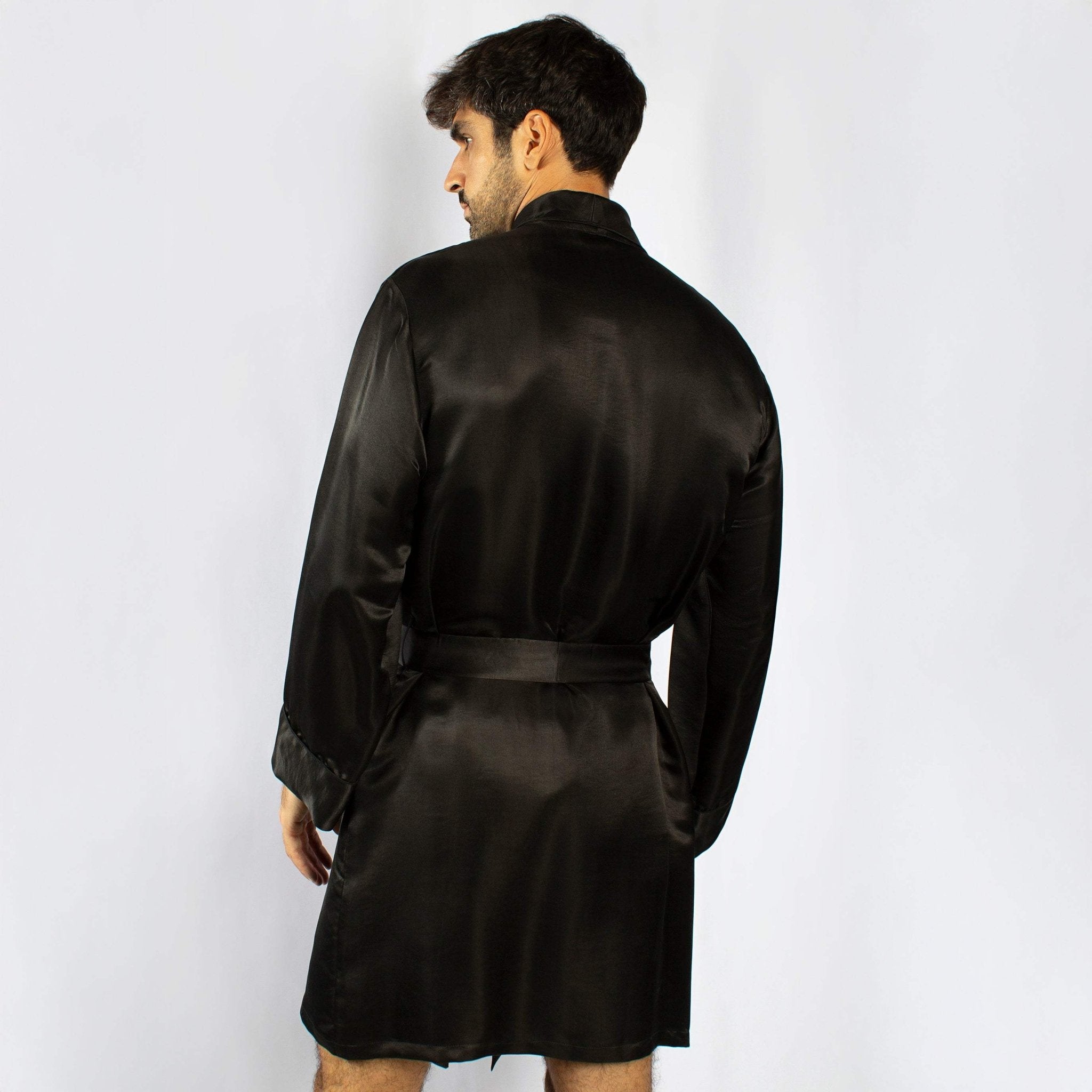
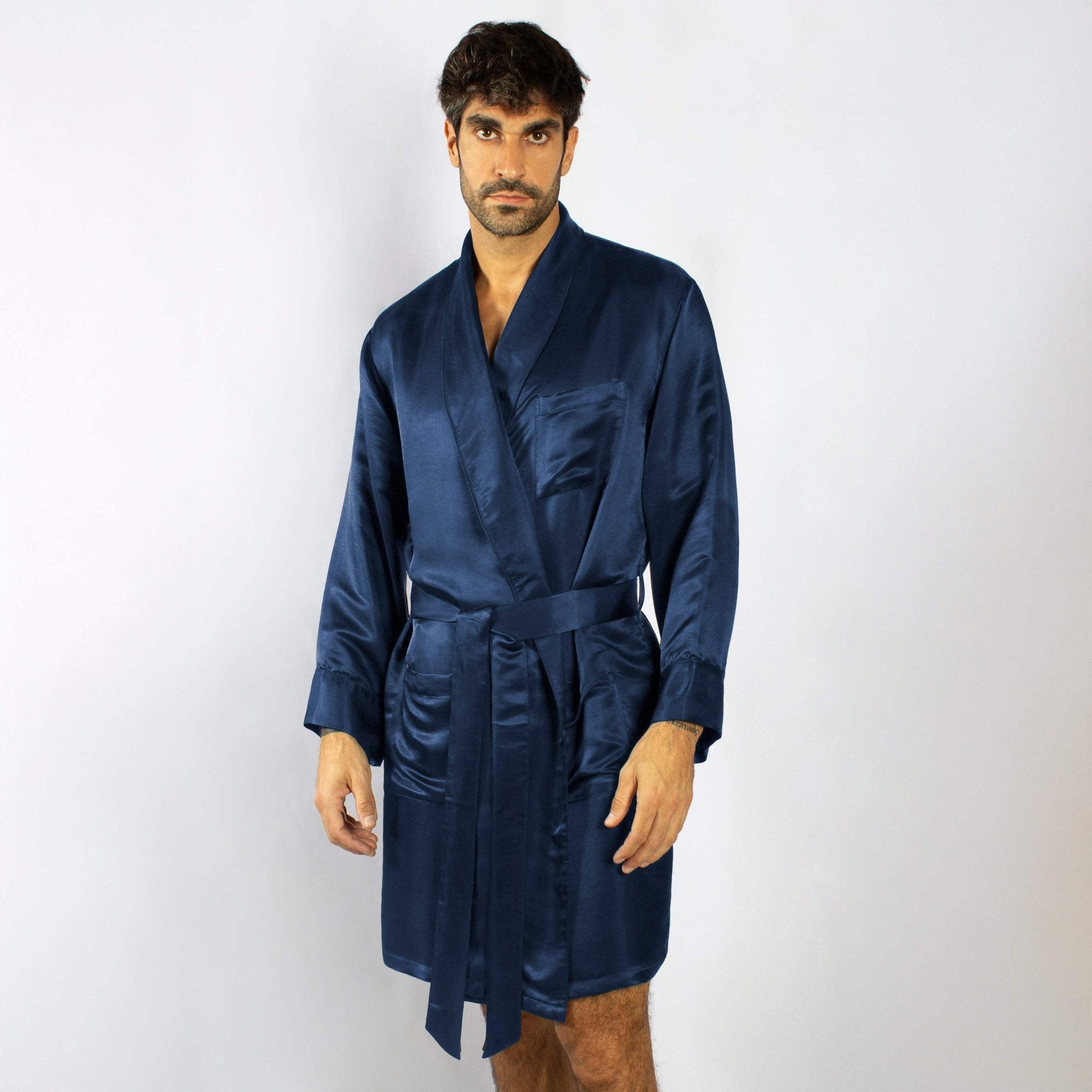
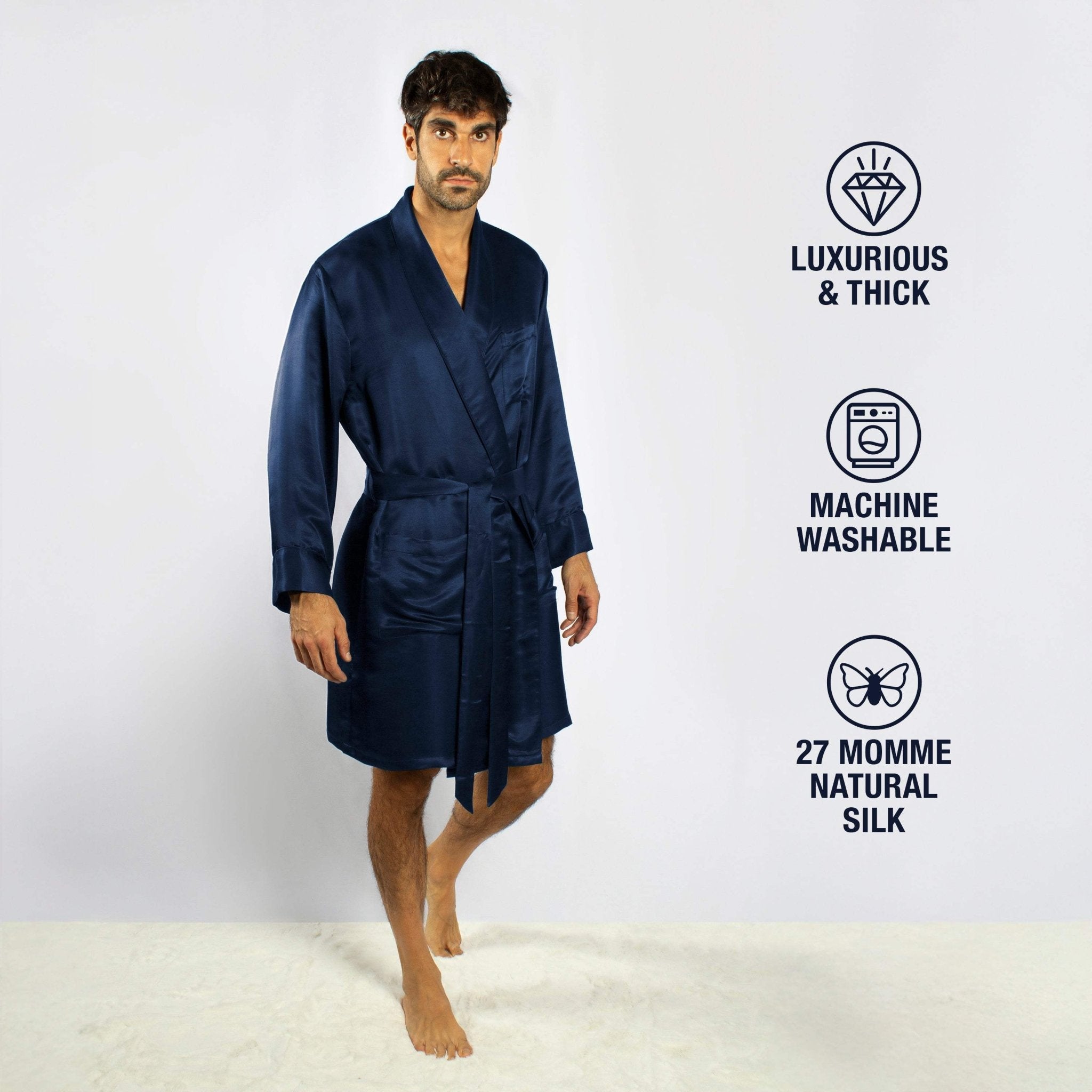
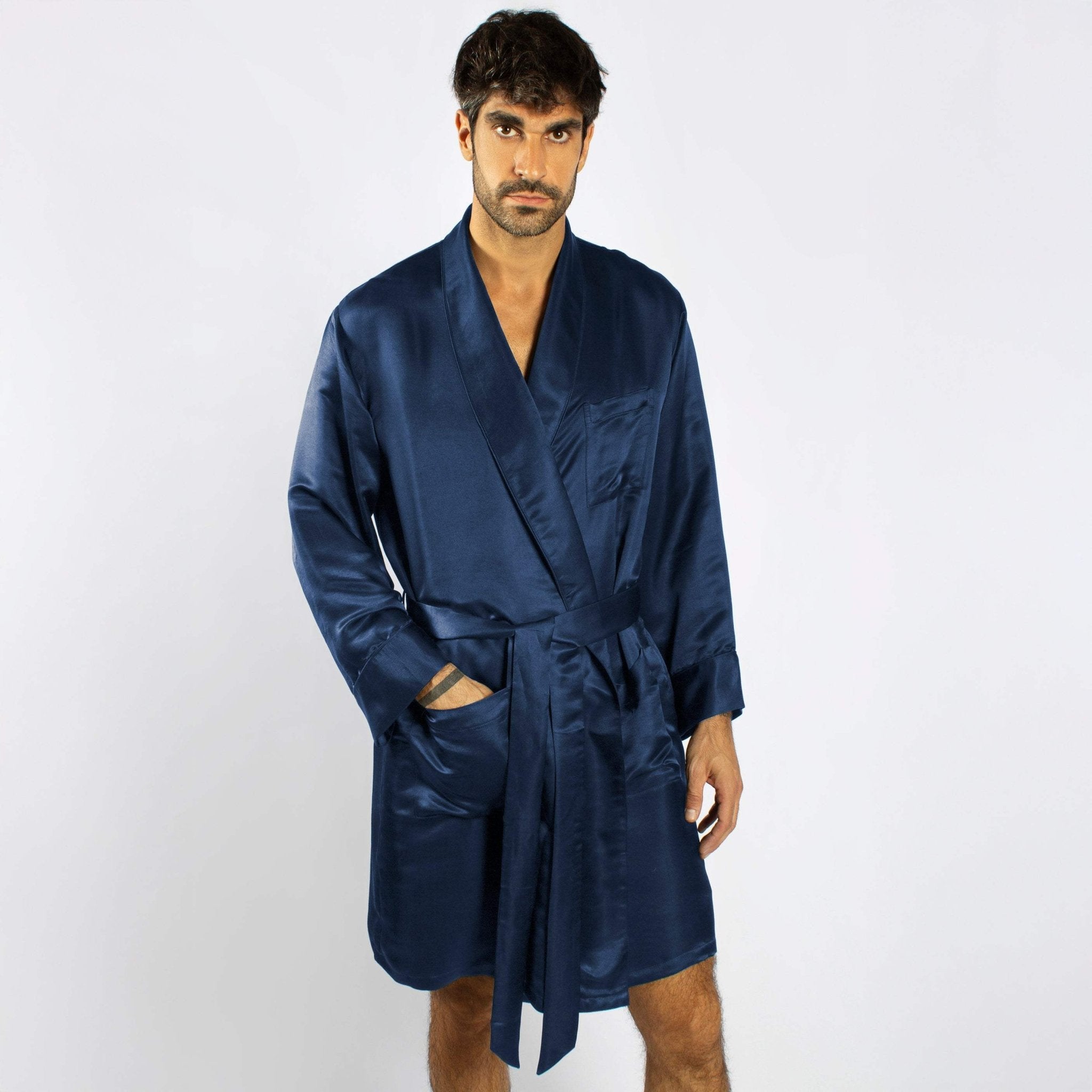
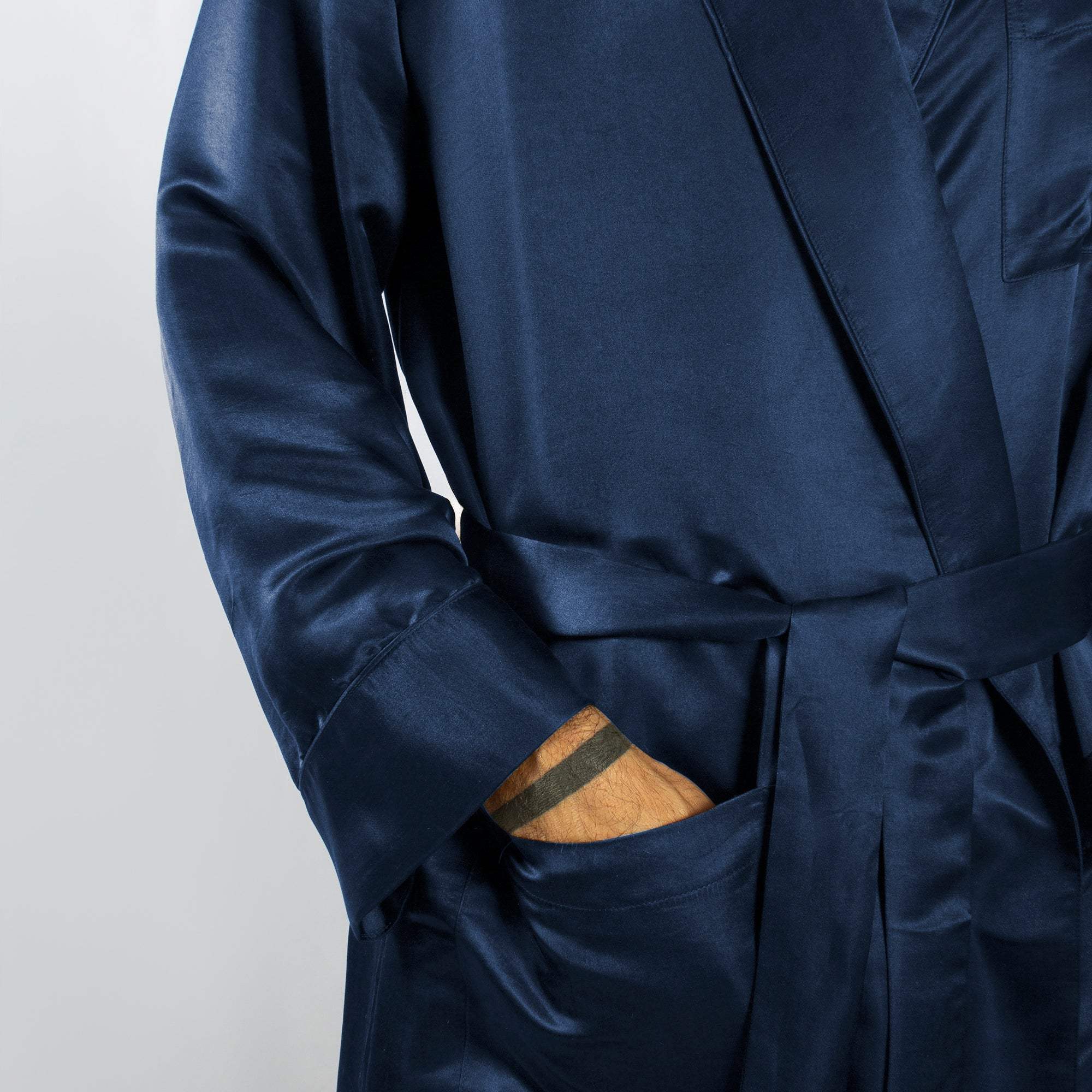
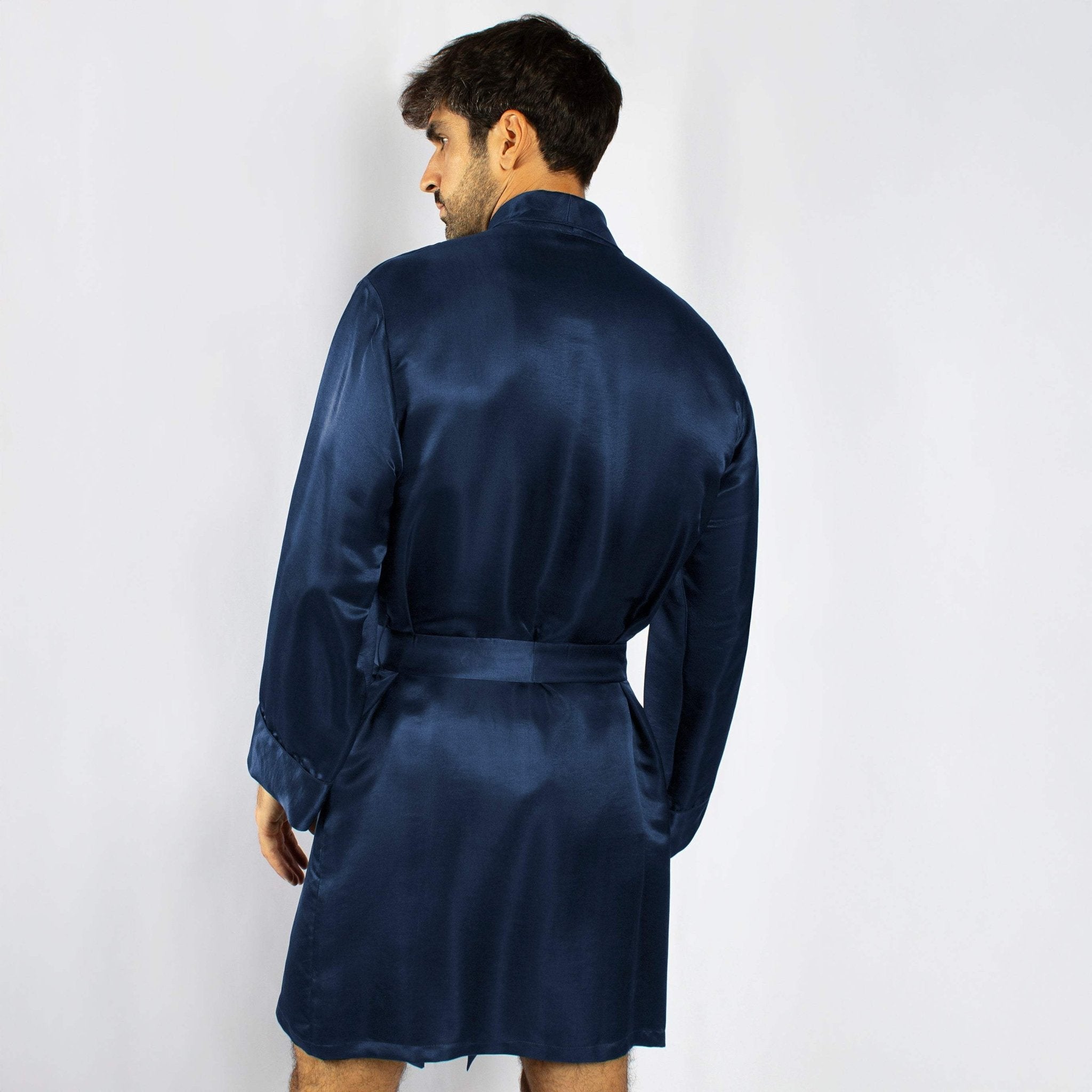
Each robe is made one piece at a time by a master artisan in Vietnam's historic silk villages. The silk is 27 momme mulberry silk, woven on heritage looms, which gives it the density to survive the wash without thinning.
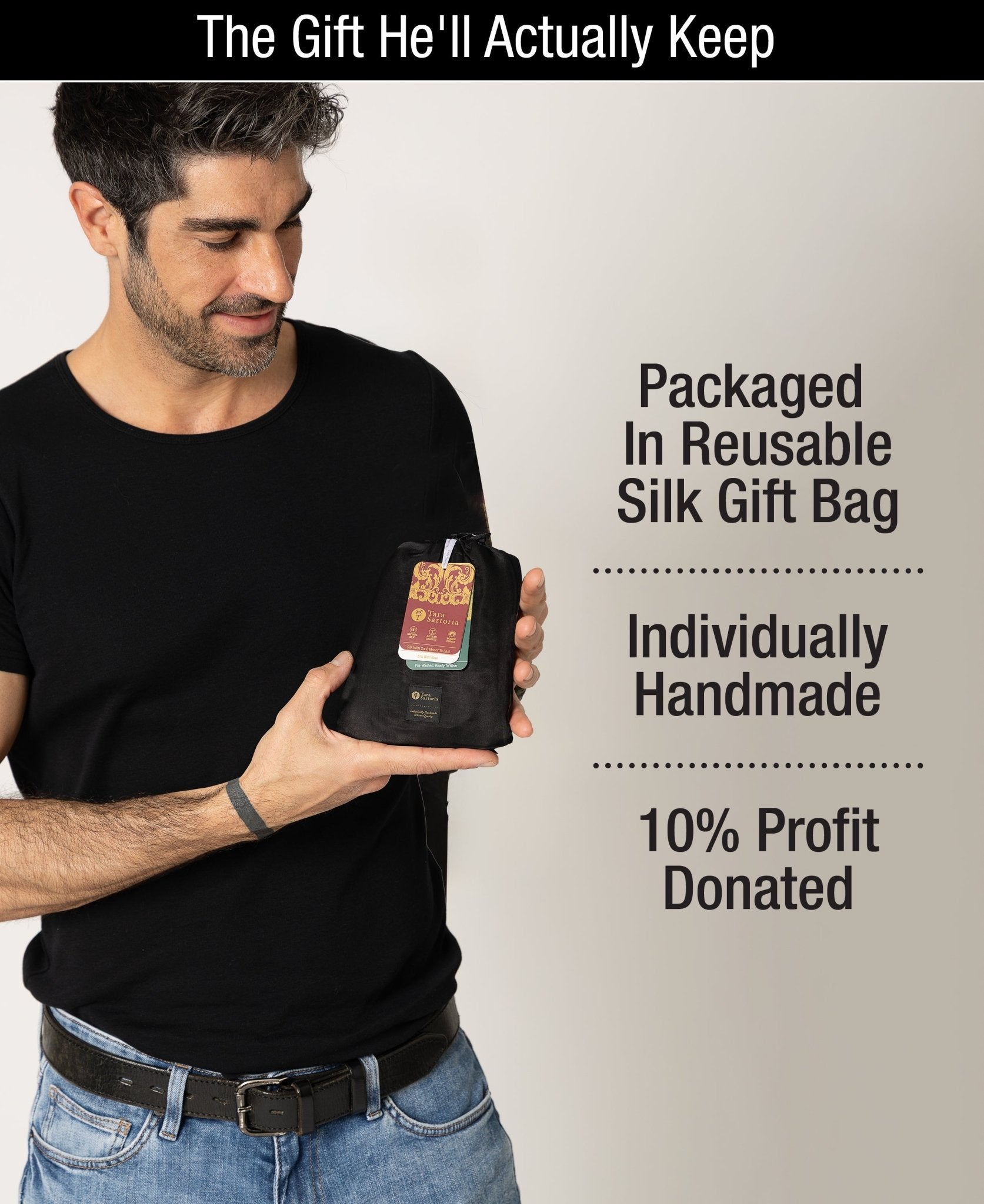
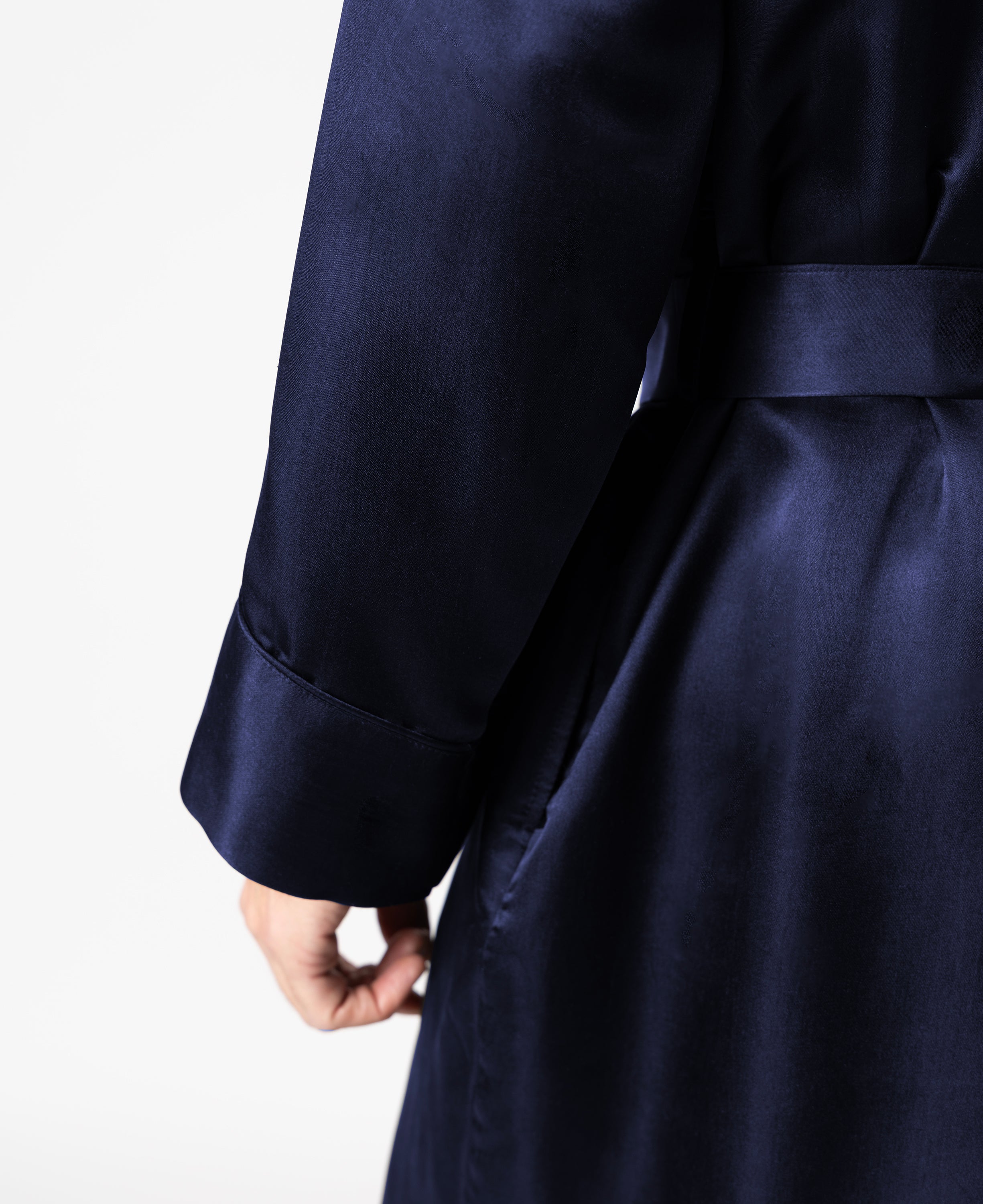
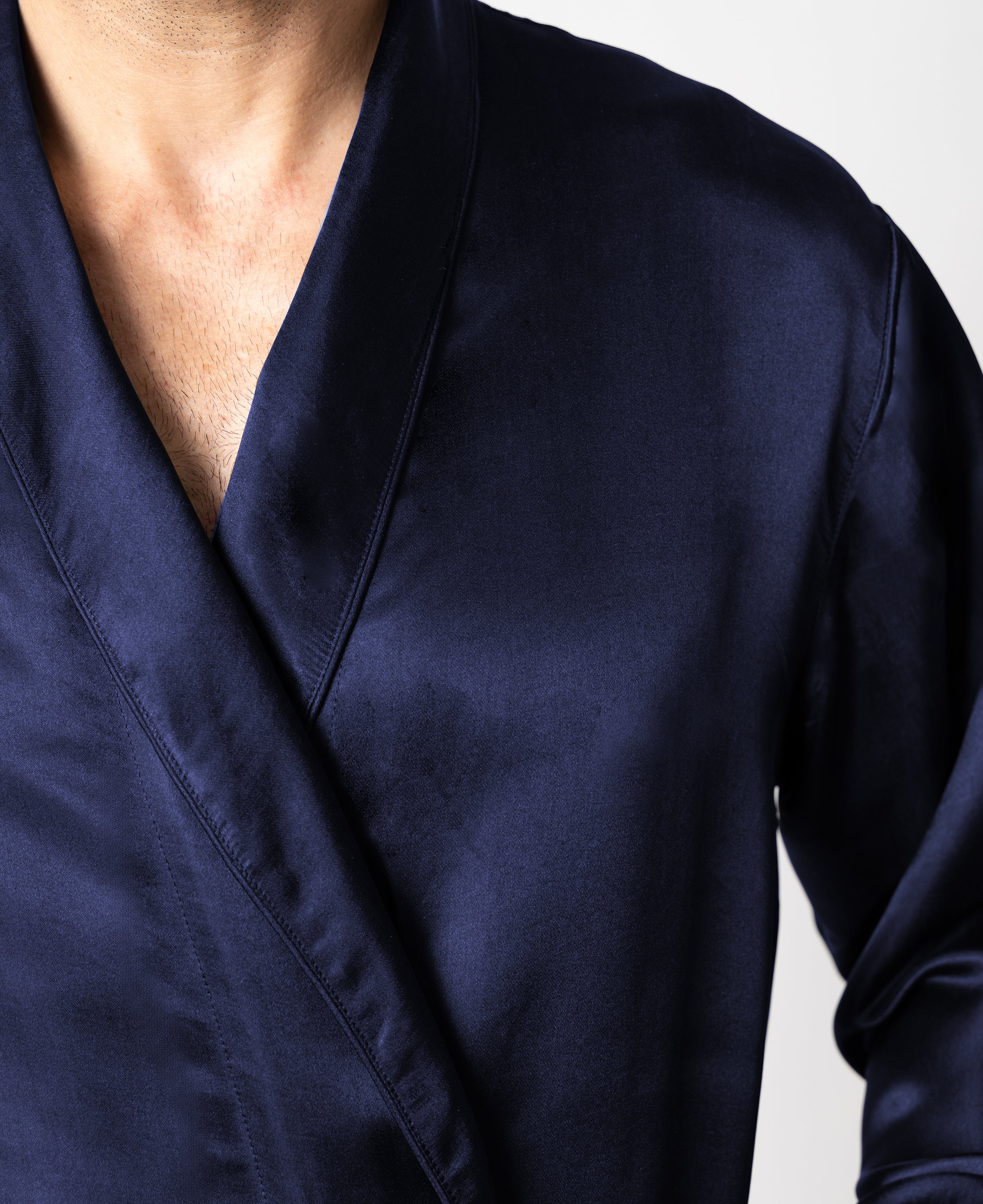
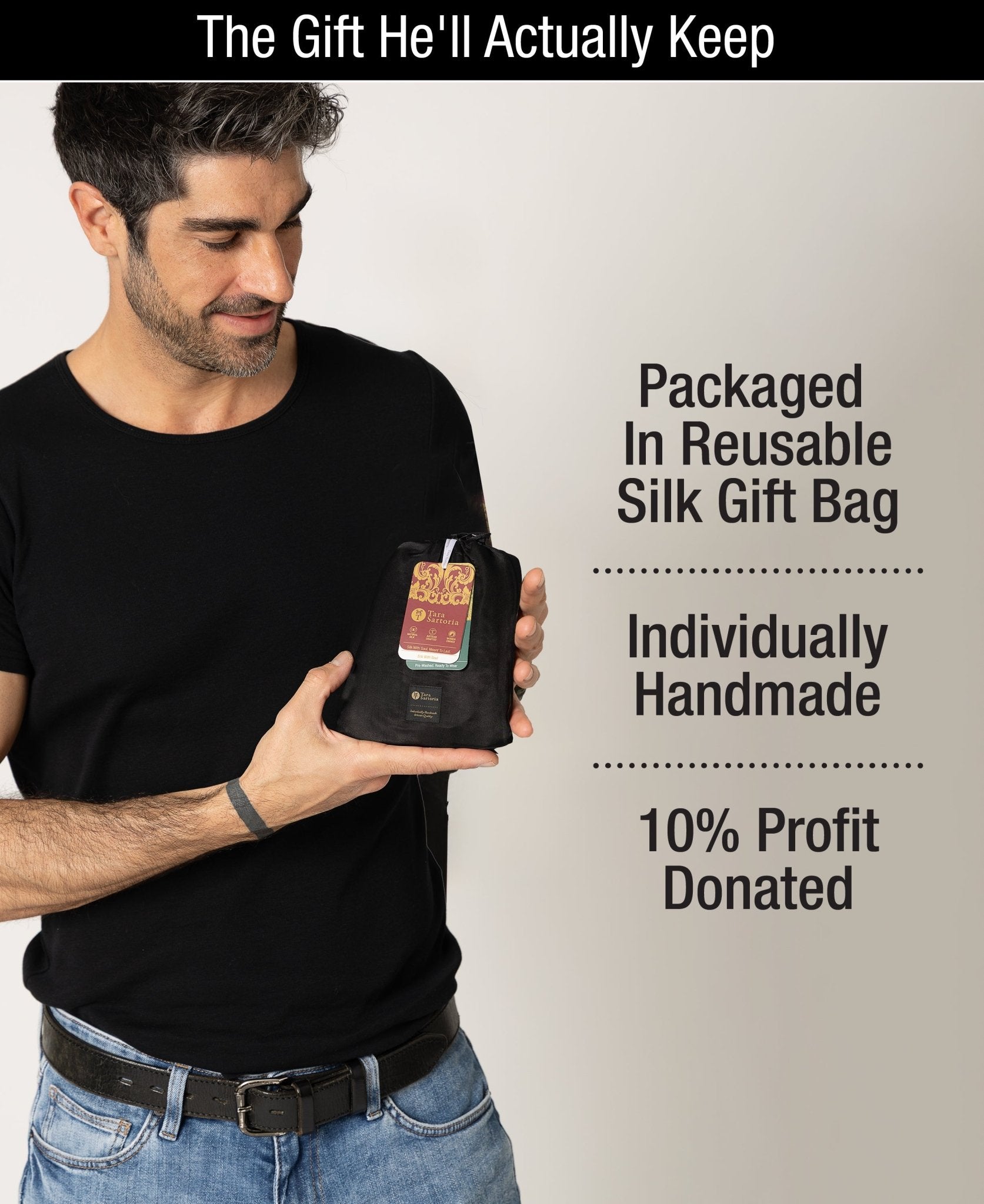
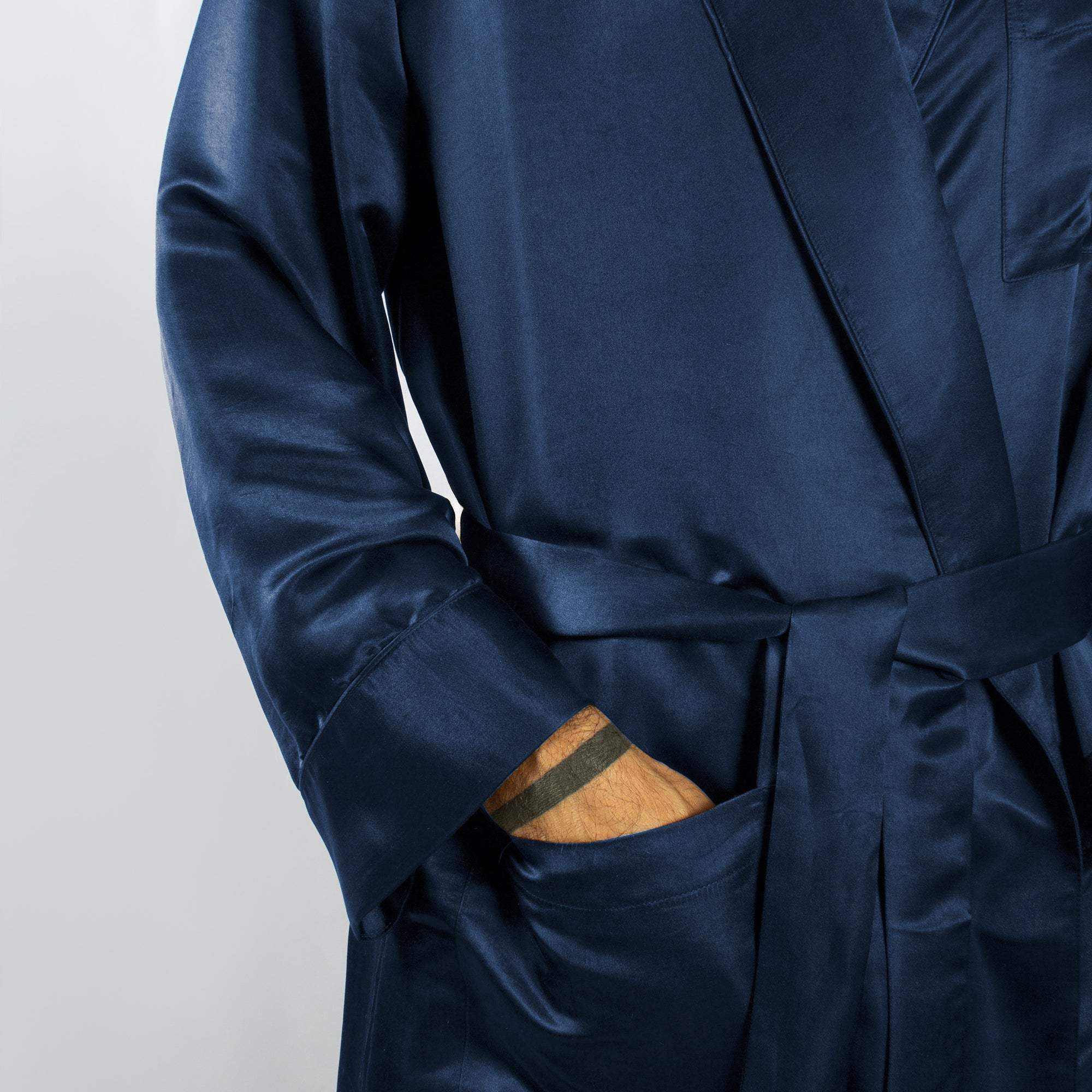
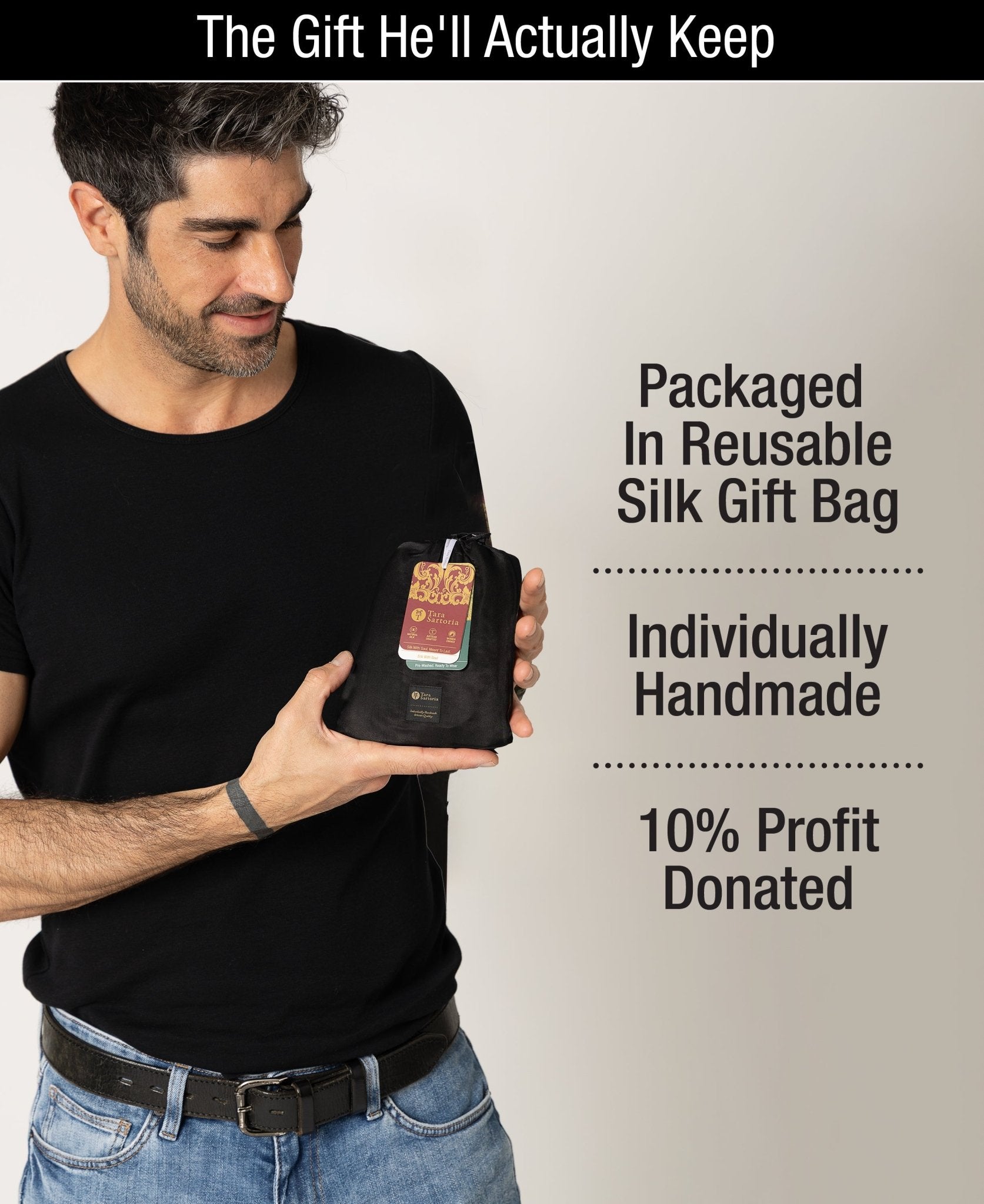
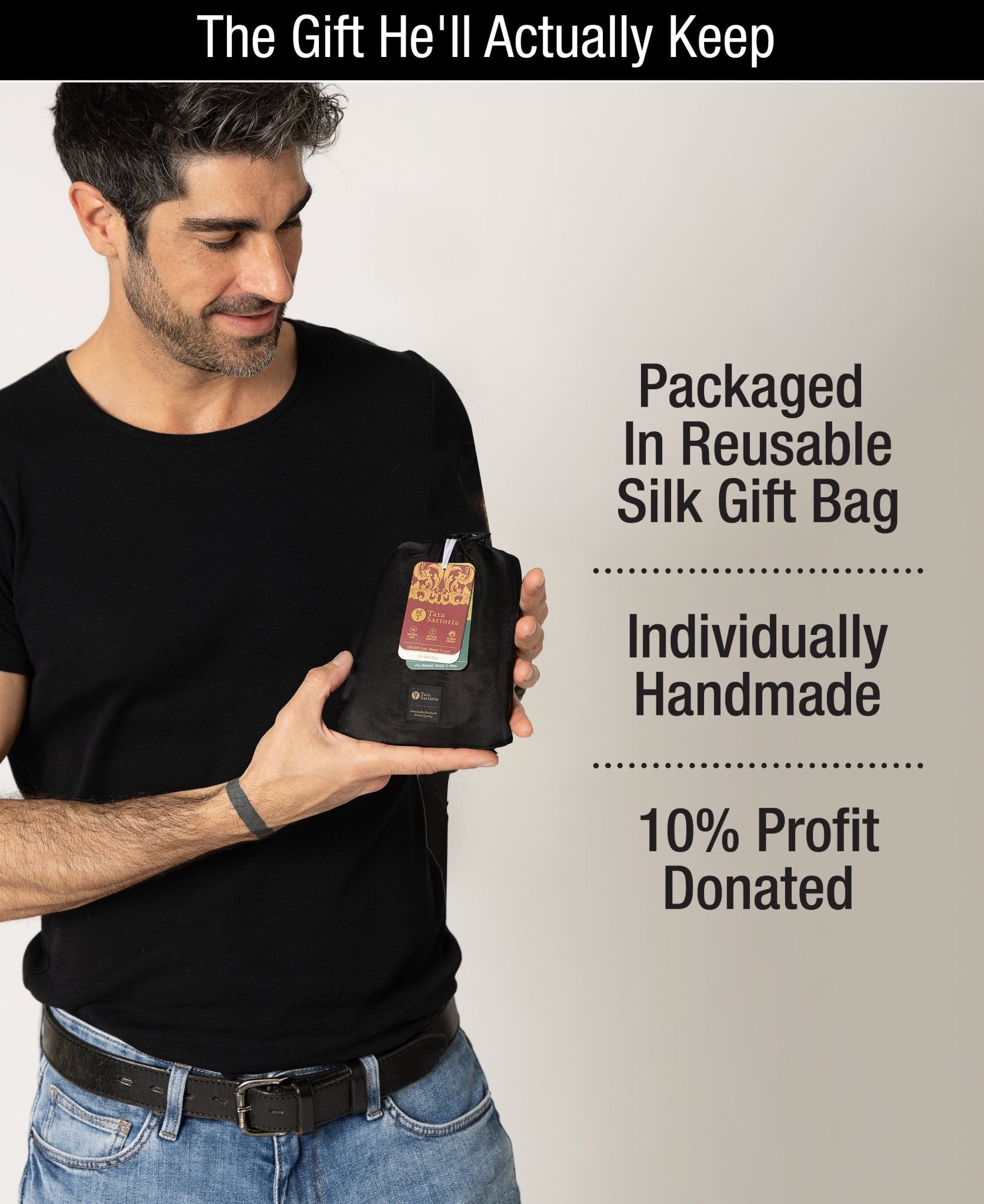
The seams are French seams, folded inward and enclosed on both sides, which means there are no raw edges anywhere inside the garment for the wash to fray. The sash is constructed from the same silk as the body. Sizes run XS to 4XL as standard, with custom sizing available when needed. Every order ships in a silk pouch with a handwritten note.
10% of profits fund women's education and entrepreneurship.
The robe is meant to be worn often, washed regularly, and kept for years. The care routine is straightforward because the fabric and the construction were built with weekly wear in mind from the beginning.


The Takeaway
Washing a silk robe is not complicated. Mesh bag, mild detergent, cool water, delicate cycle, lay flat to dry. The whole routine takes three minutes of active attention. The dry cleaner is not part of the plan and never needs to be, if the silk was made properly. The robe should be in the rotation, getting worn, getting washed, and getting better with use. Find your size when you are ready.
Frequently Asked Questions
Can I really machine wash a silk robe?
Yes, if the silk was made properly. Real mulberry silk at 27 momme, with French seam construction, survives a delicate cycle wash indefinitely. Most "dry clean only" silk is too thin or too poorly seamed to take a wash. Tara Sartoria robes are built specifically to be machine washed on the delicate cycle, in cool water, with a mild detergent. The dry cleaner is not required.
What detergent should I use on silk?
A mild detergent without enzymes, brighteners, or bleach. Detergents specifically labeled for silk or wool work well. So do general mild detergents like a liquid baby detergent or a fragrance-free delicates detergent. About a tablespoon is enough for a single robe. Avoid anything labeled stain-fighting or with added enzymes, because those ingredients are designed to break down protein, and silk is a protein fiber.
What temperature should the water be?
Cool, at 30 degrees Celsius or about 85 degrees Fahrenheit. The delicate or hand-wash cycle on most washing machines defaults to cool water, which is the right setting. Hot water shrinks silk slightly, weakens the fiber over time, and accelerates dye loss. There is no benefit to washing silk in warm or hot water. Cool water cleans silk effectively.
Can I put a silk robe in the dryer?
Only on a low-heat or air-dry setting, and only for the first ten minutes to remove the major dampness. Finish the drying flat on a towel. A normal dryer heat setting will degrade the silk fiber over time and fade the dye. The simplest method is to lay the robe flat on a clean towel for three hours, then hang on a padded hanger to finish.
How often should a silk robe be washed?
A silk robe worn over pajamas, every two to three weeks. A silk robe worn against the skin, once a week or twice a week in summer. Silk has natural antimicrobial properties that resist odor better than cotton, which is why frequent washing is not required for casual wear. Wash any time the robe picks up a stain or a smell, or if you have been ill.
